Your profile is incomplete.
Feed others more info about you.
Restaurants
- aryu aryu added a new meal Dinner at Reminiscence at Reminiscence
I visited Reminiscence in Nagoya, located in the Kurumamichi area.This is one of my favorite French restaurants that I have visited multiple times.The owner-chef is Masaki Kuzuhara, who honed his skills at "Kantensance" in Tokyo and "HAJIME" in Osaka before opening Reminiscence in Nagoya. The restaurant has received high acclaim, earning two stars in... More
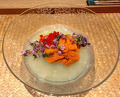
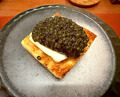
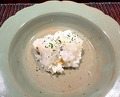
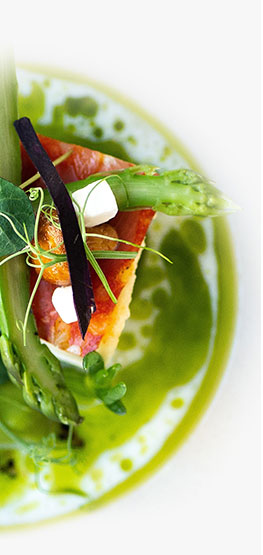
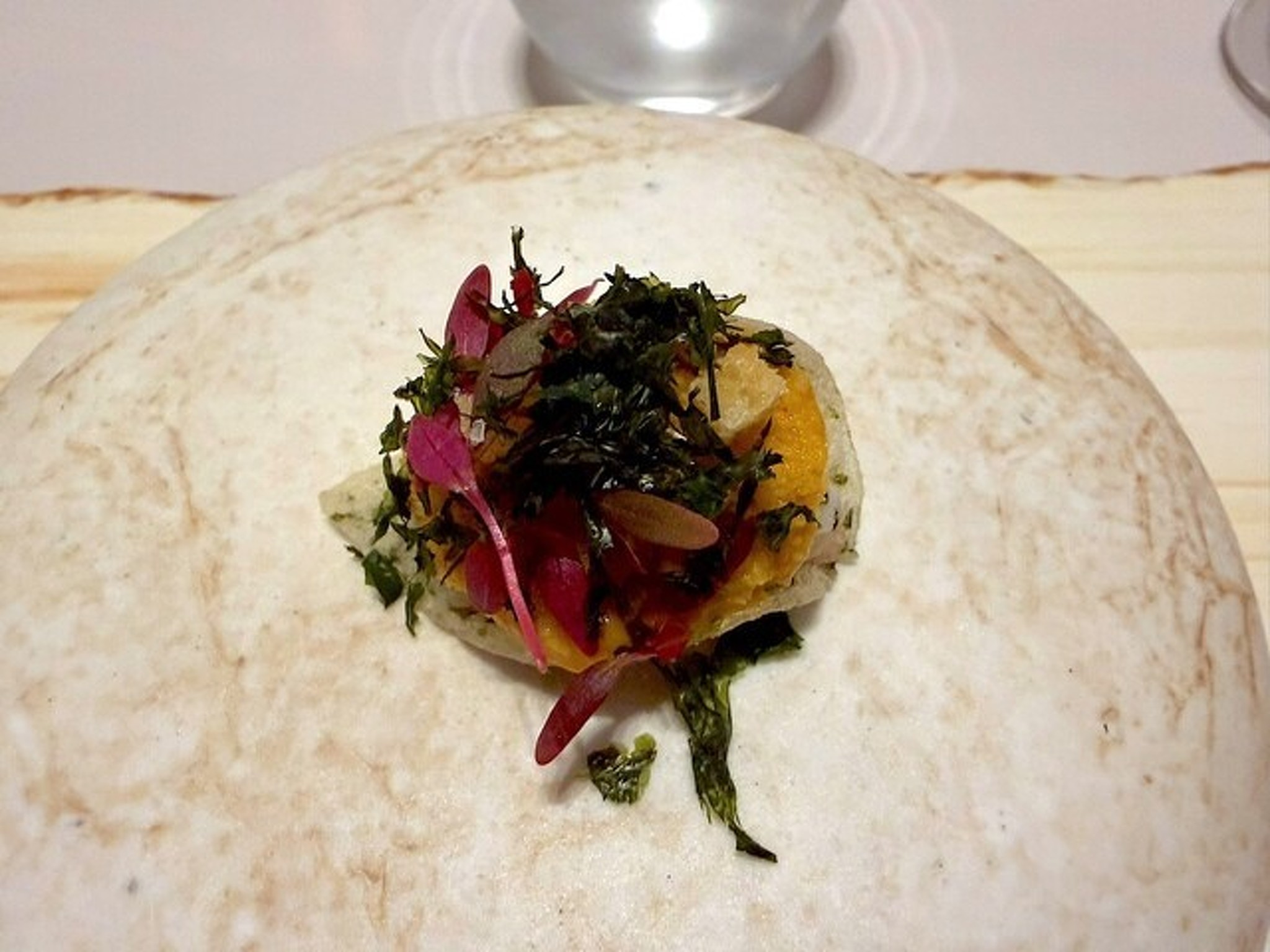
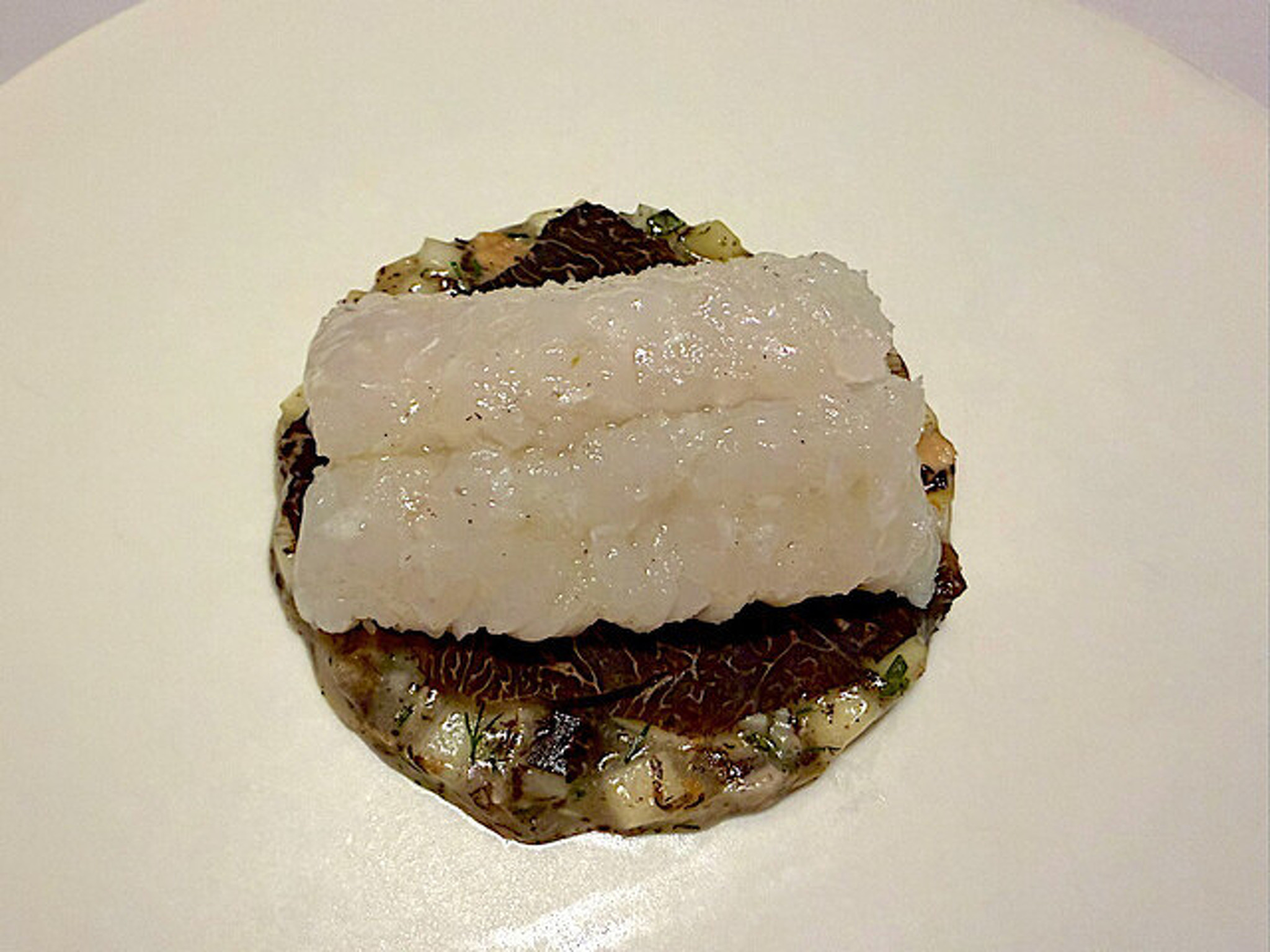
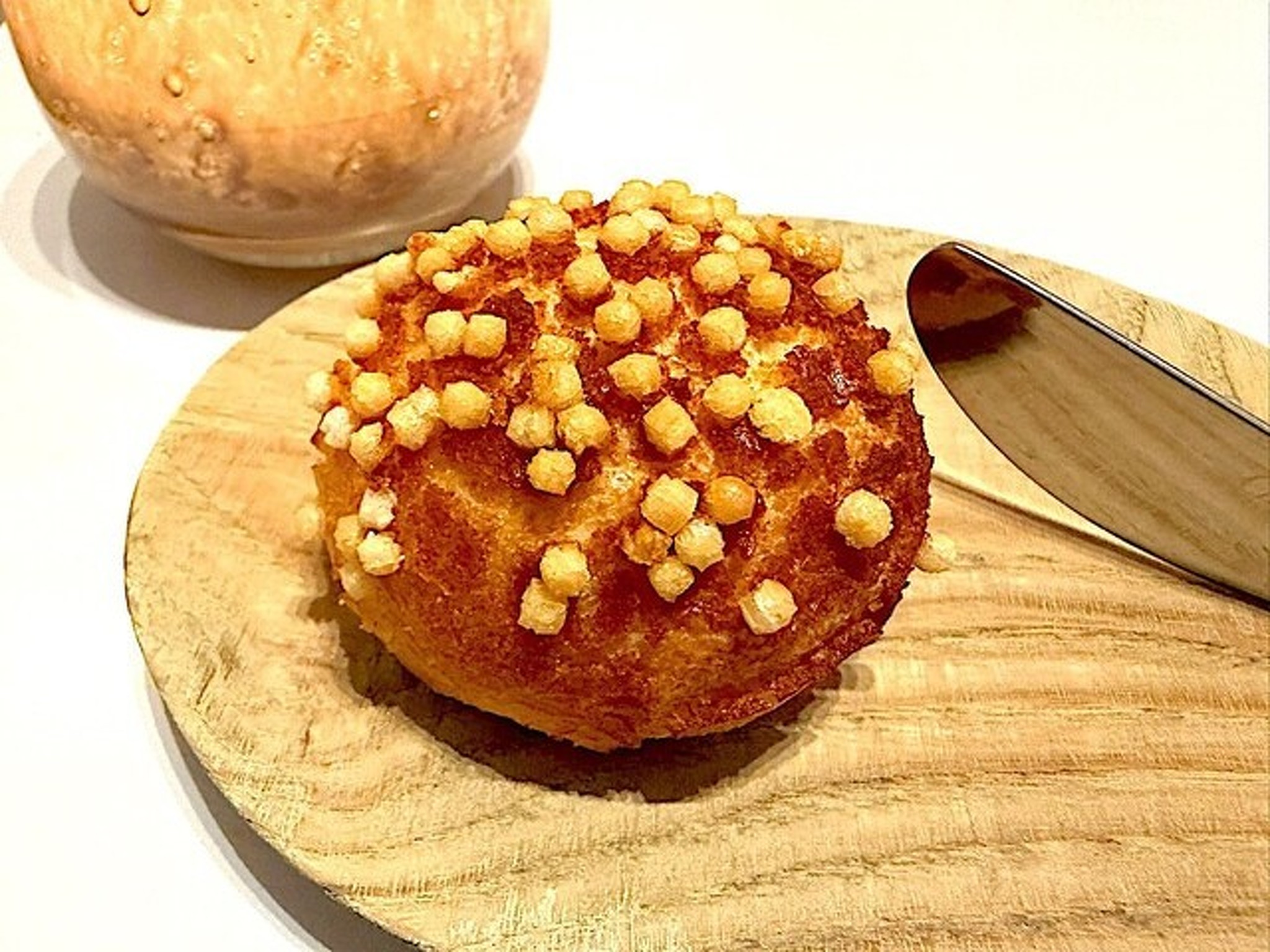
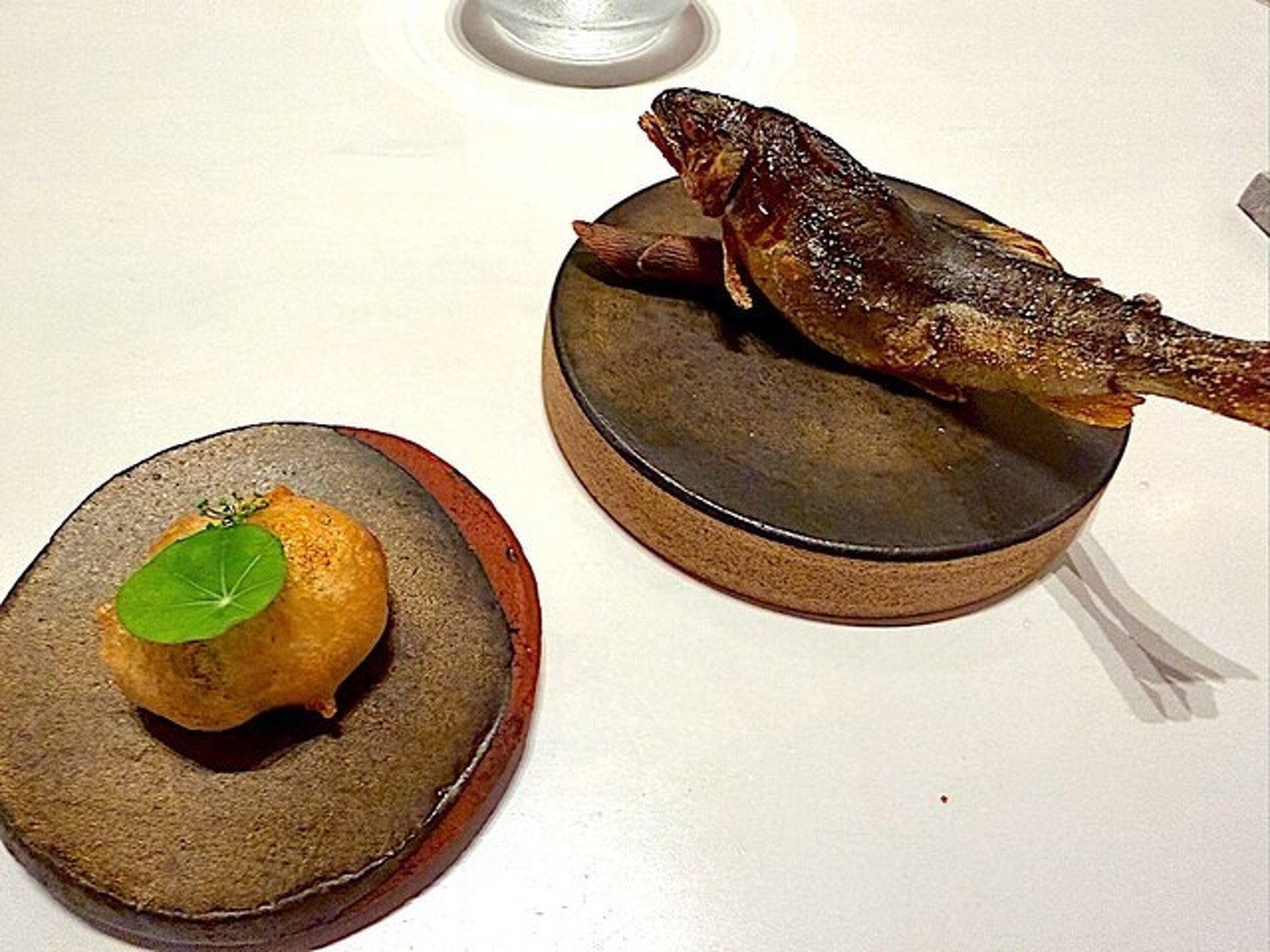
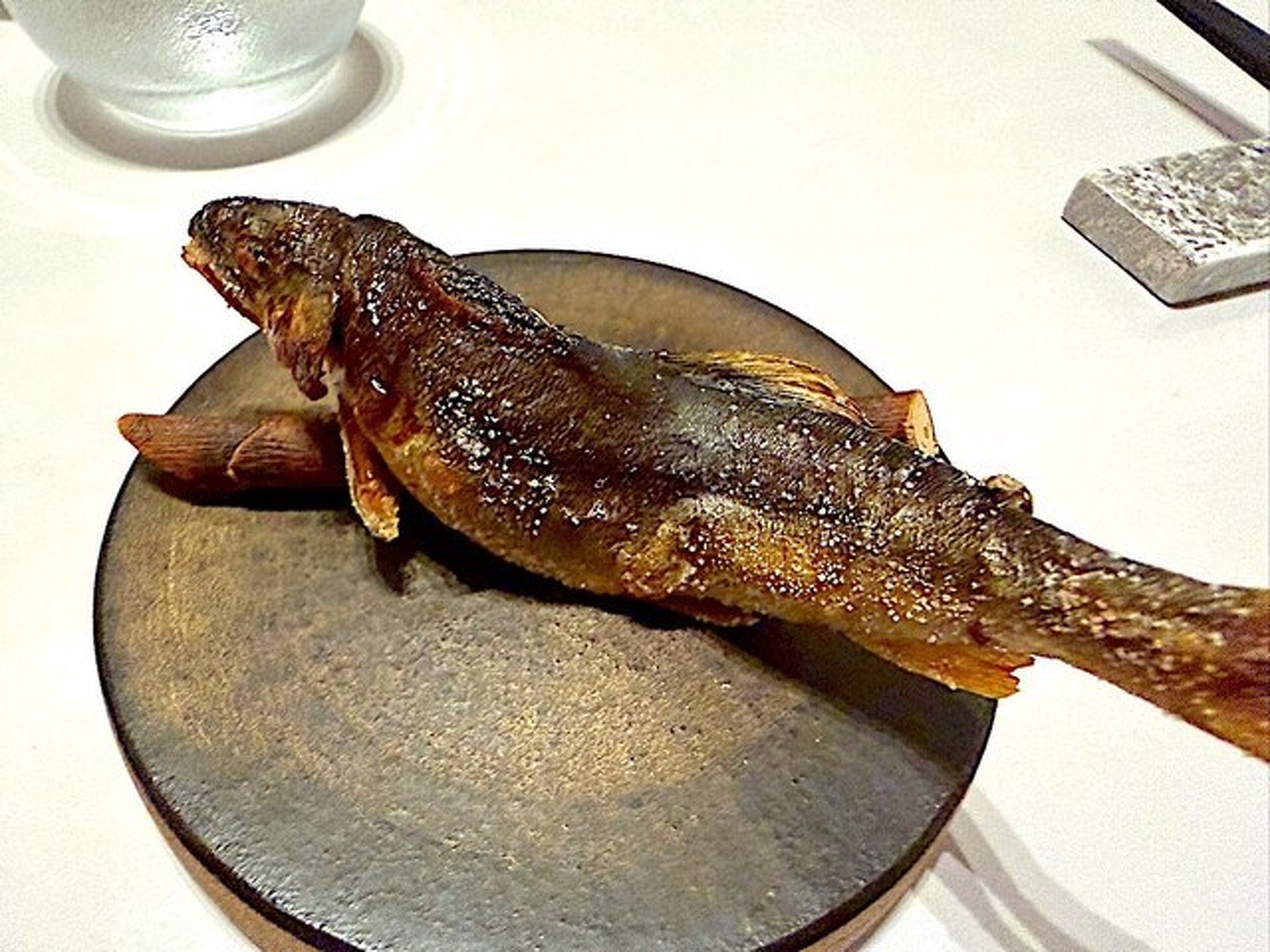
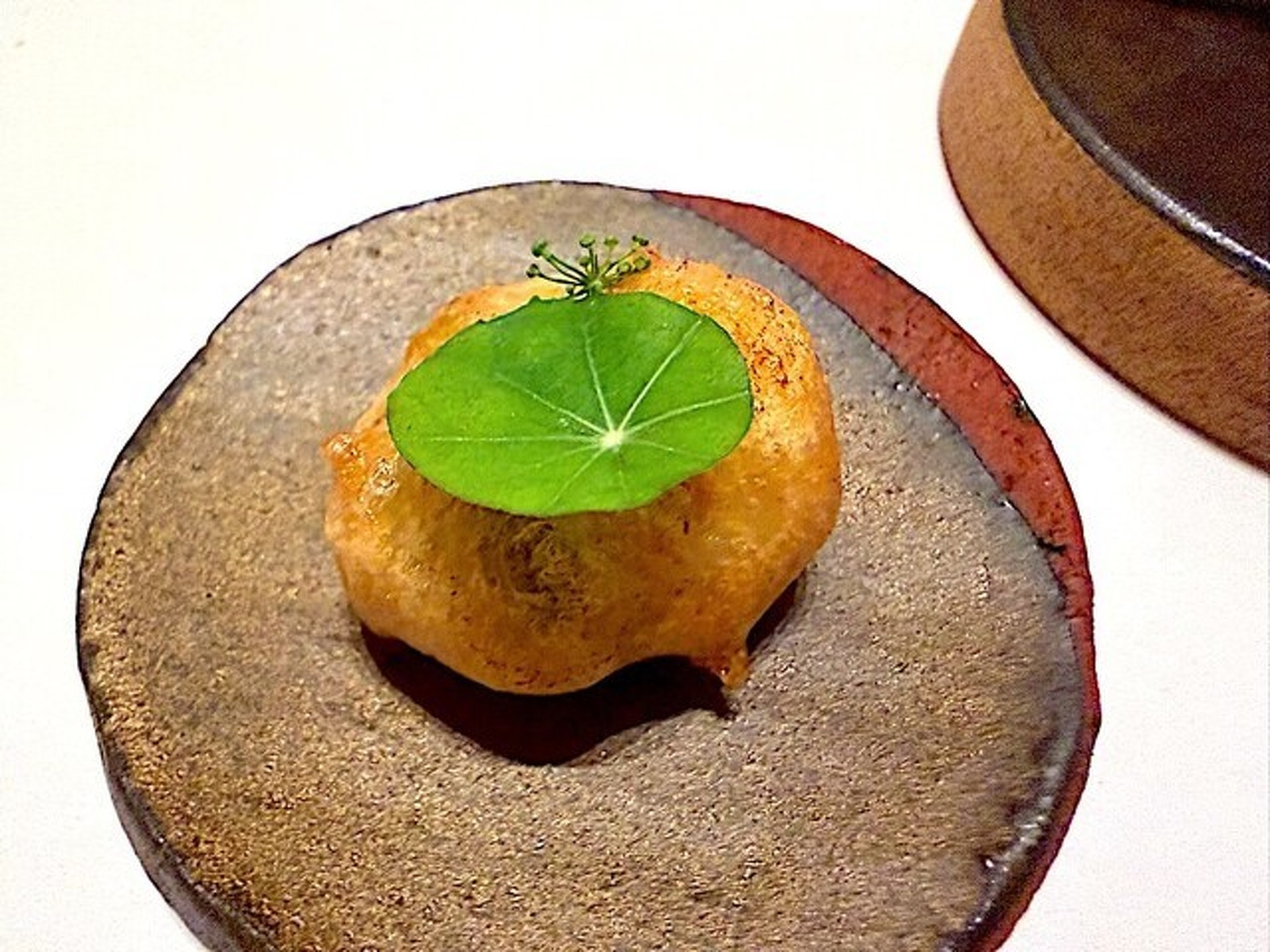
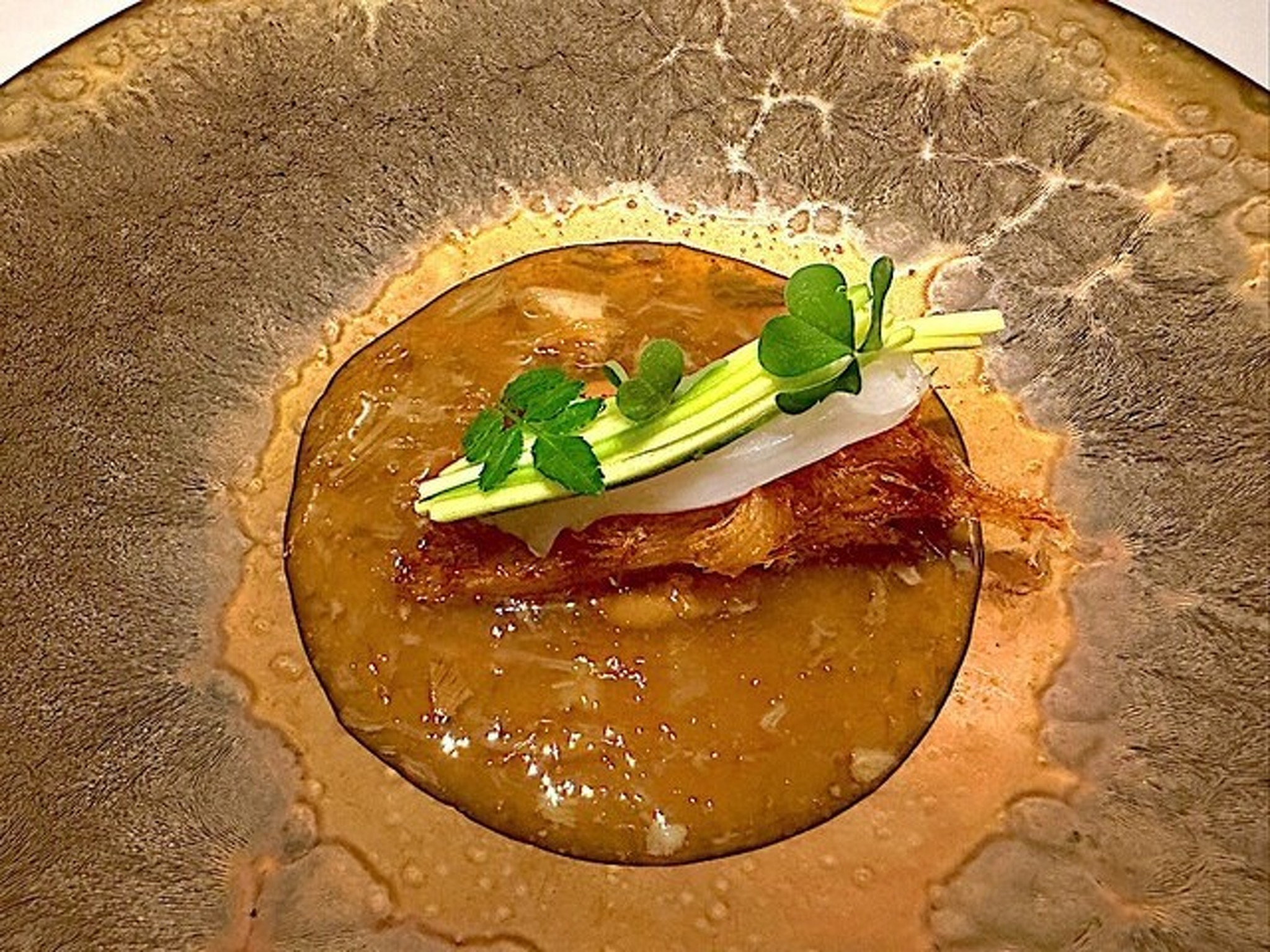
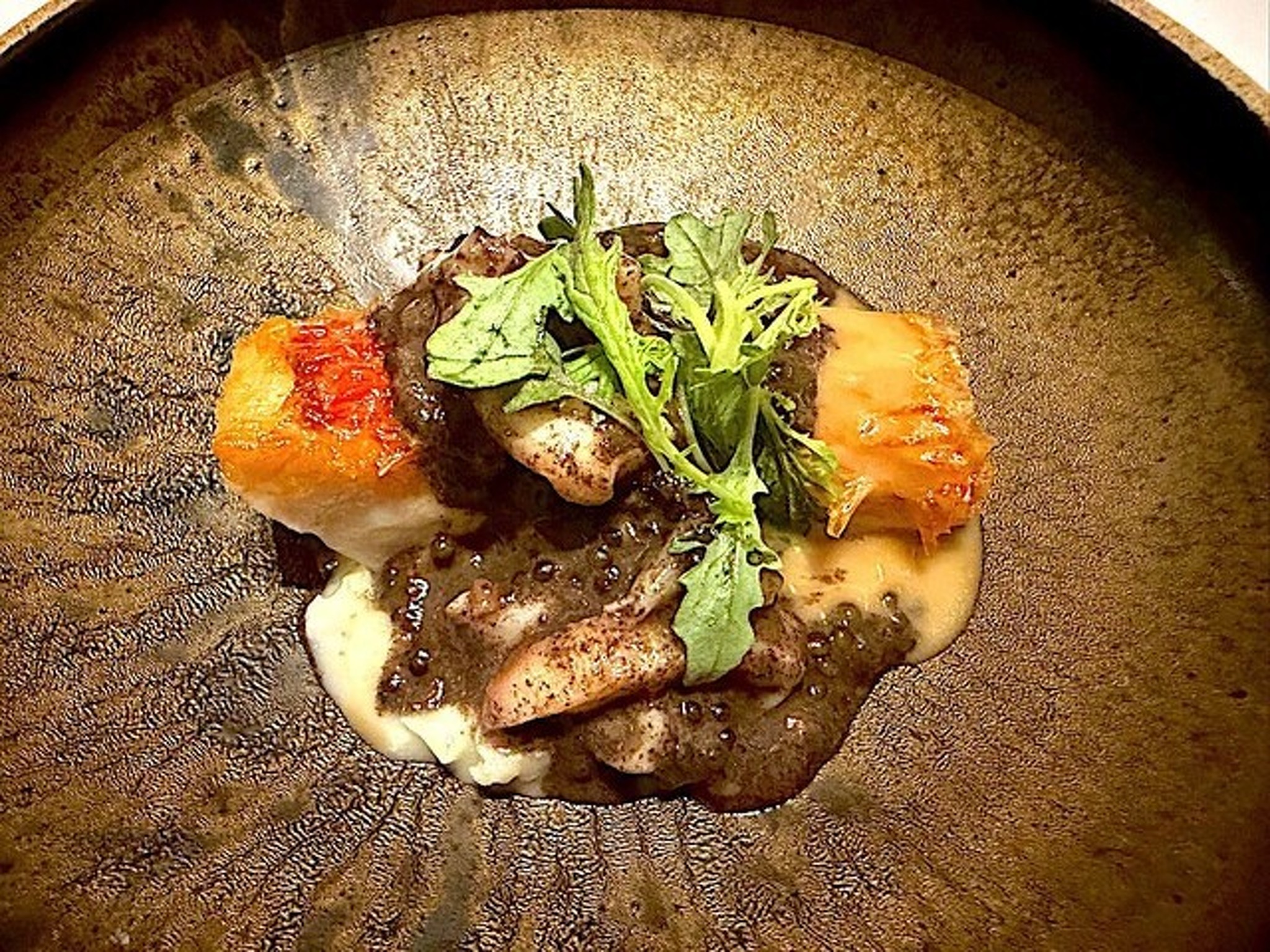
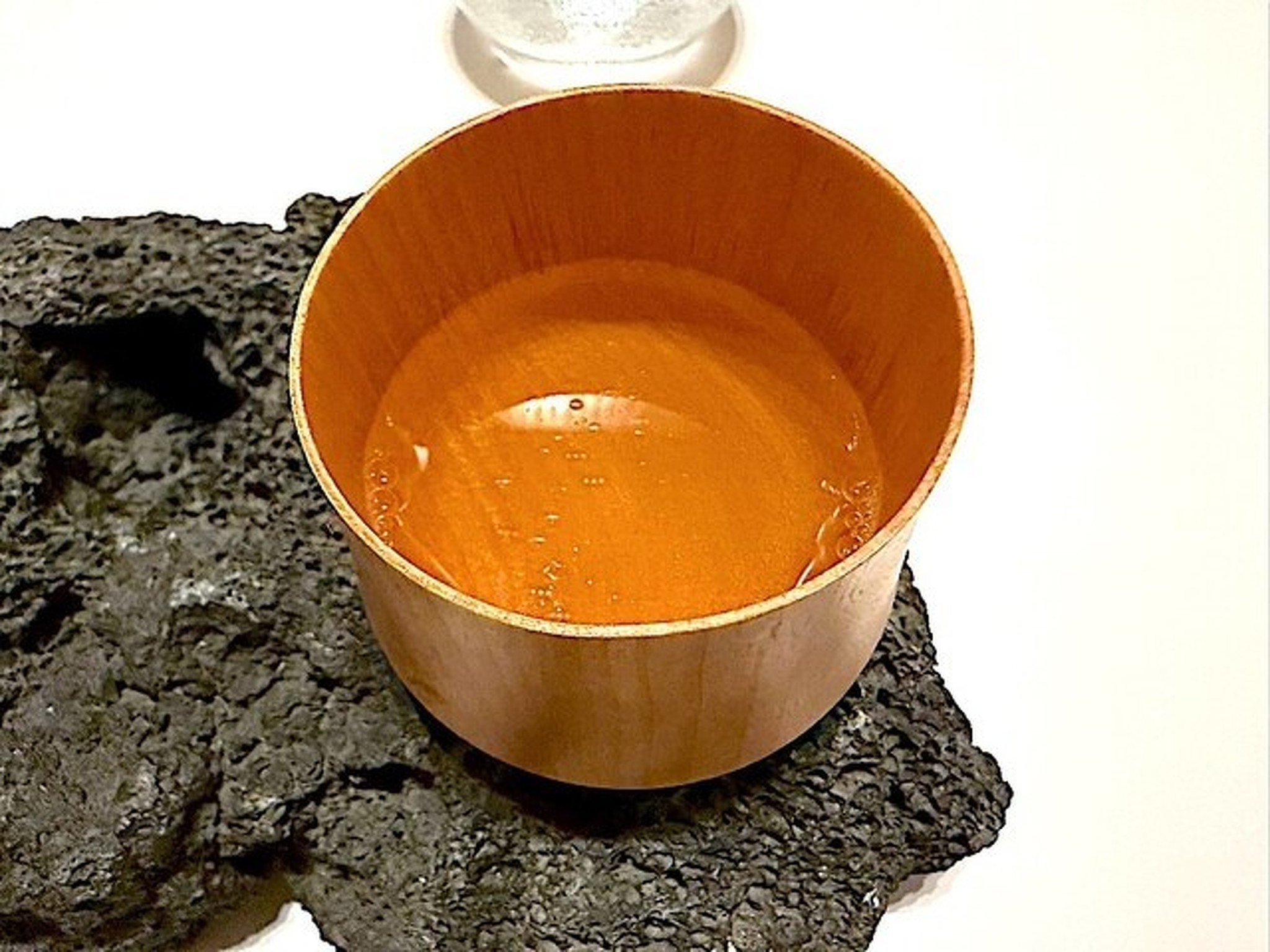
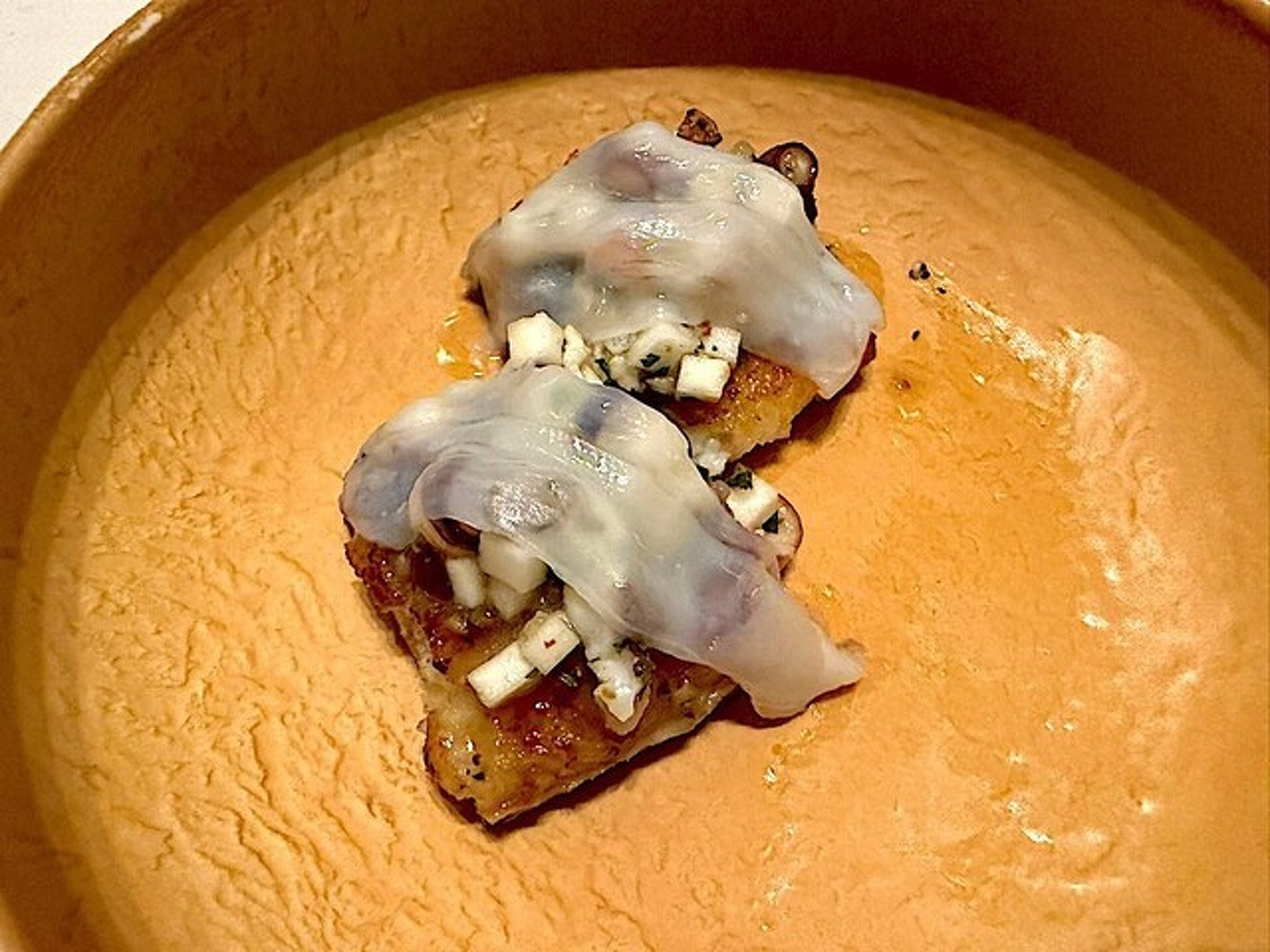
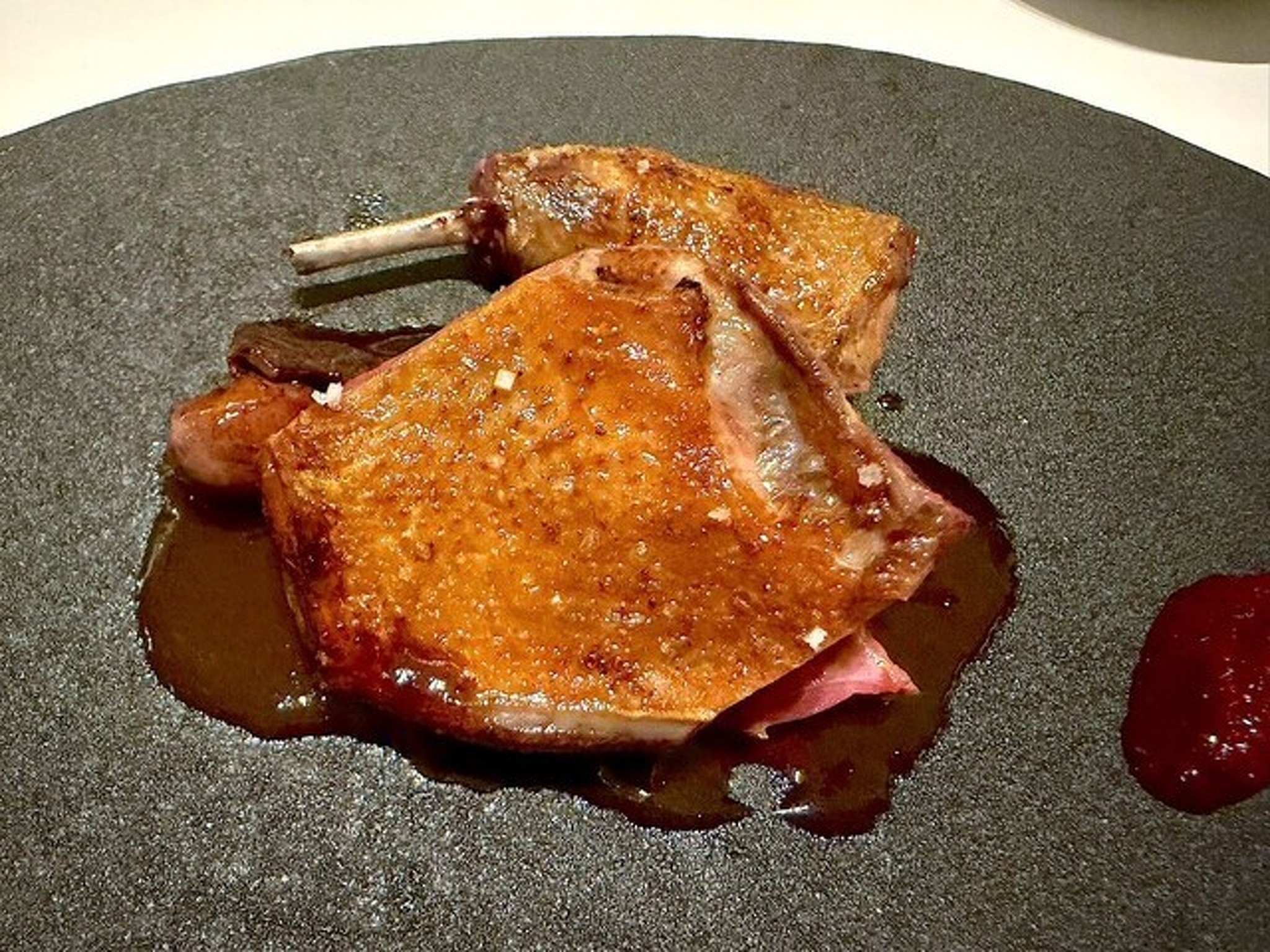
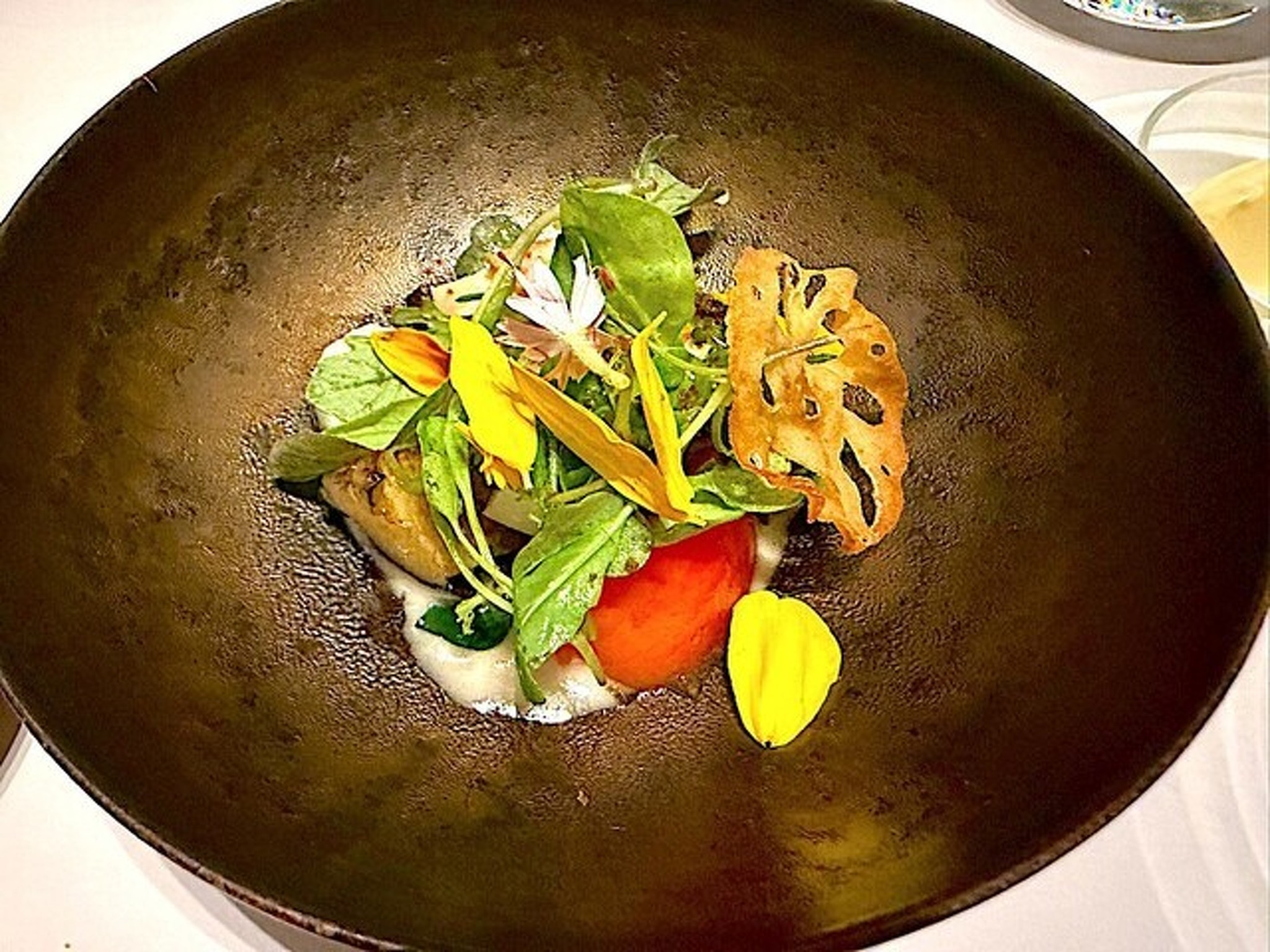
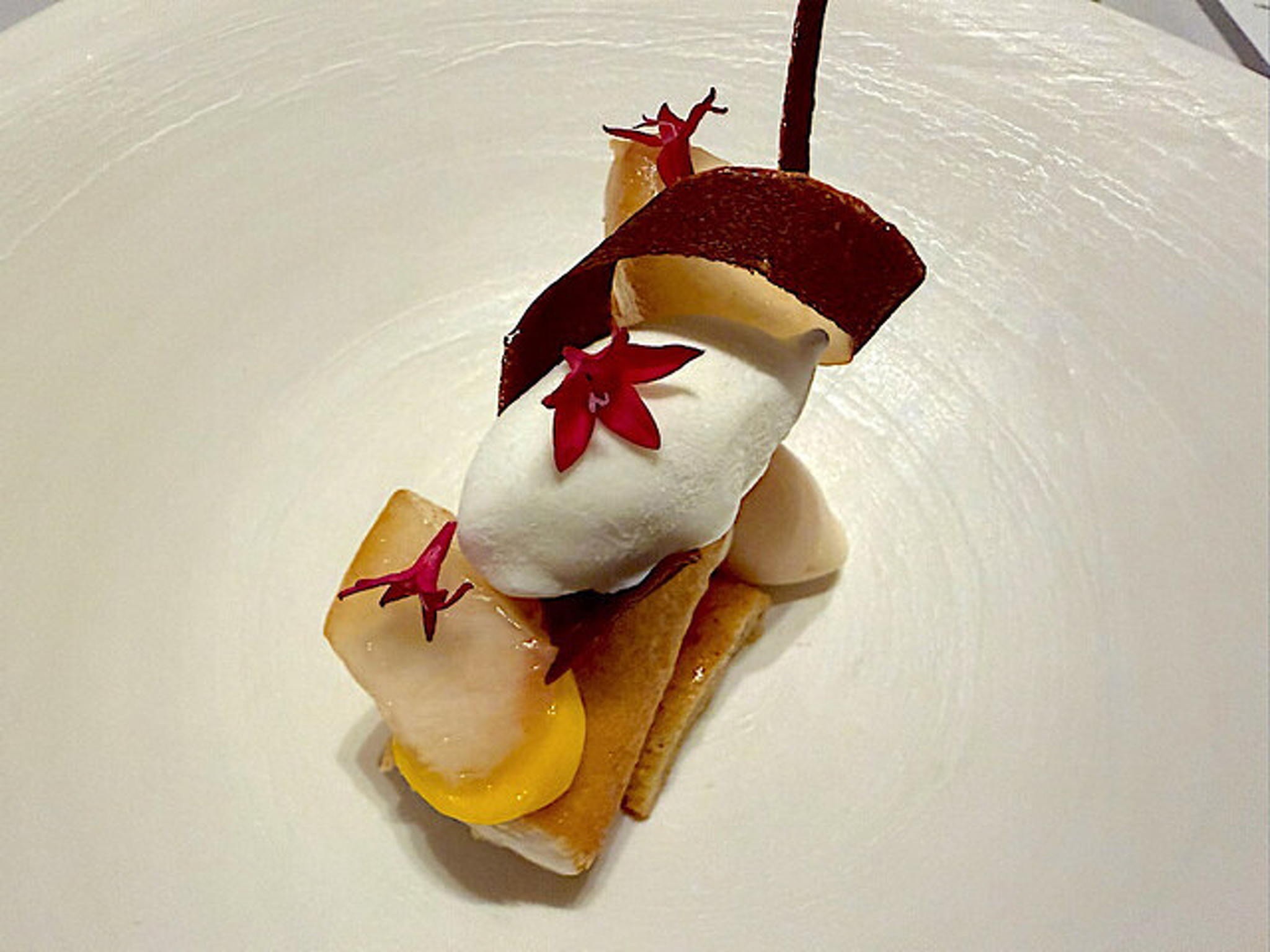
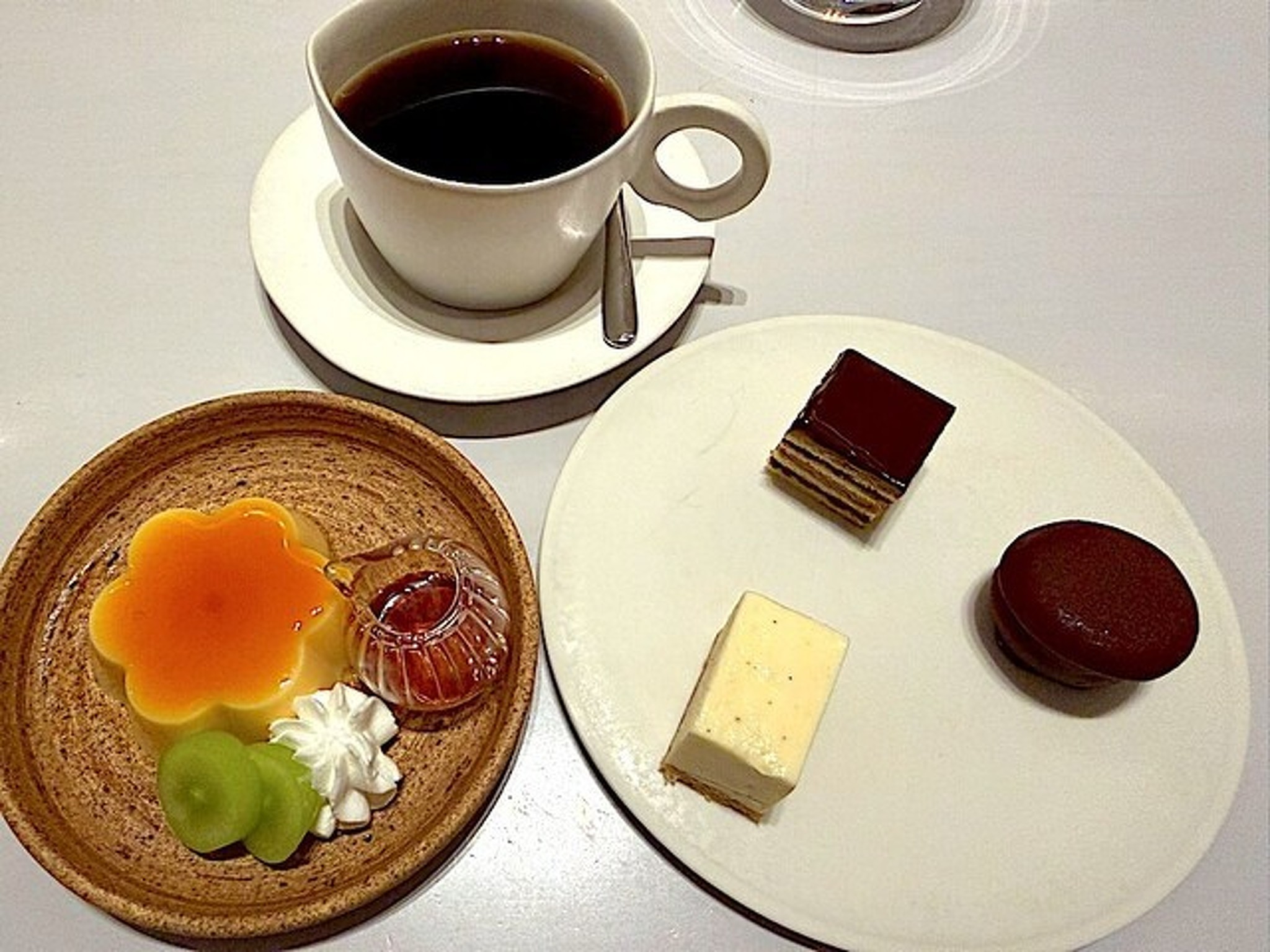
I visited Reminiscence in Nagoya, located in the Kurumamichi area.This is one of my favorite French restaurants that I have visited multiple times.The owner-chef is Masaki Kuzuhara, who honed his skills at "Kantensance" in Tokyo and "HAJIME" in Osaka before opening Reminiscence in Nagoya. The restaurant has received high acclaim, earning two stars in the "Michelin Guide Aichi, Gifu, Mie 2019 Special Edition" and currently holds the The Tabelog Award 2026 Silver, making it one of the top restaurants representing Nagoya.The theme of Reminiscence is "Aftertaste and Memory."Rather than completing a dish in isolation, the idea is to connect the aftertaste of one dish to the next, creating a lasting memory of the entire course. Chef Kuzuhara emphasizes not only the deliciousness of each dish but also how each item contributes to the overall experience of the course.As a repeat visitor, I can truly appreciate this philosophy. While the signature dishes have a consistent foundation, the seasonal ingredients and combinations create a different experience each time.This time, I enjoyed a course that fully showcased the essence of Reminiscence.It started with kudzu chips, sea urchin, and nori.The dish simply highlights the umami of the sea urchin, complemented by the crisp texture of the kudzu chips and the aroma of the nori. The sweetness of the sea urchin spreads in your mouth from the very first bite, making it a clear and delicious opening dish for the course.Next was the hamachi from Minami Chita.It was paired with a ravigote sauce, mussels, and a green asparagus sauce.The fluffy hamachi melded beautifully with the fragrant sauce, and the acidity was superbly balanced. The aroma of truffle added an accent. Using hamachi, a quintessential summer ingredient in Japan, the dish firmly established itself as French cuisine through the sauce.Then came the grilled ayu and ayu croquette.The grilled ayu had a rich aroma and a distinct bitterness typical of the fish. It was interesting to enjoy the same ayu in croquette form, which was melt-in-your-mouth tender. The grilled ayu and croquette offered a delightful contrast in aroma and texture.The next dish, fried shark fin, was also impressive.It was served with potato purée, dried shrimp, a shellfish sauce, and cuttlefish.By frying the shark fin, which is often enjoyed in Chinese cuisine, it allowed for a completely different exploration of its unique fibrous texture. The creaminess of the potato purée deeply absorbed the aroma of the dried shrimp, while the texture of the cuttlefish added another layer.The red snapper with cauliflower purée was one of my favorites this time.It was paired with surf clam, caviar, a sauce made from kouda mushrooms, and a white wine sauce.The rich flavor of the red snapper blended well with the creamy white wine sauce. The caviar, surf clam, and kouda mushrooms complemented the fish's deliciousness, creating a wonderful harmony with the sauce. The fatty red snapper was enjoyable until the very last bite.Next was one of the signature dishes of Reminiscence, the Nagoya Cochin soup.This bowl, made with water from the Amanoiwato in Ise-Shima and Nagoya Cochin, is described by Chef Kuzuhara as essential for enhancing the dishes that follow.Visually simple, it is deeply flavorful and truly delicious.Rather than an immediate impact, it gradually spreads, leaving a lingering taste. Instead of resetting the palate, it connects the flow of flavors to the next dishes.Following that was the grilled eel from Isshiki.Eel, a staple ingredient in Nagoya, is one of the signature materials at Reminiscence.This time, it was prepared with octopus and chimichurri sauce.The sweetness of the eel's fat paired well with the acidity and herbal aroma of the chimichurri. The texture and flavor of the octopus added depth, creating a delightful interplay of eel fat, smoky aroma, acidity, and herbaceous notes in the mouth. While retaining the strength of the eel, the aftertaste was surprisingly light. It was an incredibly delicious dish.For the meat course, there was squab breast, thigh, gizzard, and heart.It was served with a sauce made from yamamomo purée and meat juices.The squab was cooked to perfection, bringing out its unique aroma. The different textures and flavors of each part were enjoyable. The strong flavor of the meat was complemented by the fruitiness of the yamamomo, and the acidity and sweetness of the sauce blended well with the squab's aroma.Accompanying this was a salad from Ai Farm, served with a bagna cauda-style sauce.I really liked this flow.The flavorful vegetables paired with the gentle bagna cauda sauce stood out, especially right after the meat course, refreshing the palate as we approached the end of the meal.For dessert, we started with pineapple ice cream.By layering sorbet, ice cream, and fruit from a single pineapple in different forms, it created a delightful variation in flavor. The acidity emerged in the mouth, followed by a wave of sweetness, which was quite interesting.Next was a cake with white peach and walnuts, along with fromage blanc.While combining multiple flavors, the elegant sweetness of the white peach remained at the center. There were variations in temperature and texture, making it a high-quality dessert.After the meal, we were treated to opera, cheesecake, chocolate pie, and purin.Each dessert evoked a sense of familiarity while being elegantly crafted as restaurant petit fours. Everything was delicious until the very end.What I felt once again is that Reminiscence excels not only in the quality of each dish but also in skillfully balancing the flavors throughout the course.With ingredients like sea urchin, hamachi, ayu, shark fin, red snapper, eel, and squab, it was a lineup of powerful ingredients.Yet, it never felt overwhelming.In between, the Nagoya Cochin soup and salad seamlessly connected the dishes, preserving the aftertaste of the previous plates while leading into the next. Thus, when the meal concluded, it was not just one standout dish that remained, but the entire course became a memorable experience.No matter how many times I visit, the core concept remains unchanged.However, as the seasons change, so do the ingredients and sauces, creating different layers of "aftertaste and memory" even in the same restaurant.As a repeat visitor, chasing these changes is one of the joys of Reminiscence.Once again, from start to finish, it was an exceptionally delicious course. Less
Copy the code to embed the post
- aryu aryu added a new meal Dinner at 日本橋蛎殻町 すぎた - Sugita at Nihonbashi Kakigaracho Sugita
After two years of trying, I finally managed to make a reservation at the renowned Nihonbashi Kakigaracho Sugita. It was a long wait...The owner, Takaaki Sugita, trained at the long-established "Miyako Sushi" before moving on to "Nihonbashi Tachibanacho Miyako Sushi" and opened his current establishment in 2015. He is known for his sushi that beautifully... More
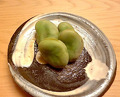
After two years of trying, I finally managed to make a reservation at the renowned Nihonbashi Kakigaracho Sugita. It was a long wait...The owner, Takaaki Sugita, trained at the long-established "Miyako Sushi" before moving on to "Nihonbashi Tachibanacho Miyako Sushi" and opened his current establishment in 2015. He is known for his sushi that beautifully highlights the natural flavors of the ingredients while adhering to traditional Edomae techniques, making this restaurant one of the most difficult to book in Tokyo.In a word, my impression of this visit was "exceptional quality."From the appetizers to the nigiri, each dish showcased a clean flavor profile, with a harmonious balance of umami, vinegar, salt, fat, and temperature.The first dish, fava beans, had a pleasant saltiness and aroma, making it a perfect start to the meal. Simple yet the flavor of the beans stood out beautifully.The Matsukawa flounder had a rich, creamy texture and a gradually expanding umami flavor. It was elegant yet robust, showcasing the benefits of aging without being overly subtle.The medium fatty tuna (meji maguro) had a melt-in-your-mouth quality with excellent fat quality. The fat didn’t weigh heavily but spread beautifully as umami, conveying the high level of craftsmanship from the very first bite.The anago (sea eel) chawanmushi (savory egg custard) was also outstanding. The custard was gentle and smooth, while the anago inside was rich in flavor. The fluffy texture of the anago paired perfectly with the softness of the custard, providing a satisfying experience within its mild taste.The grilled milk clam was impressive with its moist and fluffy texture. Grilling added a savory aroma from the soy sauce, followed by umami and saltiness. The clam's natural fragrance was lovely, and the sweetness expanded with cooking, enhancing the clam's appeal.The ankimo (monkfish liver) and sea urchin tsukudani (preserved) left a lasting impression. The ankimo was rich and creamy, with sweetness and umami that unfolded slowly. The sea urchin tsukudani was rich yet not overwhelming, offering a delightful taste. The attention to detail in these dishes was evident.The swordfish had a smooth layer of fat and a fluffy texture. The grilling was executed beautifully, bringing out the swordfish's sweetness perfectly.As we moved to the nigiri, the first was kohada (gizzard shad) from Amakusa. The balance of acidity, saltiness, and umami was superb, making it truly delicious. The essence of Edomae sushi was beautifully encapsulated in this piece, with the seasoning just right to highlight the fish's flavor.The sumi-ika (cuttlefish) had a delightful crunch, followed by a wave of umami. The balance of texture and the sweetness that emerged afterward was excellent, leaving no room for dissatisfaction.The isaki (grunt fish) had a rich umami that spread gently. The flavor intensified with each bite, making it very enjoyable. Despite its mildness, it left a strong impression.The sea bream showcased a refined umami. It had a purity typical of white fish, yet it was not bland, clearly conveying the quality of the fish. The transition from isaki to sea bream was smooth, allowing for a careful appreciation of the charm of white fish.The medium fatty tuna (chu-toro) was smooth, with umami gradually seeping in. The balance between the sweetness of the fat and the umami of the red meat was excellent, expanding slowly in the mouth.The fatty tuna (o-toro) was undeniably delicious, with a melt-in-your-mouth quality. The fat was clean, not leaving a heavy residue, and dissolved beautifully. Both the chu-toro and o-toro were exceptionally crafted.The kasugo (young sea bream) had a smooth fat that melted in the mouth, offering a gentle yet rich flavor. The finishing touch was clean, allowing the delicate umami of the fish to shine through.The mackerel was quite impressive. The seasoning was perfect, releasing a burst of umami. It didn’t rely solely on acidity; the fat and umami of the mackerel blended beautifully, resulting in a highly refined piece.The horse mackerel had a subtle entry, followed by a strong expansion of umami. The flavor lingered pleasantly, showcasing the qualities of blue fish. Its aroma was delightful, making it a refreshing addition to the overall flow.The sweet shrimp had a sweet and savory seasoning that led to a deep flavor. It had a unique texture and umami, with a harmonious seasoning. This piece truly reflected the craftsmanship of Edomae sushi.The marinated mackerel had an appealing burst of umami. The balance of fat, seasoning, and rice was excellent, allowing the flavor to spread beautifully in the mouth. Among the blue fish, it was highly satisfying.The sweet shrimp was rich and sweet, with a strong aroma and umami brought out by the cooking. The texture was excellent, and the sweetness intensified with each bite. It had a strong presence as a nigiri while maintaining the overall flow of the meal.The bafun uni (sea urchin) was melt-in-your-mouth delicious, truly an exceptional piece. It was rich yet not heavy, dissolving naturally in the mouth. The texture and aroma were delightful, making it a highly satisfying nigiri.The additional simmered clam was also fantastic. The sweet sauce was delicious, with the clam's broth flavor coming through beautifully. As you bite into it, the umami expands slowly, leaving a long-lasting taste in the mouth. It was great that the clam's presence was felt beyond just the sweetness of the sauce. The fluffy texture of the clam was also pleasant, making it a wise addition.The additional anago was excellently prepared. It had a light, moist, and smooth texture, melting in the mouth. The sweet and savory flavor had depth, with the sauce's aroma and the anago's umami blending beautifully. The sweetness of the sauce didn’t overpower, highlighting the anago's tenderness and richness. It was a satisfying piece to end the meal.The final dish, tamago (sweet omelet), was moist and sweet, with a gentle sweetness that blended seamlessly at the end of the meal.Overall, the precision of the Edomae techniques was evident. While the quality of the ingredients was certainly present, the design of how to present them was remarkably natural. Each technique—whether it was finishing, grilling, simmering, steaming, or marinating—contributed to the overall excellence of the flavors.Particularly memorable dishes included Matsukawa flounder, medium fatty tuna, anago chawanmushi, grilled milk clam, Amakusa kohada, isaki, sea bream, mackerel, sweet shrimp, bafun uni, additional simmered clam, and additional anago. Both the appetizers and nigiri were flawless, providing a consistently high level of enjoyment throughout the meal.It’s no surprise that reservations are difficult to secure at this renowned establishment, which offers compelling sushi. I genuinely want to say, "It was an exceptional quality experience," reflecting the high level of satisfaction I felt. Less
Copy the code to embed the post
- aryu aryu added a new meal Dinner at 銀座 しのはら - Ginza Shinohara at Ginza Shinohara
In the basement of a building in Ginza 1-chome, as you settle in at the white wood counter, you feel as if you’ve stepped into the rural landscapes of Shiga, despite being in the heart of Ginza."Ginza Shinohara" is a Japanese restaurant that was born in 2016 when "Nihon Ryori Shinohara," which attracted customers from all over the country in Koka... More

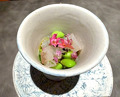
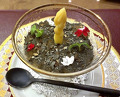
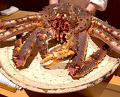
In the basement of a building in Ginza 1-chome, as you settle in at the white wood counter, you feel as if you’ve stepped into the rural landscapes of Shiga, despite being in the heart of Ginza."Ginza Shinohara" is a Japanese restaurant that was born in 2016 when "Nihon Ryori Shinohara," which attracted customers from all over the country in Koka City, Shiga Prefecture, relocated to Ginza. The owner, Takesuke Shinohara, honed his skills at a renowned restaurant in Kyoto and has transformed the memories of his hometown's ingredients and countryside cuisine into exquisite Japanese dishes in the Ginza setting.The menu for the day beautifully showcased the charm of refining Shiga's countryside cuisine into Ginza's Japanese culinary style. It’s not just about presenting high-end ingredients or simply showcasing seasonal produce. Each dish is crafted with meticulous attention to the balance of aroma, bitterness, fat, umami, and sweetness, deepening in flavor as you progress through the meal.The first dish was a refreshing creation featuring conger eel, sweet shrimp, okra, and sea urchin set in a jelly. Visually vibrant, the flavors of the seafood changed with each bite: the delicate umami of the conger eel, the sweetness of the sweet shrimp, the fresh aroma of the okra, and the richness of the sea urchin. The jelly, infused with deep umami, was light yet left a lasting impression. It was a perfect opening dish that conveyed both seasonal essence and the restaurant's signature elegance.Next was the crab bread, playful yet straightforward in flavor. The crab meat was generously packed, releasing its umami with each bite. The toasted aroma of the wheat paired well with the sweetness of the crab, adding a hint of Western nuance to the traditional Japanese flow, making it a delightful experience.The edamame puree was also outstanding. This bowl combined Kamo eggplant, cucumber, koshiabura, and sea bream, offering a smooth texture. The gentle sweetness of the edamame spread softly, layered with the umami of the sea bream and the refreshing quality of the vegetables. While it follows the classic kaiseki structure, the depth of flavor was rich and profound, perfectly embodying the essence of umami.The sweetfish sushi left a lasting impression with its use of bitterness. The characteristic slight bitterness of the sweetfish was well complemented by the sweetness and umami of the vinegared rice. Rather than masking the bitterness, it was utilized as a contrast in flavor. With each bite, the aroma of the river fish wafted up, leaving a refreshing sensation in the mouth.The eel was rich in fat and umami, generously seasoned with flower pepper, which elevated its richness without making it heavy. The thickness of the eel's fat was beautifully lifted by the vibrant aroma of the flower pepper, providing a satisfying experience while leaving a clean aftertaste. This dish was quite memorable.The soft-shelled turtle was presented with jelly and Tatsuta-age (deep-fried). The jelly, made from broth, slowly dissolved in the mouth, gradually releasing its umami. The Tatsuta-age had a delightful texture, and the savory flavor of soy sauce paired excellently with the turtle's umami. The contrasting expressions of a single ingredient were well executed.The king crab had a core of umami. The sweetness of the crab was pronounced, enhanced by the aroma of green onion oil. While aromatic oils can sometimes overpower in Japanese cuisine, here they supported the presence of the crab. It was a delicious dish that made you want to keep eating.Next came the hassun, featuring scallops, firefly squid, sweet shrimp, and egg yolk vinegar, presenting a lively array of seasonal seafood. The firefly squid was particularly flavorful, and the mild acidity of the egg yolk vinegar beautifully tied everything together. Rather than simply refreshing with vinegar, this dish enhanced the sweetness and richness of the seafood while providing a cool balance, showcasing the restaurant's characteristic elegance and intricate layering of flavors.The sea bass and new onion ohitashi (blanched) provided a refreshing finish with ponzu sauce. The robust umami of the sea bass and the sweetness of the new onion were harmonized by the acidity, cleansing the palate for the next dish.The torafugu (pufferfish) wrapped in green onion was a dish that layered the mild flavor of the torafugu with the aroma and sweetness of the green onion. The gentle support of the green onion allowed the refined umami of the torafugu to shine through, releasing flavor with each bite.The marinated tuna rolled in seaweed was straightforward, allowing the umami of the tuna to shine. Marinating enhanced the flavor and the texture, while the aroma of the seaweed elevated the overall quality of each bite. It appeared simple, yet the precision in temperature, marination, and the release of the seaweed's aroma made it a remarkable dish.The pickled quail egg was sweet and delicious, despite being a small dish. The umami of the miso was well infused, pairing beautifully with the creaminess of the quail egg. Such interlude dishes are what make dining at Shinohara enjoyable and memorable.The flounder wrapped in kombu was beautifully infused with the umami of the kelp, offering a smooth texture. The delicate sweetness of the white fish was complemented by the aroma of the kombu, creating a quietly delicious experience. While not a standout dish, it exemplified the depth of foundational Japanese cuisine.The squid was enjoyed with brandy soy sauce. Its sticky texture was enhanced by the aroma and umami of the brandy soy sauce. It was interesting how the sweetness of the squid was highlighted while adding a slightly glamorous aroma.The cucumber, daidai (bitter orange), and jellyfish salad was a delightful textural experience. The tender jellyfish, refreshing cucumber, and the brightness of the daidai were well balanced with the seasoning, lightening the palate. When small dishes like this are executed well, they significantly enhance the overall satisfaction of the course.The donko shiitake mushrooms, grilled eggplant, and three-way beans with sesame were also impressive. The roasted aroma, the sweetness of the vegetables infused with dashi, and the roundness of the sesame created a rich flavor that expanded with each bite. The essence of Shiga and the countryside is vividly expressed in such dishes, maintaining a grounded umami amidst the glamour of Ginza.Then came the monaka (wafer) filled with foie gras, butter, dried persimmon, and whiskey jelly. This was a playful combination. The richness of the foie gras and butter was complemented by the soft sweetness of the dried persimmon and the aroma of the whiskey jelly. The toasted aroma and light texture of the monaka held everything together, transforming what could have been a heavy combination into a delightful bite. It skillfully incorporated Western nuances into the flow of Japanese cuisine.The abalone was a dish that allowed its inherent umami to shine without overpowering it with salt or broth. With each bite, the umami gently emerged, providing a quiet sense of satisfaction. Such dishes rely more on the gradual increase of flavor in the mouth than on explanation.The Hida beef and green onion bamboo shoot sukiyaki was rich in shoulder loin fat yet not greasy. The sweetness of the meat, the aroma of the green onion, and the texture of the bamboo shoot combined to create a broad umami. Presenting a familiar dish like sukiyaki in a refined manner while ensuring satisfaction was skillfully done.The eggplant was delicious with a refreshing taste. The roasted aroma and moisture of the eggplant, along with the infusion of dashi, were well balanced, ensuring it didn’t feel heavy even towards the end of the meal. It was a dish that allowed the softness of the ingredient to shine through.The final rice dish was ginger rice. While ginger often evokes a sharp flavor, this was surprisingly gentle. The umami of the dashi formed the base, and the deliciousness increased with each bite. Handan somen (thin noodles) were also served, creating a light flow towards the end of the course.The dessert began with a tomato wine jelly. The sweetness and acidity of the tomato were enveloped in a fluffy jelly. It refreshed the palate after the meal while leaving a clean fruitiness.Finally, the mugwort kuzuzan (sweet red bean soup) was delightful. The sweet red bean paste was light, and the aroma of mugwort wafted gently. The soft kuzuzan melted in the mouth, leaving only a gentle sweetness behind. It concluded the meal without feeling heavy, yet still satisfying.The charm of Ginza Shinohara lies not in merely displaying eye-catching ingredients, but in the seamless connection of Shiga's countryside cuisine, the techniques cultivated in Kyoto, and the elegance characteristic of Ginza into a natural flow. From the refreshing jelly of seafood, the bitterness of mountain vegetables and river fish, the robust umami of crab and eel, the liveliness of the hassun, to the playful use of foie gras and whiskey jelly, the elements appear diverse, yet they strangely coalesce into a single line by the end of the meal.What lingers is not surprise, but a sense of fulfillment as if you have savored the seasons in order. In the basement of Ginza, the landscapes of Shiga quietly unfold. It was such a night. Less