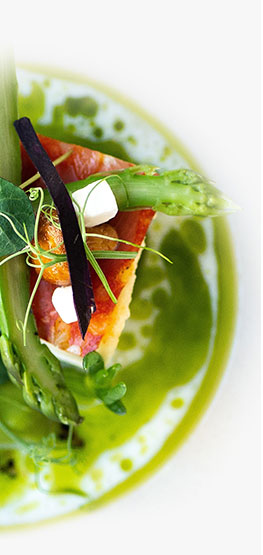
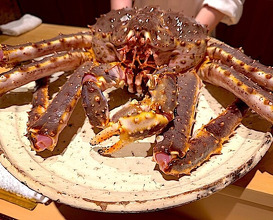
In the basement of a building in Ginza 1-chome, as you settle in at the white wood counter, you feel as if you’ve stepped into the rural landscapes of Shiga, despite being in the heart of Ginza."Ginza Shinohara" is a Japanese restaurant that was born in 2016 when "Nihon Ryori Shinohara," which attracted customers from all over the country in Koka City, Shiga Prefecture, relocated to Ginza. The owner, Takesuke Shinohara, honed his skills at a renowned restaurant in Kyoto and has transformed the memories of his hometown's ingredients and countryside cuisine into exquisite Japanese dishes in the Ginza setting.The menu for the day beautifully showcased the charm of refining Shiga's countryside cuisine into Ginza's Japanese culinary style. It’s not just about presenting high-end ingredients or simply showcasing seasonal produce. Each dish is crafted with meticulous attention to the balance of aroma, bitterness, fat, umami, and sweetness, deepening in flavor as you progress through the meal.The first dish was a refreshing creation featuring conger eel, sweet shrimp, okra, and sea urchin set in a jelly. Visually vibrant, the flavors of the seafood changed with each bite: the delicate umami of the conger eel, the sweetness of the sweet shrimp, the fresh aroma of the okra, and the richness of the sea urchin. The jelly, infused with deep umami, was light yet left a lasting impression. It was a perfect opening dish that conveyed both seasonal essence and the restaurant's signature elegance.Next was the crab bread, playful yet straightforward in flavor. The crab meat was generously packed, releasing its umami with each bite. The toasted aroma of the wheat paired well with the sweetness of the crab, adding a hint of Western nuance to the traditional Japanese flow, making it a delightful experience.The edamame puree was also outstanding. This bowl combined Kamo eggplant, cucumber, koshiabura, and sea bream, offering a smooth texture. The gentle sweetness of the edamame spread softly, layered with the umami of the sea bream and the refreshing quality of the vegetables. While it follows the classic kaiseki structure, the depth of flavor was rich and profound, perfectly embodying the essence of umami.The sweetfish sushi left a lasting impression with its use of bitterness. The characteristic slight bitterness of the sweetfish was well complemented by the sweetness and umami of the vinegared rice. Rather than masking the bitterness, it was utilized as a contrast in flavor. With each bite, the aroma of the river fish wafted up, leaving a refreshing sensation in the mouth.The eel was rich in fat and umami, generously seasoned with flower pepper, which elevated its richness without making it heavy. The thickness of the eel's fat was beautifully lifted by the vibrant aroma of the flower pepper, providing a satisfying experience while leaving a clean aftertaste. This dish was quite memorable.The soft-shelled turtle was presented with jelly and Tatsuta-age (deep-fried). The jelly, made from broth, slowly dissolved in the mouth, gradually releasing its umami. The Tatsuta-age had a delightful texture, and the savory flavor of soy sauce paired excellently with the turtle's umami. The contrasting expressions of a single ingredient were well executed.The king crab had a core of umami. The sweetness of the crab was pronounced, enhanced by the aroma of green onion oil. While aromatic oils can sometimes overpower in Japanese cuisine, here they supported the presence of the crab. It was a delicious dish that made you want to keep eating.Next came the hassun, featuring scallops, firefly squid, sweet shrimp, and egg yolk vinegar, presenting a lively array of seasonal seafood. The firefly squid was particularly flavorful, and the mild acidity of the egg yolk vinegar beautifully tied everything together. Rather than simply refreshing with vinegar, this dish enhanced the sweetness and richness of the seafood while providing a cool balance, showcasing the restaurant's characteristic elegance and intricate layering of flavors.The sea bass and new onion ohitashi (blanched) provided a refreshing finish with ponzu sauce. The robust umami of the sea bass and the sweetness of the new onion were harmonized by the acidity, cleansing the palate for the next dish.The torafugu (pufferfish) wrapped in green onion was a dish that layered the mild flavor of the torafugu with the aroma and sweetness of the green onion. The gentle support of the green onion allowed the refined umami of the torafugu to shine through, releasing flavor with each bite.The marinated tuna rolled in seaweed was straightforward, allowing the umami of the tuna to shine. Marinating enhanced the flavor and the texture, while the aroma of the seaweed elevated the overall quality of each bite. It appeared simple, yet the precision in temperature, marination, and the release of the seaweed's aroma made it a remarkable dish.The pickled quail egg was sweet and delicious, despite being a small dish. The umami of the miso was well infused, pairing beautifully with the creaminess of the quail egg. Such interlude dishes are what make dining at Shinohara enjoyable and memorable.The flounder wrapped in kombu was beautifully infused with the umami of the kelp, offering a smooth texture. The delicate sweetness of the white fish was complemented by the aroma of the kombu, creating a quietly delicious experience. While not a standout dish, it exemplified the depth of foundational Japanese cuisine.The squid was enjoyed with brandy soy sauce. Its sticky texture was enhanced by the aroma and umami of the brandy soy sauce. It was interesting how the sweetness of the squid was highlighted while adding a slightly glamorous aroma.The cucumber, daidai (bitter orange), and jellyfish salad was a delightful textural experience. The tender jellyfish, refreshing cucumber, and the brightness of the daidai were well balanced with the seasoning, lightening the palate. When small dishes like this are executed well, they significantly enhance the overall satisfaction of the course.The donko shiitake mushrooms, grilled eggplant, and three-way beans with sesame were also impressive. The roasted aroma, the sweetness of the vegetables infused with dashi, and the roundness of the sesame created a rich flavor that expanded with each bite. The essence of Shiga and the countryside is vividly expressed in such dishes, maintaining a grounded umami amidst the glamour of Ginza.Then came the monaka (wafer) filled with foie gras, butter, dried persimmon, and whiskey jelly. This was a playful combination. The richness of the foie gras and butter was complemented by the soft sweetness of the dried persimmon and the aroma of the whiskey jelly. The toasted aroma and light texture of the monaka held everything together, transforming what could have been a heavy combination into a delightful bite. It skillfully incorporated Western nuances into the flow of Japanese cuisine.The abalone was a dish that allowed its inherent umami to shine without overpowering it with salt or broth. With each bite, the umami gently emerged, providing a quiet sense of satisfaction. Such dishes rely more on the gradual increase of flavor in the mouth than on explanation.The Hida beef and green onion bamboo shoot sukiyaki was rich in shoulder loin fat yet not greasy. The sweetness of the meat, the aroma of the green onion, and the texture of the bamboo shoot combined to create a broad umami. Presenting a familiar dish like sukiyaki in a refined manner while ensuring satisfaction was skillfully done.The eggplant was delicious with a refreshing taste. The roasted aroma and moisture of the eggplant, along with the infusion of dashi, were well balanced, ensuring it didn’t feel heavy even towards the end of the meal. It was a dish that allowed the softness of the ingredient to shine through.The final rice dish was ginger rice. While ginger often evokes a sharp flavor, this was surprisingly gentle. The umami of the dashi formed the base, and the deliciousness increased with each bite. Handan somen (thin noodles) were also served, creating a light flow towards the end of the course.The dessert began with a tomato wine jelly. The sweetness and acidity of the tomato were enveloped in a fluffy jelly. It refreshed the palate after the meal while leaving a clean fruitiness.Finally, the mugwort kuzuzan (sweet red bean soup) was delightful. The sweet red bean paste was light, and the aroma of mugwort wafted gently. The soft kuzuzan melted in the mouth, leaving only a gentle sweetness behind. It concluded the meal without feeling heavy, yet still satisfying.The charm of Ginza Shinohara lies not in merely displaying eye-catching ingredients, but in the seamless connection of Shiga's countryside cuisine, the techniques cultivated in Kyoto, and the elegance characteristic of Ginza into a natural flow. From the refreshing jelly of seafood, the bitterness of mountain vegetables and river fish, the robust umami of crab and eel, the liveliness of the hassun, to the playful use of foie gras and whiskey jelly, the elements appear diverse, yet they strangely coalesce into a single line by the end of the meal.What lingers is not surprise, but a sense of fulfillment as if you have savored the seasons in order. In the basement of Ginza, the landscapes of Shiga quietly unfold. It was such a night.
We use cookies on this site to enhance your user experience.