Overview
Restaurant Views: 1,617
Awards
- MICHELIN Guide
- Tabelog
- 2026 Bronze
- Restaurant Ranking
-
Restaurant Ranking 2024, #3080, PRO #16.00, USER #0.00
Ratings from the web
- Tabelog
- 4.23
Cuisine
Japanese Cuisine
Foodle Reviews
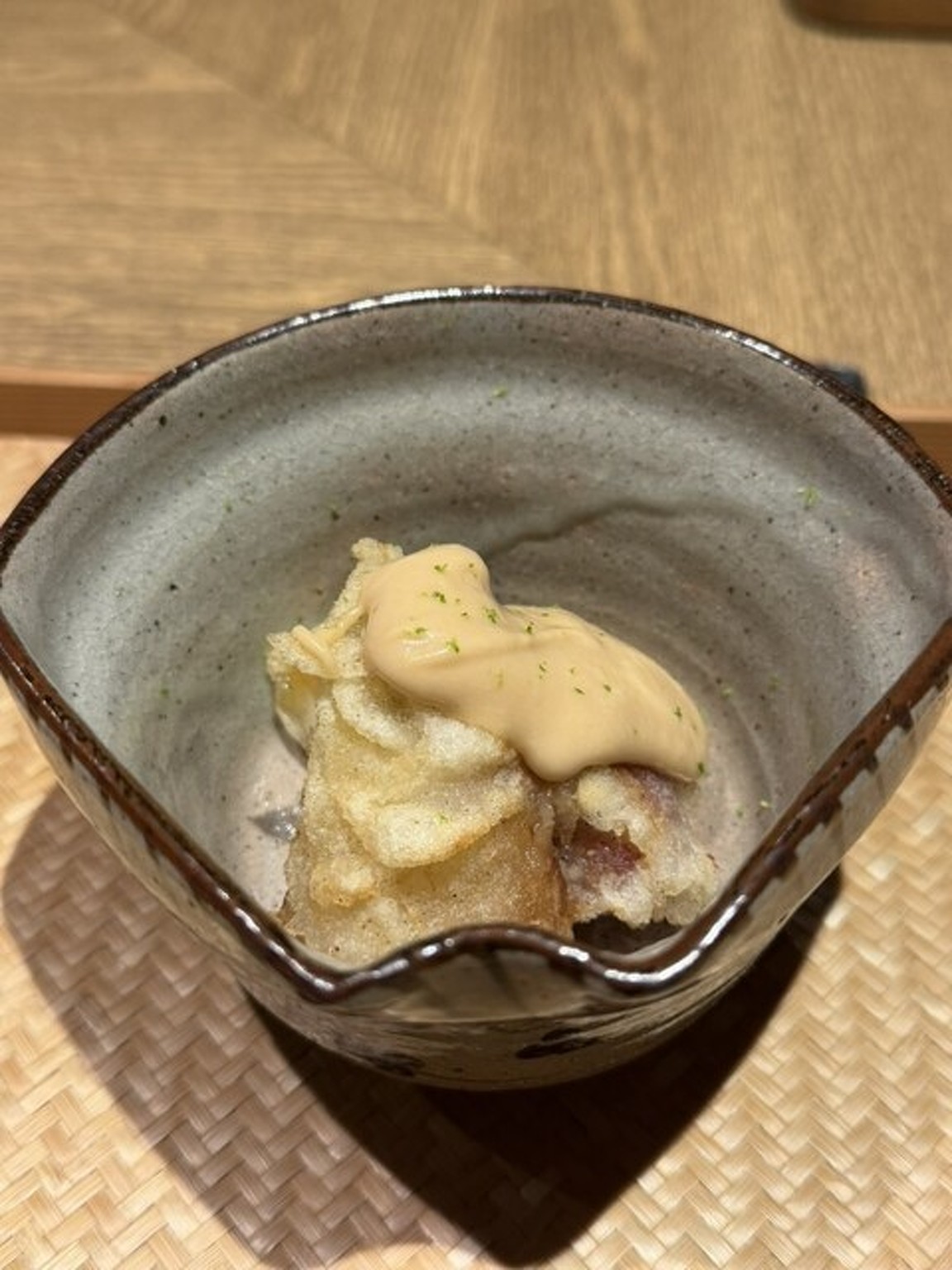
I visited Goko Machi Tagawa in Kyoto for the first time in a year. The quality of the food and drinks was just as impressive as ever. This time, the mushrooms stood out, especially the matsutake tempura, which was absolutely wonderful. It was a delightful three hours enjoying the flavors of autumn.
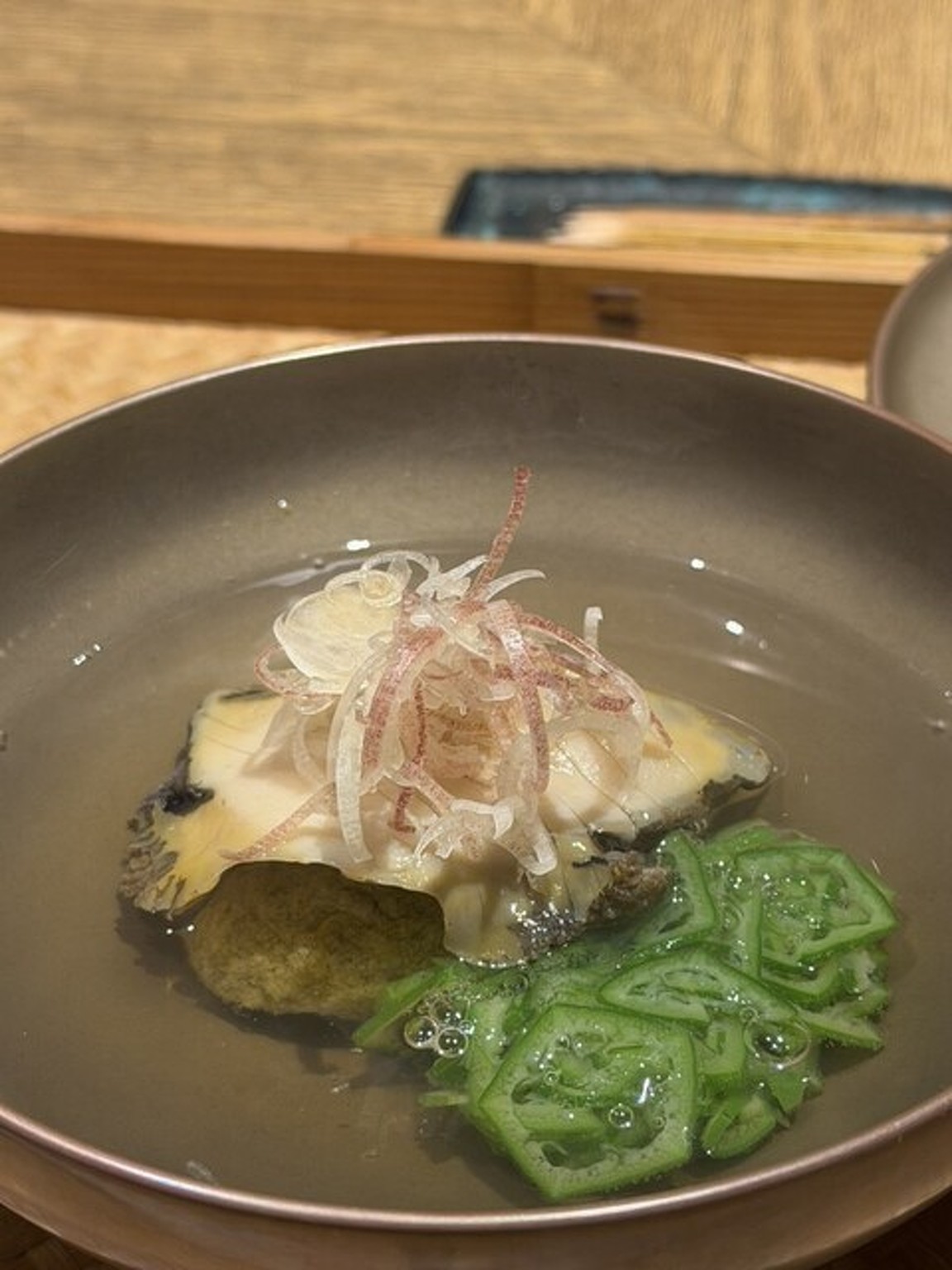
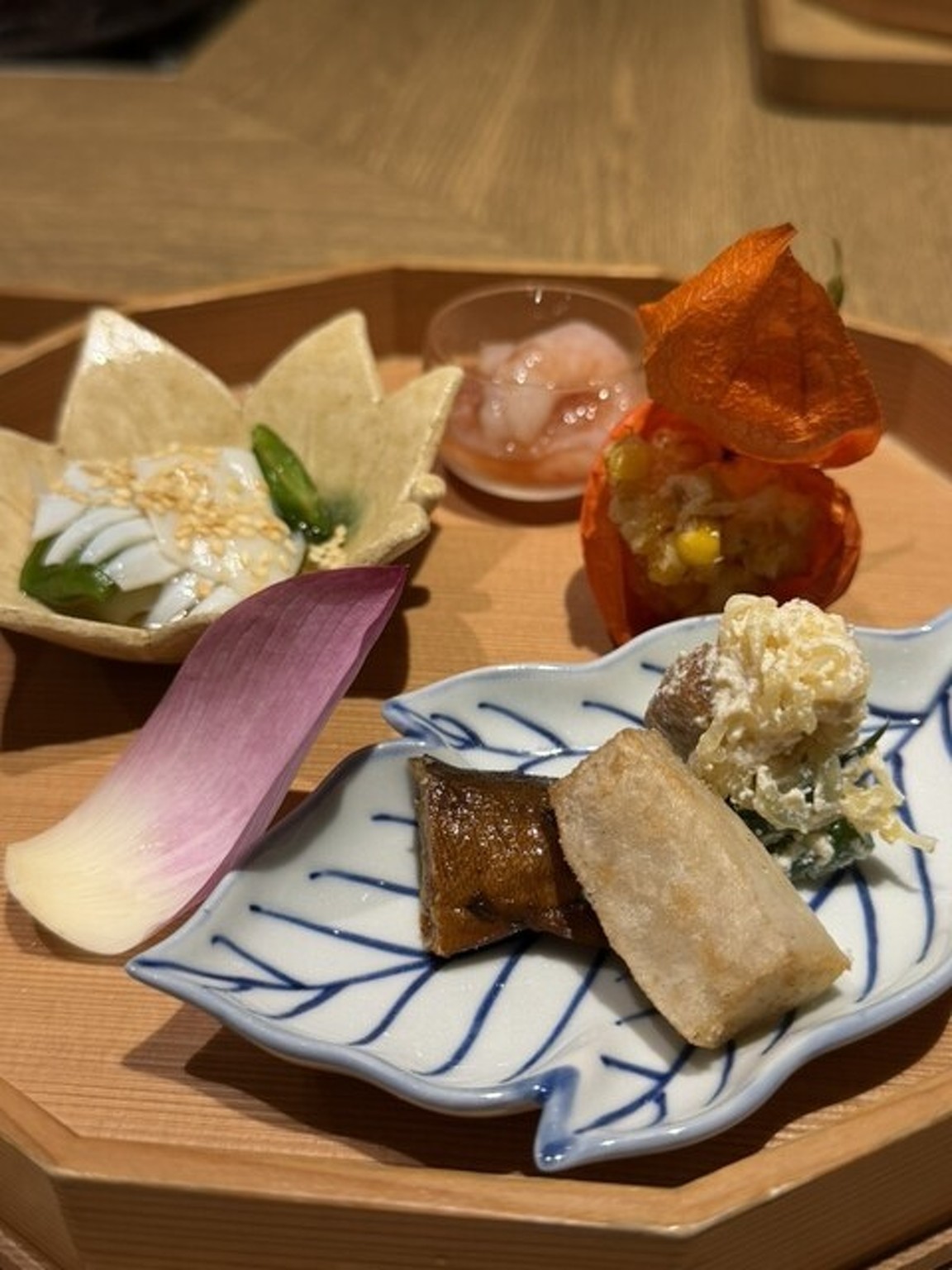
I had dinner at Goko Machi Tagawa, selected as one of the top 100 Japanese restaurants in 2025 and awarded Bronze in 2026. This was the main event of my trip to Kyoto! (╹◡╹)◇ Appetizer: Kyoto Kamo Eggplant and Hokkaido Bafun Uni◇ Sushi: Sawara (Spanish Mackerel)◇ Bihama Trout: Kombu-marinated Tataki◇ Soup: Black Abalone from Fukui Prefecture and Okra◇ Assorted Dishes: Yoron Koiimo, Sweet Simmered Baby Ayu from Lake Biwa, Swordtip Squid Ohitashi, Sweet Shrimp marinated in Shuto,... More
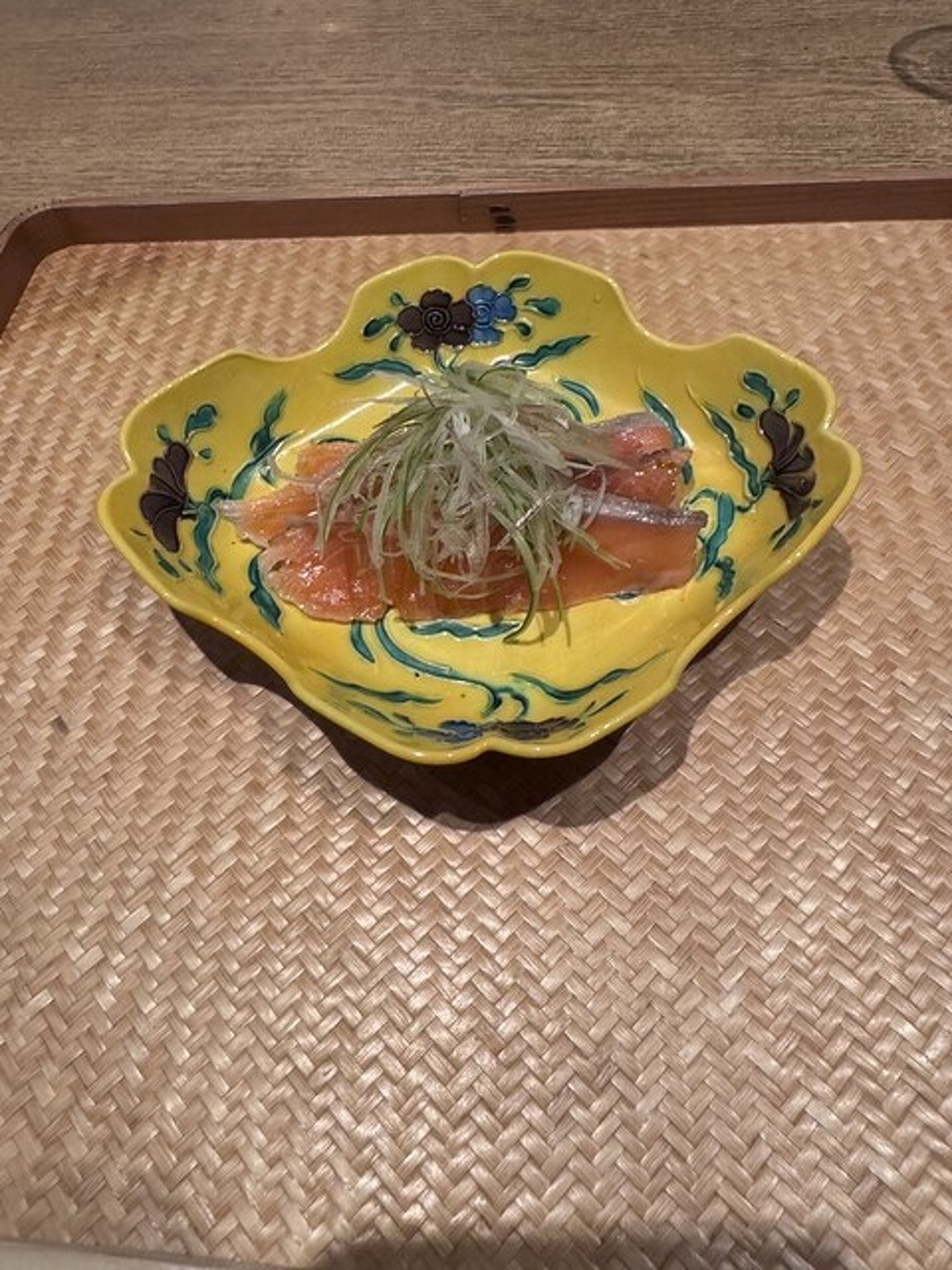
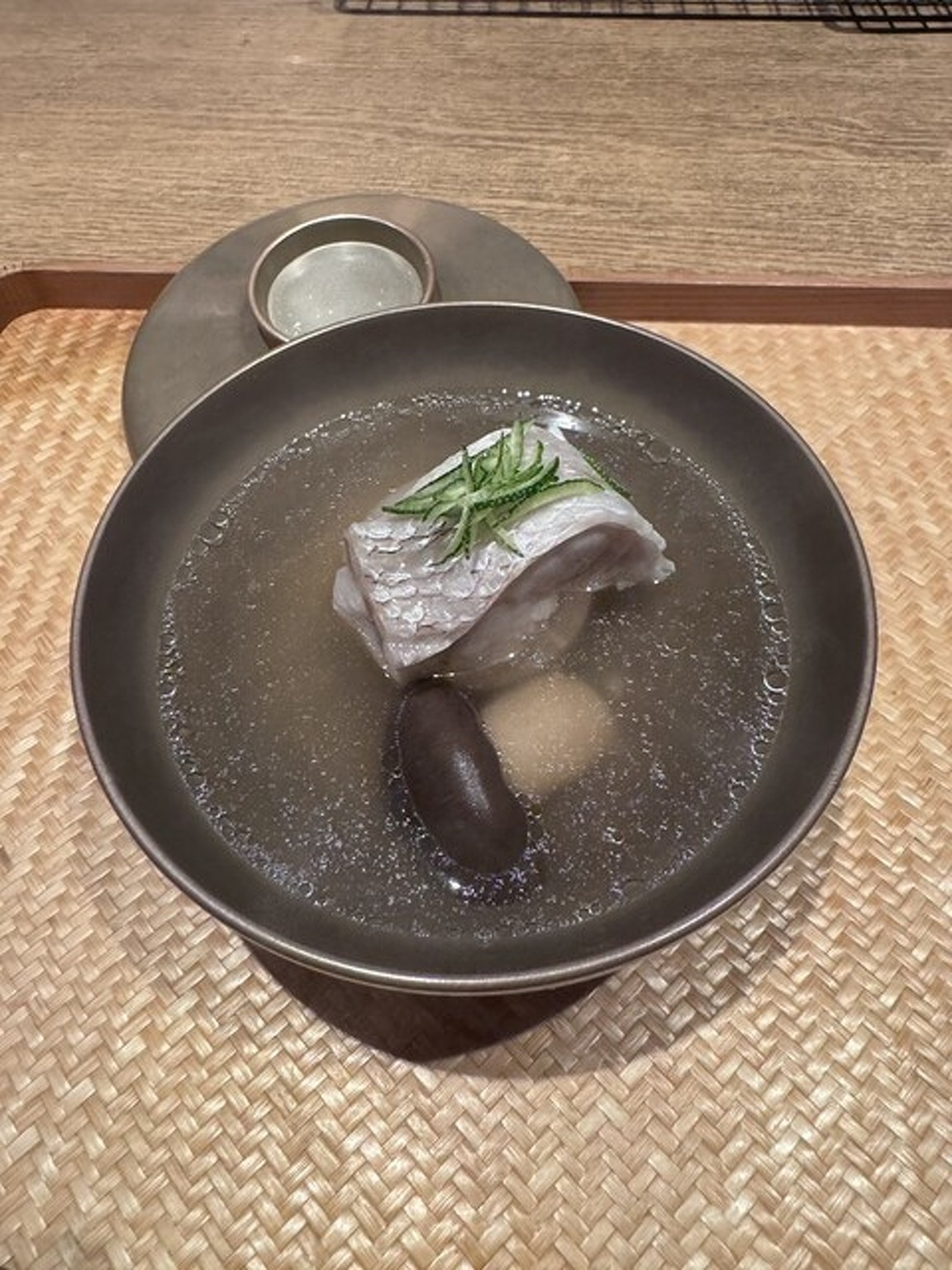
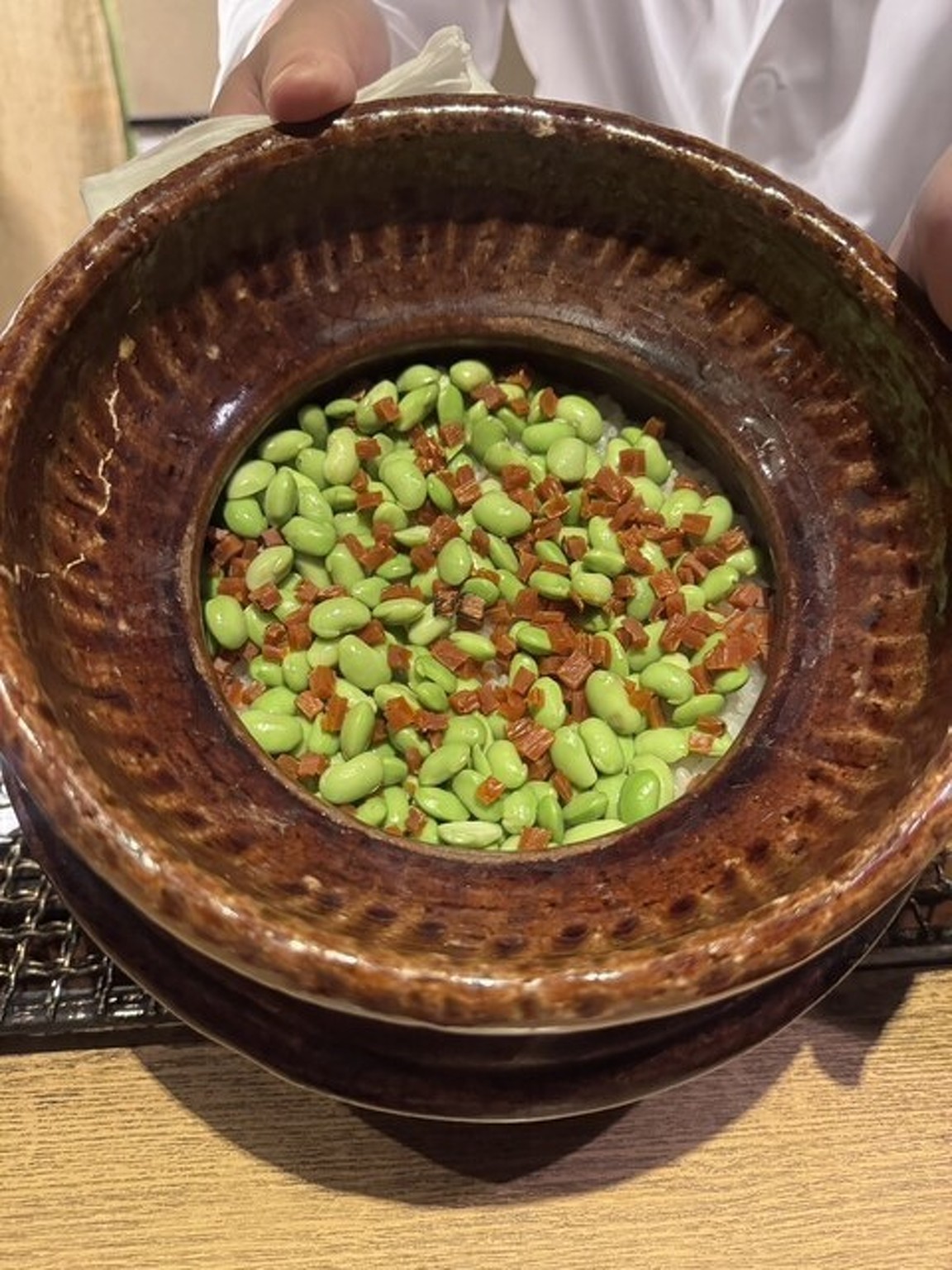
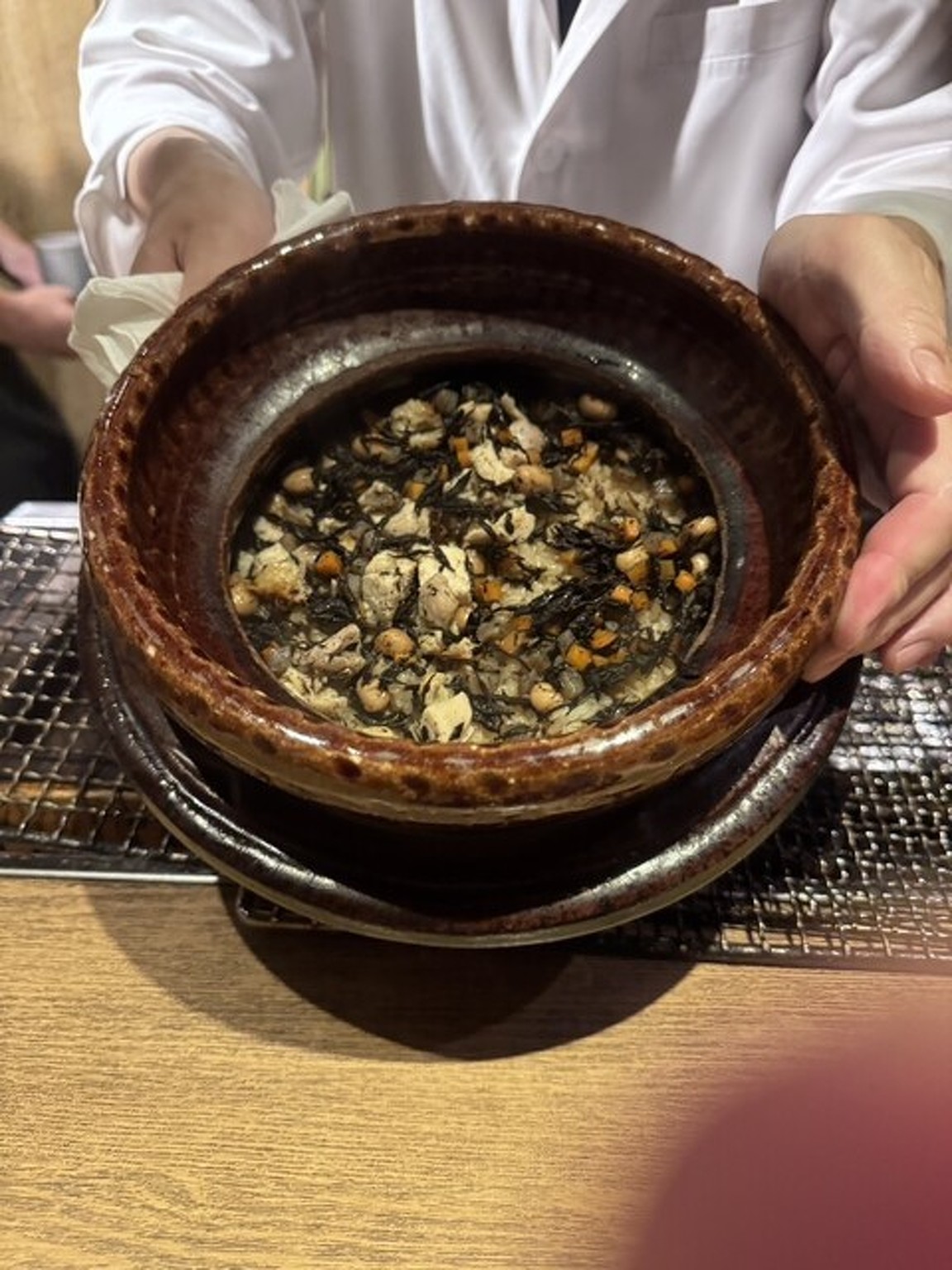
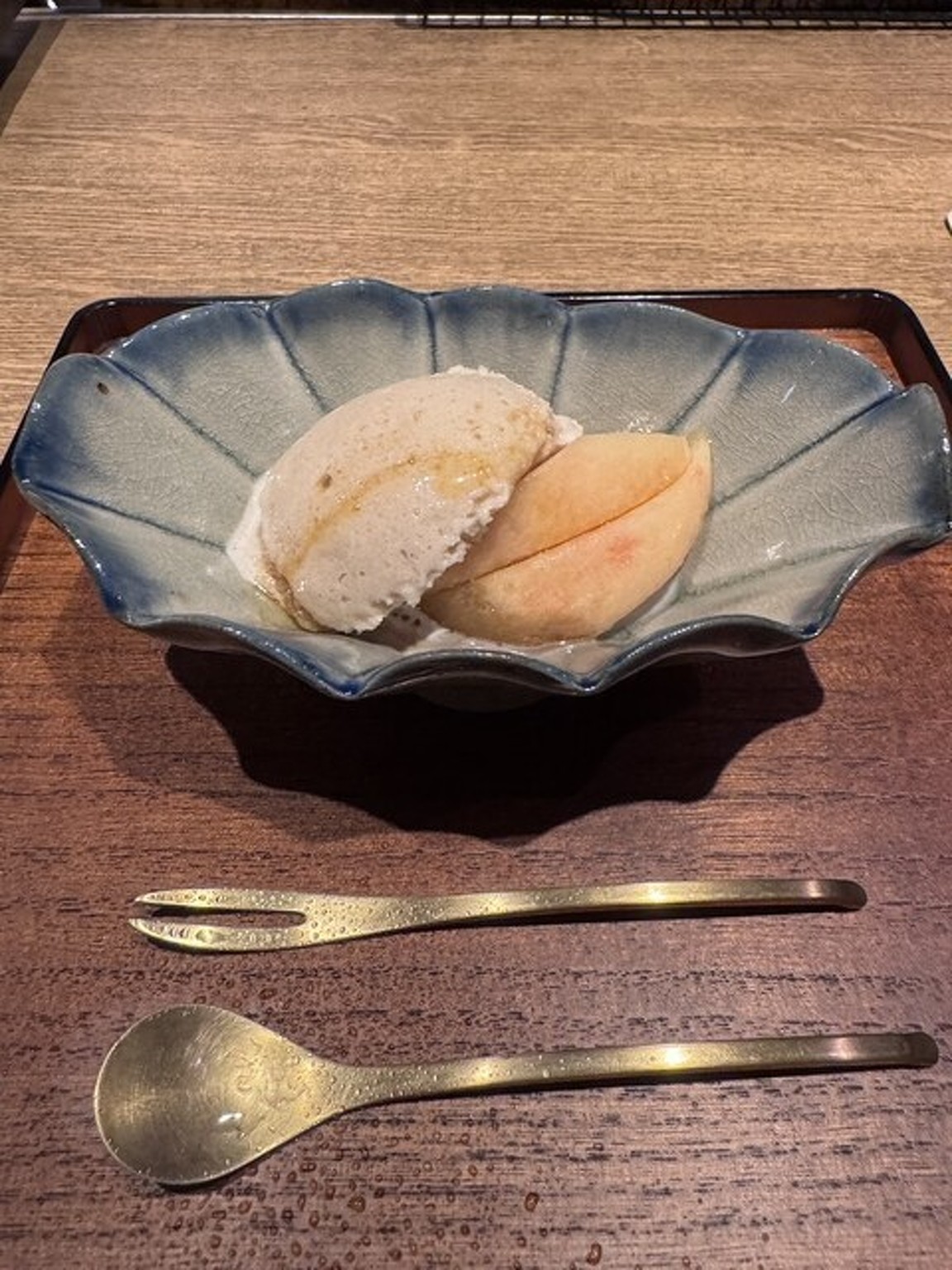
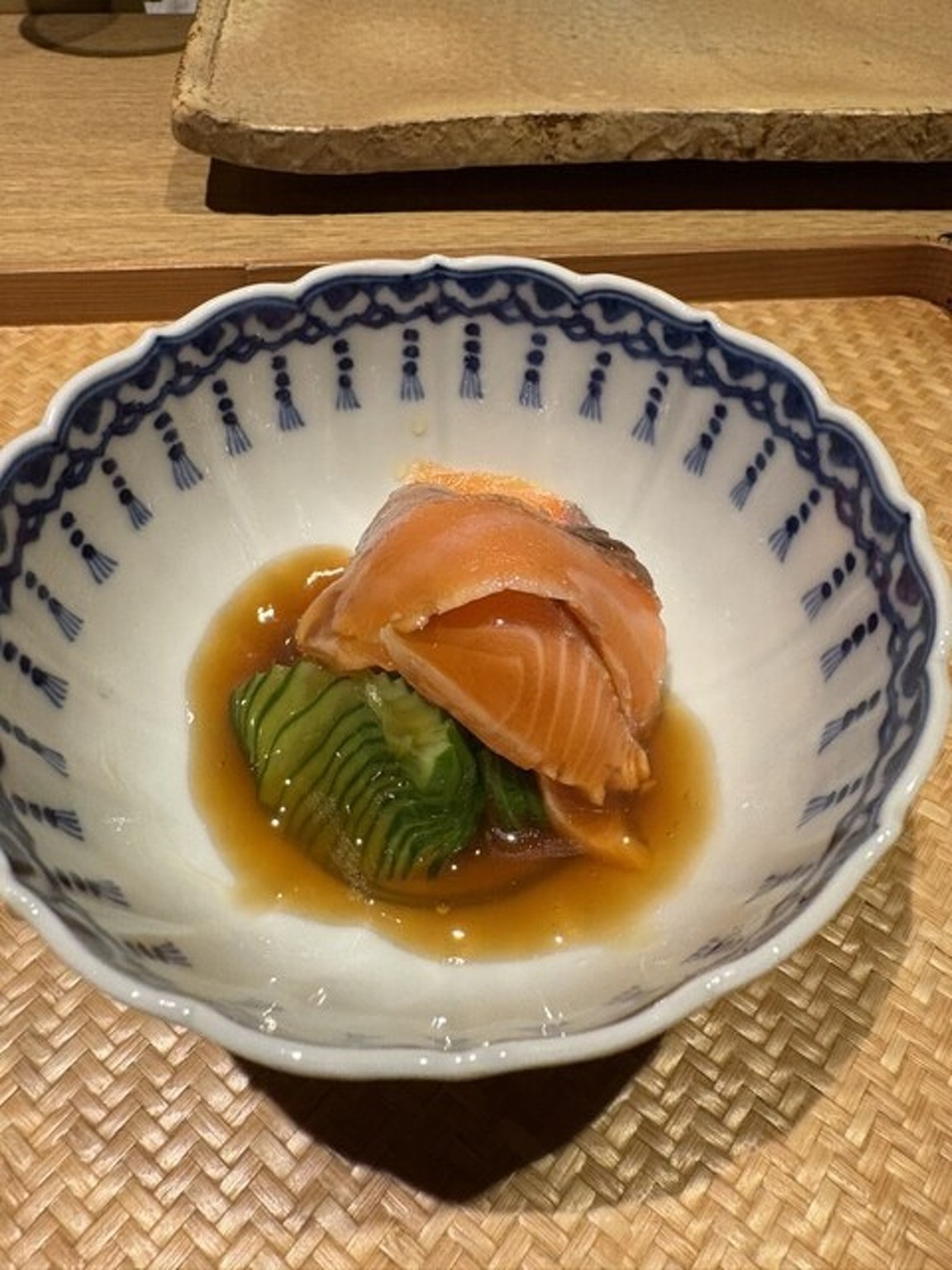
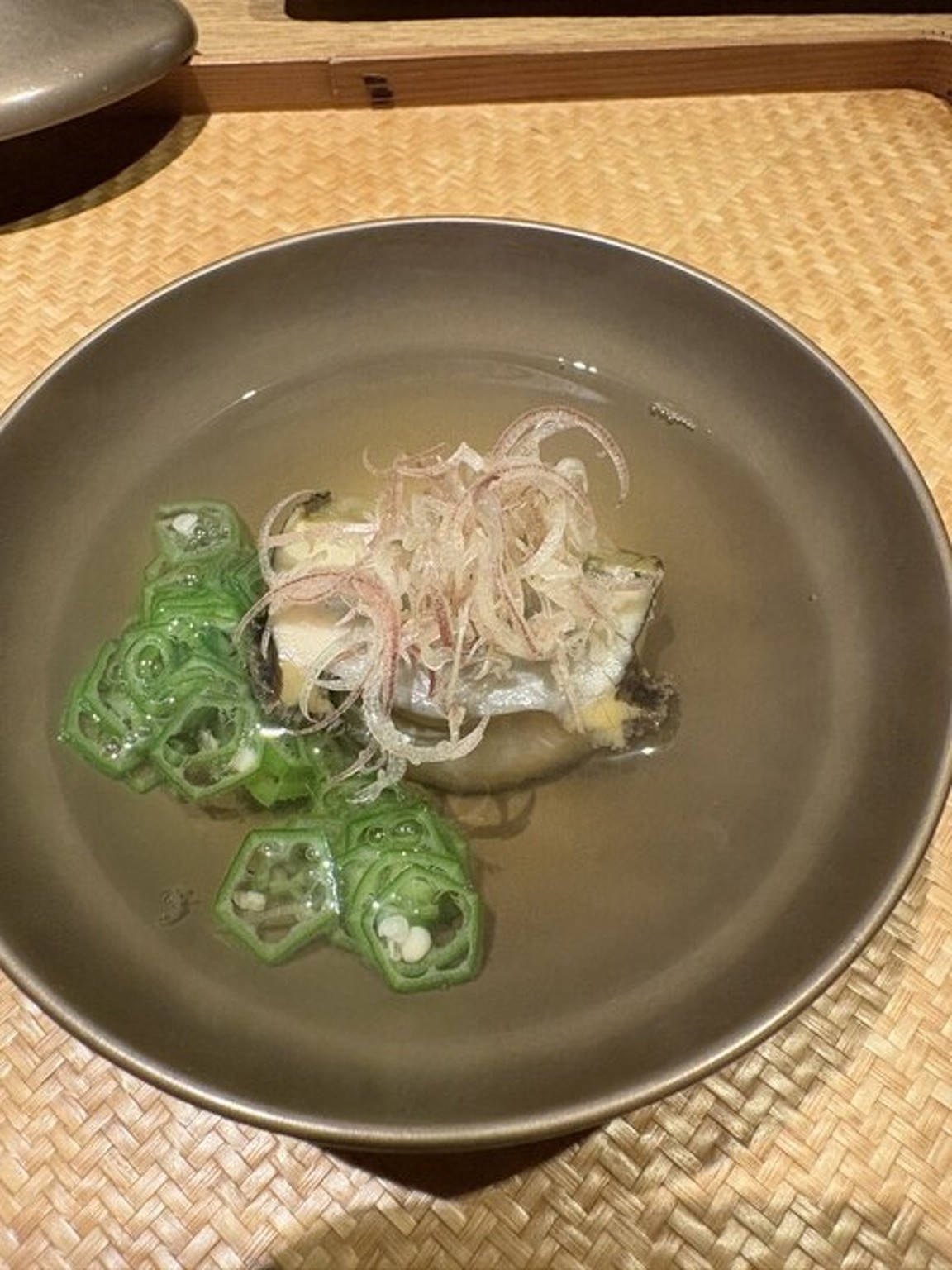
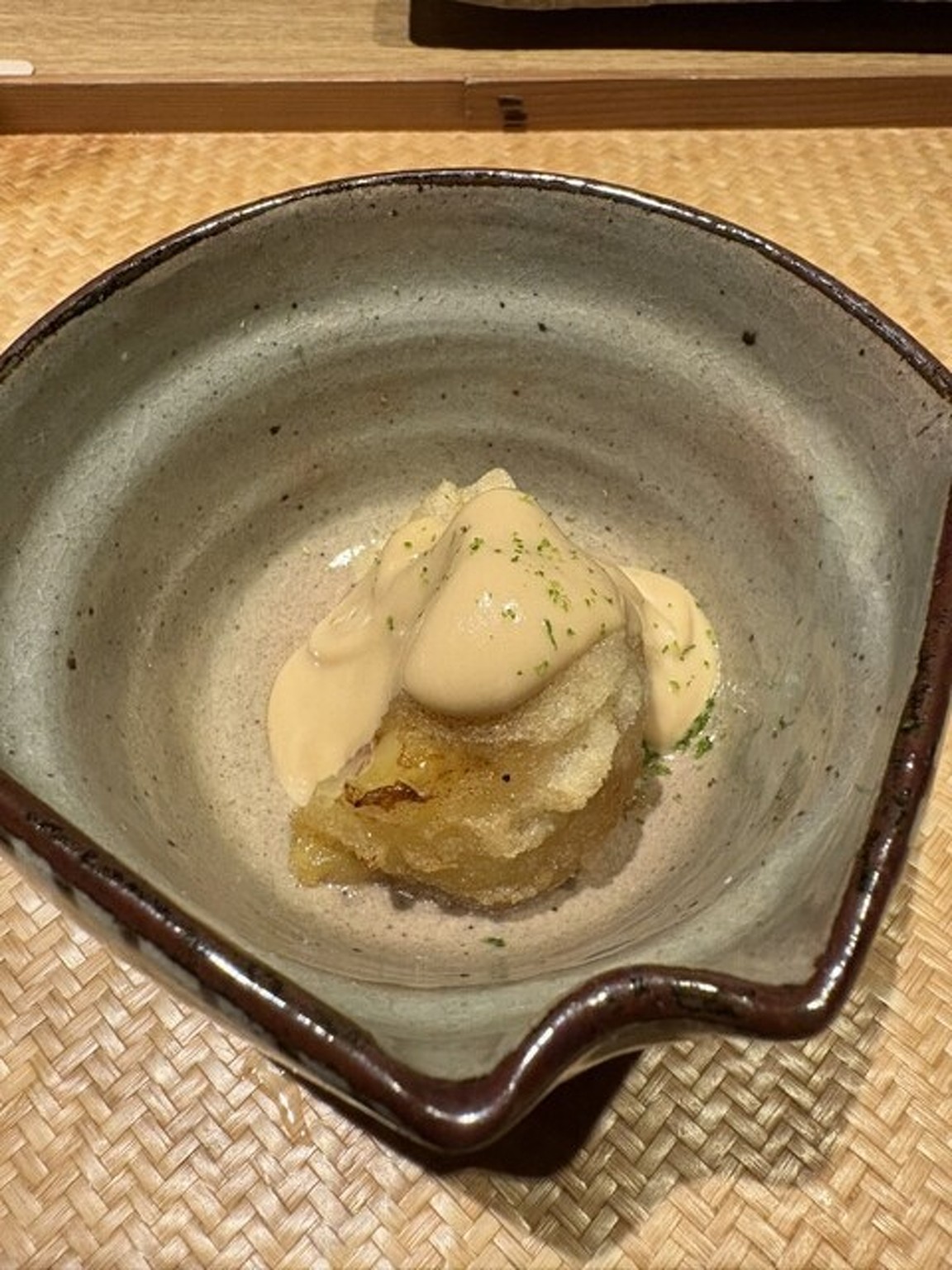
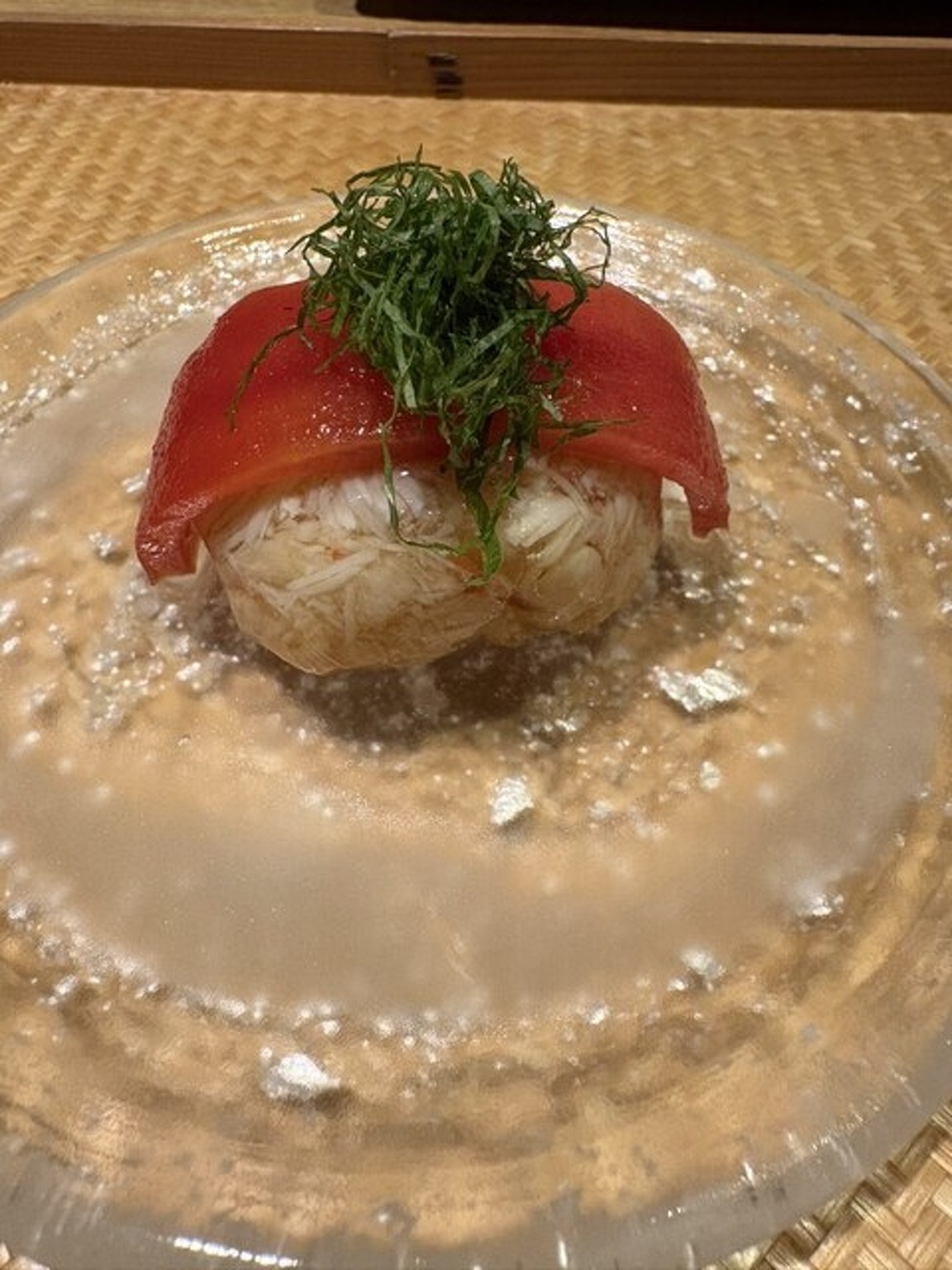
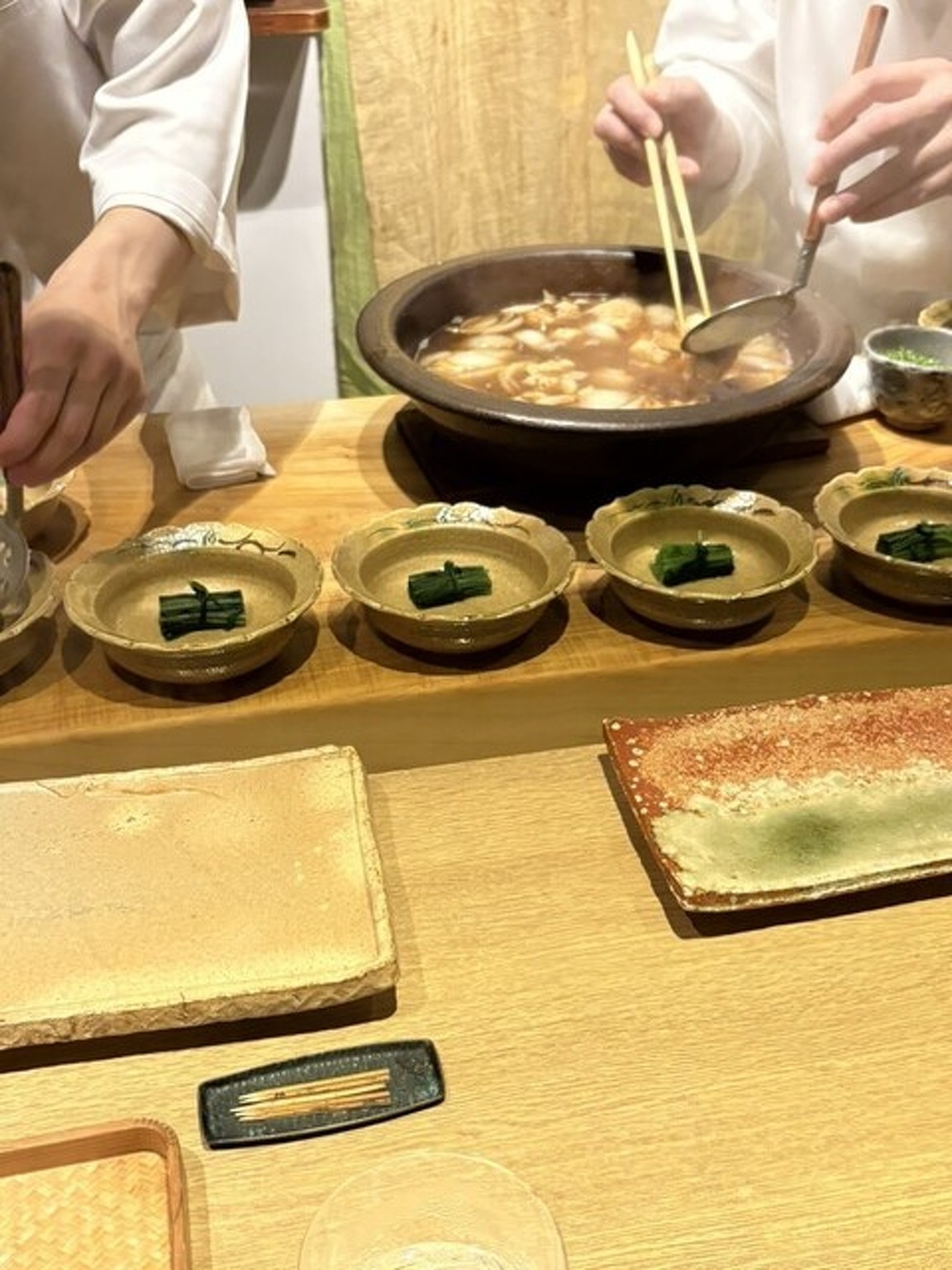
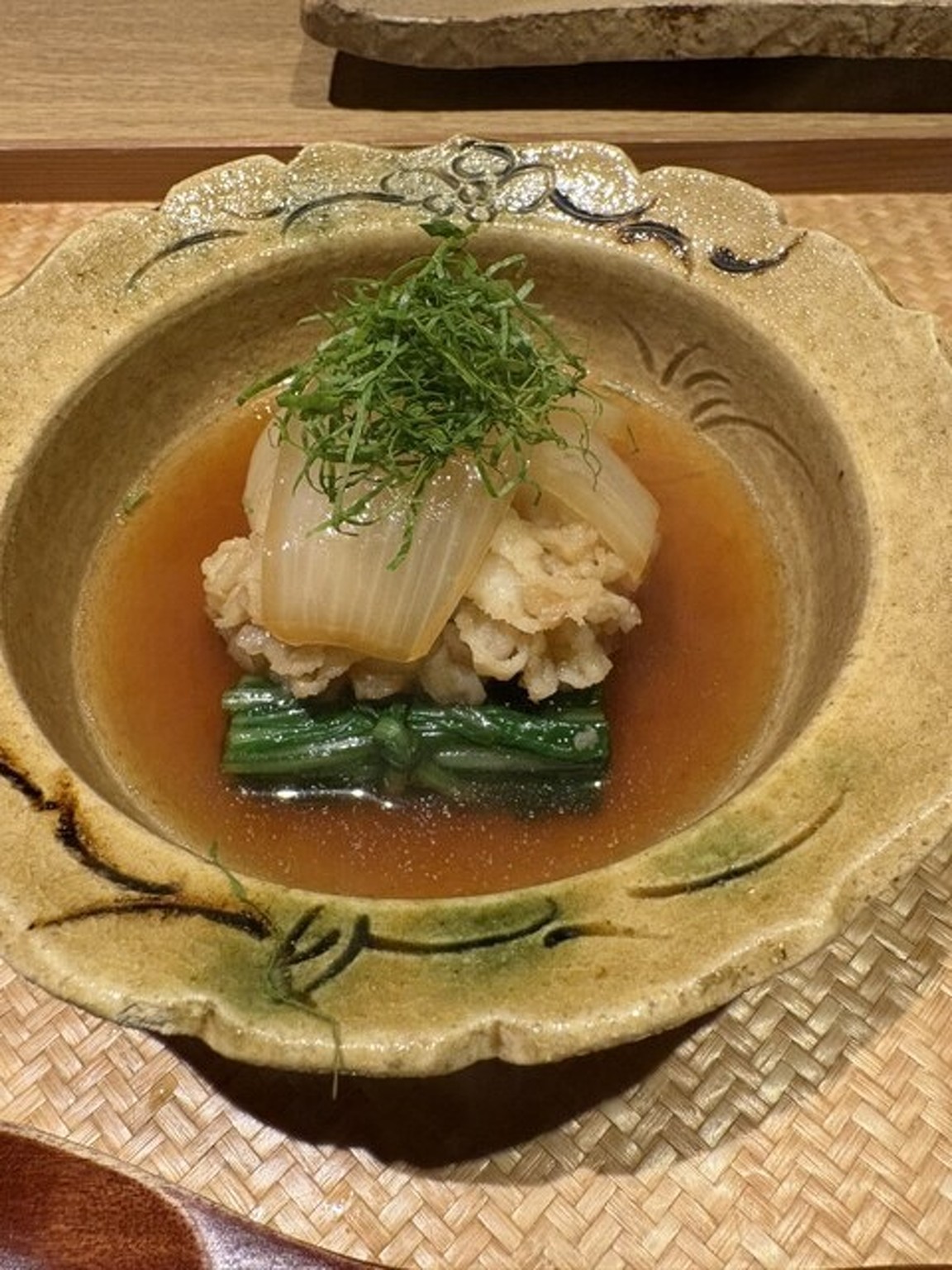
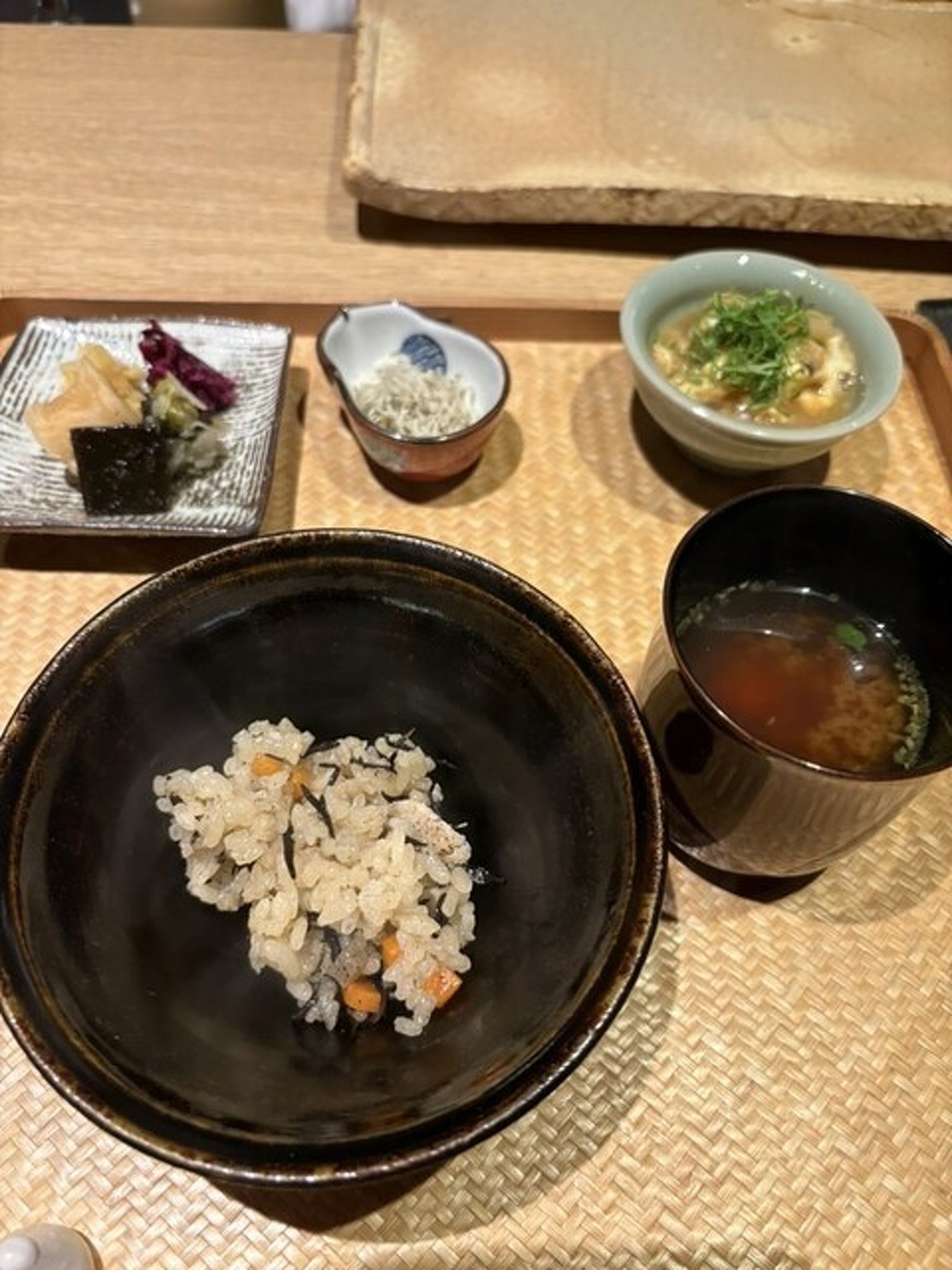
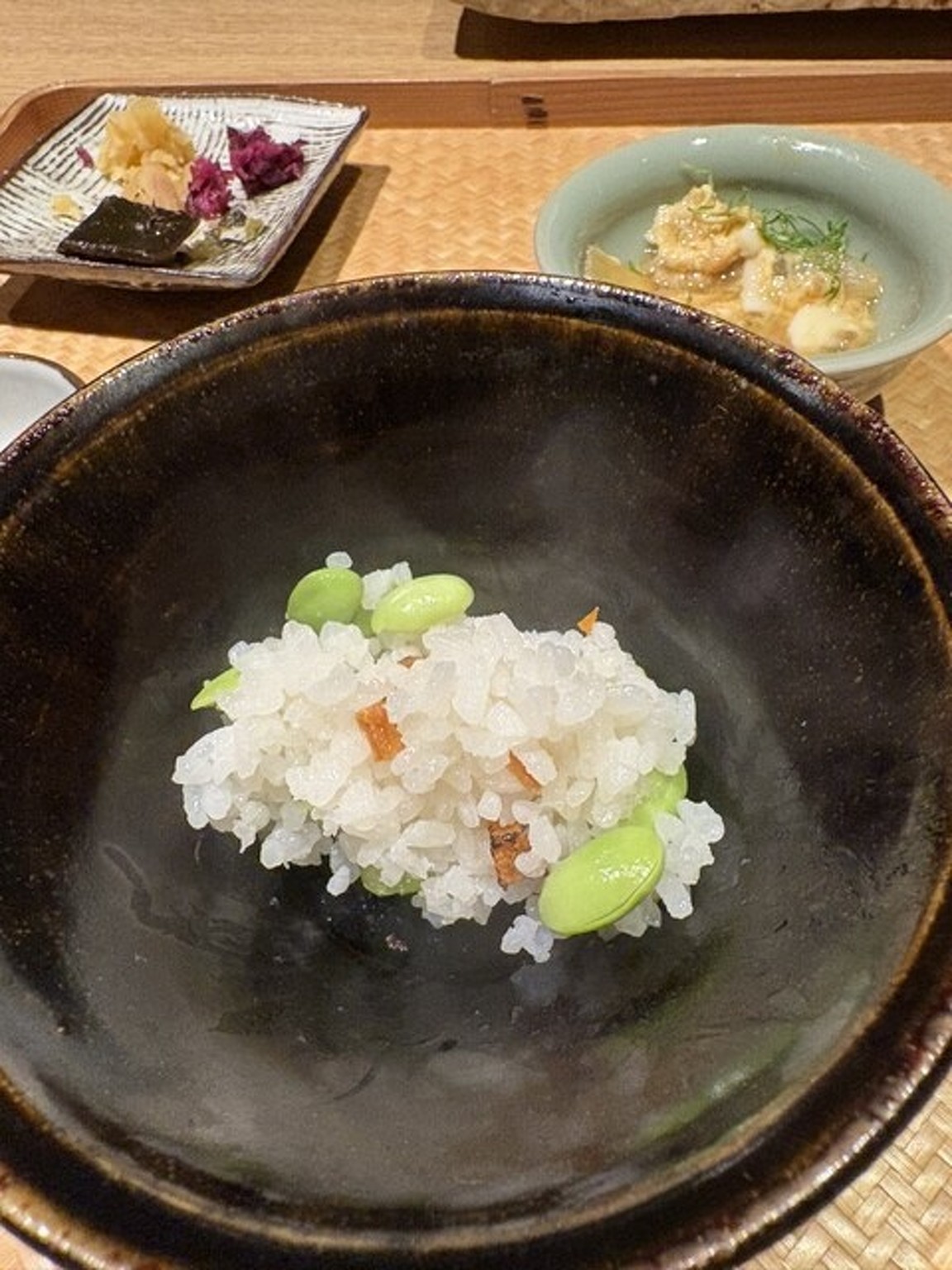
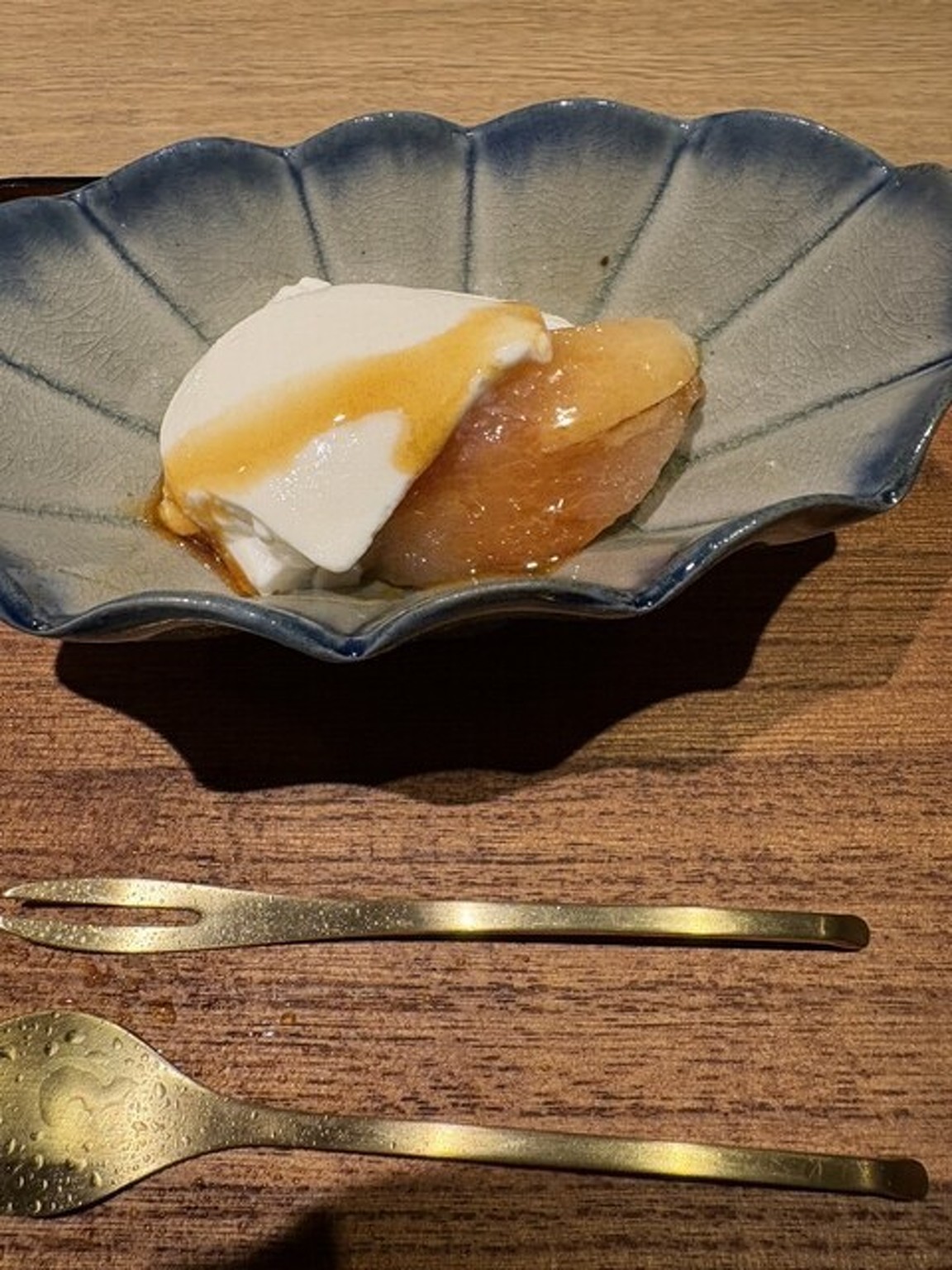
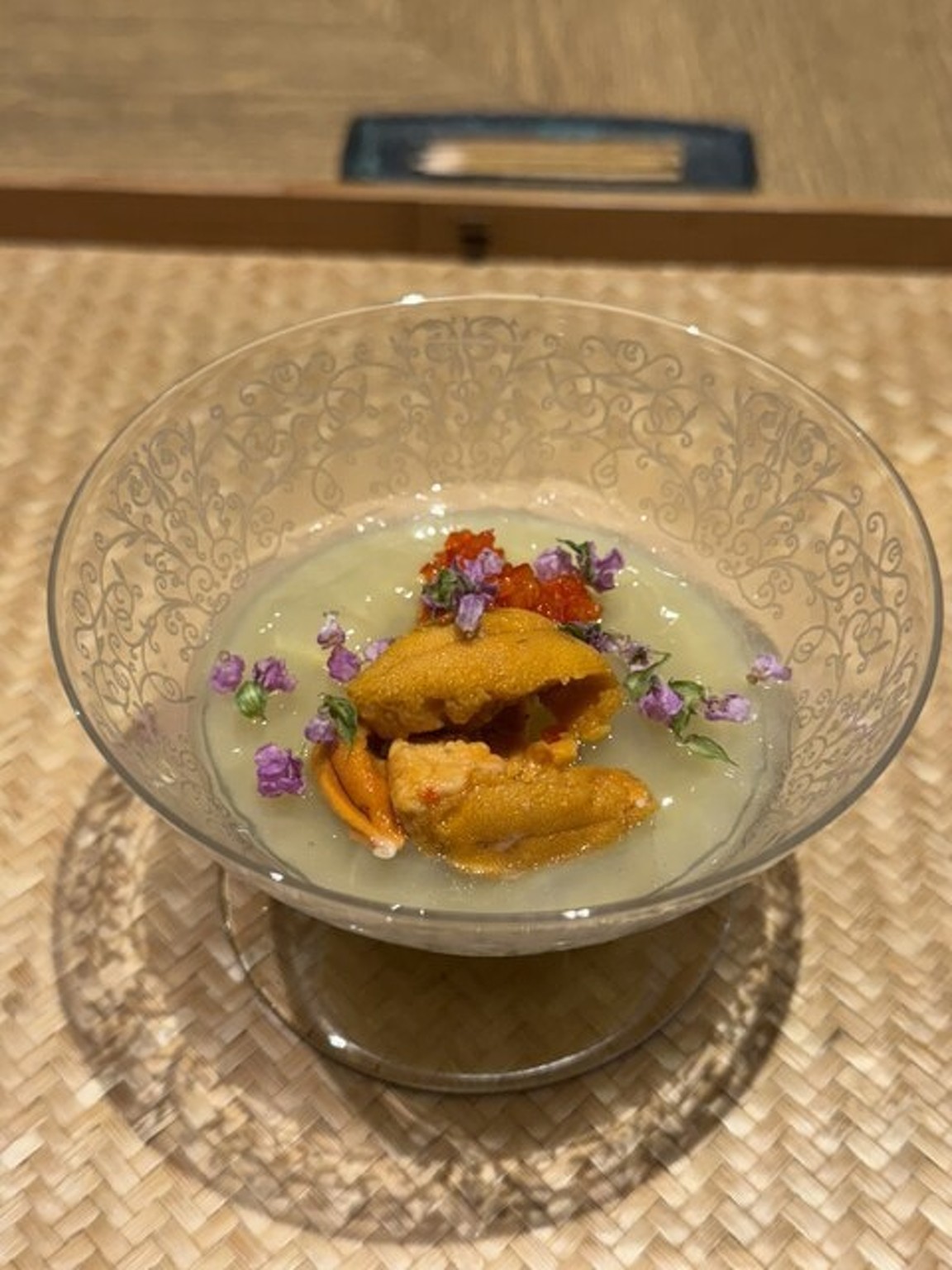
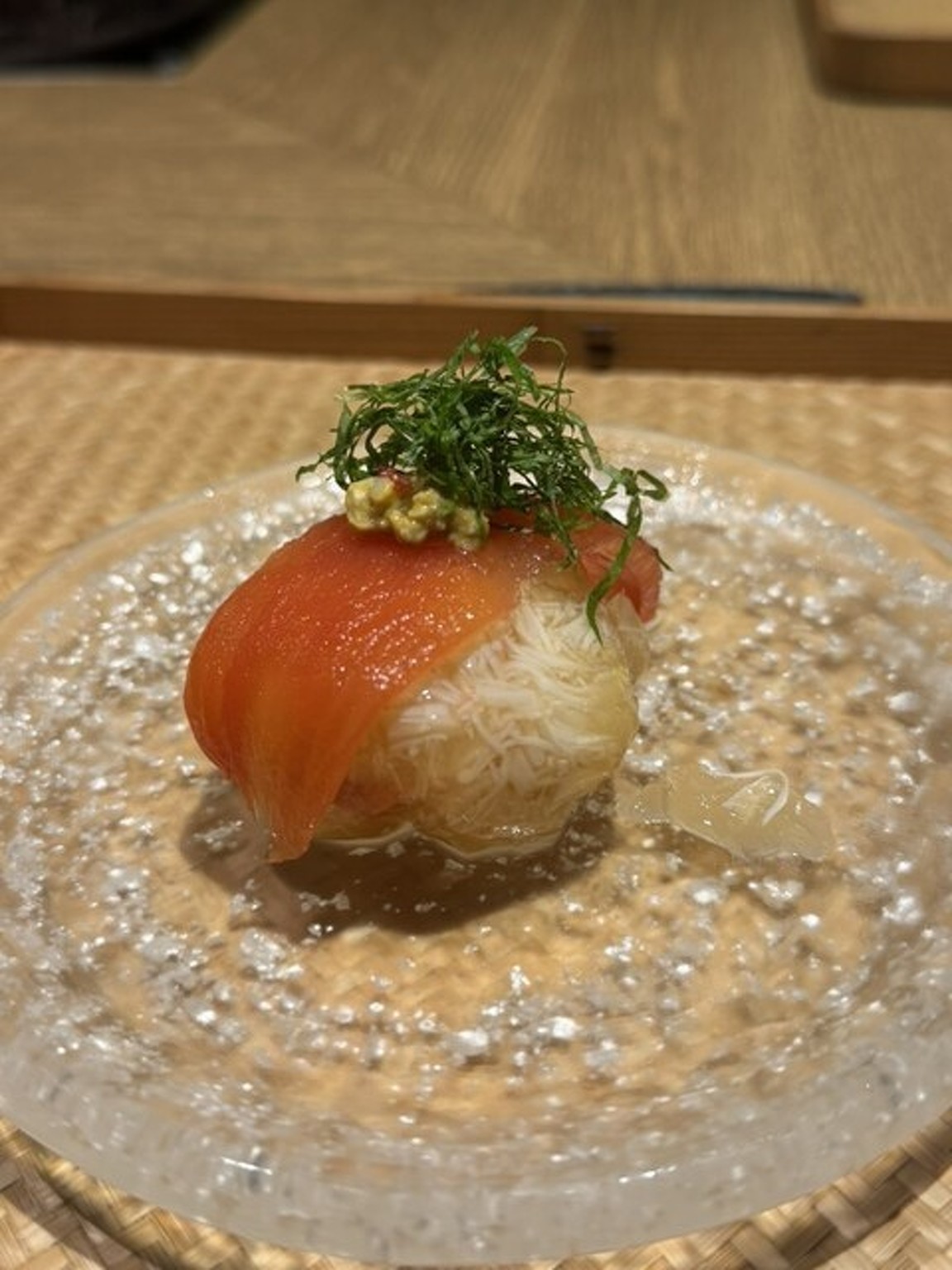
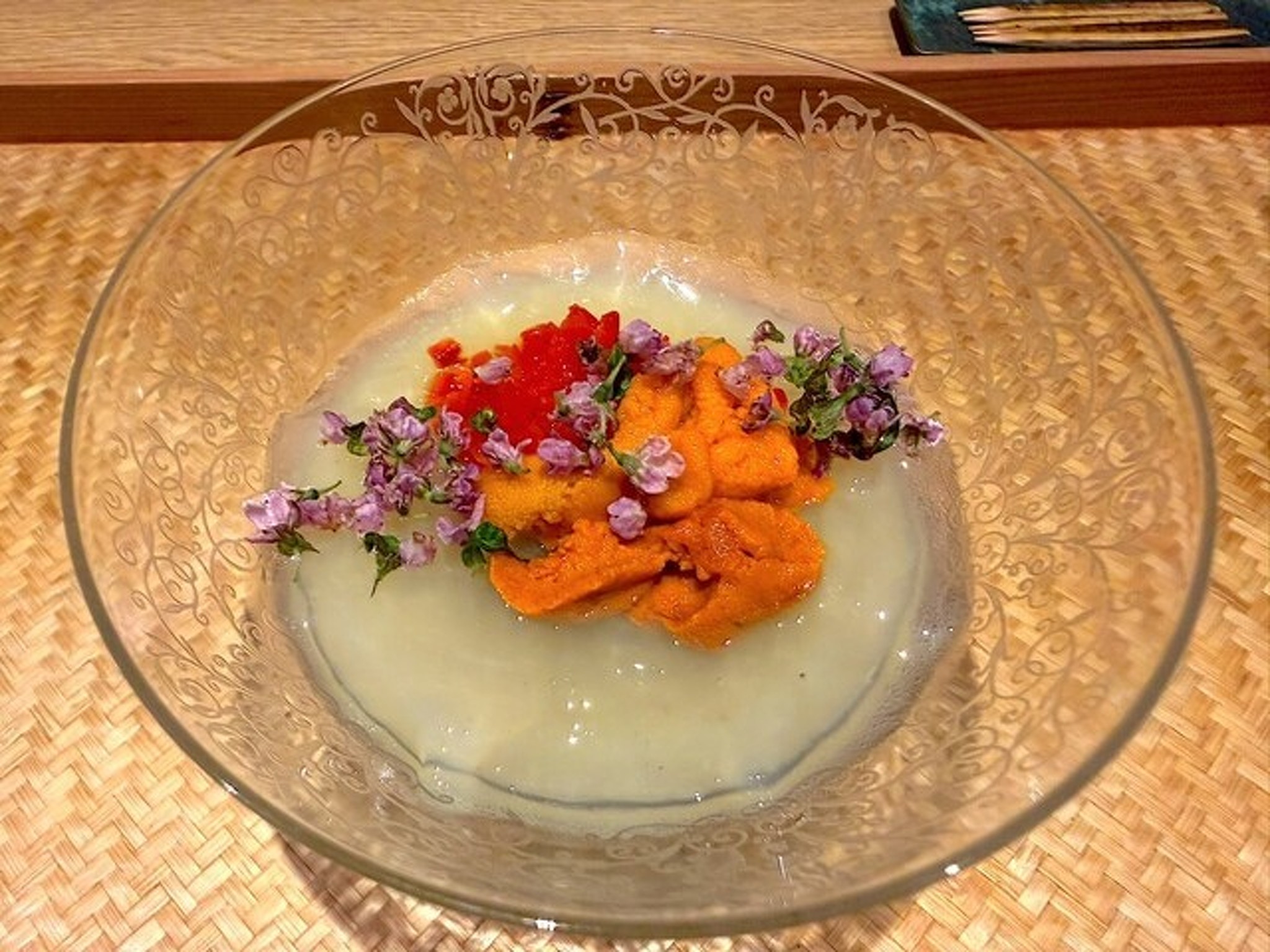
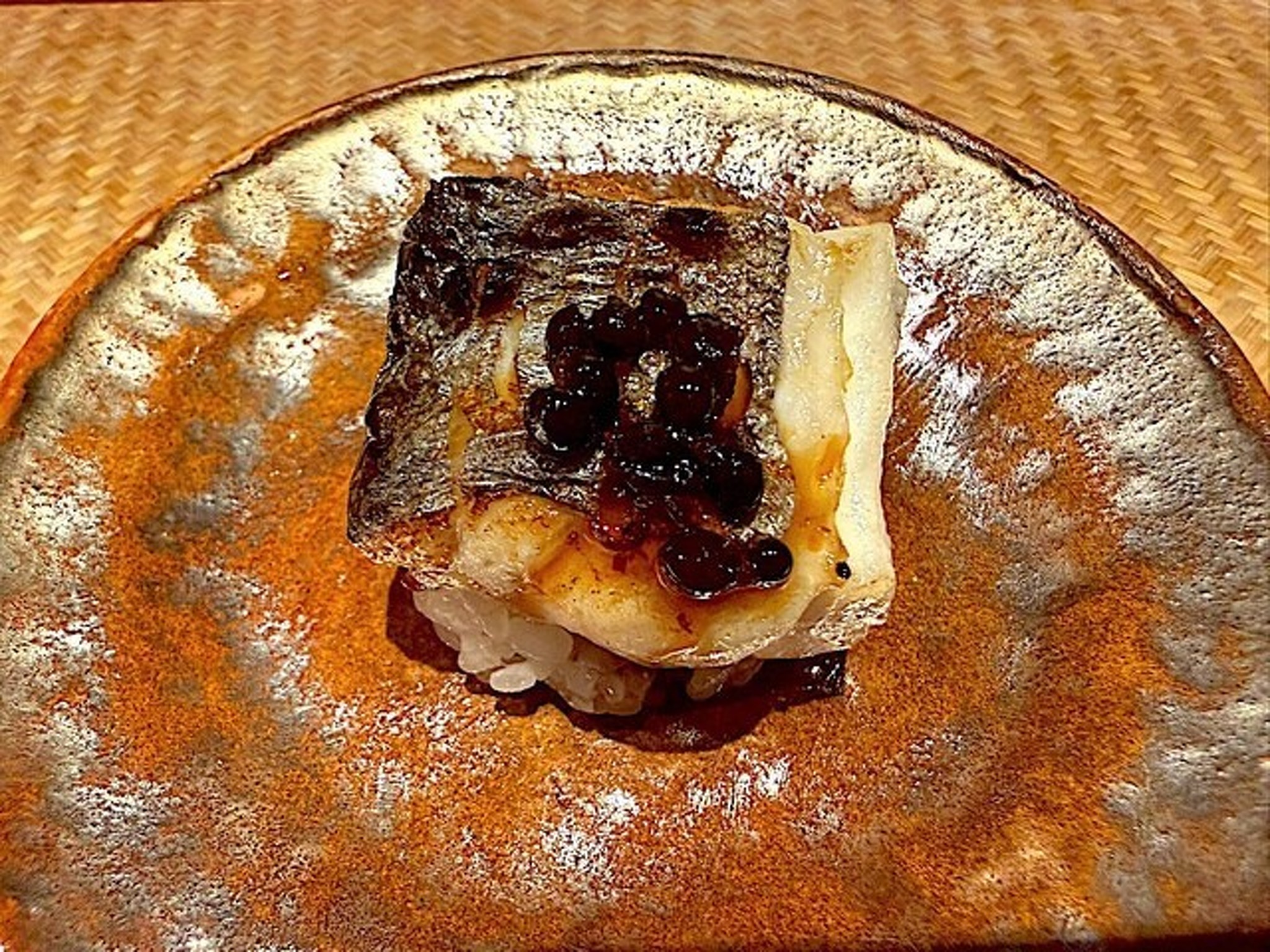
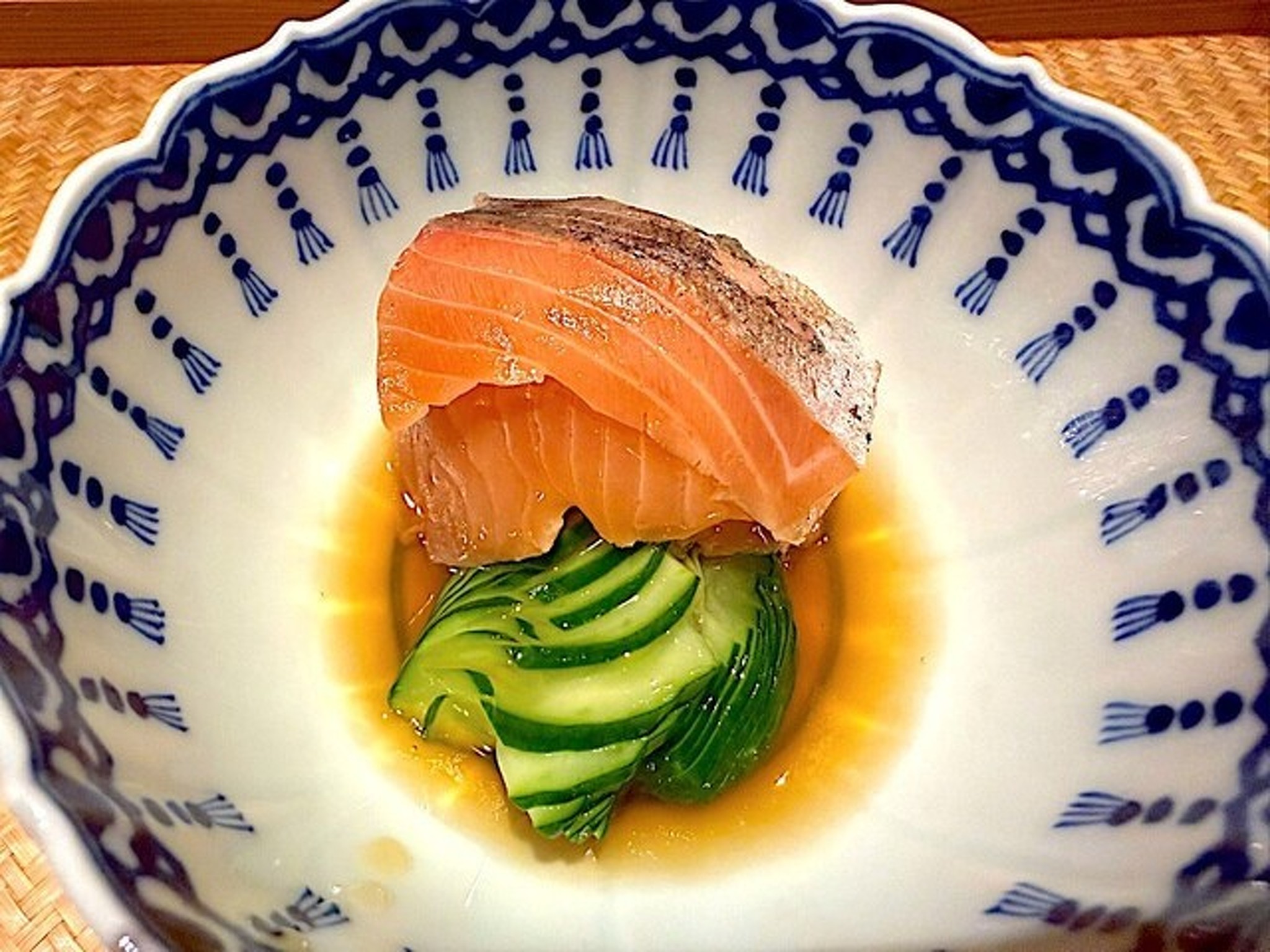
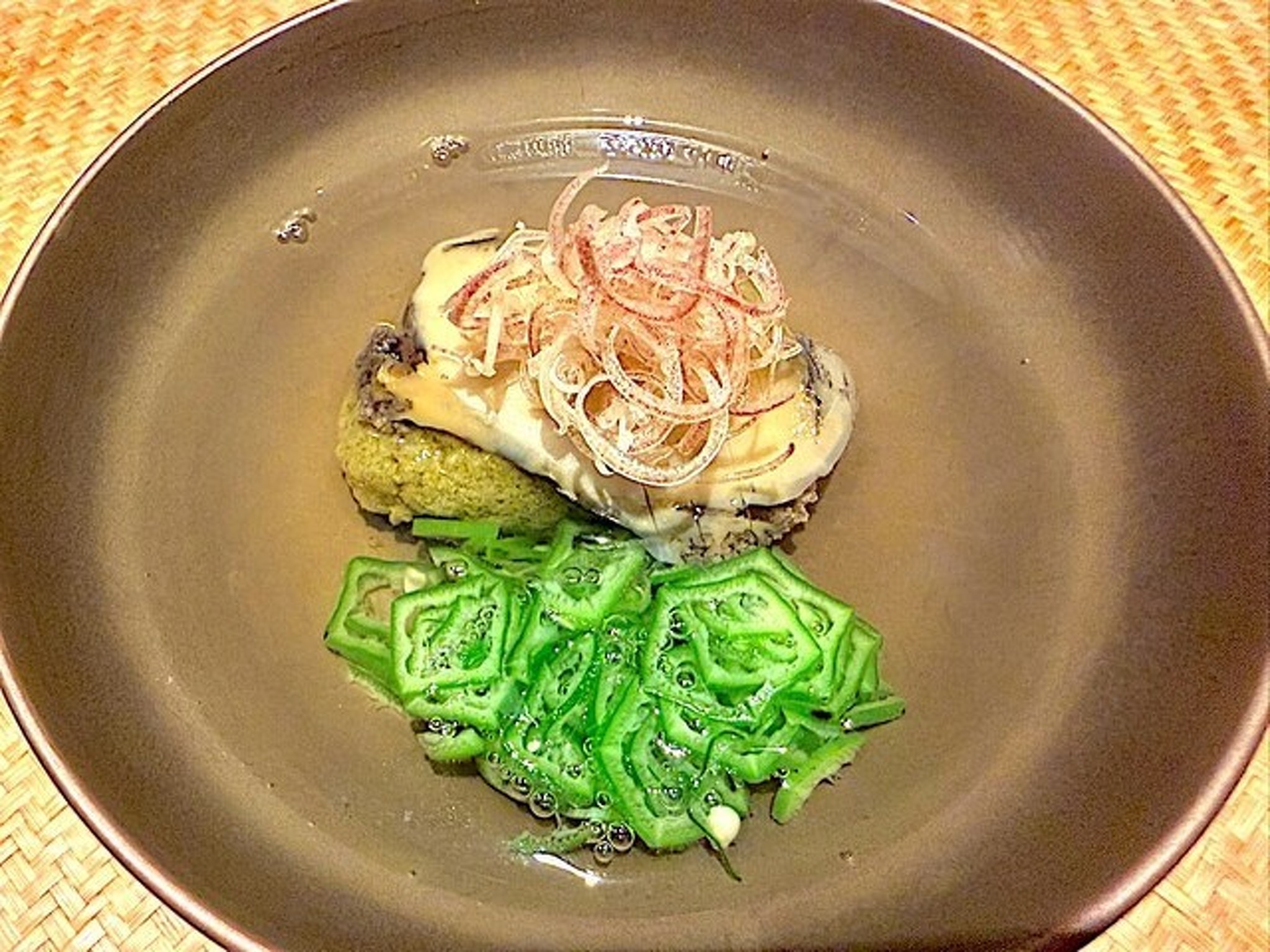
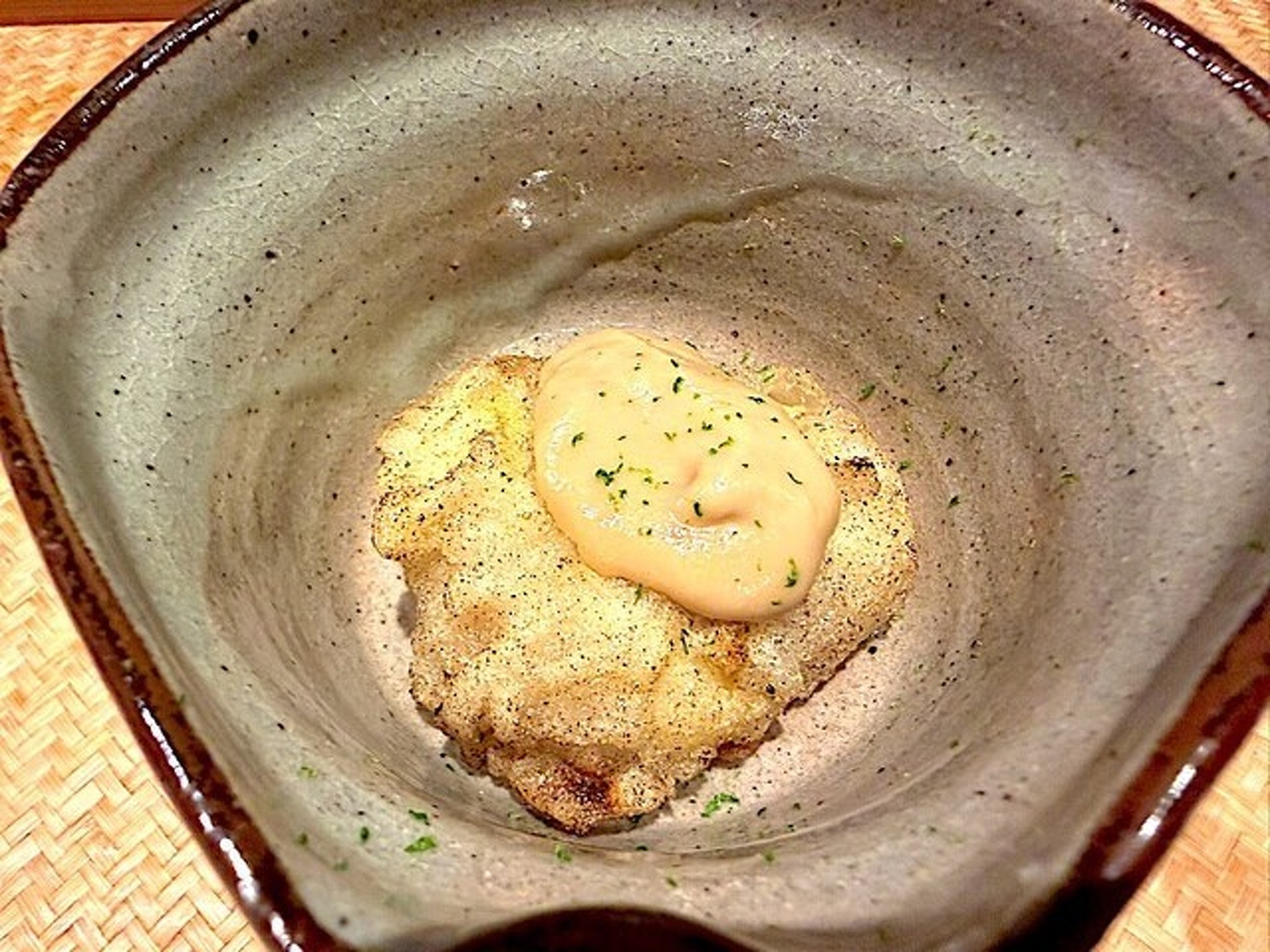
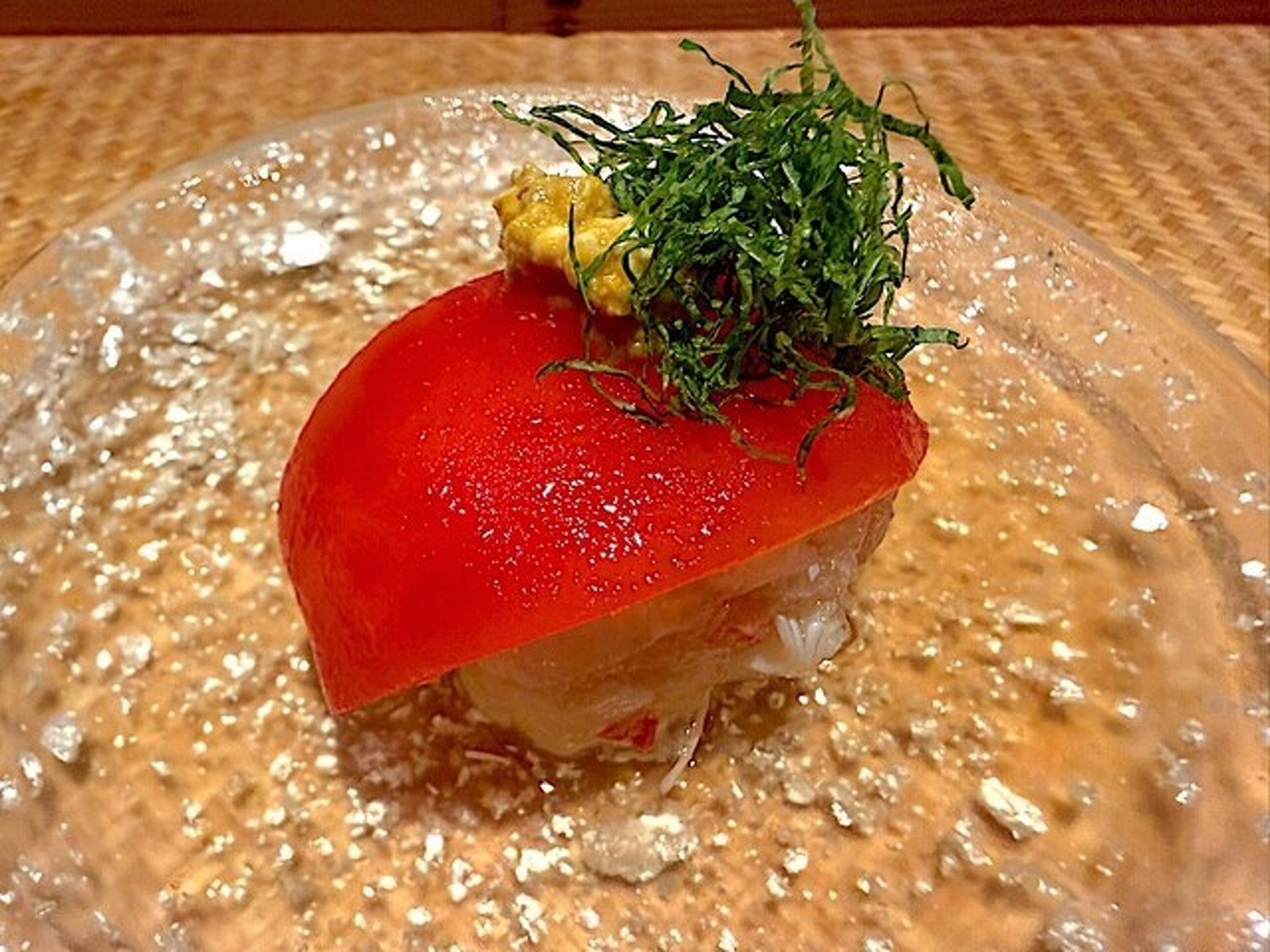
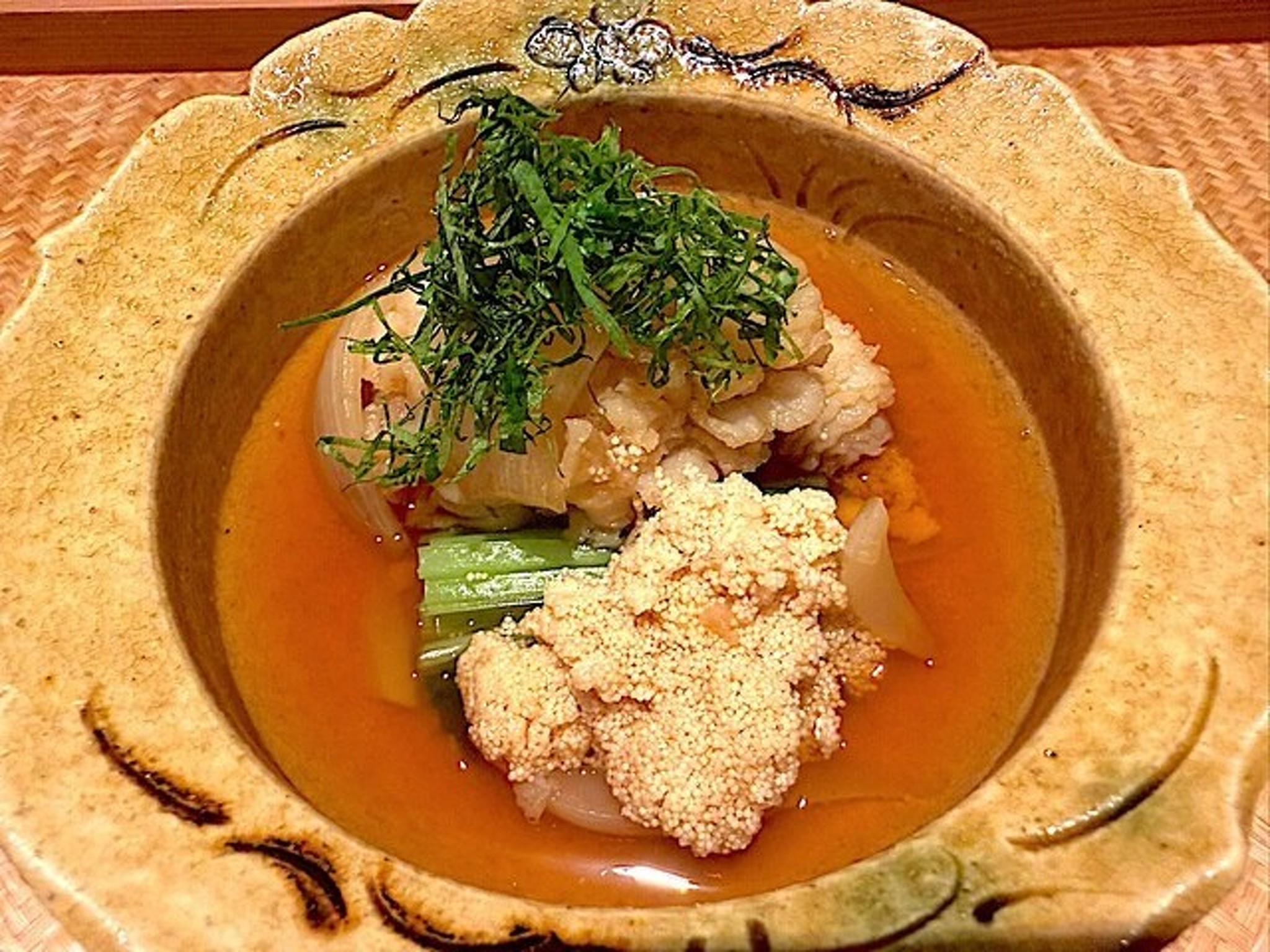
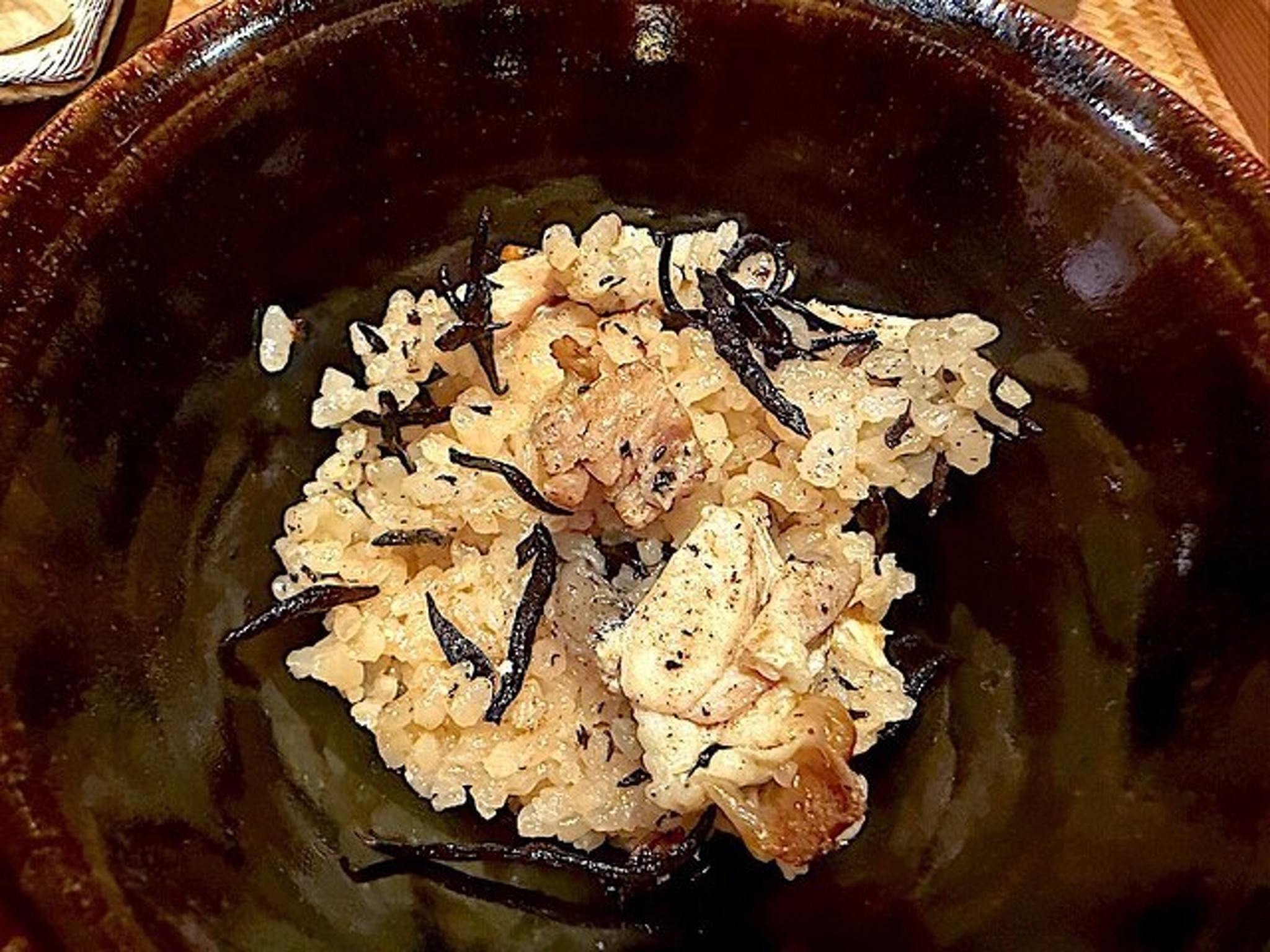
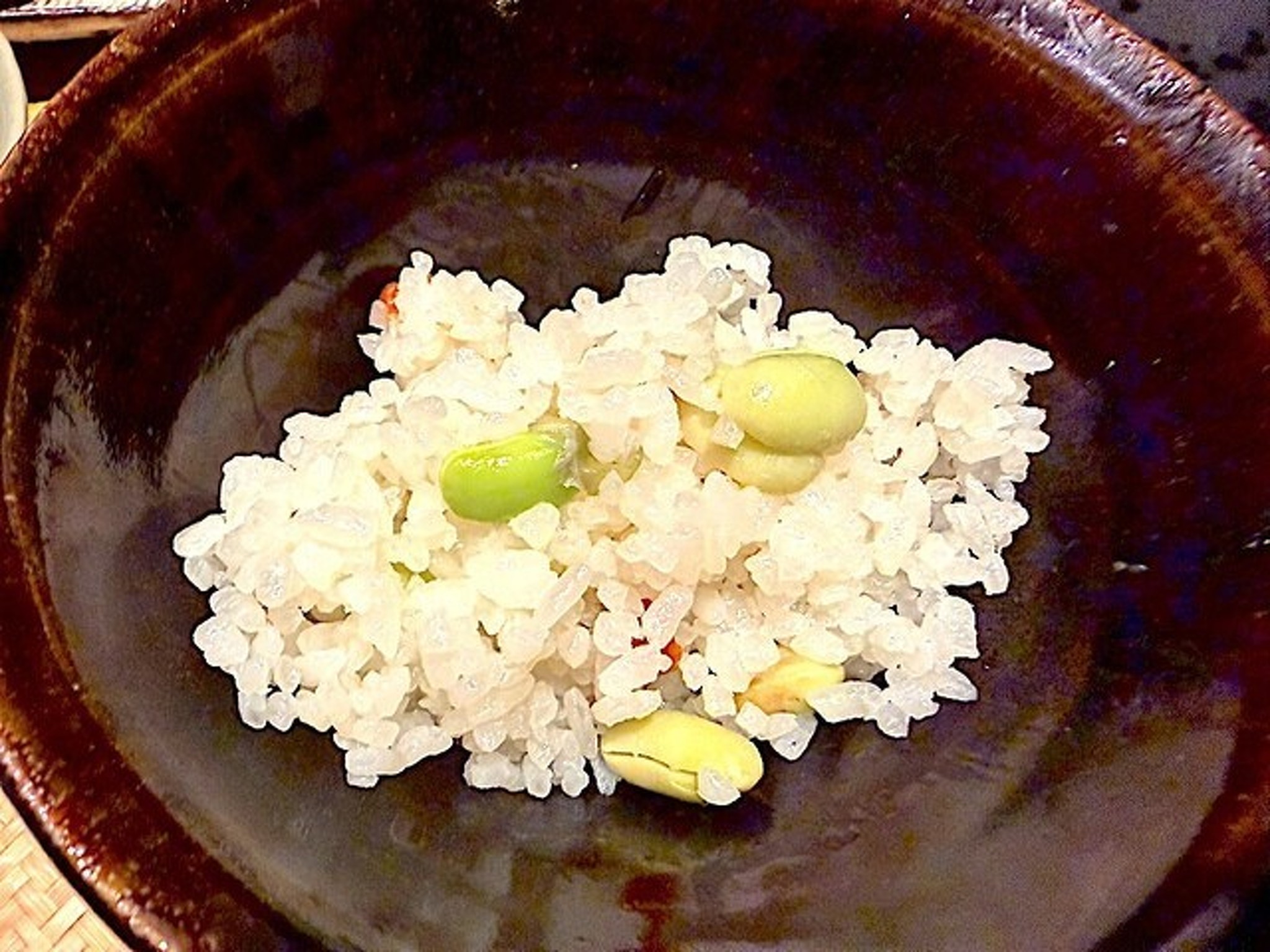
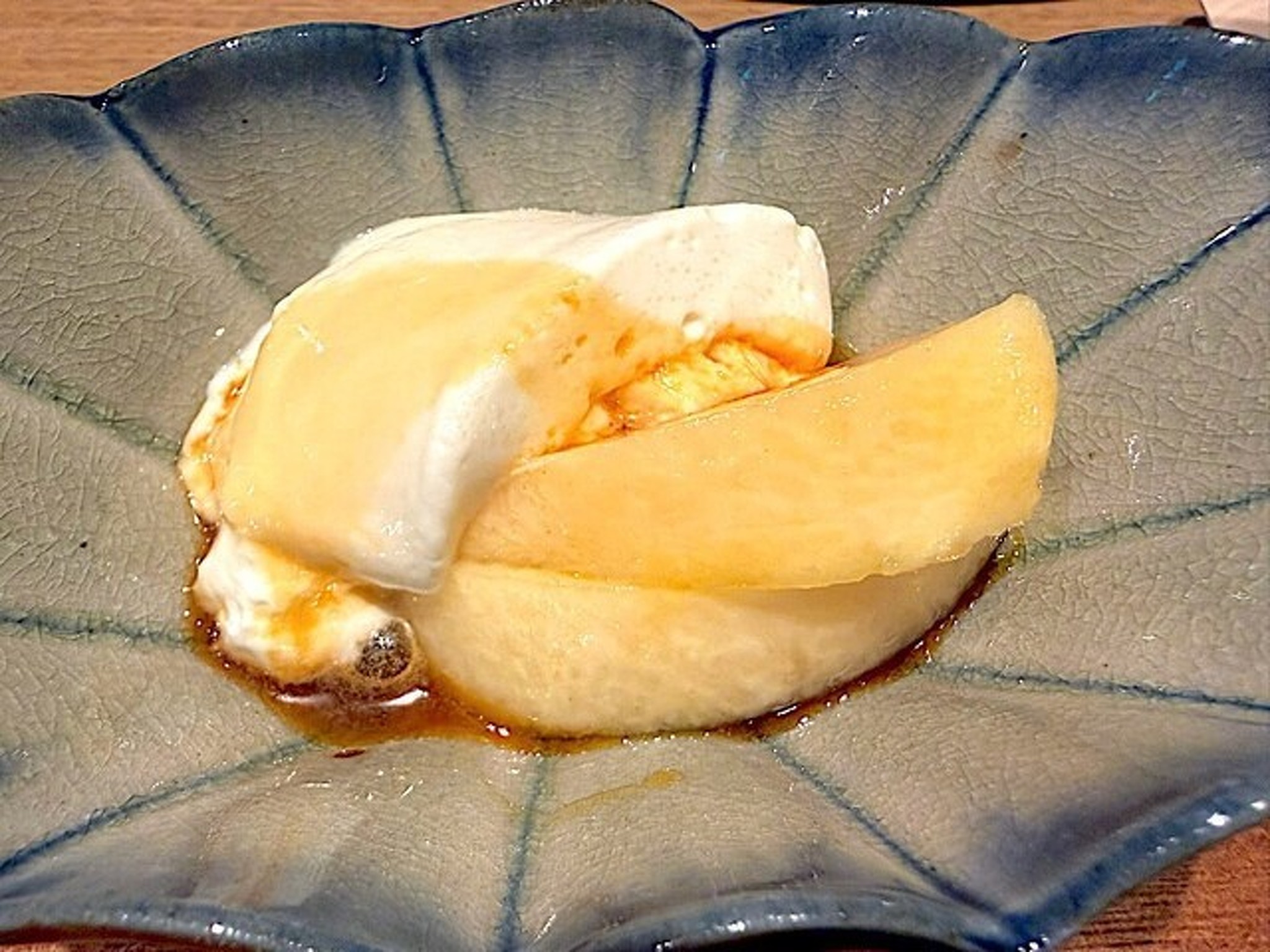
I had dinner at Goko Machi Tagawa, selected as one of the top 100 Japanese restaurants in 2025 and awarded Bronze in 2026. This was the main event of my trip to Kyoto! (╹◡╹)◇ Appetizer: Kyoto Kamo Eggplant and Hokkaido Bafun Uni◇ Sushi: Sawara (Spanish Mackerel)◇ Bihama Trout: Kombu-marinated Tataki◇ Soup: Black Abalone from Fukui Prefecture and Okra◇ Assorted Dishes: Yoron Koiimo, Sweet Simmered Baby Ayu from Lake Biwa, Swordtip Squid Ohitashi, Sweet Shrimp marinated in Shuto, Corn Tempura◇ Fried Fig with White Fan◇ Hokkaido Hairy Crab with Tomato and Shiso◇ Hamo (Pike Conger) from Awaji Island with Awaji Onion◇ Hijiki Rice and Edamame Rice◇ Yamanashi Peach Cheese MousseThe counter seating provided an incredible live cooking experience, with minimal preparation done beforehand and everything created right in front of us. The top-quality ingredients like Bafun Uni, Kamo Eggplant, Sawara sushi, Bihama Trout, and Black Abalone kept coming one after another (*'▽'*). I was captivated by the beautiful knife skills as the chef prepared each piece of Sawara and Bihama Trout, and witnessing the cutting of Hamo bones was truly impressive. I had never tried Fried Fig with White Fan before, and I was amazed at how the fig transformed into a dish bursting with a sweet, earthy flavor, enveloped in sesame sauce (๑˃̵ᴗ˂̵). It was a delightful surprise. Another dish, a vinegared crab with Shiso and Tomato skin, was incredibly satisfying, with the crab packed tightly like a delicious bomb, and the refreshing acidity of the Shiso and Tomato elevated the crab to another level.I also had my first experience with Hamo Suki. Until now, I had only eaten Hamo with a warm plum sauce, but I discovered this delicious local dish from Awaji Island. It was shocking and I want to eat it again and again.Both the Edamame Rice and Hijiki Rice were delicious.And for dessert, the Peach Cheese Mousse was a wonderful finale.It was a great meal. Thank you! m(_ _)m Less
From the selection of dishes to the beautiful presentation, the seasonal scenery comes to life in a remarkable way. The way each ingredient's texture and aroma are highlighted is exceptional, and the dashi, with its deep umami from kombu and rich fragrance from katsuobushi, truly permeates the body.The sashimi and grilled dishes feature incredibly fresh seafood, skillfully prepared with delicate knife techniques, and grilled to perfection over charcoal, achieving an exquisite balance of doneness... More
From the selection of dishes to the beautiful presentation, the seasonal scenery comes to life in a remarkable way. The way each ingredient's texture and aroma are highlighted is exceptional, and the dashi, with its deep umami from kombu and rich fragrance from katsuobushi, truly permeates the body.The sashimi and grilled dishes feature incredibly fresh seafood, skillfully prepared with delicate knife techniques, and grilled to perfection over charcoal, achieving an exquisite balance of doneness and seasoning.Overall, the meal was delicious, but I felt that some combinations and cooking methods didn’t quite match my personal taste. Additionally, I would have been happier if the price had been JPY 25,000. Less
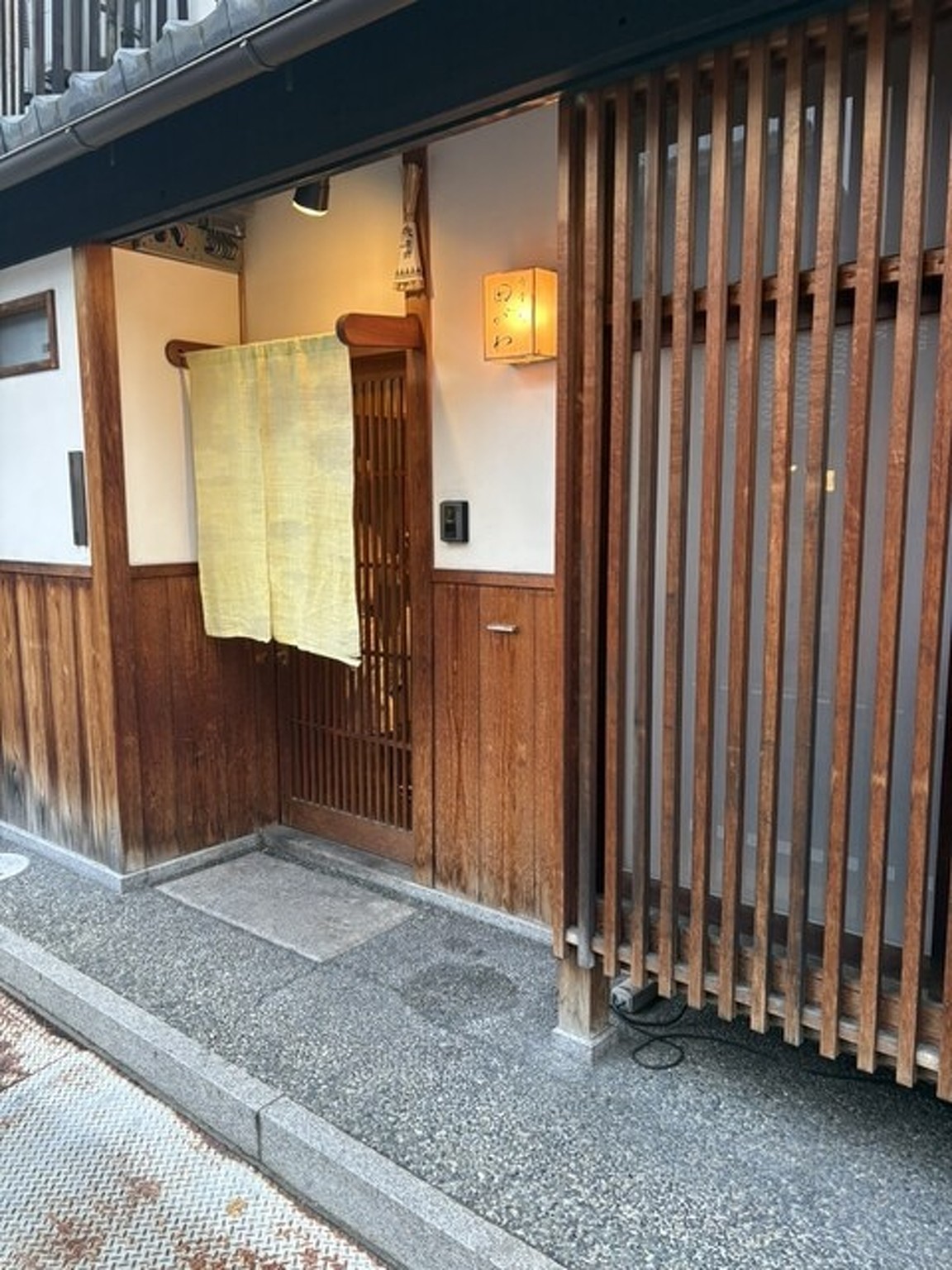
I visited Goko Machi Tagawa, a Japanese restaurant located in the southern part of Kyoto.Opened in 2017, the owner, Yoshitaka Tagawa, hails from Mie Prefecture.His background is quite unique; he originally worked as an engineer before entering the culinary world at the age of 25. After honing his skills at renowned establishments such as Masago Saryo in Yokohama, Gion Maruyama in Kyoto, and Azabu Komura in Tokyo, he eventually became independent.In the year following its opening, the restaurant earned... More
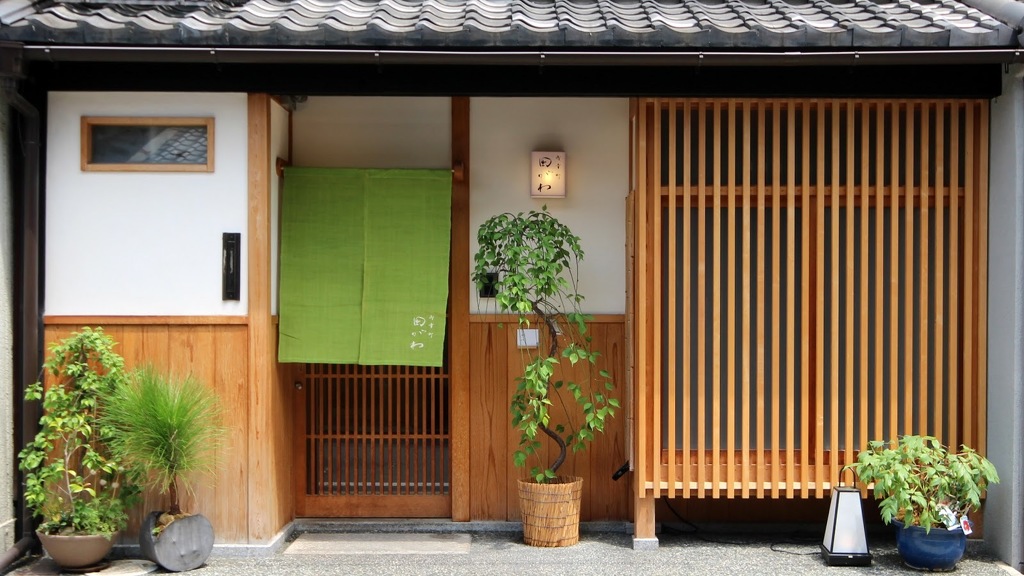
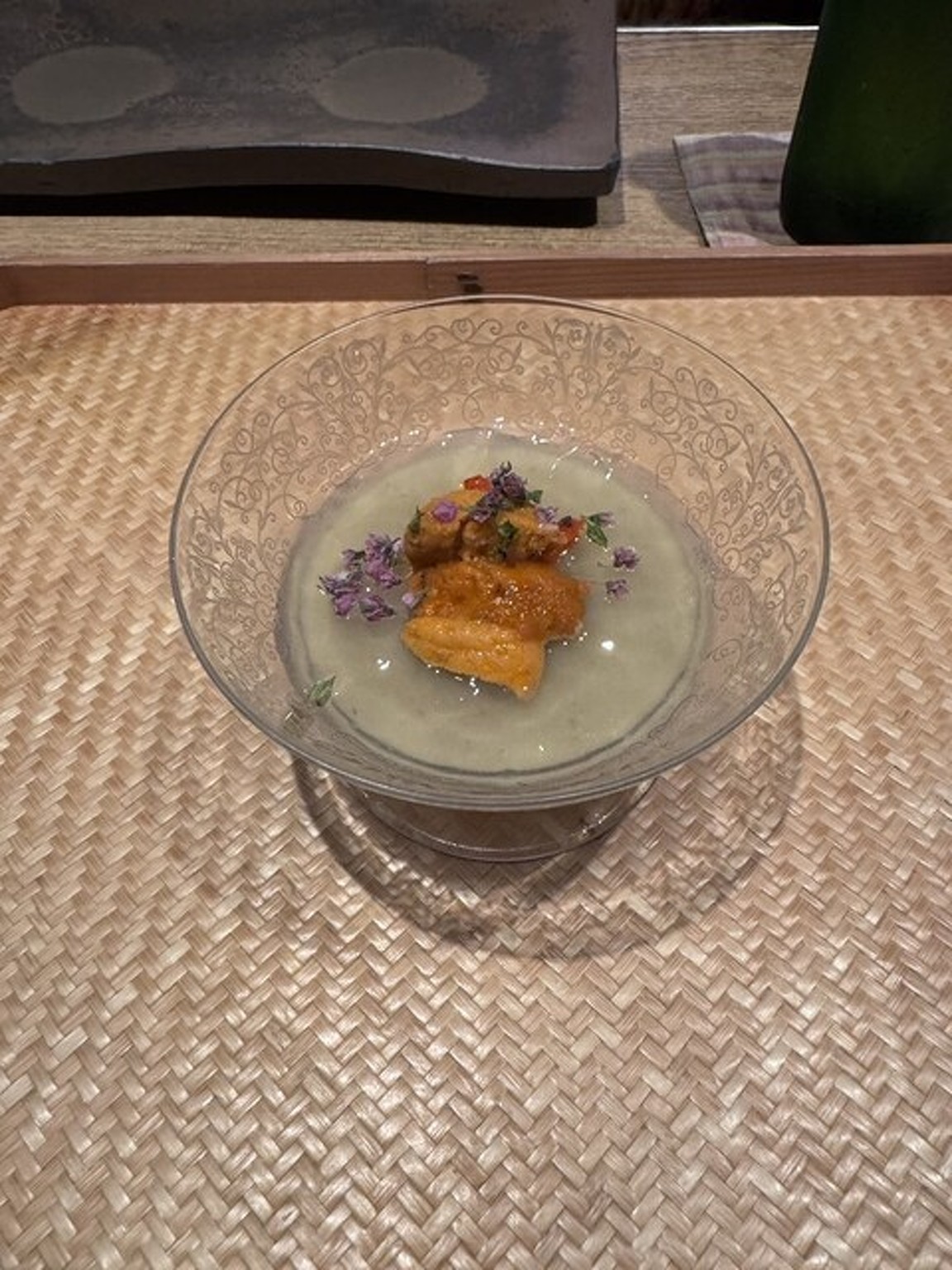
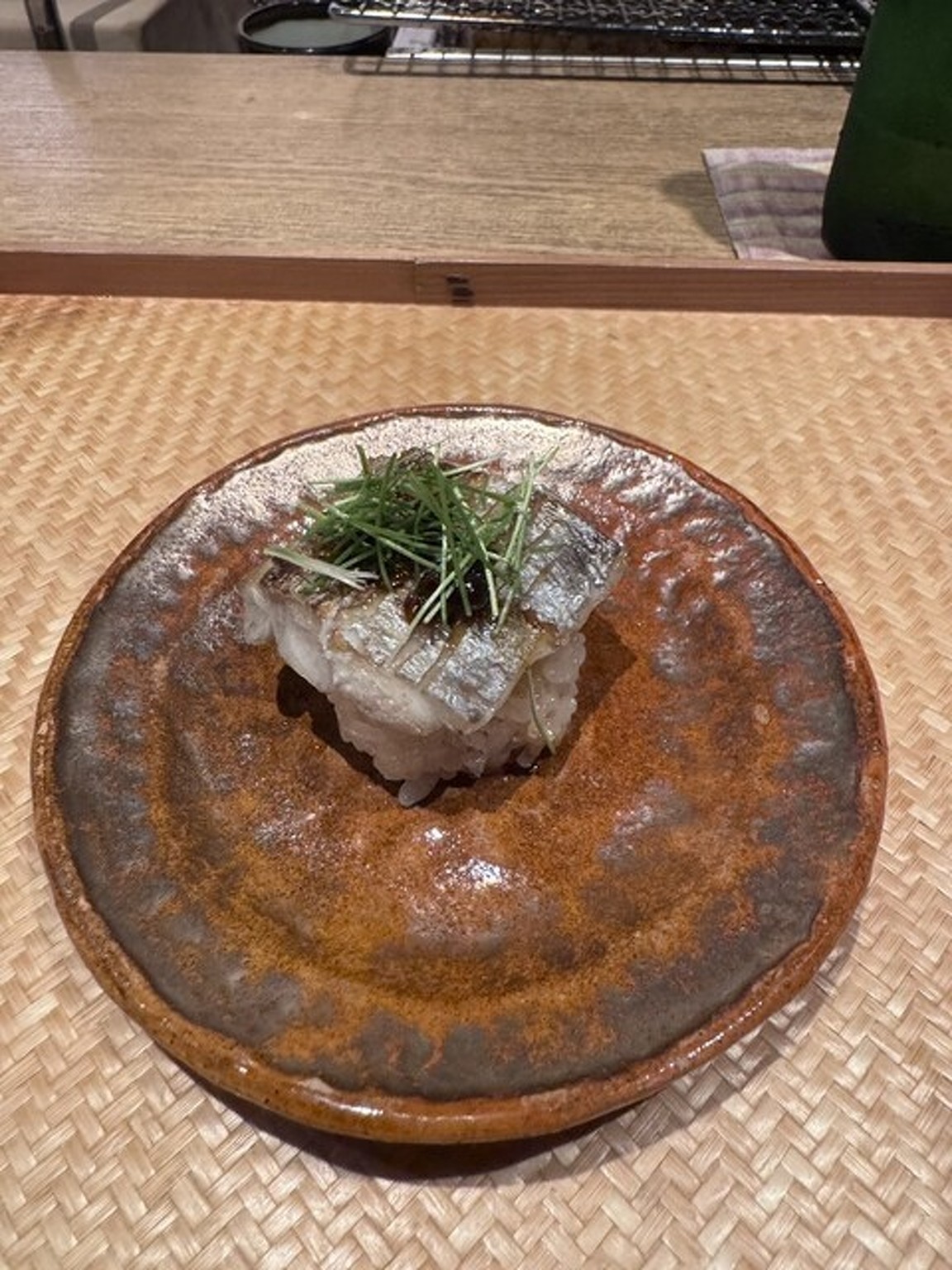
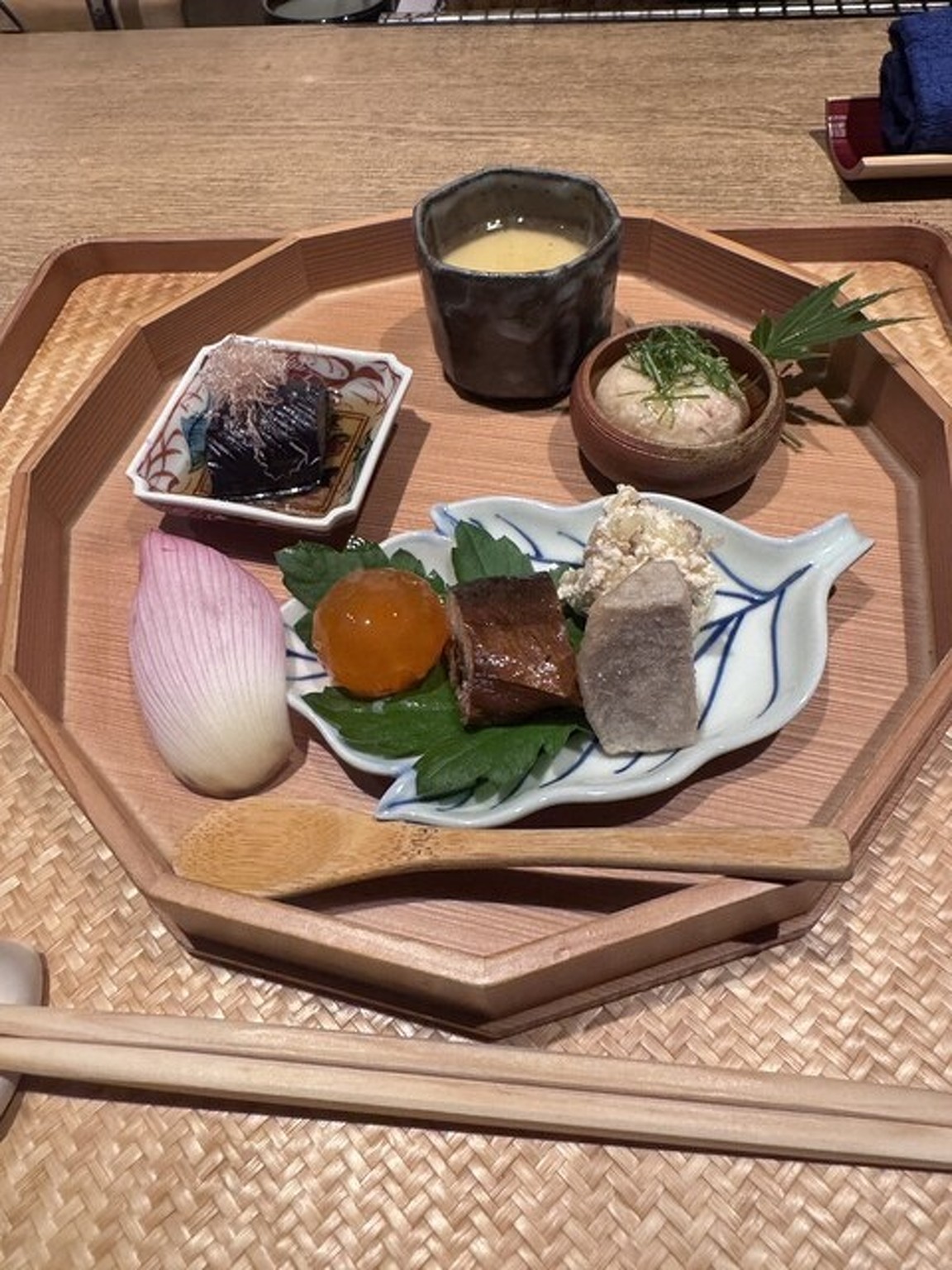
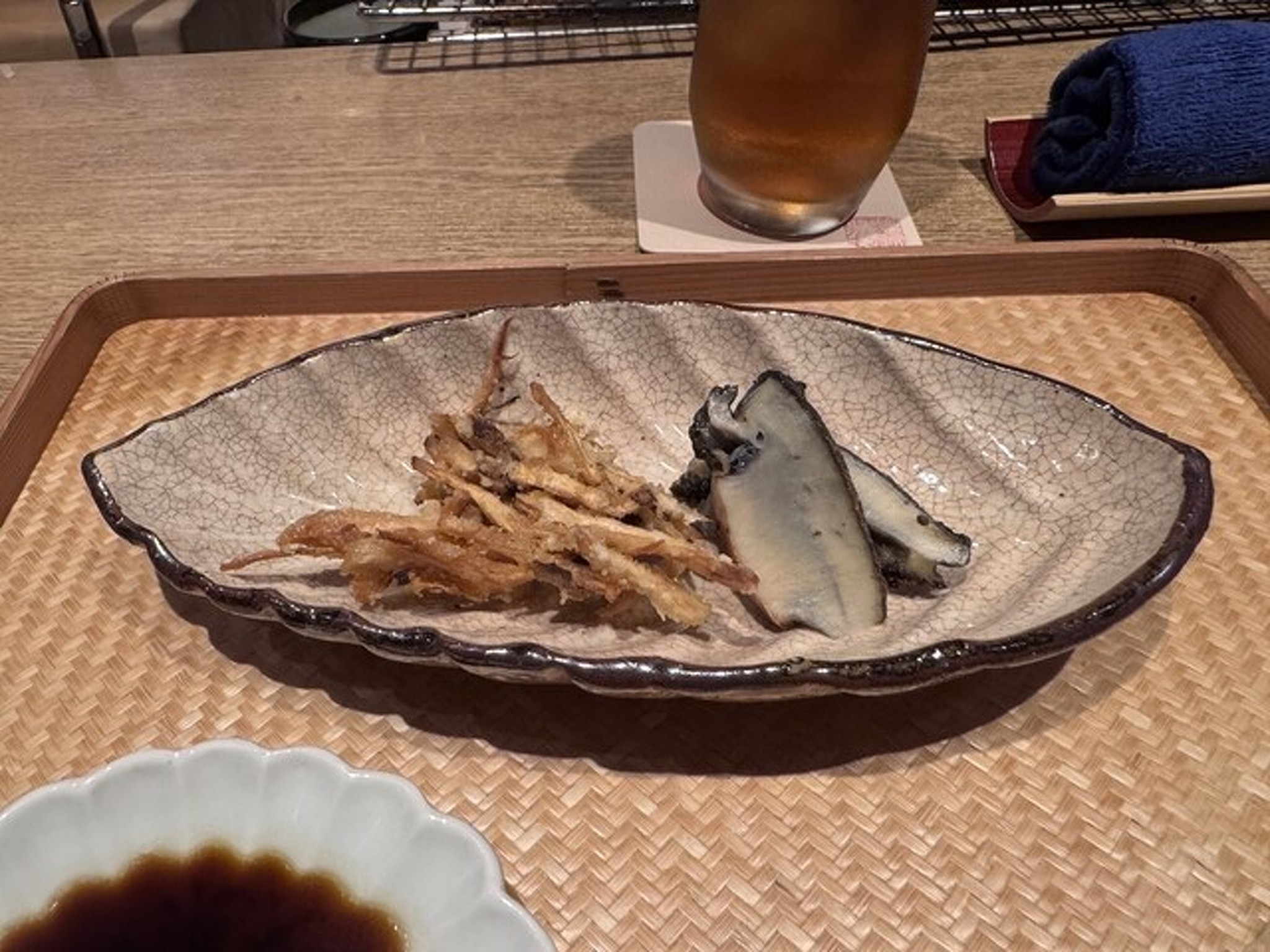
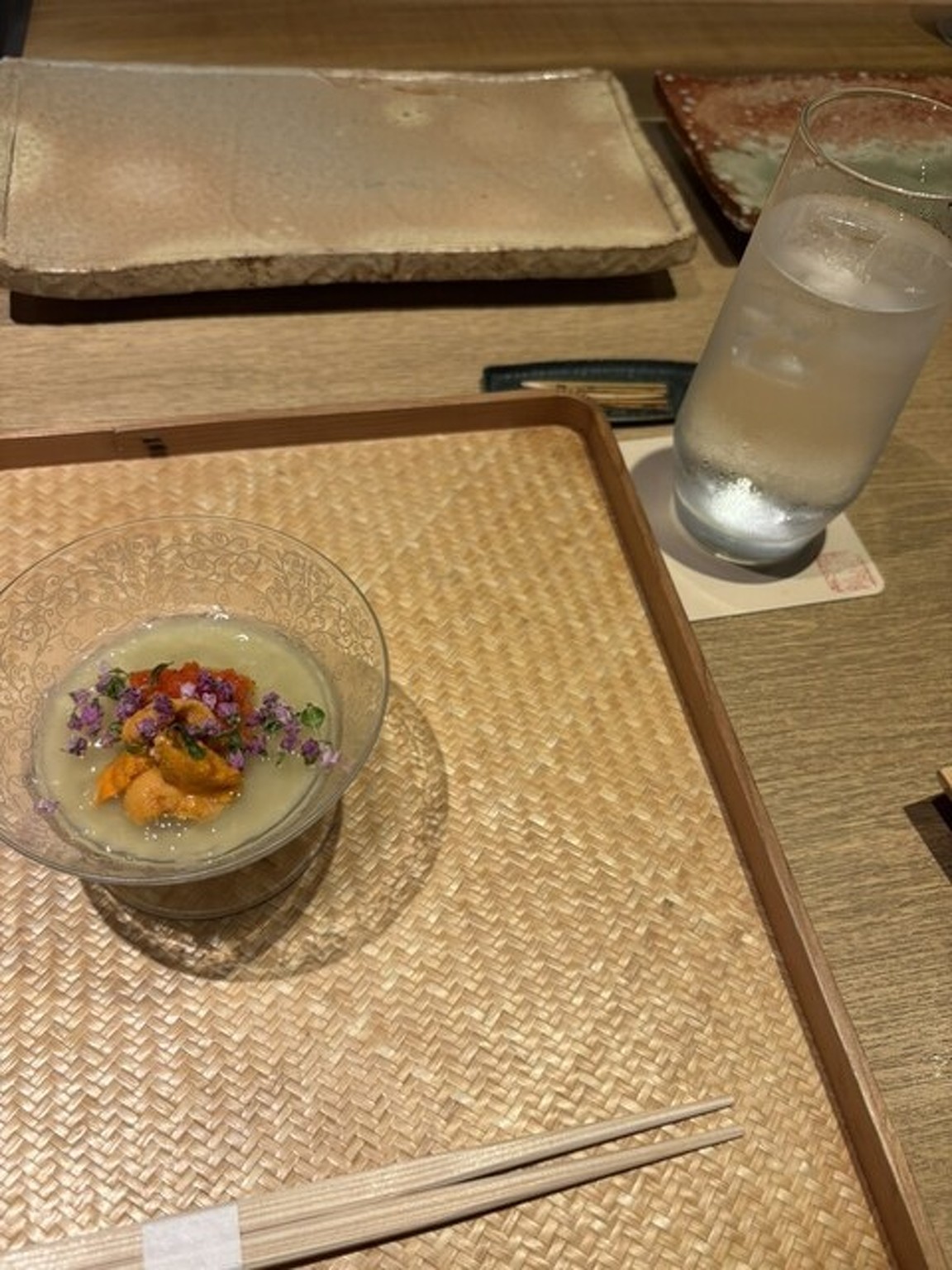
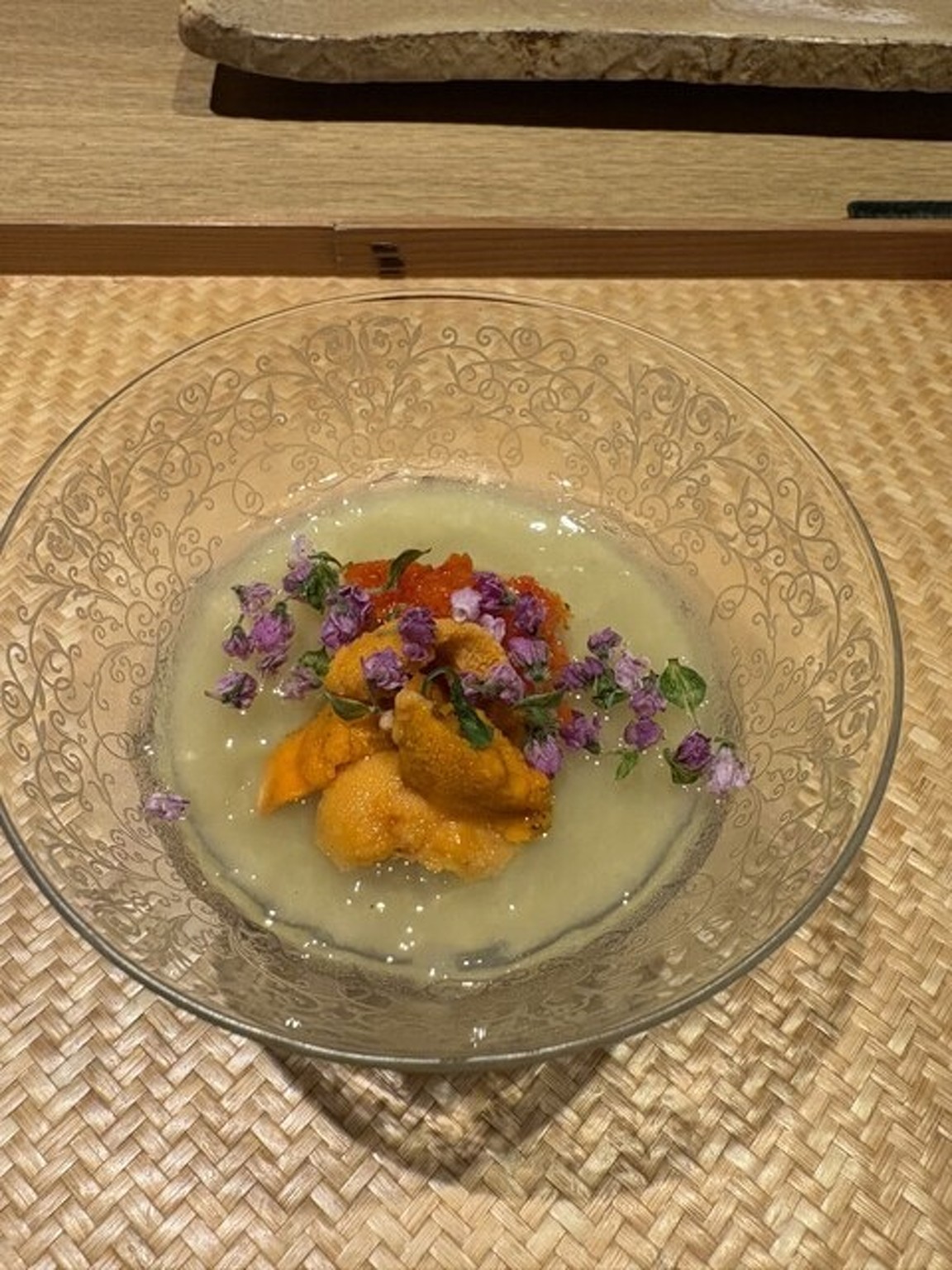
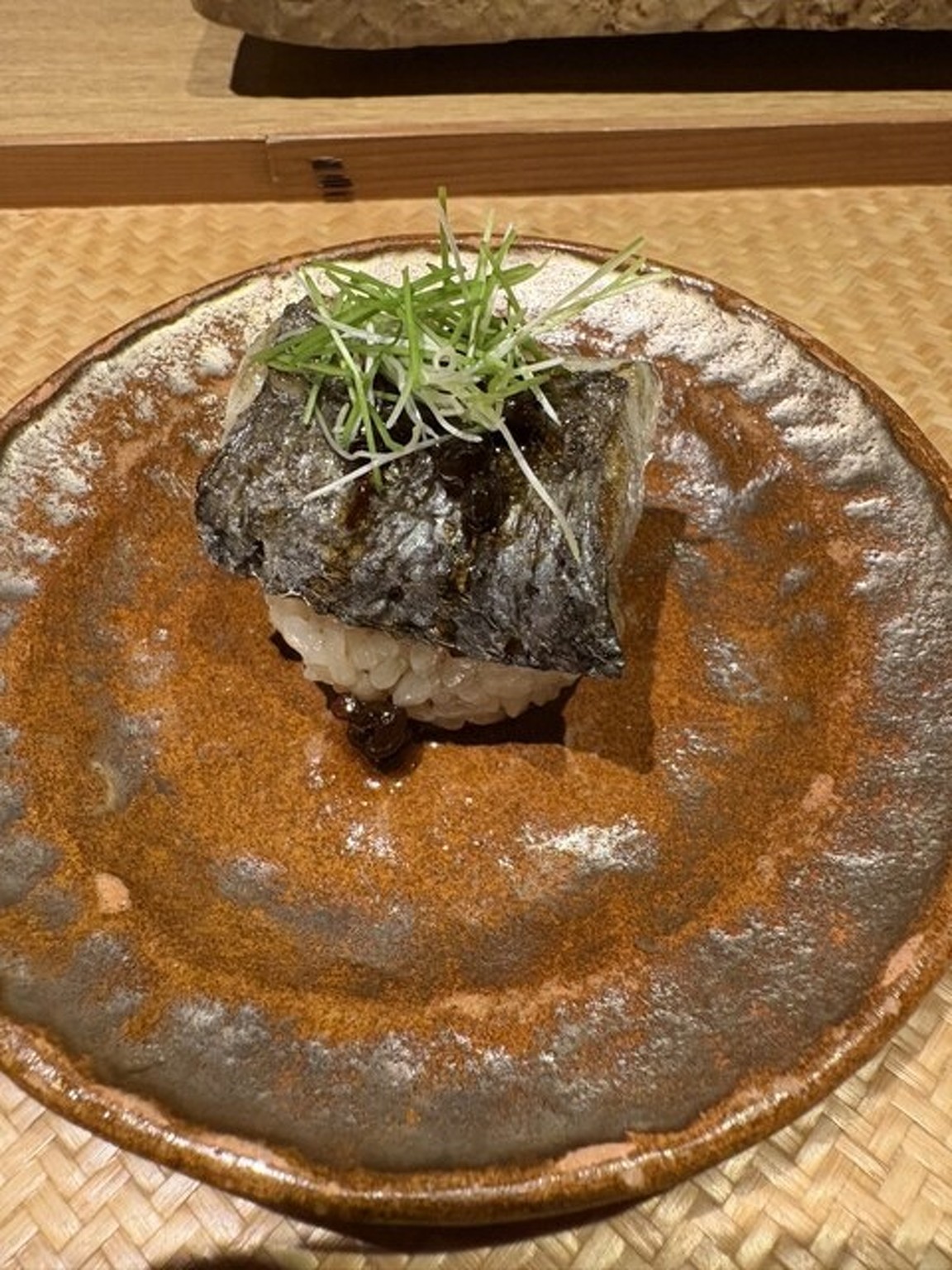
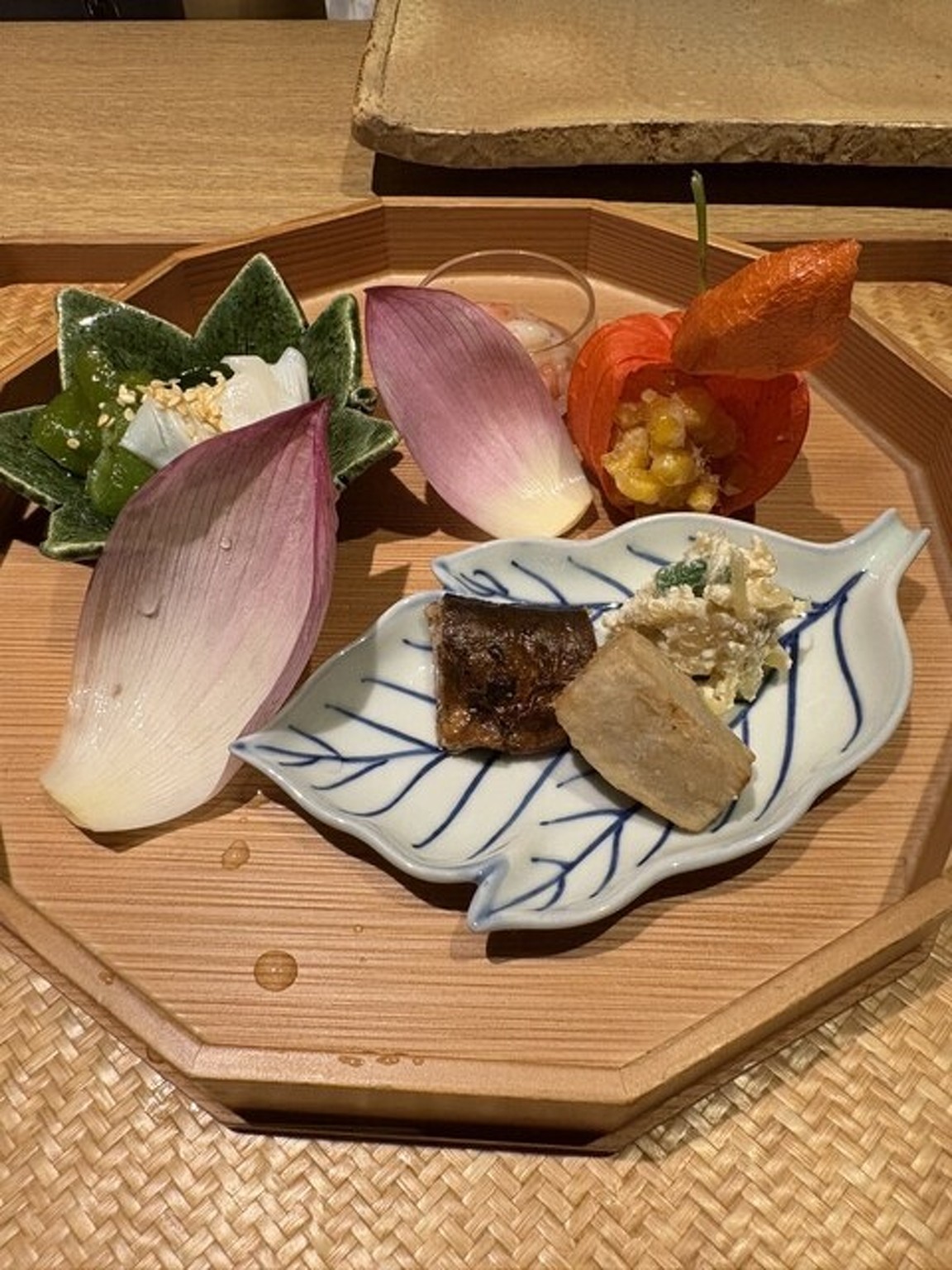
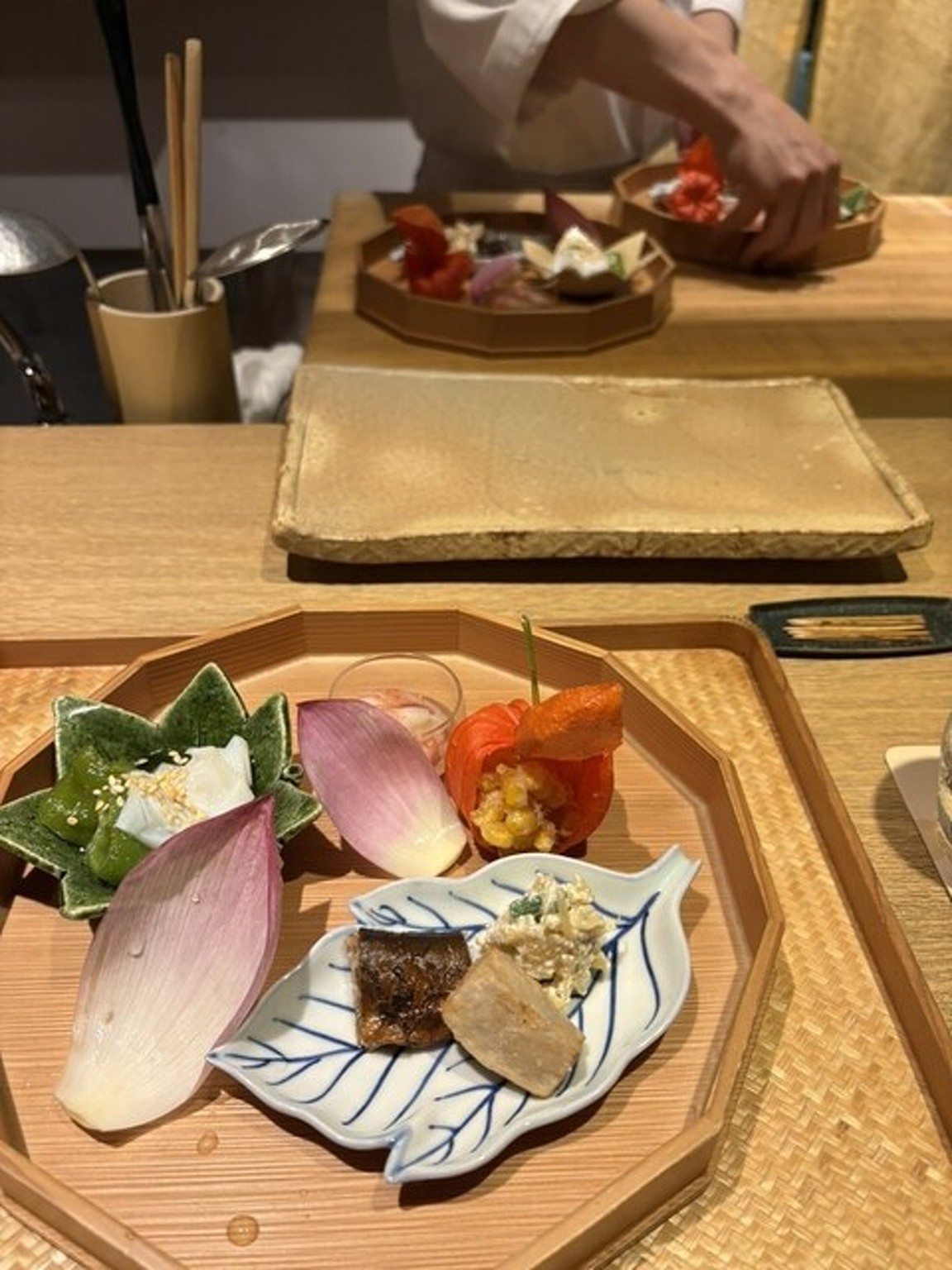
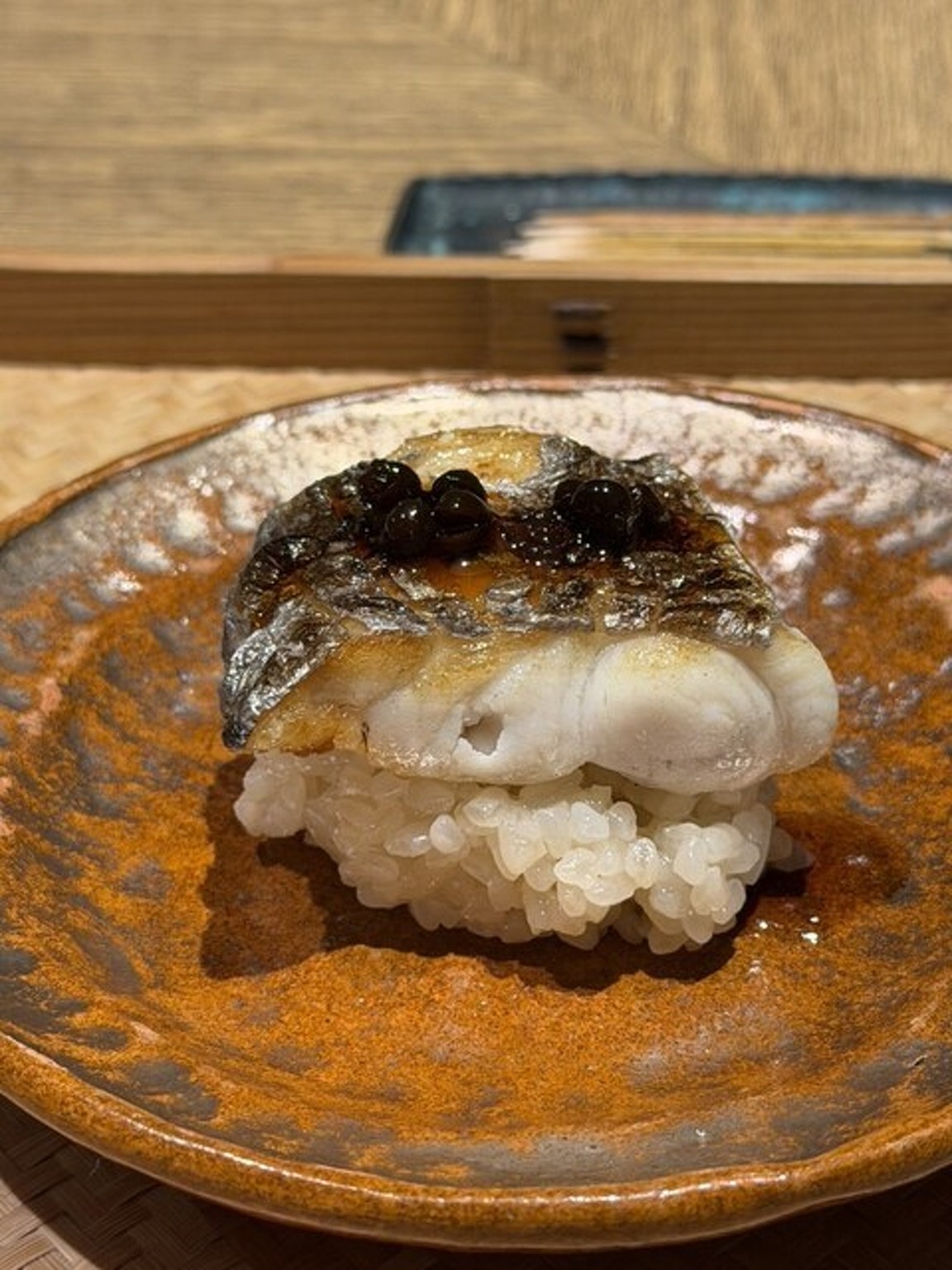
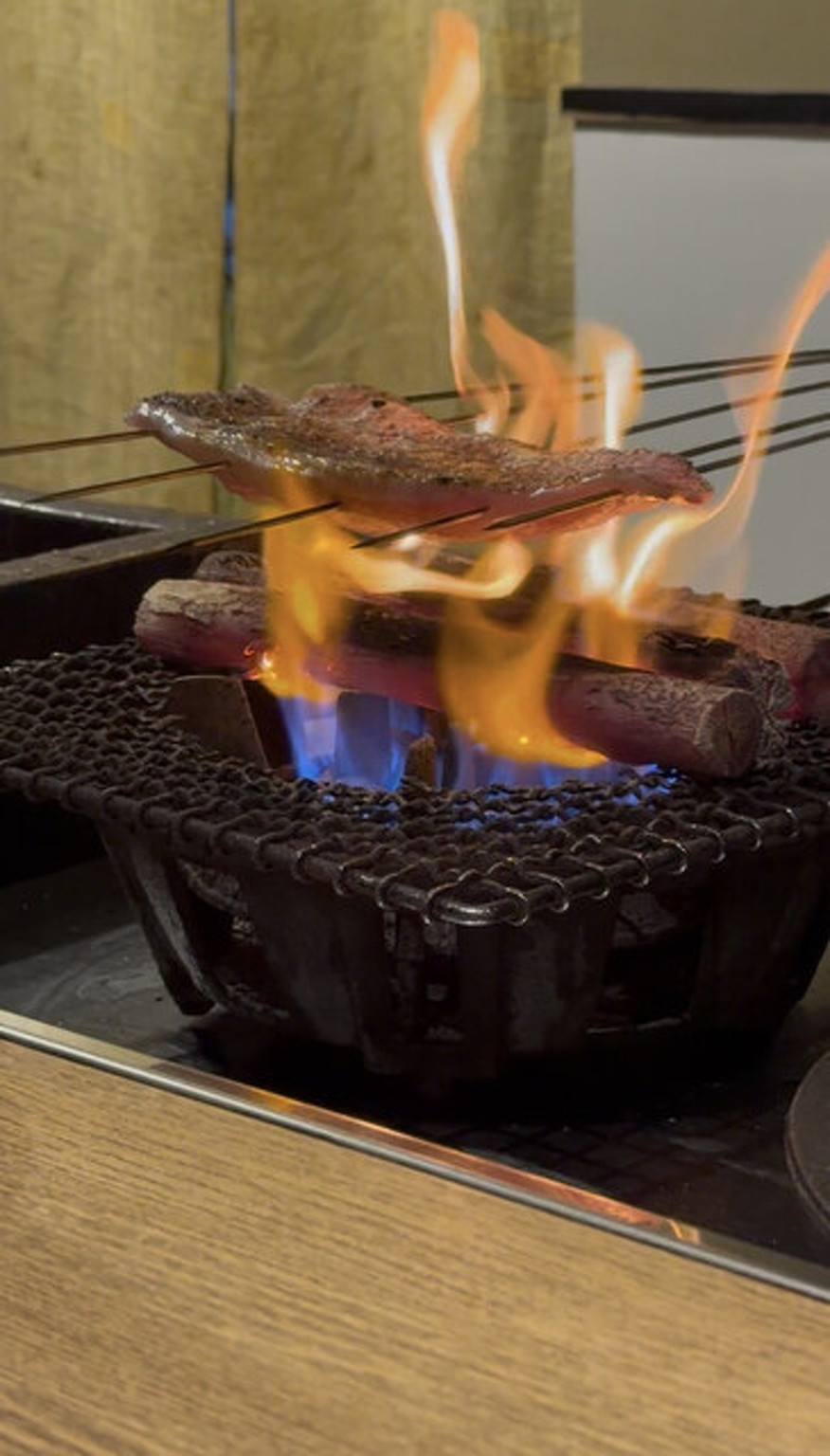
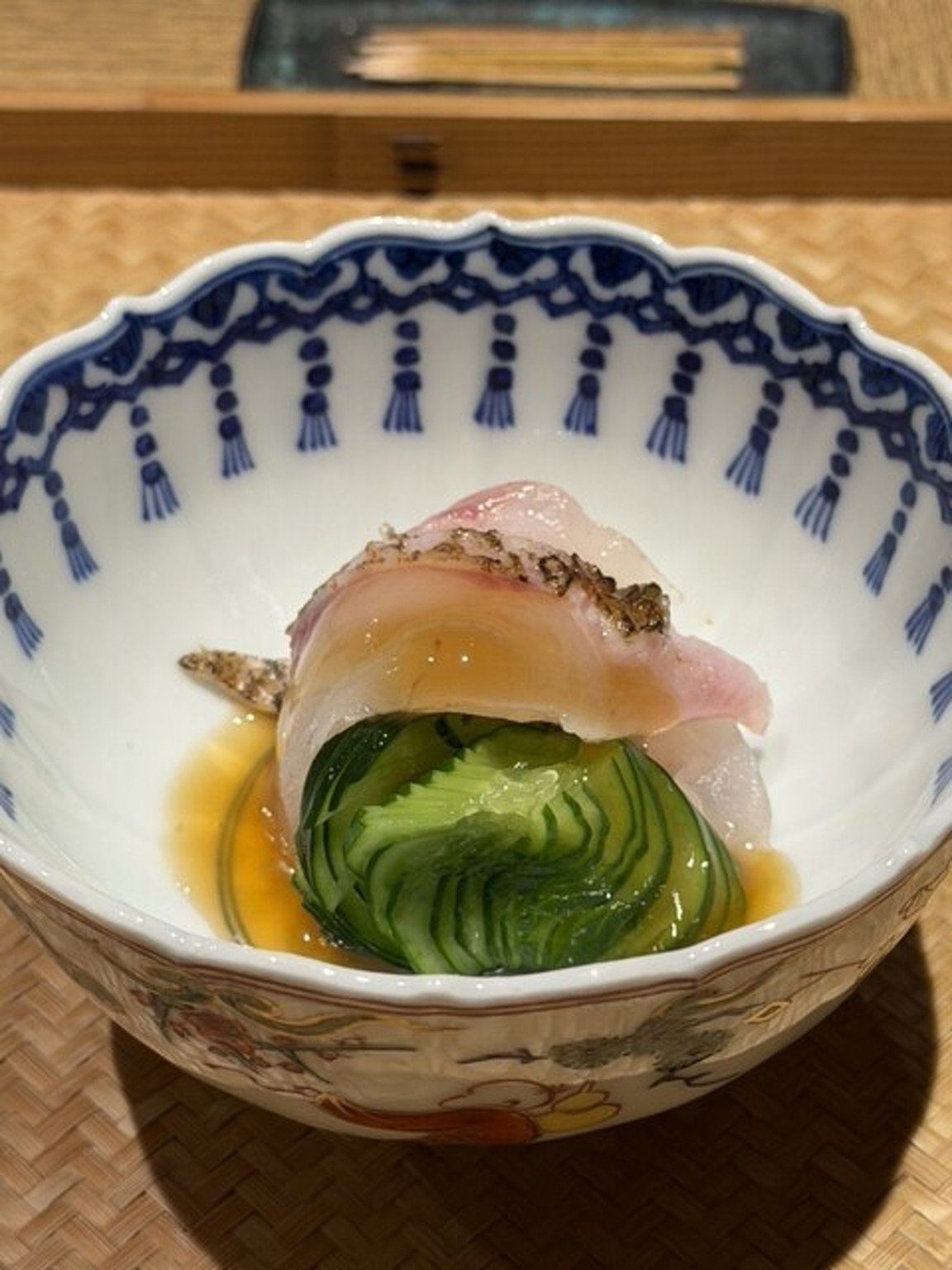
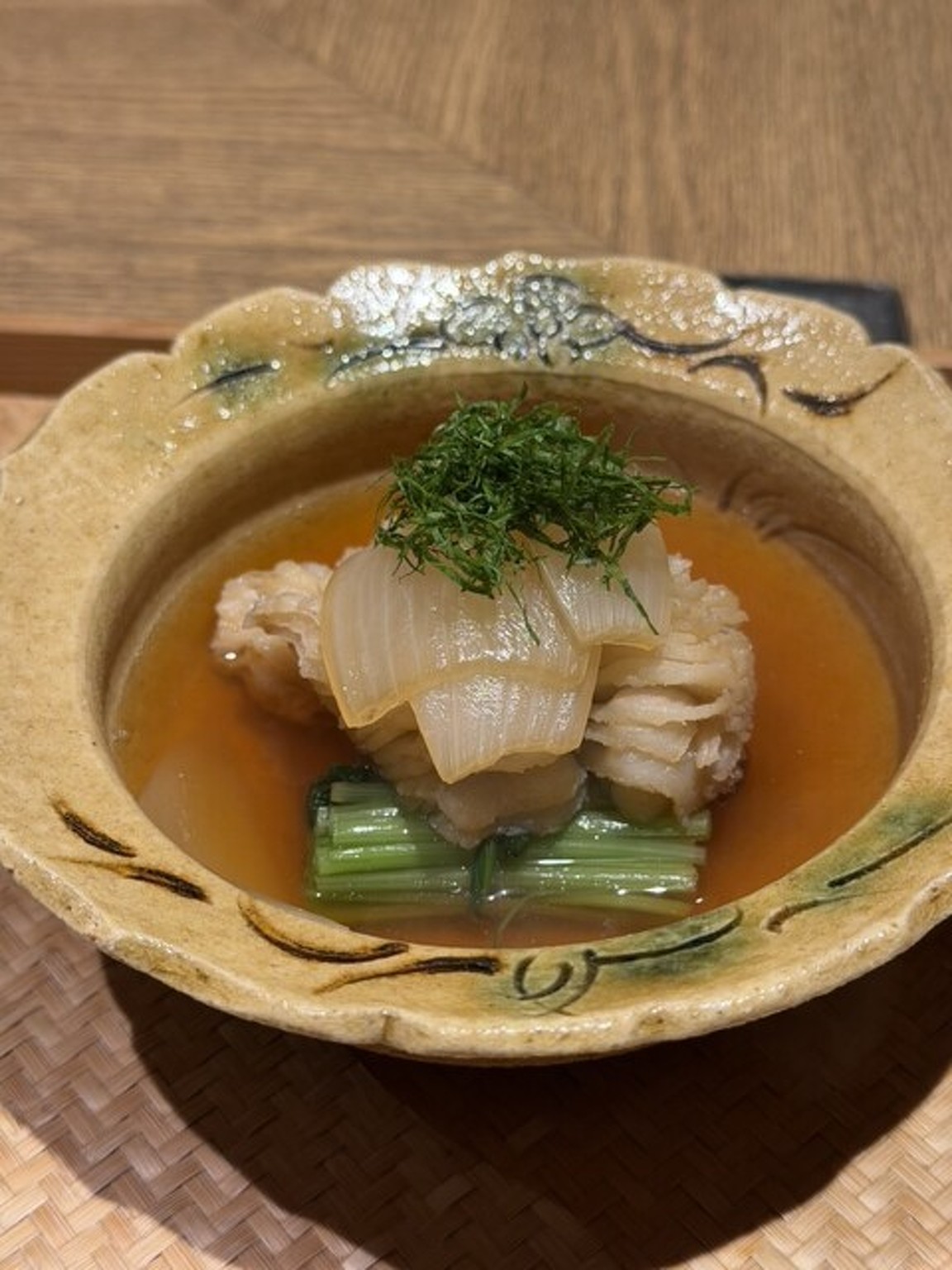
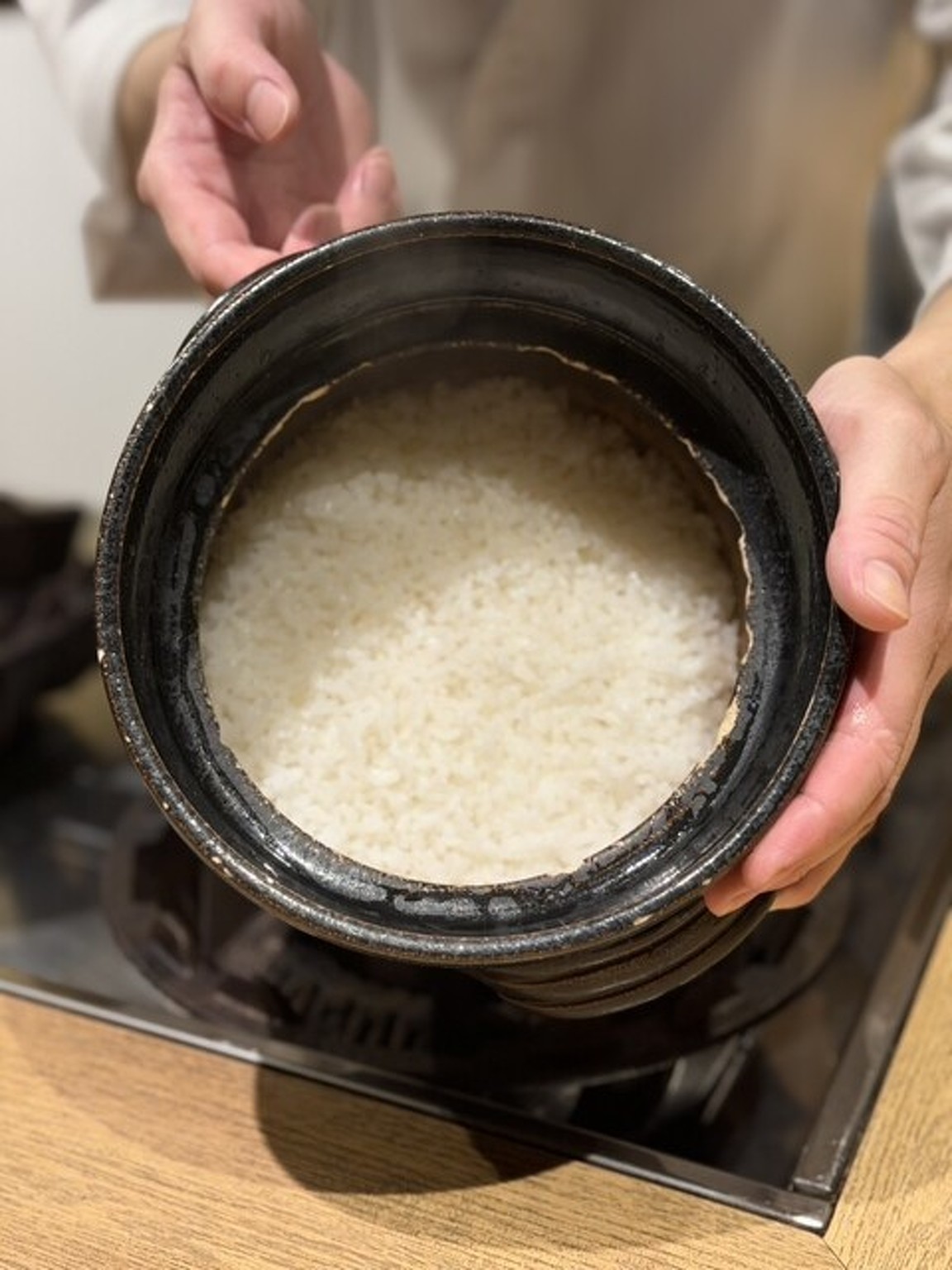
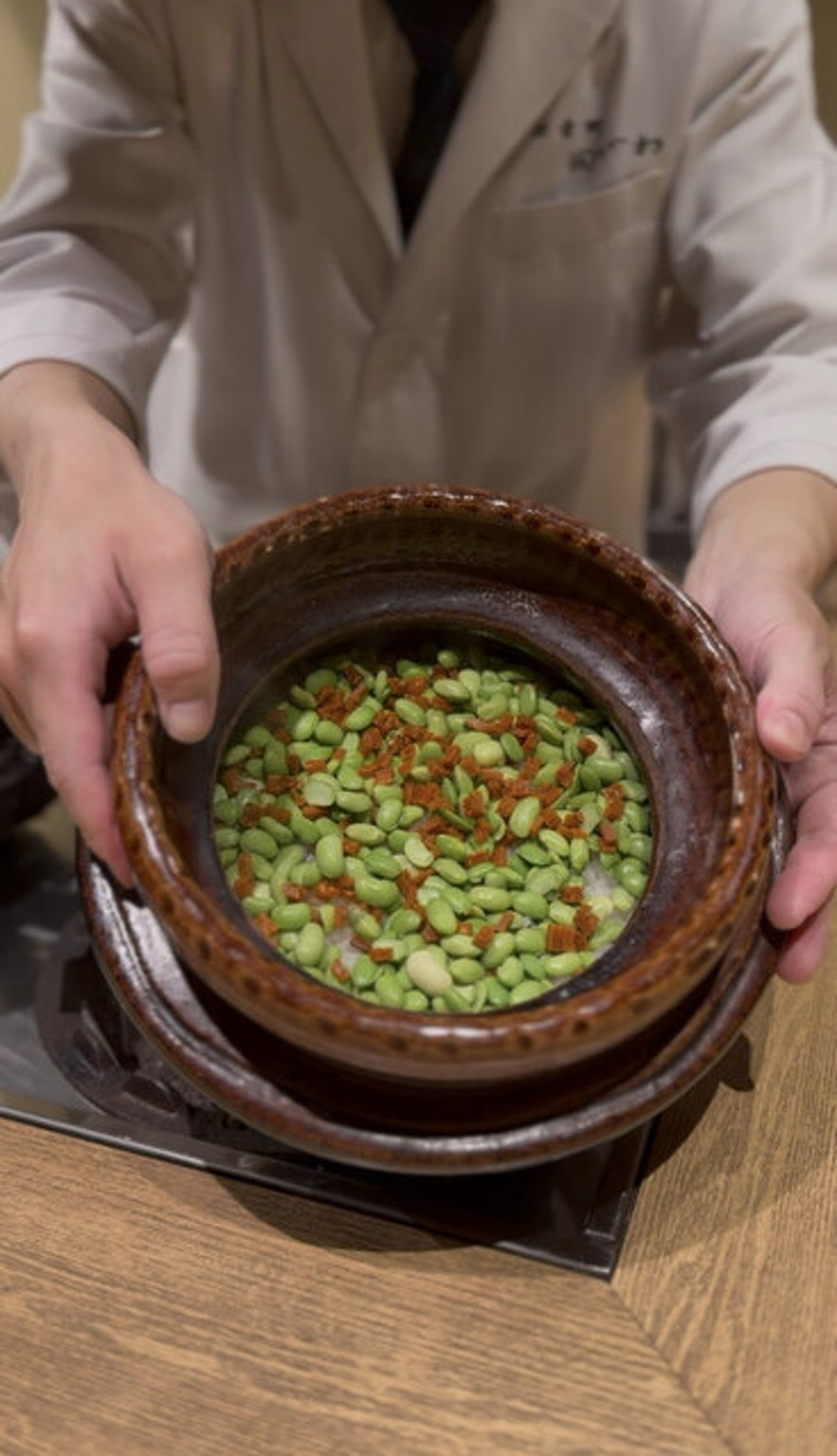
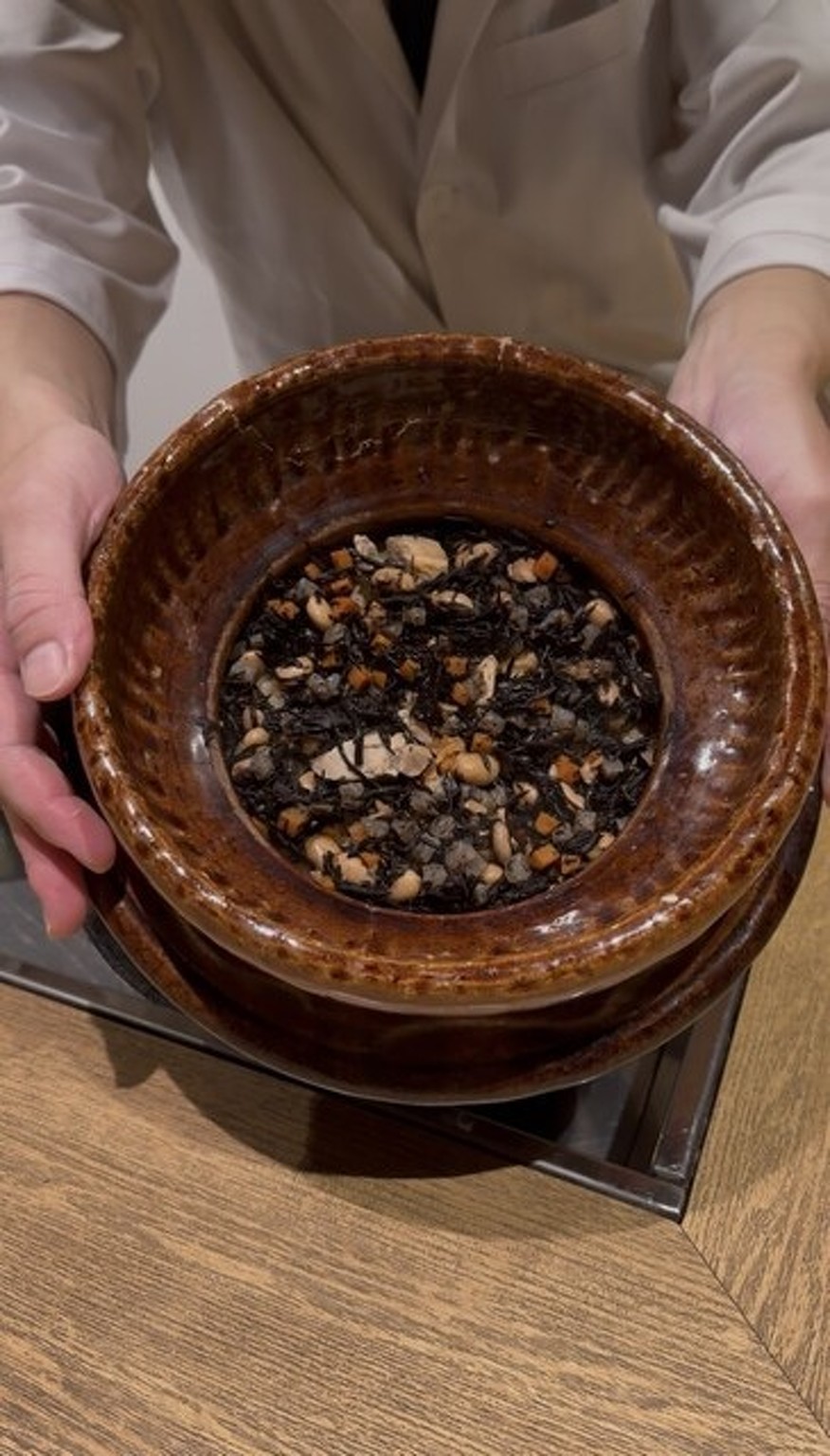
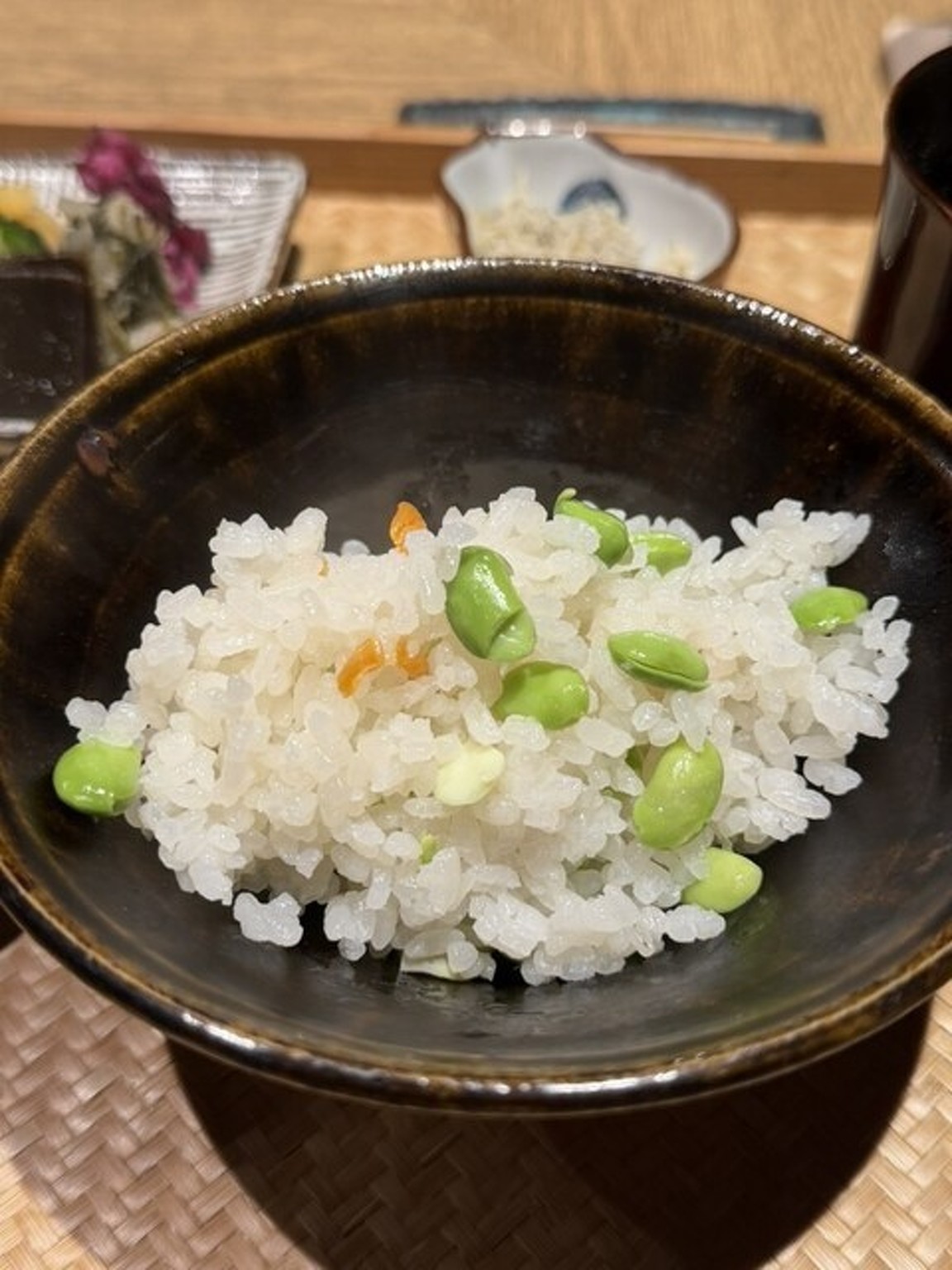
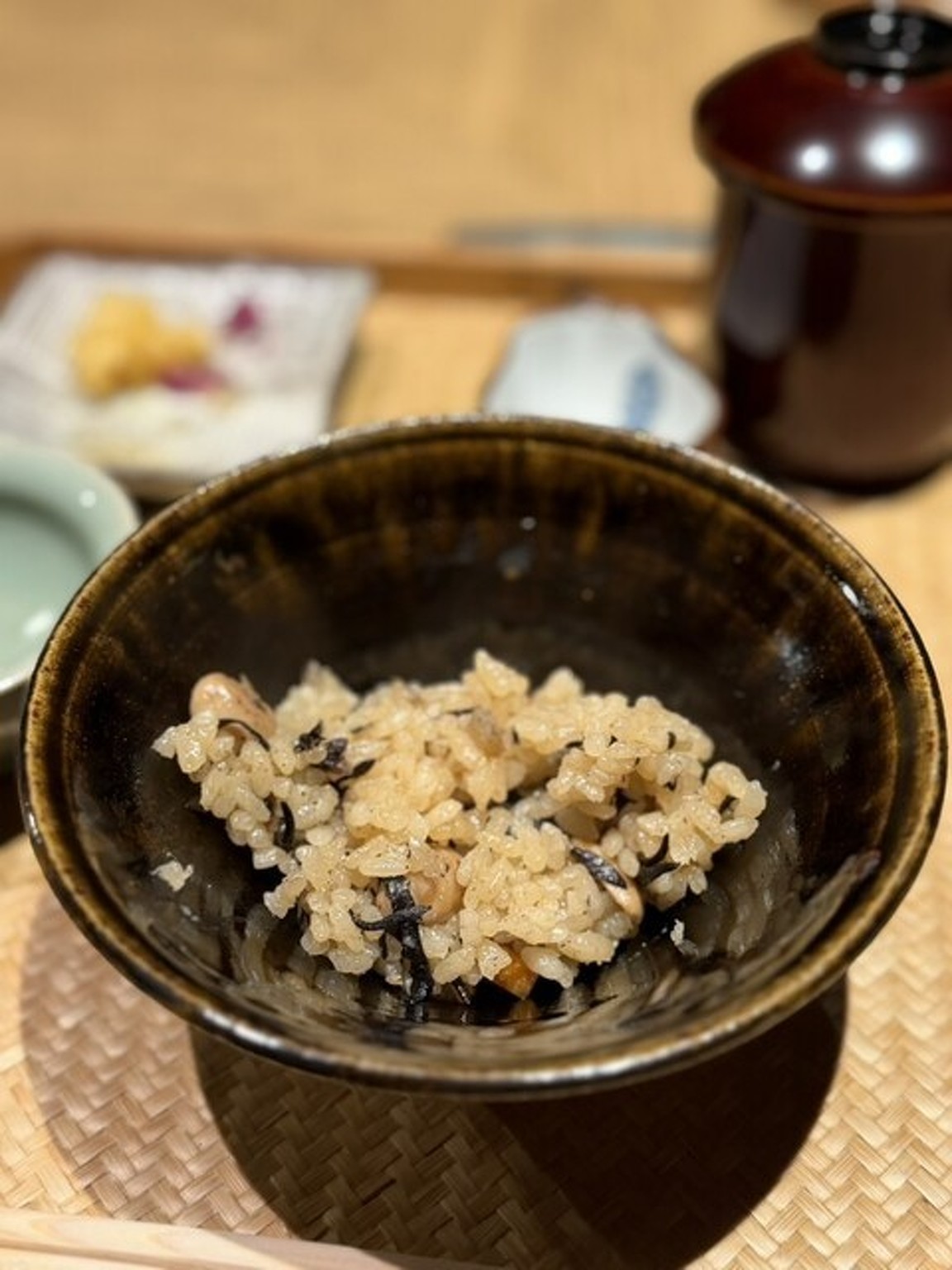
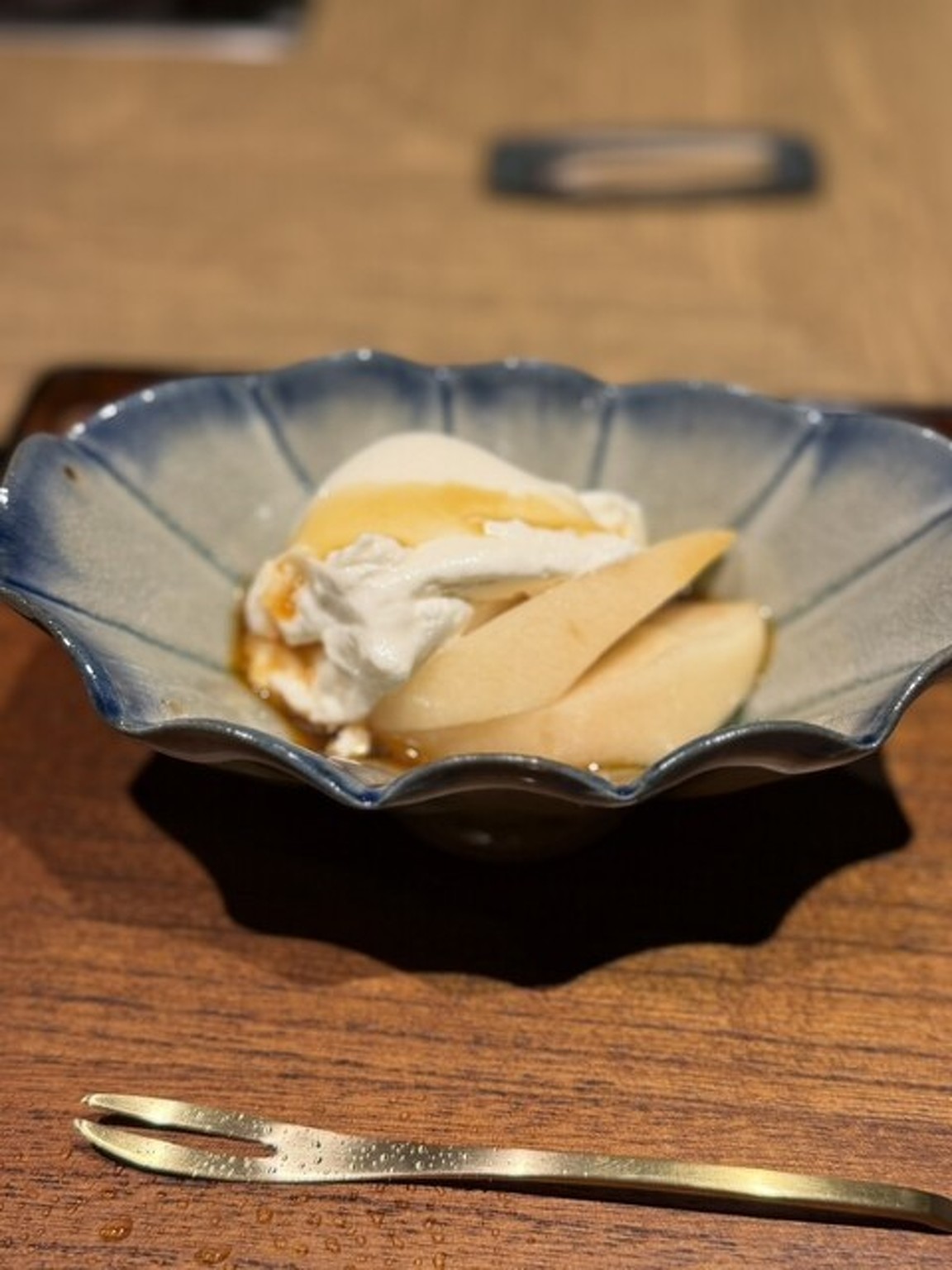
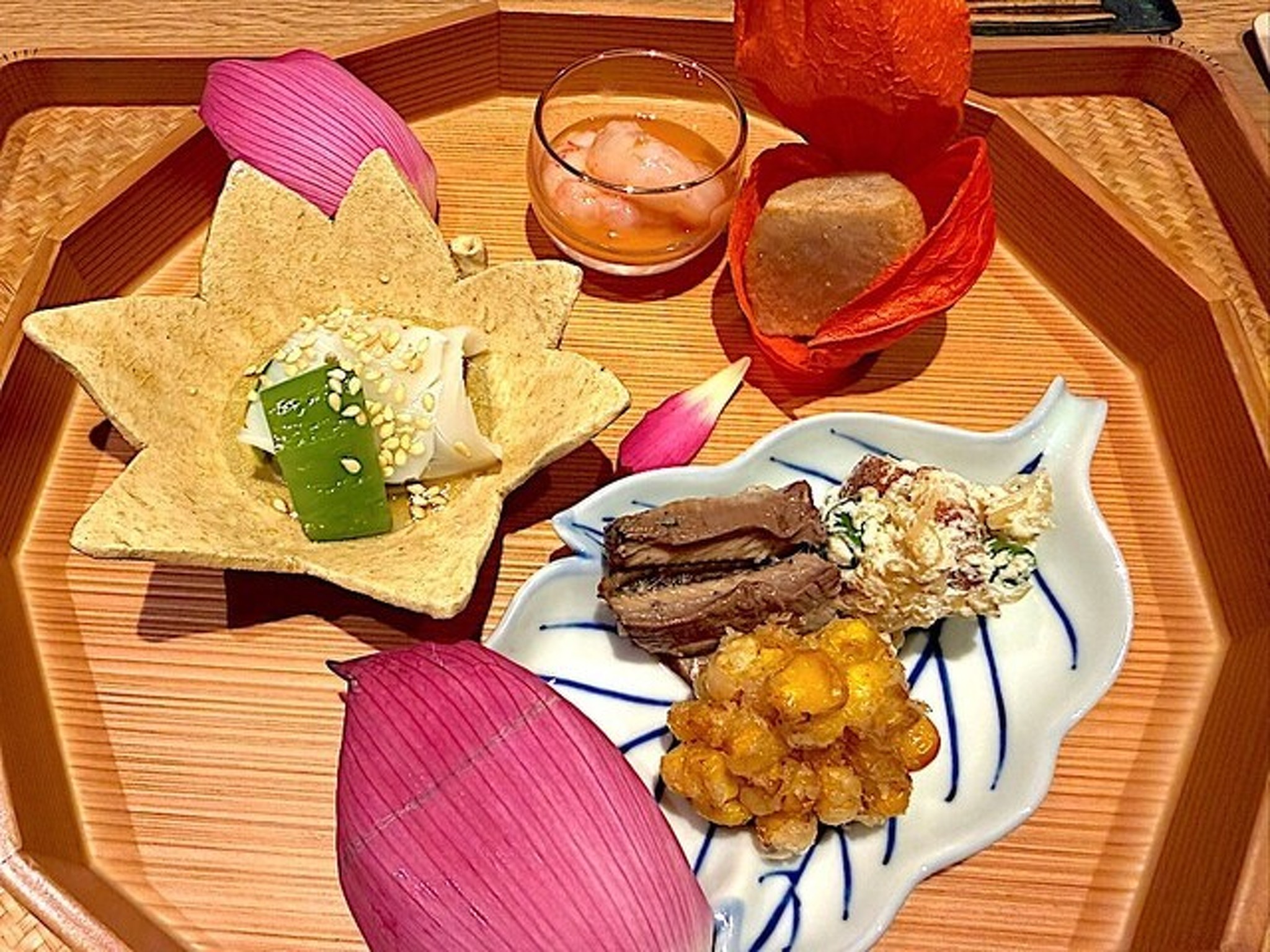
I visited Goko Machi Tagawa, a Japanese restaurant located in the southern part of Kyoto.Opened in 2017, the owner, Yoshitaka Tagawa, hails from Mie Prefecture.His background is quite unique; he originally worked as an engineer before entering the culinary world at the age of 25. After honing his skills at renowned establishments such as Masago Saryo in Yokohama, Gion Maruyama in Kyoto, and Azabu Komura in Tokyo, he eventually became independent.In the year following its opening, the restaurant earned a Michelin star in the "Michelin Guide Kyoto Osaka 2018" and has continued to receive high praise, including the Tabelog Award Bronze for many years, making it one of Kyoto's representative Japanese restaurants.The interior, renovated from a traditional Kyoto townhouse, features a counter where diners can closely observe the chef at work.Tagawa places great importance on the flow of the entire course, carefully considering which ingredients to highlight from the day's selection and how to construct the dishes accordingly.The course I enjoyed included an abundance of summer ingredients such as conger eel, abalone, sea urchin, biwa trout, corn, figs, and hairy crab.What struck me most after finishing the meal was how each ingredient's flavor was preserved while skillfully combining them to enhance their deliciousness.We began with cold-brewed tea, which had a sweet and clear taste, perfectly preparing my palate for the upcoming dishes.The first appetizer featured a smooth puree of Kamo eggplant topped with okra, Hokkaido sea urchin, and Manjyu pepper.The natural sweetness of the Kamo eggplant paired beautifully with the rich umami of the sea urchin. The texture of the okra and the Manjyu pepper added depth, ensuring the dish was not just sweet but also had a rich and defined flavor.Next came the sushi made with swordfish.This was delicious.The fluffy swordfish was served with slightly sweet rice.Grilled over charcoal, the cooking technique was superb, giving the surface a smoky aroma while keeping the inside tender.The richness of the fish's fat complemented the sweetness of the rice perfectly.The sashimi featured biwa trout, served with kombu-cured cucumber and ponzu sauce.The biwa trout had a silky texture and a delightful aroma.Pairing it with the kombu-cured cucumber not only changed the texture but also highlighted the trout's delicate umami.Rather than simply serving the fish alone, the accompanying ingredients supported the main star beautifully.One of the standout dishes of the day was the black abalone.Served with its liver, okra, and myoga ginger, the abalone was incredibly tender, releasing its umami as I chewed.The richness of the liver added depth, while the okra's creaminess tied everything together, and the myoga ginger balanced the aftertaste.The broth was gentle, allowing the abalone's natural flavor to shine through, enhanced by the richness of the liver.Being from Mie Prefecture, Tagawa values the abalone sourced from ama divers in Toba as one of his key ingredients.His dish featuring tender abalone simmered with liver sauce is one he proudly highlights, and it was indeed one of the most memorable dishes of the course.Next was the hassun, featuring corn tempura.The corn itself was very sweet, and the saltiness of the batter accentuated that sweetness.With each bite, the aroma and sweetness of the corn burst forth.Then came the sardine, which was fragrant with ginger and served refreshingly despite its richness.The sand beans were prepared in a gentle white miso dressing, offering a light and airy flavor.Sweet shrimp were served with crab salad, where the shrimp's sweetness was drawn out by careful cooking, leaving a sticky sweetness and umami impression.Each small dish in the hassun had different aromas, textures, sweetness, and acidity, allowing for a delightful progression of flavors.Another favorite of mine was the fried figs, paired with sesame miso and yuzu.This was incredibly delicious.The sweetness and creamy texture of the cooked figs were enhanced by frying, yet the oil was surprisingly light, leaving no heaviness.The sesame miso added a rich depth to the figs' sweetness, while the yuzu's fragrance elevated the dish.Rather than pairing sweetness with sweetness, the combination of sesame's richness and yuzu's aroma made the figs' sweetness feel more dimensional.The pairing of ingredients was exceptionally well done, making this one of the most impressive dishes of the day.The hairy crab from Hokkaido was served with nagaimo (Japanese yam), tomato, and Tosa vinegar.Crab miso and shiso were also included.The crunchy texture of the nagaimo complemented the soft meat of the hairy crab.The richness of the crab miso, along with the acidity of the tomato and Tosa vinegar, balanced the dish beautifully.While hairy crab is a strong-flavored ingredient, the addition of nagaimo's texture and tomato's acidity kept the dish light and refreshing.This, too, felt quintessentially Tagawa.Next was the summer dish of conger eel.Served with onion and mitsuba leaves, the conger eel was fluffy and tender, with a refined umami.The sweetness of the onion melted into the broth, creating a simple yet delicious composition where the flavors connected beautifully.Rather than overpowering the conger eel with strong flavors, the sweetness of the onion enhanced its delicate umami.Then came the rice.Edamame and bachiko rice.The aroma of the edamame was delightful, and the bachiko added a nice texture.The rice itself was also delicious.Next was chicken and hijiki rice, which had a lovely broth flavor.Then came plain white rice with conger eel.Finally, another serving of conger eel.The fluffy conger eel was enriched by the egg's richness, which was perfectly complemented by the white rice.Despite the abundance of rice dishes in the latter part of the course, I surprisingly found myself still able to eat.In fact, each dish offered a different way to enjoy the rice, keeping my chopsticks moving until the end.For dessert, there was peach mousse with fromage and caramel sauce.The peach was sweet and tender.The fromage was smooth, and its richness and mild acidity paired beautifully with the peach.The blancmange had a gentle sweetness balanced by the slight bitterness of the caramel.From the dishes to the rice and dessert, everything came together beautifully.After experiencing the entire meal, I felt that Tagawa's cuisine does not hide the ingredients' flavors by adding something but rather enhances them through thoughtful combinations.Pumpkin and sea urchin.Biwa trout with kombu-cured cucumber.Black abalone with liver, okra, and ginger.Figs with sesame miso and yuzu.Hairy crab with nagaimo, tomato, and Tosa vinegar.Conger eel with onion.Looking back, many of the memorable dishes did not stand alone with a single ingredient.There was always a star ingredient, complemented by other ingredients with sweetness, acidity, aroma, texture, and richness.Yet, the impression left in the mouth was not complex but rather straightforward."The black abalone was delicious," "the conger eel was delicious," "the figs were delicious"—these flavors remained as clear memories of the ingredients.This sensation is fascinating.The broth and seasoning were overall gentle, not leaving a strong impression through force.However, the abalone had the richness of its liver, the figs had the aroma of sesame miso, and the hairy crab had the crab miso and Tosa vinegar.Essential flavors and aromas were present where needed, ensuring the dishes were not merely bland.Most impressively, despite enjoying so many dishes and substantial rice, I did not feel fatigued by the meal until the end.This is Japanese cuisine that reveals its excellence when experienced from start to finish, rather than isolating a single dish.My favorites included the black abalone, fried figs, hassun, and the final rice dishes.Even with layered ingredients, what lingers after eating is the deliciousness of the ingredients themselves."The more you layer, the clearer the ingredients become."This impression lingered with me after dining at Goko Machi Tagawa. Less
I made a reservation to celebrate a friend's promotion.They only offer course meals, with no à la carte options.The aroma of the dashi was pleasant, but it didn't evoke a sense of excitement that justified the price.While it costs over JPY 30,000 per person, I felt that for JPY 30,000, this is about what you would expect.I look forward to my next visit.
Ranked 32nd in the Tabelog genre in Kyoto, I visited Goko Machi Tagawa.By the way, "Goko Machi" is pronounced as "Goko-machi!"Hokkaido Botan Shrimp marinated in soy sauceSnap Peas with Yuzu and Egg Tofu - exquisite.Carp with Mugwort Gluten and Ginger with Shredded Green Onion - absolutely amazing.Sashimi: Isaki, Meita Flounder, and Harii Squid - exquisite.Kochi's First Bonito, Smoked with Straw, and Ground Sesame with Kujo Green Onion.Eight-Item Platter:Chimaki Mackerel SushiFava Bean and One-Inch... More
Ranked 32nd in the Tabelog genre in Kyoto, I visited Goko Machi Tagawa.By the way, "Goko Machi" is pronounced as "Goko-machi!"Hokkaido Botan Shrimp marinated in soy sauceSnap Peas with Yuzu and Egg Tofu - exquisite.Carp with Mugwort Gluten and Ginger with Shredded Green Onion - absolutely amazing.Sashimi: Isaki, Meita Flounder, and Harii Squid - exquisite.Kochi's First Bonito, Smoked with Straw, and Ground Sesame with Kujo Green Onion.Eight-Item Platter:Chimaki Mackerel SushiFava Bean and One-Inch Bean TempuraAomori Asparagus with Sea Urchin Sauce - exquisite.Aomori Koshiabura with Meita Flounder, Soy Sauce, and Seaweed - exquisite.Cucumber with Daidokoro Gluten and Jellyfish.Mozuku Seaweed.Grilled Eel from Toyohashi, Aichi Prefecture, with Sauce, Snake Cucumber, Kombu, and Chili Vinegar - absolutely amazing.Braised Fried Tofu, Amadai, Cha Soba, and Yam with Fried Amadai Scales - exquisite.Miyagi's Aburame (Ainame) with Hirousu, Daikon, and Grated Daikon - absolutely amazing.Free-range Chicken with Flower Pepper - exquisite.Myoga Rice.White Rice and Pickles.Sansho Ice Cream, Kagawa Meihou Strawberries, Shiranui Citrus, and Black Honey.This restaurant eliminates innovative elements and purely offers delicious food in the best possible form while preserving the classical style of Japanese cuisine!!The Carp with Mugwort Gluten and Ginger with Shredded Green Onion allows you to fully savor the flavors of each ingredient—this is the essence of Japanese cuisine!!The combination of Eel and Vinegared Dishes is a unique calculation found only in Japanese cuisine!!The Miyagi Aburame (Ainame) with Hirousu, Daikon, and Grated Daikon had an incredibly rich broth that surprised me!! It seeps into the Hirousu beautifully!!Personally, I enjoy when Japanese cuisine has a slightly innovative element, but when I eat only innovative dishes, classical Japanese cuisine feels refreshingly new—a strange phenomenon!!!This was a very faithful representation of traditional Japanese cuisine, and it allowed me to once again experience the wonderfulness of Japanese culinary culture!!This is a place I would love to return to when I get tired of the dazzling onslaught of innovative dishes!!! Less
Course: JPY 29,040Imo Shochu x 3Total: JPY 32,750This Japanese restaurant is an 8-minute walk from Kyoto City Hall Station. I made a reservation through Tabelog.◯ Egg Tofu with Botan Shrimp Egg tofu topped with soy sauce-marinated botan shrimp and mini asparagus, infused with yuzu aroma. Served with a cold dashi broth.◯ Carp and Yomofu Soup A bowl with fried carp on yomofu, garnished with shredded green onions and ginger. The dashi is light yet rich in flavor.◯ Sashimi of Isaki, Harii squid,... More
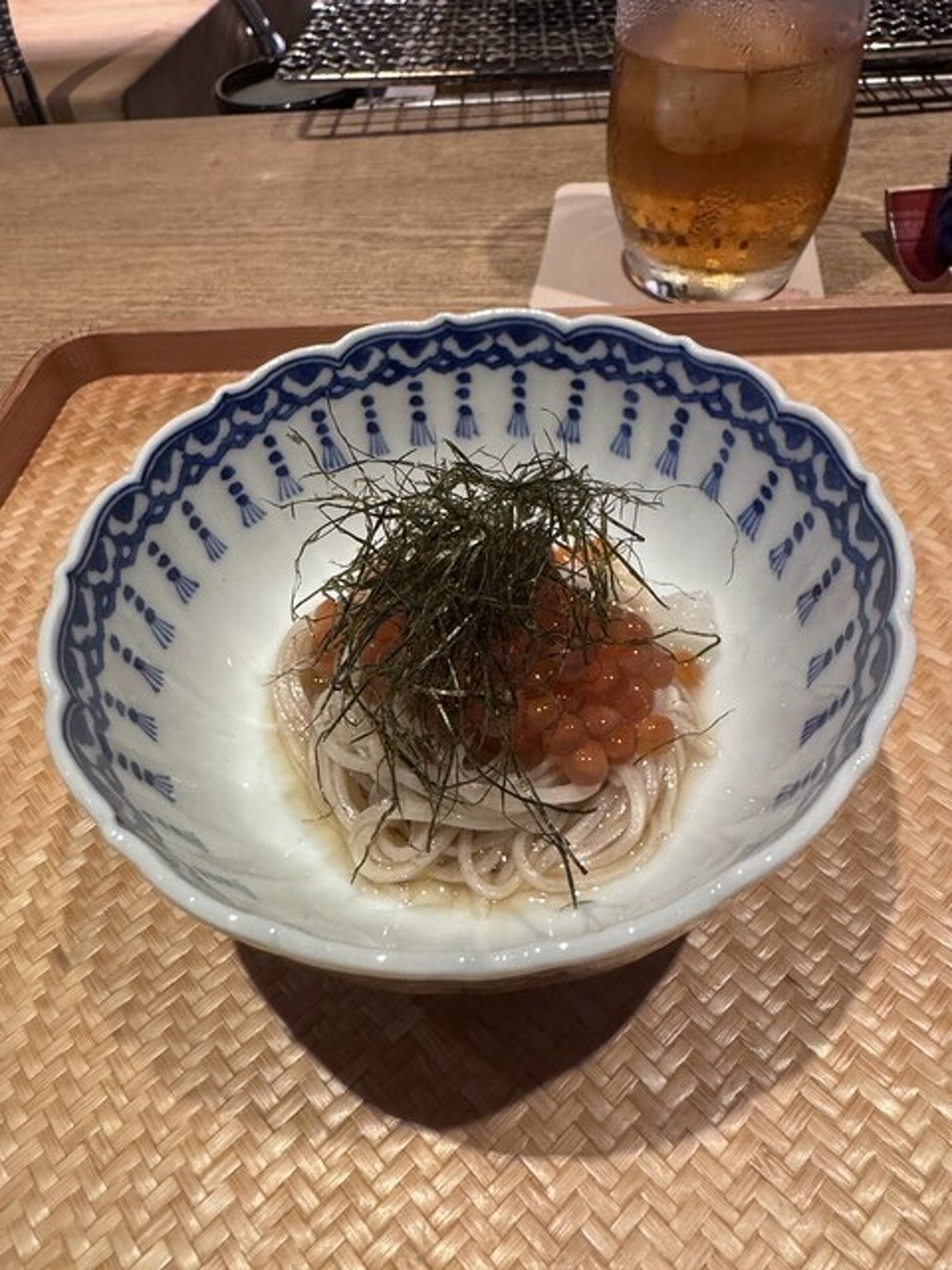
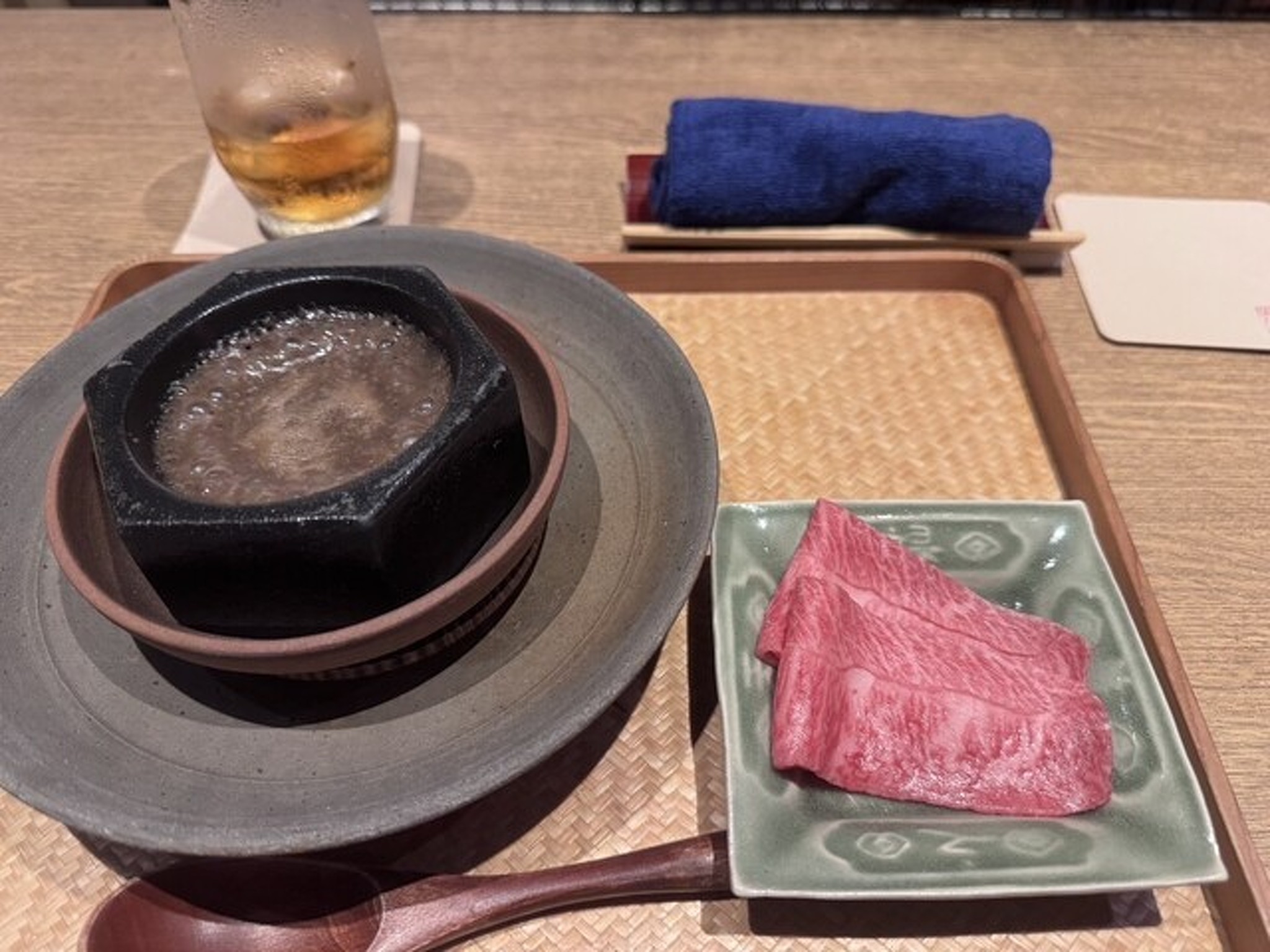
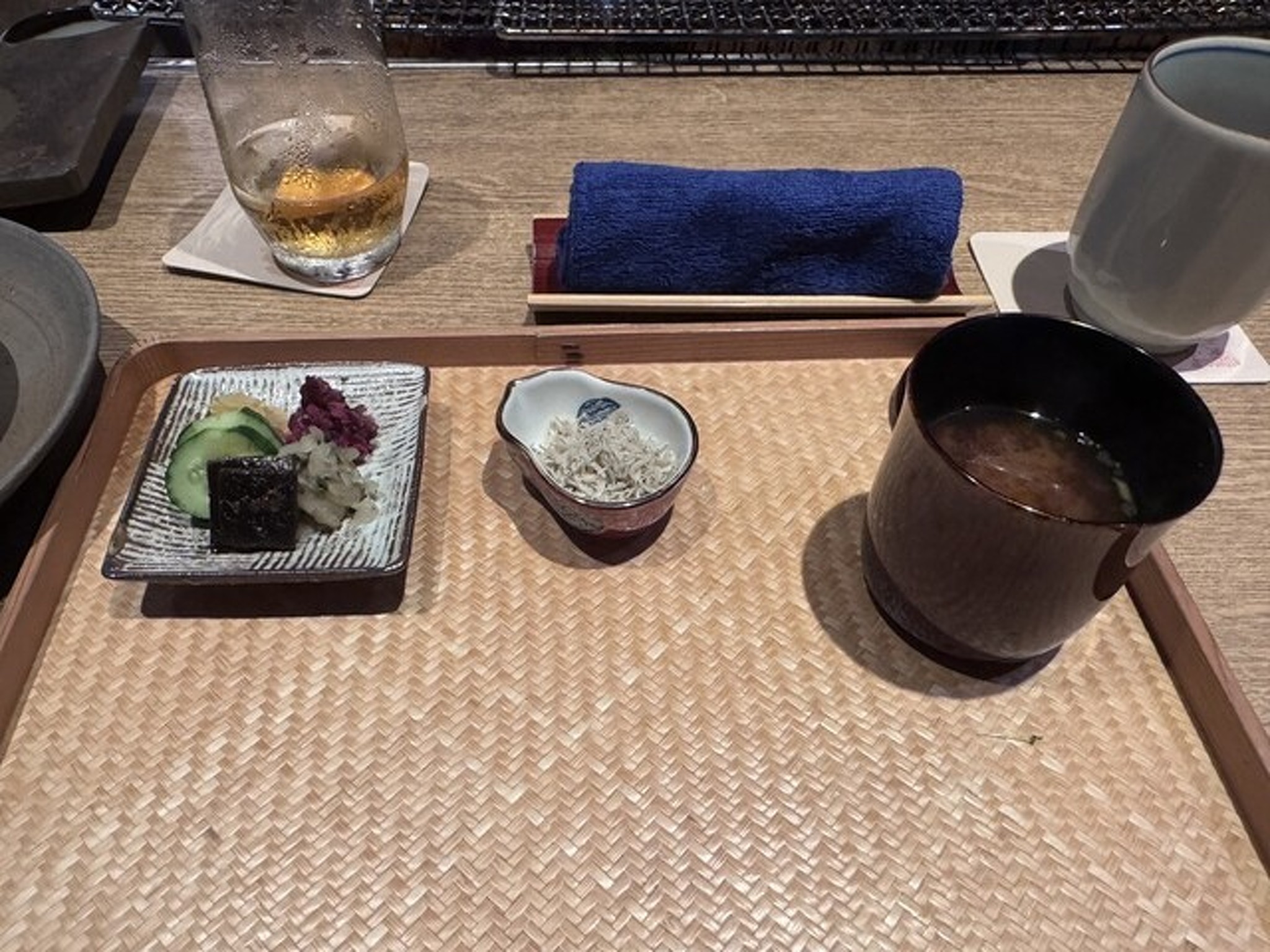
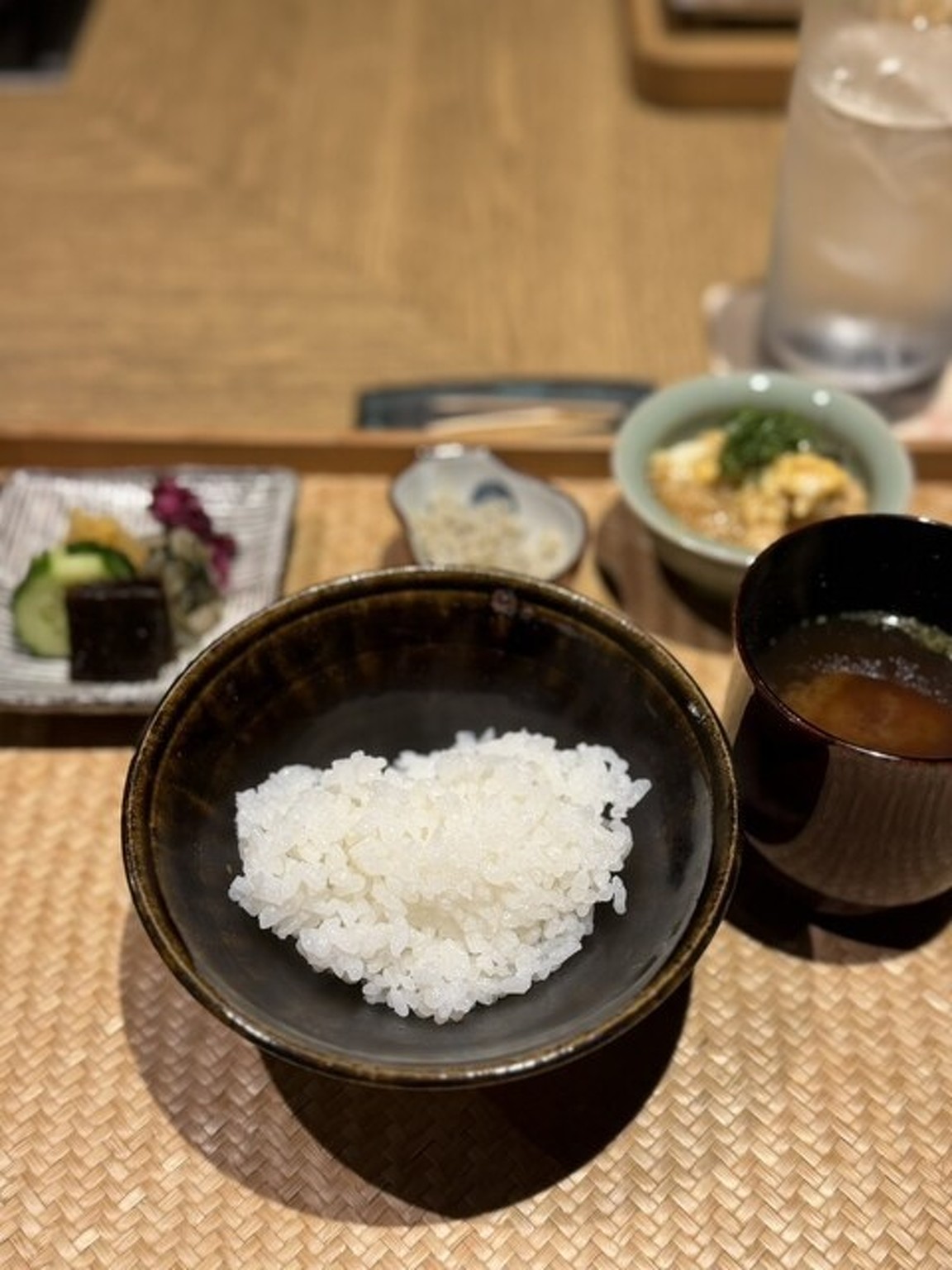
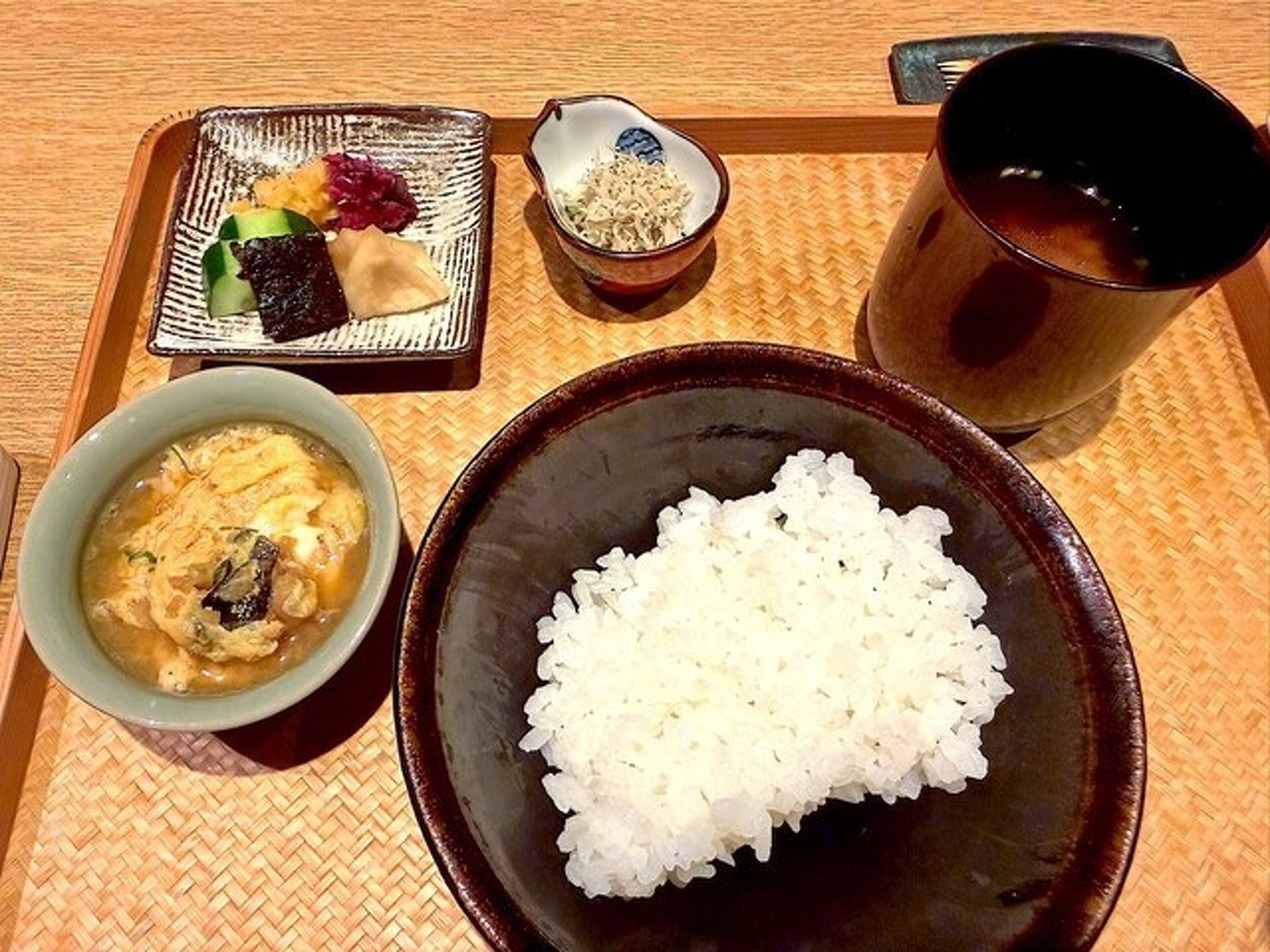
Course: JPY 29,040Imo Shochu x 3Total: JPY 32,750This Japanese restaurant is an 8-minute walk from Kyoto City Hall Station. I made a reservation through Tabelog.◯ Egg Tofu with Botan Shrimp Egg tofu topped with soy sauce-marinated botan shrimp and mini asparagus, infused with yuzu aroma. Served with a cold dashi broth.◯ Carp and Yomofu Soup A bowl with fried carp on yomofu, garnished with shredded green onions and ginger. The dashi is light yet rich in flavor.◯ Sashimi of Isaki, Harii squid, and Meita flounder Served with Noda salt from Iwate and soy sauce.◯ First Bonito with Straw First bonito lightly seared with straw, drizzled with green onion sauce, topped with chopped perilla leaves, and sprinkled with ground sesame.◯ Hassun Decorated with iris flowers for the May Children's Day festival. ● Saba sushi wrapped in chimaki ● Fried peas rice crackers ● Grilled spring cabbage with sea urchin sauce ● Mozuku seaweed ● Cucumber, jellyfish, and Daidokutsu tofu in sesame vinegar ● Nori and flounder engawa soaked in soy sauce with Koshiabura.◯ Grilled Eel Eel from Toyohashi grilled with sauce, served on top of cucumber marinated in kombu, paired with chili vinegar.◯ Cold Green Tea Soba with Fried Tofu Cold green tea soba topped with grilled sweet sea bream, fried tofu, and grated yam, accompanied by fried sea bream scales.◯ Tamura Beef Shabu-Shabu Shabu-shabu made with ribeye from Tamura beef in Tottori, served on top of fried tofu cooked in dashi, garnished with grated daikon. The low-temperature shabu-shabu beef is slightly rare and melts in your mouth.Rice options included: ◯ Plain Rice ◯ Rice with New Myoga ◯ Rice with Jidori Chicken and Flower Pepper I had two servings of each, totaling six bowls.◯ Pickles ◯ Dried Baby Sardines ◯ Red Miso Soup ◯ Sansho Ice Cream, Maruhime, Shiranui Orange, Black Honey The head chef trained at the Michelin three-star Japanese restaurant "Azabu Kumura" before opening this establishment.The counter is close to the kitchen, providing a lively atmosphere. The unique style incorporates charcoal grilling. The quality of the ingredients, especially the Tamura beef and eel, left a lasting impression.It was a great meal. Less
Recommended in Kyoto
-
- Tokuha Motonari
- 287-5 Shingoryōguchichō, Kamigyo Ward, Kyoto, 602-0897, Japan
-
nOAD Top 52Tabelog GoldTabelog Chefs' GoldRR #3080RR PRO #16.00RR USER #0.00
-
47 Meals
-
- Yassan (安参)
- 347 Gionmachi Kitagawa, Higashiyama Ward, Kyoto, 605-0073, Japan
-
GM SelectedTabelog Bronze
-
42 Meals
-
- Ninshu Rou (仁修樓)
- Kyoto, Kita Ward, Shichiku Kitakurisuchō, 2−12
-
OAD Top 346Tabelog GoldLL #157
-
34 Meals
-
- Kiyama (木山)
- Japan, 〒604-0804 Kyoto, Nakagyo Ward, Kinuyachō, 136 ヴェルドール御所 1F
-
mOAD Top 56Tabelog SilverRR #806RR PRO #17.67RR USER #0.00
-
32 Meals
-
- Kikuno I Honten (菊乃井 本店)
- Kyoto, Higashiyama Ward, Shimokawarachō, 459
-
oOAD Top 163Tabelog BronzeLL #157RR #234RR PRO #18.83RR USER #16.25
-
28 Meals
Address
575 Matsumotochō (Gokomachidōri), Nakagyō-ku, Kyōto-shi, Kyōto-fu 604-0982, Japan
Hours
Tuesday: 18:00 - 22:00
Wednesday: 18:00 - 22:00
Thursday: 18:00 - 22:00
Friday: 18:00 - 22:00
Saturday: 18:00 - 22:00
Sunday: 18:00 - 22:00
Phone
+81757085936
Price Range
Based on country average
$$$$ (¥10,000+)
Website
https://www.gokoumachi-tagawa.com/