We use cookies on this site to enhance your user experience.
< Back
Overview
Average rating from 17 meals
9.1 / 10
Photo Views: 9
Restaurant Views: 1,039
Restaurant Views: 1,039
0 user have this restaurant in their Top list
1 user has this restaurant in his Wish list
Awards
- OAD
-
Japanese Restaurants 2026, 388
- Tabelog
- 2026 Silver
Ratings from the web
- Tabelog
- 4.40
Chef
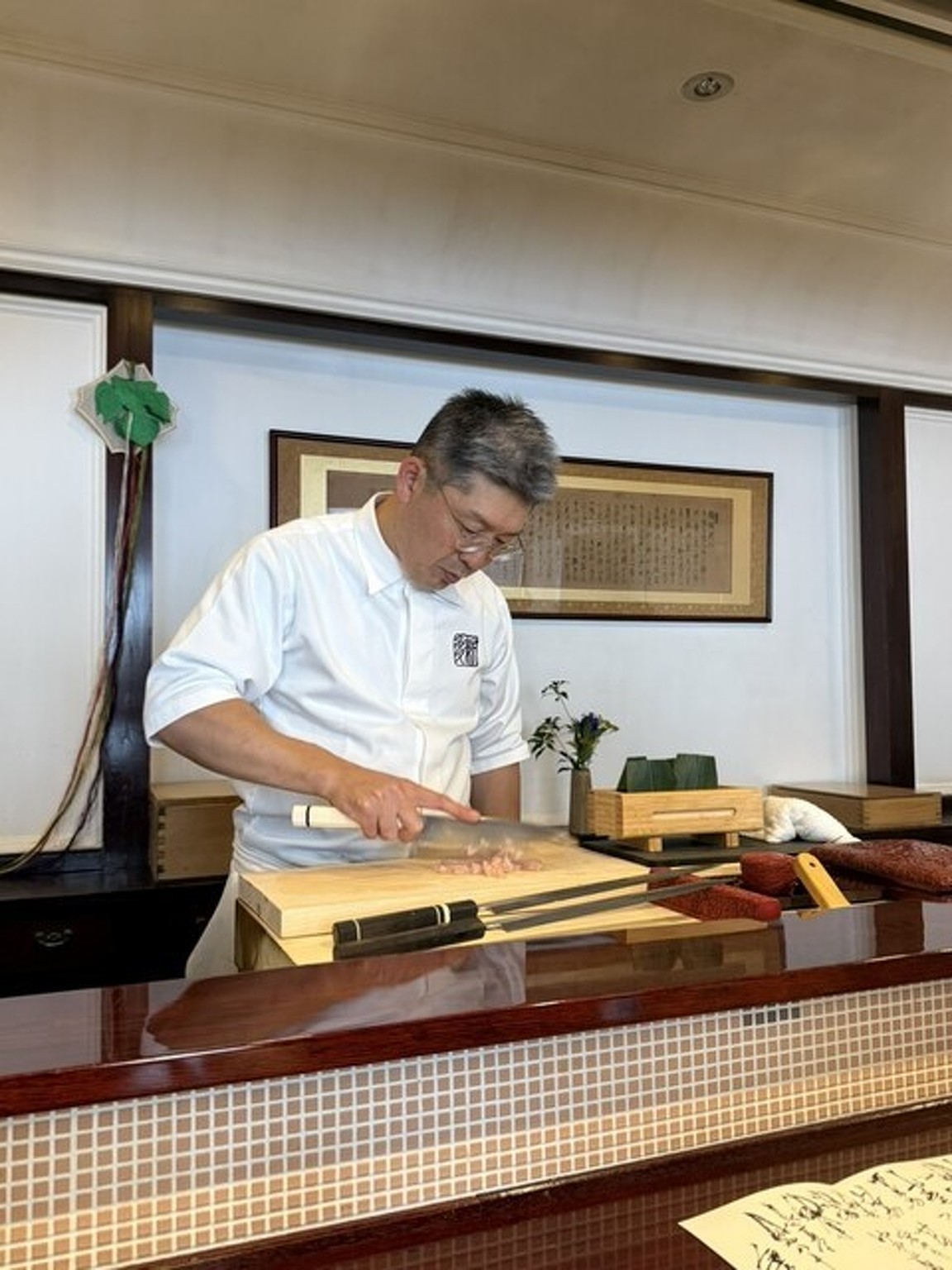
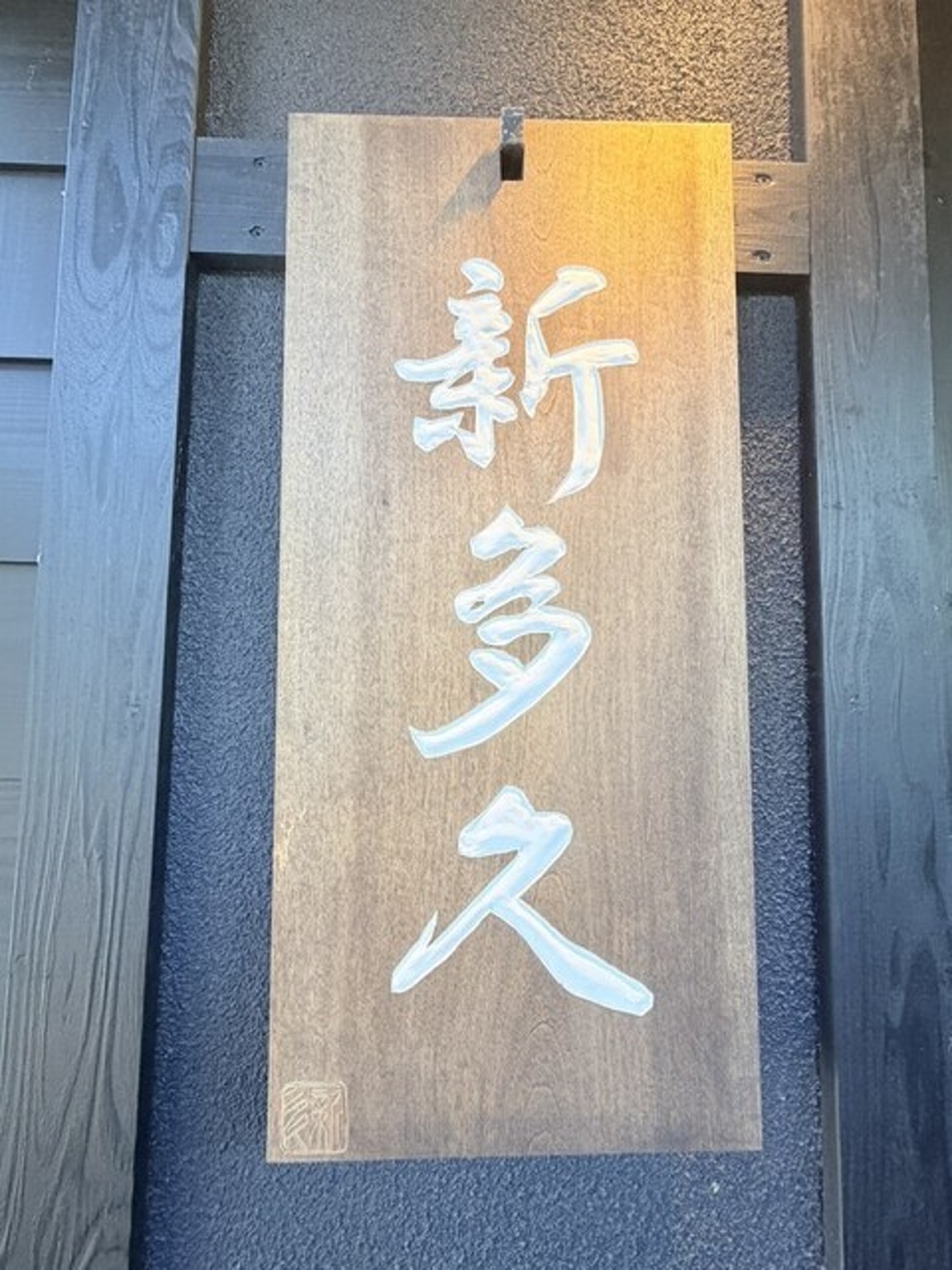
Shinsuke & Ryota Yamagai
Cuisine
Japanese Cuisine
Foodle Reviews
9 / 10
on 29 Aug 2026

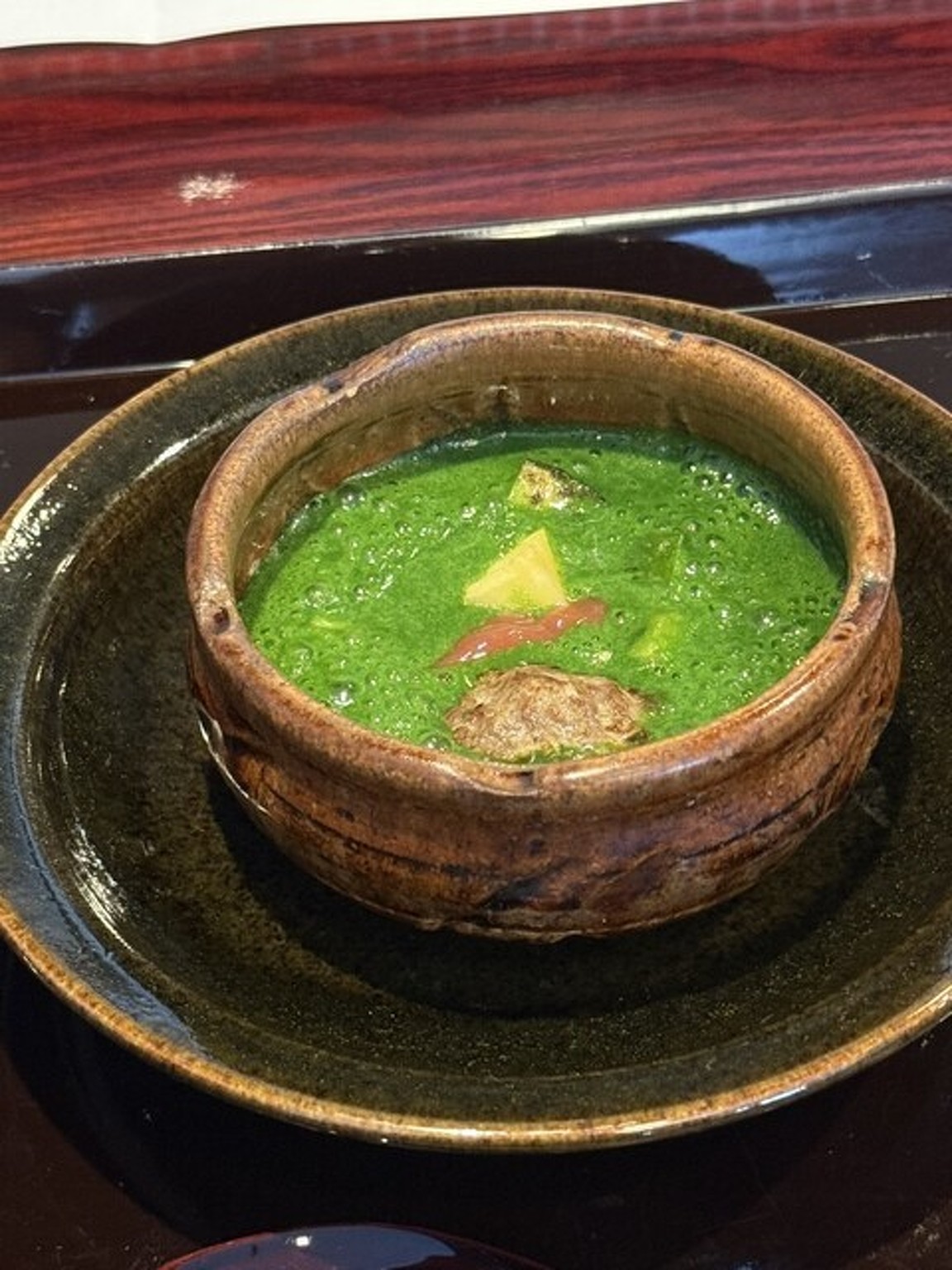
Located in Murakami City, Niigata Prefecture, there is a Japanese restaurant that can be described as a local gastronomy spot, using over 90% of its ingredients sourced from the area. Murakami offers a wide variety of ingredients, including seafood, wild vegetables, and game meat. What’s impressive is that even the seasonings are from Murakami. The restaurant skillfully modernizes these ingredients, allowing the gentle flavors to shine through. The fish is rich and smooth, and dishes like the chawanmushi... More
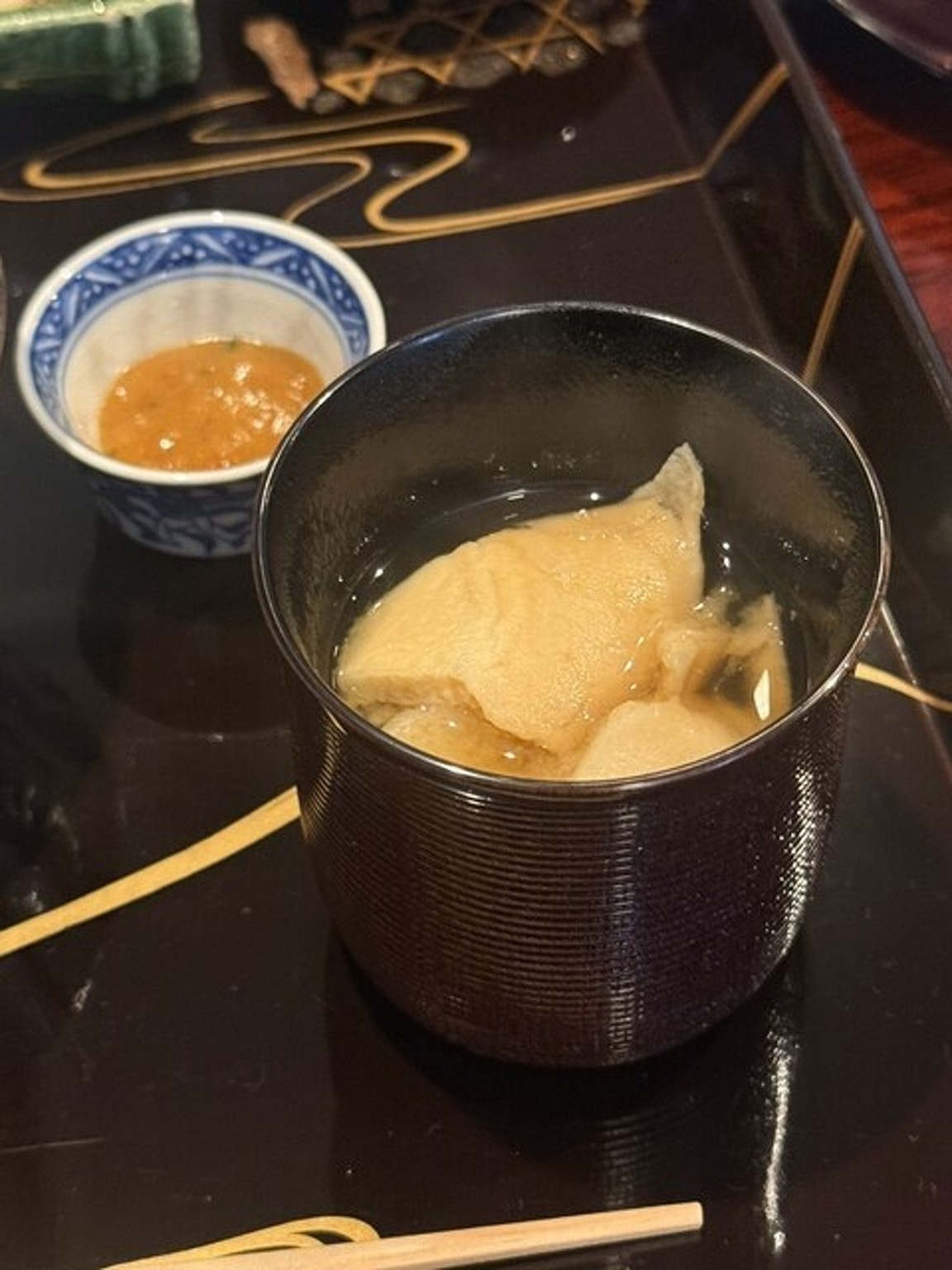
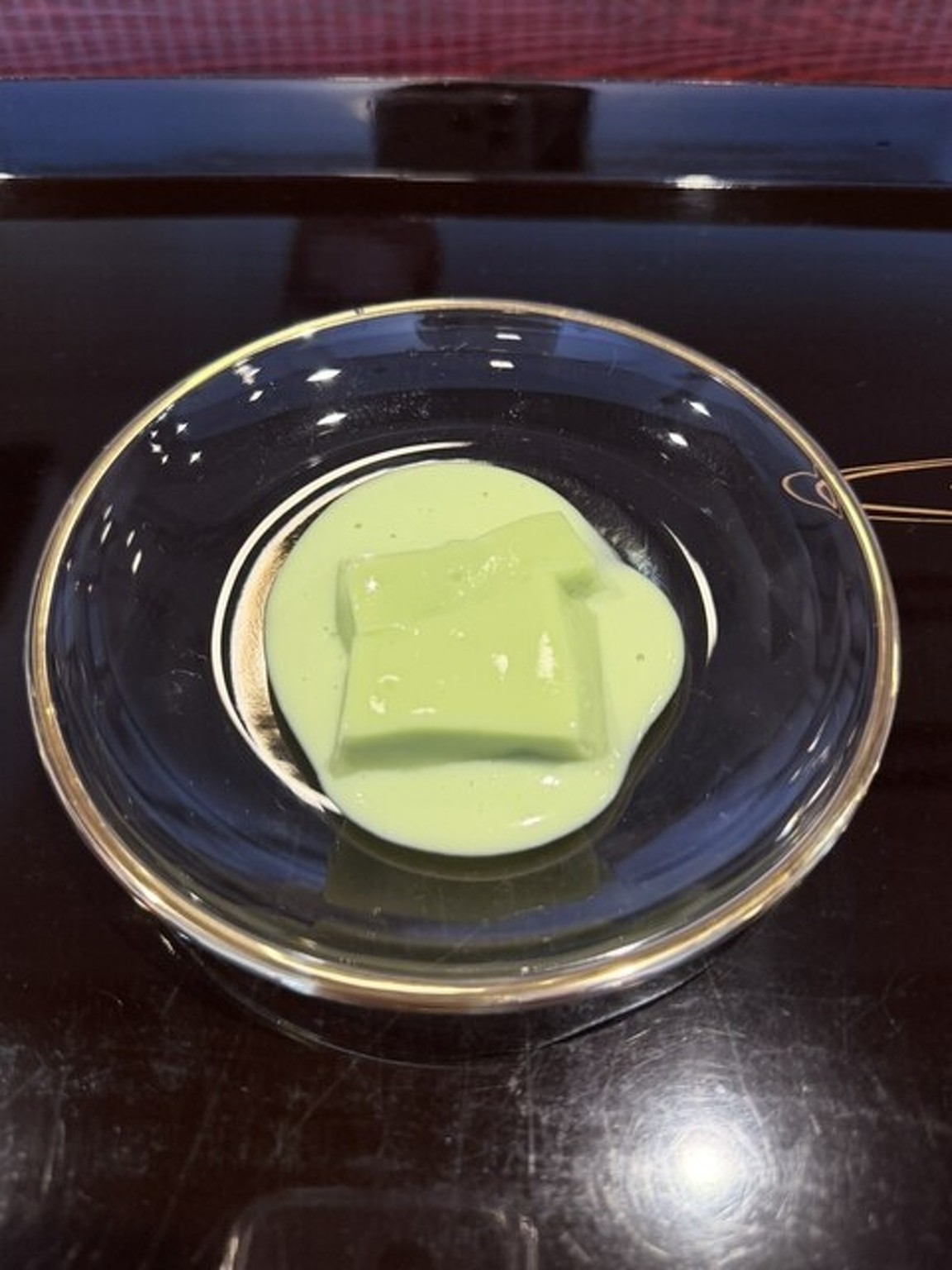
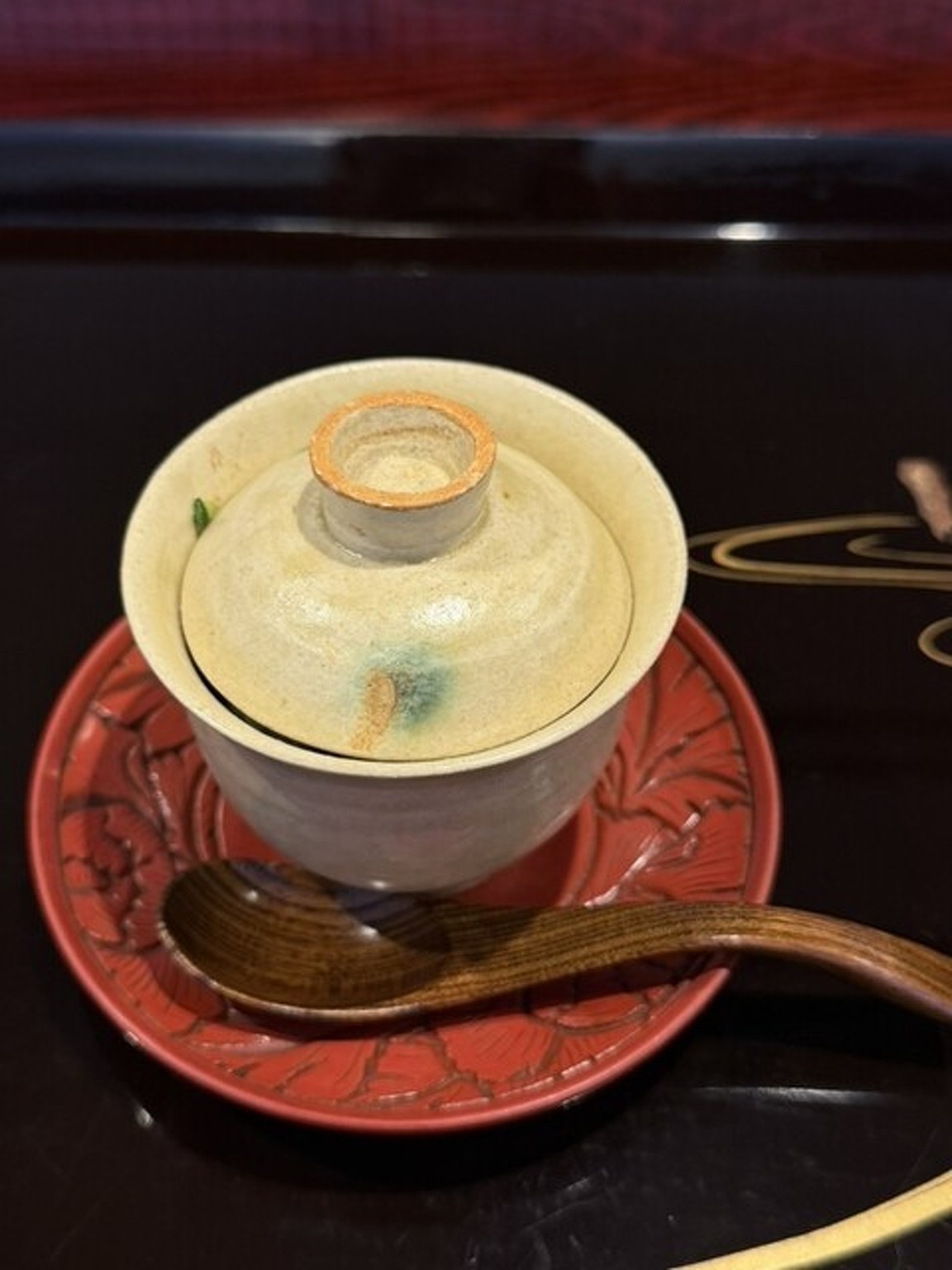
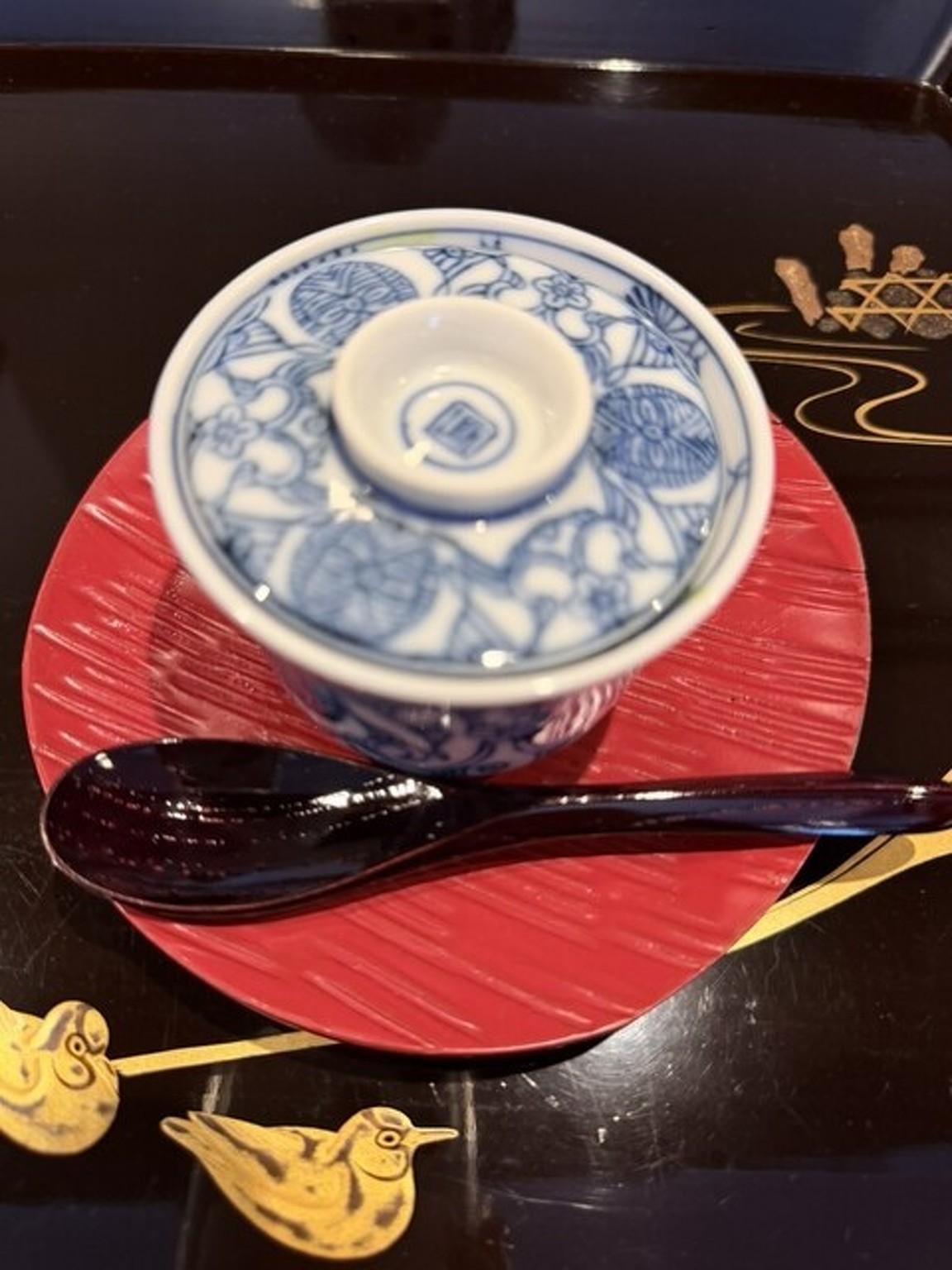
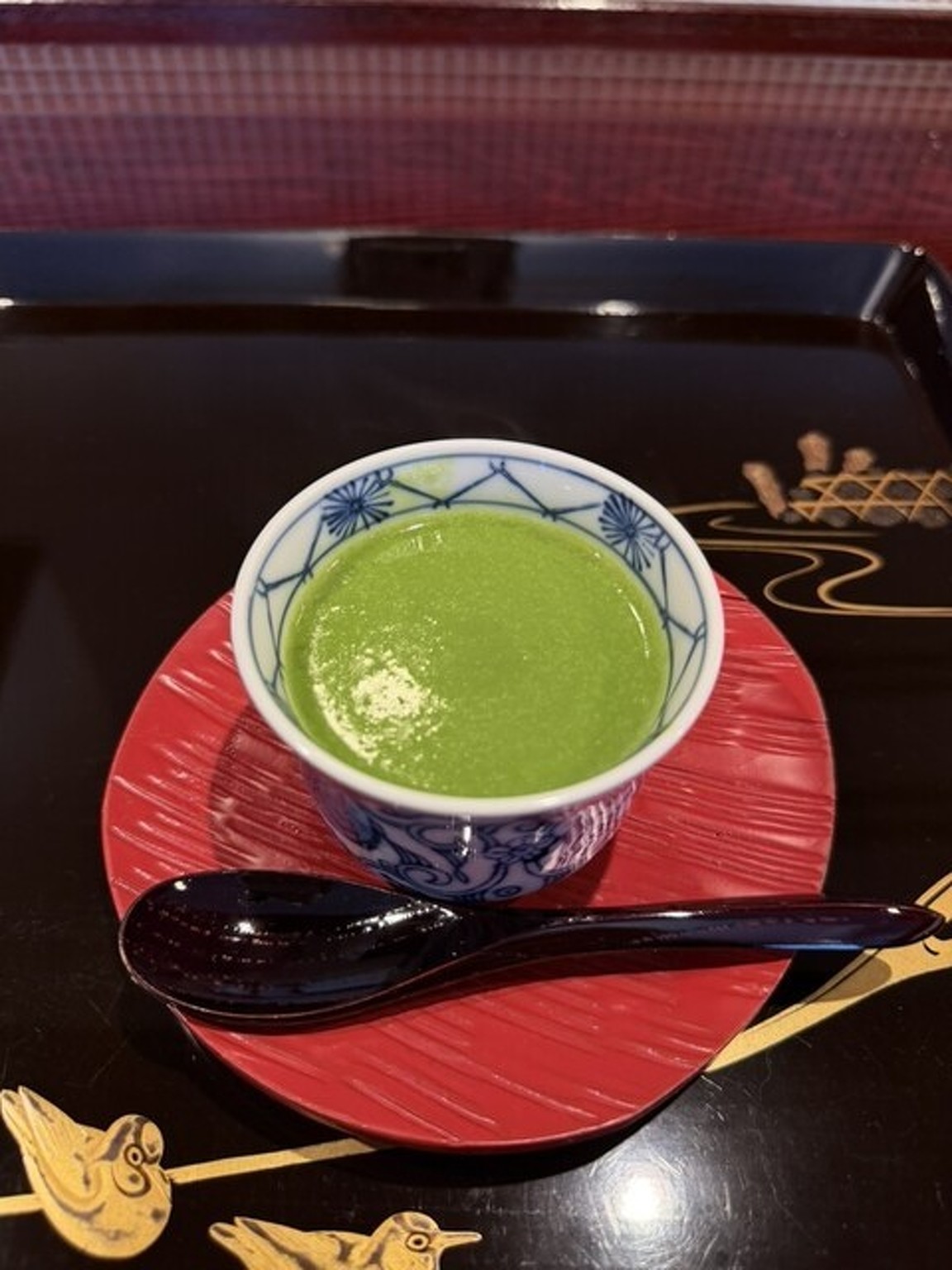
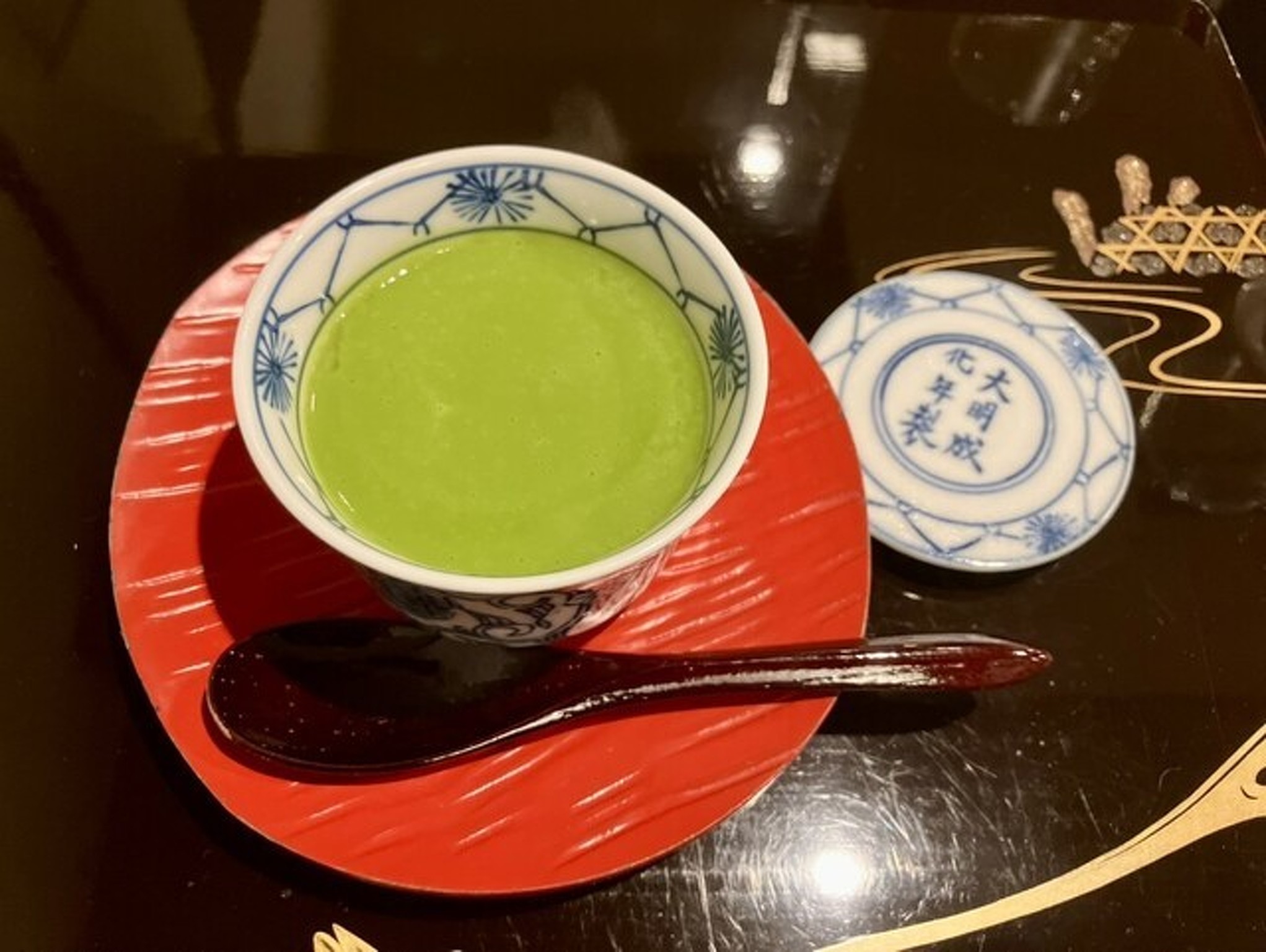
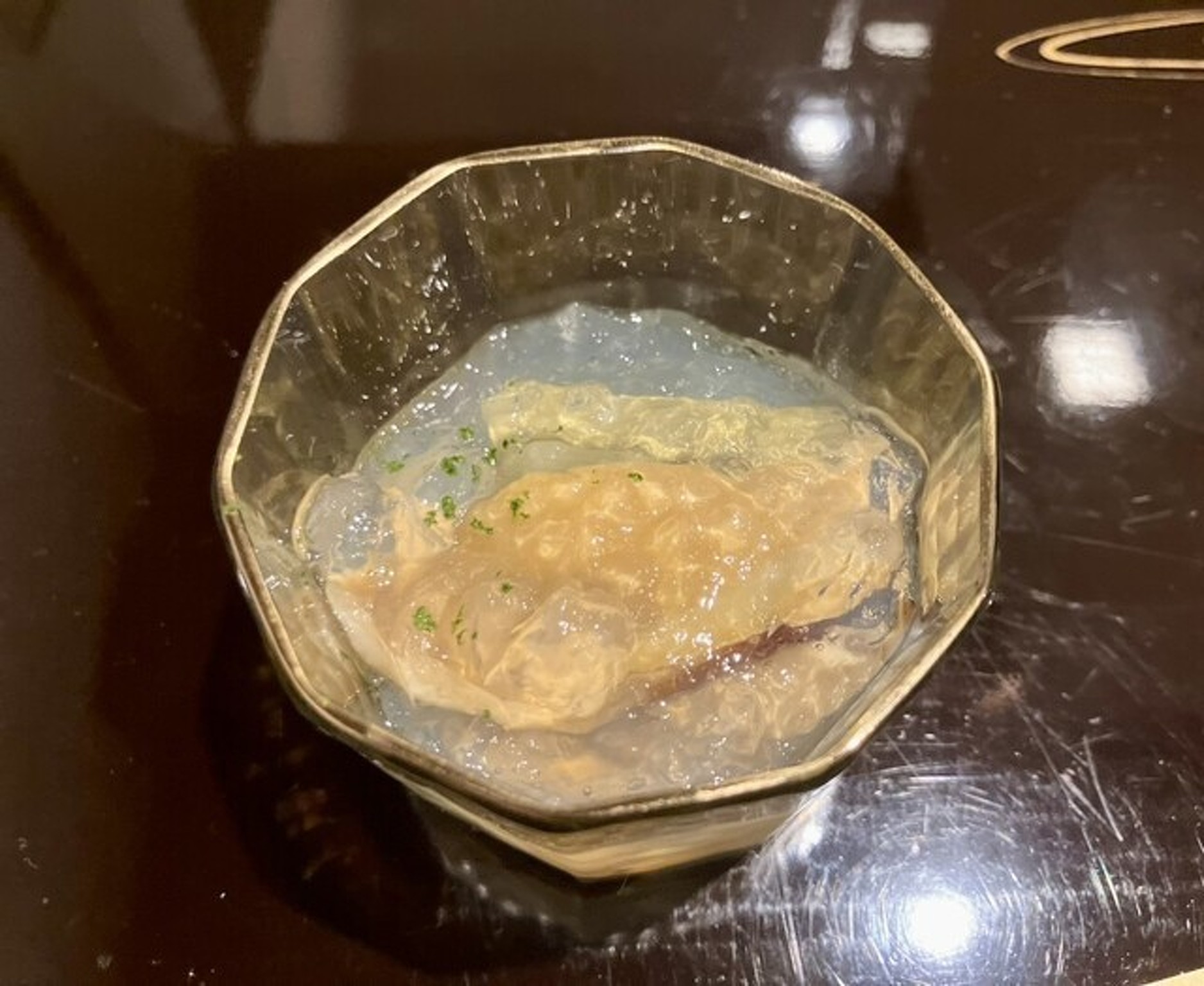
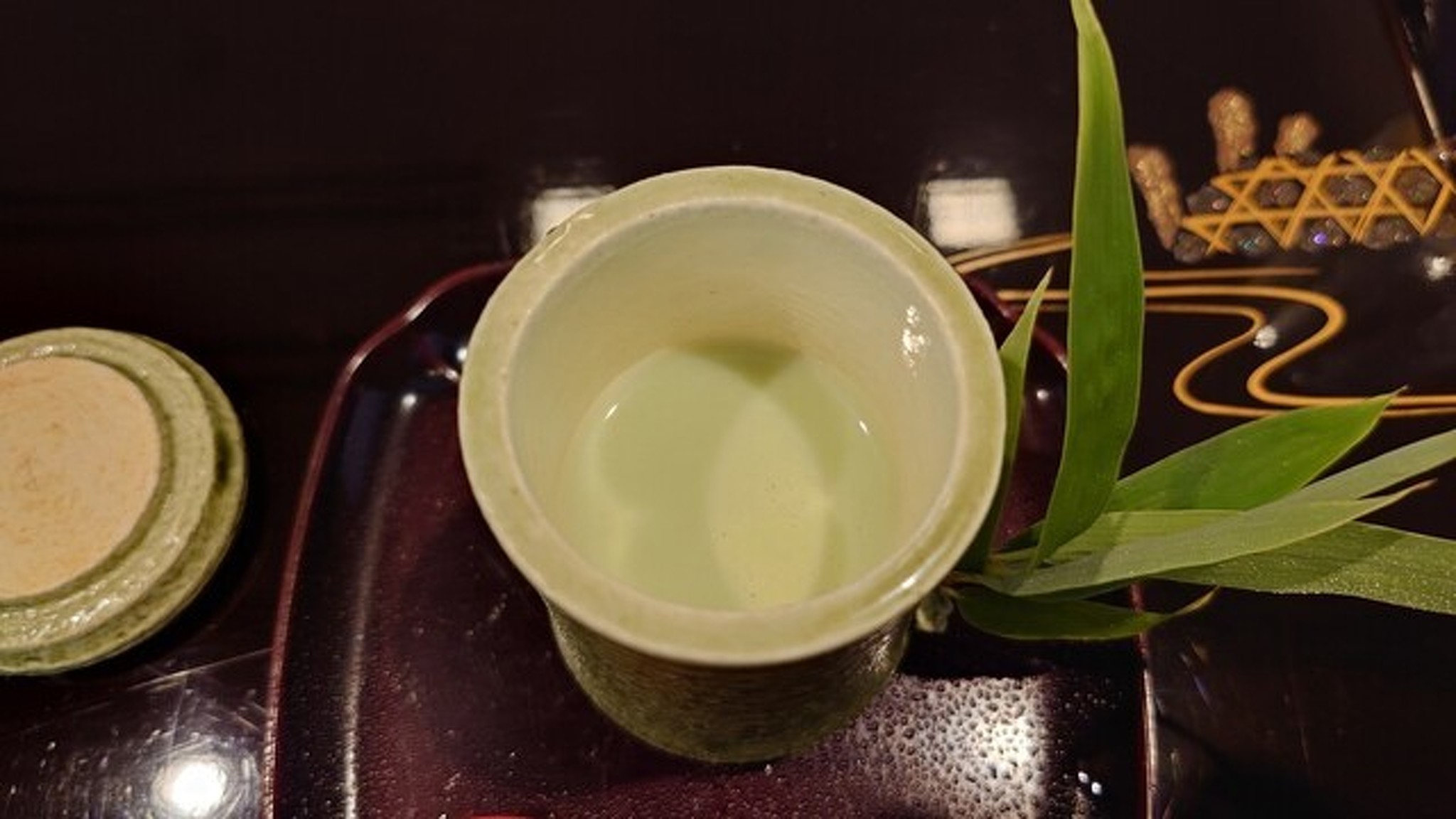
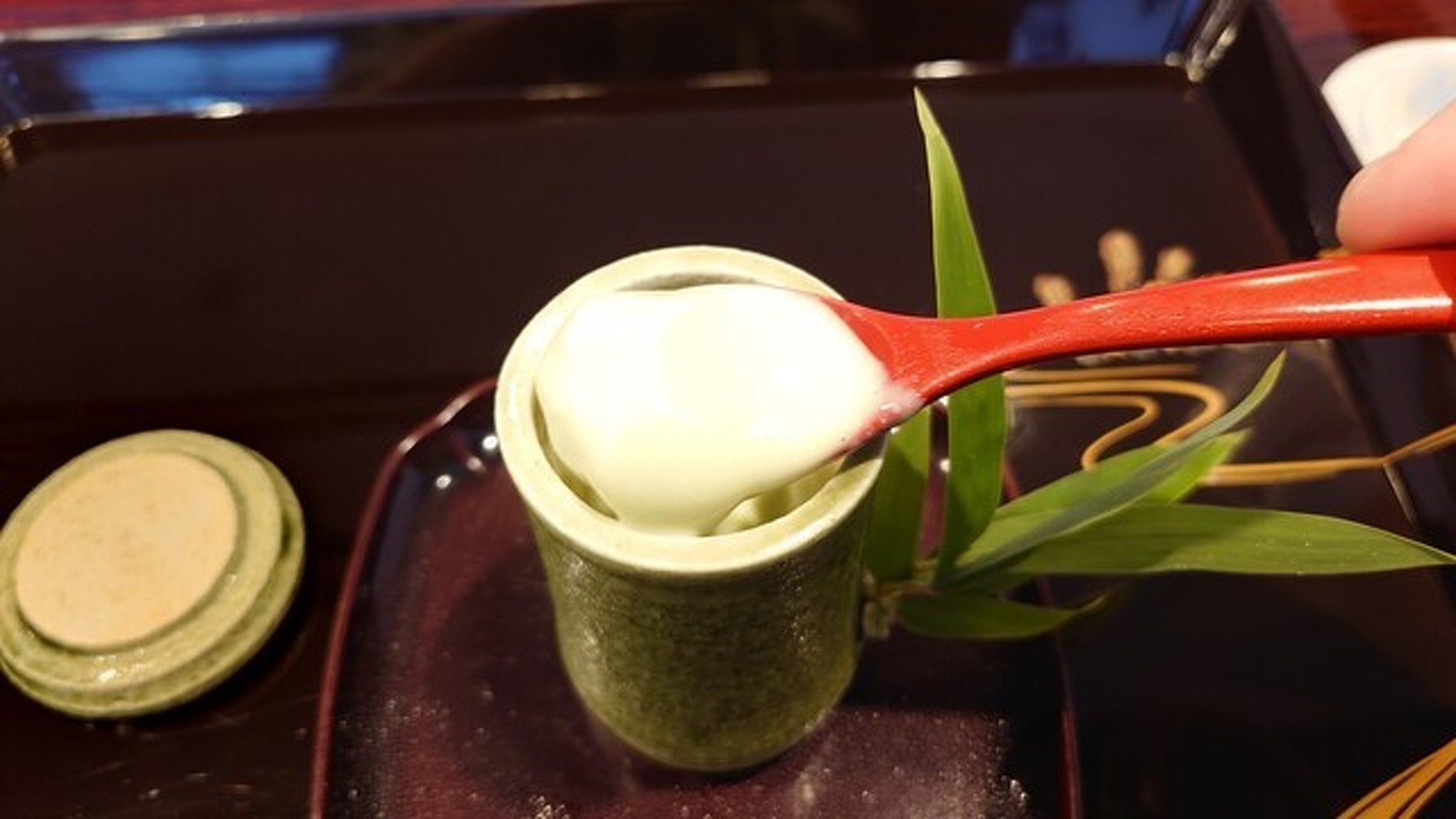
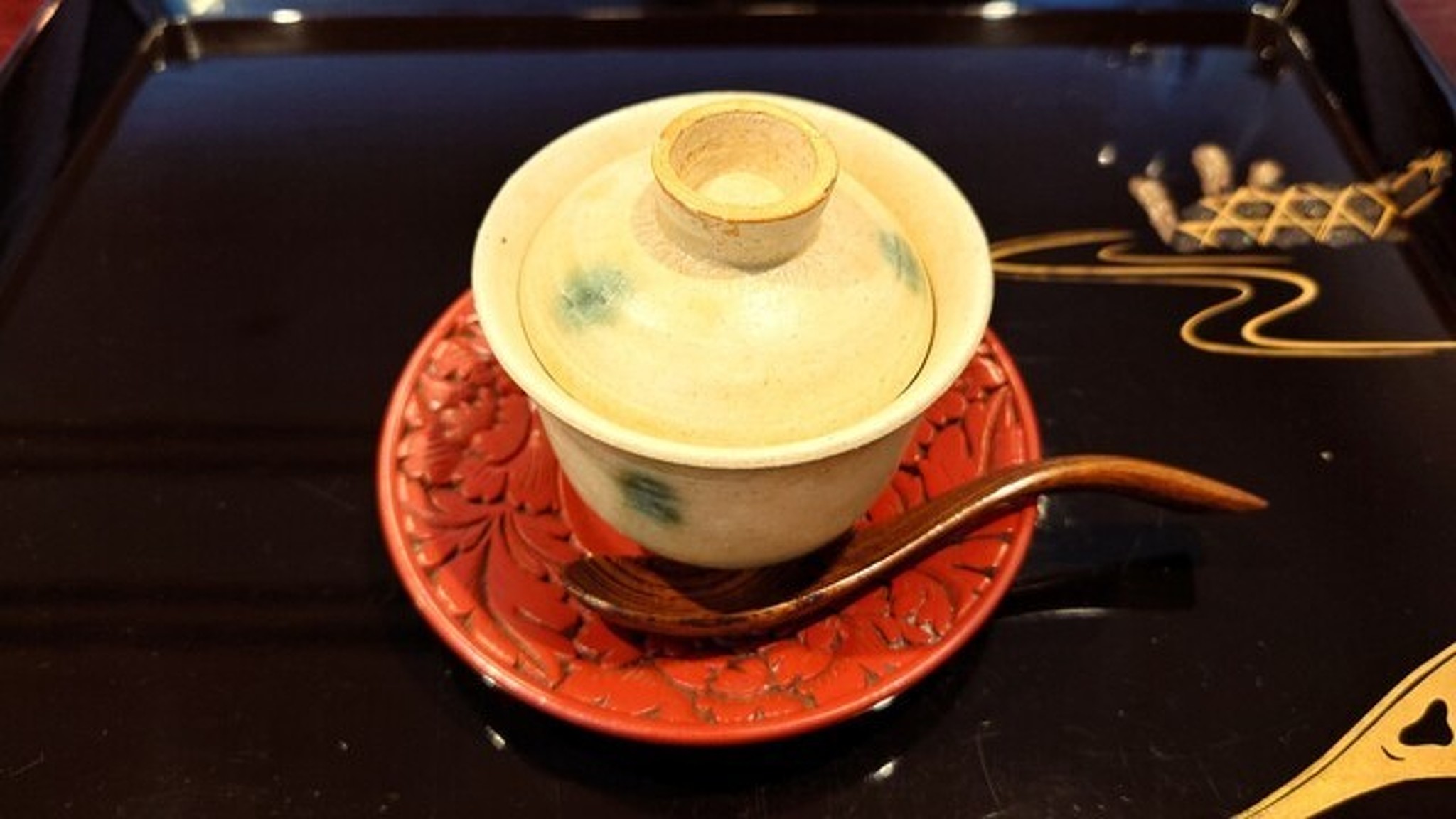
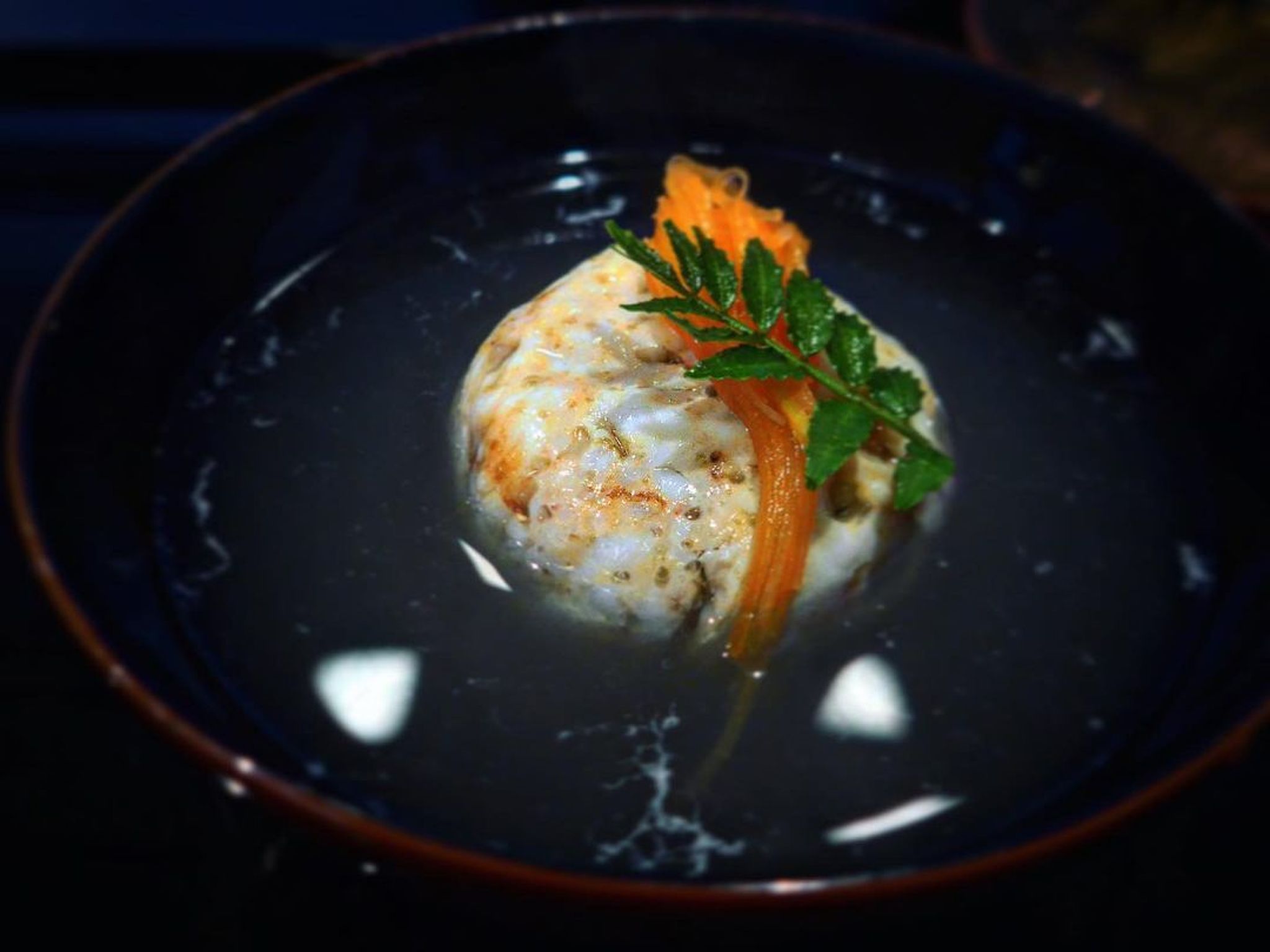
Located in Murakami City, Niigata Prefecture, there is a Japanese restaurant that can be described as a local gastronomy spot, using over 90% of its ingredients sourced from the area. Murakami offers a wide variety of ingredients, including seafood, wild vegetables, and game meat. What’s impressive is that even the seasonings are from Murakami. The restaurant skillfully modernizes these ingredients, allowing the gentle flavors to shine through. The fish is rich and smooth, and dishes like the chawanmushi (savory egg custard) with tsurumurasaki and the moringa hot pot truly convey the essence of the ingredients. The Yamagai brothers are in charge of the cooking. I’ve heard from regulars that the menu changes frequently, making it worth visiting often. I look forward to my next visit! Less
on 26 Aug 2026
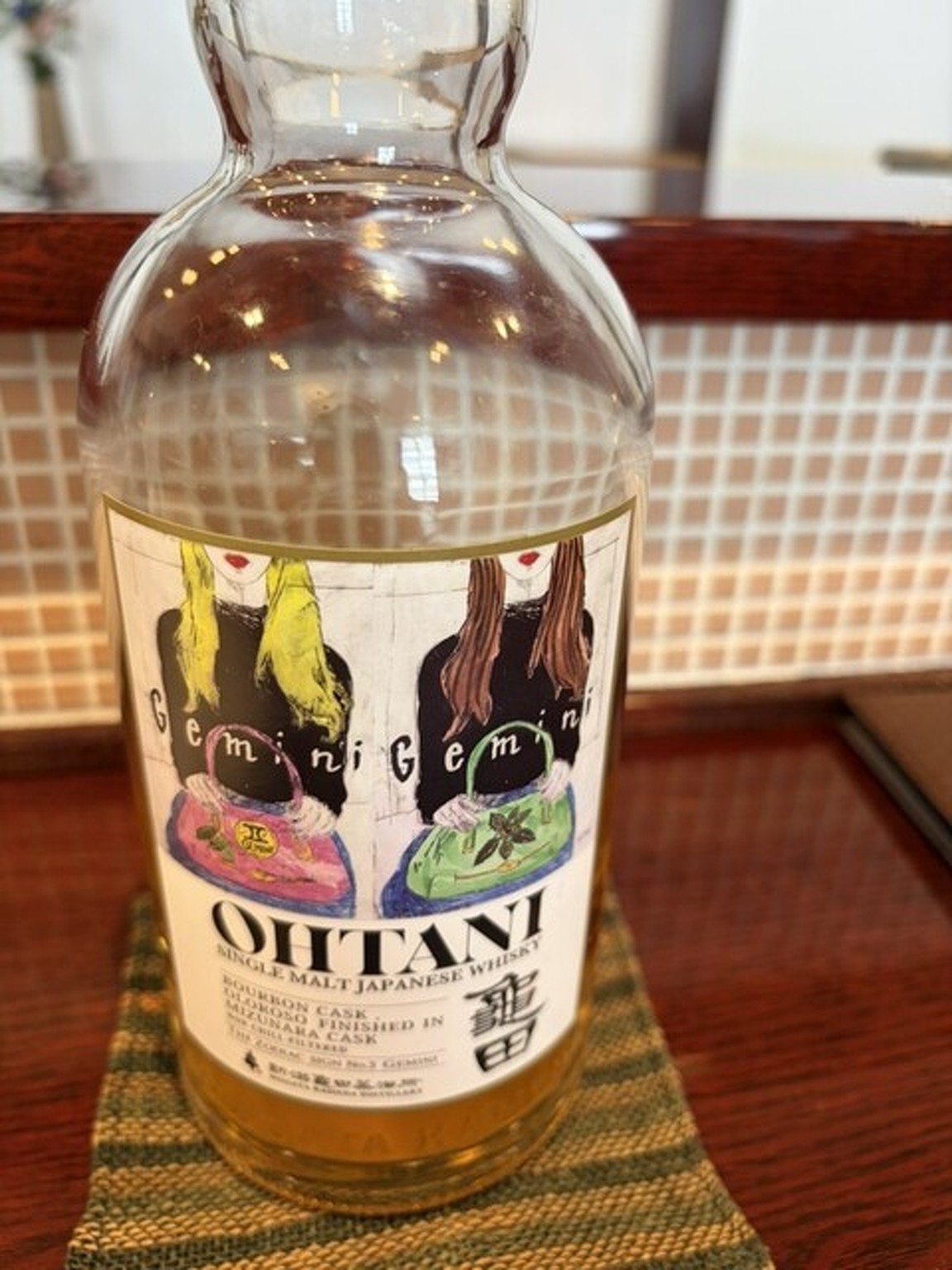
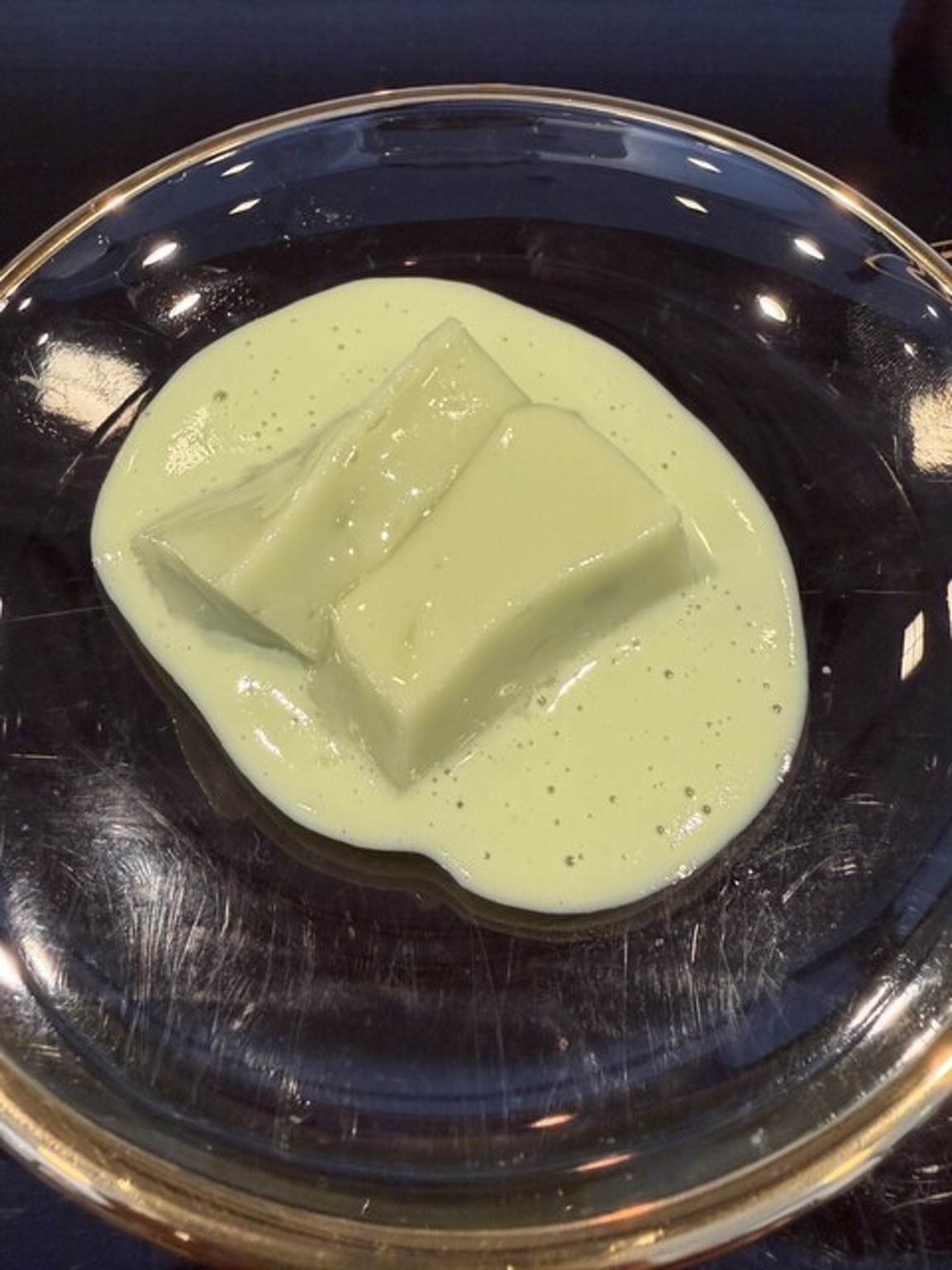
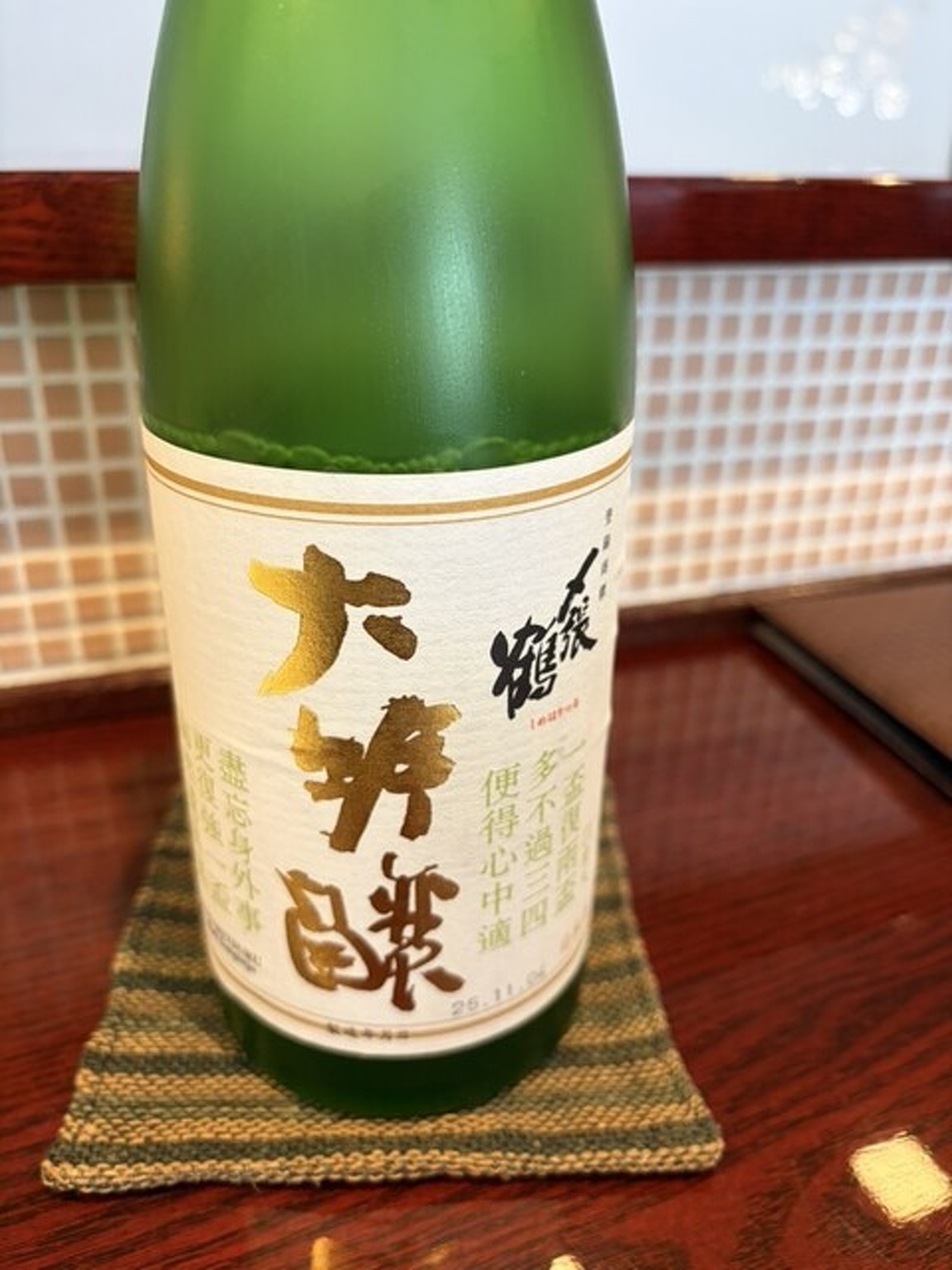
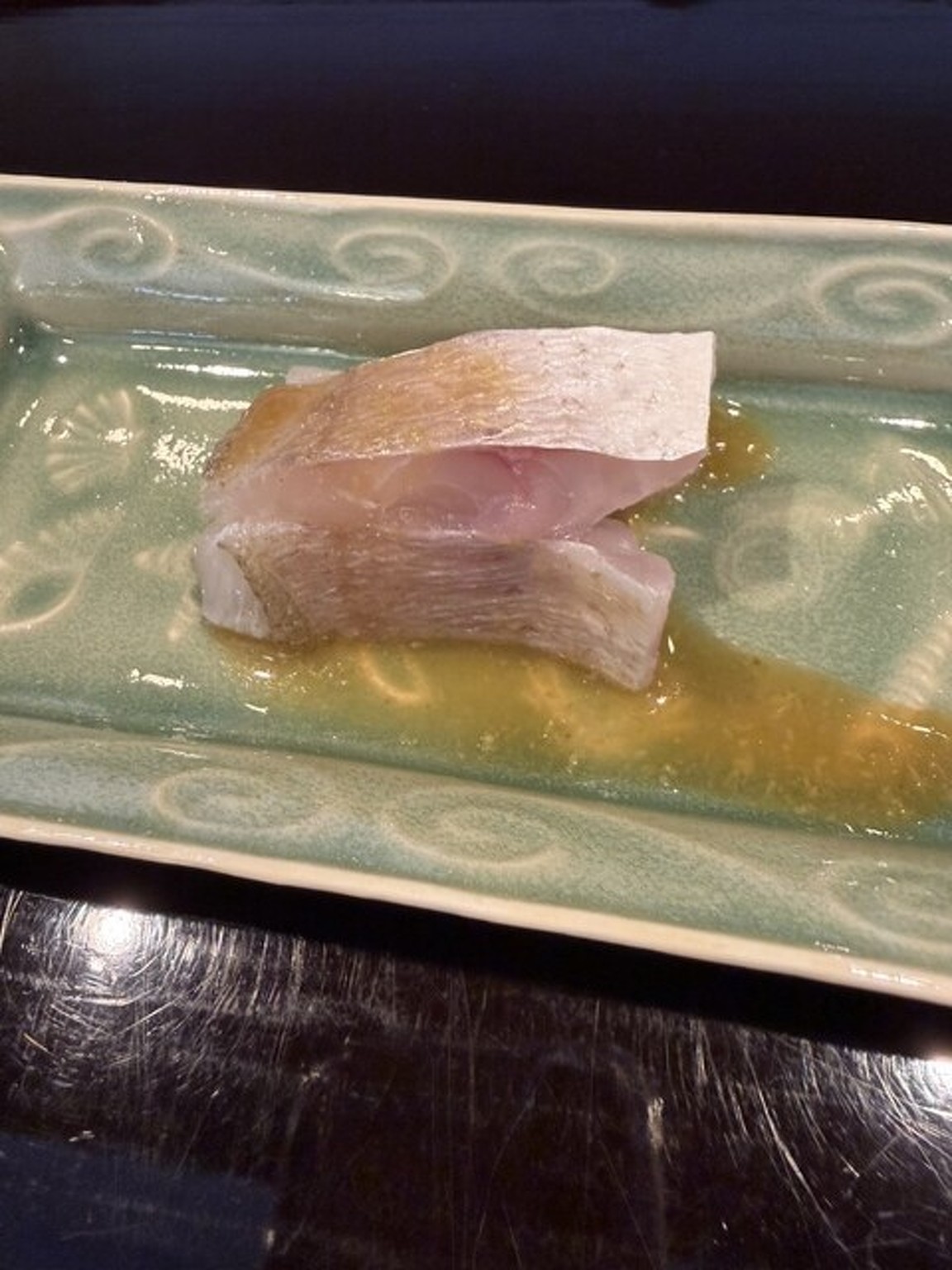
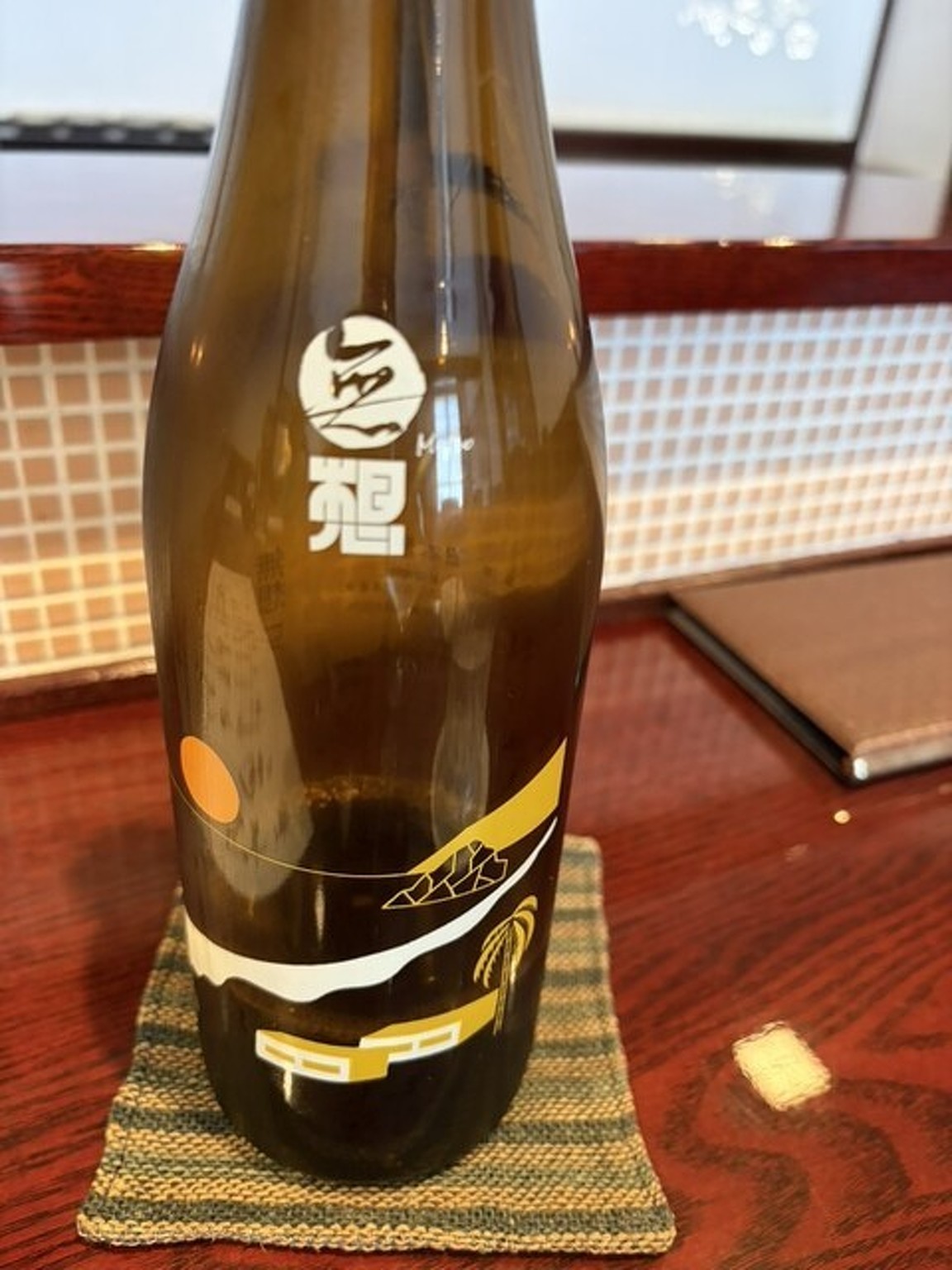
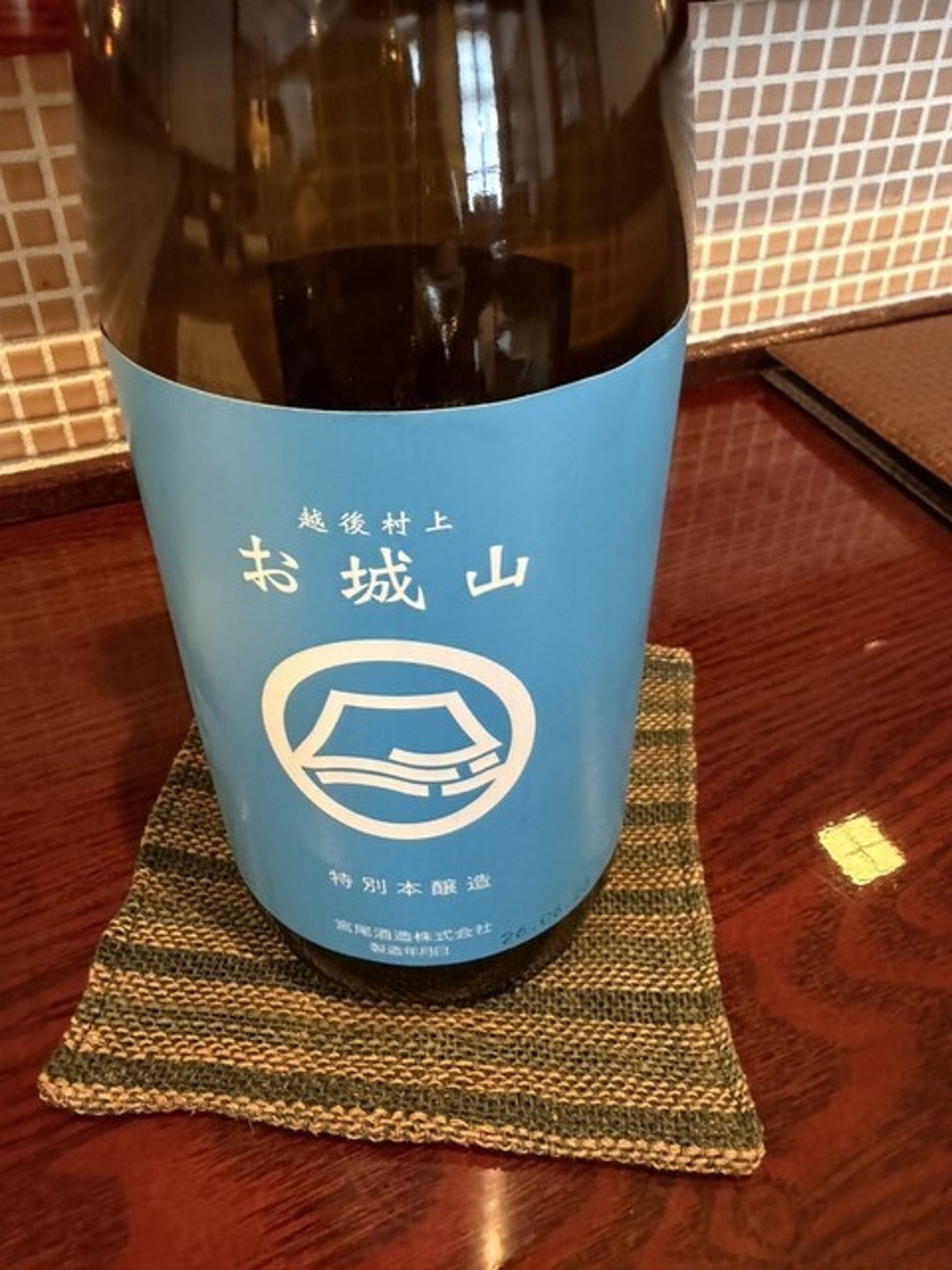
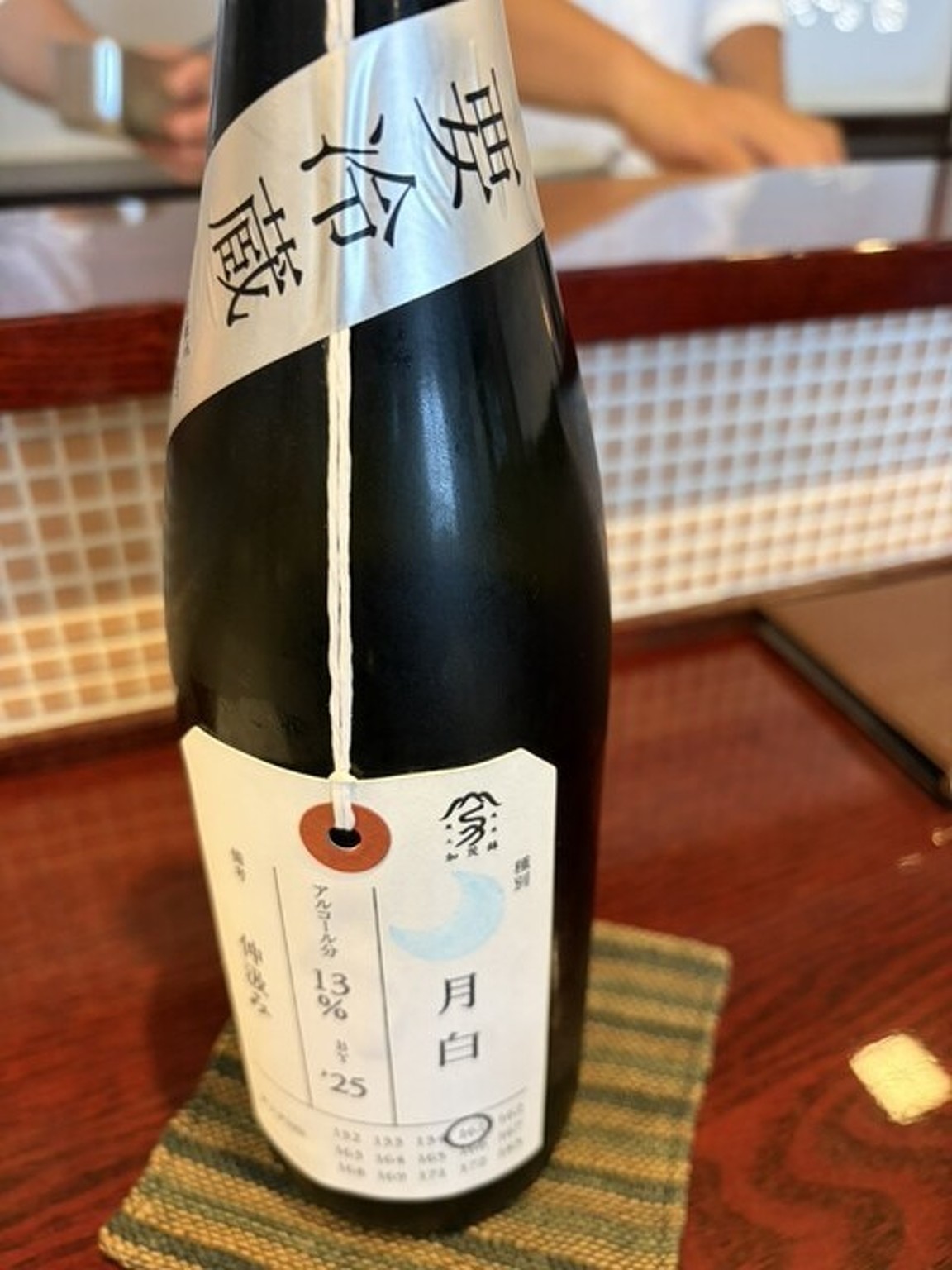
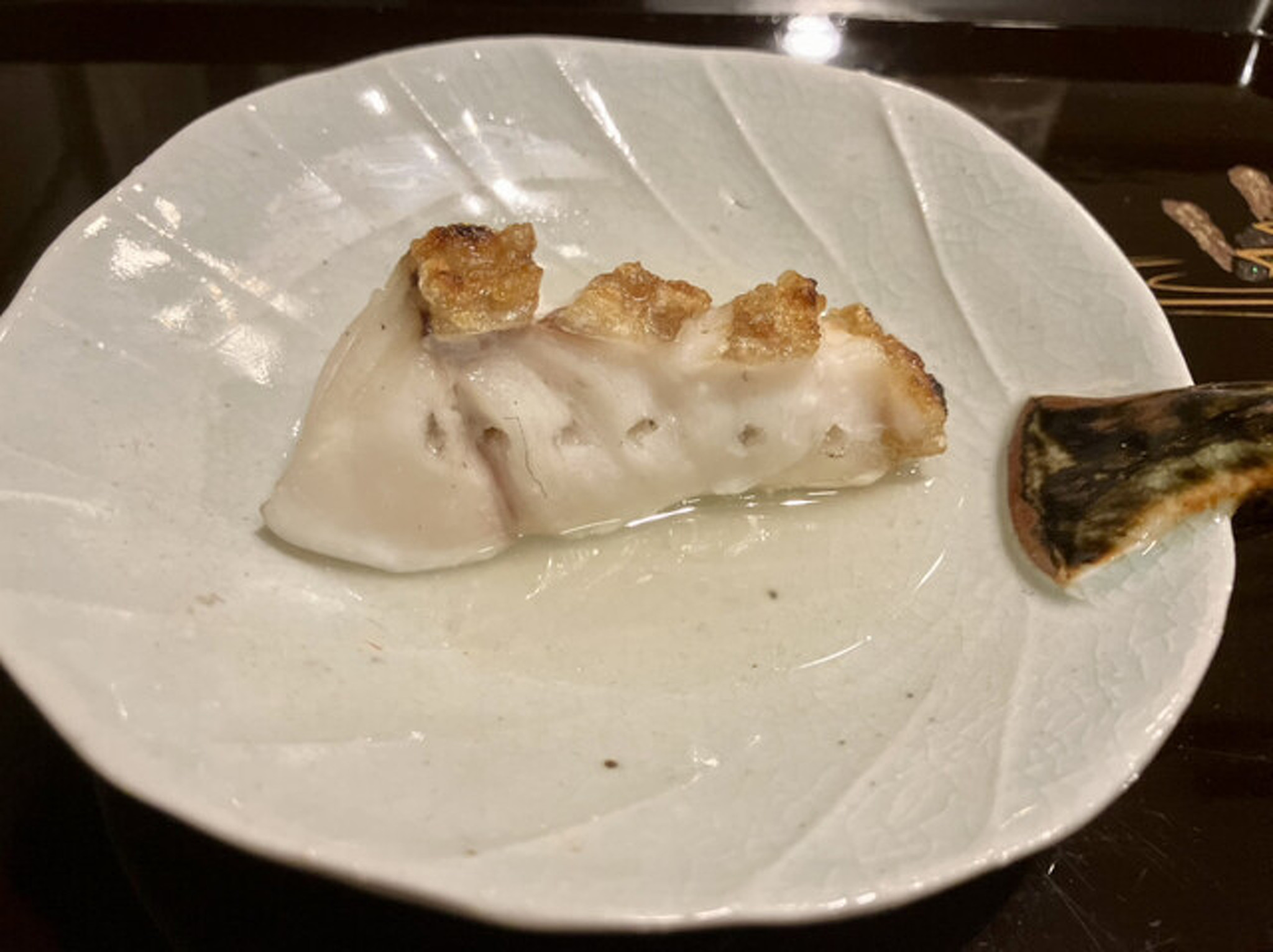
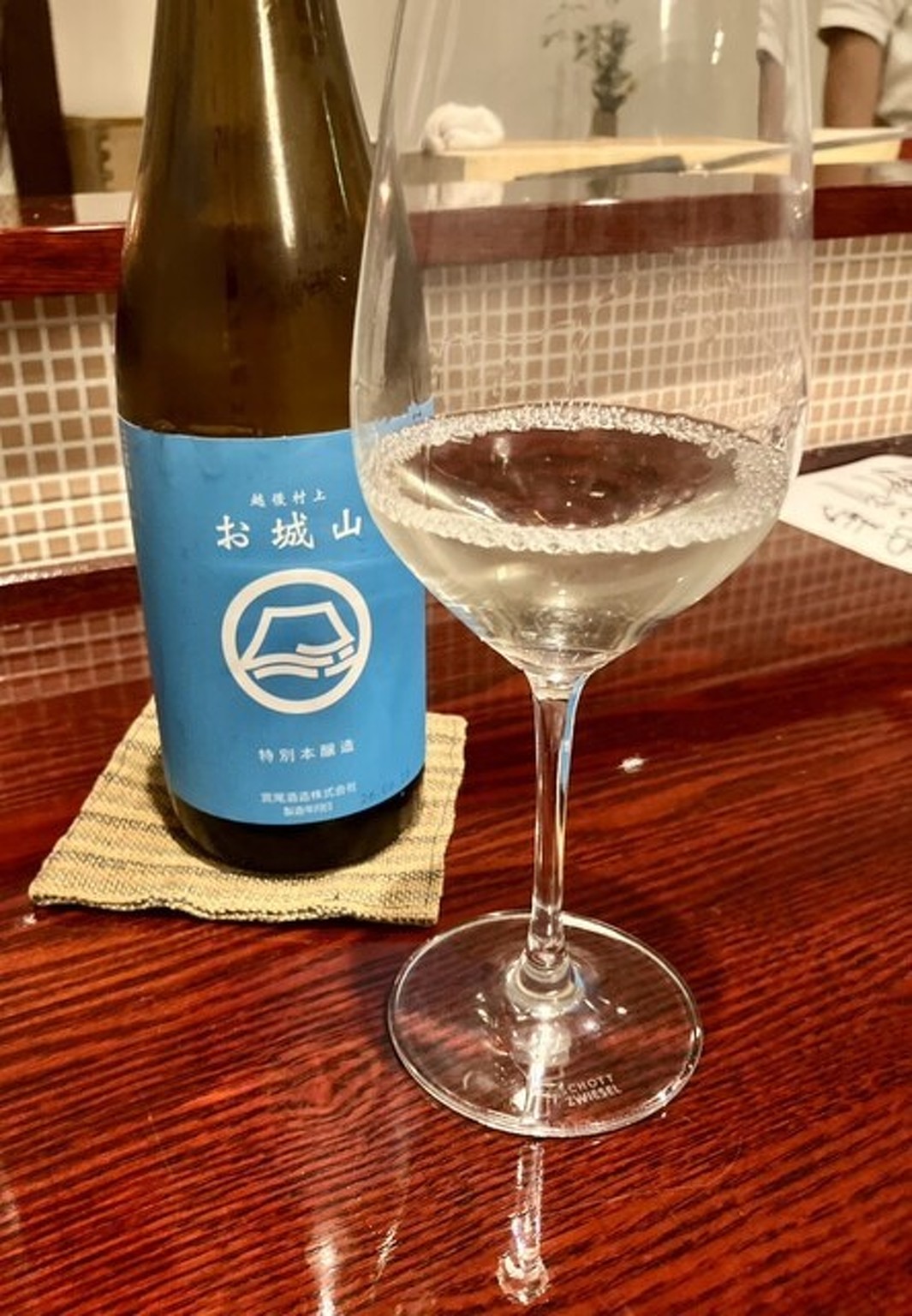
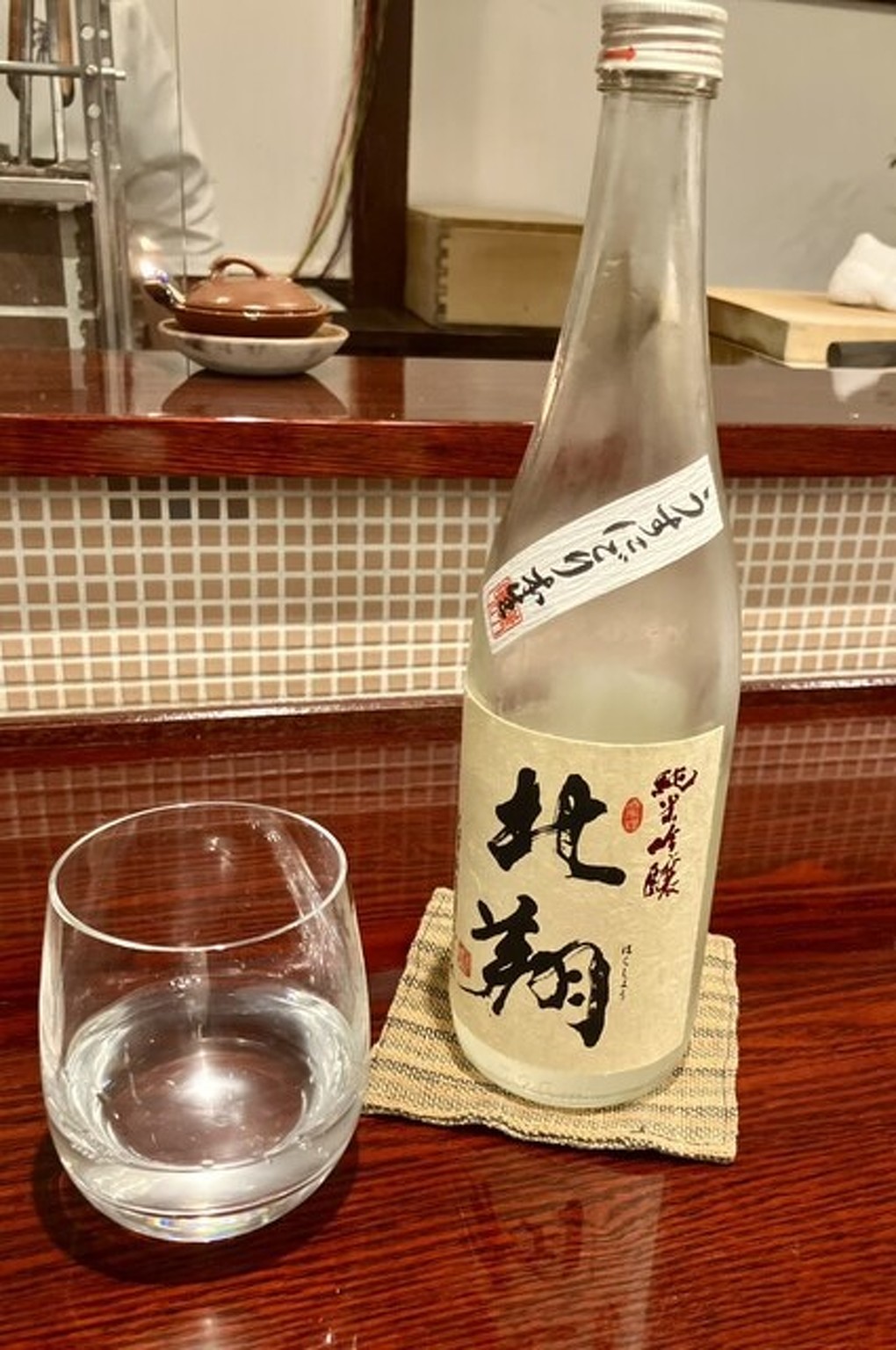
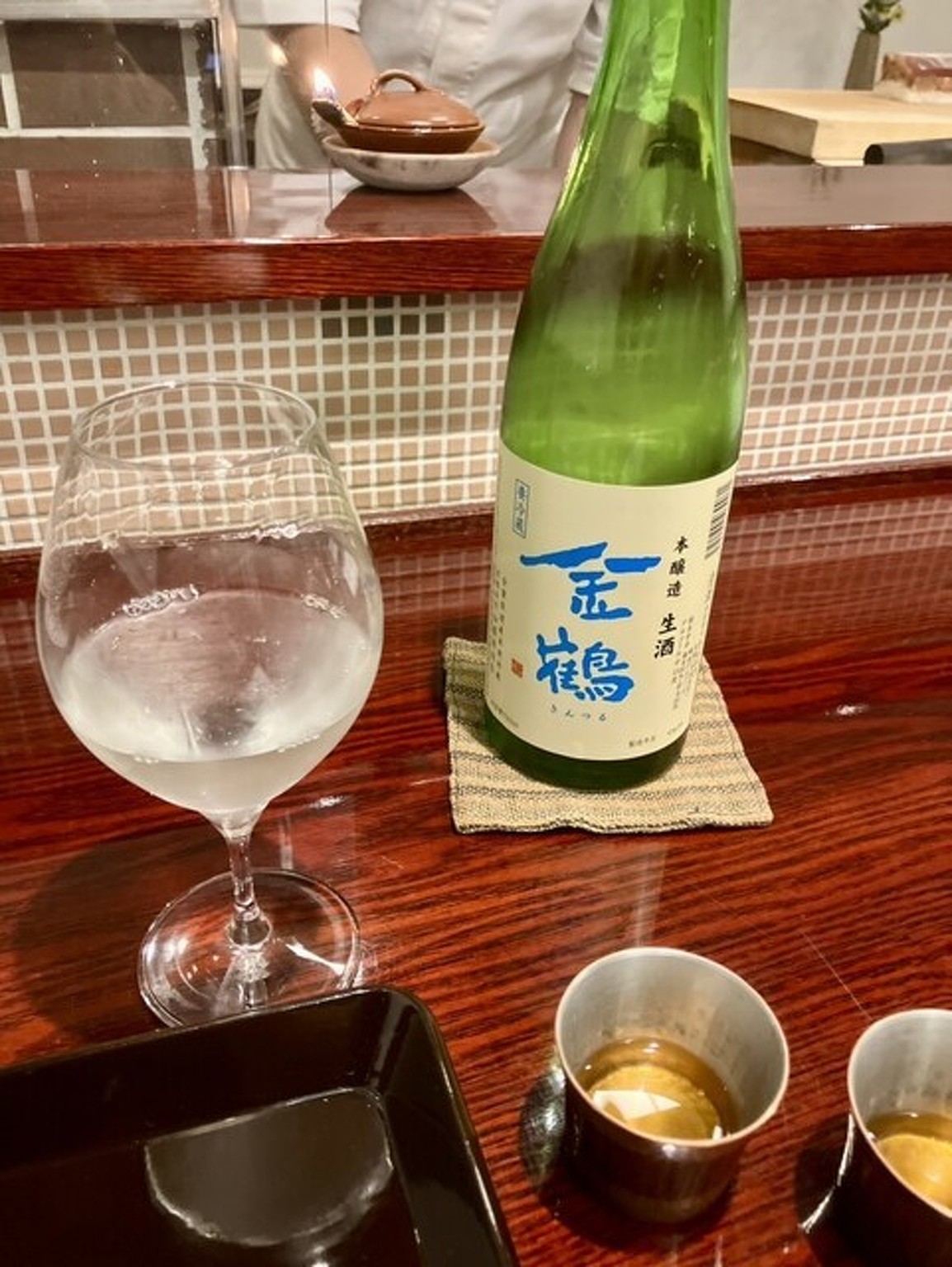
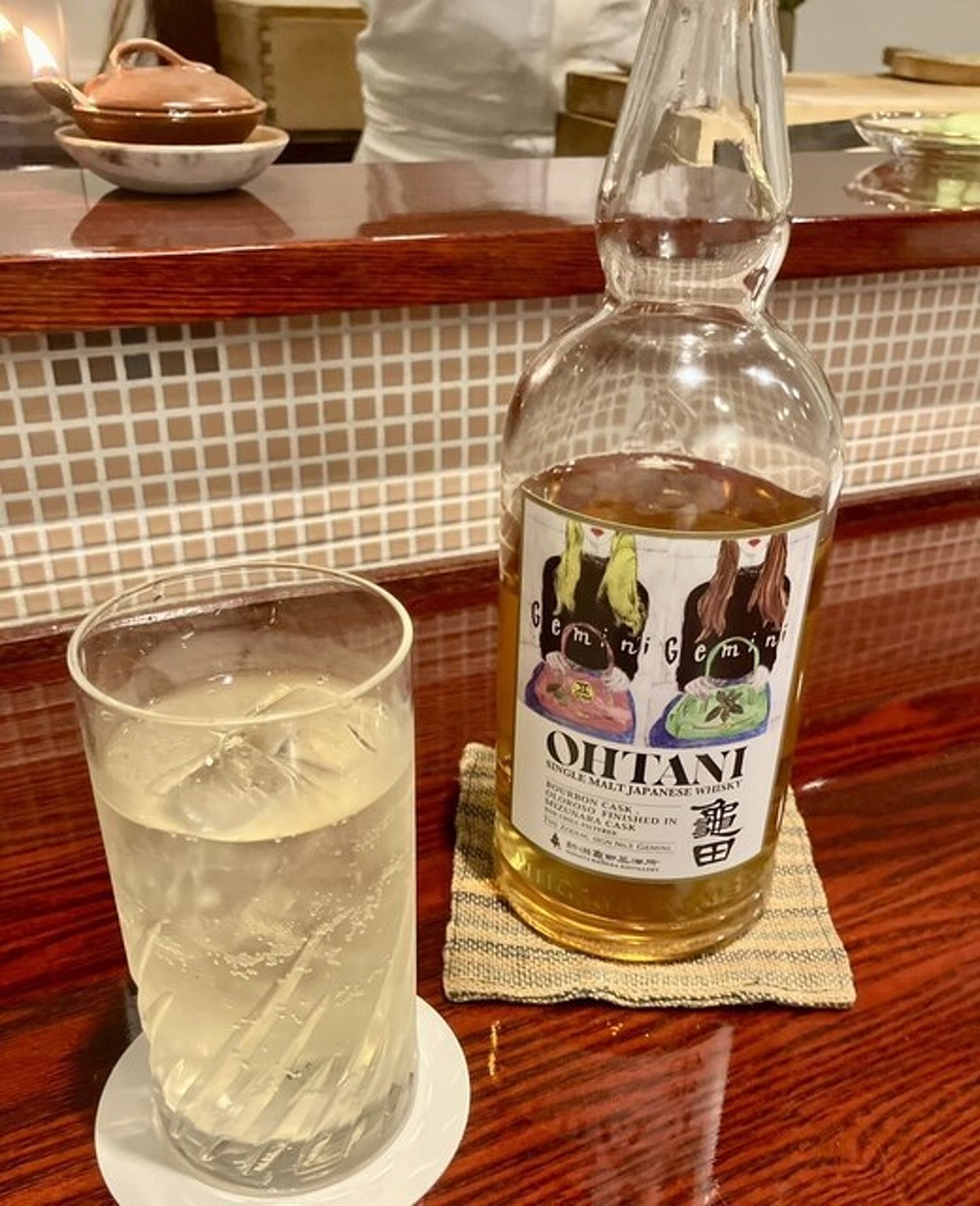
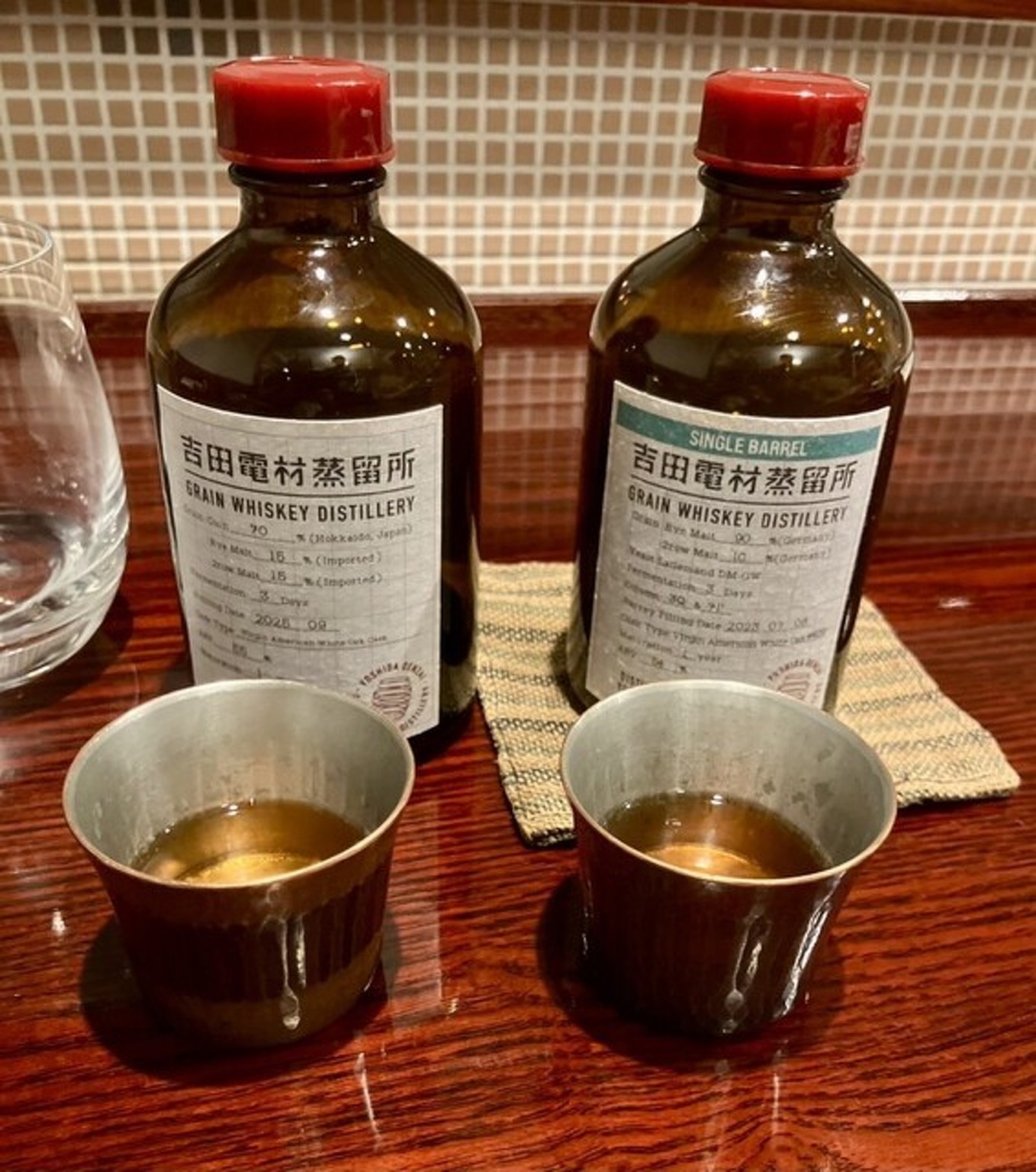
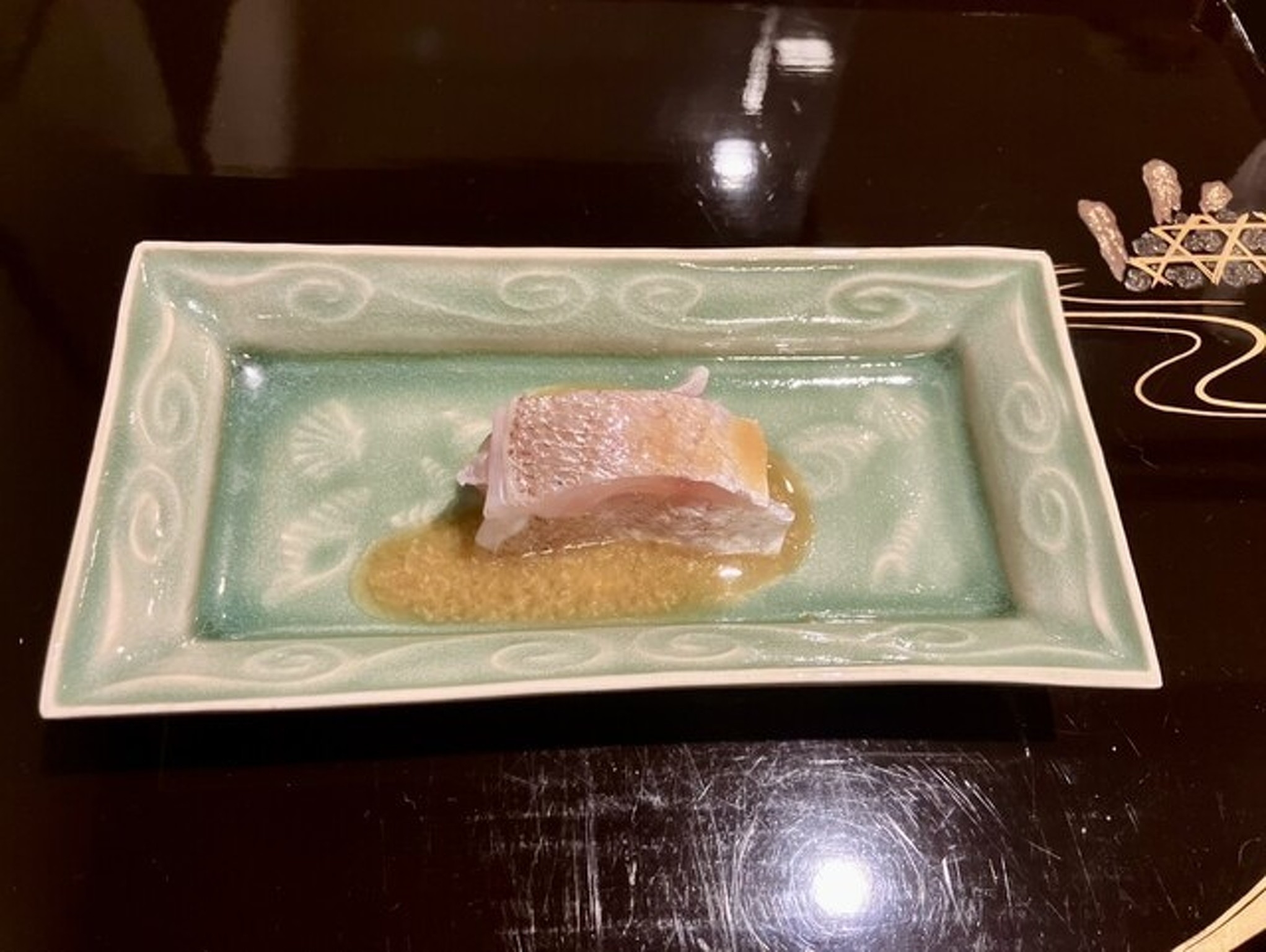
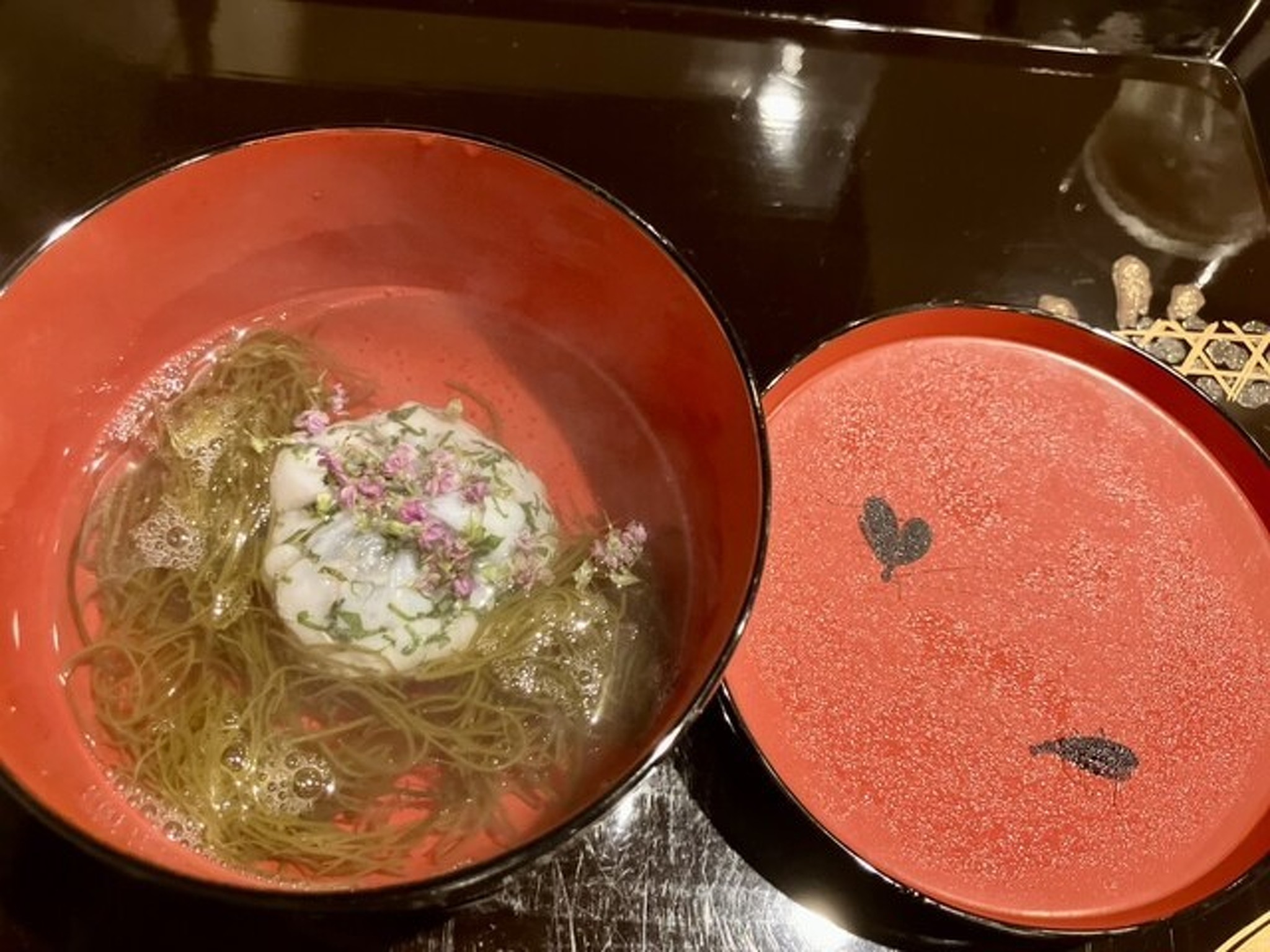
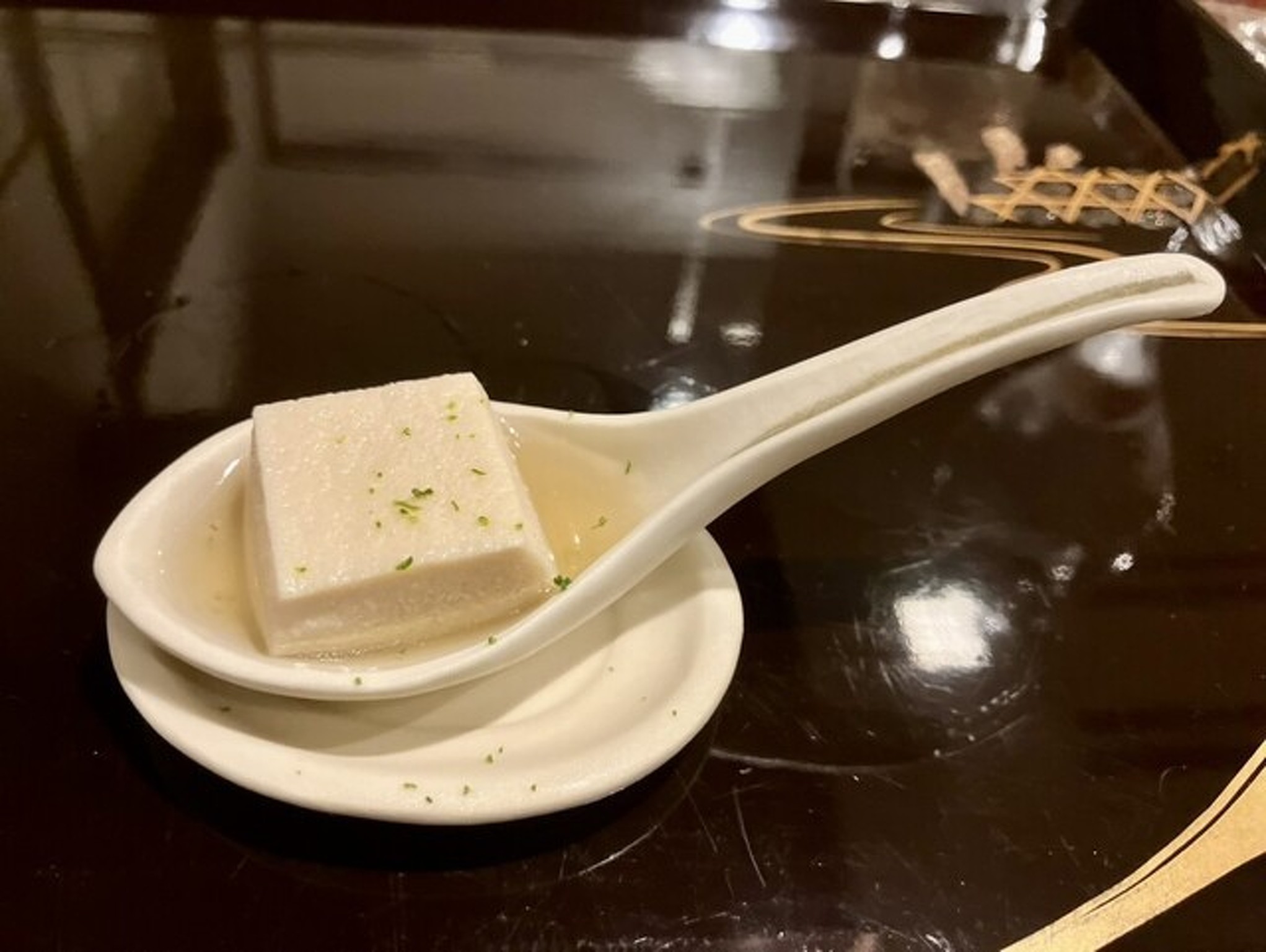
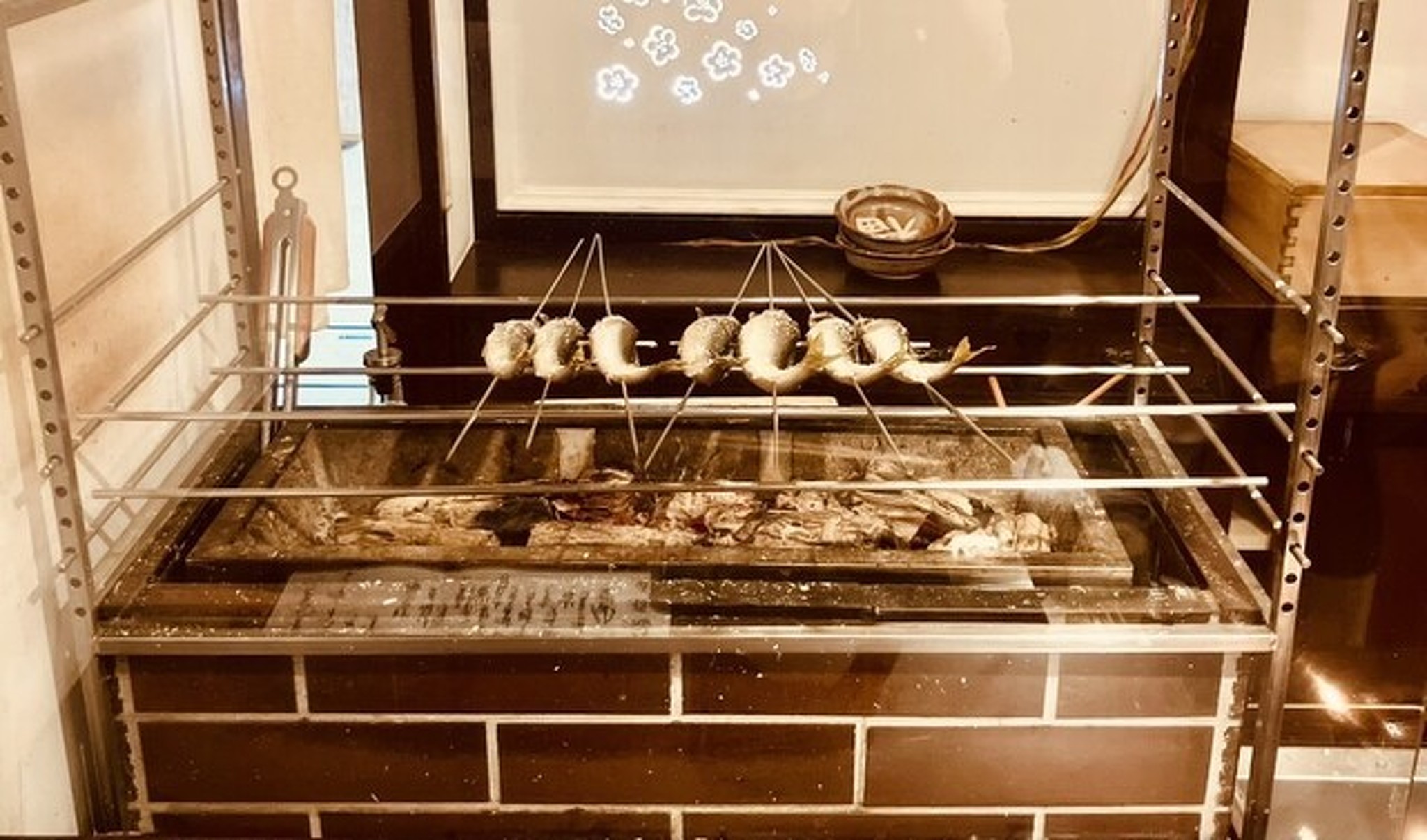
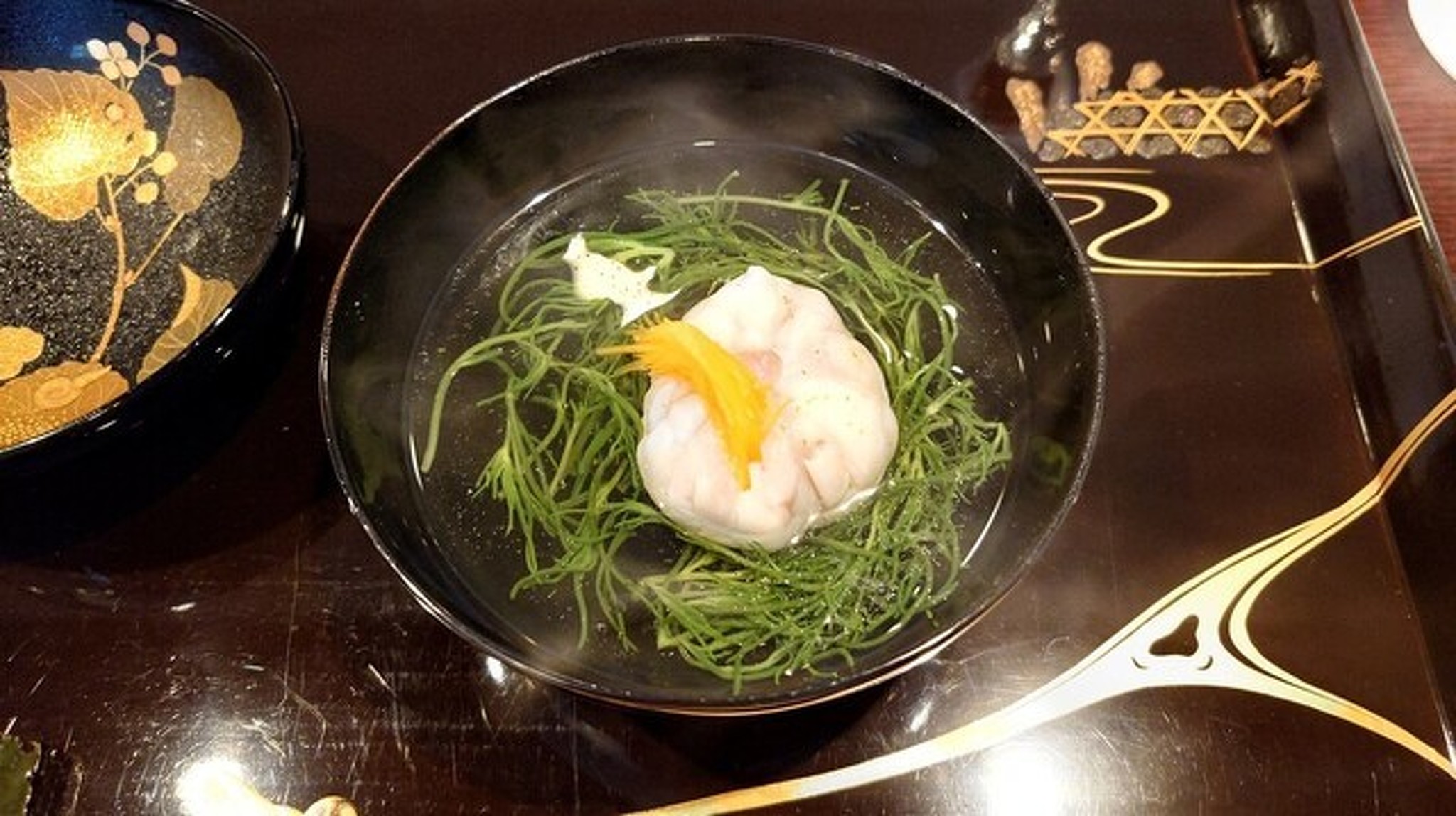
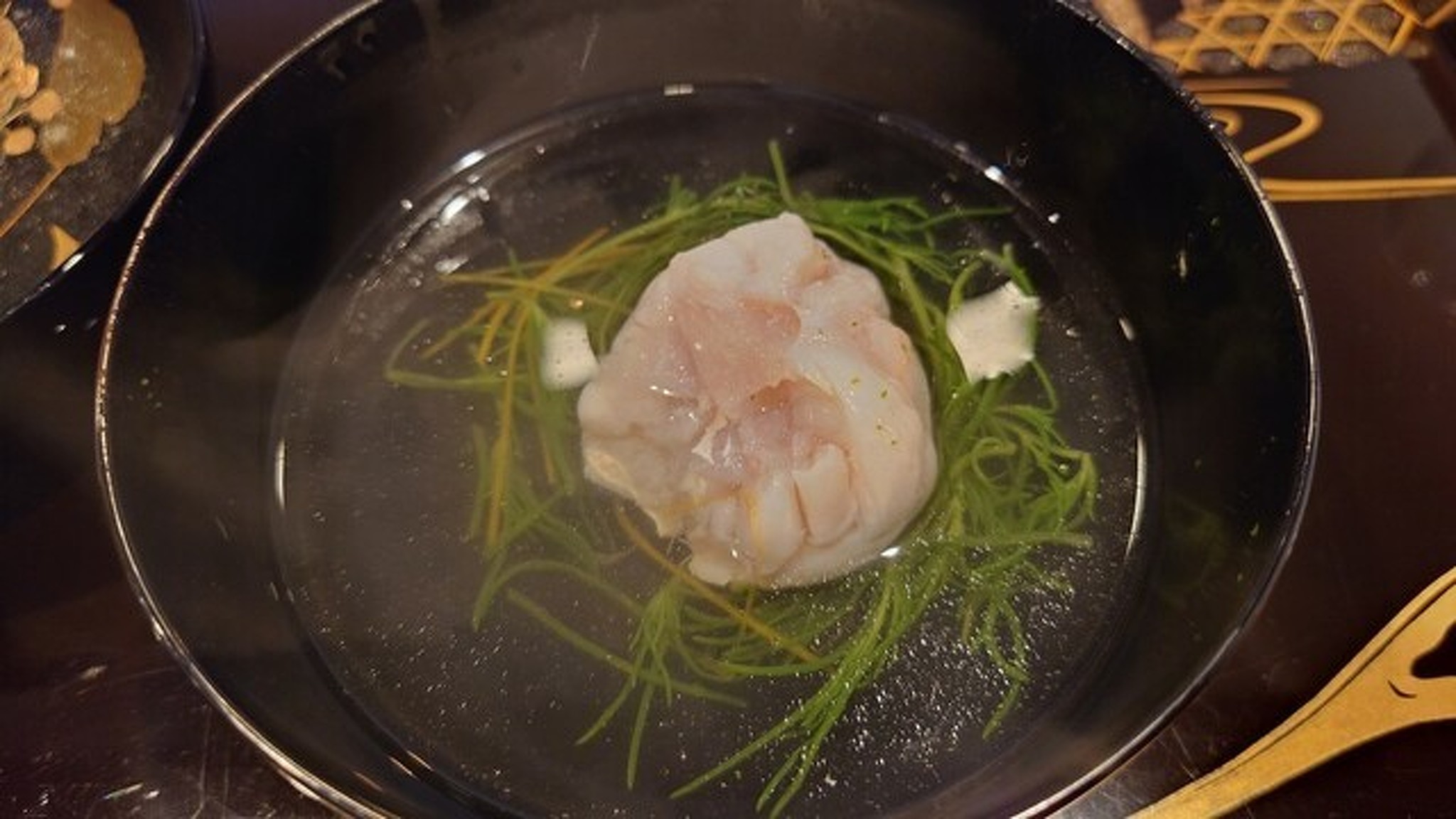
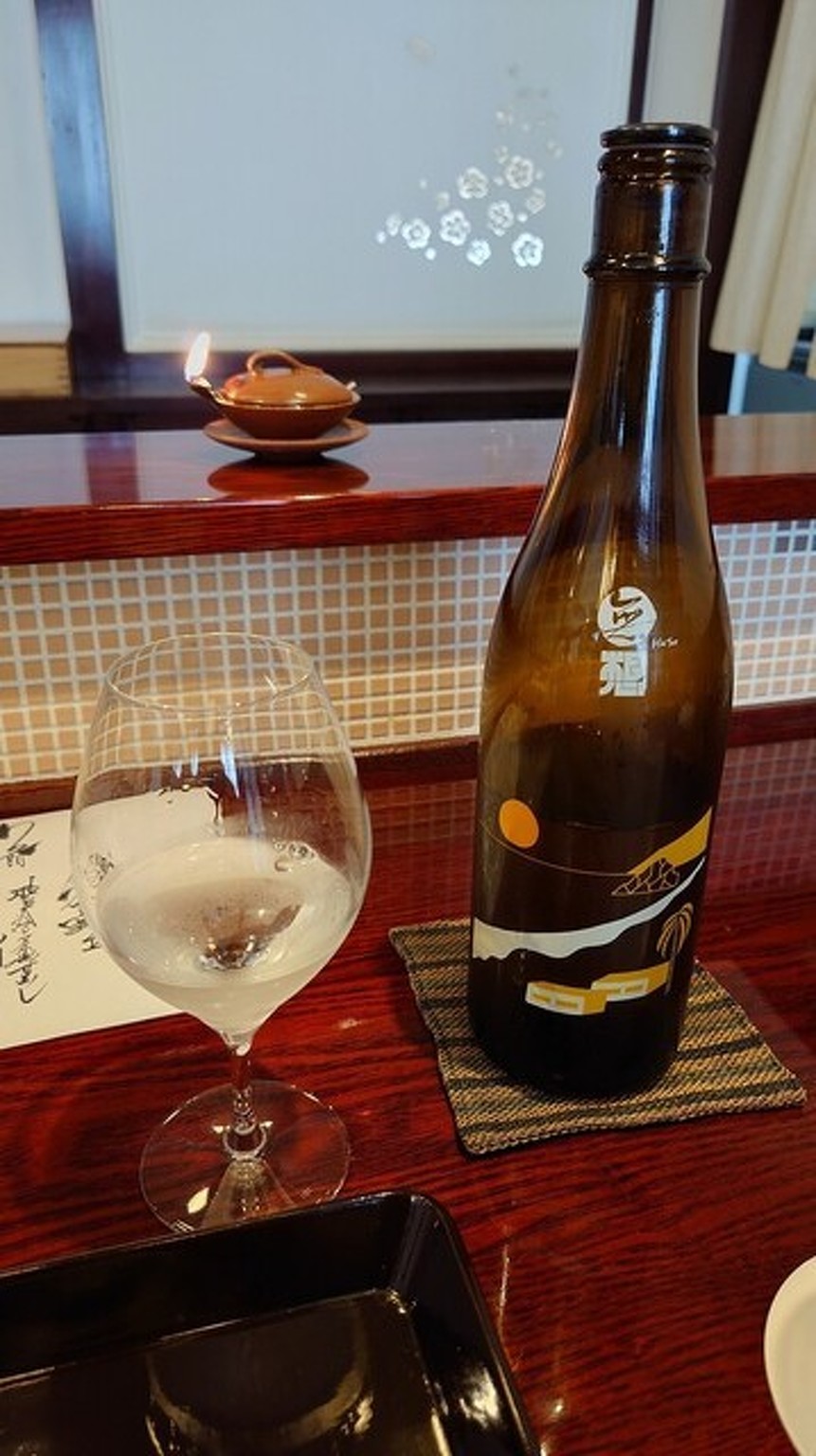
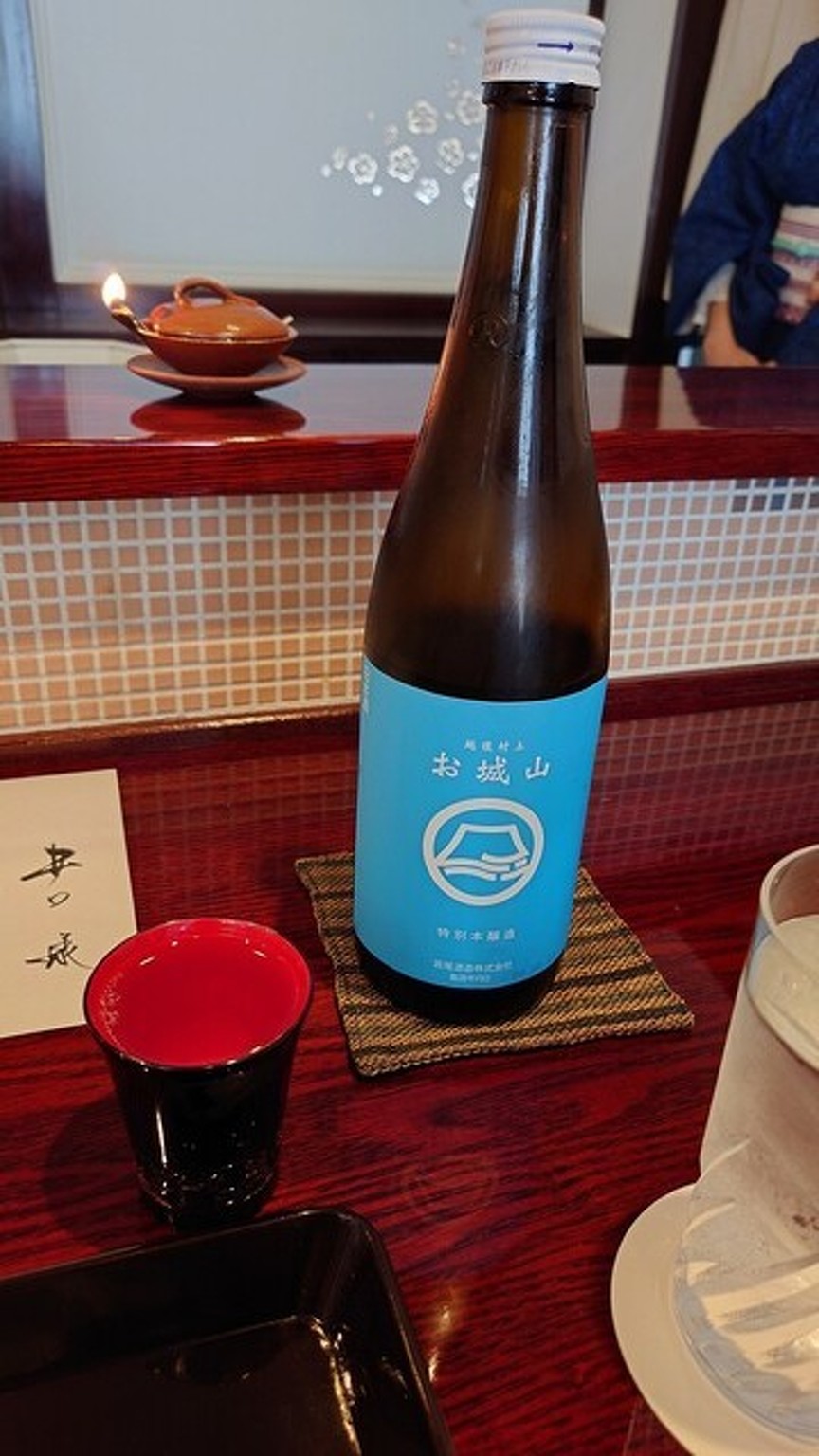
I visited for the first time during a trip to Niigata.* Highball (OHTANI WHISKY Niigata Kameda Zodiac Sign Series "Gemini")Edamame Tofu (Yuuagari Musume)* Shimeharitsuru Daiginjo Kin LabelGrilled Small Sea Bream with SkinClear Soup with Suzuki (Sea Bass) and Mozuku Seaweed Dumpling* Musou DUSK Taiyo ShuzoGrilled Nodoguro (Blackthroat Seaperch, 1kg)Sweetfish (1.5kg, salted and aged for 3 days) with Grated CucumberWater Dumpling with Sweet Long Pepper and PaprikaEchigo Murakami Oshiriyama Special Honjozo... More
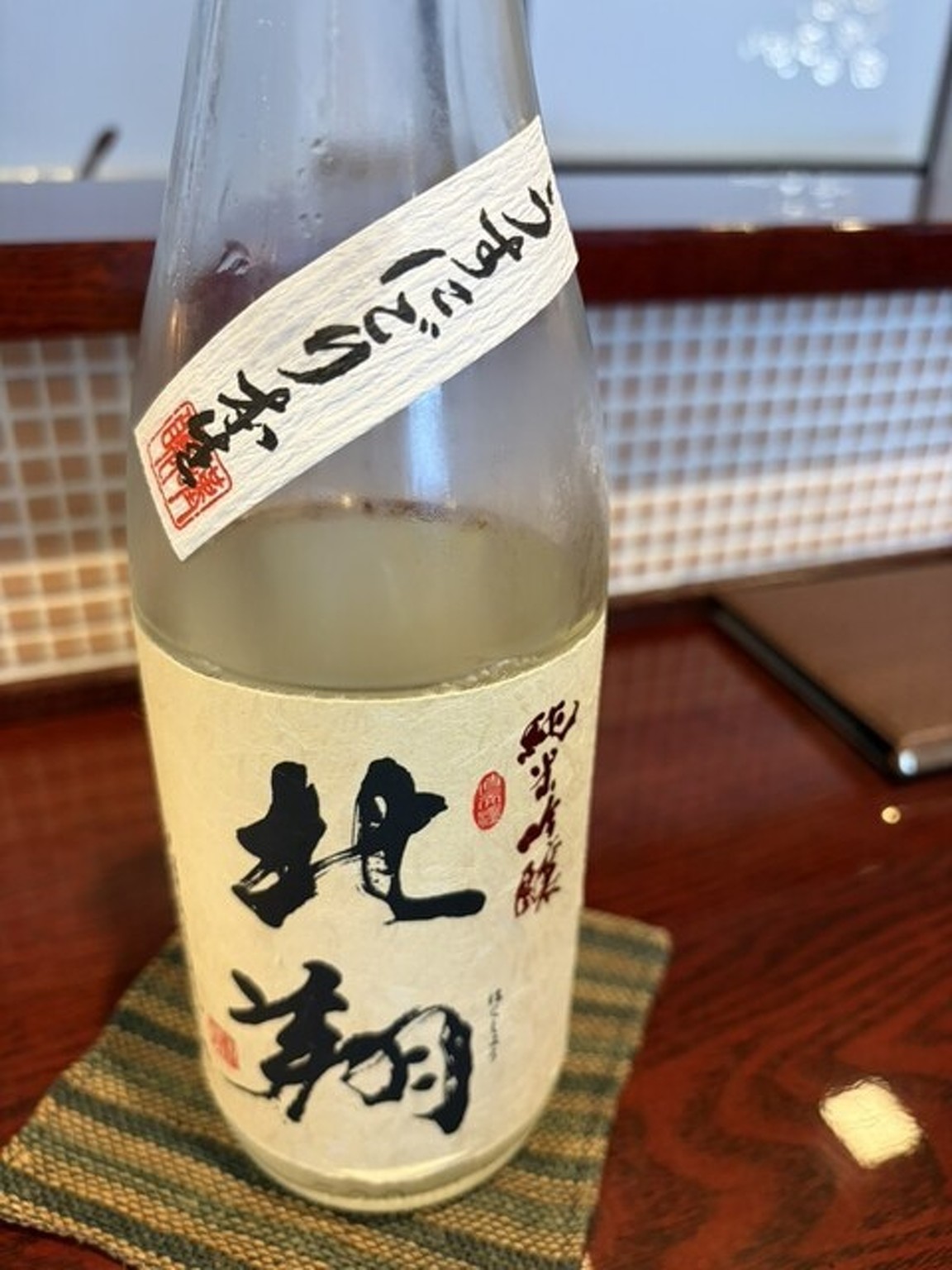
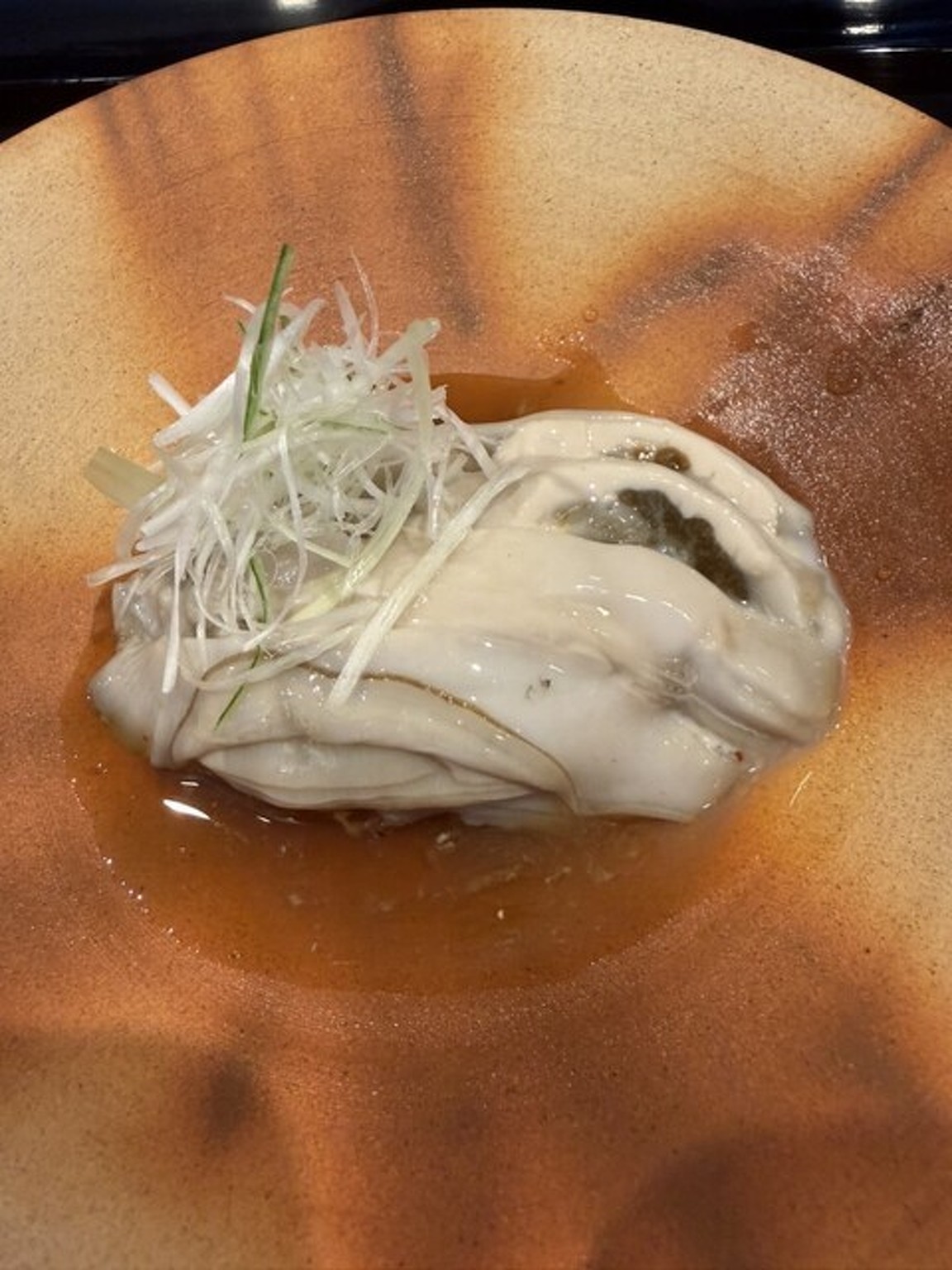
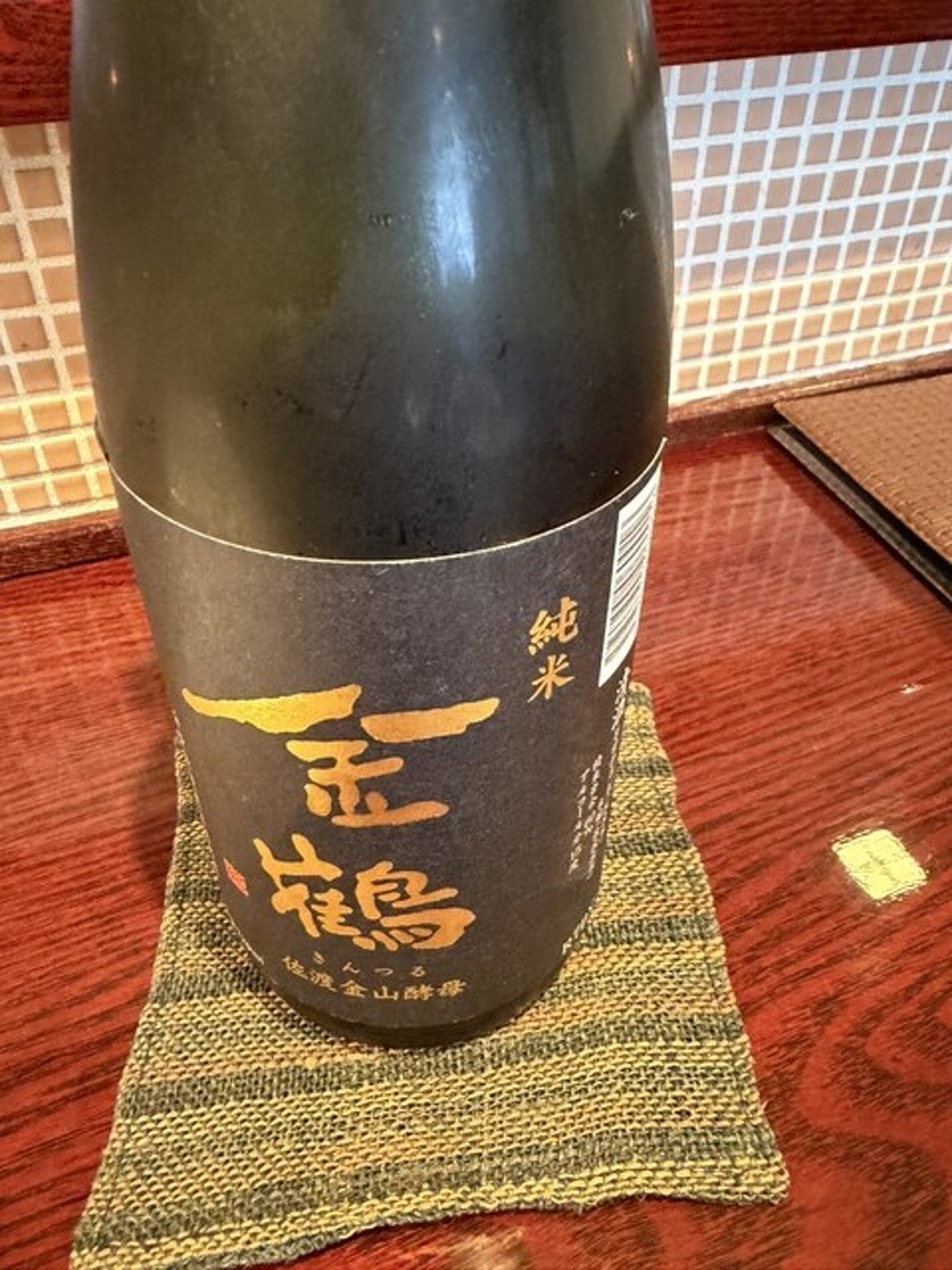
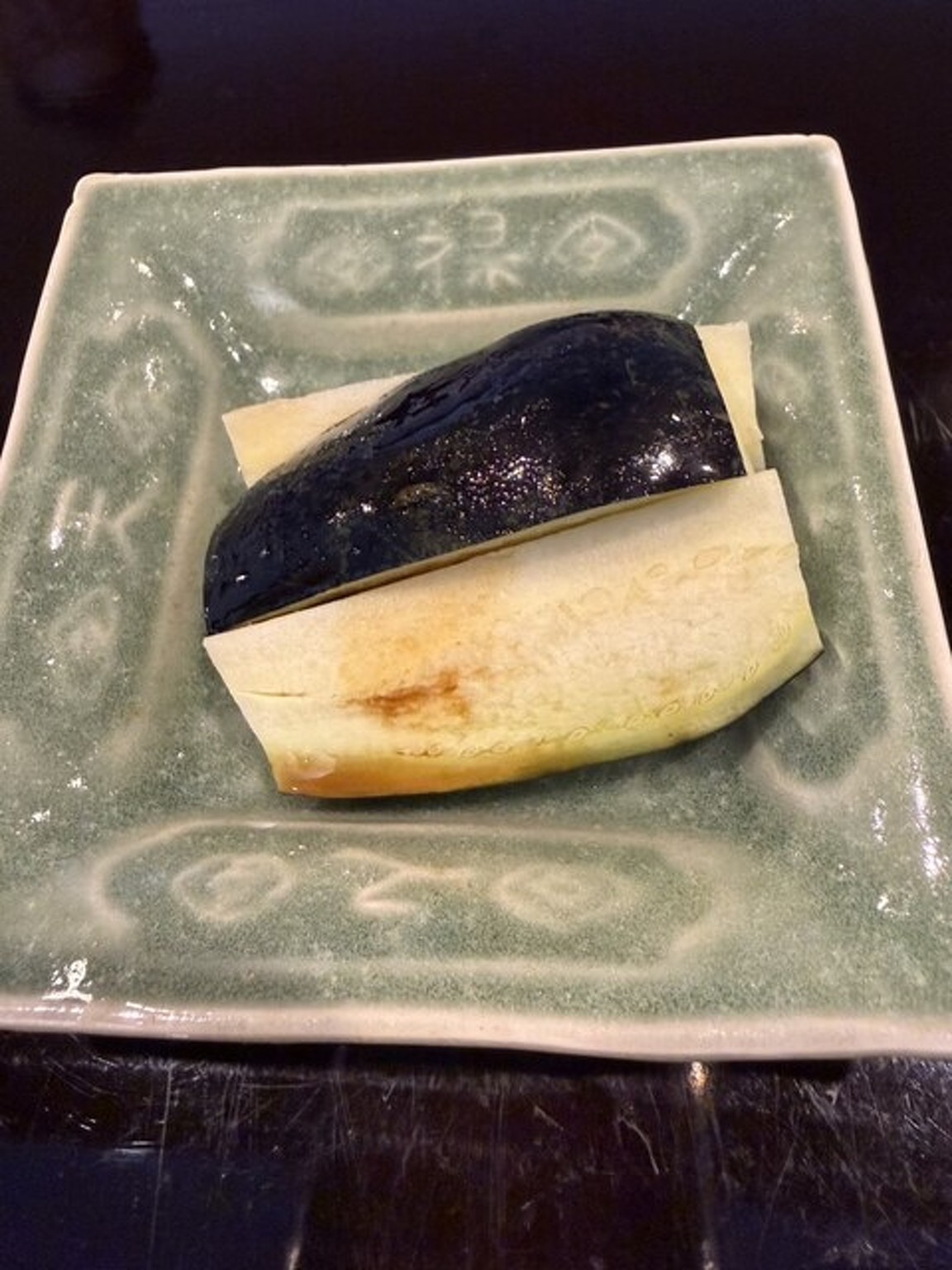
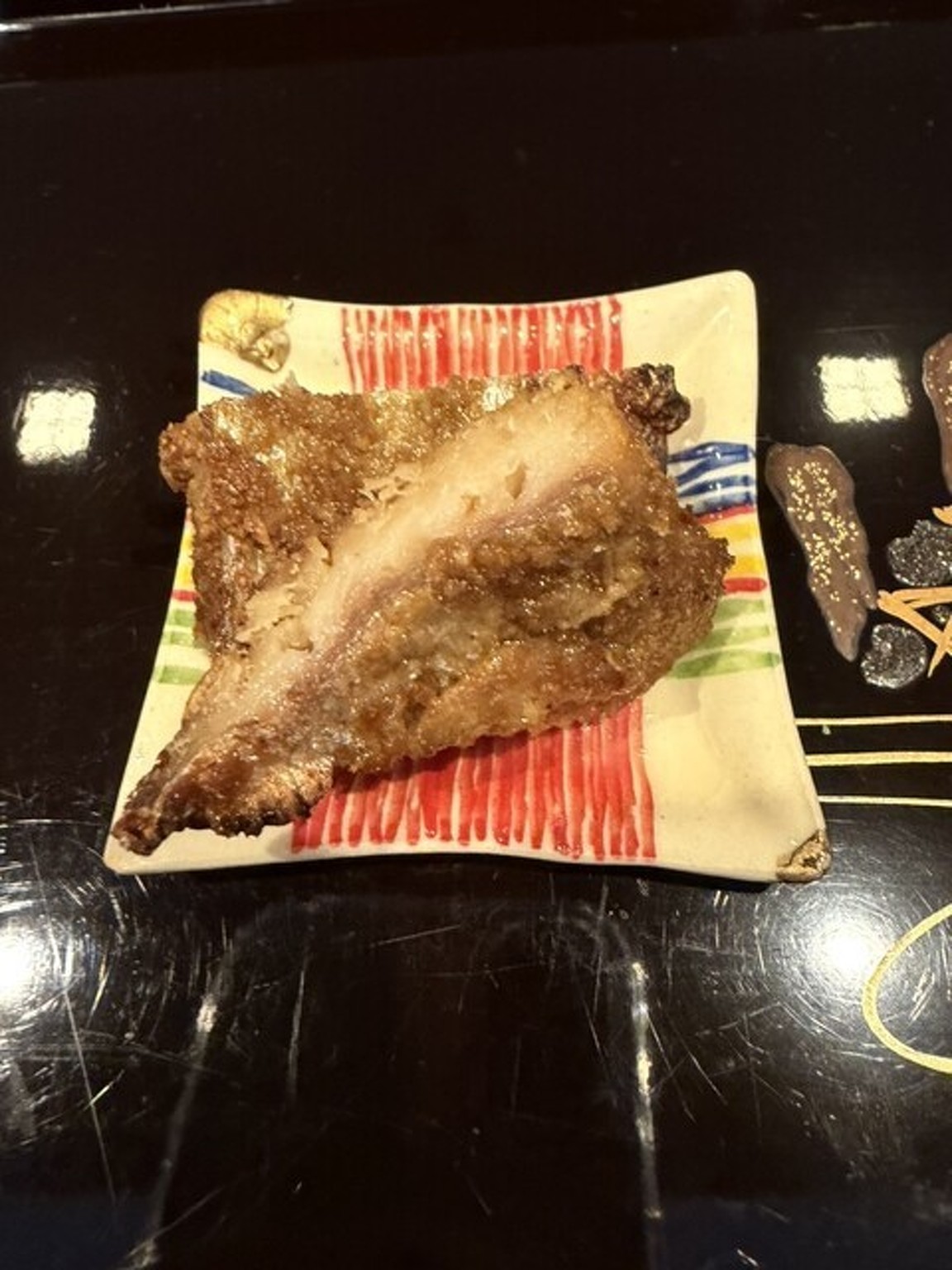
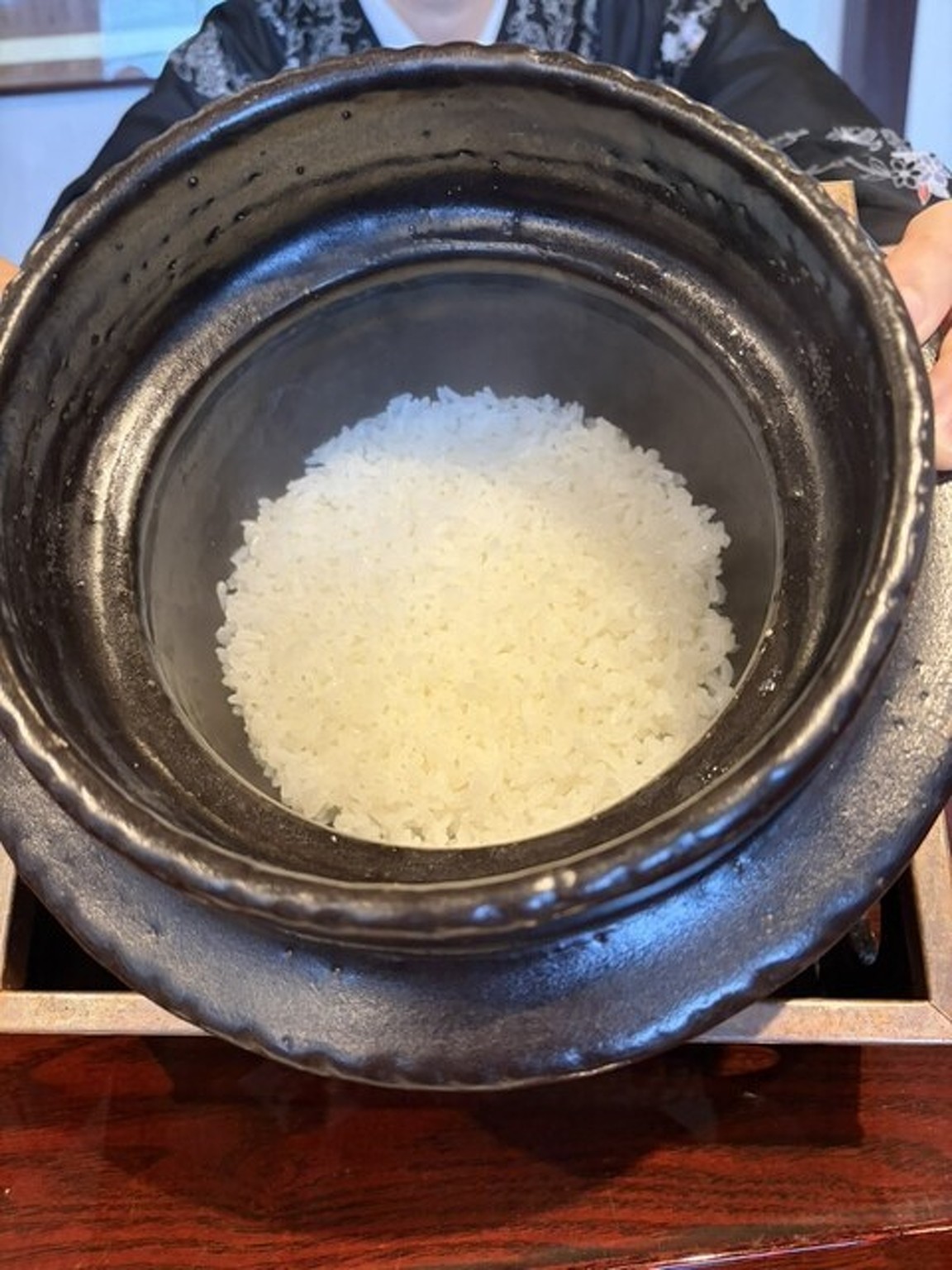
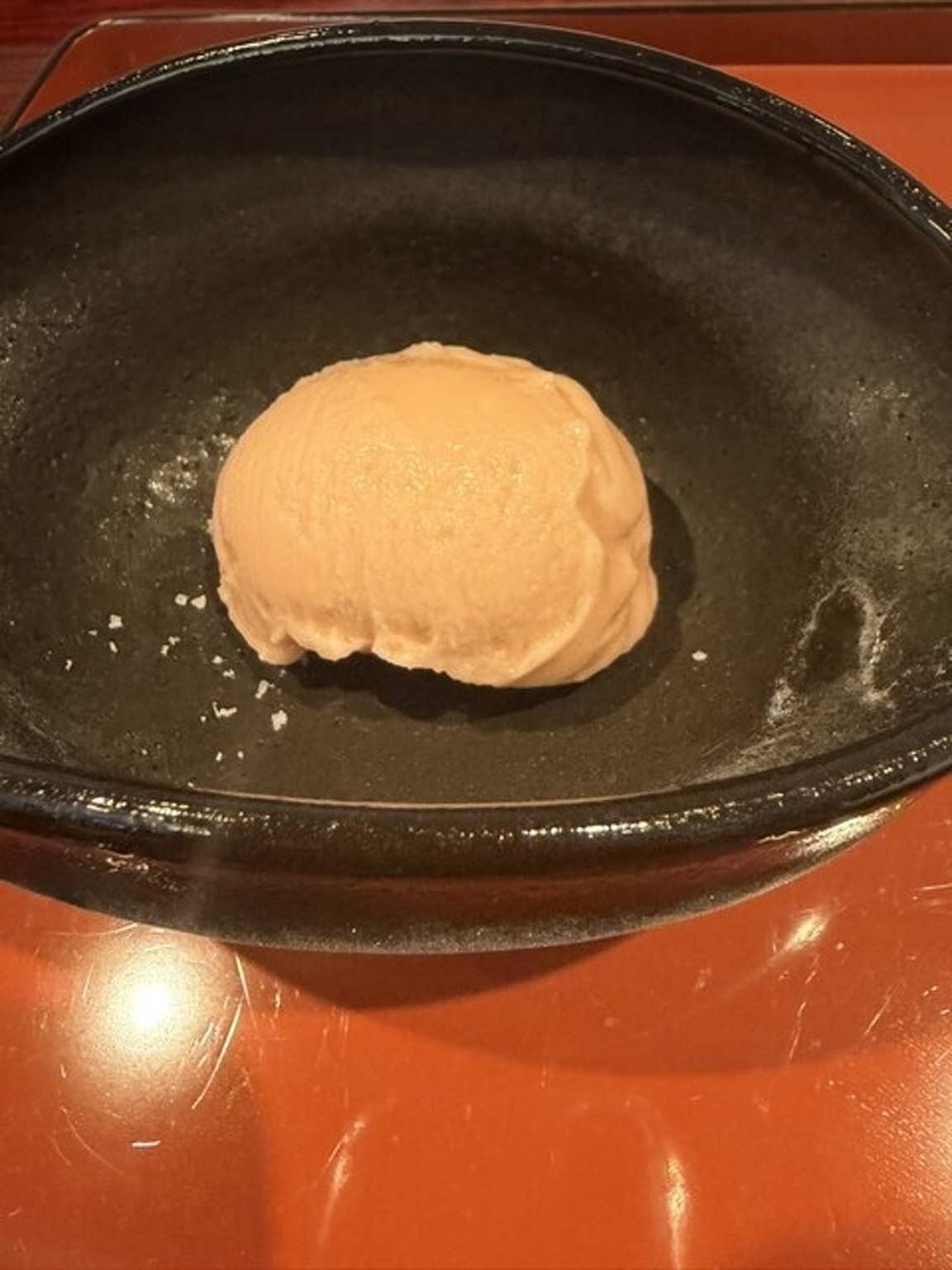
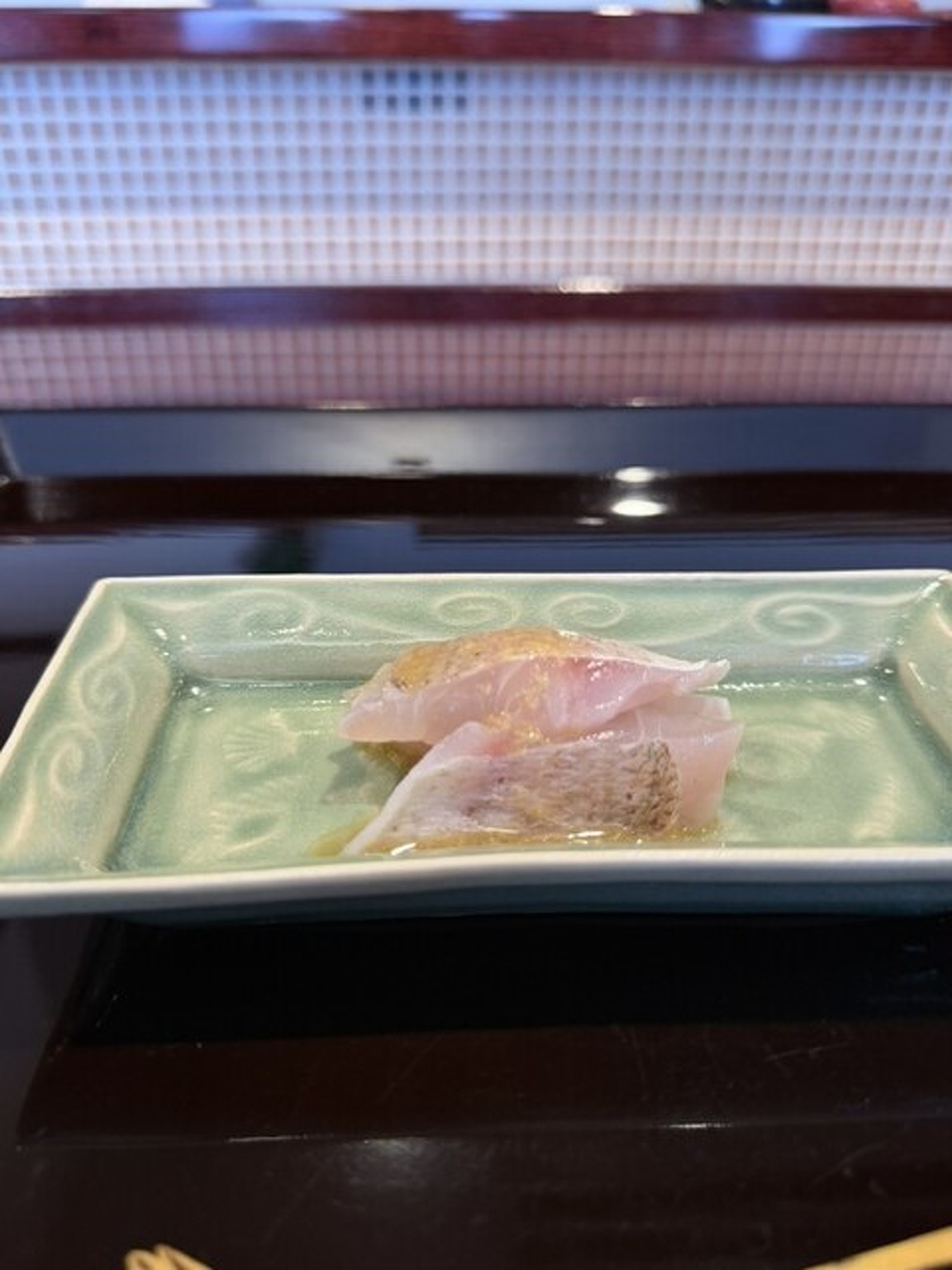
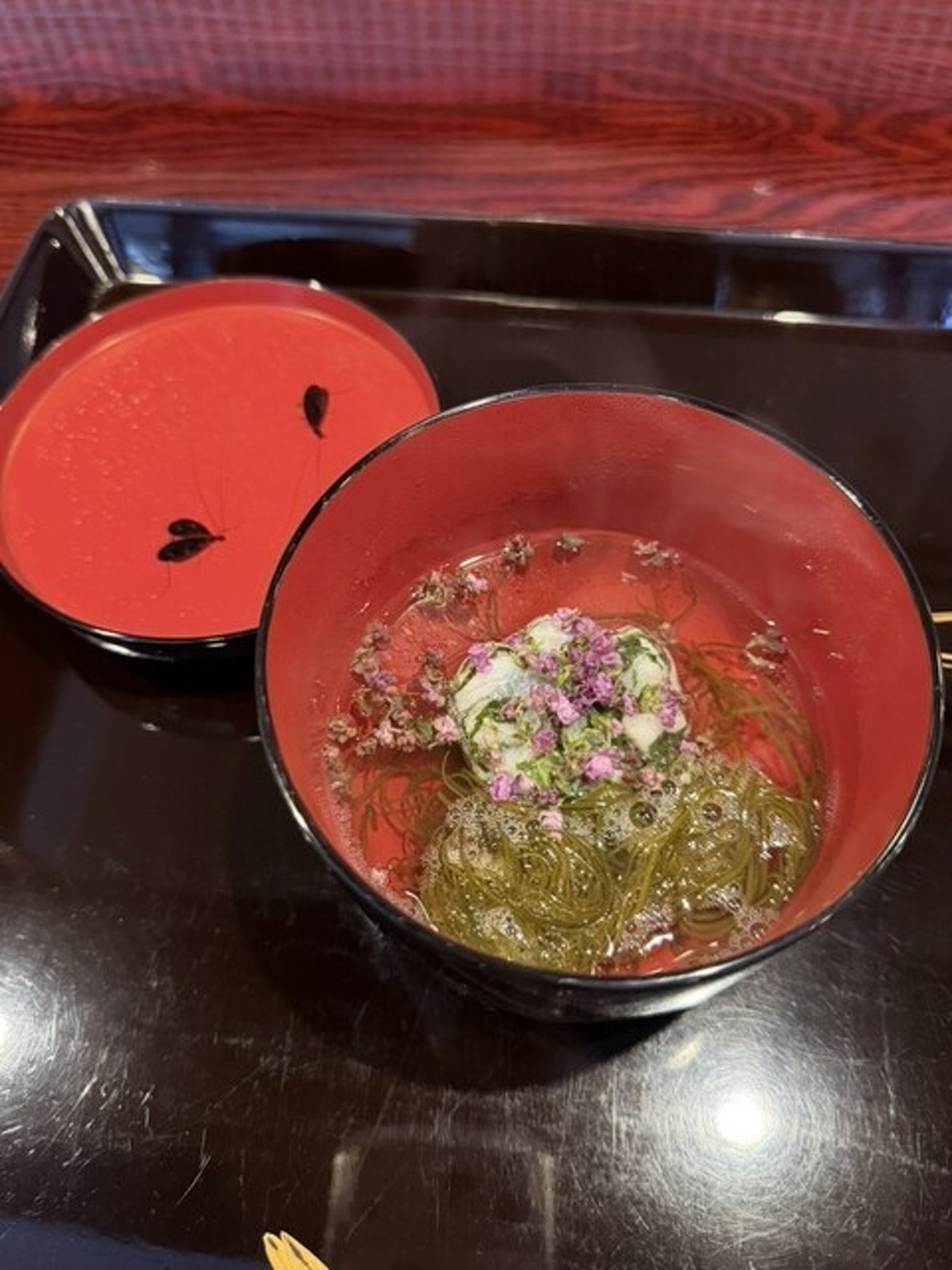
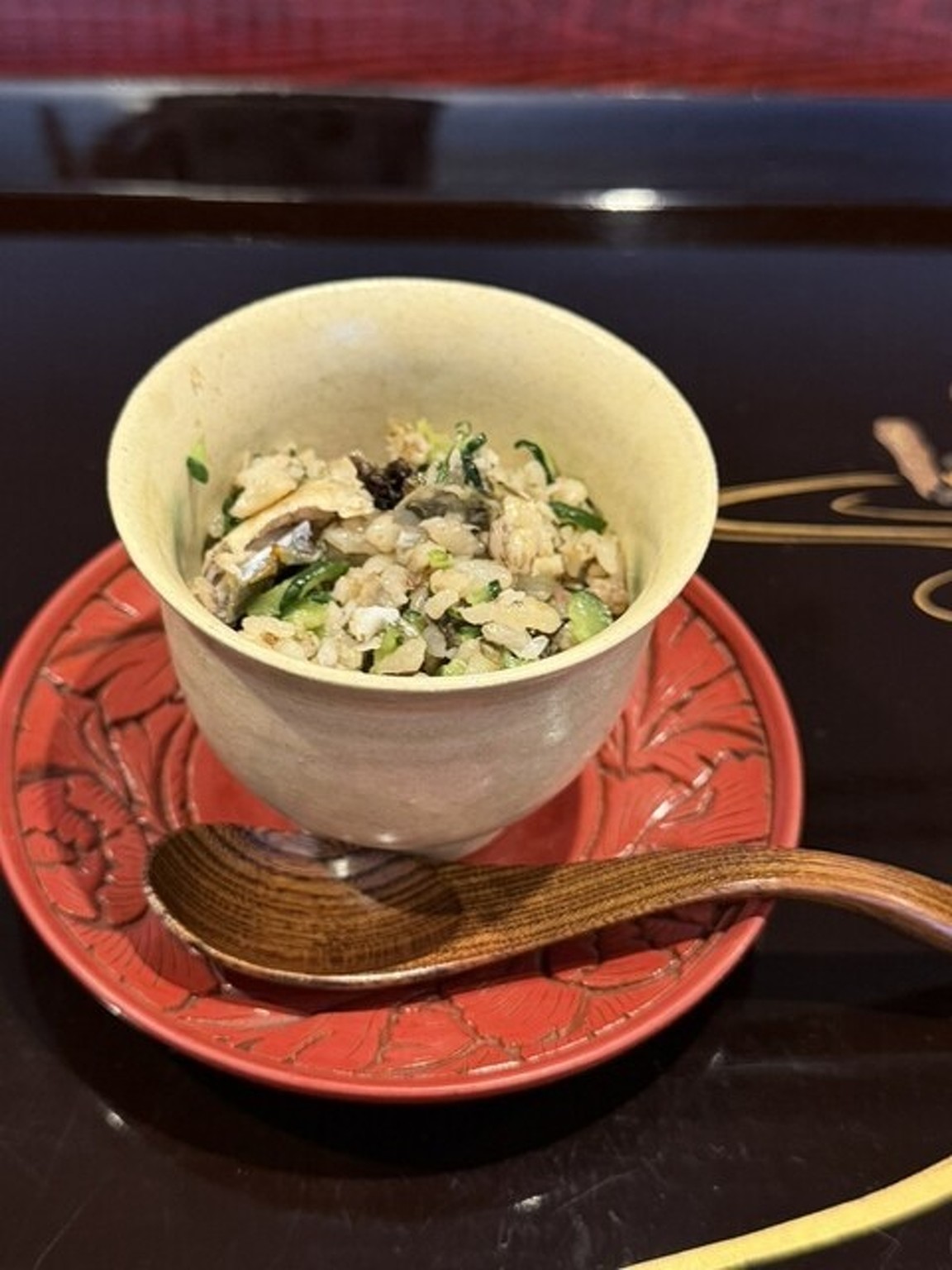
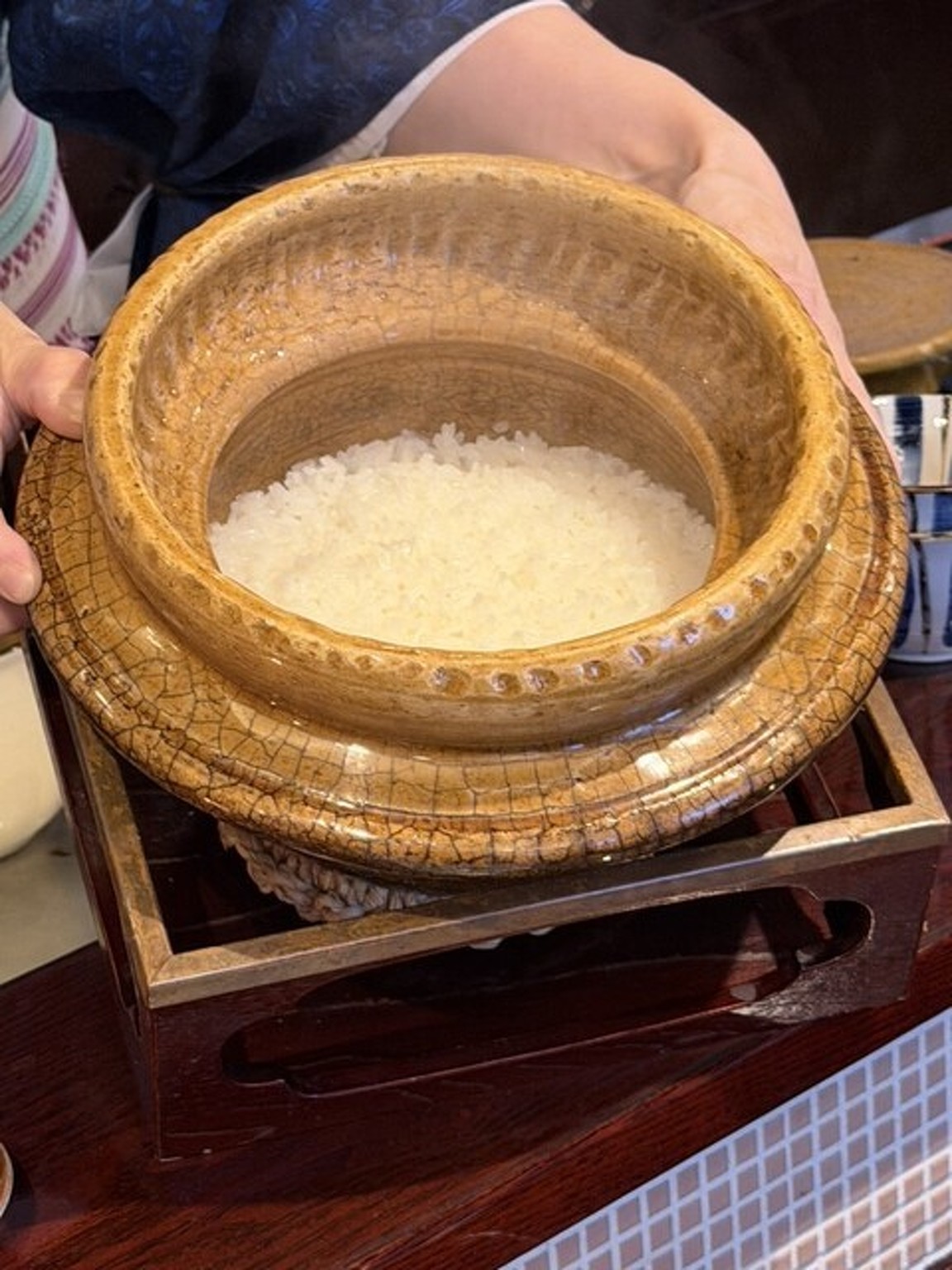
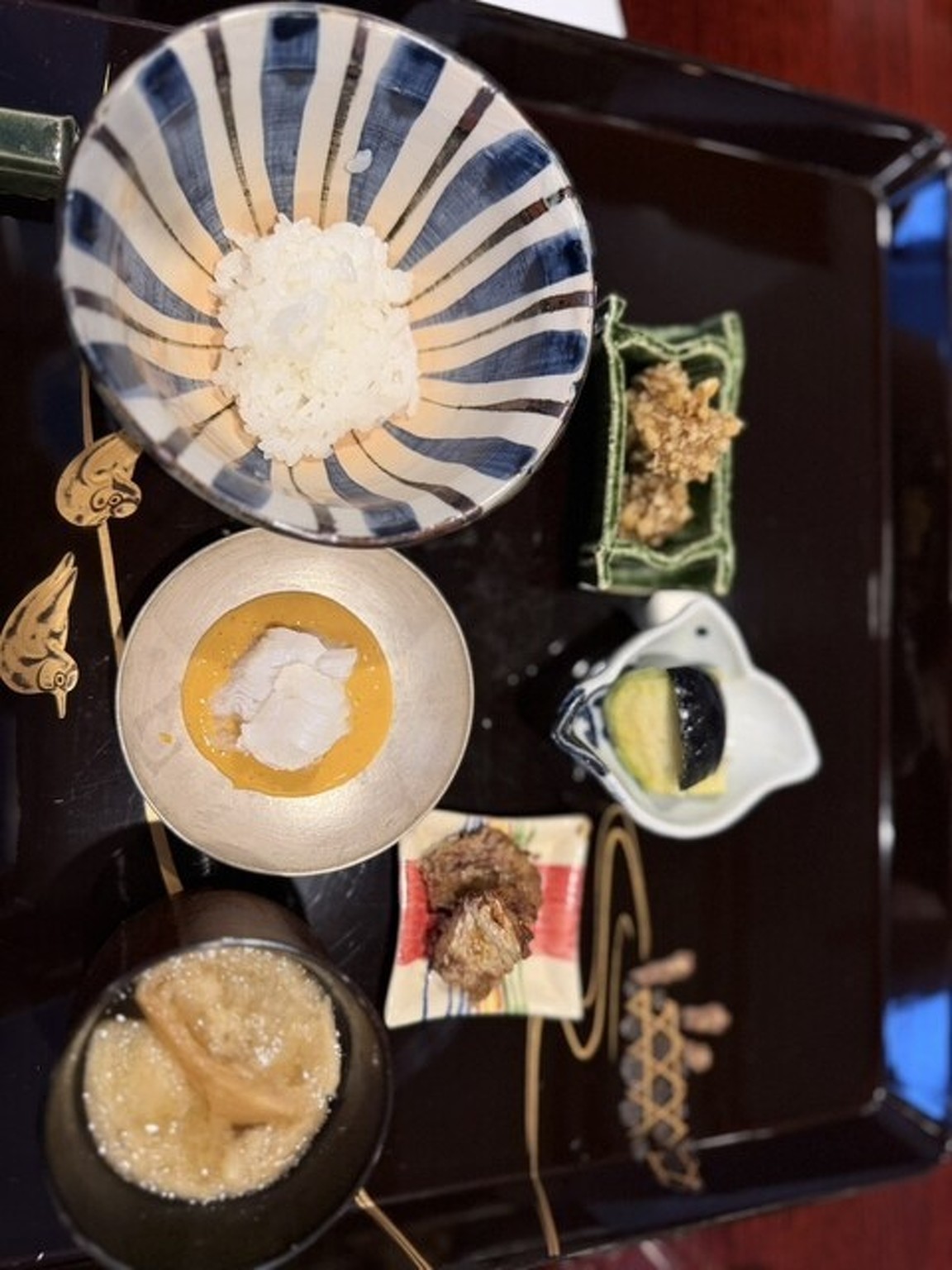
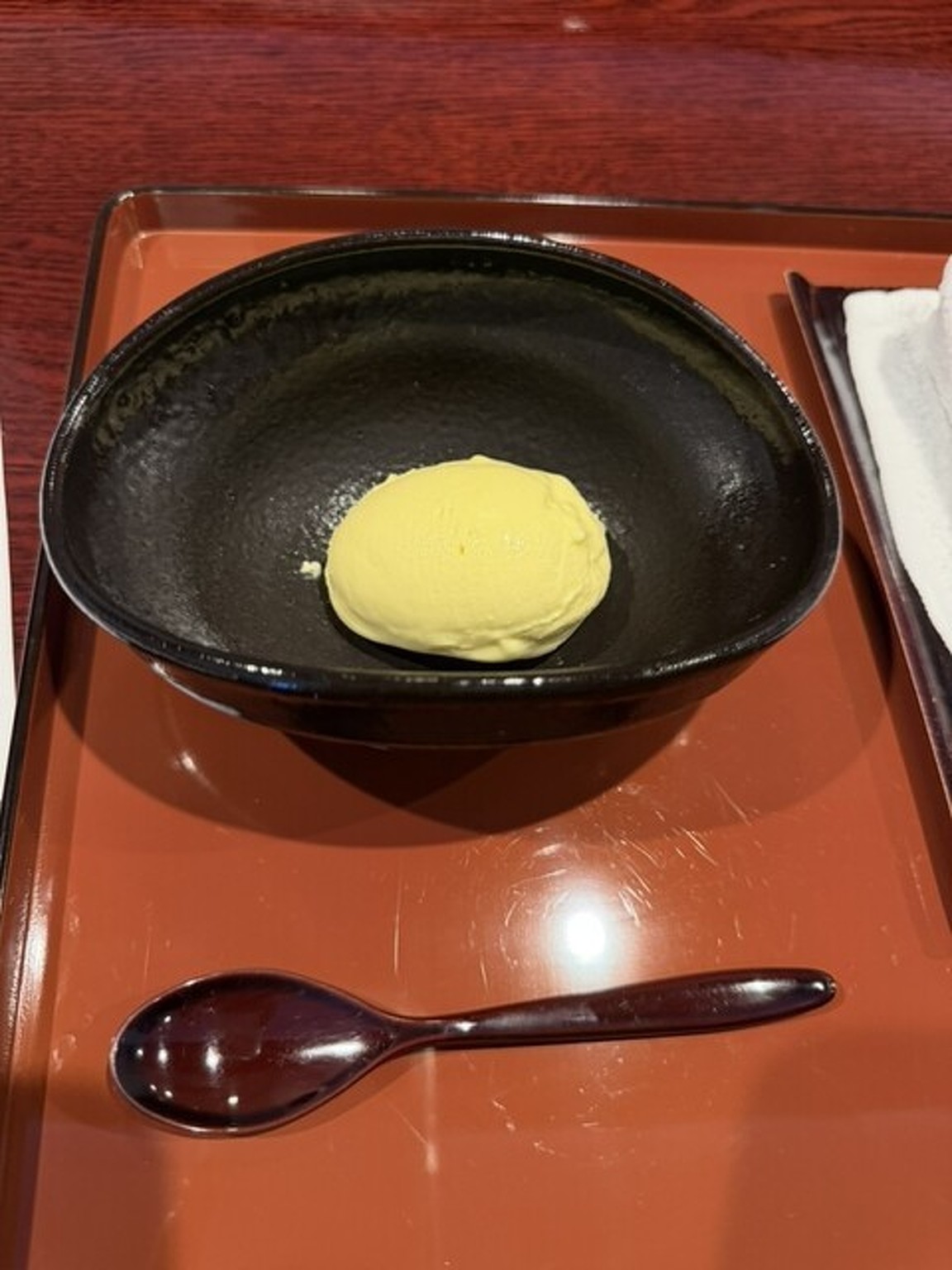
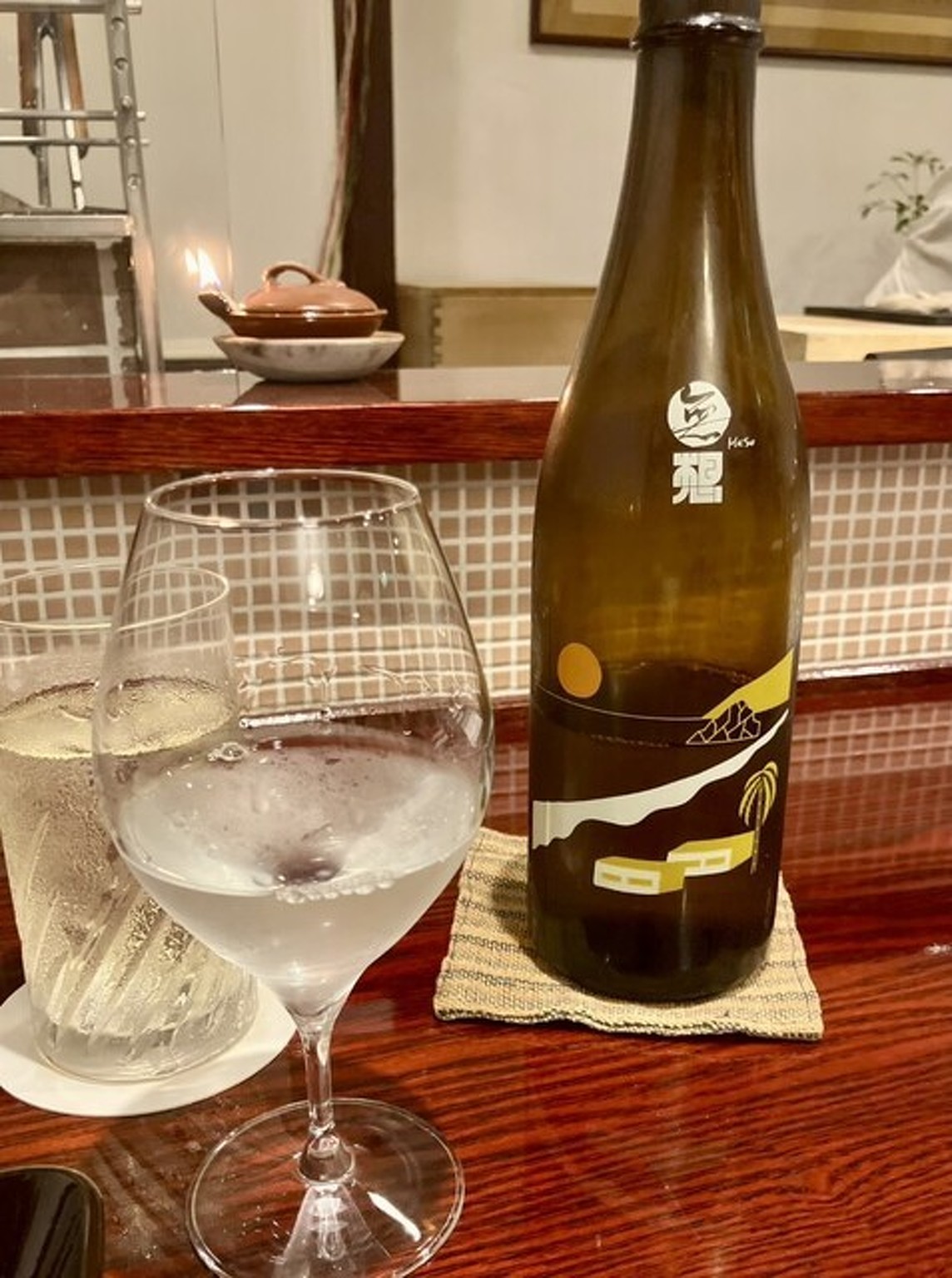
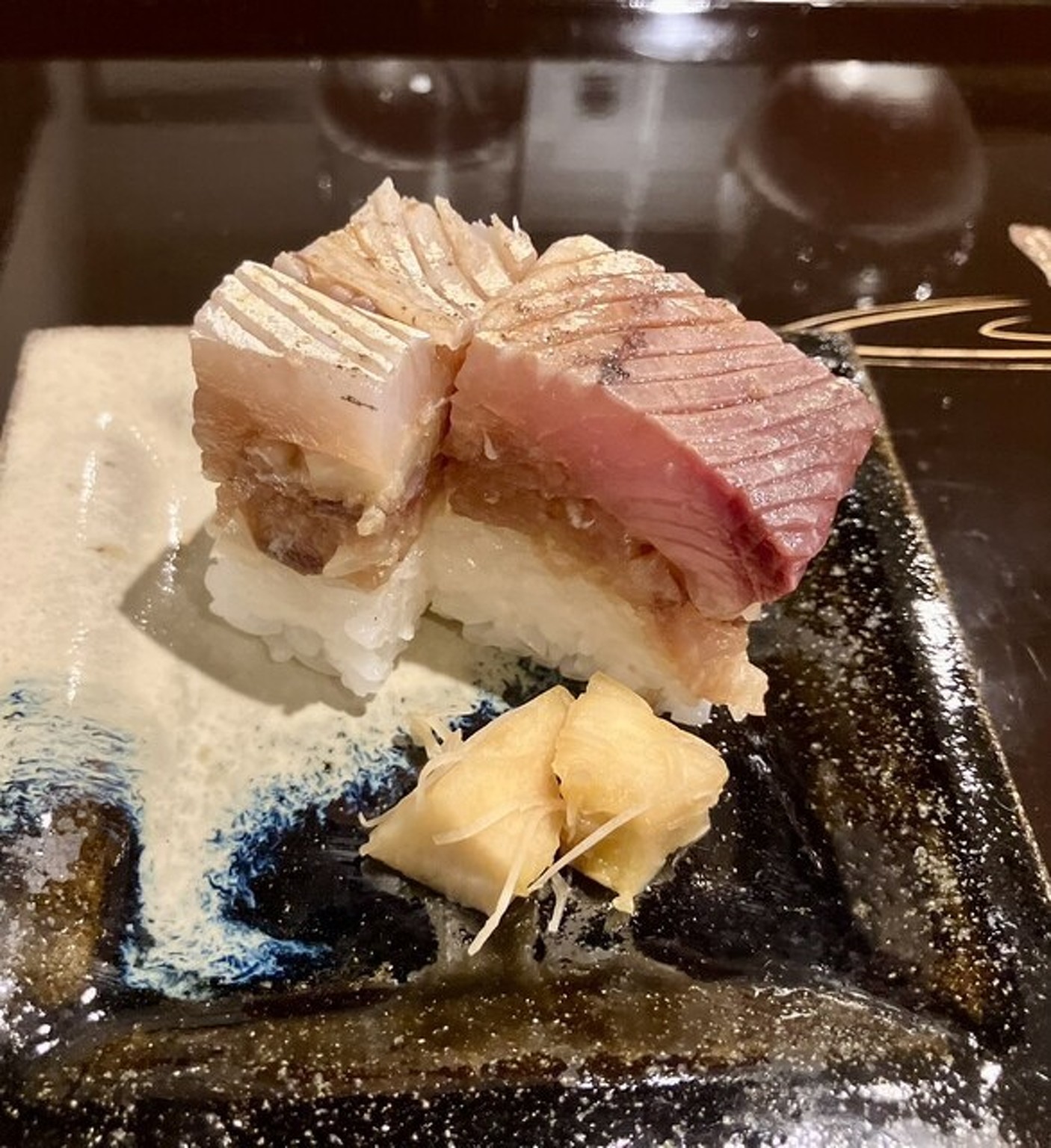
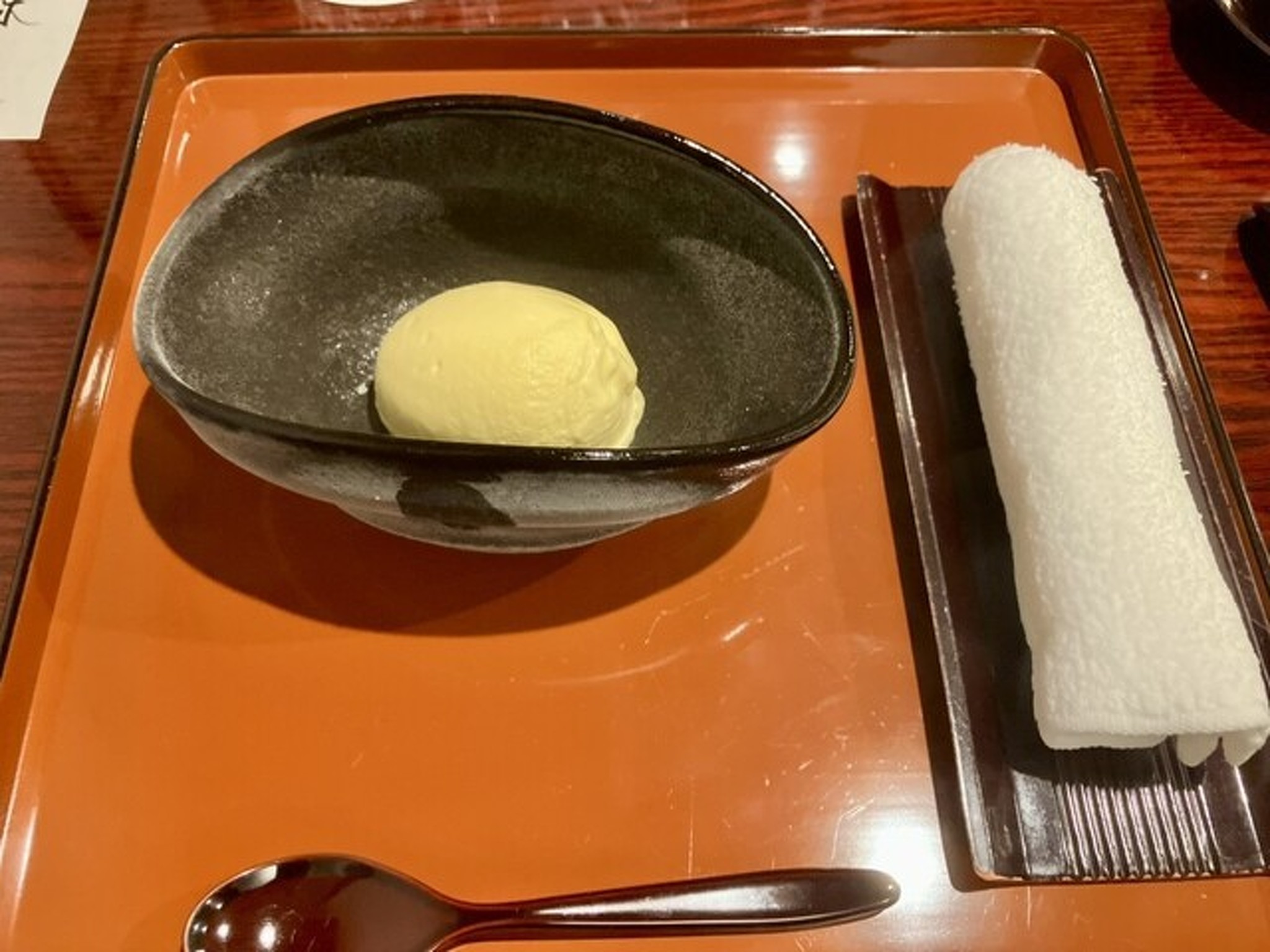
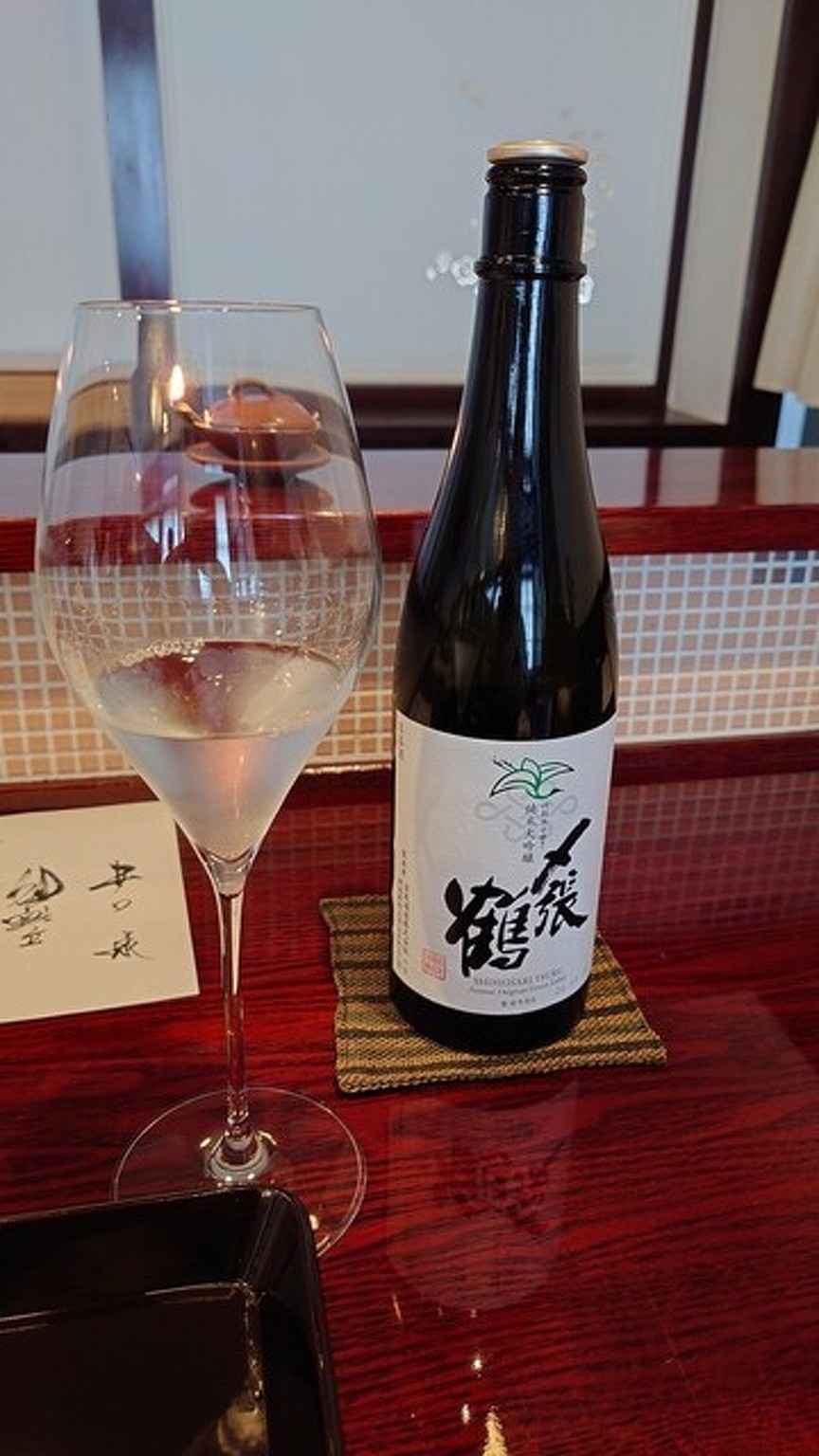
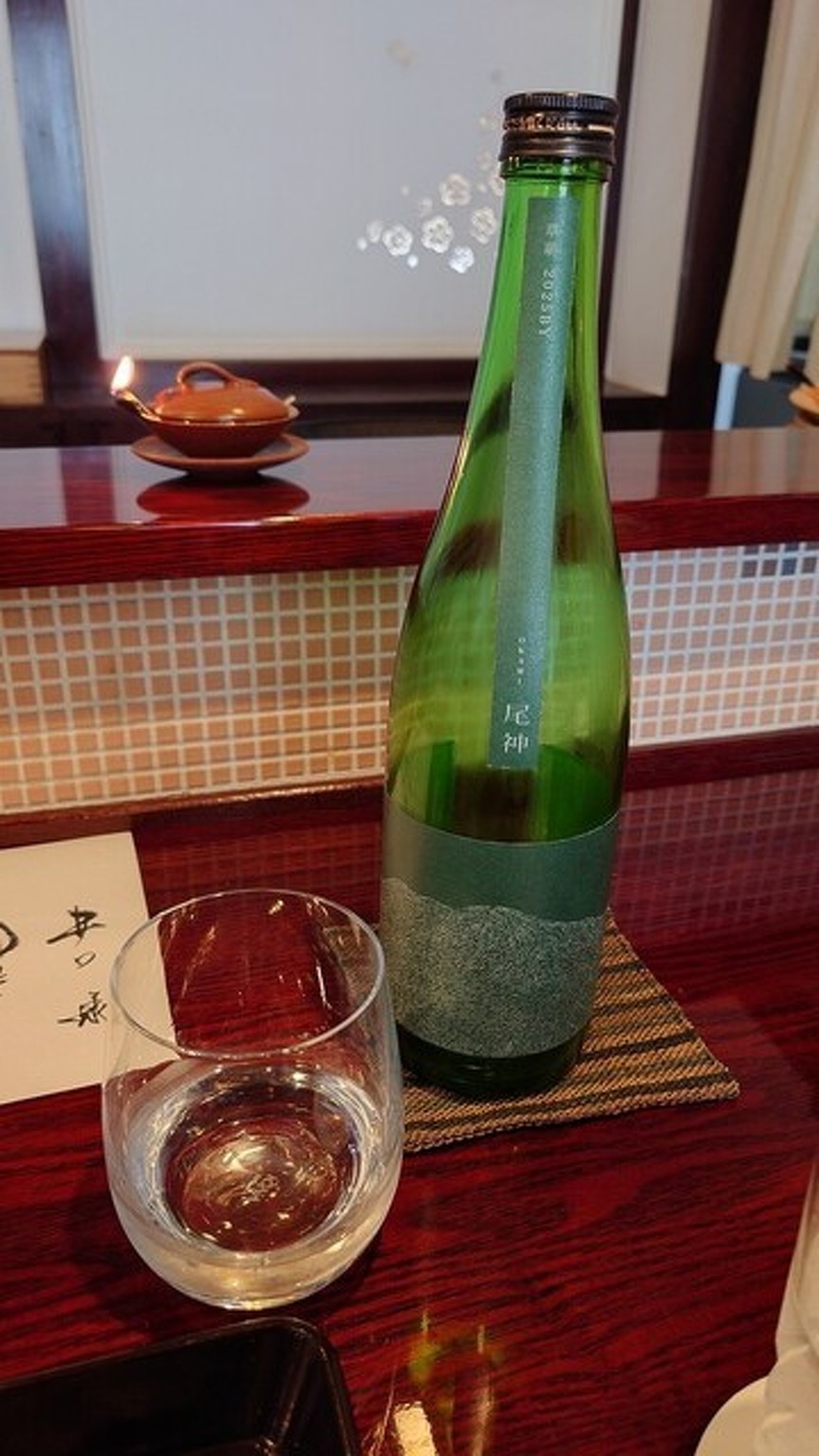
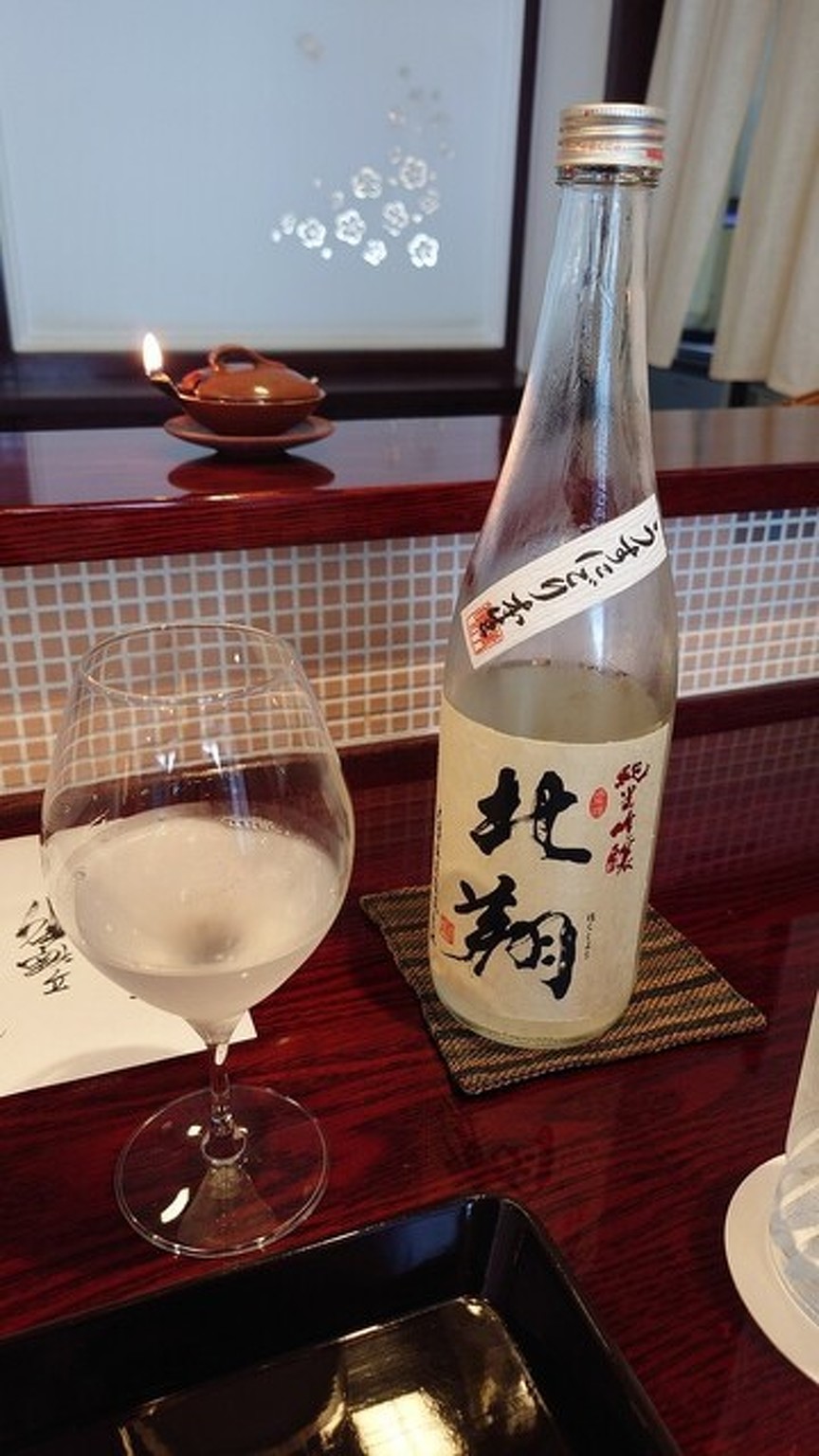
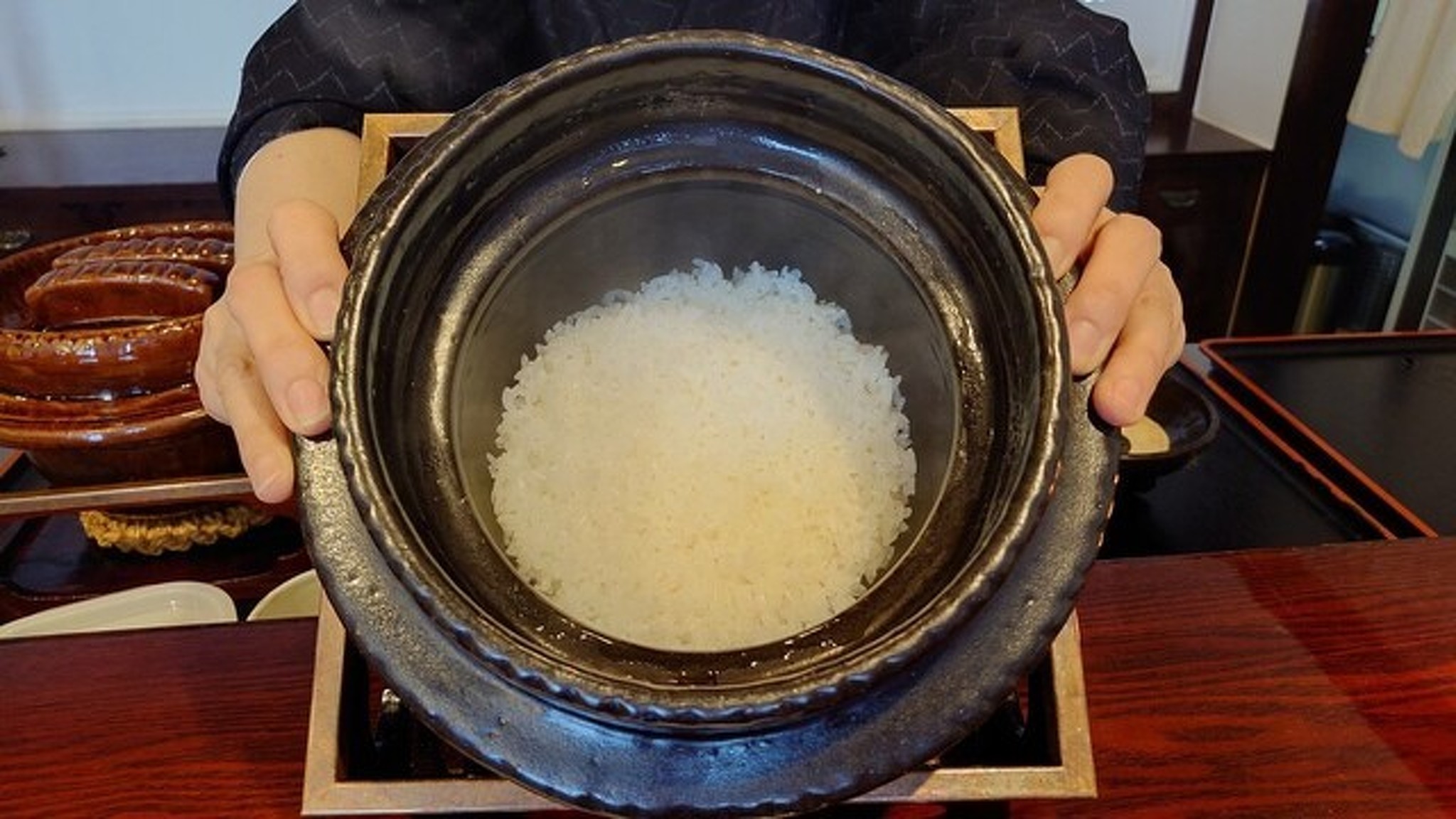
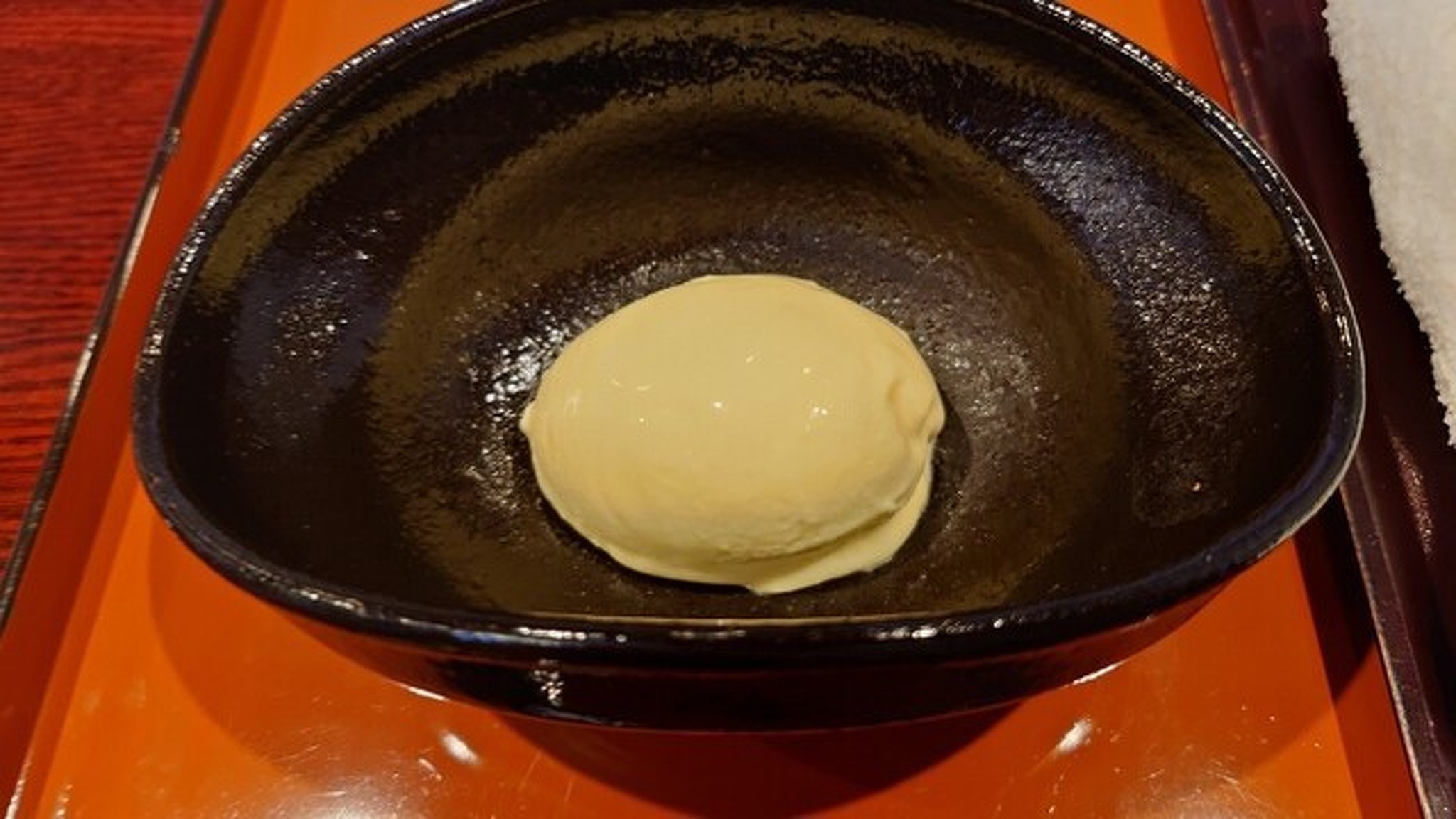
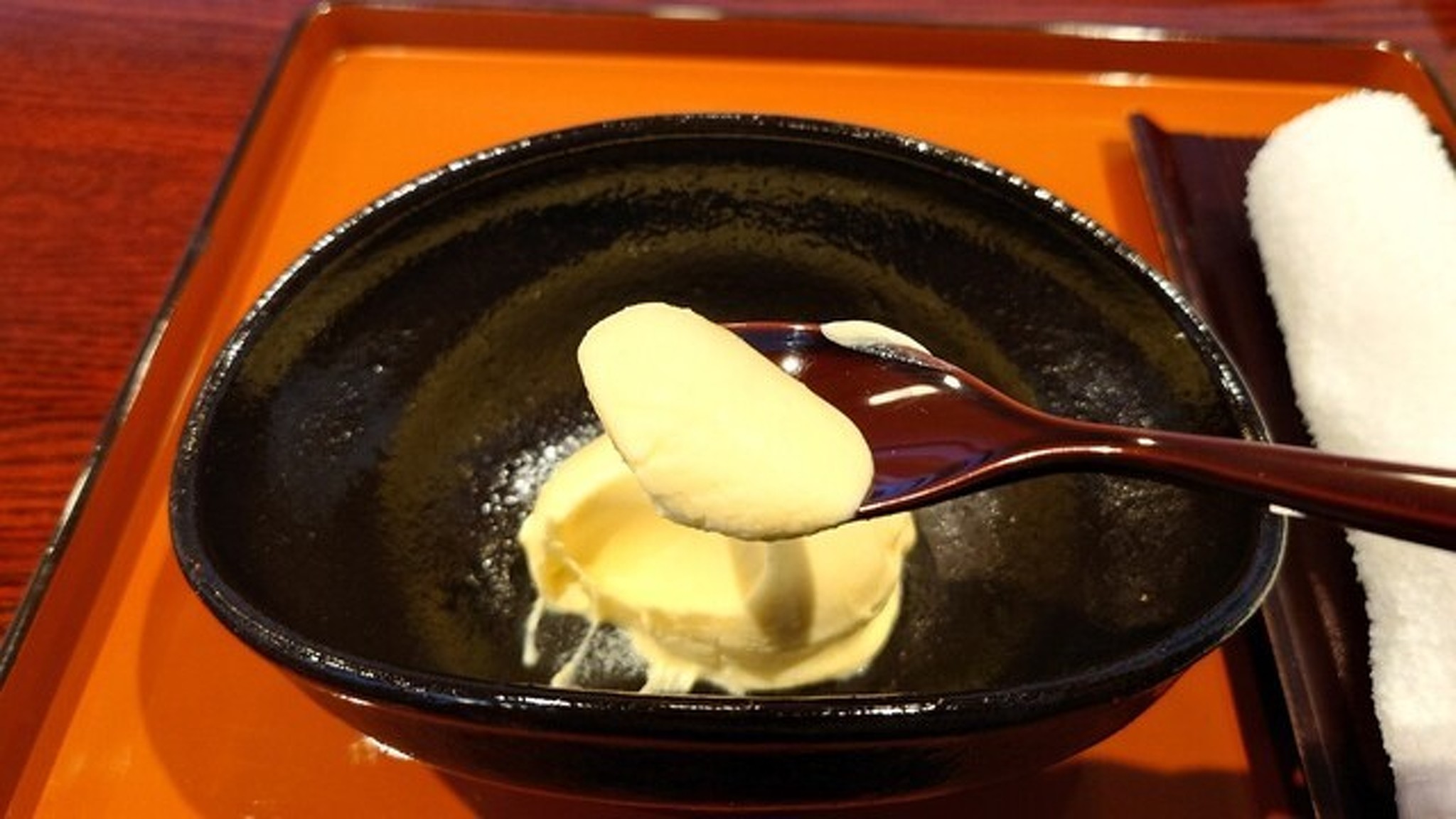
I visited for the first time during a trip to Niigata.* Highball (OHTANI WHISKY Niigata Kameda Zodiac Sign Series "Gemini")Edamame Tofu (Yuuagari Musume)* Shimeharitsuru Daiginjo Kin LabelGrilled Small Sea Bream with SkinClear Soup with Suzuki (Sea Bass) and Mozuku Seaweed Dumpling* Musou DUSK Taiyo ShuzoGrilled Nodoguro (Blackthroat Seaperch, 1kg)Sweetfish (1.5kg, salted and aged for 3 days) with Grated CucumberWater Dumpling with Sweet Long Pepper and PaprikaEchigo Murakami Oshiriyama Special Honjozo (Limited to Murakami City)Sweetfish Rice Dish (Wild Sweetfish from Okawa, Murakami City)Koya Tofu as a palate cleanser (not on the menu)Tsuru Murasaki Chawanmushi (Savory Egg Custard)Zuiki and Enkai (Enkai Broth)* Kamo Nishiki Hahata Sake Gesshaku Junmai Daiginjo NakagumiGrilled Sweetfish Matsukasa (800g)* Hokushou Junmai Ginjo Usunigori NamazakeIwagaki (Rock Oysters, brined in Kombu Salt Water)Yugao Hot PotInada Pressed Sushi, Ito-uri (not on the menu)* Kintsuru Junmai Sado Kanazawa YeastPickled EggplantPickled Small Sea Bream⚫︎ Clay Pot Rice (one per person)Nodoguro Roe Soy Sauce MarinadeFried Wild Boar CracklingsNikonori (not on the menu)Ice Cream Less
9 / 10
on 23 Aug 2026
This was my first visit, thanks to a friend's reservation. I had been recommended this place for a while, but I hadn't had the chance to go until now, just before the fireworks in Nagaoka. I drove there, feeling a bit nervous about whether I would find it down such a narrow road, but I arrived safely. Seeing the beautiful exterior of the restaurant heightened my expectations. The spacious interior had both counter and table seating. I thought the menu, handwritten by the chef, was charming and full... More
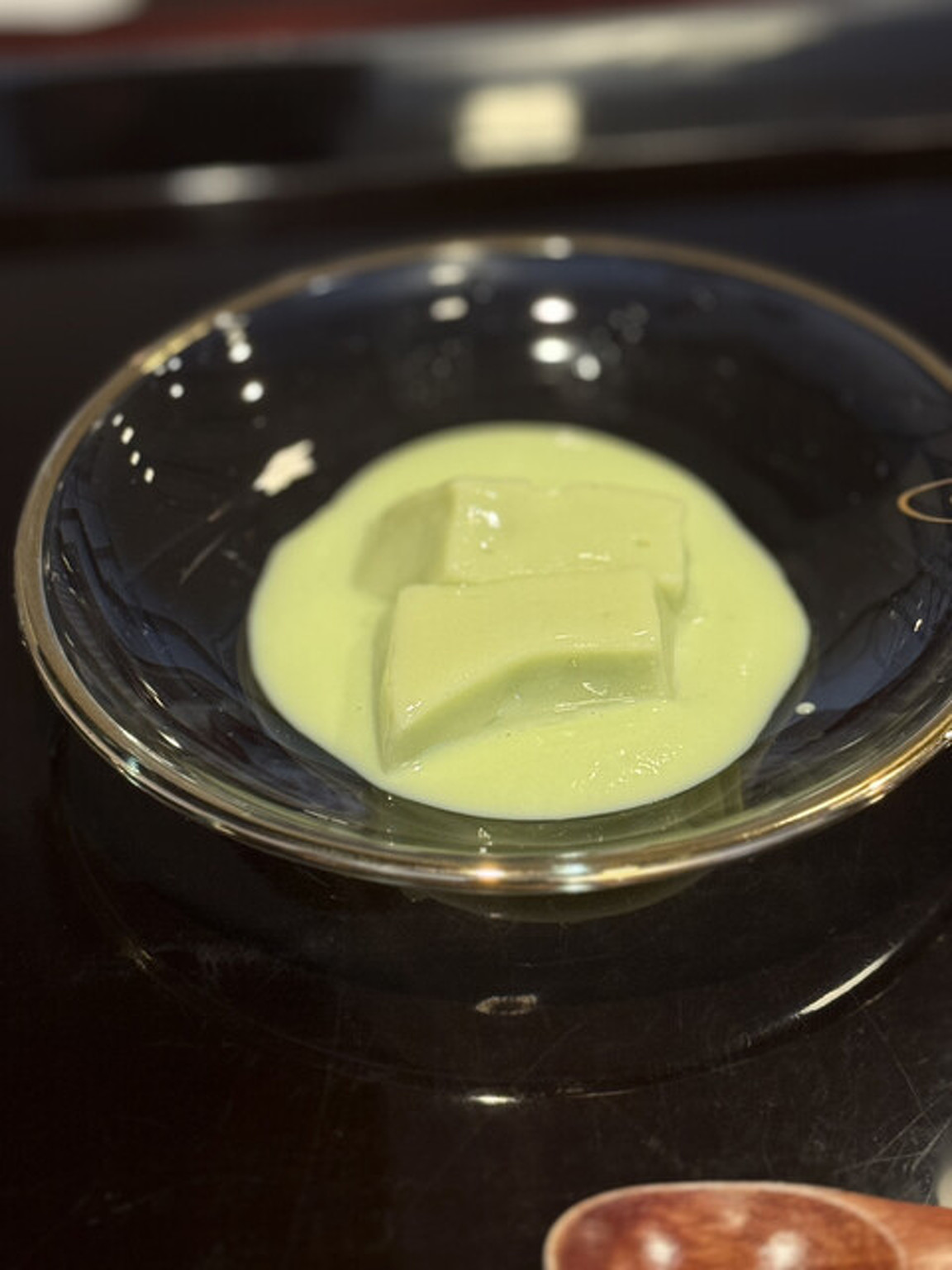
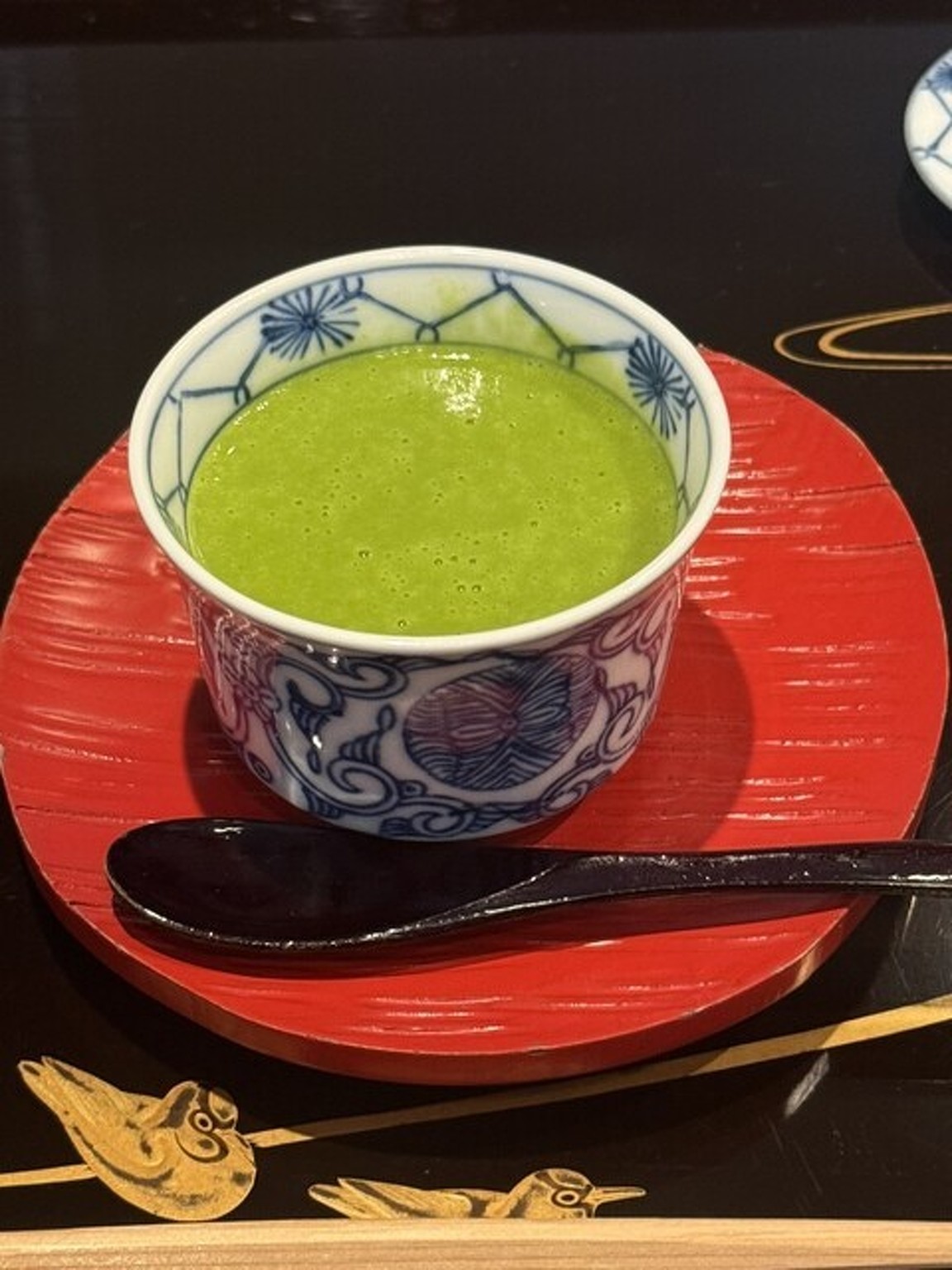
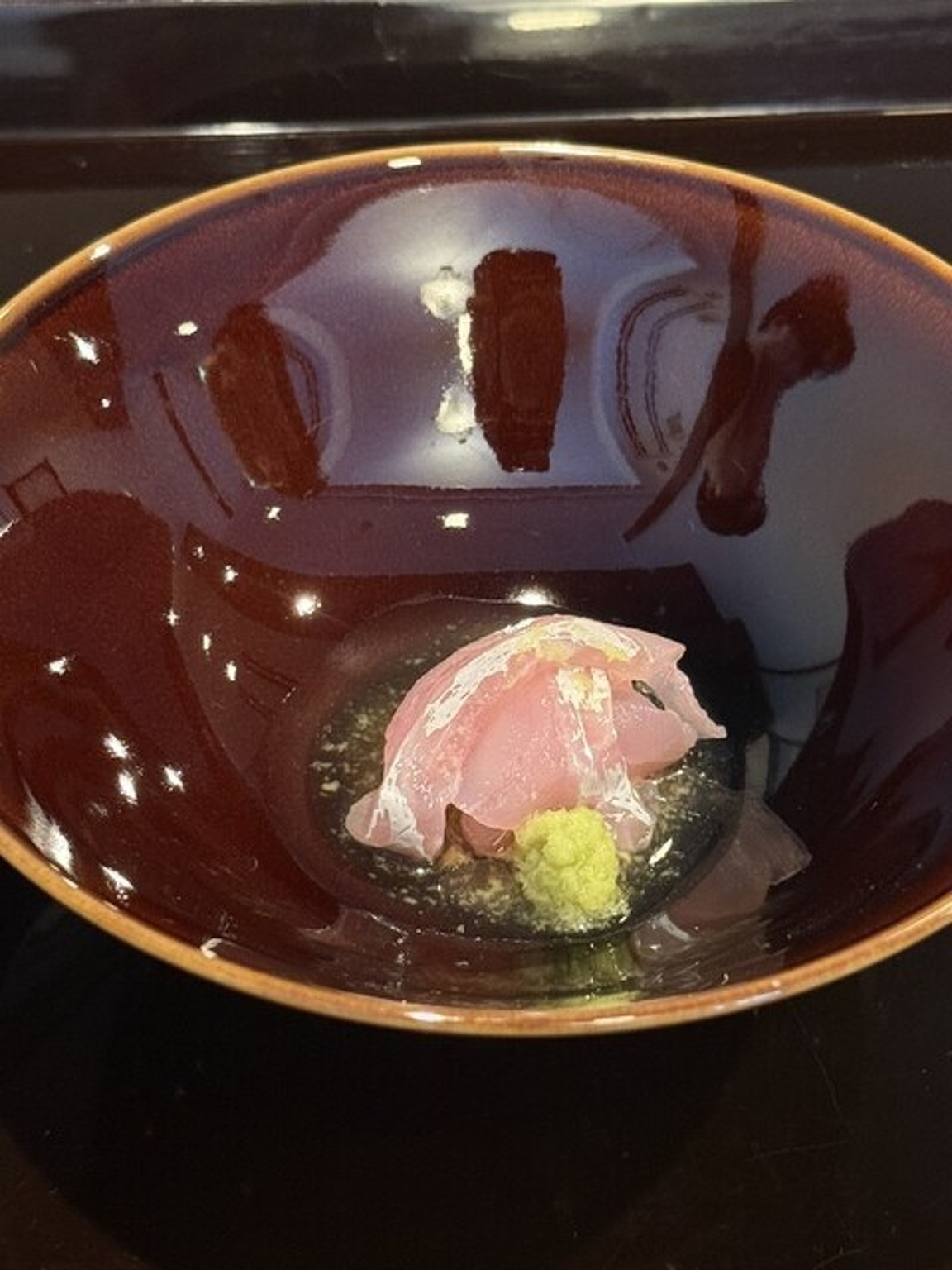
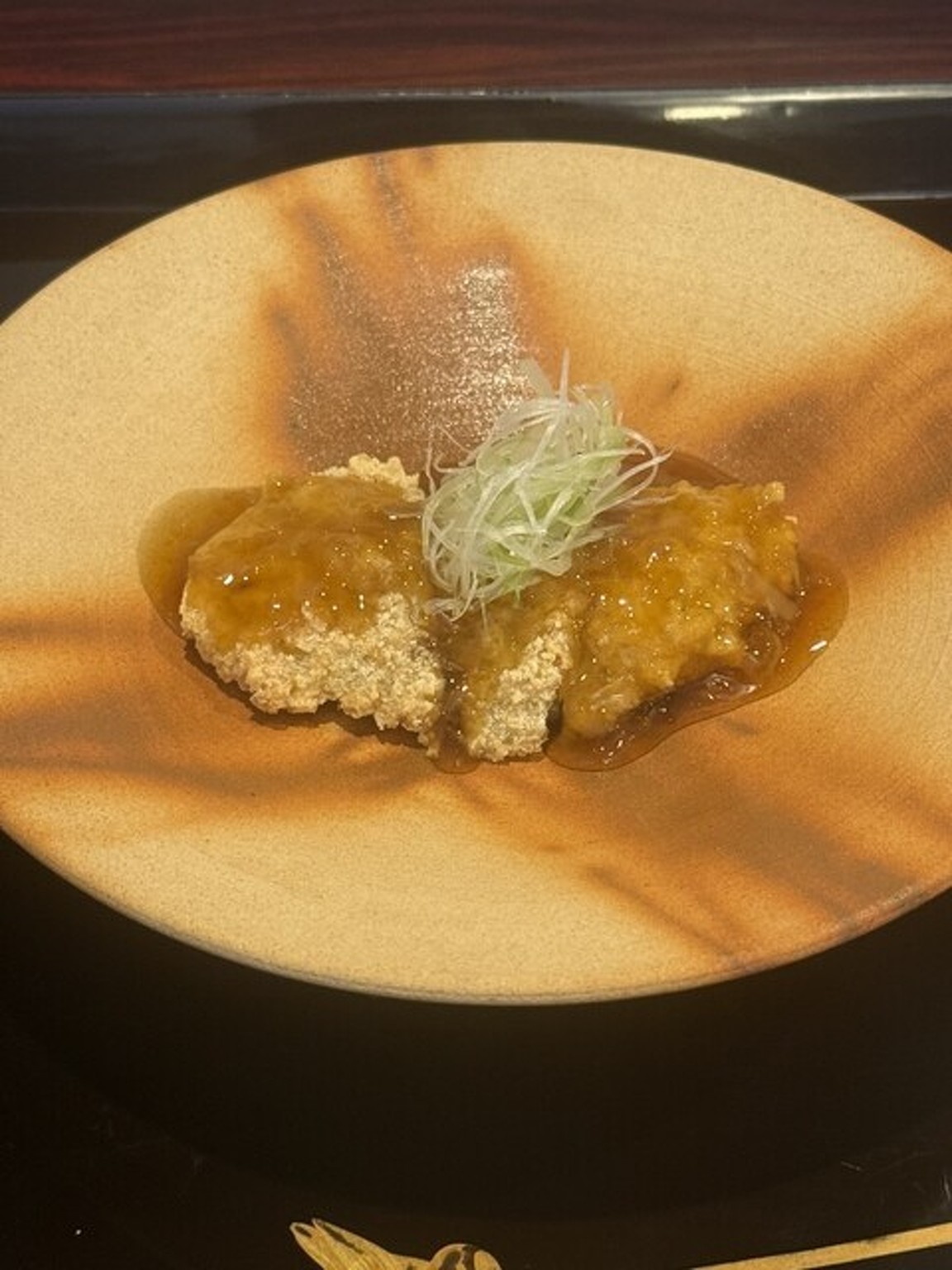
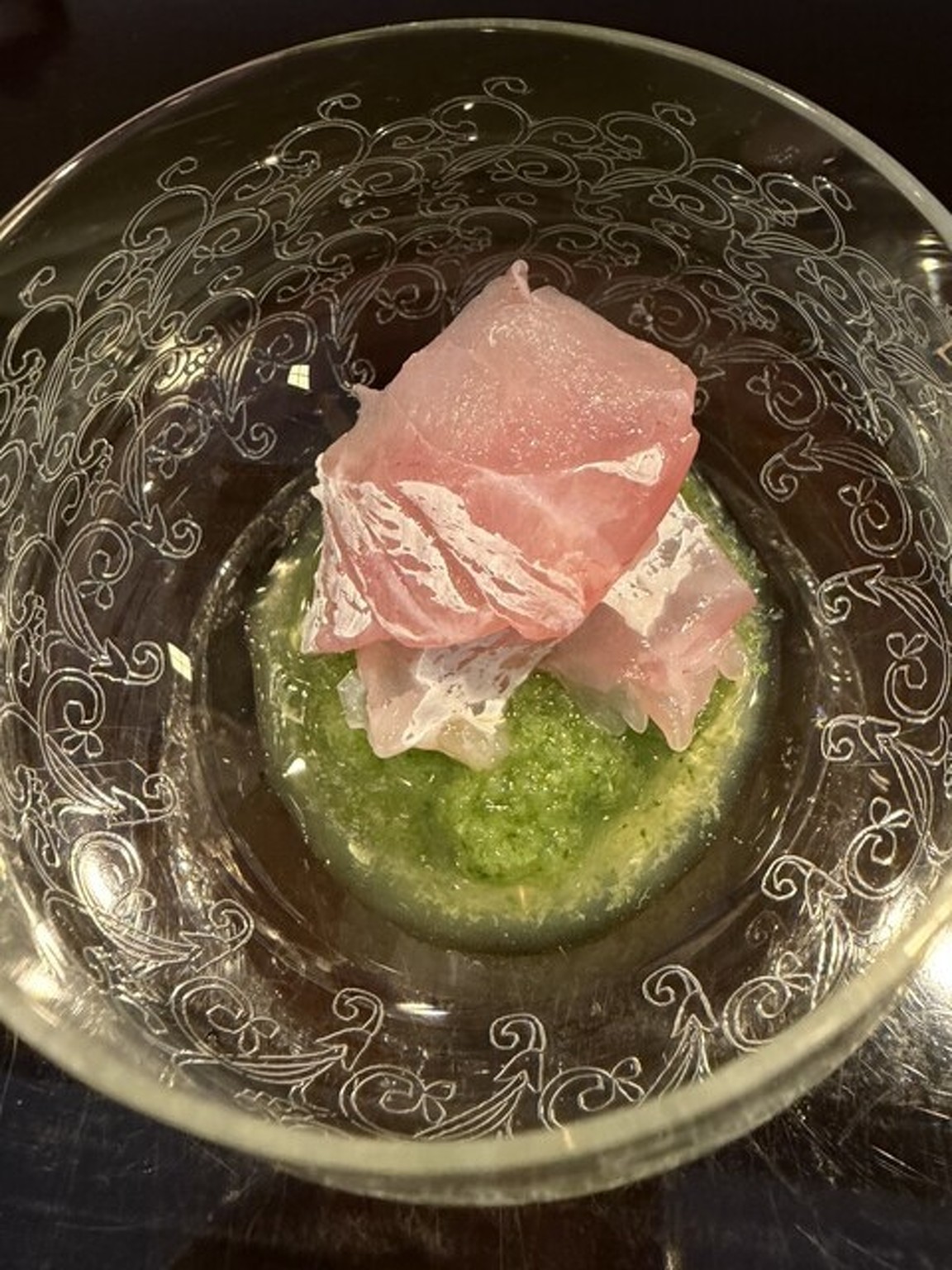
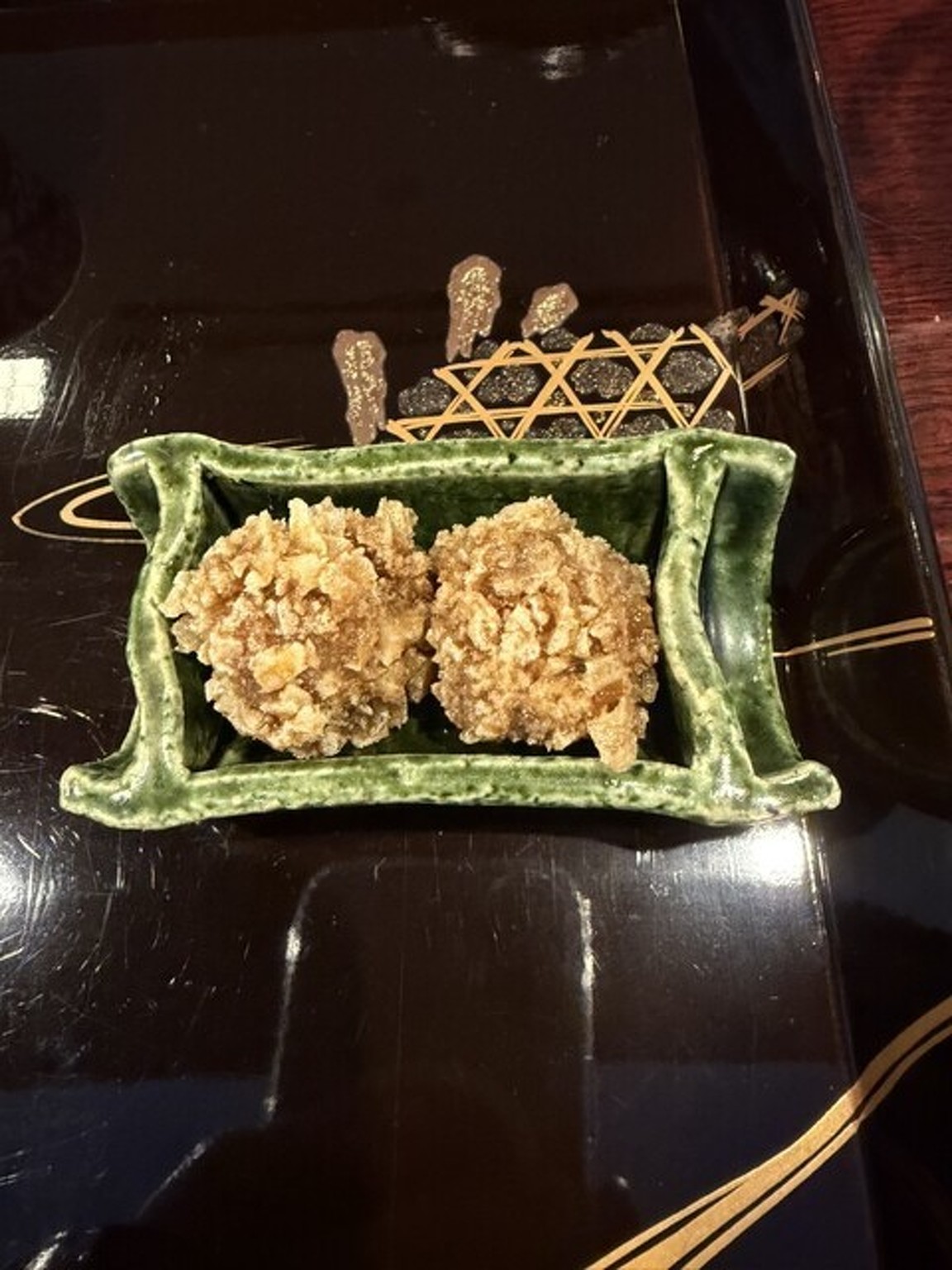
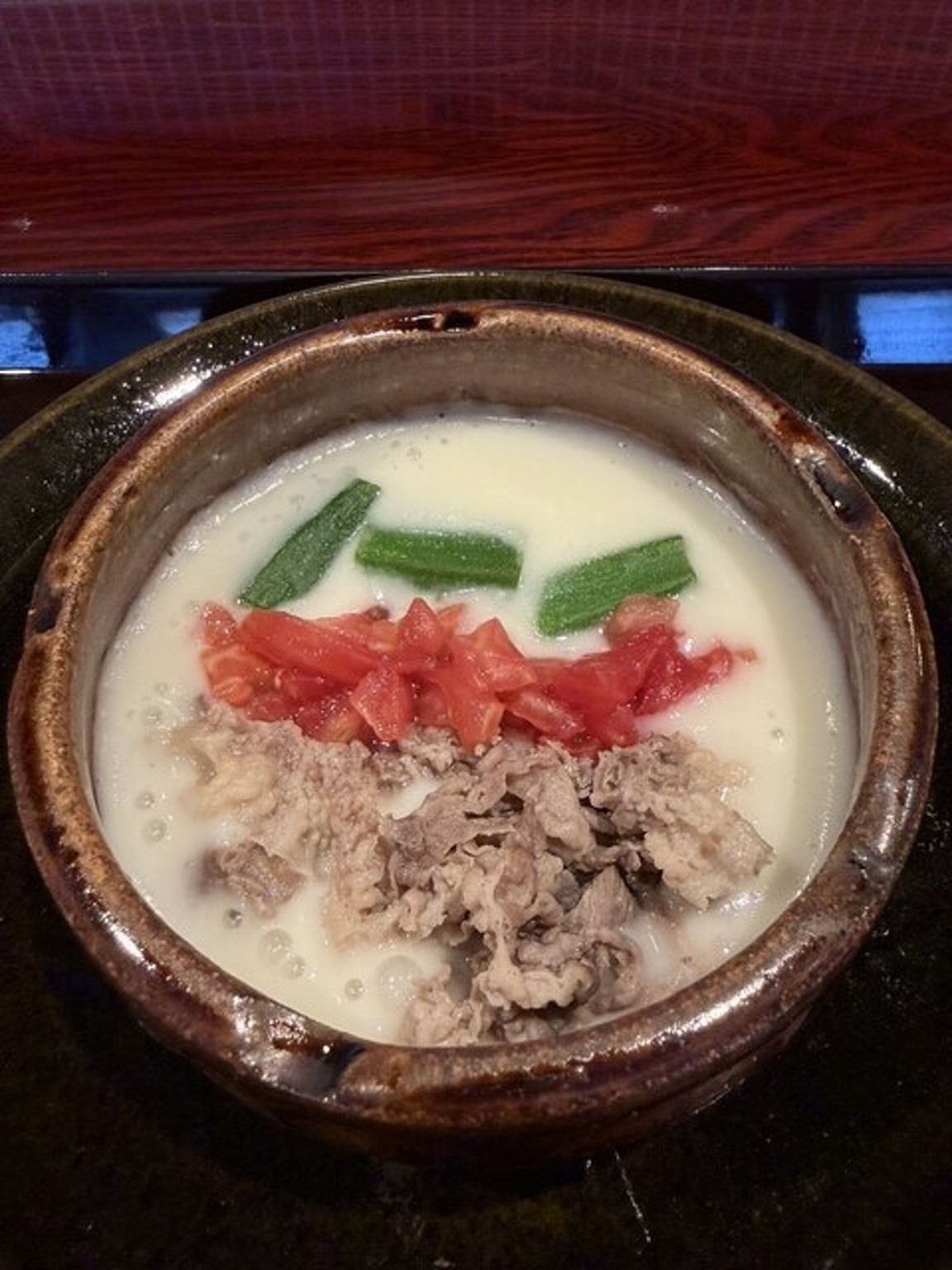
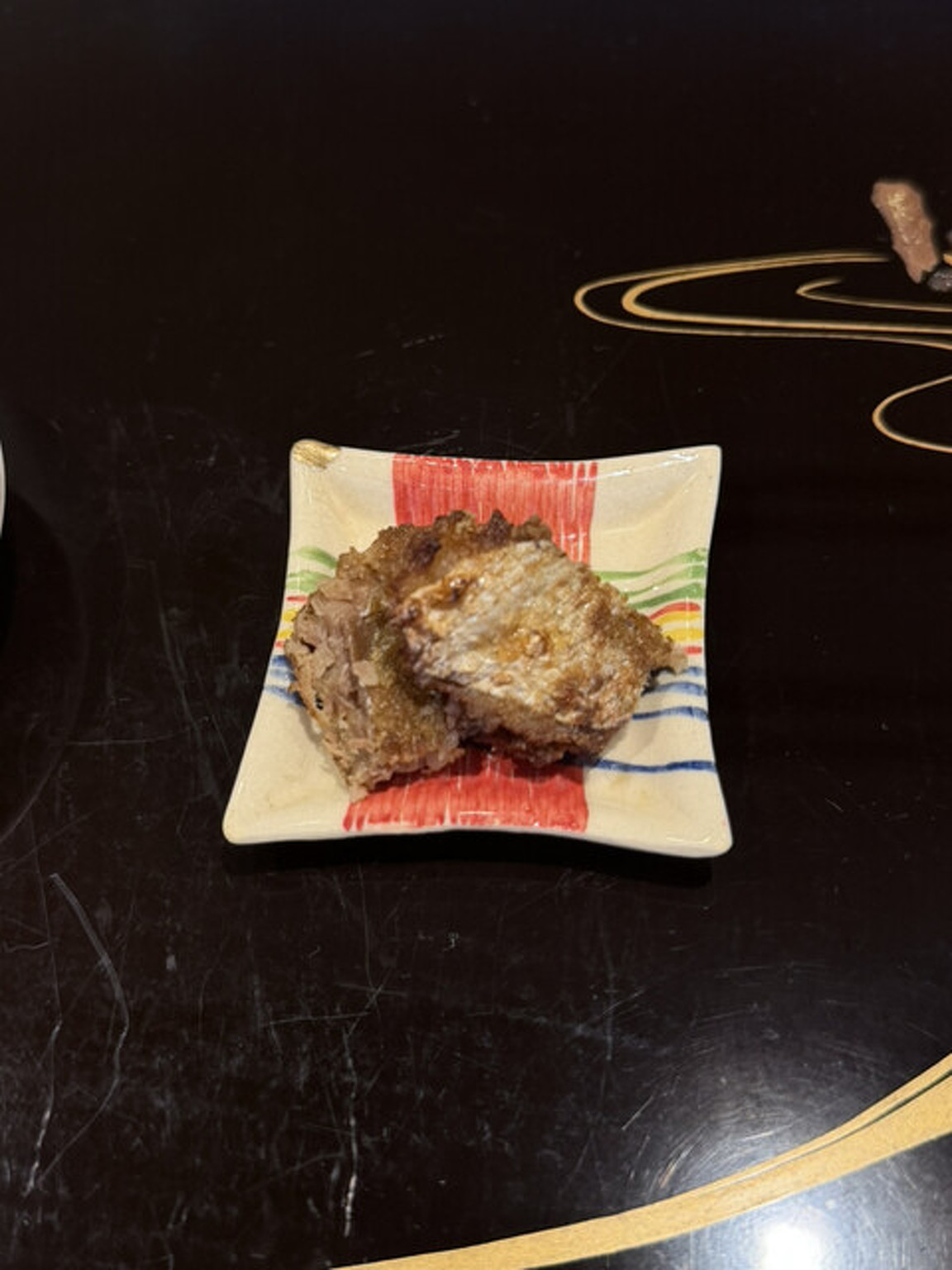
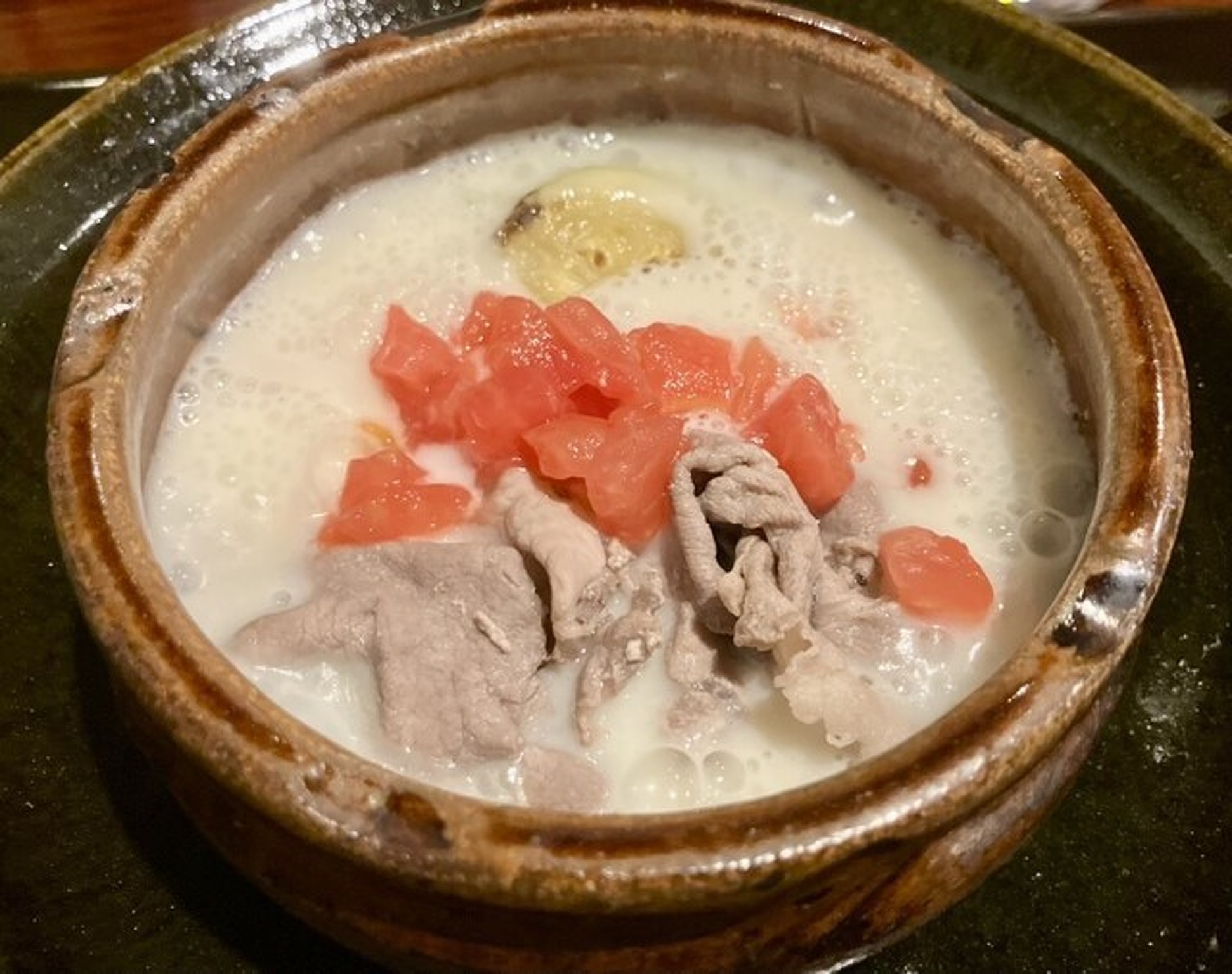
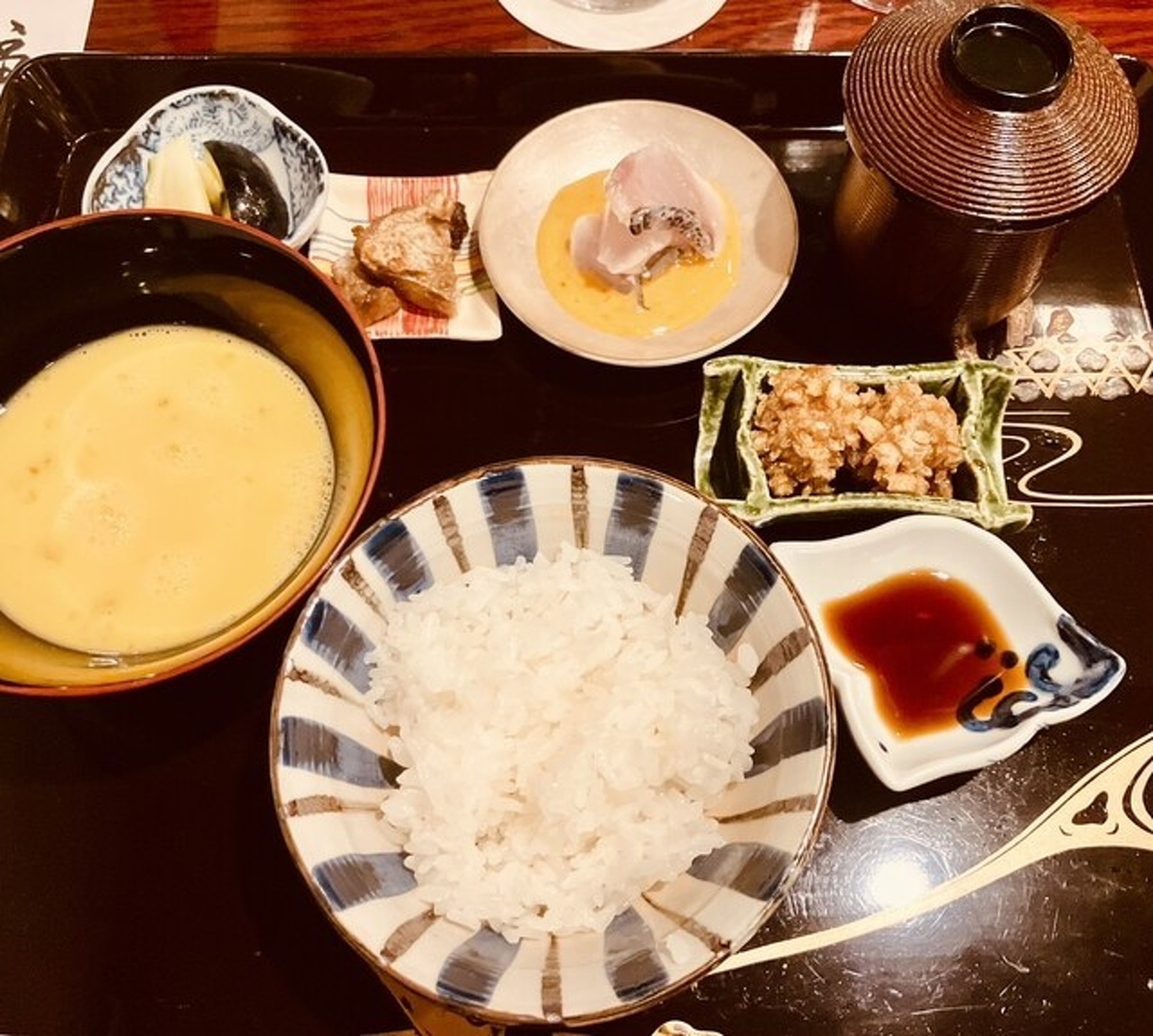
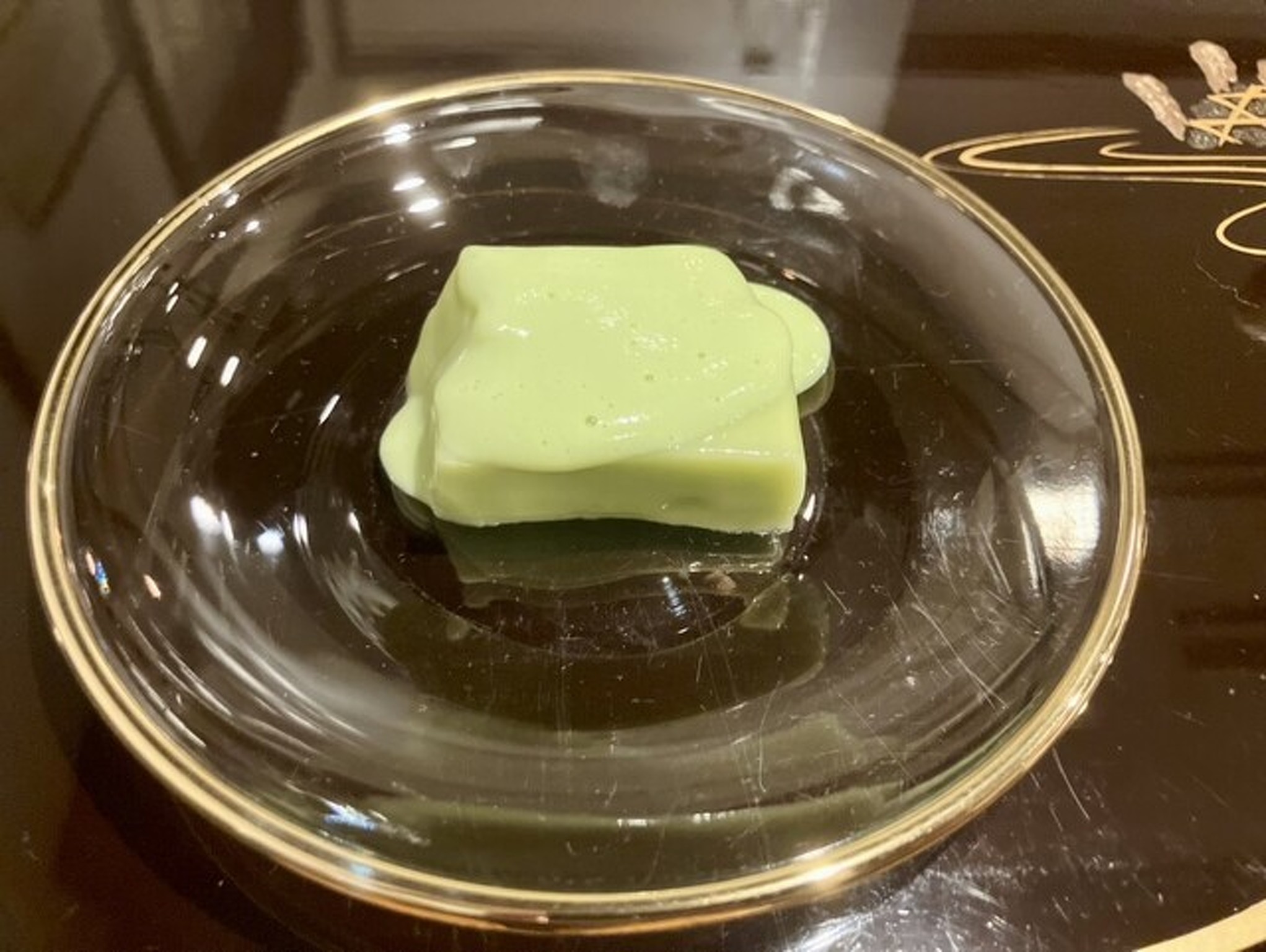
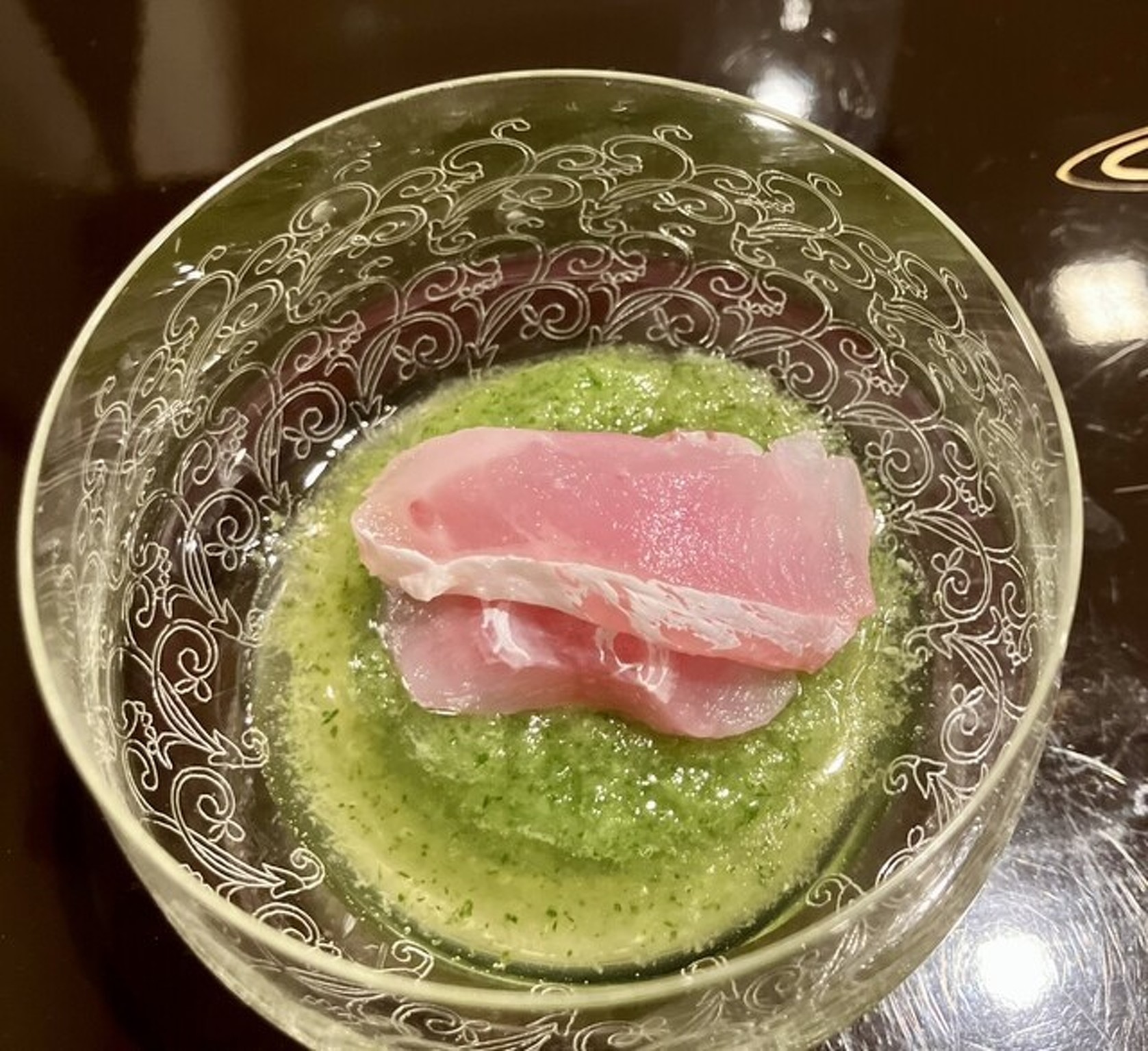
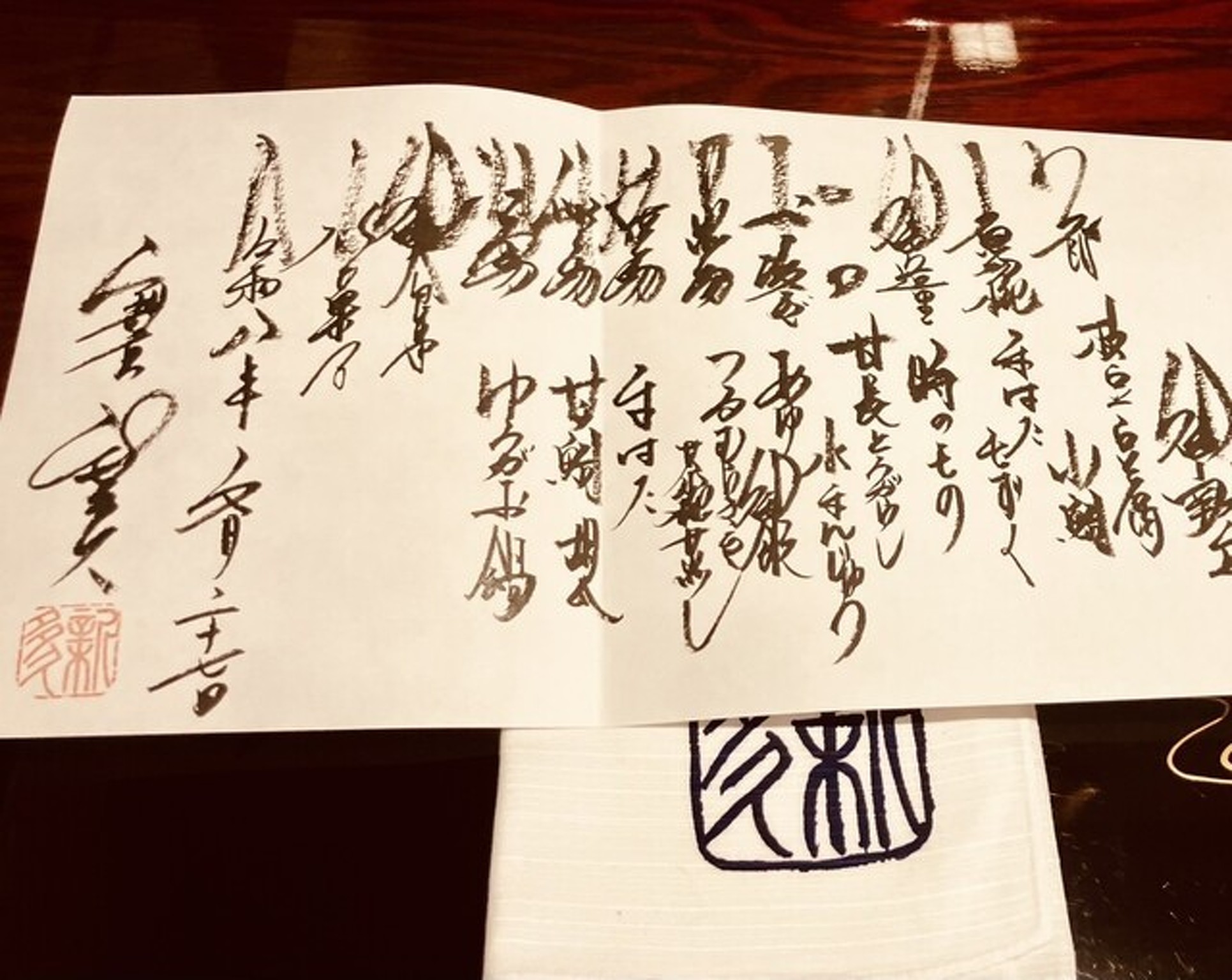
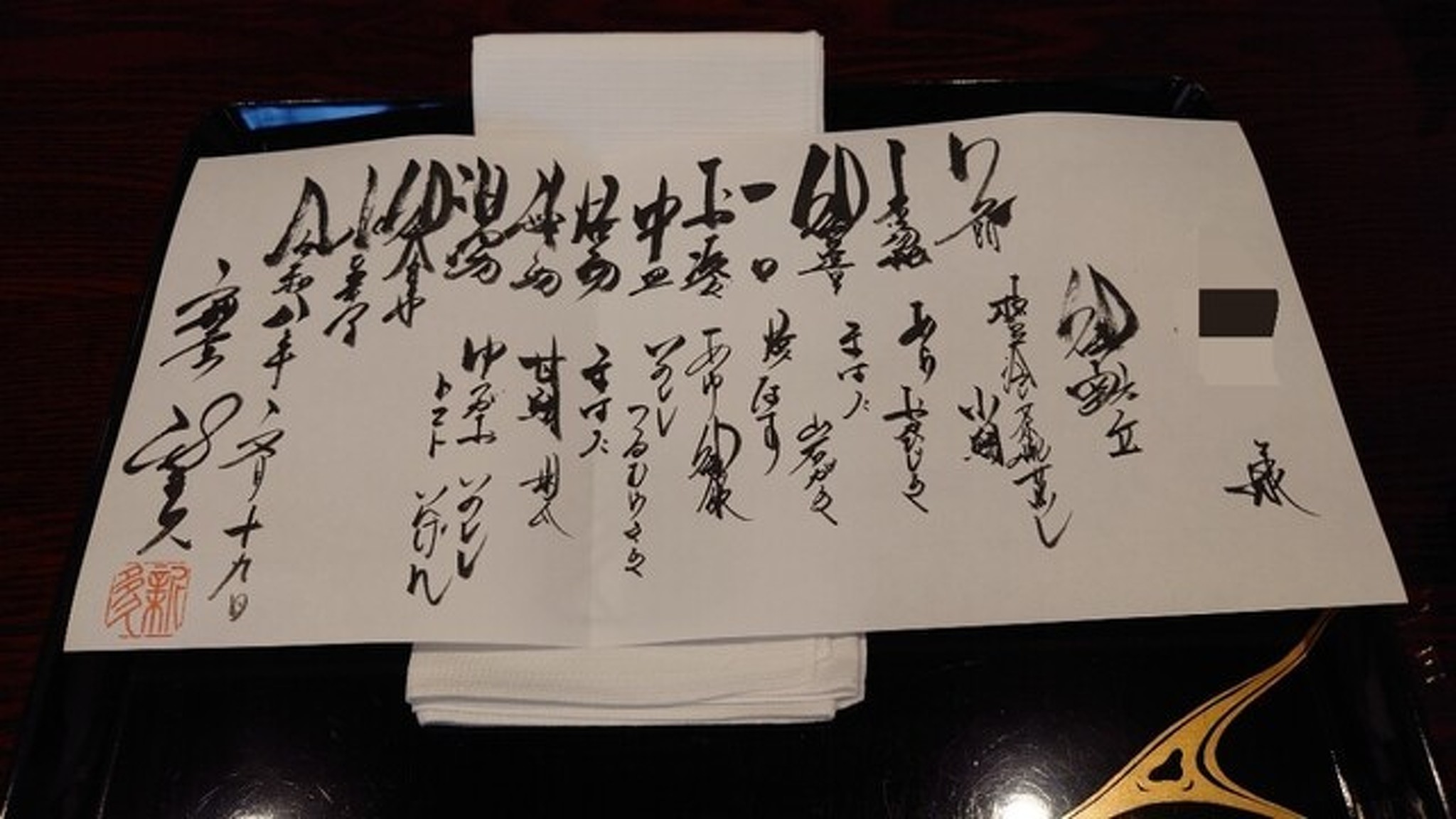
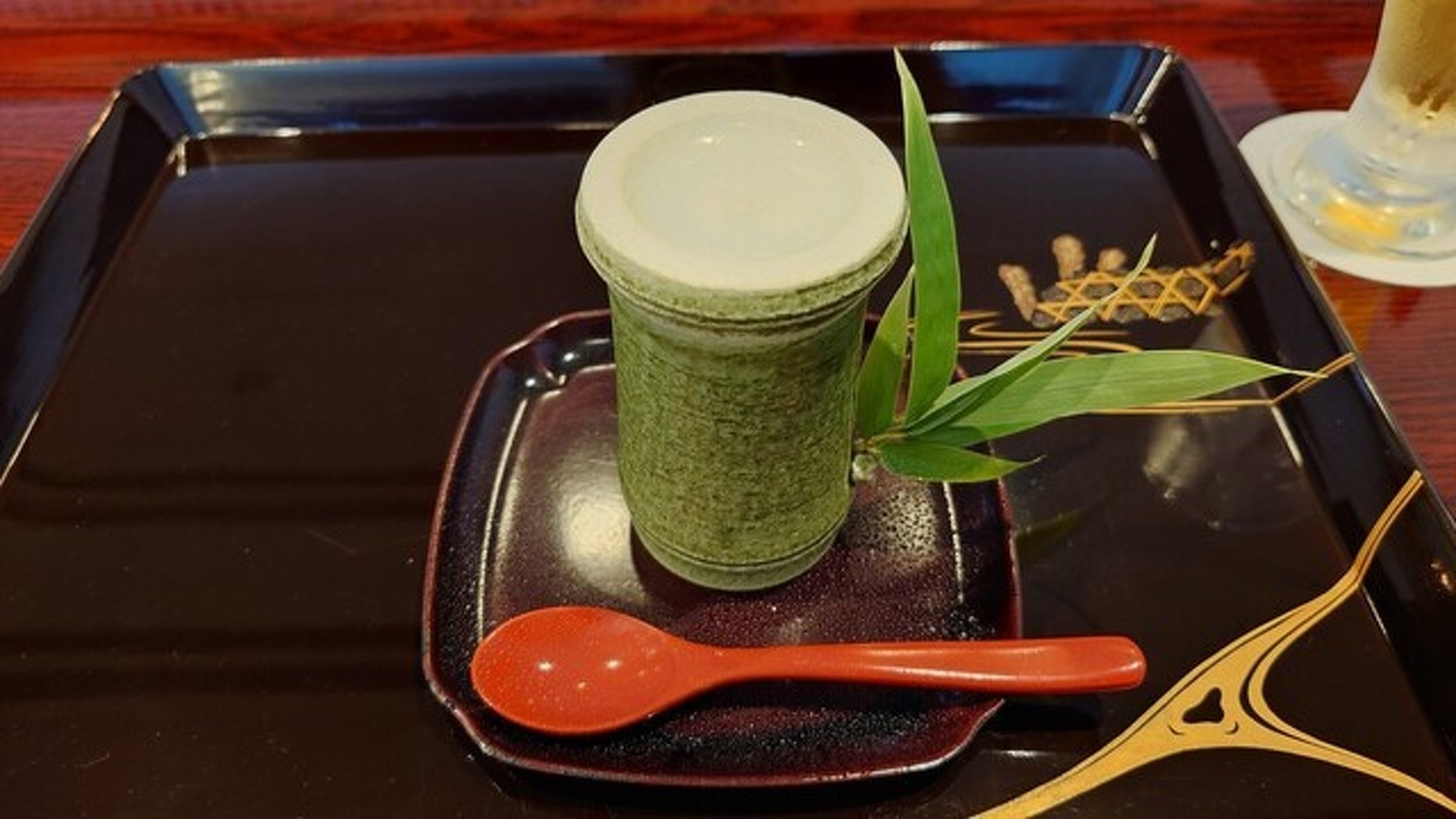
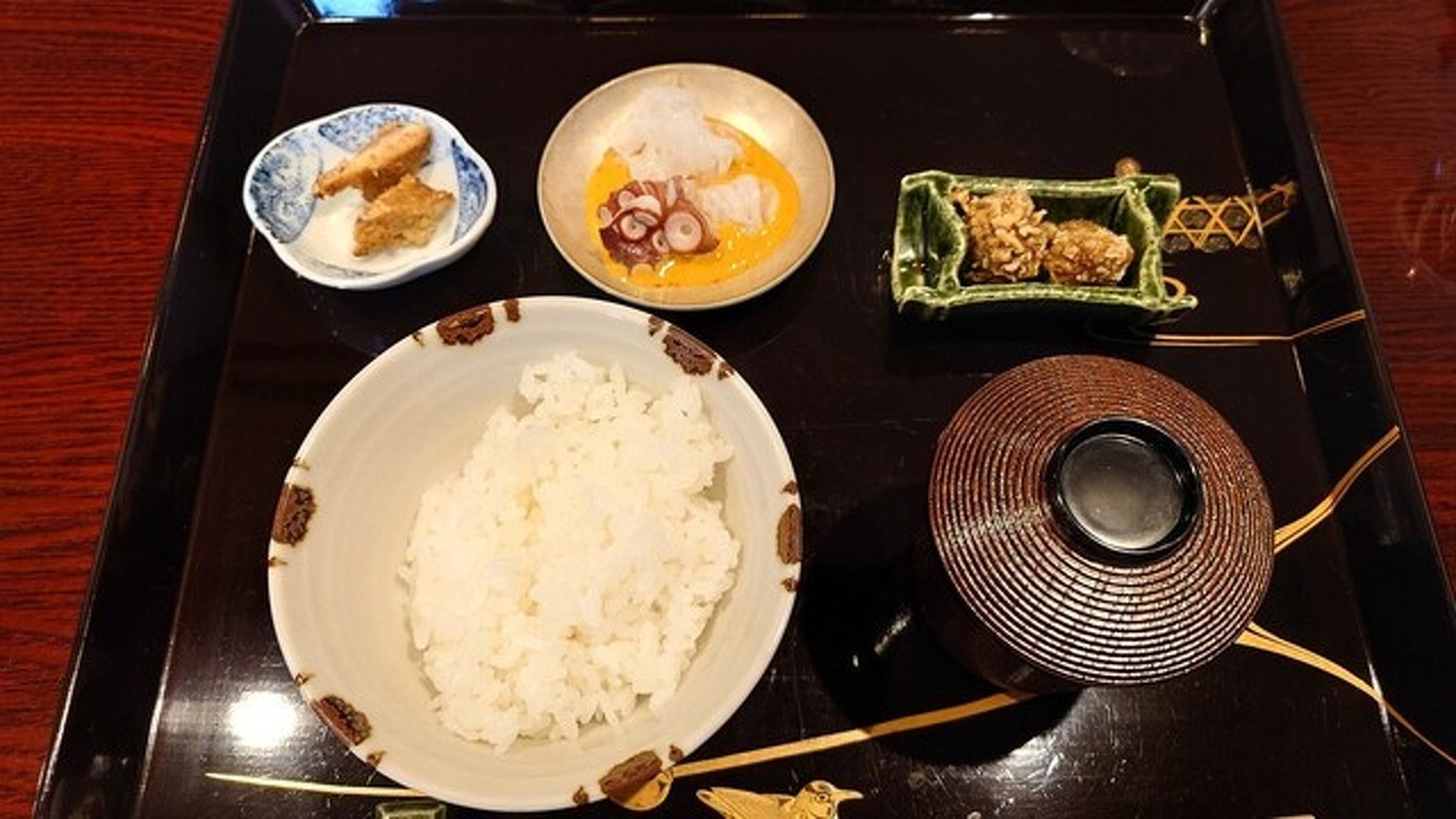
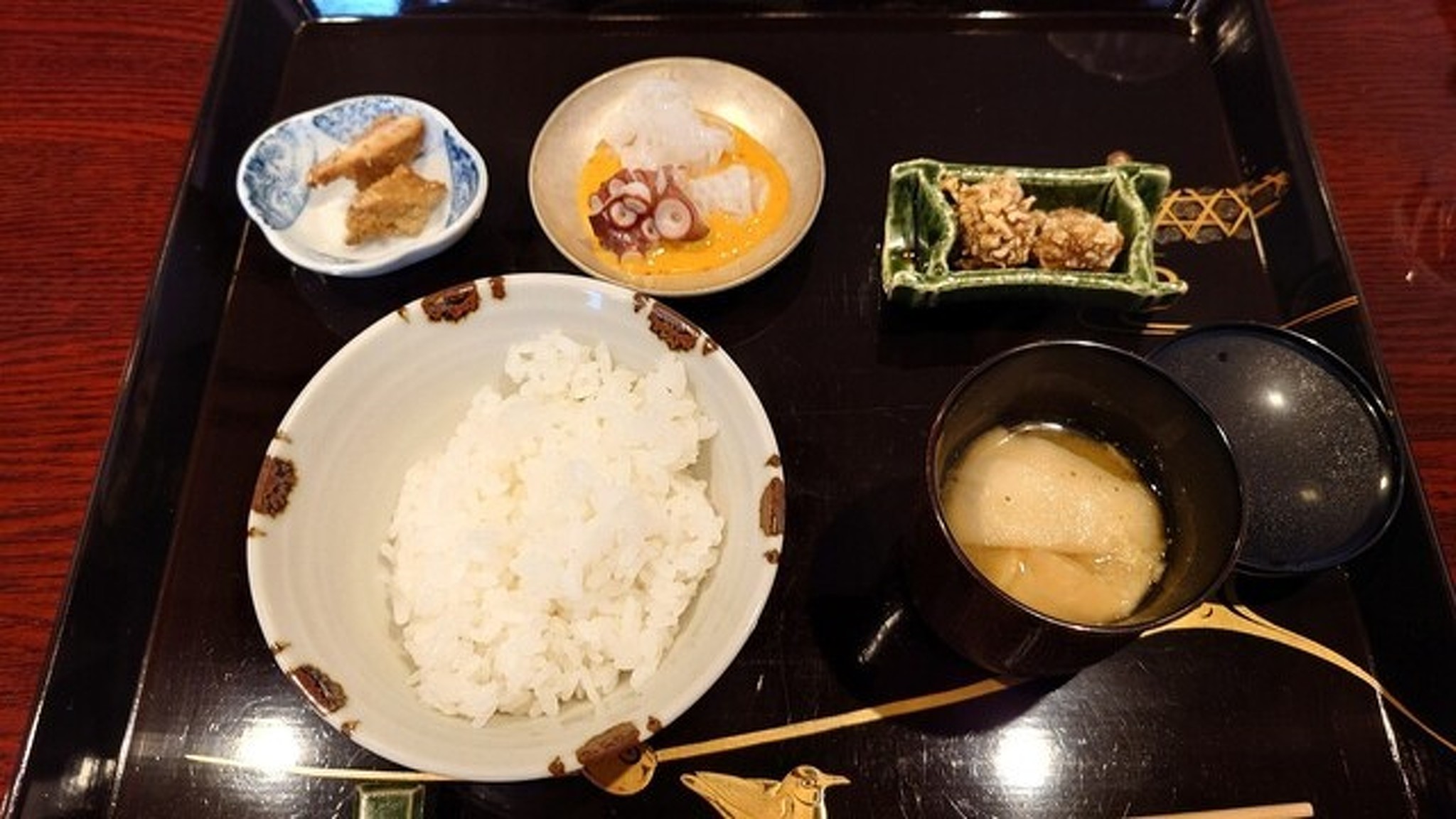
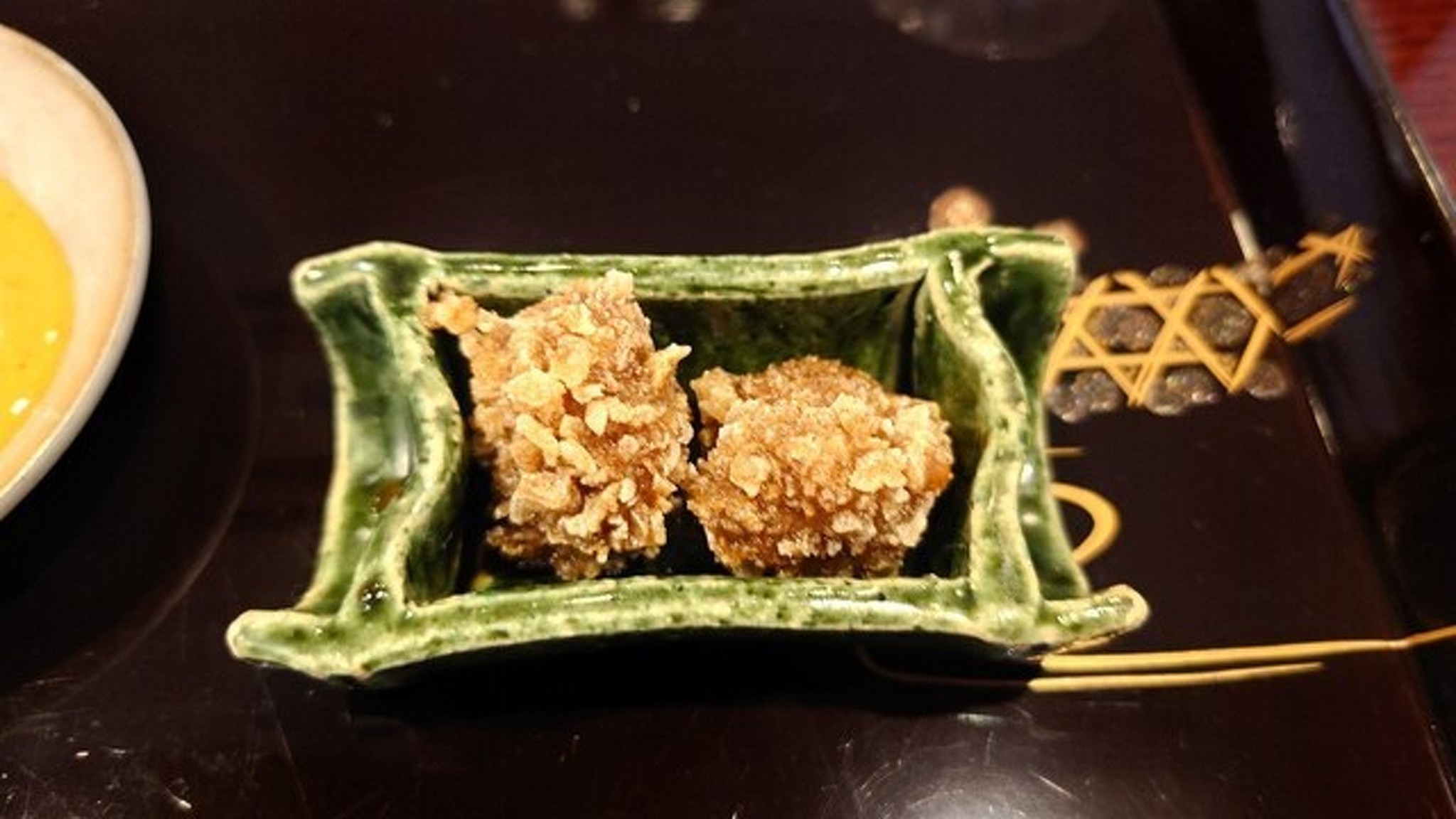
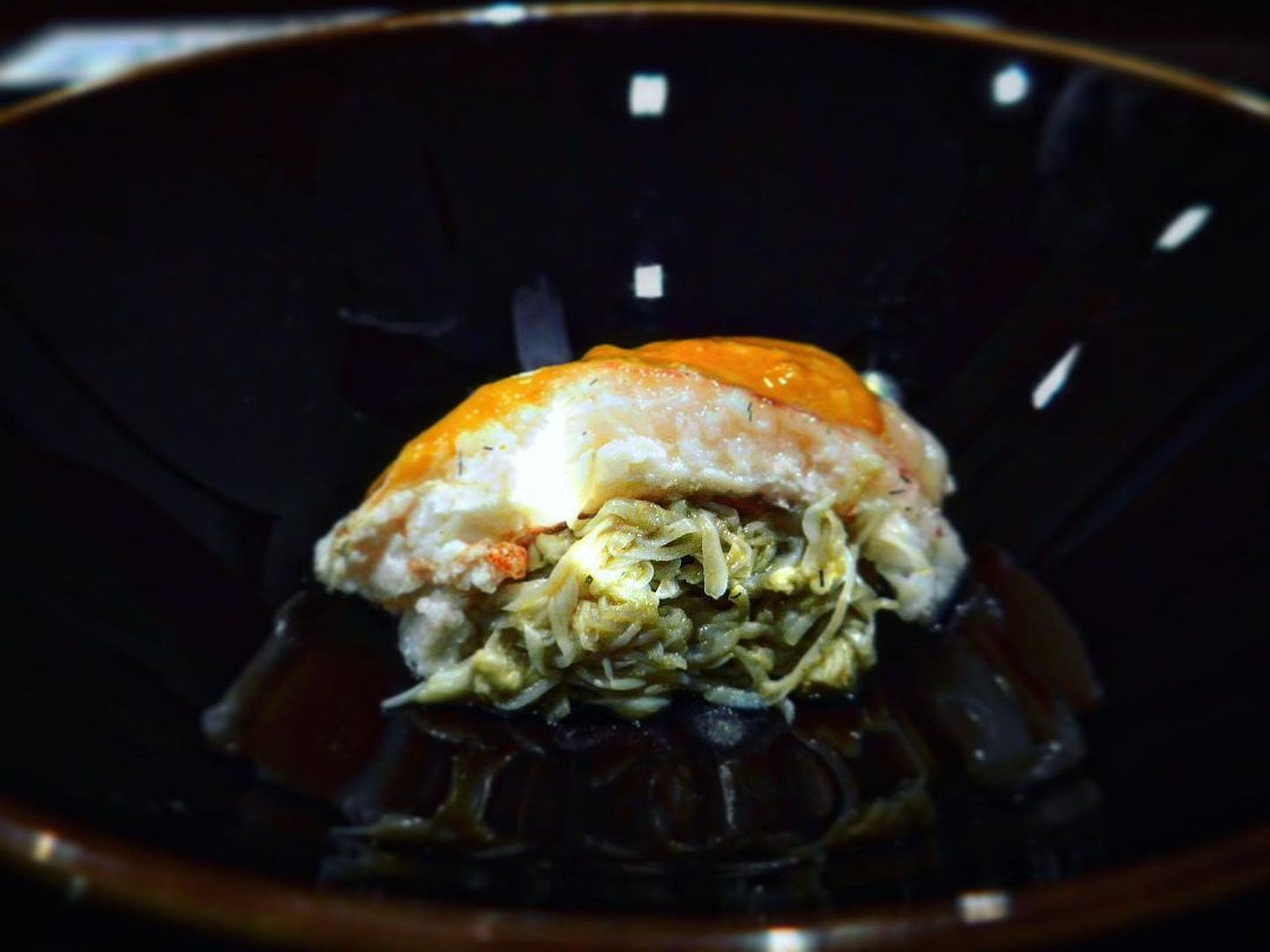
This was my first visit, thanks to a friend's reservation. I had been recommended this place for a while, but I hadn't had the chance to go until now, just before the fireworks in Nagaoka. I drove there, feeling a bit nervous about whether I would find it down such a narrow road, but I arrived safely. Seeing the beautiful exterior of the restaurant heightened my expectations. The spacious interior had both counter and table seating. I thought the menu, handwritten by the chef, was charming and full of character. The chef was friendly and engaging, which made the experience enjoyable. I learned that his brother is a hunter who can catch wild boar. Overall, the food was delicious and to my liking!Here’s what I had today:- Yuuagari Musume Edamame (rich in flavor)- Edamame Tofu- Kodai-zuke with Ume Arare and Wasabi- Tai Mozuku with Shiso and Clear Soup- Akika Sashimi- Koya Tofu with Duck Broth (not on the course menu)- Kuro Mutsu with Nagaimo and Yam Wasabi- Amatougarashi (Paprika) Water Dumpling- Ayu Rice (from Okawa), Charcoal Grilled, with Fried Tofu- Tsurumurazaki Chawanmushi (beautiful green color✨)- Engai and Zuiki (not on the course menu)- Suzuki Shioyaki (Salt Grilled Sea Bass)- Amadai with Grated Cucumber- Yuyaka Nabe with Okra, Tomato, and Wild Boar Meat- Rice- Kanazuri Soy Sauce with Blanched Octopus- Naz Pickles- Kodai Nukazuke (Pickled Sea Bream)- Fried Wild Boar Arare Less
on 20 Aug 2026
Shintaku, Murakami Niigata. Popup in Tokyo. Late January 2026. Awesome.
新多久さん。東京でのポップアップ。1月。非常に美味しい。
9 / 10
on 25 Jul 2026
After enjoying Murakami beef shabu-shabu at Edo Sho and a visit to Senami Onsen, I arrived safely at Kappou Shintaku at 7 PM the day after a heavy rain. The counter was filled with locals and visitors, while the tables were occupied by returning international groups. The lively atmosphere of everyone enjoying their meals was delightful as always.I thought to myself, "Kappou Shintaku always attracts people who come to enjoy their food, and the clientele is consistently great." I savored half a go... More
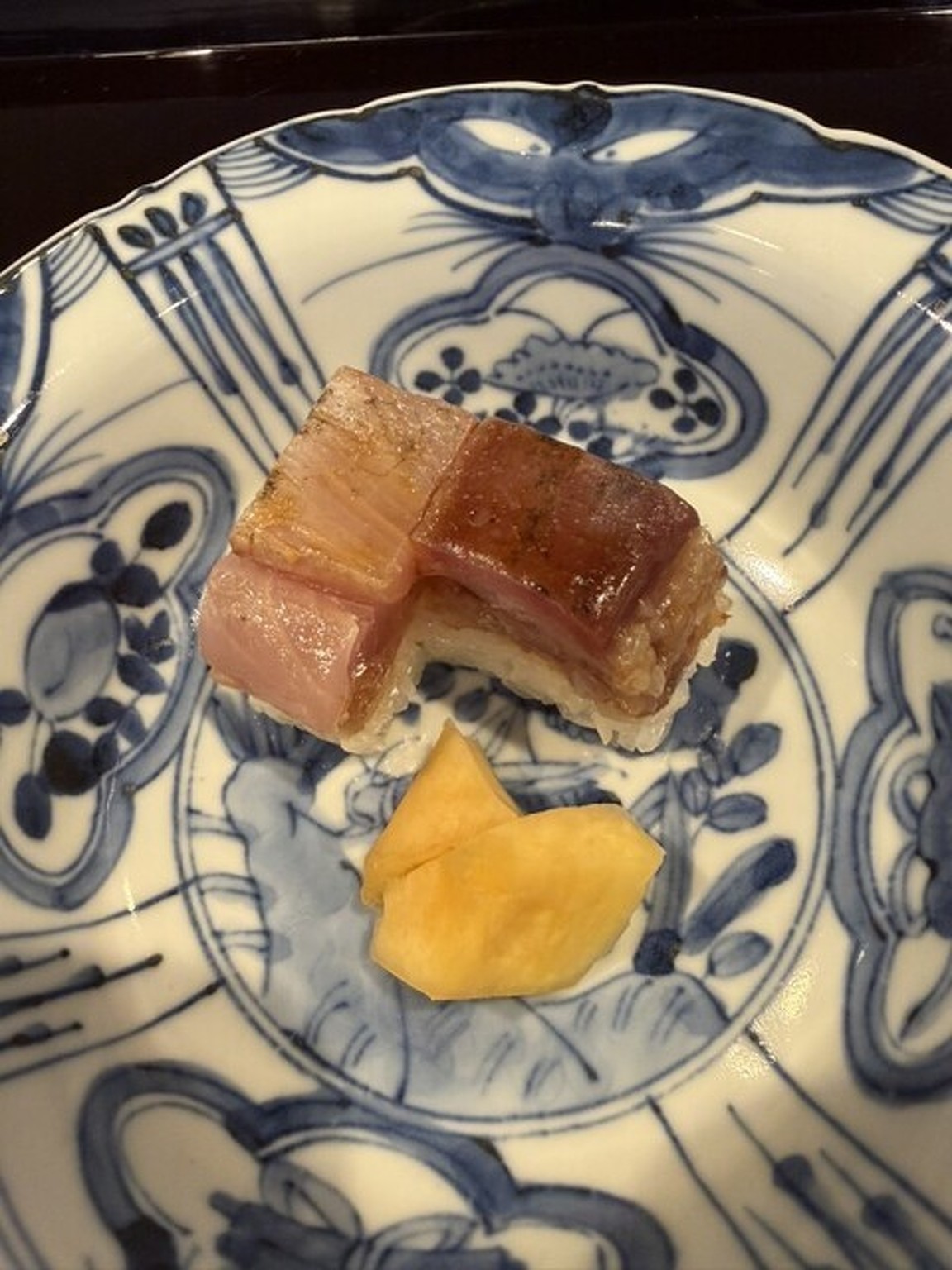
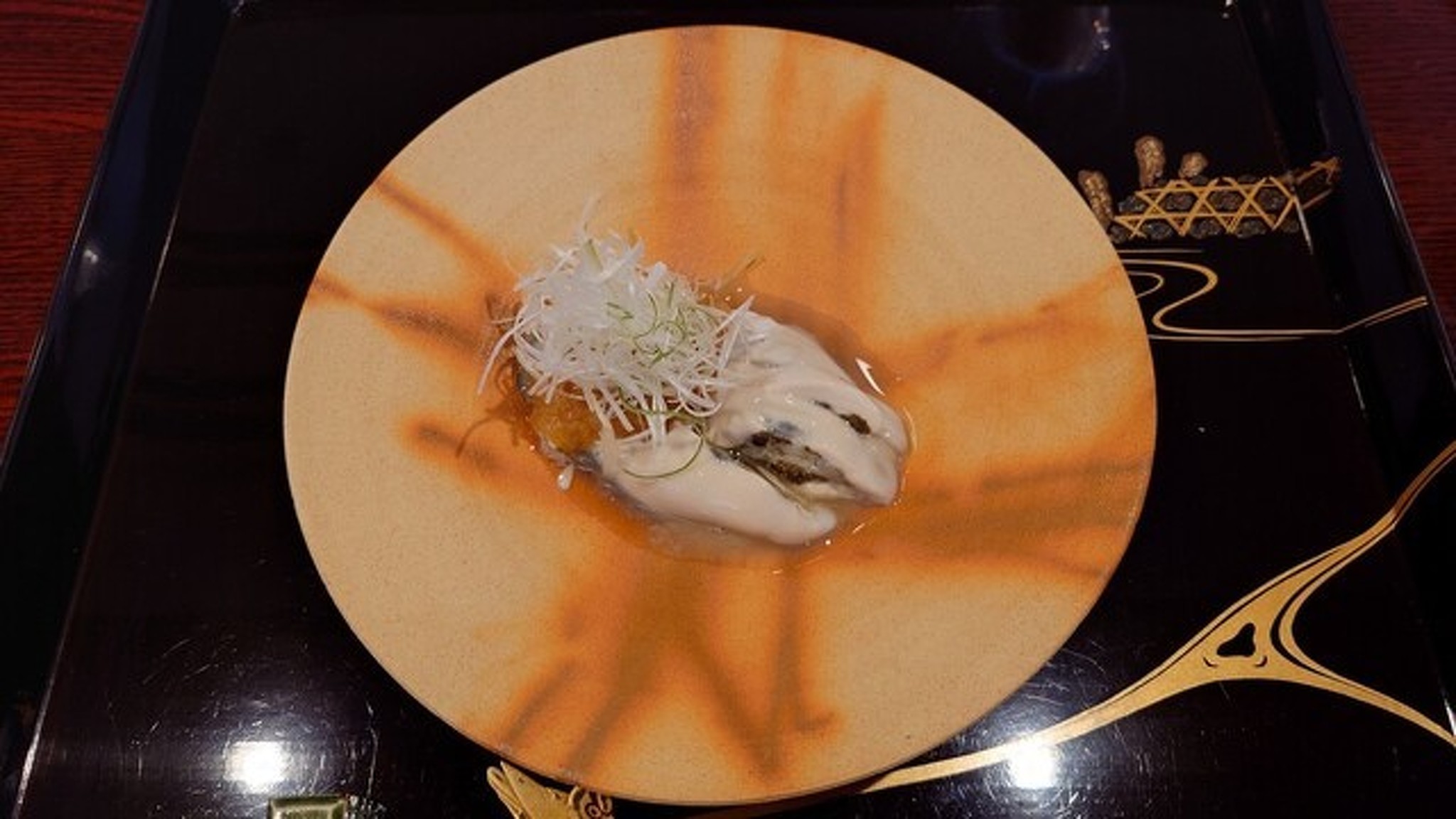
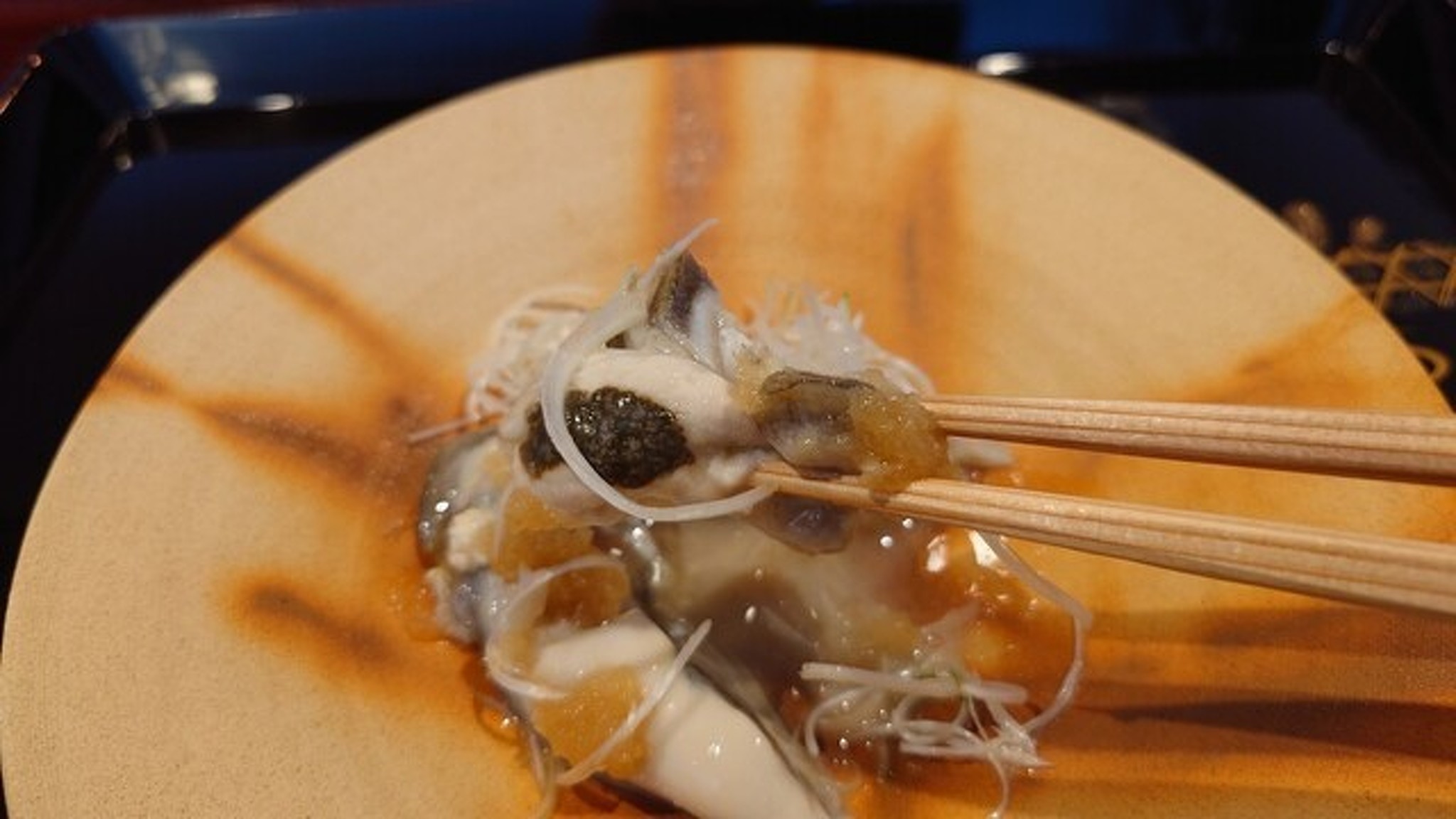
After enjoying Murakami beef shabu-shabu at Edo Sho and a visit to Senami Onsen, I arrived safely at Kappou Shintaku at 7 PM the day after a heavy rain. The counter was filled with locals and visitors, while the tables were occupied by returning international groups. The lively atmosphere of everyone enjoying their meals was delightful as always.I thought to myself, "Kappou Shintaku always attracts people who come to enjoy their food, and the clientele is consistently great." I savored half a go of local malt whiskey from Niigata and a unique local Japanese sake recommended by the owner, starting the course with edamame warabi mochi.Everything in early summer at Kappou Shintaku was delicious. In particular, the rock oyster, Musou Kinen sake, grilled Mahata, and the first encounter with "Yugao's surinagashi hot pot" with wild boar and summer tomatoes were exquisite. The Inada pressed sushi was also outstanding.I enjoyed various food conversations across the counter, relished the delicious rice and accompaniments, and even finished the corn ice cream before settling the bill with my card. A kind neighbor offered a ride back to the hotel for the three of us. Thank you!Memo:Edamame warabi mochi → Small sea bream picklesGrilled Mahata half-raw dumplings & mozuku soup4.5 kg of salted fish + rock oysterBite-sized Koya tofu → Sweet long pepper water dumplingAll the sweetfish from Murakami OkawaVine purple chawanmushi → Sweet potato shootsGrilled Mahata with vinegar → Sweet sea bream with vinegarYugao's surinagashi hot pot with wild boar and summer tomatoesInada pressed sushiDelicious rice and accompaniments → Corn ice cream Less
9 / 10
on 19 Jul 2026
Day 3 of my trip to Niigata, lunchtime.The previous night, I stayed in Tsubame-Sanjo (after visiting Uozen), and then I traveled from Tsubame-Sanjo to Murakami. (Even with the Shinkansen and express train, it took about an hour and a half.)Finally, I arrived at my long-awaited Kappou Shintaku. The restaurant's exterior already radiated a delicious aura.In reality, every dish was truly delicious.The pairing of nine types of Japanese sake enhanced the flavors even more.It's quite far, but I would love... More
Day 3 of my trip to Niigata, lunchtime.The previous night, I stayed in Tsubame-Sanjo (after visiting Uozen), and then I traveled from Tsubame-Sanjo to Murakami. (Even with the Shinkansen and express train, it took about an hour and a half.)Finally, I arrived at my long-awaited Kappou Shintaku. The restaurant's exterior already radiated a delicious aura.In reality, every dish was truly delicious.The pairing of nine types of Japanese sake enhanced the flavors even more.It's quite far, but I would love to visit this restaurant at least once a year.By the way, on the way back, due to the rain, all trains between Murakami and Niigata were suspended. While we were at the station, two customers who had come alone to Kappou Shintaku kindly approached us, and the four of us shared a taxi to Niigata. It cost JPY 27,000, but we managed to split it in half. After that, we were able to catch the Shinkansen back to Tokyo safely. Thank you for reaching out! Less
9 / 10
on 13 Jul 2026
After spending a night in Shibata, I arrived in Murakami, the northernmost city in Niigata Prefecture, right next to Yamagata Prefecture.It took about 35 minutes from Shibata Station via the JR Ugo Main Line. My goal was to have lunch at Kappou Shintaku.Since it was said to take over 20 minutes to walk from the station, I took a taxi. Along the way, I passed through a charming old street, where projects are underway to preserve the remnants of the samurai and merchant towns. It’s wonderful to see.Kappou... More
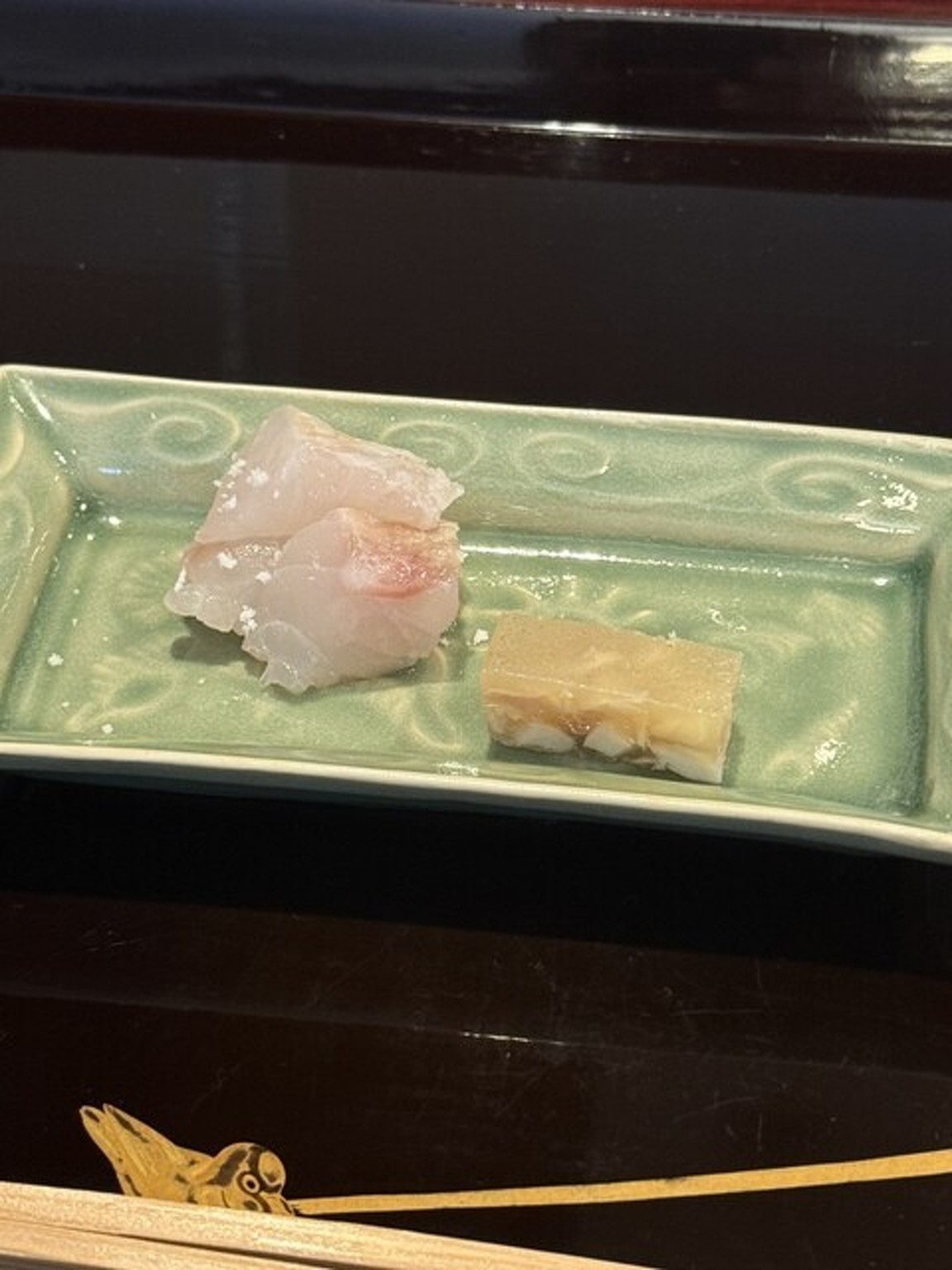
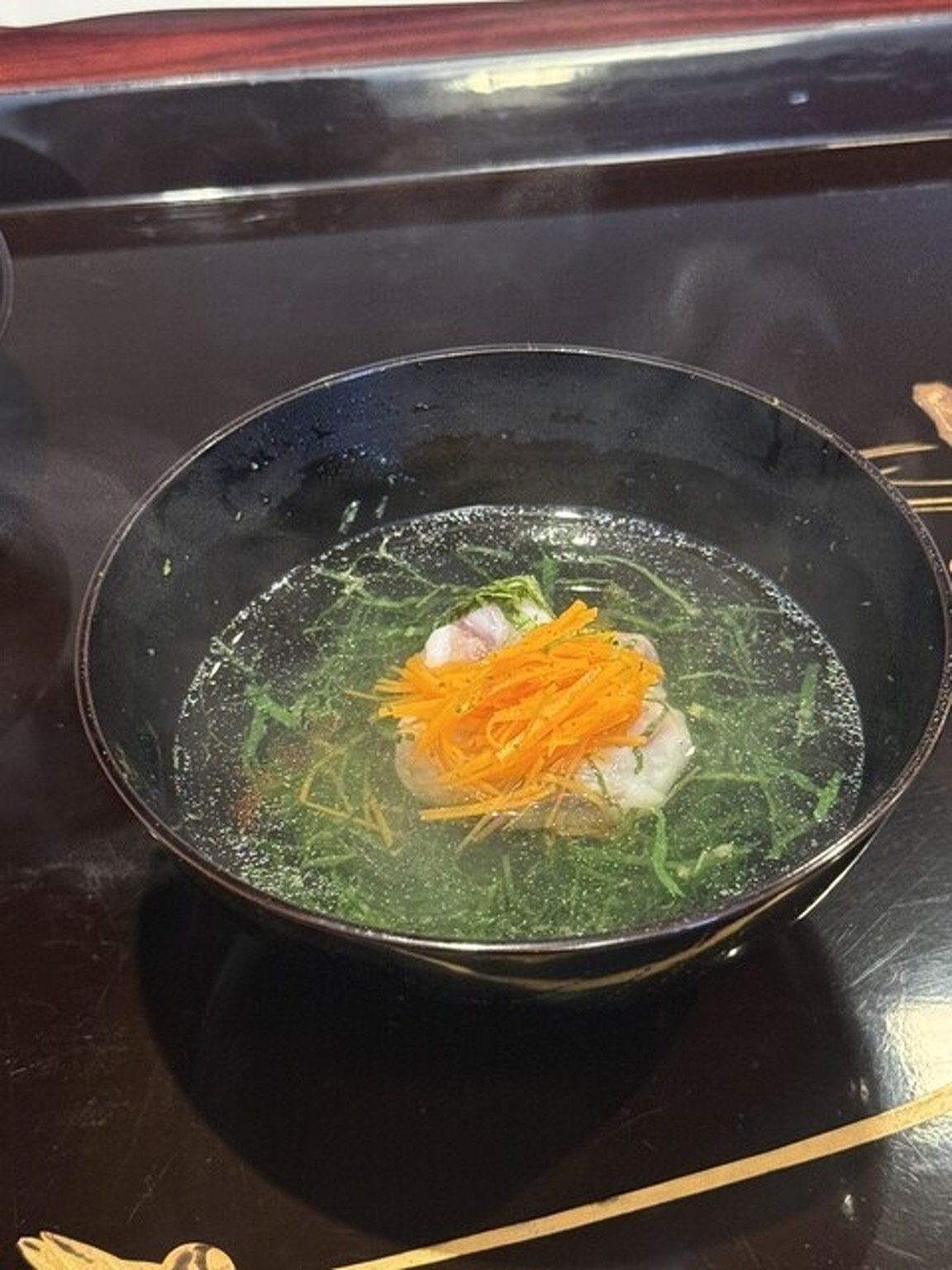
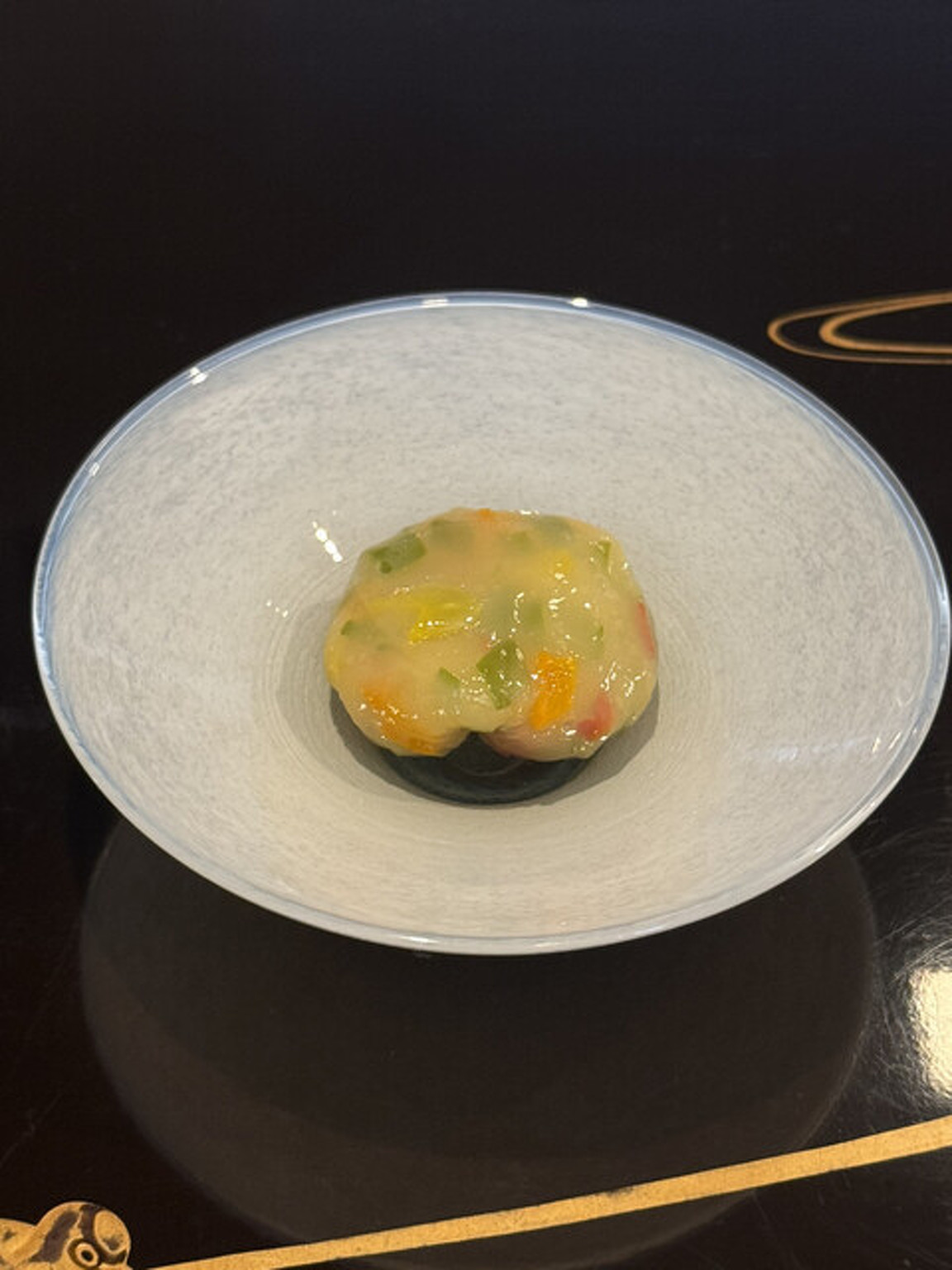
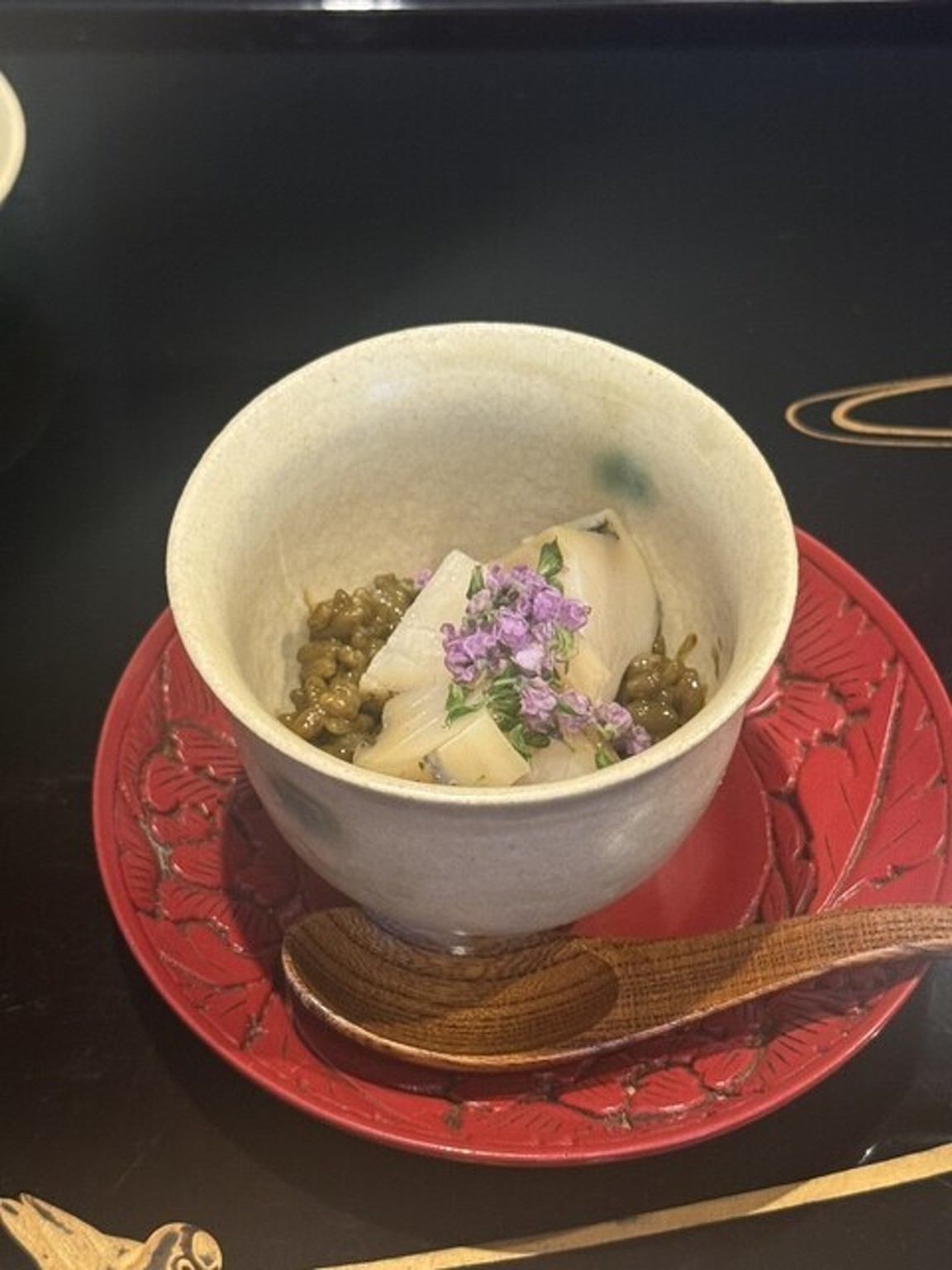
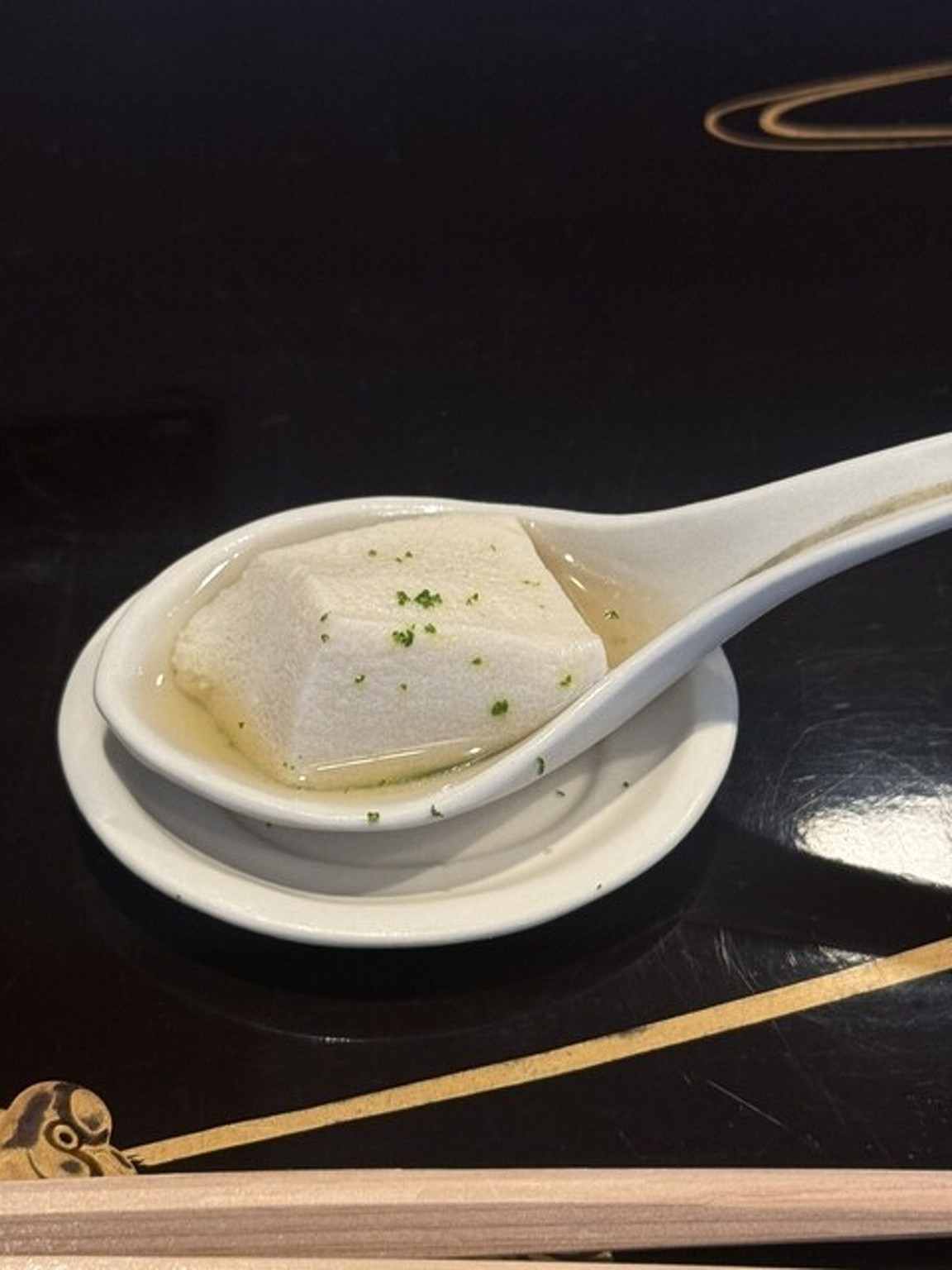
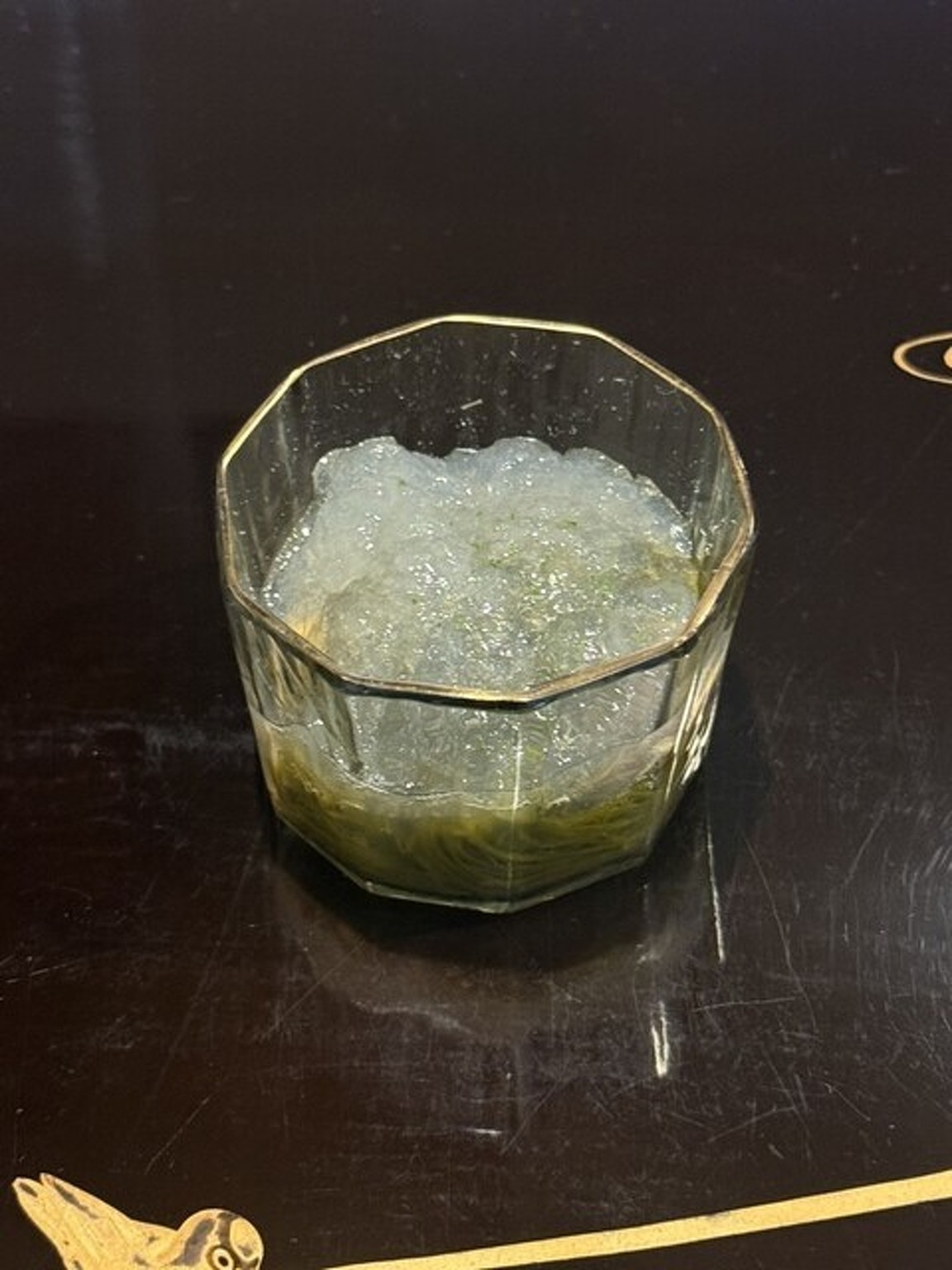
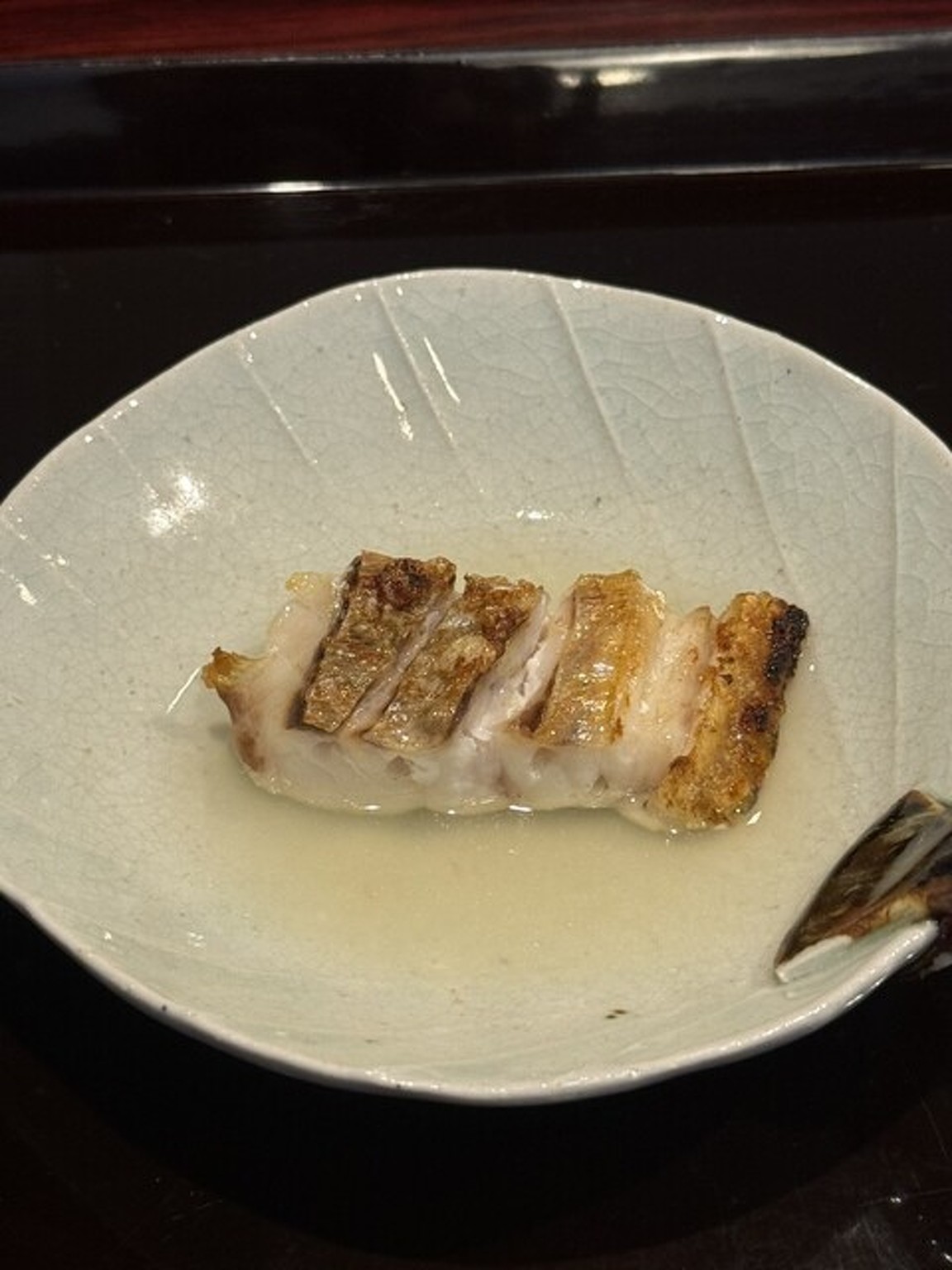
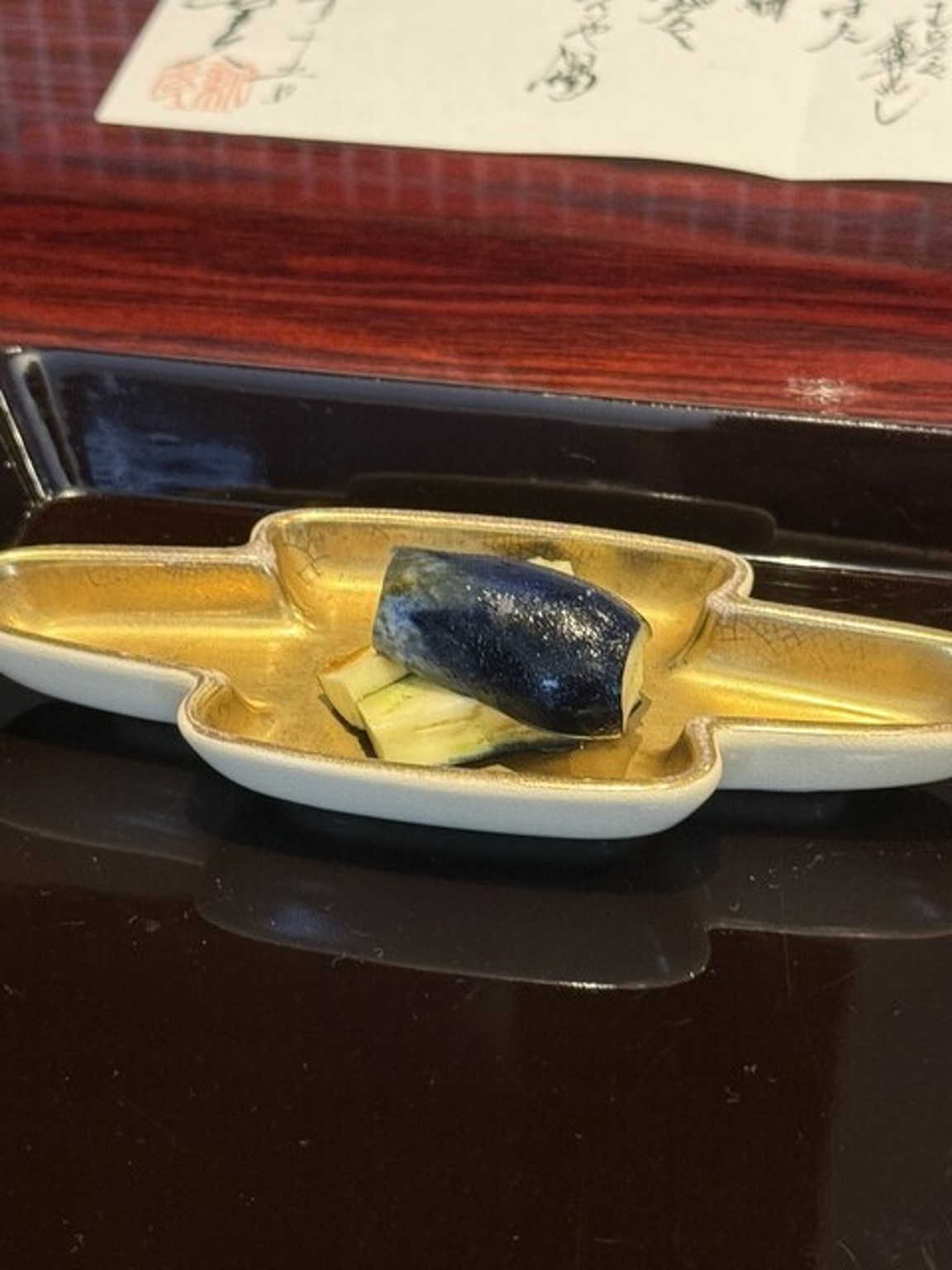
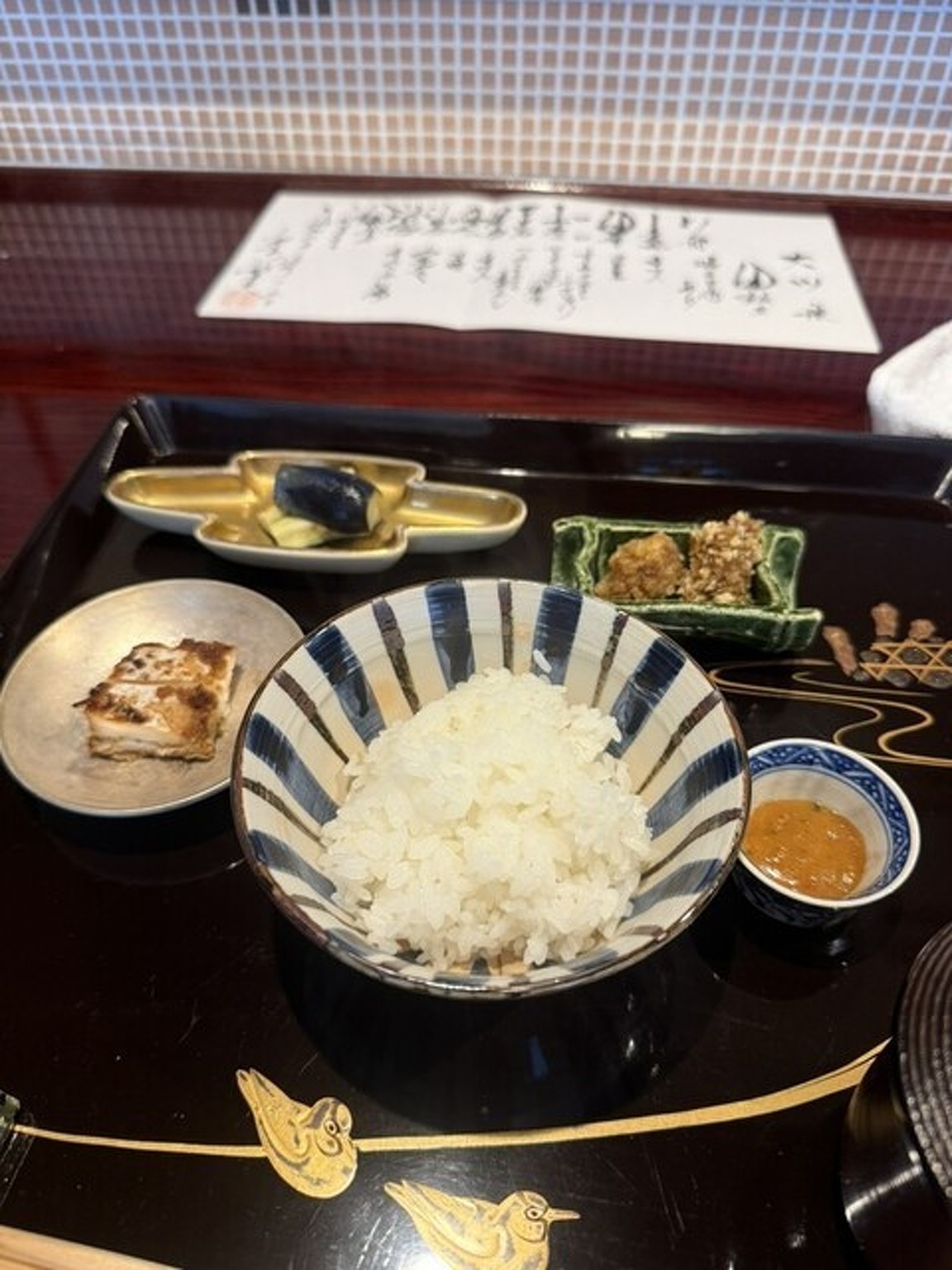
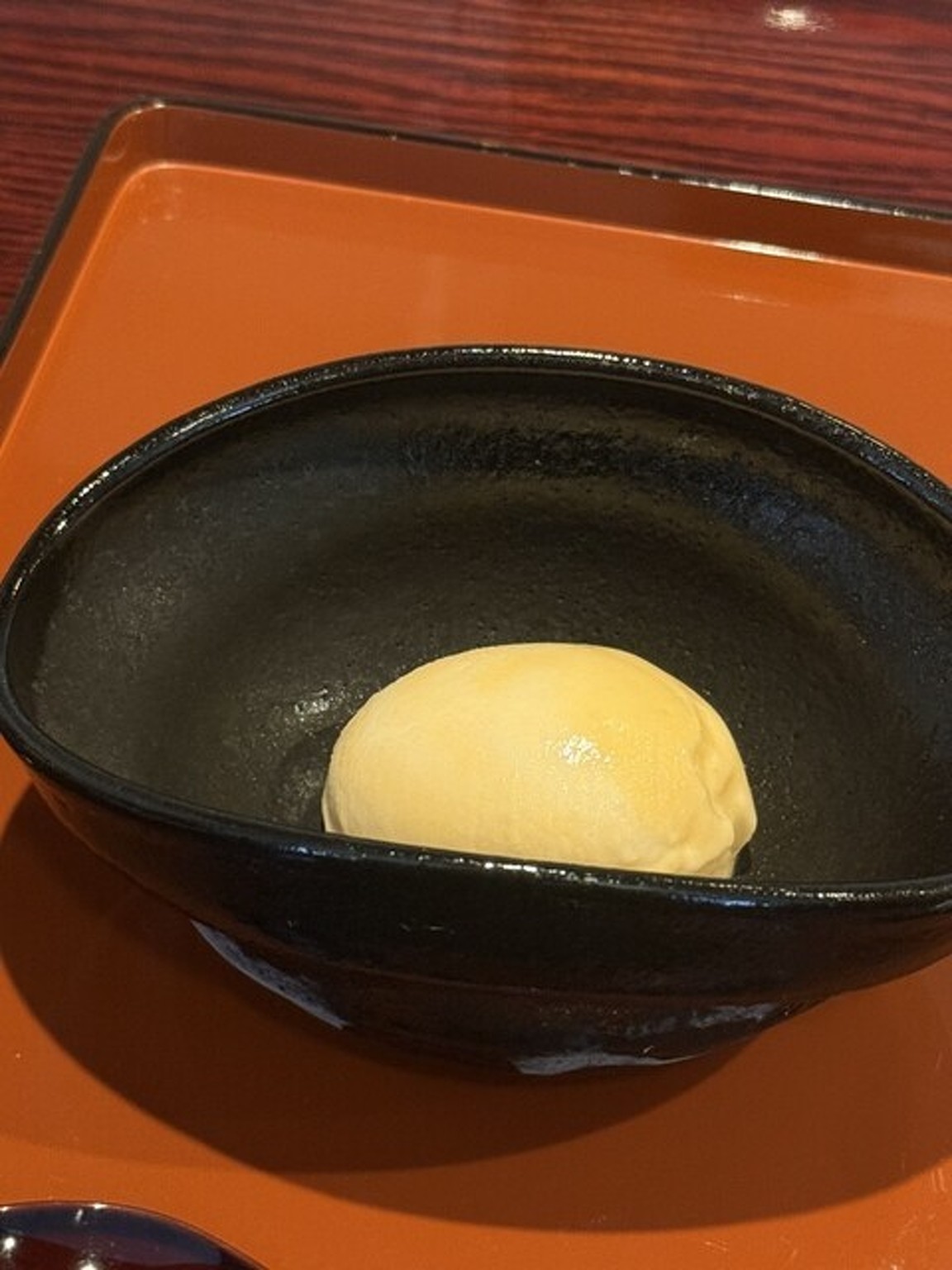
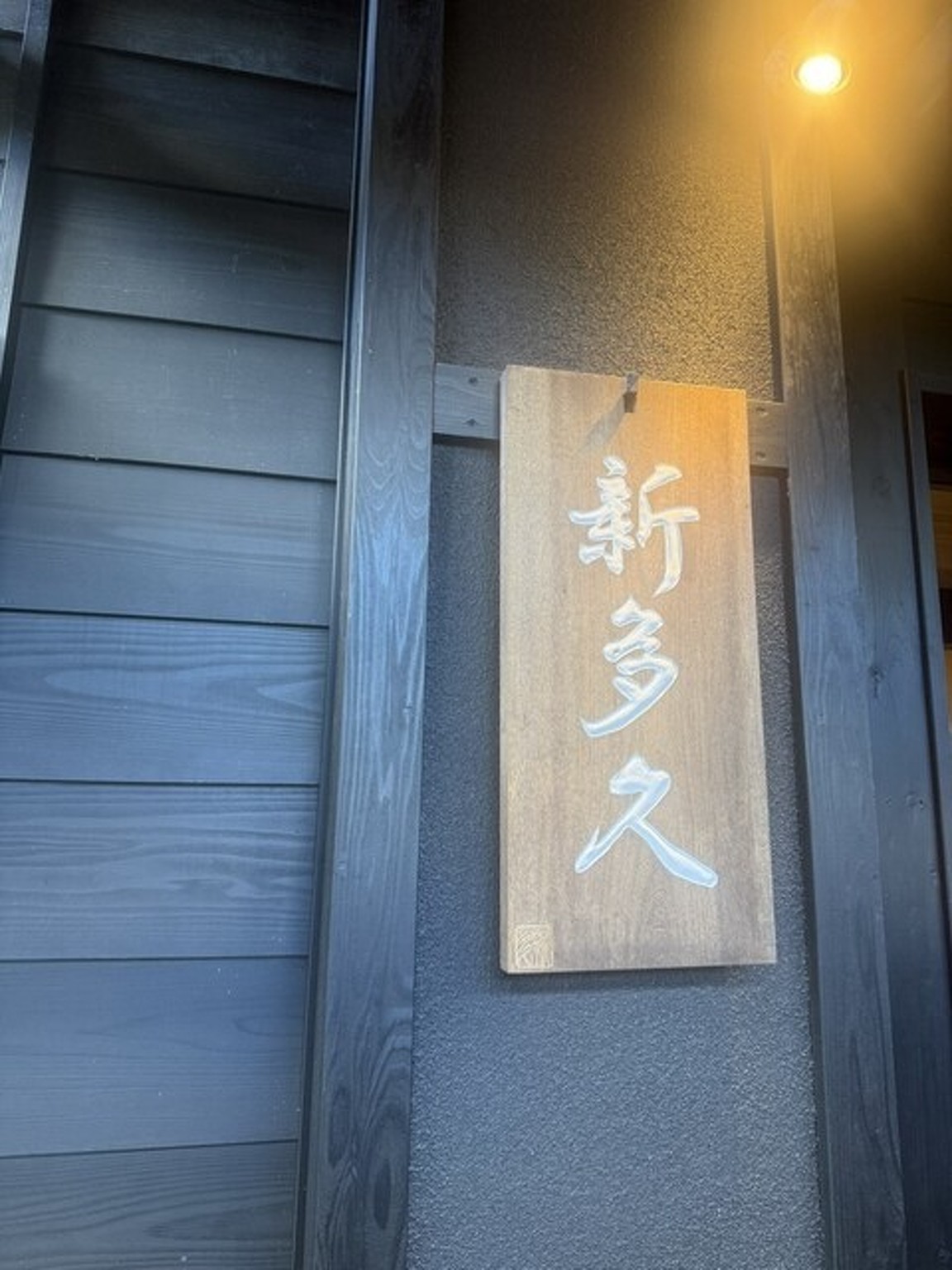
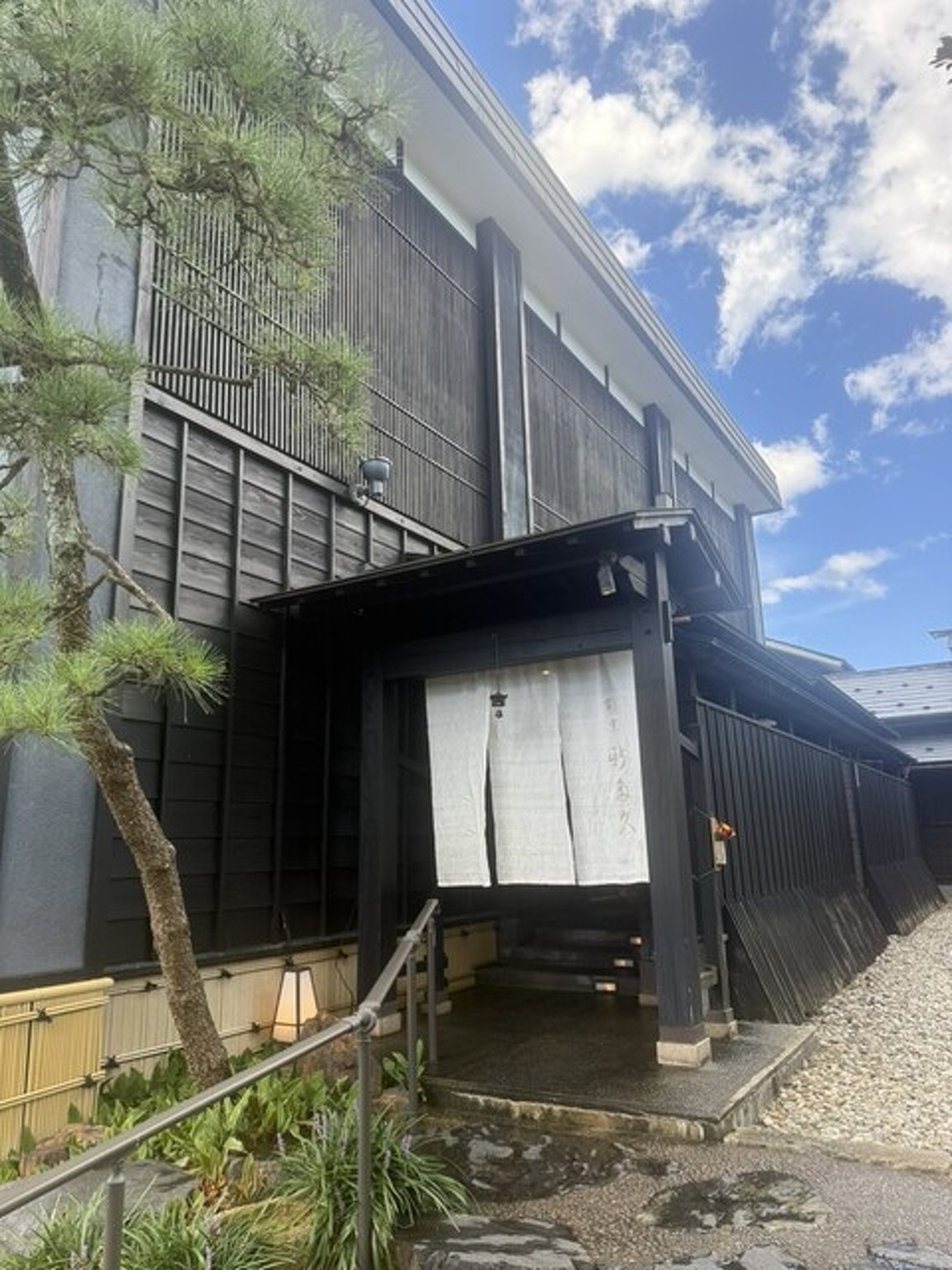
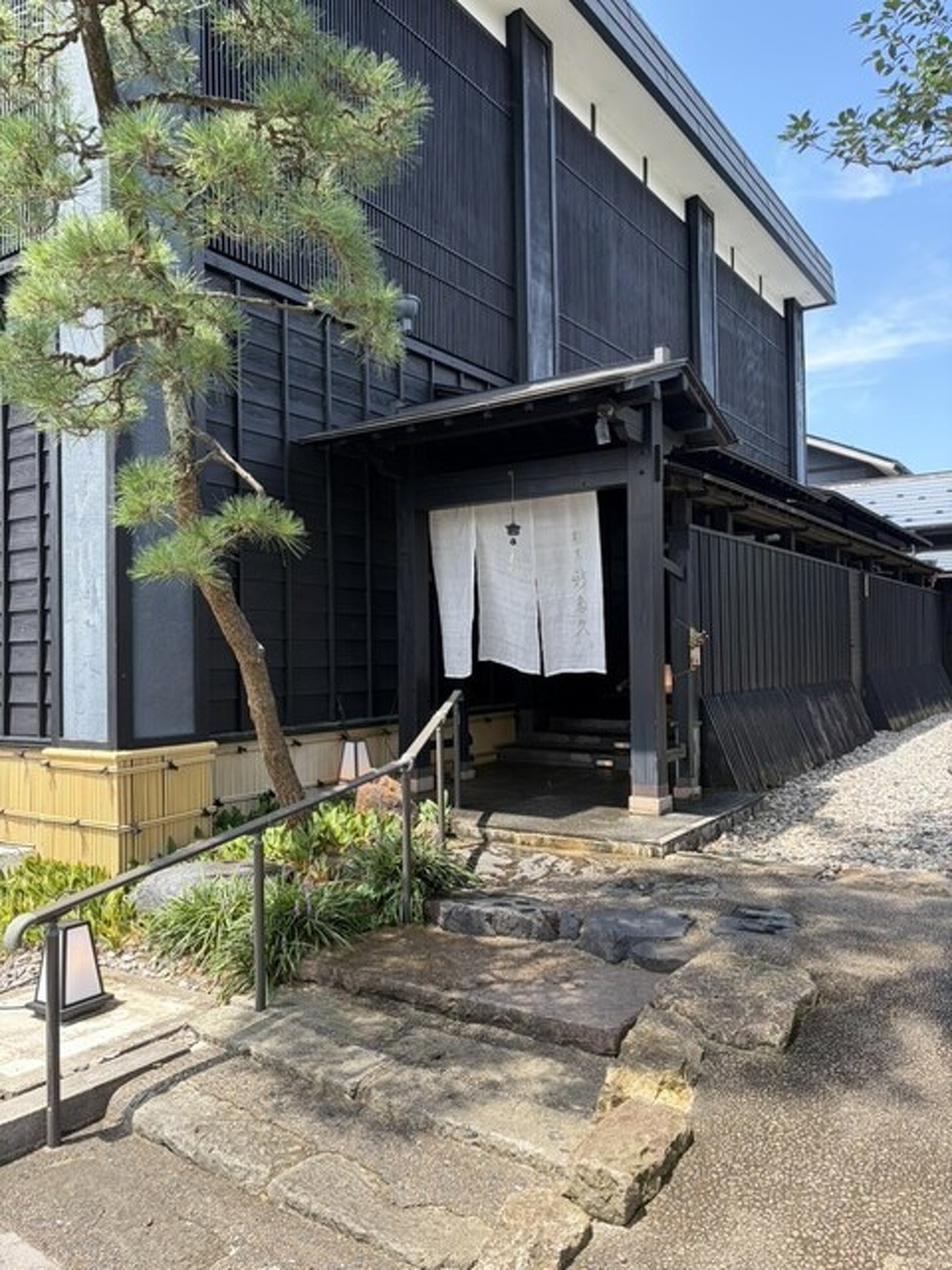
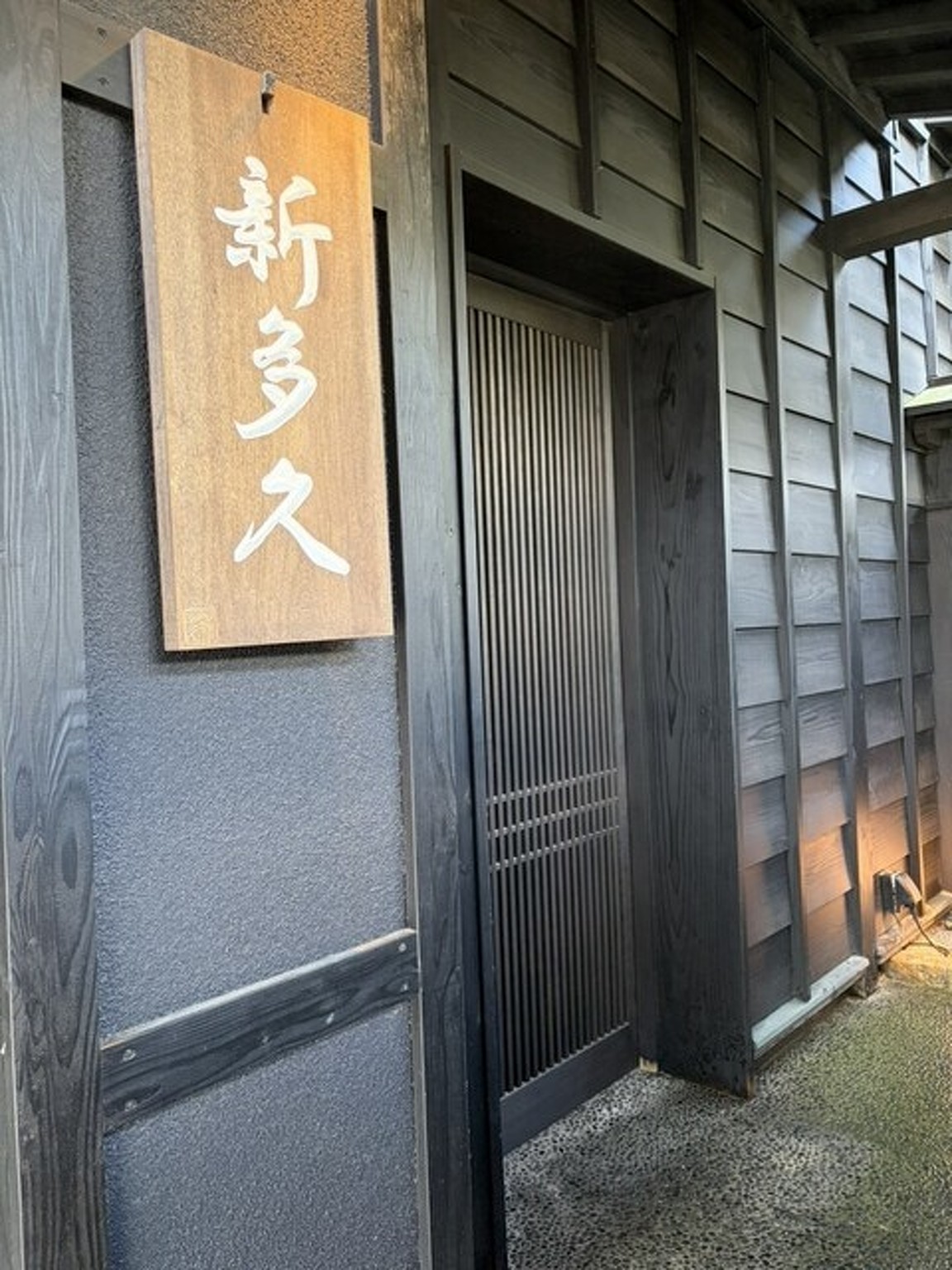
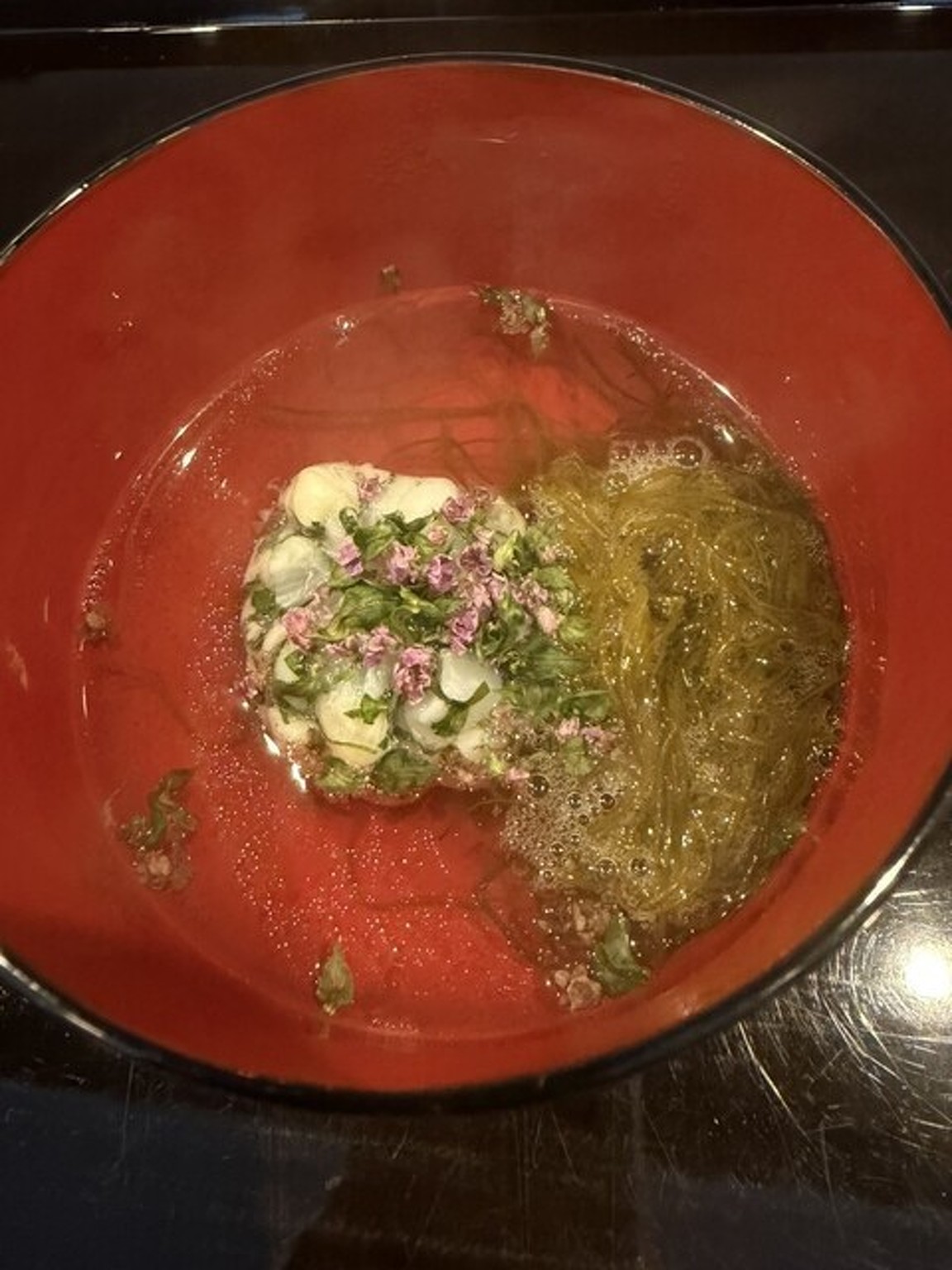
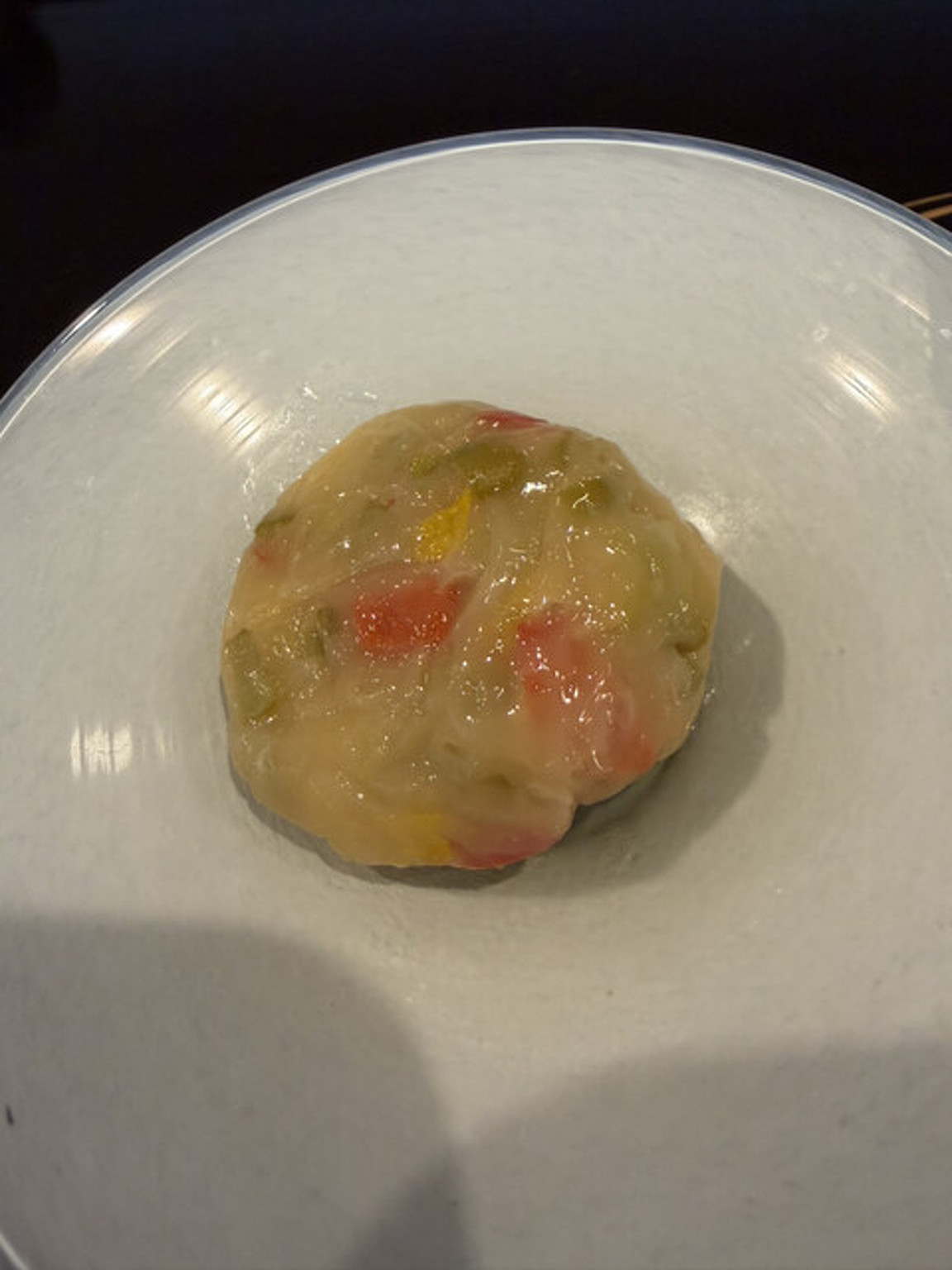
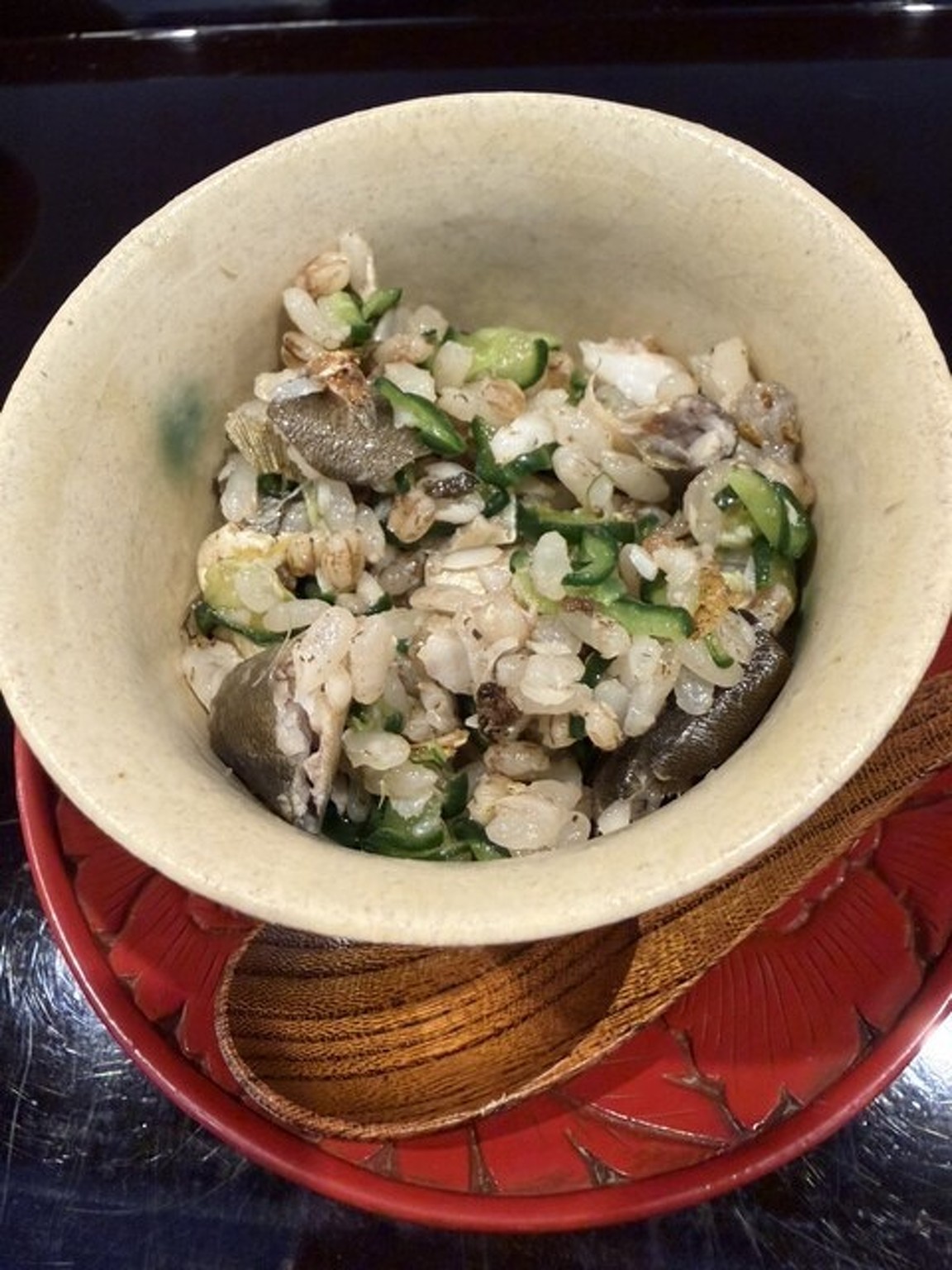
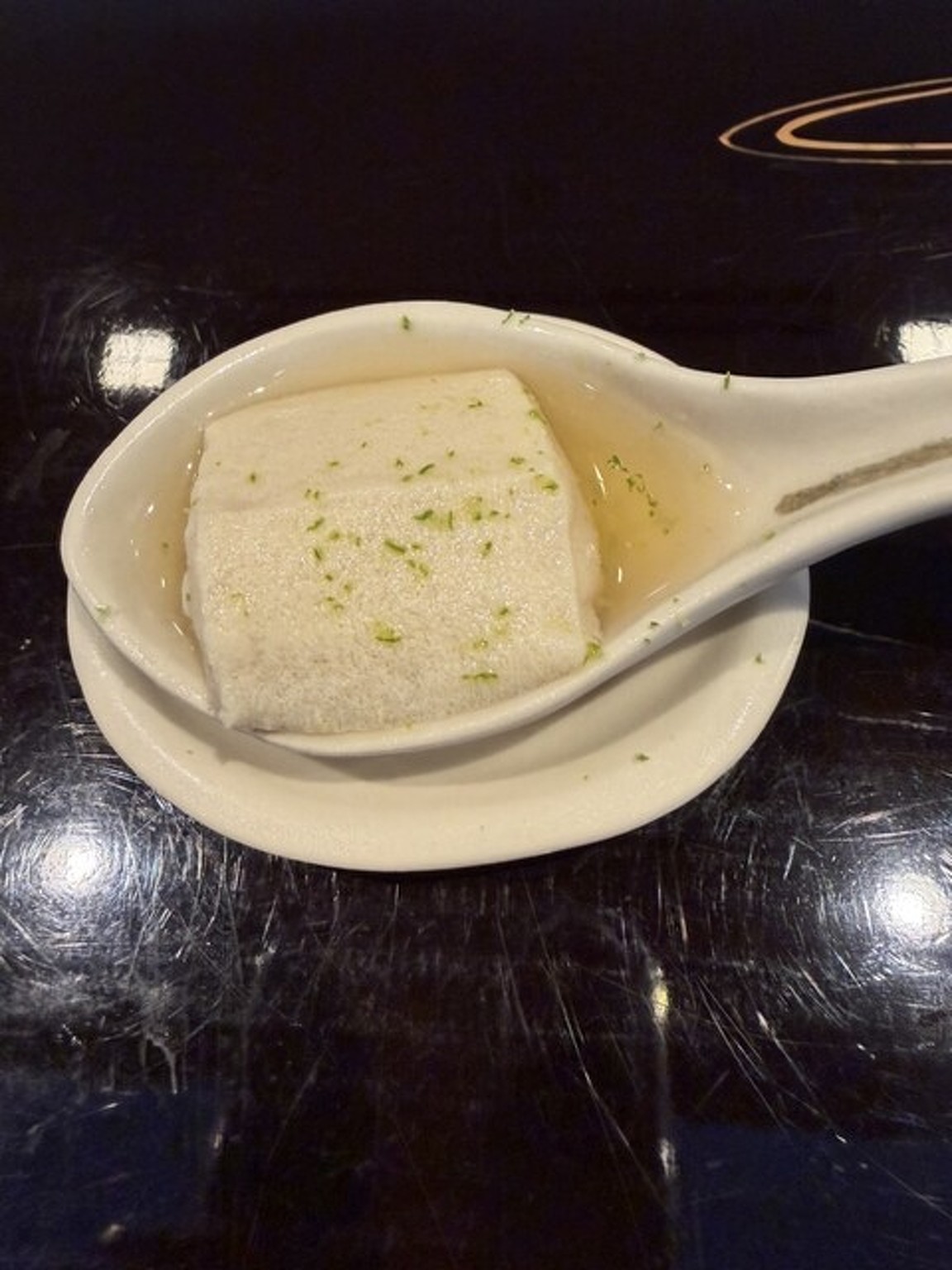
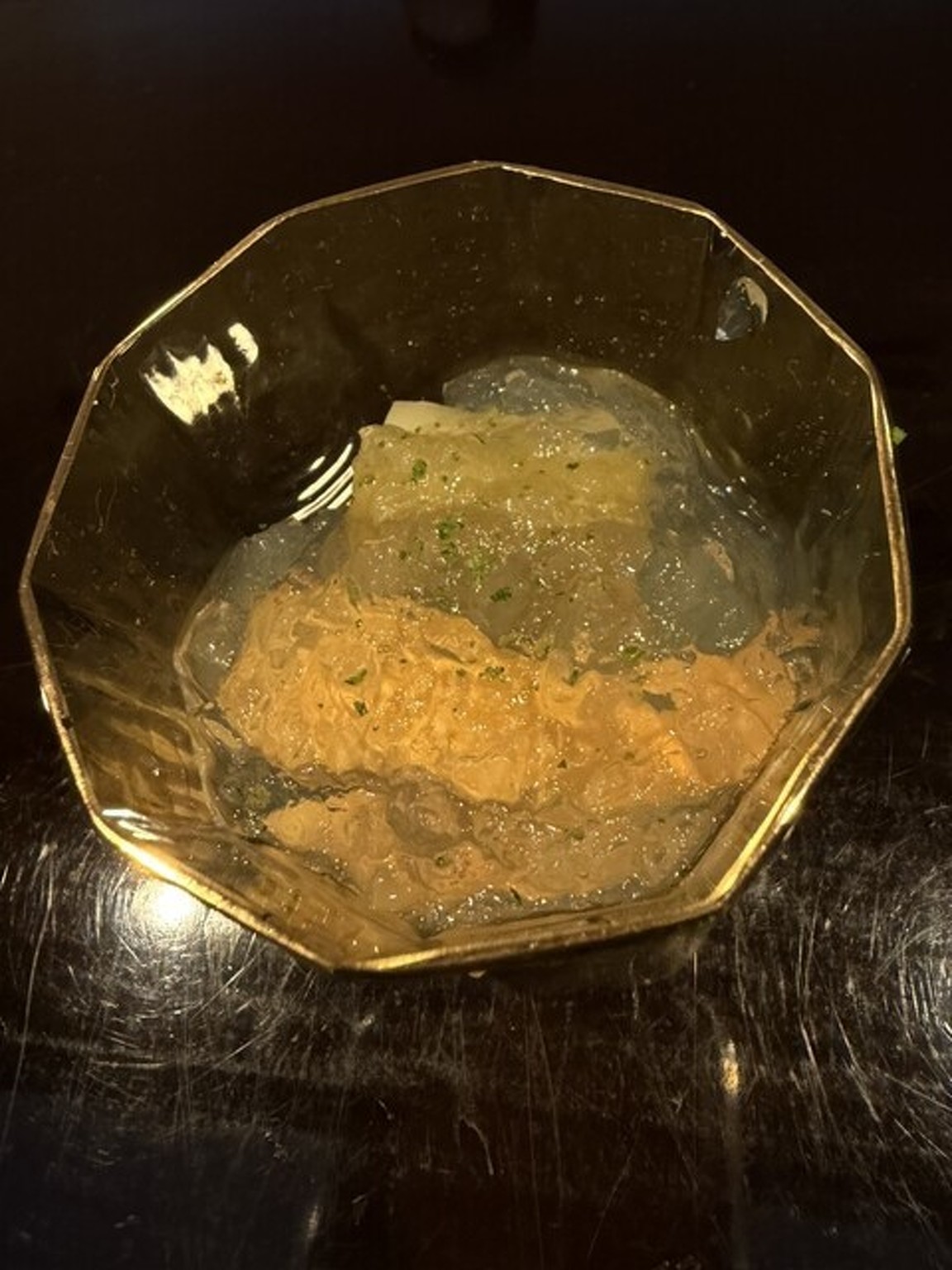
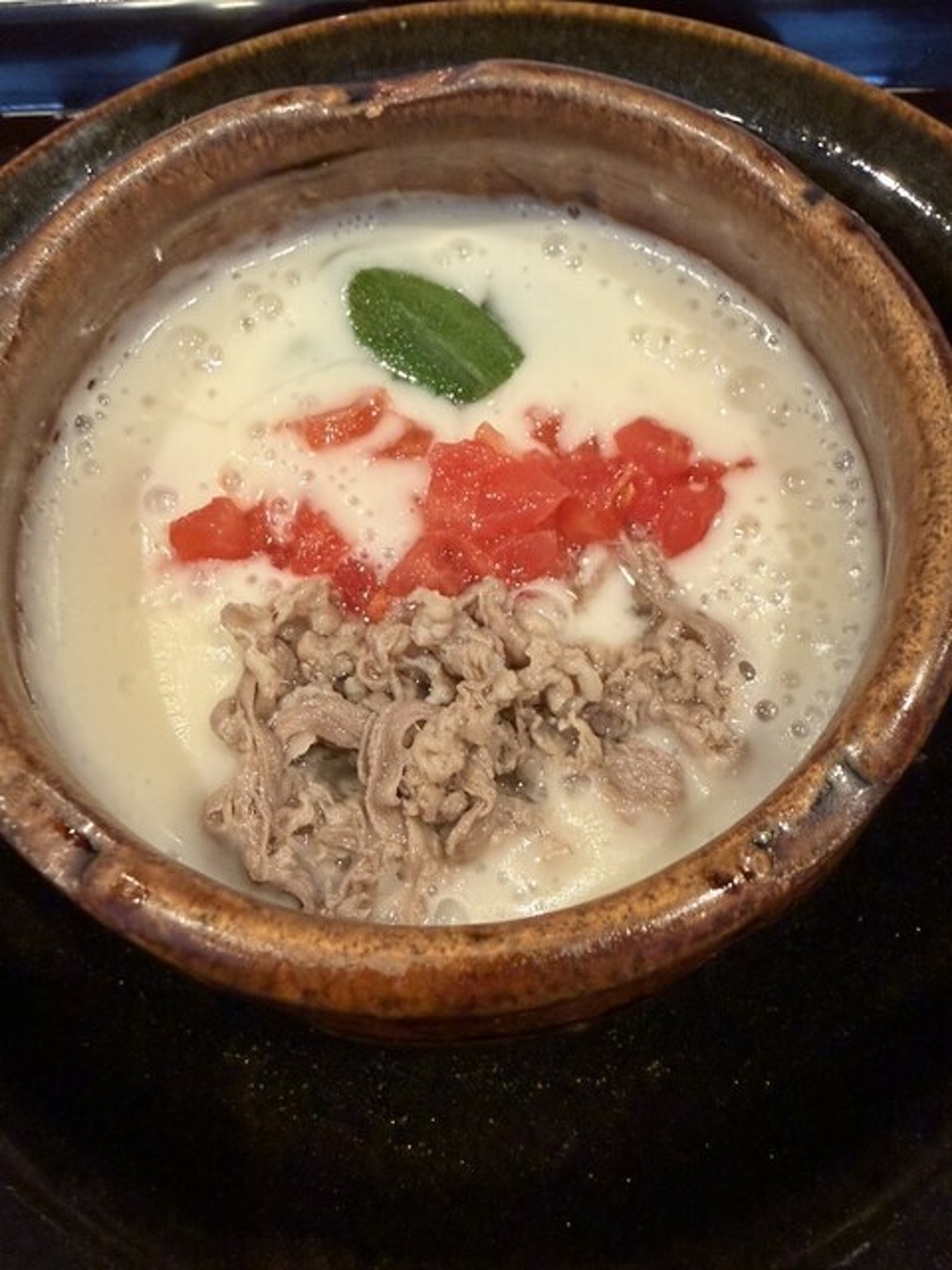
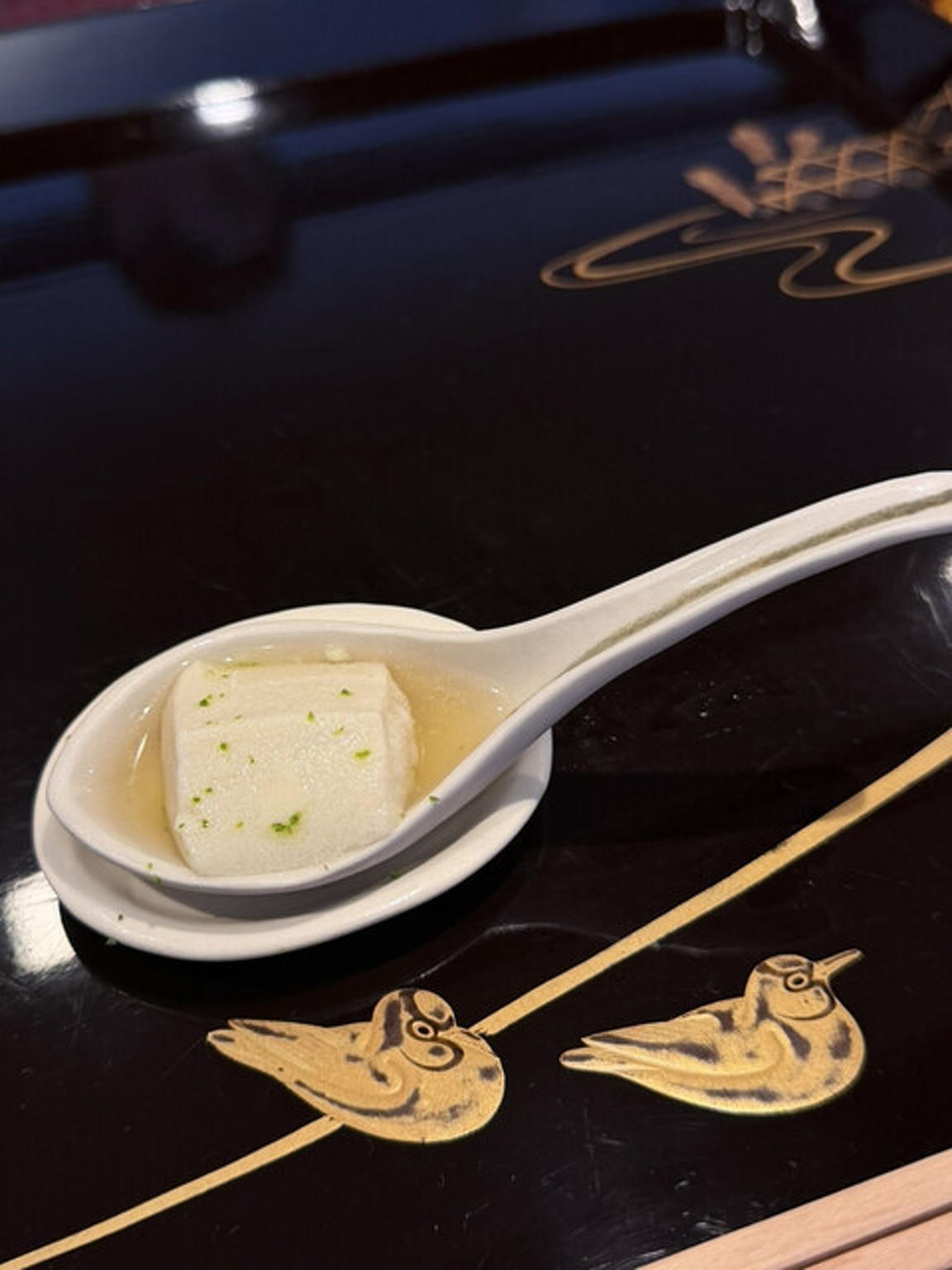
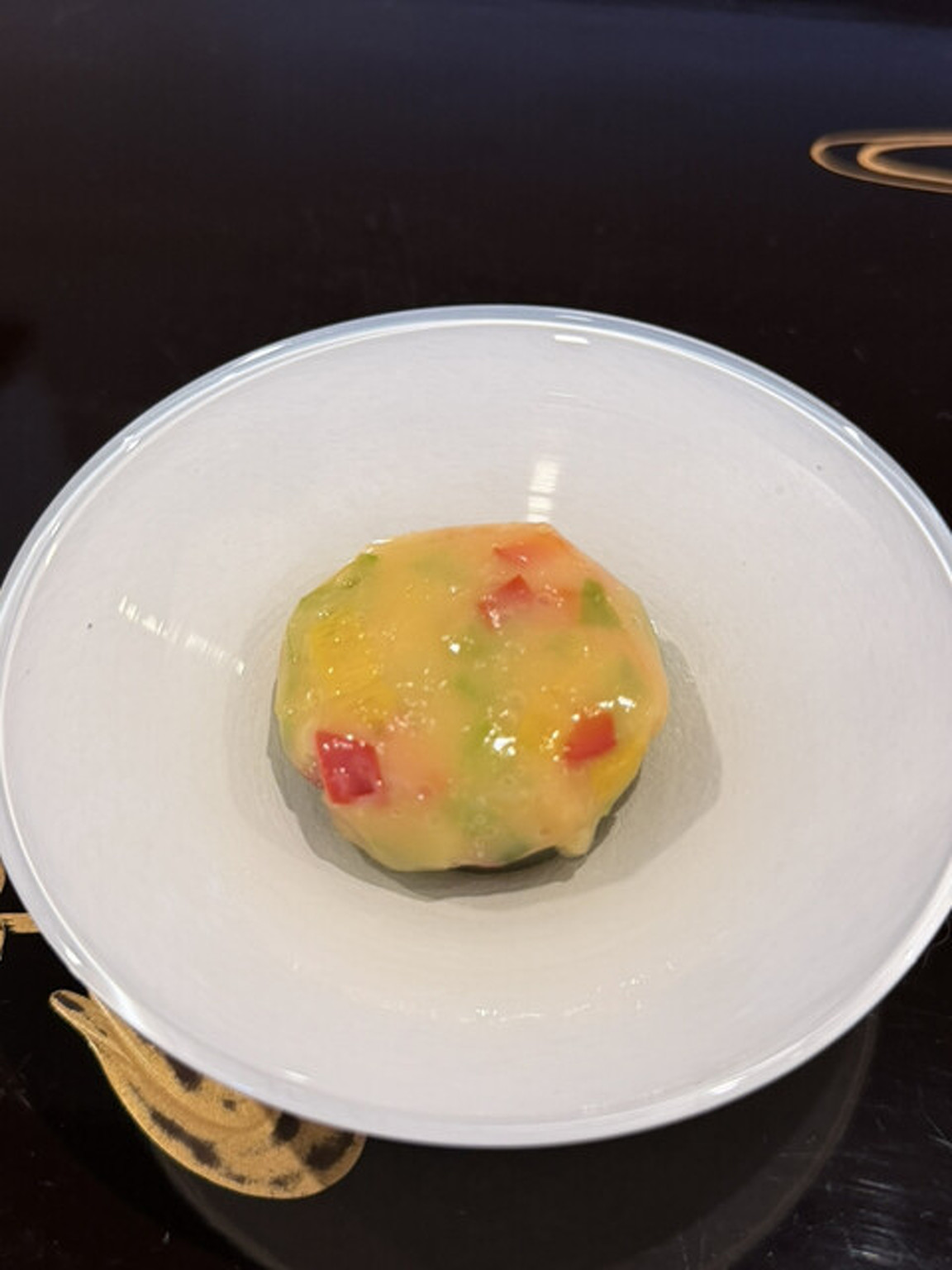
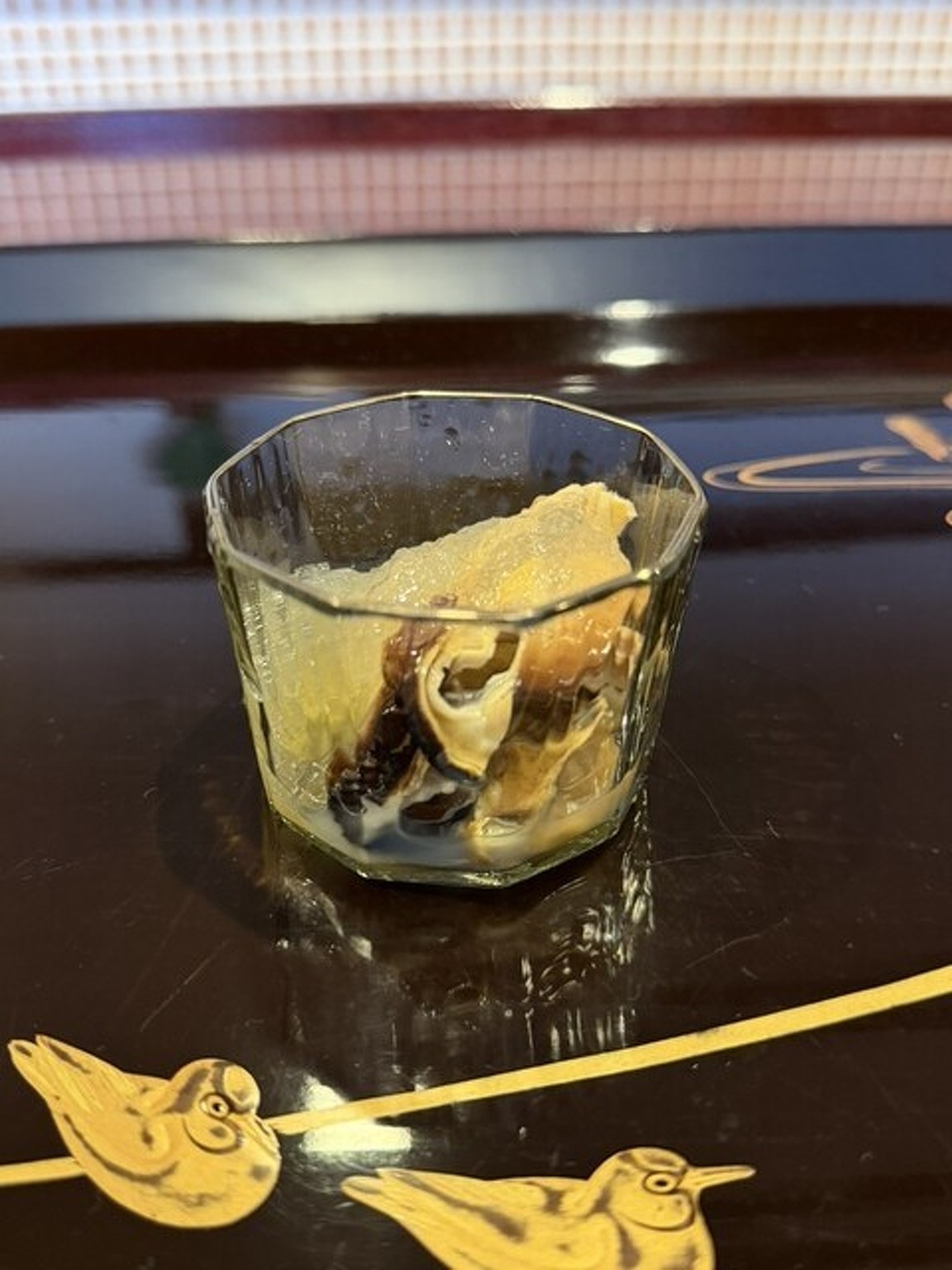
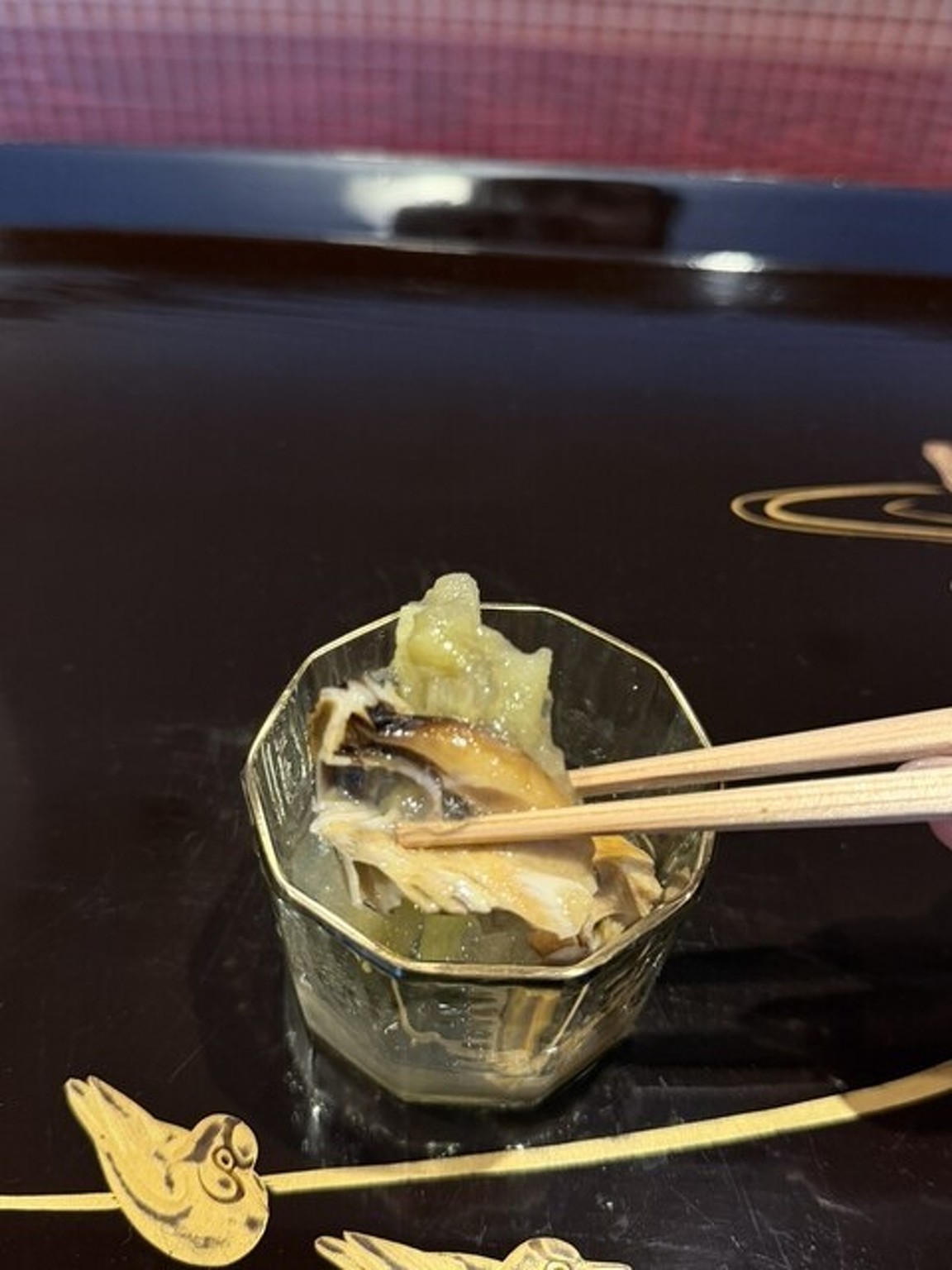
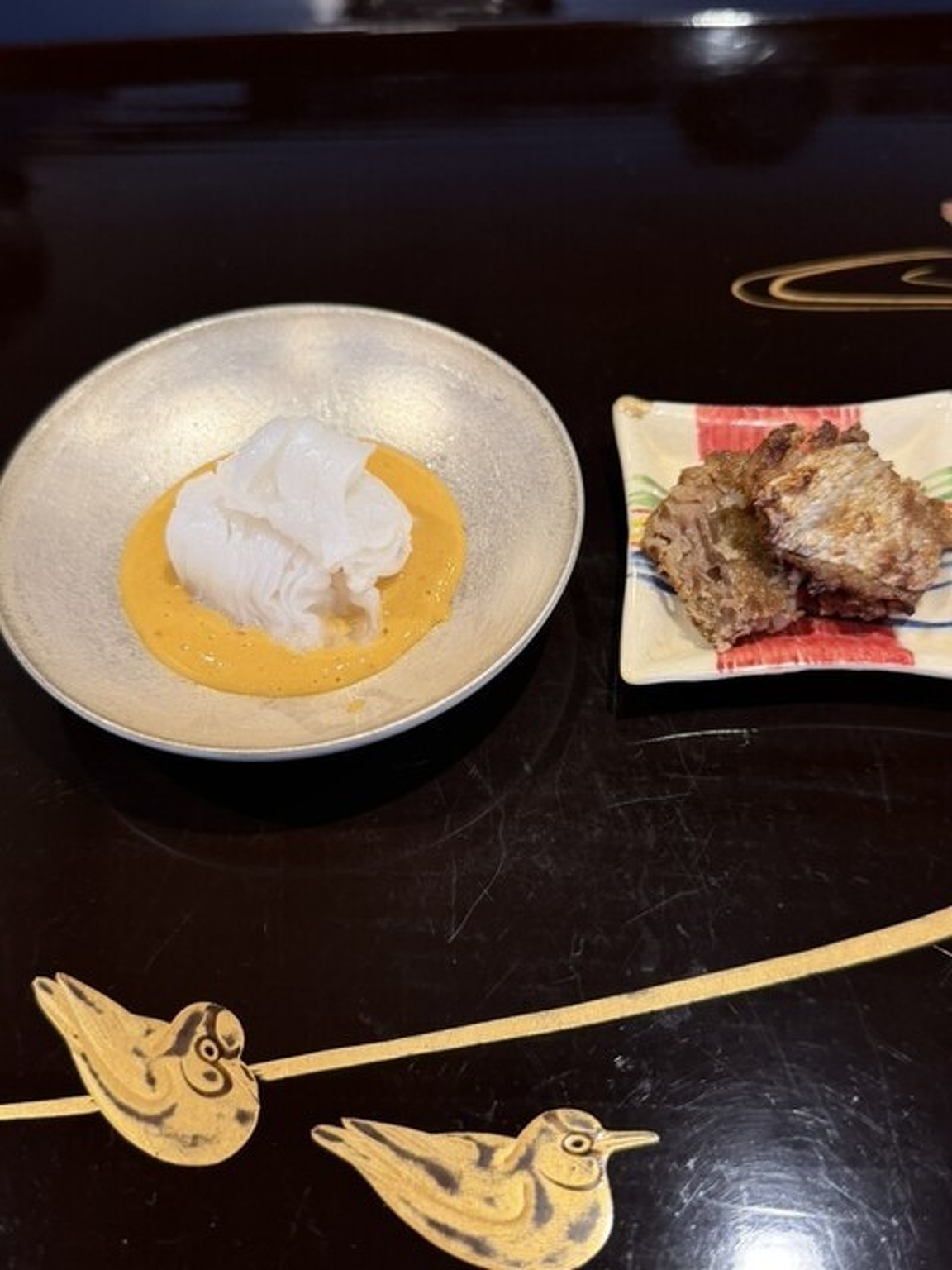
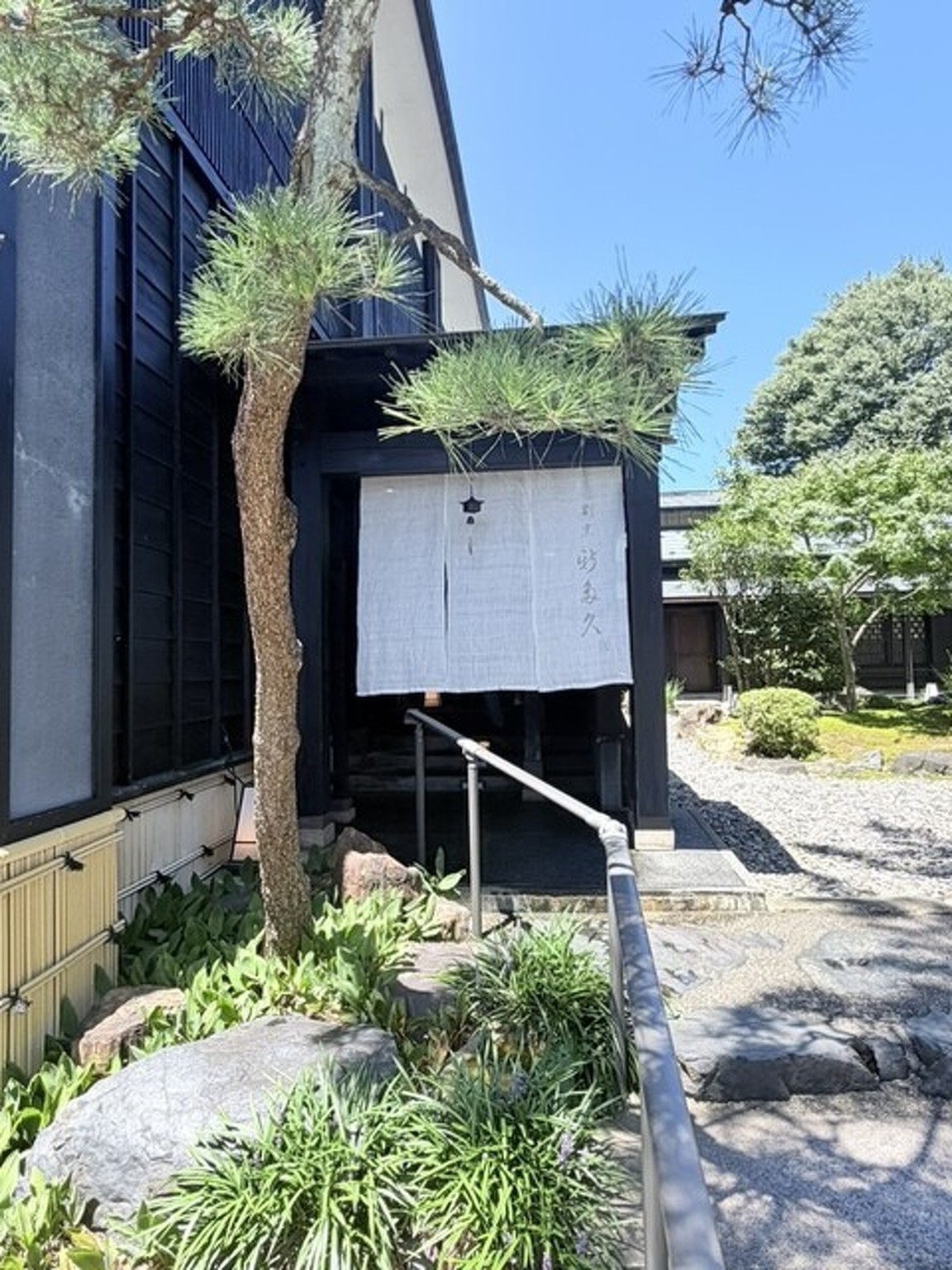
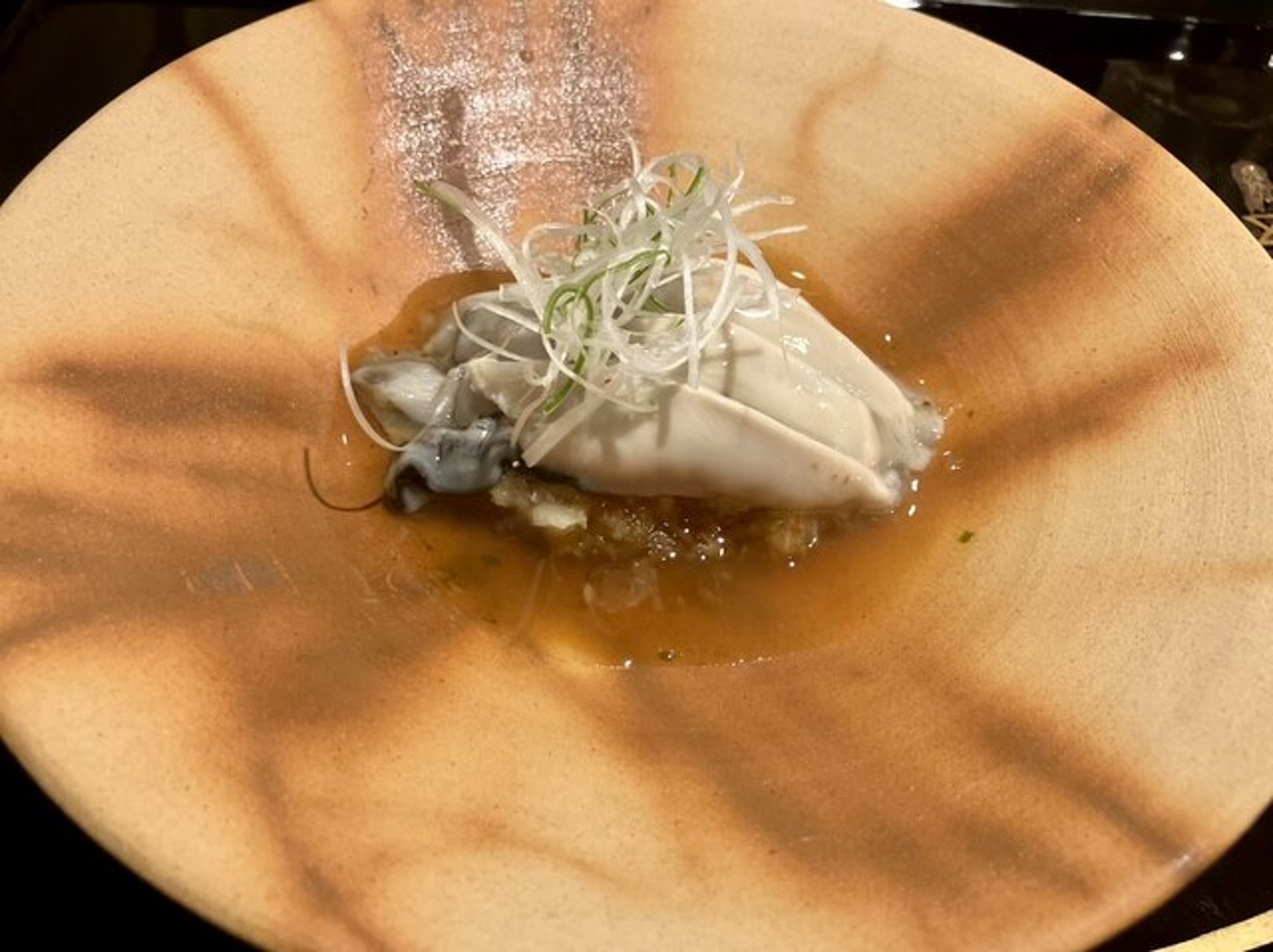
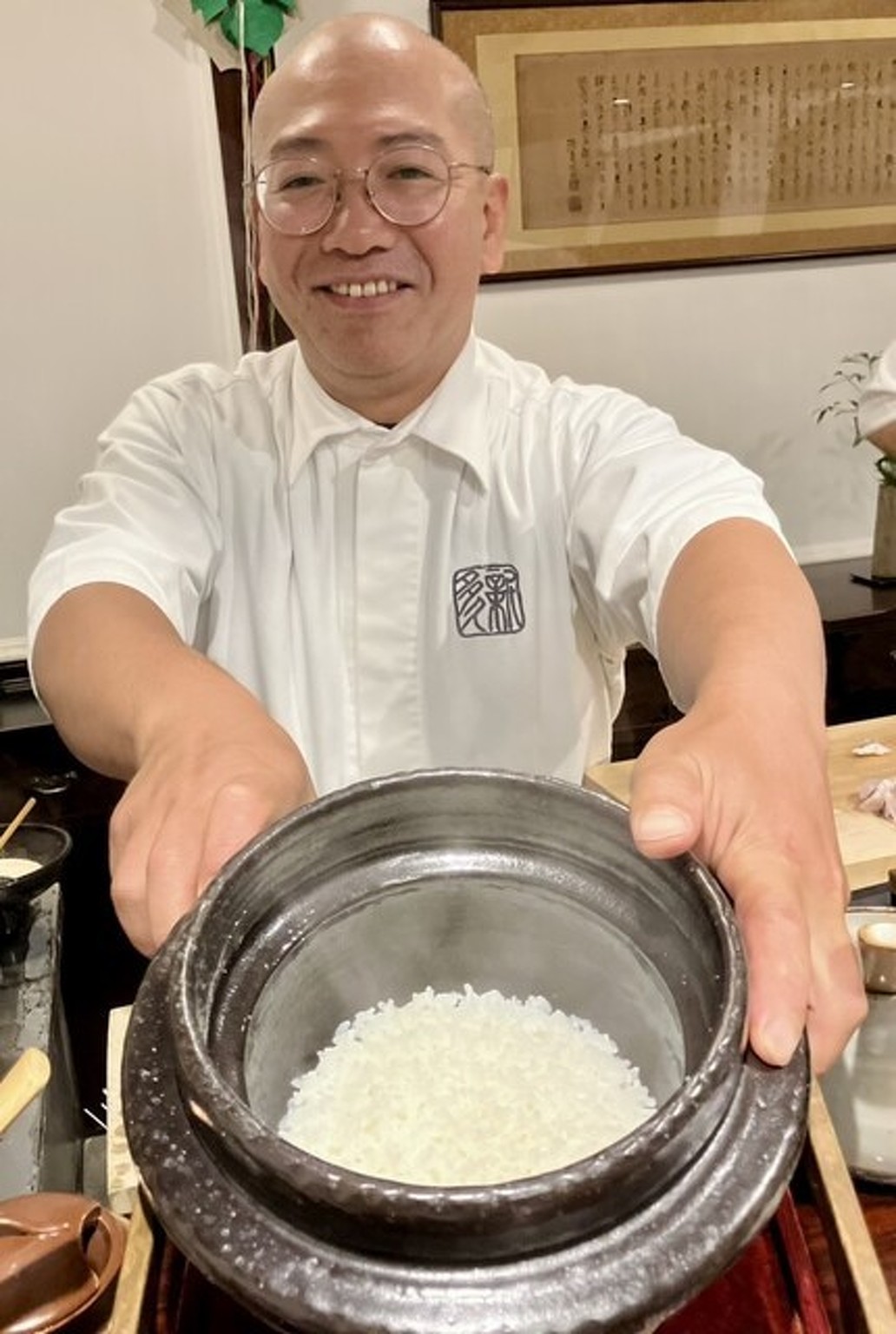
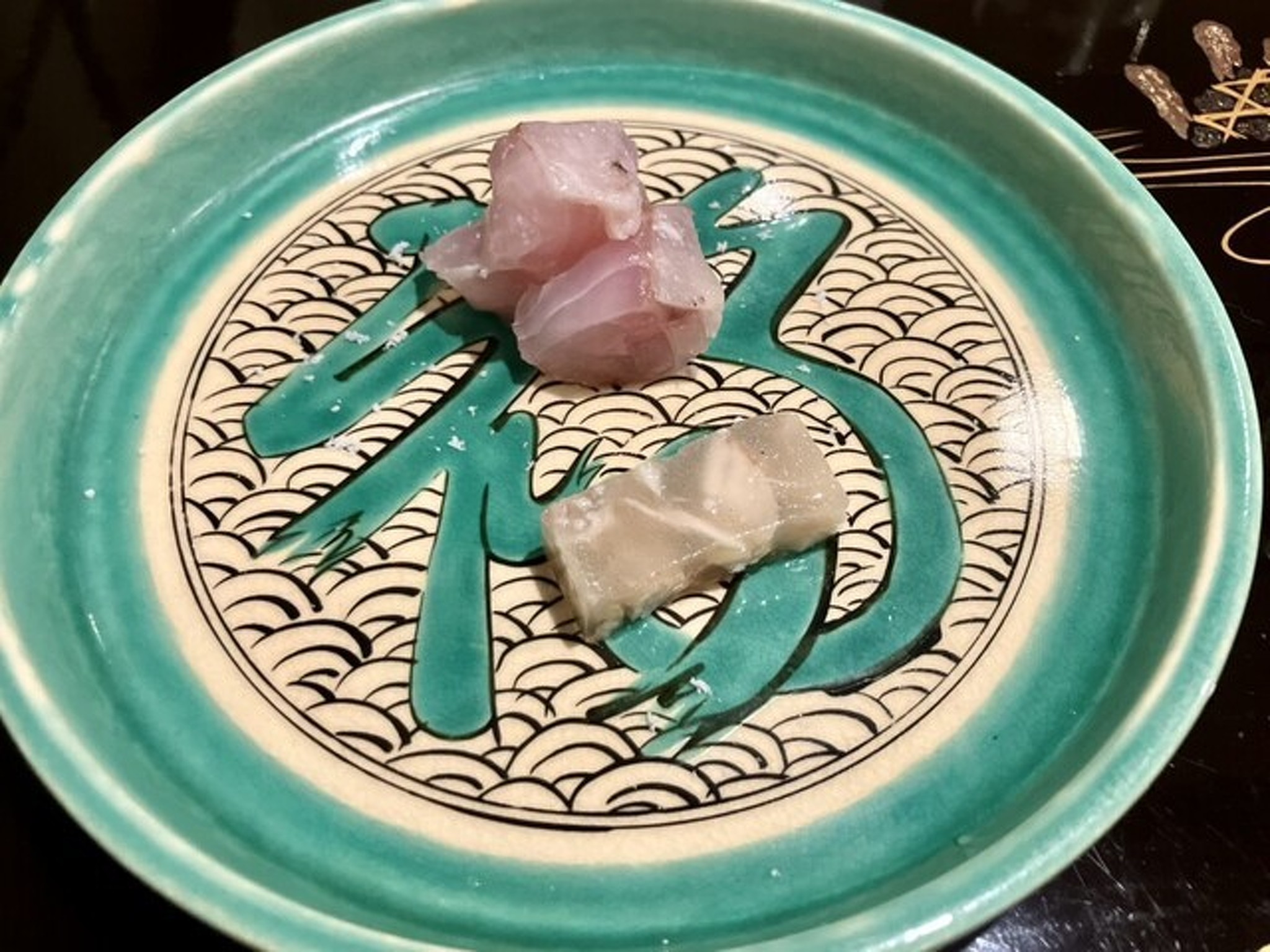
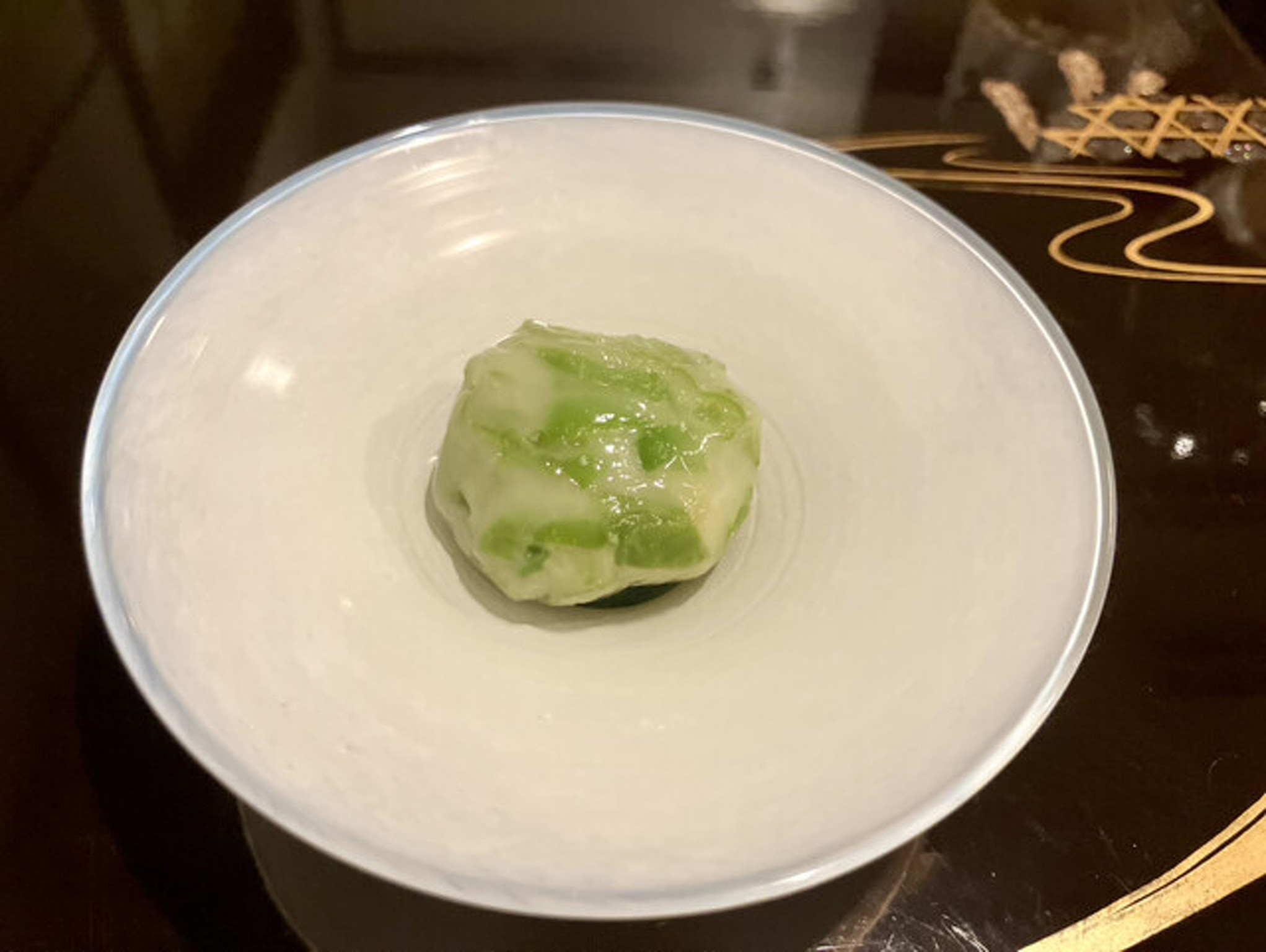
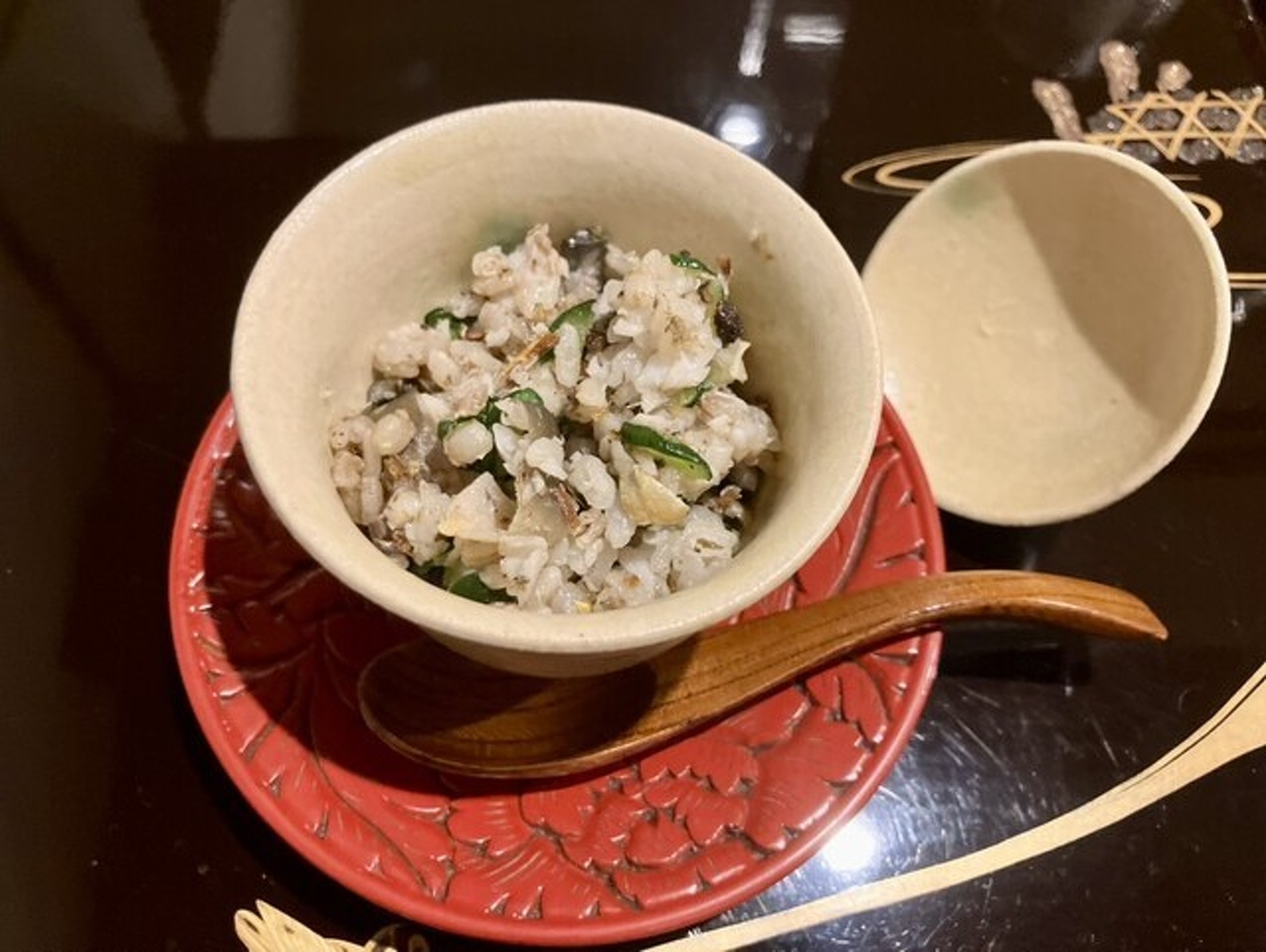
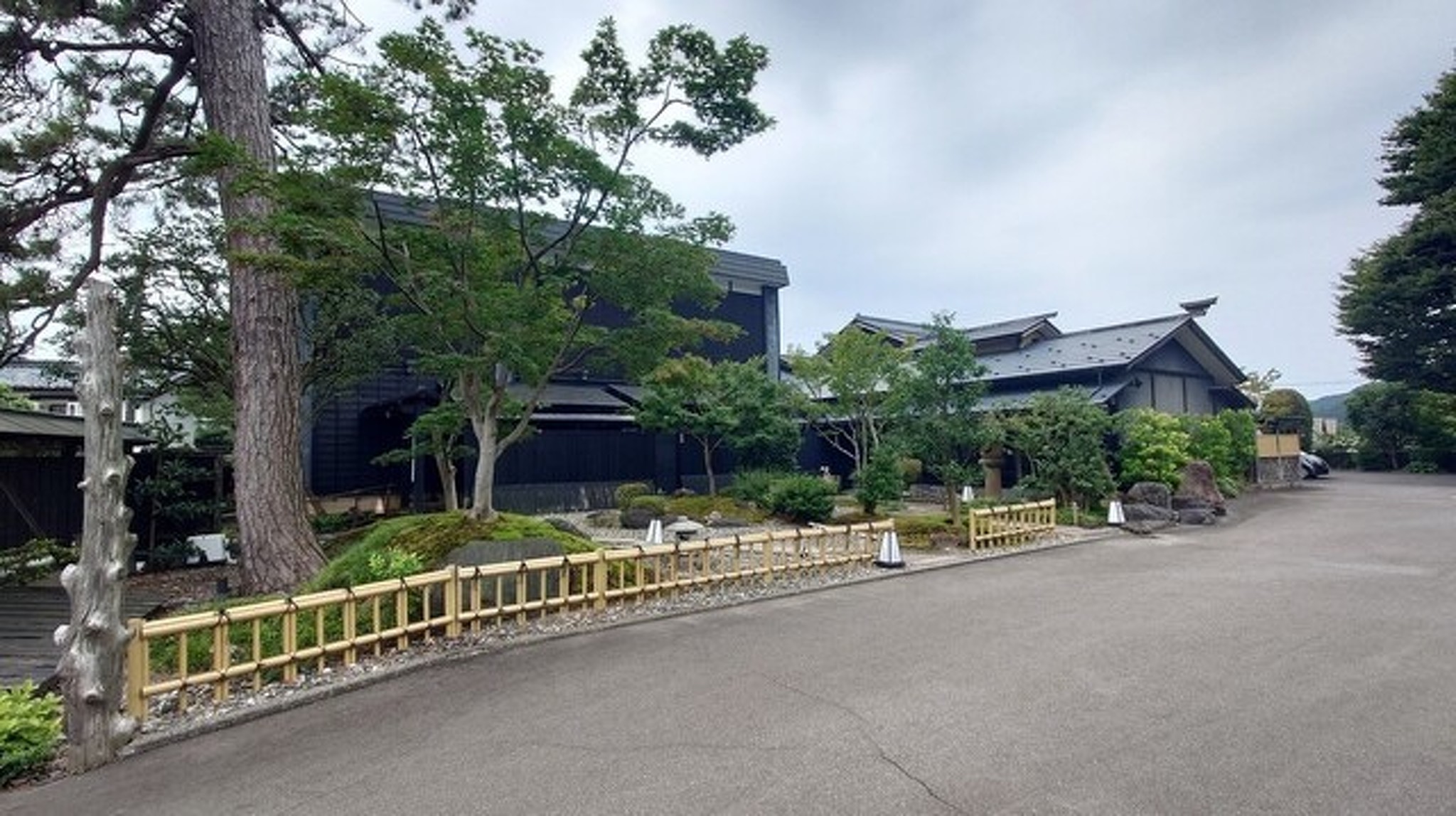
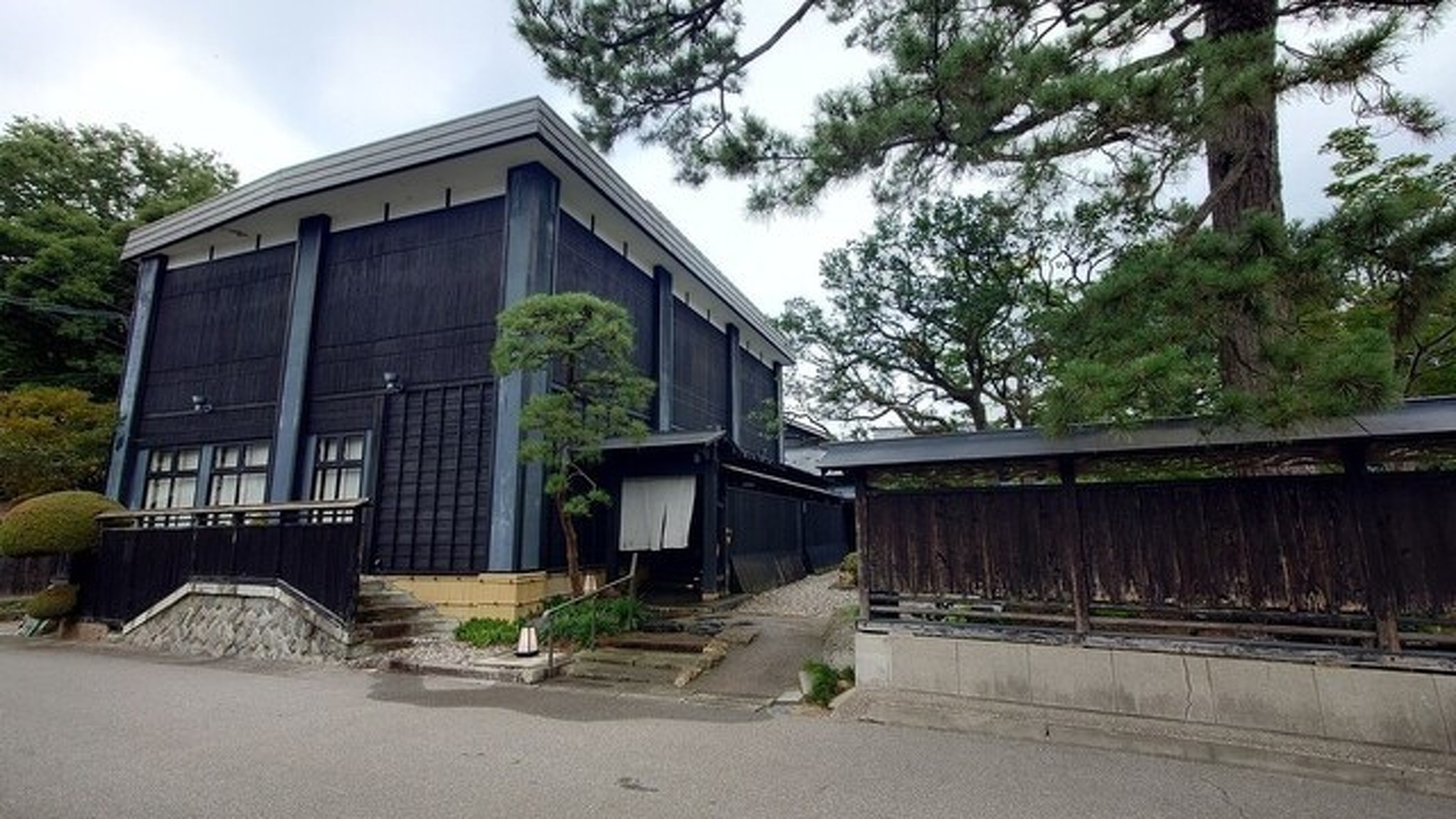
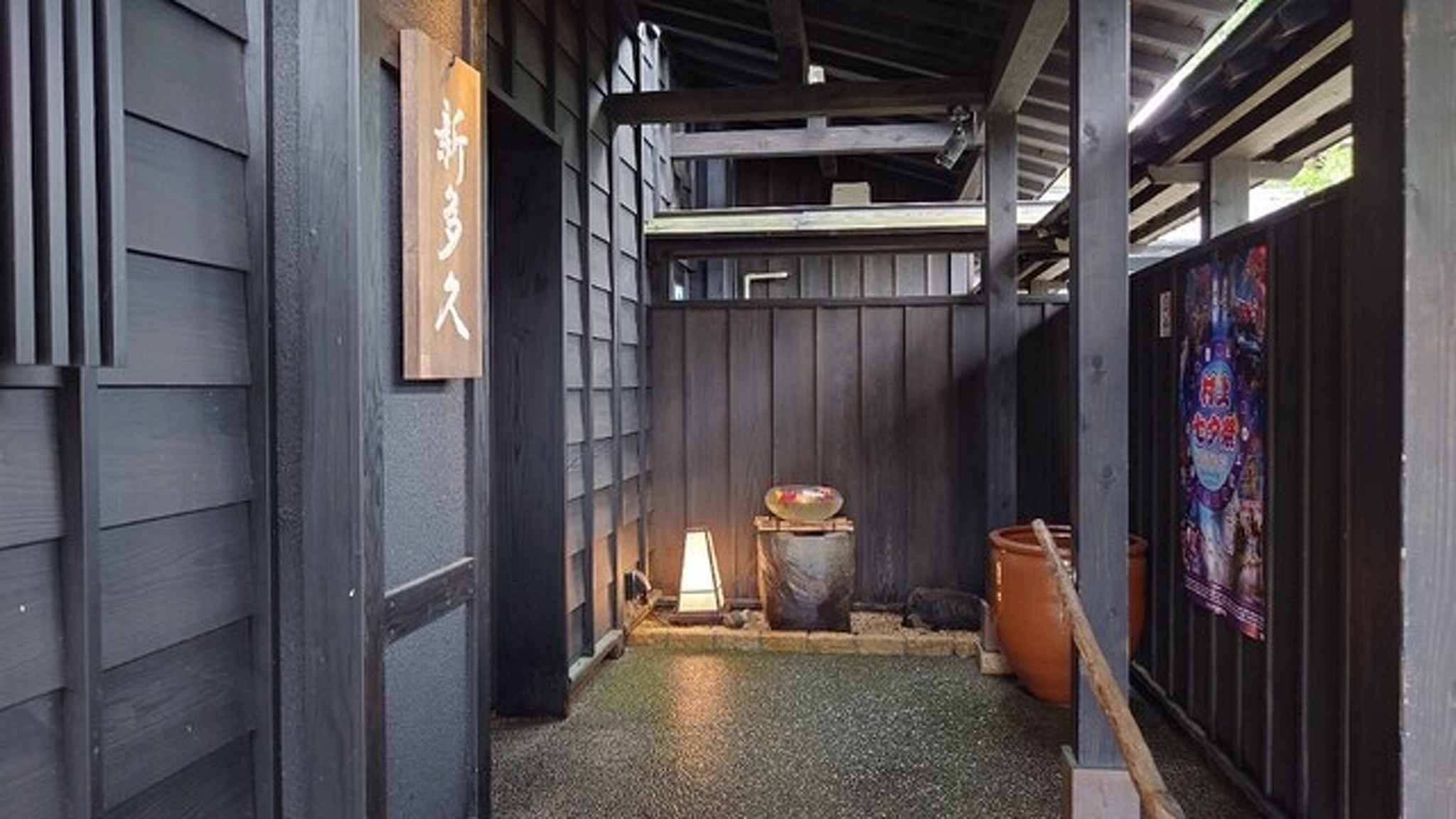
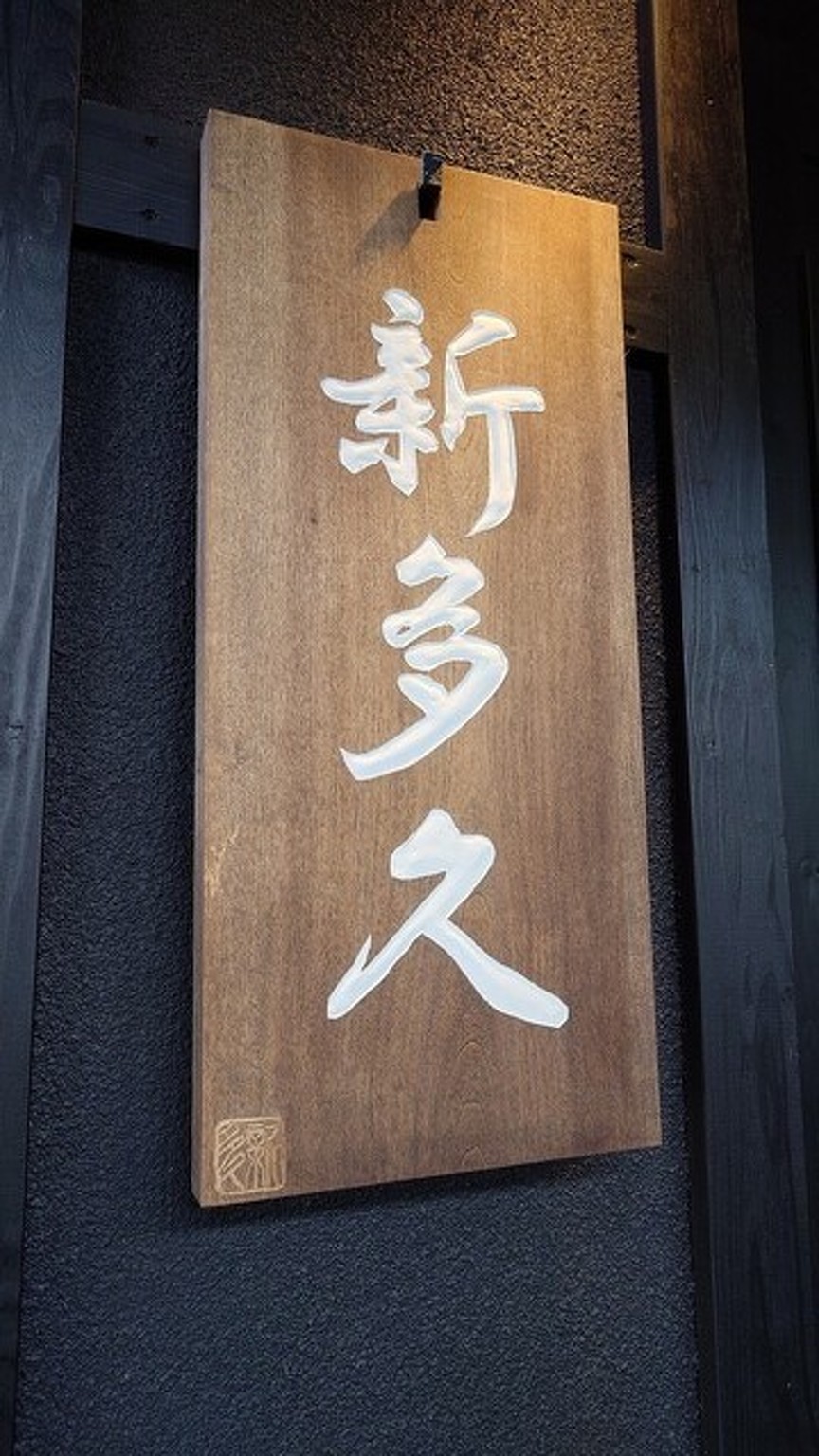
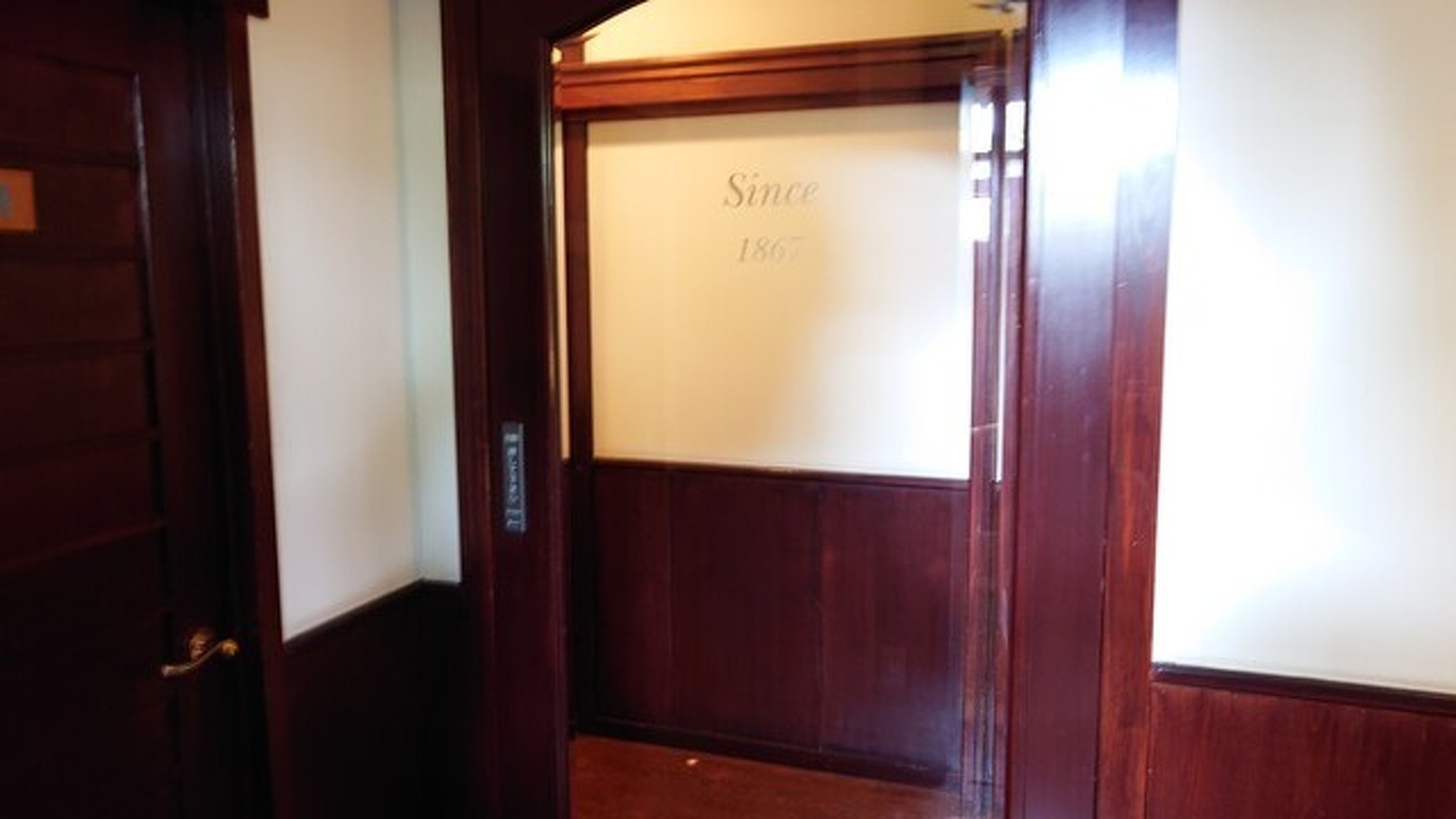
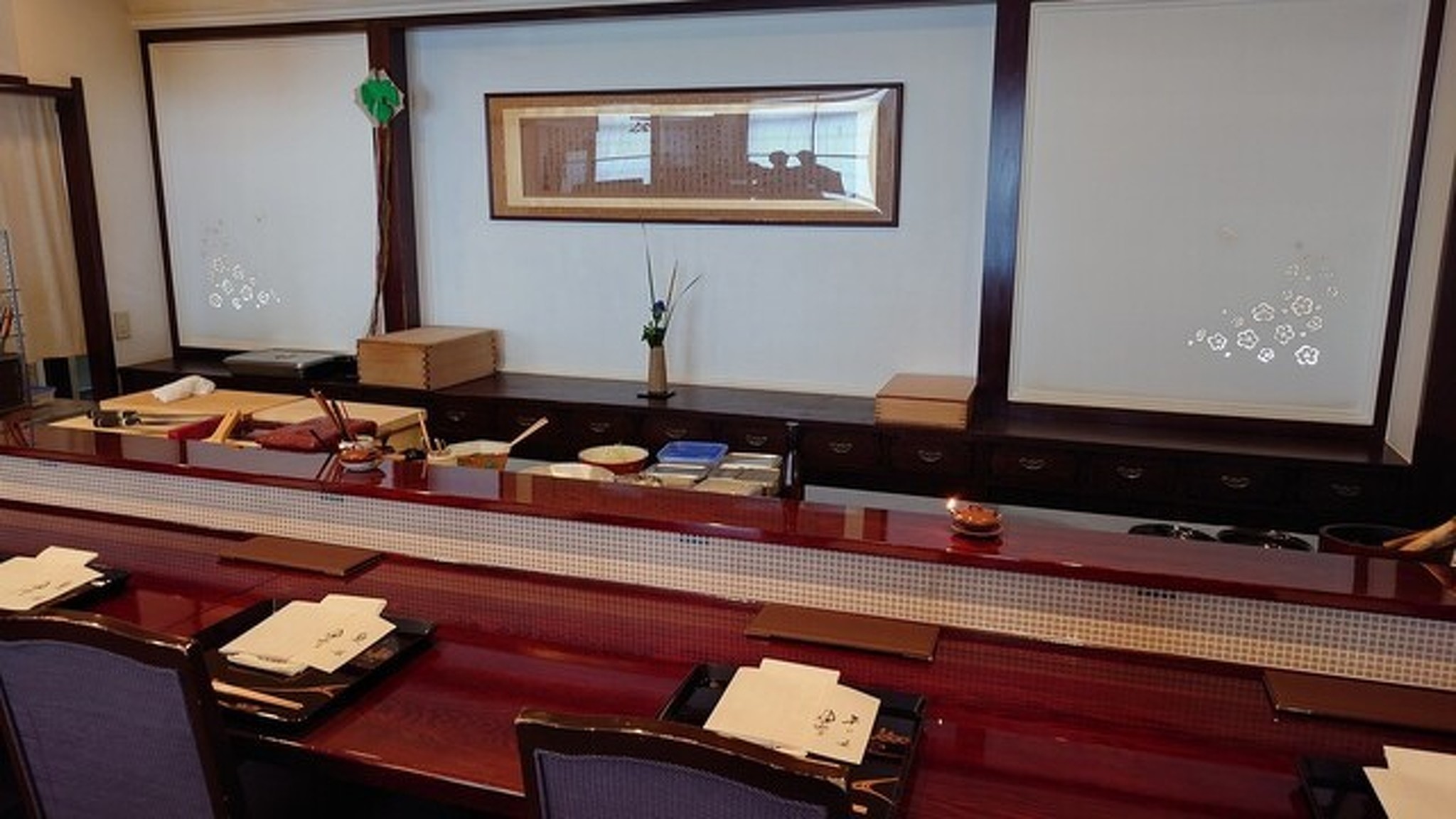
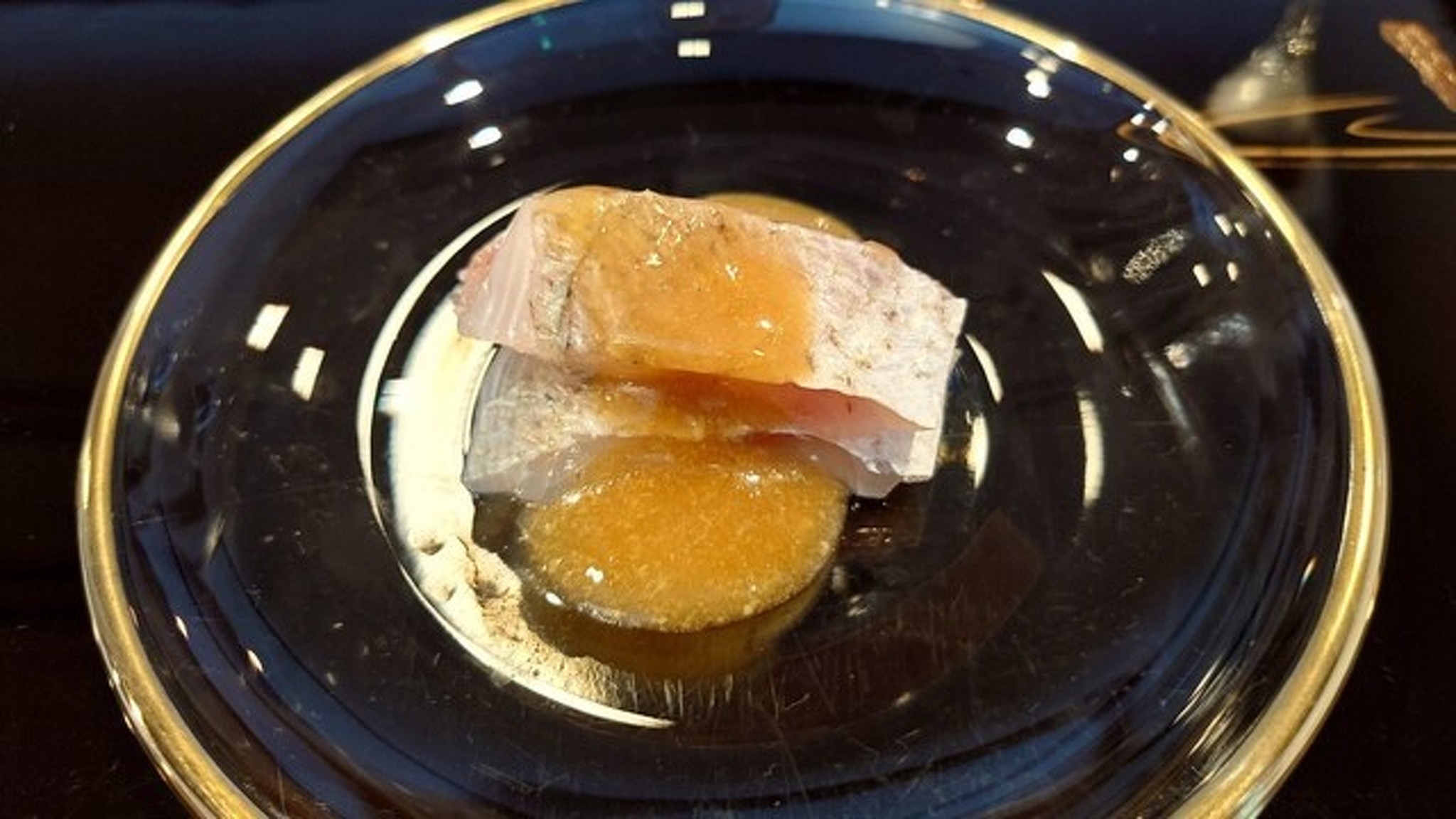
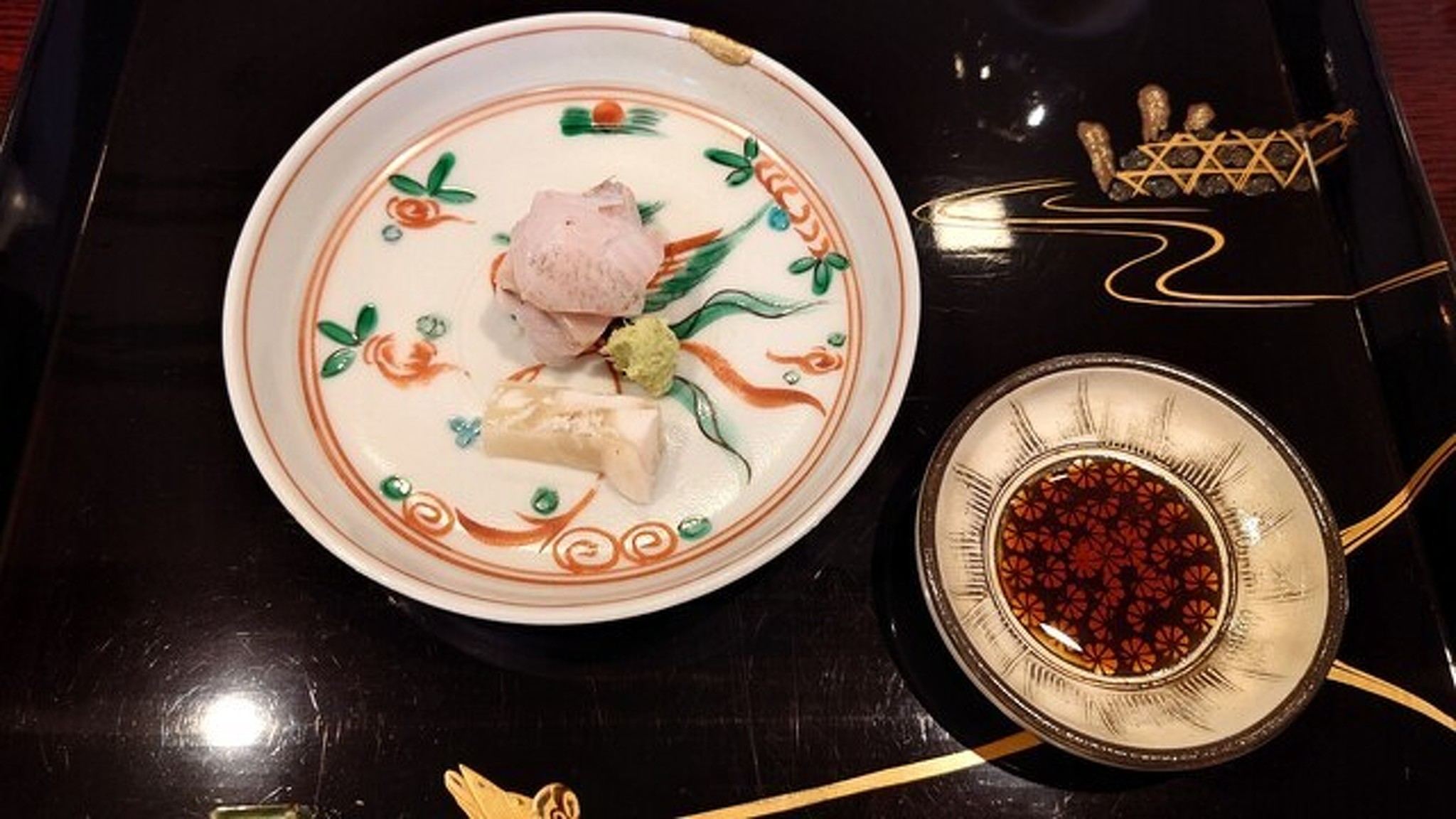
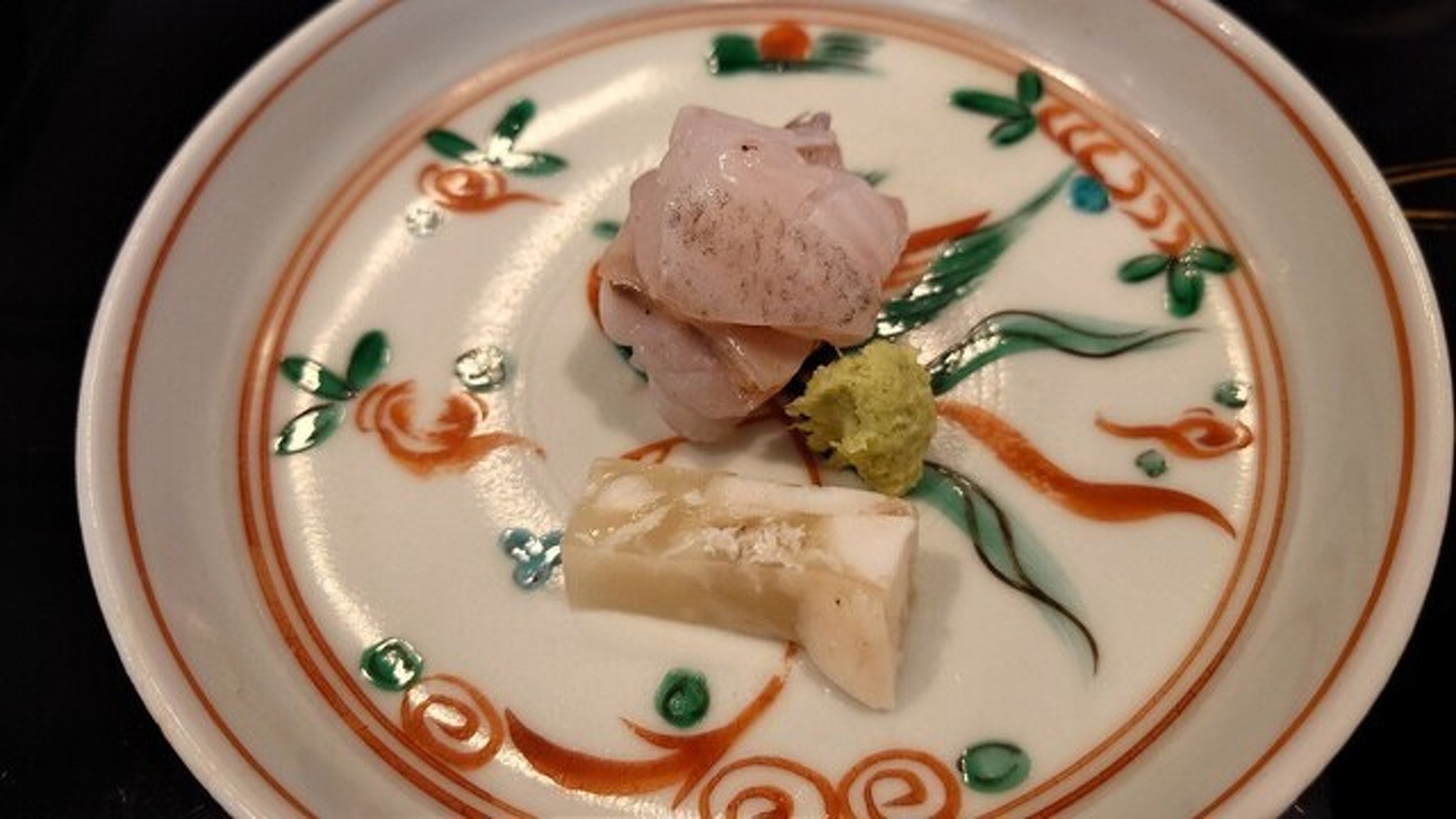
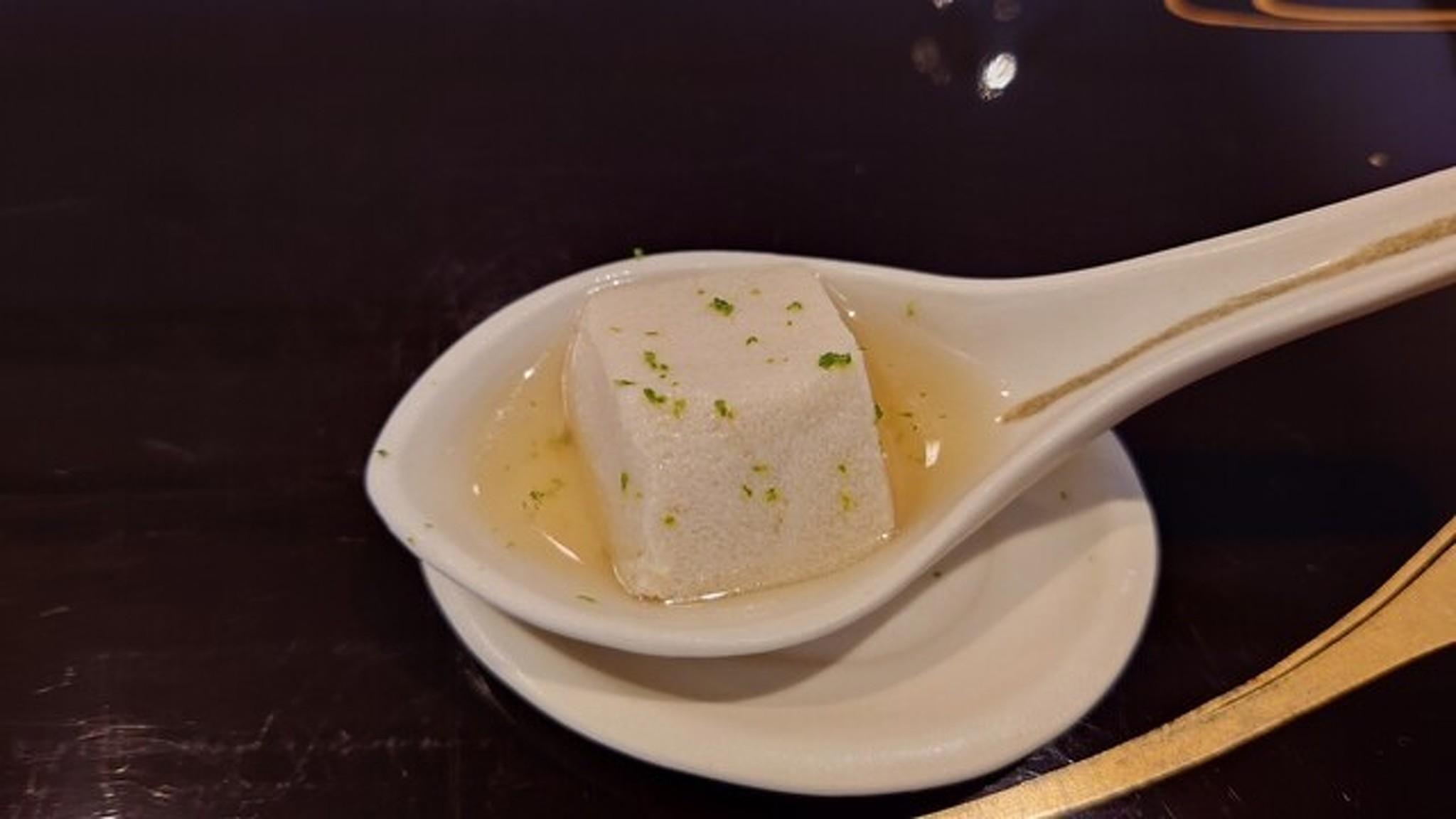
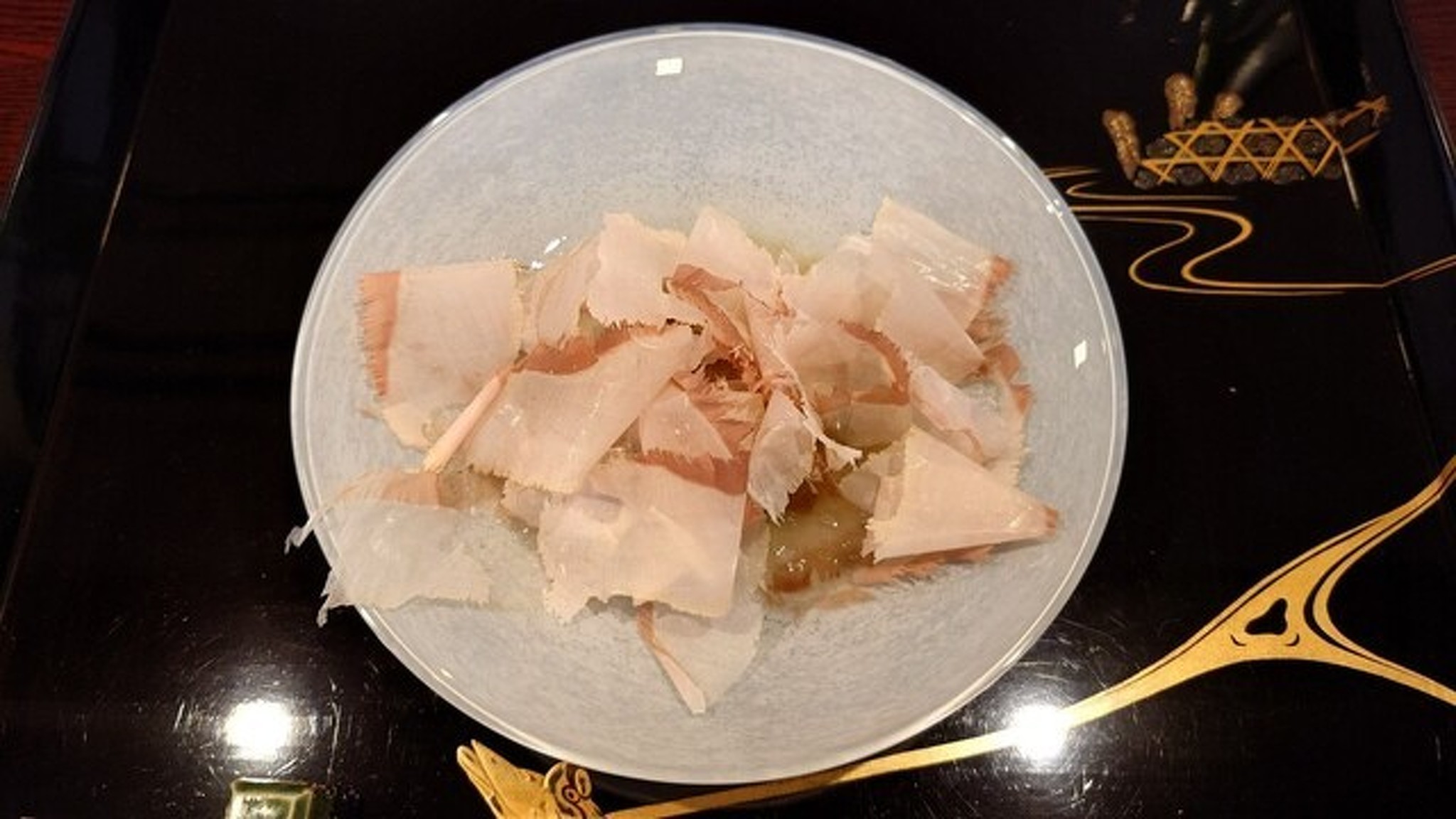
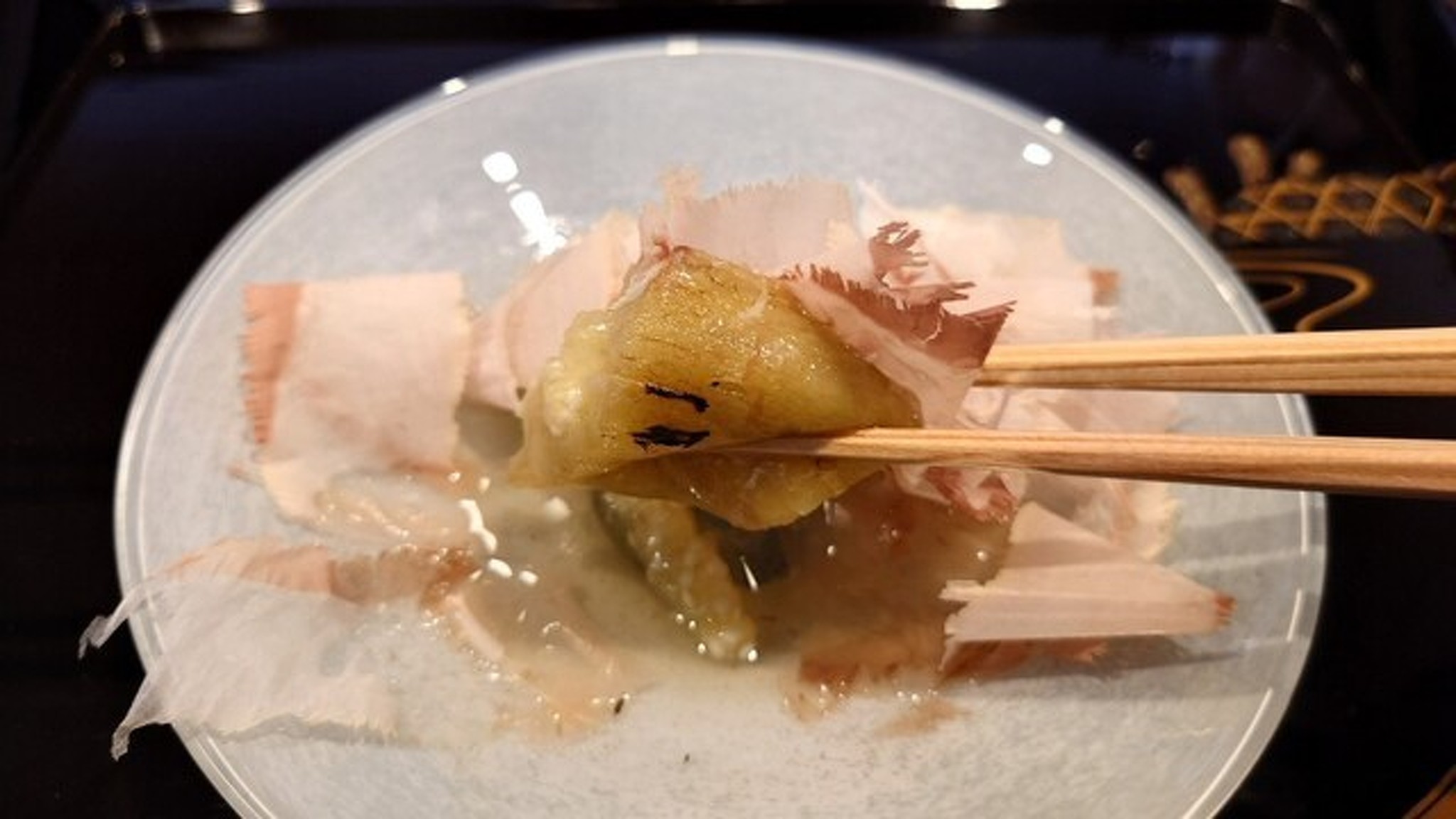
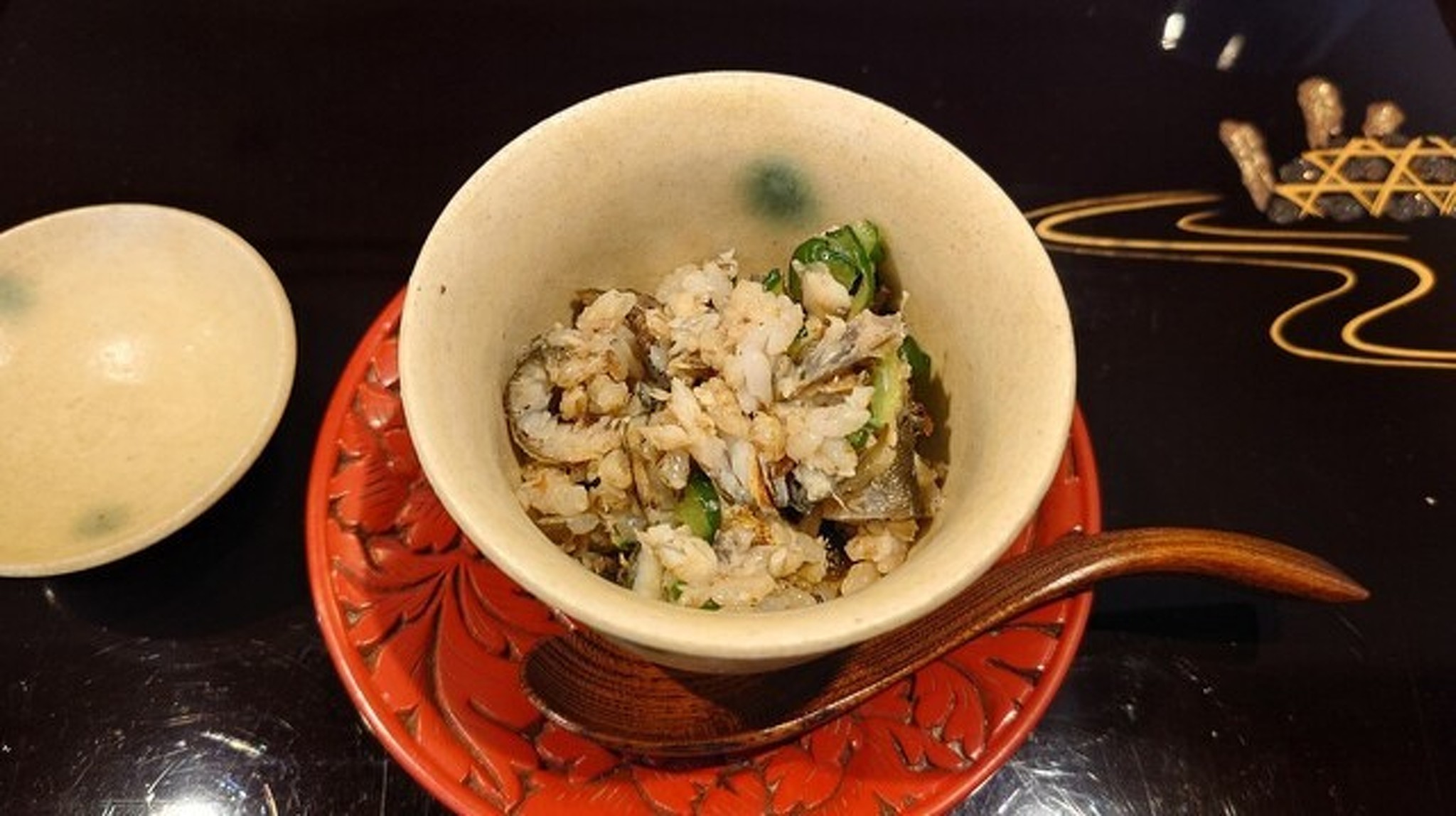
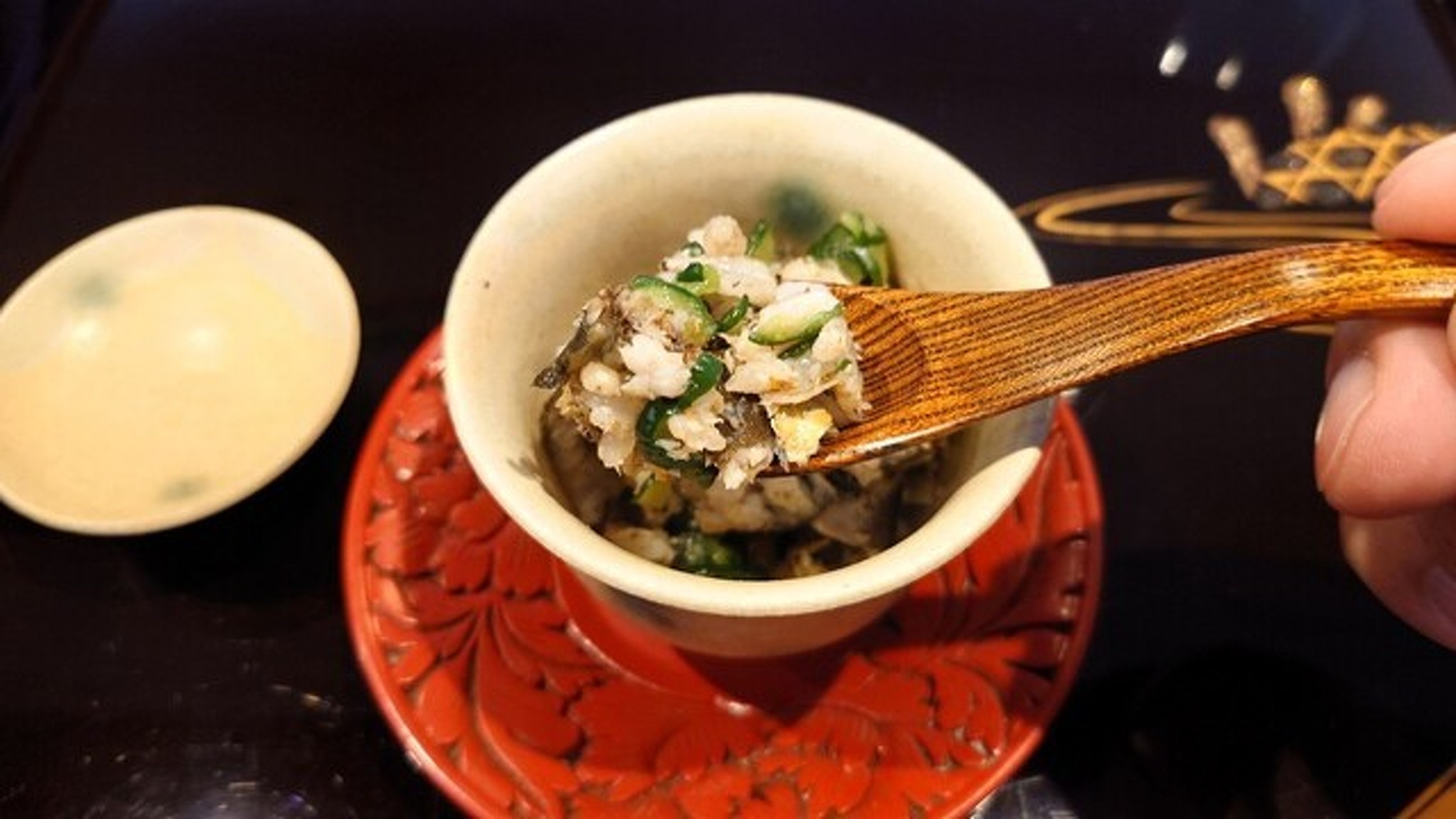
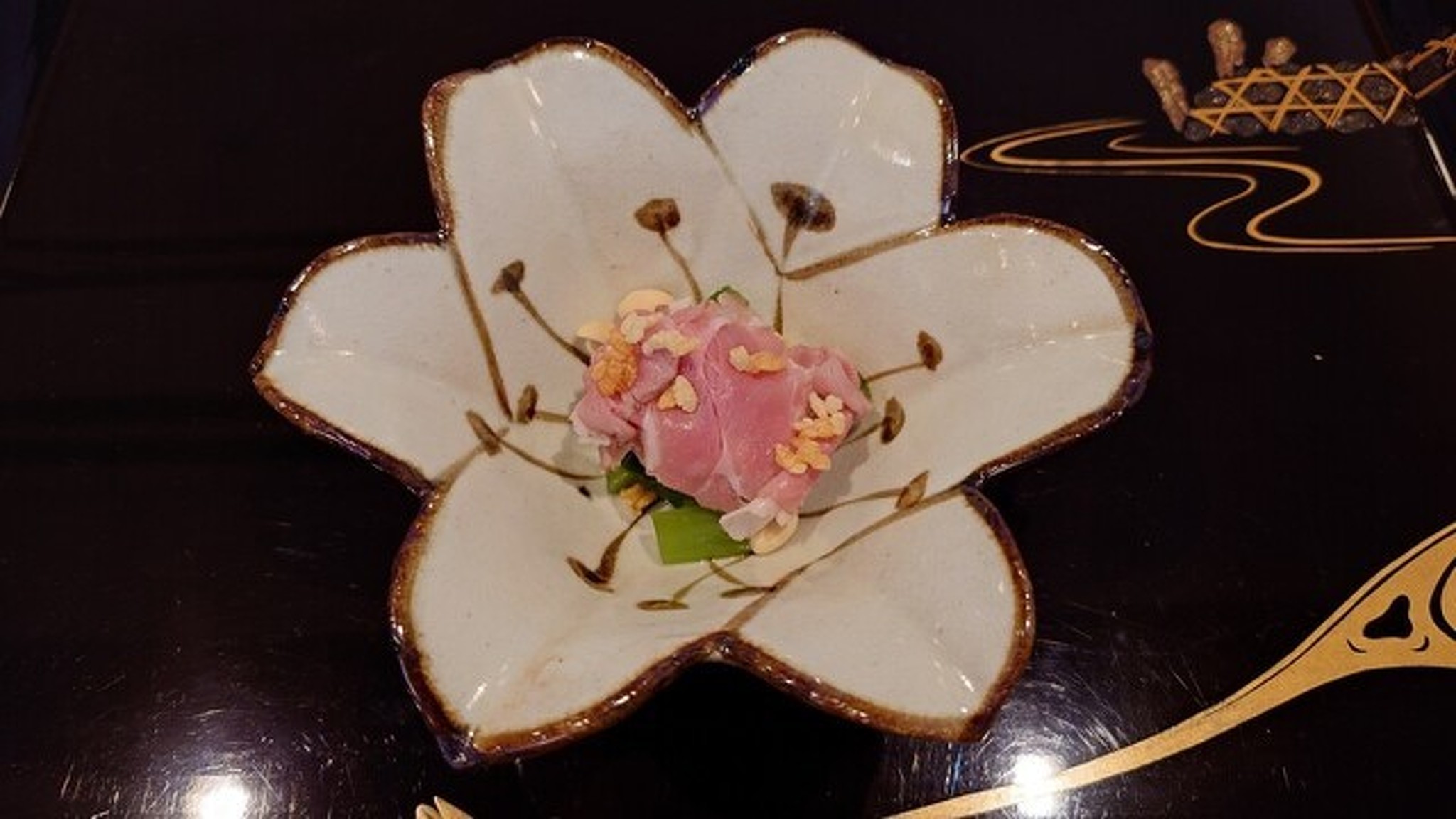
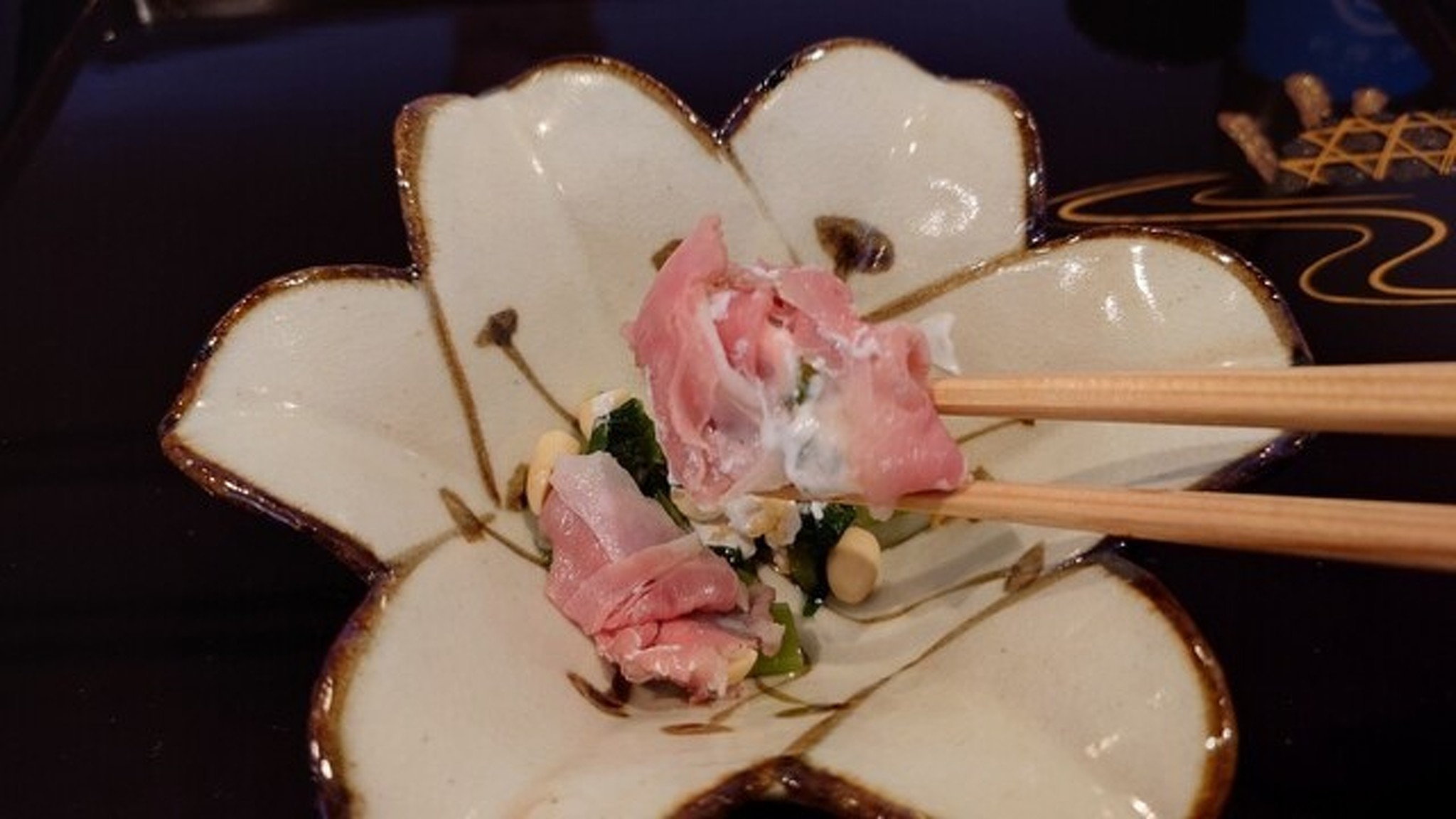
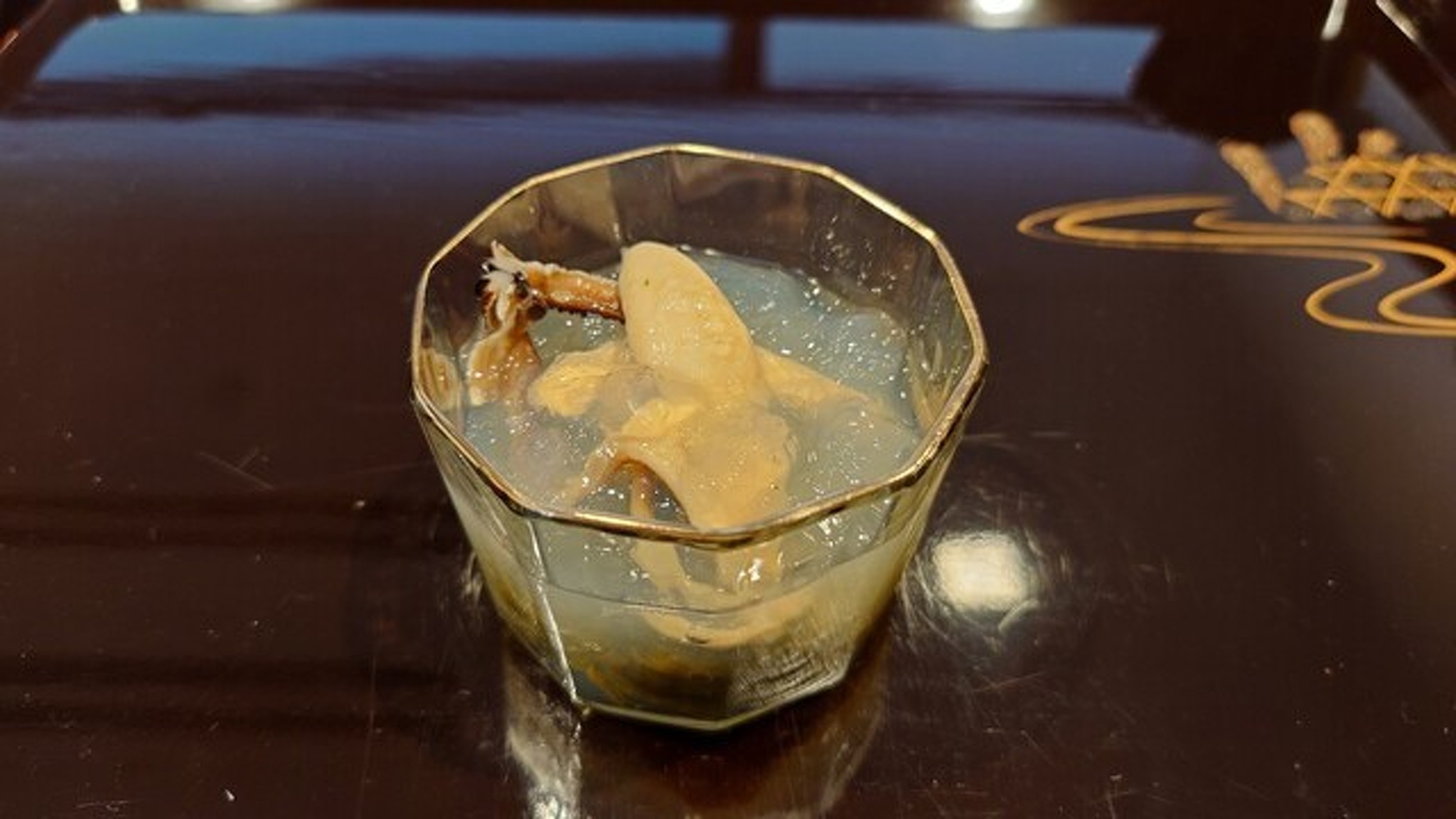
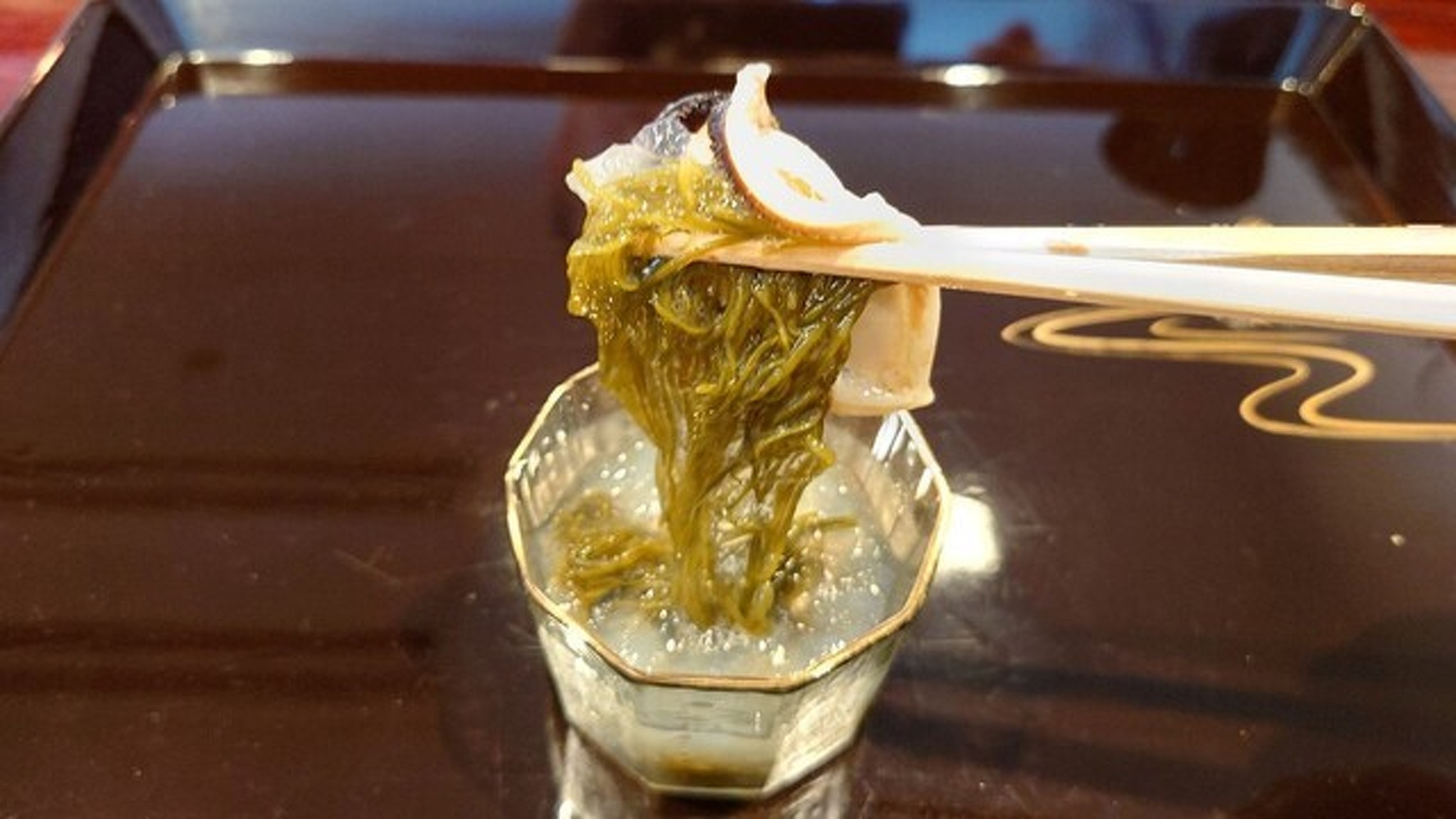
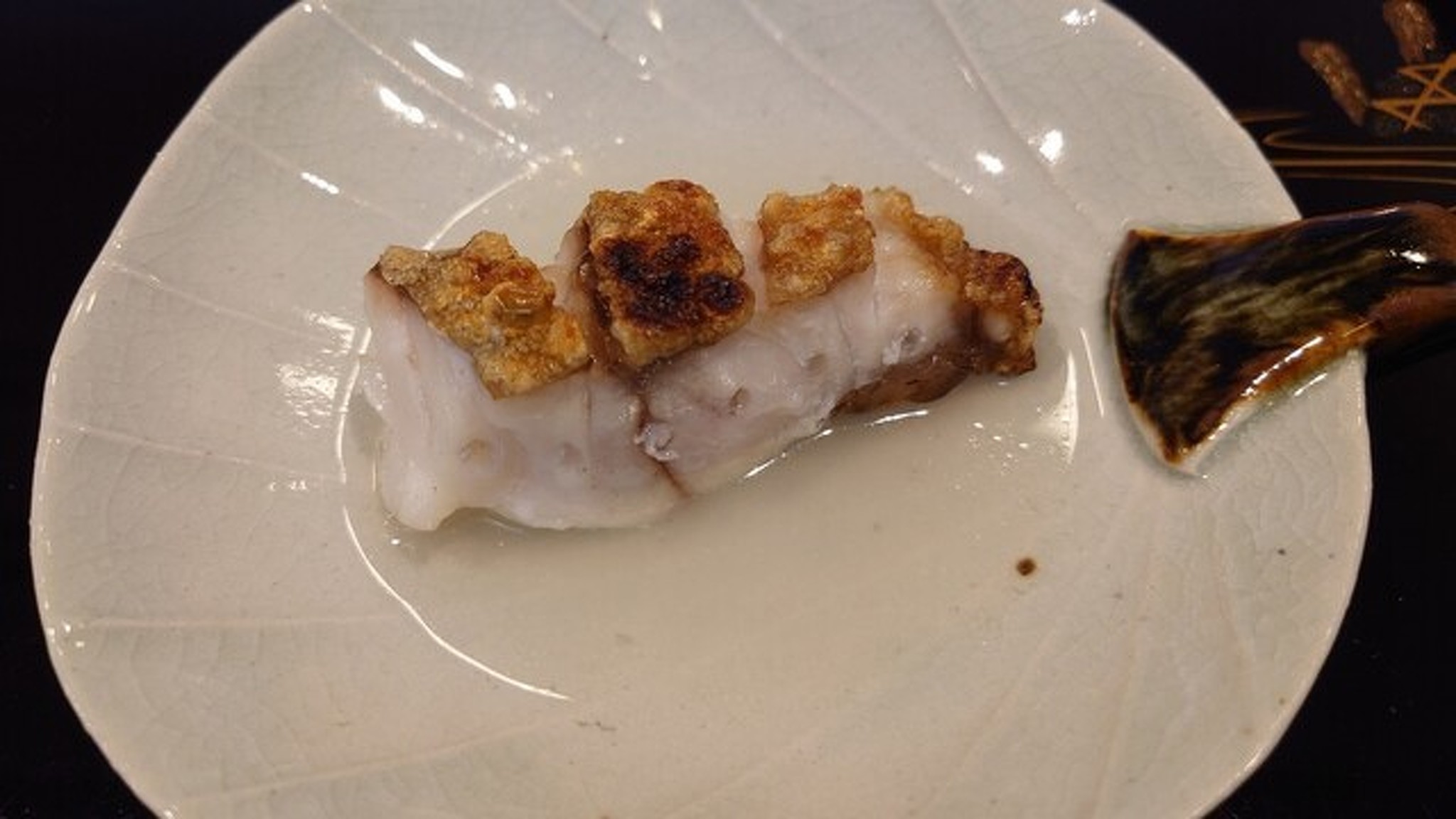
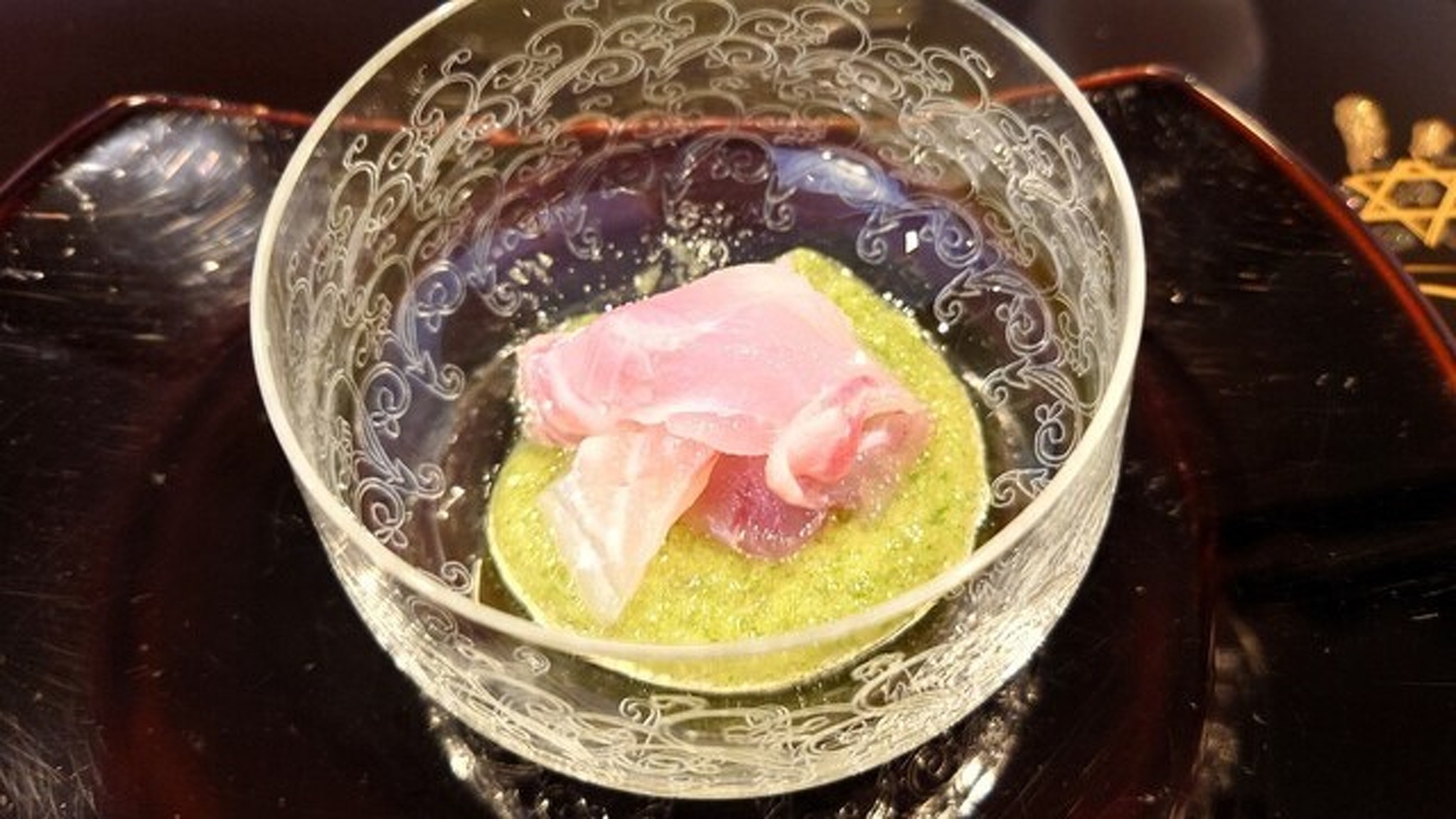
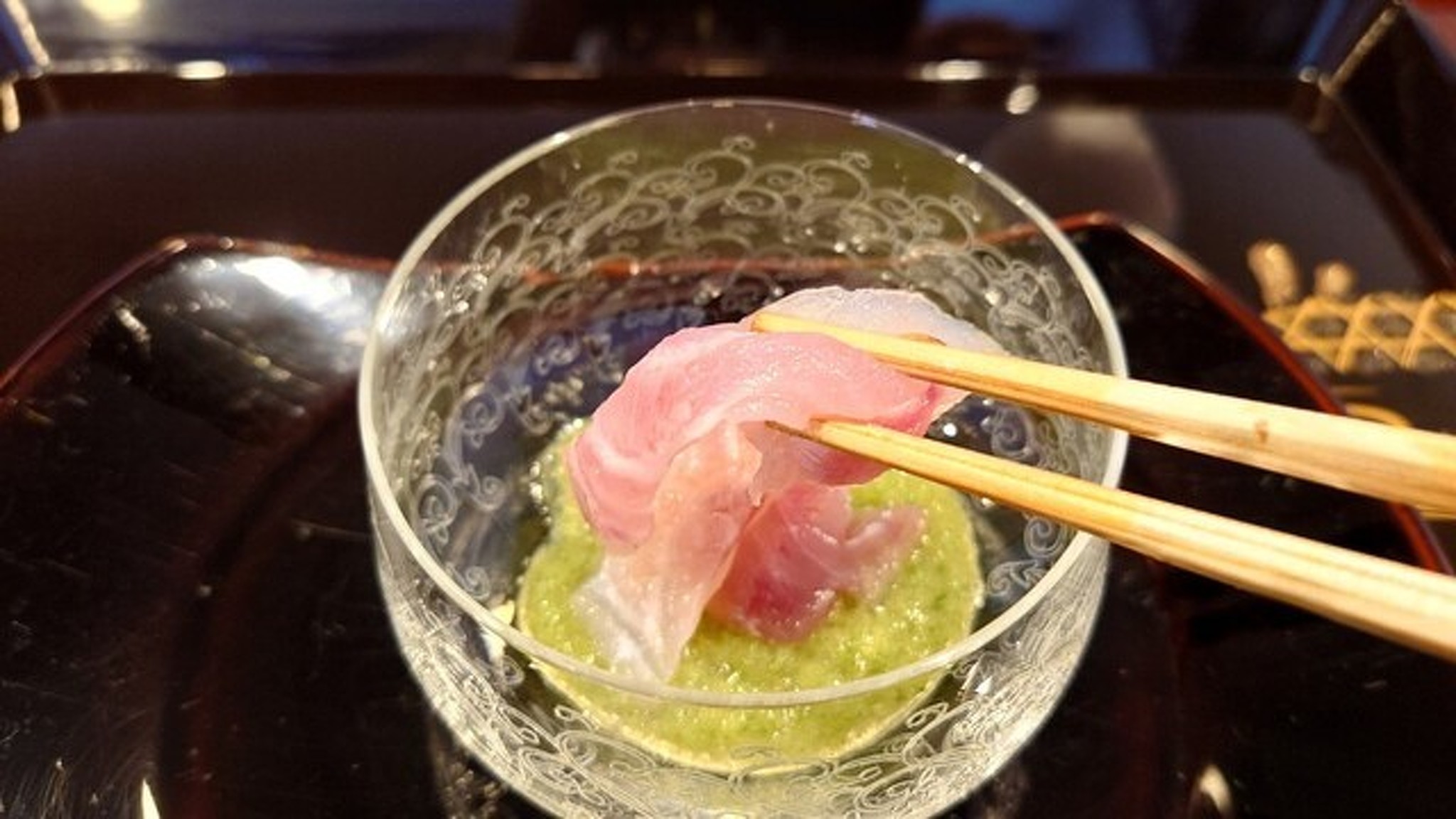
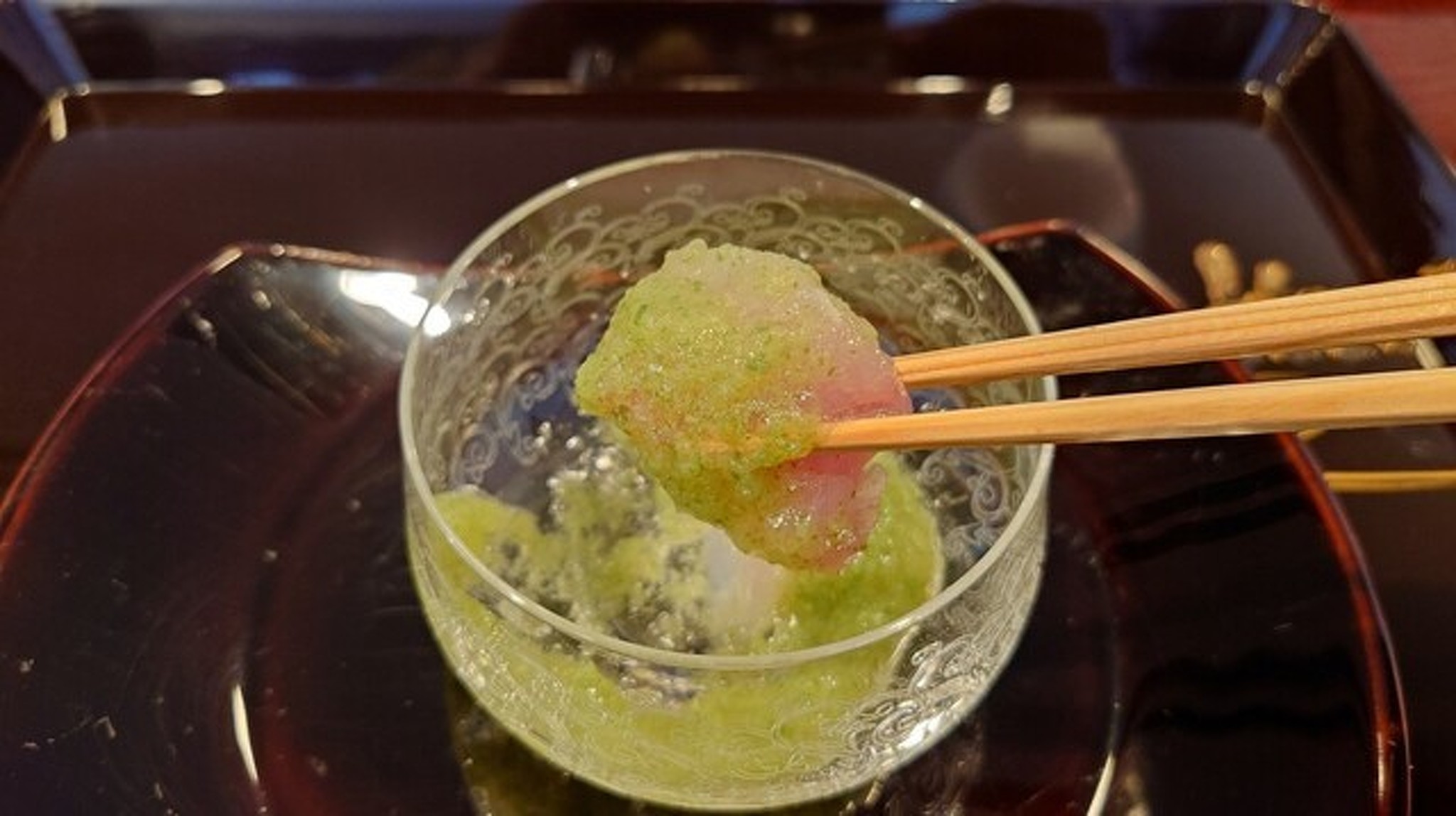
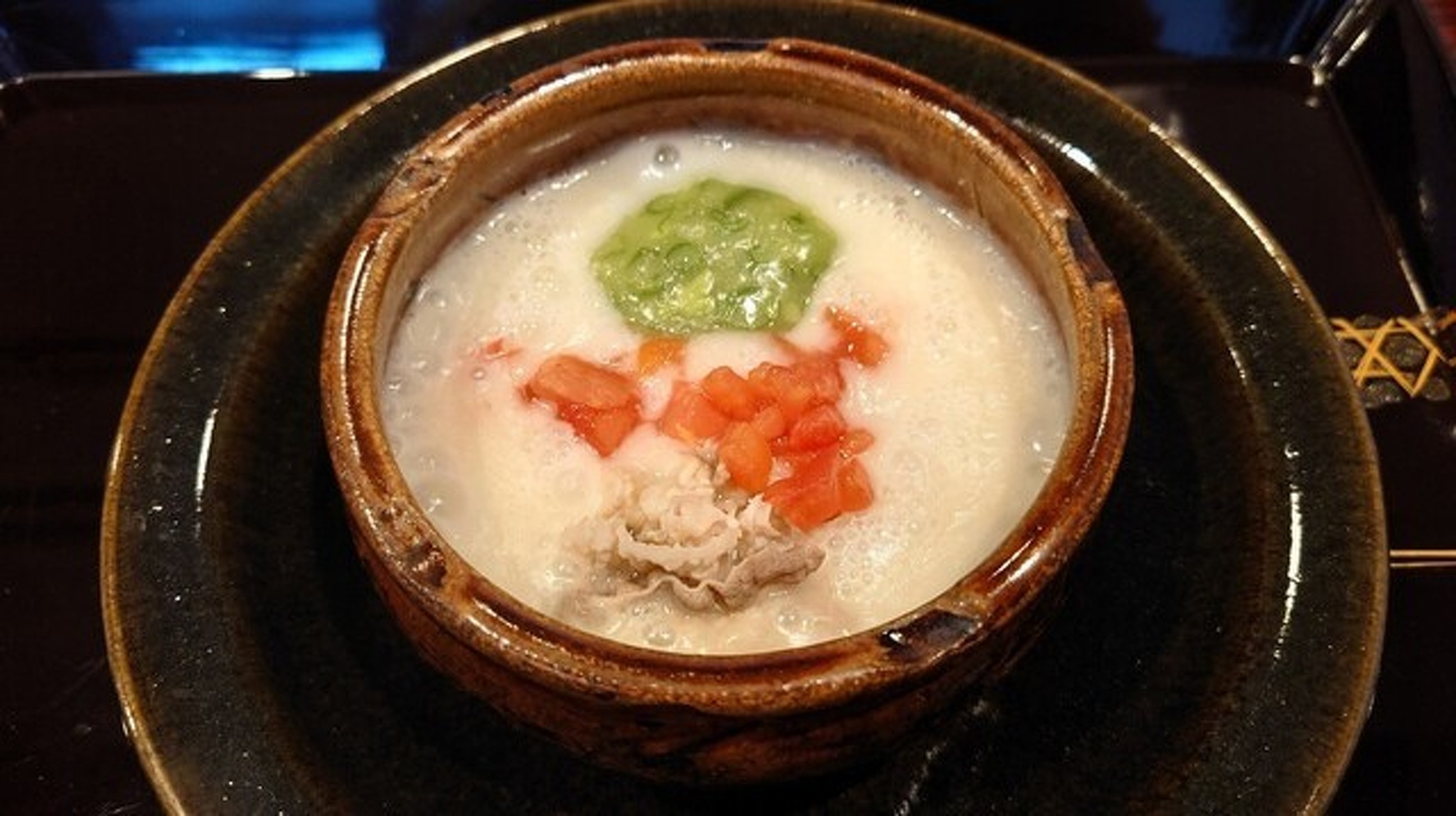
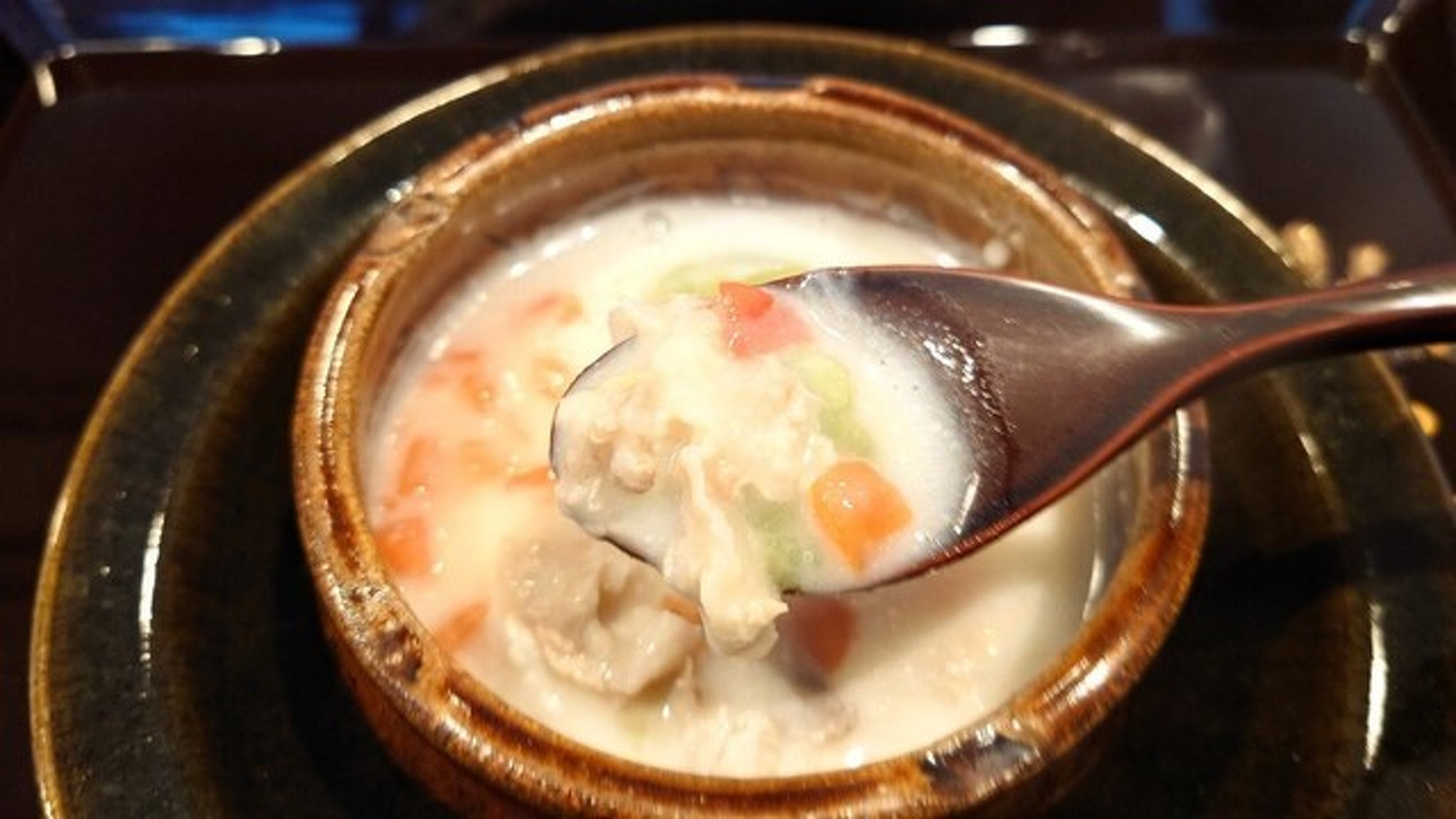
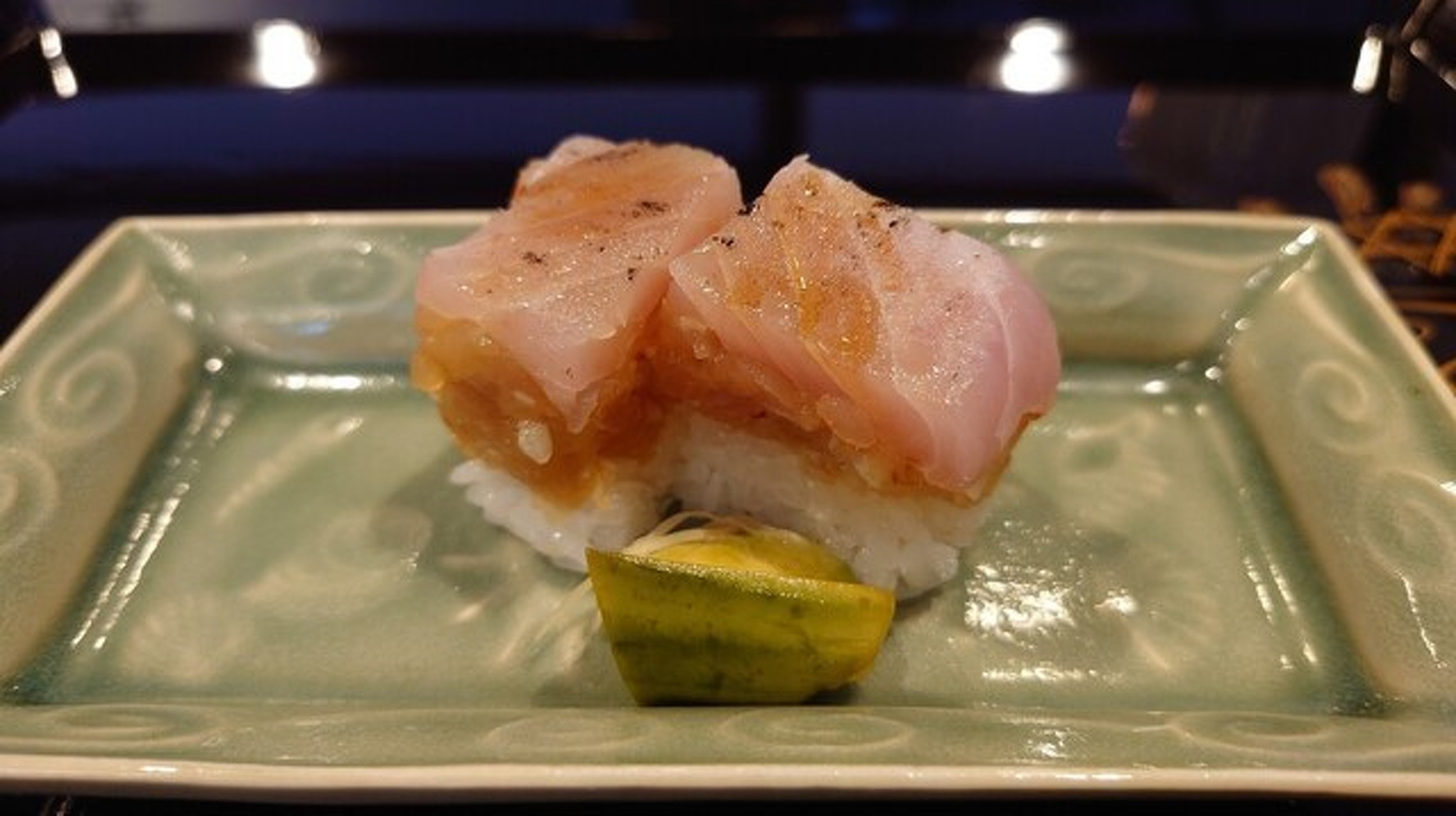
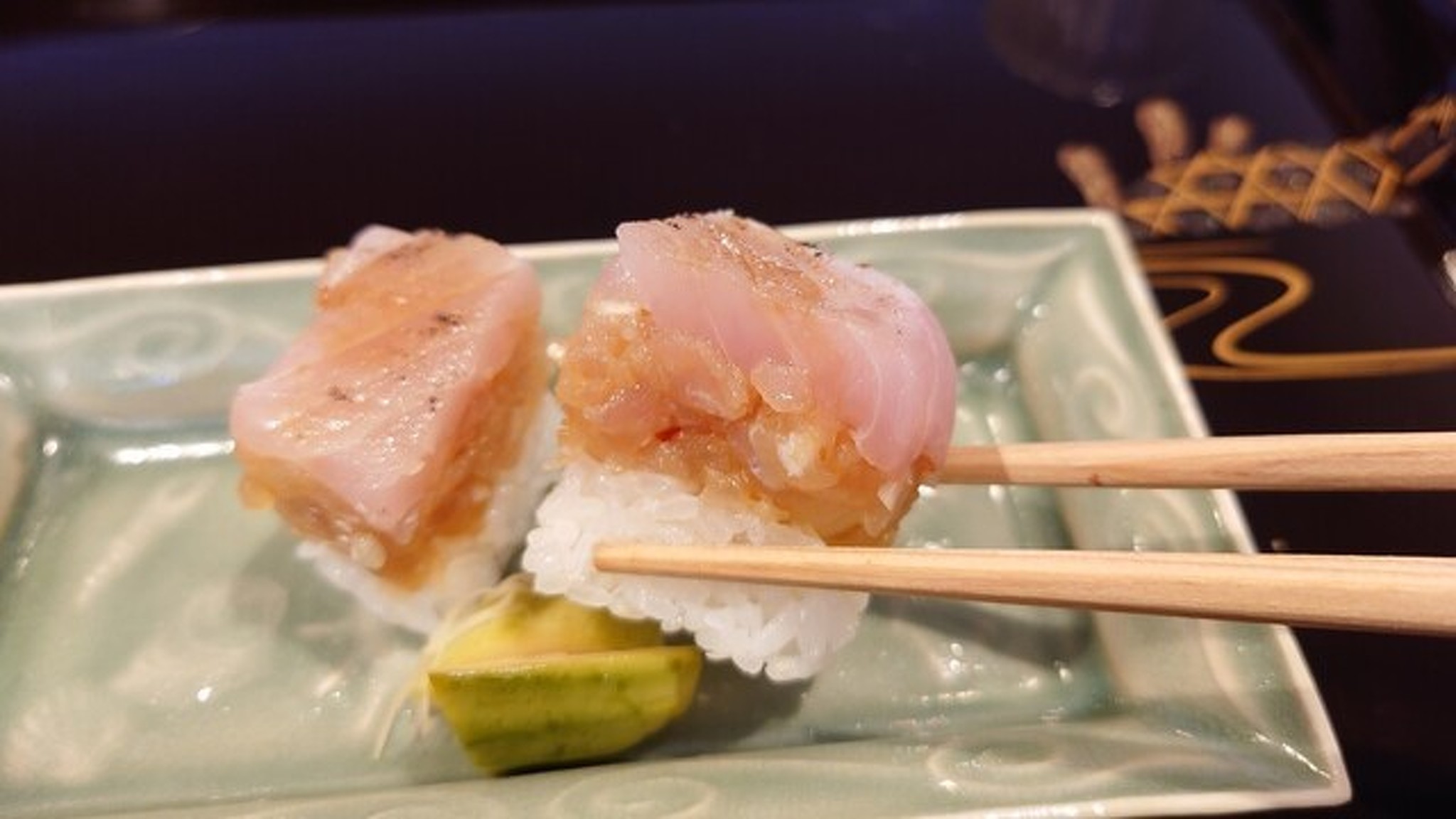
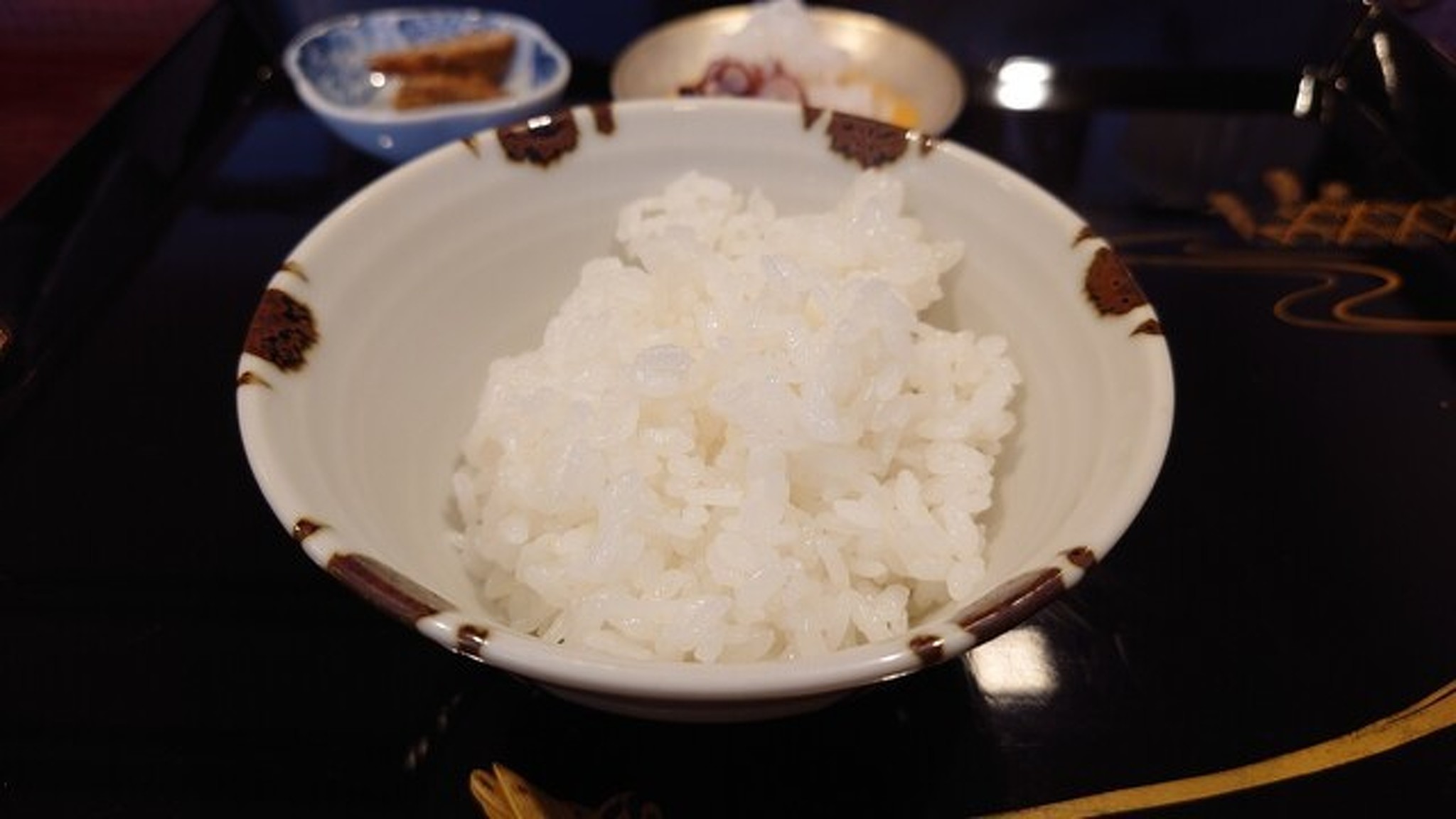
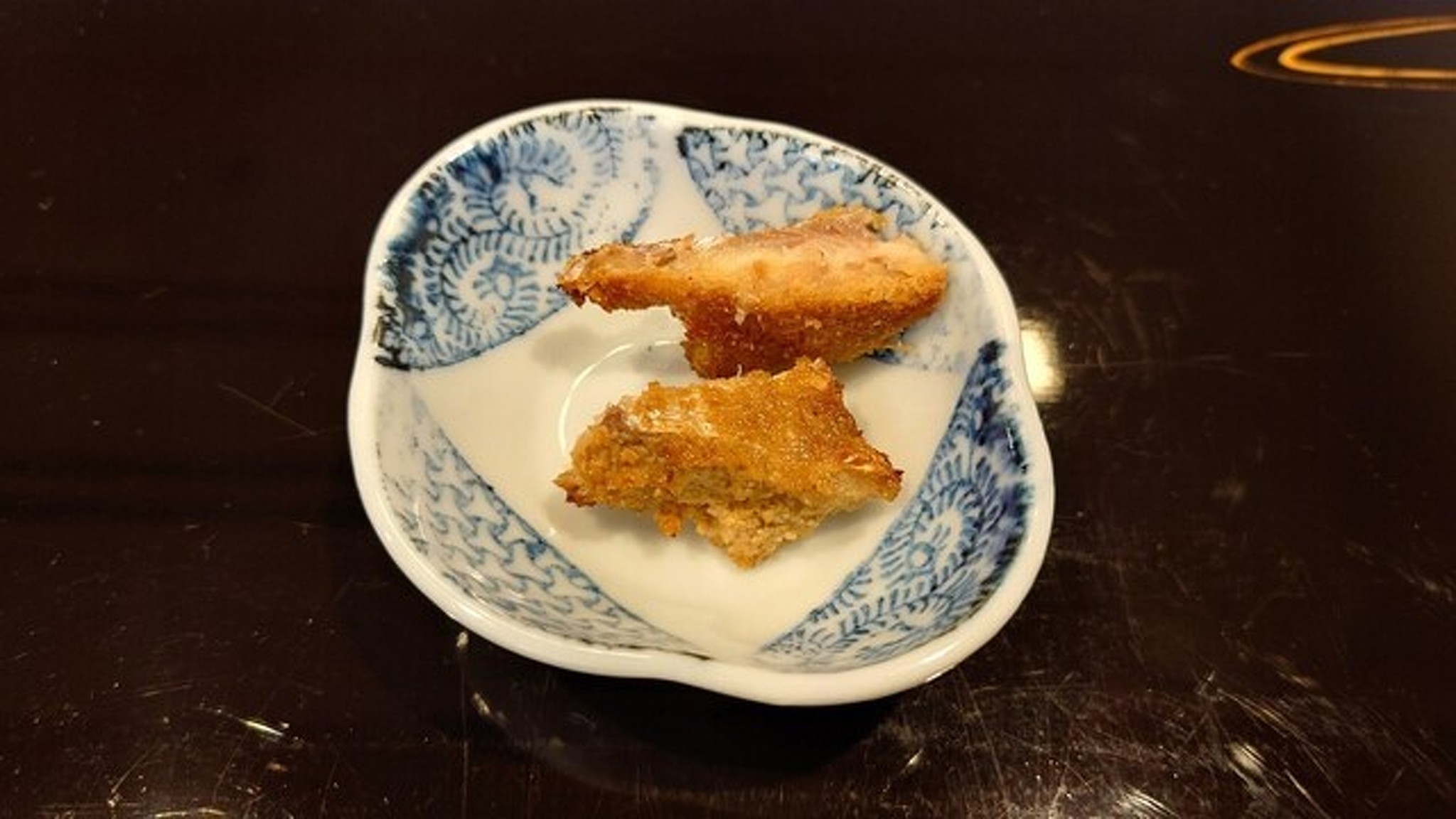
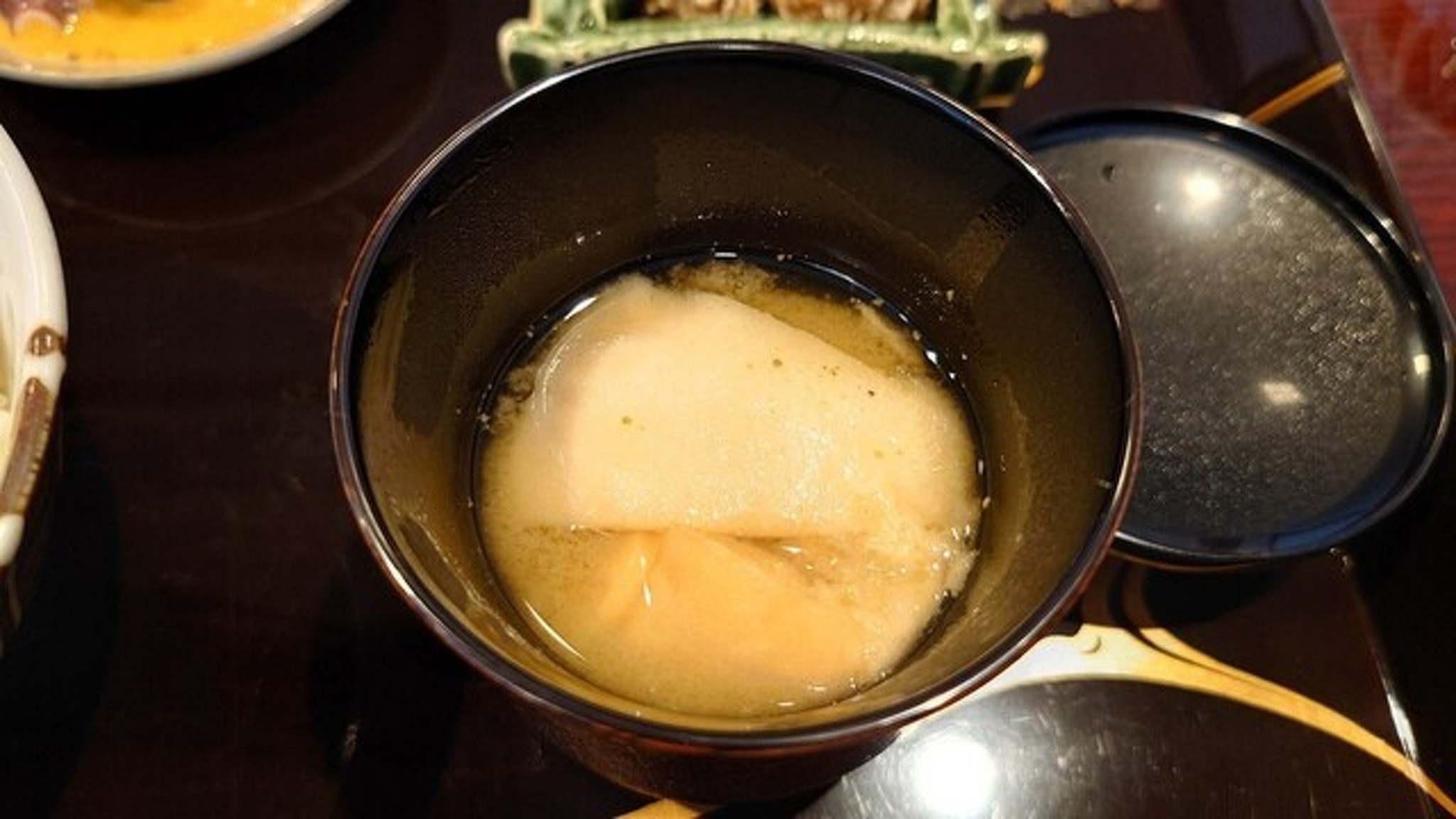
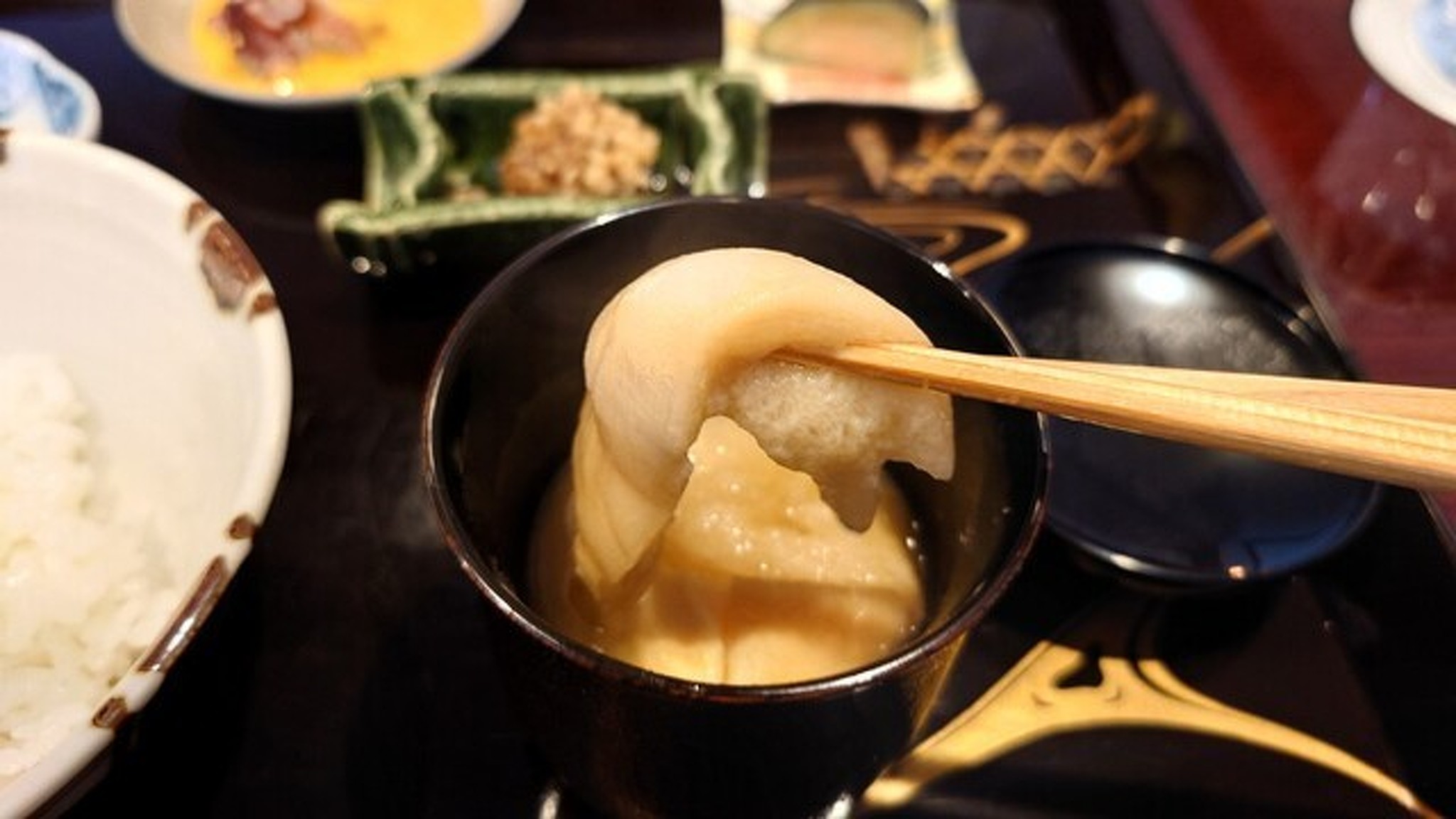
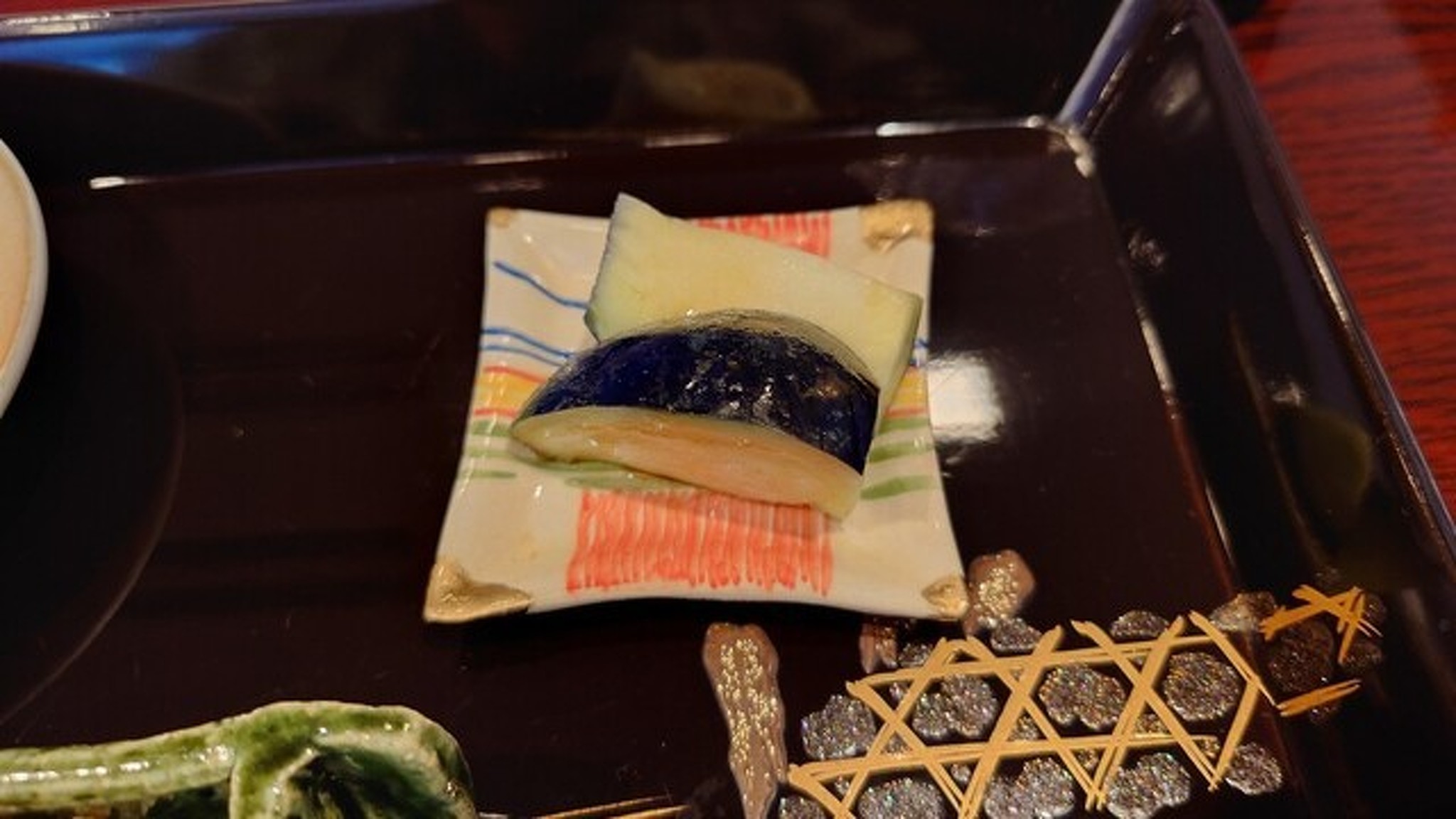
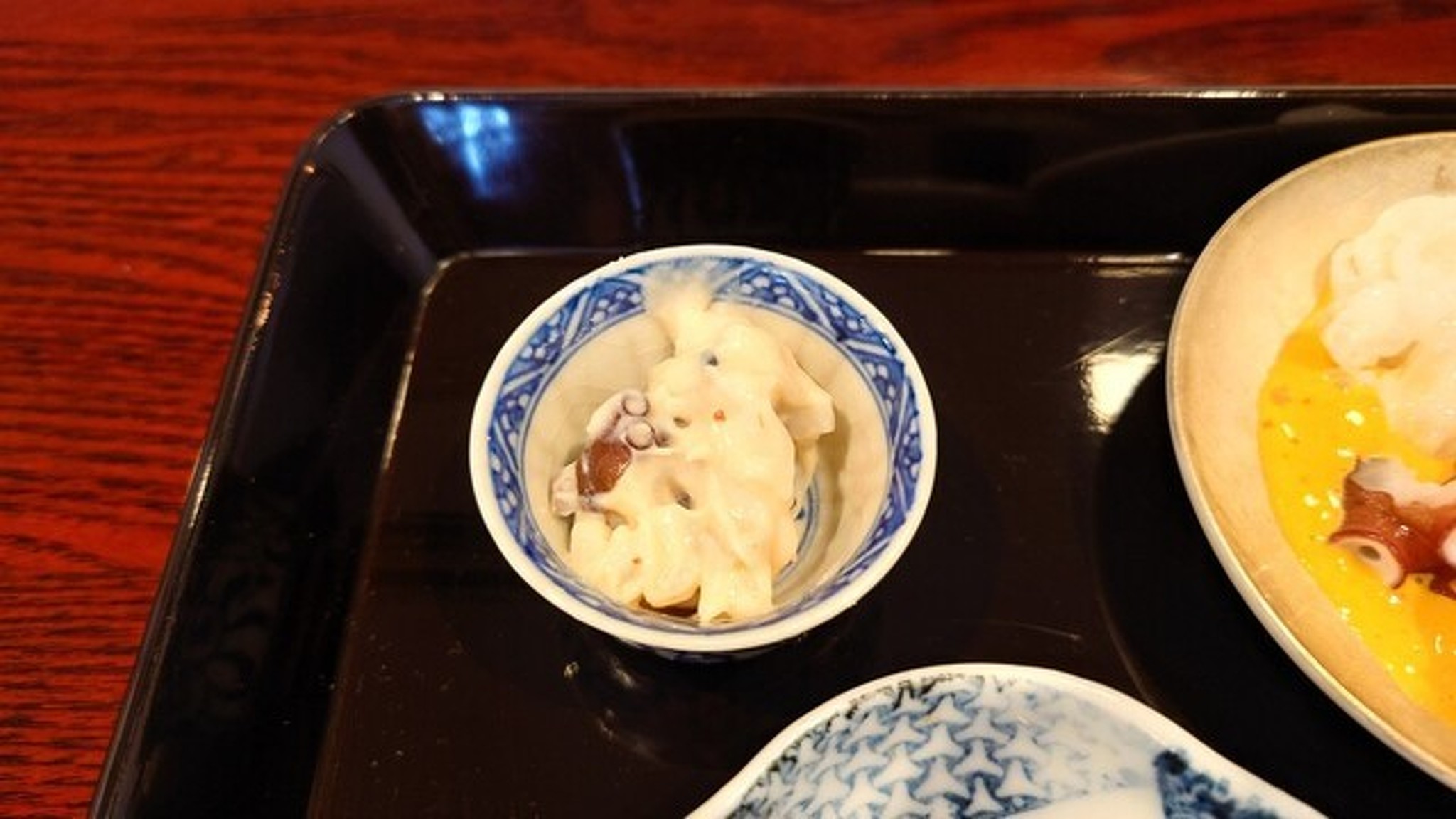
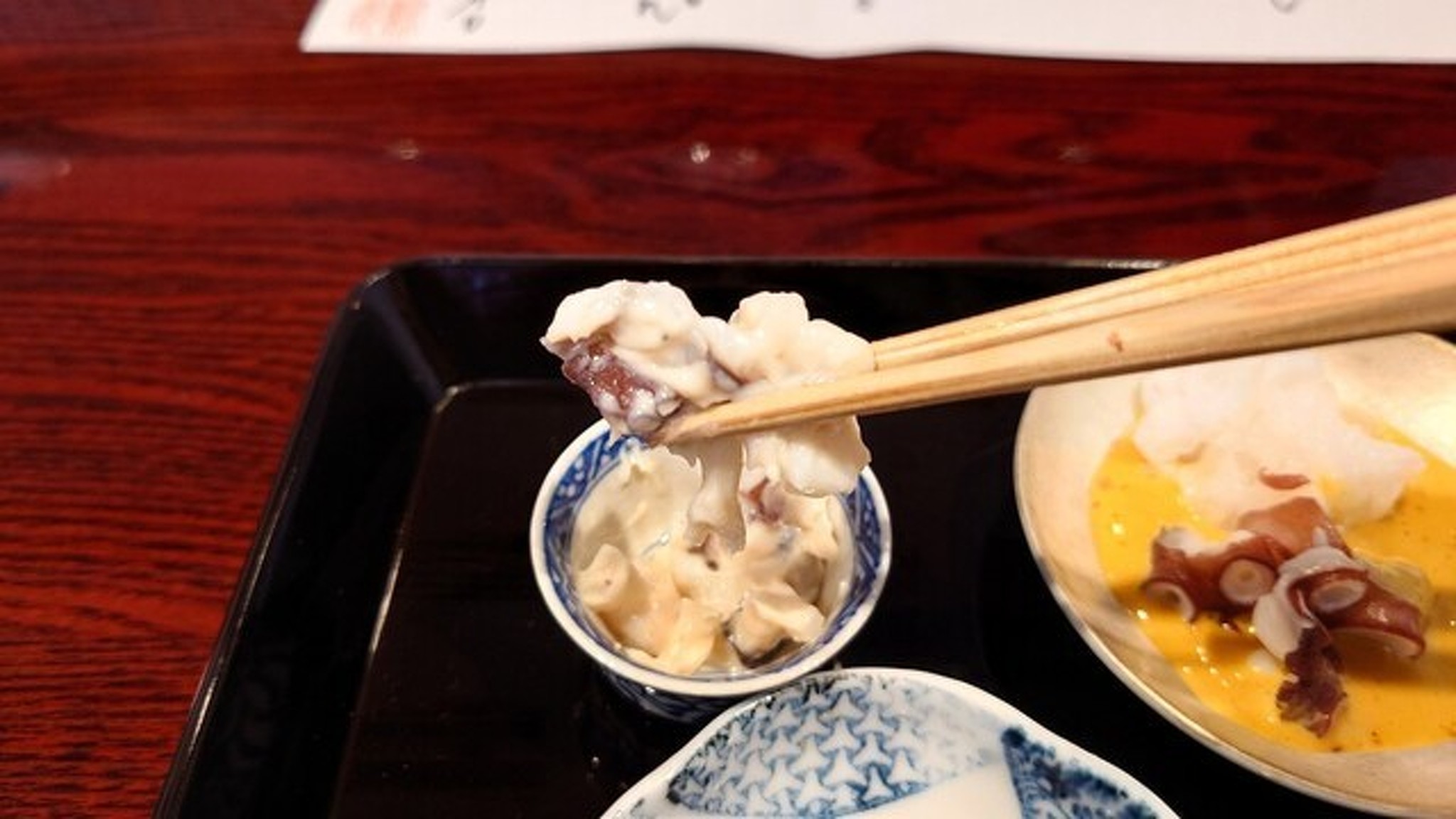
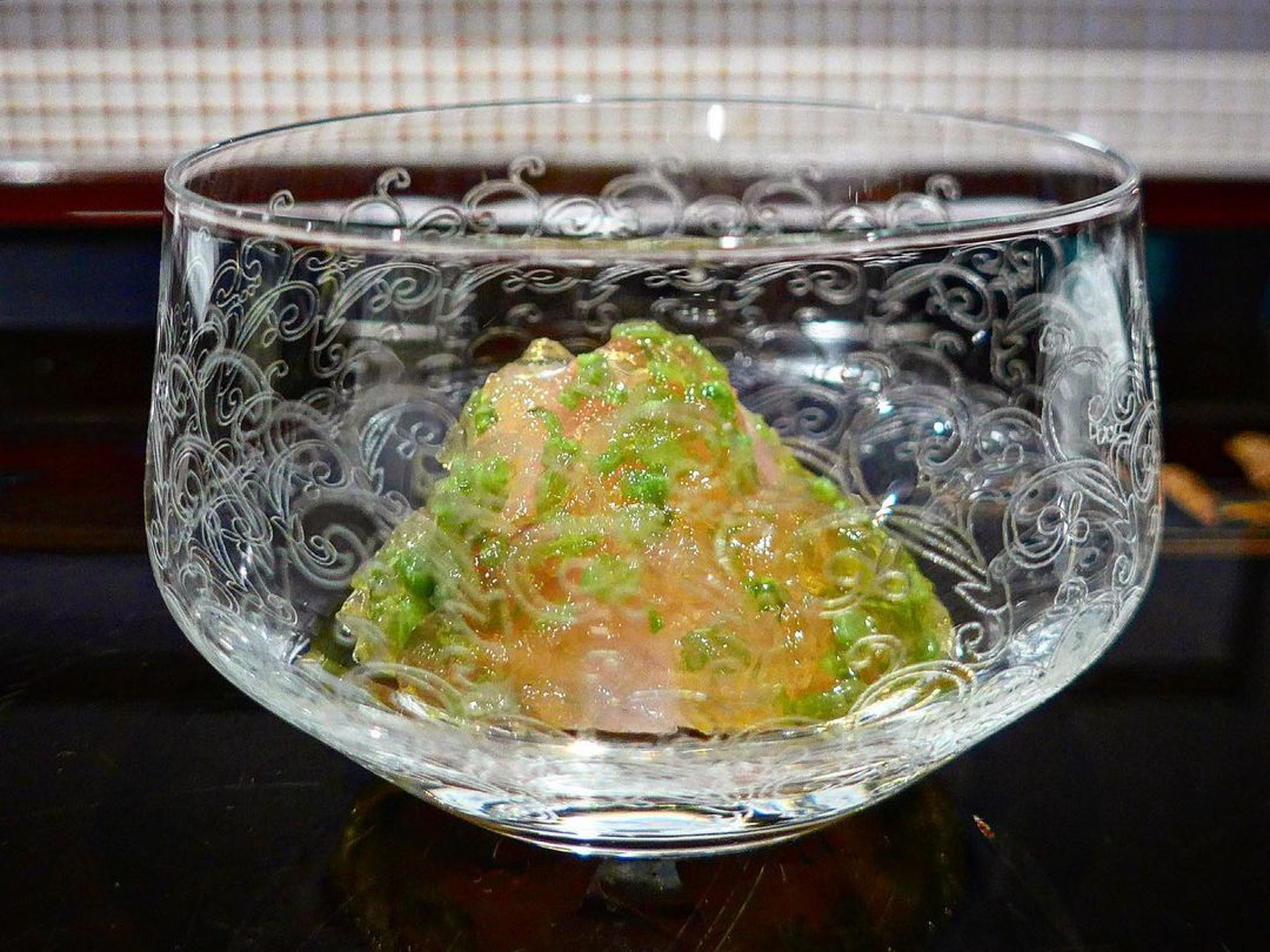
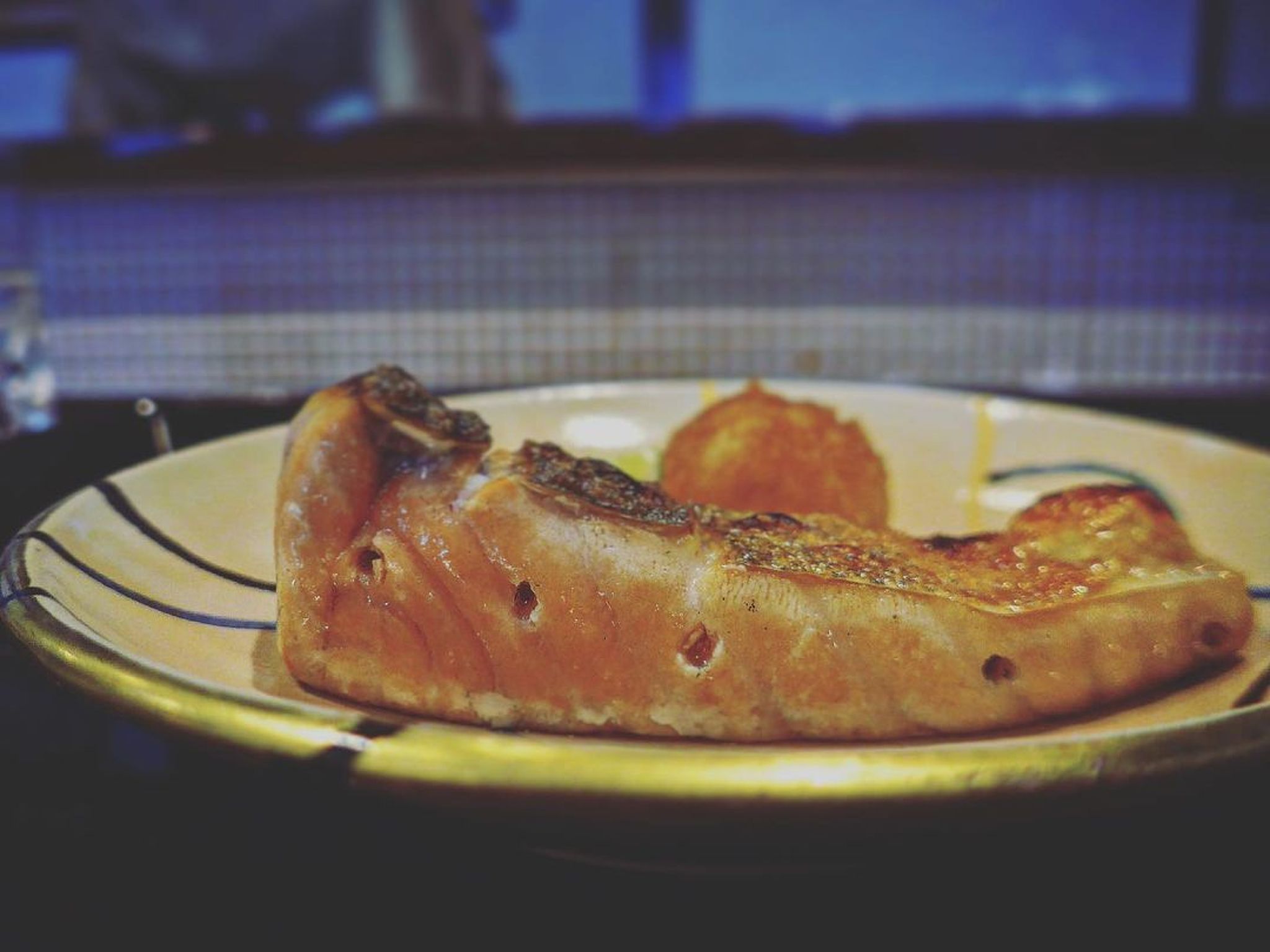
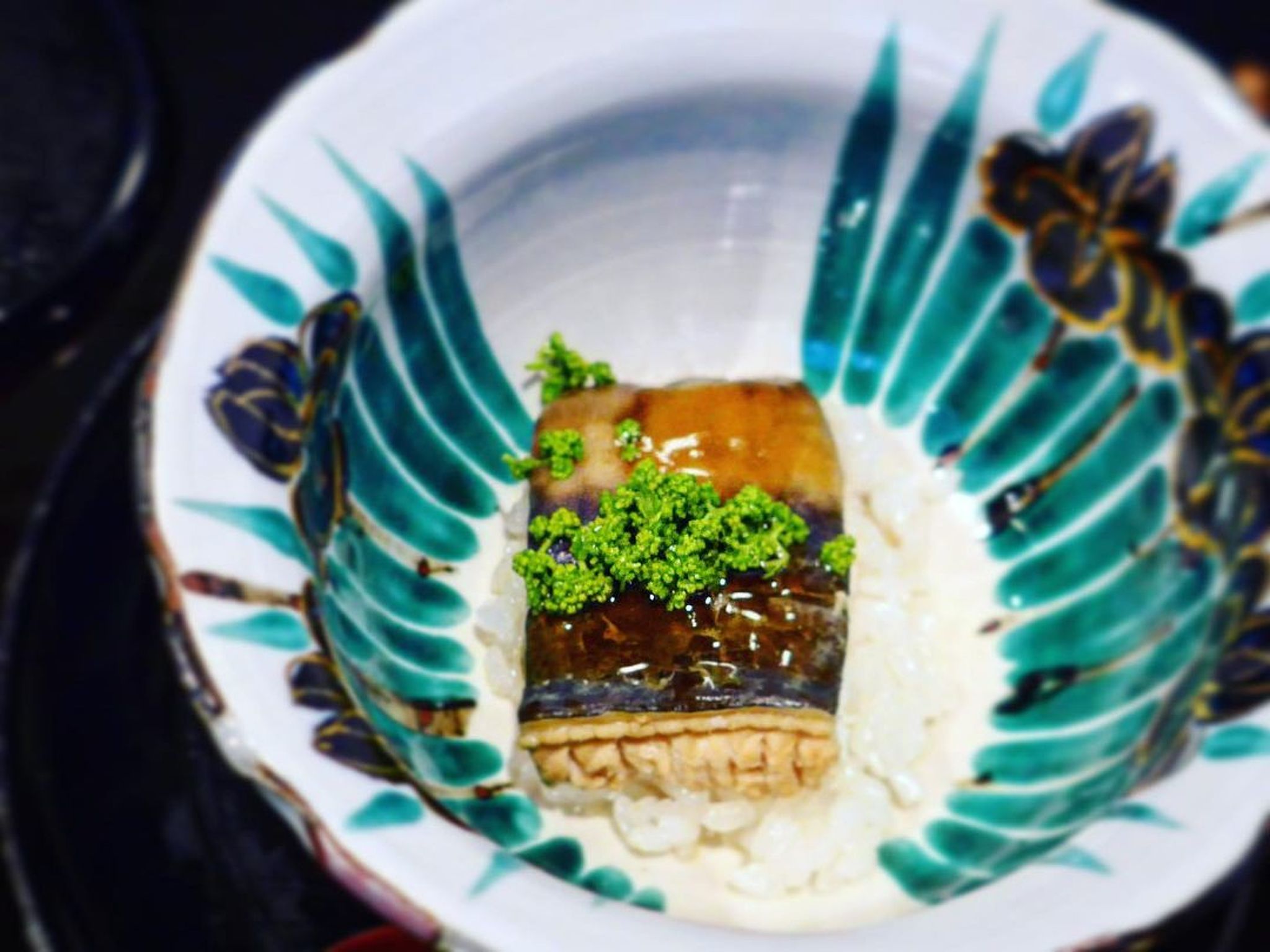
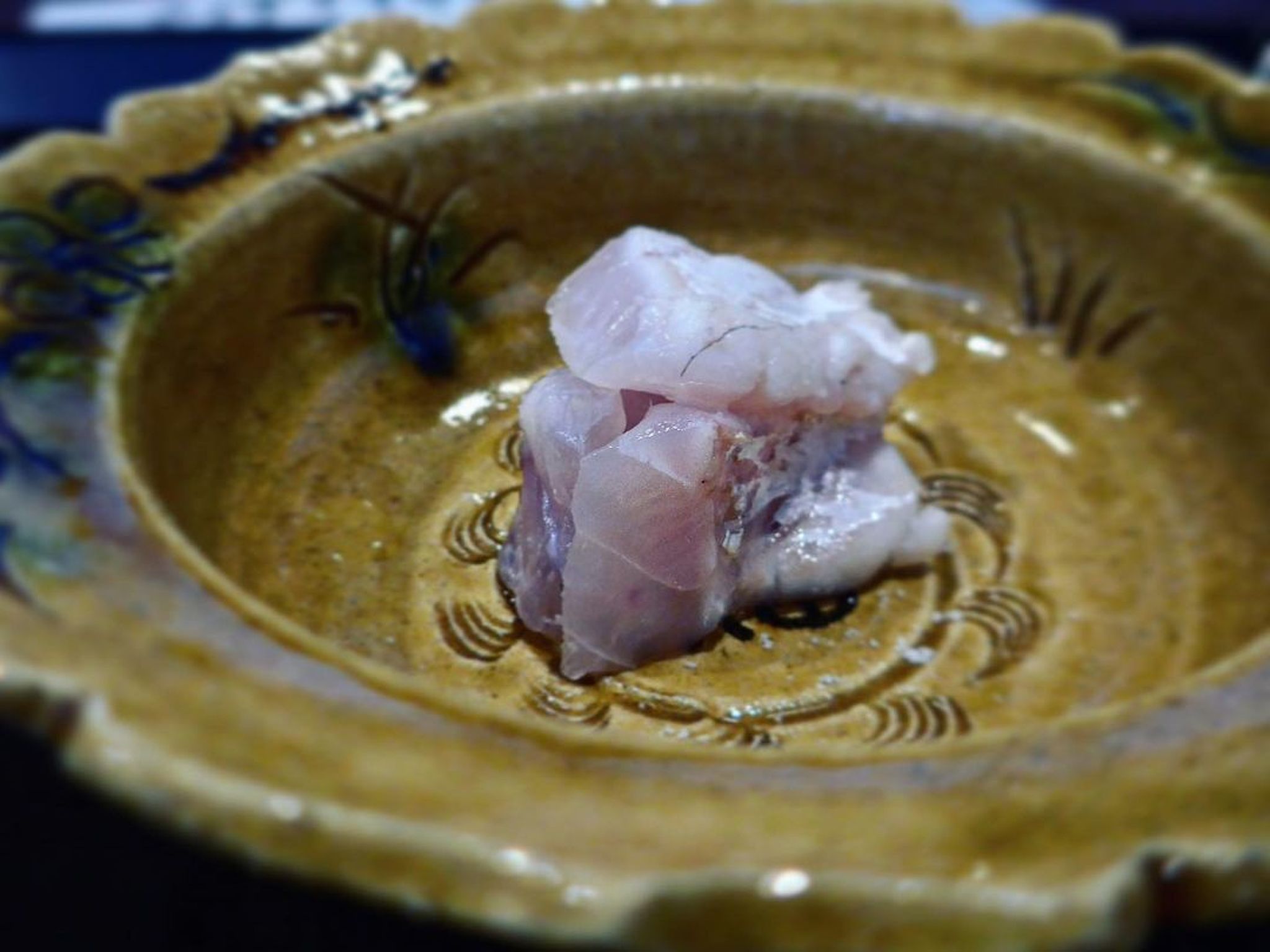
After spending a night in Shibata, I arrived in Murakami, the northernmost city in Niigata Prefecture, right next to Yamagata Prefecture.It took about 35 minutes from Shibata Station via the JR Ugo Main Line. My goal was to have lunch at Kappou Shintaku.Since it was said to take over 20 minutes to walk from the station, I took a taxi. Along the way, I passed through a charming old street, where projects are underway to preserve the remnants of the samurai and merchant towns. It’s wonderful to see.Kappou Shintaku has a magnificent exterior surrounded by black walls. I never expected it to be such a large establishment. It feels like a traditional ryotei! There’s even a separate building in the back, which is impressive!The main building doesn’t seem too old, but once inside, the atmosphere transforms into a beautiful Japanese-style space. While wood is used throughout, the high ceilings and white plastered walls create a modern feel. In contrast, the counter and tables are beautifully lacquered, and the shelves resemble a mix of traditional Japanese and Western styles from the Meiji era!The restaurant is a long-established establishment that branched off from the ryotei Noto Shin in the same city in 1867 (Keio 3), now in its fifth generation. The building was constructed in 2006 (Heisei 18).Now, what kind of seasonal course can we enjoy at this wonderful restaurant?- Appetizer - Chilled Edamame Chawanmushi Made with edamame of the summer variety "Kaze no Kaori" blended with kombu dashi. The flavor of the edamame is prominent, and it’s cold and delicious—this is the perfect summer appetizer! - Small Sea Bream Marinated small sea bream soaked in its own dashi for 30 minutes, topped with pickled plum and dashi. The sea bream is tender and its umami is enhanced. The plum sauce on top pairs perfectly.- Soup - Arakawa and Okahijiki A soup made with arakawa and land seaweed. The arakawa is lightly grilled on the surface while remaining semi-raw inside. It’s my first time seeing arakawa shaped into balls. The texture and strong saltiness are incredibly delicious. I’ve never tasted arakawa this good before!- Sashimi - Mebaru Sashimi of mebaru served with a jelly made from simmered fish. I was instructed to start with the jelly, which I enjoyed without any condiments. This jelly is made from mebaru, sweet sea bream, and cod. It has a rich, natural flavor. Next, I enjoyed the mebaru with wasabi and soy sauce. The aroma from the lightly grilled skin, the creamy texture beneath, and the rich flavor of the fatty flesh were all perfect! - Koya Tofu (off-menu) A palate cleanser. You can eat it in one bite… I’ve never had koya tofu that melts in my mouth like this before! - Iwagaki Iwagaki oysters from Iwakizaki, aged in dashi. Truly the milk of the sea! I’ve never had such delicious oysters before! However, it seems that Iwagaki oysters are becoming harder to catch...- Bite-sized Dish - Grilled Eggplant Grilled eggplant topped with a generous amount of freshly shaved katsuobushi. Is this eggplant really grilled eggplant? Haha! The katsuobushi can be enjoyed as is or soaked in dashi.- Rice Dish - Ayu Rice Rice prepared with ayu from the Okawa River in Murakami. The grilled ayu, along with its head and bones, are deep-fried and included. The texture is enhanced with cucumber. The tender flesh has a wonderful aroma and bitterness. Delicious! During this season, grilled ayu is everywhere, but it seems they haven’t served grilled ayu here for years!- Main Plate - Wild Boar and Tsuru Murasaki A salad made with wild boar, served over blanched tsuru murasaki. Topped with crushed almonds and fried rice. The wild boar is sliced thinly, and its flavor and texture are reminiscent of prosciutto! Delicious! - Mizukumo (off-menu) Served with a broth made from en-kai (also known as igai, a type of mussel). Topped with grated sudachi peel. The crunchy texture of the mizukumo is delightful.- Grilled Dish - Mebaru Grilled mebaru served with its own dashi. The skin, grilled to a crisp over charcoal, and the firm flesh are both delicious! The dashi is also flavorful, enhanced by a squeeze of sudachi!- Vinegared Dish - Sweet Sea Bream and Cucumber Three pieces of salted sweet sea bream, with the top piece enjoyed as is. The remaining pieces are served with cucumber vinegar. I had no idea sweet sea bream could be this flavorful! When paired with cucumber vinegar, the taste changes, revealing a more complex umami.- Hot Dish - Yuyou, Wild Boar, Tomato, and Green Beans A clay pot dish made with yuyou. The white part is a puree of yuyou, the green is green beans, the red is tomato, and underneath is shredded wild boar. Essentially, it’s the fruit of yuyou before it becomes dried gourd (fukube), but I had no idea it could be prepared this way. It’s sweet and creamy, reminiscent of cream stew. The texture of the green beans and the acidity of the tomato, along with the umami of the wild boar, all work wonderfully together! Delicious! It’s like Murakami’s Margherita! Haha!- Meal - Rice Dish: Hiramasu Sushi Sushi made with pounded hiramasu, layered with wasabi and kanzuri. The dish is accompanied by soy sauce-pickled zucchini. The crunchy texture of the wasabi is delightful. Oh, the zucchini is delicious! - Locally sourced Koshihikari rice from Iwafune - Accompaniments (nukazuke of small sea bream, boiled octopus, fried wild boar, and sake-pickled octopus) - Miso soup with Iwafune fu - Pickled Juzen eggplant This set meal concludes the dishes. The sake-pickled octopus was a spontaneous creation today. It will become even more flavorful in a couple of days. If there’s any left, I might use it for the staff meal! Haha.- Dessert - Corn Ice Cream This is truly corn! Haha! So delicious.The combination of ingredients from Murakami and throughout Niigata Prefecture, the skillful cooking, and the creative use of ingredients filled me with inspiration, even though I’m not a chef. The head chef was also an interesting person, making it enjoyable for the eyes, ears, and palate. I definitely want to visit again. It was a great meal! Less
9 / 10
on 07 Jul 2026
I wanted to indulge in seasonal rock oysters, so I decided to visit. The counter was filled with regulars, all of whom seemed quite familiar with the menu. Rock oysters are indeed popular. The highlight was definitely the rock oysters, which were enhanced by the chef's skill, bringing out their creamy flavor. They were truly delicious. I also enjoyed the sweetfish rice, evening soup, wild boar, tomato, and kuzu mochi, all of which were impressive. Every dish was delightful. From our conversation... More
I wanted to indulge in seasonal rock oysters, so I decided to visit. The counter was filled with regulars, all of whom seemed quite familiar with the menu. Rock oysters are indeed popular. The highlight was definitely the rock oysters, which were enhanced by the chef's skill, bringing out their creamy flavor. They were truly delicious. I also enjoyed the sweetfish rice, evening soup, wild boar, tomato, and kuzu mochi, all of which were impressive. Every dish was delightful. From our conversation today, it was clear how the Yamagai brothers are dedicated to maximizing the potential of ingredients within the "Murakami restrictions," which I found quite inspiring. What a wonderful restaurant! I made a reservation for my next visit and walked back to my accommodation feeling pleasantly tipsy. It was a lovely evening. Less
10 / 10
on 01 Jul 2026
On the first day of my summer trip to Niigata, I aimed for Kappou Shintaku in Murakami. This was one of the first restaurants I decided on for my itinerary. Not only does it have great reviews on Tabelog, but it has also received high praise from the Niigata Gastronomy Award and Gault & Millau. If you're visiting Niigata for its culinary offerings, this place is definitely a top choice. However, the location of Murakami, which takes about an hour from Niigata, poses a challenge, making it somewhat... More
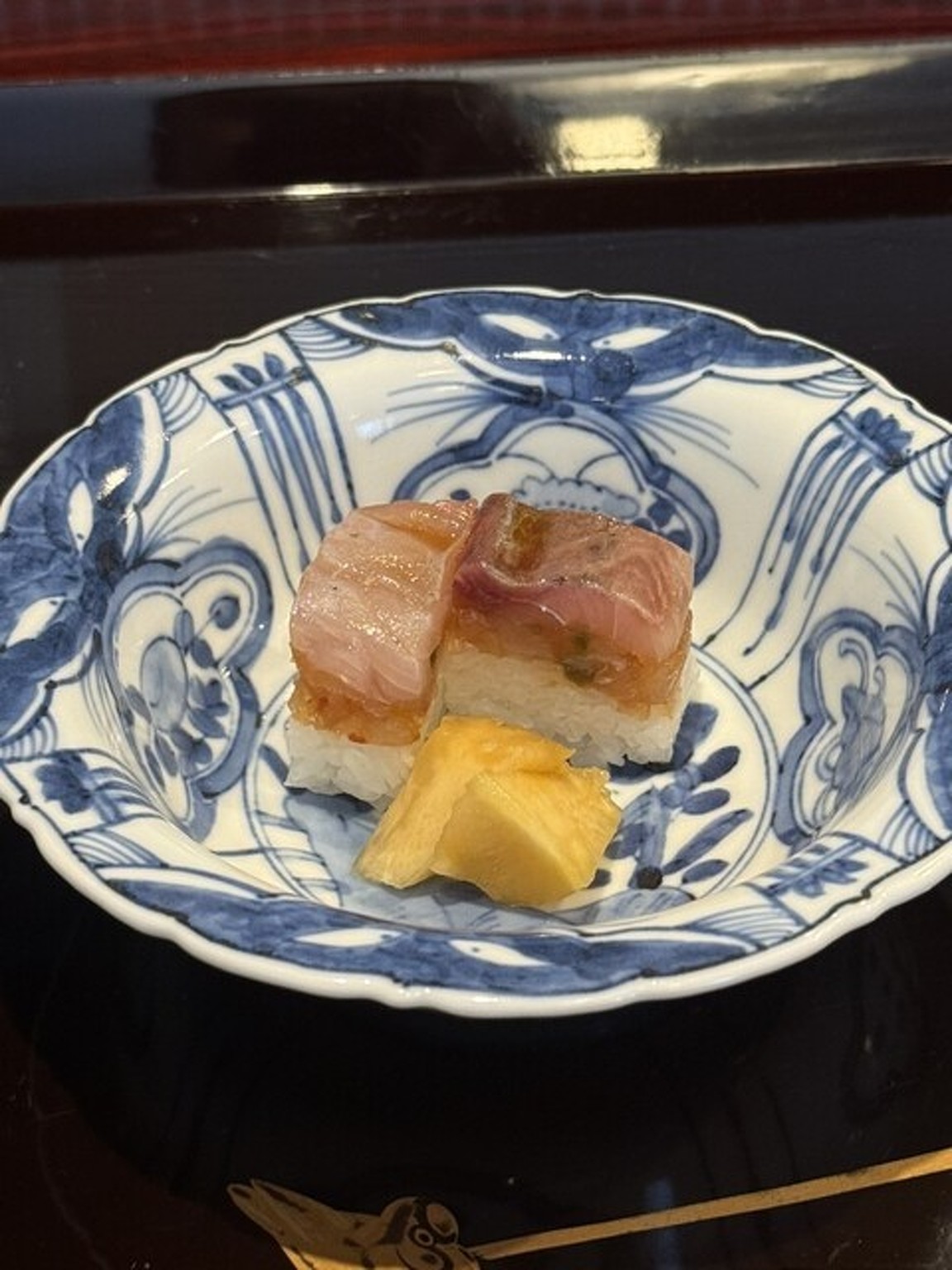
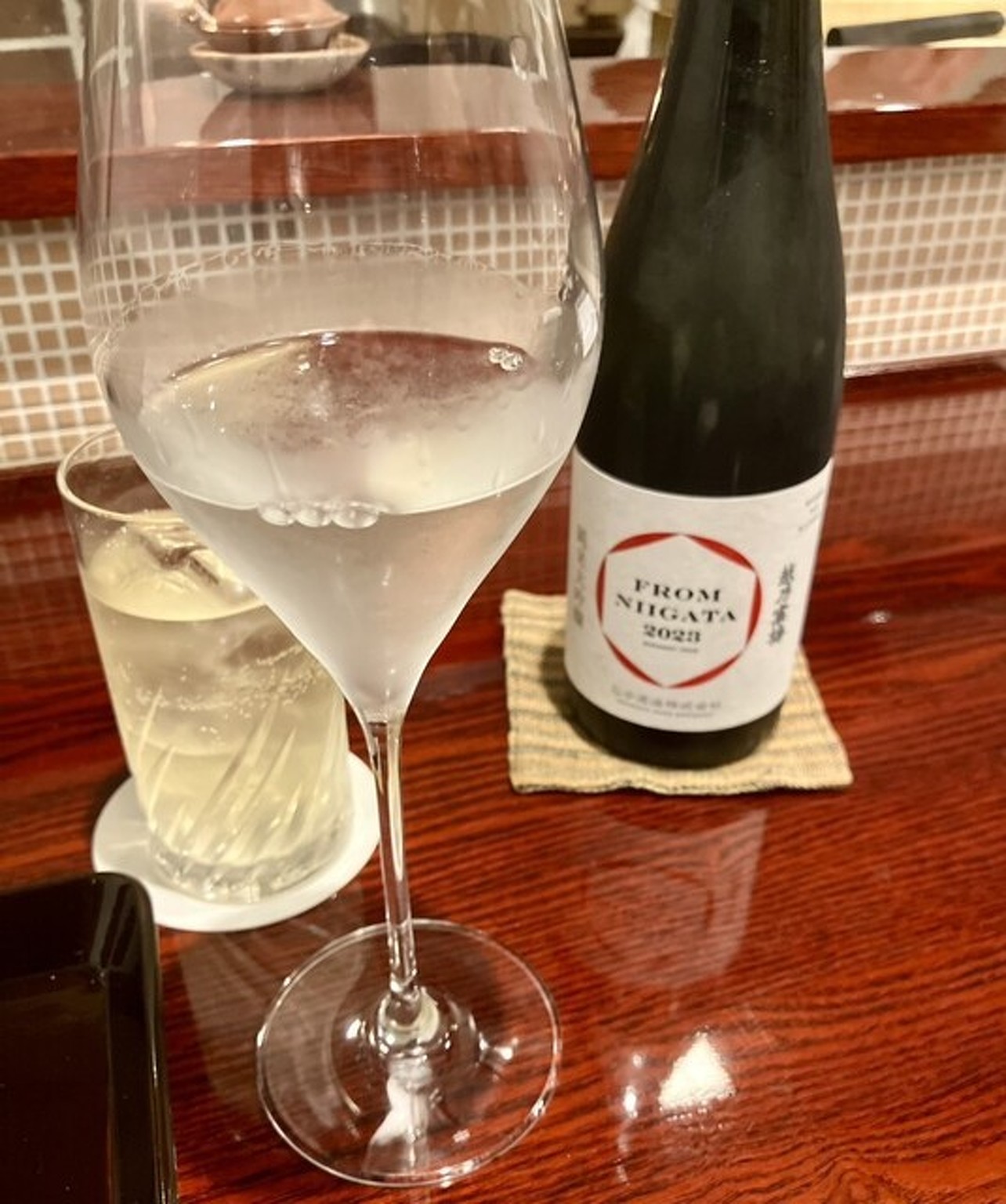
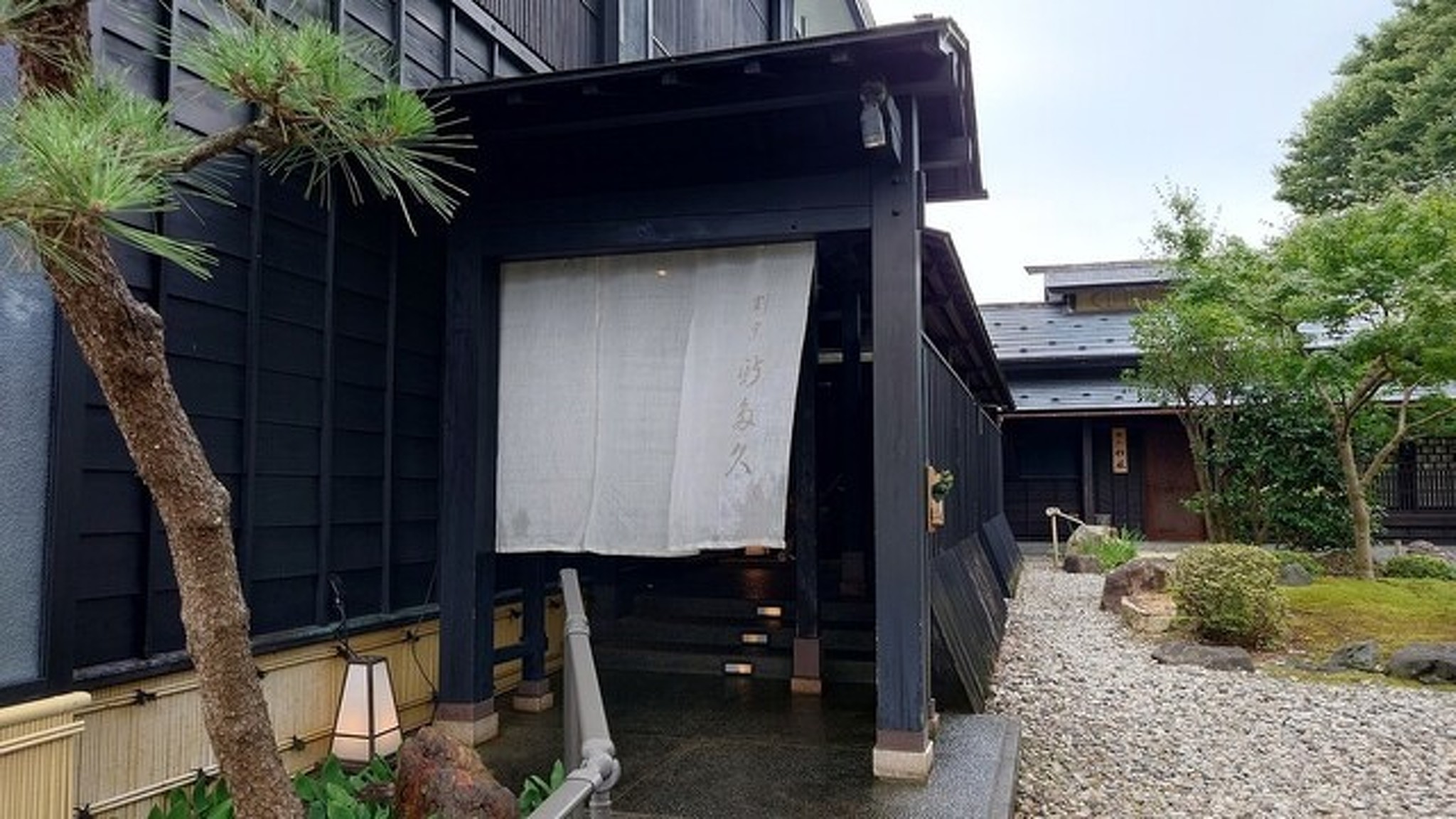
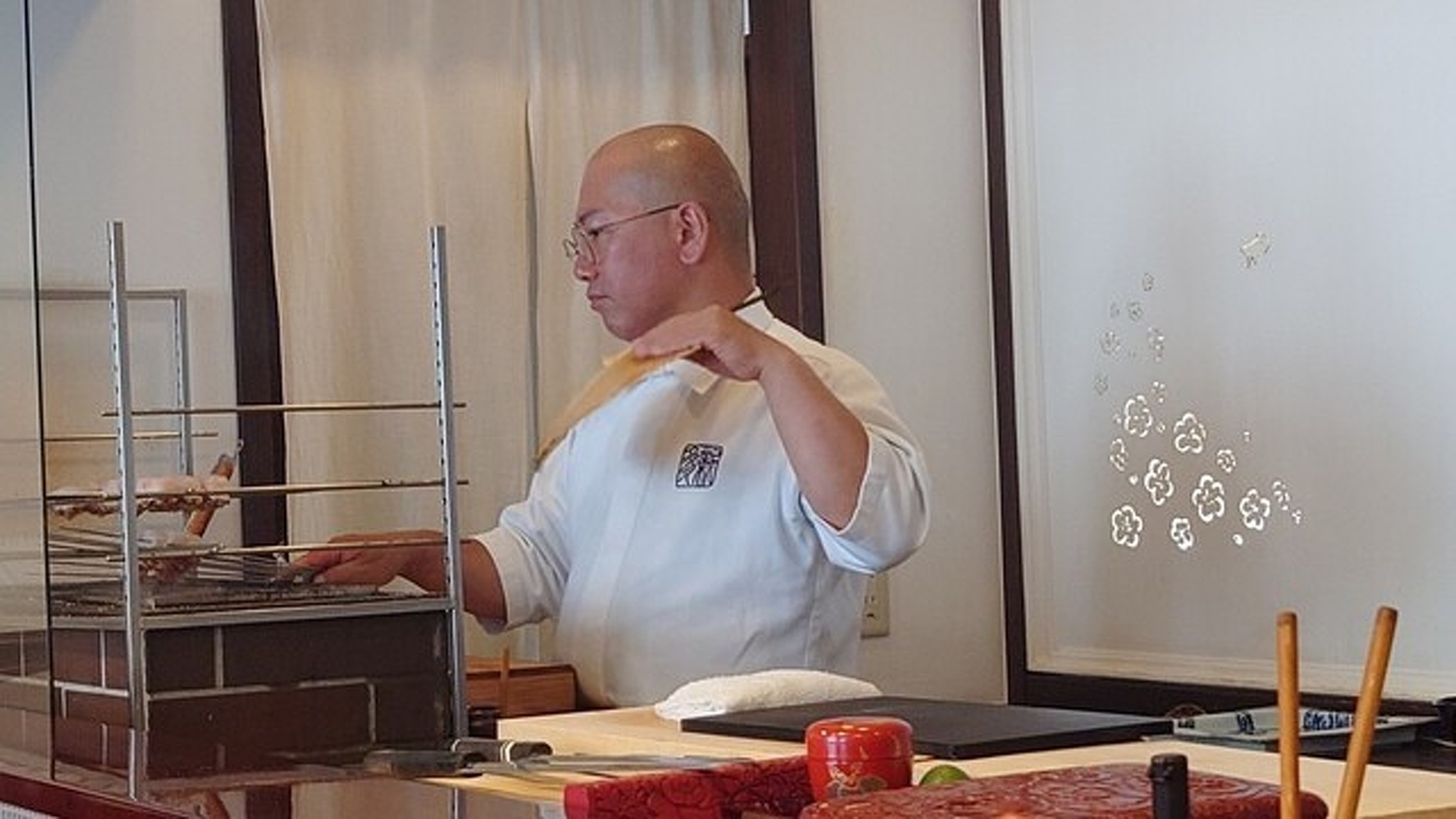
On the first day of my summer trip to Niigata, I aimed for Kappou Shintaku in Murakami. This was one of the first restaurants I decided on for my itinerary. Not only does it have great reviews on Tabelog, but it has also received high praise from the Niigata Gastronomy Award and Gault & Millau. If you're visiting Niigata for its culinary offerings, this place is definitely a top choice. However, the location of Murakami, which takes about an hour from Niigata, poses a challenge, making it somewhat difficult to visit. On this day, I decided to stay overnight in Murakami city. Taking a taxi from my accommodation, the driver shared insights about the town, mentioning that it has been home to many traditional restaurants for a long time. As I looked around, I noticed that Murakami still retains much of its historical charm, making it a picturesque place.After passing through the noren (curtain), I was guided to my seat. For drinks, I opted for the "Omakase" Japanese sake pairing (9 varieties), which seemed like a great choice.1. Appetizer: Chilled Chawanmushi with Edamame and Kijihata2. Soup: Mahata with Okahijiki3. Sashimi (1): Ara4. Koya Tofu5. Sashimi (2): Nodoguro with Nagaimo6. Grilled Eggplant (with Bonito Flakes)7. Rice Dish: Ayu8. Main Plate: Wild Boar with Tsurumurasaki9. Enkai10. Grilled Dish: Sweet Sea Bream Matsukasa-yaki11. Sweet Sea Bream Sashimi with Grated Cucumber12. Yuugao, Wild Boar, Tomato, and Green Beans13. Meal (1): Pressed Sushi with Hiramasu14. Meal (2): Rice + Side Dishes: Onikasago, Kodai Nukazuke, Fried Wild Boar Cracklings, and Pickled Eggplant15. Dessert: Corn Ice Cream(Alcohol: numbers correspond to the dishes)1. Shimoharitsuru Junmai Ginjo Namachozo, 2. Musou DUSK, 3. Ogami, 5. Kamo Nishiki Hahata Sake Gesshaku 2025 BY, 7. Oshiroyama Tokubetsu Honjozo, 8. Musou Gensetsu, 10. Koshi no Kanbai Junmai Daiginjo FROM NIIGATA 2023, 11. Ayu Masamune Junmai Sake, 12. Abe Blue, 13. Shimoharitsuru Murakami Festival Yatai Event.The first dish, the "Kijihata" served as an appetizer, captivated me with its rich flavor that emerged with each bite, showcasing the deliciousness and texture of the fish. From there, a series of dishes highlighted the potential of Niigata and Murakami's seafood. The meat was wild boar. I was impressed when the chef mentioned, "I thought we might not need to use a 1kg Nodoguro lately, but this one is a hefty 1.5kg." The second sashimi dish, the Nodoguro, was served with finely chopped Nagaimo on top. Not only was the skin lightly grilled, but there was also an extra touch added. With so many dishes, it’s hard to list them all, but each one was incredibly delicious. Among them, the grilled Ayu mixed with rice (dish 7), the fluffy and subtly flavored Sweet Sea Bream Matsukasa-yaki (dish 10), and the pressed sushi with Hiramasu, enhanced by the pickled zucchini (dish 12), were my top three of the day. The side dishes served with rice were all exquisite and refined.Even though the term "pairing" wasn’t used, the Japanese sake from Niigata served with each dish beautifully complemented the food. The sake itself was excellent, and the pairings were thoughtfully considered. The chef, who prepared and plated the dishes while engaging with the guests, had a charming personality, and the woman who provided service, presumably his wife, had a warm and pleasant demeanor. Overall, it felt like a restaurant that shone brightly like a beacon in the darkness.As I finished my meal, I found myself contemplating when I would return next. I asked for recommendations on the best season to visit, and they mentioned that any time is good, but the salmon season around November offers a different experience. I see. Since my plans for this autumn are already nearly full, I’ll aim to revisit next autumn. (Though I’d love to come back before then!) Less
9 / 10
on 25 Jun 2026
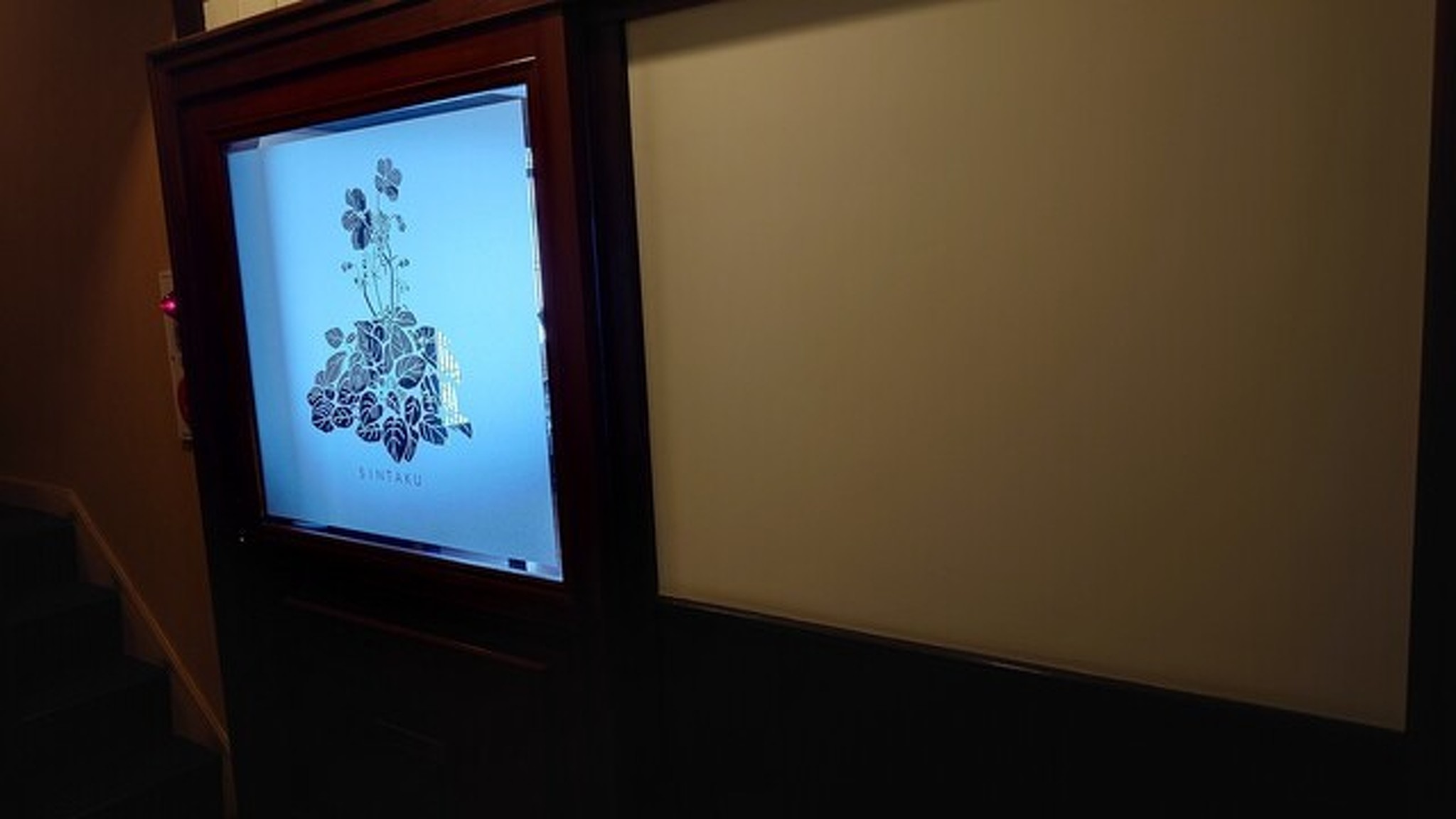
I made an online reservation through Tabelog for a weekend lunch (from 12:00) and finally visited a place I had wanted to go for a long time.Founded in 1867, this restaurant has nearly 160 years of history.It is said to be the fifth generation currently running the establishment. The current building is relatively new, but its exterior, made of black wood, has a presence reminiscent of a samurai residence, blending seamlessly into the Kurobai Street. The impressive pine trees and garden are truly... More
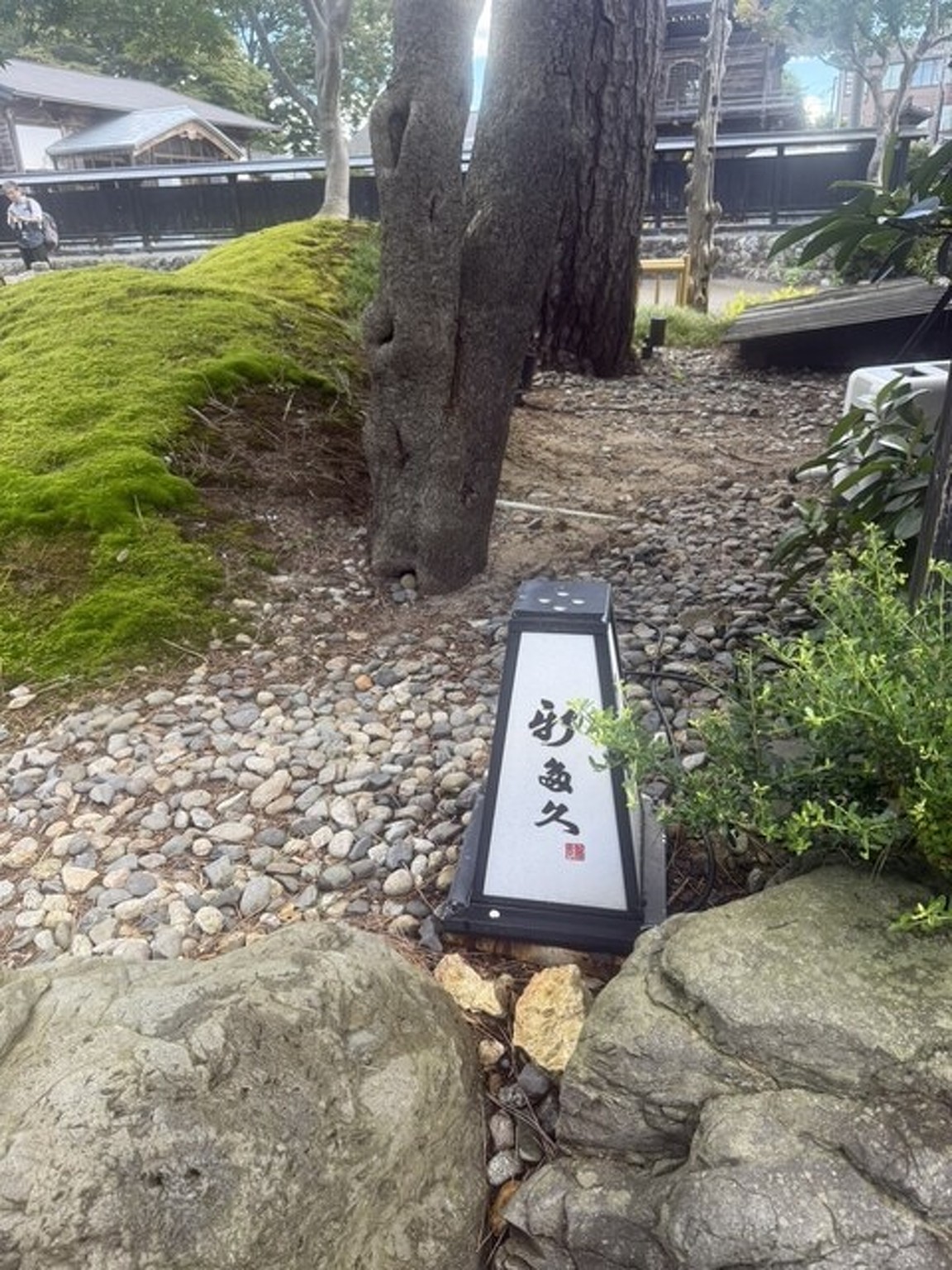
I made an online reservation through Tabelog for a weekend lunch (from 12:00) and finally visited a place I had wanted to go for a long time.Founded in 1867, this restaurant has nearly 160 years of history.It is said to be the fifth generation currently running the establishment. The current building is relatively new, but its exterior, made of black wood, has a presence reminiscent of a samurai residence, blending seamlessly into the Kurobai Street. The impressive pine trees and garden are truly breathtaking. The interior is inspired by the Taisho era.The exterior, garden, and interior are all absolutely wonderful.【During my visit】Michelin Guide Niigata Special Edition 2020 ⭐︎ Gault & Millau 2026 3 Tocks (16 points) Niigata Gastronomy Award 2026 Semi-Grand Prix Tabelog 2026 Silver Tabelog All Genres Niigata Prefecture Ranking 4th (4.37) Tabelog Japanese Cuisine Niigata Prefecture Ranking 1st (4.37) 【What I had】 ■ Course for JPY 22,000 (tax included) With two half servings of sake and two soft drinks, the total came to JPY 24,805.The ingredients, including seasonings, are sourced from Niigata (especially from Murakami).The cooking methods and seasonings are unique to this place, offering an ultimate gastronomic experience.At the counter, you can enjoy watching the cooking process right in front of you, which is always fun.The dishes were all to my taste and delicious, allowing me to enjoy every bite until the end. The hospitality from the head chef, the proprietress, and the staff was excellent, making for a comfortable atmosphere. I definitely want to visit again.It was a great meal.(Moving/Travel Time Notes) 10:50-11:38 Niigata Station/Murakami Station Limited Express Inaho (Reserved JPY 2,710) Arrived around 11:50 (about 5 minutes) Taxi from Murakami Station to Kappou Shintaku (JPY 1,000) 12:00-14:45 Dining (until the bill) Adjusted time at a café 16:01-16:49 Murakami Station/Niigata Station Limited Express Inaho (Reserved JPY 2,710) *There is a taxi company in front of Murakami Station, so no worries there. *Dining time was just over 2.5 hours, not quite 3 hours. Less
9 / 10
on 13 Jun 2026
Kappou Shintaku in Murakami City, Niigata Prefecture.This is a restaurant I had wanted to visit for a long time.It took 45 minutes on the Limited Express Inaho from Niigata Station to reach Murakami Station, enjoying the scenic rural landscape along the way.Murakami, a city that flourished as the castle town of the Murakami clan, still retains its historical charm with samurai residences and black-walled buildings lining the narrow streets, creating a very picturesque atmosphere.Located in this historic... More
Kappou Shintaku in Murakami City, Niigata Prefecture.This is a restaurant I had wanted to visit for a long time.It took 45 minutes on the Limited Express Inaho from Niigata Station to reach Murakami Station, enjoying the scenic rural landscape along the way.Murakami, a city that flourished as the castle town of the Murakami clan, still retains its historical charm with samurai residences and black-walled buildings lining the narrow streets, creating a very picturesque atmosphere.Located in this historic town is Kappou Shintaku, founded in the first year of the Meiji era (1868).It is a branch of the ryotei (traditional Japanese restaurant) "Kinrinkaku" (later known as Noto Shin), which was established in 1867, boasting over 150 years of history.Although it was completely destroyed by a fire in 2005, it was rebuilt by the current fifth-generation brothers as Kappou Shintaku.The dishes reflect the brothers' desire to create cuisine that can only be found here in Murakami, not in Kyoto or Tokyo.- Chilled Edamame Chawanmushi- Mebaru (rockfish)- Simmered dish with ara (fish) and okahijiki (sea vegetable)- Ara with jelly- Koya Tofu- Nodoguro (blackthroat seaperch), yam, and radish- Grilled eggplant with freshly shaved katsuobushi (dried bonito flakes)- Abalone mixed with barley and abalone liver- Wild boar with snow peas and sansho oil- Black mozuku seaweed with en-kai (clam broth)- Grilled true flounder with its bone broth- Green bean kuzumochi (starch cake), morohaya (vegetable), and wild boar- Mackerel pressed sushi- Rice- Tomato honey lemon iceExcept for the Koya Tofu, all ingredients are sourced from Murakami.As expected, this area is a treasure trove of both sea and mountain ingredients!This is the ultimate cuisine that can only be created here.Each dish tells a story, and I felt a deep appreciation for the natural blessings and the chefs.I imagine the offerings change with the seasons.I would love to visit again in winter.I thoroughly enjoyed my meal.I will definitely come back! Less
8 / 10
on 07 Jun 2026
During a business trip to Niigata, I was taken to the renowned Kappou Shintaku in Murakami. They serve exquisite Japanese cuisine using rich local ingredients, including Murakami's famous salmon, sakura masu (cherry salmon), rock oysters, Murakami beef, seasonal mountain vegetables, rice, and local sake. Although access from western Japan is not particularly convenient, I would love to visit this restaurant again.
9 / 10
on 01 Jun 2026
In the heart of Murakami, Niigata, I discovered a place that leaves a profound impression. As I gazed upon the beautiful Japanese garden bathed in soft afternoon light, I was led through the elegant entrance adorned with black walls. From that moment, the atmosphere of an extraordinary establishment enveloped me.As someone who works in the culinary field, I have always prioritized the harmony of "ingredient handling and technique" while observing various dishes. However, the lunch course here truly... More
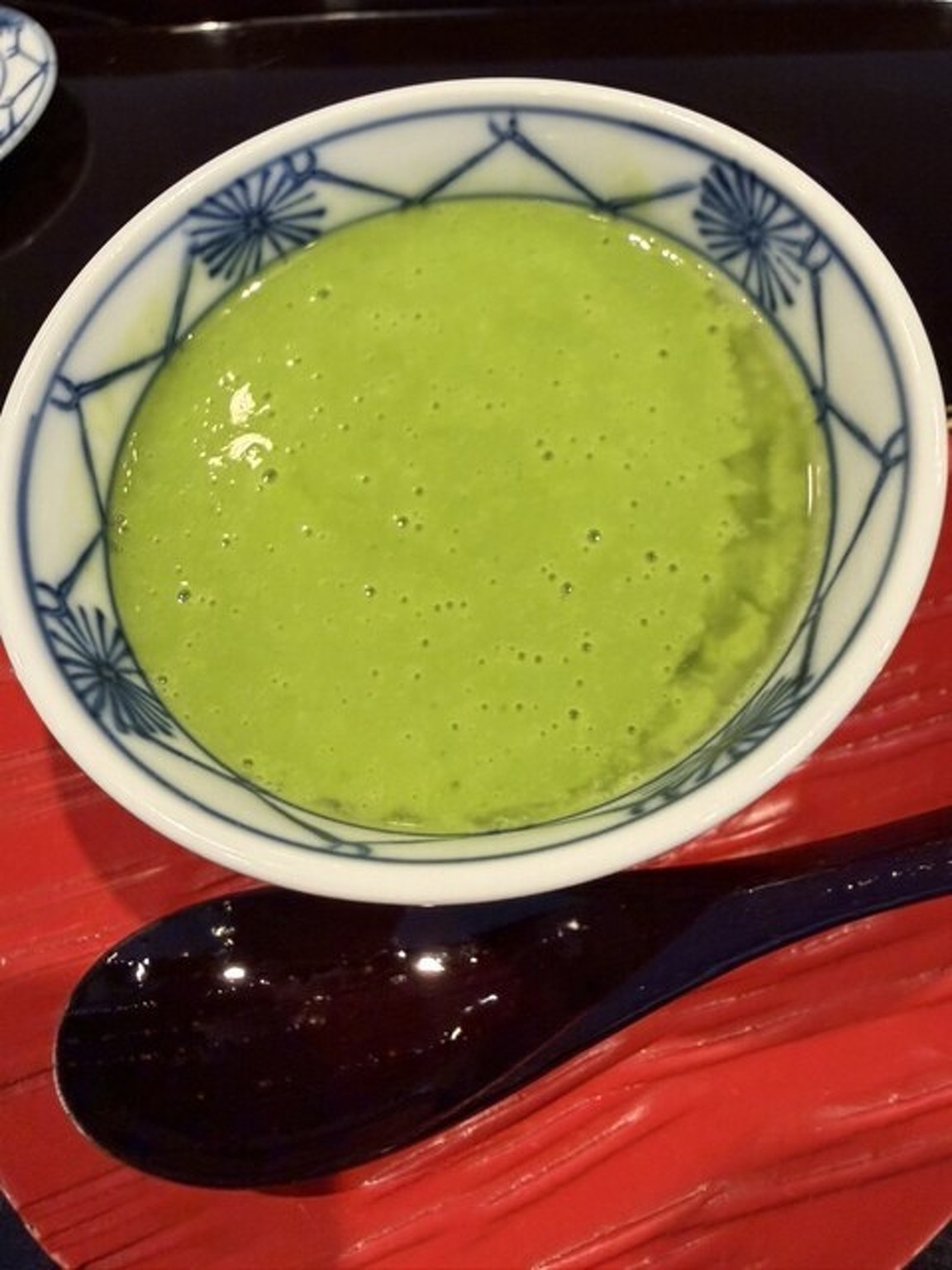
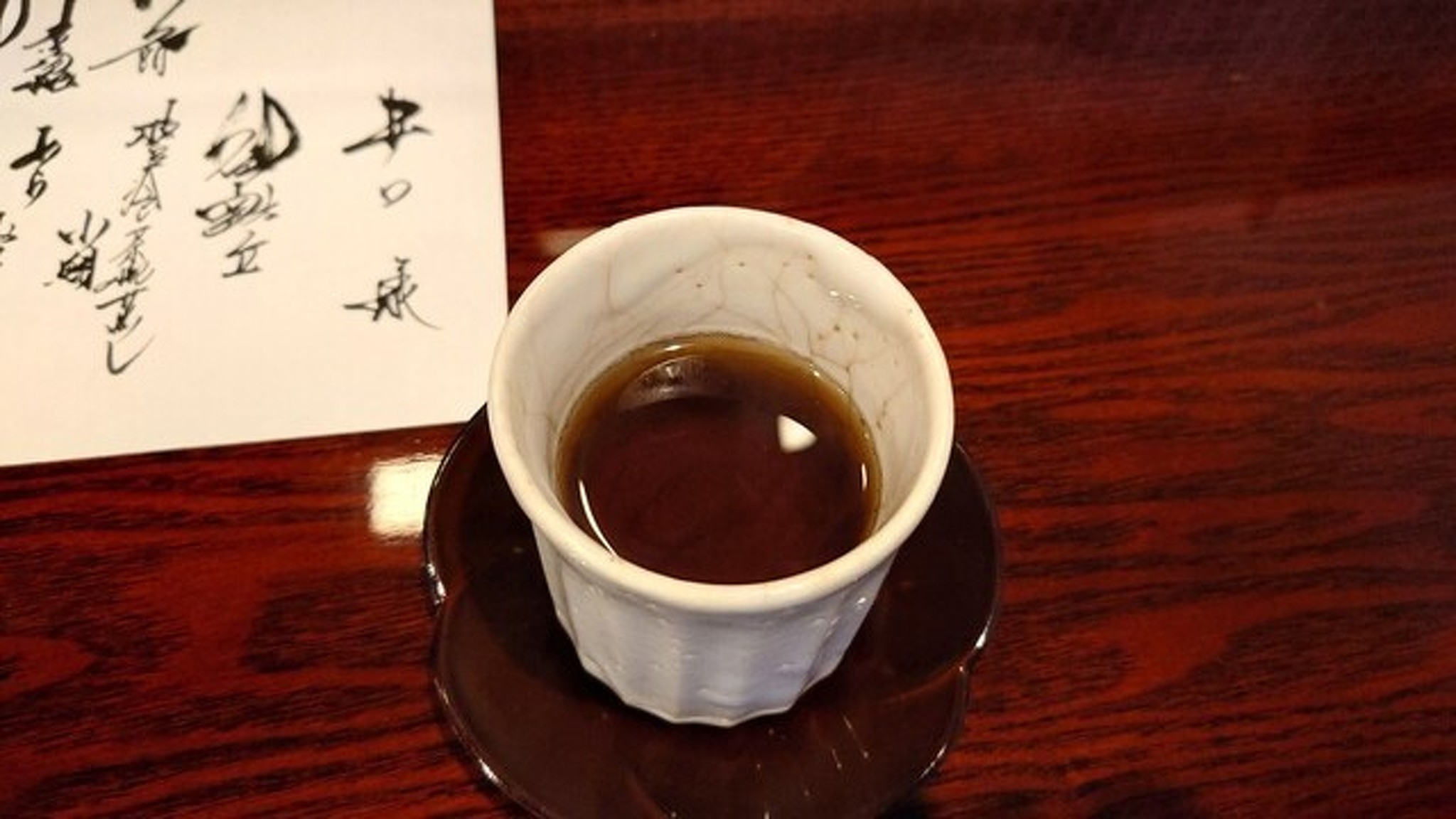
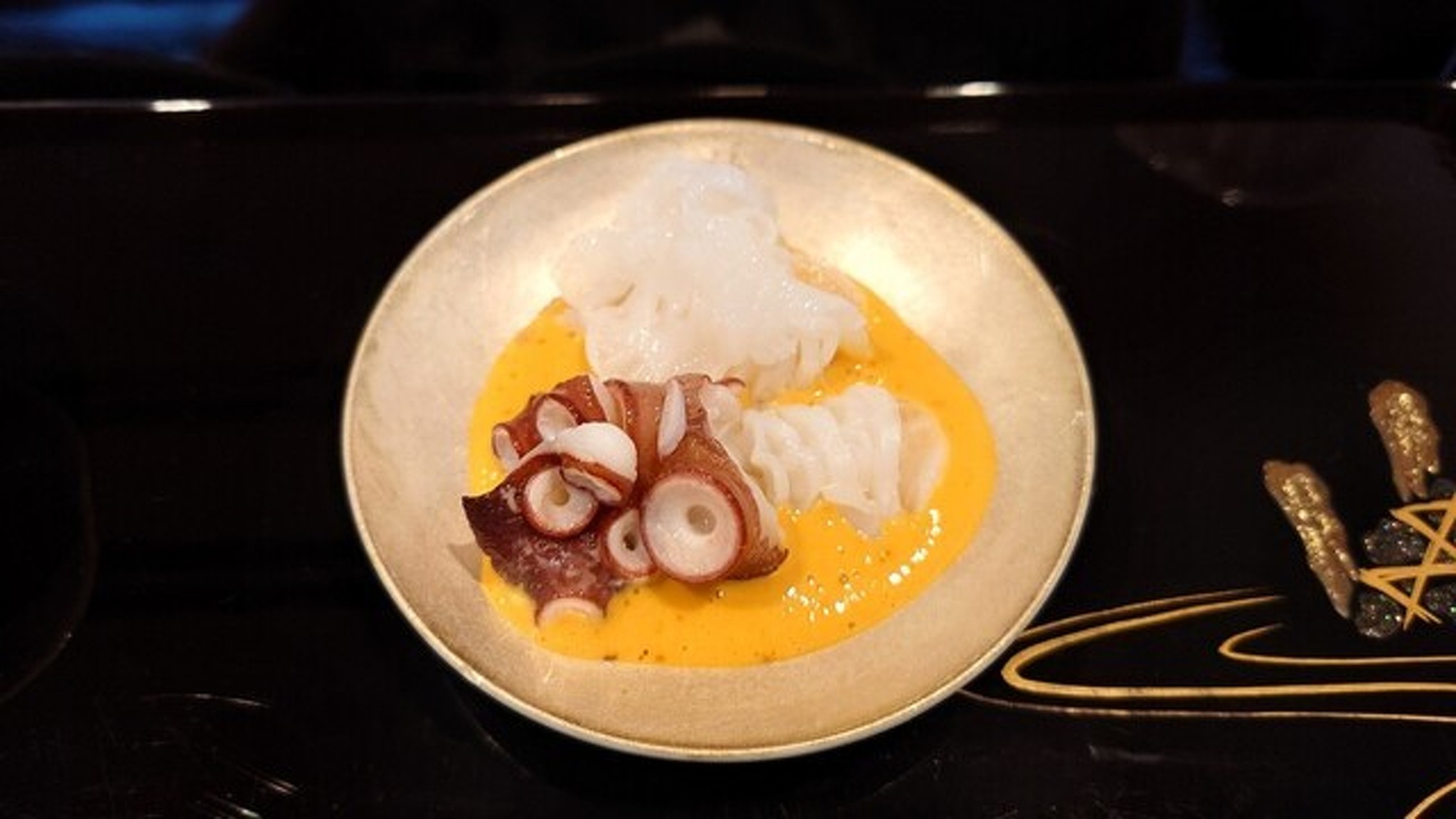
In the heart of Murakami, Niigata, I discovered a place that leaves a profound impression. As I gazed upon the beautiful Japanese garden bathed in soft afternoon light, I was led through the elegant entrance adorned with black walls. From that moment, the atmosphere of an extraordinary establishment enveloped me.As someone who works in the culinary field, I have always prioritized the harmony of "ingredient handling and technique" while observing various dishes. However, the lunch course here truly exceeded that ideal, taking it to another level.The pinnacle of sincere craftsmanship: the squid, expertly cut to enhance its sweetness, and the soup, perfectly balanced in flavor. Additionally, the fish, with its astonishingly crispy texture, and the dish infused with the umami of the broth left me in awe of the chef's extensive repertoire that transcends tradition.The perfect balance of ingredients: a refreshing and smooth dish made with Murakami tea served in between courses conveyed the rich flavors directly, acting as a delightful counterpoint to the overall meal.Enjoying the harmony with Japanese sake during lunch: "Shimeharitsuru" and "Musou" served in wine glasses and beautiful sake vessels further clarified the contours of the dishes, amplifying their flavors exponentially.When I savored the perfectly crafted final rice dish down to the last grain, I was convinced. The aesthetic sensibility conveyed by the well-used kintsugi pottery, the comfortable distance of the hospitality, the vibrant atmosphere of the counter, and the historic space all spoke volumes. It was not about trends or flamboyance; rather, the sincere work of the artisans resonated quietly yet powerfully.For me, this rating of "4.5" is a testament to encountering a truly "ultimate establishment" that is rarely found. Having experienced such a level of perfection at lunch, I am left with a luxurious sense of despair, wondering if another restaurant will ever surpass this one. Without a doubt, this was a remarkable moment that marks a significant milestone in my culinary journey. It was a great meal. Less
9 / 10
on 26 May 2026
This Japanese restaurant uses locally sourced ingredients from Murakami City, including rice, seasonings, fish, and meat.At first, the strict guidelines seemed surprising, but the result is truly delicious and allows you to experience the seasons. On this day, the bamboo shoot puree was exquisite.It seems that having restrictions can actually foster creativity.It's like a stylish student from a school with strict rules.I really enjoyed my meal. Thank you for the wonderful experience!
10 / 10
on 21 May 2026
Here’s what I had:Grilled Eggplant Chilled ChawanmushiRed SquidSweet Sea Bream / Molokhia SoupTrue FlounderKoya TofuSea BassKijihata Head Meat / Cucumber / Plum Paste / SesameAyu RiceWild Boar / Tsuru Murasaki / Sansho Oil / Roasted RiceSvelter Purslane Vinegar SaladSweet Sea Bream Matsukasa-yakiIwagaki (Rock Oyster)Yugao / Wild Boar / Tomato / Green Bean Kuzu Mochi Hot PotHiramasa Pressed Sushi / ZucchiniEdamame Rice / Eggplant / Miso SoupPlum GelatoThis month was absolutely delicious!Among them,... More
Here’s what I had:Grilled Eggplant Chilled ChawanmushiRed SquidSweet Sea Bream / Molokhia SoupTrue FlounderKoya TofuSea BassKijihata Head Meat / Cucumber / Plum Paste / SesameAyu RiceWild Boar / Tsuru Murasaki / Sansho Oil / Roasted RiceSvelter Purslane Vinegar SaladSweet Sea Bream Matsukasa-yakiIwagaki (Rock Oyster)Yugao / Wild Boar / Tomato / Green Bean Kuzu Mochi Hot PotHiramasa Pressed Sushi / ZucchiniEdamame Rice / Eggplant / Miso SoupPlum GelatoThis month was absolutely delicious!Among them, the Ayu rice that I fell in love with last year and the Yugao hot pot were right up my alley! The Sweet Sea Bream soup and Matsukasa-yaki were also outstanding.Every dish was truly delicious, and it was a happy time for me (^o^)♪What I enjoyed was:◻︎ Seasonal CourseIt was a great meal! ☺︎ Less
9 / 10
on 16 May 2026
I traveled from Niigata to Murakami and visited Kappou Shintaku for the first time in a while. As I was looking over the menu at my table, the chef happily announced, "We will serve you Sakura Masu in three different styles!" True to his word, I was treated to sashimi, grilled, and pressed sushi, allowing me to indulge in the exquisite flavors of Sakura Masu without reservation. The fish was cut into perfectly thick slices, offering a different experience from sushi, with the elegant fat and robust... More
I traveled from Niigata to Murakami and visited Kappou Shintaku for the first time in a while. As I was looking over the menu at my table, the chef happily announced, "We will serve you Sakura Masu in three different styles!" True to his word, I was treated to sashimi, grilled, and pressed sushi, allowing me to indulge in the exquisite flavors of Sakura Masu without reservation. The fish was cut into perfectly thick slices, offering a different experience from sushi, with the elegant fat and robust flavor of the ingredient filling my mouth directly. I was continually impressed by the chef's stylish presentation and his remarkable skill in bringing out the essence of local ingredients. Each dish was surprisingly delicious, making for a truly enjoyable dining experience that satisfied all my senses. I definitely plan to return to savor the winter delicacies next time. Less
9 / 10
on 11 May 2026
2,774 characters ★Seasonal Course (JPY 22,000, tax included) Duration: Approximately 1 hour 50 minutesI traveled from Tokyo to Niigata Prefecture.The Yamagai brothers (older brother Shinsuke and younger brother Ryota) showcase their skills at this restaurant (4.35). Founded in 1868, this historic kappou was completely destroyed by fire in 2005. Rebuilt by the brothers, it combines the atmosphere of a traditional establishment with modern design, serving dishes that emphasize local ingredients,... More
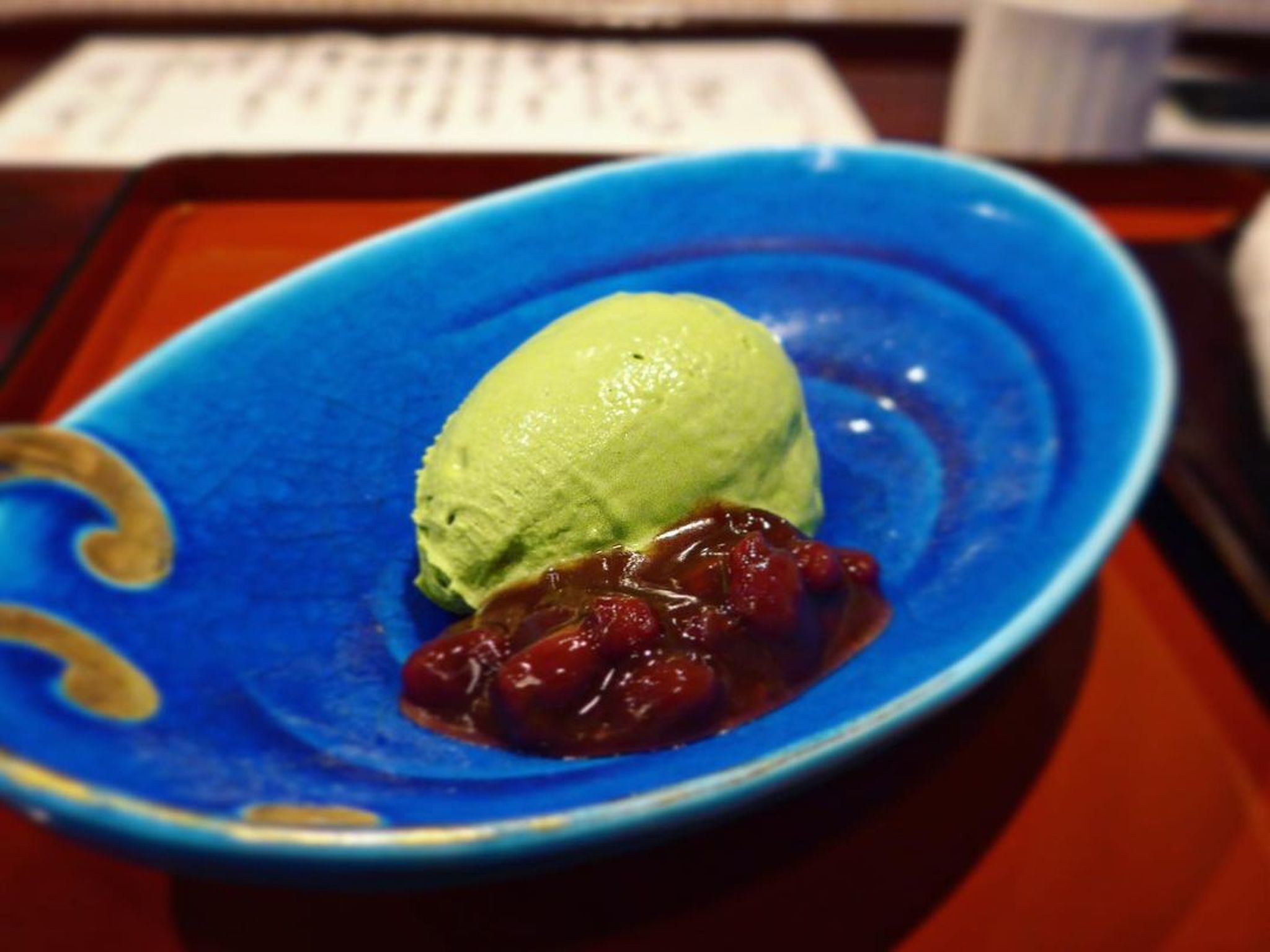
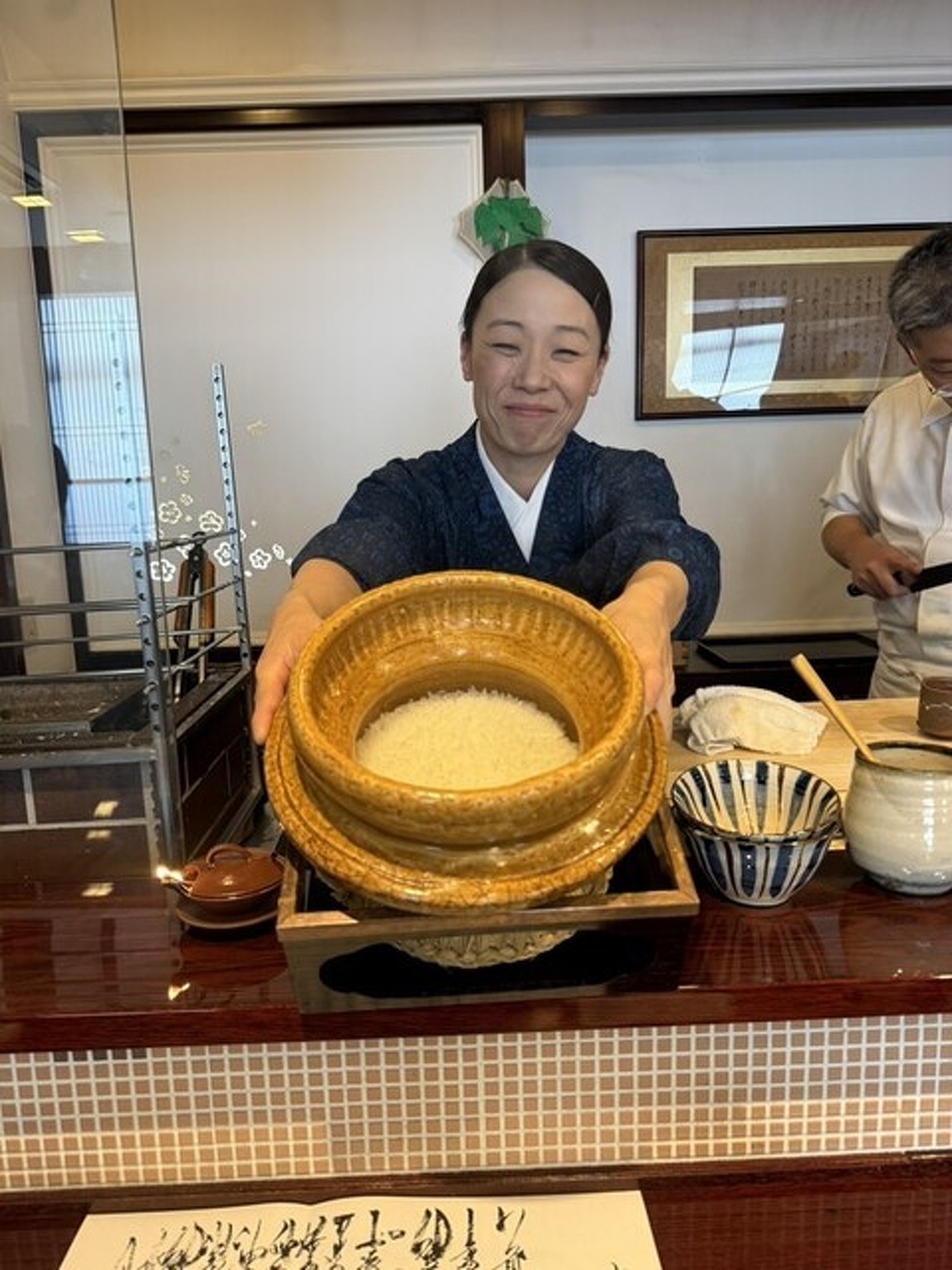
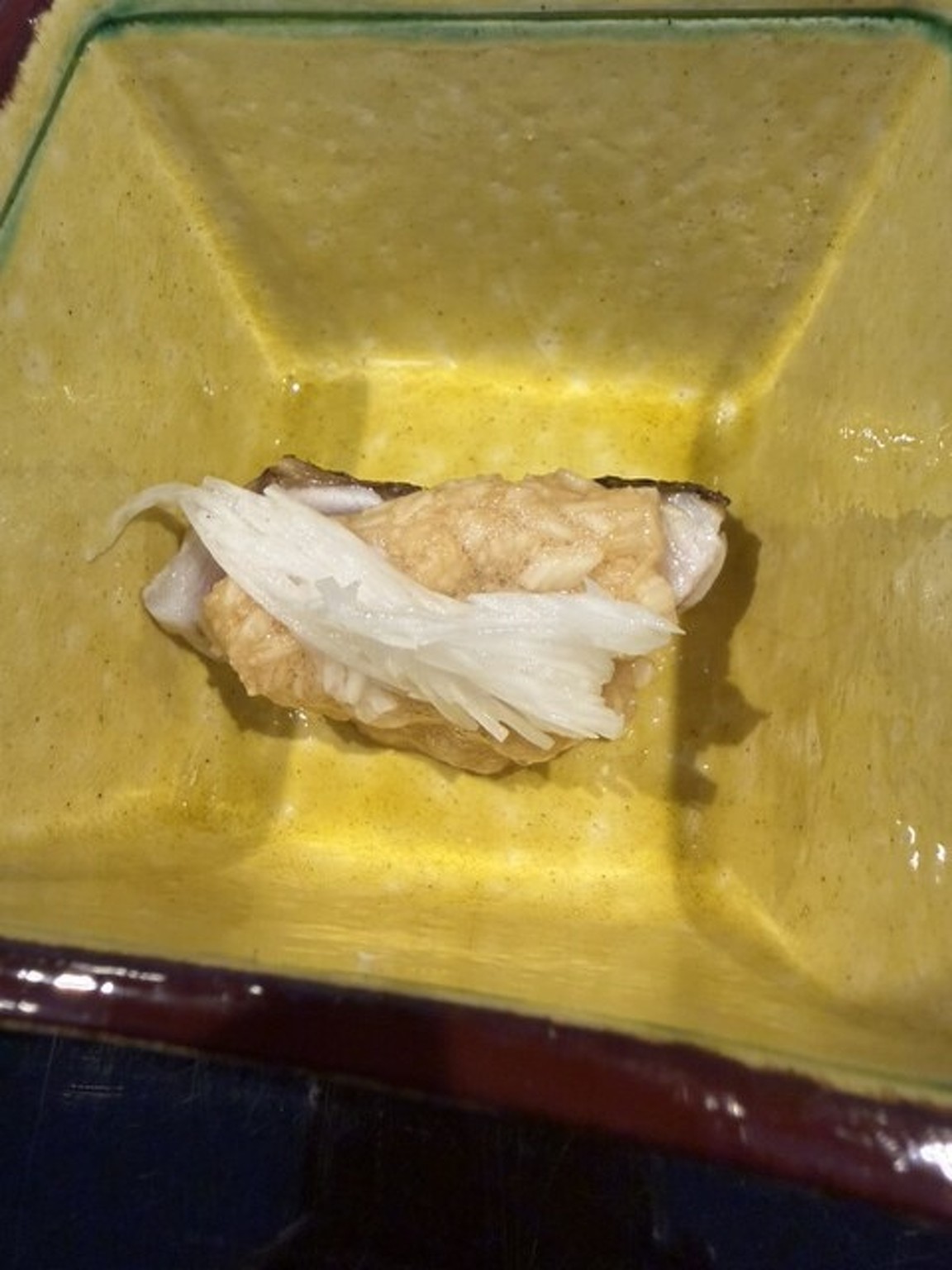
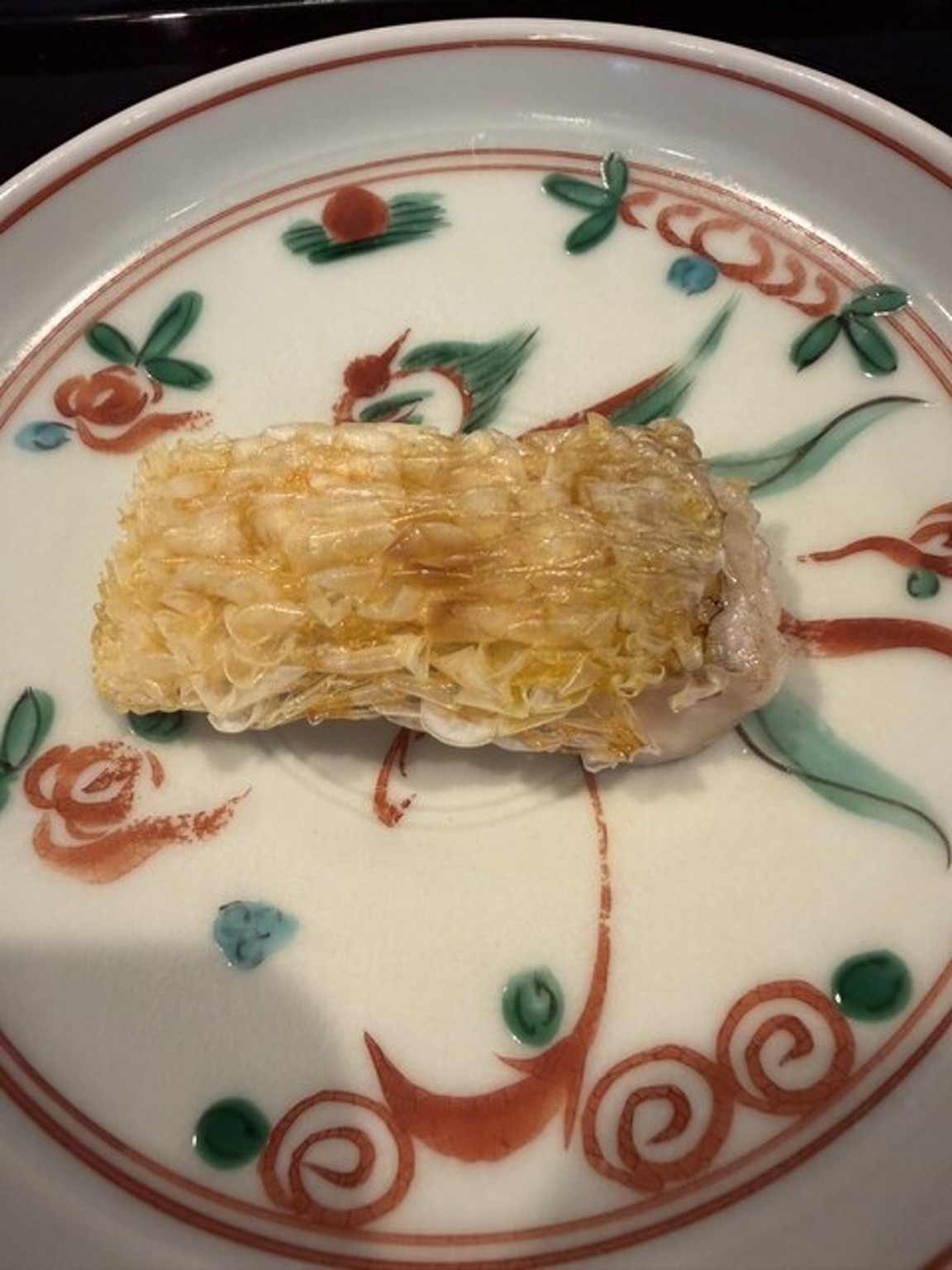
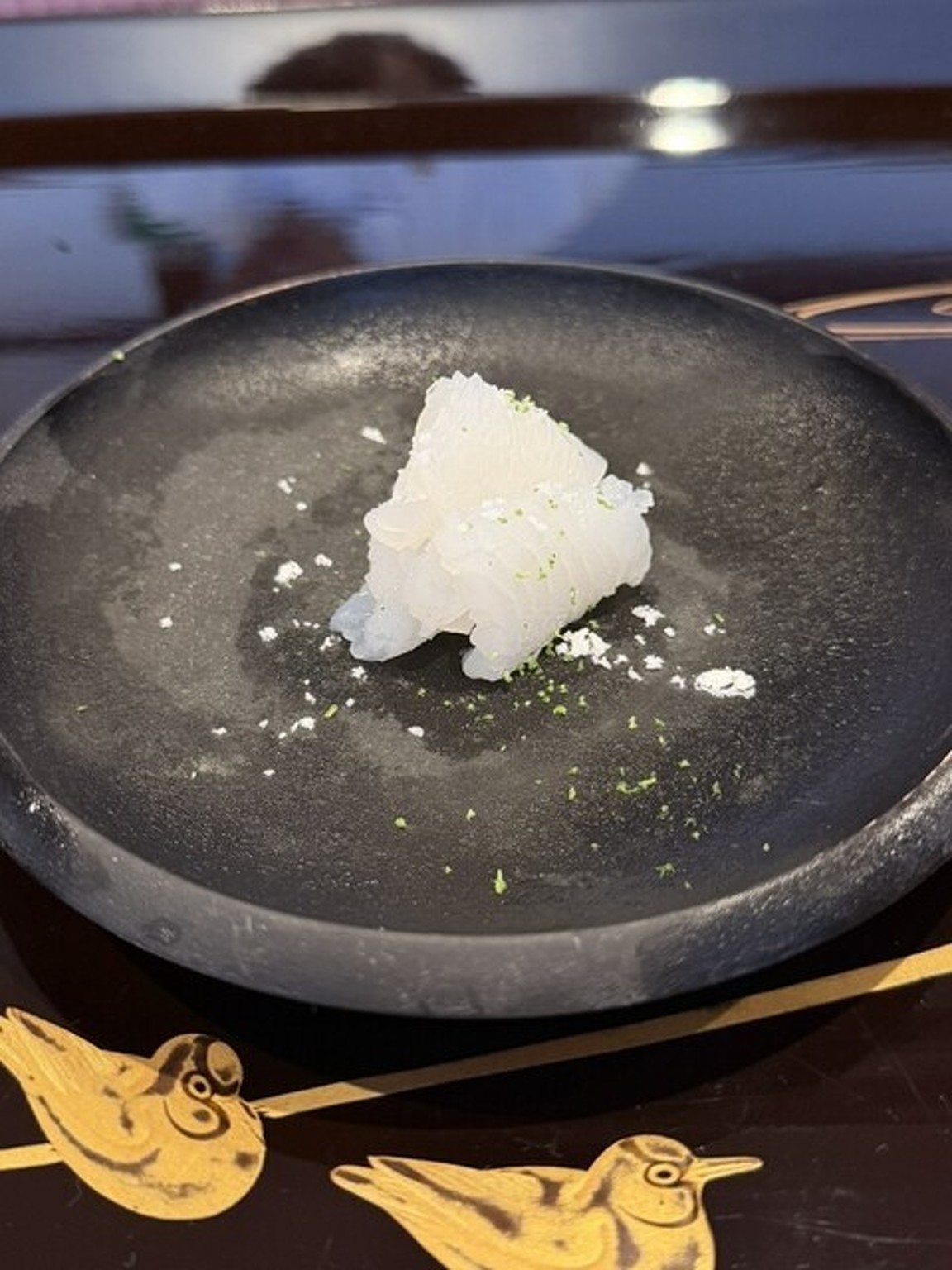
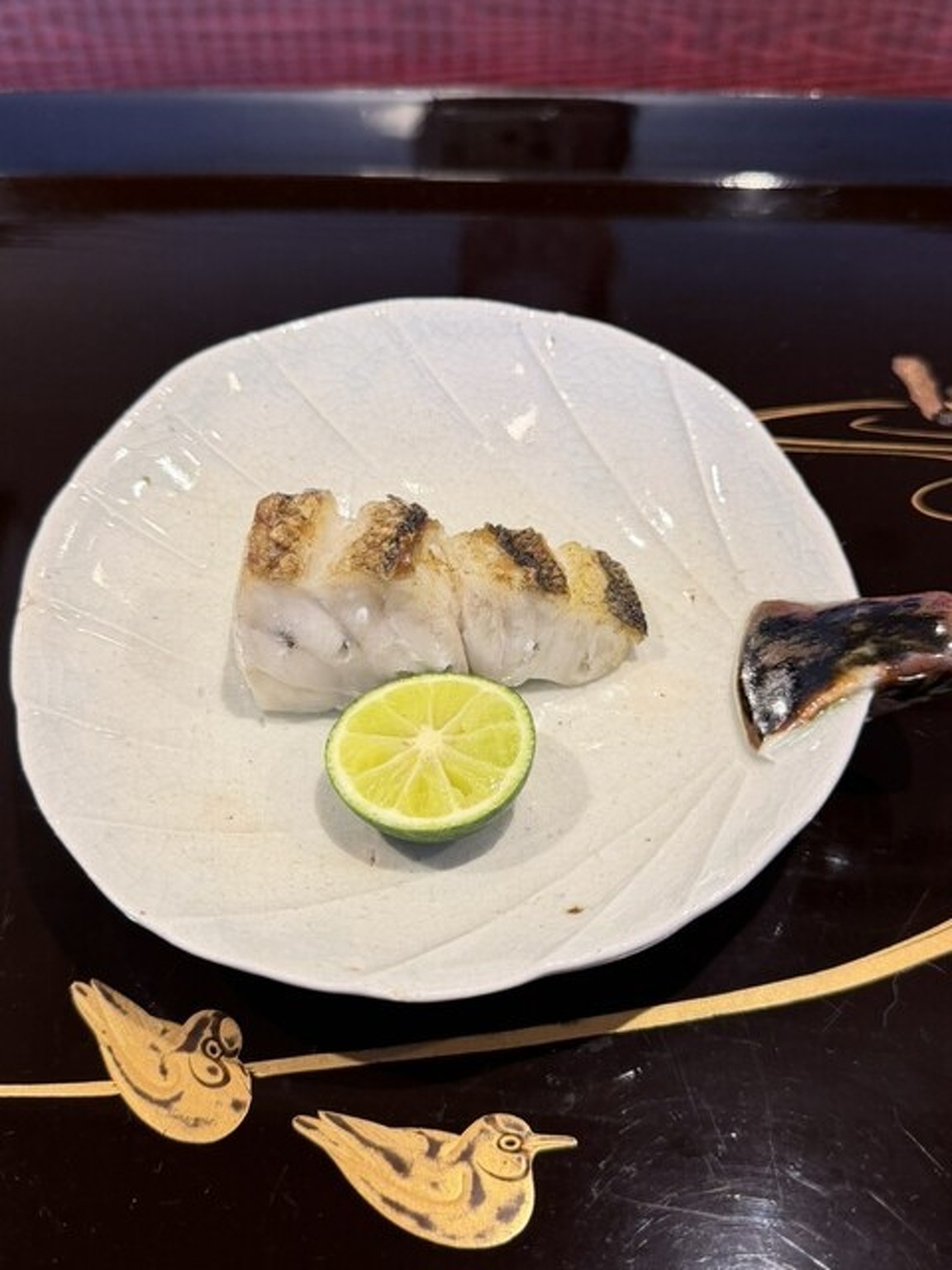
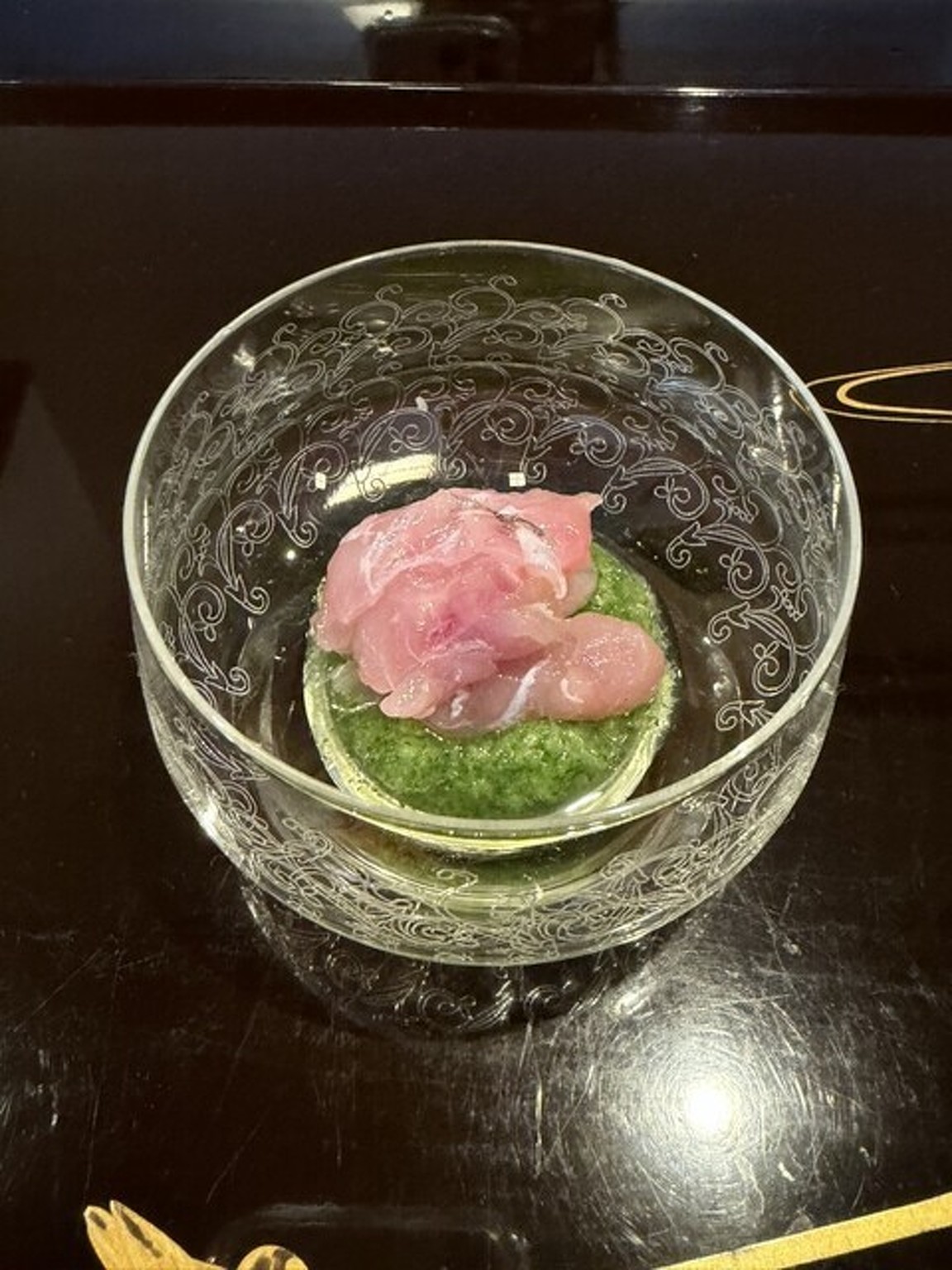
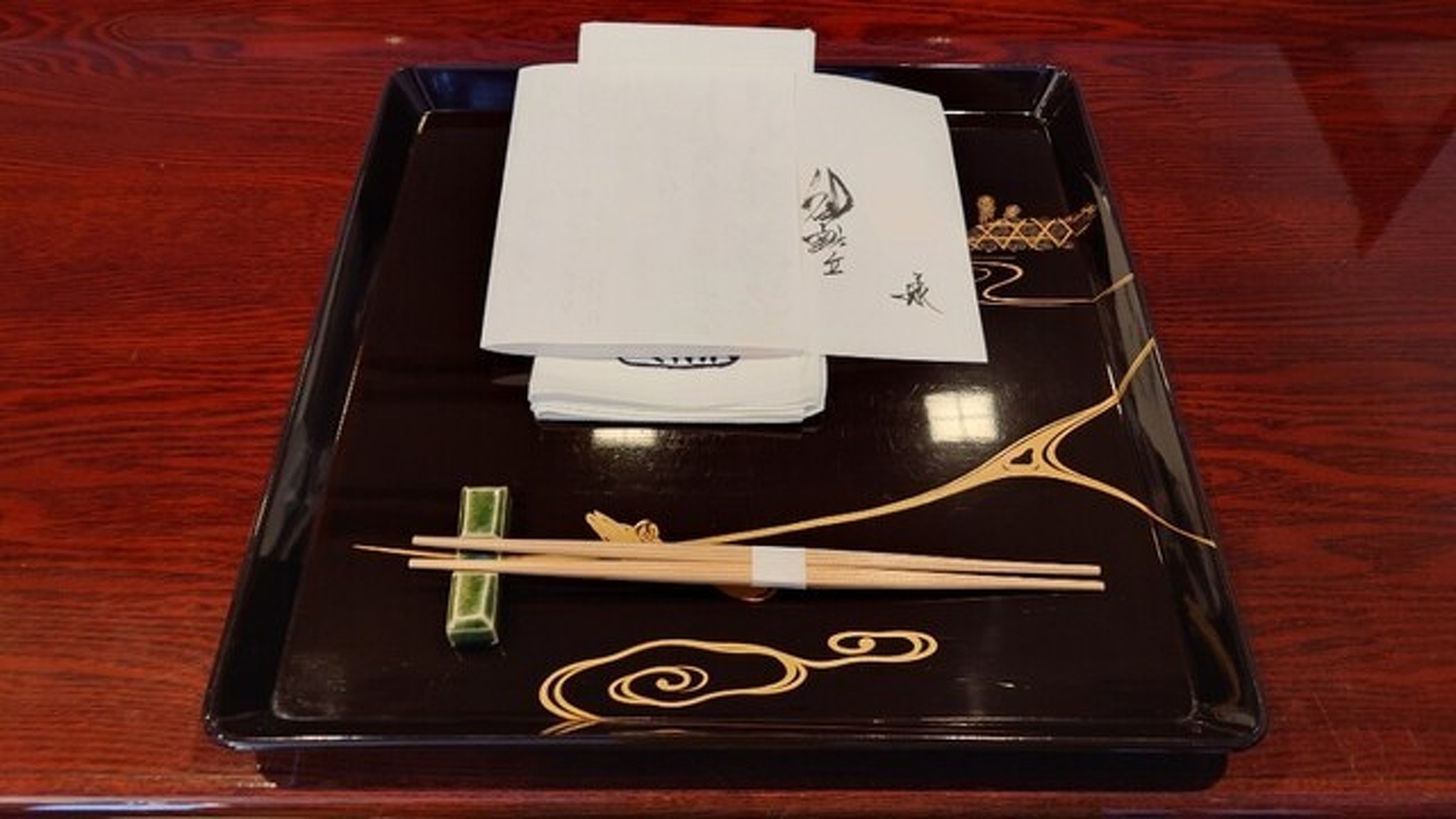
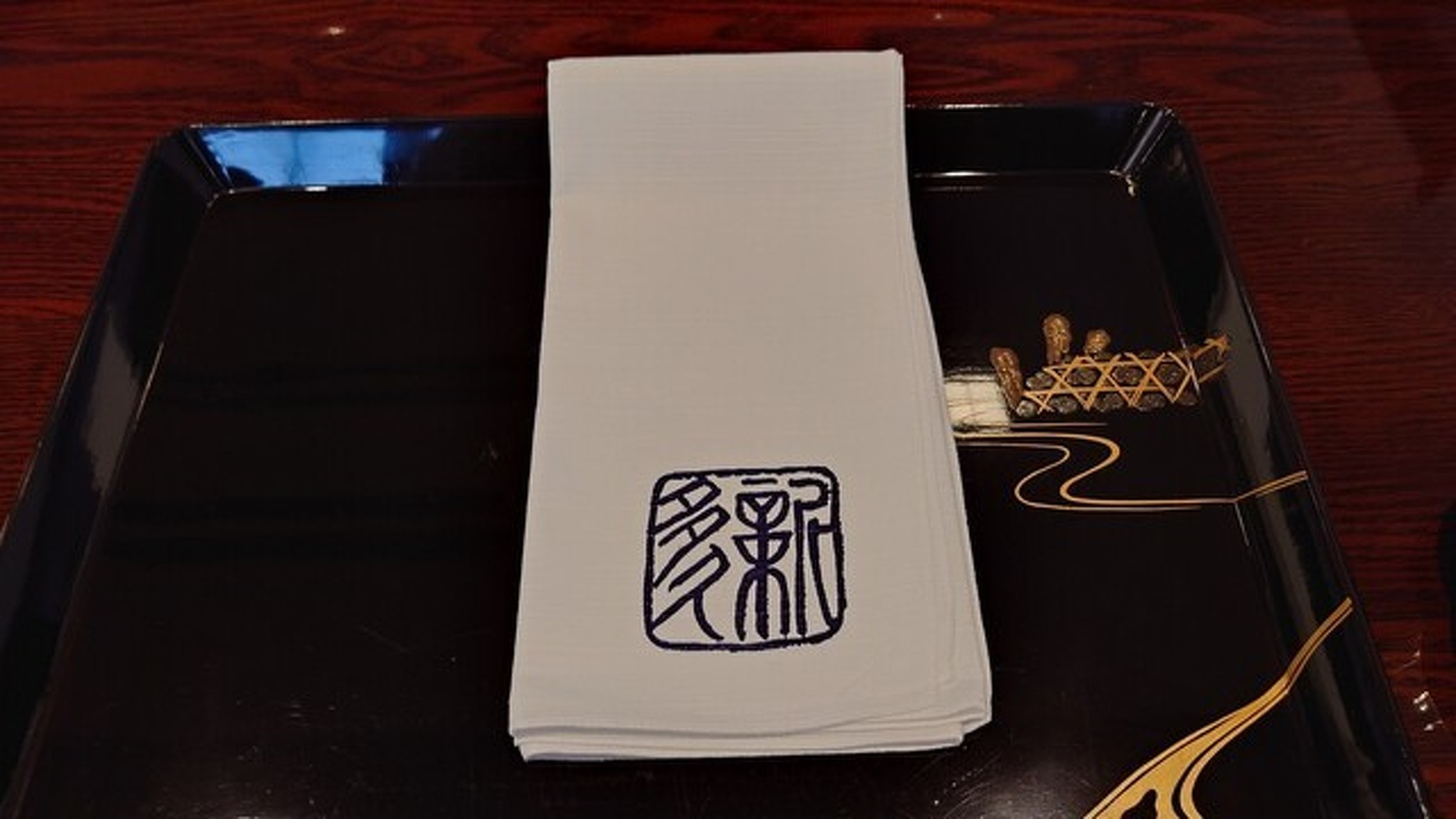
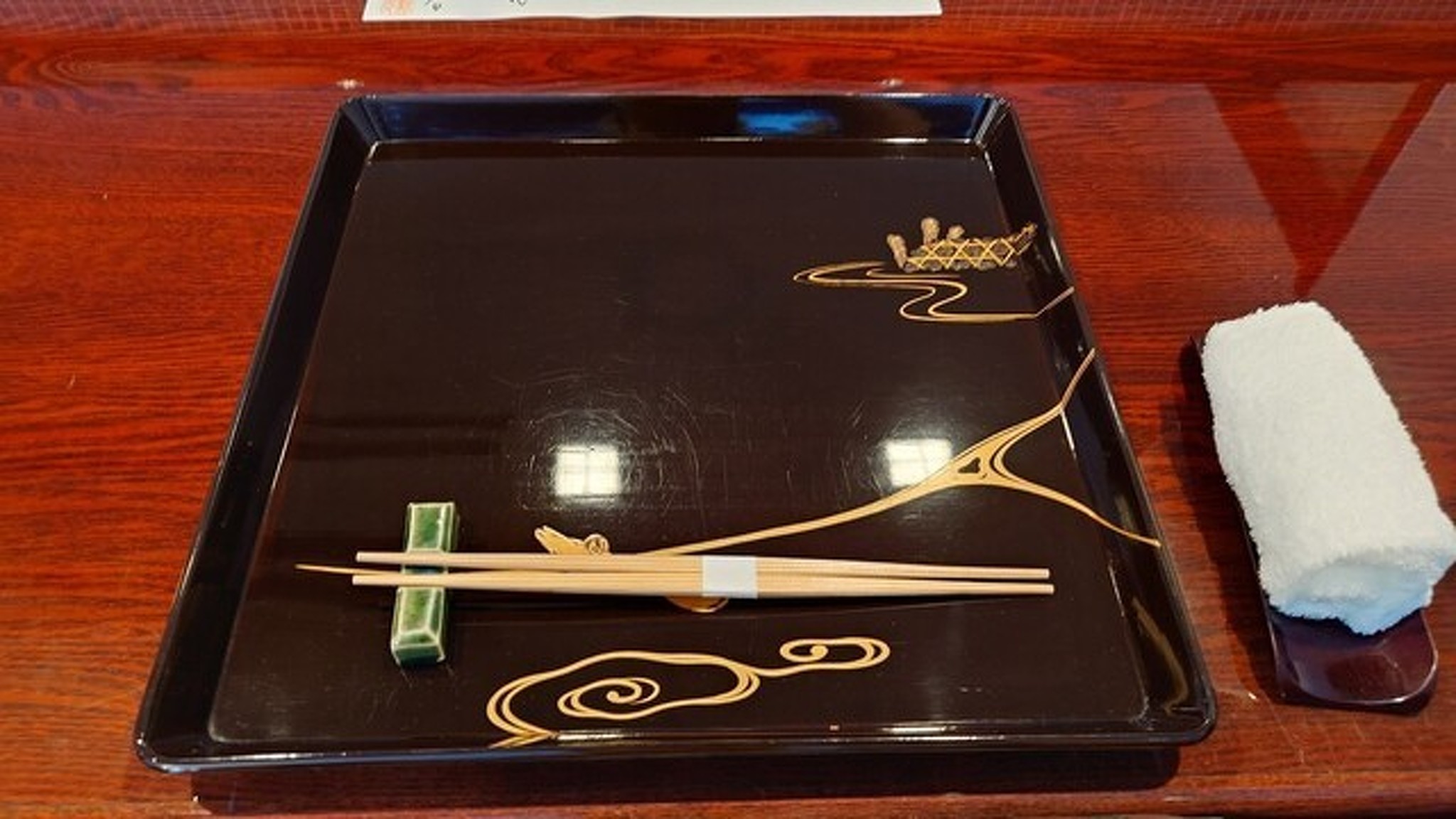
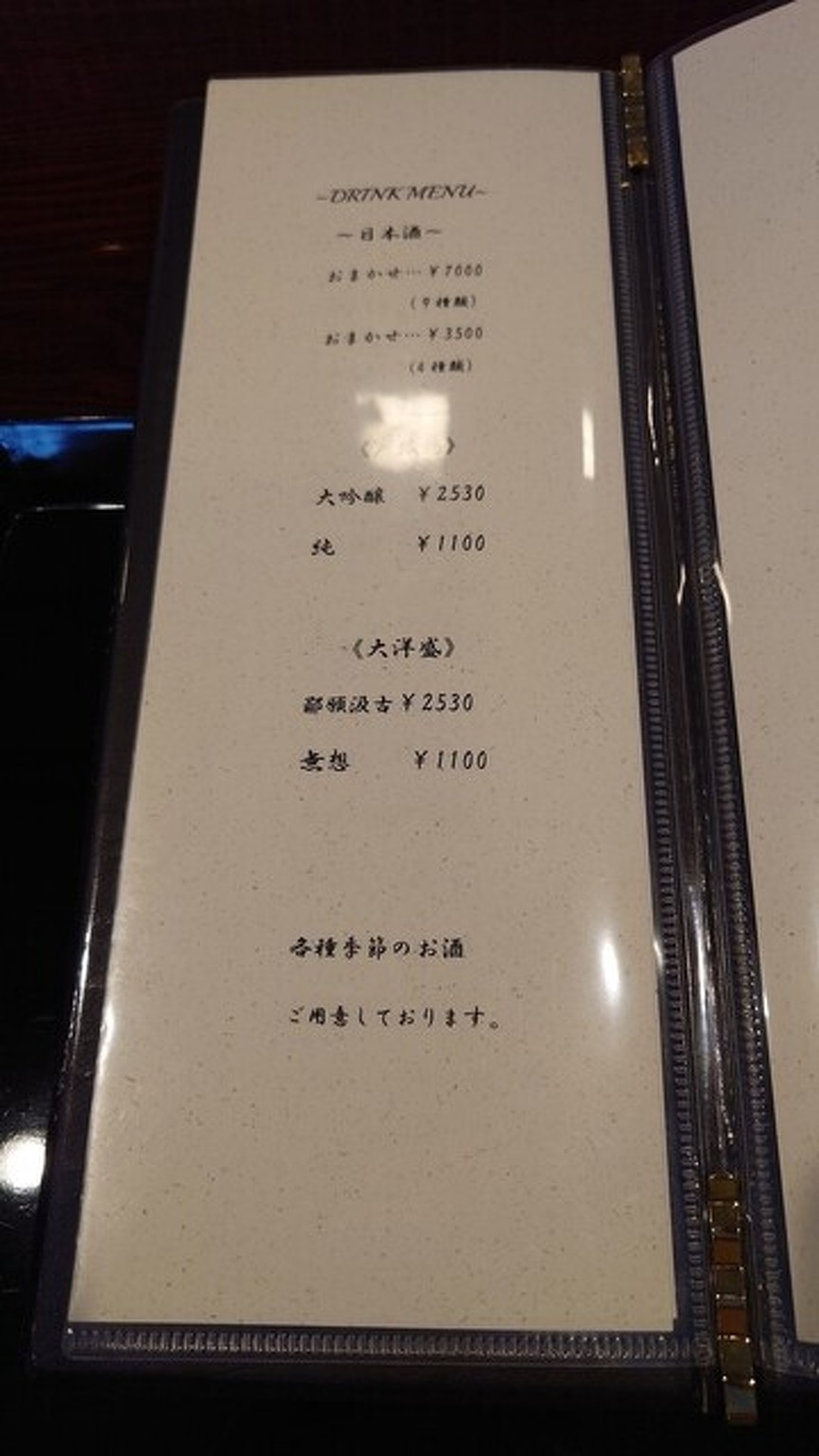
2,774 characters ★Seasonal Course (JPY 22,000, tax included) Duration: Approximately 1 hour 50 minutesI traveled from Tokyo to Niigata Prefecture.The Yamagai brothers (older brother Shinsuke and younger brother Ryota) showcase their skills at this restaurant (4.35). Founded in 1868, this historic kappou was completely destroyed by fire in 2005. Rebuilt by the brothers, it combines the atmosphere of a traditional establishment with modern design, serving dishes that emphasize local ingredients, embodying the "Murakami Terroir."I found an available slot on the online reservation site Pocket Concierge and decided to visit.The interior features a straight counter with 4 seats facing a live kitchen and 2 tables for 4 (there are also private rooms). On the table, there are towel oshibori, hot roasted tea, black lacquer trays with chopsticks, chopstick rests, and napkins. The brothers and the proprietress manage the restaurant with a total of three staff members. The restrooms are separated by gender and equipped with Inax shower toilets. Below is a summary of what I ate and drank, with a total bill of JPY 29,000.- Japanese Sake Omakase (9 varieties JPY 7,000)1. Niigata Prefecture, Murakami City, Miyao Brewery, Shimeharitsuru Murakami Festival UNESCO Registered Sake2. Niigata Prefecture, Murakami City, Taiyo Brewery, UNESCO Intangible Cultural Heritage Registered Sake Nishinami Taiyozaka3. Niigata Prefecture, Murakami City, Taiyo Brewery, Junmai Daiginjo Usunigori Honjozo Shiun Taiyozaka4. Niigata Prefecture, Murakami City, Taiyo Brewery, Musou Shinjika5. Niigata Prefecture, Murakami City, Miyao Brewery, Shimeharitsuru Jun Junmai Ginjo6. Niigata Prefecture, Kashiwazaki City, Abe Brewery, Abe Green7. Niigata Prefecture, Murakami City, Miyao Brewery, Shimeharitsuru Ginjo Namachozou8. Niigata Prefecture, Kamo City, Kamonishiki Brewery, Hahata Sake Gesshaku 2025 BY9. Niigata Prefecture, Murakami City, Taiyo Brewery, Kyōjō Taiyōzakari Junmai Ginjo Namagenshu- Seasonal Course (JPY 22,000)01. Red Kogomi, Shiode, Harigiri, Momijigasa, Warabi 02. Ara 03. Kue, Uruoi, Kinome 04. Mahi Hata 05. Sakuramasu 06. Koshia Bura Chawanmushi 07. Anago Rice 08. Palate Cleanser 09. Tsuki no Waguuma, Kakuma, Gyoja Garlic 10. Bamboo Shoot 11. Sakuramasu 12. Amadai, Ukogi 13. Yama Udo Ganmodoki, Inoshishi, Azami 14. Meal 15. Seasonal FruitThe evaluations of the dishes I had are as follows, with individual scores in brackets. The displayed prices include tax.【4.2】Red Kogomi, Shiode, Harigiri, Momijigasa, Warabi 1. Red Kogomi with Sesame Dressing 2. Shiode with Soy Sauce and Egg 3. Harigiri and Peanuts with Miso Dressing 4. Momijigasa Stir-fried with Oil and Walnuts 5. Warabi with Dressing A beautiful assortment of five types of wild vegetables as an appetizer. Each dish showcases a variety of preparations that hint at the chef's skill.【3.9】Ara Salted high-end fish "Ara" from the Suzuki family, served with various fish jelly. The effect of the salting gives it a somewhat fatty flavor, which is both good and bad, but it is delicious with a rich umami.【4.1】Kue, Uruoi, Kinome This is Kue, a high-end fish from the Hata family. Like the previous dish, it is salted and lightly blanched for the soup. It is accompanied by Uruoi leaves and carrots.The salting gives it a flavor reminiscent of Shimaaji, but the rare cooking enhances its umami, leaving a better impression than the Ara. The broth has a refined taste typical of high-end kappou.【4.4】Mahi Hata Rarely cooked Mahi Hata, served with a sauce of plum, arare, and wasabi leaves. The fillet was sandwiched with daikon and grilled over charcoal, seemingly to only char the skin without cooking the sides. The mild acidity and prominent umami of the sauce enhance the Mahi Hata.【4.3】Sakuramasu Sakuramasu lightly cooked to retain the gelatinous skin without crisping it. Like the Mahi Hata, it was sandwiched with daikon and only the skin was grilled. The tender flesh is directly delicious.【4.0】Koshia Bura Chawanmushi The smooth and creamy custard (the chawanmushi itself) showcases the chef's skill. The Koshia Bura sauce is also smooth and creamy, but made without dairy, only using kombu dashi.【3.5】Anago Rice About 1kg of Ma-anago, cut and cooked. Served over rice with mochigome and anago eggs, topped with Yamamitsuba. The Anago is prepared soft like Kanto-style eel, but personally, I prefer the grilled version.【3.8】Palate Cleanser Not listed on the menu, but the palate cleanser is a kuzu mochi made with fuki no tou. The aroma of fuki no tou is mild, with no bitterness, resulting in an unexpectedly refined taste.【3.9】Tsuki no Waguuma, Kakuma, Gyoja Garlic A salad-style dish made with low-temperature cooked bear meat. Served with Kakuma Kogomi (green kogomi), Gyoja garlic, and roasted rice. The thinly sliced, fluffy texture is reminiscent of prosciutto. There are no gamey flavors, and you wouldn't guess it's bear meat unless told.【4.0】Bamboo Shoot Grilled bamboo shoots and bamboo shoot puree. The puree, made with bamboo shoots, kombu dashi, and salt, is incredibly creamy. As with the Koshia Bura, the restaurant excels at making rich purees that highlight the kombu dashi.【3.8】Sakuramasu Charcoal-grilled Sakuramasu. In contrast to the first Sakuramasu, the skin is crispy while the flesh is moist. Served with a tangy daikon oroshi on the side for your preference. As a rare fish lover, I rated the first one higher.【3.9】Amadai, Ukogi Salted Amadai, served with a refreshing vinegar jelly containing Ukogi sprouts.【3.9】Yama Udo Ganmodoki, Inoshishi, Azami Ganmodoki with Yama Udo, Inoshishi belly meat, and Azami stir-fried and simmered together.【4.0】Meal 1. Sakuramasu Pressed Sushi 2. Hot Roasted Tea 3. Tara no Me Rice (refillable / available for takeout) 4. Inoshishi Thigh Meat Arare Fried 5. Iwafune Fu Miso Soup 6. Mahi (Aji) with Egg Yolk Soy Sauce 7. Pickles (Mizu)The Sakuramasu pressed sushi, cooked rare, includes Akebi sprouts and Jerusalem artichokes. It is accompanied by Yama Udo gari. The pressed sushi, elevated by the combination of rice and wild vegetables, deserves a score of 4.4. It is one of the top two dishes of the day alongside the Mahi Hata.The Tara no Me rice is finely chopped, so the unique chewy texture of the Tara no Me is not fully enjoyed, but the aroma and umami are present, making it a delicious 4.0. The meal is lavishly accompanied by Inoshishi and Mahi.The pickles made with Mizu (a slippery, crunchy wild vegetable) are also a nice touch.【4.0】Seasonal Fruit Ice cream made from Hamaboufu with sweet red bean paste. It is fluffy, smooth, and creamy, with the unique aroma of Hamaboufu standing out. It is a bold choice, but far more delicious than the top 100 ice cream and gelato shops.The adzuki beans are sourced from Hokkaido, but it is possible to use Murakami beans depending on the season. The ingredients of the day were all sourced from Murakami, showcasing the Murakami Terroir (excluding the wasabi, which is likely from elsewhere). The fact that ingredients typically found in high-end restaurants in Tokyo, priced at JPY 50,000, are available here is a testament to the benefits of local production for local consumption. Until now, I hadn't fully appreciated the quality of Niigata's ingredients, but I was truly impressed by the satisfaction derived from the terroir of Murakami. Less
10 / 10
on 06 May 2026
Kappou ShintakuI have always wanted to visit this restaurant.Upon arriving by car, I was greeted by the beautiful gardens of historical Murakami.The exterior of the facility reflects the history of the trees that change with the seasons,including a 600-year-old Zelkova tree, which fills my heart with joy.It’s amazing how wonderful it is! Founded in 1863 (Keio 3),this 163-year history is truly remarkable.At the entrance, there was a flower water basin,with vibrant flowers floating in water, beautifully... More
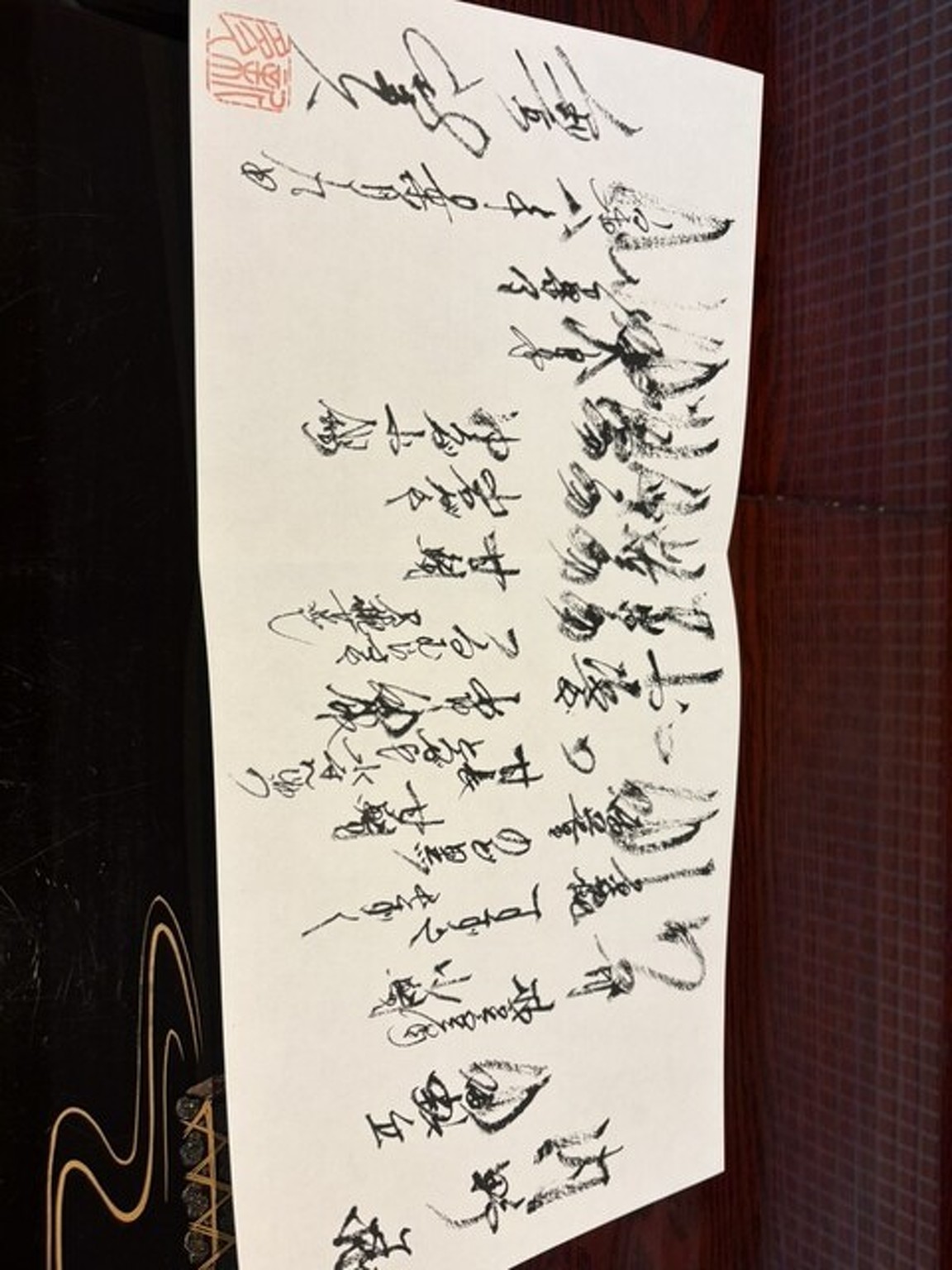
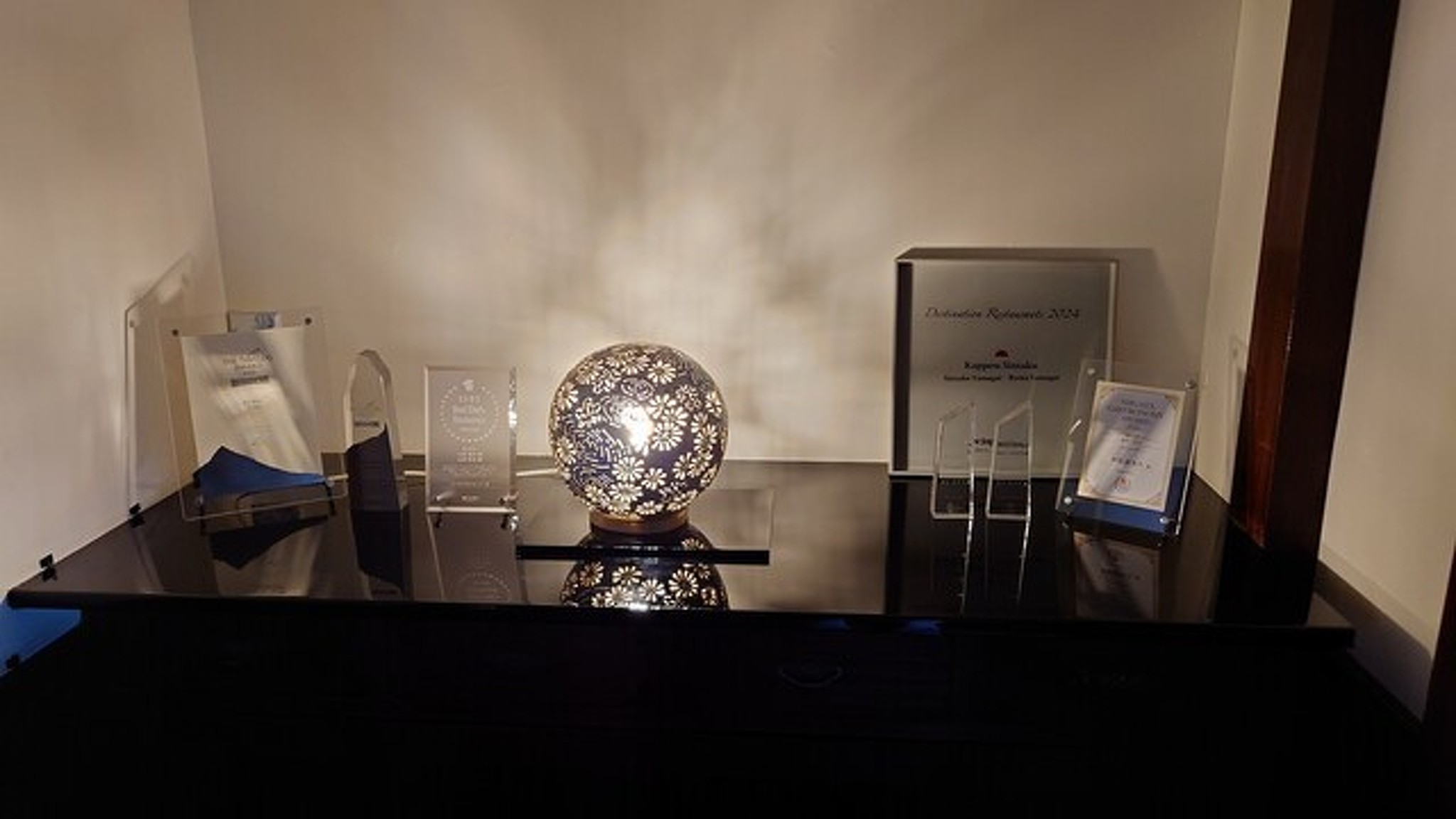
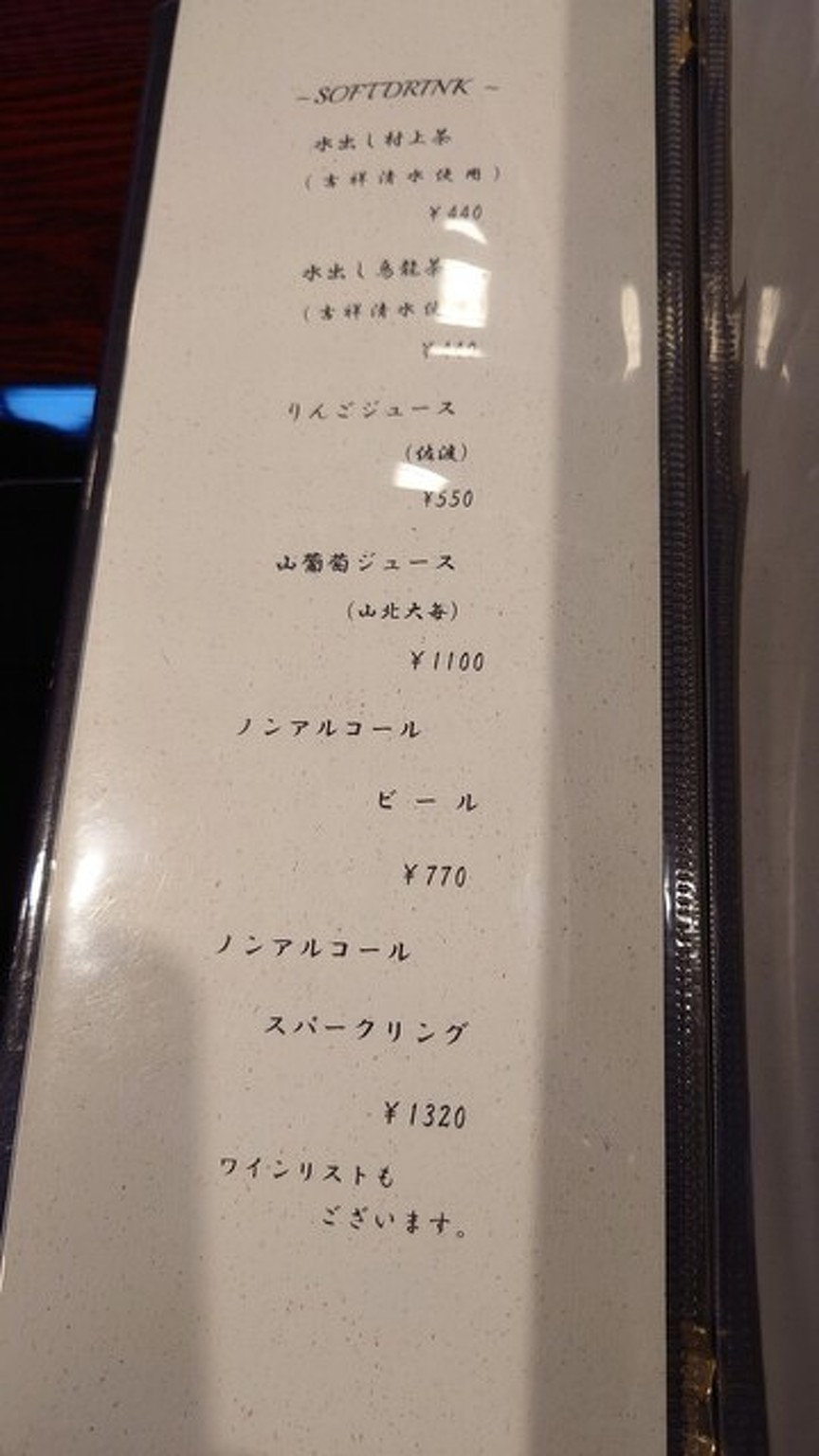
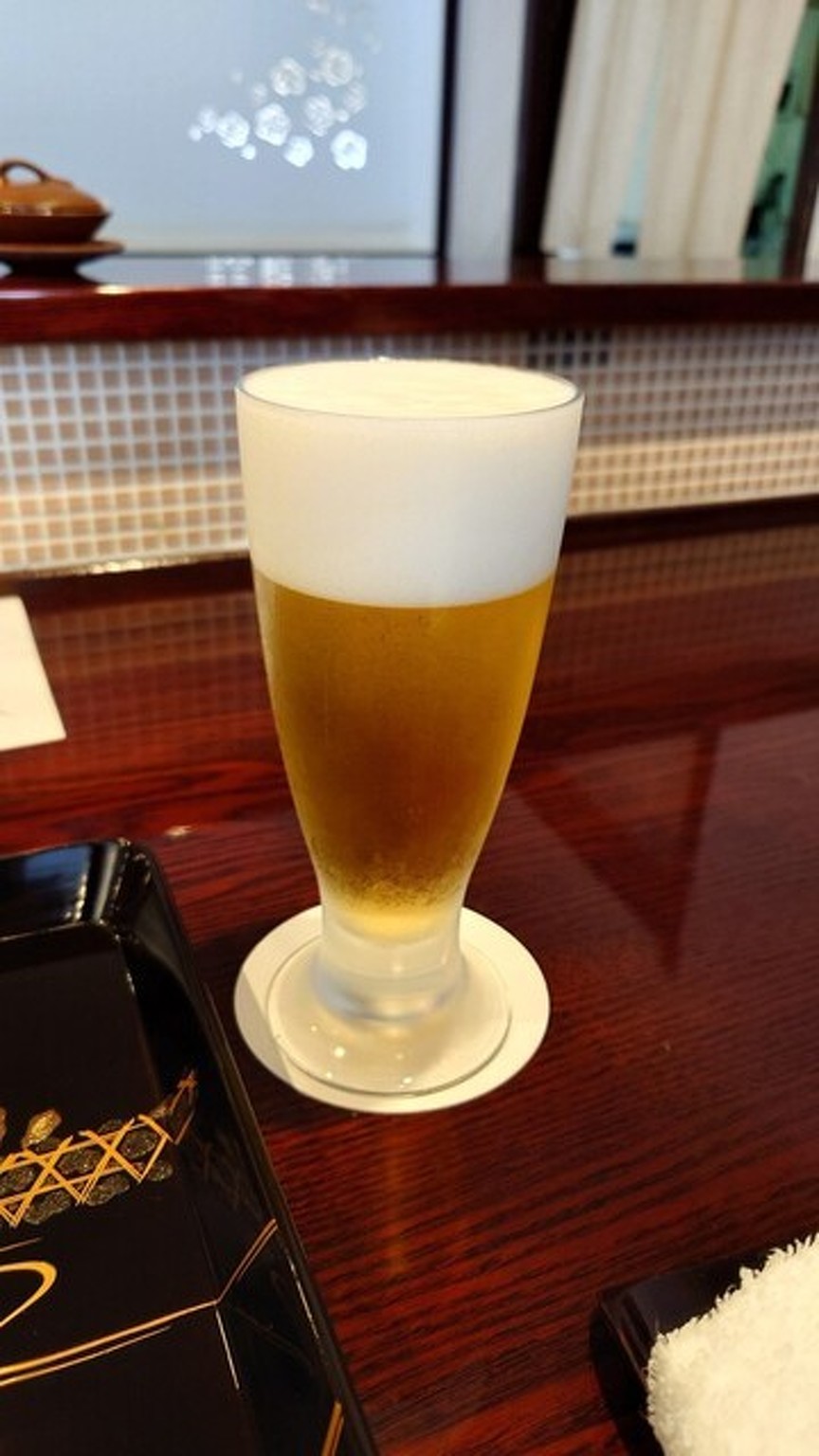
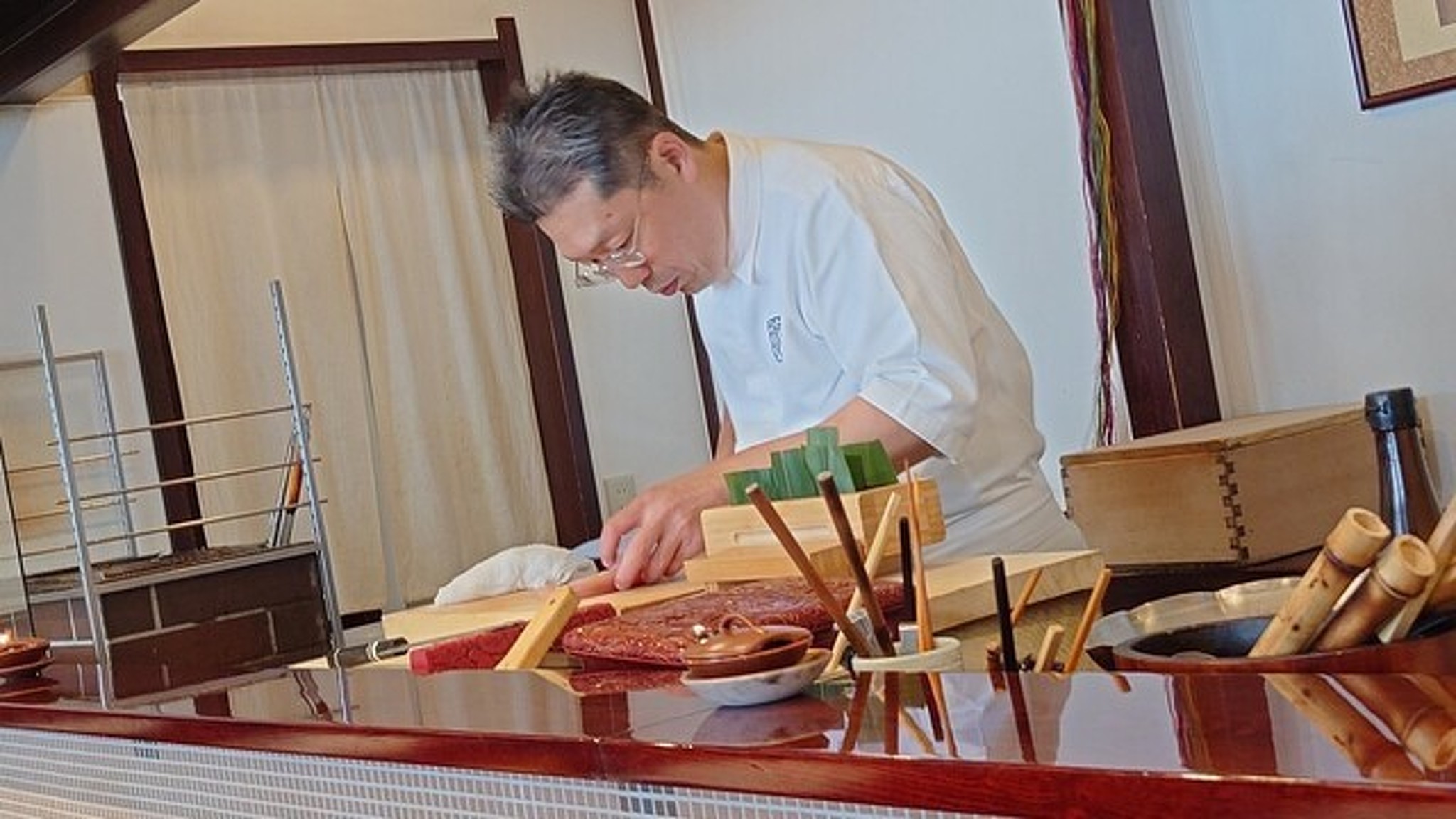
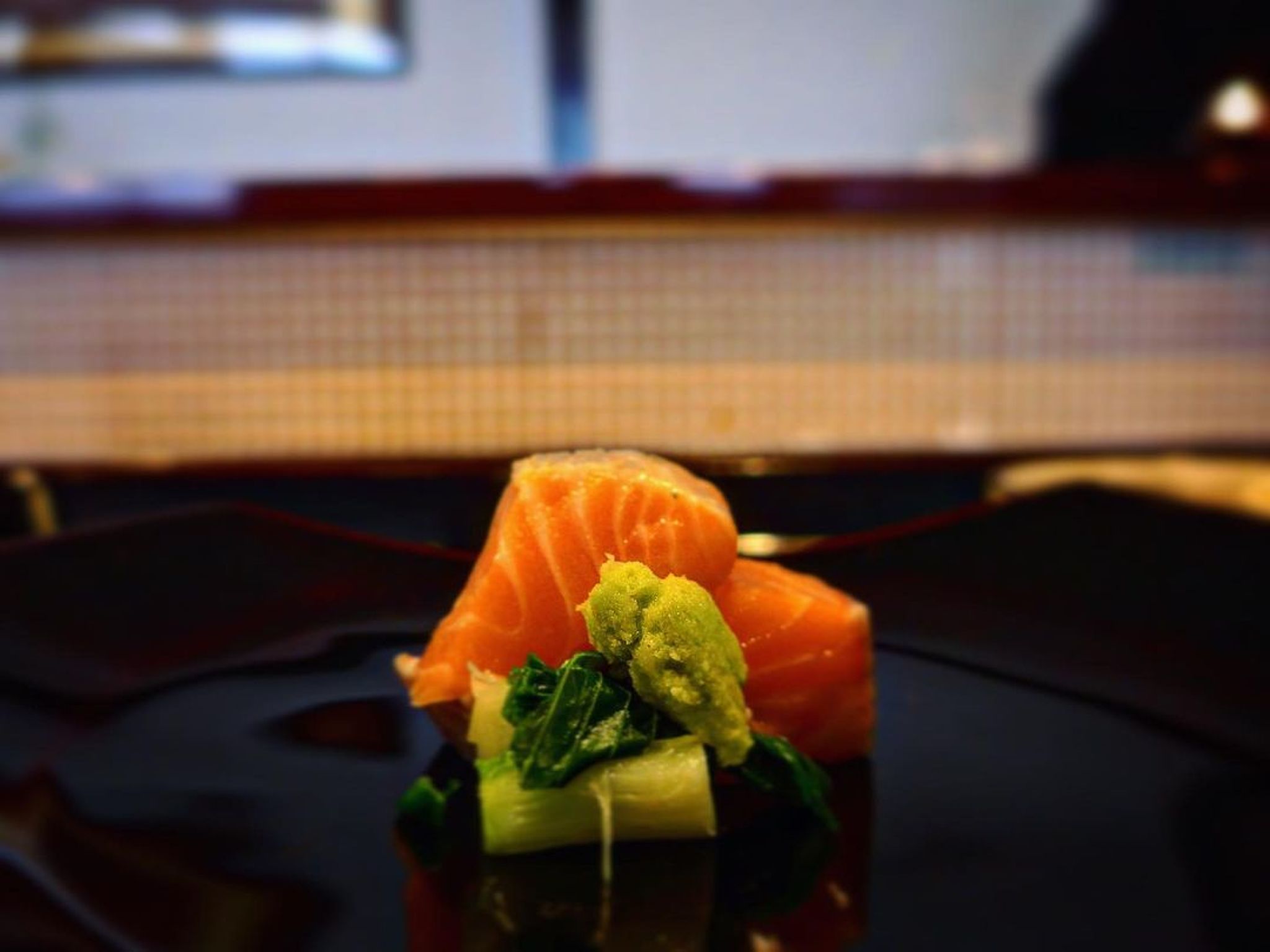
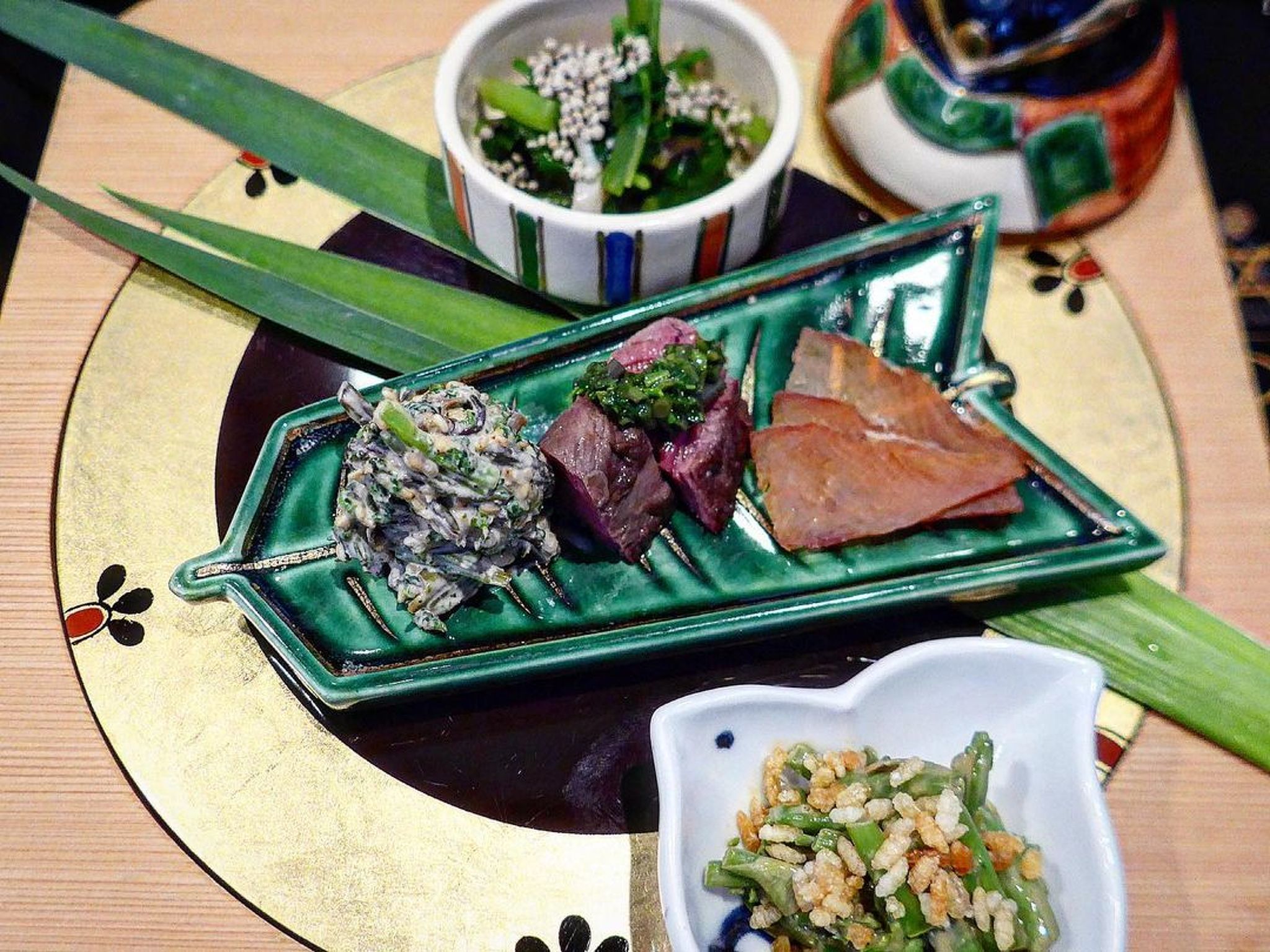
Kappou ShintakuI have always wanted to visit this restaurant.Upon arriving by car, I was greeted by the beautiful gardens of historical Murakami.The exterior of the facility reflects the history of the trees that change with the seasons,including a 600-year-old Zelkova tree, which fills my heart with joy.It’s amazing how wonderful it is! Founded in 1863 (Keio 3),this 163-year history is truly remarkable.At the entrance, there was a flower water basin,with vibrant flowers floating in water, beautifully illuminated.Entering through the historically styled entrance,I found Tabelog and Michelin decorations on the right,and entered through the door on the left.Inside, there is a counter that seats 7 and two tables for 4.This time, we requested a table,but I took a photo of the counter before sitting down.I greeted the chef, who was very friendly and charming.The chefs are brothers, Shinsuke and Ryota Yamagai.At this restaurant, founded in Keio 3, they focus on local ingredients from Murakami,providing innovative Japanese cuisine that has earned a Michelin star and recognition in Go! Go! Michelin.Once seated, I noticed our reservation name and the menu for the day,written in beautiful cursive on each table.Reading and deciphering it was quite enjoyable.We started with beer,while my companion ordered wild grape juice and cold green tea from Murakami.We chose the JPY 16,600 course,with a pairing of four types of Japanese sake,plus an additional two later on.The first dish was a starter:red kogomi, Ohara, and momijigasa,which taught me the best way to enjoy mountain vegetables.Next was the sliced raw squid,cut with exquisite precision,and I was moved by the melt-in-your-mouth sweetness of the squid.Then came the soup dish:uruai and flatfish dumpling,with kinome.The flatfish dumpling had a perfectly cooked exterior,while the inside was rare, creating a surprising texture.The gradient of the flatfish's umami was truly wonderful,with gentle kombu broth and urai,and the light accent of kinome evoked the feeling of spring.For sashimi,the aji sashimi was also rich in flavor,seasoned with roasted sake,perfectly complementing the Japanese sake.I enjoyed the sake, a Junmai Daiginjo Green Label from Shimohari Tsurukame,which is not commonly found,and it enhanced the deliciousness of the dishes.Next, we were served a complimentary dish offuki no tsubomi (butterbur buds) with kuzumochi.This was more than just a service; it was a dish in itself.The slight bitterness of spring and the gentle texture provided a delightful experience.Then came the second sashimi dish:Spanish mackerel,with a perfect charcoal grill finish,adding a delightful crunch and aroma,while the umami of the mackerel overwhelmed my senses.At this point, the sake kept disappearing.The chawanmushi (savory egg custard) with koshiaburawas made with a green sauce that had an indescribable aroma,and as I tasted it, the umami of koshiabura spread in my mouth,feeling more like a koshiabura soup with chawanmushi inside.It was a shocking first experience that I wanted to savor forever.The pressed sushi with sakura trout,combined with the spice of akebi root and the pleasant texture of jerusalem artichoke,transcended the concept of pressed sushi,providing a delightful and pleasurable experience for my palate.The pickled udo was a refreshing change of flavor.The warabi (bracken) with a sticky grated sauce was a remarkable technique that impressed me.The Tsukinowaguma (Asian black bear) was a testament to the chef's inspiration,creating a wonderful low-temperature treatment that brought joy to my palate,resulting in a decisive victory of deliciousness.The side dishes includedwild garlic, kakuma, and aokogomi,with roasted rice.The fried wild boar with soy sauce marinated masunosukon.The pickled mizu was paired with kombu,and the iwafune fu (wheat gluten) soup was delightfully fluffy.The taranome (bitter buds) rice was a happiness I plan to carry into tomorrow.Additionally, the effects of sesame were wonderful.For dessert, we had ice cream made from hamabofuu (a type of wild plant) and red bean.The fruit was melon,but I forgot to take a photo.We received the remaining rice as onigiri (rice balls) to take home.It was a great meal.The deliciousness and hospitality were truly moving.I will definitely visit again, so please take care of me. Less
9 / 10
on 01 May 2026
I had lunch with my wife at this Japanese restaurant located on Kurobei Street in Murakami, housed in a magnificent black wooden building.We were seated at the counter on the first floor, which had six seats and two tables for four.The interior featured white walls and ceilings, while the tables, chairs, floor, columns, and beams were all in earthy tones, creating a sophisticated atmosphere.We had made a reservation for the "Lunch Course @ JPY 16,500 (tax included)."Here’s what we enjoyed:- Appetizer:... More
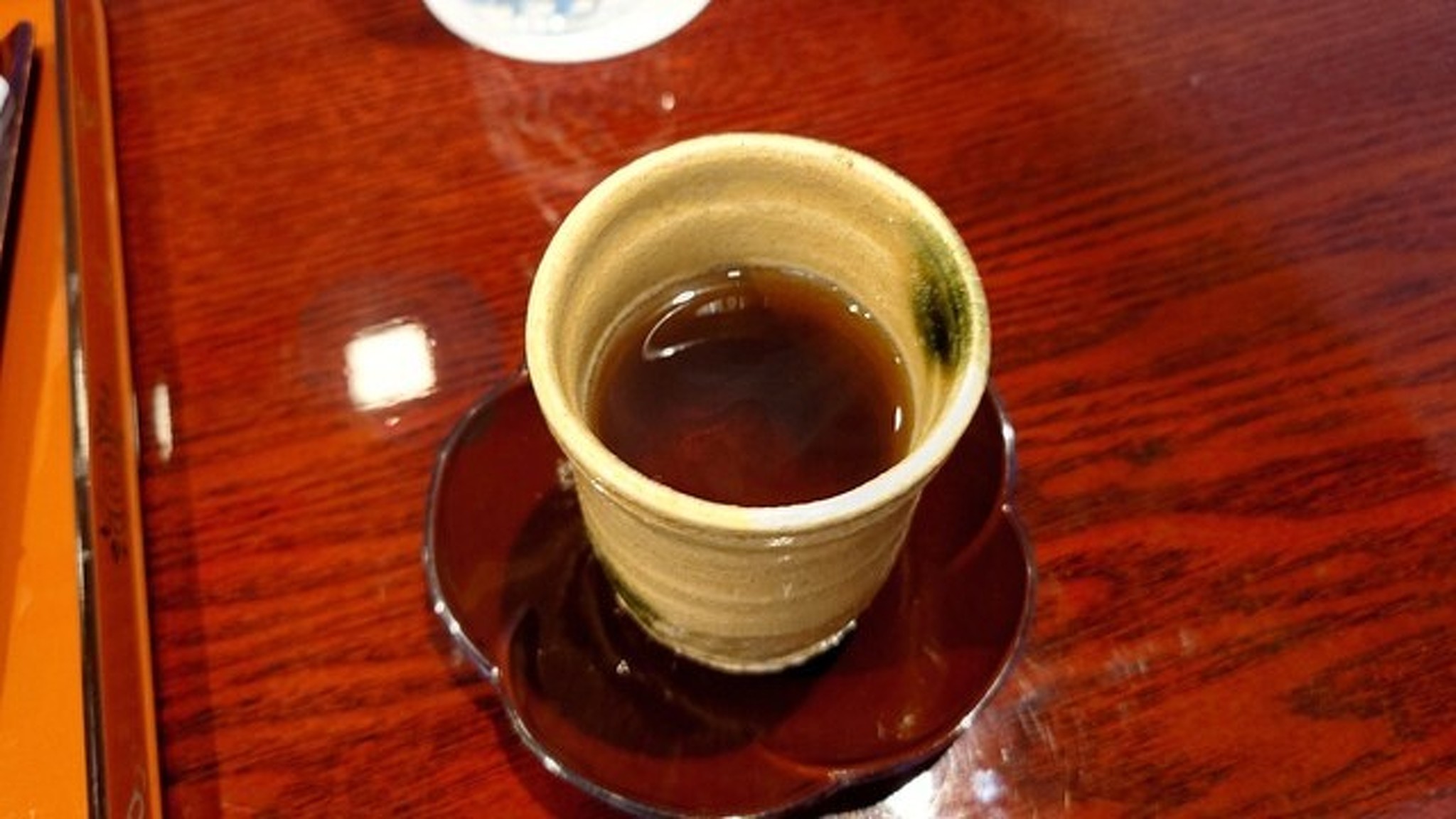
I had lunch with my wife at this Japanese restaurant located on Kurobei Street in Murakami, housed in a magnificent black wooden building.We were seated at the counter on the first floor, which had six seats and two tables for four.The interior featured white walls and ceilings, while the tables, chairs, floor, columns, and beams were all in earthy tones, creating a sophisticated atmosphere.We had made a reservation for the "Lunch Course @ JPY 16,500 (tax included)."Here’s what we enjoyed:- Appetizer: Assorted Wild Vegetables → A delightful selection of wild vegetables. I particularly loved the white sesame-dressed Akakogomi.- Sashimi: Koika (Cuttlefish) → It was tender with fine hidden cuts, seasoned perfectly with salt.- Soup: Flounder and Urui → Enjoyed the rich flavor of the flounder.- Sashimi: Flounder → Perfectly seared, bursting with umami!- Fuki no Tō Kuzumochi → The bitterness of the fuki no tō harmonized beautifully with the sweetness of the kuzumochi, evoking the essence of spring.- Grilled Sawara (Spanish Mackerel) → Enjoyed the contrast between the crispy skin and the moist texture of the fish. The fat was rich, and the sweetness from grilling was impressive!- Chawanmushi with Koshiabura → This was my first time trying it, and it was incredibly delicious!- Sakura Masu (Cherry Salmon) Sushi → Slightly grilled, it had a robust flavor.- Warabi no Tomo Ae - Tsukinowaguma (Black Bear), Gyoja Garlic, and Kogomi → The bear meat had a pleasant fat content, pairing well with the wild vegetables.- Bamboo Shoots → Surprisingly sweet and delicious!- Grilled Sakura Masu → Enjoyed the crispy skin and the rich flavor of the fatty flesh!- Marinated Kijihata (Japanese Sea Bream) → The texture was chewy, enjoyed with the broth from the wild vegetable (Ukogi).- Wild Boar, Yamaundo Ganmodoki, and Azami → The wild boar was juicy, and the ganmodoki had a notable hint of bitterness from the yamaundo.- Tara no Me and Sesame Rice, Various Snacks → Absolutely delicious! I finished it all with ease.- Hamaboufu (a type of wild vegetable) Ice Cream → This was my first time trying this wild vegetable, and surprisingly, the ice cream was delightful!For drinks, we had:- Non-Alcoholic Beer @ JPY 770 x 3 bottles - Murakami Tea @ JPY 440 x 3 cupsThe star of the meal, the wild vegetable dishes, were all delicious. The quality of the ingredients was excellent, and the seasoning and cooking methods were innovative and impressive. The sweets made with wild vegetables were particularly memorable.The chef provided detailed explanations about the dishes and ingredients and was very approachable. The service staff were also attentive, making our experience very pleasant.The total bill for two came to JPY 36,000. I believe it was a fantastic value for the quality offered. Thank you for a fulfilling three-hour lunch! Less

Recommended in Murakami
Address
3-38 Komachi, Murakami, Niigata 958-0841, Japan
Hours
Monday: 11:30 - 14:30; 17:00 - 21:30
Tuesday: 11:30 - 14:30; 17:00 - 21:30
Wednesday: Closed
Thursday: 11:30 - 14:30; 17:00 - 21:30
Friday: 11:30 - 14:30; 17:00 - 21:30
Saturday: 11:30 - 14:30; 17:00 - 21:30
Sunday: 11:30 - 14:30; 17:00 - 21:30
Tuesday: 11:30 - 14:30; 17:00 - 21:30
Wednesday: Closed
Thursday: 11:30 - 14:30; 17:00 - 21:30
Friday: 11:30 - 14:30; 17:00 - 21:30
Saturday: 11:30 - 14:30; 17:00 - 21:30
Sunday: 11:30 - 14:30; 17:00 - 21:30
Phone
+81254532107
Price Range
Based on country average
$$$$ (¥10,000+)