Foodle
- Naoki Hoshi added a new meal Dinner at 表参道うかい亭 鉄板料理 at Ukai-tei Omotesando
Copy the code to embed the post
- Bennet Chui added a new meal Dinner at Ristorante Mudec Di Enrico Bartolini at Enrico Bartolini
Copy the code to embed the post
- Taka Taka added a new meal Dinner at 柳家 at Yanagiya (柳家)
Yanagiya, Mizunami, Gifu prefecture. Game meat. Late December 2025. Great.
柳家さん。瑞浪。12月。とても美味しい。
Copy the code to embed the post
- Eating Man added a new meal Dinner at Oryori Hisamatsu (御料理 ひさまつ) at Oryori Hisamatsu (御料理 ひさまつ)
Opening the wooden door painted in beige feels like stepping into a warm little world, away from the bustling city outside. This cozy restaurant is run by a couple near Takahata Station.The space is small, featuring a rectangular wooden table and a counter that can seat up to six people. The owner, who hails from Ehime Prefecture, is busy in the open... More
Opening the wooden door painted in beige feels like stepping into a warm little world, away from the bustling city outside. This cozy restaurant is run by a couple near Takahata Station.The space is small, featuring a rectangular wooden table and a counter that can seat up to six people. The owner, who hails from Ehime Prefecture, is busy in the open kitchen, often using ingredients sourced from the Shikoku region.His wife moves gracefully around the restaurant, always wearing a warm smile.There are no flashy decorations or expensive ingredients here; instead, they offer a comforting taste of home. Dishes like Katsuo Warayaki, Charcoal-Grilled Soft Roe, and Wild Vegetable Kamameshi weave together the warmth of everyday life. Each dish carries gifts from the land of Shikoku, and the smiles of the couple symbolize their love for their life together.Notably, the price of the premium sake "Aramasa" here is very reasonable, and I am grateful for the recommendation.As the sun sets, the warm lights inside the restaurant begin to glow. For them, this little place is not just a means of making a living, but also a way to share the flavors of their hometown with others.It was a great meal. Less
Copy the code to embed the post
- ねず み! added a new meal Dinner at Ranmaru (らんまる) at Ranmaru (らんまる)
***【Must Save!】The only sushi restaurant I keep coming back to.Ranmaru in Fudomae is absolutely amazing! ♡This popular sushi spot offers an Omakase course featuring seasonal fish carefully selected from across the country.It’s not overly flashy, yet each piece is crafted to perfection, and before I know it, I’m completely captivated every... More
***【Must Save!】The only sushi restaurant I keep coming back to.Ranmaru in Fudomae is absolutely amazing! ♡This popular sushi spot offers an Omakase course featuring seasonal fish carefully selected from across the country.It’s not overly flashy, yet each piece is crafted to perfection, and before I know it, I’m completely captivated every time. ☺️From Nodoguro (blackthroat seaperch) to Donchicchi Aji (a type of horse mackerel), hairy crab, and sea urchin, the level of satisfaction is incredibly high!⋆┈┈┈┈┈┈┈┈┈┈┈┈┈┈┈⋆♢ Mozuku seaweed and Akita Junsei♢ Nodoguro from Shimonoseki, Yamaguchi♢ First Bonito with grated onion, green onion sprouts, and myoga♢ Akkeshi Surf Clam and Murotsu Torigai (cockle) marinated♢ Shimazaki Shima Ebi from Aomori♢ Grilled Sawara (Spanish mackerel)♢ Matsukawa Sole♢ Akami (red meat) from Shiogama, Miyagi♢ Fried Scallops♢ Bettara-zuke (pickled daikon)♢ Chutoro (medium fatty tuna) and Otoro (fatty tuna)♢ Sumiika (cuttlefish)♢ Chawanmushi (steamed egg custard) with hairy crab from Hokkaido♢ Donchicchi Aji from Shimane♢ Dashimaki Tamago (Japanese omelet)♢ Ezo Murasaki Uni (purple sea urchin)♢ Hokkigai (surf clam)♢ Kuruma Ebi (sweet shrimp)♢ Anago (conger eel)♢ Toro-taku (fatty tuna with pickled radish), Kohada (gizzard shad), and Kappa (cucumber)Add-ons:♢ Torigai (cockle)♢ Kuruma Ebi (sweet shrimp)♢ Matsukawa Sole⋆┈┈┈┈┈┈┈┈┈┈┈┈┈┈┈⋆Every visit to Ranmaru brings a new level of excitement.The marinated Murotsu Torigai and Matsukawa Sole nigiri were exceptionally delicious.Of course, I’m already making my next reservation!!! ☺️Thank you, Chef Tanabe, for the wonderful experience!If you’re interested, make sure to save this post.***Casually documenting delicious restaurants.From budget-friendly to high-end, depending on my mood. ☺️Mainly in Tokyo, with occasional trips to Kagoshima,sometimes to rural areas ⛰️ and sometimes overseas ✈️If you love Yakiniku, you’ll probably enjoy this!Follow me ▷▶ @tee_foodiary#teeTokyo#teeFudomae#teeSushi#FudomaeGourmet#SushiDinner Less
Copy the code to embed the post
- シラコ チャン added a new meal Dinner at Sangubashi Asaya at Sangubashi Asaya
Regular Visits This is my 5th visit in the second year.Today's Unagi: - Shizuoka Prefecture Hamamatsu, Deshiko Shinko - Tokushima Prefecture Moritoku Shoten Shinko - Kumamoto Prefecture Amakusa Natural Unagi - Kagoshima Prefecture San'ei Nouryuu - Miyazaki Prefecture Ajimatsu Unagi - Shizuoka Prefecture Tomosui Unagi ○ Kagoshima Prefecture... More
Regular Visits This is my 5th visit in the second year.Today's Unagi: - Shizuoka Prefecture Hamamatsu, Deshiko Shinko - Tokushima Prefecture Moritoku Shoten Shinko - Kumamoto Prefecture Amakusa Natural Unagi - Kagoshima Prefecture San'ei Nouryuu - Miyazaki Prefecture Ajimatsu Unagi - Shizuoka Prefecture Tomosui Unagi ○ Kagoshima Prefecture San'ei Nouryuu Bowl (Kamo Eggplant / Asparagus / Unagi Bone Broth) → A rich broth with the flavor of clams ◎ Miyazaki Prefecture Ajimatsu Unagi Spring Roll (White Asparagus / Koshiabura / Nanohana Sauce) ○ Shizuoka Prefecture Tomosui Unagi Sashimi with Vinegar Miso (Unagi Skin / Unagi Liver / Kujo Green Onion Vinegar Miso) ○ Grilled Liver (Make-in Potato / Urui / Nara Pickles) ○ Miyazaki Prefecture Ajimatsu Unagi Kanto-style Grilled Steamed Unagi Tamago (New Onion / Edamame) ◎ Shizuoka Prefecture Hamamatsu Deshiko Shinko Boneless Ippon Yaki (Grilled Young Corn / New Ginger Miso) ○ Grilled Fins and Tail with Uzaku Jelly (Fruit Tomato / Yellow Bell Pepper / Junzai / Udo) ◎ Miyazaki Prefecture Ajimatsu Unagi Grilled with Straw → The skin side is grilled over charcoal, while the flesh side is grilled with straw, giving it a "tataki" style. Enjoyed with grated daikon and ponzu for a refreshing taste. The fluffy unagi with a hint of straw aroma was a delightful surprise, and I loved the lingering aftertaste. ○ Kagoshima Prefecture San'ei Nouryuu Peking Duck Style → This is my second time trying Unagi Peking Duck. You can truly appreciate the presence of unagi while enjoying the flavors of the sauce and the crispy skin, all in a chewy texture. It felt even more delicious than the last time. The last bite is accented by Nara pickles, adding a nice change to the flavor. ○ Jiyaki Shiroyaki (Tokushima Prefecture Moritoku Shoten Shinko / Kumamoto Prefecture Amakusa Natural Unagi) ◎ Unagi Jyu (Shizuoka Prefecture Hamamatsu Deshiko Shinko Jiyaki / Shizuoka Prefecture Tomosui Unagi Kanto-style Grilled) using Shizuoka Prefecture Yume Tsukushi ○ Yuba with Red Miso Soup and Pickles ○ Hokkaido Azuki Bean Water Yokan with Yuzu Less
Copy the code to embed the post
- Gerhard Huber added a new meal Lunch at Ahimè at Ahimè
Ahimè is one of the more interesting counterpoints to Bologna’s deeply traditional restaurant culture. Opened in 2020 near the Mercato delle Erbe, its philosophy is firmly centred on produce, seasonality and a direct relationship with small-scale farmers and suppliers. Much of the vegetable produce comes from a biodynamic farm connected to the restaurant,... More
Ahimè is one of the more interesting counterpoints to Bologna’s deeply traditional restaurant culture. Opened in 2020 near the Mercato delle Erbe, its philosophy is firmly centred on produce, seasonality and a direct relationship with small-scale farmers and suppliers. Much of the vegetable produce comes from a biodynamic farm connected to the restaurant, and the menu changes frequently according to what is available.
Chef and co-founder Lorenzo Vecchia, born in 1992, has an interesting background, having worked in the kitchens of Carlo Cracco, Antonia Klugmann, Martín Berasategui and Lorenzo Cogo. Before Ahimè he ran his own restaurant, Volm, outside Milan, and in 2018 received the CARE’s Young Ethical Chef award.
The cooking at Ahimè is vegetable-driven without being vegetarian, with fermentation playing an important role and influences reaching well beyond Italy. The restaurant holds a Michelin Bib Gourmand, an appropriate distinction given its particularly attractive pricing.
For lunch we essentially ordered the entire à-la-carte menu once and shared everything, which turned out to be an excellent way of understanding the kitchen.
The bread with fermented shiitake butter immediately established the style: something familiar given considerably more depth through fermentation and umami. We continued with the La Perla del Delta oyster and a lively radicchio salad with salted lemon, onion, plums and pumpkin seeds, combining bitterness, acidity, fruit and crunch.
Then came porchetta with courgettes and celery salad; barley with tomato and basil; risoni with coconut milk, sea urchin and garam masala; spaghetti with kimchi butter, raisins and breadcrumbs; aubergine with chilli oil and pine nuts; and beef tongue with beef demi-glace and green sauce.
The menu moves quite freely between Italian foundations and international influences. The spaghetti with kimchi butter was a good example: recognisably Italian pasta, but fermentation and chilli shifted it into an entirely different register. The combination of sea urchin, coconut milk and garam masala with risoni was similarly unconventional but worked surprisingly naturally.
There is an appealing informality to Ahimè. The room is small and contemporary, the atmosphere relaxed and the service friendly and uncomplicated. Nothing feels unnecessarily elaborate or precious.
Overall, a very pleasant meal — creative, relaxed and enjoyable from beginning to end. Having effectively eaten our way through the entire menu also highlighted just how reasonably priced Ahimè is. With most dishes around €15–20 and the five-course menu at €65, the value for money is excellent.
Ahimè isn’t trying to reproduce Bologna’s traditional cooking. It represents a younger and more contemporary side of the city: produce-driven, fermentation-friendly and quite happy to borrow ideas from elsewhere when they make the food more interesting. Less
Copy the code to embed the post
- Abram Plaut added a new meal Dinner at 新橋 (Shinbashi) at Yakiniku LIKE Shimbashi
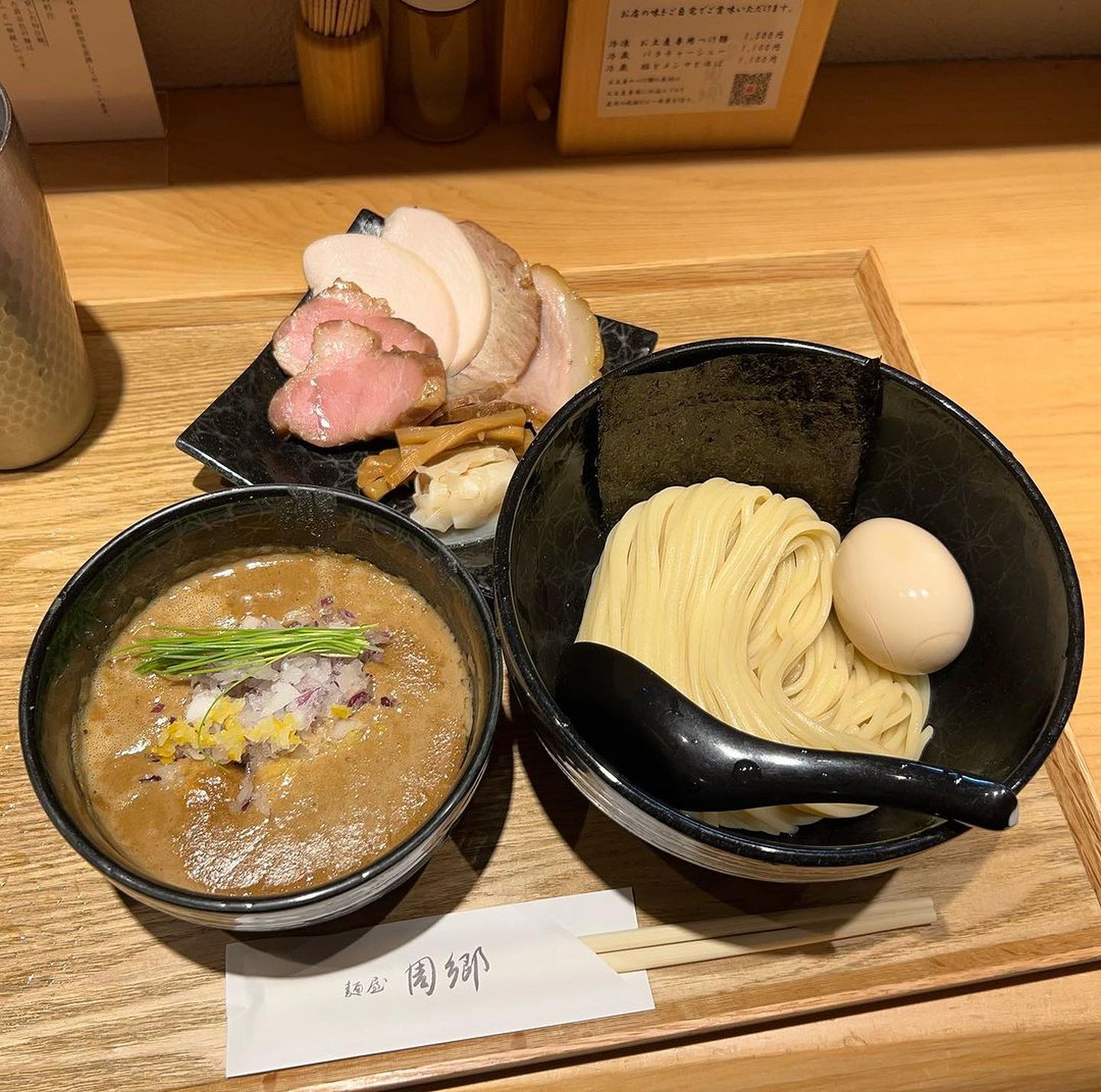
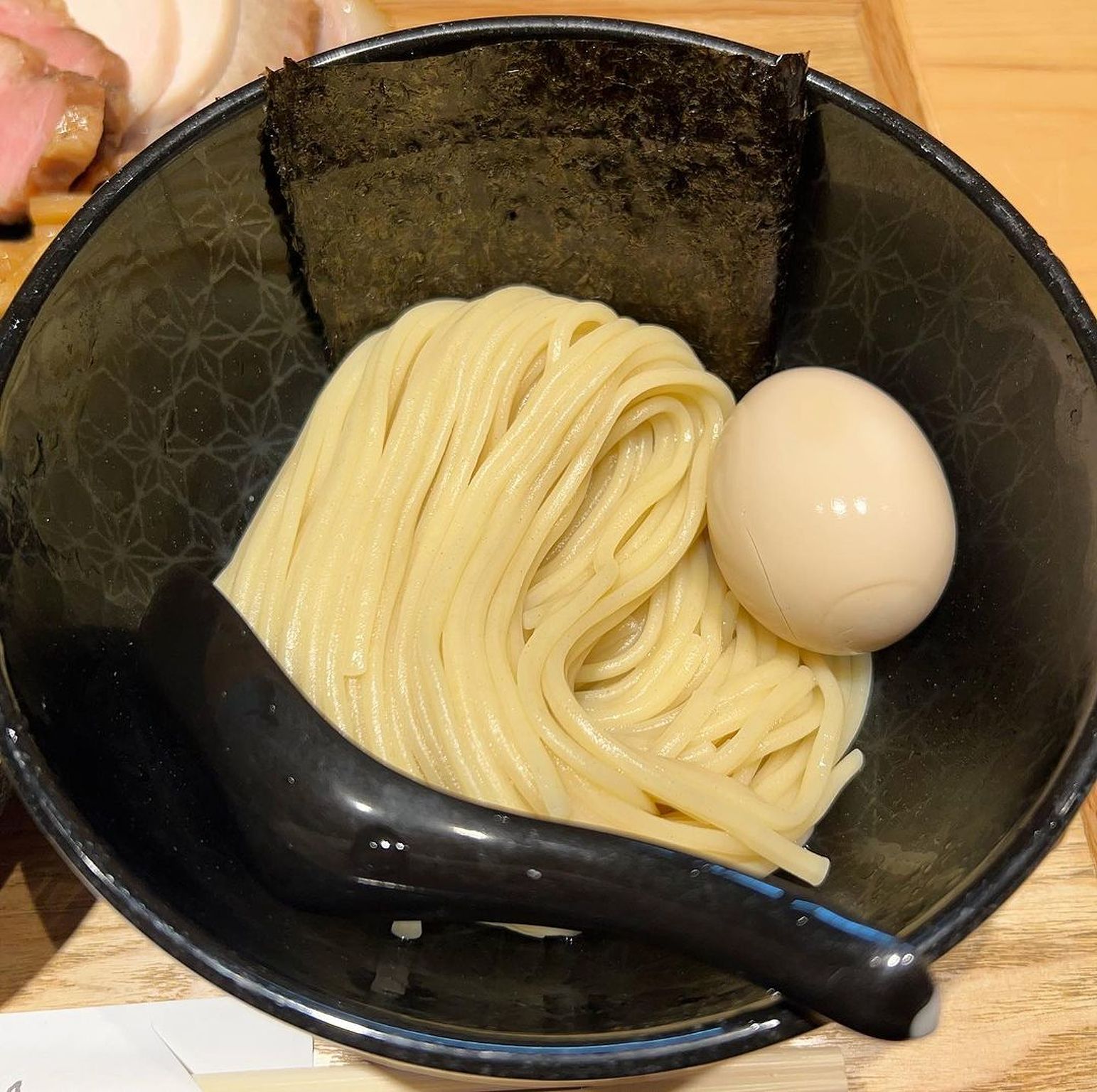
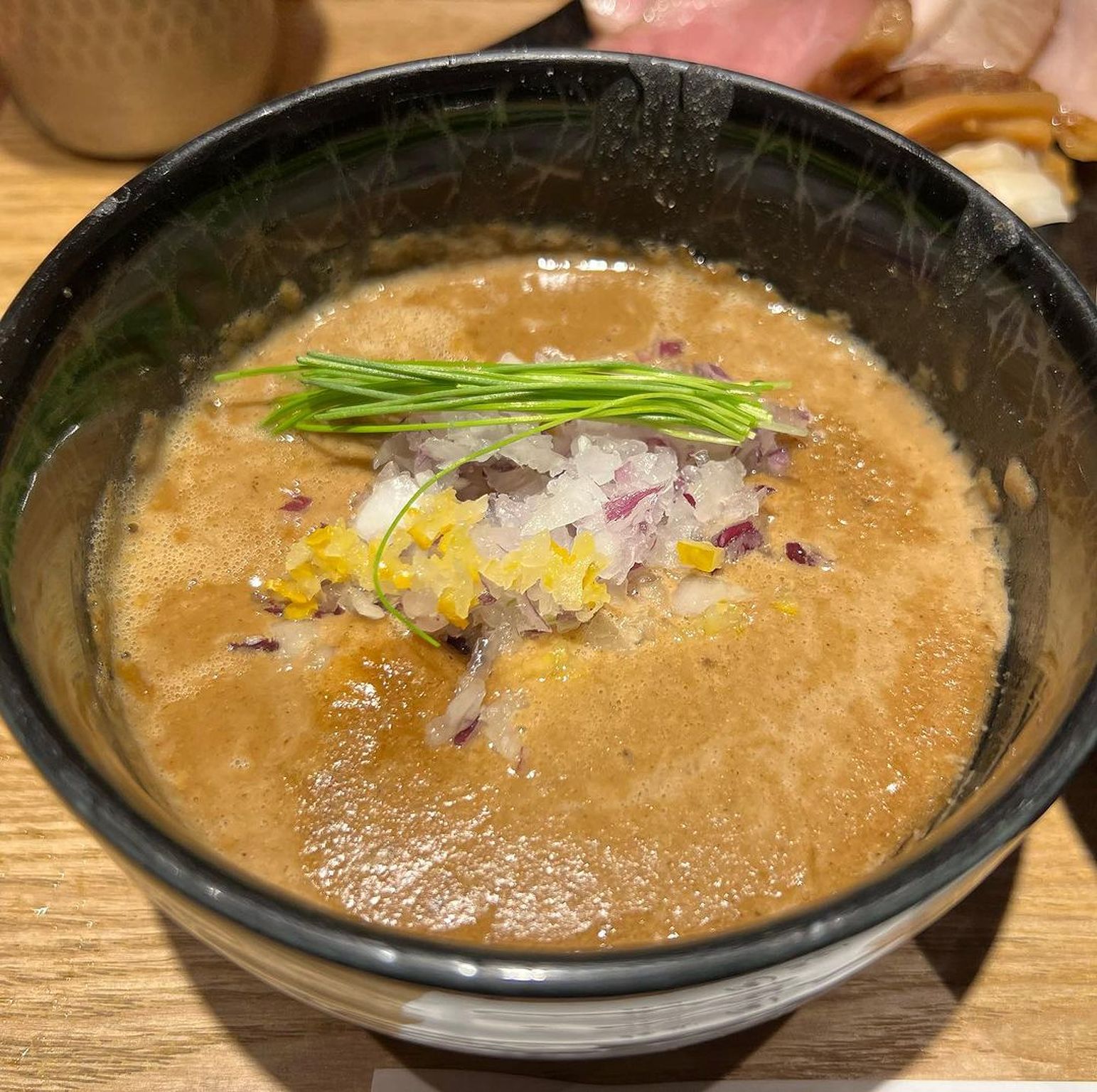
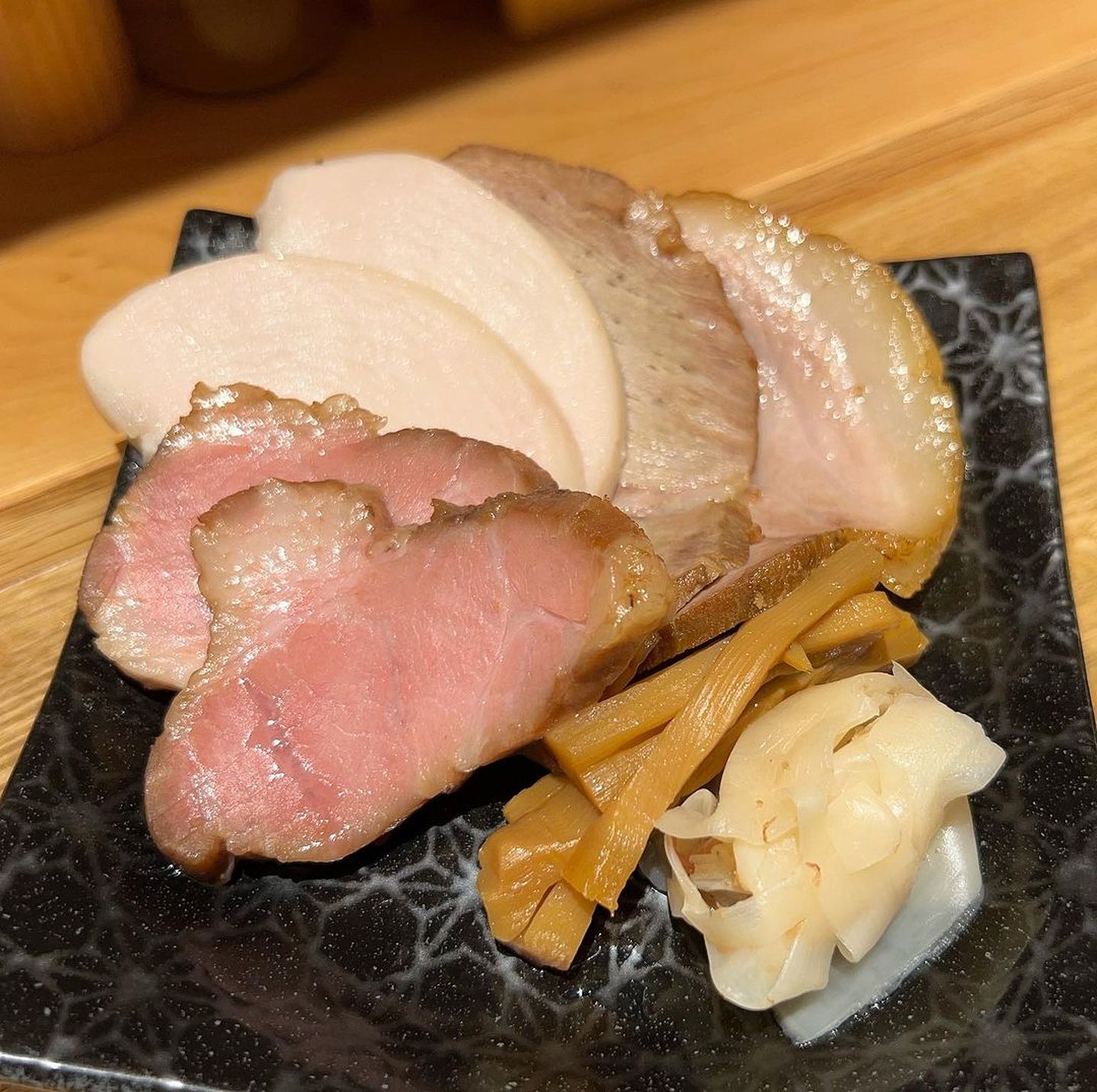
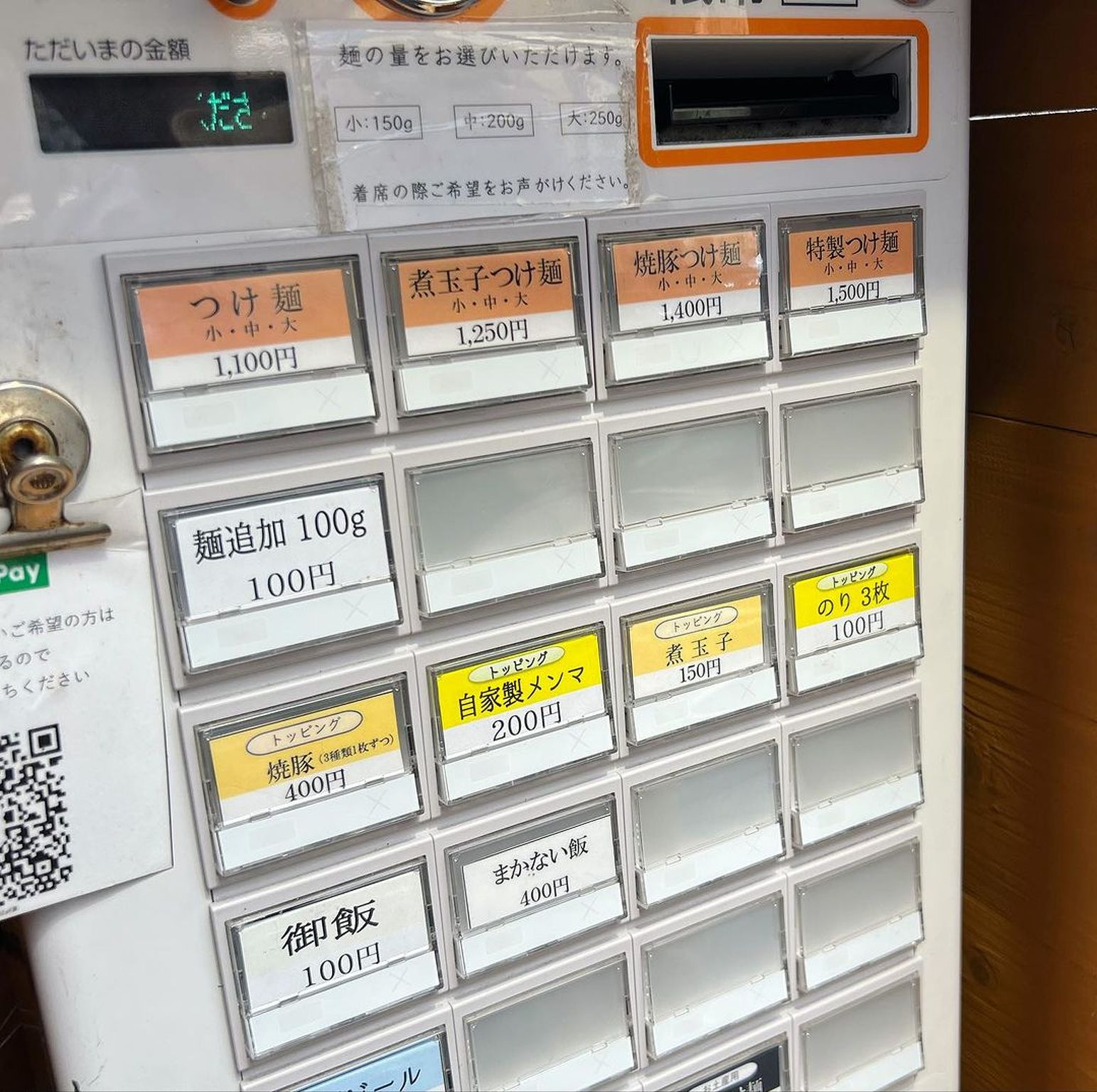
特製つけ麺 / Tokusei Tsukemen / Menya Sugo — Shimbashi, Tokyo
Rich tonkotsu-gyokai dipping soup is boiled at 136 °C and contains pork, chicken and five types of gyokai. The tare sauce uses shoyu from Akita Prefecture. Kanno Seimen noodles are made with a custom recipe and only available at this shop. The noodles contain one type of domestic... More
特製つけ麺 / Tokusei Tsukemen / Menya Sugo — Shimbashi, Tokyo
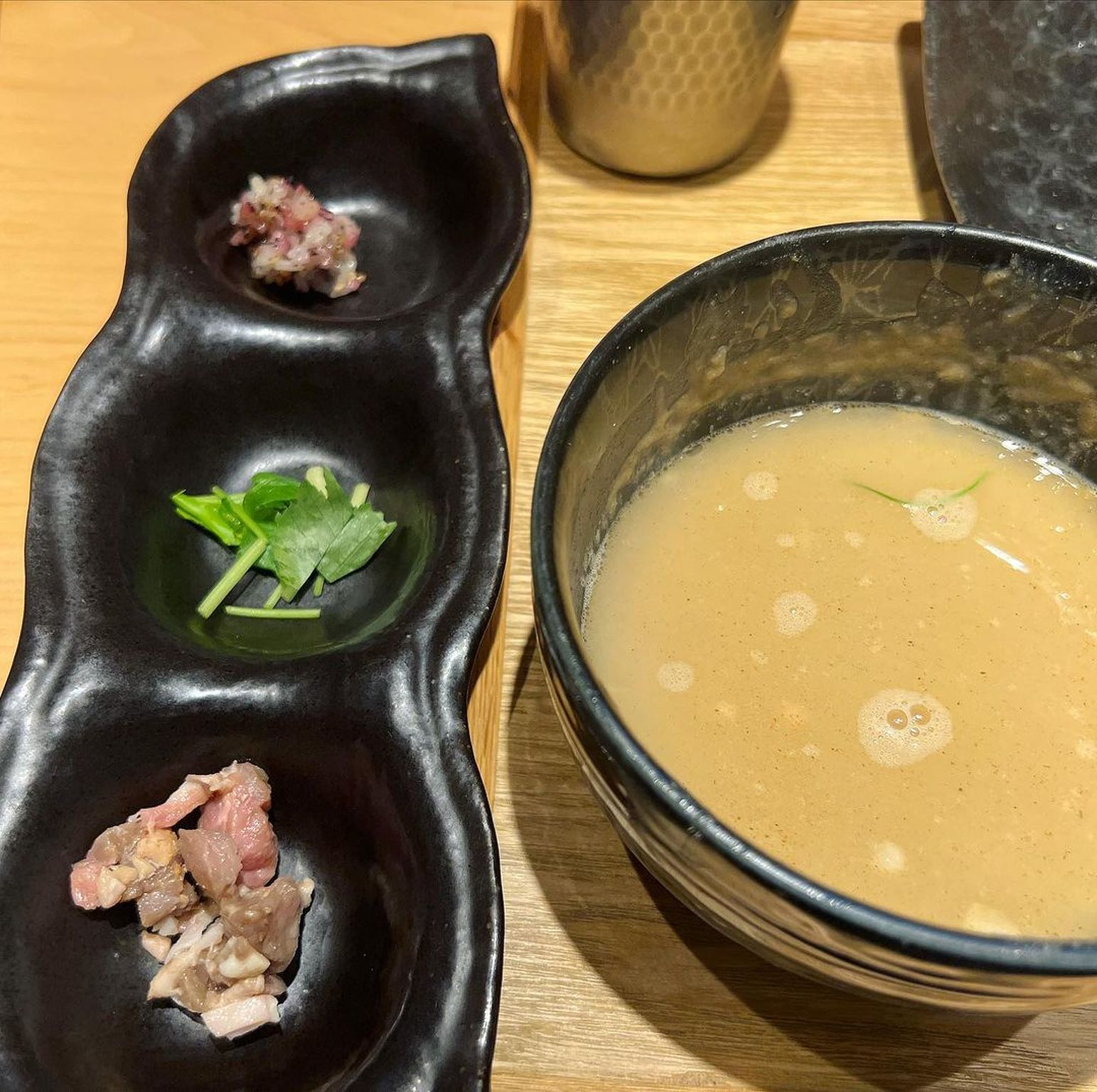
Rich tonkotsu-gyokai dipping soup is boiled at 136 °C and contains pork, chicken and five types of gyokai. The tare sauce uses shoyu from Akita Prefecture. Kanno Seimen noodles are made with a custom recipe and only available at this shop. The noodles contain one type of domestic flour, sourced from Fukuoka. Three kinds of chashu include special brand pork belly and shoulder, as well as chicken which is seasoned with salt only. Menma is house-made. Nori seaweed is sourced from Chiba and grilled every morning. The soup is topped with red onion, menegi and yuzu. Wari-soup uses shellfish and katsuo dashi.
Master Sugo-san ran Menya Kotobuki in Edogawa-ku for seven years, then studied Japanese cuisine at the Tsuji Culinary Institute. He researched ramen for another year on his own before opening Menya Sugo in Shimbashi. Five seats. Since June 18th, 2021 @menya_sugo Less
Copy the code to embed the post
Madonnina del Pescatore — Moreno Cedroni
Moreno Cedroni opened Madonnina del Pescatore in 1984, at only twenty, on this slightly unlikely stretch of Adriatic coast just south of Senigallia. What began as a relatively conventional fish restaurant gradually became one of the laboratories of modern Italian cooking. Cedroni received his first Michelin... More
Madonnina del Pescatore — Moreno Cedroni
Moreno Cedroni opened Madonnina del Pescatore in 1984, at only twenty, on this slightly unlikely stretch of Adriatic coast just south of Senigallia. What began as a relatively conventional fish restaurant gradually became one of the laboratories of modern Italian cooking. Cedroni received his first Michelin star in 1996 and his second ten years later, but perhaps the more consequential moment came through his exposure to Ferran Adrià and El Bulli. A stage there introduced him to a completely different way of thinking about technique, transformation and the possibilities of ingredients. You can still see that intellectual lineage in his cooking today, although over the decades Cedroni has developed a language unmistakably his own.
The 2026 “Luca and Moreno – The Evolution of Fish Bones, a Journey into the Fish Soul” menu is a particularly good example. Its central idea sounds almost academic: rather than treating bones, heads and other normally secondary parts of fish as waste, Cedroni and longtime collaborator Luca Abbadir turn them into ingredients in their own right through ageing, drying, smoking, extraction and fermentation.
The evening appropriately began with a Tribute to Ferran Adrià: the 1997 Parmesan “Gelato”, served with the 2016 Verdicchio Gran Riserva Extra Brut from Garofoli. More than nostalgia, it felt like an acknowledgement of where an important part of Cedroni’s culinary thinking began.
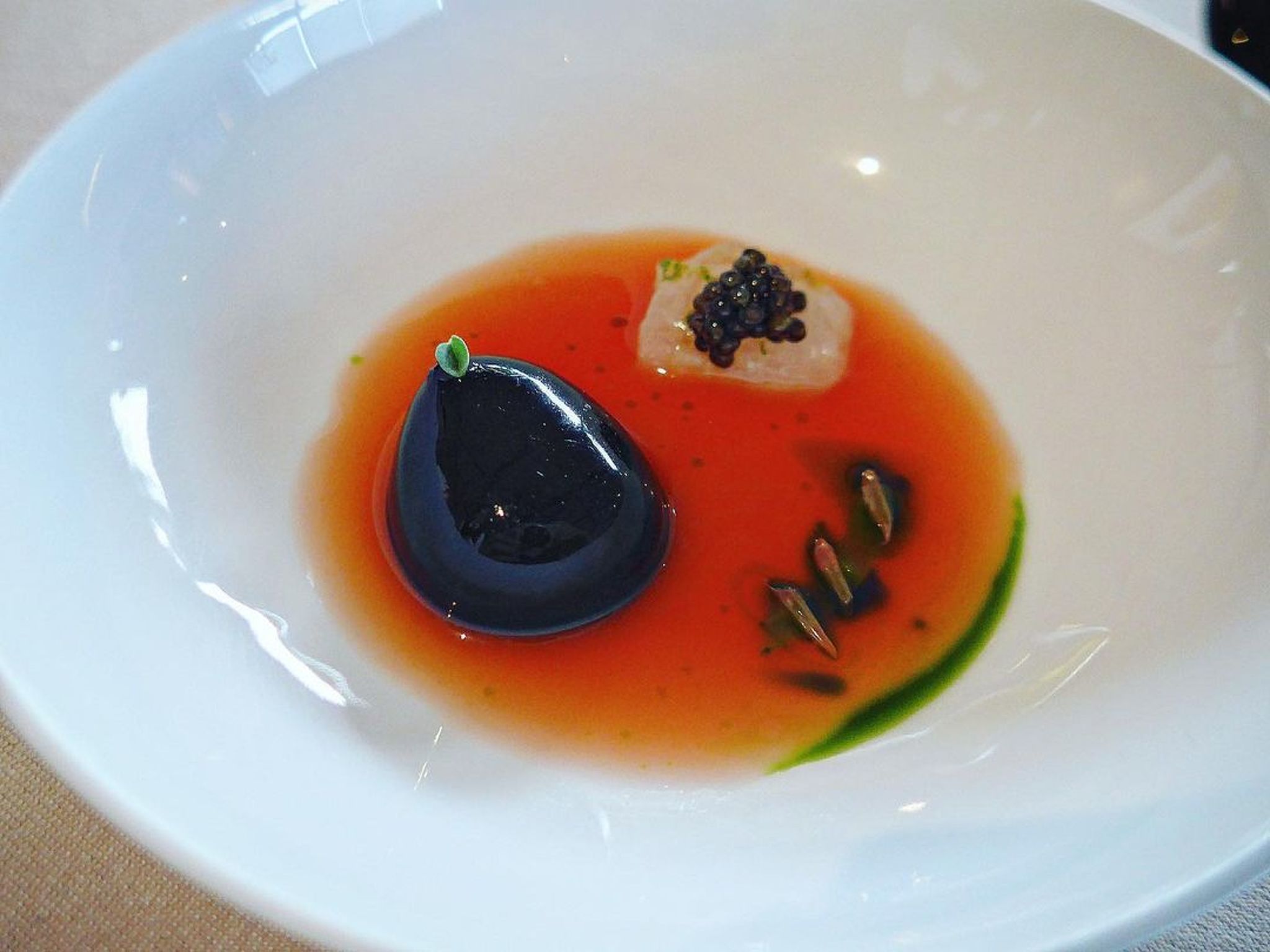
From there, the menu became progressively more ambitious: amberjack with rhubarb, spiny courgette, oxalis and a wafer made from the spines; a marine reinterpretation of pâté en croûte, incorporating monkfish head and tripe, sea-bream sausage, cuttlefish eggs and yuzu; turbot spines aged for two months with burnt herbs, yeast miso and acidulated corn; and Patagonian toothfish coated with its own spines after three months of ageing.
The maccheroncini “fumé” with tuna belly, sea buckthorn, smoked turbot spines and pecorino showed particularly well how the concept works when technique becomes flavour rather than an intellectual exercise. The tuna “ossobuco” continued the playful reinterpretation of familiar Italian forms, while the combination of one-month beeswax-cured lamb with tuna belly pushed the menu onto land without abandoning its central marine narrative.
What impressed us most was how extraordinarily well executed everything was. This is highly technical food, but it never felt as though innovation was being pursued simply to demonstrate technique. The menu was genuinely original and, unusually for cooking operating at this level of experimentation, remarkably coherent.
Service was equally outstanding. Our waiter had been trained by Tina Kragh of Jordnær in Copenhagen, and that pedigree showed: polished and precise, but relaxed enough to allow the evening to become a conversation rather than a performance.
That became particularly enjoyable with Cedroni himself. His El Bulli connection gave us plenty to talk about; having eaten at El Bulli fifteen times, I could trade a few war stories with him about Ferran Adrià and that extraordinary period in European gastronomy. It also made the opening tribute feel considerably more personal.
Cedroni then made a wonderful joke that probably explains the evolution of Madonnina better than any lengthy discussion of culinary philosophy. When he first opened the restaurant, he would come to the table carrying a basket full of whole fish, proudly showing his customers the day’s catch. More than forty years later, he said, he still comes to the table with fish — only now it arrives on a tray, with each piece treated individually and creatively: aged, fermented, dried, smoked or otherwise transformed.
In a way, that single image tells the whole story of Madonnina del Pescatore. The fundamental ingredient has hardly changed; what has changed completely is the thinking around it. The basket of whole fish has become a tray of carefully transformed pieces, yet Cedroni’s fascination with the fish itself has never disappeared.
More than forty years after opening Madonnina, he is still experimenting. There is plenty of history here, but surprisingly little nostalgia. The Fish Bone menu feels contemporary, curious and genuinely innovative — an extraordinarily well-executed dinner from a chef who, even after four decades, clearly hasn’t lost his desire to discover something new. Less