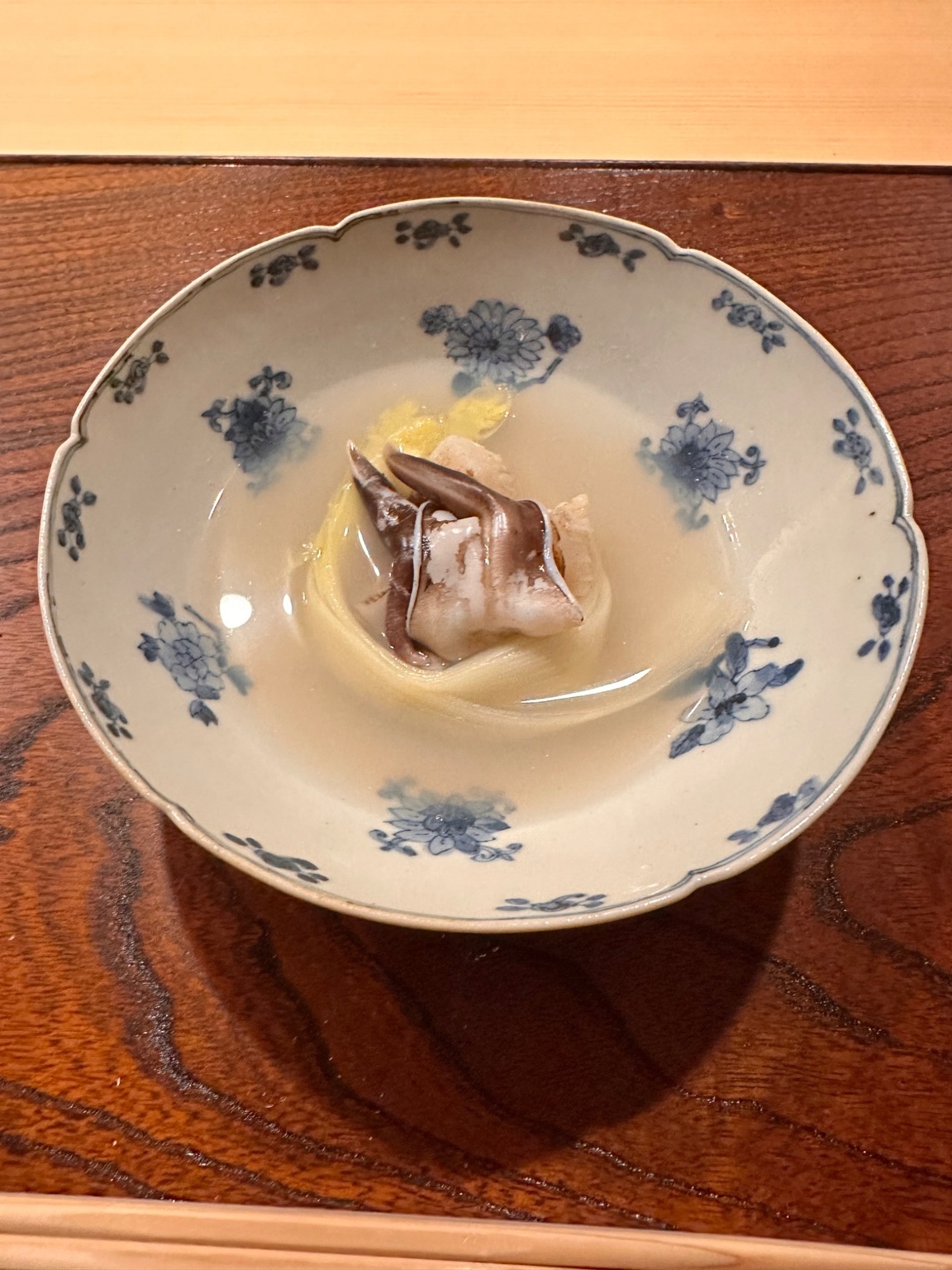
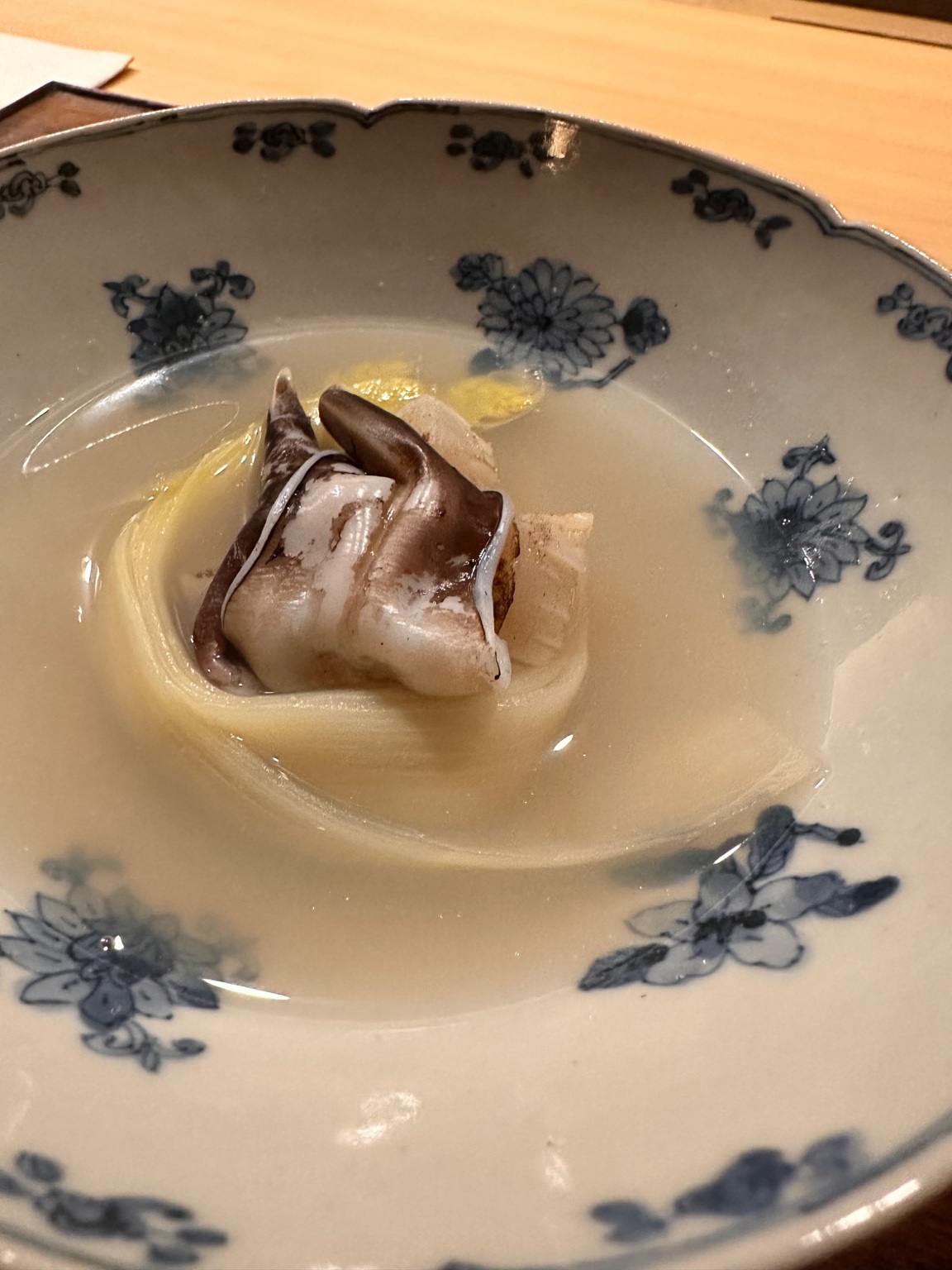
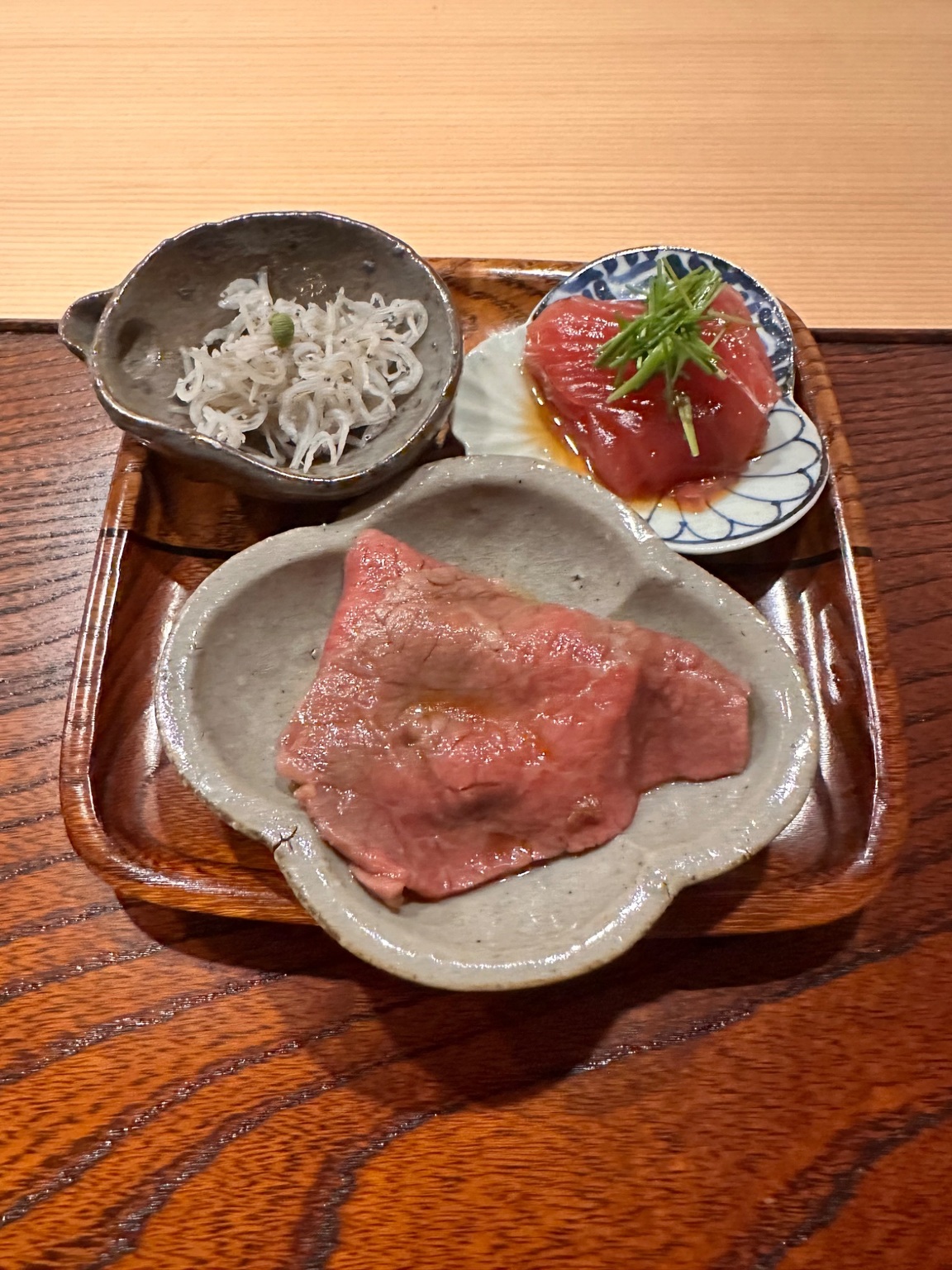
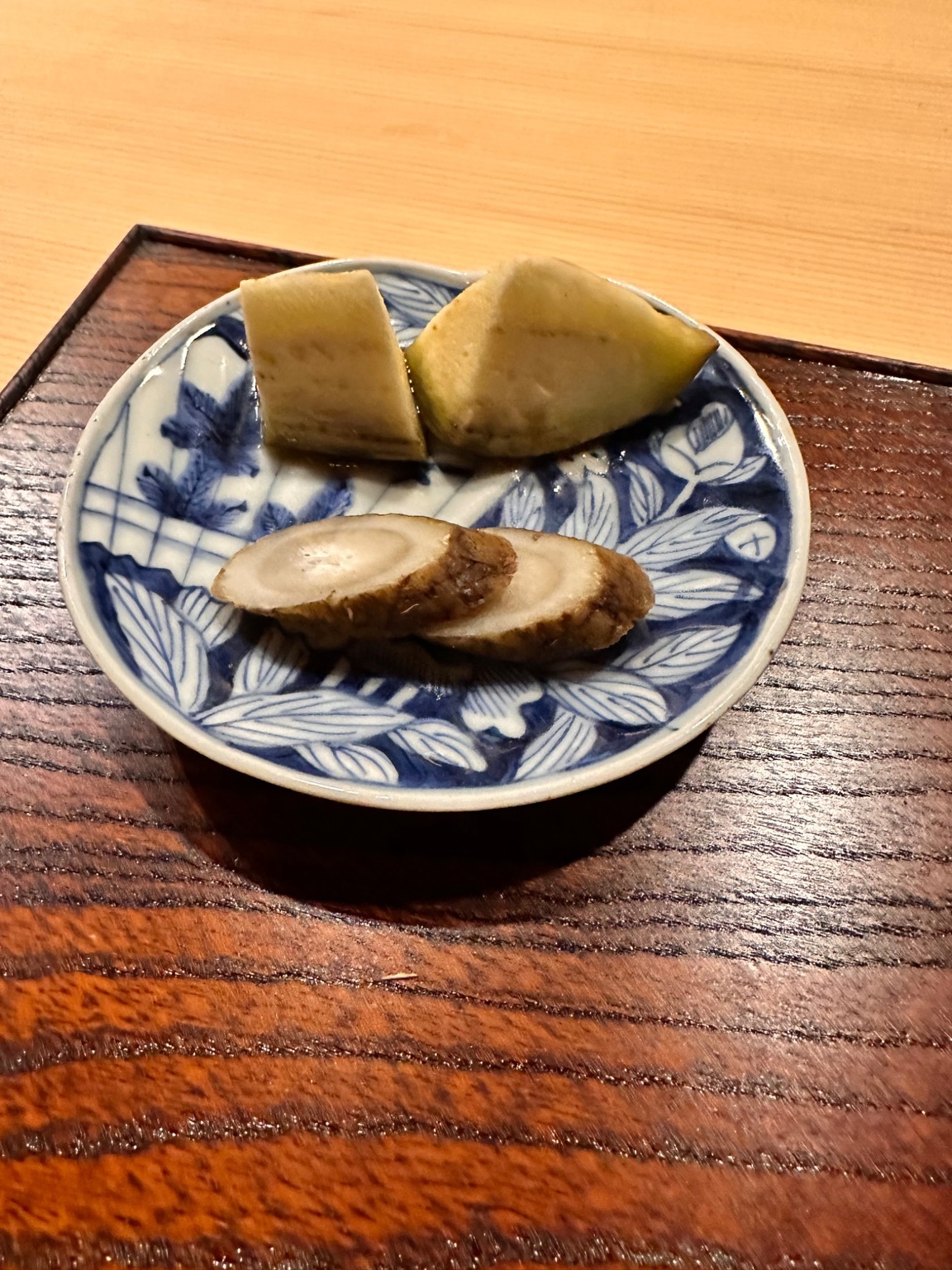
We use cookies on this site to enhance your user experience.
< Back
Overview
Average rating from 30 meals
9.4 / 10
Photo Views: 328
Restaurant Views: 3,084
Restaurant Views: 3,084
0 user have this restaurant in their Top list
0 user have this restaurant in their Wish list
Awards
- MICHELIN Guide
- OAD
-
Japanese Restaurants 2026, 35
- Tabelog
- 2026 Silver
- Tabelog
- 2026 Chefs' Gold
- The World’s50 Best
-
Asia`s 50 Best Restaurants 2025, #45
- La Liste
-
La Liste, #965
- Restaurant Ranking
-
Restaurant Ranking 2024, #546, PRO #18.17, USER #0.00
Ratings from the web
- Tabelog
- 4.46
Chef
Hidetoshi Nakamura
Cuisine
Japanese Cuisine
Foodle Reviews
8 / 10
on 21 Aug 2026

⭕️ Tokyo, Nishiazabu's Three-Star Restaurant 【Myoujyaku】.The summer course offered a moment to fully appreciate the essence of the ingredients and the beauty of "subtlety" created by Japanese water.▶️ Appetizers & Sashimi* Salt-boiled Nagaimo: The first dish is salt-boiled nagaimo. With a delicate flavor that hints at dashi, it gently seeps into your body, showcasing the natural taste of the ingredient.* Hairy Crab with Mikan: A dish combining the sweet and sour notes of Sagan mikan with... More
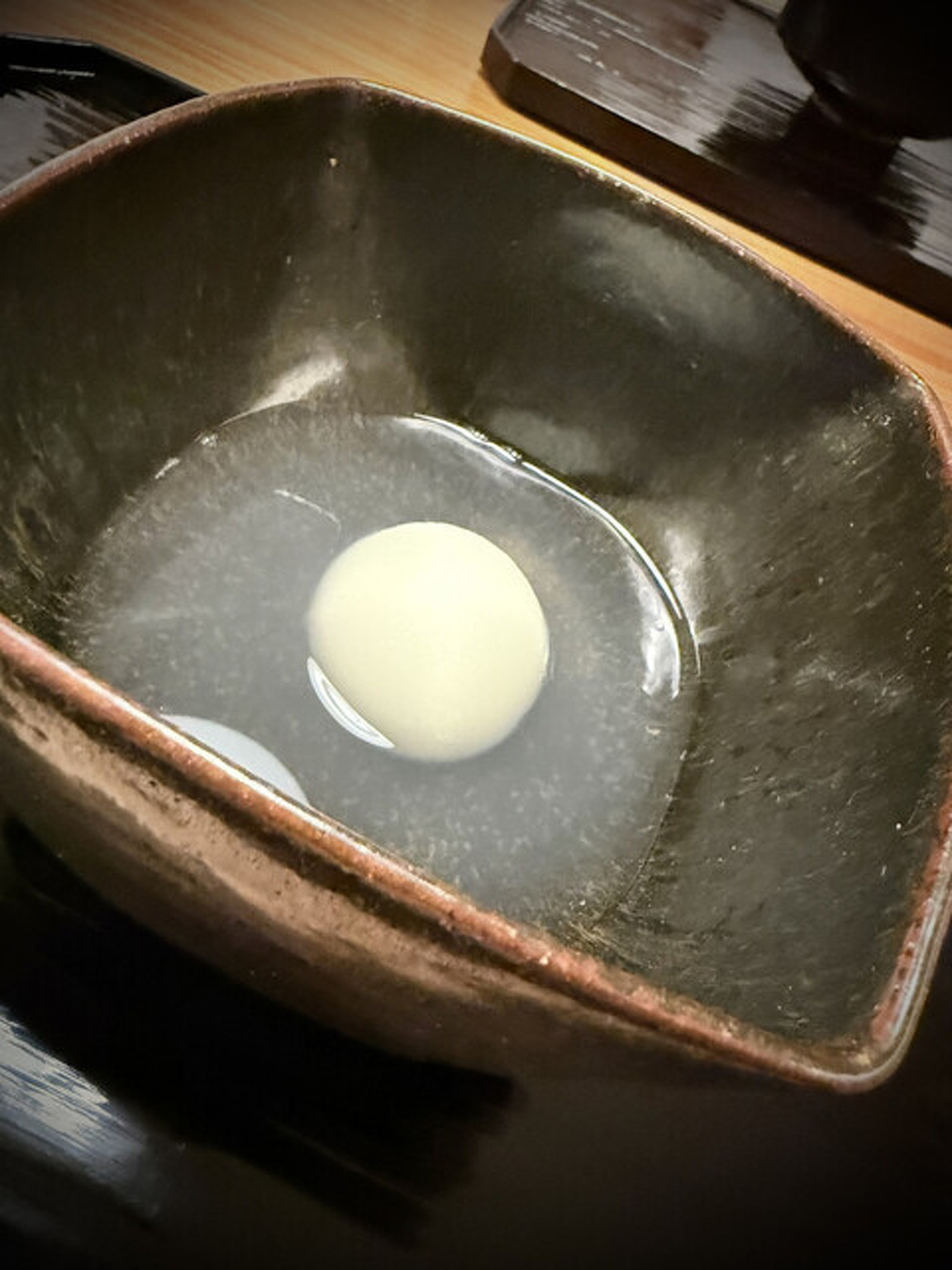
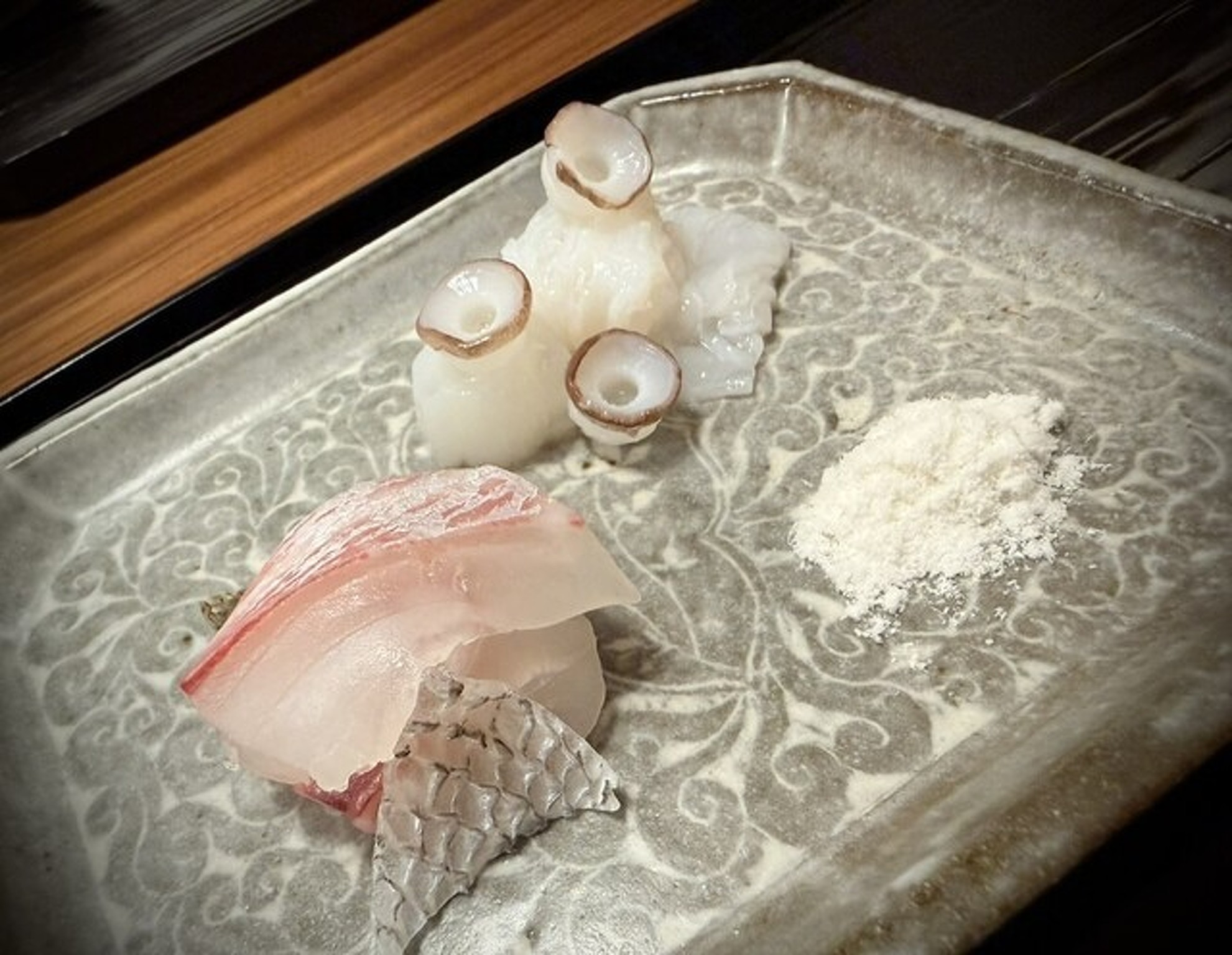
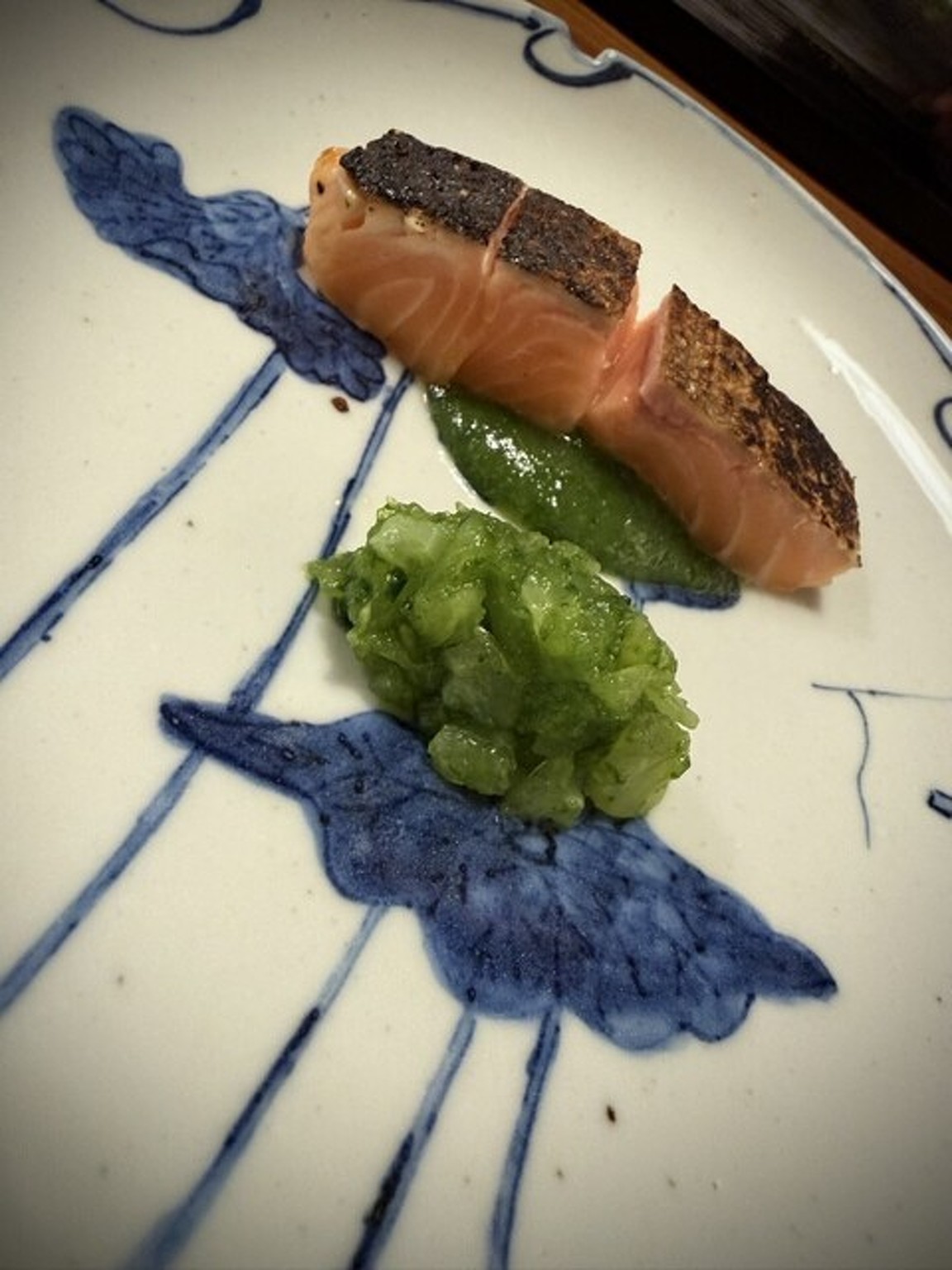
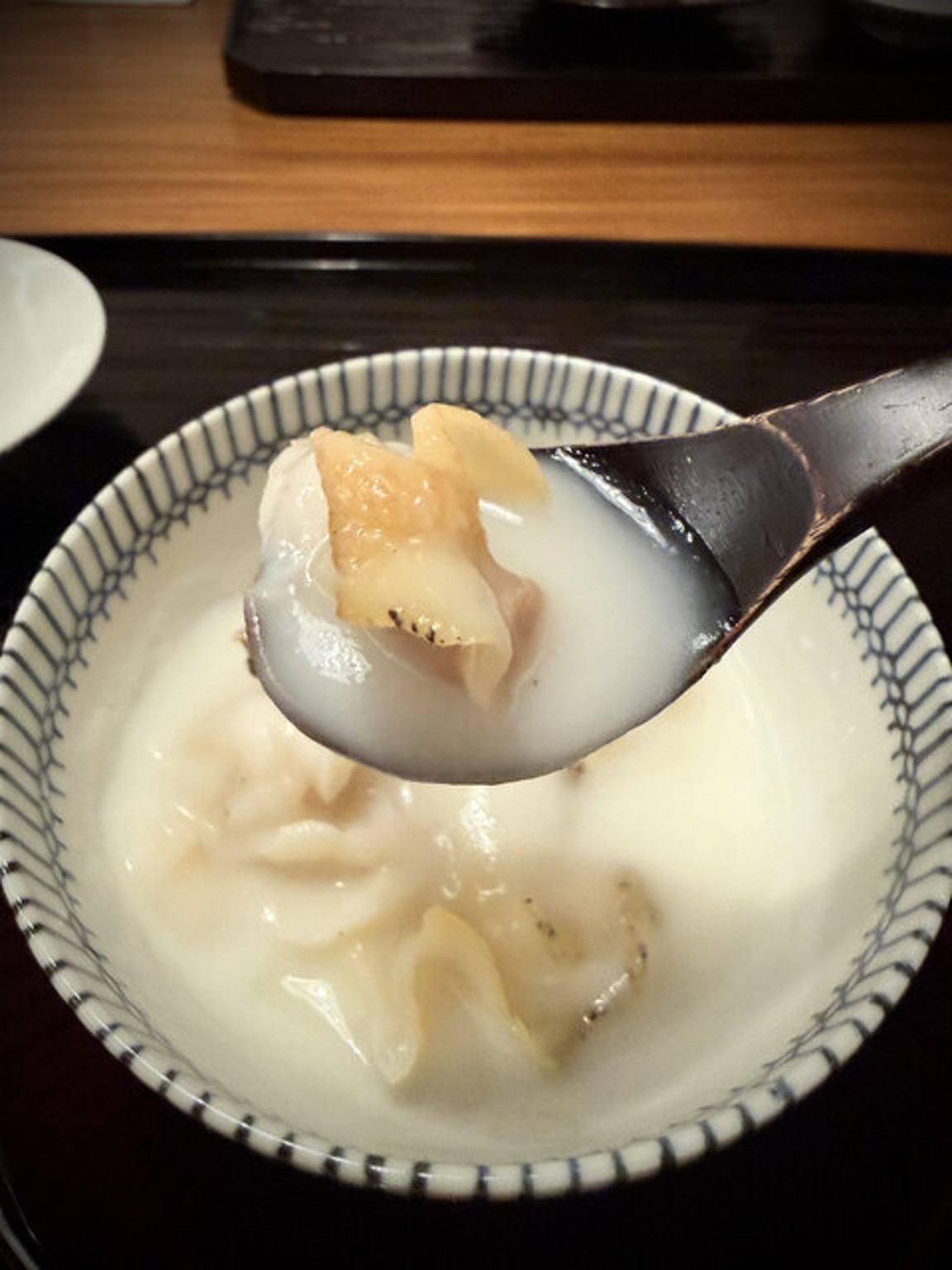
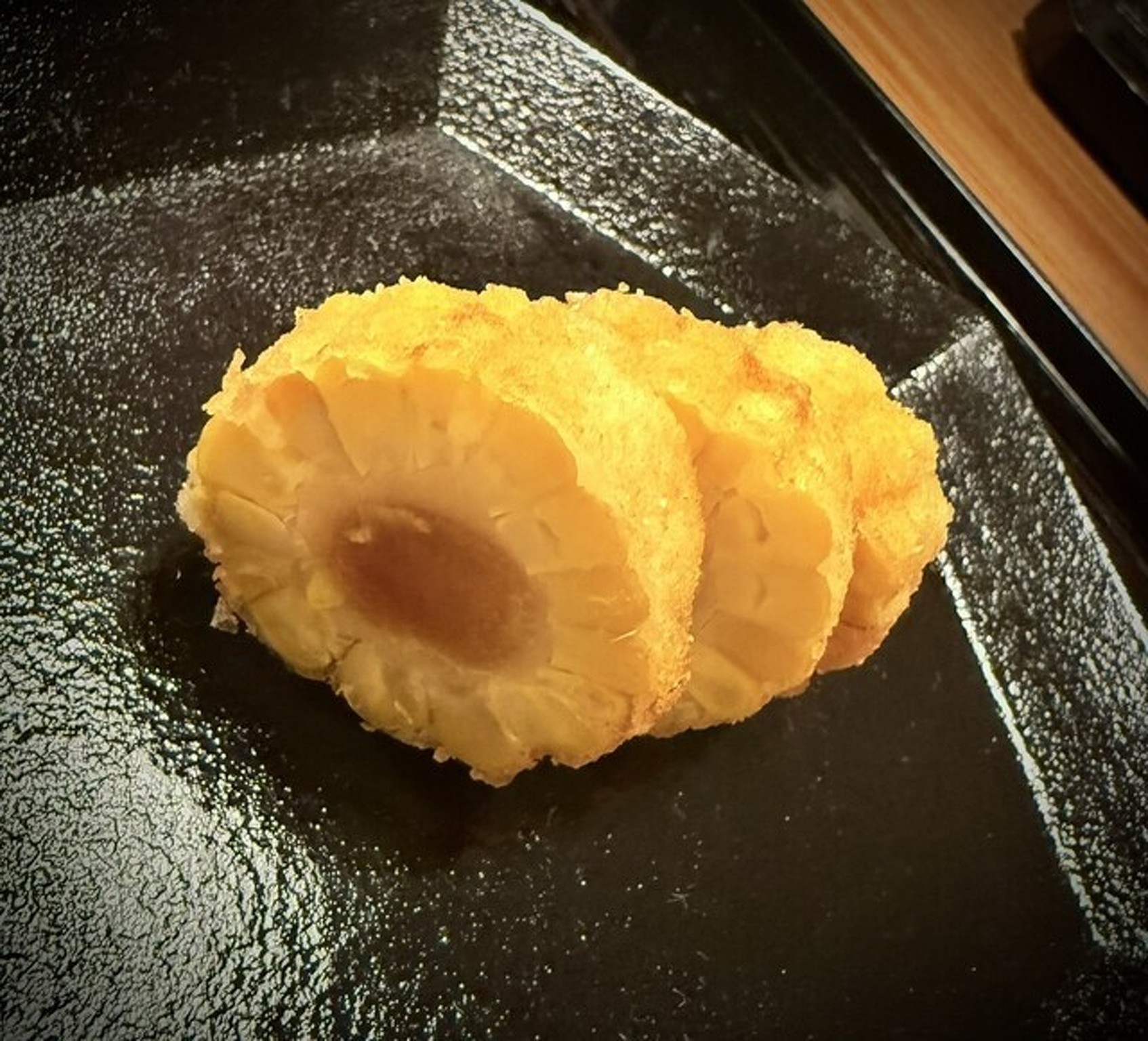
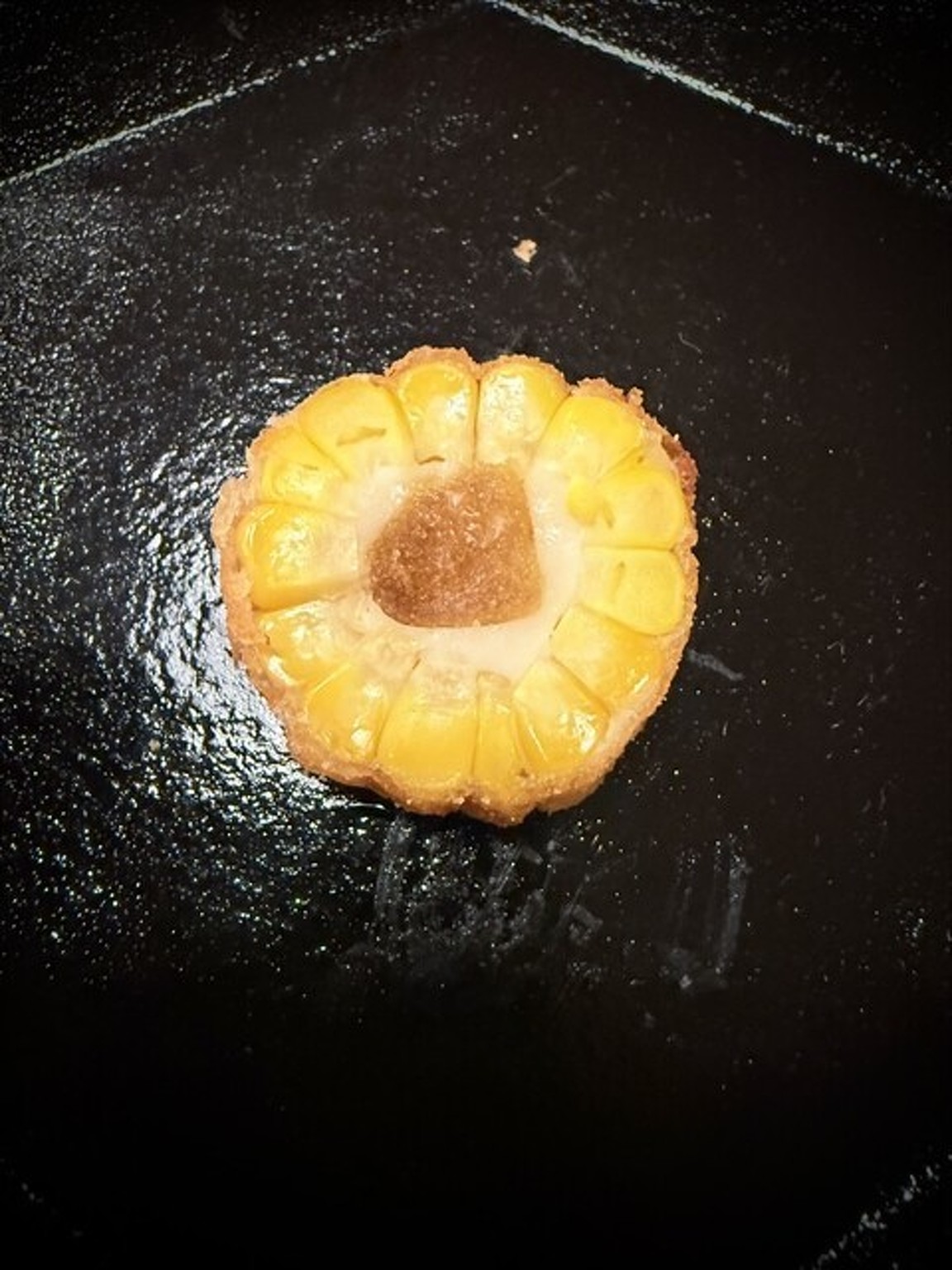
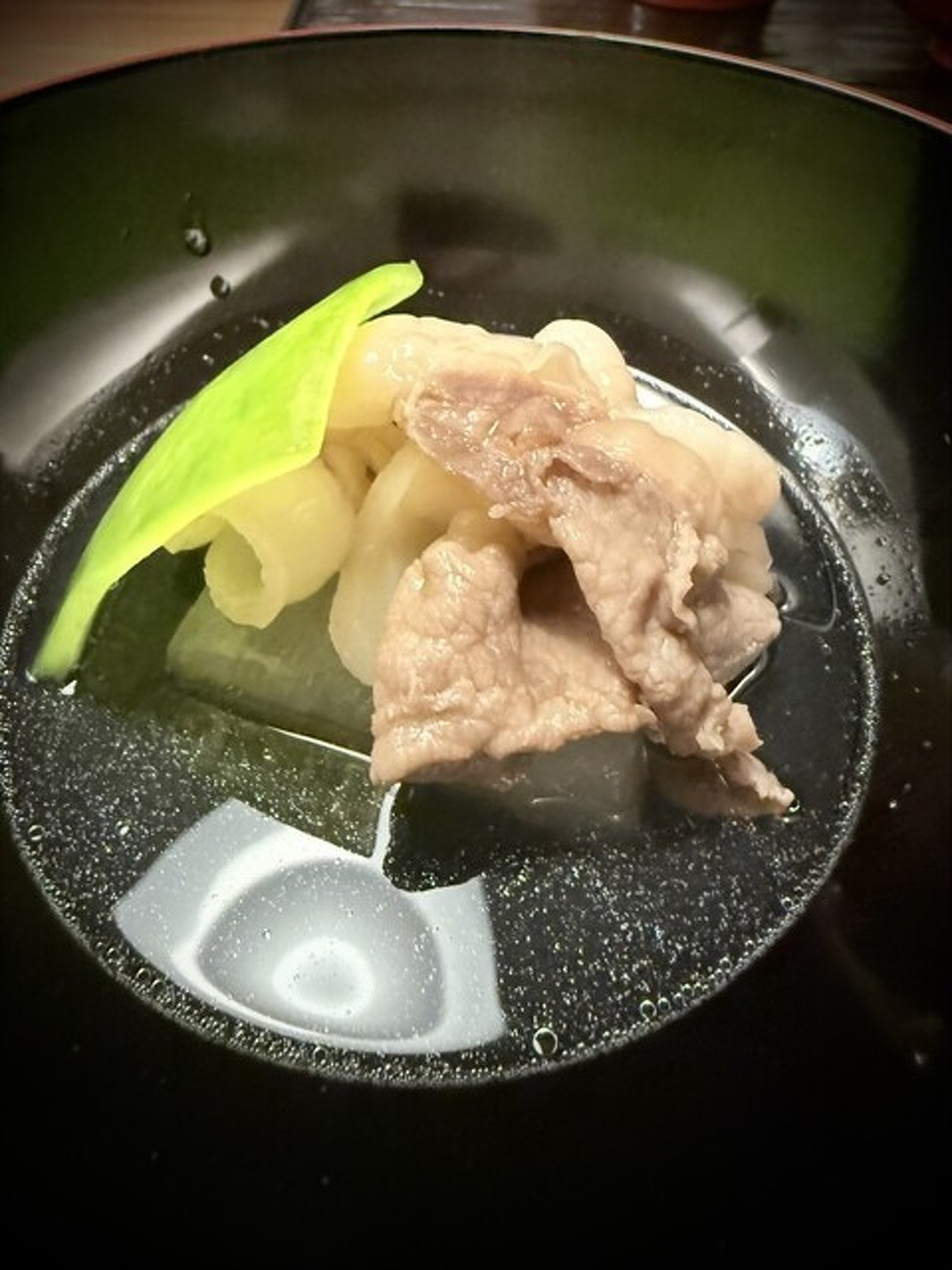
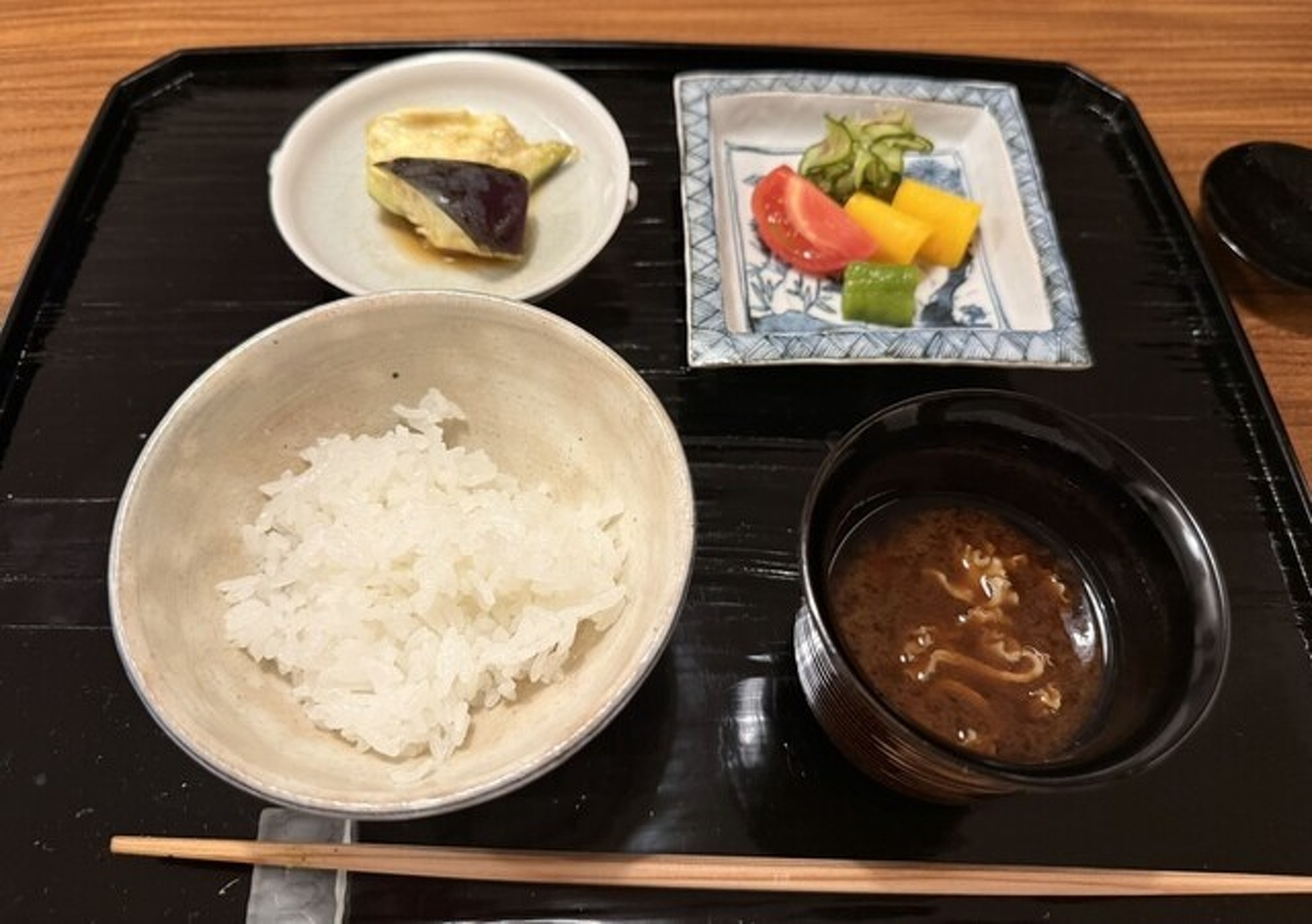
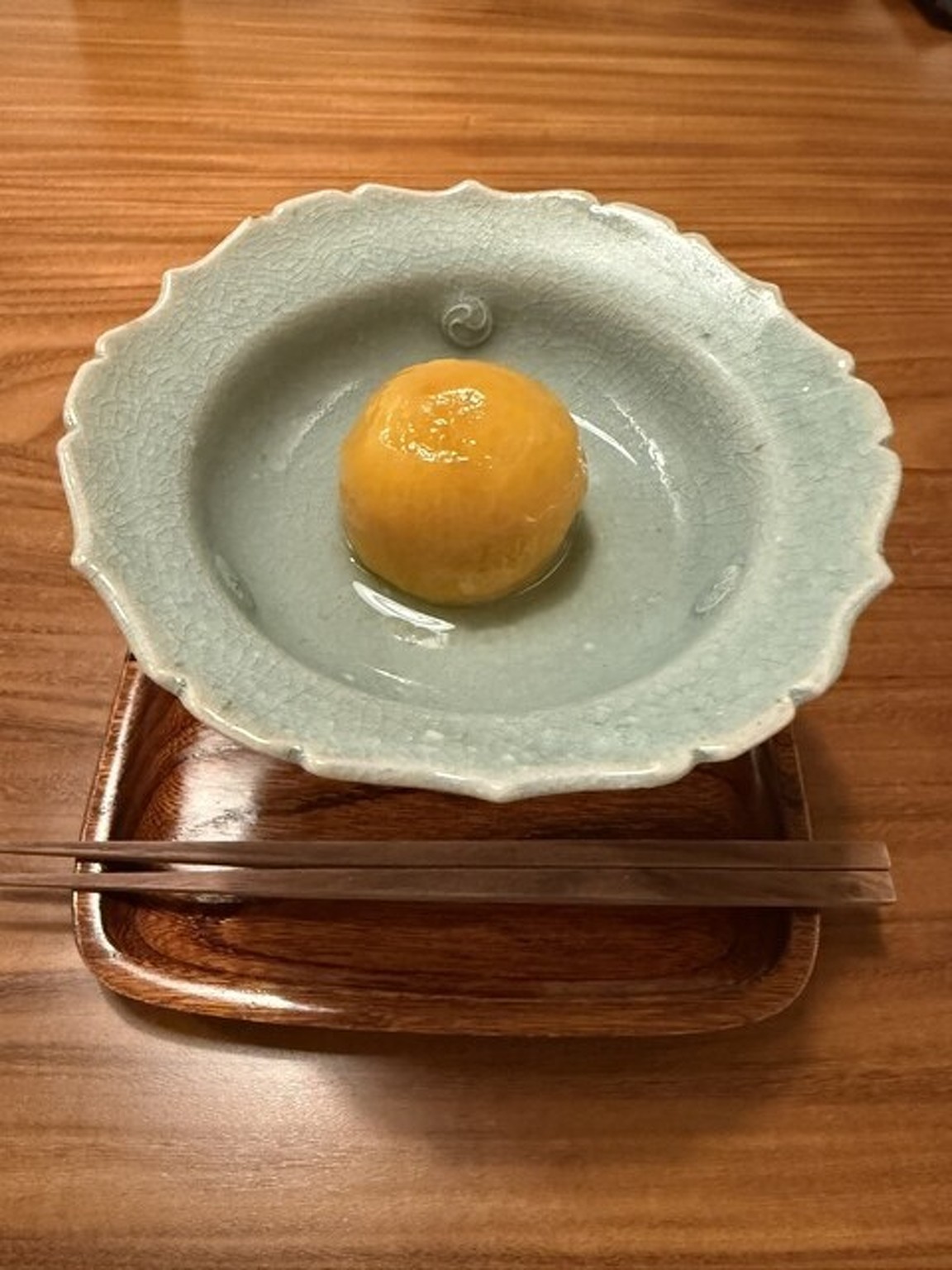
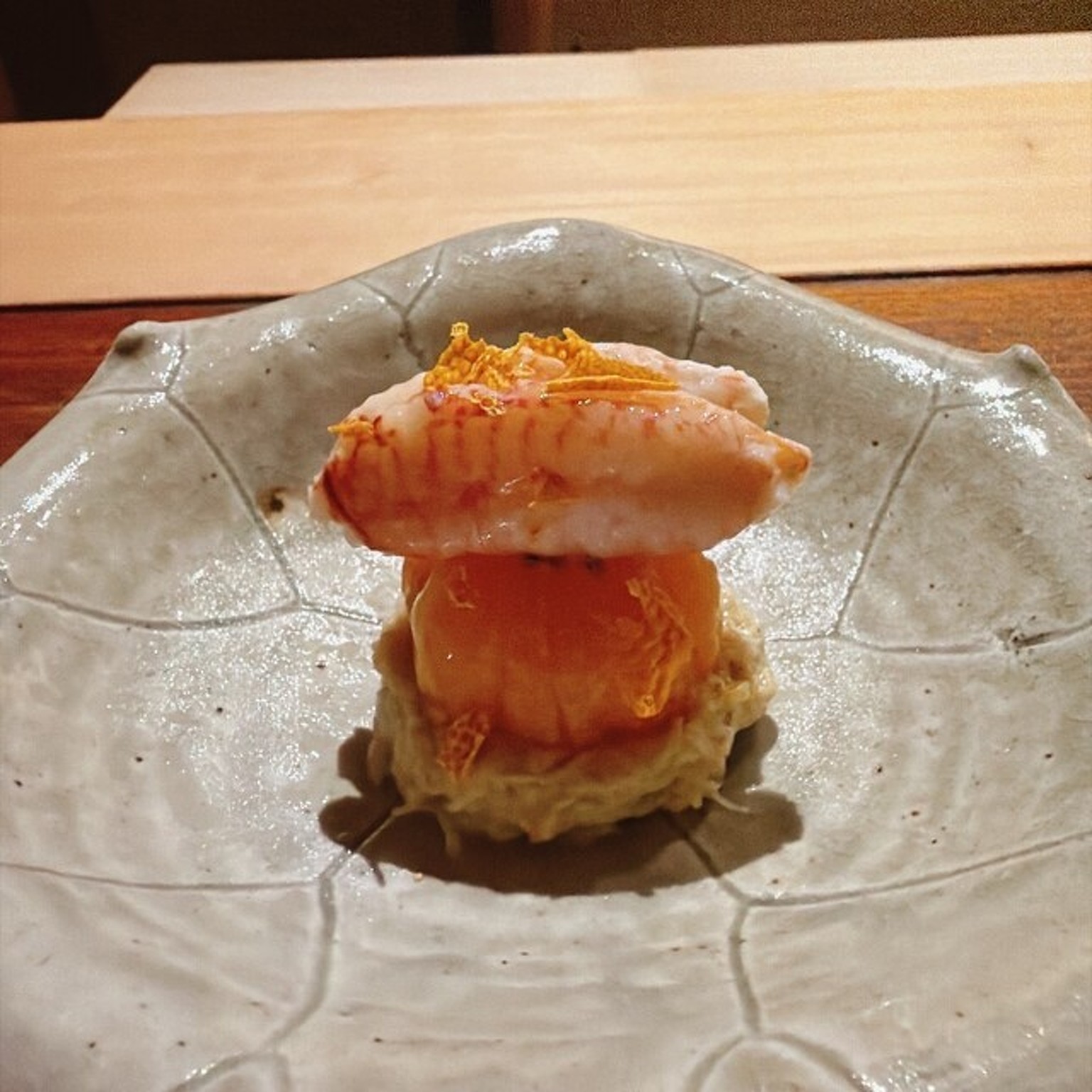
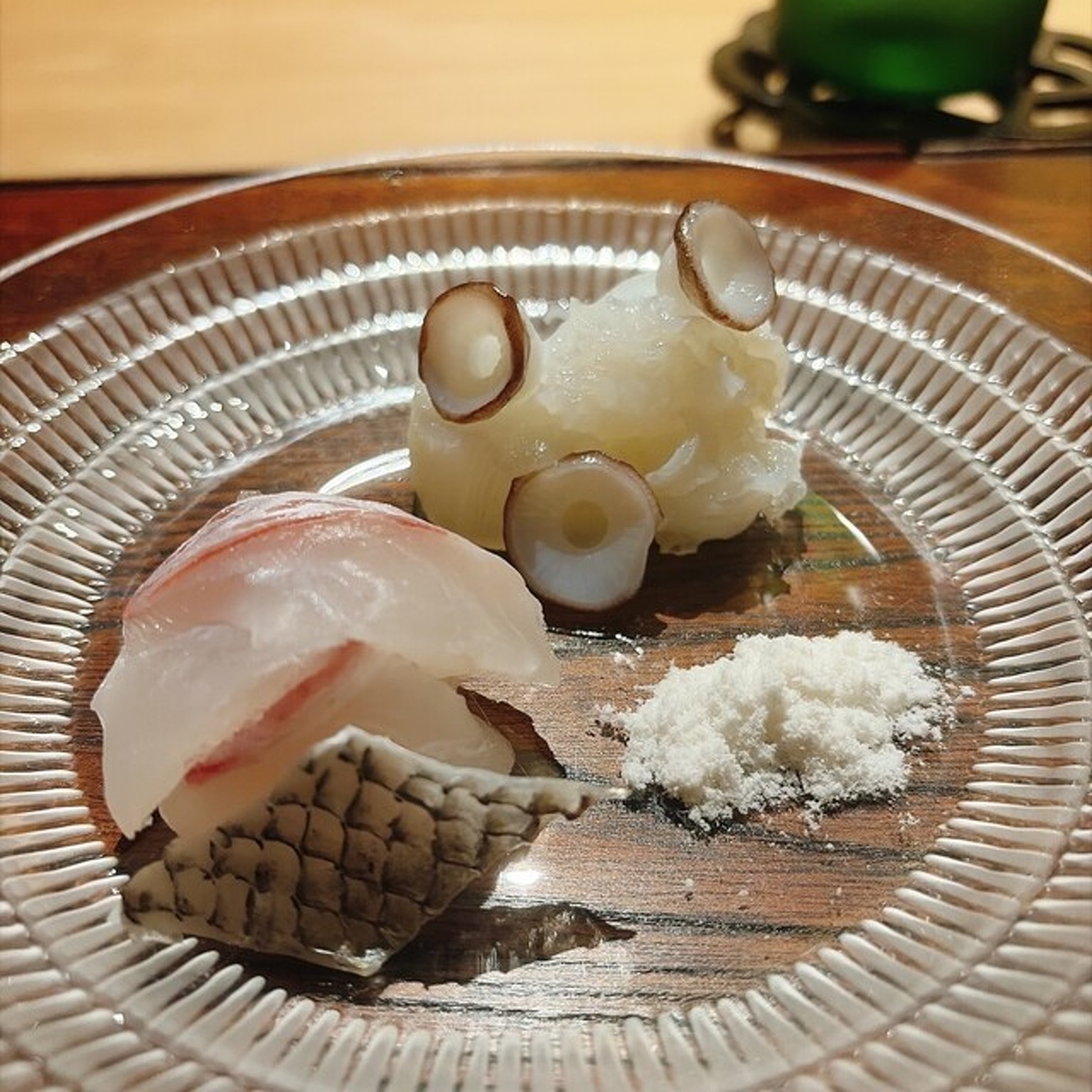
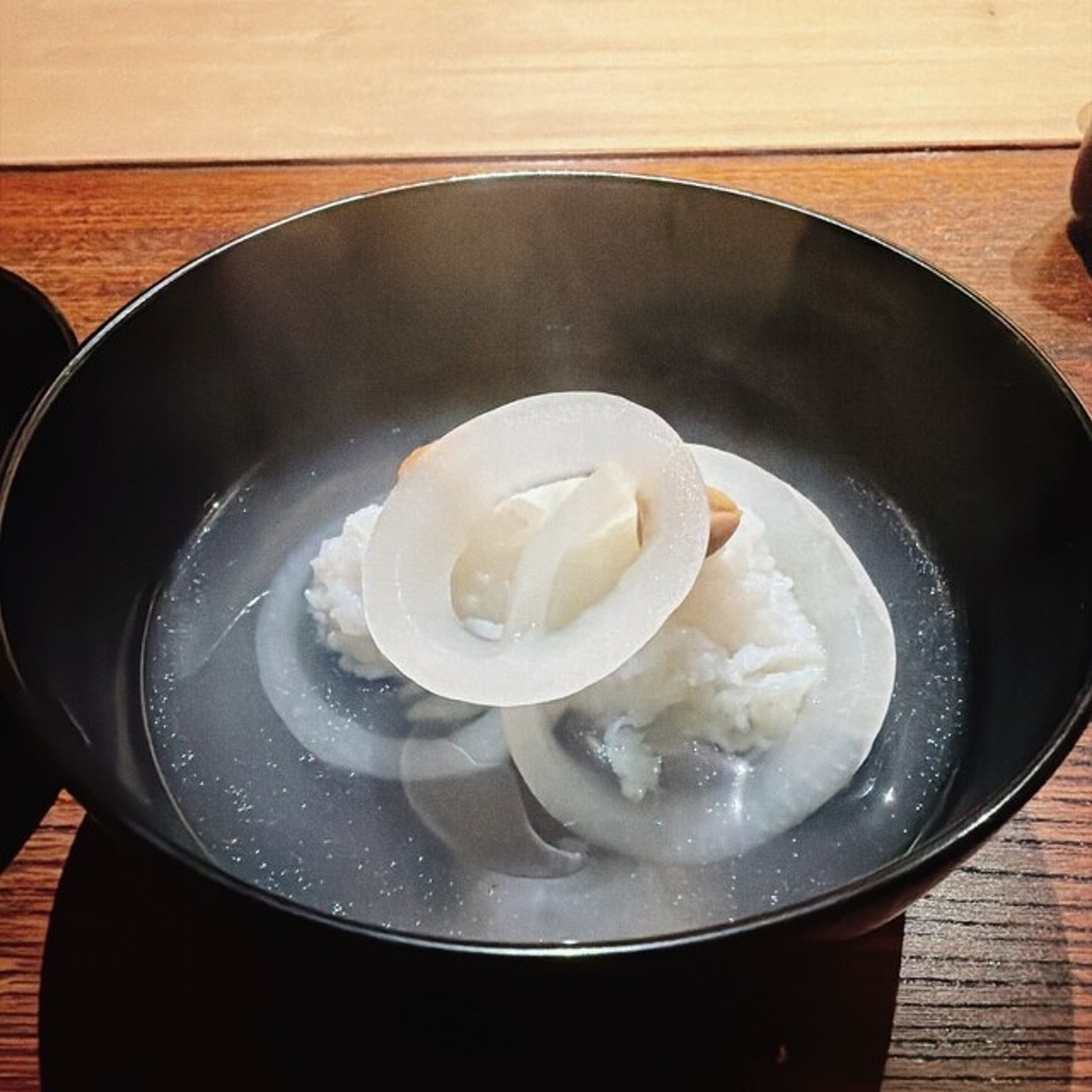
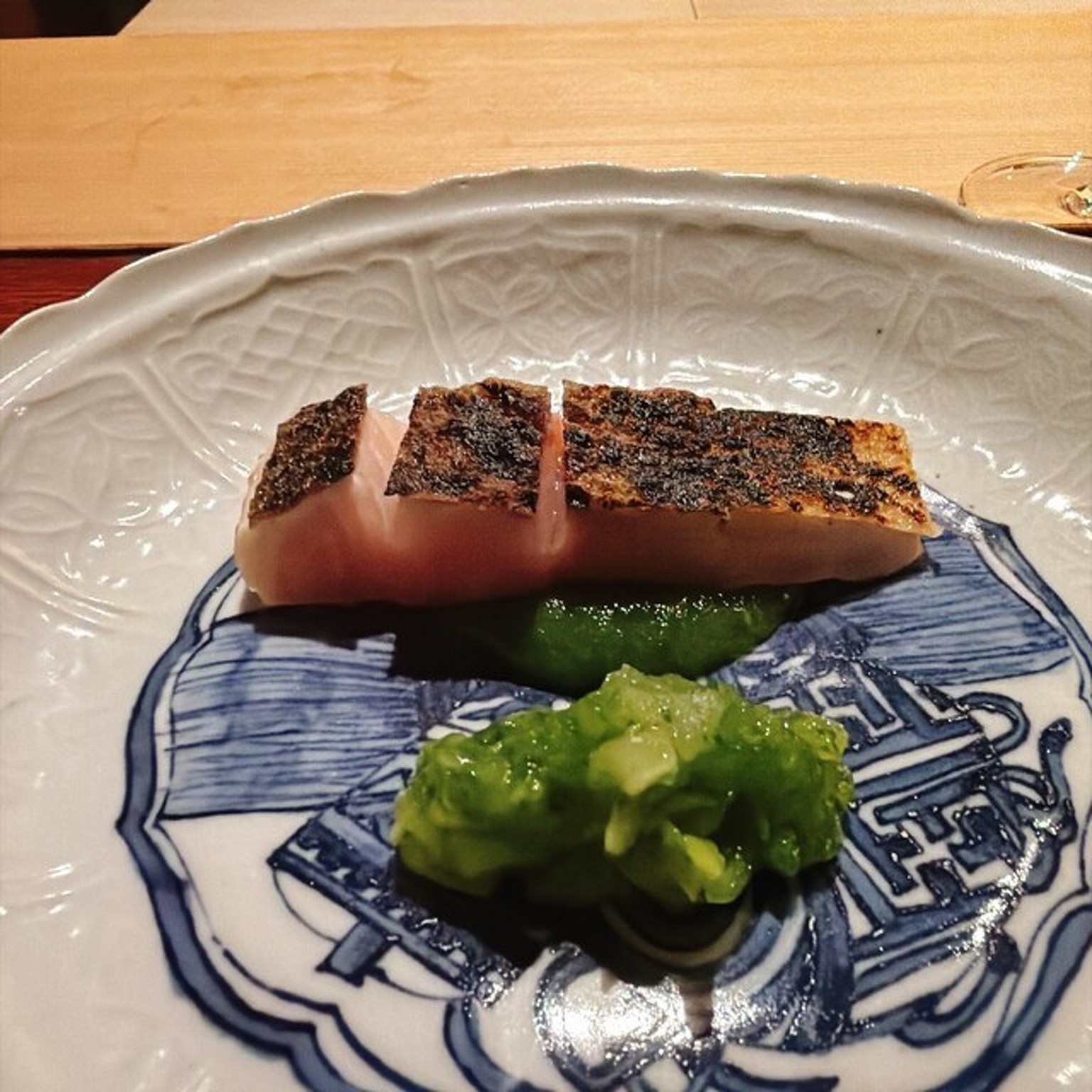
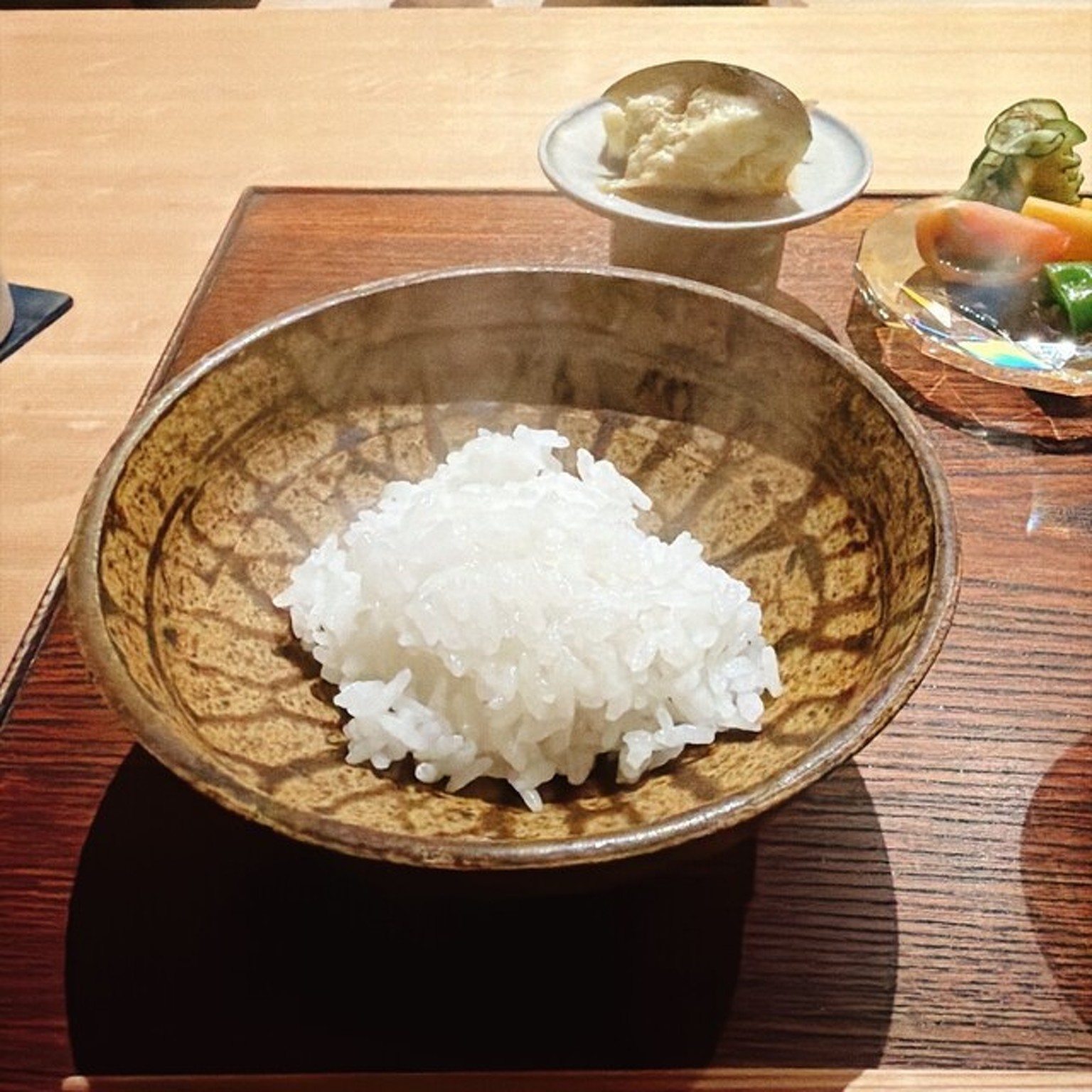
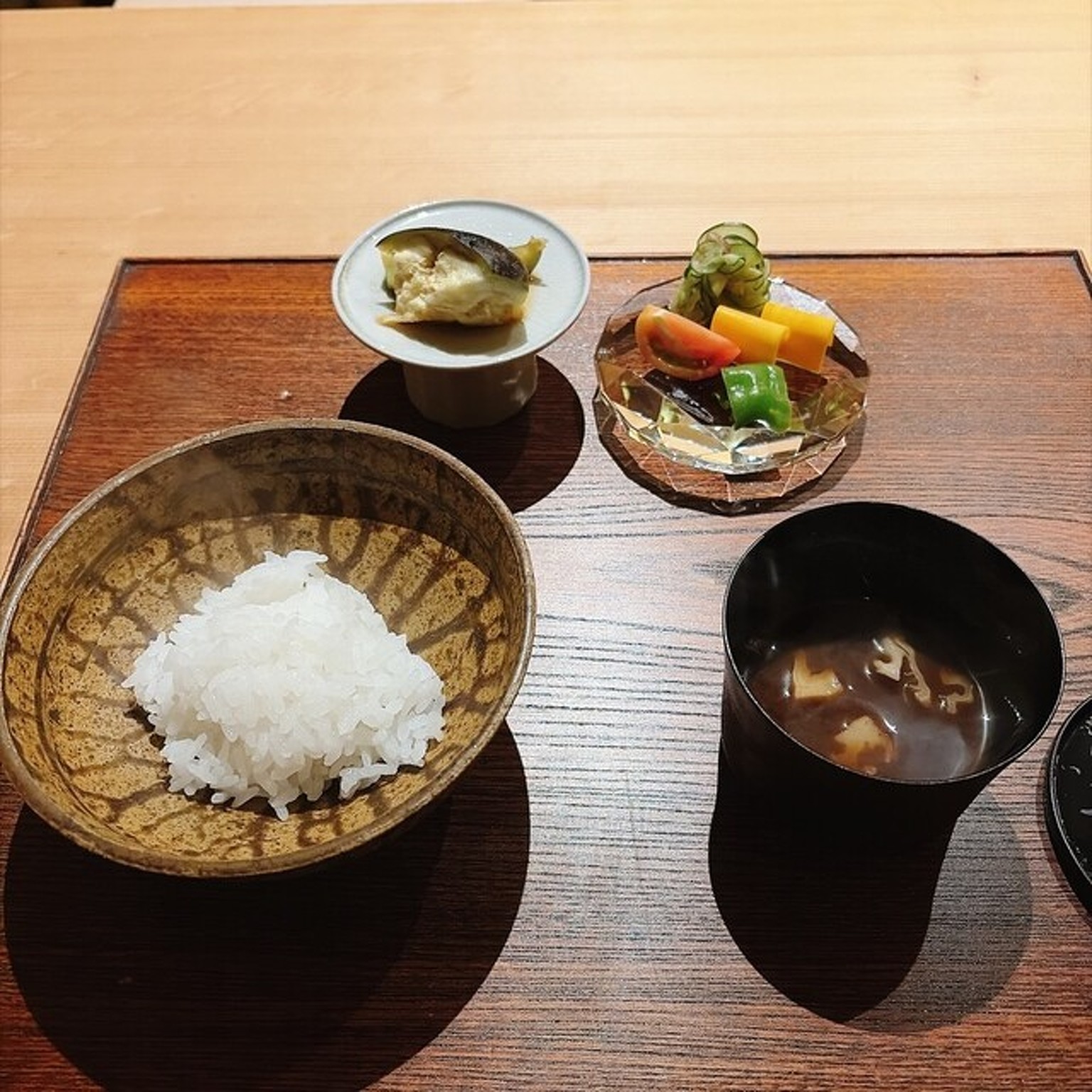
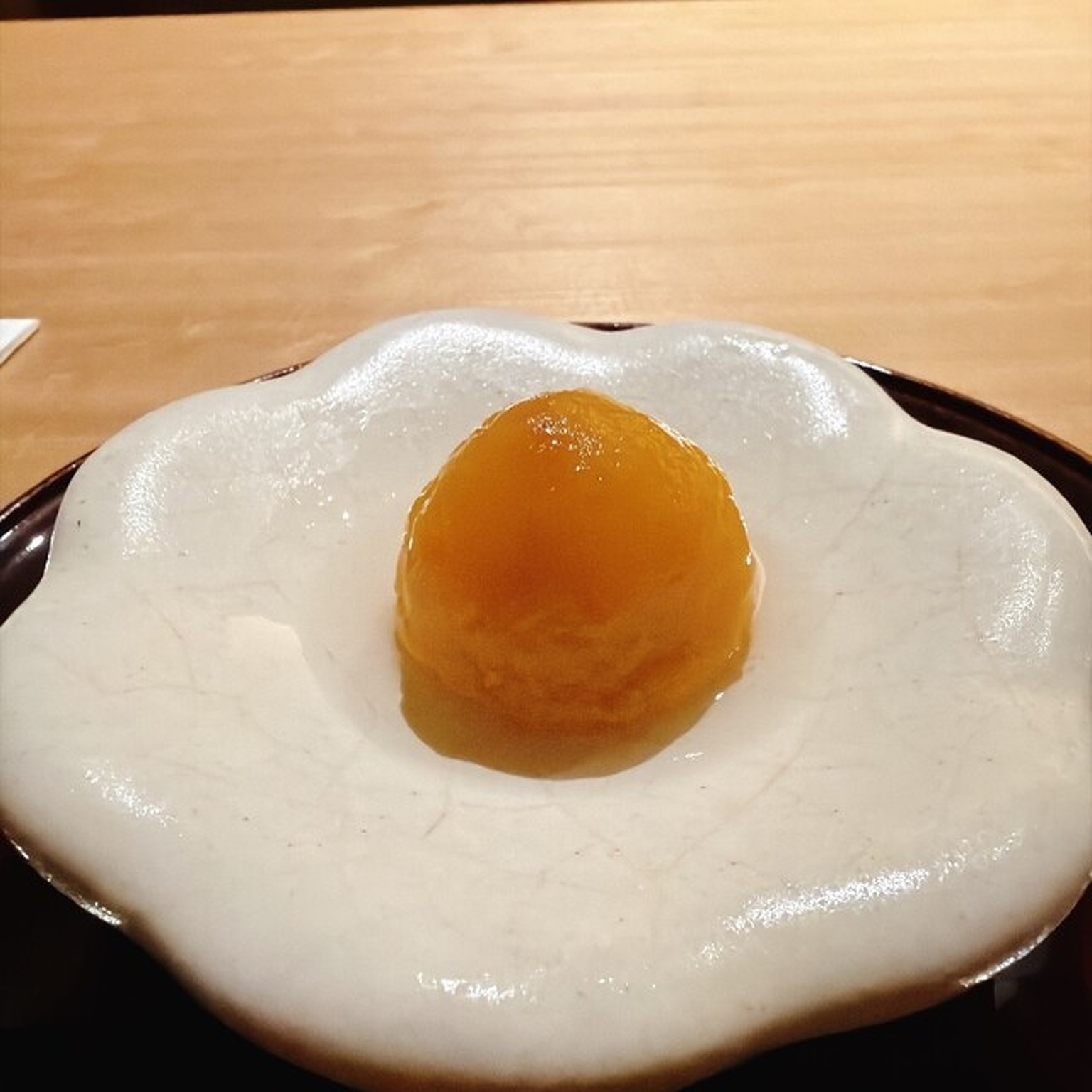
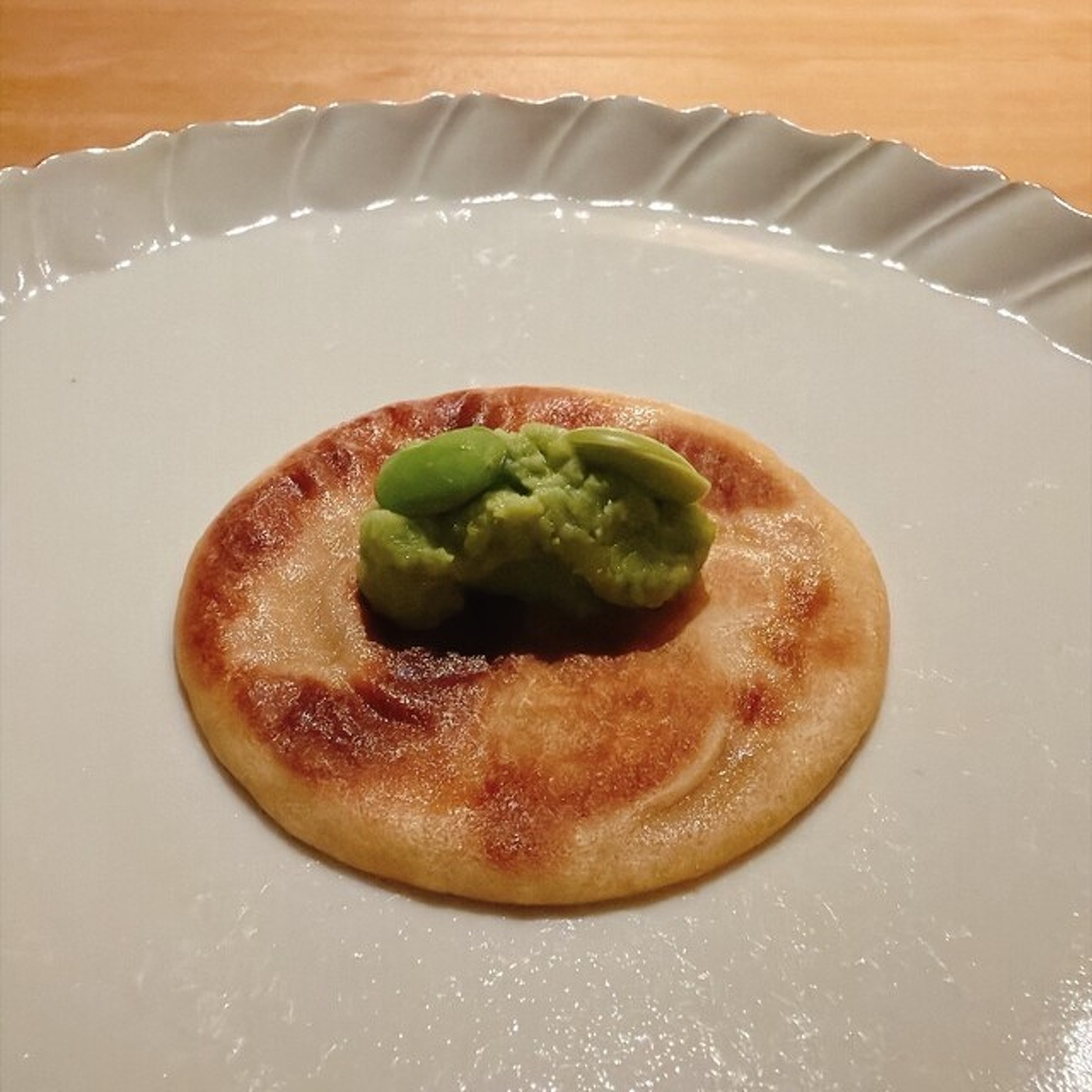
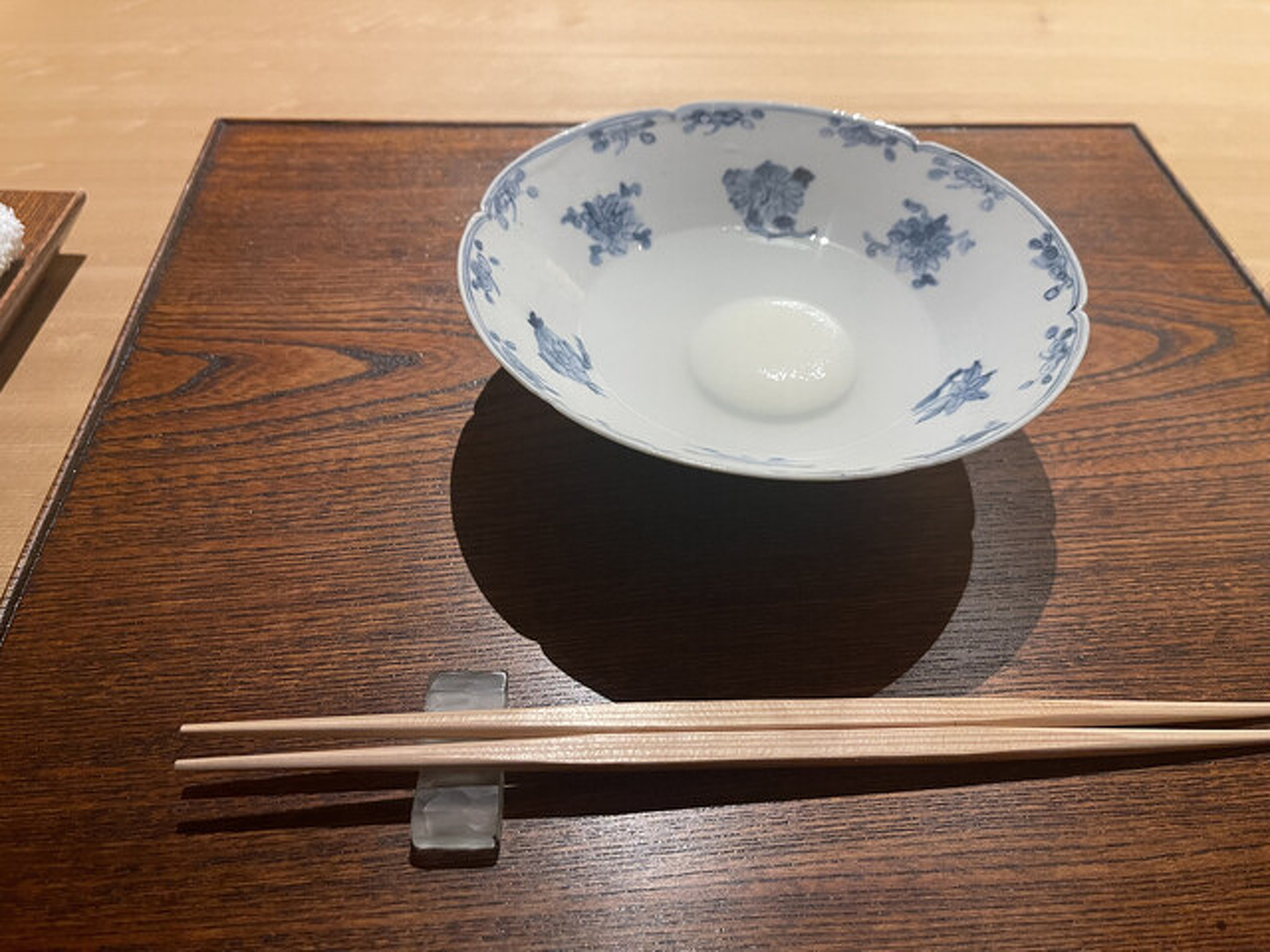
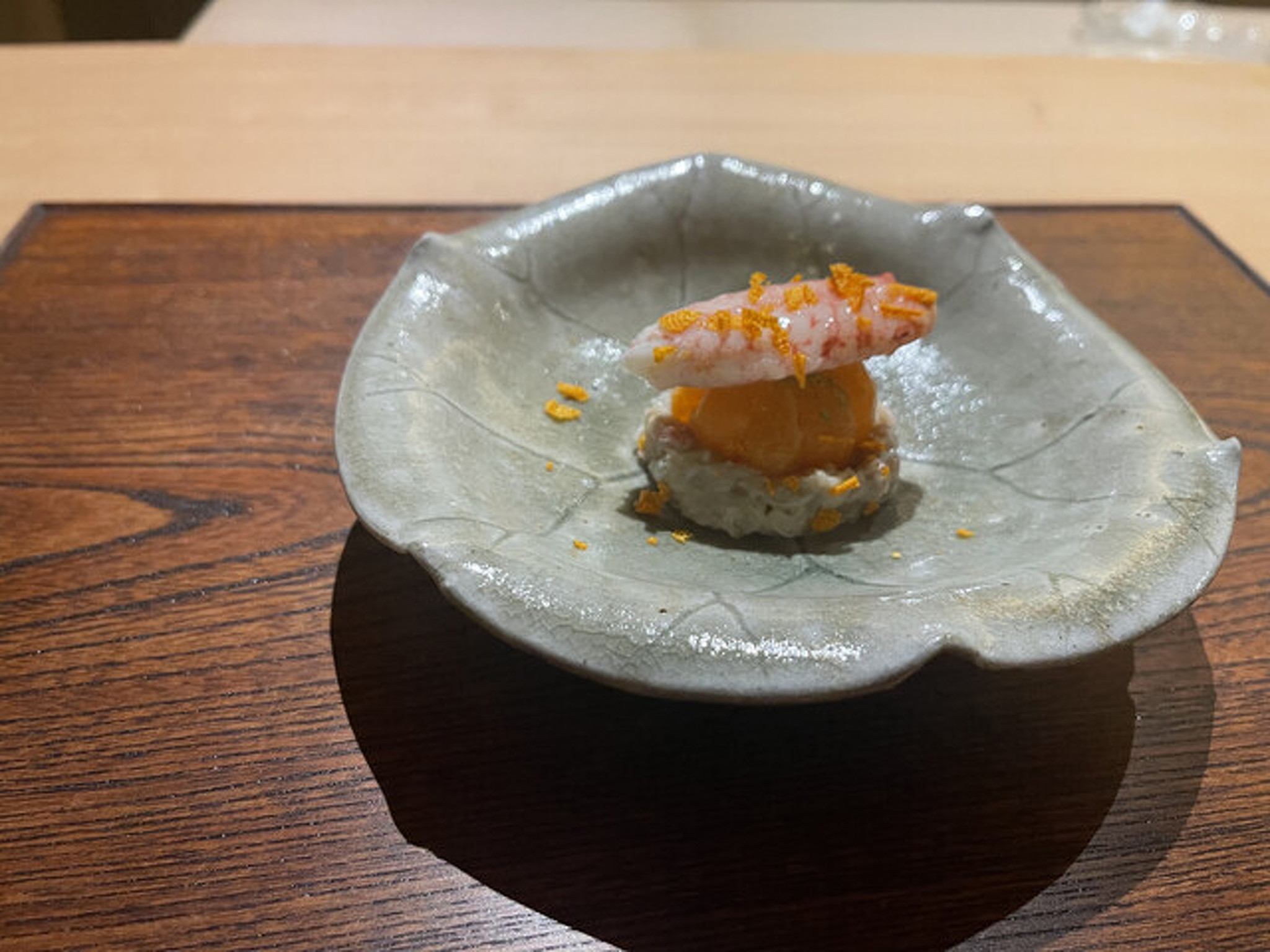
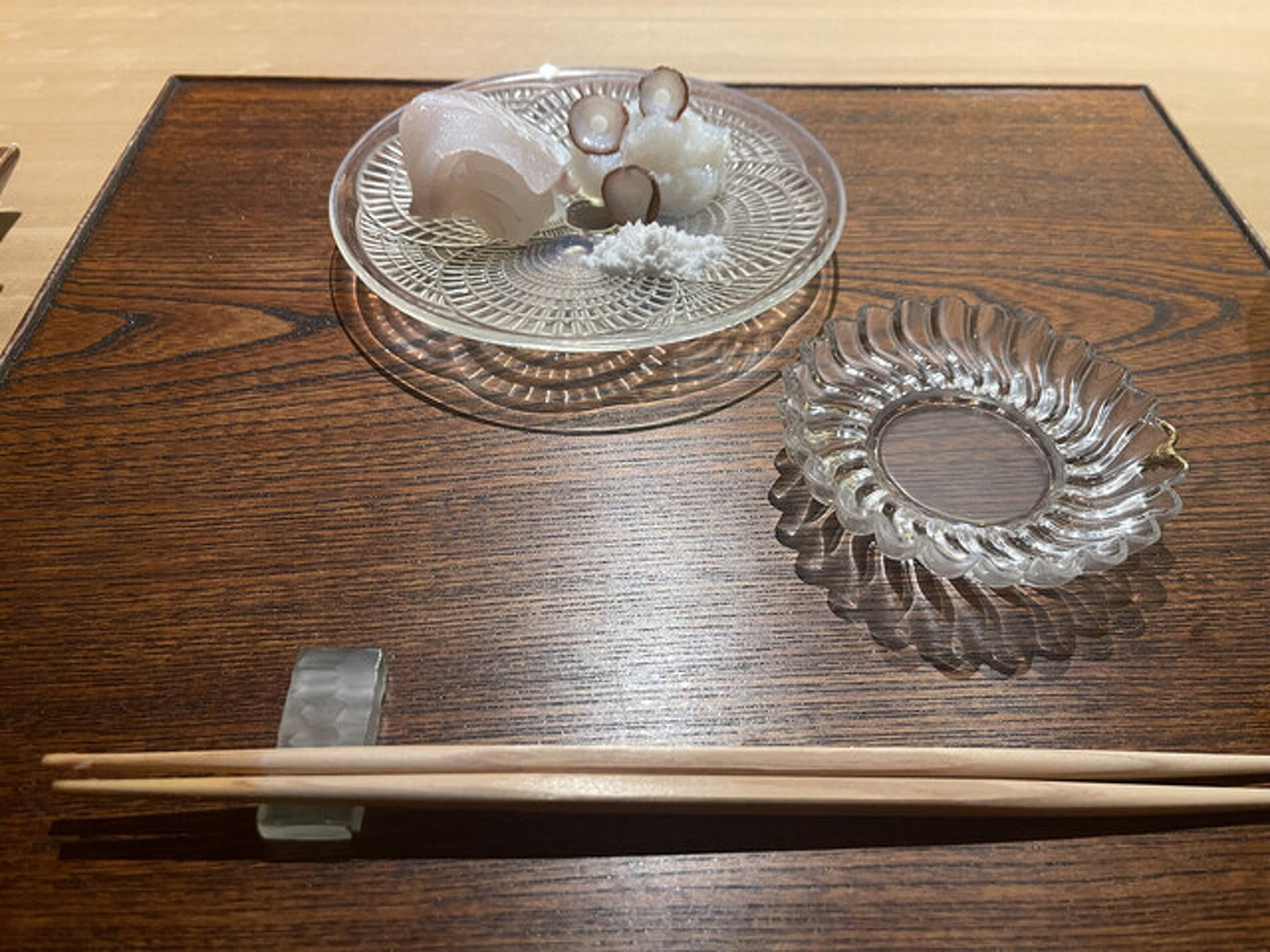
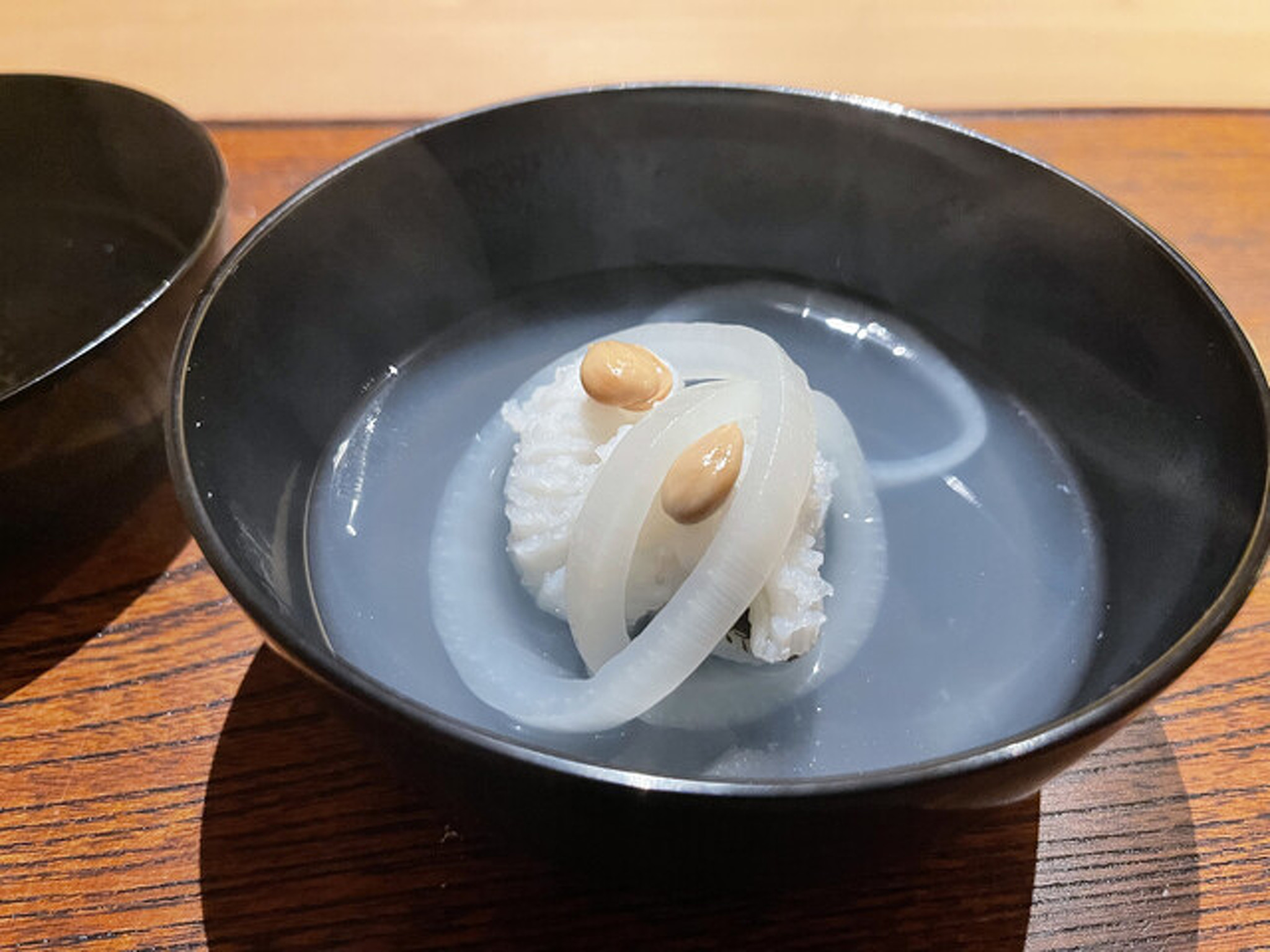
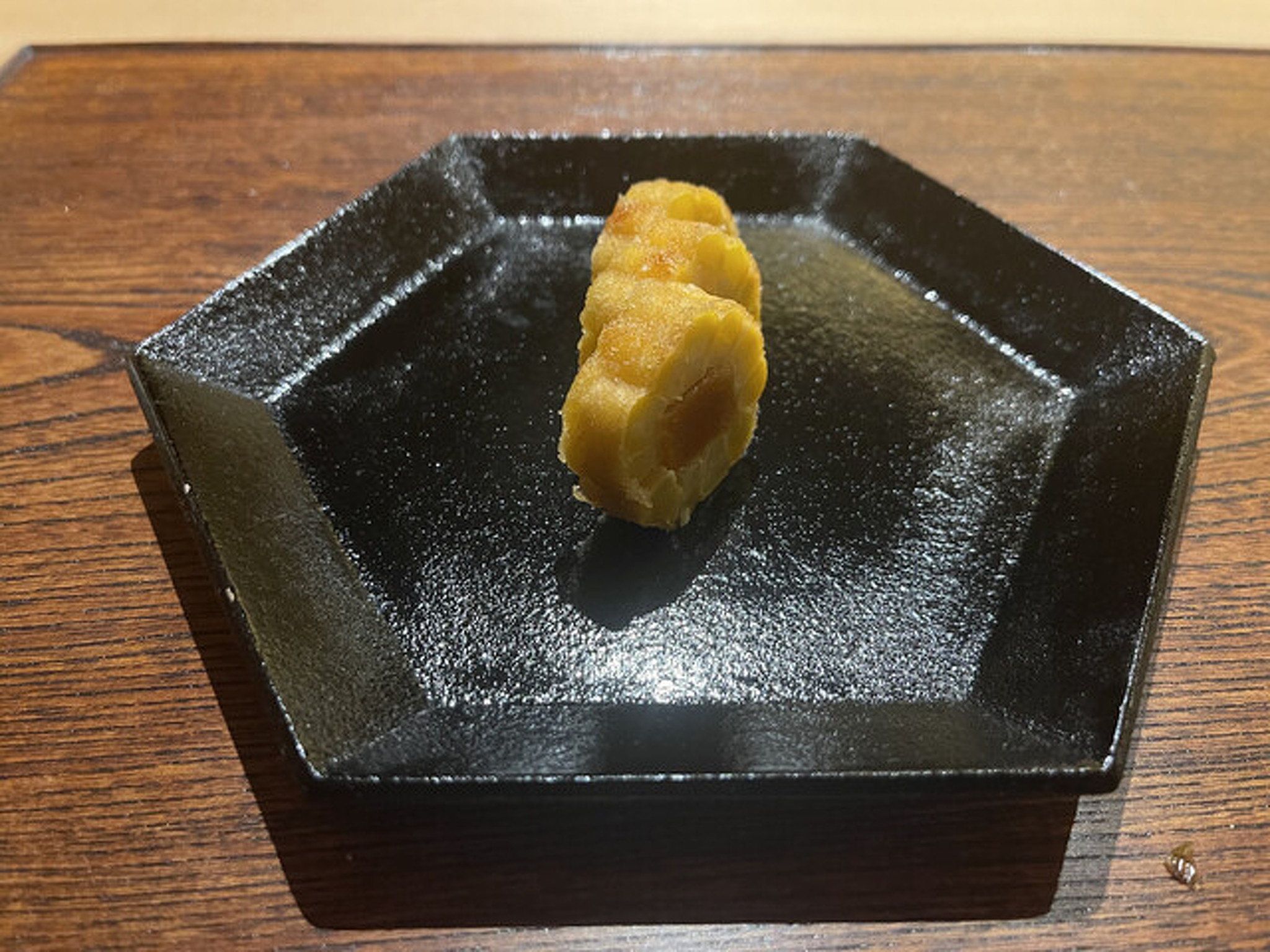
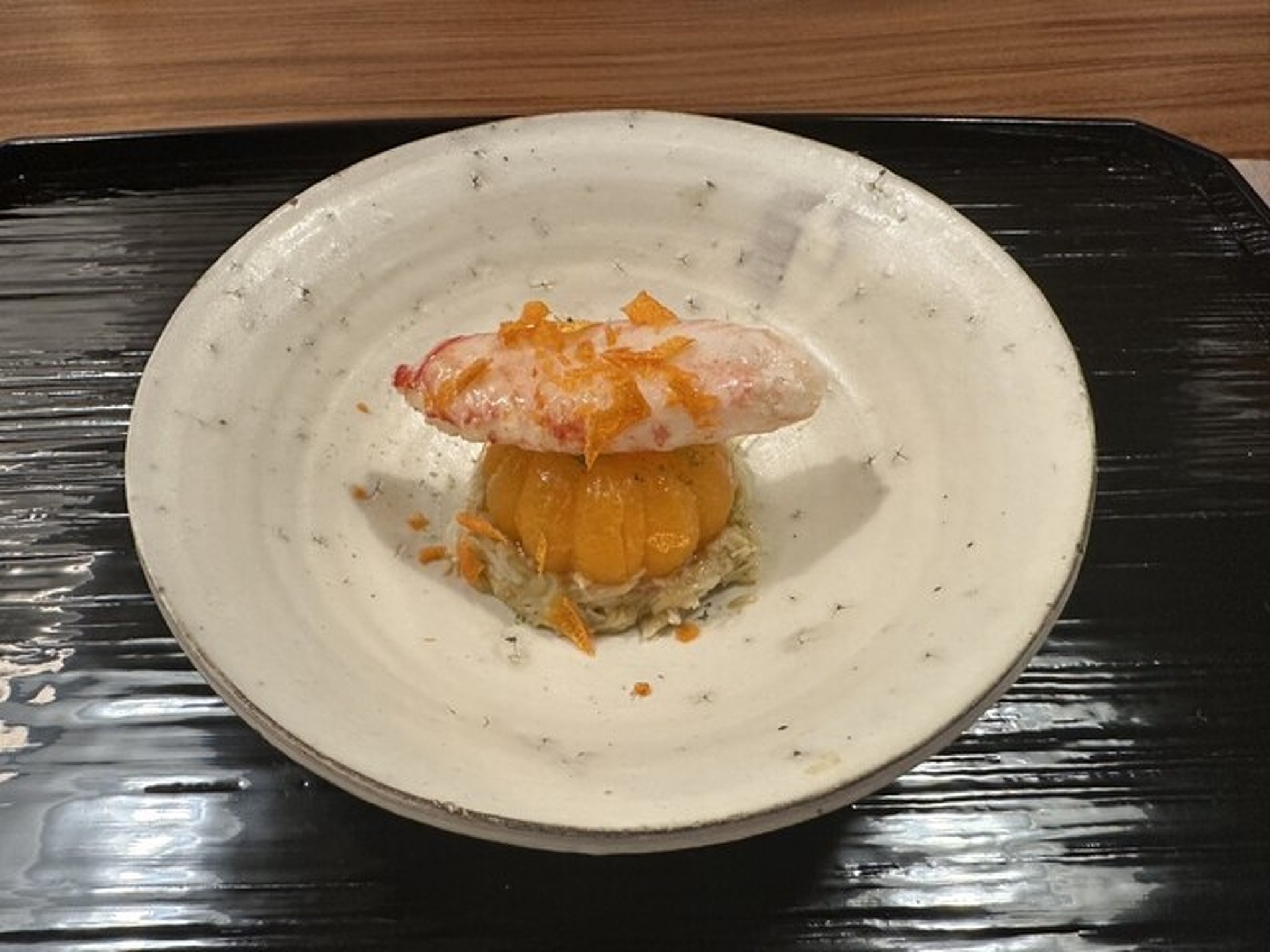
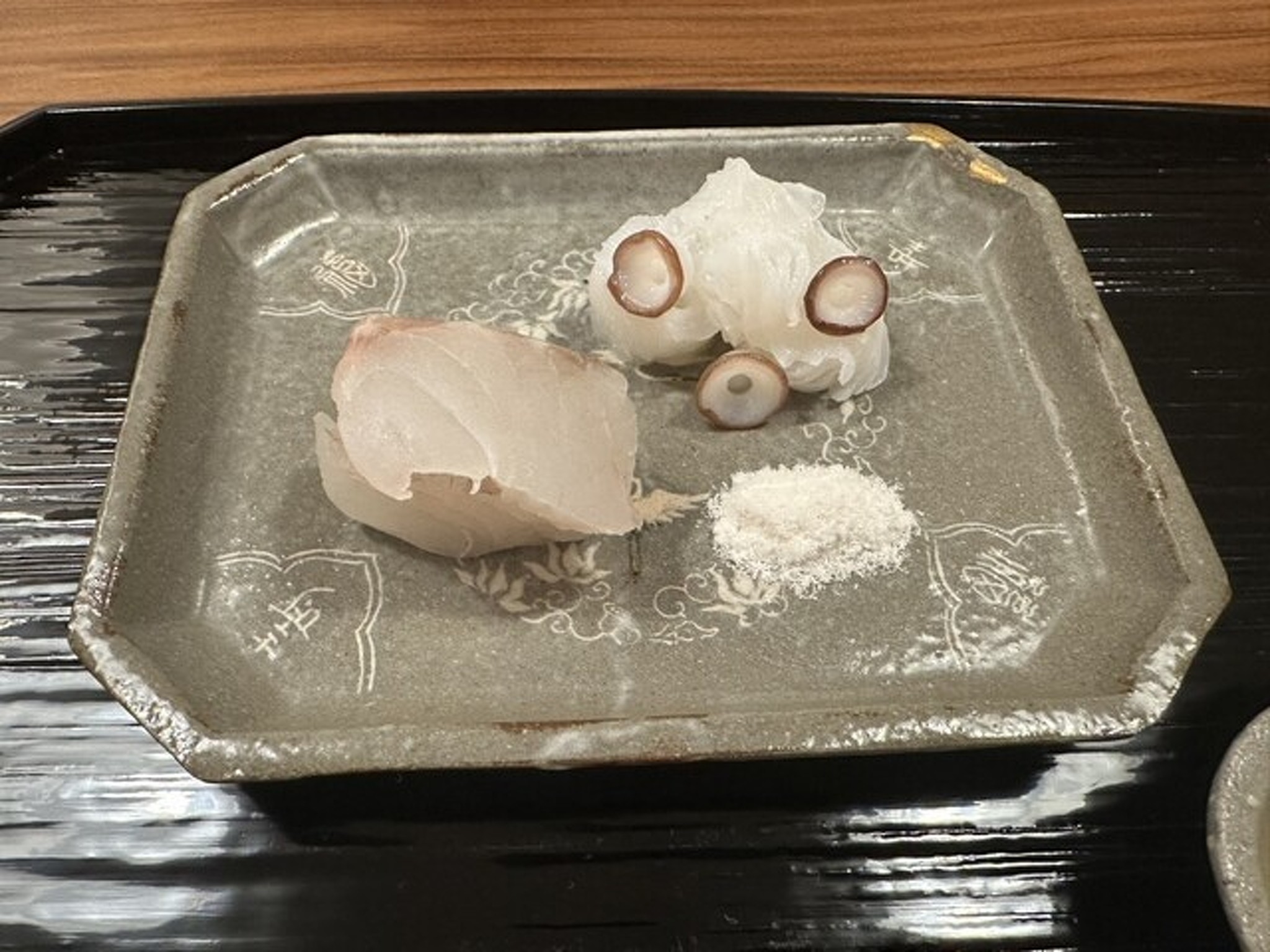
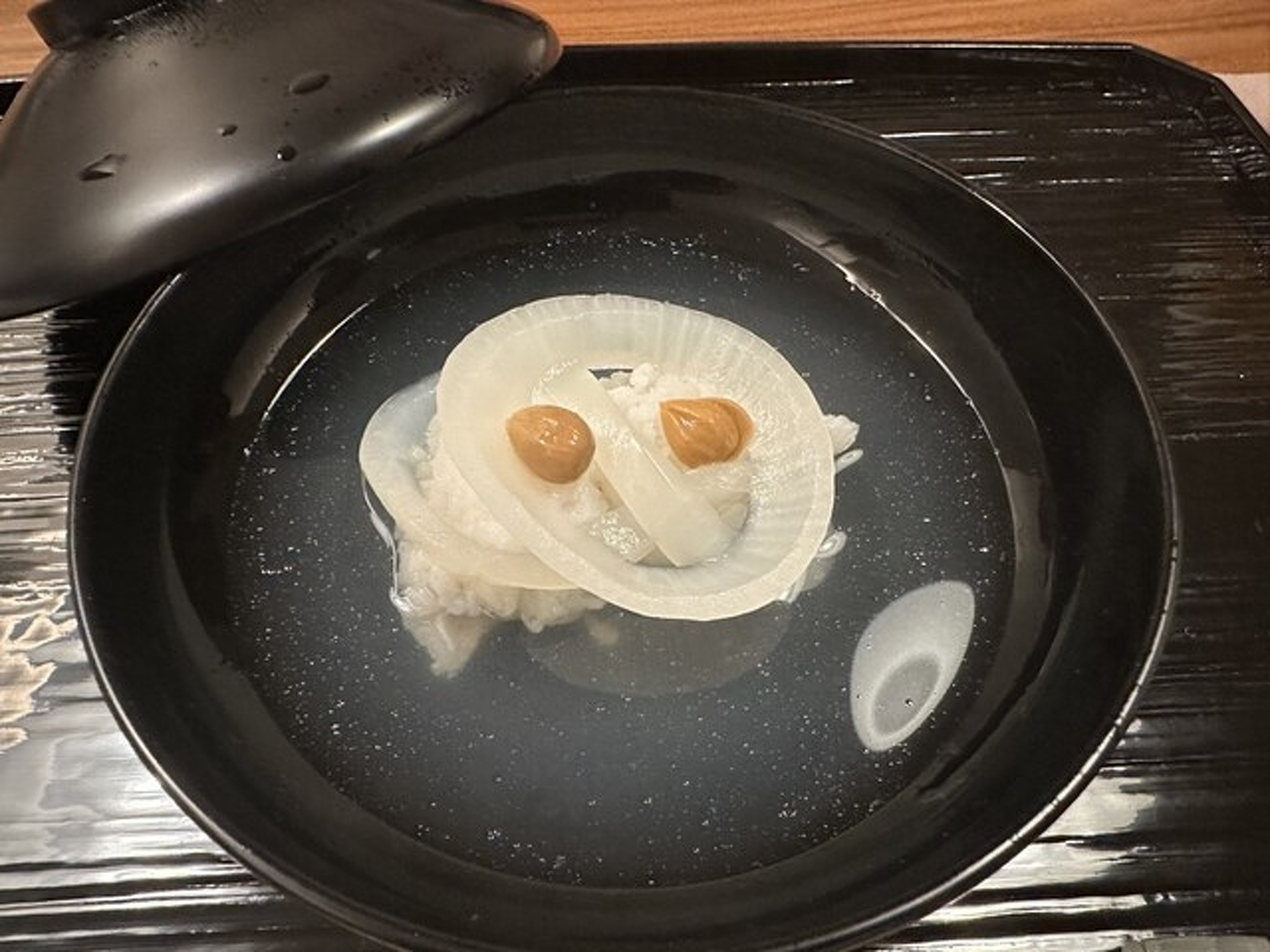
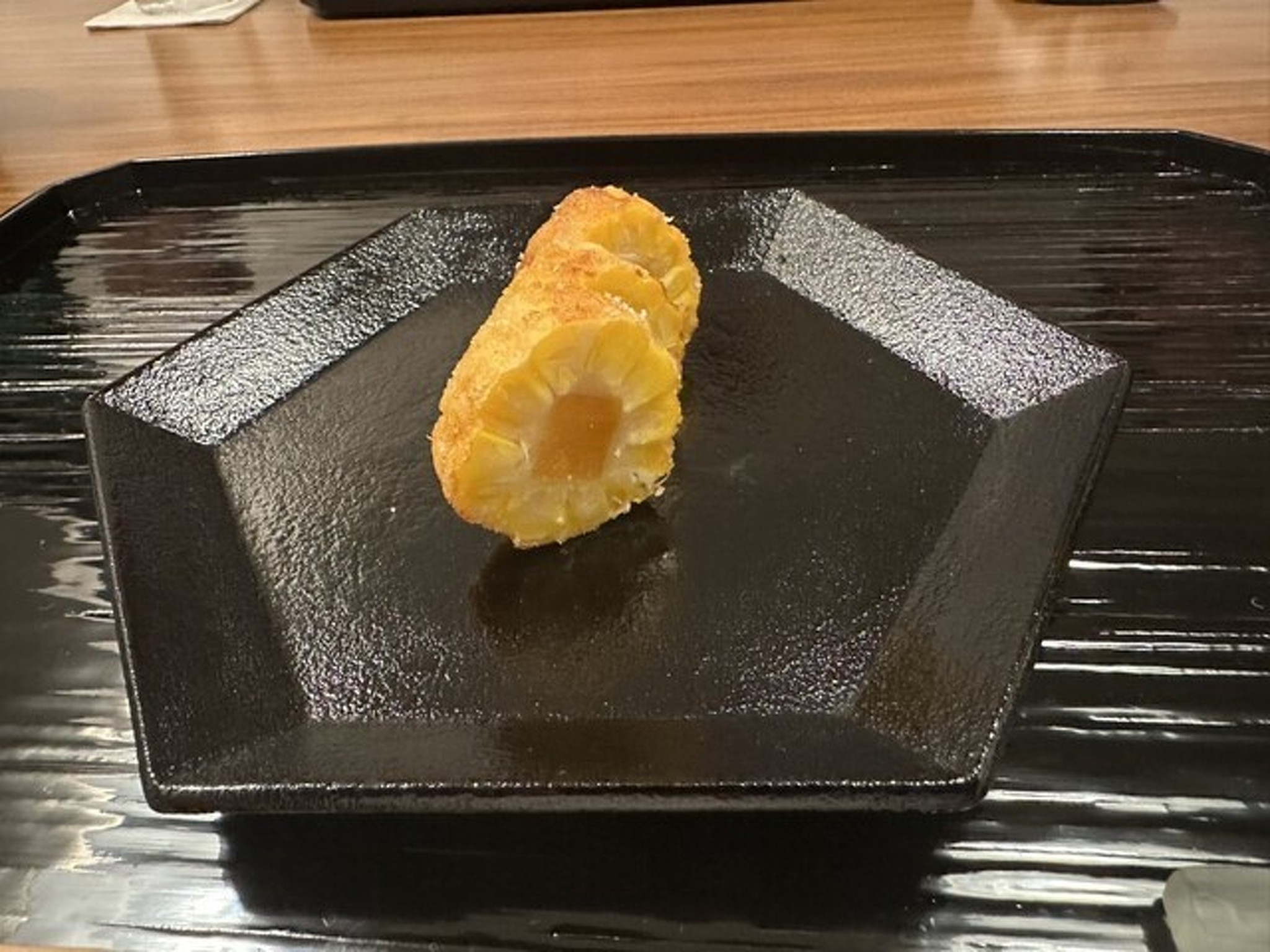
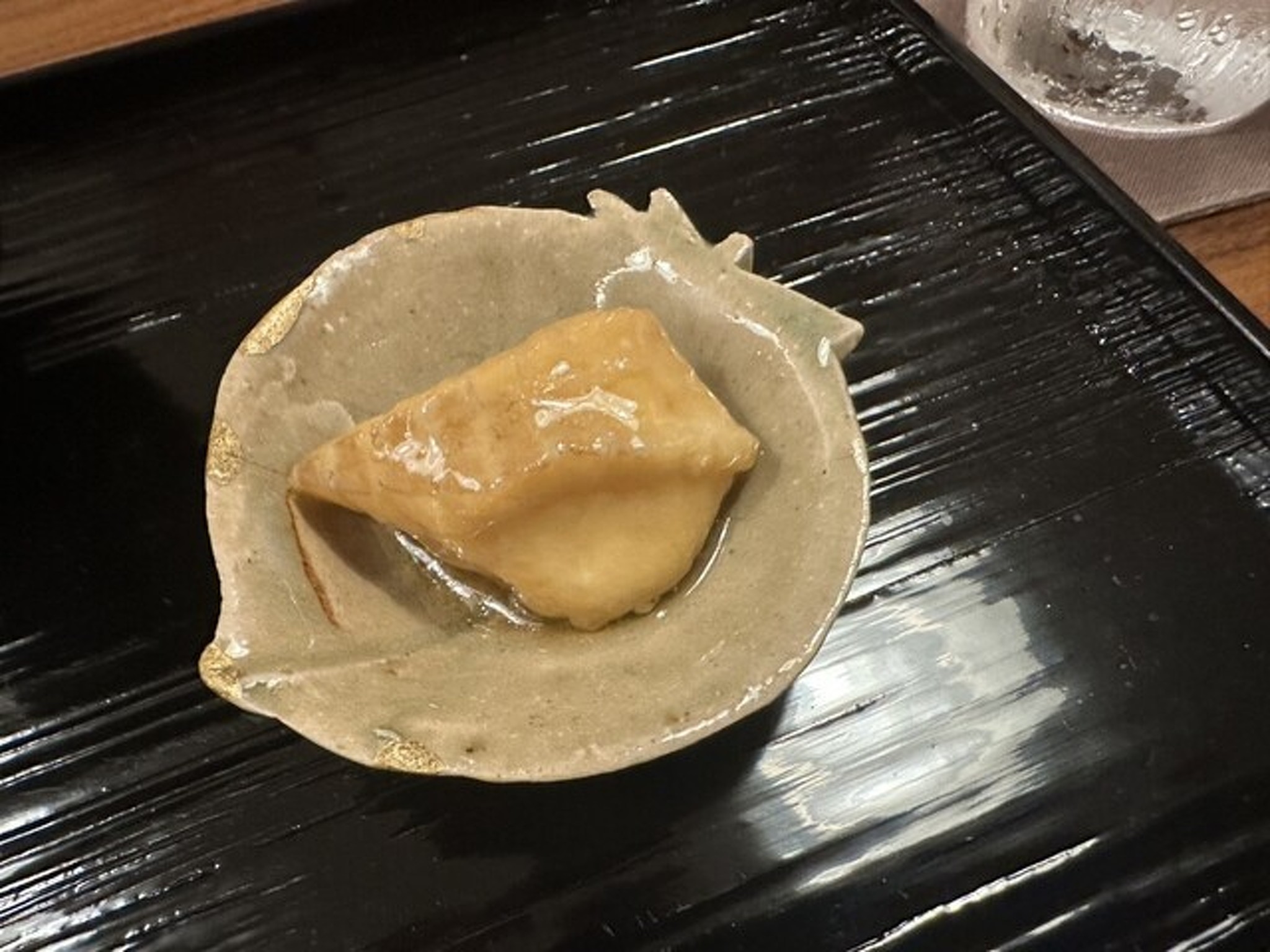
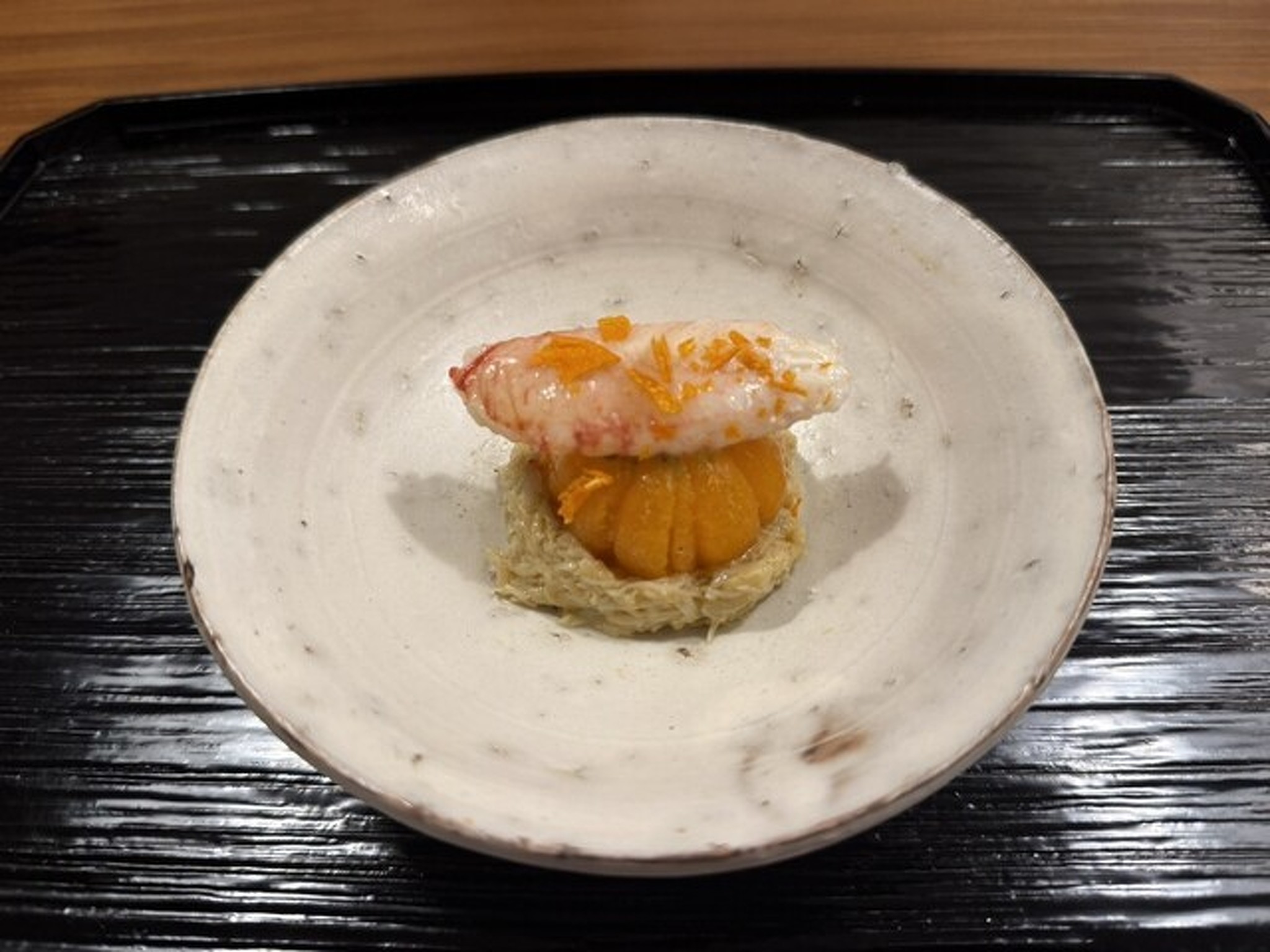
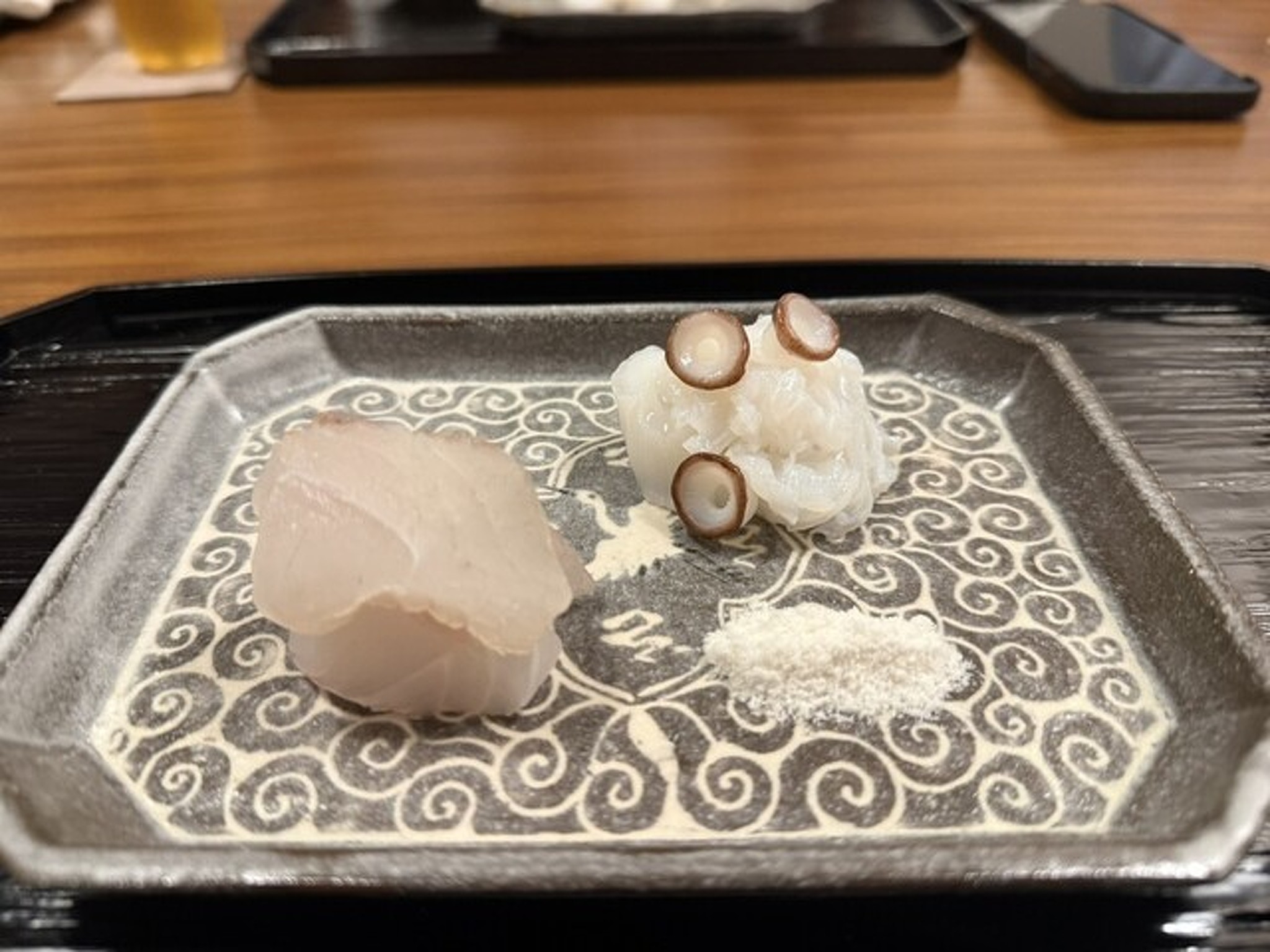
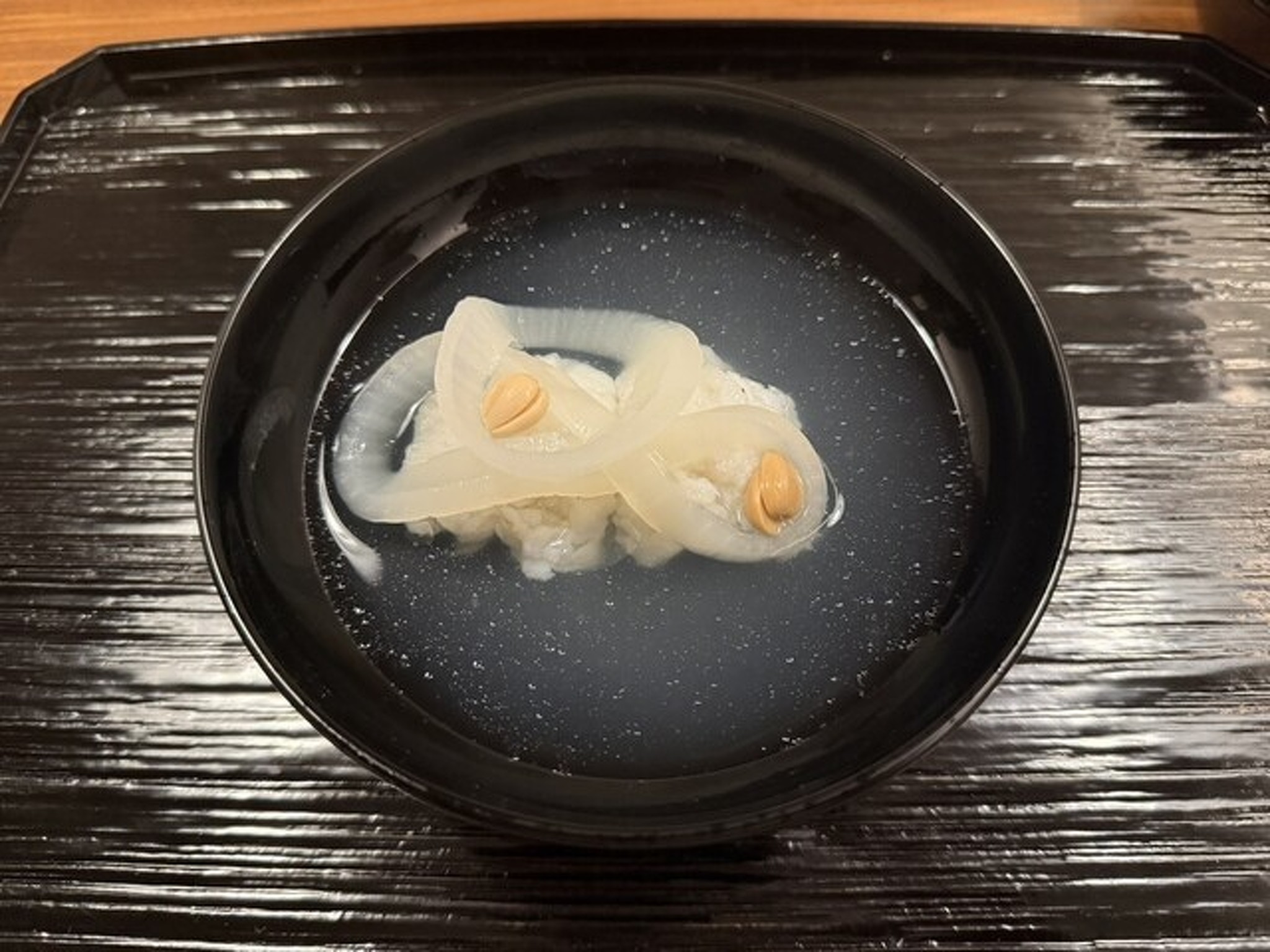
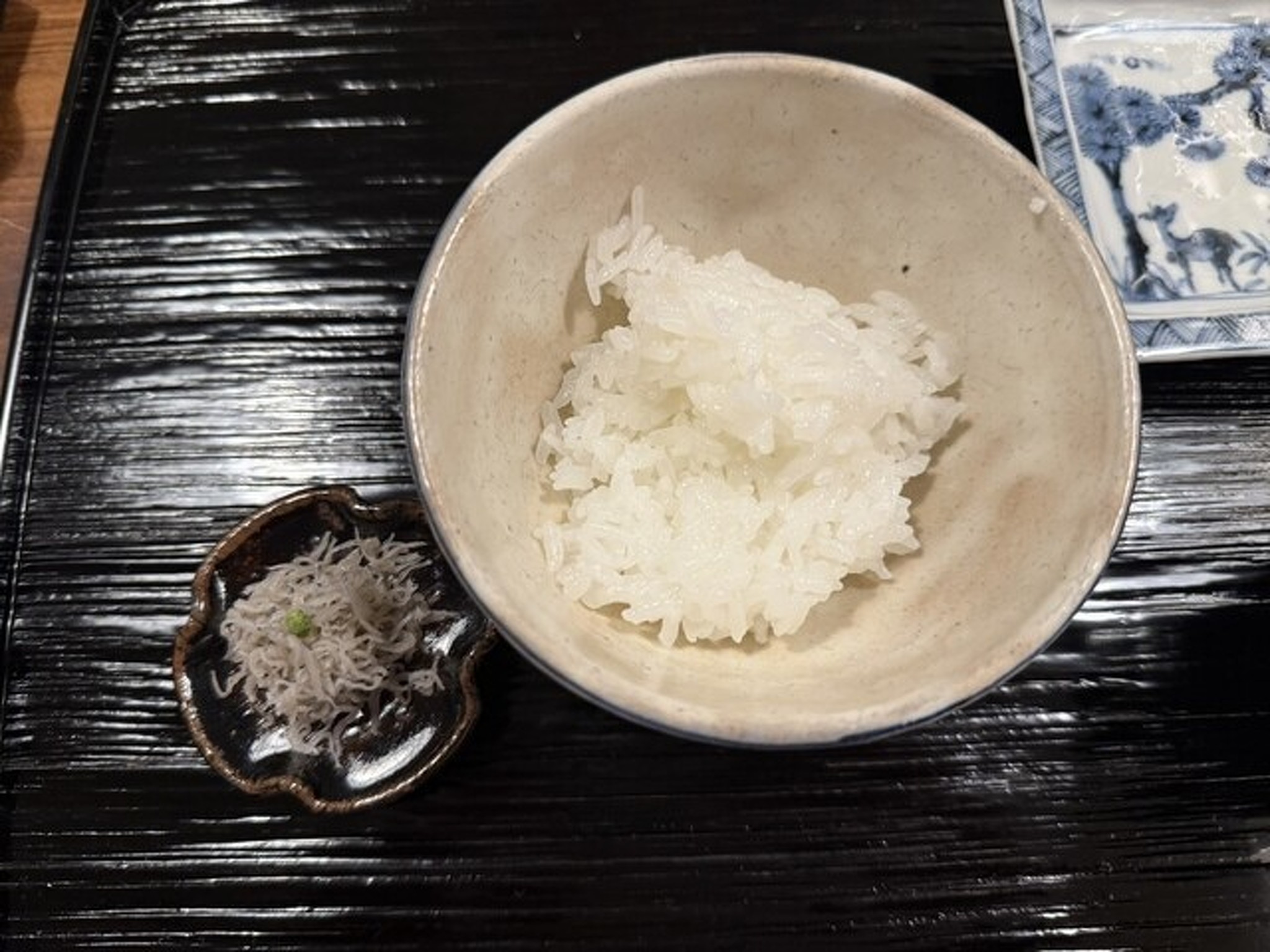
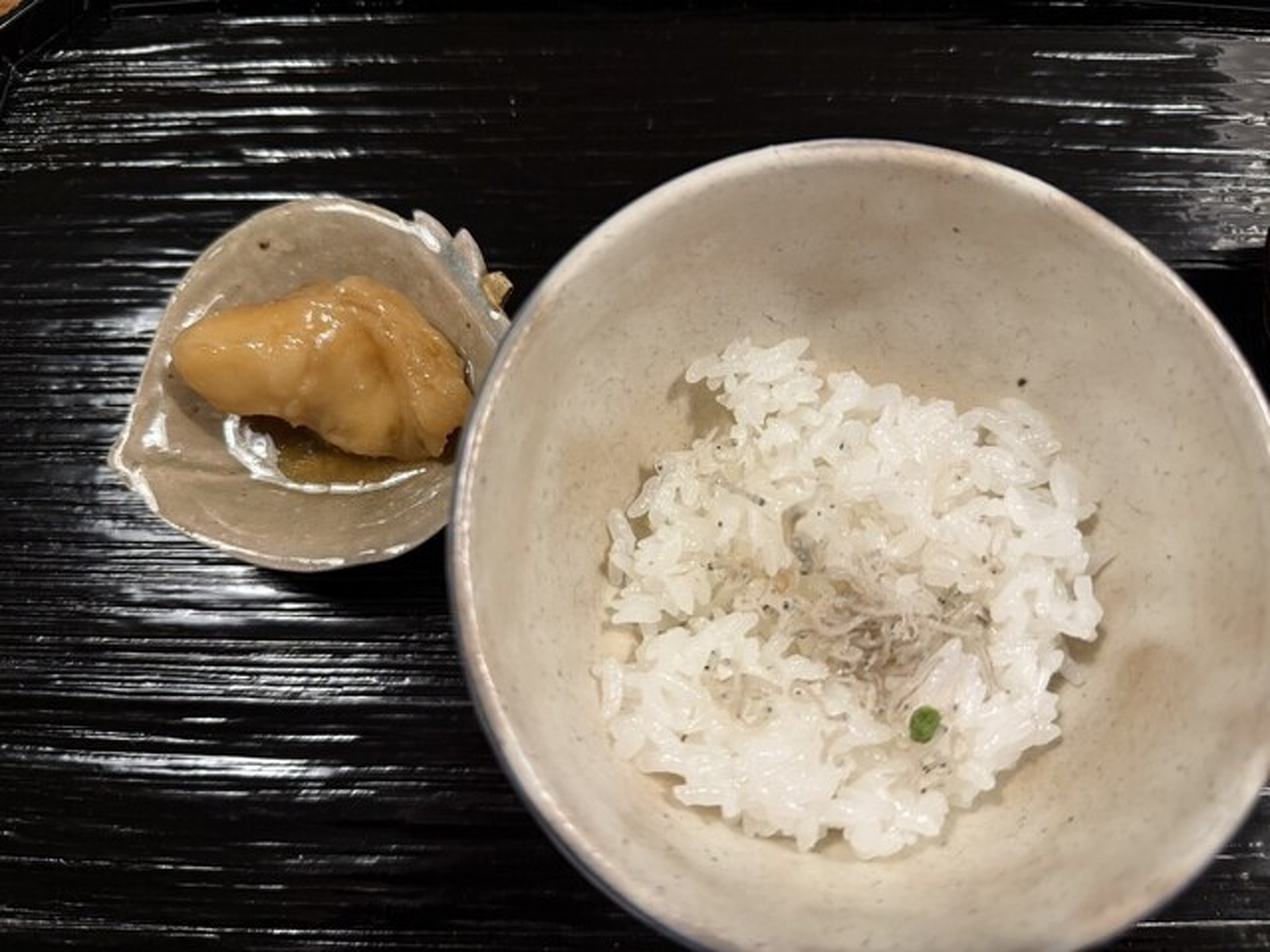
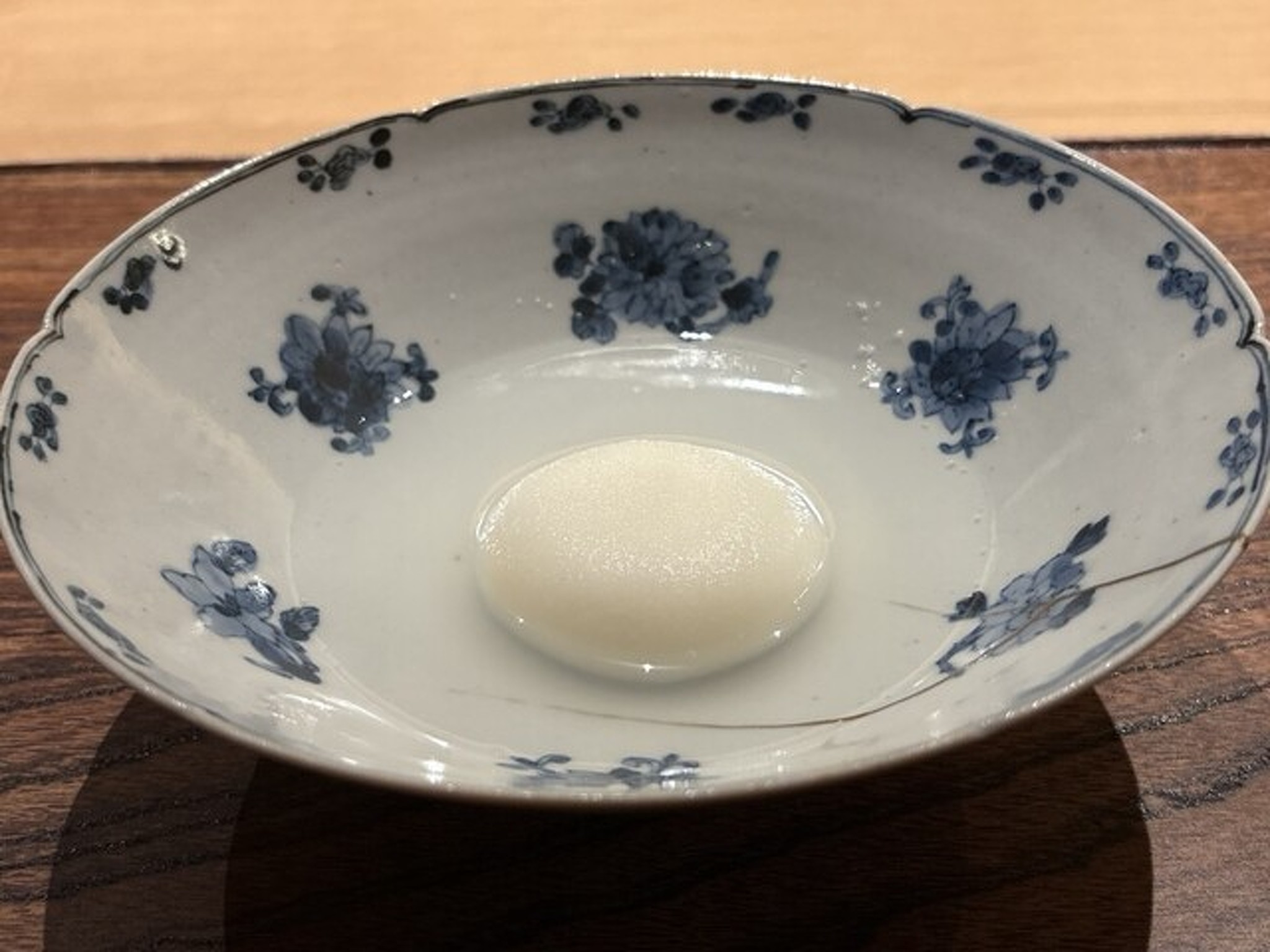
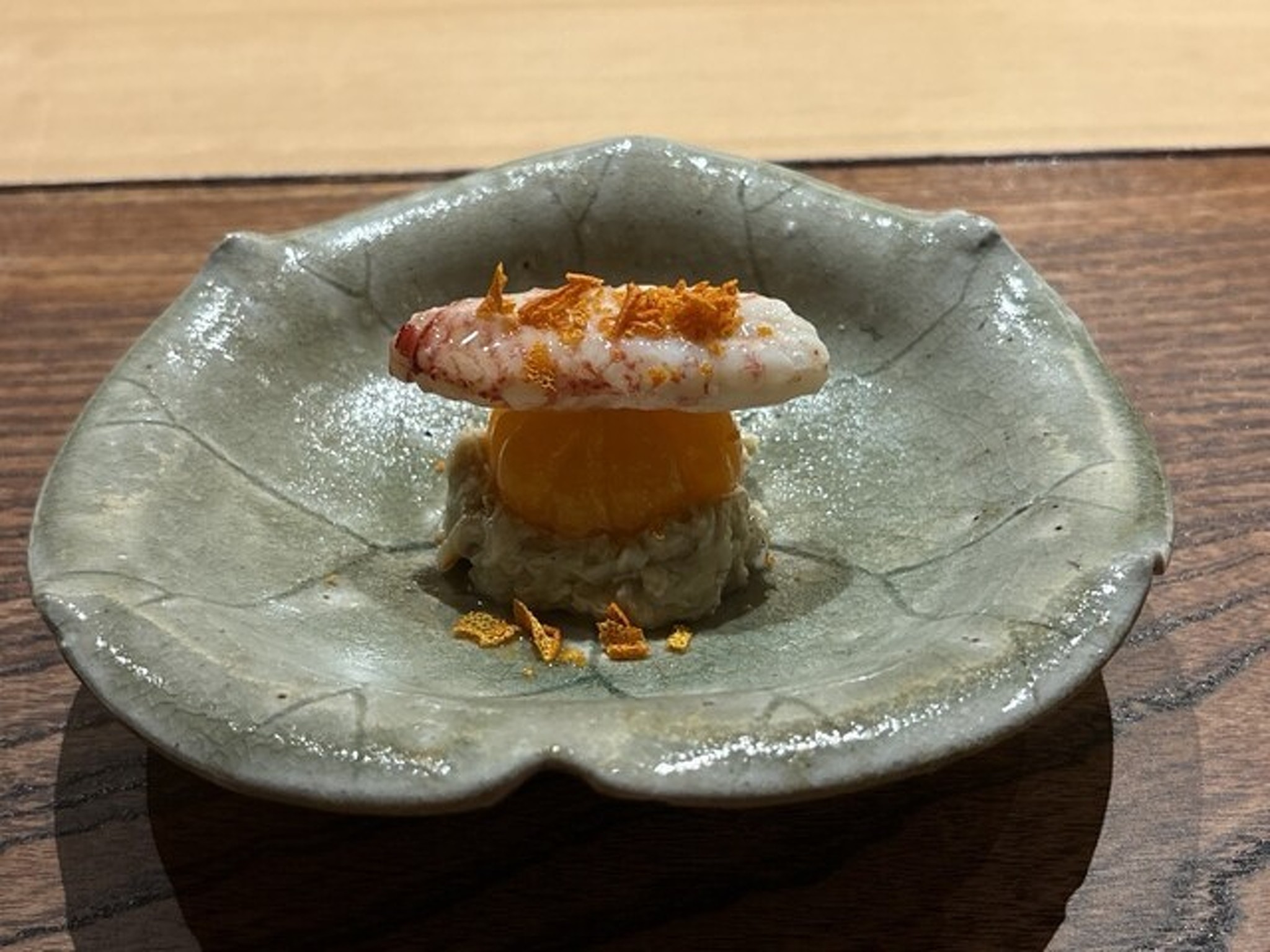
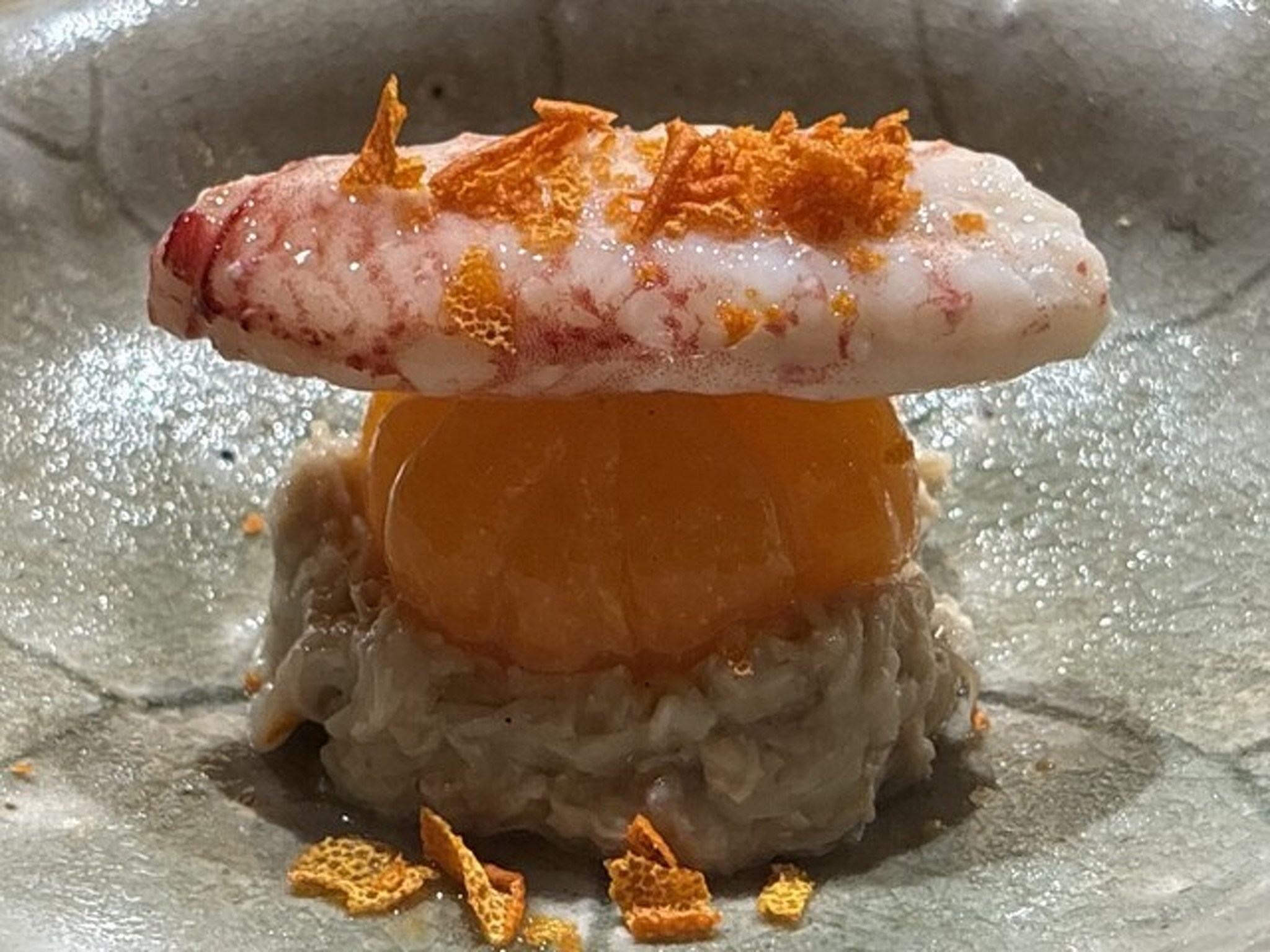
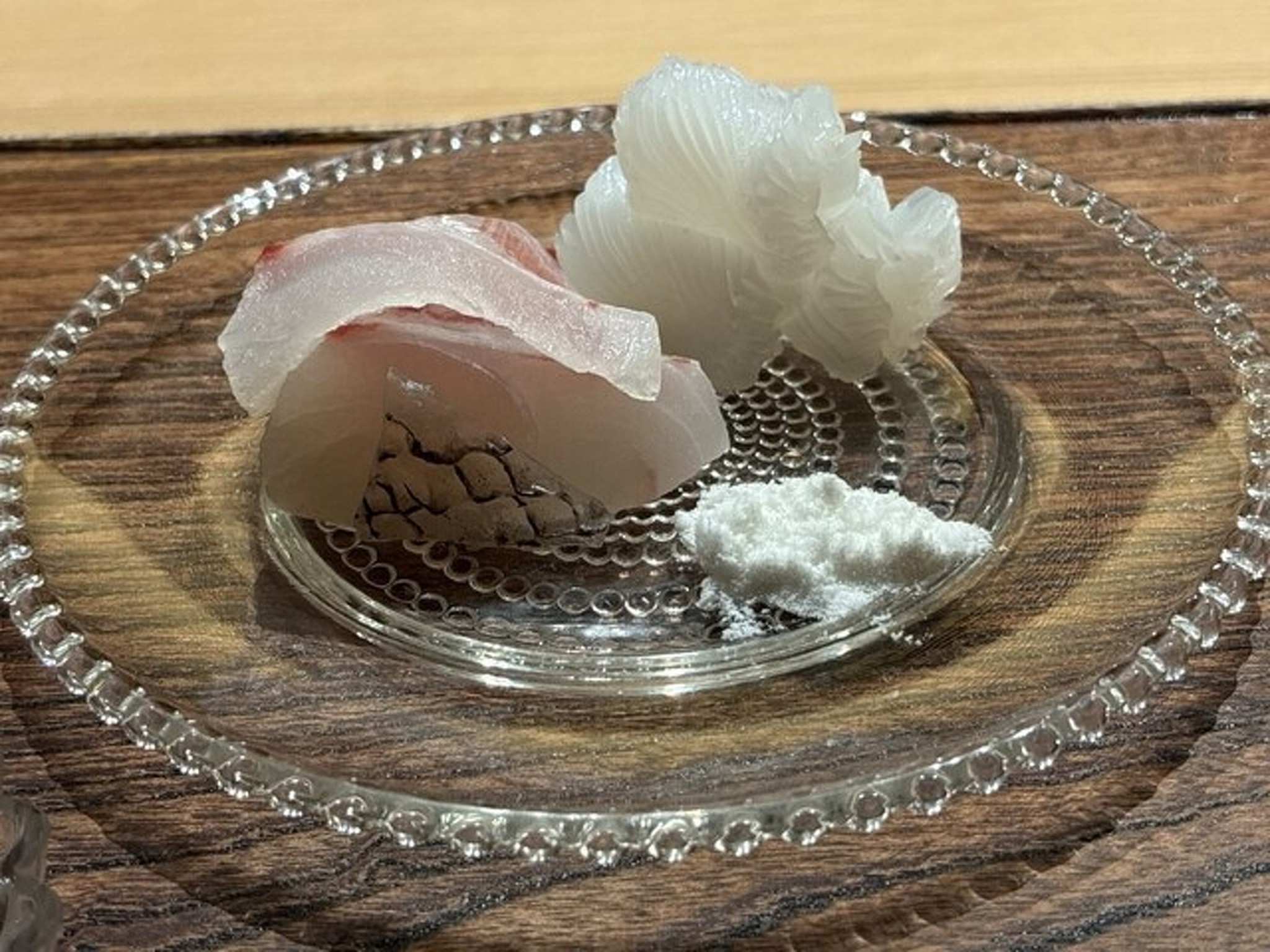
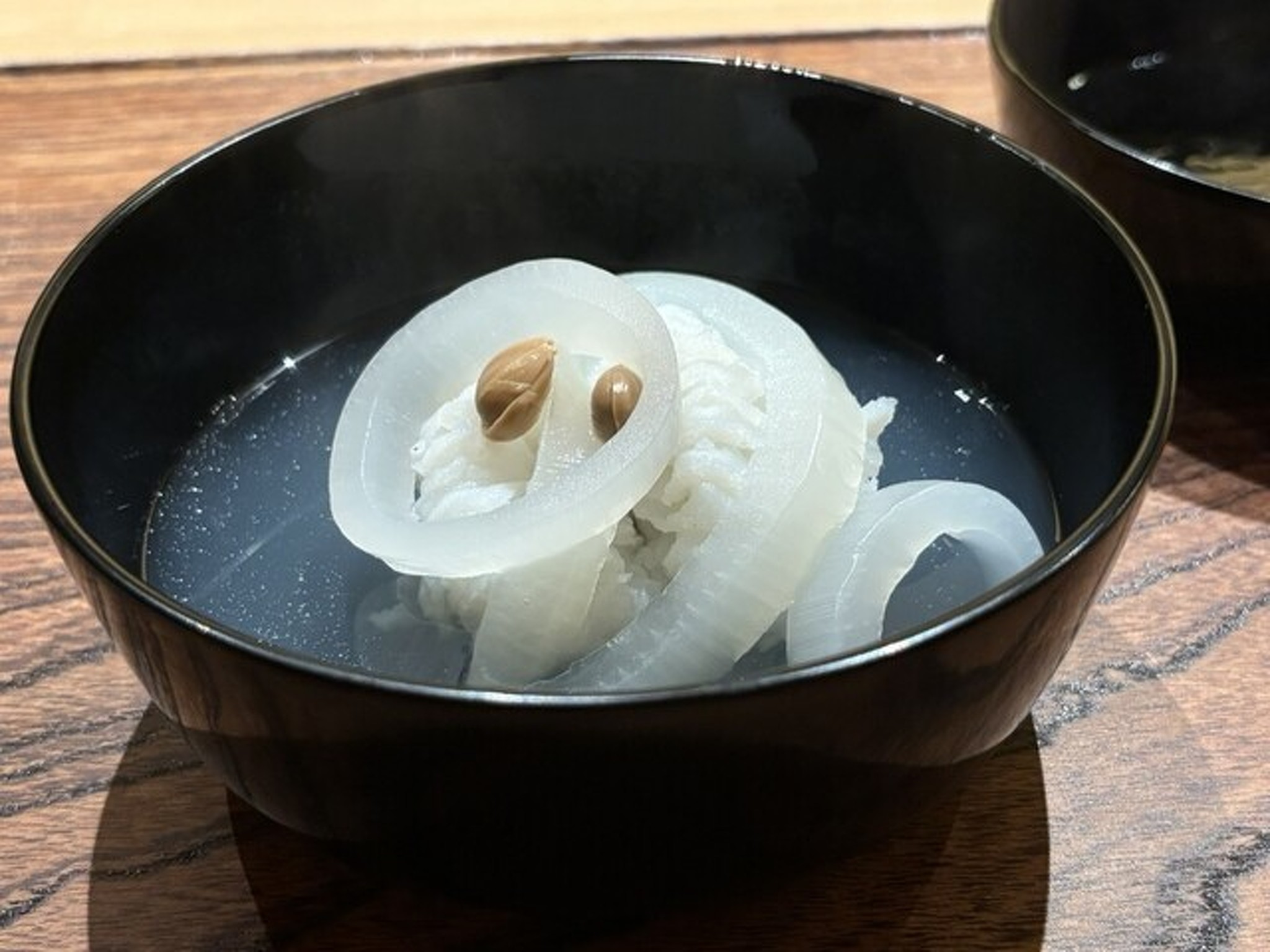
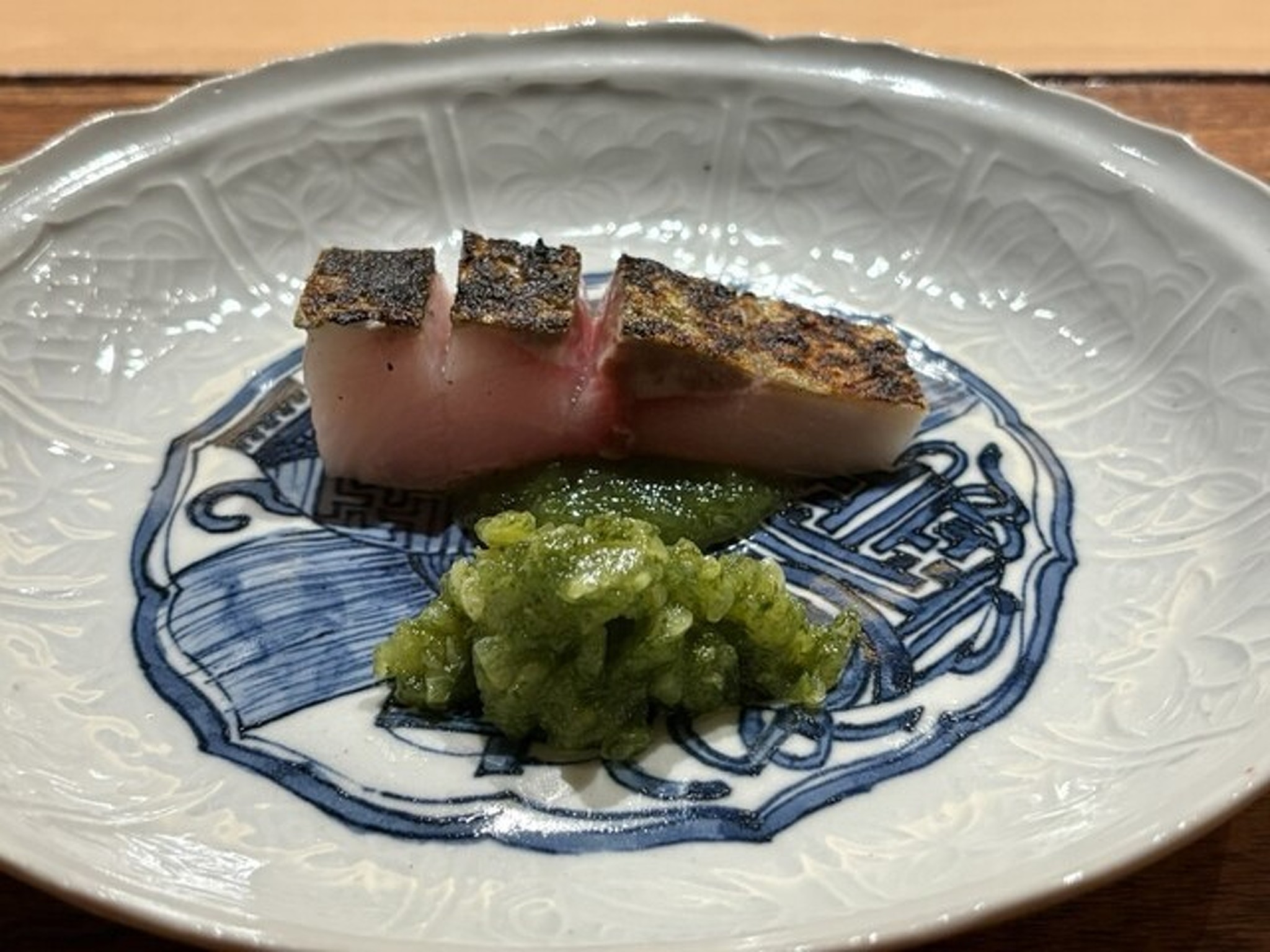
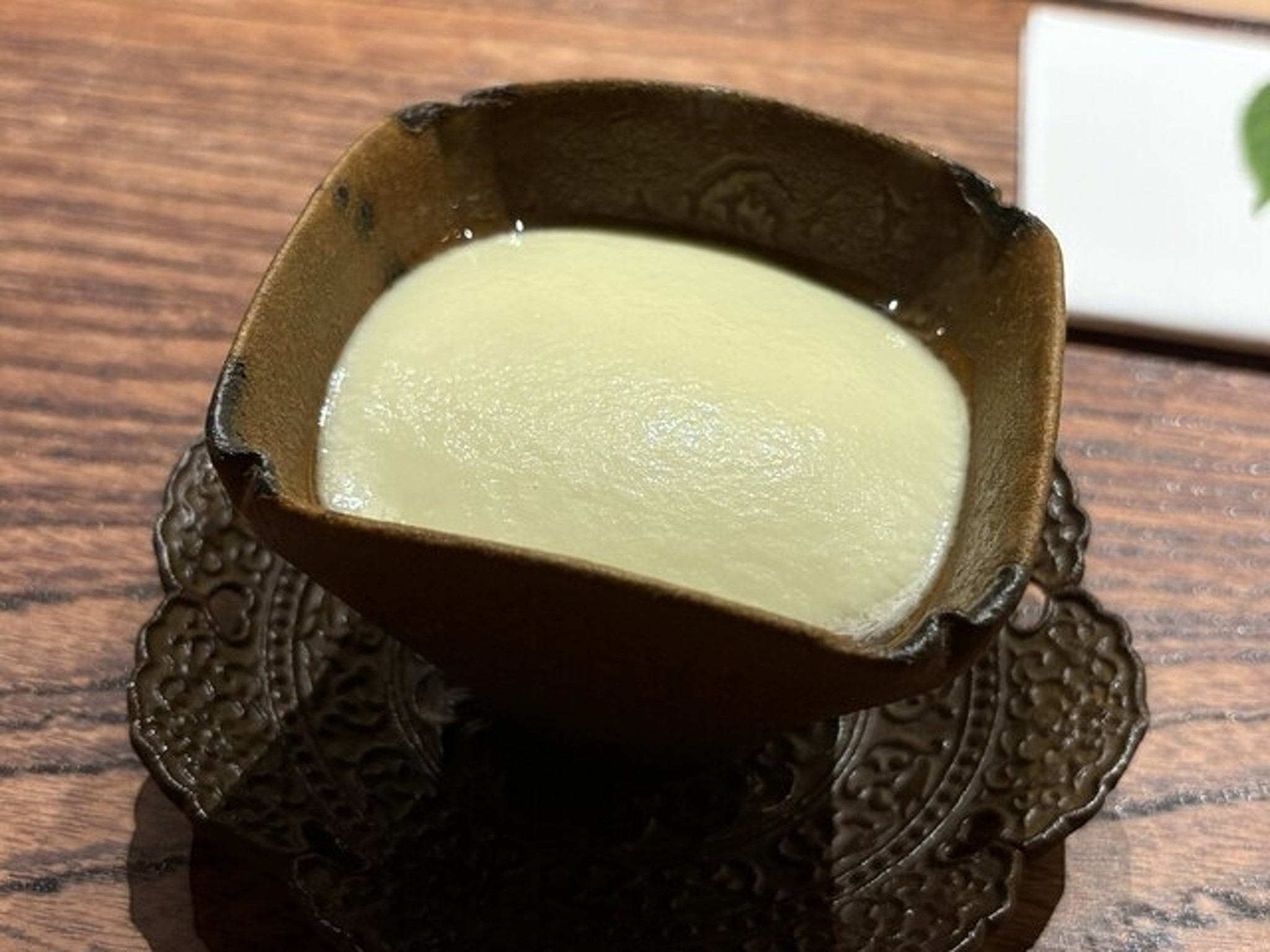
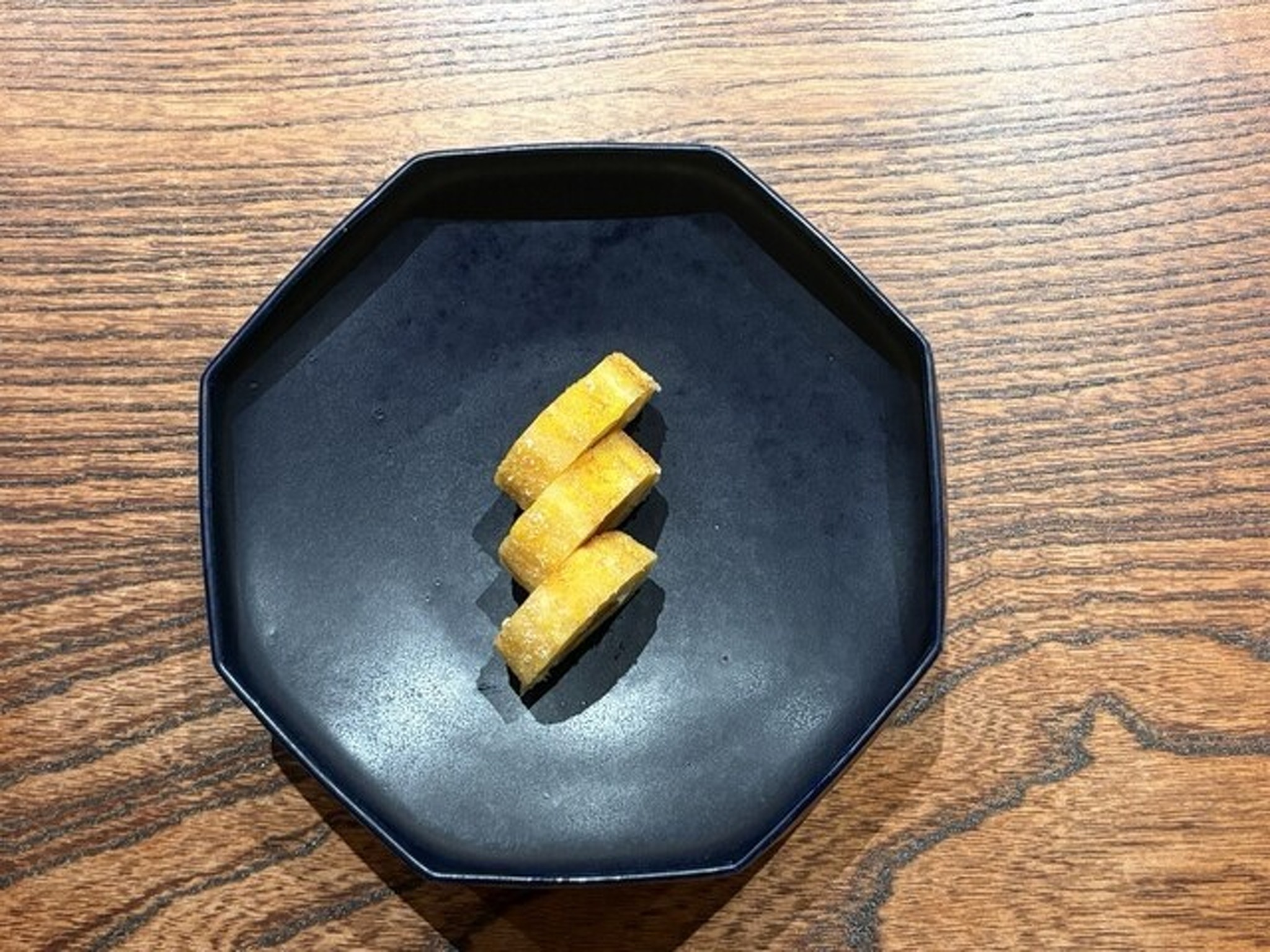
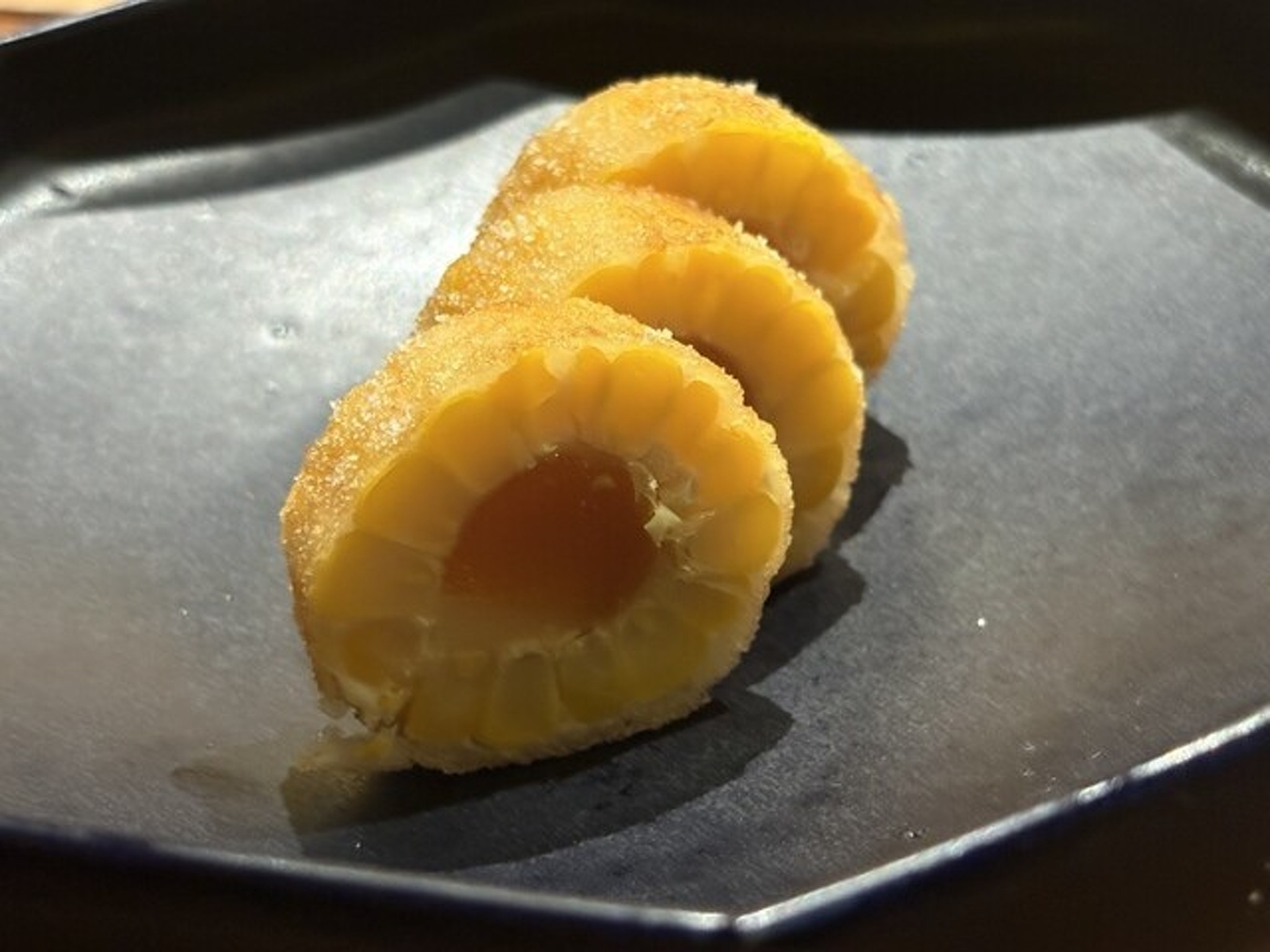
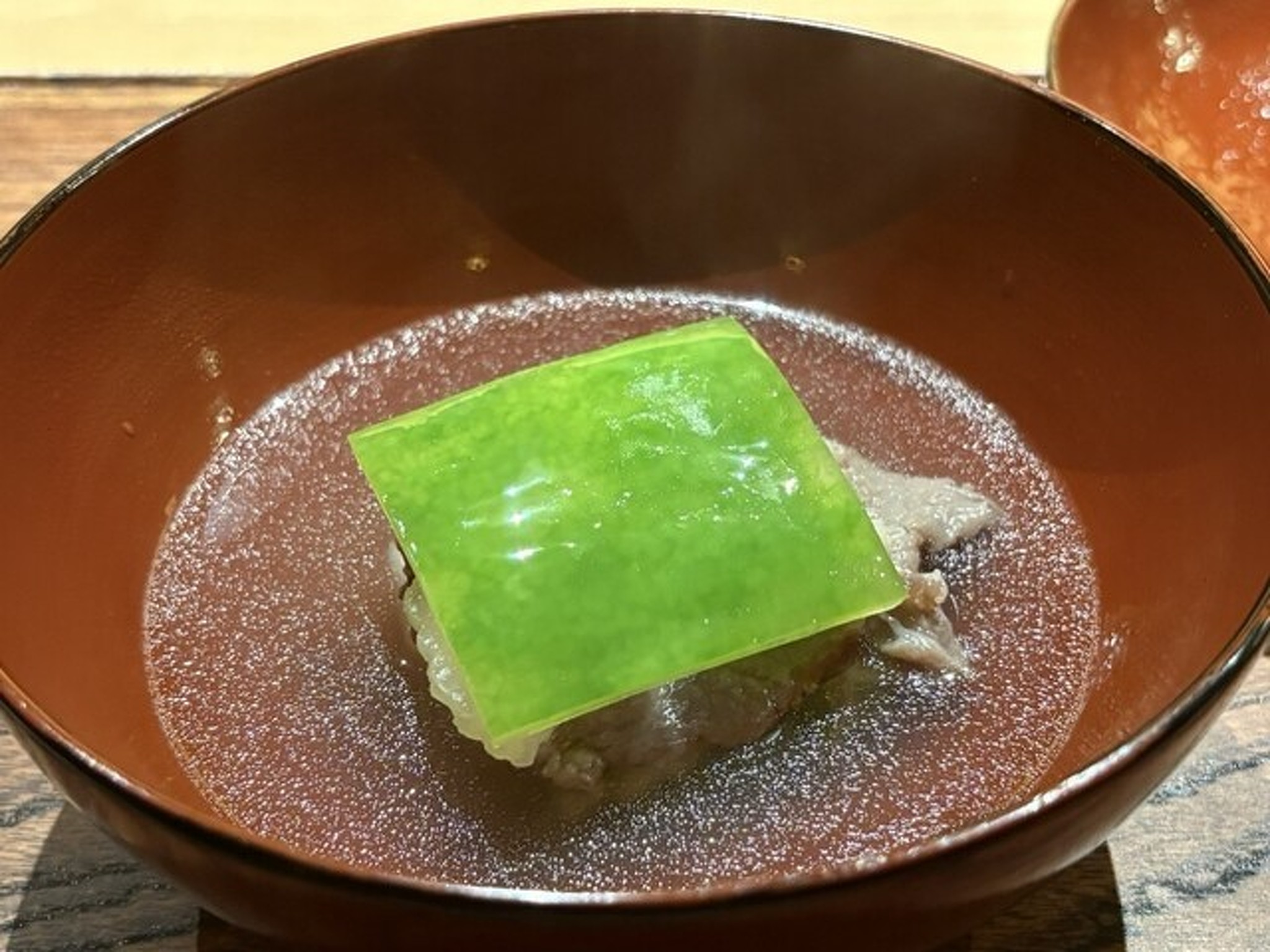
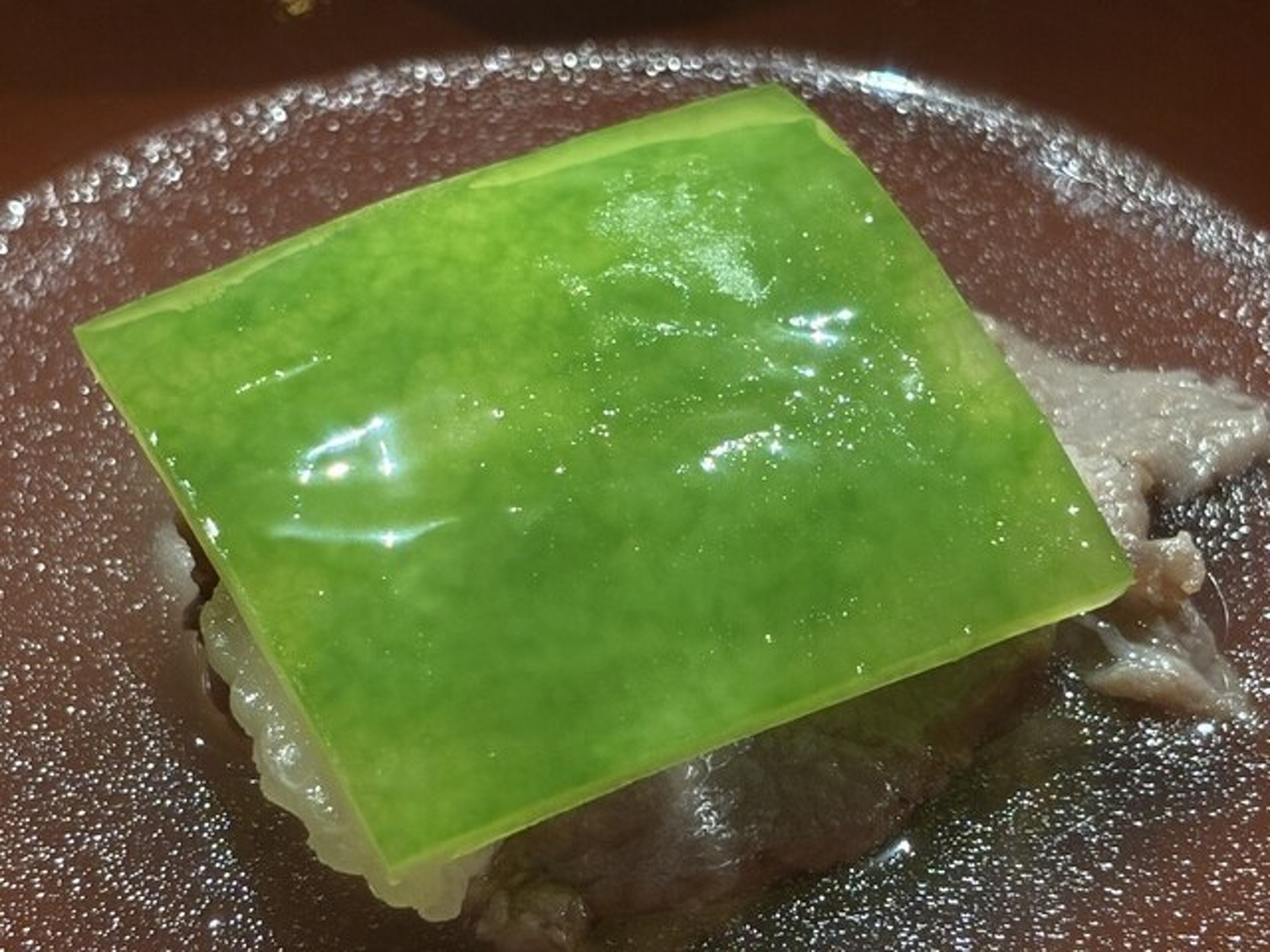
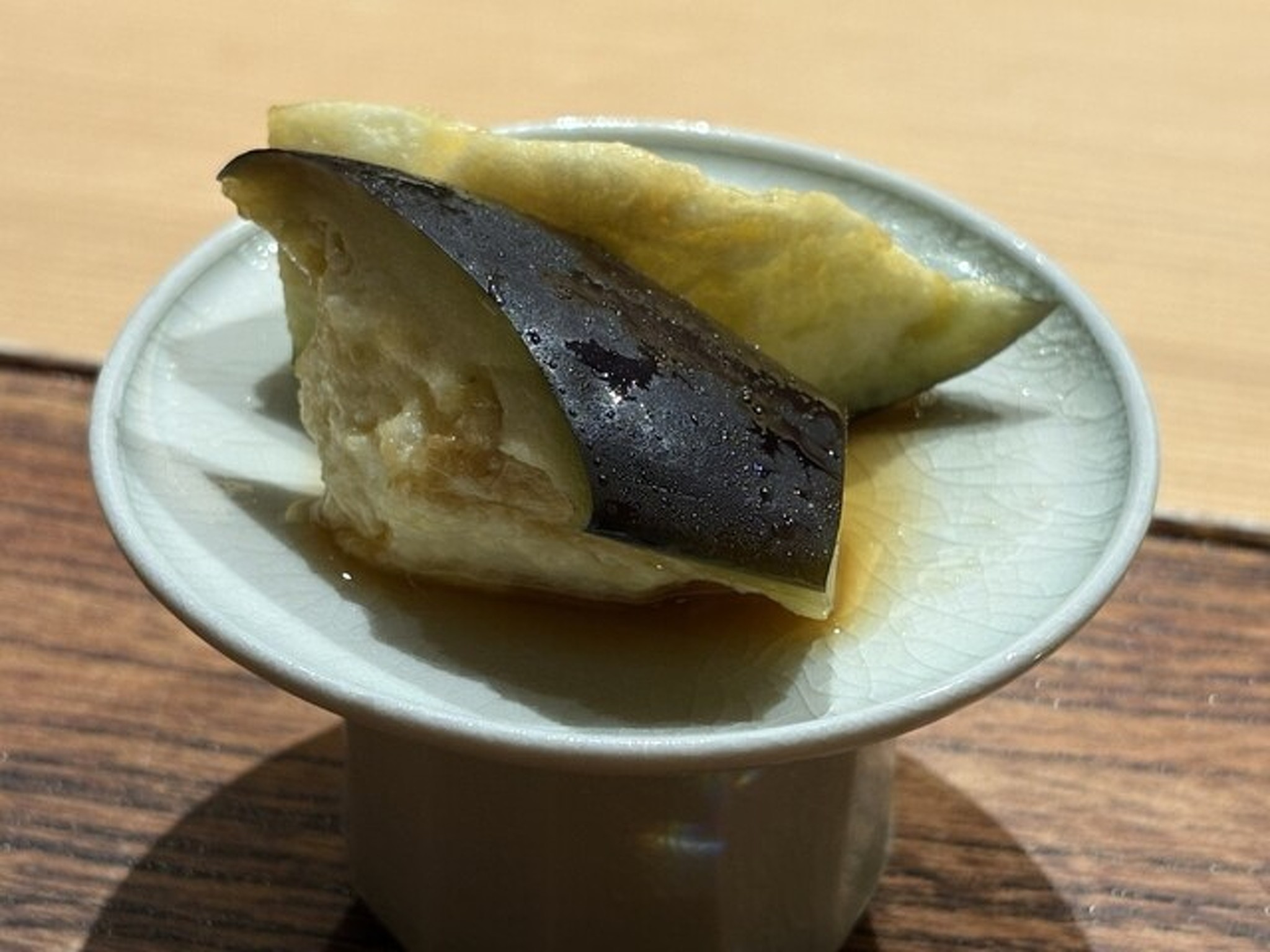
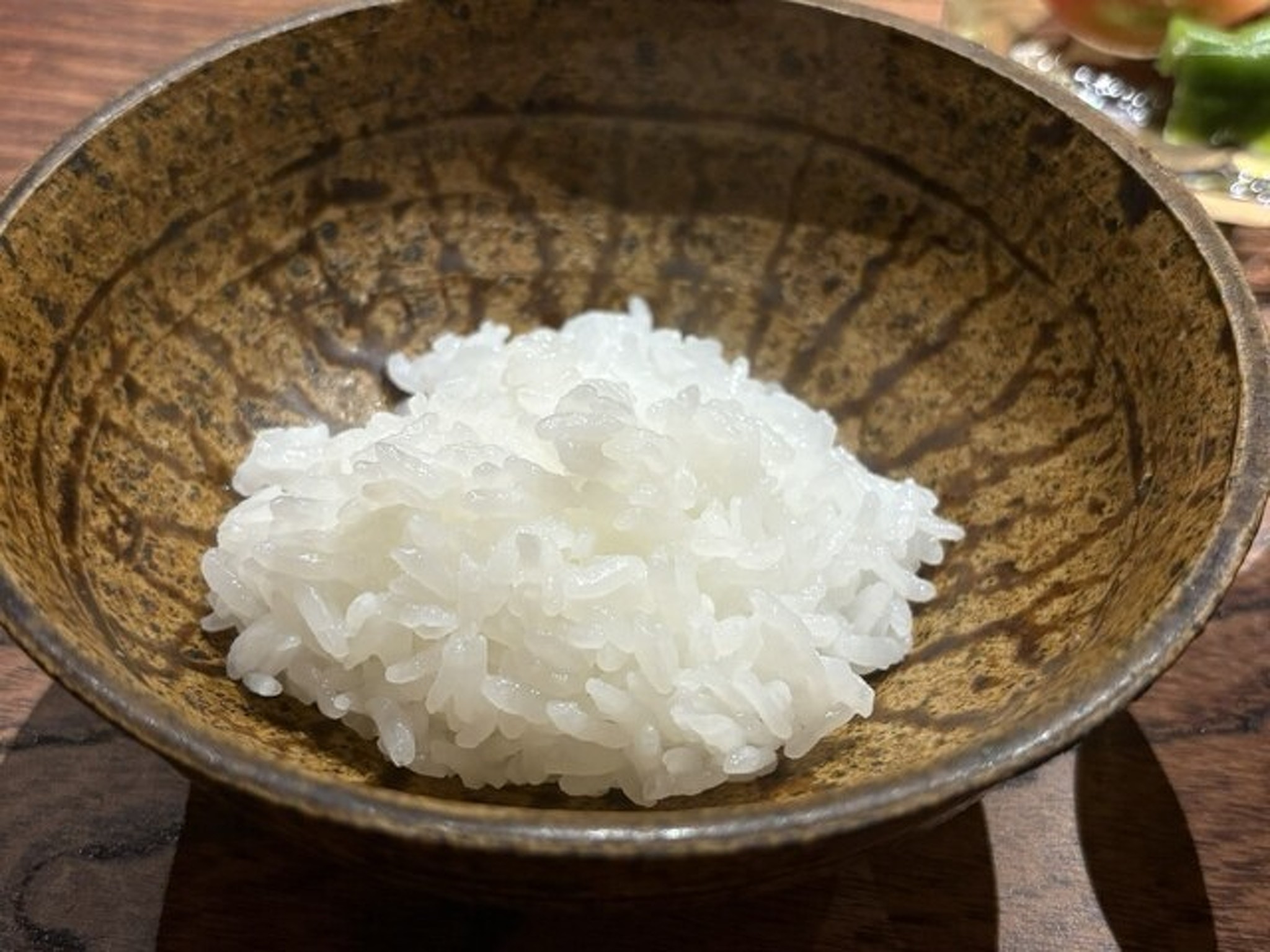
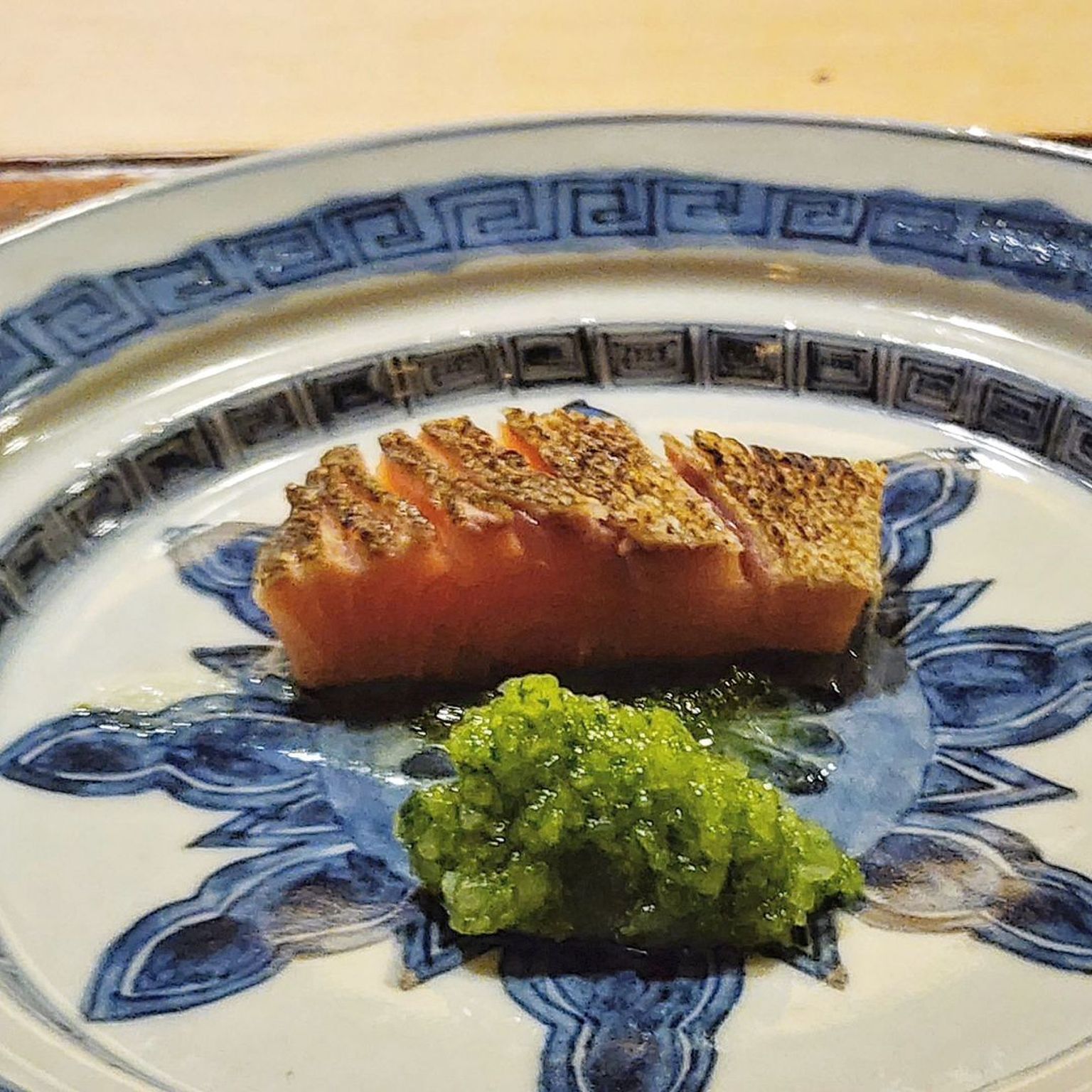
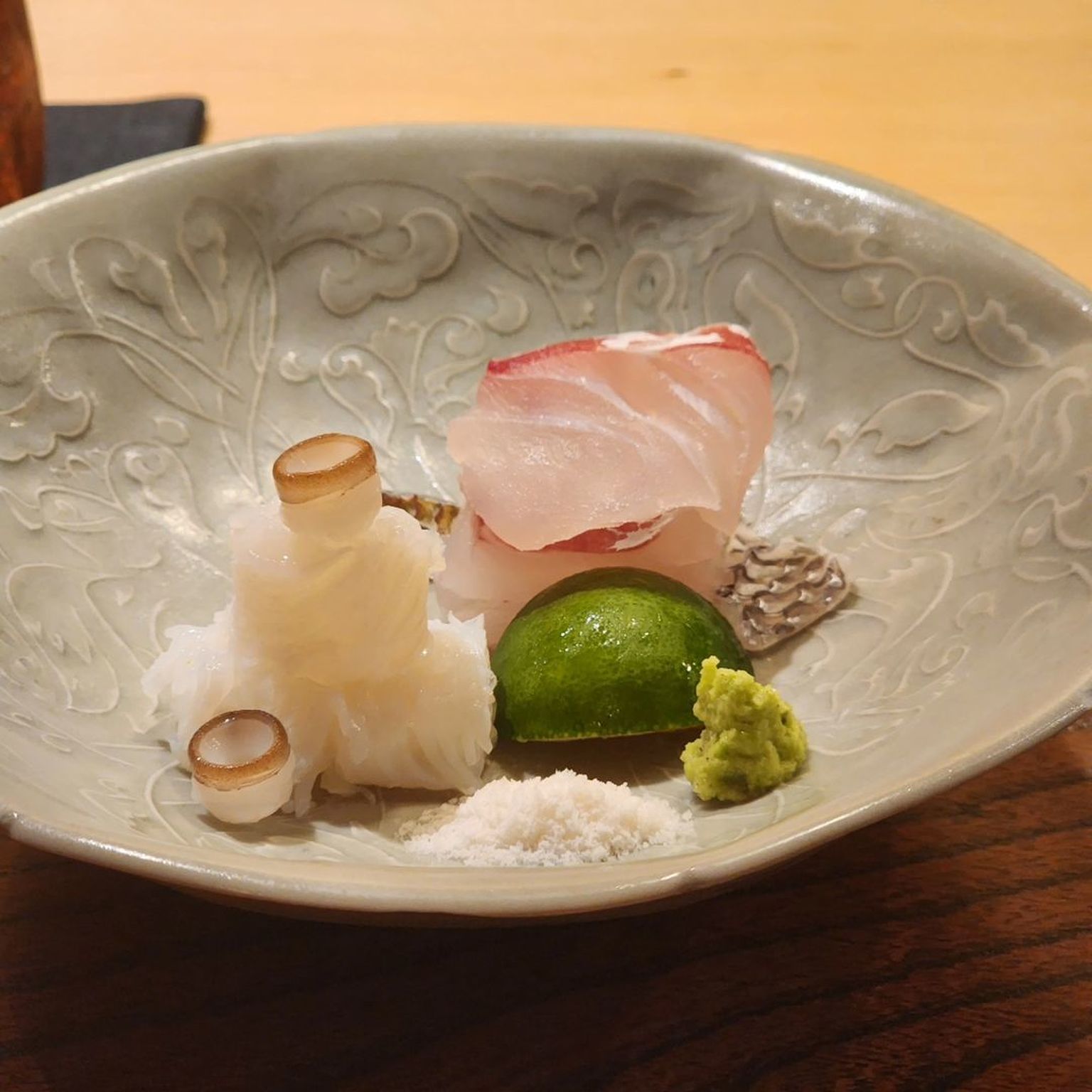
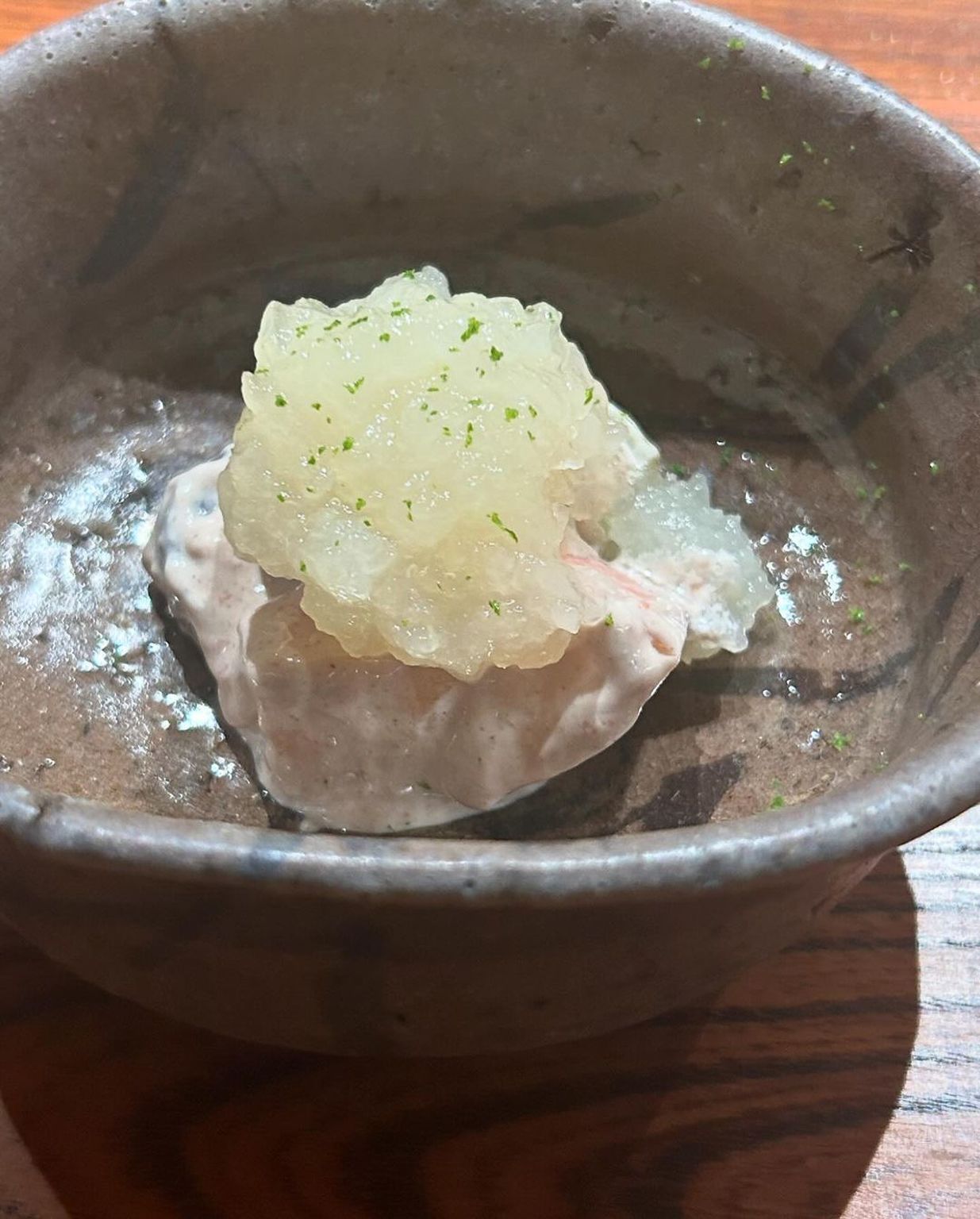
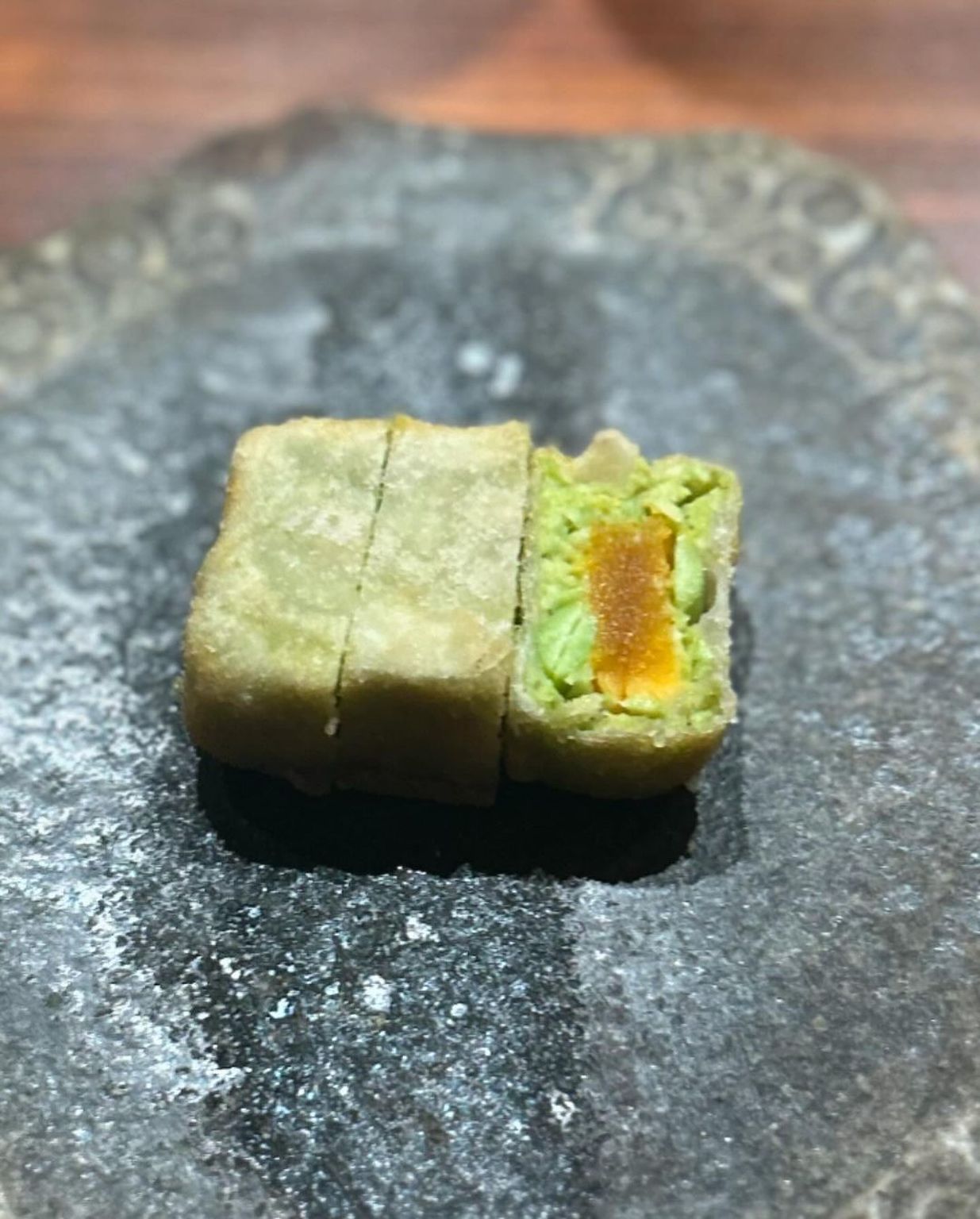
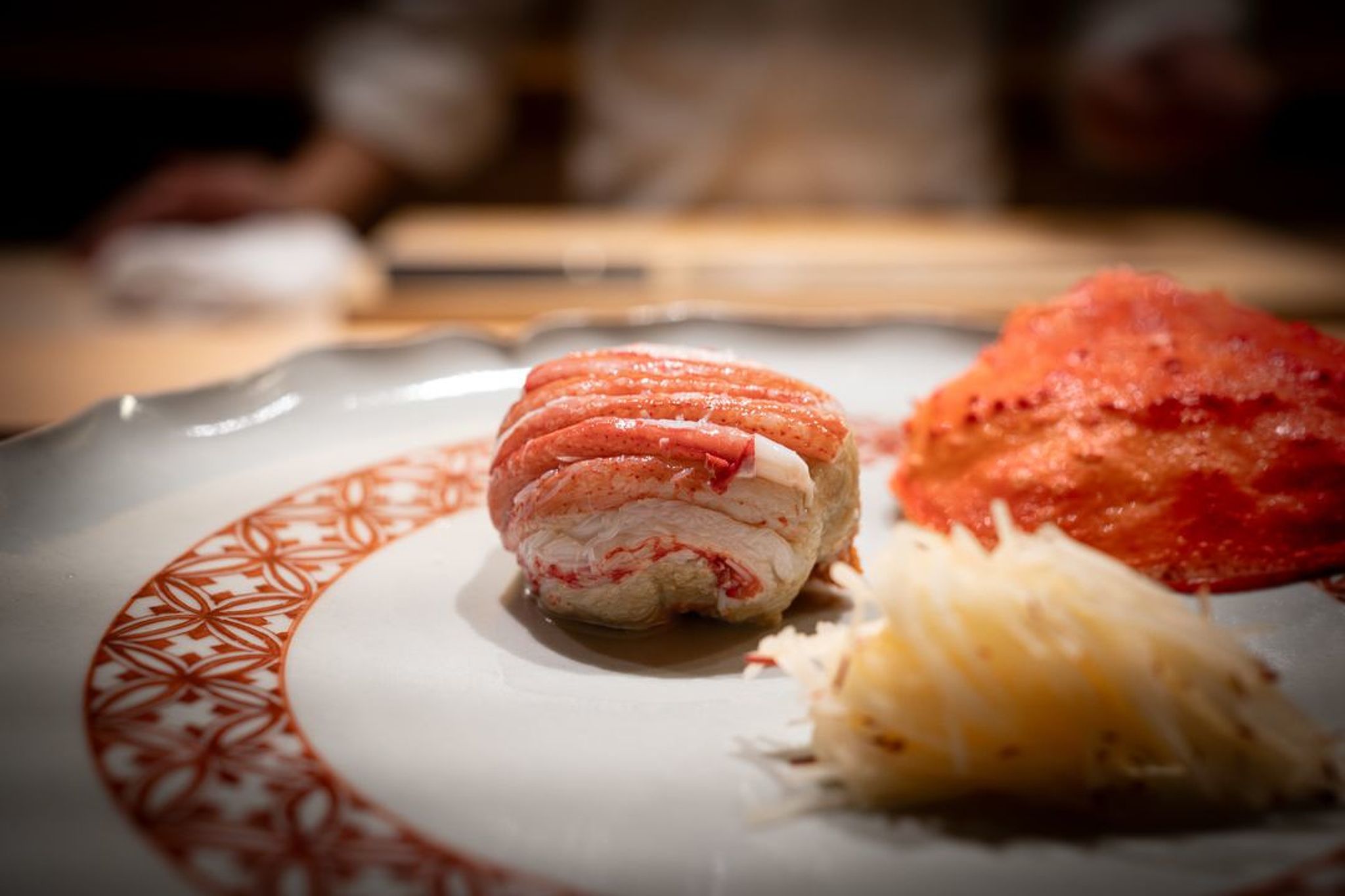
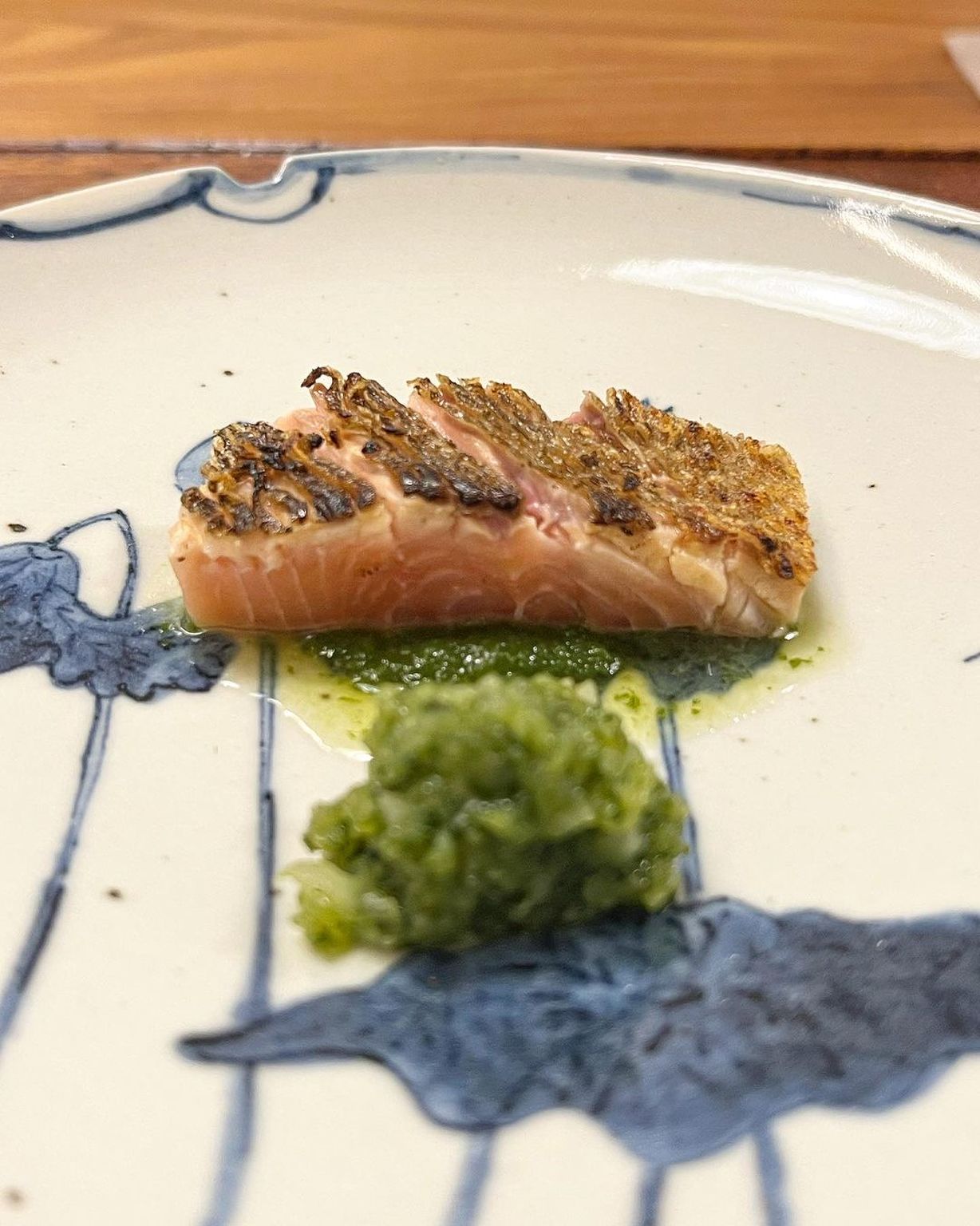
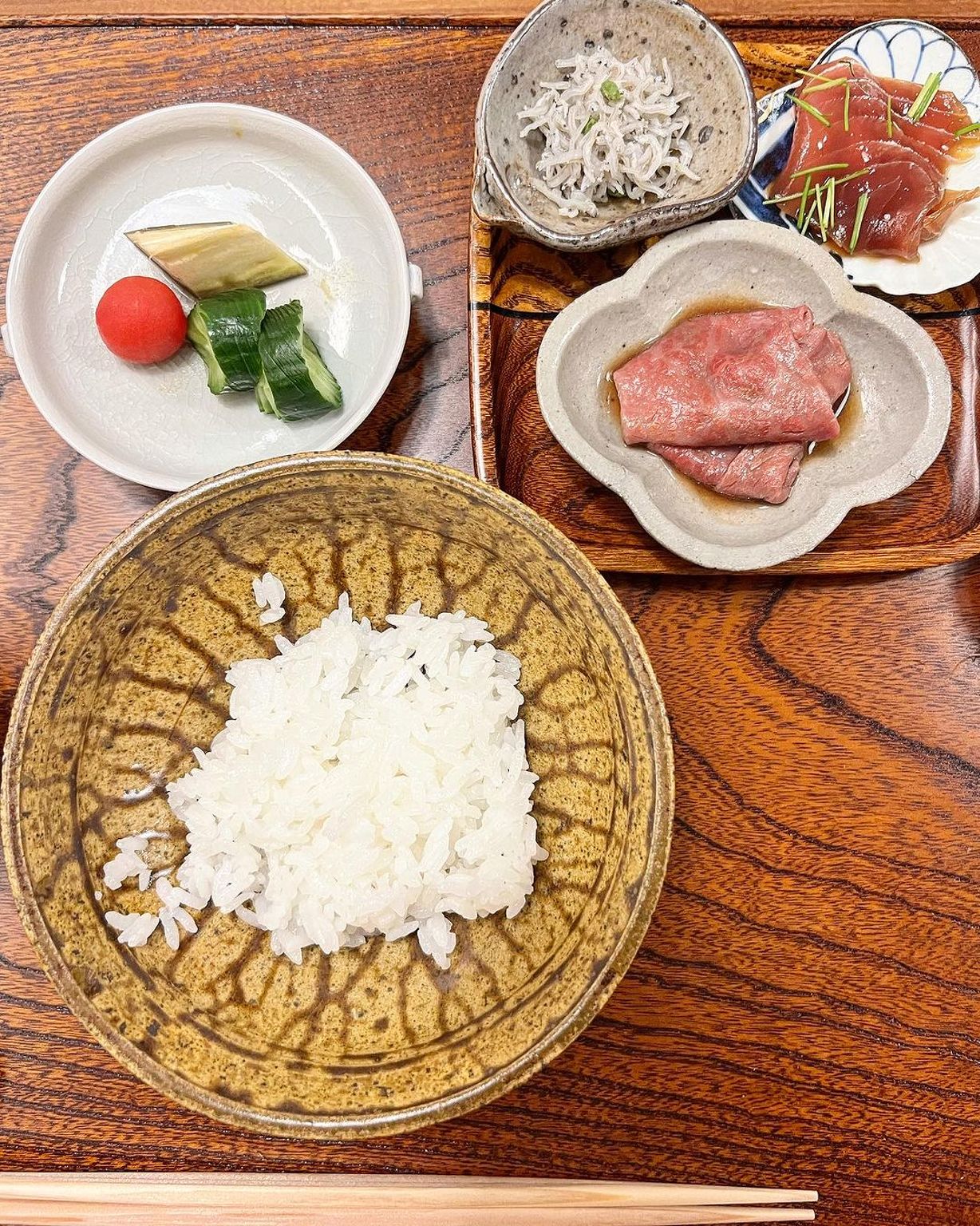
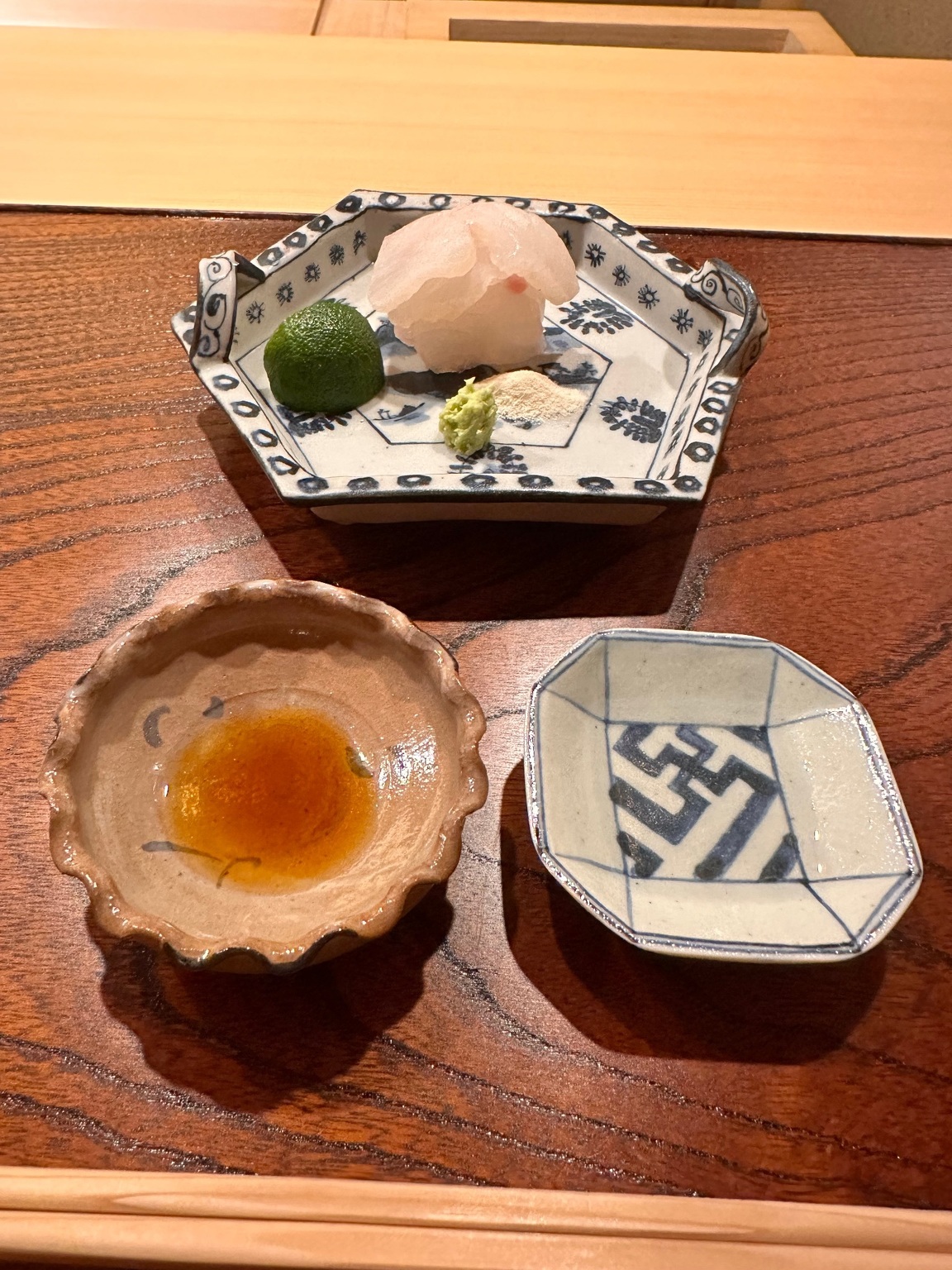
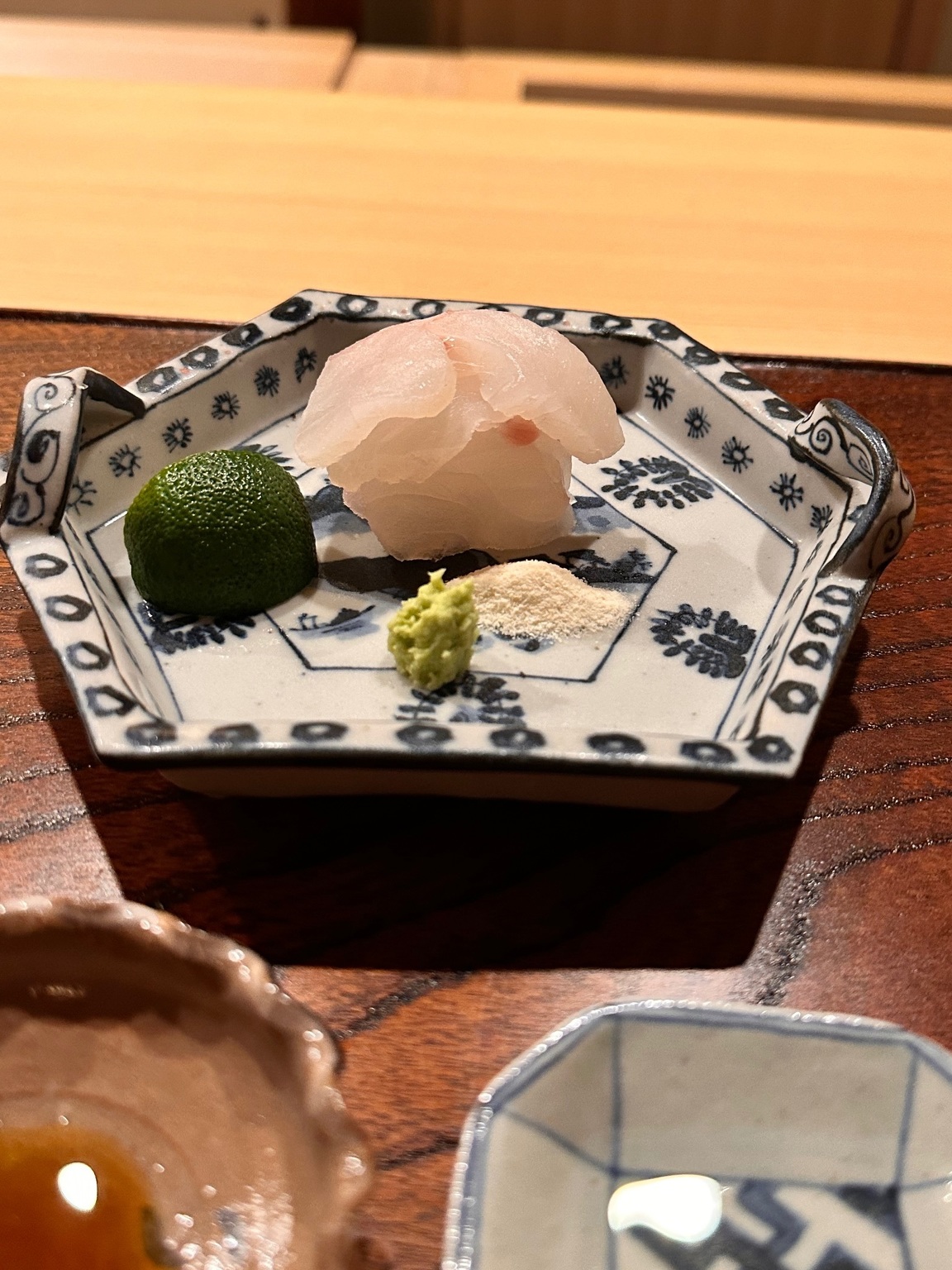
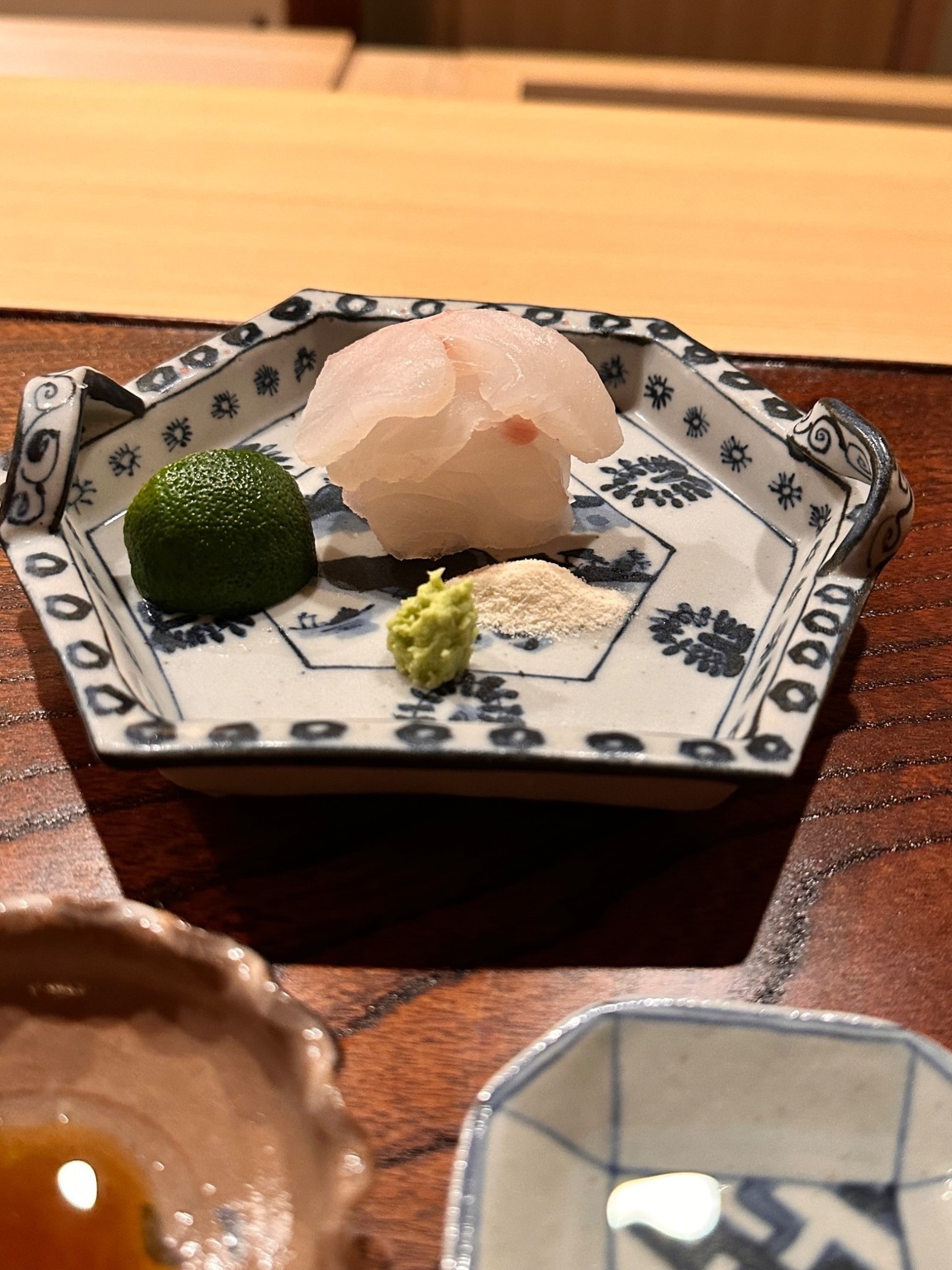
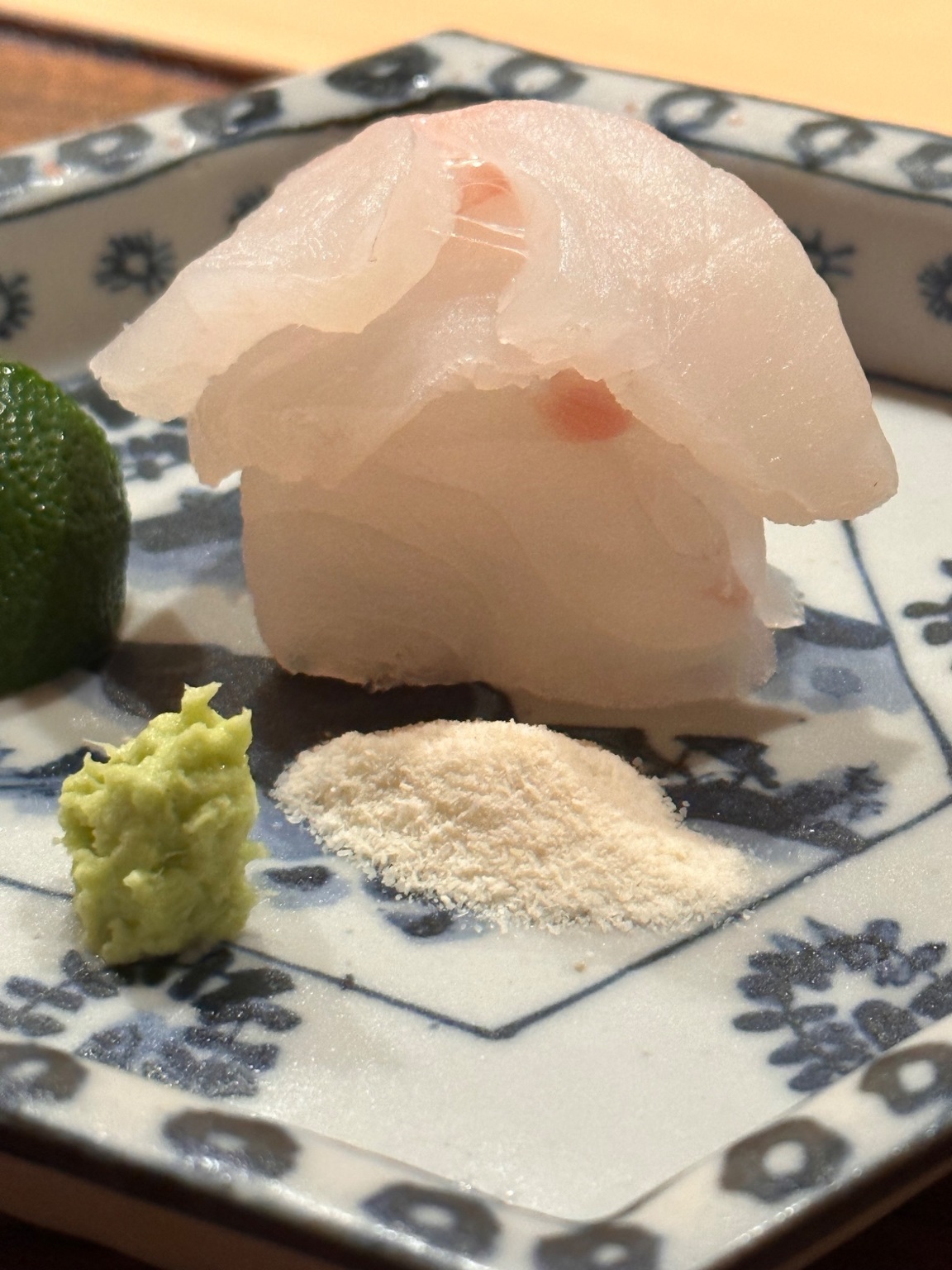
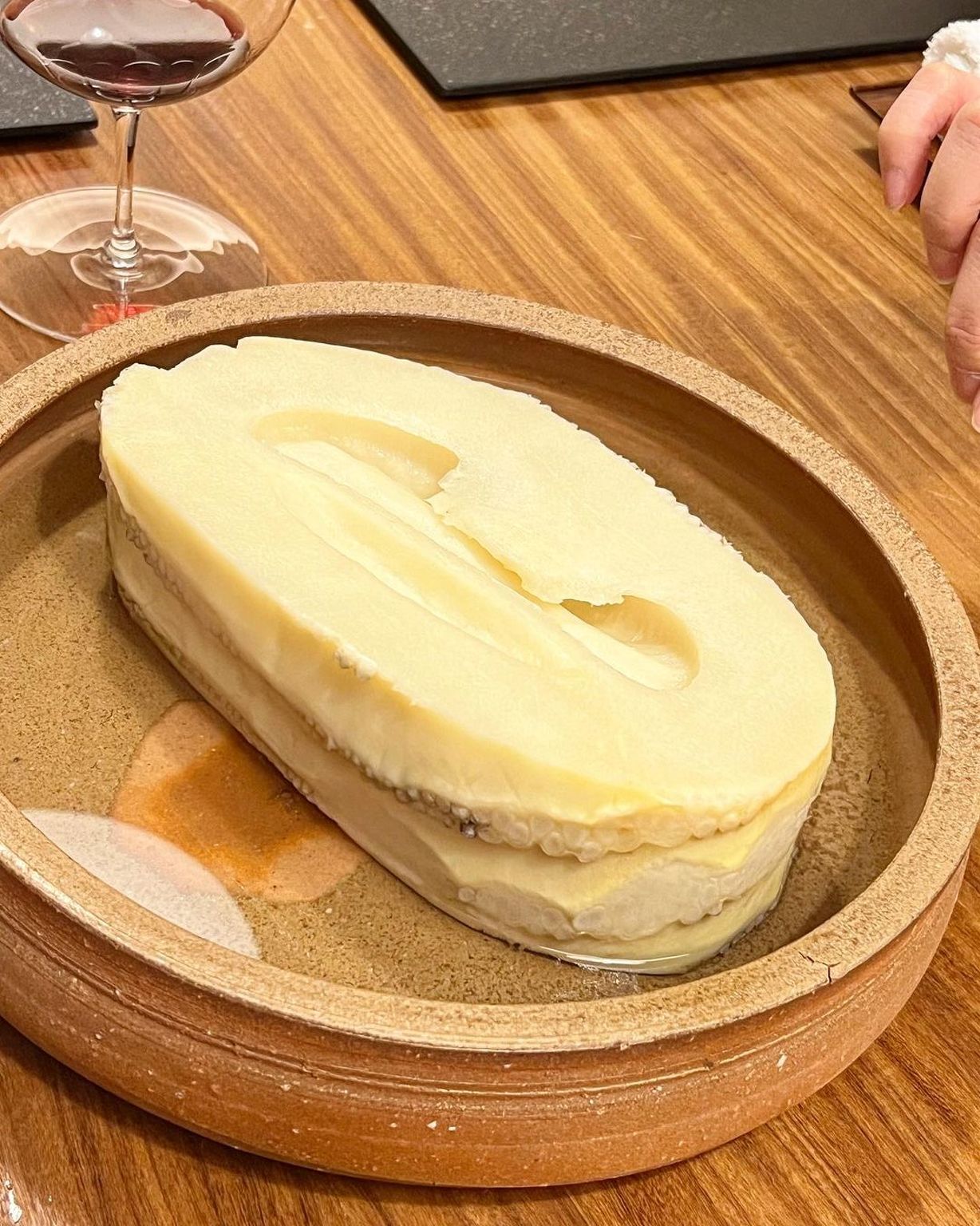
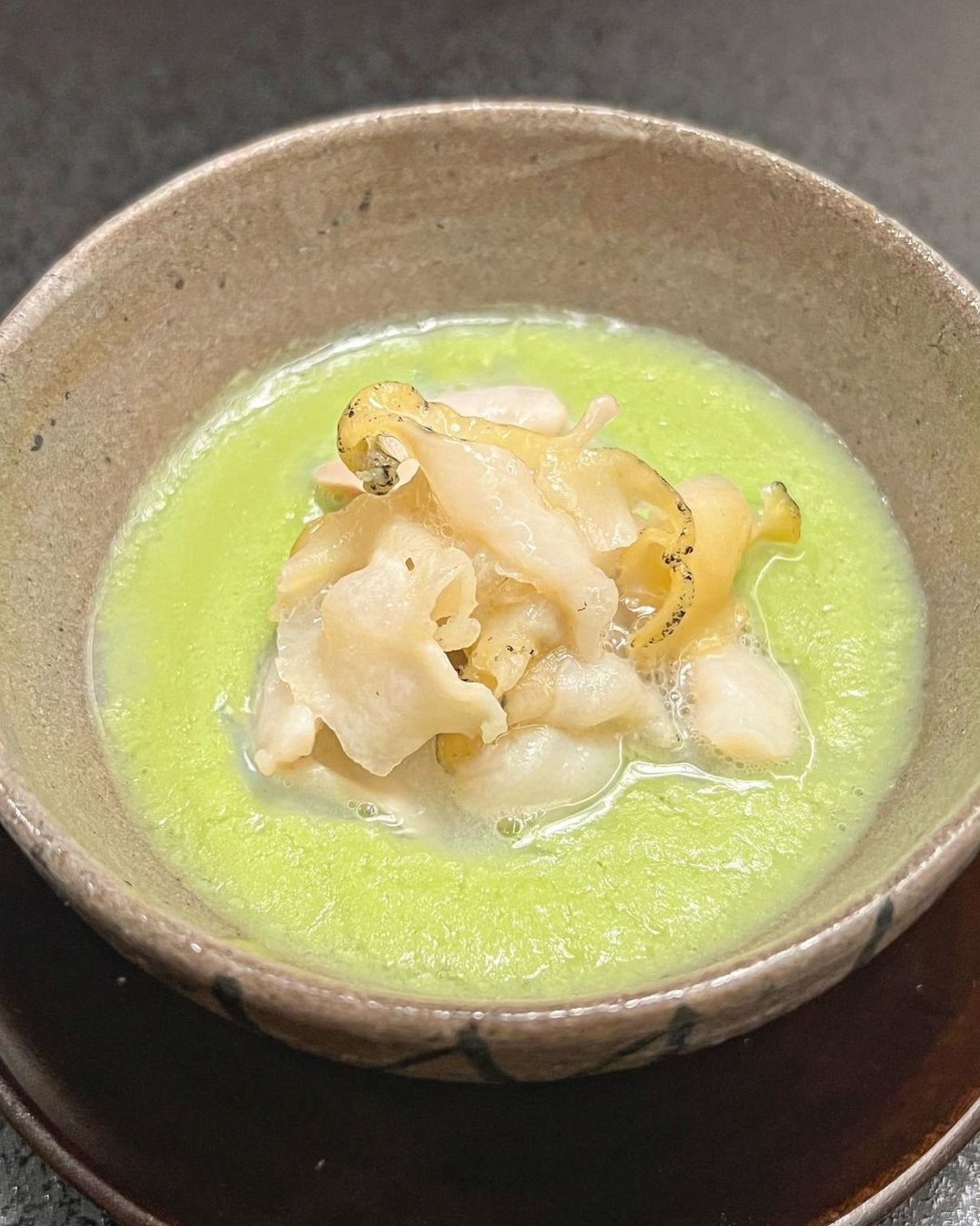
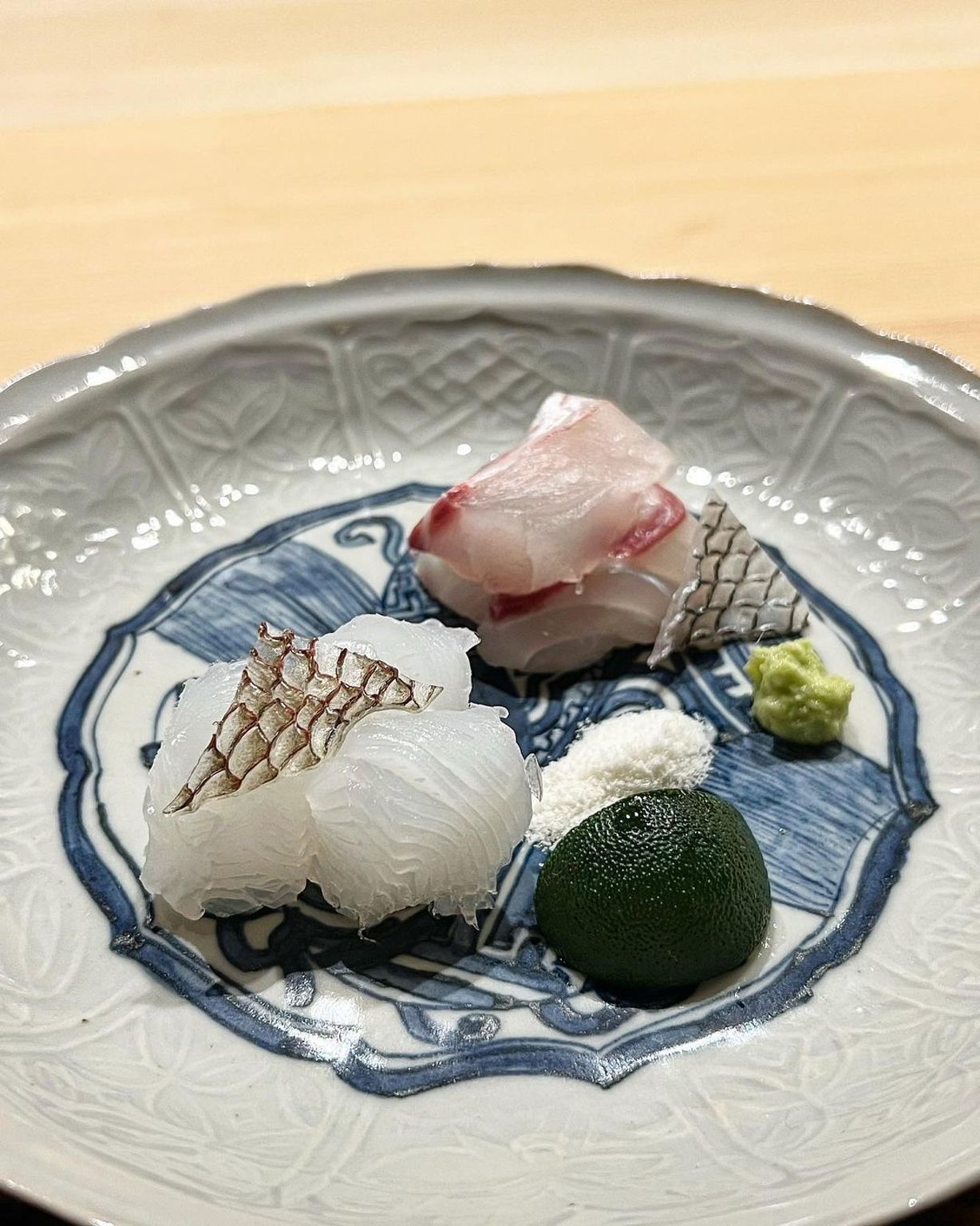
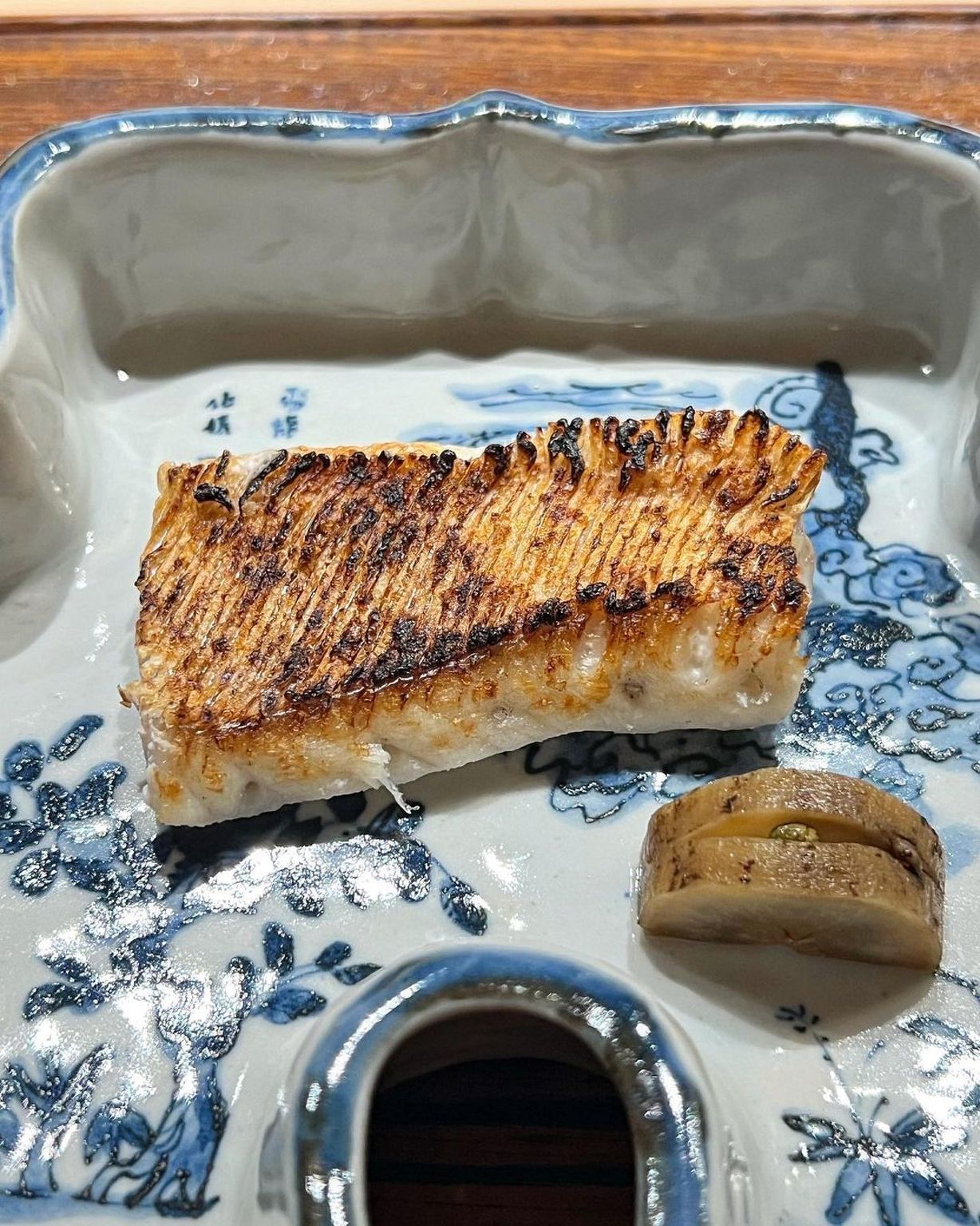
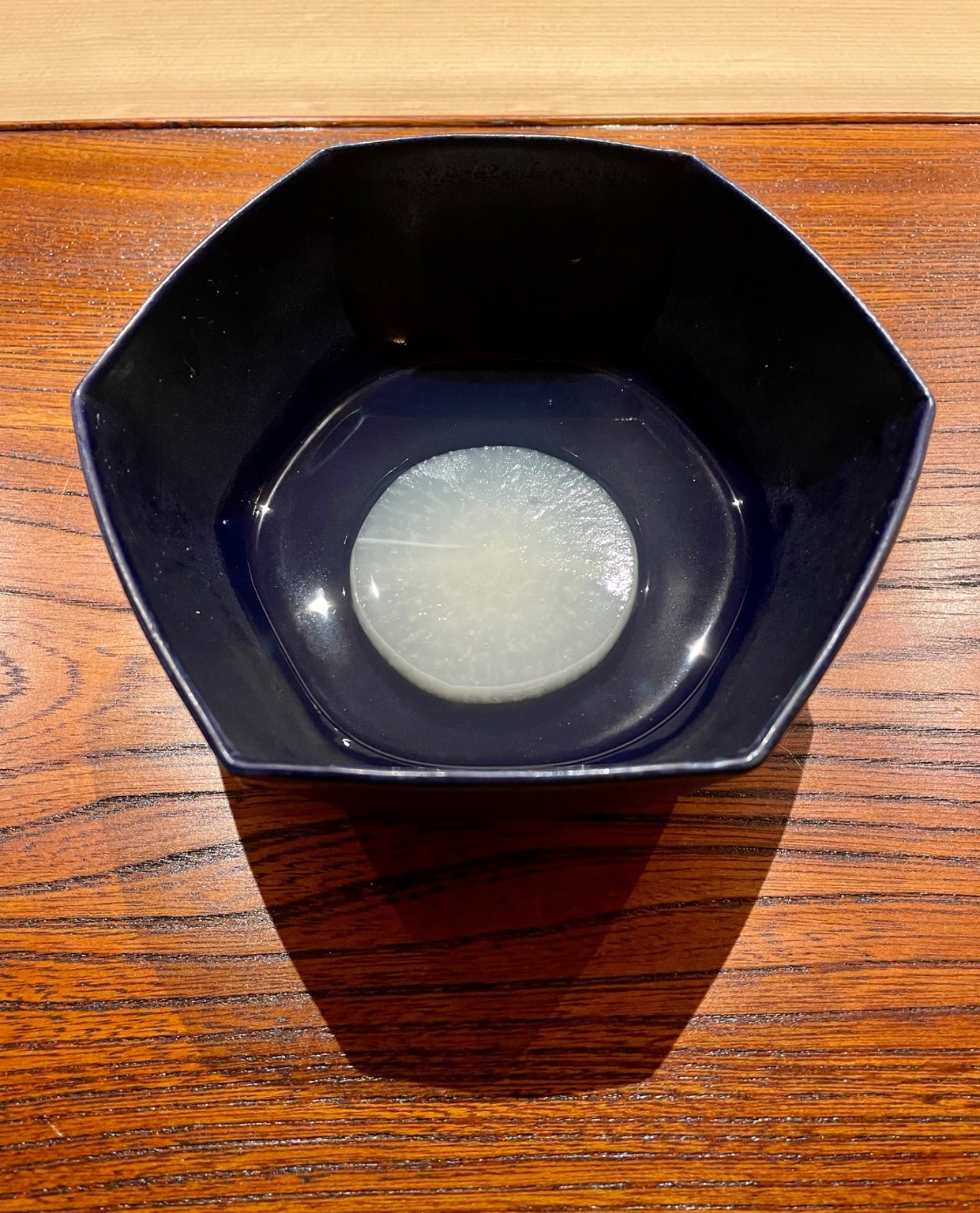
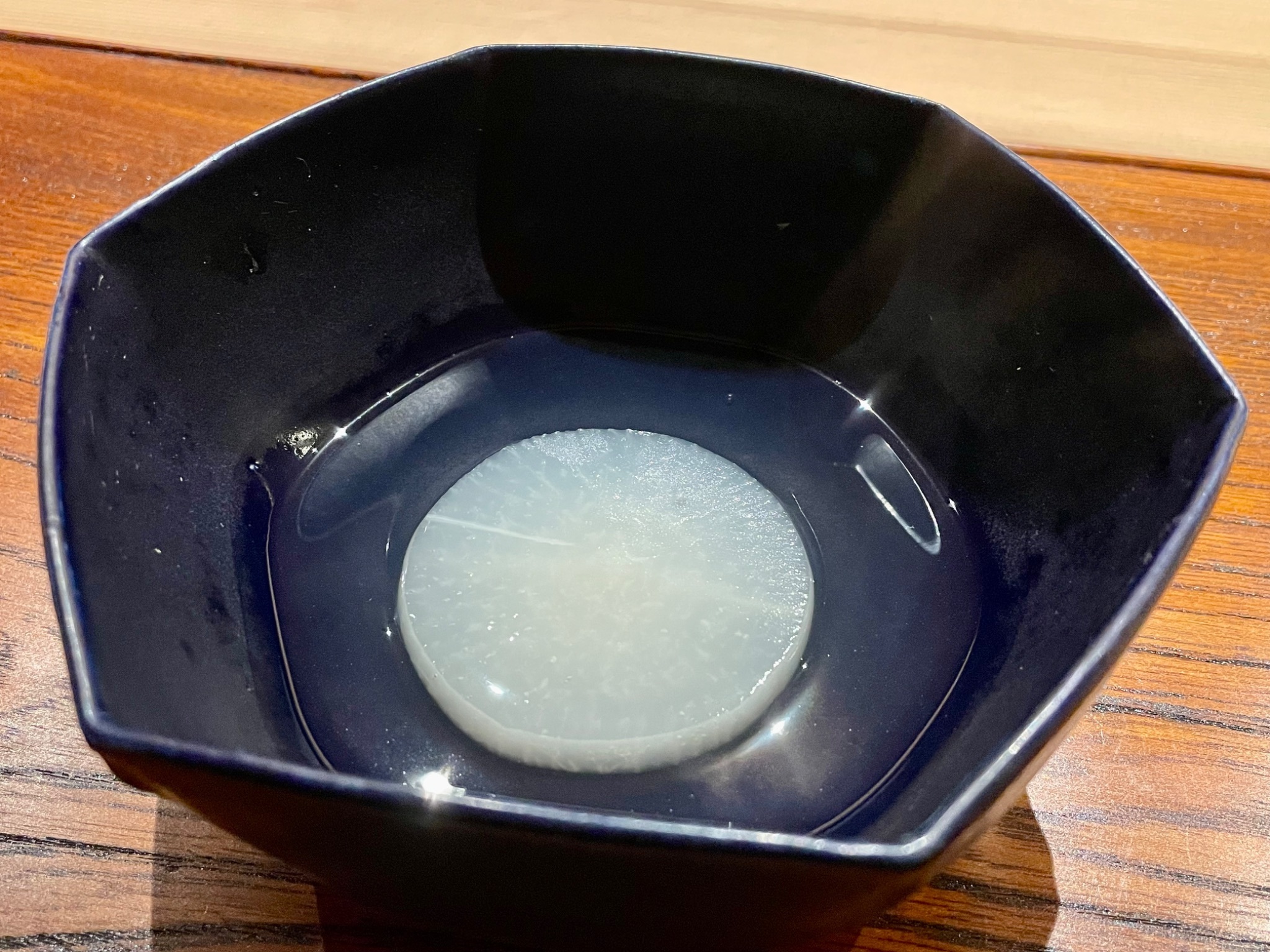
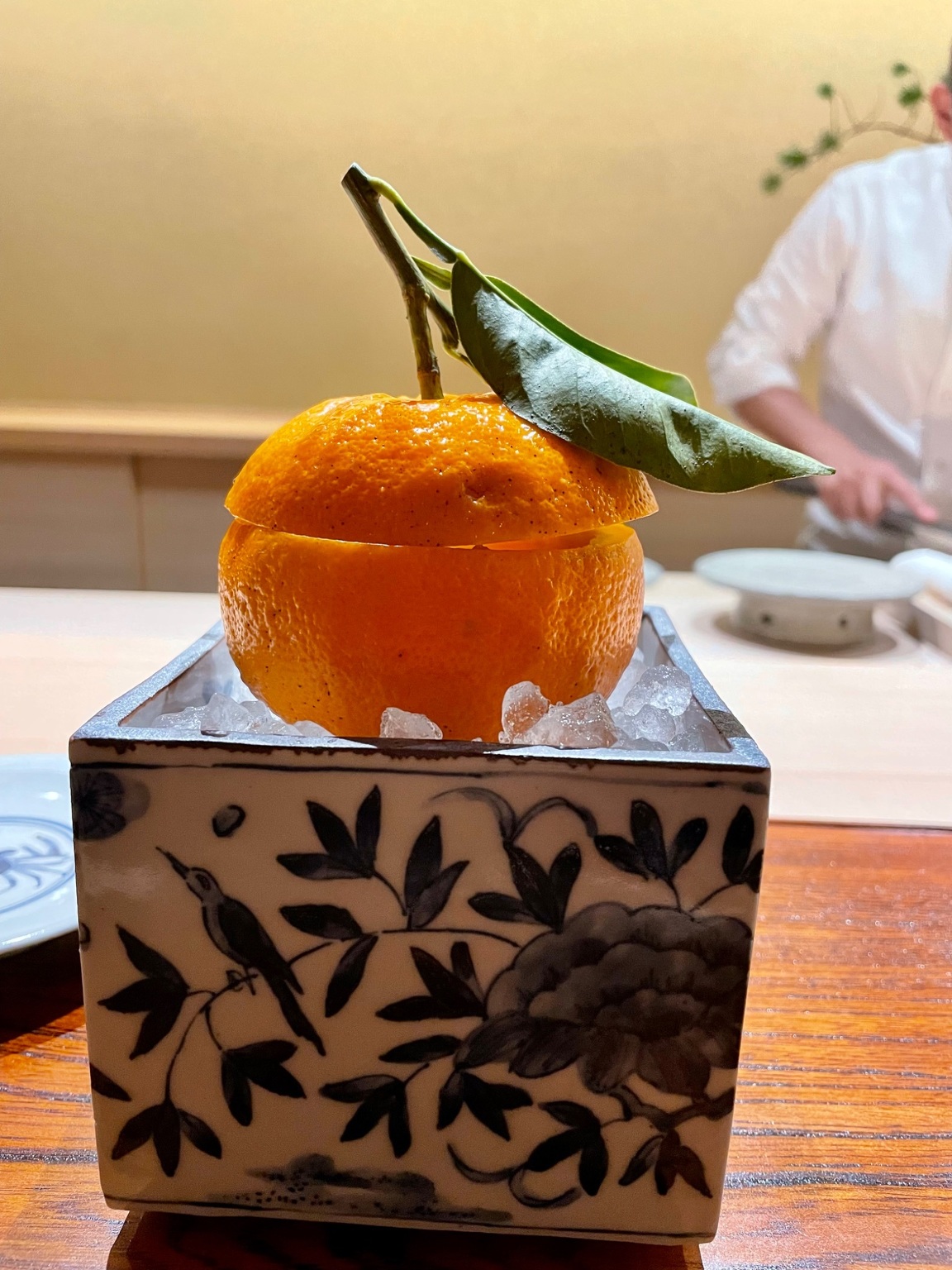
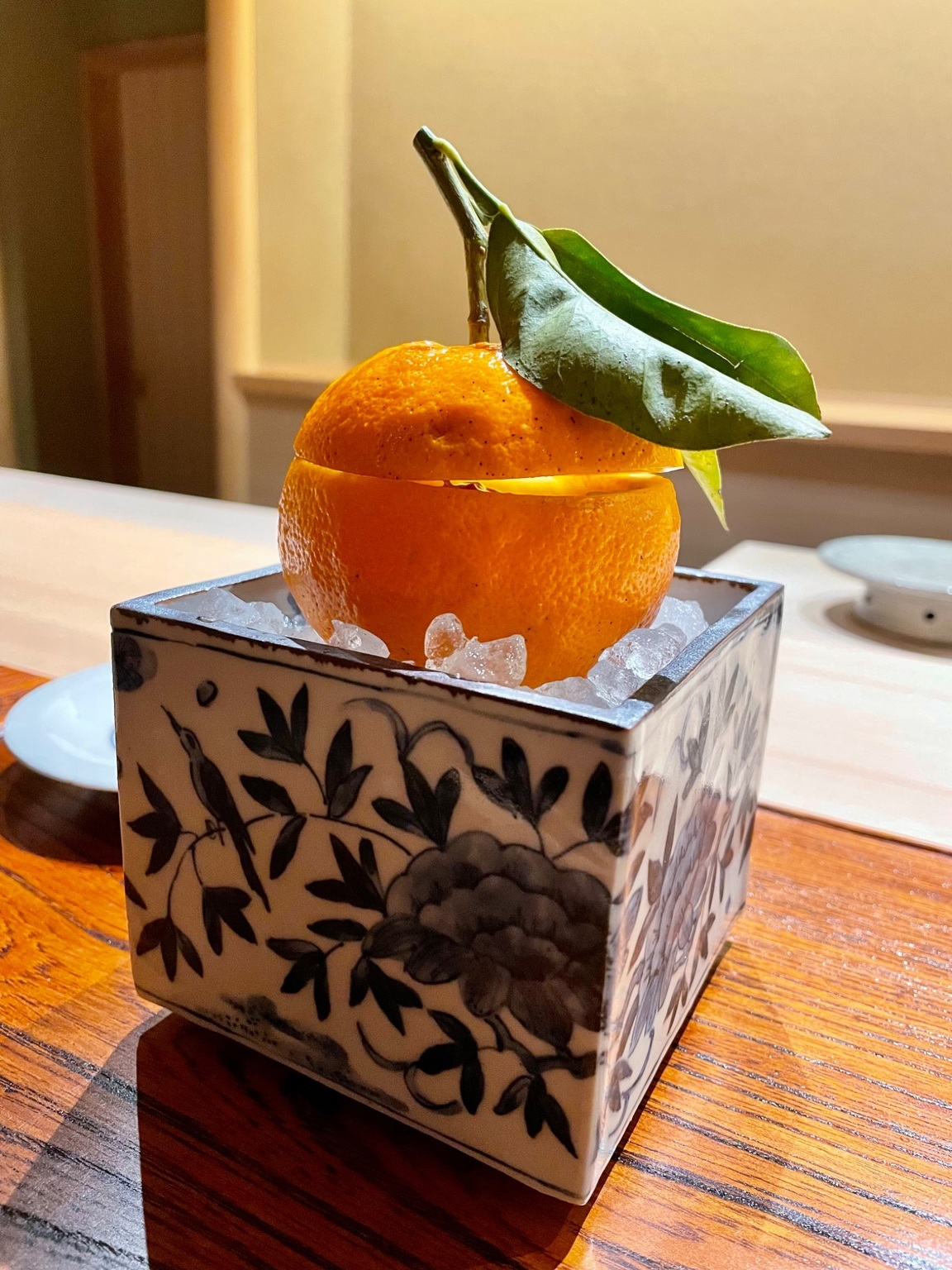
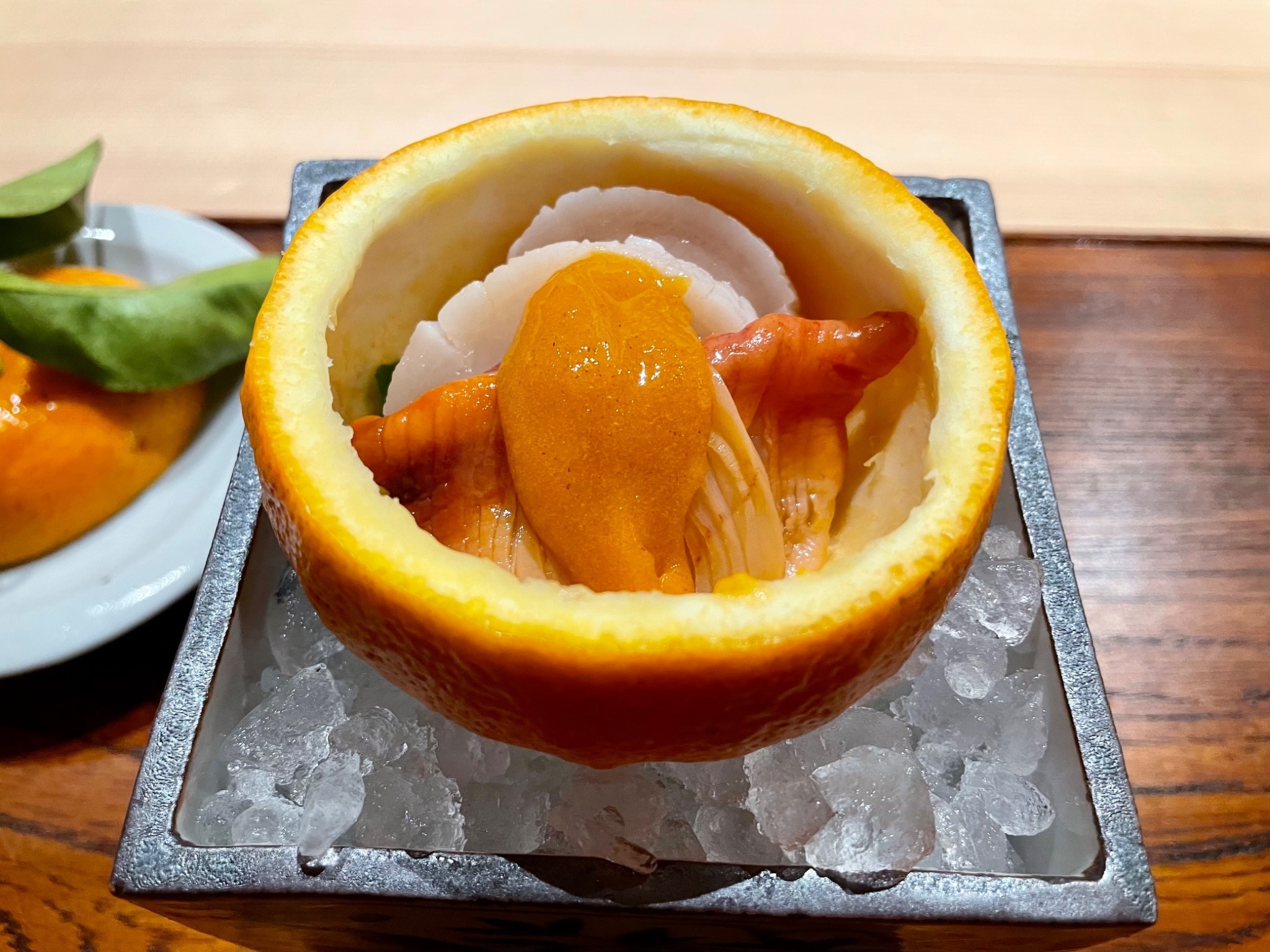
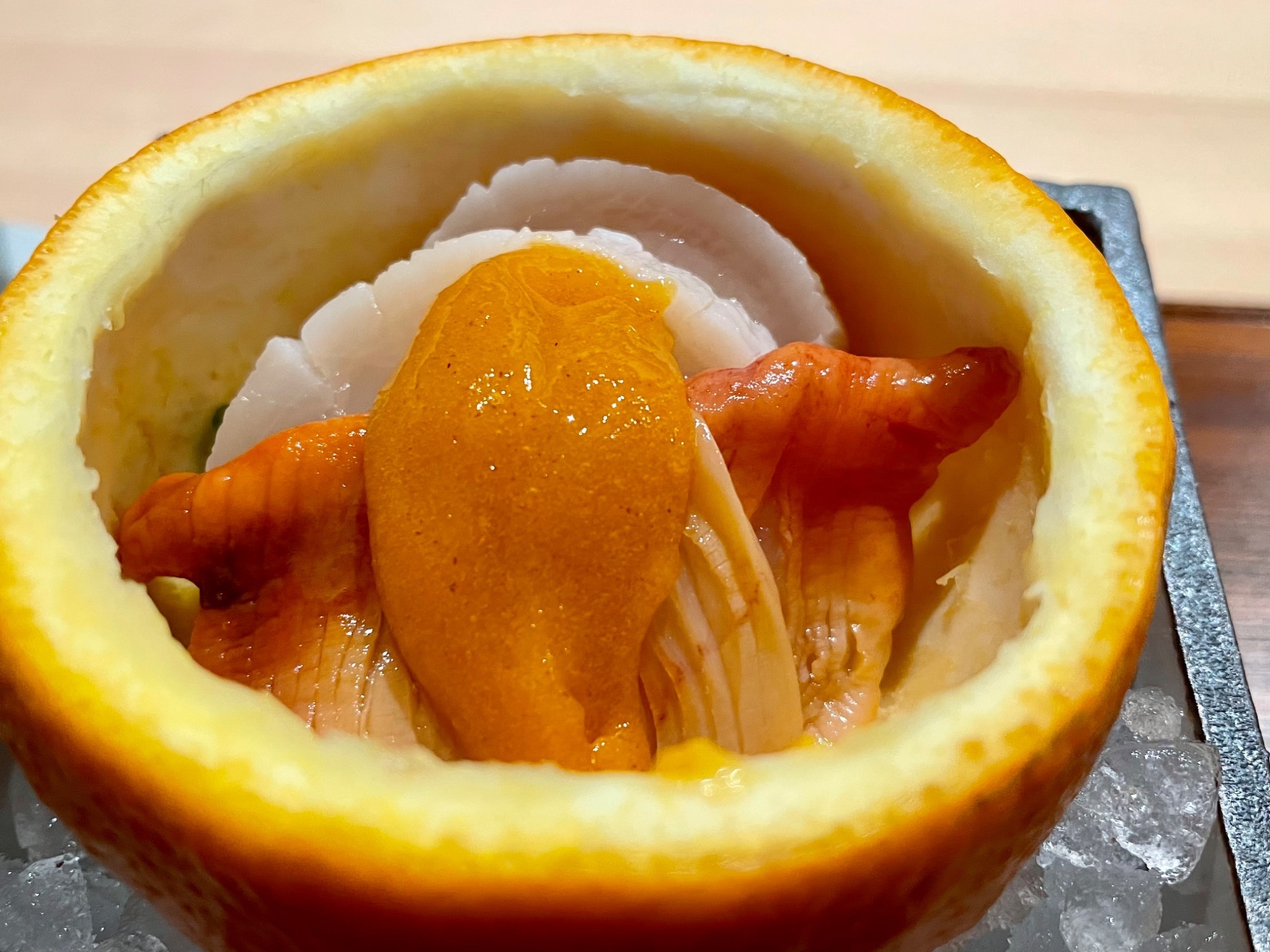
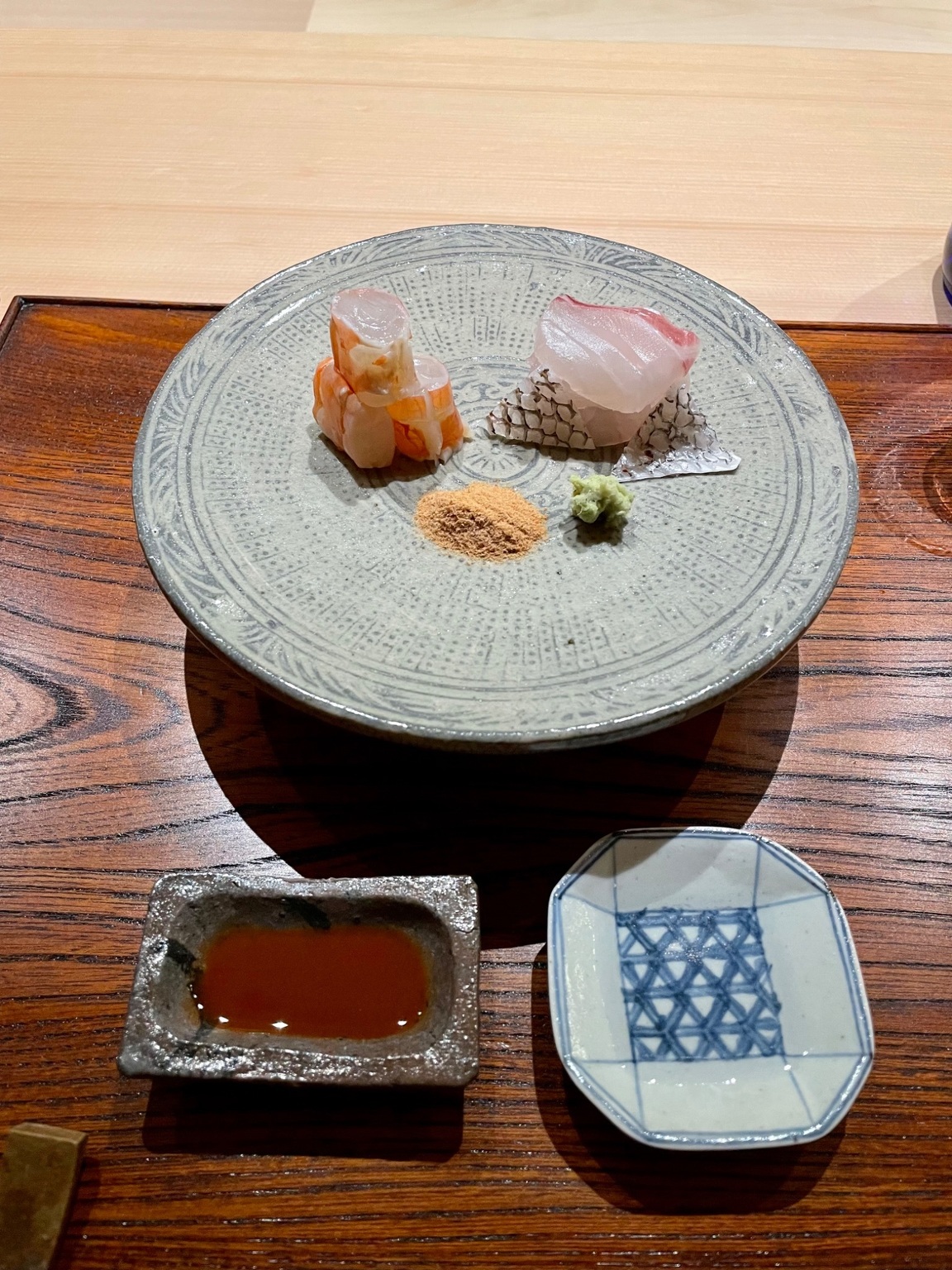
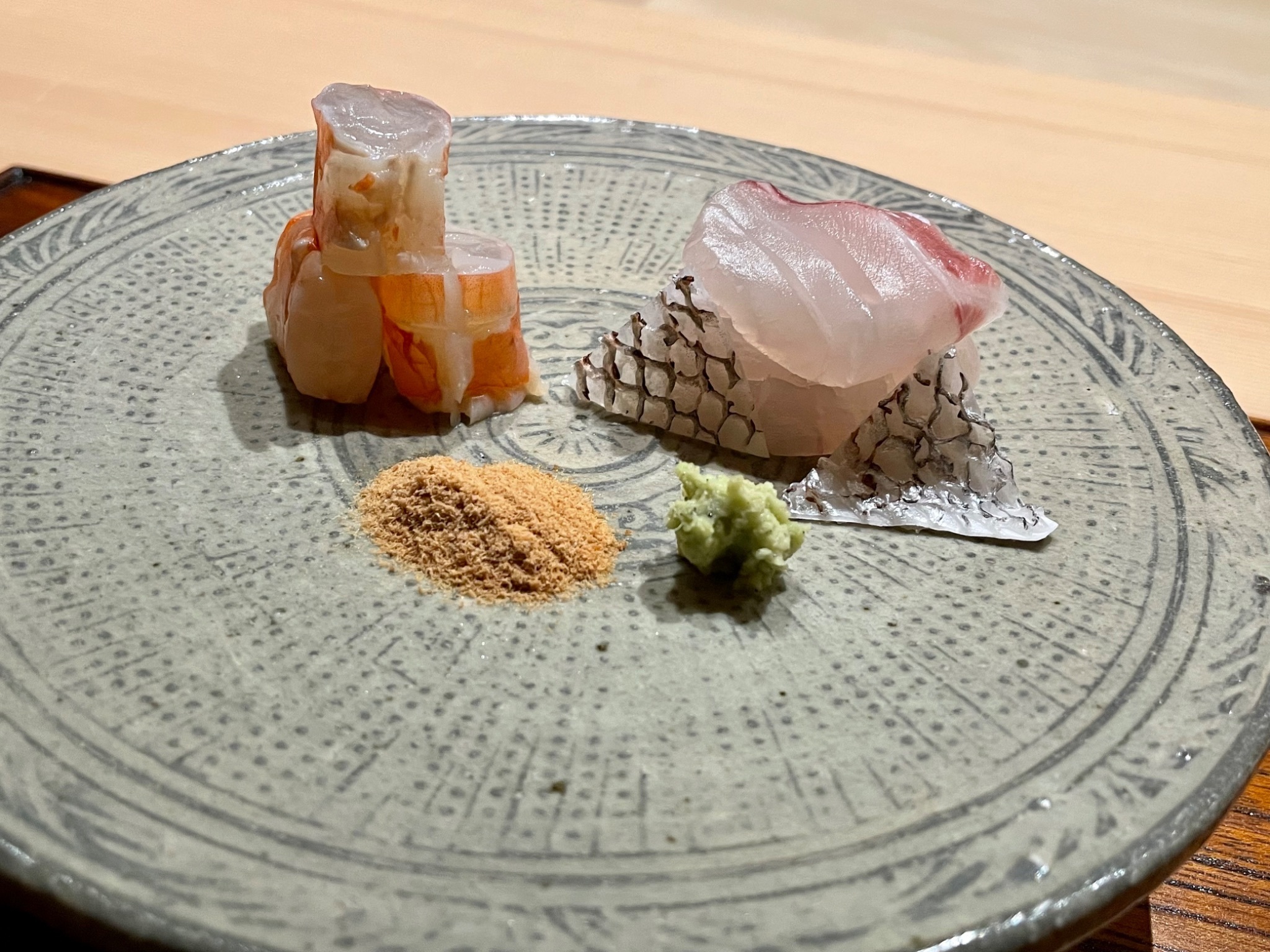
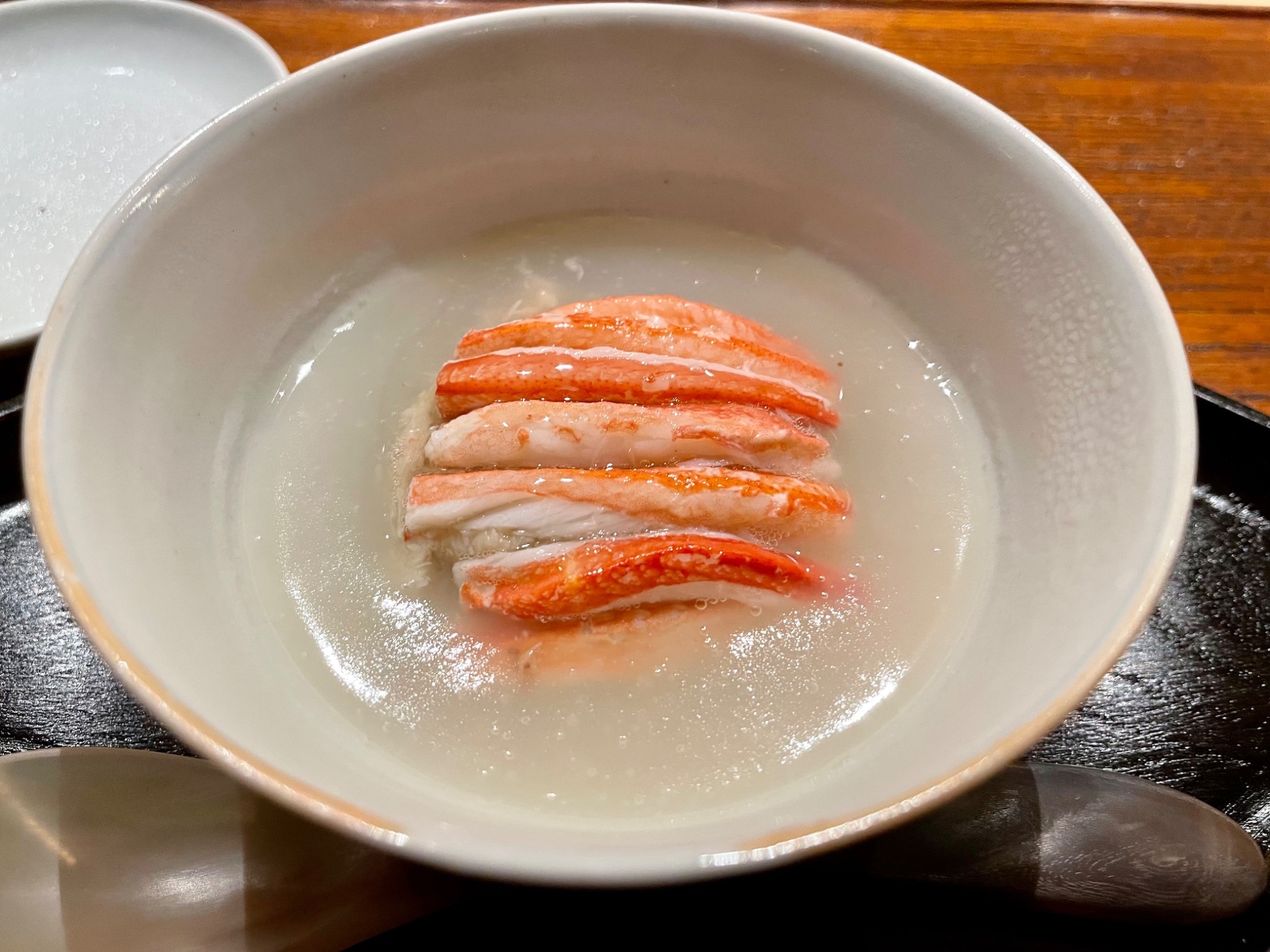
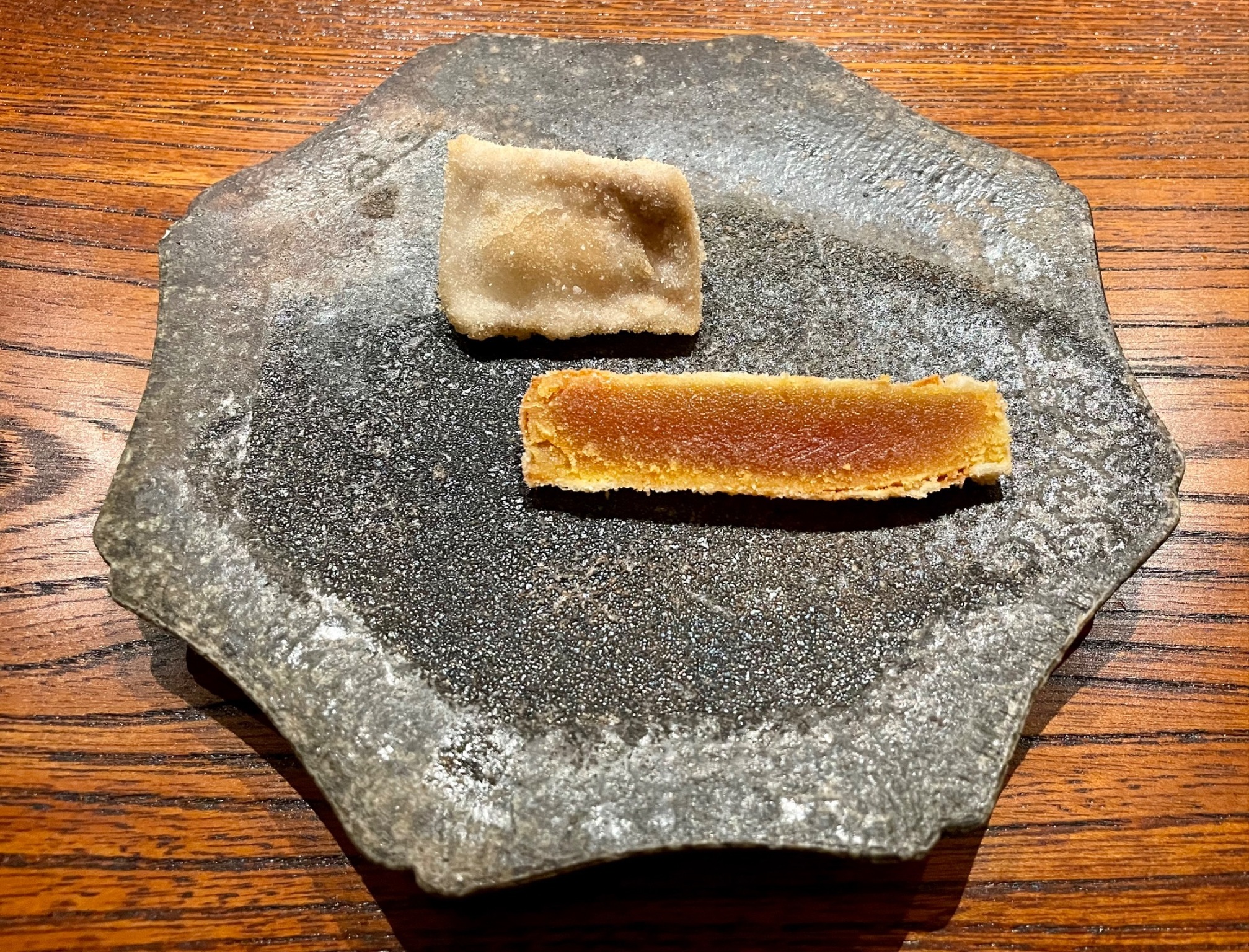
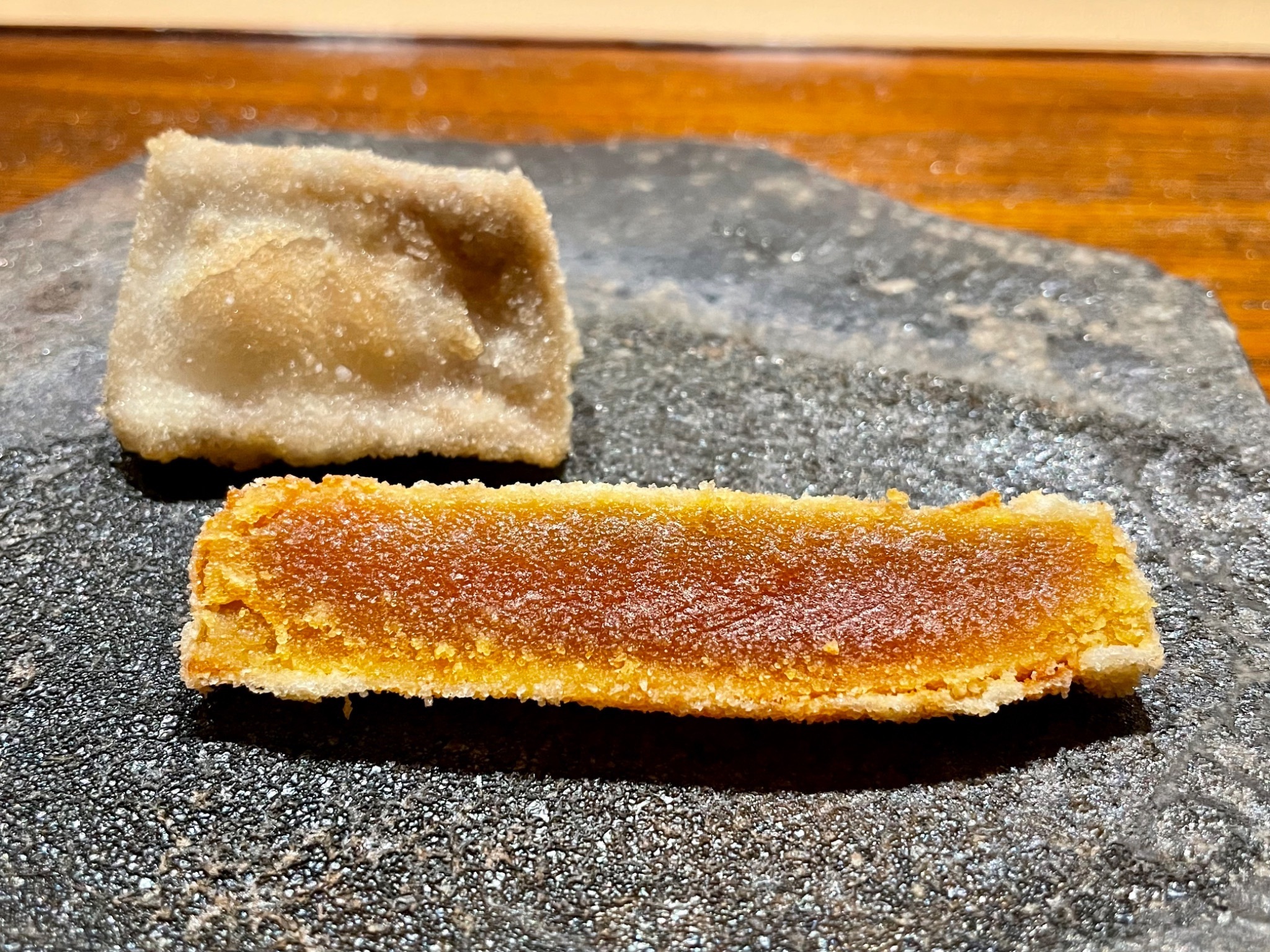
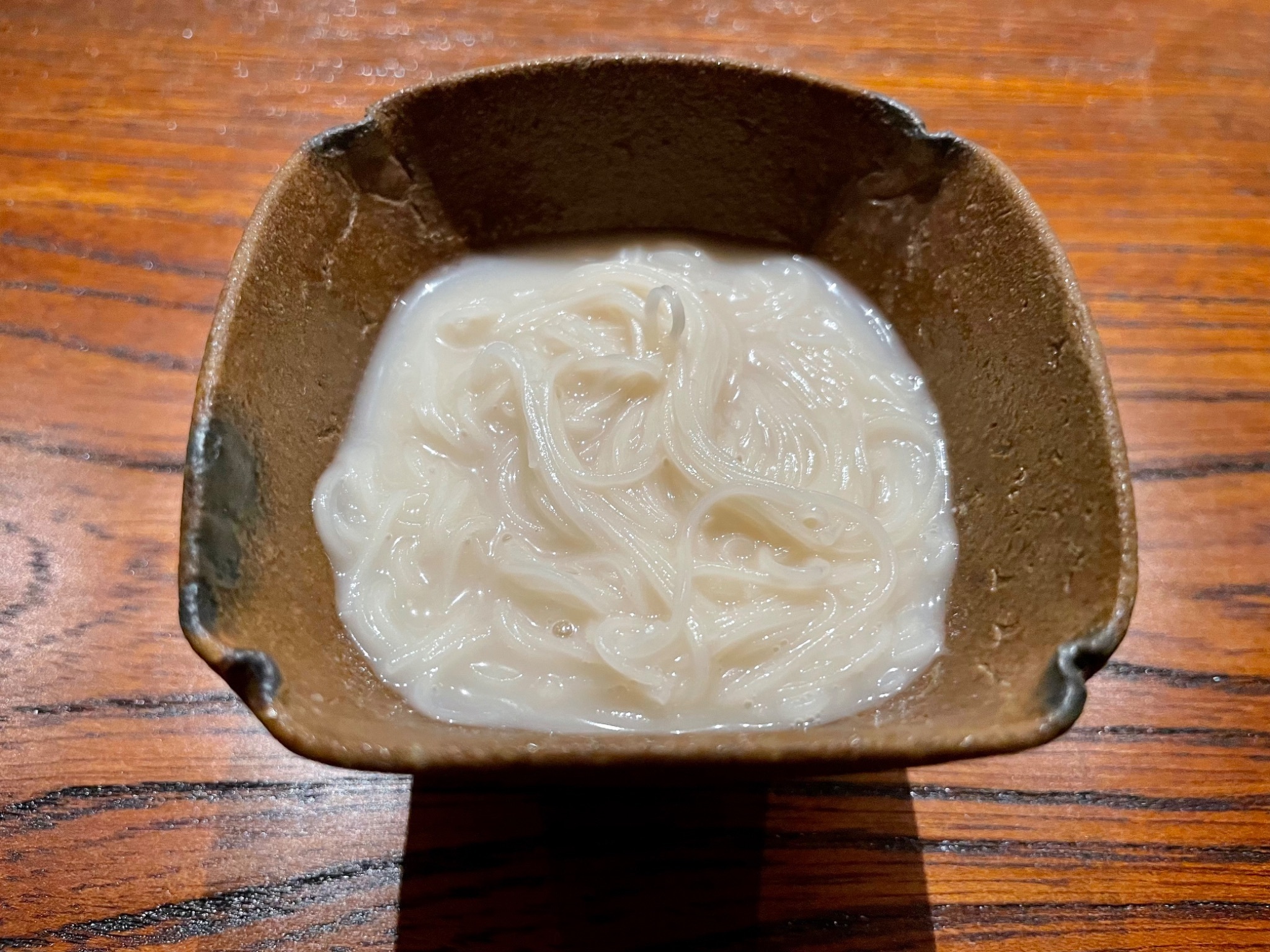
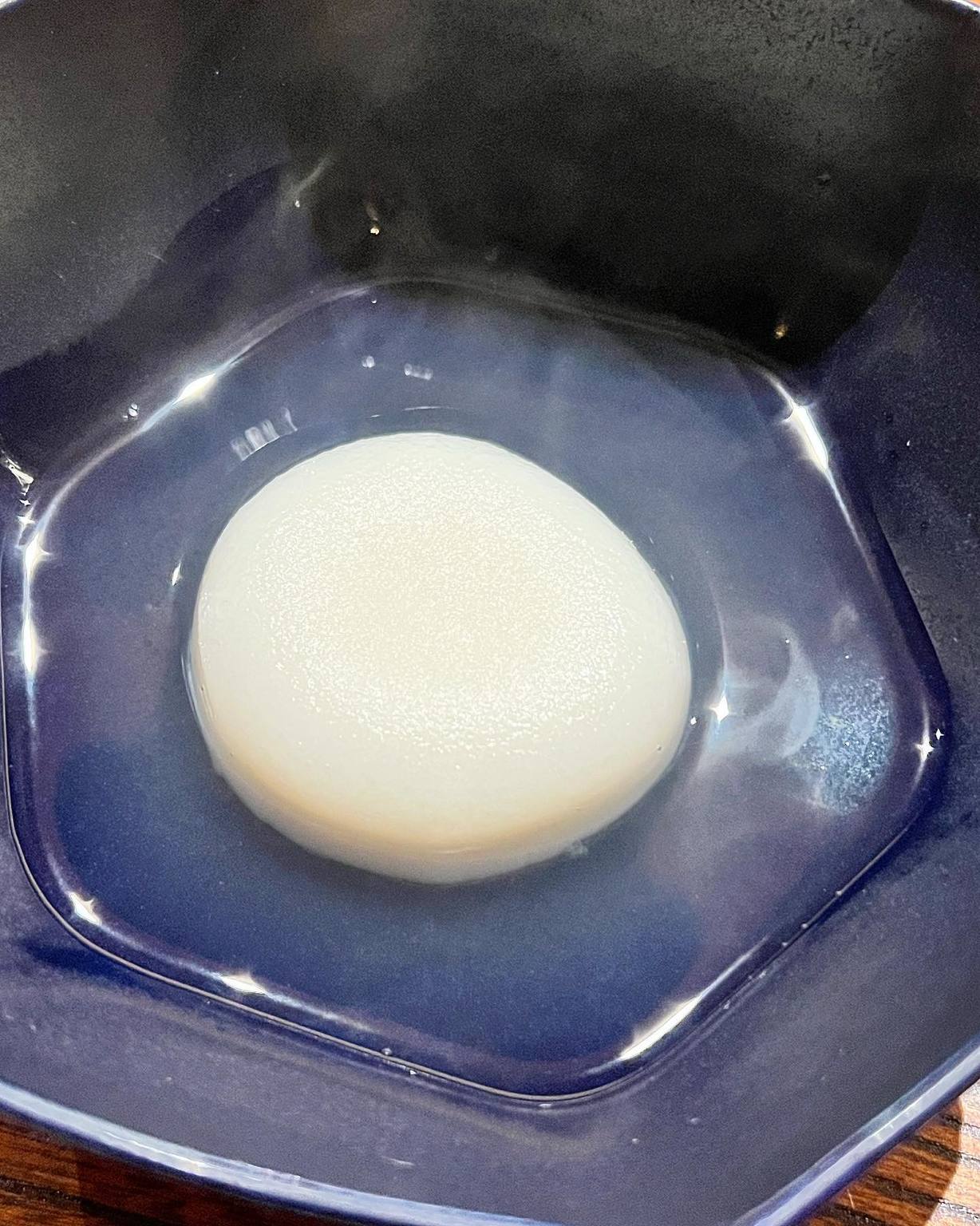
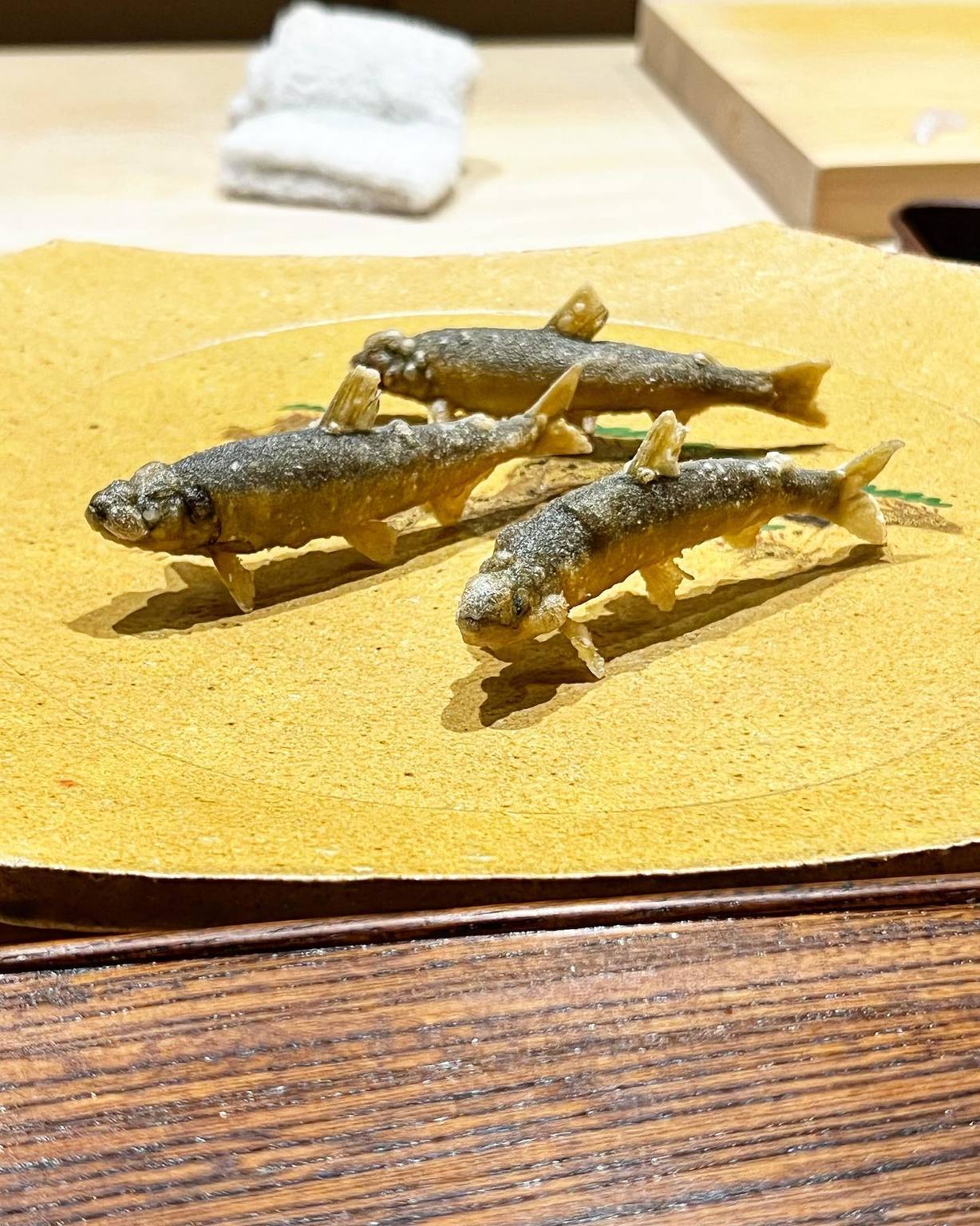
⭕️ Tokyo, Nishiazabu's Three-Star Restaurant 【Myoujyaku】.The summer course offered a moment to fully appreciate the essence of the ingredients and the beauty of "subtlety" created by Japanese water.▶️ Appetizers & Sashimi* Salt-boiled Nagaimo: The first dish is salt-boiled nagaimo. With a delicate flavor that hints at dashi, it gently seeps into your body, showcasing the natural taste of the ingredient.* Hairy Crab with Mikan: A dish combining the sweet and sour notes of Sagan mikan with the umami of hairy crab, enhanced by a touch of sansho pepper. This seemingly unexpected pairing surprisingly complements each other with a refreshing harmony.* Sashimi (Sea Bream from Akashi, Octopus): The sea bream from Akashi is served with a special "Tai Shio Mizu," enhancing its sweetness. The delightful texture of the octopus's suckers adds to the experience.▶️ Soup & Grilled Dishes* Soup (Hamo, Onion, Umeboshi Seed): A classic combination of sweet onions and hamo, paired with the inner seed of umeboshi called "Jin." The refreshing aroma of plum wafts through, creating perfect harmony.* Grilled Masu: A thick masu salmon enveloped in the robust aroma of straw, finished with a refreshing summer touch.▶️ Stunning Mid-Course* Surf Clam and Salad Turnip Purée: Today's MVP. The rich, crunchy umami of surf clam melds with the smooth, clear flavor of salad turnip, creating a moment of pure delight with every bite.* Specialty Ayu in Three Styles (Salt Grilled, Smoked, Silk Wrapped): A signature dish that allows you to savor every aspect of the ayu from the Tenryu River. The fragrant salt-grilled version, the richly aromatic smoked version, and the delicate silk-wrapped version showcase the ayu's versatility in a luxurious manner.▶️ Seasonal Delicacies & Strong Dishes* Eggplant Somen: A refreshing dish perfect for summer, with a delightful texture.* Kyoto-style Karasumi: Karasumi on the core of corn, paired with a touch of salt. This dish naturally encourages you to enjoy more drinks.* Chiba Wild Boar and Winter Melon: A rare combination of summer wild boar and winter melon, with the meat being incredibly tender and juicy, free of any gamey taste. It pairs excellently with the winter melon soaked in dashi.▶️ Rice & Sweets* Tsuyahime Rice Set: A set surrounding the fluffy "Tsuyahime" rice with various accompaniments. It envelops you in a sense of happiness that makes you wish to have it for breakfast every morning.* Nanko Ume: A bold dessert featuring large plums. Its sweet and sour flavor provides a refreshing finish.* Hoshou Maki: The final dish wraps up the course beautifully, leaving no room for flaws.The aesthetic of minimalism that maximizes the quality of the ingredients, along with the surprising combinations of ingredients, made for a dining experience filled with wonder and healing from start to finish. This was the true value of a three-star experience. ~~~ Title: Drool Stars Reference ~~~ ⭐️ Probably won't go again ⭐️⭐️ If the timing is right ⭐️⭐️⭐️ Definitely will return ❤️ I've already made my next reservation. Less
9 / 10
on 11 Aug 2026
On a night in August 2026,I enjoyed a Japanese dinner in Roppongi. A friend managed to secure a reservation in a notoriously difficult-to-book spot and invited me along.I always thought that dashi (broth) was the essence of Japanese cuisine, but this restaurant aims to create dishes using only the ingredients, water, and salt, without relying on the flavors of katsuobushi (dried bonito) and kombu (kelp). While this might lead to a more subtle taste, I was both excited and anxious to see how they... More
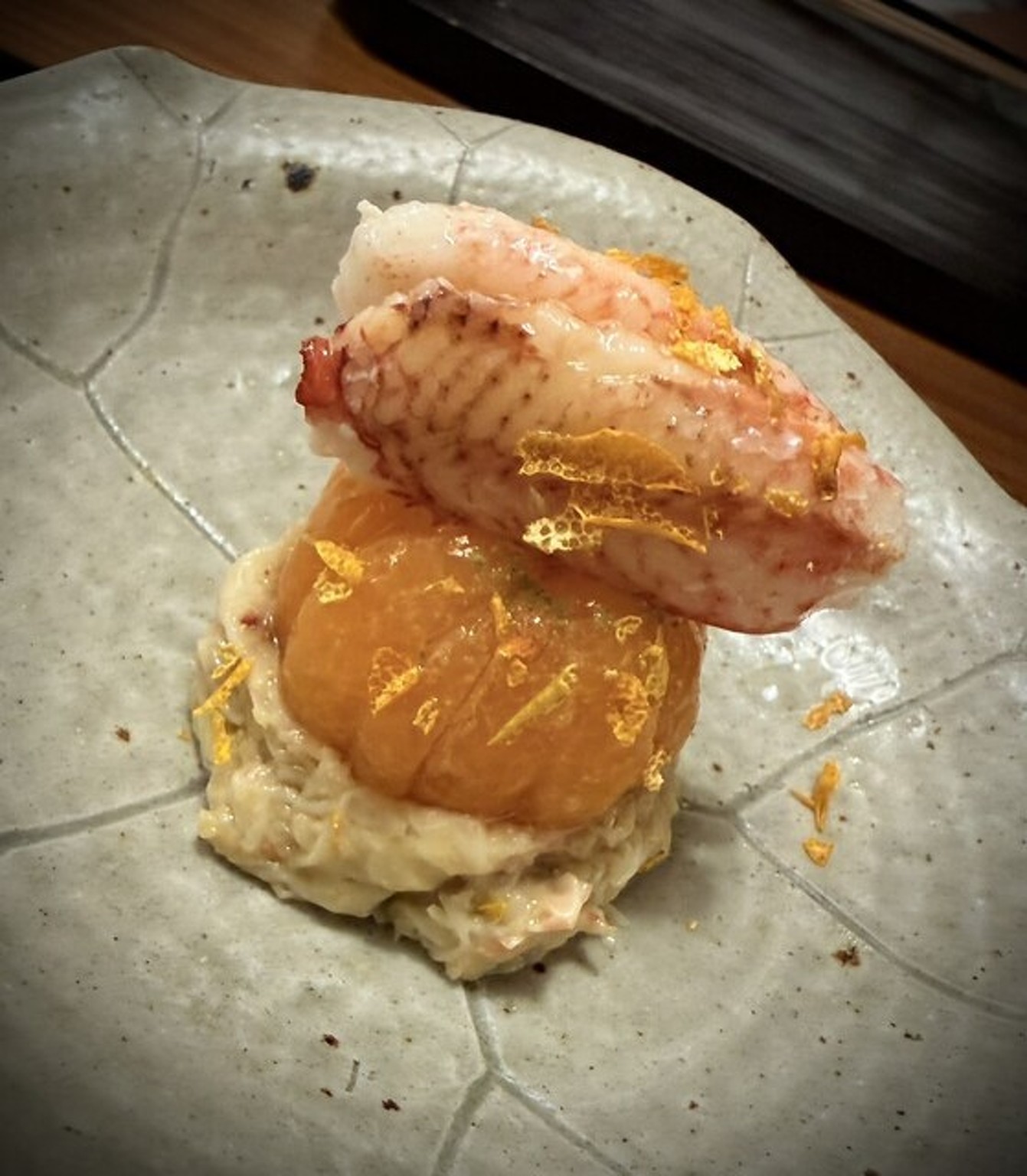
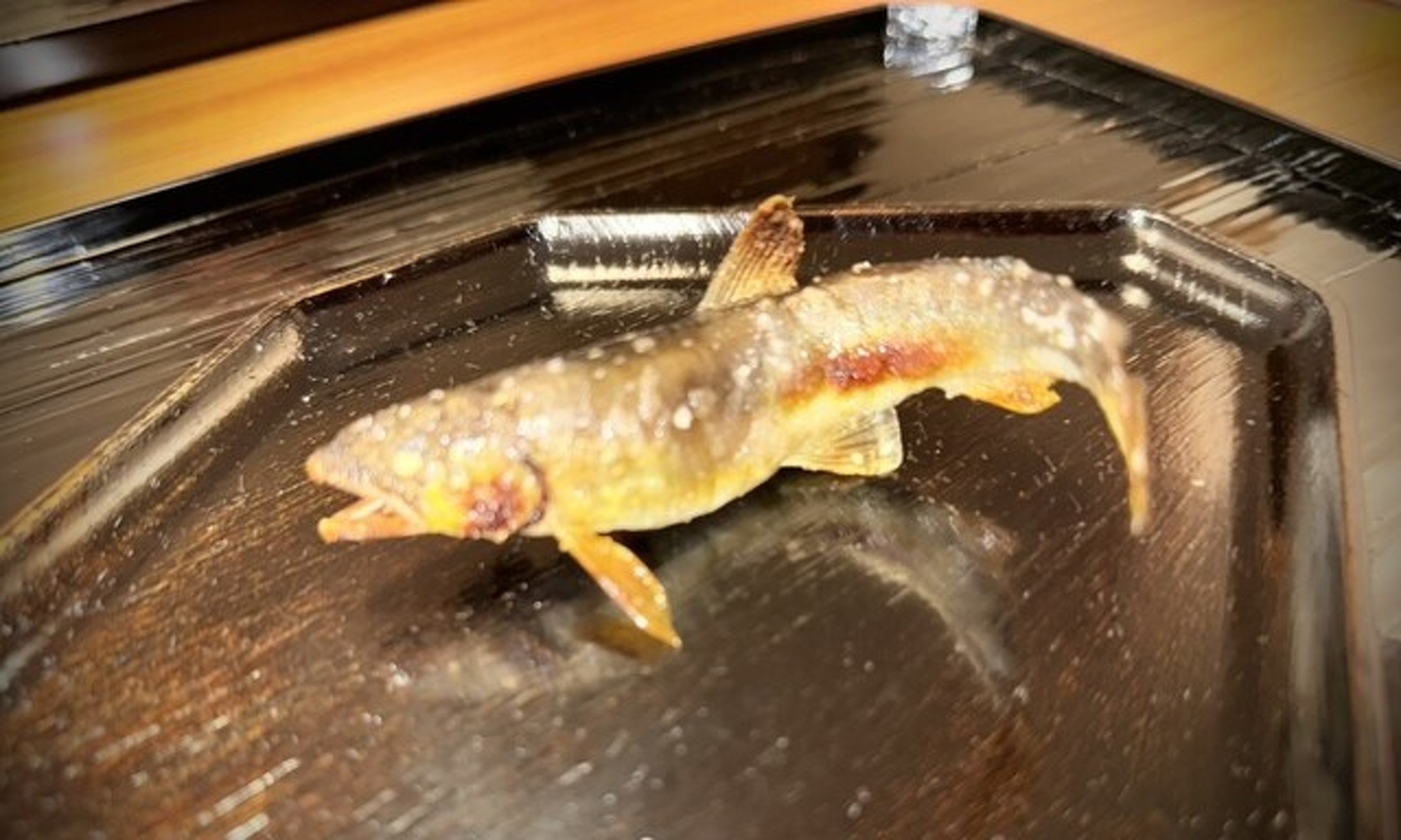
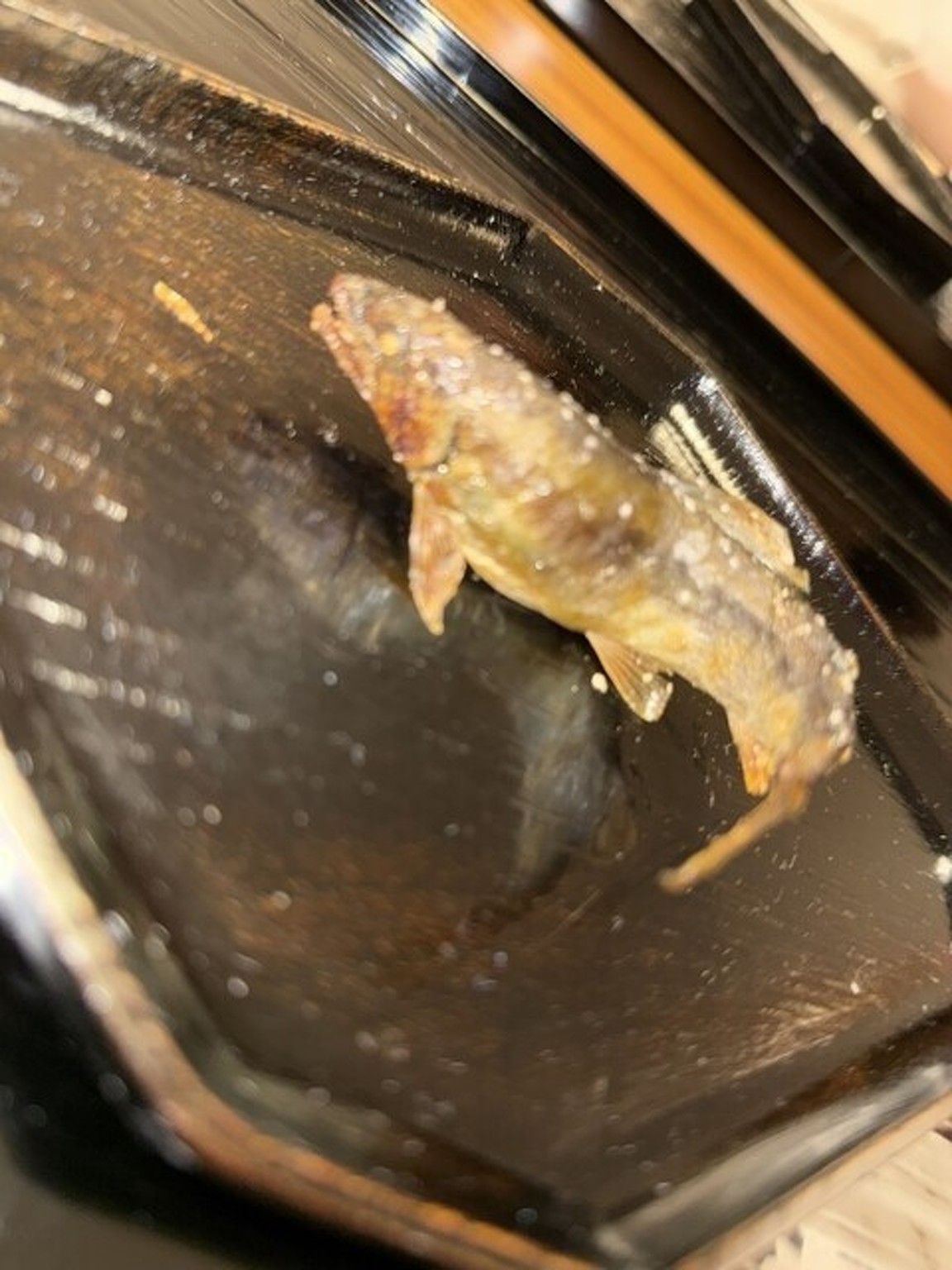
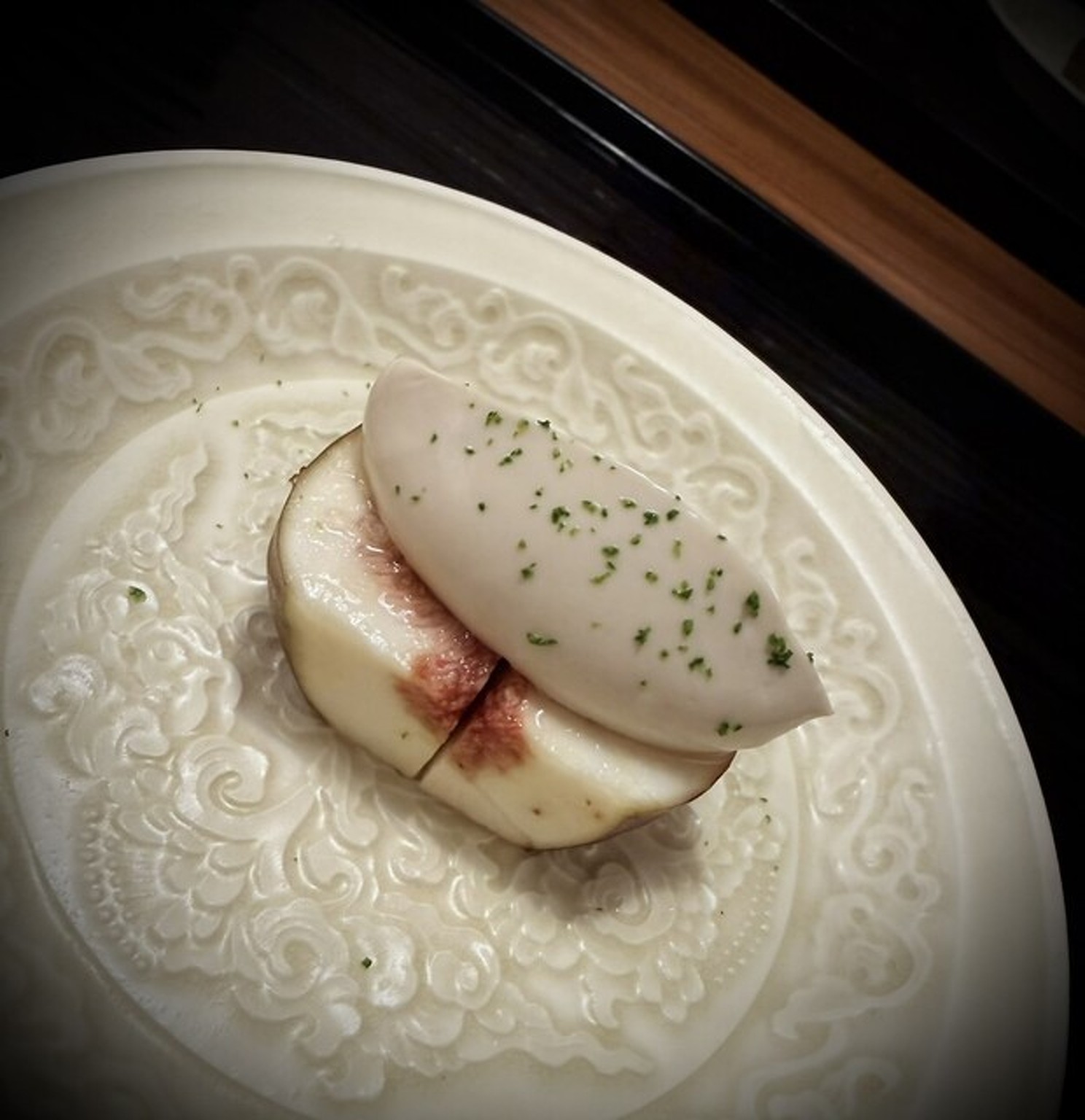
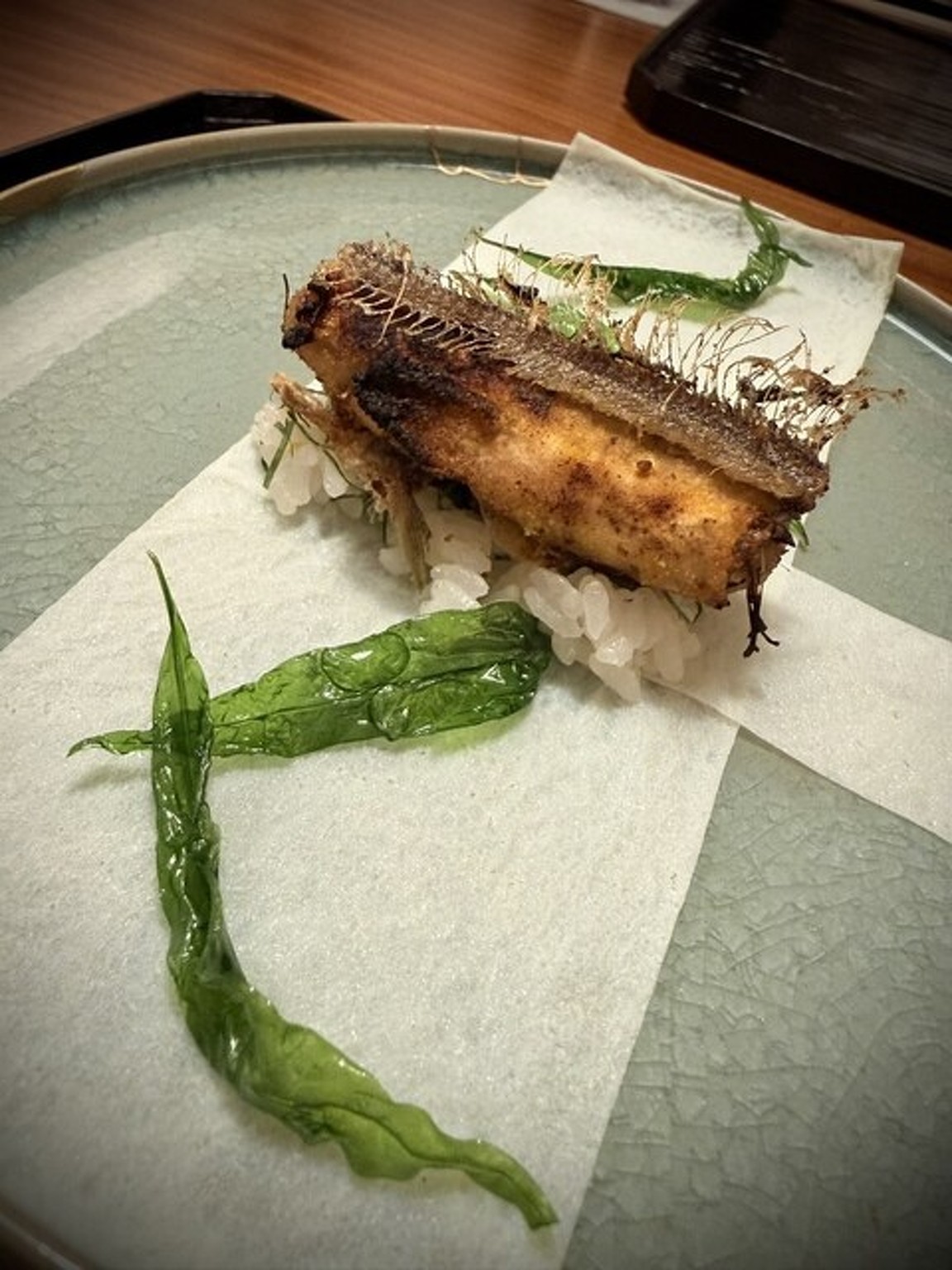
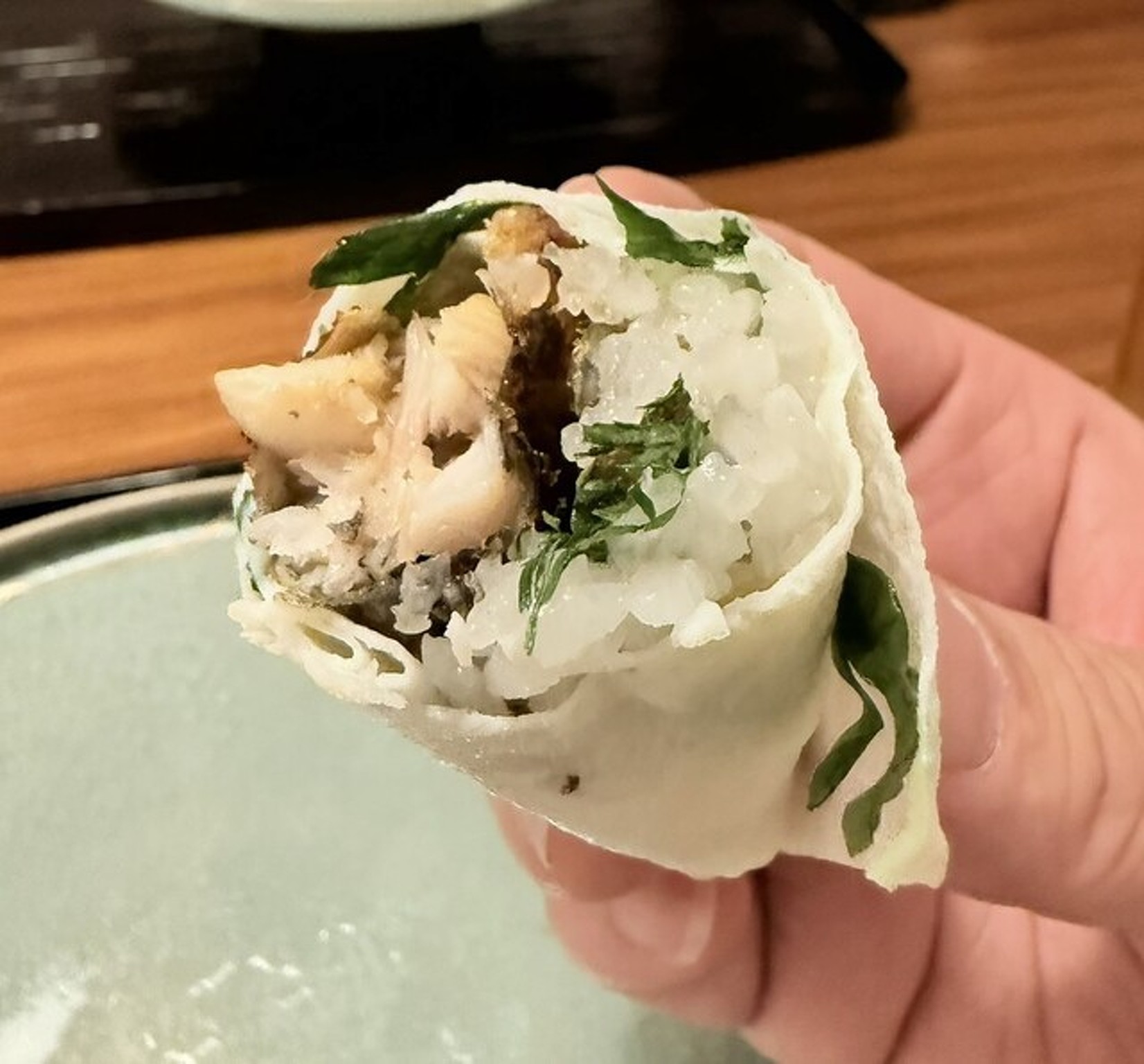
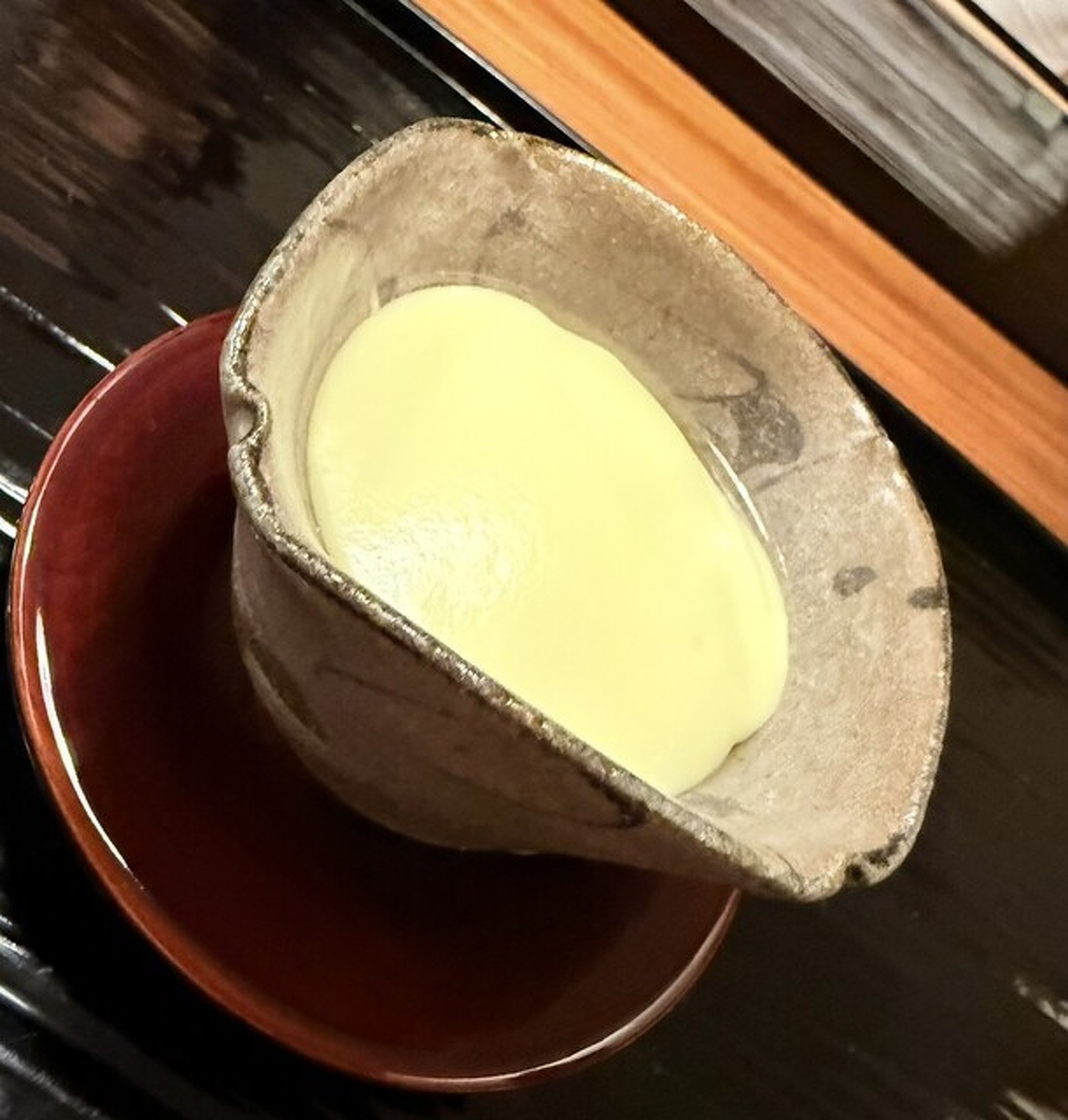
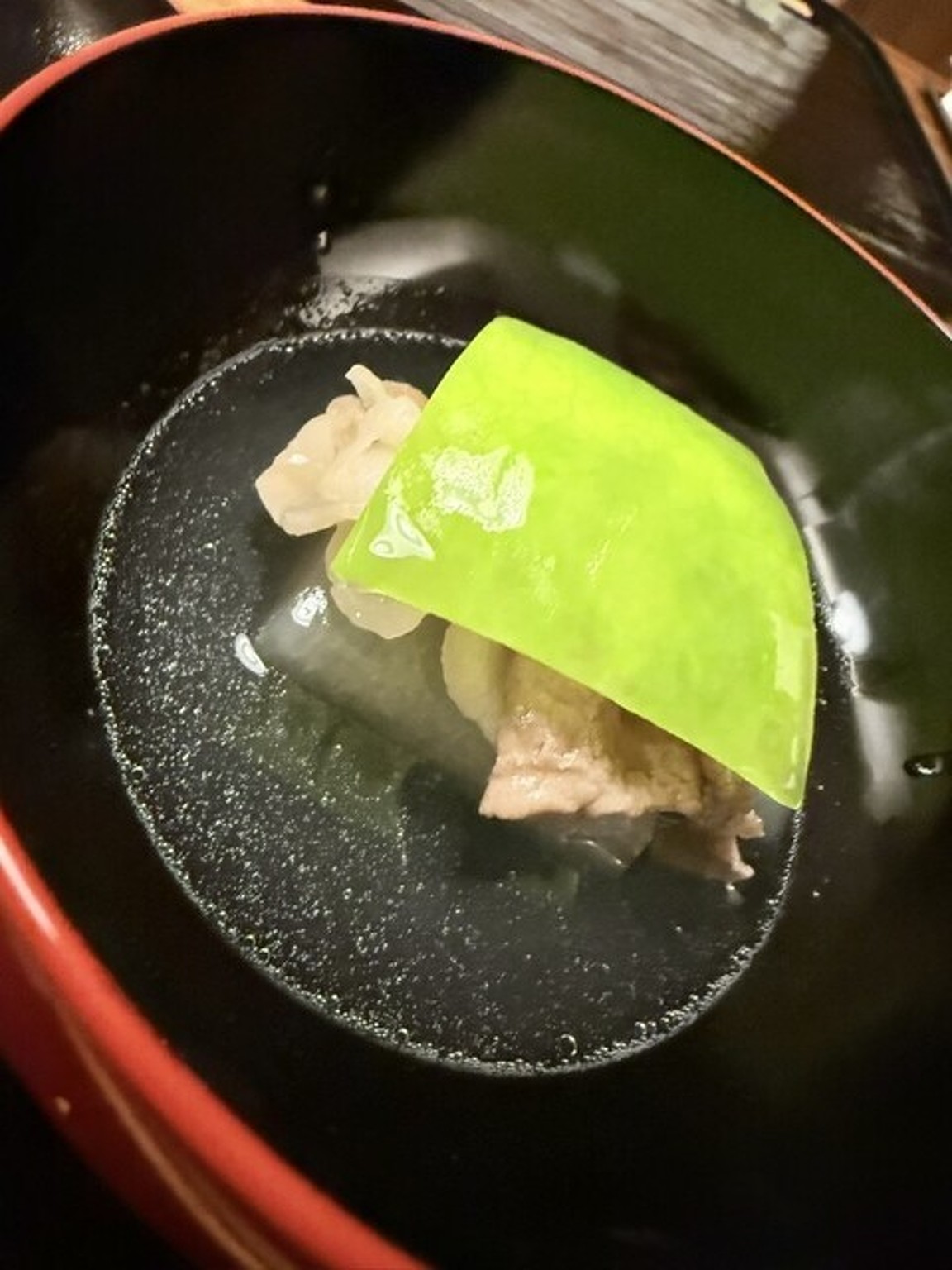
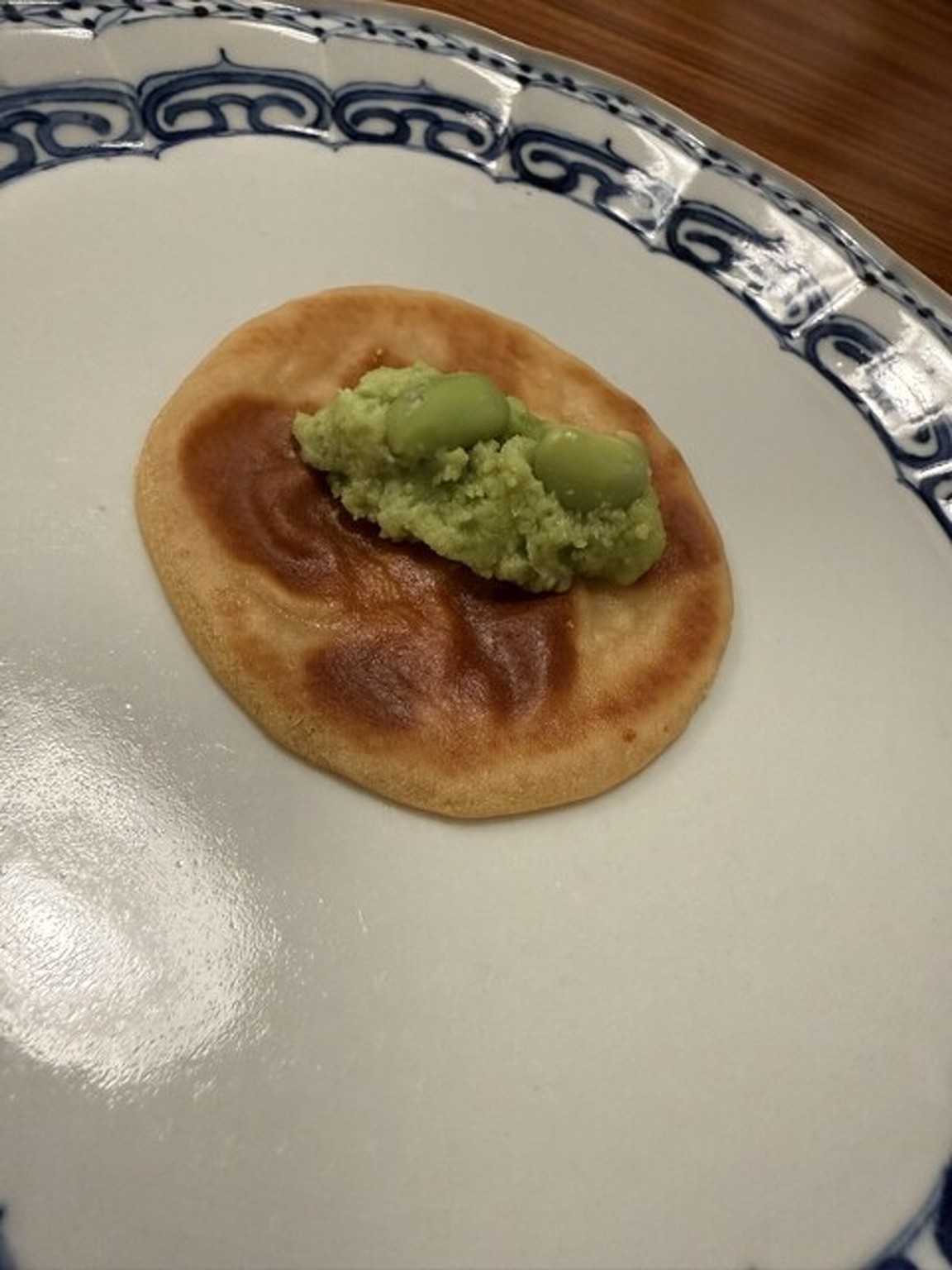
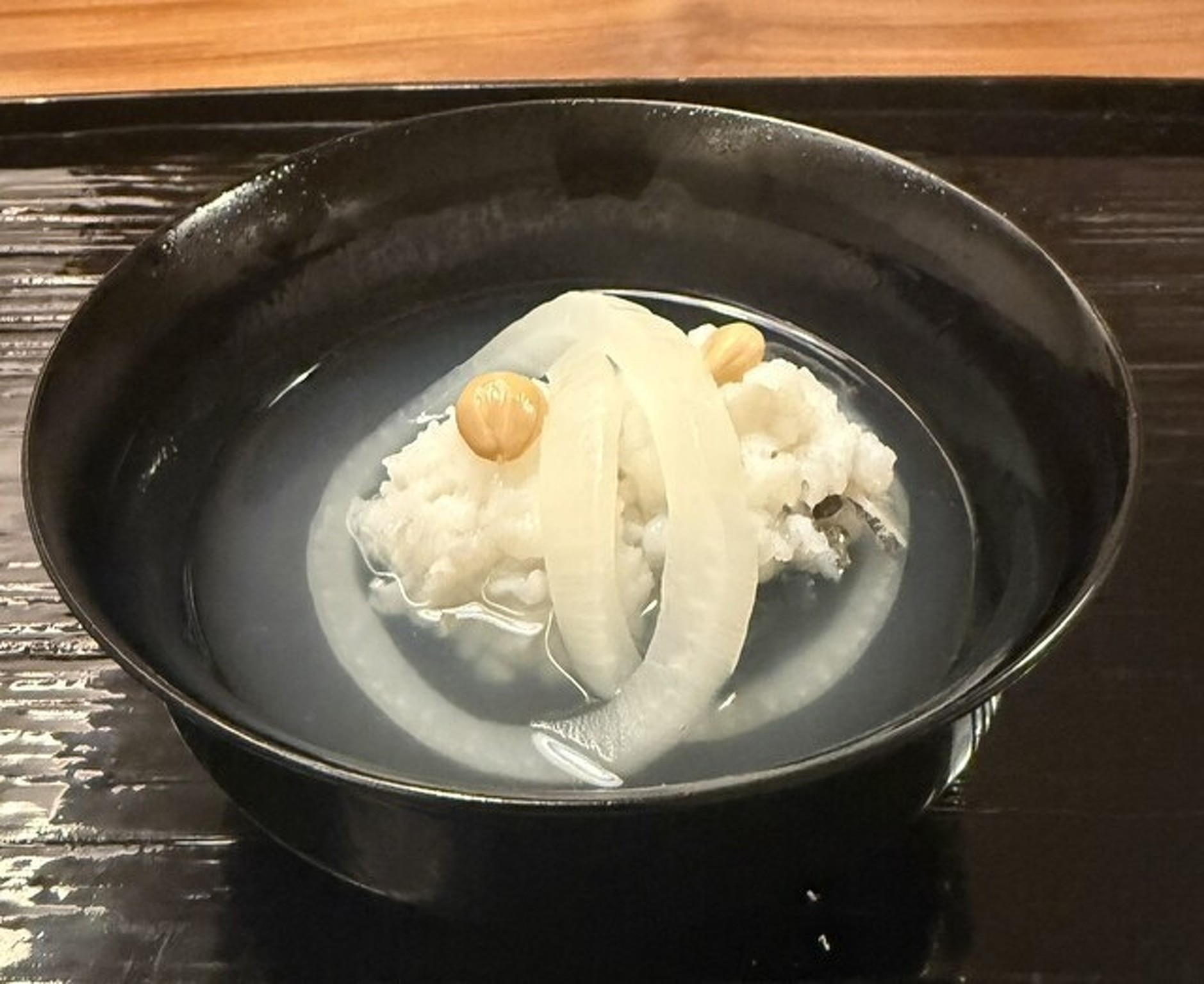
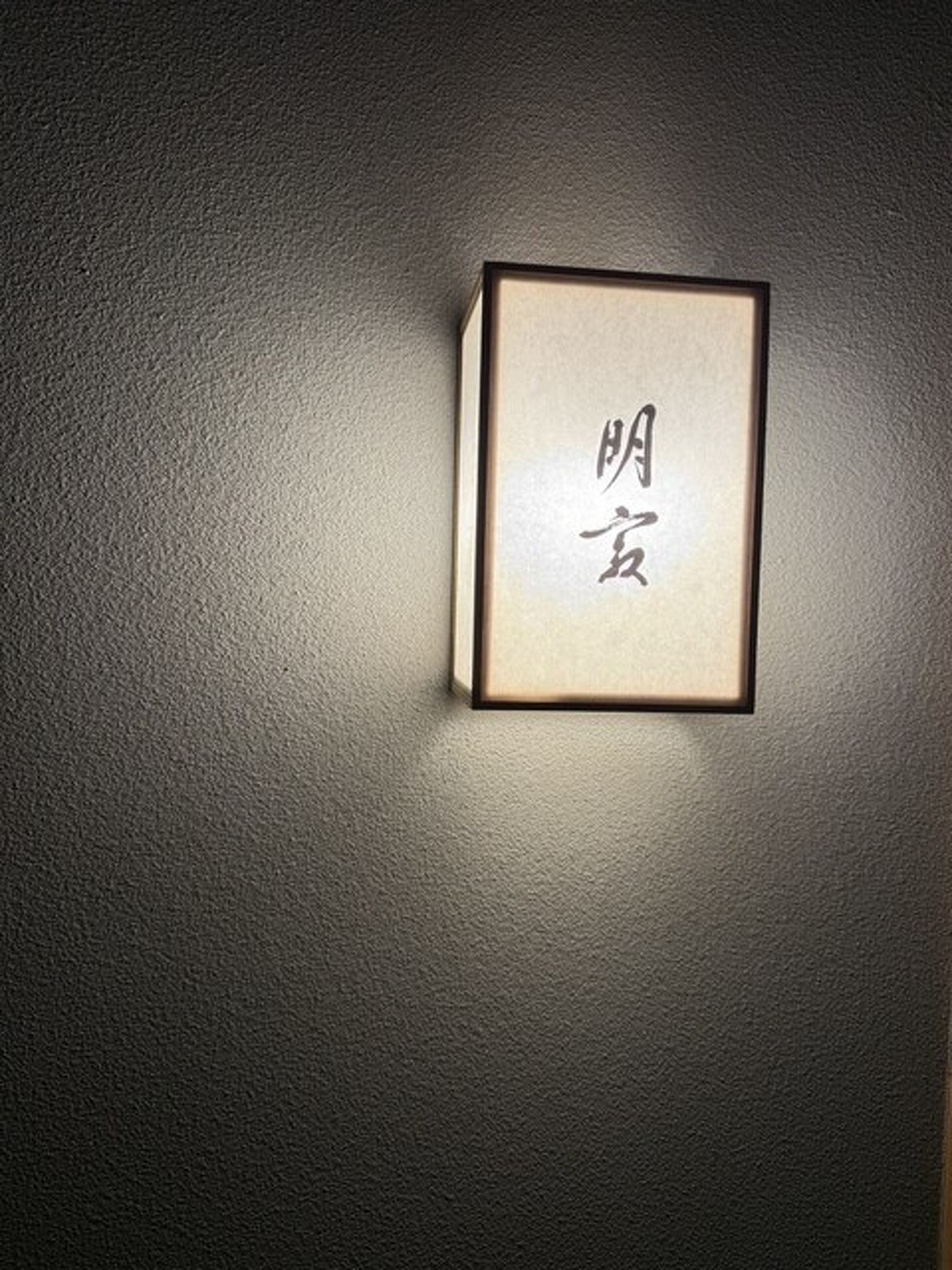
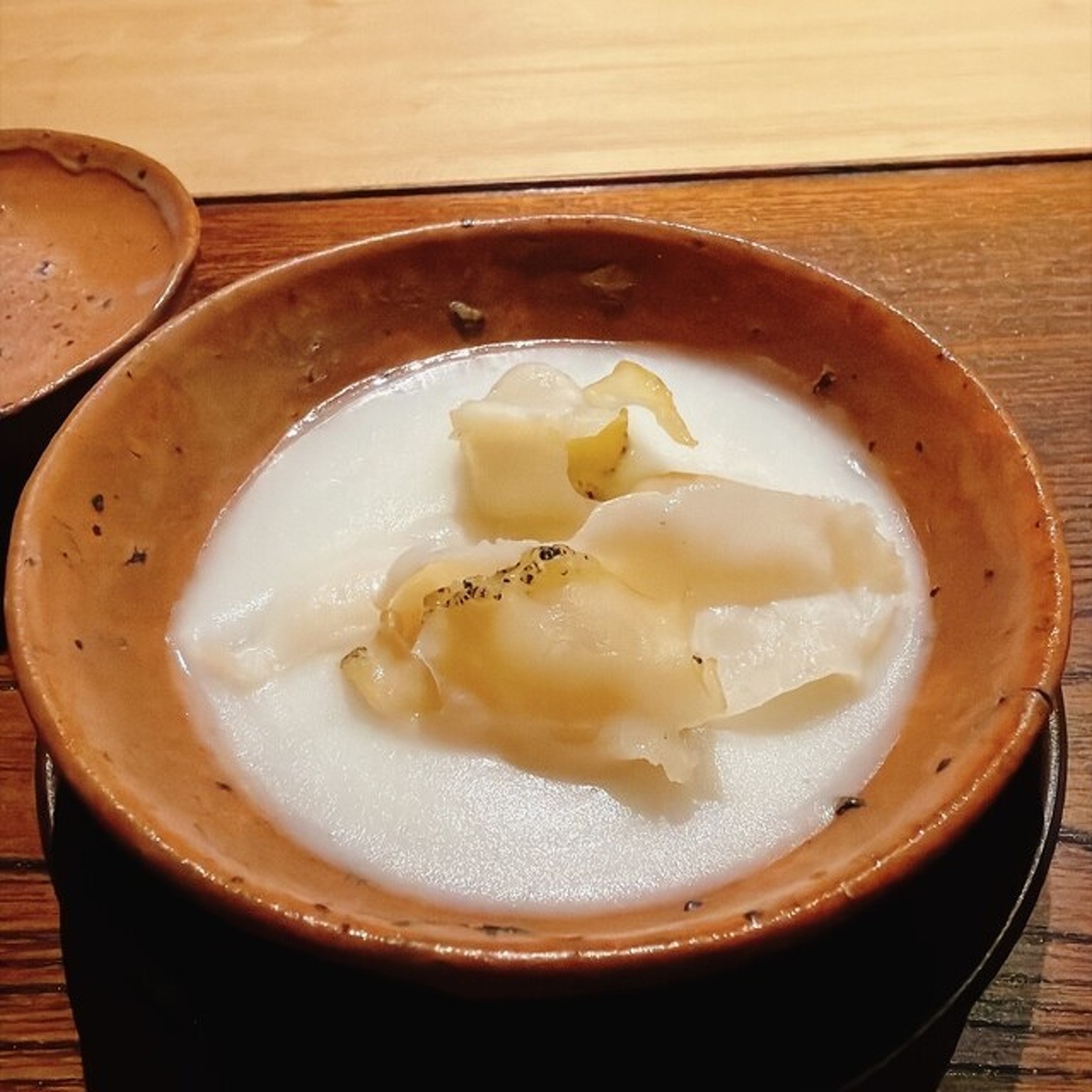
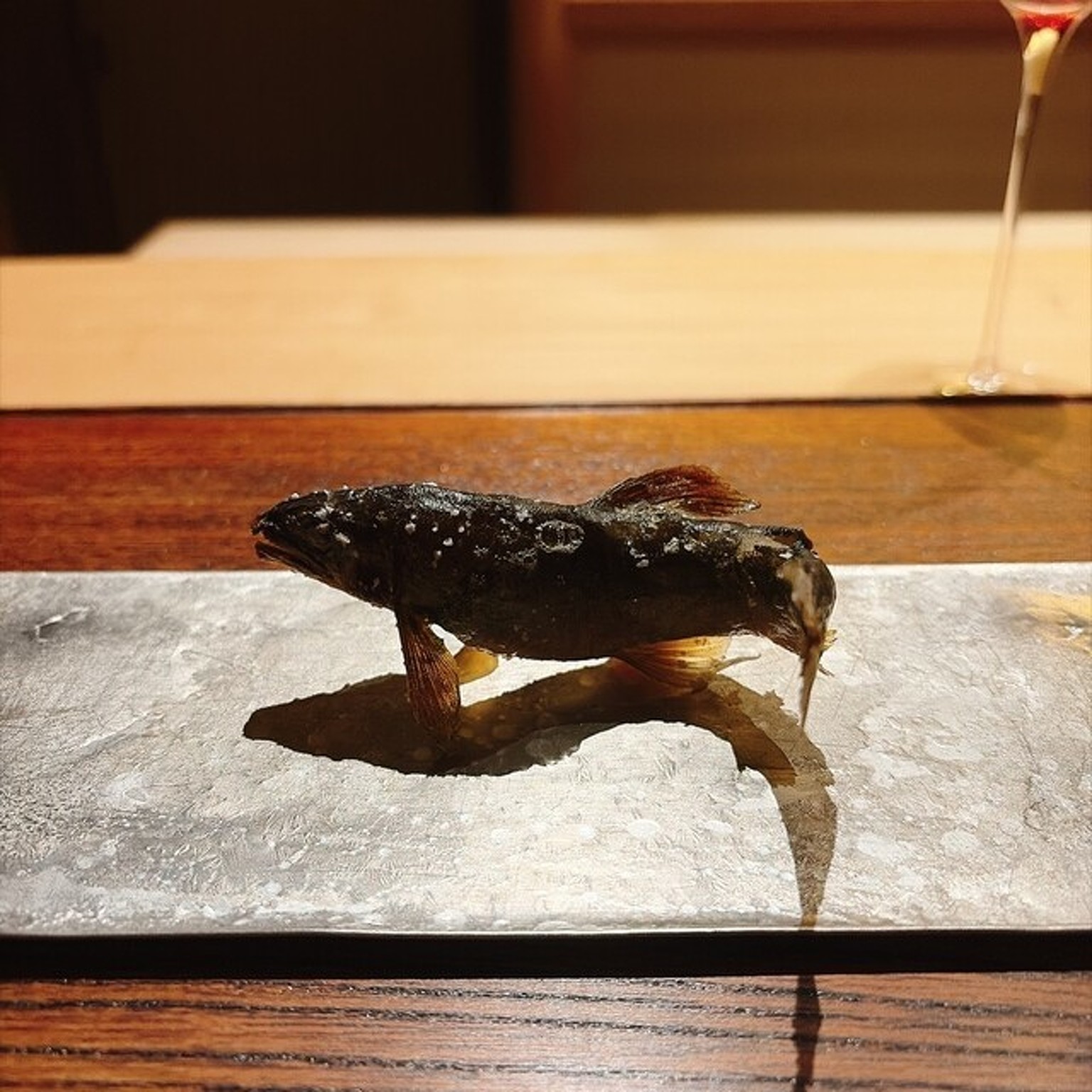
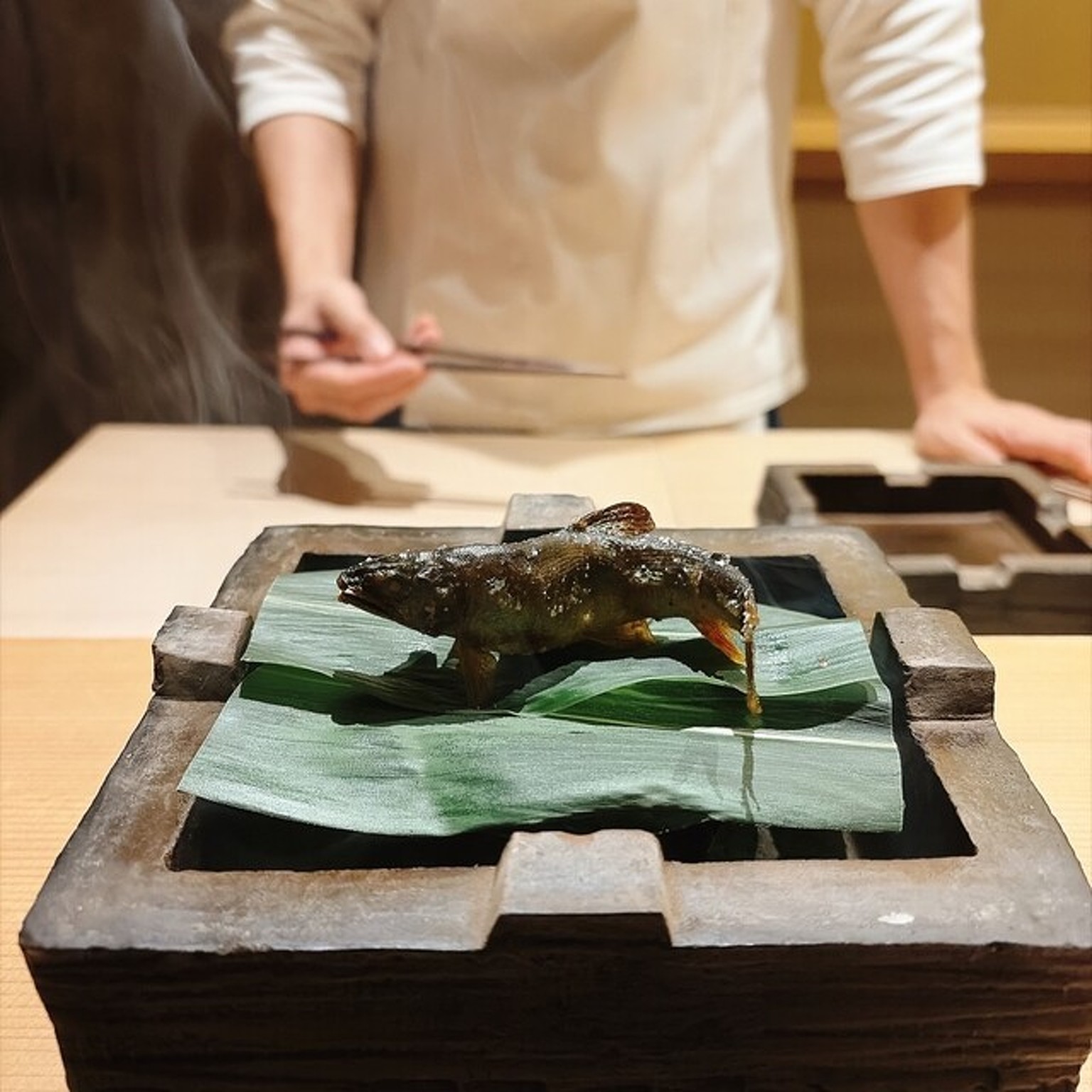
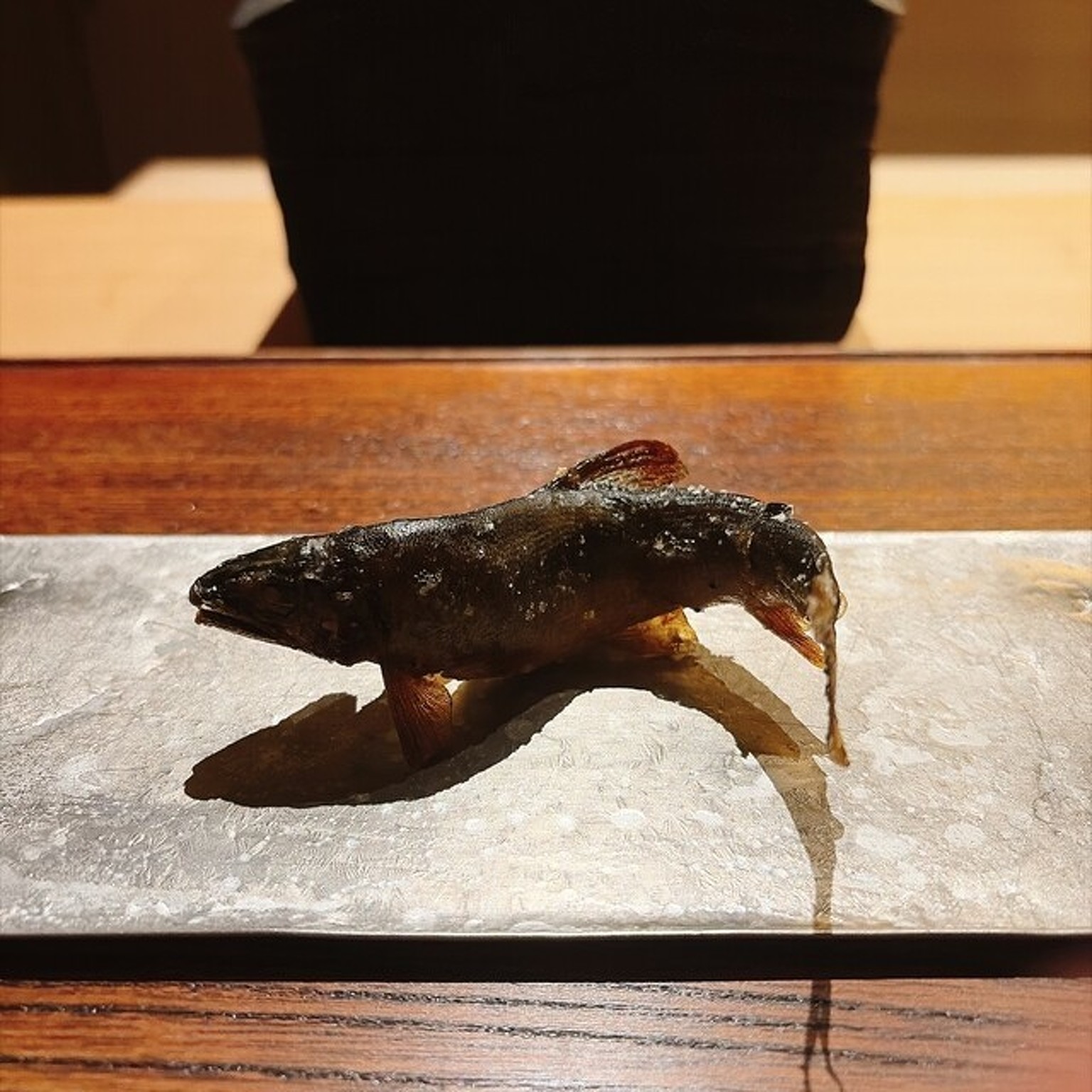
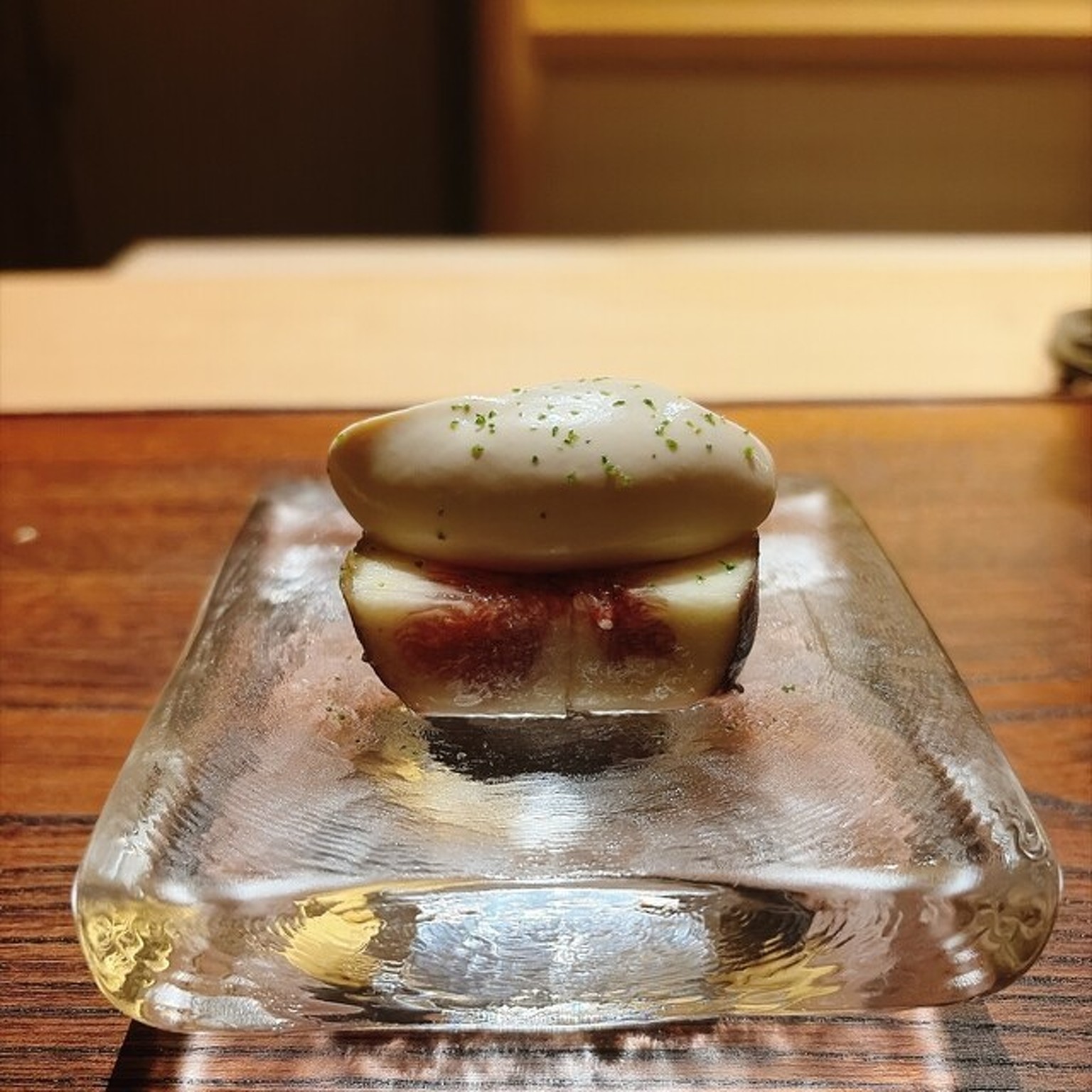
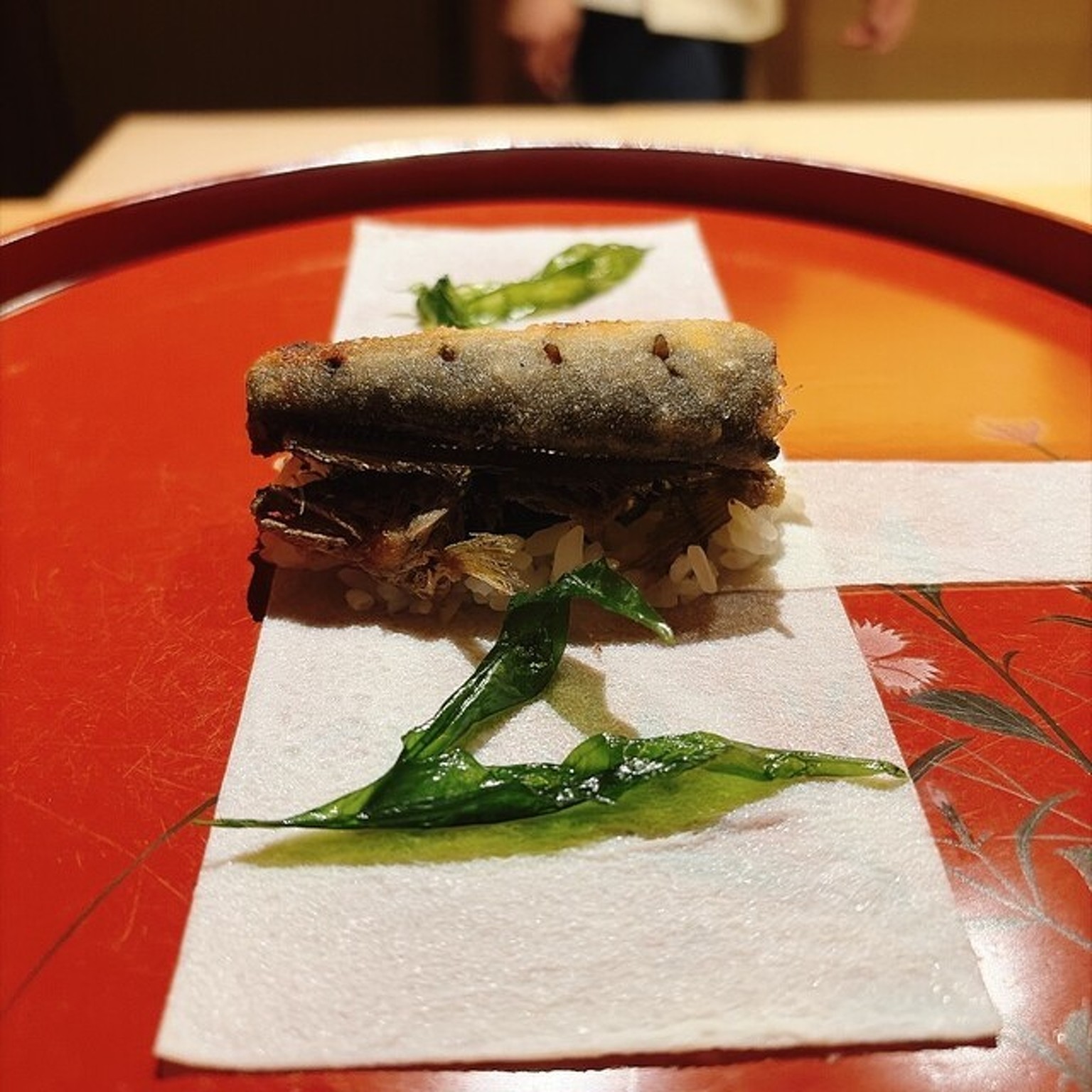
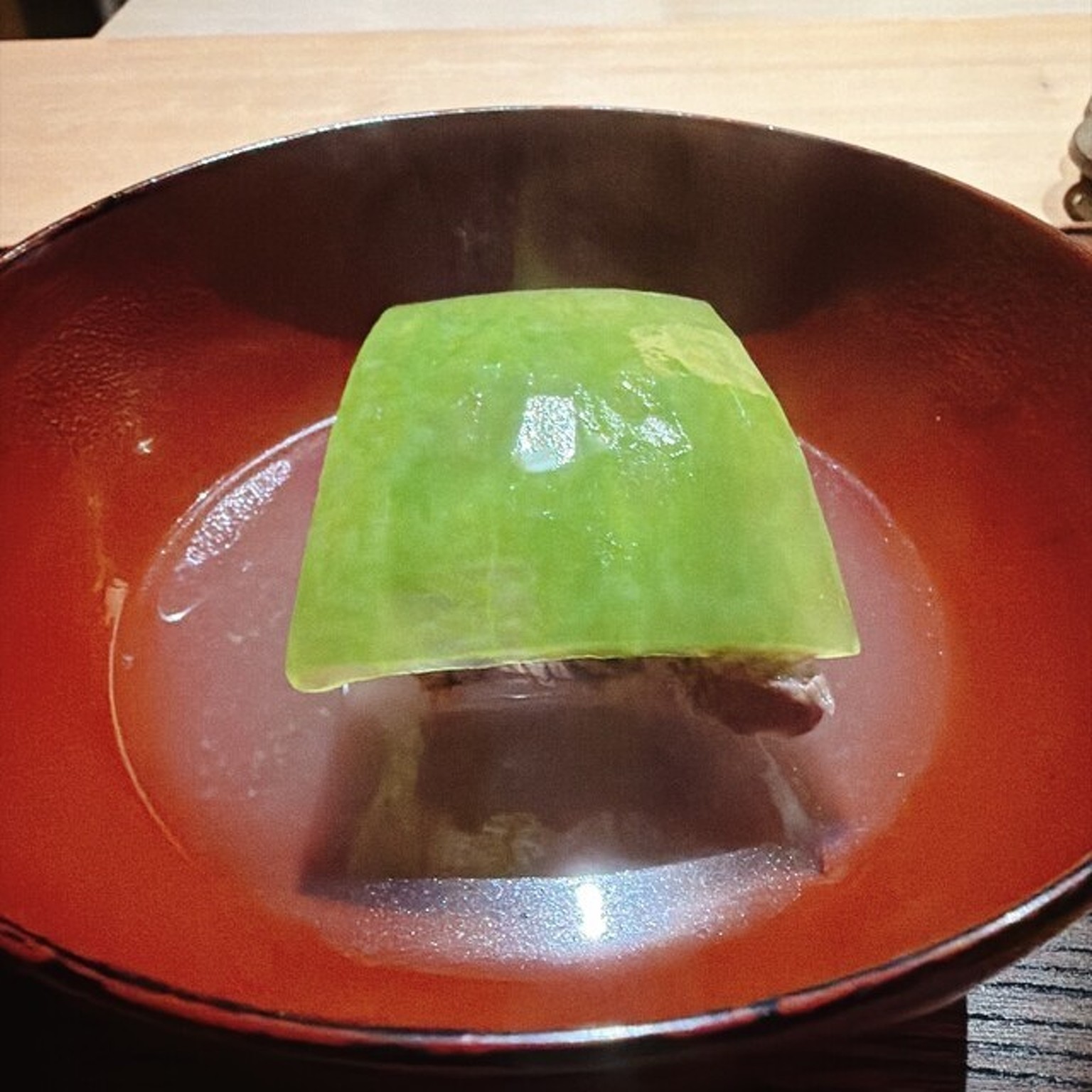
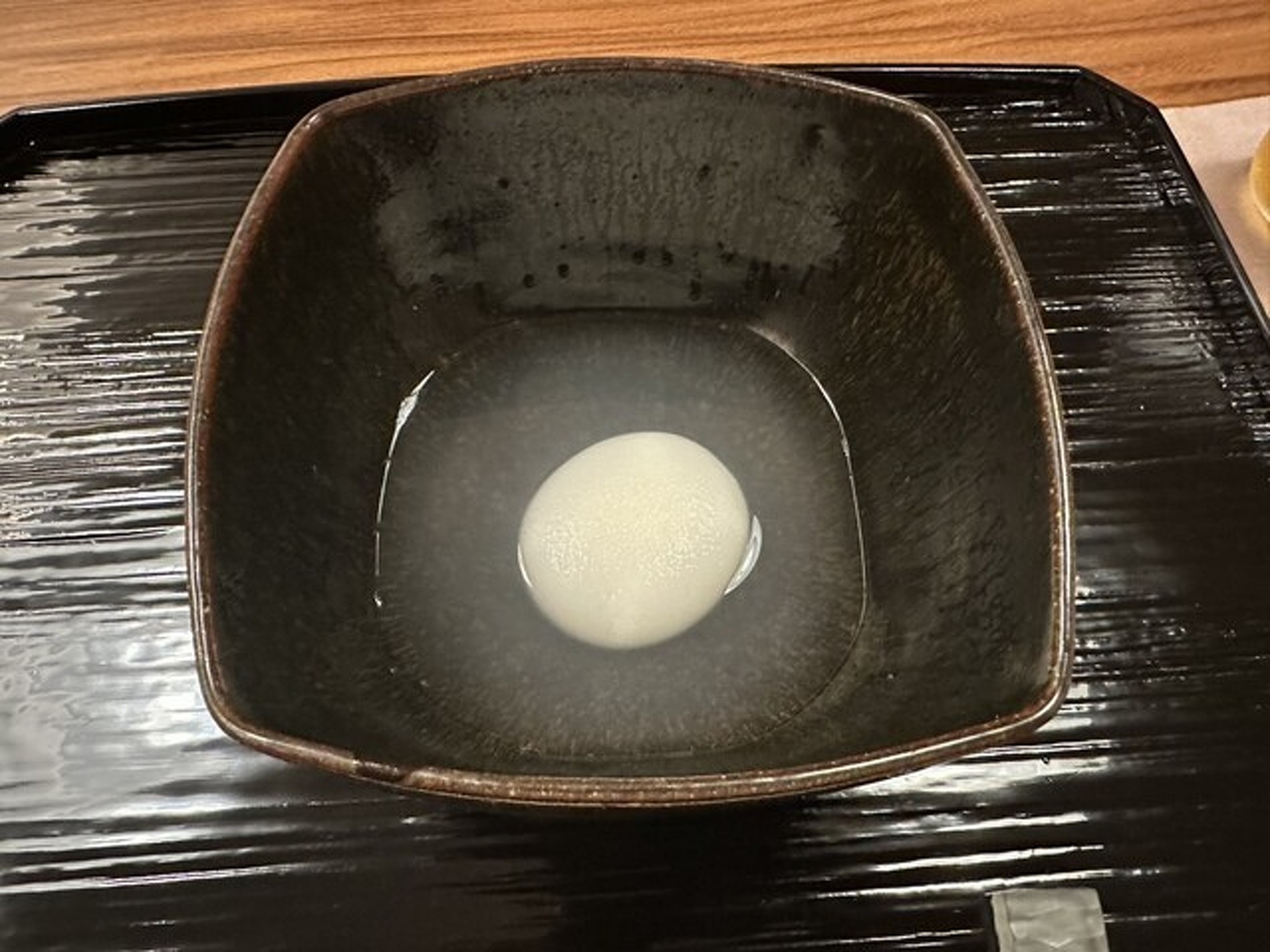
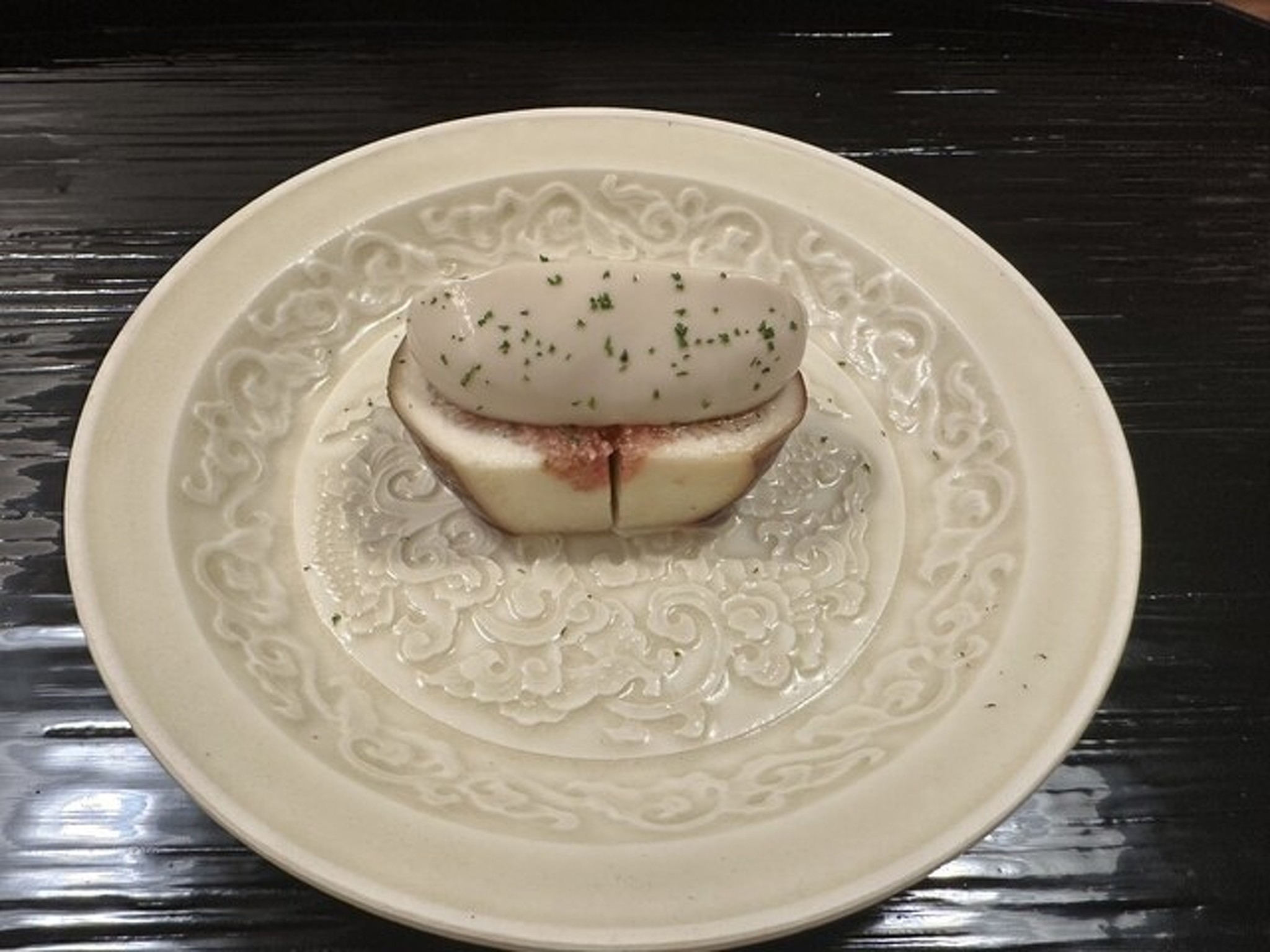
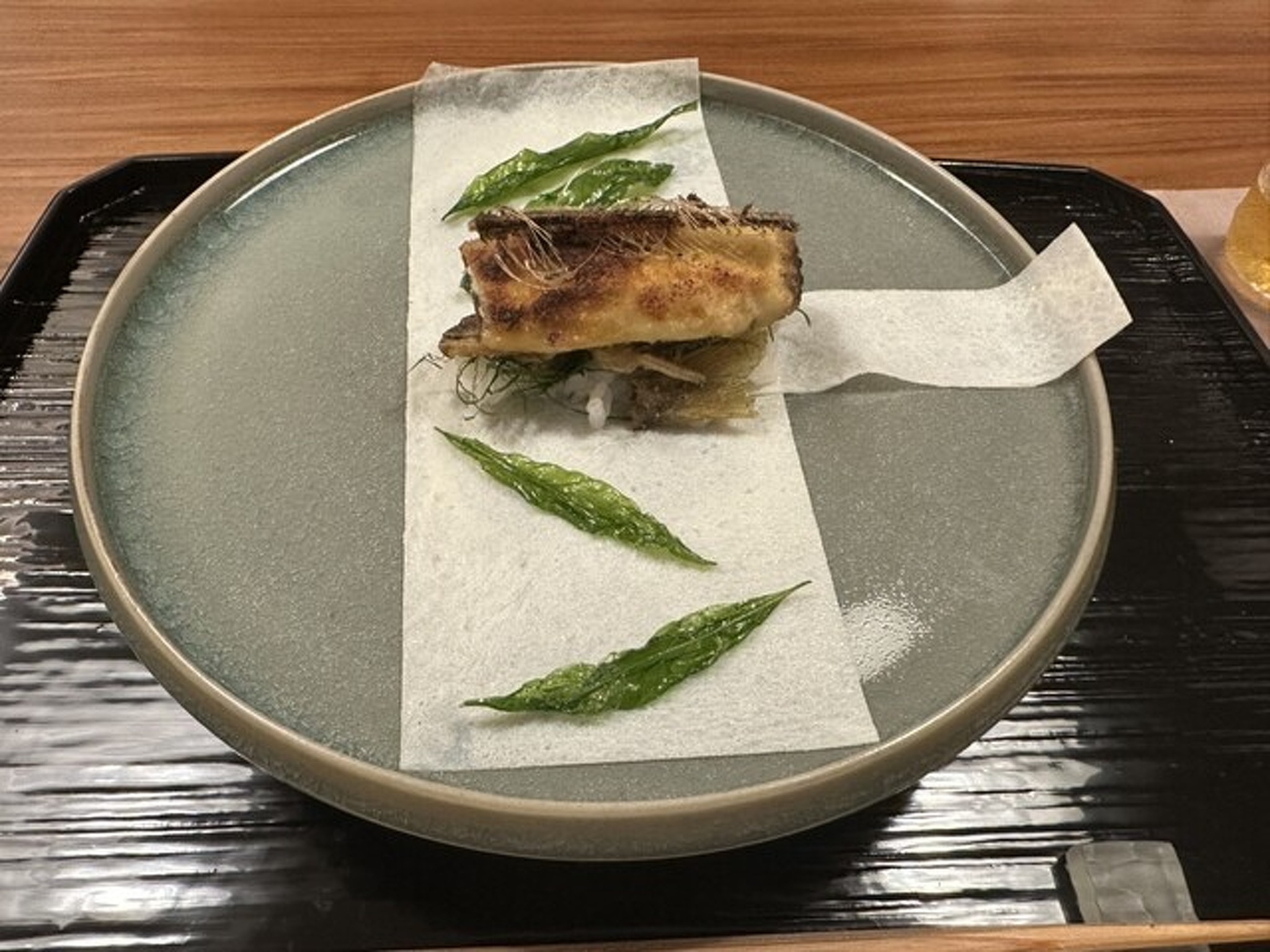
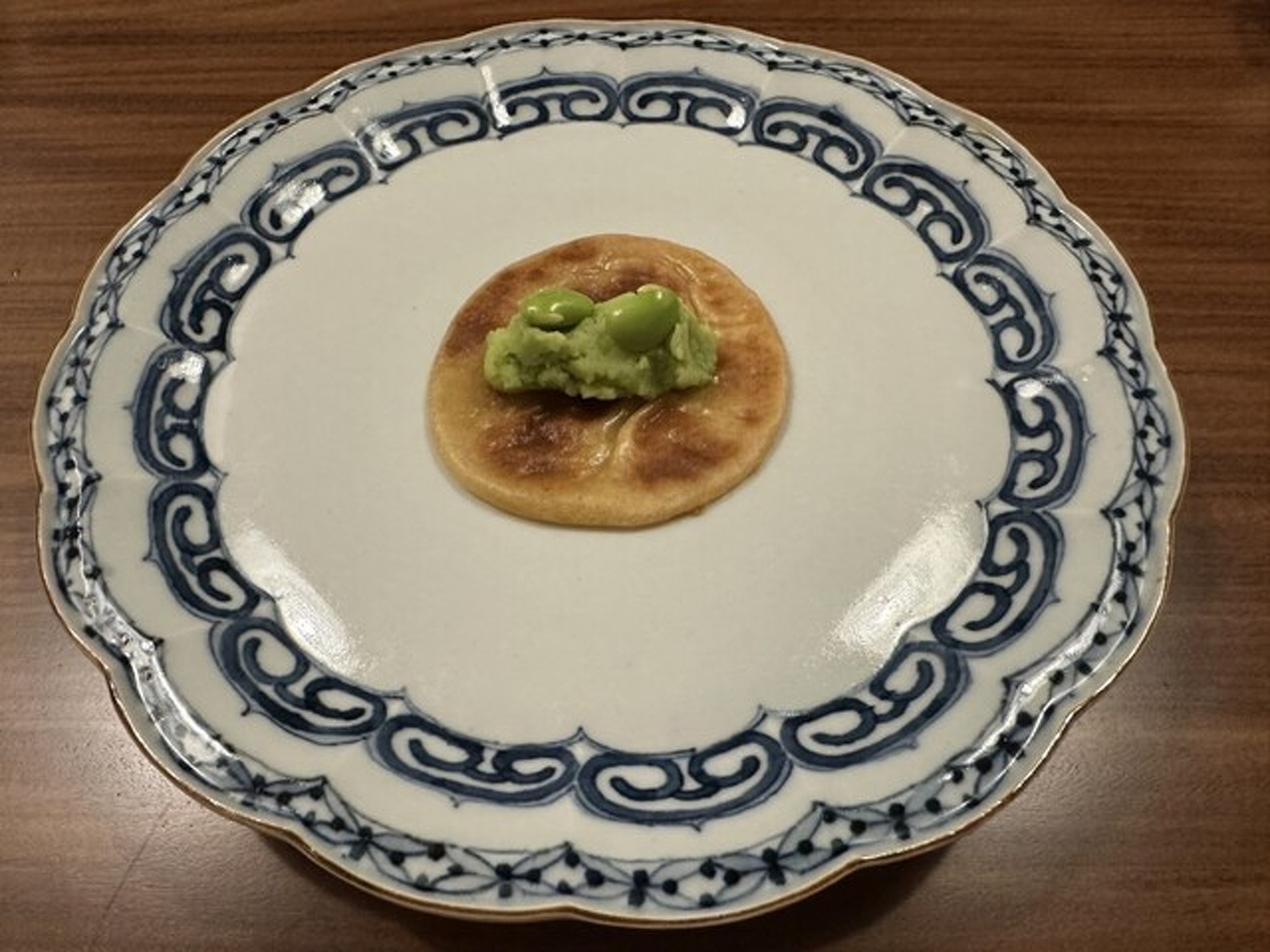
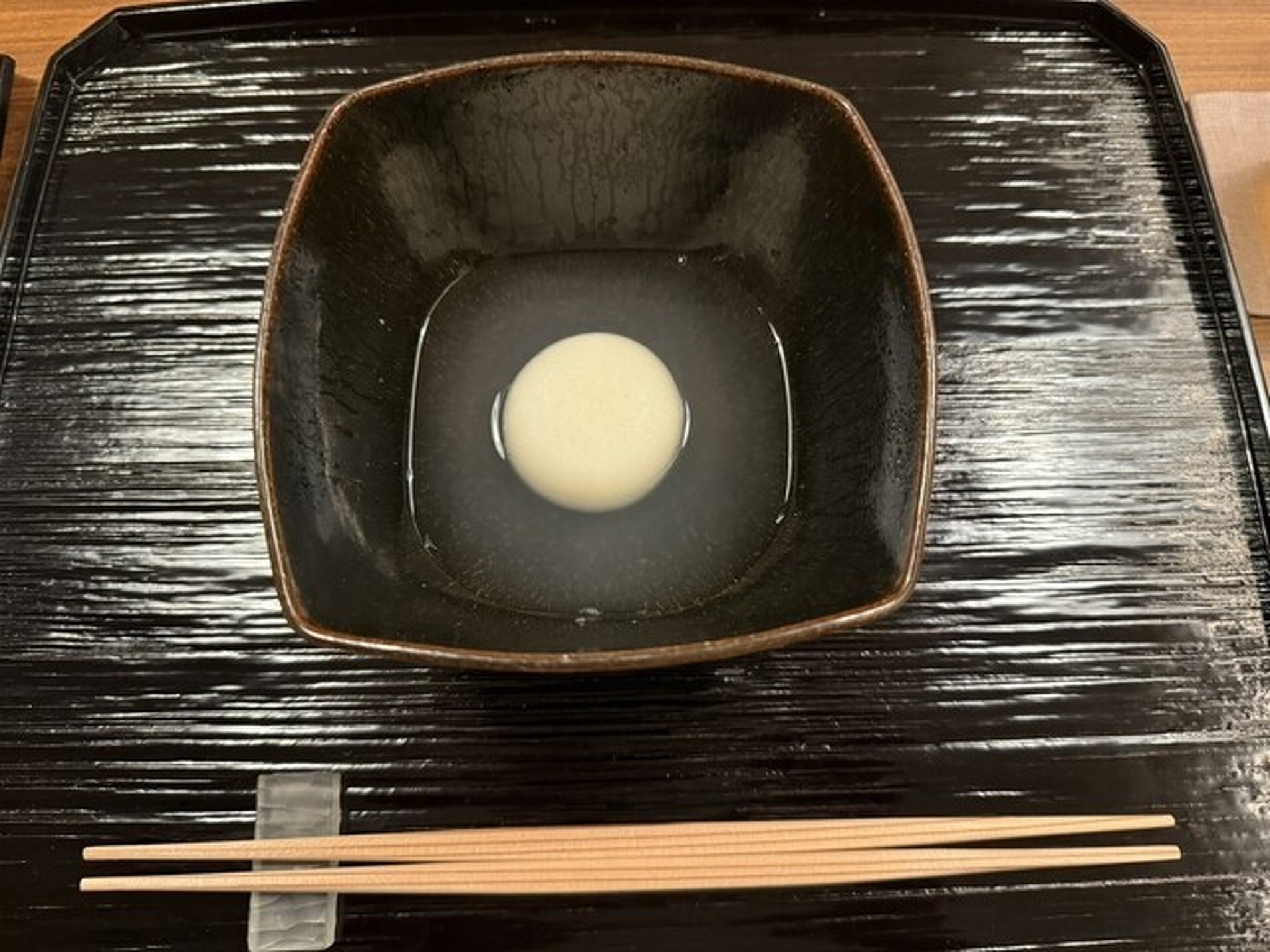
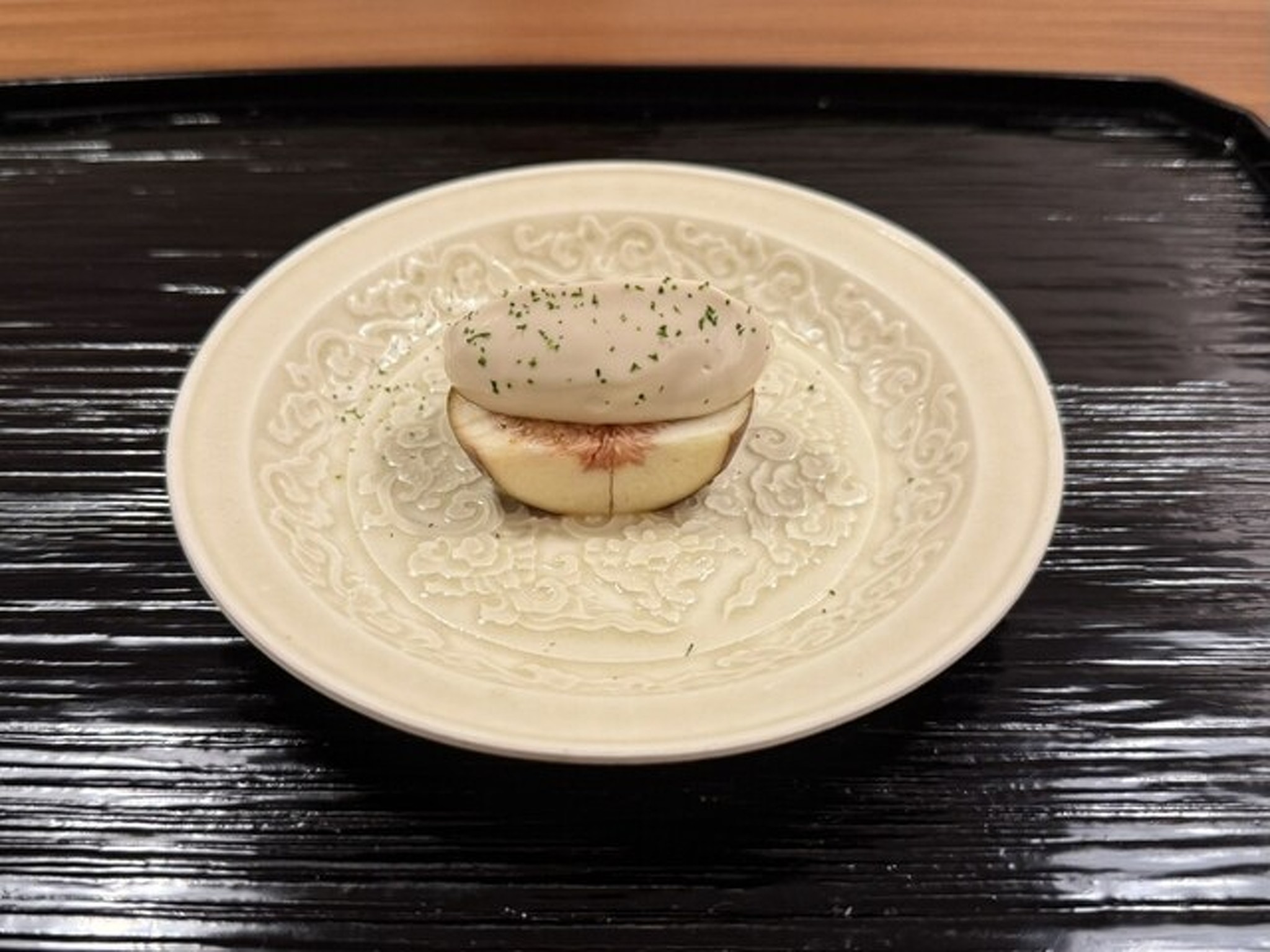
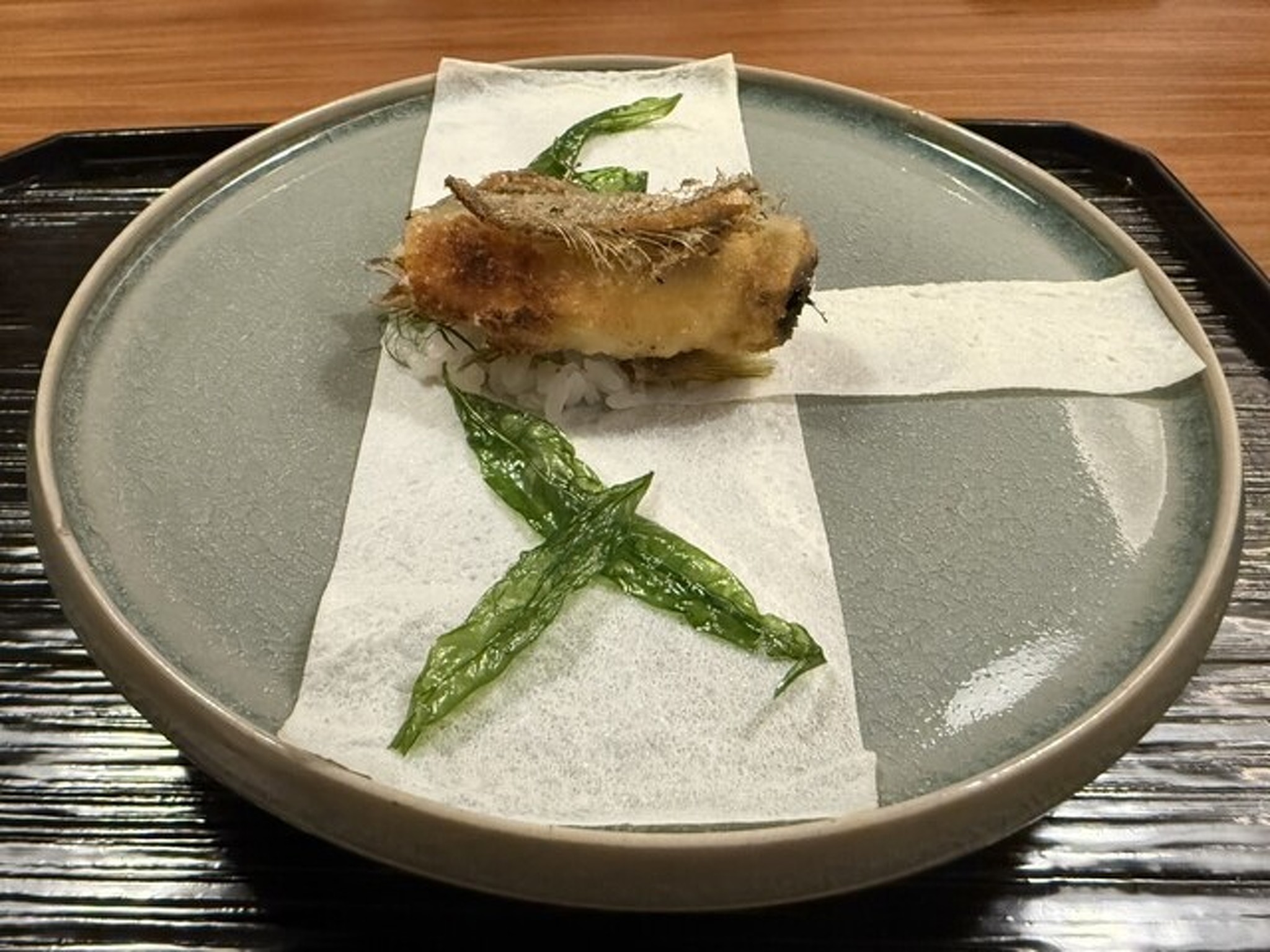
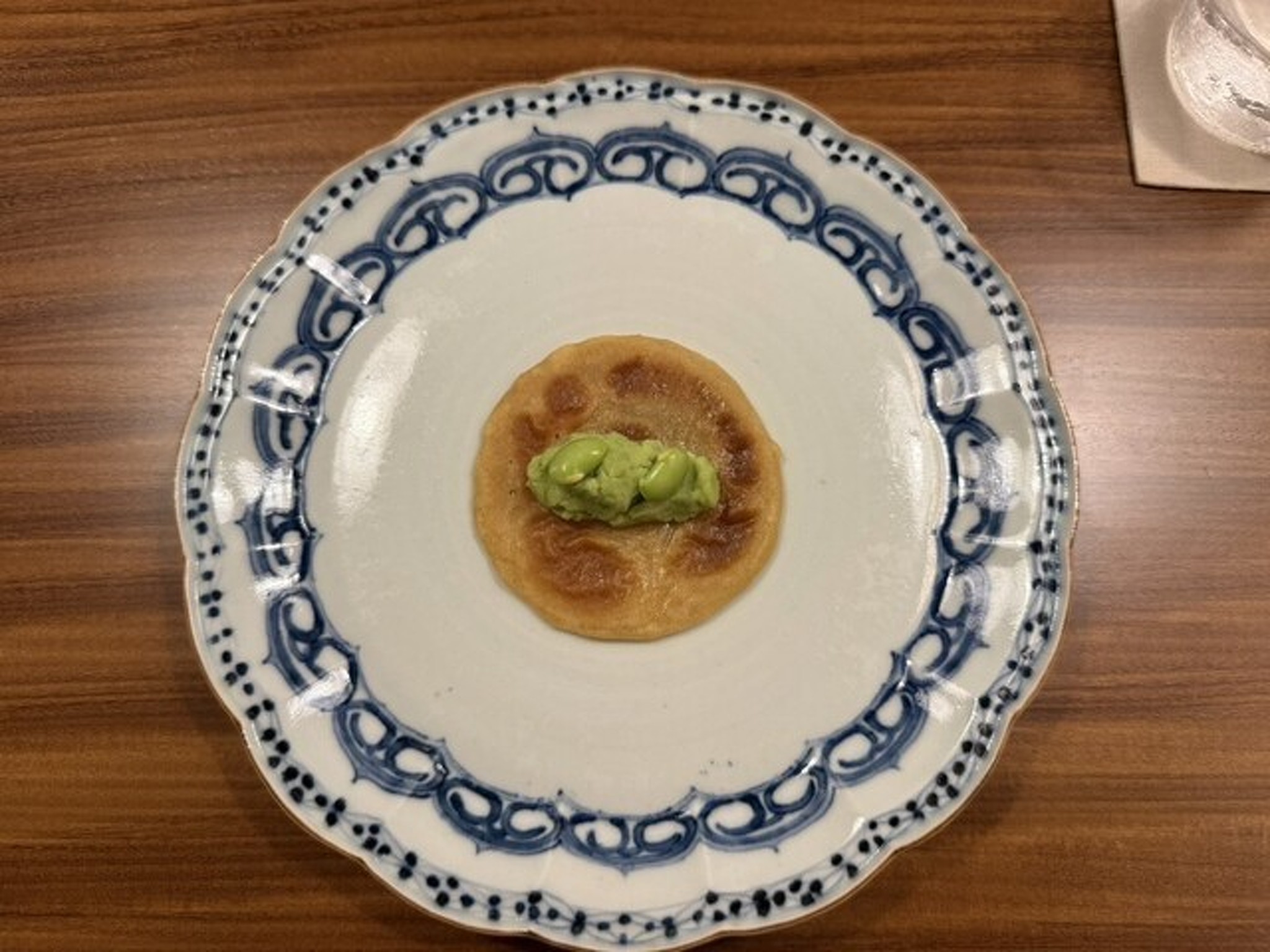
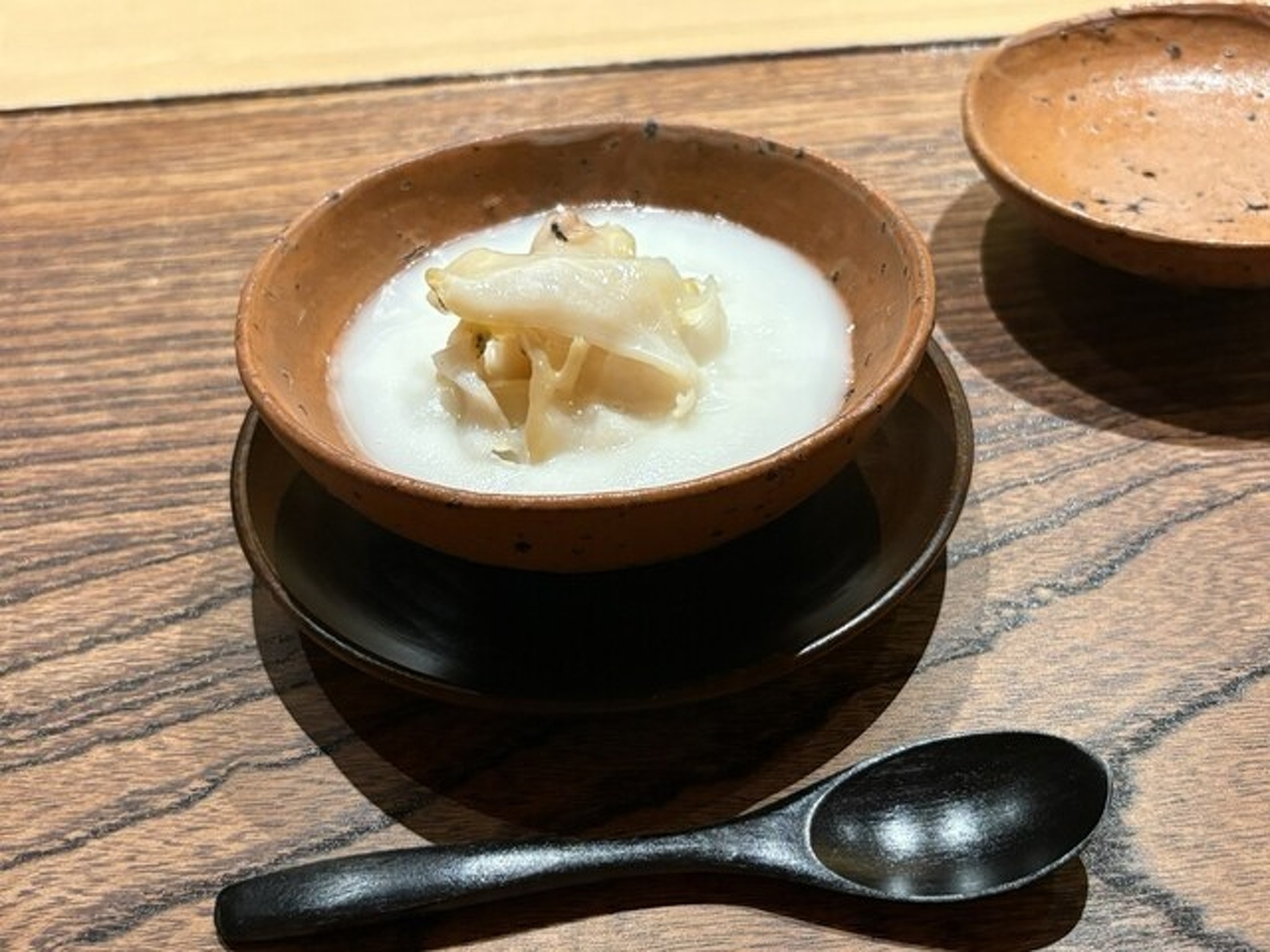
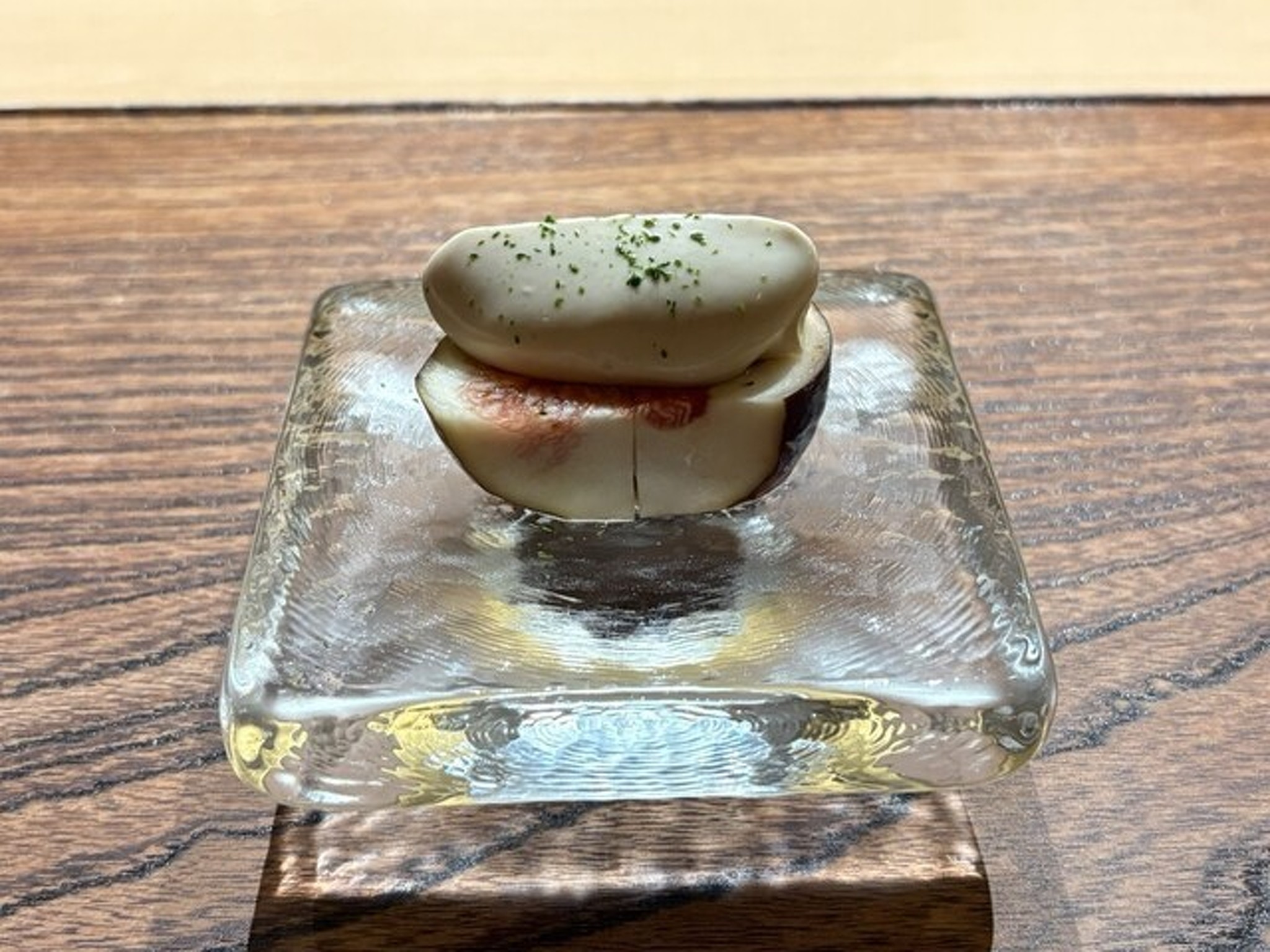
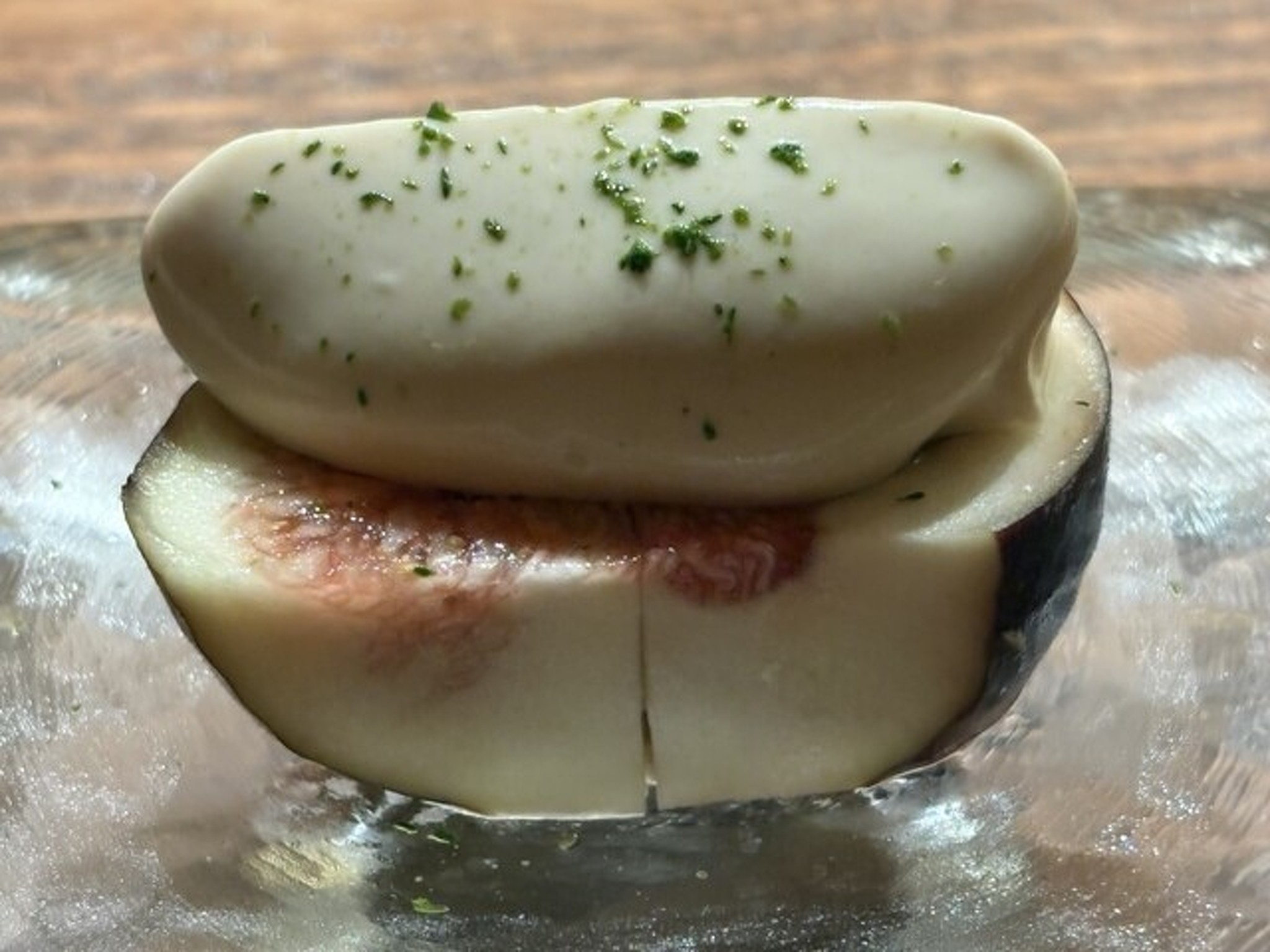
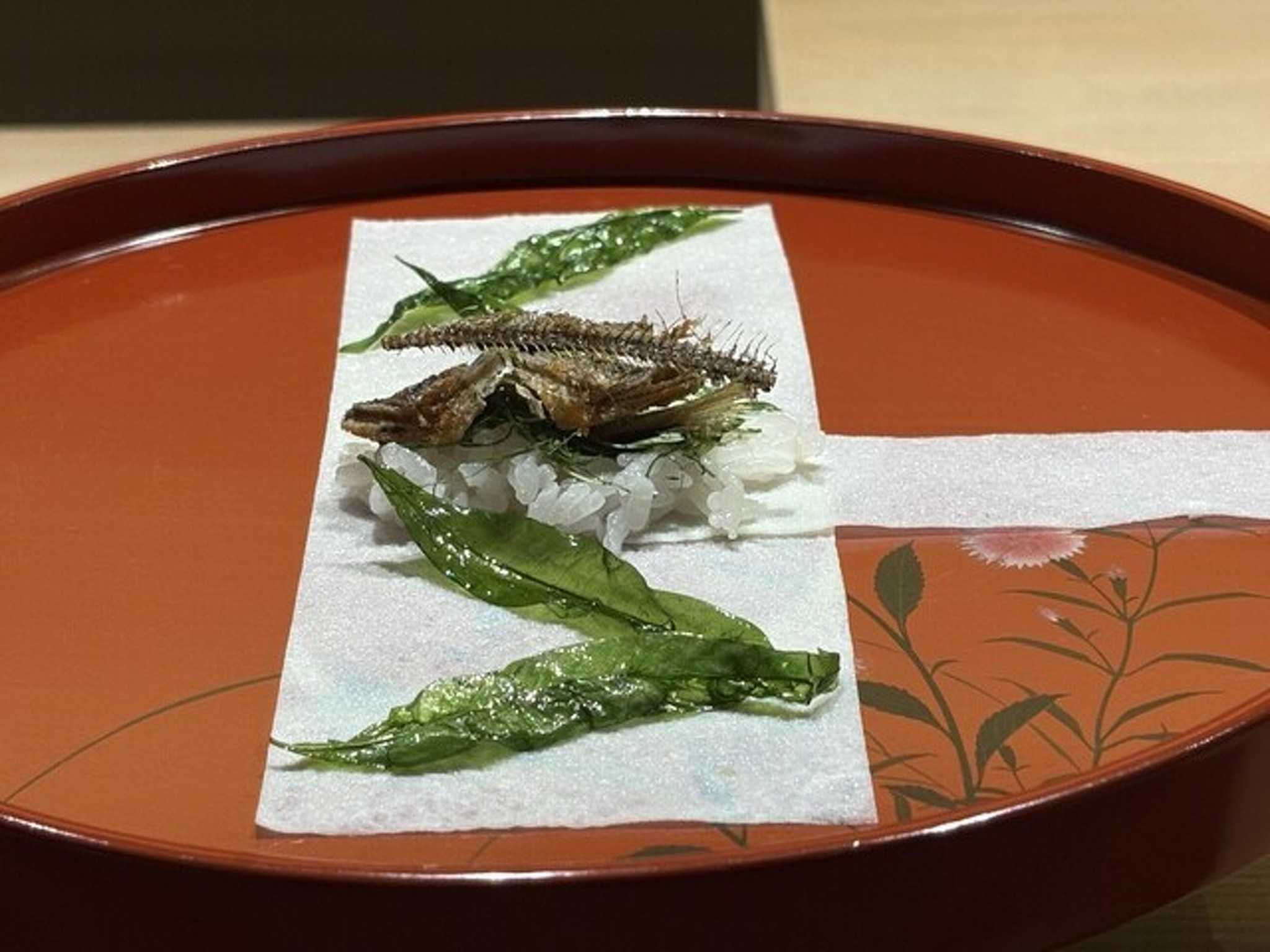
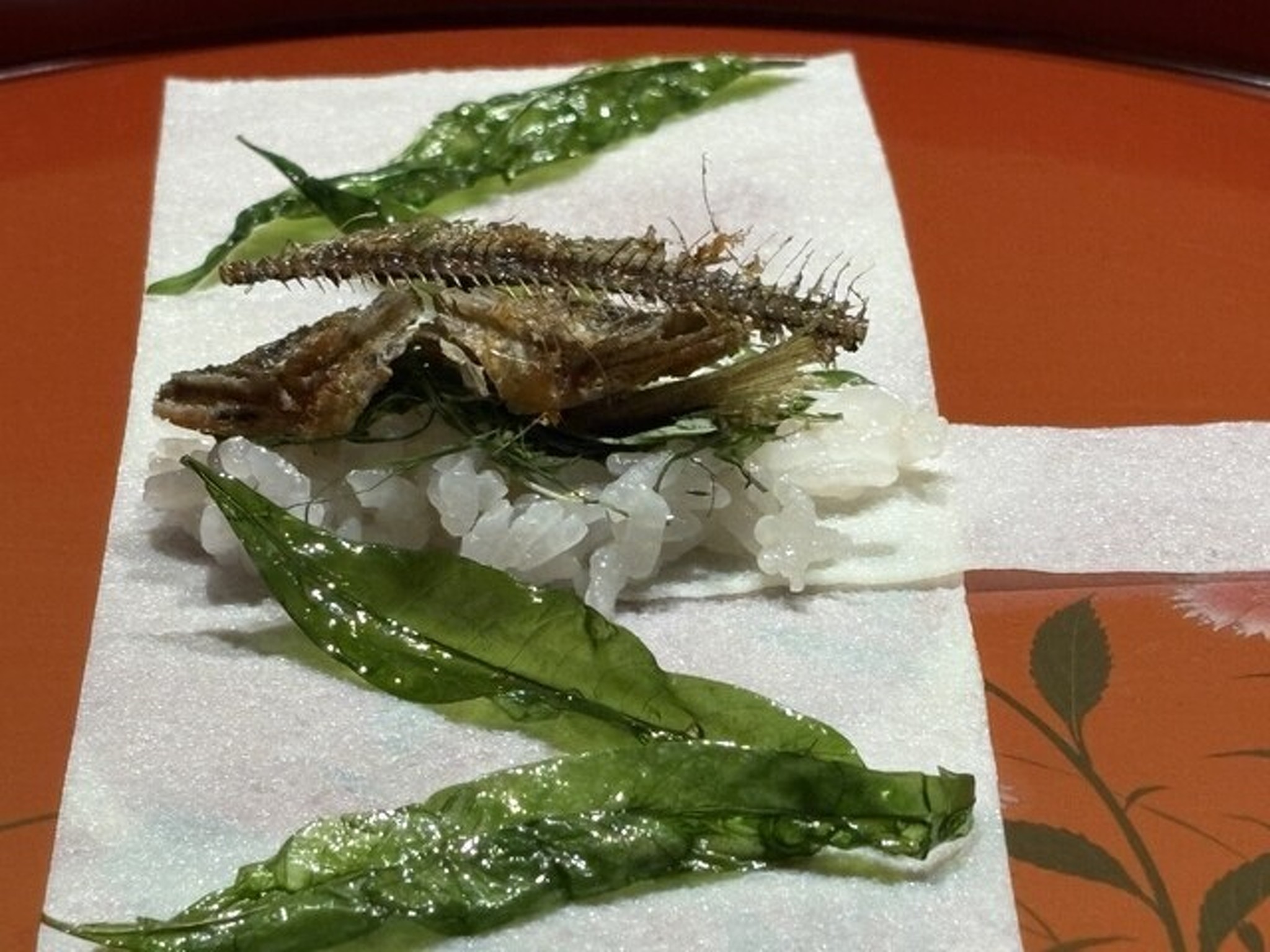
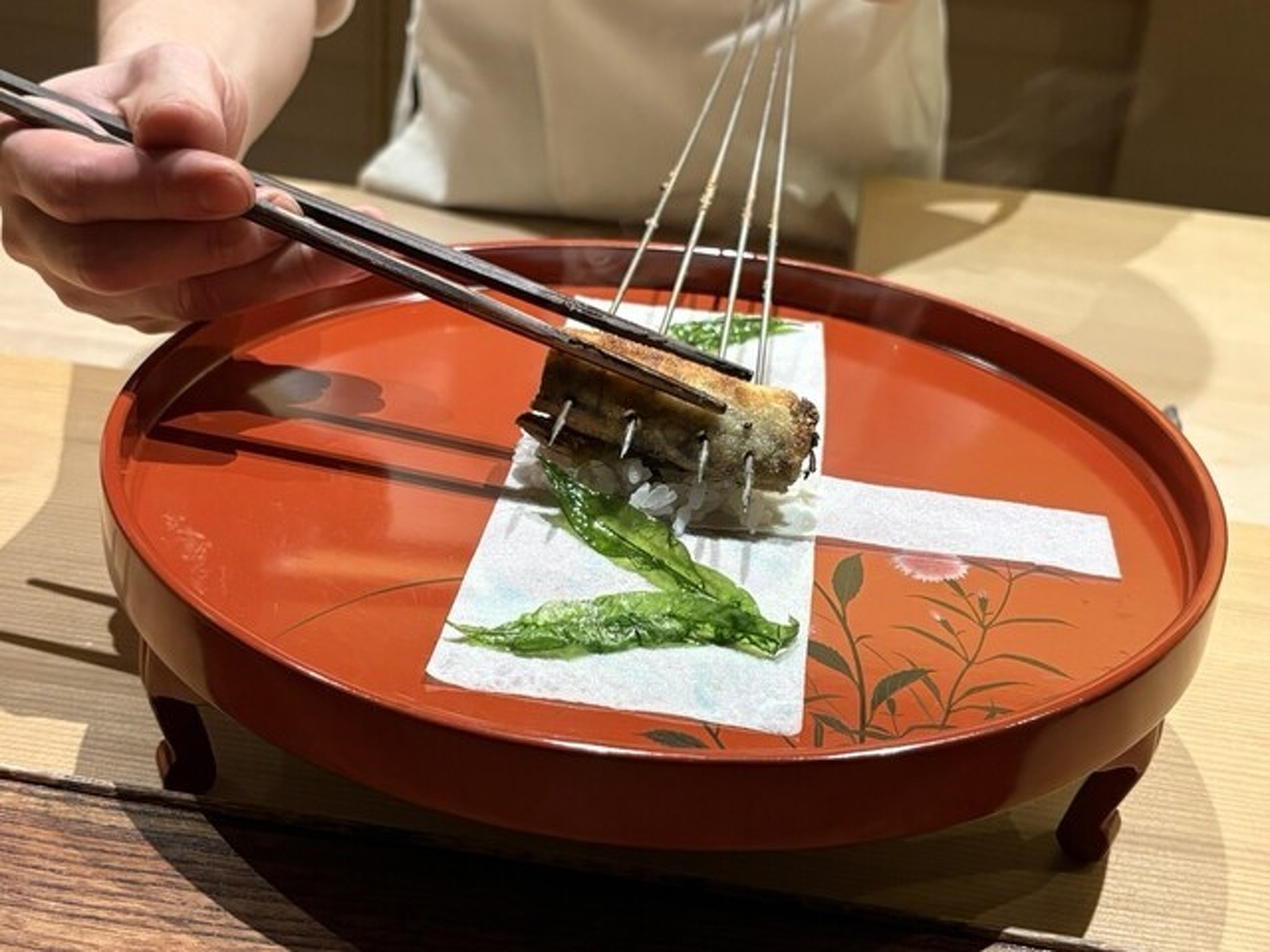
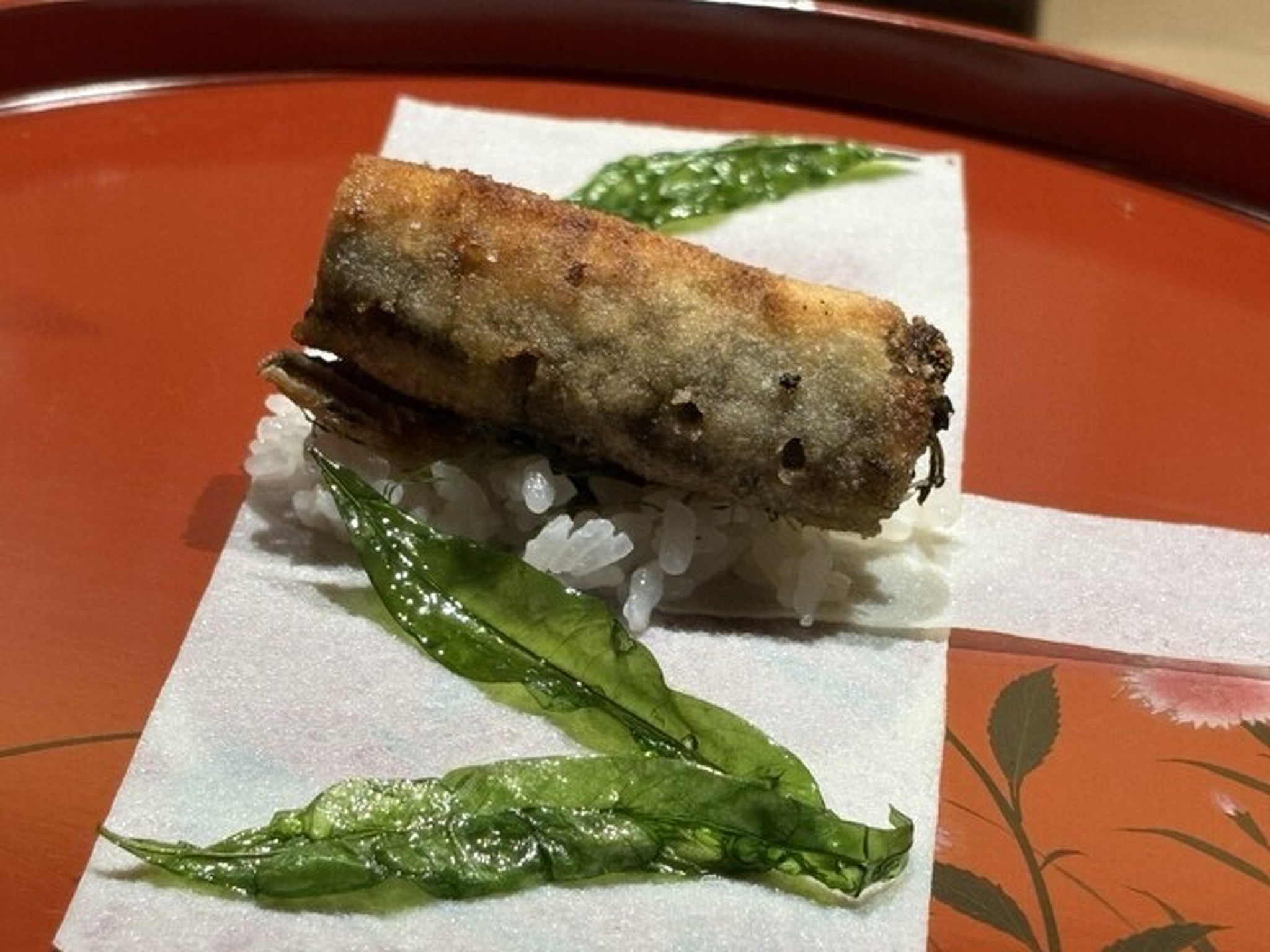
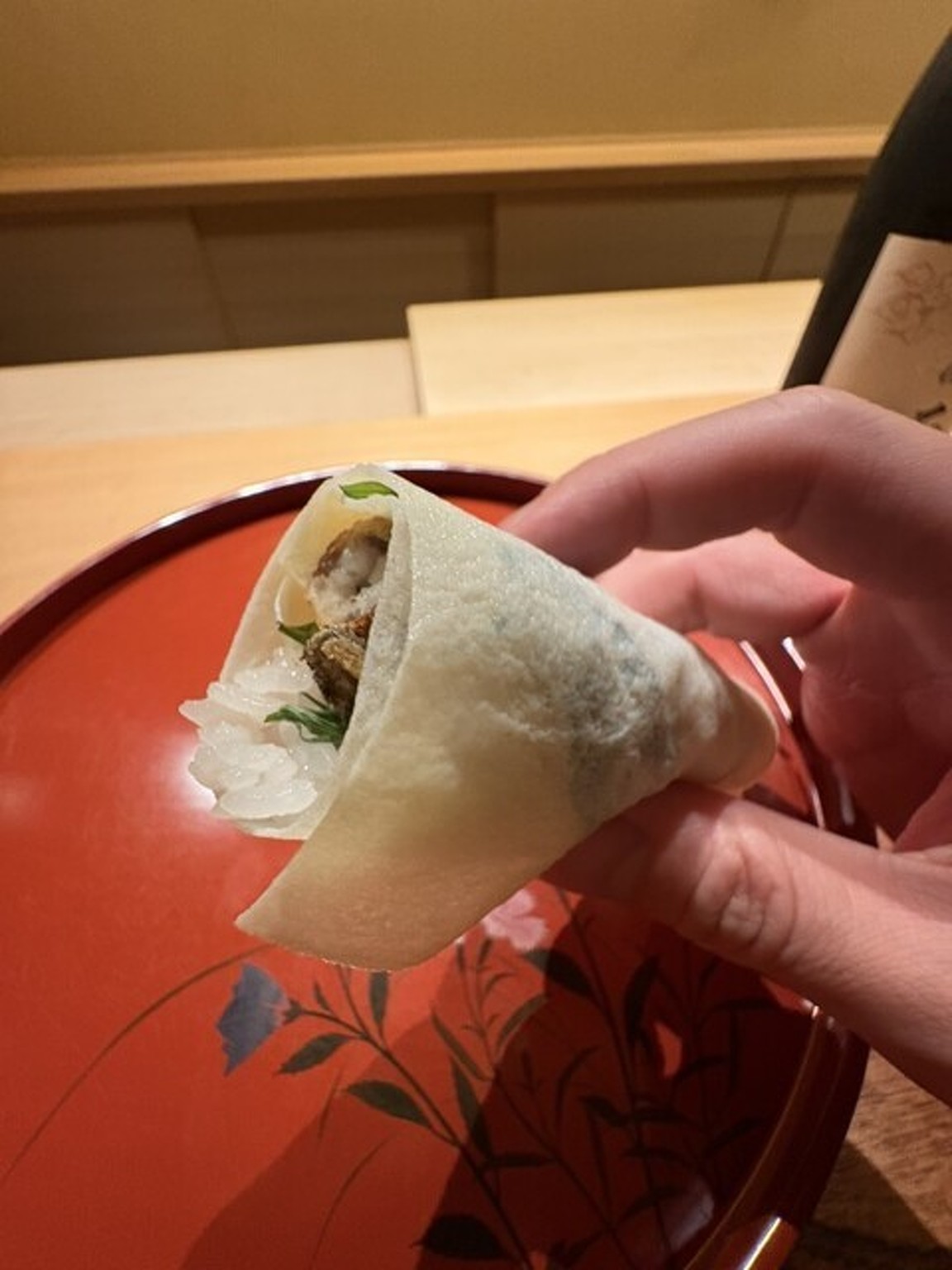
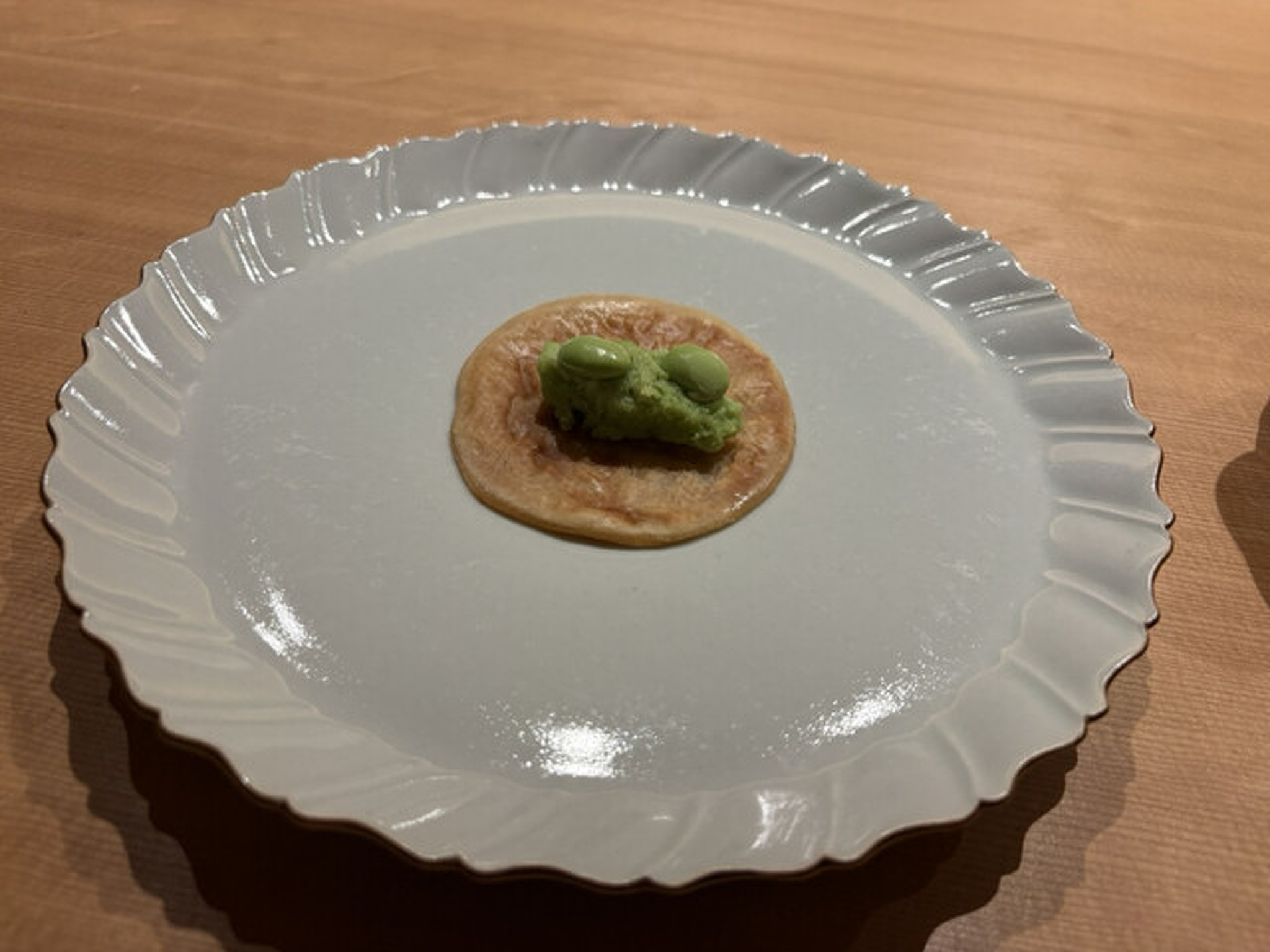
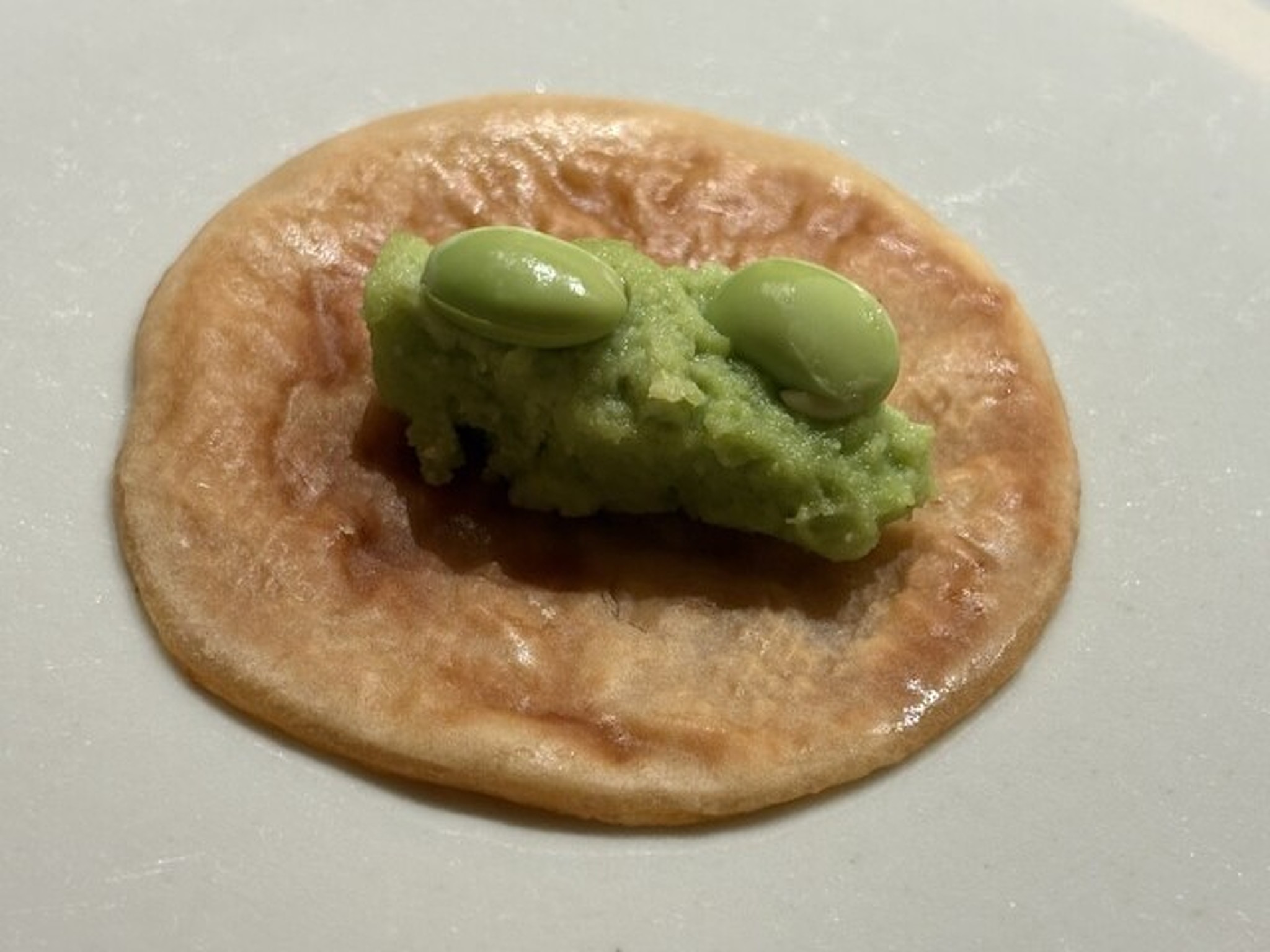
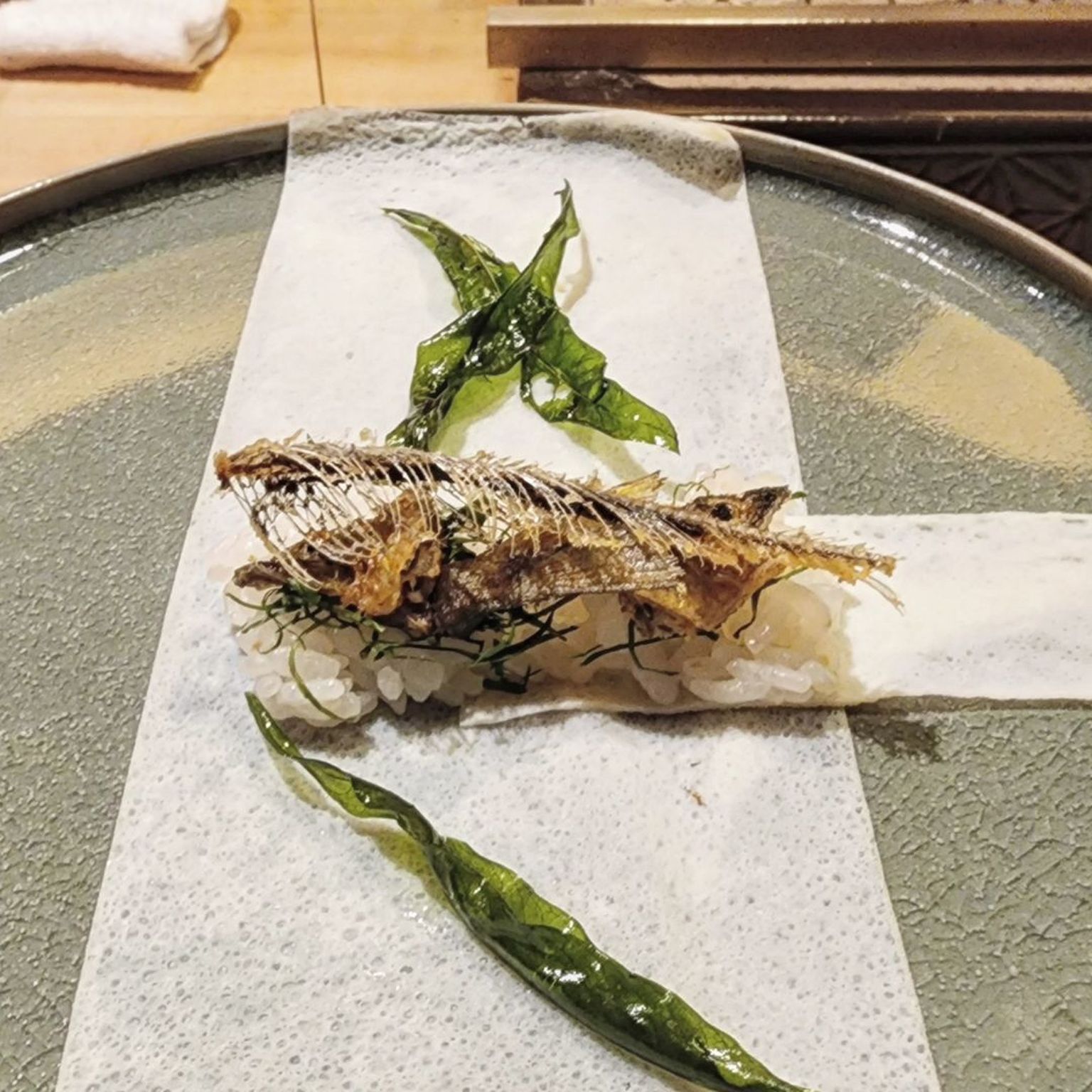
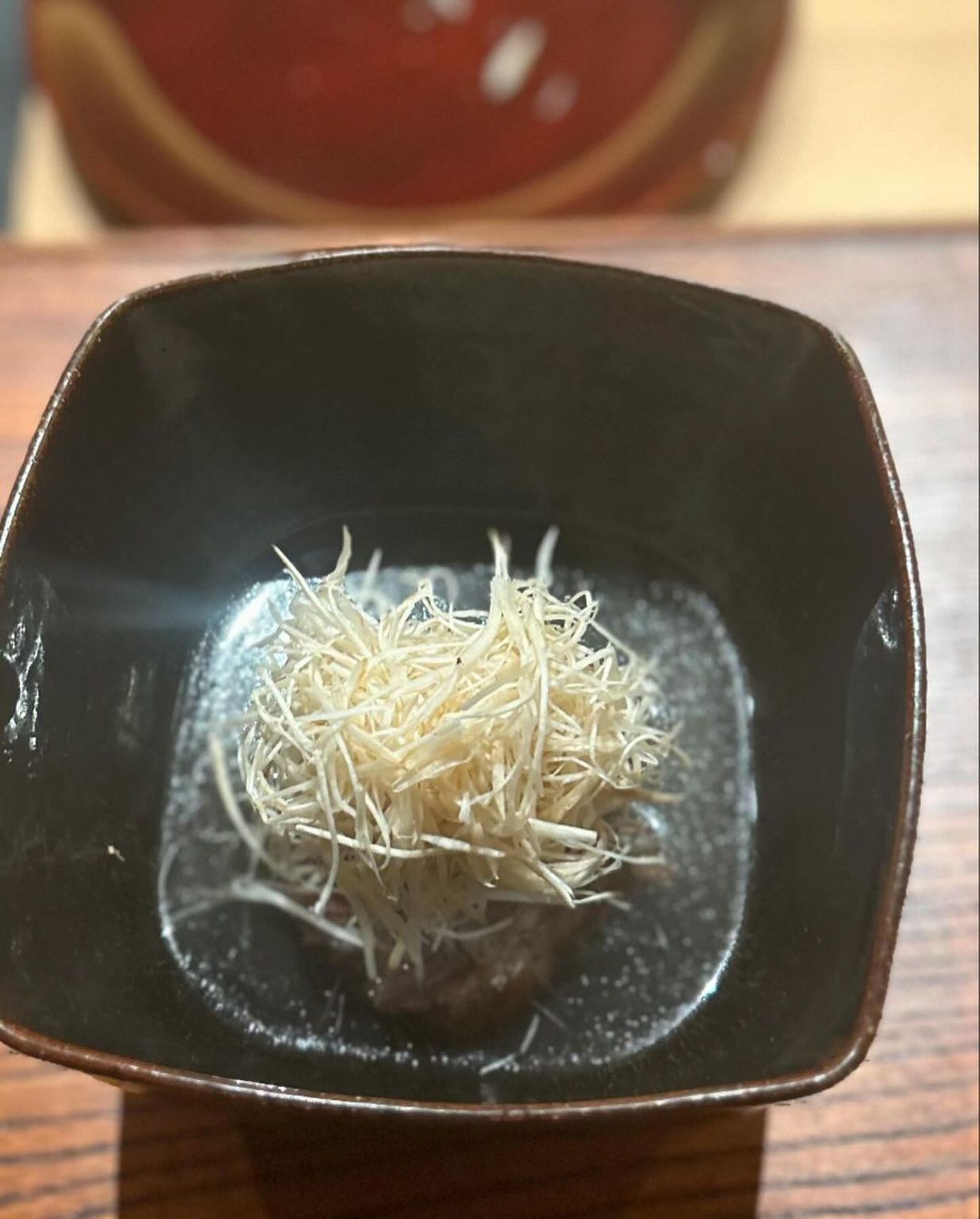
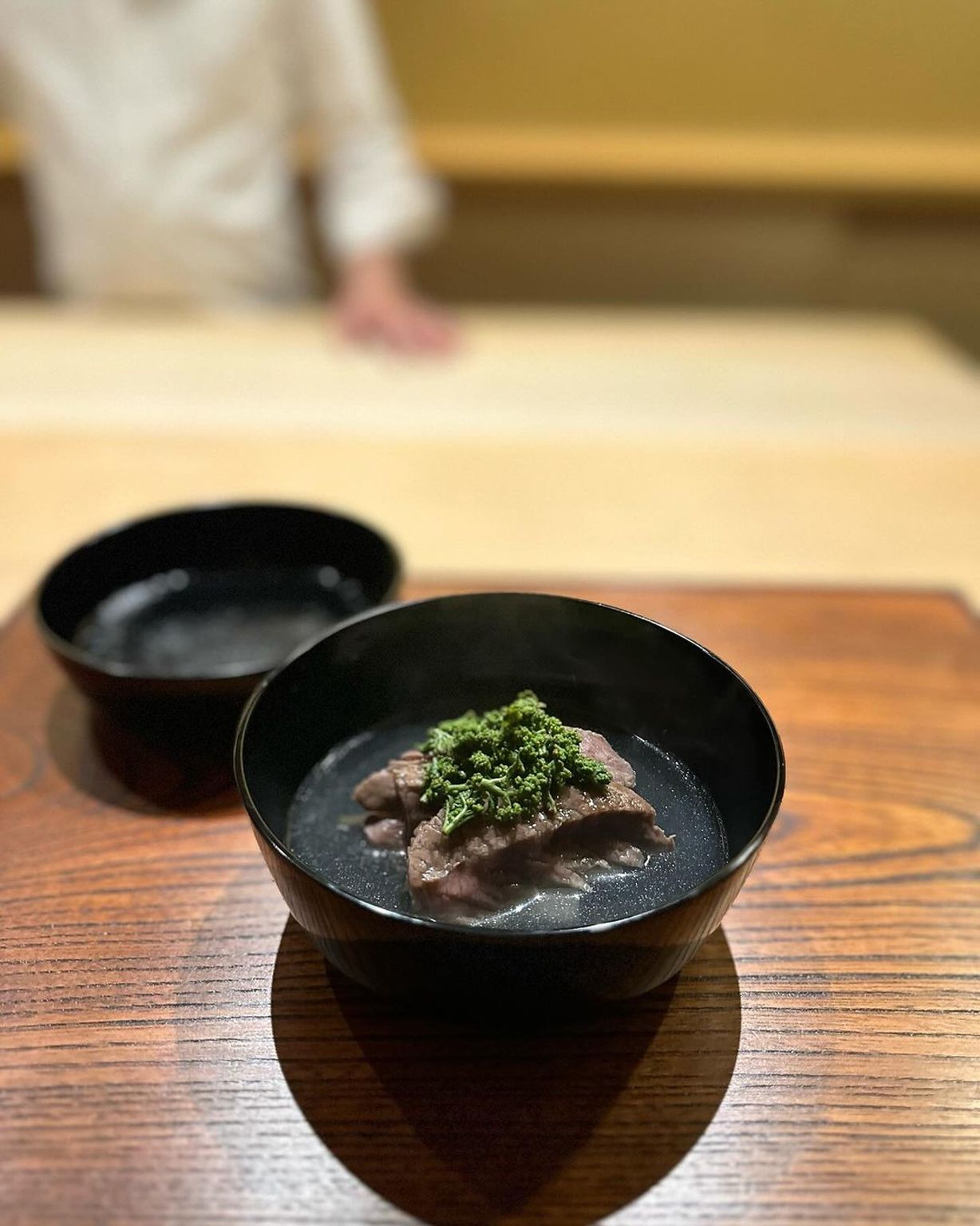
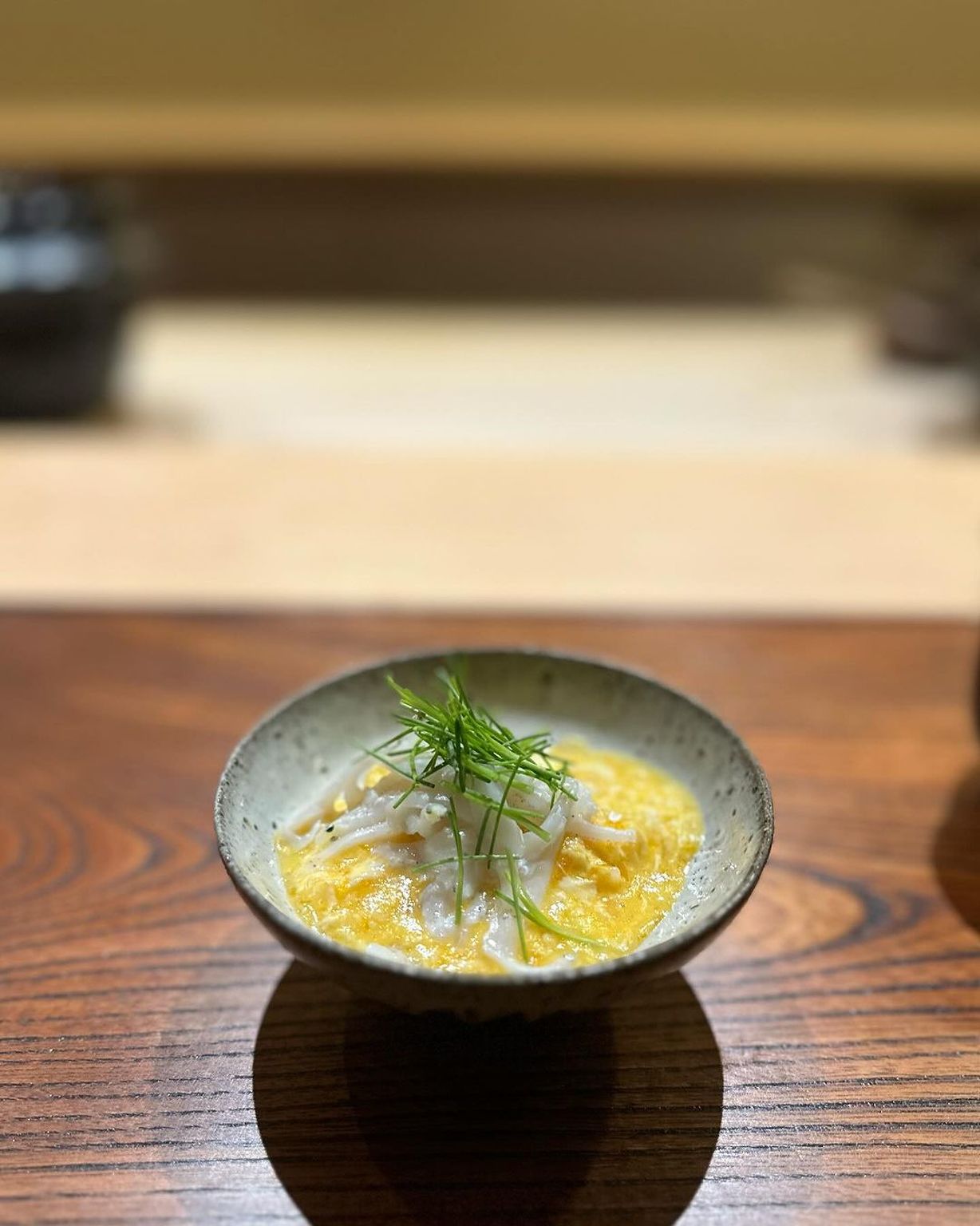
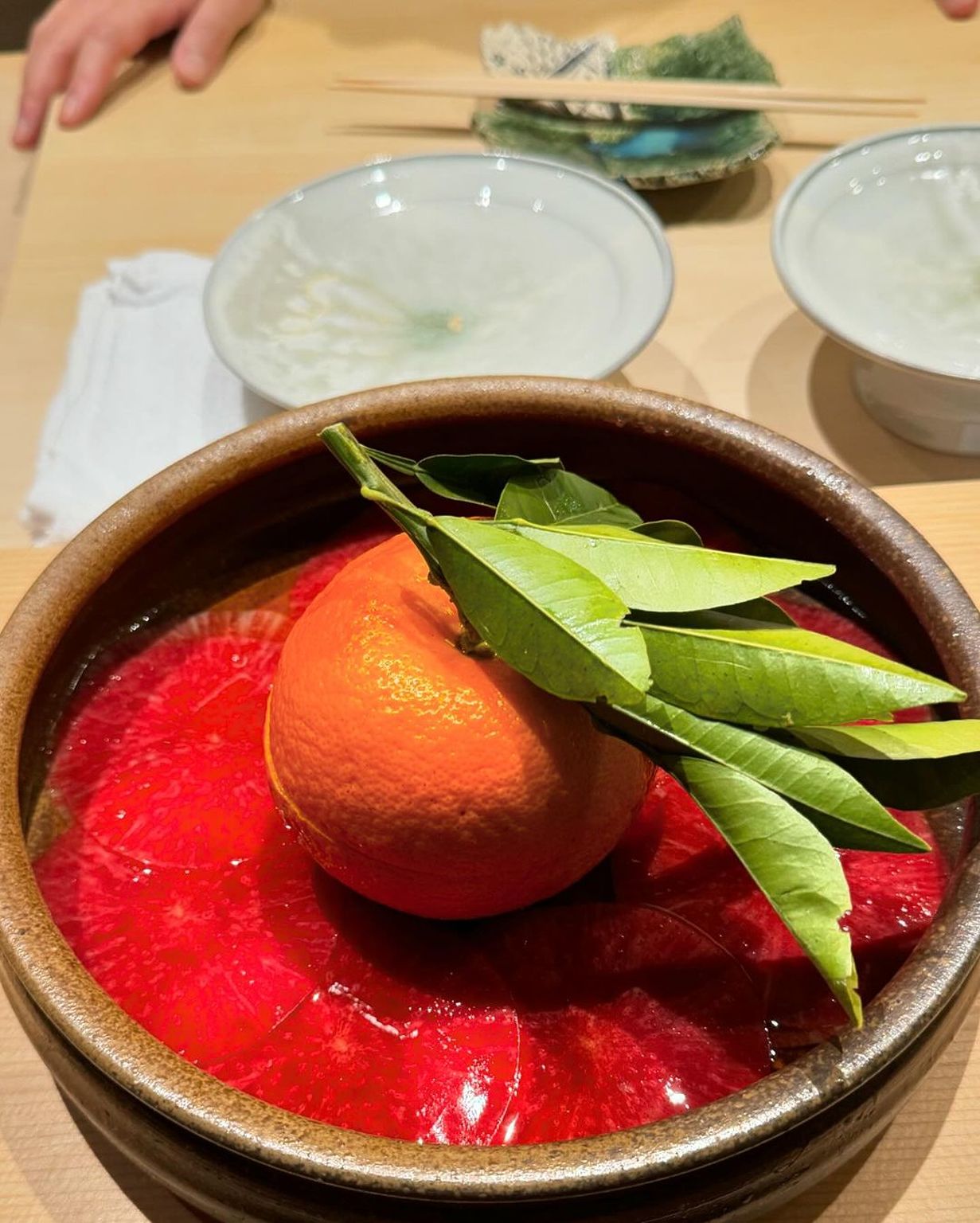
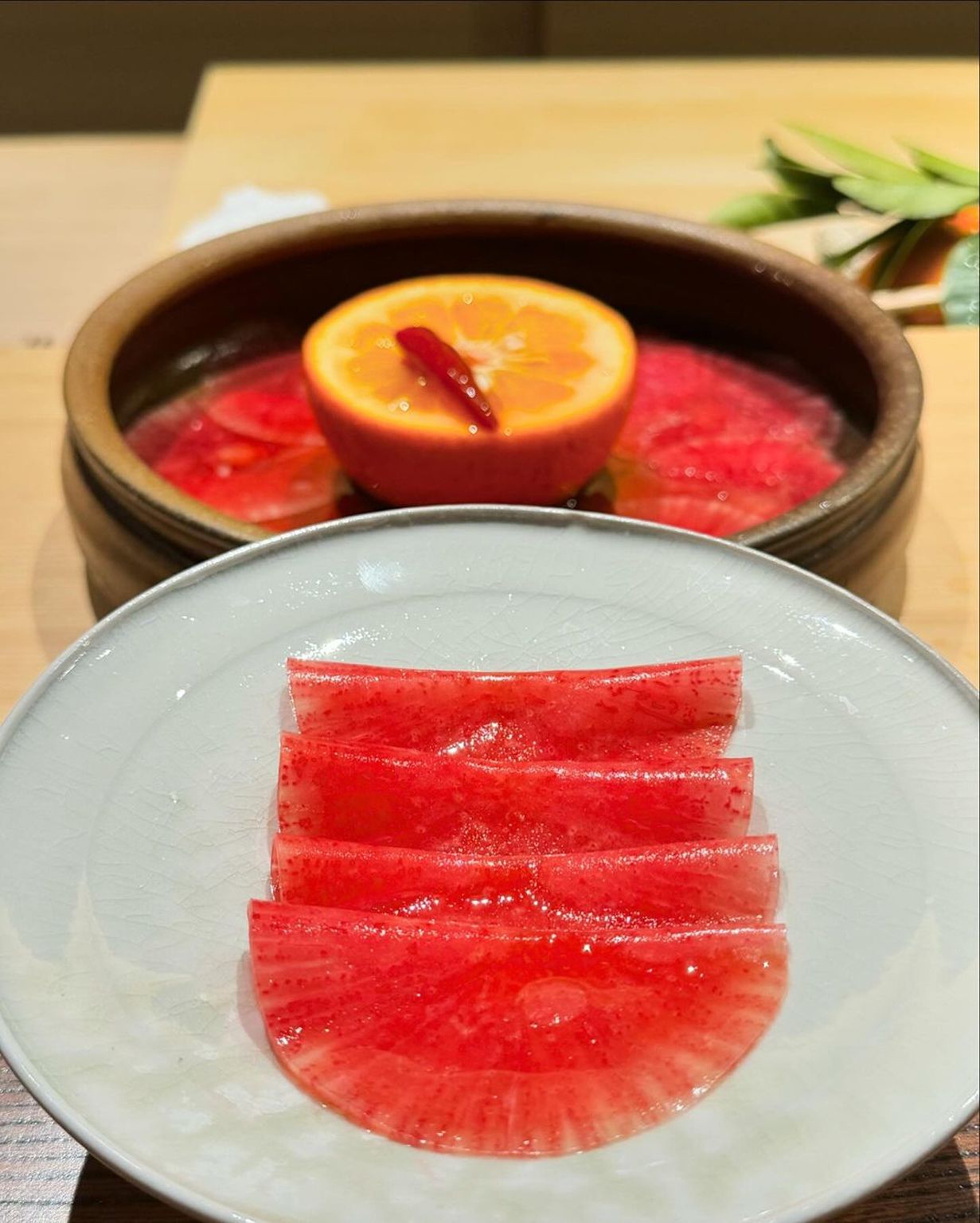
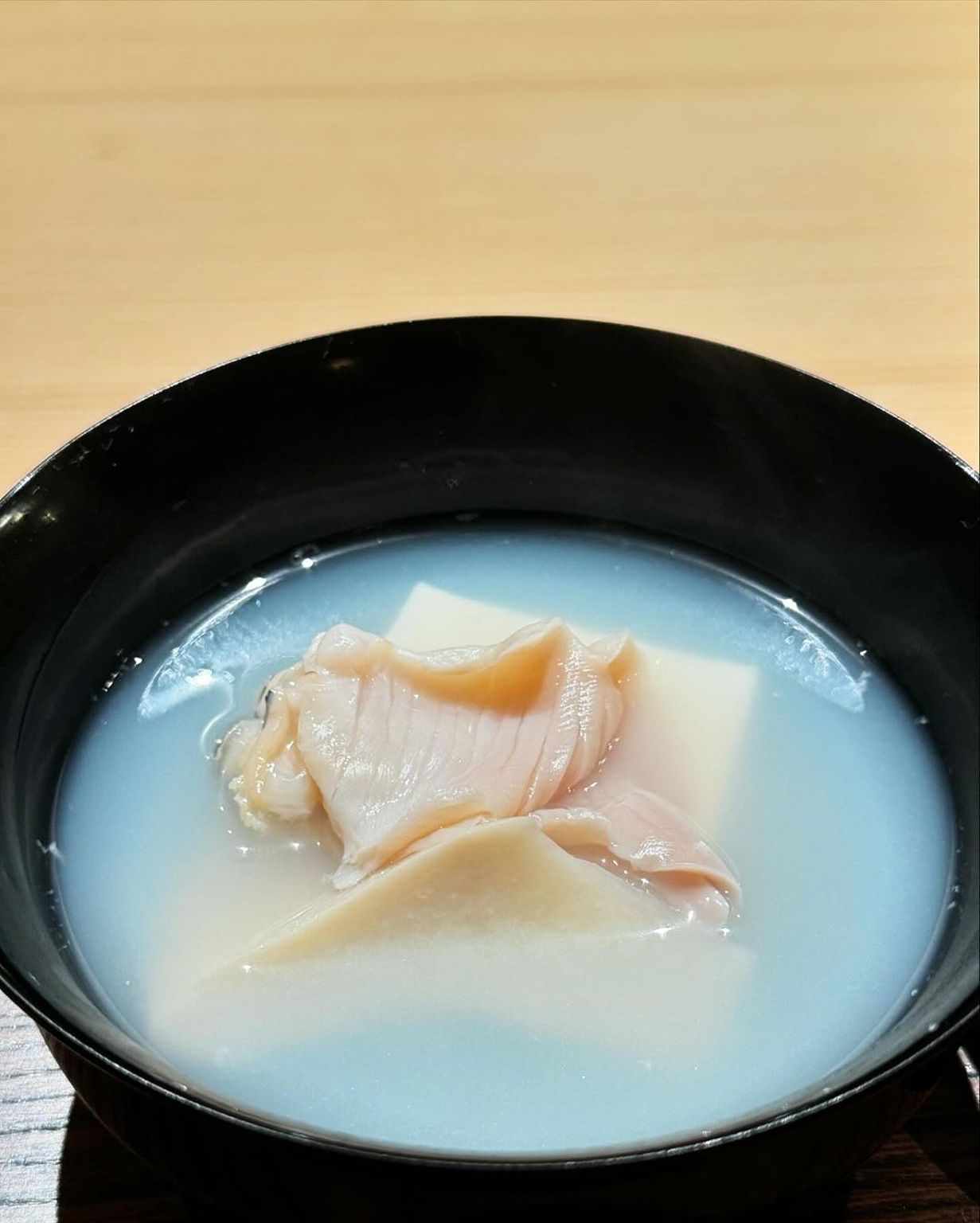
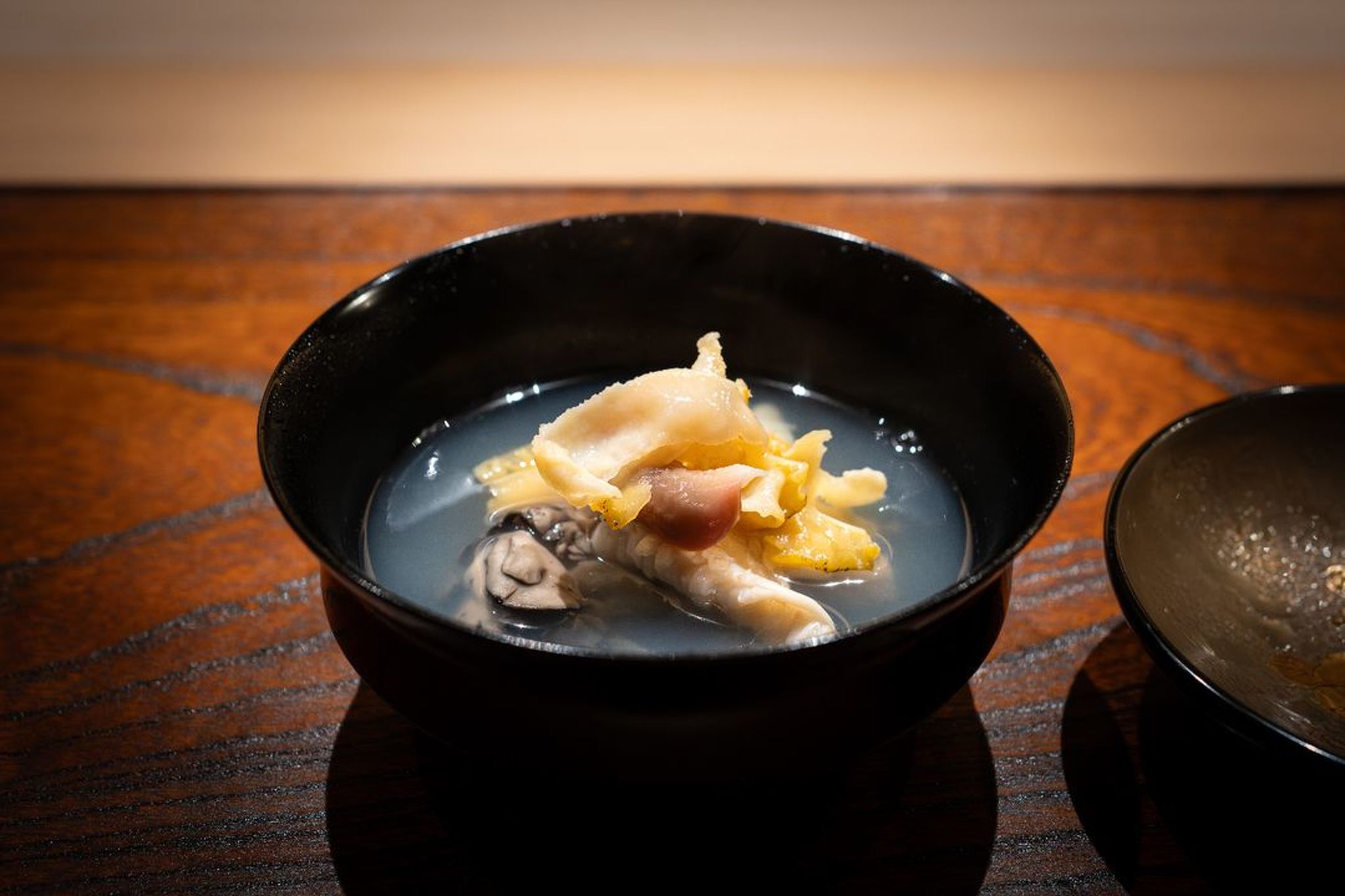
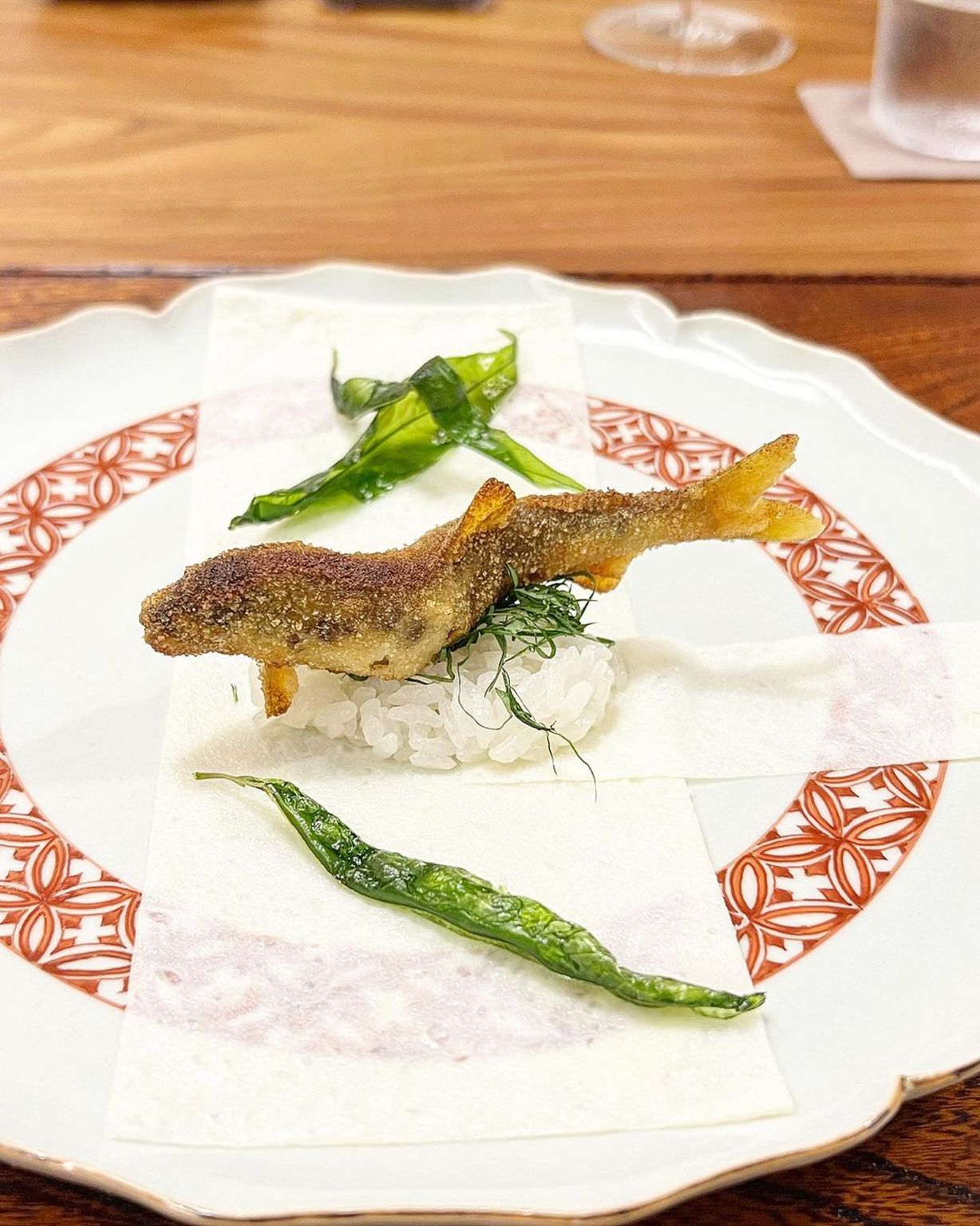
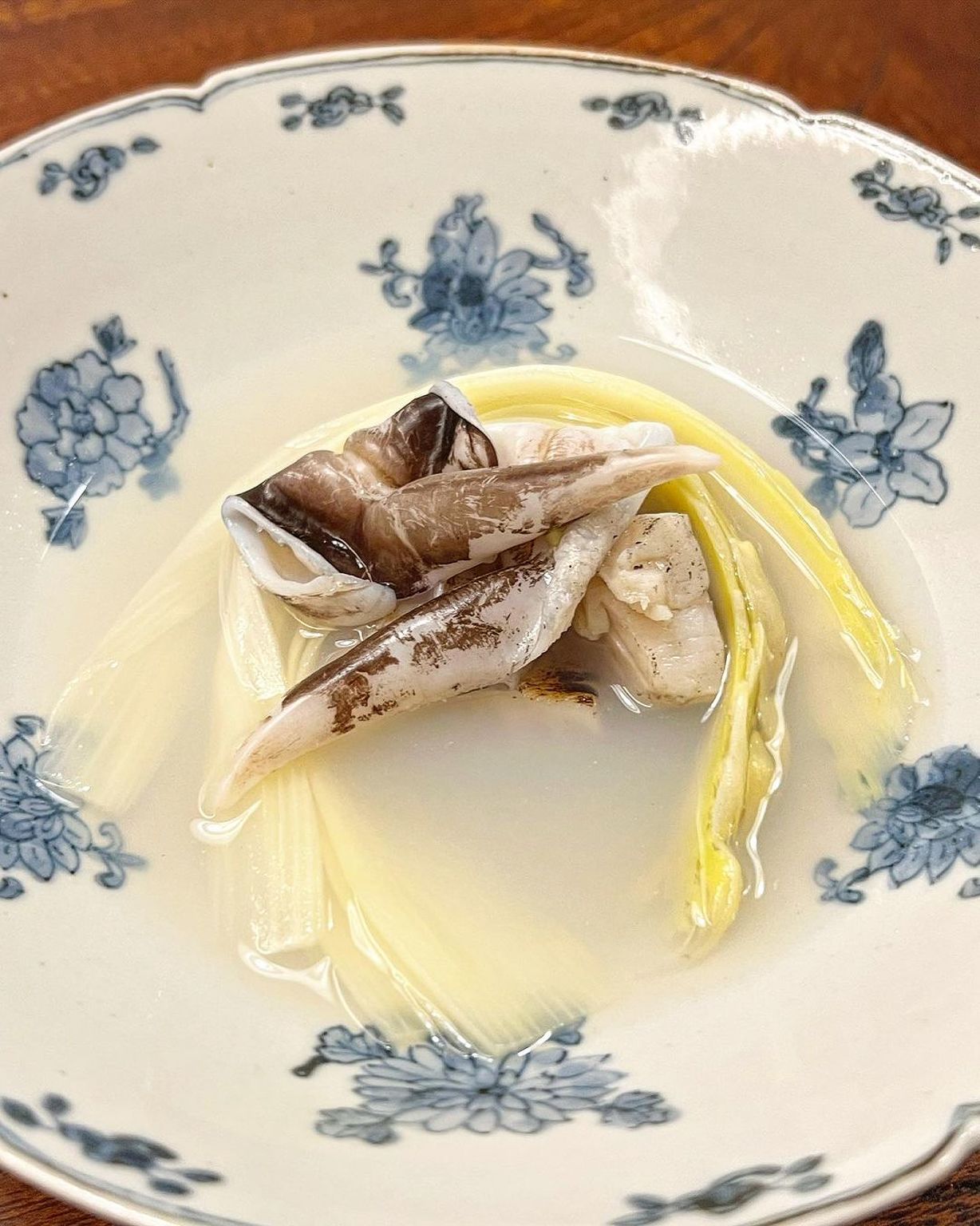
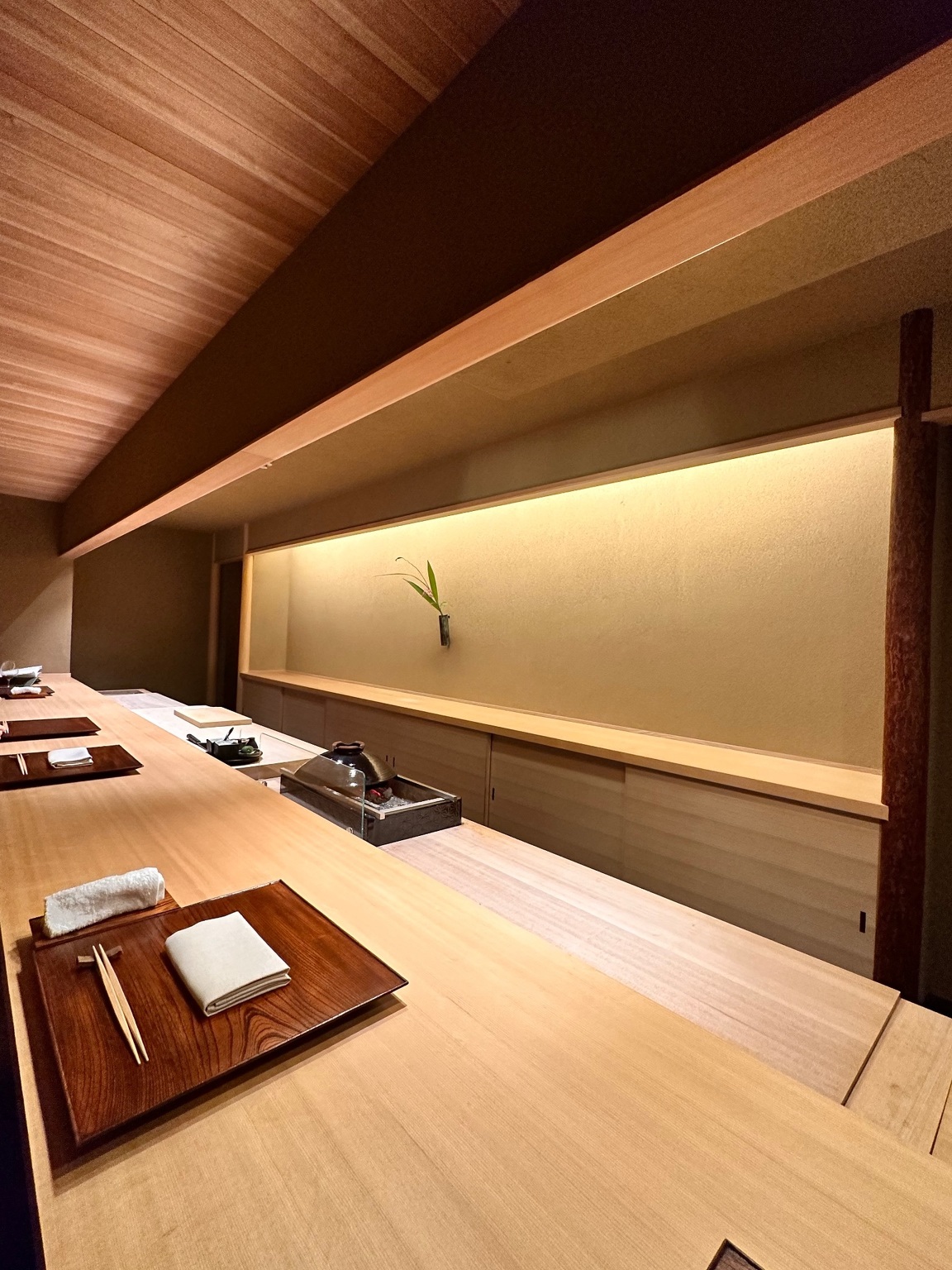
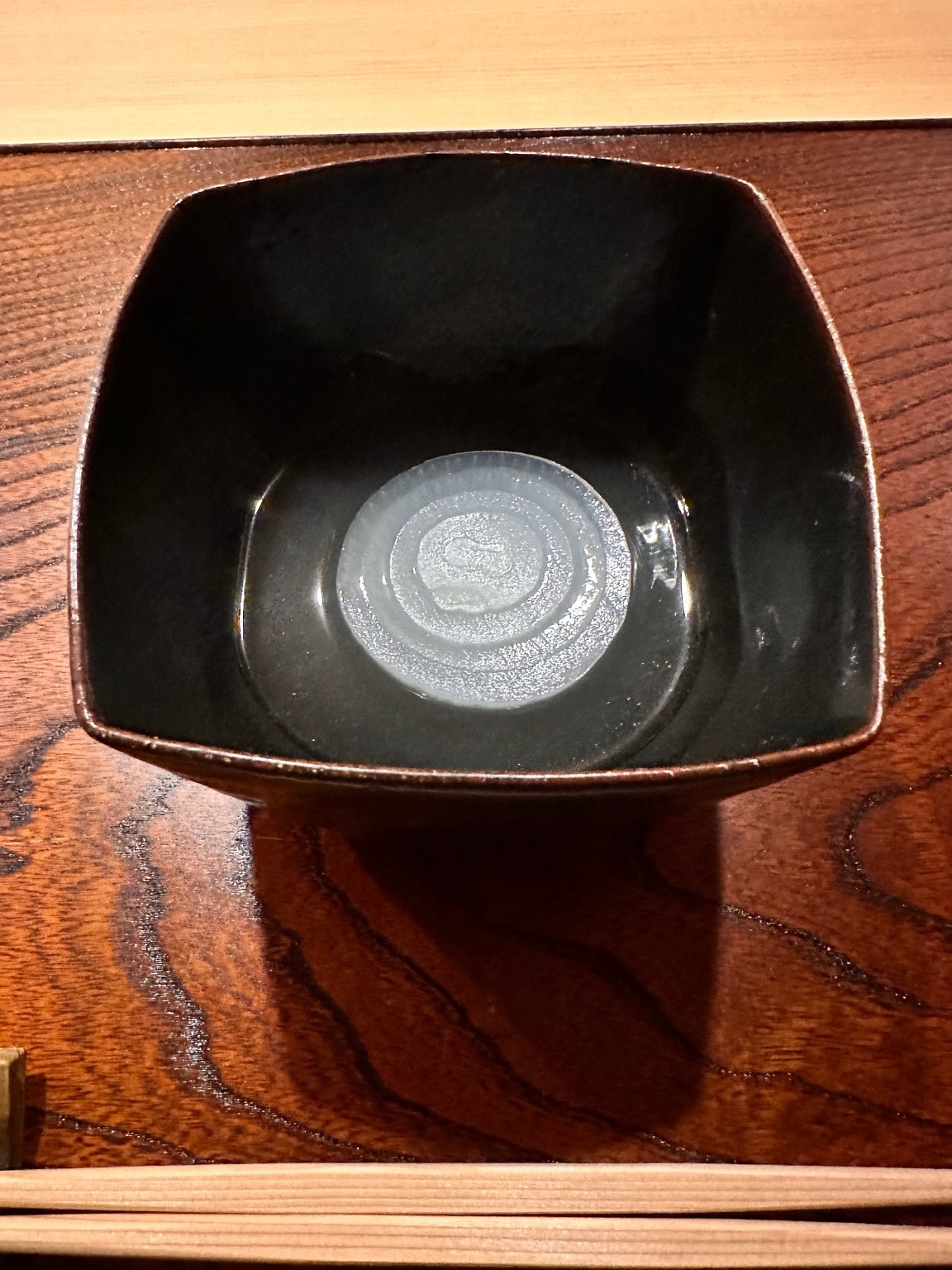
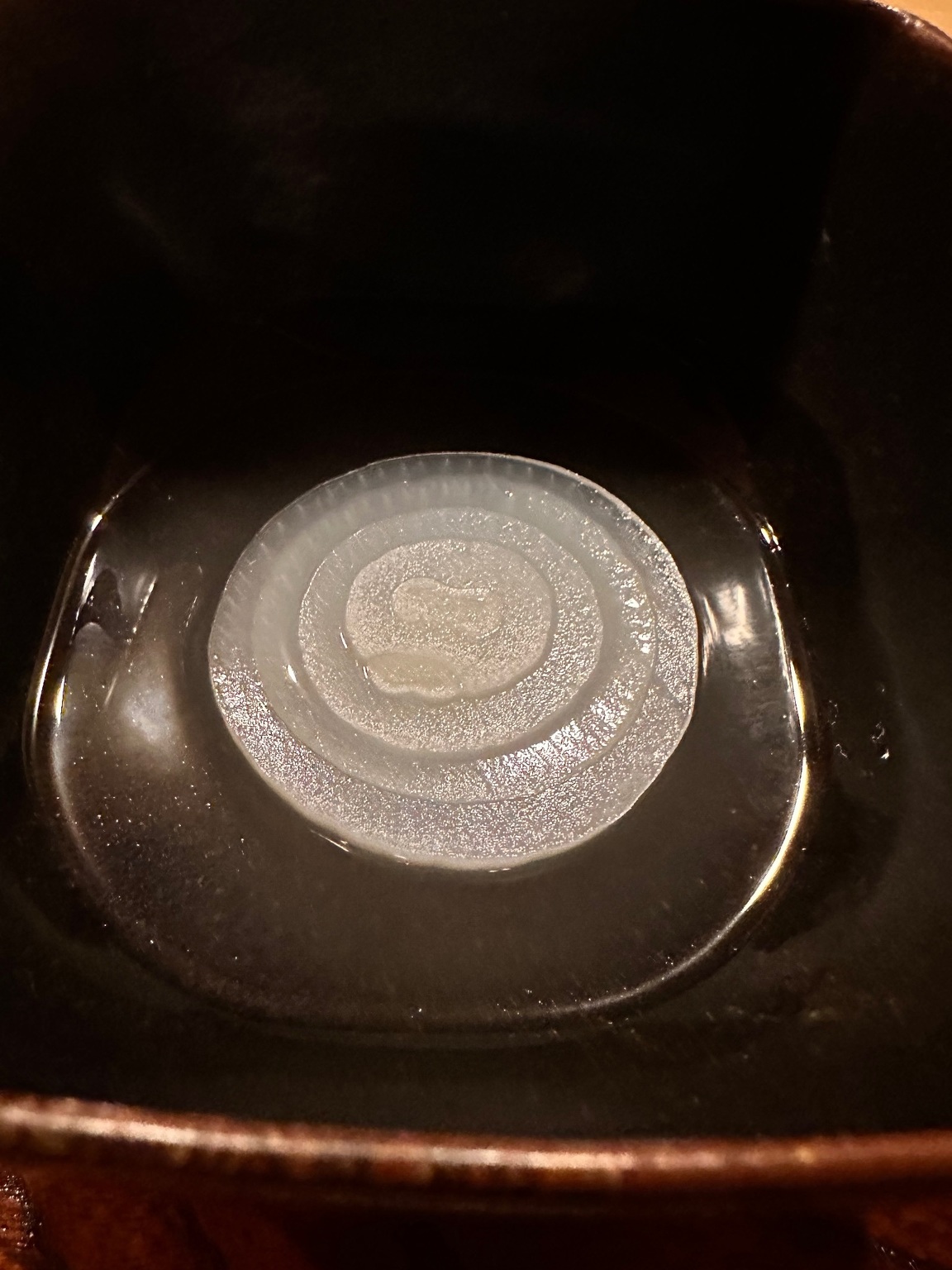
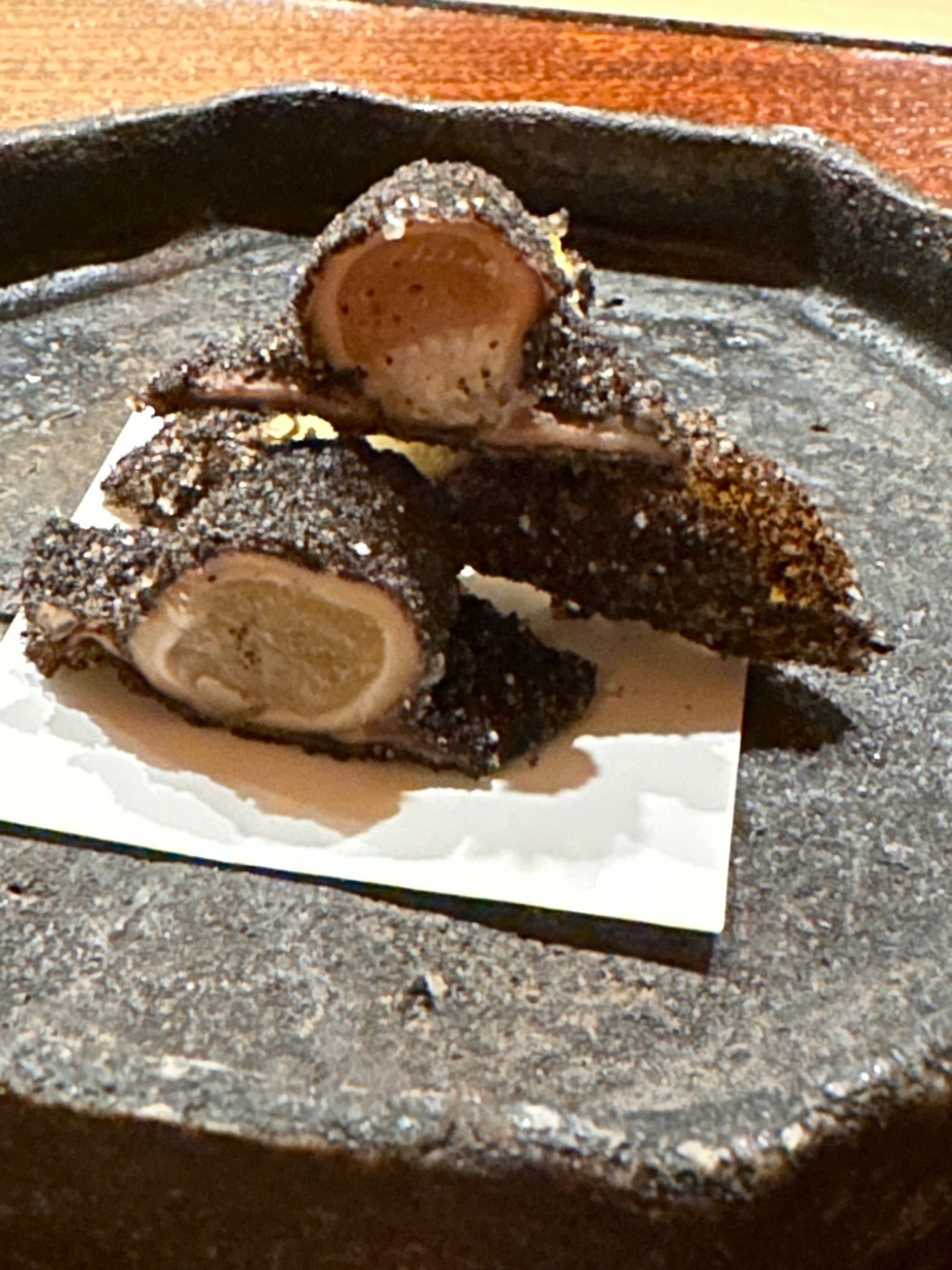
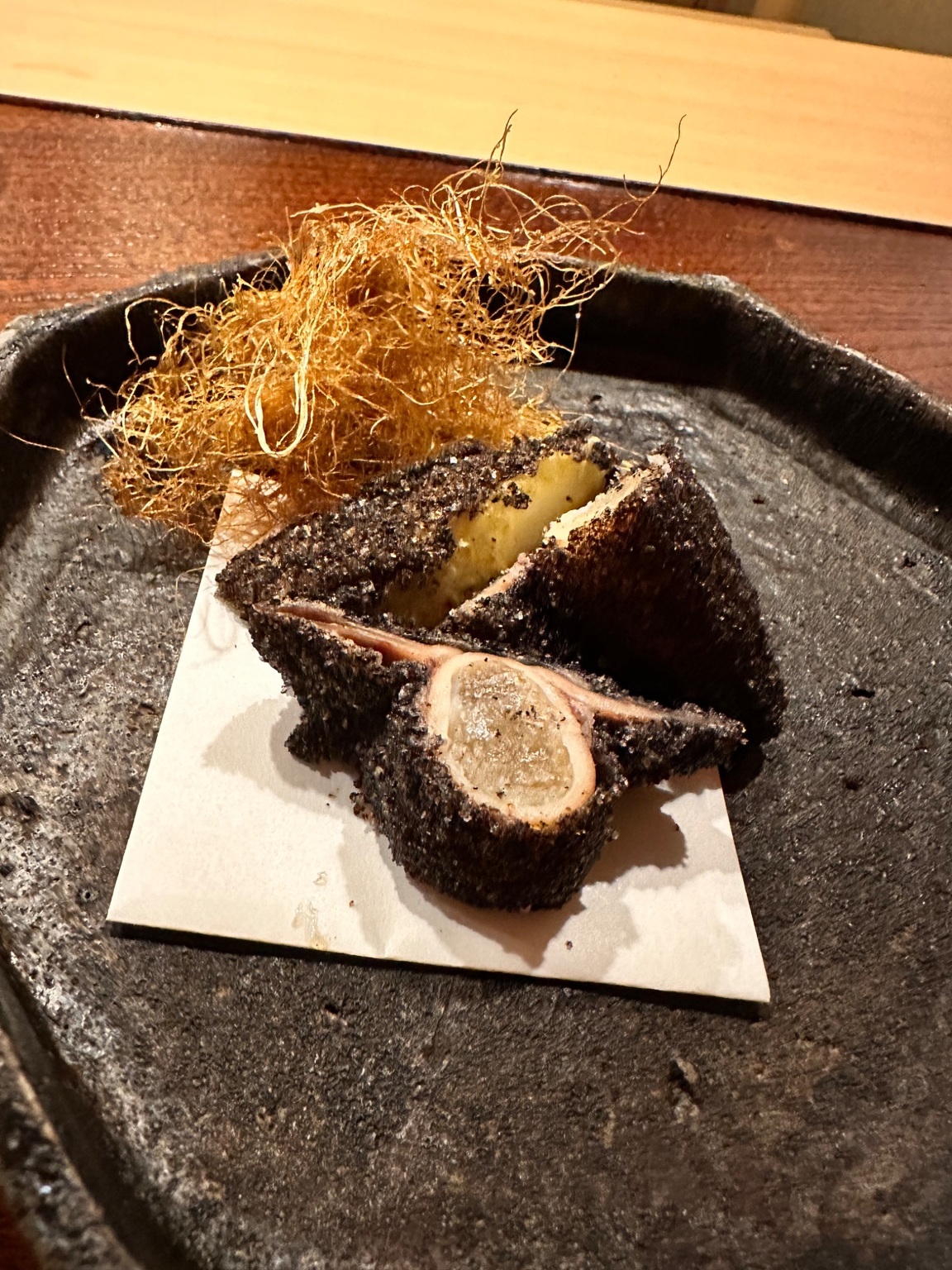
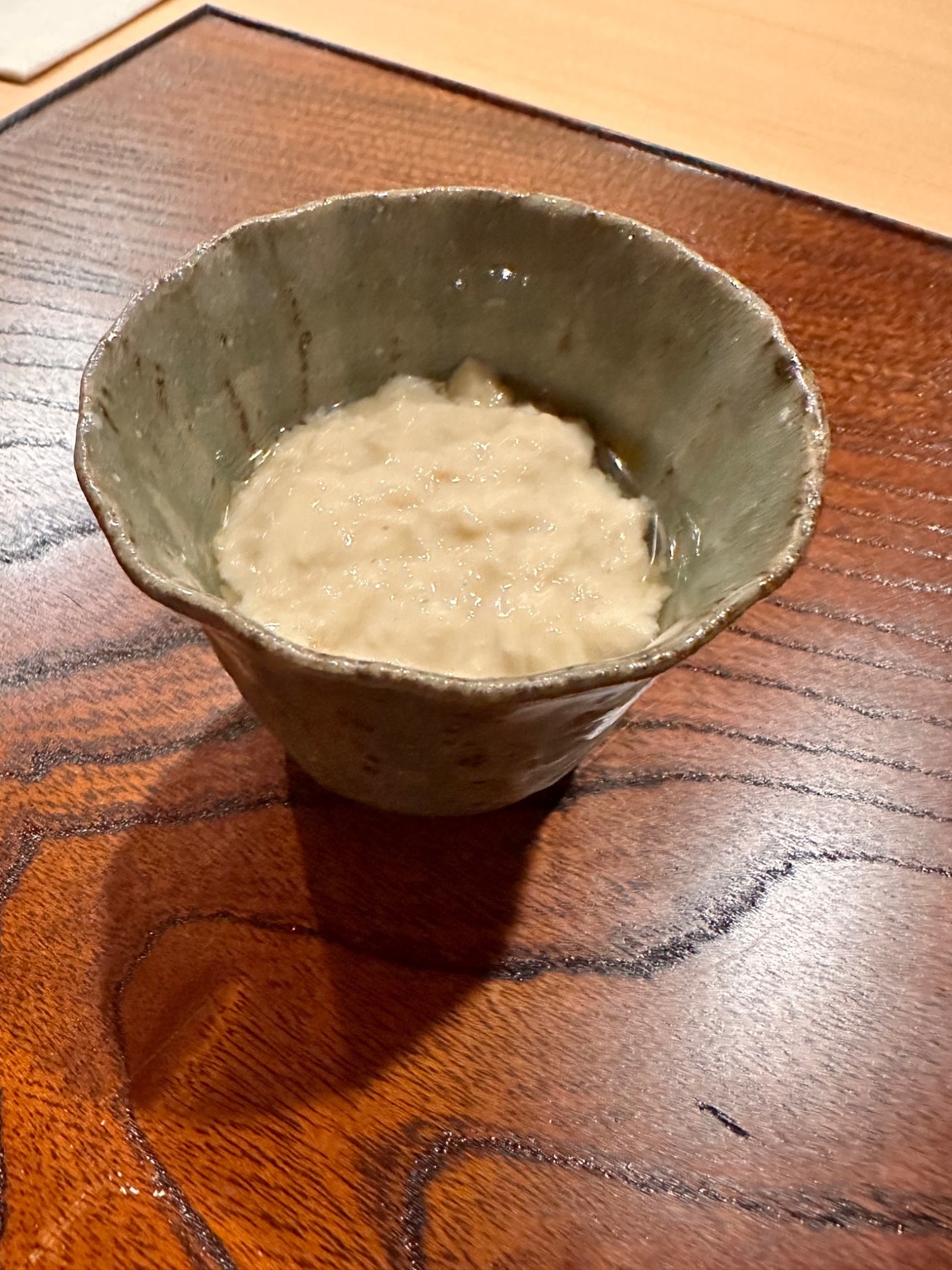
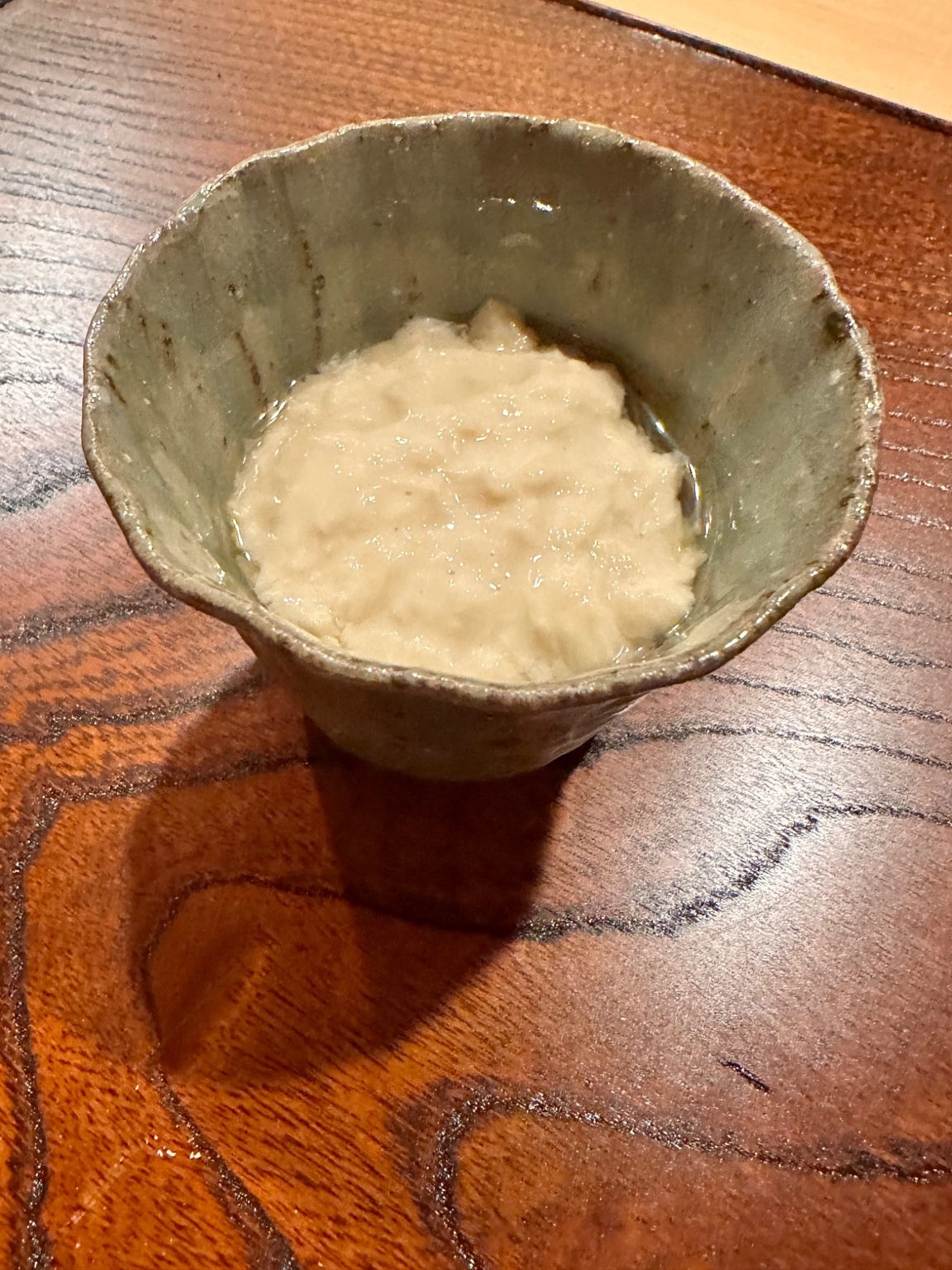
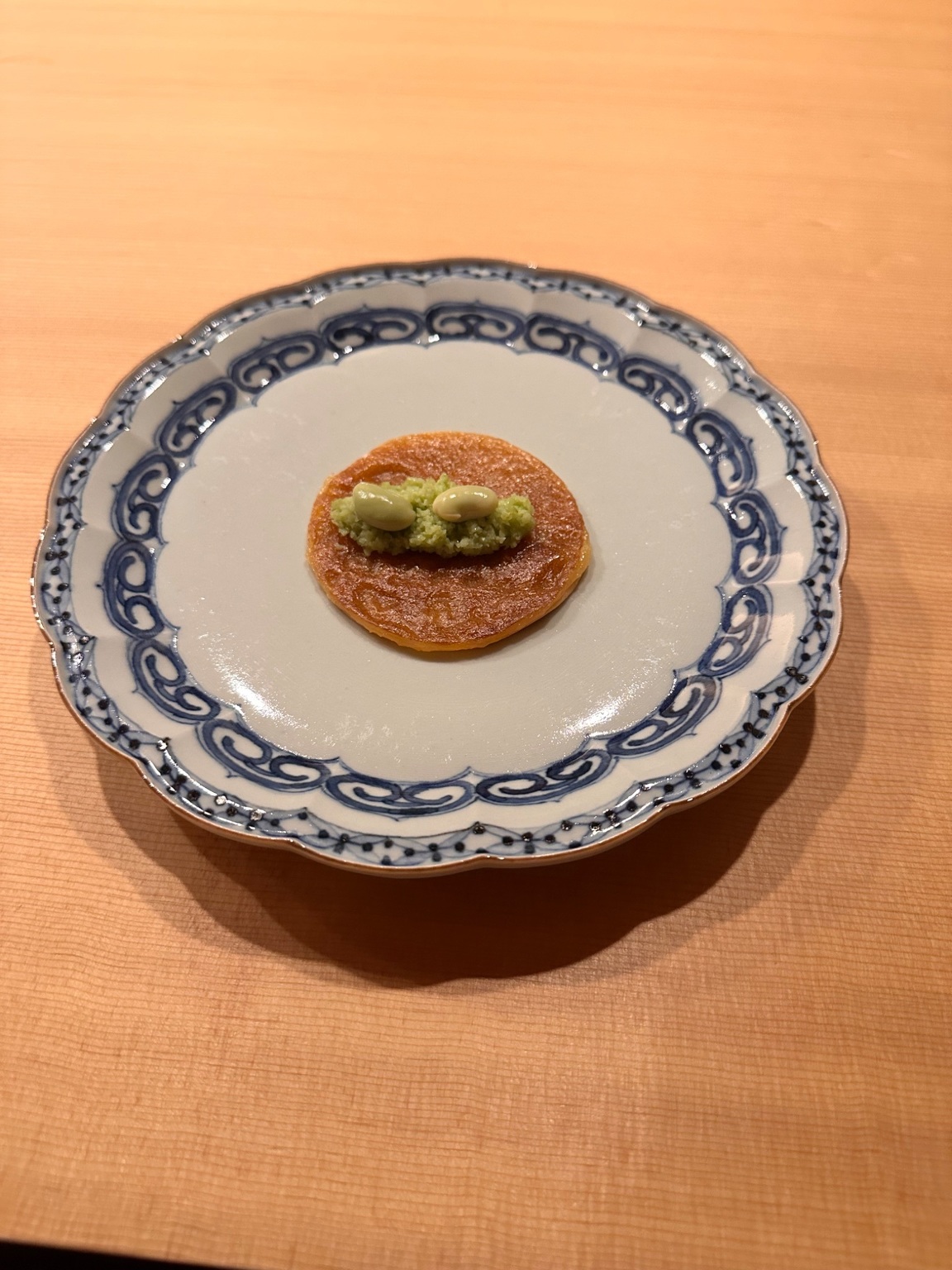
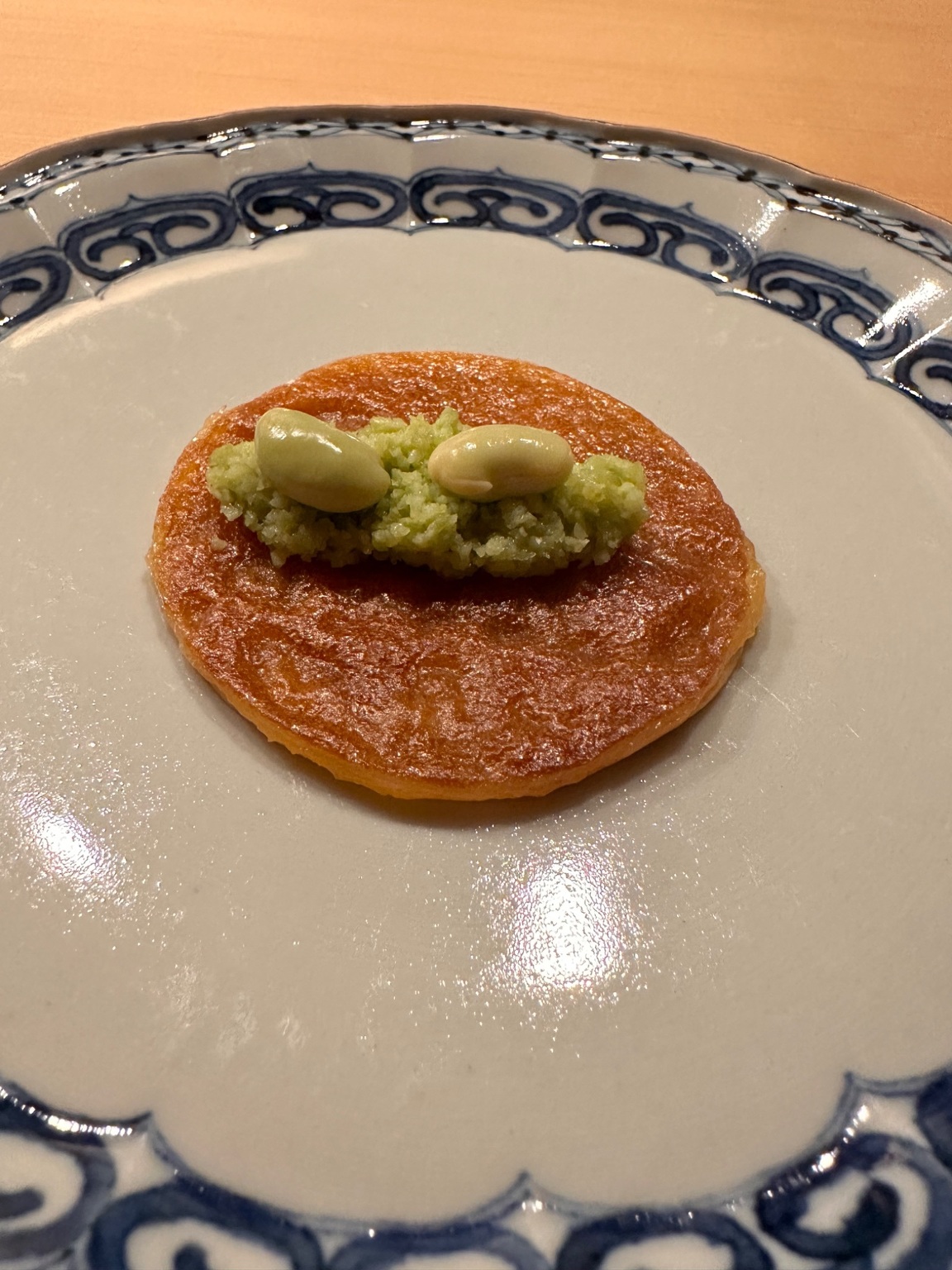
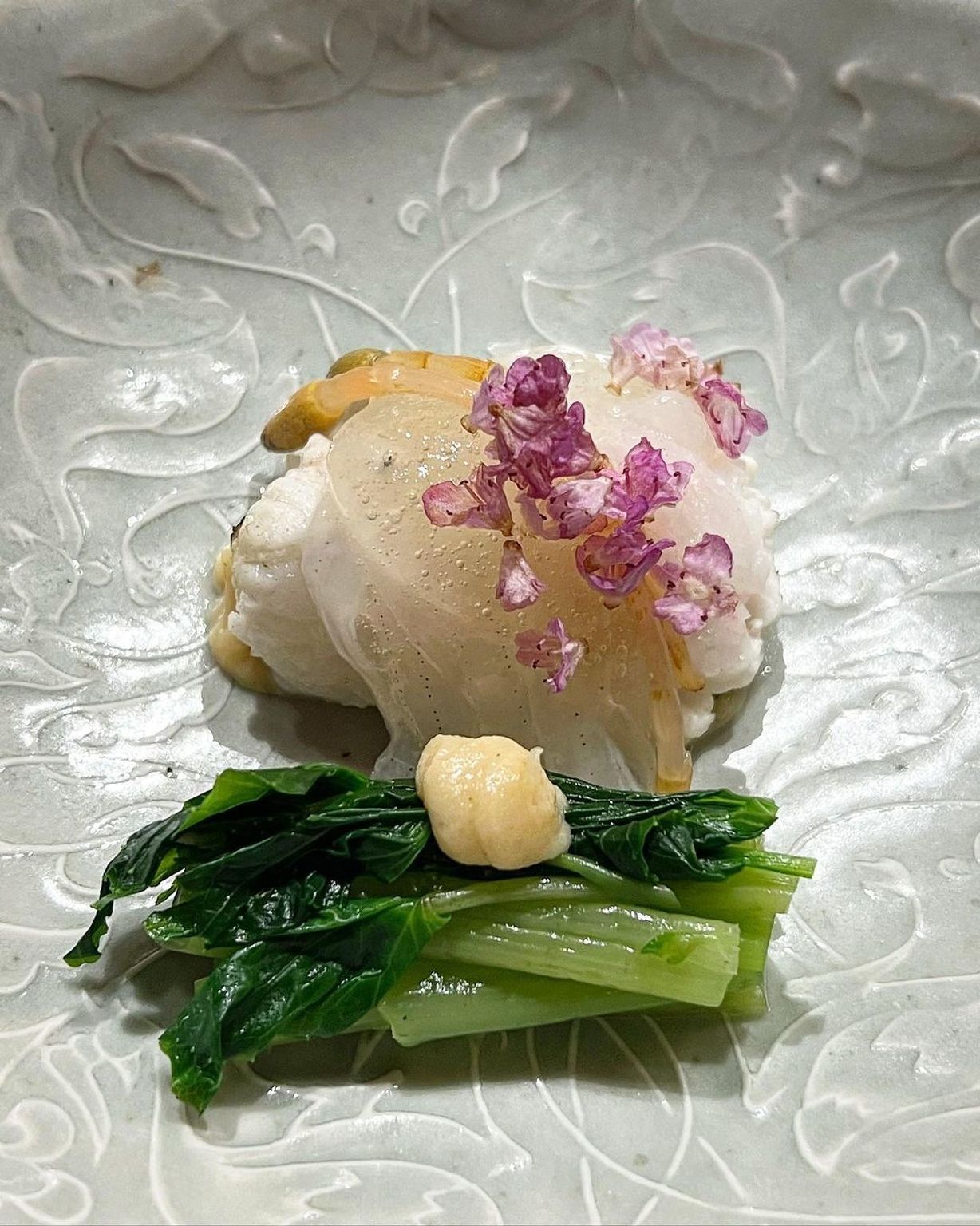
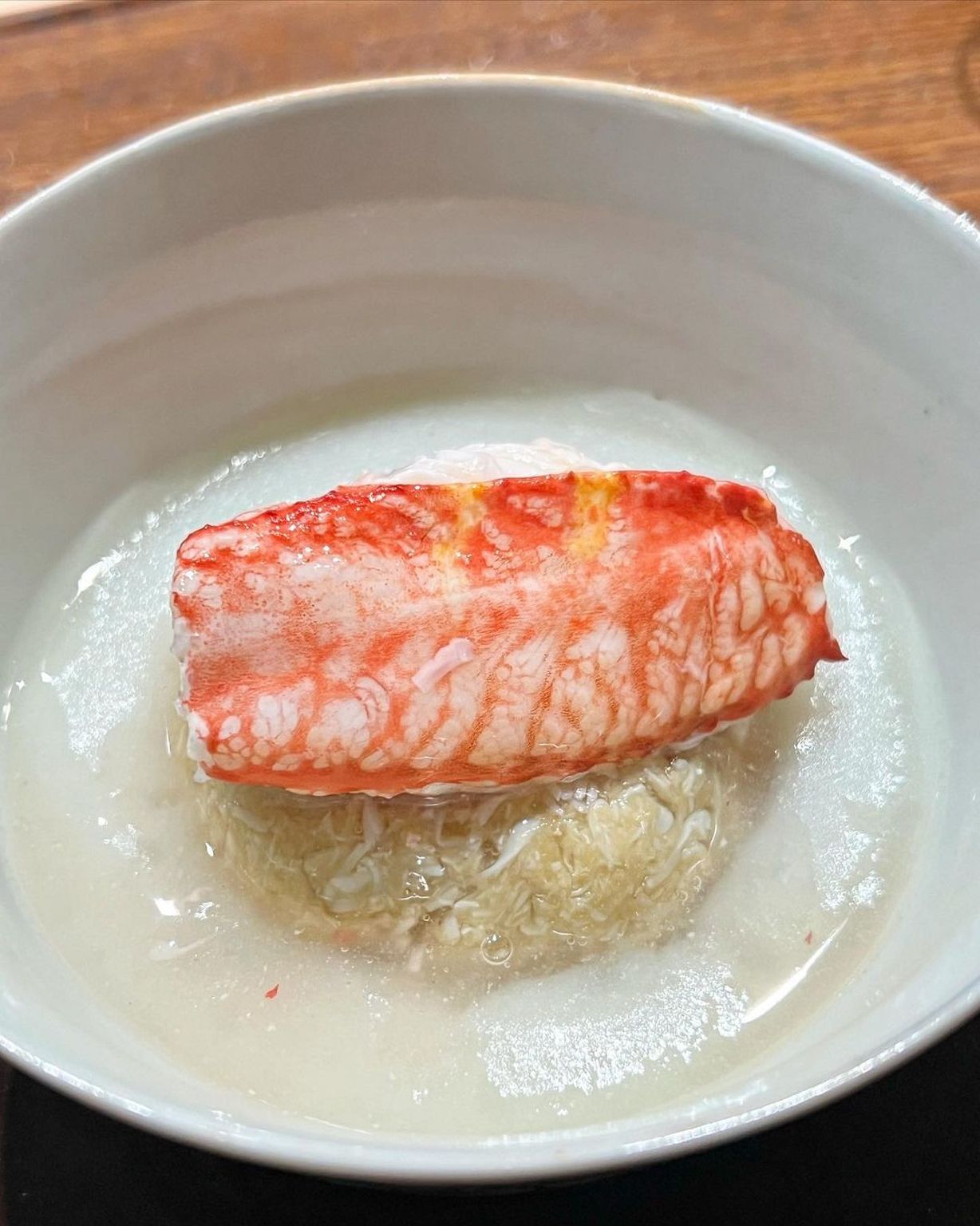
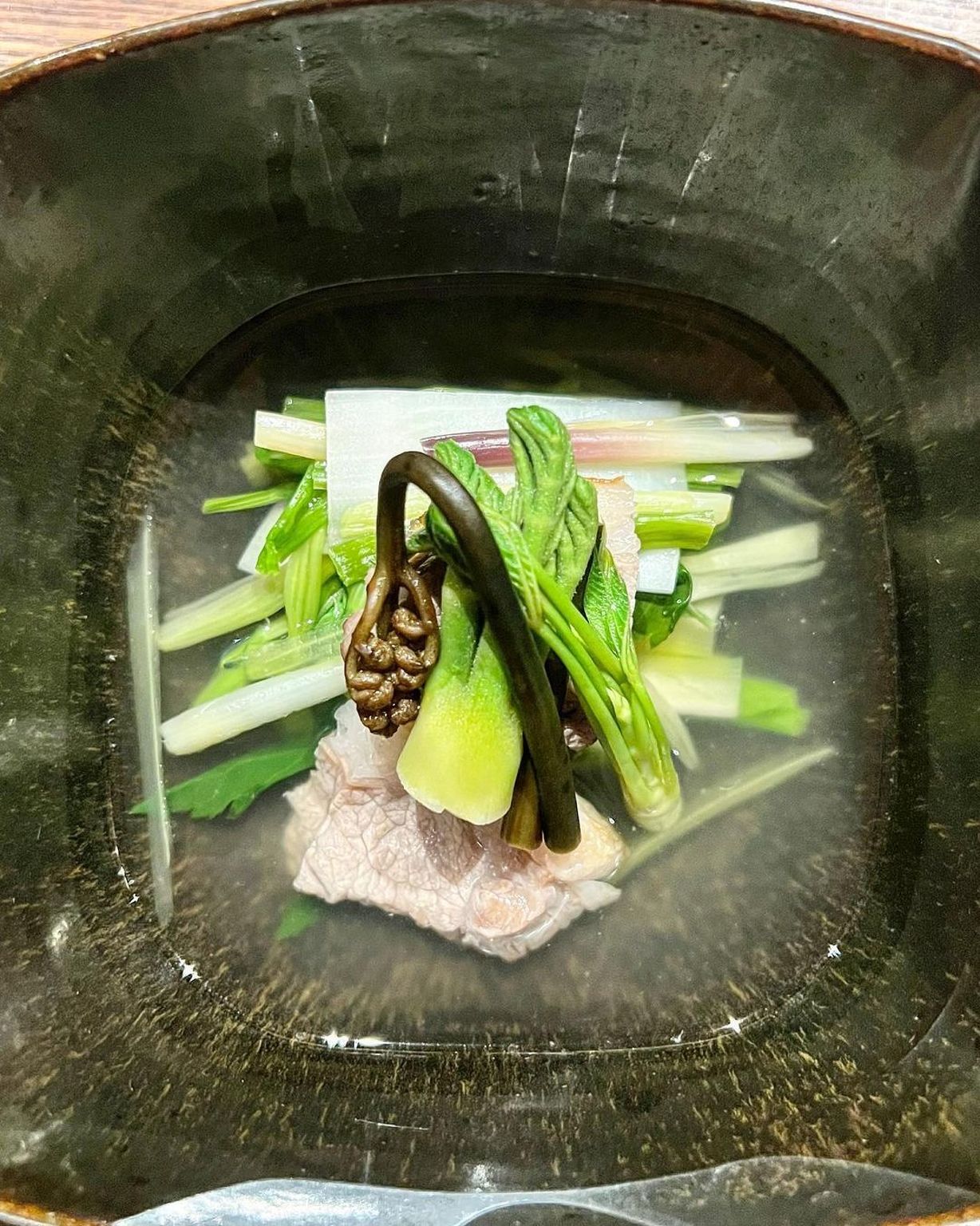
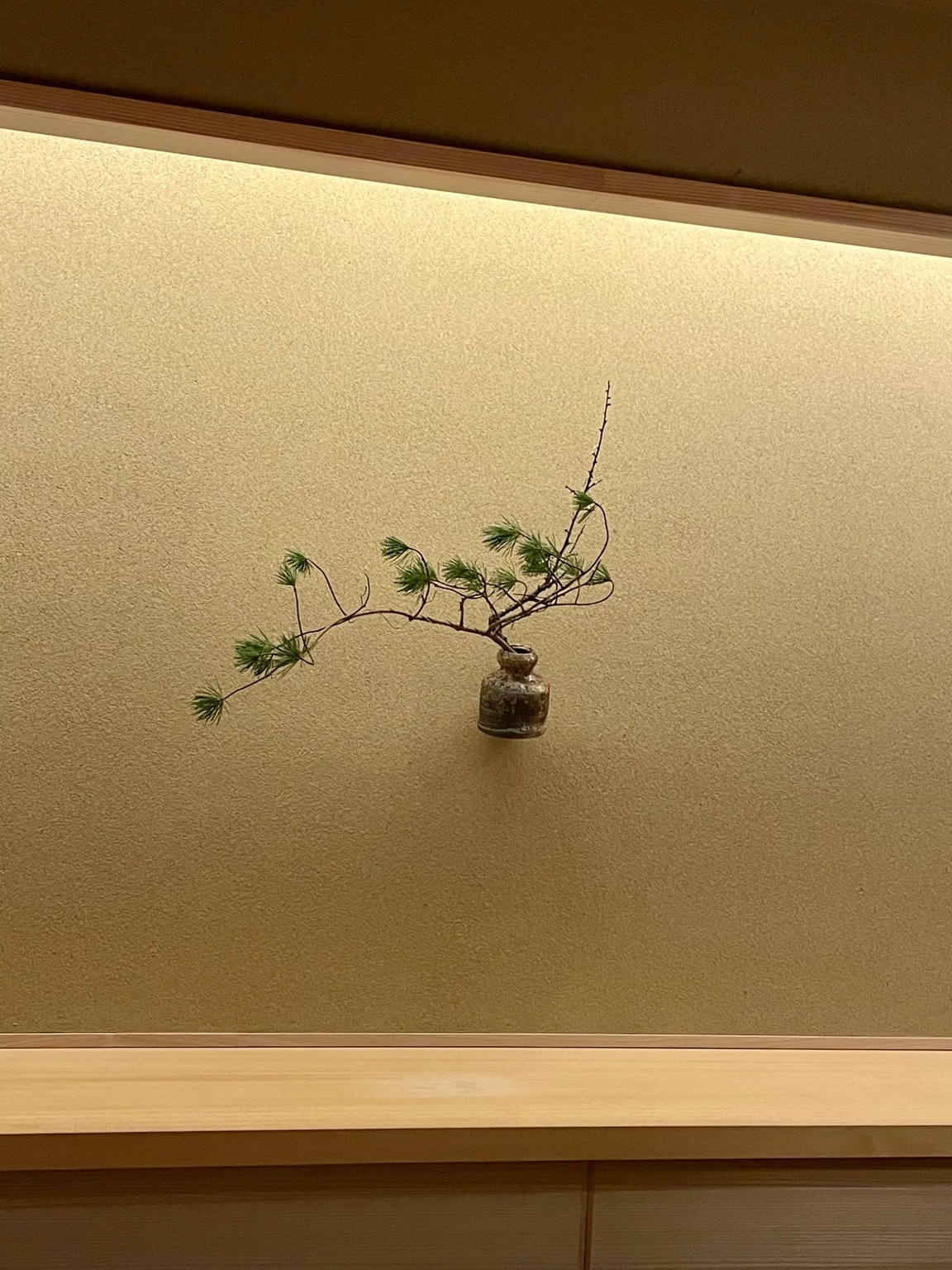
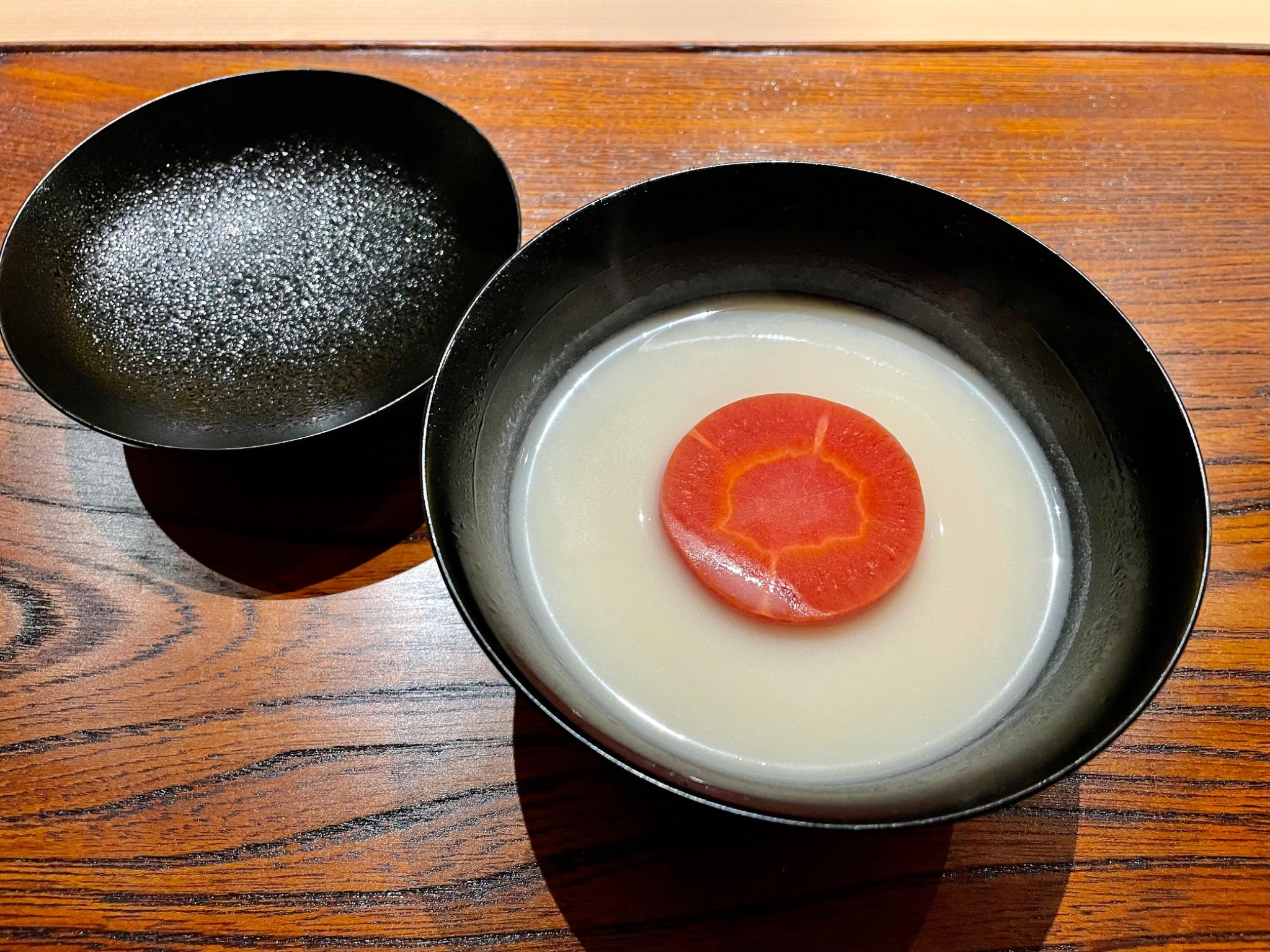
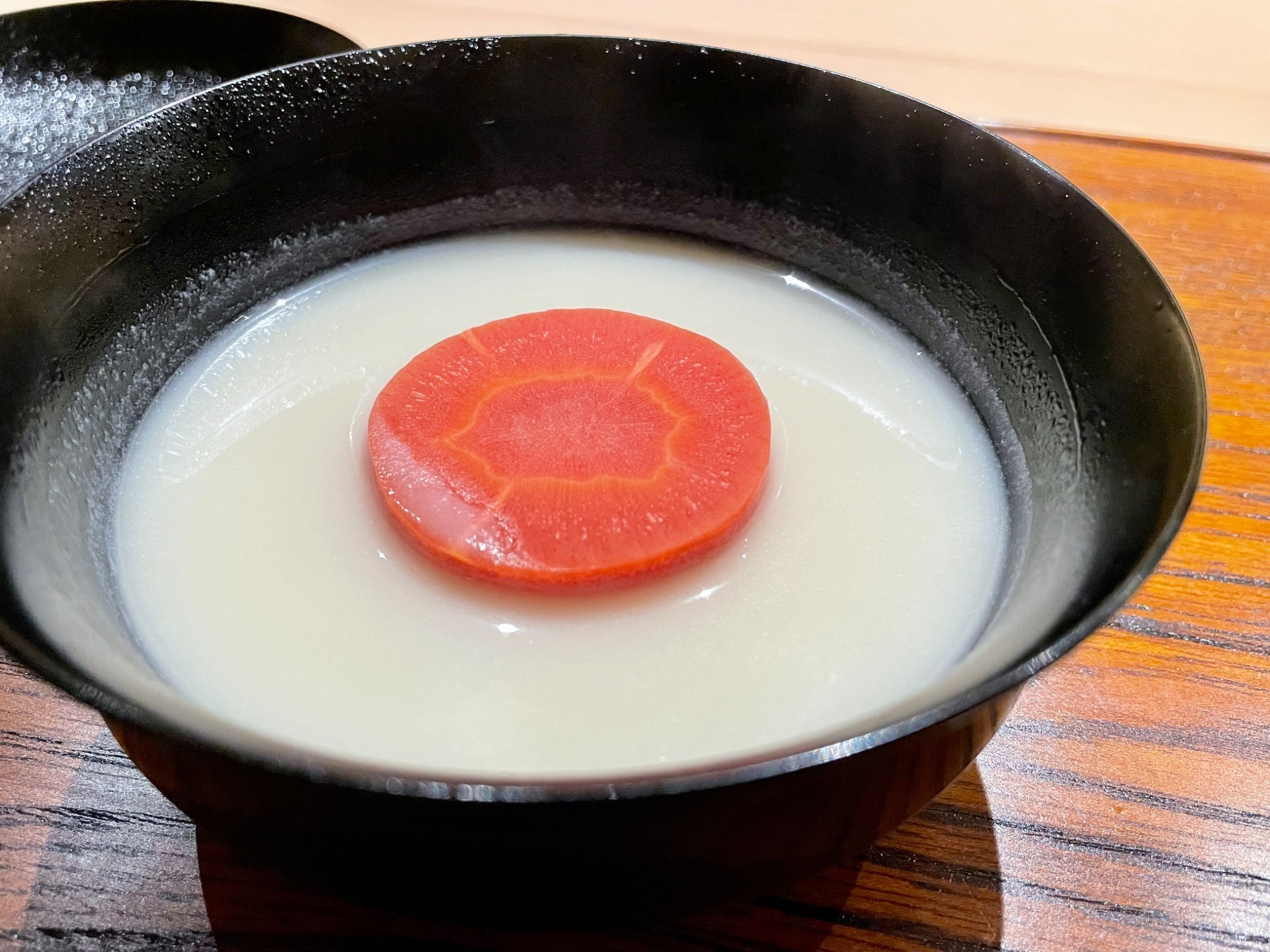
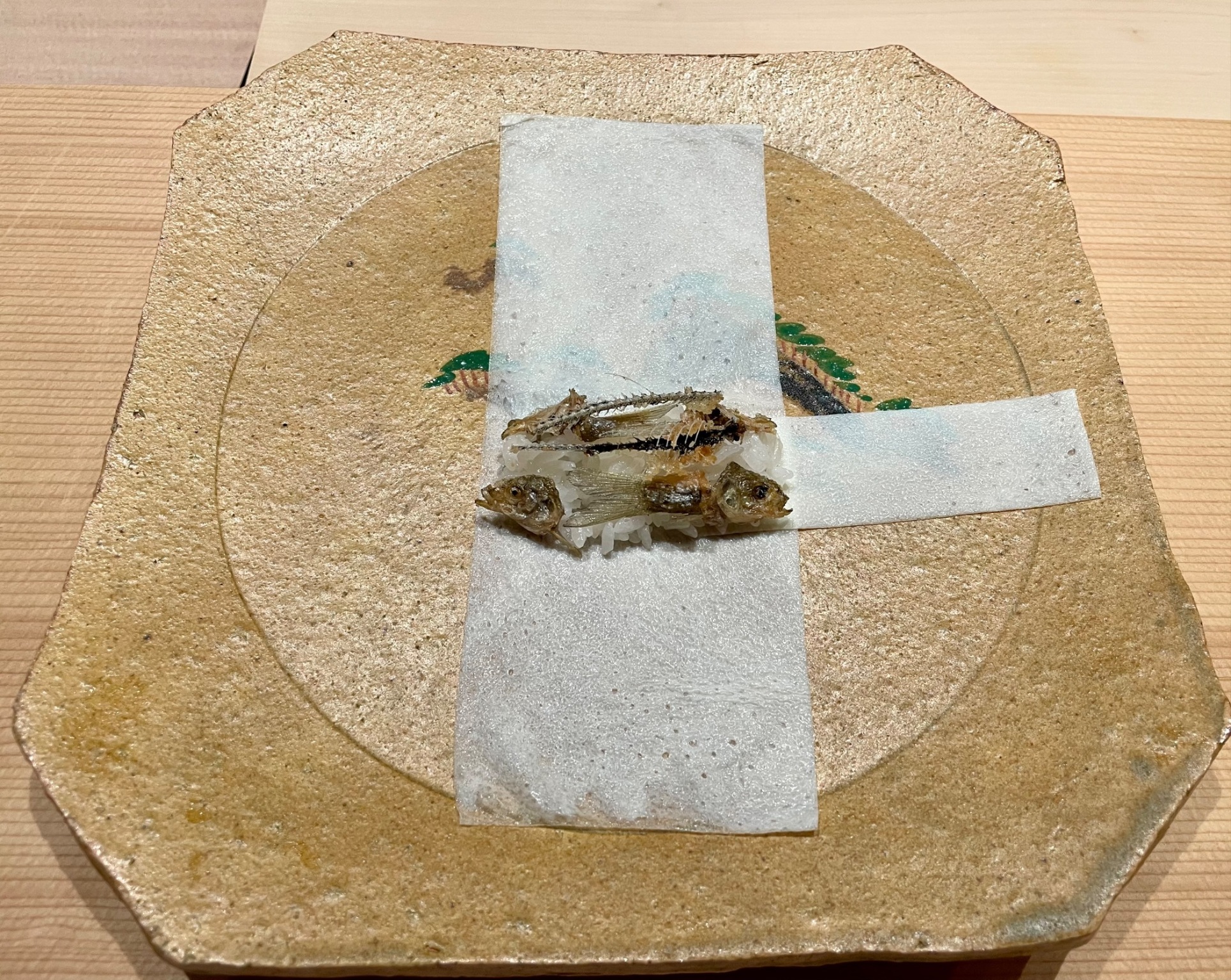
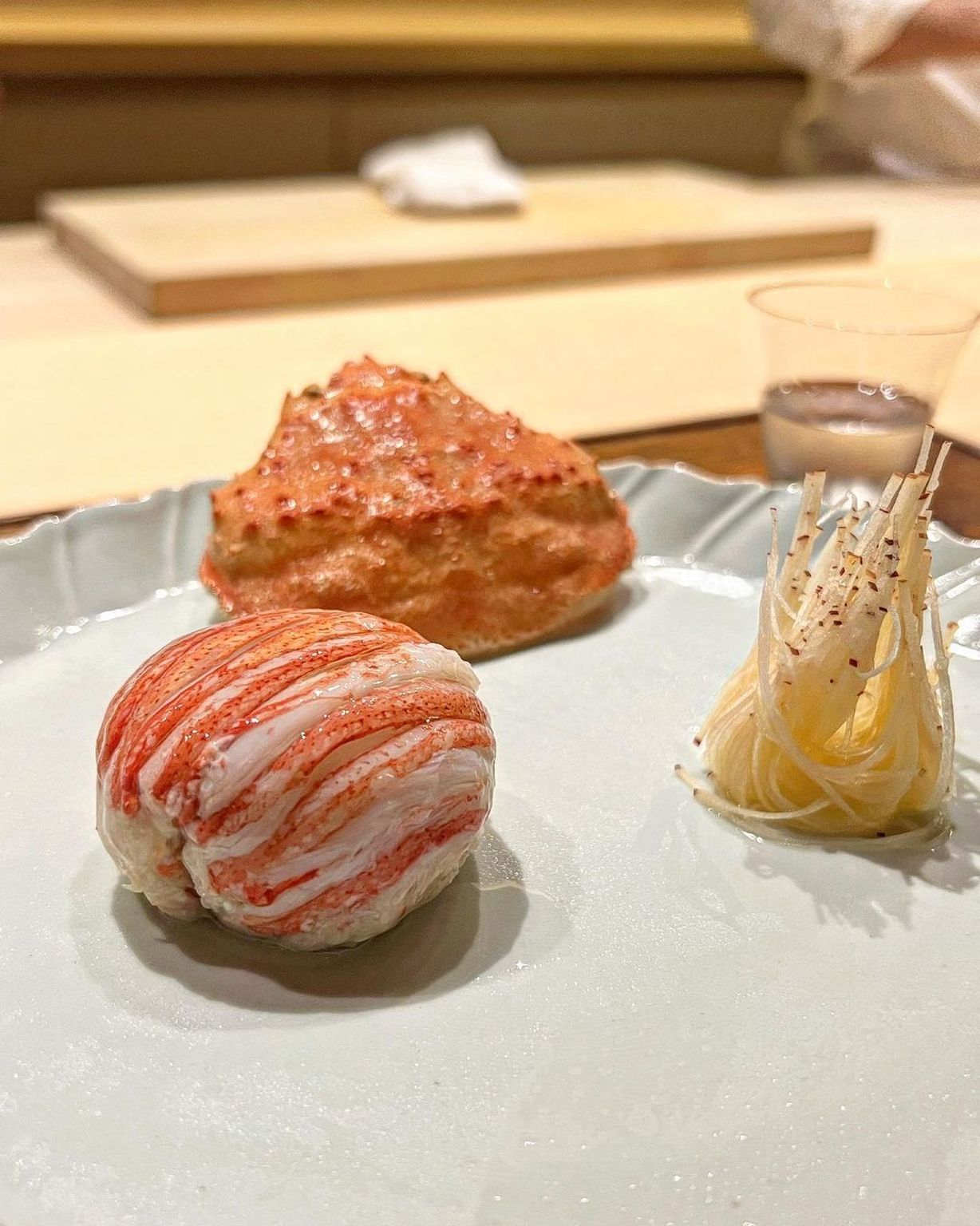
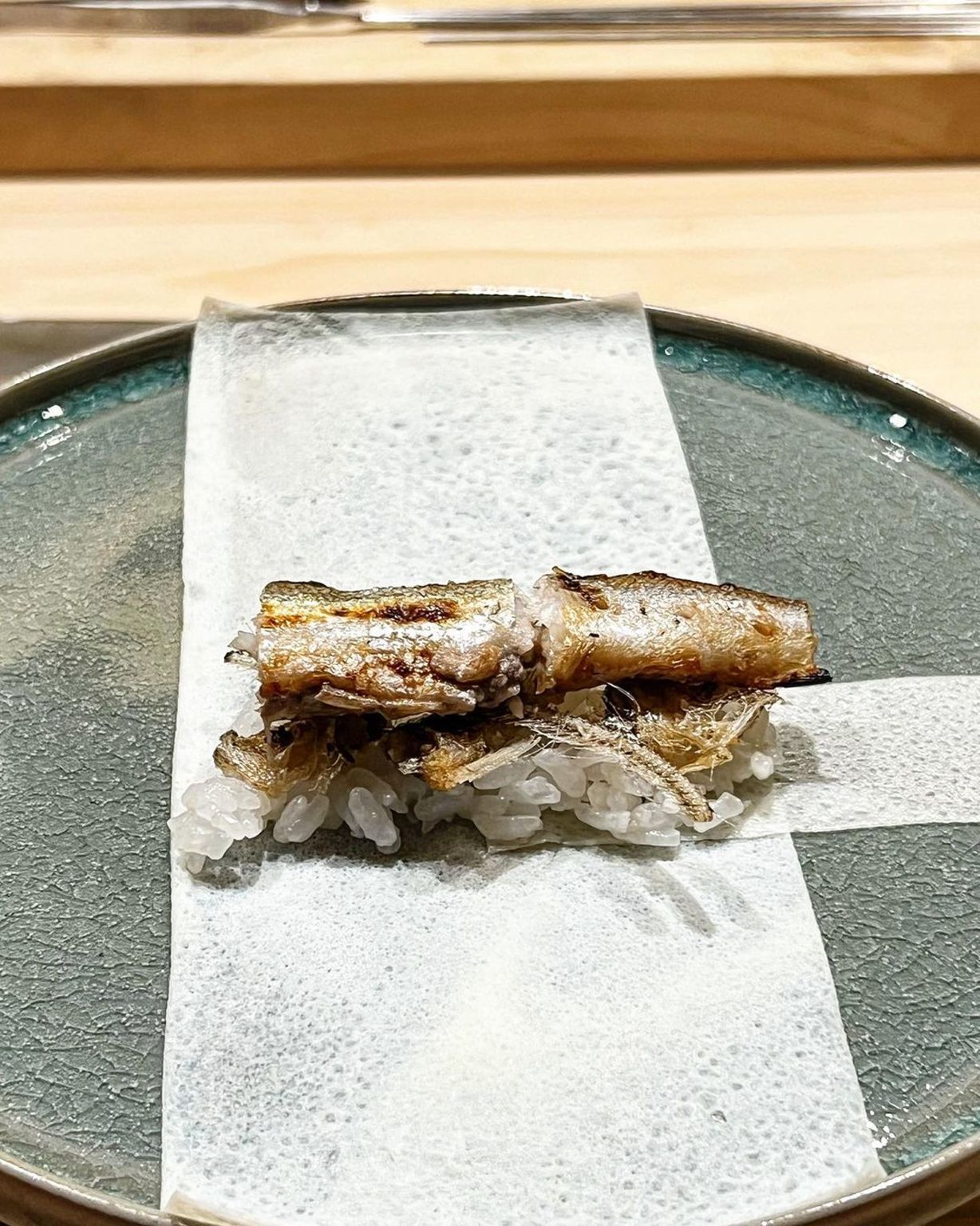
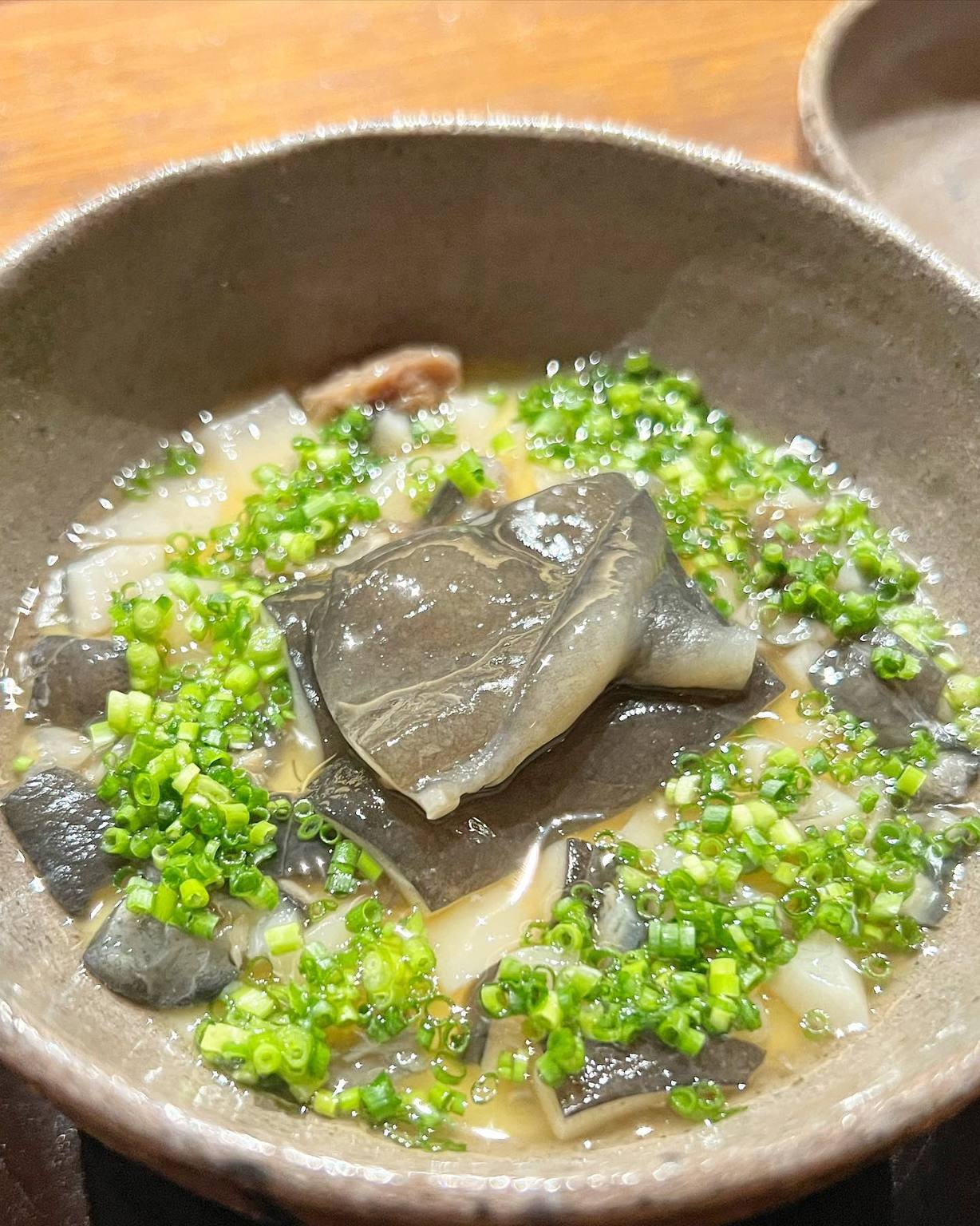
On a night in August 2026,I enjoyed a Japanese dinner in Roppongi. A friend managed to secure a reservation in a notoriously difficult-to-book spot and invited me along.I always thought that dashi (broth) was the essence of Japanese cuisine, but this restaurant aims to create dishes using only the ingredients, water, and salt, without relying on the flavors of katsuobushi (dried bonito) and kombu (kelp). While this might lead to a more subtle taste, I was both excited and anxious to see how they would achieve it.The restaurant is located on the basement floor of a building roughly halfway between Roppongi and Nishiazabu. The building is somewhat old, but the interior has a warm wooden design and dim lighting that creates a dignified atmosphere.Upon being seated, I noticed the chef and two cooks behind the counter, along with a couple of women who took drink orders. The counter has about eight seats, but the staff is plentiful.◇ Nagaimo (Japanese yam) simmered in saltSimmered with just water and salt, the nagaimo retains its natural sweetness with a hint of pleasant skin flavor. The warm broth seeps into the body.◇ Crab with mikan (Japanese citrus)Hair crab served with Sagan mikan pickled in lemon and sansho pepper. At the bottom, there’s crab miso. It’s said that sansho pairs well with crab, and they finish it with a sprinkle of powdered sansho. The peppery kick indeed enhances the sweetness of the mikan.◇ Sashimi- Akashi Tai (Sea Bream) with salt- Tako (Octopus) with saltThe salt for the sea bream is made from the broth extracted from its bones, while the octopus salt is made from dried octopus that has been salted and ground. It’s surprising how much the flavor of the octopus comes through.◇ Soup- Hamo (Pike Conger)- Onion- Umeboshi (pickled plum) pitA clear soup made by separately extracting broth from onion and hamo, combined together. The acidity comes from the cooked pit rather than the ume flesh, resulting in a rounded flavor.◇ Grilled dish- Biwa Masu (Lake Biwa trout)- Perilla seeds and white cucumberThe biwa masu is grilled and served with perilla seeds and white cucumber. The delicious fat from the skin is refreshing and enhances the dish.◇ Turban shell- Turnip and clam pureeThe turnip puree is combined with clam broth for richness, topped with the turban shell. This turnip puree is incredibly delicious.◇ Ayu (sweetfish)- Grilled and smokedThe first fish is simply grilled over charcoal, while the second is skewered and grilled over an open flame to infuse it with smoke. The aroma is stunning, elevating the typical grilled ayu to a new level.◇ Fig with white miso and yuzuA white miso dish with fig, garnished with yuzu peel for an extra refreshing taste. It beautifully resets the palate after the ayu.◇ Ayu from Gifu Takahara River, brushed with ayu fish sauce, wrapped in rice paperThe third ayu is a wild catch from Gifu Takahara River. After frying, it’s brushed with ayu fish sauce and grilled for a fragrant finish, then served on a bed of rice and wrapped in a thin omelet.◇ Eggplant somenThinly sliced eggplant somen, a refreshing summer dish.◇ Corn with homemade tarako (cod roe) fried in mochi flourCorn kernels are removed and filled with homemade tarako, then fried. Even before the main dish, this one demands to be paired with Japanese sake.◇ Iwate Short-Horned Beef with winter melon skinFinally, a dish that uses the traditional dashi made from katsuobushi and kombu appears. The combination of short-horned beef and katsuobushi broth is a powerful pairing.◇ White riceThe meal concludes not with seasoned rice but with plain white rice. The accompanying side dishes are so delicious that you’d want to eat them every morning.◇ Sweets- Nanko plum sweet- Zunda (edamame) wrapped in fragrant skinThe first sweet is a plum sweet with a refined sweet and sour flavor. The second is zunda paste wrapped in a crispy skin.◇ Sencha (green tea)The initial anxiety before the meal was completely resolved by the middle of the course. They skillfully draw out the umami of the ingredients without relying on katsuobushi and kombu.Each dish has a subtle seasoning, yet the flavors are distinct, allowing the faint notes hidden within the ingredients to shine through. The presentation is simple.However, despite my overall impressions of each dish, I found myself wishing for a bit more punch after finishing, perhaps because I love the flavors of katsuobushi and kombu.It was a great meal. Less
8 / 10
on 01 Aug 2026
This restaurant made me rethink what Japanese cuisine truly is, beyond its Michelin three-star title.What impressed me the most was its culinary philosophy of maximizing the inherent flavors of the ingredients without relying on dashi made from kombu or katsuobushi. Each dish had remarkably clear flavor profiles, and the depth of taste emerged from stripping away the unnecessary.As seen in the photos, the presentation was extremely minimalistic. Yet, every detail—from the choice of dishware to... More
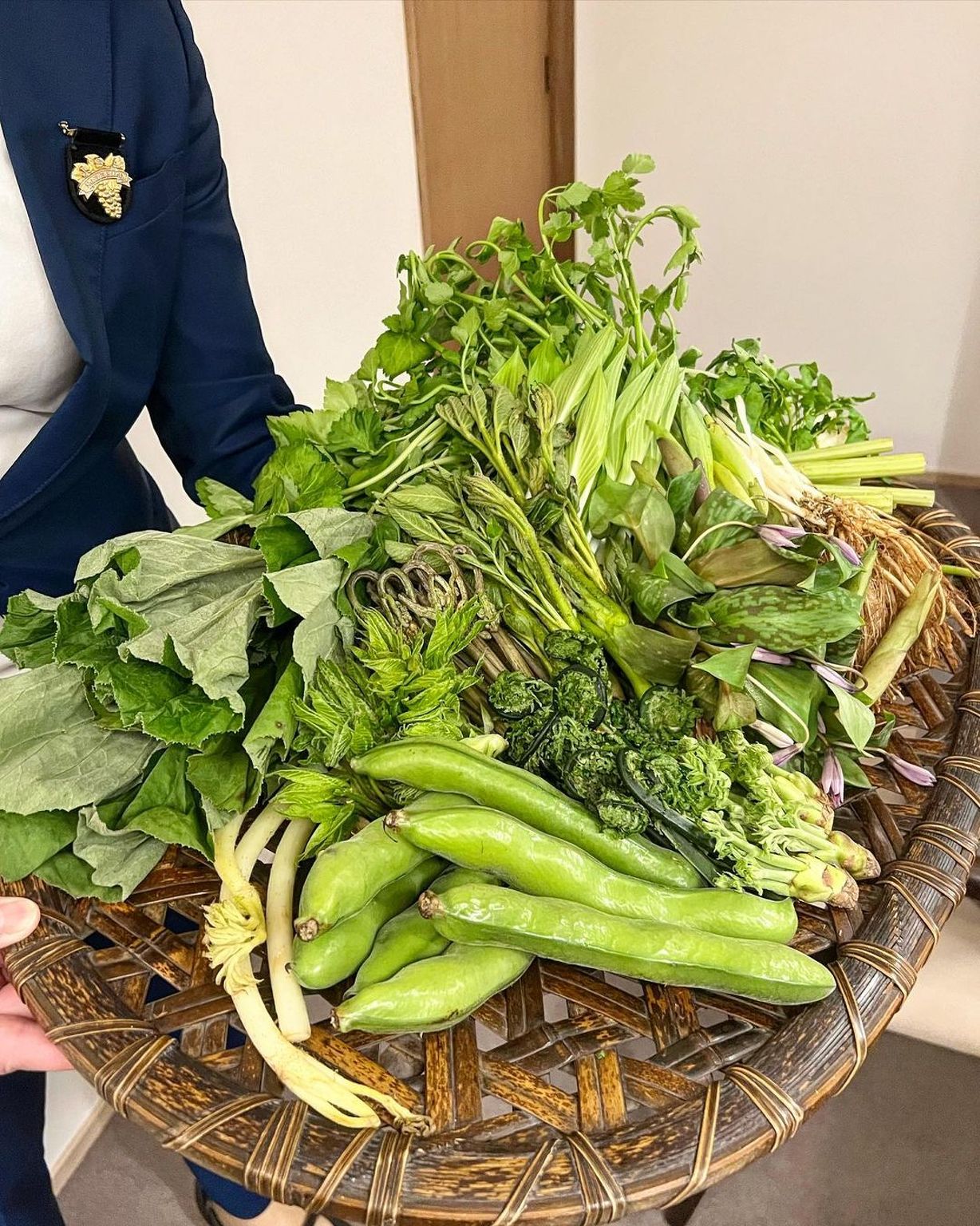
This restaurant made me rethink what Japanese cuisine truly is, beyond its Michelin three-star title.What impressed me the most was its culinary philosophy of maximizing the inherent flavors of the ingredients without relying on dashi made from kombu or katsuobushi. Each dish had remarkably clear flavor profiles, and the depth of taste emerged from stripping away the unnecessary.As seen in the photos, the presentation was extremely minimalistic. Yet, every detail—from the choice of dishware to the use of negative space and seasonal leaves—was meticulously calculated, making each dish feel like a work of art. The ayu (sweetfish) was expertly cooked to bring out its aroma, with a striking contrast between the crisp skin and delicate flesh.The grilled dishes and soups respected the individuality of the ingredients, adhering to an aesthetic of subtraction rather than addition.The rice served at the end was perfectly cooked, with each grain standing out and the natural sweetness of the rice shining through. Even the dessert showed no compromise, reflecting the meticulous construction of the entire course.I was amazed at how such profound emotions could be evoked using only the ingredients, cooking techniques, salt, and water, without flashy presentations or extravagant ingredients. The serene atmosphere of the restaurant, along with the natural and pleasant service from the chefs and staff, further enhanced the immersive experience of the meal. Less
10 / 10
on 25 Jul 2026
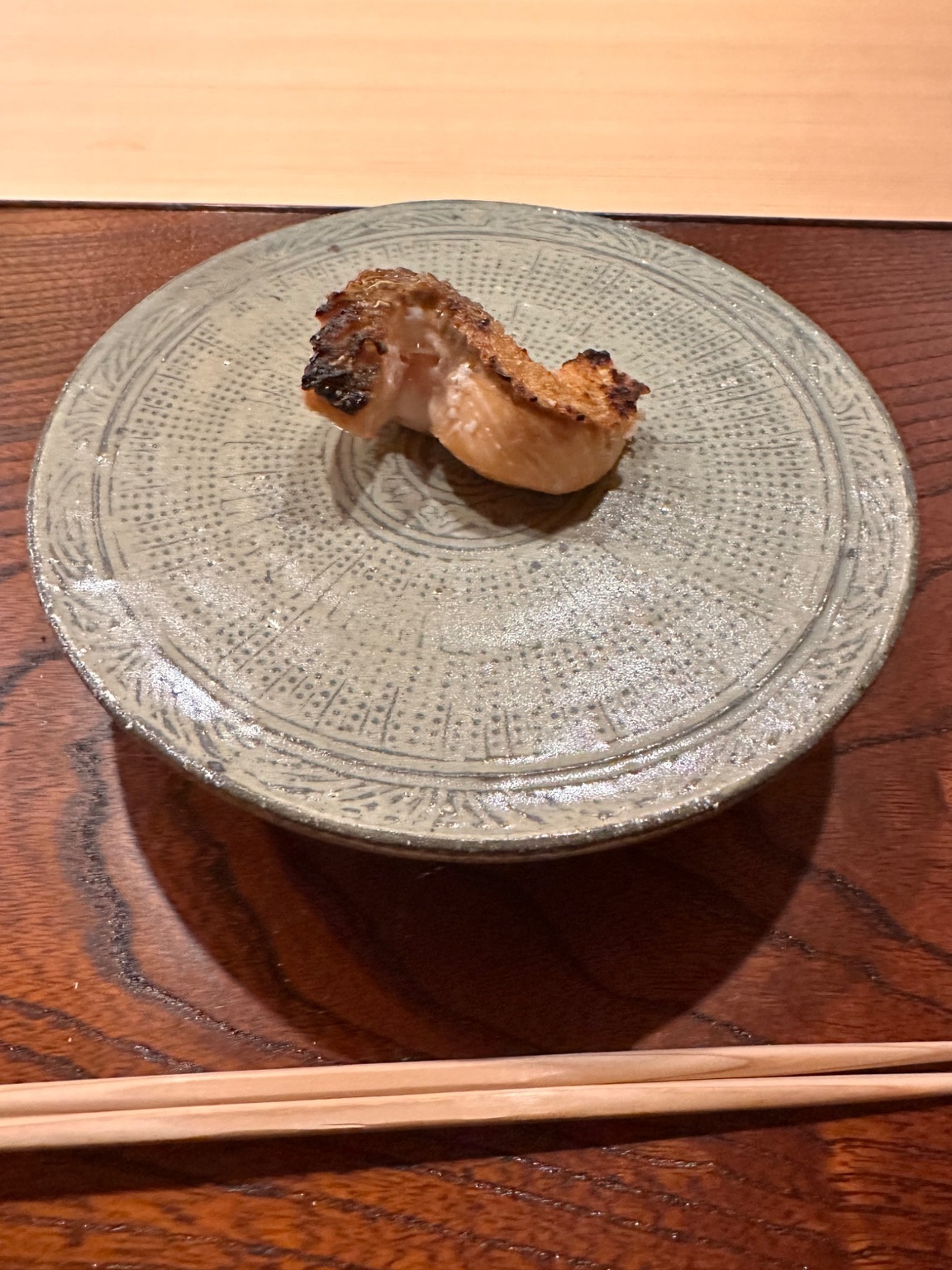
A top-tier Japanese restaurant located about a 7-minute walk from Roppongi Station, Myoujyaku has earned three Michelin stars and a Tabelog Silver rating. I visited today for an OMAKASE dinner course.**Nagaimo Shio-ni** In this simple yet elegant dish, the earthy flavor of nagaimo (Japanese yam) harmonizes perfectly with the clear saltiness of the dashi. It gently warms the stomach while showcasing the chef's meticulous cooking technique that eliminates any off-flavors from the ingredients.**Hairy... More
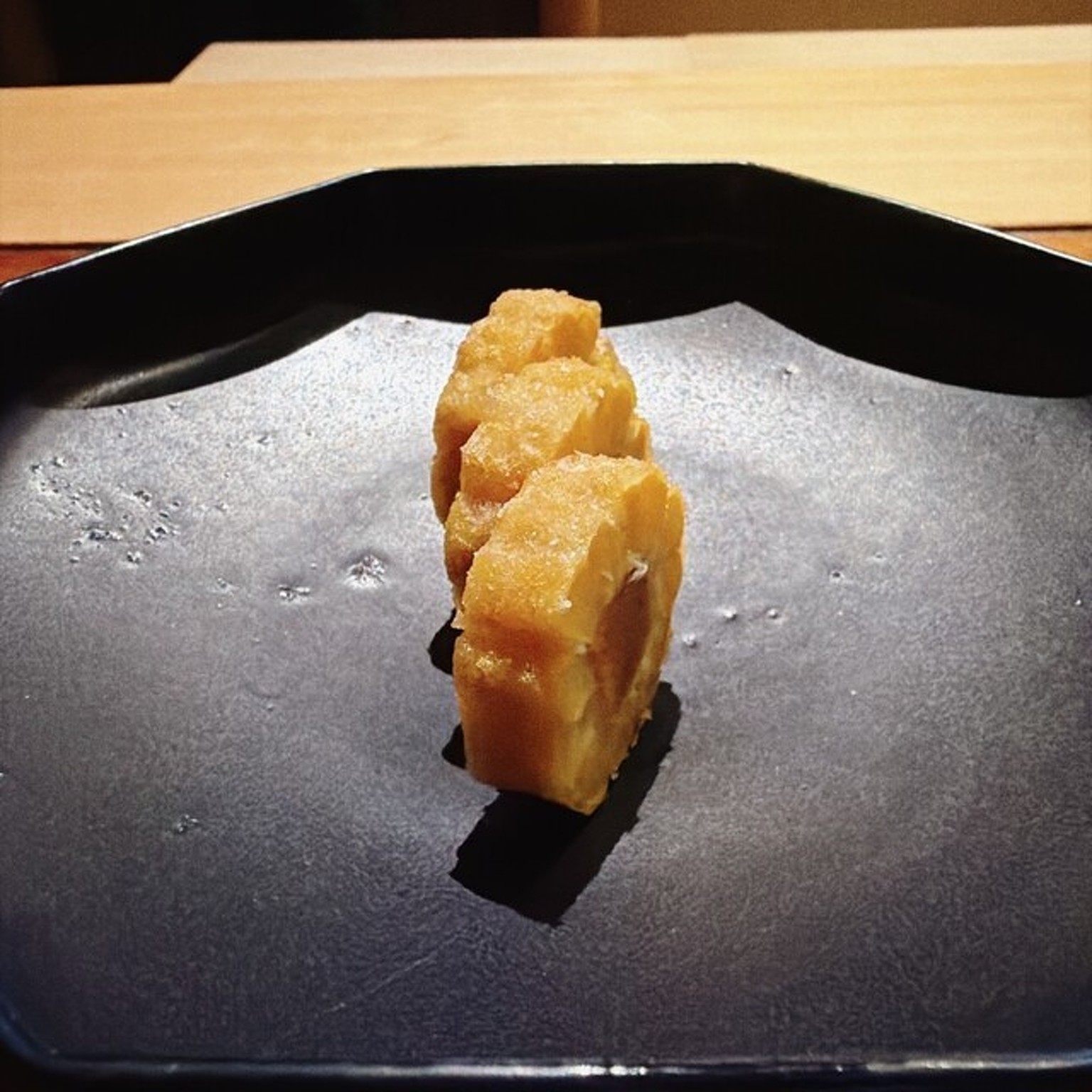
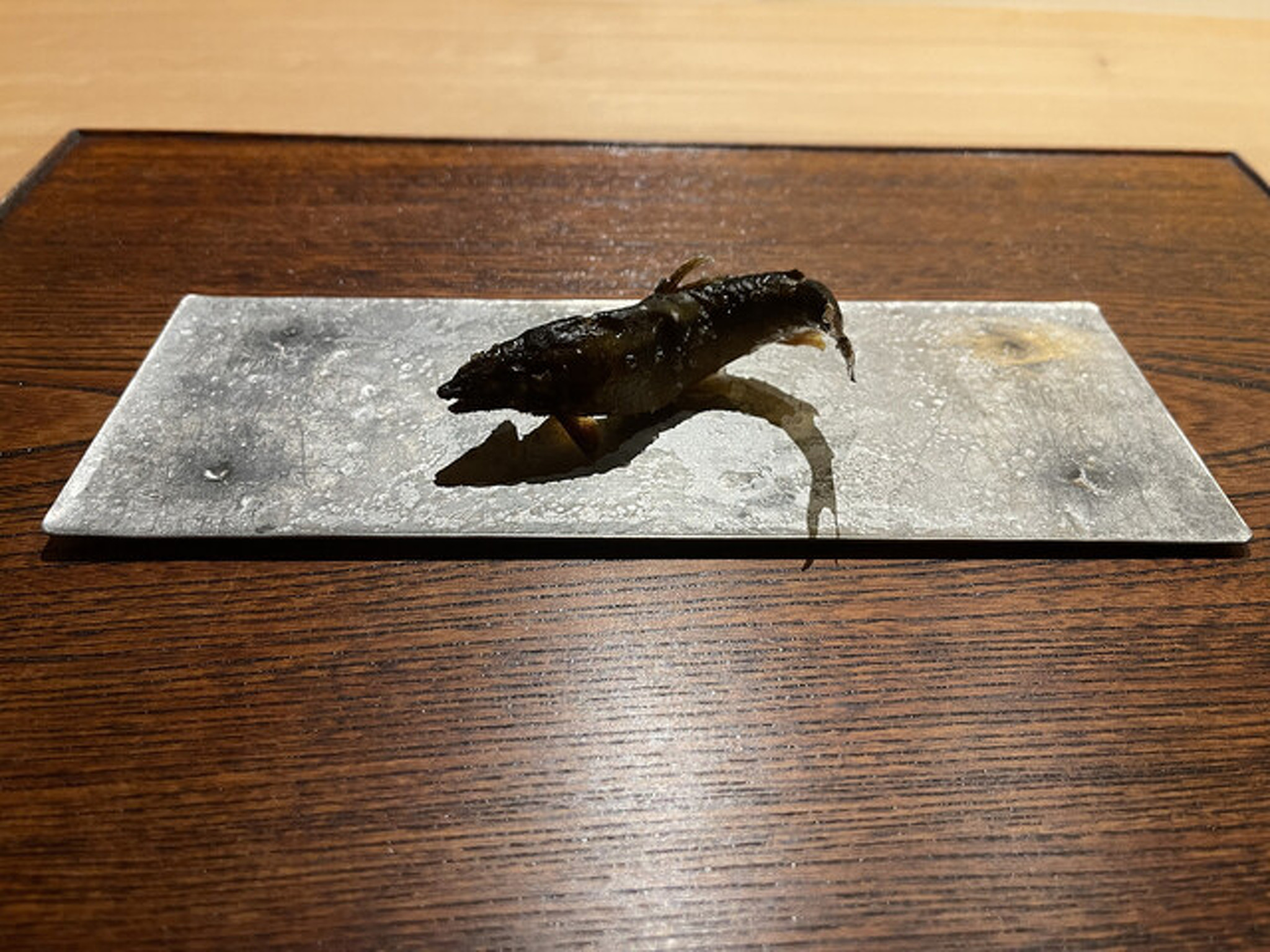
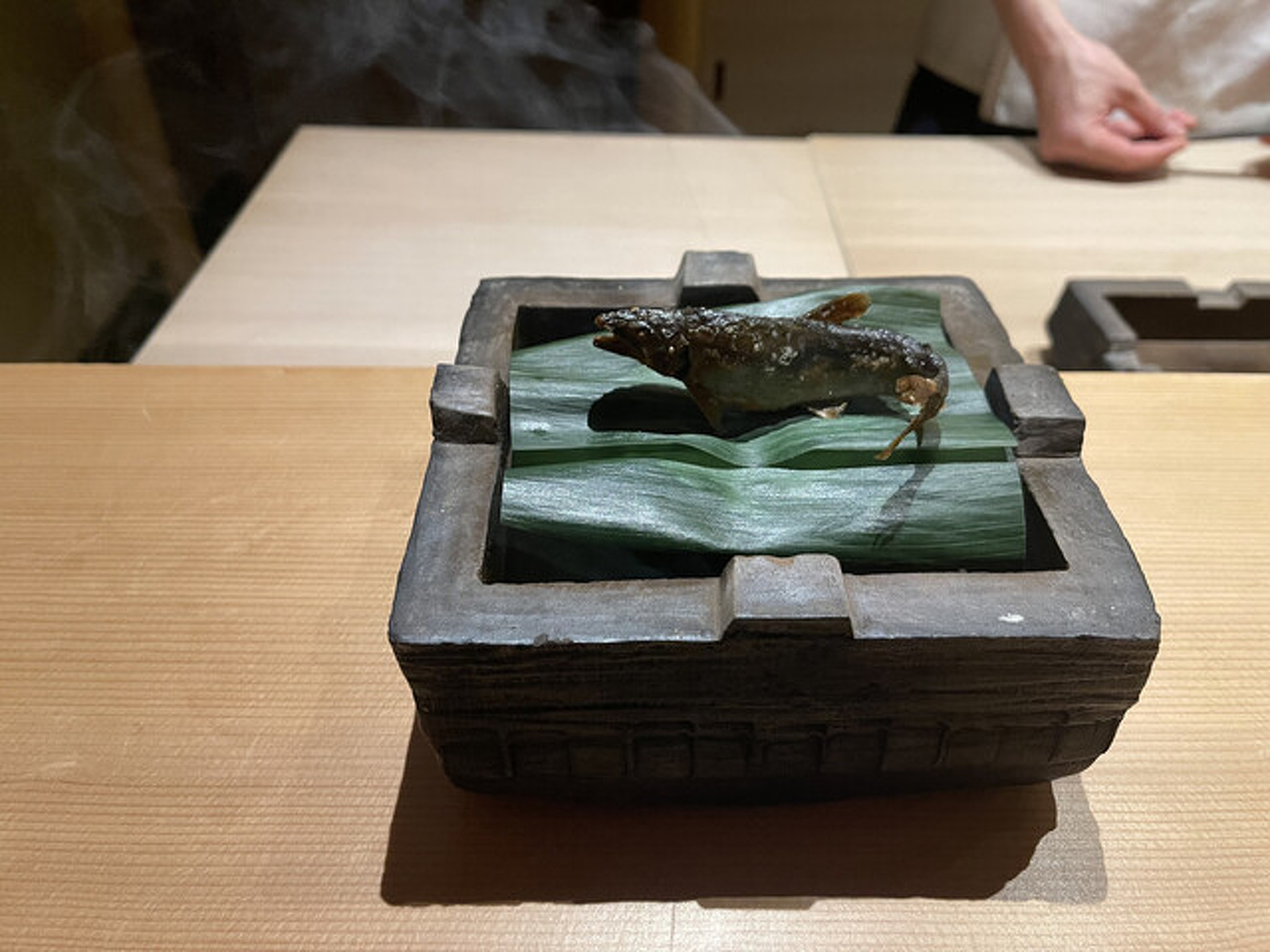
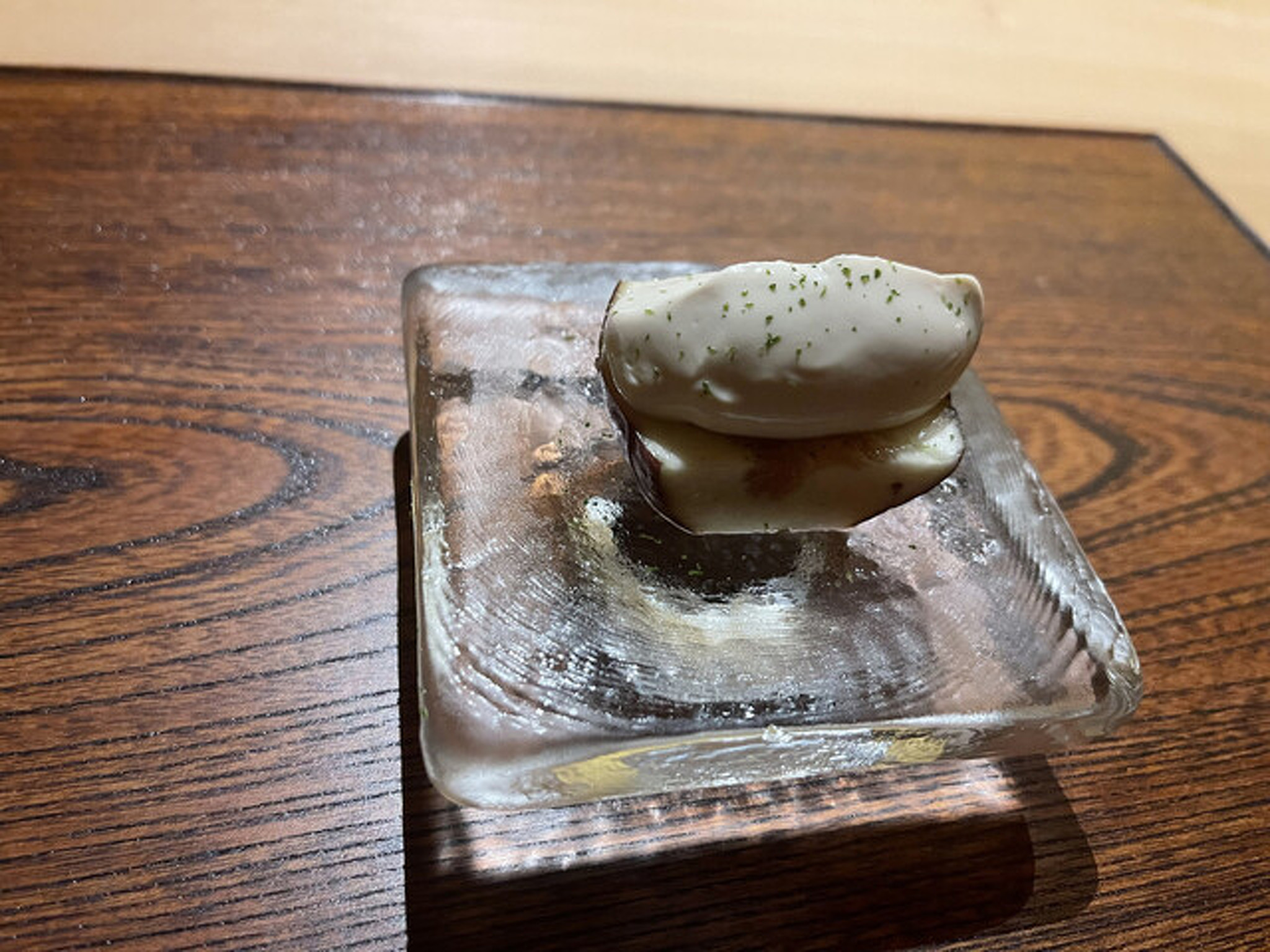
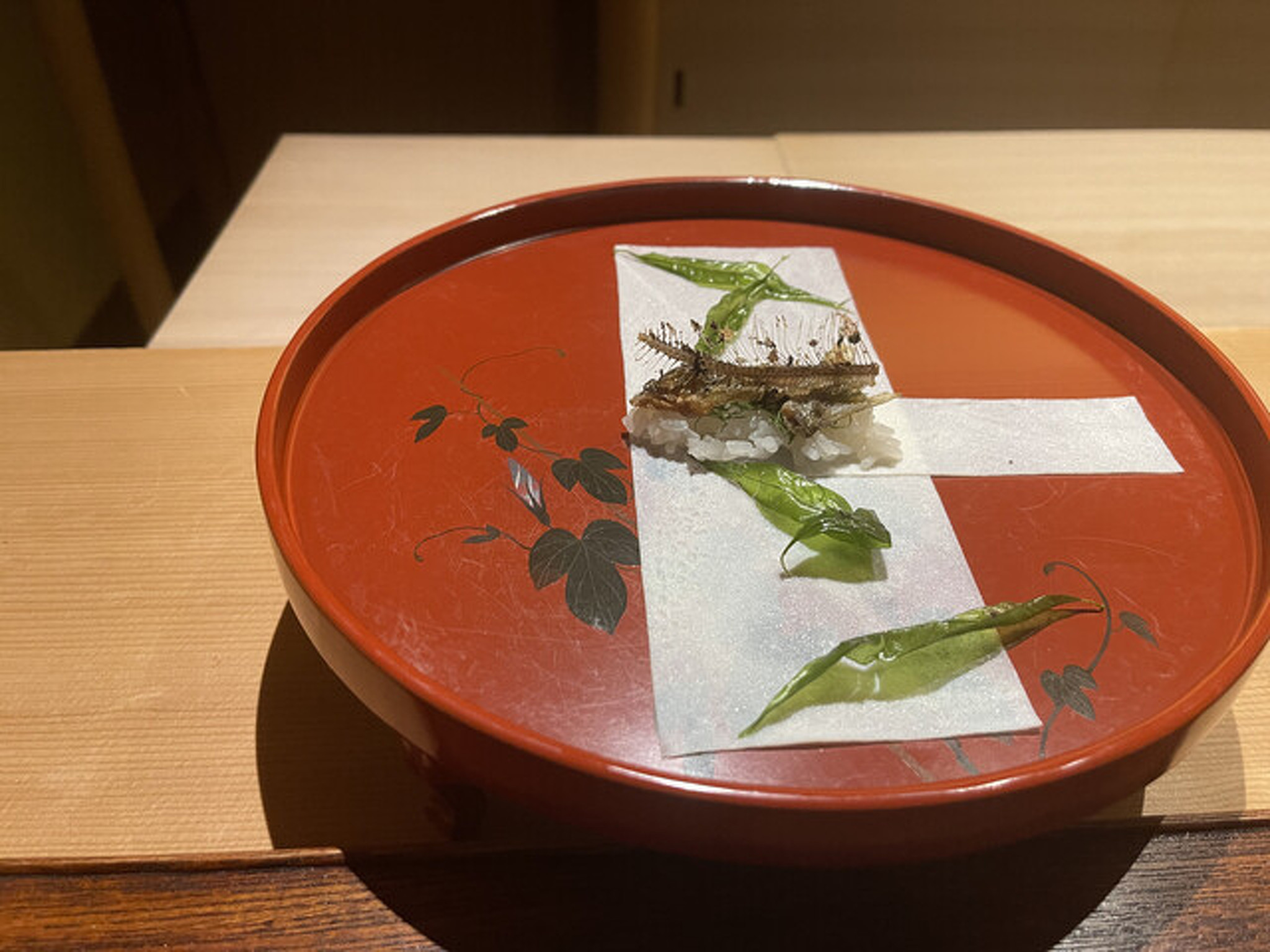
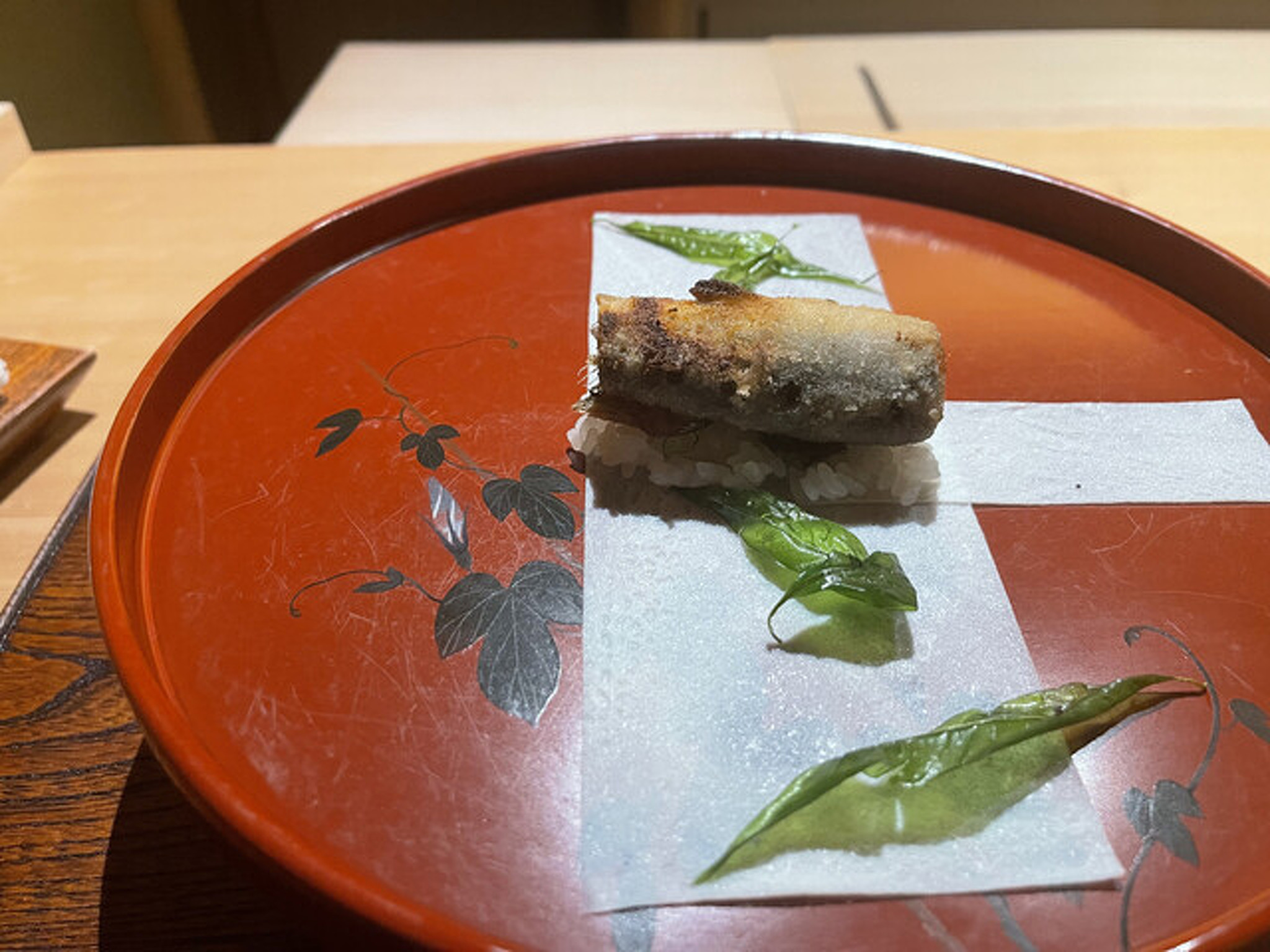
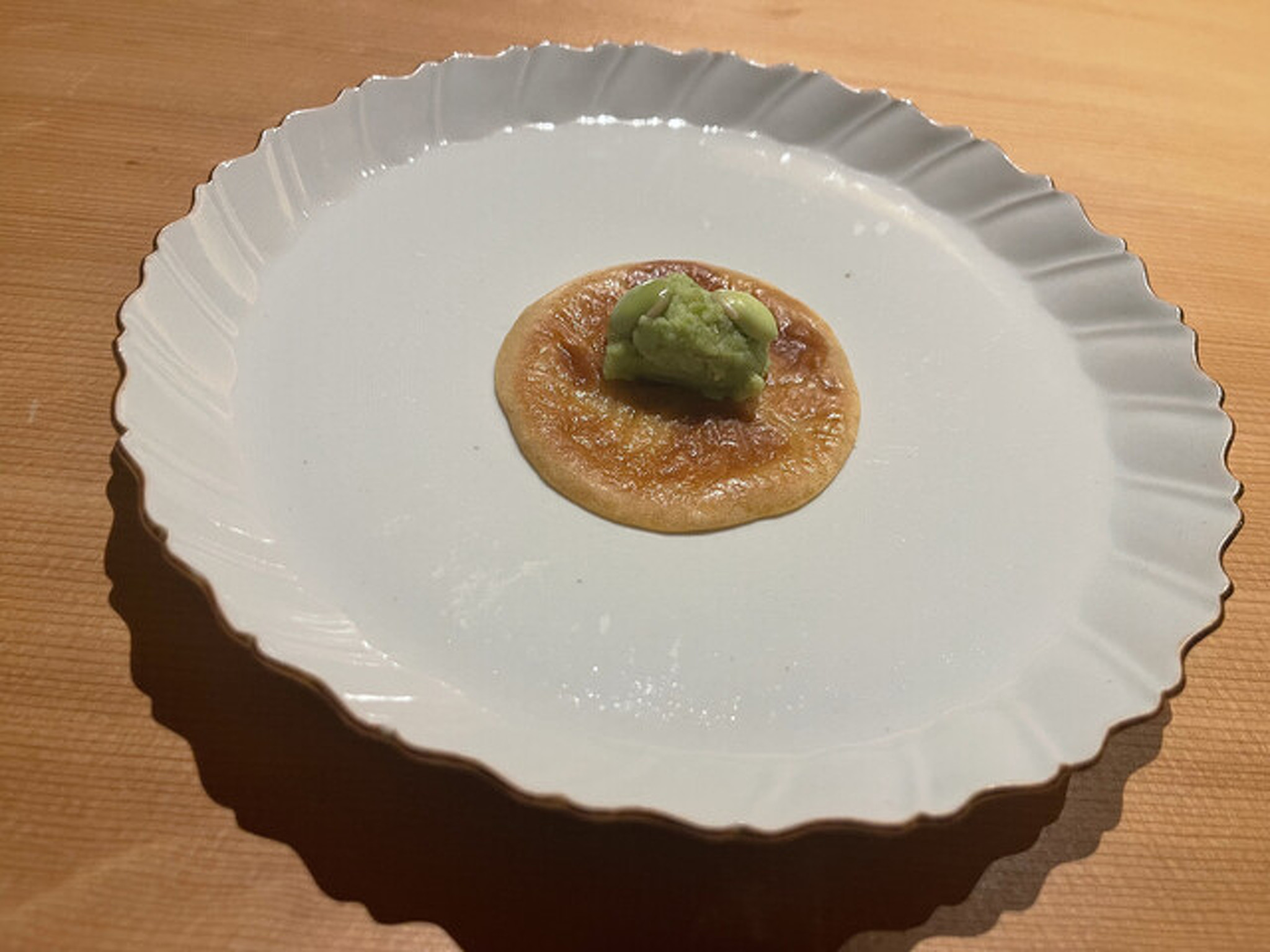
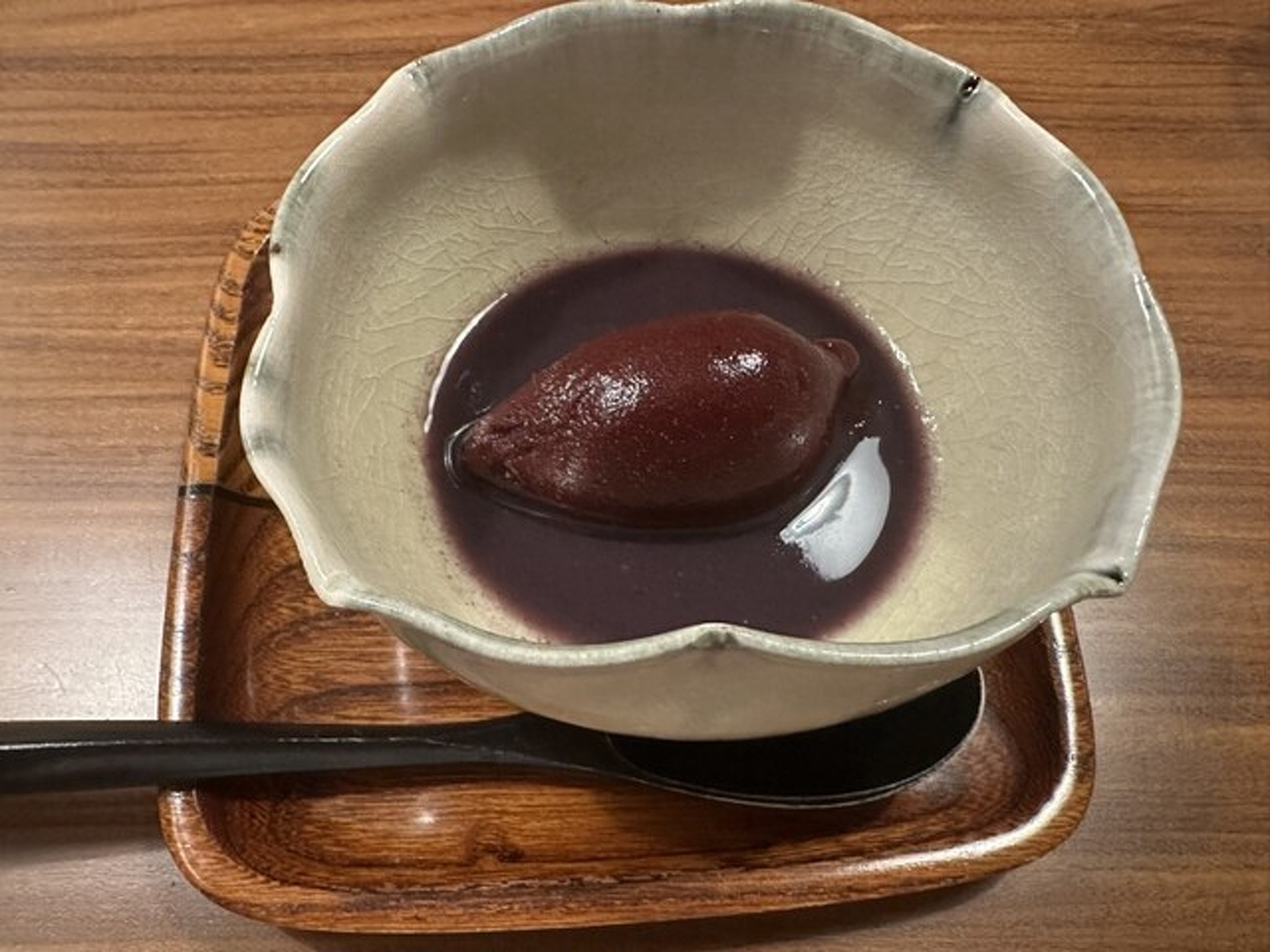
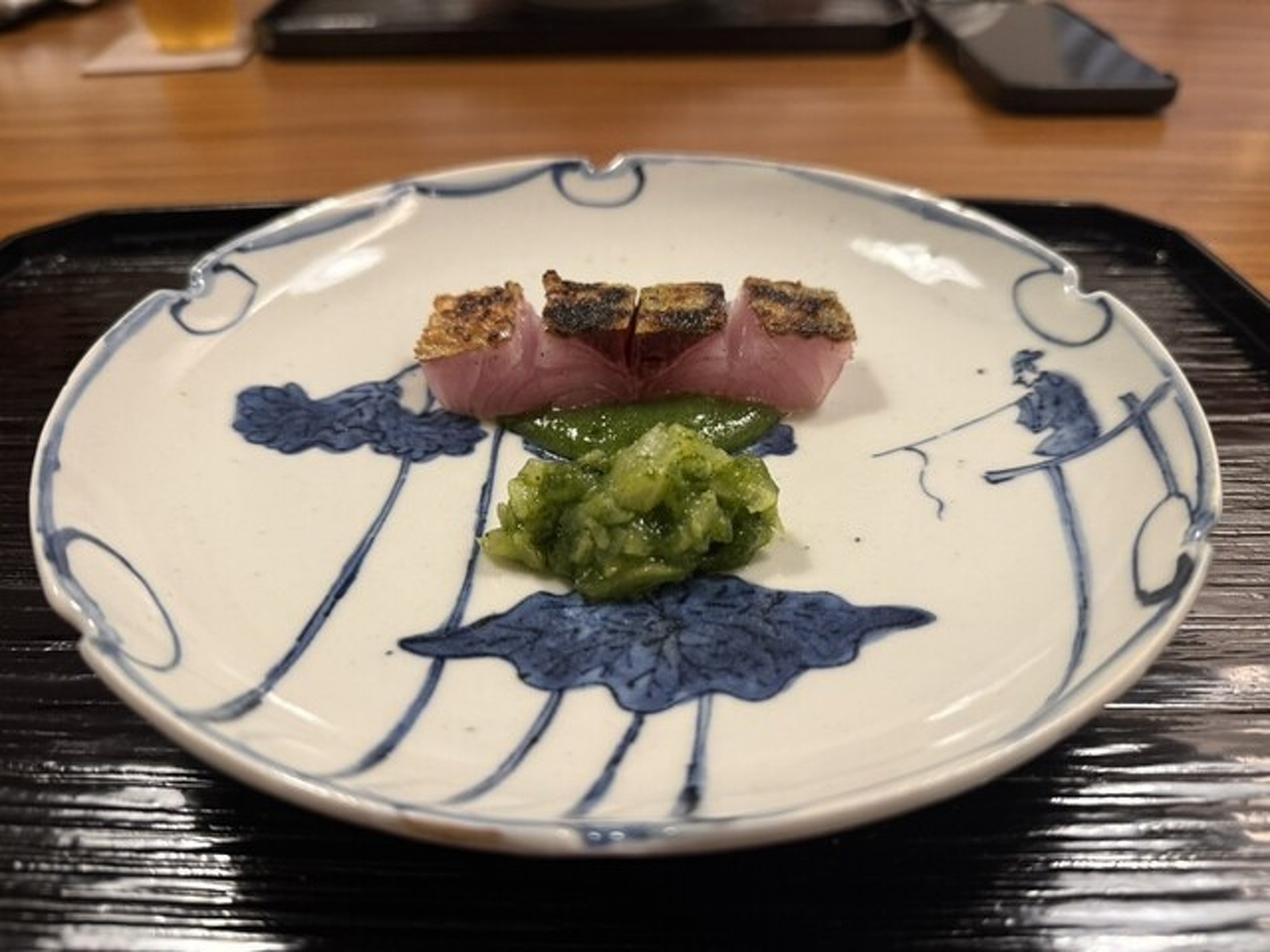
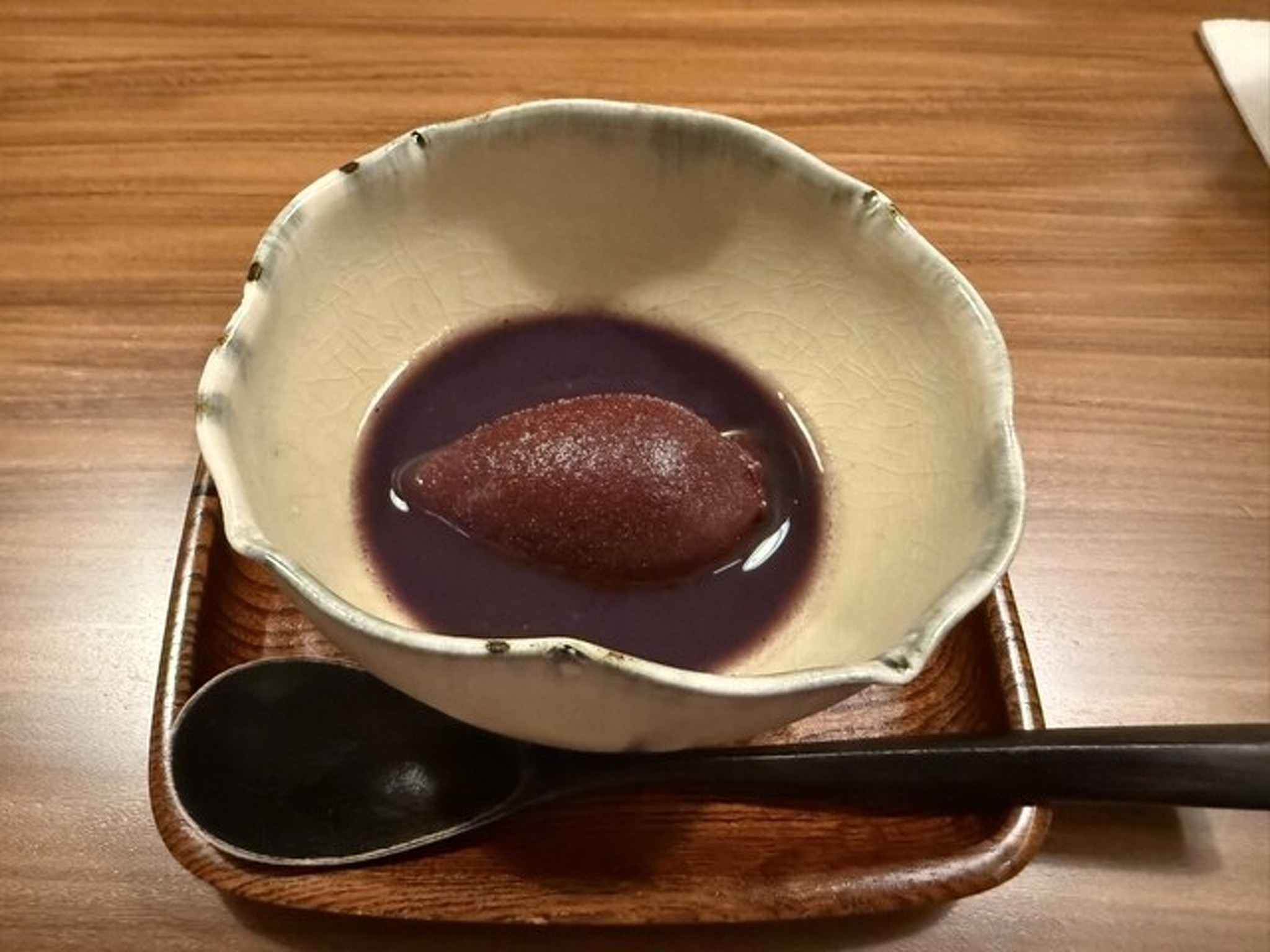
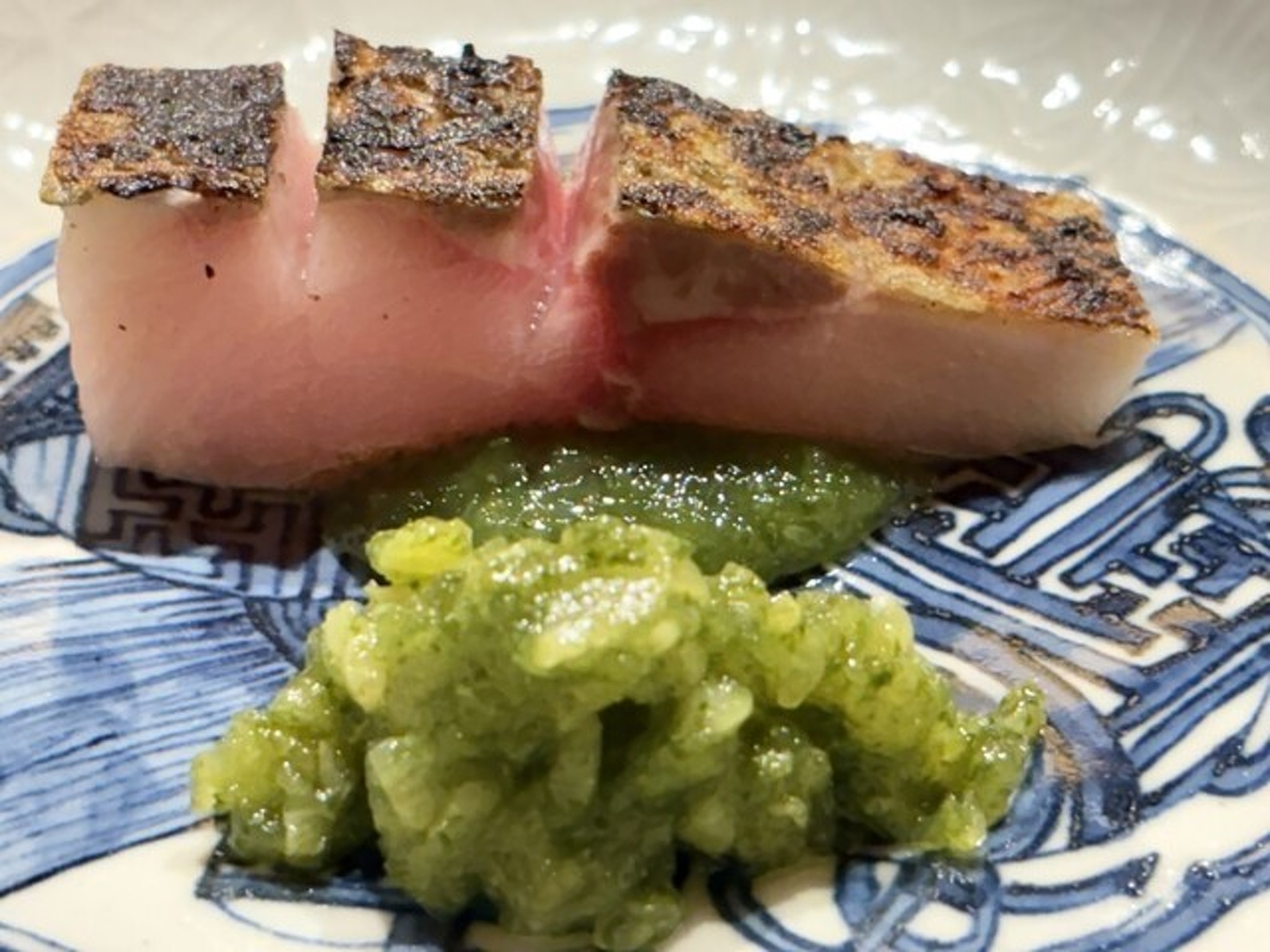
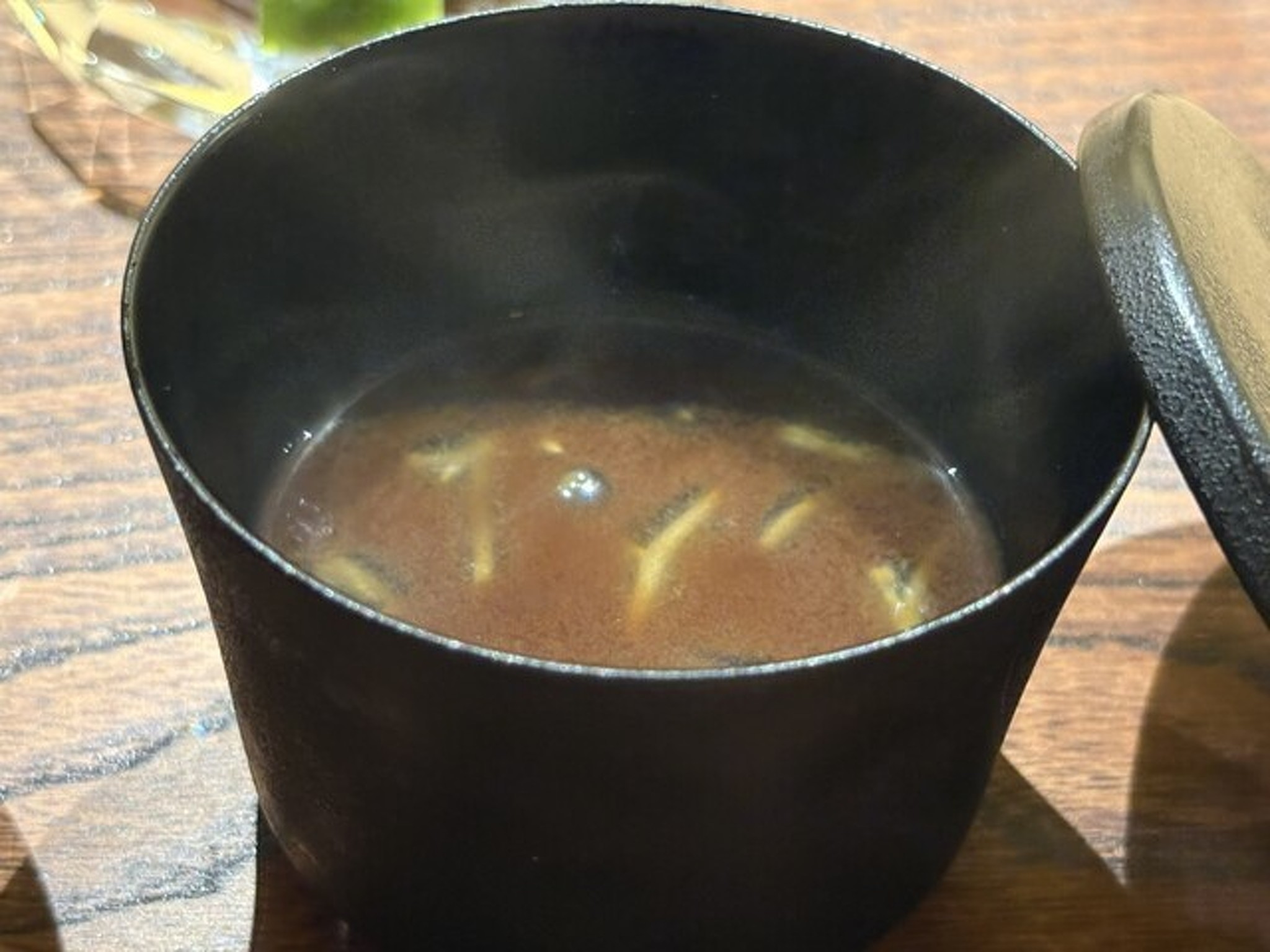
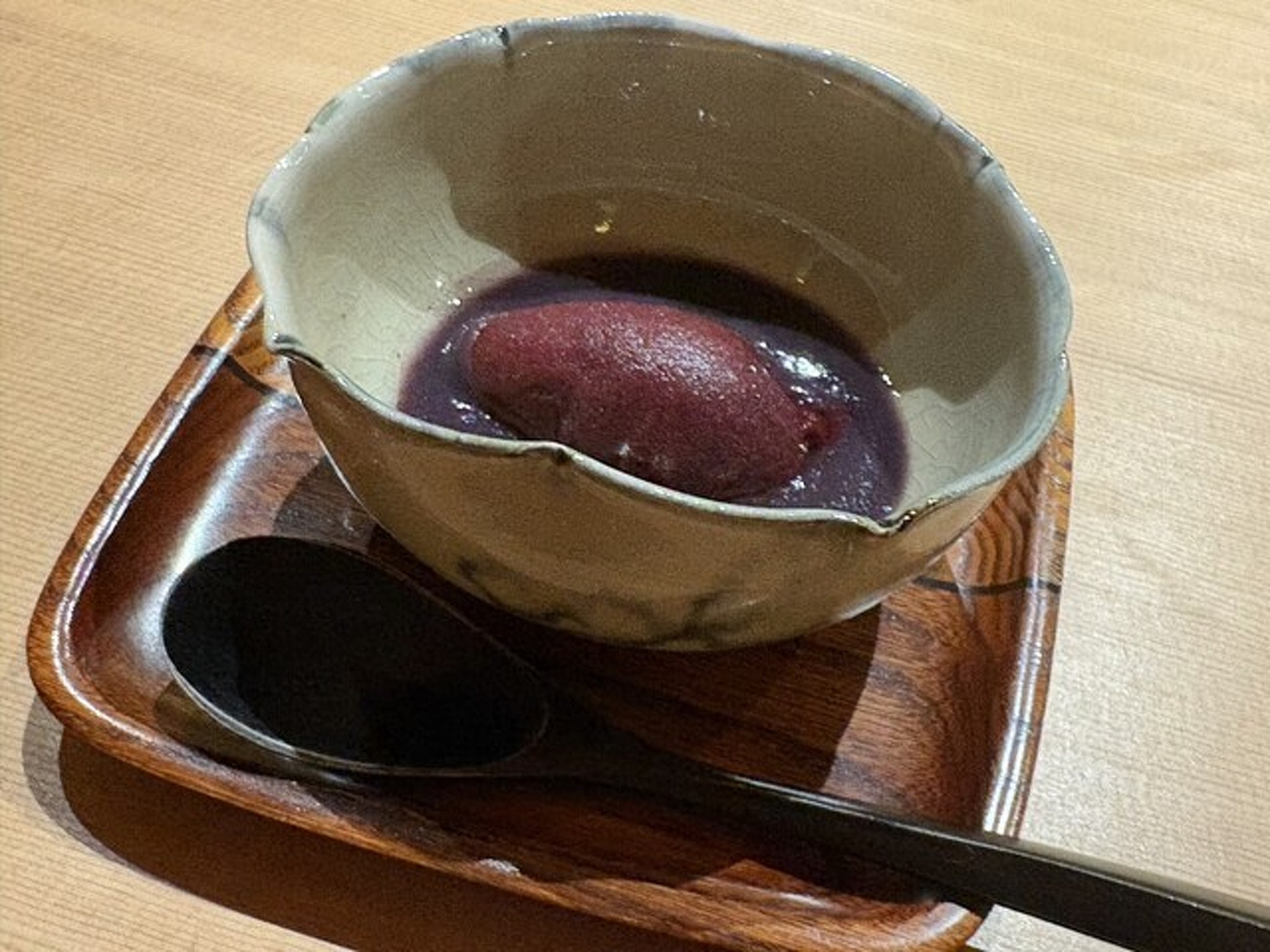
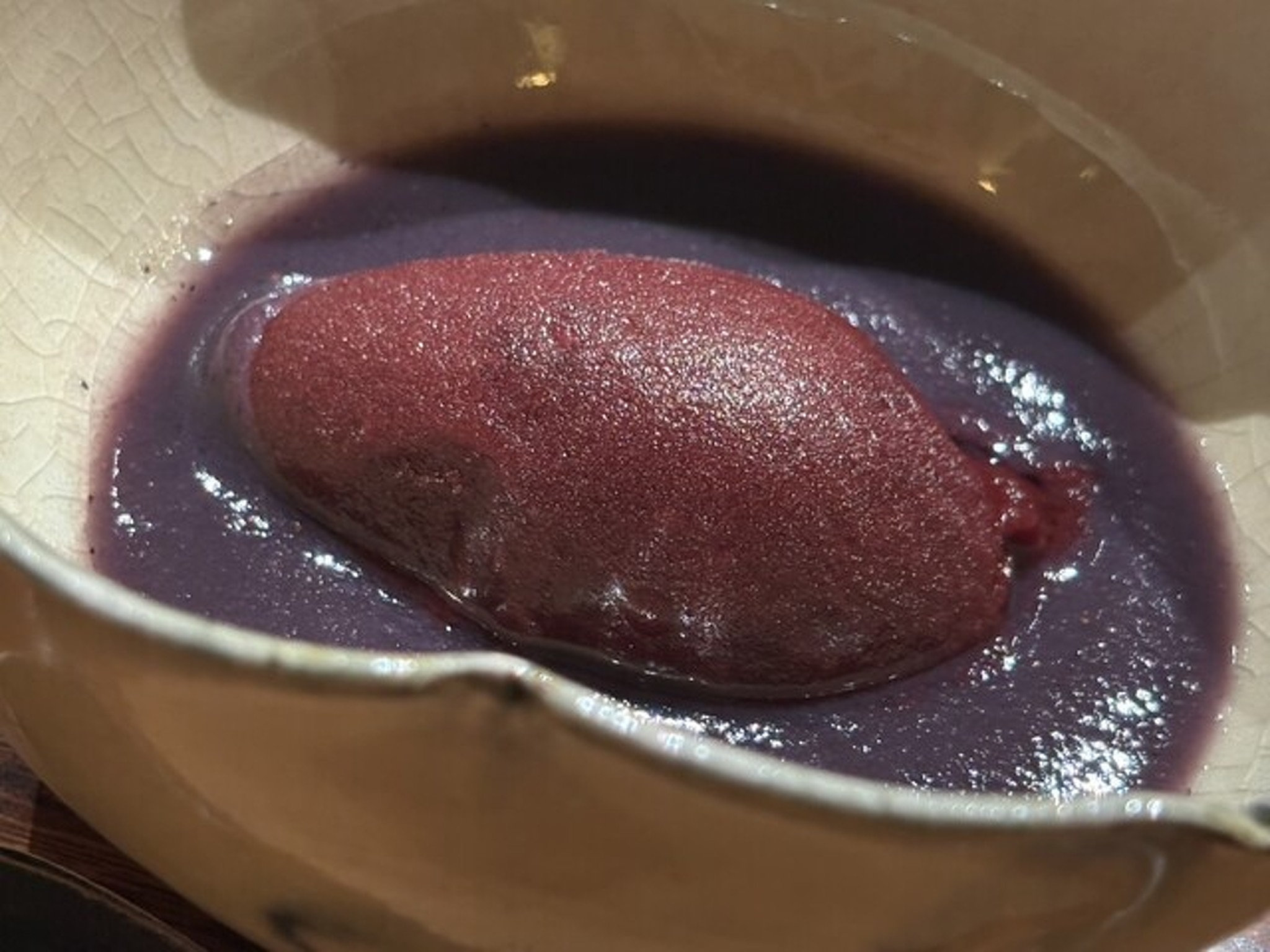
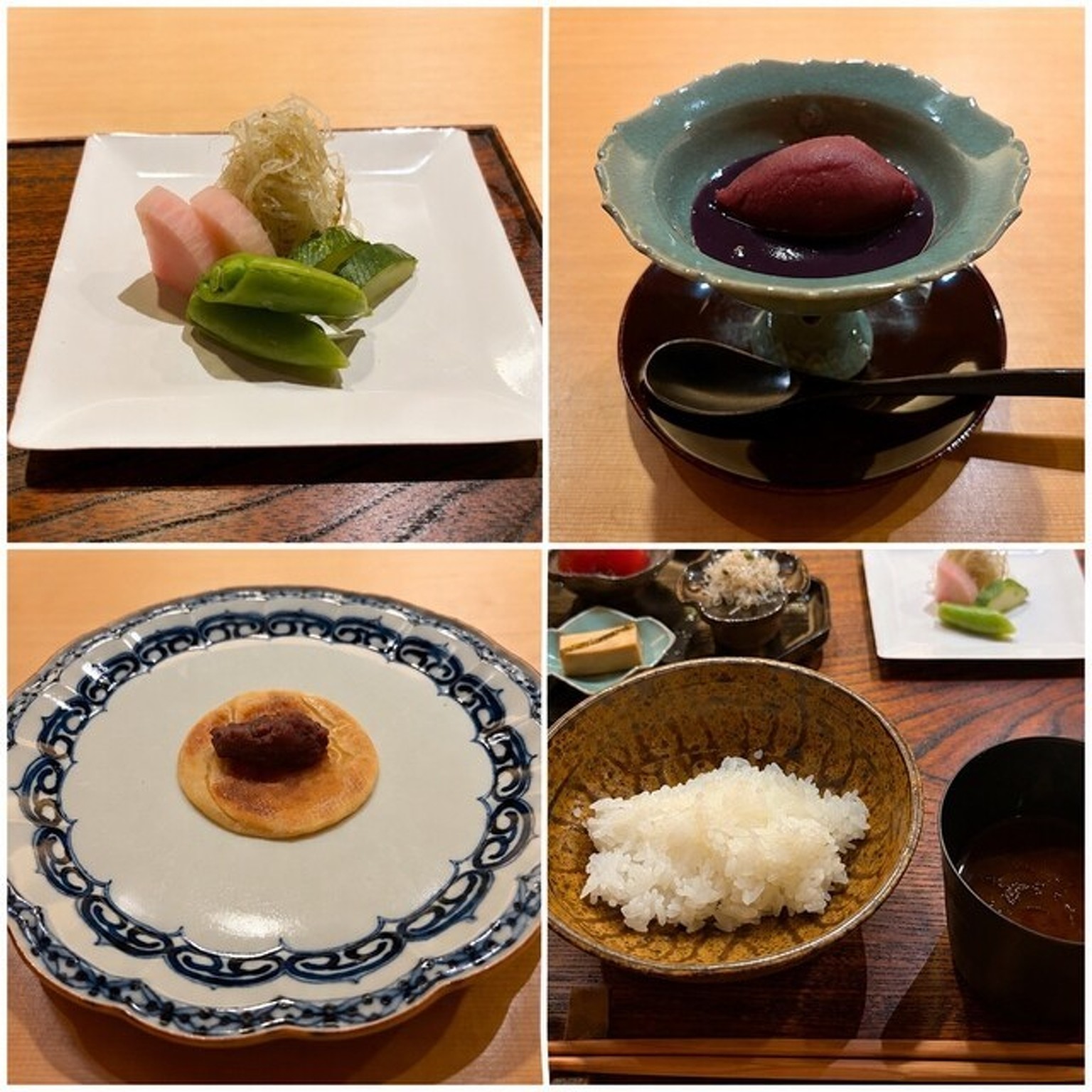
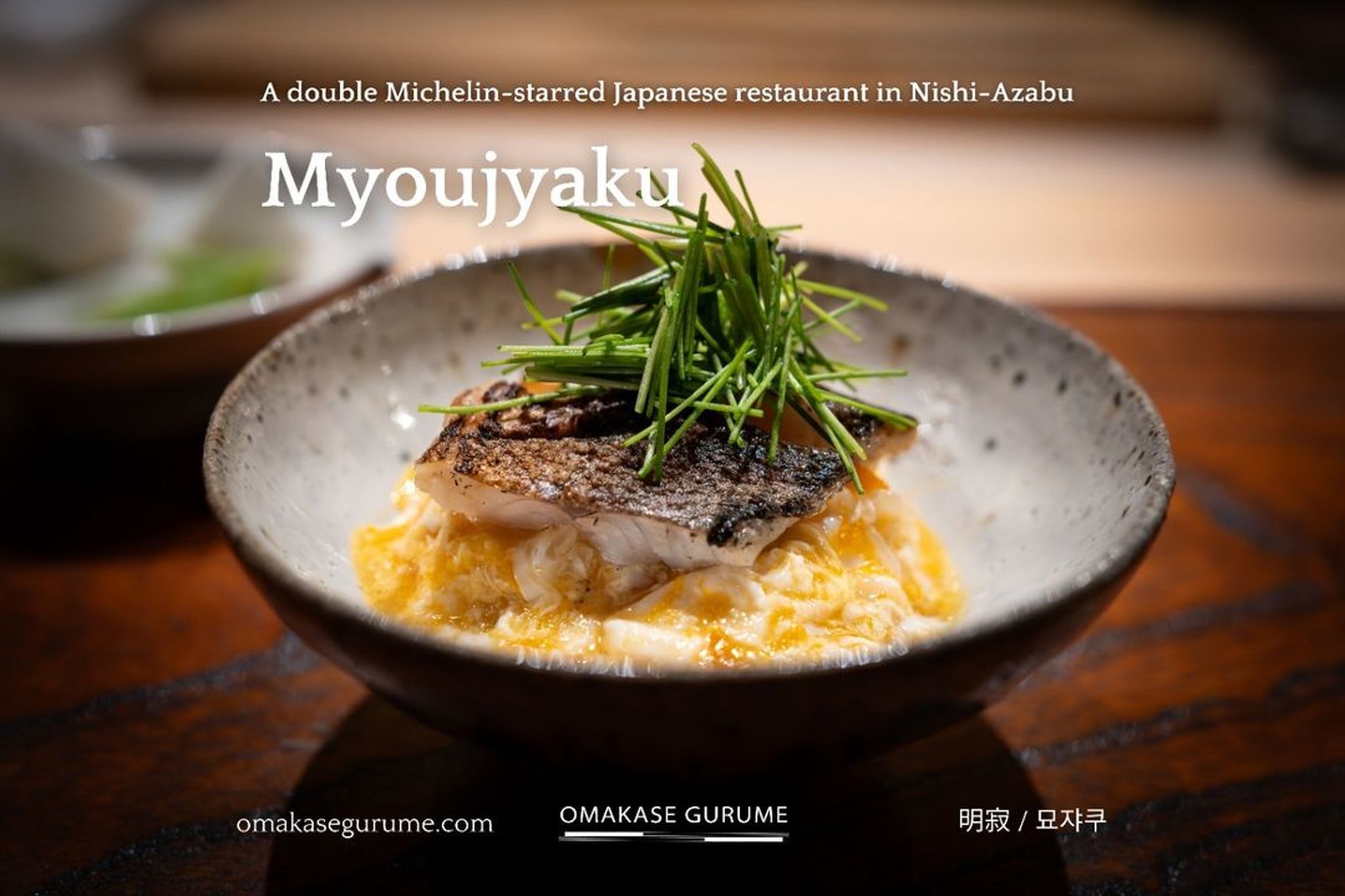
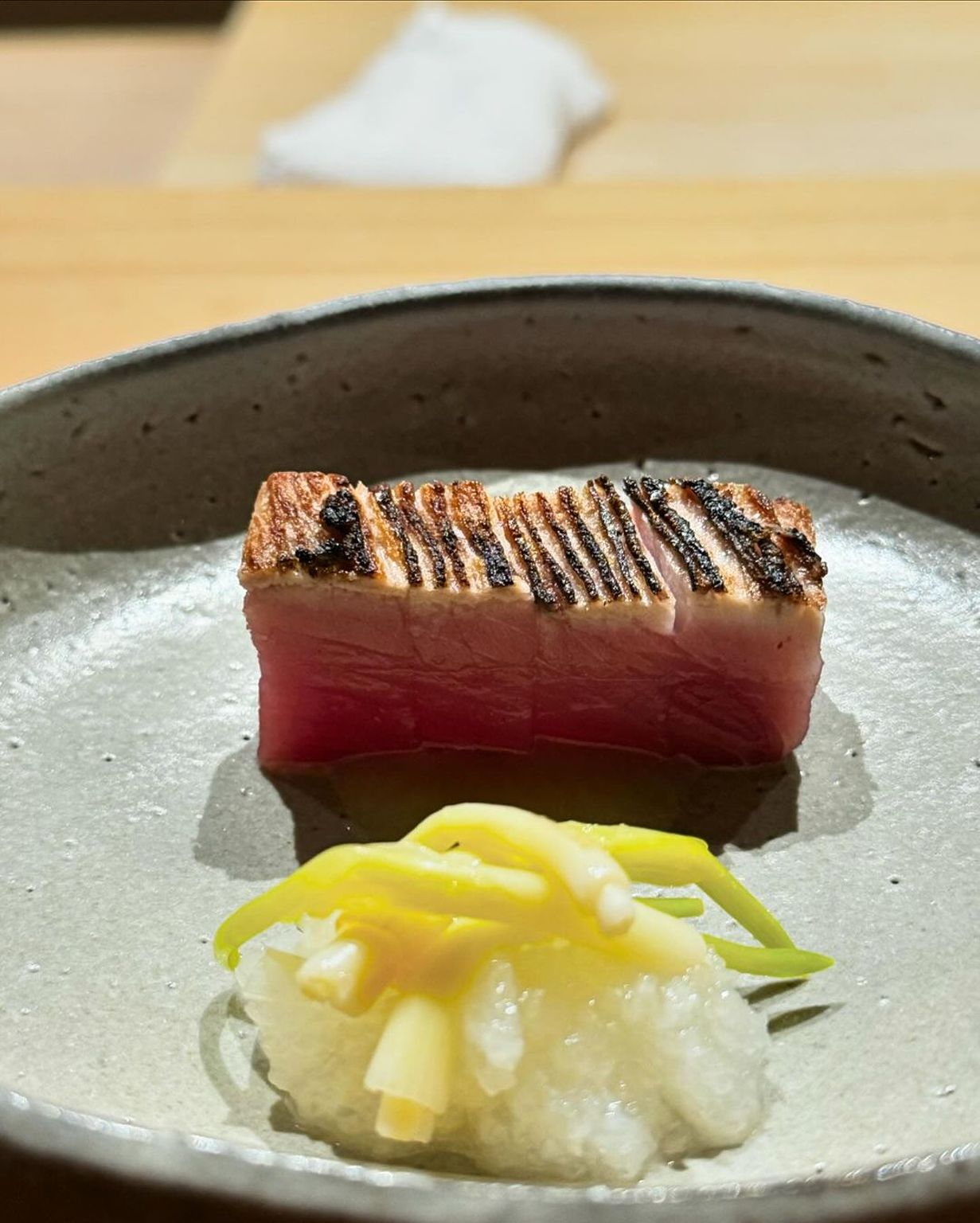
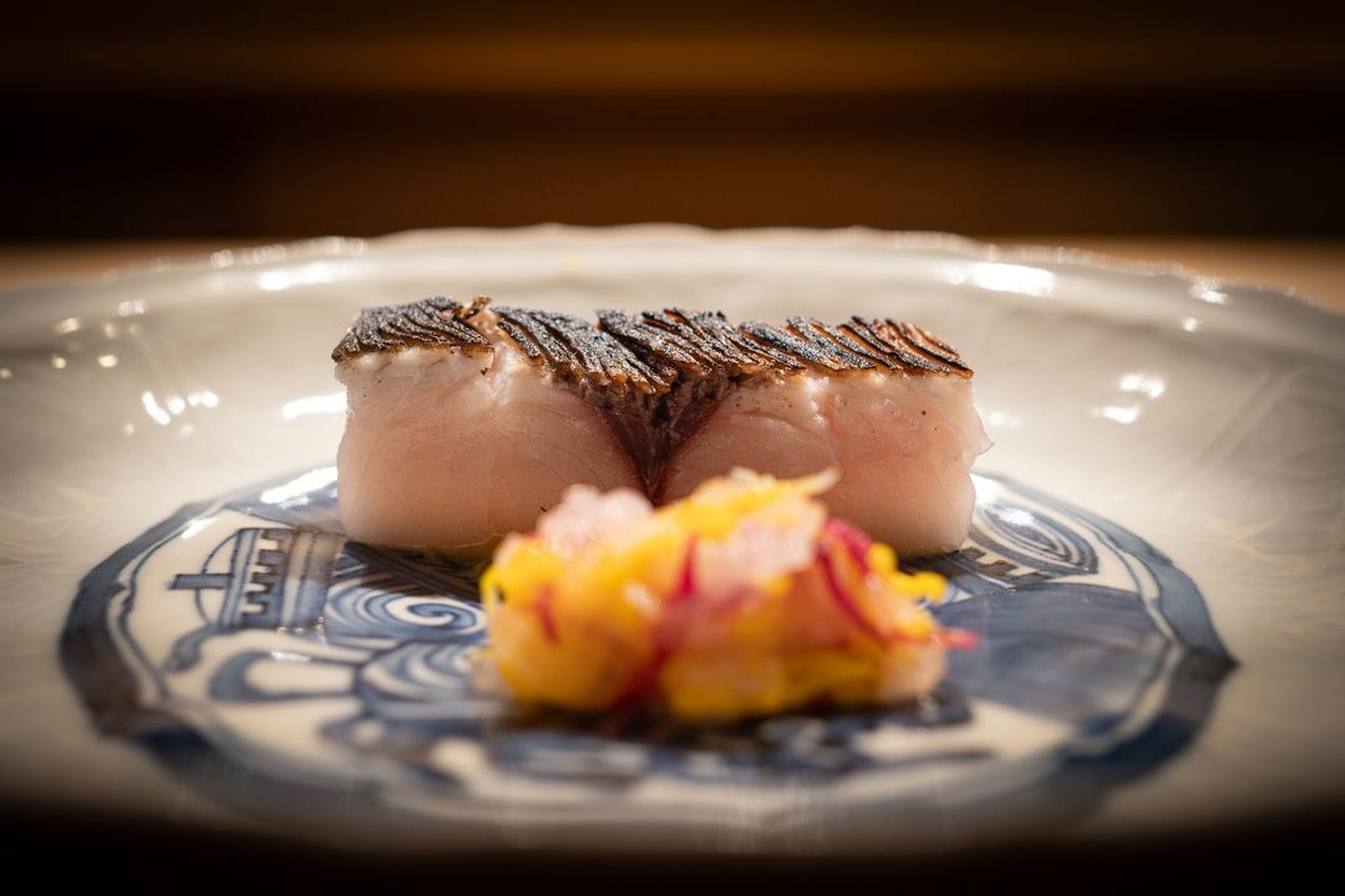
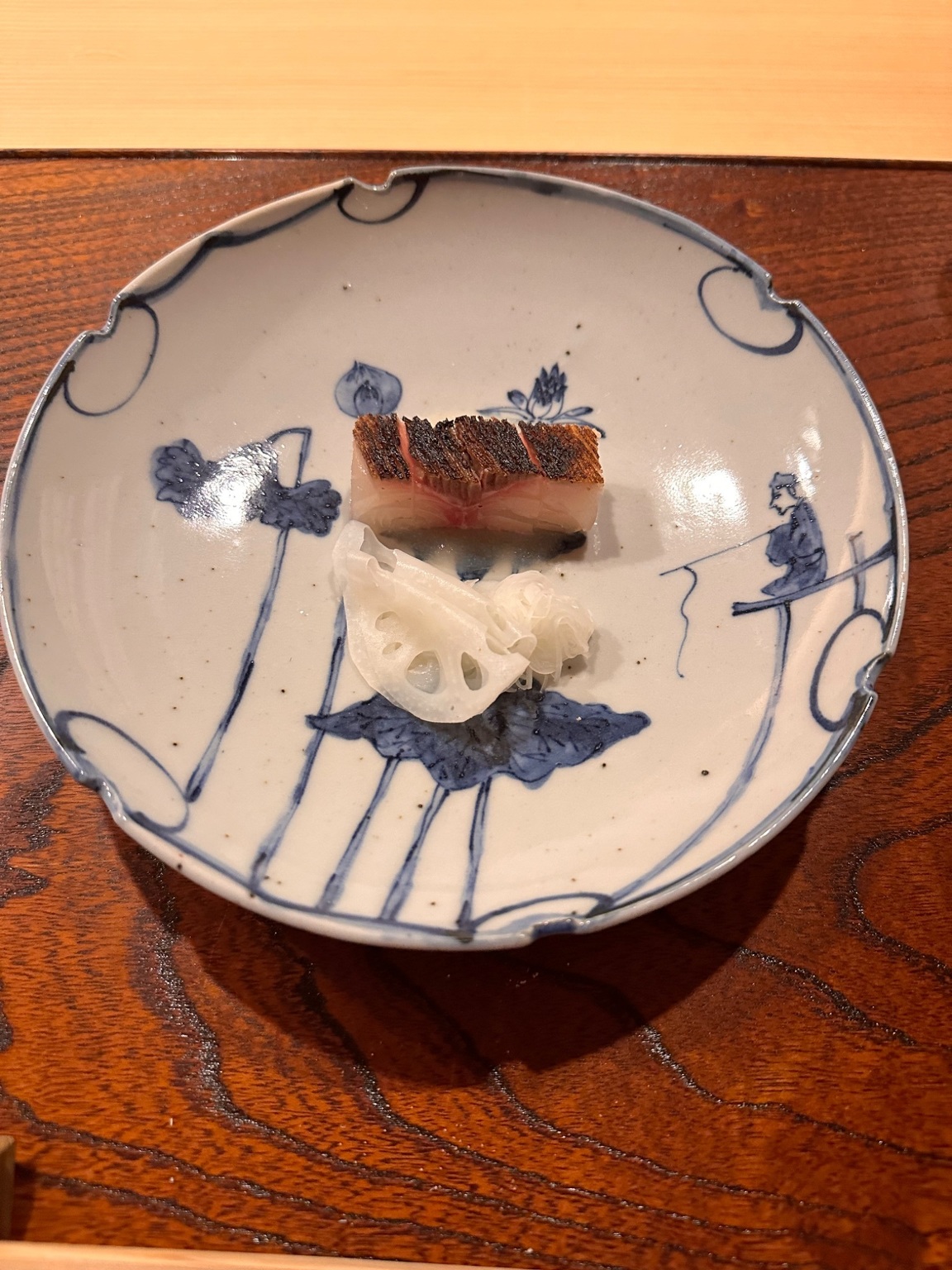
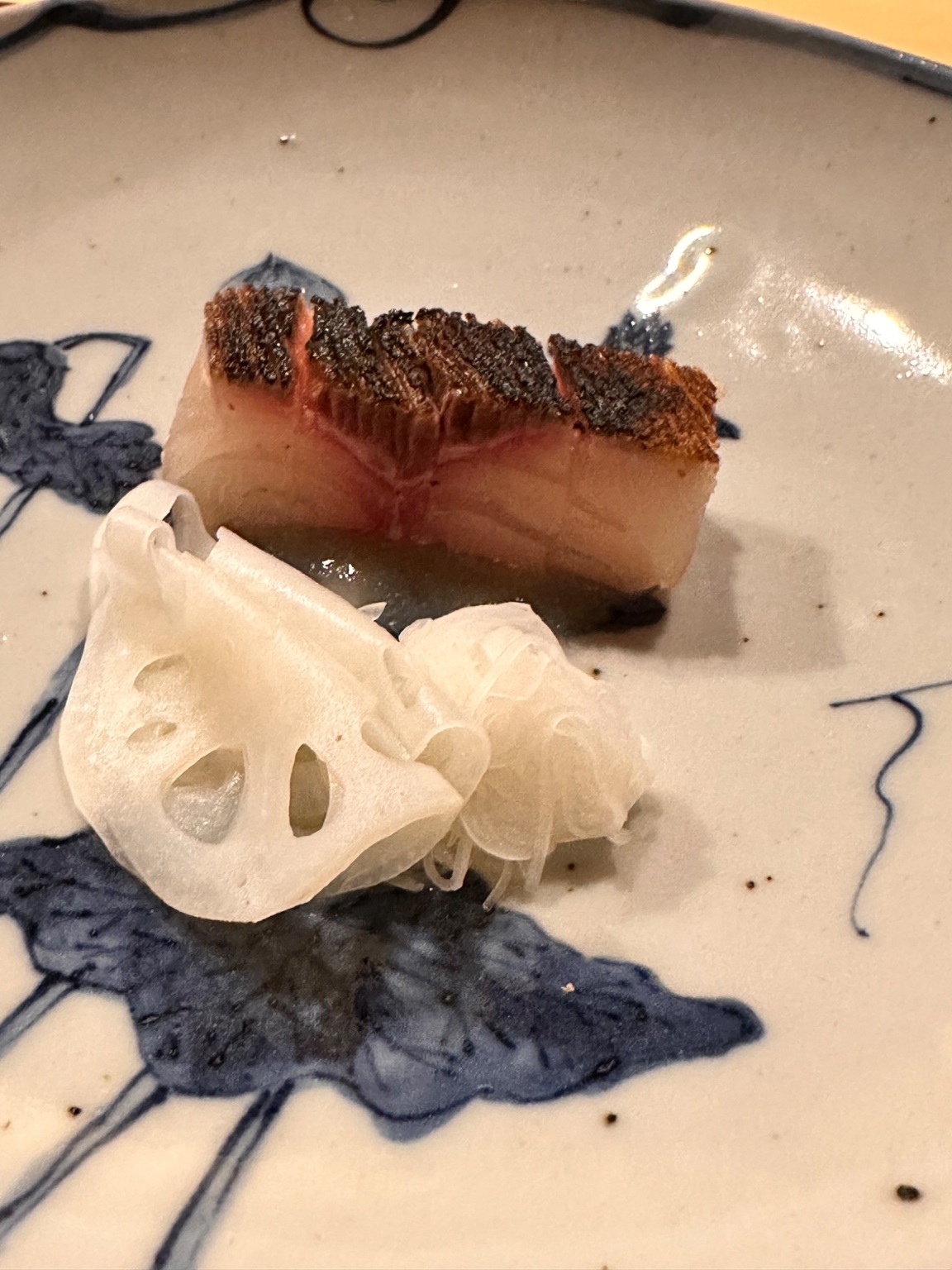
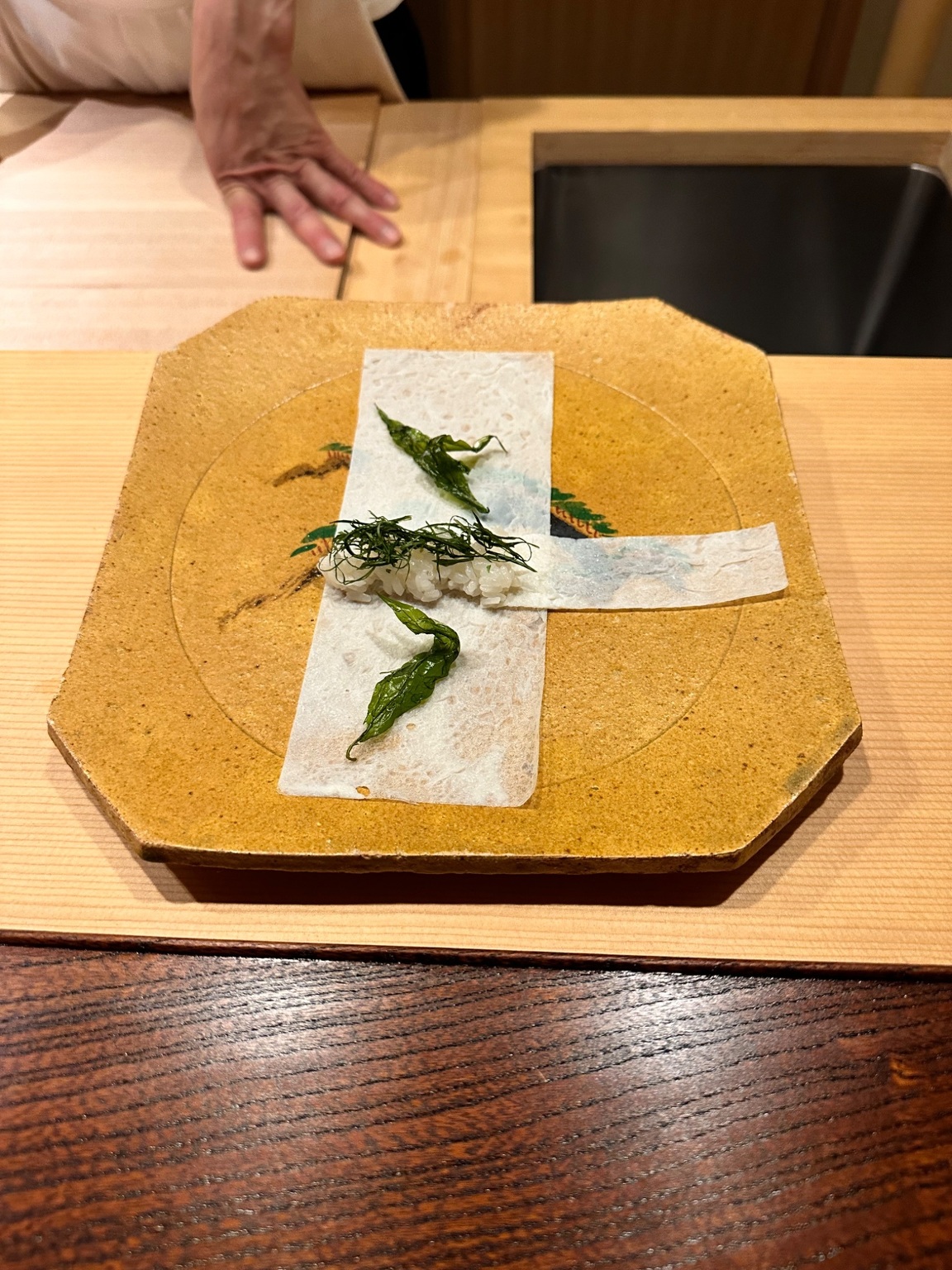
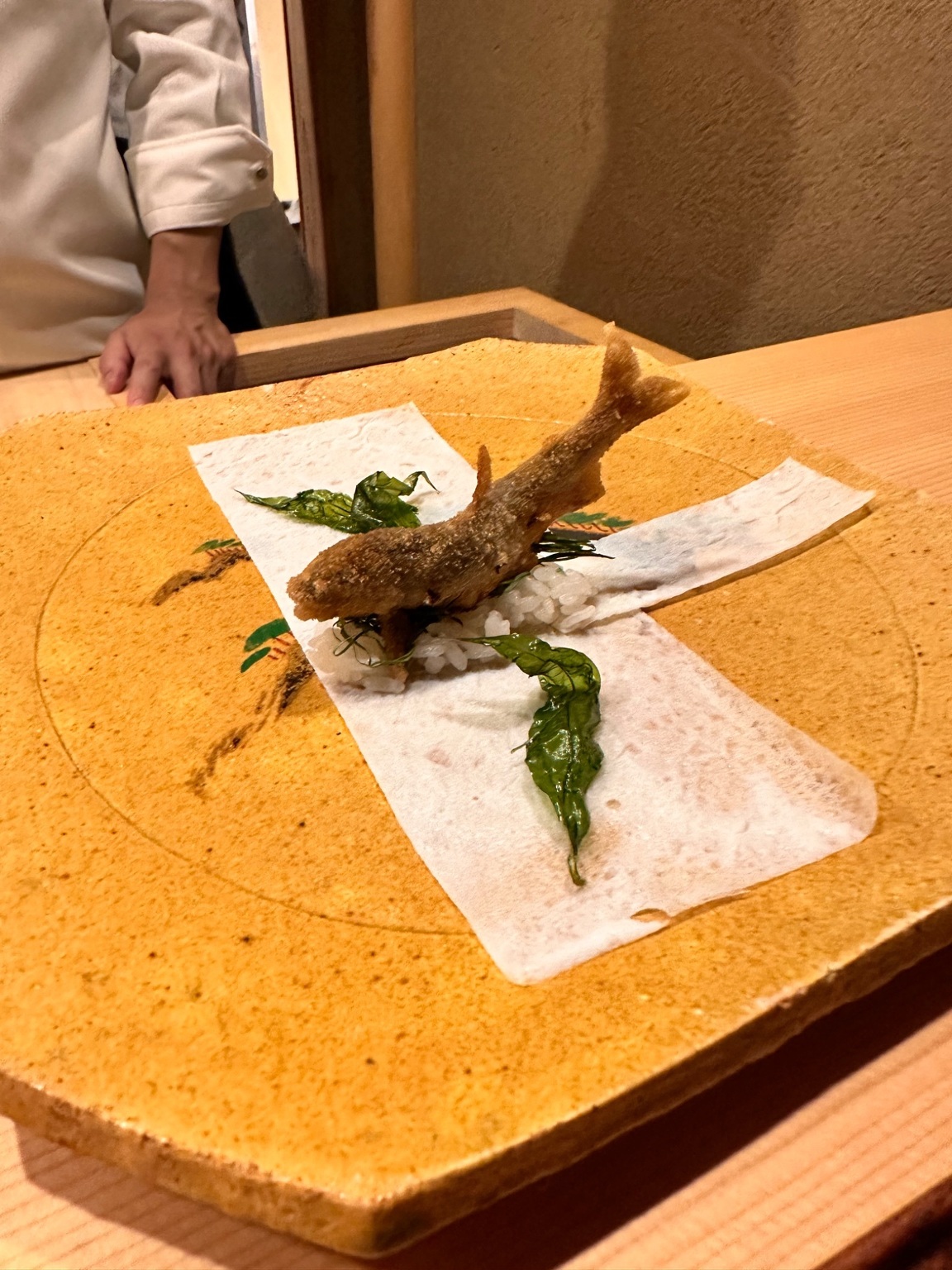
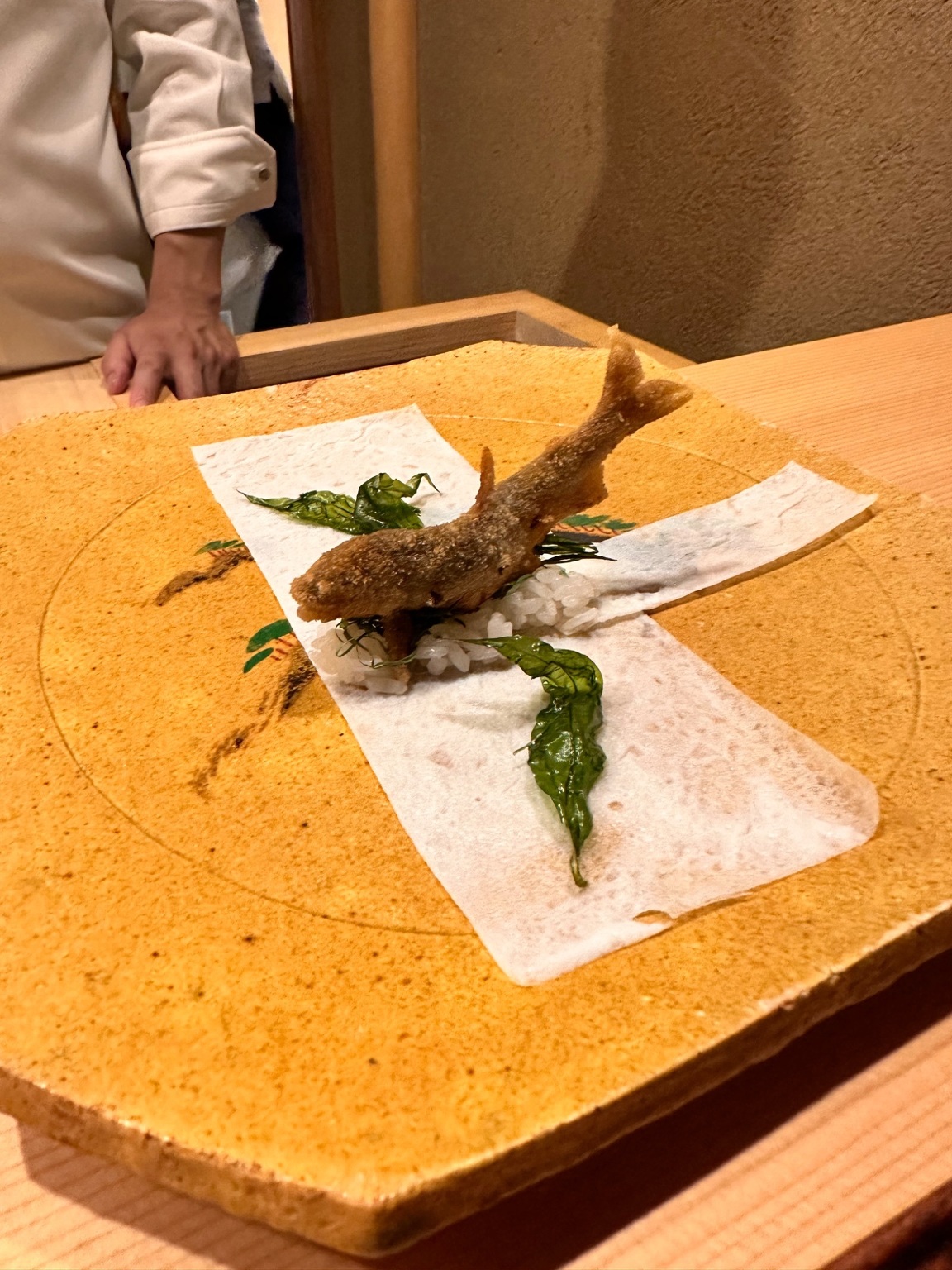
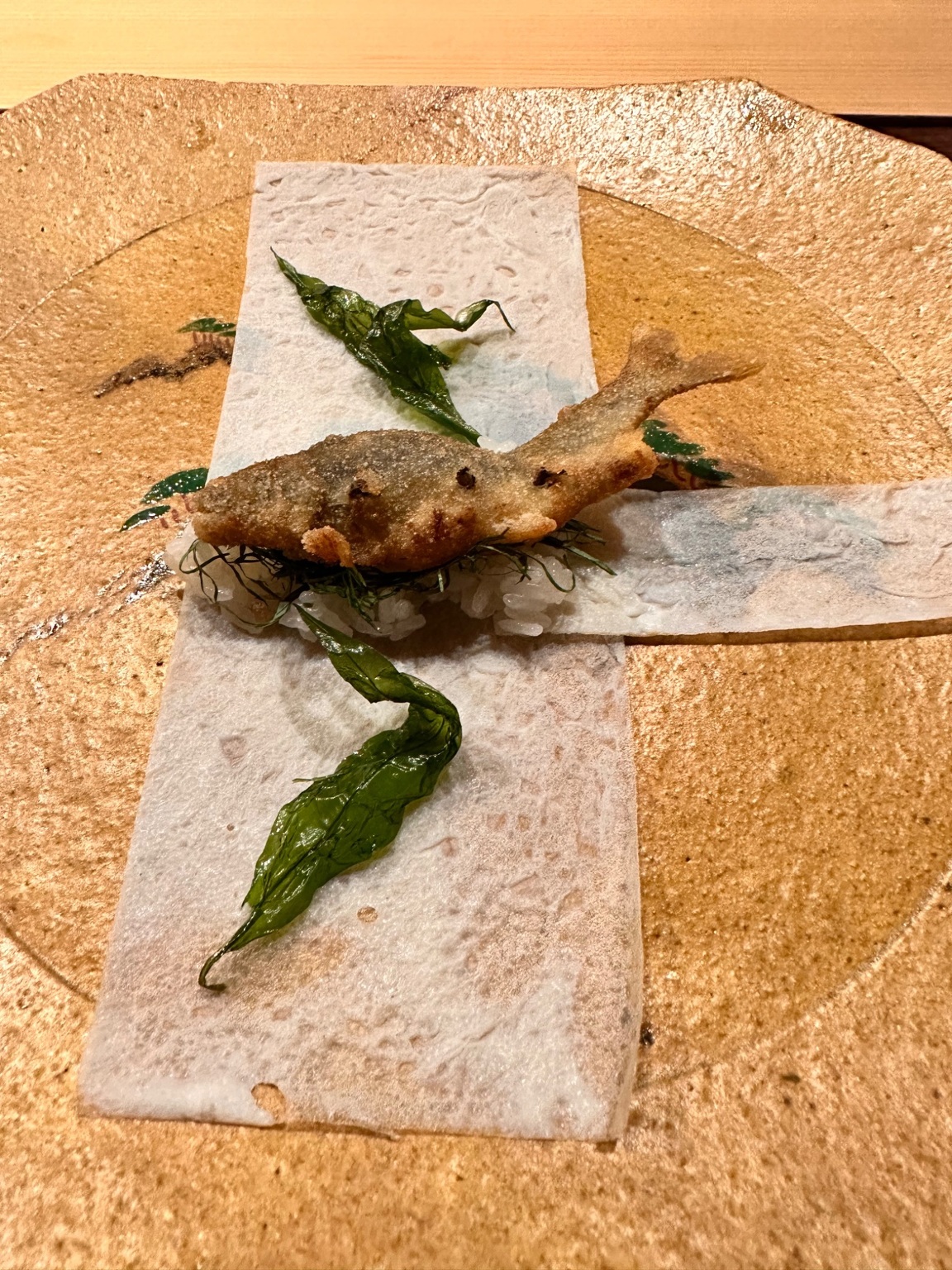
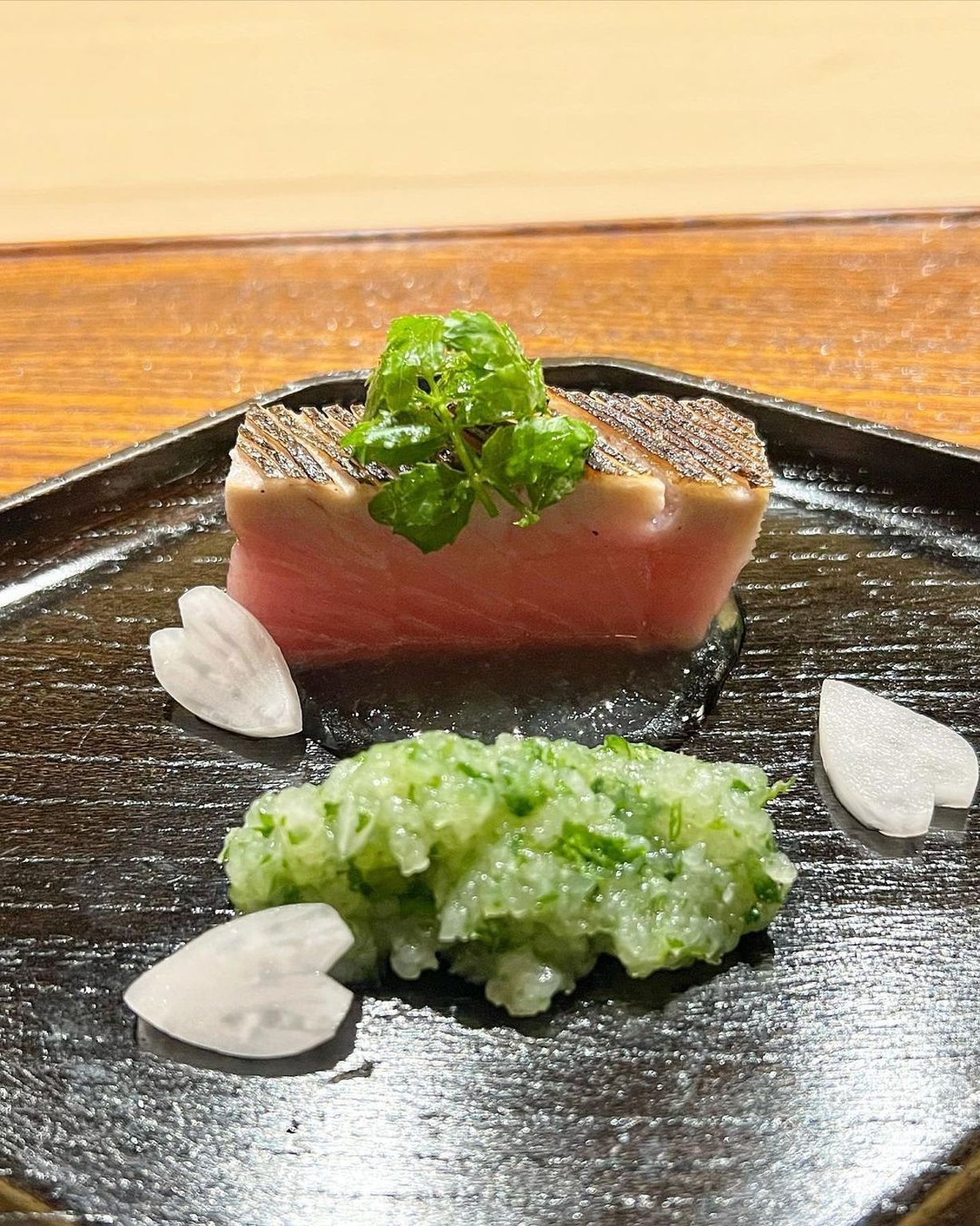
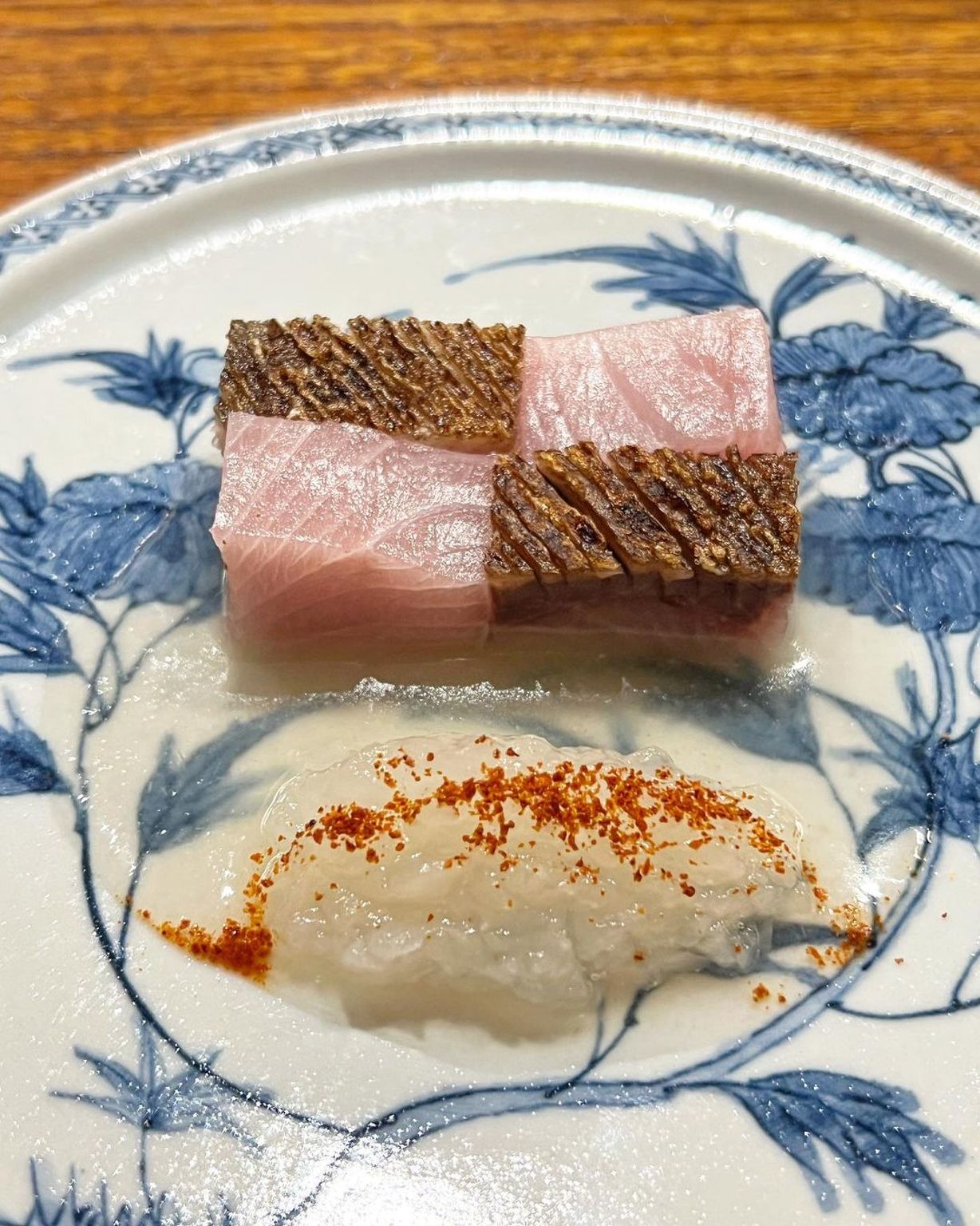
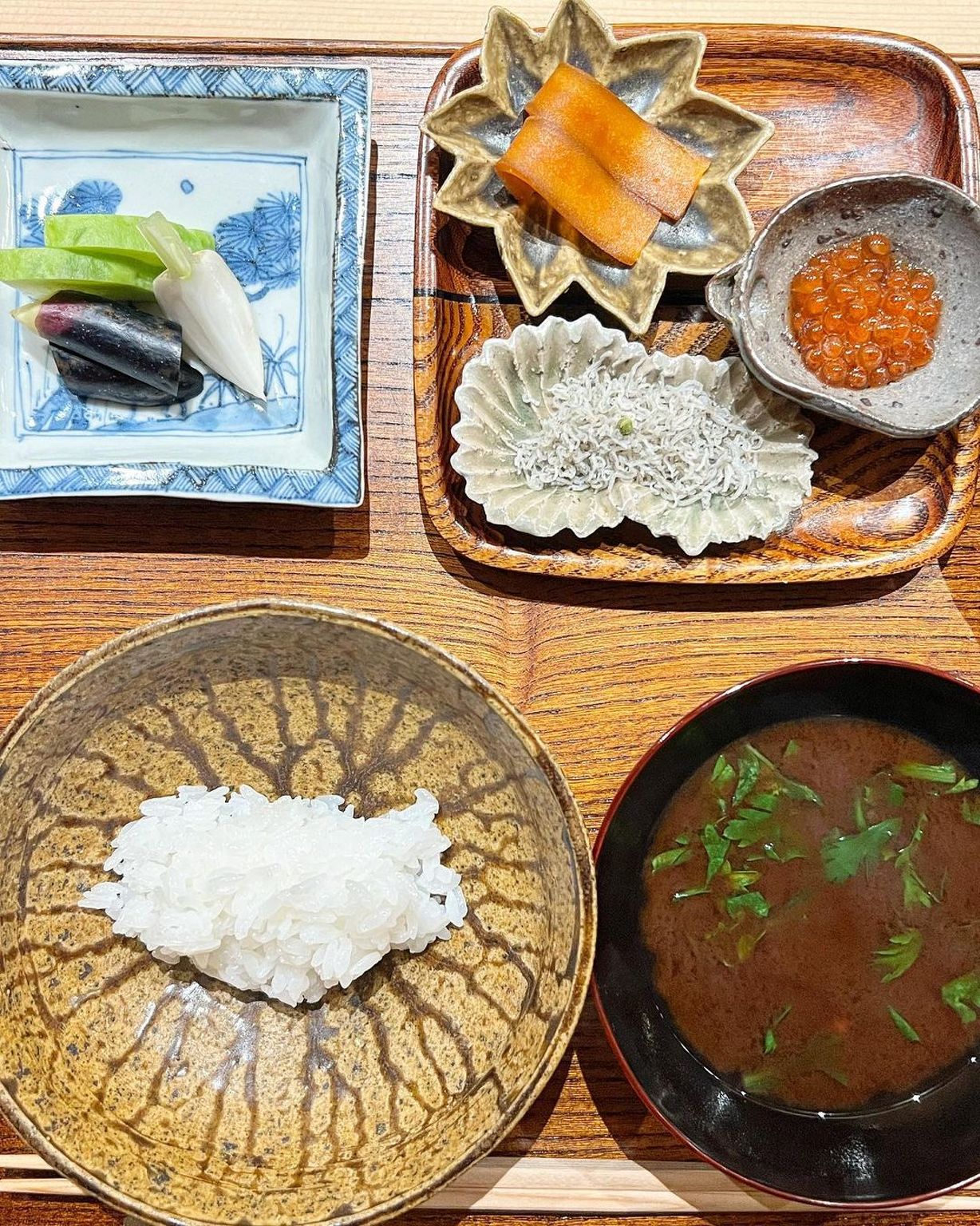
A top-tier Japanese restaurant located about a 7-minute walk from Roppongi Station, Myoujyaku has earned three Michelin stars and a Tabelog Silver rating. I visited today for an OMAKASE dinner course.**Nagaimo Shio-ni** In this simple yet elegant dish, the earthy flavor of nagaimo (Japanese yam) harmonizes perfectly with the clear saltiness of the dashi. It gently warms the stomach while showcasing the chef's meticulous cooking technique that eliminates any off-flavors from the ingredients.**Hairy Crab with Mikan** This dish features top-quality hairy crab, served with claw meat and crab miso for a double flavor experience. The claw meat is paired with dried mikan peel, while the crab miso is marinated with sansho pepper and lemon juice, creating a refreshing acidity. The high standard of this dish directly conveys the quality of the ingredients.**Sashimi: Tai & Tako, Tai Shio Mizu and Tako Shio** The tai (sea bream) is enhanced by a saltwater made from tai dashi, while the tako (octopus) showcases three different textures through expert knife skills. The octopus salt, made from its skin, delivers the strong texture and natural sweetness directly. This dish exemplifies true subtraction by eliminating unnecessary soy sauce.**Hamo, Umeboshi Tempura, Onion Soup** This dish features expertly deboned hamo (pike eel) paired with the mellow flavors of umeboshi (pickled plum) and two types of acidity, along with the natural sweetness of onion. The delicate extraction of dashi creates a profound depth that seeps into the dish.**Shima Aji with Cucumber and Shiso Oroshi** The skin of the shima aji (striped jack) is grilled to perfection, and the rich fat is complemented by refreshing cucumber and shiso oroshi (grated shiso). Even with a fatty fish, this dish resets the palate while highlighting the strength of the ingredients.**Tsubugai and Turnip Surinashi & Shijimi Dashi** The crunchy texture of tsubugai (whelk) combines with the gentle surinashi (pureed) turnip and the umami of shijimi dashi (clam broth). Despite its rich flavor, the aftertaste remains incredibly clear, making this a refined shellfish dish that balances sweetness and umami.**Grilled Sweetfish** This dish represents the pinnacle of cooking technique. The surface is crispy and fragrant, while the inside retains moisture, allowing the unique aroma and slight bitterness of the sweetfish to fill the mouth beautifully.**Smoked Grilled Sweetfish** Building on the salt-grilled version, this dish adds a subtle smokiness that deepens the flavor and adds dimension to the sweetfish. The chef's playful spirit shines through in how the same ingredient can be transformed.**Fig with White Miso** A refreshing palate cleanser between the sweetfish dishes, this dish features the natural sweetness of ripe figs combined with a smooth white miso dressing, serving as an elegant interlude.**Sweetfish Sushi with Silk Wrap** The umami of the wild sweetfish is beautifully integrated with vinegared rice, and the egg white wraps around it like silk. This dish showcases the chef's ability to express the same ingredient in multiple dimensions, dancing on the palate.**Eggplant Somen** A refreshing dish made with exquisite eggplant, this preparation allows you to enjoy the natural umami of the eggplant paired with a Japanese dashi, served with delicate somen noodles. It’s a high-end refreshing dish.**Corn Karasumi "Inazuma"** The sweetness of corn and the rich saltiness of karasumi (dried mullet roe) balance each other like waves in the mouth, complemented by the texture of fried skin and creamy new karasumi. The contrast of textures and flavors is remarkable.**Winter Melon and Wild Boar Stew** The highest quality wild boar meat is free of any gamey taste, bursting with rich fat flavor, while the winter melon absorbs the dashi. This dish provides a substantial presence and satisfaction as the main course in the latter half of the meal.**Water Eggplant with Mustard Soy Sauce, Nukazuke, Rice, Furikake, Dried Shrimp, Red Miso Soup** Served with glossy, perfectly cooked rice, this dish features refreshing water eggplant and straightforward accompaniments. It’s a perfect balance that brings you back to the roots of Japanese cuisine.**Blueberry Shiruko** This refined shiruko (sweet red bean soup) harmonizes the refreshing sweetness and tartness of the fruit with the elegant richness of the bean paste, complemented by a sorbet made from five types of berries, showcasing a sense that transcends traditional Japanese cuisine.**Zunda Hojo Maki** This dish features elegant zunda (edamame paste) wrapped in a hojo (Japanese paper). It’s simple yet meticulously crafted, with no detail overlooked.The ingredients used here are undoubtedly of the highest quality in Japan. The chef's skill in boiling, steaming, grilling, and mixing has been taken to the ultimate level, drawing out the maximum potential of each ingredient. The playful spirit of presenting different flavors from the same ingredient is also exceptional. As a personal note, while the overall completion of "Sabi (subtraction)" stands out, it might be worth emphasizing the main theme of "Akari (assertion)" even more. It was a great meal! Less
10 / 10
on 22 Jul 2026
The dishes were seasoned with the natural flavors of the ingredients and salt. I was worried they might be too bland, but instead, the combination of flavors added depth to the dishes. By changing the order in which I tasted the ingredients within the same dish, I was able to enjoy multiple flavors. It was a delightful culinary experience unlike any I’ve had before.
9 / 10
on 19 Jul 2026
Seasonal Pairing1. Nagaimo Shio-ni ↔︎ Champagne Chartogne-Taillet “Hors Série” The nagaimo has a very subtle flavor and a strong yam taste. The broth from the shio-ni is rich in umami and delicious. I was surprised at how much flavor nagaimo can release. The champagne is common for the first two dishes, made from old vines with a mild acidity that pairs well with food.2. Crab with Mikan ↔︎ Champagne The pairing of the crab legs on top and the sansho pepper is delightful,... More
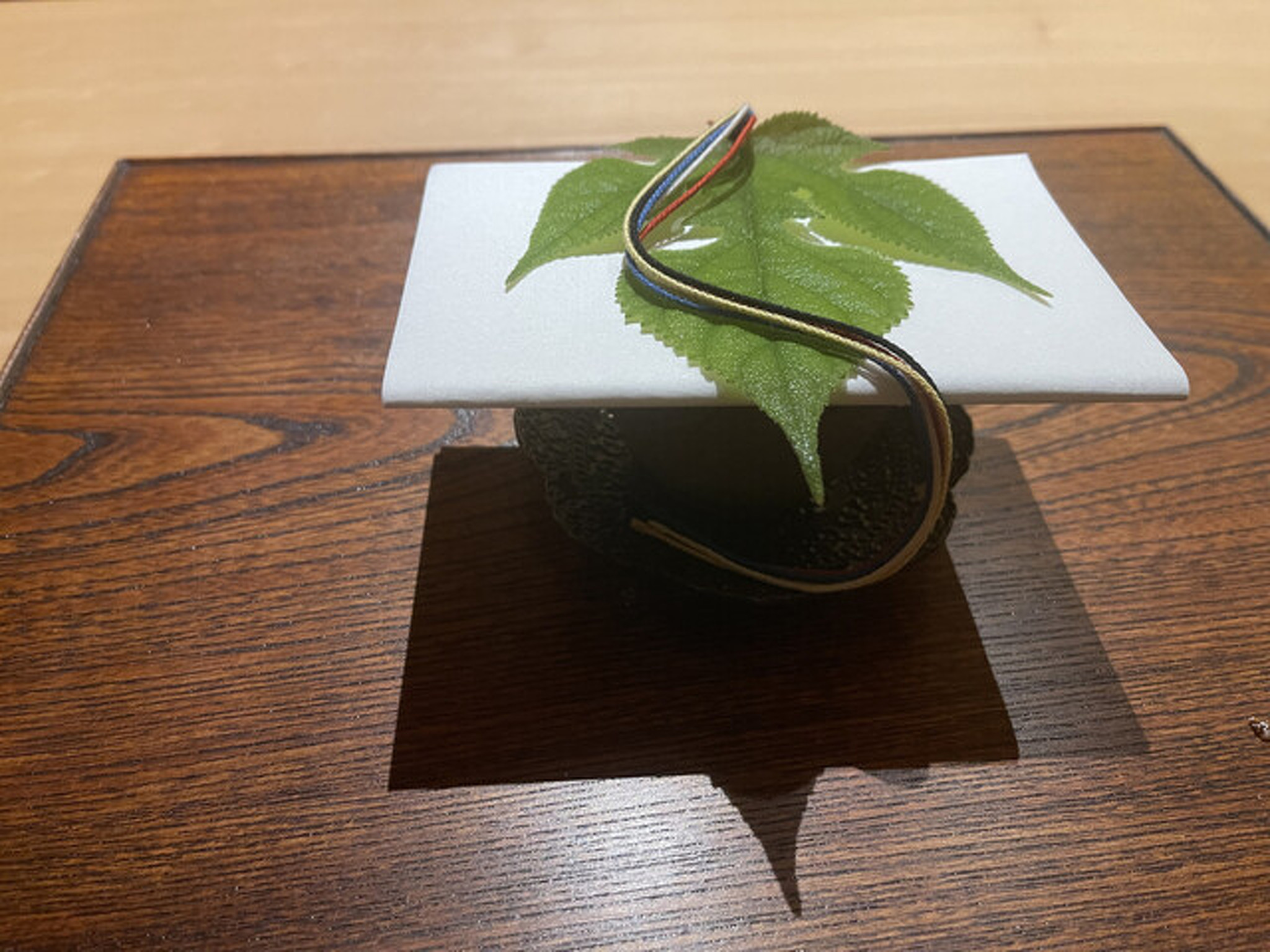
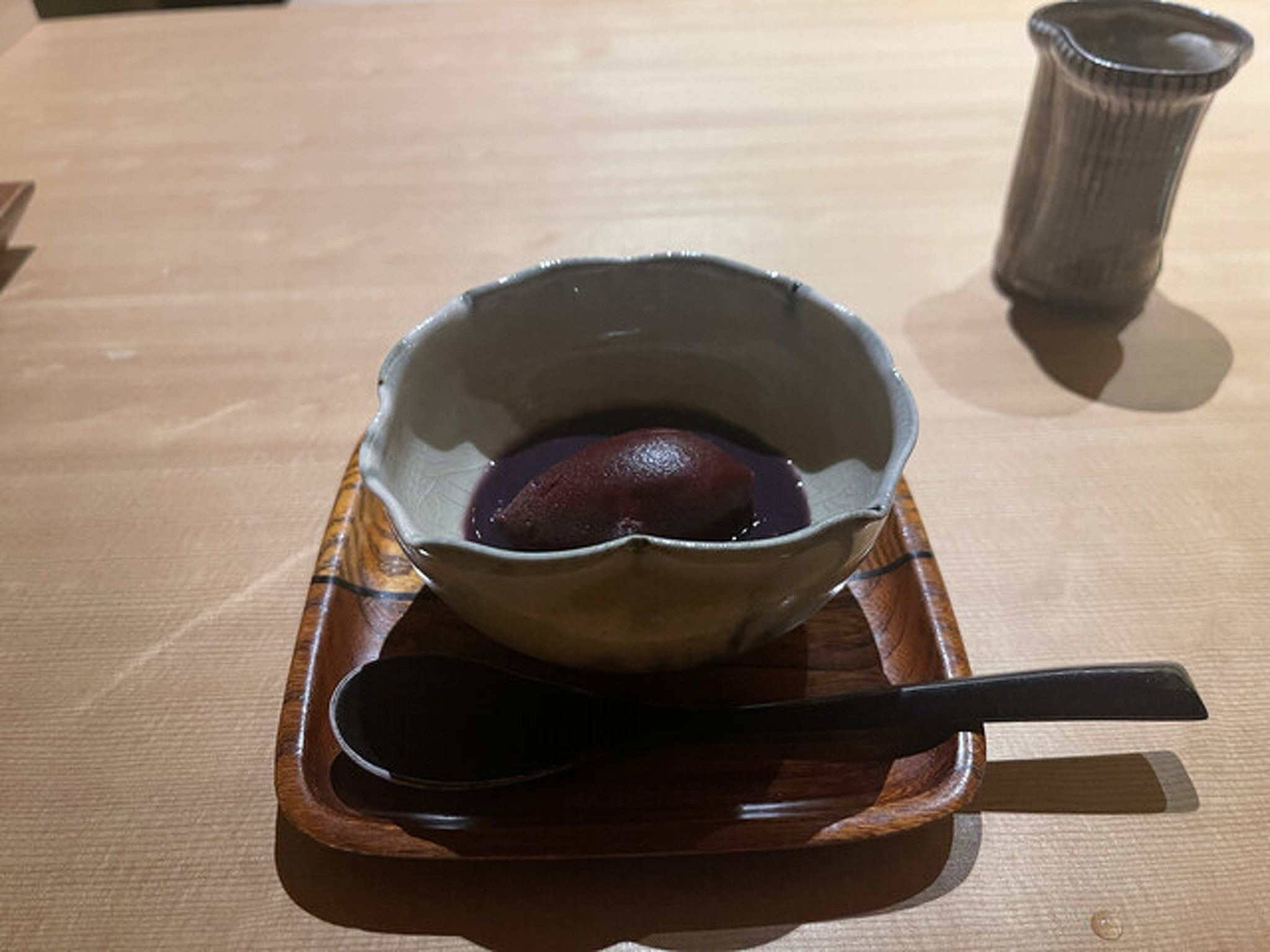
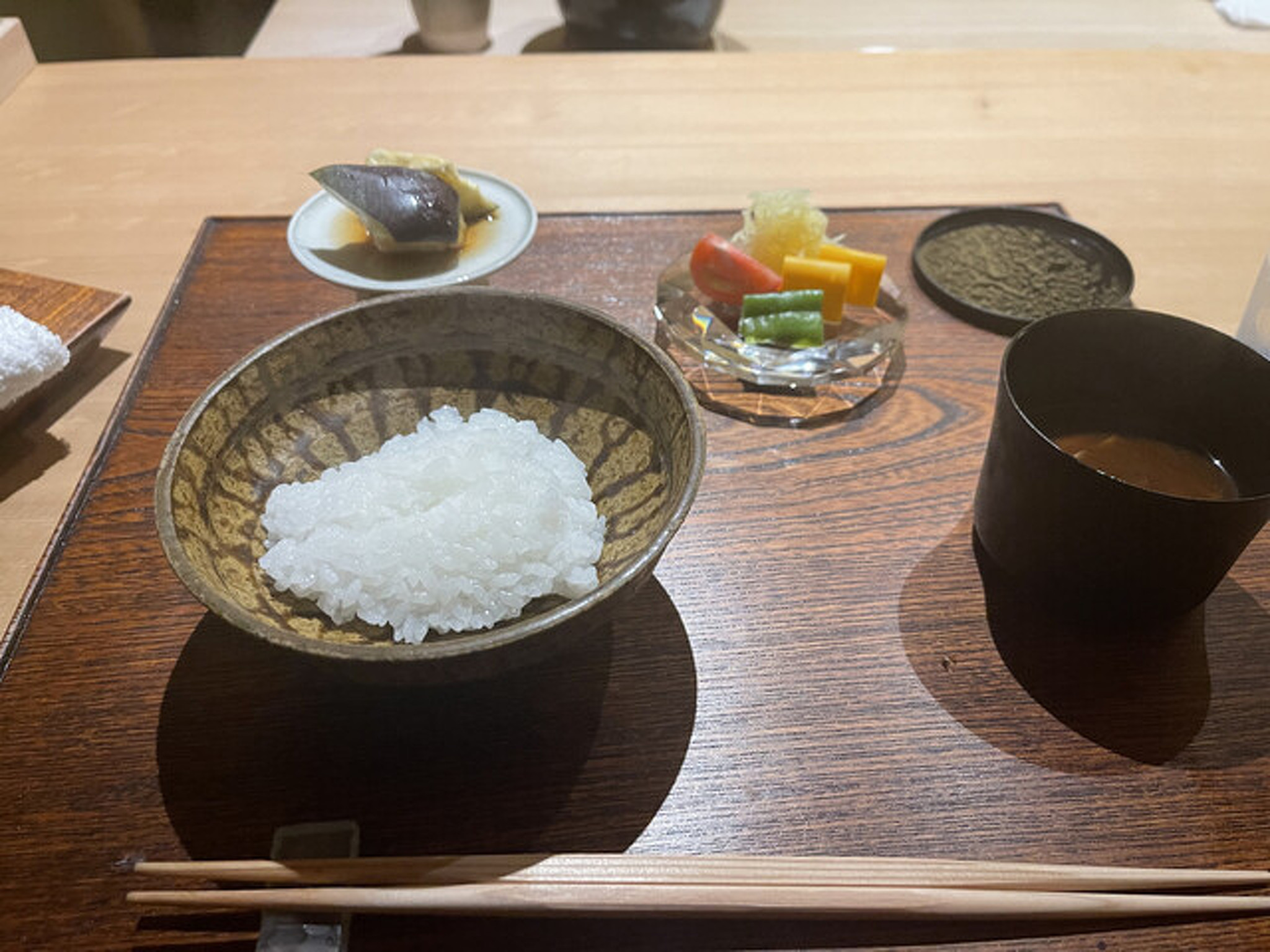
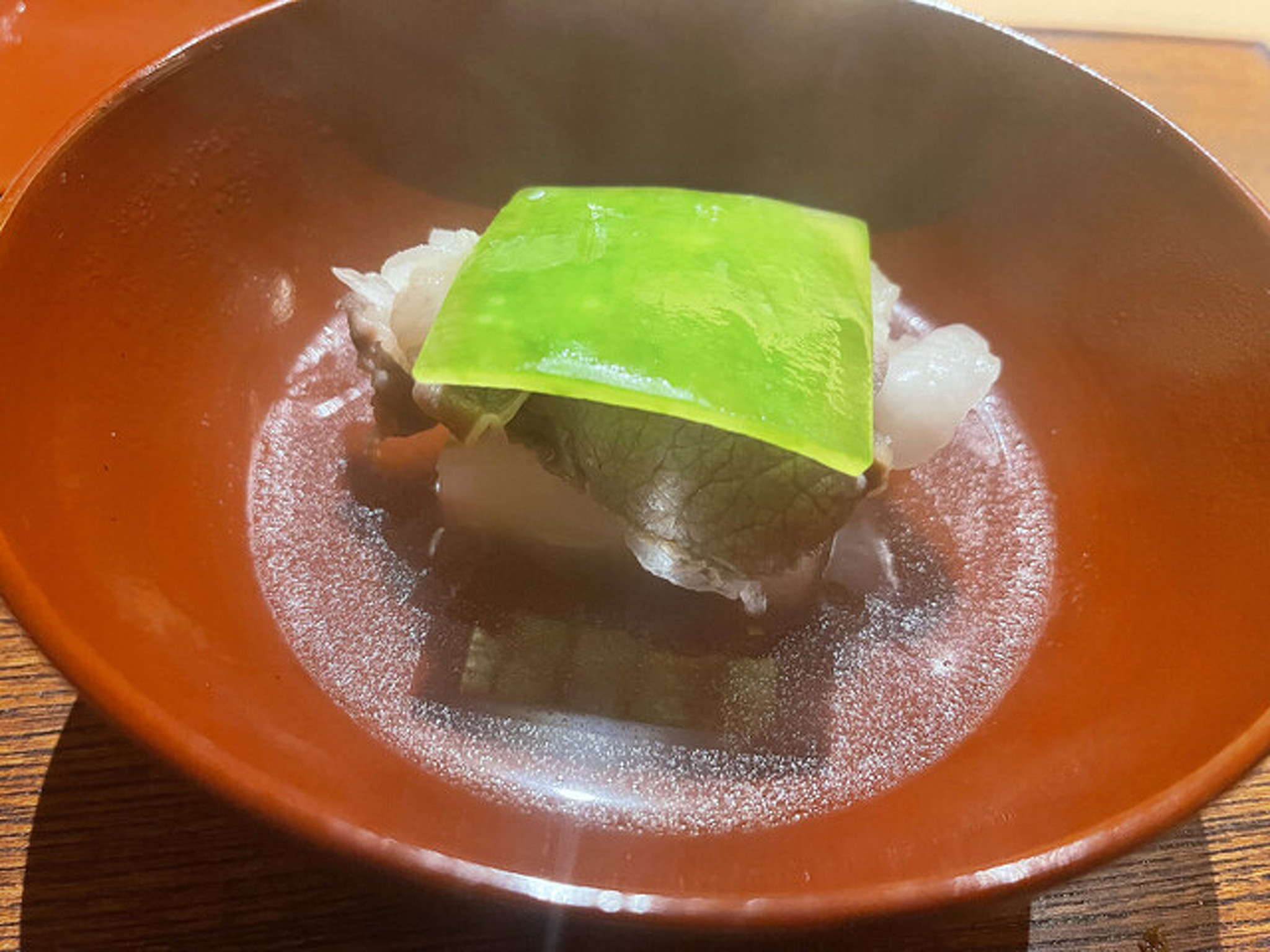
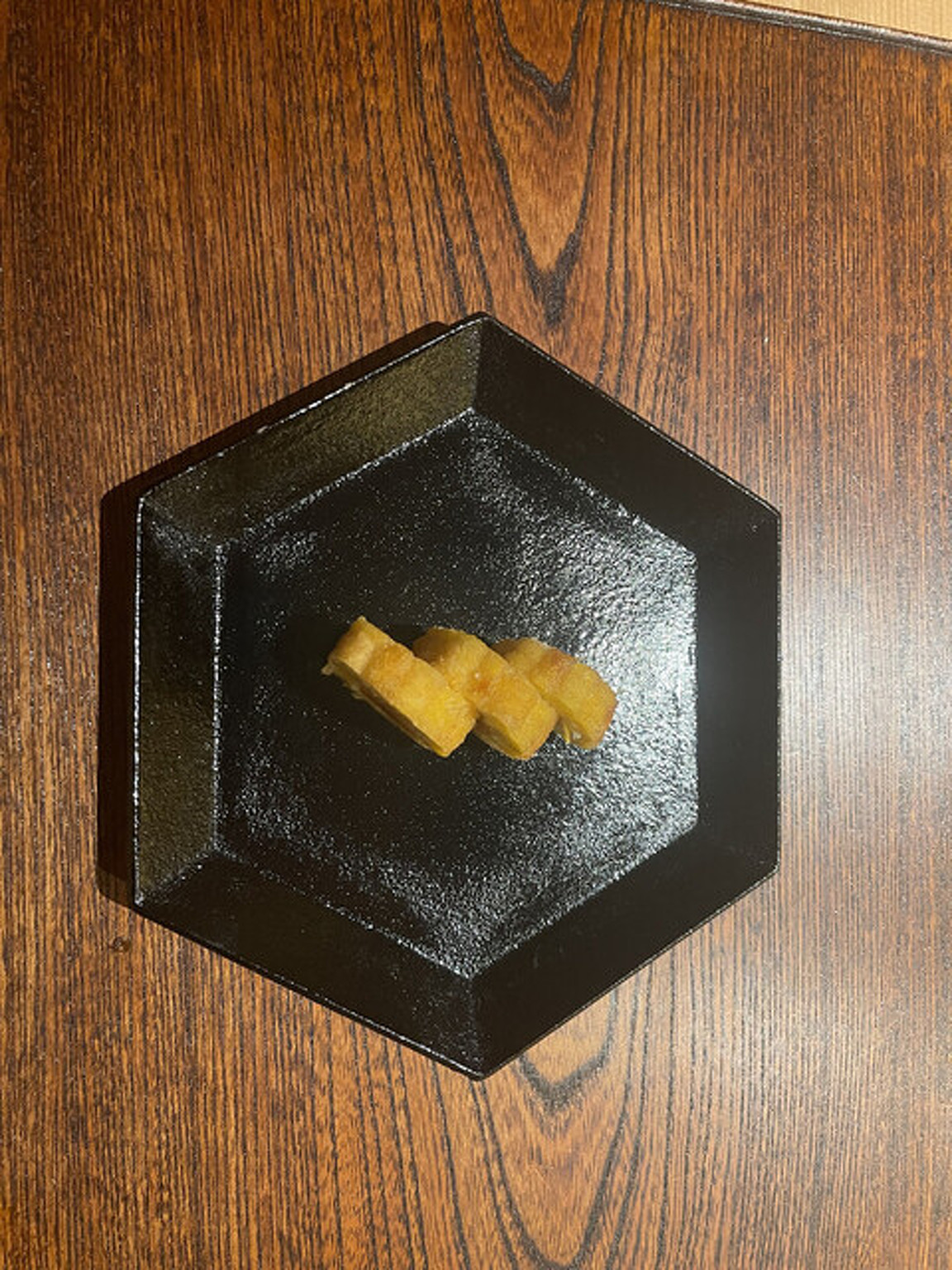
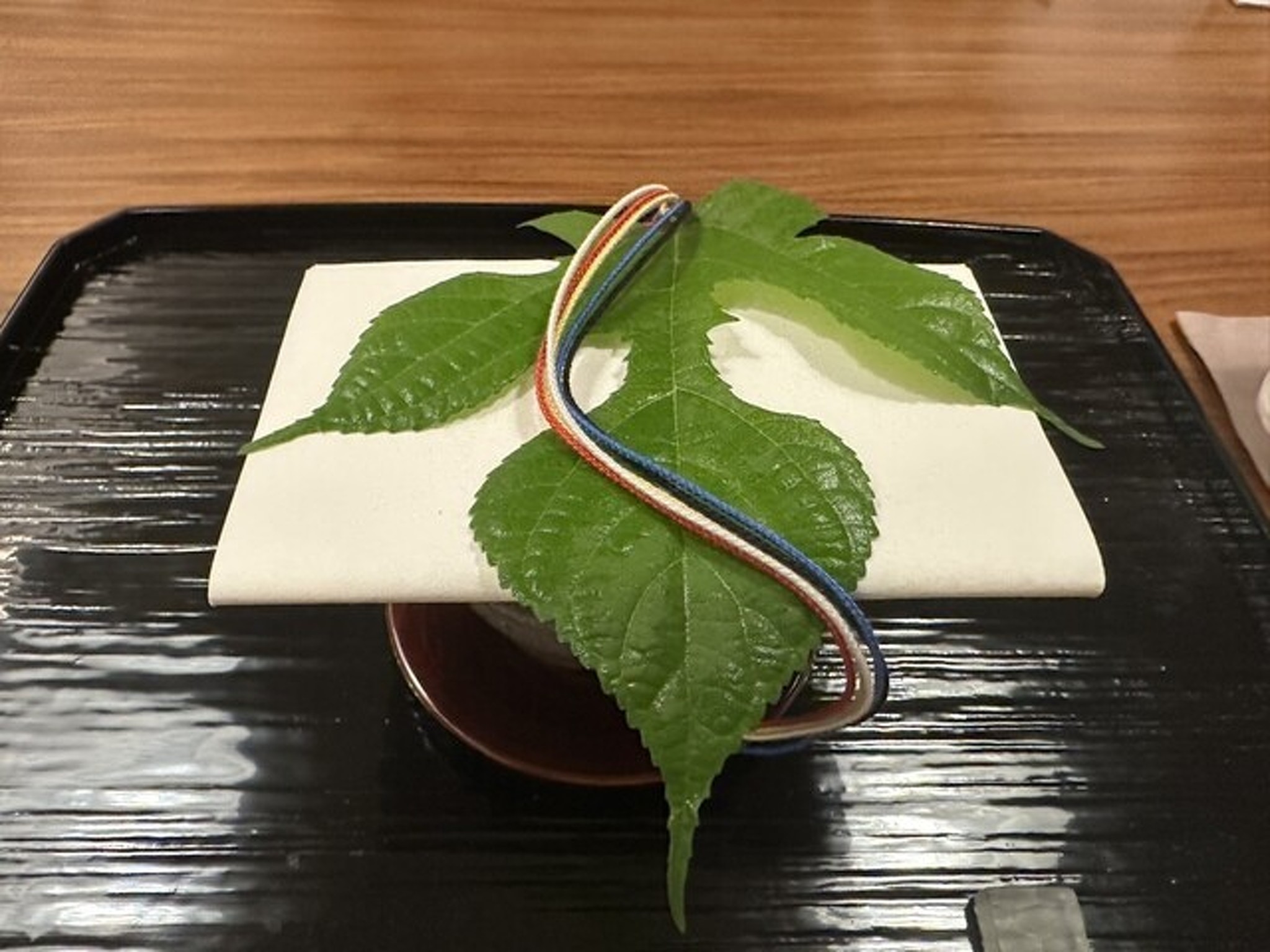
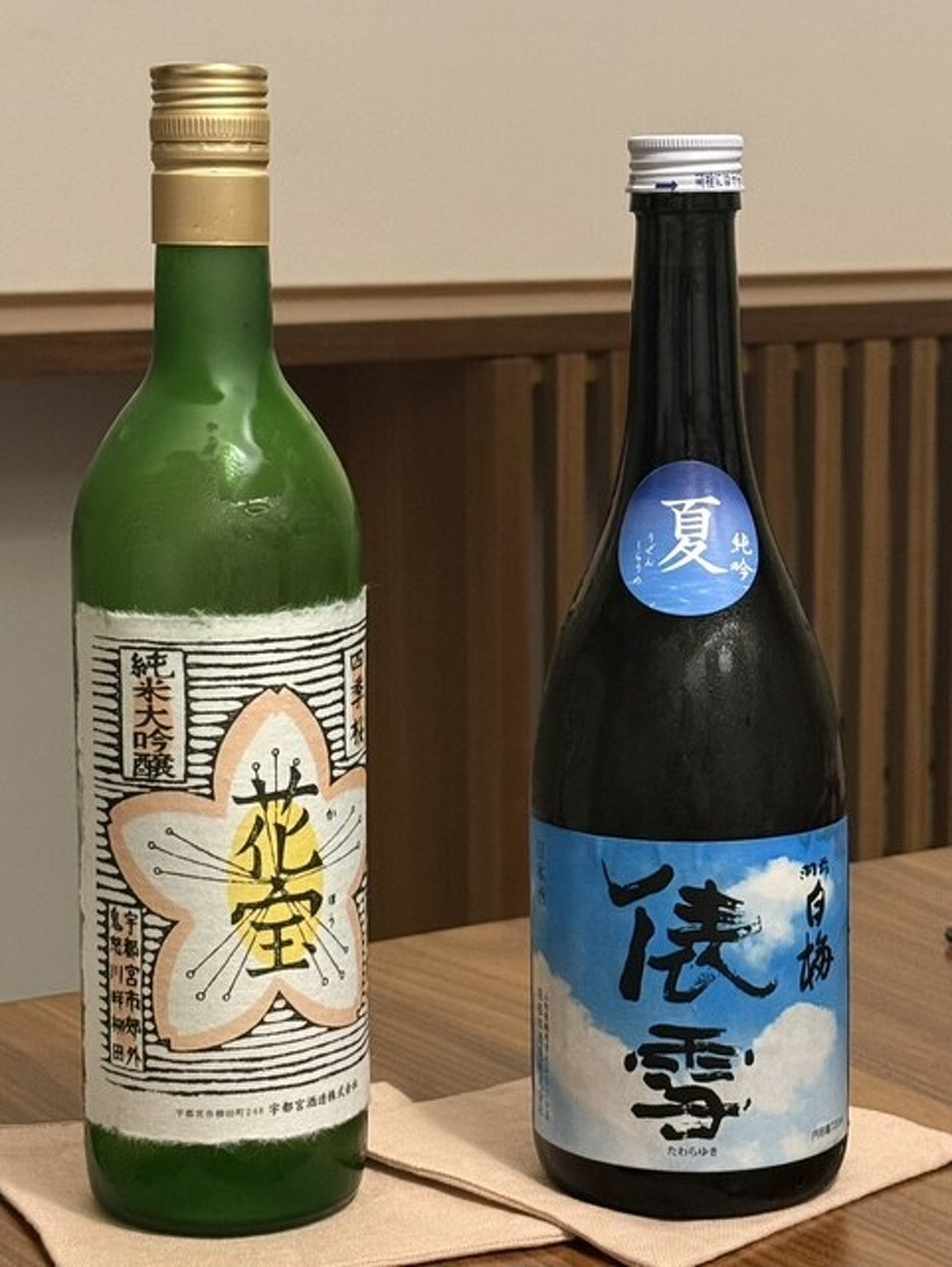
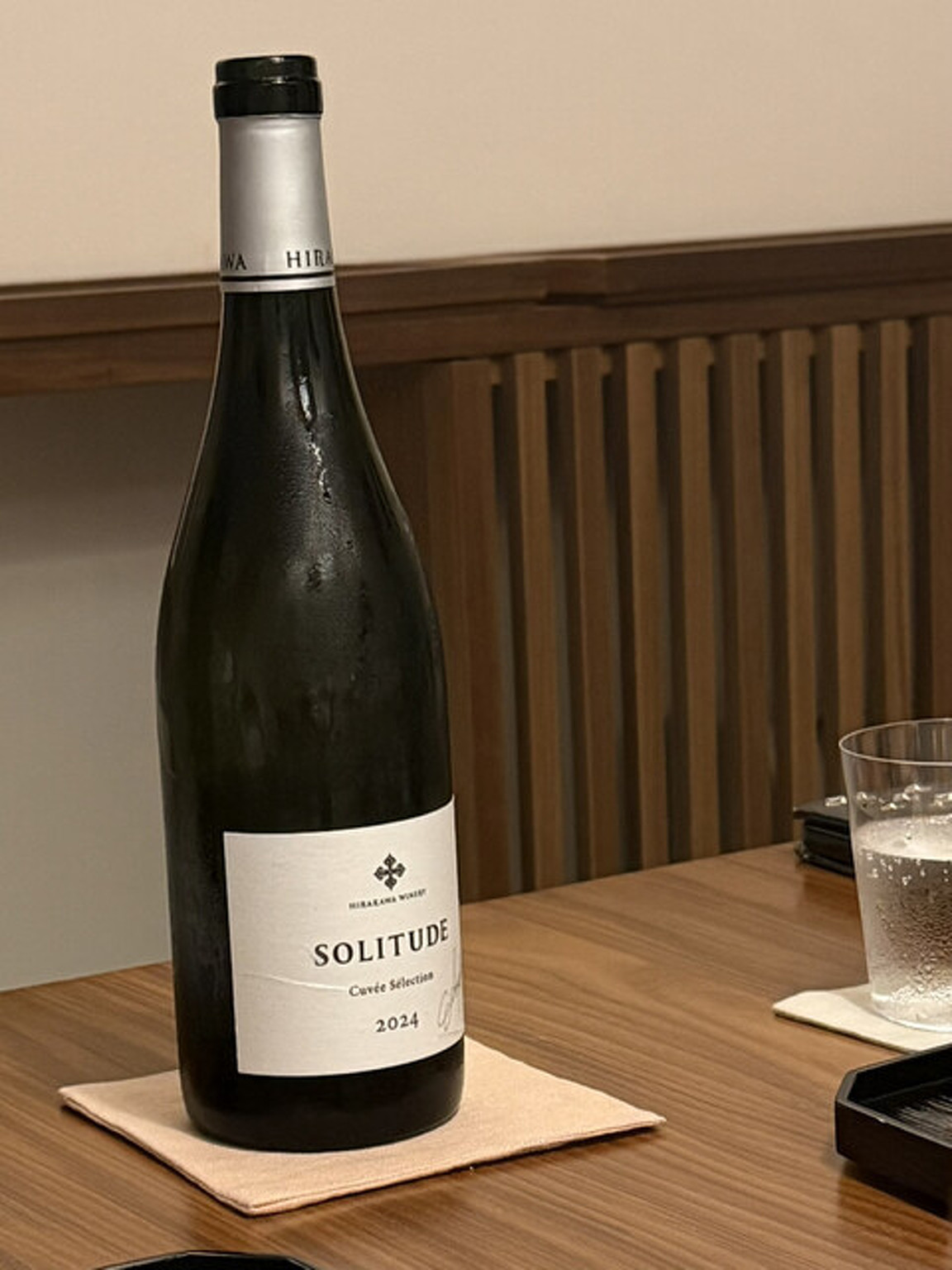
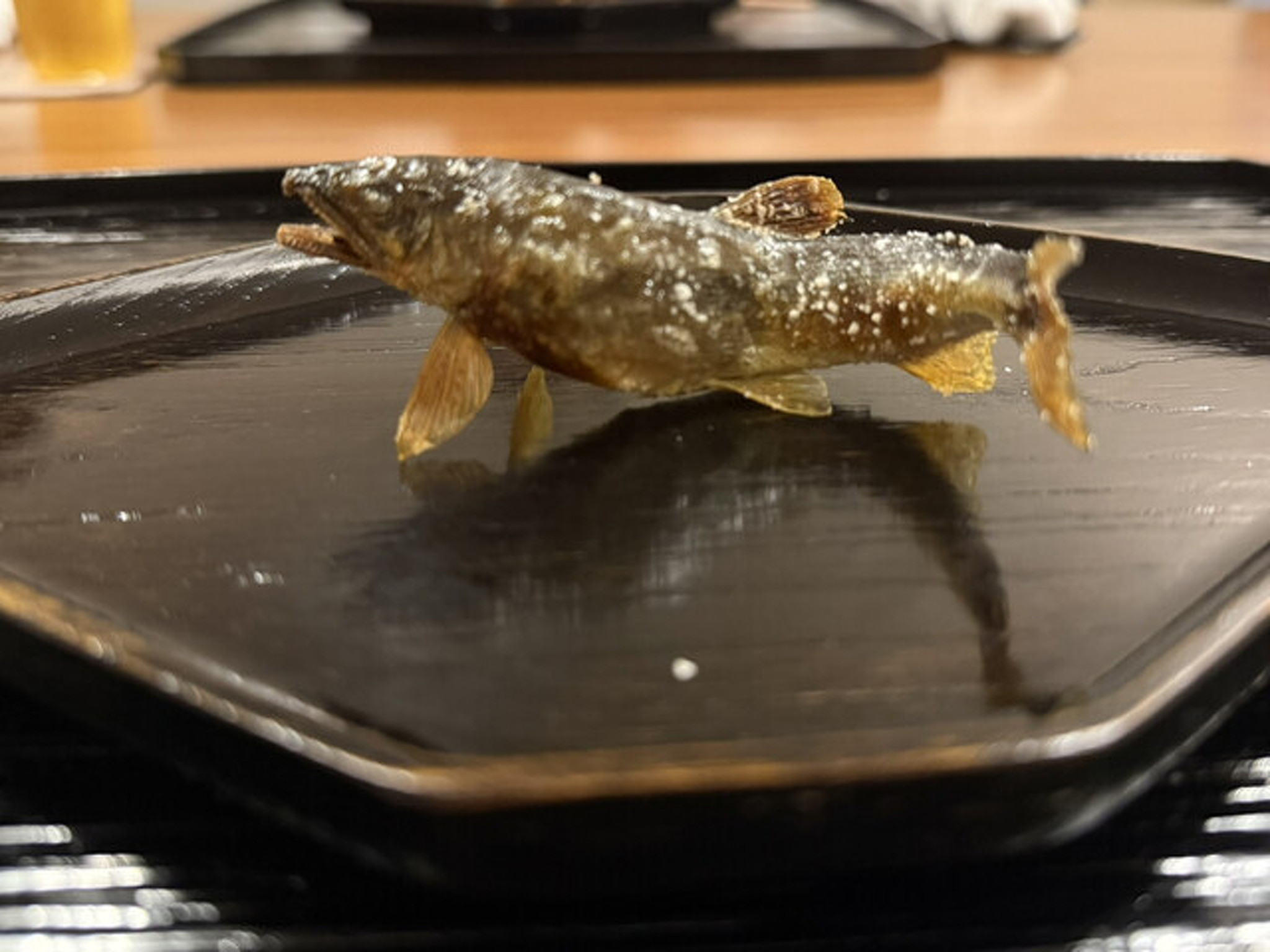
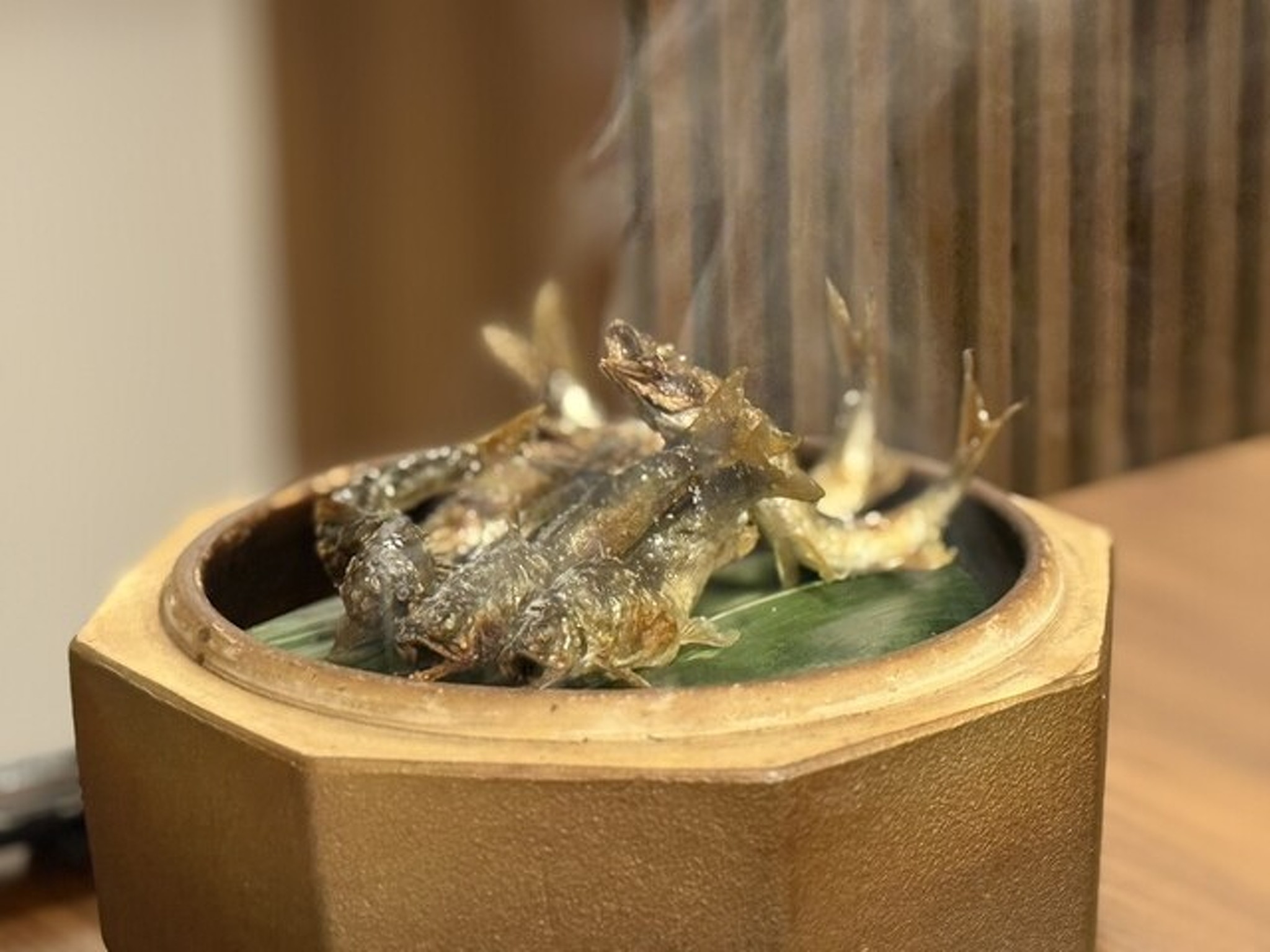
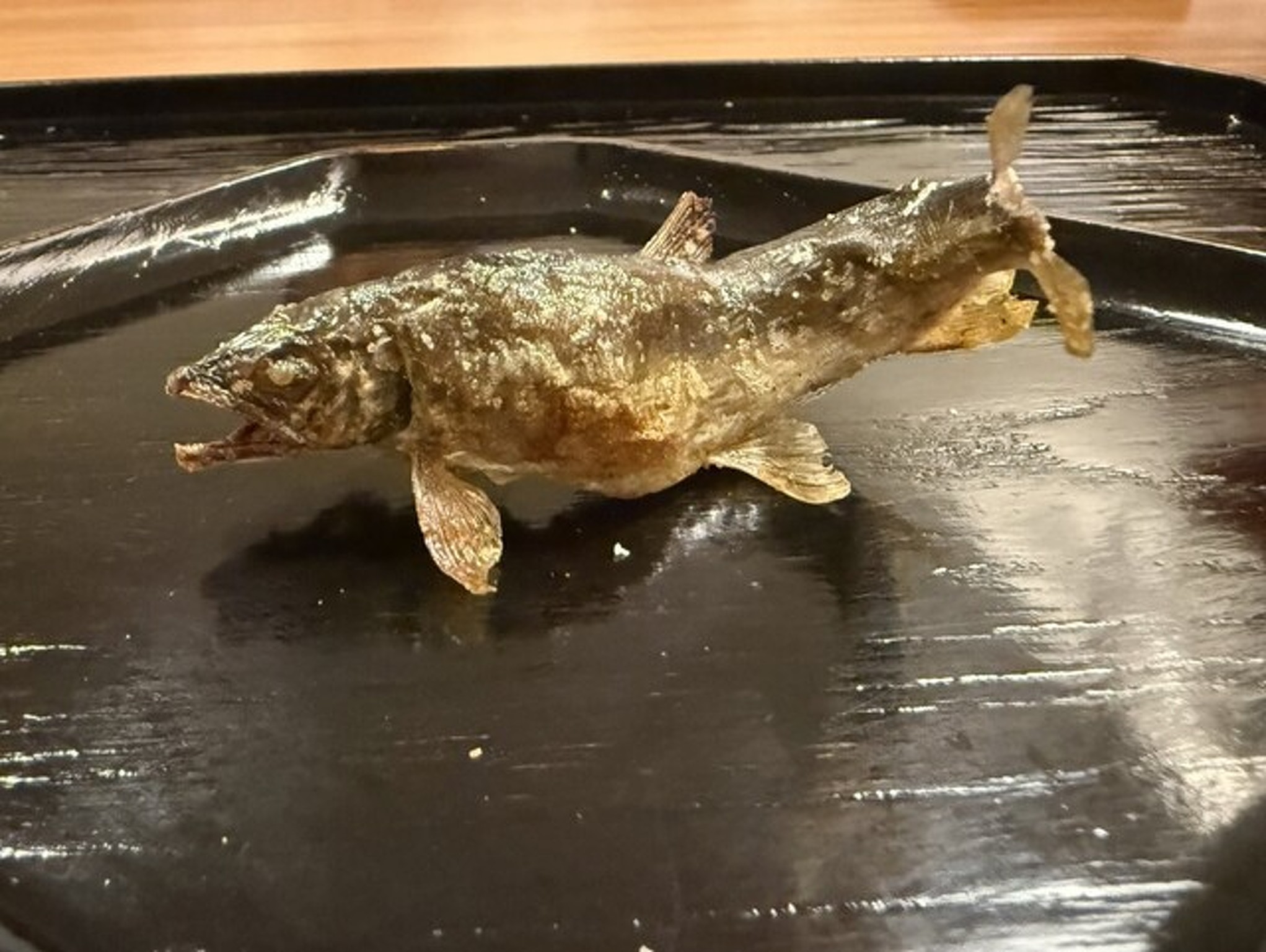
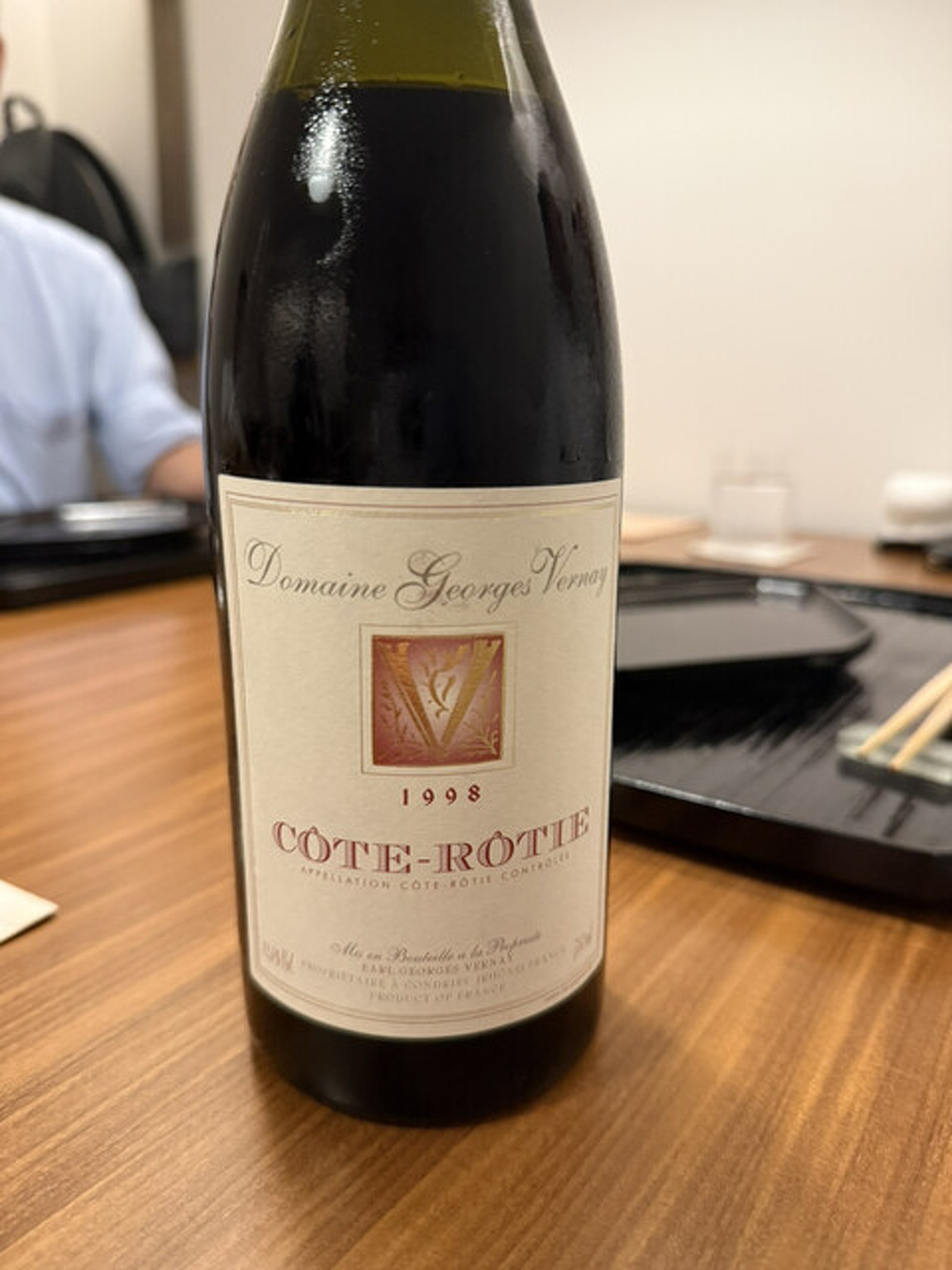
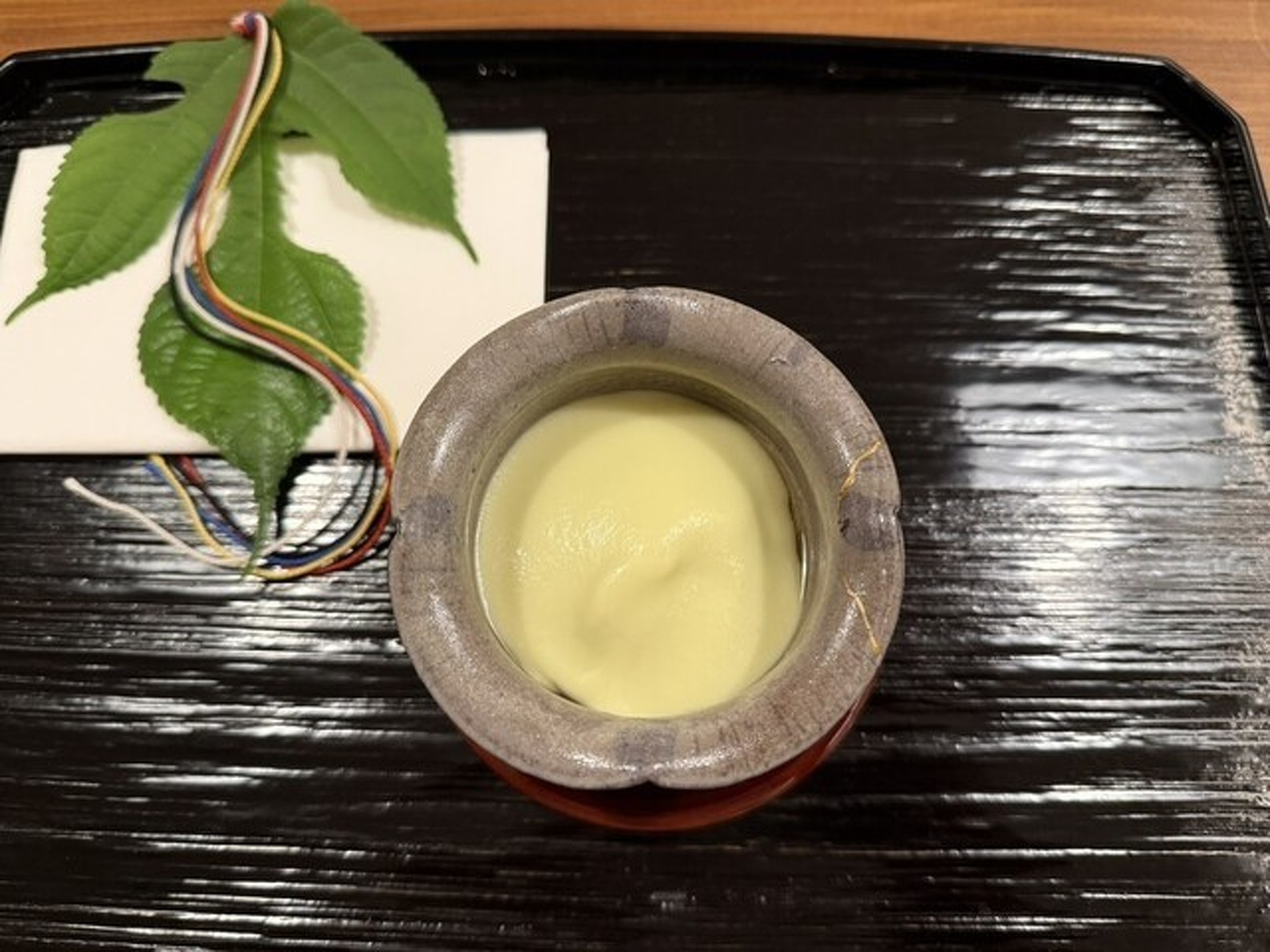
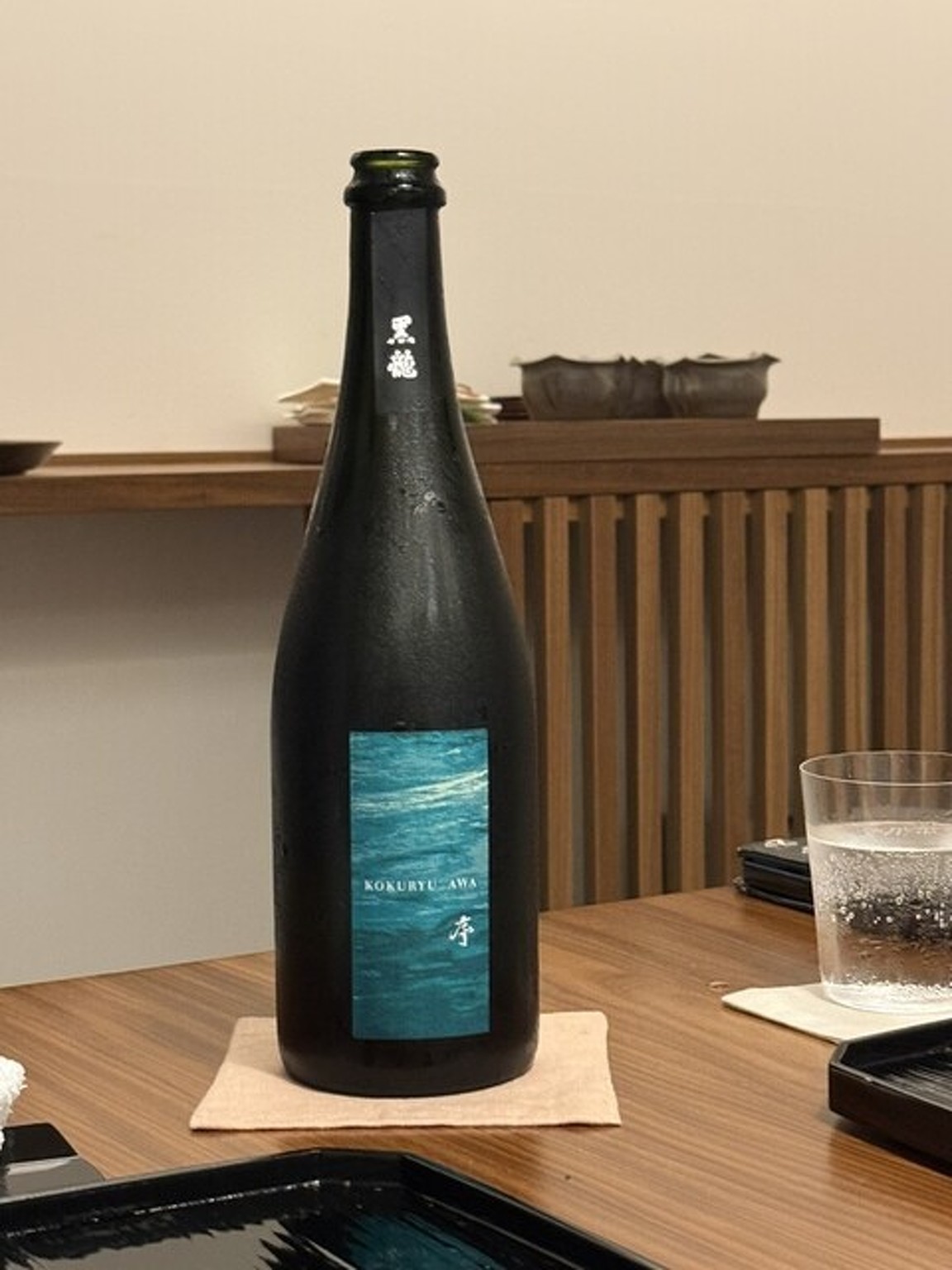
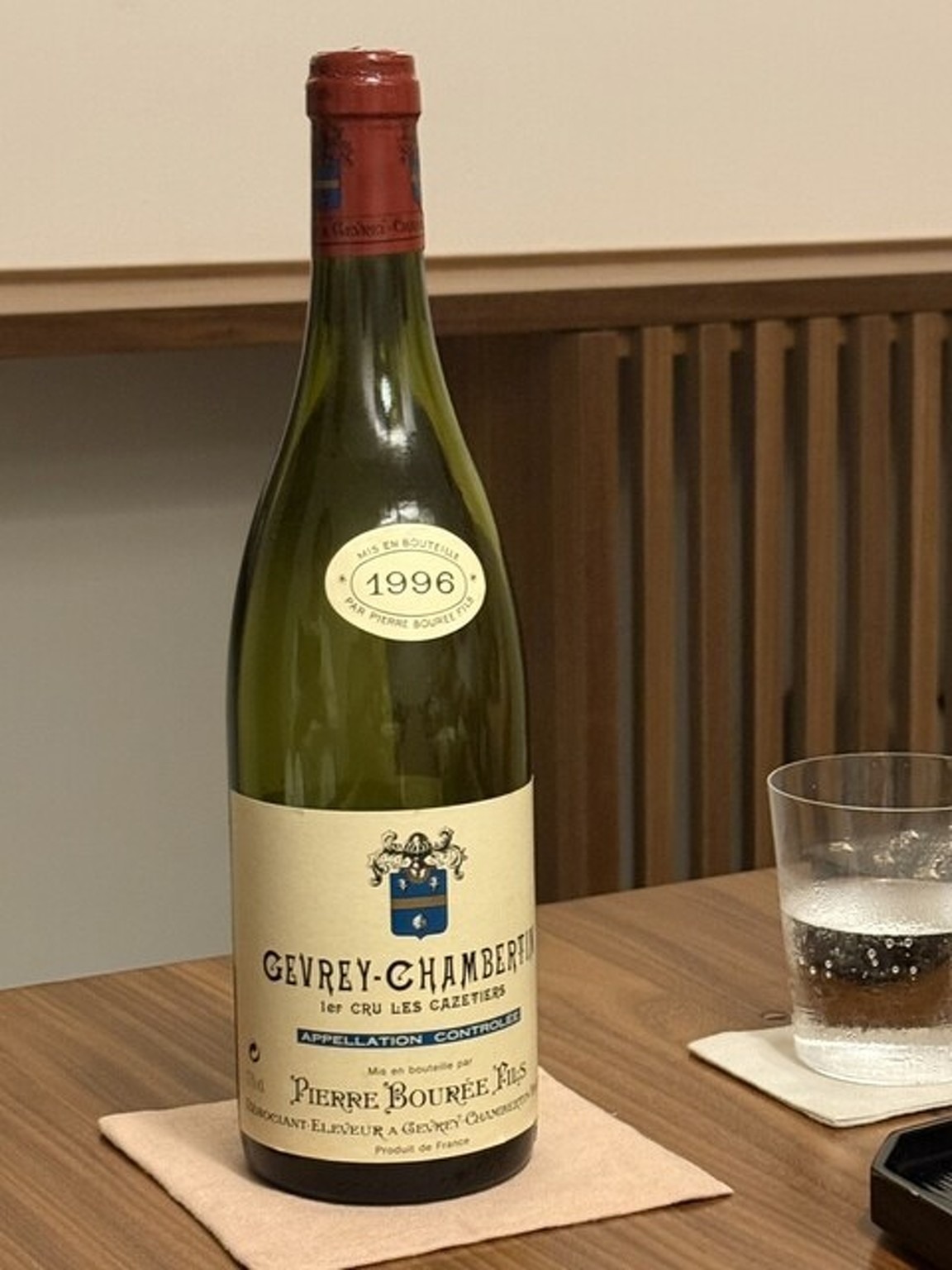
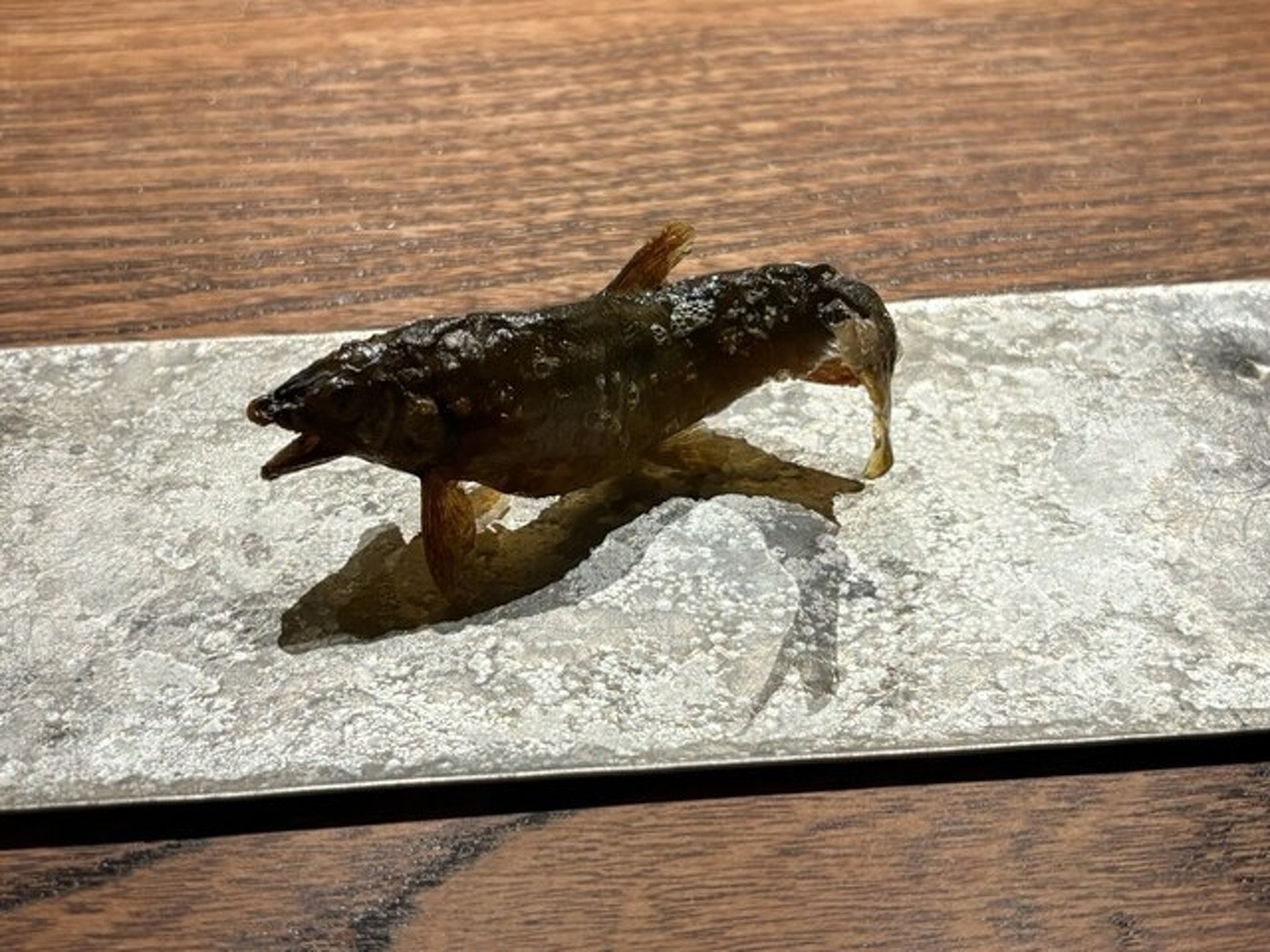
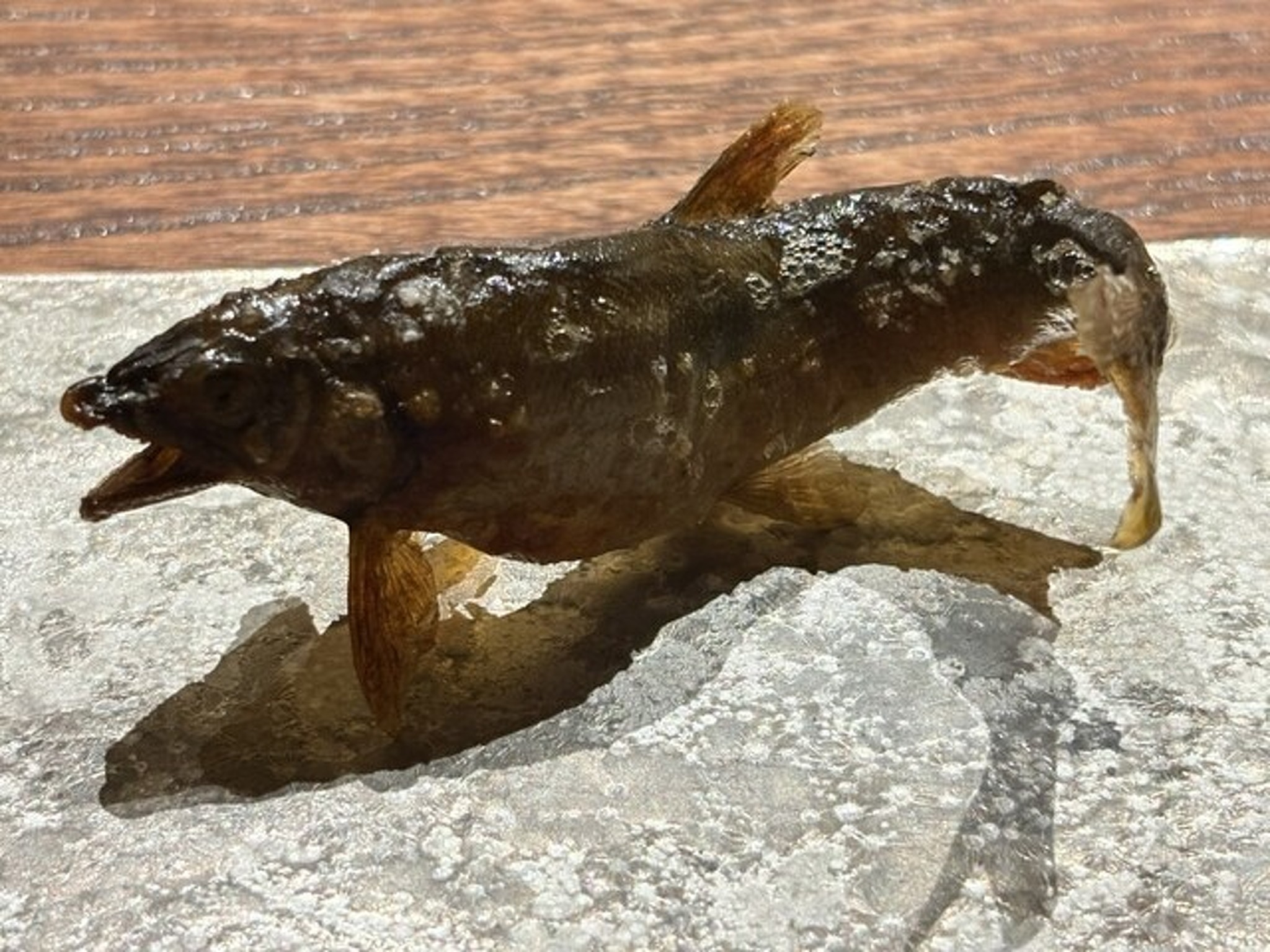
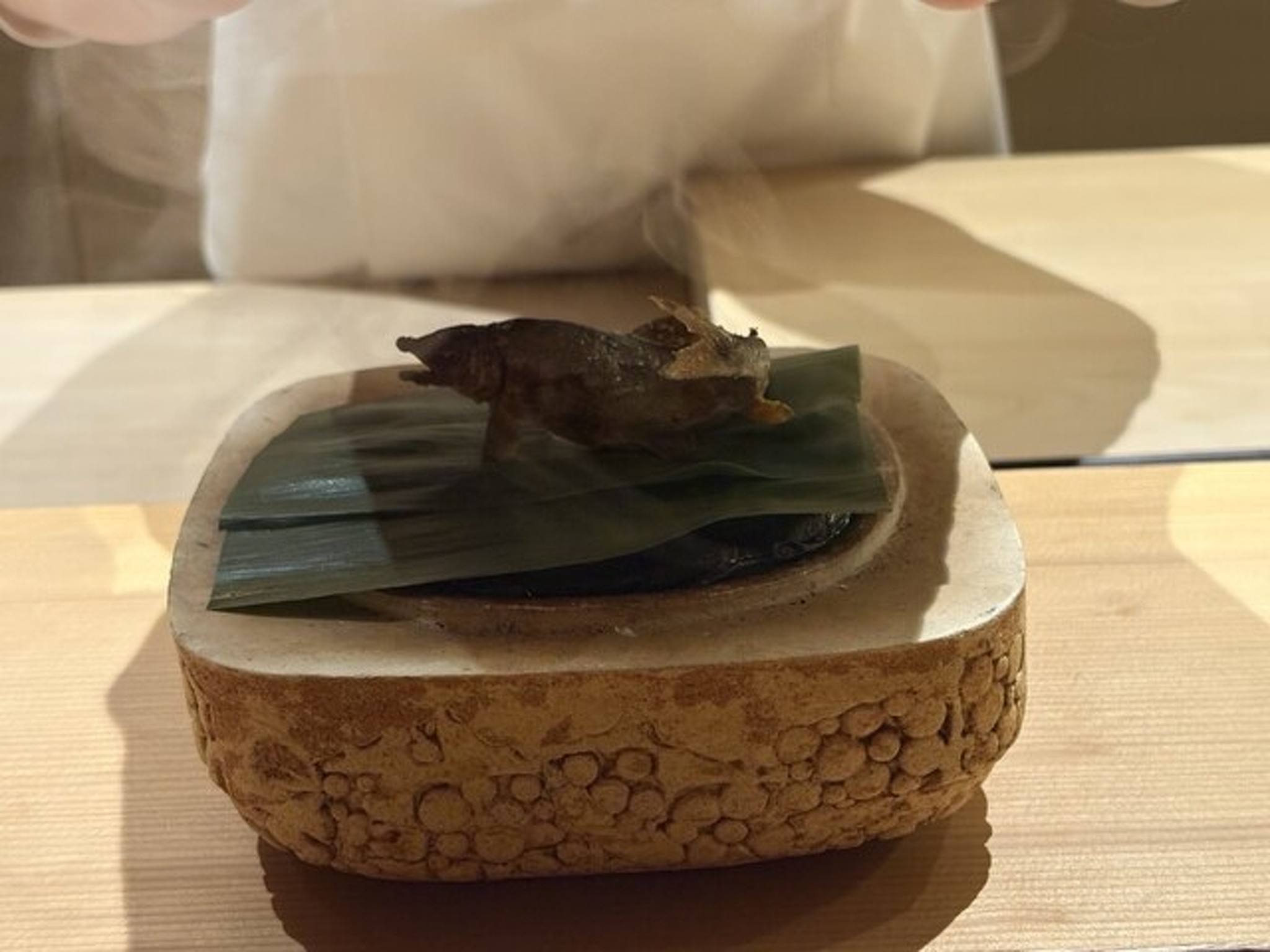
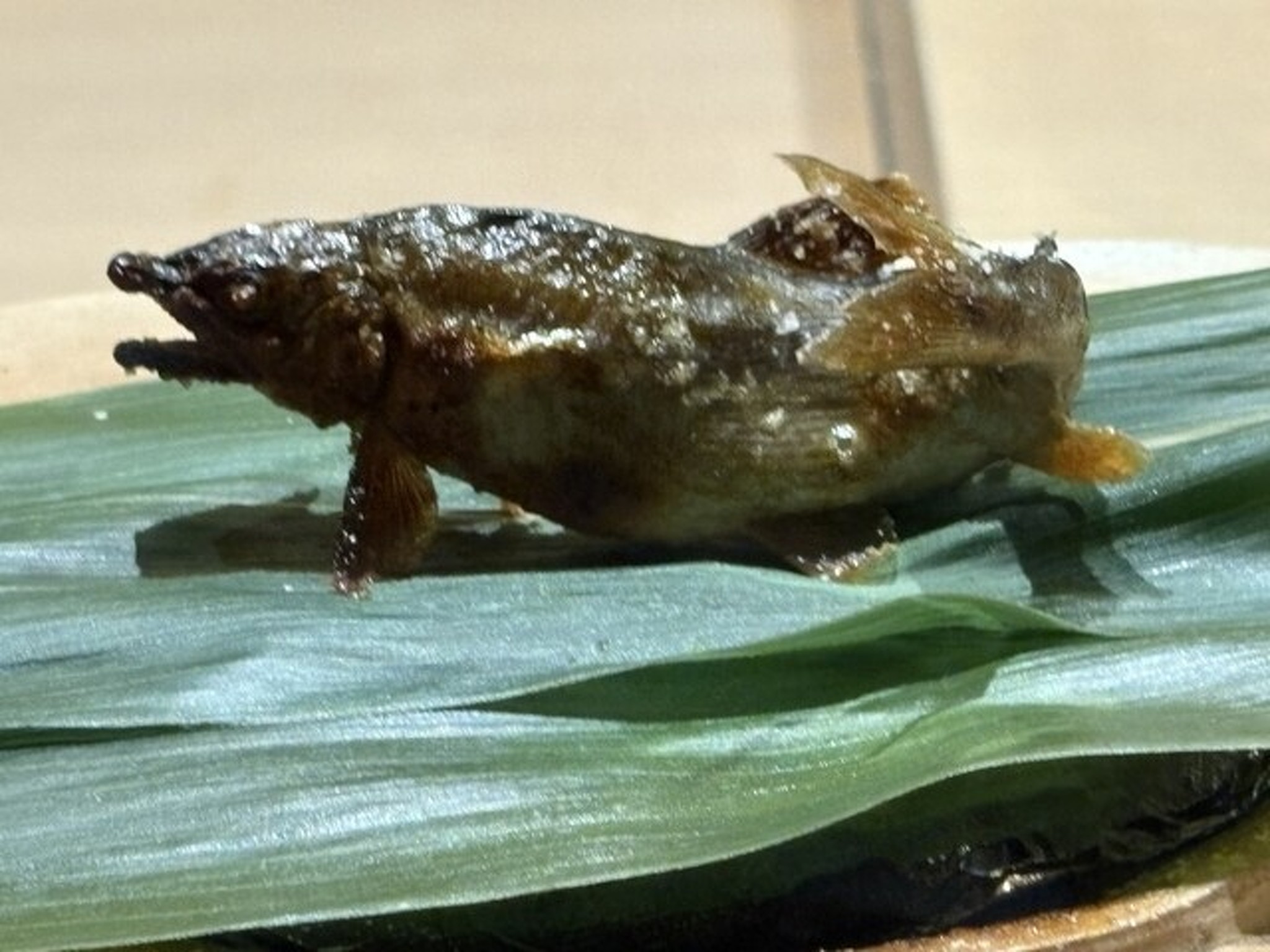
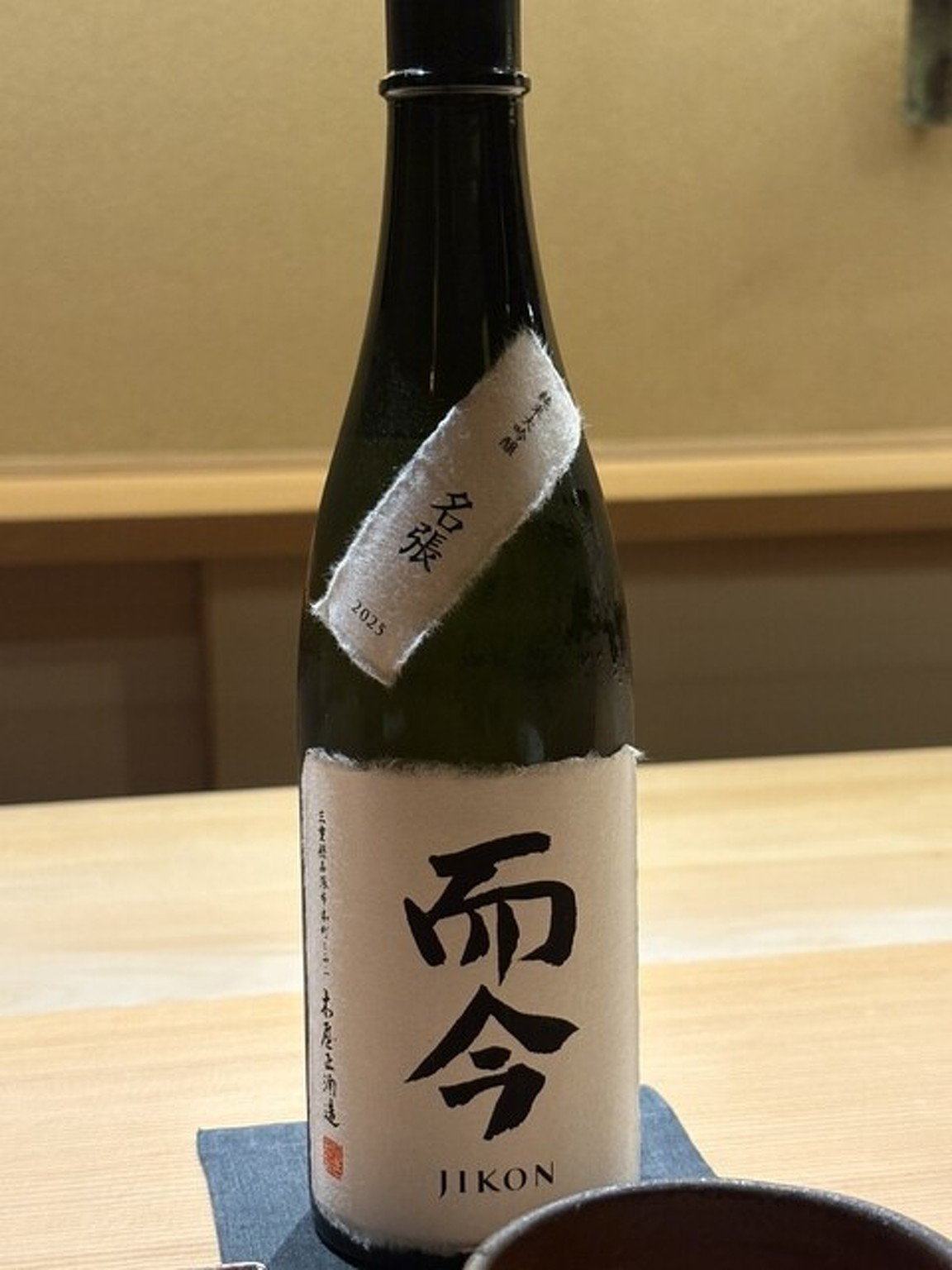
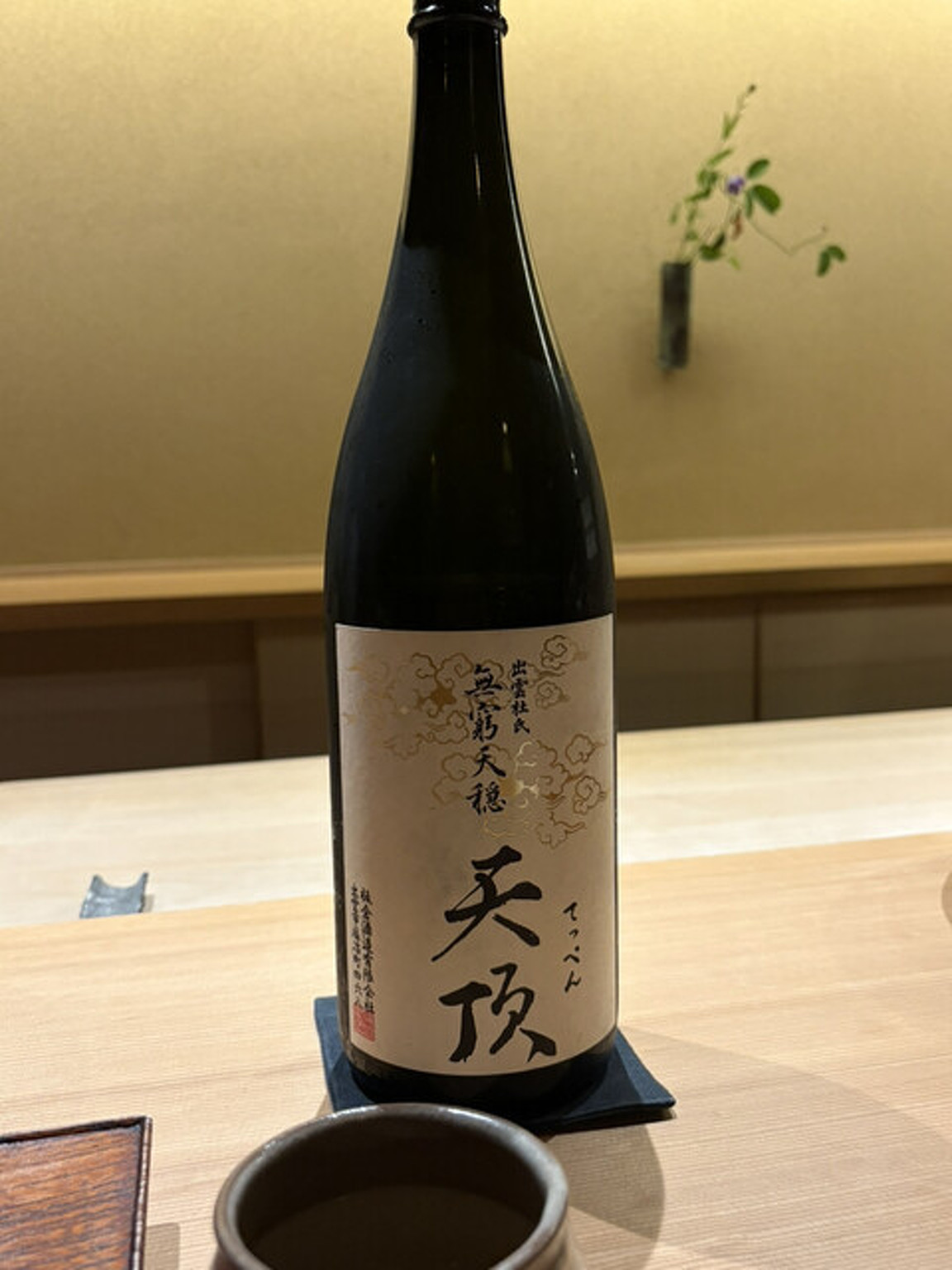
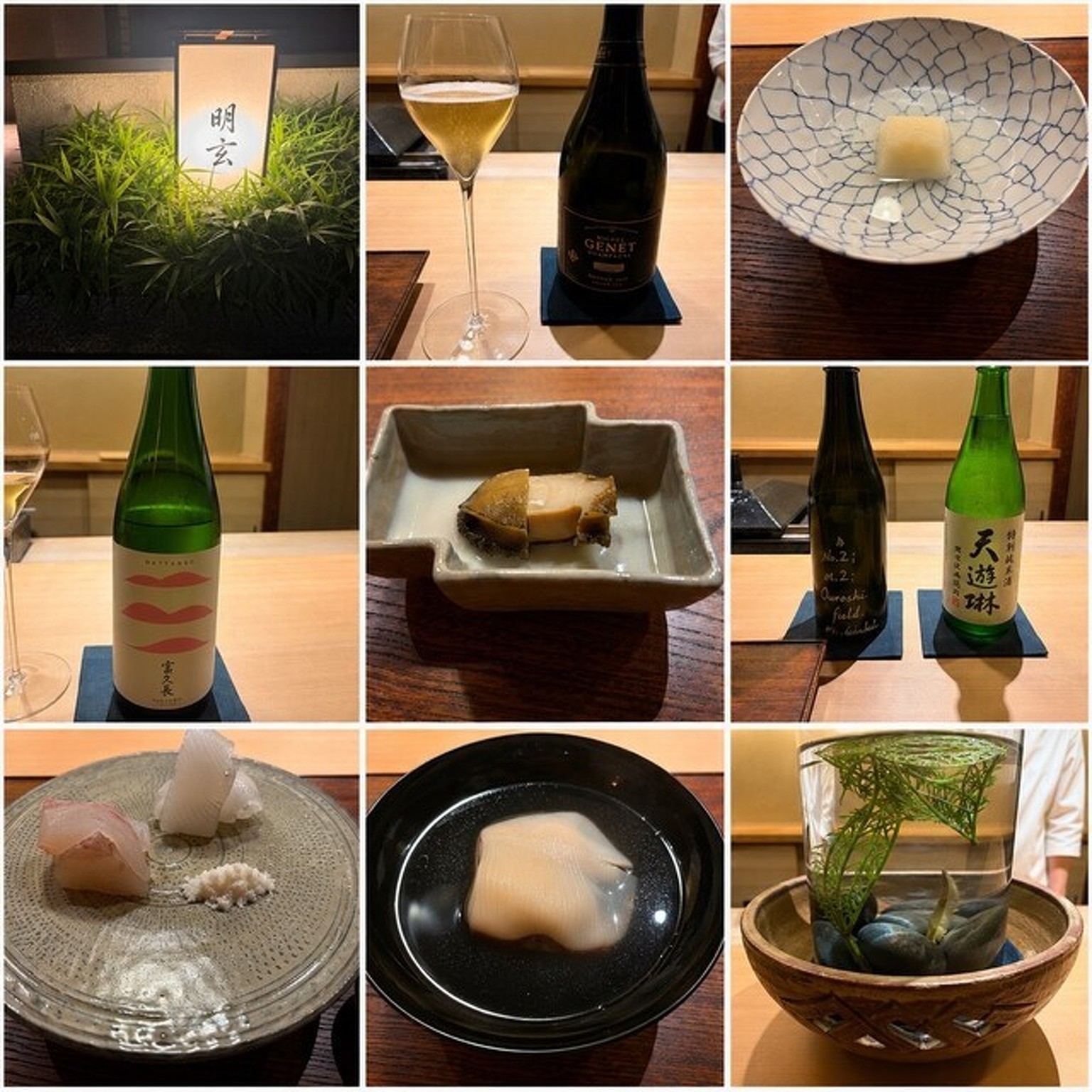
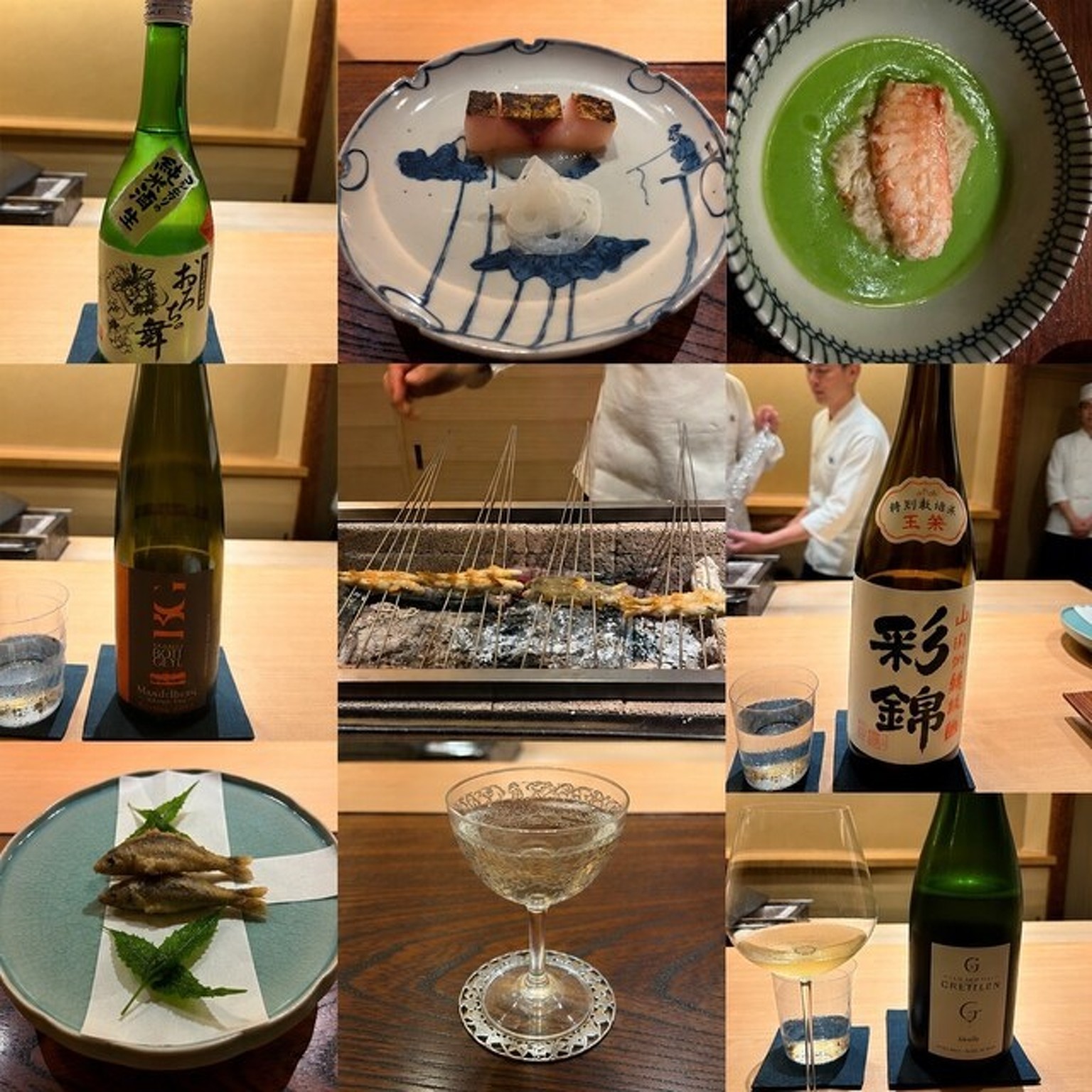
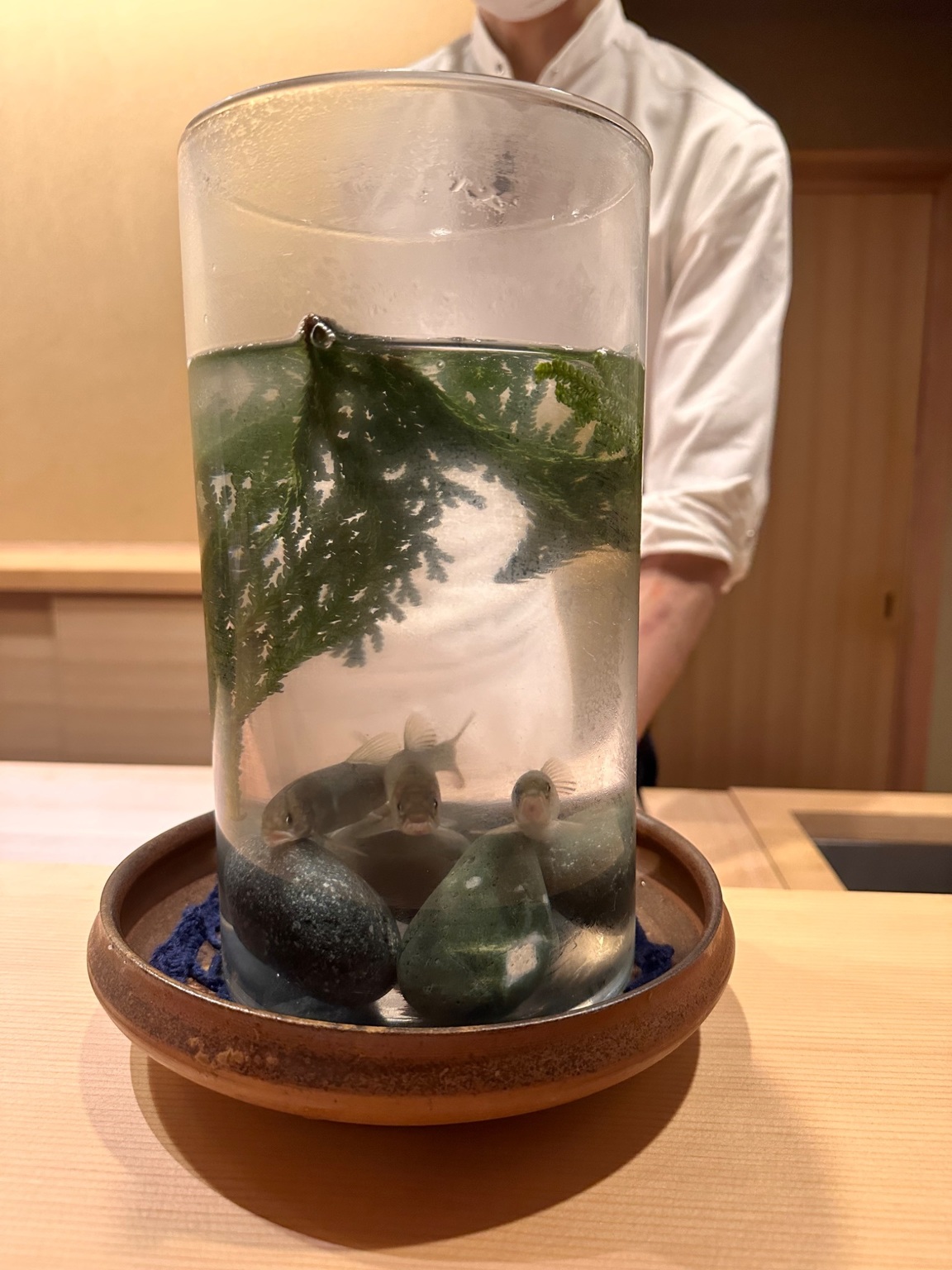
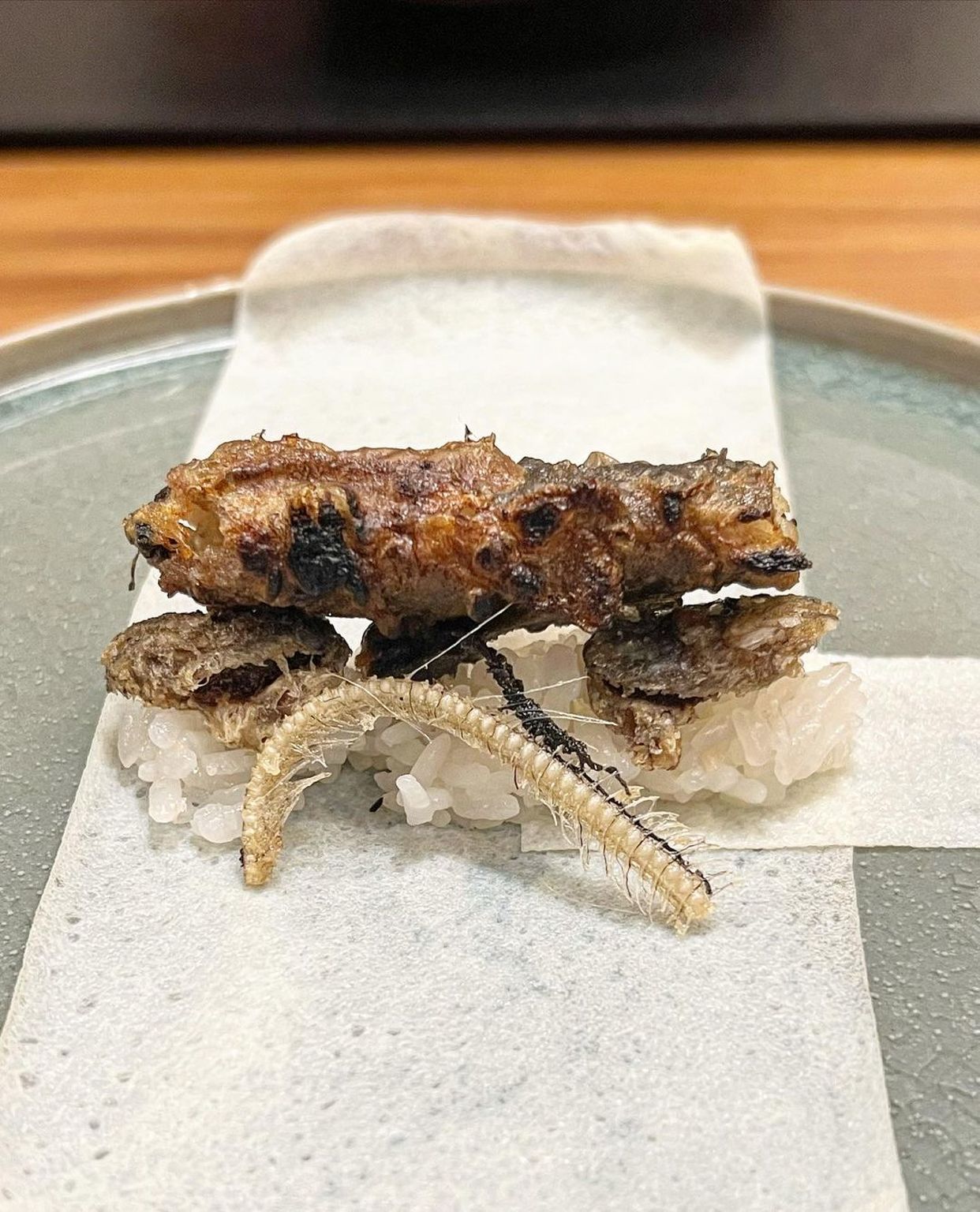
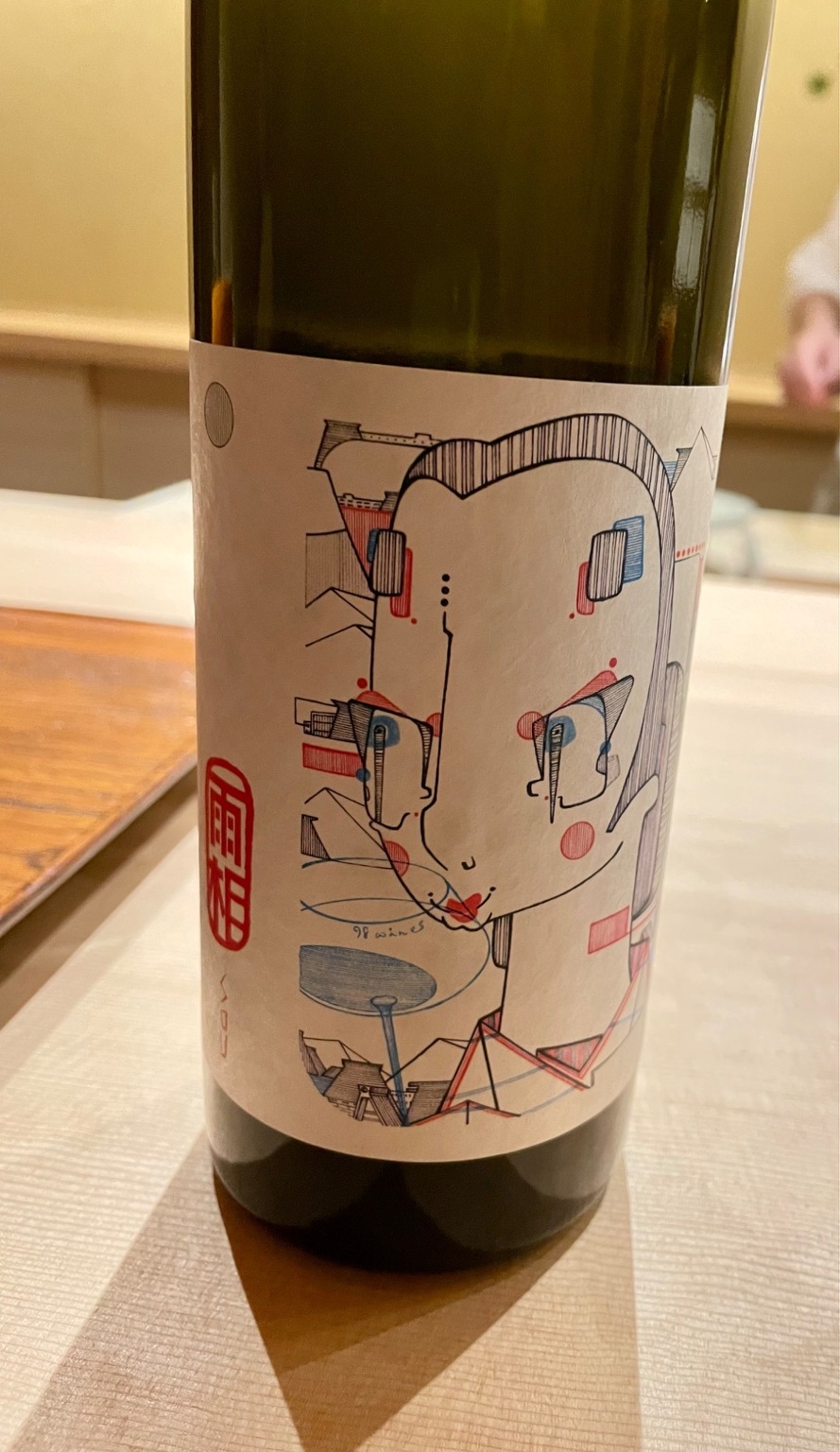
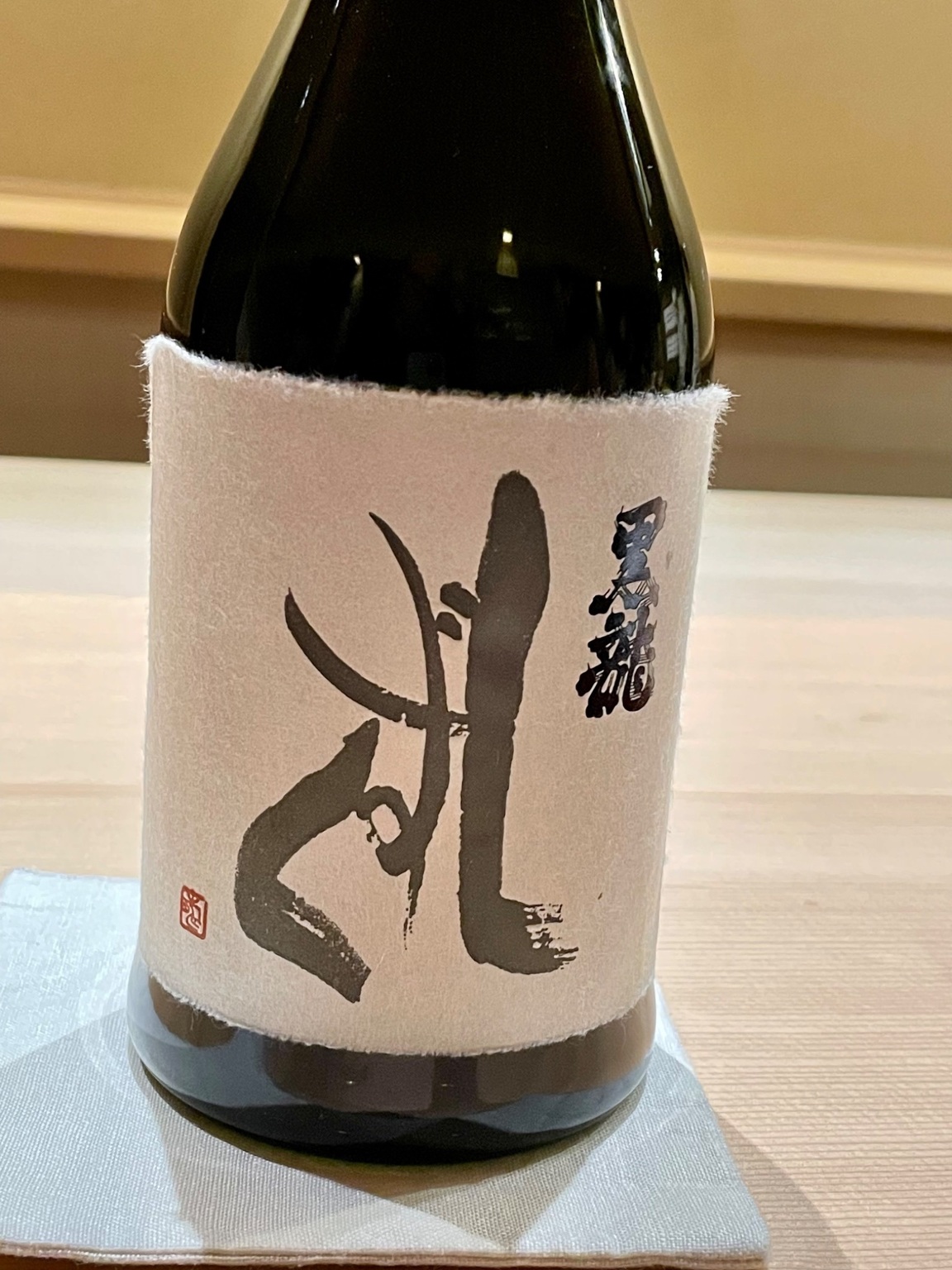
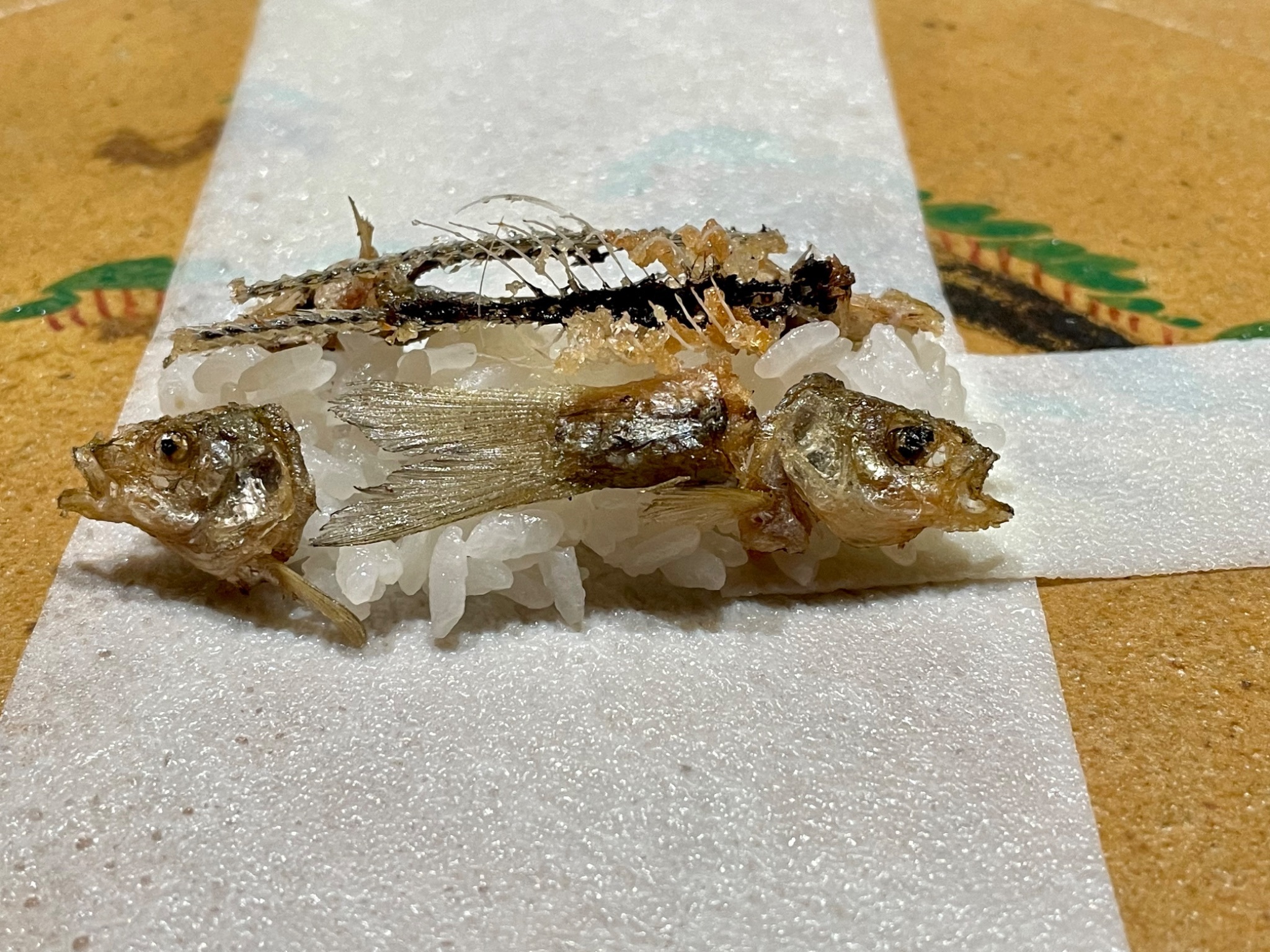
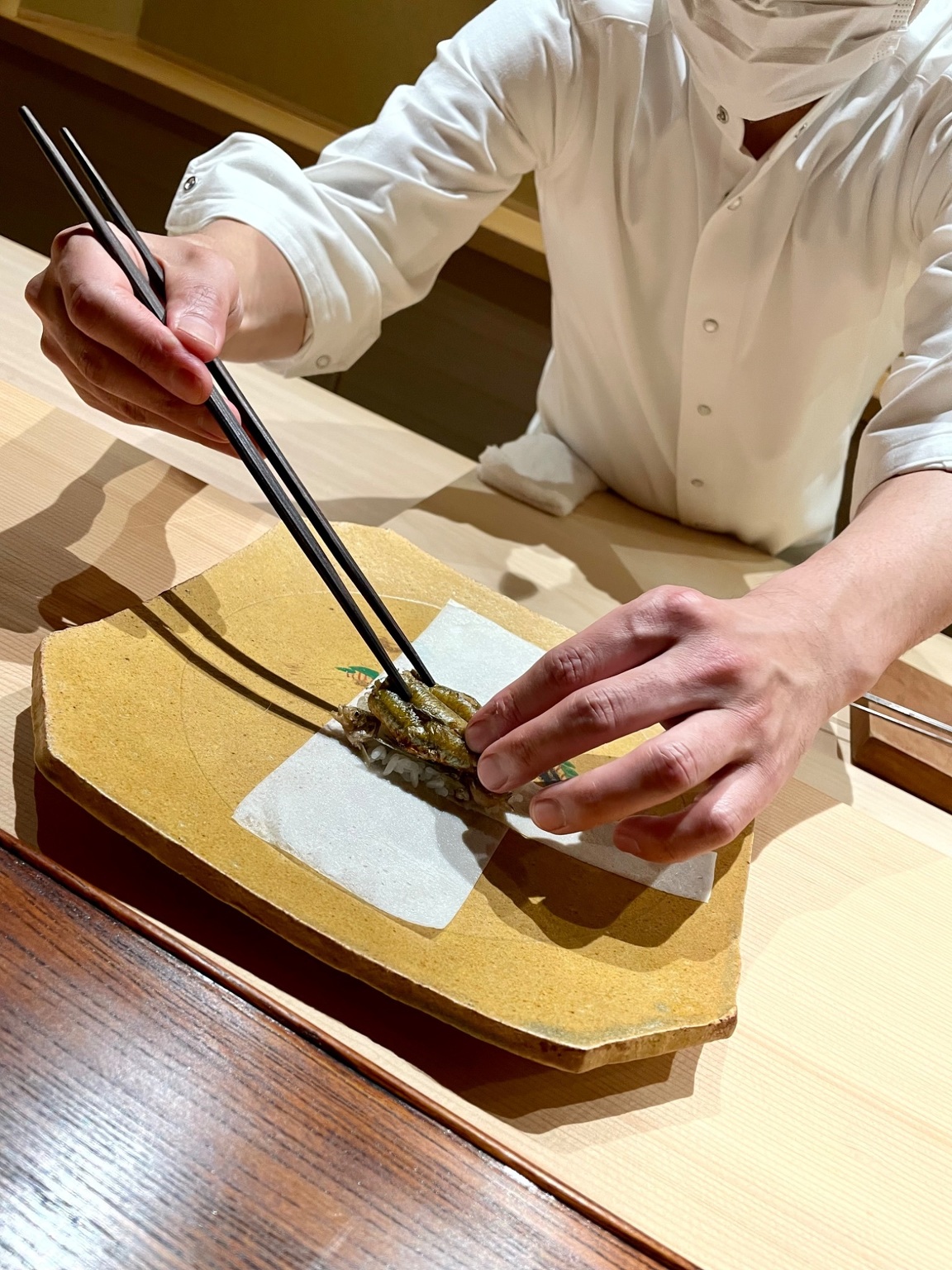
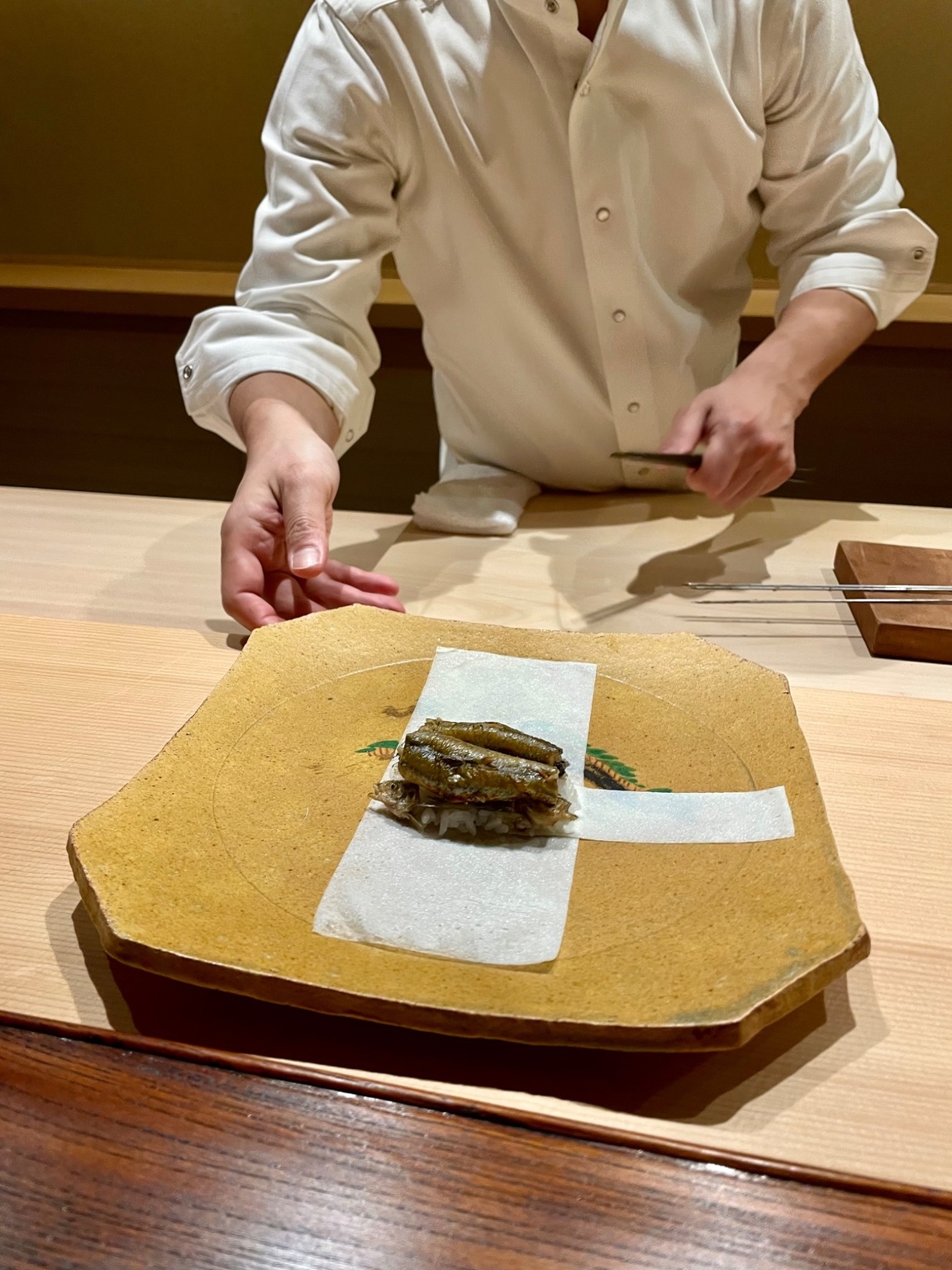
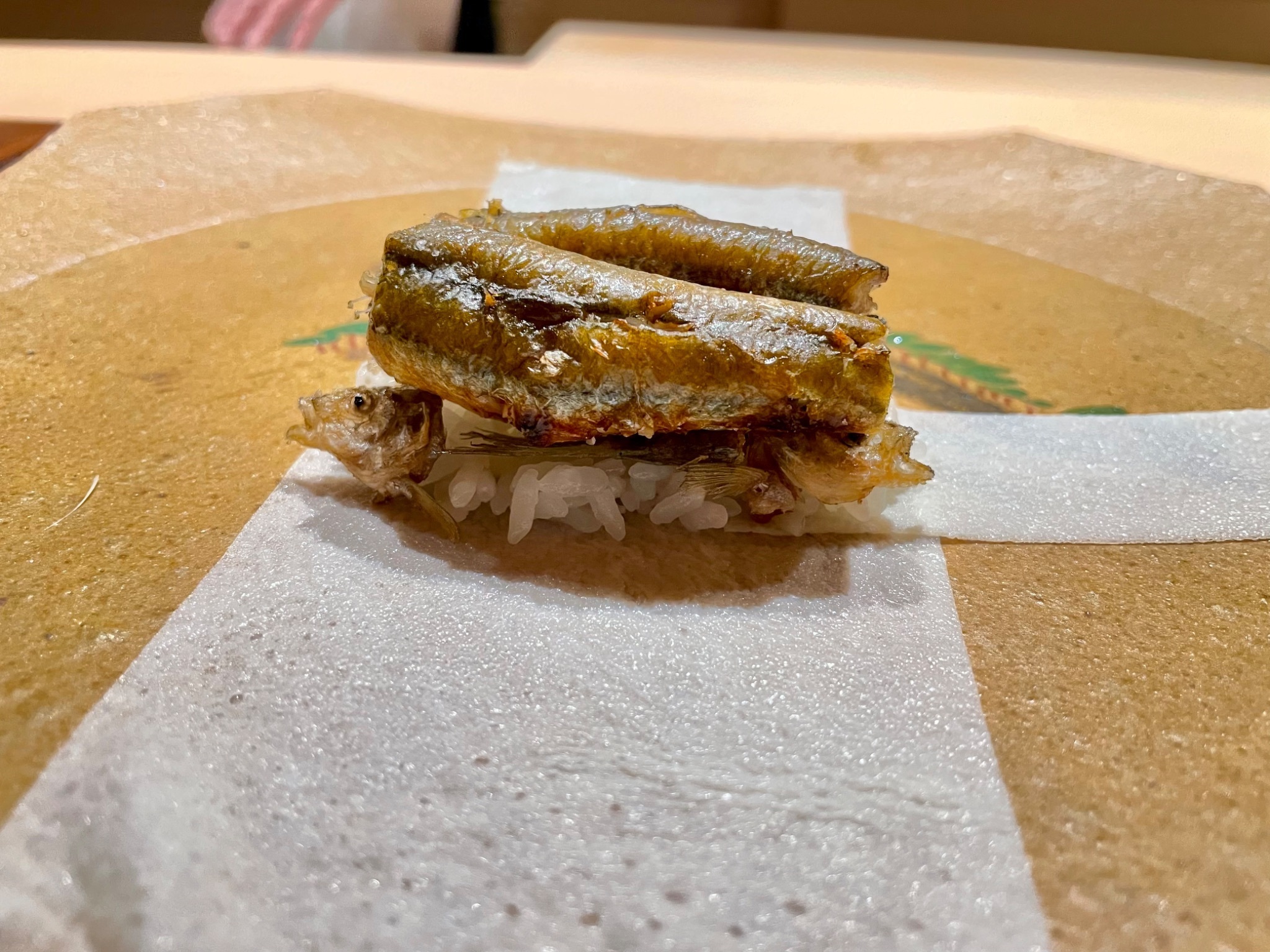
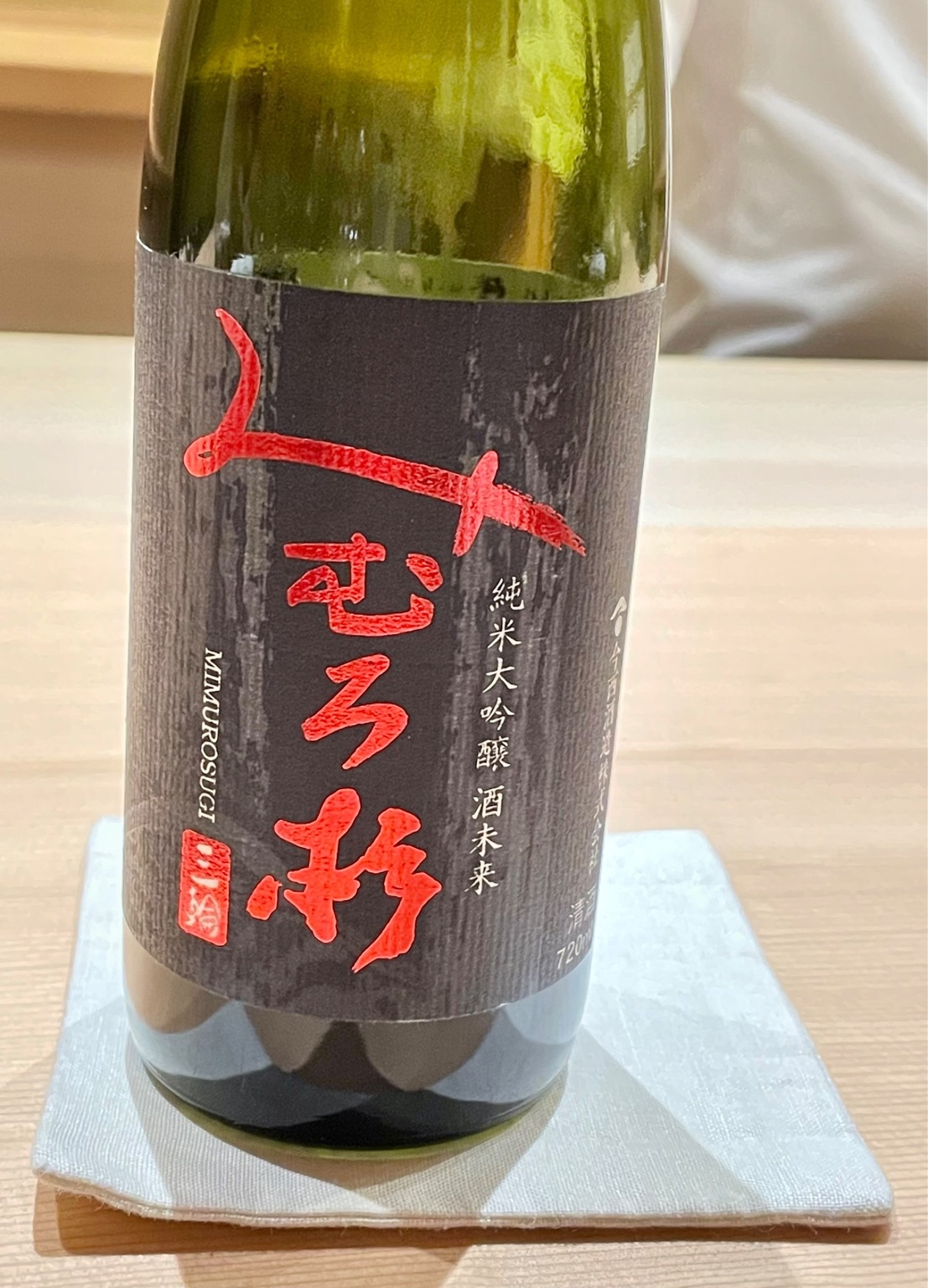
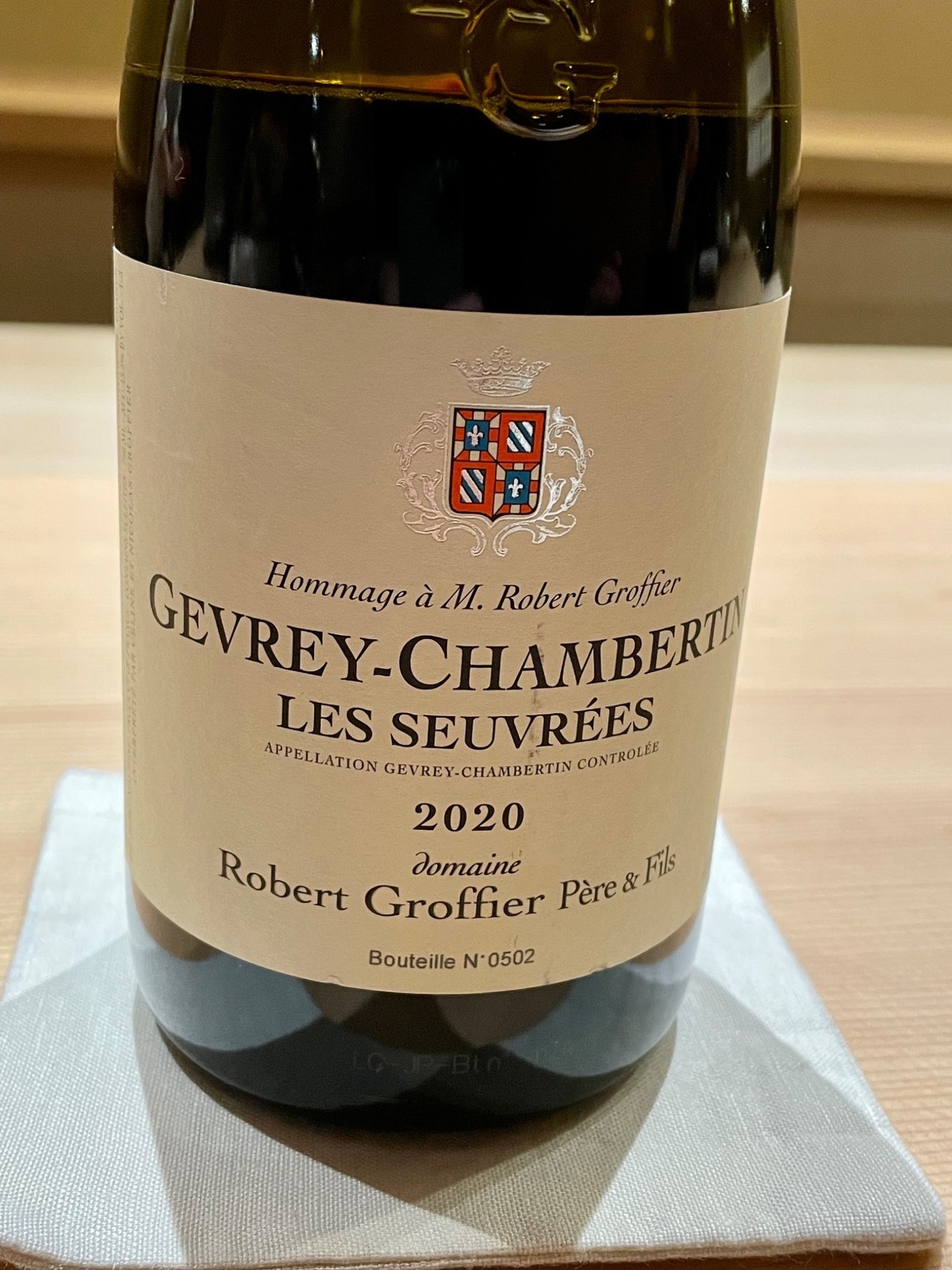
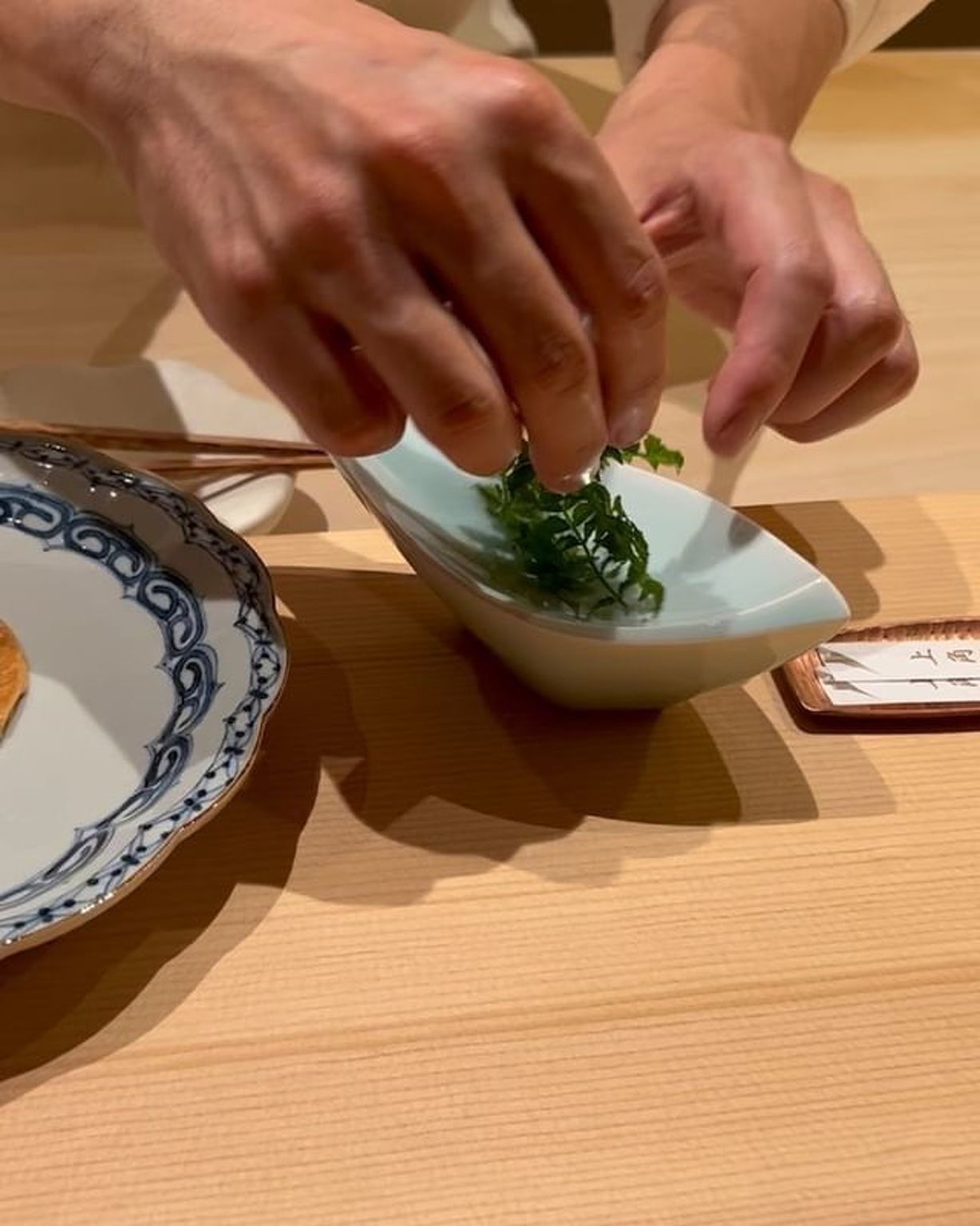
Seasonal Pairing1. Nagaimo Shio-ni ↔︎ Champagne Chartogne-Taillet “Hors Série” The nagaimo has a very subtle flavor and a strong yam taste. The broth from the shio-ni is rich in umami and delicious. I was surprised at how much flavor nagaimo can release. The champagne is common for the first two dishes, made from old vines with a mild acidity that pairs well with food.2. Crab with Mikan ↔︎ Champagne The pairing of the crab legs on top and the sansho pepper is delightful, and I was amazed at how well the mikan mixed with the crab miso. The crab is incredibly delicious.3. Sashimi (Sea Bream, Octopus) ↔︎ Two types of Japanese Sake (Hanaho, Tawarayuki Natsu-zake) The sashimi was truly impressive. I enjoyed the sashimi of Akashi octopus and sea bream with sea bream salt water and octopus salt. Watching the chef skillfully cut the fish right in front of me was a treat. The octopus had a fun texture with different cuts and suction cups, and I felt it was the best octopus I’ve ever had. The sea bream was also wonderful, but what impressed me next was the way to eat it. Eating with two different salts, octopus salt and sea bream salt water, the octopus salt particularly enhanced the umami of both the octopus and sea bream. I usually prefer soy sauce for sashimi, but the salt brought out stronger flavors, making me reconsider.4. Hamo, Umeboshi Tempura, Onion Soup The soup is made with hamo and onion broth. Eating the onion brings out the fish flavor strongly, while the hamo highlights the sweetness of the onion. It’s an interesting soup where you can clearly distinguish these differences. Hamo and ume are a classic pairing, but the umeboshi tempura is gentler and seems to pair better with the soup than ume flesh.5. Striped Horse Mackerel with Cucumber and Shiso Oroshi ↔︎ Solitude (White Wine from Hokkaido) When served, I could smell a cucumber-like aroma, it was very fragrant. The striped horse mackerel was grilled with the skin on and paired well with the cucumber. I could sense a seasonal aroma reminiscent of summer grass.6. Turban Shell and Turnip Surinashi & Clam Broth ↔︎ Daishichi Natsu-zake The turnip flavor is rich. The clam is subtle and hard to detect in the surinashi alone. I’ve never had turban shell sliced this thin, and it was delicious. Eating it with the surinashi brought out a different flavor, and the clam broth served as a great connector.7. Grilled Sweetfish with Salt ↔︎ COTE ROTIE This is a farmed sweetfish from Nagano Prefecture, simply grilled with salt. You can really appreciate the flavor of the sweetfish.8. Smoked Grilled Sweetfish ↔︎ COTE ROTIE The sweetfish is smoked using the oil that accumulates while grilling. This might be closer to the image of grilling sweetfish while fishing in a river.9. Fig with White Miso ↔︎ Sankai Personally, this was the best pairing of the day. It uses a rice I’m not familiar with from Okayama. When I tasted it, it had a strong koji flavor, reminiscent of sweet sake. It paired perfectly with the fig white miso, enhancing each other’s flavors.10. Sweetfish Wrapped in Thin Omelette ↔︎ Ando Suigun (Warm Sake) This is a fried natural sweetfish combined with crispy fish bones. I wrapped it with wasabi leaves and vinegared rice in a thin omelette. I learned that wasabi pairs well with sweetfish while wrapping and eating it myself. This method really brings out the bitterness of the sweetfish. The bones add a nice crunch, and the warm sake pairs well.11. Eggplant Somen Inside the leaves of the Kaji and the thread Tanabata decoration, there are somen soaked in eggplant and broth. It’s refreshing.12. Corn Karasumi ↔︎ Kuro Ryu Sparkling Omitted.13. Winter Melon and Boar Soup ↔︎ Gevrey-Chambertin I really like the winter melon and broth soup and have tried making it myself, but I had never paired it with boar. The addition of meaty boar adds a bit of heartiness and flavor.14. White Rice, Summer Vegetable Pickles, Dried Sardines, Simmered Dish The meal consists of simply delicious rice and red miso soup, pickles, and side dishes. The red miso is intentionally made stronger to pair well with the rice.15. Blueberry and Anko This was a combination I had never encountered before, but it works well. The sweetness is balanced by the blueberries, making it not too rich.16. Zunda Dorayaki The aroma of edamame is very pleasant. The skin is chewy and pairs well with the zunda.This was my first visit, and it was very delicious. The menu changes eight times a year, and the next one will be in September. (The following one will be from October to mid-November.) I plan to visit again in September. Less
10 / 10
on 16 Jul 2026
This was my third visit. I’ve become familiar with the location, which was initially hard to find. Unfortunately, I spent this visit without alcohol, but each dish was still absolutely amazing, leaving me in awe.
9 / 10
on 13 Jul 2026
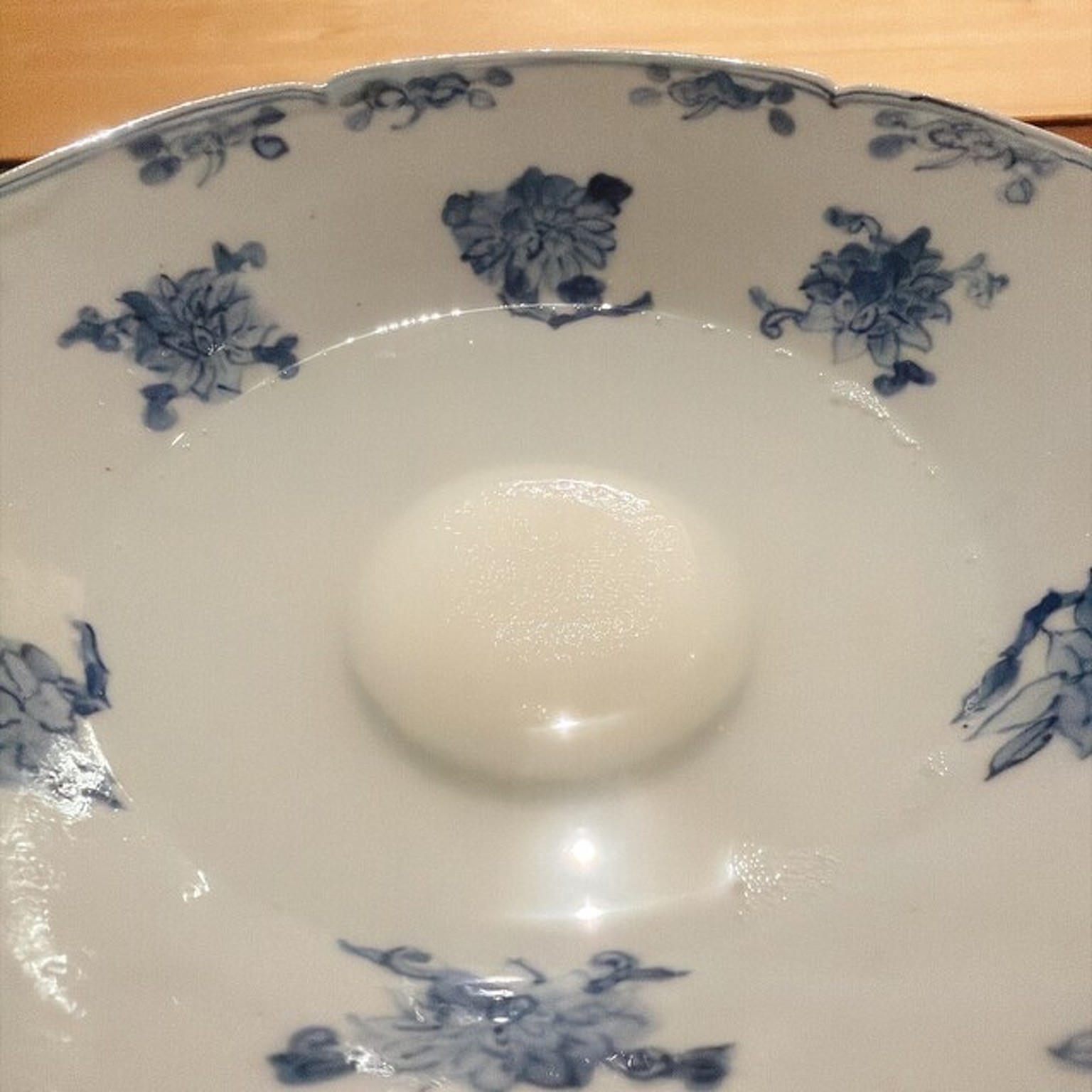
Cooking with simmered ingredients is a fundamental technique, yet it is extremely challenging to bring out the unique flavors of each ingredient without adding seasonings. The first dish, simmered nagaimo (Japanese yam), showcased a smooth and distinctive saltiness created by the yam's essence blending with starch and salt. The octopus sashimi was expertly sliced, providing a texture unlike anything I've experienced before. It truly felt like a gift from nature. It was a great meal.
9 / 10
on 10 Jul 2026
"Dishes"Yamato Simmered with Sea SaltCrab with Mandarin OrangeSea Bream and Octopus, Sea Bream Salt Water and Octopus SaltClear Soup with Pike Conger, Onion, and Umeboshi SeedsStriped Horse Mackerel with Grated Cucumber & ShisoWhelk and Turnip Steamed with Clam BrothGrilled Sweetfish with SaltSmoked Sweetfish with Sweetfish OilFig with White Sesame DressingSilken Grilled SweetfishEggplant SomenCorn KarasumiSimmered Winter Melon and Wild BoarRice, Watermelon, Cucumber, Tomato, Young CornBlueberry... More
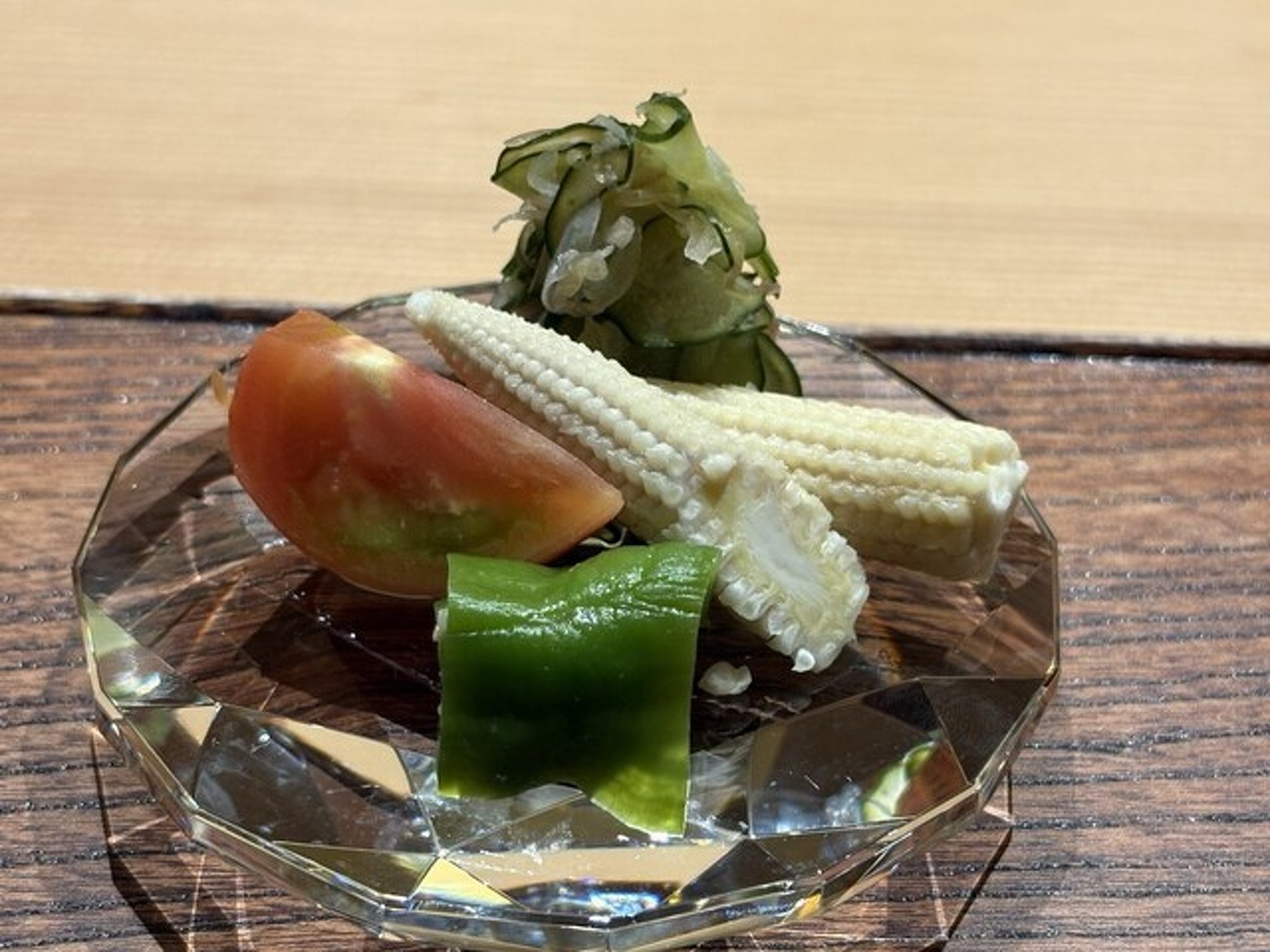
"Dishes"Yamato Simmered with Sea SaltCrab with Mandarin OrangeSea Bream and Octopus, Sea Bream Salt Water and Octopus SaltClear Soup with Pike Conger, Onion, and Umeboshi SeedsStriped Horse Mackerel with Grated Cucumber & ShisoWhelk and Turnip Steamed with Clam BrothGrilled Sweetfish with SaltSmoked Sweetfish with Sweetfish OilFig with White Sesame DressingSilken Grilled SweetfishEggplant SomenCorn KarasumiSimmered Winter Melon and Wild BoarRice, Watermelon, Cucumber, Tomato, Young CornBlueberry SorbetZunda Dorayaki"Drinks"Kirin BeerHiroki Less
9 / 10
on 07 Jul 2026
This place is amazing! I can totally understand why Myoujyaku has received a Michelin rating. Instead of using an overwhelming amount of seasonings, the dishes showcase a complex and delicate fusion of ingredients in refined Japanese cuisine. ✨ It's not that the flavors are bland; each dish has a robust umami flavor. Well, some are indeed quite mild, but experiencing the "taste bugs" is part of the fun.● Ordered Items Omakase Course: JPY 49,500, Tea, 2 types of Sake Total: Approximately JPY... More
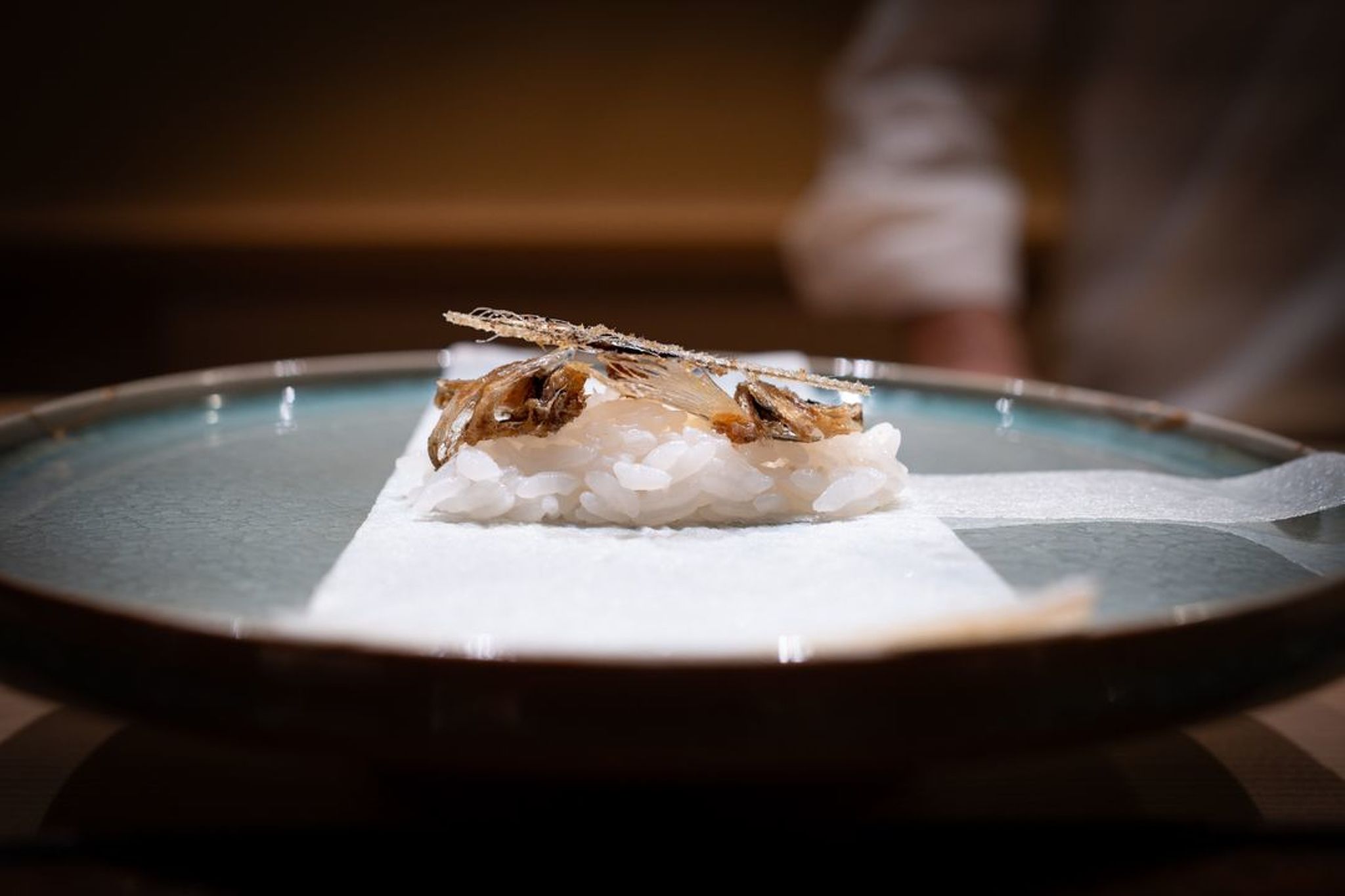
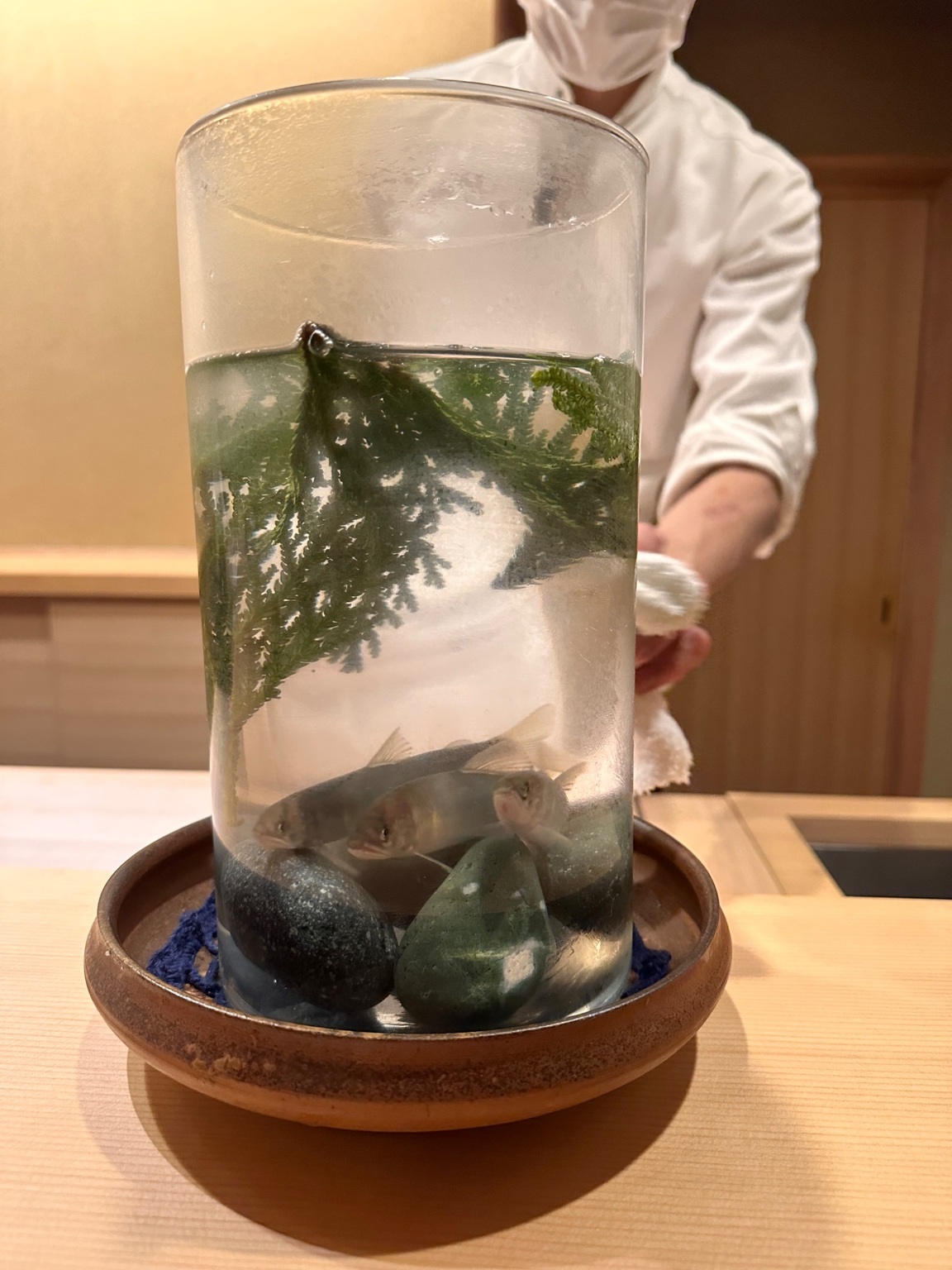
This place is amazing! I can totally understand why Myoujyaku has received a Michelin rating. Instead of using an overwhelming amount of seasonings, the dishes showcase a complex and delicate fusion of ingredients in refined Japanese cuisine. ✨ It's not that the flavors are bland; each dish has a robust umami flavor. Well, some are indeed quite mild, but experiencing the "taste bugs" is part of the fun.● Ordered Items Omakase Course: JPY 49,500, Tea, 2 types of Sake Total: Approximately JPY 65,000 *Service charge of 10% included⚫︎ Reservation Method OMAKASE *Reservations can be a bit tricky for small groups. *If you're going alone, it's best to book right when reservations open.● Course Details 1. Simmered Yam with Salt 2. Crab Meat with Crab Miso, Crab Claw, Mandarin Orange (lightly soaked in lemon juice) 3. Sashimi of Akashi Sea Bream and Squid 4. Pike Conger, Umeboshi Seed, Onion 5. Striped Jack, Melon, Shiso Grated 6. Whelk, Grated Turnip 7. Grilled Sweetfish on Skewers 8. Smoked Sweetfish 9. Fig with White Miso 10. Tade Leaves, Sweetfish, Egg White 11. Eggplant Somen 12. Corn and Karasumi 13. Winter Melon and Wild Boar (Kombu and Bonito Broth) 14. Water Eggplant with Mustard Soy Sauce, Pickled Vegetables, Rice, Furikake, Dried Shrimp, Red Miso Soup 15. Blueberry Ice Cream with Sweet Red Bean Soup 16. Rice Flour Dorayaki with Zunda 17. Souvenir (Onigiri)● Course Duration 2 hours and 15 minutes⚫︎ Taste 1. Simmered Yam with Salt First up is the signature dish, the simmered yam. This is incredibly mild, but it feels like a clever setup.2. Crab Meat with Crab Miso, Crab Claw, Mandarin Orange This dish features shredded crab meat mixed with crab miso, topped with crab claw and mandarin orange. The acidity and sweetness of the mandarin, along with the citrus aroma from the lemon juice, beautifully complement the crab's flavor. This combination was exceptional!3. Sashimi of Akashi Sea Bream and Squid The sashimi consists of squid and Akashi sea bream. The white powder is squid salt, which isn’t overly salty, so you can enjoy it generously. It's rare to find squid that melts in your mouth like this! The knife skills are remarkable—truly a national treasure. ✨4. Pike Conger, Umeboshi Seed, Onion This was astonishing! The dish brings out the ingredients' flavors to the max. The pike conger is sliced so thinly that it achieves an ultimate smoothness. While umeboshi typically pairs well with pike conger, here they used the umeboshi seed (Tenshin) in a unique way. Despite that, the harmony of the sweetness of the onion, the flavor of the pike conger, and the umeboshi seed was on a high level. I was moved! ✨5. Striped Jack, Melon, Shiso Grated This dish was quite impressive. There’s a slight grassy taste, which might be divisive, but as a shiso lover, I enjoyed it overall! 6. Whelk, Grated Turnip This was rather ordinary. I didn’t really taste the turnip, and the whelk was tough, making it a bit hard for me to eat. If you were to chew it to extract flavor, that might be one way to describe it. As a result, it became more of a palate cleanser before the sweetfish.7. Grilled Sweetfish on Skewers They use sweetfish that are still swimming until just before cooking. I think this one was relatively small. Well, this is sweetfish...8. Smoked Sweetfish This sweetfish was smoked using the oil from the skewers used for grilling. Yep, still sweetfish...9. Fig with White Miso This was my first time having white miso with something other than spinach! This combination was very interesting. The sweetness and sesame flavor, along with the texture of the fig, were surprisingly harmonious.10. Tade Leaves, Sweetfish, Egg White This was an incredible dish. So delicious! The story from the grilled sweetfish led to a perfect balance of bitterness and just pure deliciousness. The tade leaves are bitter on their own, but when eaten together, they lose their bitterness—what a shocking experience! ✨11. Eggplant Somen The eggplant was carefully strained and combined with a broth made from fish bones (if I remember correctly). The somen had a strong chewiness, and the eggplant broth was so good that I wanted to ask for a refill!12. Corn and Karasumi This was the most flavorful dish! This combination was unexpected—like the classic sweet and salty pairings of watermelon with salt or melon with prosciutto. It was a delightful surprise.13. Winter Melon and Wild Boar (Kombu and Bonito Broth) This dish was made with kombu and bonito broth, and the richness of the wild boar fat blended beautifully into the broth. The winter melon was... just average.14. Water Eggplant with Mustard Soy Sauce, Pickled Vegetables, Rice, Furikake, Dried Shrimp, Red Miso Soup This was like a set meal! The furikake and dried shrimp made the rice eternally delicious. It was a summer day when I wanted to challenge my stomach's limits.15. Blueberry Ice Cream with Sweet Red Bean Soup What a revelation! Blueberries and sweet red beans pair perfectly. It's a well-known combination, and apparently, their nutritional components are quite similar, which enhances their compatibility.16. Rice Flour Dorayaki with Zunda This could stand alone as a shop! The quality is so wonderful that even dessert lovers would be impressed. I might be biased since it was freshly made.17. Souvenir (Onigiri) Not just any onigiri, but omusubi. I had it the next day, and I was so happy to rediscover how delicious it was! ⚫︎ Impression At the end, they gave a deep bow as they saw me off. Such gestures are important and set this place apart as a favorite. I will definitely return! The alcohol is somewhat pricey. There were quite a few solo diners, with 3 out of 9 seats occupied by individuals. Personally, I felt comfortable dining alone. The staff were polite and attentive, even noticing when I switched hands and adjusting the arrangement accordingly. Their responsiveness is impressive! ✨✨ (I didn’t do it on purpose; my right wrist was hurting that day.)⚫︎ Other The menu changes every two months. All the staff seem to speak multiple languages, which reflects the high quality of service. Additionally, the counter seating is designed so that the kitchen is about 60cm lower, preventing any feeling of pressure from standing in front of it. Such thoughtful details are wonderful! ♪♪ #Michelin #Three Stars #Solo Dining #Special Occasions #Calm Atmosphere Less
10 / 10
on 04 Jul 2026
A Michelin 3-star restaurant. While searching for available seats for Omakase, I found a spot for one person and made a reservation. I was very curious about their concept of finishing dishes using only water and salt without any dashi. I also ordered a pairing of Japanese sake and wine, which, including the service charge, came to just over JPY 80,000.I initially thought the flavors might be bland and uninteresting, but that was far from the case. I was particularly impressed by the soup. Following... More
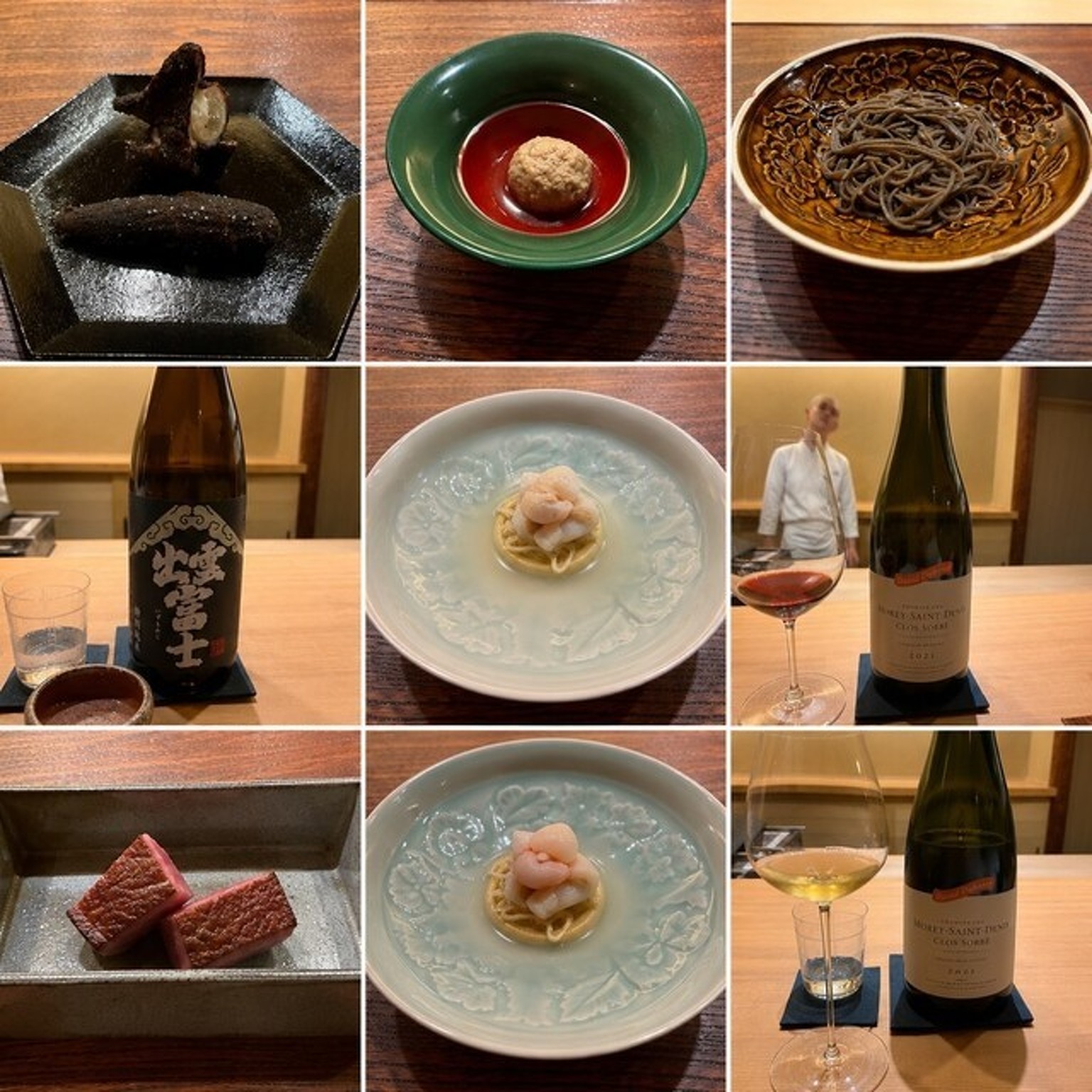
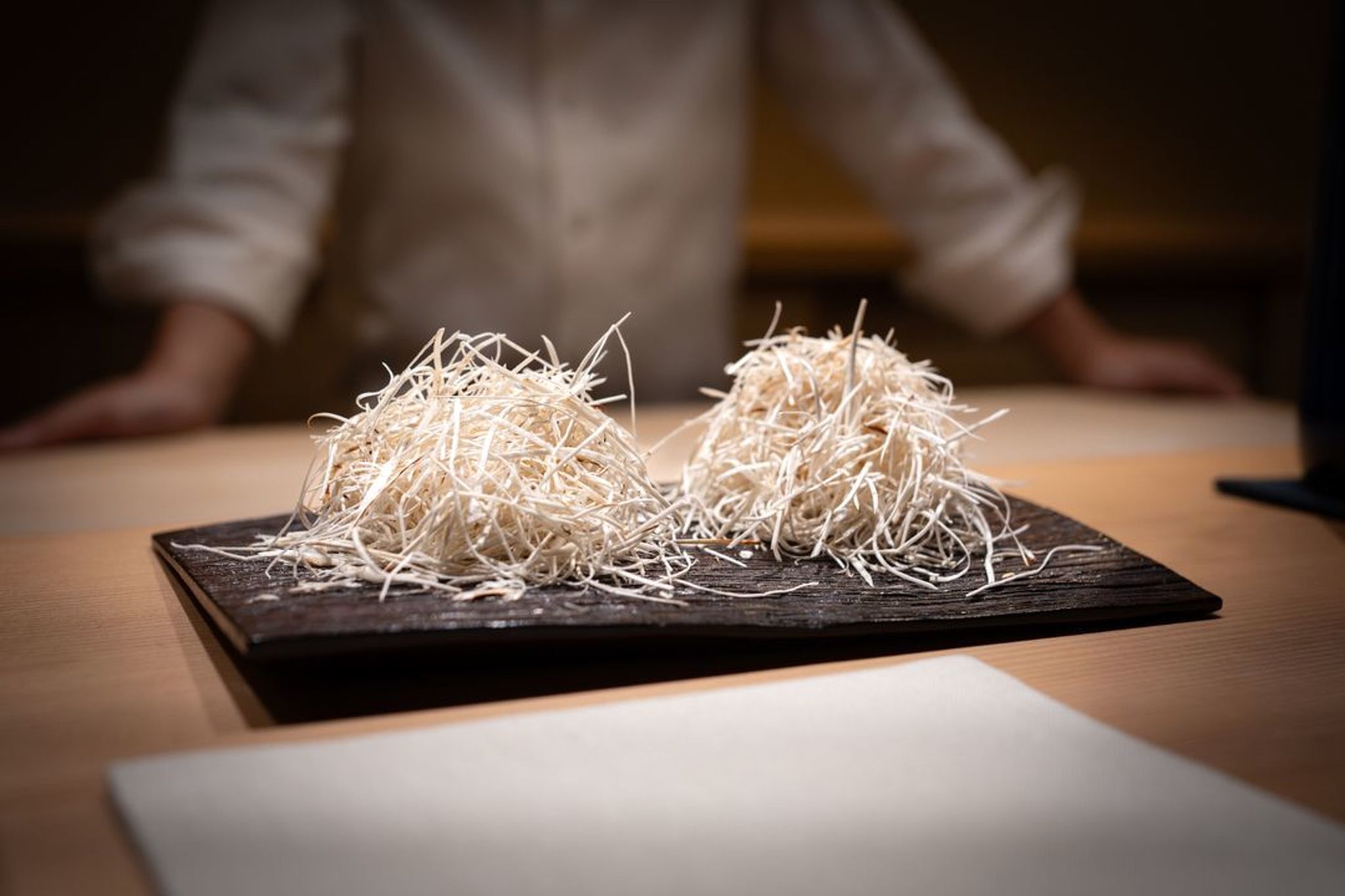
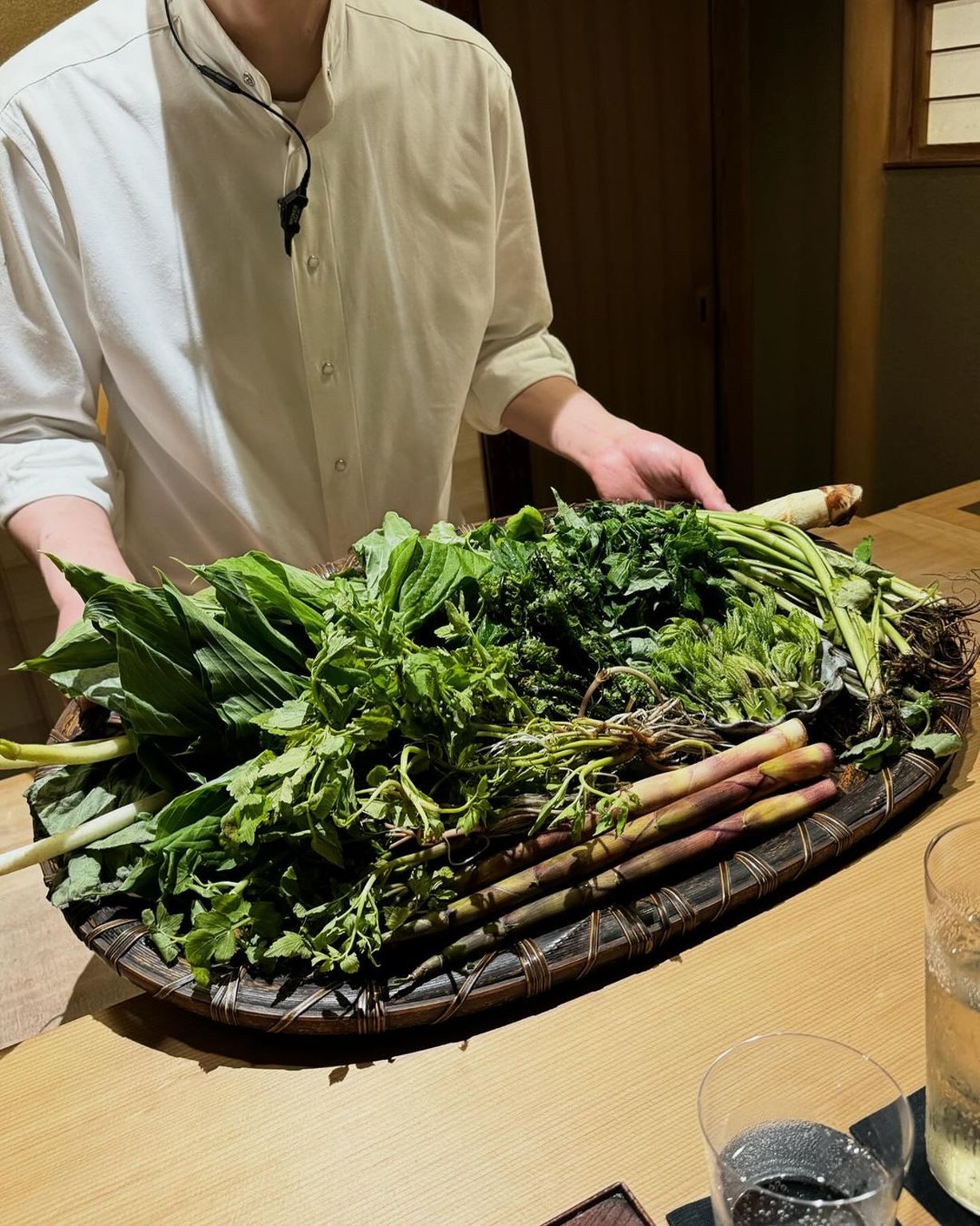
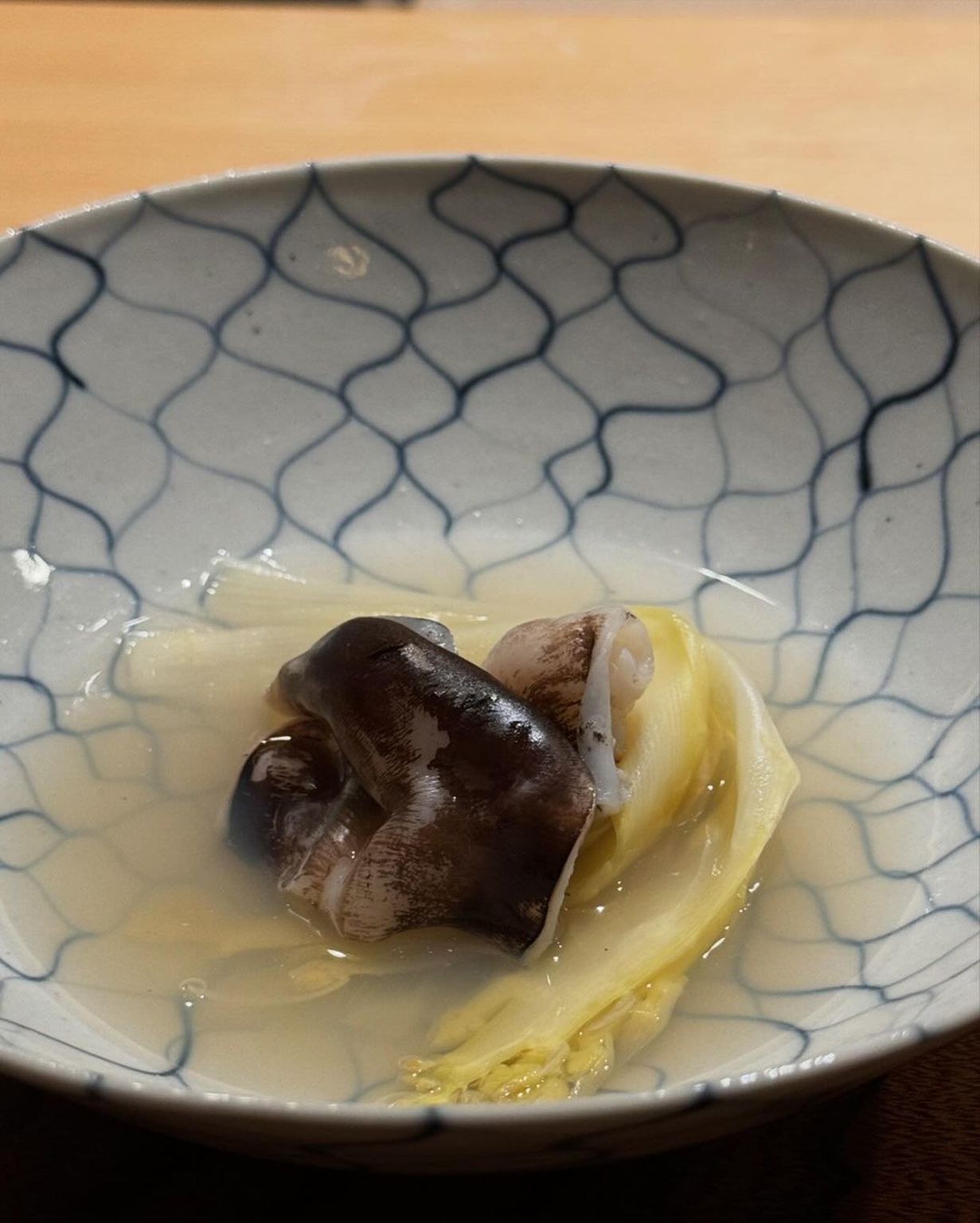
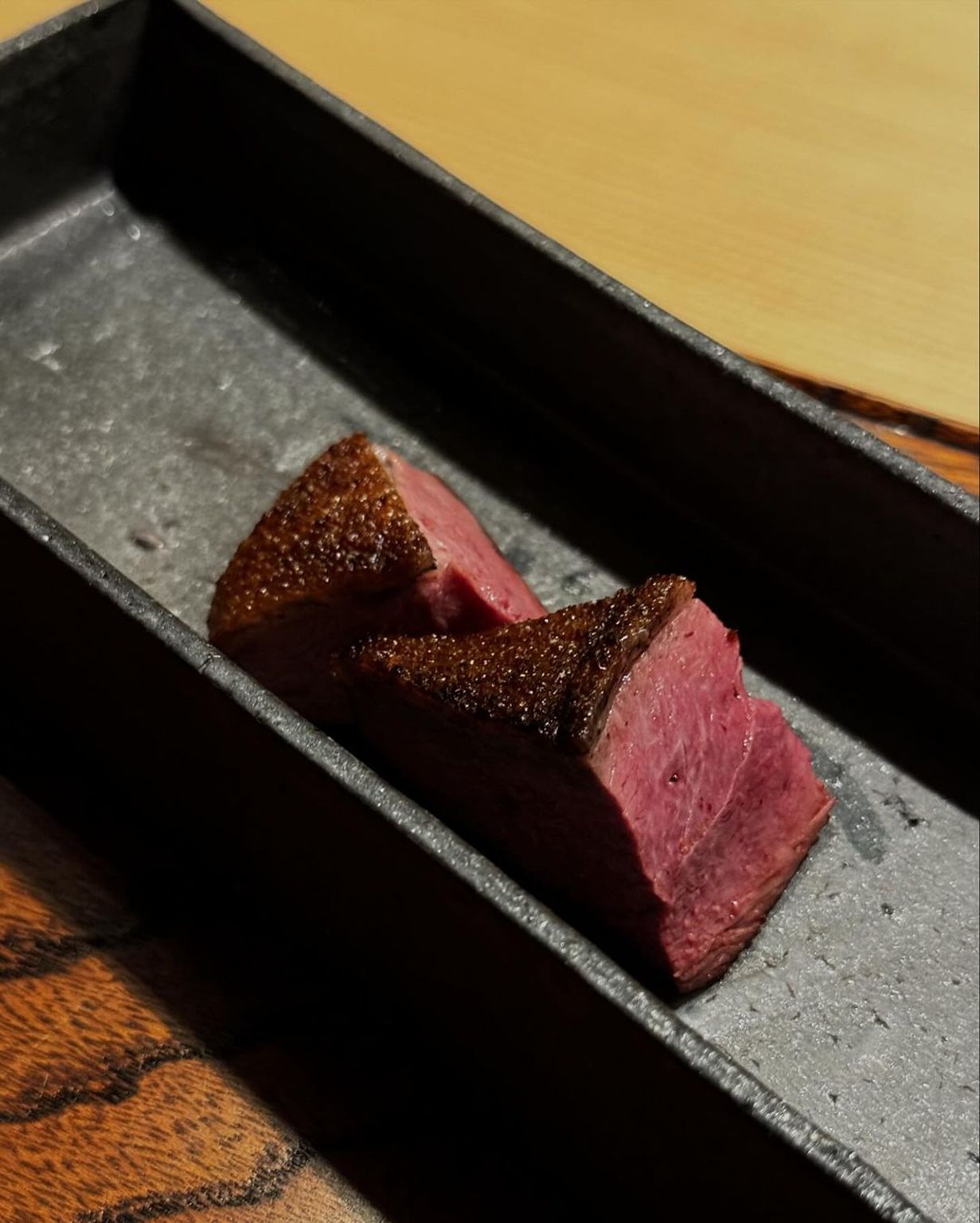
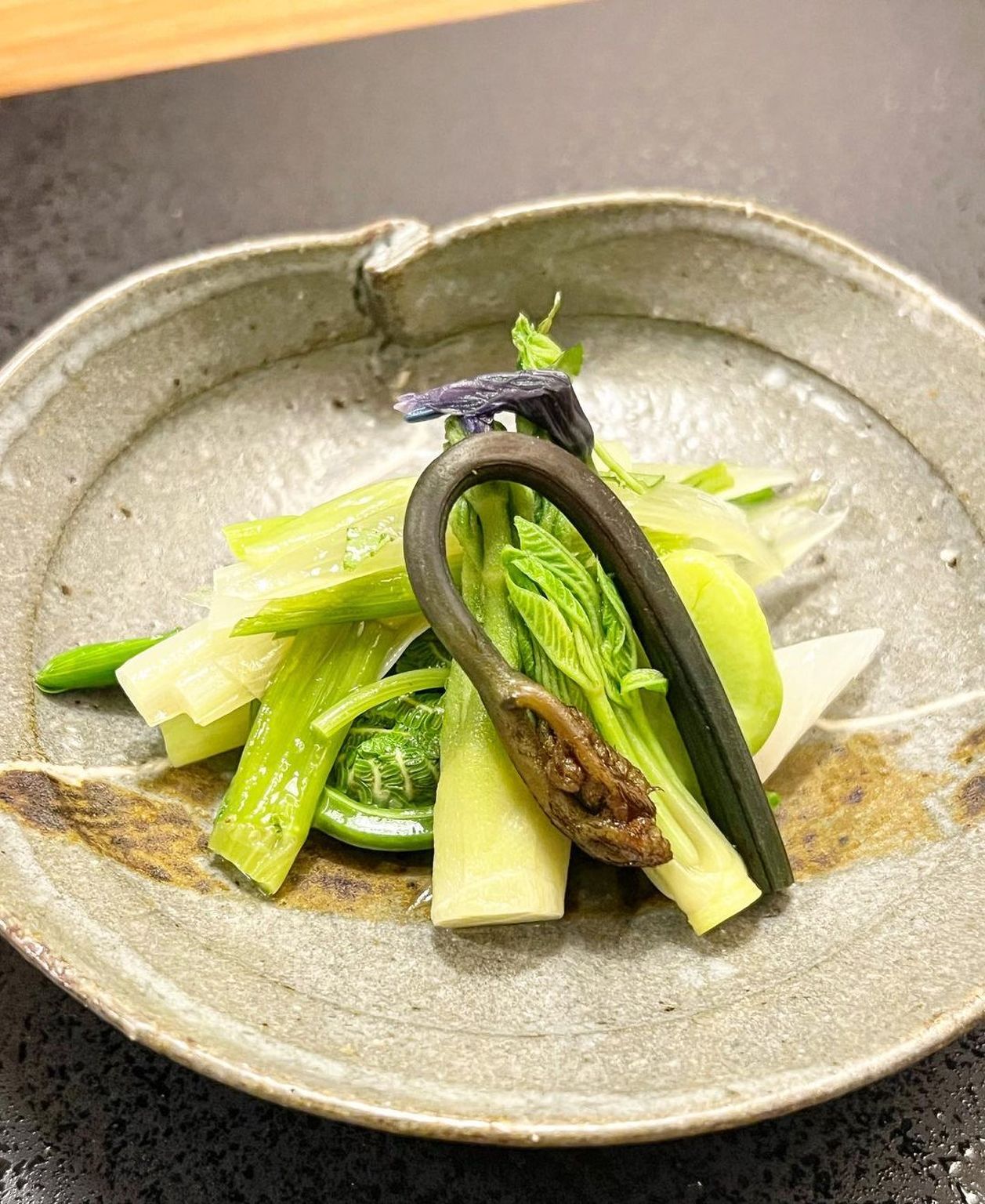
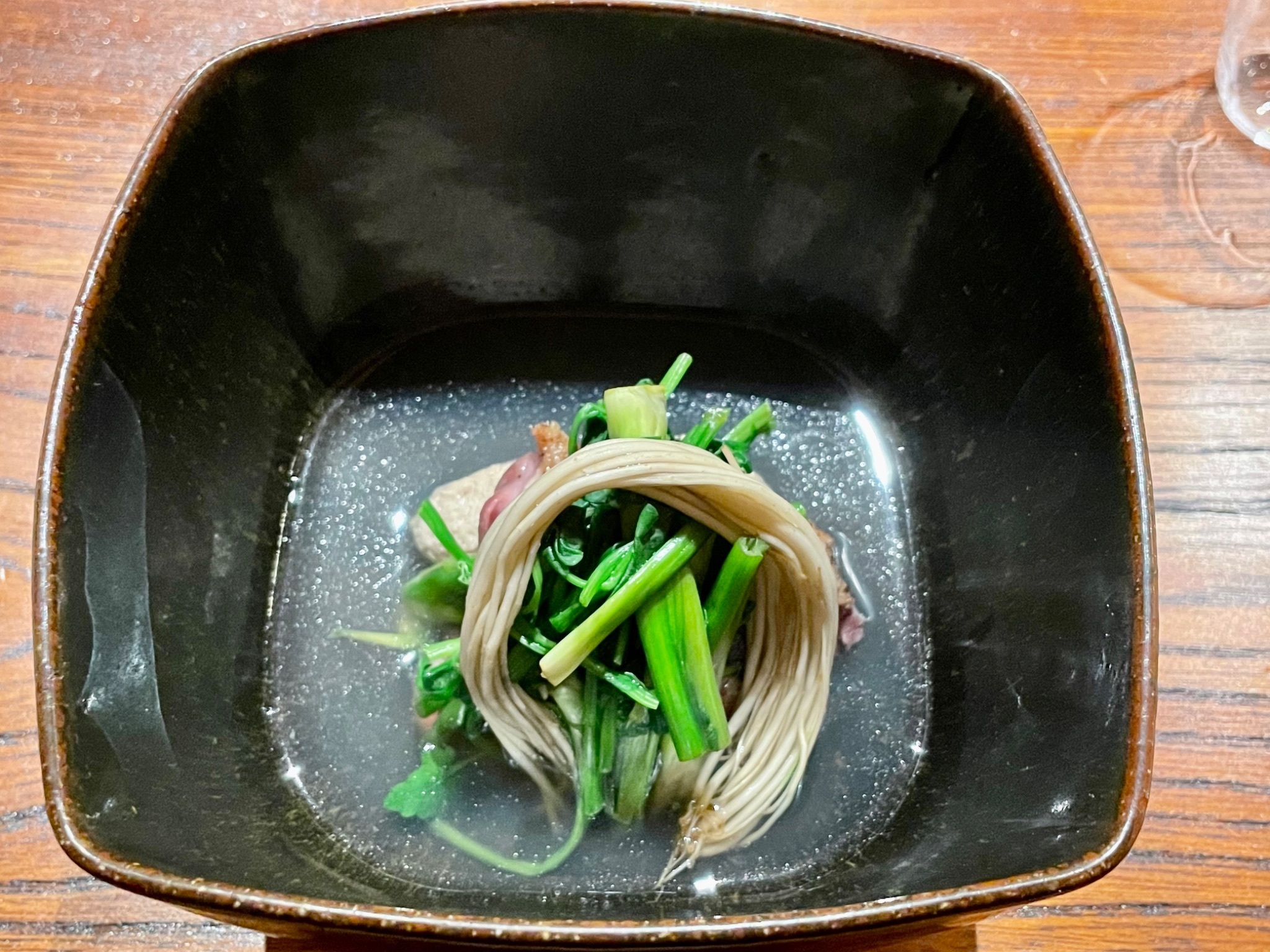
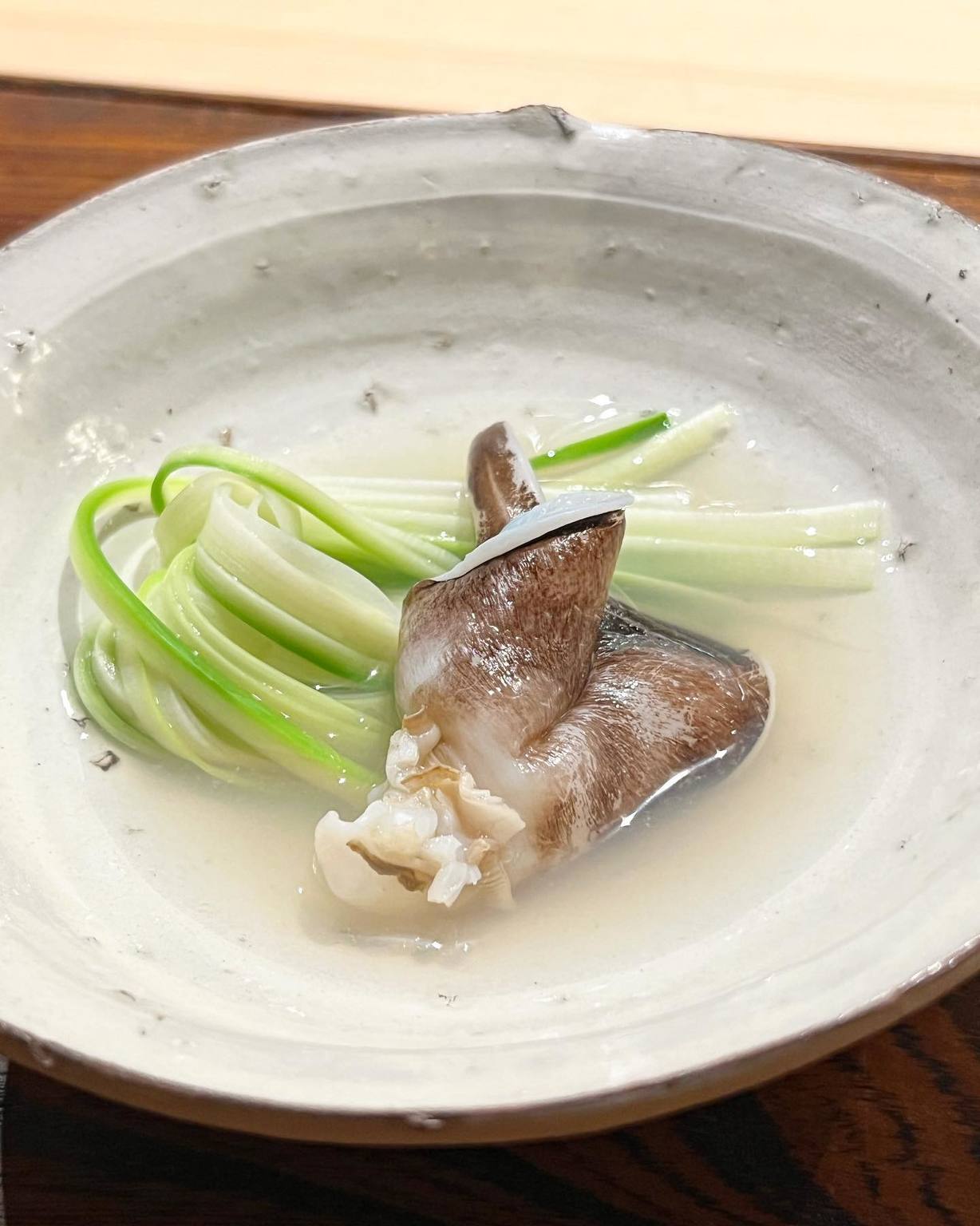
A Michelin 3-star restaurant. While searching for available seats for Omakase, I found a spot for one person and made a reservation. I was very curious about their concept of finishing dishes using only water and salt without any dashi. I also ordered a pairing of Japanese sake and wine, which, including the service charge, came to just over JPY 80,000.I initially thought the flavors might be bland and uninteresting, but that was far from the case. I was particularly impressed by the soup. Following the guidance to start with shiitake, then the soup, followed by the aiyame, and then back to the soup, I found the flavors deepening and evolving with each bite! It seems that this is the result of using only water and salt.The other dishes were also wonderful, but I'm getting tired of writing, so I’ll stop here. I heard they change the menu six times a year, so I hope to visit again around autumn.Dishes included:- Simmered Turnip- Abalone- Sashimi: Spear Squid and Sea Bass (made with water-extracted fish bones, saltwater, and squid salt)- Shiitake and Aiyame Soup- Grilled Striped Horse Mackerel- Hairy Crab with Peas- Hand-Rolled Sushi with Young Sweetfish from Tenryu River- Seasonal Vegetables and New Ginger- Young Corn and Spear Squid in Squid Ink Batter- Fried Young Corn Silks- Soba Noodles- Shellfish Hot Pot- Grilled Duck over Charcoal- Duck Tsukune Soup- Red Miso Soup and Rice- Chilled Blueberry Soup- Mugwort Rice Cake Less
9 / 10
on 01 Jul 2026
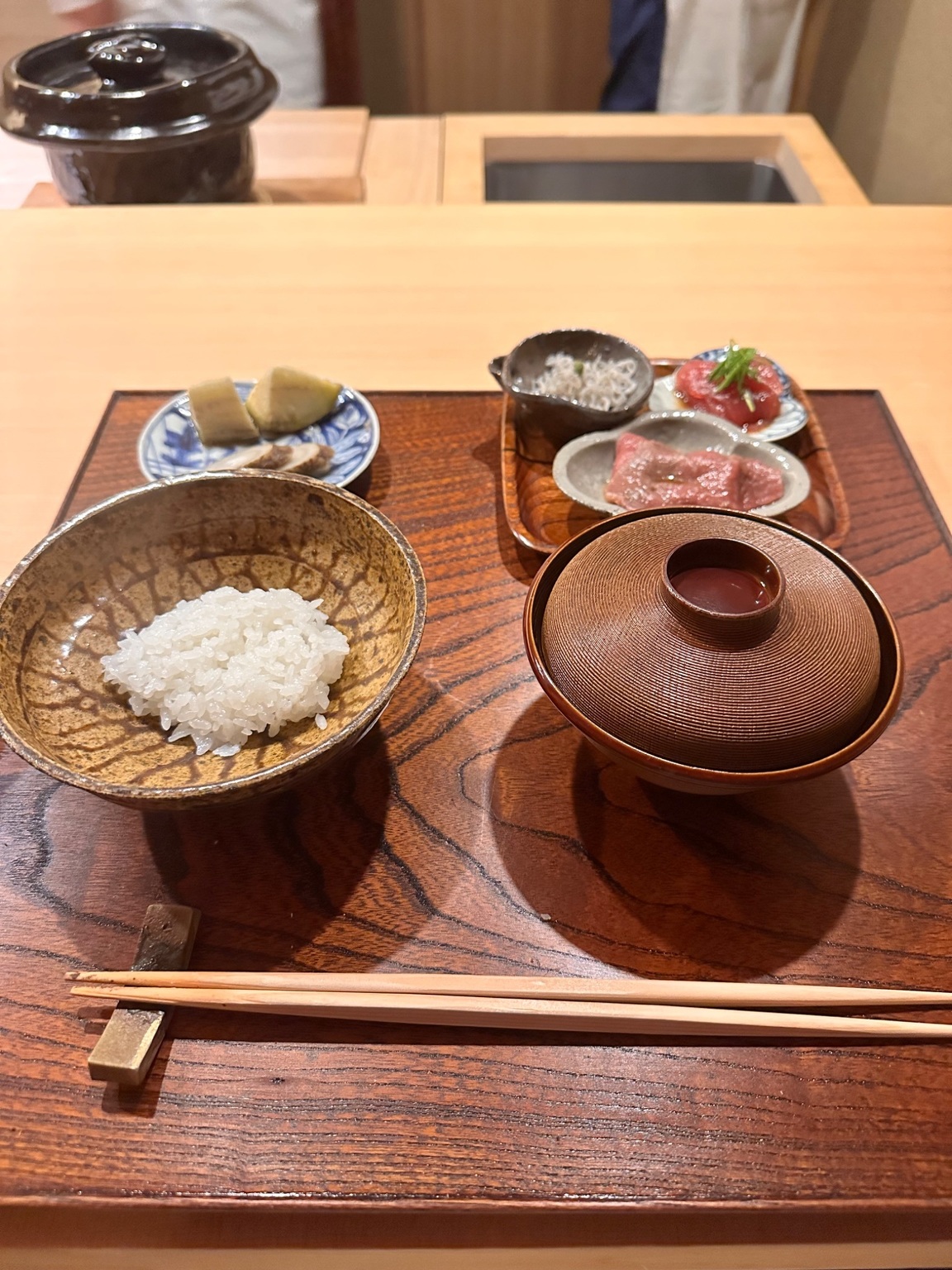
Stewed Nagaimo with saltHairy crab with mandarin orange, ground sansho pepper, and lemon juice (for a balanced acidity)Suzuki (sea bass) and octopus from Akashi, seasoned with octopus salt and suzuki salt waterA bowl of hamo (pike eel) and onion with a pickled plum seed (for the deity of learning)Grilled island horse mackerel with a daikon radish and shiso leaf dressingSteamed whelk and turnip in clam brothGrilled young sweetfish with saltSmoked grilled young sweetfishFig with white miso dressingSilken... More
Stewed Nagaimo with saltHairy crab with mandarin orange, ground sansho pepper, and lemon juice (for a balanced acidity)Suzuki (sea bass) and octopus from Akashi, seasoned with octopus salt and suzuki salt waterA bowl of hamo (pike eel) and onion with a pickled plum seed (for the deity of learning)Grilled island horse mackerel with a daikon radish and shiso leaf dressingSteamed whelk and turnip in clam brothGrilled young sweetfish with saltSmoked grilled young sweetfishFig with white miso dressingSilken grilled sweetfish from the Tenryu RiverEggplant with sauce and somen noodles (Tanabata, five-colored threads, and the leaves of the梶 tree)Corn and bottarga (same character - 唐 for "唐辛子" and 雷 for "稲妻")Simmered winter melon with tenderloin, in bonito and kombu brothRice, sansho pepper with baby sardines, pickles, and red miso soupBlueberry sorbet with blueberry anko (sweet red bean paste)Zunda dorayaki (sweet red bean pancake) soaked in salted edamame Less
9 / 10
on 30 Jun 2026
This time, I didn't hear the keyword "sea water" even once. Perhaps due to the difficulty in using sea water (as mentioned in my previous review), it seems to have shifted to just "salt and water," resulting in a milder flavor compared to sea water (or is it just my imagination?). On the other hand, the main dish (meat course) no longer used kombu and katsuobushi dashi, reaching a point where neither kombu dashi nor katsuobushi dashi was used at all. Below is my repeat comment.Our restaurant embodies... More
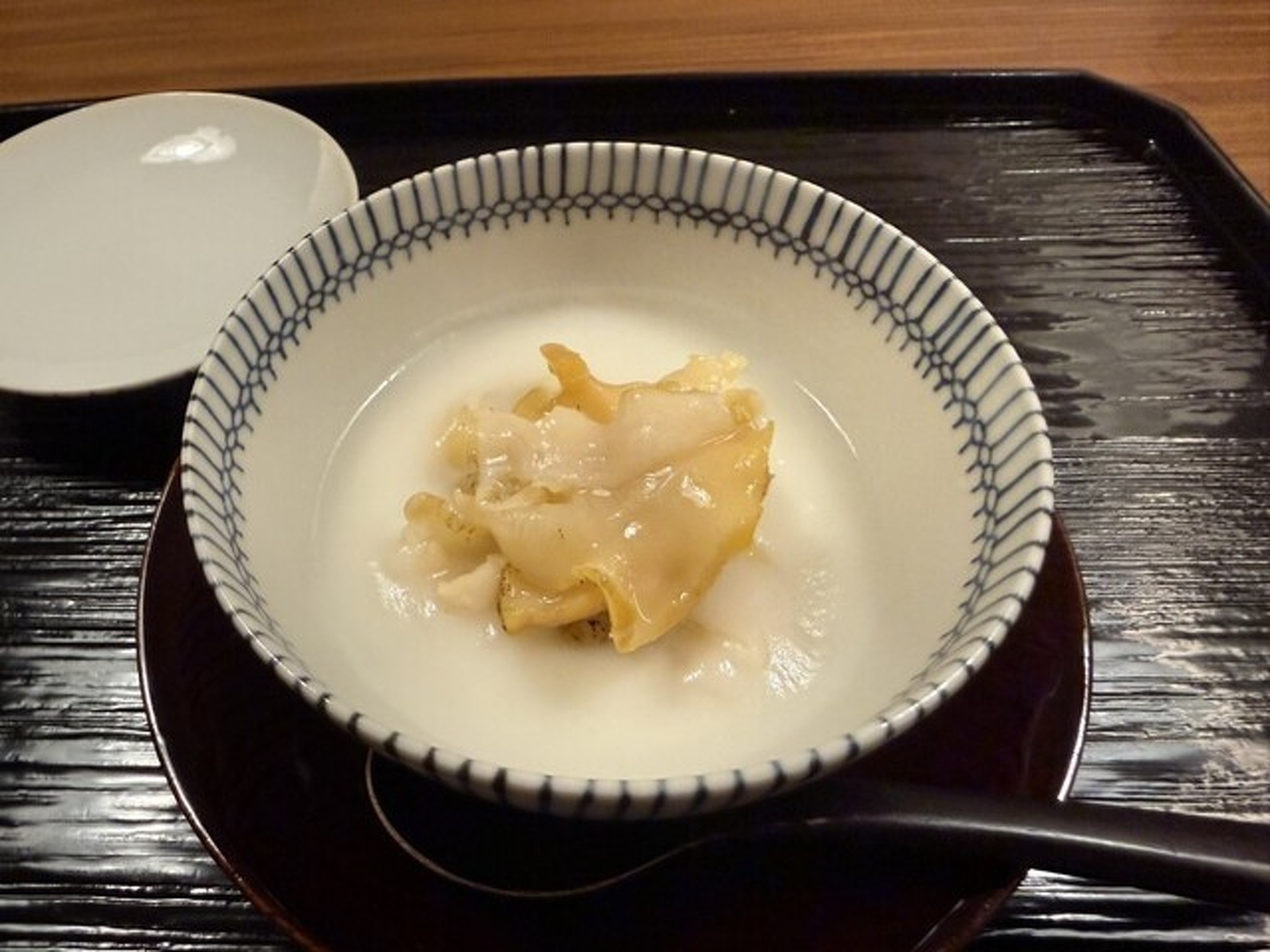
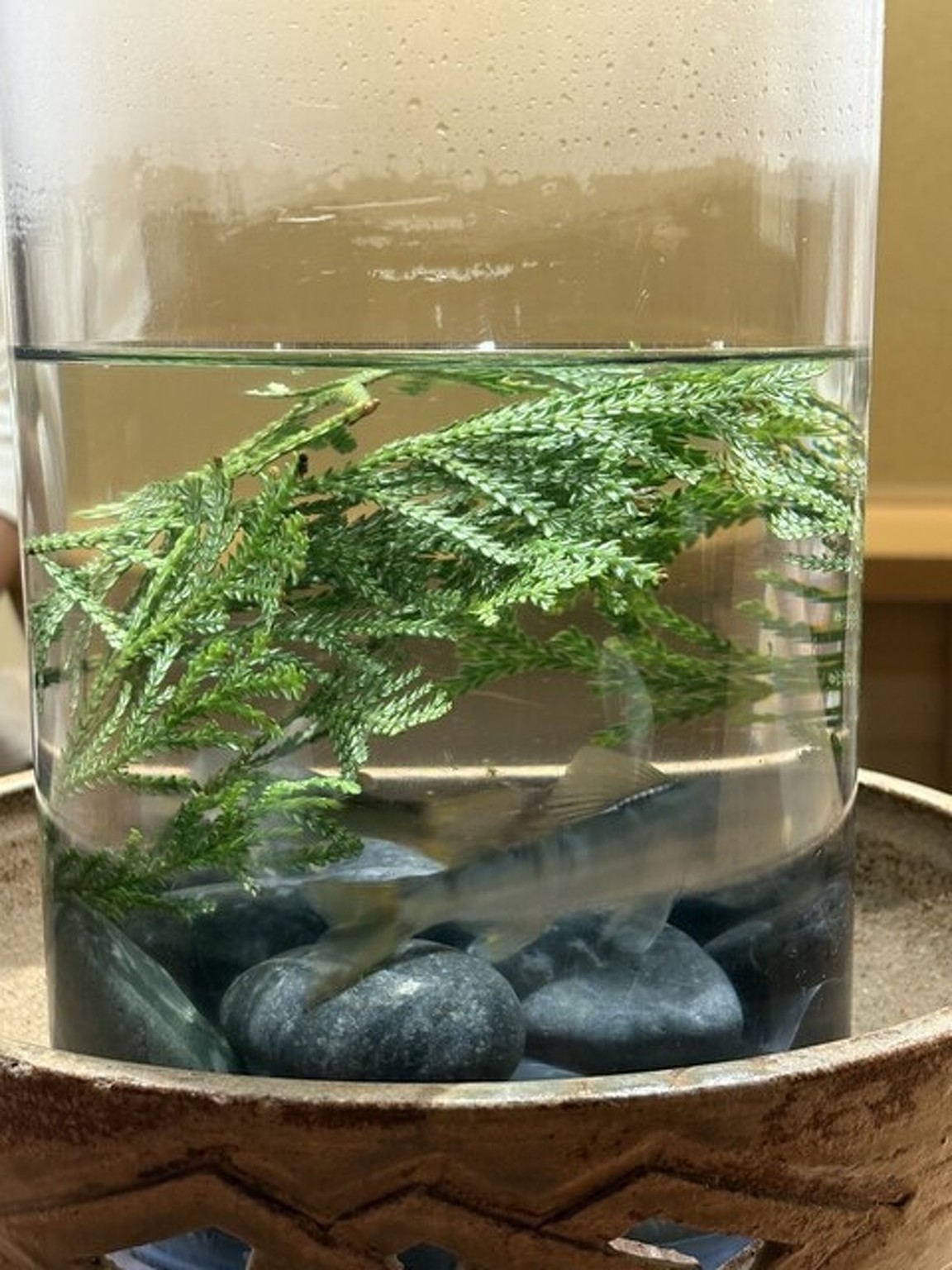
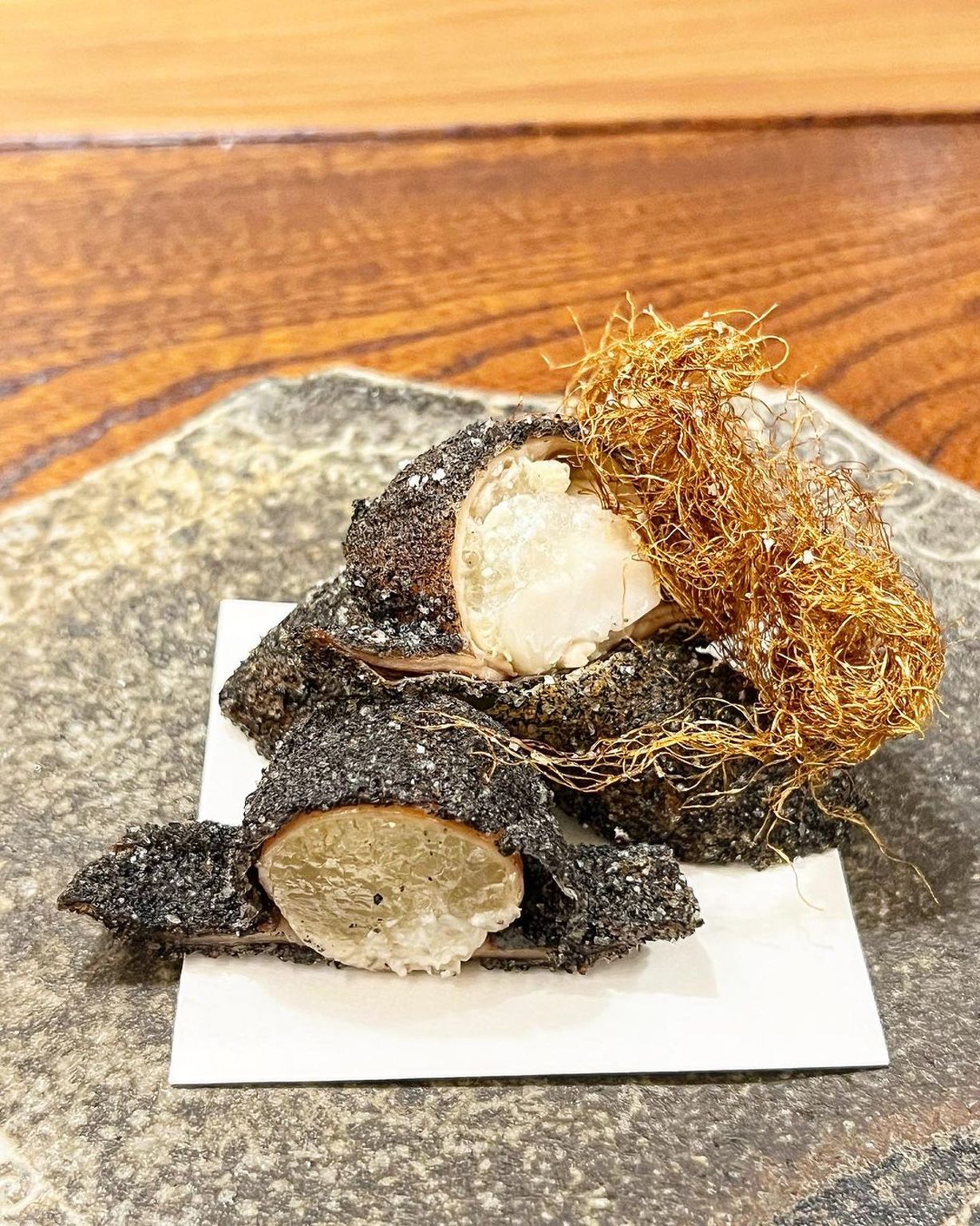
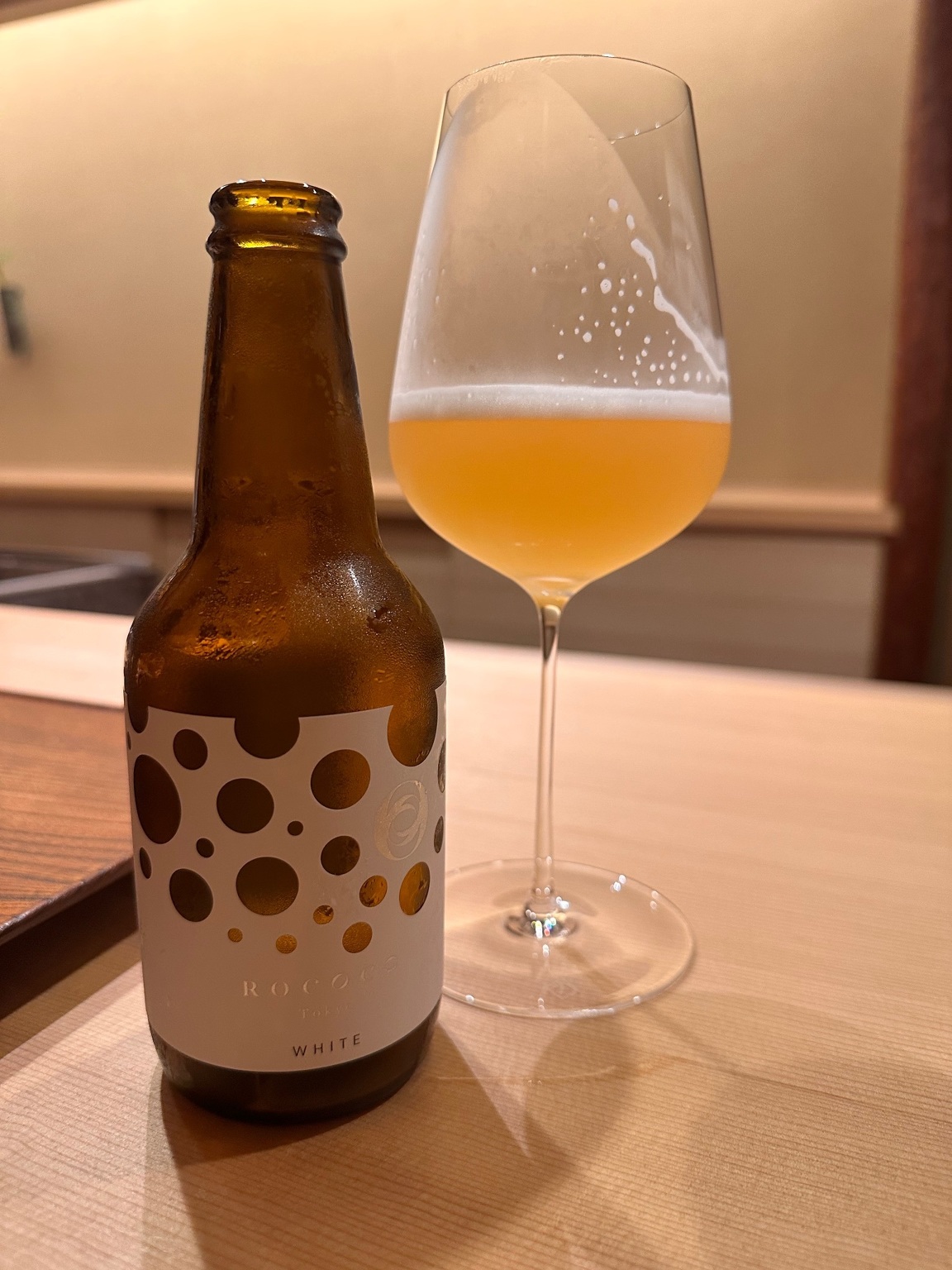
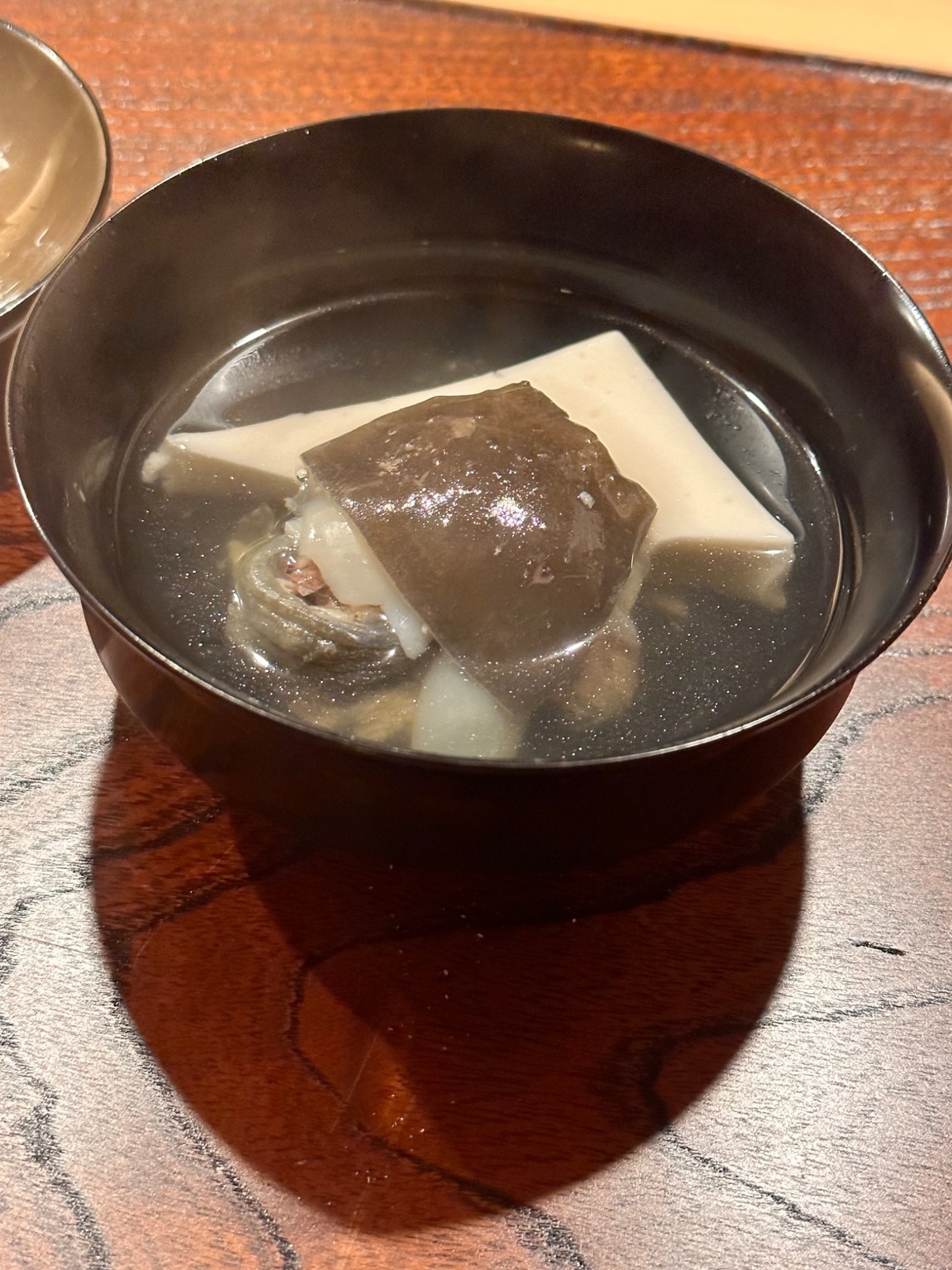
This time, I didn't hear the keyword "sea water" even once. Perhaps due to the difficulty in using sea water (as mentioned in my previous review), it seems to have shifted to just "salt and water," resulting in a milder flavor compared to sea water (or is it just my imagination?). On the other hand, the main dish (meat course) no longer used kombu and katsuobushi dashi, reaching a point where neither kombu dashi nor katsuobushi dashi was used at all. Below is my repeat comment.Our restaurant embodies the ultimate subtraction, completely eliminating kombu and katsuobushi dashi. Of course, this doesn't mean we don't use dashi; rather, we utilize the dashi from the main ingredients, allowing the umami of the ingredients to shine through. Additionally, the atmosphere created by the owner is delightful. During opening hours, the owner spends more time on customer service than cooking, treating both regulars and newcomers equally, engaging everyone in discussions about the dishes rather than trivial matters with regulars, creating an environment where guests can focus on and enjoy the food.[Genre] Kaiseki Cuisine (Kyoto-style)[Chef] Eiri Nakamura (Michelin 3 stars)[Price] JPY 45,000 (tax excluded)[Menu] None[Atmosphere] The counter seats are arranged in a neat row, exuding cleanliness. While not all guests are quiet, there is a generally calm atmosphere due to the presence of many subdued patrons.[Tempo] Medium pace.[Service] The owner handles the service, while a sommelier manages the drinks, providing gentle and composed service.[Usage Scene] Since it’s a counter, it’s suitable for one or two people; if you want to enjoy a lively group experience, you should opt for a private room.[Wine] In my previous visits, I had Japanese sake, then wine, and this time non-alcoholic options. Summarizing these experiences, I believe that if you consider the pairing with the dishes, you should choose wine carefully. To put it bluntly, wine can be too strong and overpower the flavors of the dishes; even champagne can be too much, and beer is definitely out of the question. Only a very dry type of Japanese sake can barely work, and even green tea needs to be extremely light. I think gyokuro (high-grade green tea) is perfect for the first half of the course.(1) Wine: A decent selection of bottles is available, and glasses are offered for pairing and separate tasting. The pairings are a mix of Japanese and Western styles, making it suitable for those who enjoy a variety of wines. Since the dishes are designed to be enjoyed without interference from the drinks until you finish each plate, achieving a good pairing can be challenging. However, when I communicated my preferences to the sommelier and left it to them, they successfully bridged the gaps between the dishes (pass).(2) Japanese Sake: Affordable and pairs well with the food, making it a safe choice. Just communicate your preferences to the sommelier and let them handle it.(3) Non-Alcoholic: This time, I started with gyokuro. I believe starting with gyokuro was the right choice, but it didn’t have the flavor of cold-brewed or low-temperature first infusion; it tasted more like hot water and third infusion, which was disappointing. After that, I tried Kaga bocha (a type of roasted green tea) and homemade ginger ale, which were both affordable and paired well with the food, making the non-alcoholic options quite enjoyable.1. Turnip in Salt Broth… A classic salt broth, a kaiseki-style detox water made with just salt and water. It feels lighter than during the sea water era.2. Abalone Salad… Steamed abalone with liver and a puree of fresh abalone underneath.3. Aori Ika and Tentacle Salt, Sea Bass with Fish Sauce… A classic sashimi dish, not just simple slices, but one that the owner has been meticulously preparing since the restaurant opened. The knife work enhances the texture and aroma, and the attention to detail in the salt and soy sauce is exceptional.4. Shiitake and Ainamé Soup… A clever dish where the flavor of the broth changes as you progress through the shiitake, broth, Ainamé, and broth sequence.5. Grilled Shima Aji… Underneath the Shima Aji is a sauce made from fresh lotus root and lemon juice, with marinated fresh lotus root as a side.6. Crab Dumpling… Underneath the meat of the hairy crab is shredded crab meat and a puree of green peas.7. Young Sweetfish Sushi Wrapped in Silk… The sweetfish in front is tempura, while the one at the back is fried and brushed with sweetfish fish sauce before being grilled over charcoal. Wrapped with fried wasabi leaves, it’s meant to be enjoyed in four bites. Tempura is the cooking method that preserves the most flavor, so the fourth bite, which includes the head of the tempura, is the most bitter. The construction of flavor changes over the four bites is impressive.8. Raw Junsai and New Ginger Salad.9-1. Baby Yari Ika and Young Corn Grilled in Squid Ink… An innovative dish presented on a black plate with a black object.9-2. Young Corn Silks… After finishing the young corn, the silks are served. With a rich corn flavor, this also feels innovative.10. Whelk, Clam, White Asparagus, and Clam Broth… The shellfish were a bit tough.11. Eggplant Somen… Although no kombu dashi was used, it has a flavor reminiscent of kombu dashi.12. Grilled Duck… Lightly seasoned with salt.13. Duck Tsukune… Without any binding agents, it melts in your mouth.14. Rice, Red Miso Soup, Pickles, and Side Dishes… The side dishes include katsuobushi, dried sardines, tai (sea bream) jelly, and furikake. However, the red miso soup was too strong (×).15. Blueberry Sorbet and Sweet Red Bean Soup.16. Dorayaki… A dorayaki filled with edamame zunda (sweetened mashed edamame) made from glutinous rice (△).17. Souvenir… The leftover rice is made into onigiri (rice balls) for you to take home. When I tried it the next morning, it was fluffy and incredibly delicious. Less
9 / 10
on 25 Jun 2026
Located in Nishiazabu, Tokyo, the Japanese restaurant "Myoujyaku" has garnered significant attention since its opening in 2022, earning three Michelin stars in the Tokyo 2026 guide.The theme set by the owner, Mr. Nakamura, is the pursuit of "Umami" that maximizes the inherent flavors of the ingredients without relying on dashi or excessive seasoning. The dishes, composed solely of water, salt, and the ingredients themselves, reflect the vitality of the ingredients.Known for its difficulty in securing... More
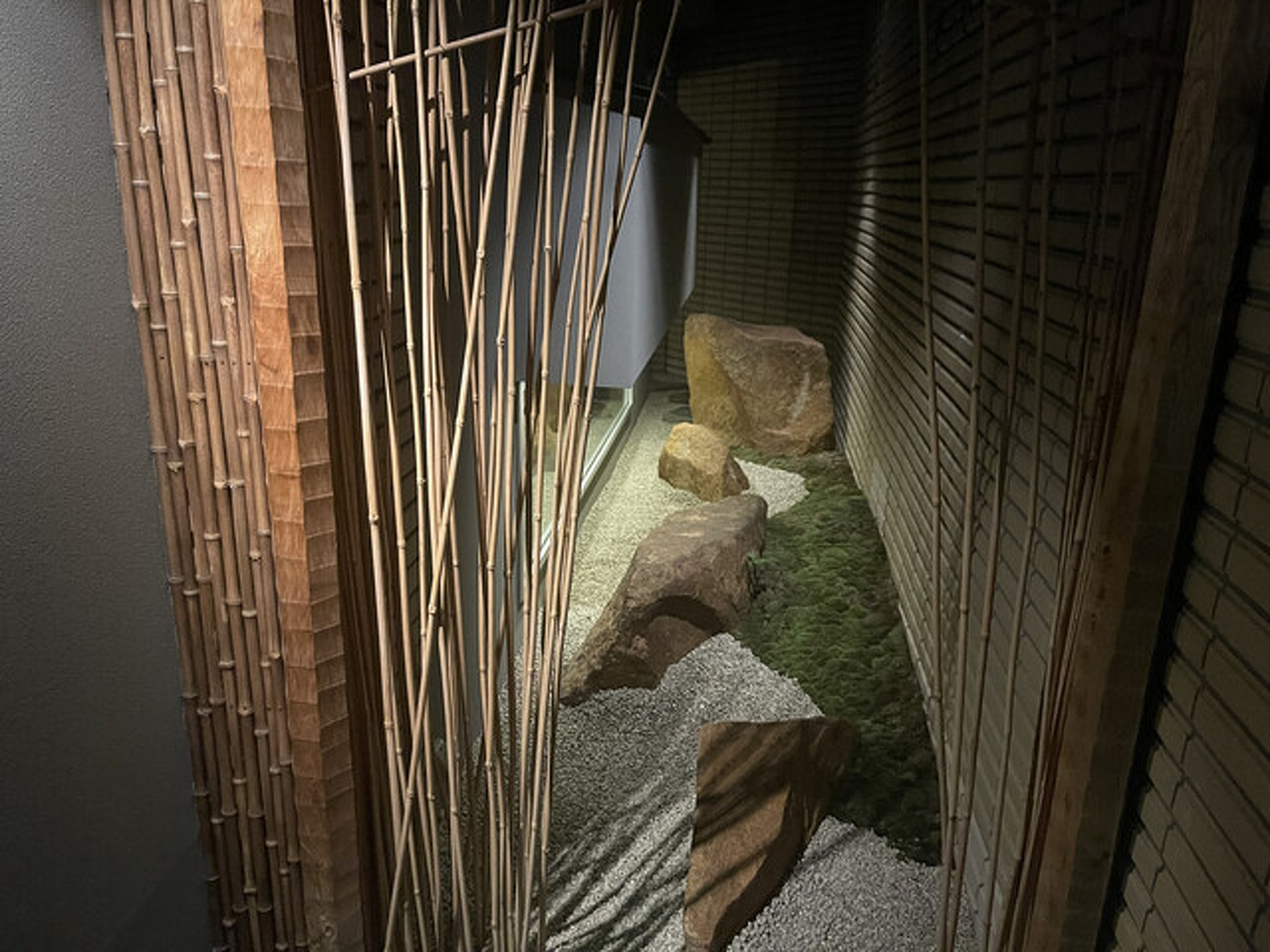
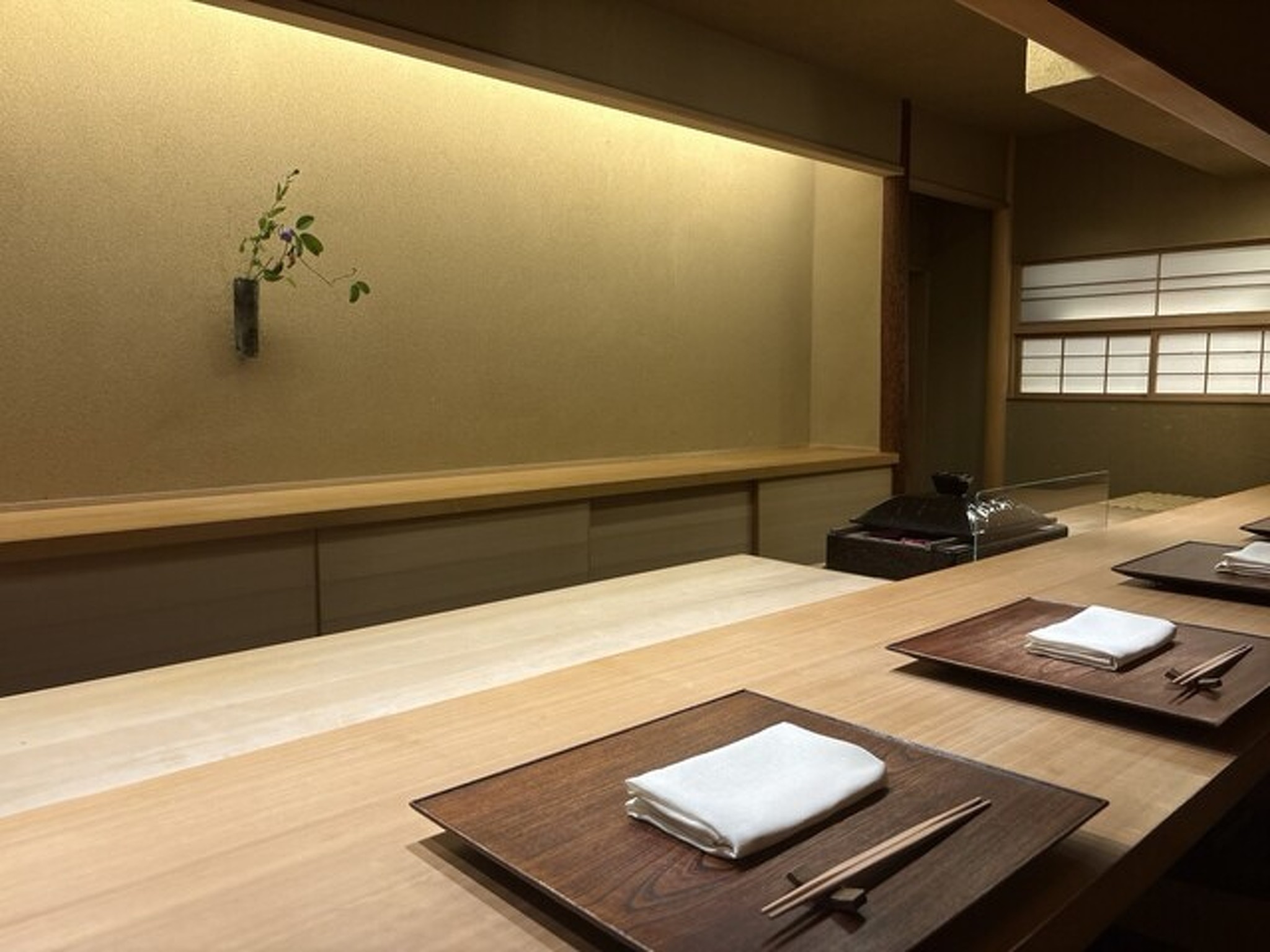
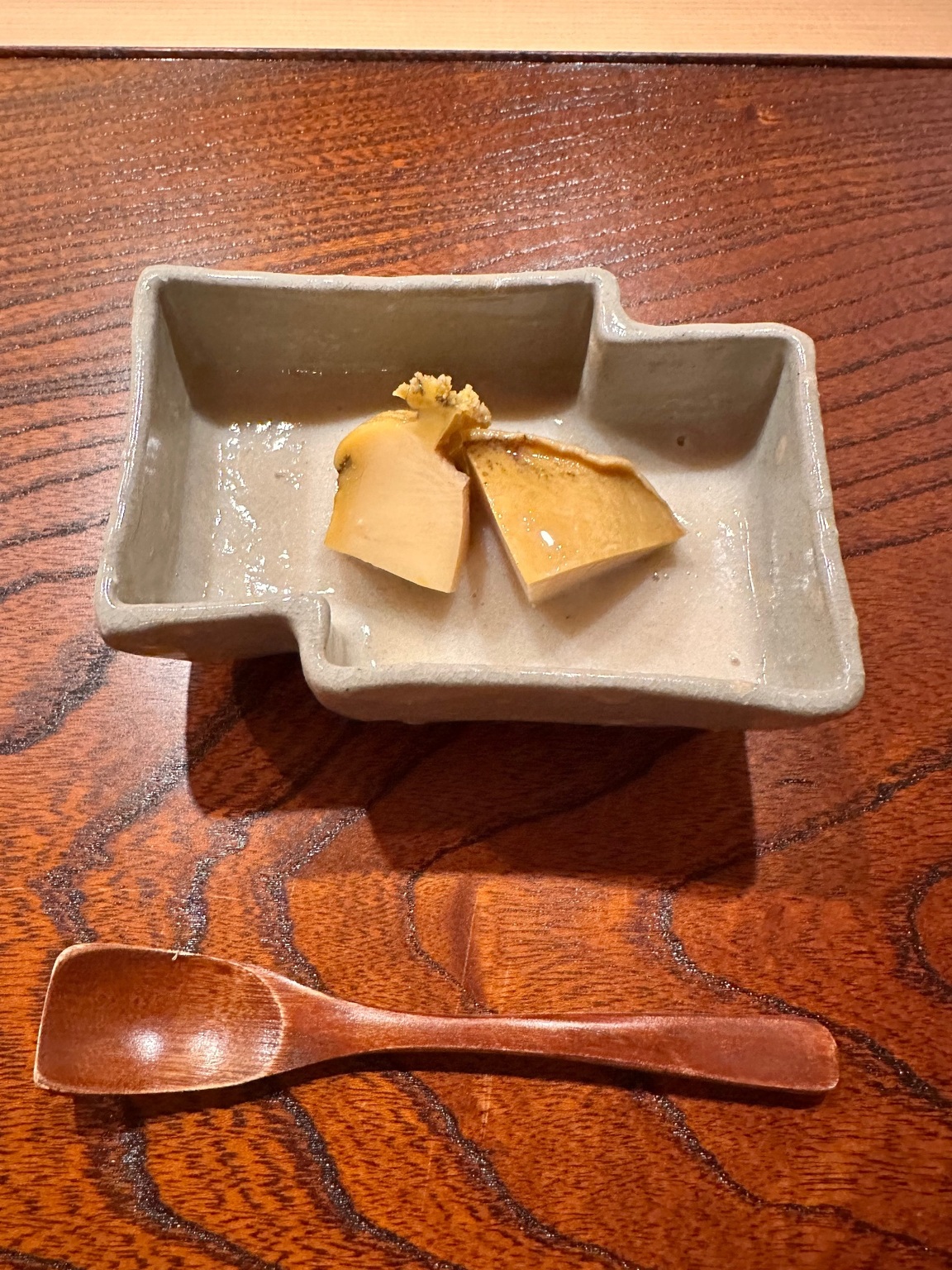
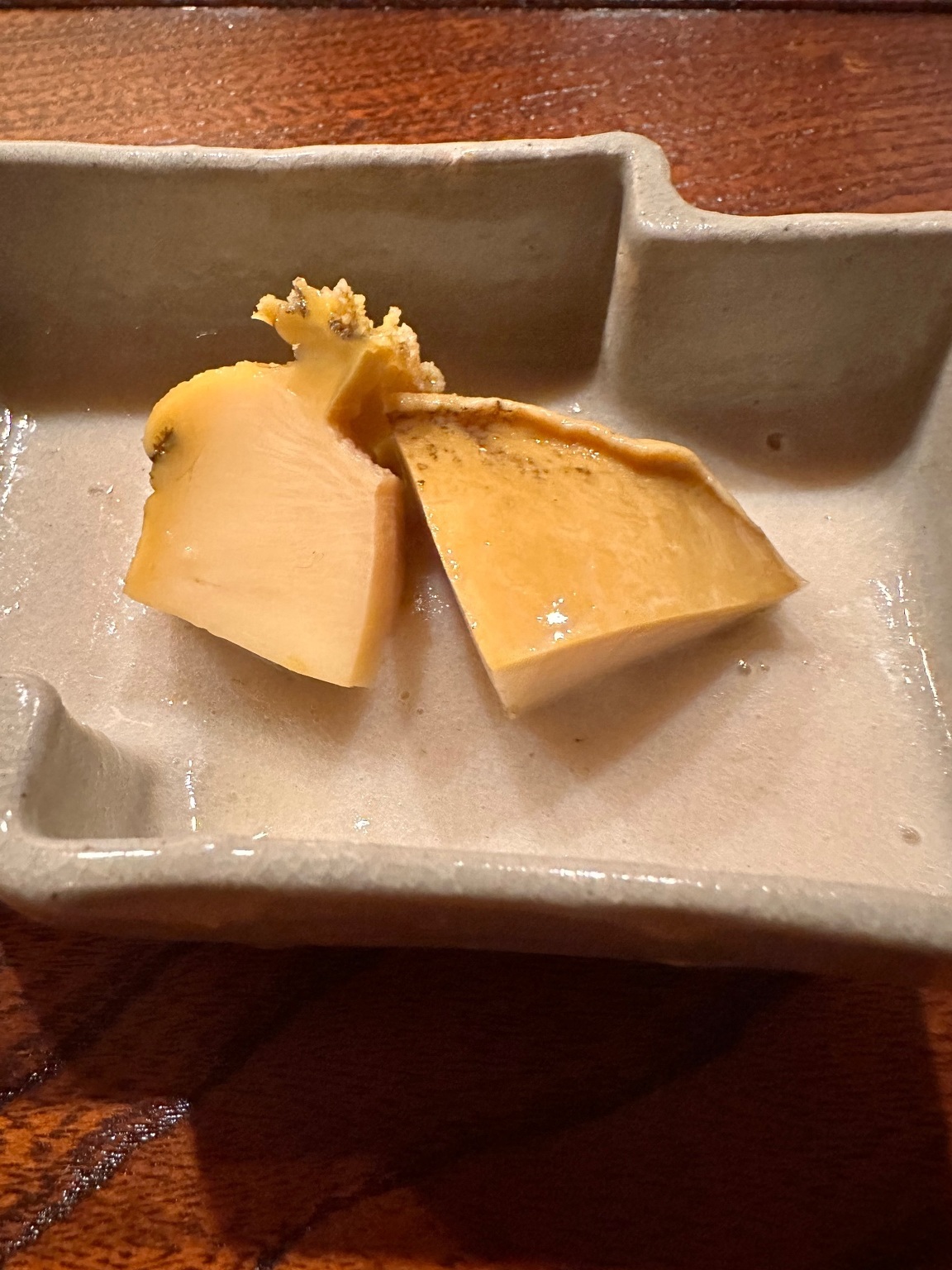
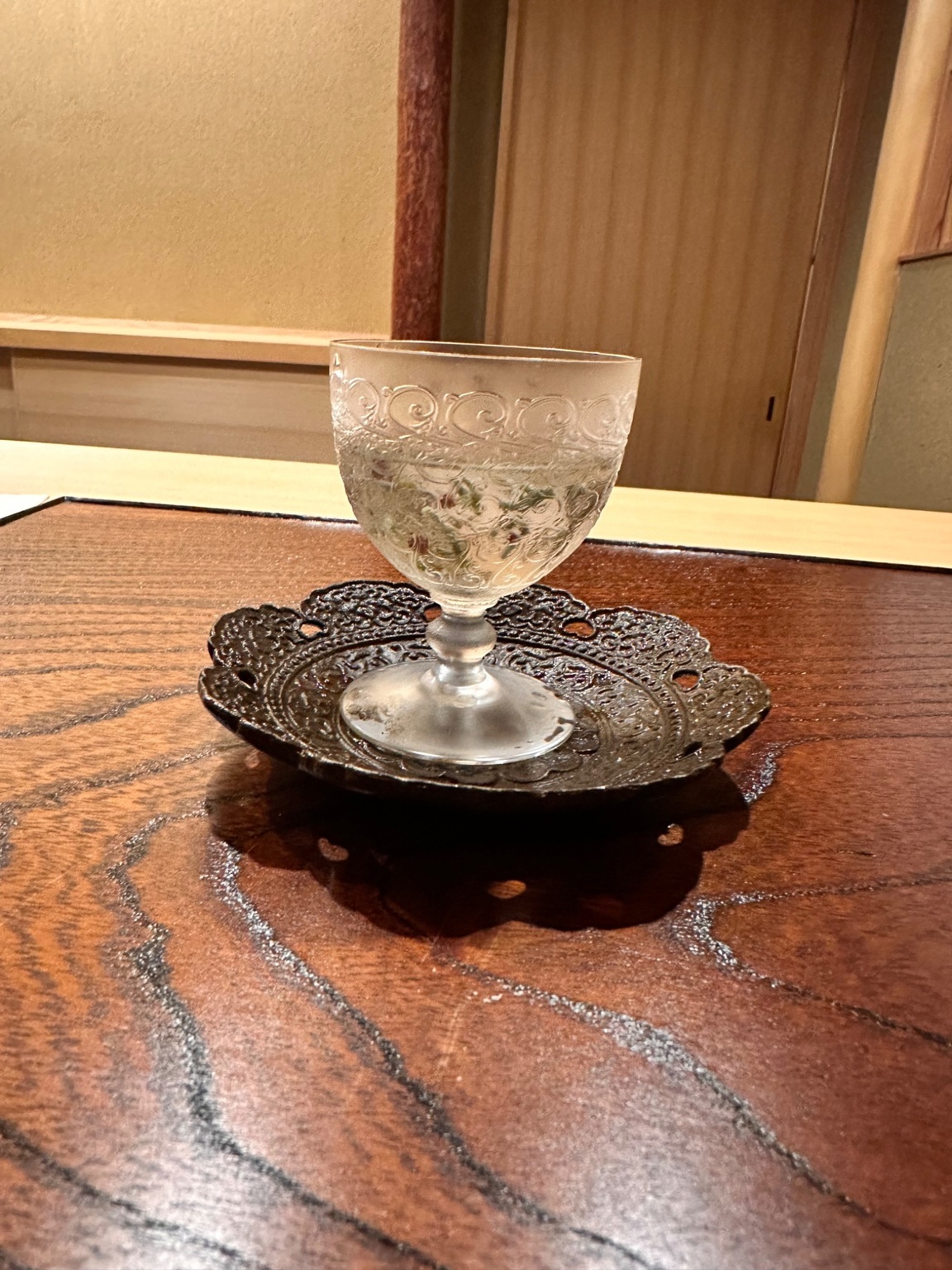
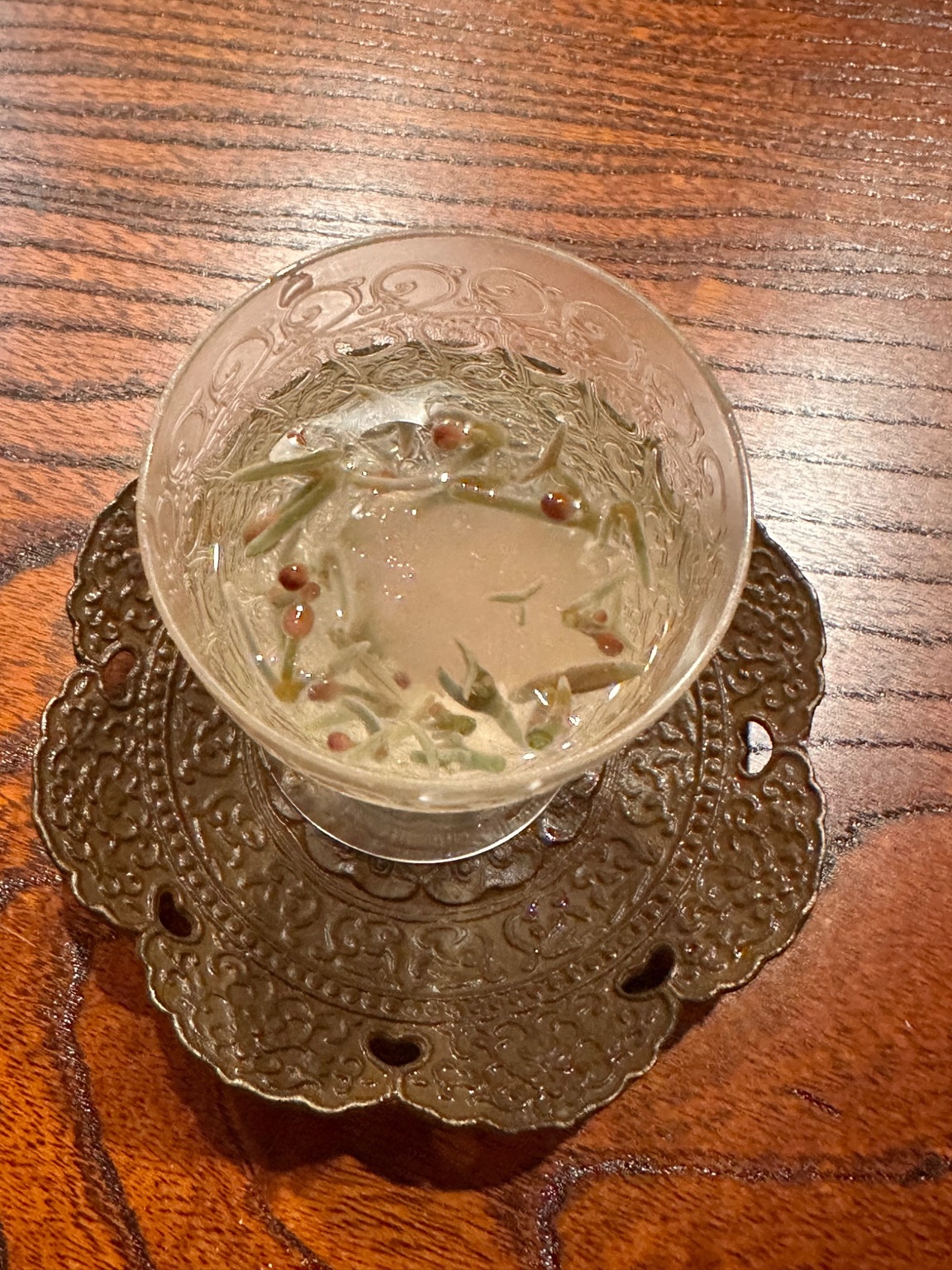
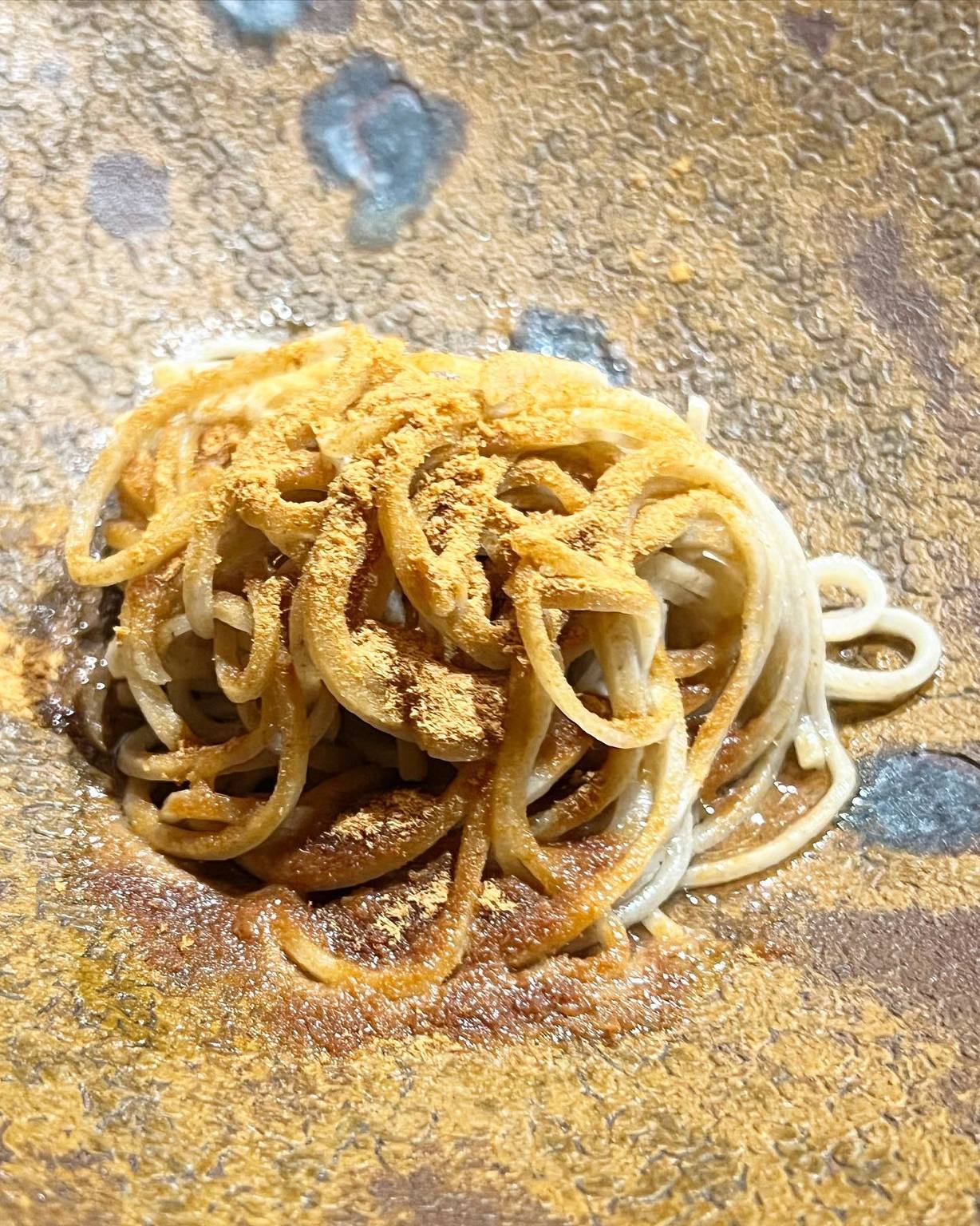
Located in Nishiazabu, Tokyo, the Japanese restaurant "Myoujyaku" has garnered significant attention since its opening in 2022, earning three Michelin stars in the Tokyo 2026 guide.The theme set by the owner, Mr. Nakamura, is the pursuit of "Umami" that maximizes the inherent flavors of the ingredients without relying on dashi or excessive seasoning. The dishes, composed solely of water, salt, and the ingredients themselves, reflect the vitality of the ingredients.Known for its difficulty in securing reservations, I was fortunate enough to book a spot on a holiday and enjoyed the omakase course.The restaurant is about a 10-minute walk from Roppongi Station, nestled in a quiet area just off the main road, providing a serene atmosphere that makes you forget the hustle and bustle of the city.Upon entering, you are greeted by a refined space that exudes warmth from the wood. The seating consists of only eight counter seats arranged in a single row, allowing for an intimate experience where you can closely observe the chef's techniques.During my visit, I surprisingly noticed no inbound tourists; the clientele was exclusively Japanese. In this calm and tranquil setting, Mr. Nakamura warmly welcomed us, and the course began.■Omakase Course (JPY 49,500)★ denotes particularly favored dishes. - Simmered Turnip - Abalone with Liver Sauce ★ - Sashimi ★ - Sea Bass and Shiitake Mushroom Soup ★ - Grilled Bonito - Crab Dumpling - Silk-Wrapped Sushi ★ - Vinegared Dish - Fried Young Corn and Stuffed Spear Squid ★ - Soba - Clams and Asparagus Hot Pot ★ - Grilled Duck - Duck Meatball - Rice - Dessert●1. Simmered Turnip This dish symbolizes Myoujyaku's philosophy, featuring turnips cooked solely with water and salt, then soaked in the cooking liquid. The turnips, cooked slowly, are astonishingly tender and fall apart in your mouth. Despite the absence of dashi, the natural sweetness and umami of the turnips are pronounced, beautifully highlighted by the salt.●2. Abalone with Liver Sauce Next is the abalone dish. The carefully cooked abalone is paired with its liver and served with a smooth sauce made from the abalone's cooking liquid and grated abalone. The abalone achieves a perfect balance of tenderness and resilience, releasing concentrated umami with each bite. The standout element was the smooth sauce, where the rich umami and fresh scent of the ocean filled the mouth, enhanced by the salt.●3. Sashimi The sashimi features Aori Squid and Sea Bream from Akashi. The Aori Squid is served with "Ika Shio," a powder made from dried tentacles. The squid has a sticky texture and strong sweetness, bursting with flavor as you chew. Pairing it with the Ika Shio creates a synergistic effect, amplifying the squid's flavor. The Sea Bream is complemented by a saltwater made from its head and bones, enhancing its elegant umami and aroma, making the fish's contours feel more pronounced. Testing the seasonings, I found that the Ika Shio was perfect for the squid, while the saltwater was ideal for the sea bream, showcasing Myoujyaku's commitment to optimal flavor expression for each ingredient.●4. Sea Bass and Shiitake Mushroom Soup This soup is made from the bones of the sea bass and shiitake mushrooms, seasoned only with water and salt. Taking a sip reveals a deep umami from the shiitake, and after tasting the mushroom, the flavor of the sea bass emerges. The unique structure allows the presence of the shiitake and sea bass to alternate based on the order of tasting. This dish exemplifies how such flavors can be achieved with just water, ingredients, and salt—truly enlightening.●5. Grilled Bonito The bonito is grilled over charcoal until the skin is fragrant, finished with new lotus root, lemon, and a "Chiri-su" sauce. The moist and tender bonito is flavorful yet light. The aroma from the straw grilling is subtle, perfectly preserving the ingredient's natural taste. The elegant acidity from the lemon adds a refreshing finish.●6. Crab Dumpling This steamed dish features hairy crab and green peas. The crab dumpling is made from the meat and legs of the hairy crab, mixed with crab miso. One bite fills your mouth with the rich umami and sweetness of the crab, enveloped by the gentle flavor of the green peas.●7. Silk-Wrapped Sushi Unlike typical sushi rolls, this sushi is wrapped in ultra-thin omelet instead of seaweed. The eggs come from chickens raised on rice, resulting in a beautiful pale yolk. Accompanying it are tempura sweetfish from the Tenryu River and fried wild pepper. The sweetfish is grilled with fish sauce for a fragrant finish, served with a crab dashi sauce. Taking a bite of all three at once creates a harmonious blend of flavors: the umami from the fish sauce, the sweetness of the sweetfish, the slight bitterness of the wild pepper, and the crisp texture.●8. Vinegared Dish This dish features new junsai paired with a new ginger sauce. The junsai has a unique slippery texture and a pleasant popping sensation. The pale pink ginger sauce has a gentle aroma, harmonizing with the refreshing acidity of sudachi, delicately enhancing the junsai's flavor. The dish is served in an Old Baccarat glass, showcasing a meticulous aesthetic in both the dish and its presentation.Here, I enjoyed some Japanese sake. I paired it with "Echigo Tsuru Kame 12 Stamps," a unique sake brewed with wine yeast. The glass released a subtle floral aroma, and upon tasting, a gentle acidity and umami spread across the palate. The balance of acidity, sweetness, and umami offers a light drinking experience distinct from traditional sake.●9. Fried Young Corn and Stuffed Spear Squid This dish features young corn and stuffed spear squid fried in squid ink batter. The young corn is crispy on the outside while retaining its juiciness and natural sweetness inside. The simple preparation highlights the quality of the ingredients. The spear squid bursts with flavor as you chew, and the unique texture of the stuffed squid adds depth, enhanced by the squid ink flavor. Additionally, fried corn silk is served separately, offering a light texture with a soft bite and a delightful aroma.As a palate cleanser, I was served salt made from seawater, composed solely of salt, water, and bittern, reinforcing Myoujyaku's philosophy of building flavors with just ingredients, salt, and water.●10. Soba The meal featured handmade ju-wari soba, made solely from buckwheat flour. The soba has a robust flavor, releasing a rich aroma with each bite. While not flashy, it embodies Myoujyaku's commitment to conveying the inherent charm of the ingredients.●11. Clams and Asparagus Hot Pot Next was a hot pot featuring clams and white asparagus. The ingredients included clams, turban shell, and white asparagus, with a broth made from shijimi and asari clams. Remarkably, this broth contains no salt. Yet, the umami from the clams is pronounced, harmonizing beautifully with the sweetness and aroma of the white asparagus. I was amazed at how such a high-quality flavor could be achieved solely from the ingredients' natural umami.●12. Grilled Duck The duck is grilled to a fragrant finish on the outside while remaining moist inside. With each bite, the rich umami and sweetness of the duck fat spread, complemented by the lingering aroma of charcoal.●13. Duck Meatball Continuing with the duck theme, the duck meatball is served next. Made without any binders, the meatball is surprisingly tender, crumbling effortlessly in your mouth. This dish showcases the allure of duck in a different form than the grilled version.●14. Rice The course concludes with rice. The first serving includes pickles, such as nuka-zuke, snap peas, yamatoimo, burdock, and young bamboo shoots. Despite being nuka-zuke, the strong aroma typical of nuka is almost absent, resulting in a refined finish that highlights the vegetables' natural flavors. Accompanying the rice are shako seasoned with sansho, tai no nikogori, and squid salted. The squid salted was particularly impressive, with a pleasant yuzu aroma that avoids the heaviness and peculiarities often found in typical salted squid.●15. Dessert The meal concludes with two desserts. First is chilled sweet summer citrus soup, featuring sweet summer citrus flesh, sorbet, juice, and white bean paste. Topped with finely chopped dried citrus peel, this dish offers a light and refreshing taste, quite different from the rich sweetness of typical soups, providing a pleasant finish to the meal.Next is dorayaki, made with mochi flour instead of wheat flour, filled with mugwort and sweet red bean paste. The mochi-like texture is strikingly different from typical dorayaki, with a delightful aroma of mugwort that lingers pleasantly.The world of "Umami" that maximizes the power of the ingredients without relying on dashi or excessive seasoning. This was my first experience with such a profound exploration of ingredient flavors, leaving me eager to return in a different season.It was a great meal. Less
10 / 10
on 22 Jun 2026
Once again, it feels like a bit of a scam, haha.Just salt and the ingredients~. The owner speaks so lightly that he almost looks like a gal, but he’s actually quite serious.There are so many moments that make you chuckle.I really loved this visit too. The sea bream and octopus made me feel the change of seasons.The seared skin of the striped jack paired perfectly with the lotus root in chili vinegar, making my mouth crave the rich flavors of fat and sake, alternating between them.It was incredibly... More
Once again, it feels like a bit of a scam, haha.Just salt and the ingredients~. The owner speaks so lightly that he almost looks like a gal, but he’s actually quite serious.There are so many moments that make you chuckle.I really loved this visit too. The sea bream and octopus made me feel the change of seasons.The seared skin of the striped jack paired perfectly with the lotus root in chili vinegar, making my mouth crave the rich flavors of fat and sake, alternating between them.It was incredibly delicious! Less
10 / 10
on 19 Jun 2026
Nestled in a quiet alley of Nishi-Azabu, the Japanese restaurant "Myoujyaku" proudly displays its noren (curtain). Currently holding three Michelin stars, the essence of this establishment is encapsulated in its name. "Myou" means light, while "jyaku" signifies tranquility and the subtle beauty of wabi-sabi. Together, they create a world where the contours of the ingredients brightly emerge from the silence. This philosophy is consistently reflected in the dishes, which focus on water and salt, illuminating... More
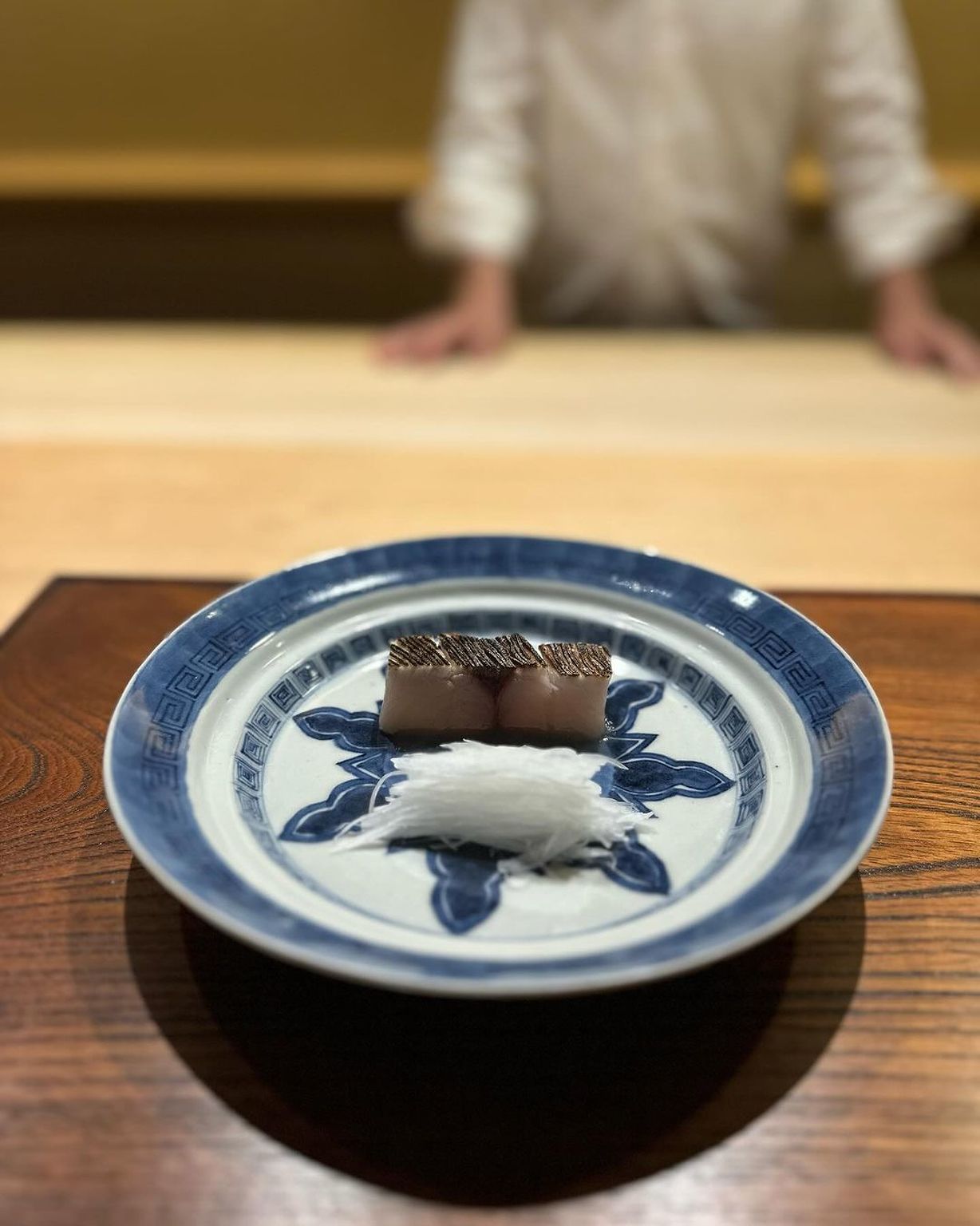
Nestled in a quiet alley of Nishi-Azabu, the Japanese restaurant "Myoujyaku" proudly displays its noren (curtain). Currently holding three Michelin stars, the essence of this establishment is encapsulated in its name. "Myou" means light, while "jyaku" signifies tranquility and the subtle beauty of wabi-sabi. Together, they create a world where the contours of the ingredients brightly emerge from the silence. This philosophy is consistently reflected in the dishes, which focus on water and salt, illuminating the inherent flavors of the ingredients without layering unnecessary tastes. It is truly a bright yet subdued flavor. The restaurant's name and its cuisine quietly connect to form a singular world.Here, the focus is not on technique but on water, salt, and the ingredients themselves. However, this is not merely a matter of subtraction. In recent years, the phrase "bringing out the ingredients' essence" has been frequently used in Japanese cuisine, but the dishes at "Myoujyaku" take a slightly different approach. Rather than merely extracting the flavors, the cuisine encourages diners to discover the inherent deliciousness of the ingredients themselves. To achieve this, unnecessary seasonings are eliminated, and even the aftertaste is incorporated as part of the flavor.This philosophy is vividly conveyed from the very first dish, "Turnip." Diners first savor the center of the turnip, followed by its broth. The sweetness of the turnip lingers in the mouth, merging with the broth to complete a single dish. The impression left after swallowing is even more memorable than the time spent eating the turnip itself. This is what it means to design an aftertaste, and it is truly impressive. The subsequent dish, "Abalone," features a combination of raw, simmered, and liver preparations, along with a smooth abalone puree. Each preparation expresses the ingredient at different temperatures and textures, ultimately allowing the outline of the abalone to emerge clearly. Despite layering the dishes, the flavors become increasingly pure.The "Sashimi of Akashi Sea Bass and Aori Squid" is also a symbolic dish. The sea bass is served with a saltwater made from simmering its bones in water. This is akin to seasoning the sea bass with itself. The Aori squid is accompanied by a squid salt made from its flesh. There are no soy sauce or wasabi. The sea bass is particularly remarkable, with a texture that belies its freshness, as if it had just been caught that morning. By finely slicing the fish, the tension in the flesh is released while simultaneously increasing the surface area to enhance its aroma. The vitality of the live fish remains, yet what spreads in the mouth is only the clear umami and fragrance.The "Miso Soup with Shiitake and Aina-me" further deepens the understanding of this restaurant's essence. The broth consists solely of water and salt. First, a sip of the broth is taken, followed by tasting the shiitake, and then back to the broth. Next, the Aina-me is tasted, and again back to the broth. With each sip, the umami experienced changes. When the aftertaste of the shiitake lingers, the Aina-me emerges, and when the Aina-me's aftertaste remains, the shiitake comes to the forefront. Rather than constructing flavors, the memory left in the mouth illuminates the next taste. The aftertaste itself becomes a seasoning.The "Wara-grilled Striped Horse Mackerel" showcases the presence of thickly sliced fish. It is paired with thinly sliced lotus root pickled in lemon. The rich fat of the striped horse mackerel is complemented by the light texture and citrus acidity of the lotus root. The acidity does not cut through the fat but rather enhances its pleasantness. On the other hand, the "Hairy Crab and Young Corn" features a dumpling filled with crab meat, enriched with crab miso, submerged in a puree of young corn. The initial bite reveals the strength of the crab, followed by the gentle sweetness of the young corn.The "Silk-Wrapped Sushi" is a dish thoroughly constructed around the context of sweetfish. The vinegared rice is mixed with chopped fresh herbs that accompany the sweetfish, layered with the roasted aroma of the fish. Fish sauce is brushed on, and the sweetfish is fried and then layered with a smoky aroma from charcoal, finally wrapped in a thin omelet. The roasted sweetfish provides umami, while the fried sweetfish contributes fragrance. Each component has a distinct role, yet when all three are taken together, they form a singular sweetfish dish. Moreover, by intentionally not aligning the ends, the flavors of the roasted, fried, herbs, and fish sauce change with each bite. It is a remarkable design that deconstructs the charm of the sweetfish and reconstructs it in the mouth. The "Water Shield" is a dish paired with a new ginger sauce. Using fresh ginger with the skin on, lemon and sudachi juice are layered. Placed after the sweetfish sushi, it refreshes the palate like high-quality gari (pickled ginger). It serves not merely as a palate cleanser but as a bridge to the next dish, absorbing the aftertaste of the sweetfish.The "Young Corn with Baby Squid" is visually striking, resembling a black mass. The baby squid is deep-fried in its ink, allowing diners to enjoy the flavor without staining their mouths. The taste is robust, creating a clear contrast in the otherwise quiet course. The second half features young corn hairs that are fried into a fluffy texture. The crispy texture and roasted aroma rise up, illuminating not only the center of the ingredient but also its surroundings.The "Tsubugai and Clams" consists of thinly sliced Tsubugai topped with a broth of clams, asari, and shijimi. This dish stands on its own without relying on seasonings, solely utilizing the saltiness and umami of the shellfish. While the flavor is subtle, the umami of the shellfish expands with each bite. The following dish, "Eggplant and Somen," features fried eggplant served with a smooth sauce. The aroma and richness of the oil-coated eggplant cling to the somen, creating a strong contrast in the course.The "Grilled Duck" is a straightforward dish that relies solely on salt and charcoal. The surface is infused with the aroma of charcoal, while the center retains a glossy red meat. With each bite, the umami of the duck unfolds. The salt shapes the contours, while the charcoal imparts fragrance. The subsequent "Duck Tsukune" is prepared without binders, allowing the meat's umami to dissolve directly into the broth. While the grilled duck offers the pleasure of its aroma, this dish allows diners to savor the essence of the duck.The meal begins with "Nihibana." The freshly cooked rice has a youthful appearance, still holding moisture, with its aroma and sweetness gently rising. Following this, "Pickles" are served, leading to "White Rice." Next comes "Stewed Goby," "Sea Bream with Sesame Furikake," "Bonito," and "Dried Baby Sardines." Each accompaniment is enticing, yet throughout the meal, the rice remains the star. Despite feeling full, my chopsticks do not stop.Dessert begins with "Chilled Blueberry Soup." The combination of blueberries and sweet red bean paste may seem surprising, but considering the compatibility of strawberries and sweet red bean paste, it makes sense. The acidity of the fruit lightly elevates the sweetness of the paste, landing refreshingly as a chilled soup. The following "Zunda Dorayaki" features a chewy skin made from mochi flour, with the fresh aroma and gentle sweetness of edamame. It allows diners to enjoy the individuality of the ingredients until the very end.Chef Nakamura's cuisine is consistently characterized by a vertical approach to ingredients. Rather than spreading flavors horizontally, the turnip goes to the turnip, the abalone to the abalone, and the sweetfish to the sweetfish, delving into the depth of each ingredient. Starting from water and salt, the umami, aroma, bitterness, and aftertaste within are quietly brought to the surface. What lingers after the meal is not a strong memory of flavors but the sensation of the ingredient's contours brightly emerging. Just as the name "Myoujyaku" suggests. This aftertaste makes me want to head back to Nishi-Azabu once more. It was a great meal. Less
7 / 10
on 16 Jun 2026
The restaurant is located in a basement alleyway as you enter the residential area from Roppongi.It left the most unique impression among all the Japanese restaurants I have visited so far.The flavors are mostly simple, giving off the impression of "the richness of nature on a plate."There were many new and exciting tastes to experience.I felt that Myoujyaku is still a bit too advanced for me!That’s the feeling I couldn’t shake off.It was a great meal.
10 / 10
on 13 Jun 2026
A full course that truly highlights the essence of the ingredients. The sashimi was on a completely different level from any Aori squid I’ve had before.The cooking technique was exceptional, with the striped jack and duck having a perfectly crispy exterior while retaining moisture inside, showcasing a wonderful balance of cooking methods.I was truly overwhelmed by the dishes.【Order】Omakase【Occasion】Corporate meeting【Atmosphere】We were seated in a private room, which was meticulously... More
A full course that truly highlights the essence of the ingredients. The sashimi was on a completely different level from any Aori squid I’ve had before.The cooking technique was exceptional, with the striped jack and duck having a perfectly crispy exterior while retaining moisture inside, showcasing a wonderful balance of cooking methods.I was truly overwhelmed by the dishes.【Order】Omakase【Occasion】Corporate meeting【Atmosphere】We were seated in a private room, which was meticulously designed to ensure tranquility, with no visible air conditioning units. The entire space, along with the attentive service, created an environment that enhanced the dining experience. Less
10 / 10
on 10 Jun 2026
This restaurant is often described as "simple" or embodying the "aesthetic of subtraction," perhaps because it allows you to taste the ingredients directly. However, I felt the opposite; in a sense, it’s more about addition.For example, when other restaurants prepare ingredient A, they enhance it by adding ingredients B and C, resulting in a cooking method like A + (B + C) = A’. In contrast, here, they elevate ingredient A using A itself. In other words, it’s A + A + A. Therefore, rather than... More
This restaurant is often described as "simple" or embodying the "aesthetic of subtraction," perhaps because it allows you to taste the ingredients directly. However, I felt the opposite; in a sense, it’s more about addition.For example, when other restaurants prepare ingredient A, they enhance it by adding ingredients B and C, resulting in a cooking method like A + (B + C) = A’. In contrast, here, they elevate ingredient A using A itself. In other words, it’s A + A + A. Therefore, rather than subtraction, I truly felt the essence of addition.Take the sashimi of Aori Ika (spear squid) as an example. While it is usually served with wasabi and soy sauce, here it is paired with salt—not just any salt, but salt made from squid. They dry and grind the squid’s tentacles into a powder to create this unique salt. So, instead of regular salt, you’re actually using powdered squid. Eating the squid sashimi with squid powder is an overwhelming experience, as the flavor of the squid is incredibly rich and concentrated.The only dish that might represent subtraction was the turnip, which was simply cooked with salt and water. The sweetness of the turnip gently permeated my body.After that, the dishes followed the A + A + A method, combining the ingredient itself with a concentrated version of it. The flavors were never bland; in fact, they were quite intense. It wasn’t about the taste of soy sauce or dashi made from bonito or kombu, but rather the rich flavor of the ingredients themselves. Every dish was truly moving.Following the turnip, I was served abalone, a soup with shiitake mushrooms and striped jack, a dish of striped jack and lotus root, a purée of crab and peas, young sweetfish, fresh water shield and ginger, young corn and baby spear squid fried in squid ink dough, young corn husks, ju-wari soba (100% buckwheat noodles), clams and asparagus, duck, duck meatballs, clay pot rice with accompaniments, and dessert.My favorite dish of the day was the young sweetfish. It was served on a thin omelet made with white egg yolks, layered with glutinous rice, topped with one tempura young sweetfish and two grilled young sweetfish, all wrapped with sweetfish fish sauce and leaves of tatsoi. Chef Nakamura’s philosophy that sweetfish should be enjoyed with its bitterness was expressed in every bite, from the first to the last, and it was truly impressive.Additionally, the soba served with saltwater, resembling seawater, was exceptional, allowing me to experience the power of nigari (magnesium chloride). The strong bitterness of the nigari stimulated my saliva, enhancing the sweetness and aroma of the soba, which was a remarkable experience. Even the highball I drank afterward tasted better, which surprised me.Recently, I had been questioning the role of dashi and the umami in cooking, and the answers provided by Myoujyaku were very clear, reflected in every dish. This answer is a proposal; no one knows the absolute truth, but at least I was deeply moved. Less
9 / 10
on 07 Jun 2026
We reserved a private room for five family members to celebrate my father's birthday.I had heard that this restaurant, Myoujyaku, adheres to a unique philosophy of "salt and water," and I honestly thought that some might find it lacking. However, after experiencing the dishes, my impression completely changed.Instead, I found that the food highlighted the strength and beauty of the ingredients themselves, stripped of any unnecessary elements, which I personally found very appealing.From the first... More
We reserved a private room for five family members to celebrate my father's birthday.I had heard that this restaurant, Myoujyaku, adheres to a unique philosophy of "salt and water," and I honestly thought that some might find it lacking. However, after experiencing the dishes, my impression completely changed.Instead, I found that the food highlighted the strength and beauty of the ingredients themselves, stripped of any unnecessary elements, which I personally found very appealing.From the first course of turnip soup to the sashimi, grilled dishes, and fish courses, the "aesthetic of subtraction" was consistently present.The dashi was subtle, and the saltiness was just enough. Yet, it was far from bland; each dish allowed the contours of the ingredients to shine through, prompting deep reflections on what Japanese cuisine truly is.The sashimi was exceptional, with meticulous attention to the freshness and aging of the fish.One standout dish was the fried sweetfish served like a hand roll sushi. I had always associated sweetfish with salt grilling, so this presentation was a refreshing surprise. The combination of its savory flavor, the unique bitterness of the sweetfish, and the harmony with the vinegared rice created an unforgettable dish.Additionally, the striking black fried items were quite impressive.They contained small squid and young corn, and were fried in a batter made from rice. The visual impact was remarkable, and the flavor was astonishingly fragrant with a light texture that left me in awe.What surprised me the most was the duck.Having tried duck at various restaurants, I can confidently say this was the best I’ve ever had.The cooking was exquisite, incredibly tender, and the umami expanded with each bite. The simple seasoning allowed the quality of the ingredients and the chef's skill to shine through.The soba served at the end was also very memorable.I learned that there was originally a concept of eating it with seawater, but it couldn’t be realized due to a lack of precedent, so the flavor was expressed through "water and salt."This idea was fascinating, reflecting Chef Nakamura's philosophy of not being bound by fixed notions while staying true to the essence of Japanese cuisine.The aroma and sweetness of the soba stood out, prompting me to reconsider the meaning of "enjoying the taste of ingredients."Moreover, the attentiveness of the staff was truly remarkable.They carefully monitored our dining pace and adjusted the portions accordingly.Their service was never pushy but rather natural and warm, allowing us to enjoy a comfortable experience throughout.Chef Nakamura himself also took the time to greet us before and after the meal.He was a quiet and gentle person, yet I sensed a strong conviction within his calm demeanor.Rather than flashy presentations, his dedication to "engaging with the ingredients" left a lasting impression, and I felt that his character was reflected in the dishes.What touched me even more was that, despite not mentioning my father's birthday in advance, they prepared a celebration with a music box at the end.When the tai-shaped sweet was brought out, symbolizing celebration, it brought smiles to all our faces.Such thoughtfulness is not something to be taken for granted; it conveyed the warmth of a restaurant that aims to bring joy to its guests, beyond just the food.For those seeking bold flavors or strong impacts, this restaurant might not be to their taste.However, for those who wish to enjoy the true flavors of the ingredients, quiet beauty, and the richness born from subtraction, I believe it is truly one of a kind.After finishing the meal, I found myself reflecting not just on how delicious it was, but also on questions like "What is Japanese cuisine?" and "What does truly rich flavor mean?" It was a precious experience.It was not just a meal, but a moment of touching upon a philosophy.I definitely want to return in a different season. Less
10 / 10
on 04 Jun 2026
We visited with five people in a private room. The first dish served was a symbolic bowl of "Turnip, Water, and Salt," showcasing the essence of this restaurant. This course begins without relying on kombu or bonito flakes, making full use of the ingredients. The sashimi of flounder and squid was paired with flounder salt water and squid salt. The accompanying sake enhanced the flavors beautifully. The silk-wrapped sushi, featuring three young sweetfish wrapped in a thin omelet with sansho leaves,... More
We visited with five people in a private room. The first dish served was a symbolic bowl of "Turnip, Water, and Salt," showcasing the essence of this restaurant. This course begins without relying on kombu or bonito flakes, making full use of the ingredients. The sashimi of flounder and squid was paired with flounder salt water and squid salt. The accompanying sake enhanced the flavors beautifully. The silk-wrapped sushi, featuring three young sweetfish wrapped in a thin omelet with sansho leaves, had the heads facing the opposite direction, allowing the bitterness to linger until the end. The young corn was served with its silk intact. The ju-wari soba prepared with seawater was a true culinary delight. I thoroughly enjoyed the world of "Myoujyaku," where the creative ideas of Chef Nakamura and the thoughtful use of ingredients came together. It was a great meal! Less
10 / 10
on 01 Jun 2026
I visited the Japanese restaurant "Myoujyaku," located in a quiet corner of Nishi-Azabu, on the basement floor. The modern and sophisticated private rooms, stripped of unnecessary decorations, heighten my focus on the culinary experience that is about to begin.This time, I enjoyed the menu from June 1, 2026. I was completely overwhelmed by the meticulous and dramatic flavor design woven into the thorough "aesthetic of subtraction."【Thoughts on the Dishes】The refined series of courses I had today... More
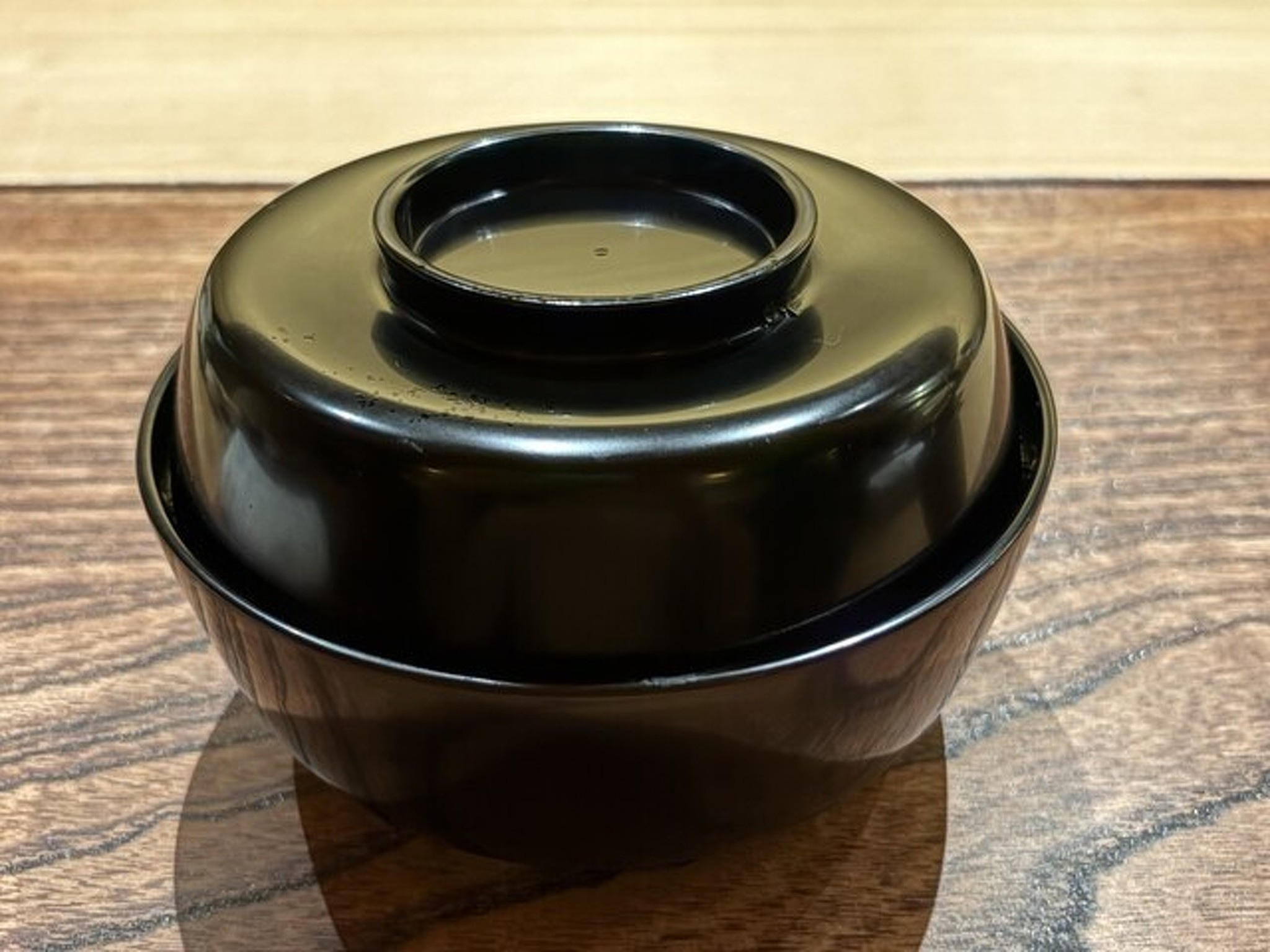
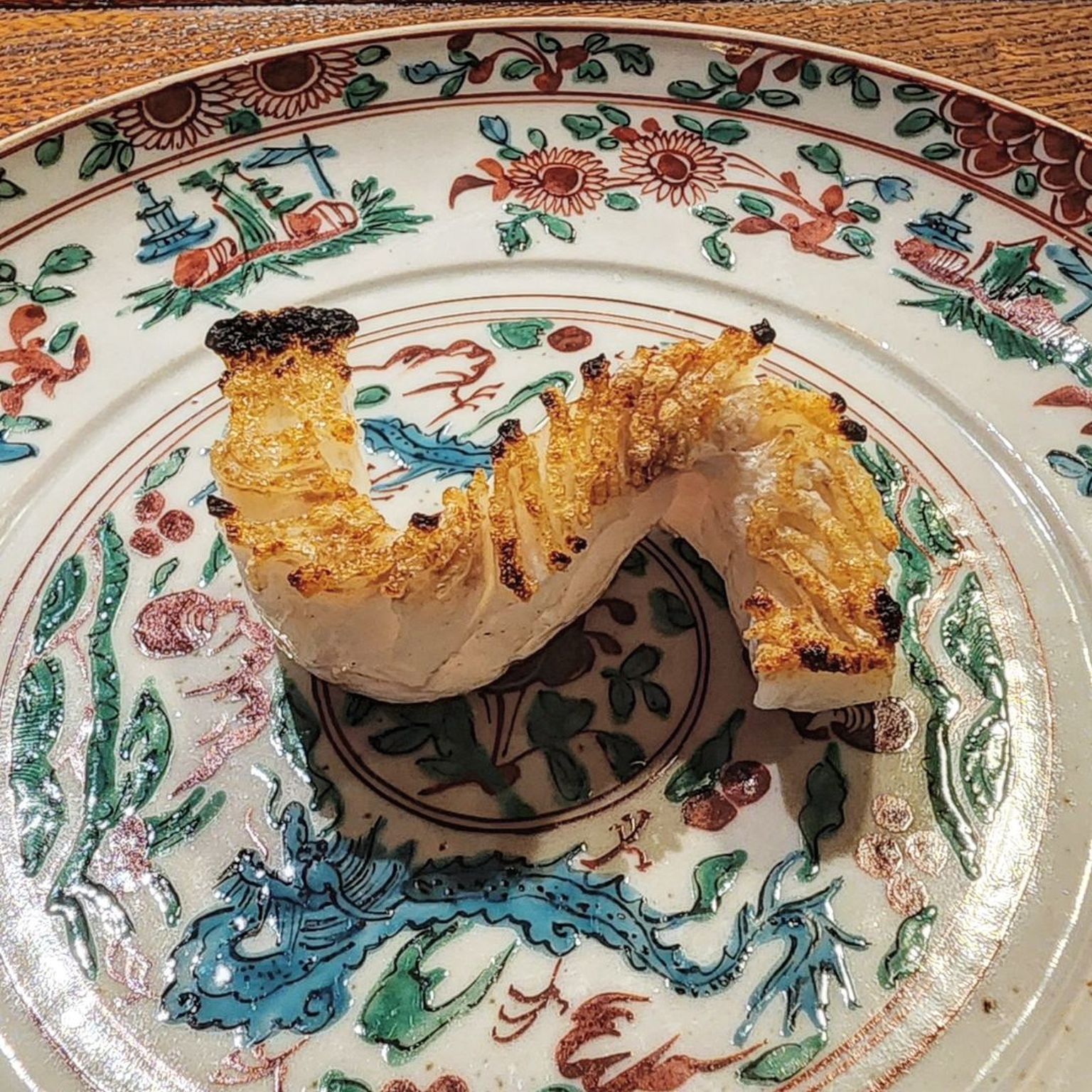
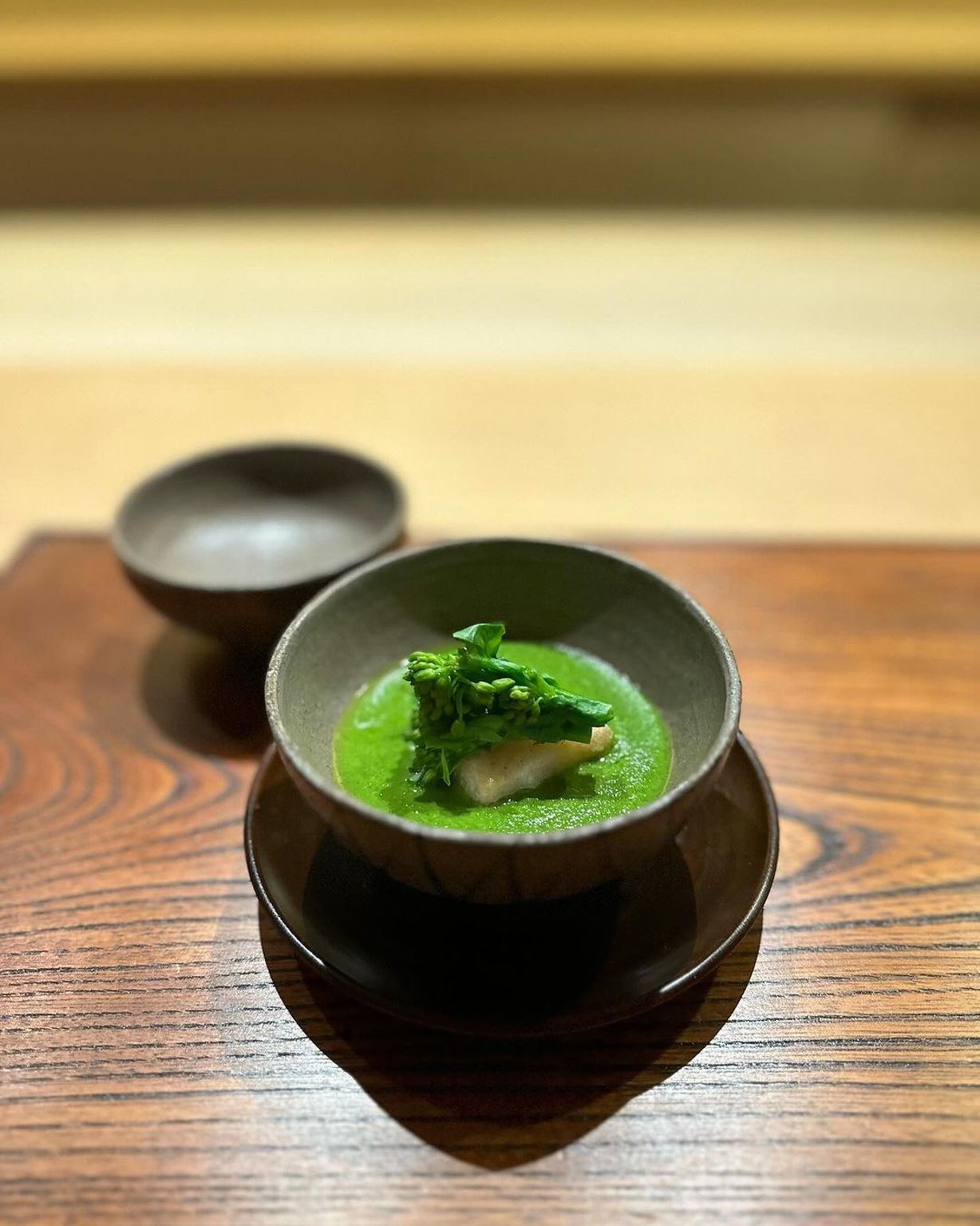
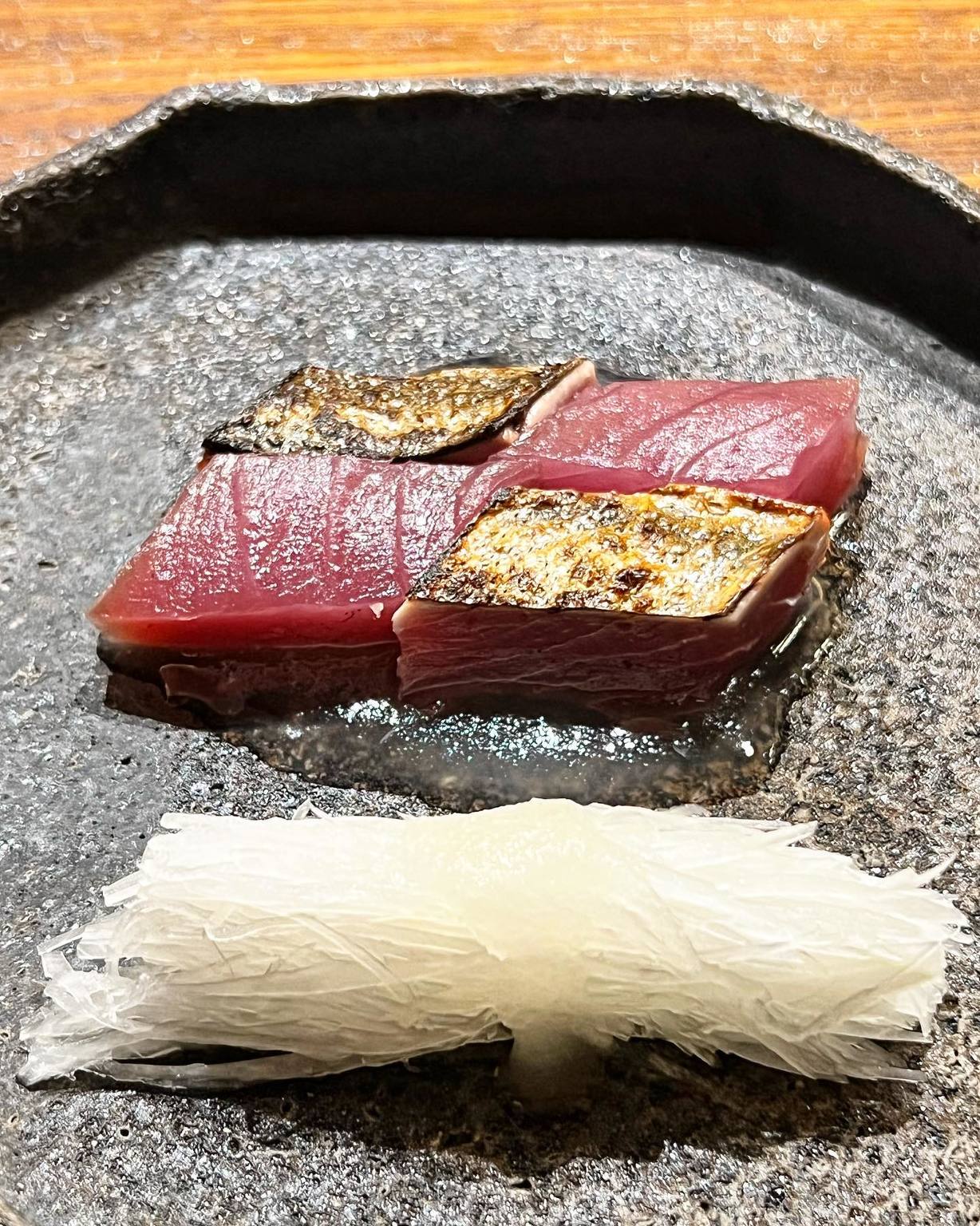
I visited the Japanese restaurant "Myoujyaku," located in a quiet corner of Nishi-Azabu, on the basement floor. The modern and sophisticated private rooms, stripped of unnecessary decorations, heighten my focus on the culinary experience that is about to begin.This time, I enjoyed the menu from June 1, 2026. I was completely overwhelmed by the meticulous and dramatic flavor design woven into the thorough "aesthetic of subtraction."【Thoughts on the Dishes】The refined series of courses I had today are as follows:⚪︎ Sea Turnip with Sea Salt: A simple dish boiled with just salt and water, bringing out the pure, elegant sweetness of the ingredient without any muddiness. This first plate conveys a clear direction of purity in cuisine.⚪︎ Braised Abalone with Liver and Grated Raw Abalone: A dish combining the rich braising liquid of abalone with grated raw abalone that has been frozen and then grated. The addition of the fresh flavor transforms it into a rich sauce concentrated with umami, offering a new sensory harmony.⚪︎ Sashimi: Sea bass from Akashi and spear squid from Chiba. By enhancing the ingredients with a special squid salt and a saltwater made from fish broth, the vivid contours of the ingredients are beautifully highlighted with minimal salt.⚪︎ Shiitake Mushroom and Aina-me Soup: Served in a beautiful lidded bowl, this dish is designed for alternating bites of dashi, shiitake, dashi, and Aina-me, creating a dramatic change in the flavor and expression of the soup as you enjoy it.⚪︎ Grilled Striped Horse Mackerel with New Lotus Root: The grilled striped horse mackerel, wrapped in fragrant straw, is elegantly complemented by refreshing lemon juice and lotus root sauce.⚪︎ Hairy Crab with Peas: A luxurious blend of the pure sweetness of peas and the rich depth of crab miso, served as a thick puree.⚪︎ Young Sweetfish Hand-Rolled Sushi: A dish featuring hand rolls with Japanese pepper leaves and egg whites, accompanied by homemade fish sauce. The arrangement of one deep-fried fish and two grilled fish creates a delightful experience where the pleasant bitterness of the innards spreads in the first bite, followed by a perfect story of aroma and texture as you continue to eat.⚪︎ New Ginger and Young Greens: Beautifully colored new ginger enhanced with citrus acidity. After the young sweetfish hand-rolled sushi, it refreshes the palate with a crunchy sensation, serving as a perfect palate cleanser.⚪︎ Young Corn and Squid Ink Fried: Dressed in a beautiful black coating, this dish perfectly retains the ingredient's moisture through precise cooking. Despite its striking color, it is designed not to stain the mouth or teeth after eating, showcasing meticulous pride.⚪︎ Fried Young Corn Silks: Each delicate silk is lightly fried to a crisp, providing a pleasant accent with its distinctive aroma.⚪︎ Handmade Ju-wari Soba: Served not with soba dipping sauce but with pure water, salt, and nigari, known as "Ushio." The refined contours and pure sweetness of the soba shine through directly.⚪︎ Clams, Asari Clams, and Asparagus: A dish that allows you to savor the luxurious umami of concentrated clam broth without waste.⚪︎ Grilled Duck: A dish that allows you to directly savor the powerful flavor of the meat and the wild richness, stripped down to its essence.⚪︎ Duck with Violet: A smooth and rich duck puree that condenses the umami of duck, gently permeating the body.⚪︎ Rice, Pickled Vegetables, and Accompaniments: Freshly cooked clay pot rice made from Yamagata Prefecture's "Tsuyahime," where each grain stands beautifully. Enjoyed with fresh snap peas, deep-fried taro, new burdock, and pickled young bamboo, along with luxurious accompaniments like simmered sea bream, sea bream furikake, and marinated tuna, enhancing the sweetness of the white rice.⚪︎ Dessert, Wagashi, and Tea: A refreshing sweet orange acidity paired with white bean anko and a special sherbet infused with dried tangerine beautifully ties everything together. Following this, homemade grass rice cakes made with fresh mugwort, which spreads the refreshing scent of early summer, are served, and the course concludes with a warm, fragrant sencha that perfectly wraps up all the lingering flavors.【Overall Impression】The technique of stripping down the elements of the ingredients to the utmost and perfectly controlling the story of flavors through the order and combinations of dishes truly embodies the essence of a three-star experience. In this refined space without waste, I was able to enjoy the wonderful qualities of early summer ingredients in the purest form possible. I was deeply impressed by the meticulously crafted dishes, and I look forward to visiting again to experience this overwhelming world from a different seasonal perspective. Less
10 / 10
on 26 May 2026
I was truly impressed by the way the aromas and ingredients were fully utilized. The thoughtful arrangements allowed me to focus on the food, making it a wonderful experience.The sashimi of rockfish and squid, along with the fried young corn and squid ink dish, showcased a remarkable amount of creativity and effort, which I sincerely appreciated.Since the dish relied solely on the natural flavors of the ingredients without using kombu or bonito broth, I could truly understand the essence of each... More
I was truly impressed by the way the aromas and ingredients were fully utilized. The thoughtful arrangements allowed me to focus on the food, making it a wonderful experience.The sashimi of rockfish and squid, along with the fried young corn and squid ink dish, showcased a remarkable amount of creativity and effort, which I sincerely appreciated.Since the dish relied solely on the natural flavors of the ingredients without using kombu or bonito broth, I could truly understand the essence of each component.The use of nigari to recreate the taste of seawater enhanced the sweetness and aroma of the 100% buckwheat soba.This experience not only allowed me to savor the flavors but also taught me the joy of contemplation. Less
10 / 10
on 21 May 2026
This was my second visit, and I was once again convinced that this restaurant is a unique establishment pursuing the pinnacle of simplicity. Every dish that arrives, along with the presentation that enhances it, is simply outstanding. This place not only delights the palate but also satisfies the senses and intellect. Each plate is filled with overwhelming dedication and a story behind it. When the chef carefully explains the background and intention of each dish, the contours of the food become... More
This was my second visit, and I was once again convinced that this restaurant is a unique establishment pursuing the pinnacle of simplicity. Every dish that arrives, along with the presentation that enhances it, is simply outstanding. This place not only delights the palate but also satisfies the senses and intellect. Each plate is filled with overwhelming dedication and a story behind it. When the chef carefully explains the background and intention of each dish, the contours of the food become clearer, and the depth of its deliciousness increases. The artistry of this "culinary experience" is truly remarkable.On this day, I was particularly moved by the "Shiitake Mushroom and Ainanme Soup." The moment I opened the lid, the aroma enveloped me, and the first sip of the broth was unforgettable. The umami of the soup, created from shiitake mushrooms and ainanme, left me speechless with its profound impact. I was simply overwhelmed by how such rich and beautiful flavors could be concentrated in such an incredibly pure simplicity.And during this course, I was completely captivated by the "Grilled Duck." The moment I took a bite, I was struck by a shock. Without a doubt, it is the best duck dish I have ever encountered, ranking at the top.Rather than using extravagant seasonings, the chef draws out the inherent beauty and potential of the ingredients through an extremely simple approach. It can only be described as the work of a genius. I was continuously moved throughout the meal. It was an undisputed perfect experience. Thank you for a wonderful time. Less
9 / 10
on 16 May 2026
This restaurant was awarded three Michelin stars this year, and I believe it truly brings out the natural flavors of its ingredients to the fullest. The overall taste is on the lighter side, but they don’t use any unnecessary seasonings, valuing the essence of the ingredients themselves. It’s definitely a place that lives up to its Michelin three-star status.
10 / 10
on 11 May 2026
I finally visited Myoujyaku in Nishiazabu, a place I had been curious about for a long time. As rumored, the dishes stripped away unnecessary seasonings and the heaviness of broth to highlight the potential of water, salt, and the ingredients themselves.I was particularly amazed by the "Shiitake and Aina-me Soup." The chef guided me to taste in the order of "broth → shiitake → broth → Aina-me," and I was overwhelmed by the brilliant design that dramatically changed the flavor of the broth with... More
I finally visited Myoujyaku in Nishiazabu, a place I had been curious about for a long time. As rumored, the dishes stripped away unnecessary seasonings and the heaviness of broth to highlight the potential of water, salt, and the ingredients themselves.I was particularly amazed by the "Shiitake and Aina-me Soup." The chef guided me to taste in the order of "broth → shiitake → broth → Aina-me," and I was overwhelmed by the brilliant design that dramatically changed the flavor of the broth with each sip.Additionally, the "Grilled Young Sweetfish from Nagano" was served in a hand-rolled style with wasabi leaves and egg whites. The beautiful bitterness of the sweetfish paired perfectly with the sharp saltiness of the homemade fish sauce.The "Handmade Ju-wari Soba" was served not with soba dipping sauce, but with a unique "Ushio" made from pure water, salt, and bittern, which highlighted the soba's contours and sweetness directly—it was an eye-opening experience.The treatment of vegetables, such as the simmered wild plants and fried young corn silk, was extremely meticulous. There was no compromise from the rice (Tsuyahime) to the dessert.It was my first experience in the world of Chef Nakamura, and I had a wonderful time experiencing the essence of Japanese cuisine's "subtractiveness."【Today's Menu】- Turnip with Ushio- Cooked abalone with liver and fresh abalone in a smooth sauce- Sashimi: Sea bass from Akashi, spear squid from Chiba, and squid with salt- Shiitake and Aina-me Soup (enjoy the flavor change in the order of broth → shiitake → broth → Aina-me)- Grilled striped jack with new lotus root, served with lemon juice and lotus root sauce- Hokkaido hairy crab, with Osaka peas and crab miso in a smooth sauce- Grilled young sweetfish from Nagano, hand-rolled with wasabi leaves and egg whites, served with sweetfish fish sauce- Simmered wild plants of spring (12 varieties)- Grilled young corn and young spear squid with squid ink- Fried young corn silk- Handmade Ju-wari Soba (Hitachi Aki), served with homemade Ushio (water, salt, bittern)- Red clam, clam, and asparagus in clam broth- Grilled duck- Duck with violet- Rice: Yamagata Tsuyahime- Pickles: Fresh snap peas, shrimp yam, new burdock, and young bamboo- Tai (sea bream) jelly, tai furikake, and marinated bonito- Dessert: Sweet summer orange white bean soup, dried tangerine peel, and sorbet- Mugwort new shoots rice cake- SenchaIt was a great meal. Less
10 / 10
on 06 May 2026
A cuisine that truly brings out the essence of the ingredients, utilizing only water and salt to enhance their natural flavors. It’s a humble yet powerful culinary experience, the ultimate destination for kaiseki.Even the kombu and bonito dashi feel like seasonings...**New Onion Simmered in Salt Water** Only water and salt.**Abalone with Pureed Sauce** A creamy abalone sauce.**Dashi from Suzuki Fish Bones with Salt Water** Sashimi: Suzuki (Sea Bass), Aori Ika (Spear Squid) Aori Ika Salt: ... More
A cuisine that truly brings out the essence of the ingredients, utilizing only water and salt to enhance their natural flavors. It’s a humble yet powerful culinary experience, the ultimate destination for kaiseki.Even the kombu and bonito dashi feel like seasonings...**New Onion Simmered in Salt Water** Only water and salt.**Abalone with Pureed Sauce** A creamy abalone sauce.**Dashi from Suzuki Fish Bones with Salt Water** Sashimi: Suzuki (Sea Bass), Aori Ika (Spear Squid) Aori Ika Salt: Salted and dried squid tentacles turned into powder.**Bowl of Bamboo Shoots and Soft-Shelled Turtle****Grilled Striped Horse Mackerel** Served with new lotus root and lemon dressing Sweet vinegar for new lotus root.**Steamed Thin Beans and Hairy Crab****Ayuu from the Tenryu River** Silk-wrapped sushi Grilled ayu fish sauce and deep-fried ayu.**Simmered Mountain Vegetables** Each prepared differently: Koshi-abura, kogomi, warabi, fuki, udo, etc.**Grilled Squid** With young corn in the front Egg-bearing spear squid Young corn silk.**Salt** Sea water Ju-wari Soba (100% buckwheat noodles).**Grilled Dish** Toki Shirazu (young salmon).**Wild Boar with Flower Pepper****Pickles** All are nuka-zuke (rice bran pickles).Rice and red miso soup Sansho Jako (young sardines) Salted fish Tai (Sea Bream) jelly.**Raw Noodle** Homemade, Though it’s cheese, it’s not fermented.**Strawberry Shiruko (Sweet Red Bean Soup)****Dorayaki** Mochiko (rice flour) dough White bean paste with fried yomogi (mugwort) sprouts.I truly felt the essence of the ingredients, and it was incredibly moving!I am grateful to have been able to return, and I definitely want to come back for more delicious dishes.It was a great meal. Less
10 / 10
on 01 May 2026
An ultimate subtraction creates a serene and flavorful early summer feast.I visited Myoujyaku, a Michelin three-star restaurant in Nishiazabu, at the beginning of May.The chef's philosophy of "drawing out the flavors of the ingredients with just water and salt, without relying on dashi" showcases a unique culinary perspective that truly captivated me.The interior is a tranquil space stripped of unnecessary decorations, heightening my anticipation for the feast to come. On this day, a stunning array... More
An ultimate subtraction creates a serene and flavorful early summer feast.I visited Myoujyaku, a Michelin three-star restaurant in Nishiazabu, at the beginning of May.The chef's philosophy of "drawing out the flavors of the ingredients with just water and salt, without relying on dashi" showcases a unique culinary perspective that truly captivated me.The interior is a tranquil space stripped of unnecessary decorations, heightening my anticipation for the feast to come. On this day, a stunning array of wild vegetables was presented, allowing me to visually sense the arrival of early summer.The course was a continuous series of surprises and delights.The moment the first dish arrived, I was breathless at its crystal-clear beauty. Prepared solely with water, salt, and the natural moisture of the ingredients, this dish exemplified the essence of Myoujyaku. With the first bite, the pure sweetness and aroma of the ingredients spread directly and clearly across my palate.The sashimi served with salt was astonishing in its sharp flavor, while the expertly cooked fish dish highlighted the natural sweetness of the fish with its perfect char.The wild vegetables struck a perfect balance between bitterness and sweetness, showcasing their vitality.The meat and fish dishes maximized the characteristics of each ingredient, and the soba served at the end was fragrant and had an excellent texture.The deep affection and relentless curiosity of the chef towards the ingredients create the dishes at Myoujyaku. This experience transcends the simple word "delicious" and sharpens the senses. I definitely plan to return in a different season. Less
on 15 Oct 2024
明寂
⠀⠀⠀⠀⠀⠀⠀⠀⠀⠀⠀⠀
A great washoku place that hasnt been open all that long and has a strong following, but I'm a bit torn as to whether or not I'm really into this place or not. There are those who seem to call this one of the top 3 or 4 shops in Tokyo serving this type of cuisine. For me, the creativity given the normal boundary conditions of this cuisine is superb.. chef doesn't feel the need to conform to any peer expectations and rather, sets his own style.. this I... More
明寂
⠀⠀⠀⠀⠀⠀⠀⠀⠀⠀⠀⠀
A great washoku place that hasnt been open all that long and has a strong following, but I'm a bit torn as to whether or not I'm really into this place or not. There are those who seem to call this one of the top 3 or 4 shops in Tokyo serving this type of cuisine. For me, the creativity given the normal boundary conditions of this cuisine is superb.. chef doesn't feel the need to conform to any peer expectations and rather, sets his own style.. this I truly respect. I do feel, however, despite the high level of cooking, i feel that my palate doesn't quite find the rhythm here and I am often looking for a different partial differential that can better define this.
⠀⠀⠀⠀⠀⠀⠀⠀⠀⠀⠀⠀
#料理 #レストラン #東京 #食事 #food #foodie #foodstagram #stuffieat #kevcheeats #kevchetokyo #kevche #グルメ #foodporn #東京グルメ #kevchewashoku #myoujaku #tokyofood TL4.18 Less
on 15 Sep 2024
Despite 2 Michelin stars and a high Tabelog rating I was somehow unprepared for how good Myoujyako would be .
An effortlessly minimalist space which does well to hone in on the concept of purity that transcends the menu. Water is a big feature with 2 courses relying purely on sea water as the flavour agent . Zero dashi is used .
We start off with the essence of Myoujyaku , sweet potato boiled in water and salt. The potato is firm yet very tender and the water has taken on a lot of its sweetness.... More
Despite 2 Michelin stars and a high Tabelog rating I was somehow unprepared for how good Myoujyako would be .
An effortlessly minimalist space which does well to hone in on the concept of purity that transcends the menu. Water is a big feature with 2 courses relying purely on sea water as the flavour agent . Zero dashi is used .
We start off with the essence of Myoujyaku , sweet potato boiled in water and salt. The potato is firm yet very tender and the water has taken on a lot of its sweetness.
Gently cooked pike eel is paired with chrysanthemum petals , beautiful and satisfying .
Sashimi course is outstanding , octopus whose skin has been meticulously removed rendering it into a stunning albino colour . The protein has been very lightly cooked but still feels raw, it’s cut in a way to relax the tissues and give a satisfying melting bite , it tastes like raw lobster, an absolutely masterful dish.
Accompanied by two textures of sea bream , also excellent but it’s hard not to be fixated on the Octopus.
Today’s soup is sea water with whelk , clam and winter melon . The additional ingredients reign in the salinity .
Beautifully grilled Amberjack is served with perilla and green onion , love the piquancy of the relish .
Haven’t been a big fan of Turtle in the past but this may start to convert me , texture and flavour reminded me of fish maw and was set with a ginkgo nut cream which also elevated another ingredient that I am not that fond of .
The signature dish is the ayu hand roll , first the head and bones are placed on a super thin egg white crepe , the ayu is then grilled and placed onto the crepe hissing as it releases its steam, you then wrap up the crepe like an envelope . Awesome !
A palate cleanser of sorts follows , multiple marinated chilled fruit ( grapes, fig, peach,persimmon,Asian pear, walnut ) .
Fried dish is again a creative success , edamame paste encasing Bottarga , vegetal and salty .
Continued in comments .. Less
on 05 Jul 2024
[한/日/EN] #明寂 (Myoujyaku/묘쟈쿠)
Restaurant: @myoujyaku
旬の食材を使い、職人が心を込めて作り上げた日本料理が味わえるミシュラン二つ星「明寂」
“Myoujyaku”, a double Michelin-starred restaurant where you can enjoy Japanese cuisine made with seasonal ingredients prepared passionately by the chef
셰프의 열정을 담아 제철 재료로 요리한 일식을 즐길 수 있는 미슐랭2스타 “묘자쿠”
四季の旬菜を中心に、自然の野や山、川や海、水などを近くに感じることができるような、瑞々しいお料理味わえるお任せコース。最近では煮アワビすり流し、シマアジの藁炙り、鴨の炭火焼きなどが楽しめる。特に挨拶がわりの一皿目は「野菜の水煮」。京丹後の酒蔵の仕込み水、石川県金沢の酒蔵の仕込み水、西麻布で汲み上げている地下水の三種を使い分け、こだわりの塩に季節の野菜のみを使った逸品とのこと。
予算:¥44,000〜
予約:OMAKASE
★... More
[한/日/EN] #明寂 (Myoujyaku/묘쟈쿠)
Restaurant: @myoujyaku
旬の食材を使い、職人が心を込めて作り上げた日本料理が味わえるミシュラン二つ星「明寂」
“Myoujyaku”, a double Michelin-starred restaurant where you can enjoy Japanese cuisine made with seasonal ingredients prepared passionately by the chef
셰프의 열정을 담아 제철 재료로 요리한 일식을 즐길 수 있는 미슐랭2스타 “묘자쿠”
四季の旬菜を中心に、自然の野や山、川や海、水などを近くに感じることができるような、瑞々しいお料理味わえるお任せコース。最近では煮アワビすり流し、シマアジの藁炙り、鴨の炭火焼きなどが楽しめる。特に挨拶がわりの一皿目は「野菜の水煮」。京丹後の酒蔵の仕込み水、石川県金沢の酒蔵の仕込み水、西麻布で汲み上げている地下水の三種を使い分け、こだわりの塩に季節の野菜のみを使った逸品とのこと。
予算:¥44,000〜
予約:OMAKASE
★ 一回は行ってみたいと思いませんか?そう思ったら、"セーブ"をお忘れなく! (料理がおいしくなければ、掲載しません!)
The Omakase course focuses on seasonal vegetables, offering dishes that allow you to feel the freshness of nature’s fields, mountains, rivers, and oceans. Recently, guests can enjoy dishes like simmered abalone, straw-roasted horse mackerel, and charcoal-grilled duck. “Simmered vegetables” is served as the first dish and a welcome greeting to the course. It uses seasonal vegetables, a special salt, brewing water collected from breweries in Kyotango and Kanazawa, and groundwater pumped in Nishiazabu.
Budget: From ¥44,000
Reservations: OMAKASE
★ If the dishes look delicious, please hit the SAVE button! (You can expect to see only the best on our account)
이 곳에서는 산과 들, 강과 바다, 물의 신선함을 느낄 수 있는 제철 채소를 중심으로 한 요리를 선보입니다. 최근에는 전복 조림, 짚으로 구운 전갱이, 오리 숯불구이 등의 요리를 즐길 수 있습니다. 첫 번째 요리는 ‘야채 조림’이 제공됩니다. 또한, 교단고(京丹後)와 이시카와현 가나자와(石川県金沢)와의 양조장에서 채취한 양조수, 니시아자부(西麻布)에서 끌어올린 지하수 등 3종류의 물을 사용하며, 엄선된 소금에 제철 채소만을 사용한다고 합니다.
예산: 44,000엔부터
예약: 오마카세
★ 요리가 맛있어 보인다면? 해당 포스트를 “저장” 해주시기 바랍니다! (맛없는 곳은 포스팅 안합니다!) Less
on 13 Jun 2024

Spring veggies and ayu at Myoujyaku, one of the top kaiseki restaurants in Tokyo, high quality, consistent, never disappoints.•
•
•
•
•
#foodgasm #yum #eat #foodpic #foodpics #foodphotography #foodlover #tasty #hungry #foodblogger #dessert #foods #cooking #foodies #eating #chef #foodblog #nomnom... More
Spring veggies and ayu at Myoujyaku, one of the top kaiseki restaurants in Tokyo, high quality, consistent, never disappoints.•
•
•
•
•
#foodgasm #yum #eat #foodpic #foodpics #foodphotography #foodlover #tasty #hungry #foodblogger #dessert #foods #cooking #foodies #eating #chef #foodblog #nomnom #delicious #food #foodie #instafood #tokyo #japan #japanesefood #東京 #日本 #日本料理 #懐石料理 #明寂 Less
on 09 Apr 2024
Fantastic dinner @myoujyaku 🇯🇵🔥 Thank you Sis @little_meg_siu_meg !🙏
#myoujaku #tokyo #modernkaiseki #purityofingredients #2michelinstars #damngood
on 10 Mar 2024
Nice to be back at Myoujyaku 明寂, one of my favorite kaiseki restaurants in Tokyo. In adding to all the signature dishes, I was very impressed by the mitsuwa zuke (ミツ輪漬け), which was sliced red daikon pickles served with orange juice and red pepper. Refreshing with balanced sweet, sour and spicy flavors, best palate cleanser ever. @myoujyaku
•
•
•
•
#foodgasm #yum #eat #foodpic #foodpics #foodphotography... More
Nice to be back at Myoujyaku 明寂, one of my favorite kaiseki restaurants in Tokyo. In adding to all the signature dishes, I was very impressed by the mitsuwa zuke (ミツ輪漬け), which was sliced red daikon pickles served with orange juice and red pepper. Refreshing with balanced sweet, sour and spicy flavors, best palate cleanser ever. @myoujyaku
•
•
•
•
#foodgasm #yum #eat #foodpic #foodpics #foodphotography #foodlover #tasty #hungry #foodblogger #dessert #foods #cooking #foodies #eating #chef #foodblog #nomnom #delicious #food #foodie #instafood #懐石料理 #tokyo #japan #japanesefood #明寂 #東京 #日本 #日本料理 Less
on 18 Nov 2023
2023.10 #明寂 (Myoujyaku/묘쟈쿠)
Restaurant: @myoujyaku
旬の食材を使い、職人が心を込めて作り上げた日本料理が味わえるミシュラン二つ星「明寂」
"Myoujyaku", a Michelin two-starred restaurant where you can enjoy Japanese cuisine carefully prepared by artisans.
장인으로부터 정성껏 요리된 일본 요리를 즐길 수 있는 미슐랭 2스타 레스토랑 "묘쟈쿠"
料理人中村氏は食材の本来の姿を引き立て、調和、淡さ、清らかさを大切にし、日々料理に取り組む。「野菜の水煮」は、こだわりの塩に季節の野菜のみを使った逸品。また、手打ちそばやスッポンの丸揚げなど、中村氏の特別な料理が提供される。ドリンクメニューには日本酒やワイン、ノンアルコールの選択肢があり、建築家の木島氏による店内はシンプルで凛とした雰囲気で、カウンター席や個室が用意されている。
予算:¥39,600〜
予約:OMAKASE
★... More
2023.10 #明寂 (Myoujyaku/묘쟈쿠)
Restaurant: @myoujyaku
旬の食材を使い、職人が心を込めて作り上げた日本料理が味わえるミシュラン二つ星「明寂」
"Myoujyaku", a Michelin two-starred restaurant where you can enjoy Japanese cuisine carefully prepared by artisans.
장인으로부터 정성껏 요리된 일본 요리를 즐길 수 있는 미슐랭 2스타 레스토랑 "묘쟈쿠"
料理人中村氏は食材の本来の姿を引き立て、調和、淡さ、清らかさを大切にし、日々料理に取り組む。「野菜の水煮」は、こだわりの塩に季節の野菜のみを使った逸品。また、手打ちそばやスッポンの丸揚げなど、中村氏の特別な料理が提供される。ドリンクメニューには日本酒やワイン、ノンアルコールの選択肢があり、建築家の木島氏による店内はシンプルで凛とした雰囲気で、カウンター席や個室が用意されている。
予算:¥39,600〜
予約:OMAKASE
★ 「美味しそう」と思ったら"セーブ"をお忘れなく!(料理がおいしくなければ、掲載しません!)
Chef Nakamura values harmony, lightness, and purity in his cooking. His "Vegetable Boiled in Water" is a masterpiece using only seasonal vegetables and special salt. HE also offers special dishes such as handmade Soba and fried whole Suppon. The drink menu includes sake, wine, and non-alcoholic options. The restaurant, designed by architect Kijima, has a simple and dignified atmosphere with counter seats and private rooms.
Budget: From ¥39,600
Reservations: OMAKASE
★ If the dishes look delicious, please hit the SAVE button! (You can expect to see only the best on our account)
나카무라 셰프는 요리에서 조화, 담백함, 순수함을 중요하게 생각합니다. 그의 "데친 채소 요리"는 제철 채소와 특제 소금만으로 요리하지만, 그 맛이 일품입니다. 수제 소바와 통째로 튀겨낸 자라 튀김 등 특별한 요리도 맛보실 수 있습니다. 음료로는 사케, 와인, 무알콜 드링크가 준비되어 있습니다. 건축가 키지마(Kijima)가 디자인한 레스토랑은 심플하고 세련된 분위기가 특징이며, 카운터석과 프라이빗 룸을 갖추고 있습니다.
예산: 39,600엔부터~
예약 : OMAKASE
★ 요리가 맛있어 보인다면? 해당 포스트를 “저장” 해주시기 바랍니다! (맛없는 곳은 포스팅 안 합니다!)
#michelintokyo #Azaburestaurant #japanesefoodlover #omakase #tokyorestaurant #ミシュラン東京 #麻布グルメ #和食好き #おまかせディナー #おいしいお店 #미슐랭 #아자부맛집 #일식러버 #오마카세 #도쿄맛집 Less
on 01 Jul 2023
Such a refreshing meal at Myoujyaku 明寂 with early summer ingredients. Suppon and goma tofu was an interesting combination, both chi ayu and komochi ika were fried to perfection. •
•
•
•
•
#foodgasm #yum #eat #foodpic #foodpics #foodphotography #foodlover #tasty #hungry #foodblogger #dessert #foods #cooking #foodies #eating... More
Such a refreshing meal at Myoujyaku 明寂 with early summer ingredients. Suppon and goma tofu was an interesting combination, both chi ayu and komochi ika were fried to perfection. •
•
•
•
•
#foodgasm #yum #eat #foodpic #foodpics #foodphotography #foodlover #tasty #hungry #foodblogger #dessert #foods #cooking #foodies #eating #chef #foodblog #nomnom #delicious #myoujyaku #kaiseki #tokyo #japan #japanesefood #明寂 #懐石料理 #日本 #日本料理 #東京 #michelinstar Less
9 / 10
on 26 Jun 2023

Nestled in Nishiazabu, Myoujyaku is a hidden gem for Japanese Kaiseki enthusiasts seeking a unique and innovative dining experience. Chef Hidetoshi Nakamura's creations are not for the faint of heart, showcasing a remarkable level of subtlety and minimal seasoning that truly highlights the essence of each ingredient.
During my visit, I embarked on a culinary adventure that delighted my taste buds and challenged my palate. One standout dish was the sashimi course featuring akou, skillfully complemented... More
Nestled in Nishiazabu, Myoujyaku is a hidden gem for Japanese Kaiseki enthusiasts seeking a unique and innovative dining experience. Chef Hidetoshi Nakamura's creations are not for the faint of heart, showcasing a remarkable level of subtlety and minimal seasoning that truly highlights the essence of each ingredient.
During my visit, I embarked on a culinary adventure that delighted my taste buds and challenged my palate. One standout dish was the sashimi course featuring akou, skillfully complemented with a salt mixed with fish powder made from dried fish. This unexpected combination brought forth a burst of flavors that danced on my tongue.
In the midst of summer, when ayu can sometimes become mundane, Chef Nakamura presented it in a truly remarkable way. The ayu was elegantly wrapped in a crepe made from a special egg, with a yolk so pale it resembled an egg white crepe. This clever twist infused new life into the familiar dish, elevating it to an extraordinary level.
Another memorable creation was the Komochi yari ika and baby corn, coated with a crushed rice cracker infused with squid ink before being expertly deep-fried. The result was a delightful combination of textures and flavors that captivated my senses.
To conclude the meal, I was treated to a first dessert of Hassaku with white Anko. This exquisite creation boasted a remarkable balance of high acidity and low sweetness, resulting in a refreshing and invigorating finale to the culinary journey.
Both courses I experienced were a testament to Chef Nakamura's culinary prowess. The dishes showcased a harmonious blend of flavors, surprising twists, and a complexity that left me in awe. It was evident that meticulous thought and creativity went into every detail of the meal.
With its warm and serene ambiance, Myoujyaku provided the perfect backdrop for this extraordinary dining experience. The attentive and knowledgeable staff further enhanced the overall enjoyment, ensuring that every aspect of the meal was a delight.
For those seeking an exceptional dining adventure, Myoujyaku is a destination worth exploring. Chef Nakamura's innovative and original approach to Japanese cuisine will leave you with lasting memories of superbly crafted dishes that challenge and delight the senses. Prepare to embark on a gastronomic journey unlike any other. Less
on 16 Apr 2023
Myoujyaku 明寂 in spring — huge bamboo shoot, ayu, 15 types of mountain veggies, and komochi (pregnant) squid! •
•
•
•
•
#foodgasm #yum #eat #foodpic #foodpics #foodphotography #foodlover #tasty #hungry #foodblogger #dessert #foods #cooking #foodies #eating #chef #foodblog #nomnom #delicious... More
Myoujyaku 明寂 in spring — huge bamboo shoot, ayu, 15 types of mountain veggies, and komochi (pregnant) squid! •
•
•
•
•
#foodgasm #yum #eat #foodpic #foodpics #foodphotography #foodlover #tasty #hungry #foodblogger #dessert #foods #cooking #foodies #eating #chef #foodblog #nomnom #delicious #myoujyaku #tokyo #japan #japanesefood #kaiseki #spring #明寂 #東京 #日本 #日本料理 #懐石料理 Less
on 22 Mar 2023
So glad that I discovered 明寂 @myoujyaku when they just opened last year and pleased to see them getting 2 Michelin stars so quickly and never stopped improving. •
•
•
•
•
#foodgasm #yum #eat #foodpic #foodpics #foodphotography #foodlover #tasty #hungry #foodblogger #dessert #foods #cooking #foodies #eating #chef... More
So glad that I discovered 明寂 @myoujyaku when they just opened last year and pleased to see them getting 2 Michelin stars so quickly and never stopped improving. •
•
•
•
•
#foodgasm #yum #eat #foodpic #foodpics #foodphotography #foodlover #tasty #hungry #foodblogger #dessert #foods #cooking #foodies #eating #chef #foodblog #nomnom #delicious #myoujaku #tokyo #japan #japanesefood #kaiseki #明寂 #東京 #日本 #日本料理 #懐石料理 #michelinstar Less
9 / 10
on 16 Jan 2023
Newly minted 2 star Kaiseki restaurant from the Sazenka group.
Chef Nakamura serves food which respects the traditions while adding a modern twist to it. It somewhat reminds in the flavor profil to Maeda in Kyoto.
He strives for the utmost purity. For example the onion served at the beginning of the menu was just cooked in special water from Kyotango with a pinch of salt. So naturally the umami of the soup was less than normal but the pure taste made more than up for this.
He adds to the sashimi... More
Newly minted 2 star Kaiseki restaurant from the Sazenka group.
Chef Nakamura serves food which respects the traditions while adding a modern twist to it. It somewhat reminds in the flavor profil to Maeda in Kyoto.
He strives for the utmost purity. For example the onion served at the beginning of the menu was just cooked in special water from Kyotango with a pinch of salt. So naturally the umami of the soup was less than normal but the pure taste made more than up for this.
He adds to the sashimi course a little bit of powder, made from salt and the head of the Tai. A wonderful addition to the fish.
The most surprising dish and clearly the star of the evening was a grilled honmorko in an egg taco.
The fish from Lake Biwa is separated, the flesh grilled and served on silky bed of special egg. The chicken eat a lot of rice, so the yolk is not so deep yellow as it normally is in Japan. You roll up the egg around the fish parts and eat it with your hands. An unbelievable experience of texture, umami and flavor.
All in, a great, wonderful new restaurant (since April 2022), which won two stars in record breaking speed. Well deserved. Less
on 27 Nov 2022
Myoujyaku 明寂 in November. Just love this place, and it got even better as we enter winter season. Congrats on getting 2 Michelin stars in the first year! •
•
•
•
•
#foodgasm #yum #eat #foodpic #foodpics #foodphotography #foodlover #tasty #hungry #foodblogger #dessert #foods #cooking #foodies #eating #chef #foodblog... More
Myoujyaku 明寂 in November. Just love this place, and it got even better as we enter winter season. Congrats on getting 2 Michelin stars in the first year! •
•
•
•
•
#foodgasm #yum #eat #foodpic #foodpics #foodphotography #foodlover #tasty #hungry #foodblogger #dessert #foods #cooking #foodies #eating #chef #foodblog #nomnom #delicious #myoujaku #kaiseki #tokyo #japan #japanesefood #michelinstar #明寂 #東京 #日本 #日本料理 #懐石料理 Less
on 23 Jun 2022
Myoujyaku 明寂 1st visit — I was very impressed by this new kaiseki place (Sazenka group) understated decoration, simple and elegant presentation, balanced and profound flavors. Loved the suppon chawanmushi and the torigai nabe. The housho maki at the end was one of the best Japanese desserts I’ve had in a while. •
•
•
•
•
#foodgasm #yum #eat #foodpic #foodpics #foodphotography #foodlover #tasty... More
Myoujyaku 明寂 1st visit — I was very impressed by this new kaiseki place (Sazenka group) understated decoration, simple and elegant presentation, balanced and profound flavors. Loved the suppon chawanmushi and the torigai nabe. The housho maki at the end was one of the best Japanese desserts I’ve had in a while. •
•
•
•
•
#foodgasm #yum #eat #foodpic #foodpics #foodphotography #foodlover #tasty #hungry #foodblogger #dessert #foods #cooking #foodies #eating #chef #foodblog #nomnom #delicious #myoujyaku #kaiseki #tokyo #japan #japanesefood #明寂 #懐石料理 #東京 #日本 #日本料理 Less
Recommended in Tokyo
-
- LATURE (ラチュレ)
- Japan, 〒150-0002 東京都渋谷区Shibuya, 2 Chome−2, 渋谷2-2-2青山ルカビルB1
-
mgOAD Top 113Tabelog BronzeRR #3080RR PRO #16.00RR USER #0.00
-
162 Meals
-
- Yakiniku Seiryuuen (焼肉 静龍苑)
- T・Cs Bld., 2-chōme-14-11 Tokiwa, Koto City, Tōkyō-to 135-0006, Japan
-
OAD Top 260Tabelog Bronze
-
146 Meals
-
- HATSUNEZUSHI (初音鮨)
- 5-chōme-20-2 Nishikamata, Ota City, Tokyo 144-0051, Japan
-
OAD Top 187Tabelog BronzeRR #3038RR PRO #16.00RR USER #17.25
-
97 Meals
-
- Chinese Hanten Fureika (中国飯店 富麗華)
- 3-chōme-7-5 Higashiazabu, Minato City, Tokyo 106-0044, Japan
-
GM SelectedOAD Top 367Tabelog SilverRR #2701RR PRO #16.33RR USER #0.00
-
95 Meals
-
- Sushi Saitou (鮨 さいとう)
- Japan, 〒106-0032 Tokyo, Minato City, Roppongi, 1-chōme−4−5 アークヒルズ サウスタワー 1F
-
OAD Top 3Tabelog GoldWB50 Asia 2025 #33RR #44RR PRO #19.67RR USER #18.00Eatinerary's
-
137 Meals
Address
Minato City, Nishiazabu, 3-chōme−2−34 B1F
Phone
+815031013945
Price Range
Based on country average
$$$$ (¥10,000+)
Website
Tabelog
https://tabelog.com/en/tokyo/A1307/A130701/13270958/