Overview
Restaurant Views: 2,897
Awards
- MICHELIN Guide
- OAD
-
Japanese Restaurants 2026, 325
- Tabelog
- 2026 Bronze
- La Liste
-
La Liste, #745
- Restaurant Ranking
-
Restaurant Ranking 2024, #787, PRO #17.67, USER #17.50
- Gault & Millau
- 3 Torques, 2020
- Gault & Millau Public Mark
- 17 / 20
Ratings from the web
- Tabelog
- 3.87
Chef
Ryohei Hayashi
Cuisine
Japanese Cuisine
Foodle Reviews
I visited Akasaka Kikunoi.There is a saying, "No great cuisine in a region of great ingredients." It implies that in places where the ingredients are naturally delicious, there is less need for elaborate cooking, and thus, high-level cuisine does not develop. However, I felt that Kikunoi is a restaurant that defies this notion.At the Kyoto branch of Kikunoi, they source vegetables from nearby farms and strive to find the best ways to prepare these ingredients to enhance their natural flavors.At the... More
I visited Akasaka Kikunoi.There is a saying, "No great cuisine in a region of great ingredients." It implies that in places where the ingredients are naturally delicious, there is less need for elaborate cooking, and thus, high-level cuisine does not develop. However, I felt that Kikunoi is a restaurant that defies this notion.At the Kyoto branch of Kikunoi, they source vegetables from nearby farms and strive to find the best ways to prepare these ingredients to enhance their natural flavors.At the Akasaka location, they replicate the refined dishes from Kyoto by using not only the same ingredients but also the same water. They utilize modern logistics, transporting sea bream in a truck equipped with a tank and other ingredients in refrigerated trucks.What makes Kikunoi fascinating is that they don’t just serve high-quality ingredients as they are; they thoughtfully consider how to present them in the most delicious way while expressing the seasonality and essence of Kyoto.I was particularly impressed by the sesame-dressed green beans, ginkgo nuts, and tomatoes. Even though these are common ingredients, they were surprisingly delicious, making me realize, "I never knew these ingredients could taste this good."Recently, the term "local production for local consumption" has become popular, but I believe it means more than just using local ingredients. It’s about being close to the source, allowing one to discern the peak season and condition of the ingredients, and maximizing their appeal.I felt that Kikunoi is a place where the approach to ingredients and cooking, cultivated in Kyoto, can be enjoyed naturally in Tokyo. Less
For the past few years, I've been having lunch with my mother on her birthday. This year, we went to Kikunoi, a place she had been wanting to take me to for a long time. Normally, spending over JPY 20,000 for lunch feels like a different world to me, but after experiencing it, I completely understood why it’s worth it. The staff's light-hearted conversation, the creative twists in the dishes, and the quality of the ingredients are things you can only appreciate by experiencing them firsthand. The... More
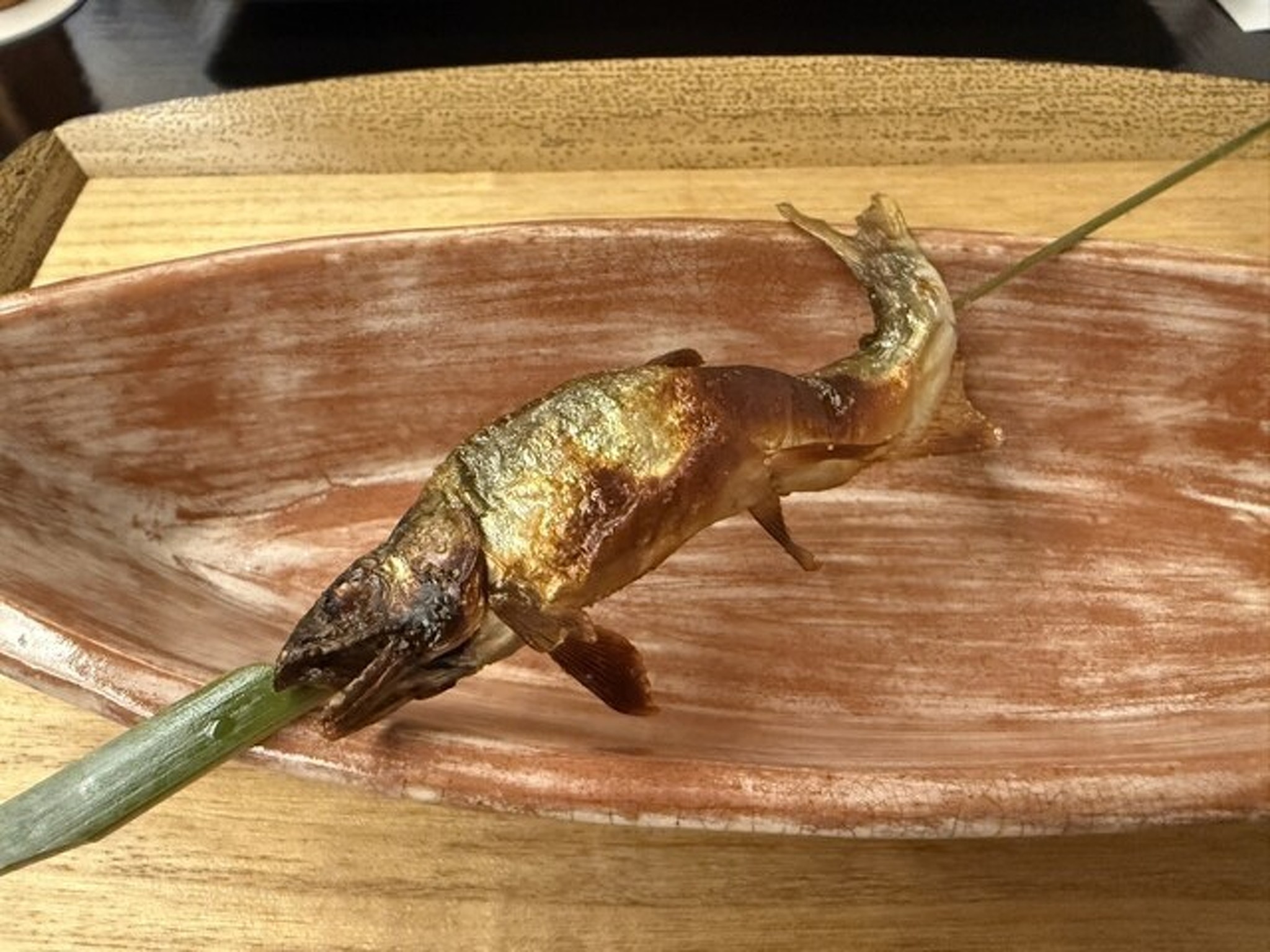
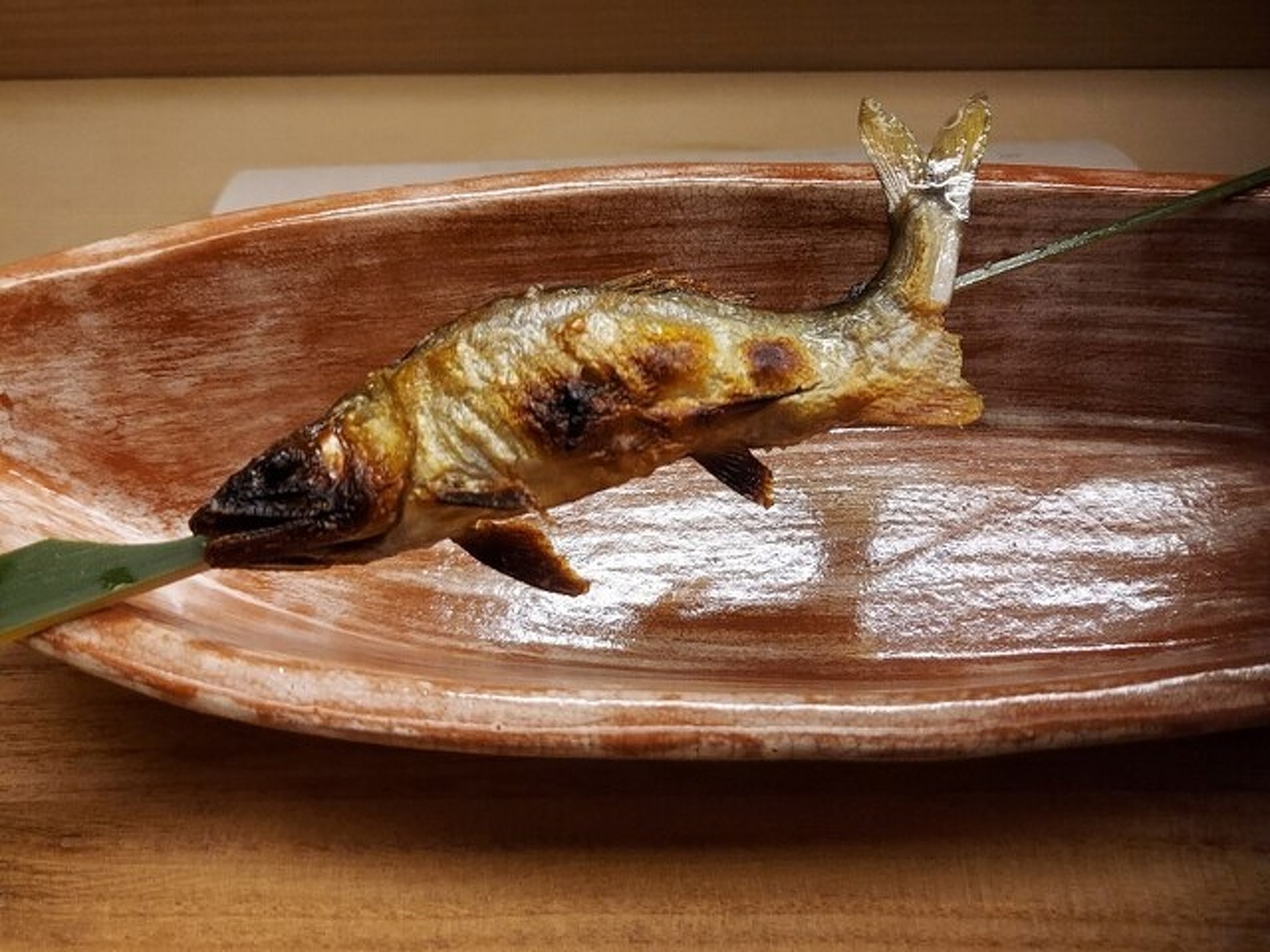
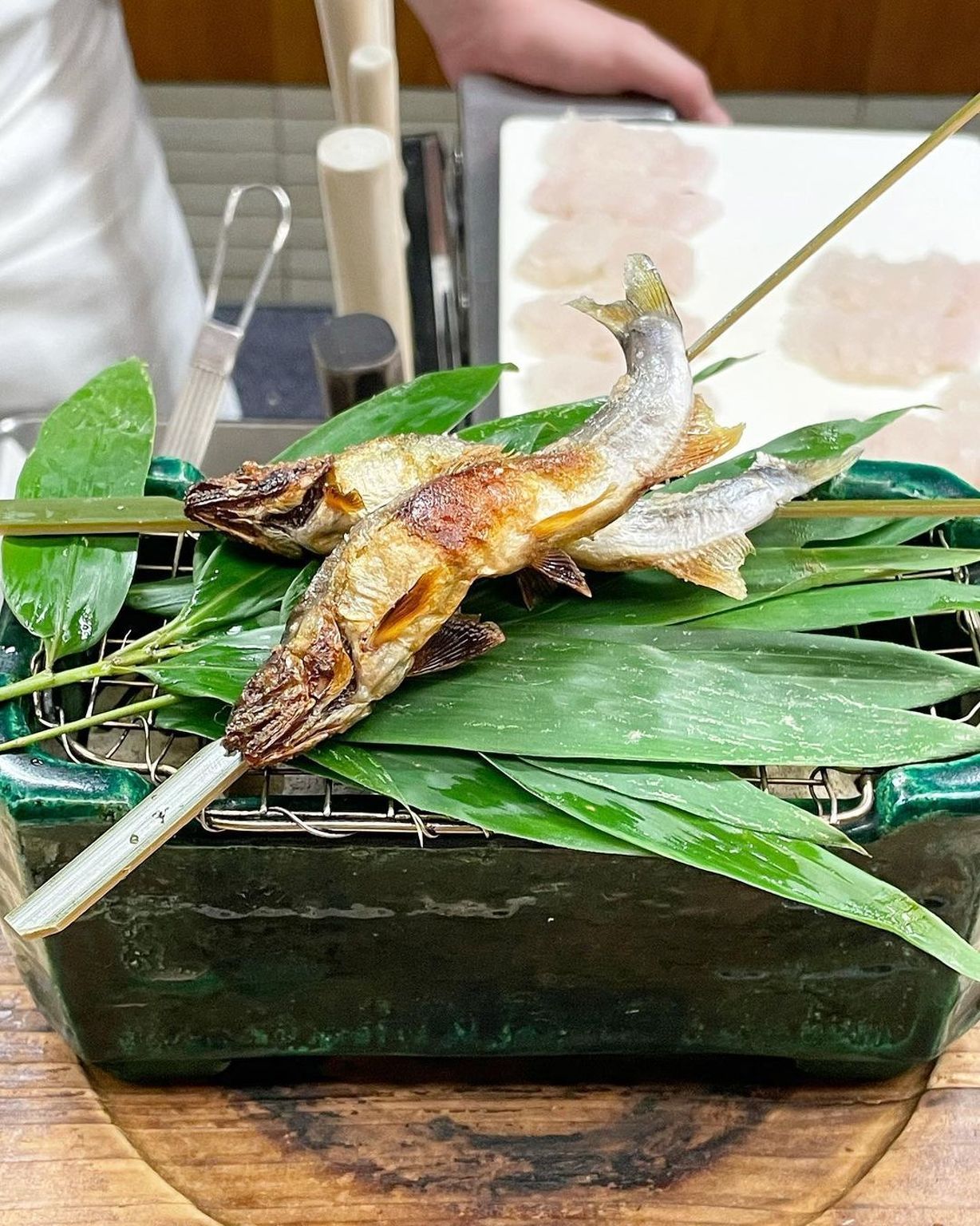
For the past few years, I've been having lunch with my mother on her birthday. This year, we went to Kikunoi, a place she had been wanting to take me to for a long time. Normally, spending over JPY 20,000 for lunch feels like a different world to me, but after experiencing it, I completely understood why it’s worth it. The staff's light-hearted conversation, the creative twists in the dishes, and the quality of the ingredients are things you can only appreciate by experiencing them firsthand. The grilled sweetfish was particularly exquisite.I can't visit often, but I definitely want to come back. Less
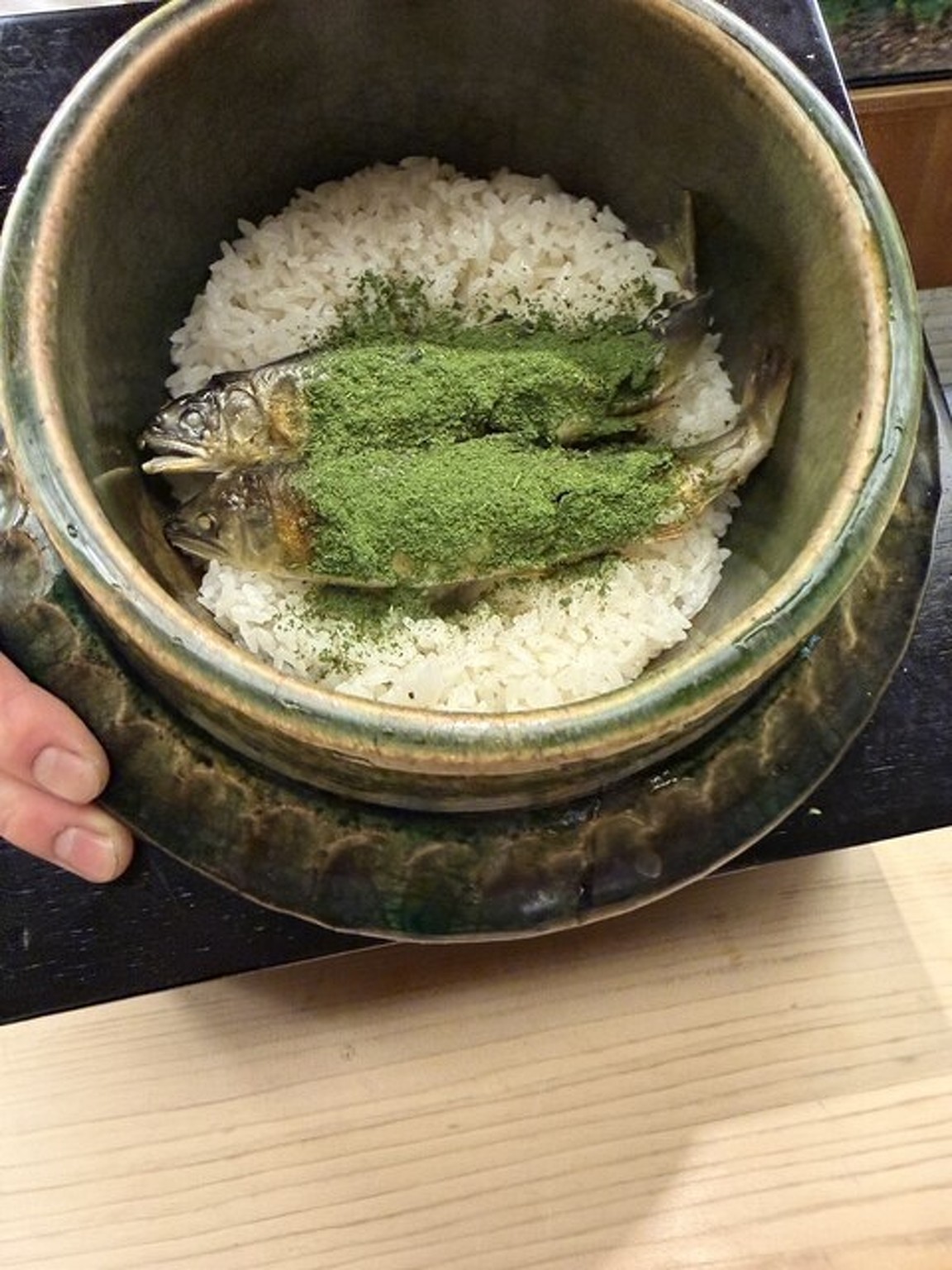
I hadn't written a review since my second visit.To get straight to the point, this is a restaurant I want to visit every time I go to Tokyo.They offer courses priced at around JPY 20,000, JPY 30,000, and JPY 50,000, but this time I opted for the ayu rice (the JPY 30,000 and JPY 50,000 courses featured unagi, but I really wanted the ayu rice).In the end, I chose the JPY 20,000 course, and it was fantastic.I felt like this would typically cost around JPY 35,000 at a regular restaurant, so it was a... More
I hadn't written a review since my second visit.To get straight to the point, this is a restaurant I want to visit every time I go to Tokyo.They offer courses priced at around JPY 20,000, JPY 30,000, and JPY 50,000, but this time I opted for the ayu rice (the JPY 30,000 and JPY 50,000 courses featured unagi, but I really wanted the ayu rice).In the end, I chose the JPY 20,000 course, and it was fantastic.I felt like this would typically cost around JPY 35,000 at a regular restaurant, so it was a great value.The kabocha (Japanese pumpkin) dish was also beautifully presented, and above all, everything was delicious. I was completely satisfied and enjoyed every bite. If I lived nearby, I would want to come here every week. It's truly a wonderful place. Less
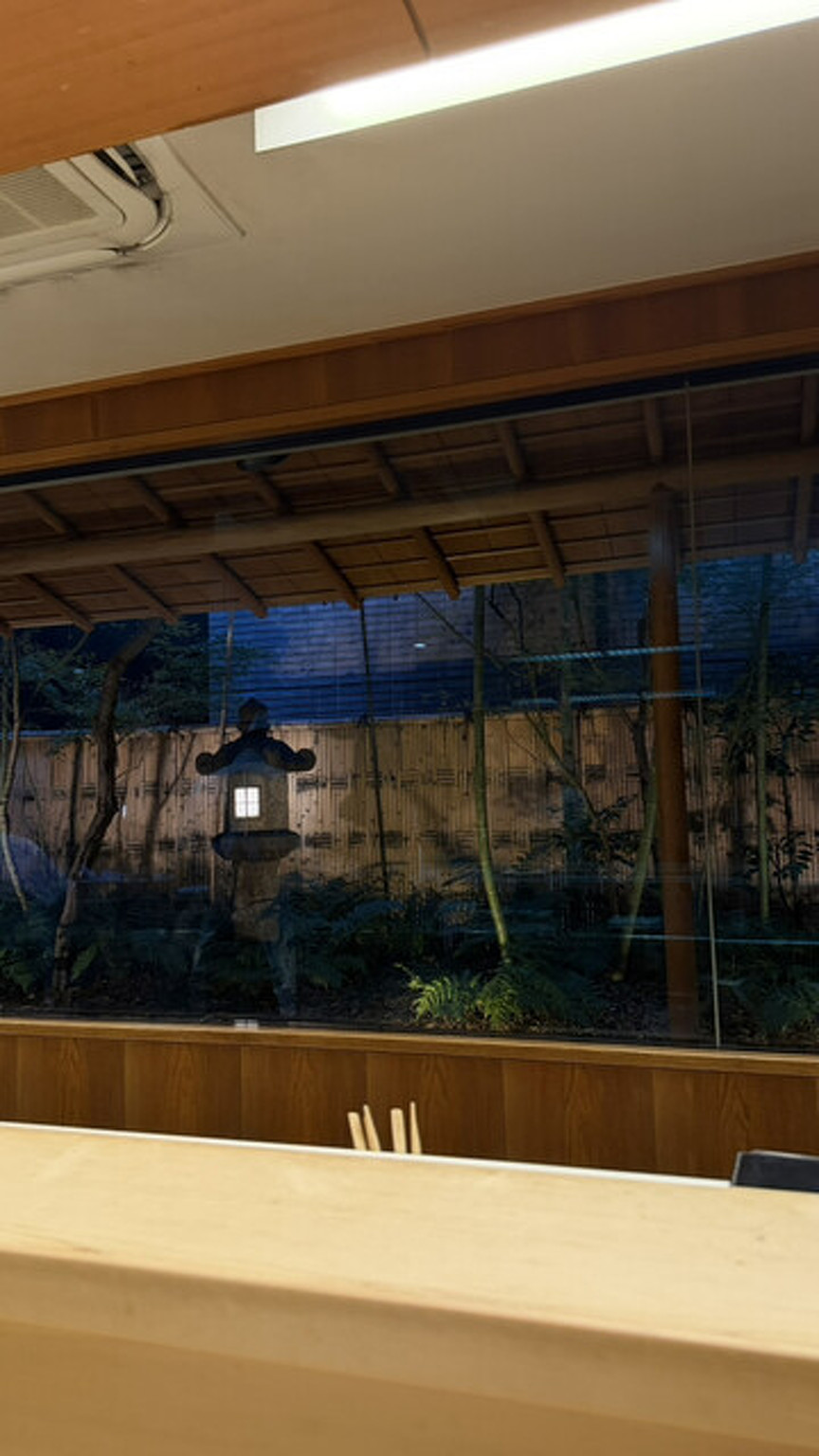
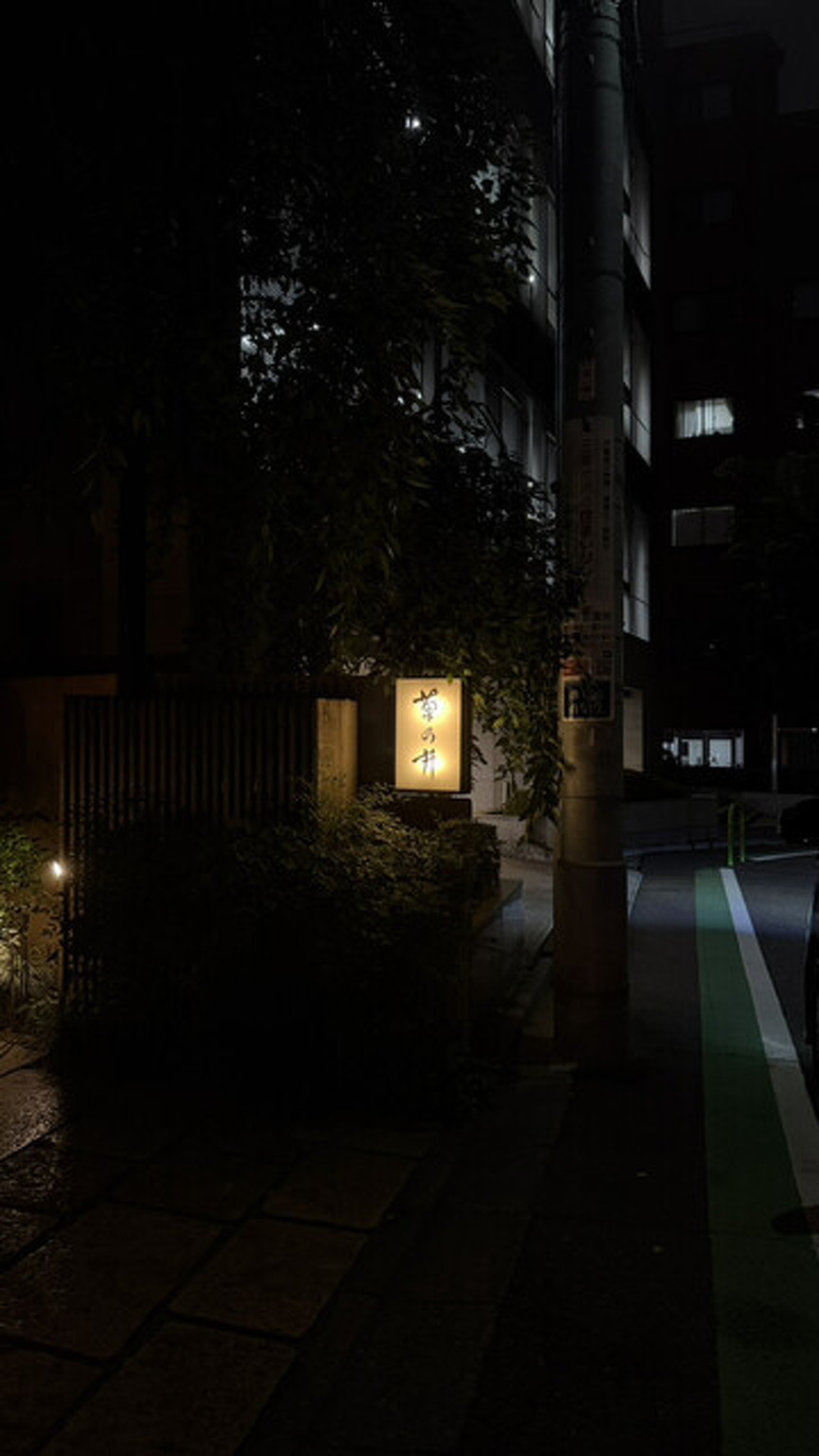
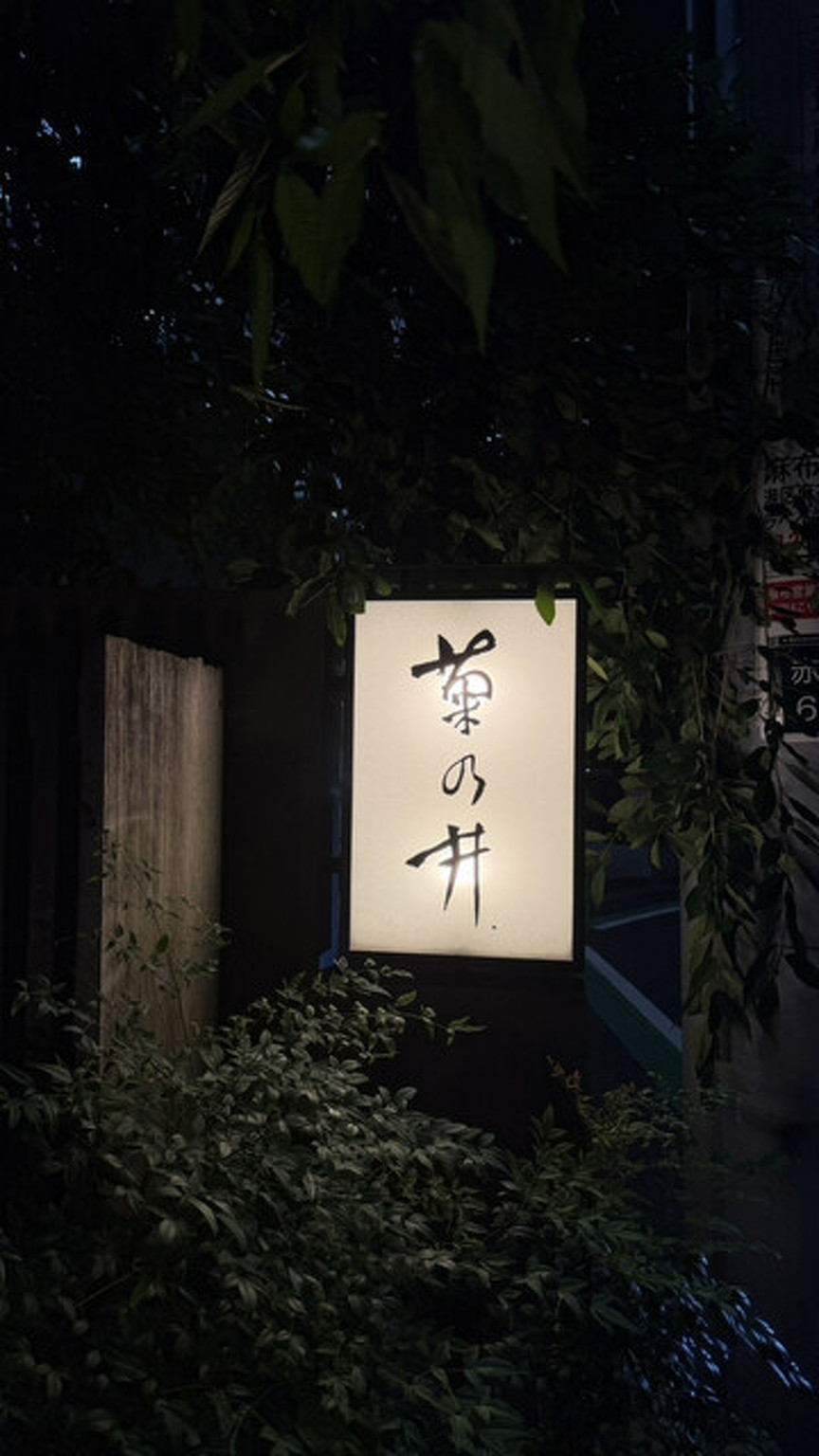
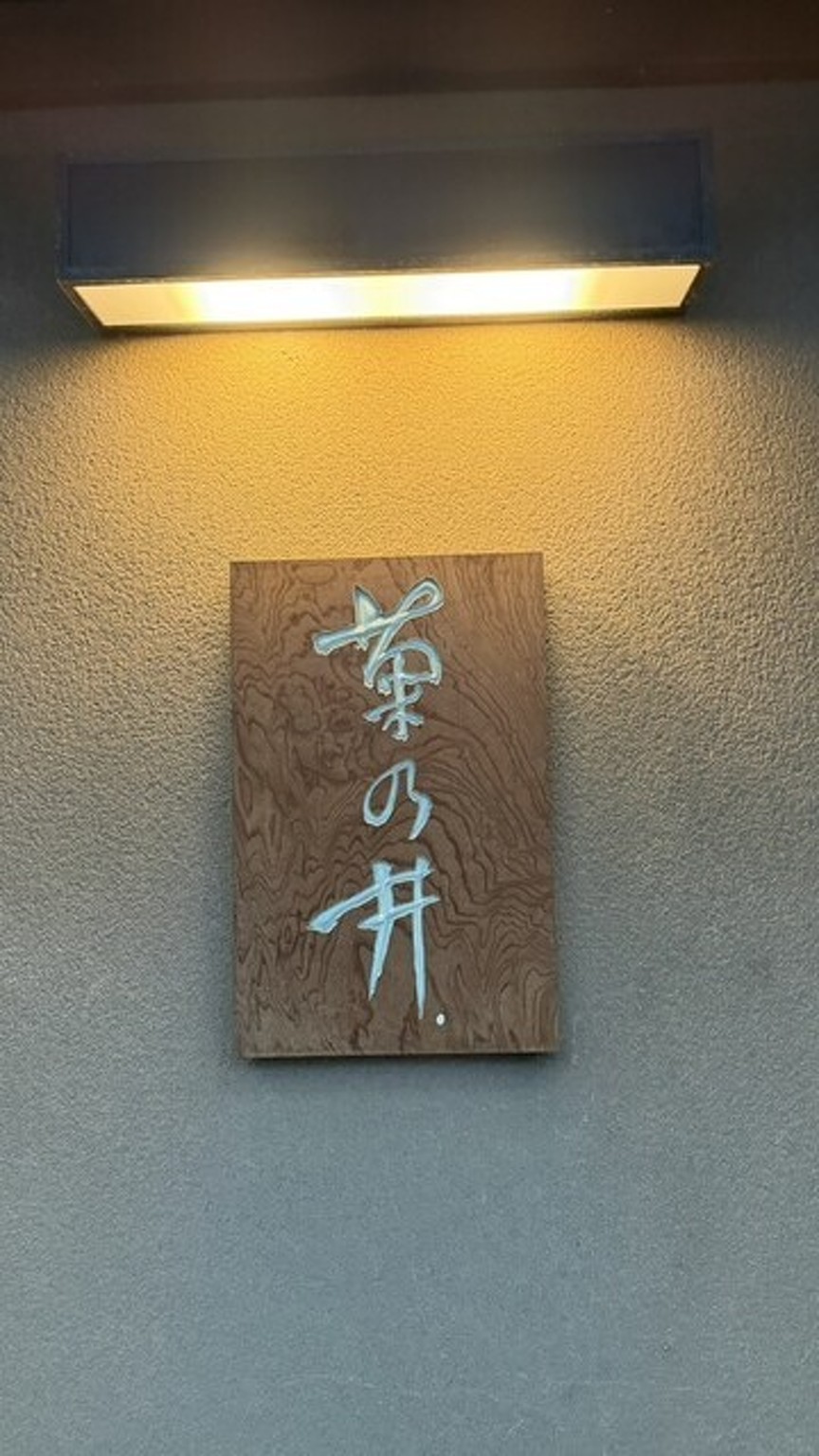
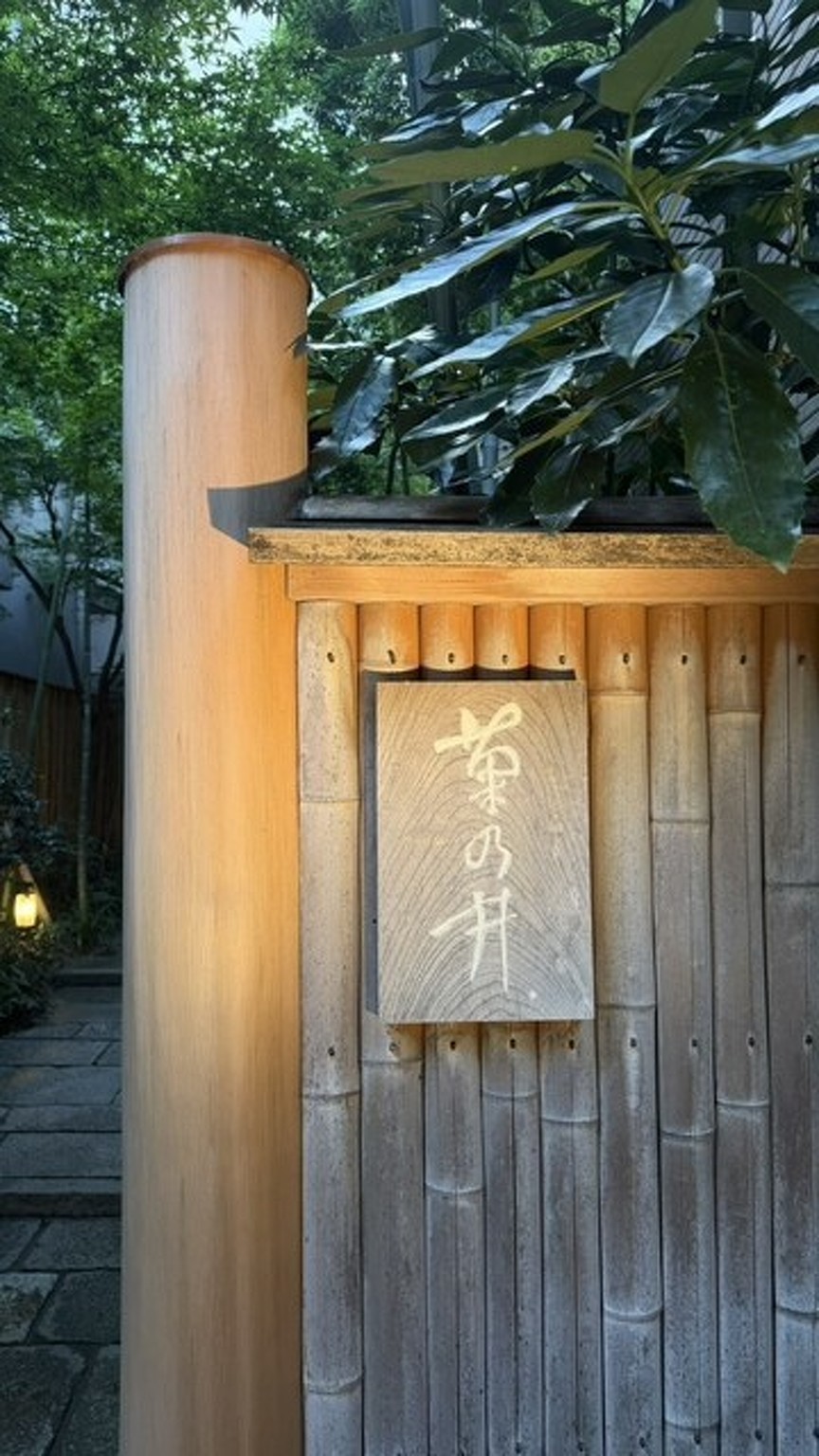
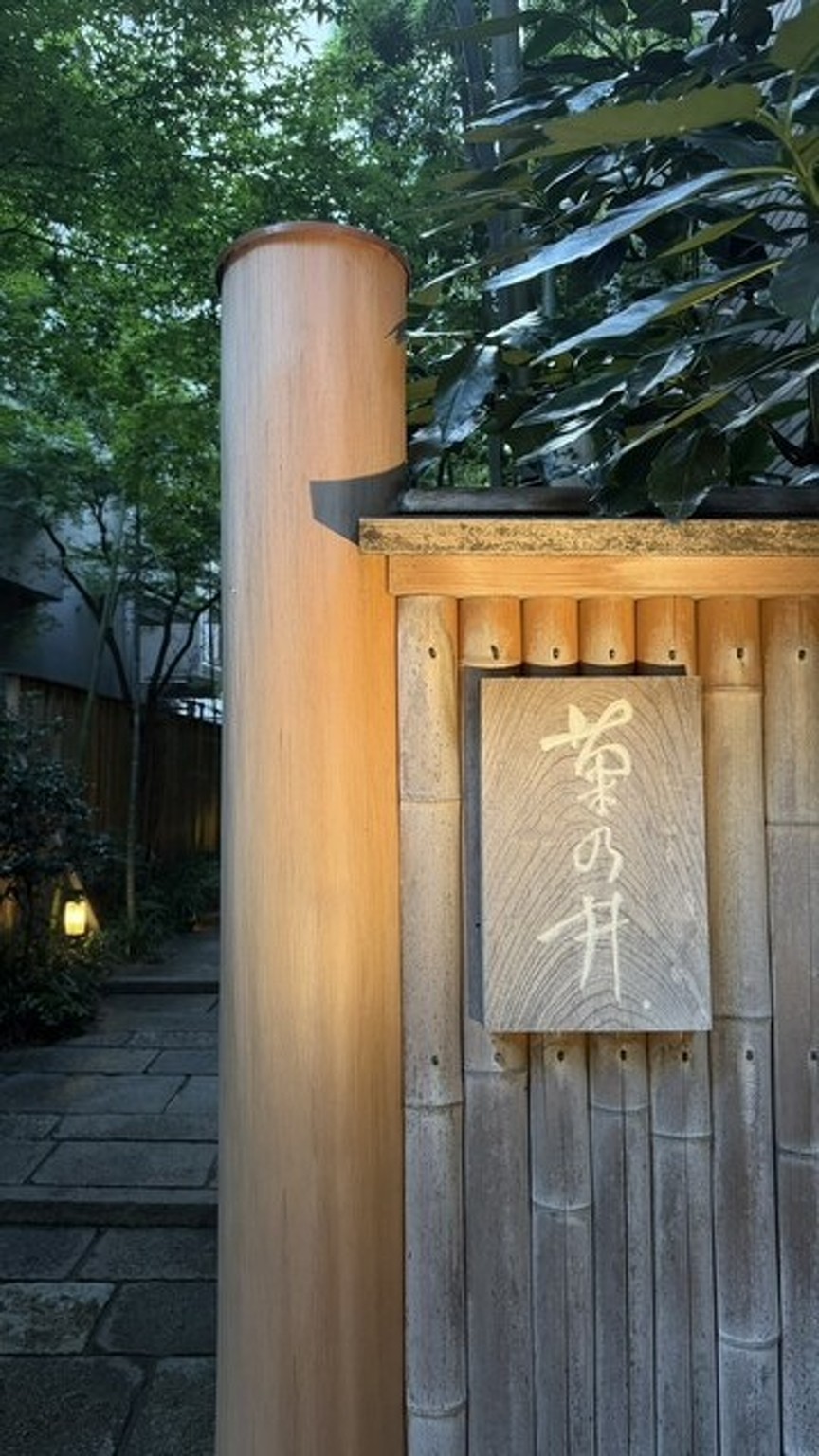
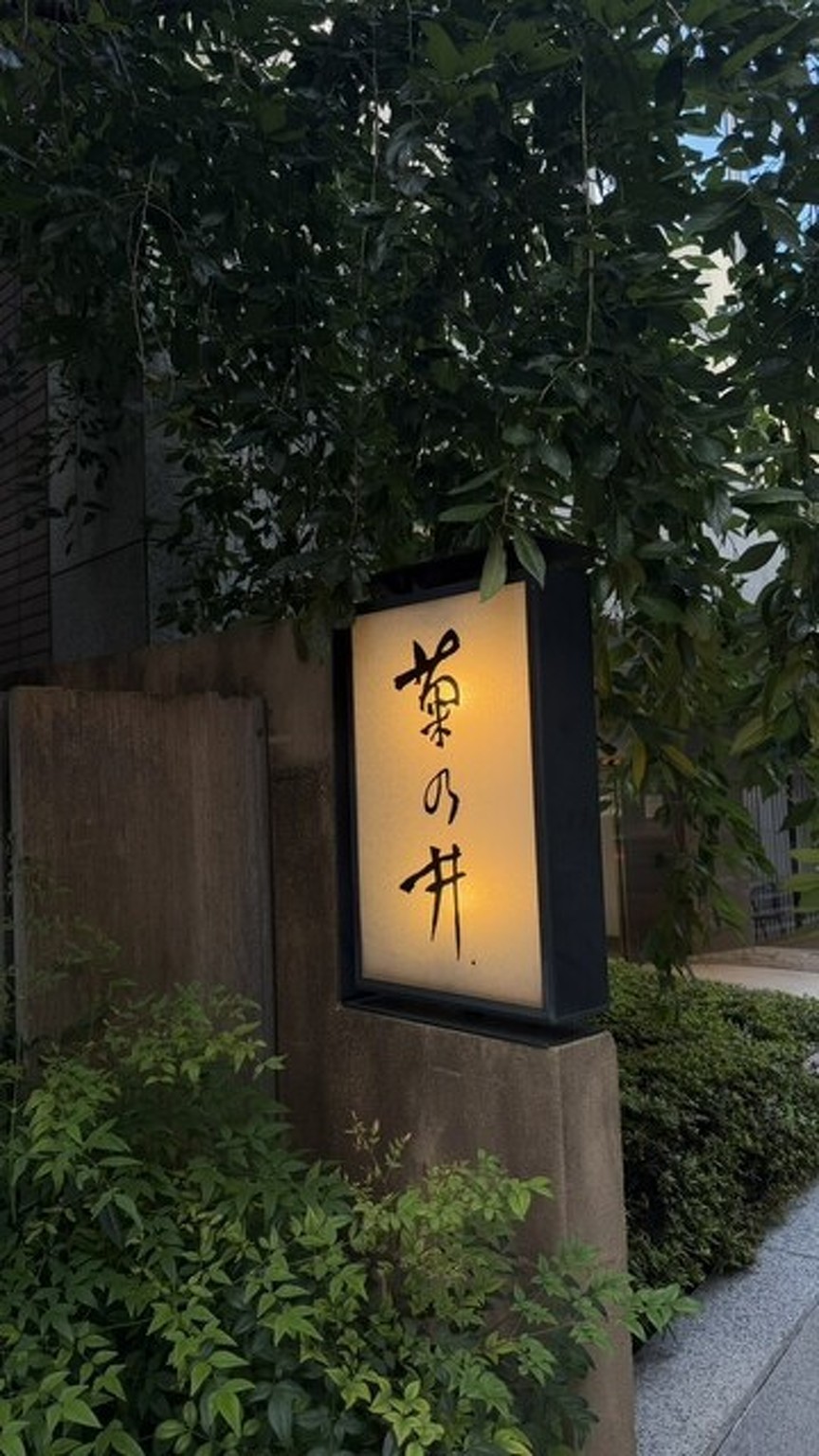
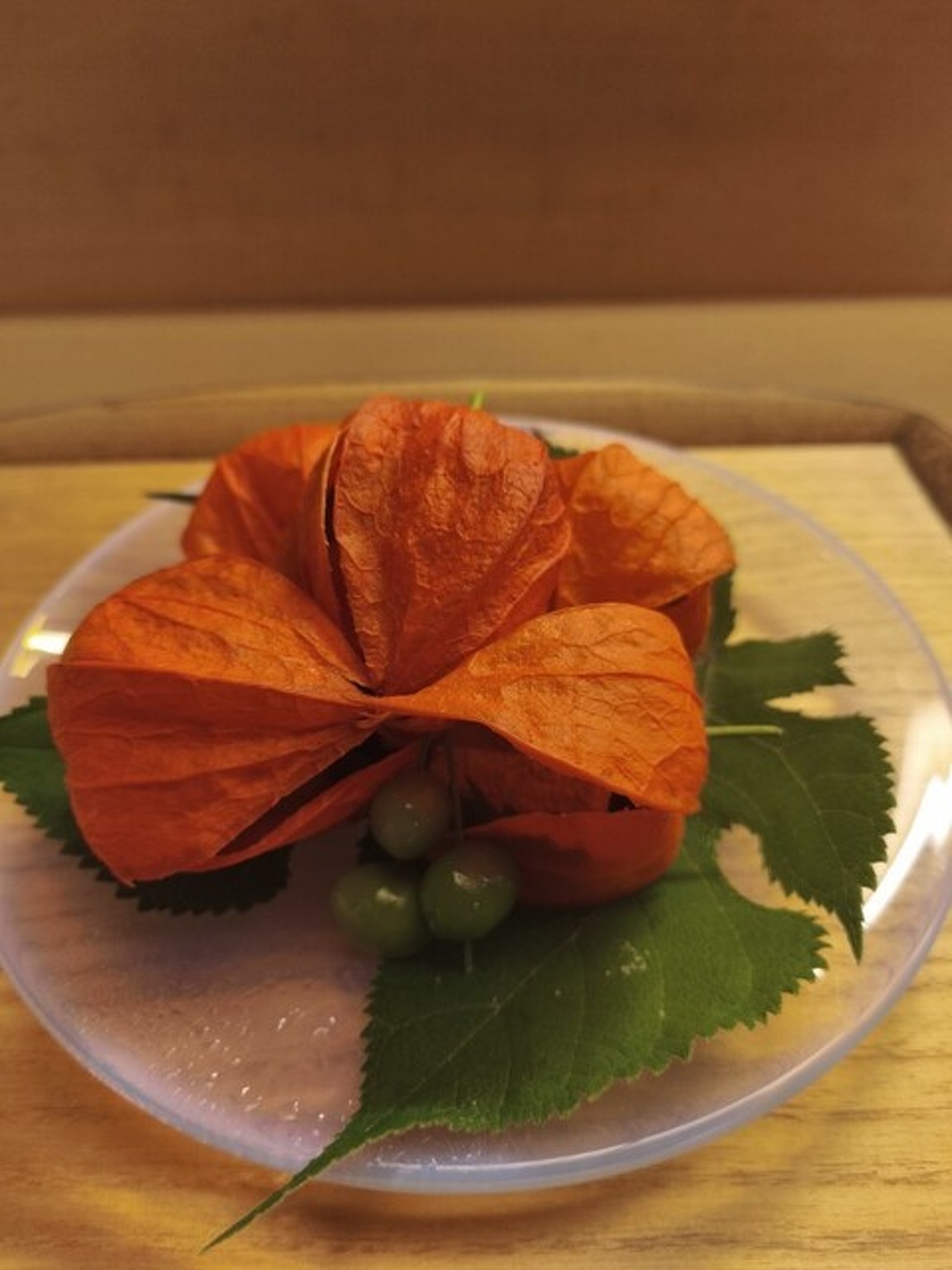
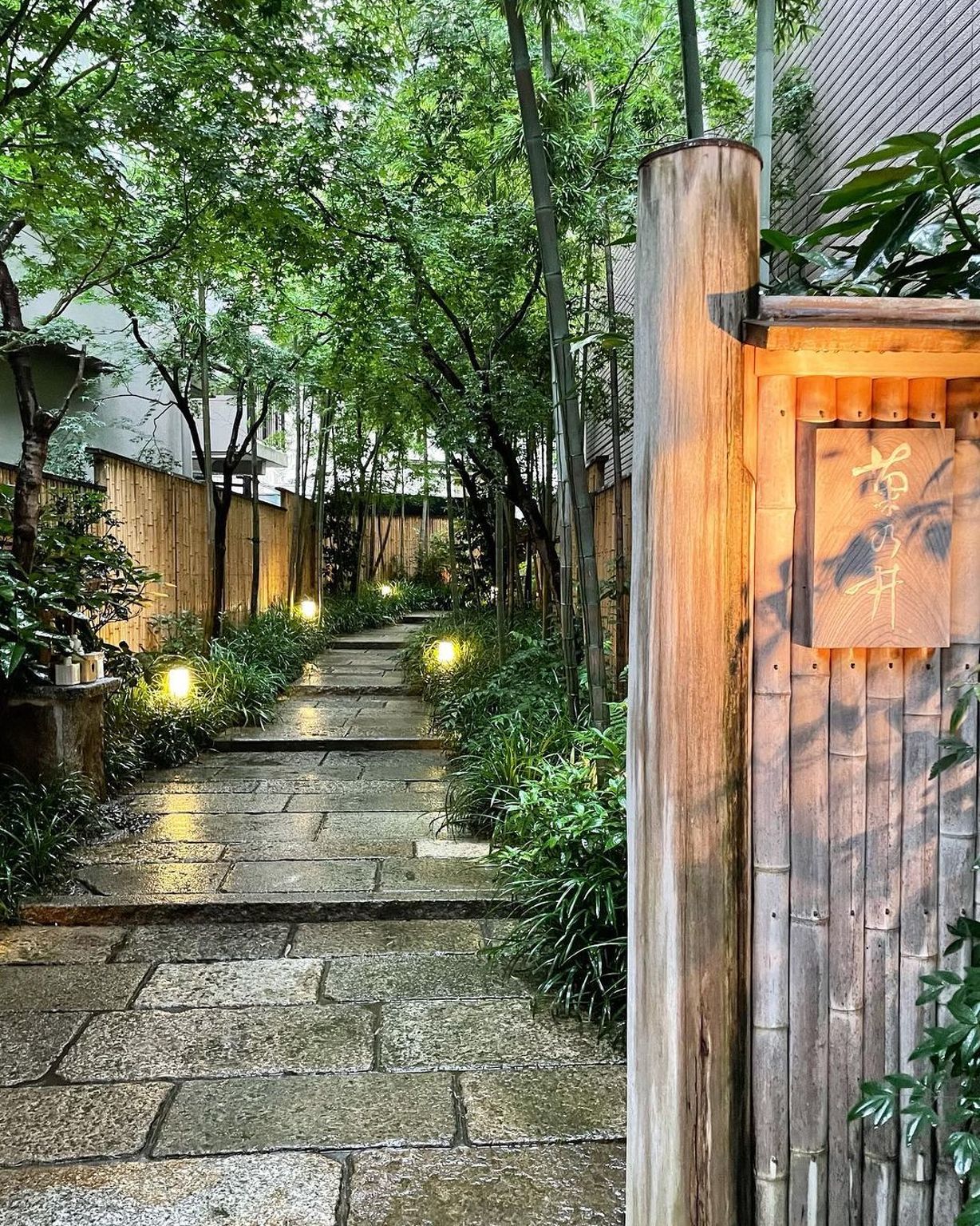
I found this place on Tabelog and was immediately drawn in by its stunning exterior, which made me want to visit!Upon arrival, I was not disappointed; the atmosphere was truly extraordinary.Since it was around 6 PM in August, I took photos of the exterior both before and after sunset. Both views were absolutely beautiful.The food was also exceptional, with delicious flavors.I felt like I experienced everything I look for in a Japanese restaurant.I was amazed to see the seasonal side dish presented... More
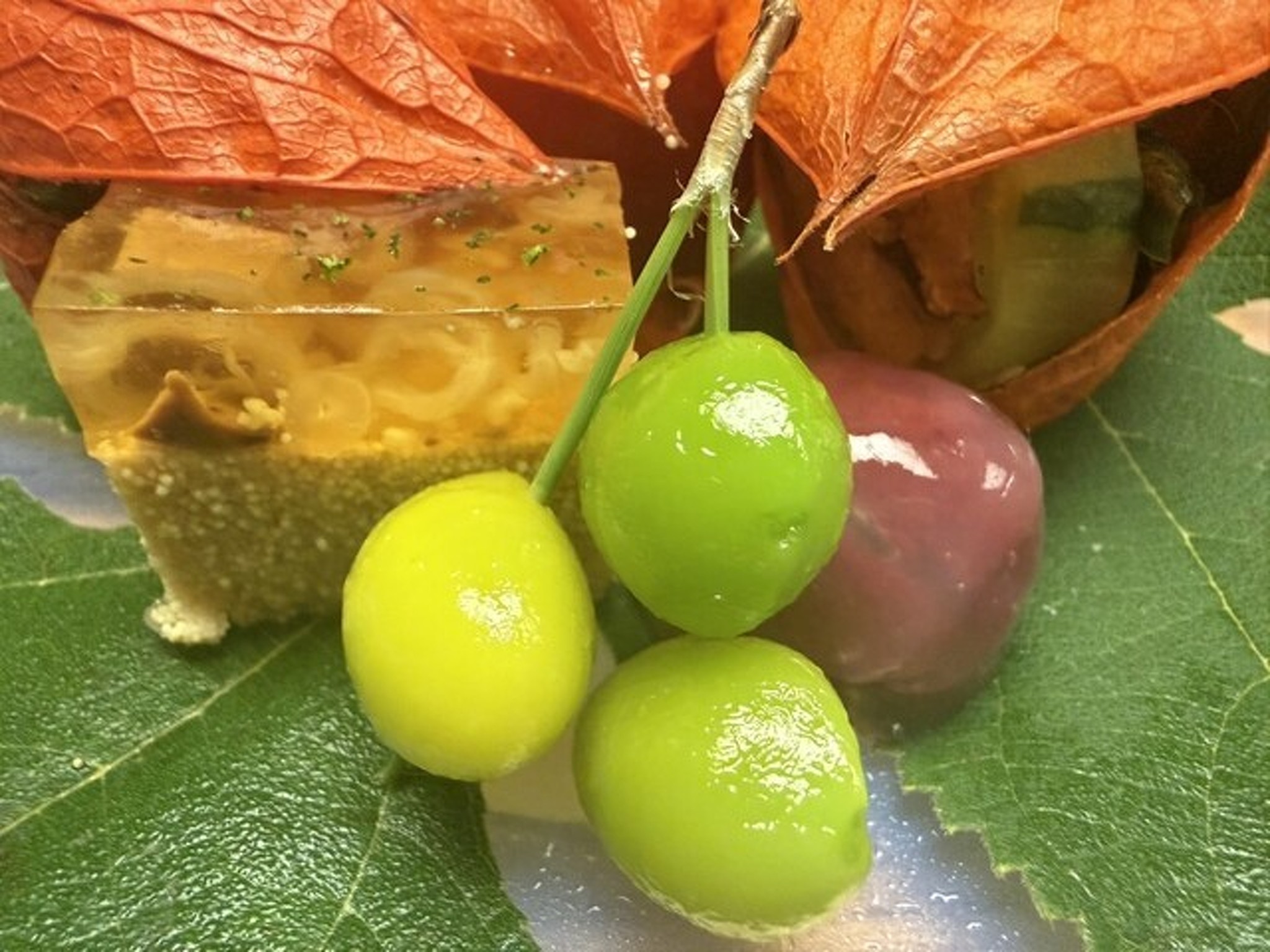
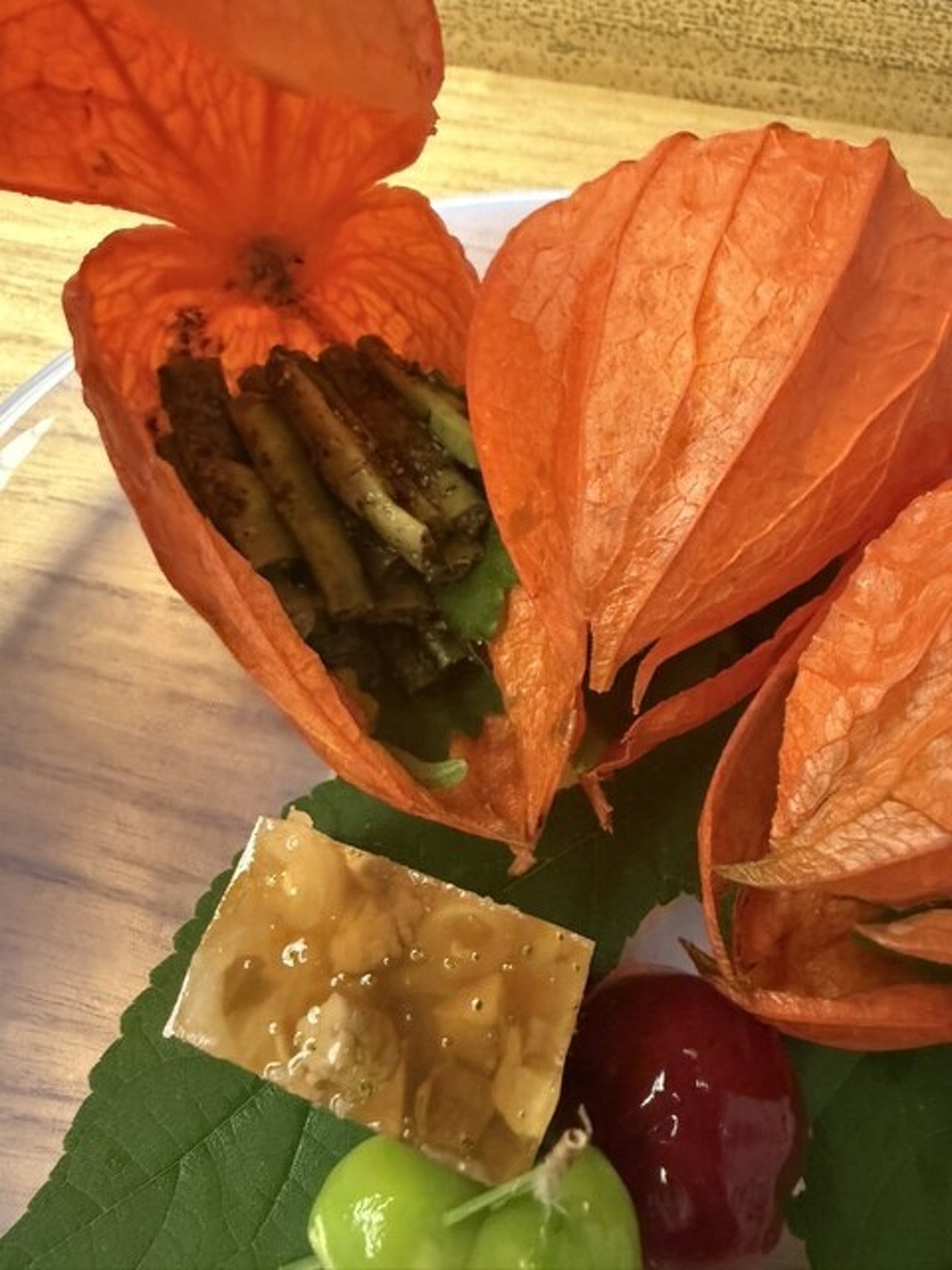
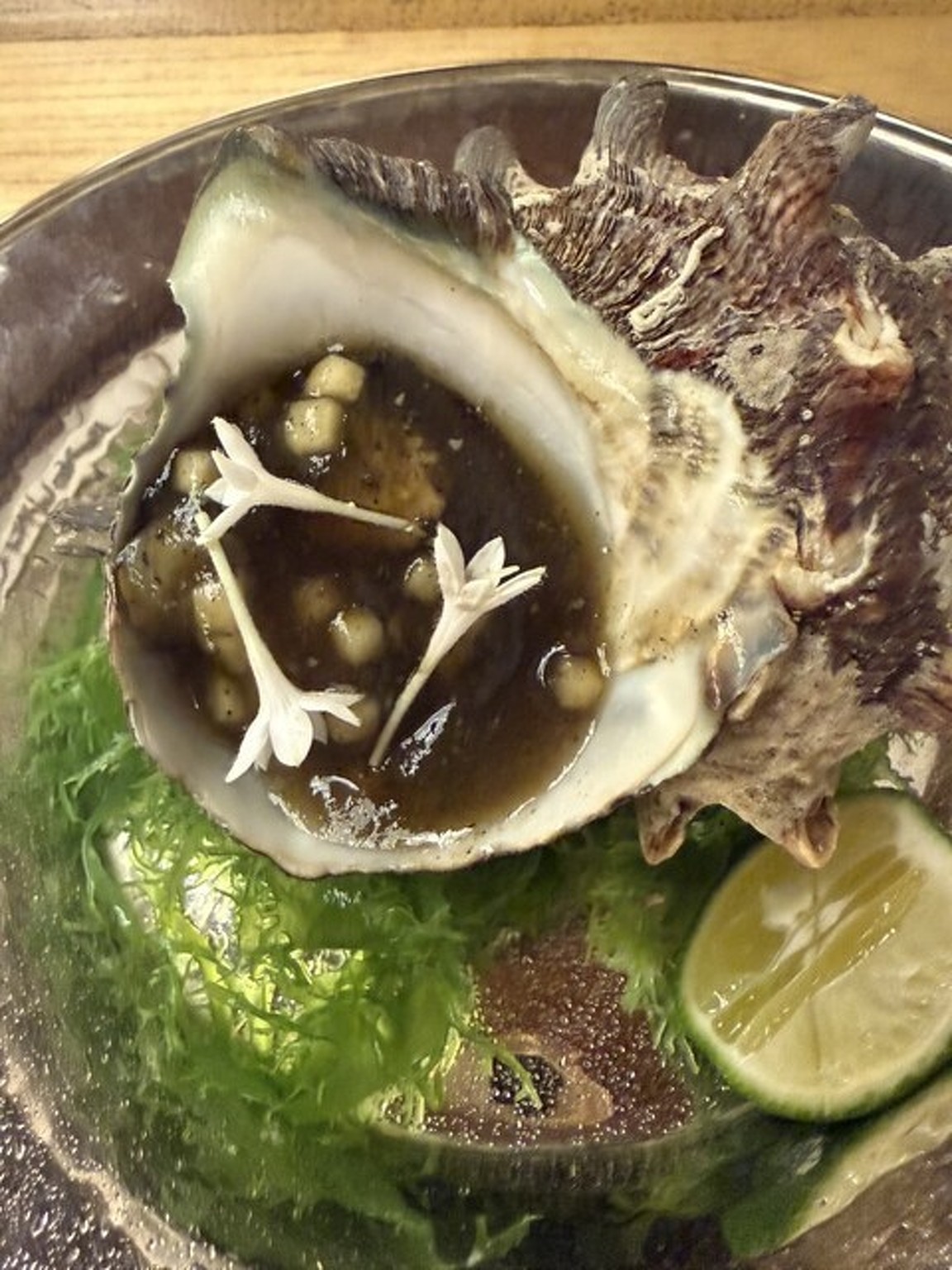
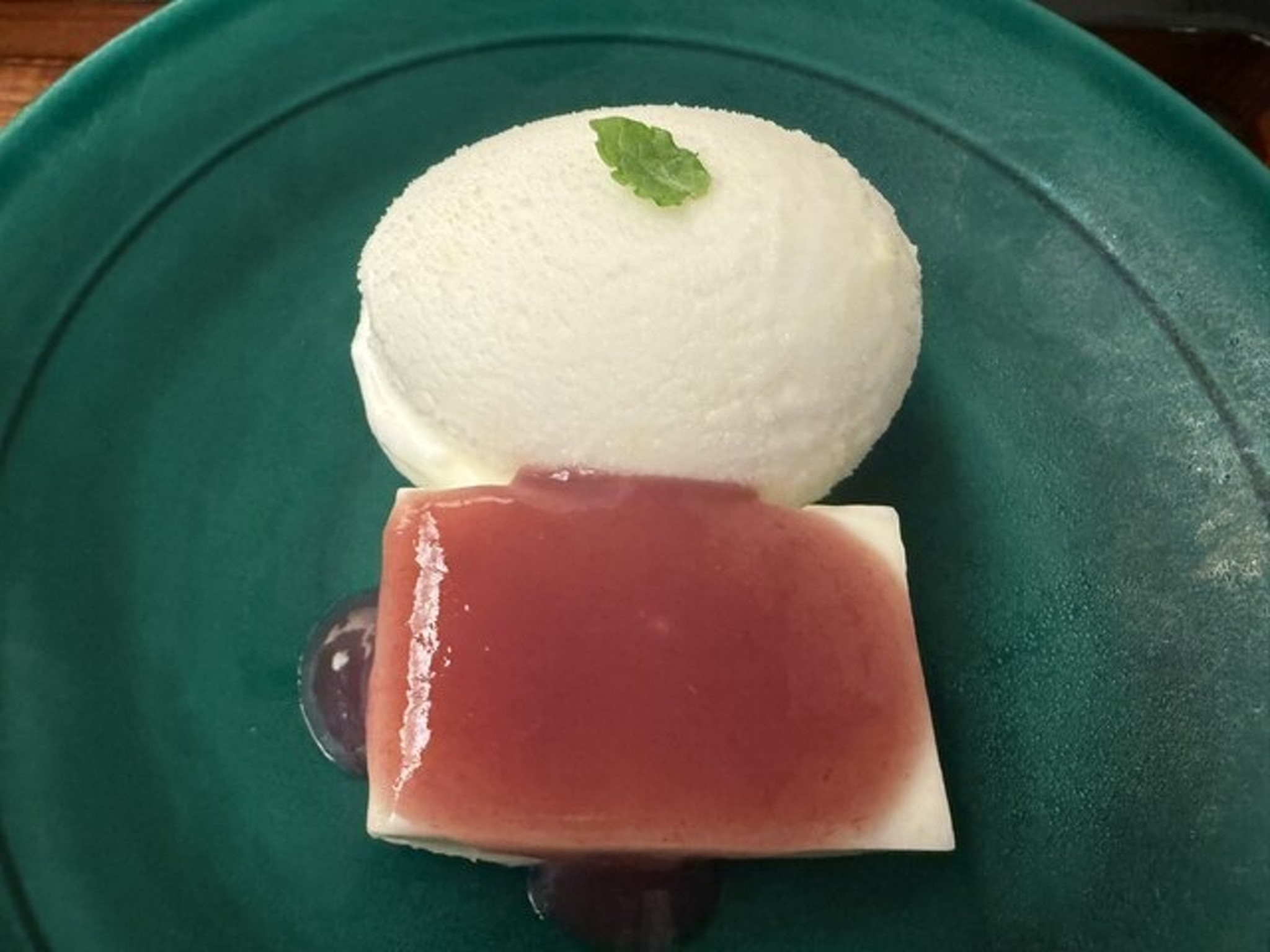
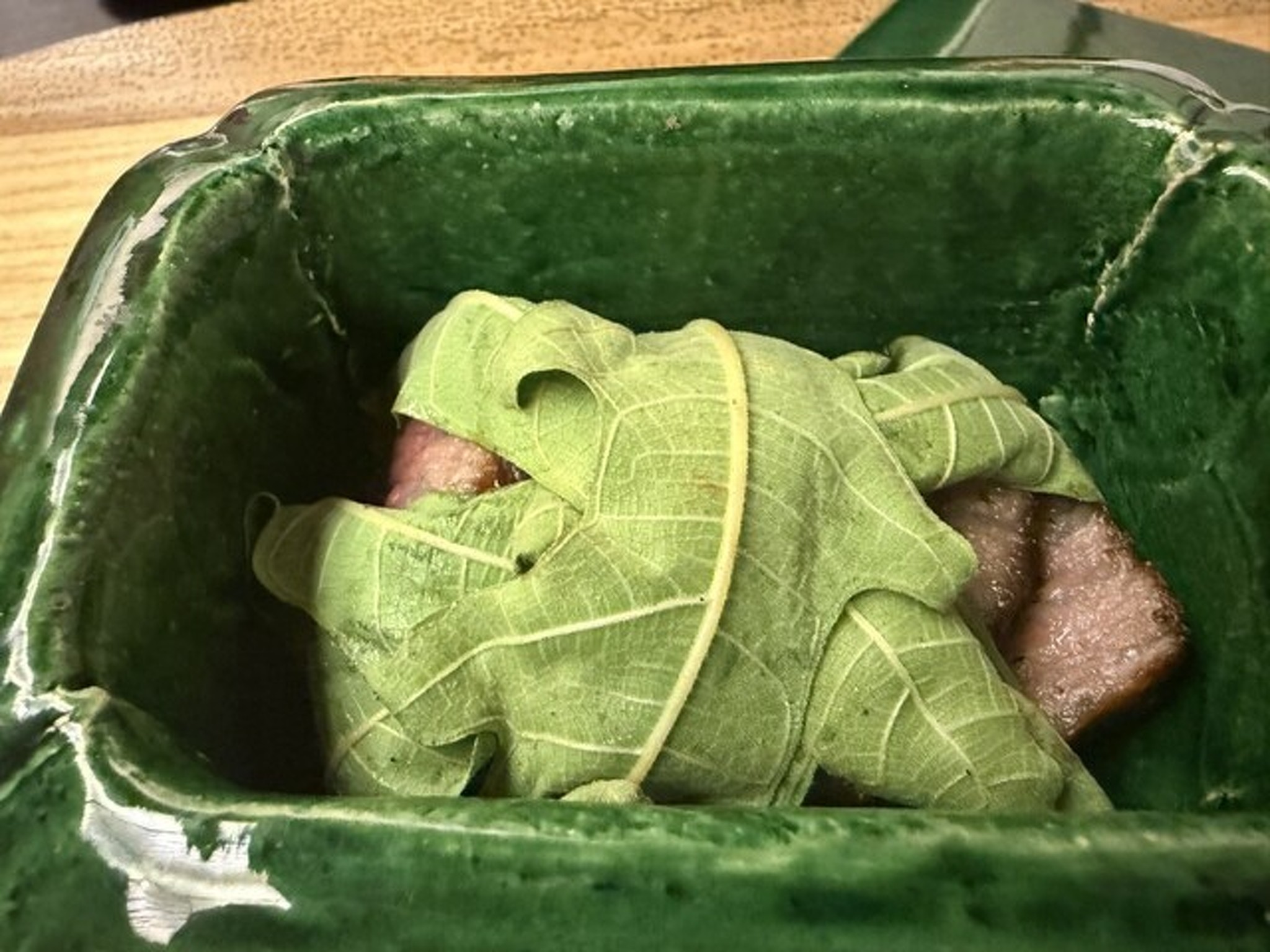
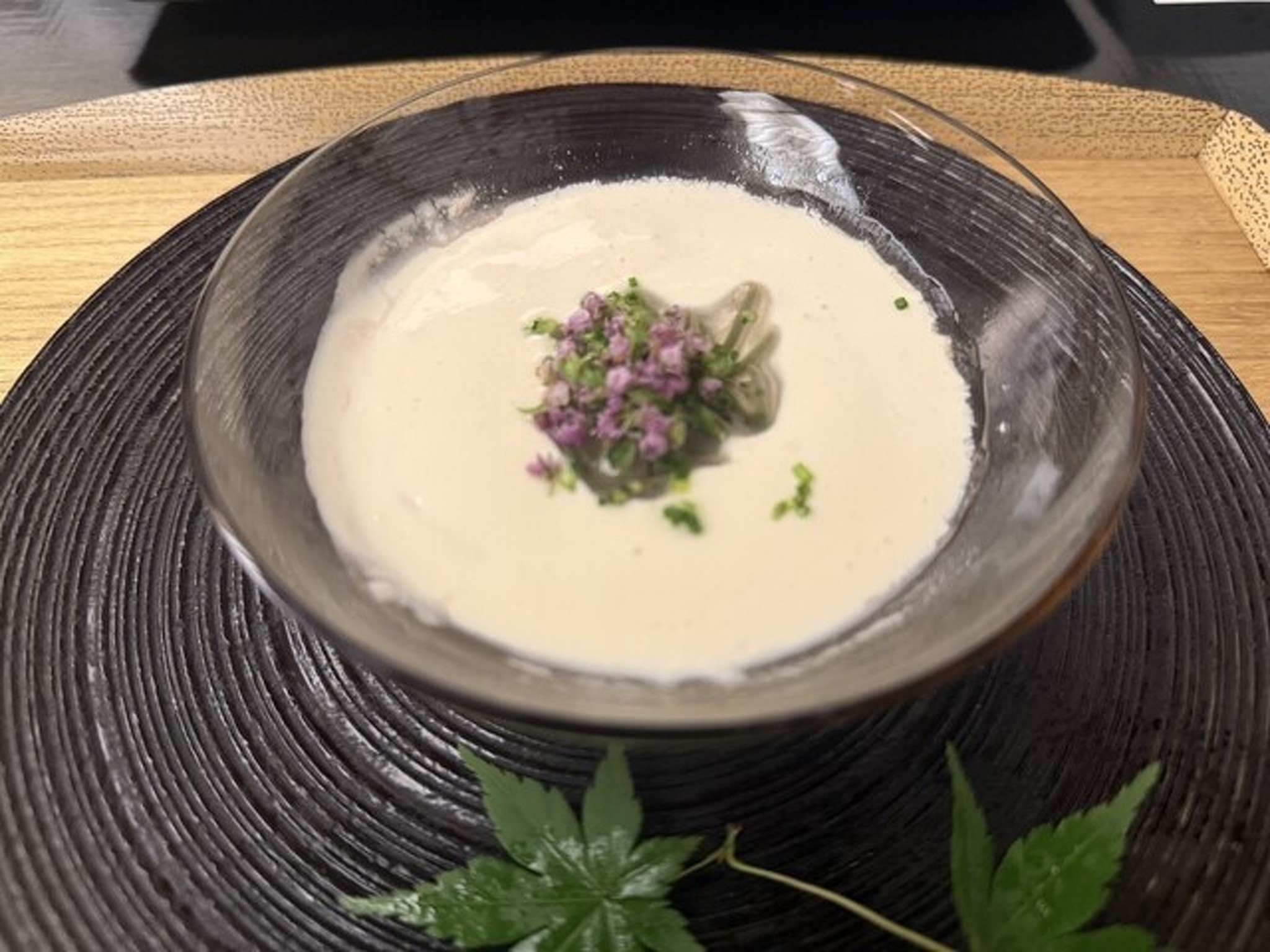
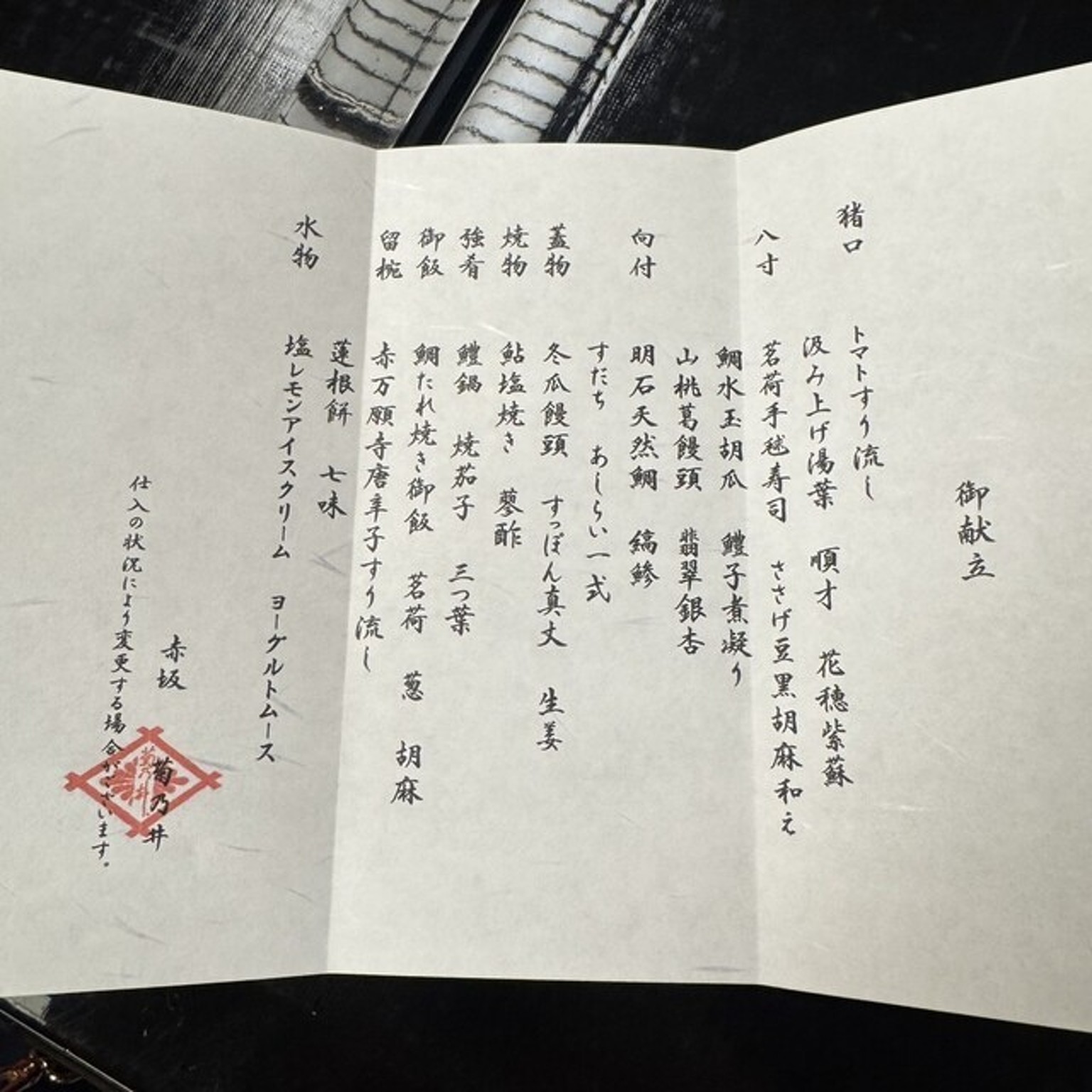
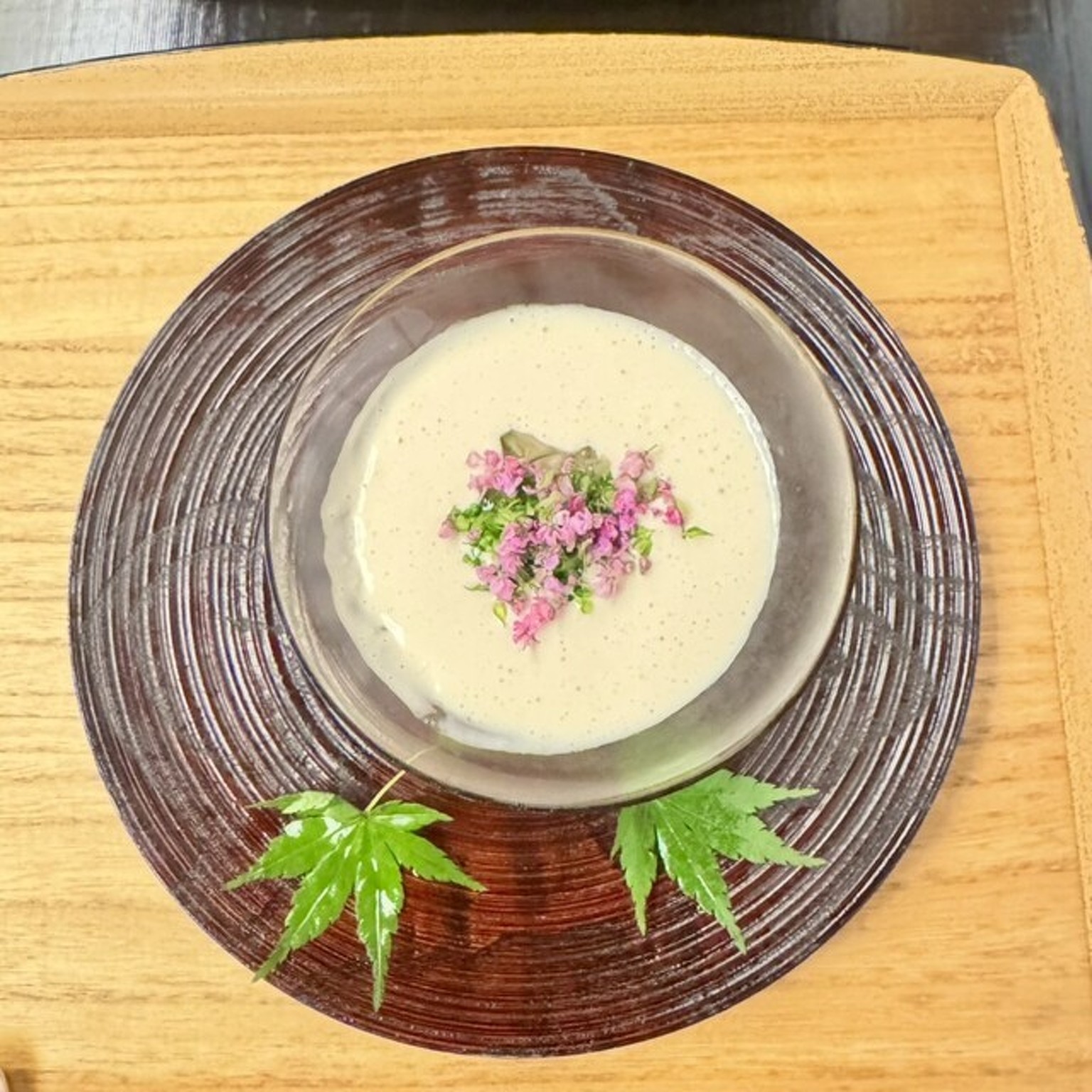
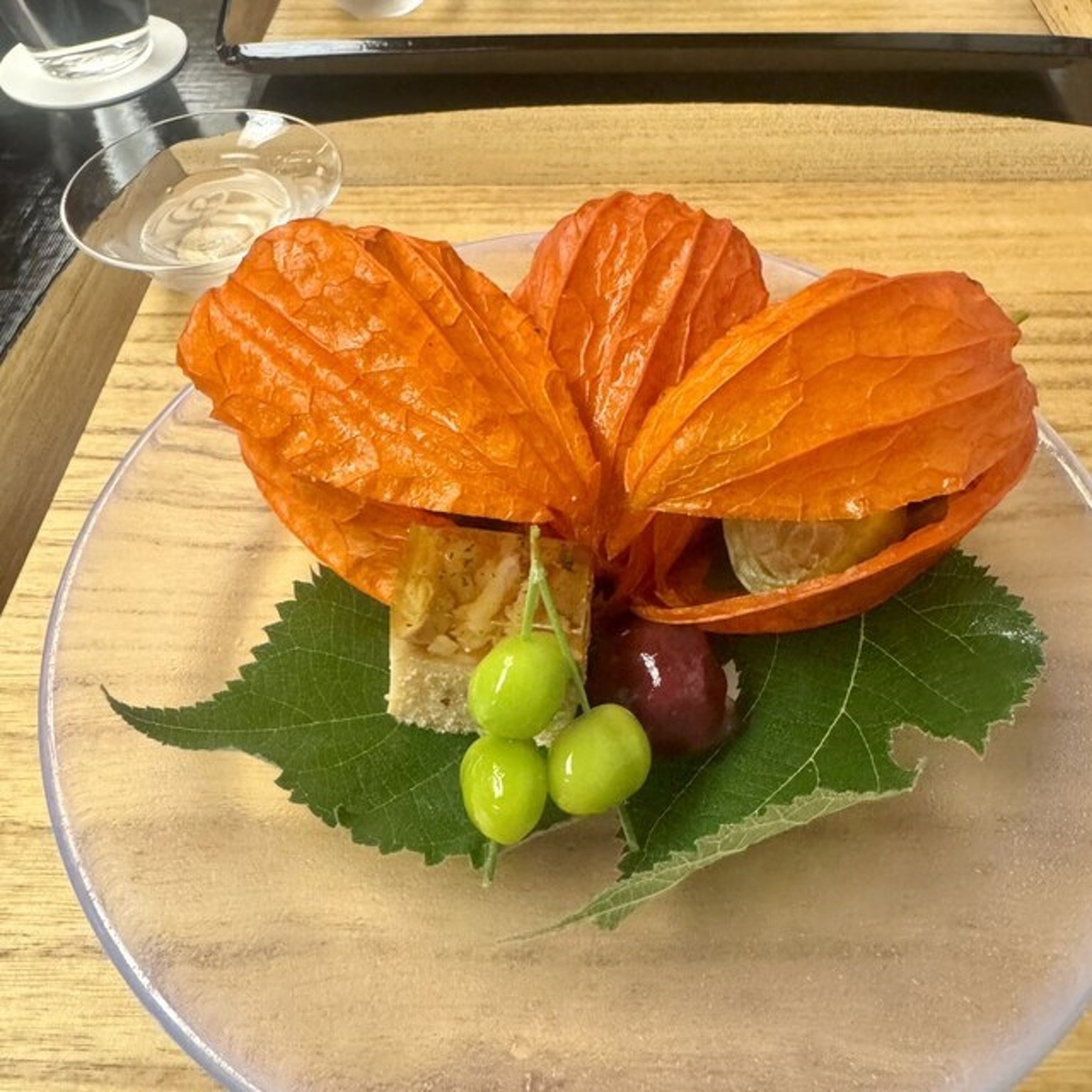
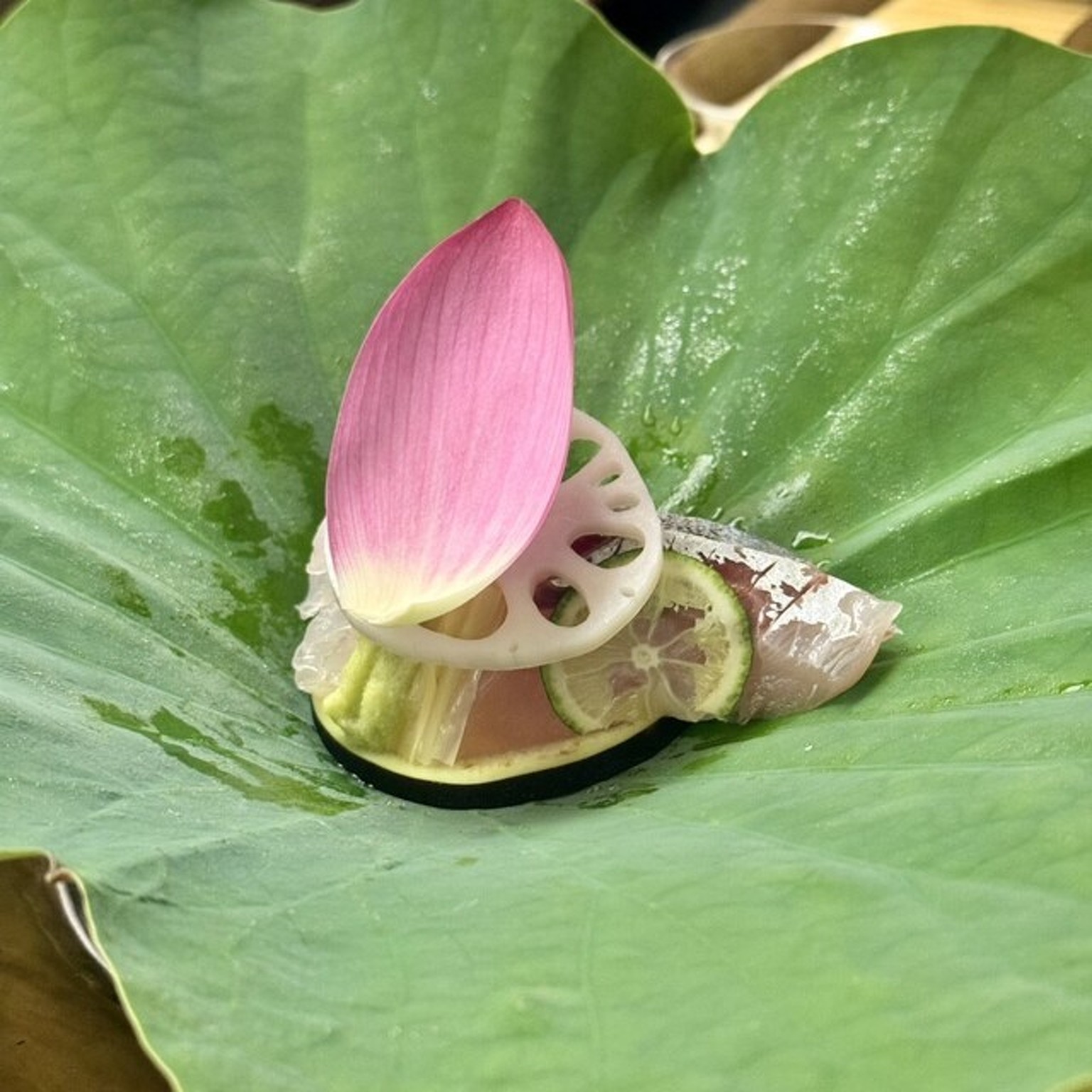
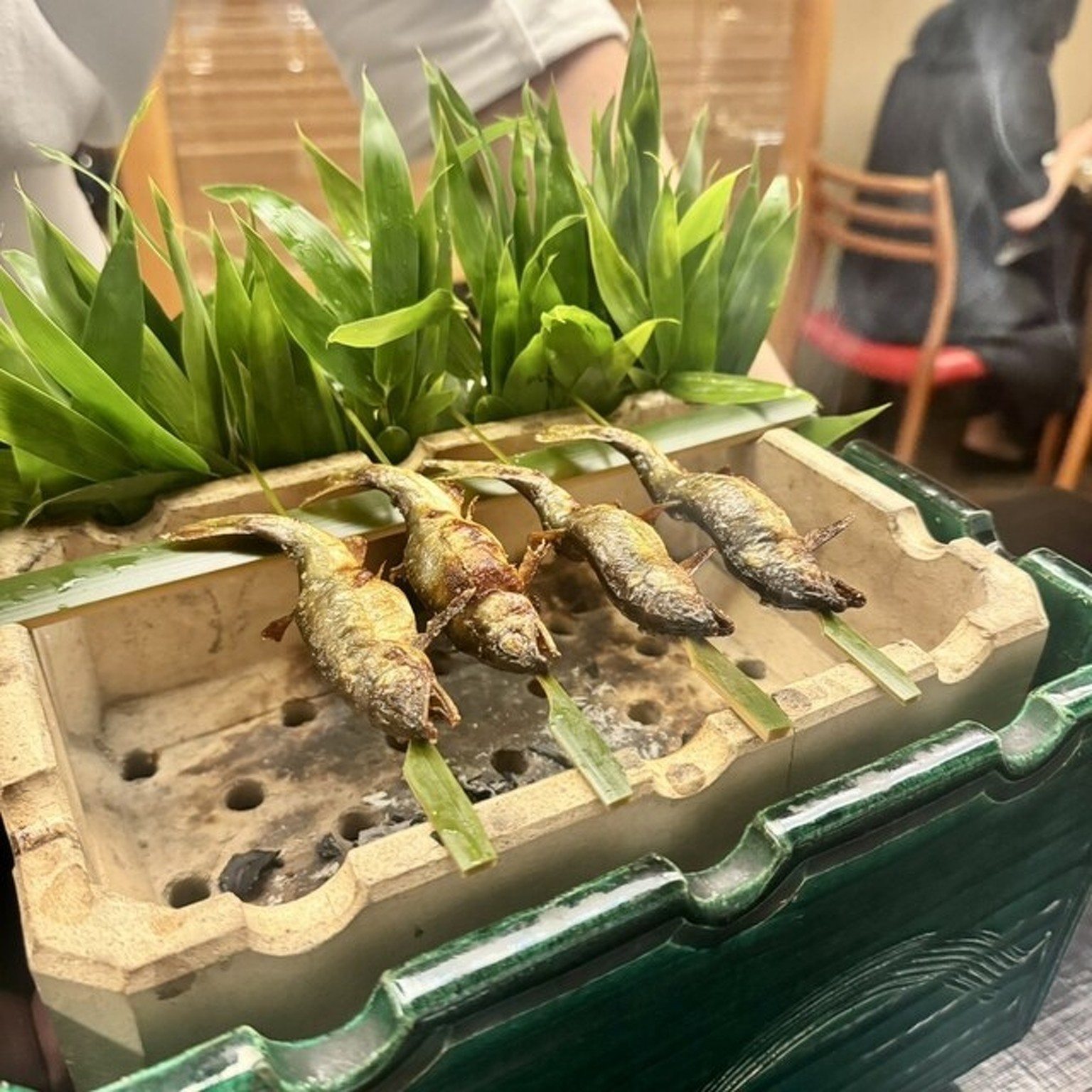
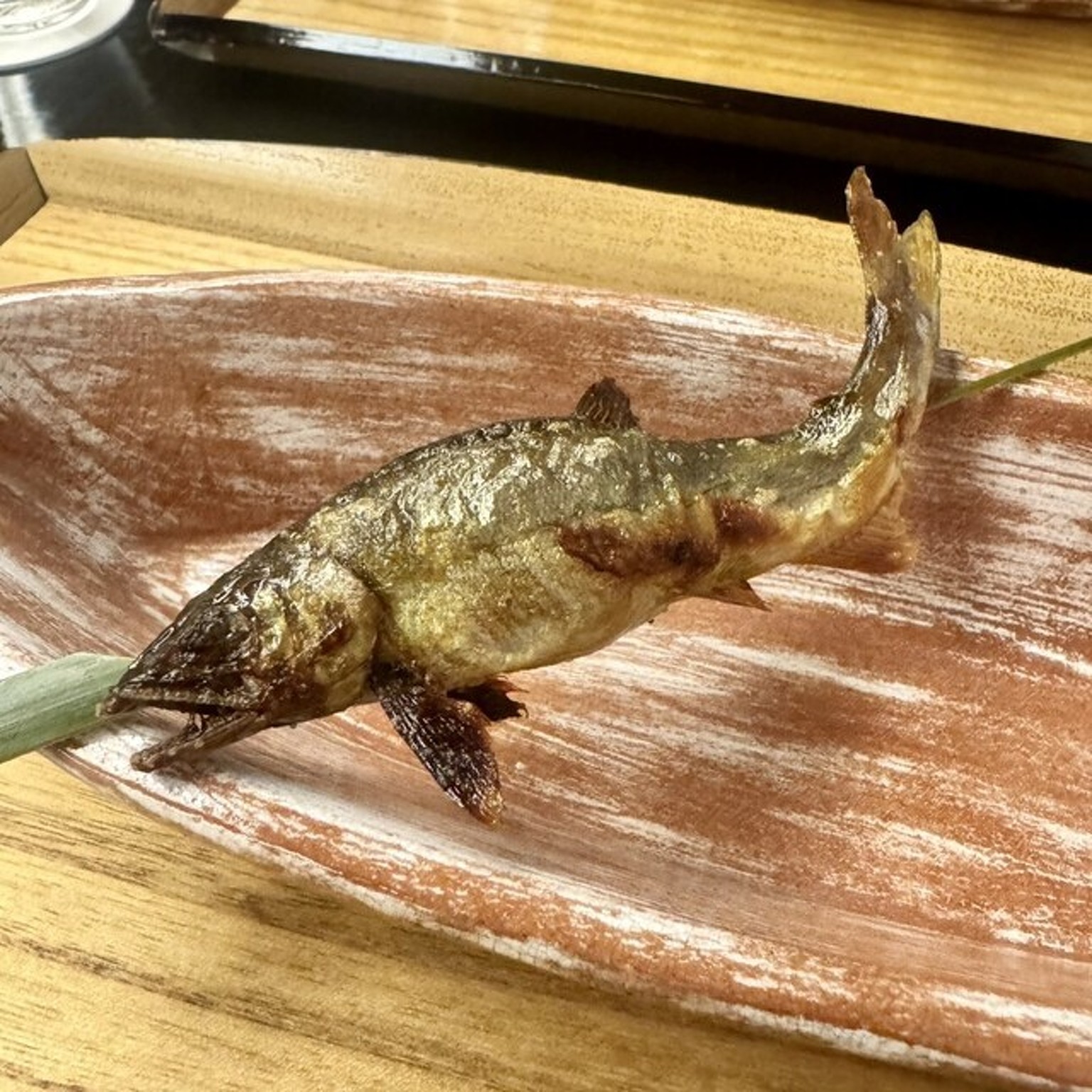
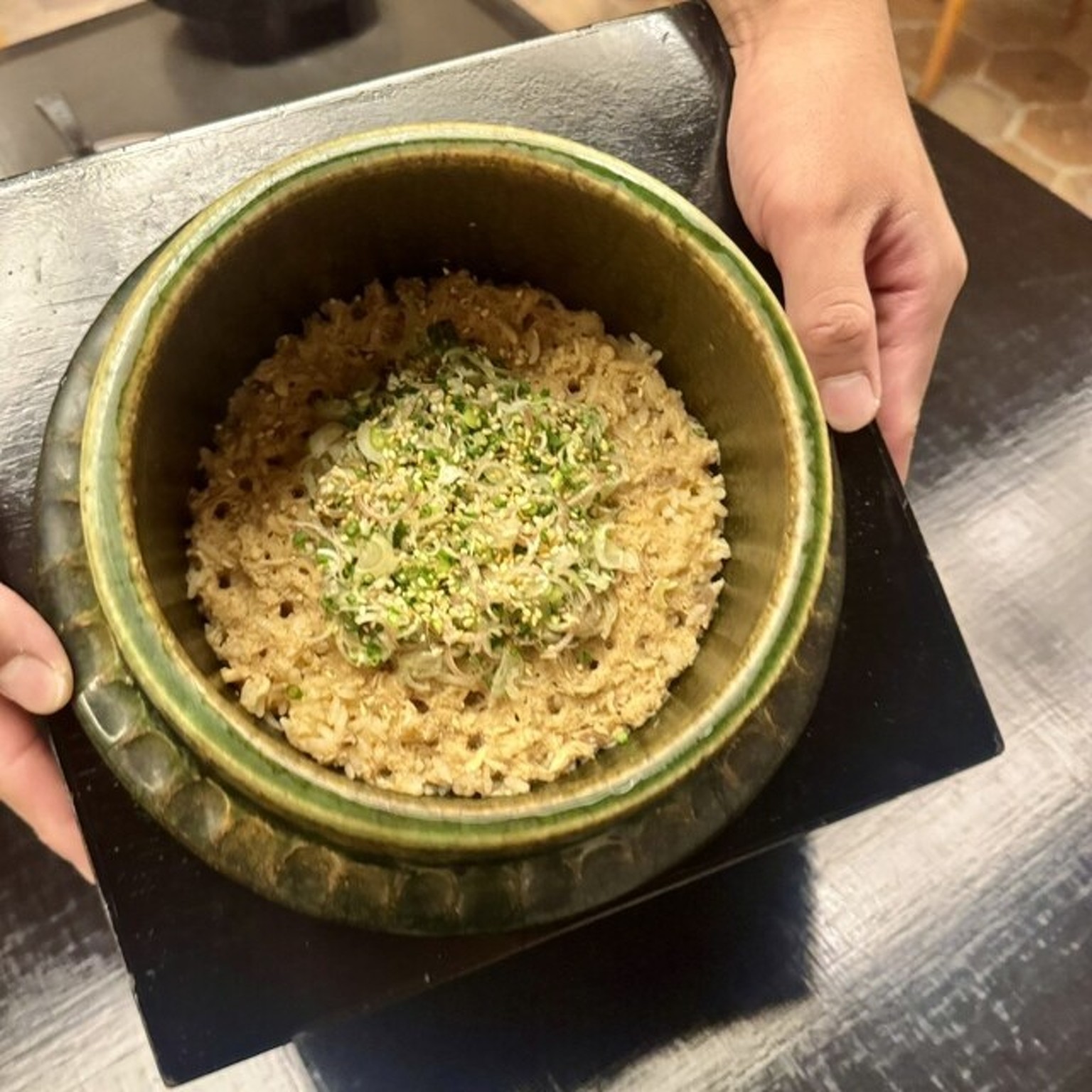
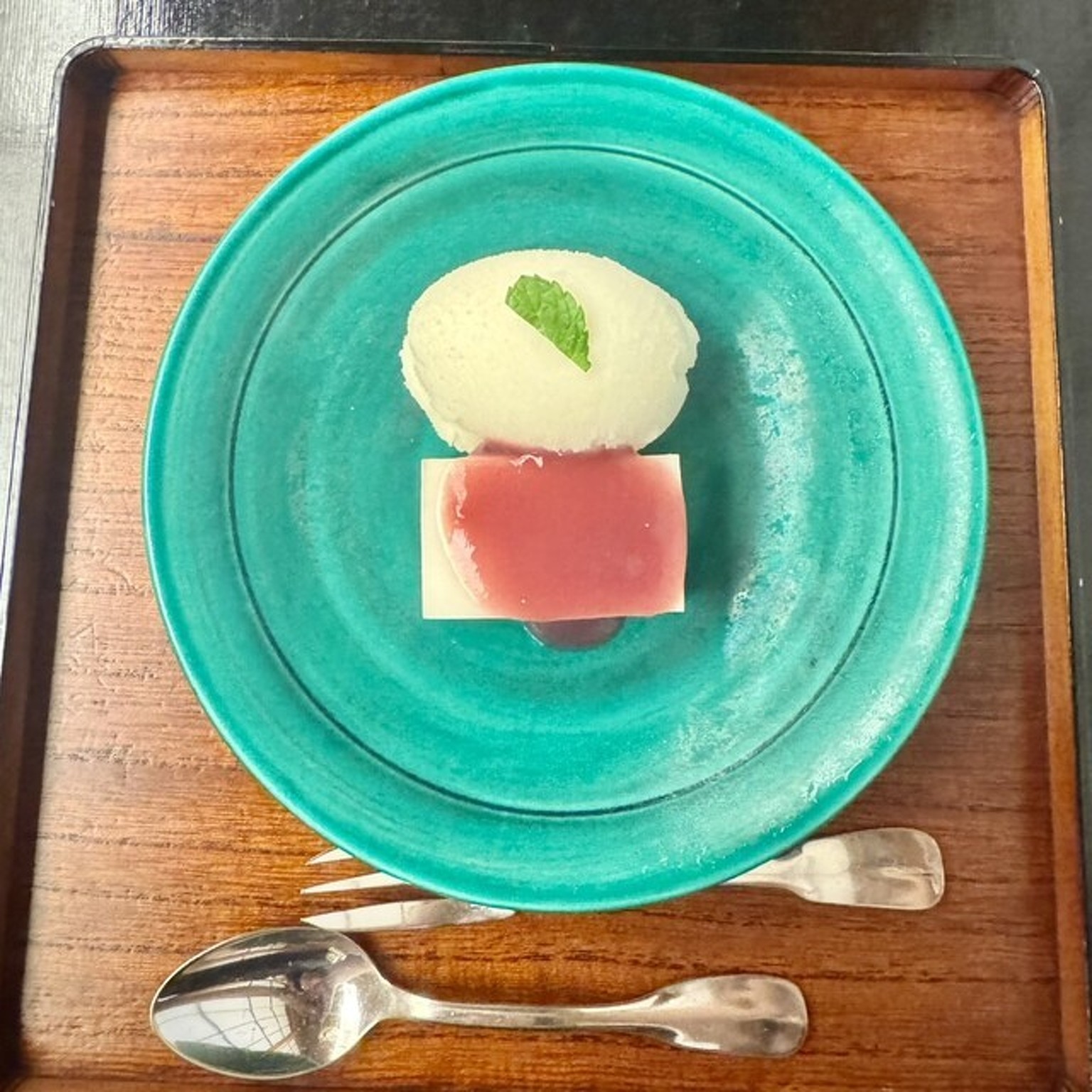
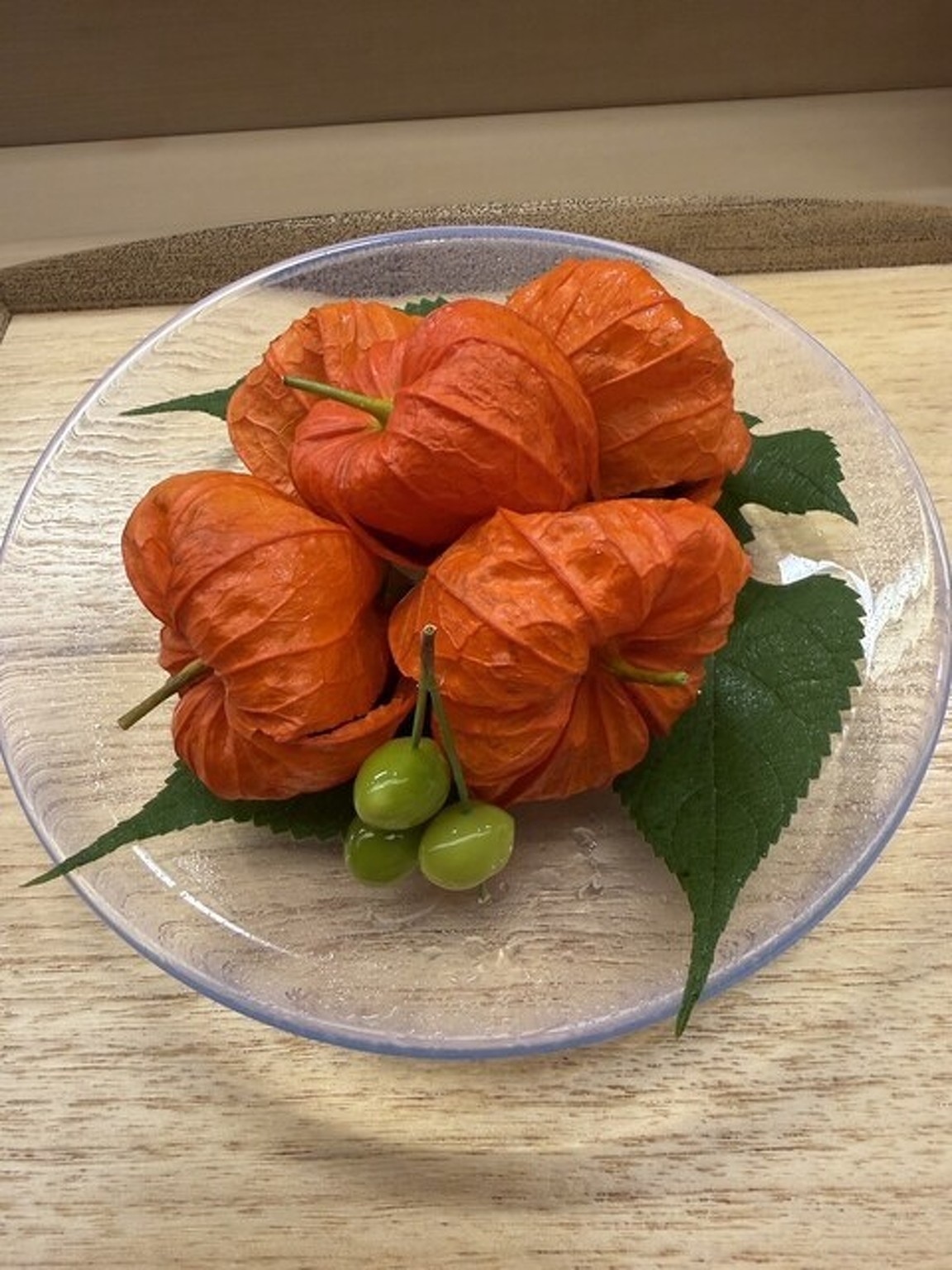
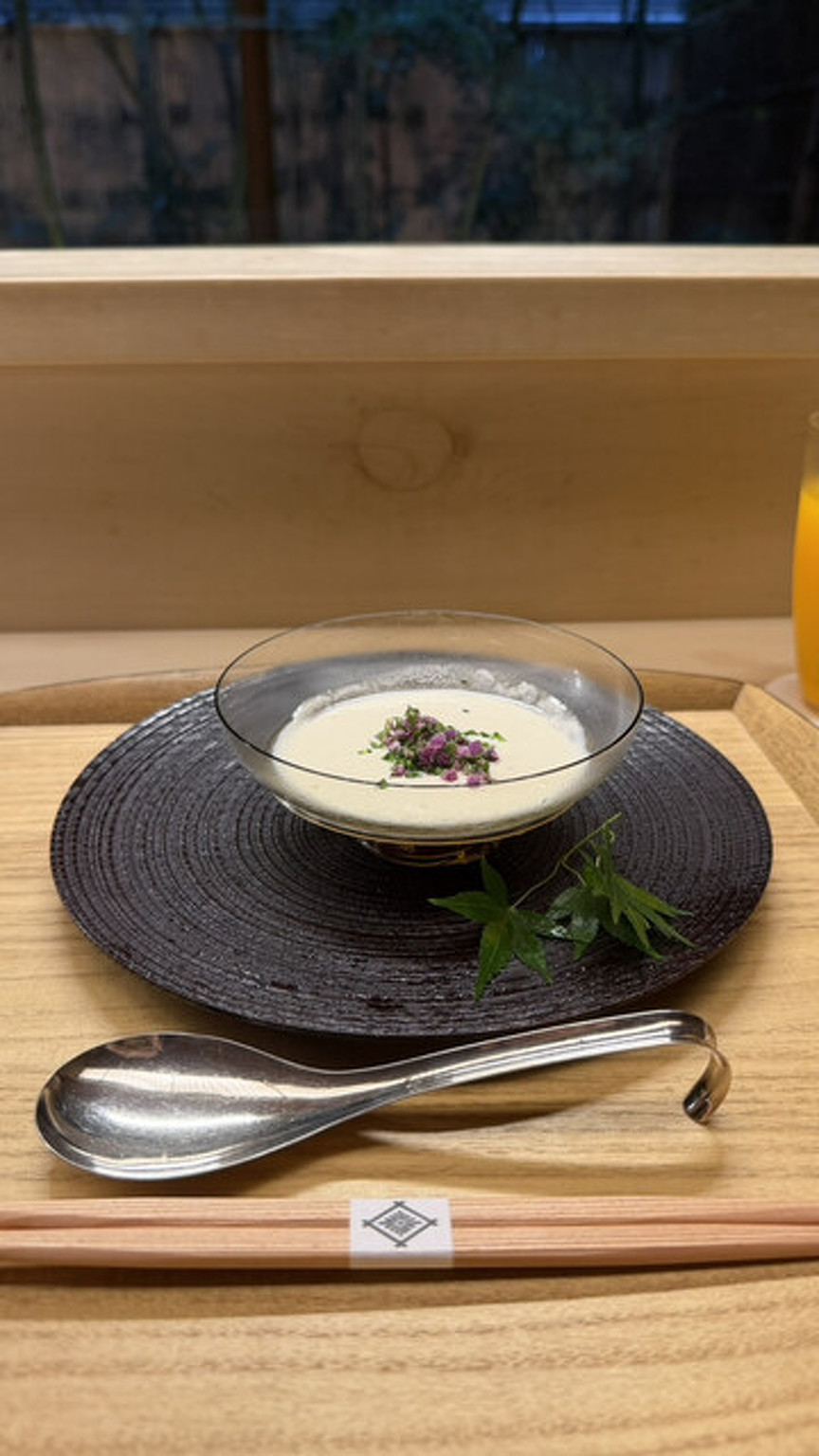
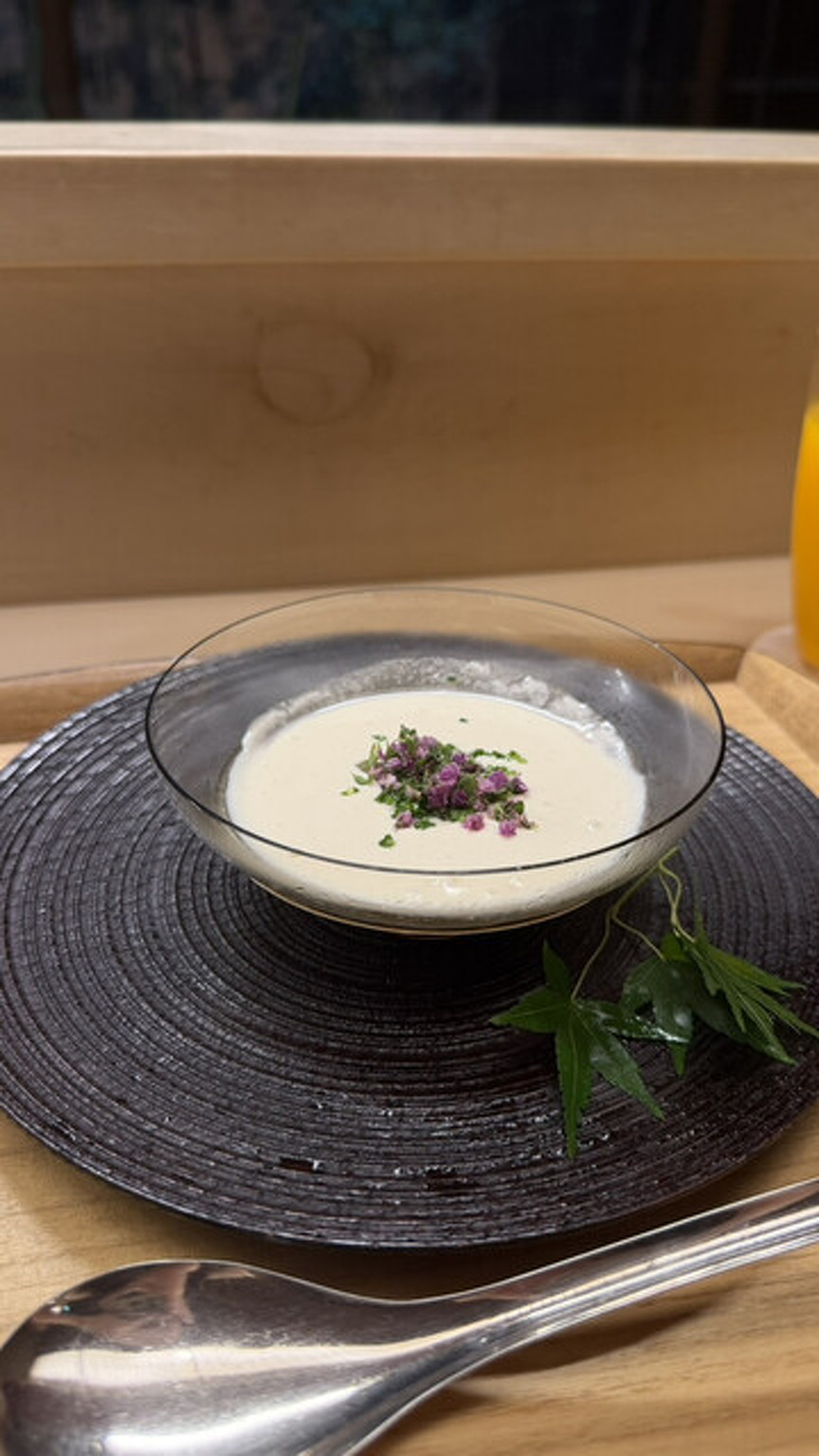
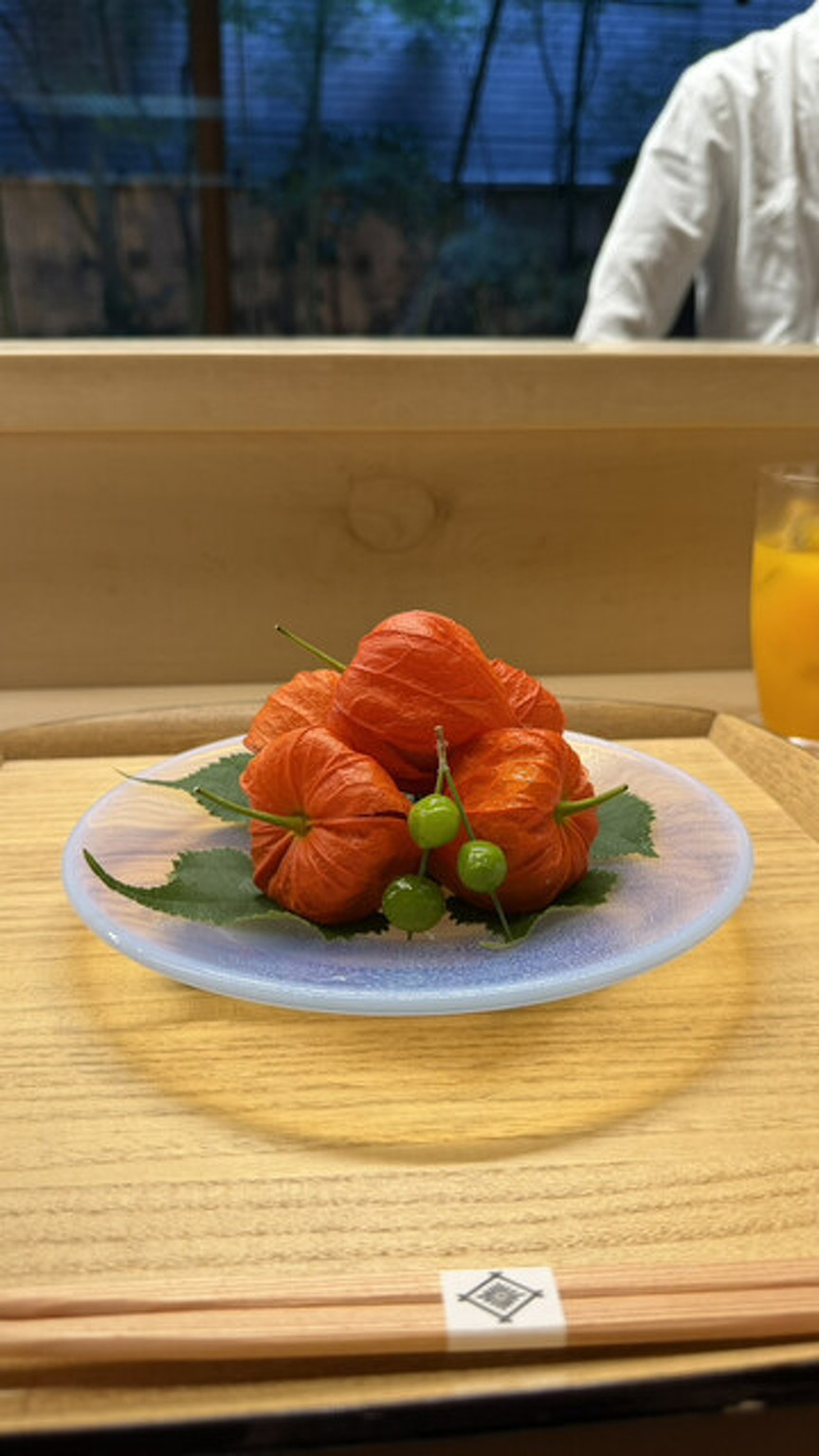
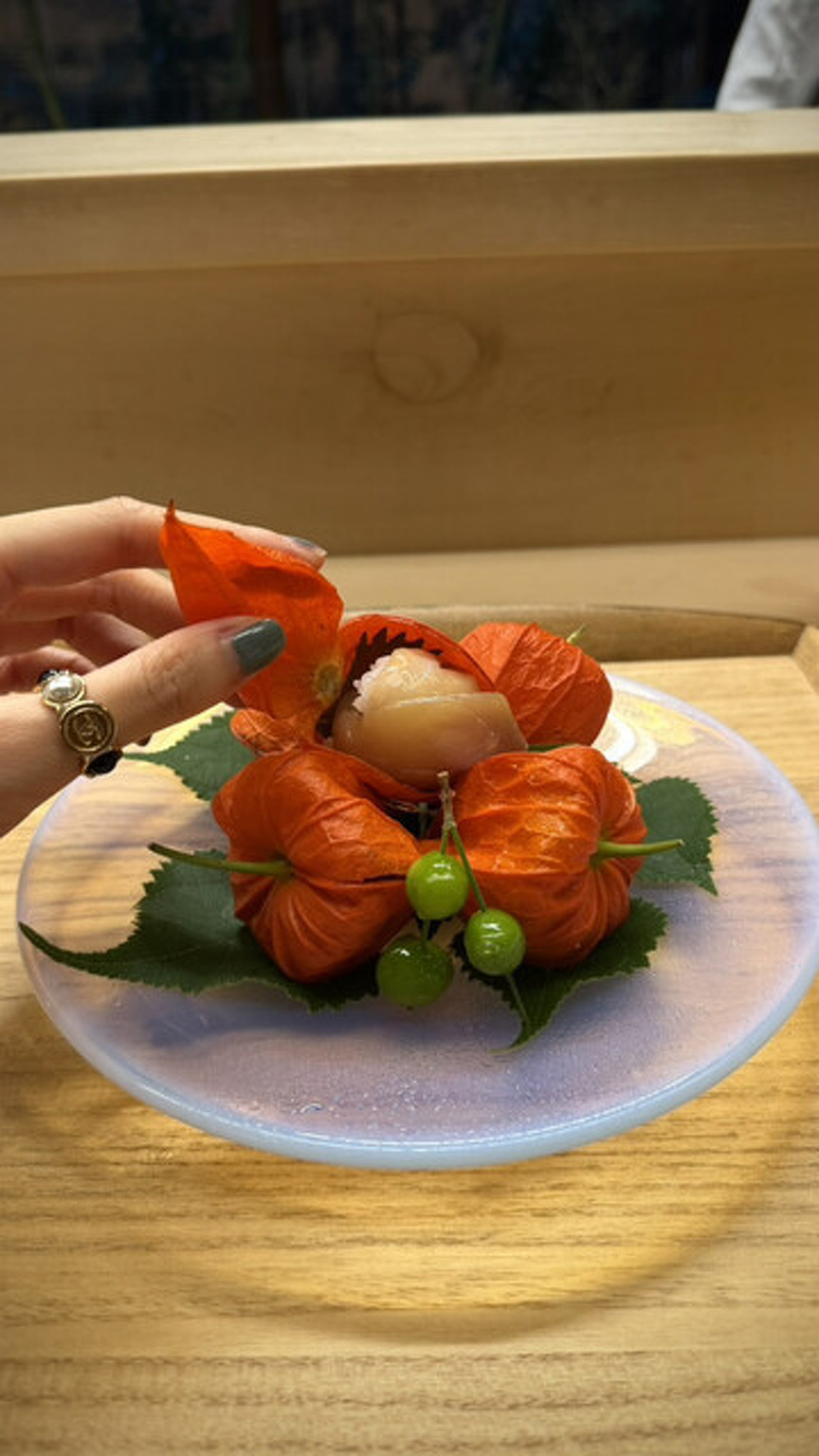
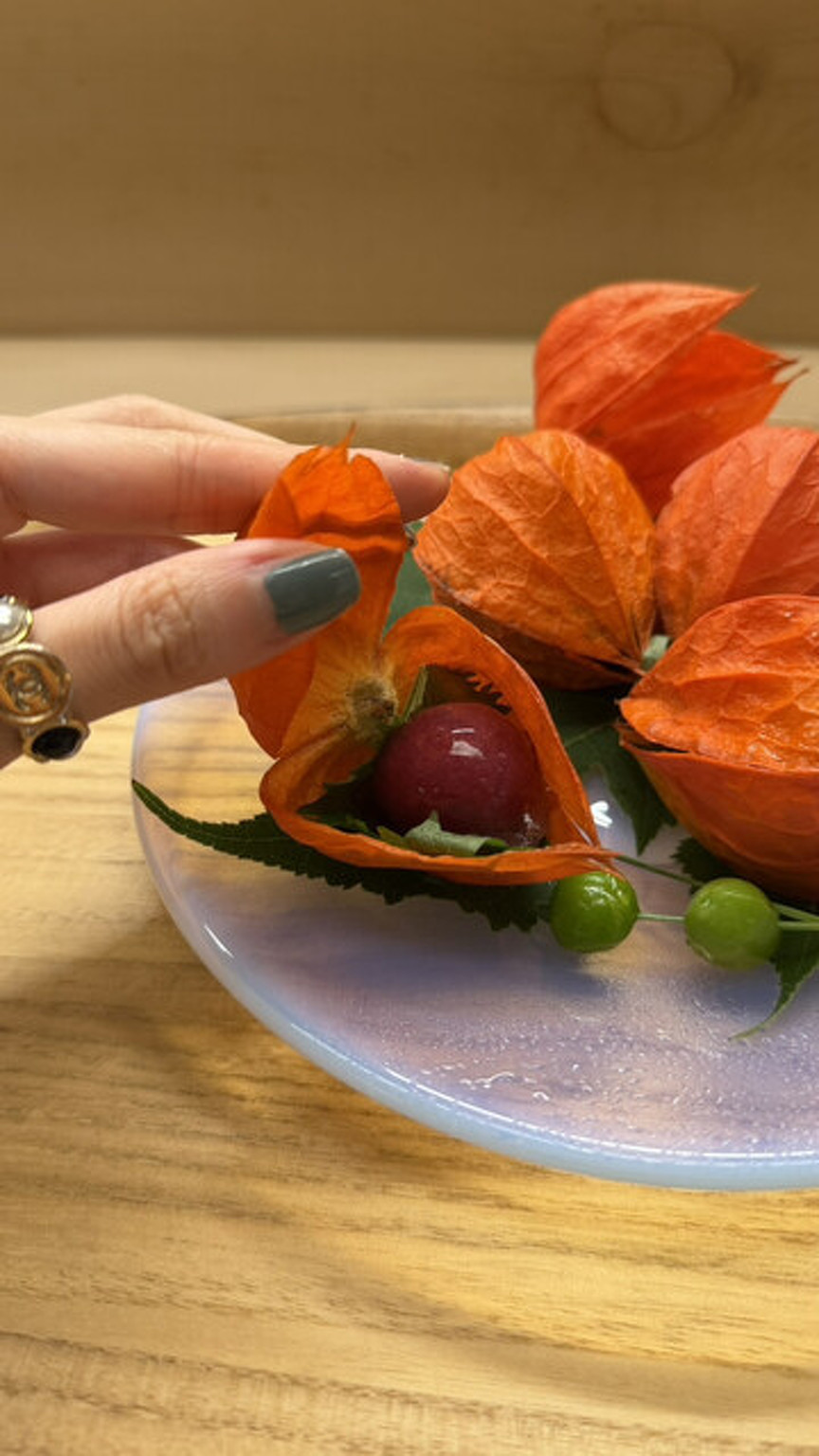
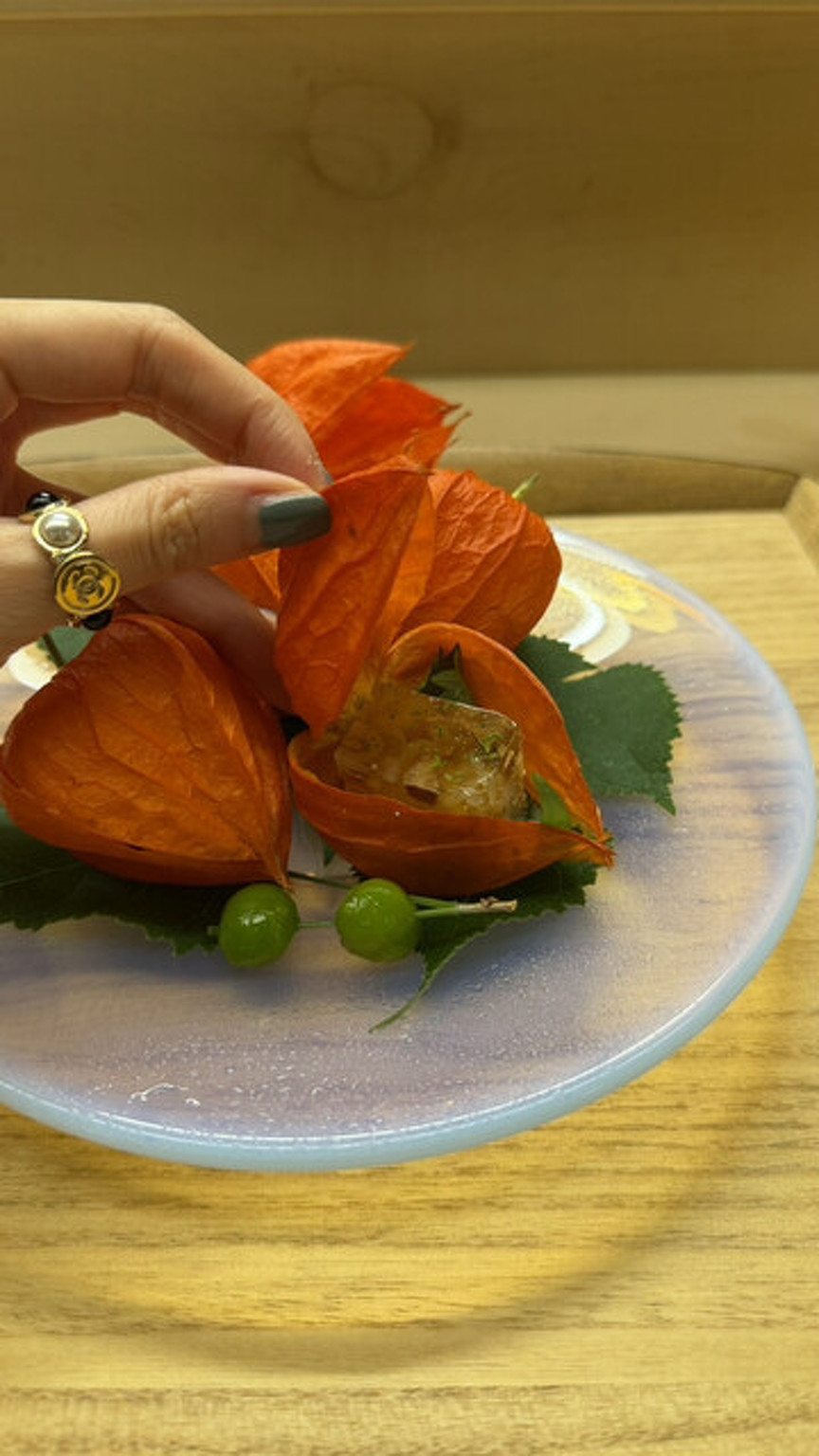
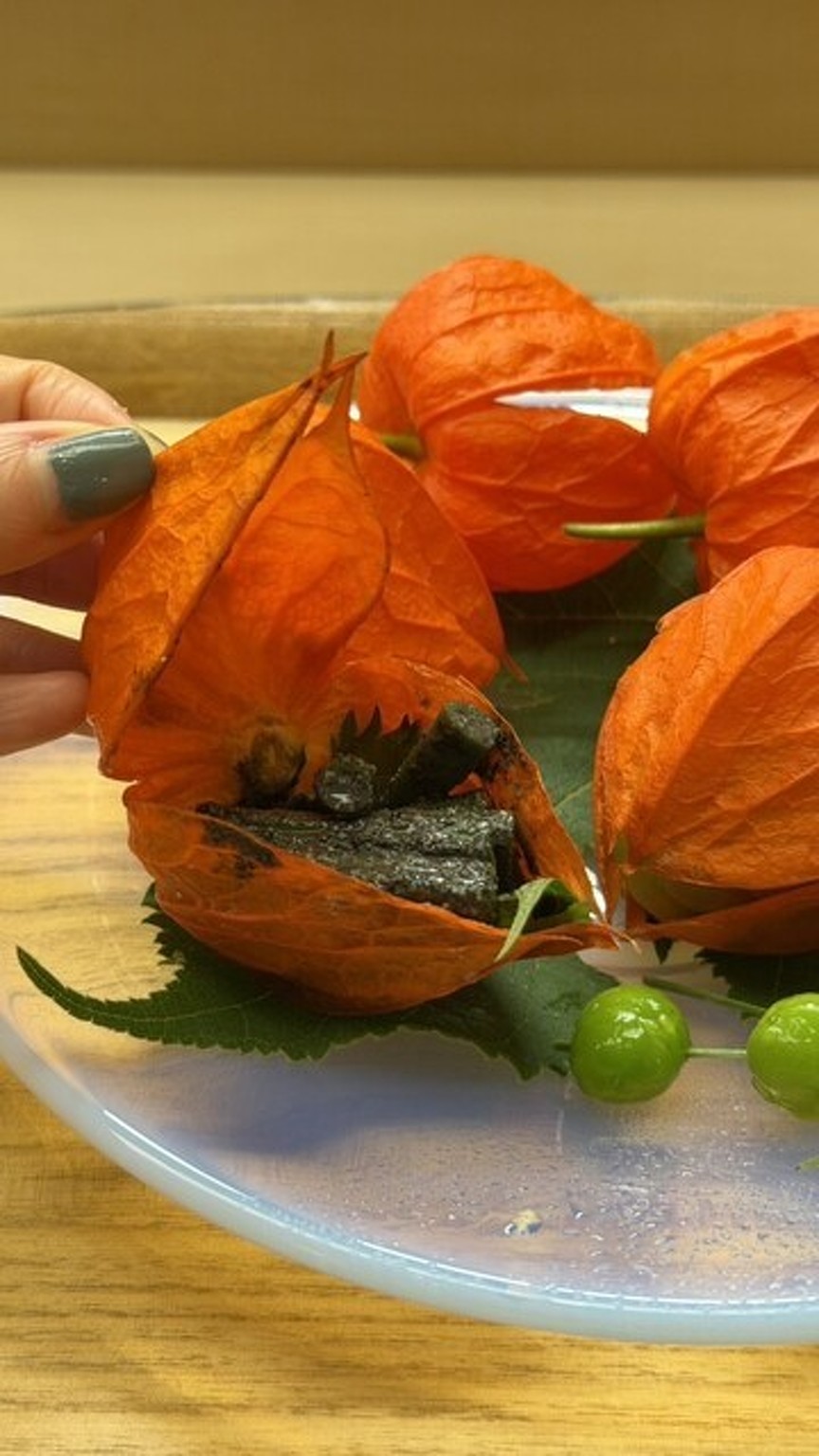
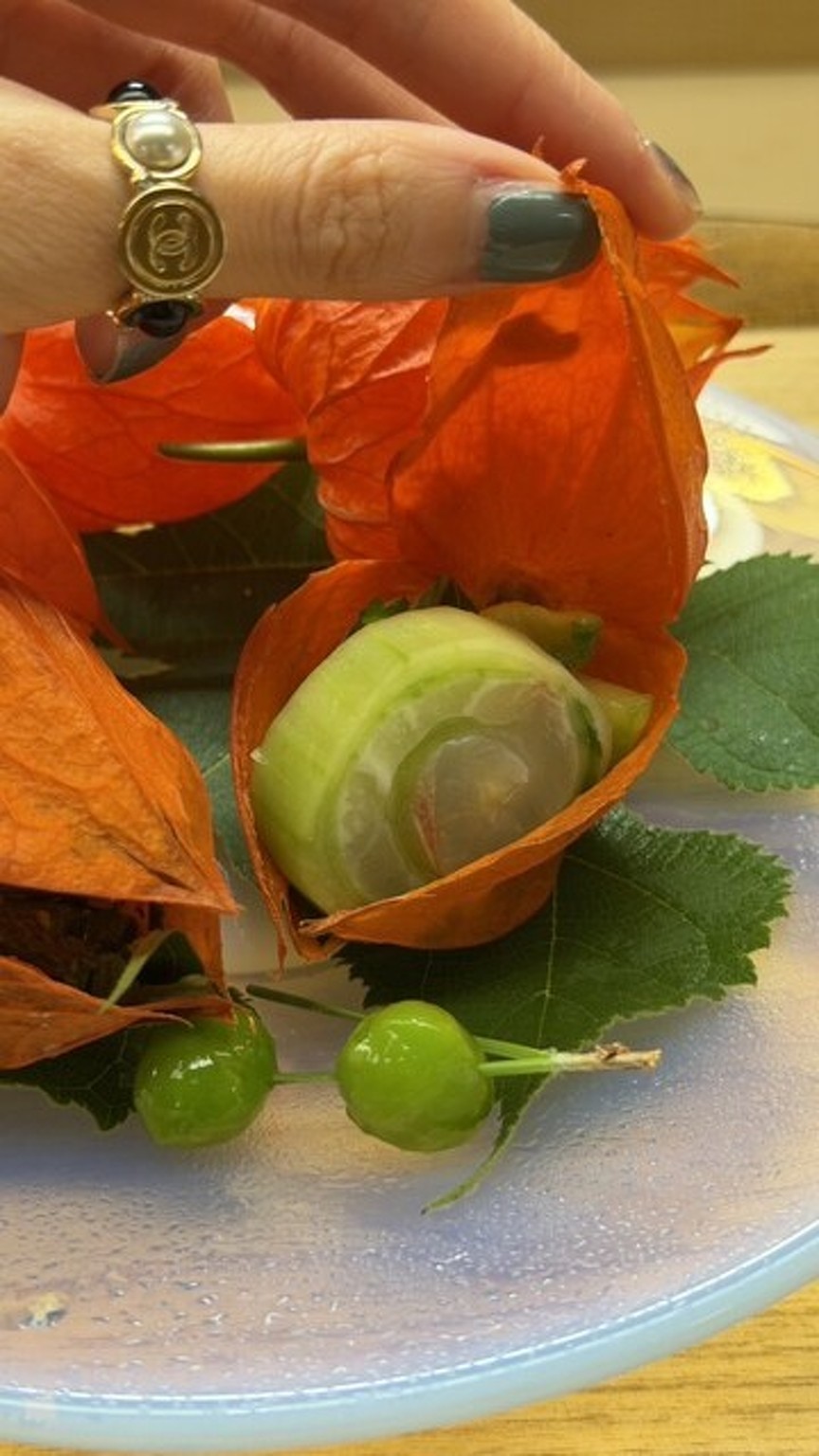
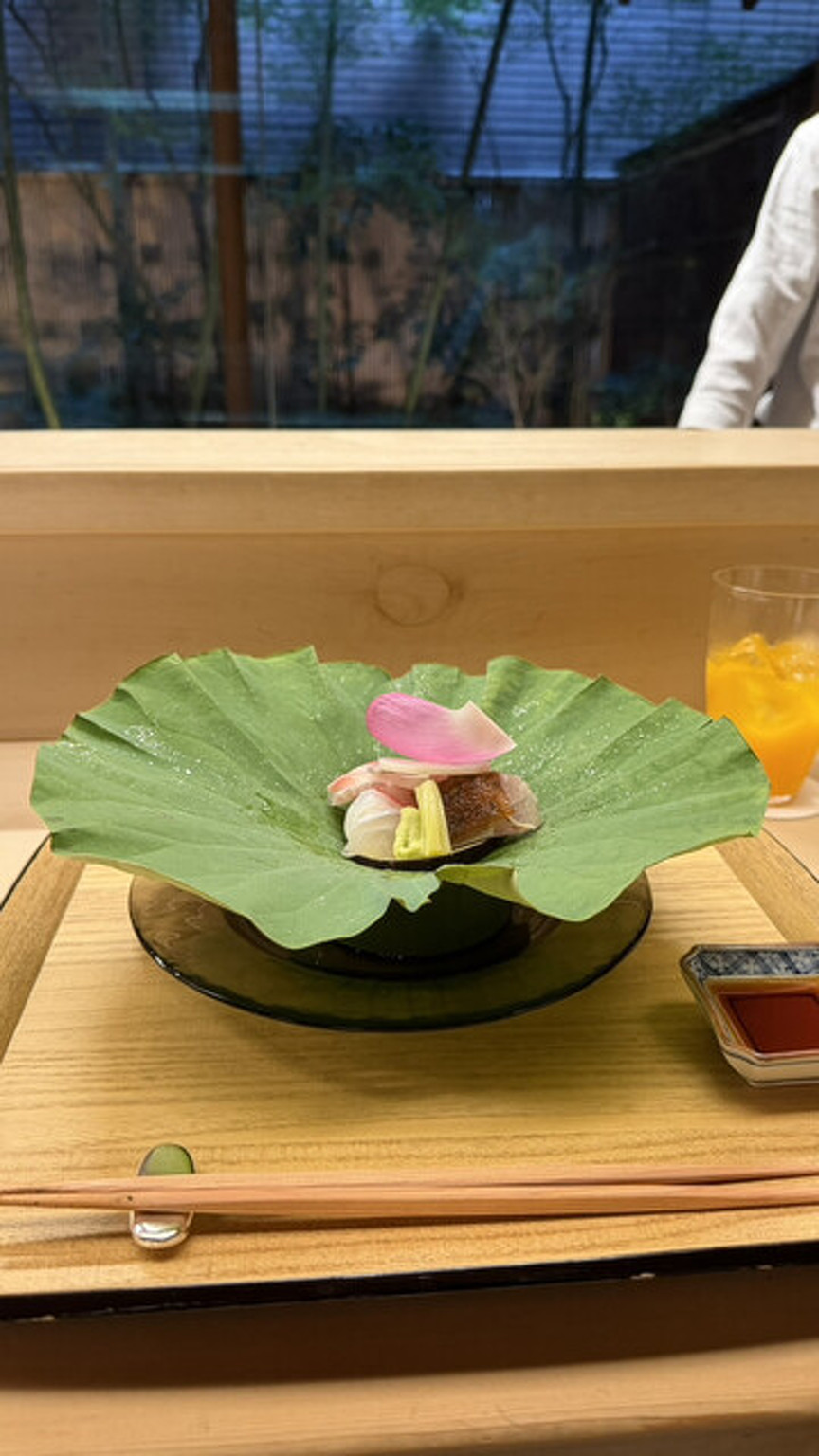
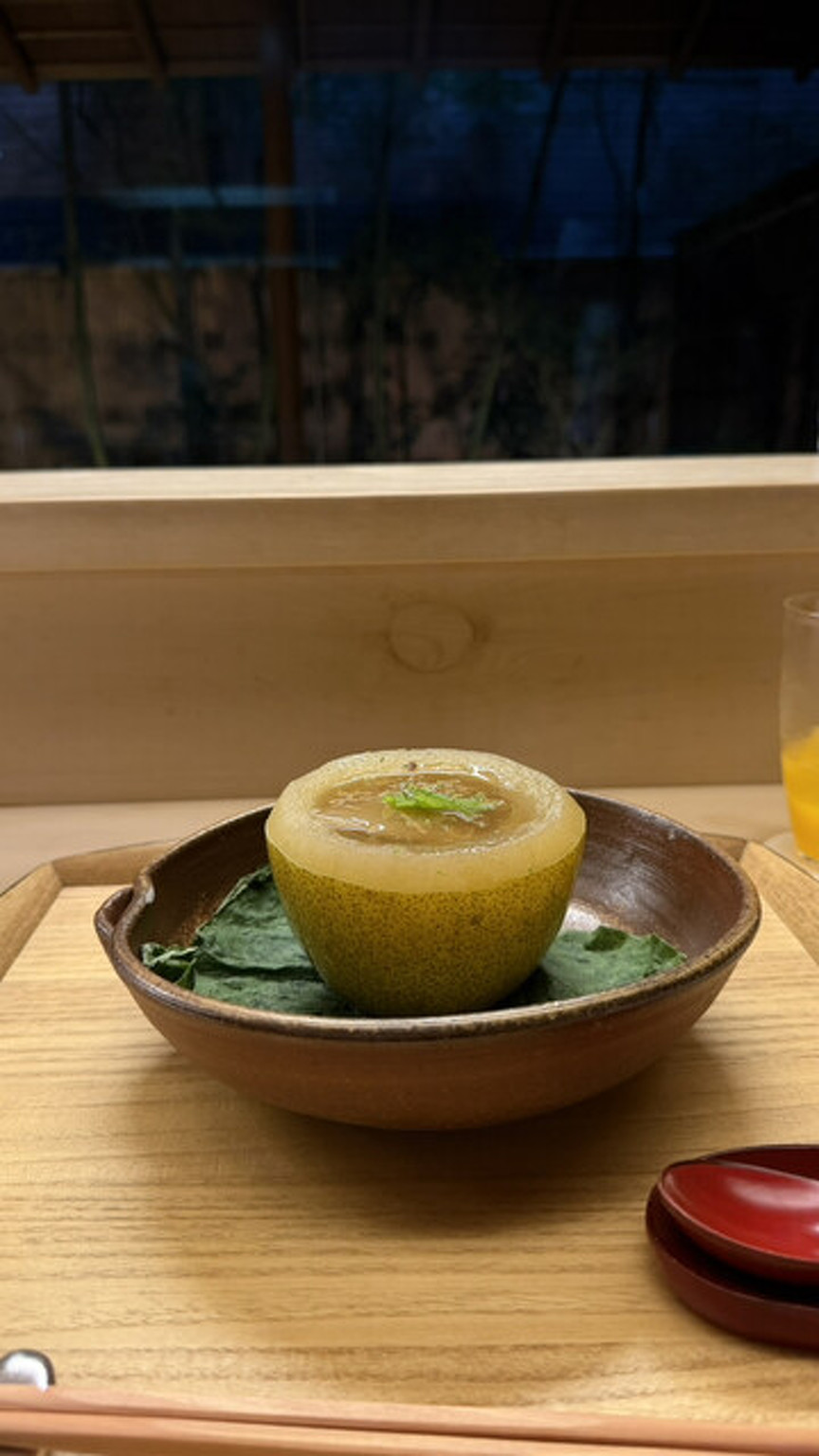
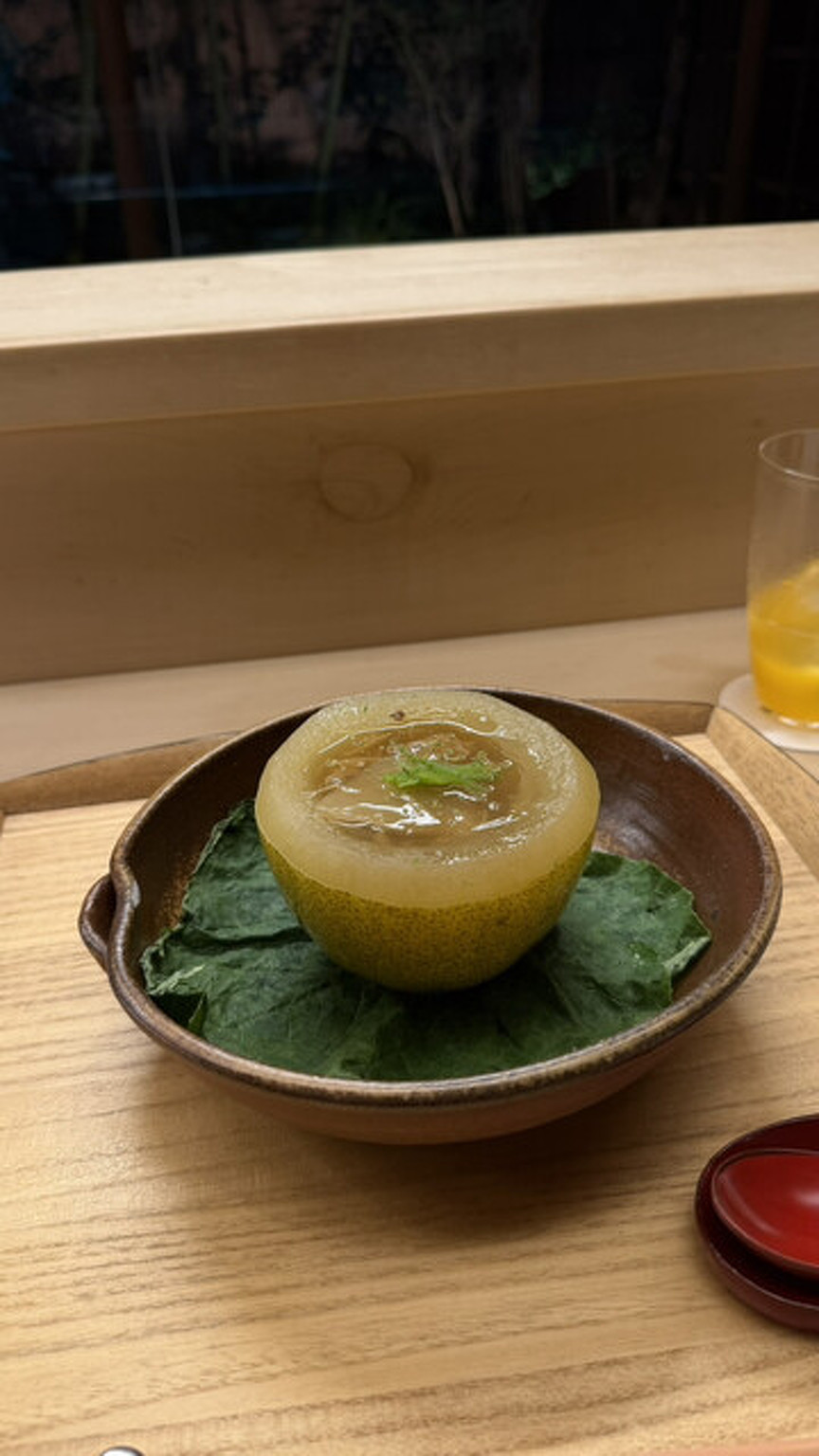
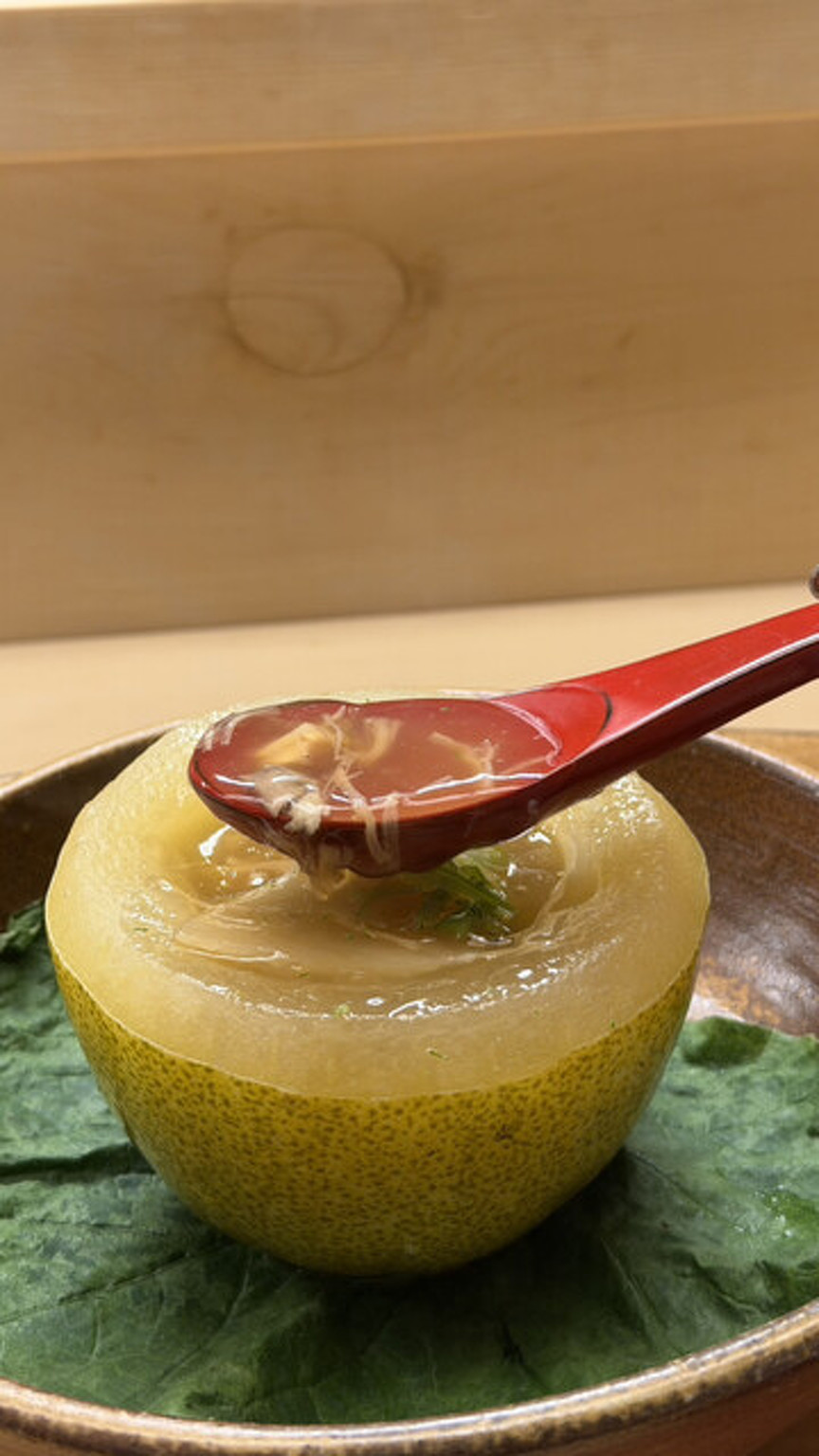
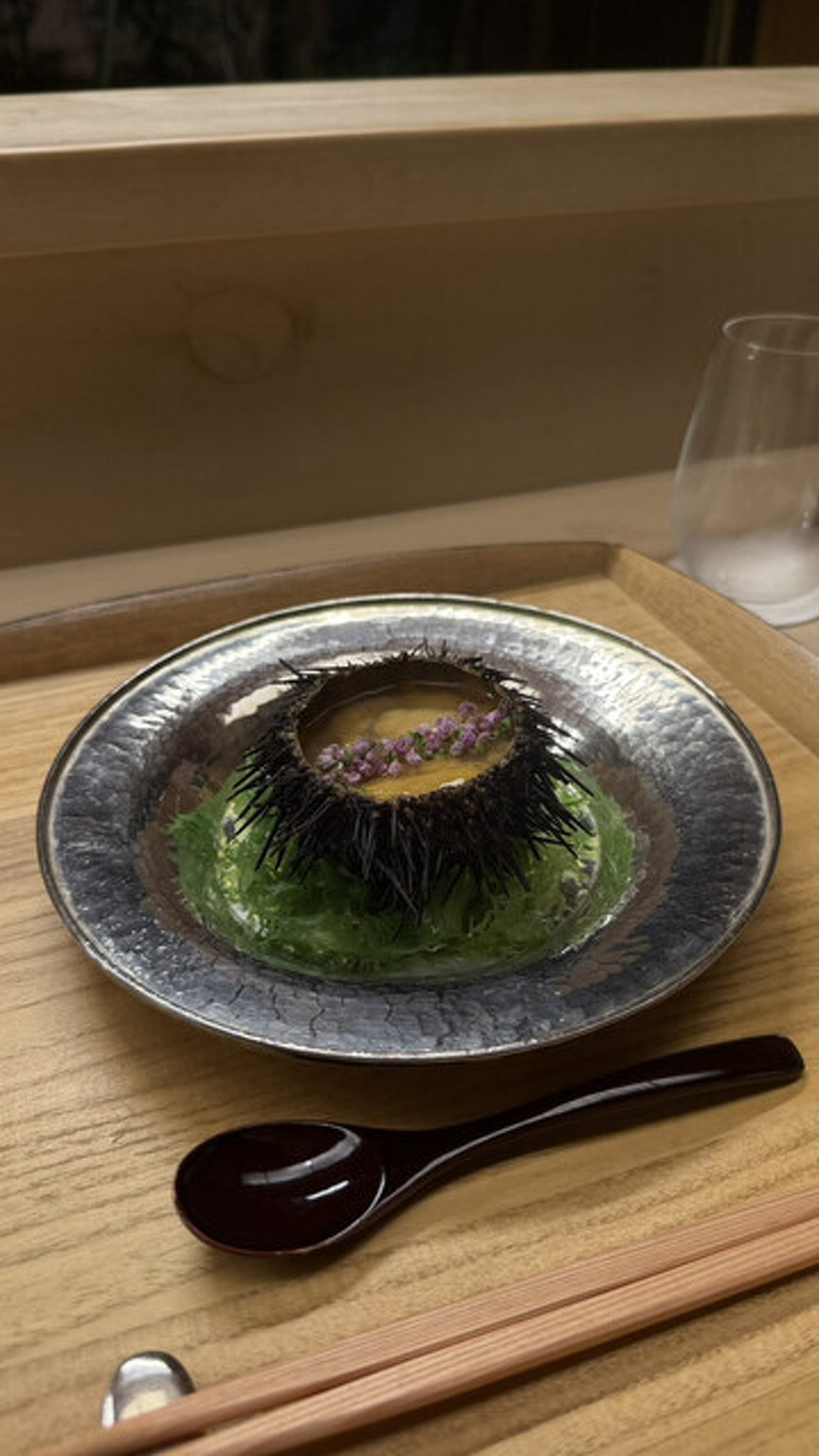
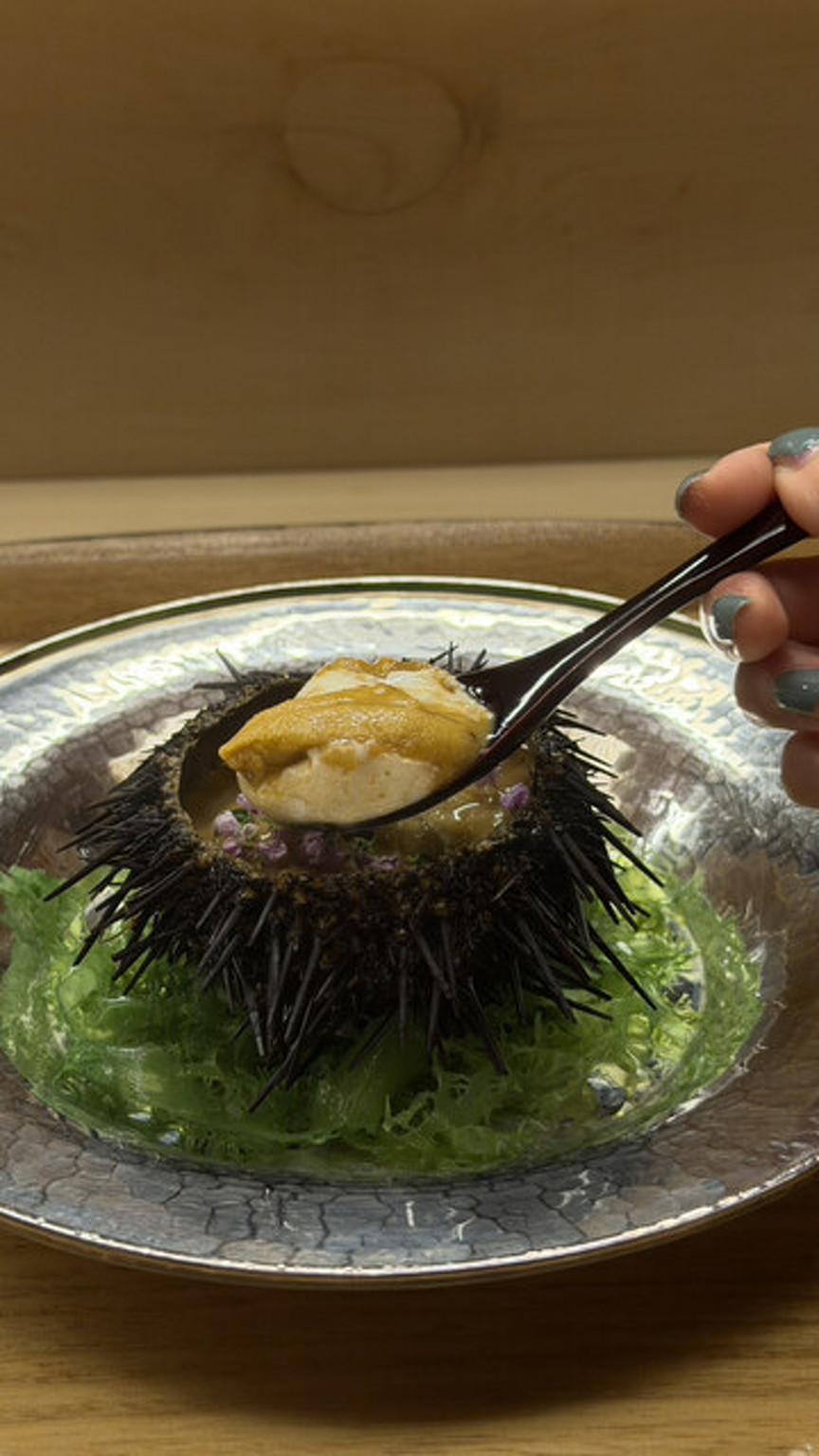
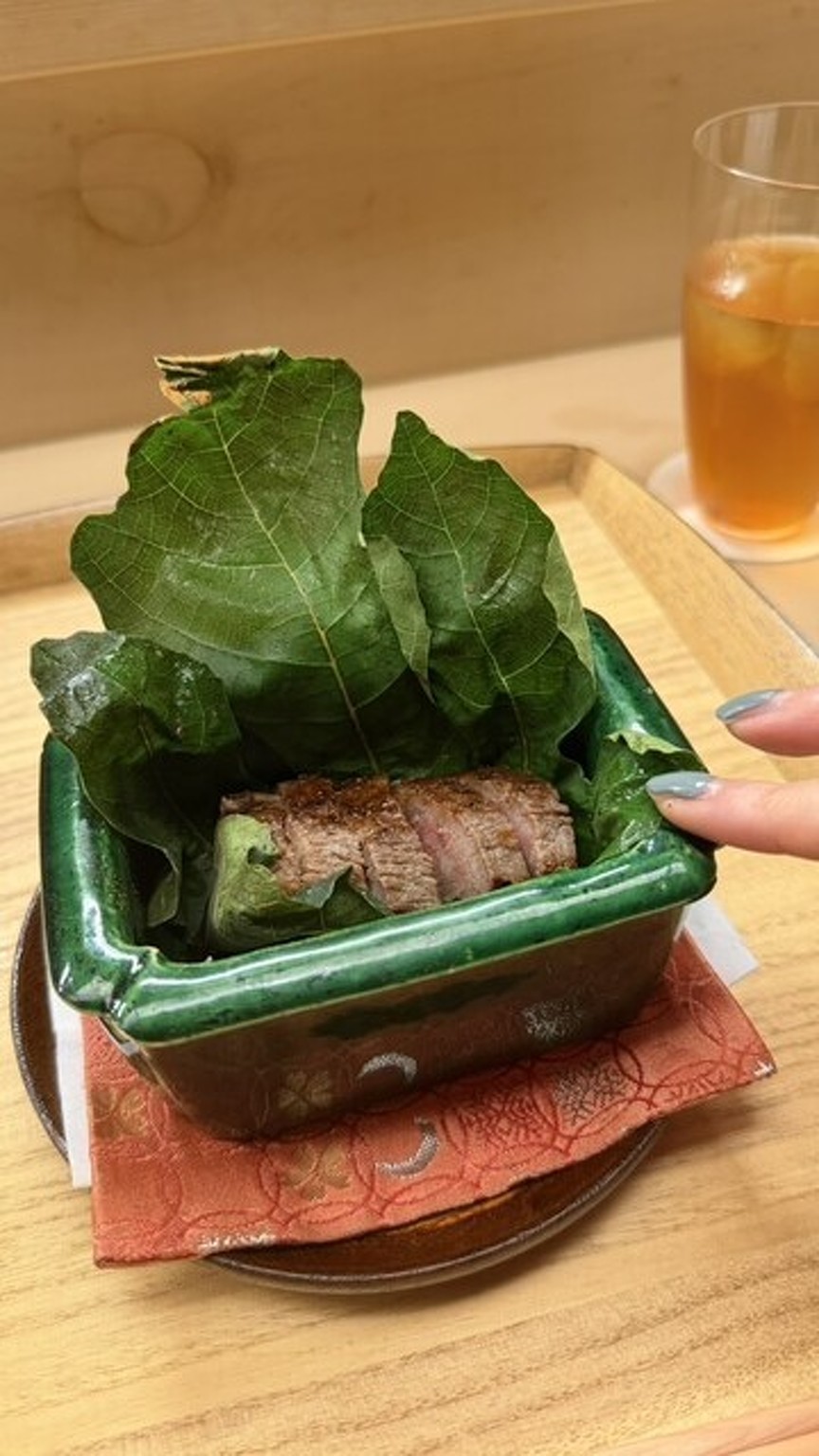
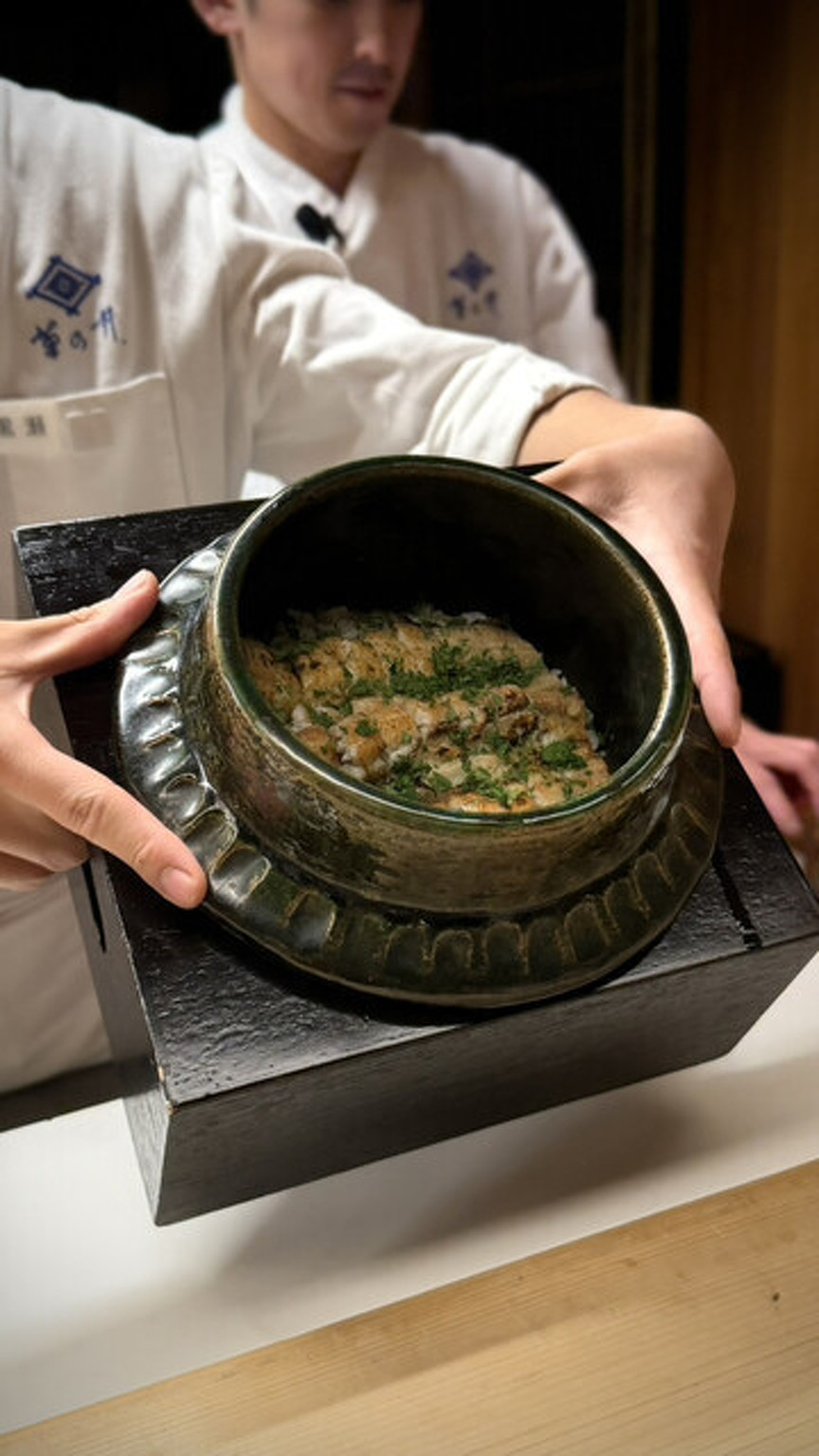
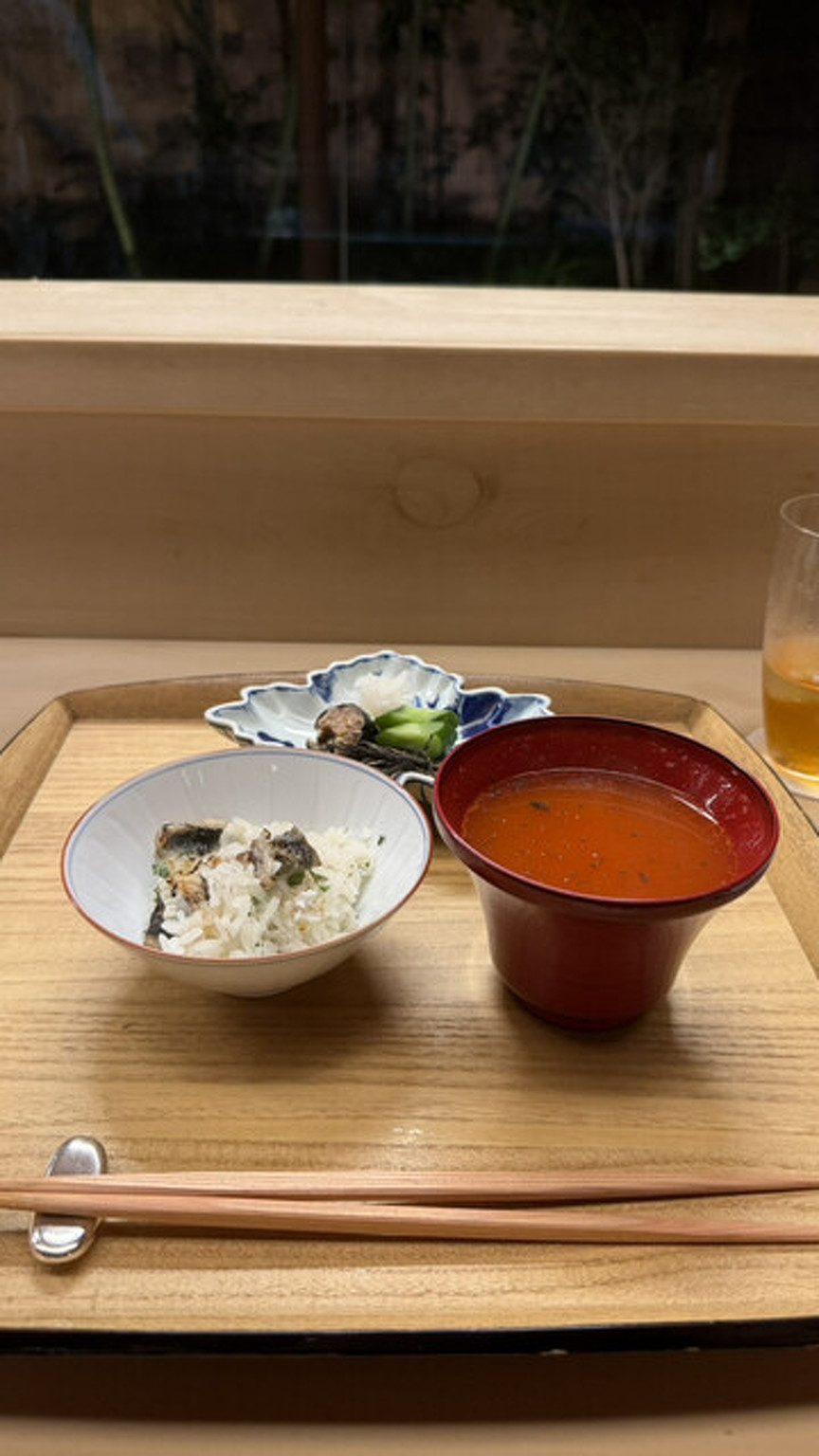
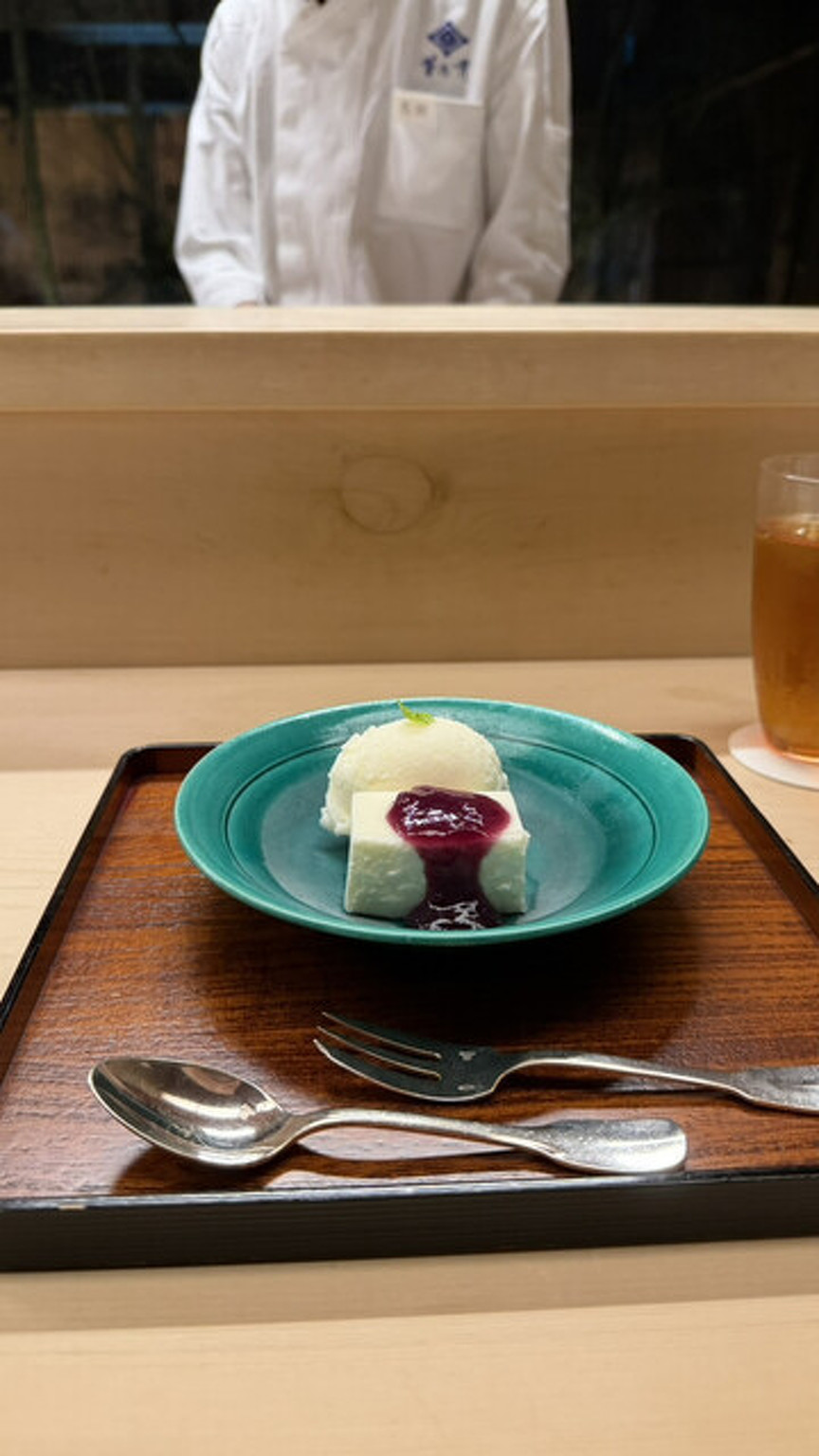
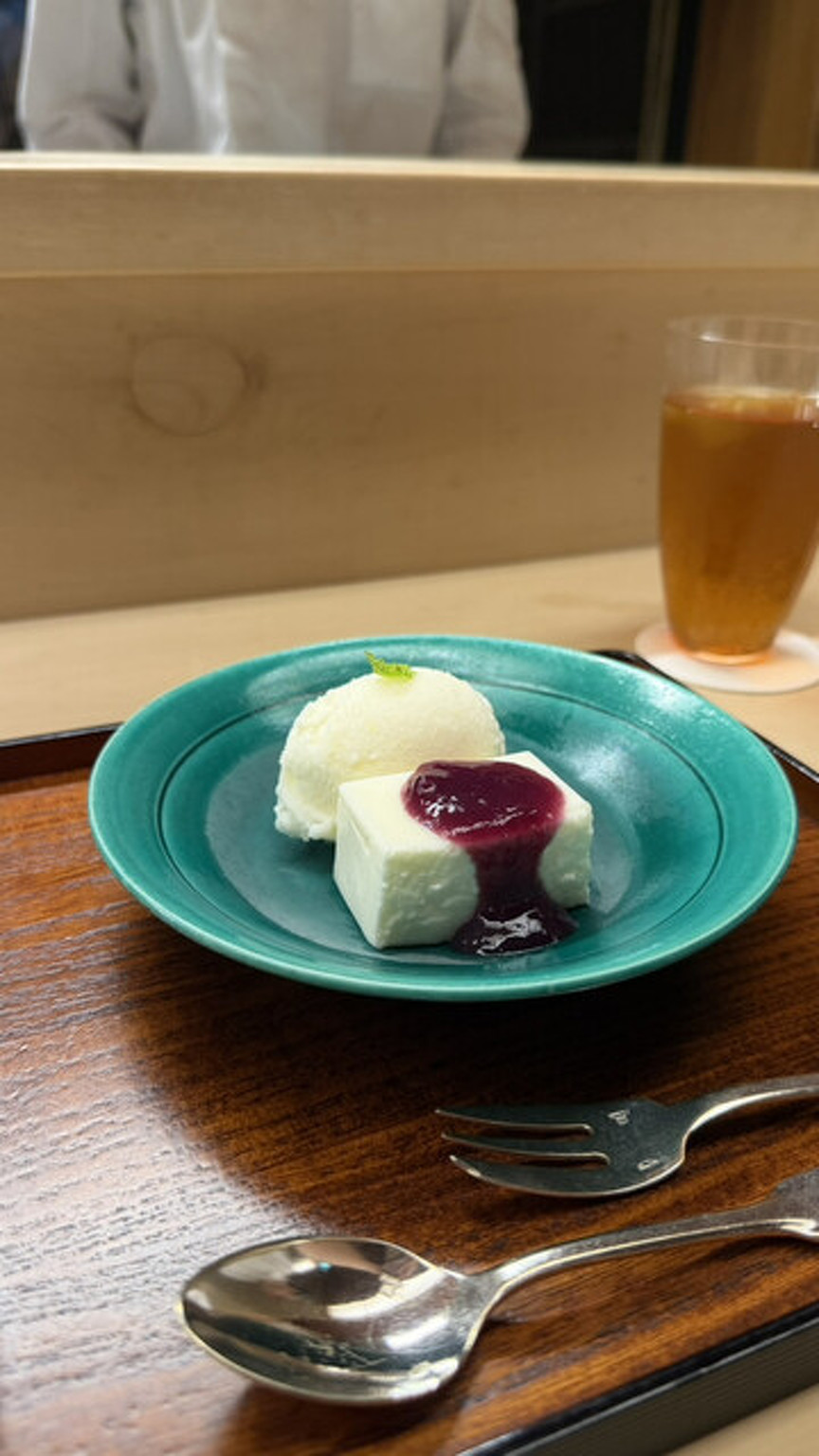
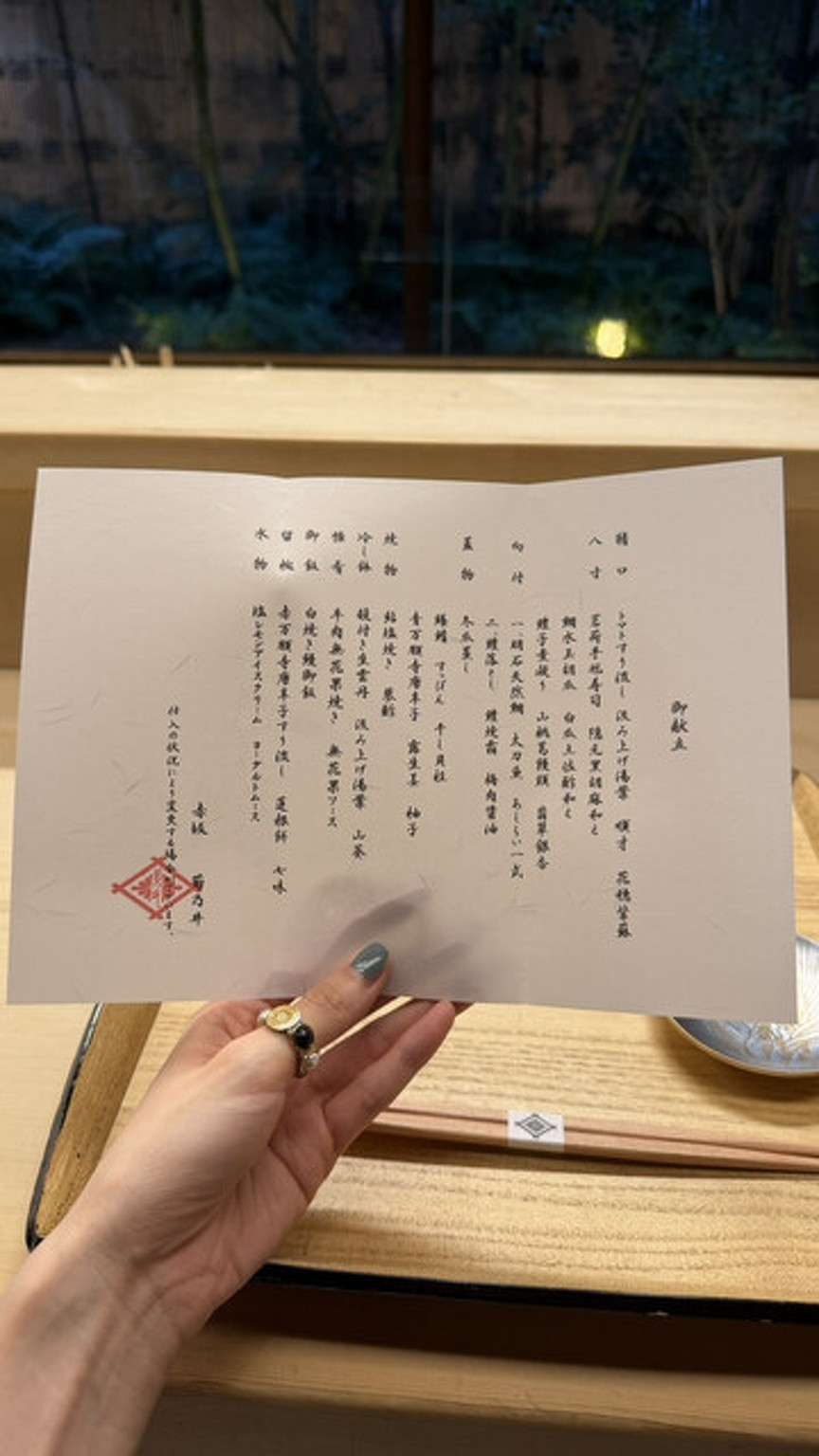
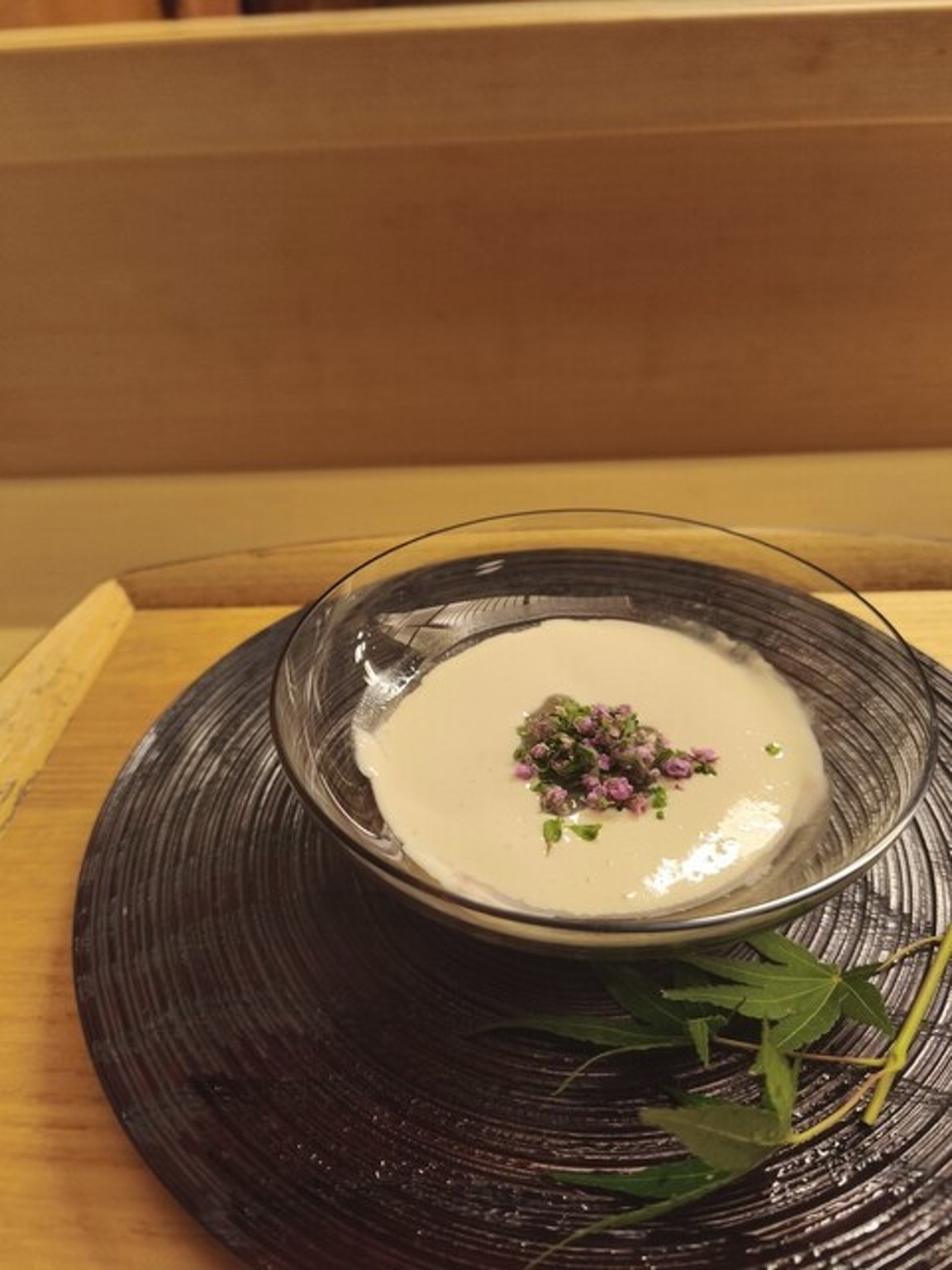
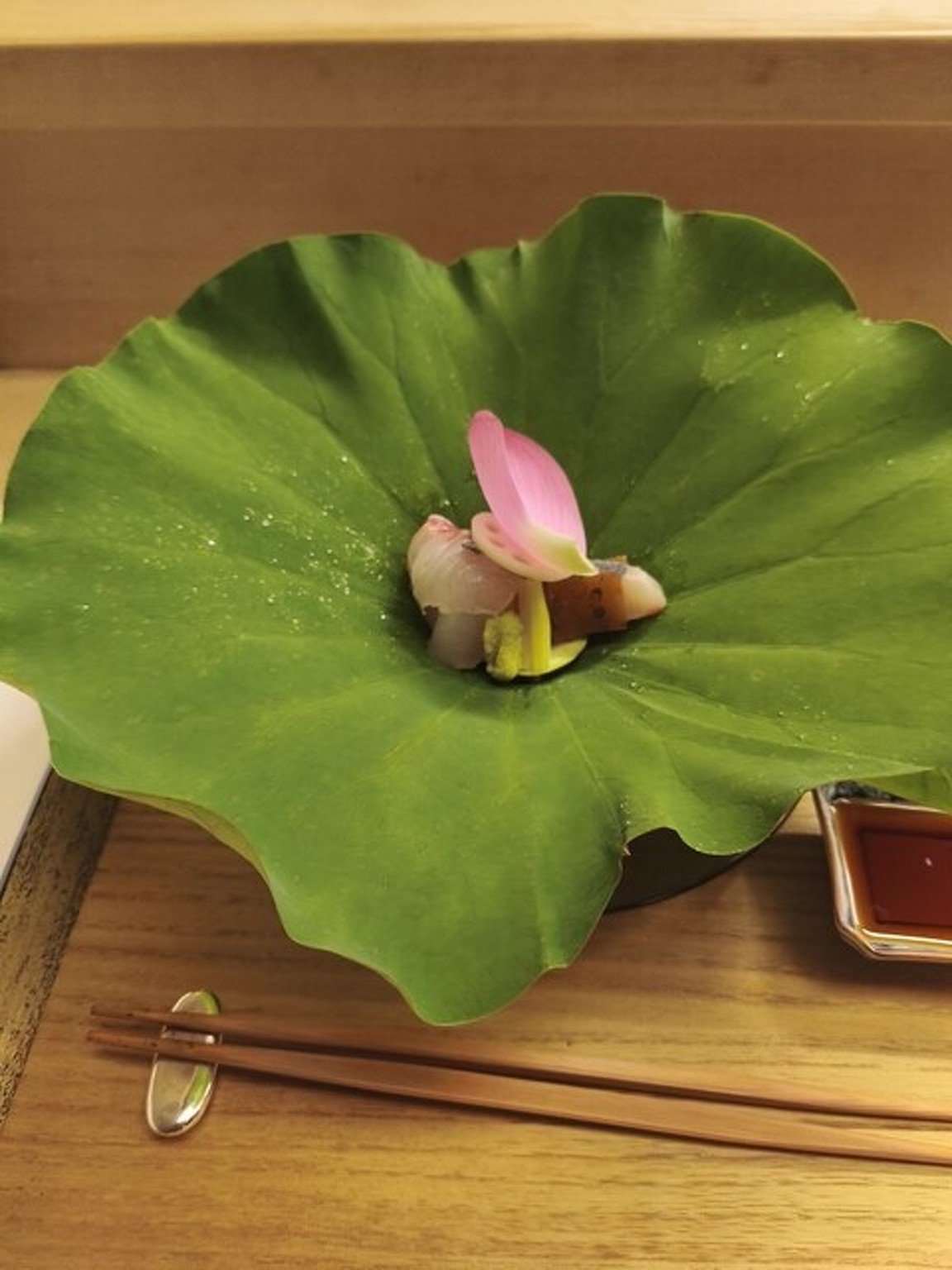
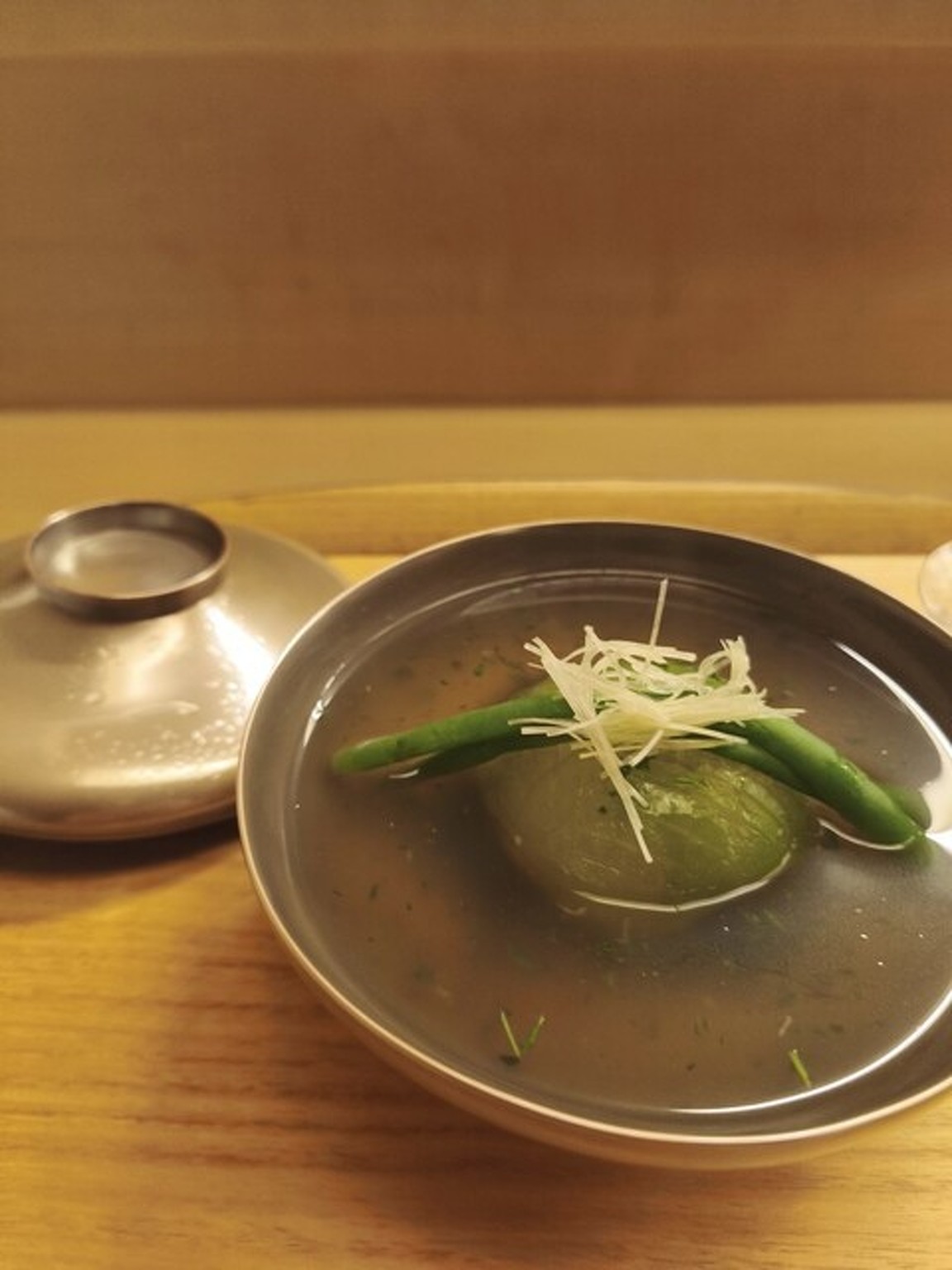
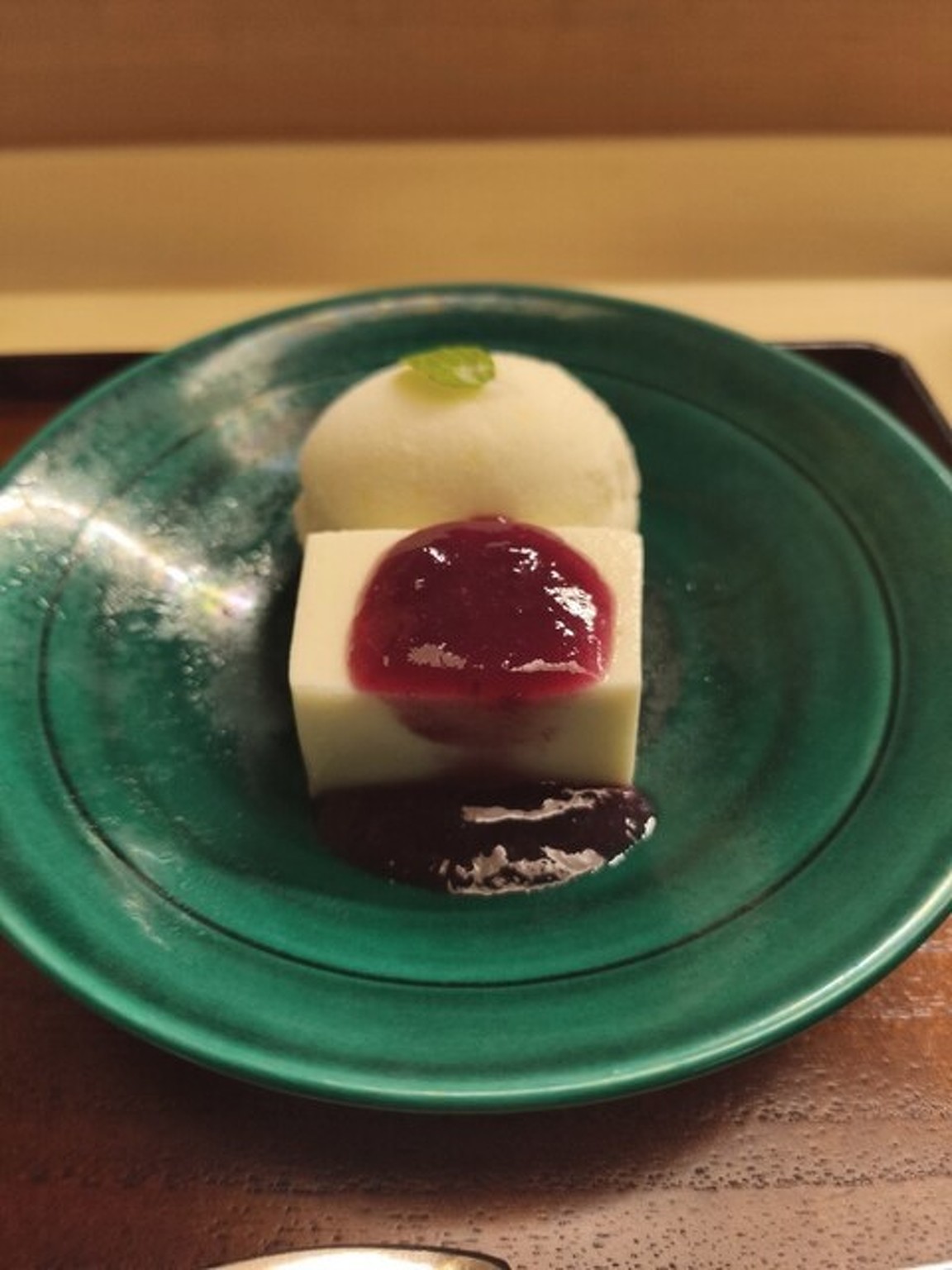
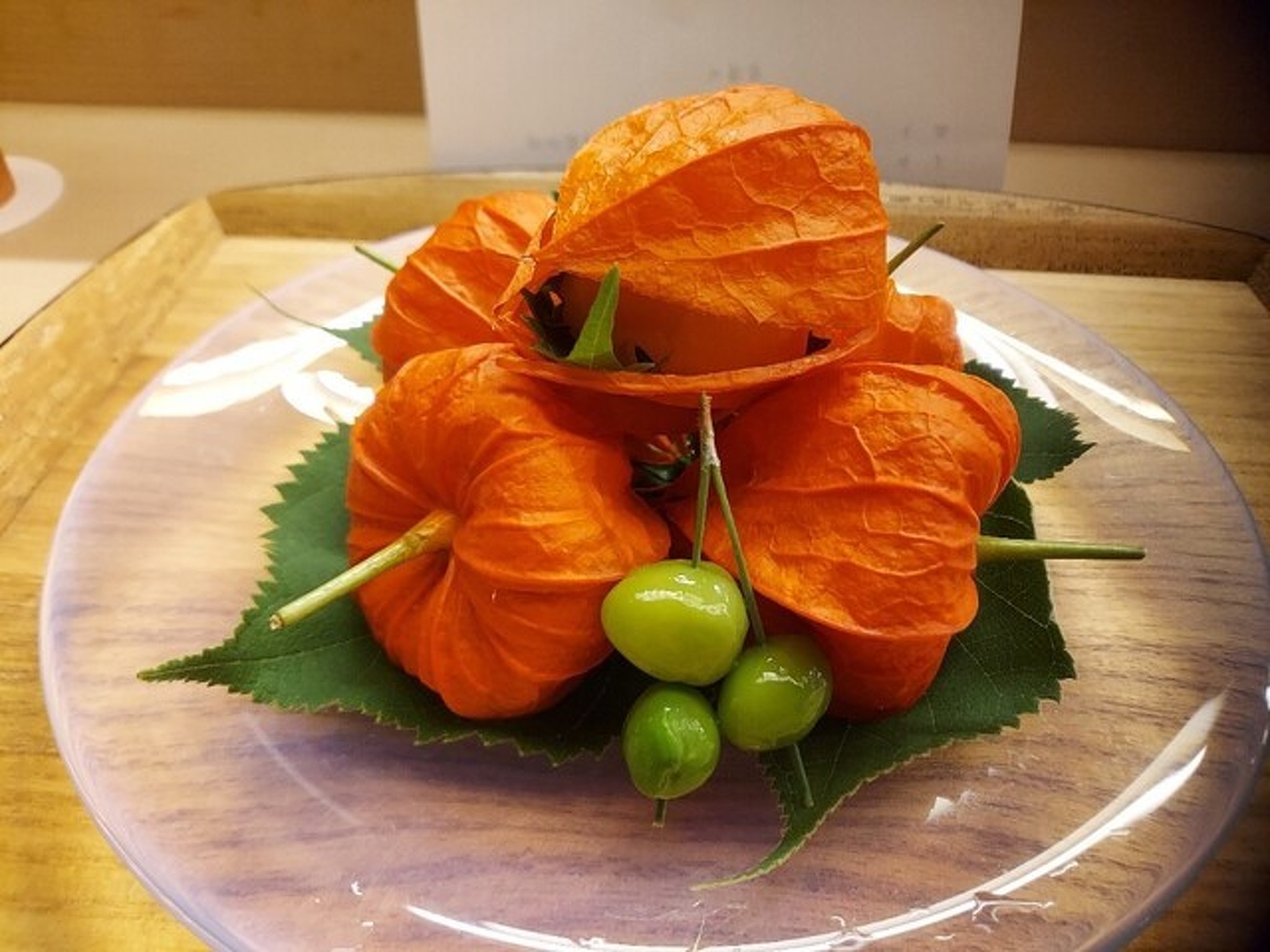
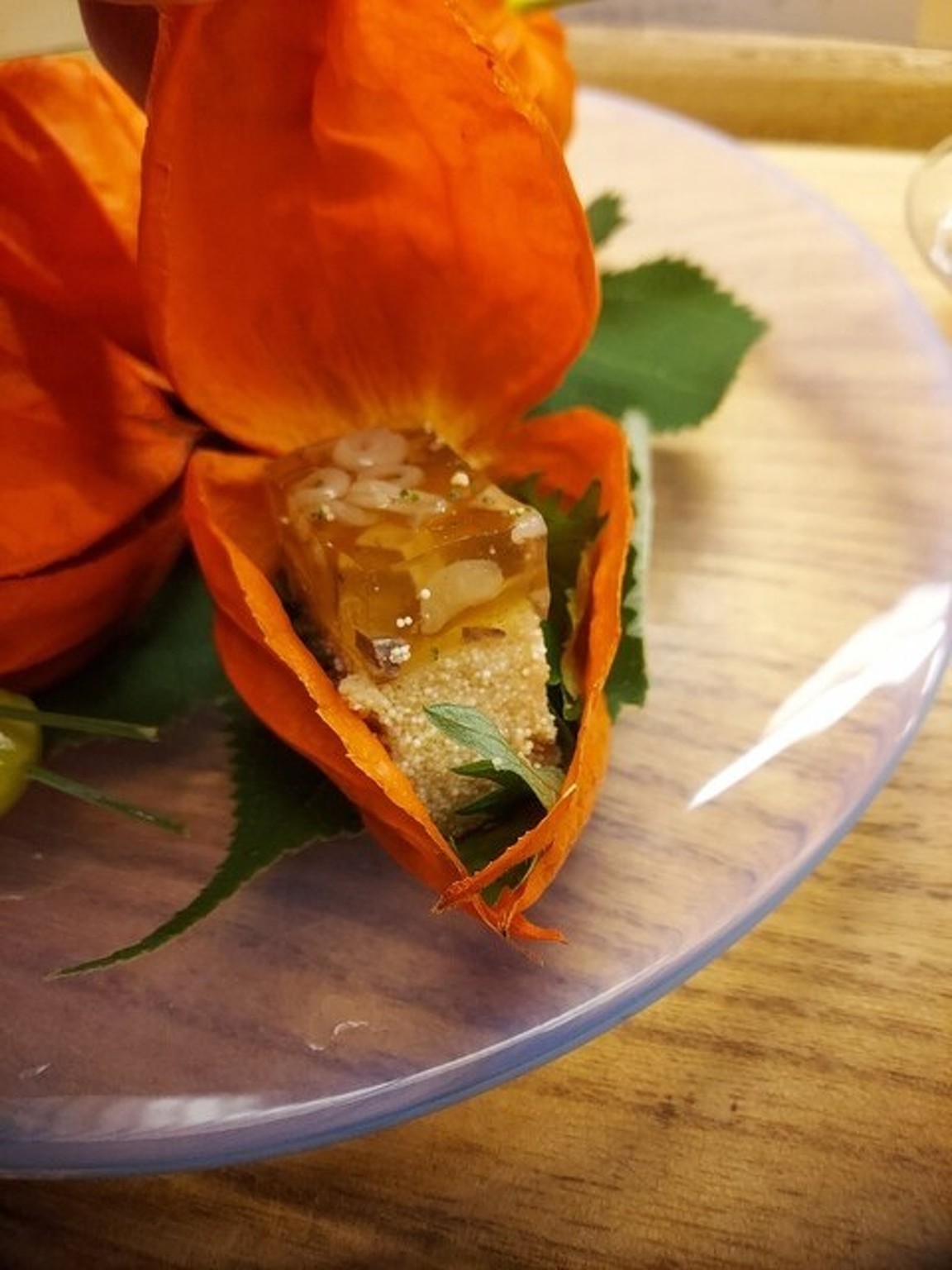
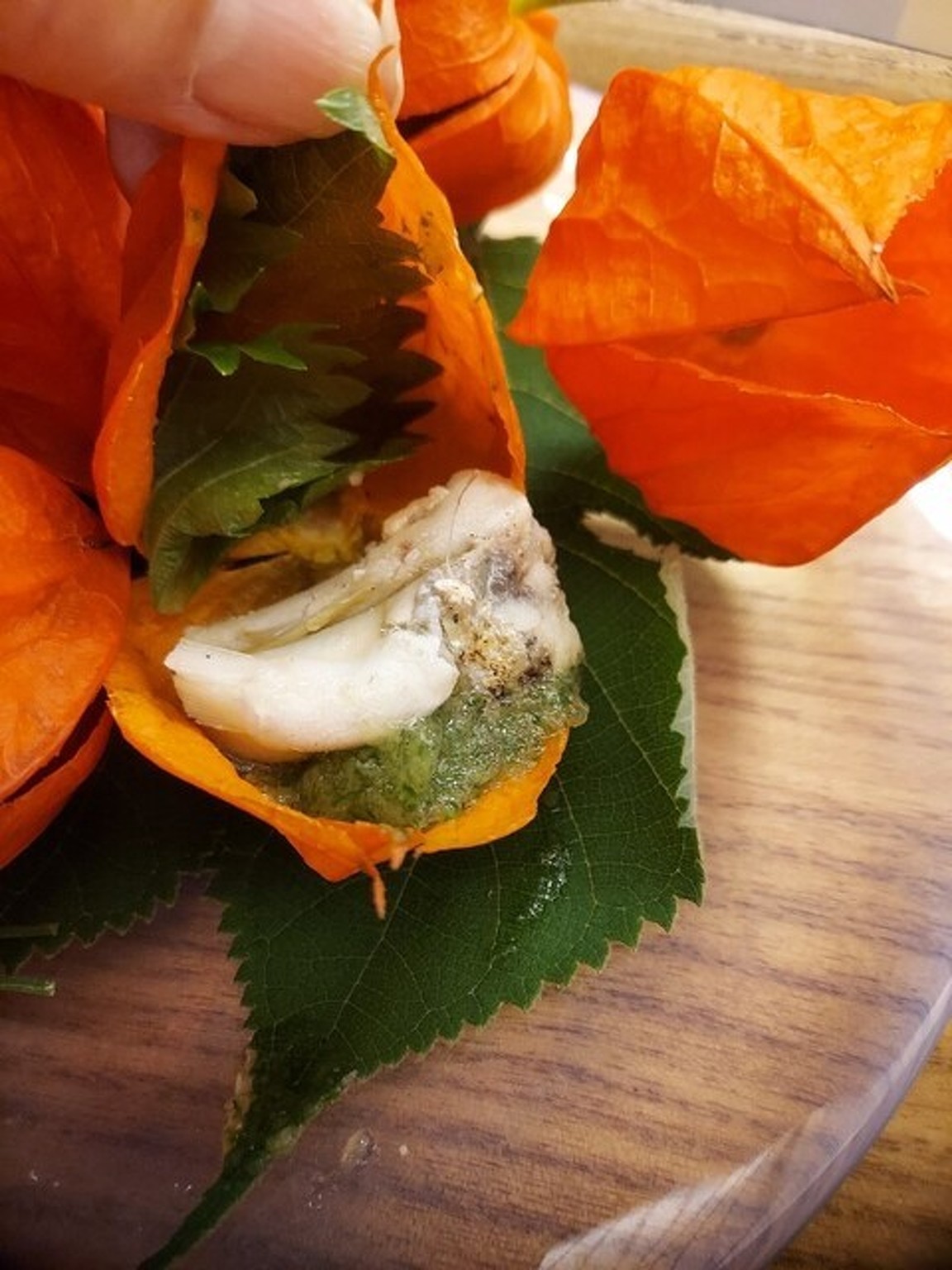
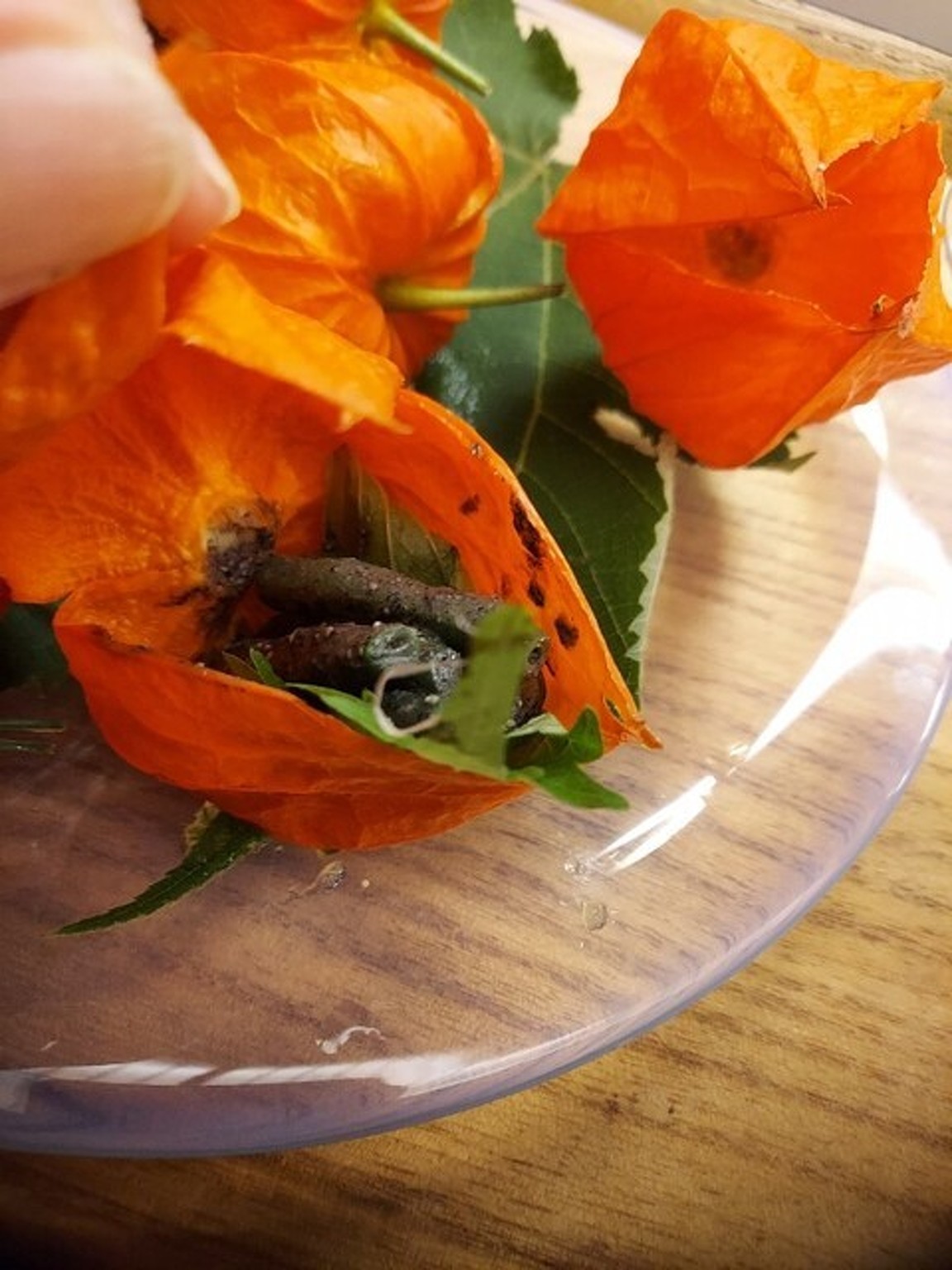
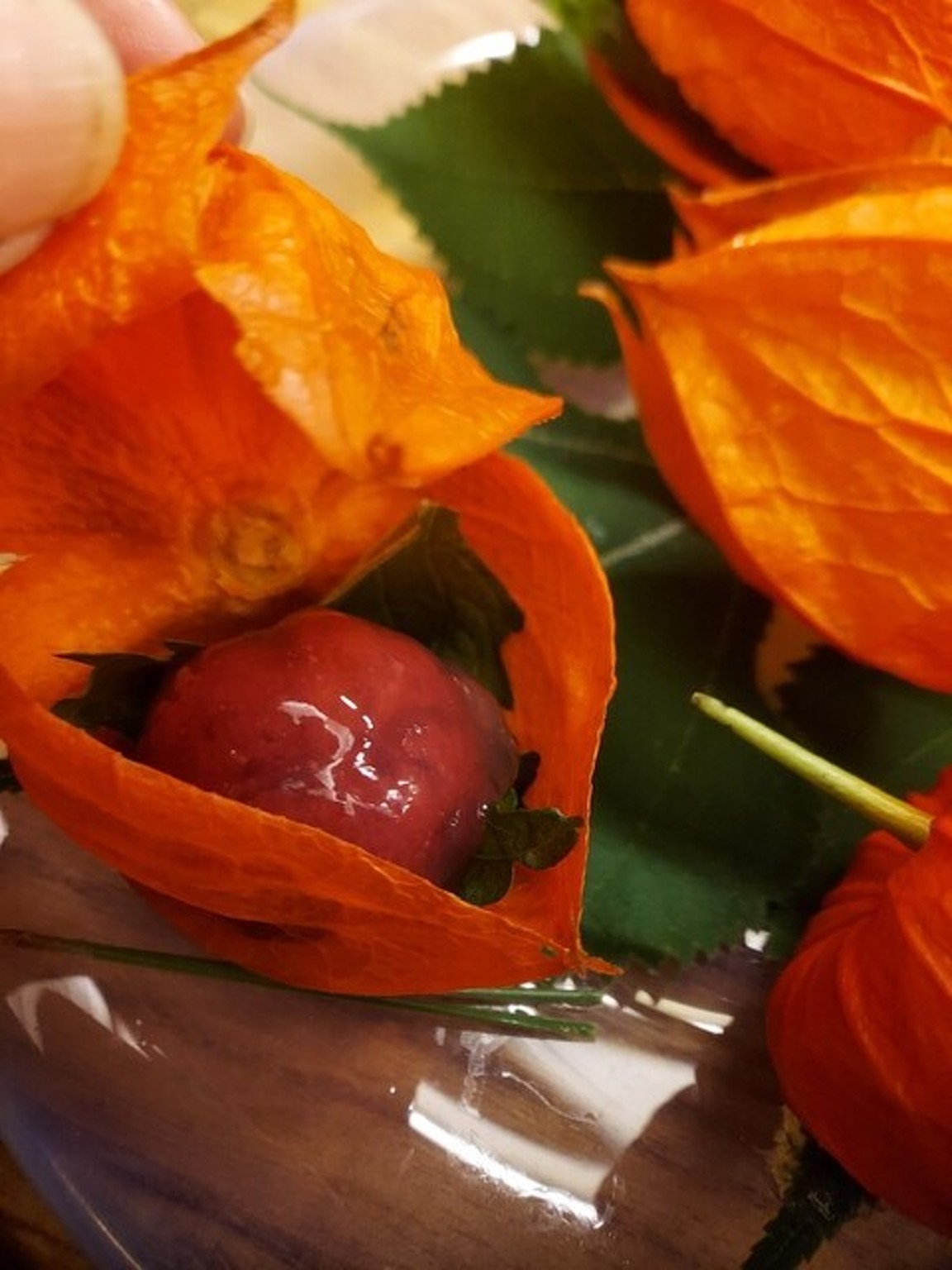
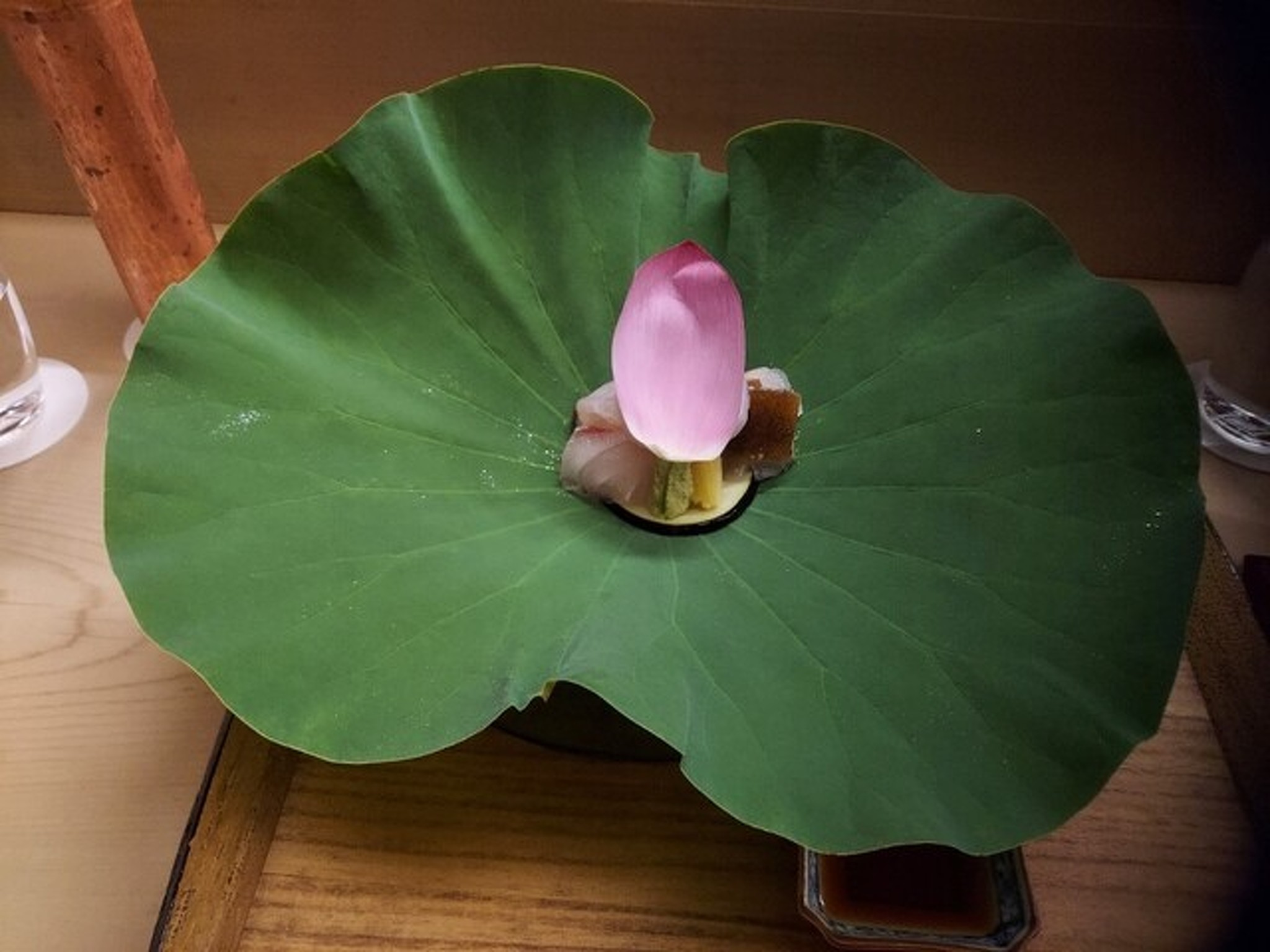
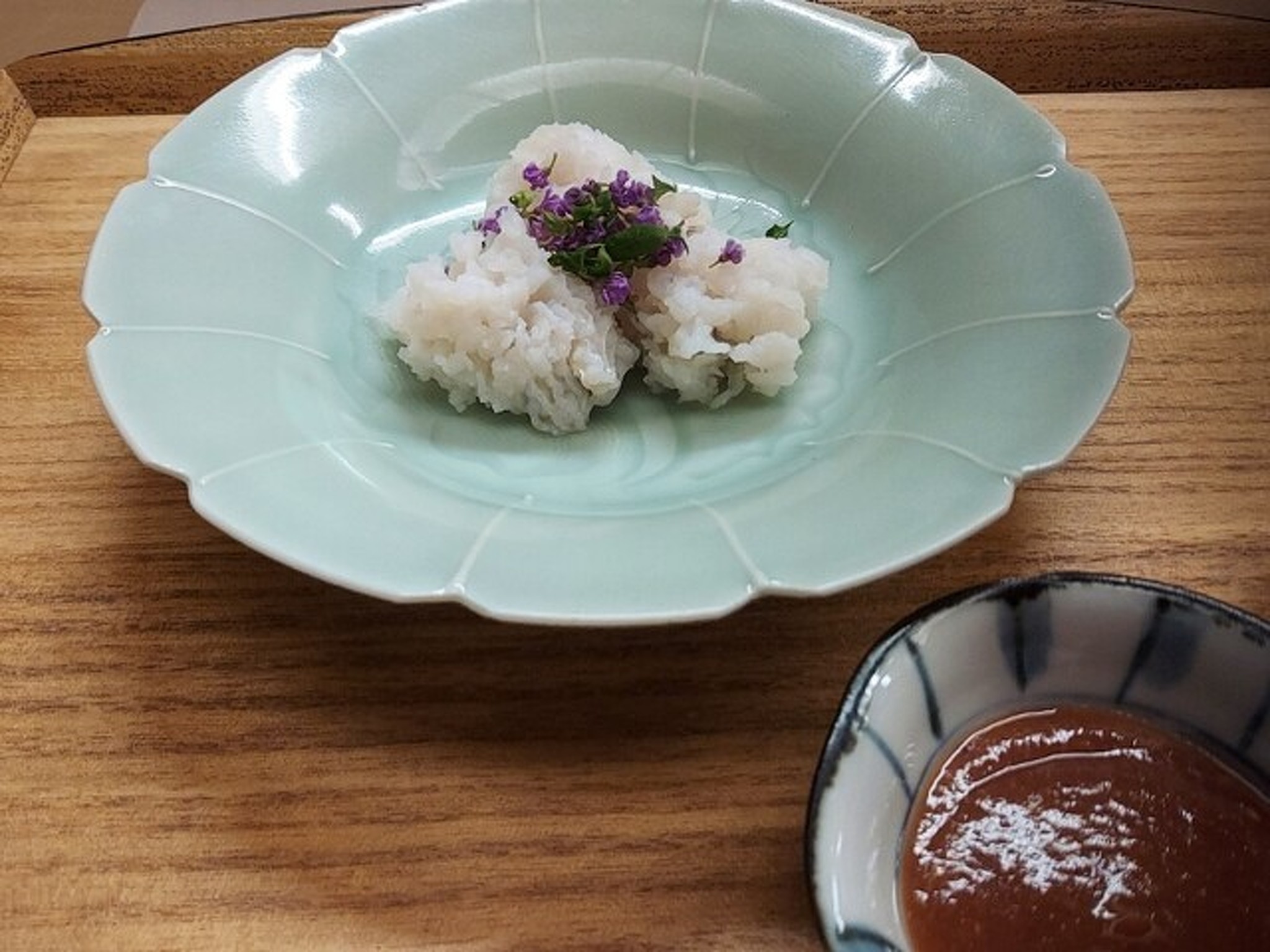
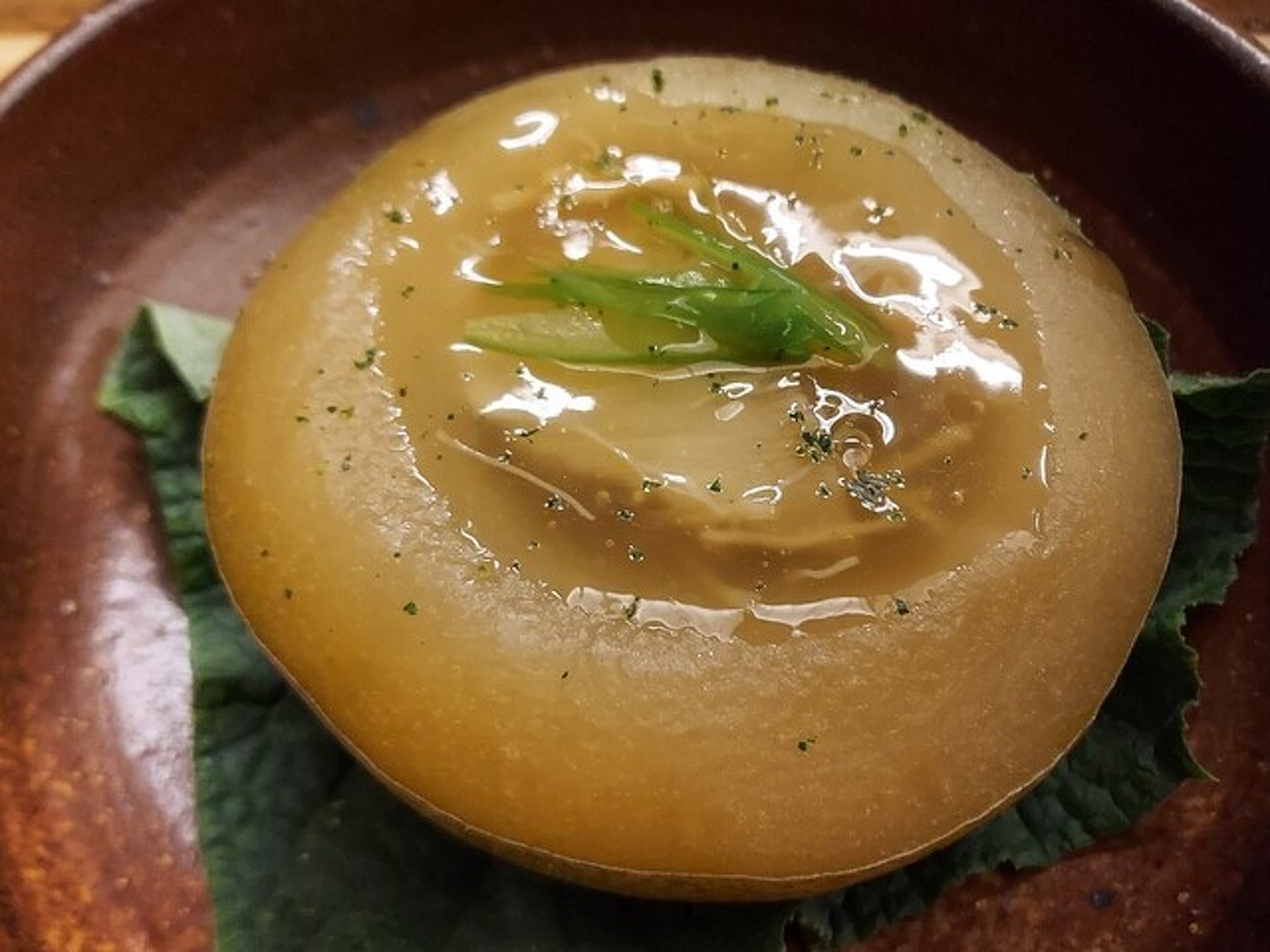
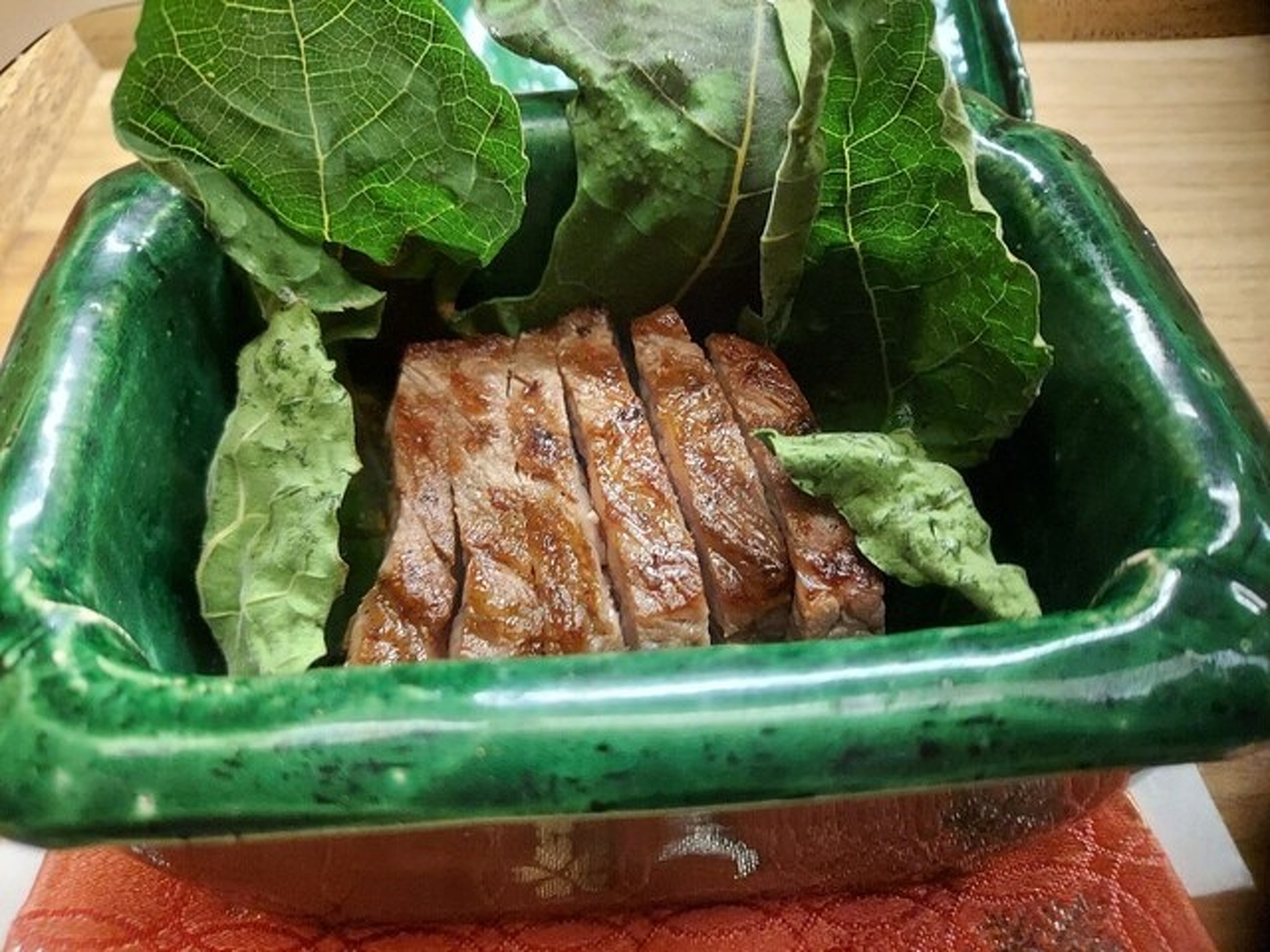
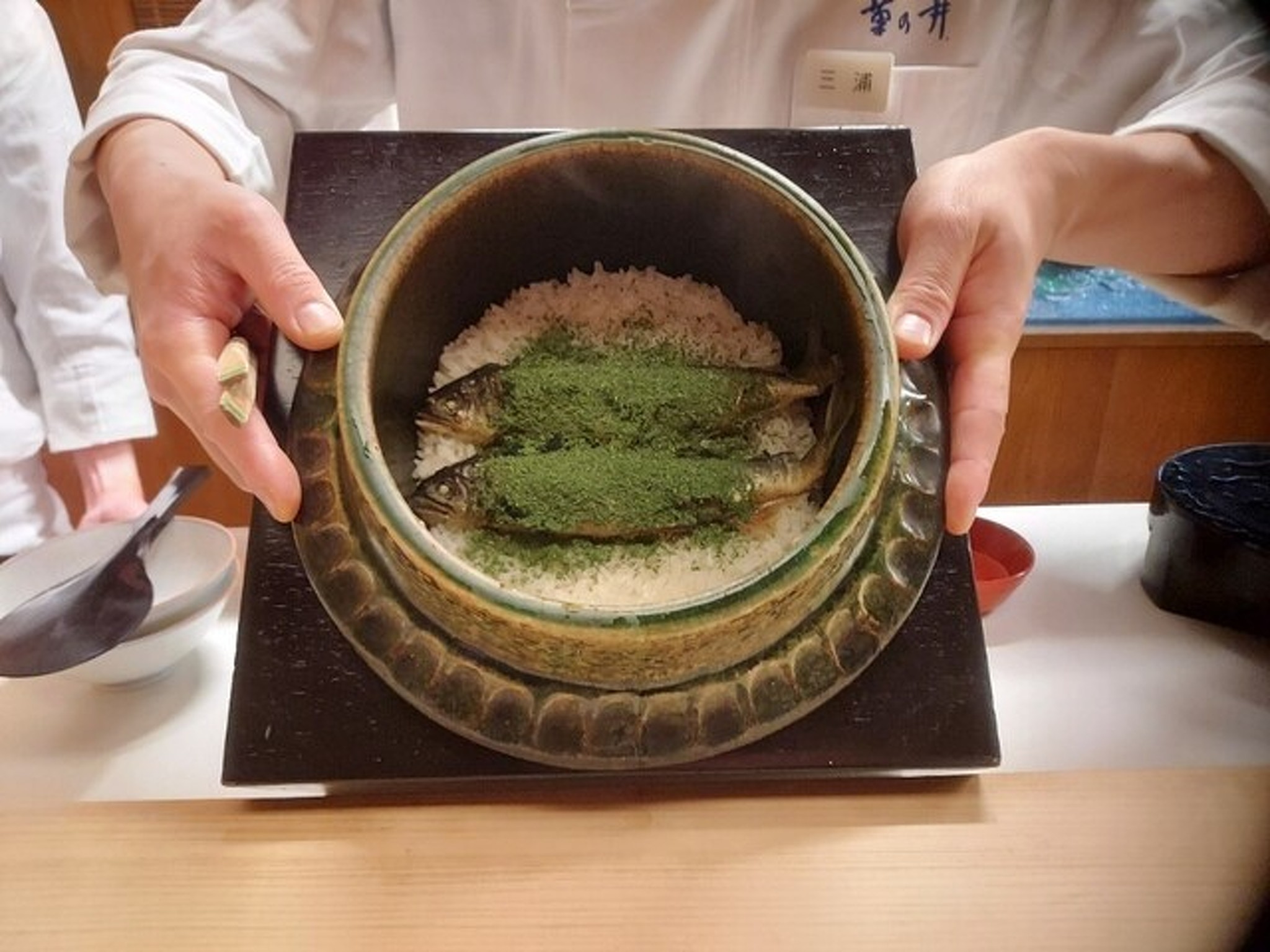
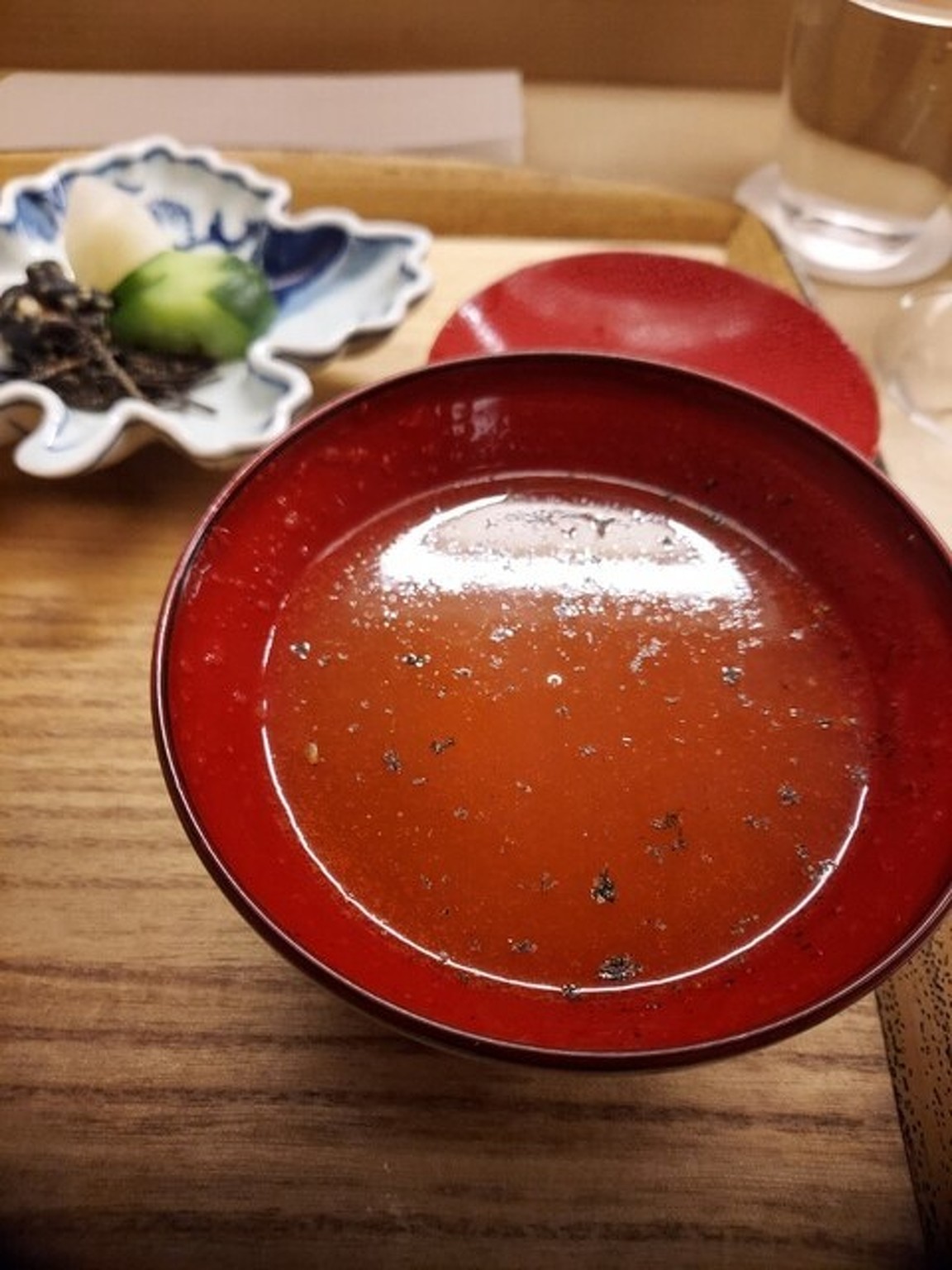
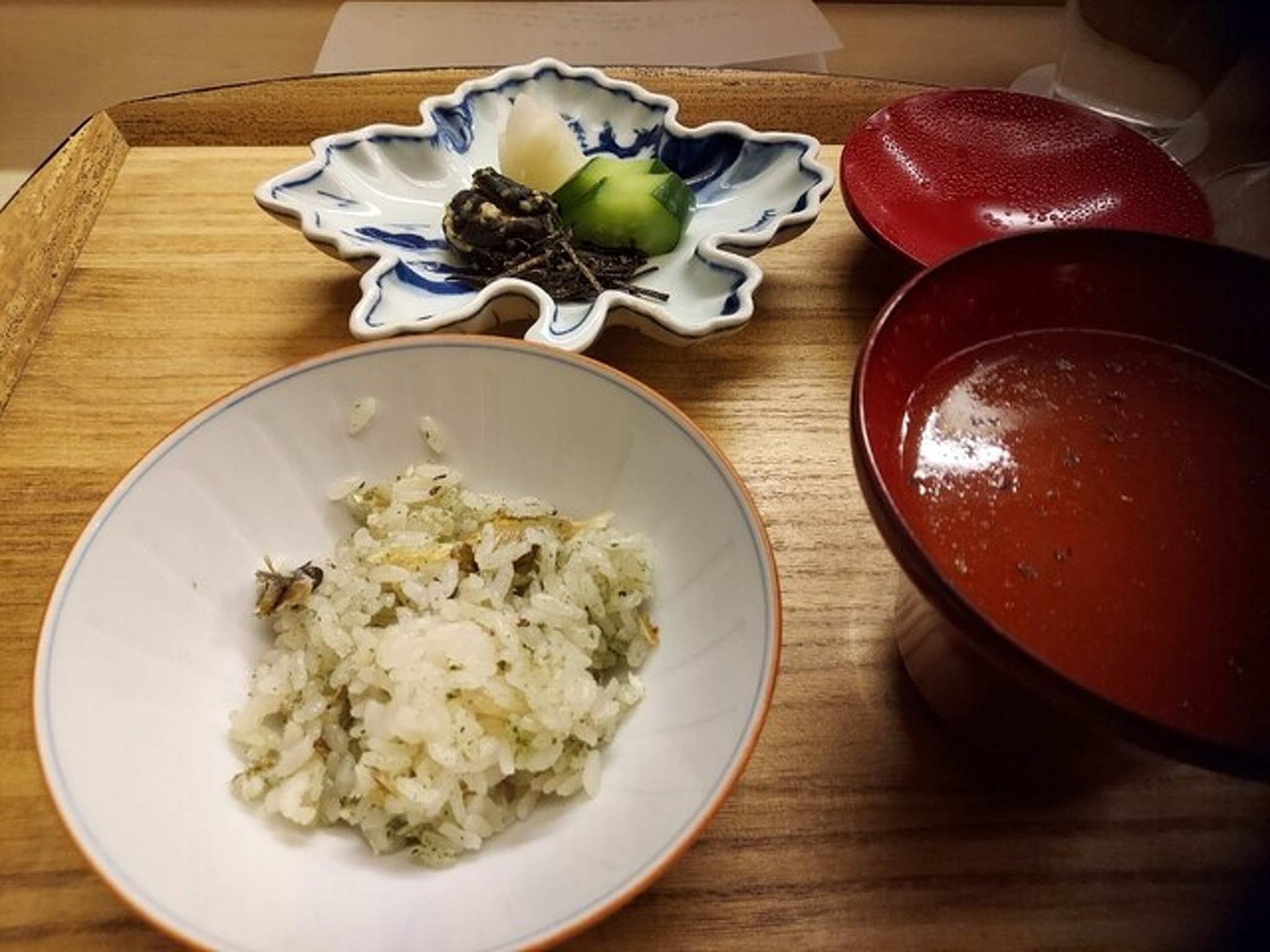
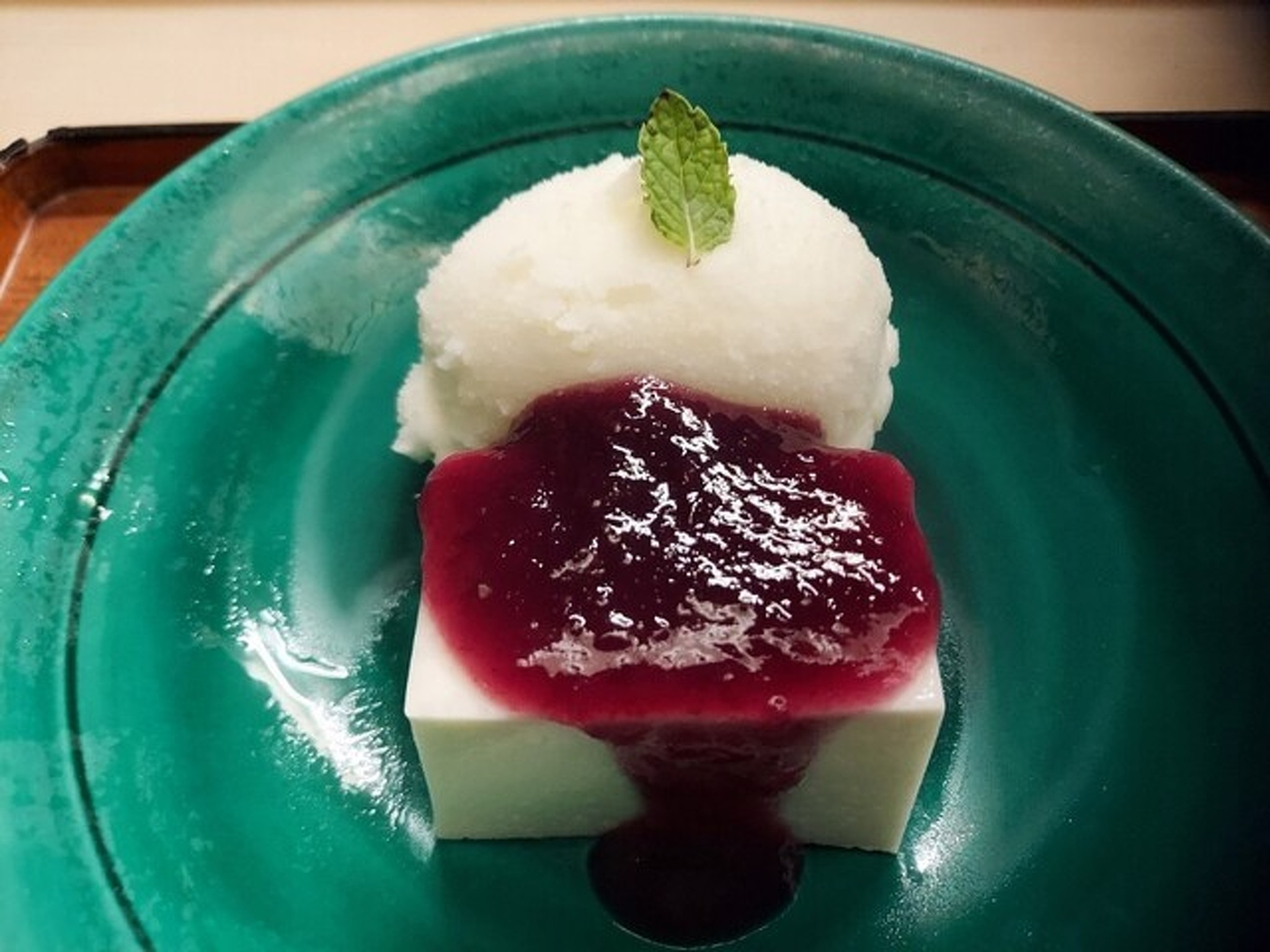
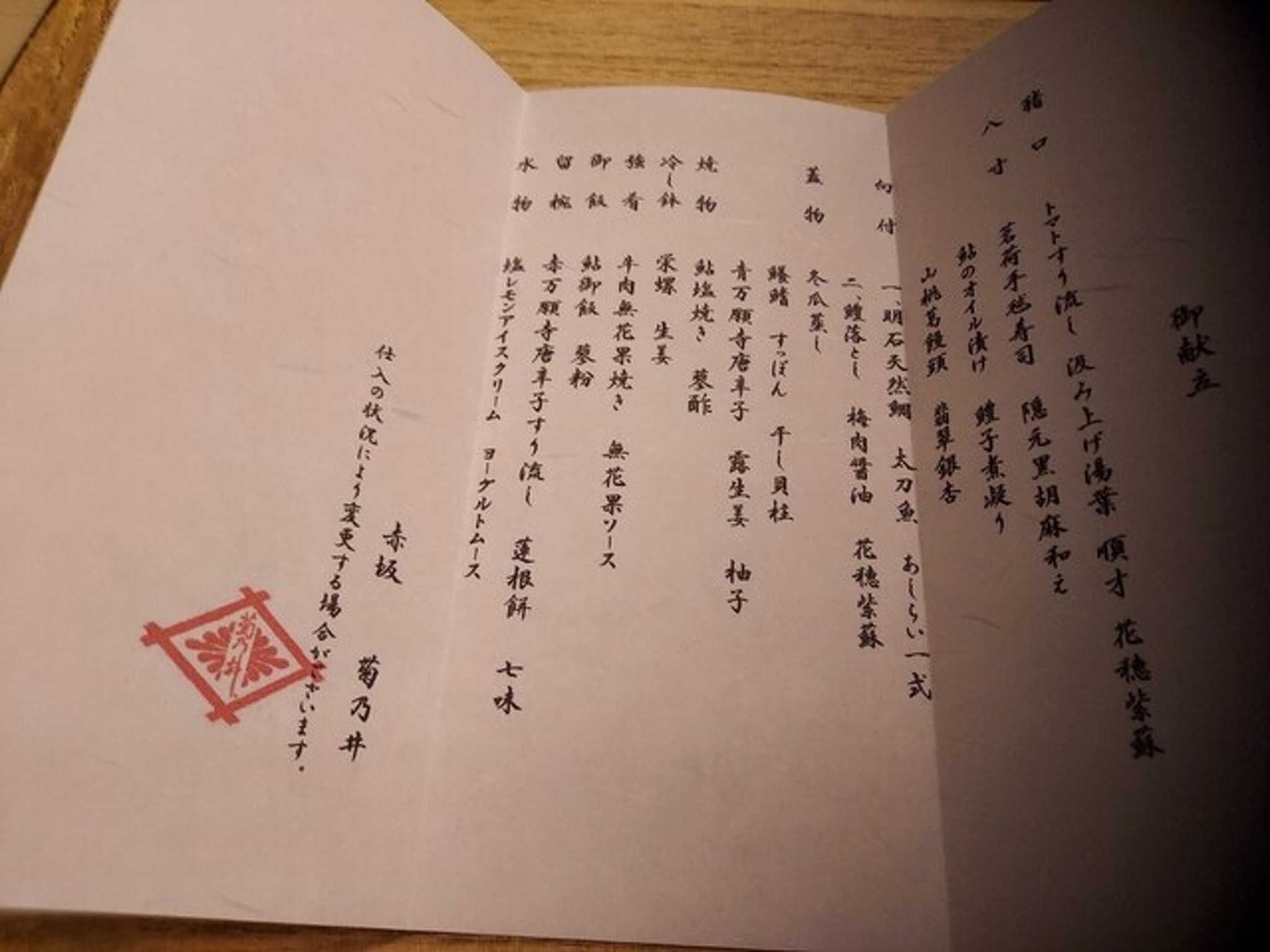
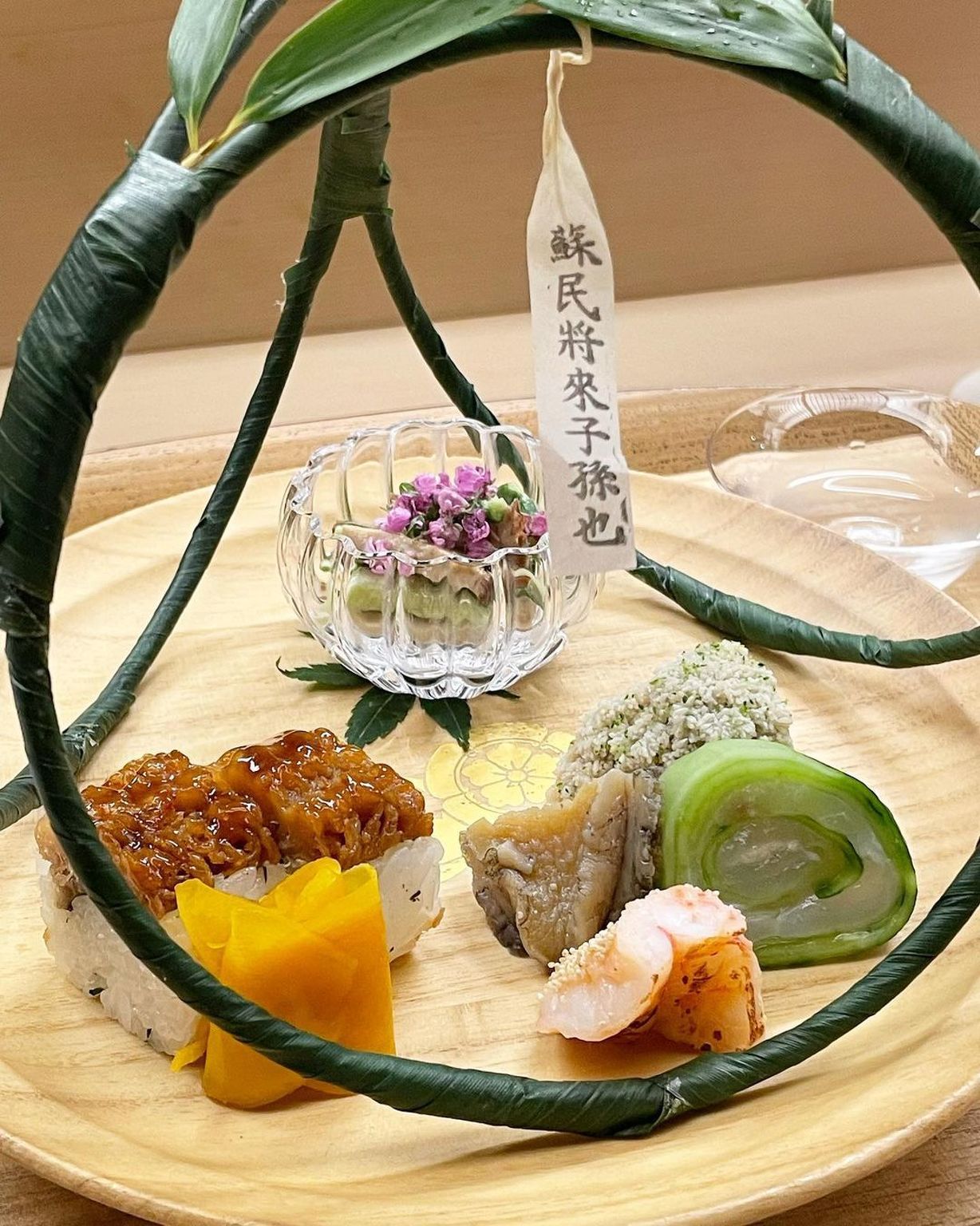
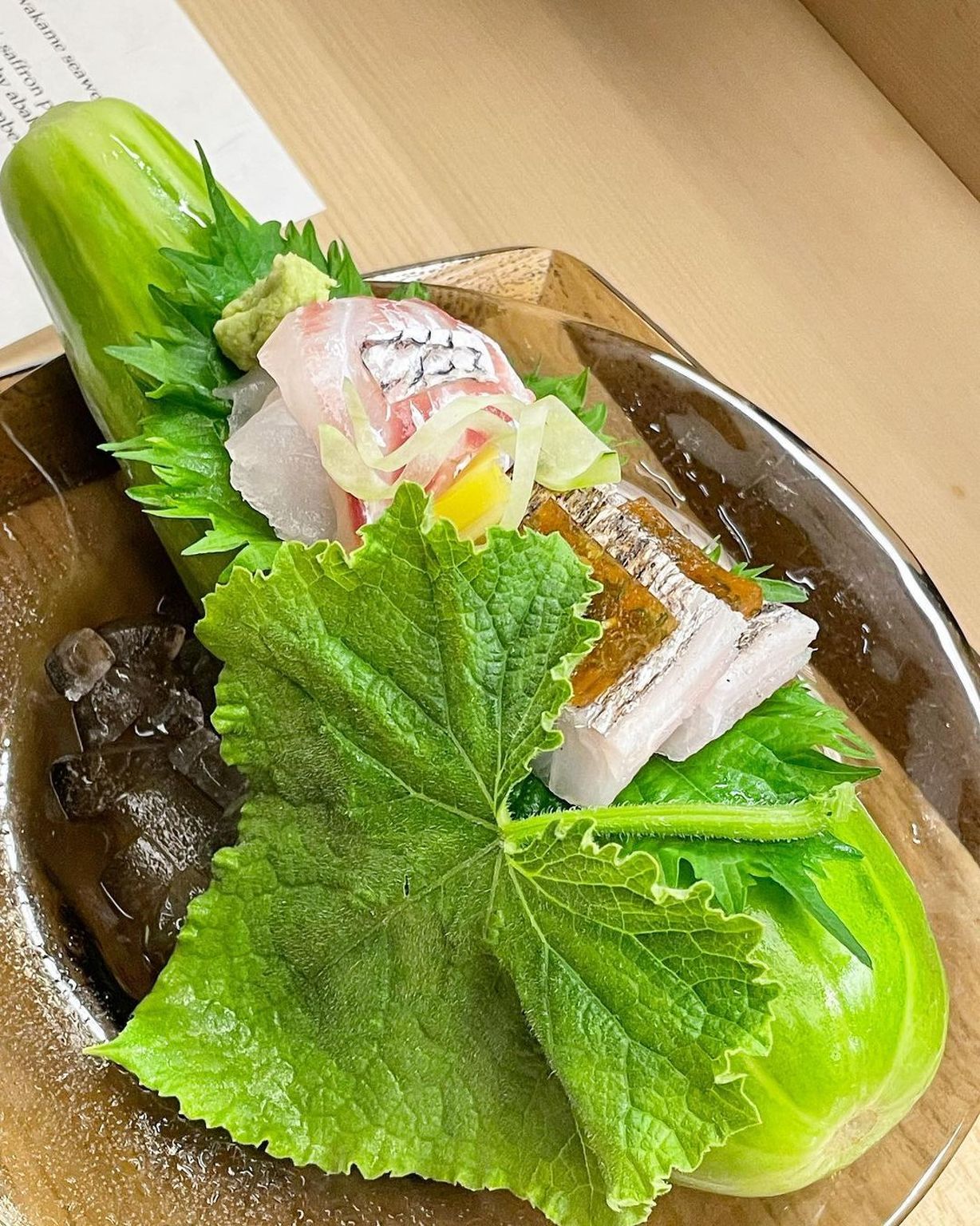
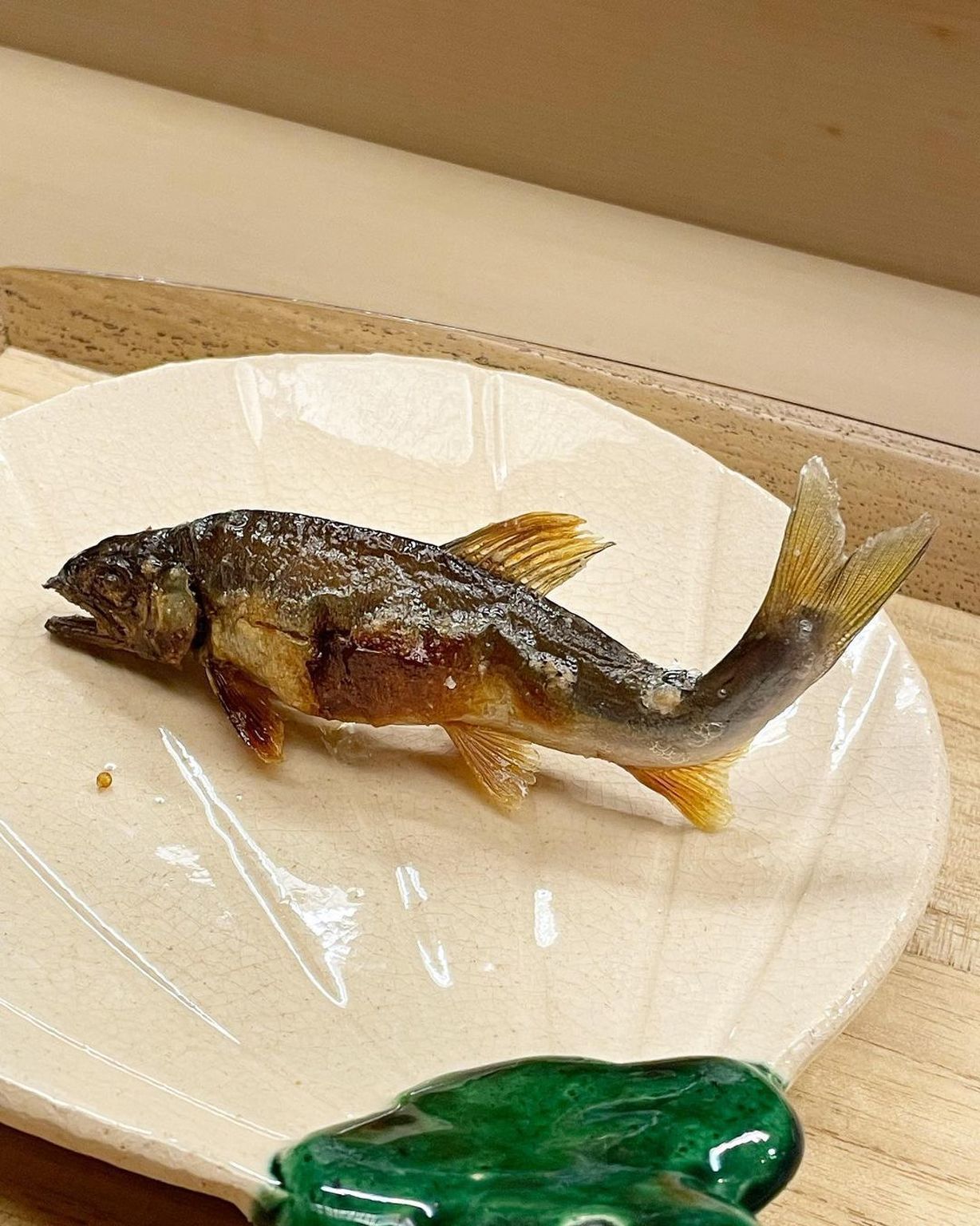
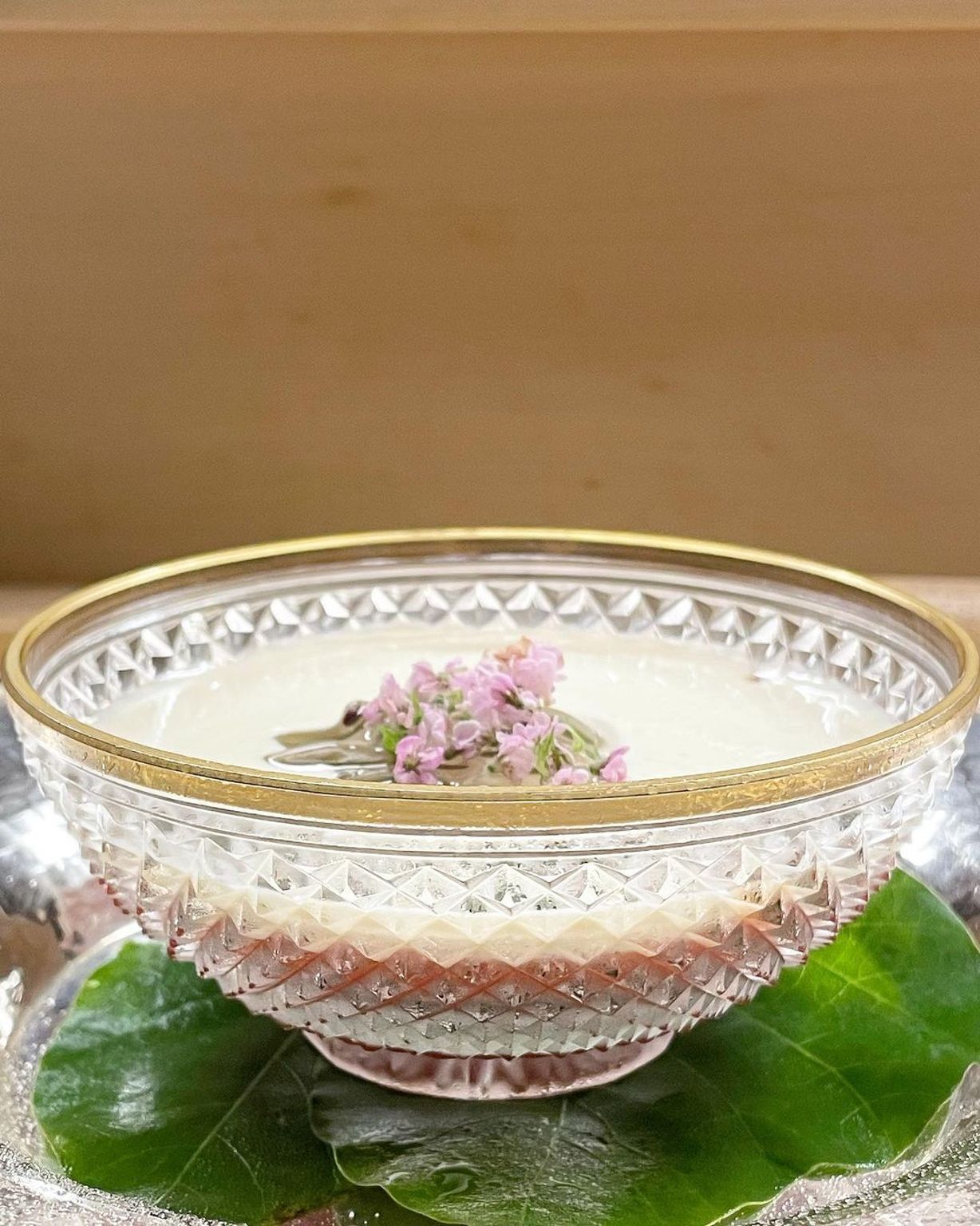
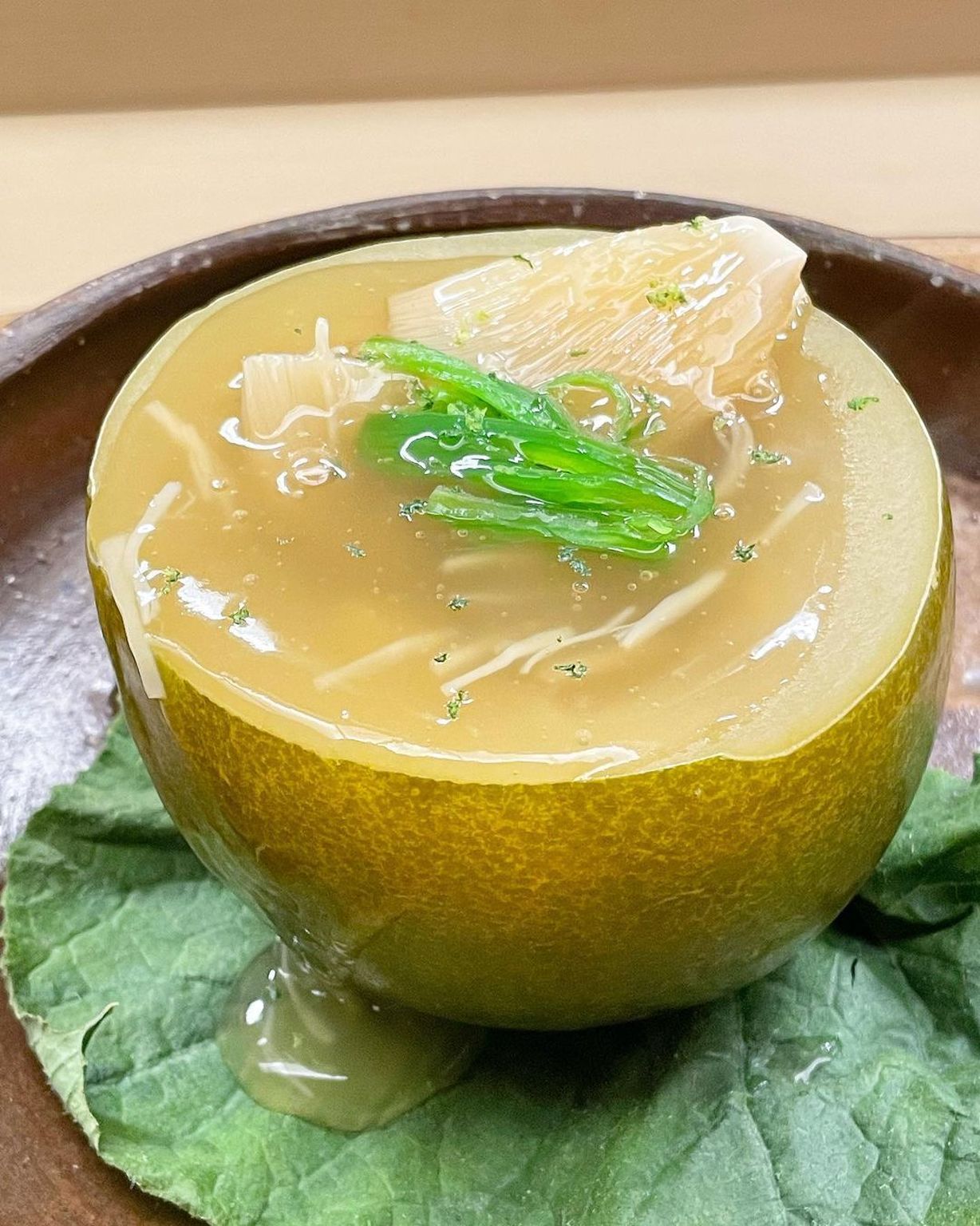
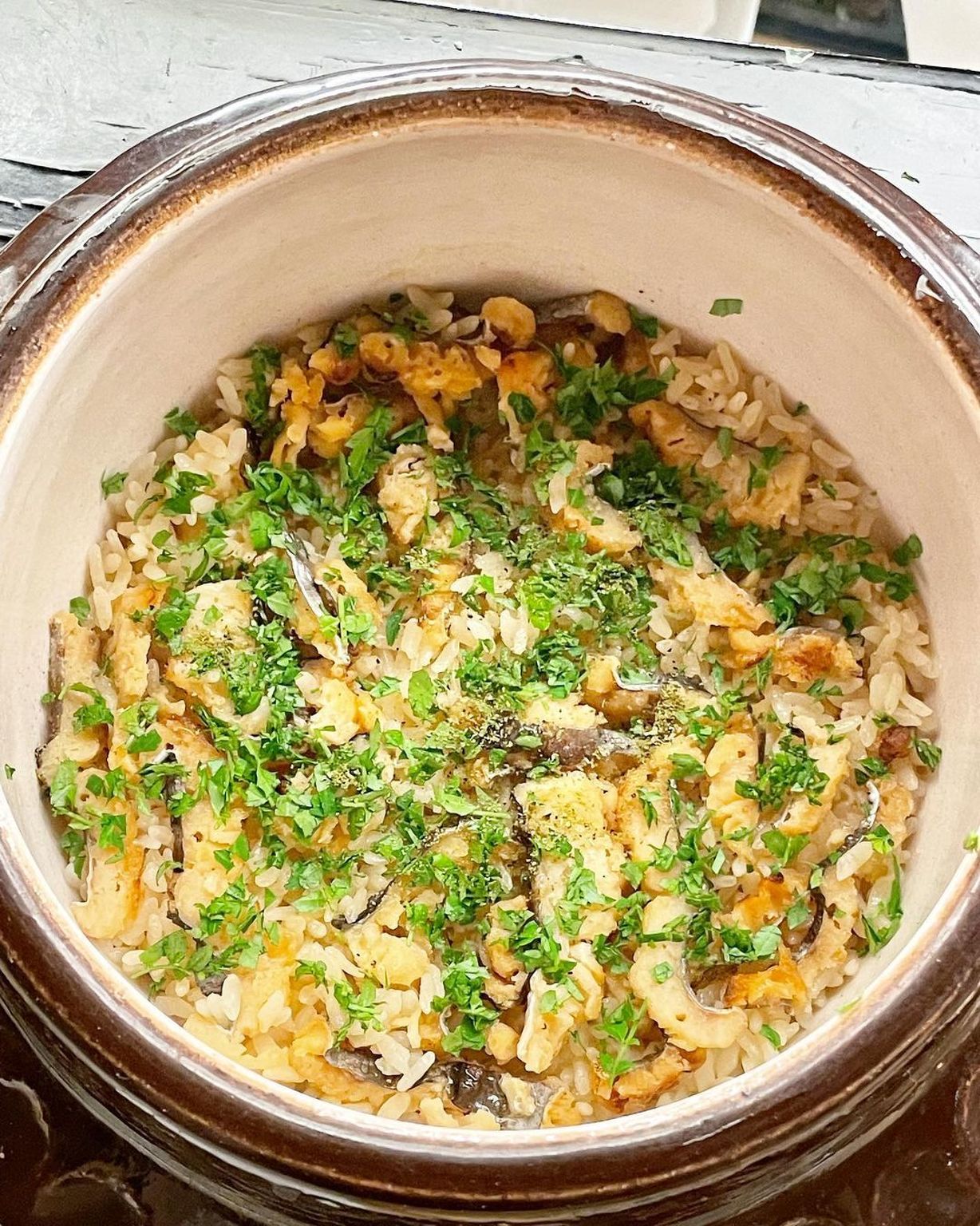
I found this place on Tabelog and was immediately drawn in by its stunning exterior, which made me want to visit!Upon arrival, I was not disappointed; the atmosphere was truly extraordinary.Since it was around 6 PM in August, I took photos of the exterior both before and after sunset. Both views were absolutely beautiful.The food was also exceptional, with delicious flavors.I felt like I experienced everything I look for in a Japanese restaurant.I was amazed to see the seasonal side dish presented in a hozuki (Japanese lantern plant). It seems to be something traditionally used for decoration on a tray.The lotus leaf was of high quality, adding to the unique and soothing experience. I was also delighted to enjoy plenty of bancha (a type of Japanese green tea).【33,000 JPY Course】- Choko: Tomato puree, fresh yuba, junmai, shiso flower- Hassun: Myoga hand-rolled sushi, green beans with black sesame, sea bream with cucumber, white gourd with Tosa vinegar, simmered hamo (pike eel) jelly, yamamomo (Japanese peach) kudzu dumpling, jade ginkgo- Mukuzuke: 1. Natural sea bream from Akashi, knife fish, assorted garnishes / 2. Hamo sashimi, grilled hamo with plum sauce- Kabutowari: Steamed winter melon, shark fin, soft-shelled turtle, dried scallops, Manzanita pepper, fresh ginger, yuzu- Yakimono: Grilled sweetfish with salt, wasabi vinegar- Hiyashi-bachi: Fresh sea urchin in shell, fresh yuba, wasabi- Tsukuri: Grilled beef with fig, fig sauce- Gohan: Grilled eel rice- Shiru: Pureed Manzanita pepper, lotus root cake, shichimi- Mizumono: Salt lemon ice cream, yogurt mousse Less
Eating seasonal ingredients is not just about consuming what is available at the moment; it also encompasses the feelings, prayers, and lifestyles of the Japanese people during that season.In August, the theme at Kikunoi is "Obon."The lotus flower serves as a powerful symbol. In Buddhism, the lotus holds special significance. It grows from the mud yet blooms into a beautiful flower above the water, symbolizing purity and enlightenment. It is also a flower that represents the Pure Land, making it... More
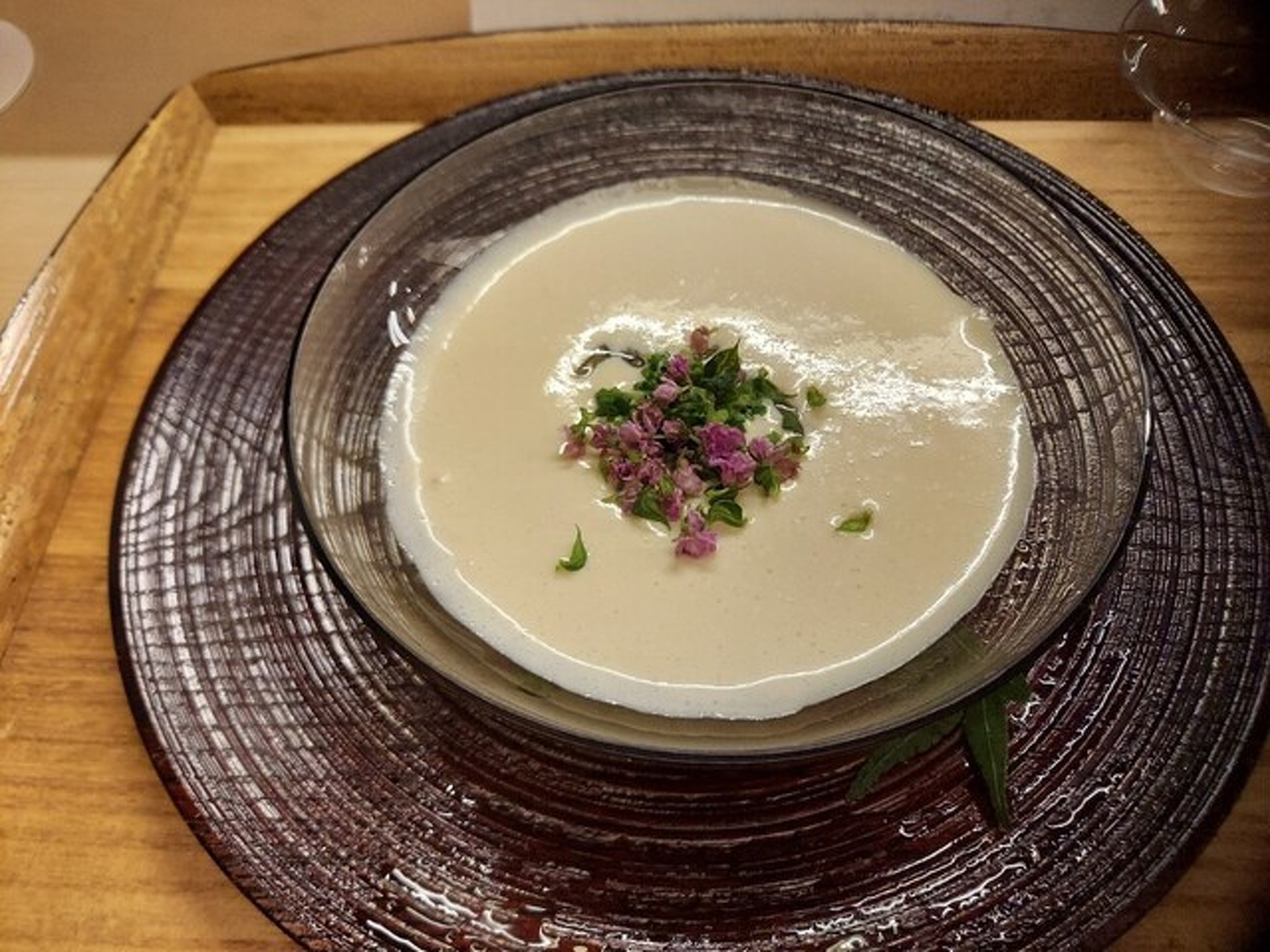
Eating seasonal ingredients is not just about consuming what is available at the moment; it also encompasses the feelings, prayers, and lifestyles of the Japanese people during that season.In August, the theme at Kikunoi is "Obon."The lotus flower serves as a powerful symbol. In Buddhism, the lotus holds special significance. It grows from the mud yet blooms into a beautiful flower above the water, symbolizing purity and enlightenment. It is also a flower that represents the Pure Land, making it inseparable from the Obon season when we welcome our ancestors.Knowing this background, when I gaze at the dishes served in lotus-shaped vessels, it transforms from mere "summer-like presentation" into something much deeper. The vessels, ingredients, and arrangements all become characters in the story of August.Among them, the Hassun is truly impressive. It seems to condense the seasonal landscape into small dishes, with each bite revealing a different scene. And when we think of summer in Kyoto, we think of eel. This dish is exquisite, delicate yet unforgettable. Knowing the painstaking effort that goes into deboning it, I realize that Japanese cuisine is truly about savoring the labor behind the food.I was pleasantly surprised by the chilled tomato soup. Despite being part of a Japanese course, its quality could easily be mistaken for a dish served in a French restaurant without raising any questions. It effortlessly transcends genre boundaries, landing simply on the note of "delicious."For me, Kikunoi has become more than just a favorite Japanese restaurant; it is an institution.It does not seek to be extravagant or ostentatious. Yet, from each dish, one can feel the respect for the ingredients, the appreciation for the season, and the heartfelt intention towards the diners. Ultimately, everything is genuinely delicious, which is the most challenging aspect.Considering the quality of the dishes, the amount of work involved, the sense of the season, and the overall experience, the cost performance is among the best.Luxury is not solely about consuming expensive ingredients. It is about fully experiencing August, which can only be encountered in that month, as a complete course.Visiting Kikunoi reminds me of the true luxury of enjoying seasonal ingredients in Japanese cuisine. Less
I visited Akasaka Kikunoi with my colleagues. The summer course menu, perfect for August, featured refreshing dishes that highlighted seasonal ingredients. Sitting at the counter, we enjoyed the lively atmosphere and had the unique experience of having the chef explain the dishes directly, which is a special feature of the Akasaka location that you won't find at the main branch. I definitely look forward to enjoying different seasonal offerings in the future.
As you may know, this is a Michelin Guide Tokyo two-star restaurant.I made a reservation for the top-tier lunch kaiseki course (JPY 22,000). This might be my first visit to Kikunoi in August, including the main branch in Kyoto. I was excited to see what would be served. In summer, you can't miss sweetfish and pike eel.While the decor and furnishings are superior at the main branch, the flavors here are equally impressive, perhaps even slightly better. The seasonal elements are beautifully presented,... More
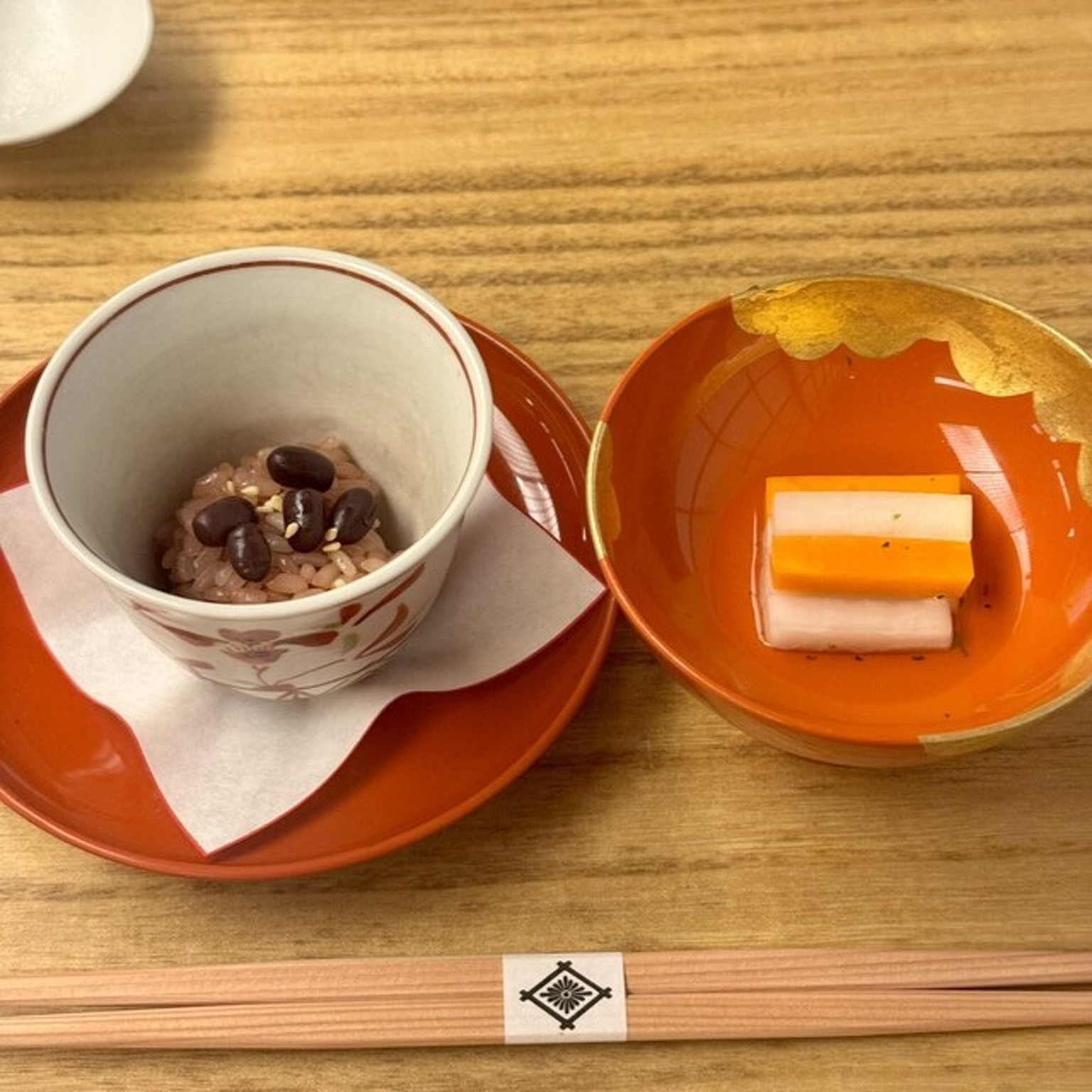
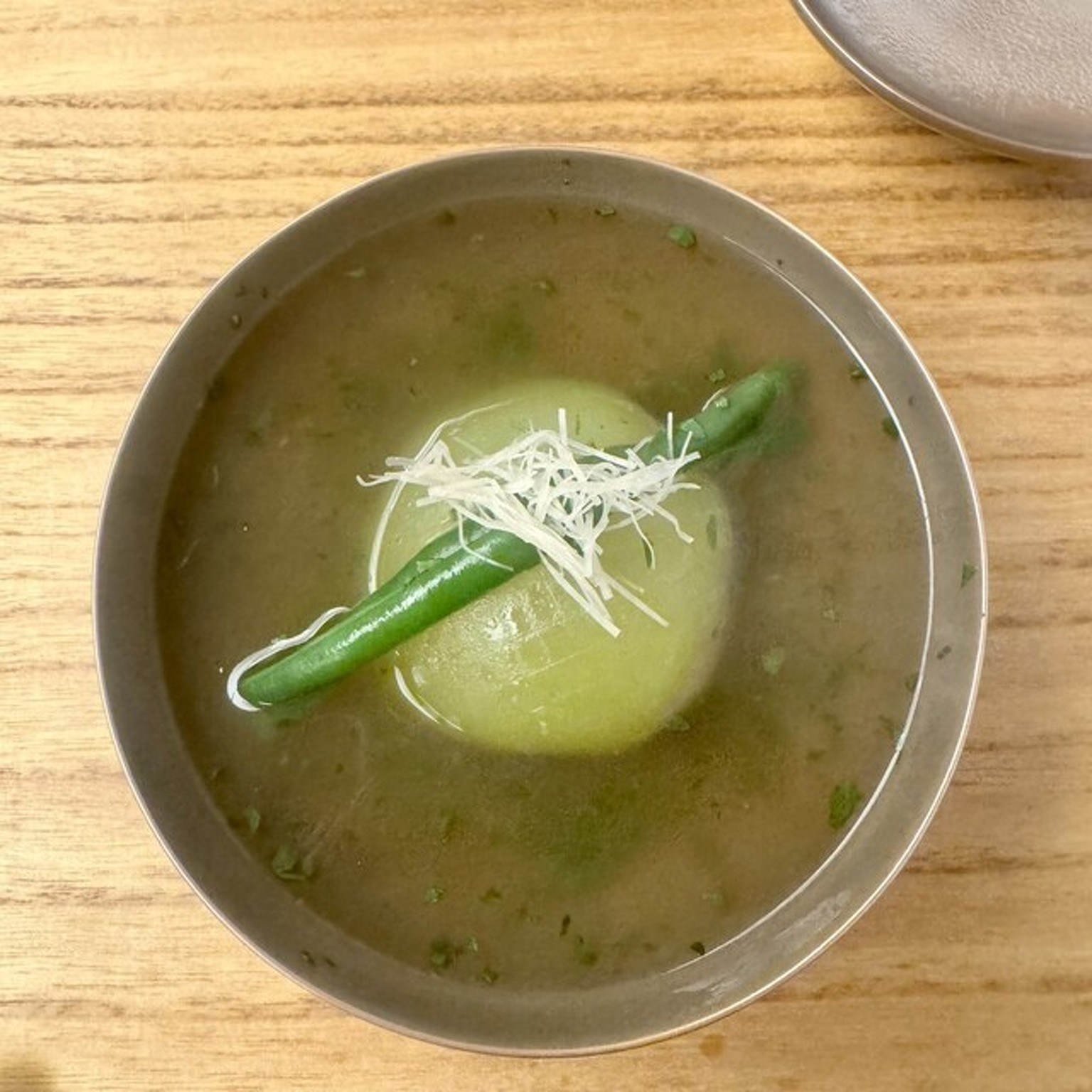
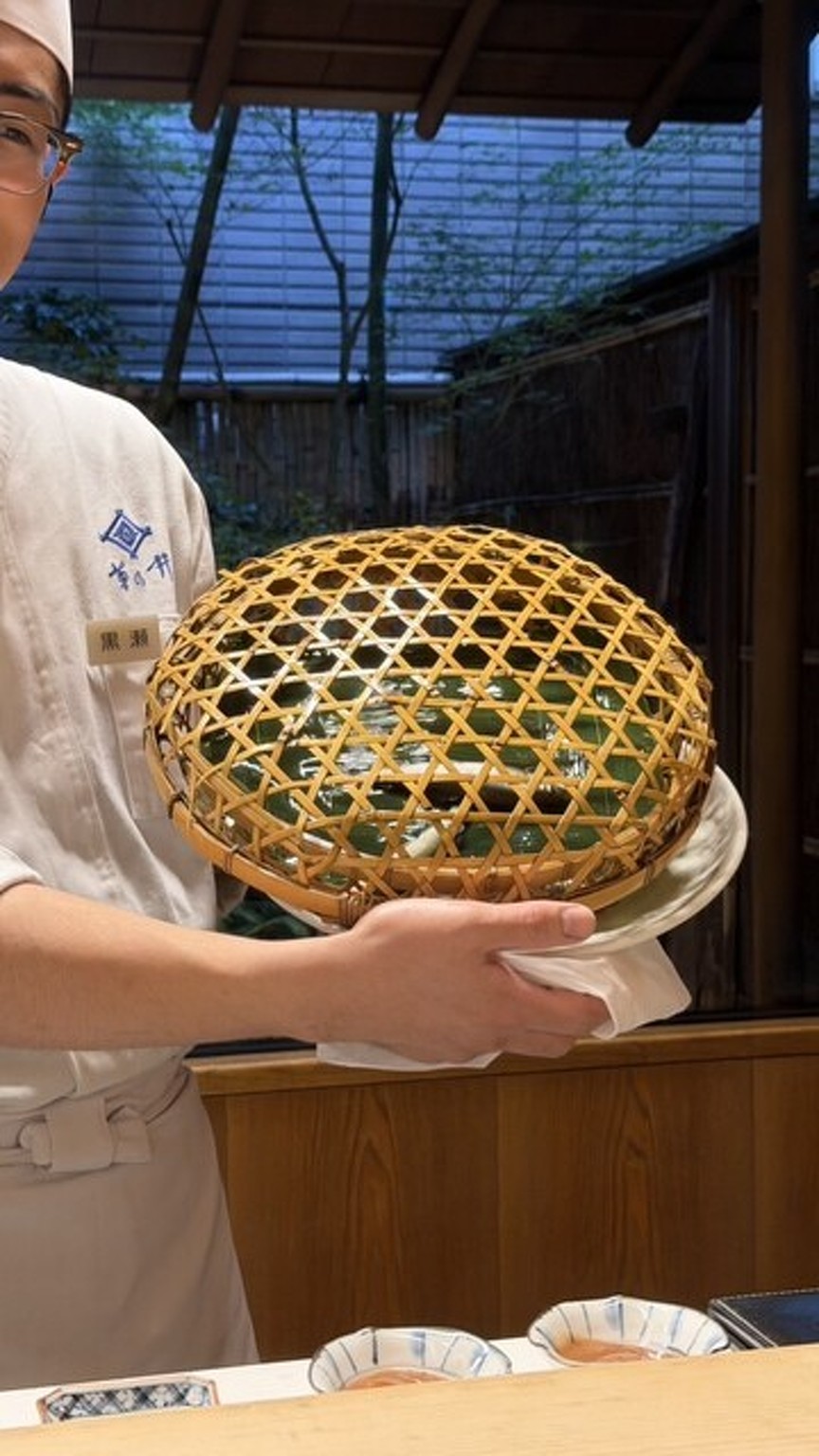
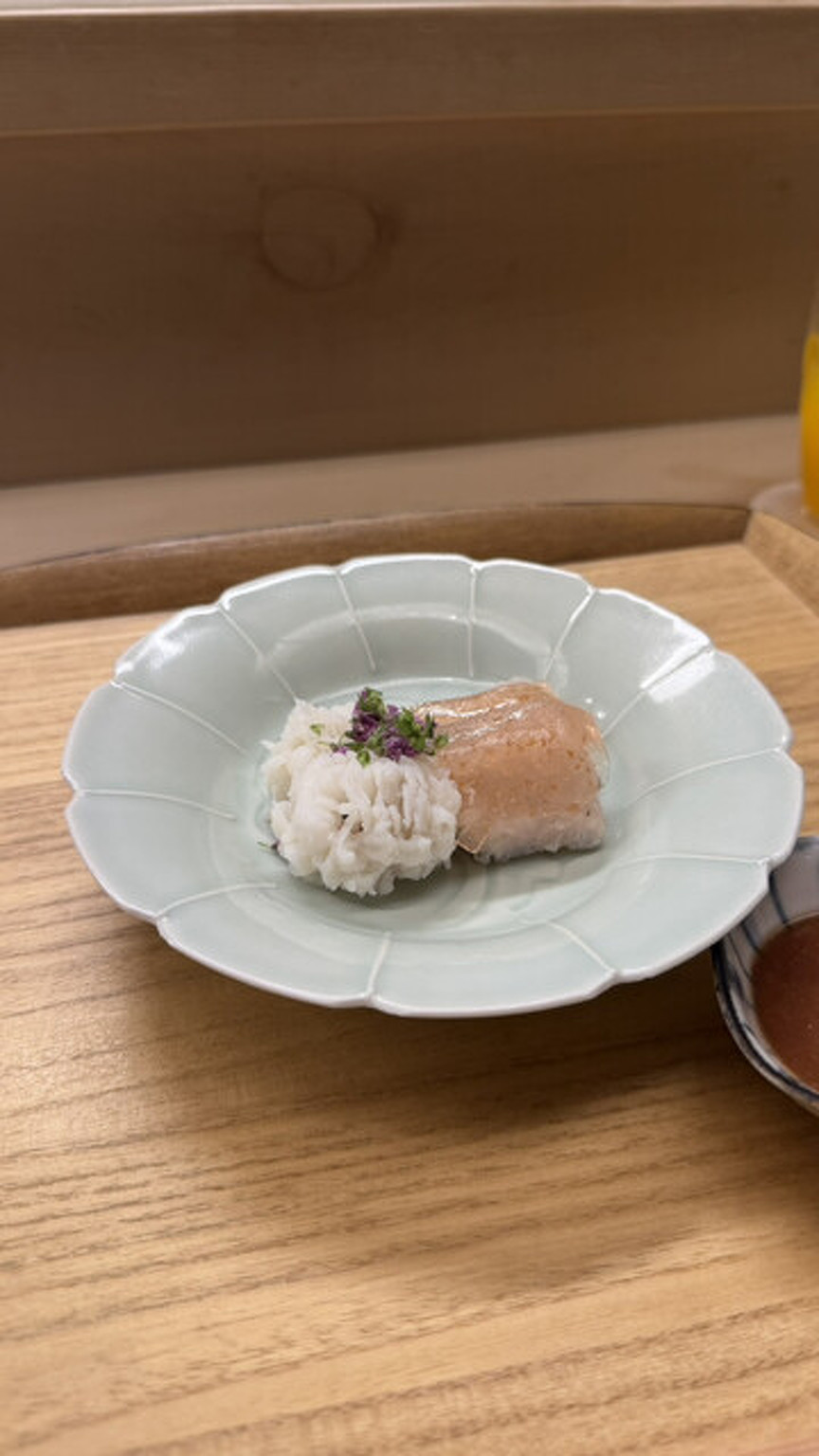
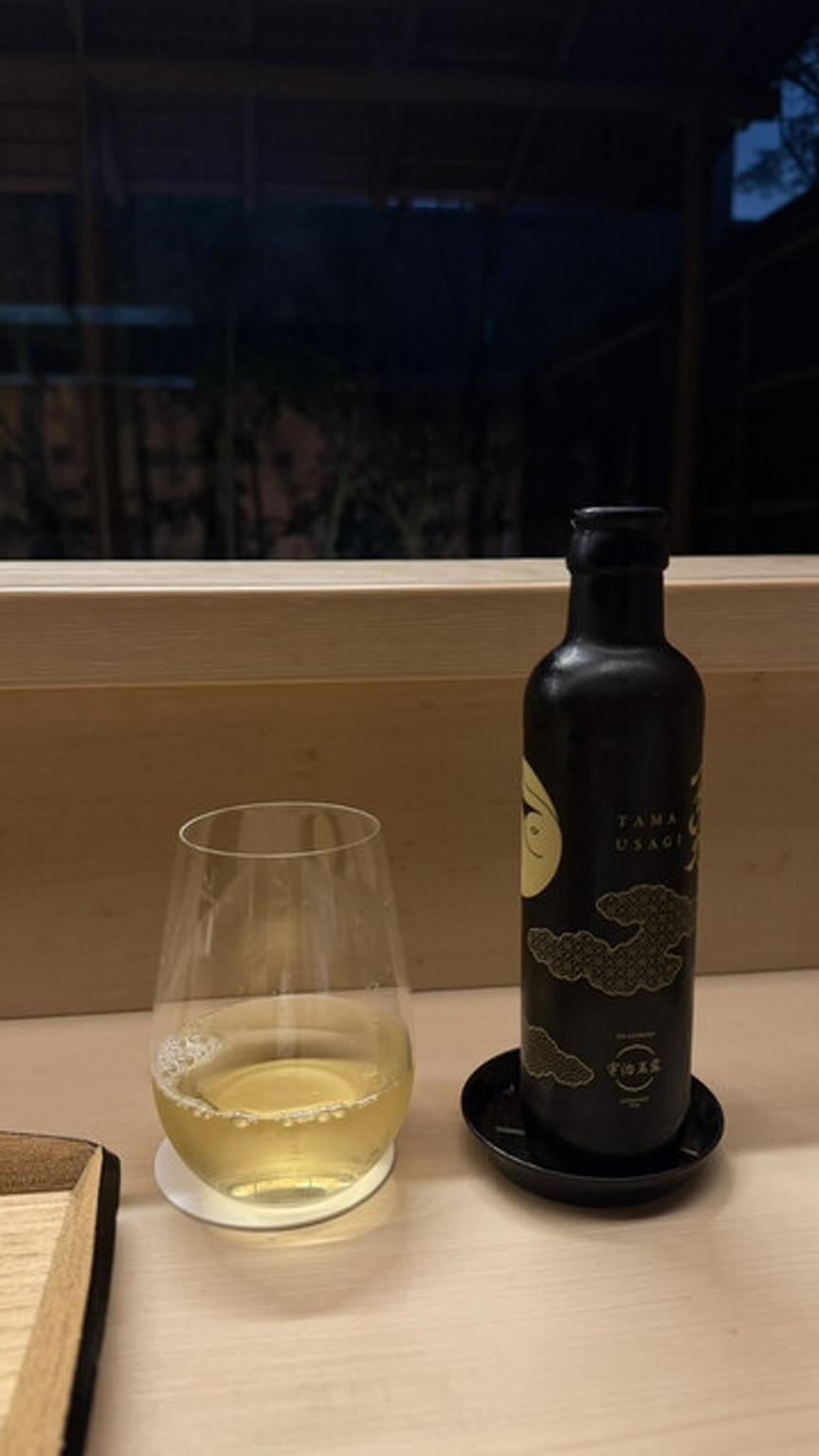
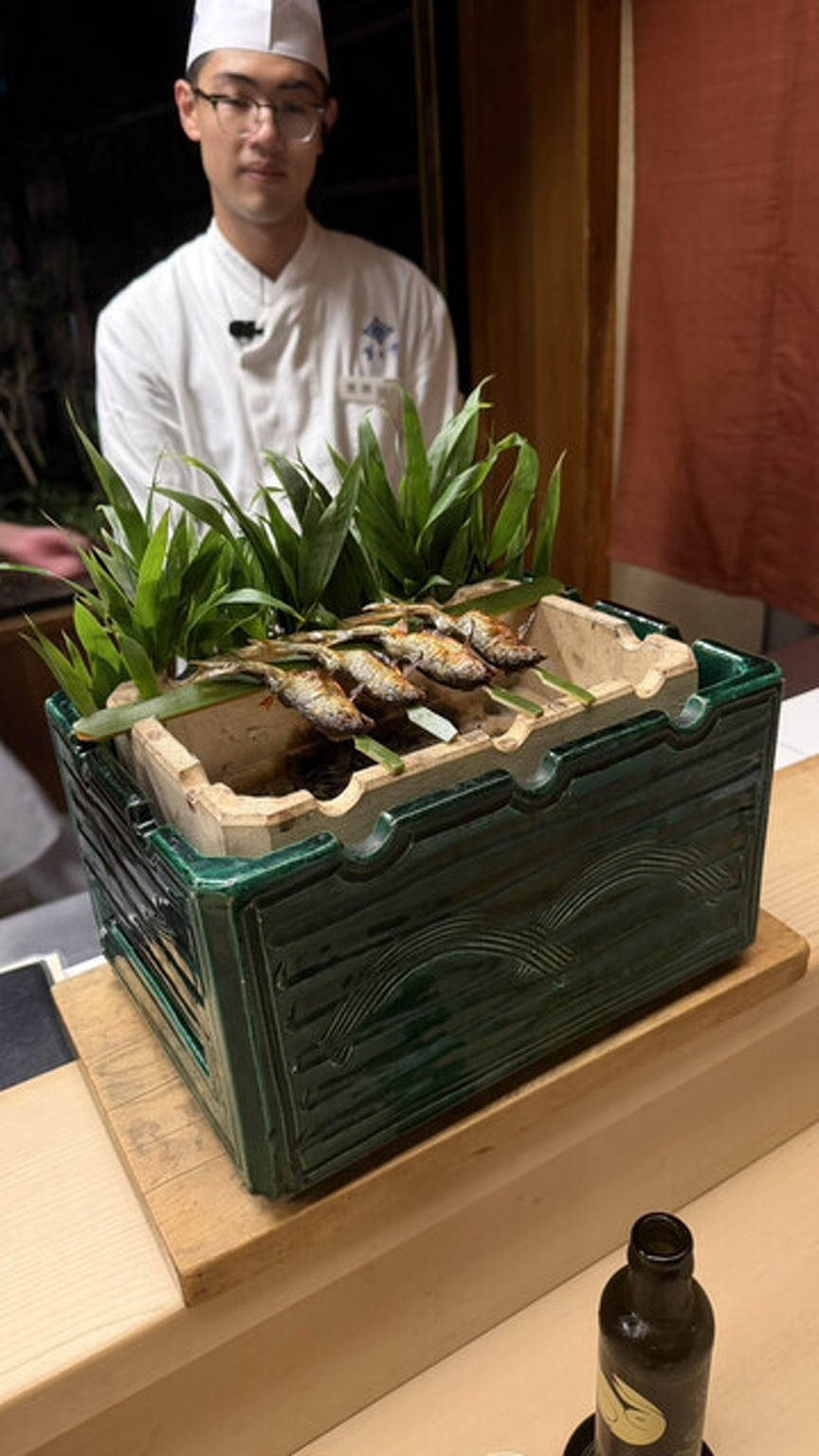
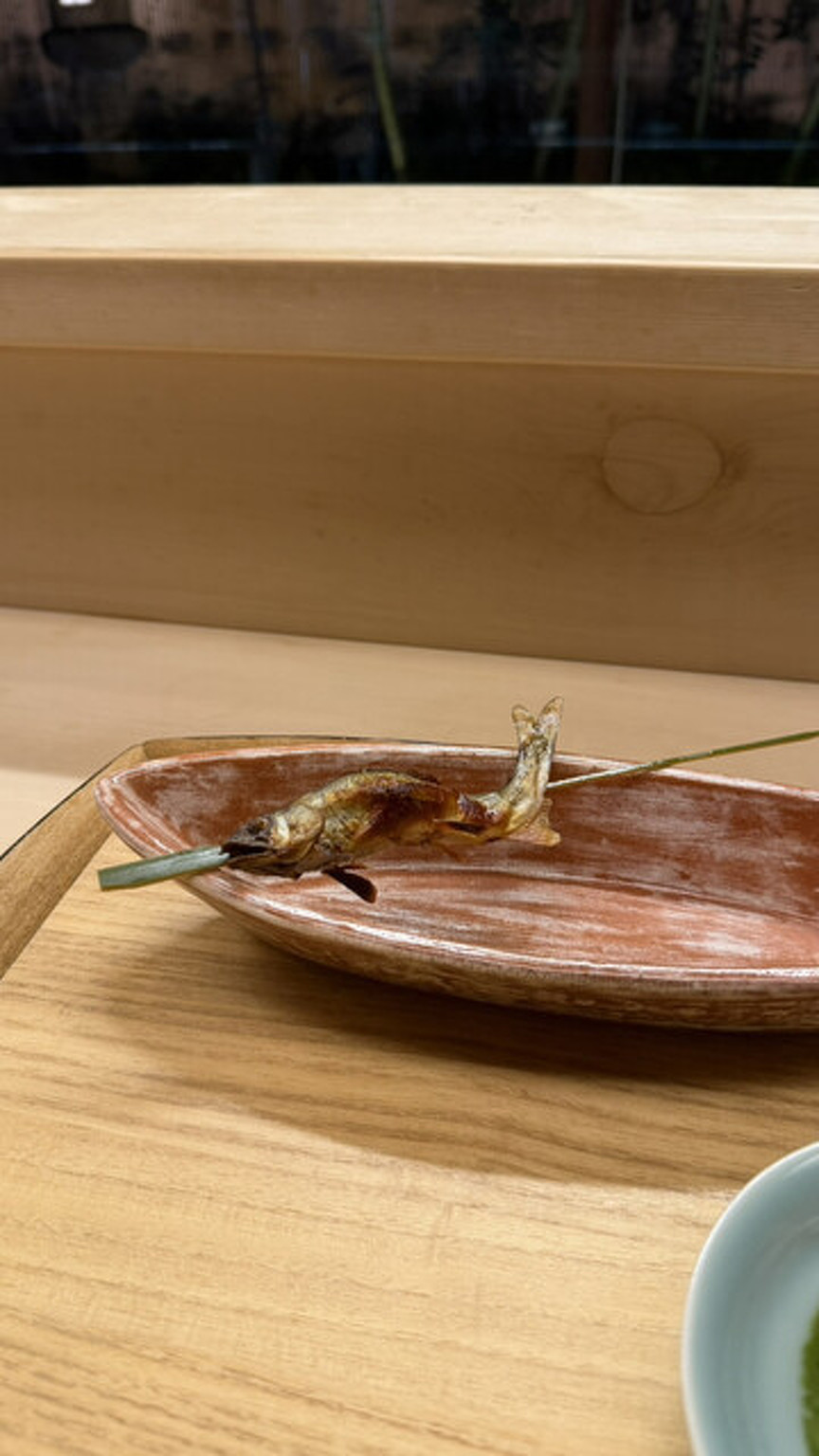
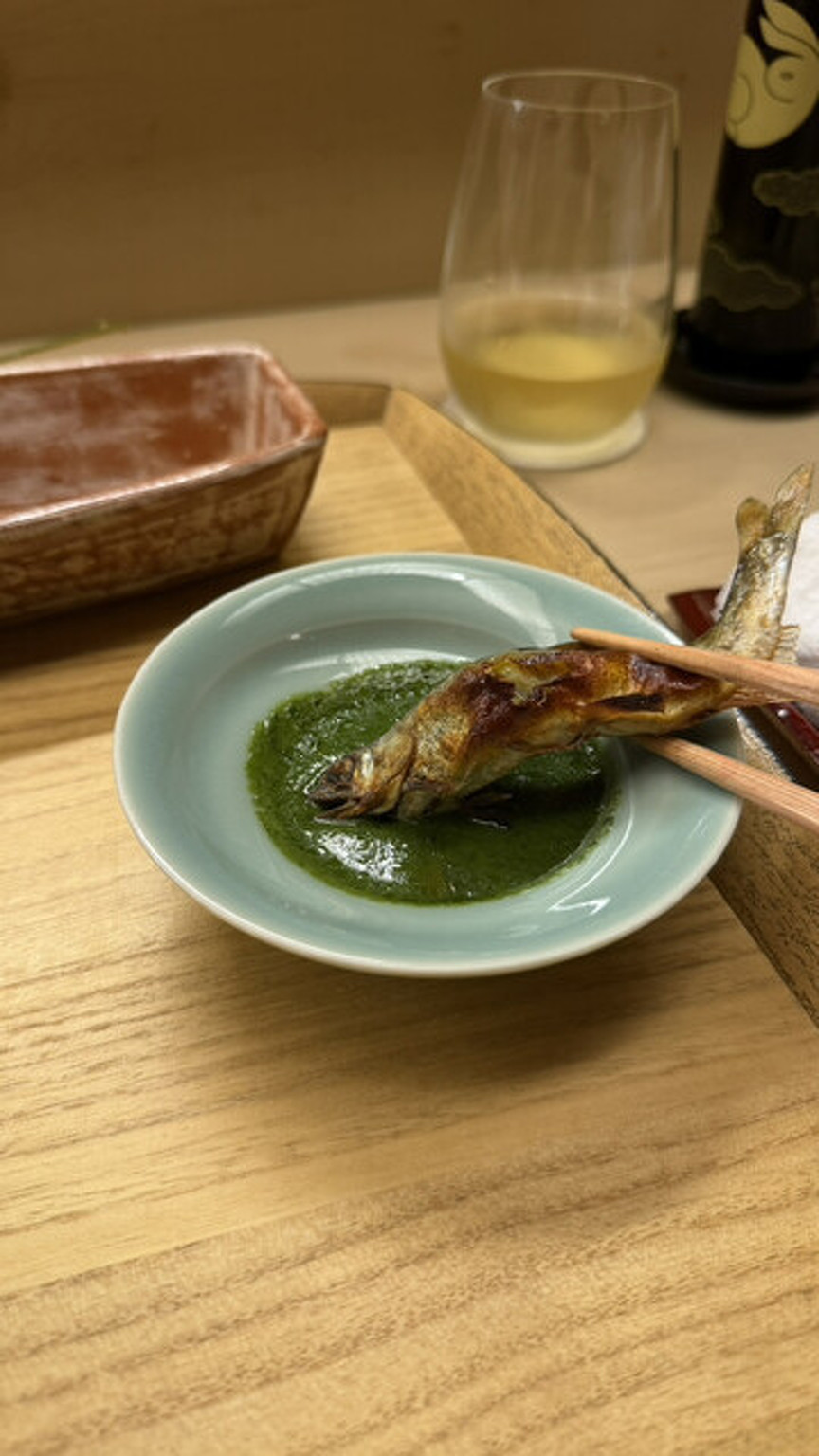
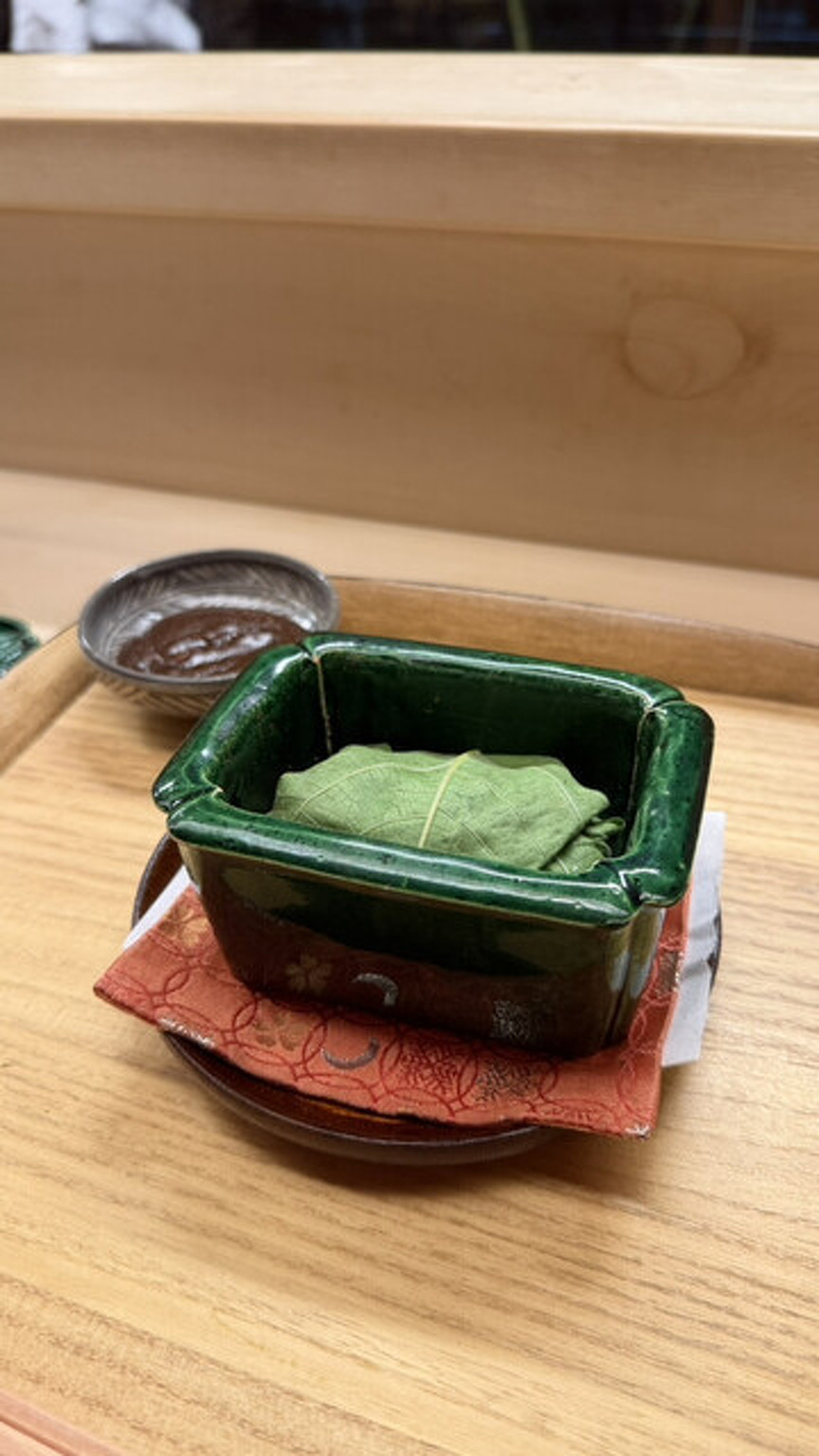
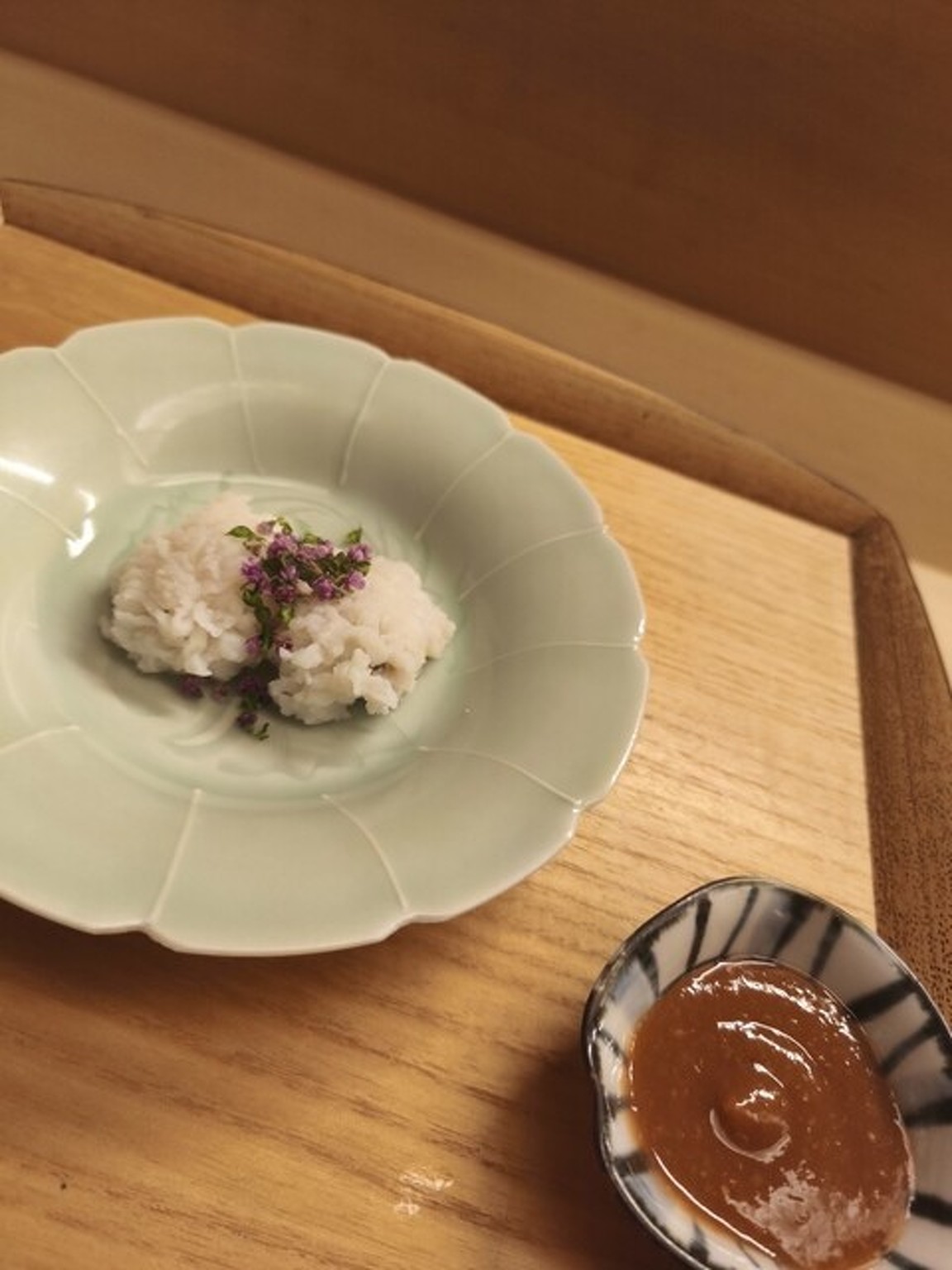
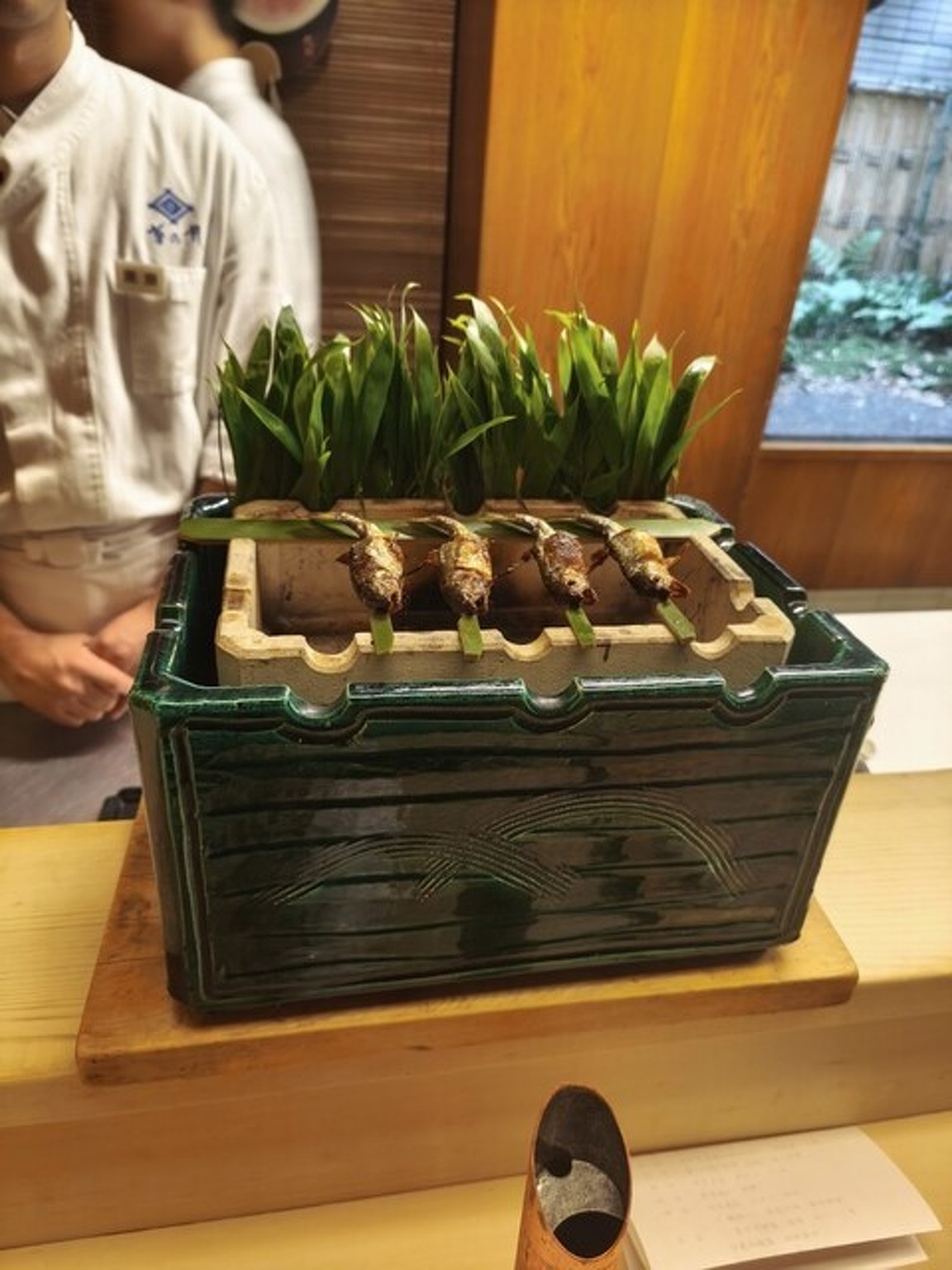
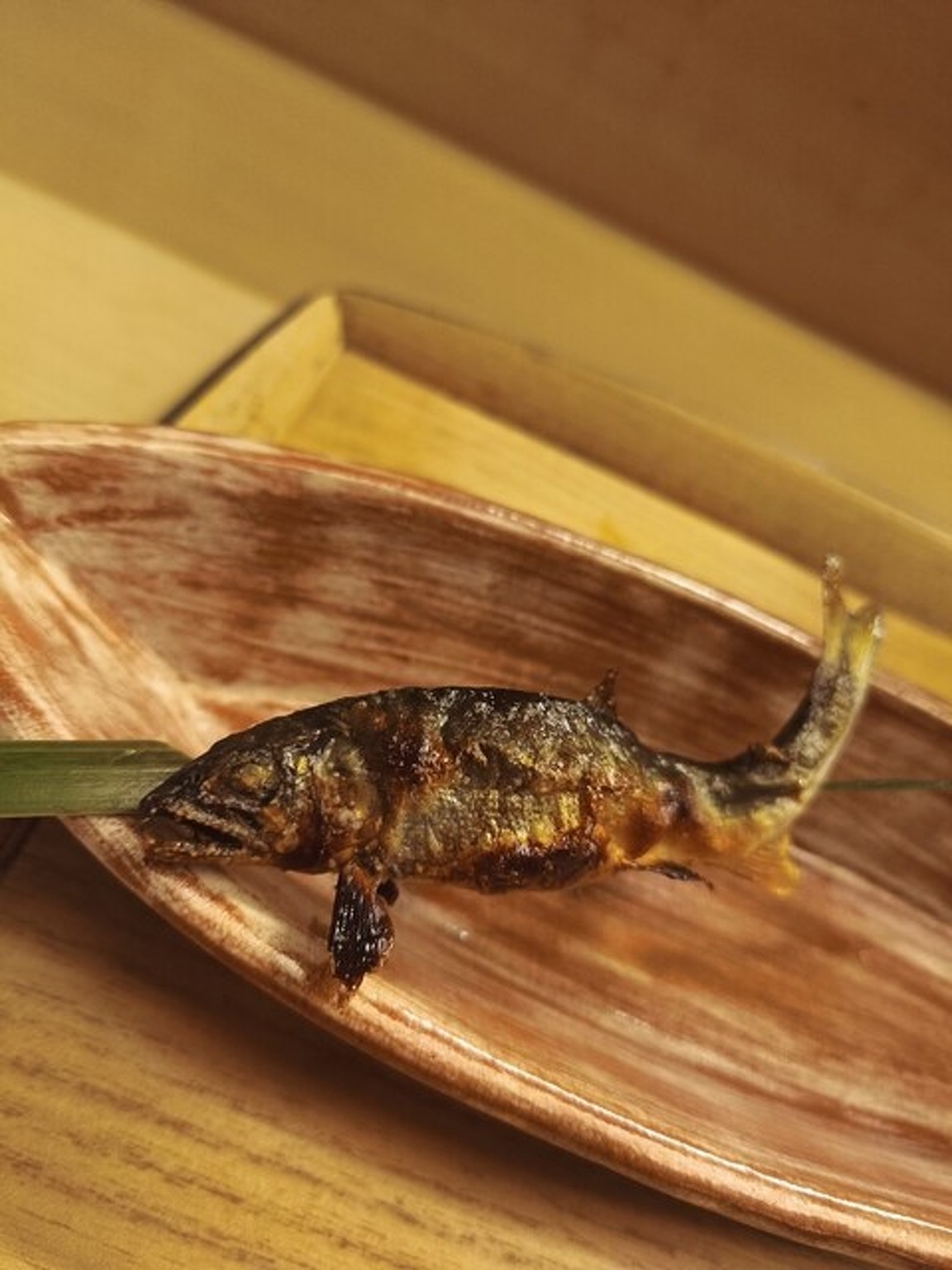
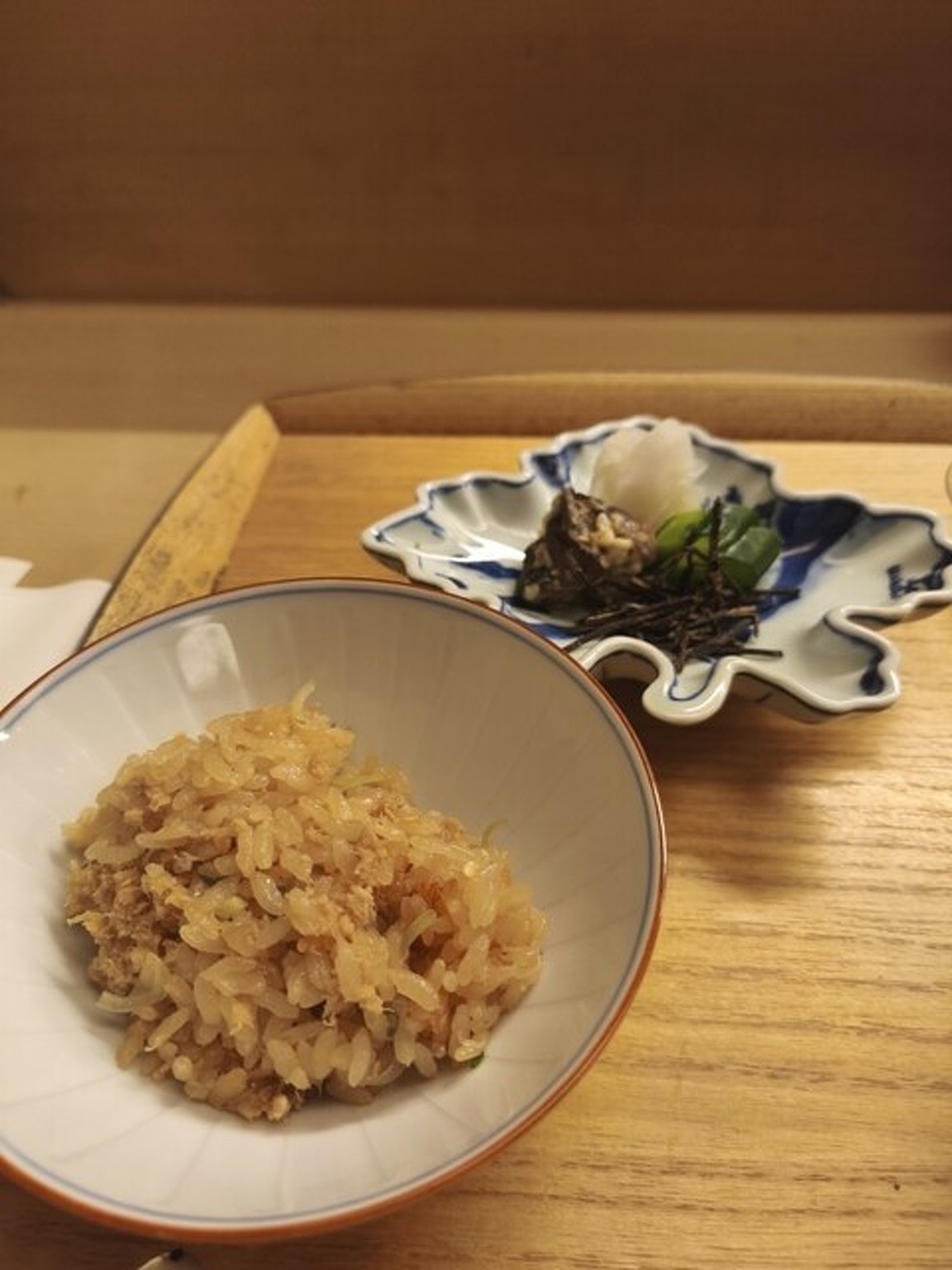
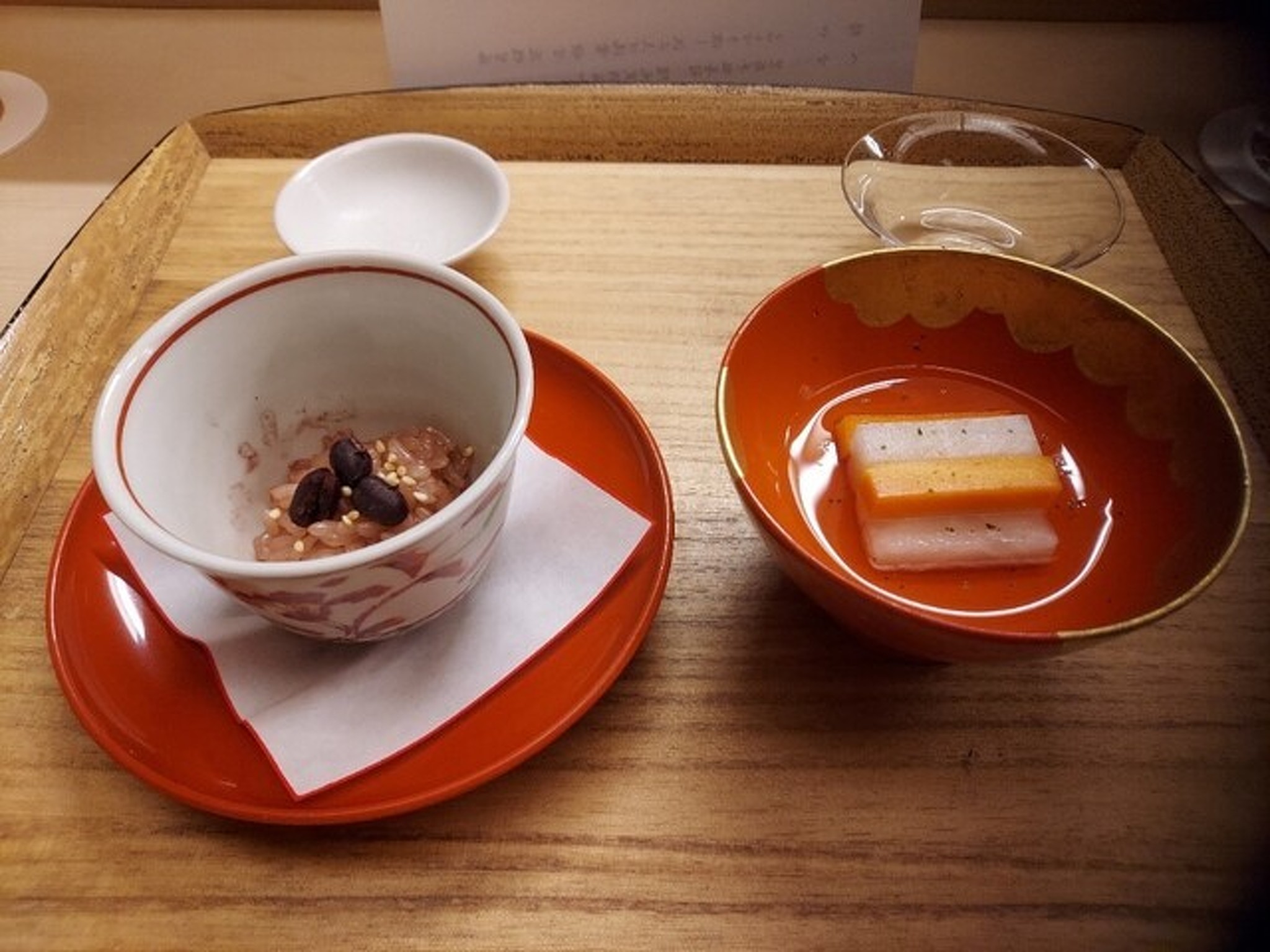
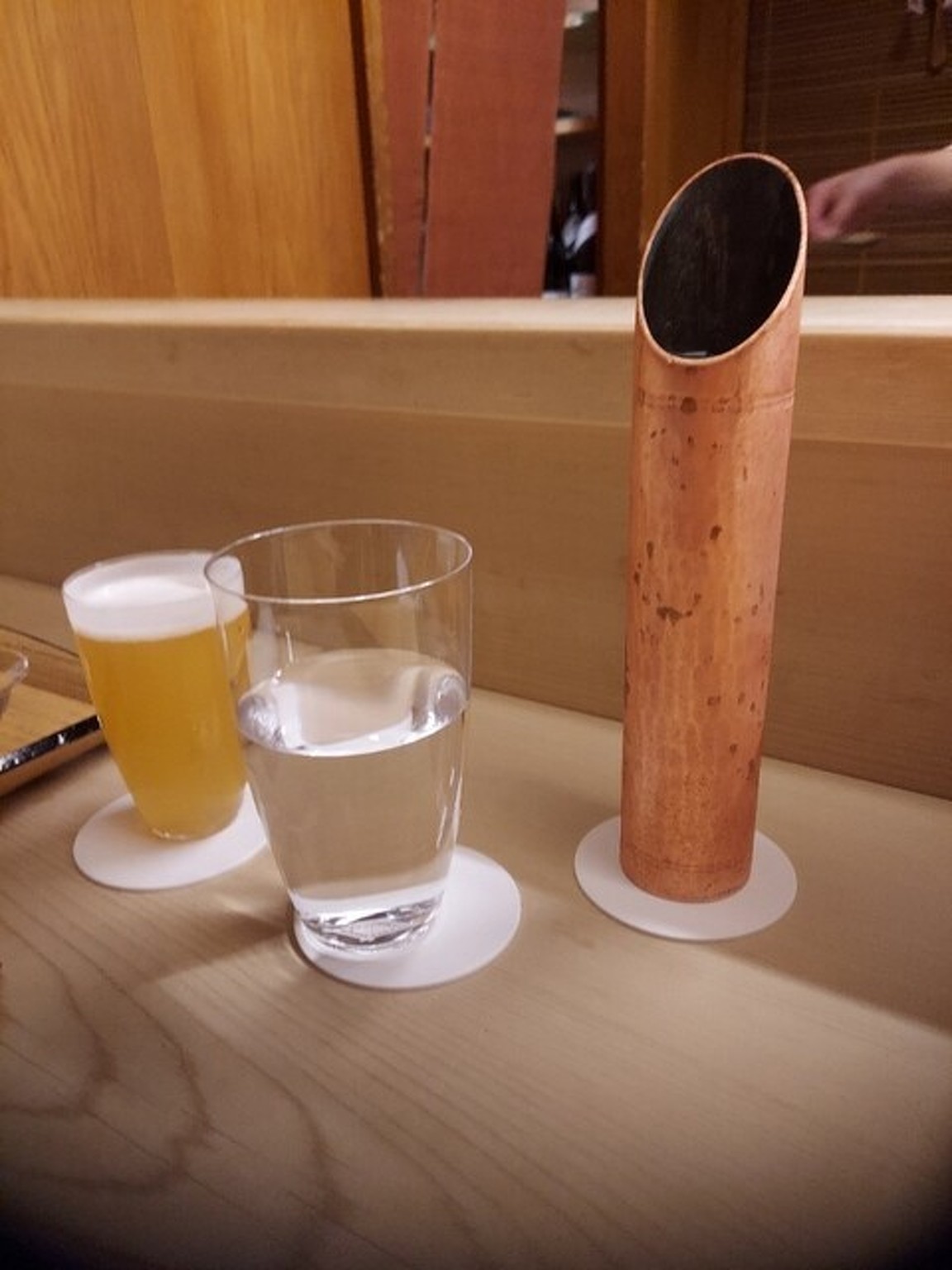
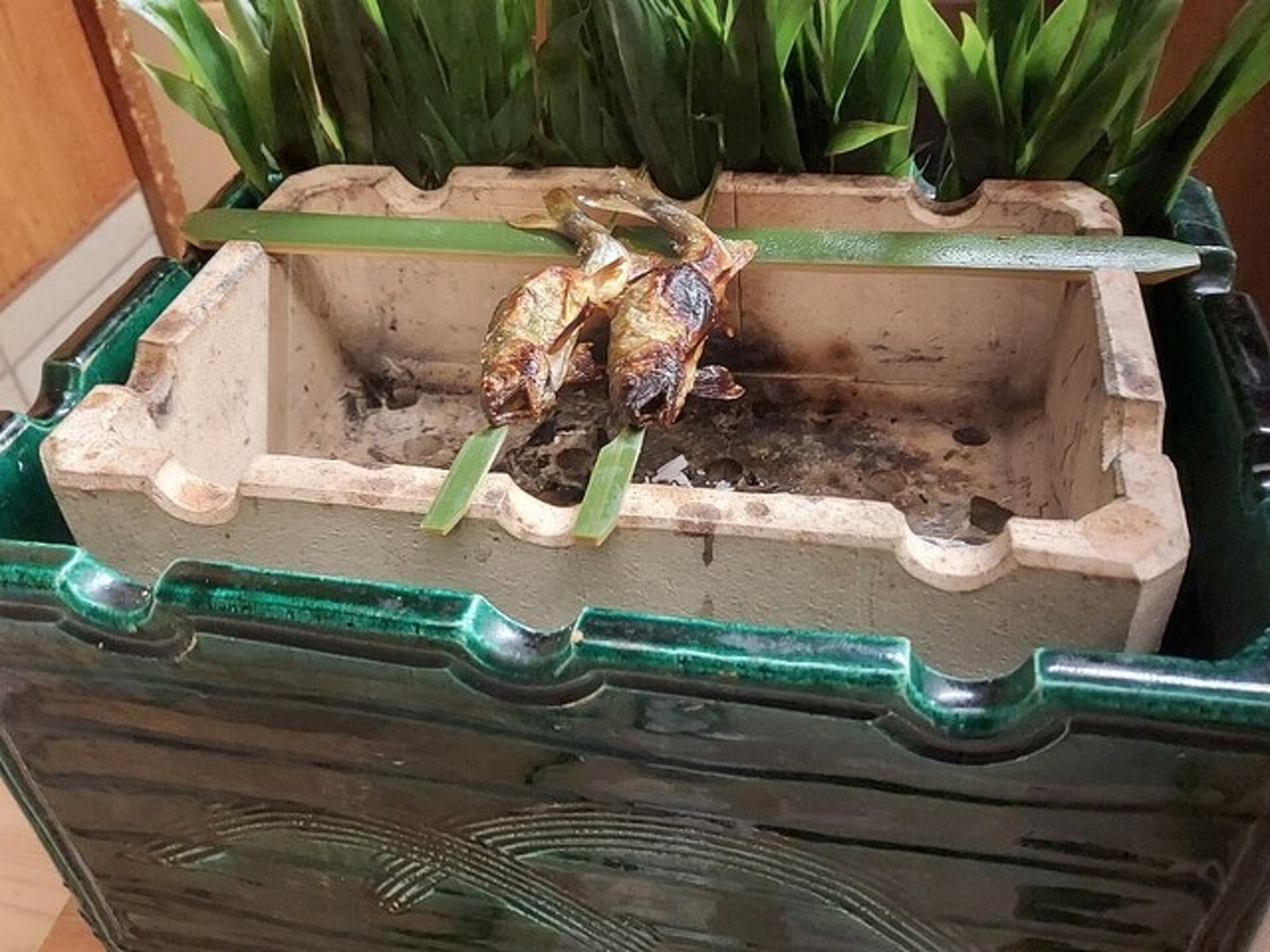
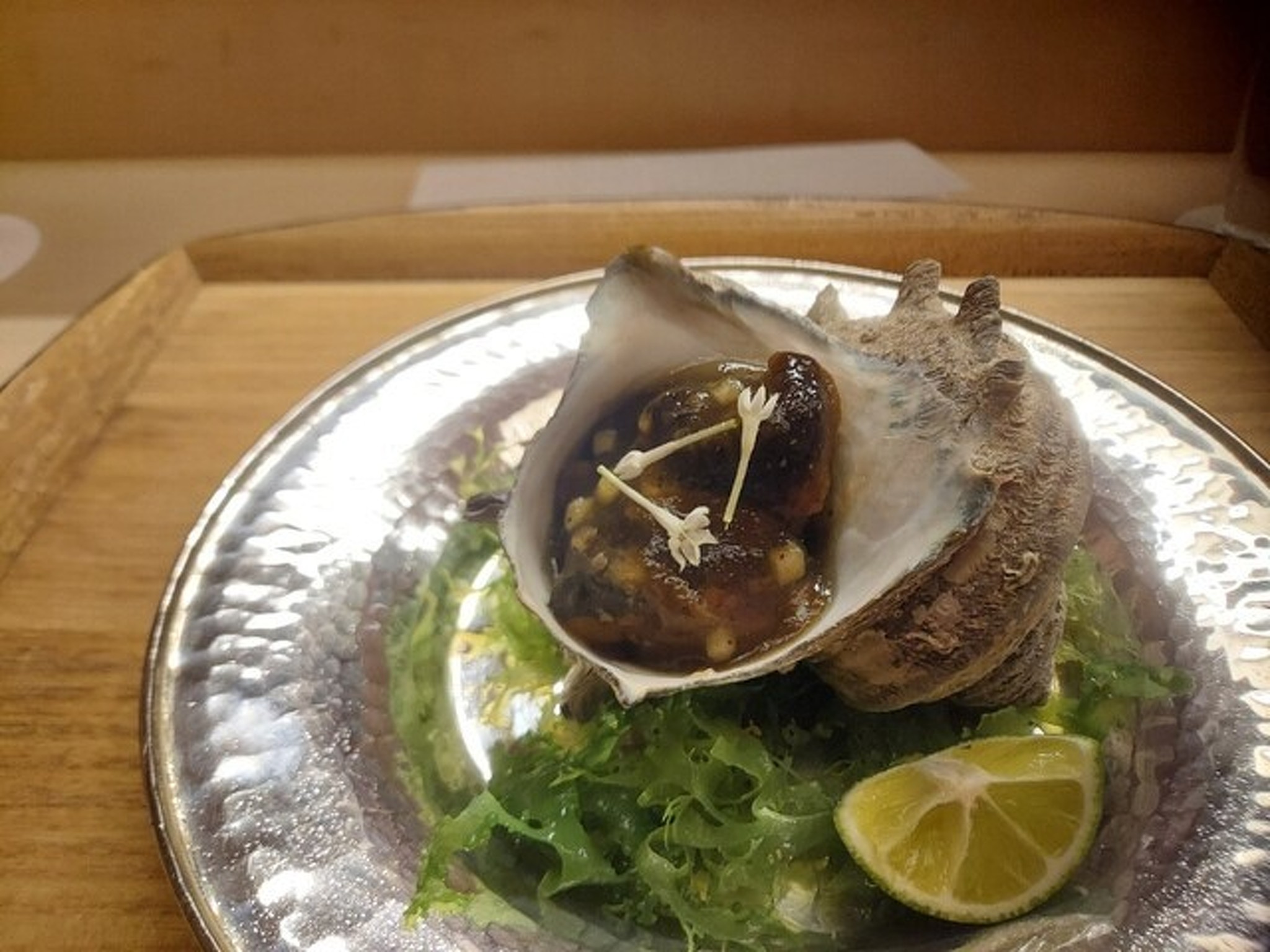
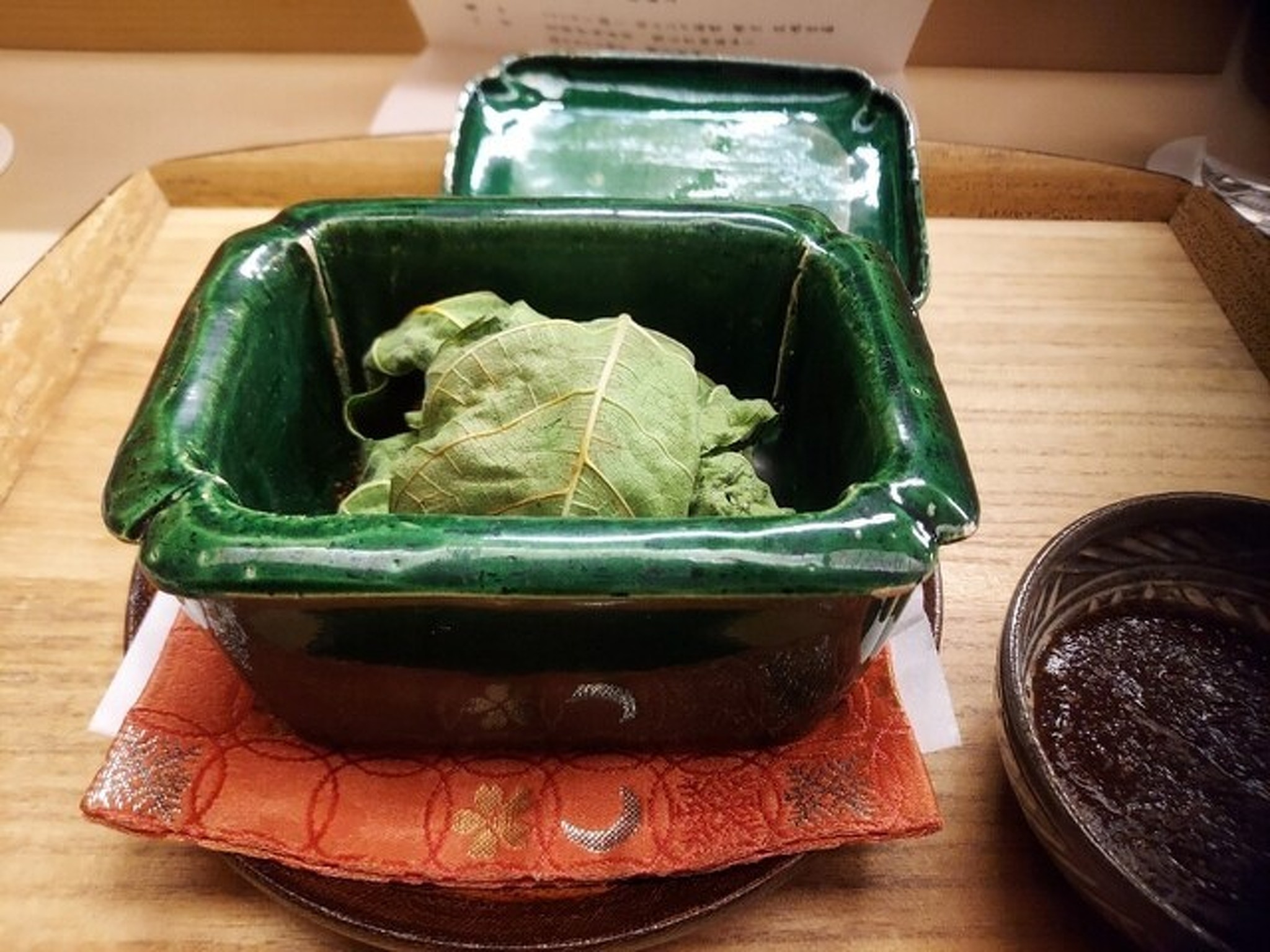
As you may know, this is a Michelin Guide Tokyo two-star restaurant.I made a reservation for the top-tier lunch kaiseki course (JPY 22,000). This might be my first visit to Kikunoi in August, including the main branch in Kyoto. I was excited to see what would be served. In summer, you can't miss sweetfish and pike eel.While the decor and furnishings are superior at the main branch, the flavors here are equally impressive, perhaps even slightly better. The seasonal elements are beautifully presented, creating a mesmerizing experience.To start, the service offered a refreshing dry sake in a silver cup.The first dish was a smooth tomato puree with yuba, junsai, and shiso flowers—everything I love! ♡Next, I ordered a cold Jikon sake. The copper flask shaped like bamboo was lovely.Since I mentioned it was a small celebration, I was treated to red rice, which added a special touch.The vibrant and beautiful hassun was a delight! Since it was close to the Obon festival, it featured hand-rolled sushi inside a hōzuki (Chinese lantern plant). Each piece had a different filling (see the photo).The sashimi included sea bream from Akashi and knife fish, served on a lotus leaf that resembled a plate. It felt almost sacred, making me want to join my hands in prayer.The pike eel was not prepared as usual but in a clear soup, which kept the flavor intact. It paired wonderfully with plum sauce. Sitting at the counter, I could hear the sound of the chef slicing the eel, adding to the experience.The winter melon was a delightful surprise! A small winter melon was halved and simmered in a broth with shark fin, soft-shelled turtle, and dried scallops. Eating the melon with a spoon while savoring the soup brought pure happiness!The small grilled sweetfish was cooked to perfection! Crispy and delicious, you could eat it from head to tail. The accompanying wasabi vinegar was a nice touch.The large turban shell was tender and served cold, cut into easy-to-eat pieces. I had never tasted such delicious turban shell before.The grilled beef wrapped in fig leaves and steamed again was the biggest surprise of the day. It had a hint of cinnamon and was served with a sauce made from reduced figs. The chef really went for it with this exotic dish. The meat was tender and perfectly cooked.The clay pot rice featured sweetfish! It was accompanied by a soup with red Manganji peppers and lotus root cakes. Wow, I didn’t know red Manganji peppers were available in Kyoto. I’ll have to look for them next time.I enjoyed every bit, even the dessert.Yay, I was completely satisfied!I believe there are no other dishes that require such effort, with such excellent techniques and ingredients. I thought autumn and winter would have more delicious ingredients than summer, but this course proved me wrong. Less
In July, the restaurant was beautifully decorated in honor of the Gion Matsuri festival, and the meticulously prepared dishes were consistently delicious. I was particularly pleased to enjoy two sweetfish, and the seasonal ribbonfish served in a dish made from melon, which was a favorite of Susanoo no Mikoto, was especially delightful. The soup, featuring Hiroshima lemons and water shield, was a refreshing summer dish that was served at the Hiroshima Summit. As expected from Kikunoi, it was an exceptional... More
In July, the restaurant was beautifully decorated in honor of the Gion Matsuri festival, and the meticulously prepared dishes were consistently delicious. I was particularly pleased to enjoy two sweetfish, and the seasonal ribbonfish served in a dish made from melon, which was a favorite of Susanoo no Mikoto, was especially delightful. The soup, featuring Hiroshima lemons and water shield, was a refreshing summer dish that was served at the Hiroshima Summit. As expected from Kikunoi, it was an exceptional experience. Less
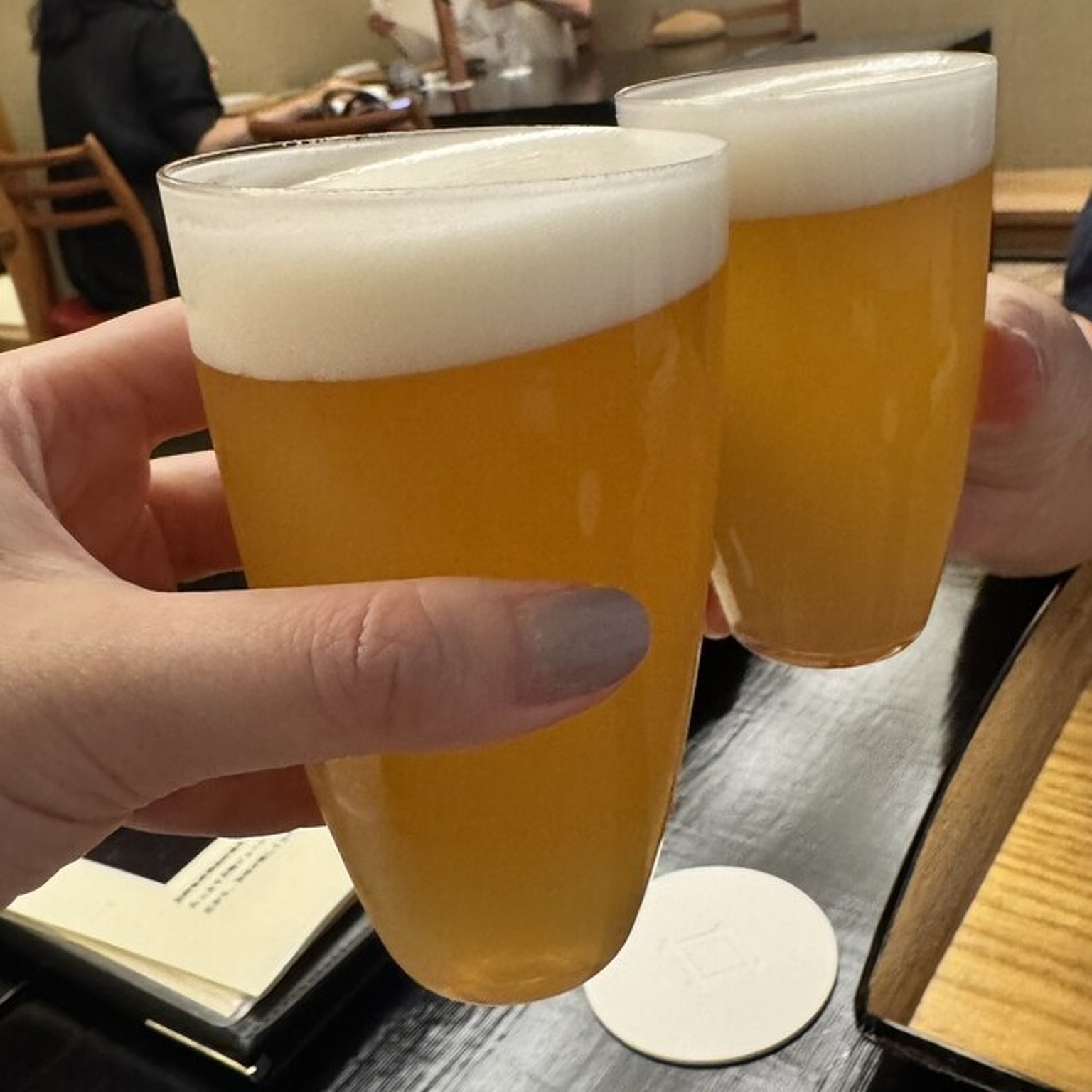
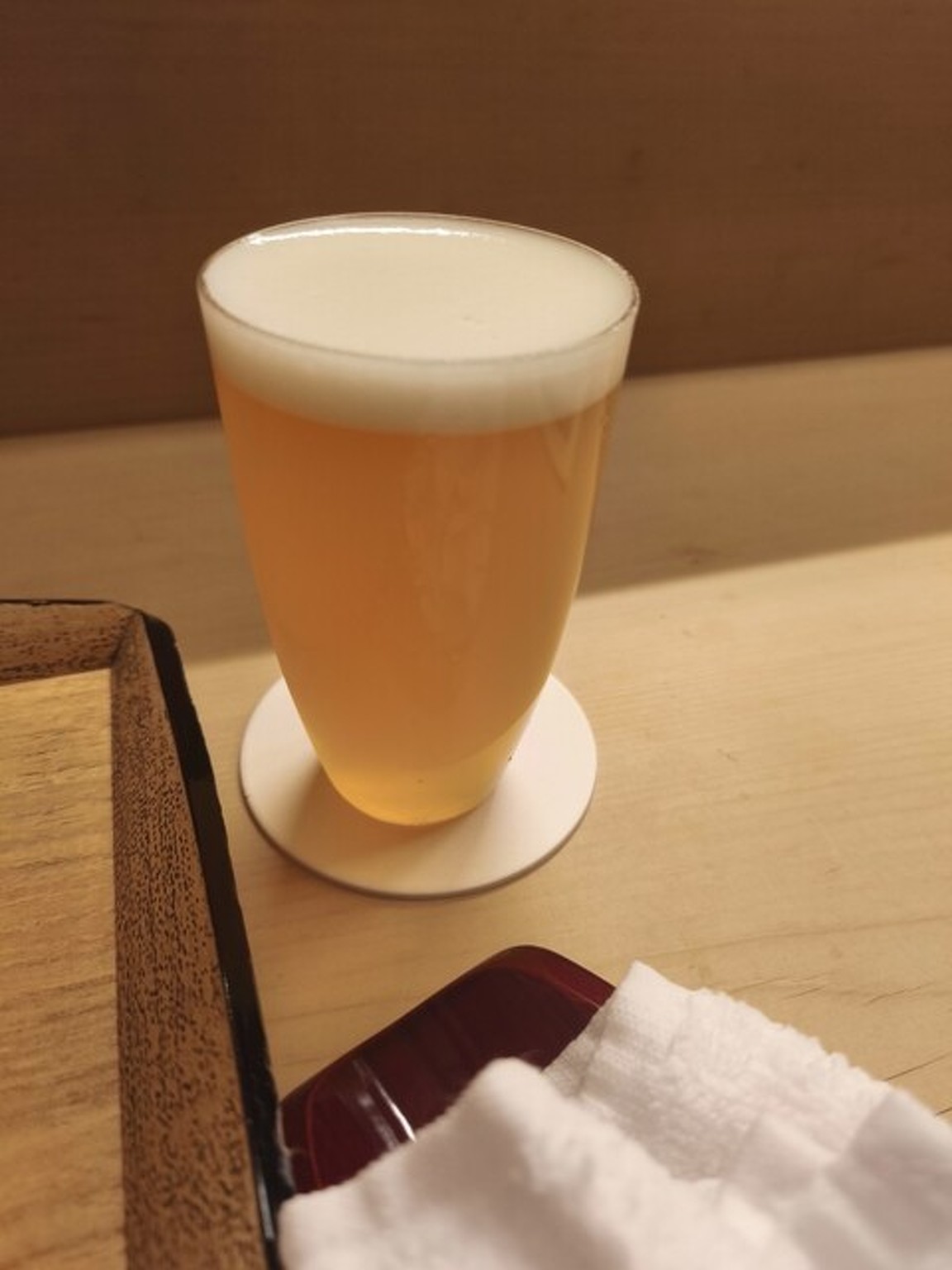
The JPY 22,000 course included a small beer and two servings of Japanese sake, totaling JPY 33,000. Oh dear, it seems they served some rather expensive sake.The cultural presentation of the 8-dish course is lovely, but I find it somewhat confusing as a meal. Personally, I might prefer a restaurant that doesn’t feel the need to force the 8-dish format.The Akashi sea bream had a nice aroma, but the texture was dry on the surface and a bit rubbery, which wasn’t great.The grilled sweetfish was undeniably... More
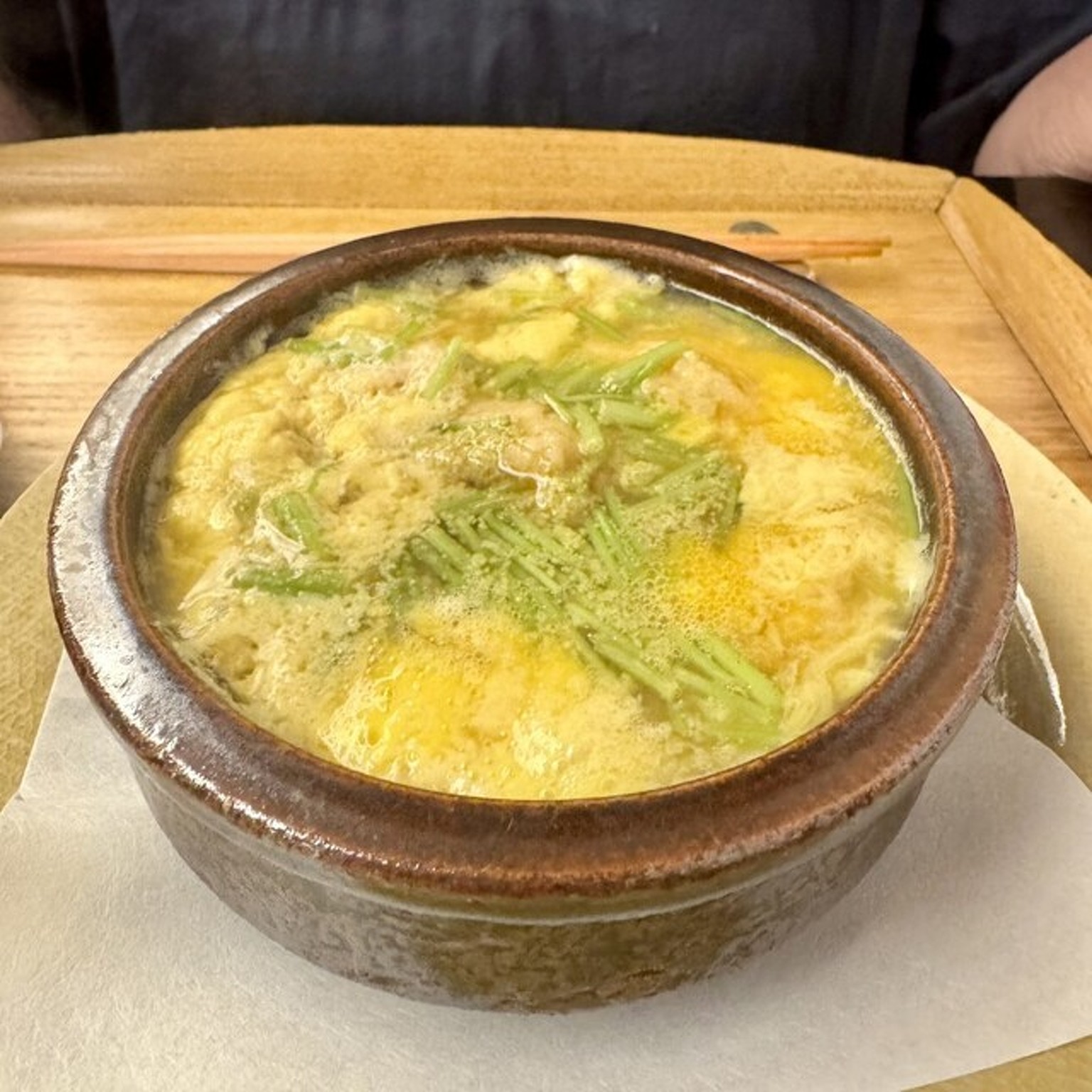
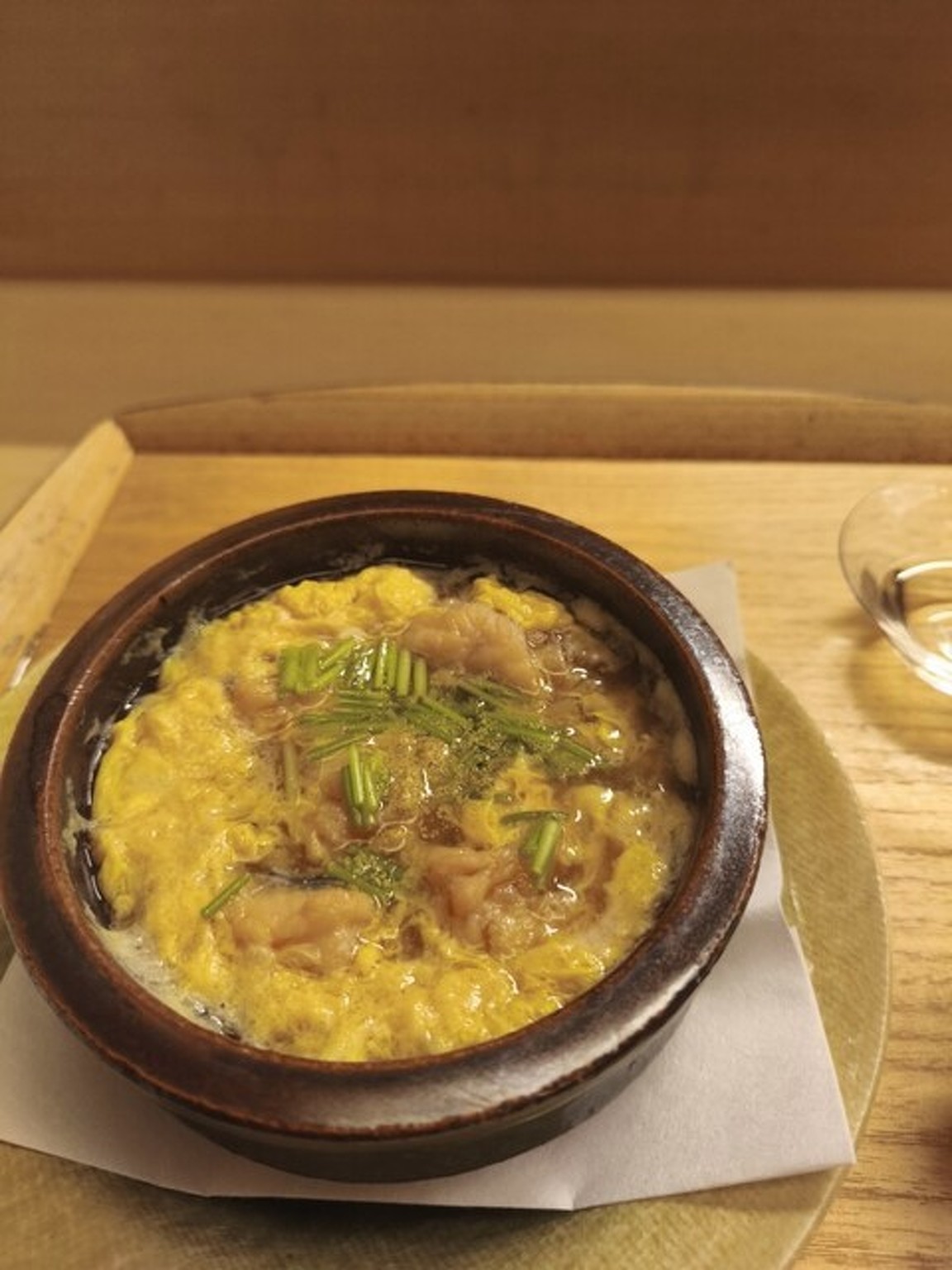
The JPY 22,000 course included a small beer and two servings of Japanese sake, totaling JPY 33,000. Oh dear, it seems they served some rather expensive sake.The cultural presentation of the 8-dish course is lovely, but I find it somewhat confusing as a meal. Personally, I might prefer a restaurant that doesn’t feel the need to force the 8-dish format.The Akashi sea bream had a nice aroma, but the texture was dry on the surface and a bit rubbery, which wasn’t great.The grilled sweetfish was undeniably delicious, but compared to the sweetfish from Hakubun, it was just at a normal level of tastiness. I would love to see a cooking method that enhances the quality of the ingredients even further, perhaps with a stronger charcoal aroma for a new sensory experience.The anago (conger eel) soup had a thick consistency that made the broth hard to discern, and the excessive amount of thick soup made it feel clumsy.The Ise lobster kintsuba was tasty, but it had a somewhat Americain-like finish. While it’s new for Japanese cuisine, it felt more like Western food, which was a bit disappointing.Although the dishes were served simultaneously, I appreciated that they tried to match the pace of each table. However, this led to a mismatch in timing, and the repeated aroma from the delayed group’s dishes was a downside. It’s understandable in a large restaurant, but the repeated scent of the sweetfish, while wonderful, became tiresome.Overall, I didn’t feel the refined elegance typical of Japanese cuisine today. It’s rare for my impression to change so much after a second visit, but perhaps I wasn’t feeling well. Or maybe my experiences at Hakubun and Enmizu were just too exceptional.The new ginger rice was perfectly flavored and excellent. The accompanying soup was simply delicious, with concentrated new onions.The fruit anmitsu had the azuki beans cooked al dente, bringing out their flavor beautifully. The final presentation was truly impressive. Less
The June menu at Kikunoi is filled with seasonal flavors. Starting with the yōsei umé (young green plums) and boiled octopus with small eggplant, it flows into the sashimi of natural sea bream from Akashi and striped jack. The anago (conger eel) tofu and grilled sweetfish are truly impressive. What stood out the most was the sweetfish, which made an early appearance in June. The unique combination of wasabi vinegar with not just wasabi but also watercress and olive oil is a signature touch of Kikunoi.... More
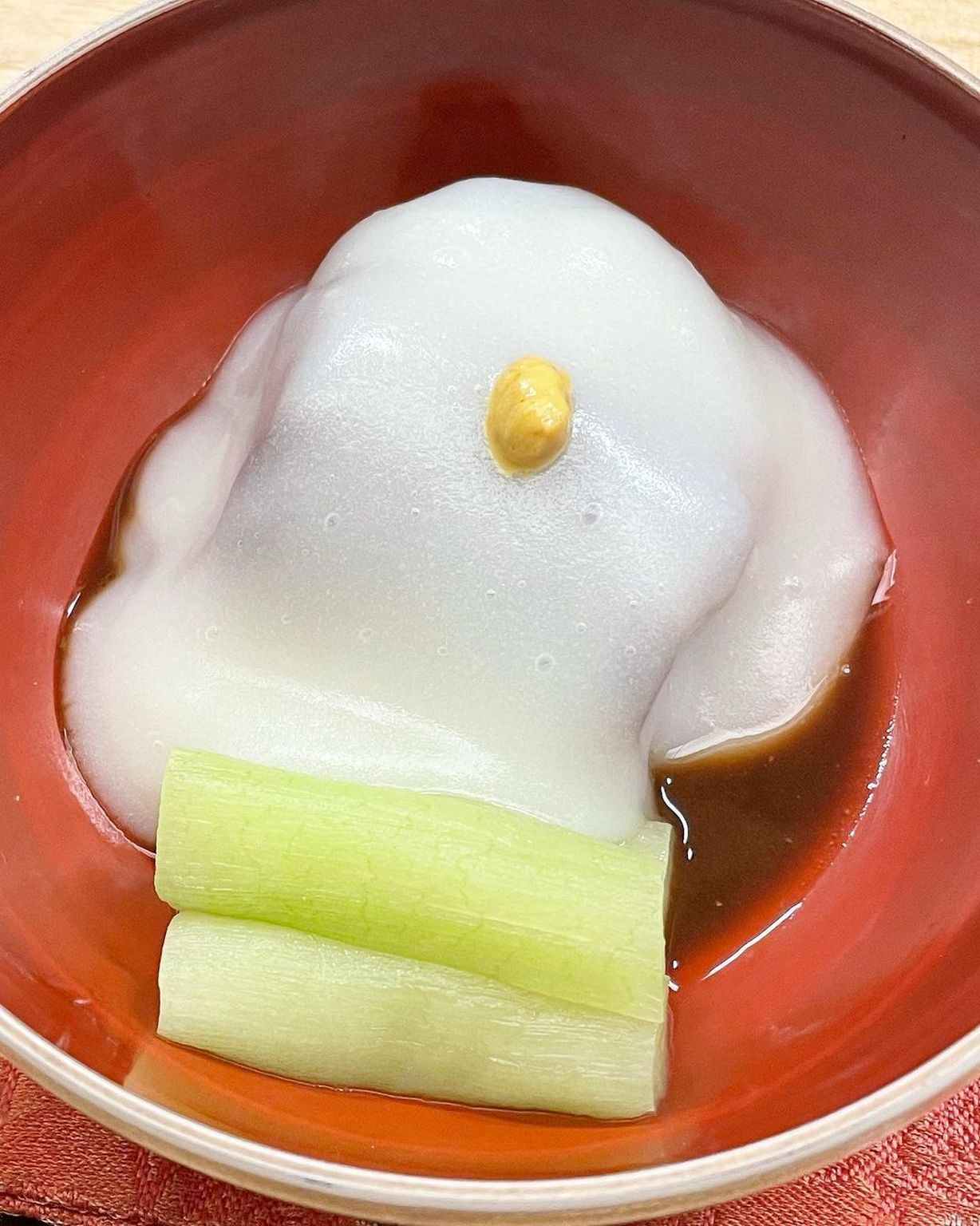
The June menu at Kikunoi is filled with seasonal flavors. Starting with the yōsei umé (young green plums) and boiled octopus with small eggplant, it flows into the sashimi of natural sea bream from Akashi and striped jack. The anago (conger eel) tofu and grilled sweetfish are truly impressive. What stood out the most was the sweetfish, which made an early appearance in June. The unique combination of wasabi vinegar with not just wasabi but also watercress and olive oil is a signature touch of Kikunoi. I was impressed by their approach of incorporating new expressions while maintaining a foundation of traditional Japanese cuisine. I thoroughly enjoyed the early summer flavors, including the chilled dish with Kamo eggplant and taro stems, as well as the new ginger rice. Even the final black honey ice cream with fruit and sweet beans was meticulously crafted, reminding me of the joy of savoring seasonal ingredients. Less
One person couldn't make it, so we had a substitute. The sweetfish was crispy and delicious. The presentation was exquisite, making the summer menu visually appealing as well. I was impressed by the creativity in serving hot dishes in a way that allows you to enjoy them even in the heat. The restaurant's innovative approach and dedication to quality are truly commendable.
The July menu starts with a cold fresh sea urchin tofu, with a nice kick from the wasabi.In Kyoto, due to the Gion Matsuri festival, the hassun (seasonal appetizer) is beautifully decorated with a puzzle ring.I hear the story of the Suimin Shorai every year, and it never gets old, strangely enough! For the sashimi, we had sea bream from Akashi and conger eel.The plum sauce was exquisite!The main dish was grilled sweetfish, which I specifically came for.It was absolutely delicious, no complaints at... More
The July menu starts with a cold fresh sea urchin tofu, with a nice kick from the wasabi.In Kyoto, due to the Gion Matsuri festival, the hassun (seasonal appetizer) is beautifully decorated with a puzzle ring.I hear the story of the Suimin Shorai every year, and it never gets old, strangely enough! For the sashimi, we had sea bream from Akashi and conger eel.The plum sauce was exquisite!The main dish was grilled sweetfish, which I specifically came for.It was absolutely delicious, no complaints at all!!The strong dish was braised pork belly.It was so refined that I almost thought it was a different dish altogether.Usually, I switch to a mixed rice dish, but this time I had a mozuku seaweed porridge.It was refreshing and delicious in its own right.For dessert, we had yatsuhashi ice cream and warabi mochi.This is also a classic dessert at Kikunoi.The chef thought it would be great to crush yatsuhashi into Haagen-Dazs cookies and cream while he was enjoying it.Everything was undeniably delicious!I enjoyed the conversation as well, and I was very satisfied.I’m looking forward to August! Less
A Michelin two-star kaiseki restaurant tucked away in a back alley of Akasaka. The location itself feels a bit special, and once you step inside, the calm atmosphere makes it very comfortable.I've been here several times for both lunch and dinner, but I honestly recommend the lunch.The menu offers authentic kaiseki at a much more affordable price compared to dinner, making it a great value for the quality.The dishes change monthly, reflecting the seasons. They are served in the traditional kaiseki... More
A Michelin two-star kaiseki restaurant tucked away in a back alley of Akasaka. The location itself feels a bit special, and once you step inside, the calm atmosphere makes it very comfortable.I've been here several times for both lunch and dinner, but I honestly recommend the lunch.The menu offers authentic kaiseki at a much more affordable price compared to dinner, making it a great value for the quality.The dishes change monthly, reflecting the seasons. They are served in the traditional kaiseki style, and the presentation and tableware truly convey the essence of fine Japanese cuisine. I was impressed by the focus on the quality of the dashi and ingredients.The meal is light and easy to finish, which is another plus.The service is excellent, providing a reassuring experience without being overly formal.This is a highly reliable place when you want to enjoy authentic Japanese food. If you're unsure where to go, this is definitely a solid choice. Less
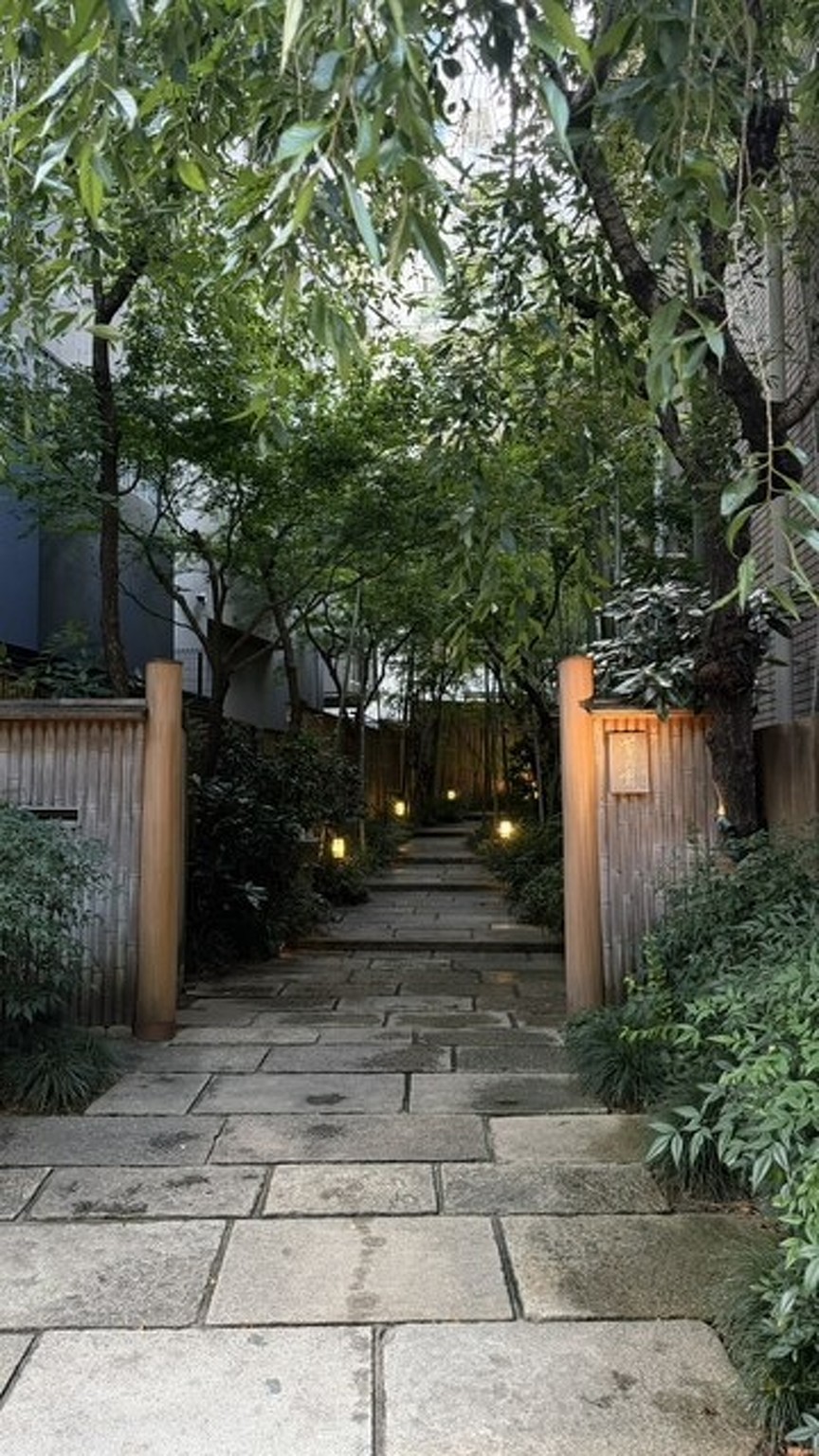
Akasaka Kikunoi is the Tokyo branch of Kikunoi, a renowned kaiseki restaurant that has earned three Michelin stars in Kyoto and Osaka. This establishment in Akasaka has also been awarded two Michelin stars.The entrance offers a serene atmosphere, almost like a different world, featuring a sacred altar that adds a sense of solemnity.The ambiance inside the restaurant is exceptional.Every dish is delicious, with highlights including the grilled young sweetfish, and a series of exquisite offerings that... More
Akasaka Kikunoi is the Tokyo branch of Kikunoi, a renowned kaiseki restaurant that has earned three Michelin stars in Kyoto and Osaka. This establishment in Akasaka has also been awarded two Michelin stars.The entrance offers a serene atmosphere, almost like a different world, featuring a sacred altar that adds a sense of solemnity.The ambiance inside the restaurant is exceptional.Every dish is delicious, with highlights including the grilled young sweetfish, and a series of exquisite offerings that are hard to describe in words.The Japanese sake served alongside the dishes was also excellent. Less
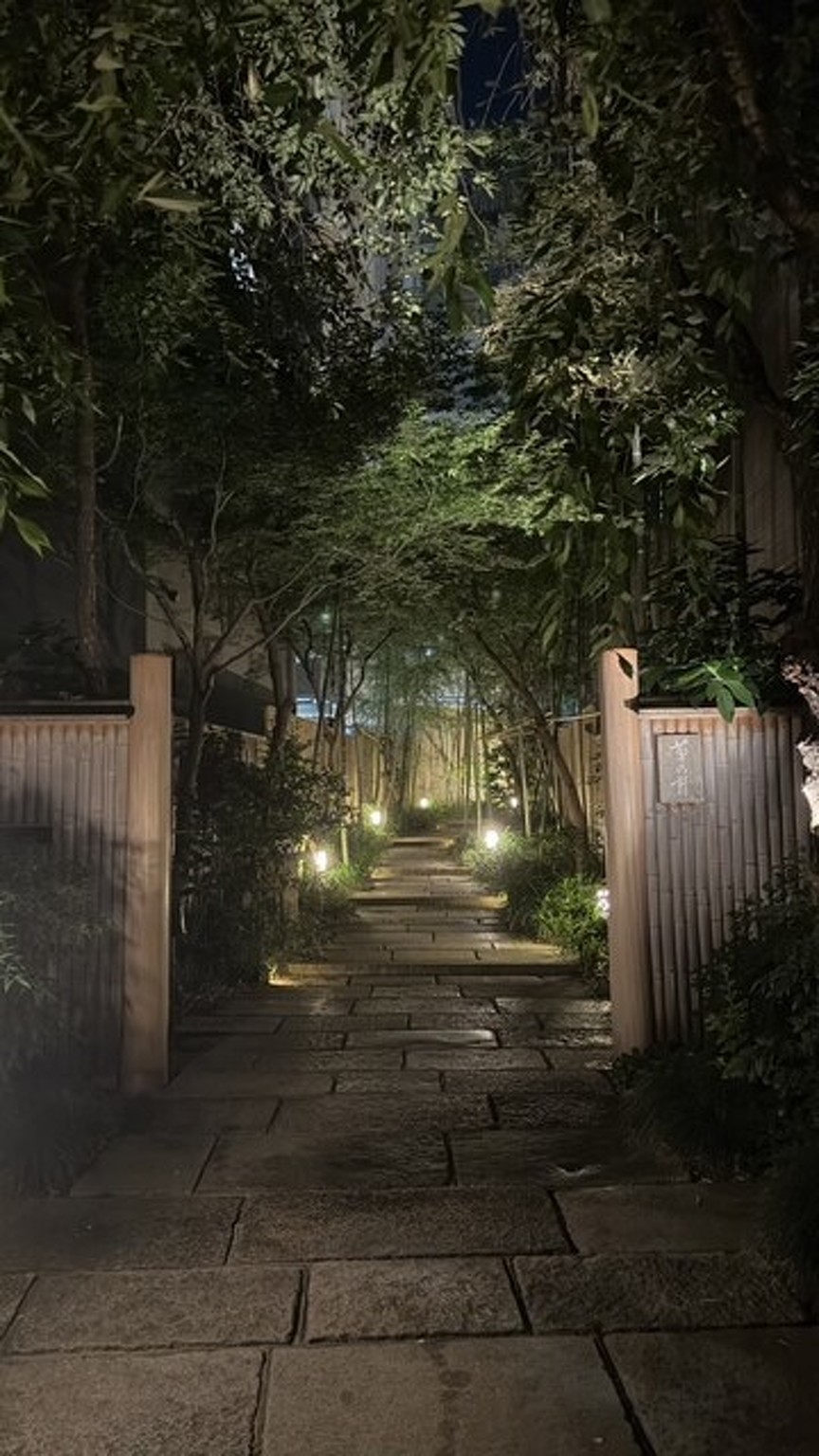
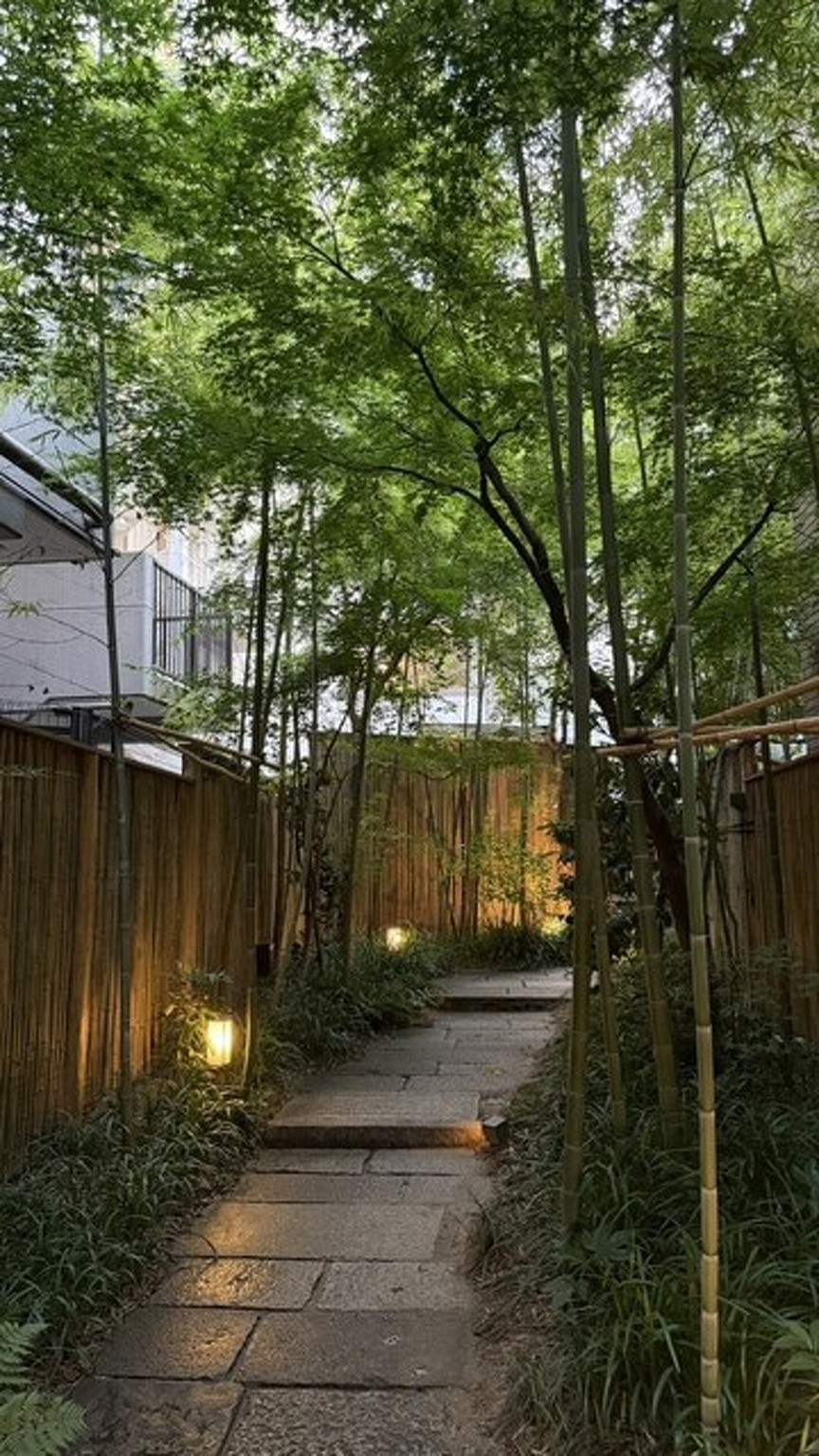
A Michelin 2-Star Japanese RestaurantJune 2026 Japanese Cuisine "Akasaka Kikunoi"✨✨ Yes, Akito's classic dish~ I visit every month. The flavors are comforting.The restaurant opened in 2004 and is a 5-minute walk from Akasaka Station on the Tokyo Metro. The elegant entrance, trees brought from Kyoto, and stone pavement are wonderful. As you pass through the green approach, the entrance to Kikunoi comes into view. Upon entering, Mr. Yamaguchi greets you with a smile. Let’s enjoy the food today.■... More
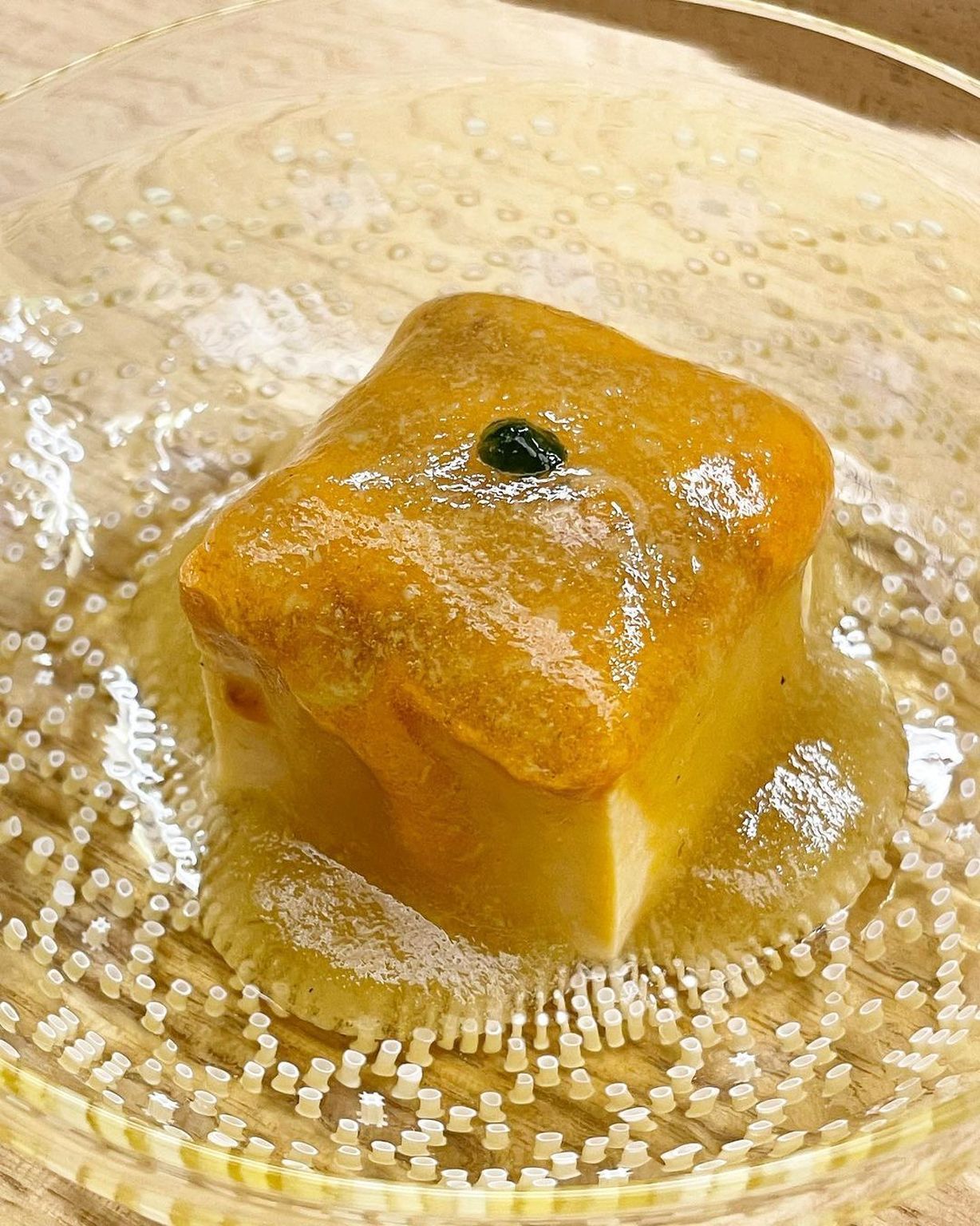
A Michelin 2-Star Japanese RestaurantJune 2026 Japanese Cuisine "Akasaka Kikunoi"✨✨ Yes, Akito's classic dish~ I visit every month. The flavors are comforting.The restaurant opened in 2004 and is a 5-minute walk from Akasaka Station on the Tokyo Metro. The elegant entrance, trees brought from Kyoto, and stone pavement are wonderful. As you pass through the green approach, the entrance to Kikunoi comes into view. Upon entering, Mr. Yamaguchi greets you with a smile. Let’s enjoy the food today.■ June Lunch Kaiseki Course JPY 13,000 (tax and service charge not included) ⚫ First Drink "Shiso Sake" The sake changes every month. Today it’s shiso sake, which has a lovely aroma of shiso.……………………………………………… ⚫ Appetizer "Yose Ume with Ume Jelly" This has been on the menu since last year, but I don’t find it appealing. I wish it would change to something else.……………………………………………… ⚫ Assorted Dishes I love Kikunoi's assorted dishes (//∇//). The presentation is beautiful, and while simple, the quality is high. 1. Tai Ko Rakugan: Yes, yes. This is the finishing touch of Kikunoi! The way the baby octopus is cooked is excellent. The addition of lily root and the aroma of yuzu is a nice accent. 2. Small Eggplant in Jade Broth: Simple but crafted with care. The gentle dashi soaked into the small eggplant is irresistible. 3. Biwa Egg: The yolk of a soft-boiled egg is pickled in miso. It’s creamy in the mouth. A unique finish. 4. Cucumber with Miso: A rare delicacy. The miso is excellent. 5. Hamo Nanban-zuke: The hamo (pike eel) is delicious!! This flavor is unique to Kikunoi. 6. Edamame: The flavor of the edamame beans is delightful. 7. Grilled Sweet Shrimp: Wow, the sweet shrimp has a wonderful umami flavor. It makes you want to drink. 8. New Sweet Potato: The sweet potatoes are cooked to perfection. 9. White Clam with Spicy Vinegar Miso: Yes, this is delicious✨✨. The sliced white clam is tasty. The spicy vinegar miso is spot on.Yes, as always, I enjoy Kikunoi's assorted dishes♪ ……………………………………………… ⚫ Seasonal Side Dish "Natural Tai from Akashi, Striped Jack, and Assorted Garnishes" Presented like a boat floating on a summer river, with ice for a refreshing touch. The sashimi is plump. The striped jack is served with ponzu jelly. Yes, it’s rich and delicious♪ The quality of the natural tai from Akashi is also excellent.……………………………………………… ⚫ Covered Dish "Anago Tofu, Winter Melon, Kinome Sauce, Kinome, and Ice Senbei" The kinome sauce is very unique! The anago tofu is made with den-suke anago, scallops, soy milk, and egg whites, prepared as a true delight. You can really taste the umami of the anago. After eating half, adding the ice senbei creates a refreshing experience. The change in flavor is enjoyable.……………………………………………… ⚫ Grilled Dish "Grilled Sweetfish with Salt and Wasabi Vinegar" Young sweetfish from Lake Biwa. This is a seasonal classic. It’s my first time this year, and everything from the grilling to the salt and fat content is perfect! The wasabi vinegar mixed with watercress and olive oil is unique.……………………………………………… ⚫ Strong Dish "Chilled Mixed Vegetables: Kamo Eggplant, Fried Lotus Root, Aoi Stem, Yuzu Zest, Beef Loin, Snap Peas" The kamo eggplant is coated and served with fried dashi. Each ingredient is cooked with a different seasoning. You can really taste the umami of the vegetables. The fried lotus root has a strong flavor, but it offers a nice change. This year, beef loin has been added, further enhancing the dish.……………………………………………… ⚫ Rice "New Ginger Rice with Mitsuba" Yes, the aroma of ginger is wonderful. Just a hint of ginger’s spiciness. The dashi is just right. It has a gentle flavor. It’s simple yet delightful.……………………………………………… ⚫ Soup "New Onion Puree with Small Onions and Red Manjanji Pepper with Shichimi" A classic puree. The sweetness and umami of the new onion come through well. Adding the manjanji pepper provides a nice accent.……………………………………………… ⚫ Dessert "Black Sugar Ice Cream with Fruit Mizu Dofu" The fruit mizu dofu is luxuriously filled with cherries and strawberries! It’s a simple finish, but the quality is high and it was delicious✨✨■ Service As always, the service is pleasant. Employee training is thorough.■ Pricing I think the cost performance is very good. Considering the location, atmosphere, variety, and taste of the dishes, this price is quite rare.■ Usage Scenarios - When trying authentic Japanese cuisine for the first time (I highly recommend this place if you want to know what Japanese cuisine is!) - Suitable for families, couples, and colleagues. It can be used in various scenarios. The good service makes it a reliable choice.Yes, I’m satisfied (*´ェ`*). This season, the "young sweetfish" is delicious✨✨ It was a great meal m(_ _)m□ Rating as of June 2026 Tabelog Rating: 3.87, Number of Reviews: 572 Less
Akasaka Kikunoi, a renowned Japanese restaurant, allows you to forget the hustle and bustle of the city. With its Michelin star, Kikunoi offers an extraordinary experience of Japanese service, ingredients, and culinary culture. Surrounded by greenery, the stone-paved exterior and interior truly make you forget you are in Akasaka! Each dish is meticulously prepared and presented using traditional Japanese cooking techniques that highlight seasonal ingredients, making each plate feel like a work of... More
Akasaka Kikunoi, a renowned Japanese restaurant, allows you to forget the hustle and bustle of the city. With its Michelin star, Kikunoi offers an extraordinary experience of Japanese service, ingredients, and culinary culture. Surrounded by greenery, the stone-paved exterior and interior truly make you forget you are in Akasaka! Each dish is meticulously prepared and presented using traditional Japanese cooking techniques that highlight seasonal ingredients, making each plate feel like a work of art. I was able to enjoy all five senses: sight, sound, smell, touch, and taste. It was a great meal! I haven't had many opportunities to enjoy a Japanese course meal, but I will definitely make a reservation again after this experience! Less
5 points: Exceeded expectations greatly 4 points: Exceeded expectations 3 points: Met expectations 2 points: Fell short of expectations 1 point: Fell far below expectations I visited for the lunch course priced at JPY 22,000, drawn by the desire for the fragrant Japanese pepper, just like at Yokonabe Japan. However, by the end of the meal, that goal seemed trivial. In fact, the fragrant pepper faded into the background. What can I say? It truly feels like a long-established restaurant. It... More
5 points: Exceeded expectations greatly 4 points: Exceeded expectations 3 points: Met expectations 2 points: Fell short of expectations 1 point: Fell far below expectations I visited for the lunch course priced at JPY 22,000, drawn by the desire for the fragrant Japanese pepper, just like at Yokonabe Japan. However, by the end of the meal, that goal seemed trivial. In fact, the fragrant pepper faded into the background. What can I say? It truly feels like a long-established restaurant. It almost feels disrespectful to describe it with just that phrase. This place has played a significant role in shaping the current Japanese culinary scene, and I had a wonderful experience. The ambiance of the restaurant. The chefs and staff's graceful movements. The perfectly timed conversations. The meticulous attention to detail in each dish. I felt the spirit of hospitality. It made me think that the ethos of "Kikunoi should be like this" is deeply rooted in the hearts of the staff. In May, for the Children's Day festival, the meal was themed around that concept. As someone who knows little about Japanese cuisine, I was delighted to learn more. (Please remember this, my brain!) Hassun: Sea Bream Chakin Sushi, shaped like a bow. The myoga is the arrow. Mukozuke: A dish served in a vessel by Eiraku. When turned over, it resembles a helmet. The sea bream is sent fresh, either caught that morning or dispatched alive to be prepared at the restaurant. In any case, it’s from the morning of the same day. The bonito is still a bit lacking. I wish it had a bit more umami. Thank you for serving the sweet sea bream, which is not typically found in sushi restaurants. Grilled Duck Sakura: This was the best dish of the day. The flavor of the meat was incredible. I couldn’t help but exclaim to the person dining next to me how delicious it was. Considering the number of staff and the effort and management involved in preparing the dishes, it’s amazing that I could enjoy three glasses of sake and keep it all under JPY 30,000. Absolutely wonderful. I’ll definitely come back to learn more. Less
Akasaka Kikunoi 赤坂菊乃井 1st visit — beautiful setting, an oasis in the heart of bustling Akasaka, definitely reminds me of its honten in Kyoto. Decent food, well prepared and presented but nothing mind blowing. Favorite dish was the winter melon fukahire soup, quite Chinese. The atmosphere was very commercial and touristy — they even printed a cookbook in English with detailed explanation on each dish, very foreigner friendly but also means they rarely invent new dishes.. •
•
•
•
•
#foodgasm... More
Akasaka Kikunoi 赤坂菊乃井 1st visit — beautiful setting, an oasis in the heart of bustling Akasaka, definitely reminds me of its honten in Kyoto. Decent food, well prepared and presented but nothing mind blowing. Favorite dish was the winter melon fukahire soup, quite Chinese. The atmosphere was very commercial and touristy — they even printed a cookbook in English with detailed explanation on each dish, very foreigner friendly but also means they rarely invent new dishes.. •
•
•
•
•
#foodgasm #yum #eat #foodpic #foodpics #foodphotography #foodlover #tasty #hungry #foodblogger #dessert #foods #cooking #foodies #eating #chef #foodblog #nomnom #delicious #kikunoi #tokyo #kaiseki #japan #japanesefood #菊乃井 #東京 #懐石料理 #日本 #日本料理 #赤坂菊乃井 Less
Recommended in Tokyo
-
- LATURE (ラチュレ)
- Japan, 〒150-0002 東京都渋谷区Shibuya, 2 Chome−2, 渋谷2-2-2青山ルカビルB1
-
mgOAD Top 113Tabelog BronzeRR #3080RR PRO #16.00RR USER #0.00
-
162 Meals
-
- Yakiniku Seiryuuen (焼肉 静龍苑)
- T・Cs Bld., 2-chōme-14-11 Tokiwa, Koto City, Tōkyō-to 135-0006, Japan
-
OAD Top 260Tabelog Bronze
-
146 Meals
-
- HATSUNEZUSHI (初音鮨)
- 5-chōme-20-2 Nishikamata, Ota City, Tokyo 144-0051, Japan
-
OAD Top 187Tabelog BronzeRR #3038RR PRO #16.00RR USER #17.25
-
97 Meals
-
- Chinese Hanten Fureika (中国飯店 富麗華)
- 3-chōme-7-5 Higashiazabu, Minato City, Tokyo 106-0044, Japan
-
GM SelectedOAD Top 367Tabelog SilverRR #2701RR PRO #16.33RR USER #0.00
-
95 Meals
-
- Sushi Saitou (鮨 さいとう)
- Japan, 〒106-0032 Tokyo, Minato City, Roppongi, 1-chōme−4−5 アークヒルズ サウスタワー 1F
-
OAD Top 3Tabelog GoldWB50 Asia 2025 #33RR #44RR PRO #19.67RR USER #18.00Eatinerary's
-
134 Meals
Address
6-chōme-13-8 Akasaka, Minato City
Hours
Tuesday: 12:00 - 14:00; 17:00 - 22:00
Wednesday: 12:00 - 14:00; 17:00 - 22:00
Thursday: 12:00 - 14:00; 17:00 - 22:00
Friday: 12:00 - 14:00; 17:00 - 22:00
Saturday: 12:00 - 14:00; 17:00 - 22:00
Sunday: Closed
Phone
+81335686055
Price Range
Based on country average
$$$$ (¥10,000+)