We use cookies on this site to enhance your user experience.
< Back
Overview
Average rating from 21 meals
8.6 / 10
Photo Views: 93
Restaurant Views: 1,333
Restaurant Views: 1,333
0 user have this restaurant in their Top list
0 user have this restaurant in their Wish list
Awards
- Tabelog
- 2026 Bronze
Ratings from the web
- Tabelog
- 4.19
Cuisine
Japanese Cuisine
Foodle Reviews
9 / 10
on 16 Sep 2026

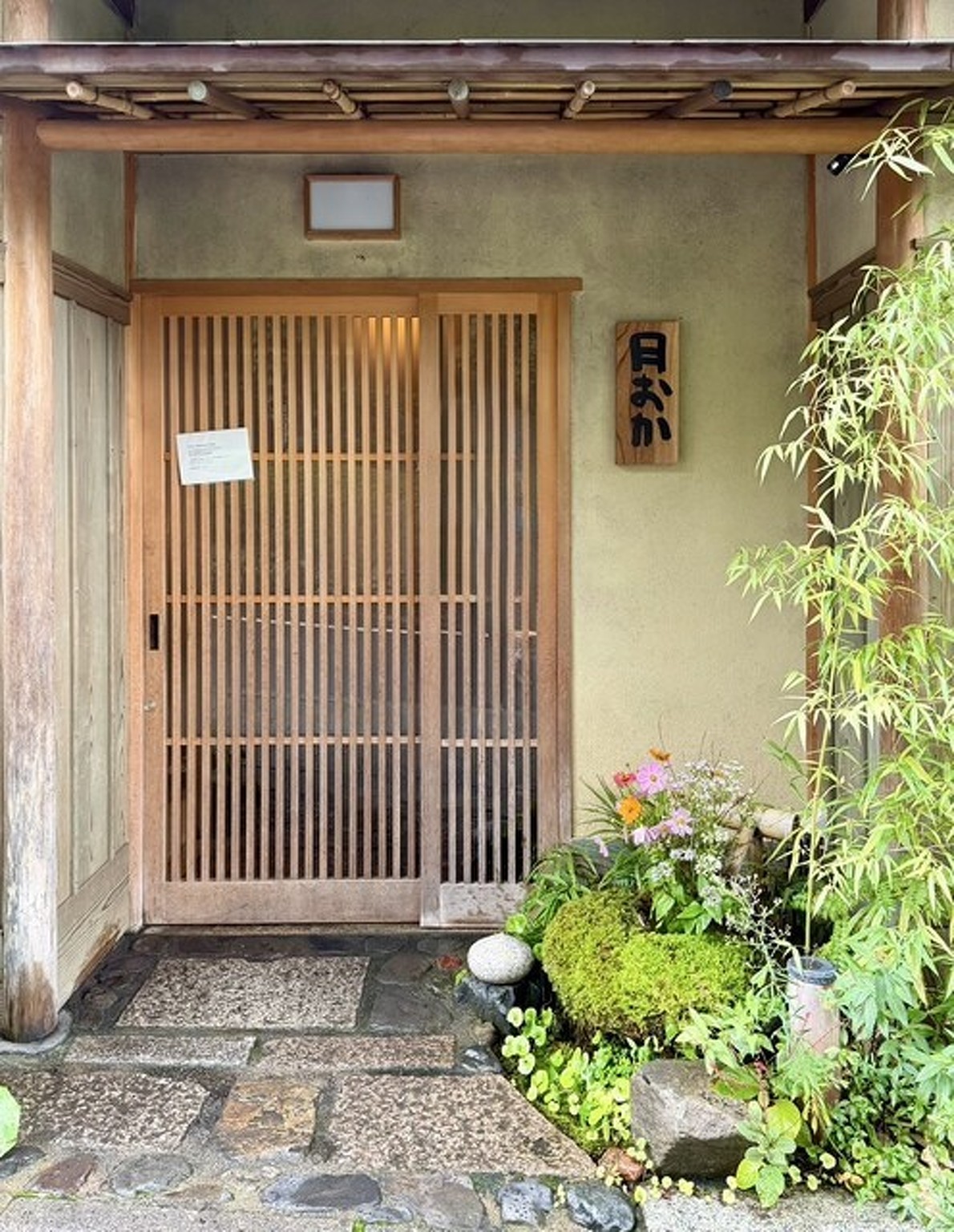
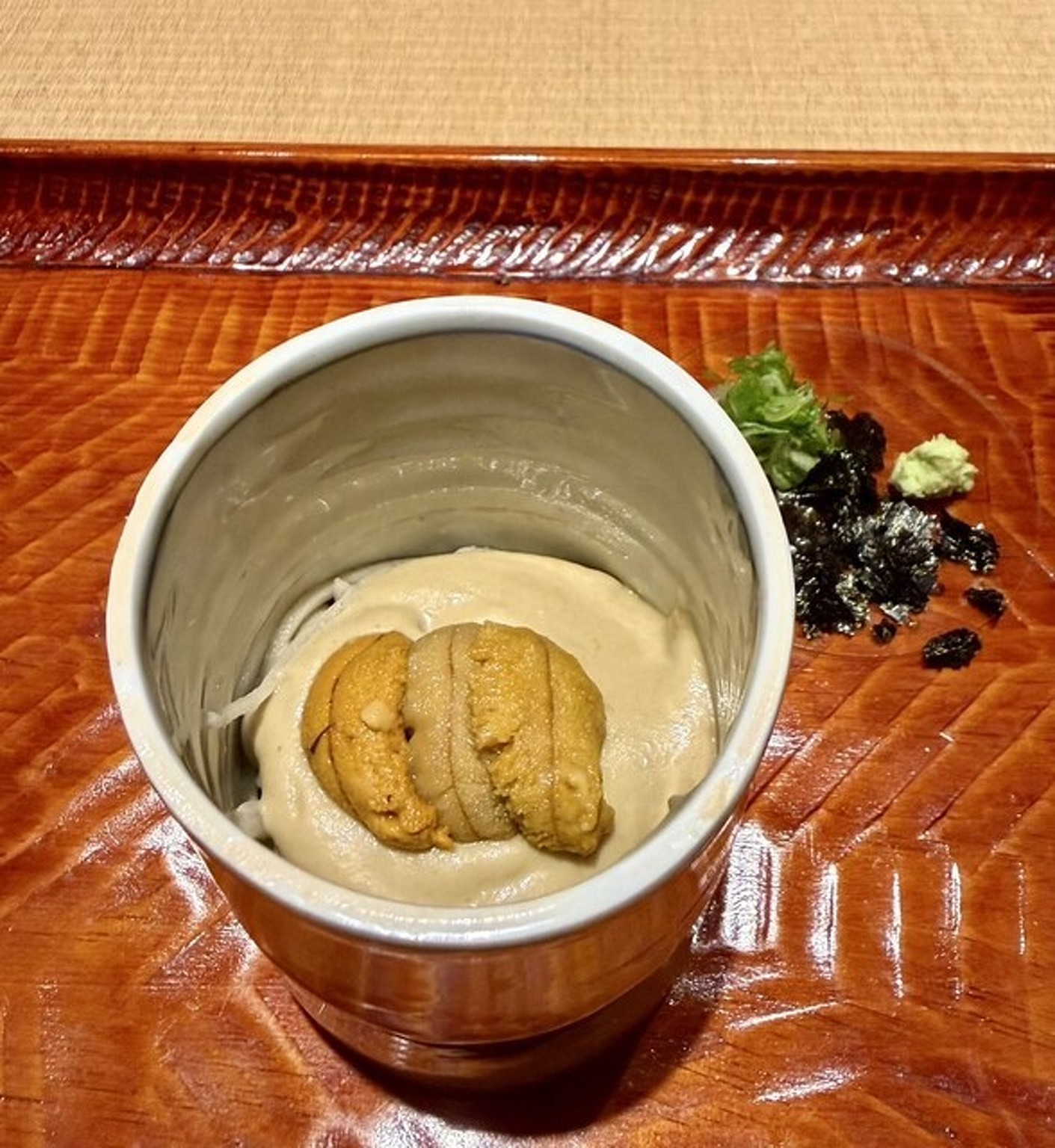
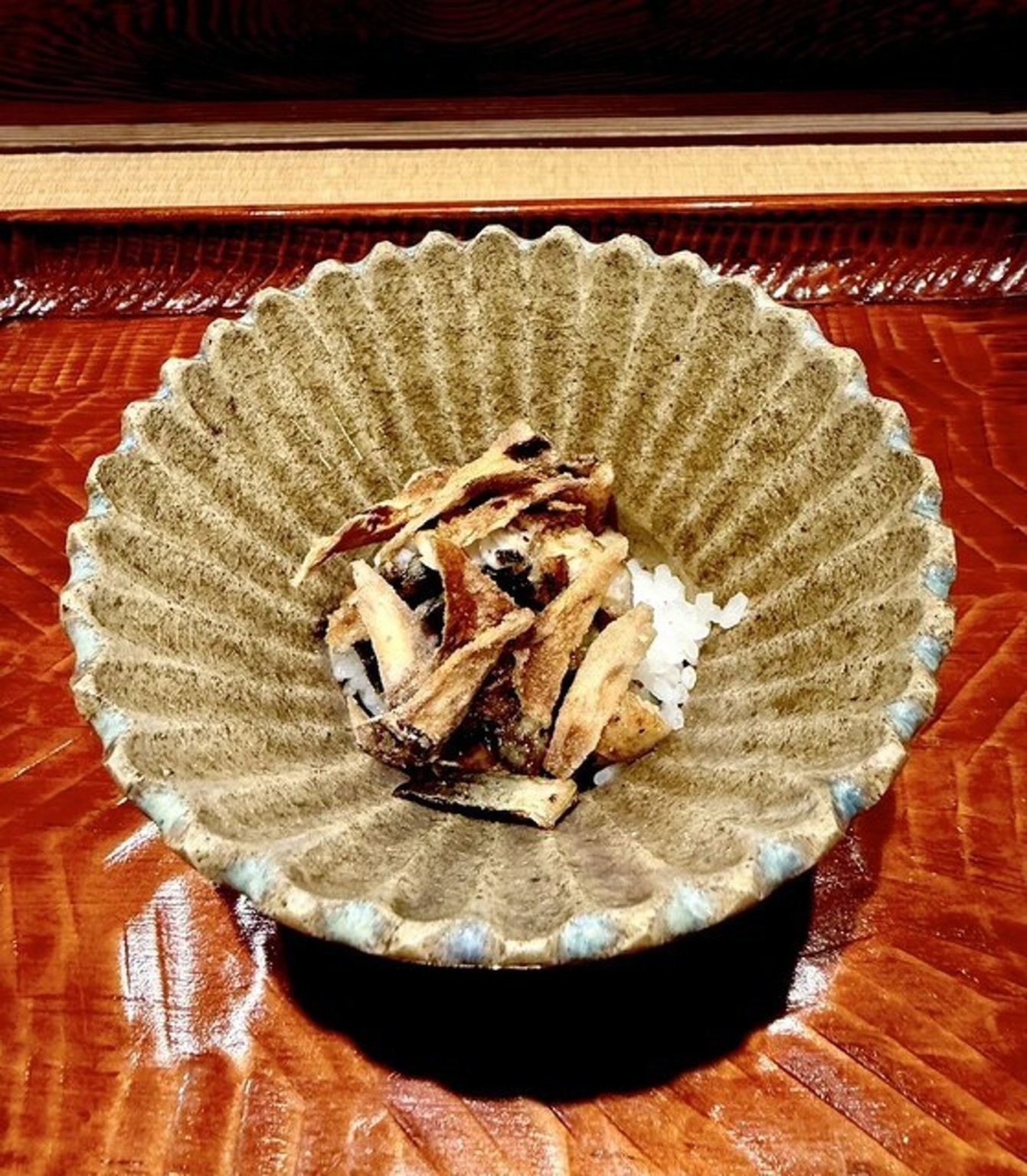
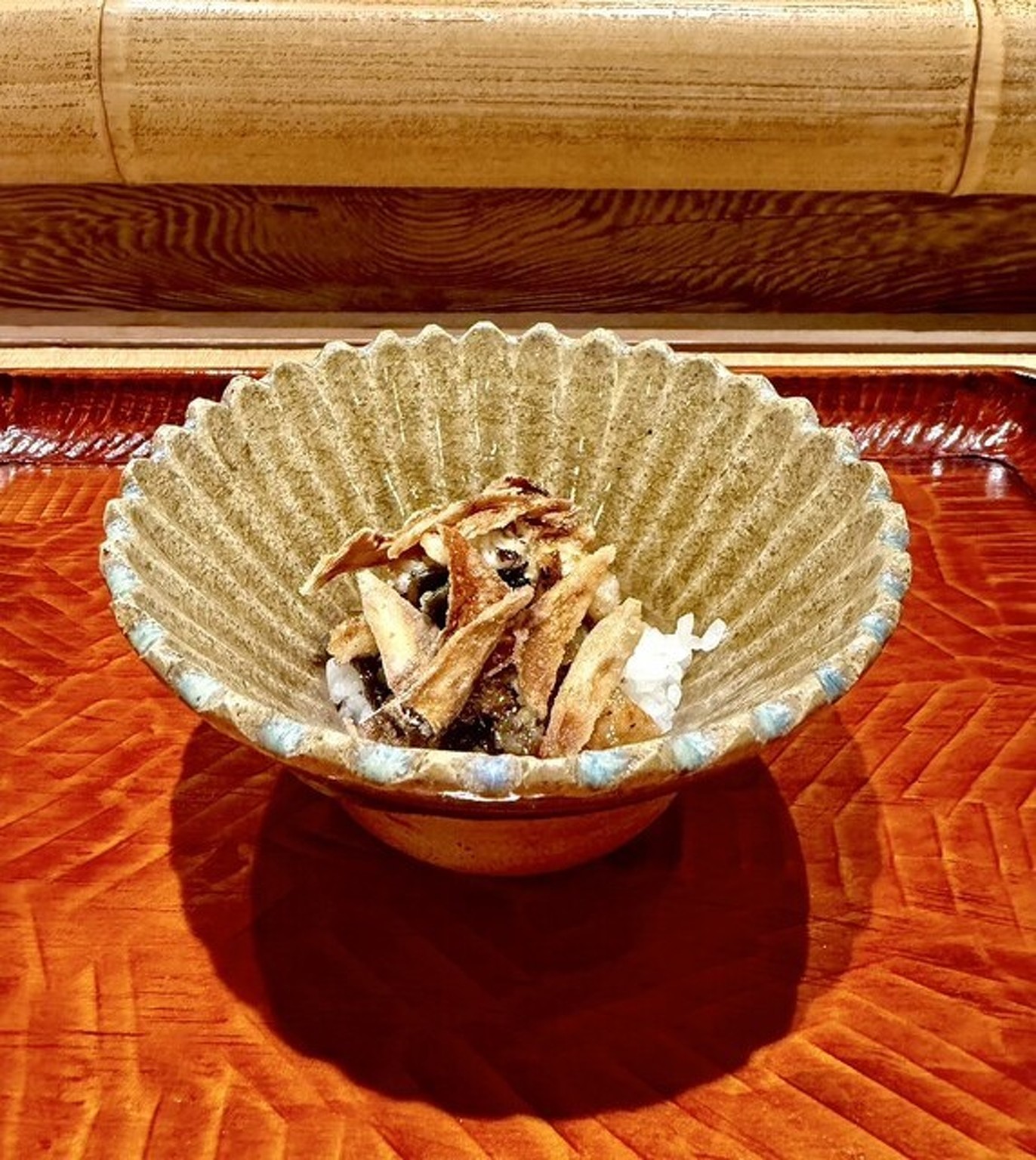
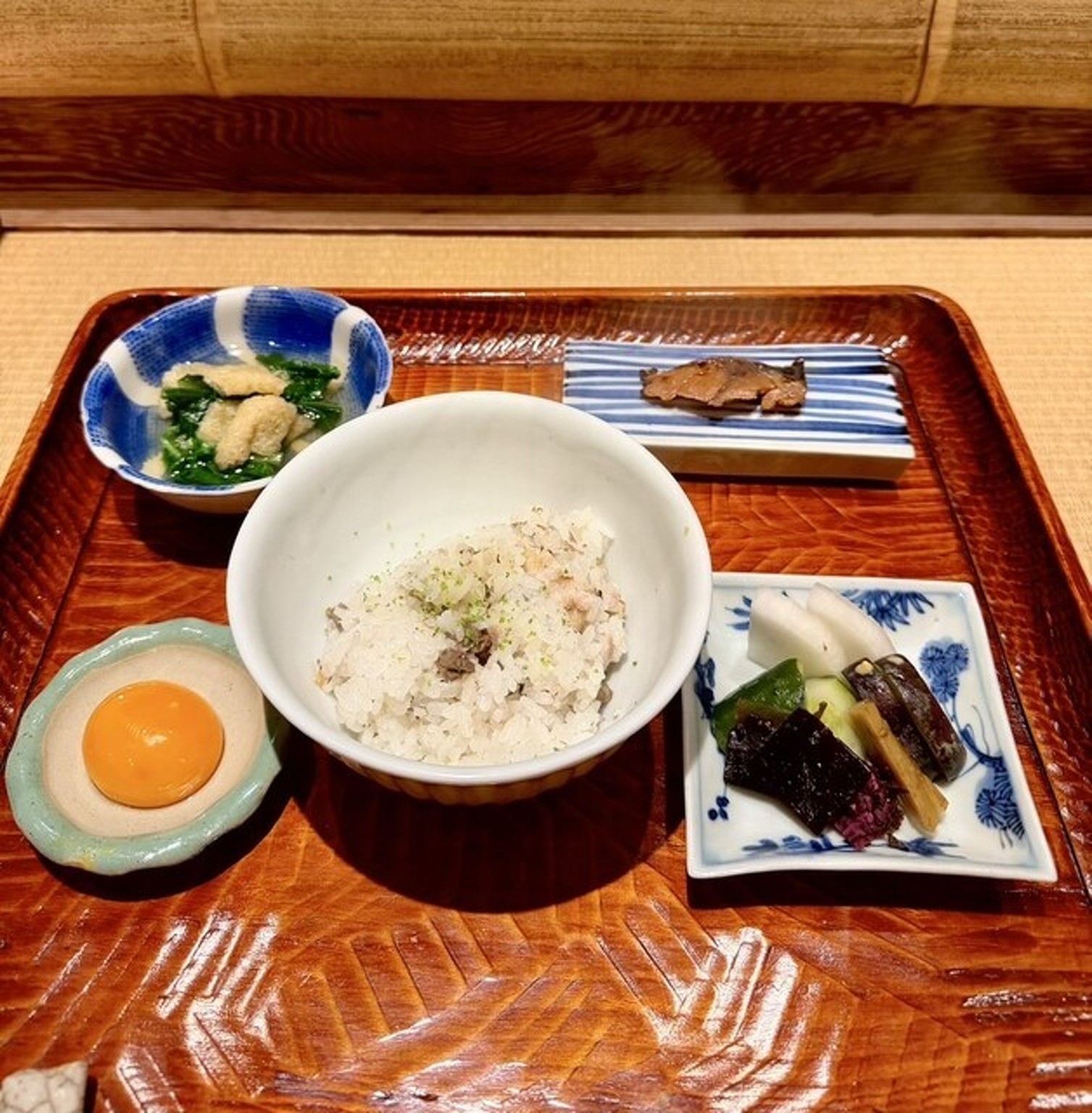
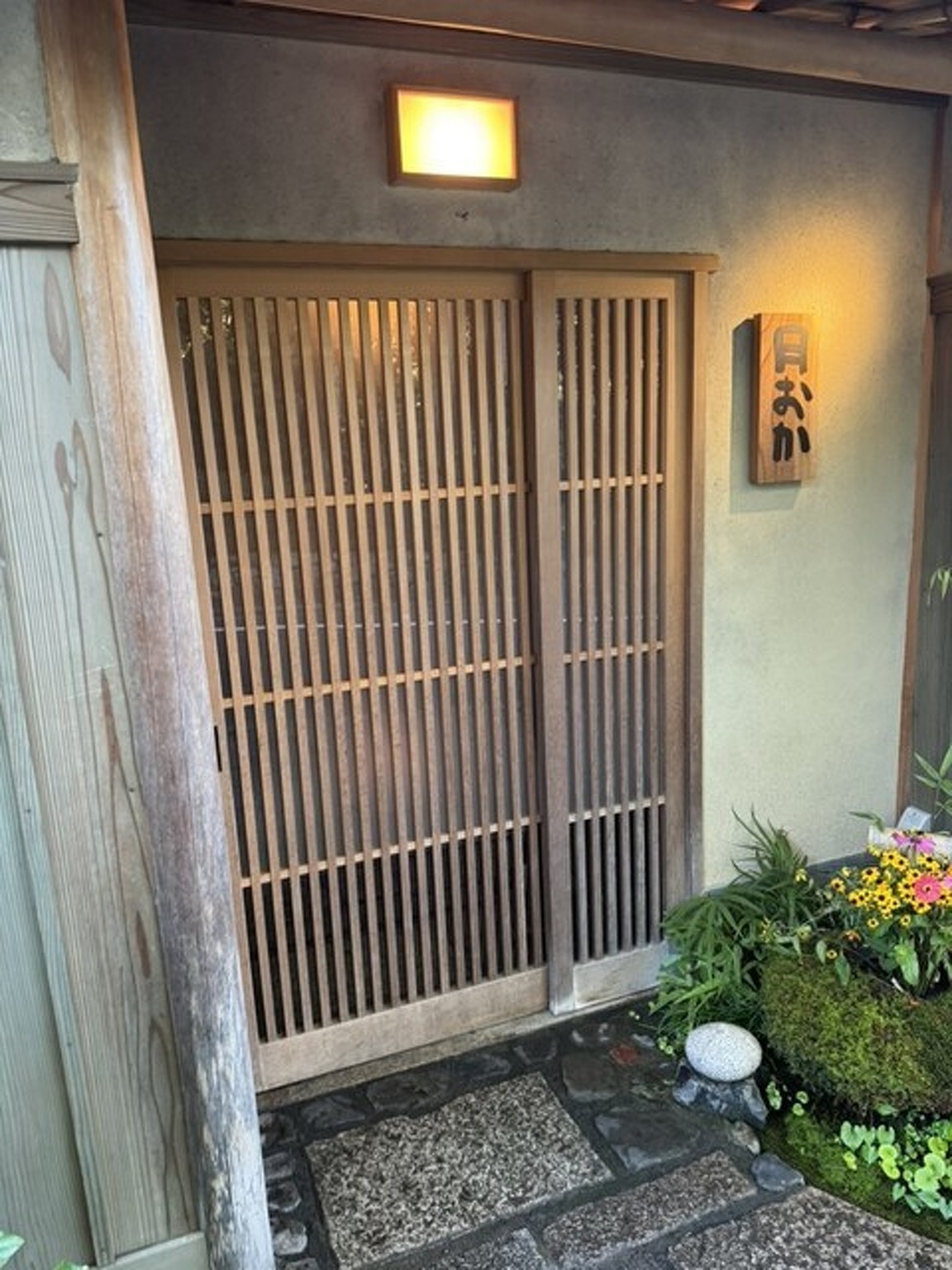
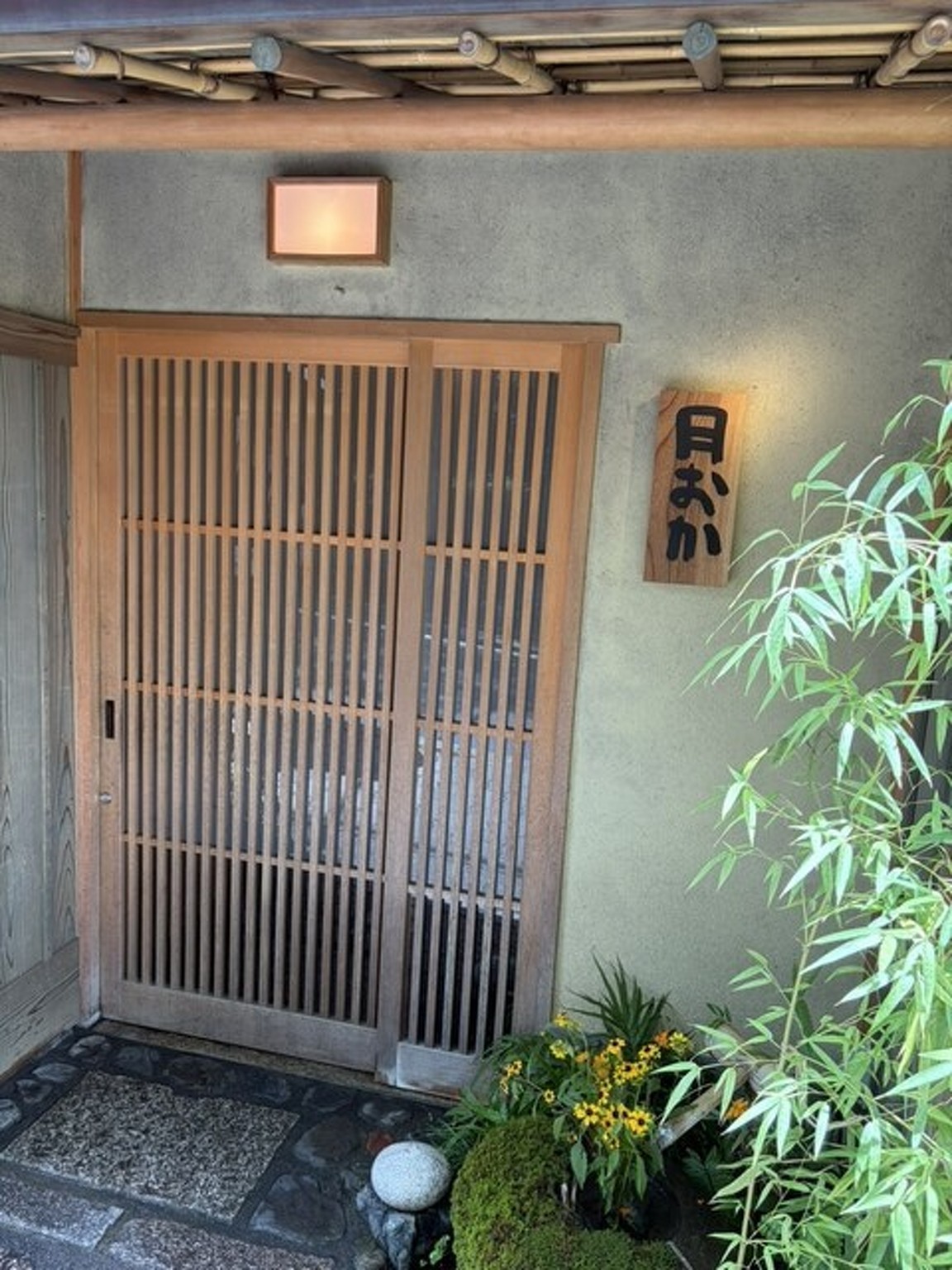
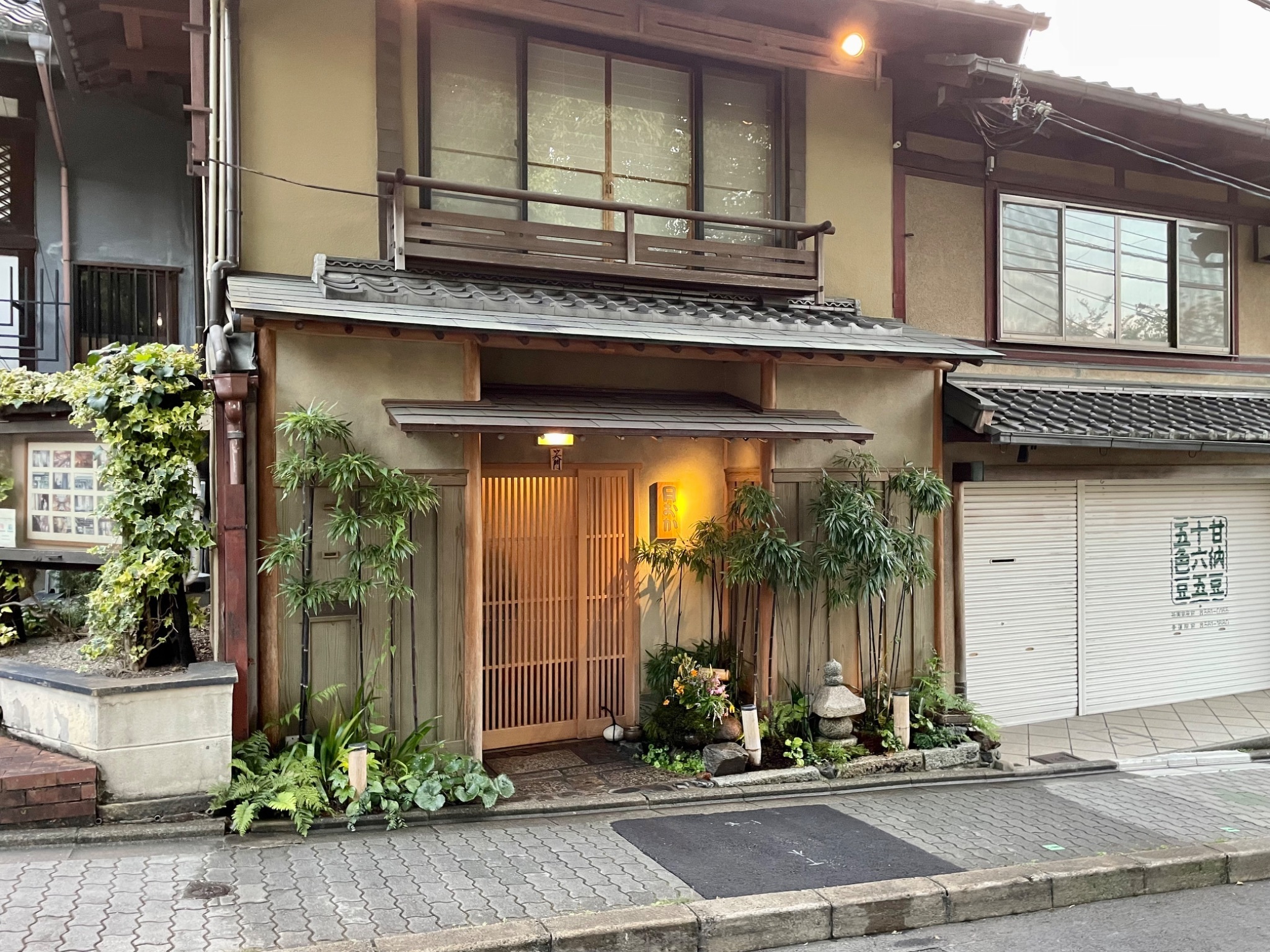
Just a 5-minute walk from Higashiyama Station, I visited "Shorenin Monzeki Mae Tsukioka," a restaurant recognized as one of Japan's top 100 Japanese cuisine establishments, awarded the Bronze Award.Located near the path leading to Yasaka Shrine and Chion-in Temple from the subway station, I made a reservation through Tabelog and arrived at noon on a weekday.Upon entering, the tatami-matted counter immediately caught my eye.I ordered the Omakase Course (Lunch) for JPY 15,000.The first dish, Hassun,... More
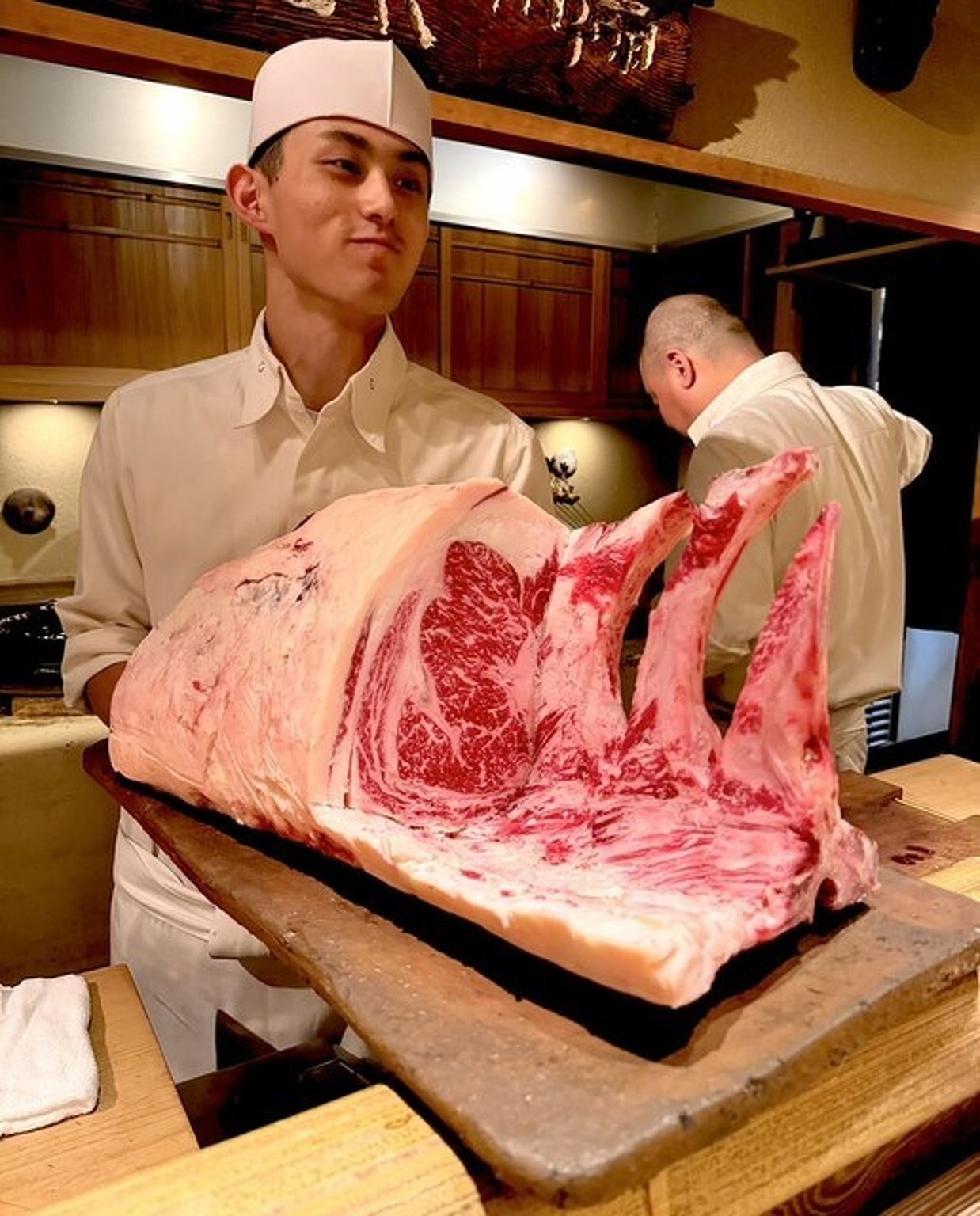
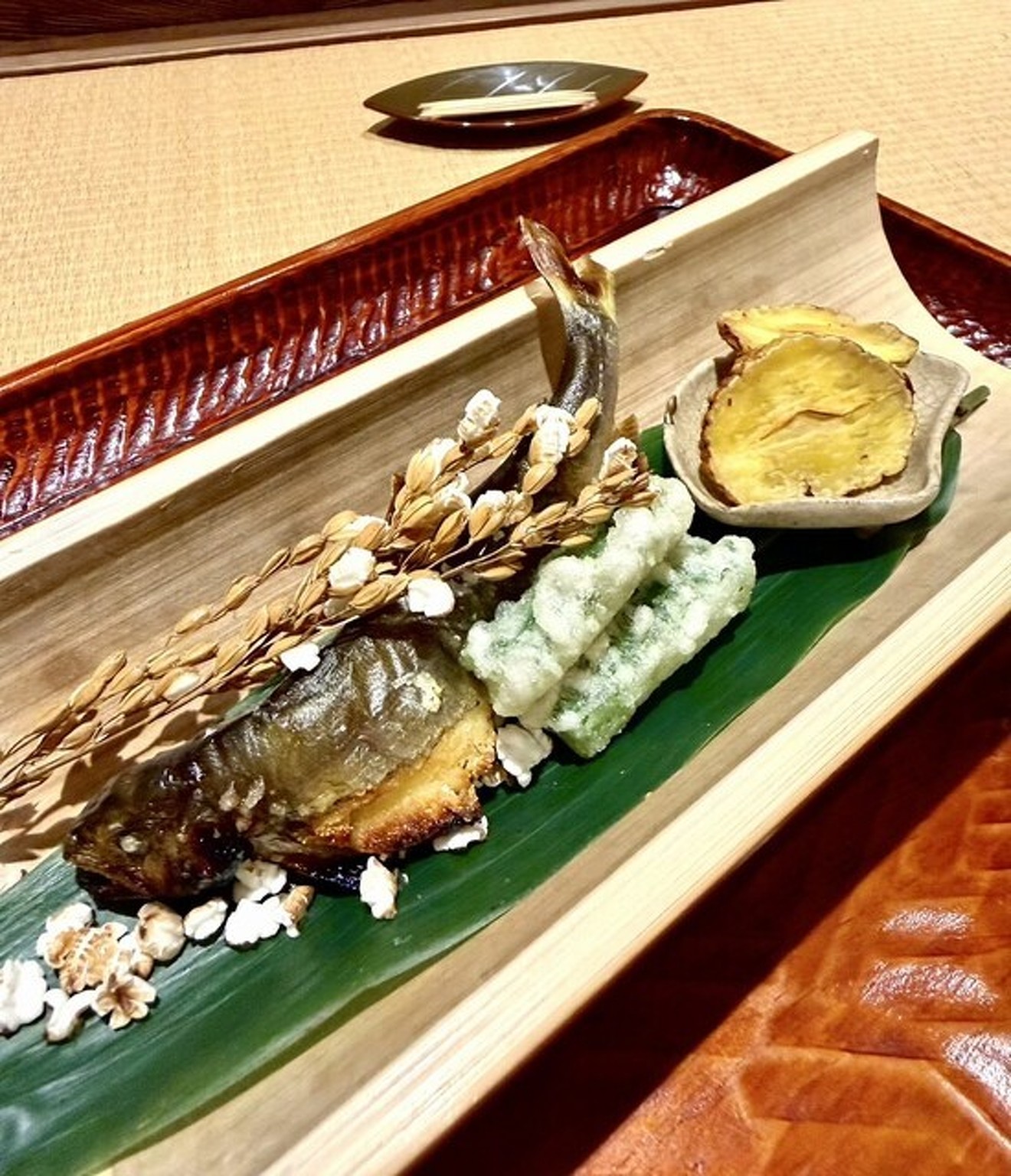
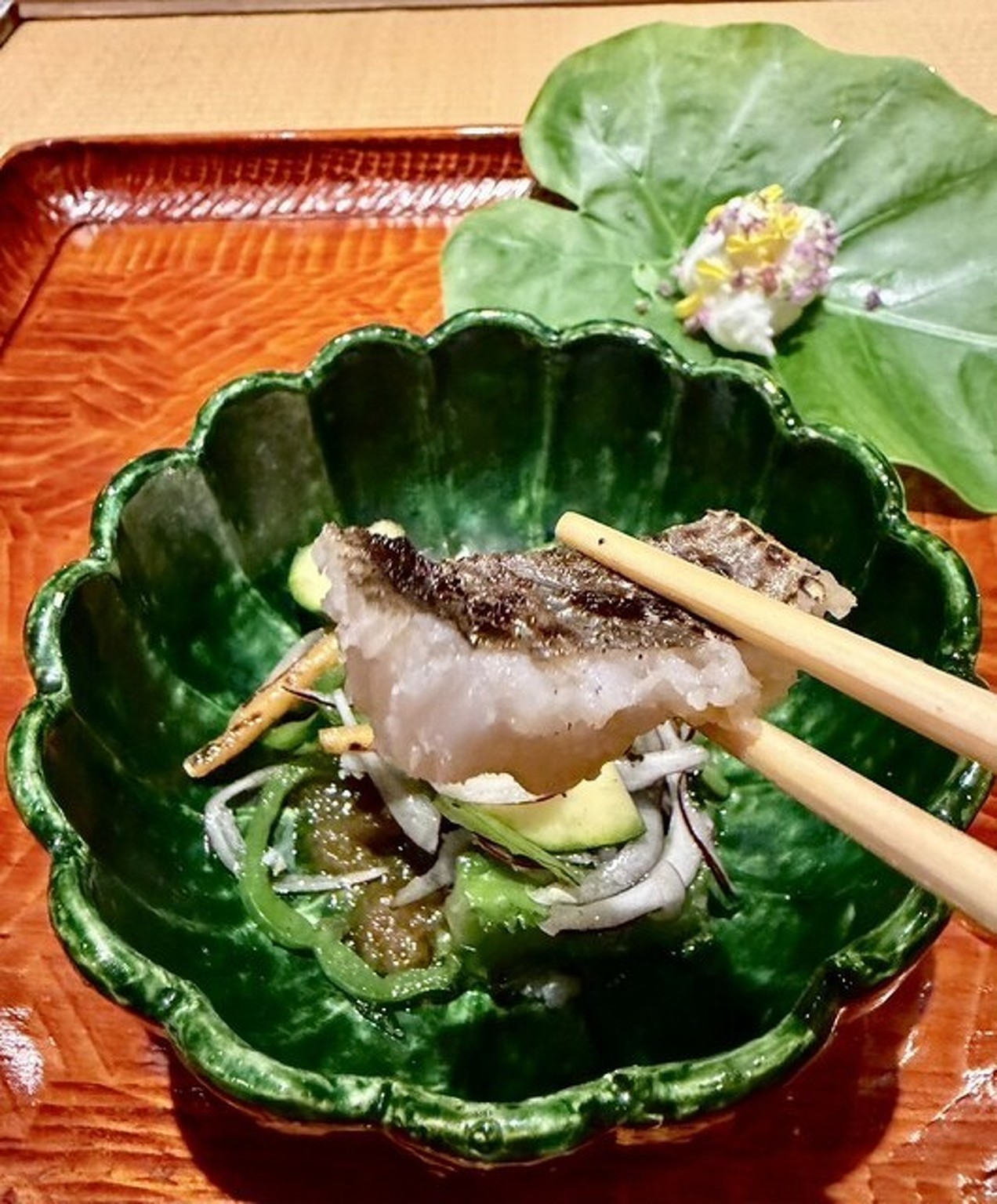
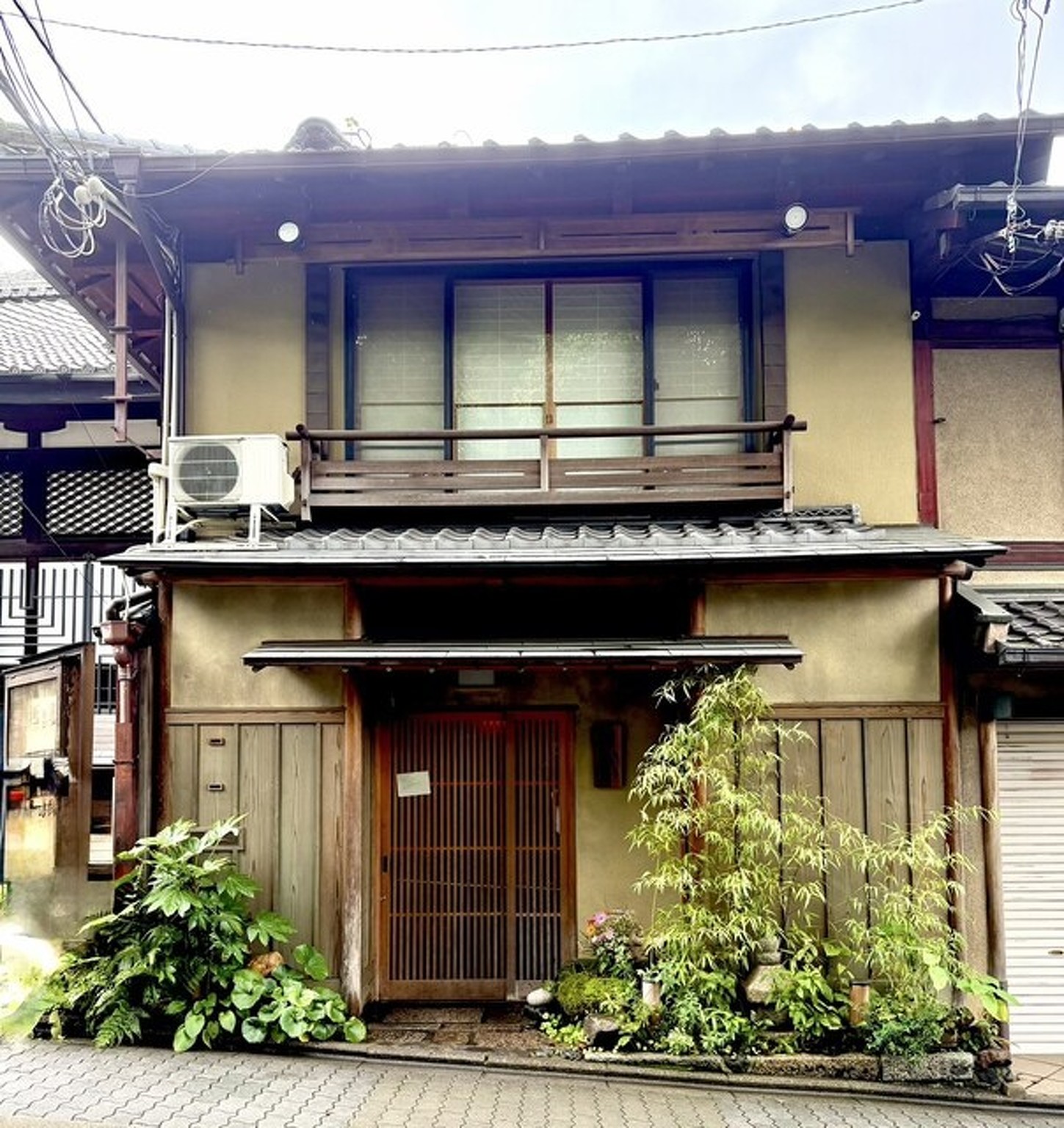
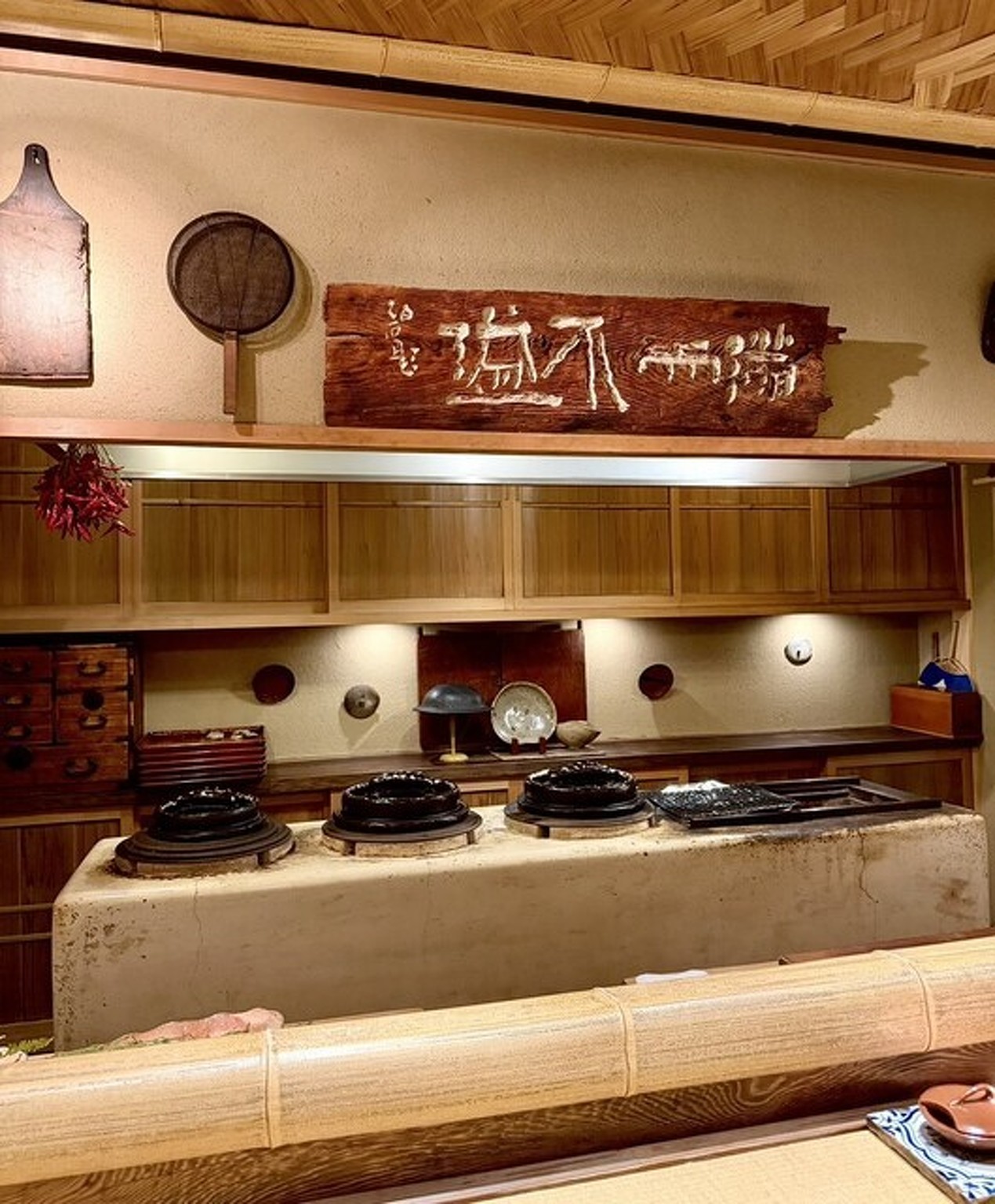
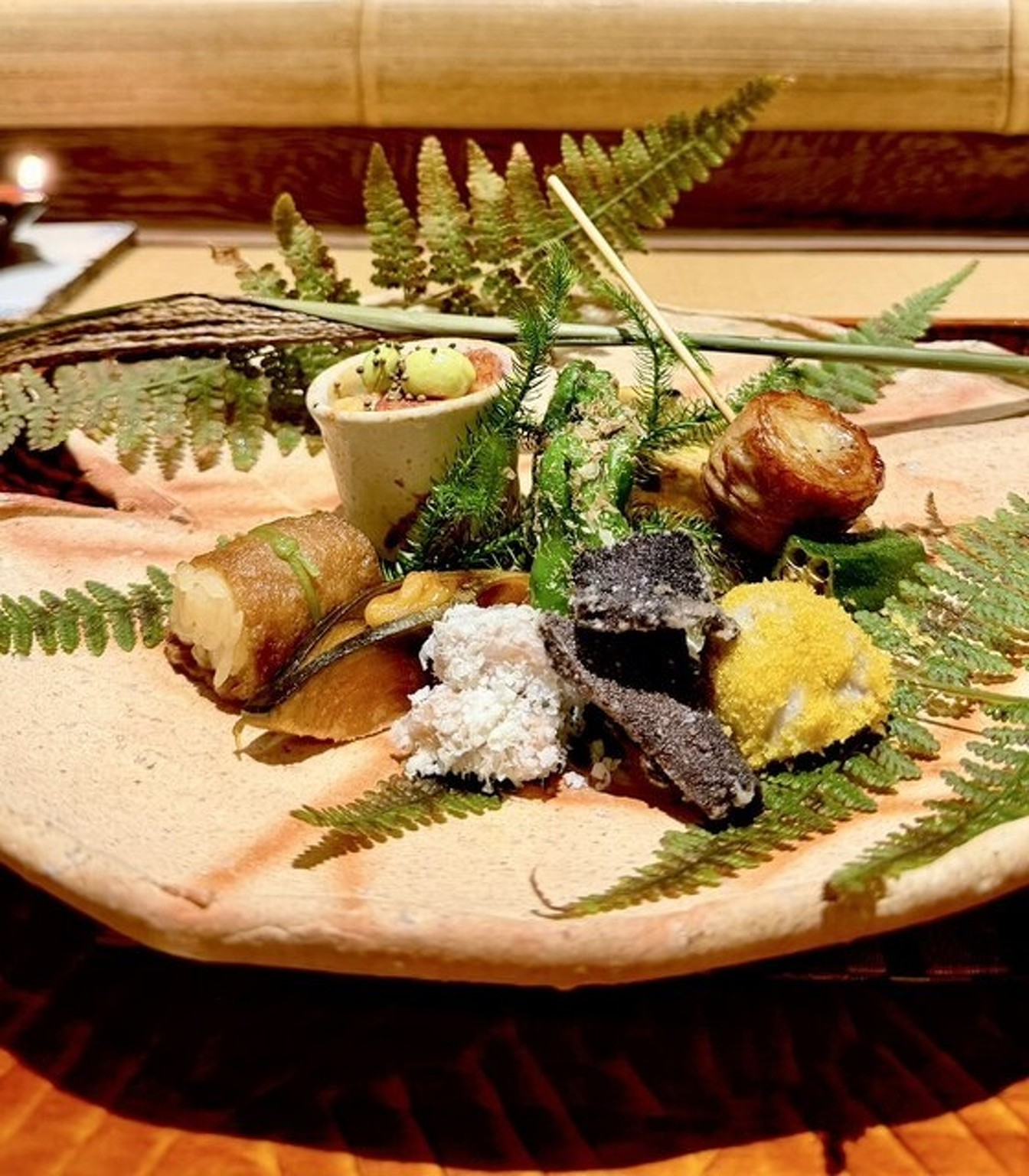
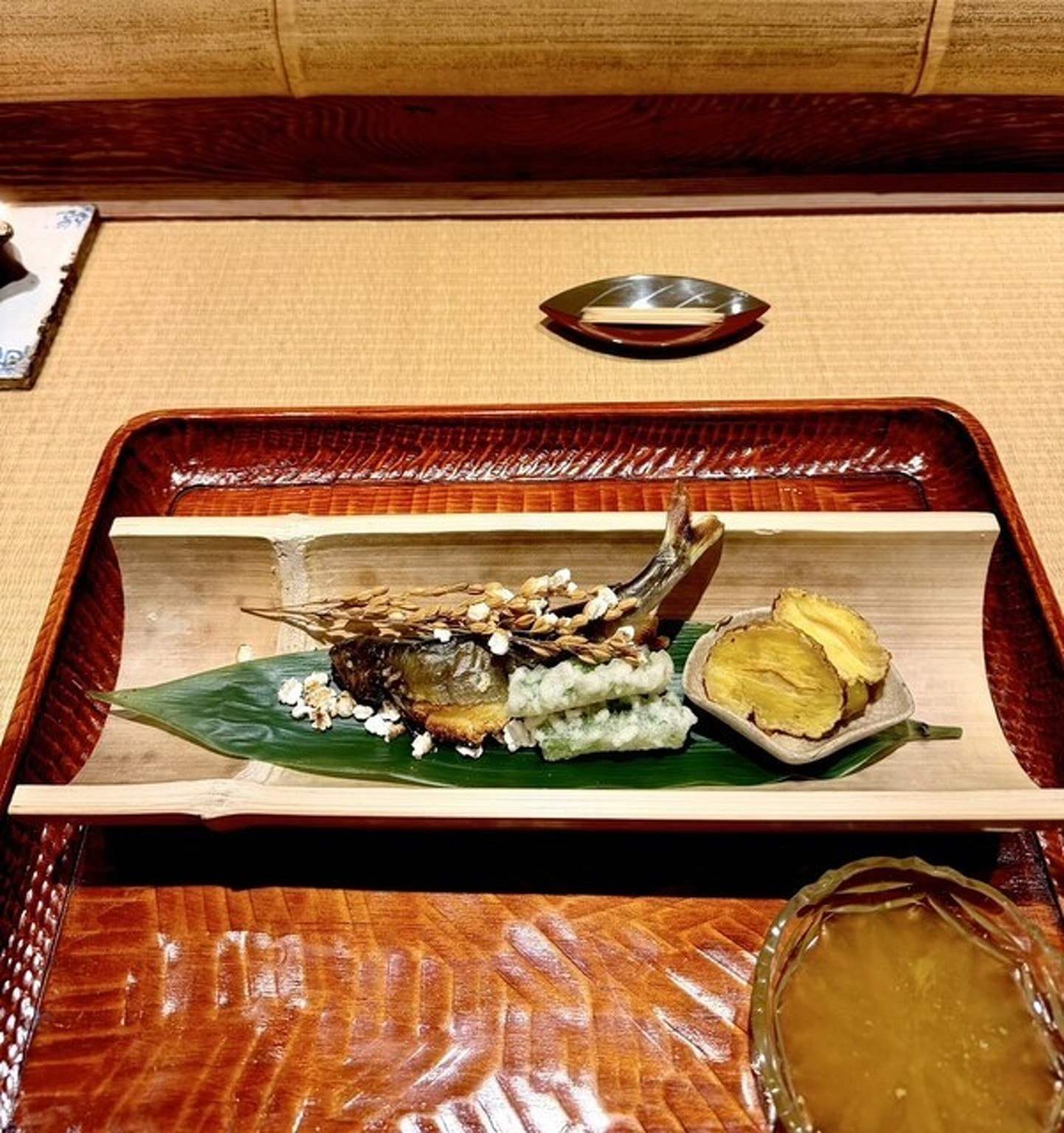
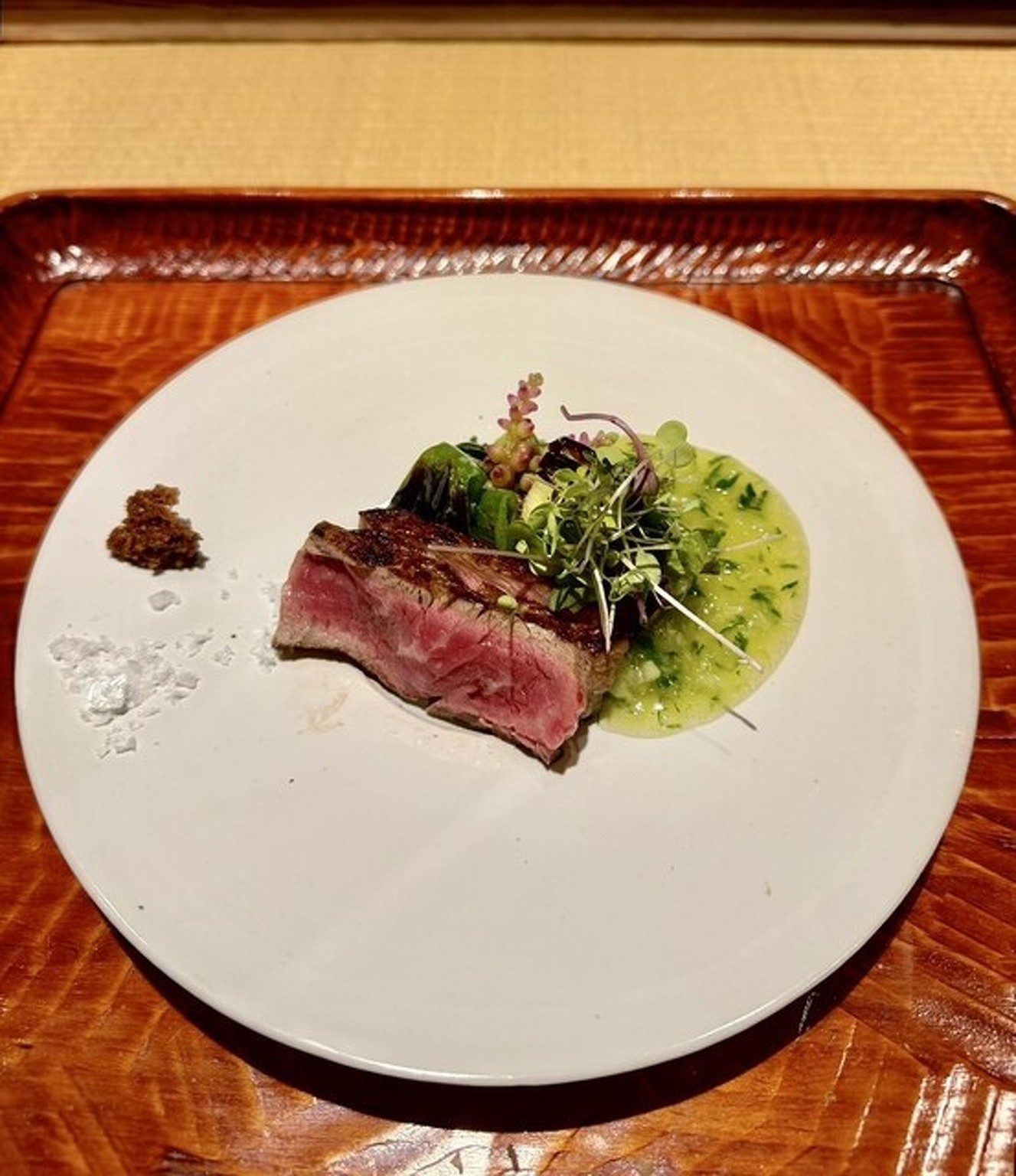
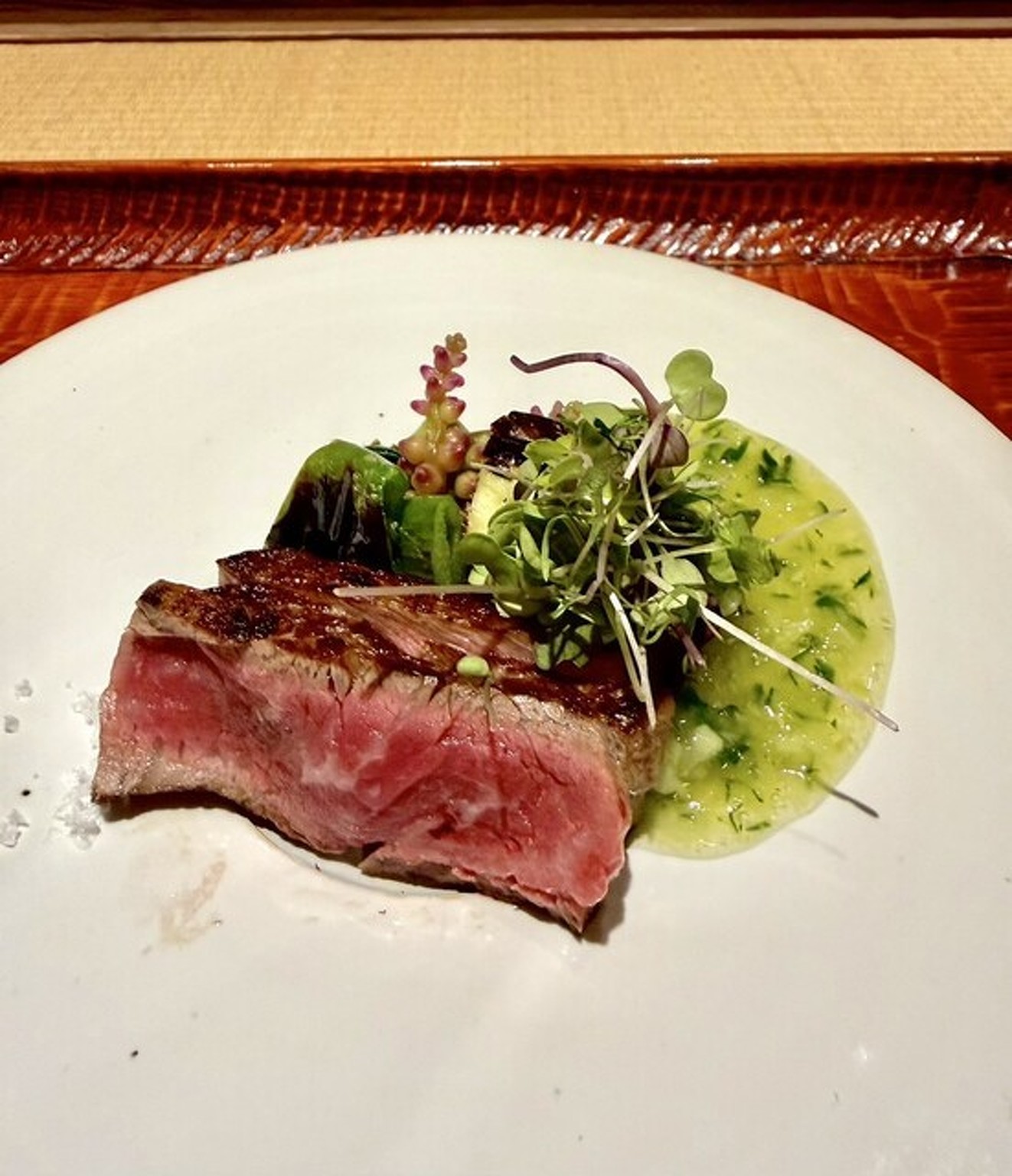
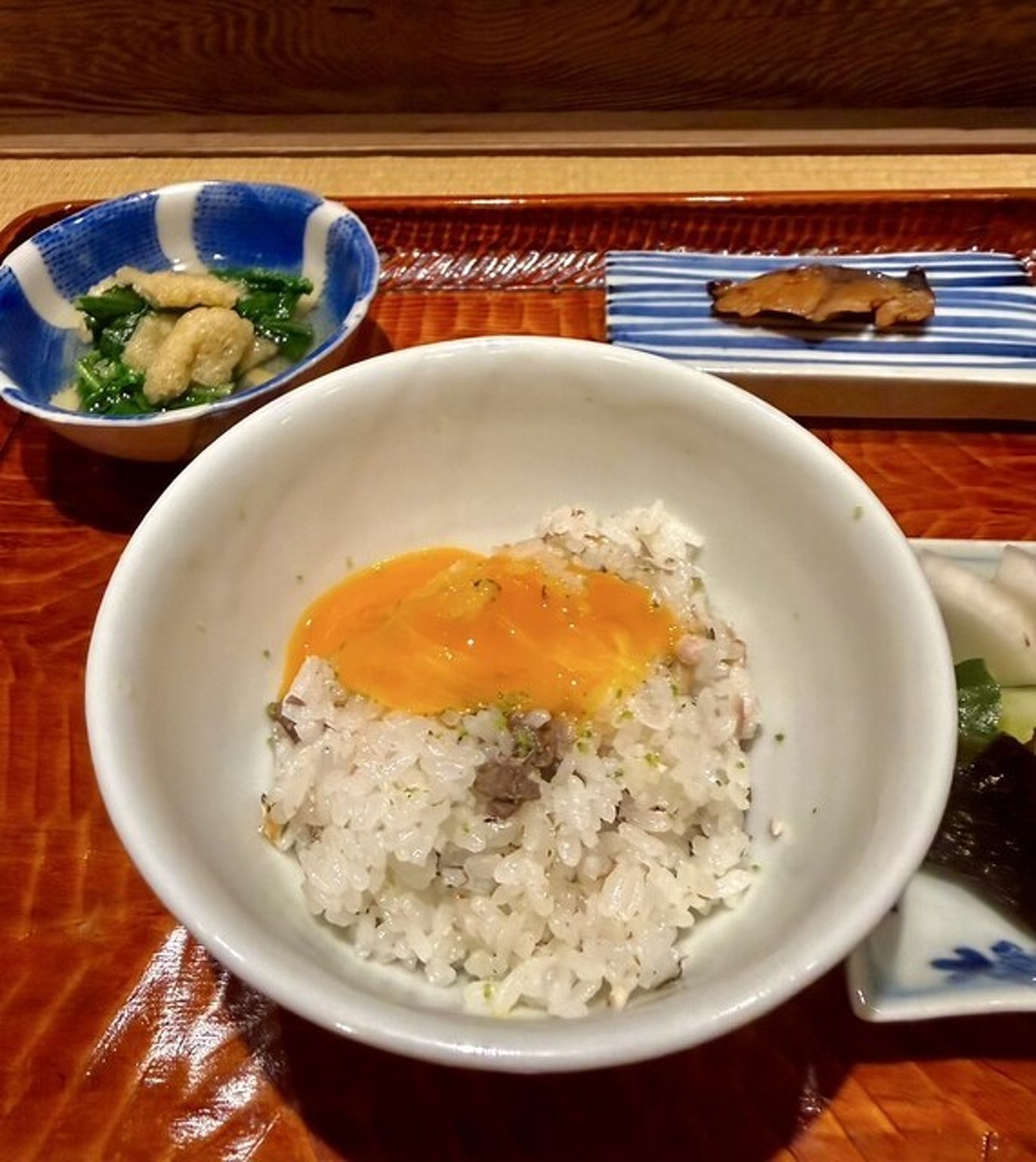
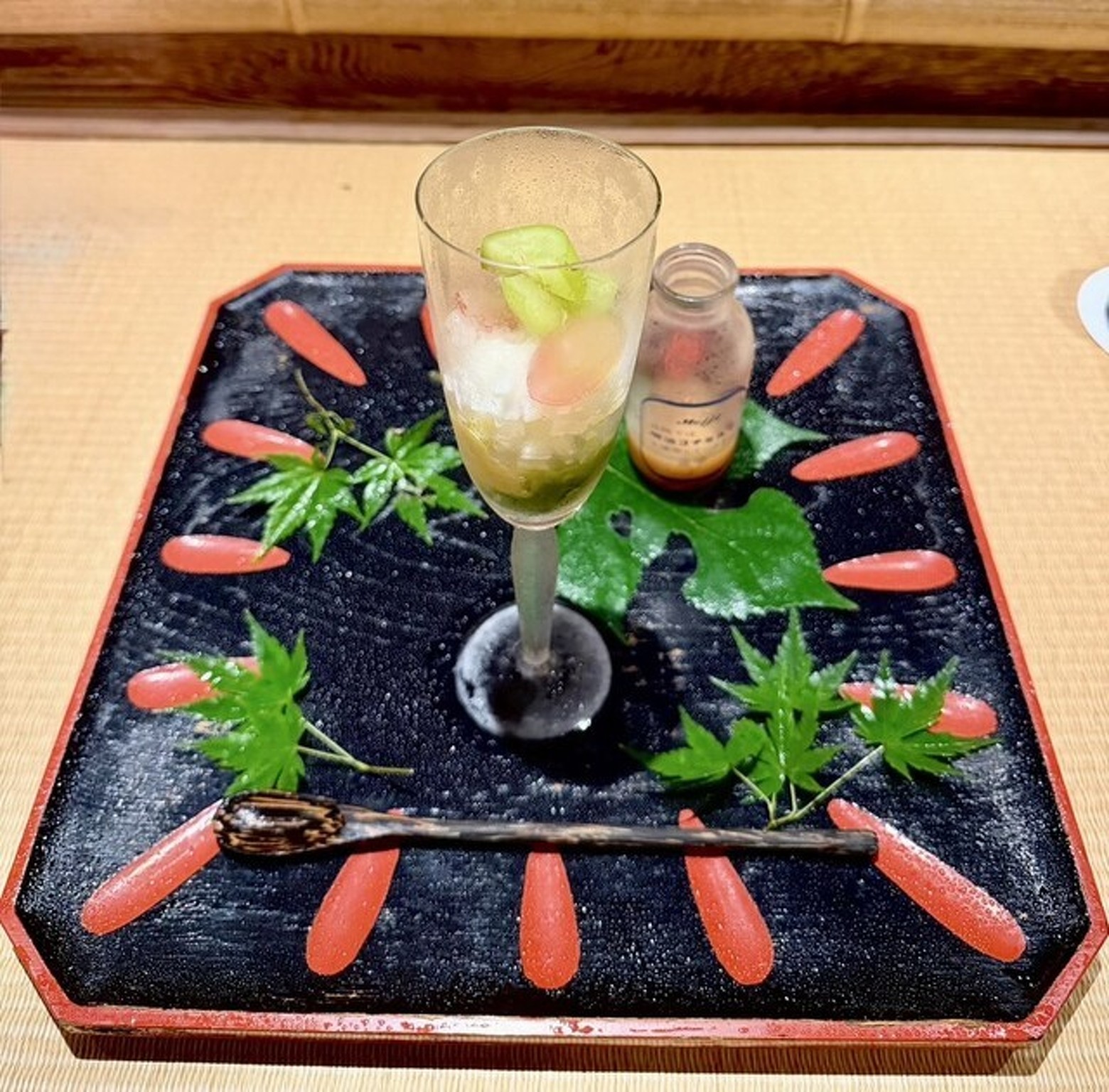
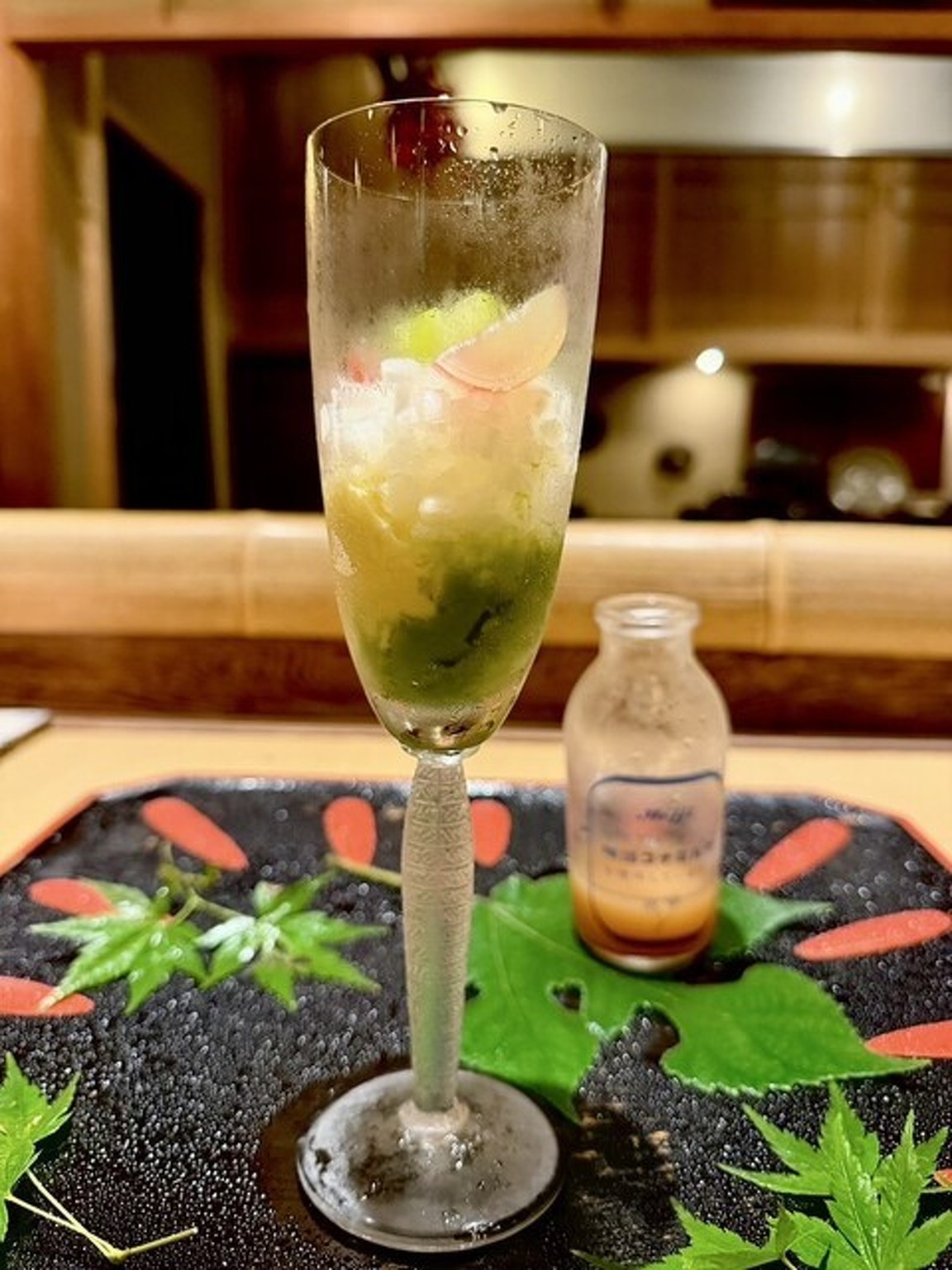
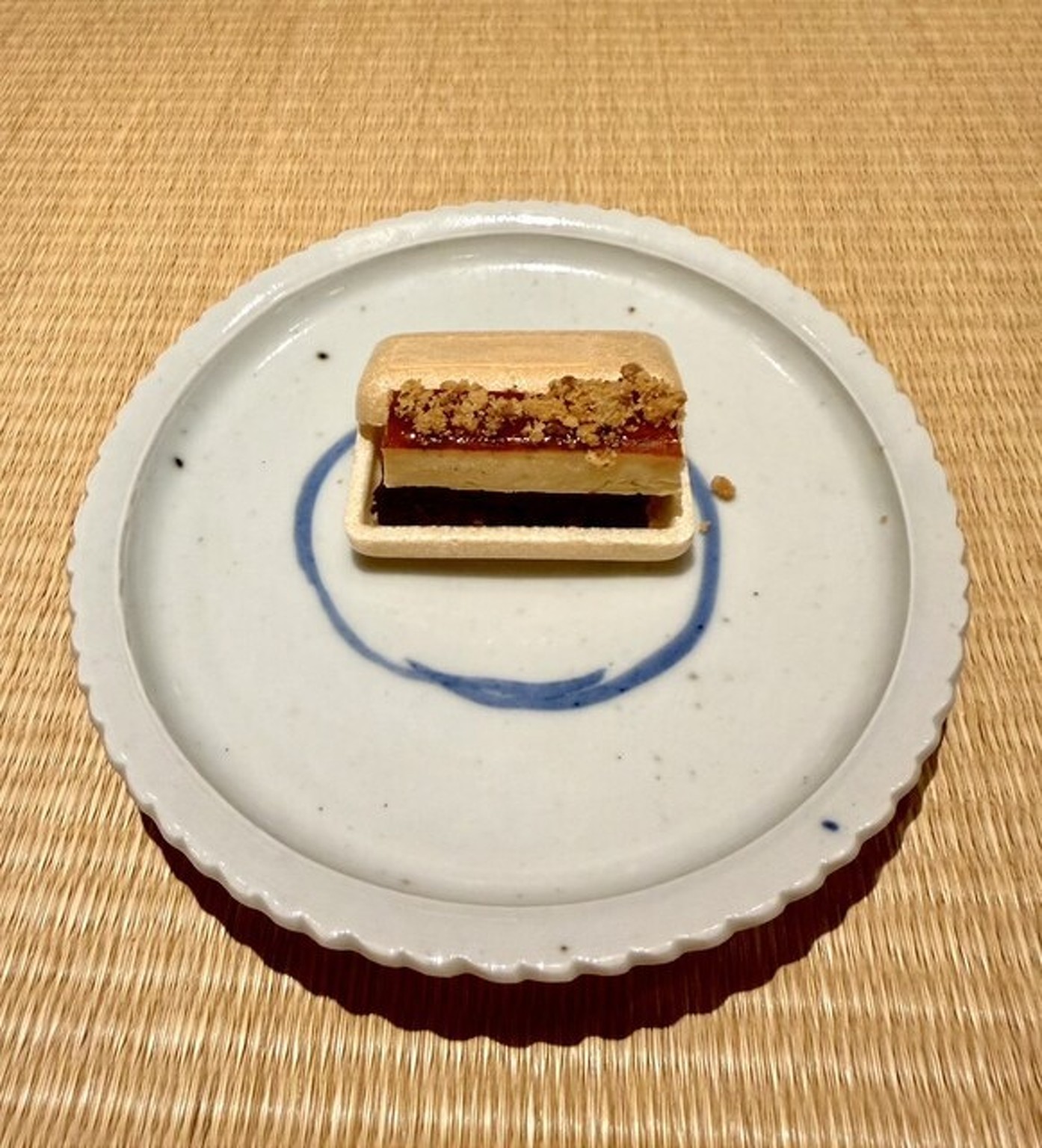
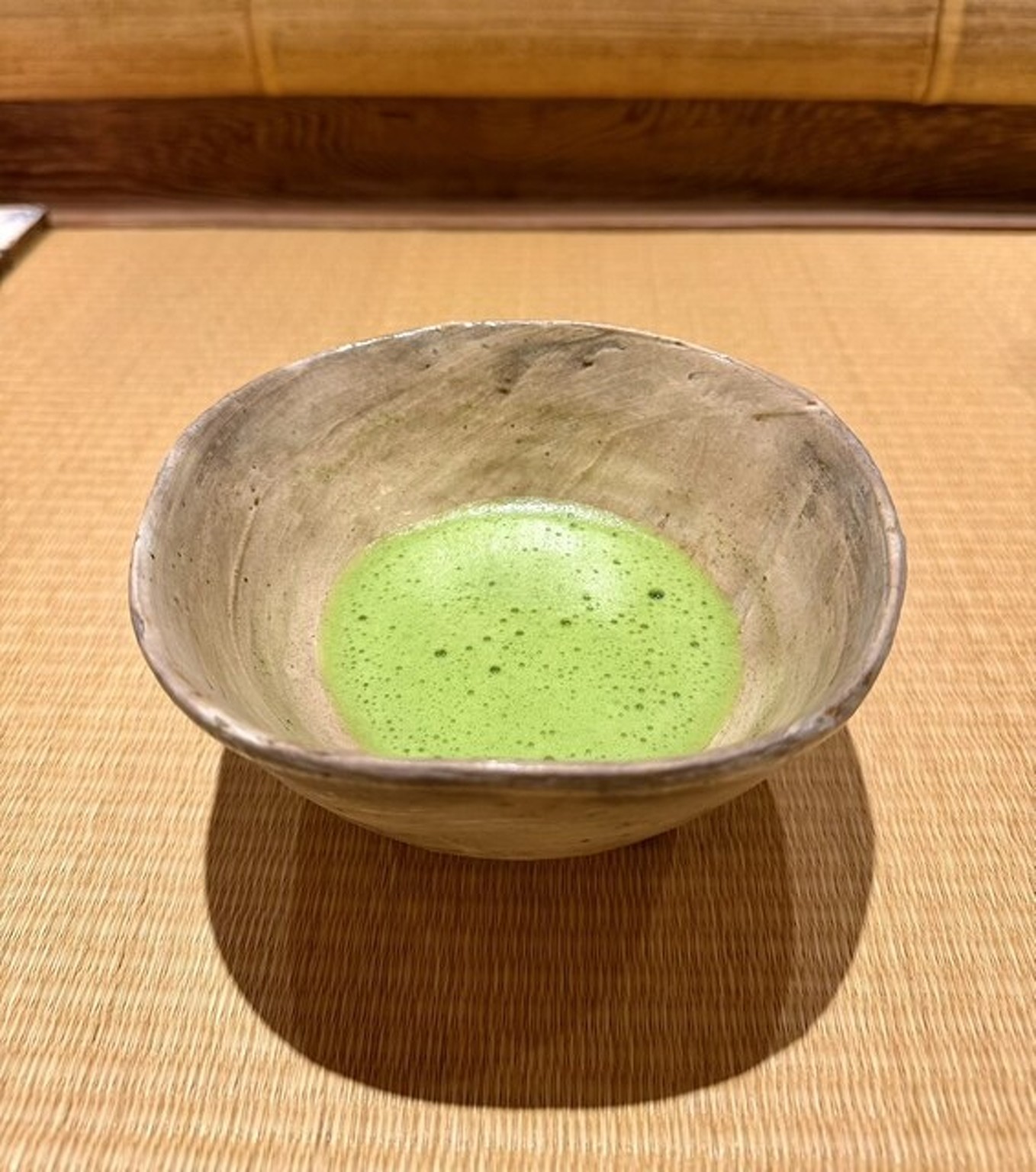
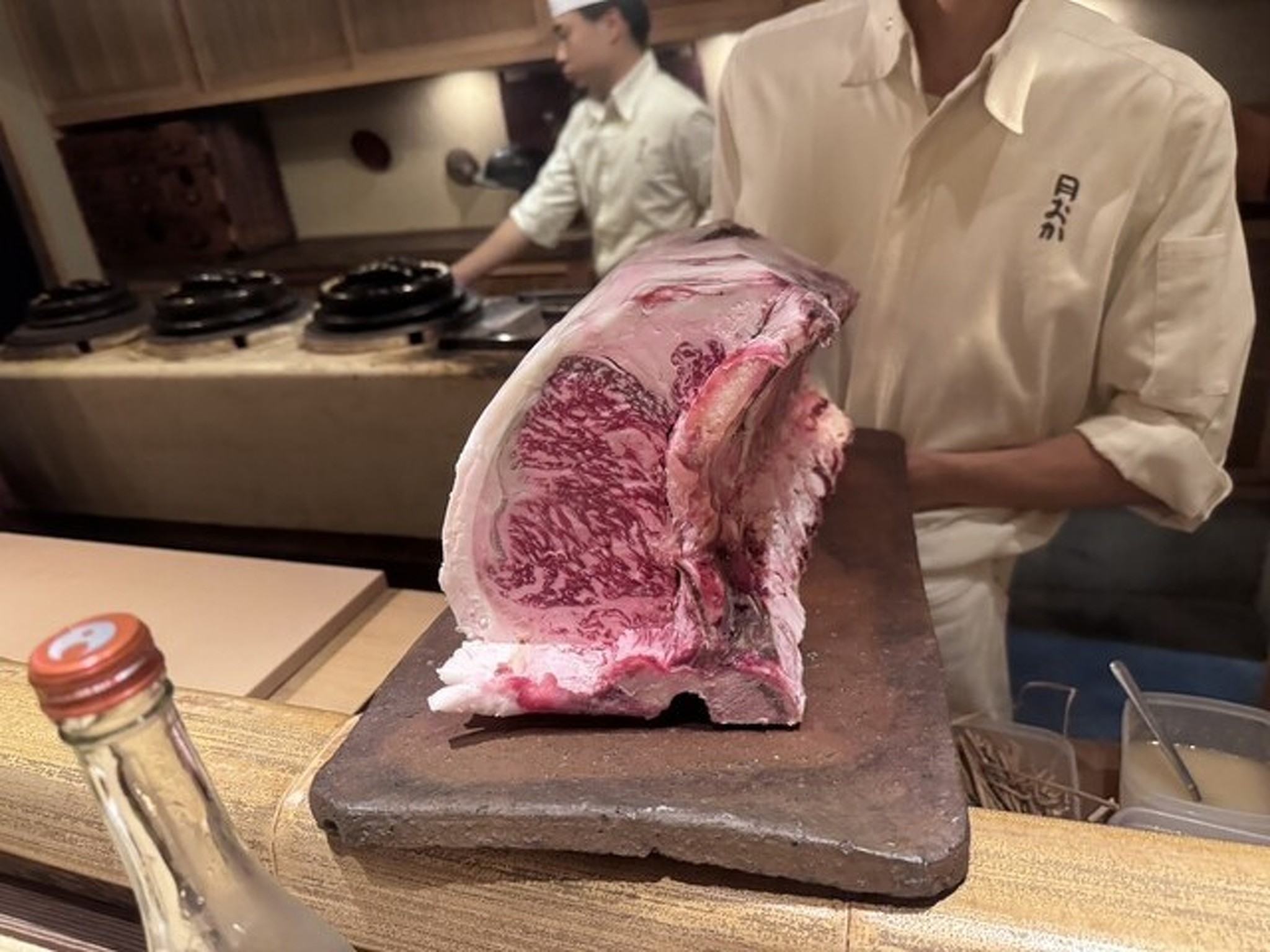
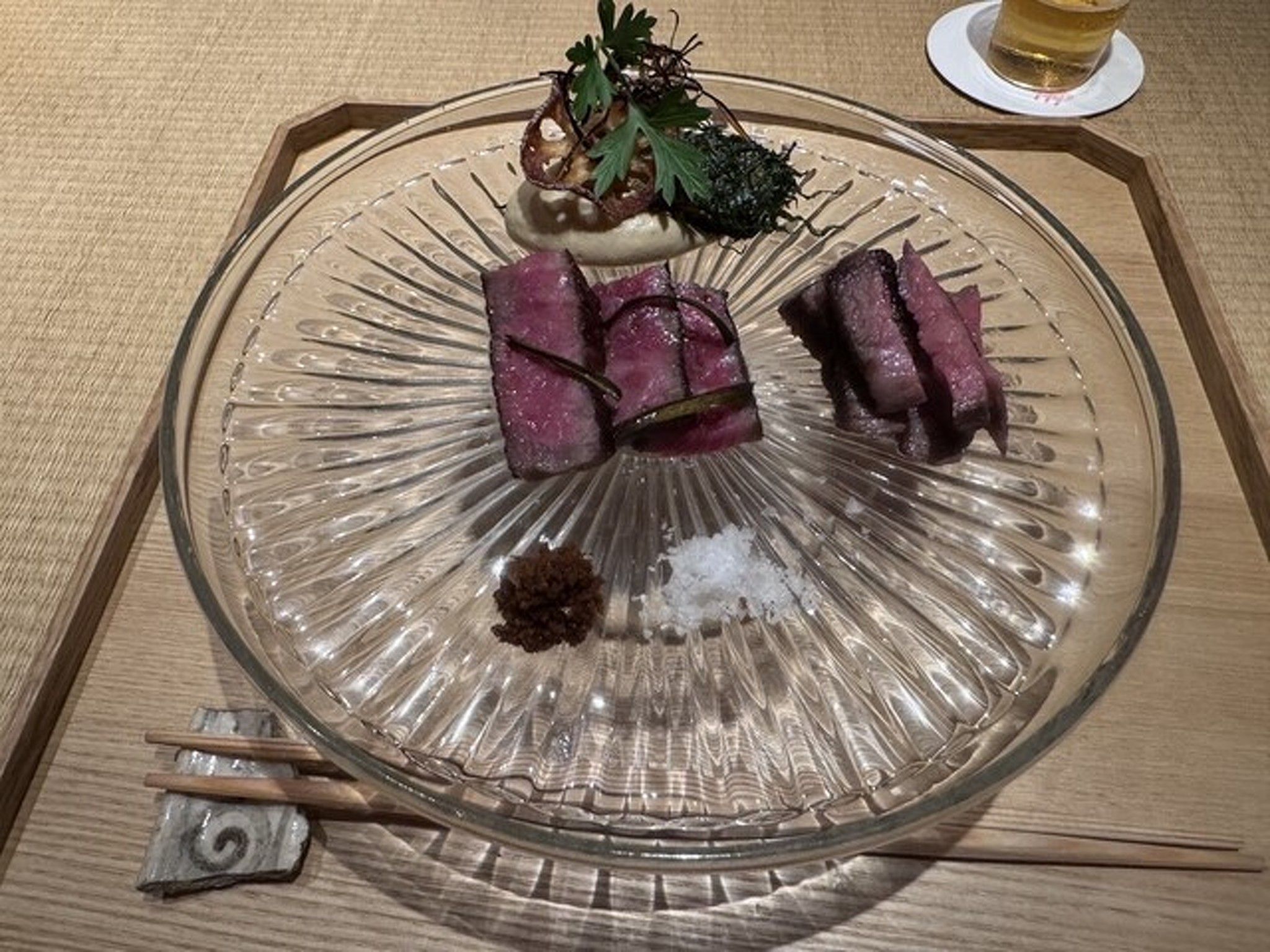
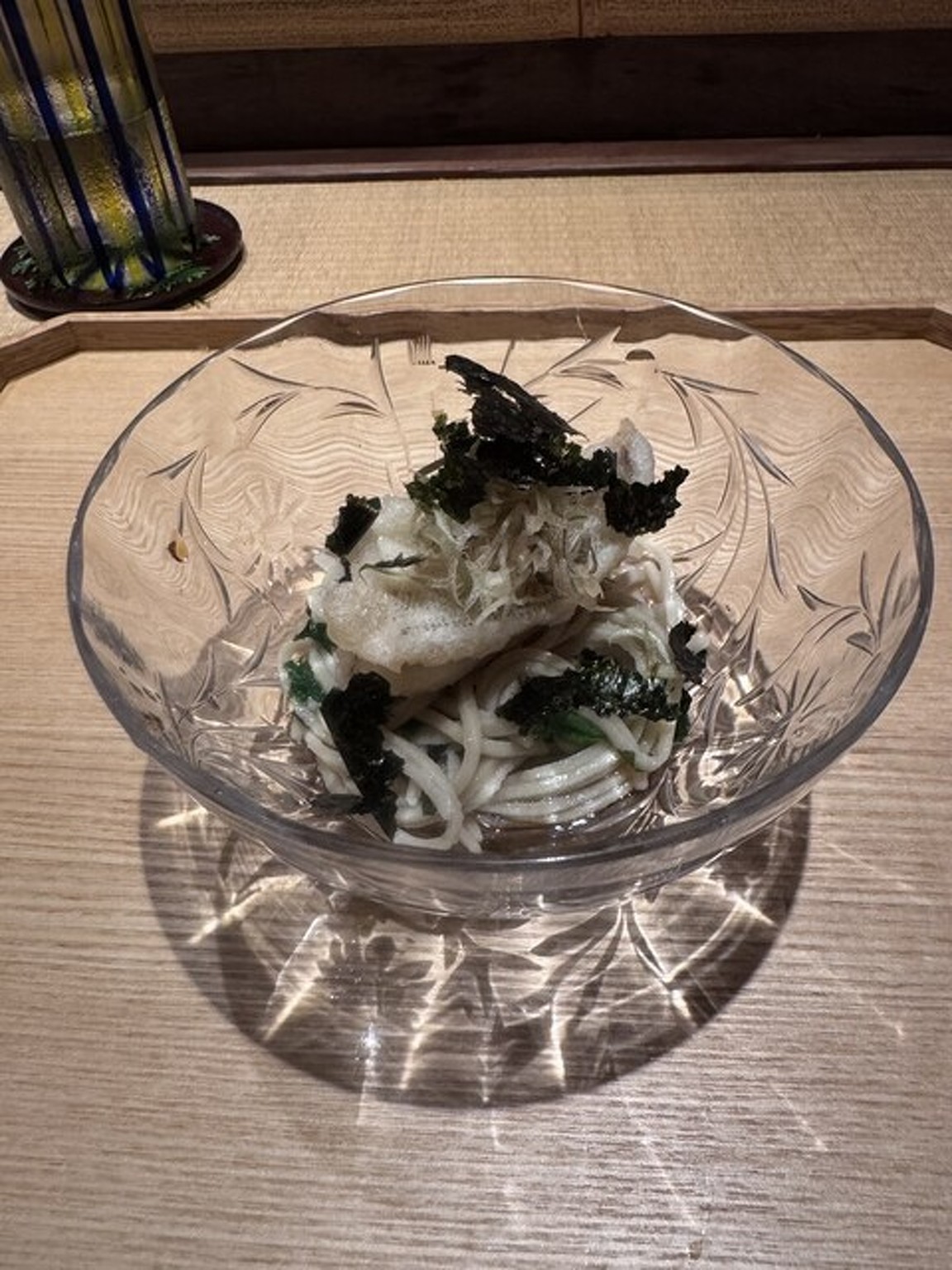
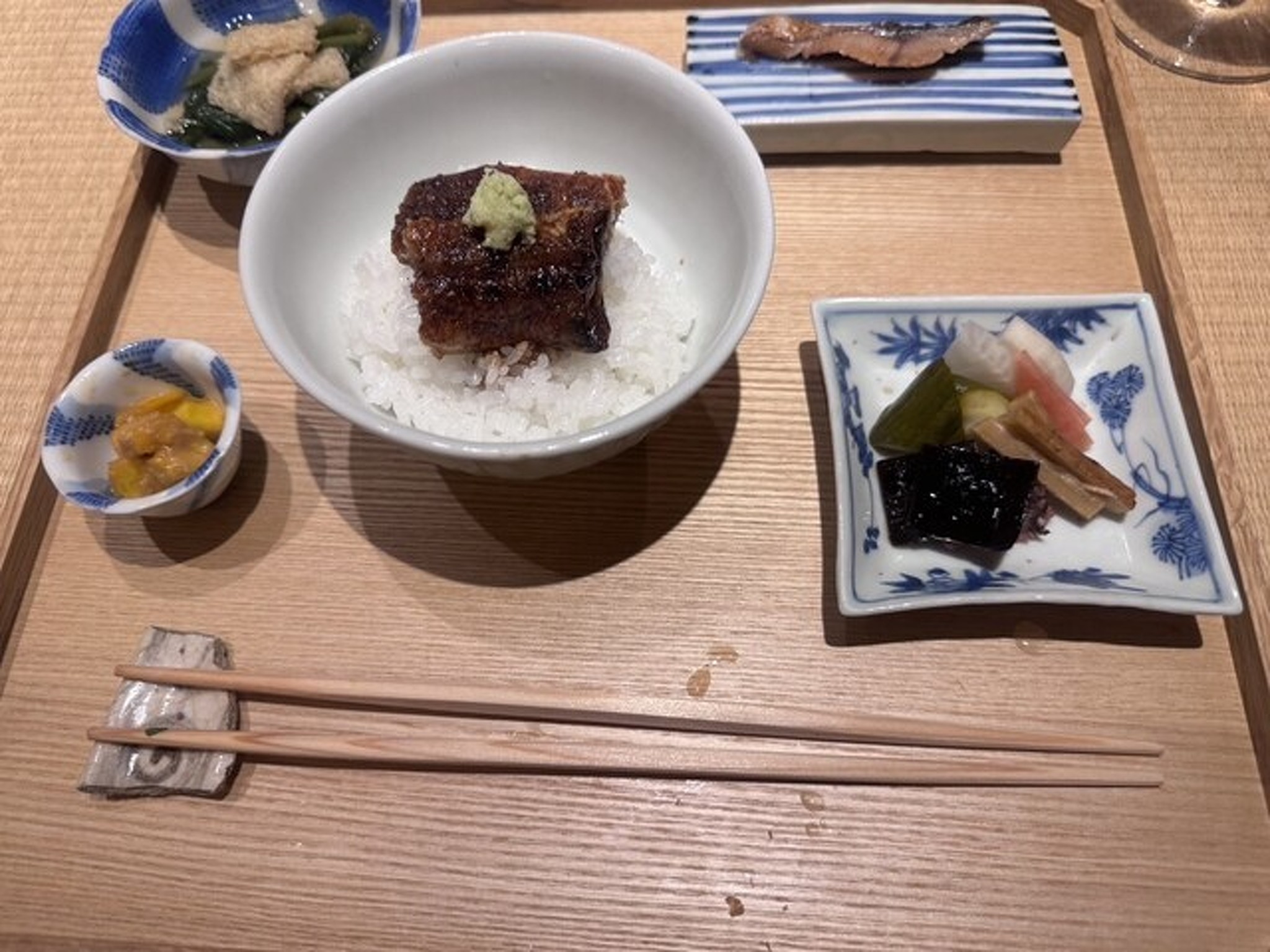
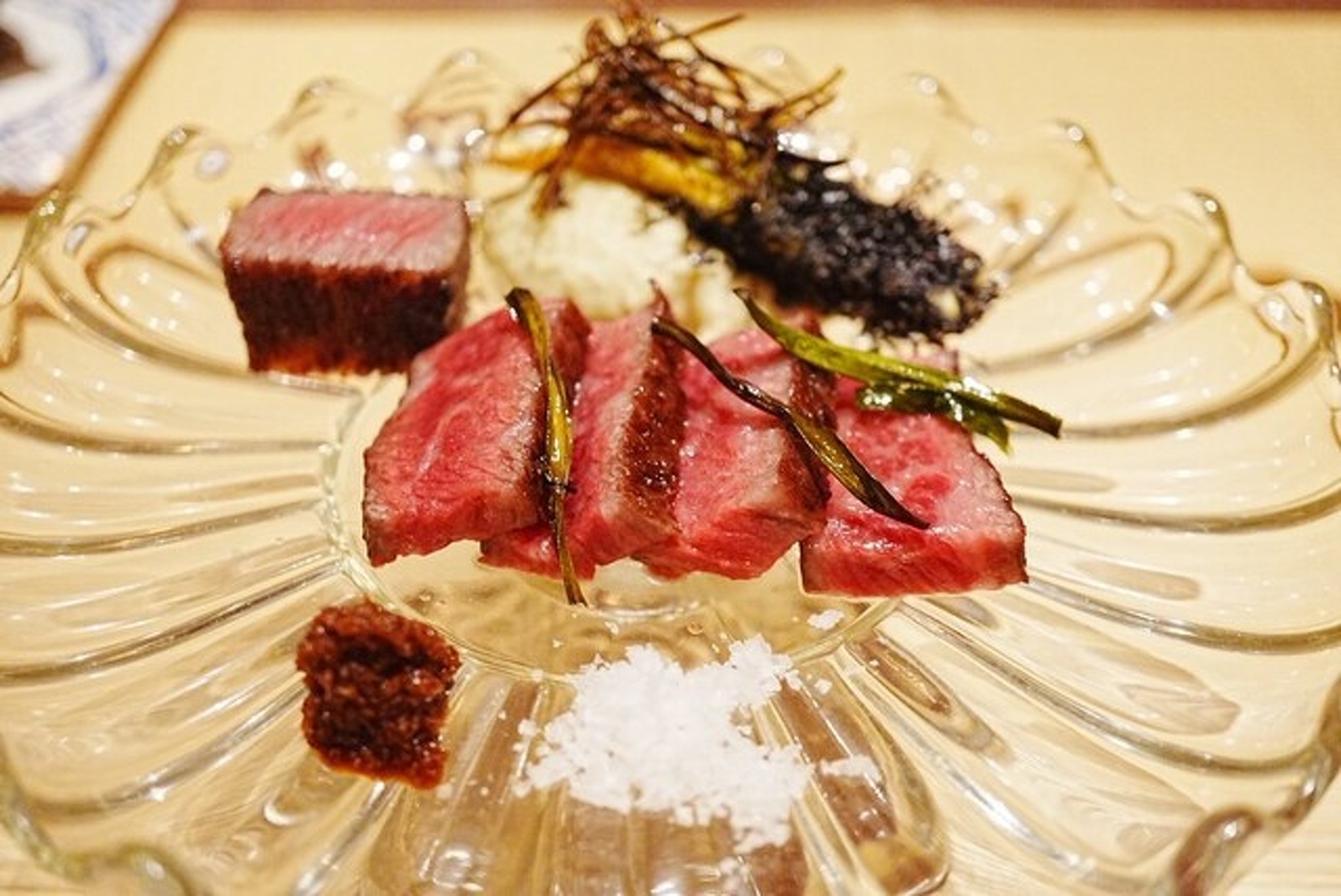
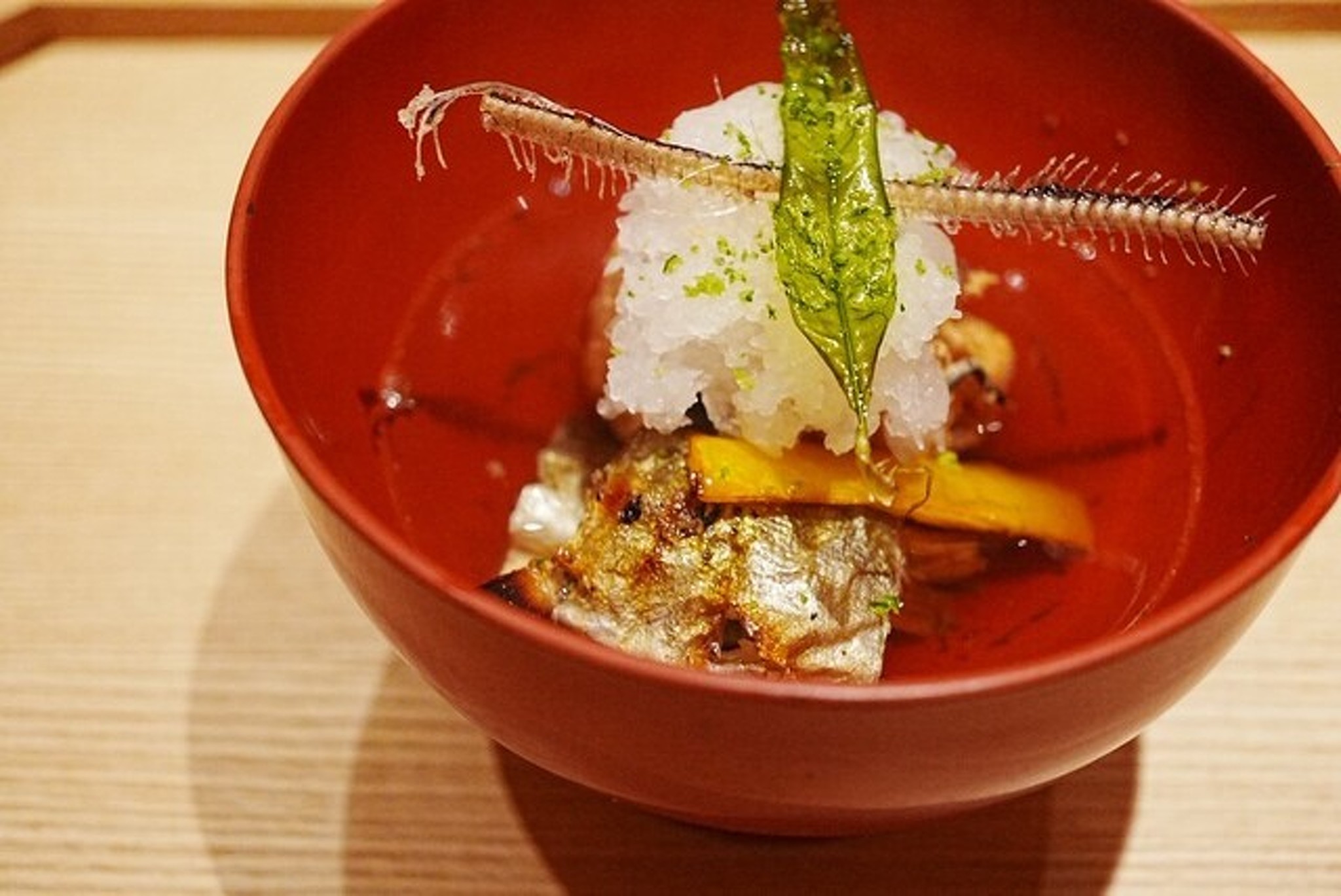
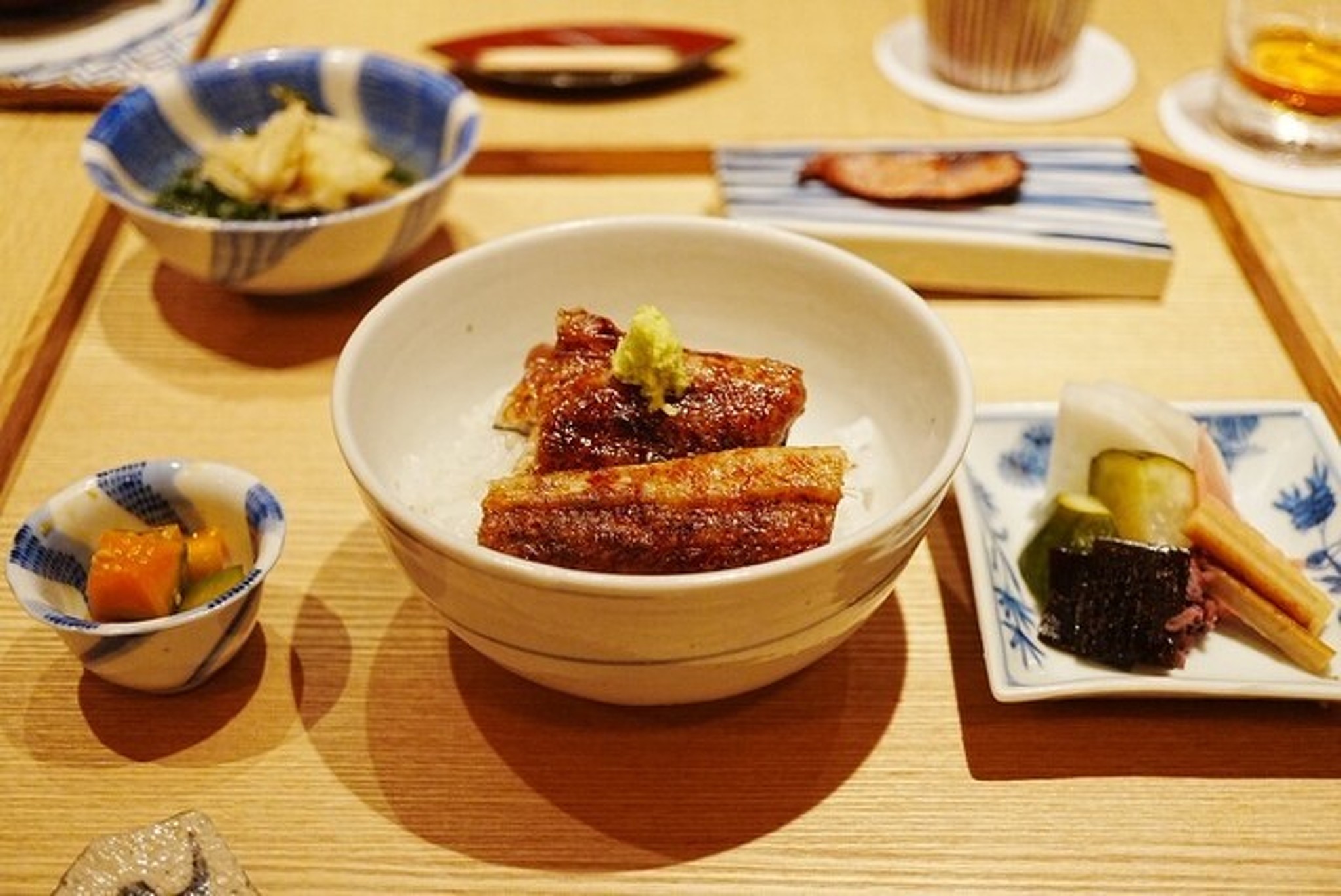
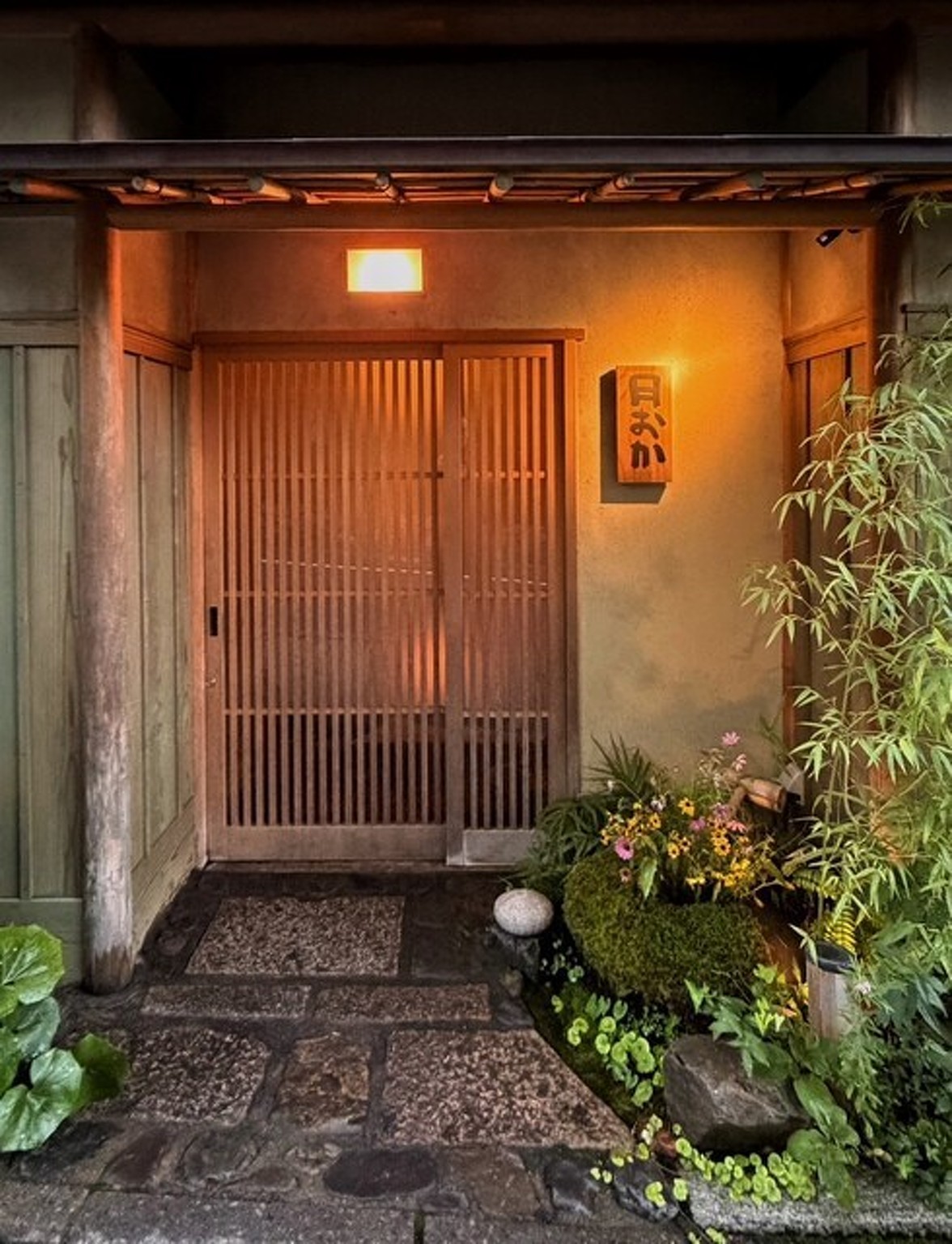
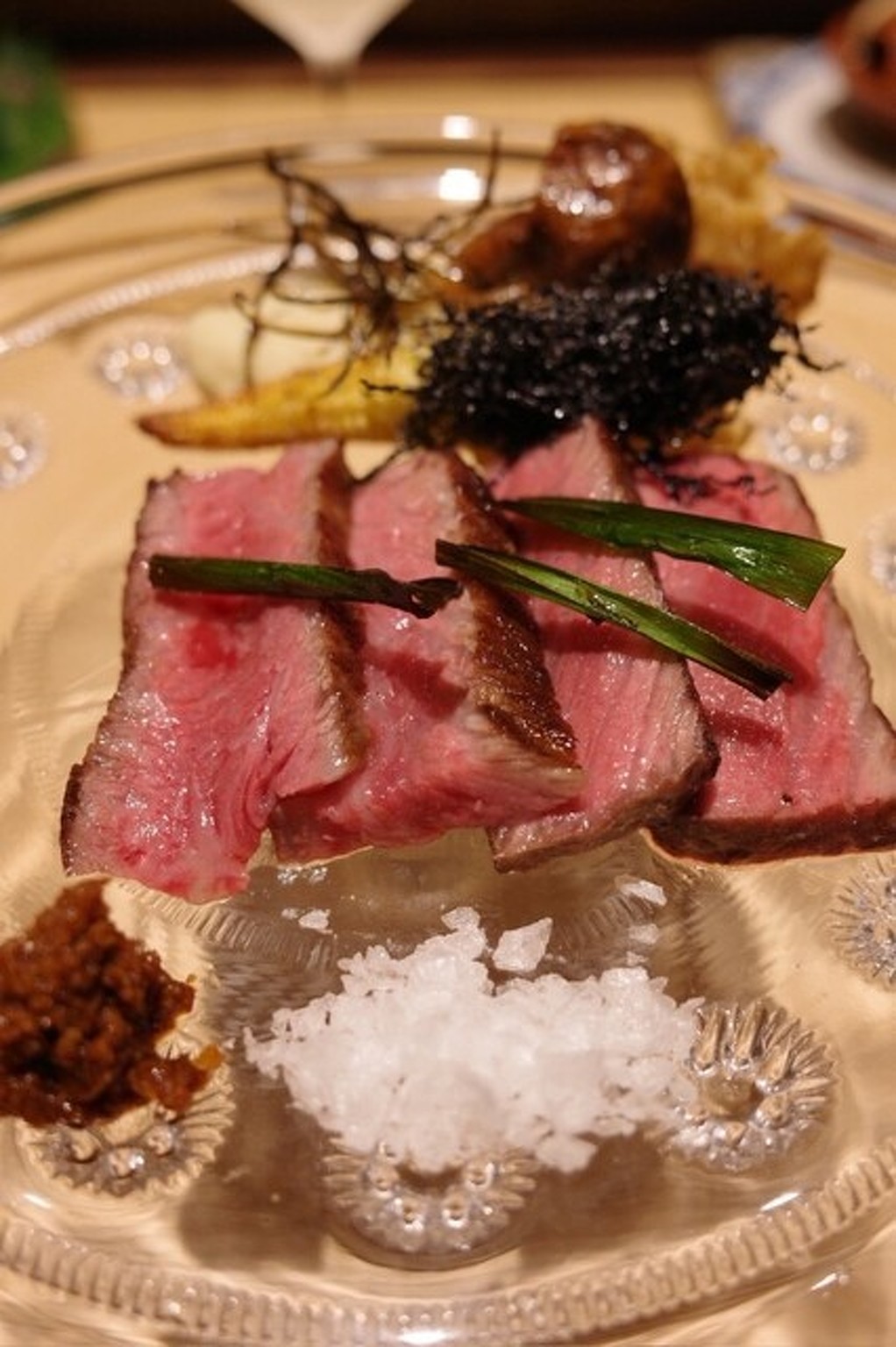
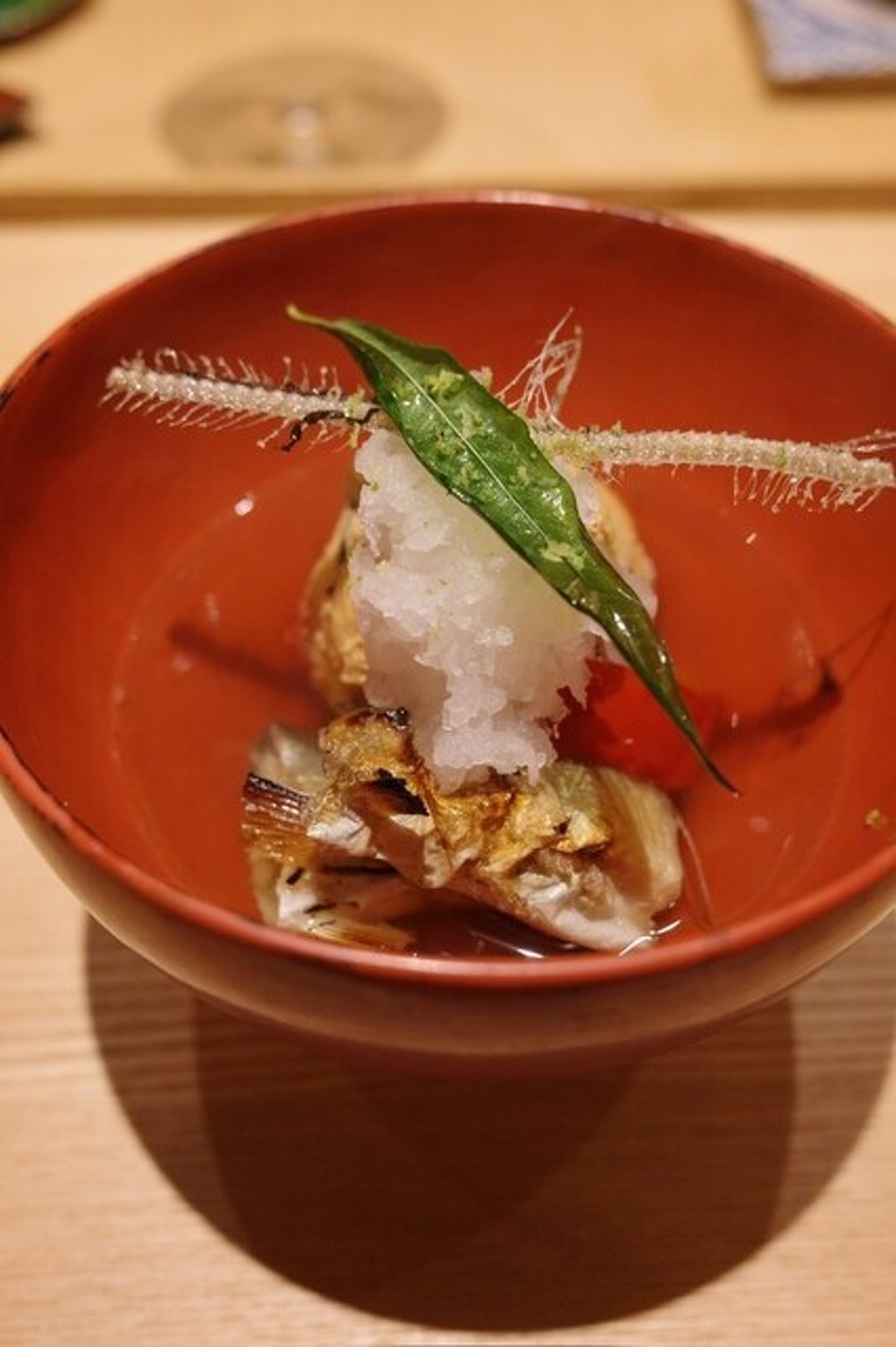
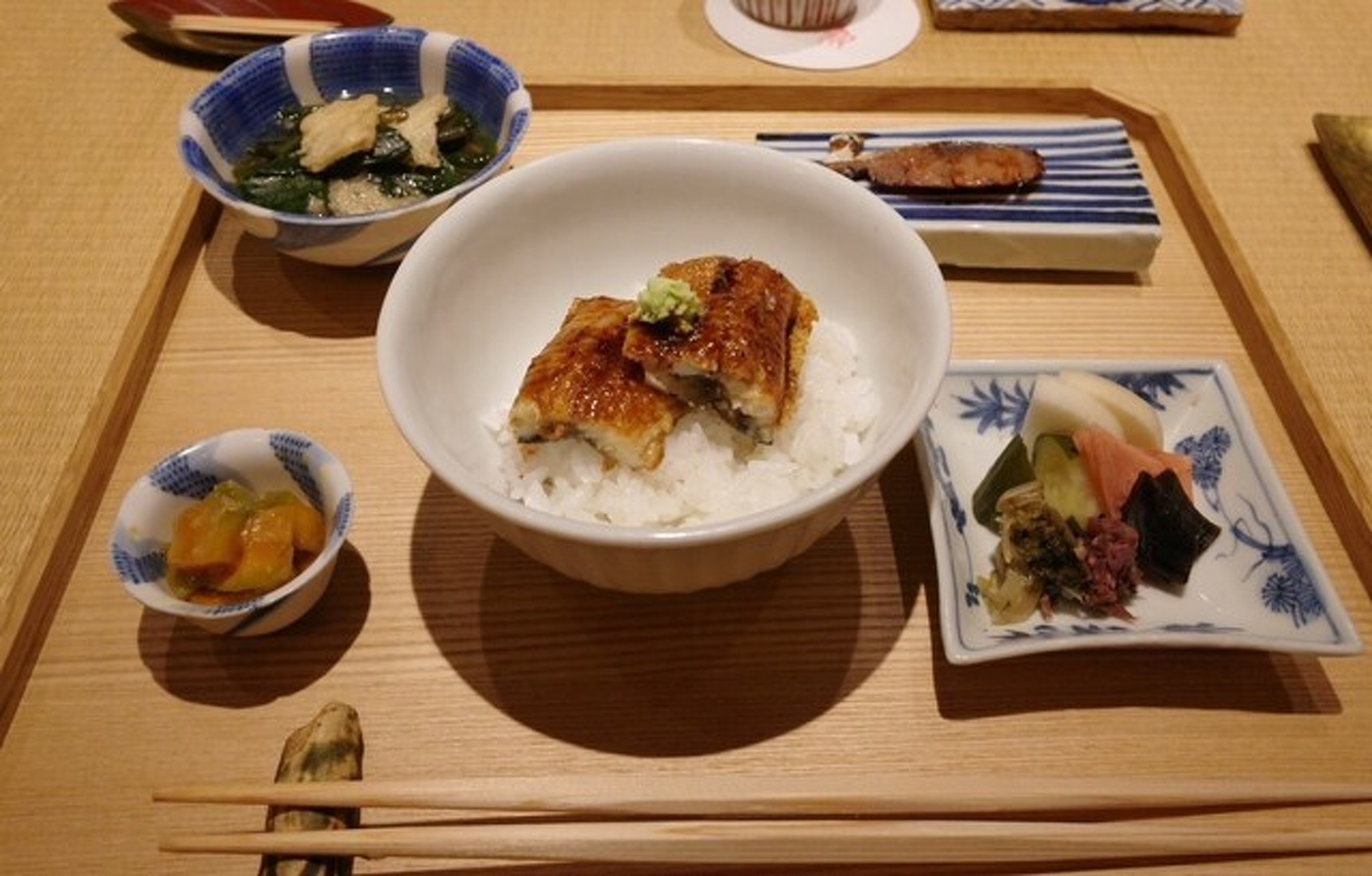
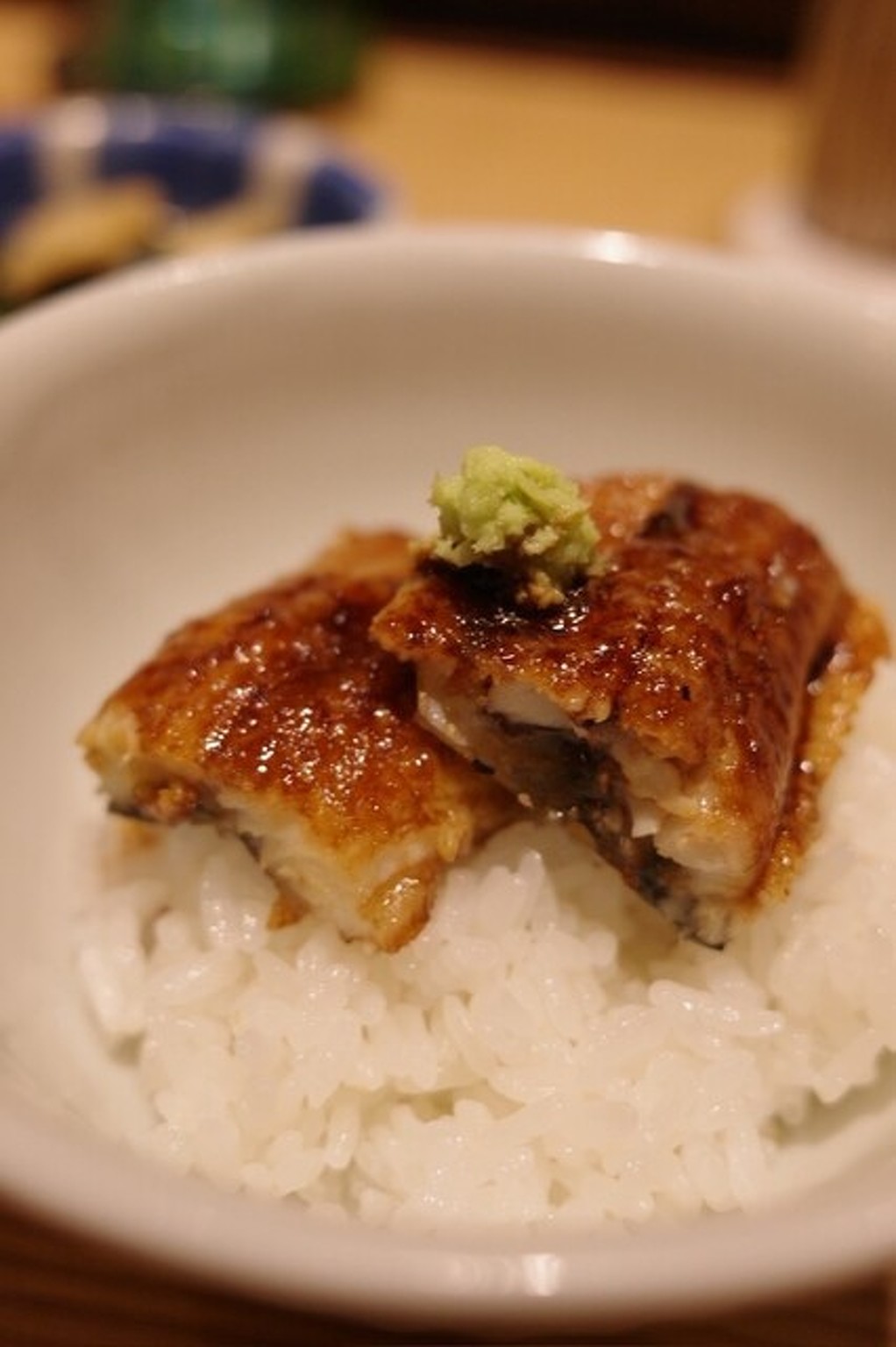
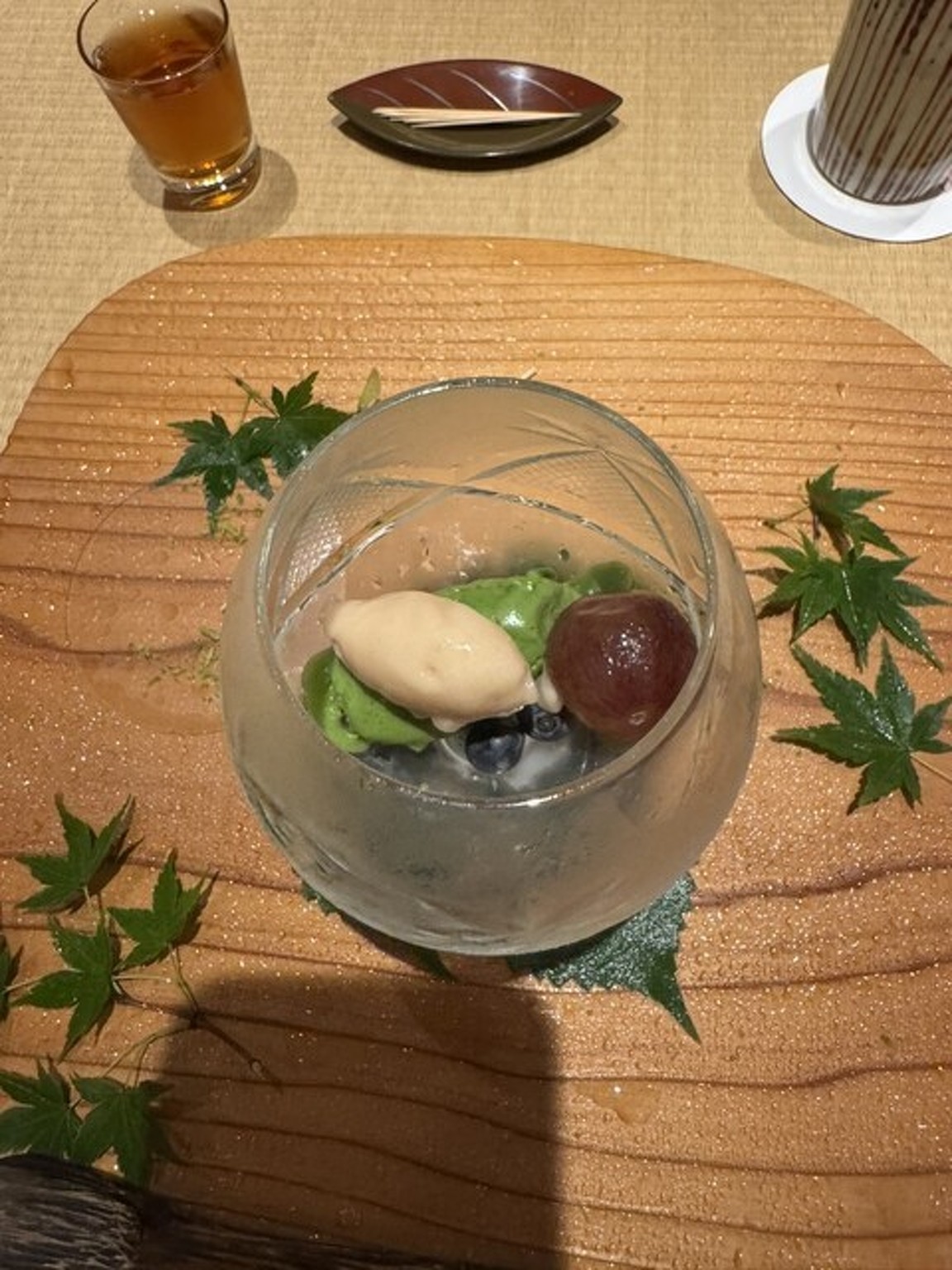
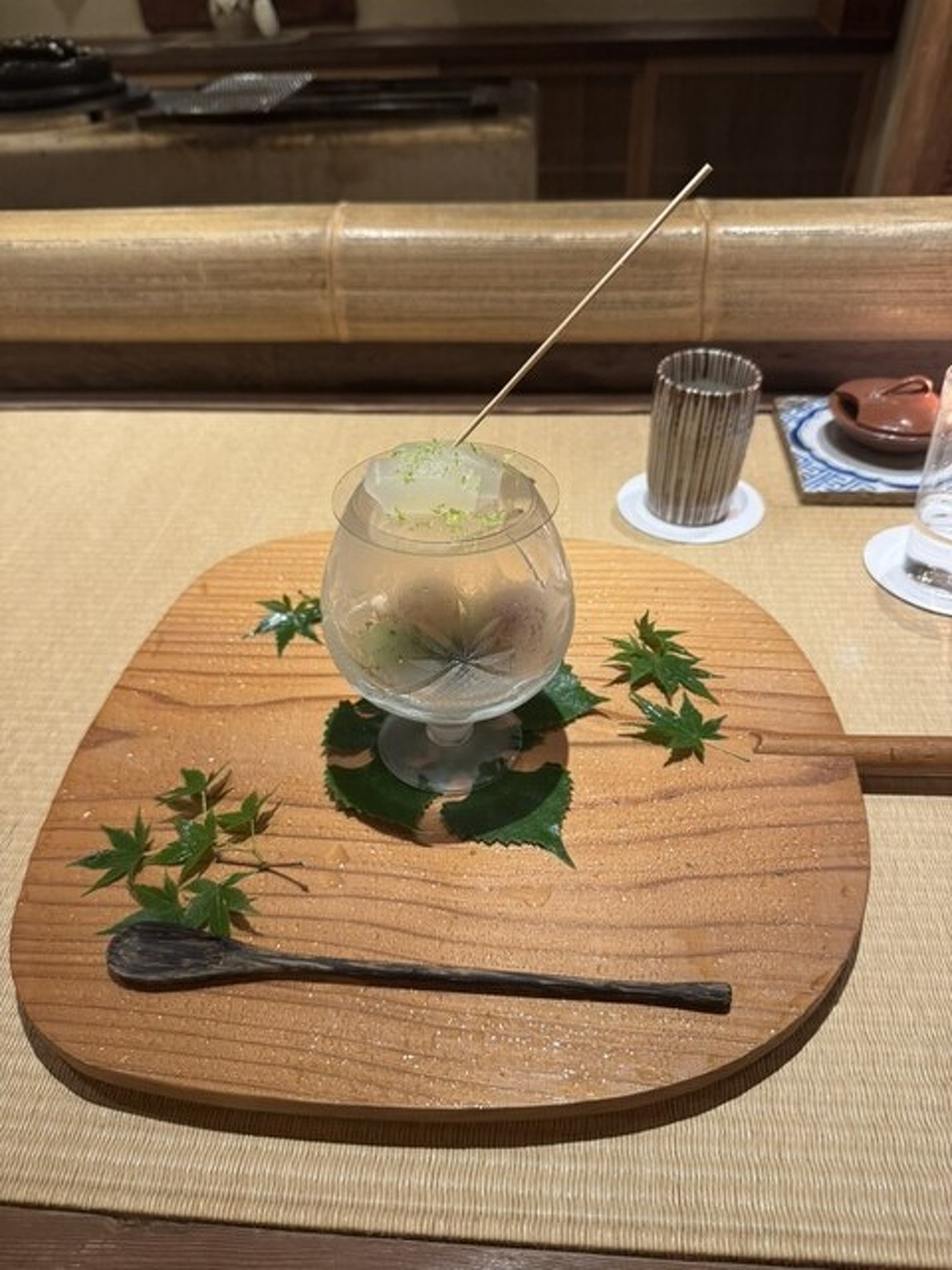
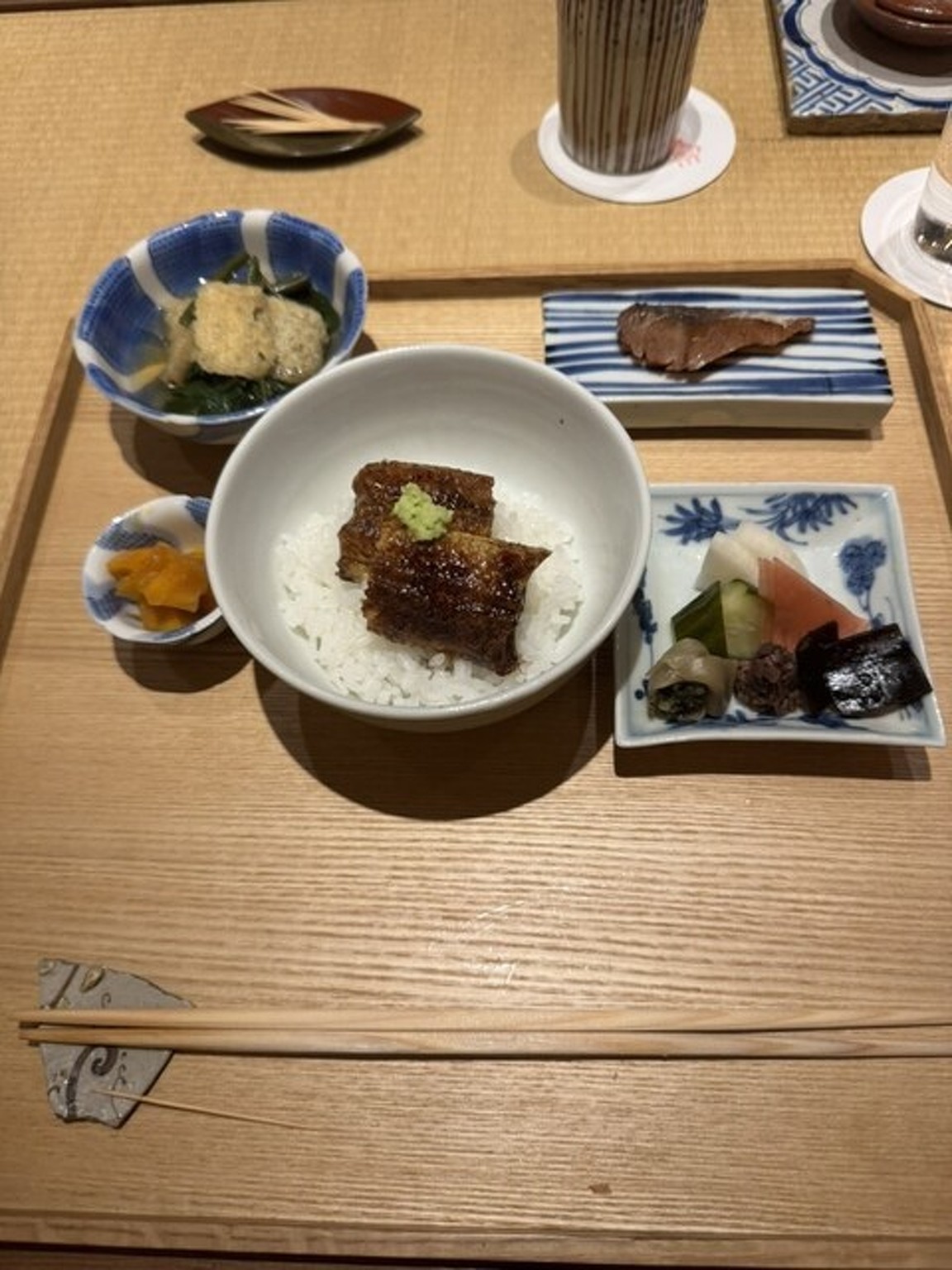
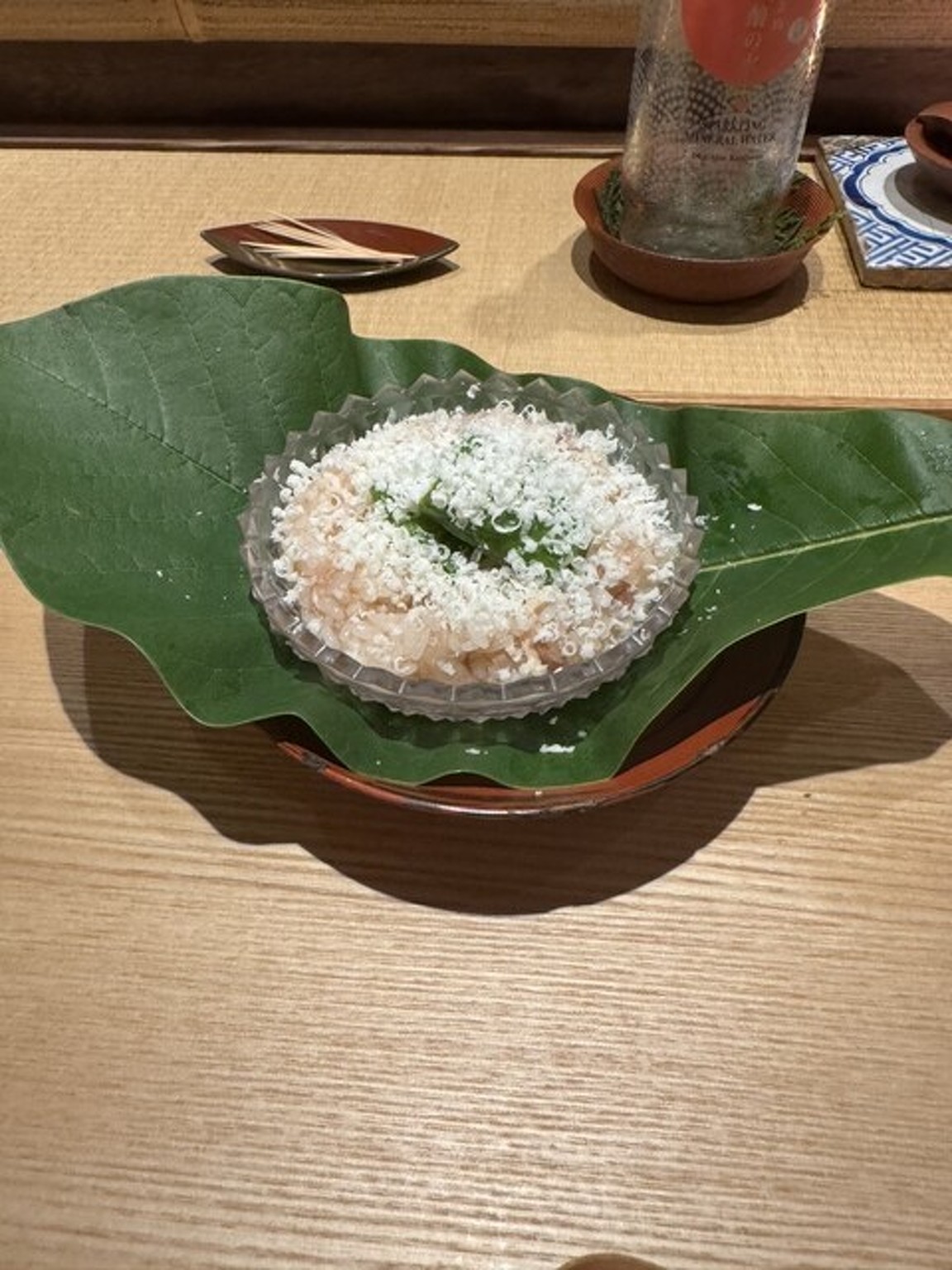
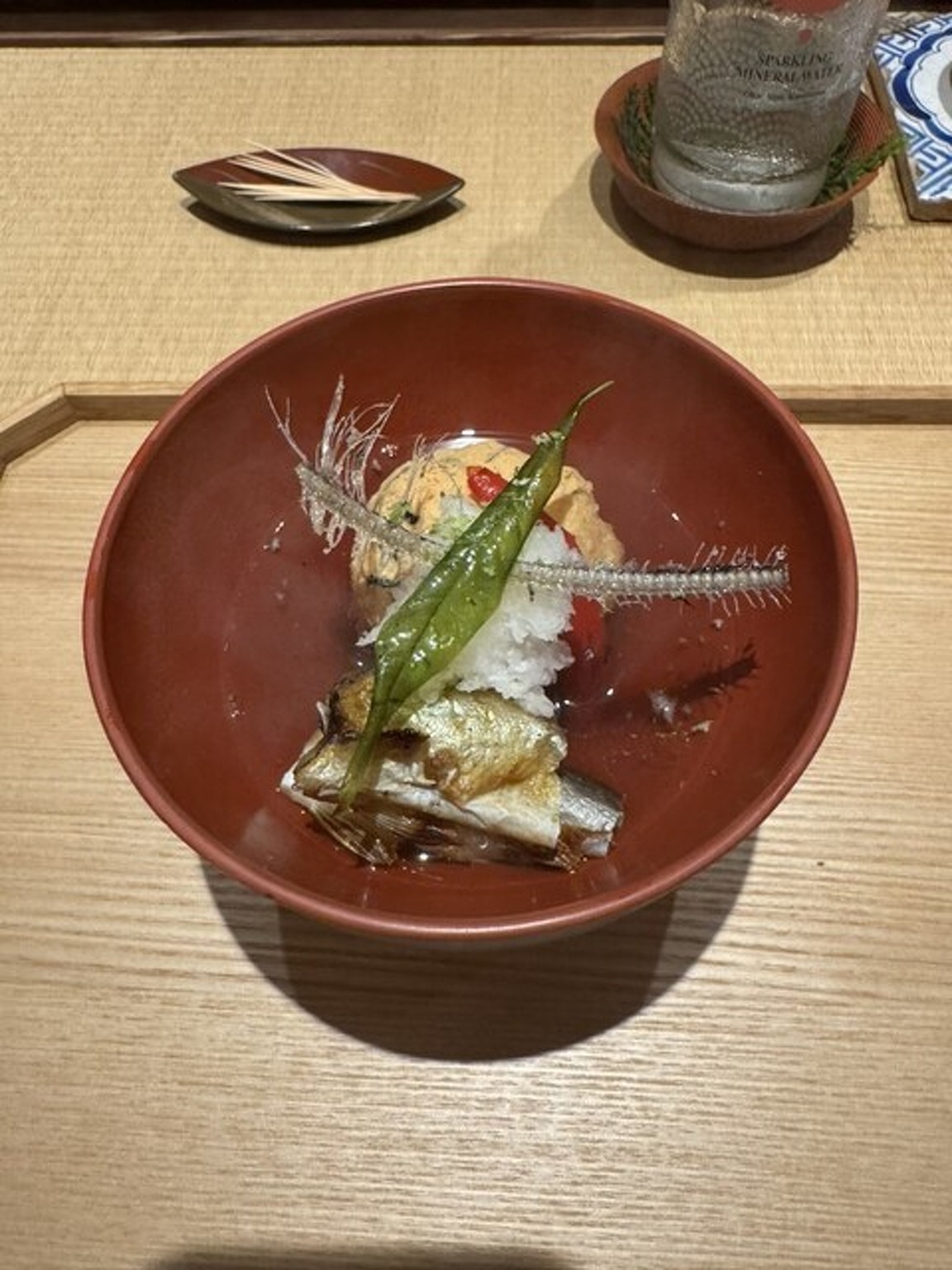
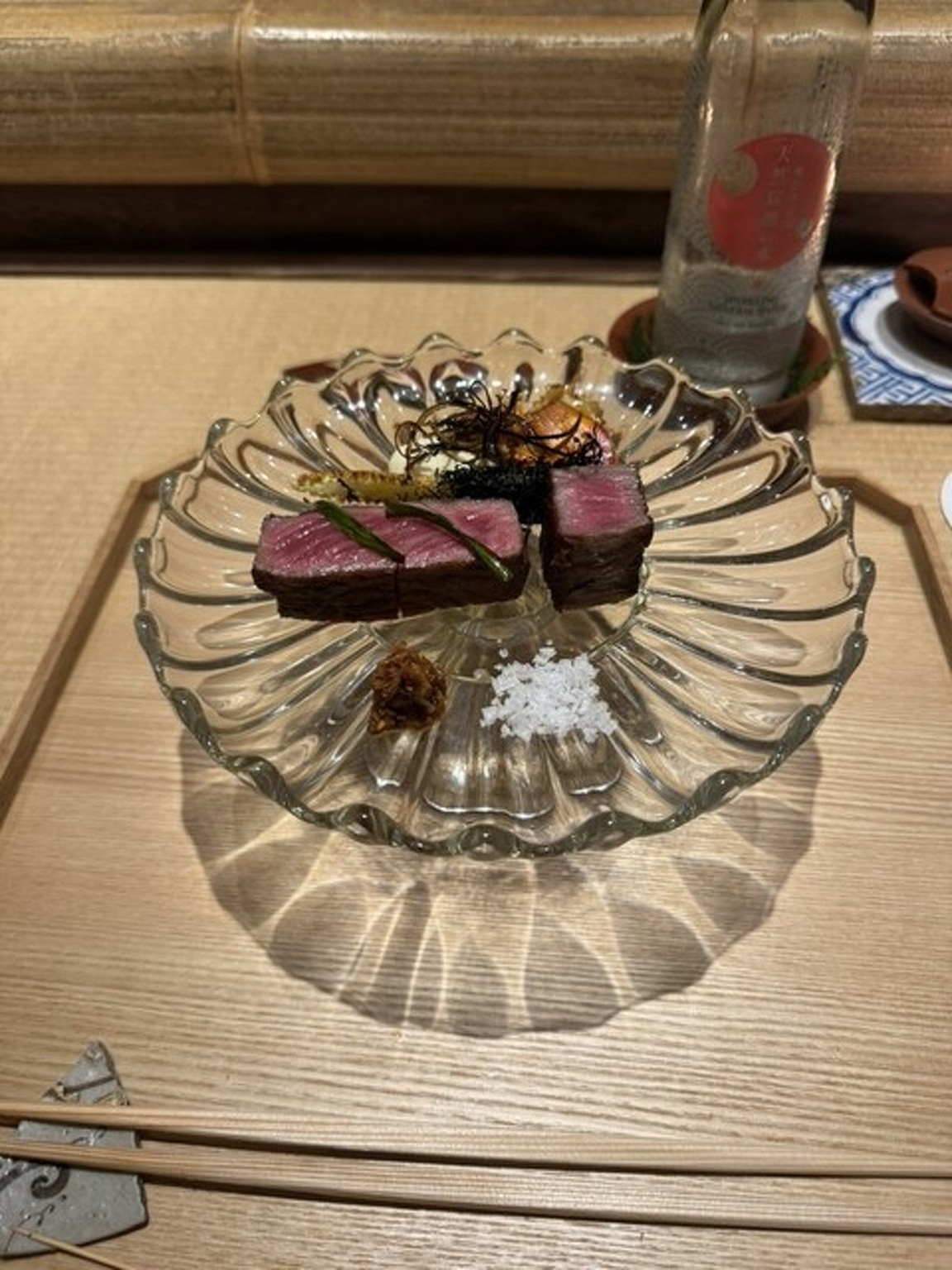
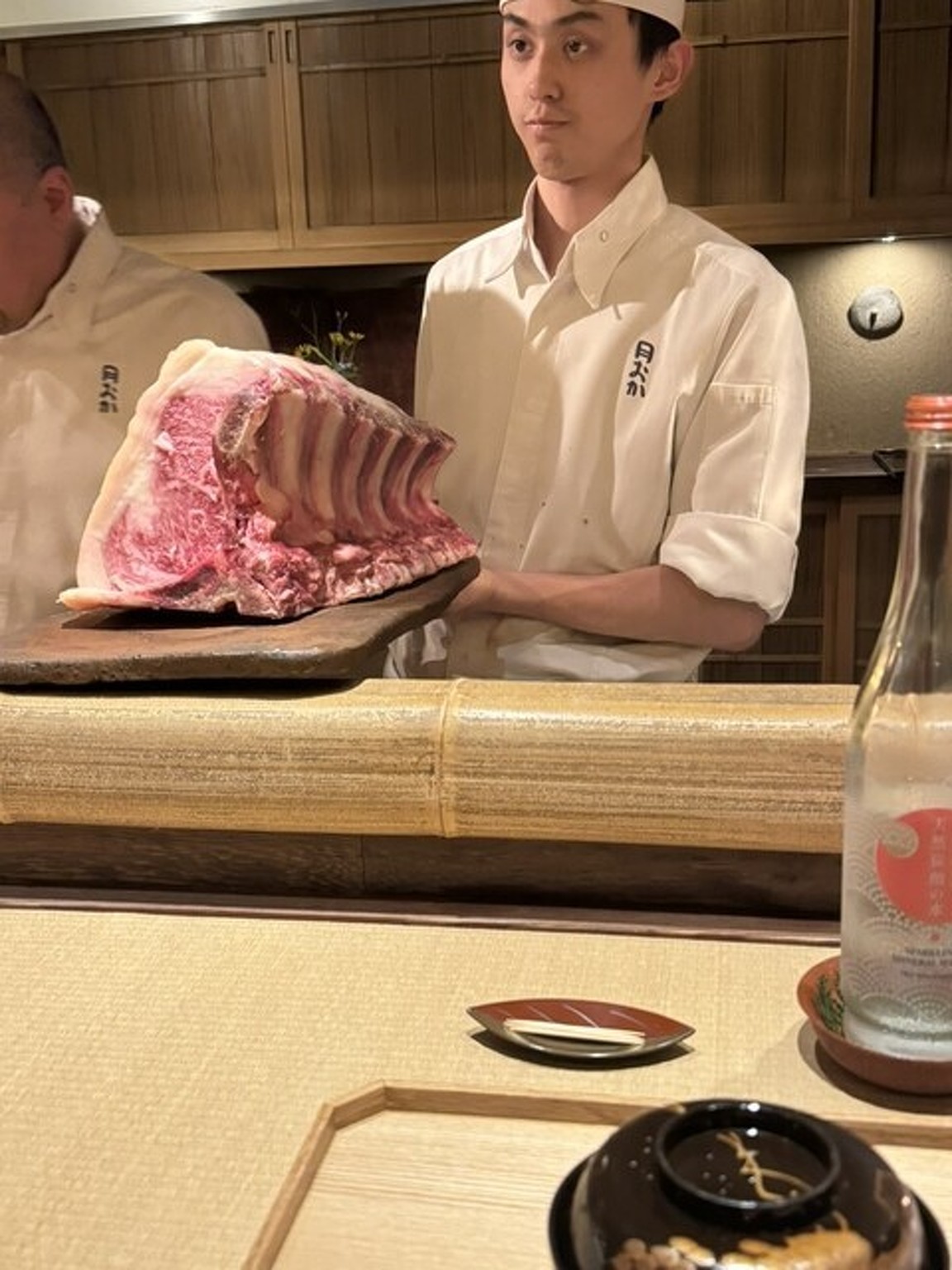
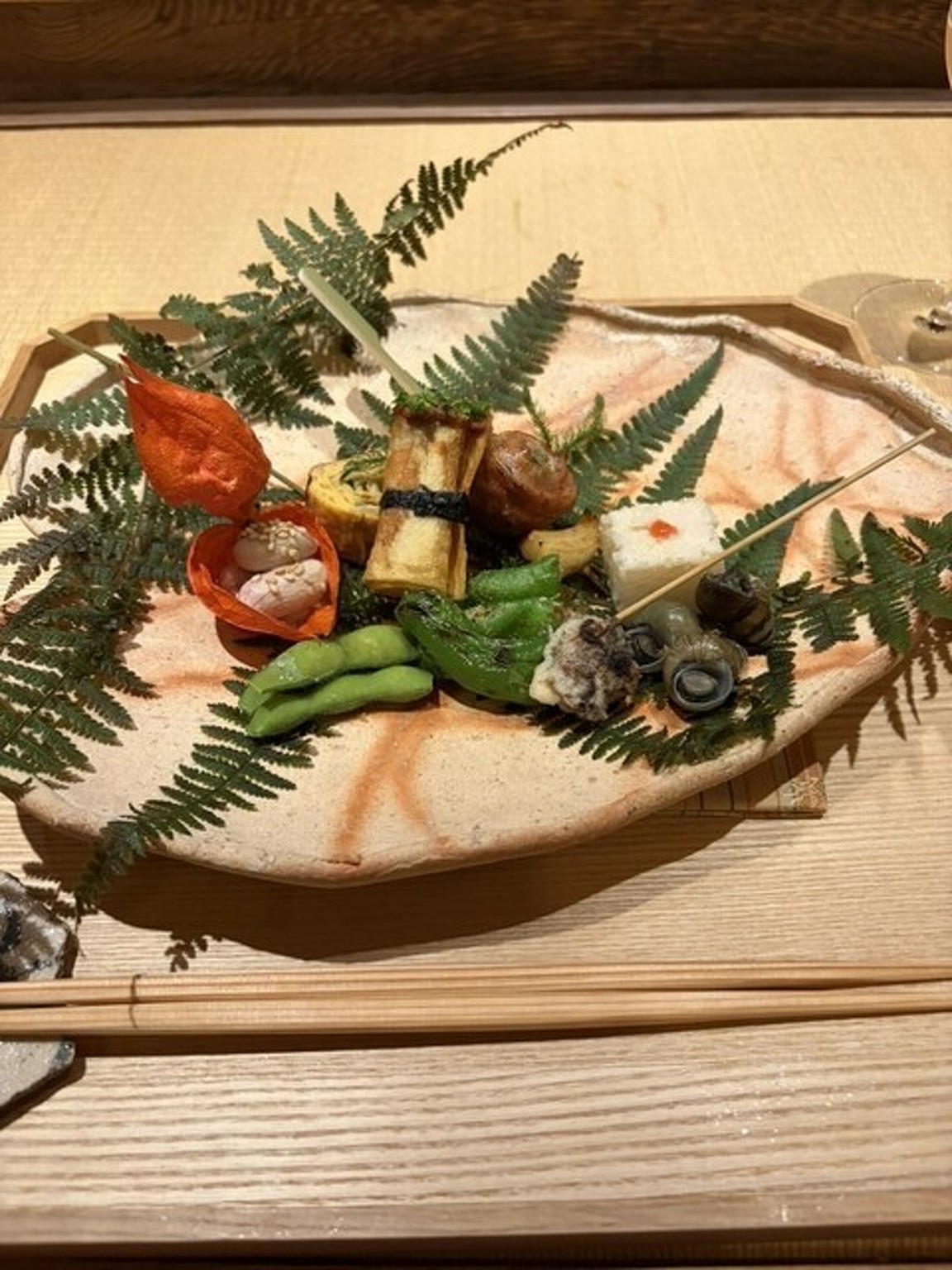
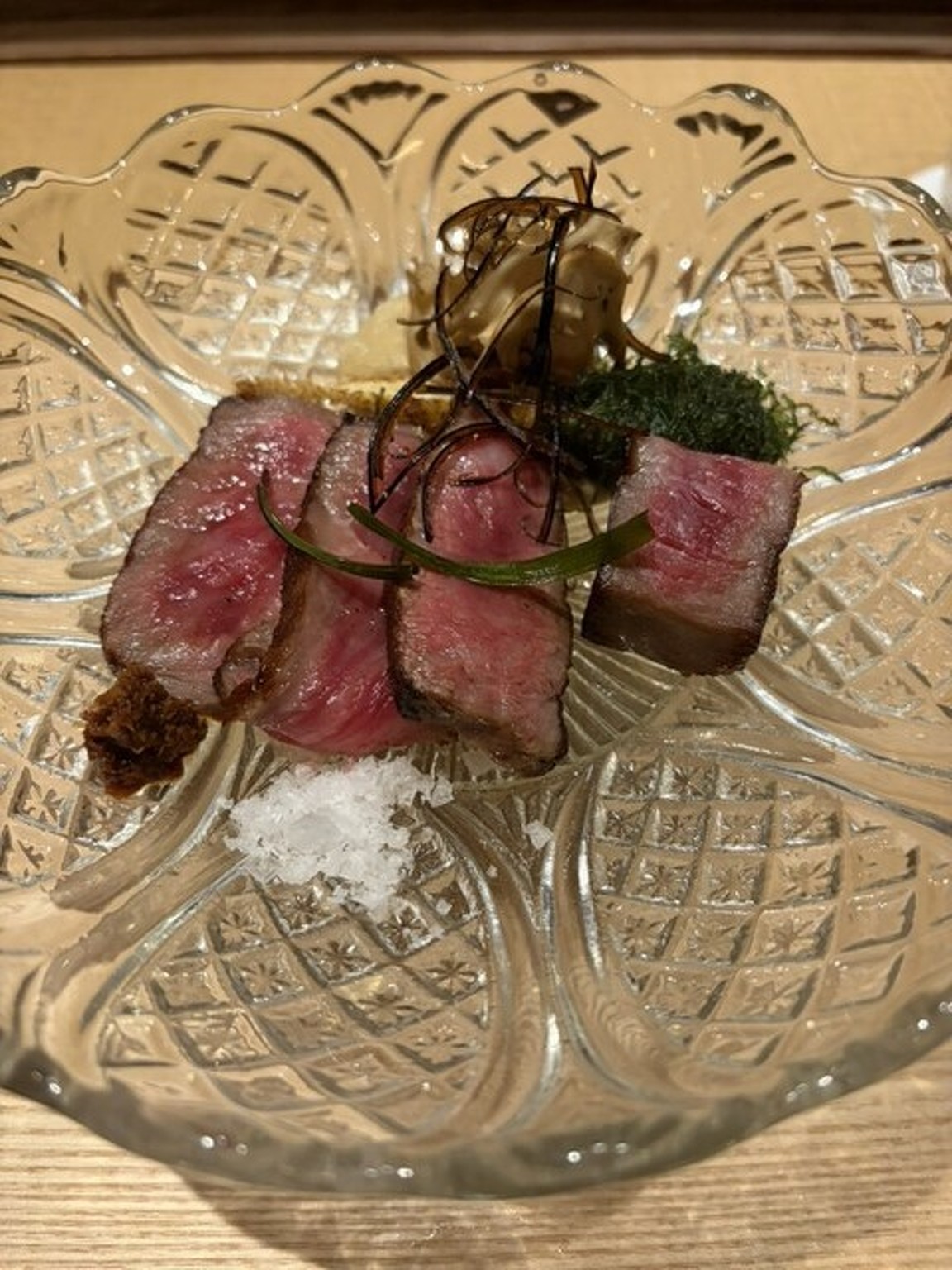
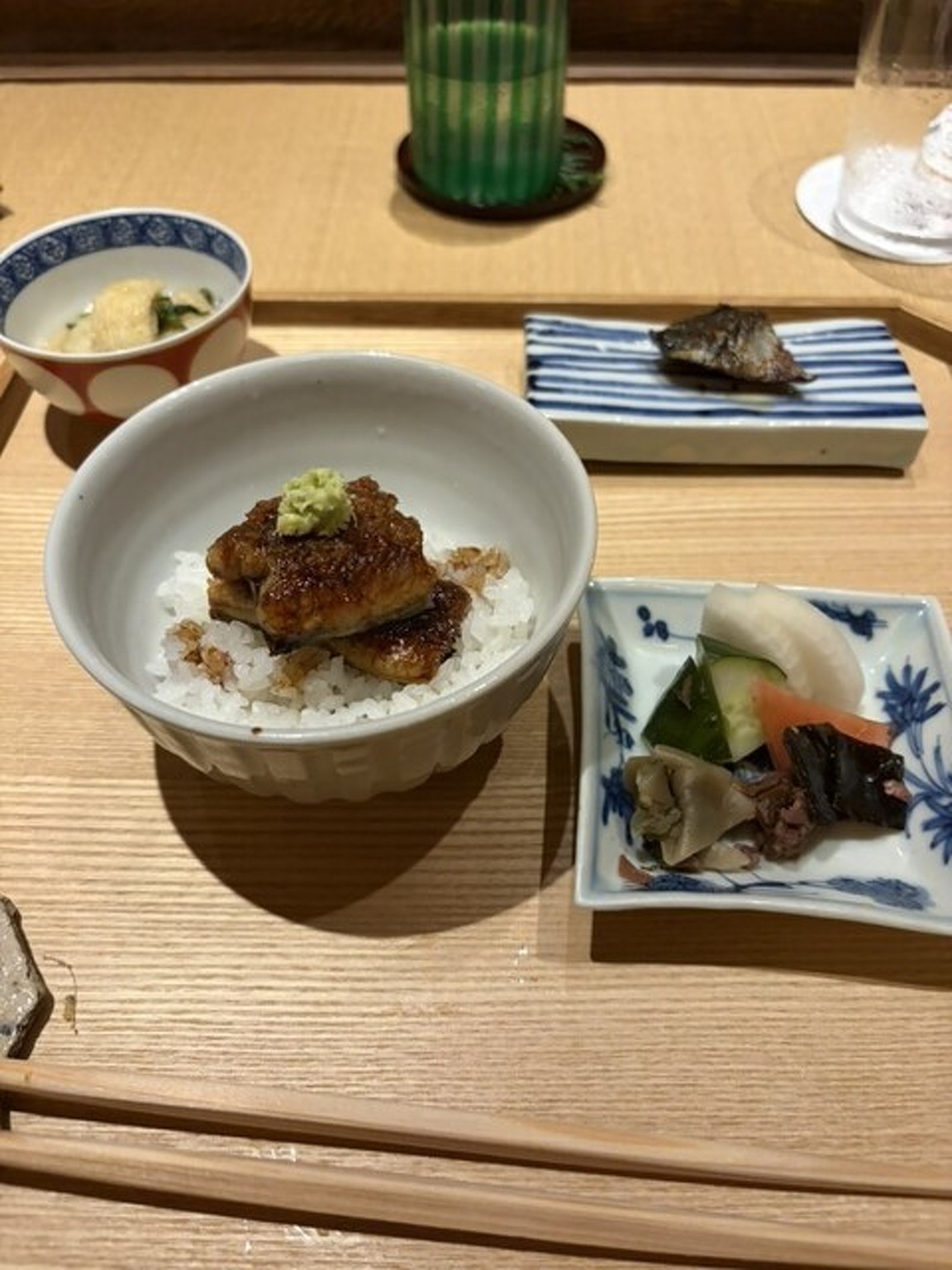
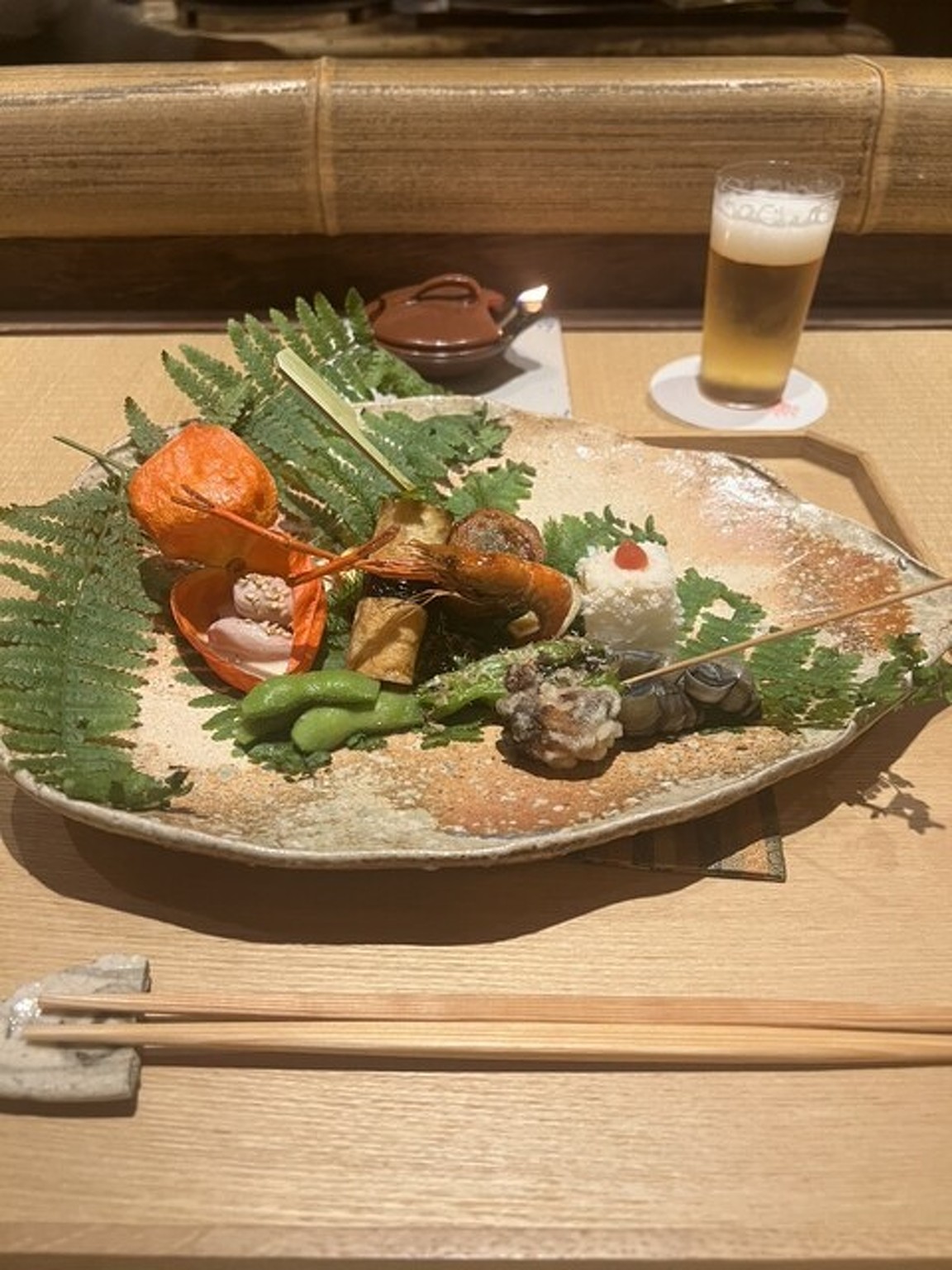
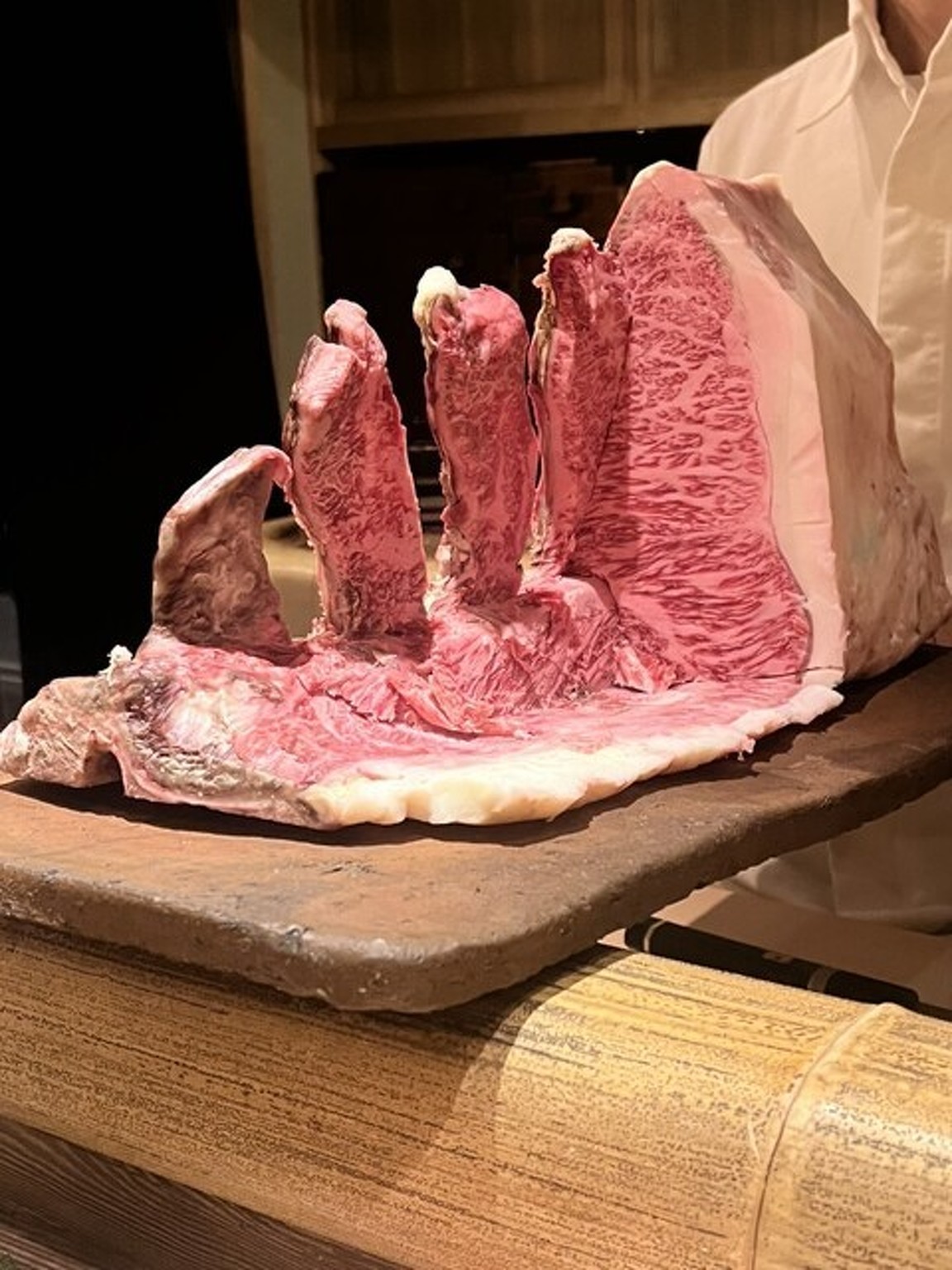
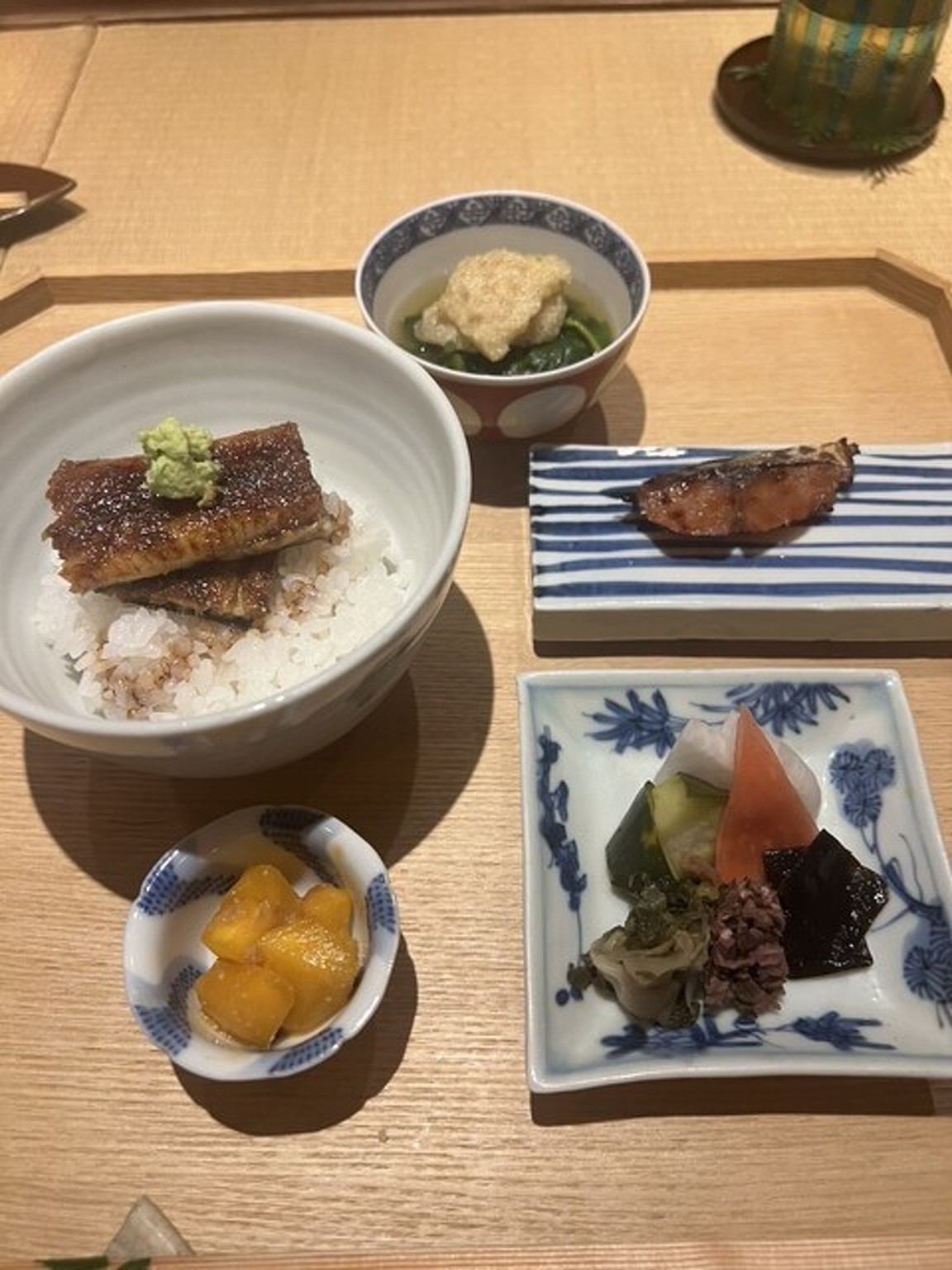
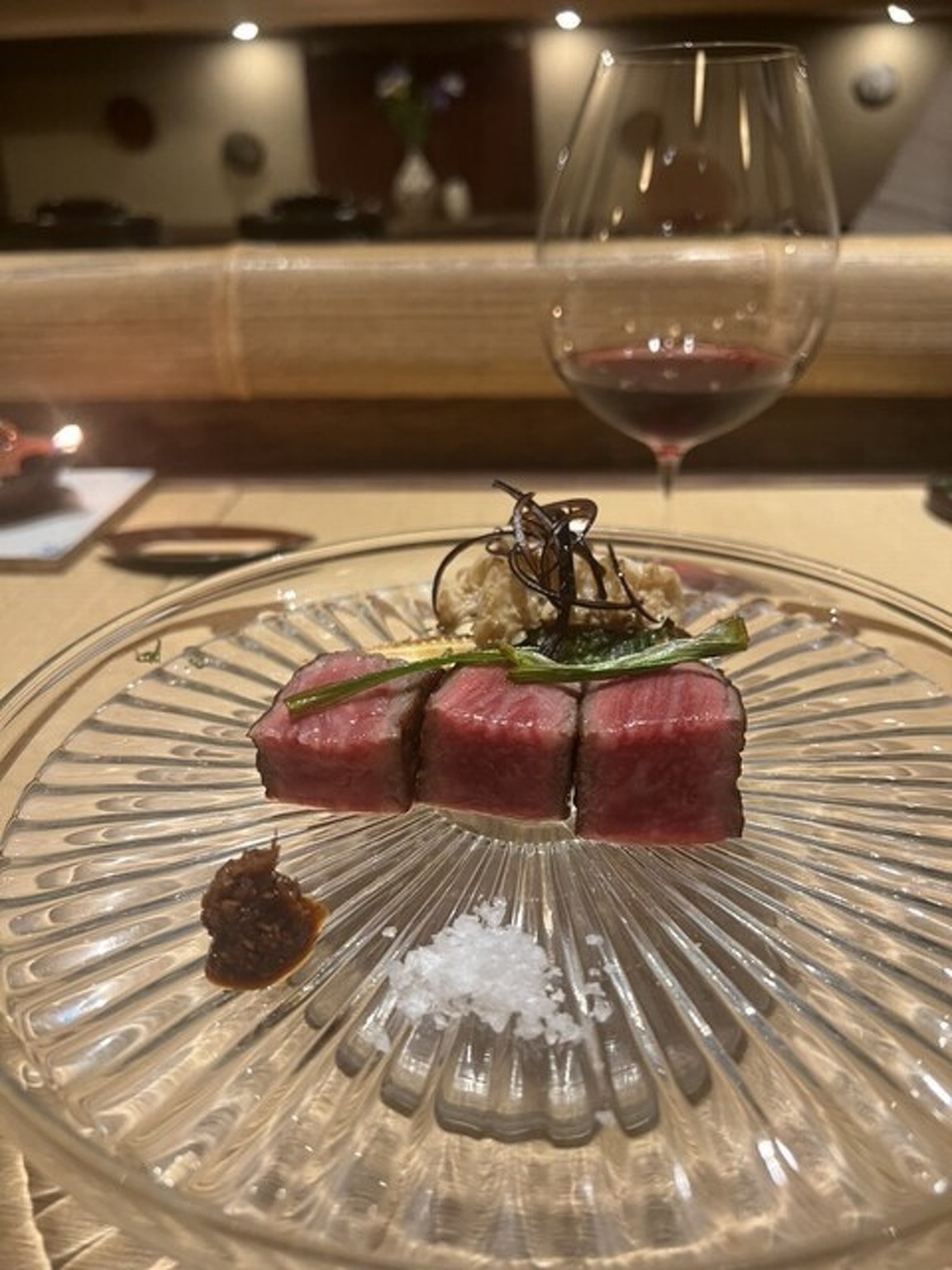
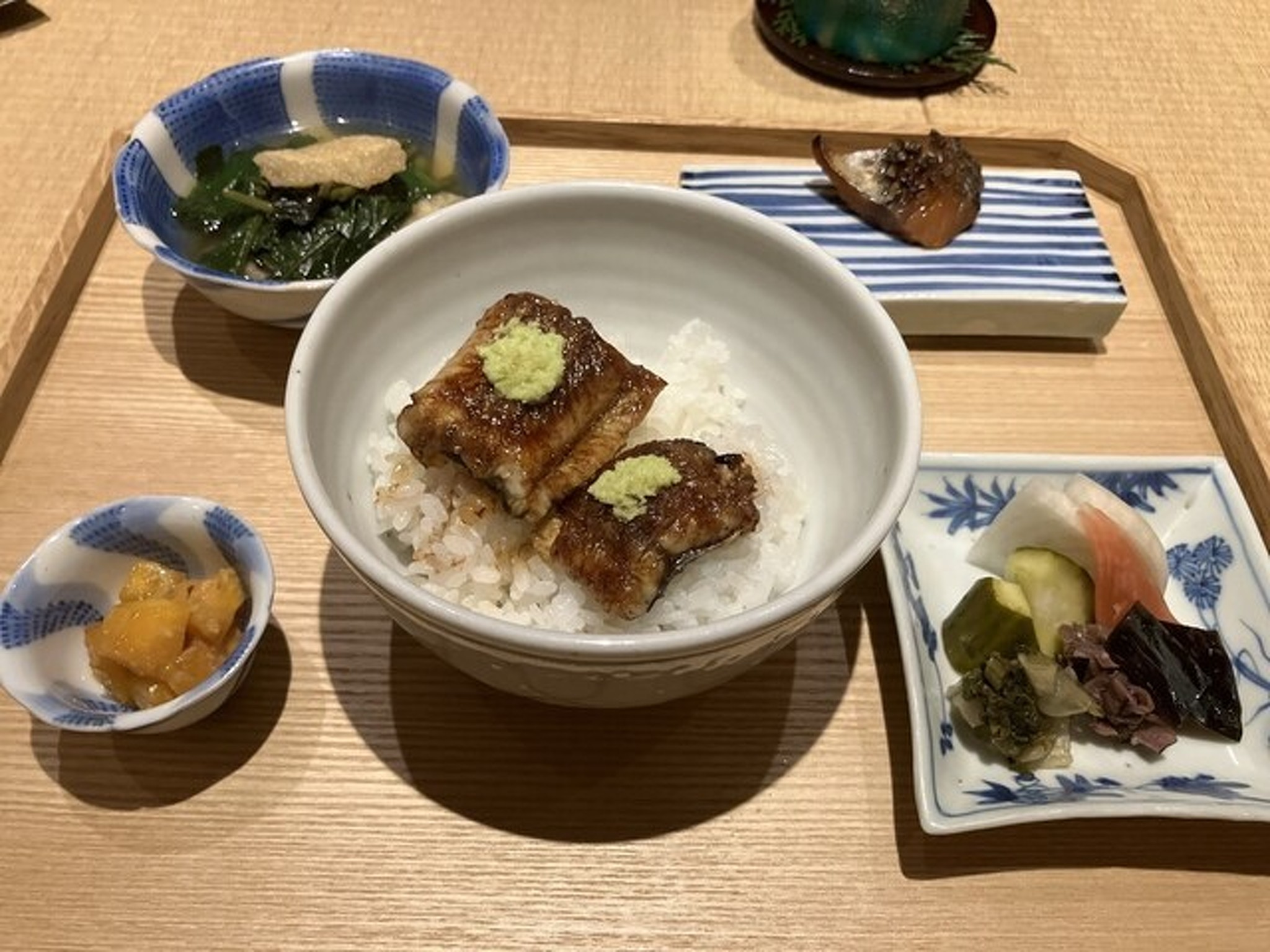
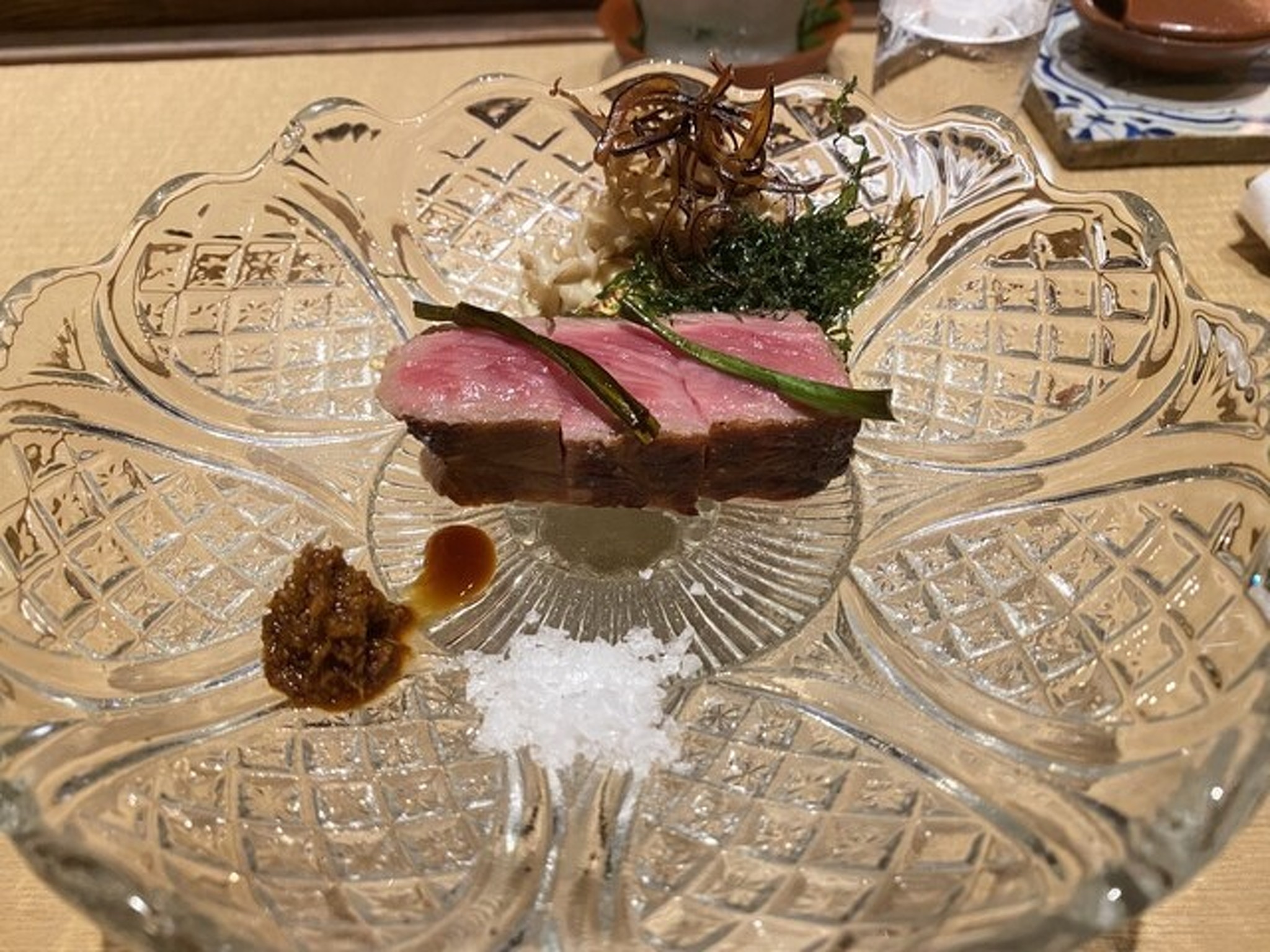
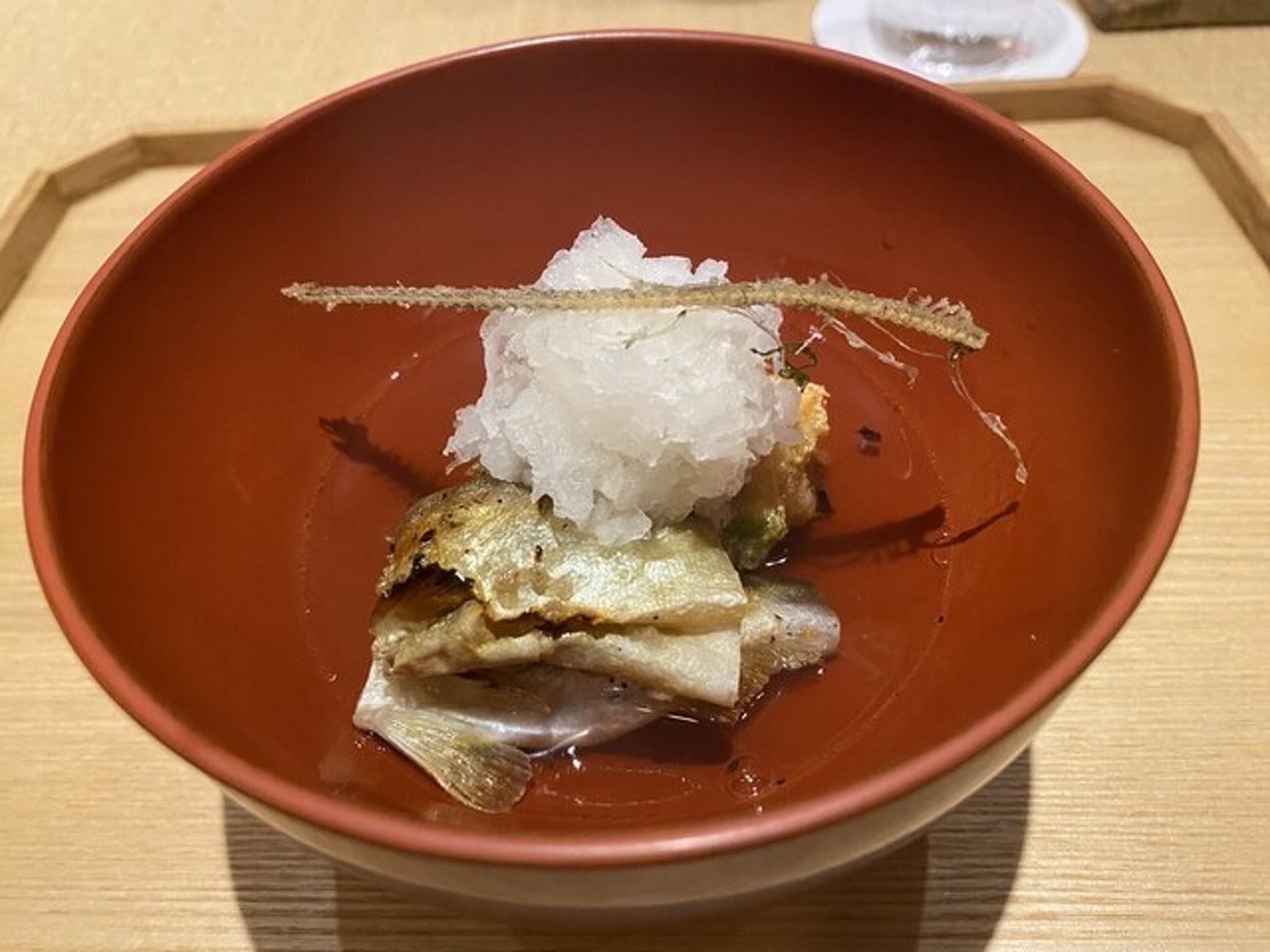
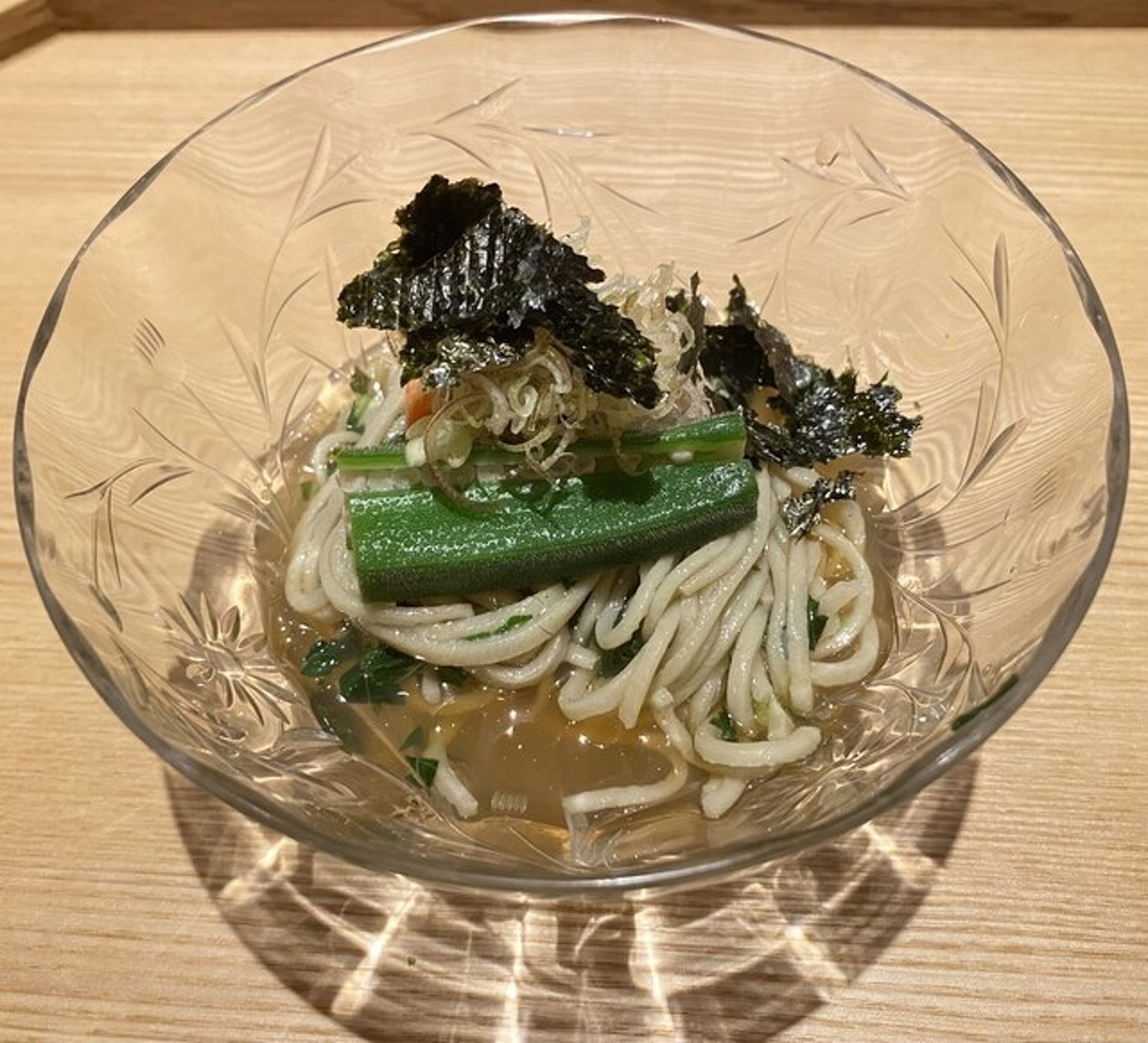
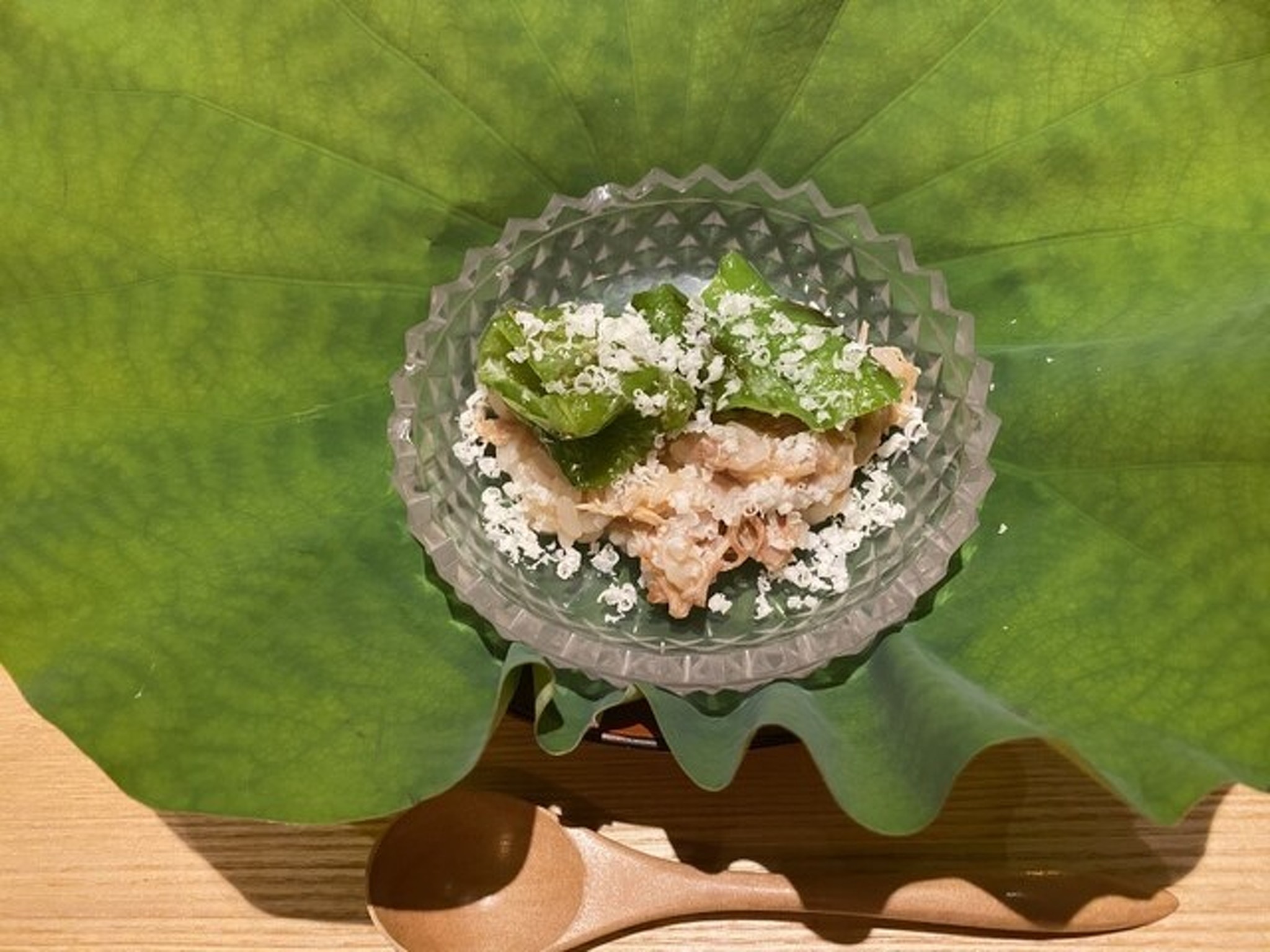
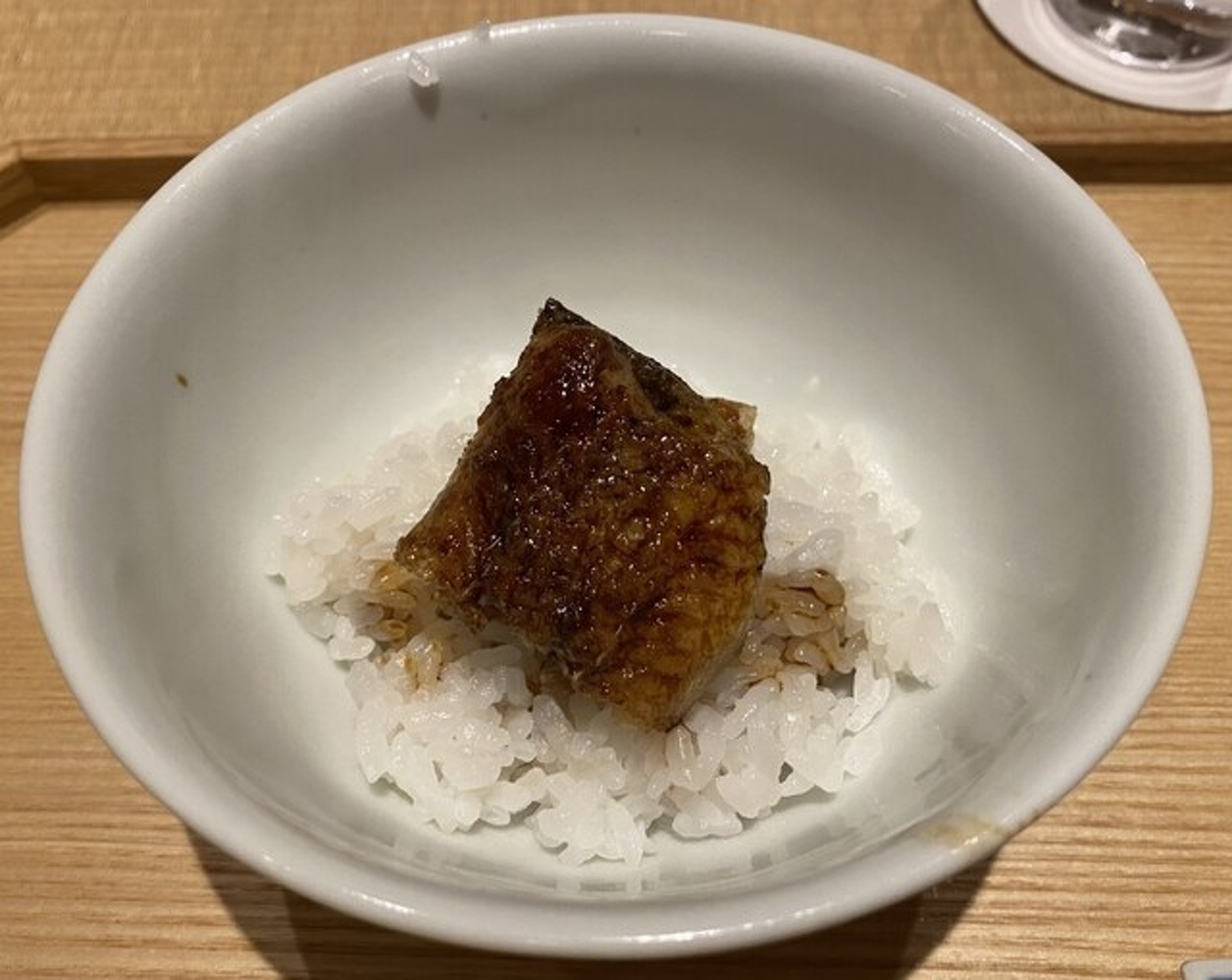
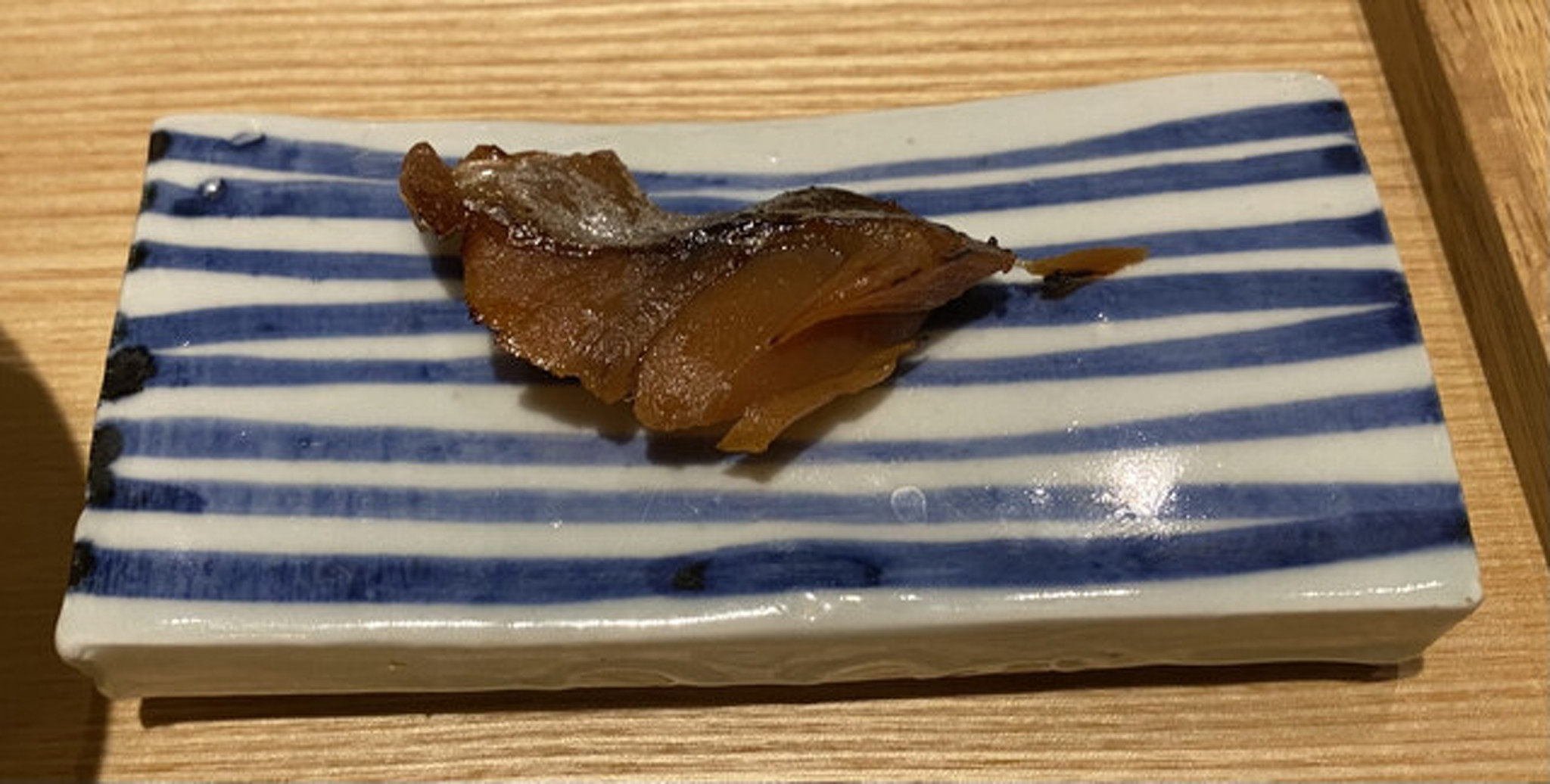
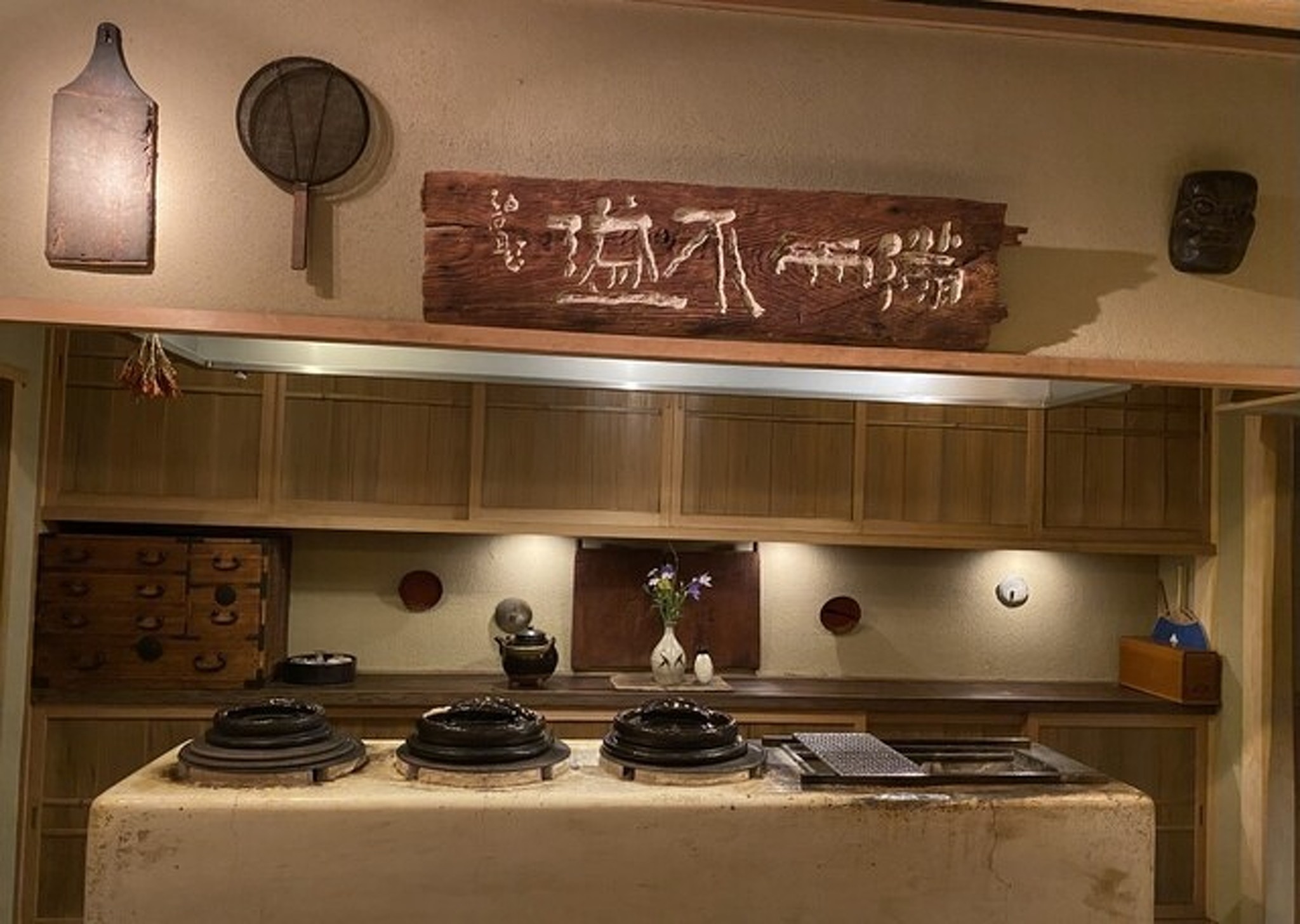
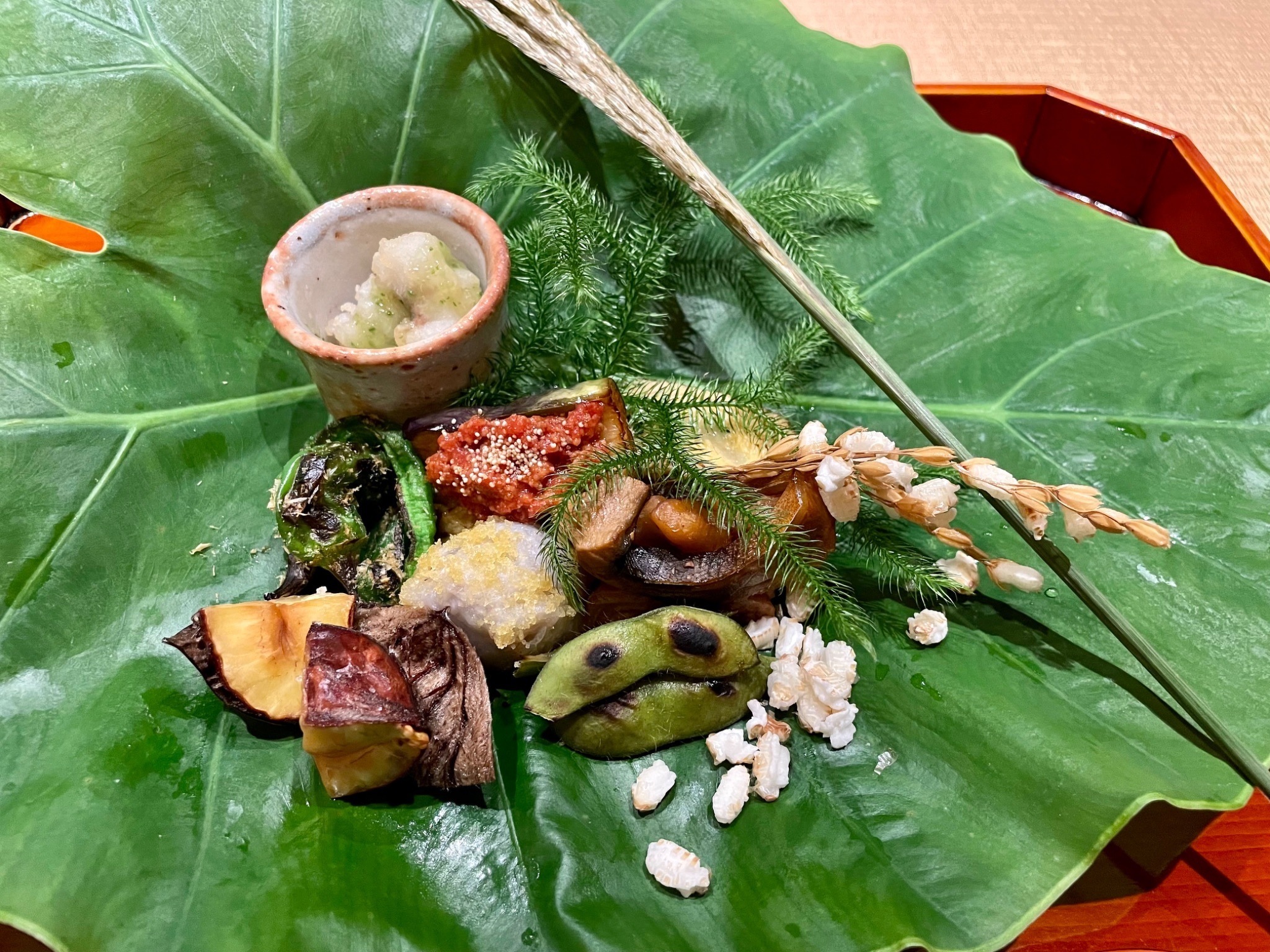
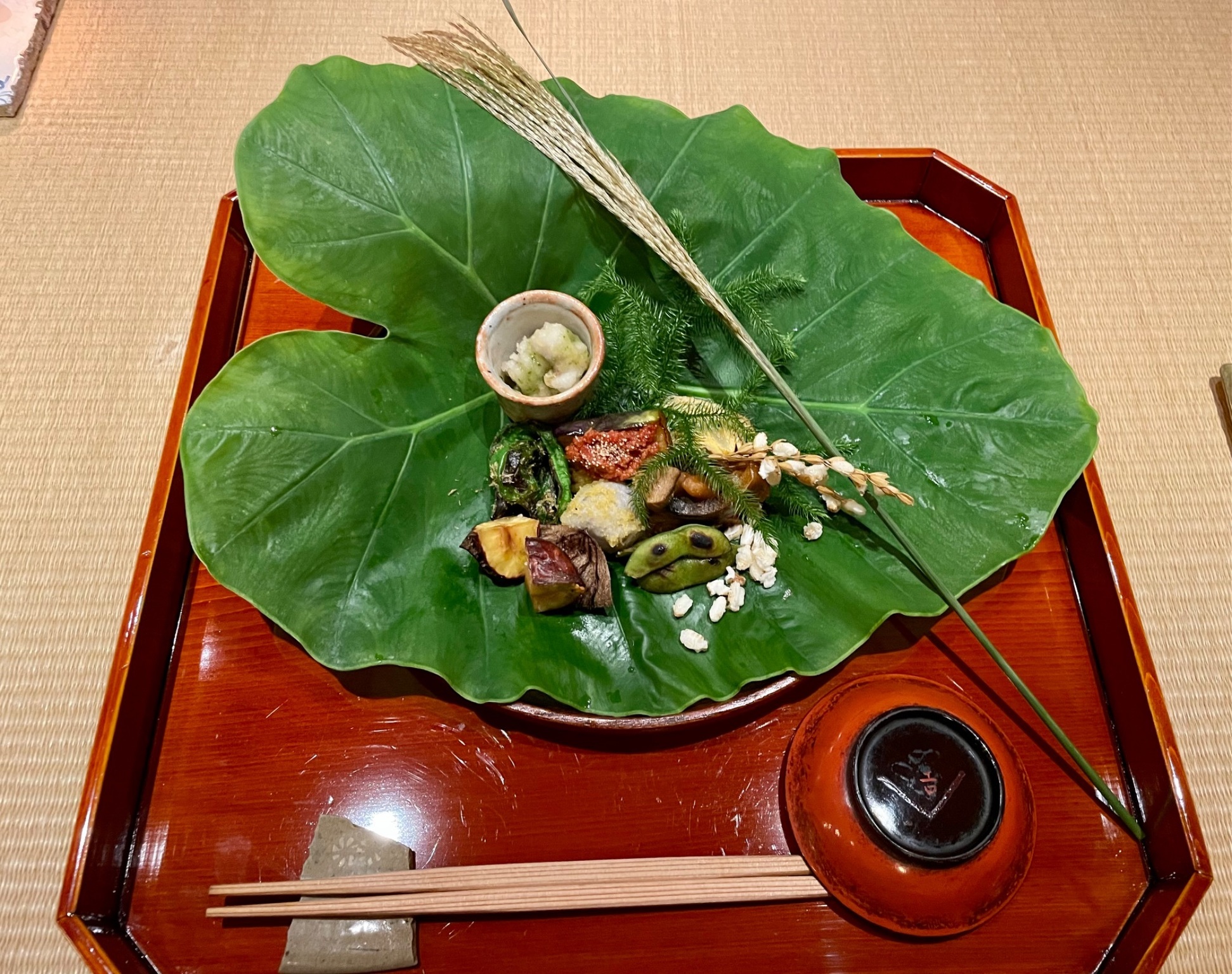
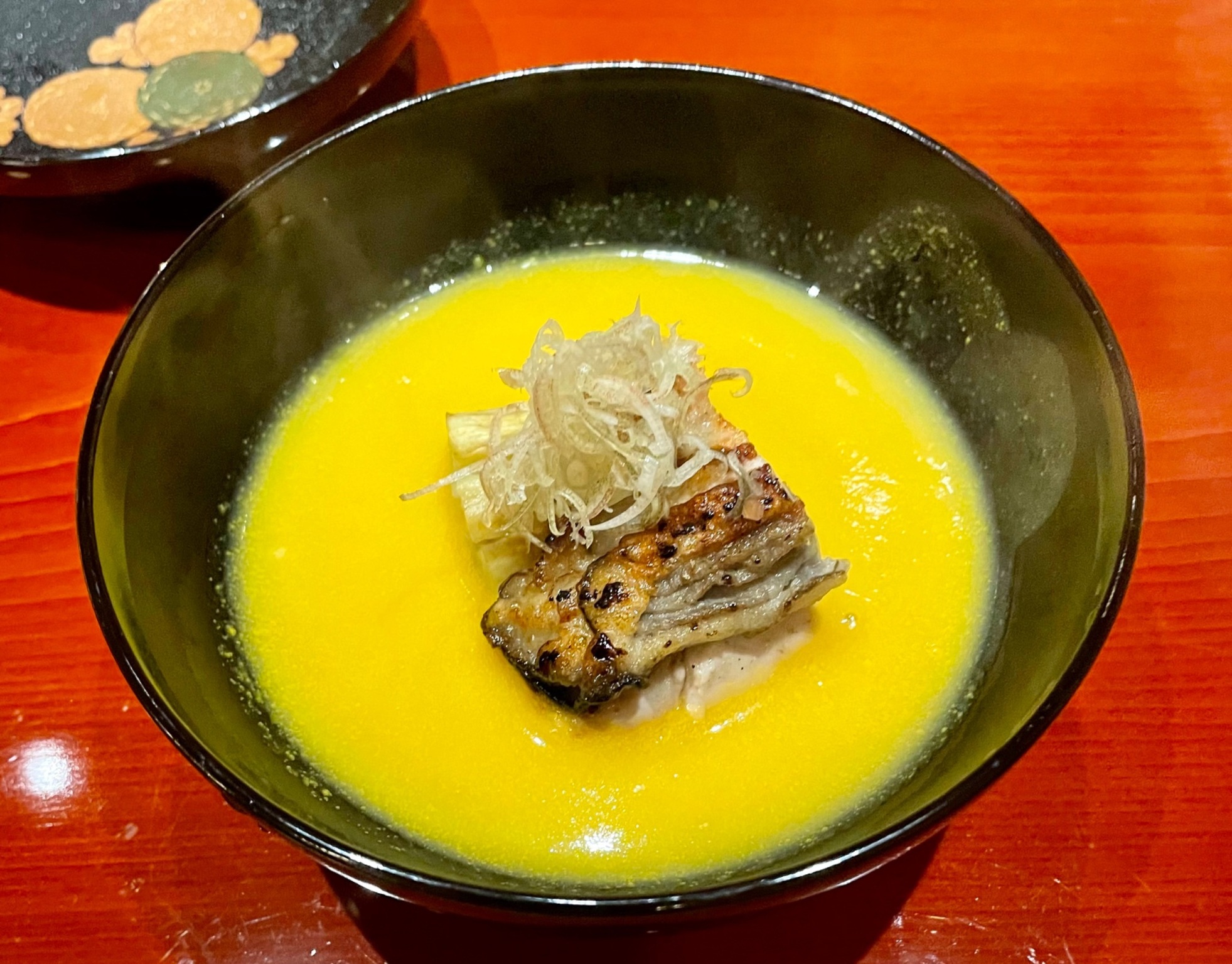
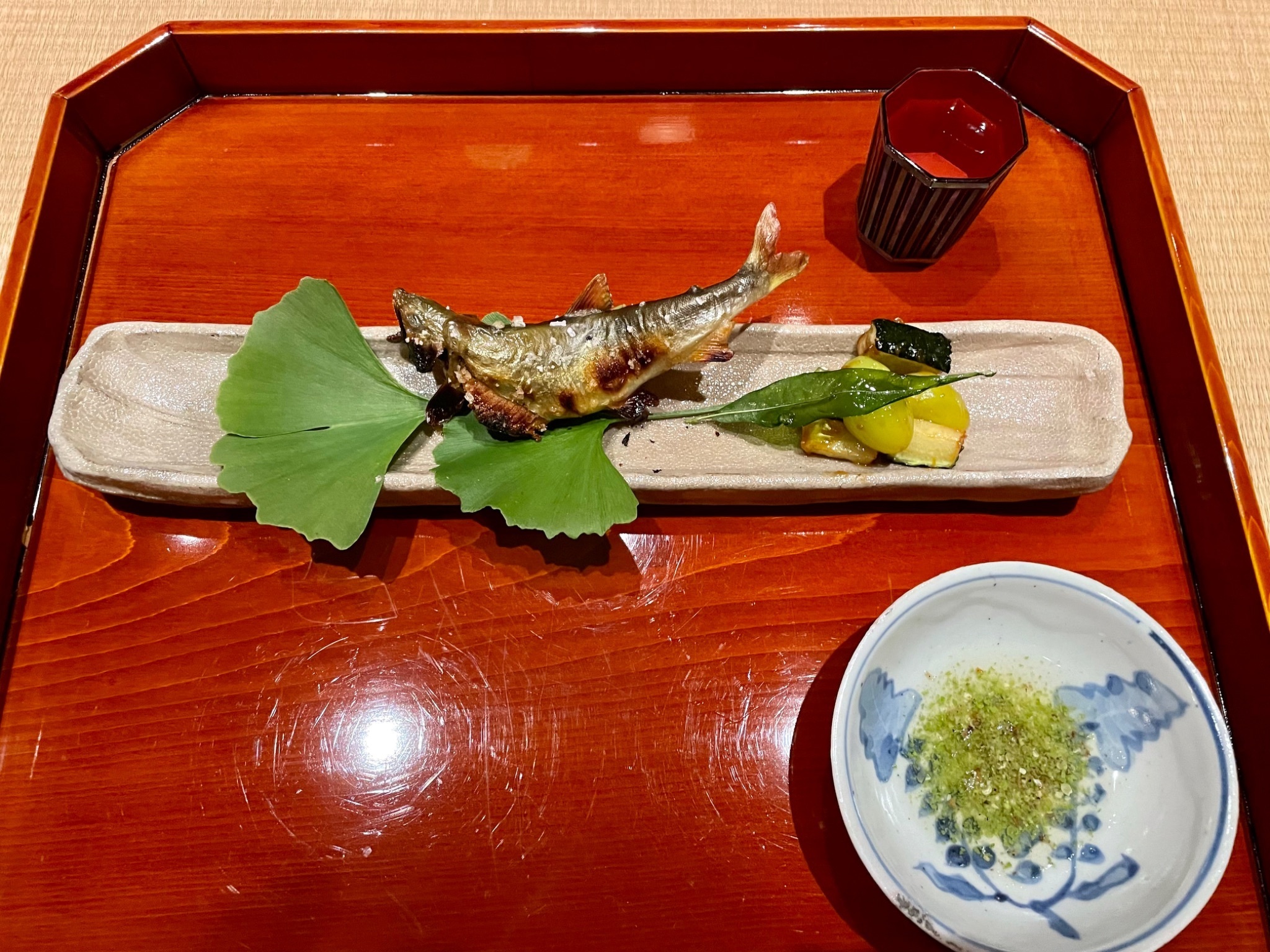
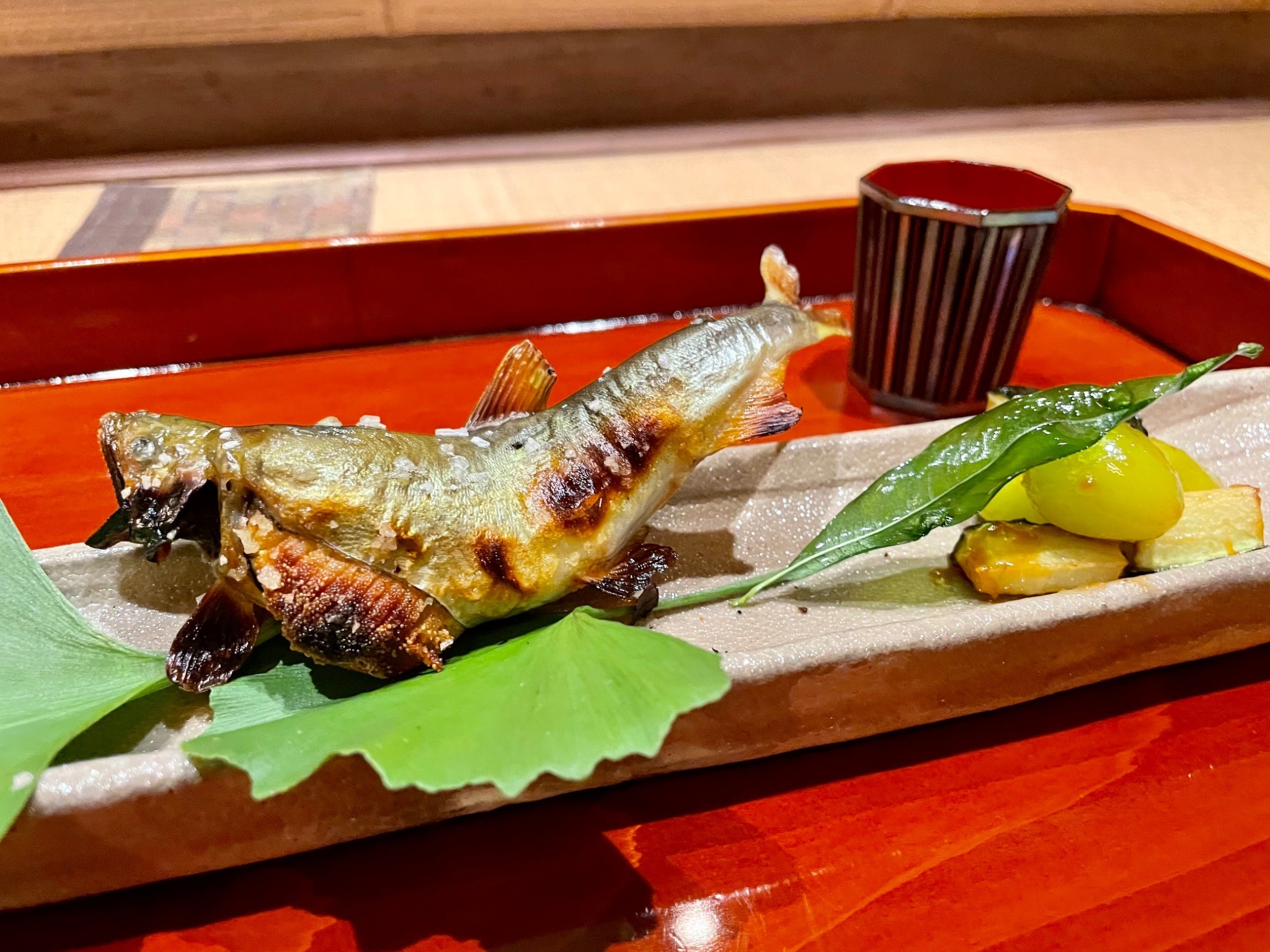
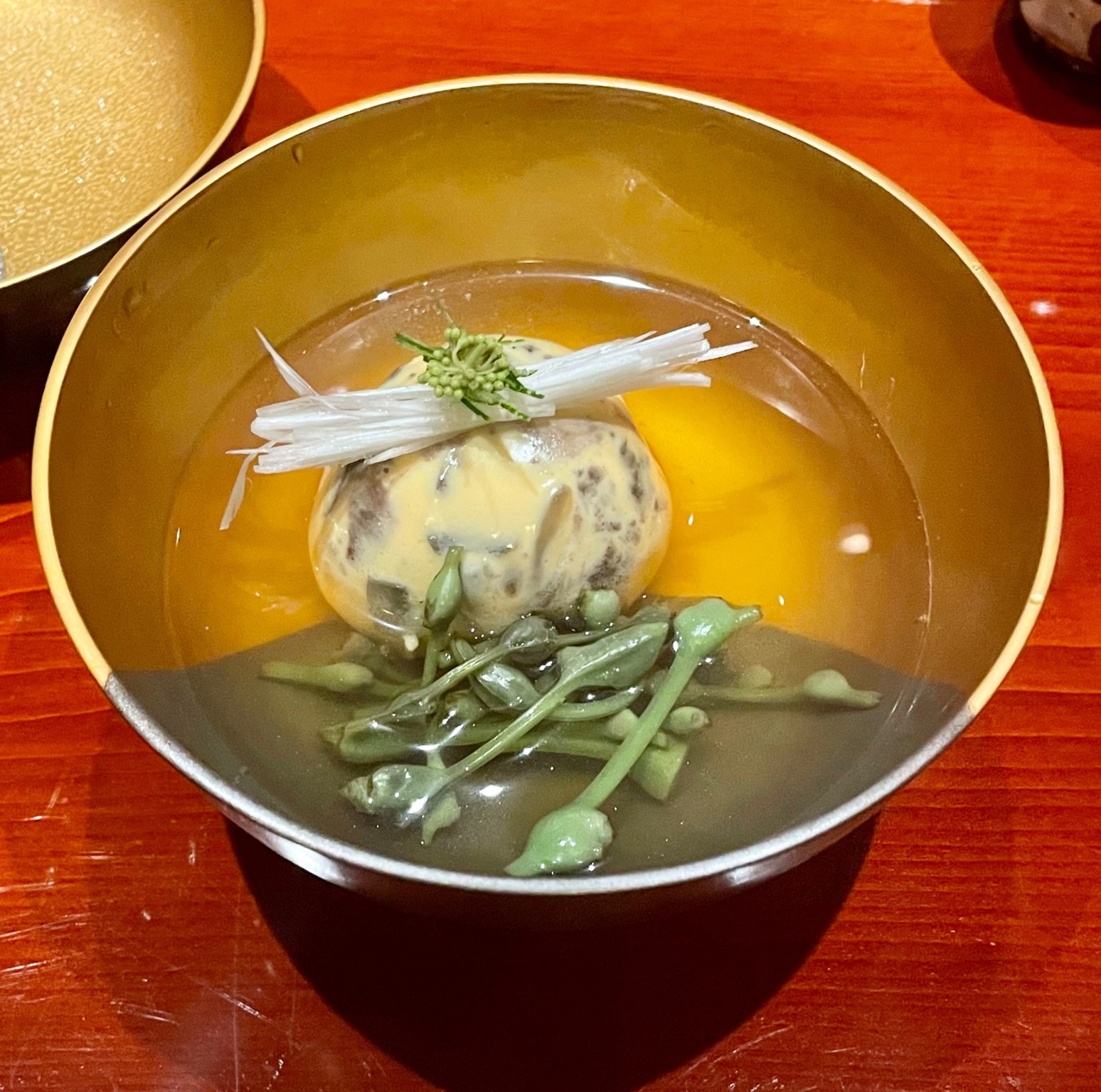
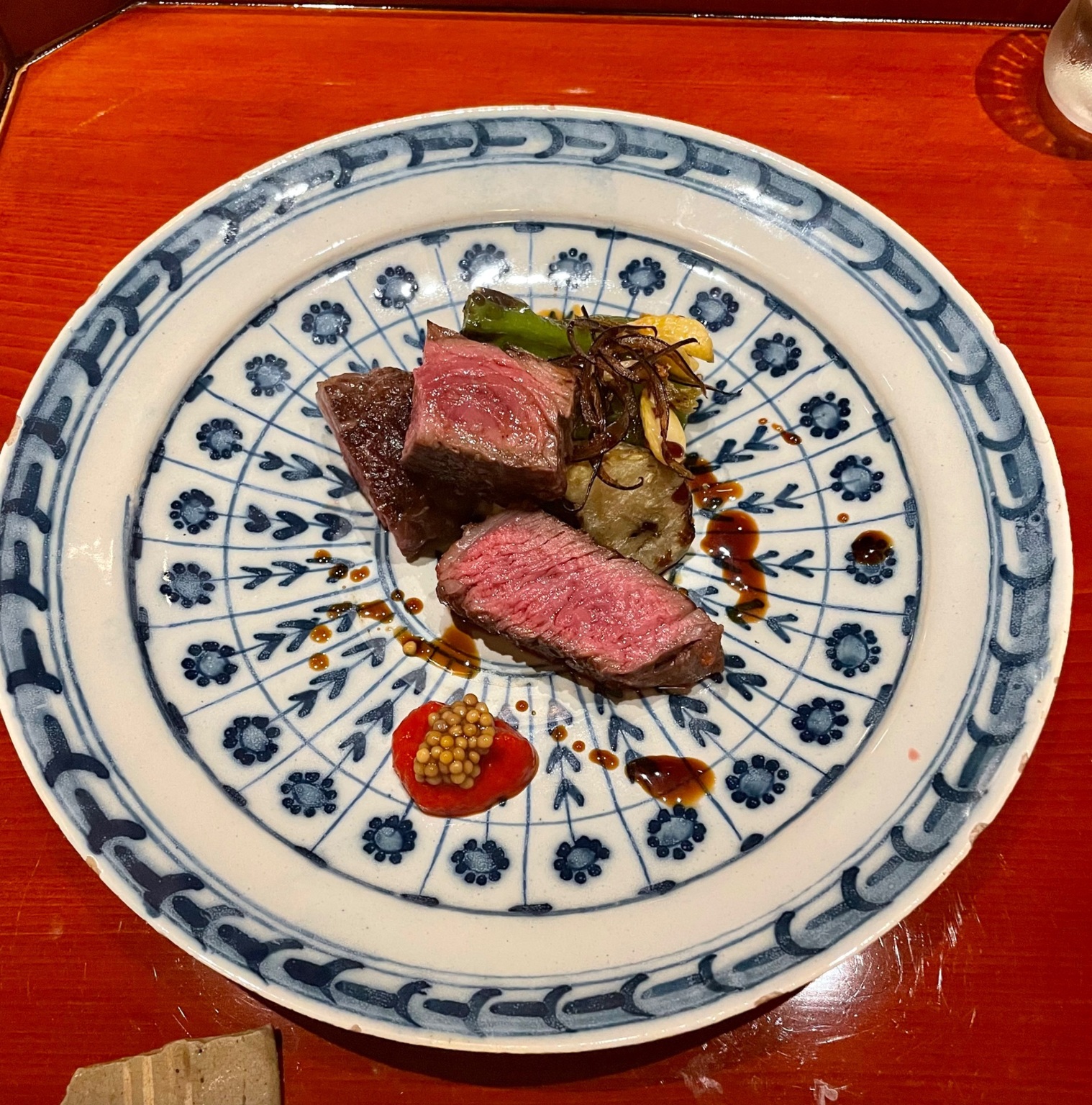
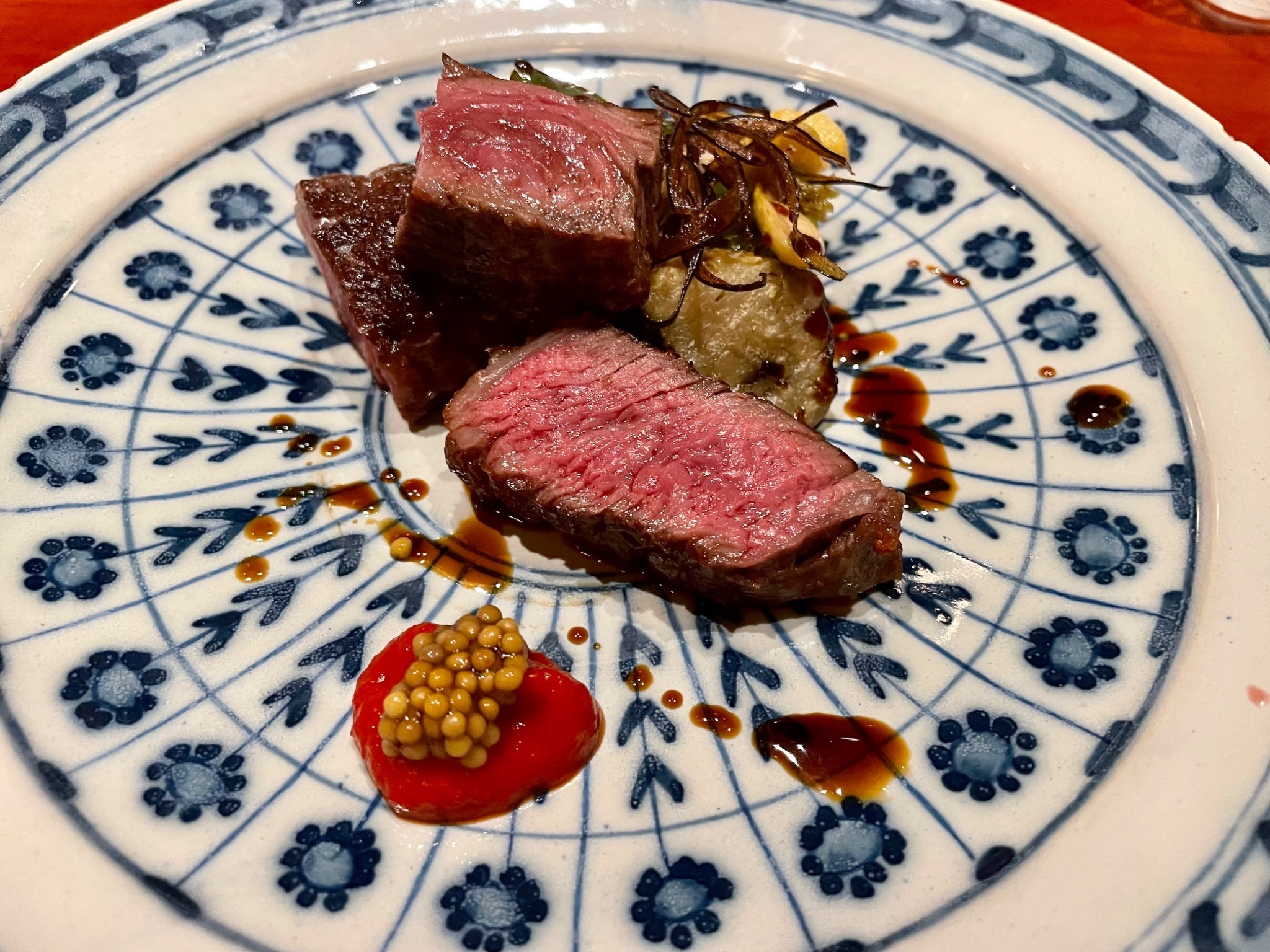
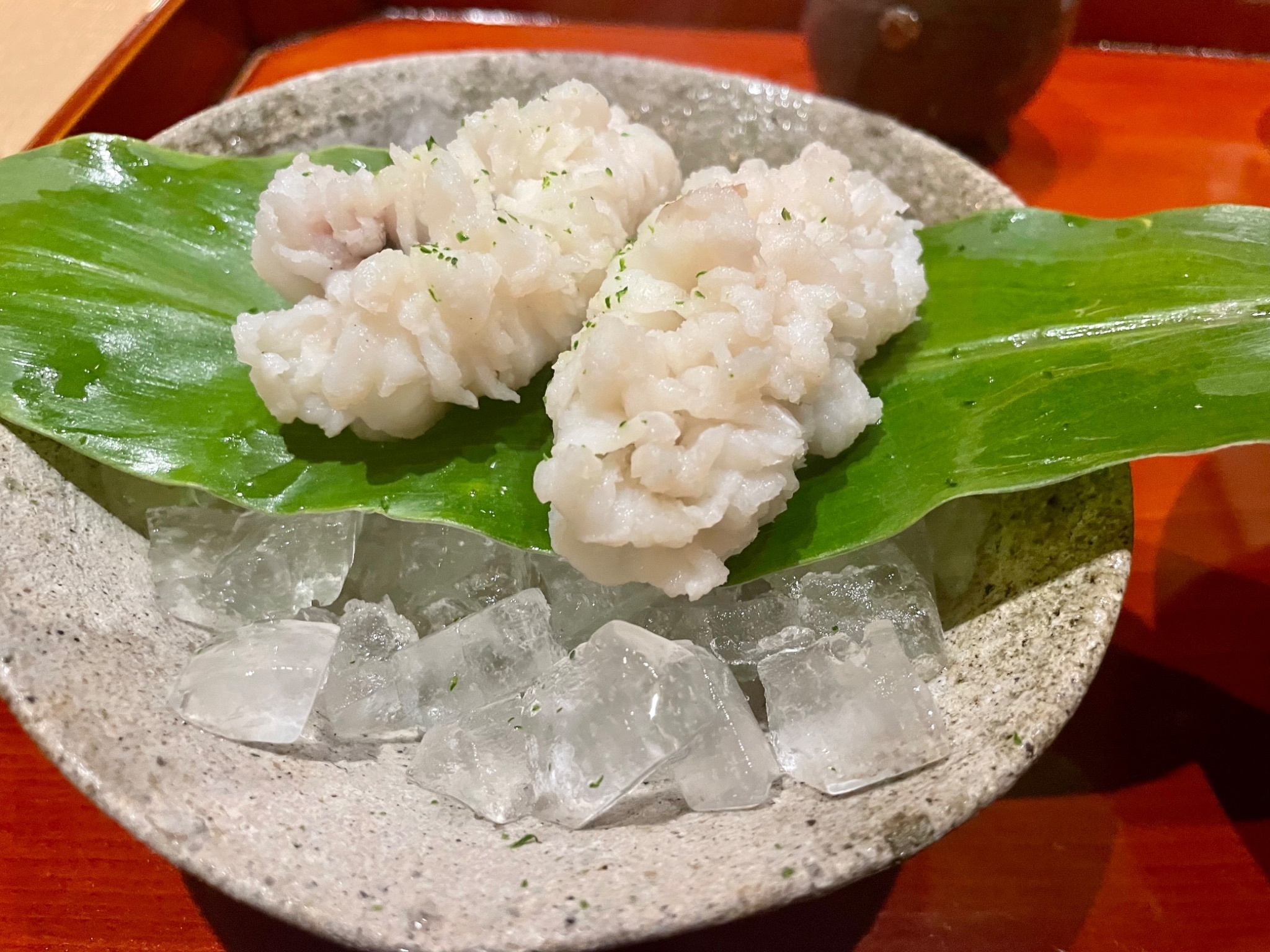
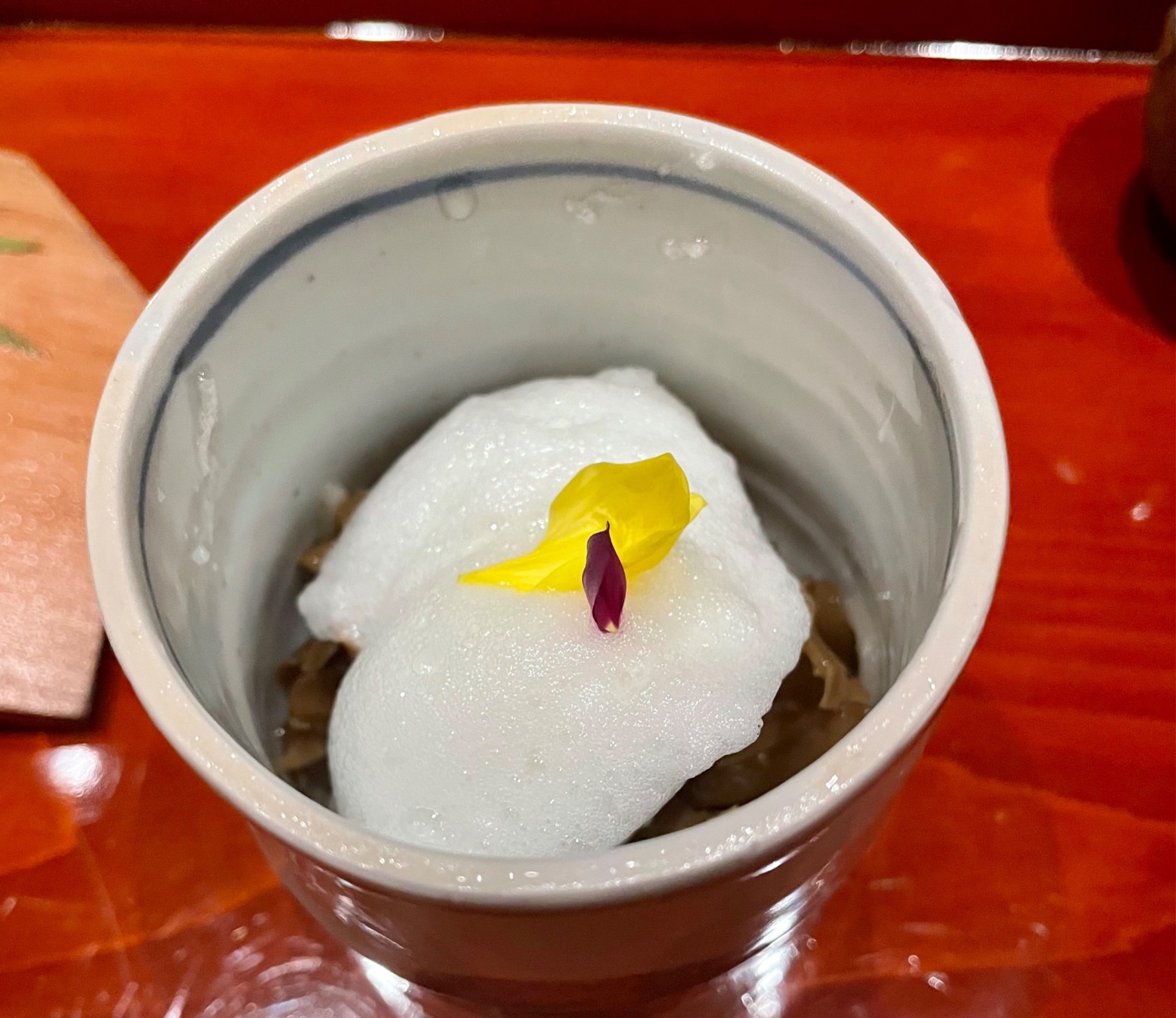
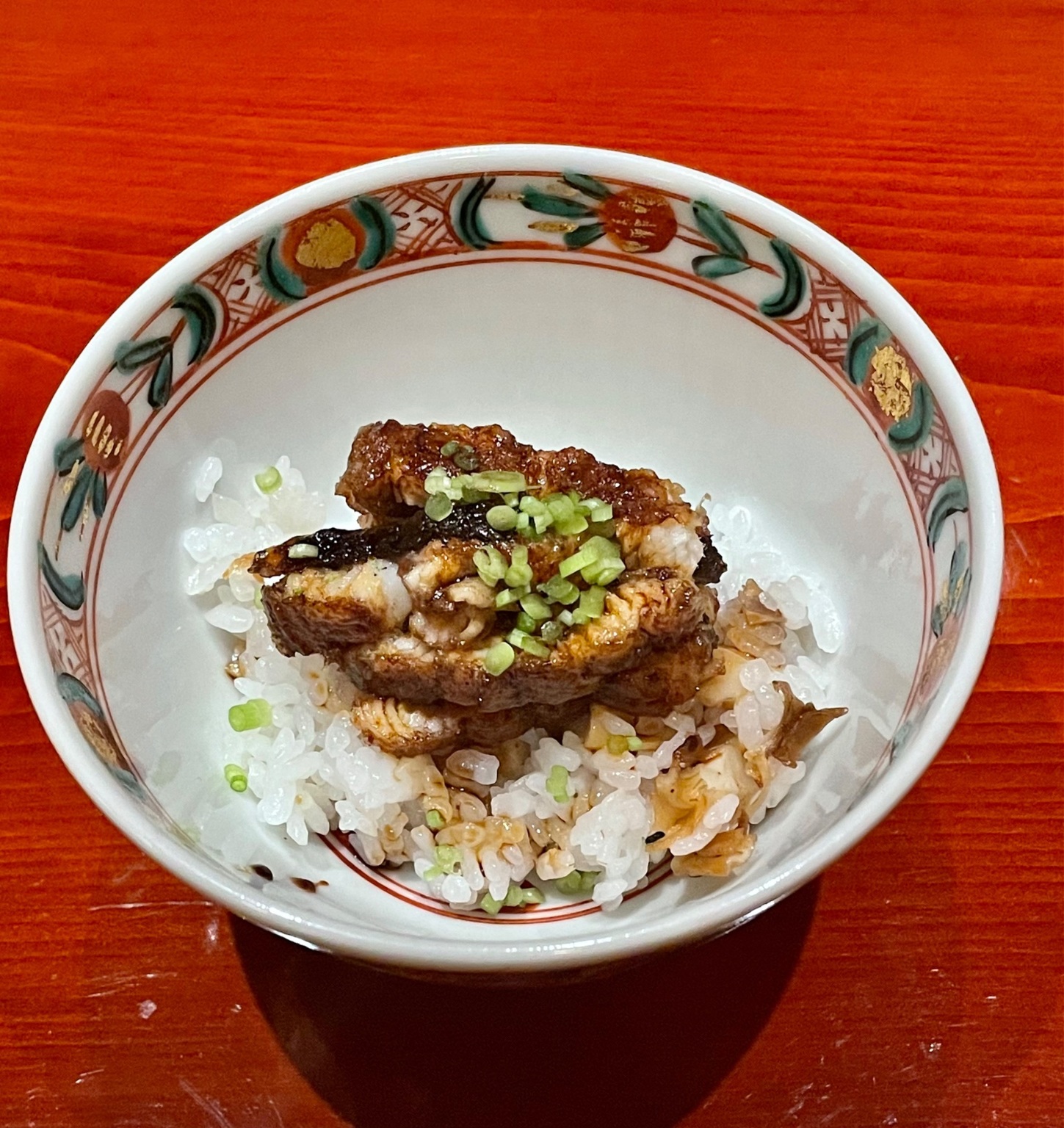
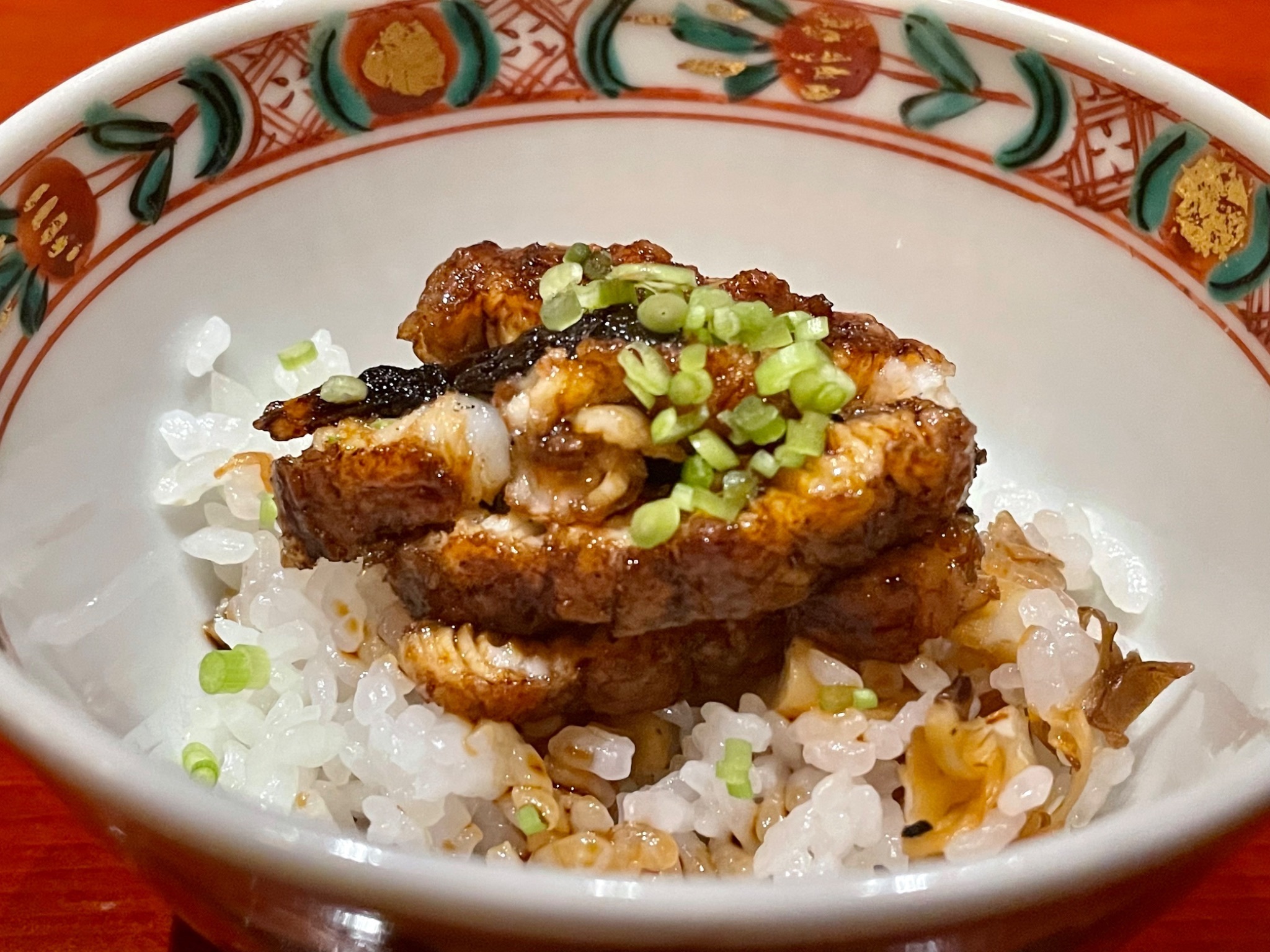
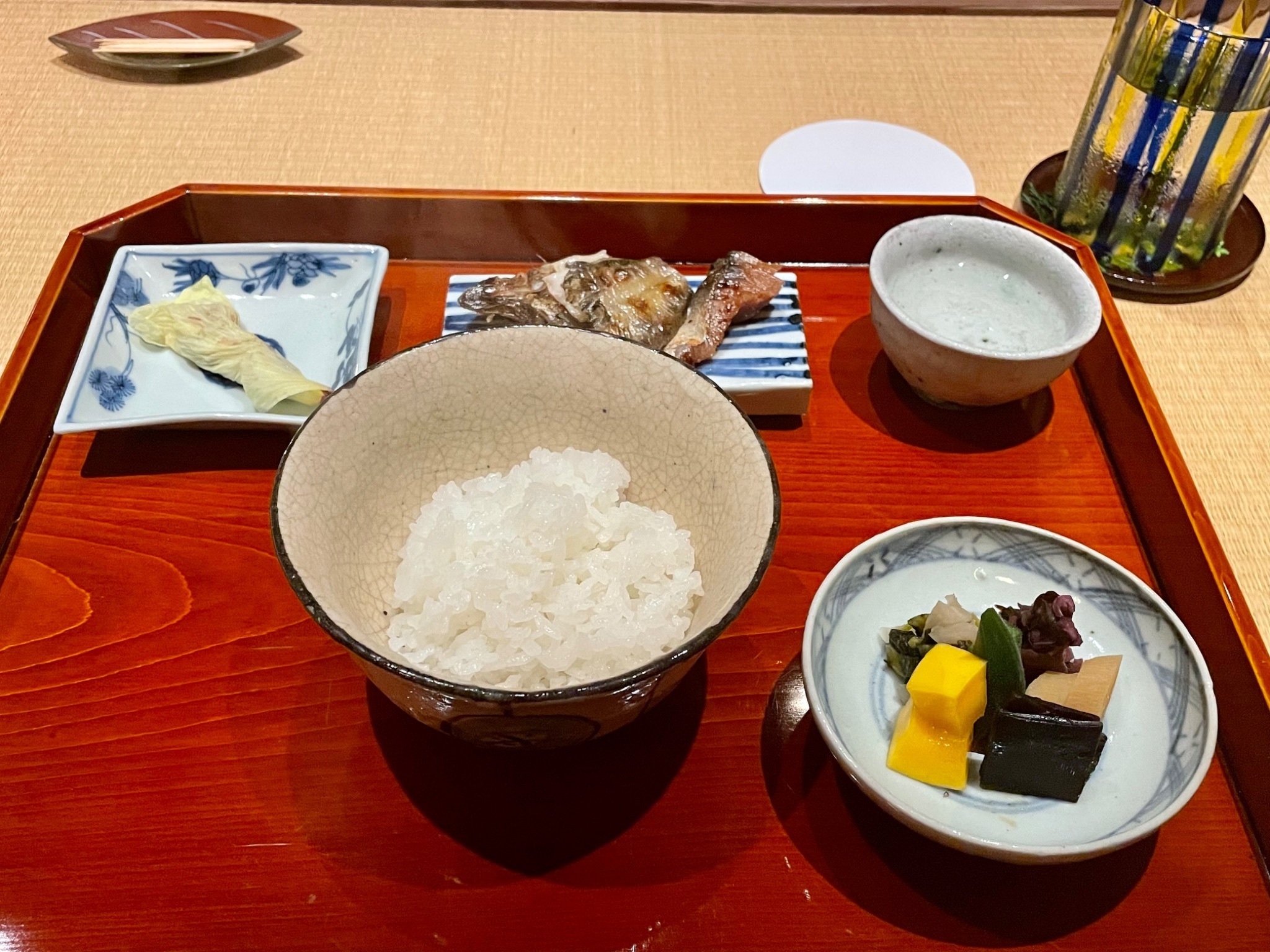
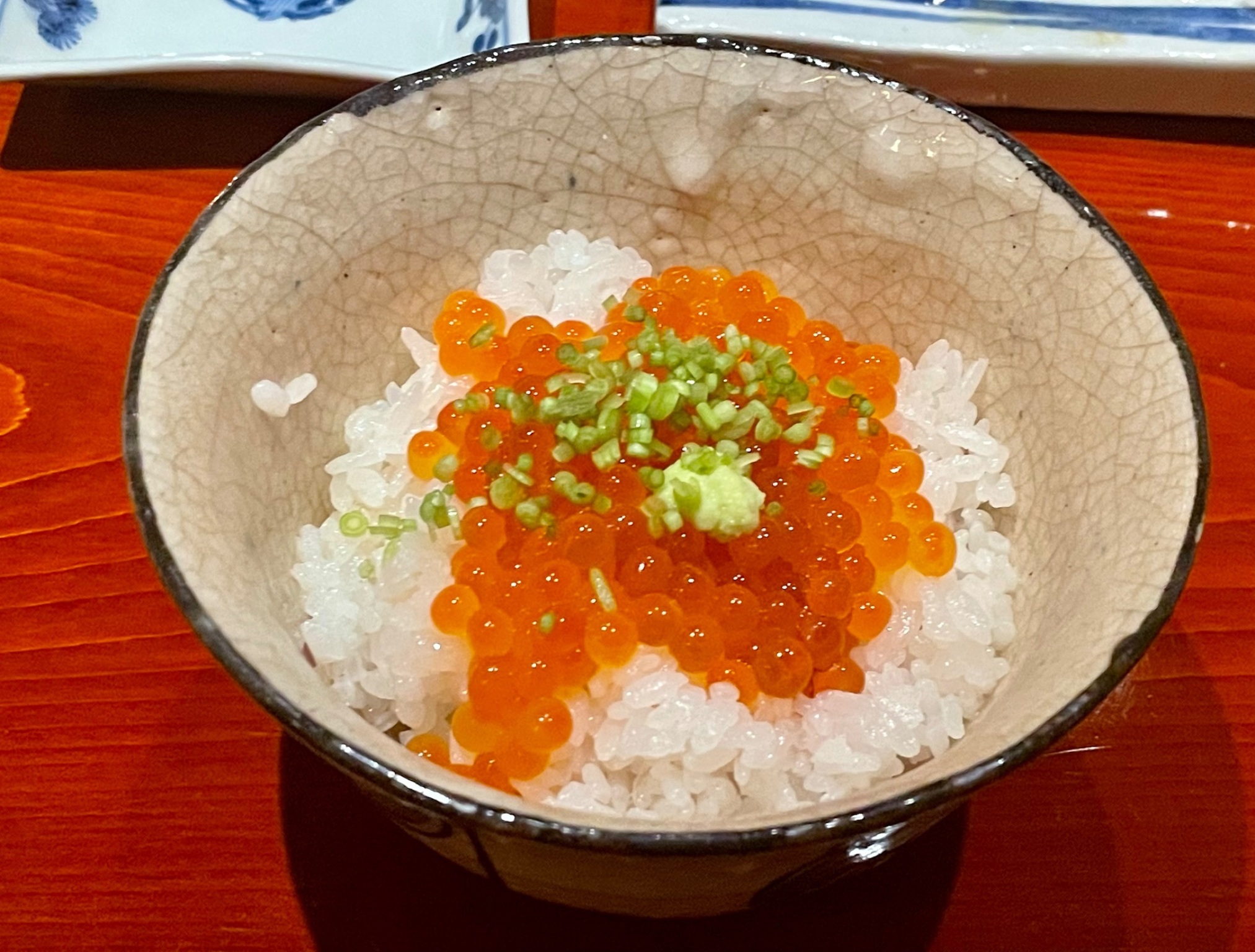
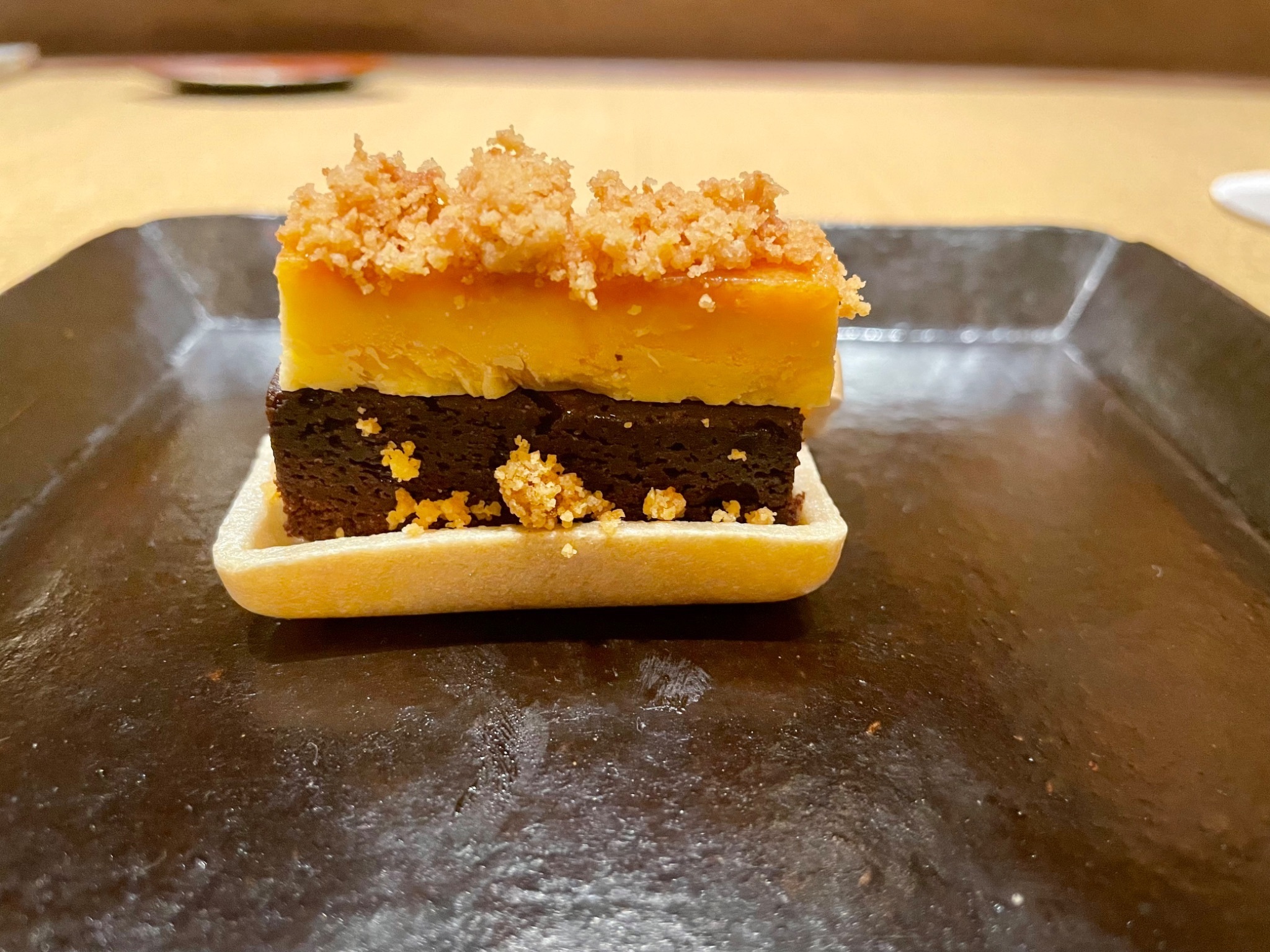
Just a 5-minute walk from Higashiyama Station, I visited "Shorenin Monzeki Mae Tsukioka," a restaurant recognized as one of Japan's top 100 Japanese cuisine establishments, awarded the Bronze Award.Located near the path leading to Yasaka Shrine and Chion-in Temple from the subway station, I made a reservation through Tabelog and arrived at noon on a weekday.Upon entering, the tatami-matted counter immediately caught my eye.I ordered the Omakase Course (Lunch) for JPY 15,000.The first dish, Hassun, featured a delightful variety of flavors, with the fragrant mushroom (Koutake) being particularly delicious.The sweetfish was also excellent, especially since it was filled with roe.The highlight was undoubtedly the main dish, the Sakaiya's beef from a mature cow, which was incredibly flavorful and satisfying.For the finale, I enjoyed the grilled eel with burdock from Ohara and sardine rice. The burdock had a wonderfully crispy texture.The sardine rice was enhanced by the rich yolk from the Hirako Chicken farm in Kobayashi City, Miyazaki Prefecture, which was a fantastic accent.Including dessert, every dish was delicious until the very end.【Today's Menu】1. Hassun Bamboo shoot sushi from Ehime Prefecture, deep-fried Koutake mushrooms, Koiimo with a coating, Sugiya chili peppers, white figs, Enoki wrapped in meat, okra, walnuts, etc.2. A bowl of grated Shimoda eggplant and pumpkin.3. Sweetfish with roe, ginkgo nuts, chestnuts from Ohara, bitter melon.4. Hamo (pike eel) from Akashi with red onion.5. Grilled mature cow (Sakaiya) from Kagoshima Prefecture, Man-ginji peppers, Tsuru-murasaki.6. Soba from Shiga with duck eggplant and fresh sea urchin.7. Grilled eel with burdock from Ohara.8. Sardine rice with Heshiko and pickles, Hirako Chicken yolk.9. Parfait with Makuwaguri and peach, among others.10. Brownie and Catalata monaka.11. Matcha. Less
9 / 10
on 01 Sep 2026
I visited Shorenin Monzeki Mae Tsukioka in Higashiyama, Kyoto. This restaurant is filled with a strong commitment to quality, not just in the food but in everything they offer. The tatami-matted counter, the historically rich tableware, and the display of vessels and artwork behind the counter provide plenty of enjoyment beyond the cuisine. I had heard that they specialize in meat-based Japanese dishes, and the course I experienced was truly remarkable, showcasing thoughtful attention to detail with... More
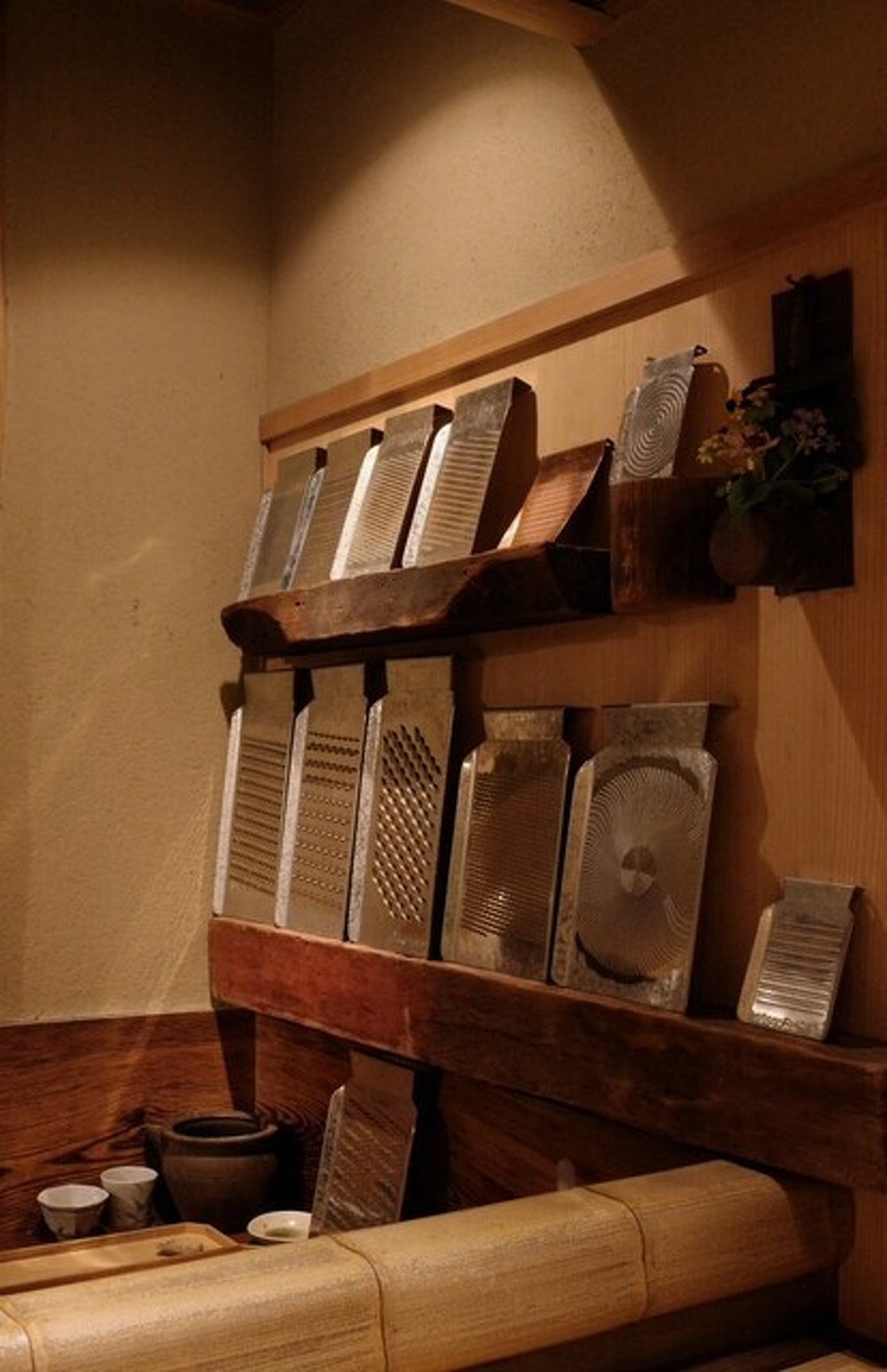
I visited Shorenin Monzeki Mae Tsukioka in Higashiyama, Kyoto. This restaurant is filled with a strong commitment to quality, not just in the food but in everything they offer. The tatami-matted counter, the historically rich tableware, and the display of vessels and artwork behind the counter provide plenty of enjoyment beyond the cuisine. I had heard that they specialize in meat-based Japanese dishes, and the course I experienced was truly remarkable, showcasing thoughtful attention to detail with toppings that added distinct textures to the dishes. I will definitely return! Less
8 / 10
on 25 Aug 2026
Located across from Shorenin Monzeki in Kyoto's Higashiyama, the Japanese restaurant "Shorenin Monzeki Mae Tsukioka" opened in April 2021. The owner, Masanori Tsukioka, hails from Hokkaido and entered the culinary world at the age of 15. After honing his skills in various locations, he trained under Hisao Nakahigashi at "Kusakui Nakahigashi" in Kyoto. He later ran "Jimi Kougetsu" in Kusatsu, Shiga, before establishing "Tsukioka" in its current location. With the concept of a "museum of food," the... More
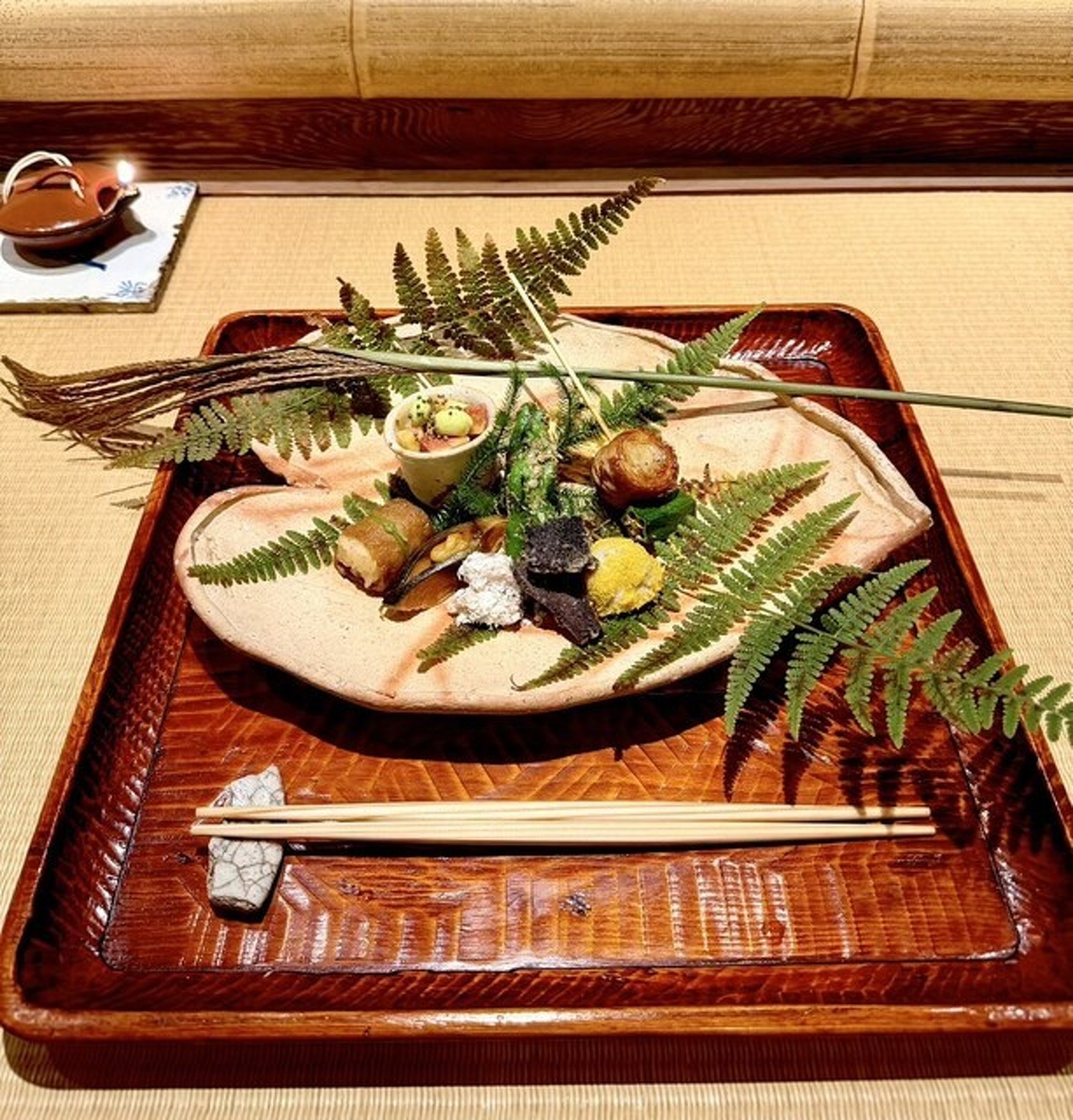
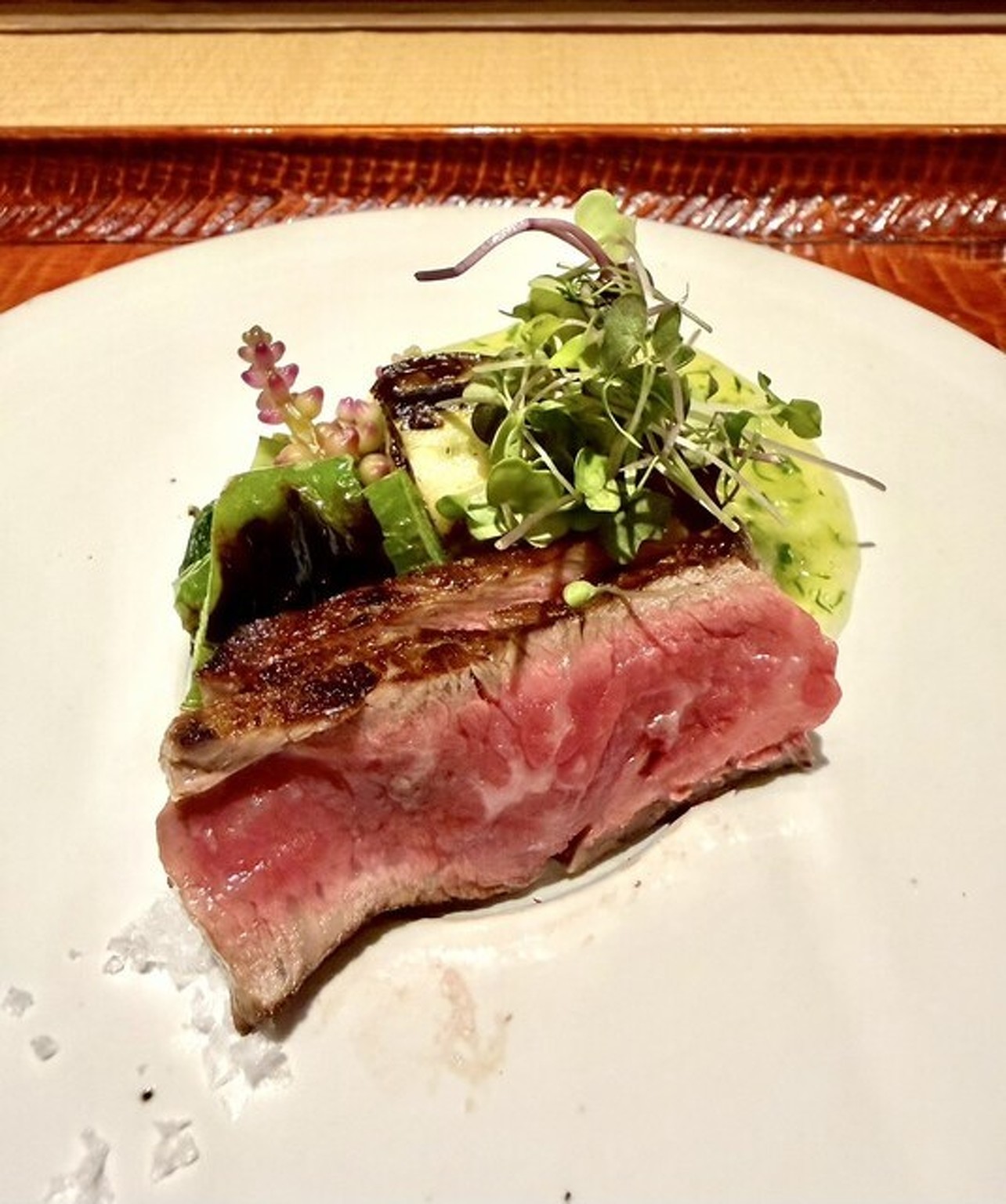
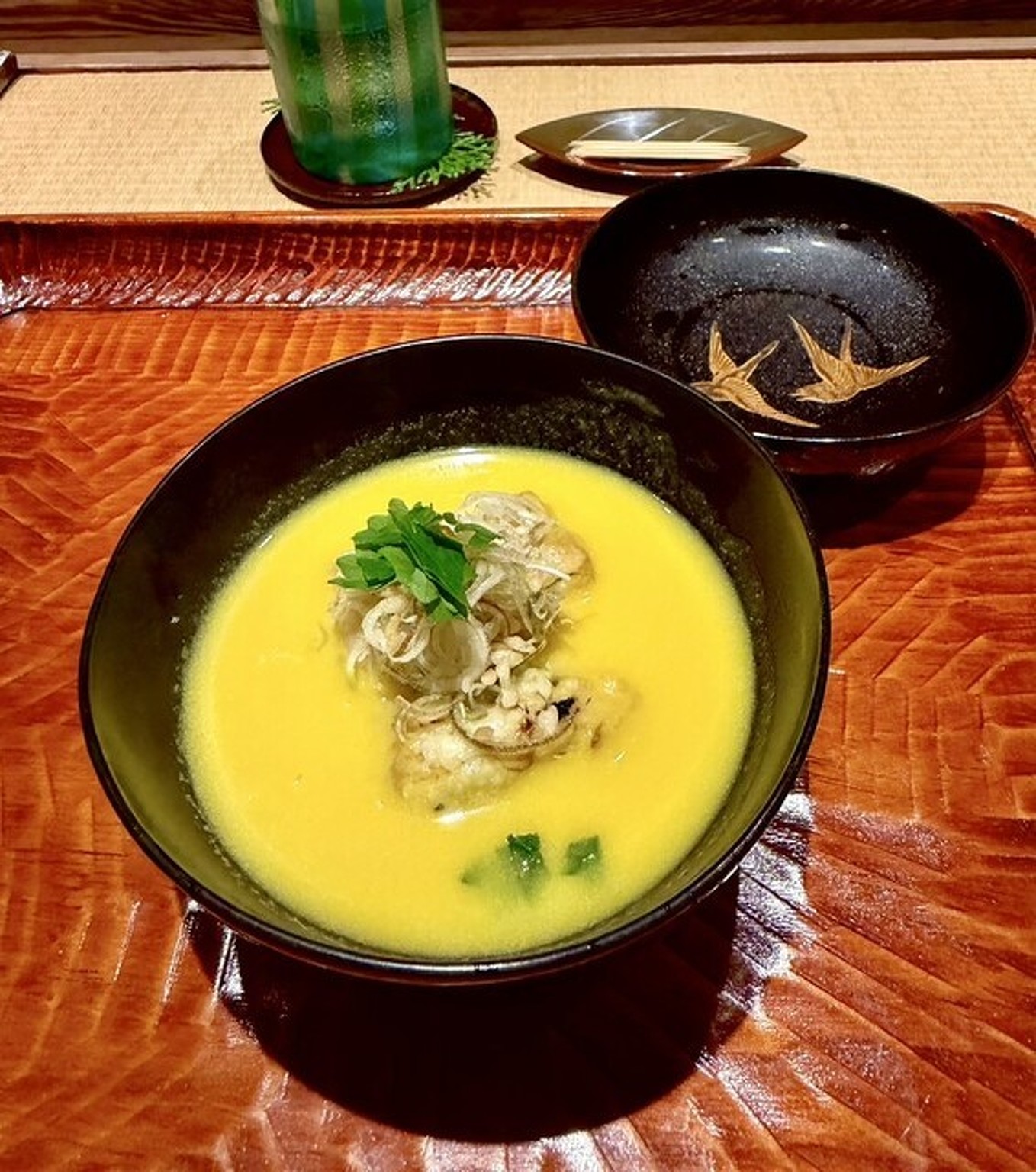
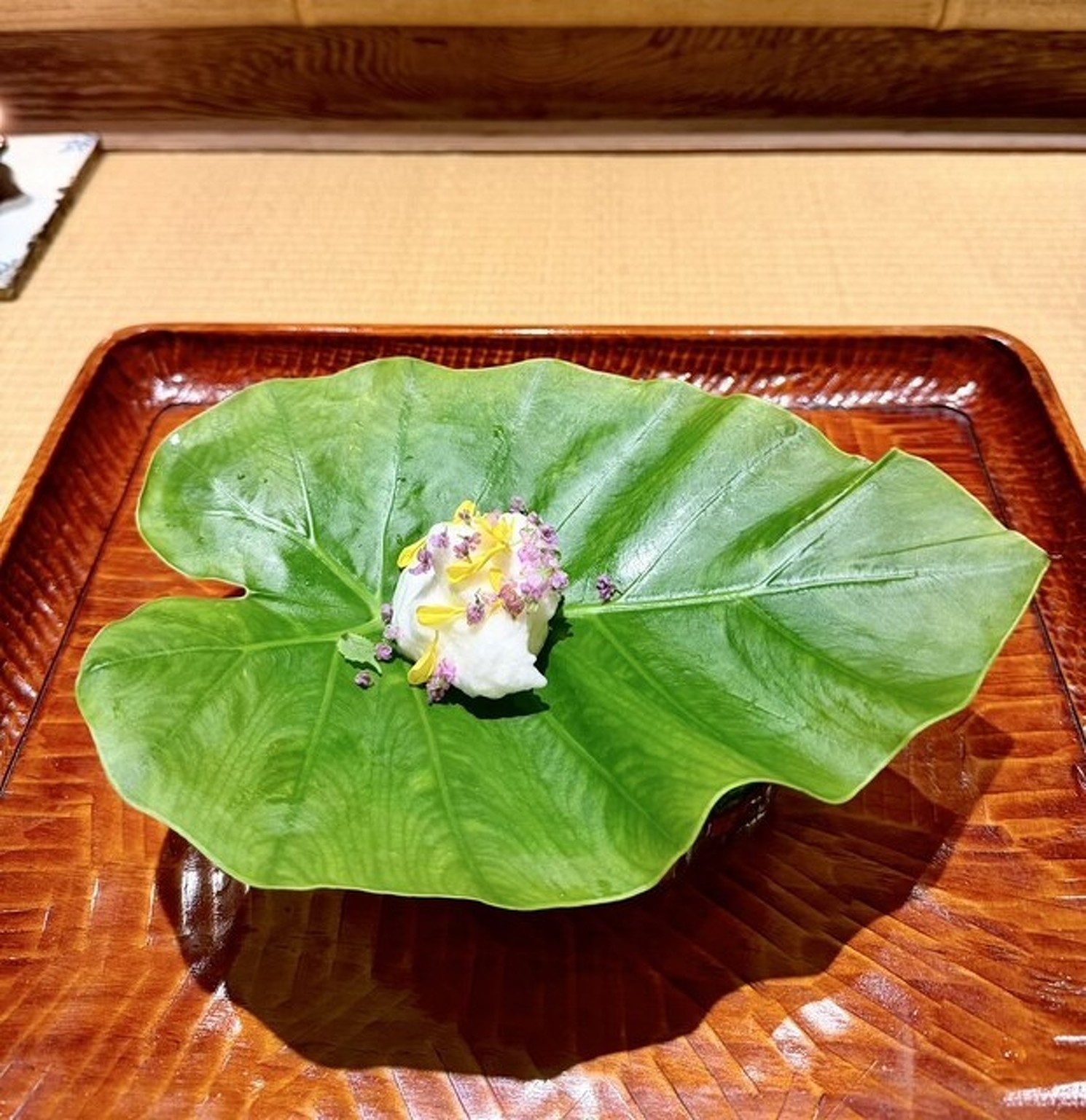
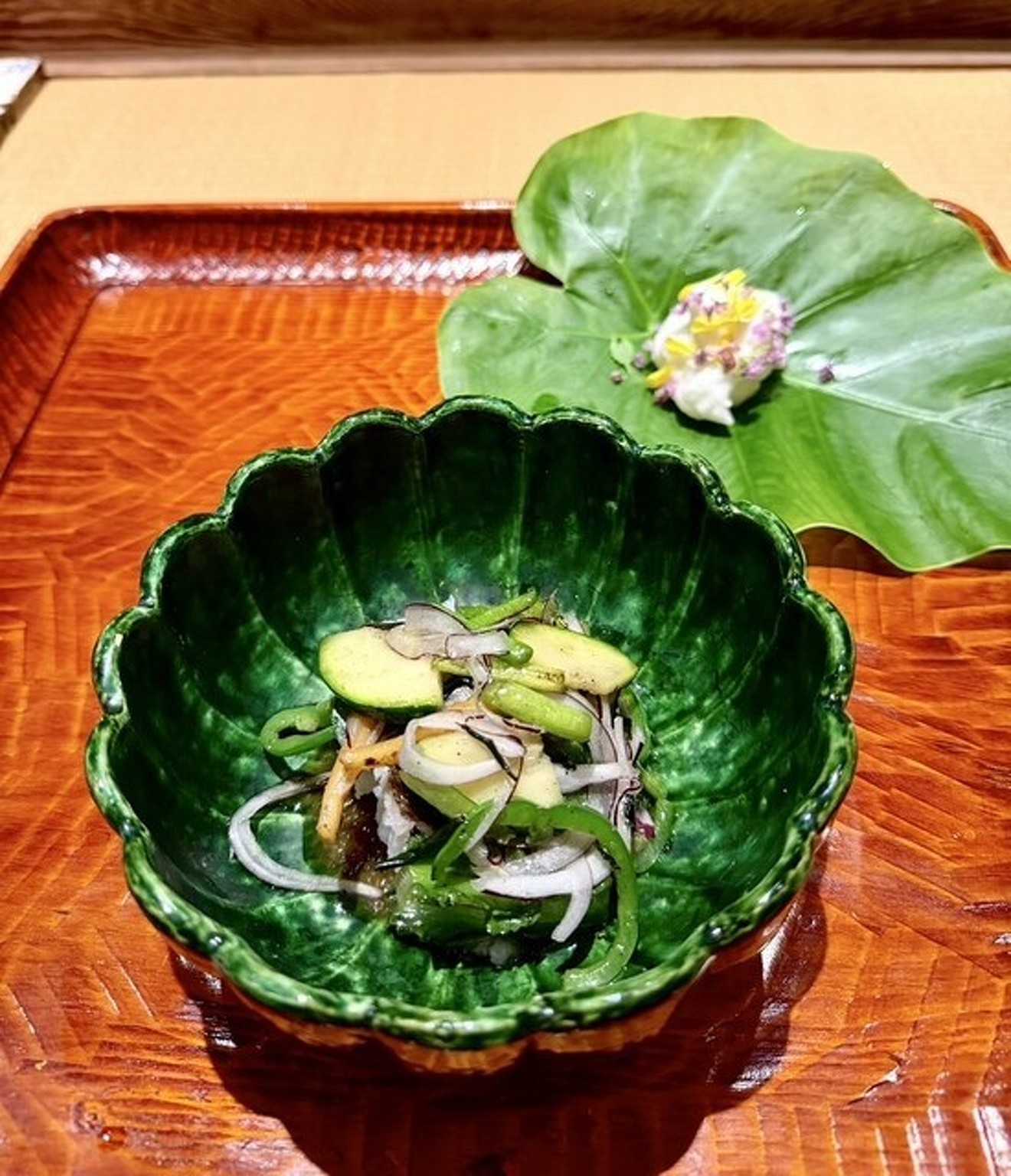
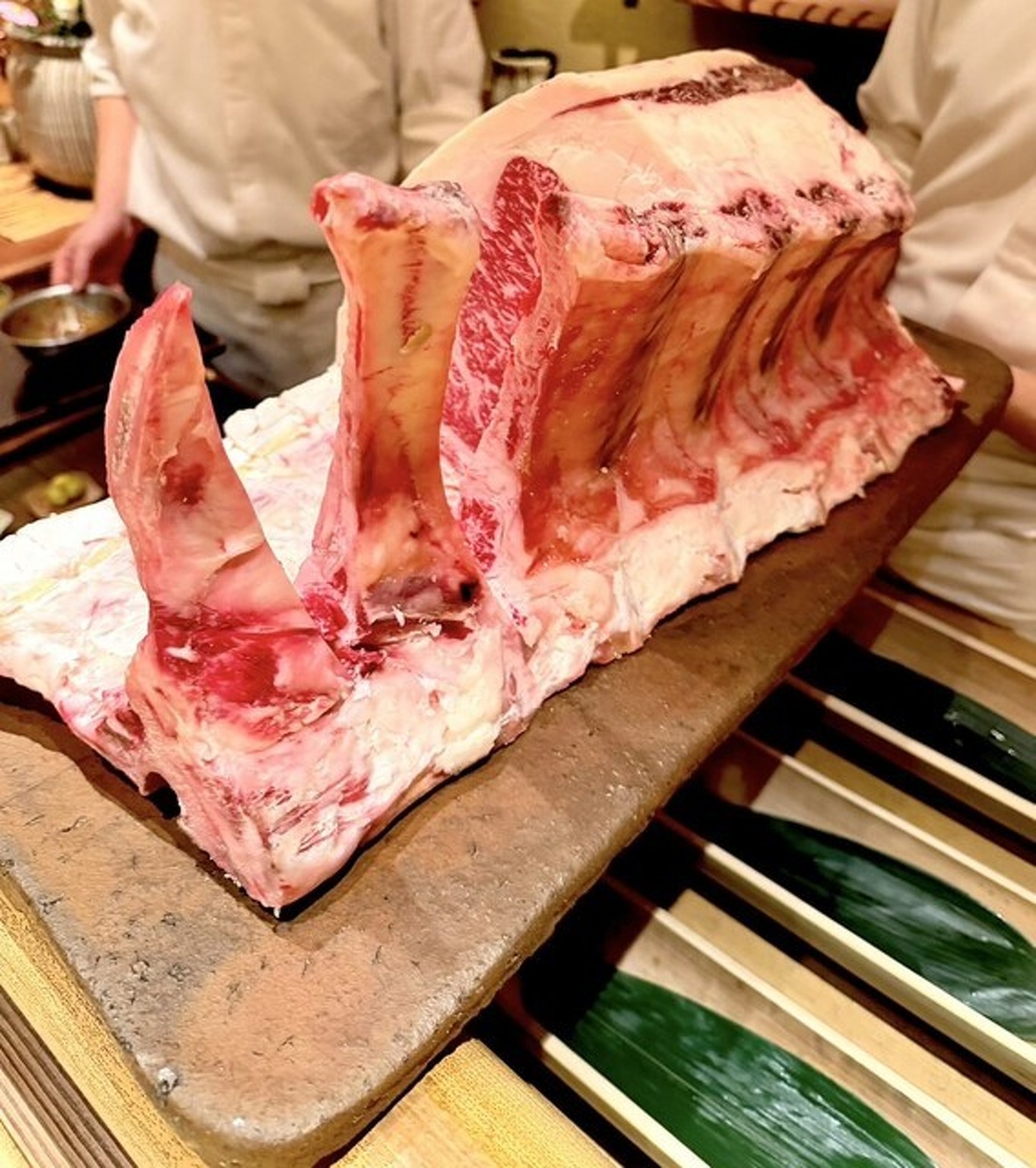
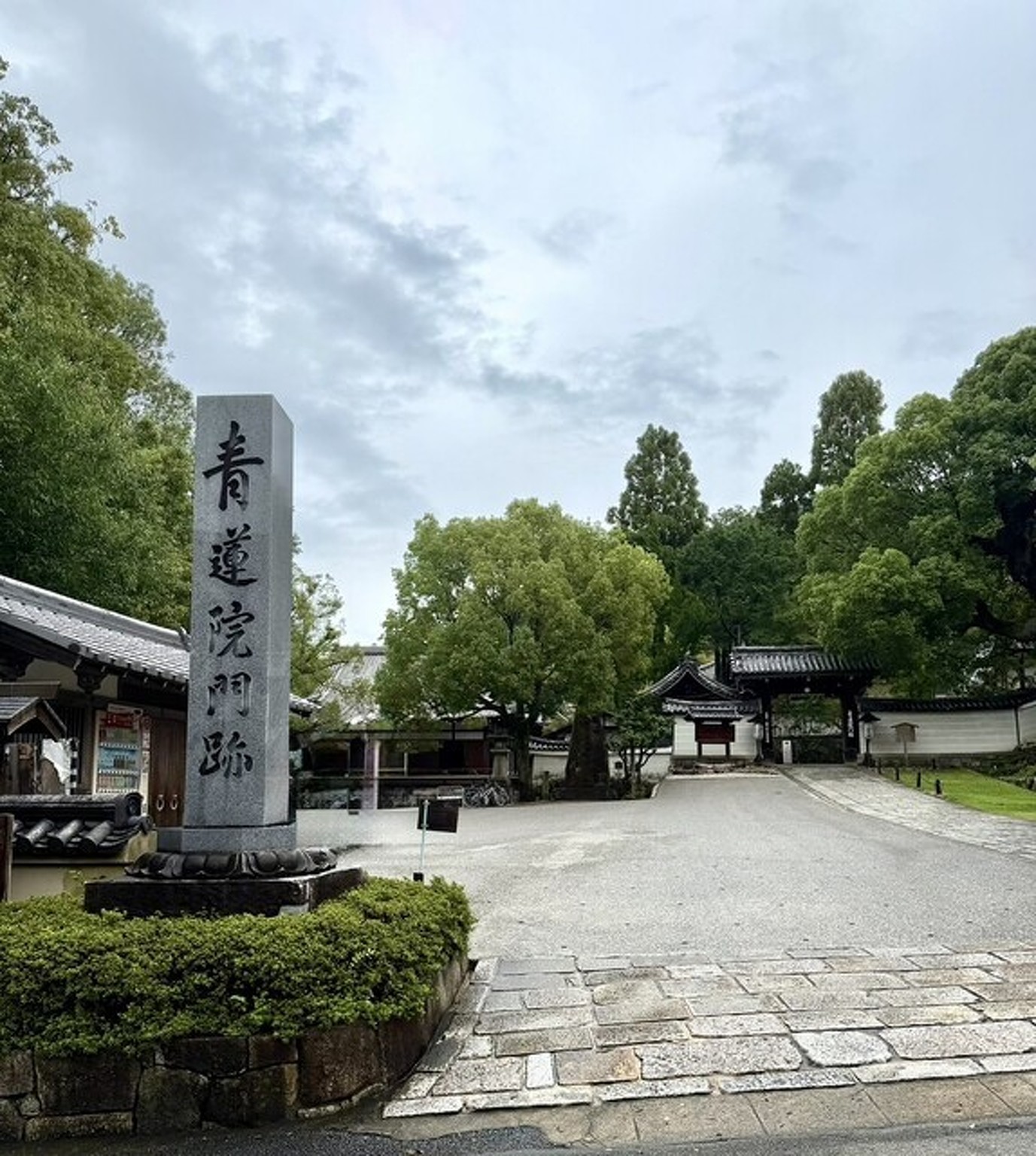
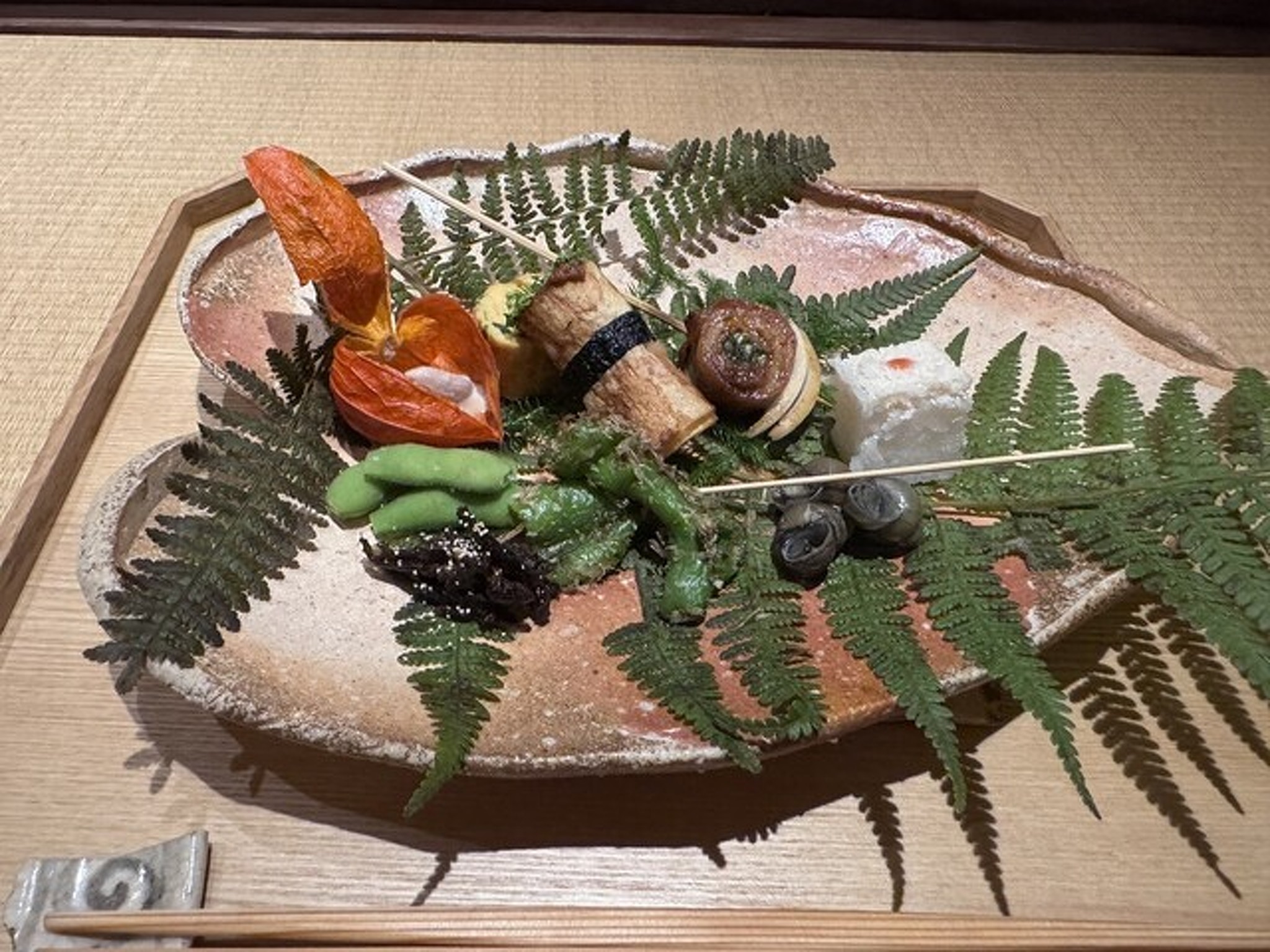
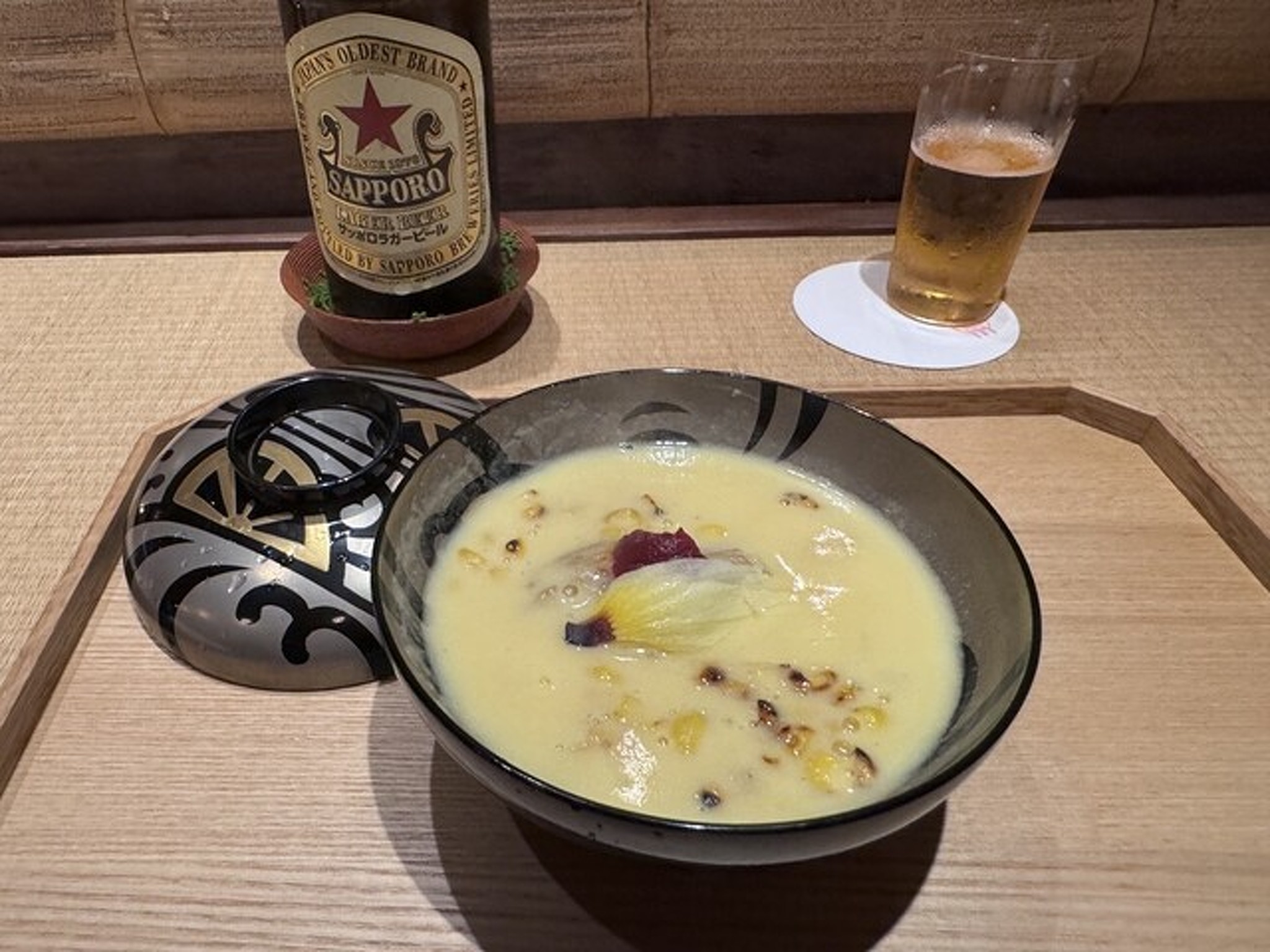
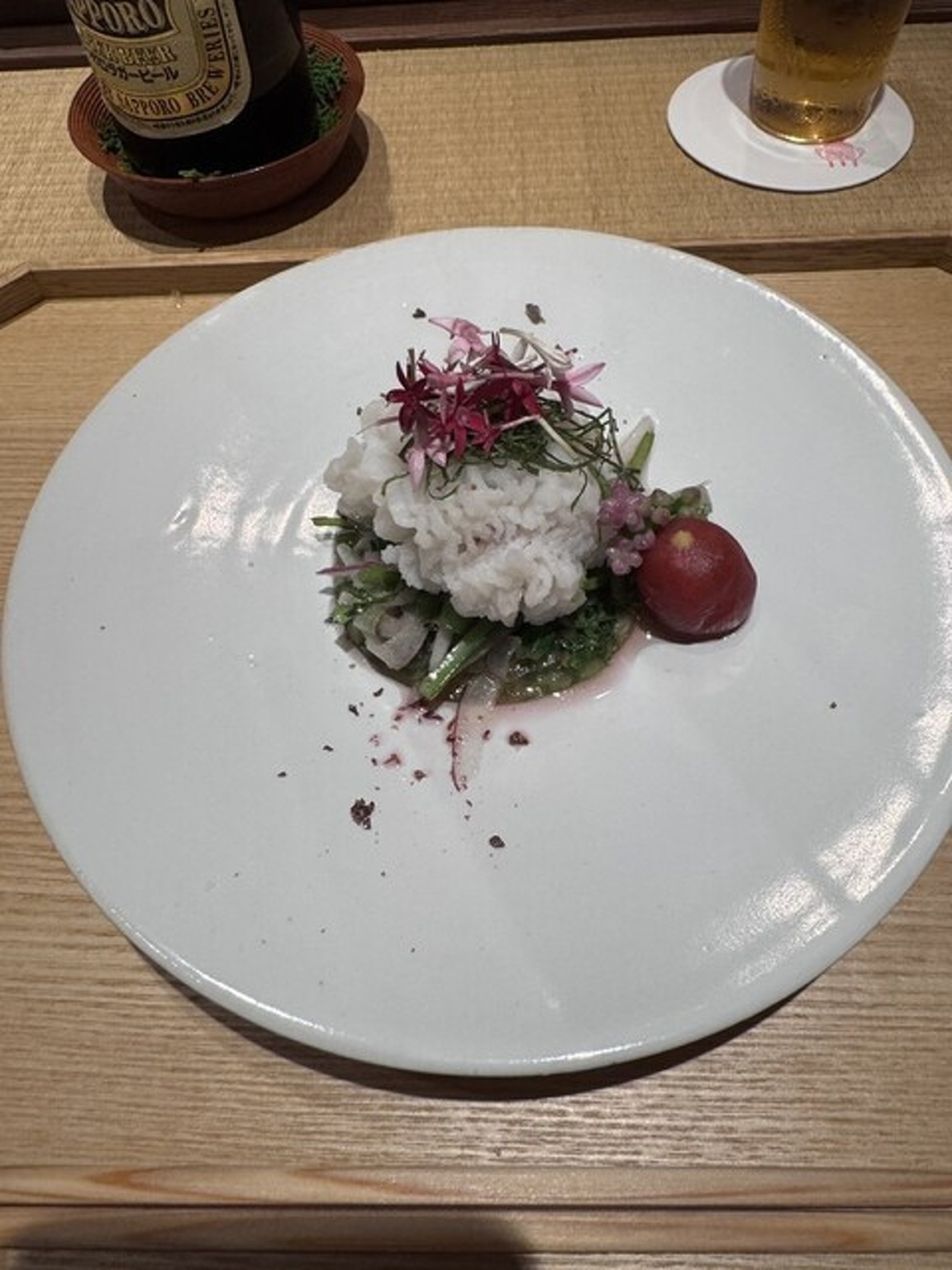
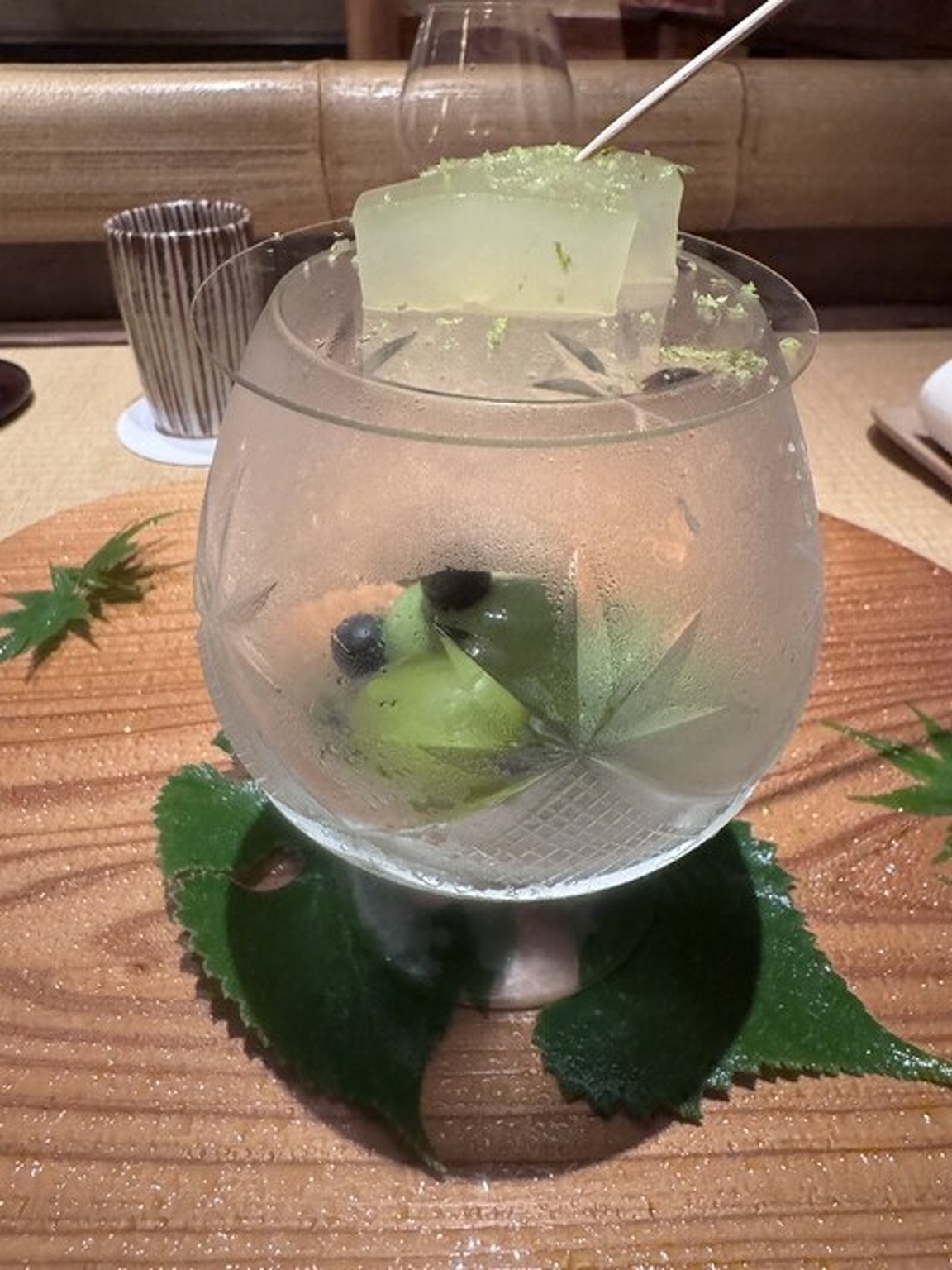
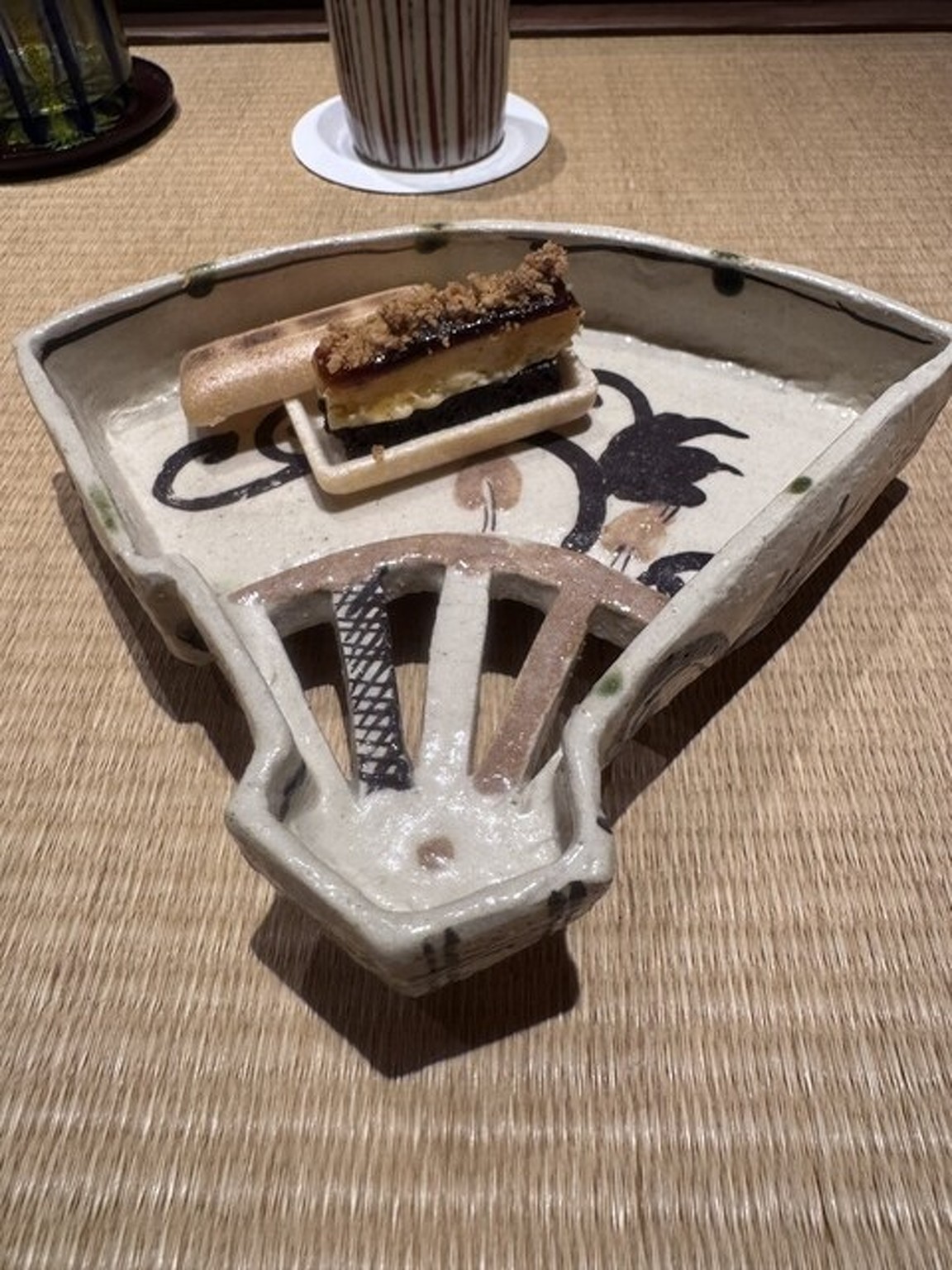
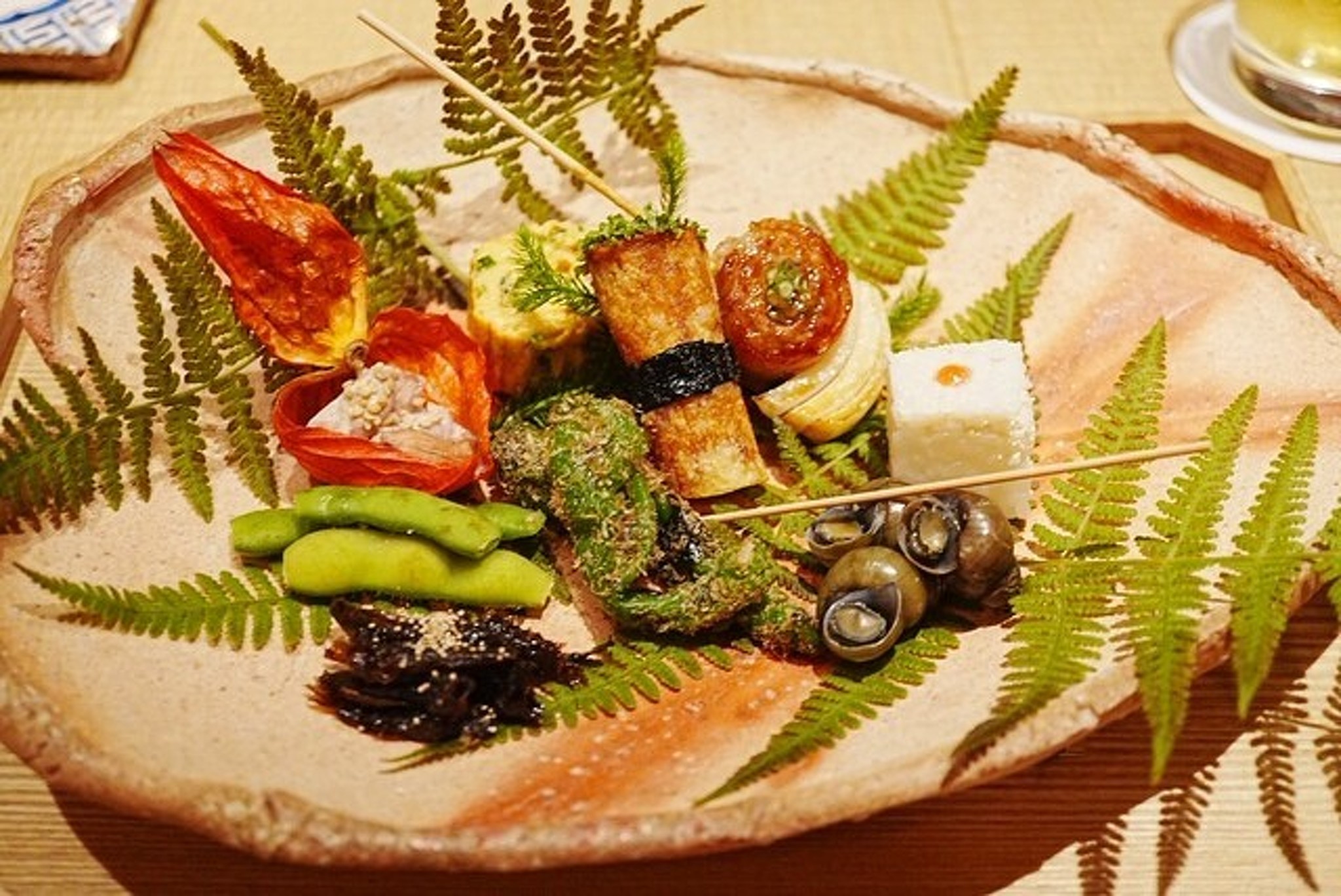
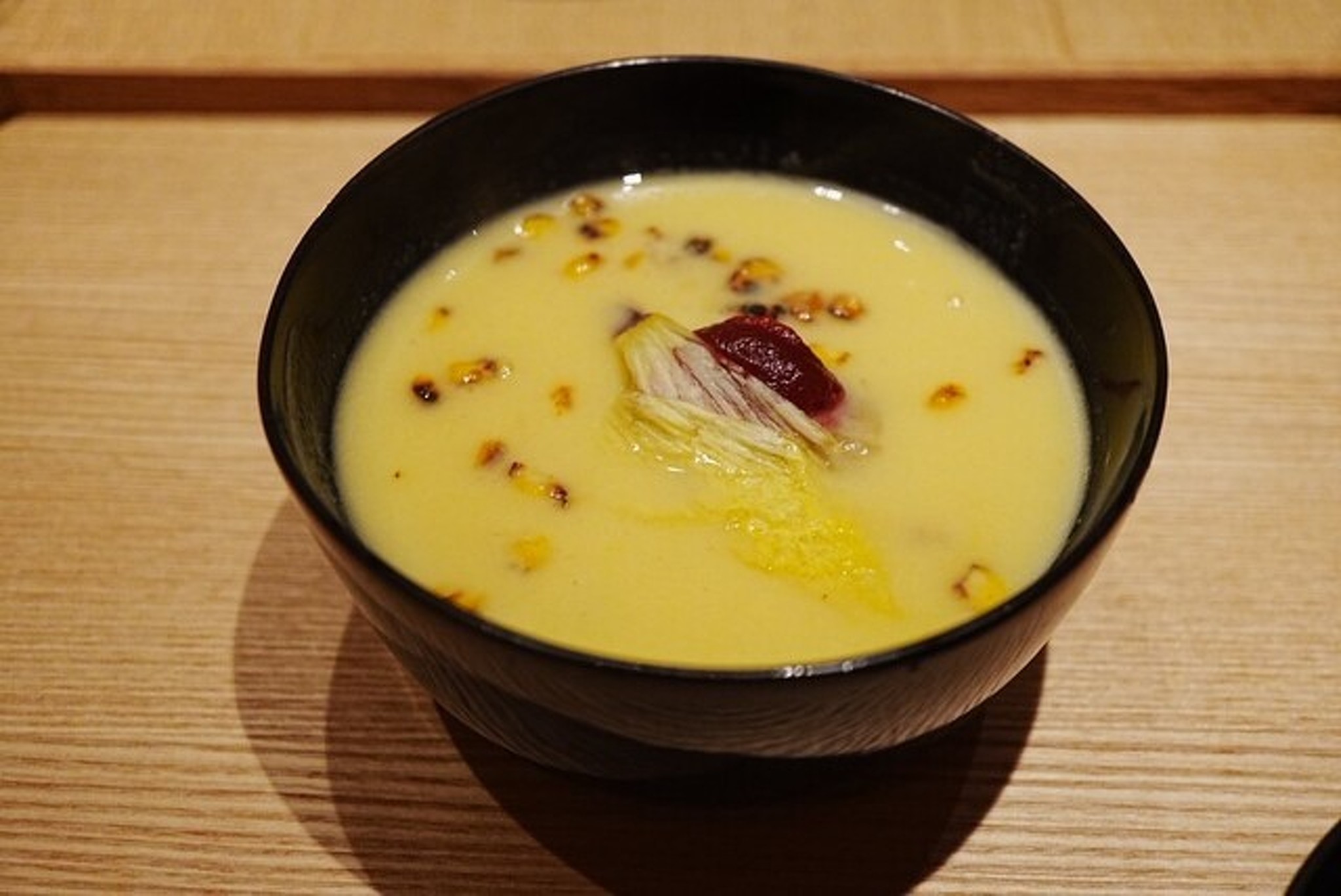
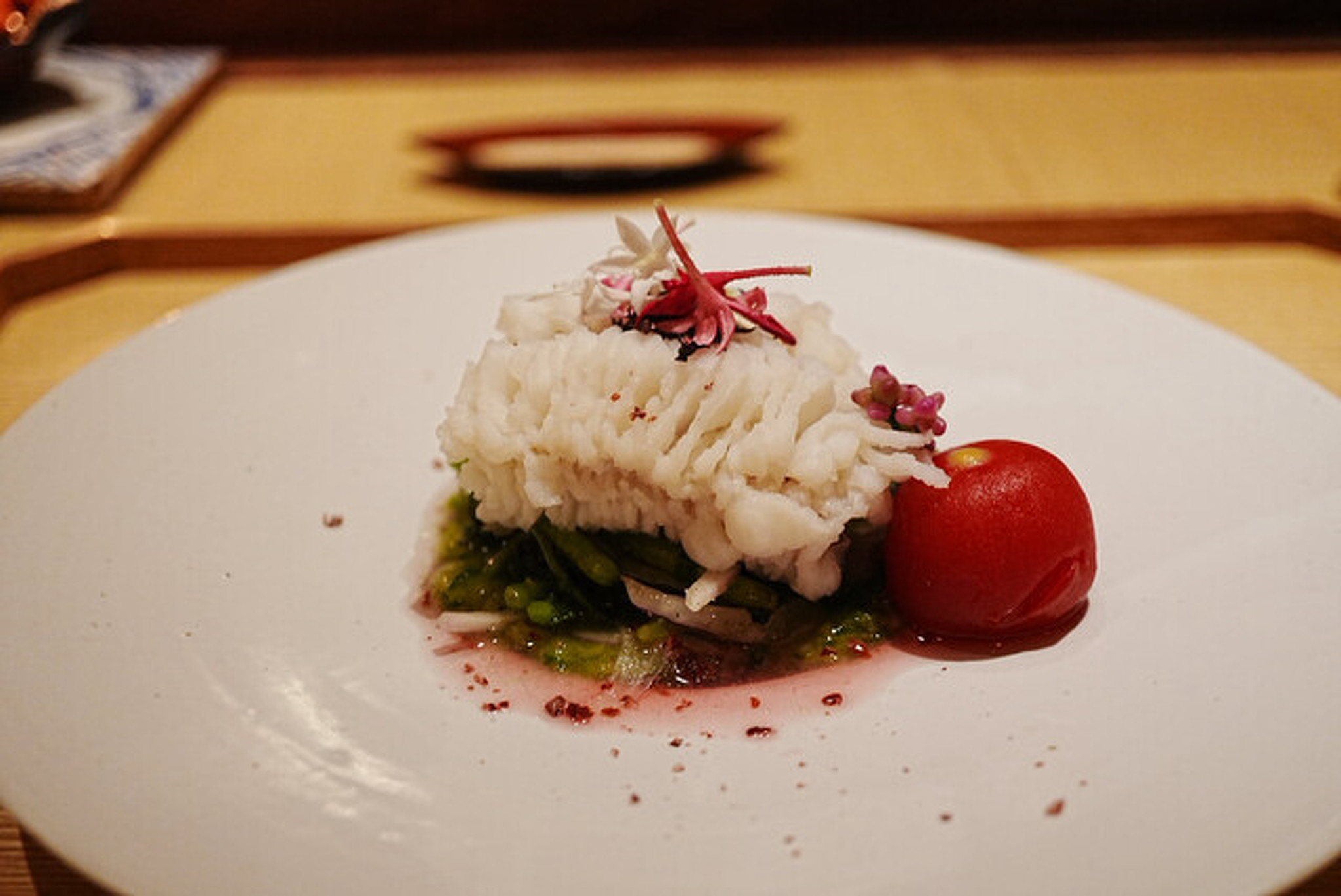
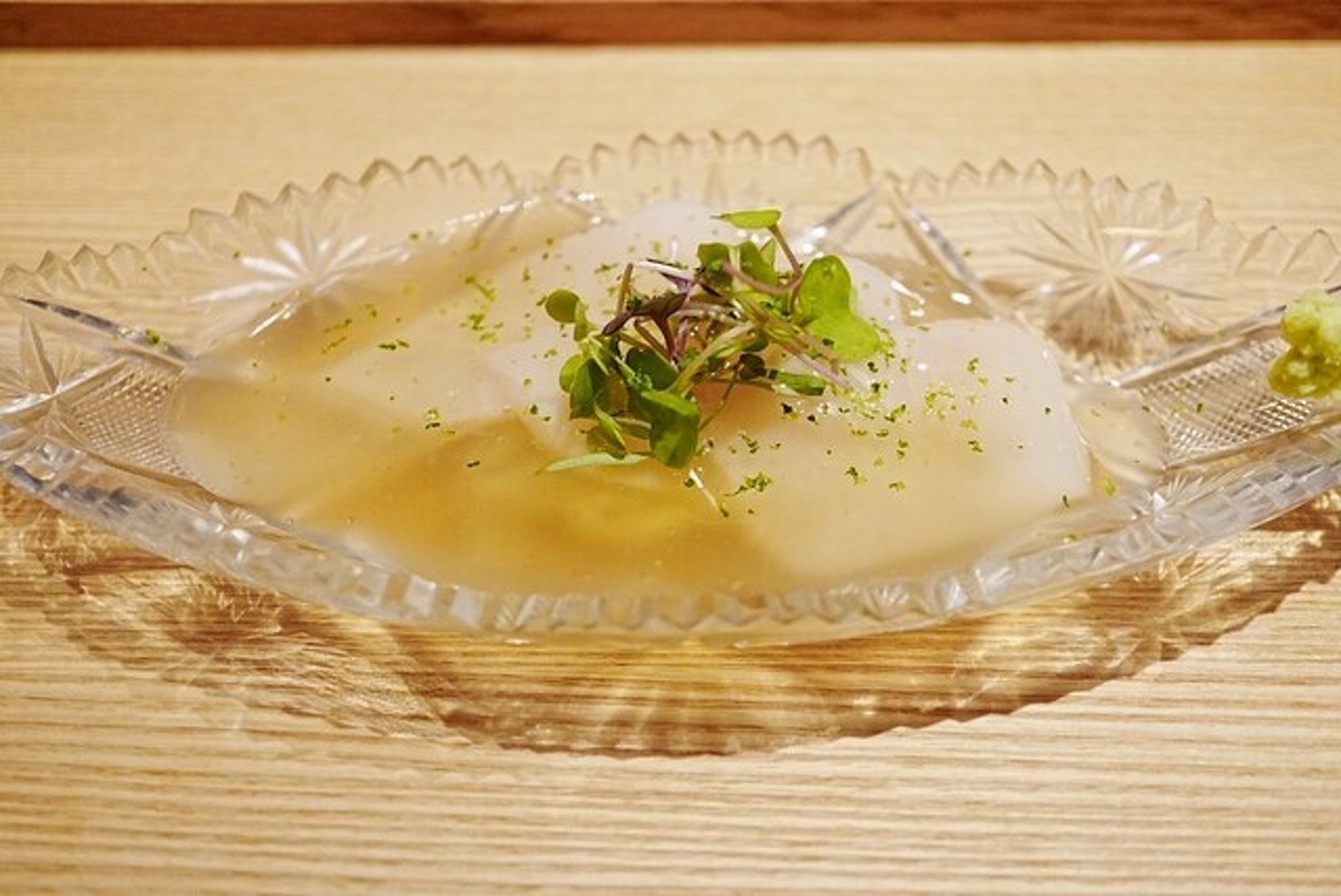
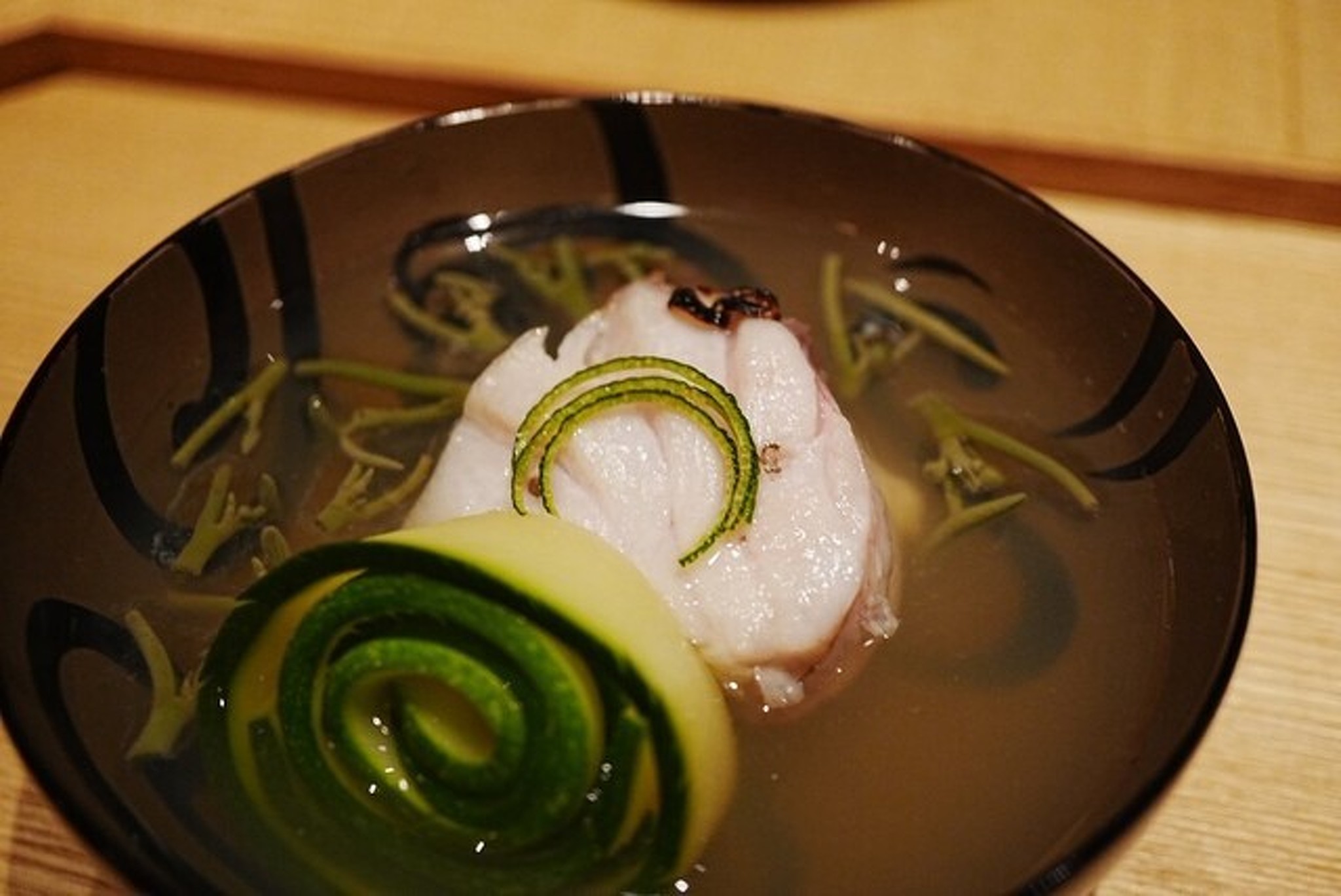
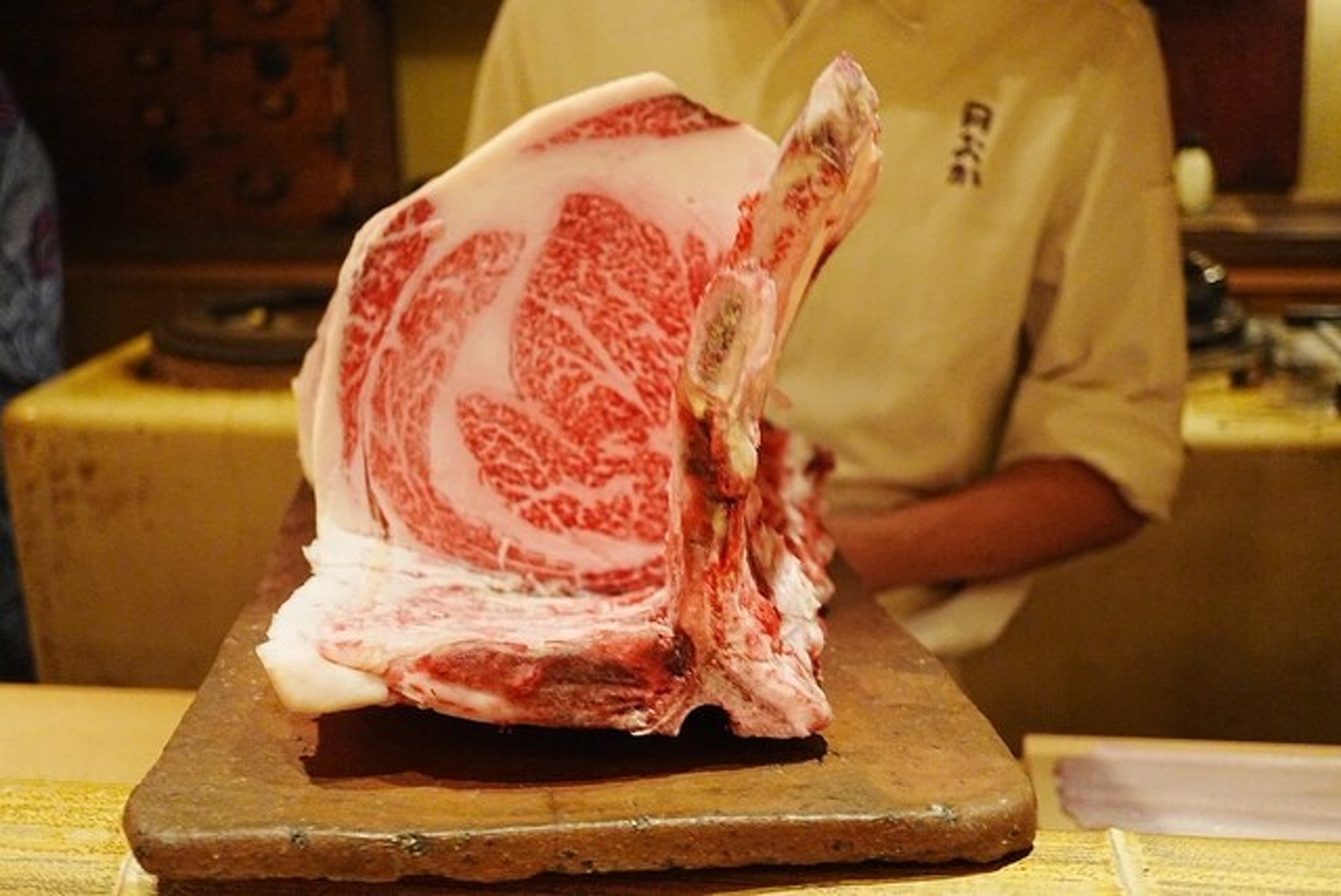
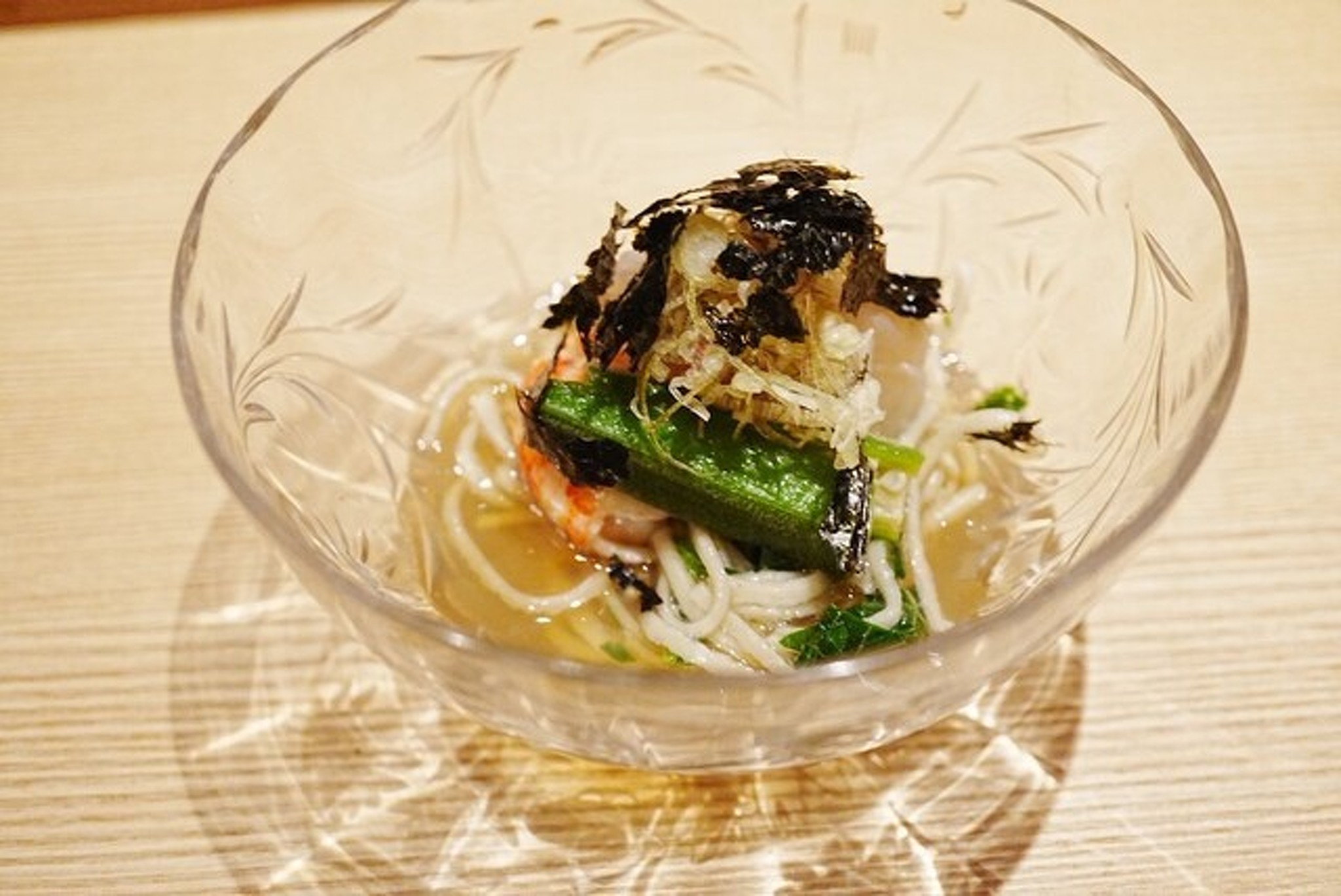
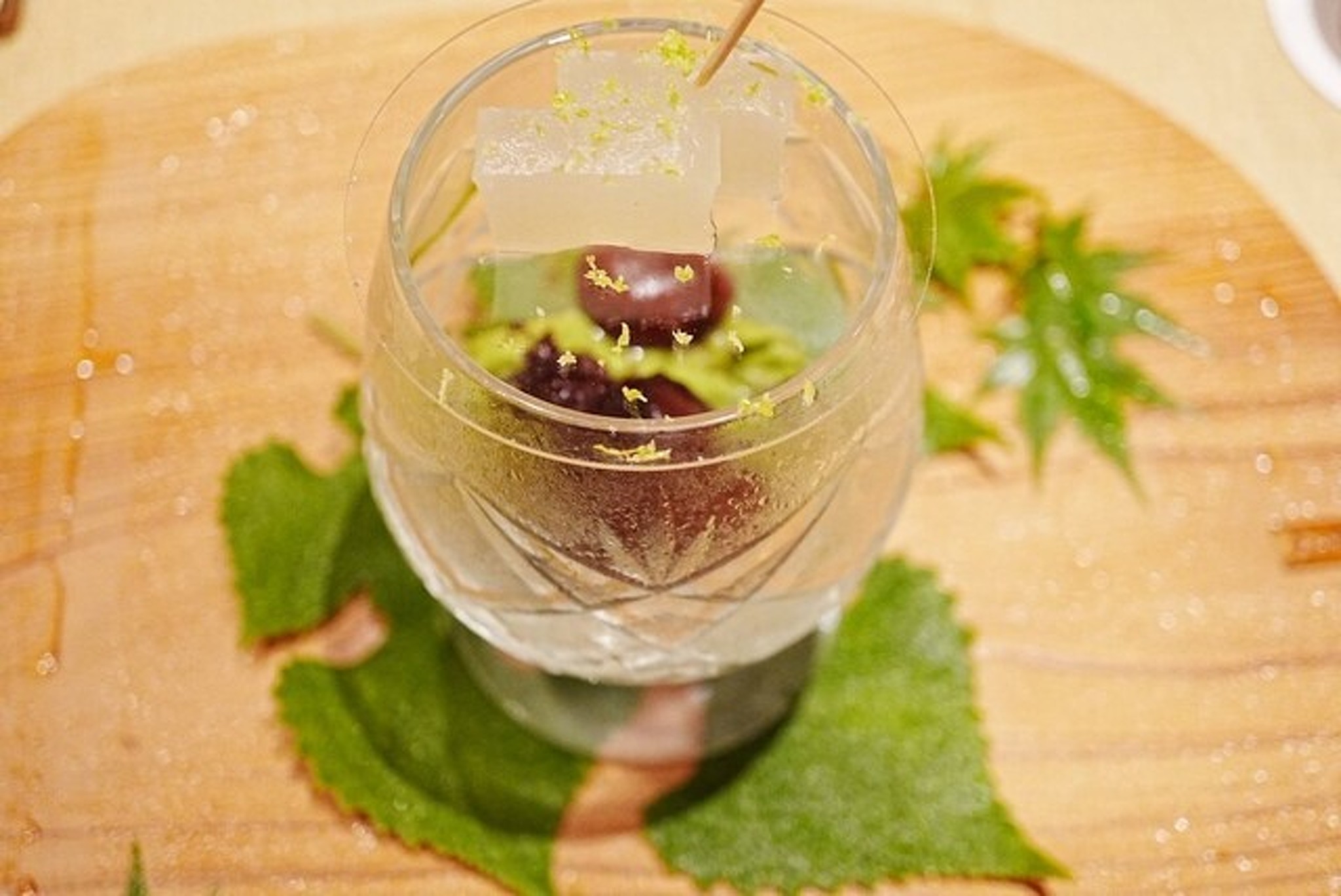
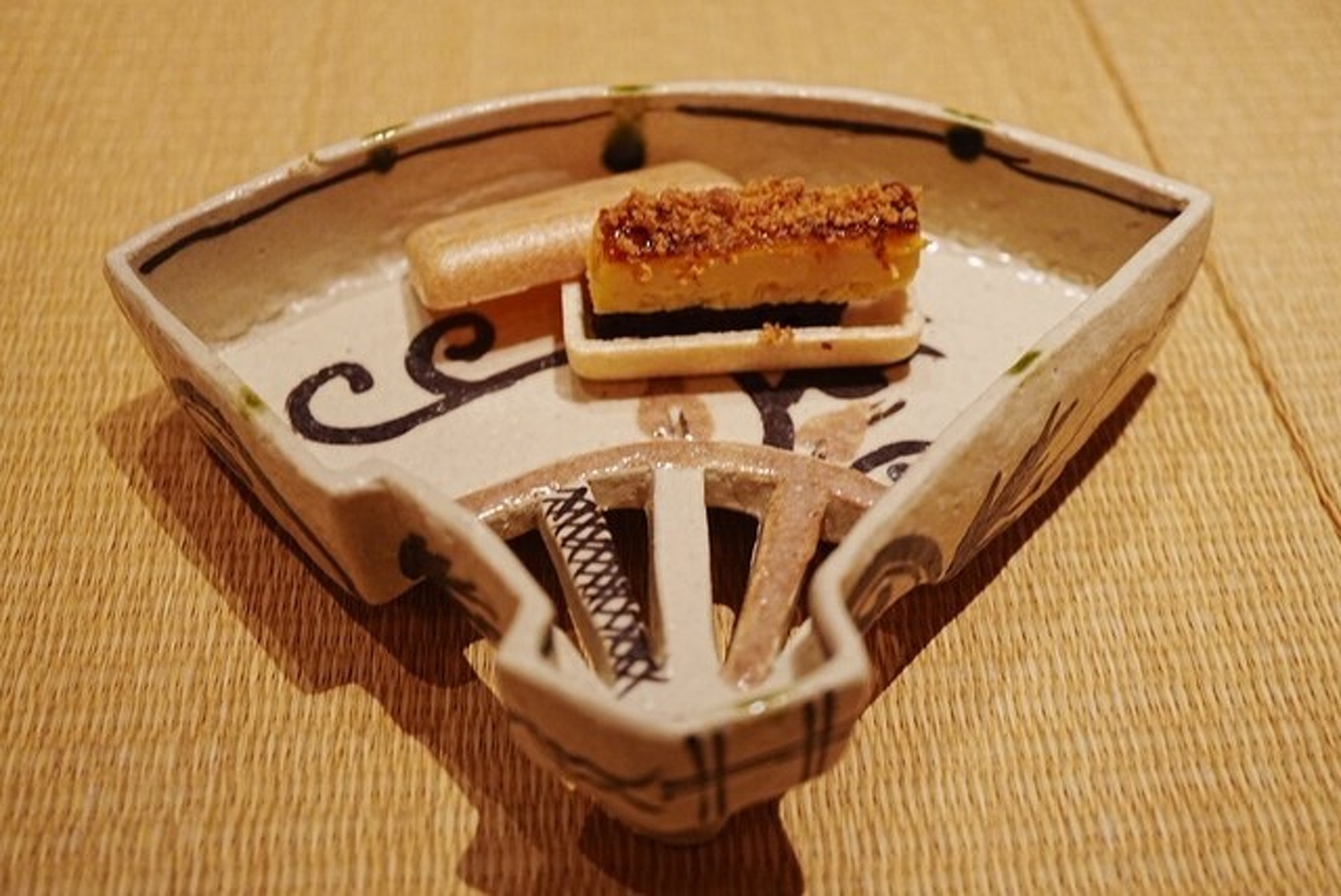
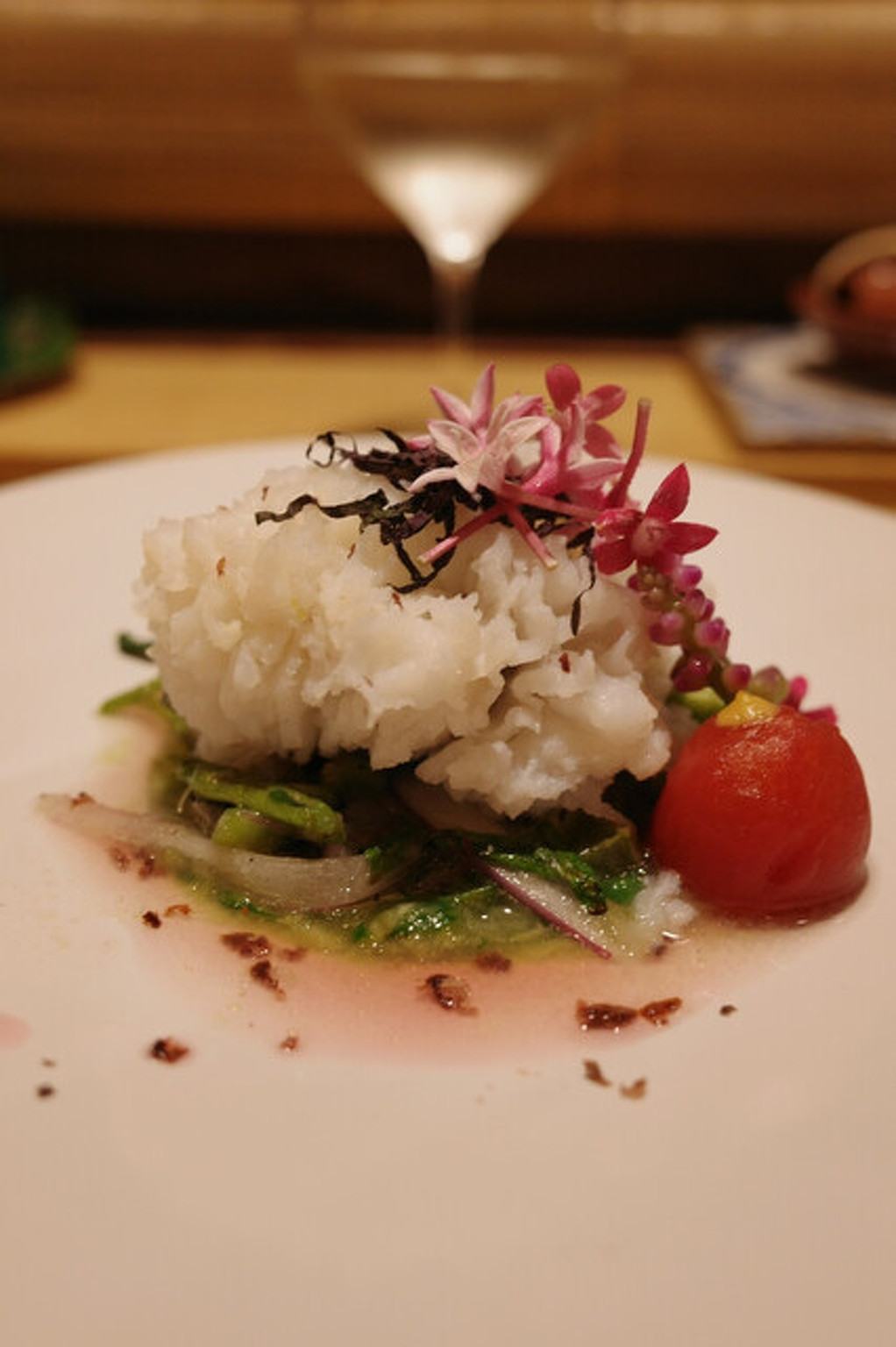
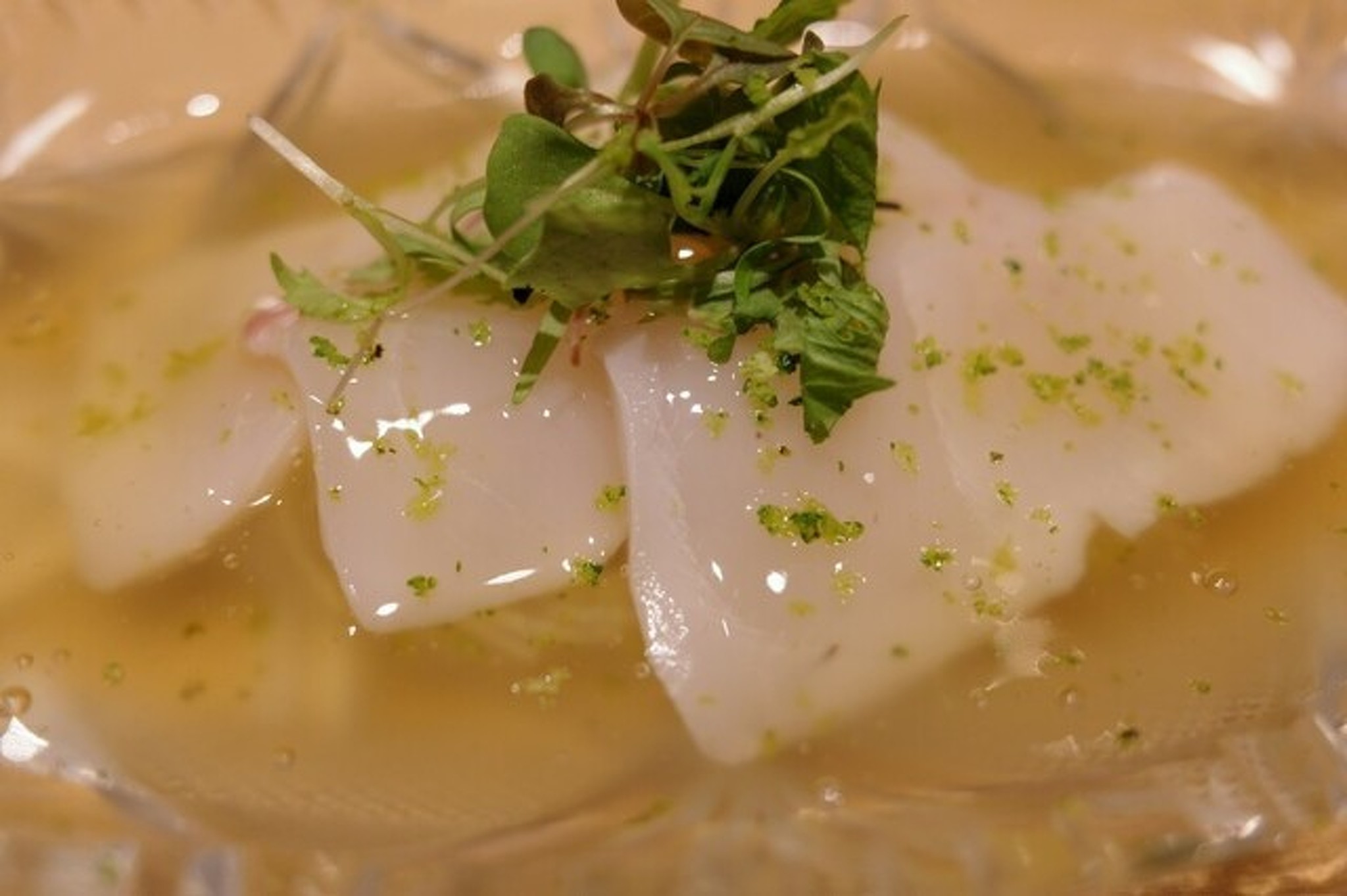
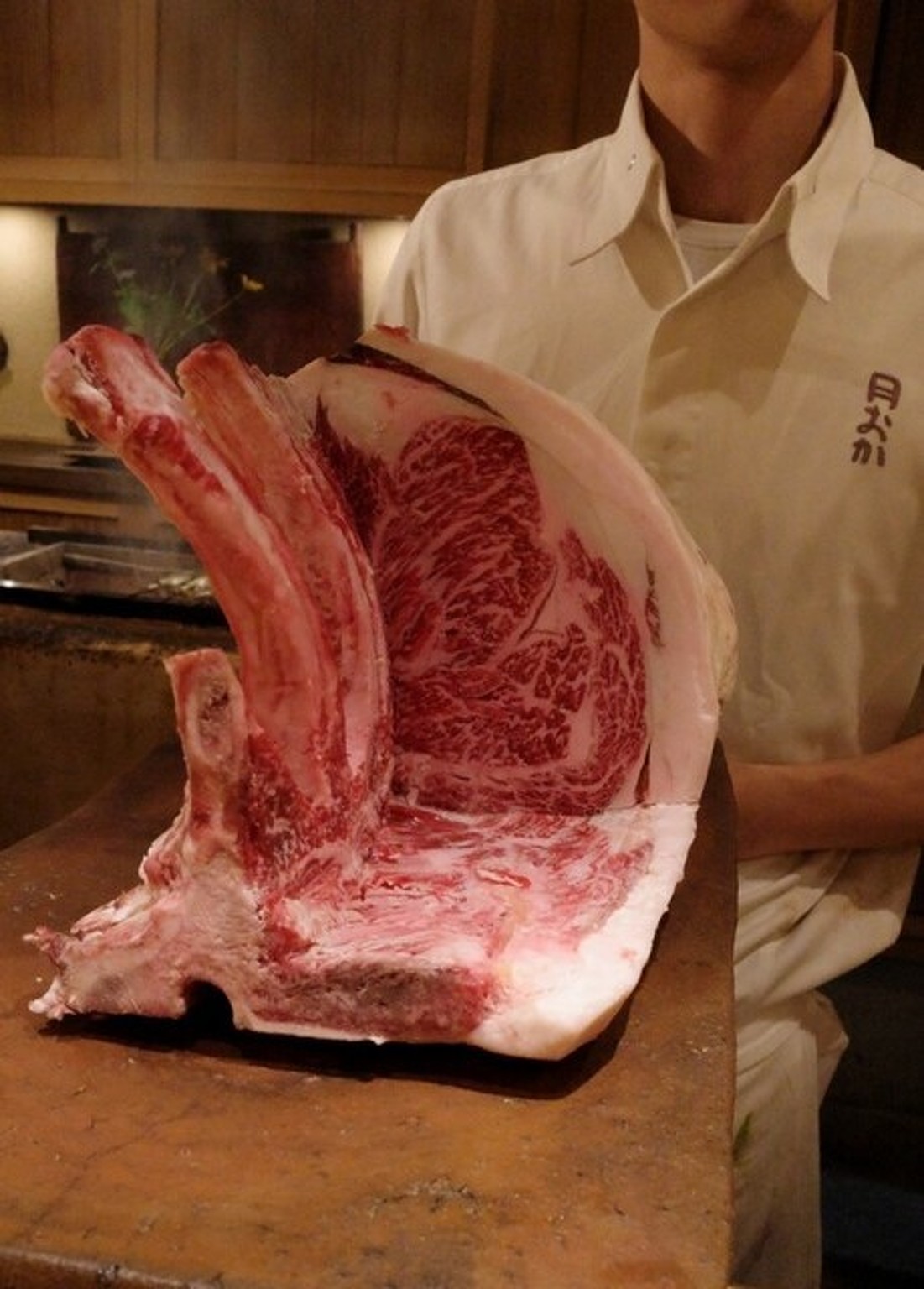
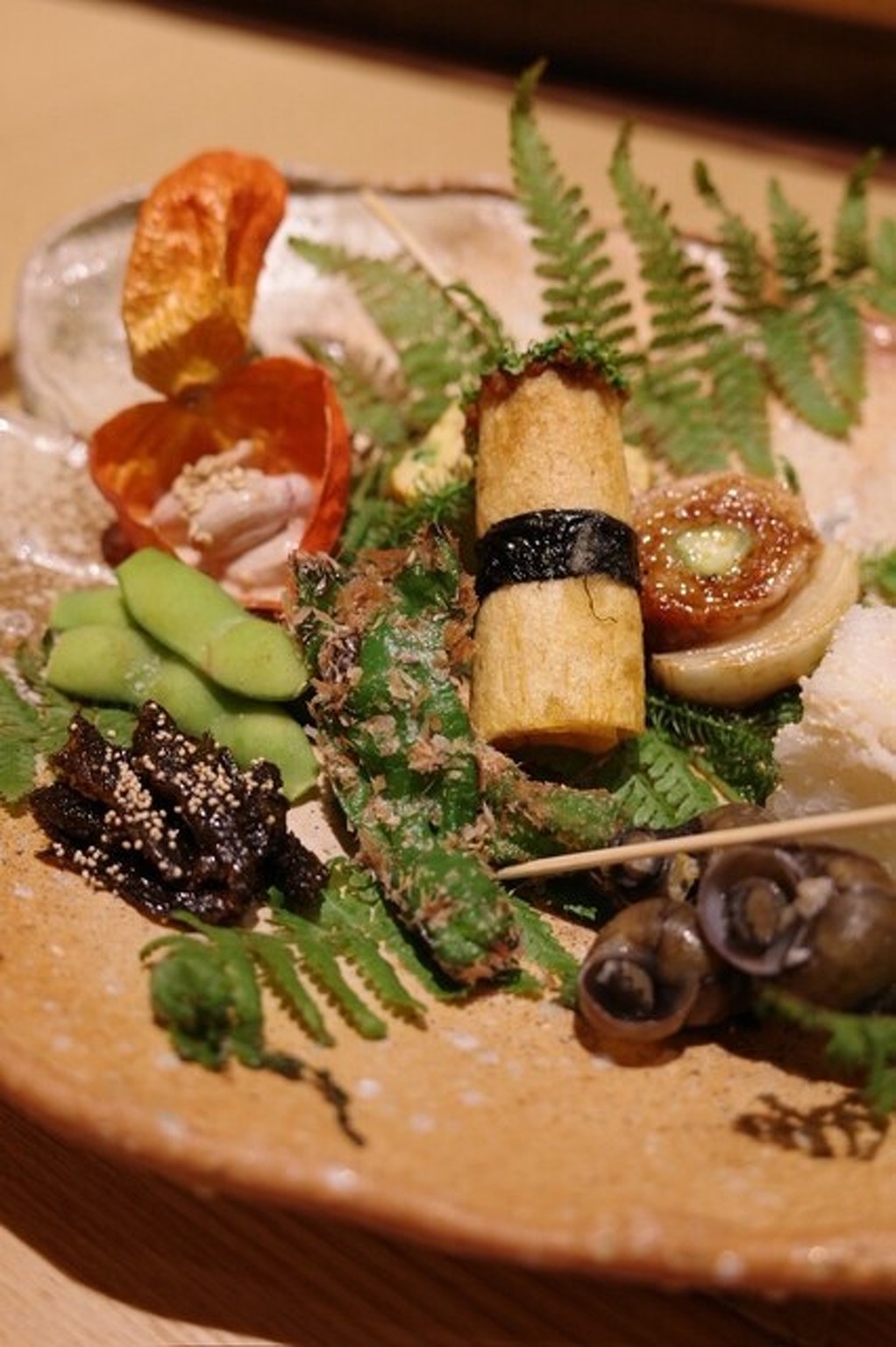
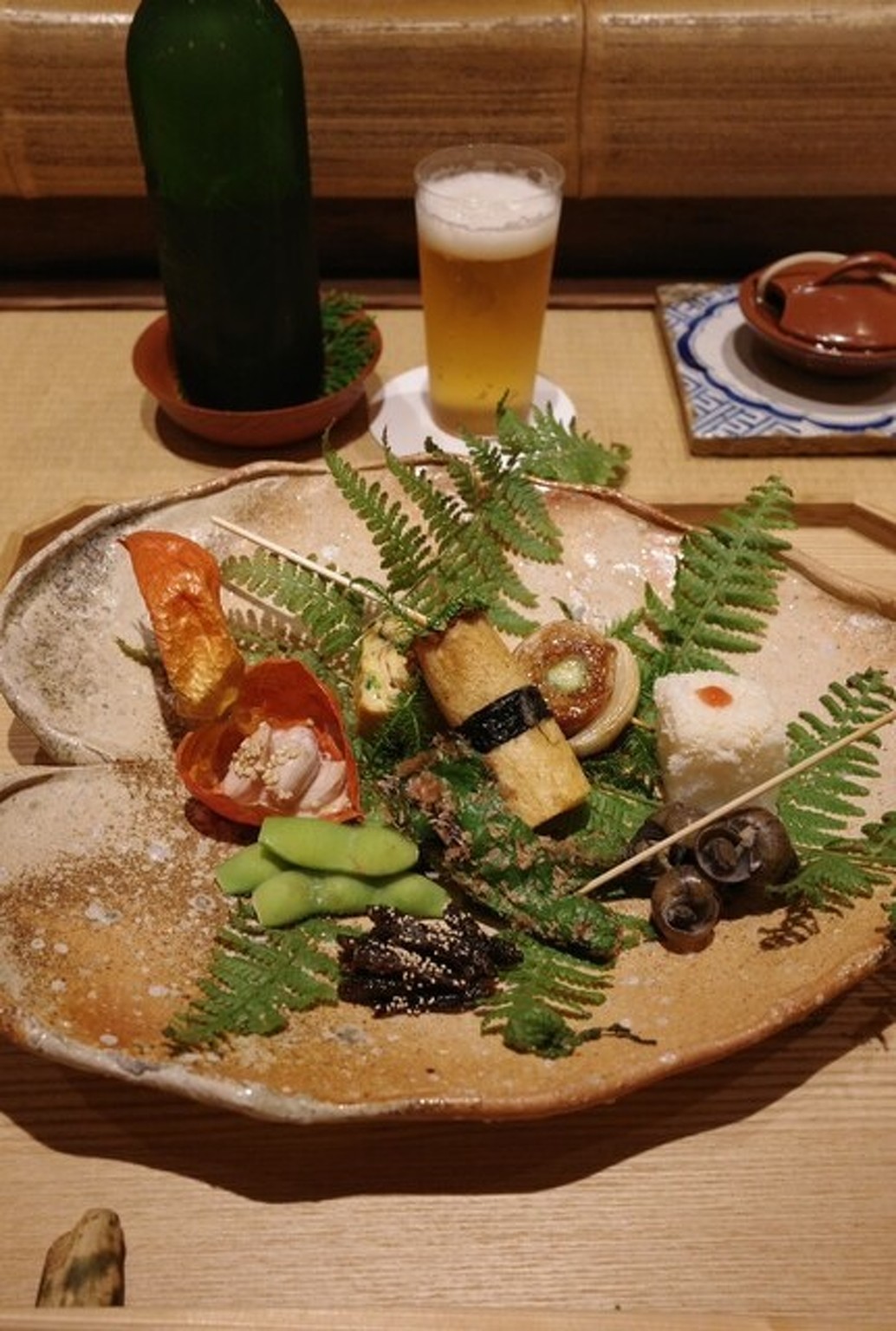
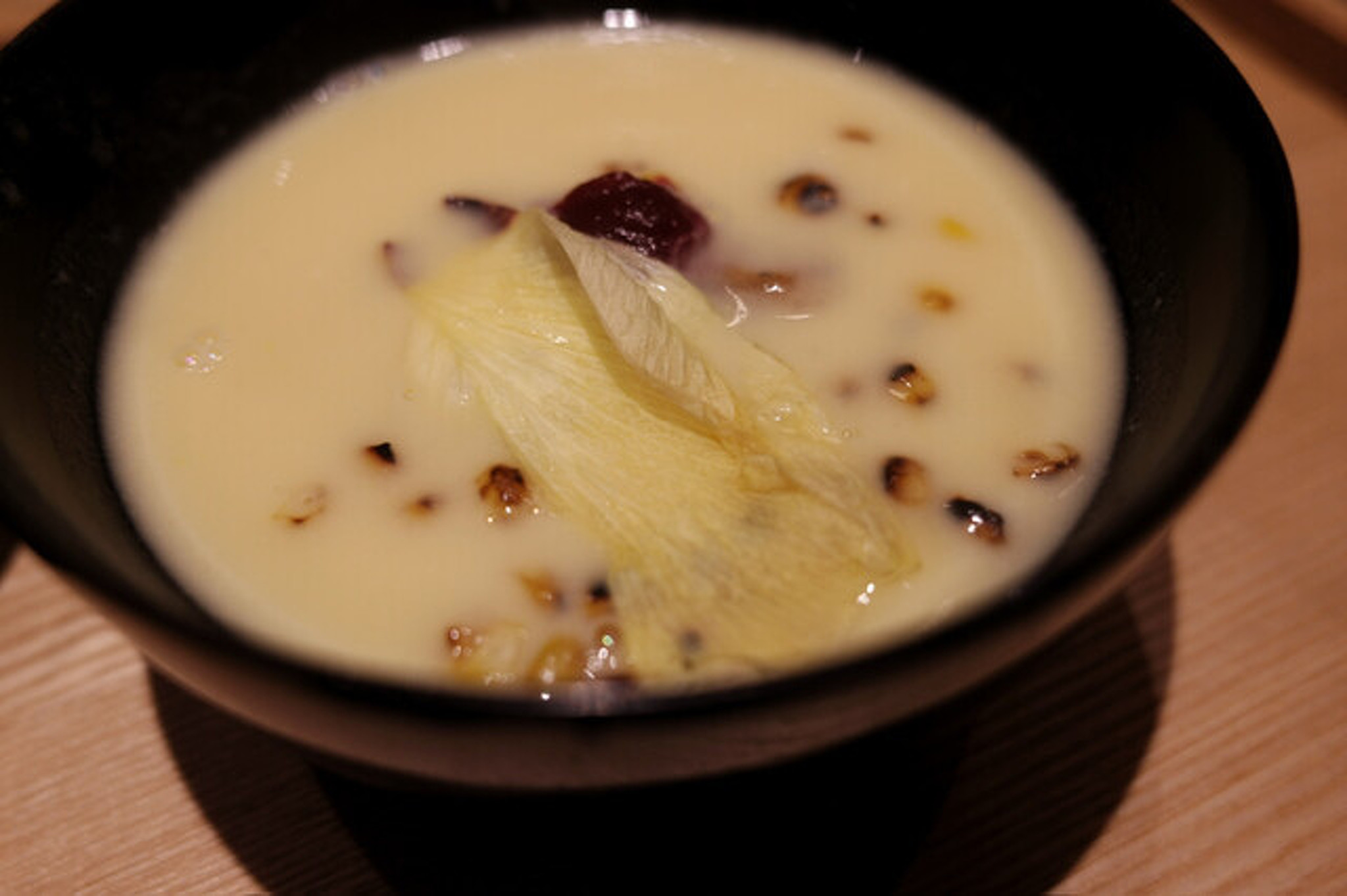
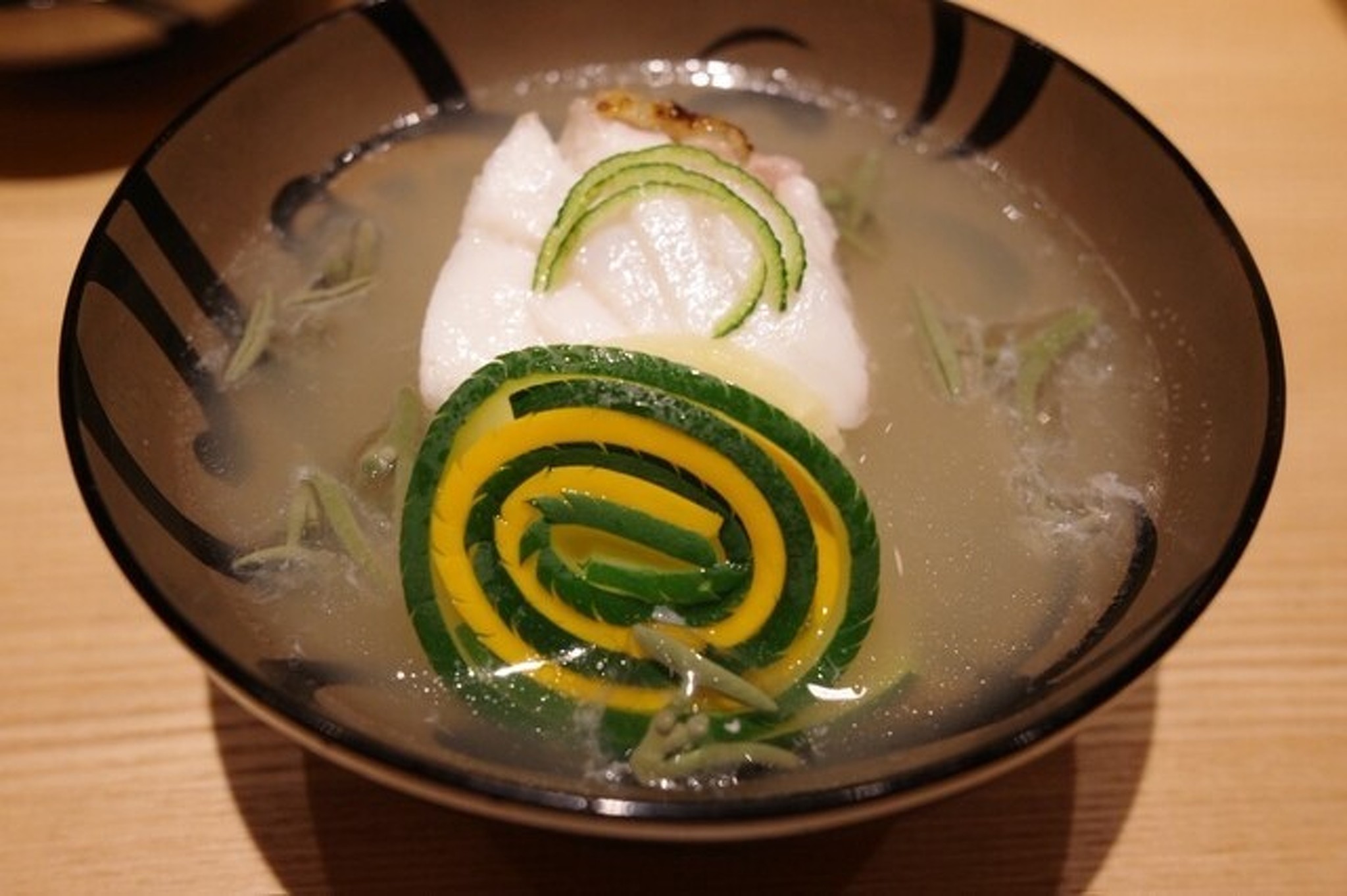
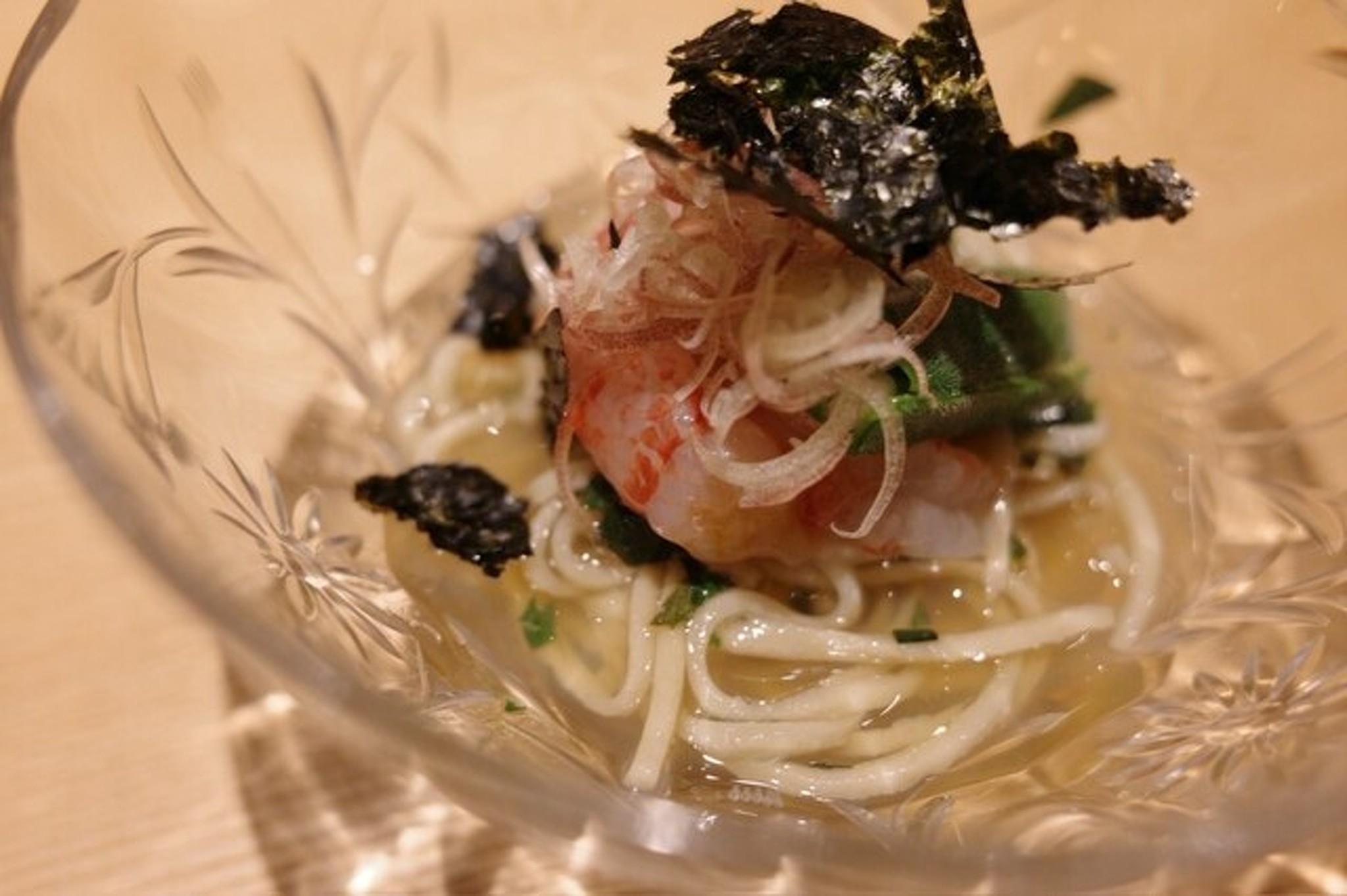
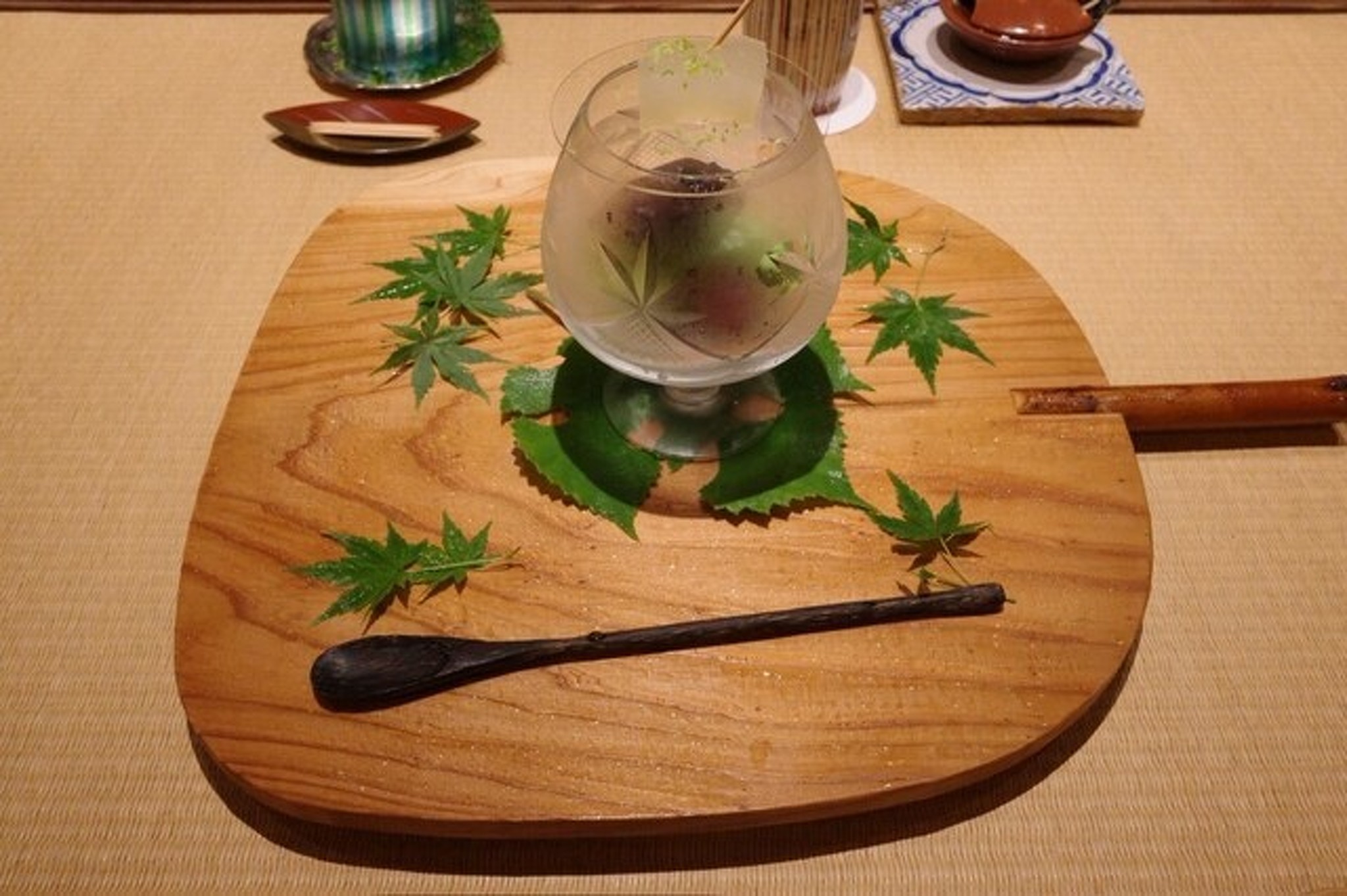
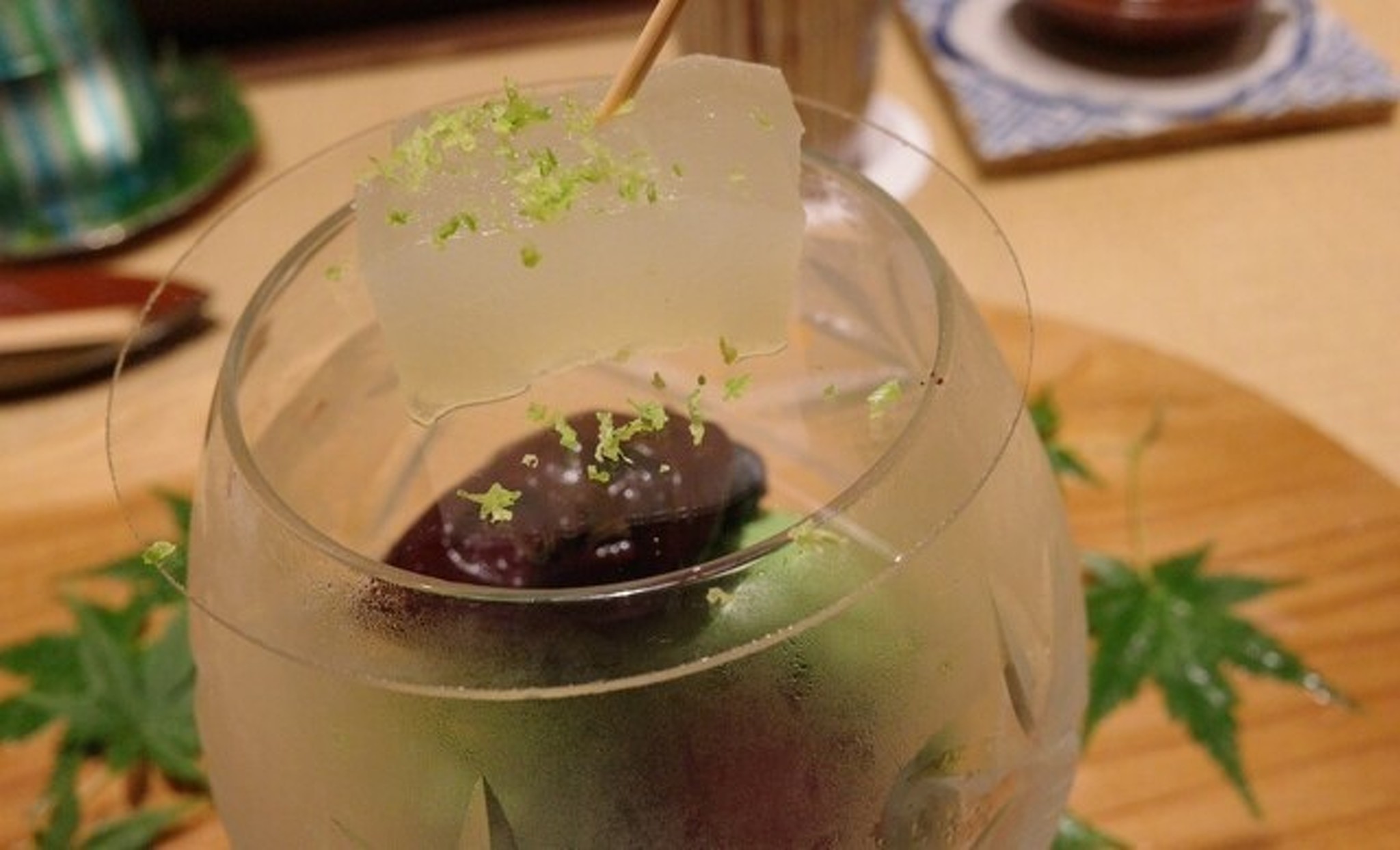
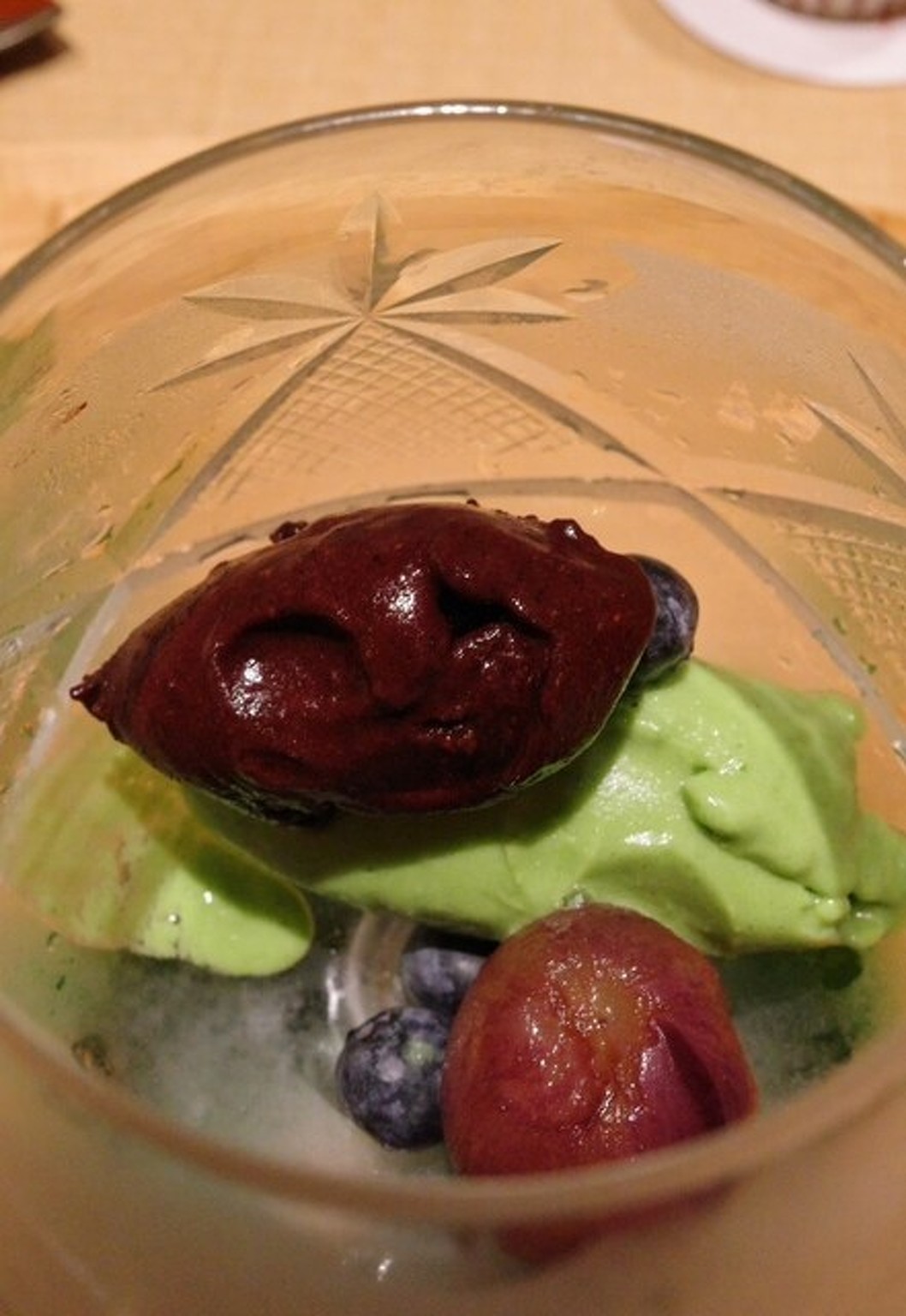
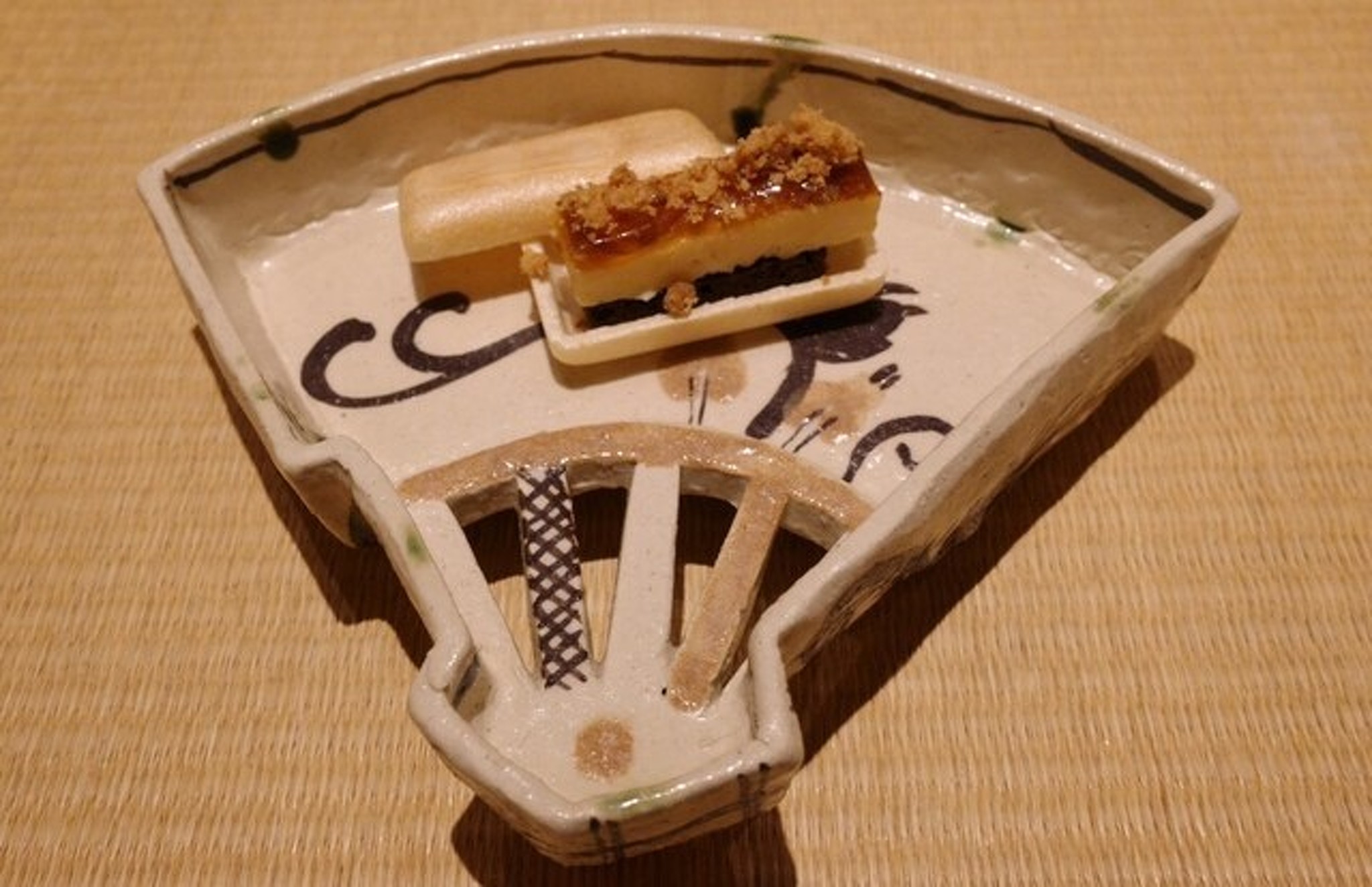
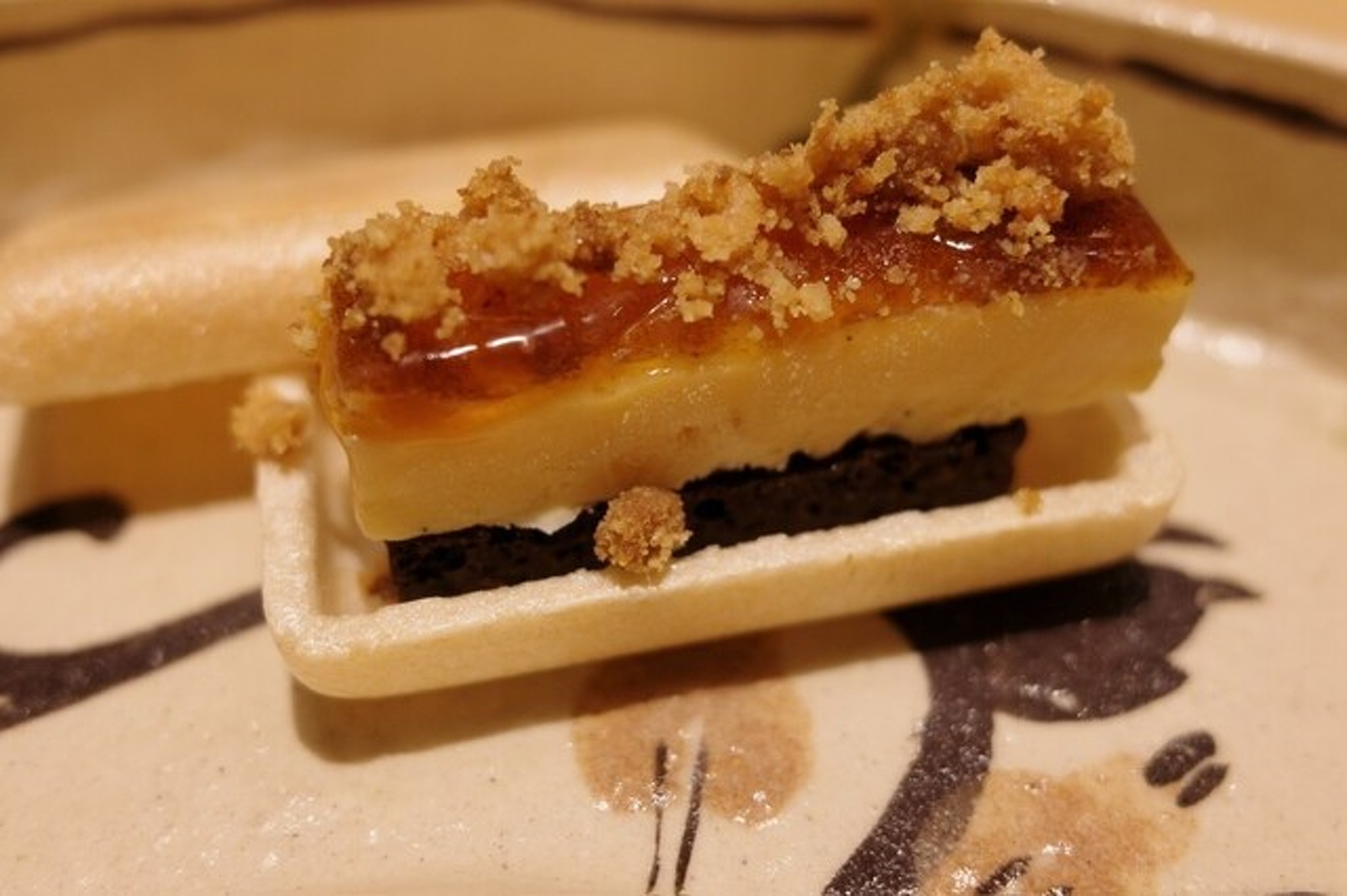
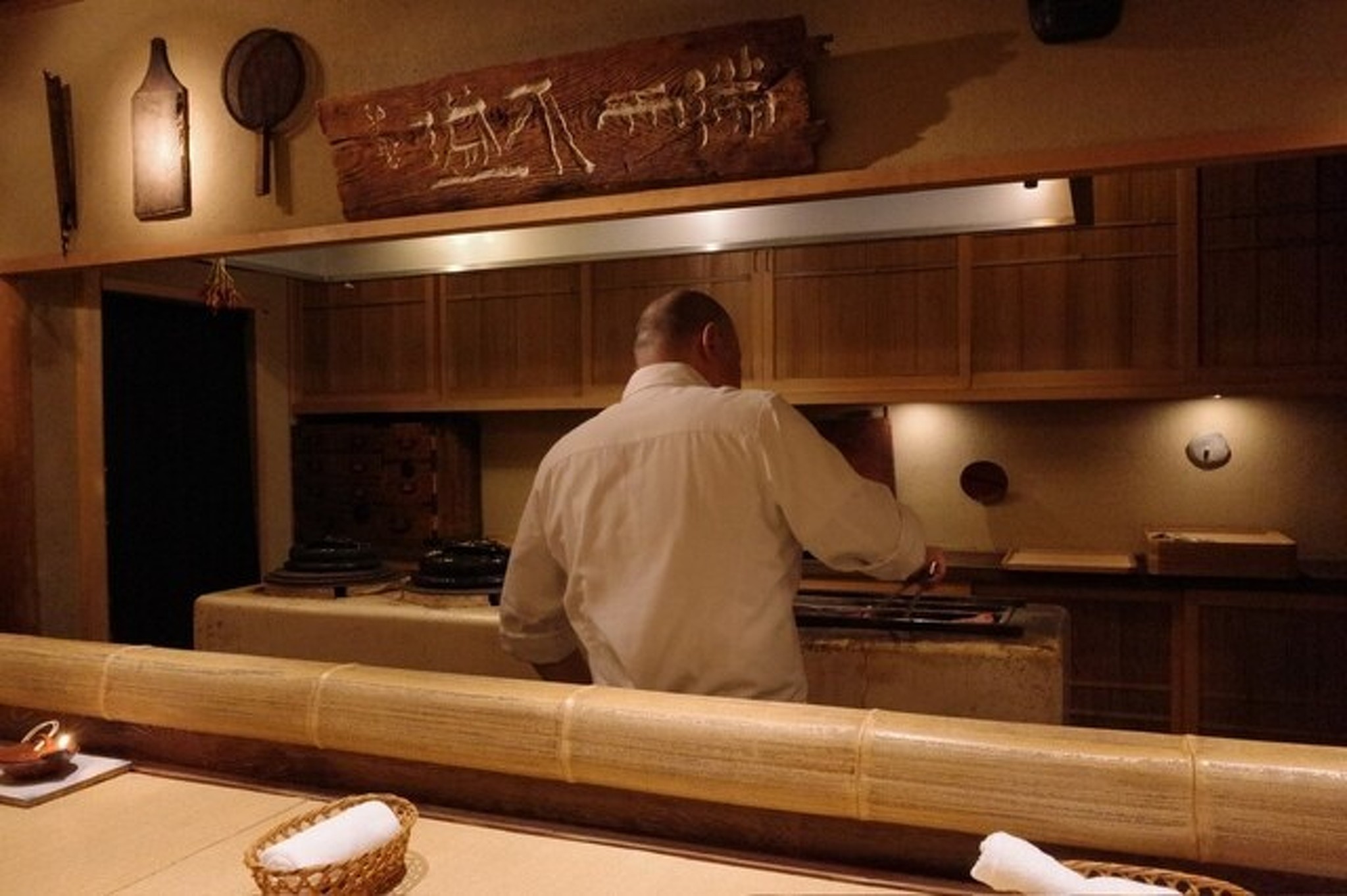
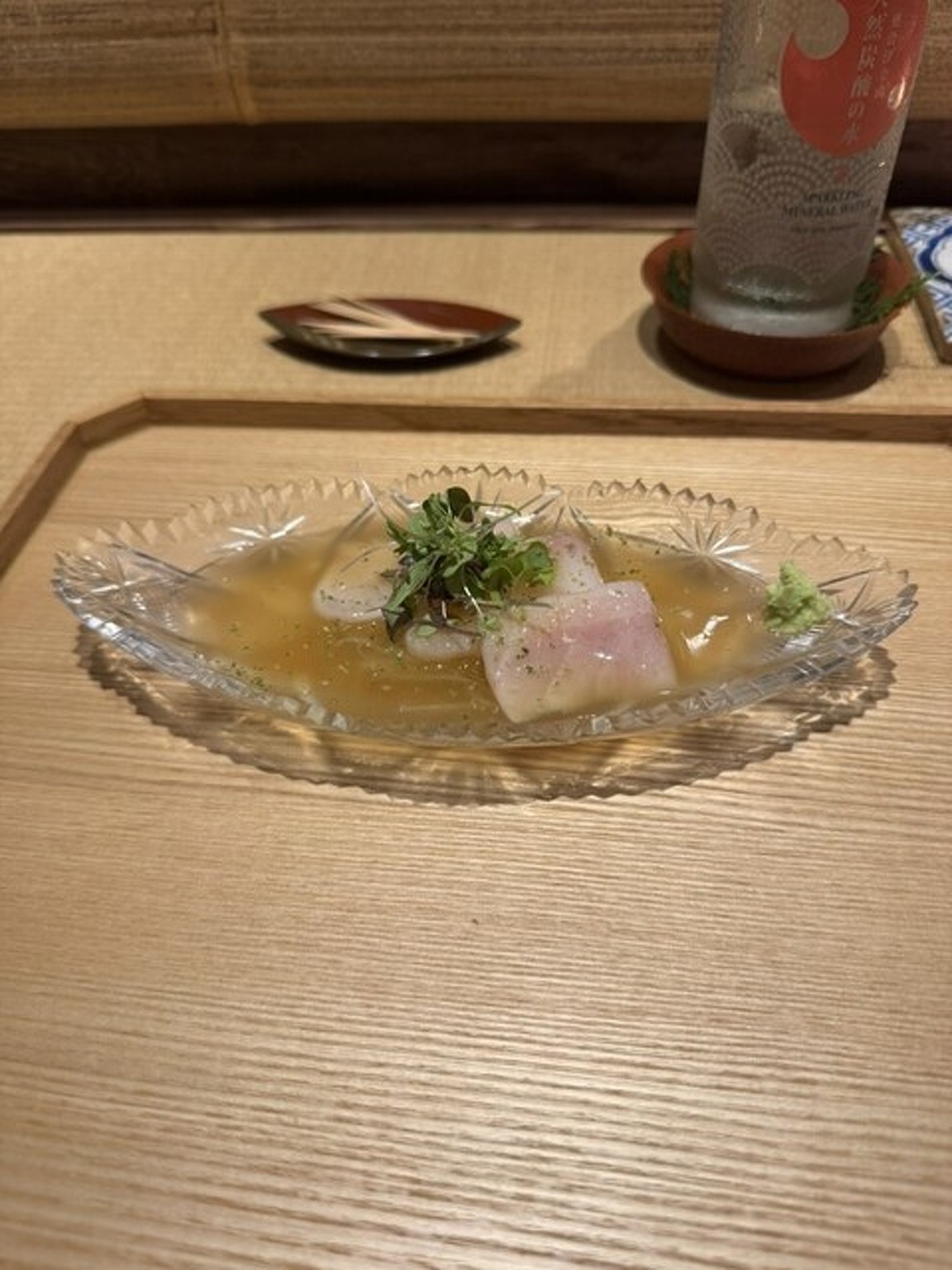
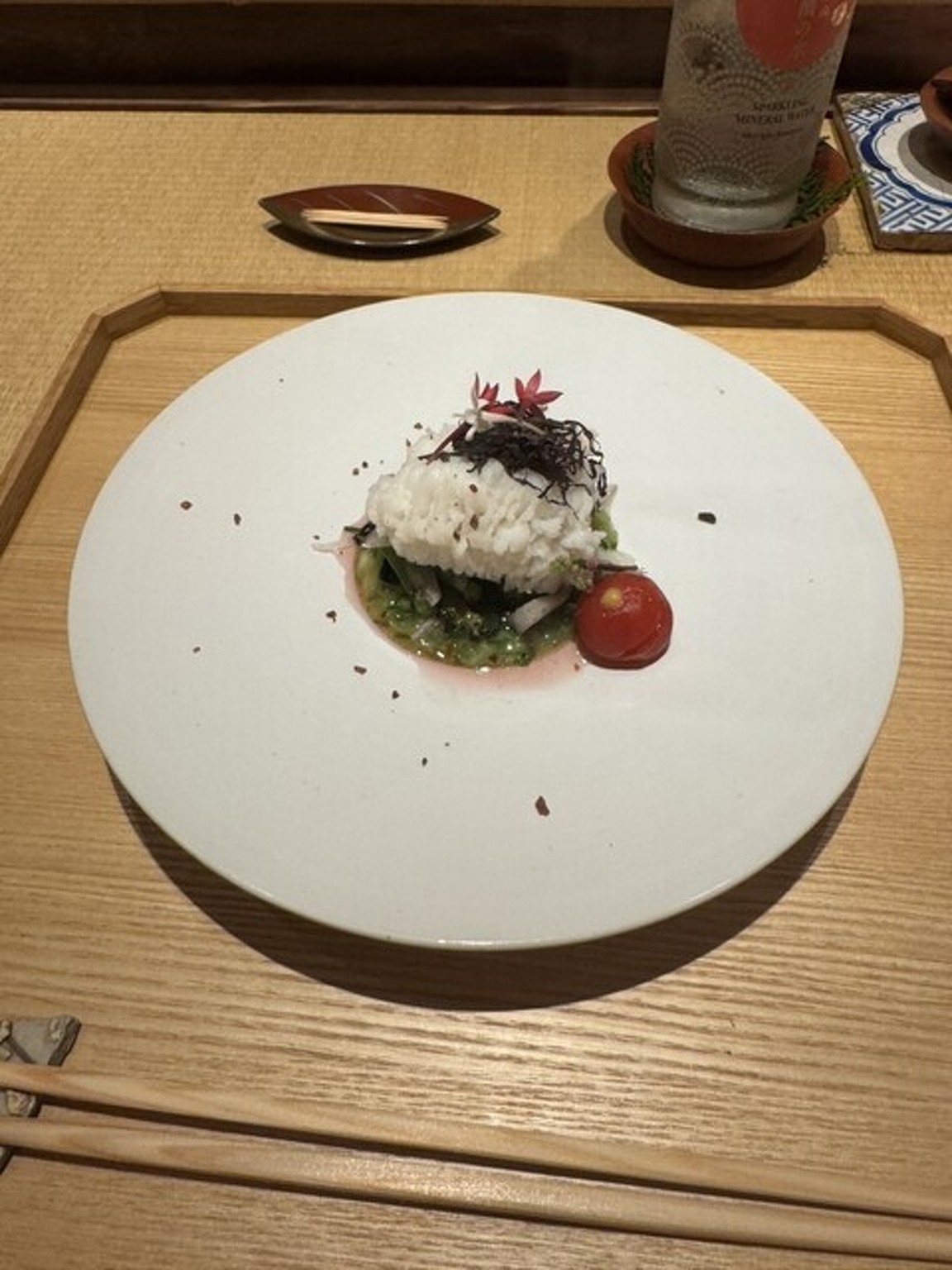
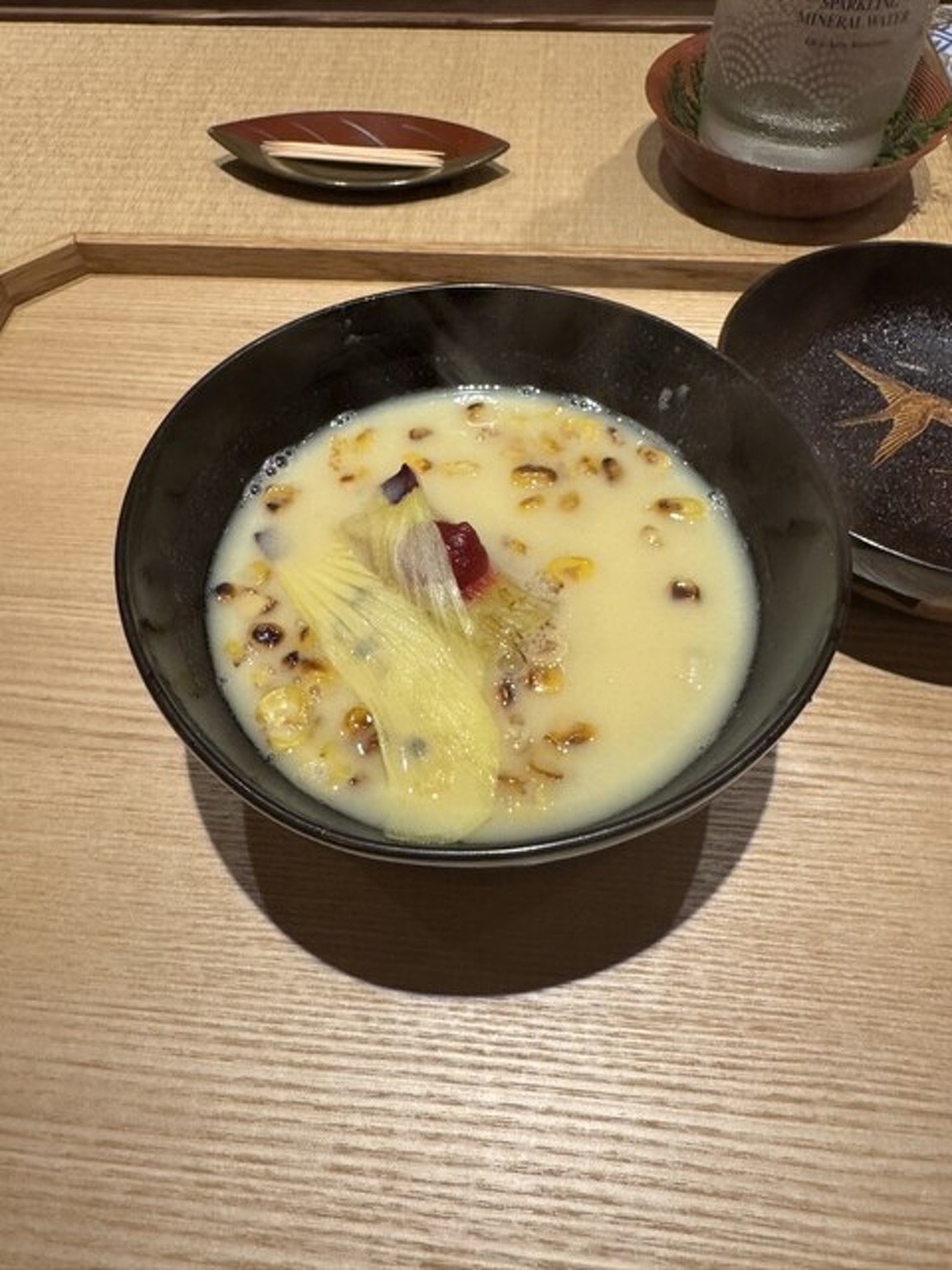
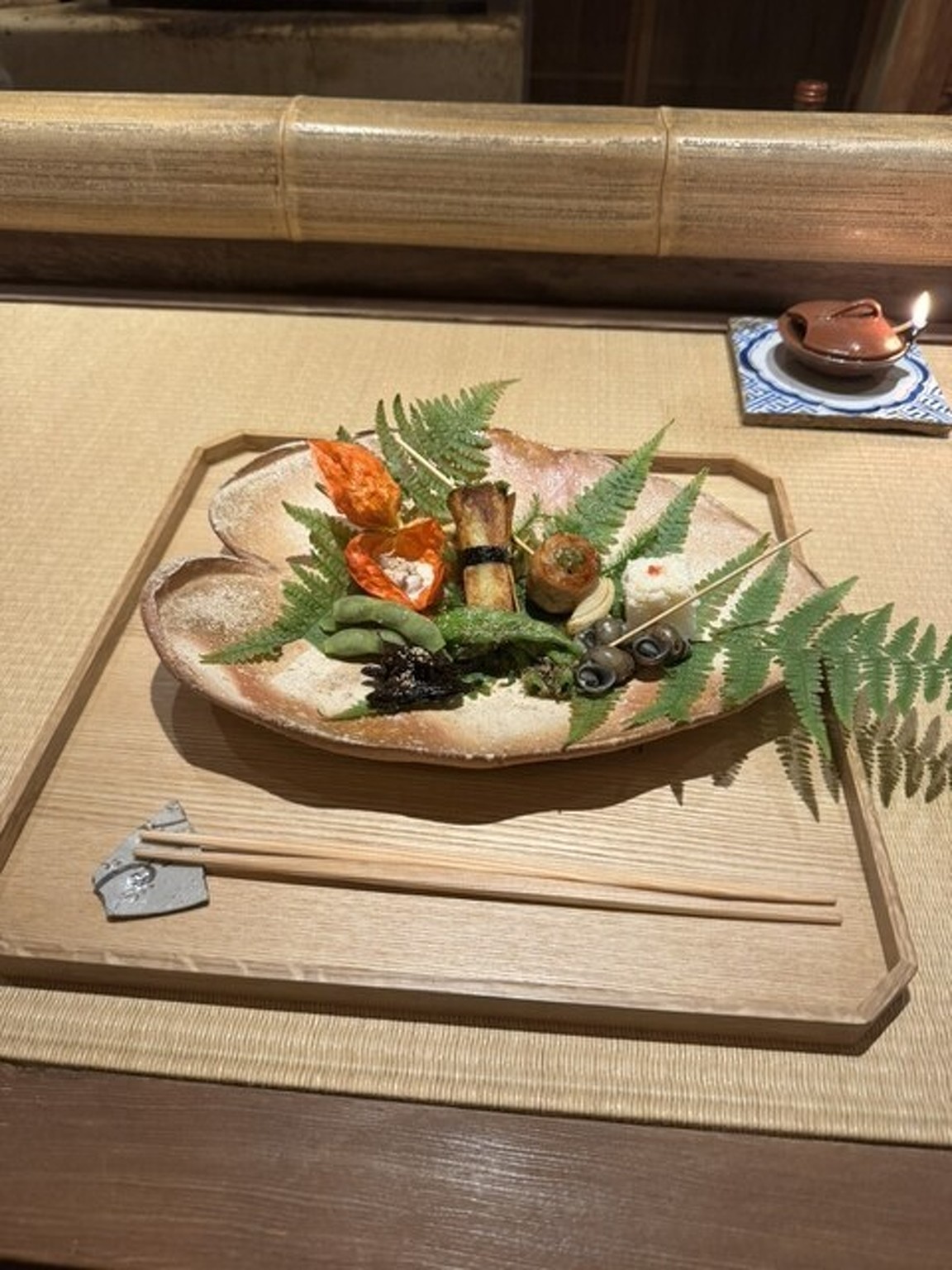
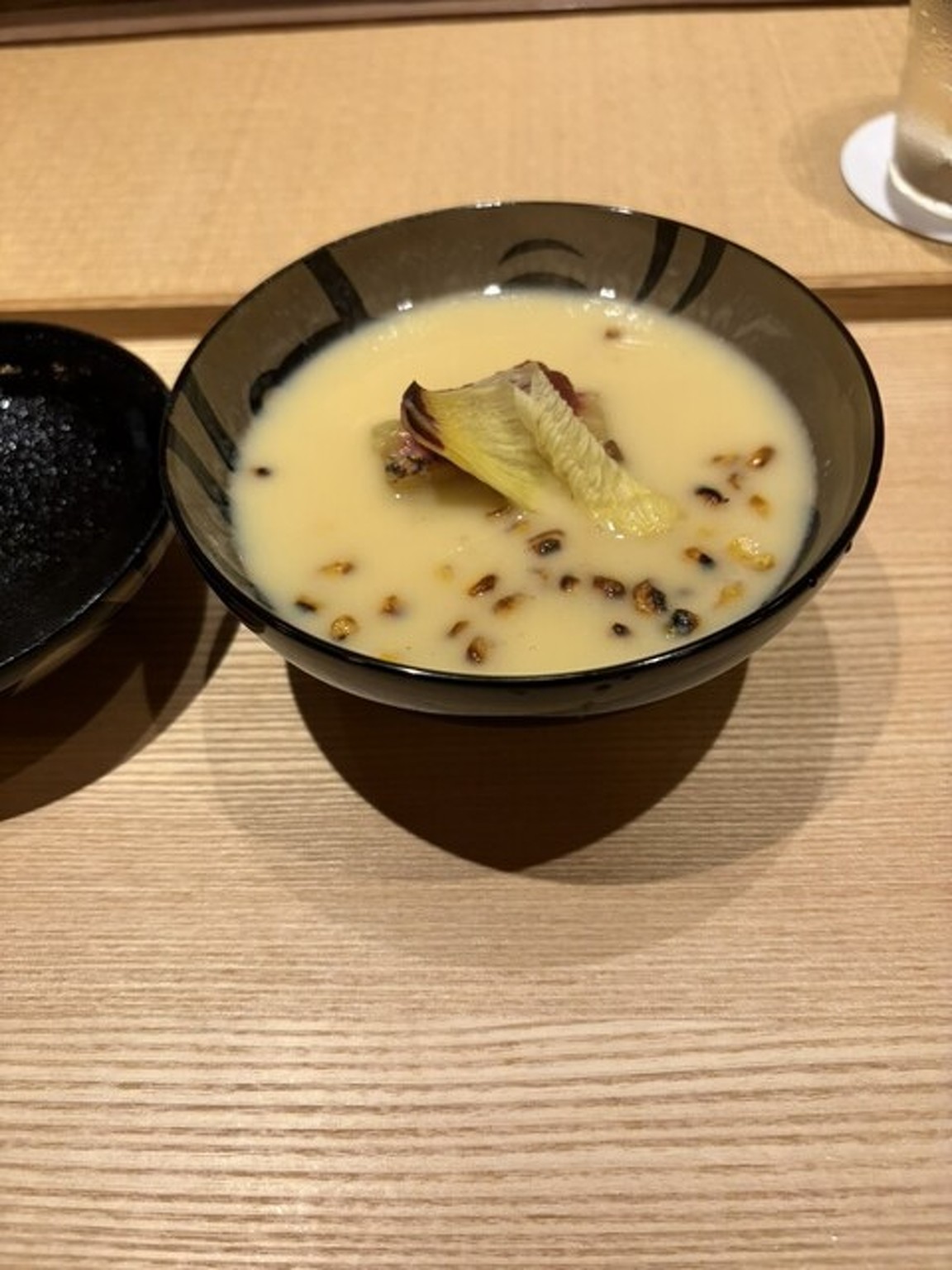
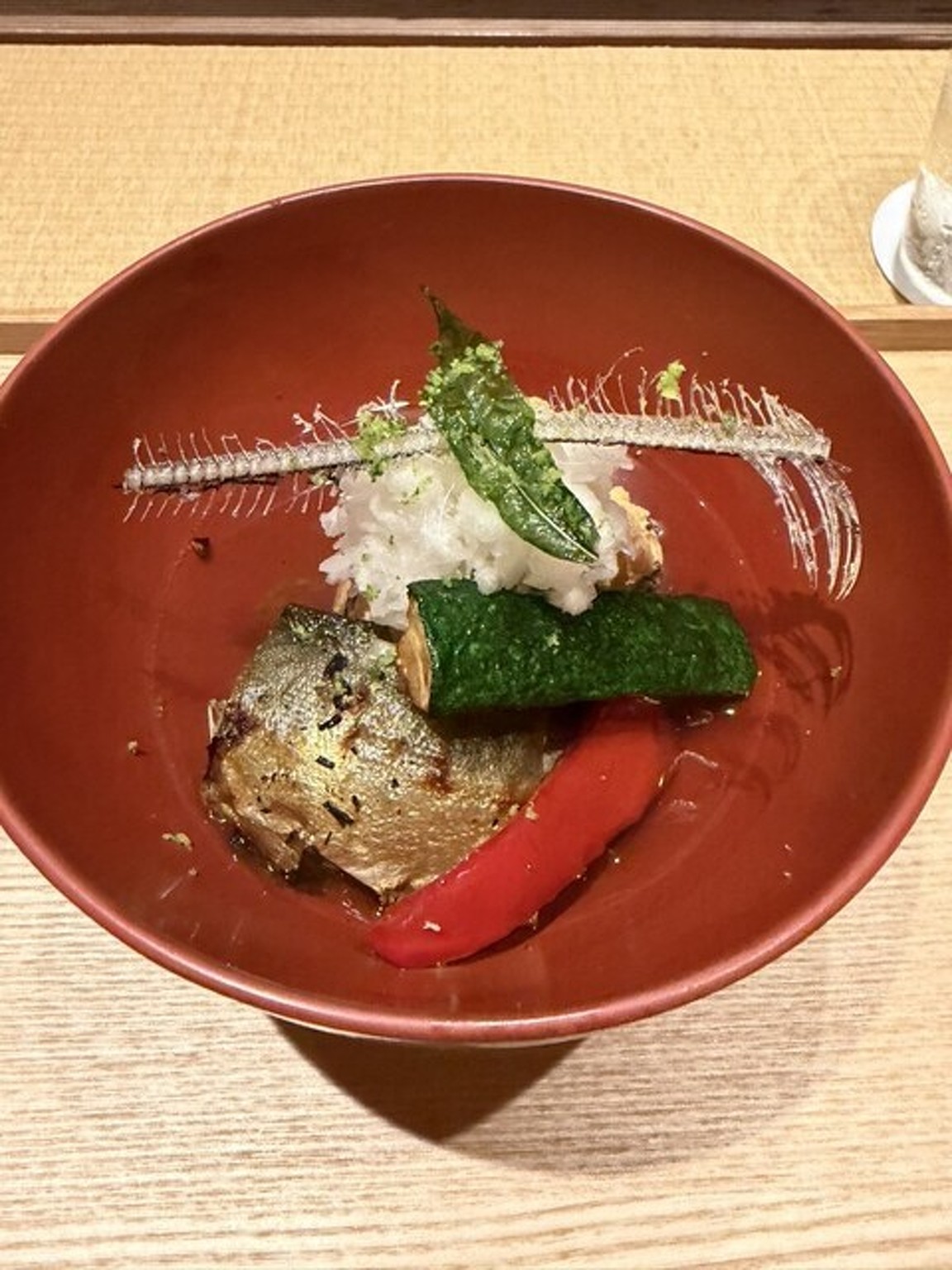
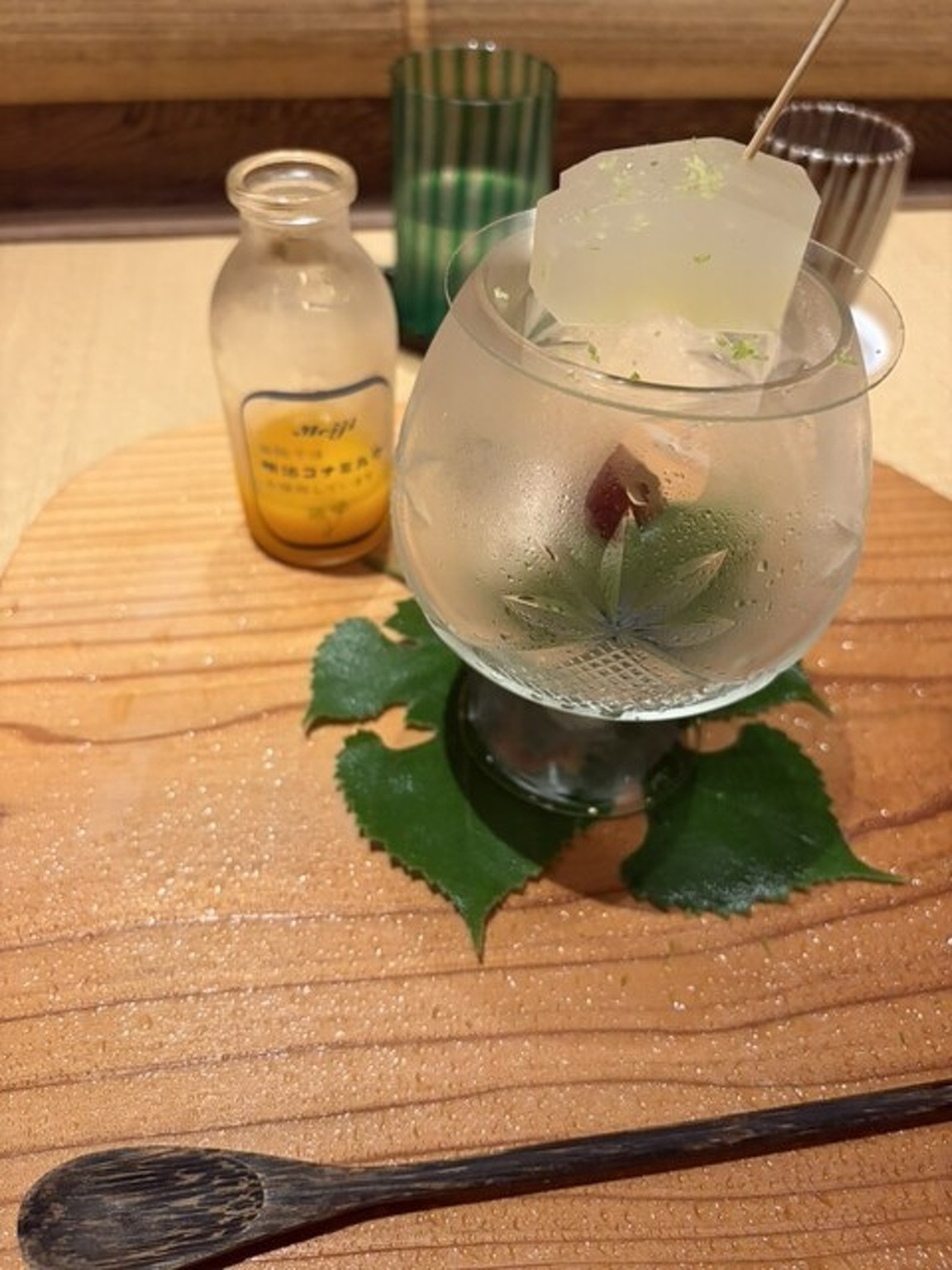
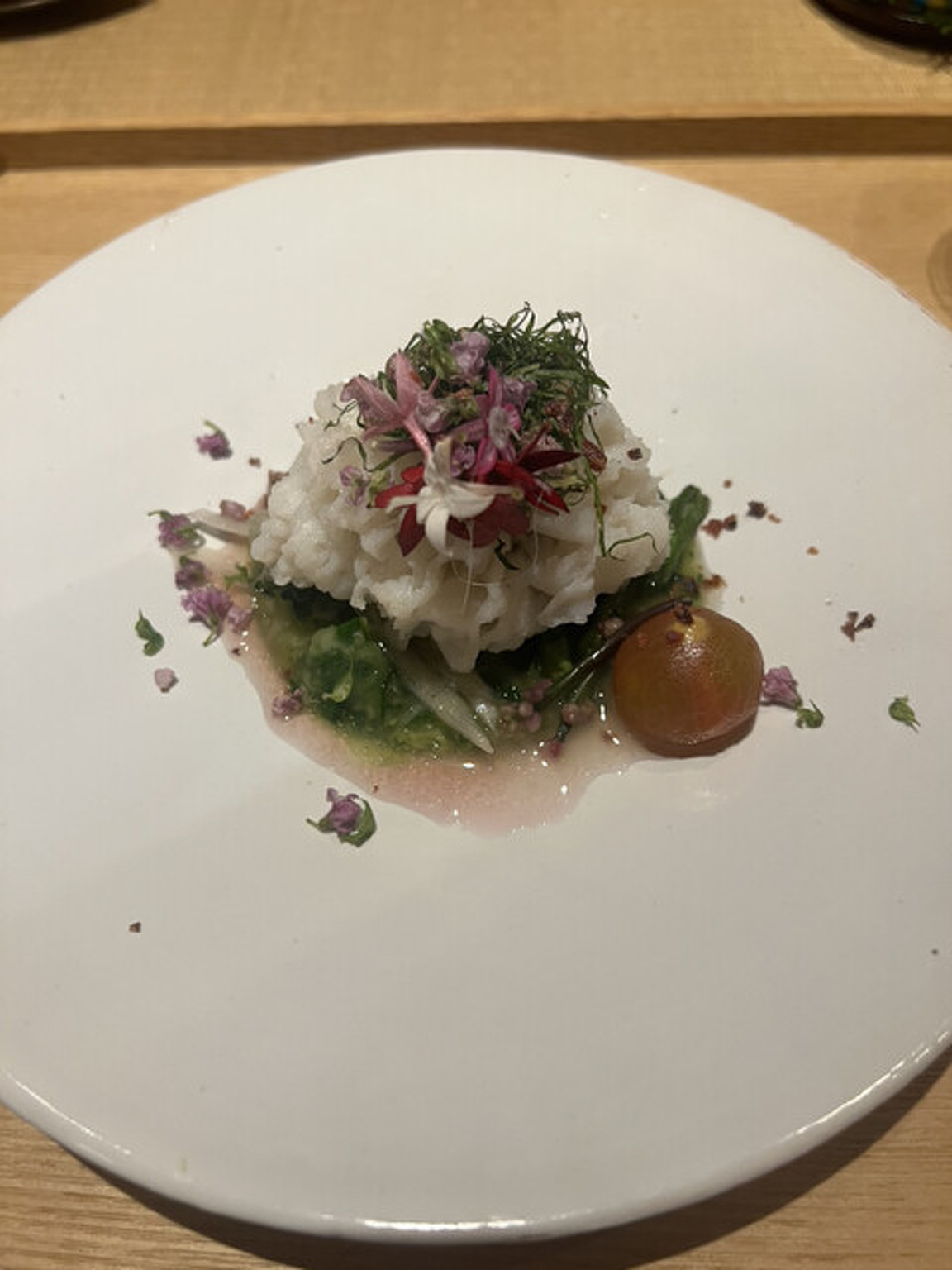
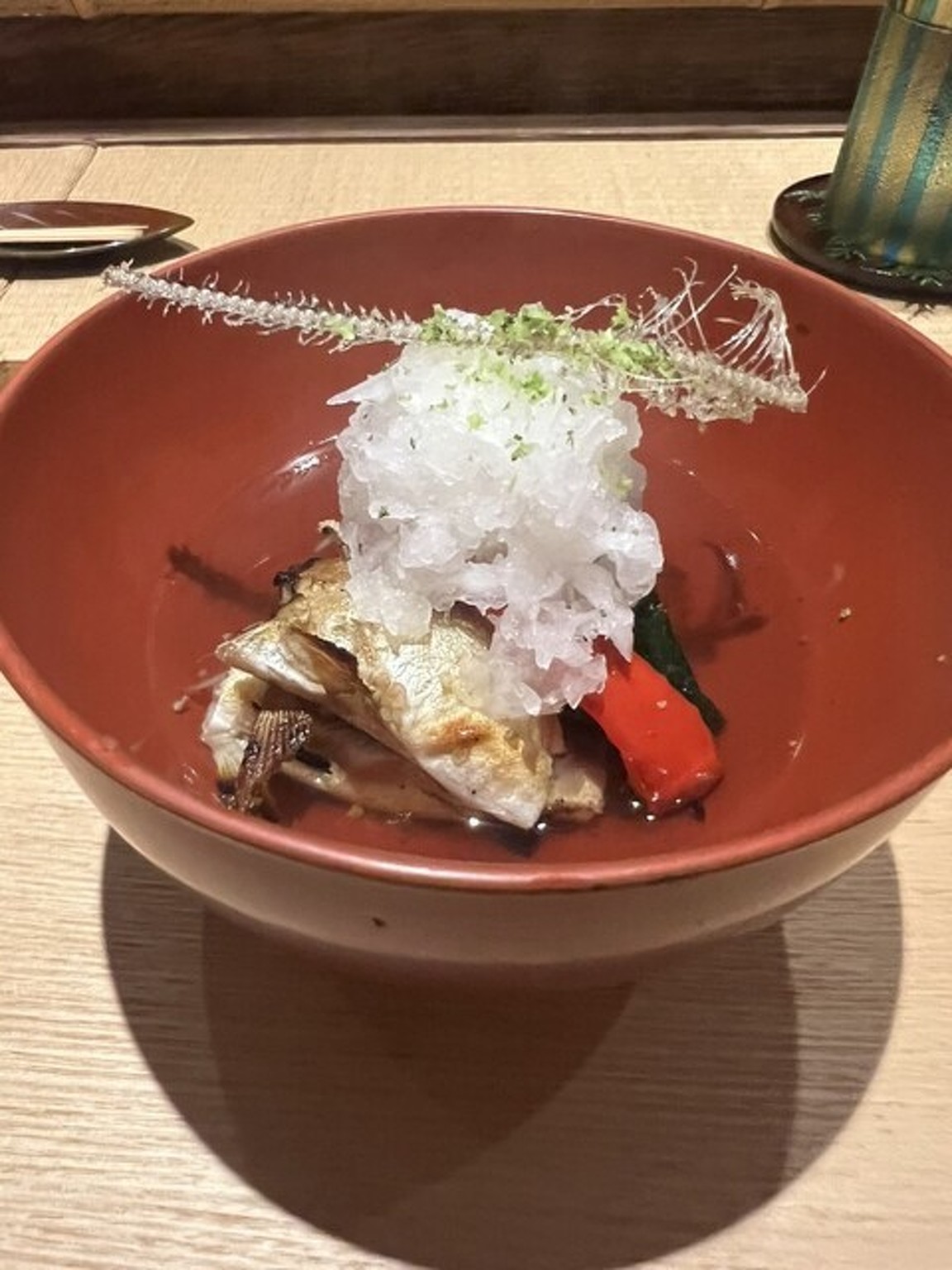
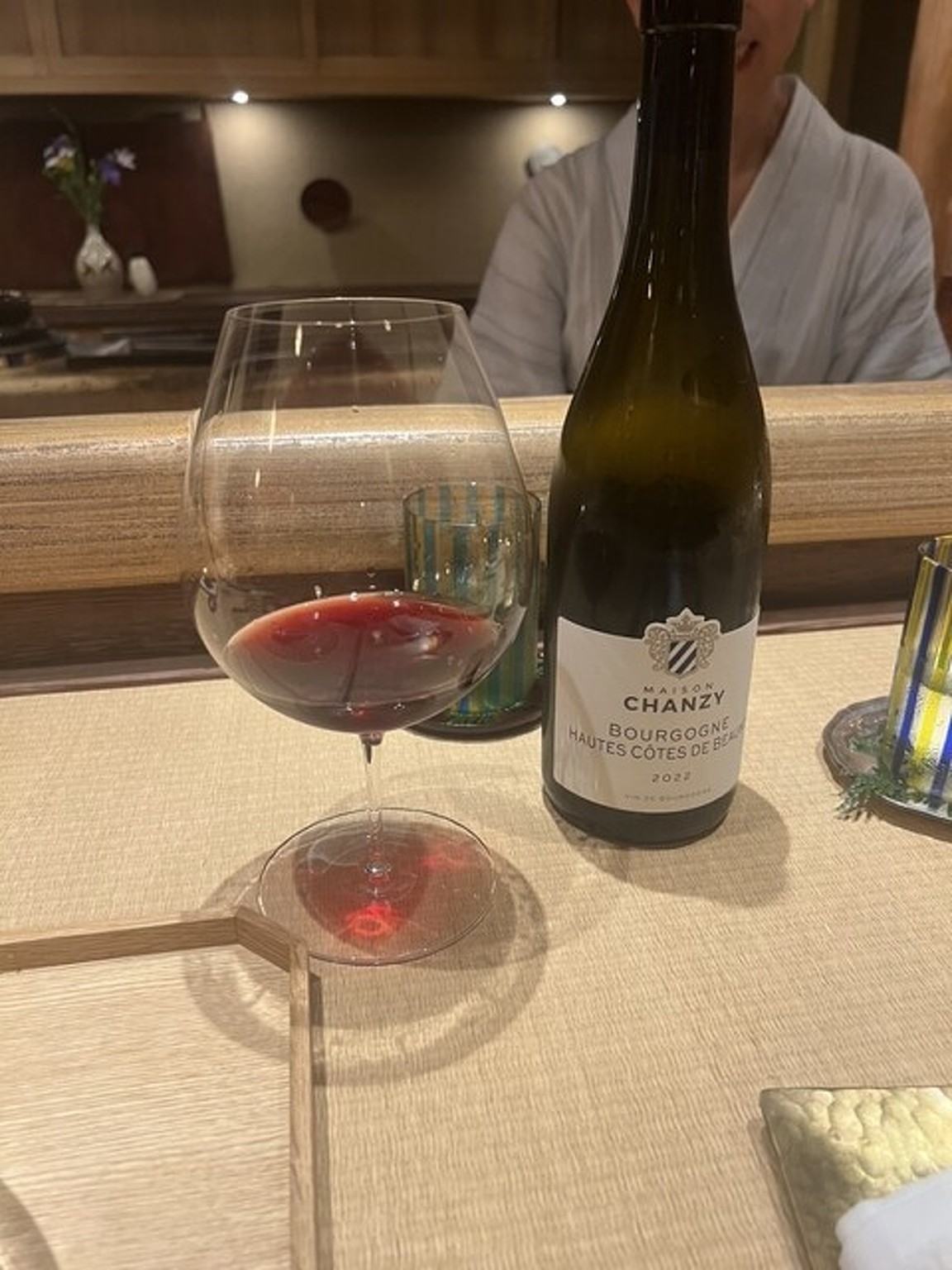
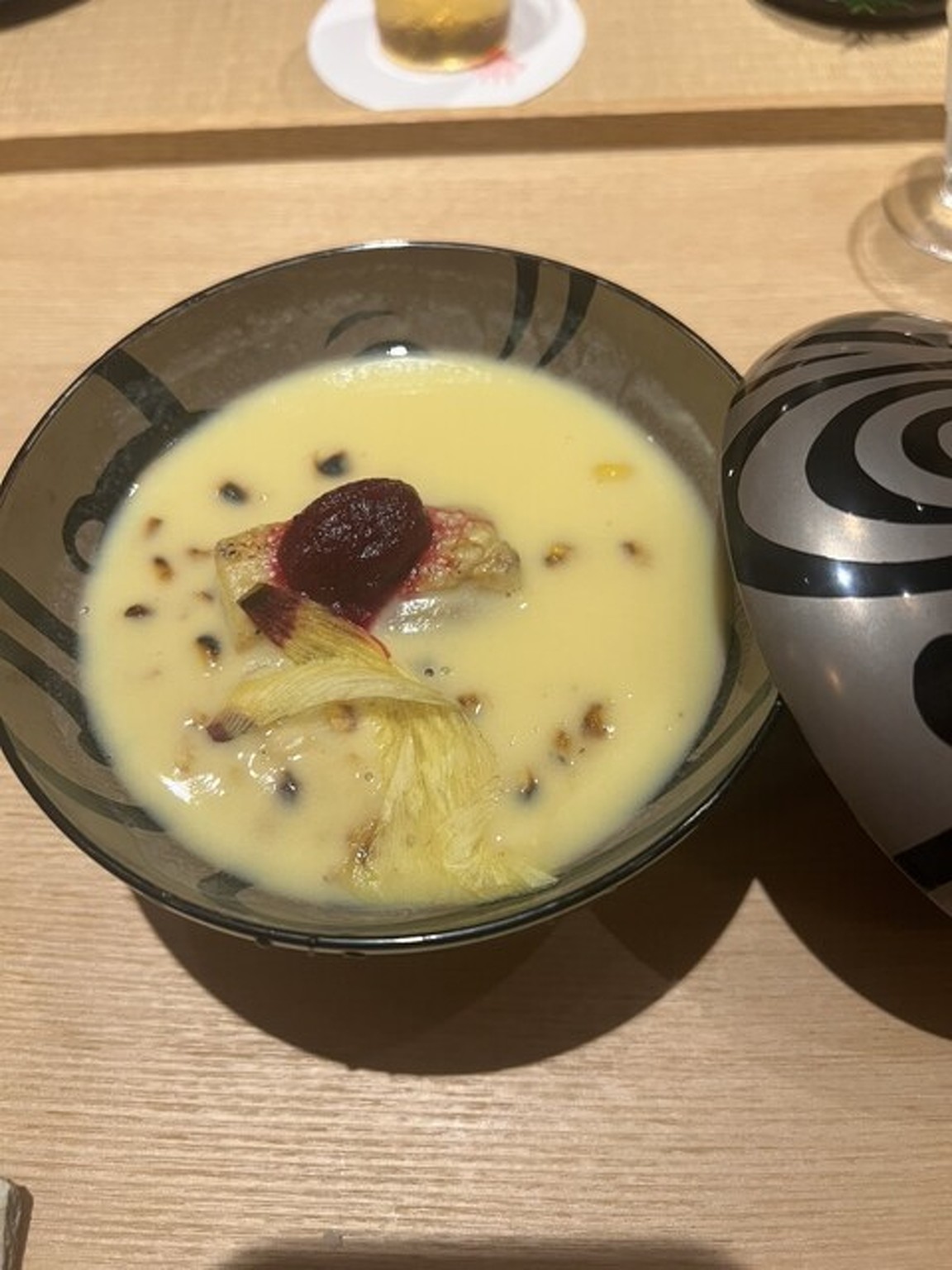
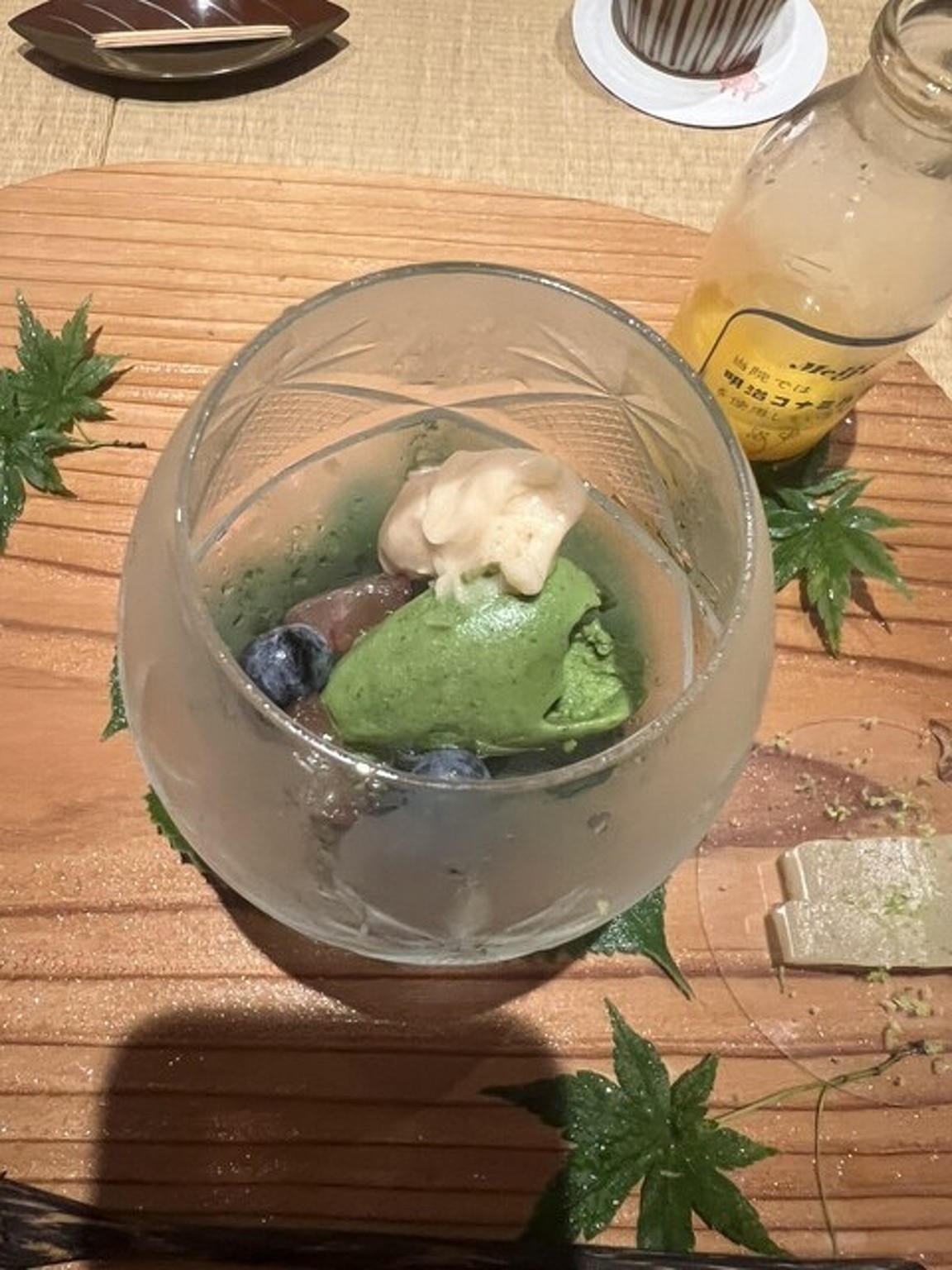
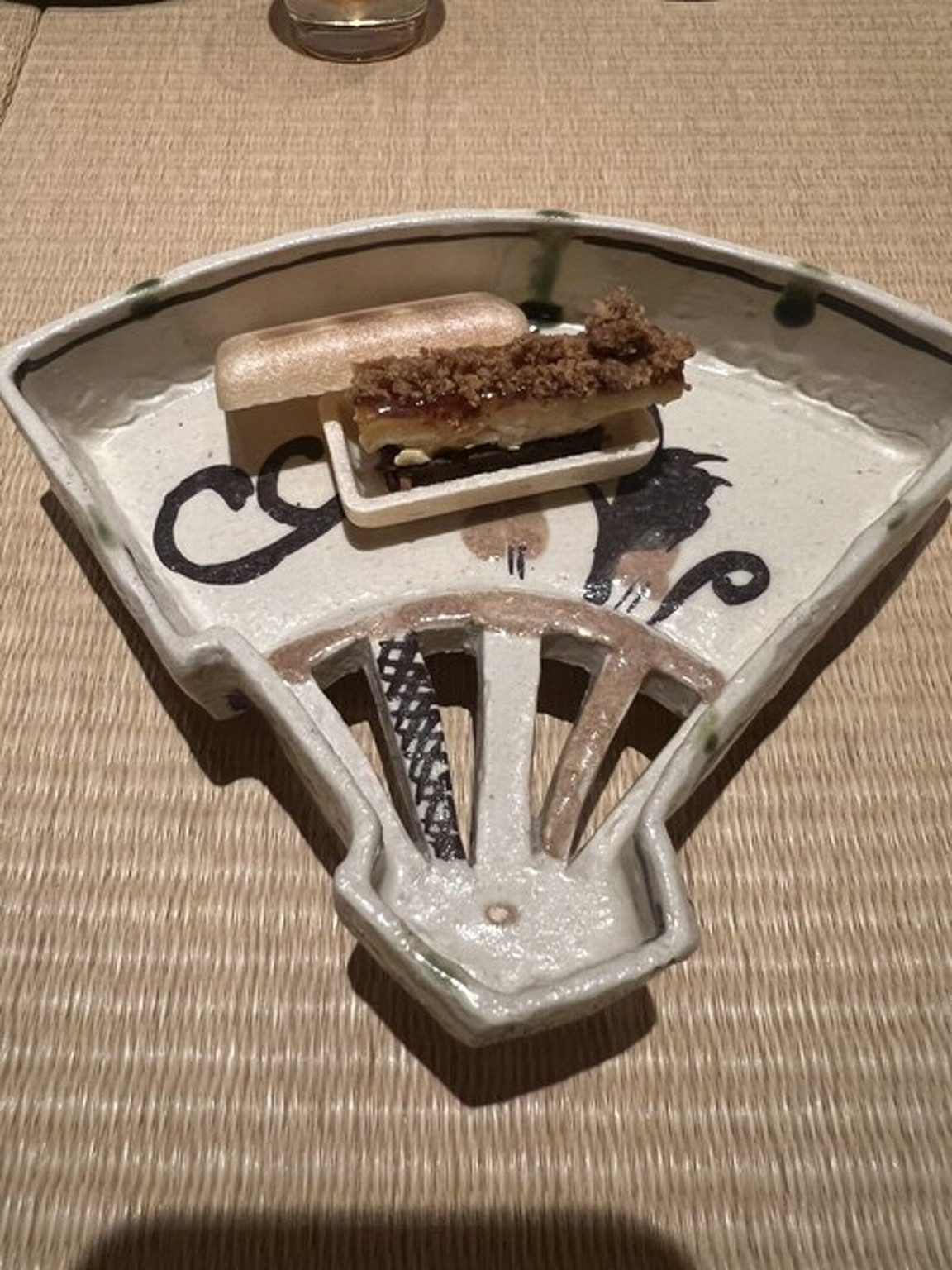
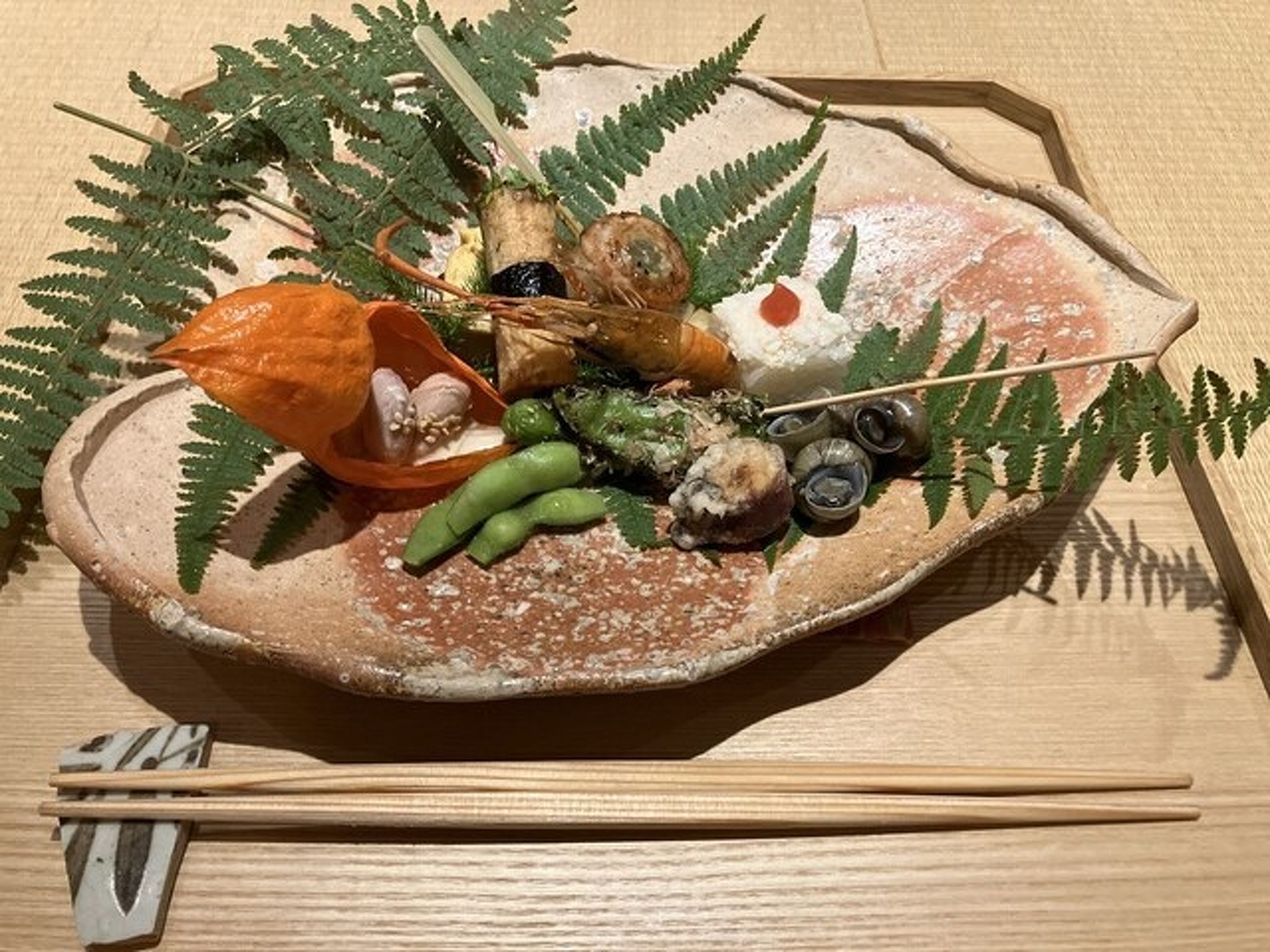
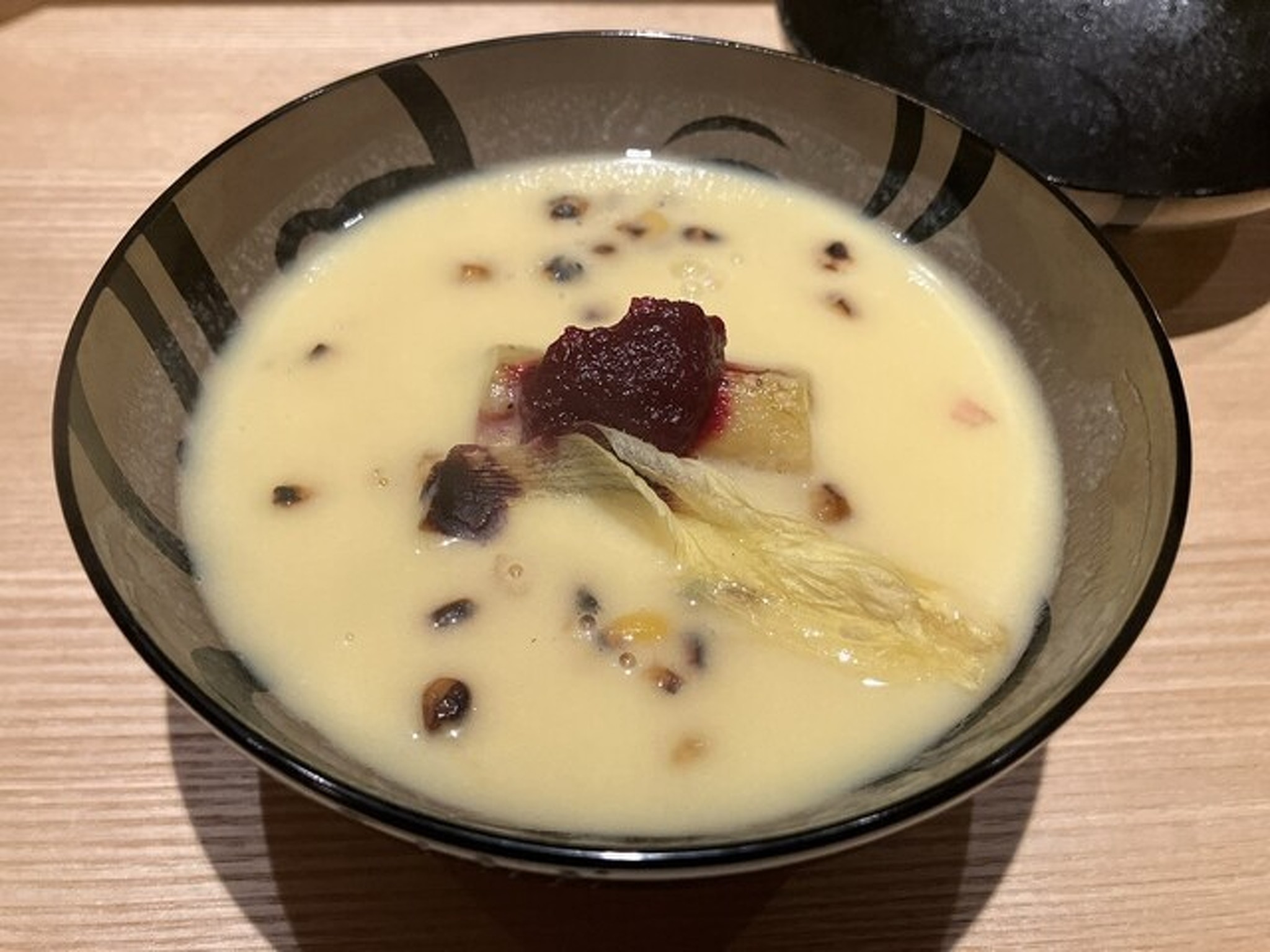
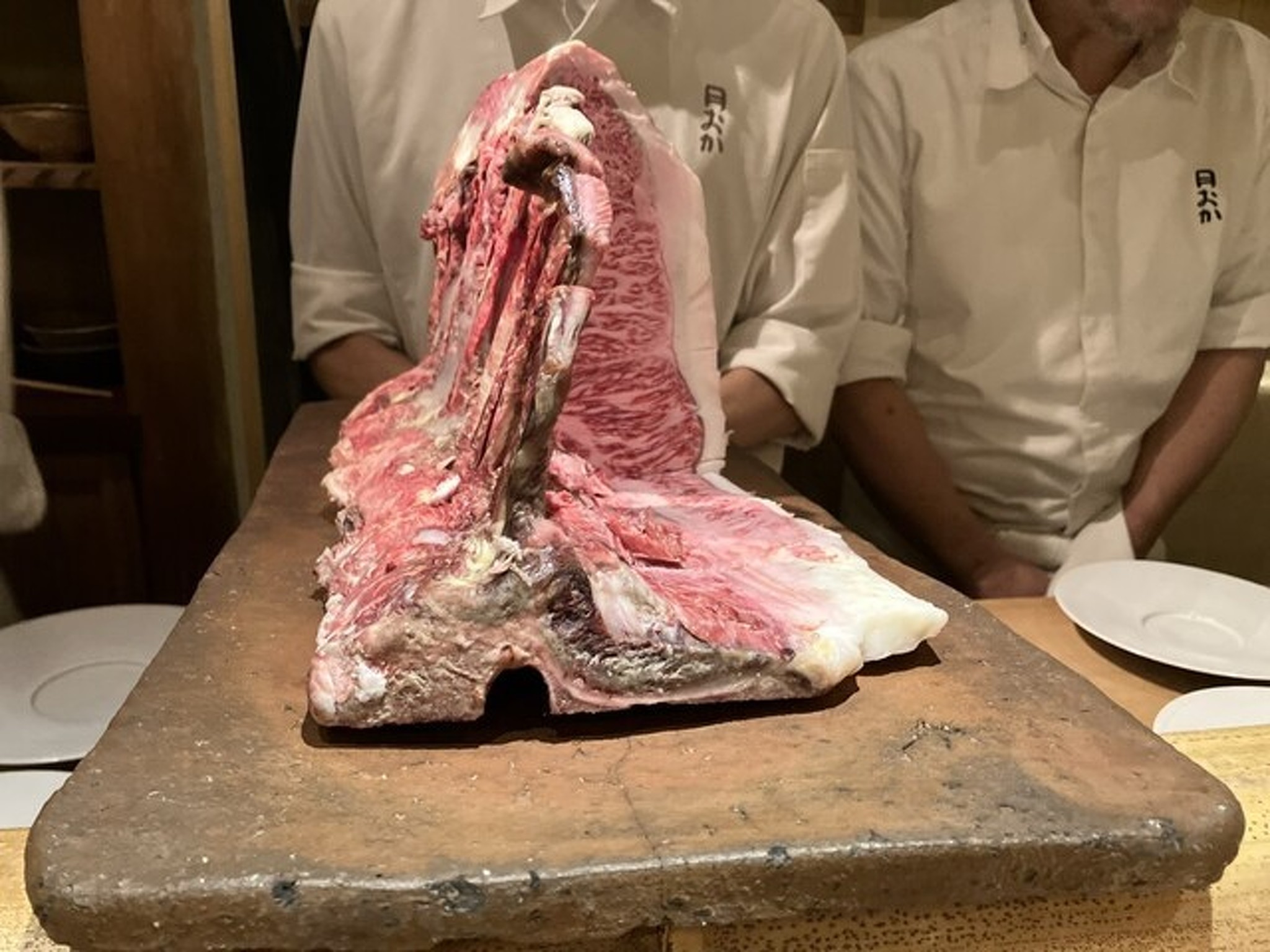
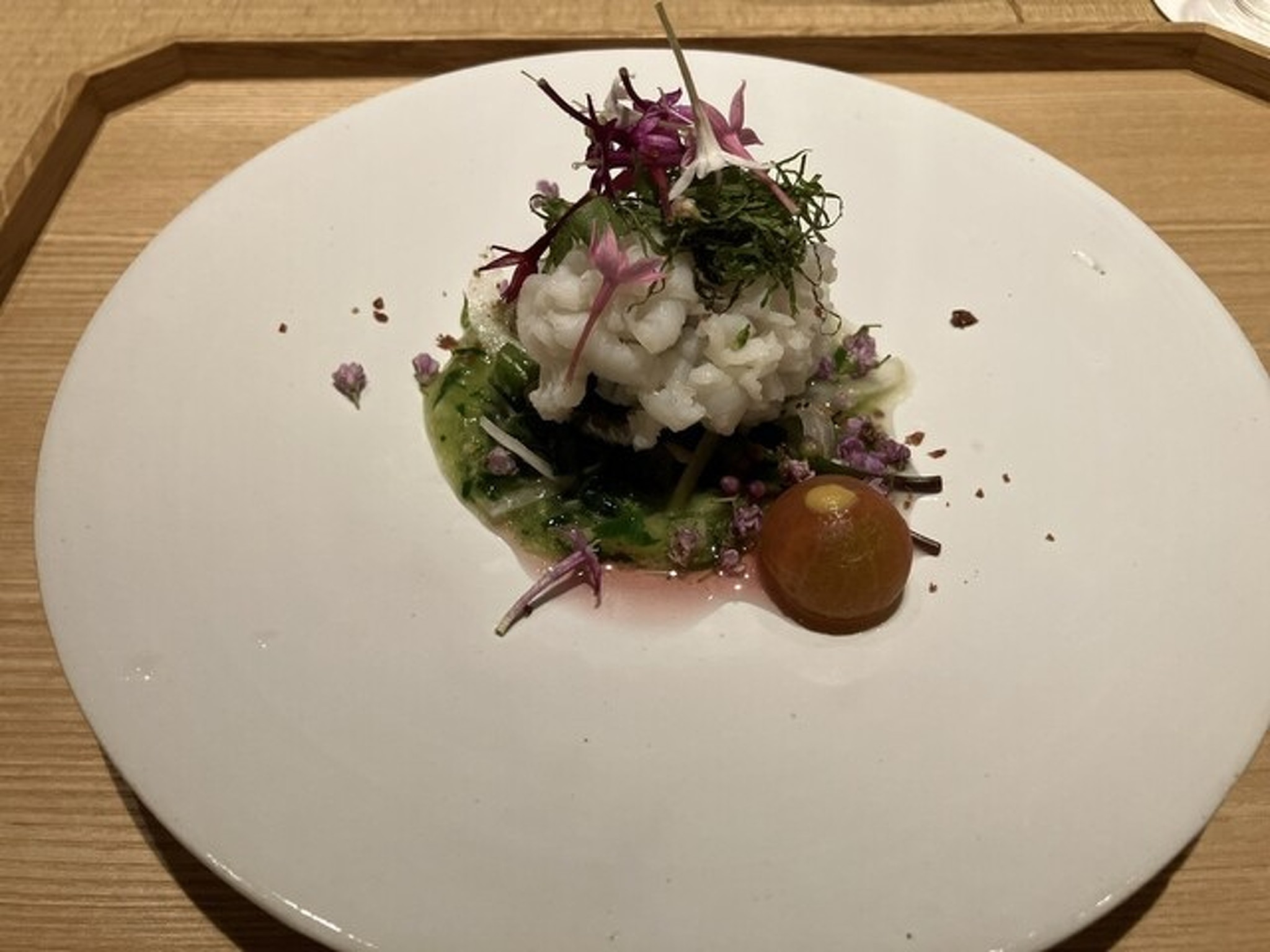
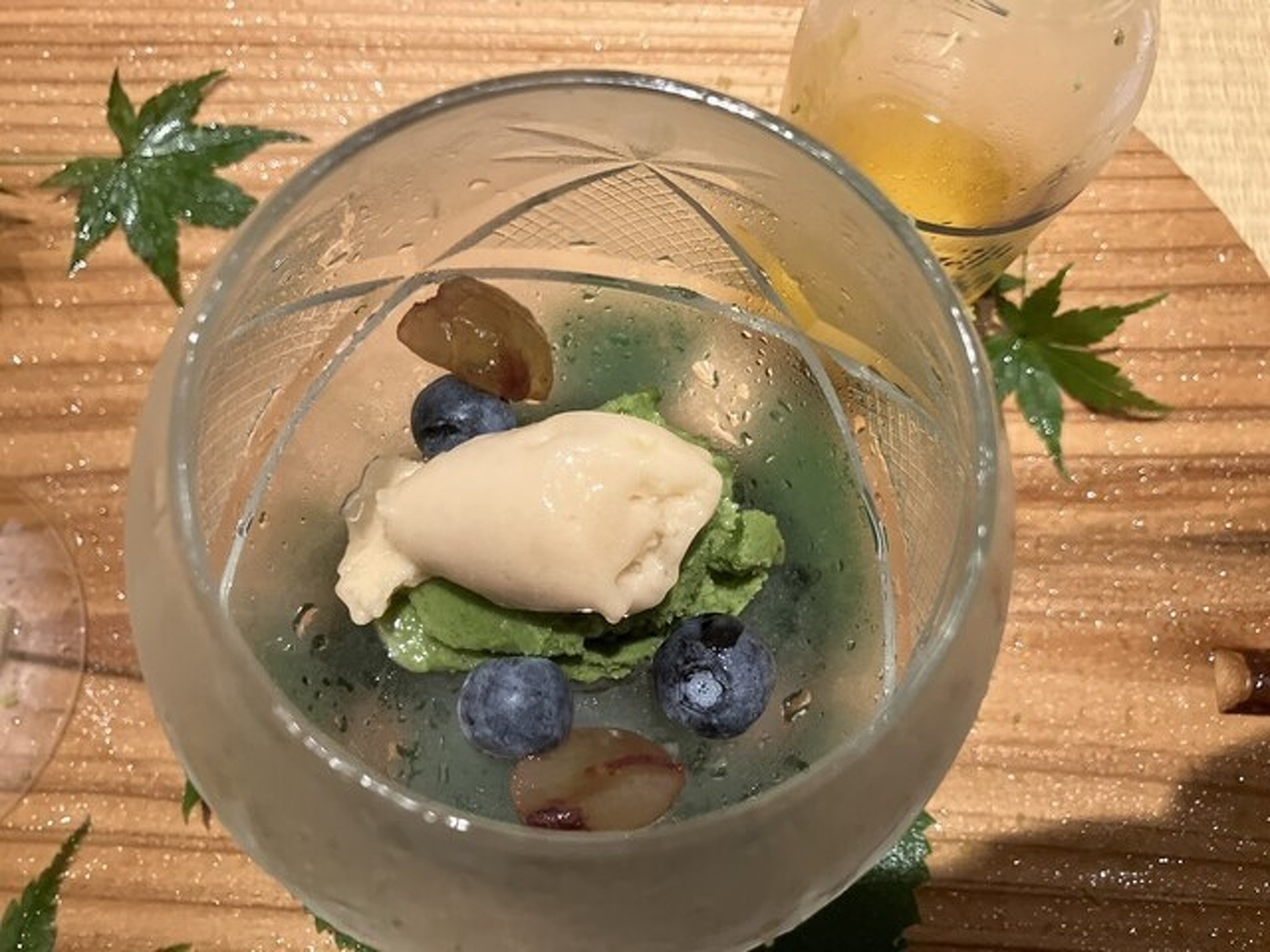
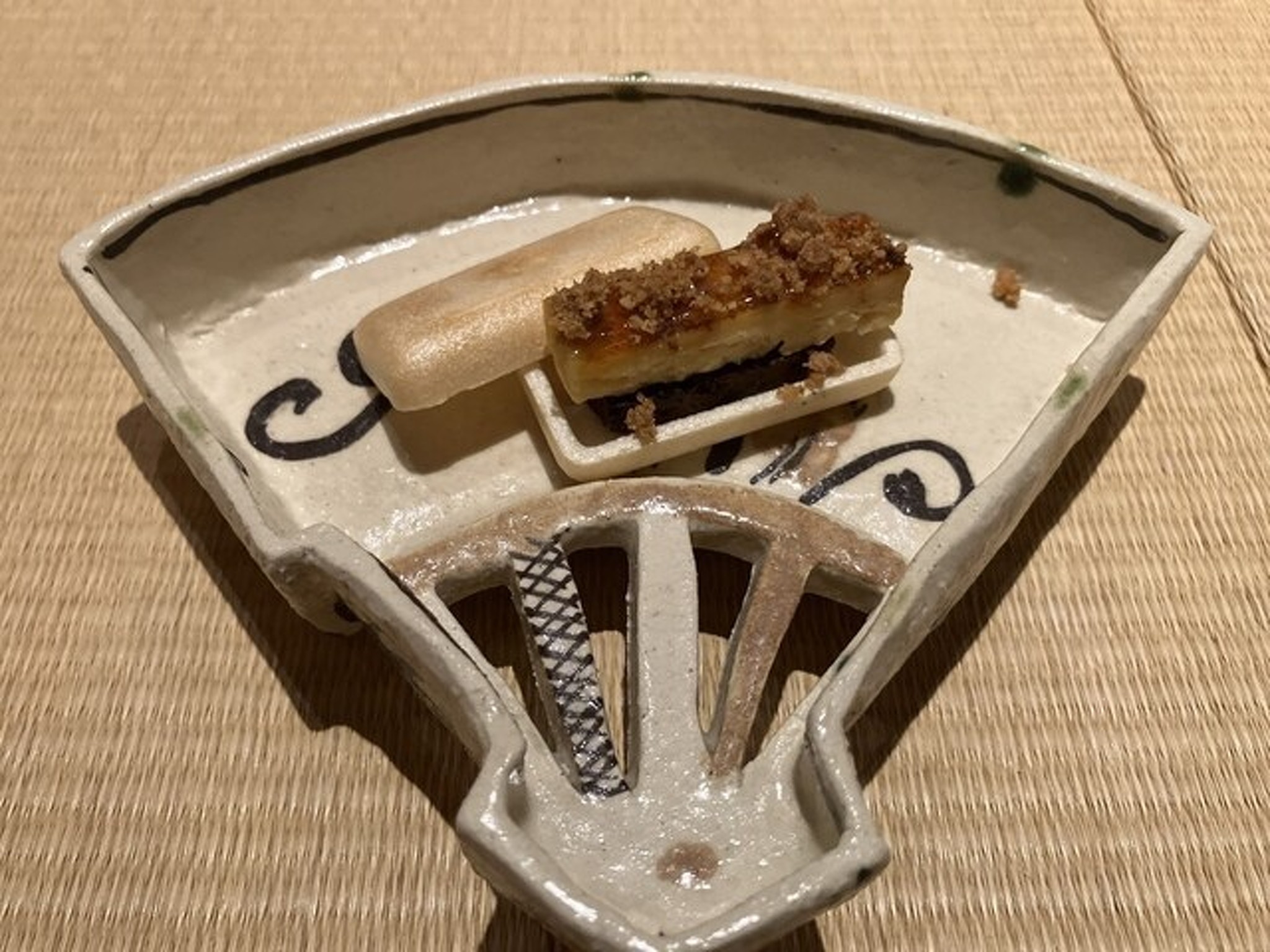
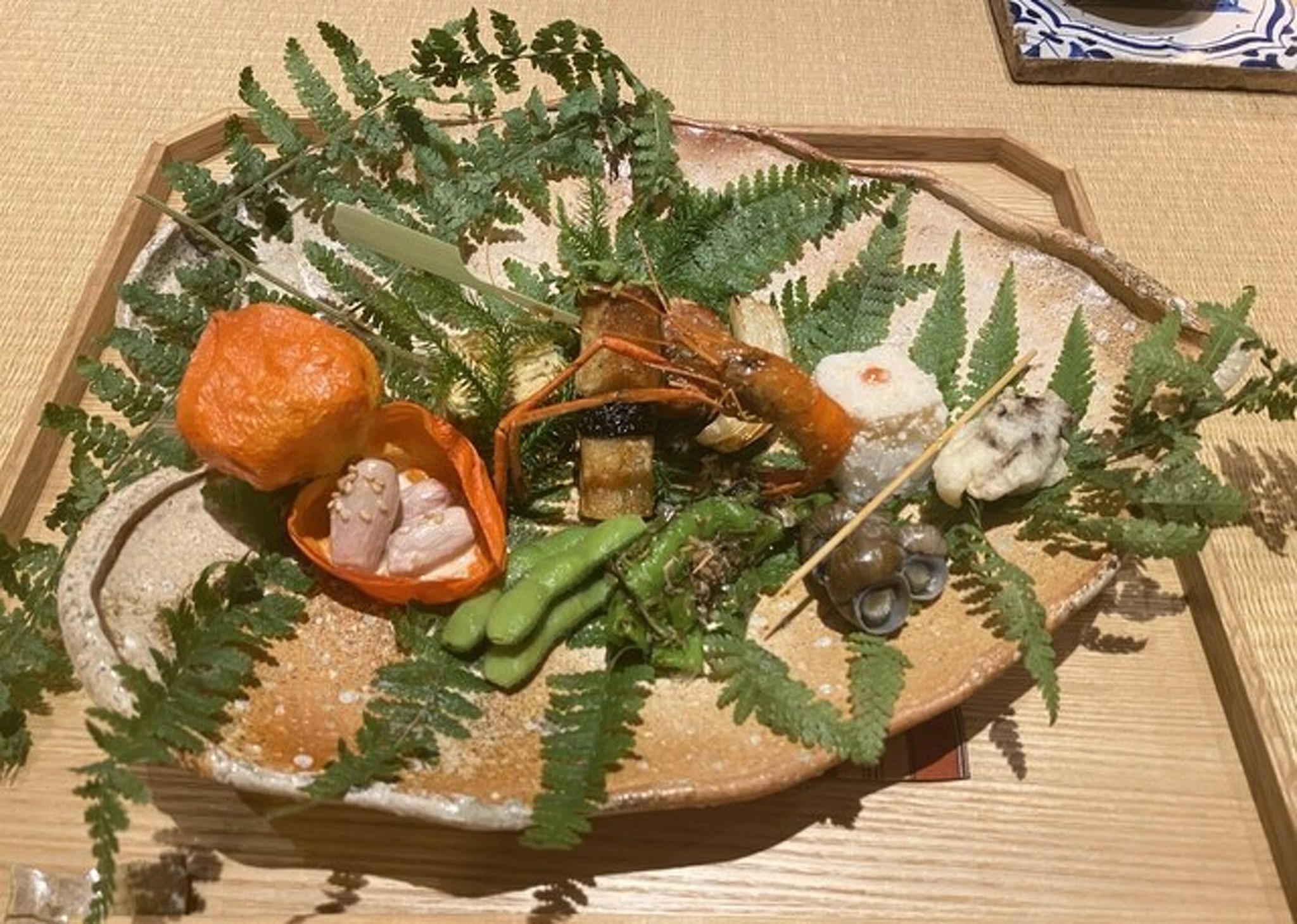
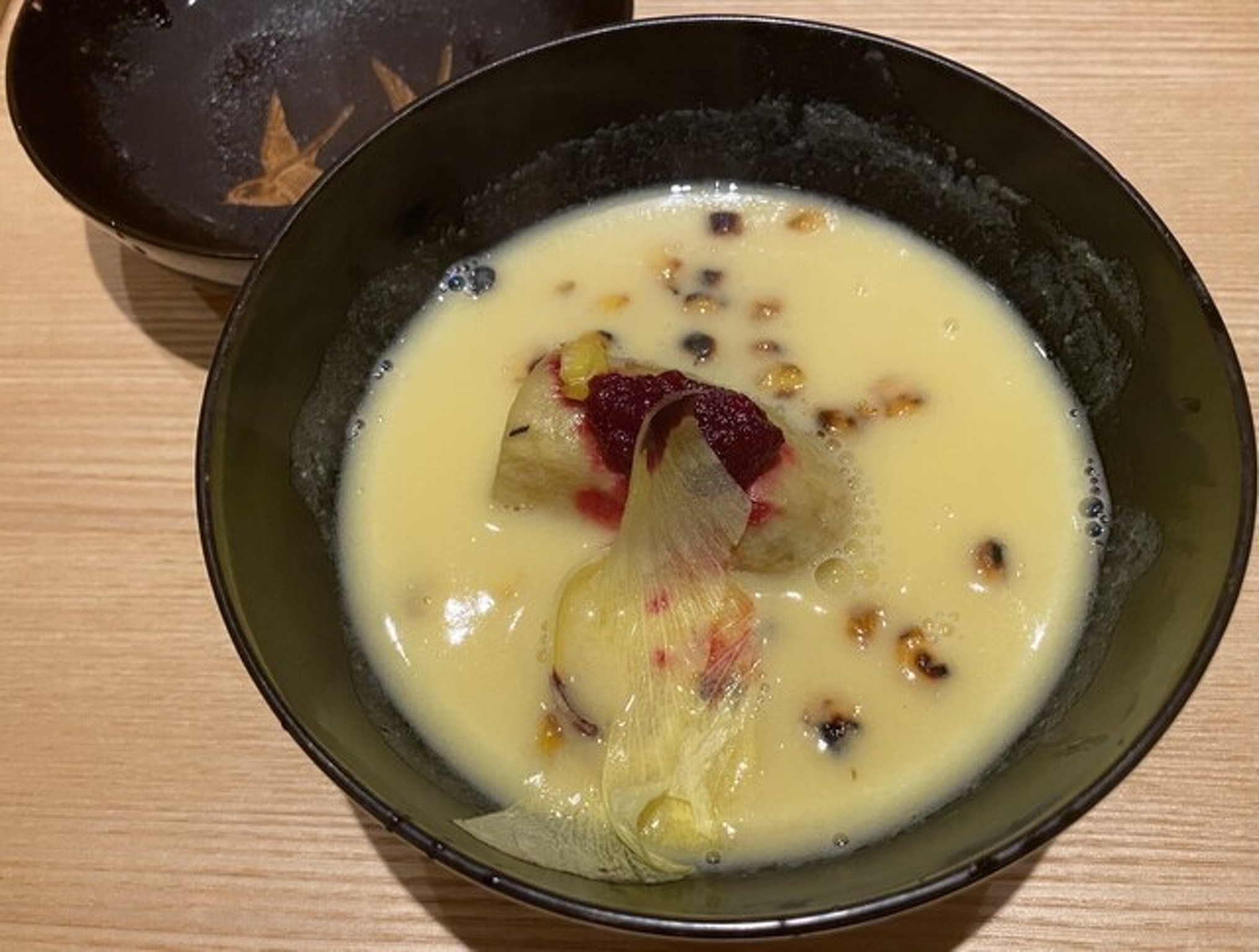
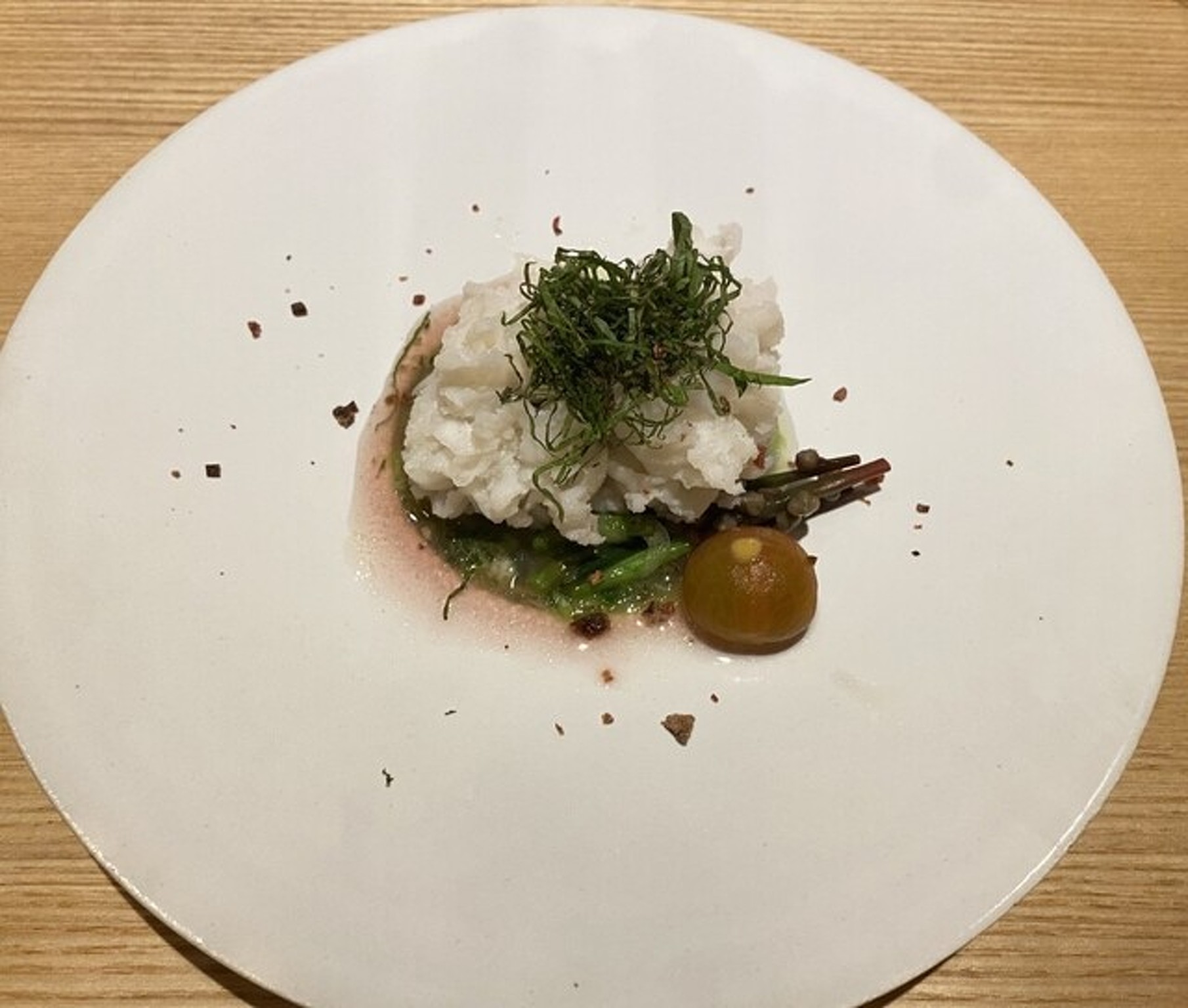
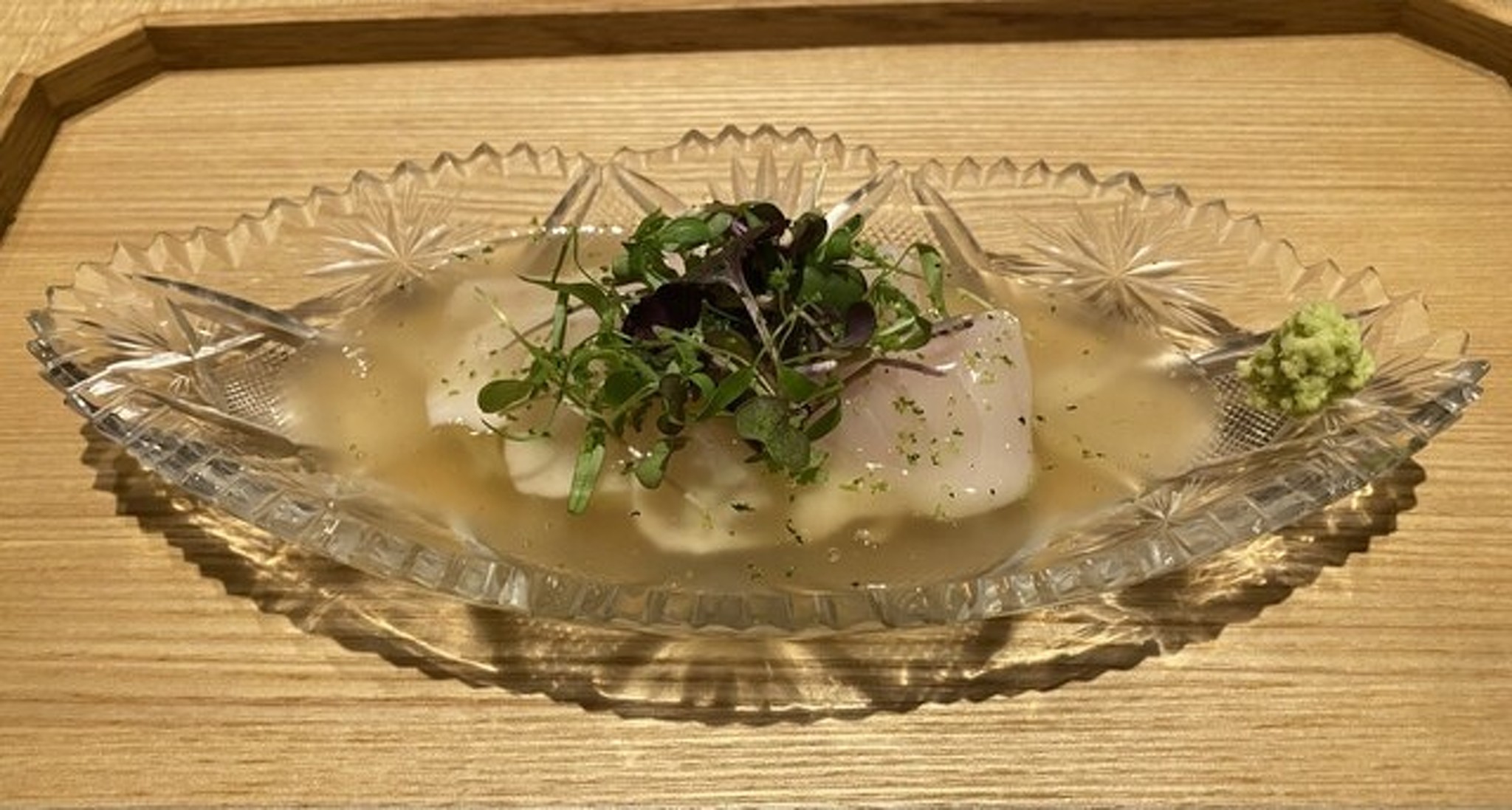
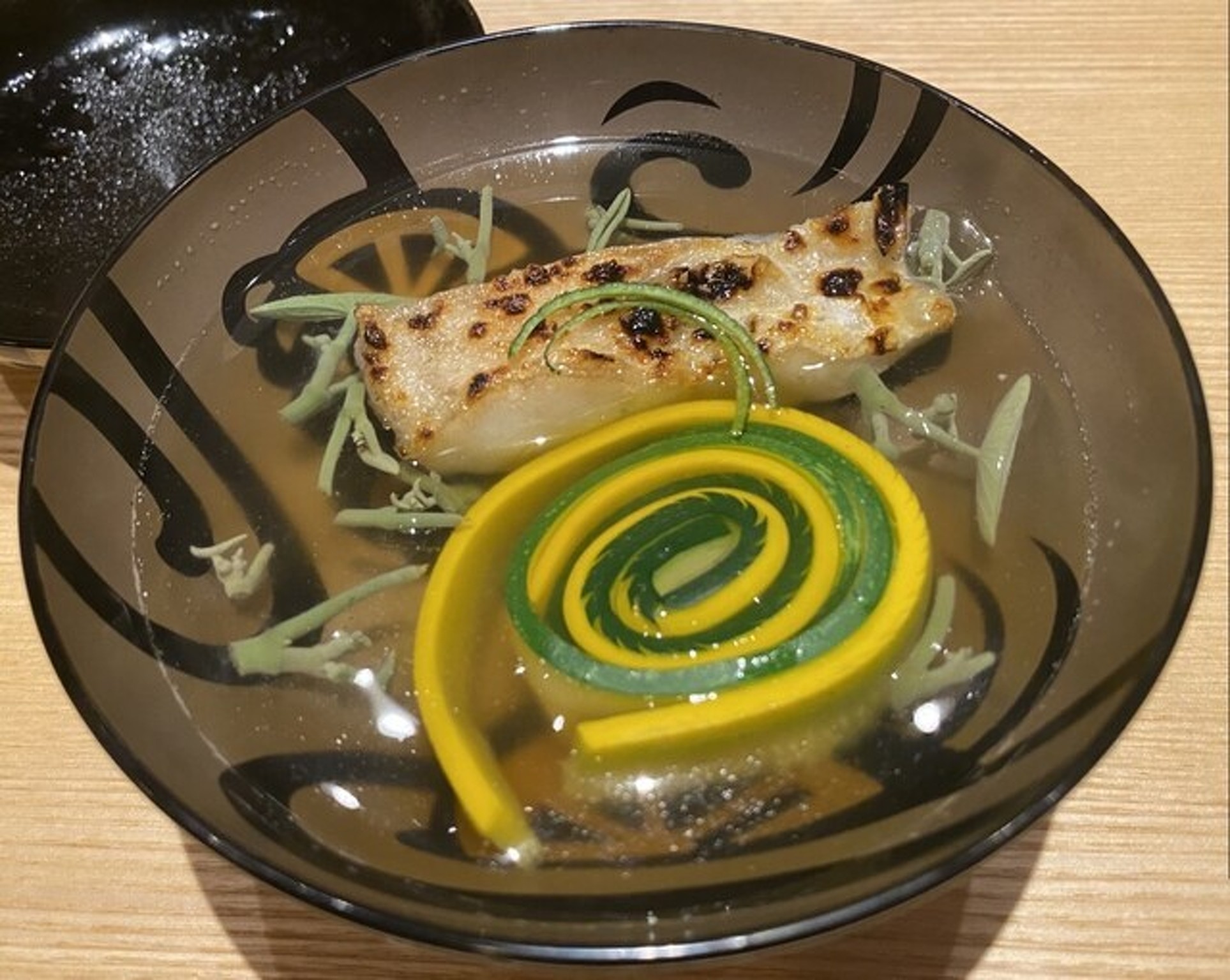
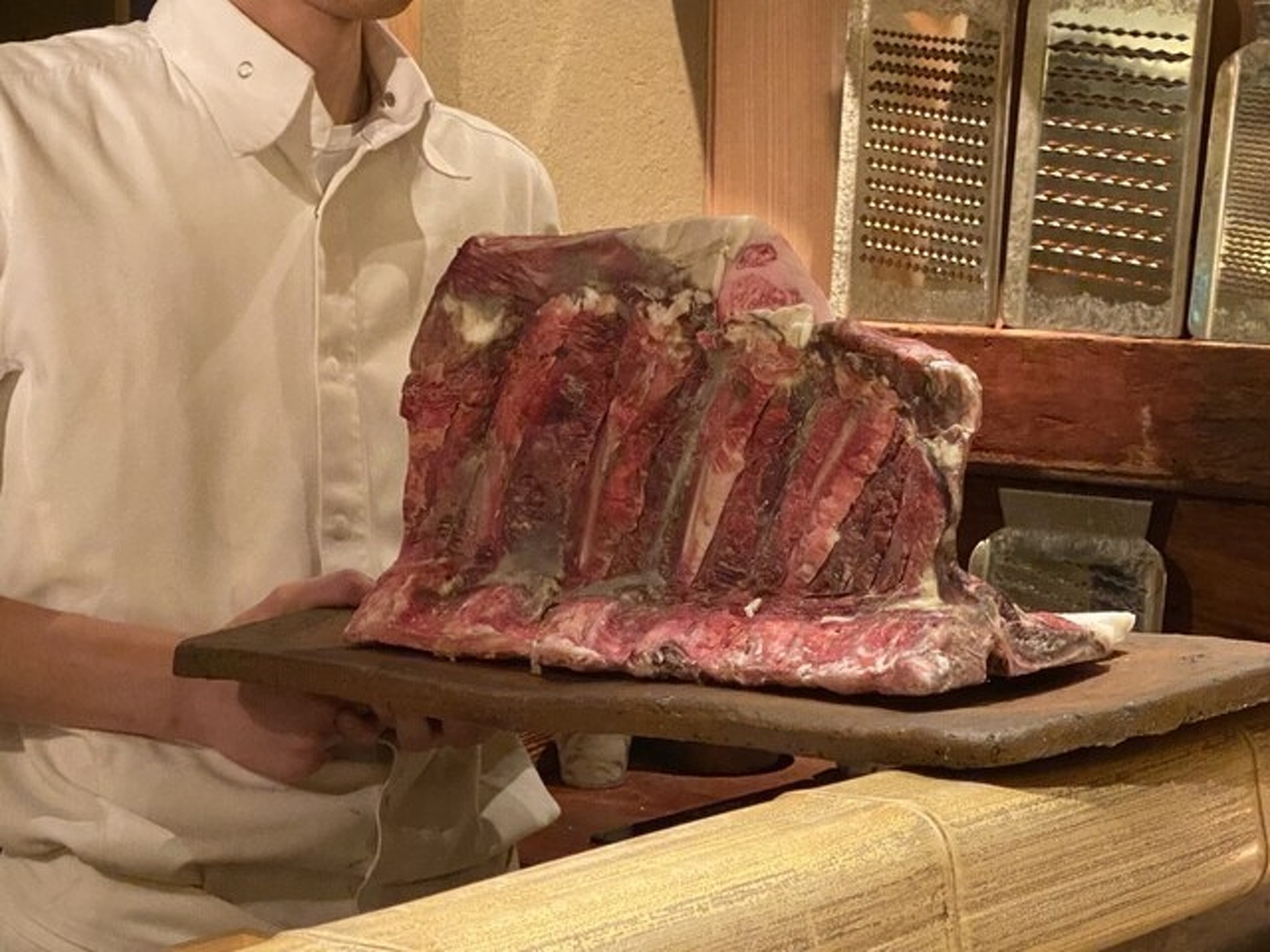
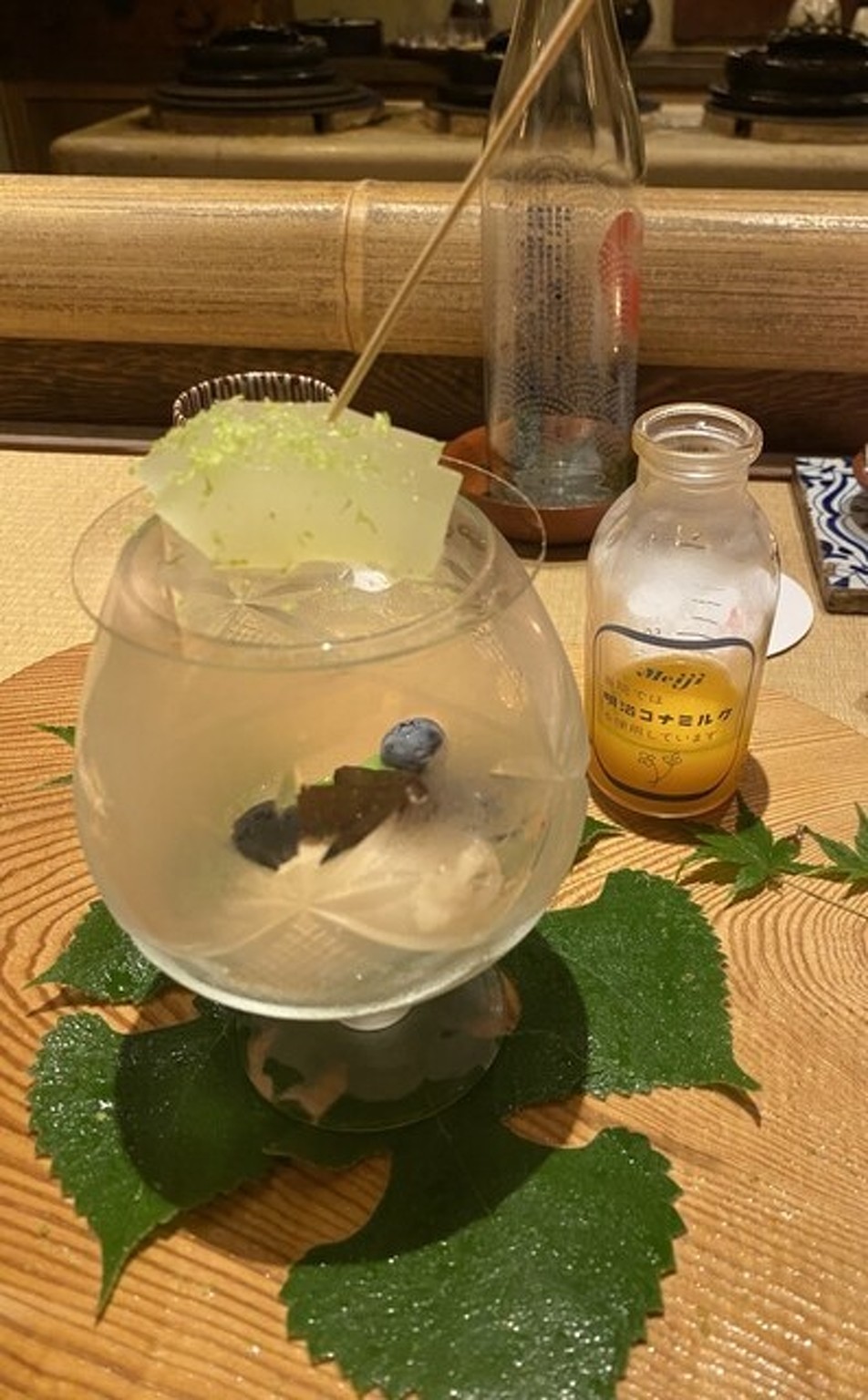
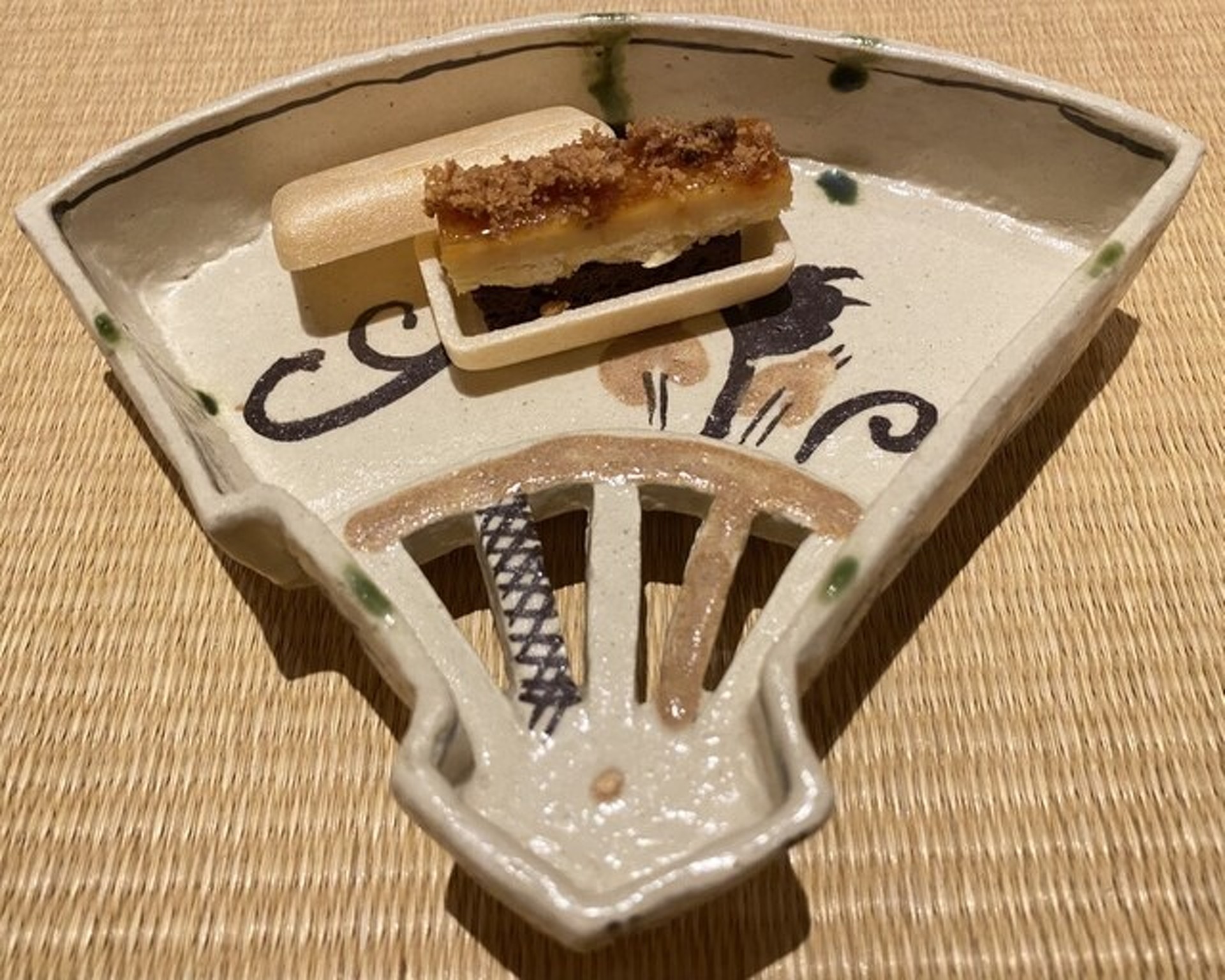
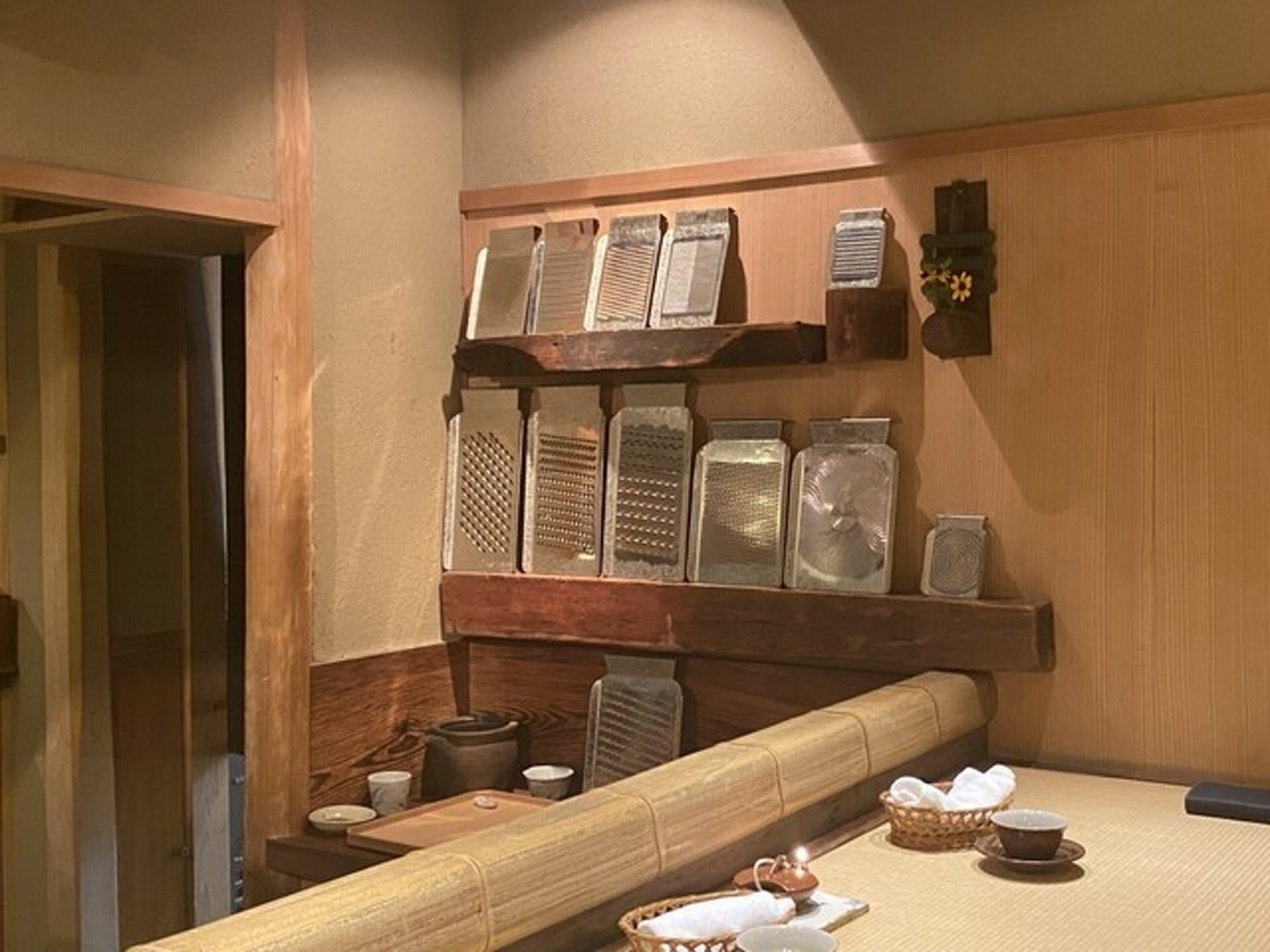
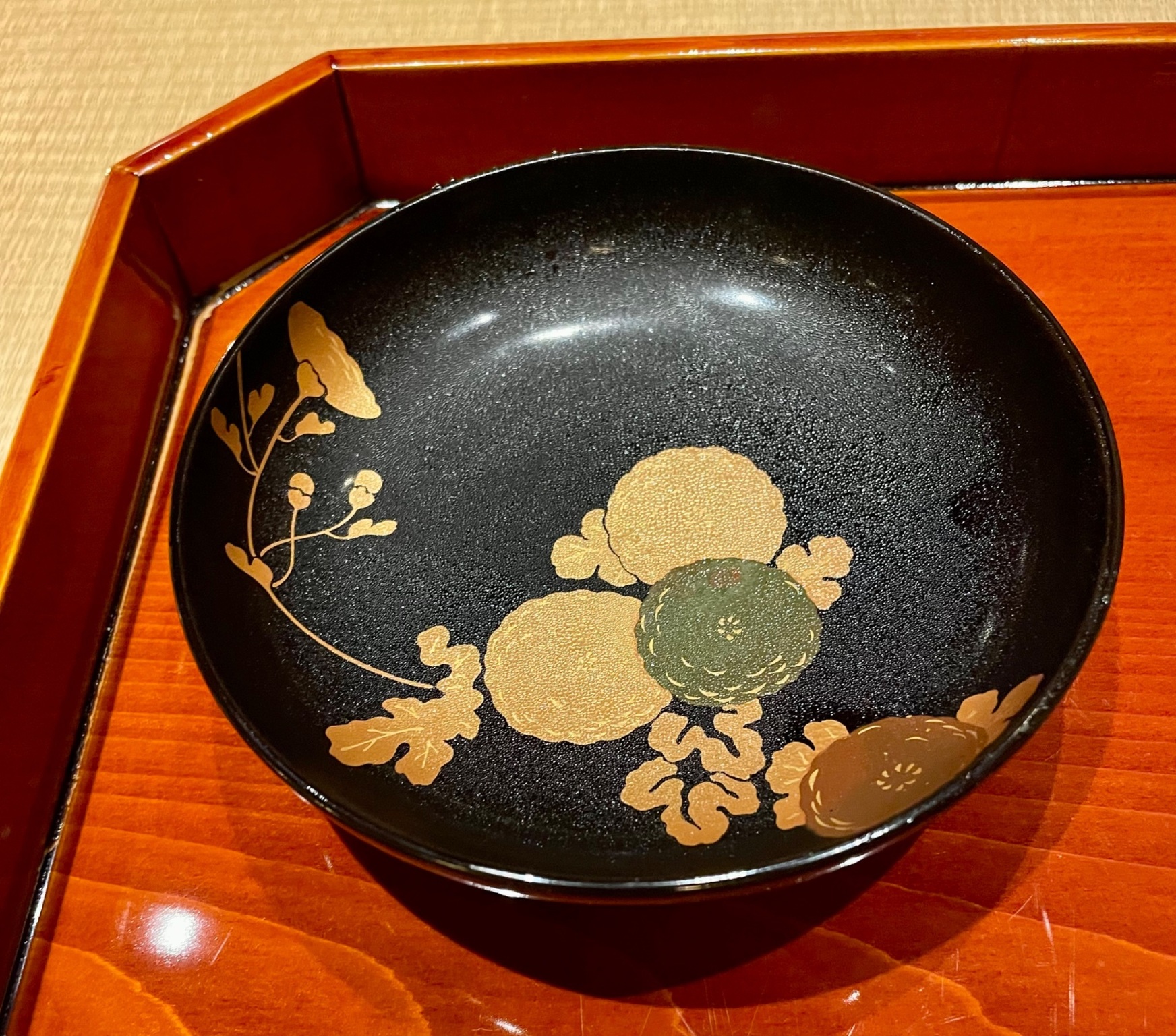
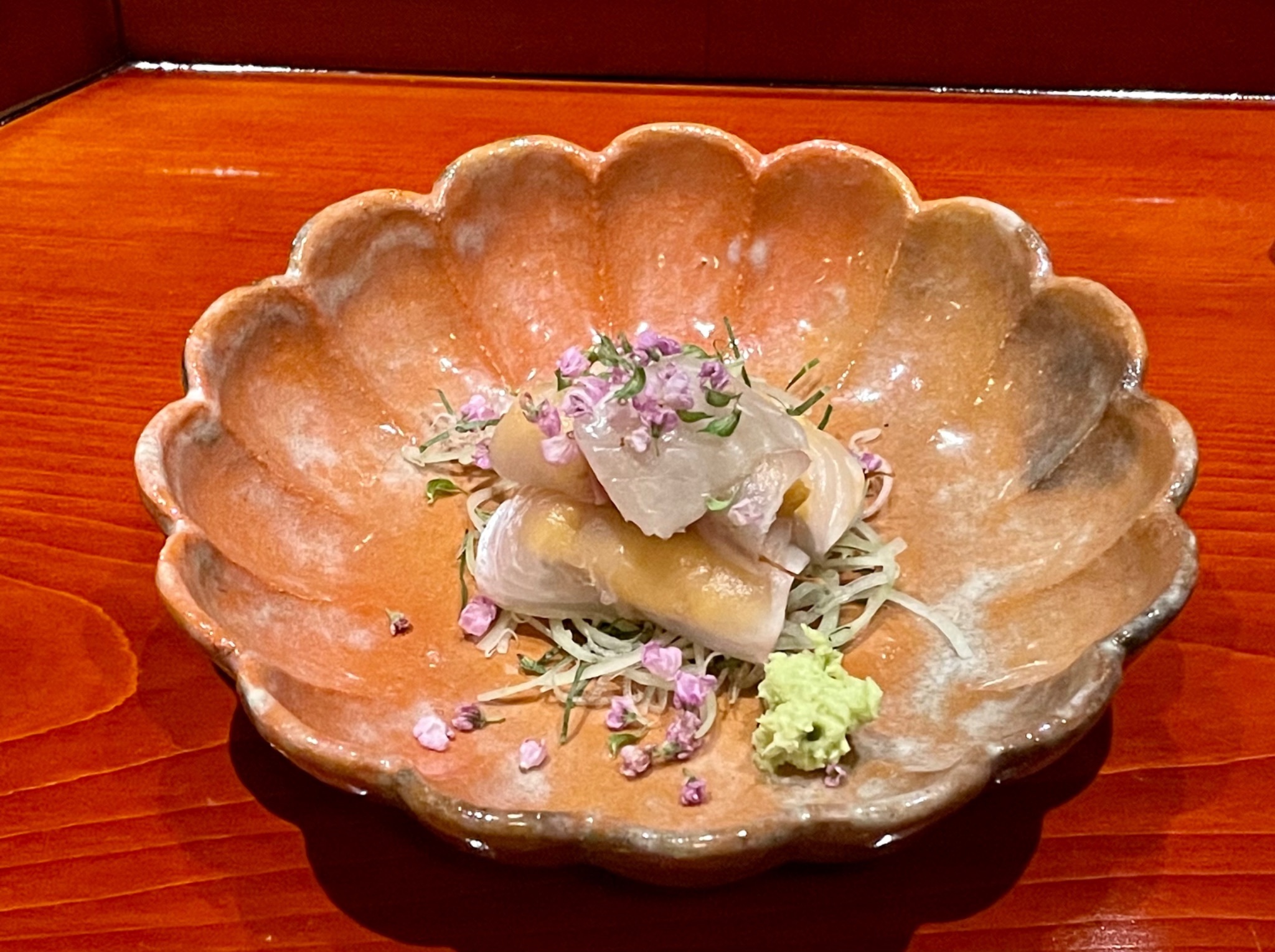
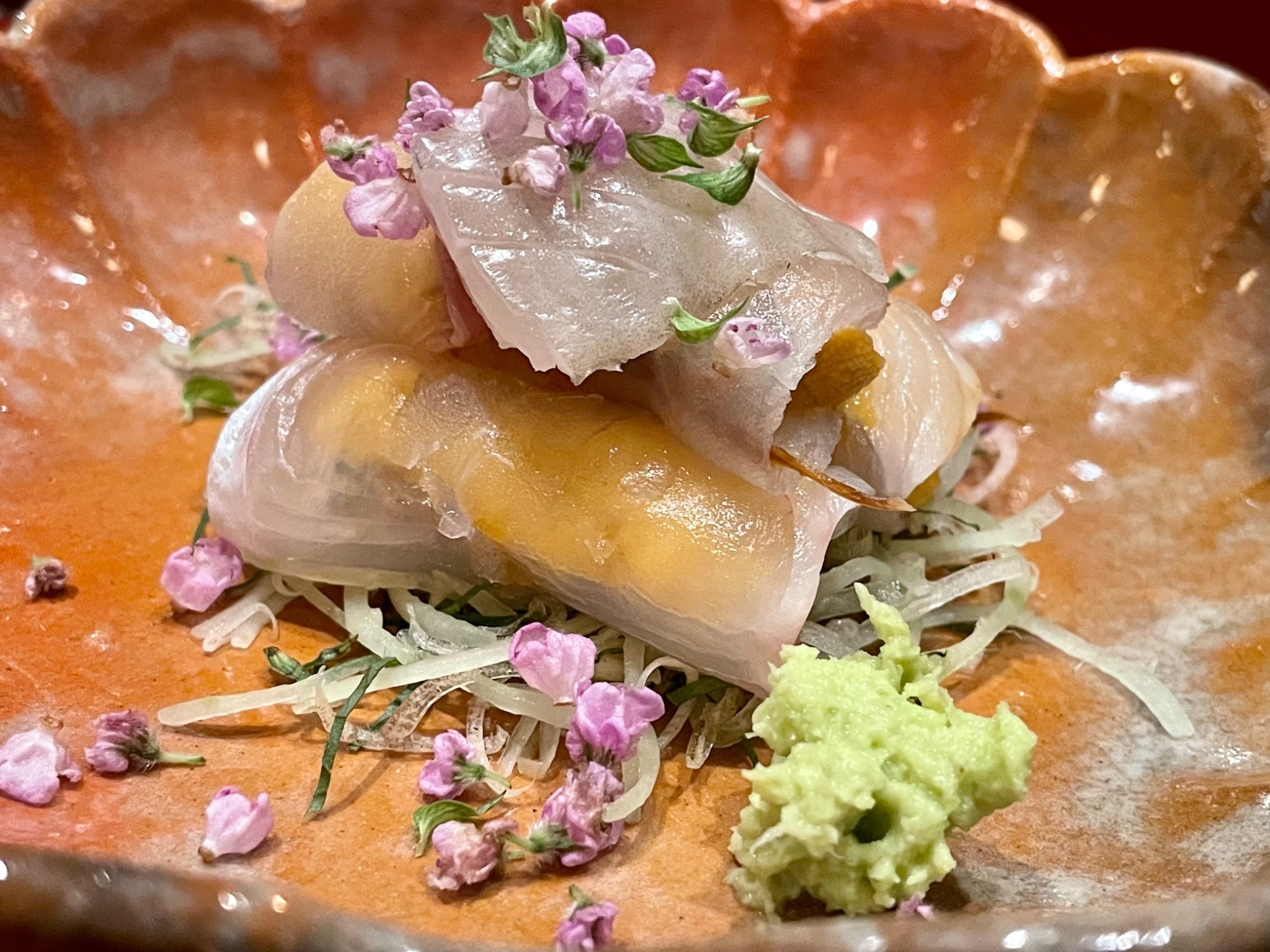
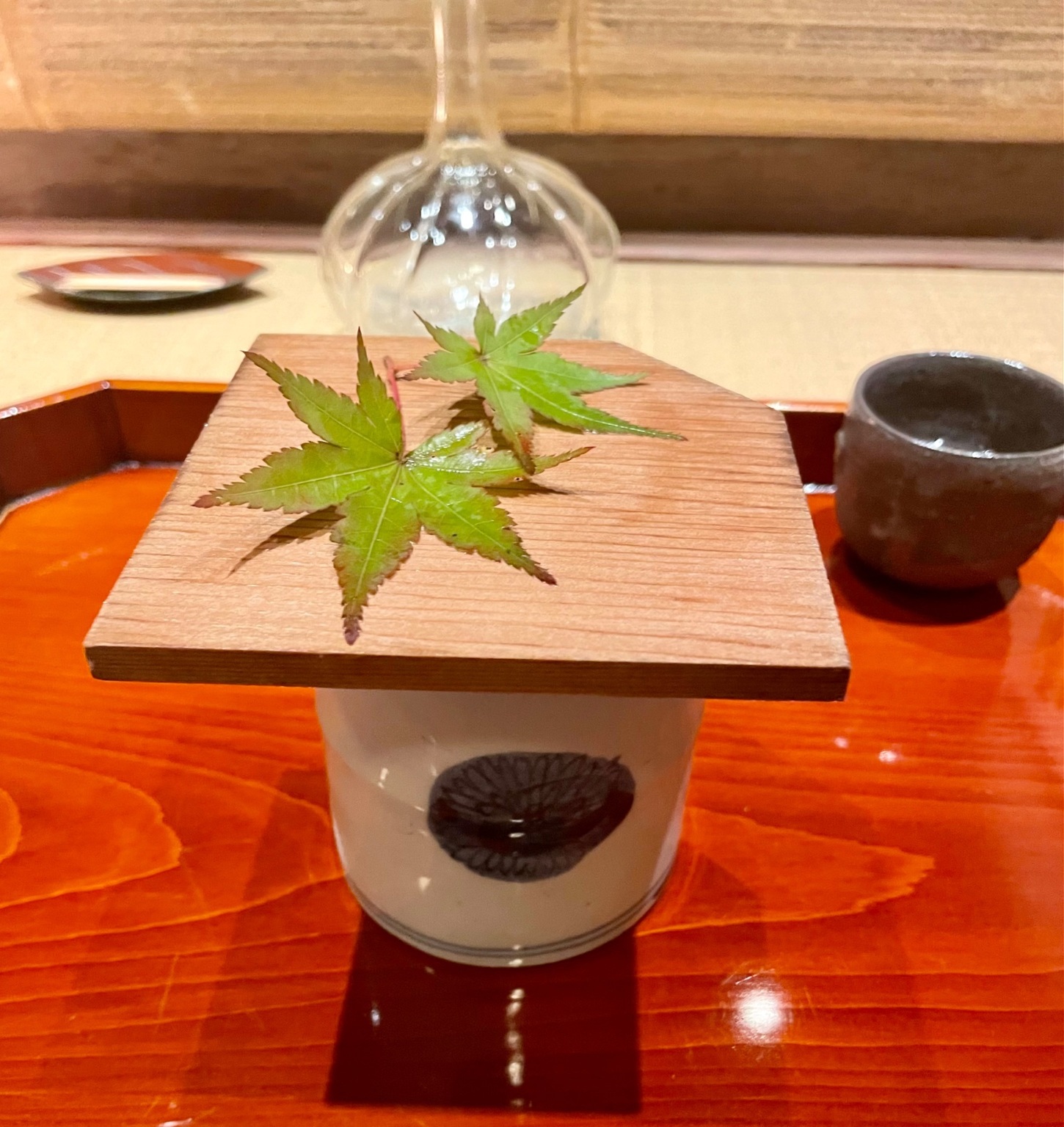
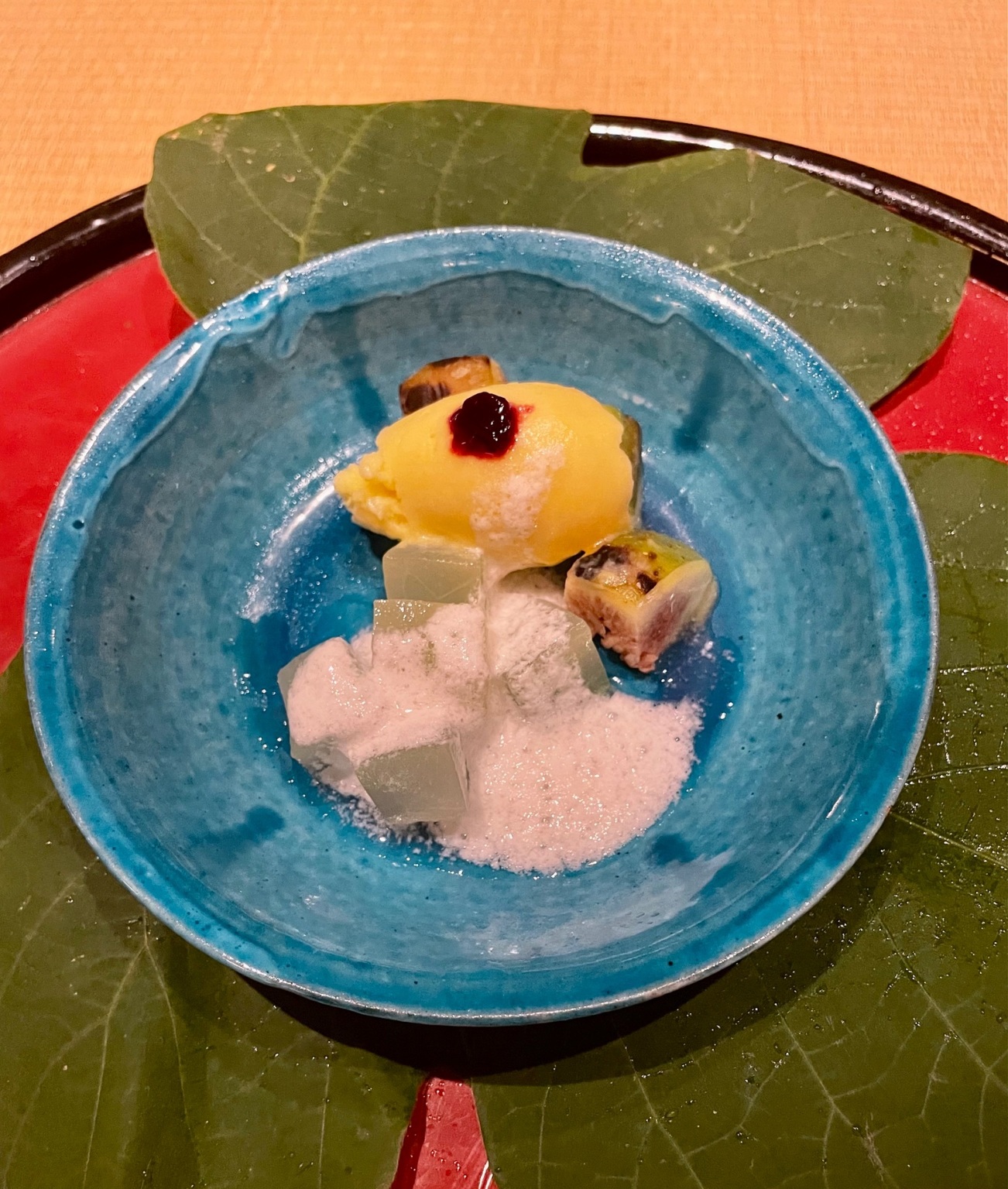
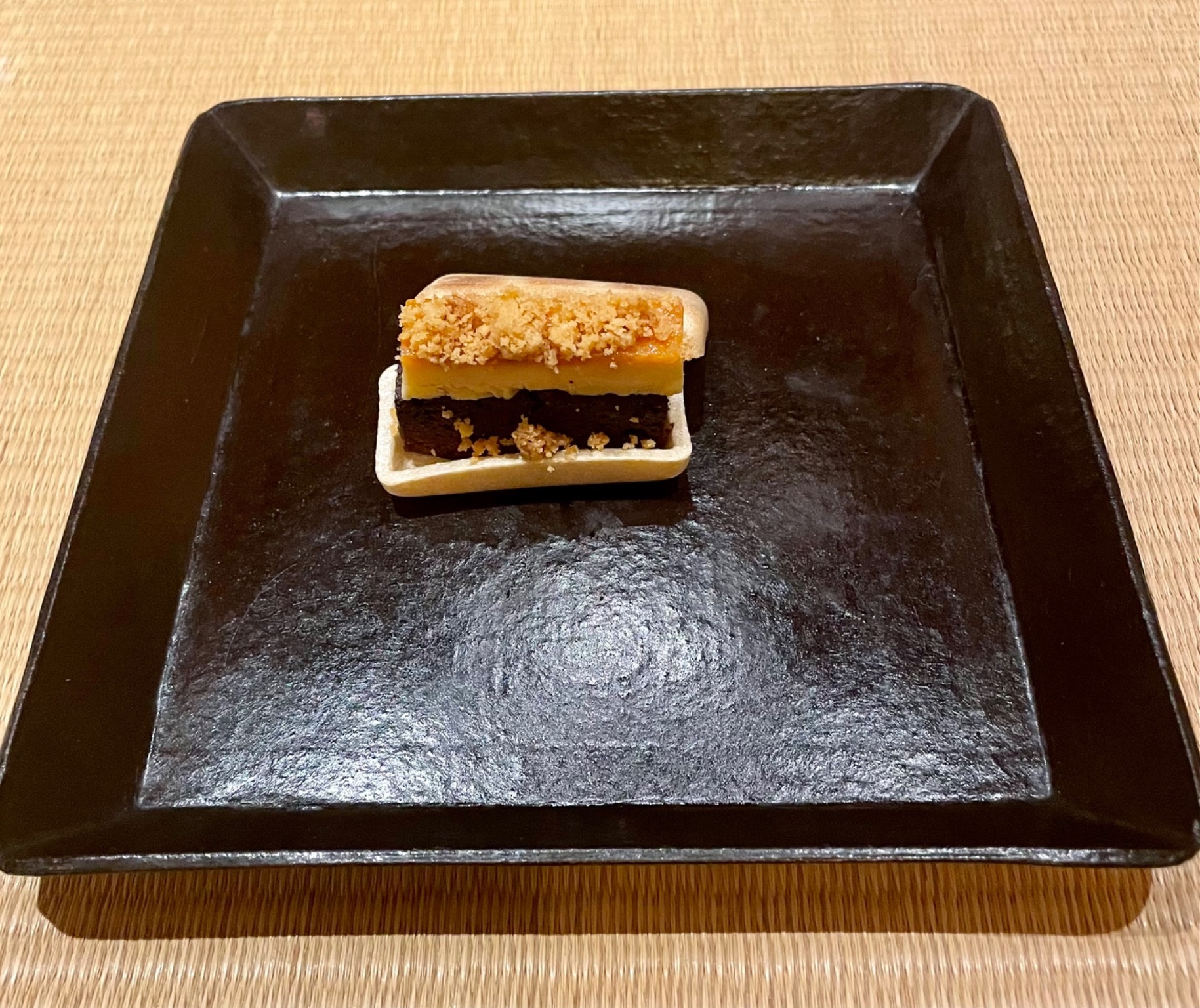
Located across from Shorenin Monzeki in Kyoto's Higashiyama, the Japanese restaurant "Shorenin Monzeki Mae Tsukioka" opened in April 2021. The owner, Masanori Tsukioka, hails from Hokkaido and entered the culinary world at the age of 15. After honing his skills in various locations, he trained under Hisao Nakahigashi at "Kusakui Nakahigashi" in Kyoto. He later ran "Jimi Kougetsu" in Kusatsu, Shiga, before establishing "Tsukioka" in its current location. With the concept of a "museum of food," the restaurant features a tatami-matted counter, an okudo (traditional stove), and antique art collected by Tsukioka, all seamlessly integrated into the space. Some of the dishes are even served in these unique vessels.Tsukioka personally visits Ohara, Miyama, and Kyoko to gather vegetables, wild plants, and flowers. This dedication reflects his strong commitment as a chef who respects nature. However, he does not solely rely on the power of the ingredients on the plate. He skillfully prepares dashi (broth), applies heat, and sometimes combines unexpected elements, interpreting them into his own style of "cooking." While respecting the ingredients, he ensures the chef's presence is felt. This proactive approach is what gives "Tsukioka" its unique character.The course begins with "Hassun," where vibrant green leaves are arranged on a large plate, creating a picturesque scene reminiscent of summer's wild mountains. The dish features a variety of small plates, including sesame-coated raw peanuts, salted edamame, simmered natural goby, summer venison from Miyama, skewers of Iwate's Sasuke pork, pressed sushi with conger eel, and snails. Among these, the simmered natural goby stood out, as its river fish character was enhanced by a rich seasoning, transforming it into a strong umami flavor. Interestingly, there is a theory that the term "gori-oshi" (to push) is related to goby fishing, making the connection between food and language quite enjoyable. Overall, the flavors are somewhat bold, conveying that each dish is not just a presentation of nature's bounty but also showcases clear culinary techniques.The "White Miso Soup with Corn" features grilled eggplant and a paste of steamed beets layered over Ohara corn. The sweetness of the white miso and corn is complemented by the roasted aroma of the eggplant and the earthy notes of the beets, creating a rich yet balanced flavor. This dish exemplifies Kyoto's white miso style while highlighting the individuality of the vegetables. Next, the "Conger Eel Sashimi" combines Akashi conger eel with grated cucumber, red onion, watercress, bitter melon, and soy-pickled tomatoes. The delicate eel flesh pairs beautifully with the umami and acidity of the tomatoes, along with the bitterness of the bitter melon and watercress, elevating the subtle ingredient into a multi-dimensional taste.The "Mackerel" dish features a sauce made from mackerel dashi layered over the fish. Instead of adding different elements to expand the flavor, it deepens the essence of the same ingredient in a different form. The following "Oosujihata Soup" combines tender fish and zucchini with dashi made from bones and scraps. Rather than increasing the number of ingredients, it delves deeper into a single one. This approach is characteristic of the restaurant's cuisine.The highlight of the course is the "Grilled Aged Beef," sourced from "Sakaeya," a butcher shop in Kusatsu, Shiga, specializing in Miyazaki's beef. Tsukioka's previous restaurant, "Jimi Kougetsu," was also in Kusatsu, creating a connection that continues to this day. A large bone-in cut is grilled over charcoal, resulting in a fragrant exterior and a beautifully red interior. With each bite, the sweetness of the fat and the umami of the lean meat gradually unfold, creating a long-lasting finish due to the aging process. Despite being a robust meat dish, it does not leave a heavy aftertaste, perfectly carrying the climax of the course.The "Grilled Sweetfish" allows you to savor the fragrant flesh, followed by tasting the dashi made from its head and tail, paired with hiro-usu (a type of fish) and matsutake mushrooms. Similar to the previous fish dish, it explores the essence of a single ingredient in different forms. The next dish, "100% Soba," features handmade soba made from buckwheat flour sourced from Ryuo, Shiga. It is paired with natural scallops and striped horse mackerel, enhancing the aroma of the soba with the umami of the seafood.The "Shin-Kuwagata with Two Types of Sorbet" presents the fruit with the aroma of domestic lemon, accompanied by basil and tofu sorbet from Ohara, and blueberry sorbet. The use of double glasses adds a refreshing touch, and the gentle sweetness of the fruit, combined with the freshness of the basil and the sweet-tartness of the blueberries, lightens the meal's conclusion. Finally, the "Brownie and Catalana in Monaka" features a crispy monaka shell filled with rich brownie and smooth, cold Catalana, allowing diners to assemble their own dessert. This playful combination of traditional Japanese monaka with Western-style richness and temperature contrasts wraps up the meal on a delightful note.Through the cuisine at "Tsukioka," one can sense a coexistence of respect for the ingredients and the chef's proactive artistry. While he ventures into the nature of Ohara, Miyama, and Kyoko to gather its blessings, he does not simply rely on the allure of the ingredients. He layers dashi, manipulates heat, and combines different flavors and textures, leaving his interpretation firmly on the plate. Including the space as a "museum of food" that utilizes antique art as actual vessels, what you experience here is the worldview of chef Masanori Tsukioka himself. I have discovered yet another restaurant with a strong personality in Kyoto's Japanese cuisine. It was a great meal. Less
8 / 10
on 21 Aug 2026
I made a reservation to visit the Japanese restaurant "Shorenin Monzeki Mae Tsukioka," located right in front of Shorenin Monzeki in Higashiyama, Kyoto. I enjoyed a summer course featuring seasonal vegetables from the Kyoto area, including Ohara, along with conger eel, sweetfish, and aged Wagyu beef, all prepared as an omakase.◯ Summer Hassun The course began with a Hassun showcasing a variety of summer ingredients. It included sesame-dressed raw peanuts in a husk, Ohara edamame, natural gori... More
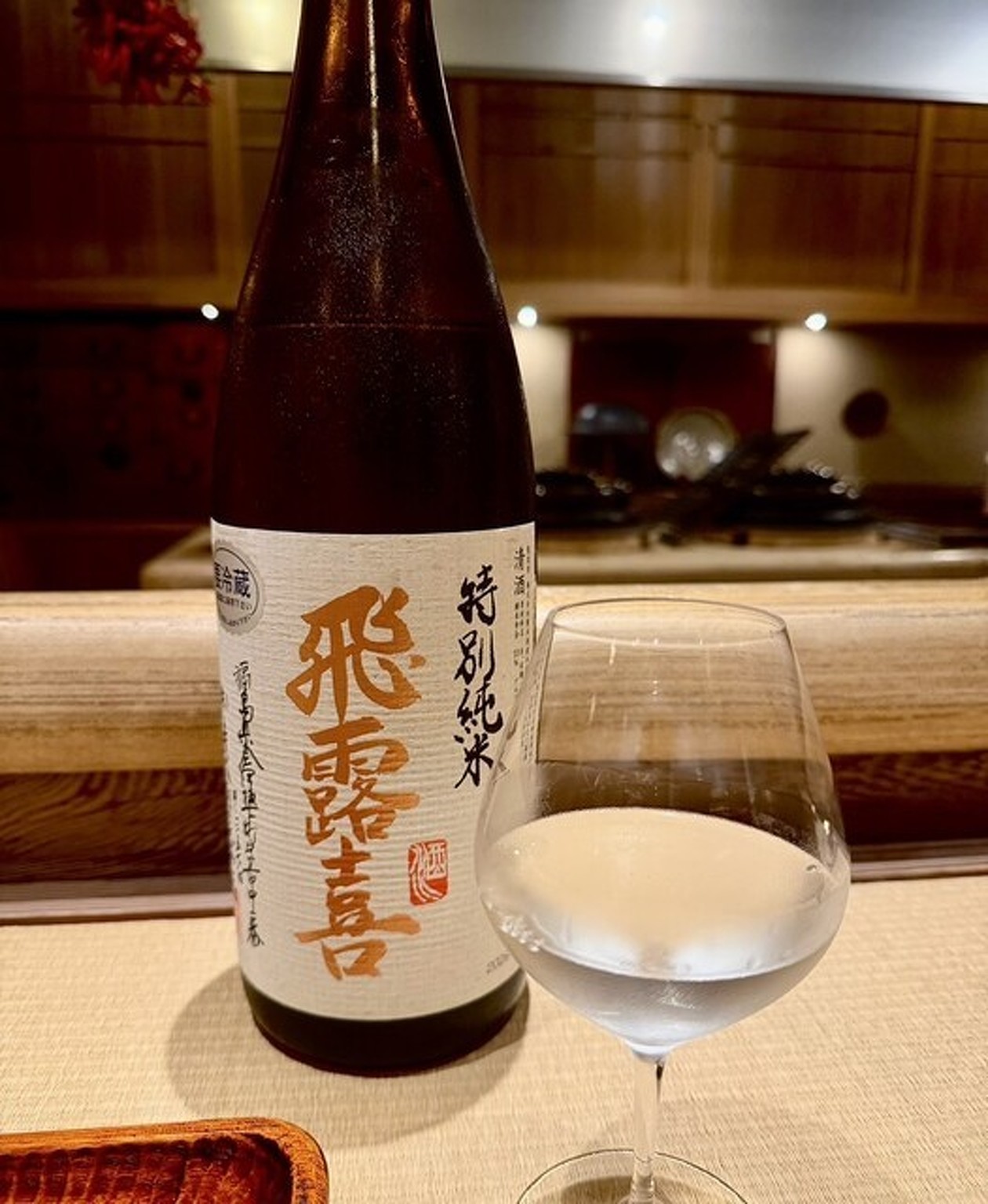
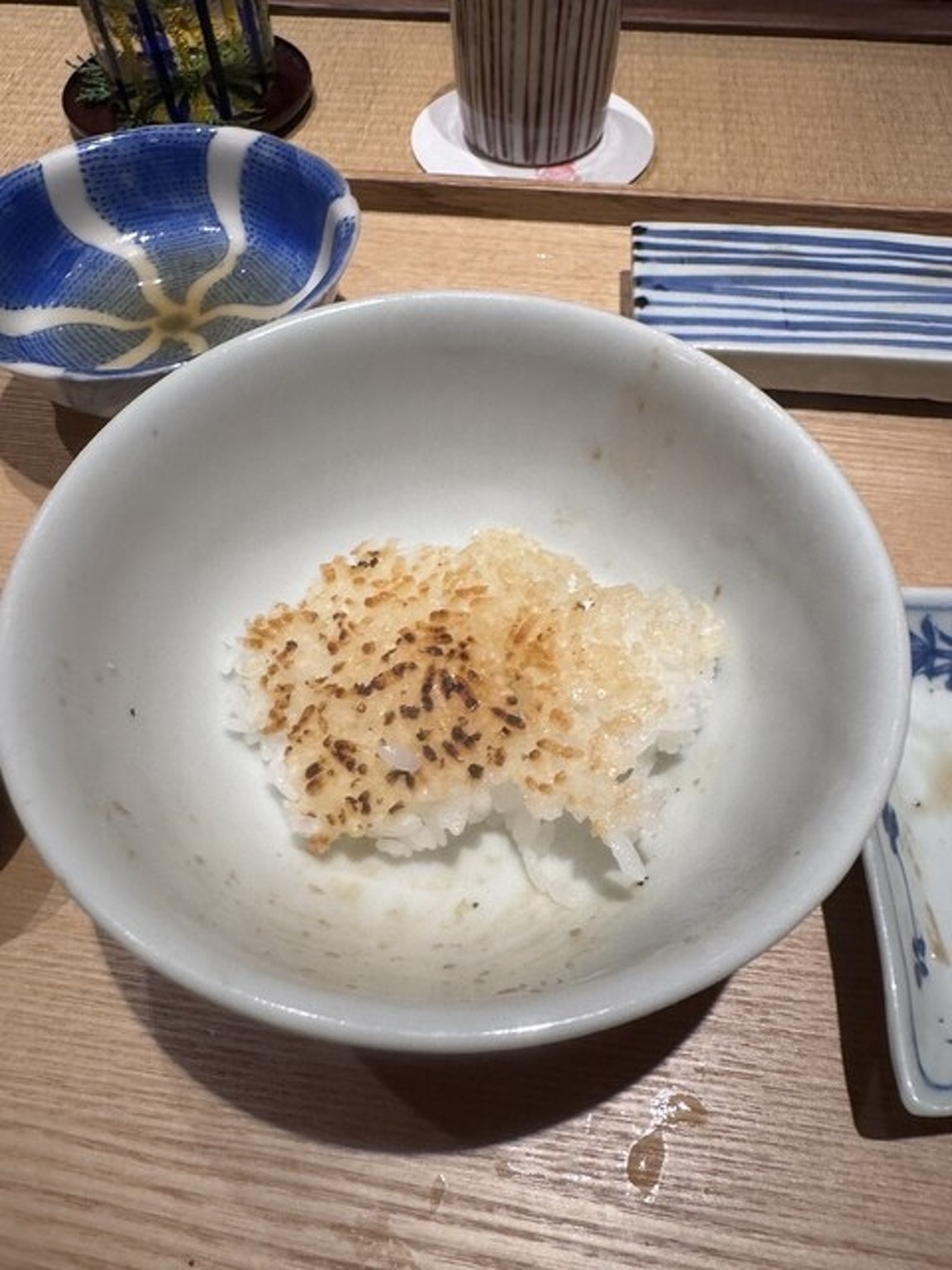
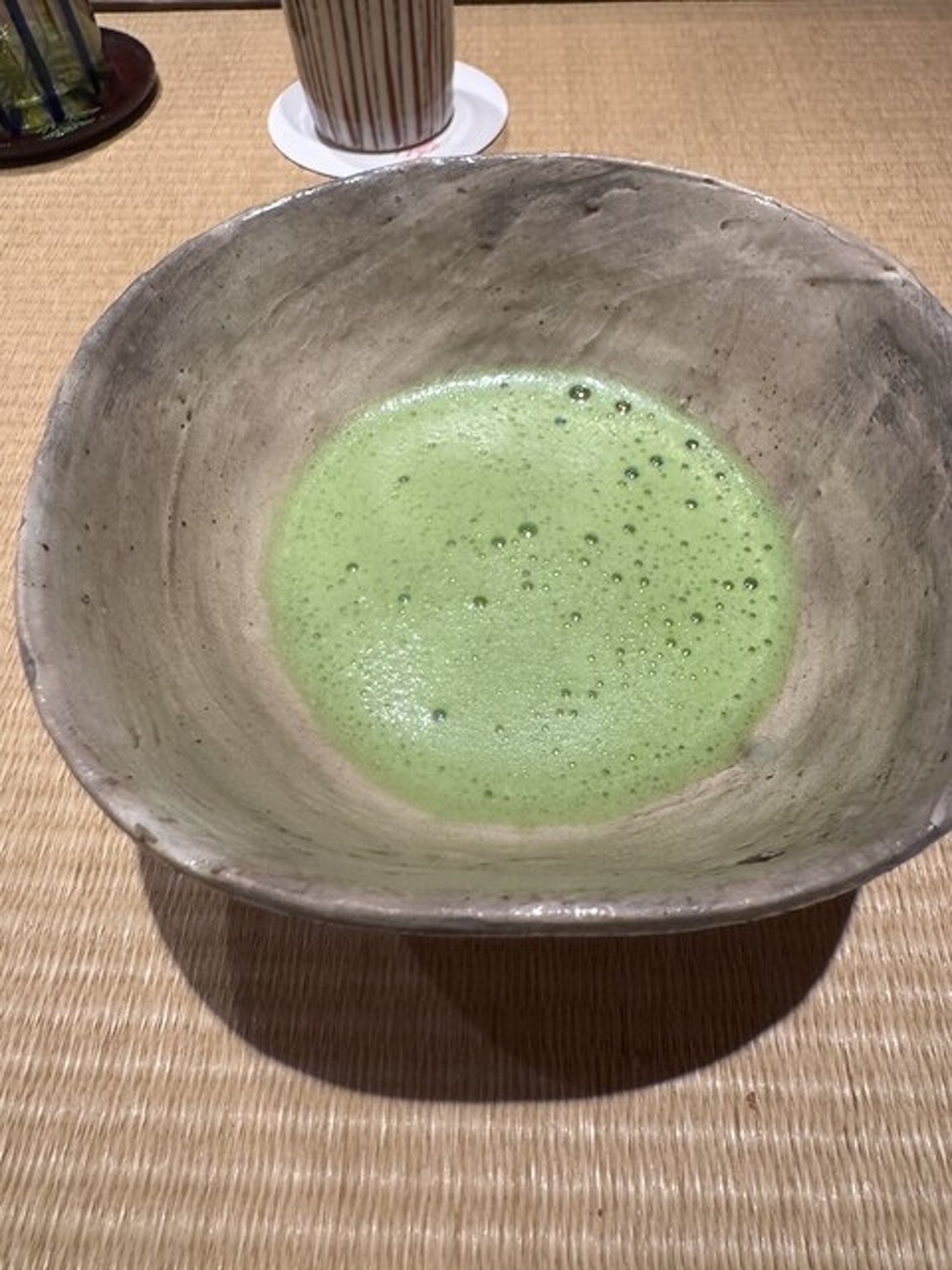
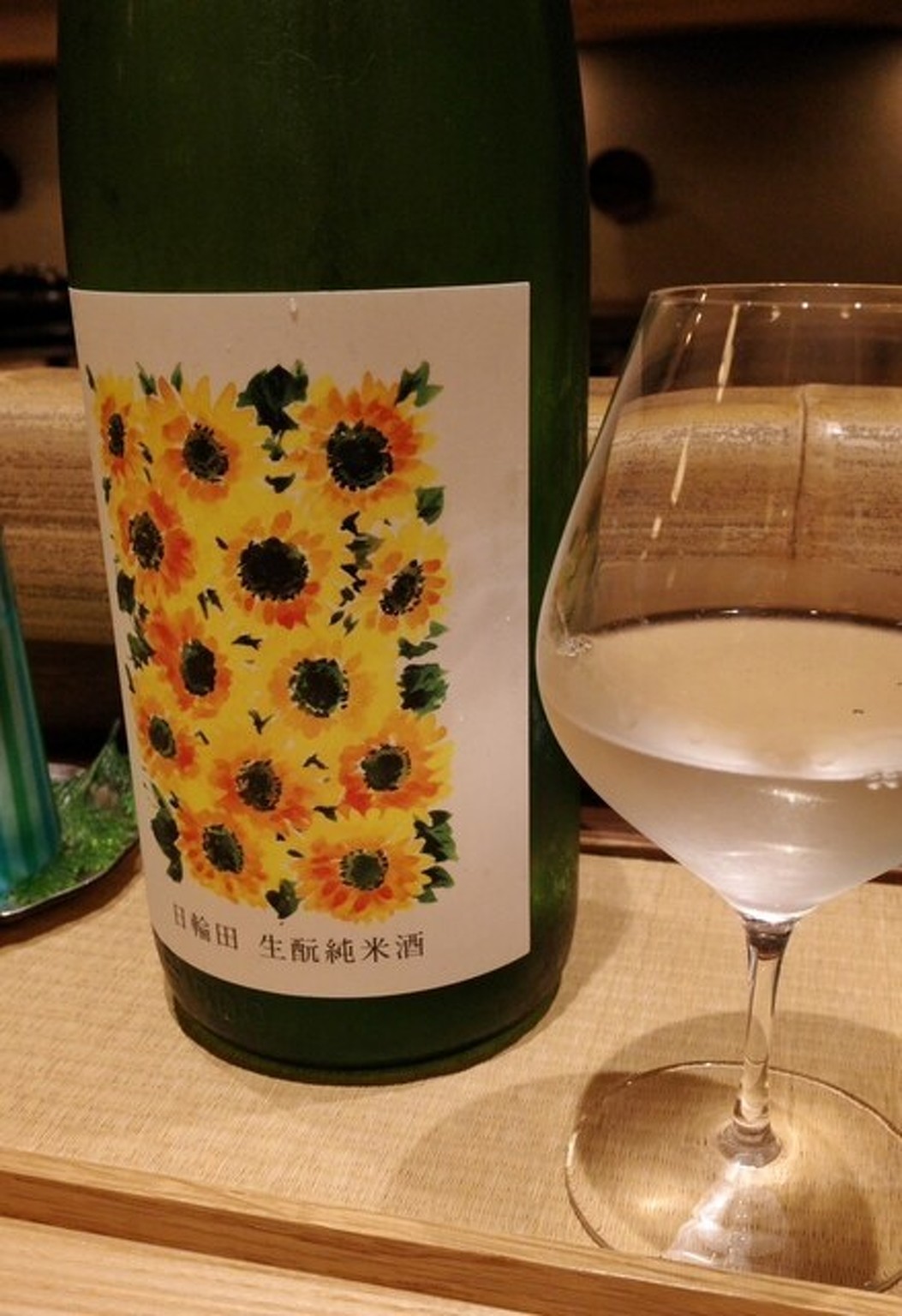
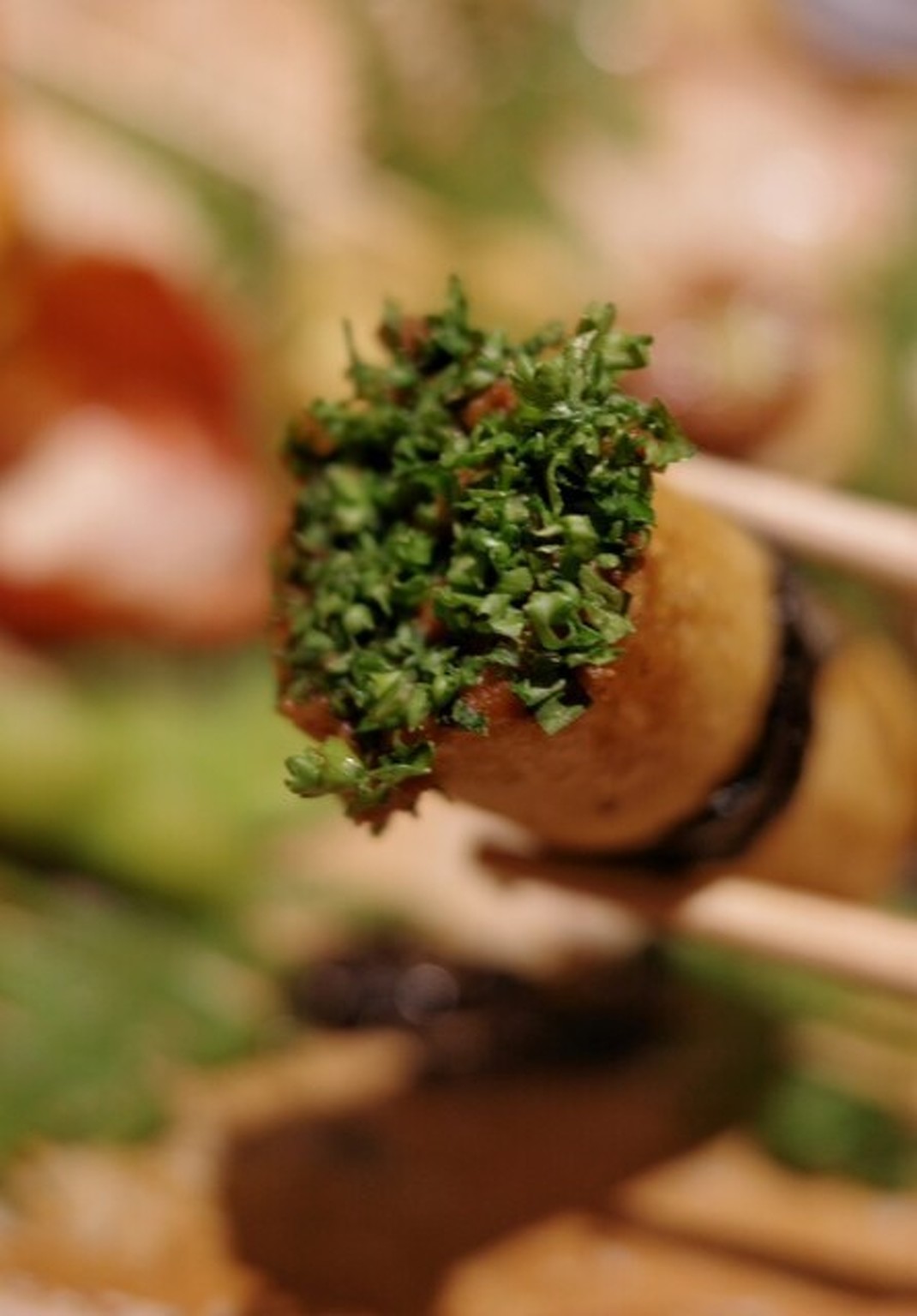
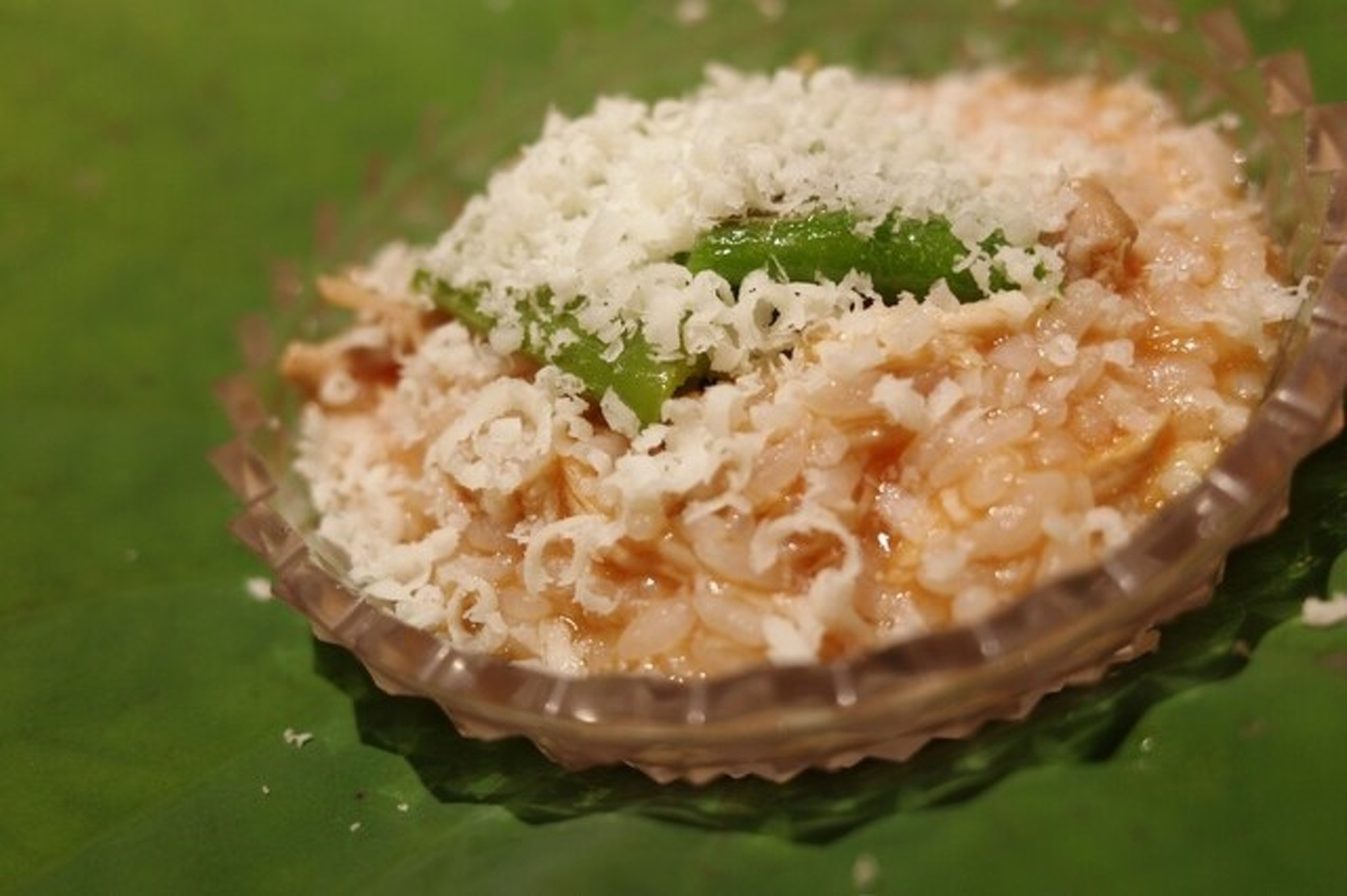
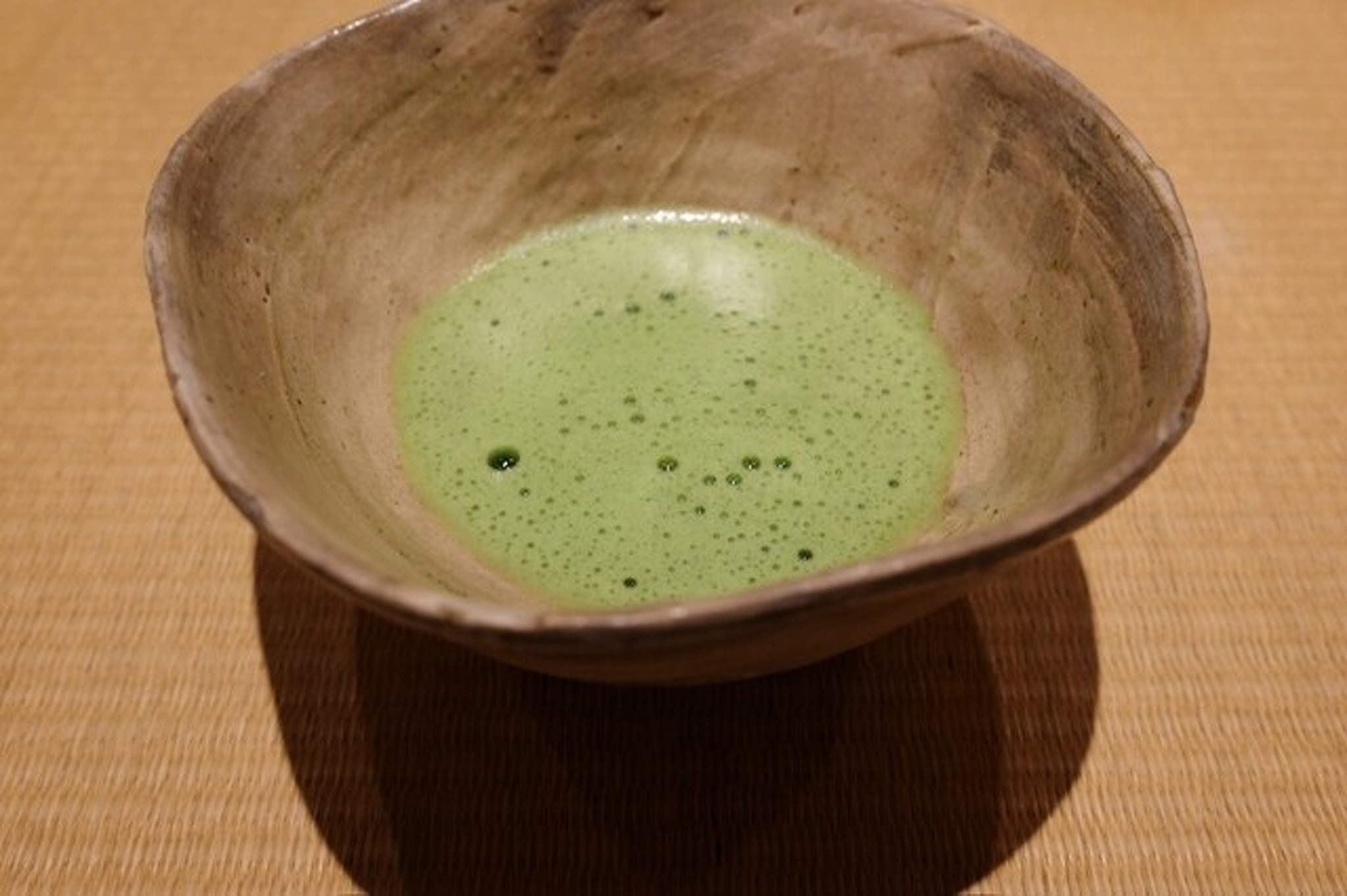
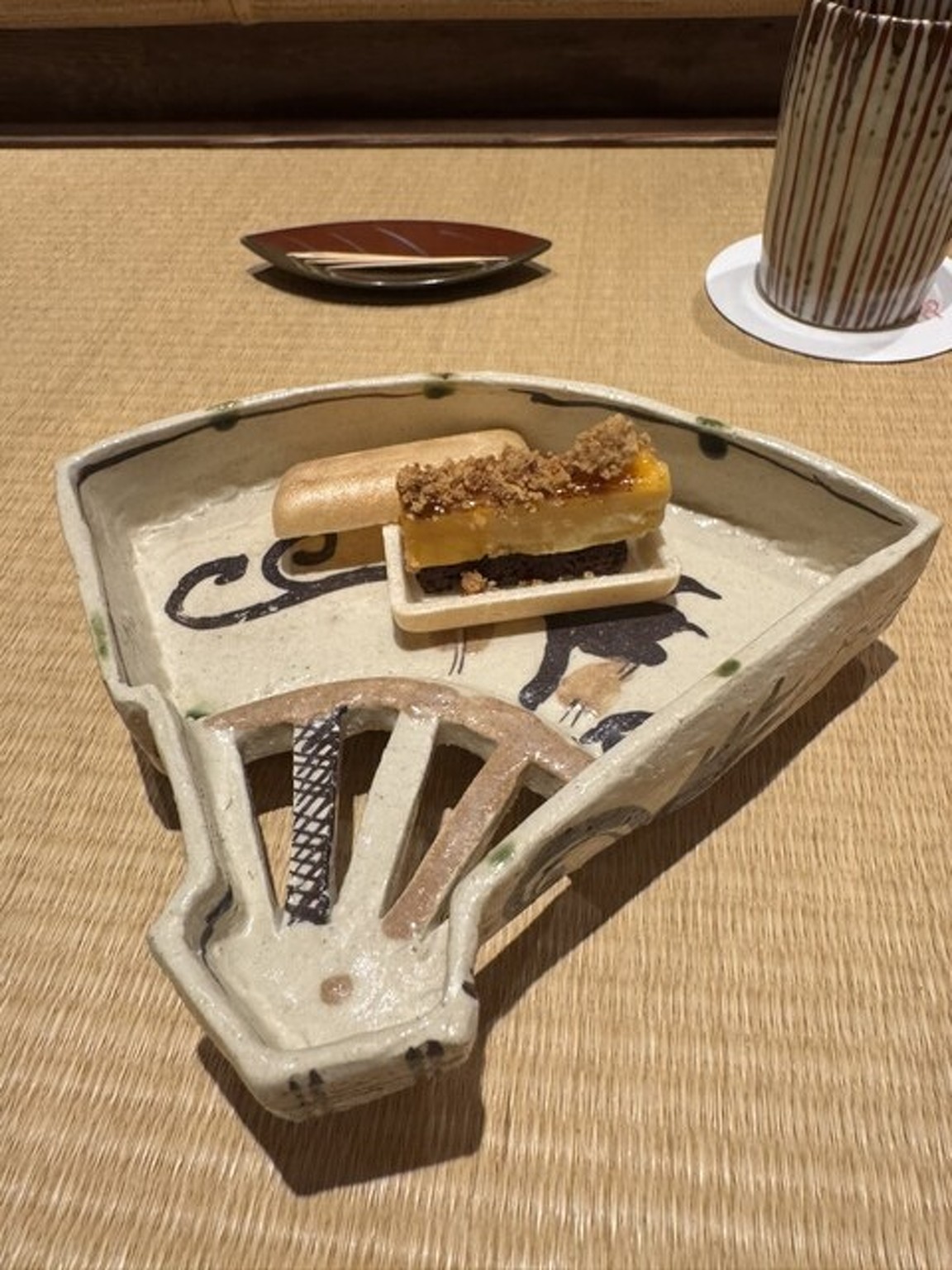
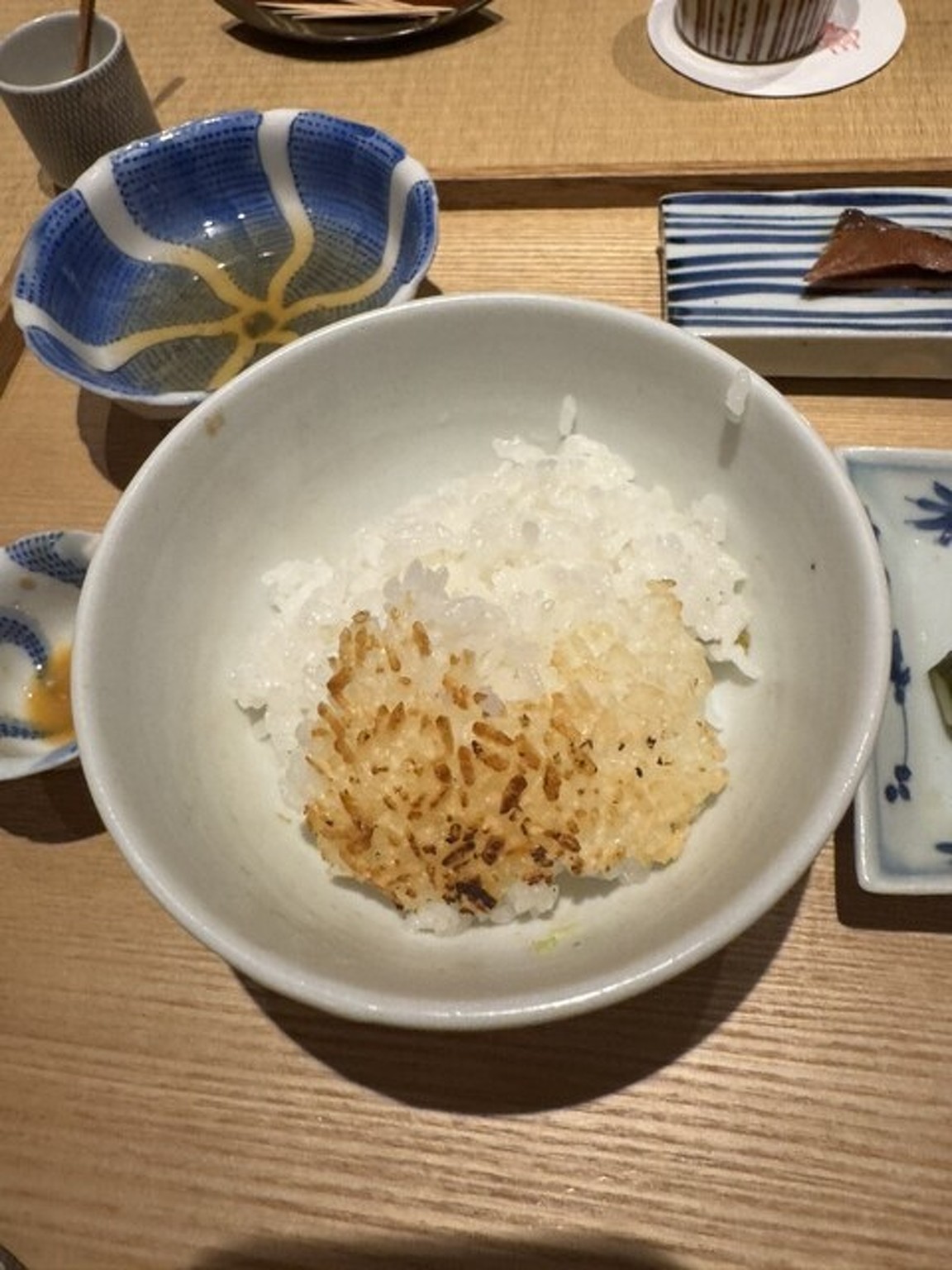
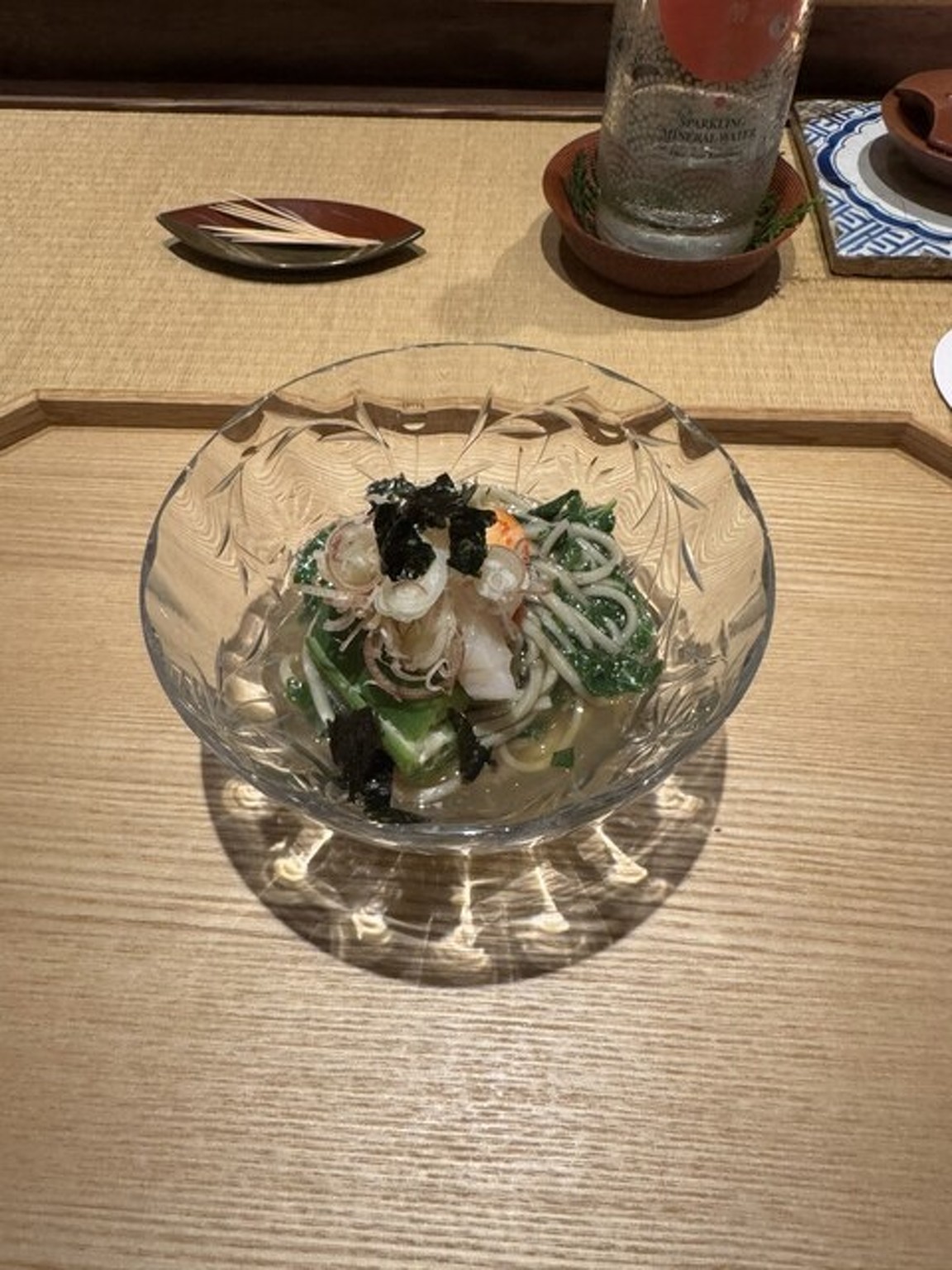
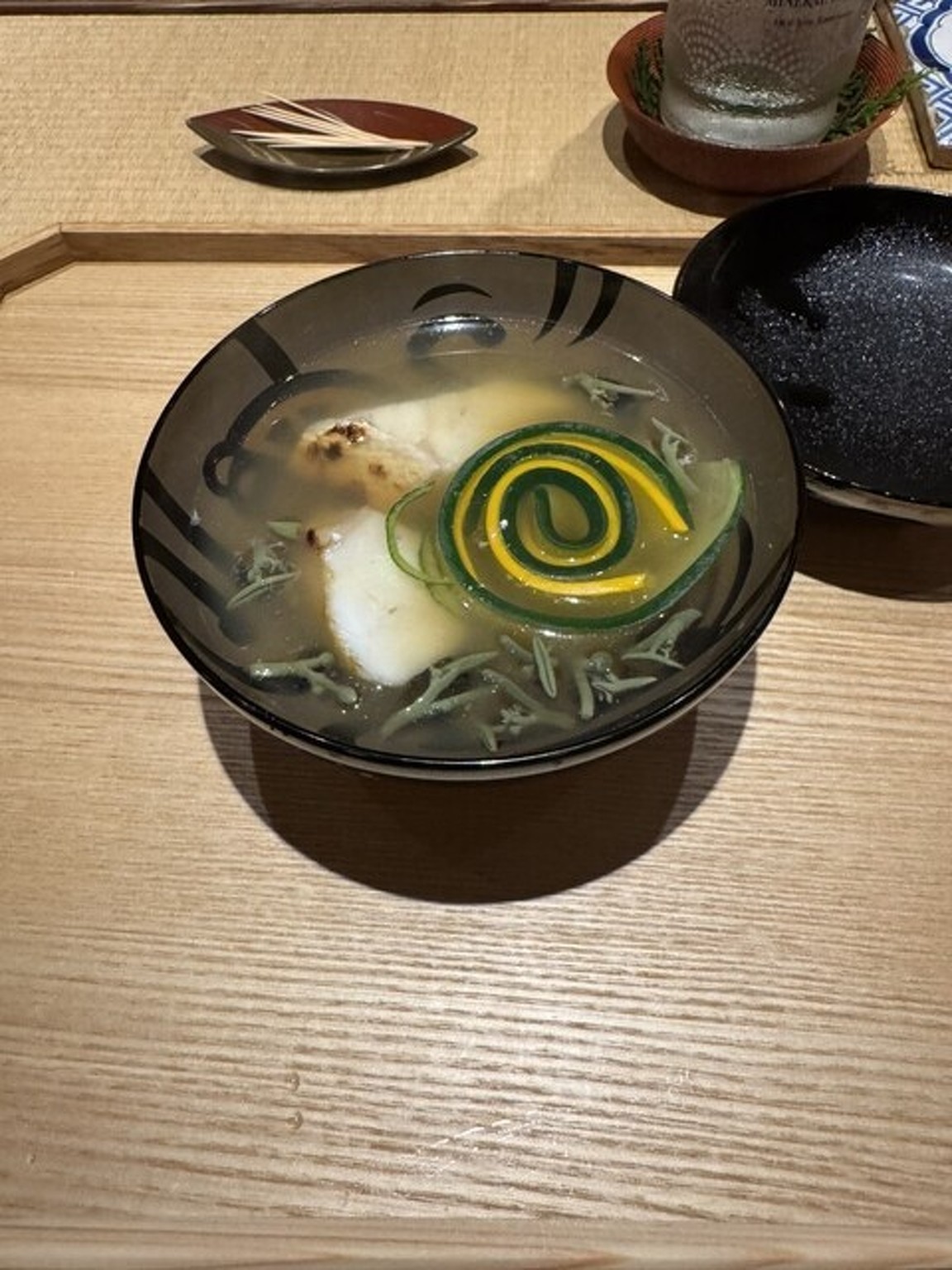
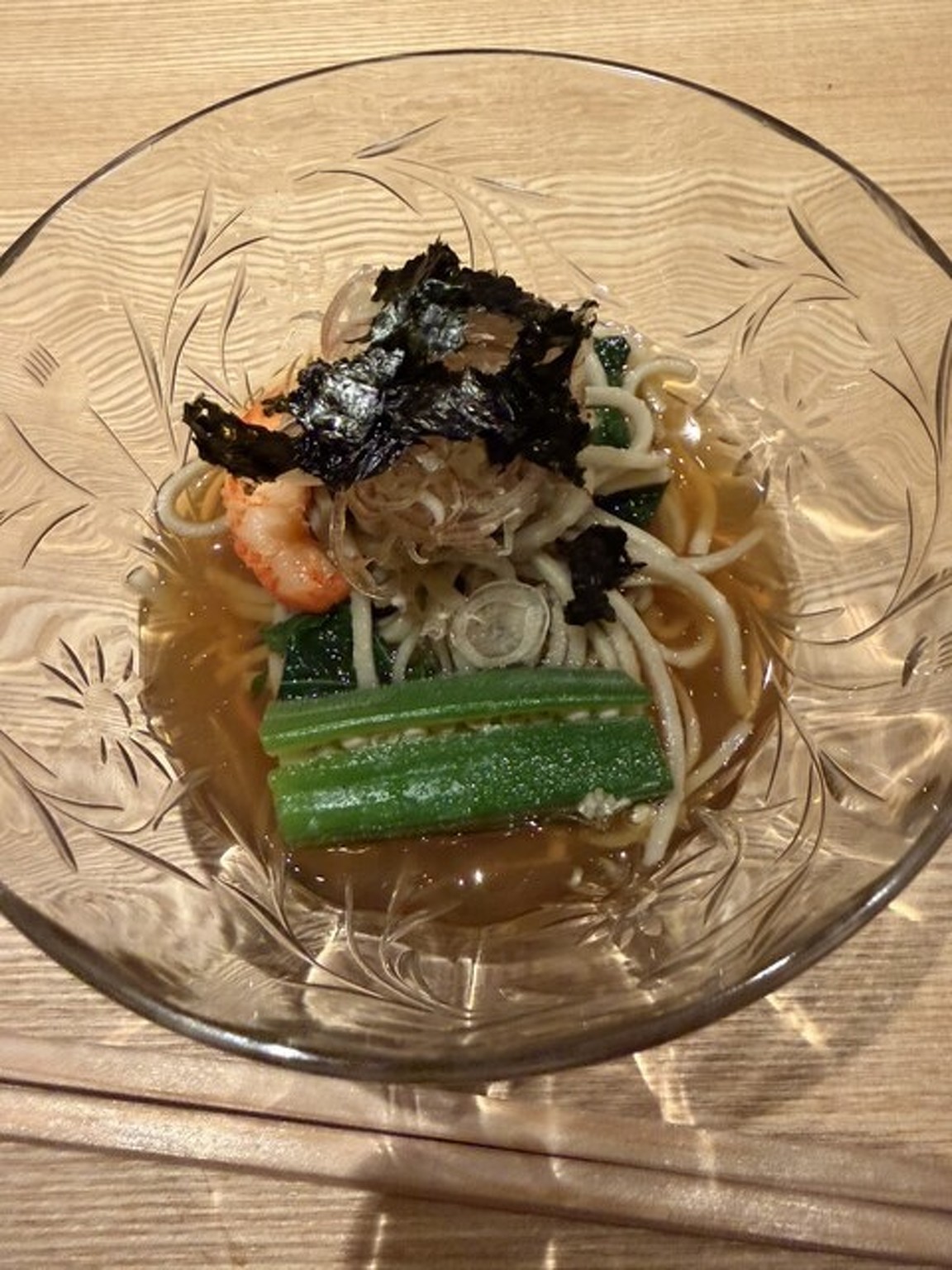
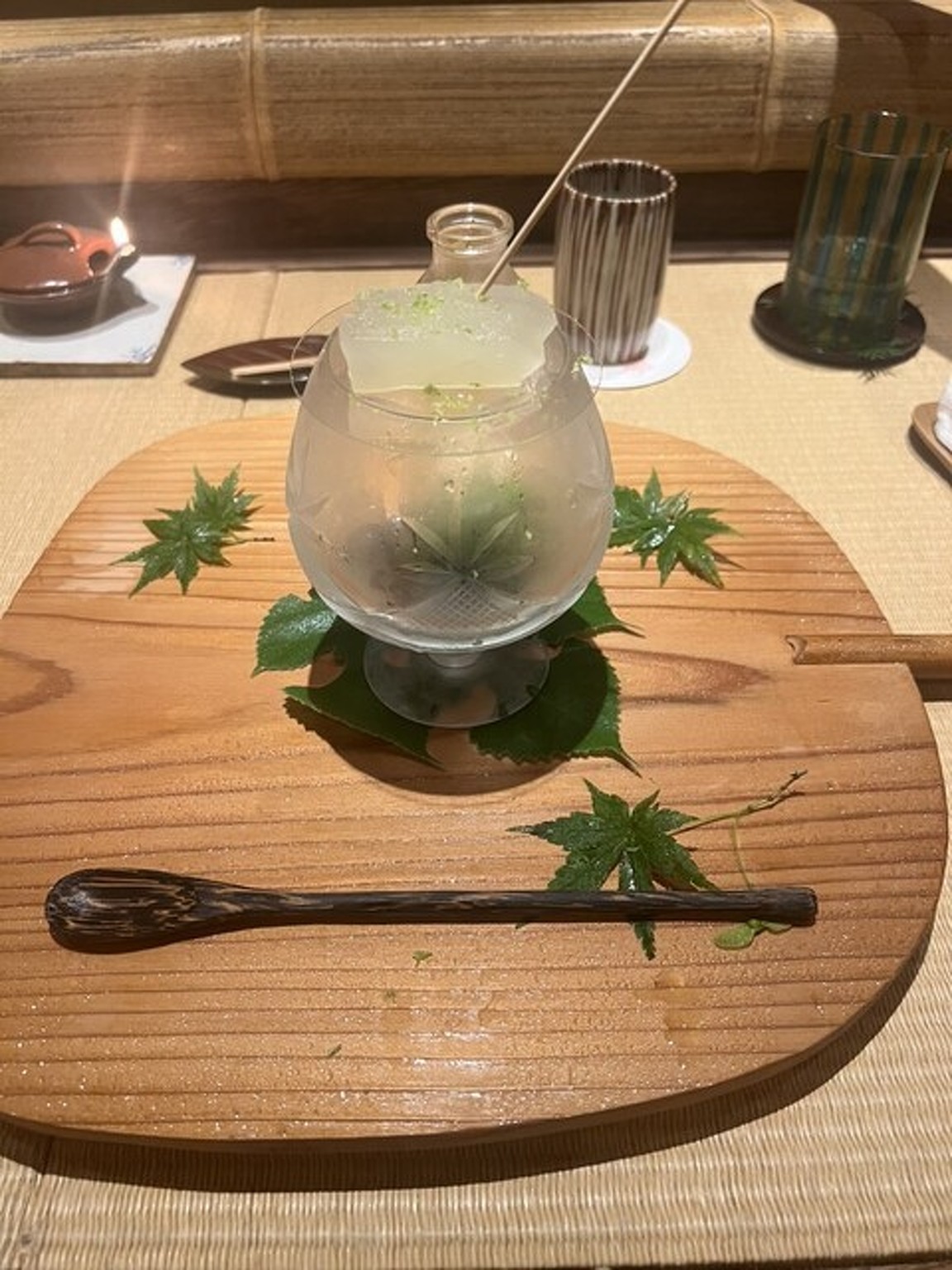
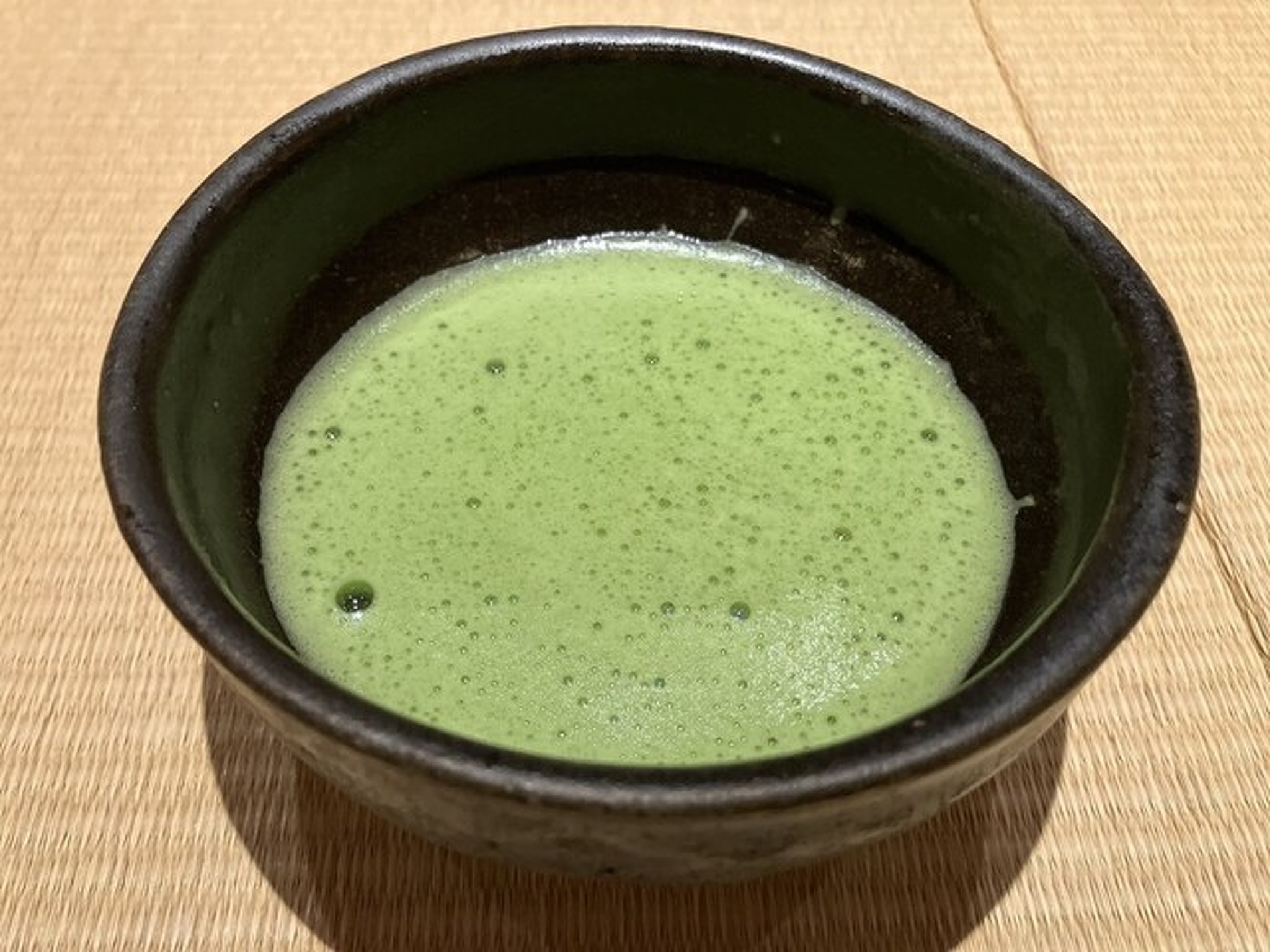
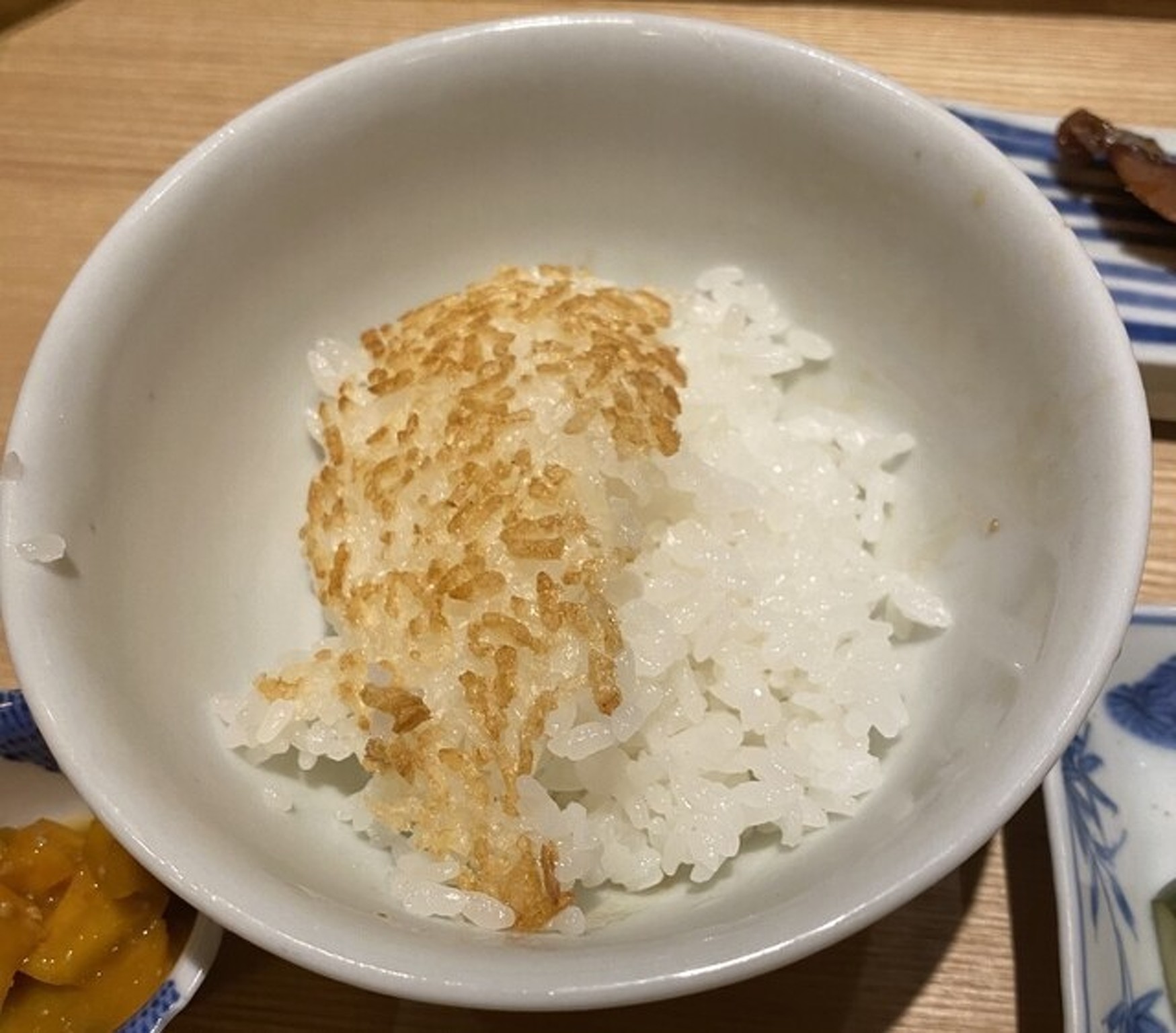
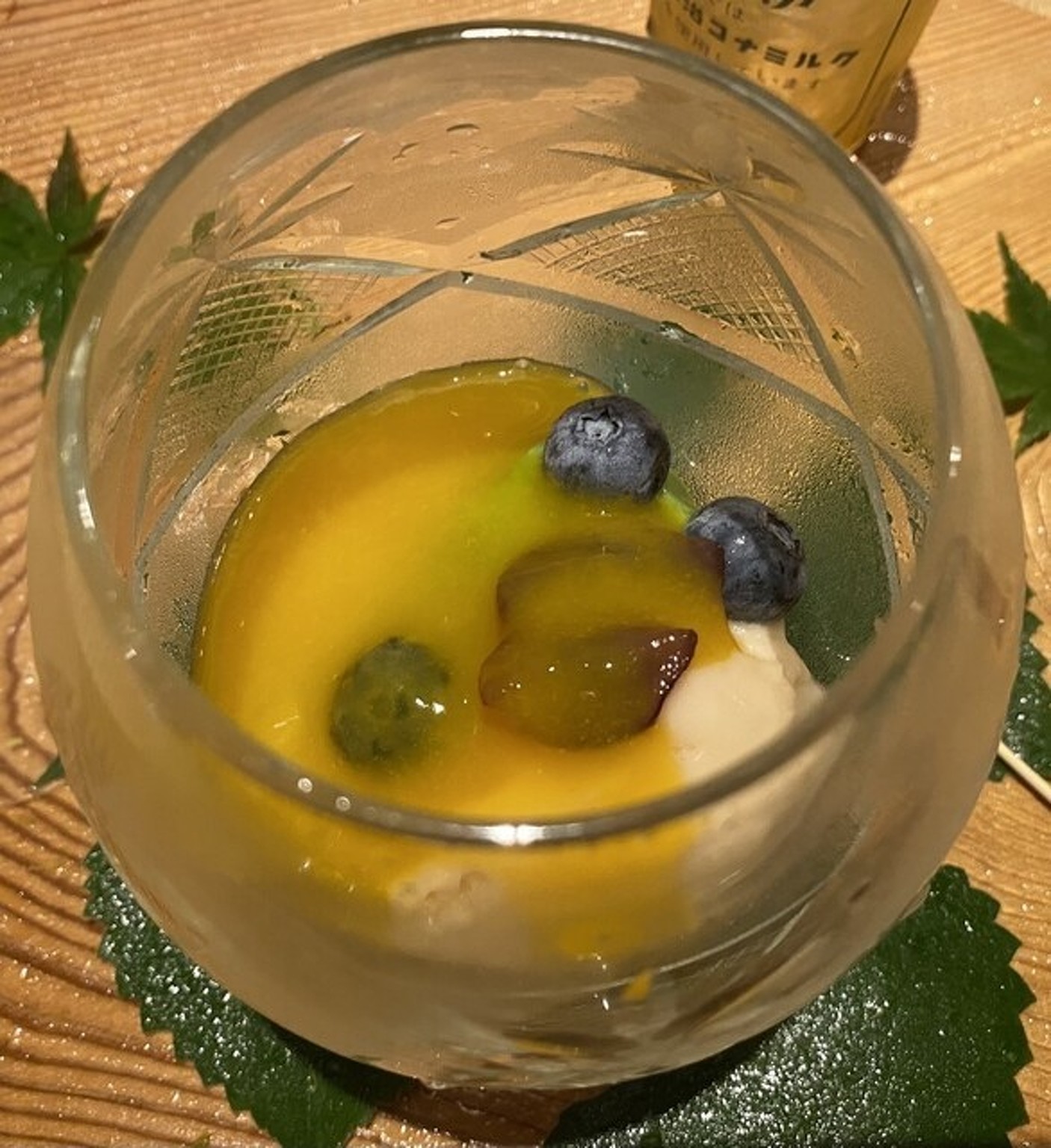
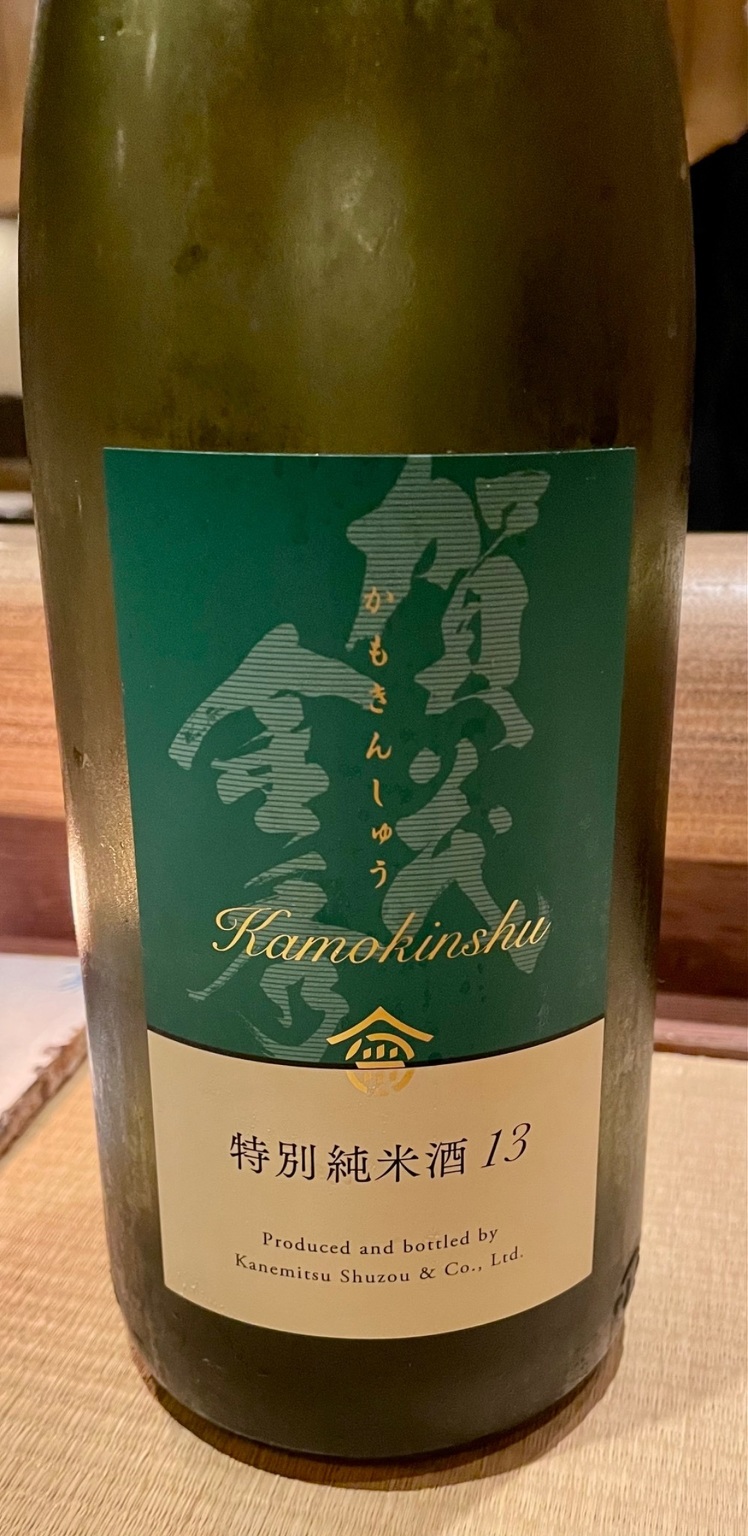
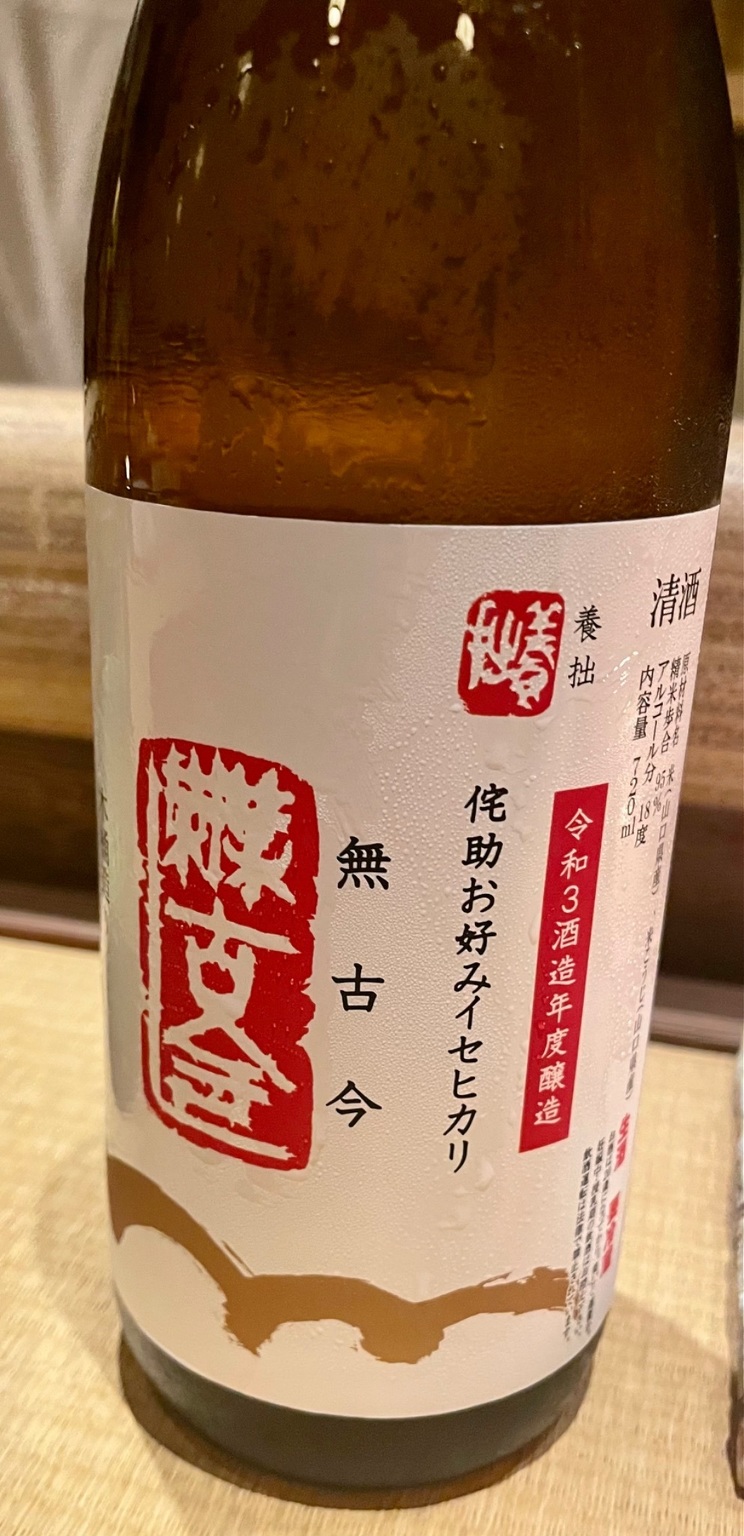
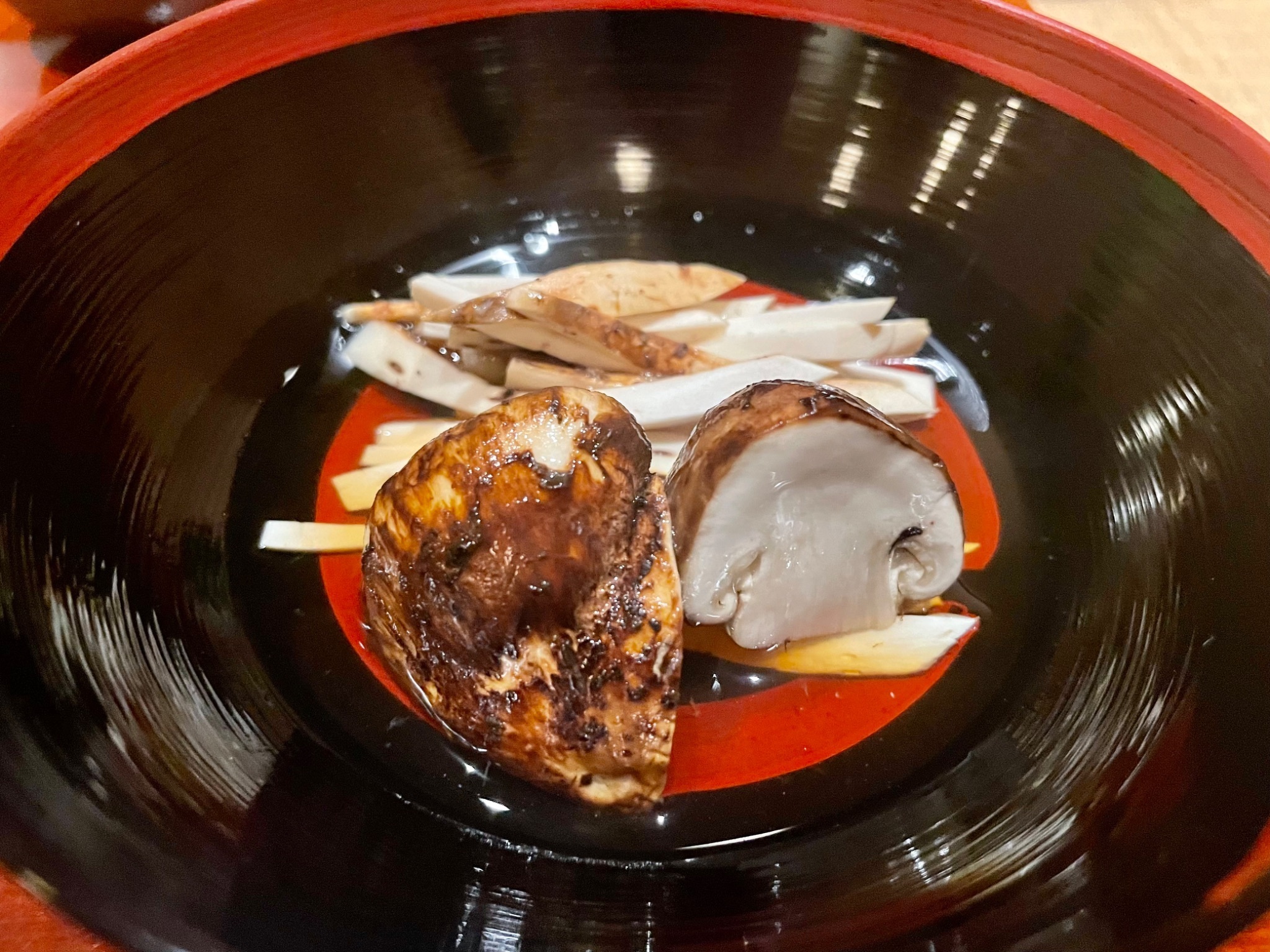
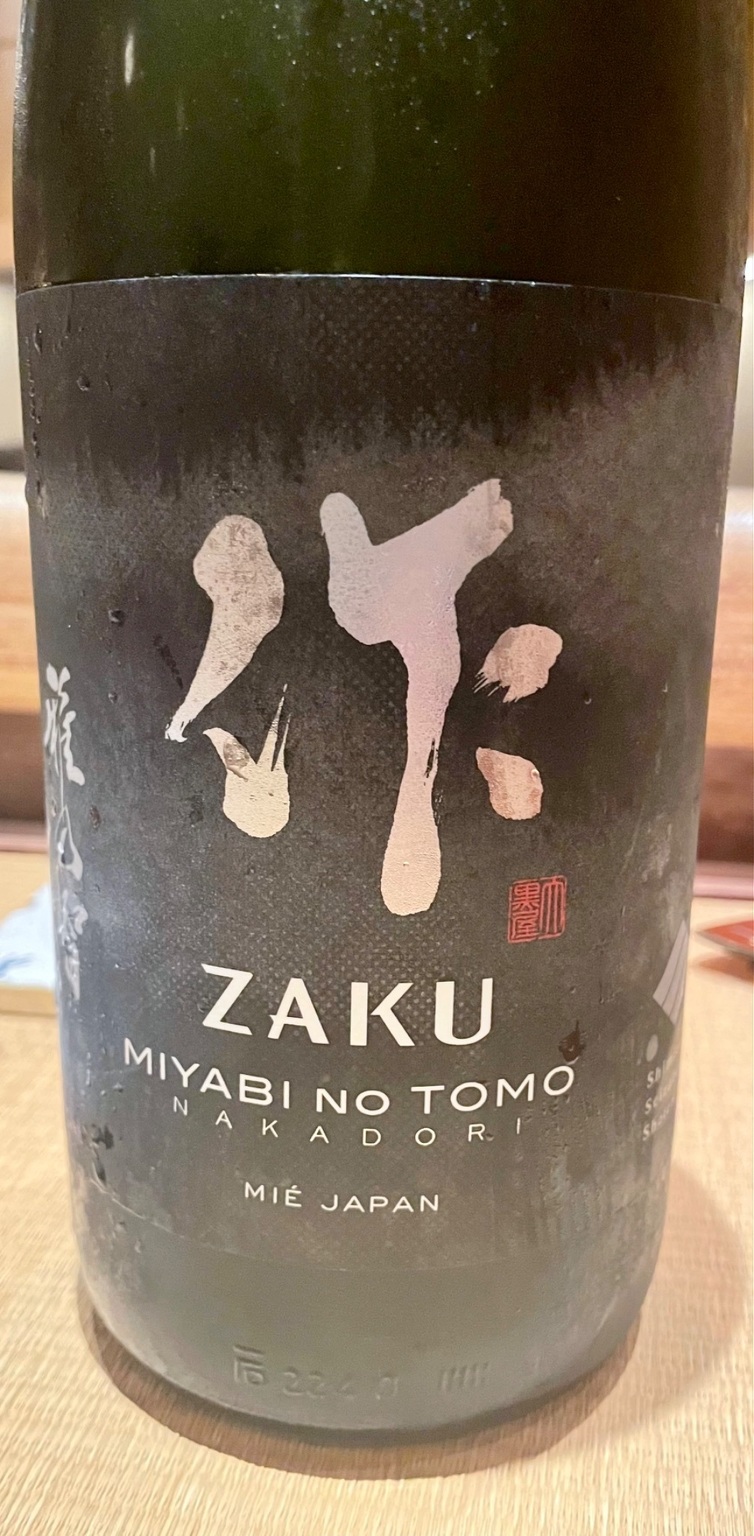
I made a reservation to visit the Japanese restaurant "Shorenin Monzeki Mae Tsukioka," located right in front of Shorenin Monzeki in Higashiyama, Kyoto. I enjoyed a summer course featuring seasonal vegetables from the Kyoto area, including Ohara, along with conger eel, sweetfish, and aged Wagyu beef, all prepared as an omakase.◯ Summer Hassun The course began with a Hassun showcasing a variety of summer ingredients. It included sesame-dressed raw peanuts in a husk, Ohara edamame, natural gori fish tsukudani, Sugiya chili peppers, fried potatoes with summer venison from Miyama, cucumber rolls with Sasuke pork, pressed sushi with conger eel from Akashi, and grilled river snails, presenting a colorful array of flavors on one plate.◯ White Miso and Corn Soup This summer soup combines white miso with corn from Ohara. It features grilled eggplant hidden inside, garnished with beet paste and okra flowers. The creaminess of the white miso blends beautifully with the sweetness and aroma of the grilled corn, creating a delightful bowl.◯ Conger Eel Sashimi The sashimi course features conger eel from Akashi. It is served with grated Ohara cucumber, red onion, bitter melon, red shiso, and watercress, topped with red shiso leaves. This dish, which layers the delicate umami of the conger eel with the bitterness and acidity of summer vegetables and the refreshing aroma of red shiso, left a lasting impression.◯ Grilled Madai with Broth from Head and Bones The grilled dish features madai (sea bream) from Oshima, Ehime, known for its exquisite preparation. It is served with broth made from the head and bones, accompanied by wasabi. The precise cooking technique brings out the full potential of the madai's flavor, utilizing not just the fillet but also the umami from the head and bones.◯ Yellowtail and Zucchini Soup The second soup features yellowtail from Kagoshima, prepared with broth made from the head and bones. It is beautifully plated with spiral-cut Ohara zucchini and junsai, allowing one to enjoy the robust umami of the fish in a refreshing manner.◯ 50-Day Aged Beef The meat course features 50-day dry-aged beef from Kagoshima. The aging process enhances the rich flavor unique to this type of beef. It is served with a paste made from Sugiya eggplant, chestnut mushrooms, and young corn from Ohara, complemented by wasabi.◯ Grilled Sweetfish and Matsutake Tempura The sweetfish is grilled over charcoal, served with homemade tempura made with matsutake mushrooms and ginkgo nuts, along with grated summer daikon from Ohara. The bones are made into a crispy snack, and the head and tail are used to create a flavorful broth, allowing one to savor every part of the fish.◯ 100% Soba with Shima Ebi and Clam Broth Using buckwheat flour from Ryuo, Shiga, the chef hand-made 100% soba. It is topped with fresh Shima ebi from Hokkaido and served with clam broth, along with okra and myoga from Ohara, and nori from Hiroshima. This dish offers the depth of a soup while still being soba.◯ "Niebana" Rice with Free-Range Chicken The meal begins with "Niebana," rice that is cooked just before steaming, paired with the bones of free-range chicken from Miyazaki and garnished with Ohara's Manba chili peppers and a unique Japanese cheese called "Daigo."◯ Grilled Eel, Heshiko, Pickles, and Freshly Cooked Rice The freshly steamed rice is topped with grilled eel and wasabi, accompanied by heshiko (fermented mackerel) and pickles made from local vegetables from Ohara. I couldn't stop eating and ended up asking for a second serving, enjoying even the crispy rice crust at the bottom of the clay pot.◯ Melon and Two Types of Sorbet For dessert, served in a refreshing dish reminiscent of a fan, is melon infused with domestic lemon, along with sorbet made from Ohara basil and tofu, and blueberry sorbet. This dish captures the essence of summer in both appearance and flavor.◯ Brownie and Catalana Monaka Finally, I enjoyed a monaka filled with brownie (which I received as a souvenir) and Catalana, paired with matcha. The combination of the crispy monaka shell with rich brownie and smooth, cold Catalana was a delightful surprise.To complement the dishes, the sake-loving owner selected summer sake from Miyagi's "Nichirin" and a limited edition from "Mukokun," known for its close ties with the brewery. The selection of sake paired beautifully with the delicate dishes.The meal artfully combined Kyoto vegetables with seafood and meat from across the country, showcasing a variety of cooking techniques such as broth, fermentation, and aging. Each dish highlighted the natural flavors of the ingredients, reflecting the chef's consistent philosophy. The beautiful tableware and thoughtfully arranged presentations were a feast for the eyes. Including enjoyable conversations with the chef and owner, it was a memorable experience that allowed me to savor the essence of summer in Kyoto. Less
8 / 10
on 17 Aug 2026
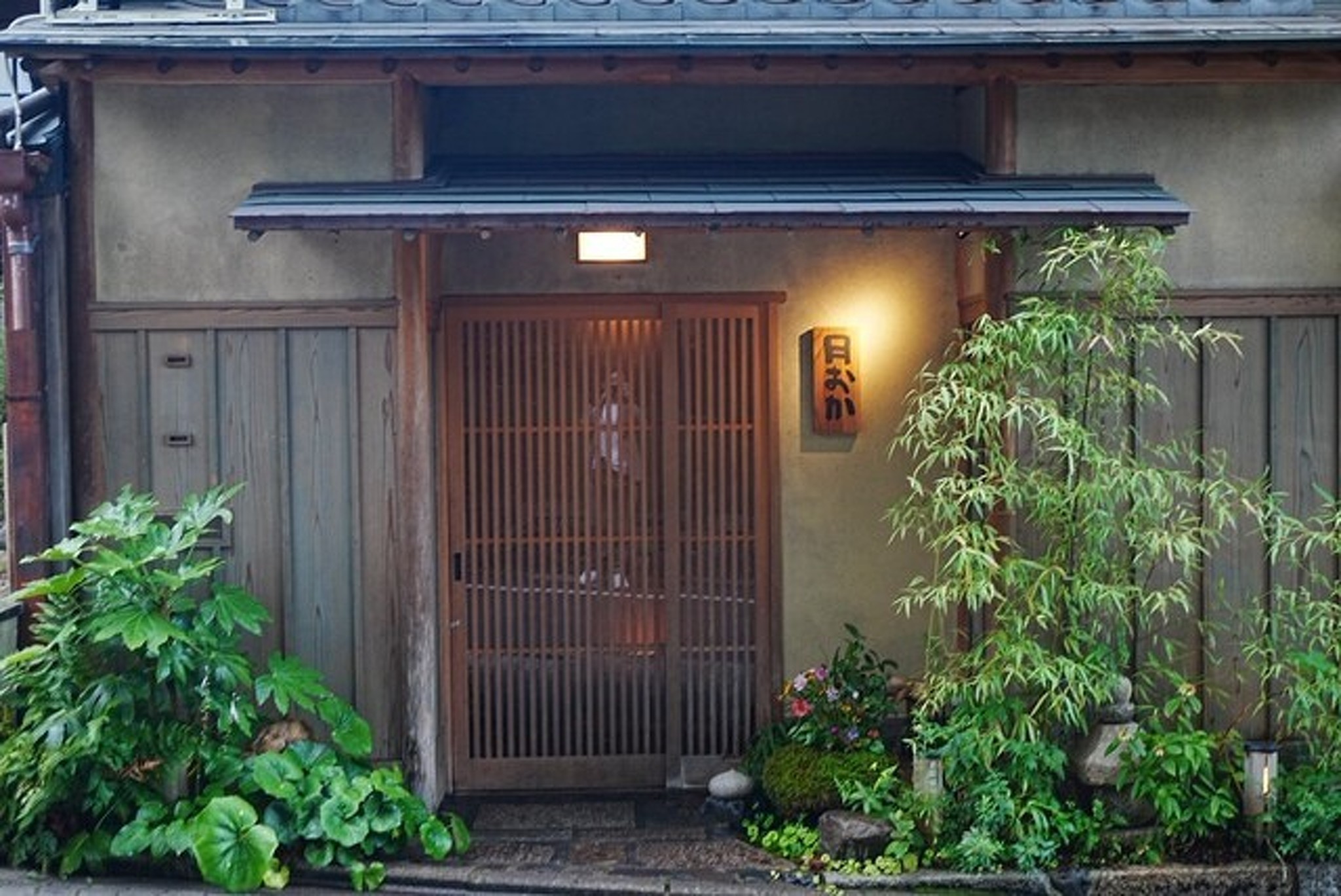
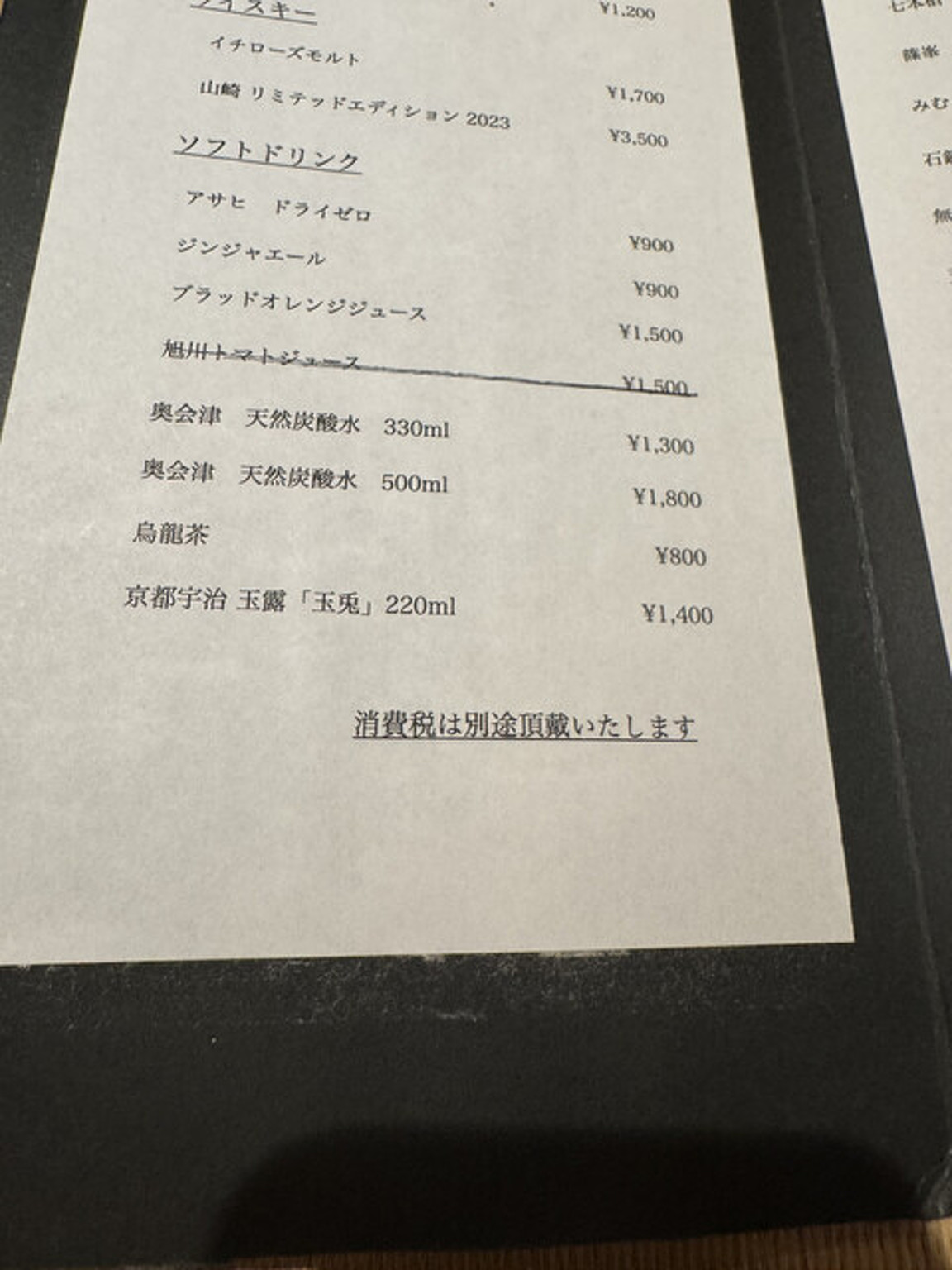
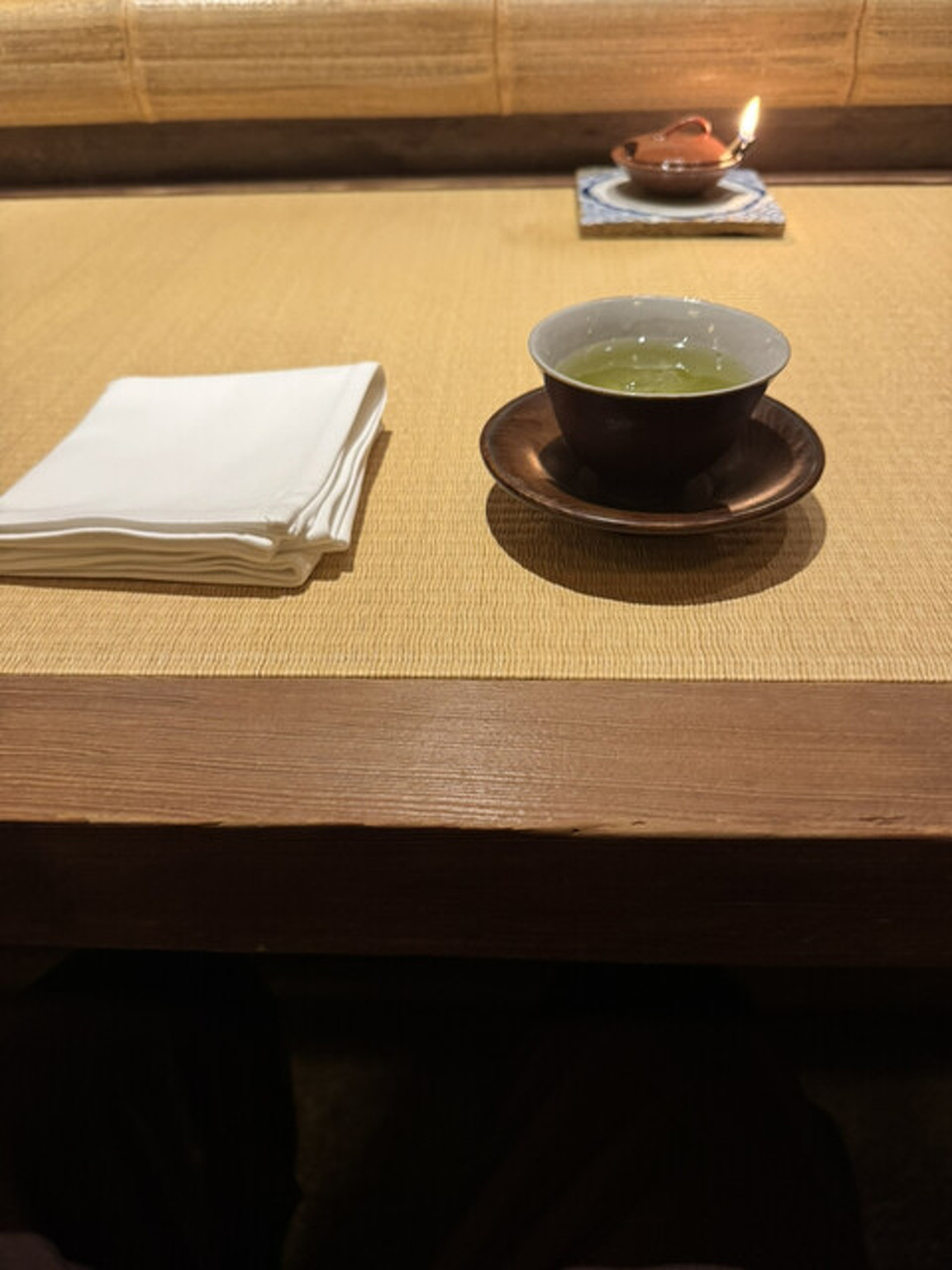
Evening. I leisurely walk from Sanjo Station while killing time.I take a side street to avoid cars. Highly recommended.I walk towards Shorenin Temple.Of course, before 6 PM, the gates are closed, so I can't just kill time freely.Arriving in front of the restaurant, it has a somewhat easy-to-miss appearance.Only counter seating is available. From what I can see,Everyone gathers five minutes early. We wait.The table in front of me is not wooden but tatami-style. Interesting.For drinks, I choose a non-alcoholic... More
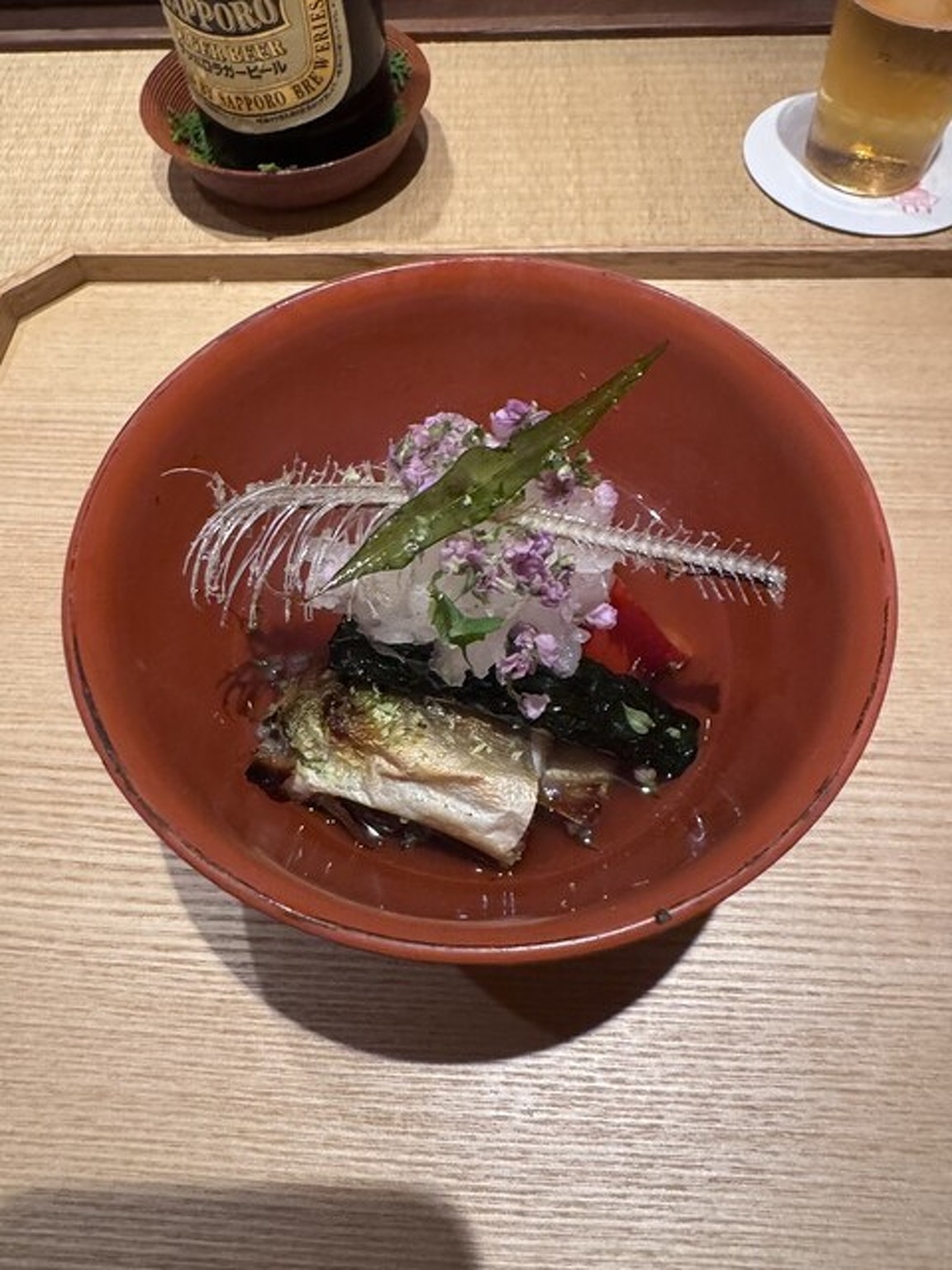
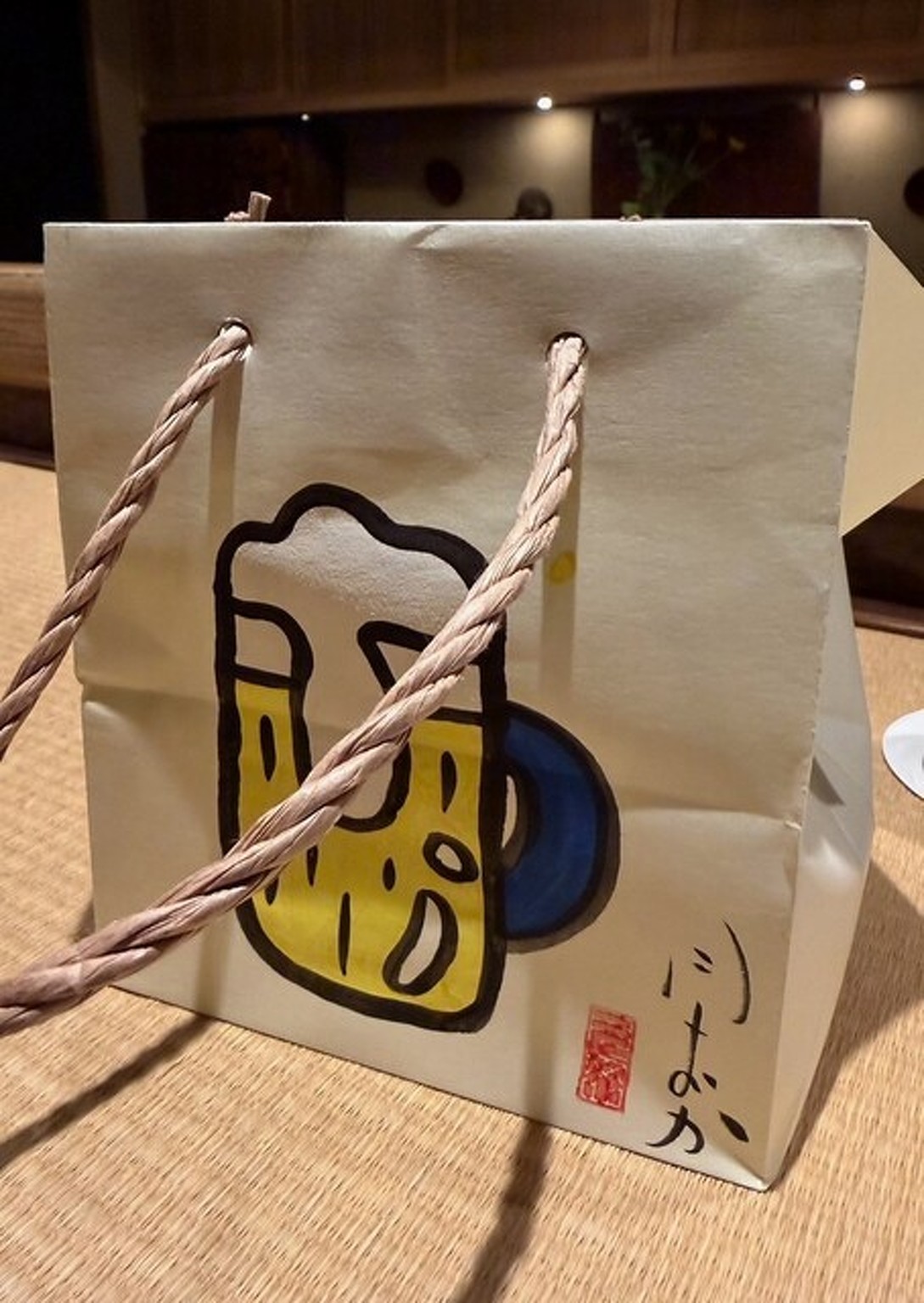
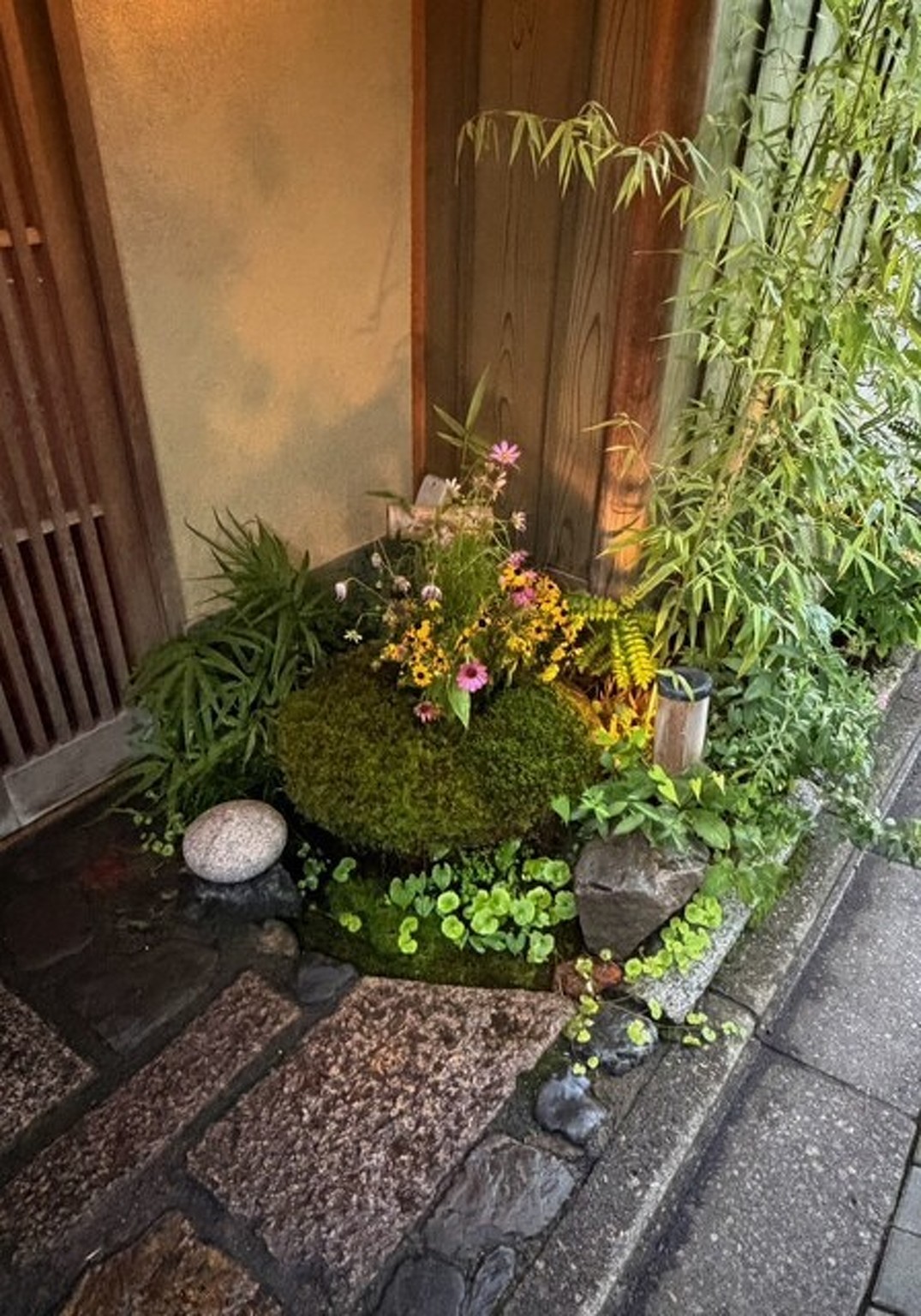
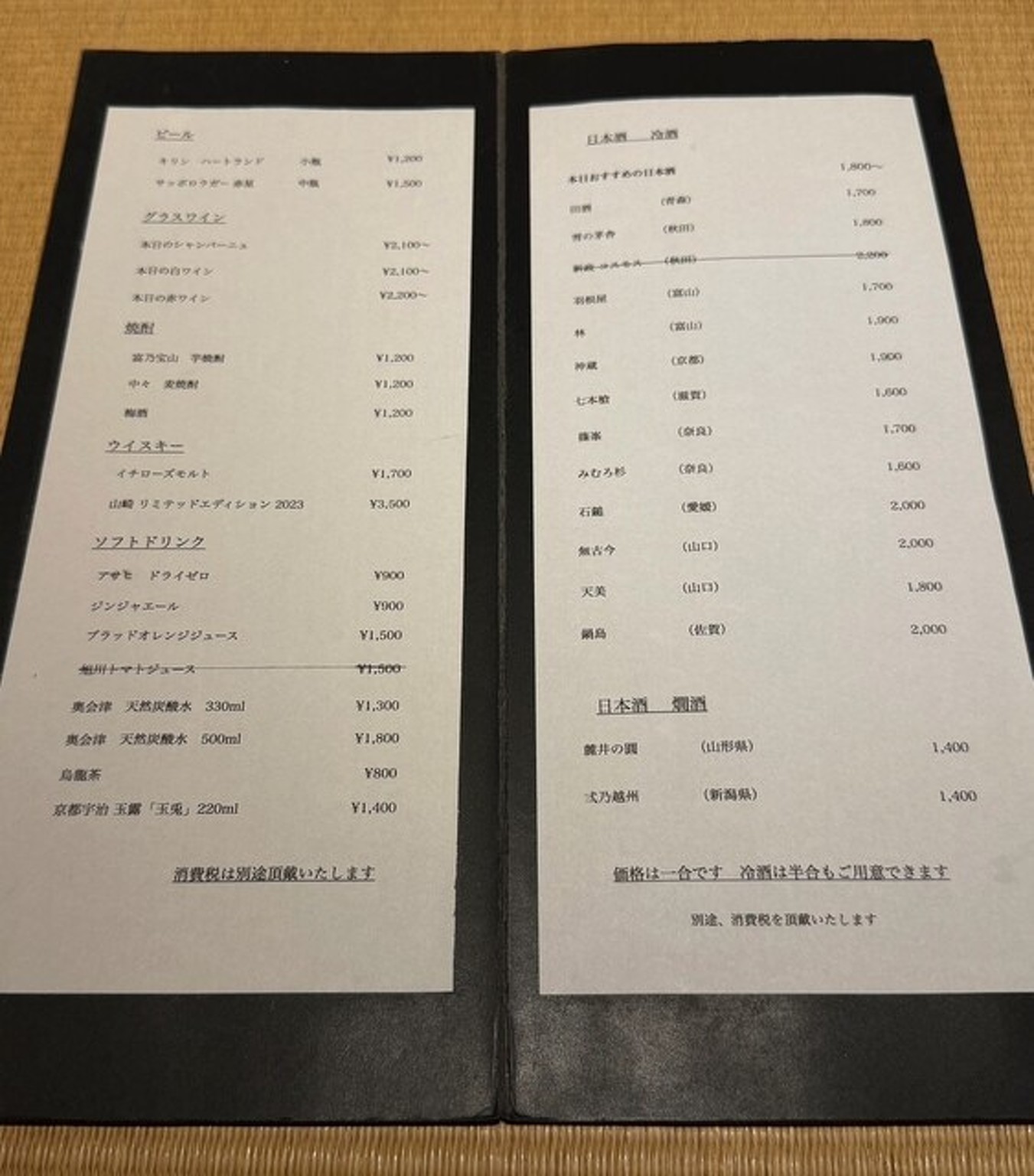
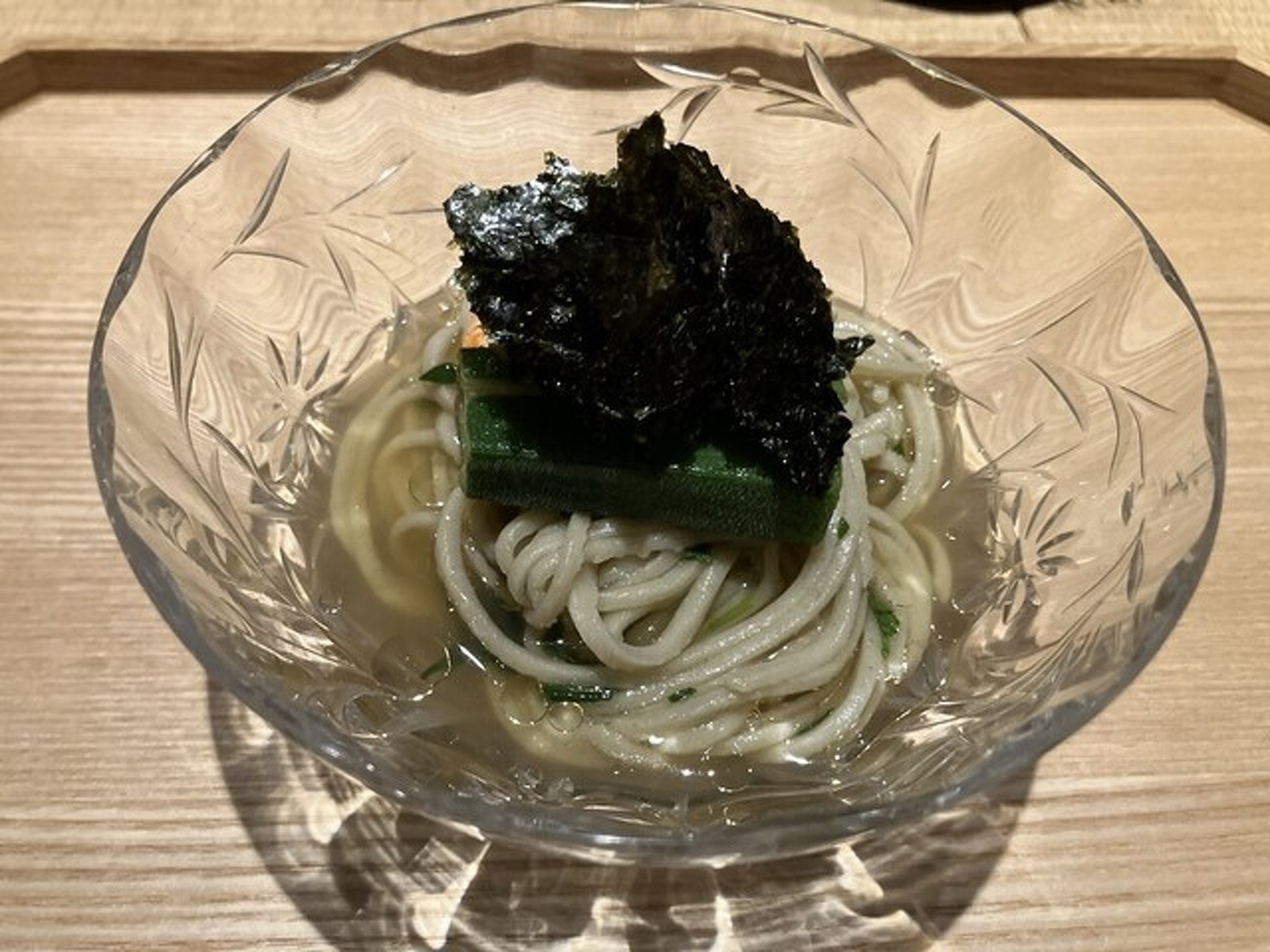
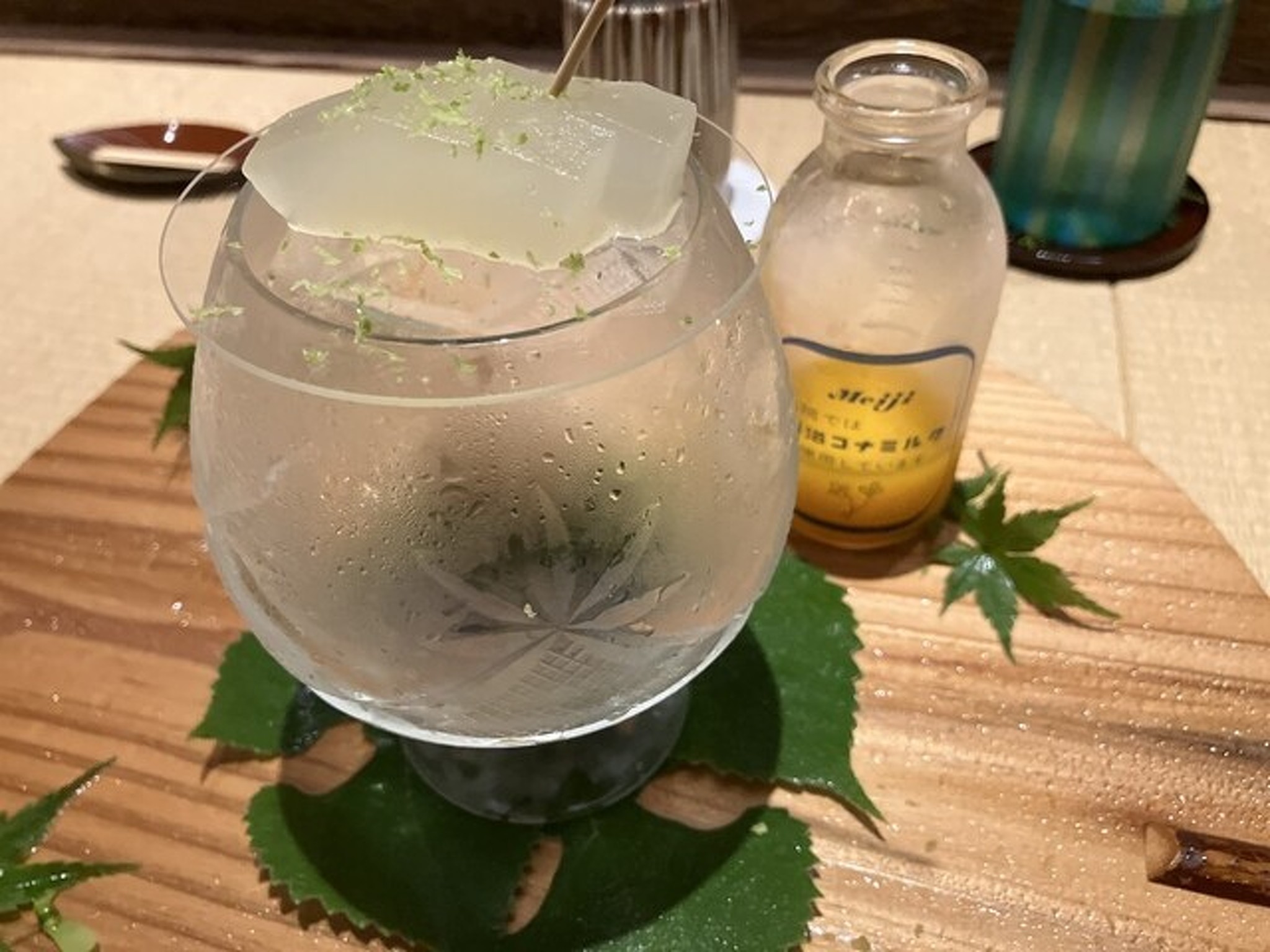
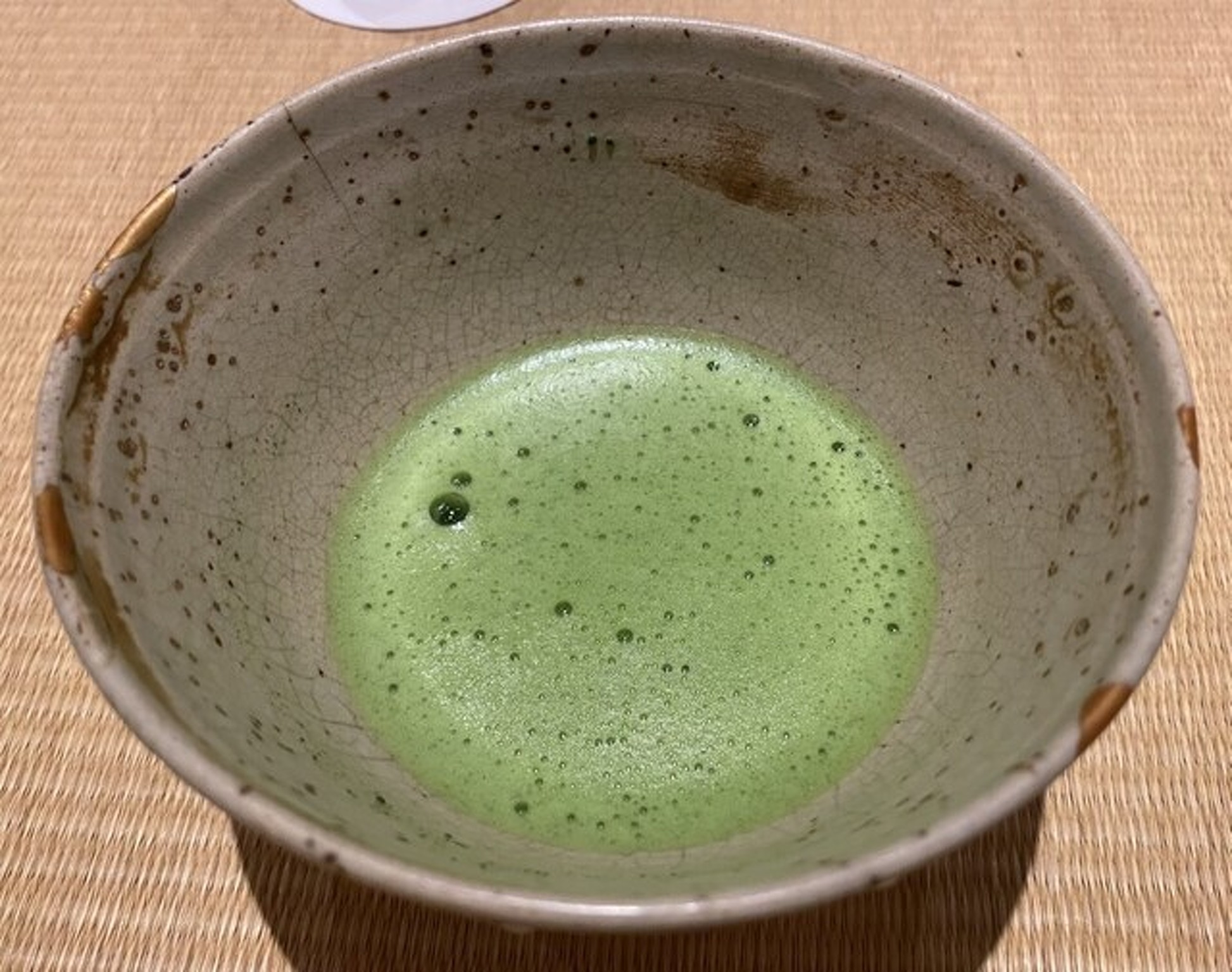
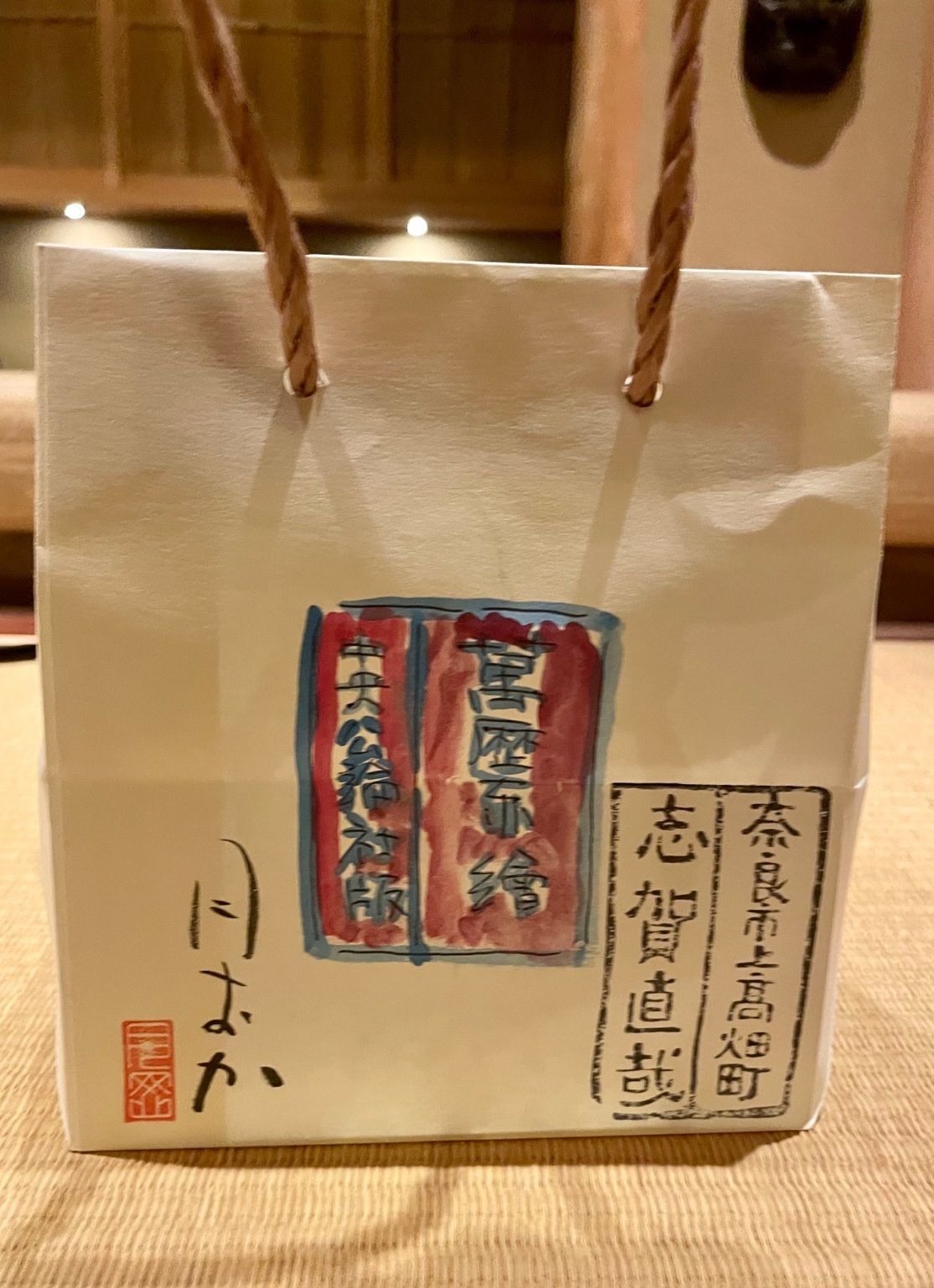
Evening. I leisurely walk from Sanjo Station while killing time.I take a side street to avoid cars. Highly recommended.I walk towards Shorenin Temple.Of course, before 6 PM, the gates are closed, so I can't just kill time freely.Arriving in front of the restaurant, it has a somewhat easy-to-miss appearance.Only counter seating is available. From what I can see,Everyone gathers five minutes early. We wait.The table in front of me is not wooden but tatami-style. Interesting.For drinks, I choose a non-alcoholic option:Natural carbonated water from Oku Aizu.I also receive cold-brewed tea.After a while, even past 6 PM, the chef quietly continues his work without a word.◯ Appetizers: Hozuki (Japanese ground cherry), edamame, tsukudani (preserved food), Gori (a type of fish), Sugiya chili, Miyama tomato juice, and pressed sushi with sasage beans and eel.It seems to be an assorted platter of appetizers.The chili has a mild spiciness, just right. Delicious.I didn’t expect to see edamame and tamagoyaki (Japanese omelet) at a place like this.◯ Soup:White miso with corn, beets, and okra.The sweetness of the corn and the saltiness of the miso are exquisite.There’s a nice roasted aroma without any bitterness.The eggplant is tender and delicious.*It seems to be from Ibaraki Prefecture's Kiyasu beef. A showcase.It feels like there are quite a few dishes being prepared.Since I can see them being made right in front of me, it’s never boring.◯ Eel from Akashi:Served with Ohara cucumber, red onion, watercress, and red shiso,The pickled mini tomatoes provide a nice accent and palate cleanser.The vegetables have a tangy, crunchy texture, while the eel is quite flat, creating a good balance.◯ Managatsuo from Ehime:Eaten with broth made from the head and bones.The broth is simply delicious, without any off-flavors.◯ Simmered dish:Kue (a type of fish) with yuzu flavor. When you eat it, the aroma escapes through your nose.Zucchini is spiraled.The kue is also delicious. The broth is slightly thick,Influenced by the gelatinous texture of the kue.◯ Grilled beef:With Sugiya eggplant and sliced skin,Mushrooms and young corn.It’s a part of the sirloin and Spencer roll.The roll is tender.It’s obvious when compared to the sirloin.The young corn is fragrant.◯ Bowl dish:Grilled sweetfish with salt, the bitterness of the innards is nice.Matsutake mushrooms and ginkgo nuts.The spicy daikon adds a kick.As expected, the broth is delicious.The bones of the sweetfish can be eaten crispy.◯ Soba:Made with buckwheat flour from Shiga Prefecture.Served with island shrimp, scallops, and clams,Accompanied by myoga (Japanese ginger),It’s a luxurious soba with everything piled on.Basically, the okra has a strong stickiness.◯ Rice:Aged Hirakodori chicken from Miyazaki,Tomato juice,Manganji pepper,Daigo (a type of milk reduced),The first bite brings more meat than expected.Eating it with daigo makes it milder.◯ Rice with eel:Including heshiko (fermented fish).I finish with eel.The pickles are delicious.For the second cup, I have some crispy bits.I add salt and eat more.◯ Dessert:The container and presentation are elaborate.On top of a glass lid, there’s shikuwasa melon.It has a mysterious texture, somewhere between fruit and vegetable.Under the glass lid,There’s basil, peach, and blueberry sorbet.The basil sorbet is sweet and sour.◯ Monaka:Brownie and ice cream.◯ Matcha:The real finale.◯ Souvenir:Brownie.The paper bag is handwritten by the chef.If you want to enjoy delicious broth, I highly recommend trying this place. They allow you to savor the food while having casual conversations. Less
10 / 10
on 13 Aug 2026
The atmosphere of the restaurant, the interior design, and the tableware all reflect a deep sense of thought and care. It was truly wonderful. Although the seating is only at the counter, it created an engaging and enjoyable experience. The food was incredibly delicious, and the dedication of the chef was evident in every dish. The portions were generous, and by the end of the meal, I was completely full. I definitely want to visit this place again!
8 / 10
on 09 Aug 2026
After researching various places for lunch in Kyoto, I decided to visit this restaurant.The owner, who looks tough at first glance, is actually very kind, and the beautiful proprietress adds to the charm.They prepare the dishes right in front of you.We started with the hassun, featuring a delightful selection that pairs well with drinks: octopus from Ehime, hamo sushi, Biwa Lake river shrimp, summer venison, and vegetables from Ohara.The corn puree was excellent, with grilled corn and eggplant adding... More
After researching various places for lunch in Kyoto, I decided to visit this restaurant.The owner, who looks tough at first glance, is actually very kind, and the beautiful proprietress adds to the charm.They prepare the dishes right in front of you.We started with the hassun, featuring a delightful selection that pairs well with drinks: octopus from Ehime, hamo sushi, Biwa Lake river shrimp, summer venison, and vegetables from Ohara.The corn puree was excellent, with grilled corn and eggplant adding a nice touch of sweetness.The hamo (pike eel) was presented in a way that felt almost French, served with Akashi hamo, cucumber, bitter melon, tomato, and onion for a refreshing dish.Next was the sweetfish soup, with the bones of the grilled sweetfish removed and crisped up, served with matsutake mushrooms, Japanese radish, and eggplant.We enjoyed charcoal-grilled beef from Ibaraki Prefecture, accompanied by young corn from Sakaeya. It was delightful to have a piece of meat in every bite.The soba noodles from Shiga were served with molokhia and shrimp.We also had niwahana (Japanese mustard greens) and a risotto made with Hirako chicken, paired with Manganji peppers.The meal included eel rice, pickles, and more.For dessert, we had a basil and peach sorbet, along with a brownie sandwich made by the proprietress, served in a monaka shell, and a catanata.We finished with matcha.Everything was meticulously prepared, making for a delightful and delicious two-and-a-half hours.I can't believe the total was only JPY 15,000.I truly admire their dedication.I highly recommend visiting this place at least once! Less
9 / 10
on 05 Aug 2026
I visited for lunch on my day off. This was my second visit since March, and after walking through the scorching heat of Kyoto, I finally arrived here. The atmosphere inside feels like a small art museum, and I love this ambiance every time I come. I cooled down with some iced tea and ordered a Heartland beer.**Hassun** Today, we start with this. It looks delicious and beautifully presented. It feels almost too good to eat. The lineup includes peanuts, hamo sushi, snails, venison, egg, and sweet... More
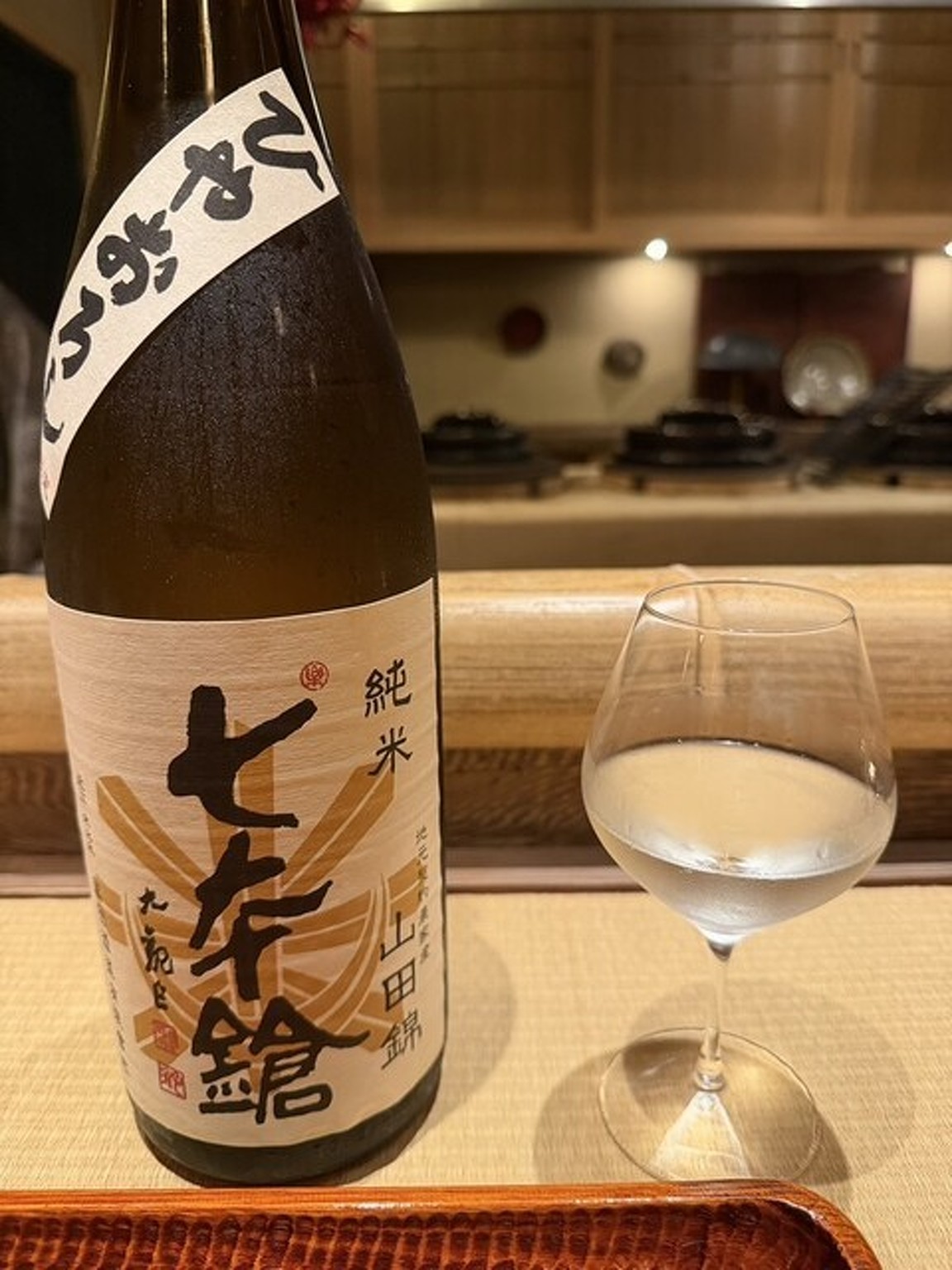
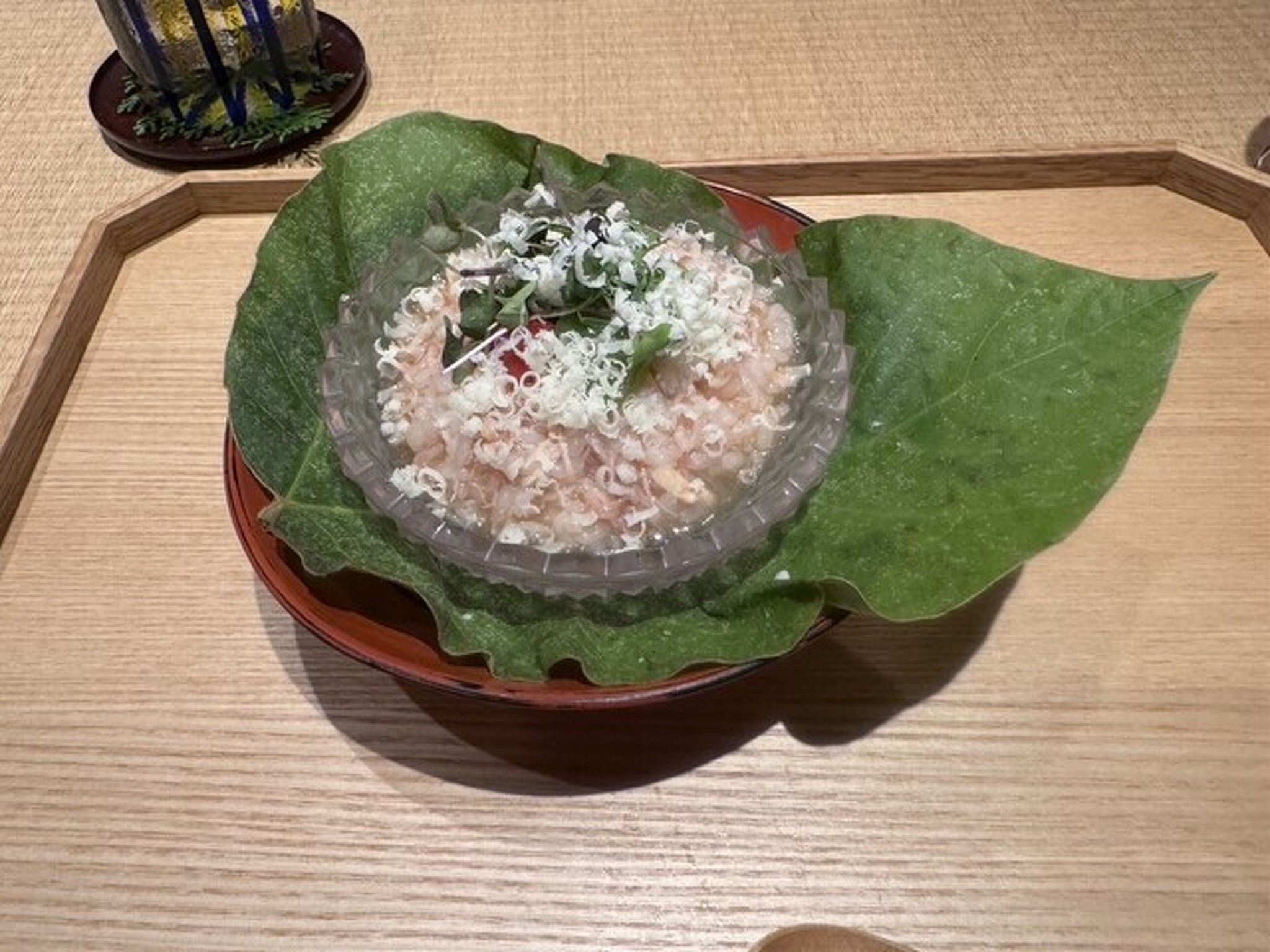
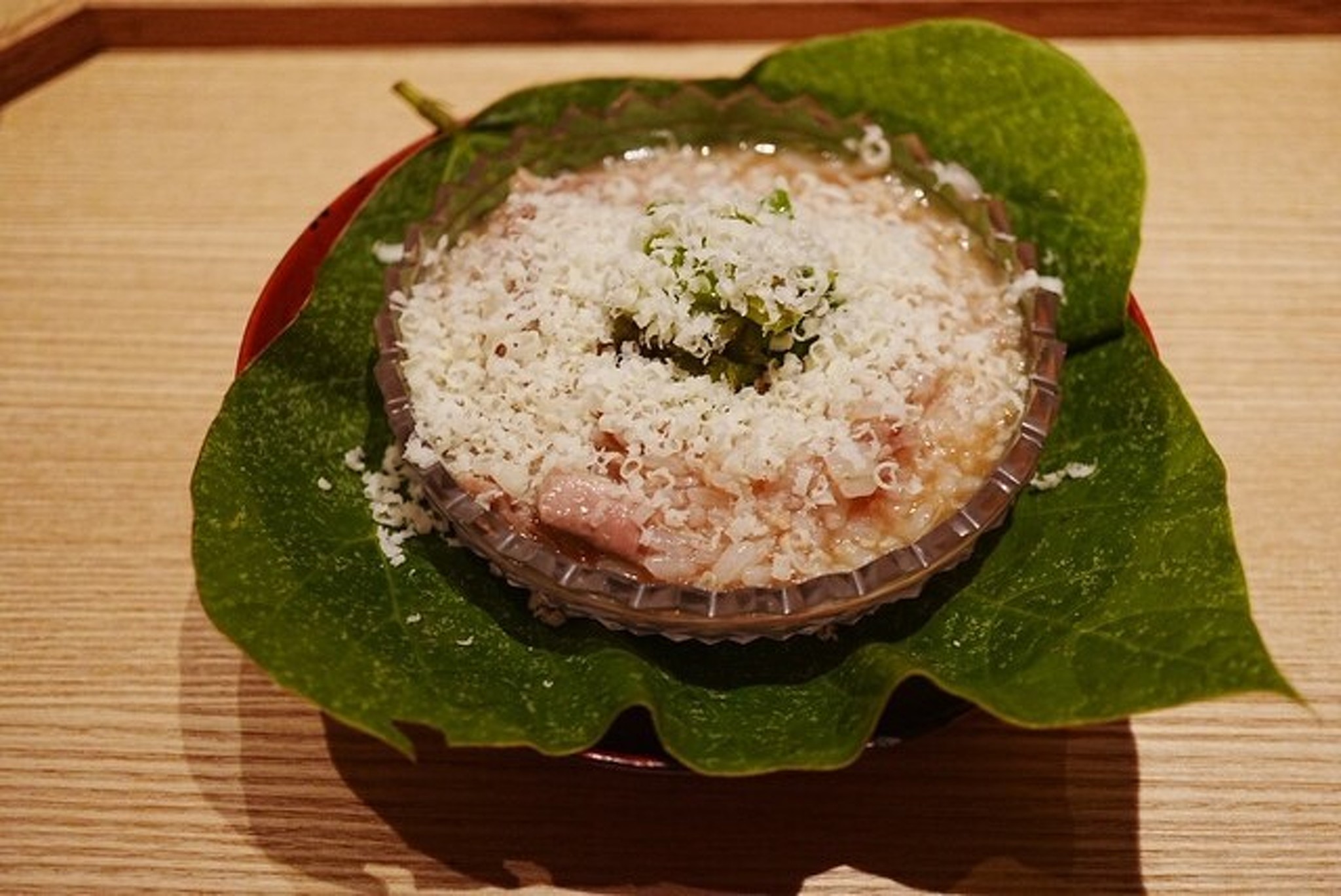
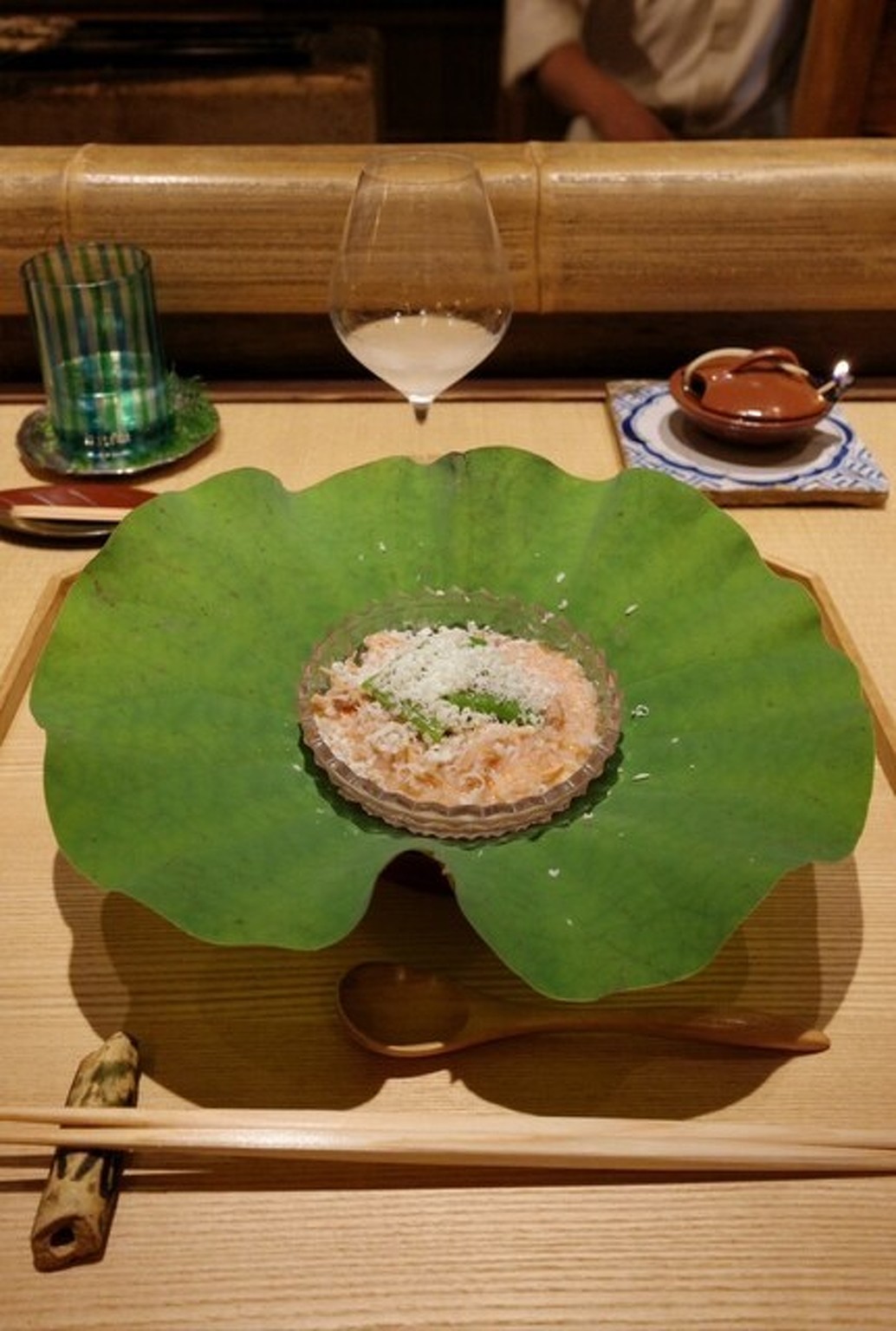
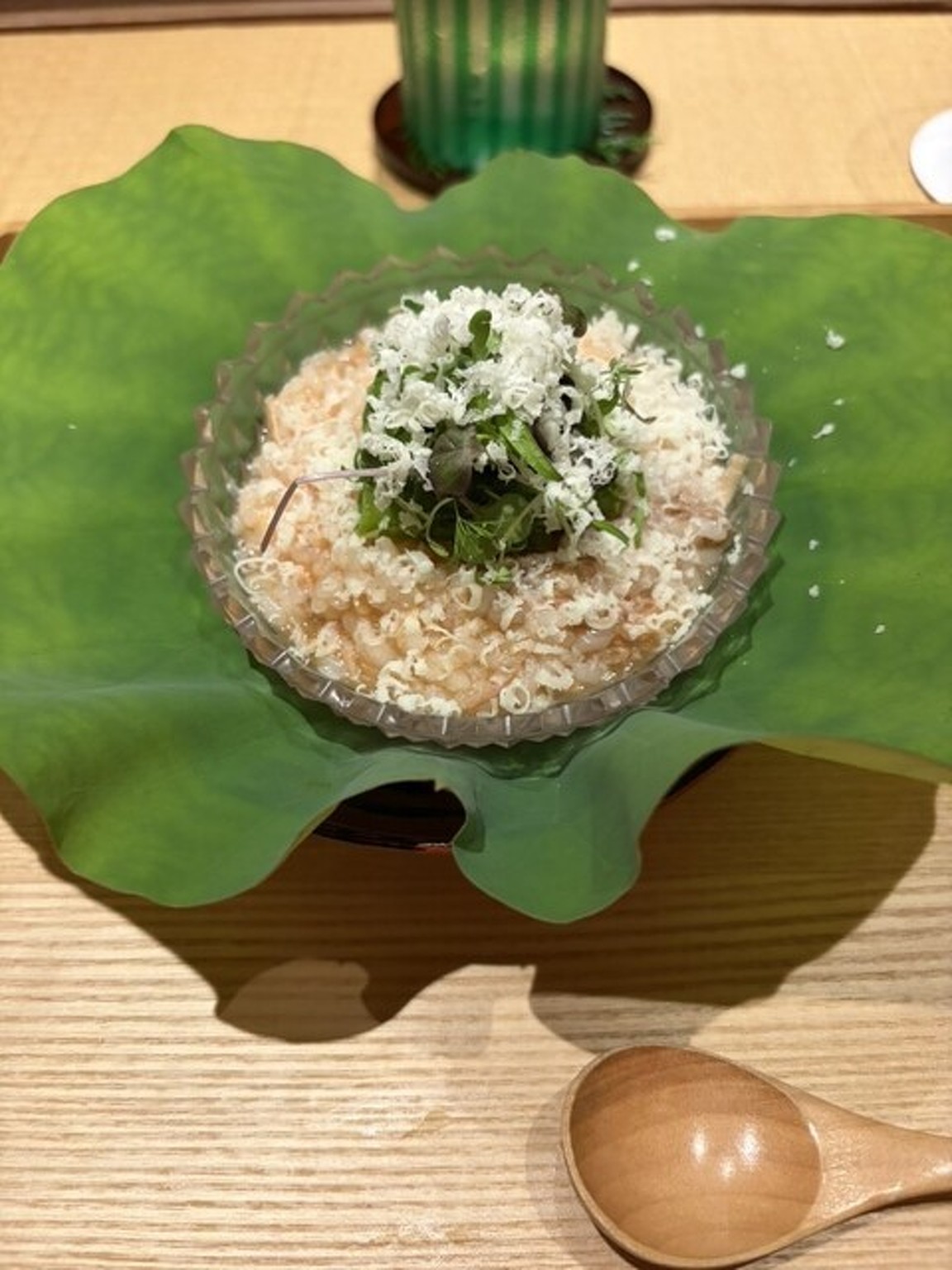
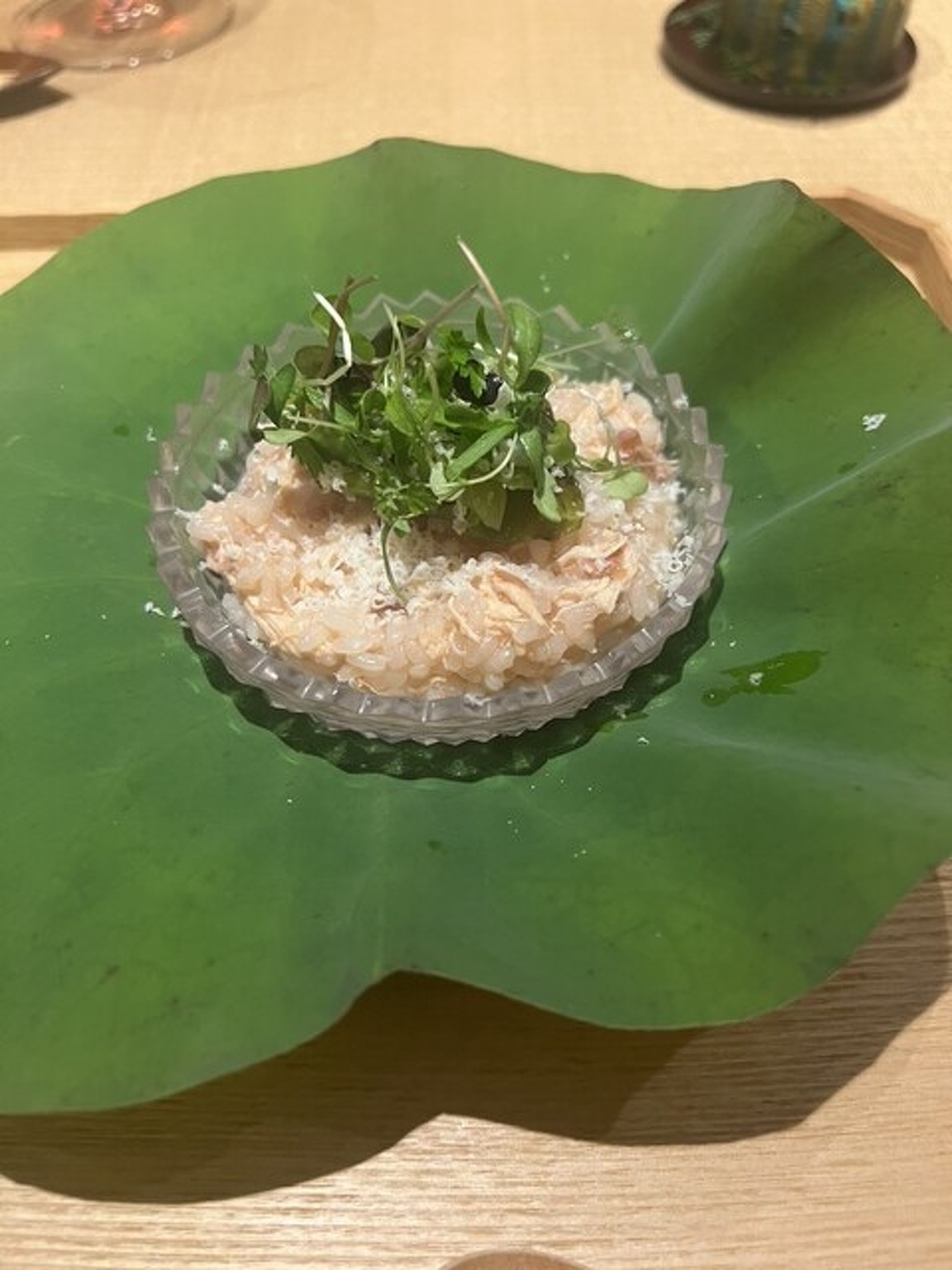
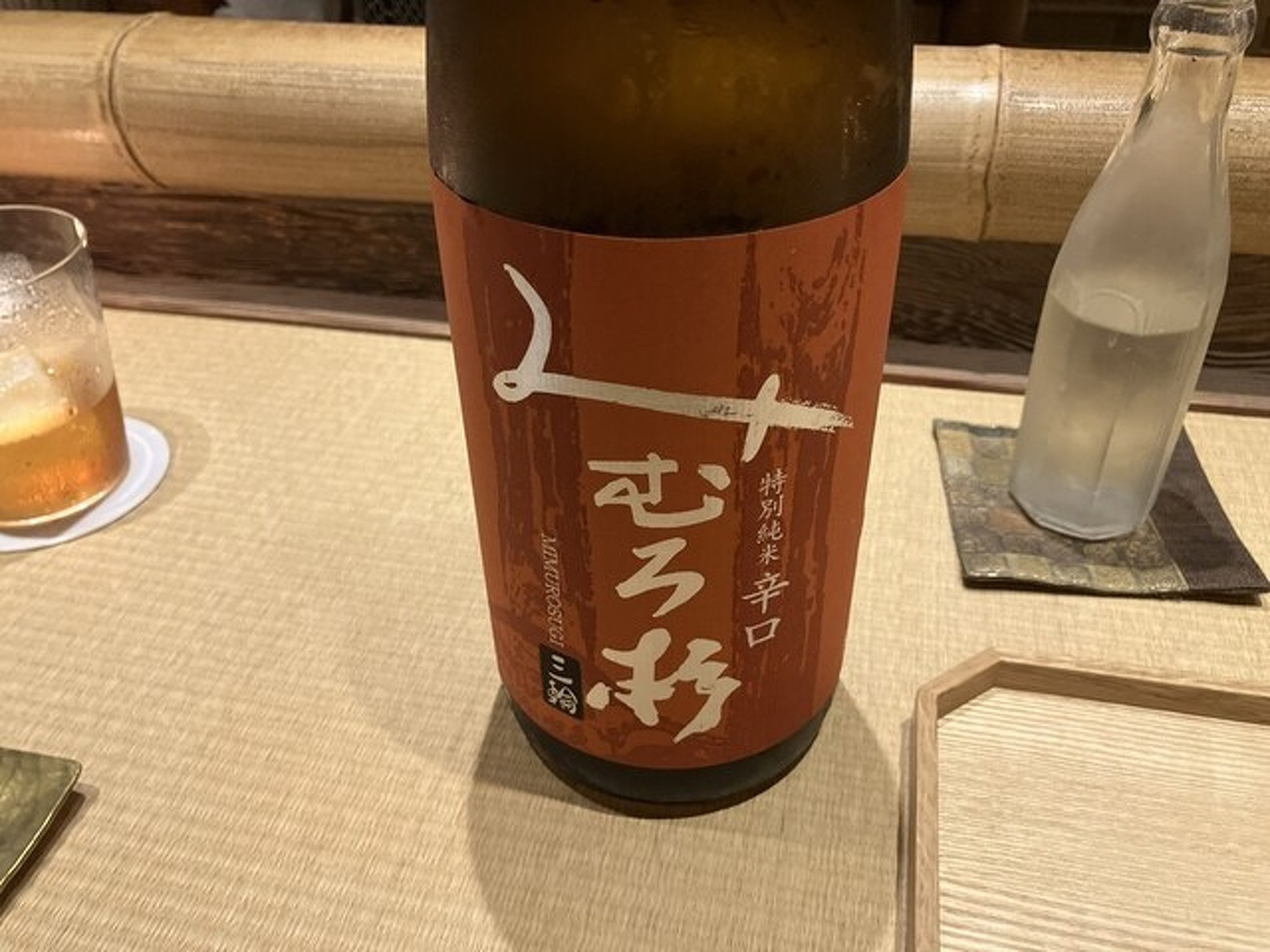
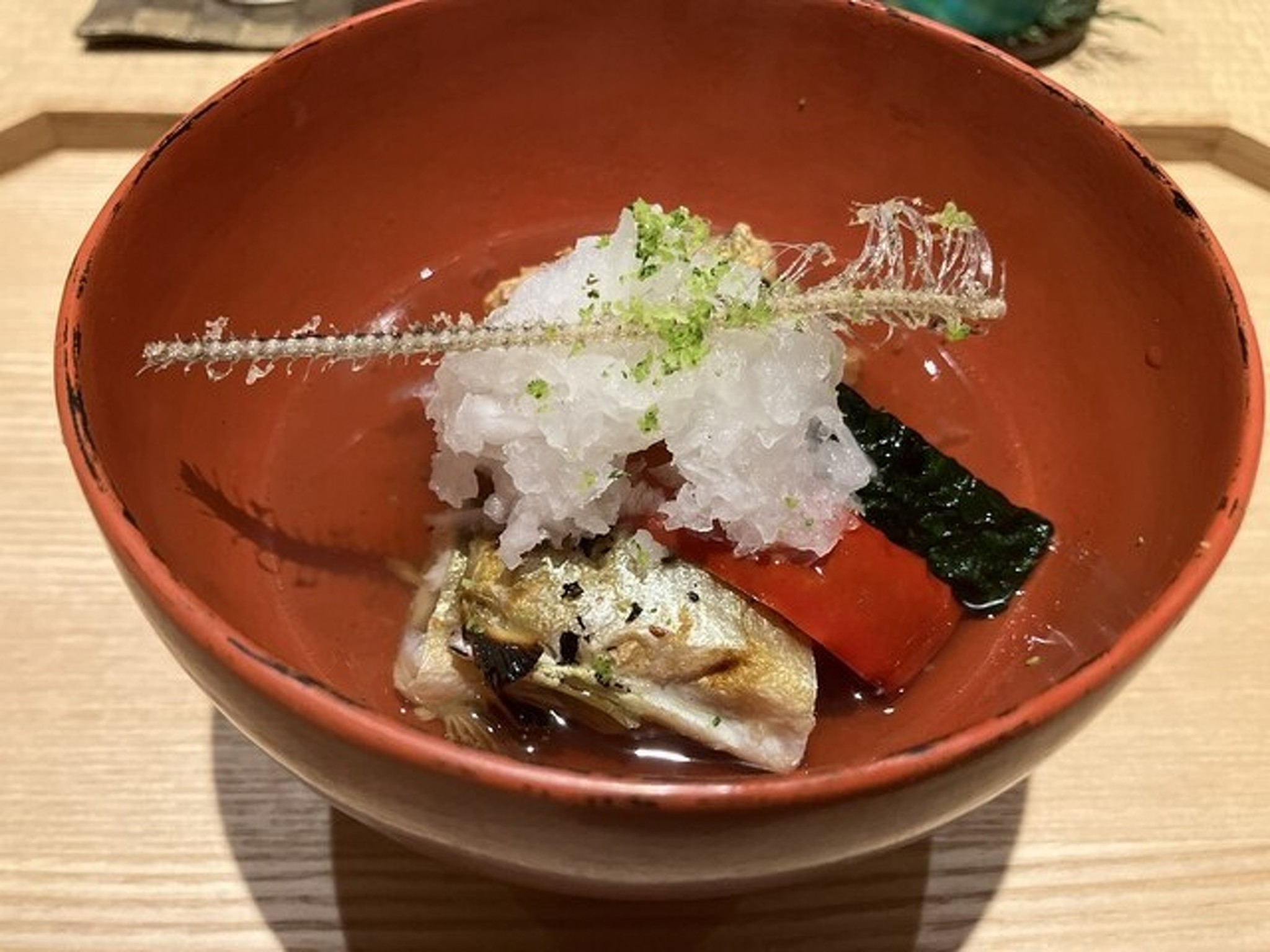
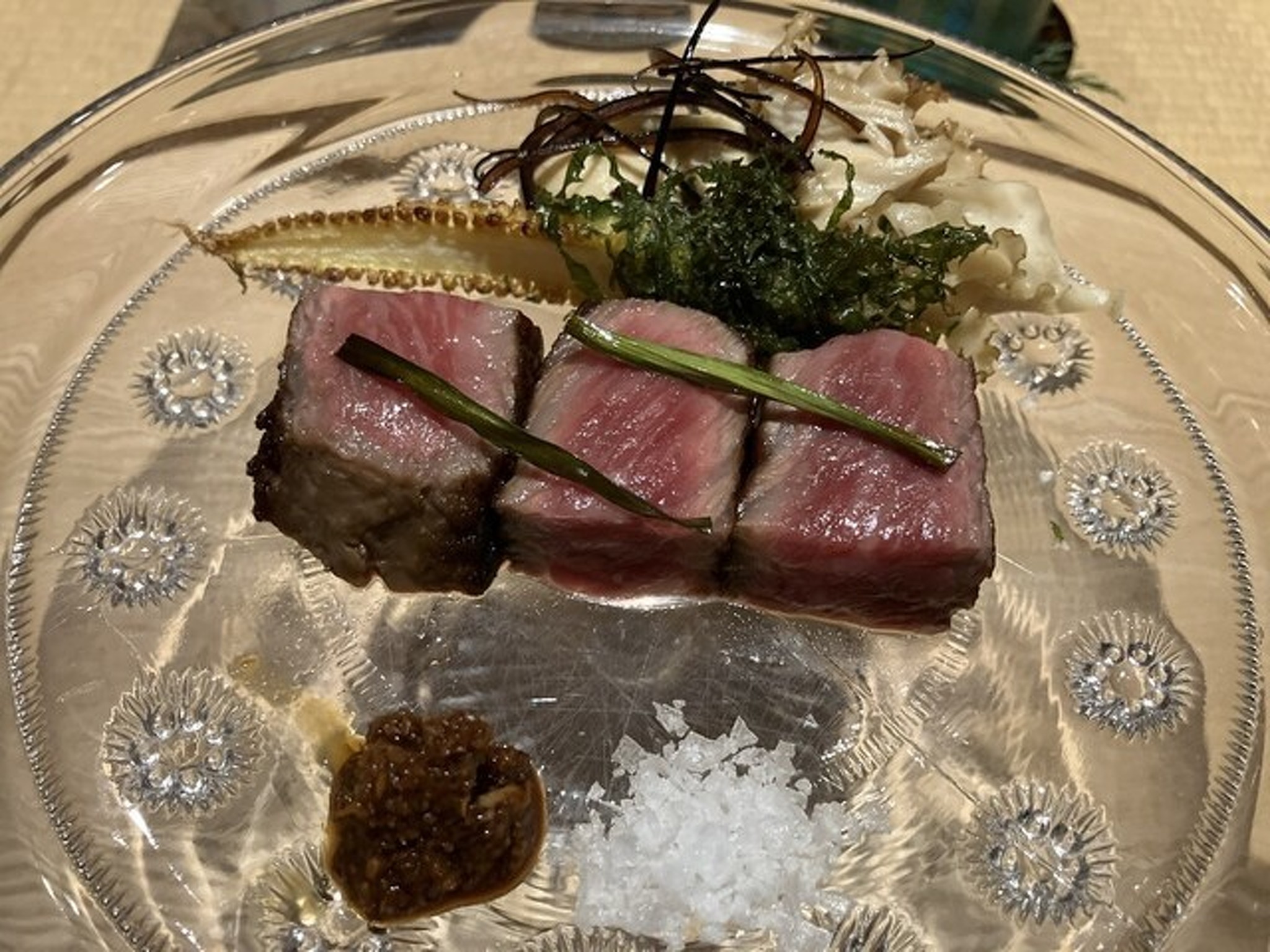
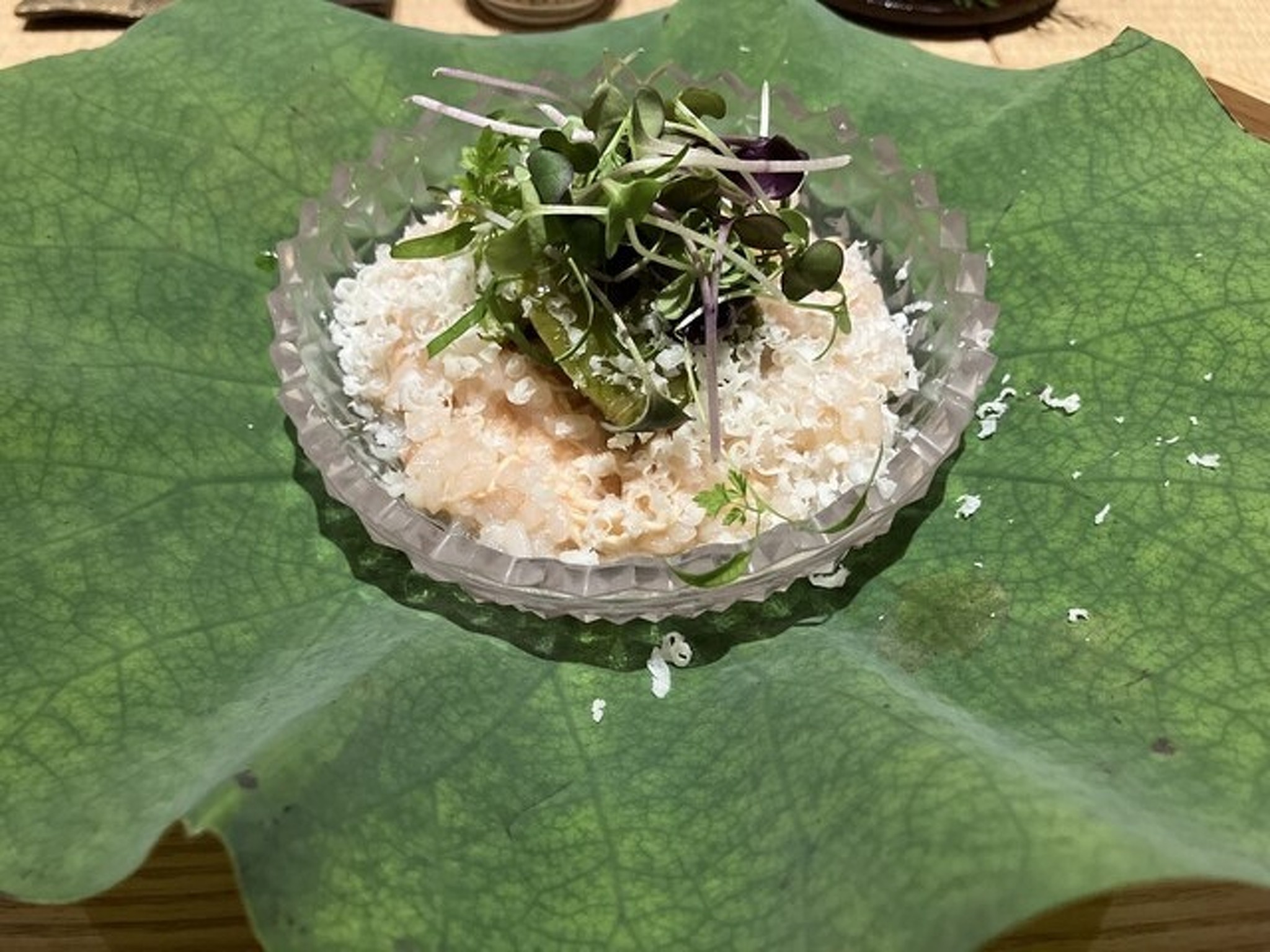
I visited for lunch on my day off. This was my second visit since March, and after walking through the scorching heat of Kyoto, I finally arrived here. The atmosphere inside feels like a small art museum, and I love this ambiance every time I come. I cooled down with some iced tea and ordered a Heartland beer.**Hassun** Today, we start with this. It looks delicious and beautifully presented. It feels almost too good to eat. The lineup includes peanuts, hamo sushi, snails, venison, egg, and sweet shrimp, making for a luxurious selection once again. It’s simple, but I particularly enjoyed the peanuts. It’s rare to find such large, flavorful peanuts.**Corn Soup** The corn is pureed and mixed with white miso. This is incredibly delicious. The rich, sweet corn stimulates the palate, and then the umami of the white miso slowly comes in and blends together. One sip, and I couldn’t stop smiling. Inside, there’s eggplant with a smoky flavor from the charcoal grilling, adding a delightful touch. The beets also provide a unique earthy accent.**Hamo Sashimi** Can we really call this hamo sashimi? Underneath, there’s a vegetable sauce centered around cucumber, topped with mustard and accompanied by a tomato, while shiso leaves add a colorful touch. The flavor profile feels more Italian than Japanese, with a complex interplay of acidity, sweetness, and umami. The hamo is fluffy and delicious, but the sauce is so exquisite that it steals the show.At this point, I decided to have some sake. I chose Mimuro Sugi, which pairs well with the meal and is becoming harder to find lately.**Ayugai Soup** The highlight of the day. The ayu, which had just been grilled over charcoal, arrives in a bowl. I can only imagine the surprise of the fish itself, wondering if it’s really not grilled with salt. They started serving grilled ayu in June, and since other Kyoto restaurants also serve it grilled, they decided to change it up. This is interesting and incredibly delicious. The broth made from the ayu is profoundly flavorful, filling my mouth with the essence of ayu. The rich-tasting vegetables are perfectly complemented by the grated daikon, providing a refreshing finish. Of course, both the fish and the crispy bones are undeniably delicious, but this concept is intriguing and transports the diner to another realm.**Kyuusankyu Beef** Today, we have Kyuusankyu beef from Ibaraki Prefecture, sourced from Sakaeya. It’s delicious as always, with the sweetness and umami of the fat expanding with each bite, a flavor unique to aged meat. While salt is good, the wasabi soy sauce here is irresistibly delicious. The accompanying vegetables are also star-worthy and delicious from any angle.**Ju-wari Soba** Here, I take a little break. The ju-wari soba pairs well with the clam broth. The light seasoning feels a bit lacking after the meat, which is nice. The ingredients, including okra and seaweed, are substantial.**Risotto** I was curious about what was being prepared in front of me, and it turned out to be risotto. With a base of tomato sauce, shaved milk, and scattered vegetables, the risotto is complete. This is completely Italian. Using the base gives it an al dente texture, enhancing the risotto experience. The taste is perfectly balanced, with the flavor of tomato, buttery notes from the milk, and the spiciness of the radish sprouts. It’s impressive how they introduce such a twist in Japanese cuisine.**Rice** Today, we have eel rice, and the fragrant, rich sauce makes for a blissful moment. I finished lightly, ordered a second helping, and enjoyed it with heshiko and pickles, eating two bowls in total. This endless cycle of rice is a delightful treat for Japanese people.**Dessert** On the plate, there’s musk melon, juicy and delicious, reminiscent of pear. Underneath, there’s basil sorbet and ice cream, with the basil flavor being delightful. I drizzled mango sauce over it and devoured it all at once.**Brownie** A reliable and trustworthy brownie. The outer layer, toasted over charcoal, adds a wonderful aroma.**Thin Tea** Today was delicious, and that’s all that matters. As the seasons change, so do the ingredients, and most importantly, the dishes evolve. Last time, it was all about traditional Japanese cuisine, but today had many twists, making it enjoyable to eat. While the flavors of the ingredients are highlighted, there are many dishes that add layers, testing the diner’s sensibilities. It’s always delicious, and I want to come back again by the time I finish eating. It was a great meal. Thank you very much. Less
9 / 10
on 01 Aug 2026
Located in front of Shorenin Monzeki, a quiet spot along Jingu Road, Tsukioka has been a restaurant I’ve been curious about for a while.The appetizer features a variety of ingredients including peanuts, spring rolls with potatoes, shrimp, snails, edamame, and Sugiya chili, which pairs perfectly with cold sake.The white miso soup is vibrant with roasted corn, okra flowers, grilled eggplant, and the bright red of beets.I enjoyed the hamo (pike eel) from Akashi, along with goya (bitter melon) from... More
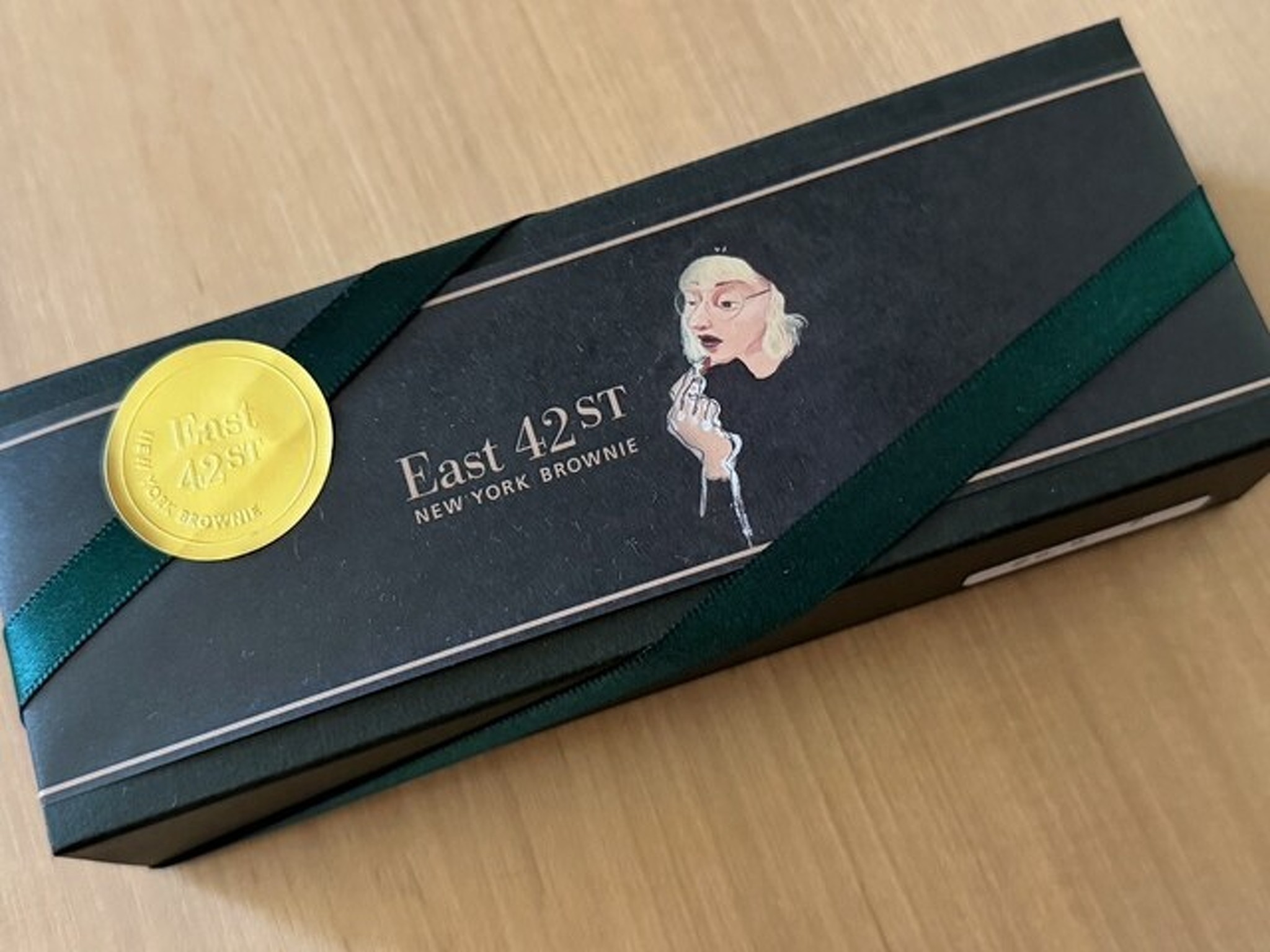
Located in front of Shorenin Monzeki, a quiet spot along Jingu Road, Tsukioka has been a restaurant I’ve been curious about for a while.The appetizer features a variety of ingredients including peanuts, spring rolls with potatoes, shrimp, snails, edamame, and Sugiya chili, which pairs perfectly with cold sake.The white miso soup is vibrant with roasted corn, okra flowers, grilled eggplant, and the bright red of beets.I enjoyed the hamo (pike eel) from Akashi, along with goya (bitter melon) from Ohara, Kyoto, cucumber, and vine purple.There’s also the fresh bonito from Ehime, and the white sweet sea bream from Fujimoto in Ehime, served with zucchini and water shield.The dish includes hanabira mushrooms, beef from a mature cow, and eggplant paste.I also had sweetfish.Throughout the meal, a grater hanging on the wall made several appearances. When I remarked that it wasn’t just for decoration, the owner chimed in, "We specialize in grated dishes."The chef’s handmade ju-wari soba (100% buckwheat noodles) was served with clams, molokhia, okra, and shrimp.For the rice, I had chicken rice and simmered vegetables, as well as eel rice, with options for firmness and crispy bits.Sprinkling a little salt on the heshiko (fermented mackerel) and crispy bits enhances the flavor.The dessert included ice cream drizzled with mango sauce for a delightful twist.To finish, I enjoyed a Choco Brownie from East 42nd Street, New York.I look forward to returning in a different season. Less
8 / 10
on 01 Jul 2026
I made a reservation about three weeks ago and visited on Saturday at 12 PM.This was my second time here, and the seasonal dishes were absolutely wonderful.The flavors were, of course, top-notch, but it was also a feast for the eyes.The highlight was definitely the eel and hairy crab rice with sauce—it was delicious!Thank you for the great meal!
10 / 10
on 25 Jun 2026
The chef at Tsukioka has an incredible dedication to his craft. The course begins with an intricately prepared hassun and showcases the chef's commitment all the way to the final dessert. While the ingredients and cooking methods are purely traditional Japanese, the combinations reflect a French-inspired creativity. This is truly a unique style of Japanese cuisine that can only be experienced here at Tsukioka.Today, I enjoyed the following:- Hassun- Three-Bean Puree with Hirako Chicken and Jun-sai-... More
The chef at Tsukioka has an incredible dedication to his craft. The course begins with an intricately prepared hassun and showcases the chef's commitment all the way to the final dessert. While the ingredients and cooking methods are purely traditional Japanese, the combinations reflect a French-inspired creativity. This is truly a unique style of Japanese cuisine that can only be experienced here at Tsukioka.Today, I enjoyed the following:- Hassun- Three-Bean Puree with Hirako Chicken and Jun-sai- Grilled Natural Young Sweetfish from Kutsuki and Farmed Young Sweetfish from Lake Biwa- Fresh Bonito with Oharan-grown Watercress, Arugula, and Wasabi Greens- Clear Soup with Nine-Striped Grunt- Charcoal-Grilled Aged Beef from Kagoshima by Sakaeya- Matsukasa Sweet Sea Bream from Fisherman Fujimoto in Imabari, Ehime, with Oharan-grown Mountain Vegetables- Ju-wari Soba with Iwate-grown Sasuke Pork Shabu-Shabu from Sakaeya- Large Clam from Kuwana, served in a light broth- Shirasu Rice Bowl (TKG) from Fisherman Fujimoto in Imabari, Ehime- Shiso Sorbet with Strawberry Sauce from Shiga Prefecture- Classic Brownie and Catalana Monaka Less
8 / 10
on 19 Jun 2026
The food was delicious, and the attention to detail was impressive. They use fish sourced from fisherman Fujimura. They offer both wine and Japanese sake, and the owner is a certified sommelier, so you can expect excellent wine selections. On the way out, I received a piece of chocolate cake.
8 / 10
on 13 Jun 2026
The appetizers were beautifully presented.Snails ✖︎, Tamagoyaki (Japanese omelet) ○, Mehikari (small fish) ○, Mangaji pepper with scallop paste ○, and Okowa (sticky rice) △.The small hydrangeas were lovely.The Hirako chicken white miso soup was excellent and very delicious.The sweetfish was incredibly tasty ◎.It paired wonderfully with the sansho (Japanese pepper) sauce.The Kijihata (Japanese grouper) had a delicious broth ◎.From Kagoshima, Kyushu.The Keisan beef, aged for 50 days,... More
The appetizers were beautifully presented.Snails ✖︎, Tamagoyaki (Japanese omelet) ○, Mehikari (small fish) ○, Mangaji pepper with scallop paste ○, and Okowa (sticky rice) △.The small hydrangeas were lovely.The Hirako chicken white miso soup was excellent and very delicious.The sweetfish was incredibly tasty ◎.It paired wonderfully with the sansho (Japanese pepper) sauce.The Kijihata (Japanese grouper) had a delicious broth ◎.From Kagoshima, Kyushu.The Keisan beef, aged for 50 days, was outstanding ◎.The umami was incredible, and it was very delicious! Overall, I found everything to be exceptionally tasty. Less
8 / 10
on 07 Jun 2026
Everything was delicious, but the meat, which was aged red meat, was incredibly tender and packed with flavor.The soup was surprisingly flavorful without any seasoning like salt, relying solely on the dashi, which was truly impressive.To top it off, we received brownies from their affiliated bakery as a takeaway treat.
8 / 10
on 01 Jun 2026
I made a lunch reservation and sat down at the counter, feeling a bit nervous. However, I relaxed a little when I was greeted by the lovely appearance of the hostess and the chef's warm welcome. Each dish was a beautifully crafted seasonal creation, served in exquisite tableware. The flow of the meal was delightful, and everyone’s manners were elegant. The chef shared stories about the ingredients, and I enjoyed a delicious meal surrounded by his collection, taking my time to savor it all. I heard... More
I made a lunch reservation and sat down at the counter, feeling a bit nervous. However, I relaxed a little when I was greeted by the lovely appearance of the hostess and the chef's warm welcome. Each dish was a beautifully crafted seasonal creation, served in exquisite tableware. The flow of the meal was delightful, and everyone’s manners were elegant. The chef shared stories about the ingredients, and I enjoyed a delicious meal surrounded by his collection, taking my time to savor it all. I heard that the menu changes monthly, and I’m already looking forward to my next visit. It was a great meal! Less
10 / 10
on 25 May 2026
Since I was going to Kyoto, I searched for a place to enjoy a meal that truly reflects the essence of the city.The time I spent at this restaurant, the atmosphere, and the food were all unlike anything I had ever experienced before.It felt luxurious to be able to enjoy both the meal and conversation in such a wonderful setting.It truly became a cherished memory for me. Thank you very much.
8 / 10
on 19 May 2026
Located just beyond Yasaka Shrine and Chion-in, this restaurant sits in a prime area of Kyoto, right in front of Shorenin Monzeki.With a counter seating arrangement that starts all at once, the distance between the chef and guests feels intimate. Despite being a high-end dining establishment, it maintains a casual atmosphere reminiscent of a local eatery, while still providing attentive service, creating a wonderfully pleasant ambiance.Each dish is meticulously prepared, reflecting a sincere dedication... More
Located just beyond Yasaka Shrine and Chion-in, this restaurant sits in a prime area of Kyoto, right in front of Shorenin Monzeki.With a counter seating arrangement that starts all at once, the distance between the chef and guests feels intimate. Despite being a high-end dining establishment, it maintains a casual atmosphere reminiscent of a local eatery, while still providing attentive service, creating a wonderfully pleasant ambiance.Each dish is meticulously prepared, reflecting a sincere dedication to the culinary arts. The generous use of wild vegetables allows you to truly experience the essence of spring.On the other hand, the dishes may lack overt flamboyance, and many focus on enjoying the natural flavors of the ingredients, which might not suit everyone's taste. However, if you're looking to savor a heartfelt experience in a tranquil setting, this place is definitely worth a visit. Less
9 / 10
on 13 May 2026
The grand finale of my trip to Kyoto was at a restaurant that many people had recommended, saying, "You have to try this place!" I had been looking forward to visiting it, and finally, that wish came true. ✨This is the renowned Japanese restaurant "Shorenin Monzeki Mae Tsukioka"! ❣️From the decor to the furnishings, every detail reflects a commitment to quality, and my expectations were at their peak as I entered. ♡Every dish was absolutely divine, and I nearly lost my composure multiple... More
The grand finale of my trip to Kyoto was at a restaurant that many people had recommended, saying, "You have to try this place!" I had been looking forward to visiting it, and finally, that wish came true. ✨This is the renowned Japanese restaurant "Shorenin Monzeki Mae Tsukioka"! ❣️From the decor to the furnishings, every detail reflects a commitment to quality, and my expectations were at their peak as I entered. ♡Every dish was absolutely divine, and I nearly lost my composure multiple times. The level of craftsmanship was beyond anything I had experienced! ❣️It seems they follow the tradition of tea ceremony cuisine, and I must say, I was genuinely impressed.The head chef, the apprentices, and the wonderful proprietress all provided an exceptional level of hospitality that I truly enjoyed. ✨I will definitely visit again whenever I come to Kyoto! ❣️Thank you, head chef and proprietress, for the wonderful meal. I was also delighted to share stories about restaurants in Osaka. ✨Looking forward to my next visit! Less
9 / 10
on 07 May 2026
Tsukioka in Front of Shoren-in Monzeki Temple, KyotoThe saying *"Kyoto is home to truly exceptional cuisine"* could not be more accurate.Kappo Tsukioka stands quietly across from the serene grounds of Shoren-in Monzeki temple, nestled at the foot of Kyoto's Higashiyama area. The first floor features a striking single-slab whitewood counter with just eight seats, while the second floor offers a traditional tatami room. The counter was fully occupied, with an even mix of Japanese and international... More
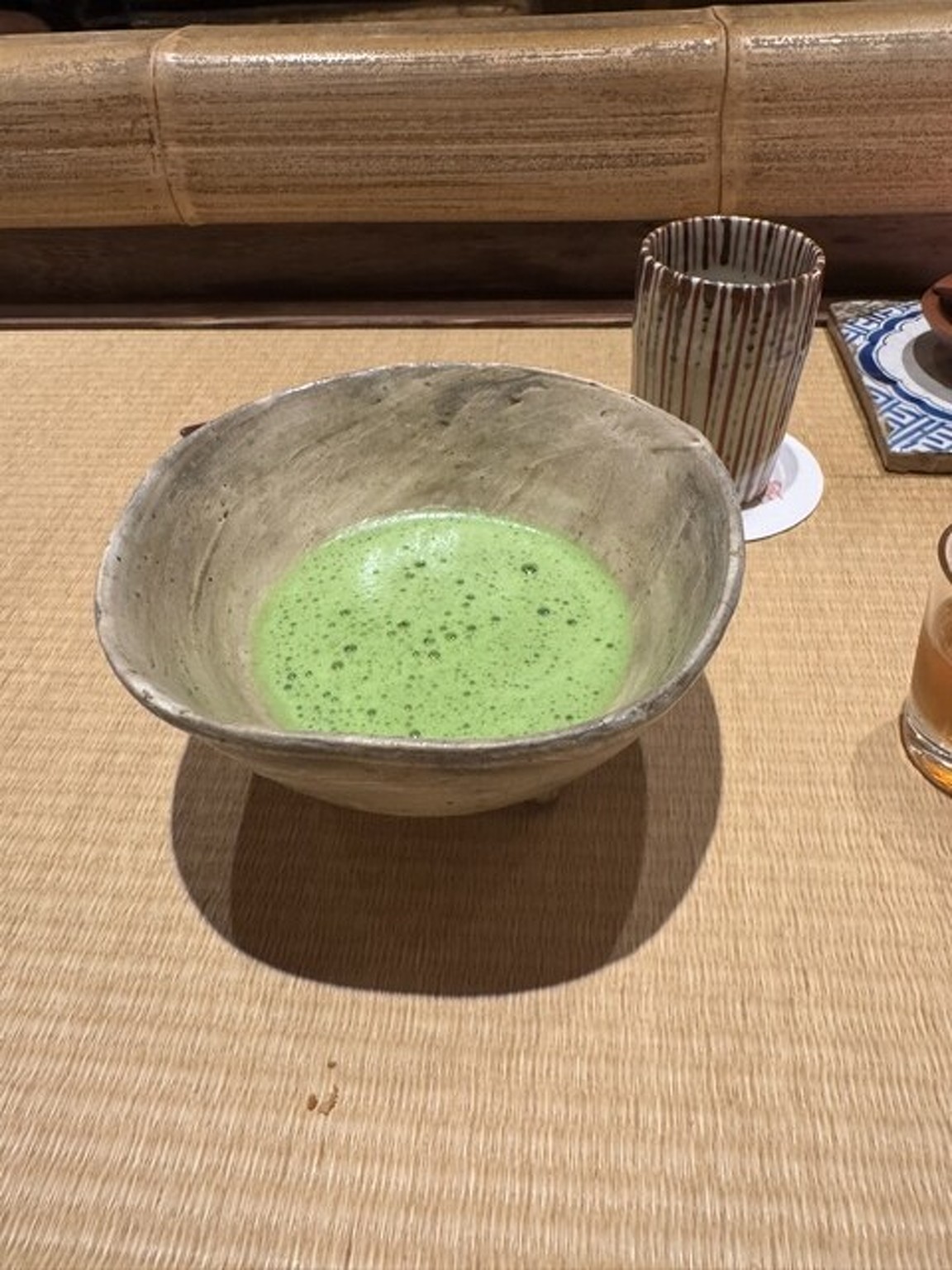
Tsukioka in Front of Shoren-in Monzeki Temple, KyotoThe saying *"Kyoto is home to truly exceptional cuisine"* could not be more accurate.Kappo Tsukioka stands quietly across from the serene grounds of Shoren-in Monzeki temple, nestled at the foot of Kyoto's Higashiyama area. The first floor features a striking single-slab whitewood counter with just eight seats, while the second floor offers a traditional tatami room. The counter was fully occupied, with an even mix of Japanese and international guests.The chef attentively watched over every guest, the elegant proprietress clad in kimono welcomed everyone with Kyoto's signature grace, and the young staff moved about efficiently, creating a warm yet refined atmosphere.As soon as we were seated, we were served an exquisite cup of sencha. From that very first sip, I knew the meal would be outstanding.The hassun (seasonal appetizer platter) was beautifully arranged with ingredients celebrating Kyoto's spring. Since I visited in May, it featured plump firefly squid at their seasonal peak, *chimaki* rice dumplings in honor of Children's Day, and fresh green maple leaves inspired by the famous gardens of Shoren-in.The tableware was equally impressive. Distinctive Kyoto ceramics, along with pieces by Rosanjin, were used generously, enhancing the beauty of each dish.Dessert included a creative interpretation of *so*, an ancient dairy delicacy said to have been served during the Heian period, adding yet another layer of enjoyment to the culinary experience.To conclude the meal, the chef personally prepared a bowl of matcha for each guest. The tea was served in remarkable bowls, including precious examples of Karamono (Chinese imports), Kōraimono (Korean wares), and antique Kyō-yaki (Kyoto pottery) and Shigaraki wares.Both the chef and the proprietress explained each dish and the accompanying tableware in English for their international guests, allowing them to appreciate not only the cuisine but also the cultural significance behind every element.This was far more than an exceptional meal. It was a delicious form of cultural entertainment—one that beautifully conveyed Japan's four seasons, traditions, and aesthetic sensibilities through the art of food. Less
9 / 10
on 01 May 2026
I visited this place during my trip to Kyoto.The meat is absolutely delicious!The aged meat is incredibly tasty!I have enjoyed many delicious meats at various places, including yakiniku, teppan-yaki, steak, French, and Italian cuisine.The meat at Tsukioka was truly exceptional!Of course, the other dishes were delicious as well, and the atmosphere was lovely.It was a great meal!
8 / 10
on 14 Sep 2022

Super solid kappo/Kaiseki restaurant.
Chef Tsukioka, born in Hokkaido, learnt his skills in Sapporo. He then become part of the famous Soujiki Nakahigashi to refine his skill in Japanese cuisine. After a few stings abroad he open this place under his own name in 2021.
The composition of the menu is traditional, starting you off with a hassun, the decorative course showcasing the seasonal ingredients, followed by shiro miso with corn to color it yellow. The sashimi corse of Saba was of extraordinary... More
Super solid kappo/Kaiseki restaurant.
Chef Tsukioka, born in Hokkaido, learnt his skills in Sapporo. He then become part of the famous Soujiki Nakahigashi to refine his skill in Japanese cuisine. After a few stings abroad he open this place under his own name in 2021.
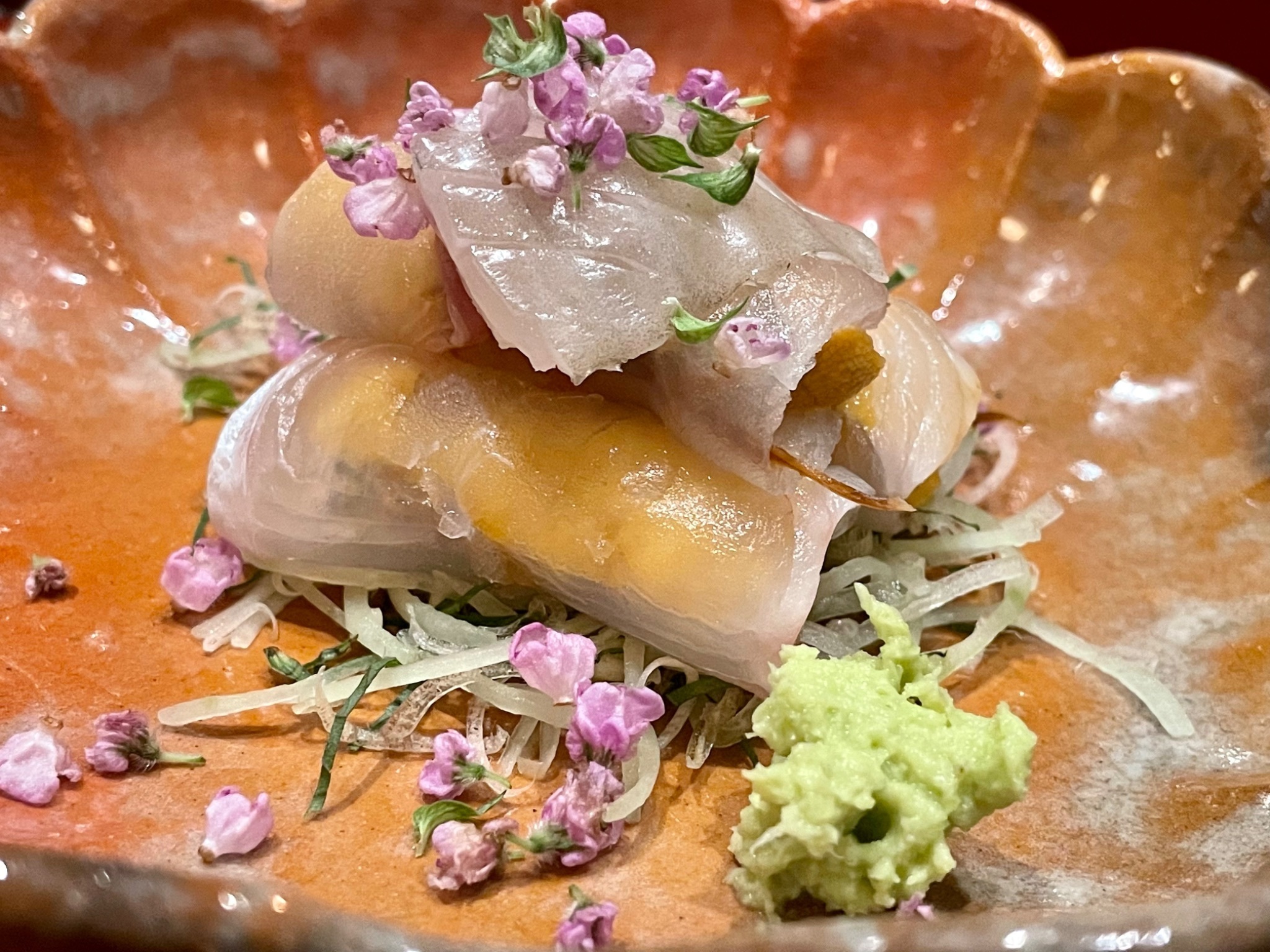
The composition of the menu is traditional, starting you off with a hassun, the decorative course showcasing the seasonal ingredients, followed by shiro miso with corn to color it yellow. The sashimi corse of Saba was of extraordinary quality with the wasabi and sanjo flowers complementing nicely the fish.
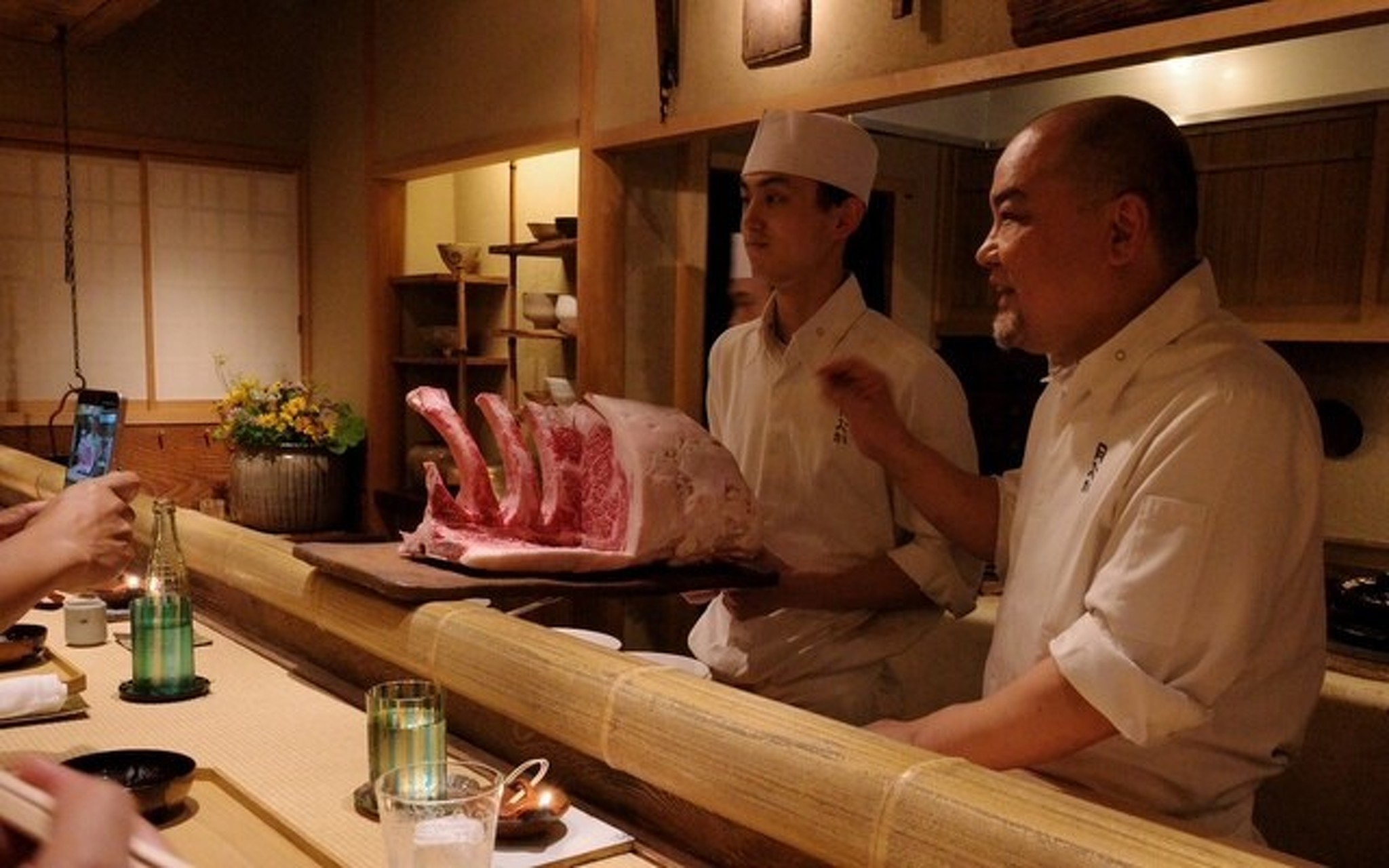
His main is a beef from Hokkaido, this time it was a Holstein, aged about 35 days. But the interesting bit was that he served us a female cow after giving birth and also the very calf it gave birth too. Holstein I has a lot less fat than wagyu and therefore a greater bite to it and loads of umami.
His Koshihikari rice comes from Niigata and he polished the rice very day just in the quantity need for his dinners.
He has quite an extensive winelist and one can order wine by the glass which gets poured using a Coravin to ensure that it does not oxidize. His sake list is also long with some rare ones from Shiga.
An excellent restaurant with high quality food at a very kind price point. Less
Recommended in Kyoto
-
- Tokuha Motonari
- 287-5 Shingoryōguchichō, Kamigyo Ward, Kyoto, 602-0897, Japan
-
nOAD Top 52Tabelog GoldTabelog Chefs' GoldRR #3080RR PRO #16.00RR USER #0.00
-
59 Meals
-
- Yassan (安参)
- 347 Gionmachi Kitagawa, Higashiyama Ward, Kyoto, 605-0073, Japan
-
GM SelectedTabelog Bronze
-
46 Meals
-
- Ninshu Rou (仁修樓)
- Kyoto, Kita Ward, Shichiku Kitakurisuchō, 2−12
-
OAD Top 346Tabelog GoldLL #157
-
38 Meals
-
- Kikuno I Honten (菊乃井 本店)
- Kyoto, Higashiyama Ward, Shimokawarachō, 459
-
oOAD Top 163Tabelog BronzeLL #157RR #234RR PRO #18.83RR USER #16.25
-
33 Meals
-
- Kiyama (木山)
- Japan, 〒604-0804 Kyoto, Nakagyo Ward, Kinuyachō, 136 ヴェルドール御所 1F
-
mOAD Top 56Tabelog SilverRR #806RR PRO #17.67RR USER #0.00
-
37 Meals
Address
16-2 Awadaguchi Sanjōbōchō, Higashiyama Ward, Kyoto, 605-0035, Japan
Hours
Monday: 12:00 - 15:00; 18:00 - 21:00
Tuesday: Closed
Wednesday: Closed
Thursday: 12:00 - 15:00; 18:00 - 21:00
Friday: 12:00 - 15:00; 18:00 - 21:00
Saturday: 12:00 - 15:00; 18:00 - 21:00
Sunday: 12:00 - 15:00; 18:00 - 21:00
Tuesday: Closed
Wednesday: Closed
Thursday: 12:00 - 15:00; 18:00 - 21:00
Friday: 12:00 - 15:00; 18:00 - 21:00
Saturday: 12:00 - 15:00; 18:00 - 21:00
Sunday: 12:00 - 15:00; 18:00 - 21:00
Phone
+81753664918
Price Range
Based on country average
$$$$ (¥10,000+)
Website
https://tsukioka.myconciergejapan.net/