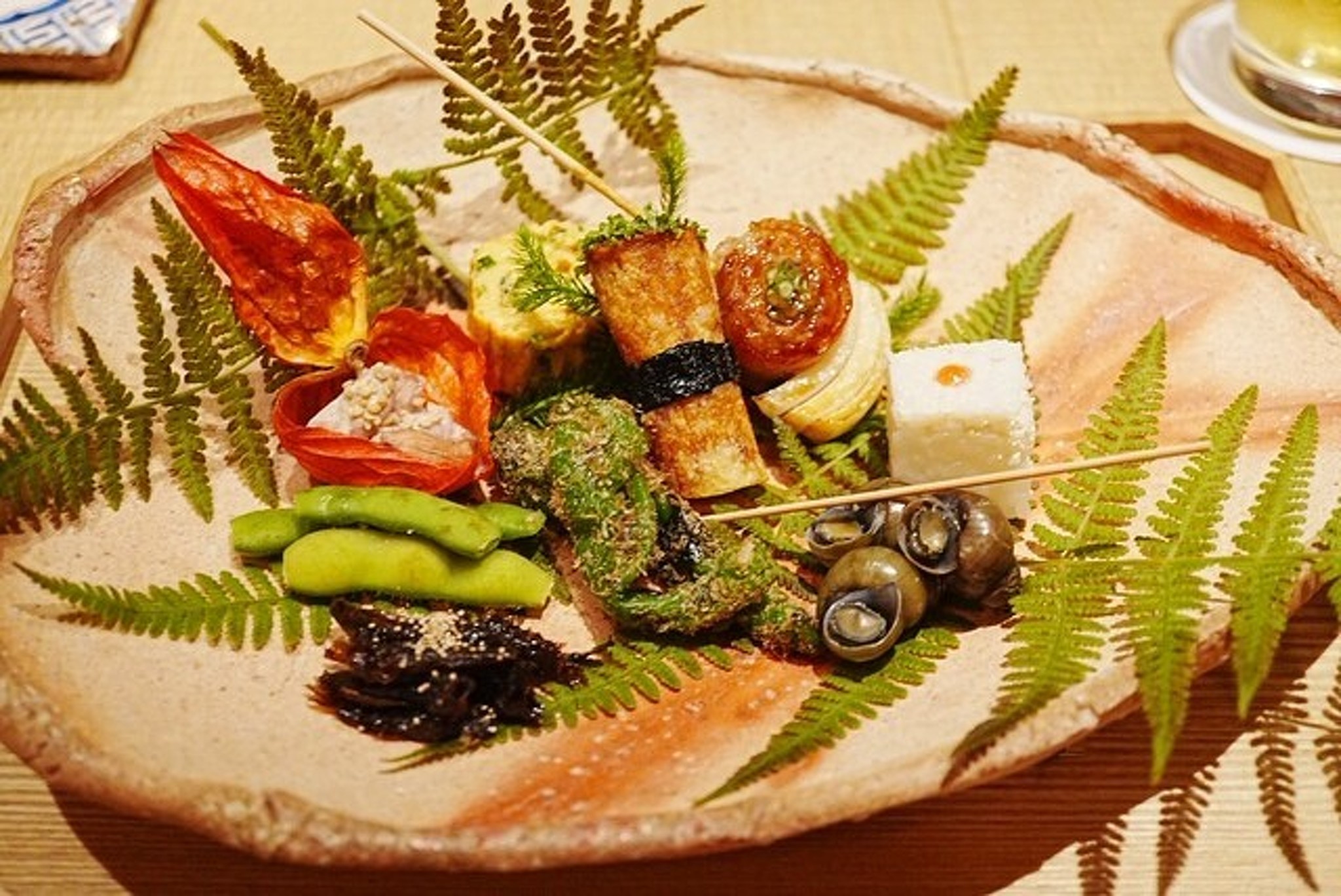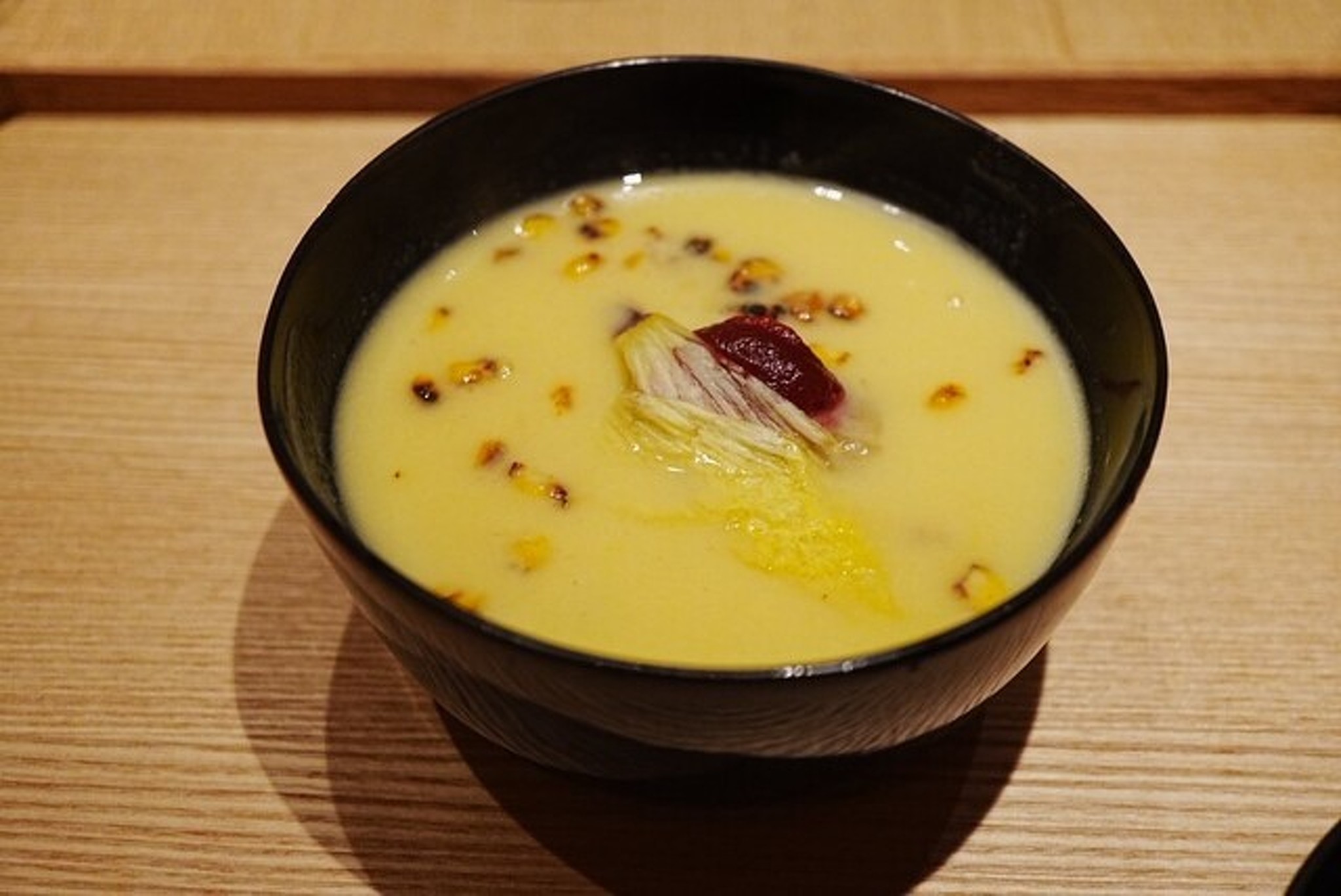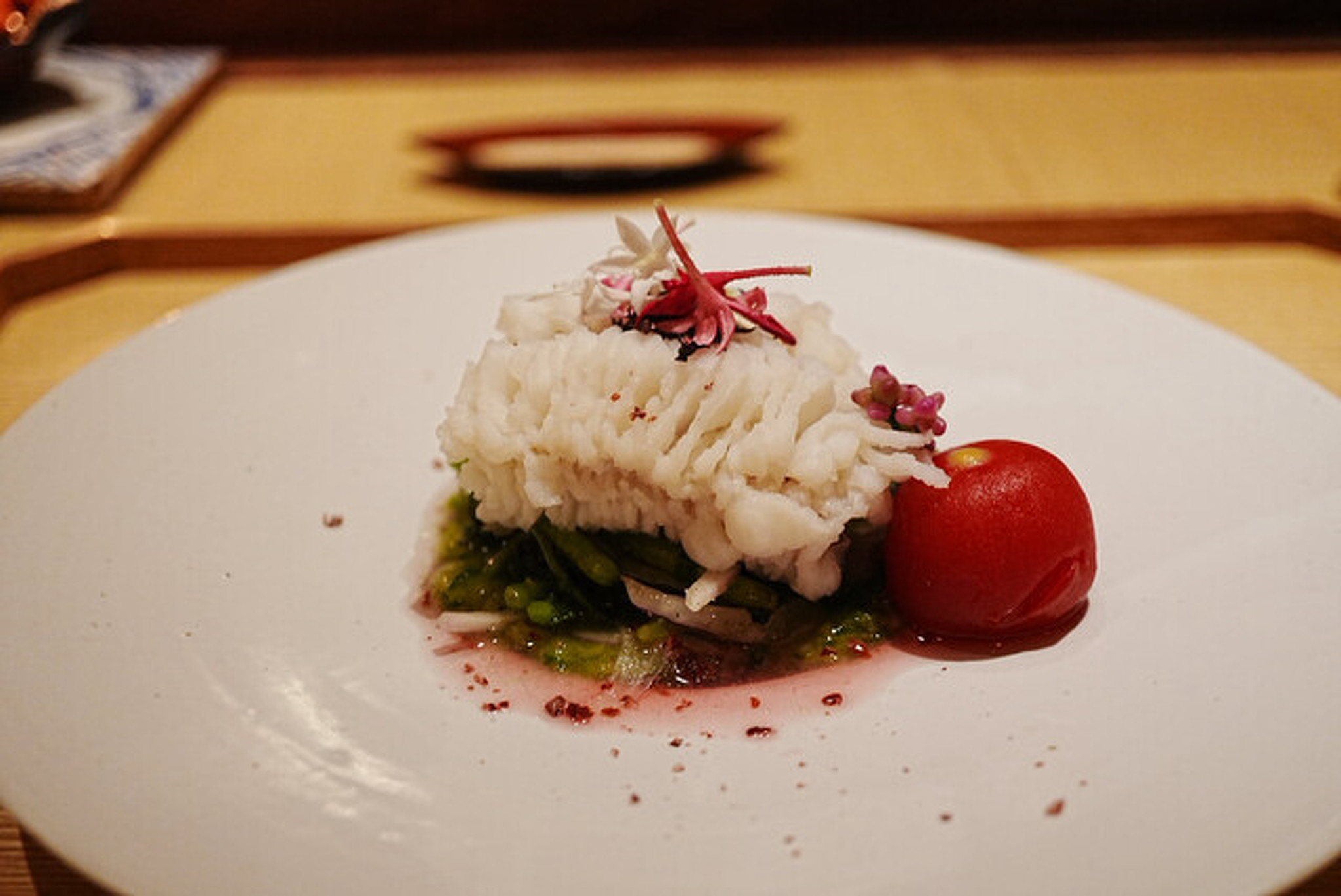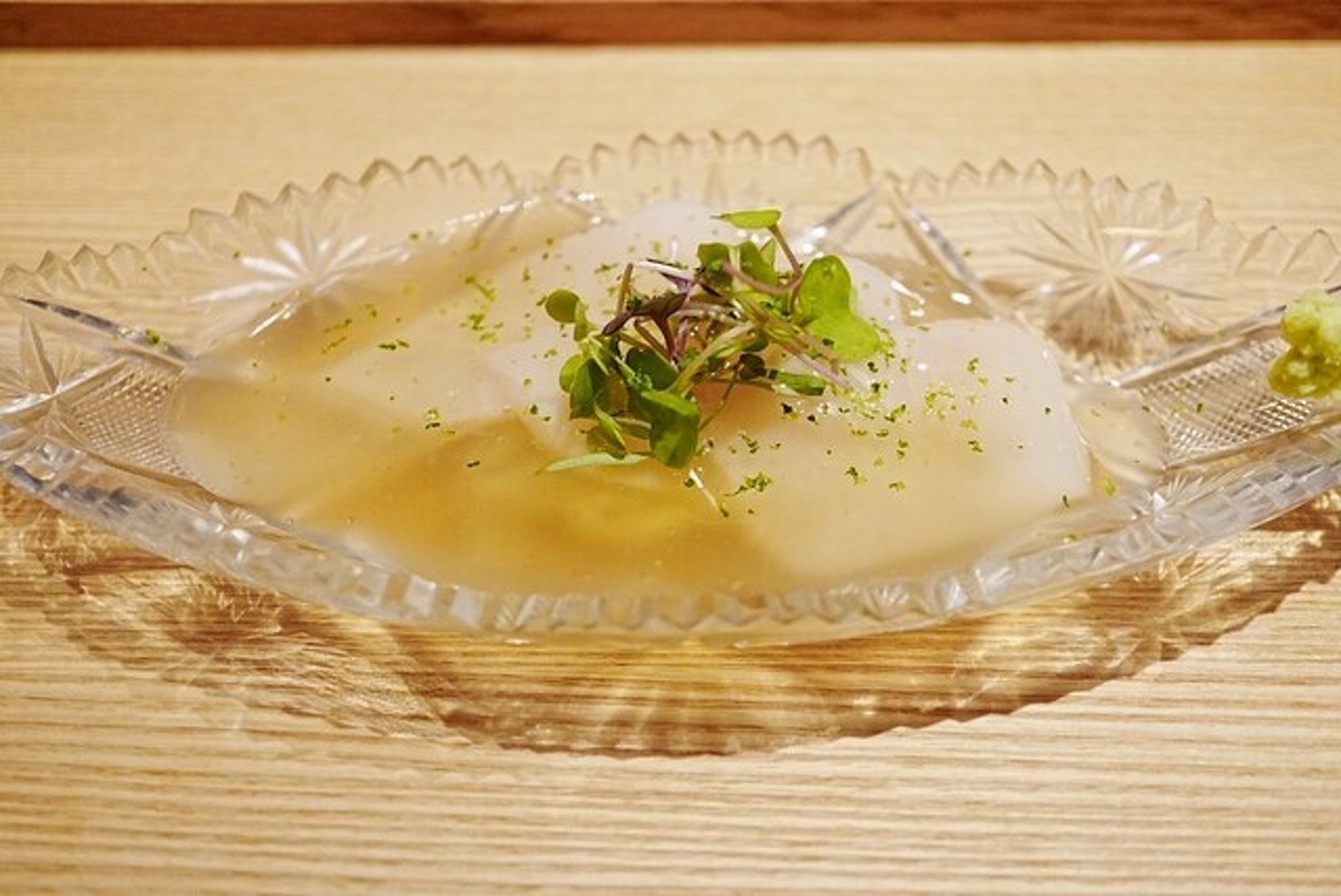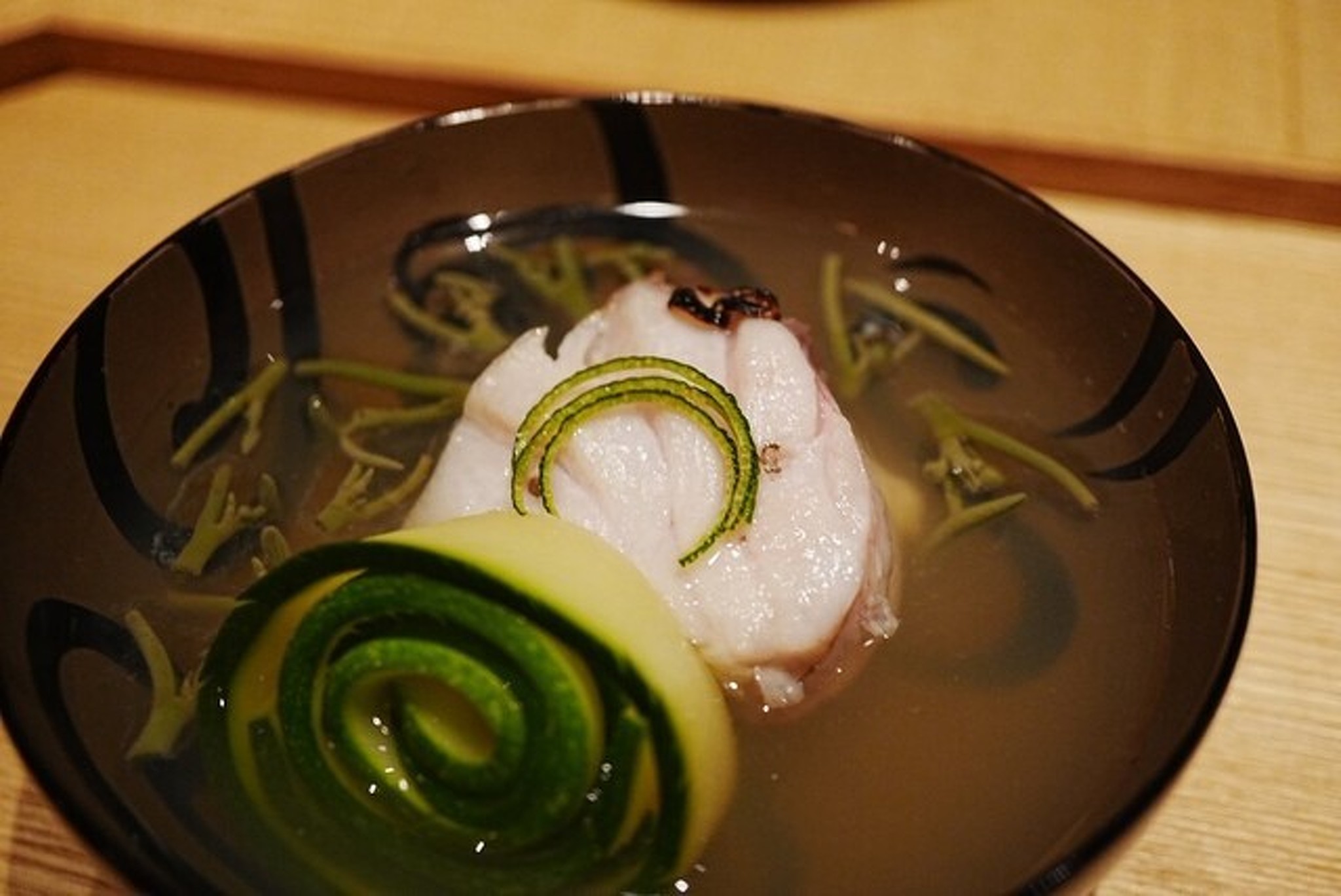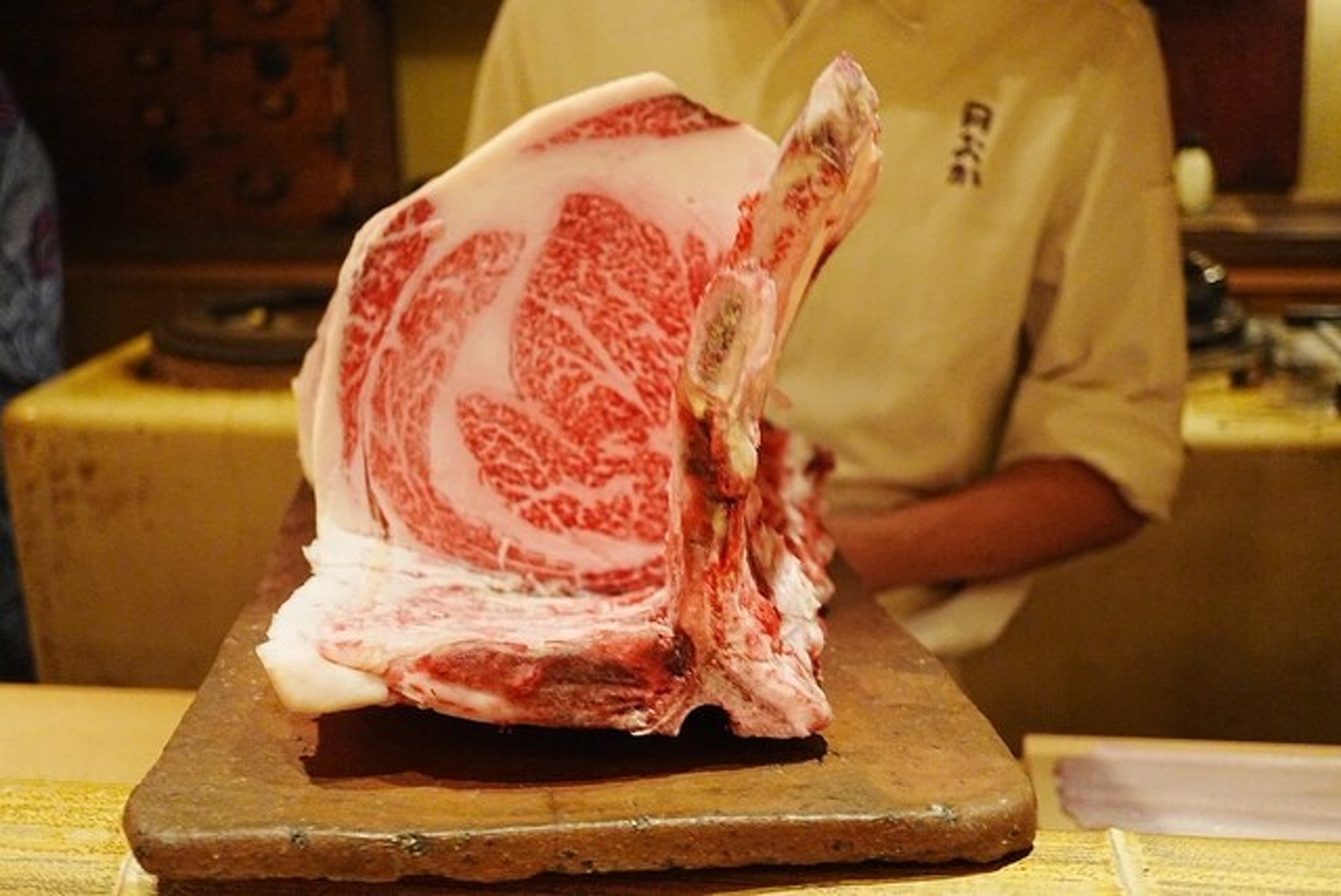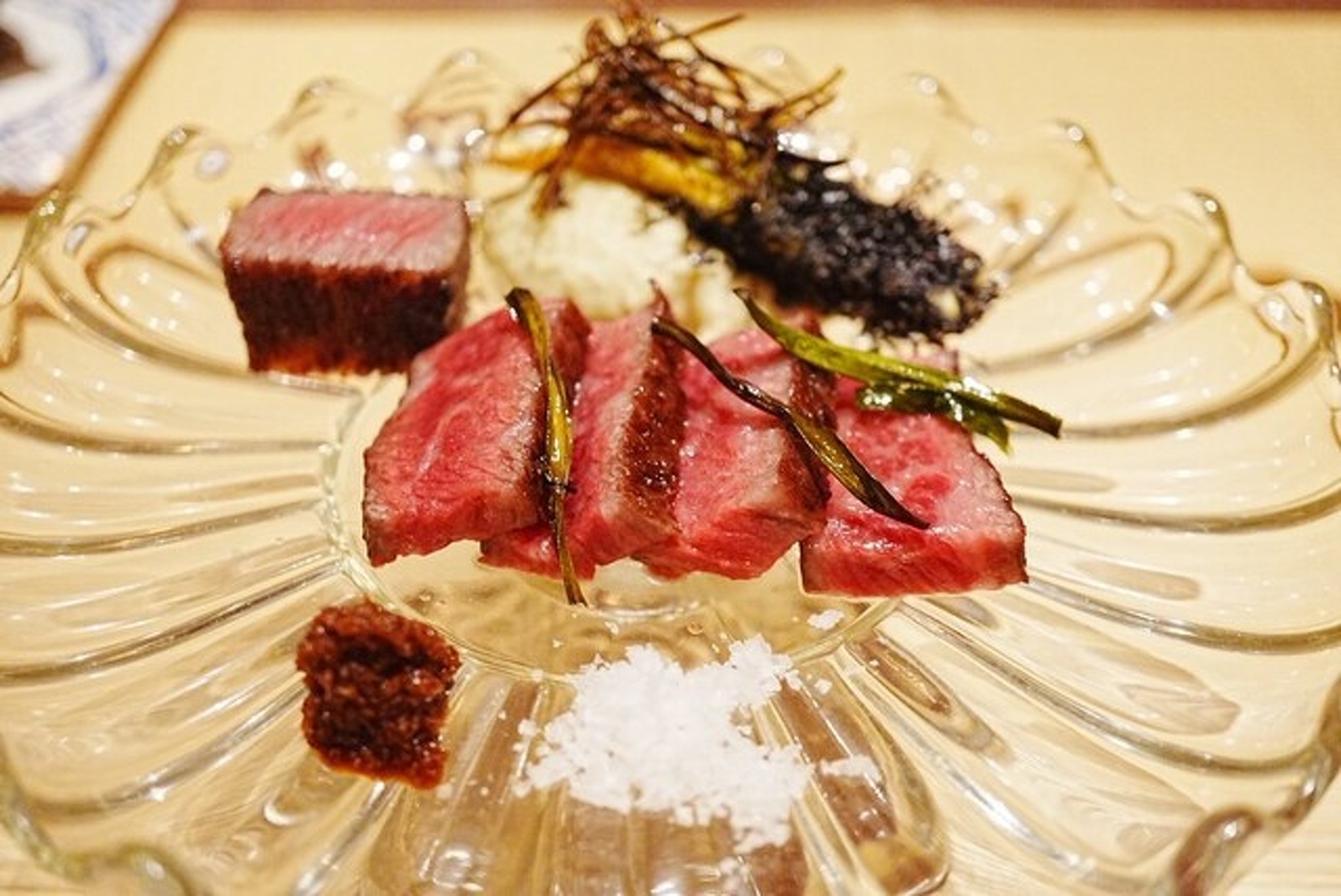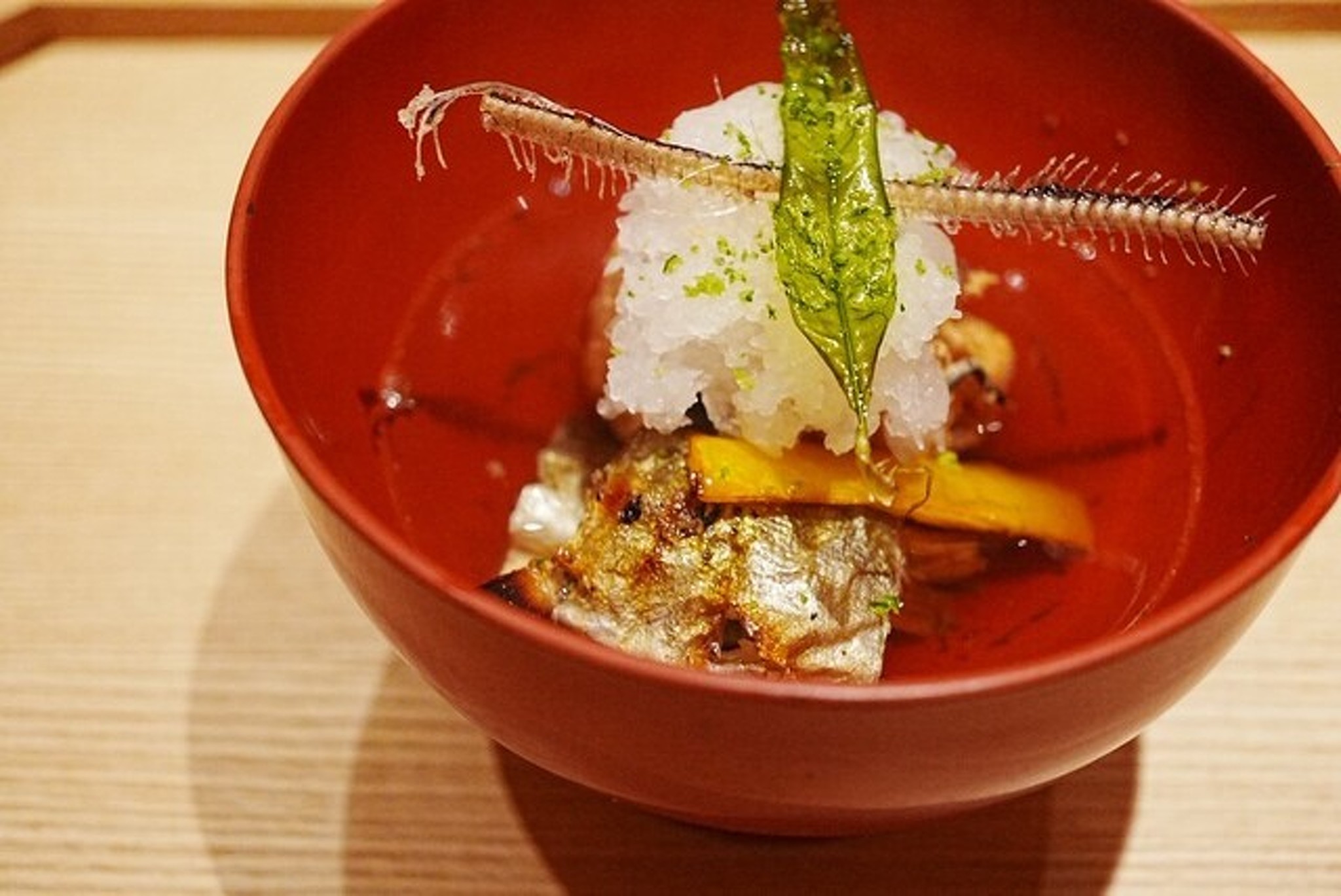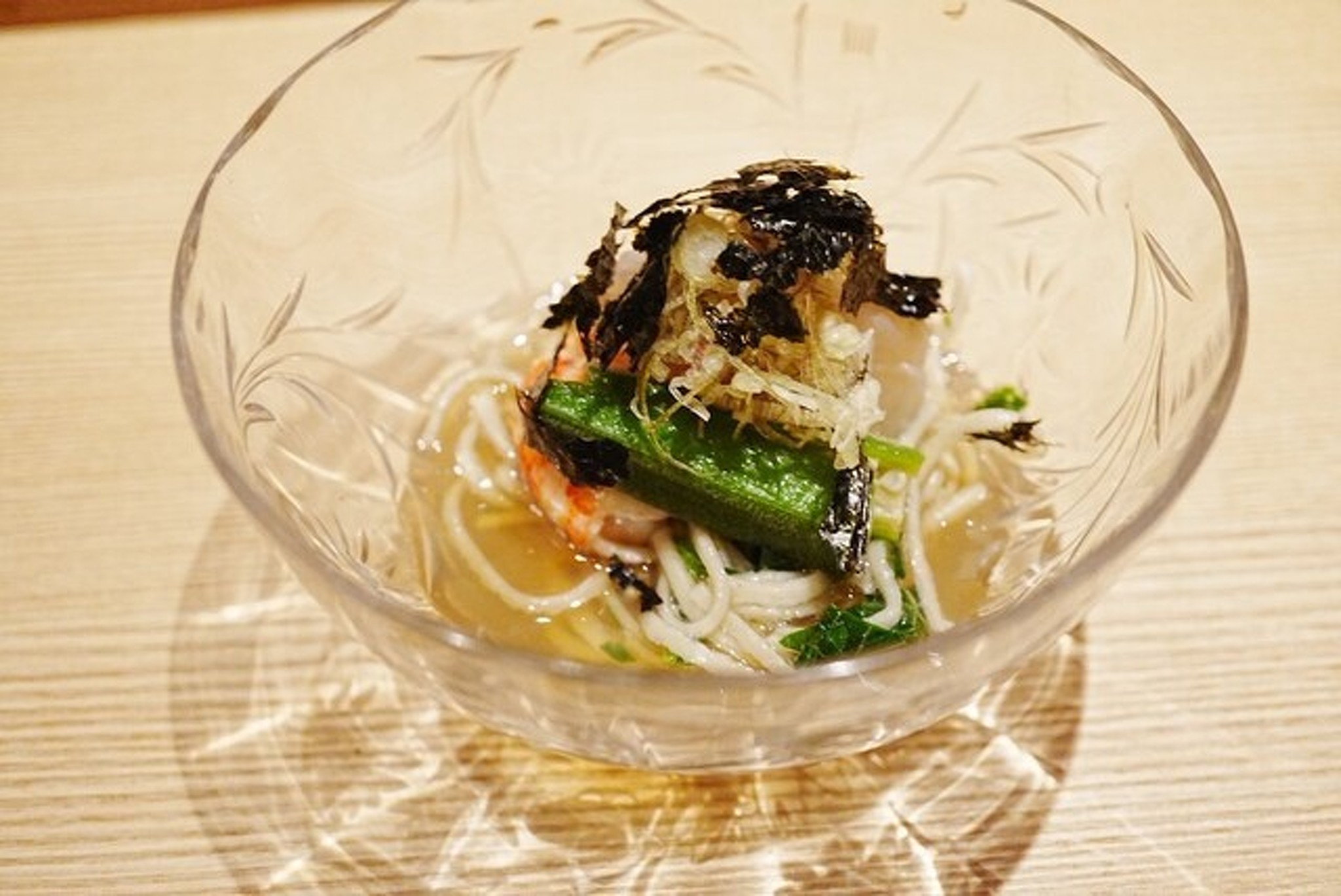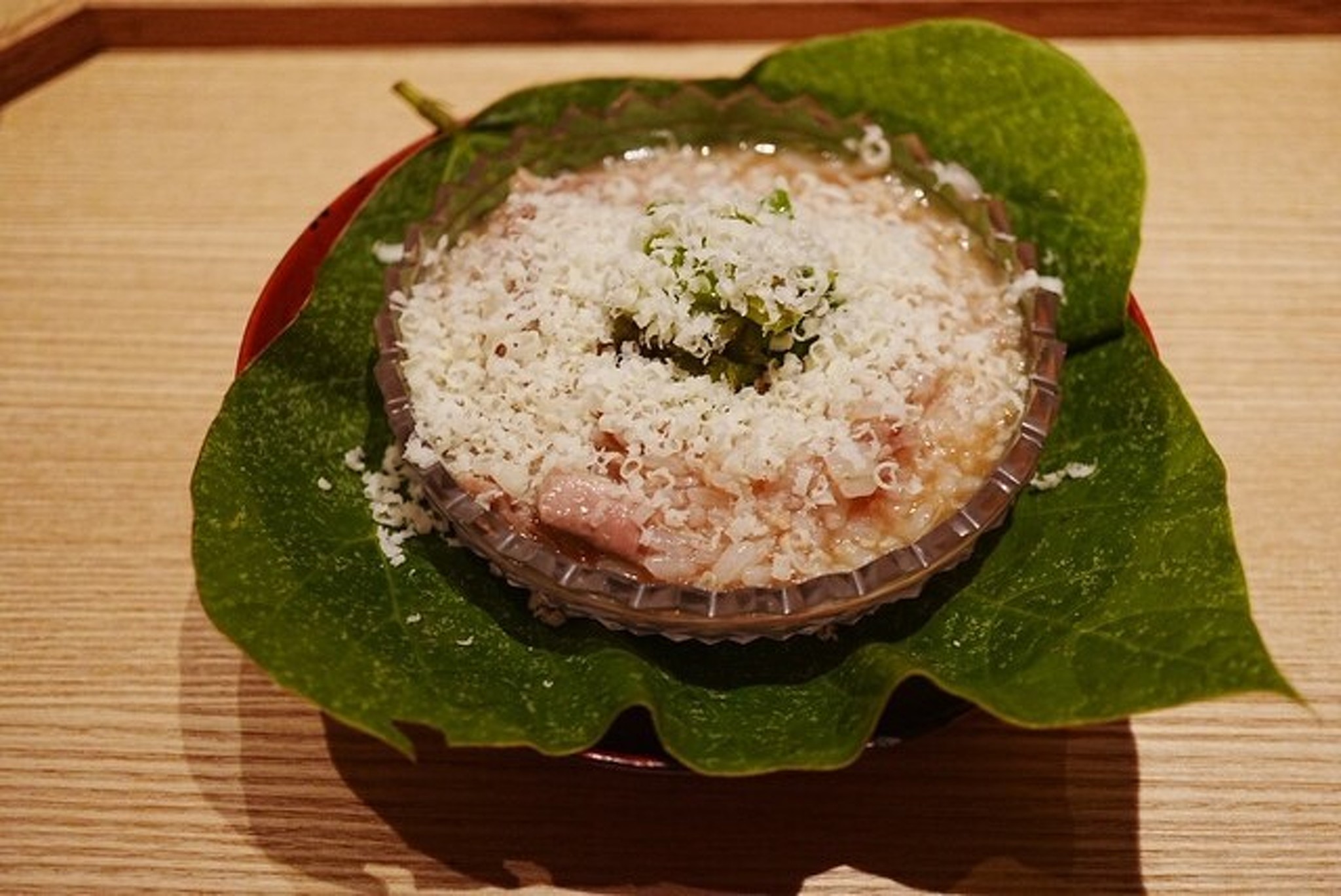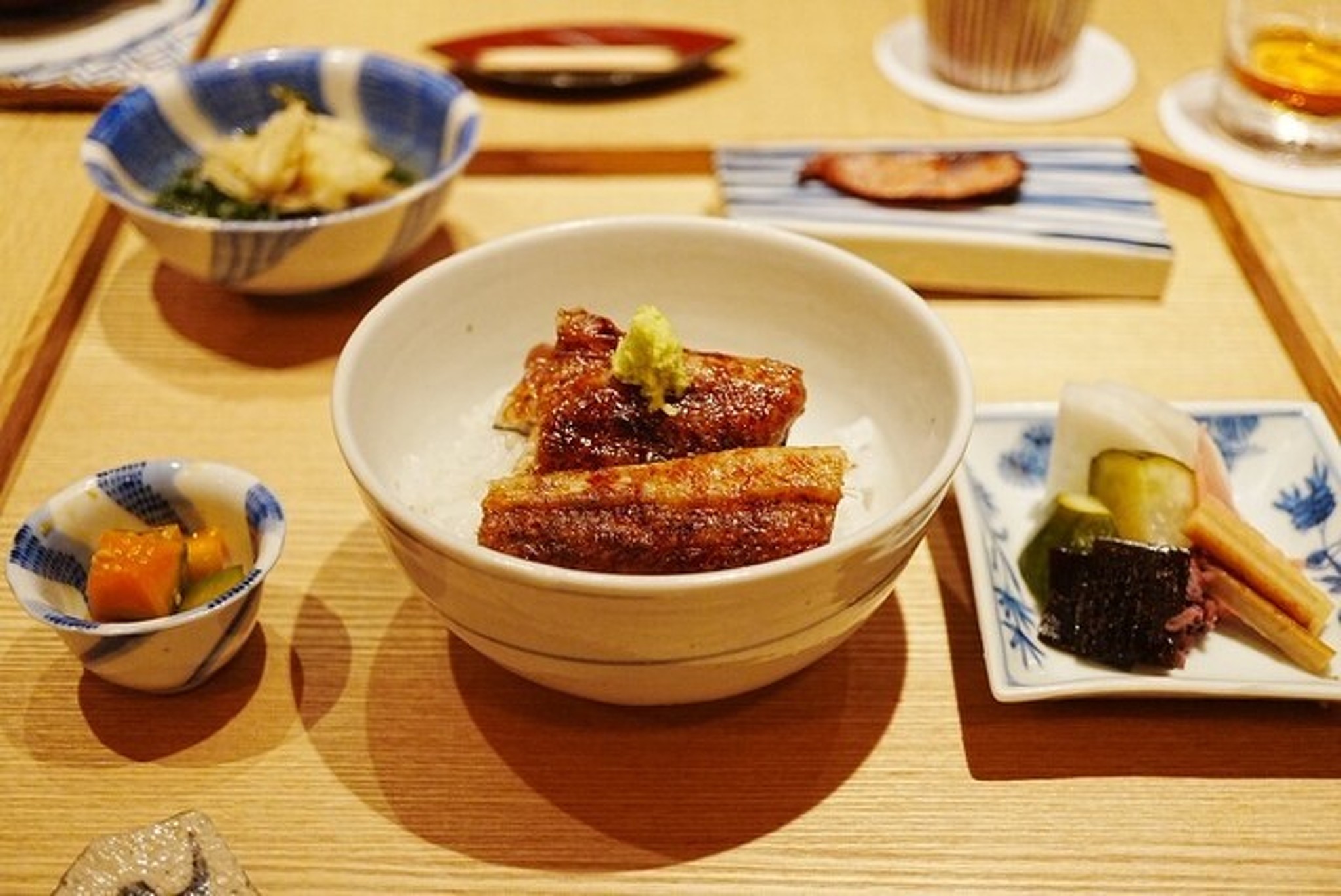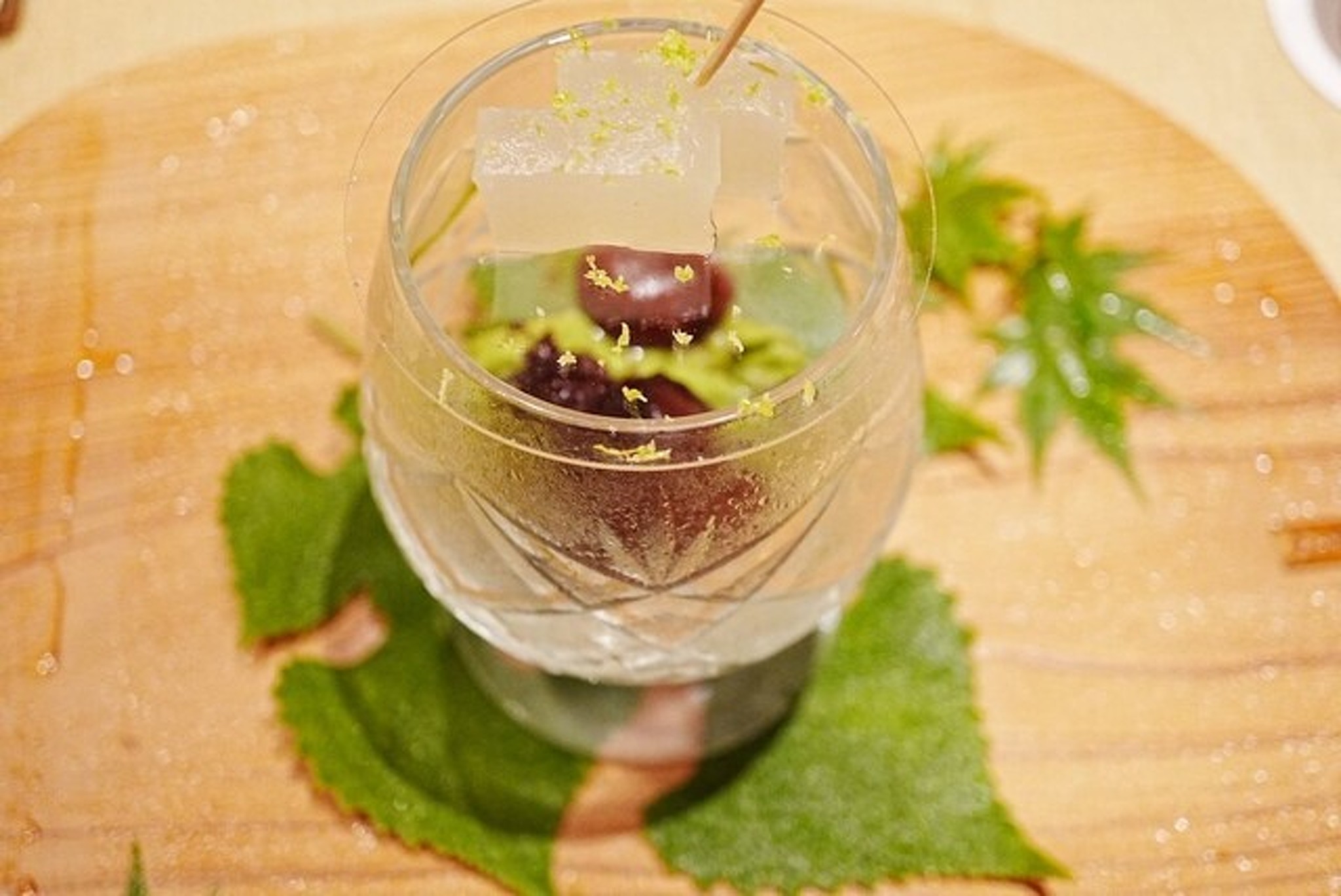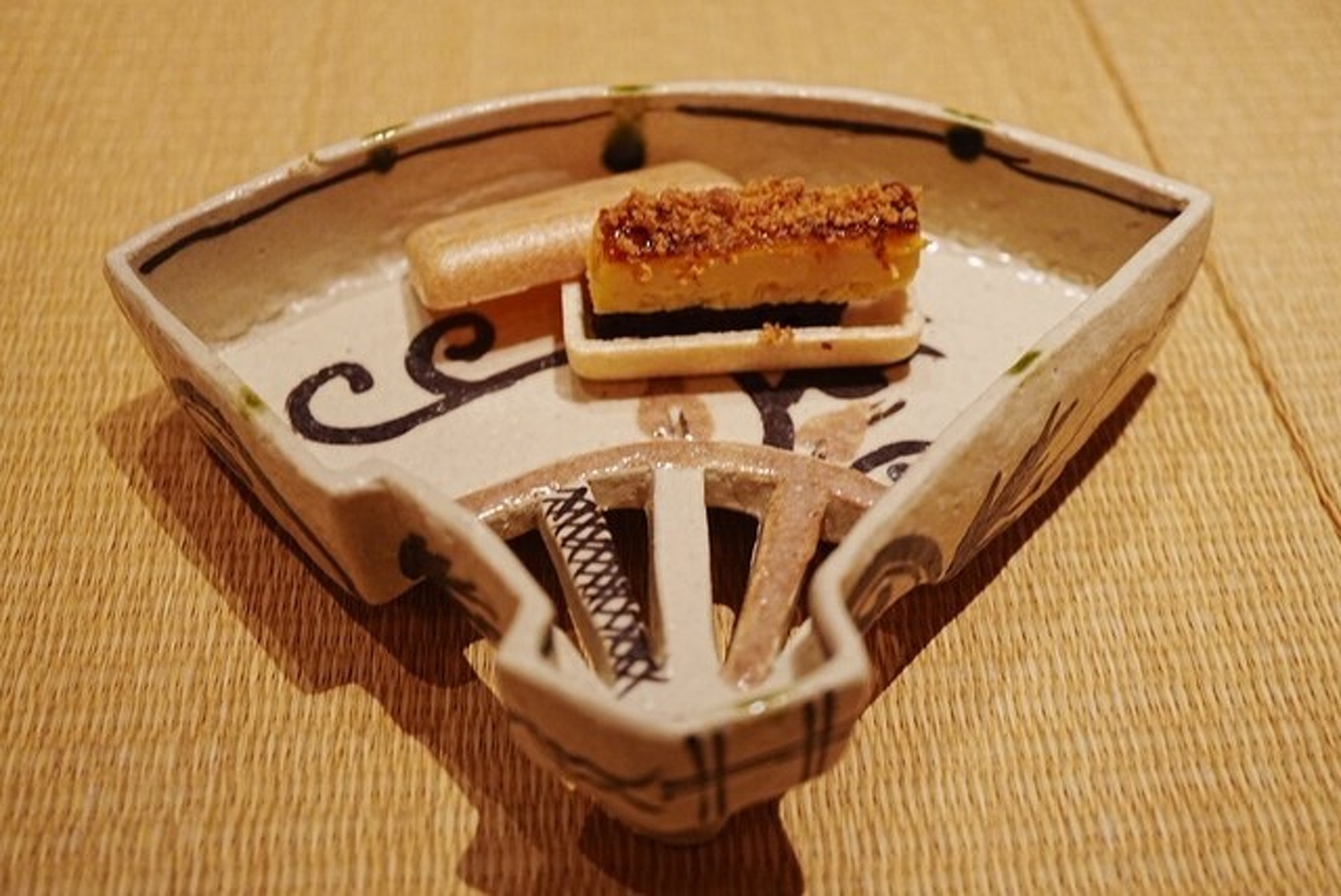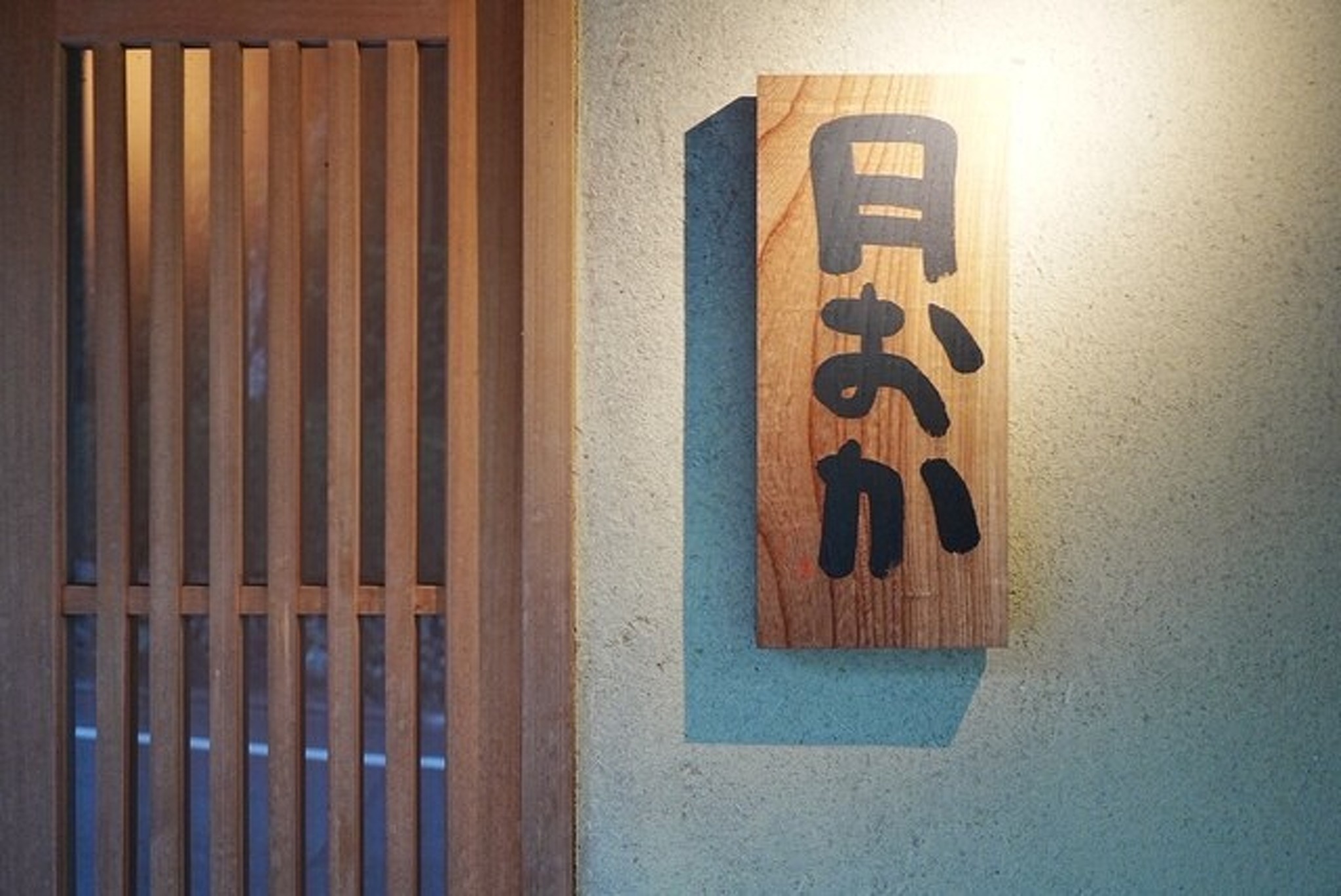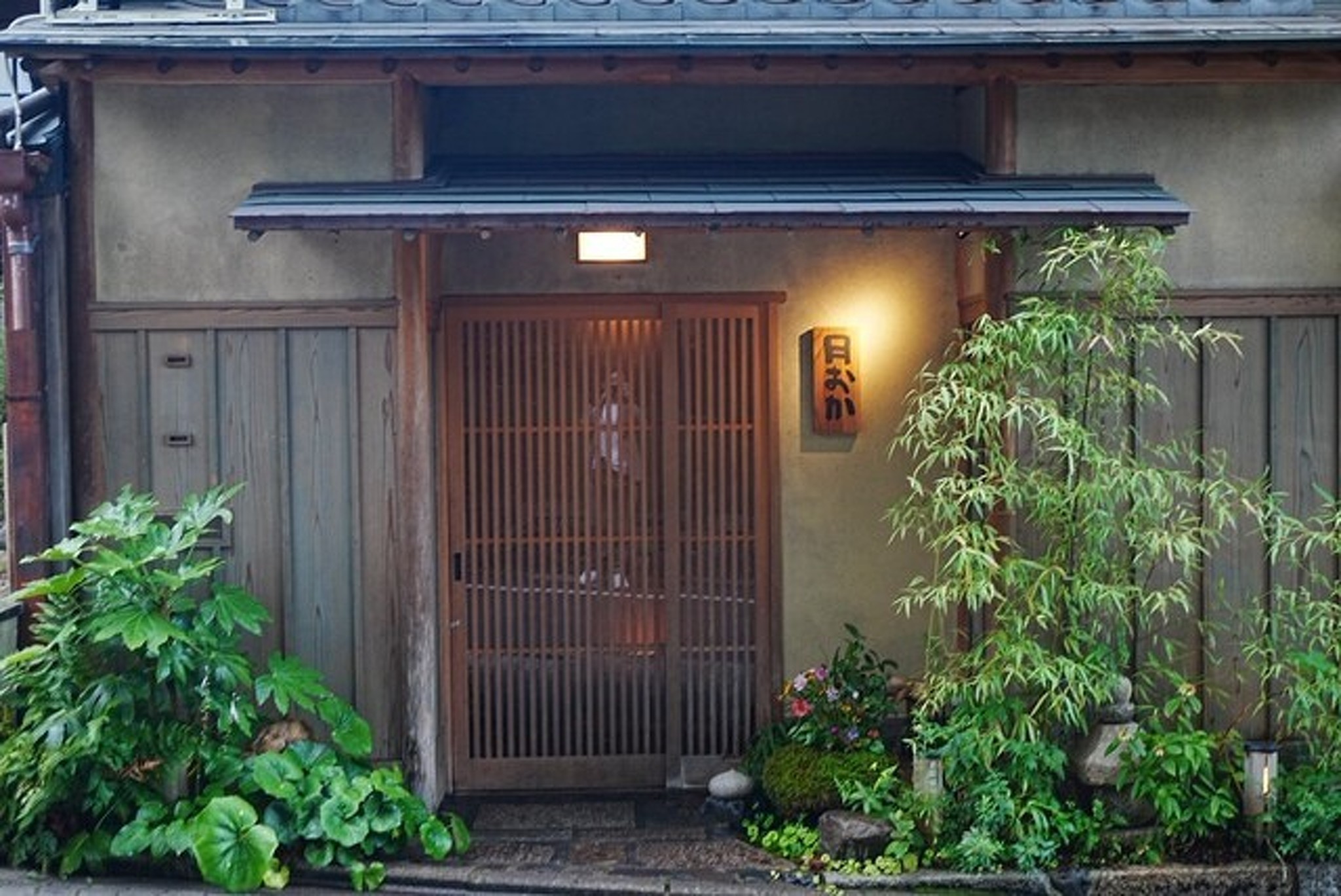
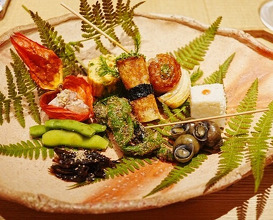
Located across from Shorenin Monzeki in Kyoto's Higashiyama, the Japanese restaurant "Shorenin Monzeki Mae Tsukioka" opened in April 2021. The owner, Masanori Tsukioka, hails from Hokkaido and entered the culinary world at the age of 15. After honing his skills in various locations, he trained under Hisao Nakahigashi at "Kusakui Nakahigashi" in Kyoto. He later ran "Jimi Kougetsu" in Kusatsu, Shiga, before establishing "Tsukioka" in its current location. With the concept of a "museum of food," the restaurant features a tatami-matted counter, an okudo (traditional stove), and antique art collected by Tsukioka, all seamlessly integrated into the space. Some of the dishes are even served in these unique vessels.Tsukioka personally visits Ohara, Miyama, and Kyoko to gather vegetables, wild plants, and flowers. This dedication reflects his strong commitment as a chef who respects nature. However, he does not solely rely on the power of the ingredients on the plate. He skillfully prepares dashi (broth), applies heat, and sometimes combines unexpected elements, interpreting them into his own style of "cooking." While respecting the ingredients, he ensures the chef's presence is felt. This proactive approach is what gives "Tsukioka" its unique character.The course begins with "Hassun," where vibrant green leaves are arranged on a large plate, creating a picturesque scene reminiscent of summer's wild mountains. The dish features a variety of small plates, including sesame-coated raw peanuts, salted edamame, simmered natural goby, summer venison from Miyama, skewers of Iwate's Sasuke pork, pressed sushi with conger eel, and snails. Among these, the simmered natural goby stood out, as its river fish character was enhanced by a rich seasoning, transforming it into a strong umami flavor. Interestingly, there is a theory that the term "gori-oshi" (to push) is related to goby fishing, making the connection between food and language quite enjoyable. Overall, the flavors are somewhat bold, conveying that each dish is not just a presentation of nature's bounty but also showcases clear culinary techniques.The "White Miso Soup with Corn" features grilled eggplant and a paste of steamed beets layered over Ohara corn. The sweetness of the white miso and corn is complemented by the roasted aroma of the eggplant and the earthy notes of the beets, creating a rich yet balanced flavor. This dish exemplifies Kyoto's white miso style while highlighting the individuality of the vegetables. Next, the "Conger Eel Sashimi" combines Akashi conger eel with grated cucumber, red onion, watercress, bitter melon, and soy-pickled tomatoes. The delicate eel flesh pairs beautifully with the umami and acidity of the tomatoes, along with the bitterness of the bitter melon and watercress, elevating the subtle ingredient into a multi-dimensional taste.The "Mackerel" dish features a sauce made from mackerel dashi layered over the fish. Instead of adding different elements to expand the flavor, it deepens the essence of the same ingredient in a different form. The following "Oosujihata Soup" combines tender fish and zucchini with dashi made from bones and scraps. Rather than increasing the number of ingredients, it delves deeper into a single one. This approach is characteristic of the restaurant's cuisine.The highlight of the course is the "Grilled Aged Beef," sourced from "Sakaeya," a butcher shop in Kusatsu, Shiga, specializing in Miyazaki's beef. Tsukioka's previous restaurant, "Jimi Kougetsu," was also in Kusatsu, creating a connection that continues to this day. A large bone-in cut is grilled over charcoal, resulting in a fragrant exterior and a beautifully red interior. With each bite, the sweetness of the fat and the umami of the lean meat gradually unfold, creating a long-lasting finish due to the aging process. Despite being a robust meat dish, it does not leave a heavy aftertaste, perfectly carrying the climax of the course.The "Grilled Sweetfish" allows you to savor the fragrant flesh, followed by tasting the dashi made from its head and tail, paired with hiro-usu (a type of fish) and matsutake mushrooms. Similar to the previous fish dish, it explores the essence of a single ingredient in different forms. The next dish, "100% Soba," features handmade soba made from buckwheat flour sourced from Ryuo, Shiga. It is paired with natural scallops and striped horse mackerel, enhancing the aroma of the soba with the umami of the seafood.The "Shin-Kuwagata with Two Types of Sorbet" presents the fruit with the aroma of domestic lemon, accompanied by basil and tofu sorbet from Ohara, and blueberry sorbet. The use of double glasses adds a refreshing touch, and the gentle sweetness of the fruit, combined with the freshness of the basil and the sweet-tartness of the blueberries, lightens the meal's conclusion. Finally, the "Brownie and Catalana in Monaka" features a crispy monaka shell filled with rich brownie and smooth, cold Catalana, allowing diners to assemble their own dessert. This playful combination of traditional Japanese monaka with Western-style richness and temperature contrasts wraps up the meal on a delightful note.Through the cuisine at "Tsukioka," one can sense a coexistence of respect for the ingredients and the chef's proactive artistry. While he ventures into the nature of Ohara, Miyama, and Kyoko to gather its blessings, he does not simply rely on the allure of the ingredients. He layers dashi, manipulates heat, and combines different flavors and textures, leaving his interpretation firmly on the plate. Including the space as a "museum of food" that utilizes antique art as actual vessels, what you experience here is the worldview of chef Masanori Tsukioka himself. I have discovered yet another restaurant with a strong personality in Kyoto's Japanese cuisine. It was a great meal.
We use cookies on this site to enhance your user experience.