Overview
Restaurant Views: 1,241
Awards
- OAD
-
Japanese Restaurants 2026, 505
- Tabelog
- 2026 Bronze
Ratings from the web
- Tabelog
- 4.05
Chef
Various
Cuisine
Suppon (Soft-shell turtle), Japanese Cuisine, Nabe (Japanese hot pot)
Foodle Reviews
I was invited by a friend and visited with a group of six.Founded over 340 years ago during the Genroku era, this specialty restaurant for soft-shelled turtle hot pot has been cherished by renowned authors like Yasunari Kawabata, who wrote "The Old Capital," and Naoya Shiga, known for "A Dark Night's Journey," as well as prominent figures in culture and politics.Upon entering, I was captivated by the historical Japanese architecture that retains the charm from the Edo period when it was established.The... More
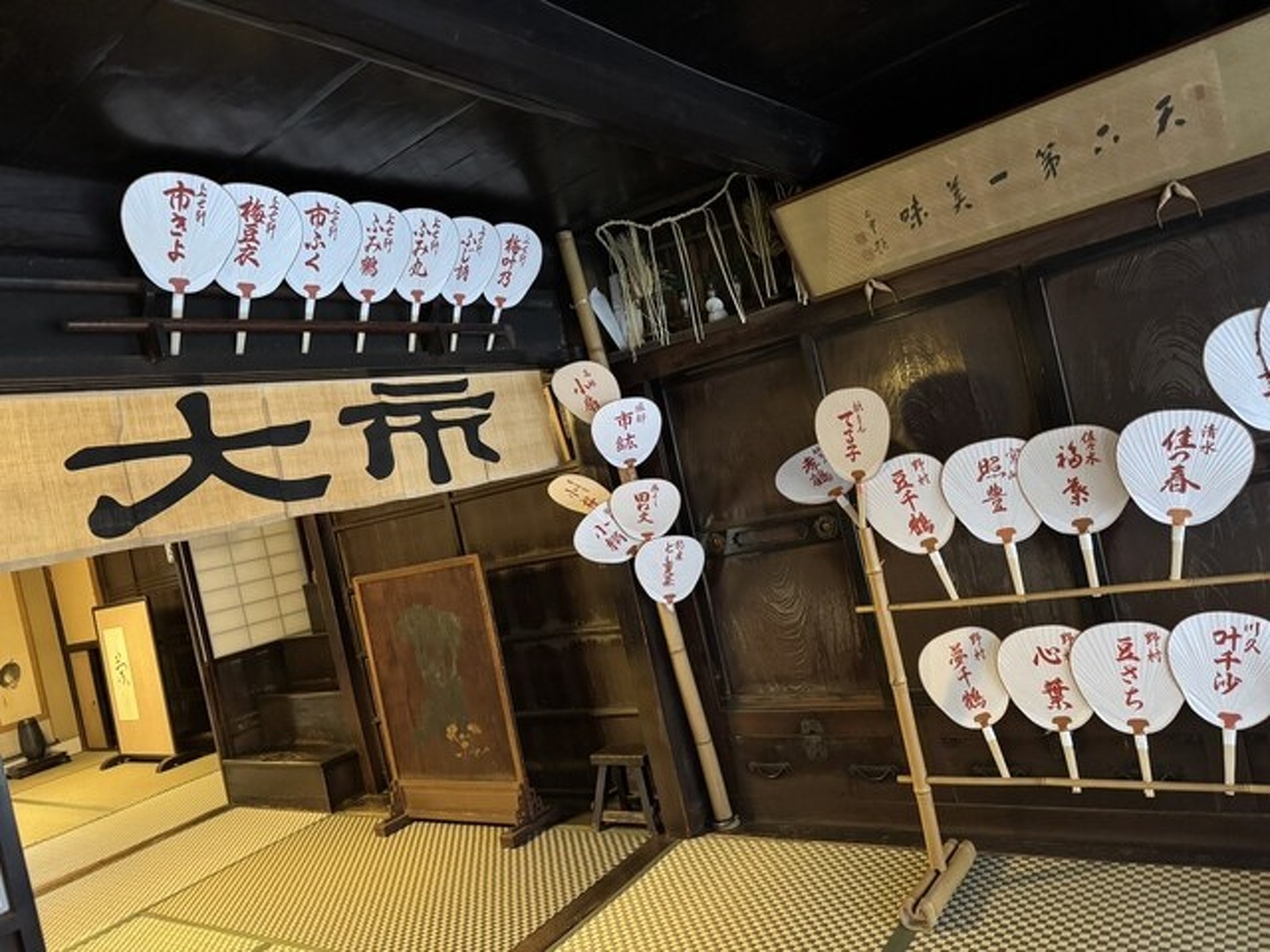
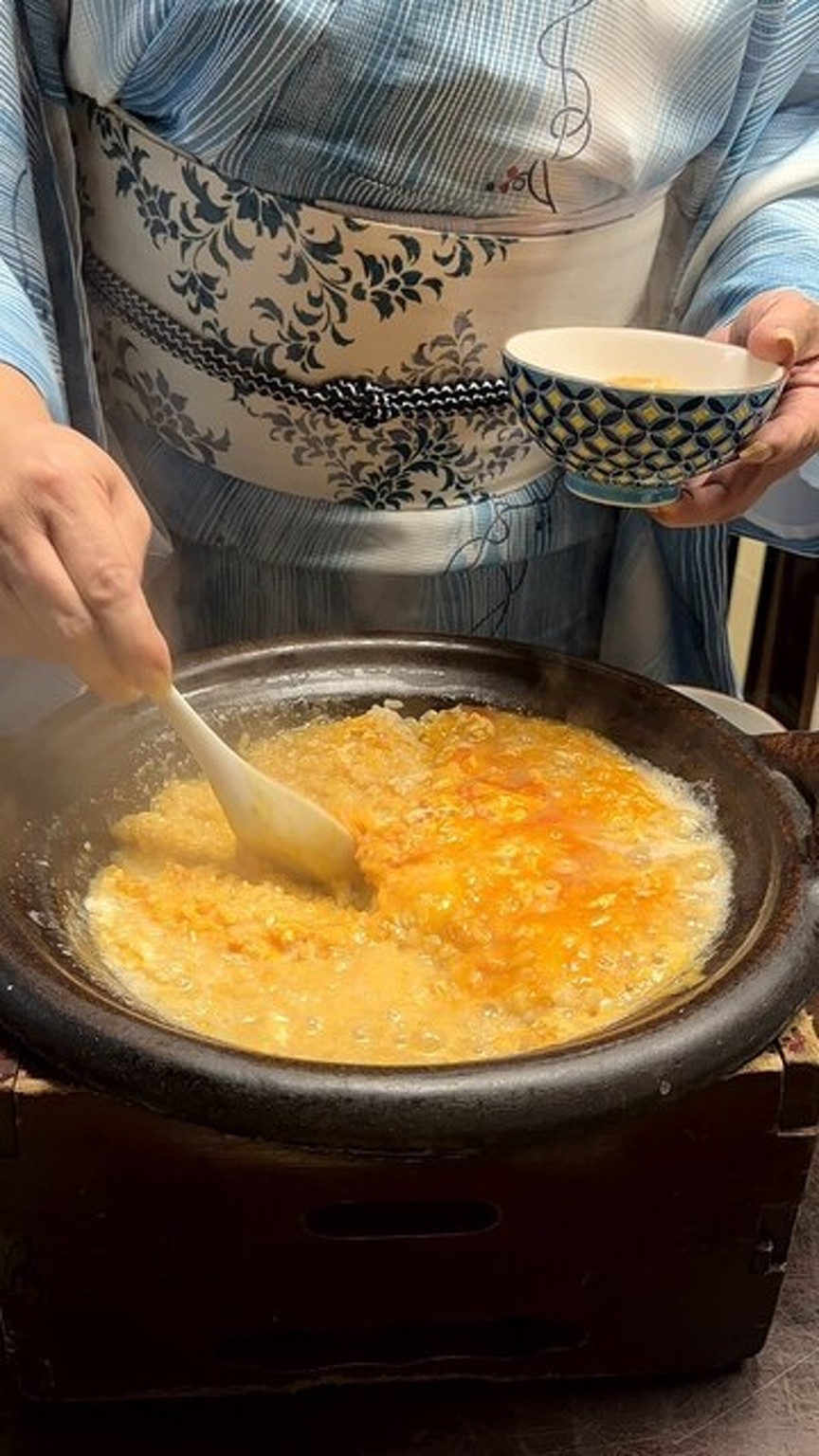
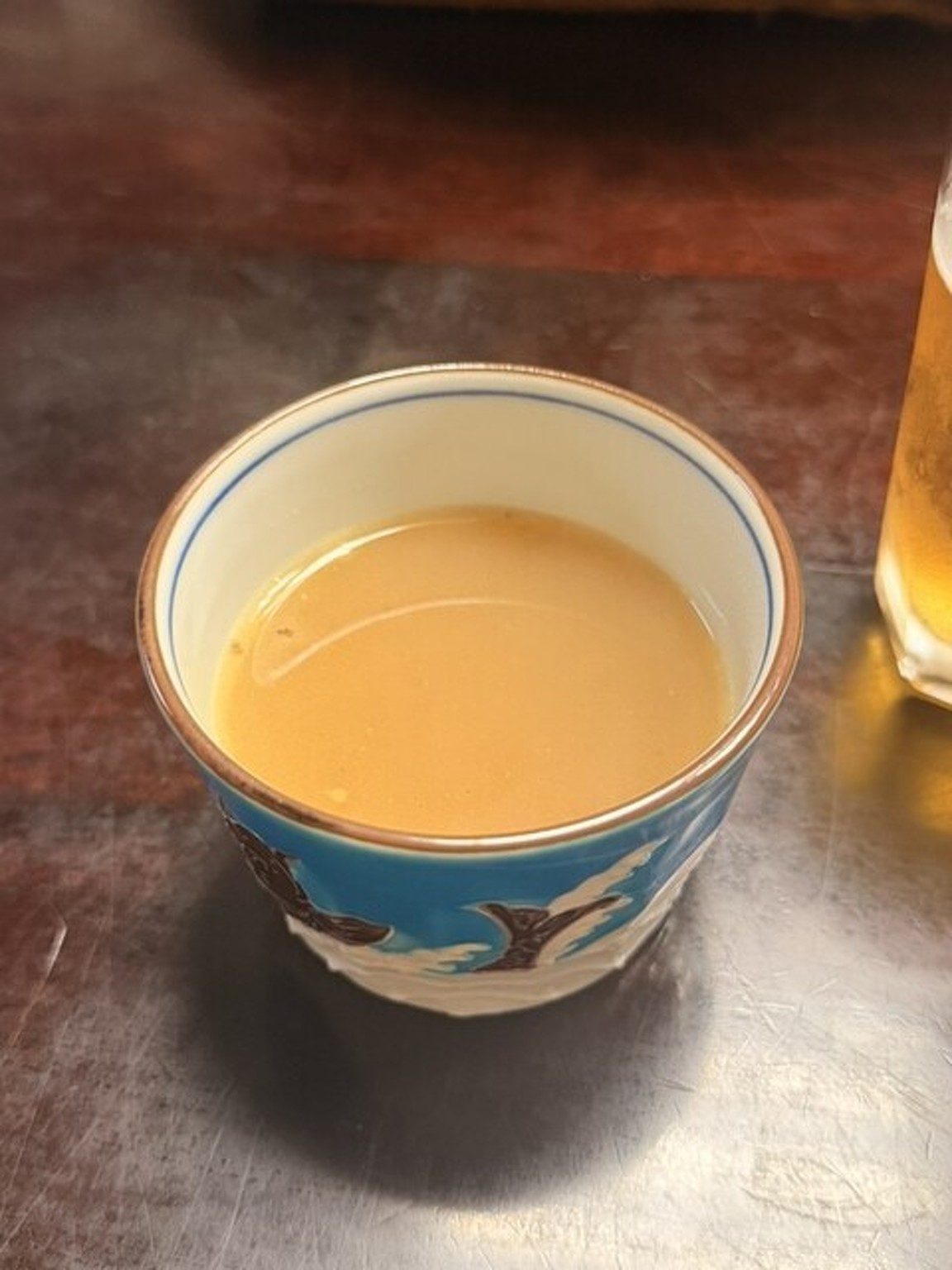
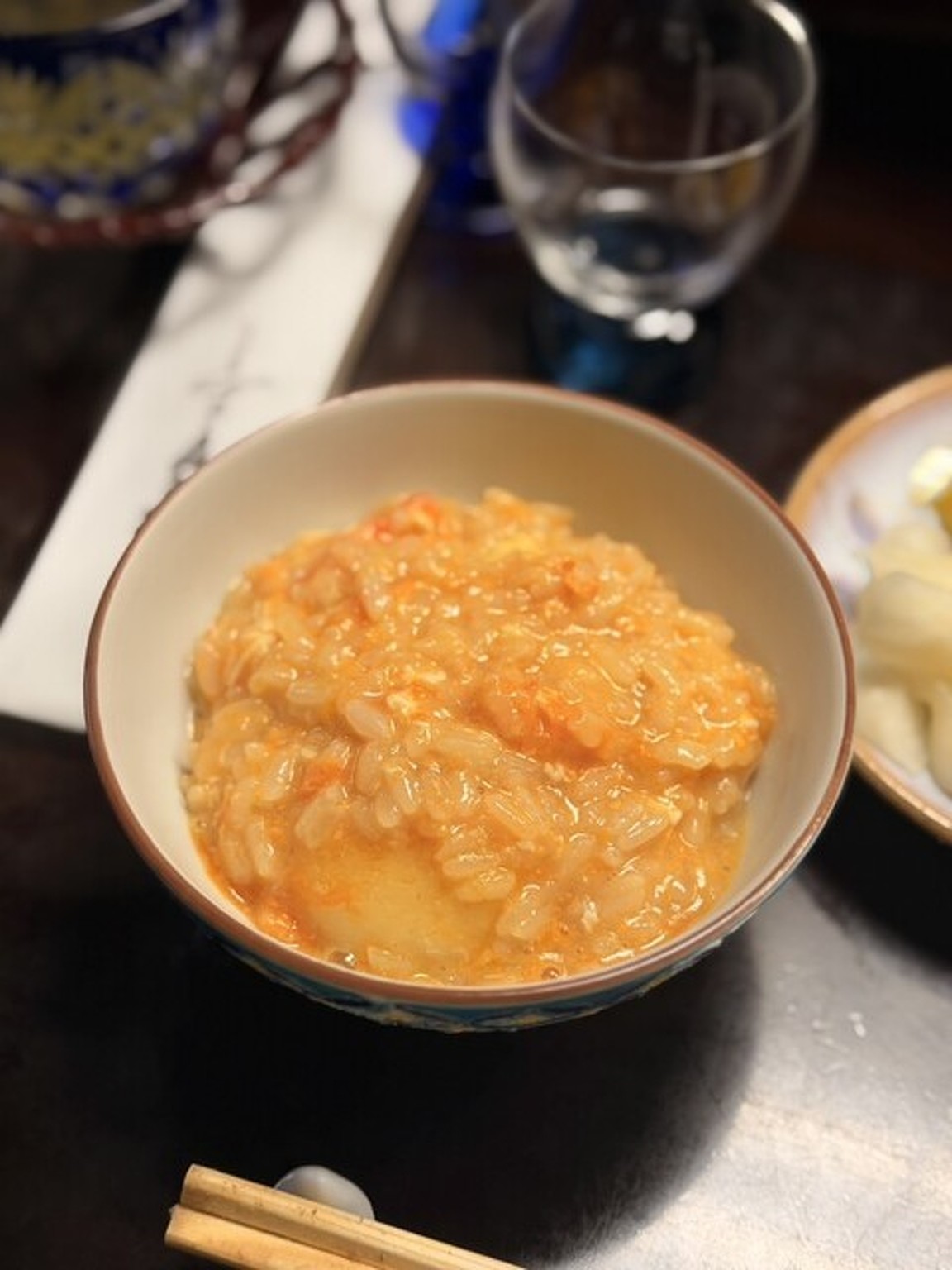
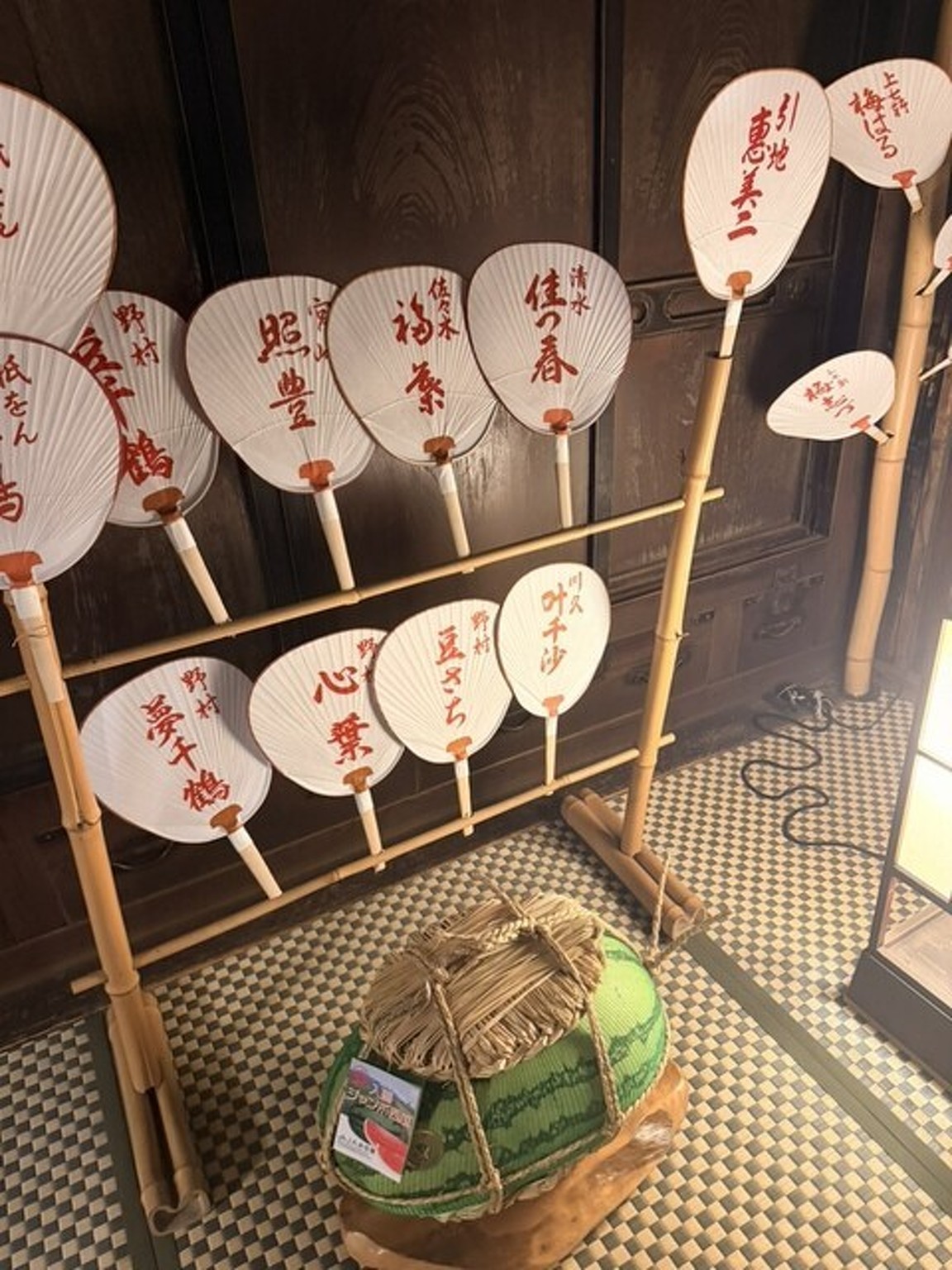
I was invited by a friend and visited with a group of six.Founded over 340 years ago during the Genroku era, this specialty restaurant for soft-shelled turtle hot pot has been cherished by renowned authors like Yasunari Kawabata, who wrote "The Old Capital," and Naoya Shiga, known for "A Dark Night's Journey," as well as prominent figures in culture and politics.Upon entering, I was captivated by the historical Japanese architecture that retains the charm from the Edo period when it was established.The restaurant is adorned with numerous Kyoto-style fans, known as "Kyomaru uchiwa," which are traditionally given by maiko and geiko to their patrons, adding to the summer ambiance.After toasting with bottled beer, we were served the first dish—jelly-like soft-shelled turtle broth!The rich flavors melted in my mouth, creating an irresistible taste sensation.Before long, a sizable hot pot arrived, bubbling with a savory broth and soft-shelled turtle!The staff carefully portioned the soup and meat for each person.The hot pot was served in two rounds.The thick, piping hot broth, infused with ginger, enveloped my senses, warming me from the inside out, making me break into a gentle sweat with each sip.The tender parts of the turtle and the rich-tasting eggs were a timeless delight.Personally, I found the zosui (rice porridge) to be the best I've ever tasted.This simple yet direct dish, made with rice, mochi, and local red-shelled chicken eggs, was infused with the concentrated umami of the soft-shelled turtle broth—something I had never experienced before.It was hot and steamy, but I couldn't stop eating!It was truly a wonderful culinary experience. Less
The soft-shelled turtle was completely odorless, cut into easy-to-eat pieces, and incredibly delicious. It truly lived up to the reputation of a long-established renowned restaurant. The dishes were served in quick succession, so it wasn't the kind of place to leisurely enjoy a meal. Additionally, the selection of alcoholic beverages was limited.
The soft-shelled turtle itself was delicious. However, the same hot pot dish was served twice in the course, which made me quite tired of eating... In the end, we had a rice porridge made with the broth, which was tasty at first. As I continued eating, I thought it would have been nice to have some variation in flavor to enjoy it until the end.
I had been wanting to visit this turtle restaurant for a while. As I strolled over, it suddenly appeared before me. With a history of 340 years, the place features a courtyard and I was shown to a private room. We sat side by side, enjoying a style where the dishes are served for sharing. The focus is solely on the turtle, and the broth is incredibly rich. When I asked what was in it, I found out it was just turtle, Japanese sake, soy sauce, and ginger. It was absolutely delicious!
This is a specialized restaurant for soft-shelled turtle cuisine that has been in business for 340 years, passed down through 18 generations—an unimaginable legacy.First, we enjoyed the turtle jelly, which was infused with ginger and had a delightful, bouncy texture.Next, we had the hot pot, featuring soft-shelled turtle cooked at 1600 degrees, served twice.It was a great source of high-quality collagen.The second serving had a more concentrated broth, richer in flavor and absolutely delicious.To... More
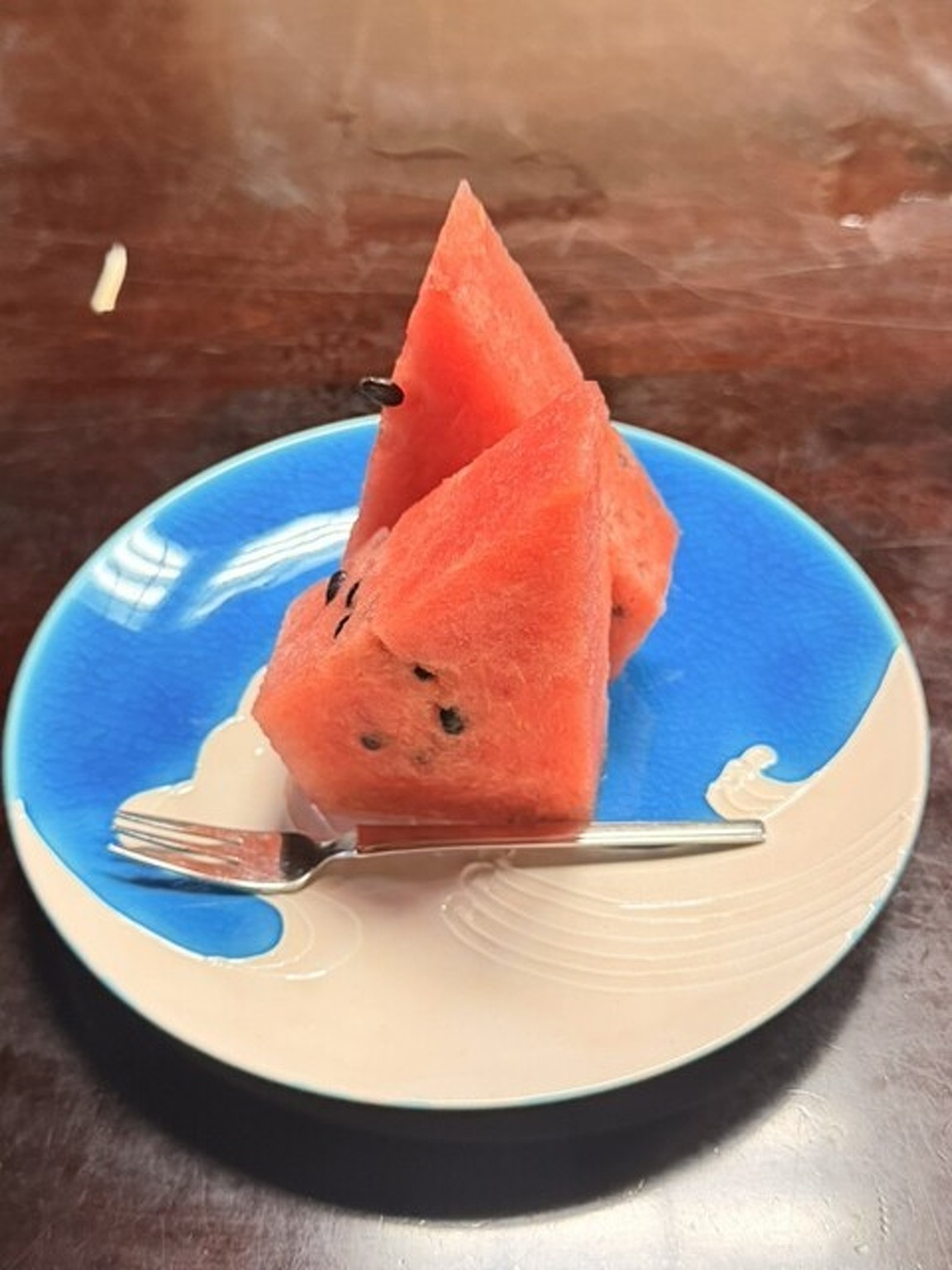
This is a specialized restaurant for soft-shelled turtle cuisine that has been in business for 340 years, passed down through 18 generations—an unimaginable legacy.First, we enjoyed the turtle jelly, which was infused with ginger and had a delightful, bouncy texture.Next, we had the hot pot, featuring soft-shelled turtle cooked at 1600 degrees, served twice.It was a great source of high-quality collagen.The second serving had a more concentrated broth, richer in flavor and absolutely delicious.To finish, we had a rice porridge made only with eggs, which was well-infused with flavor and gentle on the body.The sweetness came from watermelon.I learned that the fat content of the turtle varies by season, so I would love to visit again in the colder months. Less
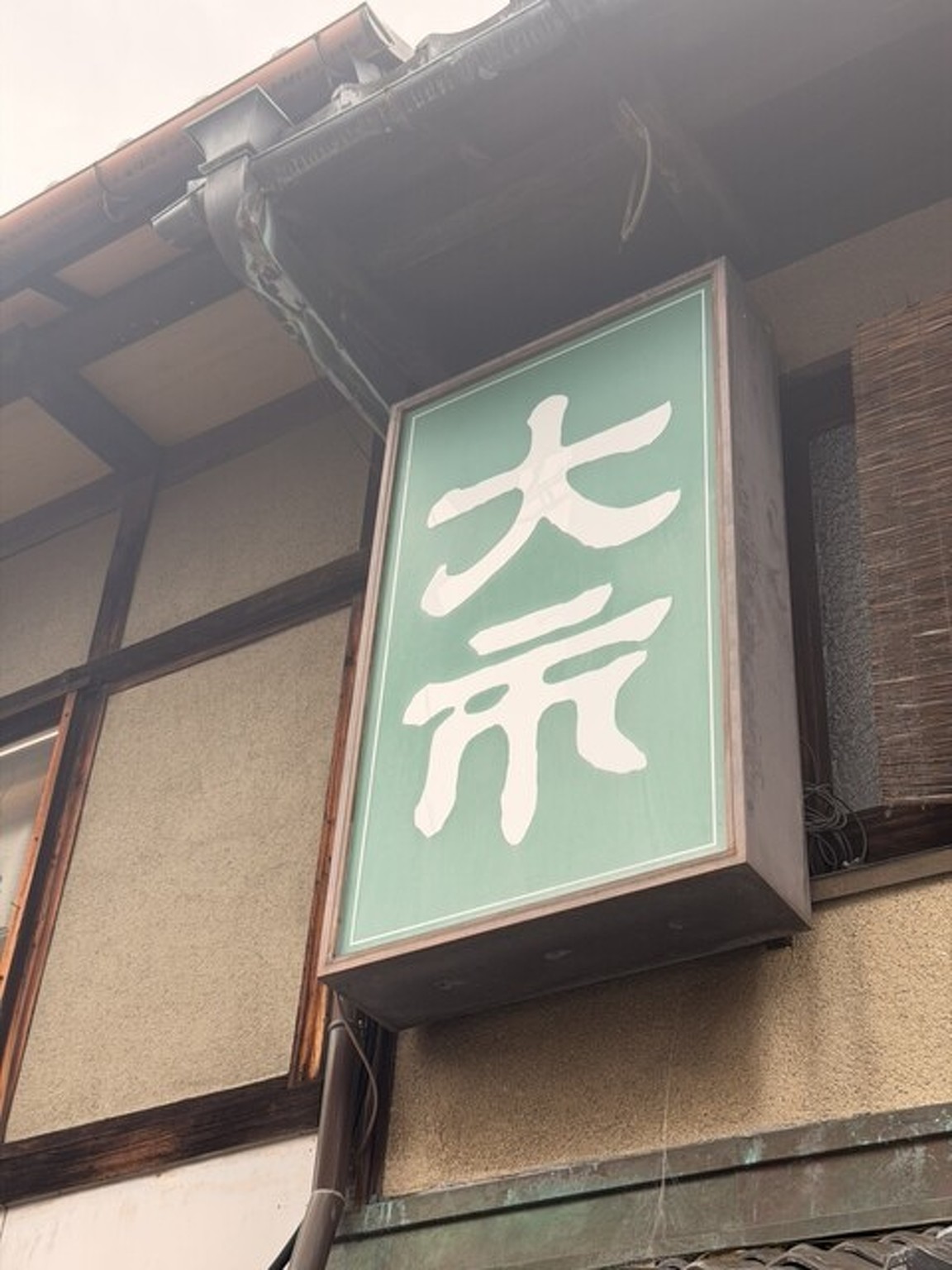
About an 18-minute walk from Kitano Hakubaicho Station on the Keifuku Electric Railroad Kitano Line, you will find the long-established restaurant "Daiichi," specializing in soft-shelled turtle cuisine, along Shimonaga-cho Street.As you pass through the gate, you enter a building that feels like time has stopped. It retains the same appearance since its founding, with even sword marks said to be made by samurai remaining at the entrance. The history of the restaurant speaks for itself without needing... More
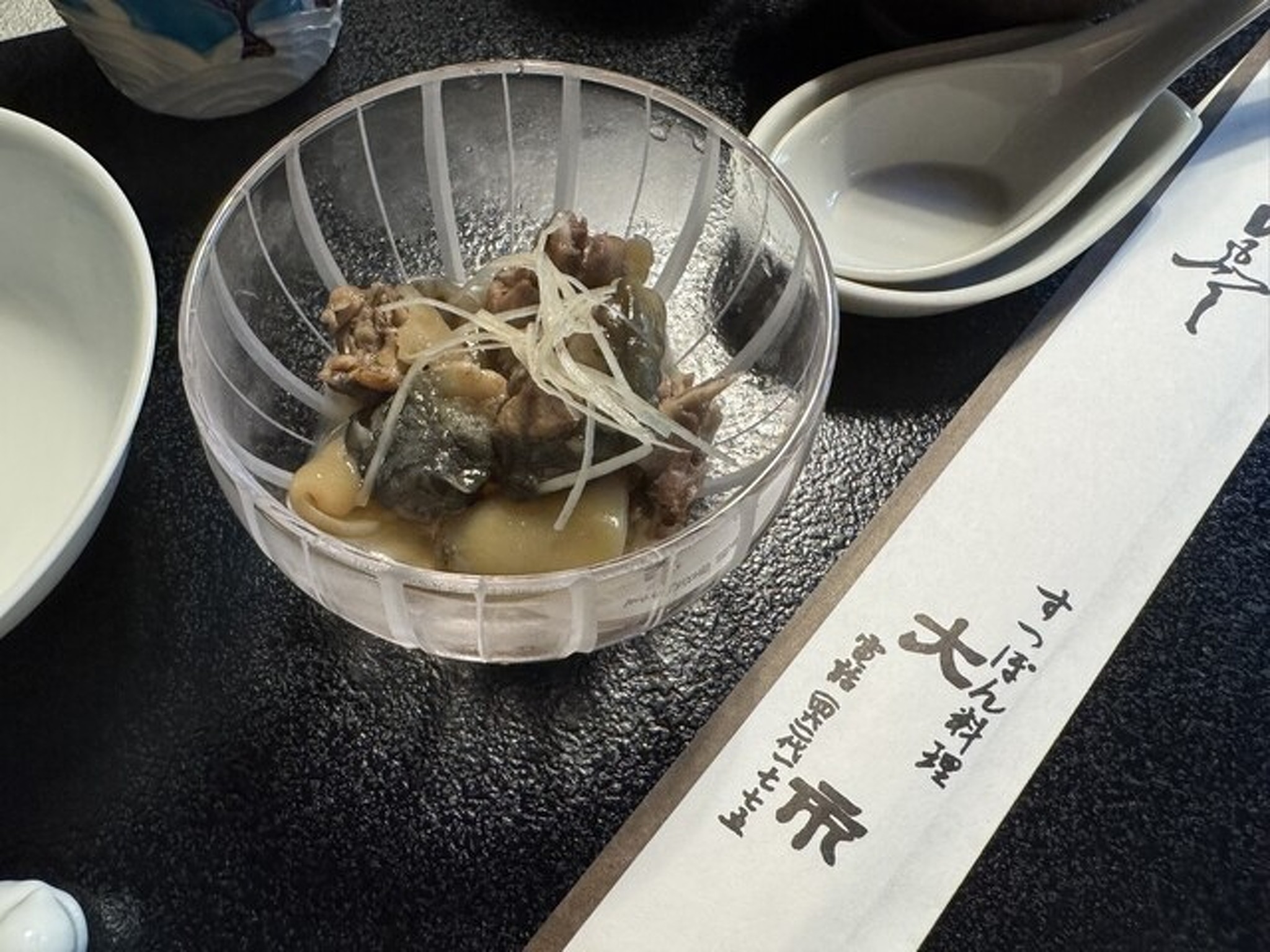
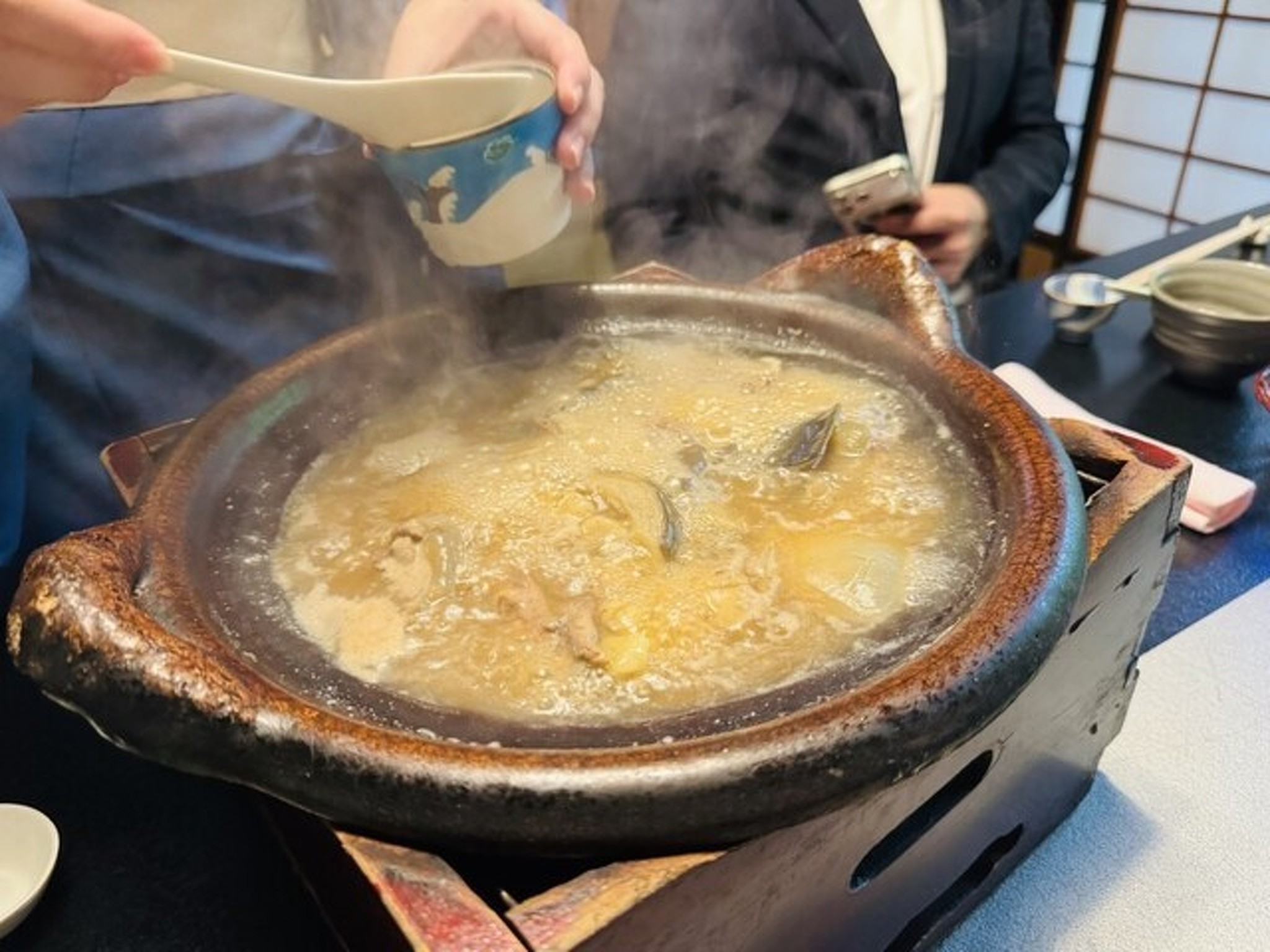
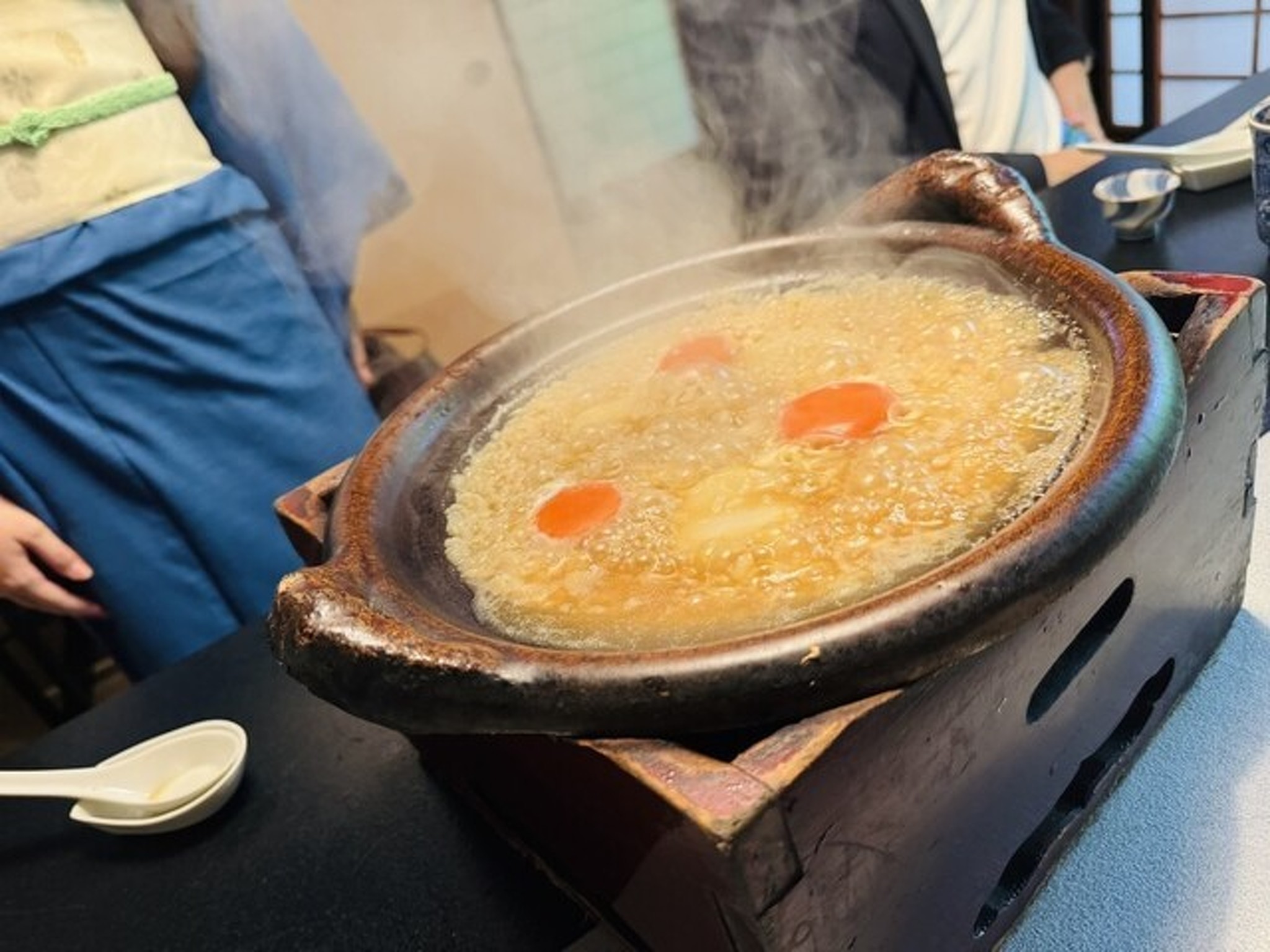
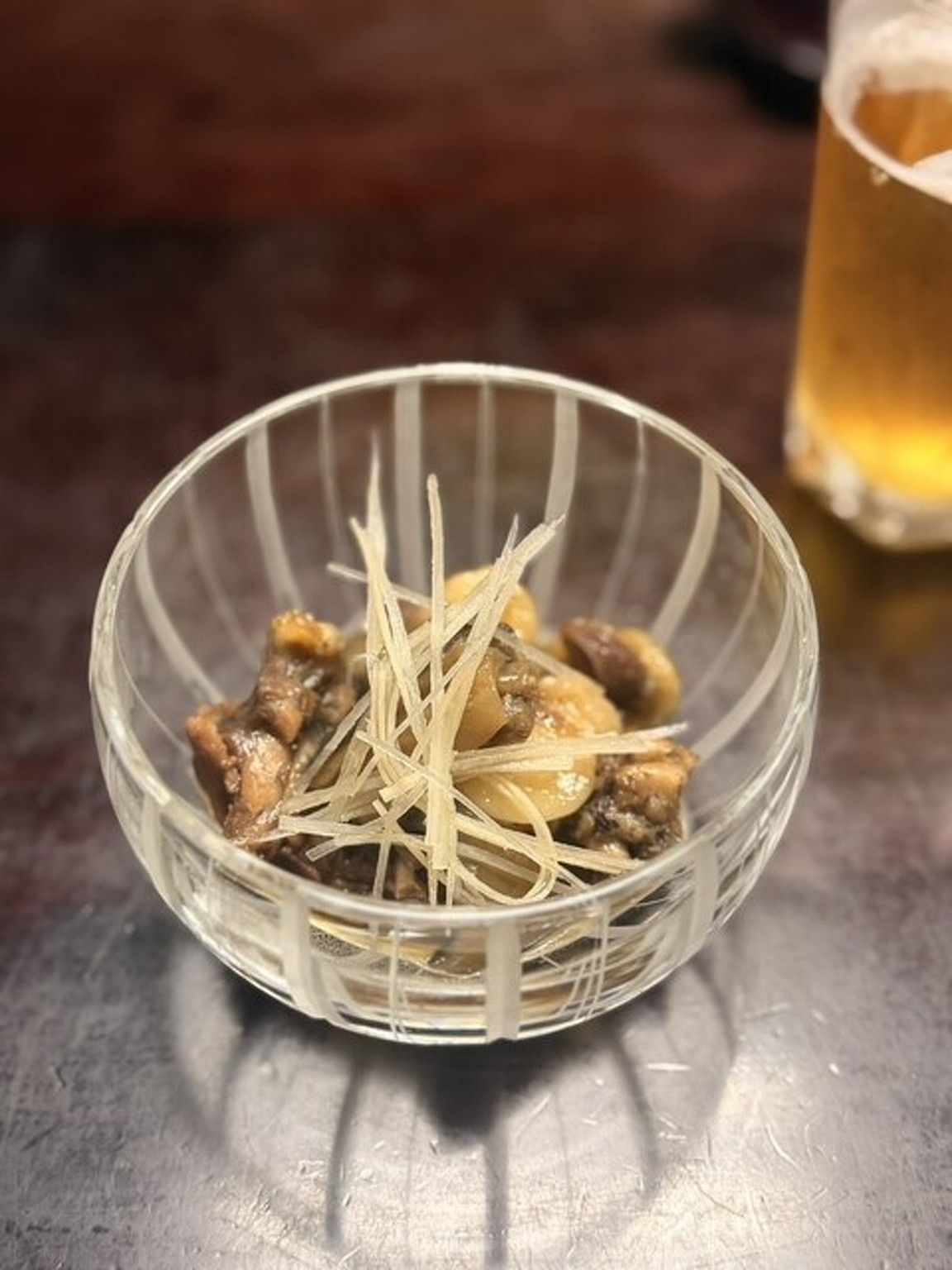
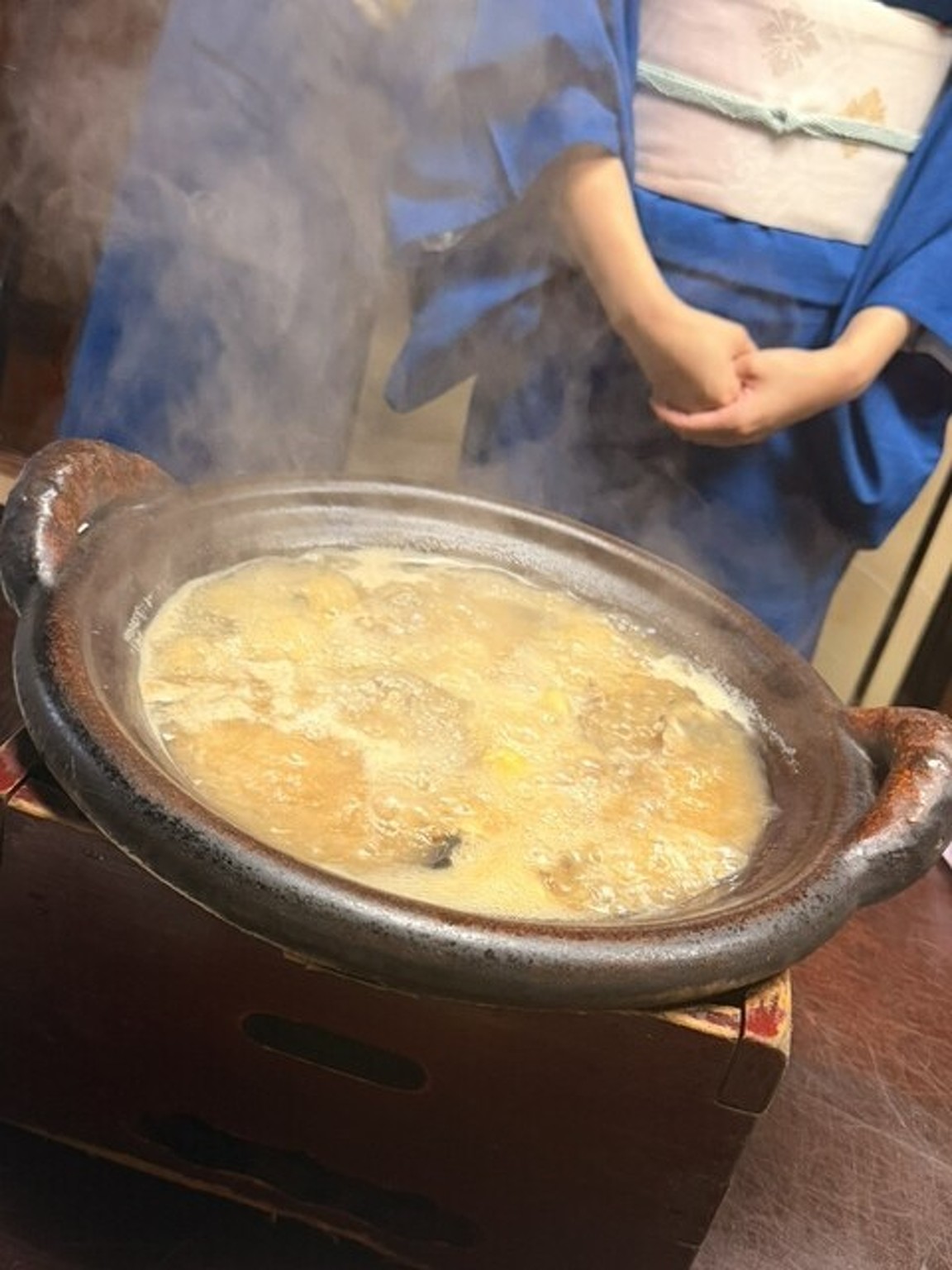
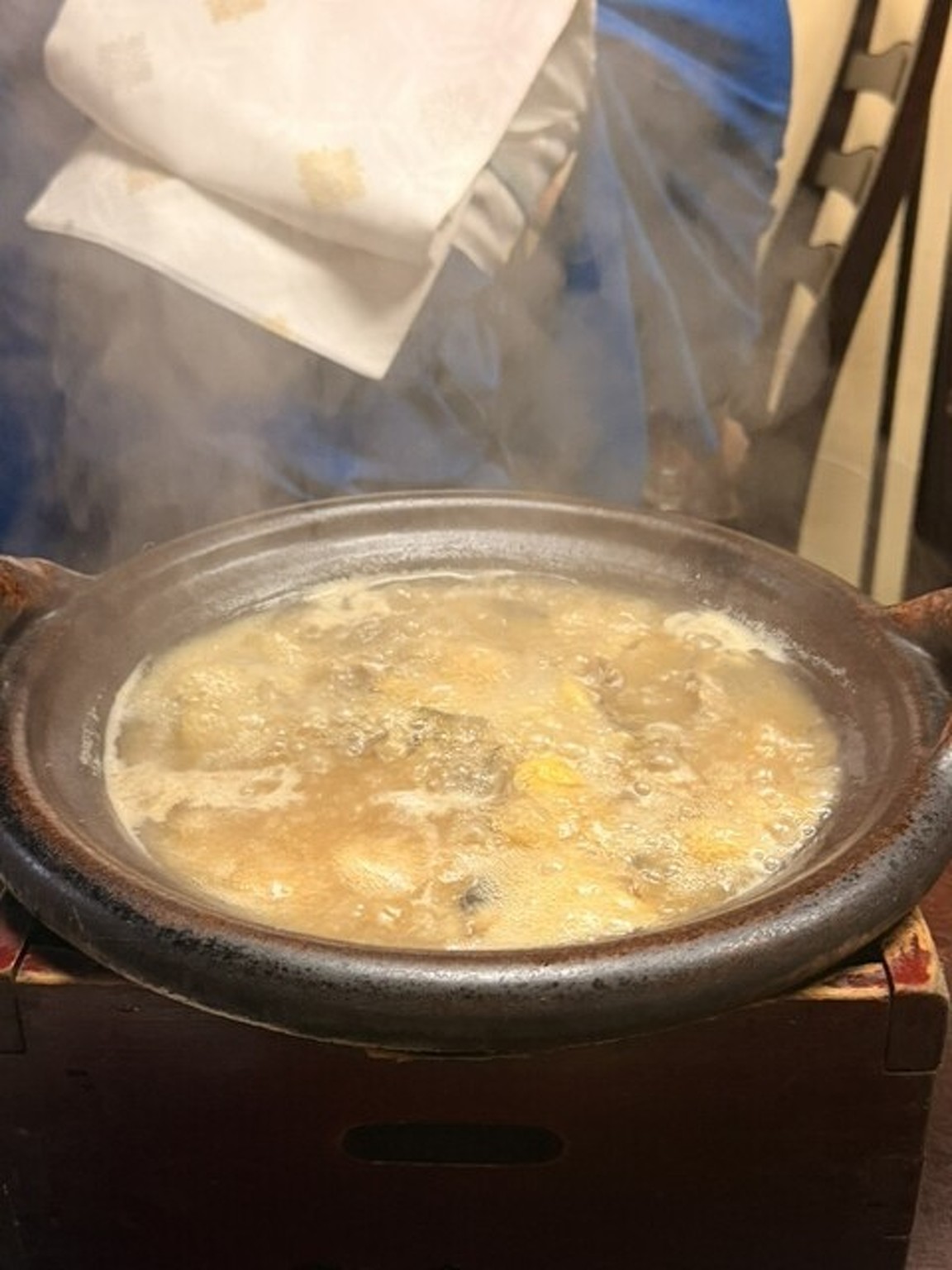
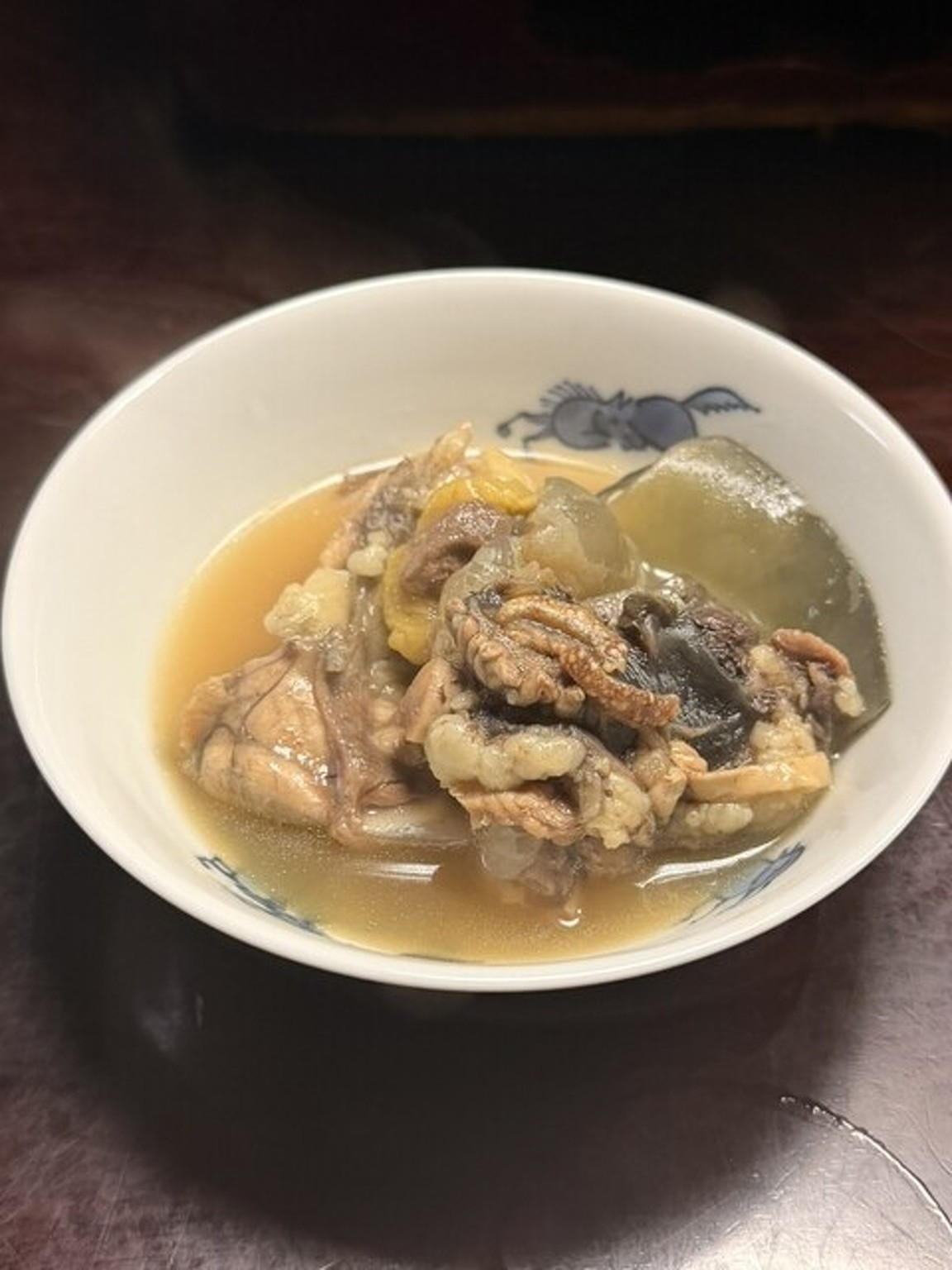
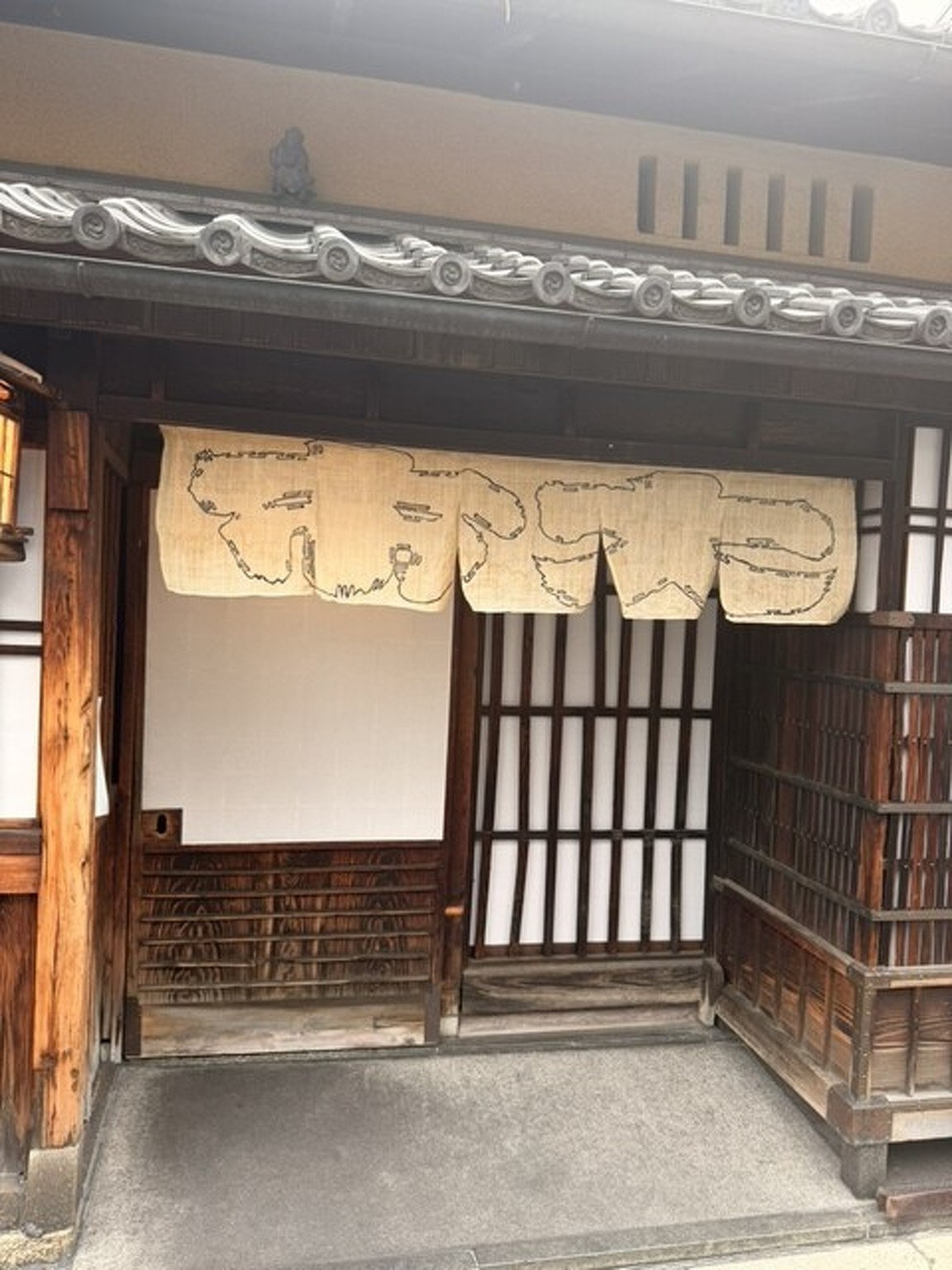
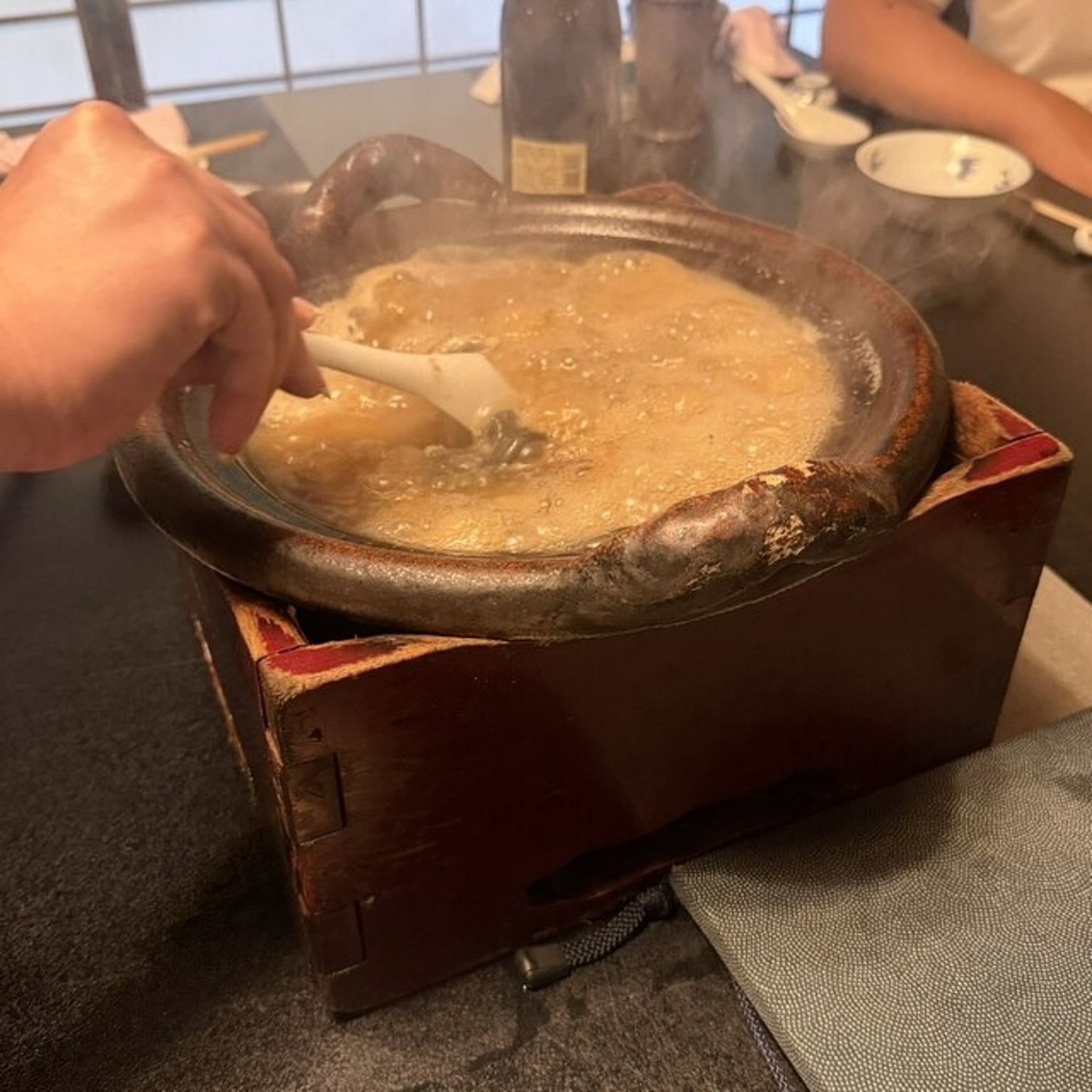
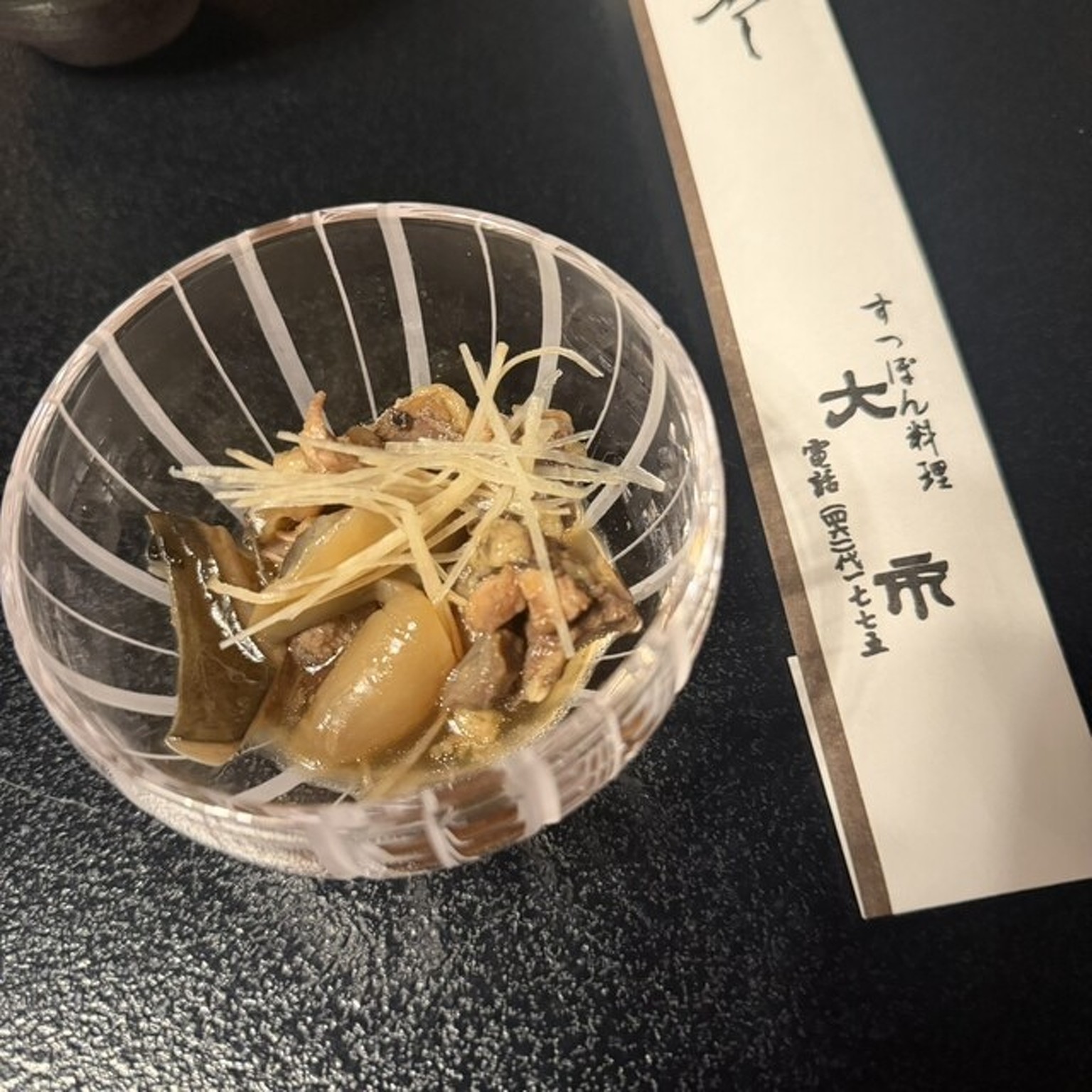
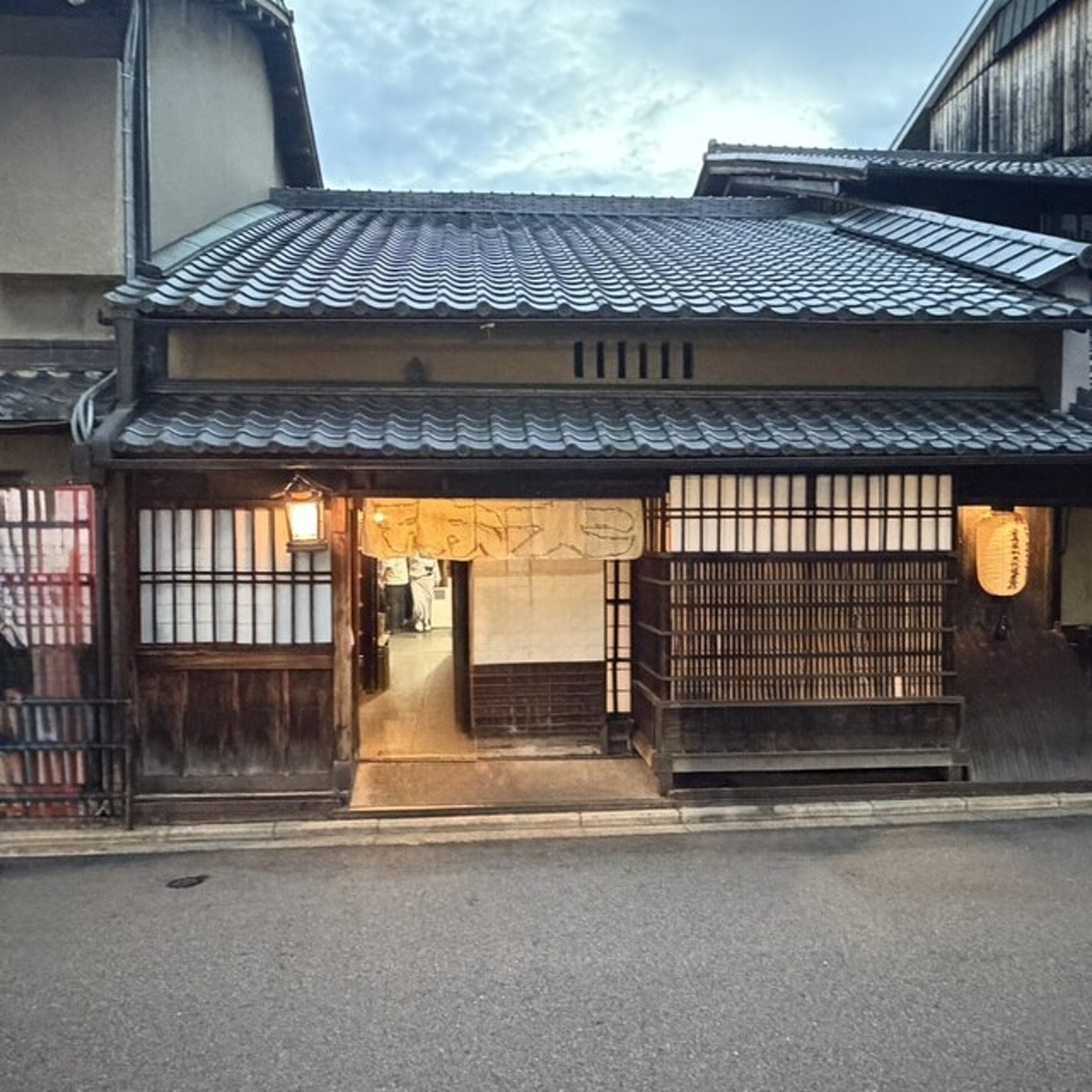
About an 18-minute walk from Kitano Hakubaicho Station on the Keifuku Electric Railroad Kitano Line, you will find the long-established restaurant "Daiichi," specializing in soft-shelled turtle cuisine, along Shimonaga-cho Street.As you pass through the gate, you enter a building that feels like time has stopped. It retains the same appearance since its founding, with even sword marks said to be made by samurai remaining at the entrance. The history of the restaurant speaks for itself without needing to be told.The only dish served here is the soft-shelled turtle Marunabe (round pot). While there is a drink menu, there is no food menu. Guests leave themselves in the hands of the restaurant and enjoy the course of the Marunabe that has been passed down through generations.First, you are served a small dish of simmered soft-shelled turtle meat.Then comes the main dish. Inside the clay pot is a rich broth made from soft-shelled turtle. Bite-sized pieces of meat with bones are added, simmering away. You enjoy it while it’s hot. The umami of the meat dissolves into the broth, and the flavor of the broth returns to the meat, creating a taste where the pot itself becomes one dish.Finally, there is soft-shelled turtle zosui (rice porridge). The essence of the pot is transferred to the rice, allowing you to finally take a moment to relax.This is accompanied by pickles and seasonal fruits. The total cost is JPY 26,000, including tax and service charge.At first glance, the price may not seem cheap. However, what you experience here is not just the food. The skill of preparing soft-shelled turtle is passed down through generations, and the Marunabe is cooked quickly over high heat using coke. The thick clay pot is a custom-made piece from Shigaraki. Over the years, there is a unique cooking method that allows the pot itself to absorb flavor.Preserving the old does not mean leaving it as it is. It involves maintaining the fire, using the pot, and actively preparing the same dish for guests today. This accumulation becomes the history of the restaurant.Eating the Marunabe at Daiichi is not just about eating soft-shelled turtle. It is about savoring a moment that remains in the town of Kyoto, slowly enjoyed from a hot pot. Less
This street-level restaurant is located at the entrance of Shimonaga-cho from Senbon-dori.It has a history of over 300 years as a long-established establishment.Originally, Senbon-dori was the central avenue of Kyoto, known as Suzakudori, making this area the original downtown.The menu is simple, featuring appetizers, hot pot, and zosui (rice soup).While the hot pot typically comes in two servings, you can request as many refills as you like.When you add super hot sake to the hot pot, it completely... More
This street-level restaurant is located at the entrance of Shimonaga-cho from Senbon-dori.It has a history of over 300 years as a long-established establishment.Originally, Senbon-dori was the central avenue of Kyoto, known as Suzakudori, making this area the original downtown.The menu is simple, featuring appetizers, hot pot, and zosui (rice soup).While the hot pot typically comes in two servings, you can request as many refills as you like.When you add super hot sake to the hot pot, it completely masks the smell of the soft-shelled turtle, allowing you to fully enjoy its exquisite flavor. Less
A long-desired hot pot featuring soft-shelled turtle.Daiichi has a rich tradition that has lasted for over 340 years.The ginger adds a nice kick, and the flavor is simple yet delightful.The broth is exceptional.The zosui (rice porridge) pairs perfectly with the soup and is delicious.For dessert, we had watermelon, which truly captures the essence of the season.It was a great meal!
I only managed to take a video of the crucial first hot pot.But finally, I was able to visit this place, which has become synonymous with maru-nabe. It’s an incredibly famous restaurant.*Note: They only serve individuals during lunch hours, but the offerings are the same as in the evening.*The bubbling broth is rich in collagen, but not overly greasy—just the right amount of fat without any unpleasantness typical of soft-shelled turtle. The initial impression is strong with ginger, followed by... More
I only managed to take a video of the crucial first hot pot.But finally, I was able to visit this place, which has become synonymous with maru-nabe. It’s an incredibly famous restaurant.*Note: They only serve individuals during lunch hours, but the offerings are the same as in the evening.*The bubbling broth is rich in collagen, but not overly greasy—just the right amount of fat without any unpleasantness typical of soft-shelled turtle. The initial impression is strong with ginger, followed by an explosion of deep umami flavor from the turtle that fills your mouth. It’s incredibly rich and delicious! The remaining broth in the pot quickly evaporates, concentrating into a rich turtle essence. Now I understand why it’s important to separate it at the beginning; this essence is delicious too.As for the zosui (rice porridge), it goes without saying—it's absolutely amazing. It’s rich yet never gets boring; I could eat more and more! The building is truly beautiful, and the sake vessels are exquisite. The service from the lovely ladies in kyo-bijin attire is delightful. I used to think the episodes from "Oishinbo" were exaggerated, but it seems they’re not. Now that I think about it, there was not only the umami from the simple ingredients but also a certain depth of flavor and aroma… or is that just my imagination? This restaurant, which I’ve long admired, exceeded my expectations.It was a great meal! Less
I had my first experience with soft-shelled turtle cuisine in my life. I made a reservation over a month in advance and was looking forward to enjoying my first soft-shelled turtle dish at the historic Daiichi. My impression? It was absolutely fantastic. The atmosphere was wonderful, and I had a truly delightful time. I would love to come back again.
2026.5.23 17:00• Maru Nabe Course: JPY 26,000 (Tax Included)• Beer Kirin (Large Bottle): JPY ?• Oolong Tea: JPY ?* Beer x2 + Oolong Tea x1 = JPY 3,800 x 1.1 (Consumption Tax)• Featured in "Oishinbo (3) Episode 3: The Power of Clay Pot" as "Suppon Maruichi" (P.62).• Made a reservation by phone a month in advance.• This was the only course available.• The room at the front, with sliding doors wide open, was comfortable with a pleasant breeze from the garden. It is said that Yasunari Kawabata... More
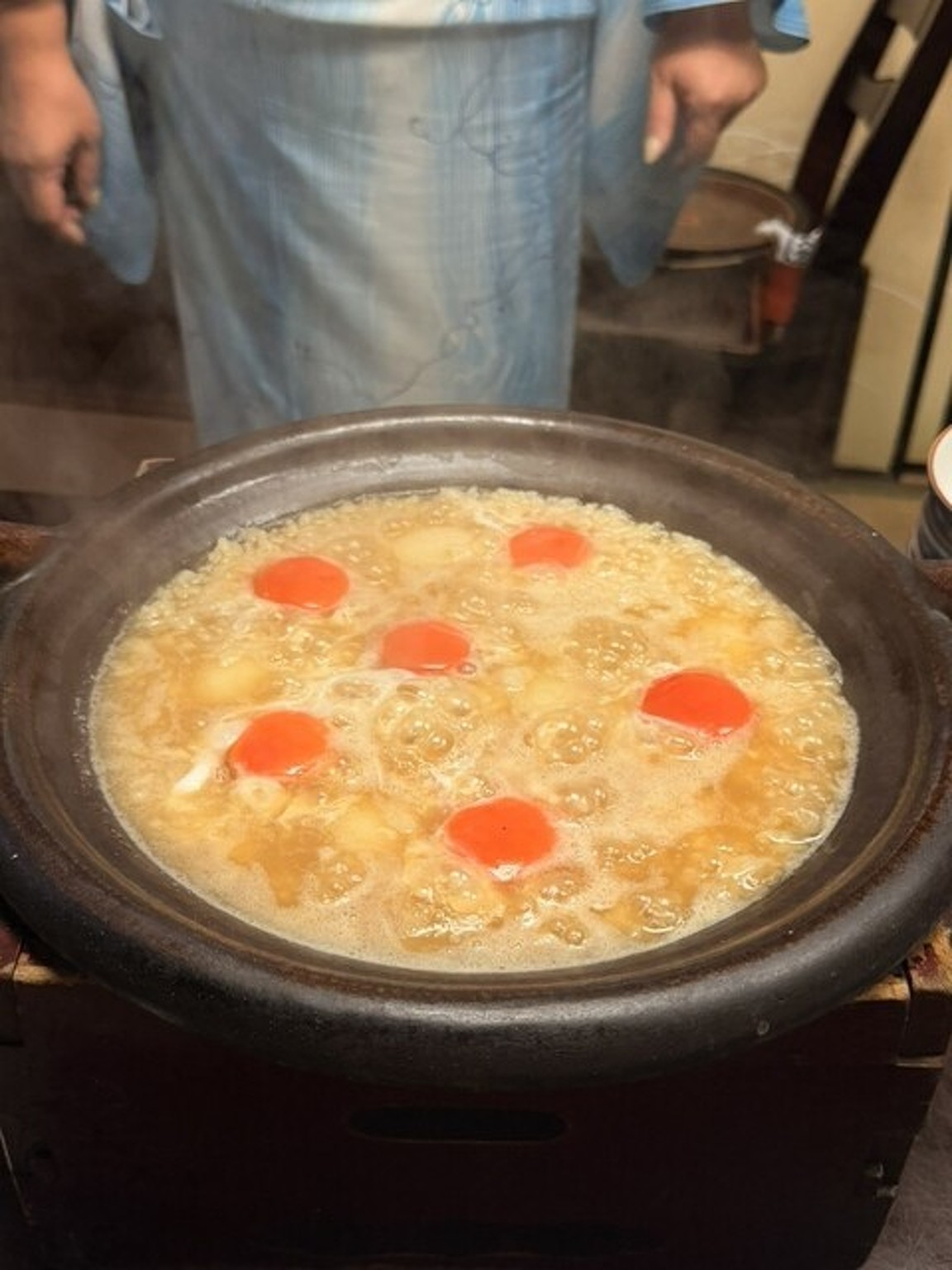
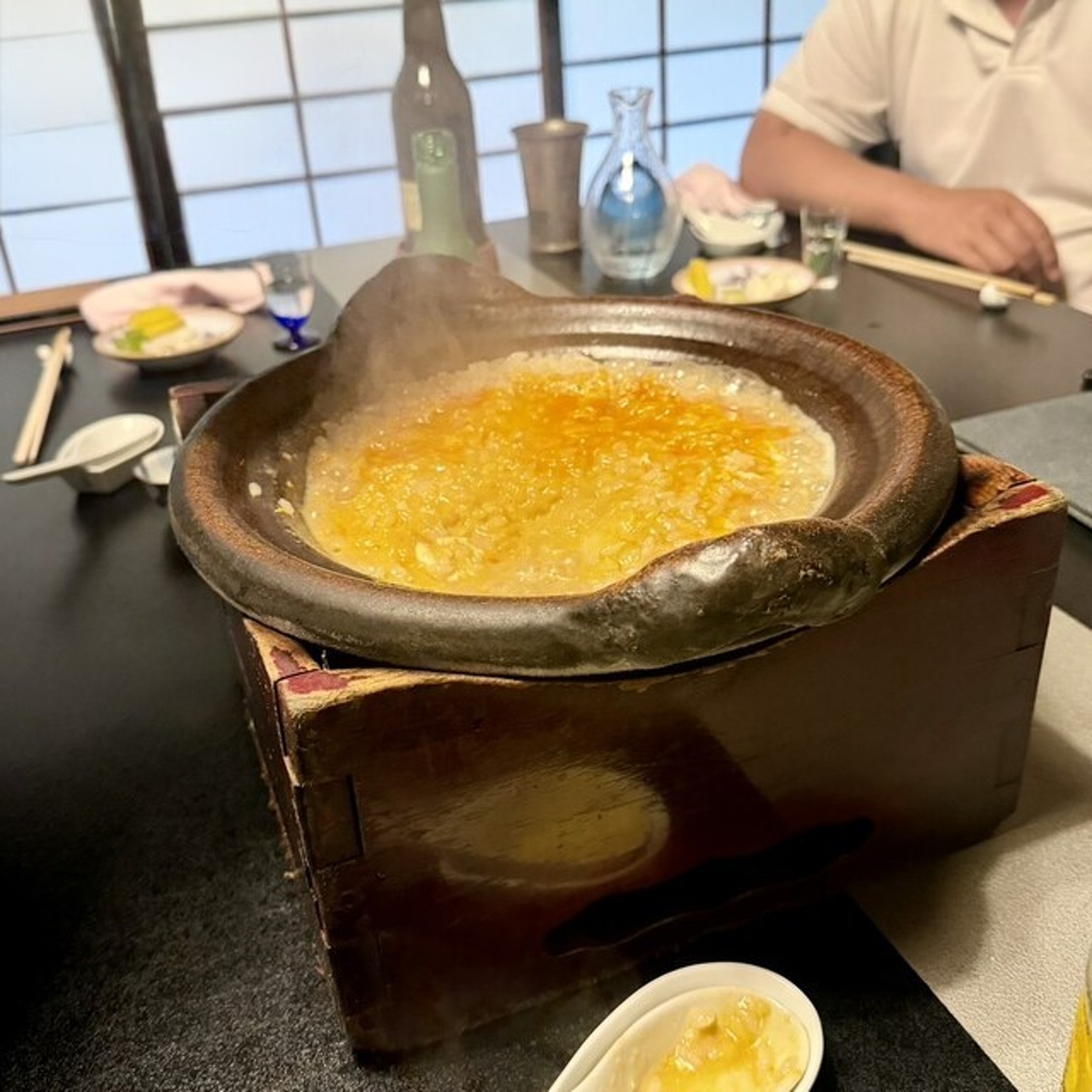
2026.5.23 17:00• Maru Nabe Course: JPY 26,000 (Tax Included)• Beer Kirin (Large Bottle): JPY ?• Oolong Tea: JPY ?* Beer x2 + Oolong Tea x1 = JPY 3,800 x 1.1 (Consumption Tax)• Featured in "Oishinbo (3) Episode 3: The Power of Clay Pot" as "Suppon Maruichi" (P.62).• Made a reservation by phone a month in advance.• This was the only course available.• The room at the front, with sliding doors wide open, was comfortable with a pleasant breeze from the garden. It is said that Yasunari Kawabata also used this room, and his calligraphy is displayed here.• As an appetizer, we had "Suppon Meat Simmered in Soy Sauce" served cold with grated ginger.• Next came the eagerly awaited "Maru Nabe," cooked over high heat using coke (P.64).They mentioned that the same dish would be served again, and the portions were divided alternately for the two of us.The broth was made with just a splash of sake, soy sauce, and ginger.I was surprised by the strong ginger flavor.I could only identify the emperor and neck parts, but I didn’t see the webbed parts I had encountered elsewhere.• The broth was so delicious that I finished most of it, but then we had "Zosui" made with the same broth.The bubbling zosui had two floating orange egg yolks, and the server mixed it to finish.The addition of mochi was delightful, and the slightly burnt parts were particularly flavorful.The absence of green onions and other garnishes seemed to reflect the pride in this broth.• When I commented, "The pickles are really delicious!" the server replied, "Indeed. These are from 'Kintame.'" They brought a pamphlet.The next day, I visited "Kintame" and learned that "Yuzu Koboshi" and "Oharame" are from there ("In winter, it should become 'Senmaizuke'" as well), and "The other type of 'Shiba-zuke' is probably pickled by 'Daiichi'..." they mentioned.• The bottled beer was Kirin Lager Beer in a large bottle.• Until now, my experience with suppon was limited to drinking at "Toyama (Amagasaki)" inspired by the late Nakajima Ramo, and trying to replicate suppon nabe with friends.I remember that when we did it ourselves, it took a long time to simmer before the broth gradually became delicious.This broth had a richness that was both flavorful and visually murky, which felt different.I was convinced this was the effect of using coke.As for the meat, I couldn’t describe it beyond not having any unpleasant odor and having a good texture, but considering the quality of the pickles and melon at this traditional restaurant, I will engrave this taste as the correct way to enjoy suppon.* My wife was delighted, saying, "It tastes like chicken with a flavor similar to yellowtail!" especially since there was no blood.• I felt sorry for the server who repeatedly lifted the scorching hot pot for me, as I got drunk and unfortunately couldn’t see the legendary red pot bottom well (my wife said she saw it many times), but I was extremely satisfied to finally eat the "Maru Nabe" I had admired since elementary school. Less
A 15-minute walk from Kitano Hakubaicho Station, I visited Daiichi, a bronze award-winning restaurant specializing in soft-shelled turtle cuisine.Founded by the first owner, Teihachi Omiya, during the Genroku era (mid-Edo period), this restaurant has been serving soft-shelled turtle dishes for about 340 years and is now in its 18th generation. The establishment still operates in its original building from its founding days.I ordered the Maru Nabe course for JPY 26,000, which features a single menu... More
A 15-minute walk from Kitano Hakubaicho Station, I visited Daiichi, a bronze award-winning restaurant specializing in soft-shelled turtle cuisine.Founded by the first owner, Teihachi Omiya, during the Genroku era (mid-Edo period), this restaurant has been serving soft-shelled turtle dishes for about 340 years and is now in its 18th generation. The establishment still operates in its original building from its founding days.I ordered the Maru Nabe course for JPY 26,000, which features a single menu item.The Maru Nabe is prepared in a clay pot heated with coke at 1,600°C. When the bubbling clay pot is brought to the tatami room, the temperature around it rises.The simmered soft-shelled turtle is tender and delicious. The broth is slightly salty, possibly due to the evaporation of moisture.The zosui (rice porridge) is made milder with rice and eggs, complementing the rich broth, although the ginger flavor is a bit overpowering.I enjoyed every bite until the end.【Today's Menu】1. Appetizer: Soft-shelled turtle simmered dish2. Main Dish: Maru Nabe (soft-shelled turtle)3. Main Dish: Second serving of Maru Nabe4. Zosui: Soft-shelled turtle zosui with mochi and egg5. Pickles: Assorted pickles6. Dessert: Melon Less
It's Friday night.I'm in Kyoto.The first night of our mini trip is a gathering of four, organized by our lovely host.We are at Daiichi, a long-established restaurant specializing in soft-shelled turtle cuisine, boasting a history of 340 years. We gathered at 5 PM as scheduled and were shown to a private table in the back.After enjoying our first toast while overlooking the courtyard of a traditional Kyoto townhouse, we began our course with a warm appetizer of soft-shelled turtle jelly.Now, let's... More
It's Friday night.I'm in Kyoto.The first night of our mini trip is a gathering of four, organized by our lovely host.We are at Daiichi, a long-established restaurant specializing in soft-shelled turtle cuisine, boasting a history of 340 years. We gathered at 5 PM as scheduled and were shown to a private table in the back.After enjoying our first toast while overlooking the courtyard of a traditional Kyoto townhouse, we began our course with a warm appetizer of soft-shelled turtle jelly.Now, let's get to the main topic.Here’s what we had:Each comment is noted in the photo section, so I hope you enjoy it along with the images.And it was a great meal.We cooked two slightly smaller soft-shelled turtles for four people in a clay pot heated to a maximum of 2000 degrees.The meal concluded with a porridge-style dish that included mochi.As for the taste, perhaps due to the high heat, the rich flavors of the soft-shelled turtle were not prominent, and the saltiness and ginger aroma stood out.At Takayama in front of Mitsukoshi, the clay pot dish allowed me to savor the deep flavors of the turtle, so this was a bit different from my expectations.But, well, perhaps this is the taste that has been passed down since the Edo period...?⚫︎ Jelly: Warm⚫︎ Soft-Shelled Turtle Hot Pot: Two turtles for four people, served in two rounds⚫︎ Porridge⚫︎ Pickles⚫︎ Melon・Yamazaki 12 Years: Highball・Gekkeikan: Kyo no Izumi, Special Junmai, Yamada Nishiki, Kyoto・Lemon SourRating: 4.04 Less
I had been curious about this restaurant ever since reading the manga "Oishinbo."I took a bus from Kyoto Station and got off at Senbon Marutamachi.There was traffic, so I arrived about 10 minutes later than planned.I reached the restaurant 10 minutes early.The exterior is overwhelming.Since its founding in the Genroku era, Daiichi has been a long-established restaurant specializing in soft-shelled turtle cuisine for 340 years, now in its 18th generation.The building has remained unchanged for 340... More
I had been curious about this restaurant ever since reading the manga "Oishinbo."I took a bus from Kyoto Station and got off at Senbon Marutamachi.There was traffic, so I arrived about 10 minutes later than planned.I reached the restaurant 10 minutes early.The exterior is overwhelming.Since its founding in the Genroku era, Daiichi has been a long-established restaurant specializing in soft-shelled turtle cuisine for 340 years, now in its 18th generation.The building has remained unchanged for 340 years.Maintaining such a place must be incredibly costly.It's truly impressive that they keep it up.I hope they continue to preserve it for years to come.Upon entering the restaurant, I mentioned my reservation and was seated in the innermost room at a table.There are no windows, as the building is from 340 years ago.With sliding doors and shoji screens, it’s simply wonderful.The atmosphere is exceptional.Despite it being a scorching hot day, the breeze was pleasant.Daiichi's hot pot is cooked at over 1,600°C using coke.With so many delicious foods available today, I wondered if the flavors from 340 years ago would still suit modern tastes, and they were quite simple.The ginger flavor was prominent—perhaps it’s a traditional taste?The rice porridge was incredibly delicious, as were the round rice cakes.The next day, my skin felt smooth and soft.It was a valuable experience, and the service was excellent.There is one course available:⚪ Hot Pot Course - JPY 26,000- Soft-shelled turtle simmered dish- Maru-nabe (soft-shelled turtle) Two turtles for four people, served in two rounds with different parts- Soft-shelled turtle zosui (rice porridge) with rice cakes and eggs- Pickles- Melon[Drinks]- Lemon Sour- Umeshu Soda- Kyo no Izumi Gekkeikan Less
I visited "Daiichi", a renowned restaurant specializing in soft-shelled turtle cuisine, located in a charming back alley just a 5-minute taxi ride from Marutamachi Station or Imadegawa Station.Founded in 1688, the current owner is the 18th generation. This famous establishment has appeared in literary works such as Naoya Shiga's "Anya Kōro" and the manga "Oishinbo".Daiichi exclusively uses soft-shelled turtles raised in a private pond in Lake Hamana, offering only the "Marunabe Course" on the menu,... More
I visited "Daiichi", a renowned restaurant specializing in soft-shelled turtle cuisine, located in a charming back alley just a 5-minute taxi ride from Marutamachi Station or Imadegawa Station.Founded in 1688, the current owner is the 18th generation. This famous establishment has appeared in literary works such as Naoya Shiga's "Anya Kōro" and the manga "Oishinbo".Daiichi exclusively uses soft-shelled turtles raised in a private pond in Lake Hamana, offering only the "Marunabe Course" on the menu, maintaining its unique tradition without succumbing to modern trends.♦︎ A serene, pure Japanese-style private room with remnants of sword marks from the Bakumatsu period ── The building retains the dignified appearance from its founding era, with authentic sword marks believed to date back to the Edo period etched into the lattice and pillars.The guest room is a calm tatami-floored private space overlooking the garden, allowing diners to wait for their meal in tranquility.While the restaurant exudes a refined elegance typical of a long-established establishment, the smart and straightforward guidance from the staff creates an atmosphere where diners can enjoy their meal without feeling pressured.♦︎ The menu I enjoyed ── 【 Marunabe Course 】 【 Soft-shelled Turtle Meat Simmered in Soy Sauce 】 【 Marunabe 】 【 Zosui (Rice Soup) 】♦︎ The weight of history without exaggeration and overall impressions ── This restaurant stands apart from the sophisticated modern soft-shelled turtle courses found in Tokyo, featuring a robust flavor profile crafted solely with special sake, soy sauce, and ginger, emphasizing a minimalist approach.The cooking technique, which captures the juiciness of the meat with a powerful heat exceeding 1,600 degrees while slowly extracting the umami from the broth, showcases the craftsmanship honed over many years.Drinking the soup reveals a clear outline of soy sauce, but as you savor the meat and eventually enjoy the crispy bits in the zosui, the flow of flavors carries the weight of over 300 years of tradition.This is a must-visit establishment that embodies Kyoto's tradition, offering a unique culinary culture and a rich history. It was a great meal.Review by "Instagram@_1show" Thank you for reading to the end. I appreciate all your likes, follows, and saves! Less
This restaurant is located about a 17-minute walk from Kitano Hakubaicho Station. Founded in the Genroku era (mid-Edo period) by the first owner, Teihachi Omiya, it is one of Kyoto's most renowned and long-established restaurants. For approximately 330 years, they have specialized in soft-shelled turtle, with the current establishment still operating in its original form. Since my family lives nearby, I have memories of being taken here as a child, but it had been a while since my last visit. There... More
This restaurant is located about a 17-minute walk from Kitano Hakubaicho Station. Founded in the Genroku era (mid-Edo period) by the first owner, Teihachi Omiya, it is one of Kyoto's most renowned and long-established restaurants. For approximately 330 years, they have specialized in soft-shelled turtle, with the current establishment still operating in its original form. Since my family lives nearby, I have memories of being taken here as a child, but it had been a while since my last visit. There are many novels, essays, and comics featuring Daiichi, which adds a sense of nostalgia.○Nabe (Marunabe) Course - JPY 26,000 Appetizer: Soft-shelled turtle simmered in soy sauce Main Dish: Soft-shelled turtle meat with bones, cut into bite-sized pieces, served in a rich turtle soup Main Dish: To enjoy the piping hot nabe, it is served in two portions Rice Dish: A rice porridge made with turtle soup, finished with mochi and chicken egg Pickles: Assorted pickles Dessert: Seasonal fruit, this time it was melon.The soft-shelled turtle used here is actually from Lake Hamana, which has a longer history of turtle farming than eel. They use turtles raised in a dedicated pond at the long-established "Hattori Nakamura Turtle Farm." The nabe, cooked at over 1600°C using unique coke, is exceptional. Personally, I loved the soup so much that I enjoyed it on its own or paired with hot sake; it was fantastic in every way. The meal concluded with a rice porridge made with mochi and chicken egg. I loved the mochi so much that I wanted to eat more.This restaurant allows you to enjoy delicious soft-shelled turtle while feeling the weight of history. I would love to visit again if the opportunity arises. Less
I made a reservation for 5 PM during Golden Week and visited the restaurant. I was seated at a table, and although it felt a bit chilly inside due to the cool weather outside, I was warm while enjoying the soft-shelled turtle dishes. The shoji screens are thin, so it can get a bit noisy if there are loud guests next door, but every dish was simply delicious. While the appearance of soft-shelled turtle might seem grotesque, everything from the soup, meat, collagen, and internal parts to the zosui... More
I made a reservation for 5 PM during Golden Week and visited the restaurant. I was seated at a table, and although it felt a bit chilly inside due to the cool weather outside, I was warm while enjoying the soft-shelled turtle dishes. The shoji screens are thin, so it can get a bit noisy if there are loud guests next door, but every dish was simply delicious. While the appearance of soft-shelled turtle might seem grotesque, everything from the soup, meat, collagen, and internal parts to the zosui (rice soup) and dessert was truly delightful. The bottled beer wasn’t very cold, and I personally found the beer glass lacking, which made it less enjoyable. However, the Japanese sake was excellent. I heard that one should not remove the scorched rice, so I hesitated to finish the last of the zosui, but it was so delicious that I wanted to scoop up every last bit. Less
Recommended in Kyoto
-
- Tokuha Motonari
- 287-5 Shingoryōguchichō, Kamigyo Ward, Kyoto, 602-0897, Japan
-
nOAD Top 52Tabelog GoldTabelog Chefs' GoldRR #3080RR PRO #16.00RR USER #0.00
-
47 Meals
-
- Yassan (安参)
- 347 Gionmachi Kitagawa, Higashiyama Ward, Kyoto, 605-0073, Japan
-
GM SelectedTabelog Bronze
-
42 Meals
-
- Ninshu Rou (仁修樓)
- Kyoto, Kita Ward, Shichiku Kitakurisuchō, 2−12
-
OAD Top 346Tabelog GoldLL #157
-
34 Meals
-
- Kiyama (木山)
- Japan, 〒604-0804 Kyoto, Nakagyo Ward, Kinuyachō, 136 ヴェルドール御所 1F
-
mOAD Top 56Tabelog SilverRR #806RR PRO #17.67RR USER #0.00
-
32 Meals
-
- Kikuno I Honten (菊乃井 本店)
- Kyoto, Higashiyama Ward, Shimokawarachō, 459
-
oOAD Top 163Tabelog BronzeLL #157RR #234RR PRO #18.83RR USER #16.25
-
28 Meals
Address
Japan, 〒602-8351 Kyoto, Kamigyō-ku, Rokubanchō, 371 千本西入ル六番
Hours
Tuesday: Closed
Wednesday: 12:00 - 13:00; 17:00 - 19:30
Thursday: 12:00 - 13:00; 17:00 - 19:30
Friday: 12:00 - 13:00; 17:00 - 19:30
Saturday: 12:00 - 13:00; 17:00 - 19:30
Sunday: 12:00 - 13:00; 17:00 - 19:30
Phone
+81754611775
Price Range
Based on country average
$$$$ (¥10,000+)
Website
http://www.suppon-daiichi.com/