We use cookies on this site to enhance your user experience.
< Back
Overview
Average rating from 24 meals
8.8 / 10
Photo Views: 233
Restaurant Views: 2,955
Restaurant Views: 2,955
0 user have this restaurant in their Top list
0 user have this restaurant in their Wish list
Awards
- MICHELIN Guide
- OAD
-
Japanese Restaurants 2026, 186
- Tabelog
- 2026 Bronze
- La Liste
-
La Liste, #562
- Restaurant Ranking
-
Restaurant Ranking 2024, #600, PRO #18.00, USER #16.67
- Gault & Millau
- 4 Torques, 2020
- Gault & Millau Public Mark
- 17.5 / 20
Ratings from the web
- Tabelog
- 4.27
Chef
Hisao Nakahigashi
Cuisine
Japanese Cuisine
Foodle Reviews
9 / 10
on 26 Sep 2026

Just a 10-minute drive from Demachiyanagi Station, I visited "Kusajiki Nakahigashi," a recipient of the BRONZE AWARD and recognized as one of Japan's top 100 restaurants. It also received the GOLD AWARD in 2020 and is located at the entrance of the path to Ginkaku-ji Temple.I made a reservation by phone and arrived on a weekday at 12 PM.I ordered the lunch Omakase course for JPY 12,000 (excluding tax and service charge) and added Matsutake rice for an additional JPY 4,000.The owner, Hisao Nakahigashi,... More
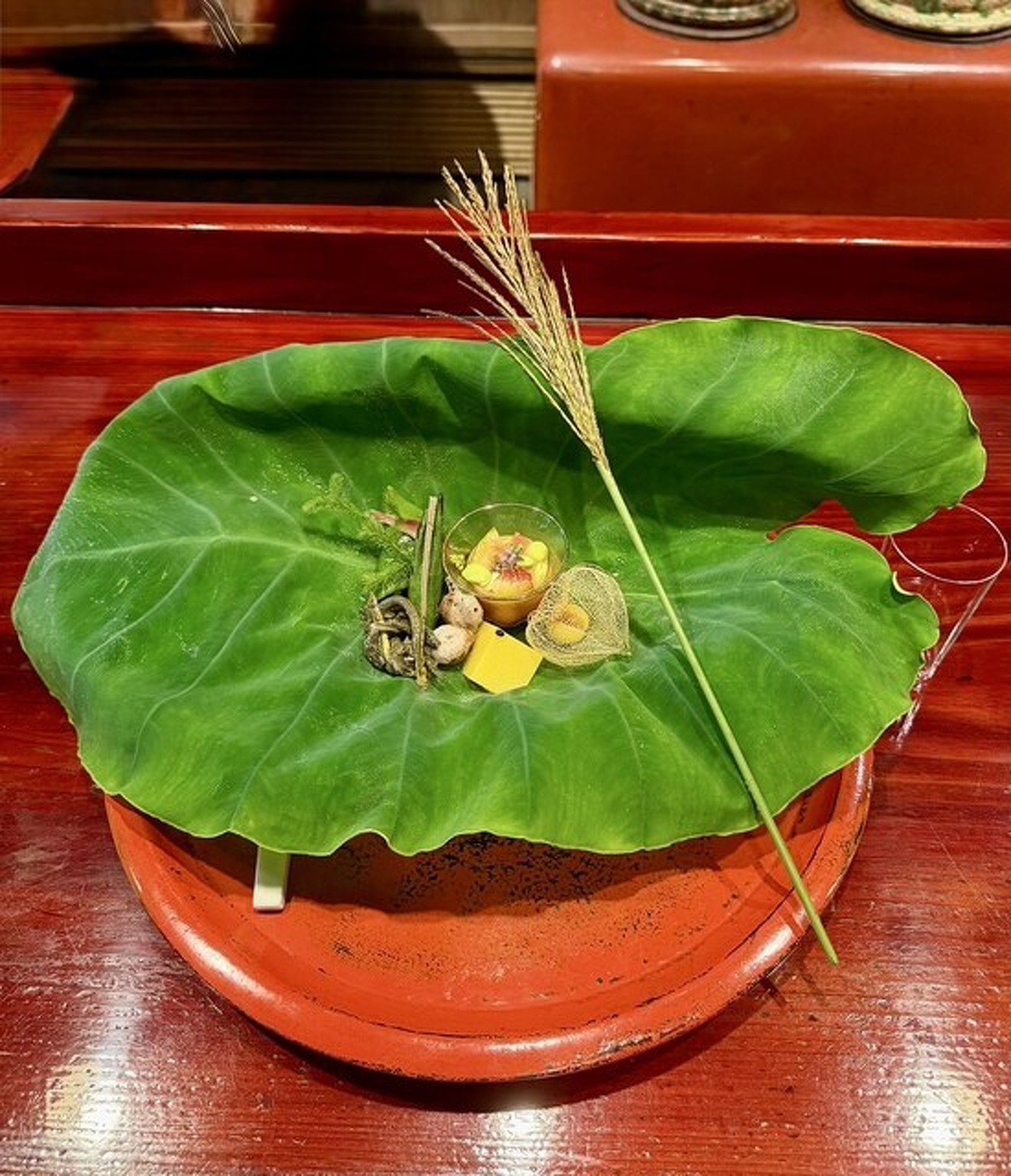
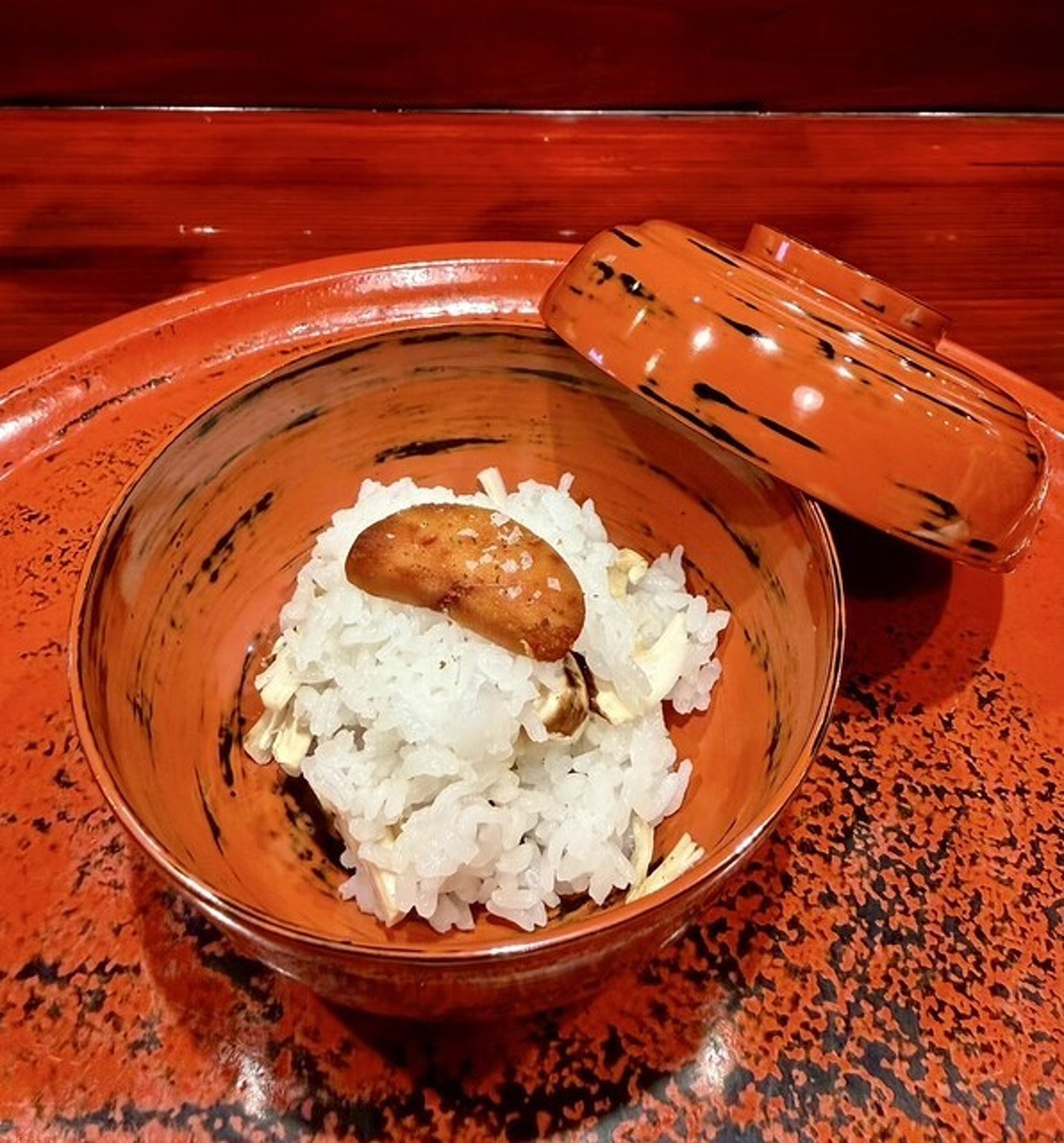
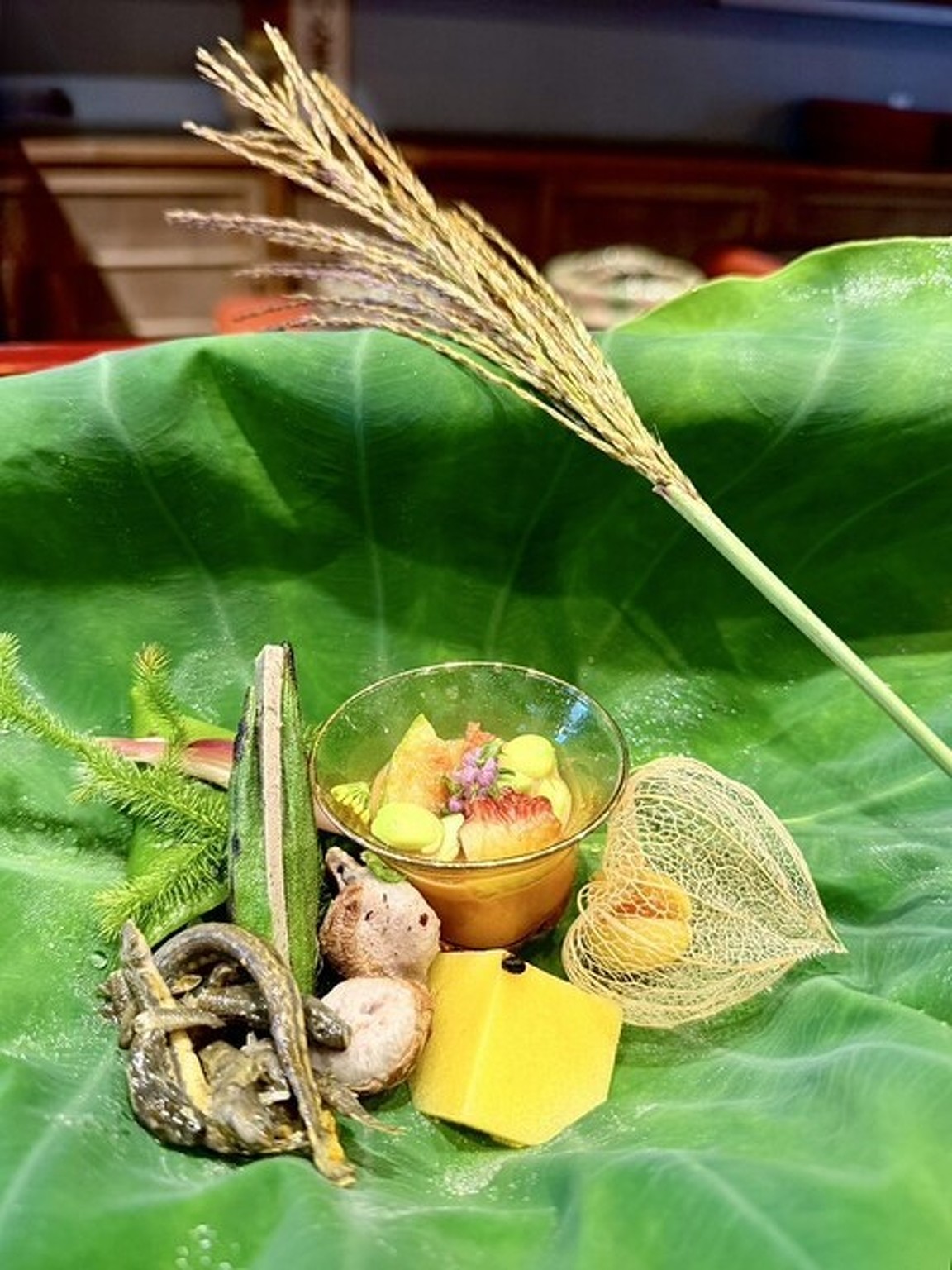
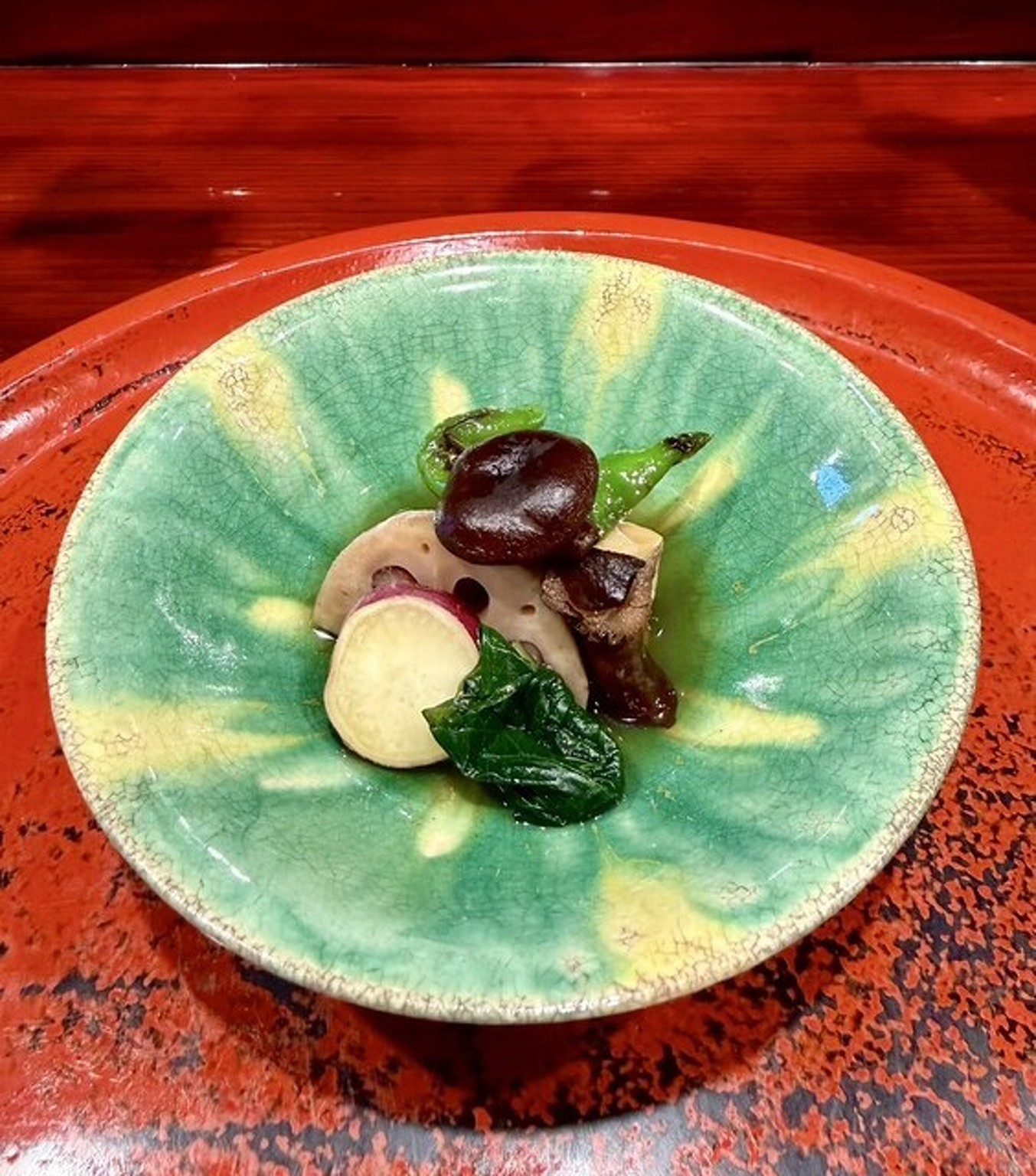
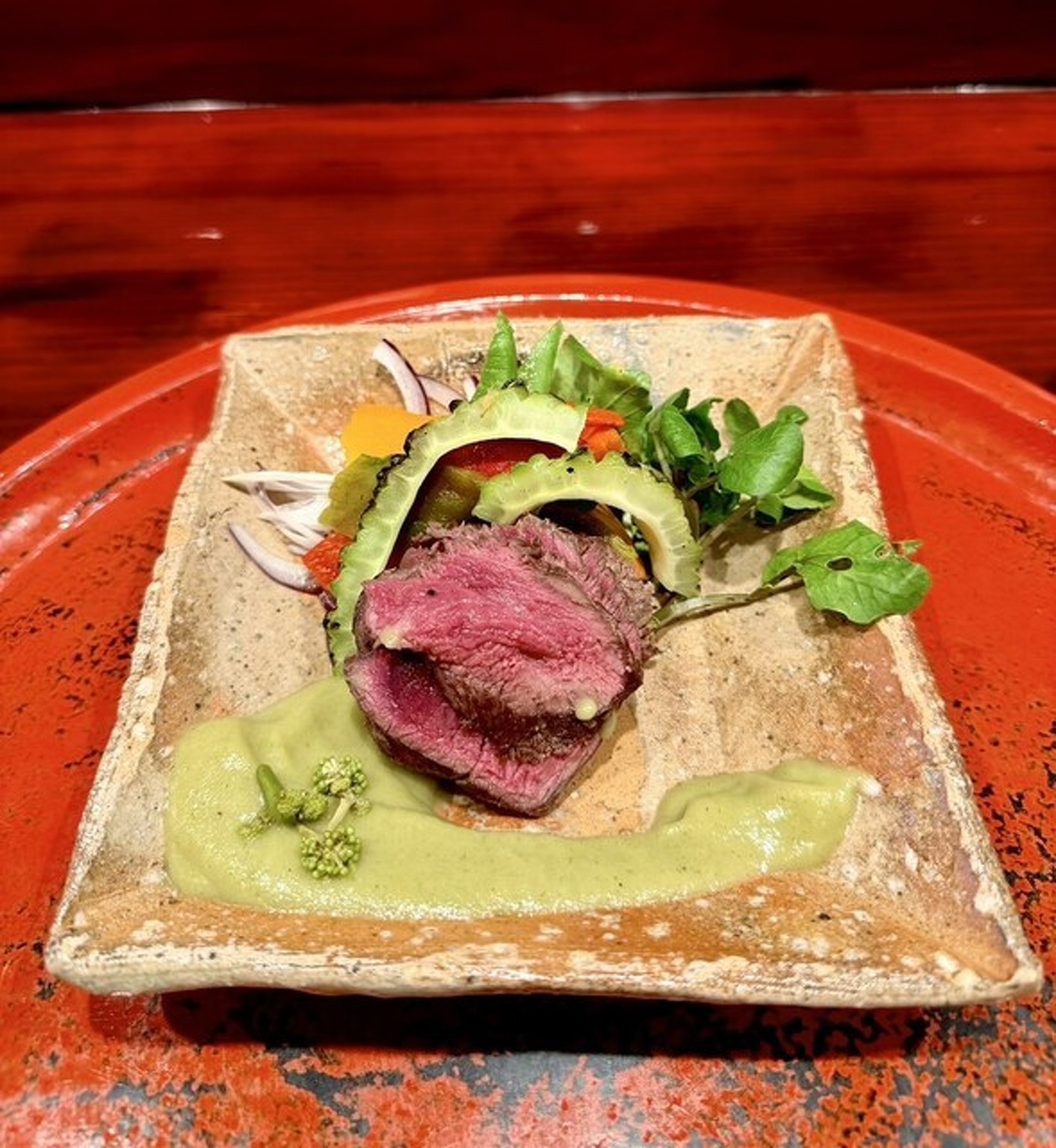
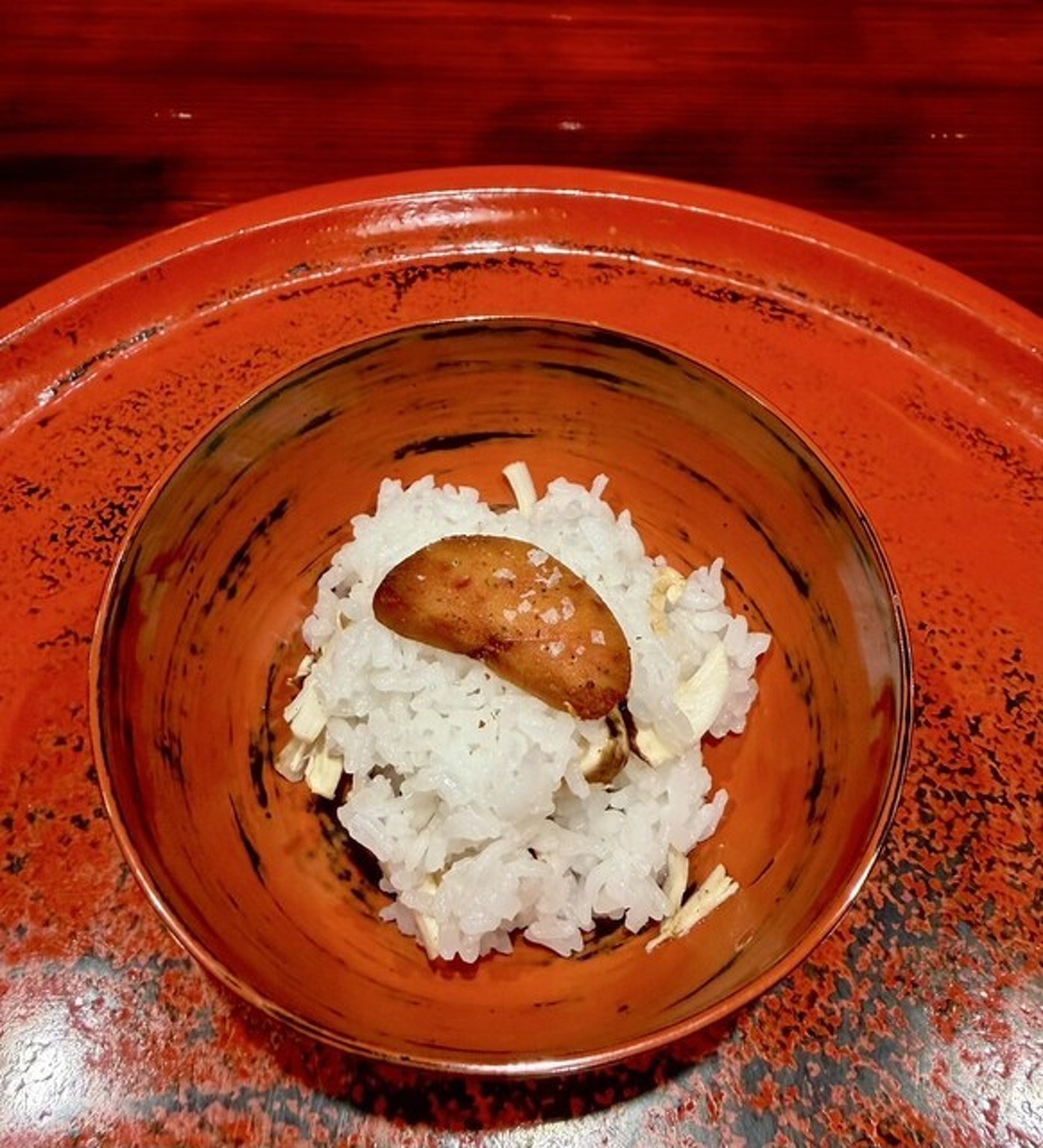
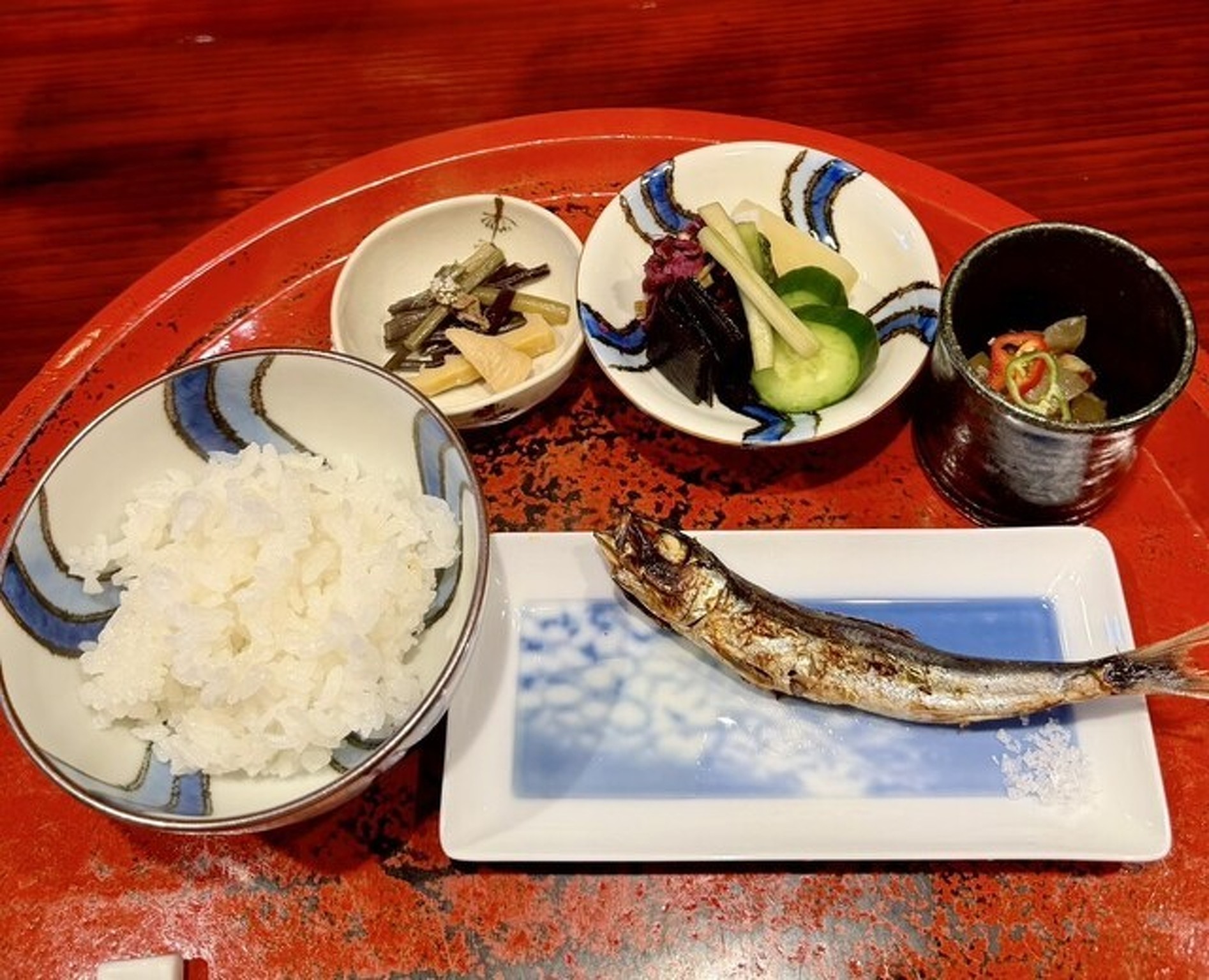
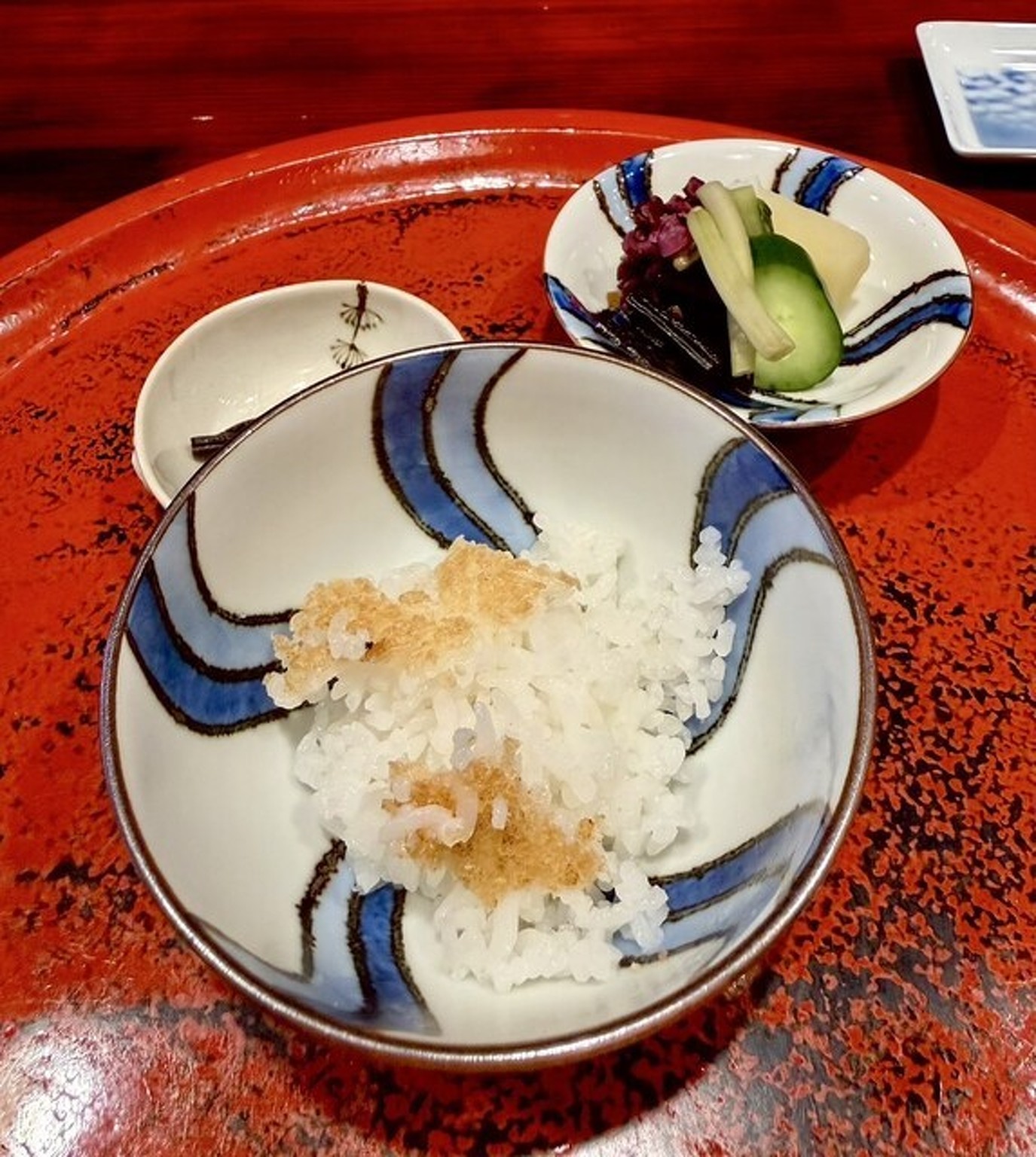
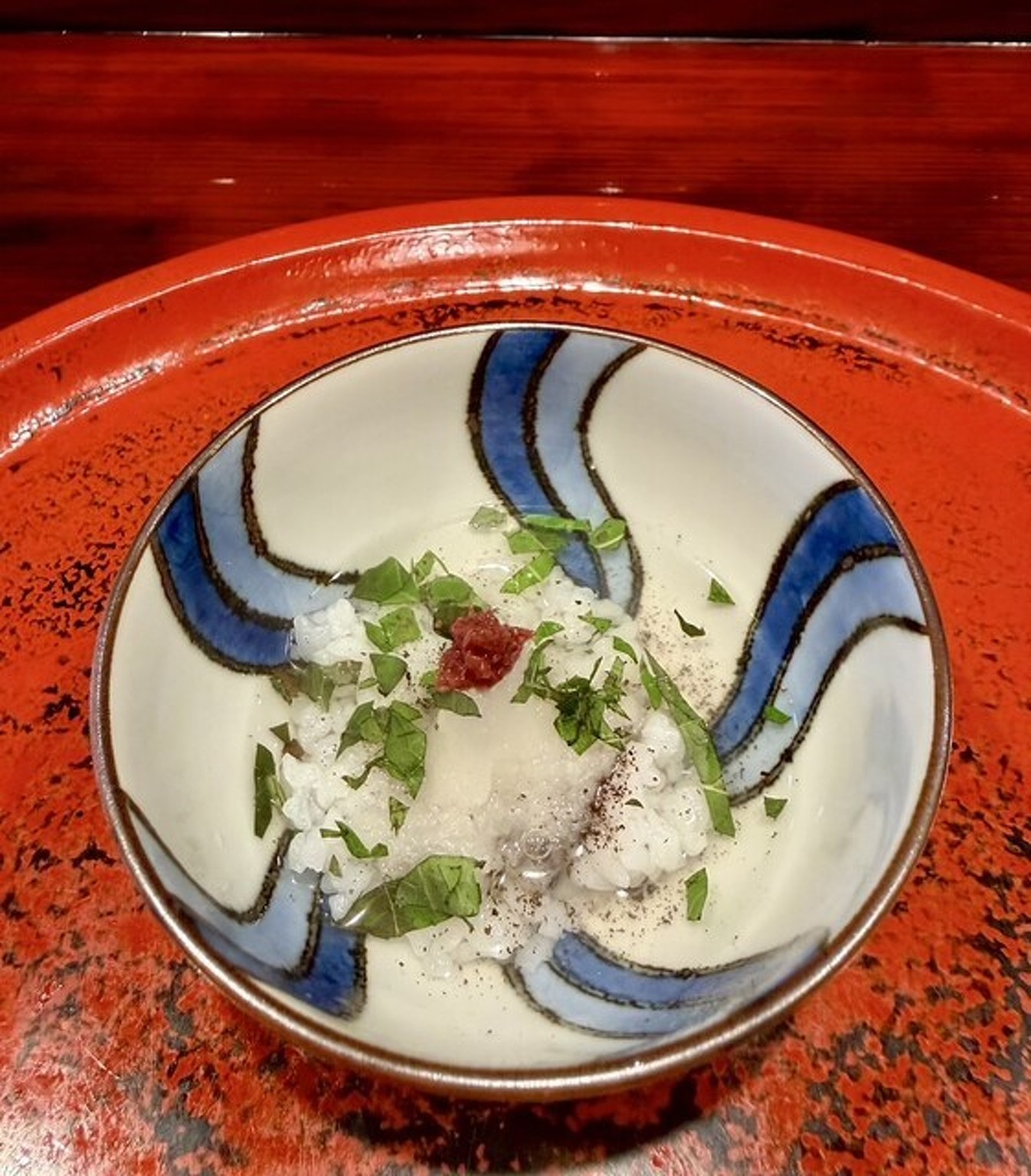
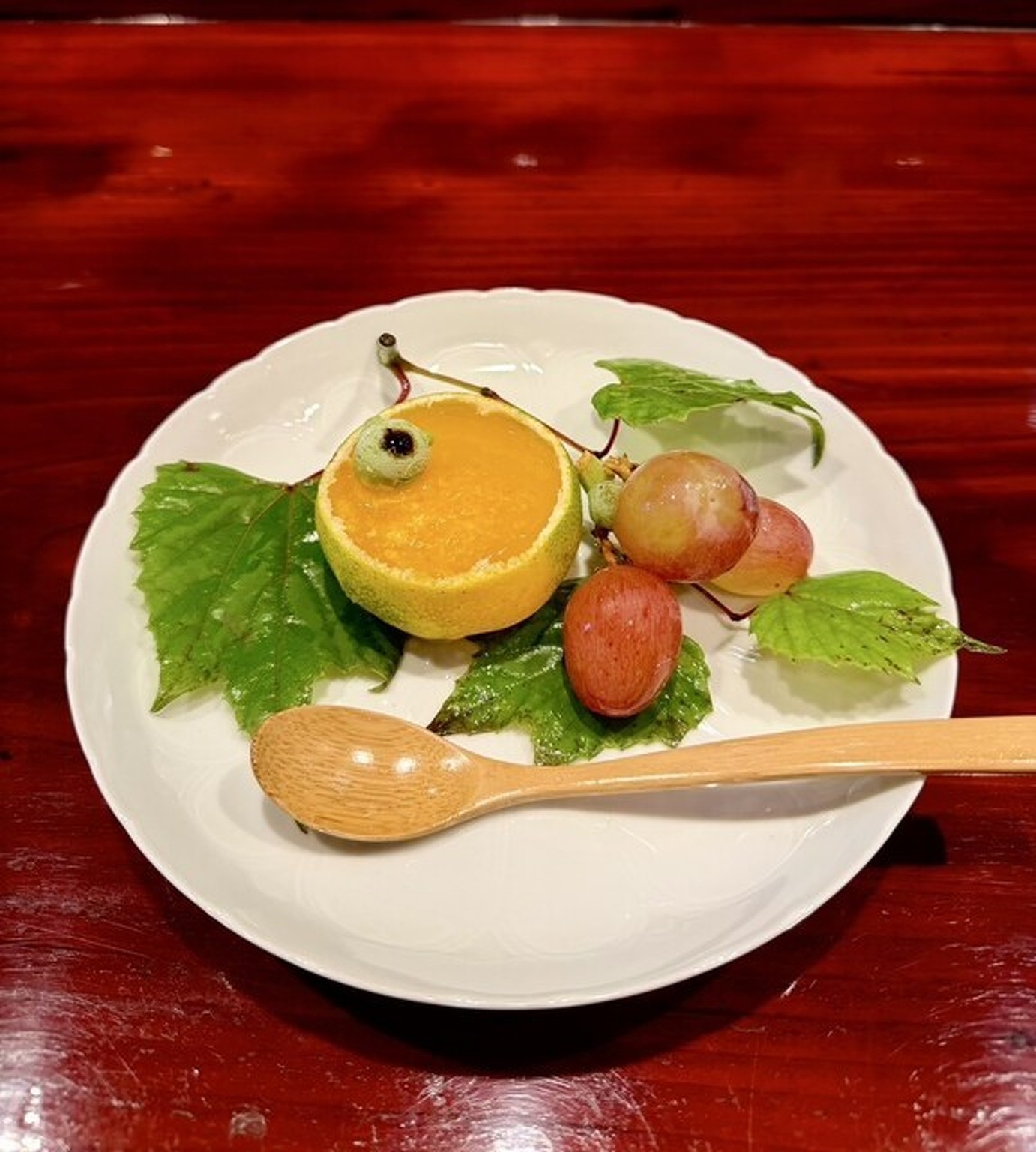
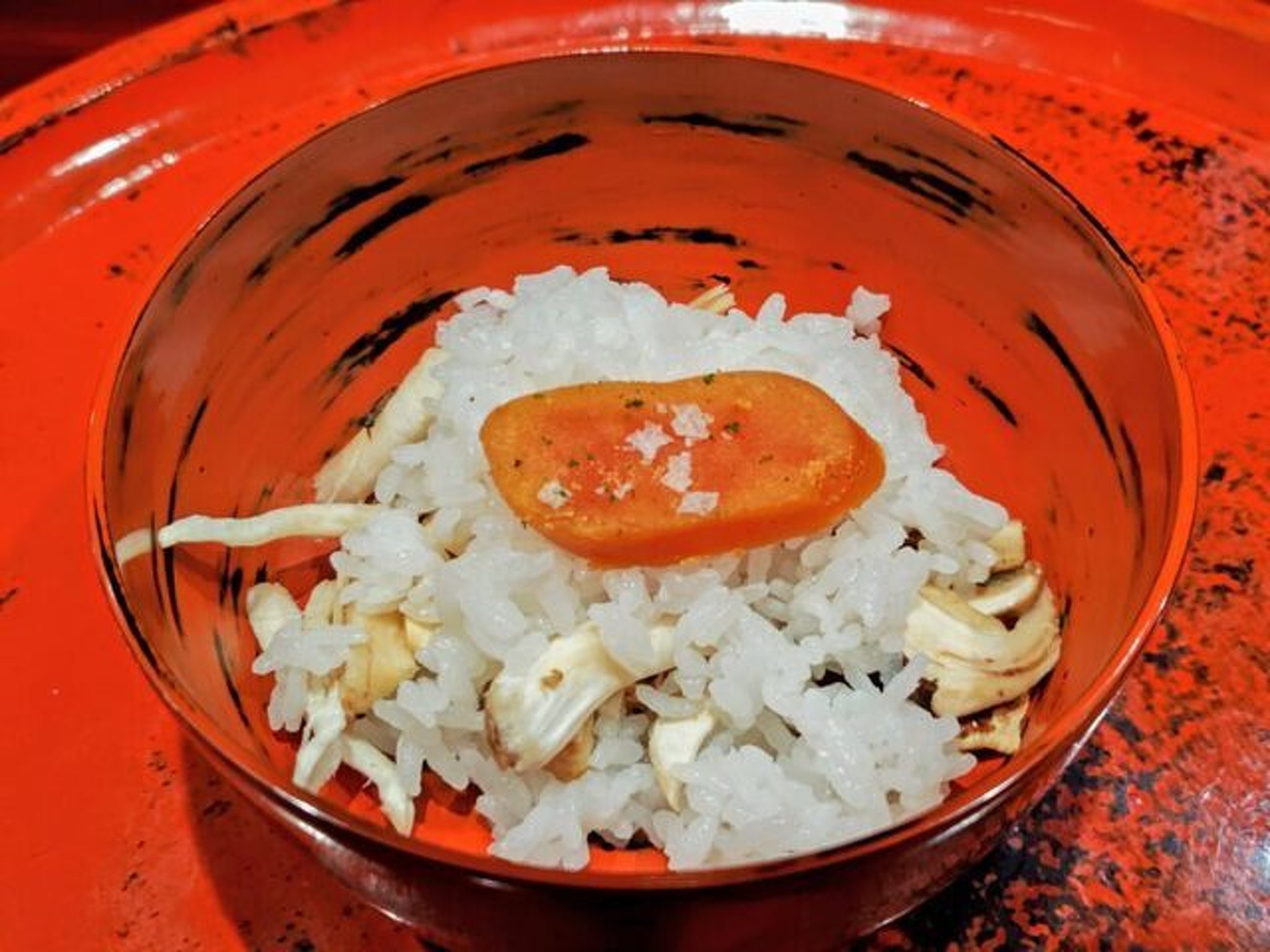
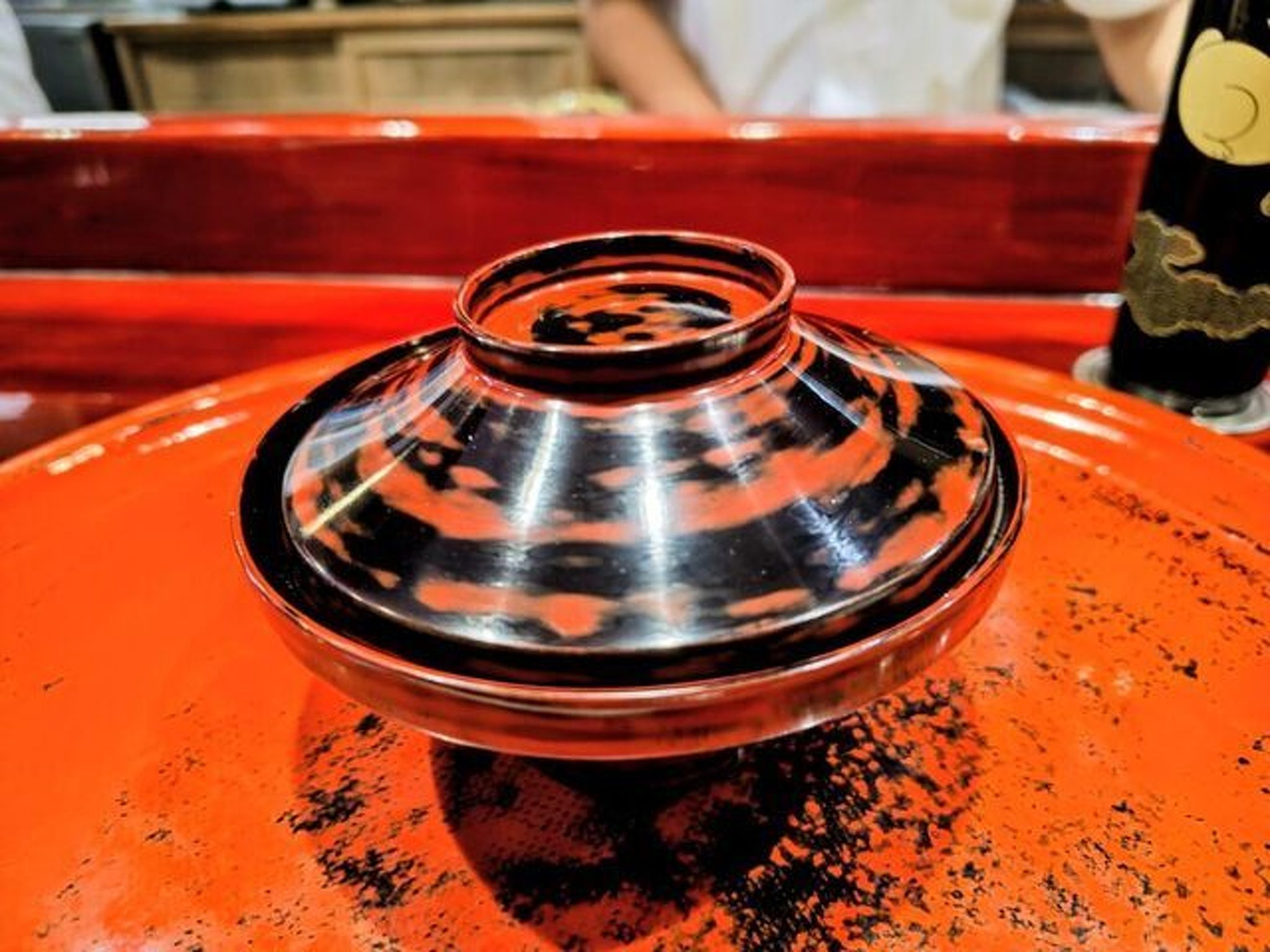
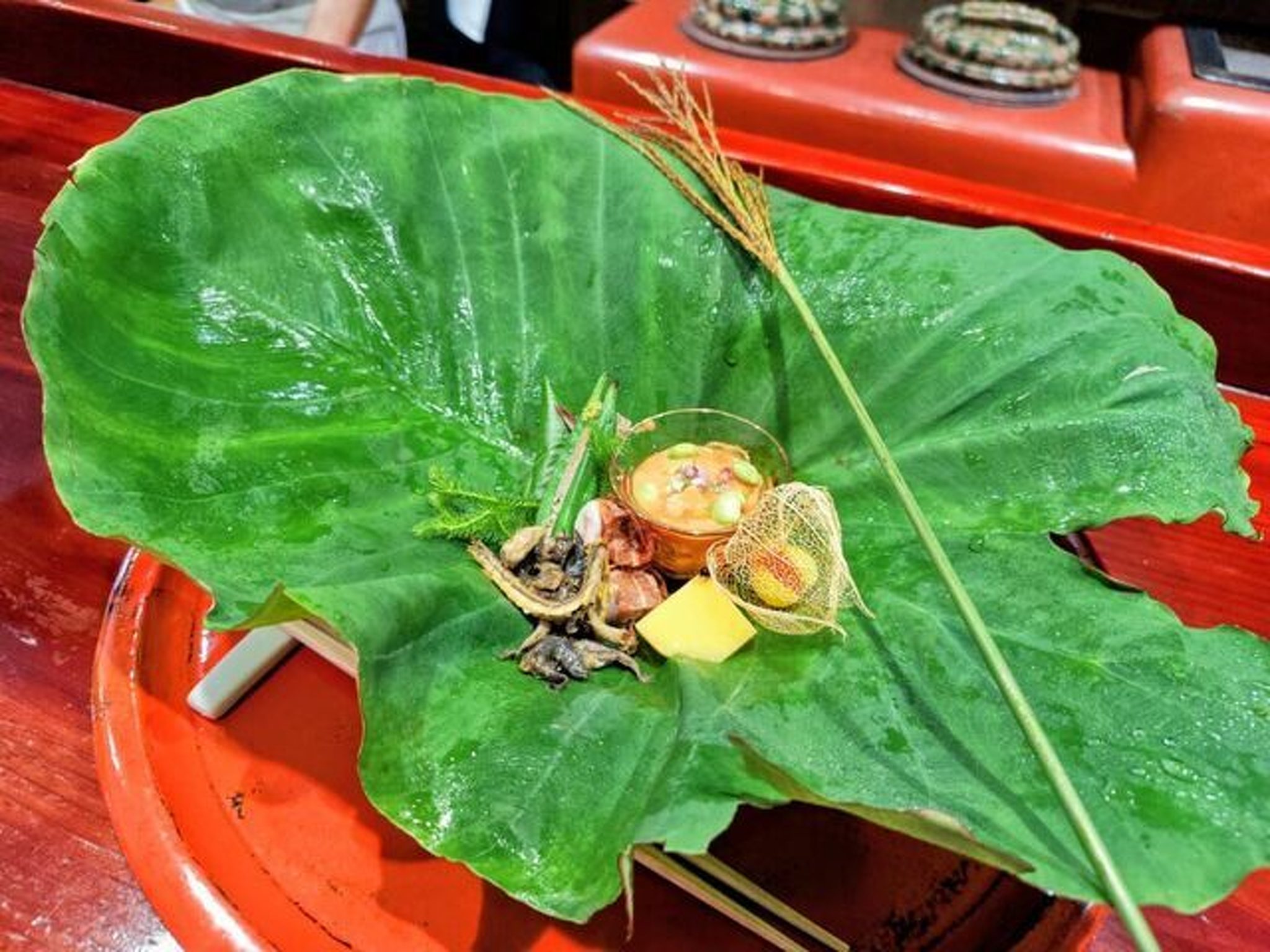
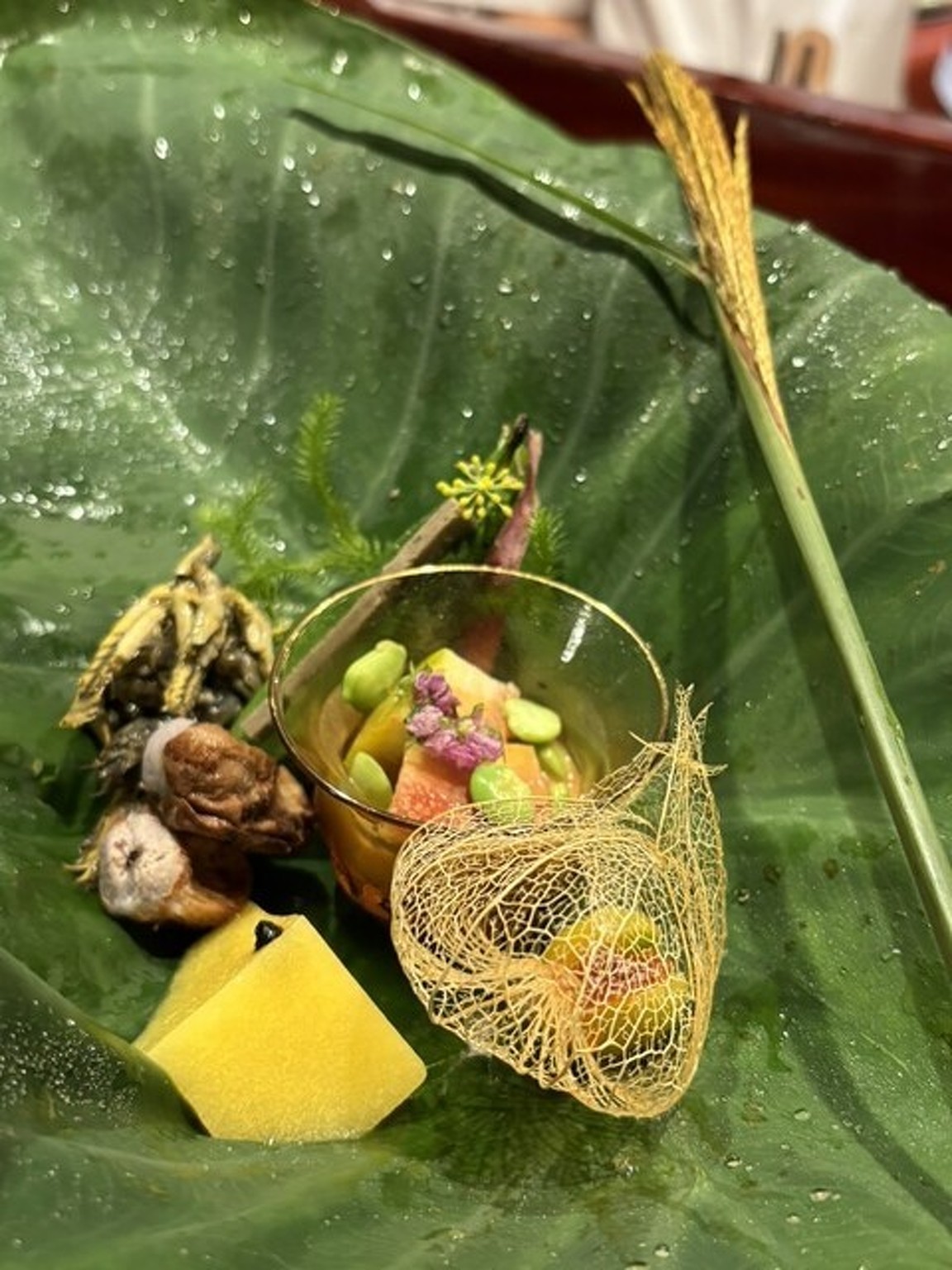
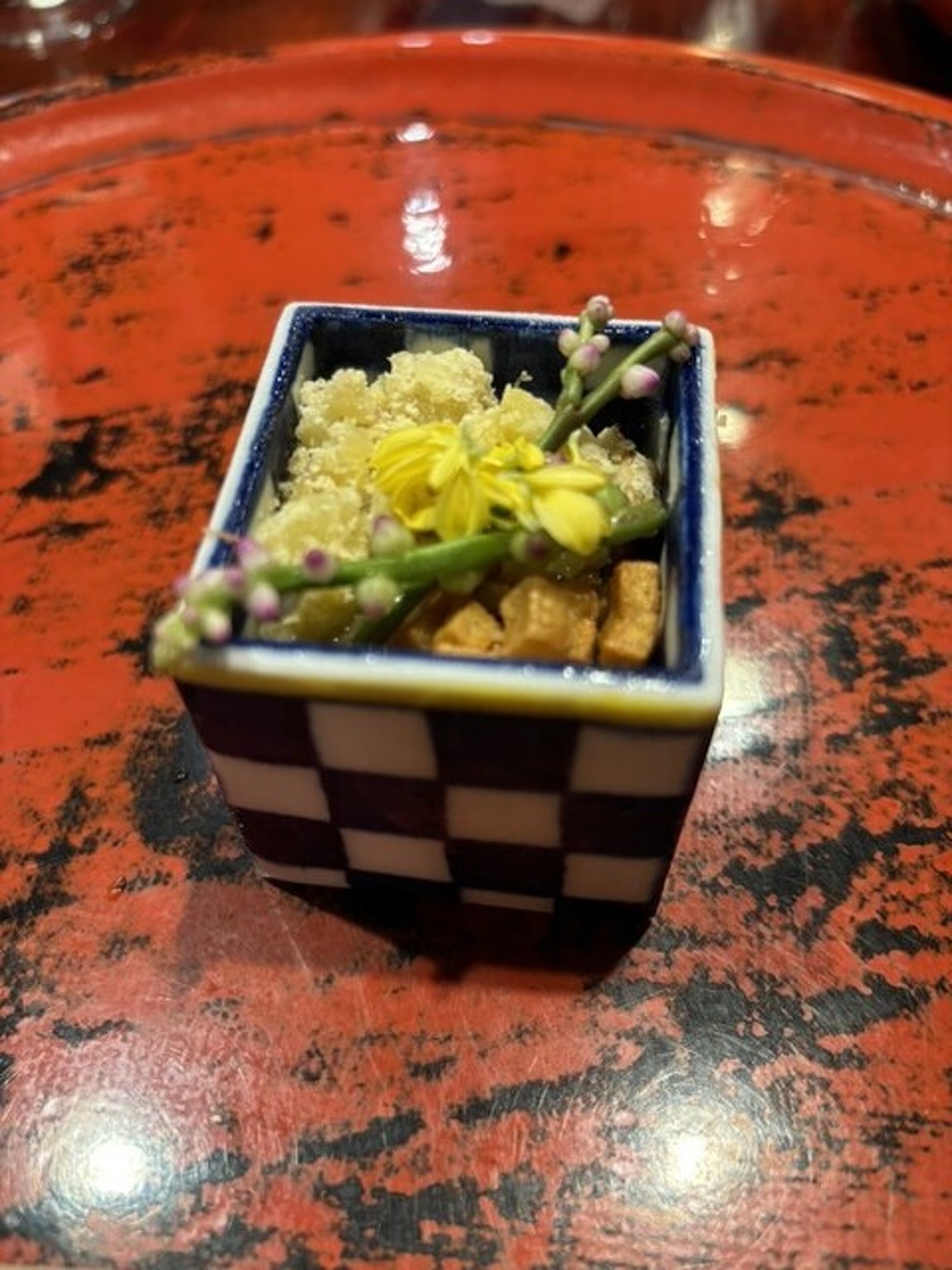
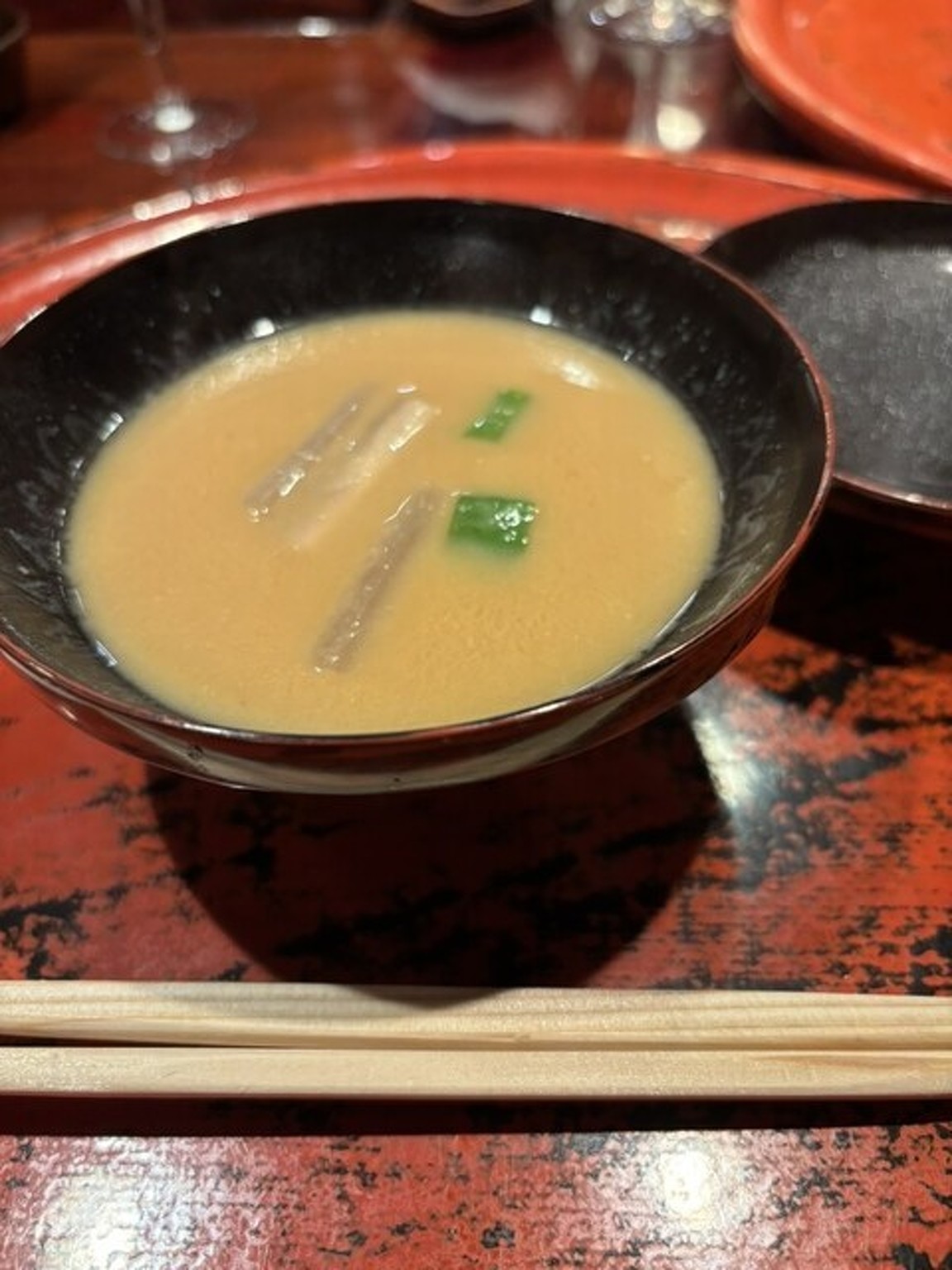
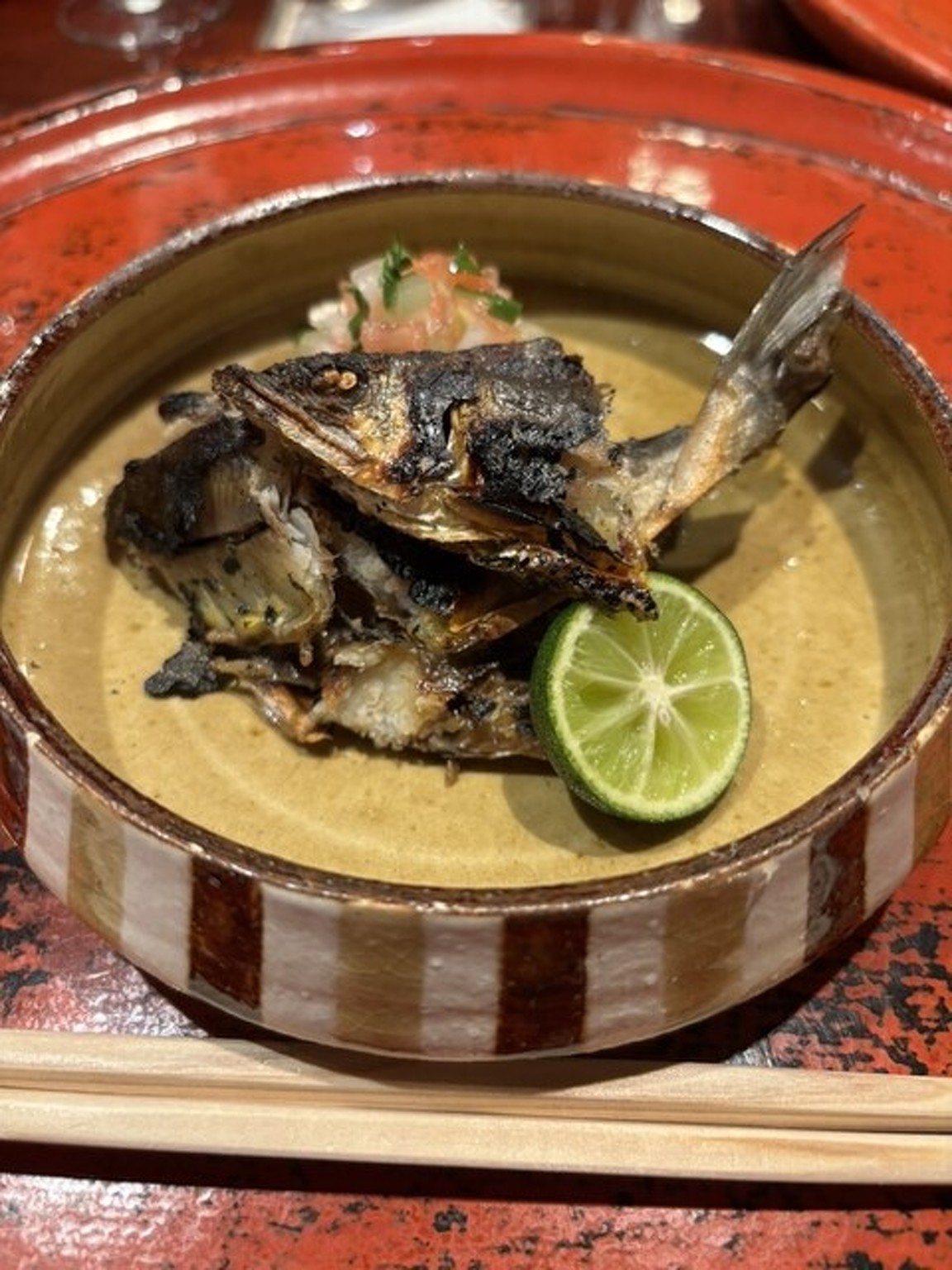
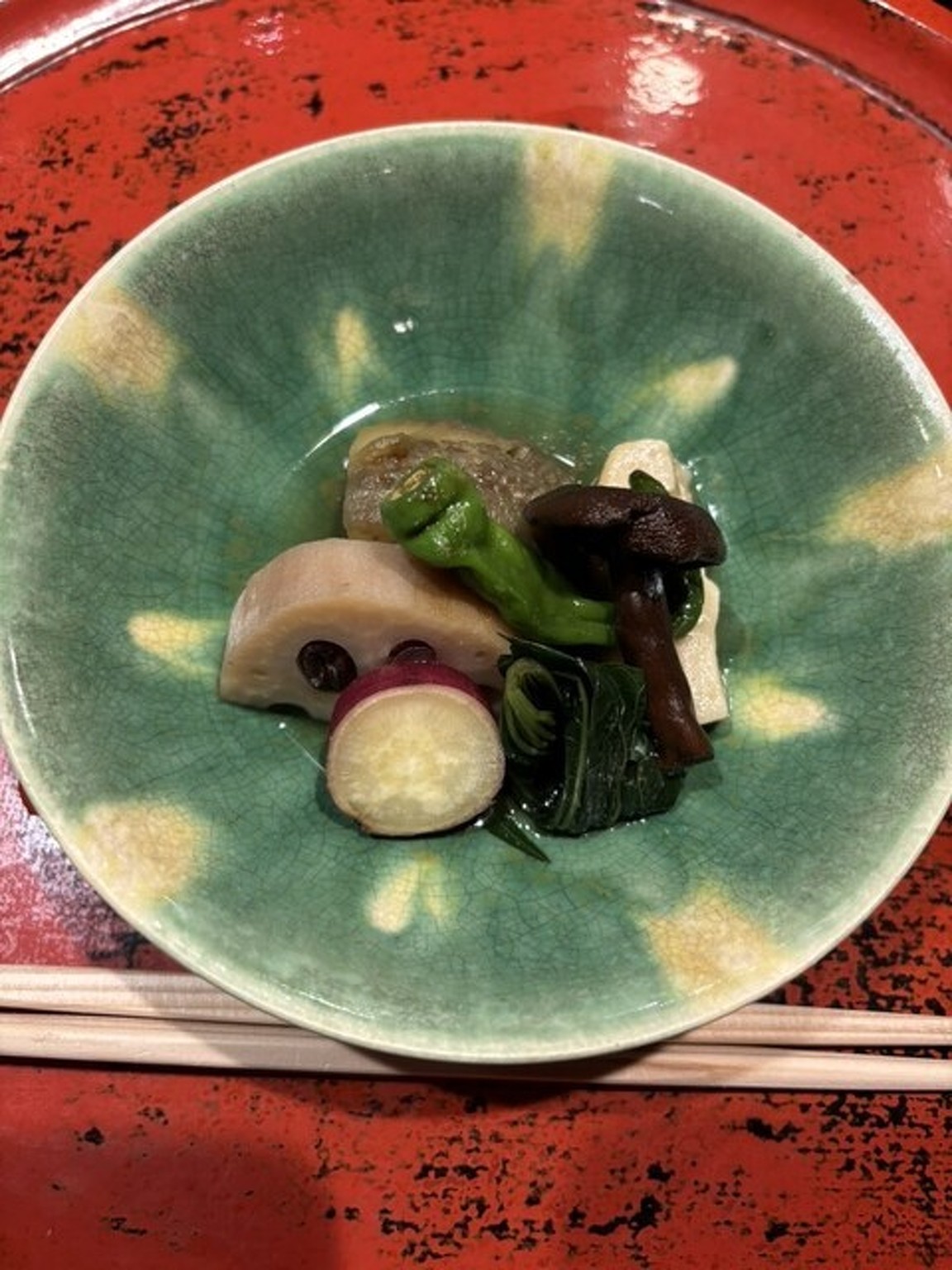
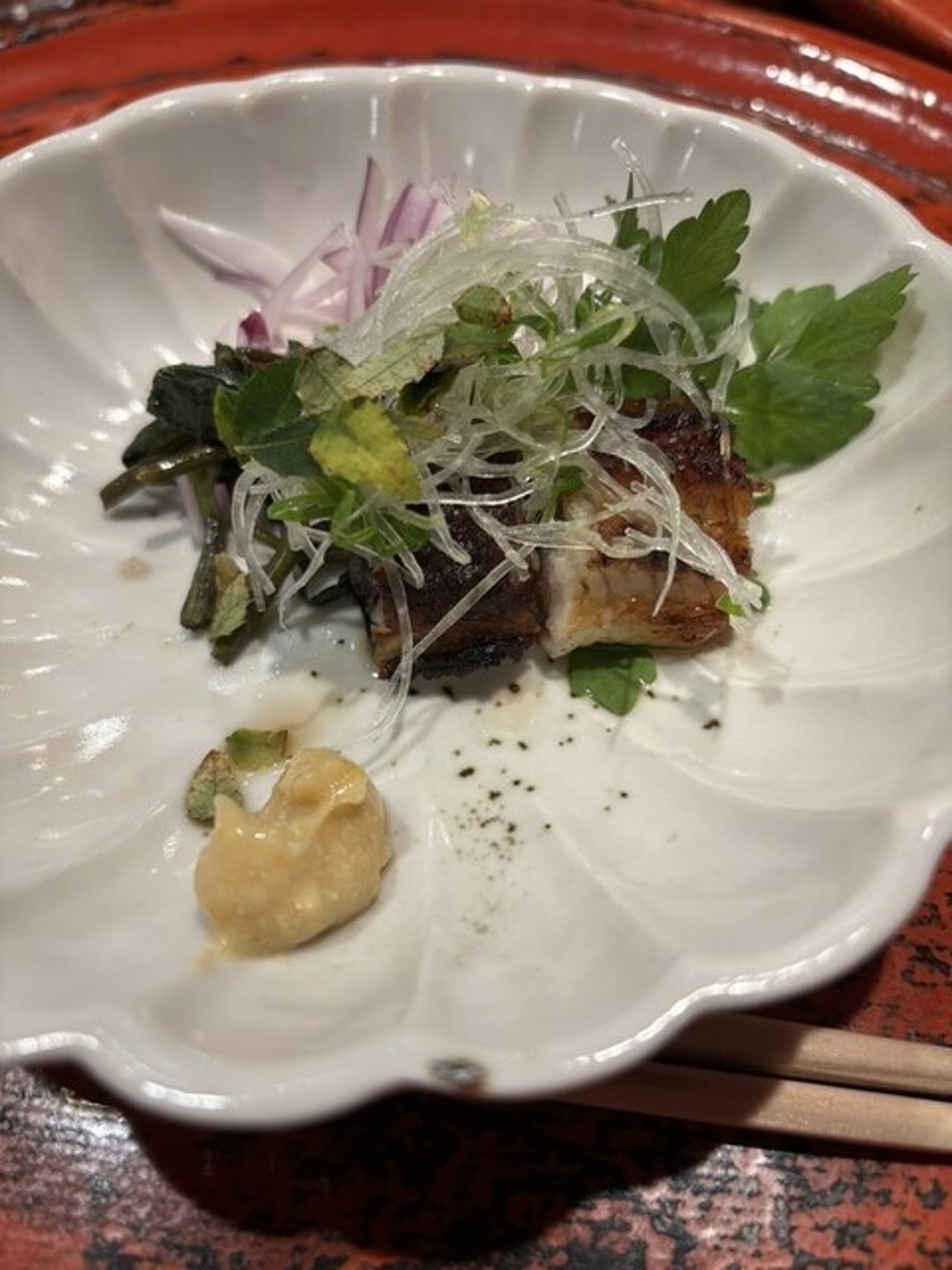
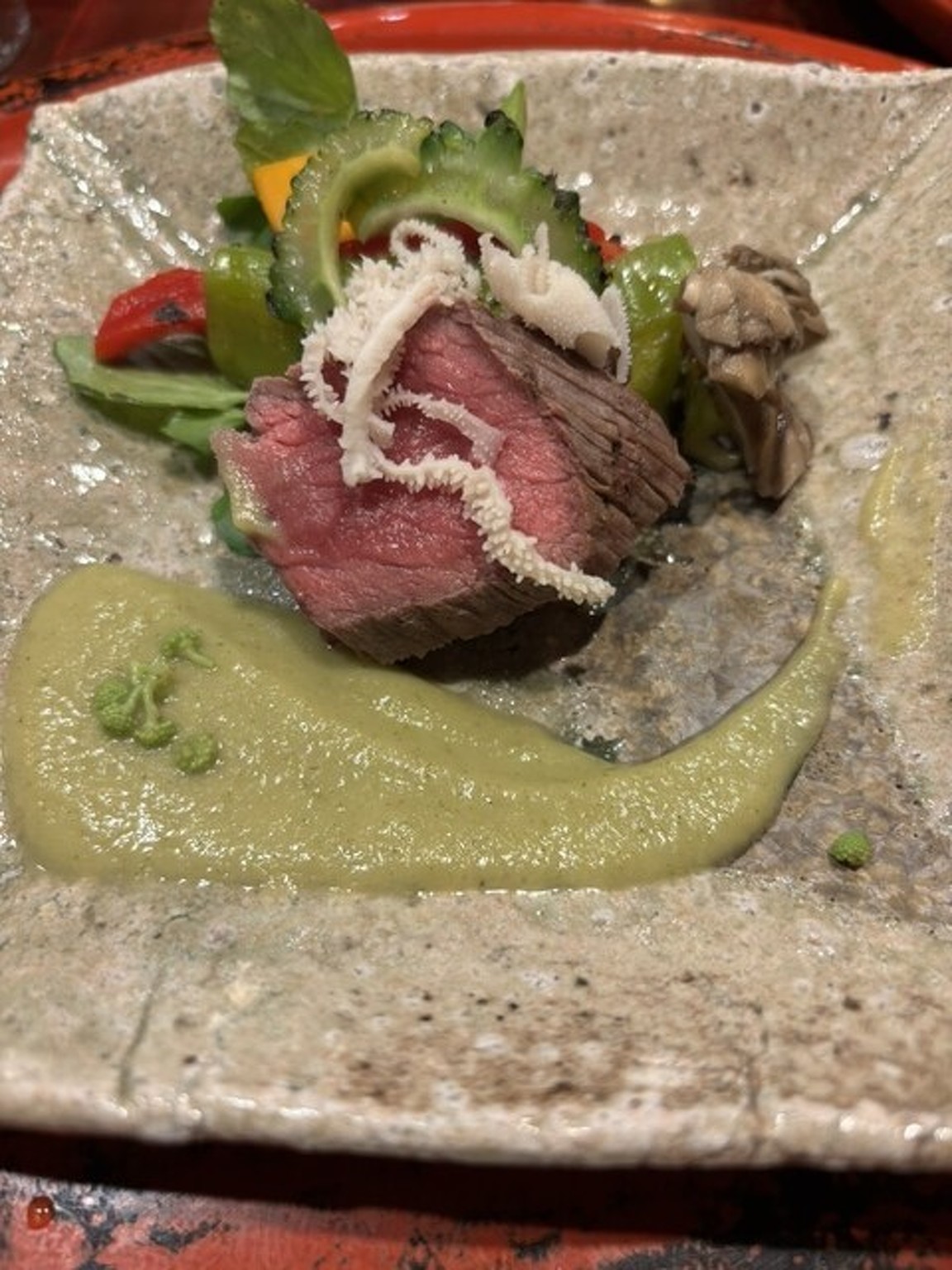
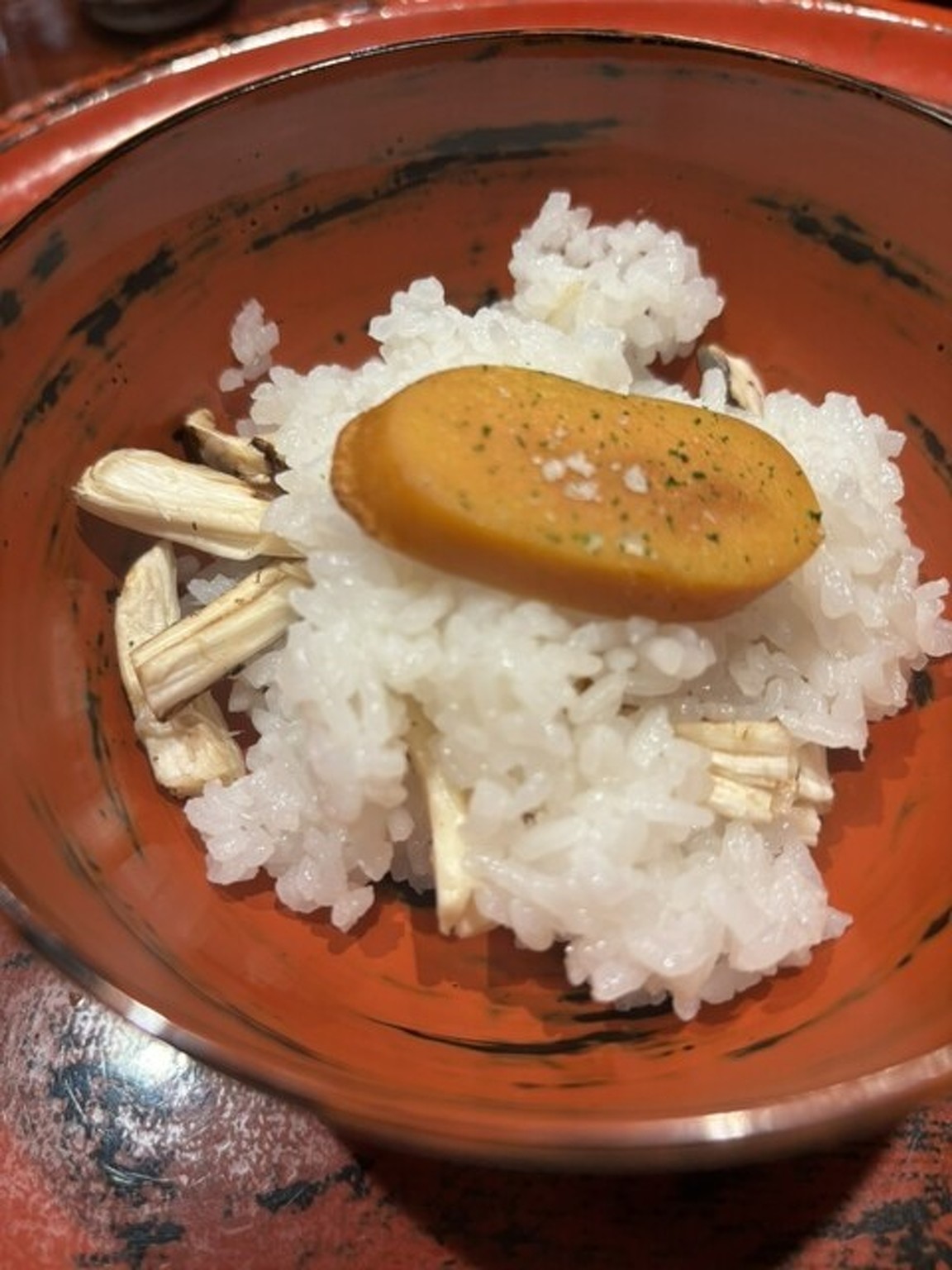
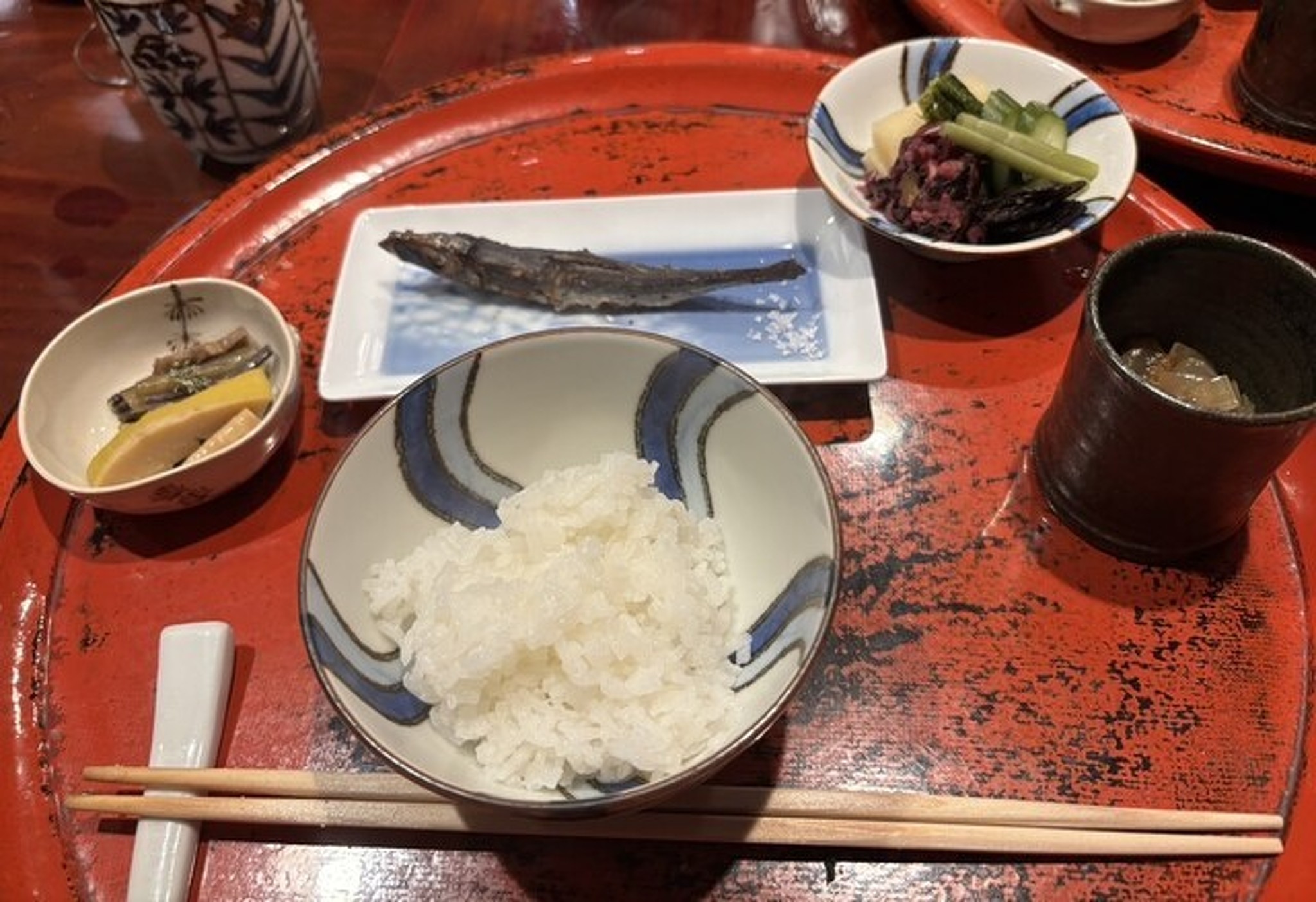
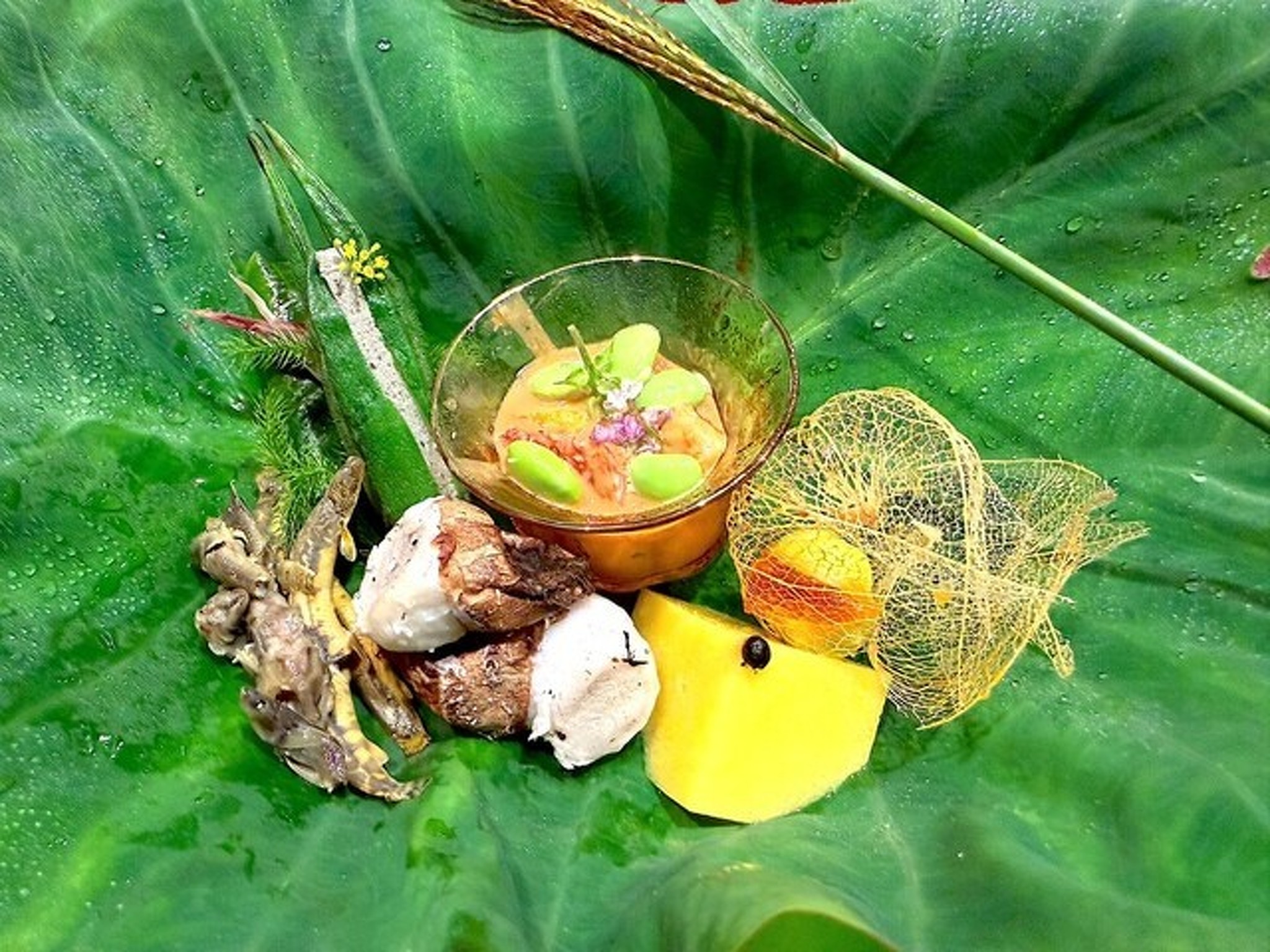
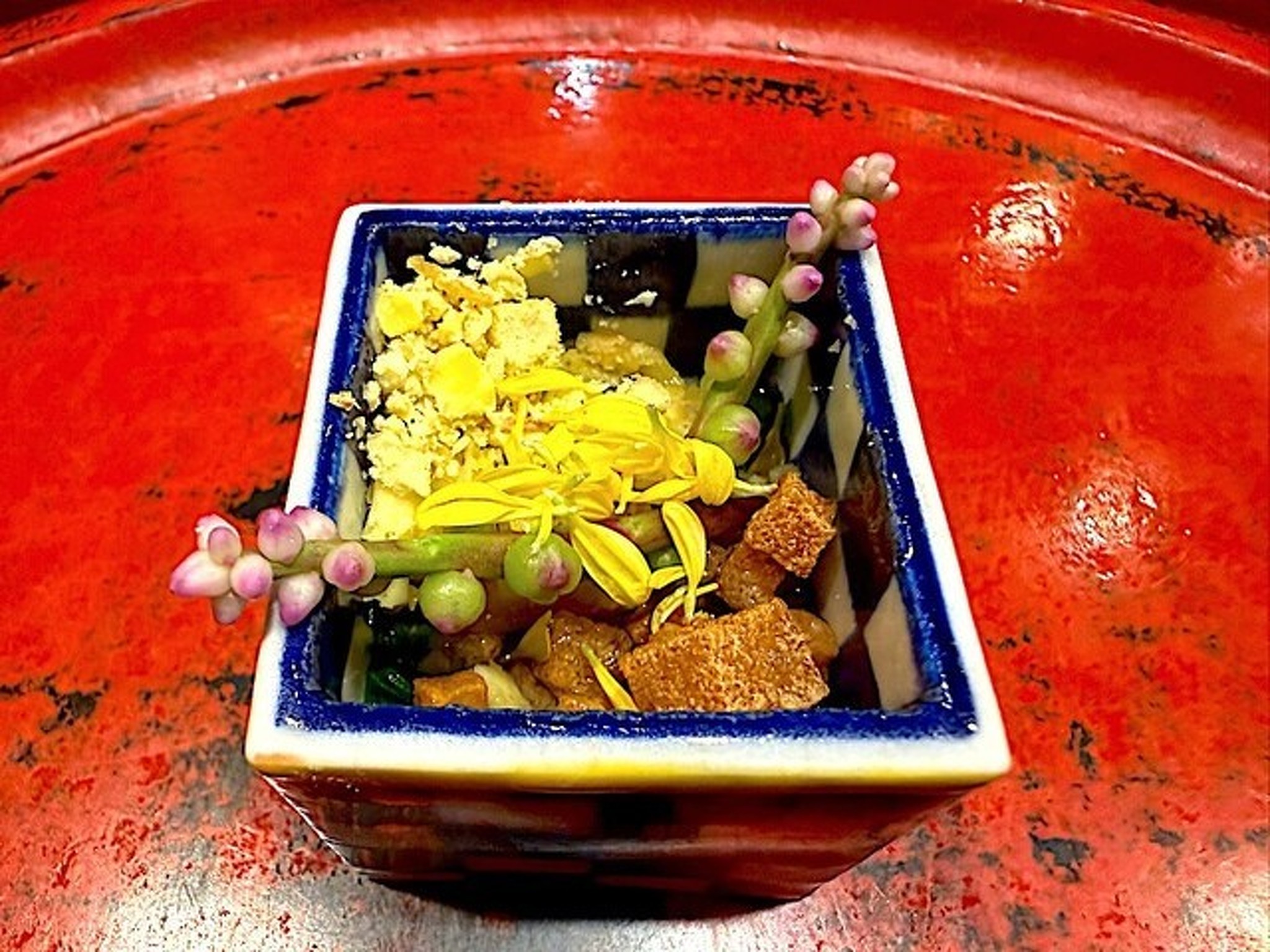
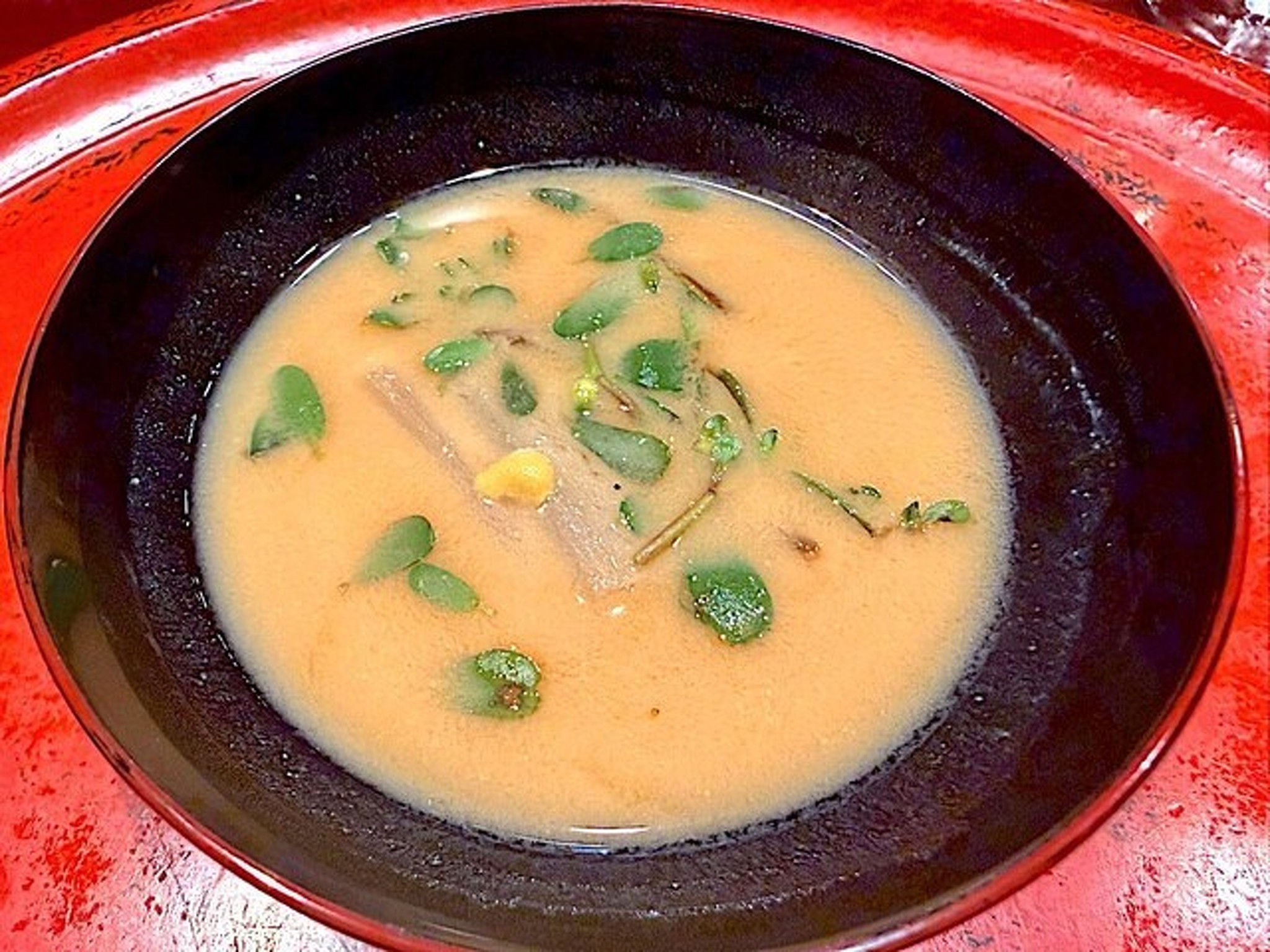
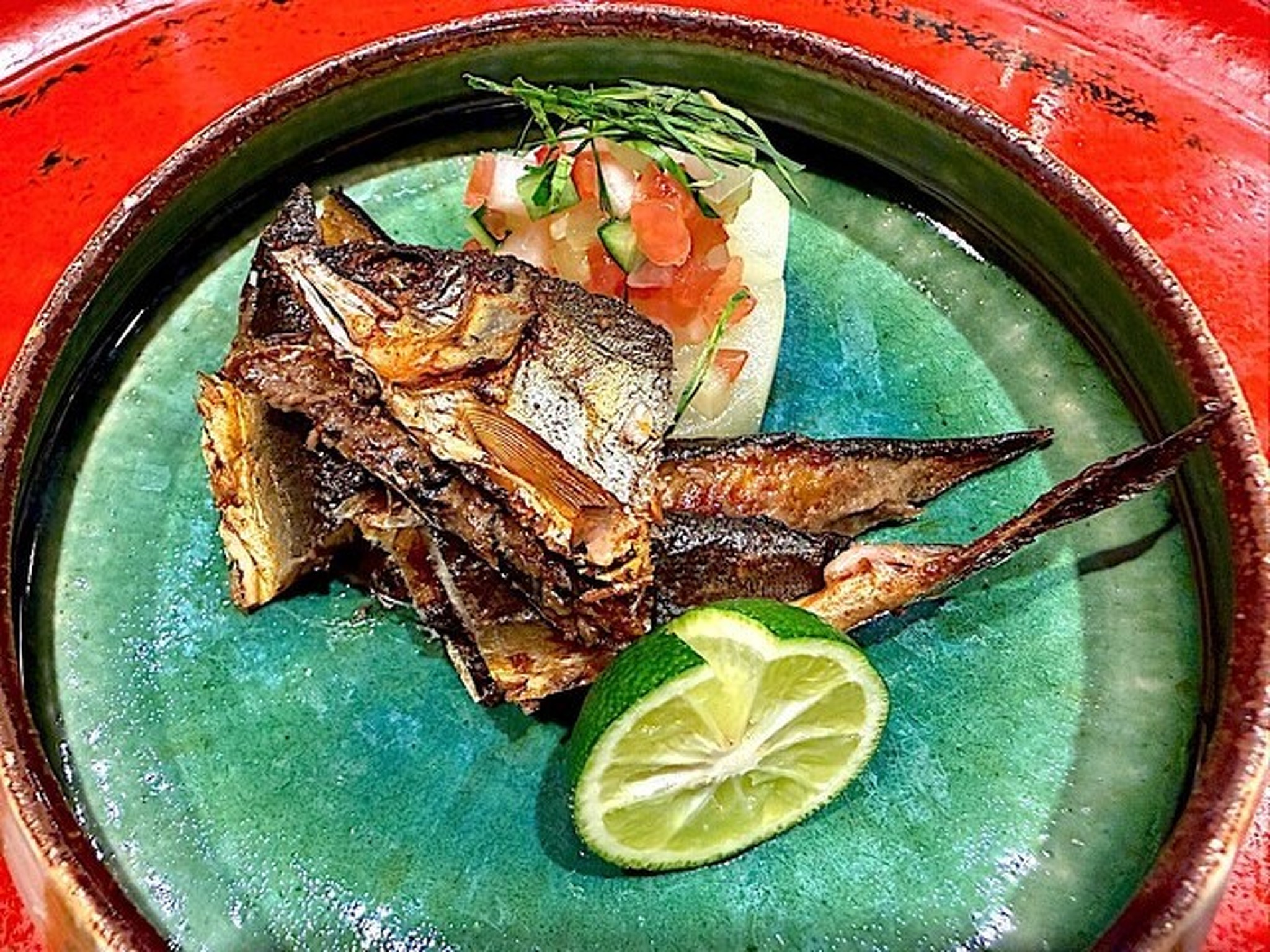
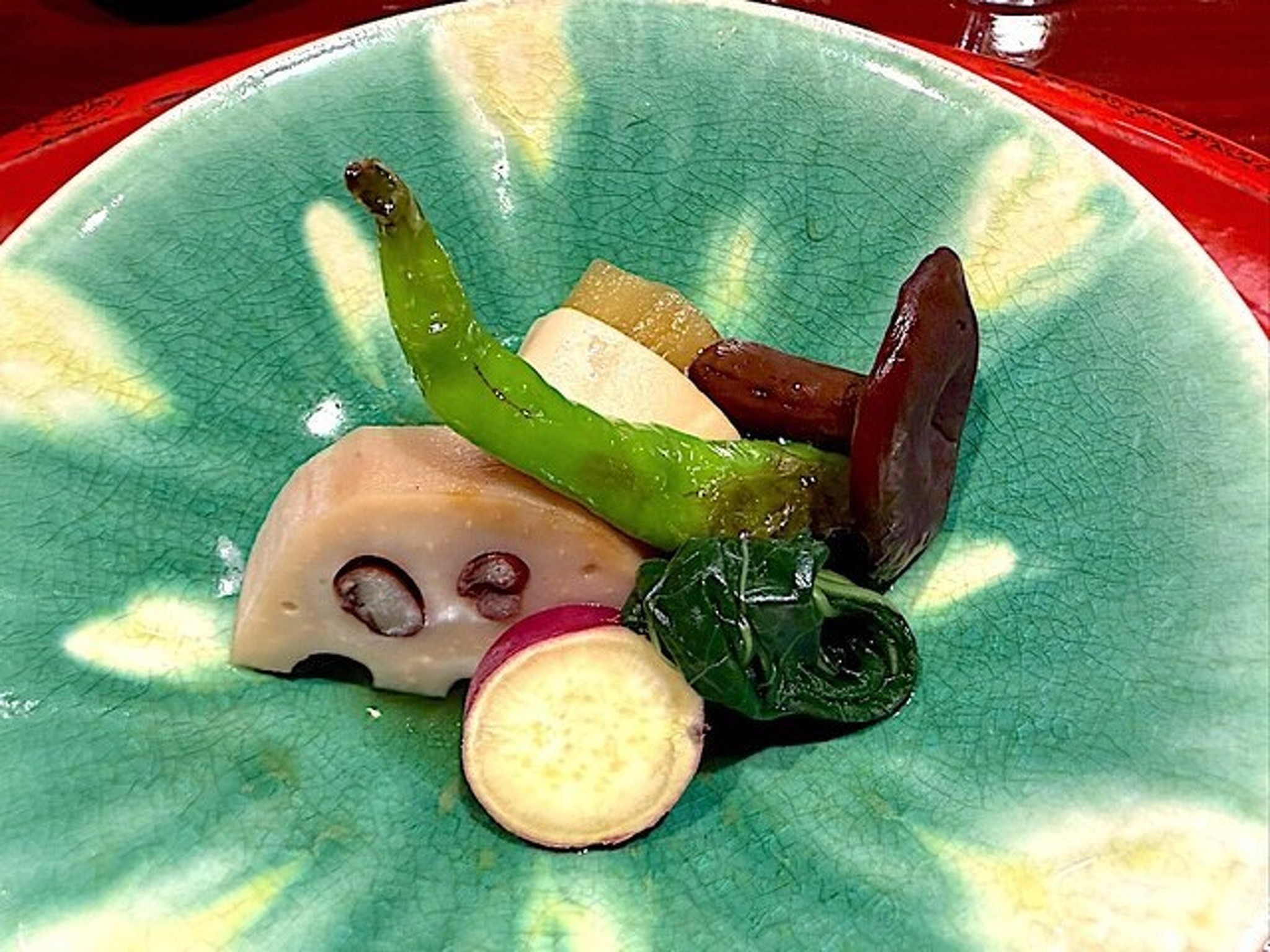
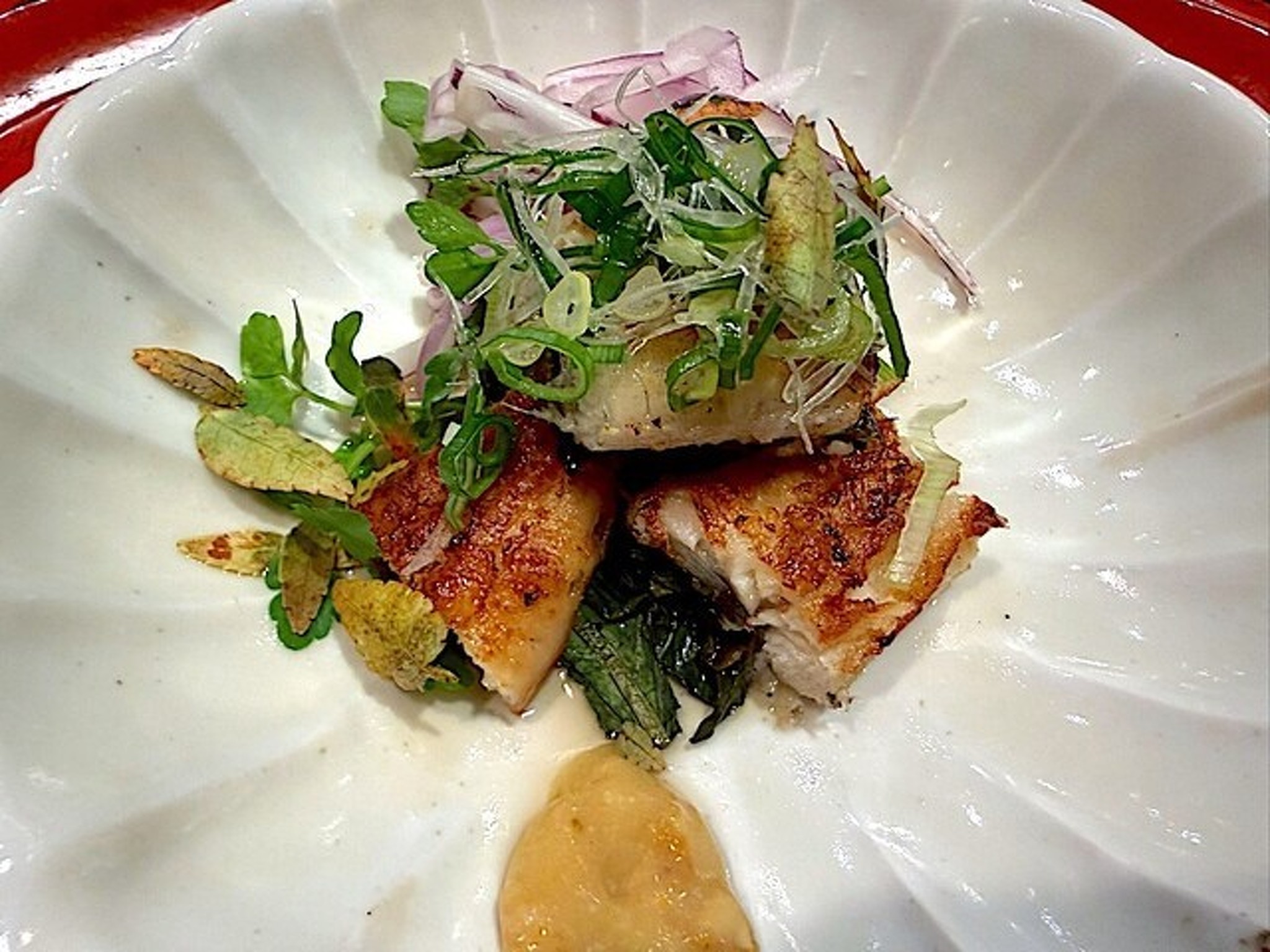
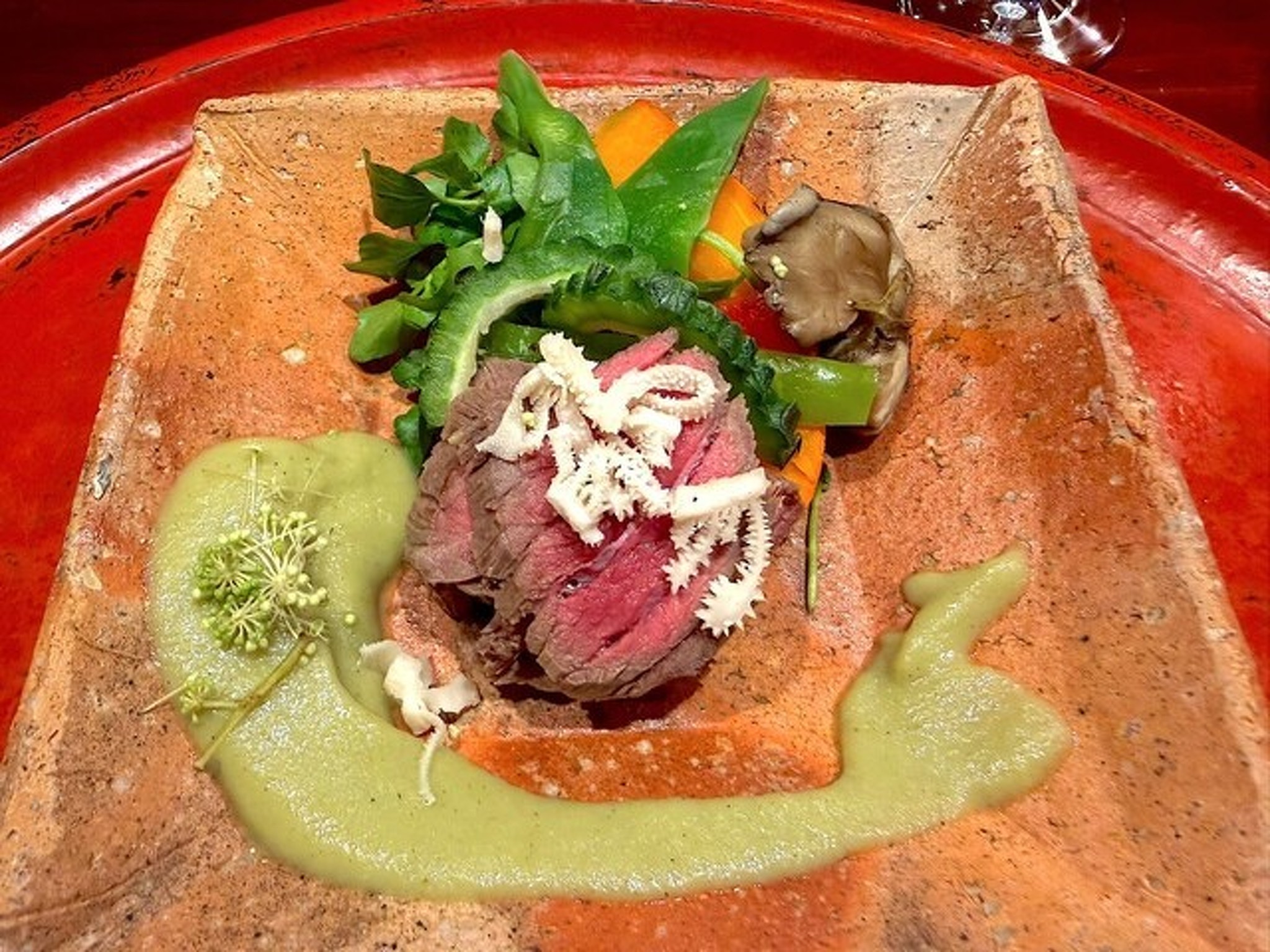
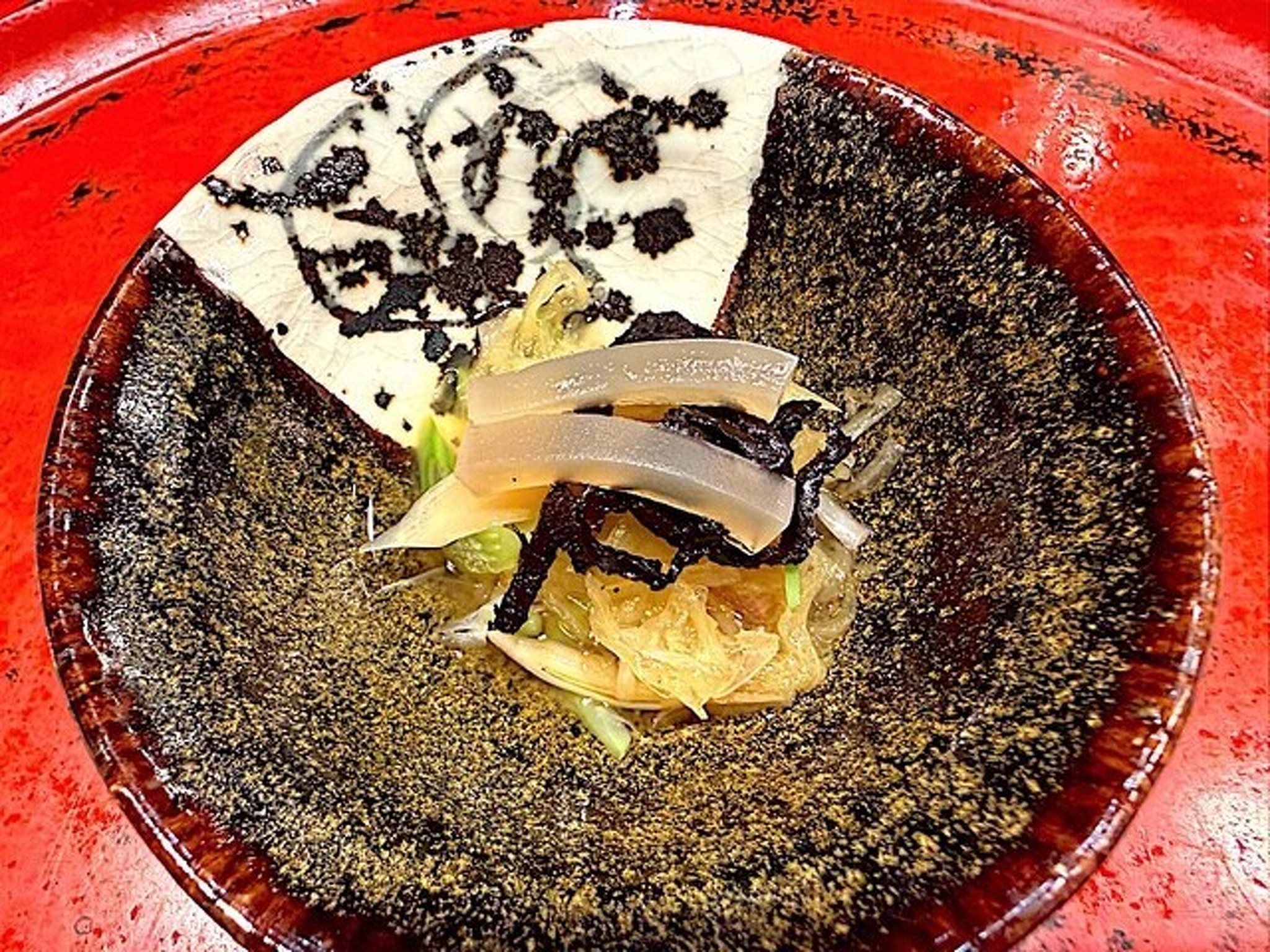
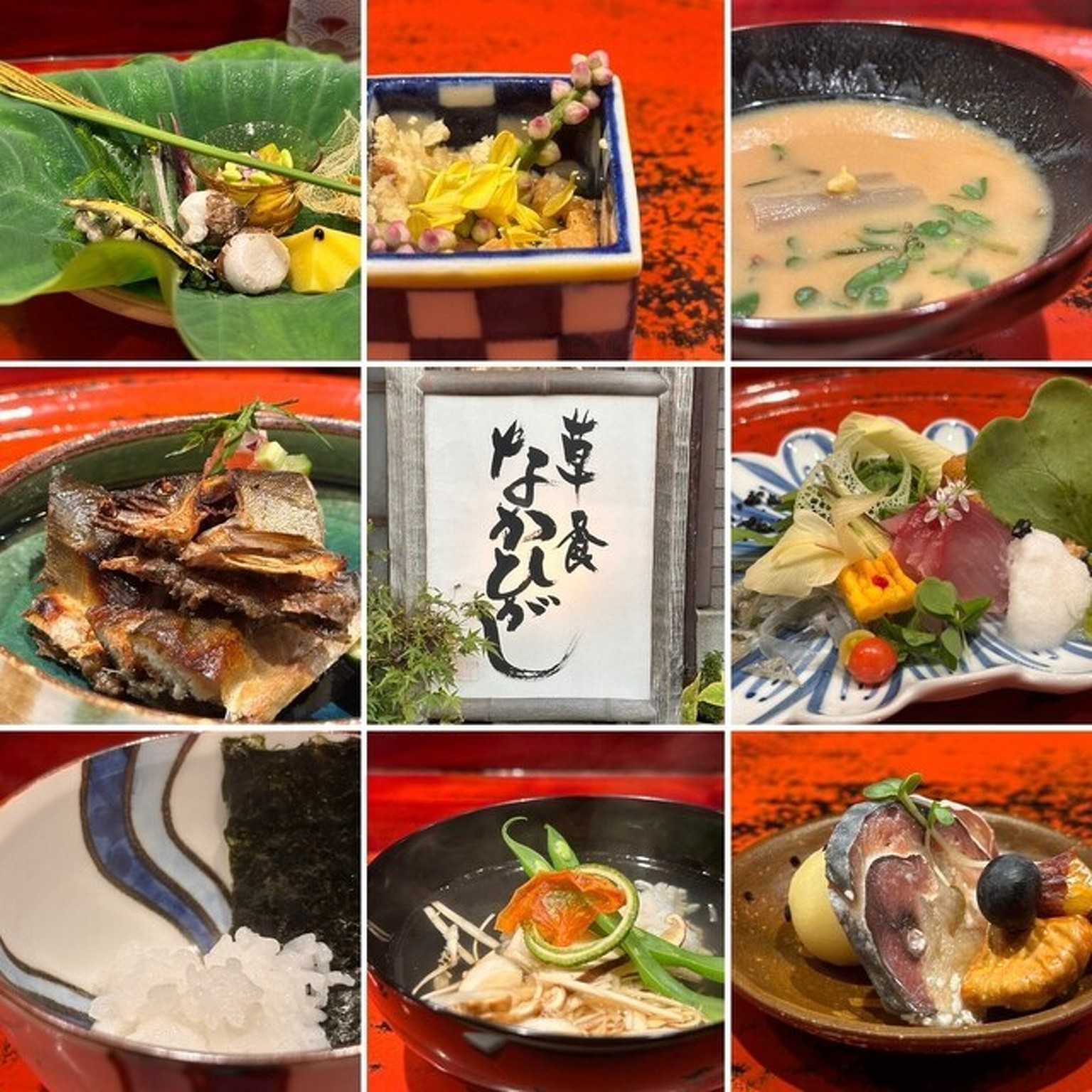
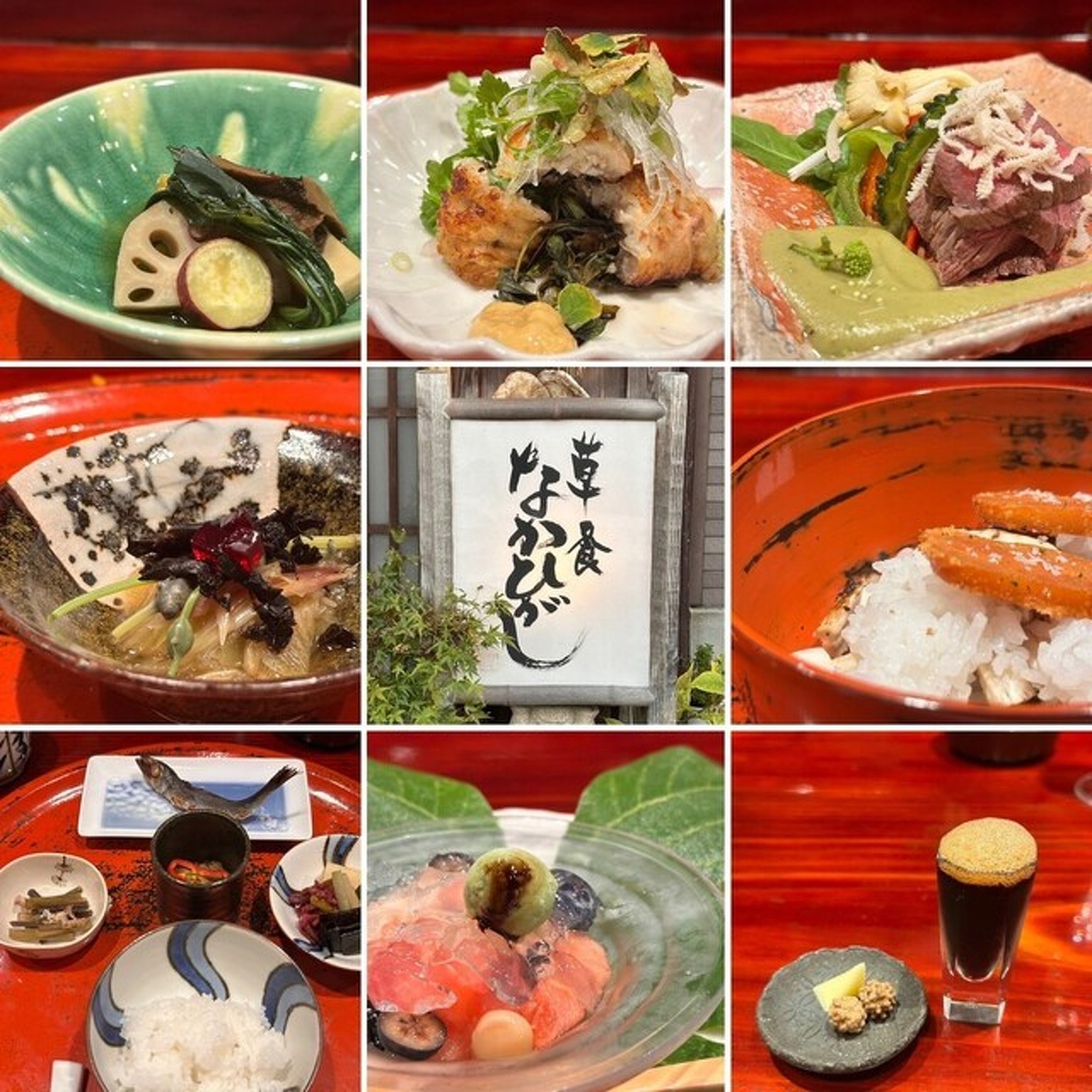
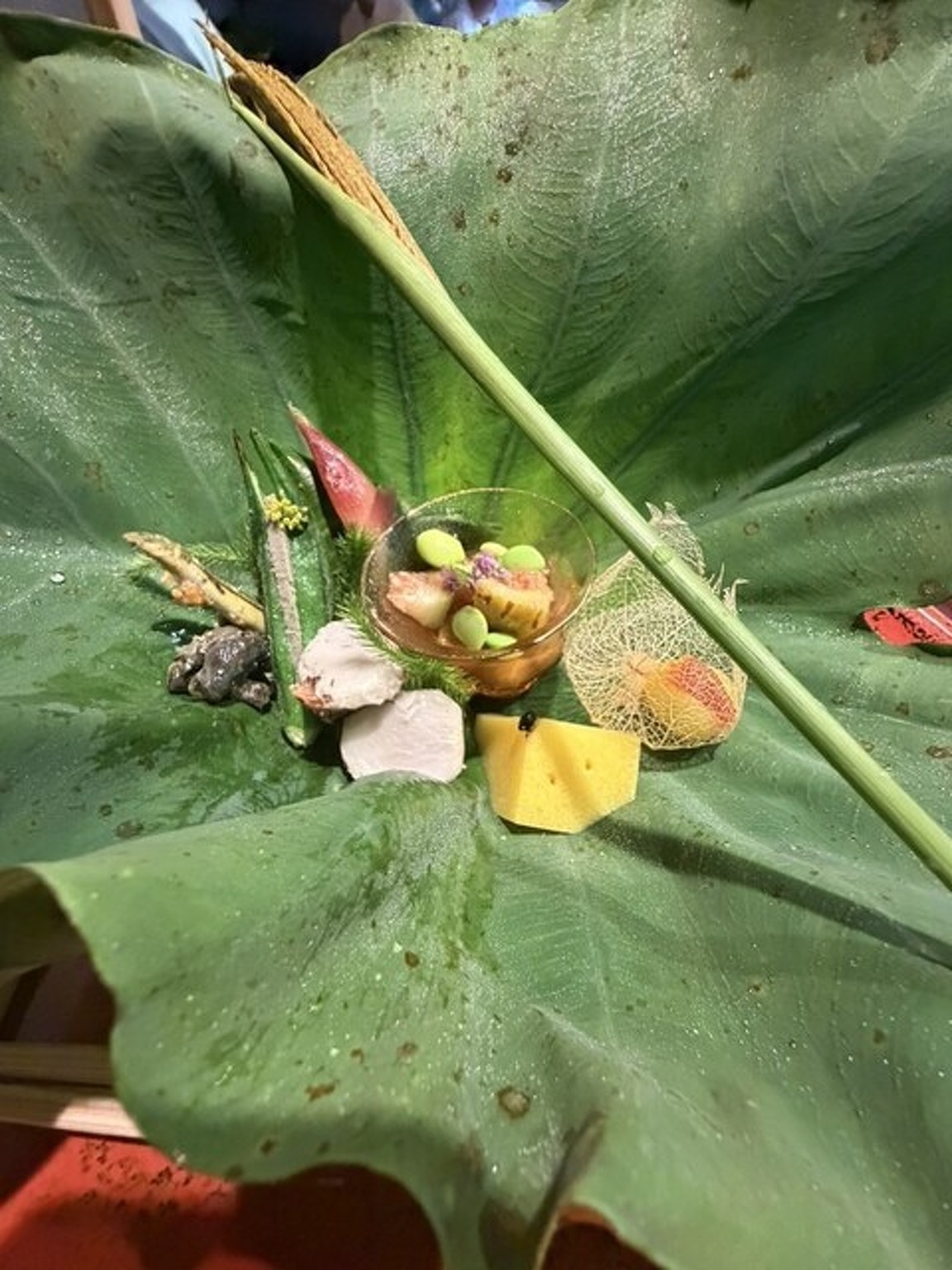
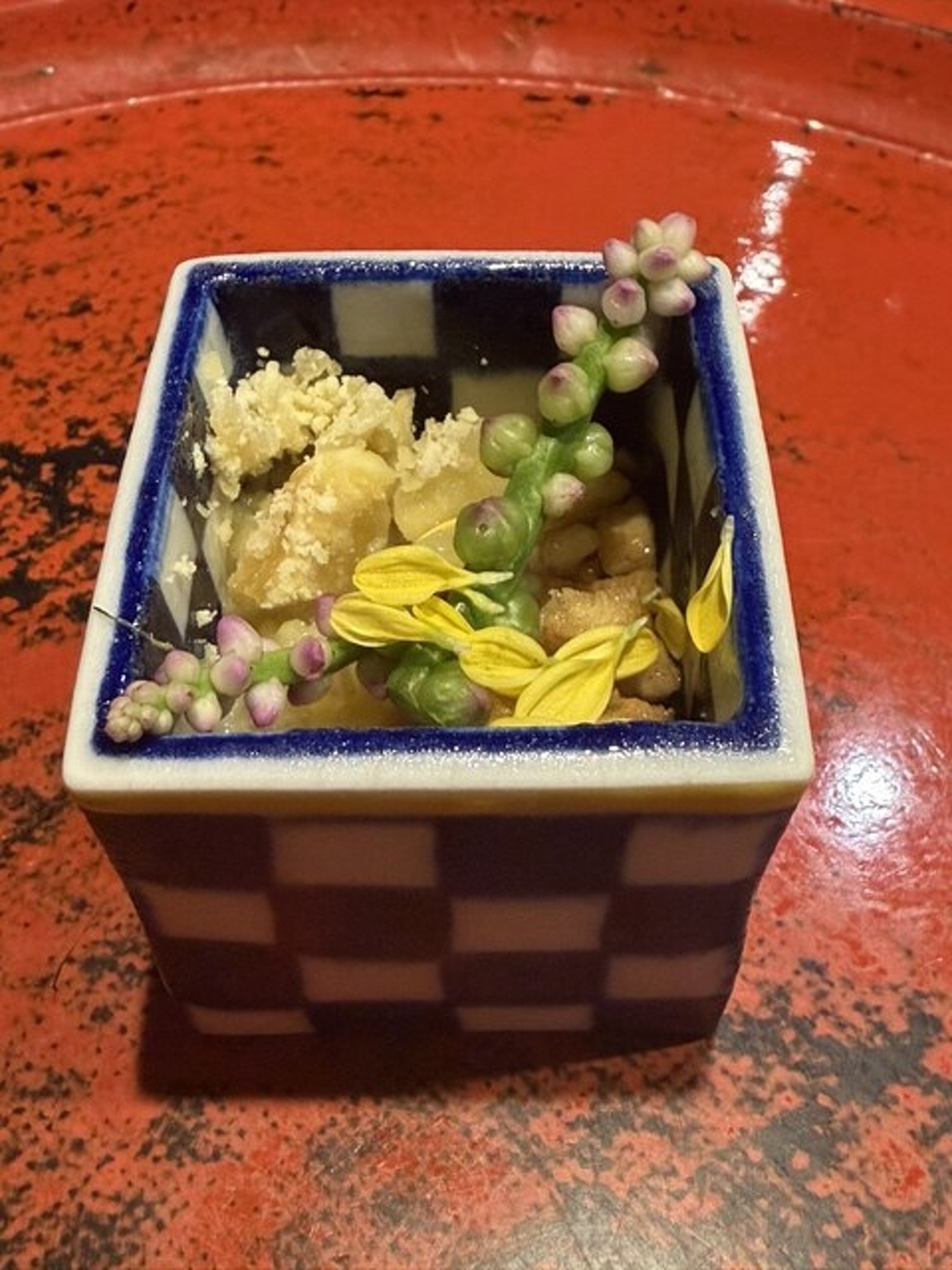
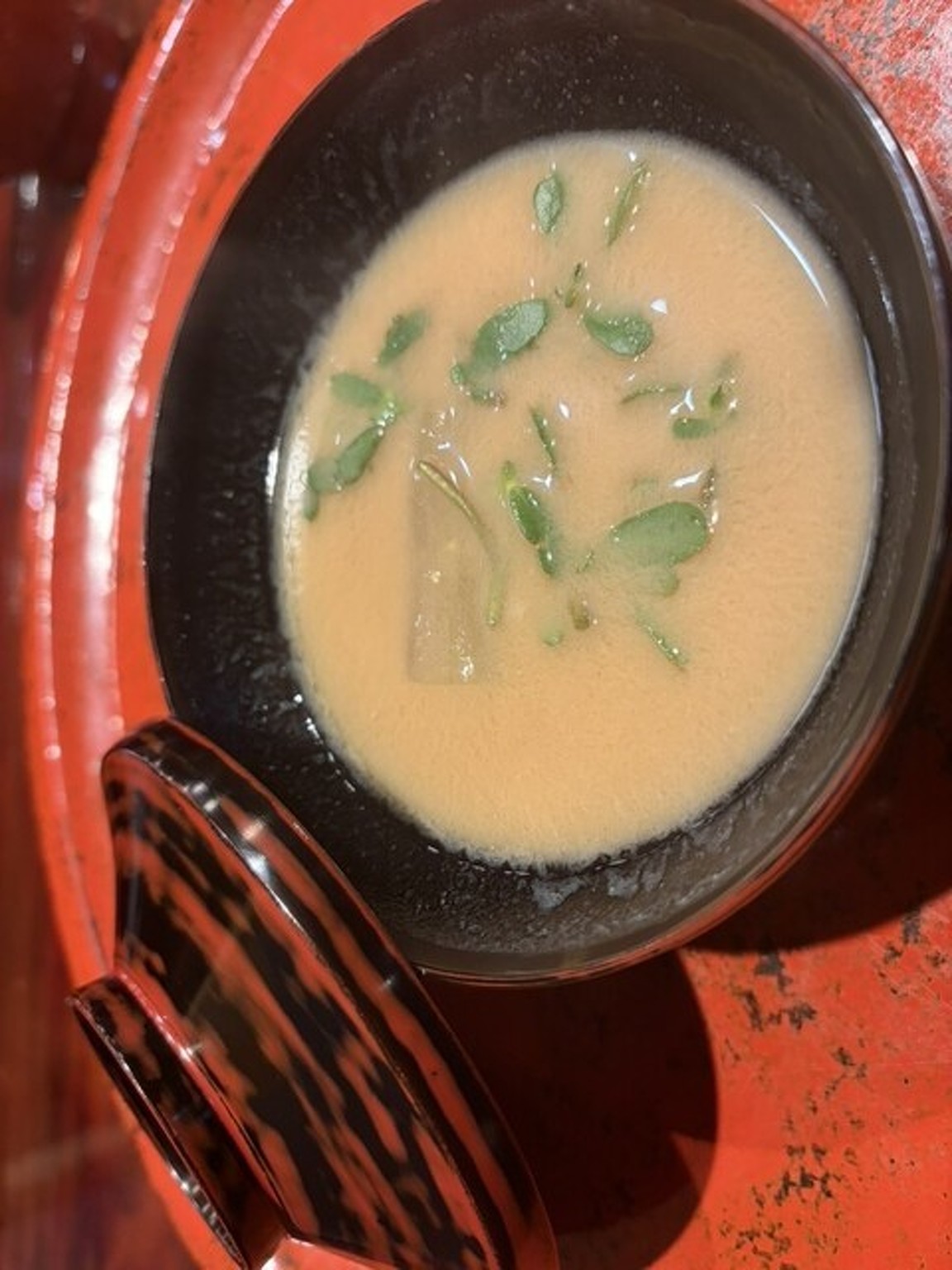
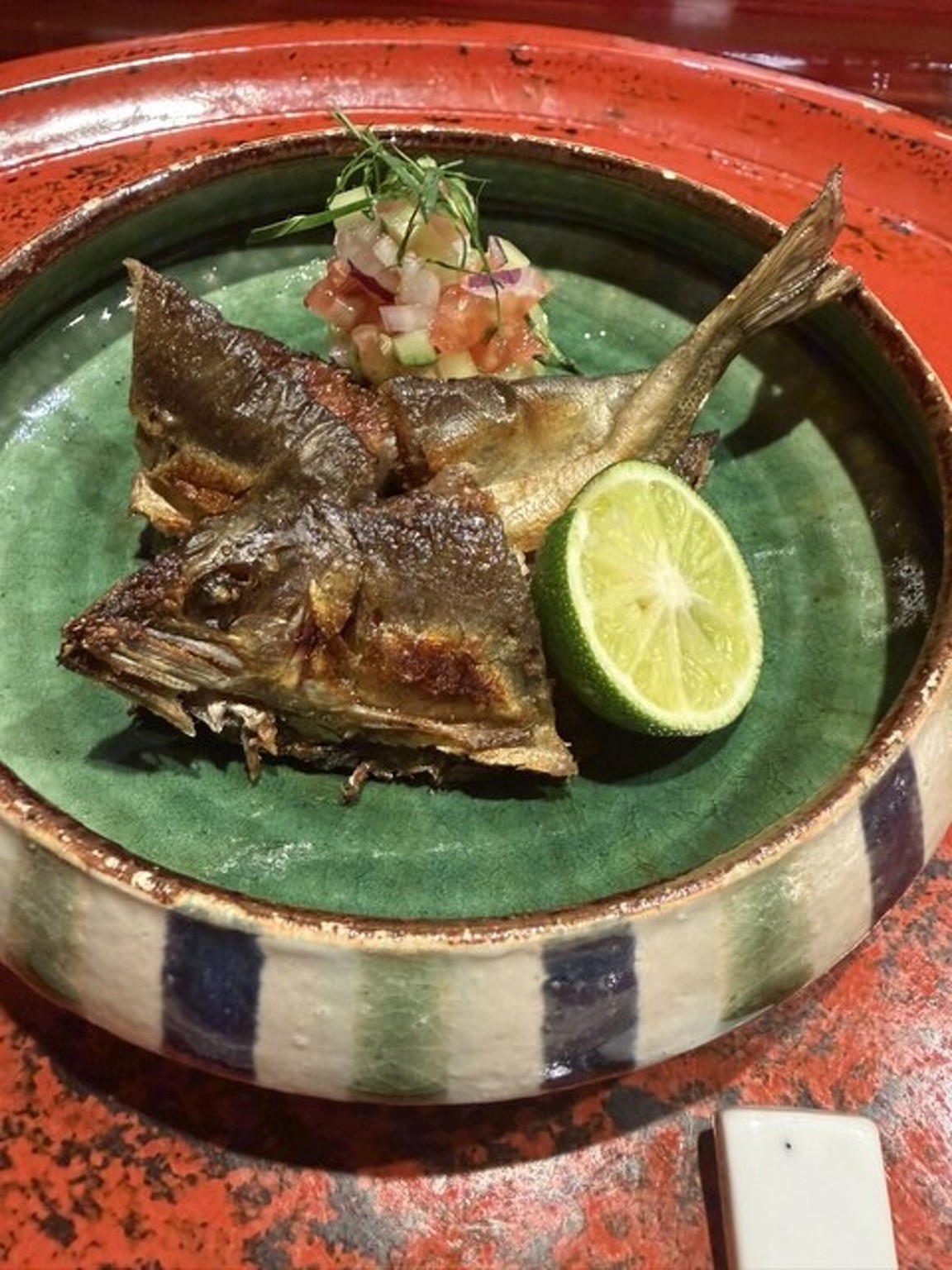
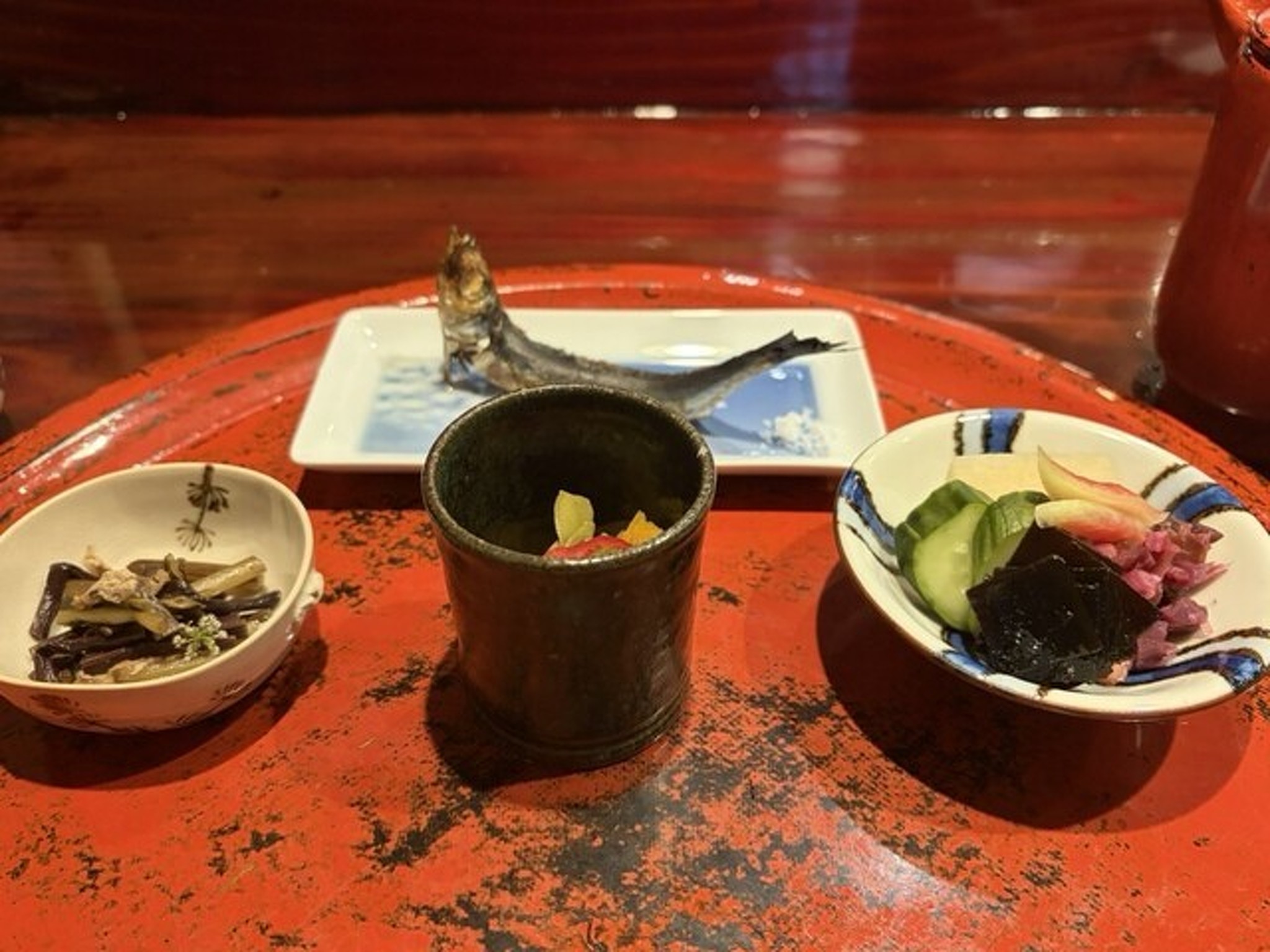
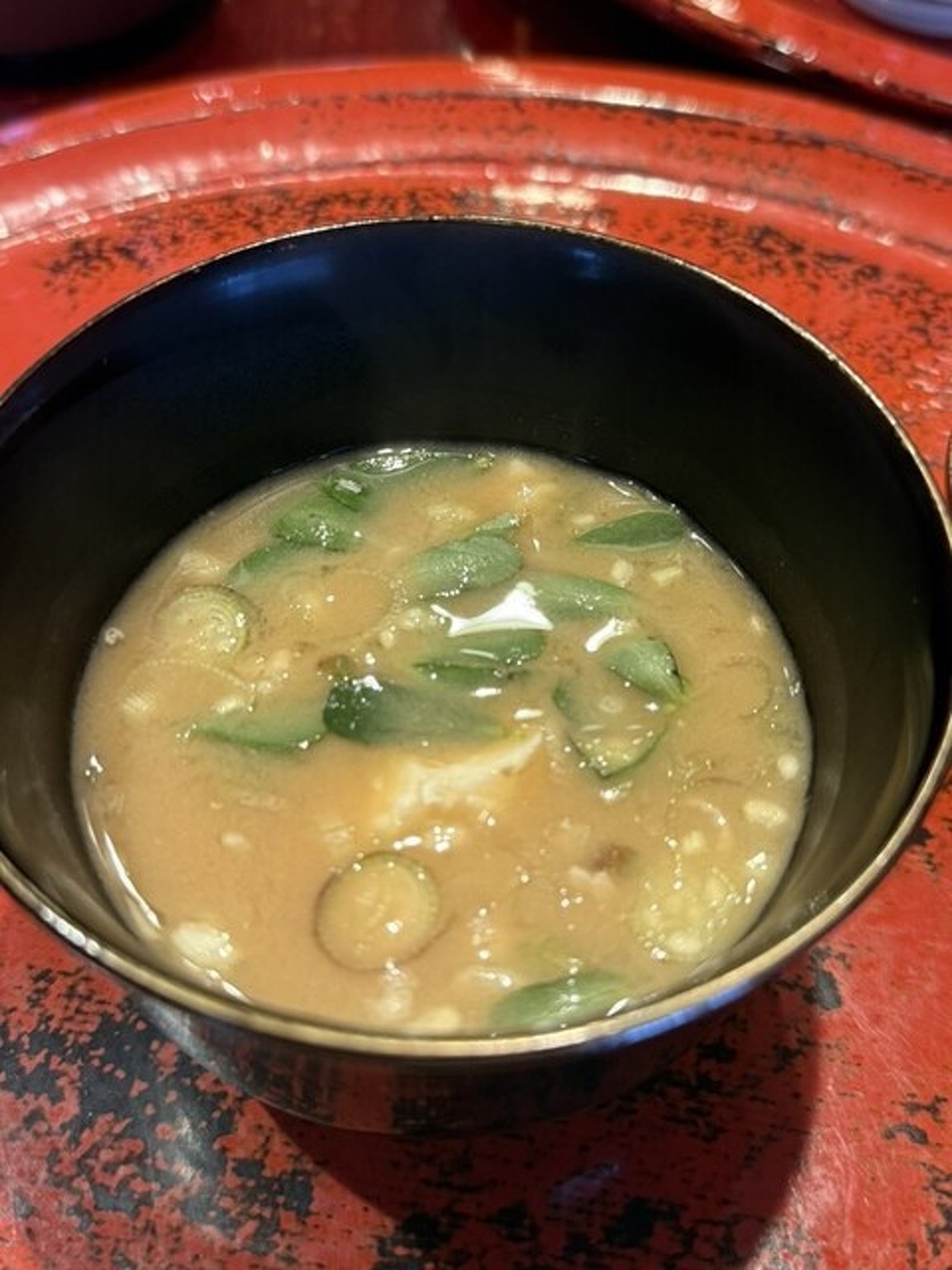
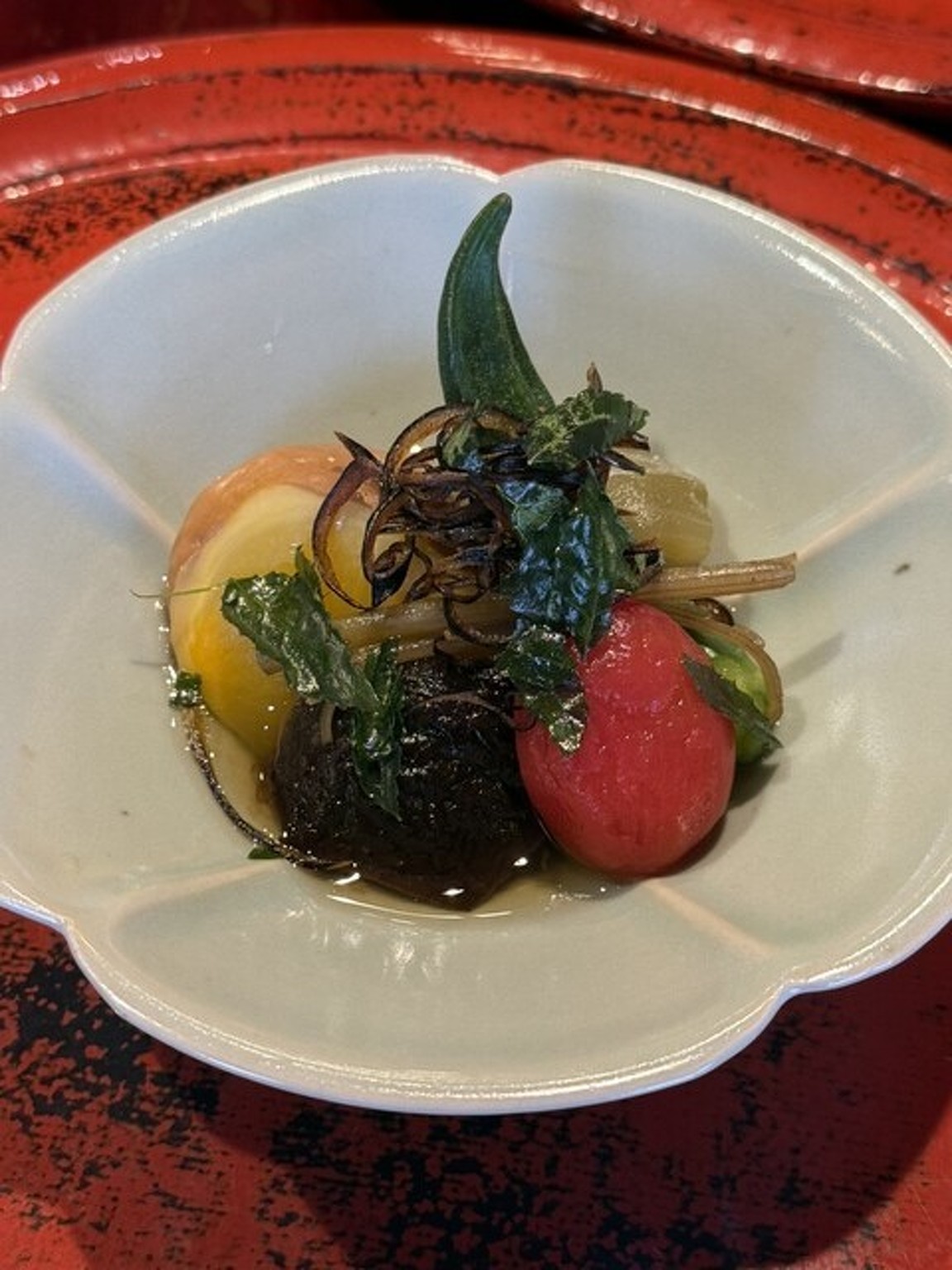
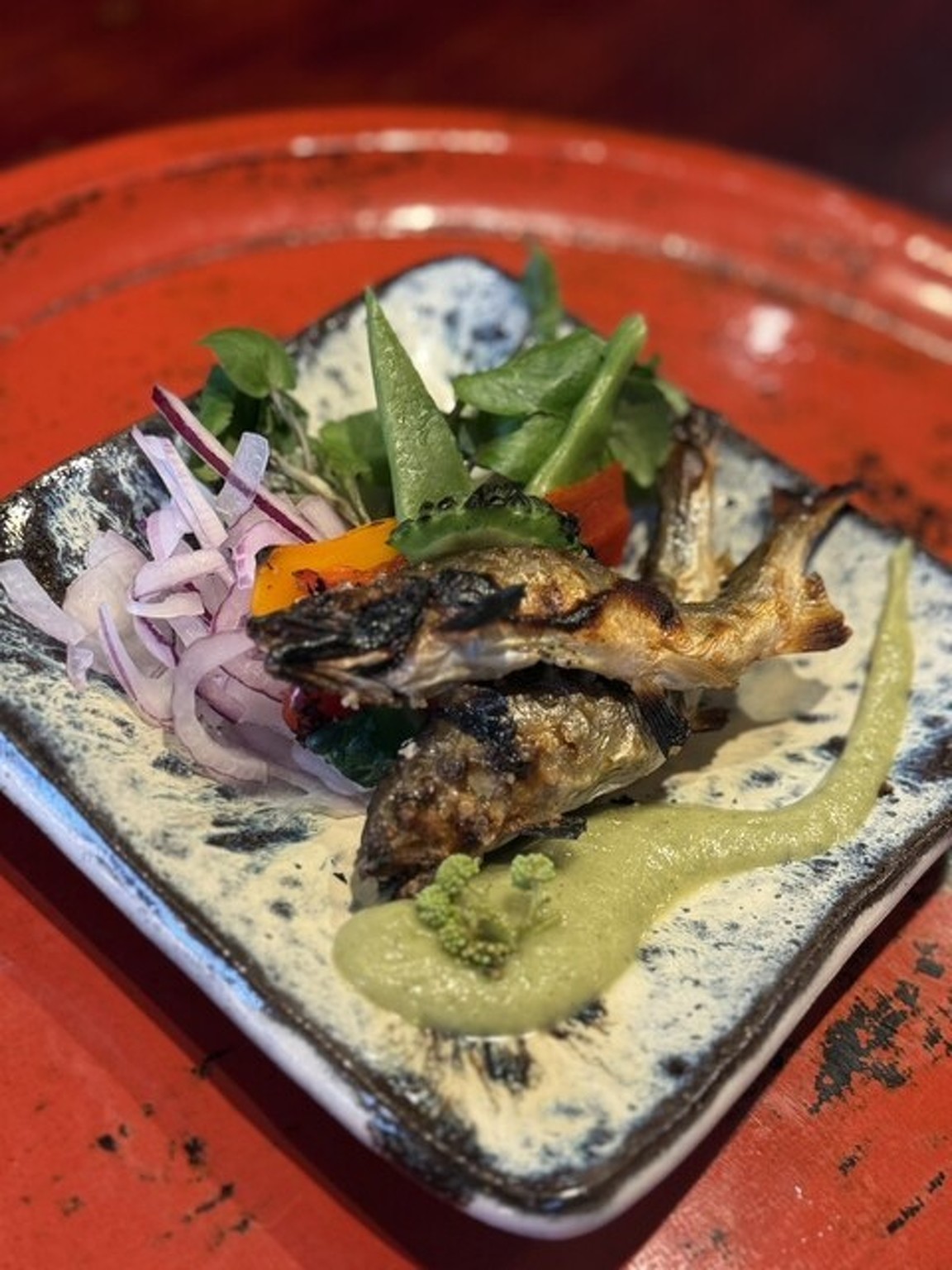
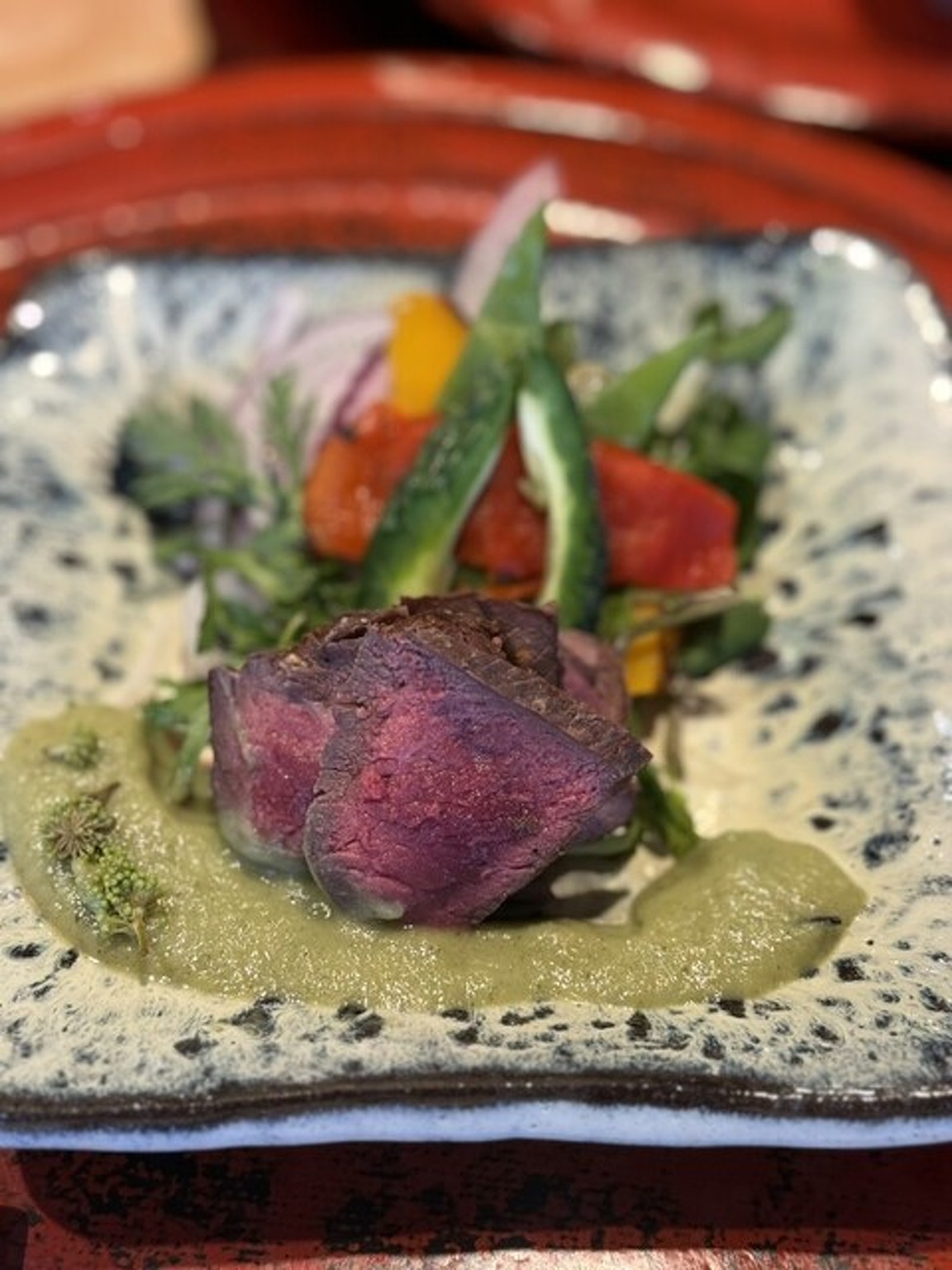
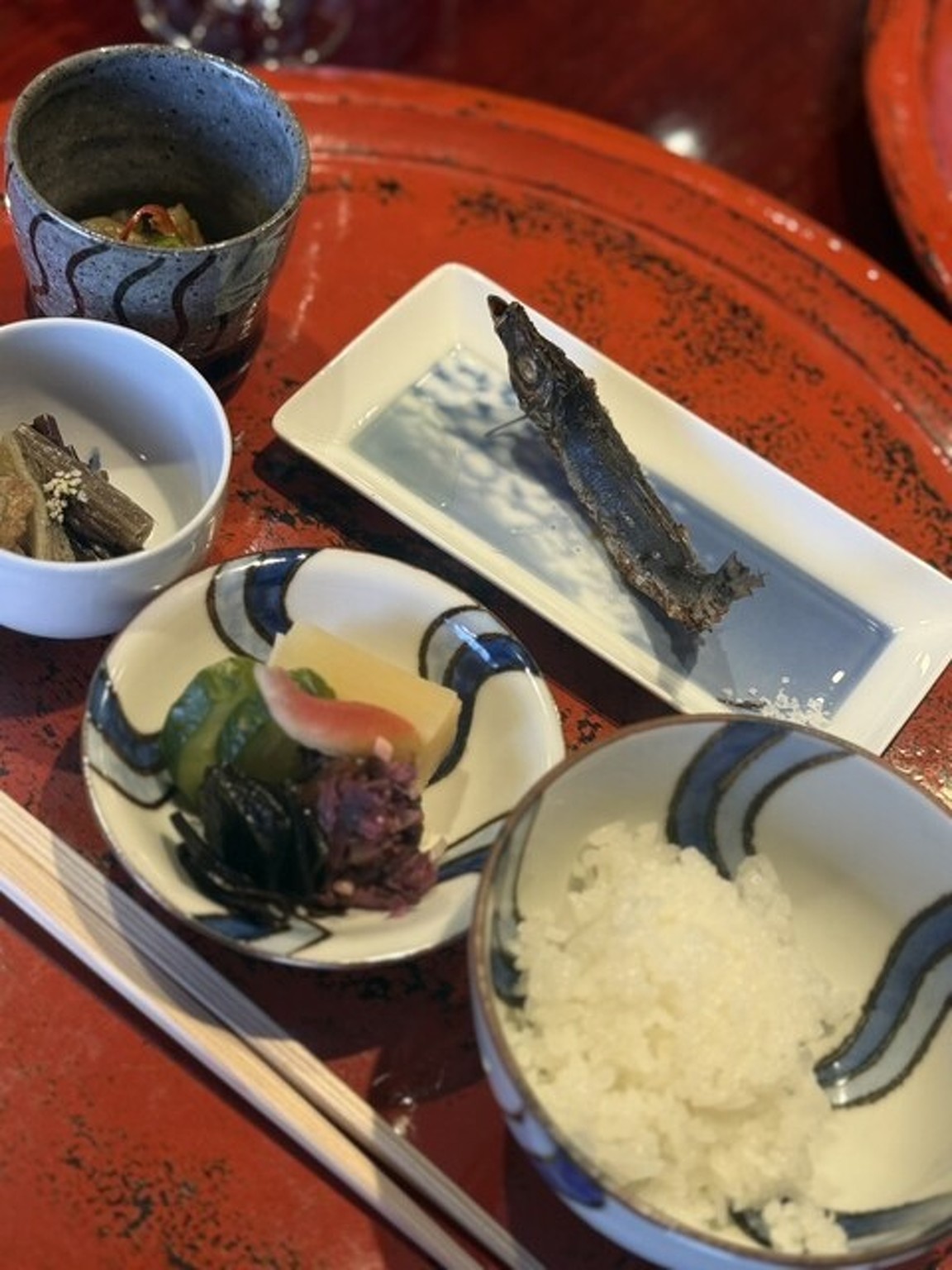
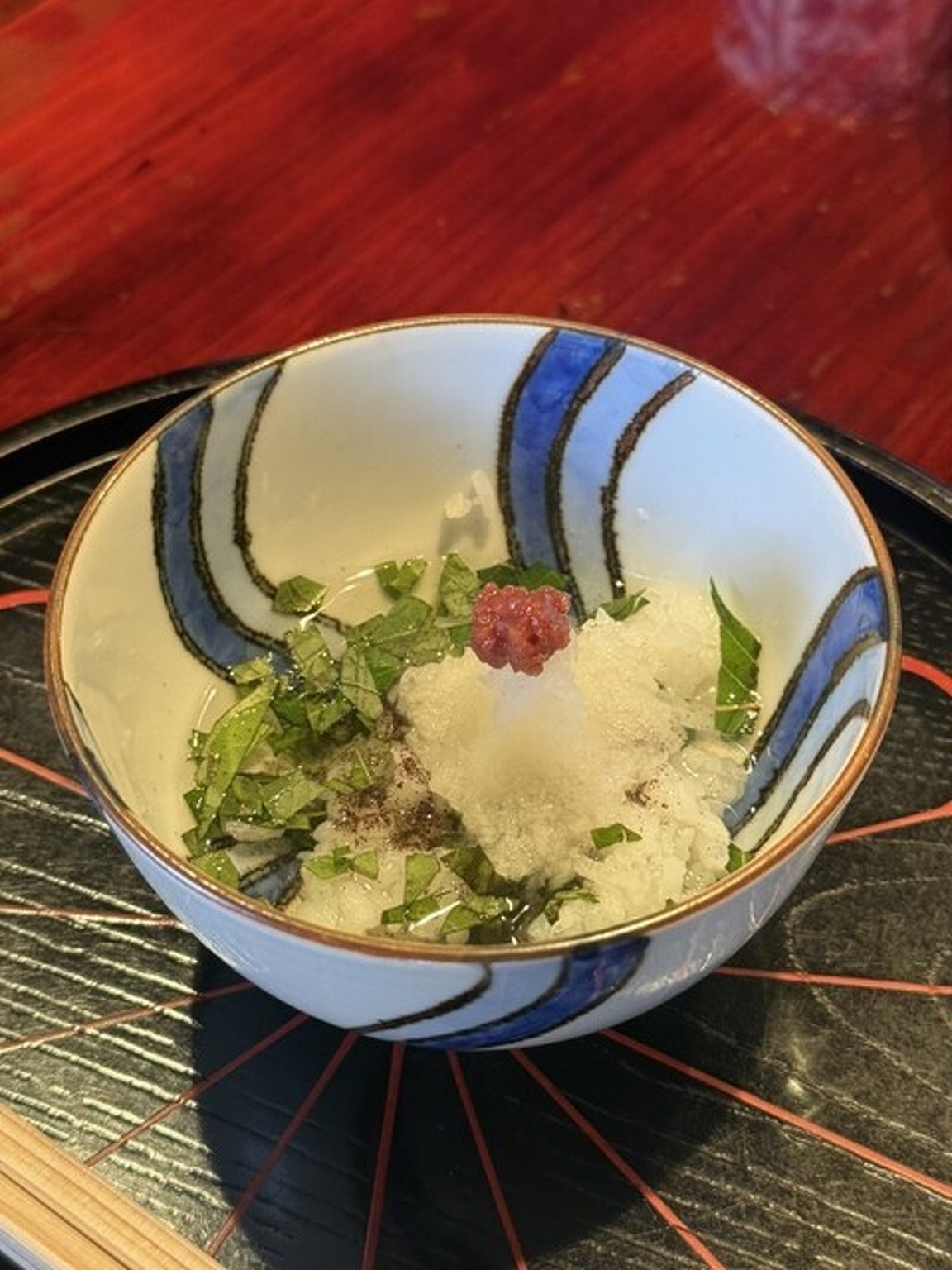
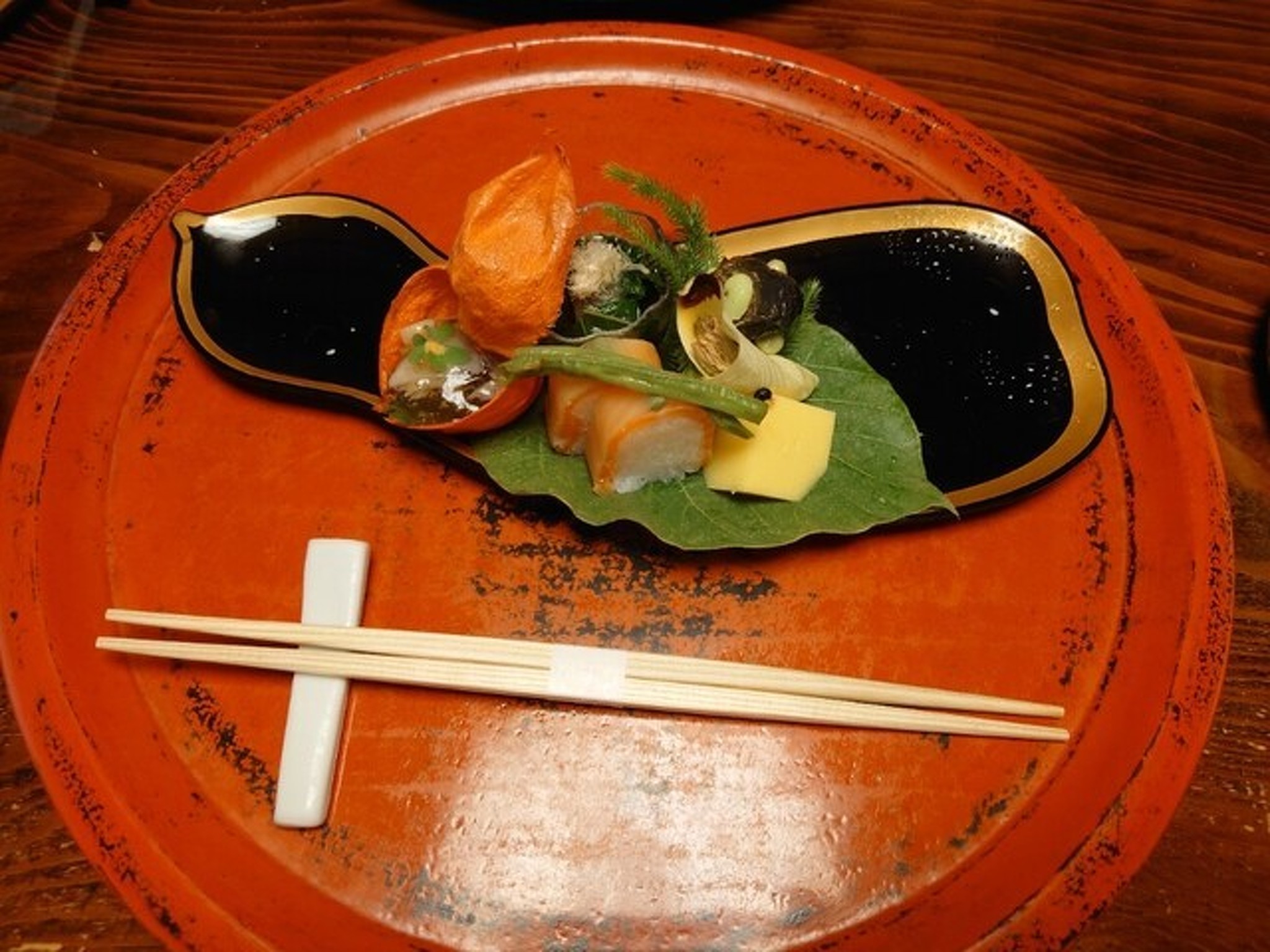
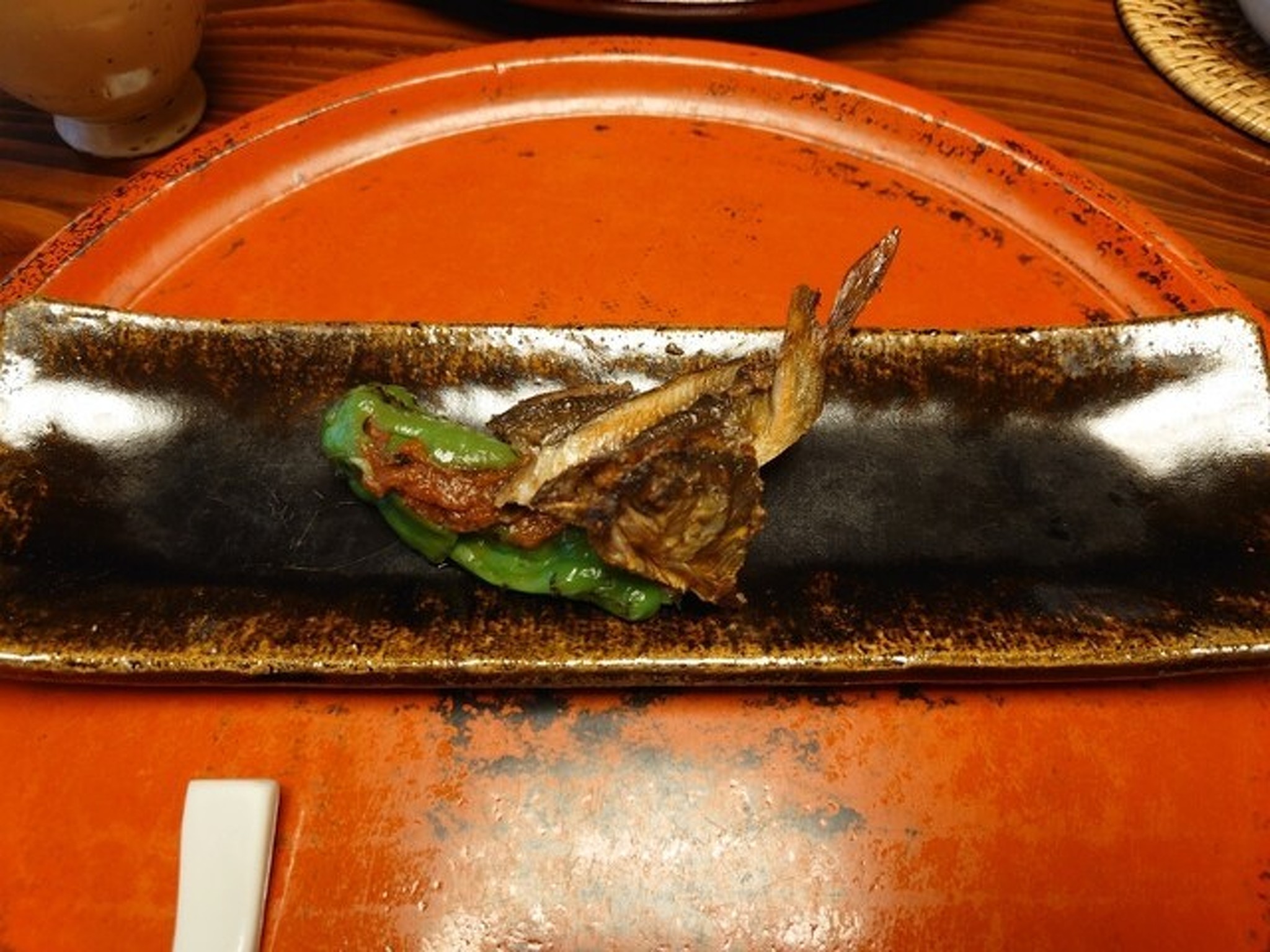
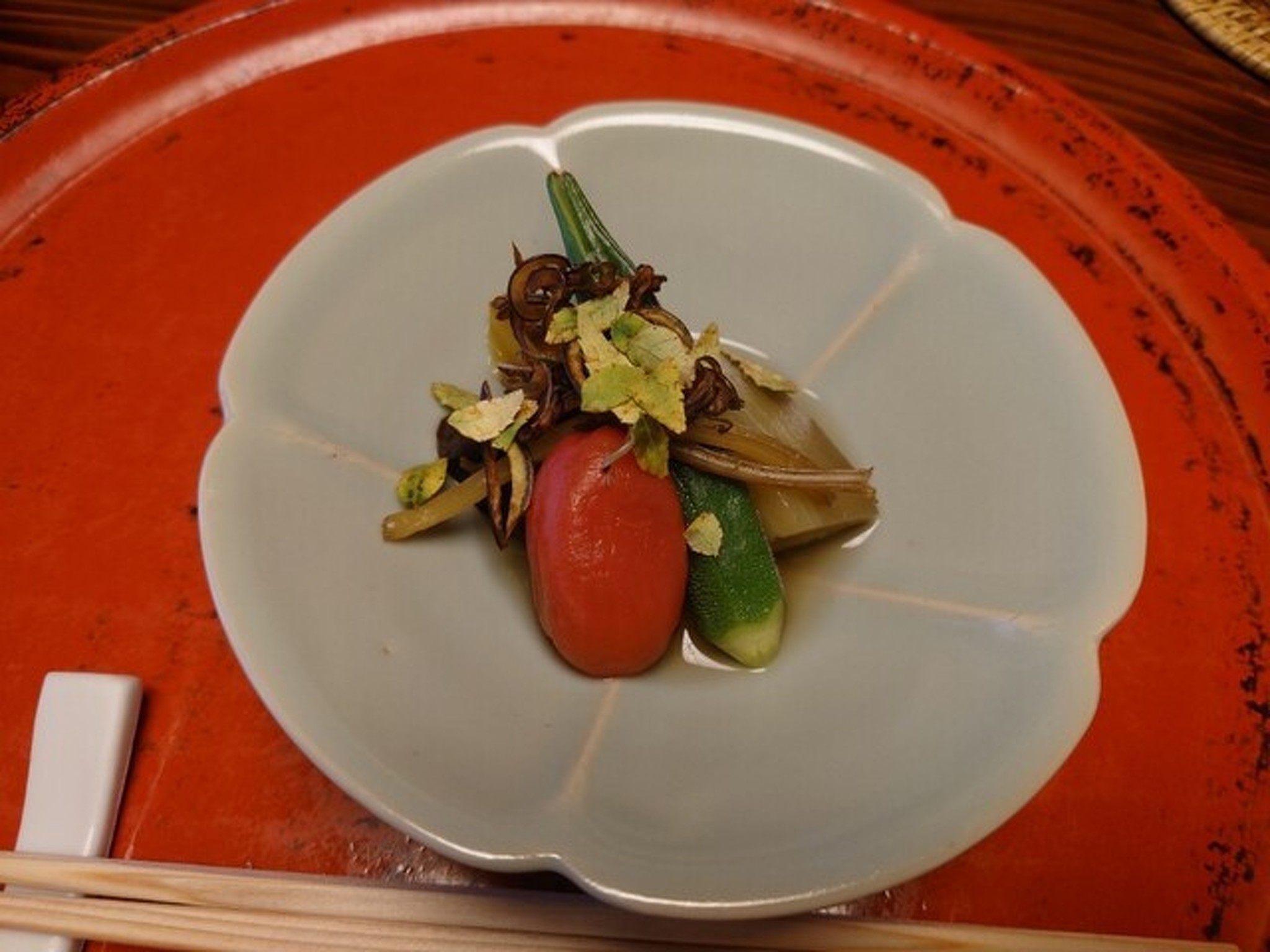
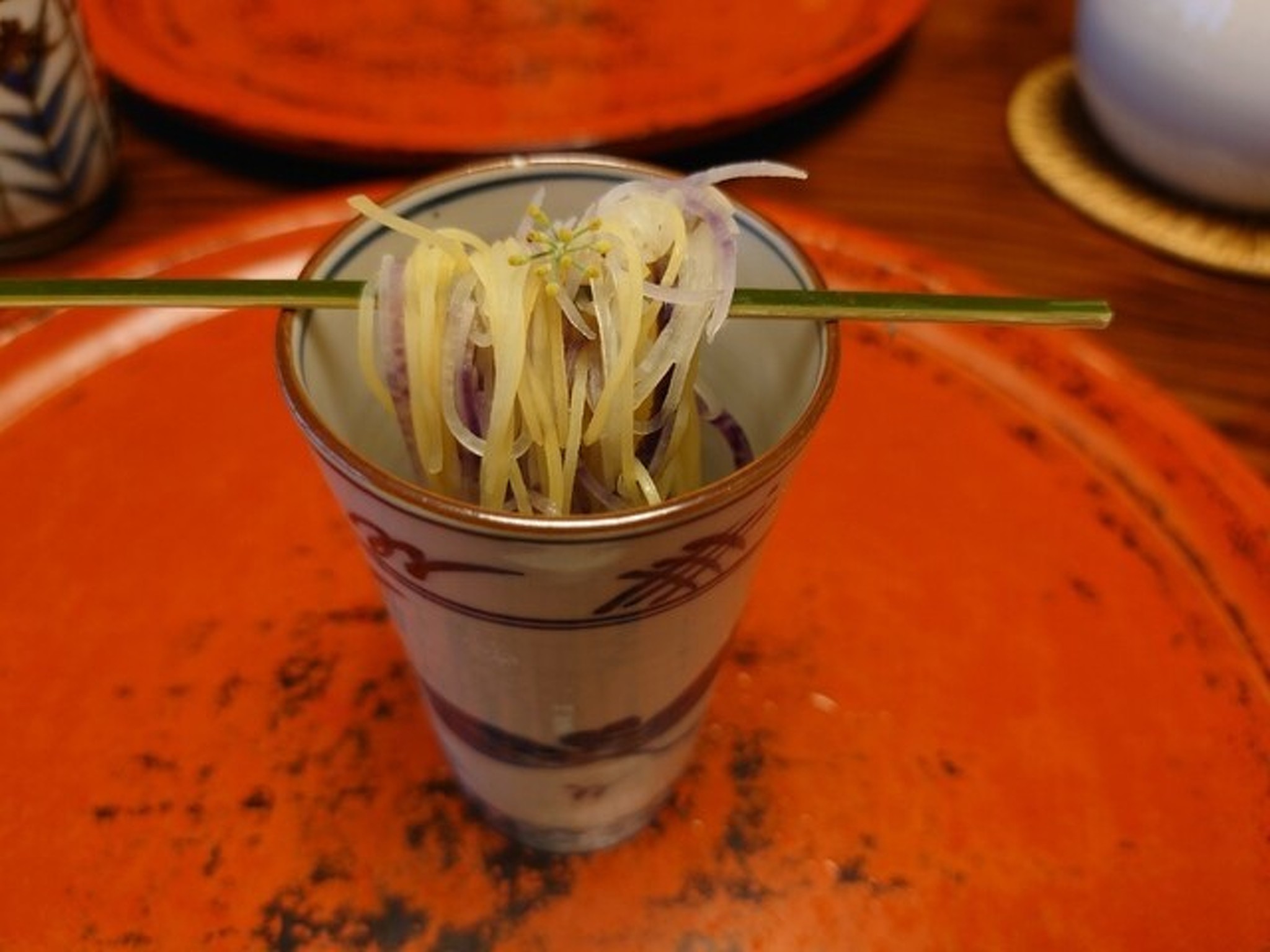
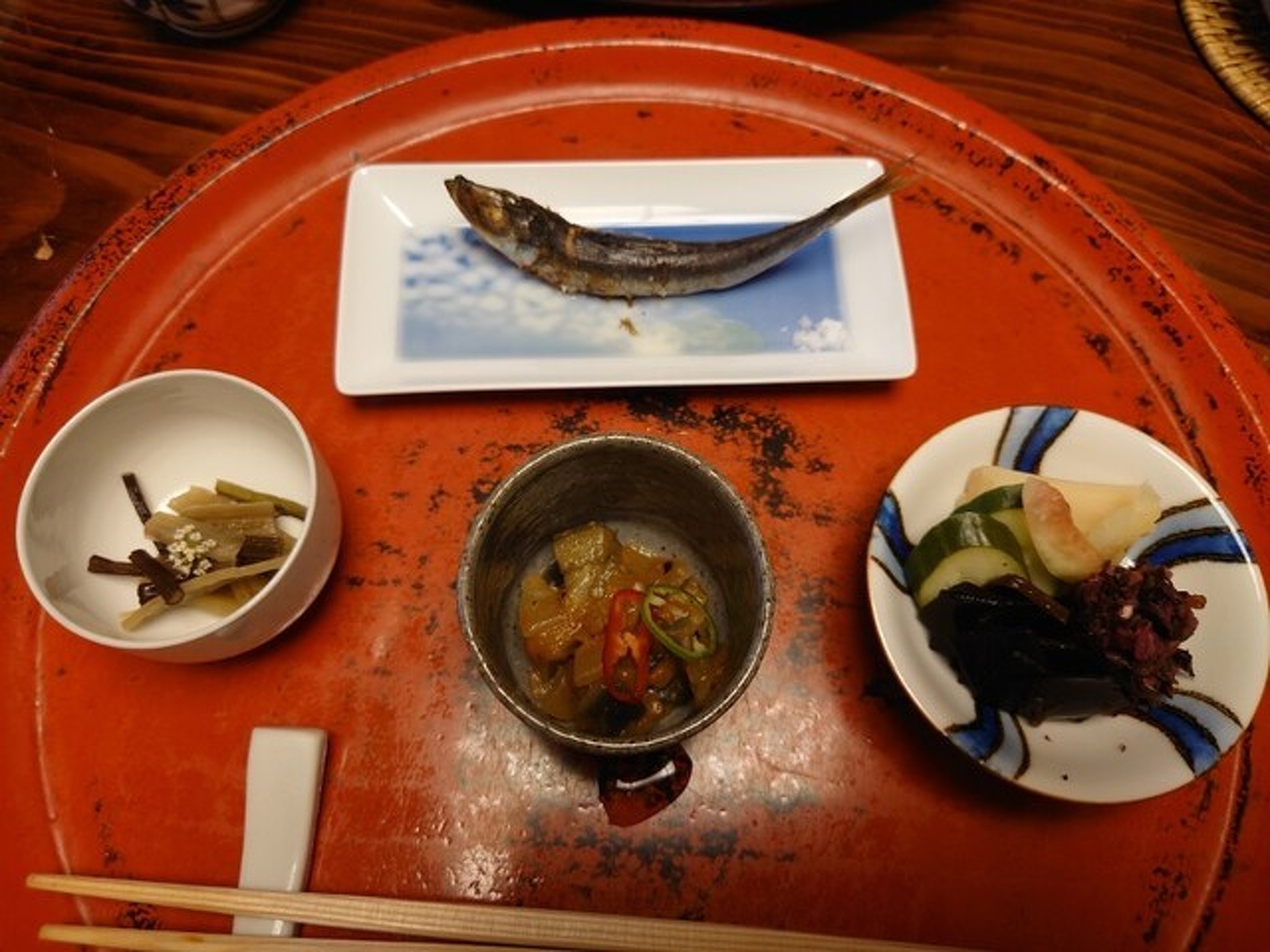
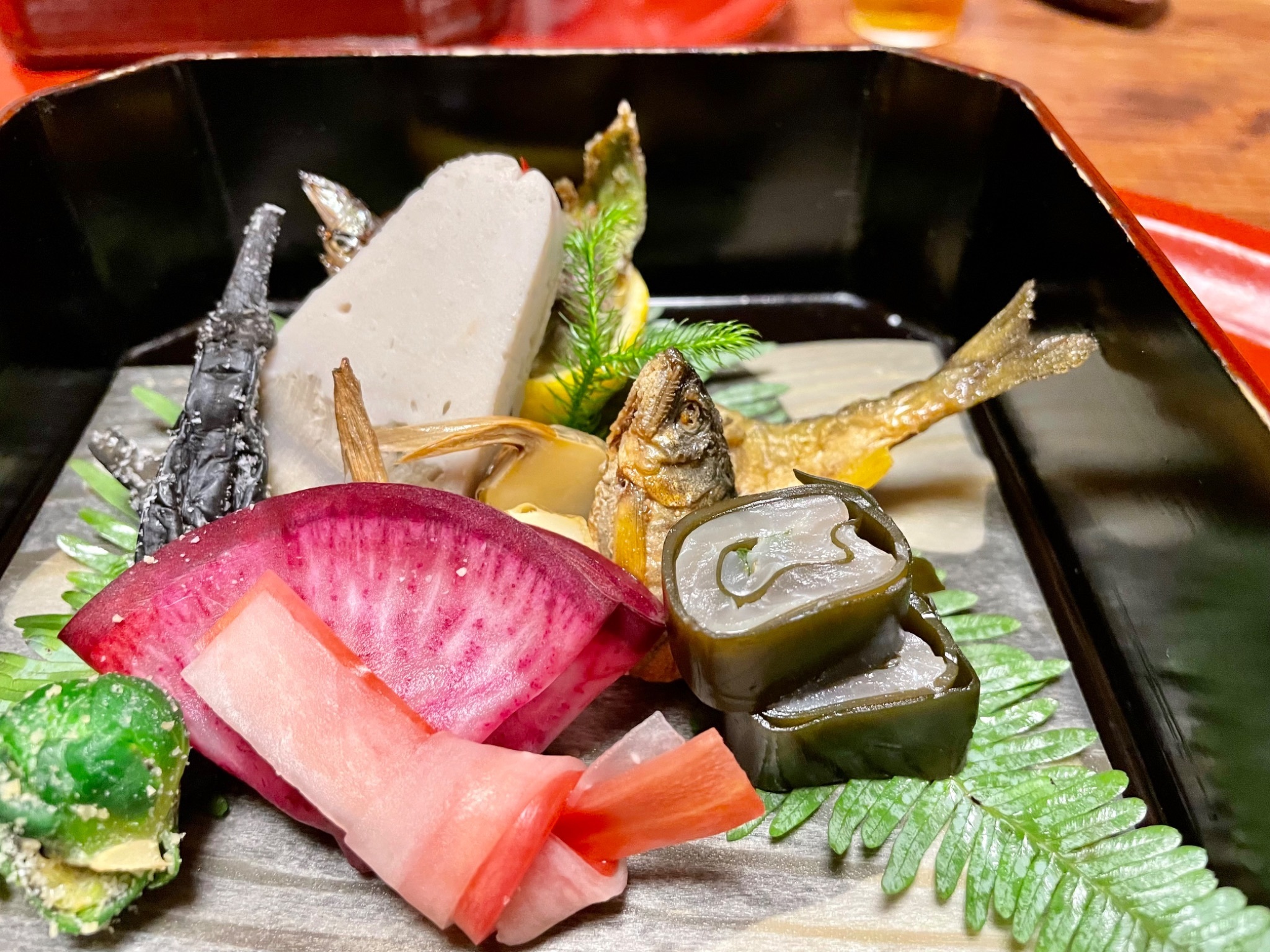
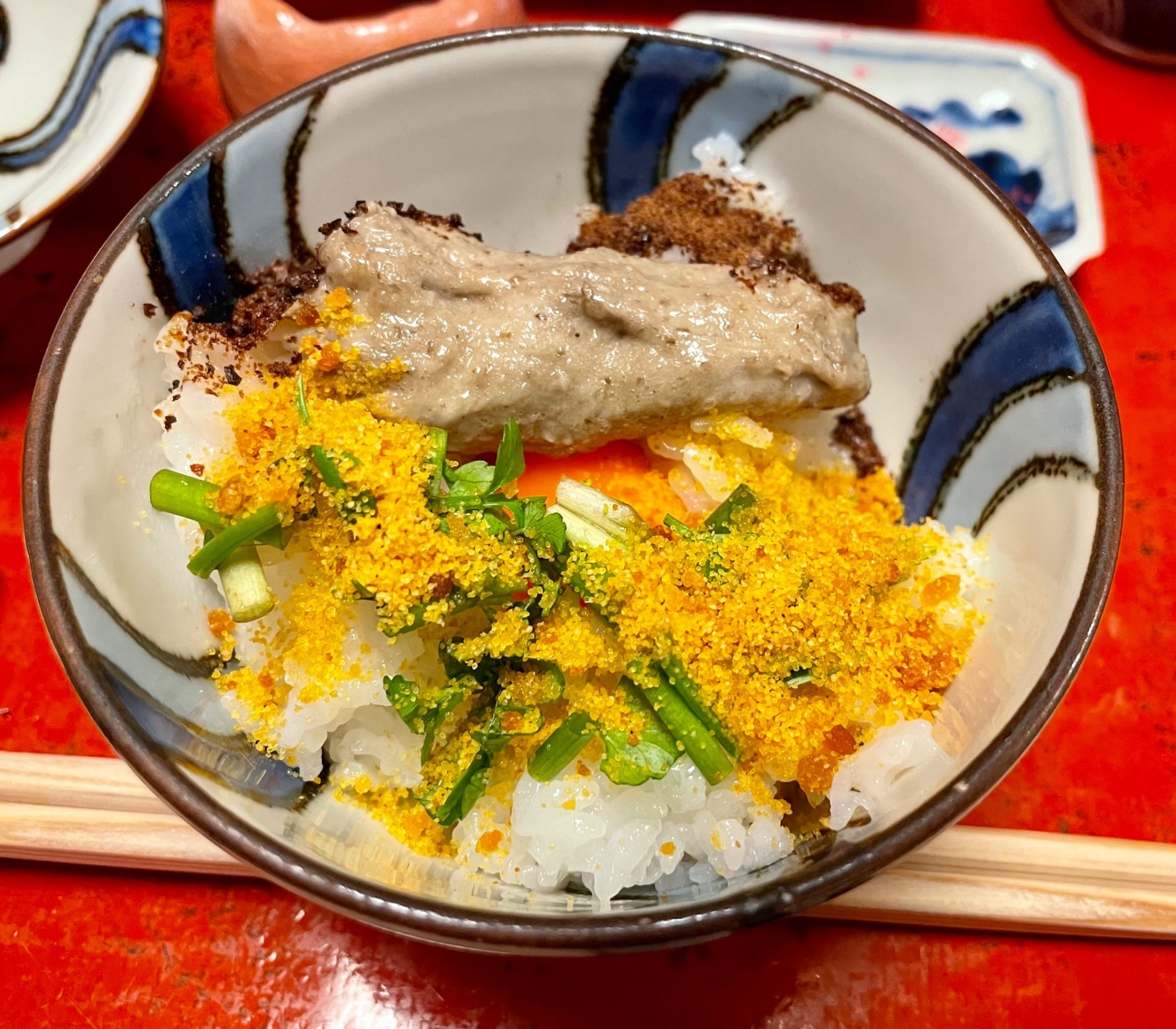
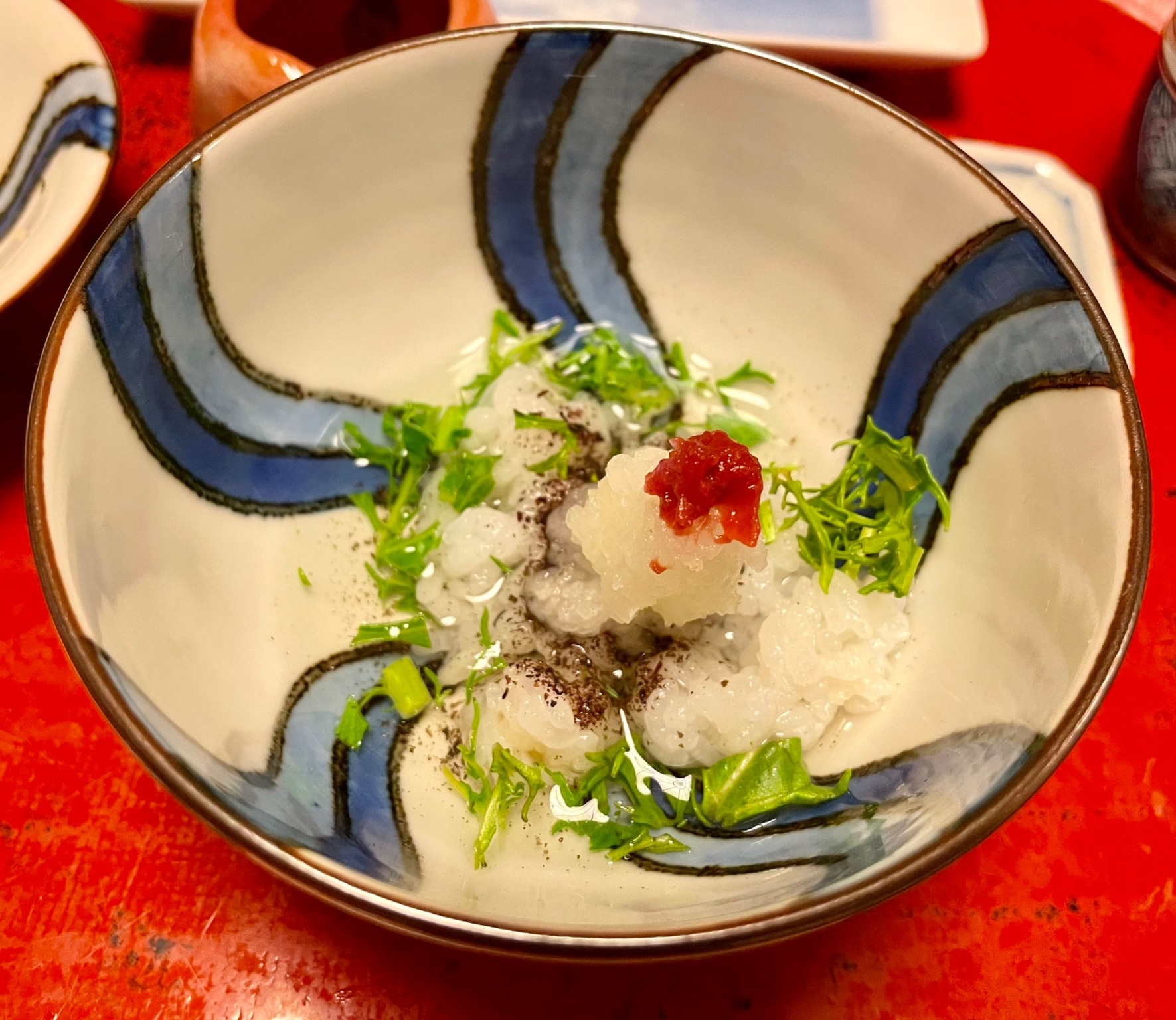
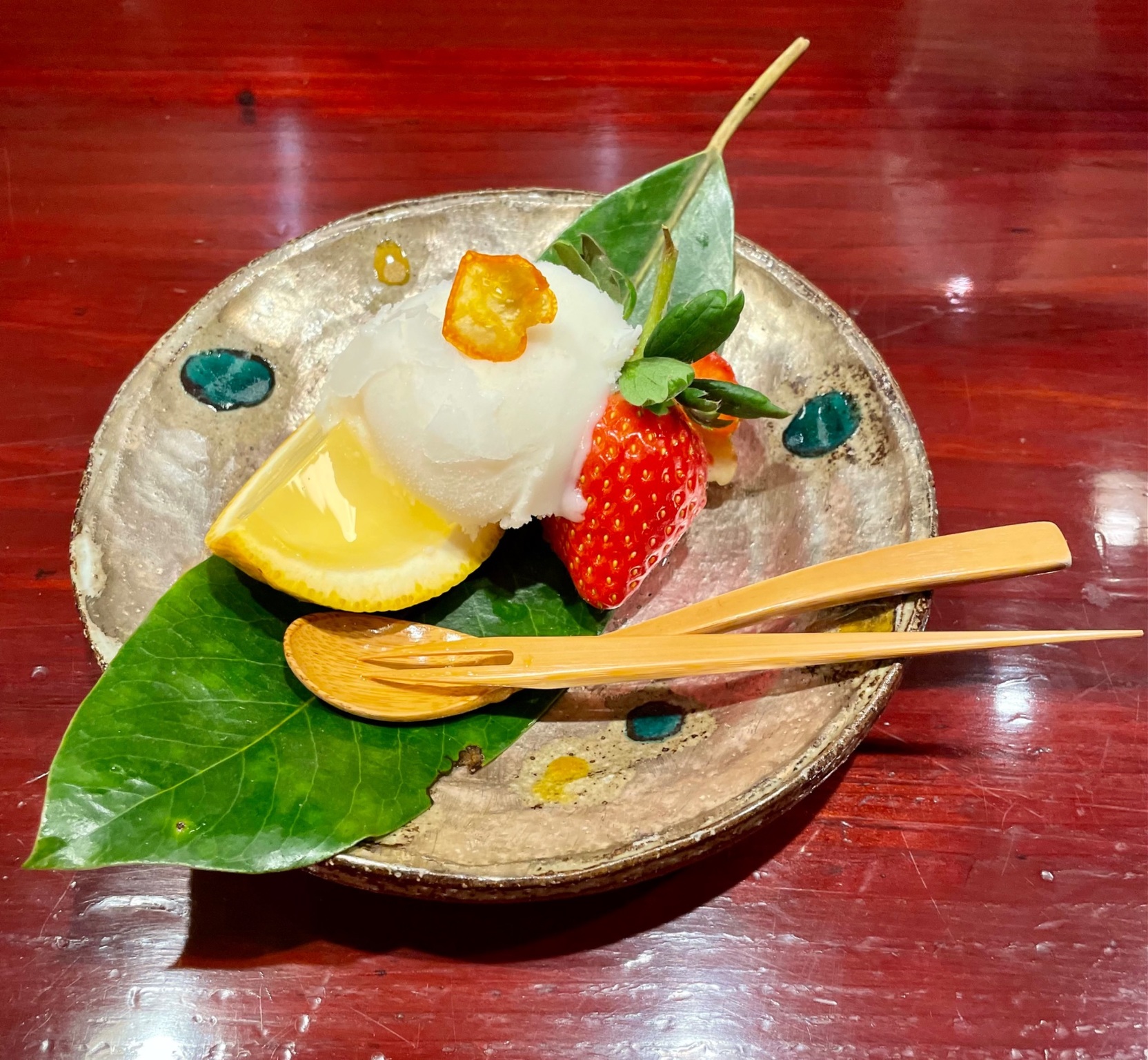
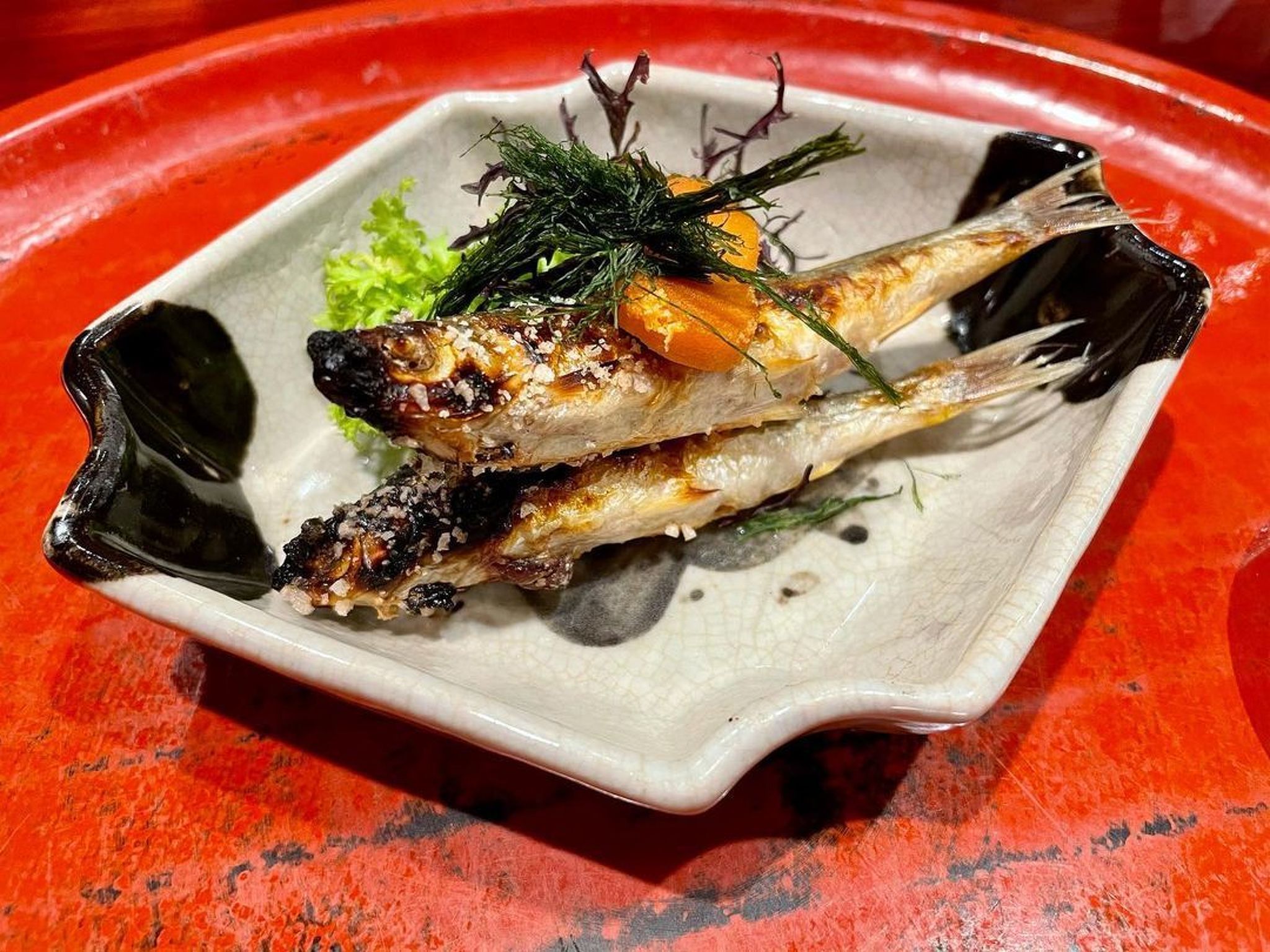
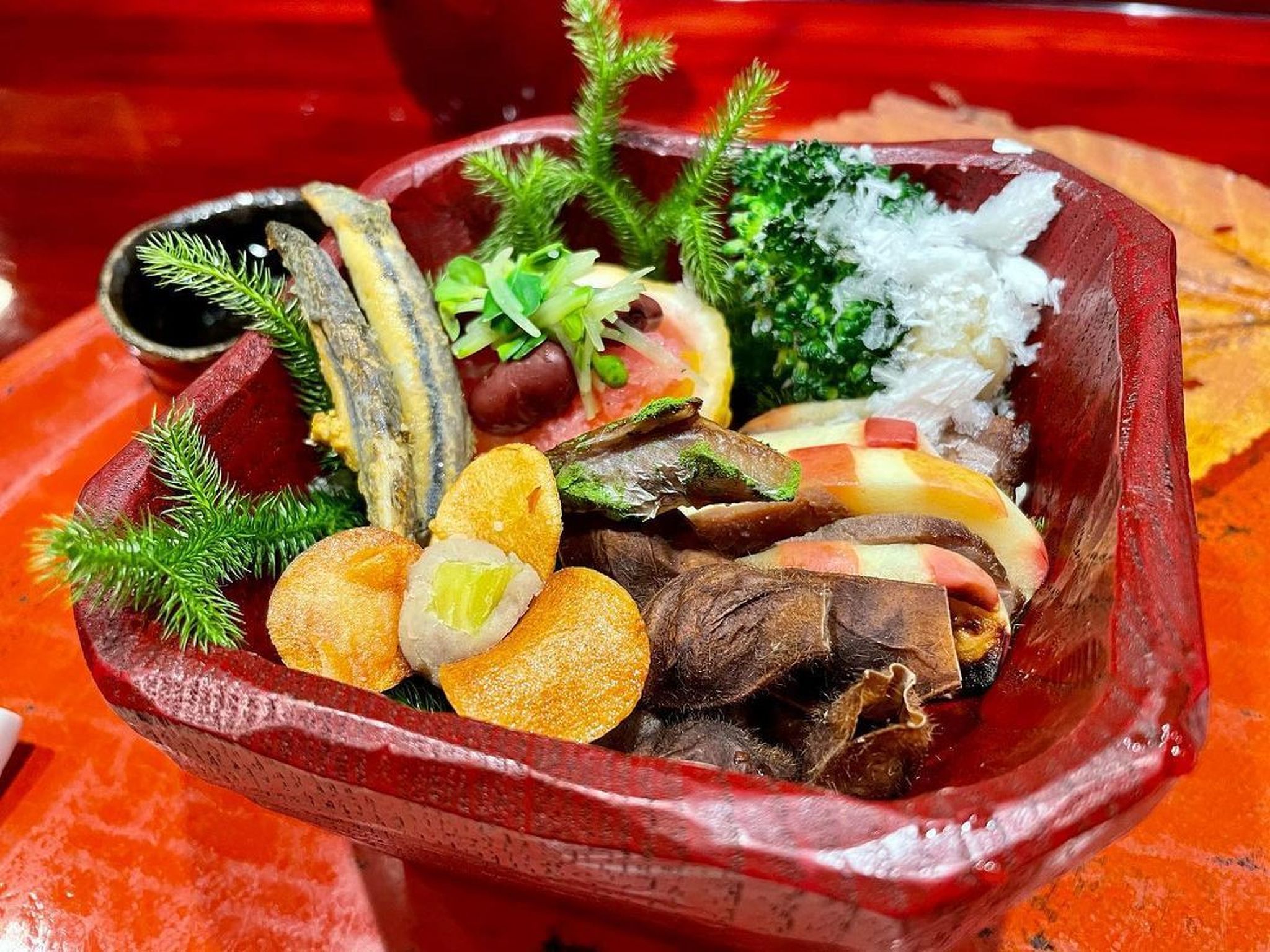
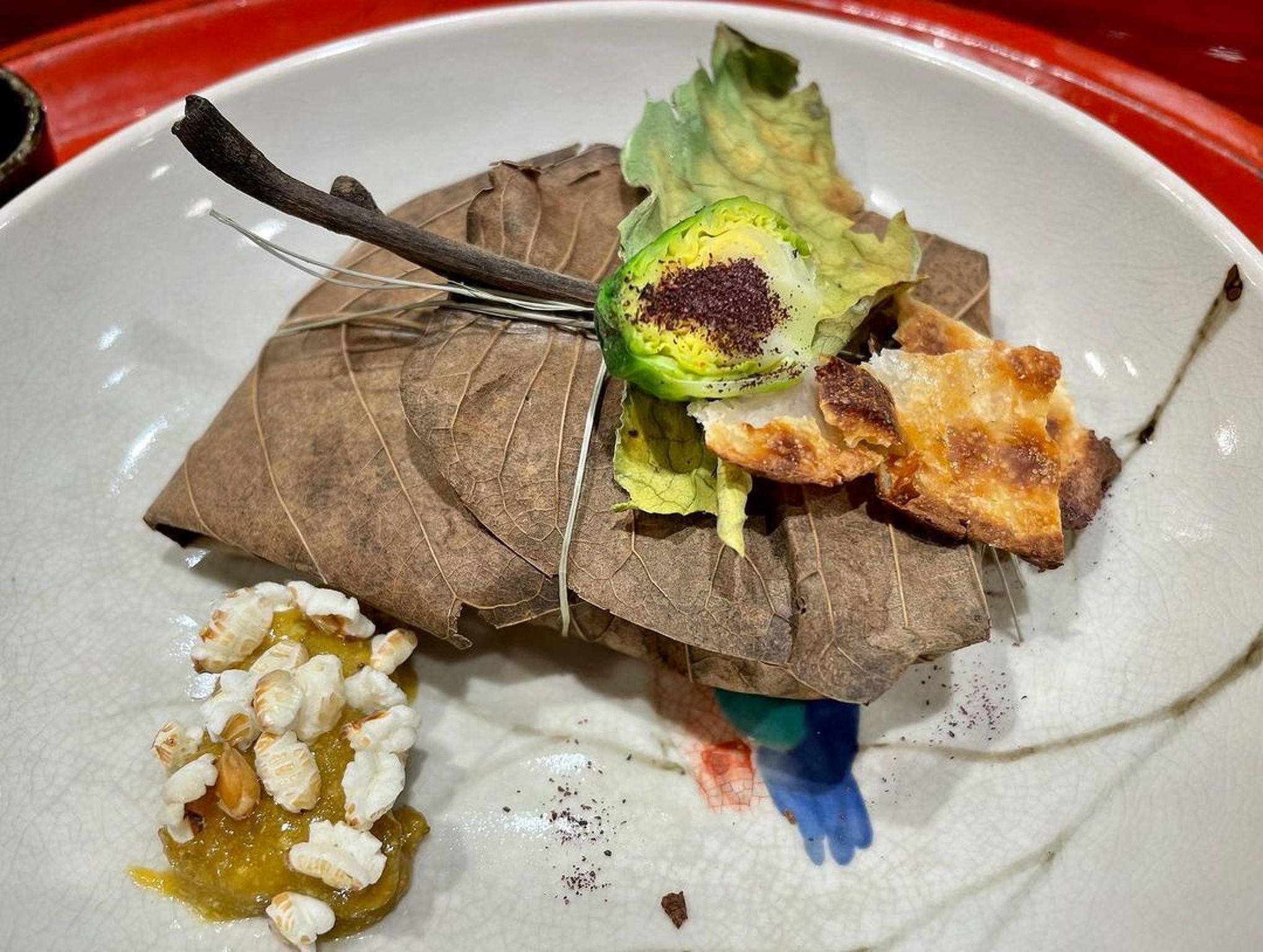
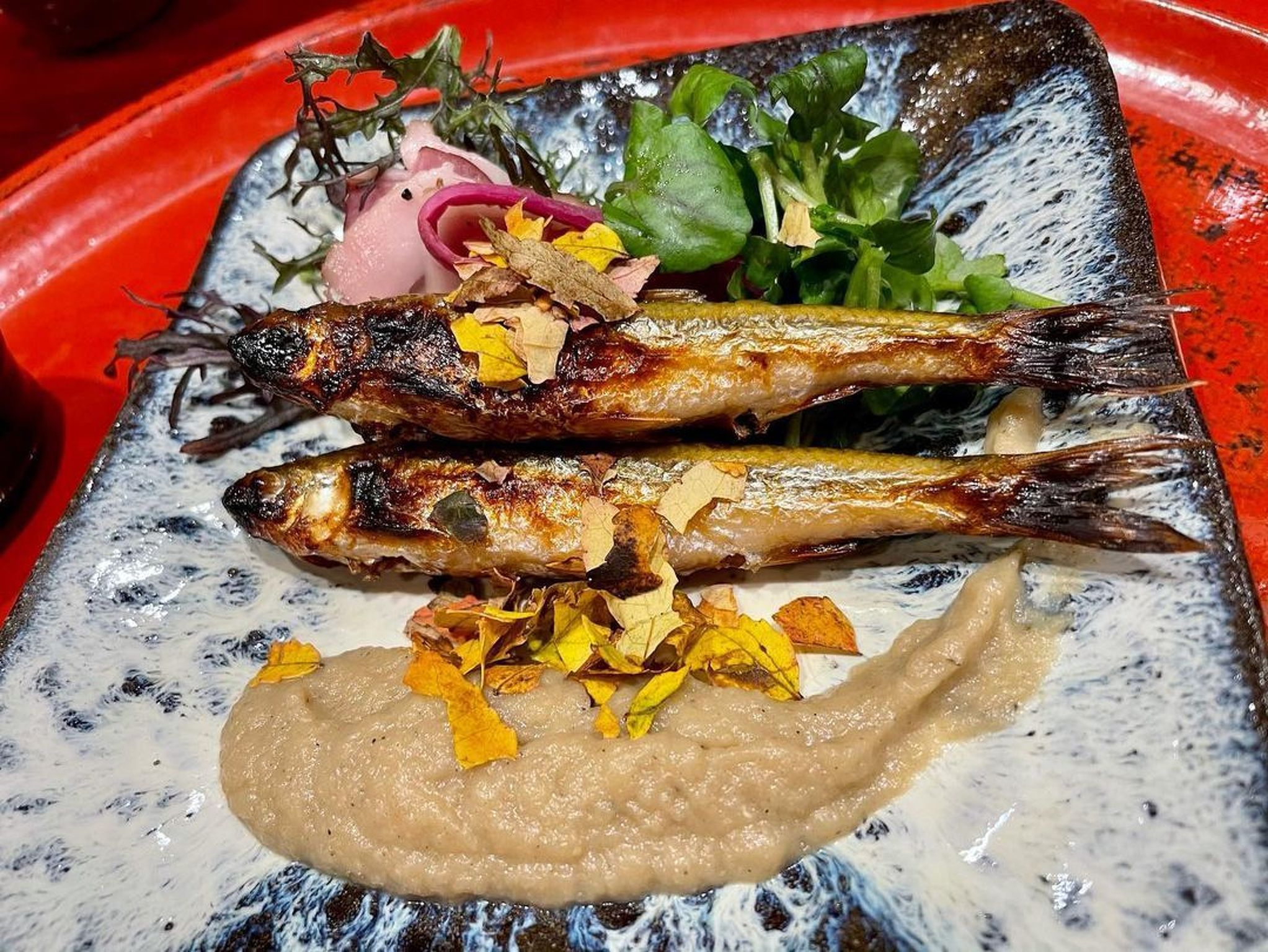
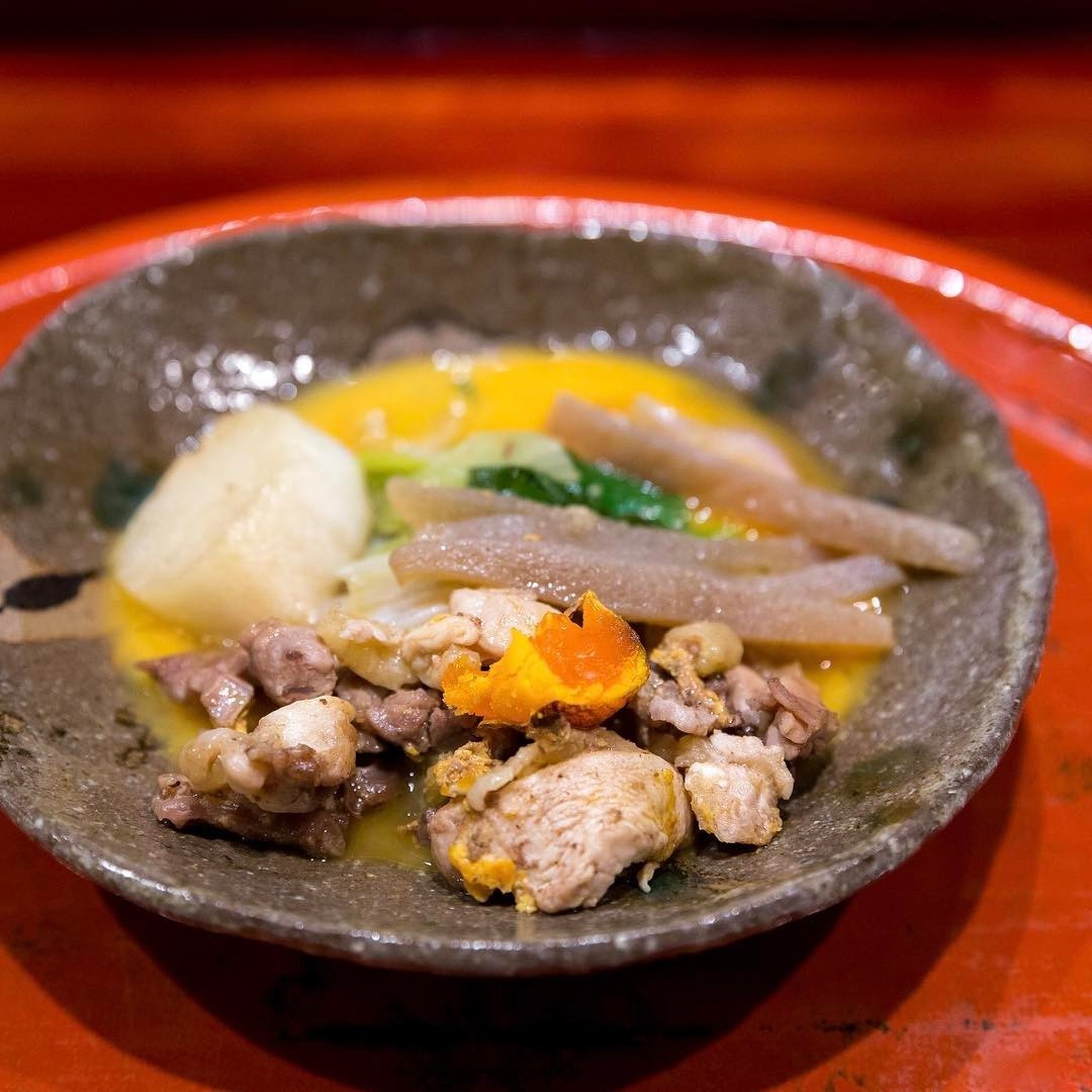
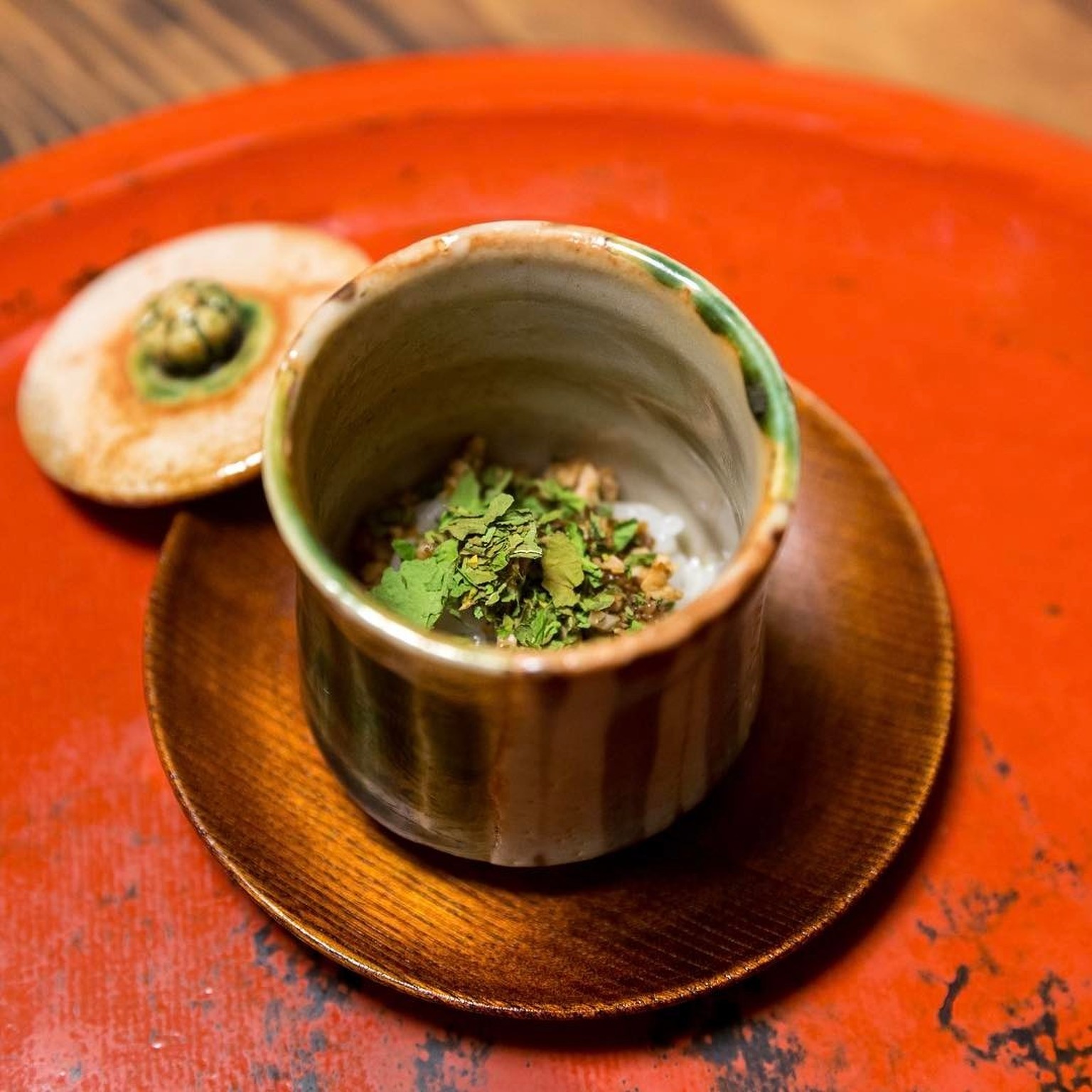
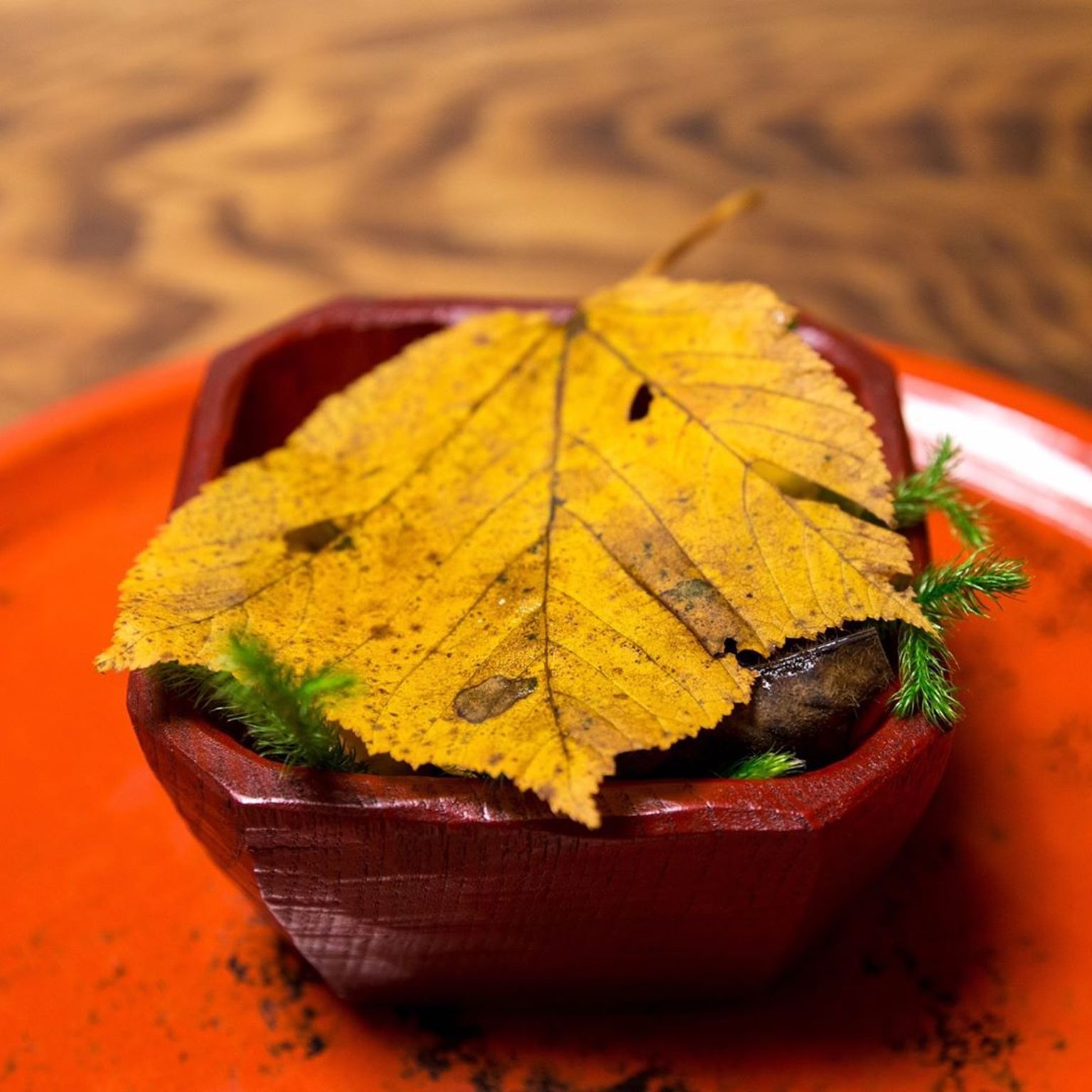
Just a 10-minute drive from Demachiyanagi Station, I visited "Kusajiki Nakahigashi," a recipient of the BRONZE AWARD and recognized as one of Japan's top 100 restaurants. It also received the GOLD AWARD in 2020 and is located at the entrance of the path to Ginkaku-ji Temple.I made a reservation by phone and arrived on a weekday at 12 PM.I ordered the lunch Omakase course for JPY 12,000 (excluding tax and service charge) and added Matsutake rice for an additional JPY 4,000.The owner, Hisao Nakahigashi, was born in 1952 in Kyoto Prefecture. He trained under the previous head chef, Yoshitsugu Nakahigashi, at his family restaurant "Miyamaso." After serving as head chef, he opened "Kusajiki Nakahigashi" in 1997. He has established a unique style where he personally forages for wild vegetables and edible flowers every morning, making them the centerpiece of his dishes.Every dish today featured vegetables harvested by the chef, and they were all incredibly delicious.The grilled sweetfish with uruka, summer venison with autumn vegetables, and grilled Matsutake rice topped with karasumi were particularly outstanding.I enjoyed every bite until the very end.【Today's Menu】① Hassun served on a lotus leaf: Grilled Hozuki, ginkgo nuts, corn, Daidokoro natto, small taro, okra, sweetfish terrine, Ajime dojou, pressed sushi with sweetfish and myoga, Edamame and fig with sesame dressing② Kuchi-tori: Molokhia, tsurumurasaki, steamed chestnuts, Croutons③ Soup: Zui-ki with mustard and slippery samphire miso soup④ Grilled sweetfish with uruka⑤ Carp sashimi, summer daikon sorbet, Kihada, kaiware, simmered sansho, asatsuki, Hasuimo, myoga⑥ Simmered dish: Sweet potato, leaves, lotus root stuffed with adzuki beans, autumn eggplant, Fushimi chili, chichidake⑦ Summer venison with autumn vegetables and udo sauce⑧ (Additional) Grilled Matsutake rice topped with karasumi, Small bowl (ito-uri, myoga, etc.) - Not cooked with rice, but steamed in a bowl⑨ Rice, pickles, wild vegetables, mezashi⑩ New York: Egoma and plum ochazuke⑪ Dessert Less
9 / 10
on 21 Sep 2026
Thank you very much for always visiting my reviews m(_ _)mIf you find this helpful, I would greatly appreciate it if you could bookmark the restaurant using the "Save this restaurant" button m(_ _)mOne of my goals this year is to visit the Tabelog Award-winning restaurants!!!I visited the reservation-challenging Kusajiki Nakahigashi in Kyoto.Kusajiki Nakahigashi is located at 32-3 Ishibashi-cho, Jodoji, Sakyo-ku, Kyoto City, and is a 17-minute walk from the Eizan Electric Railway's "Mototanaka" station.Opened... More
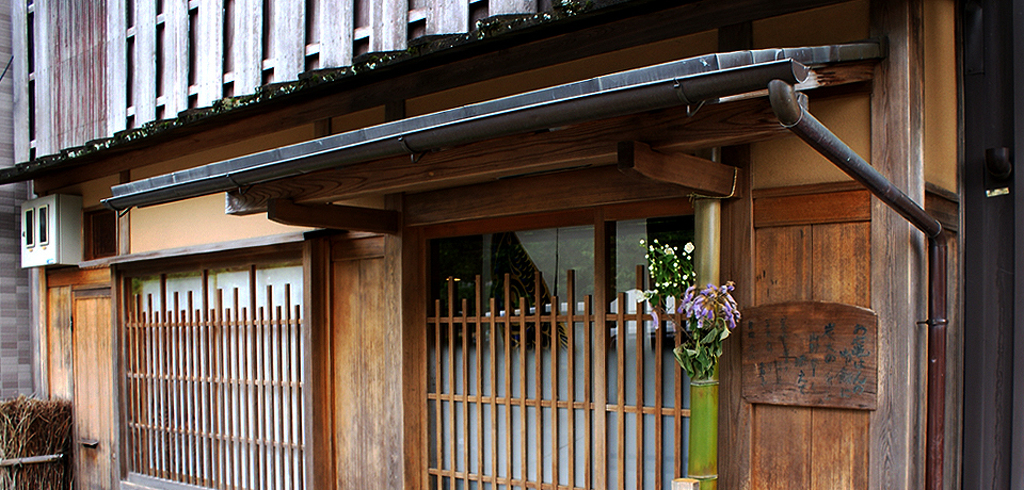
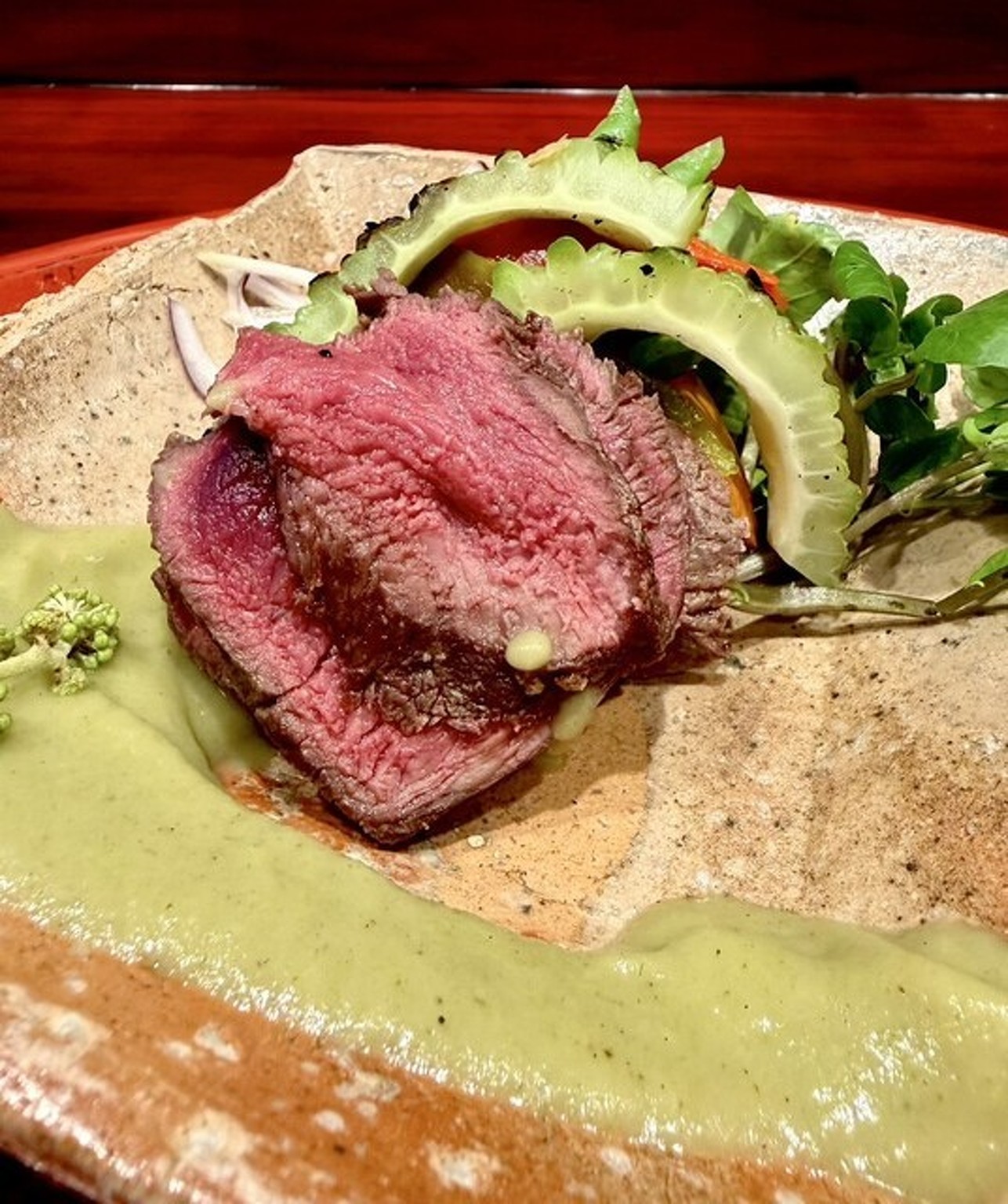
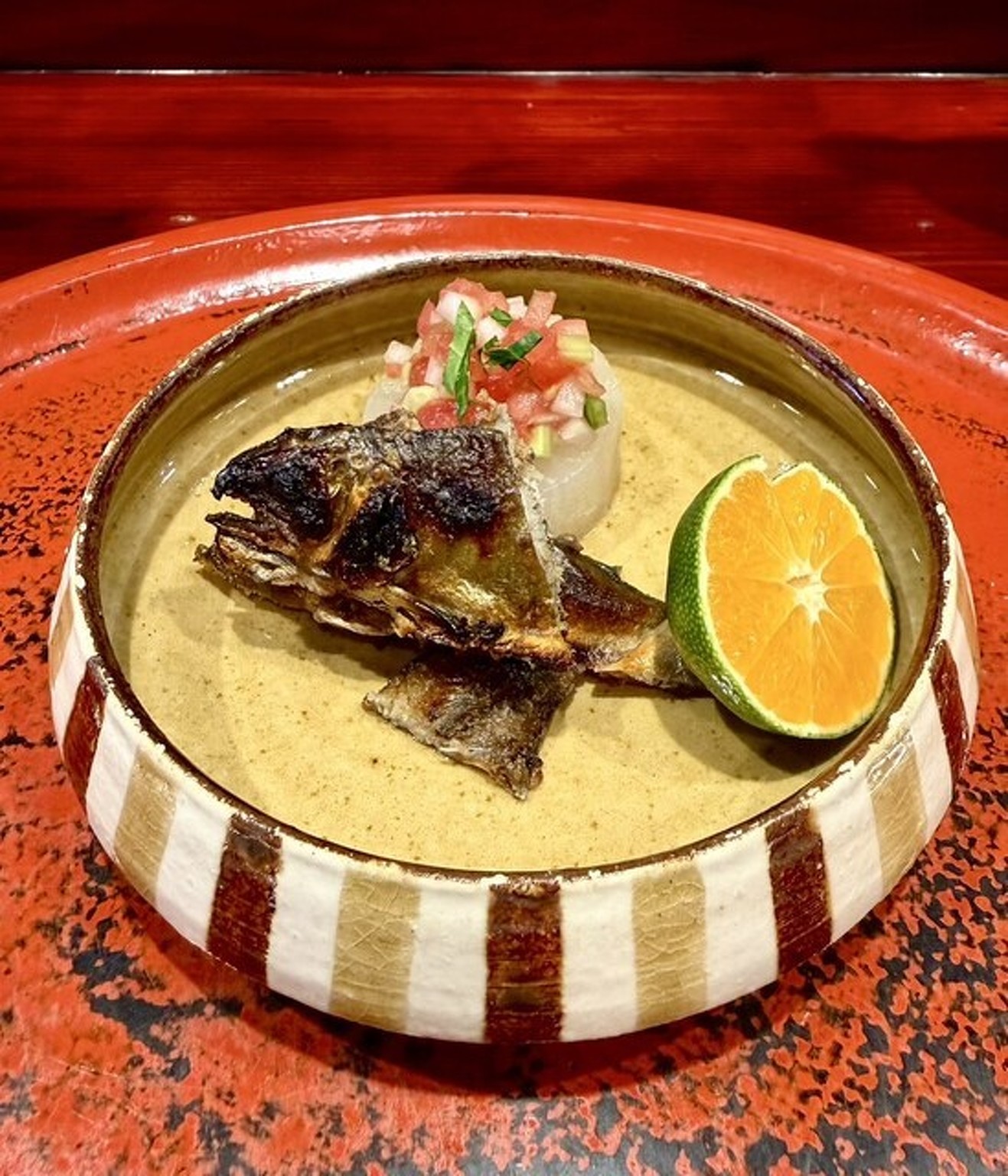
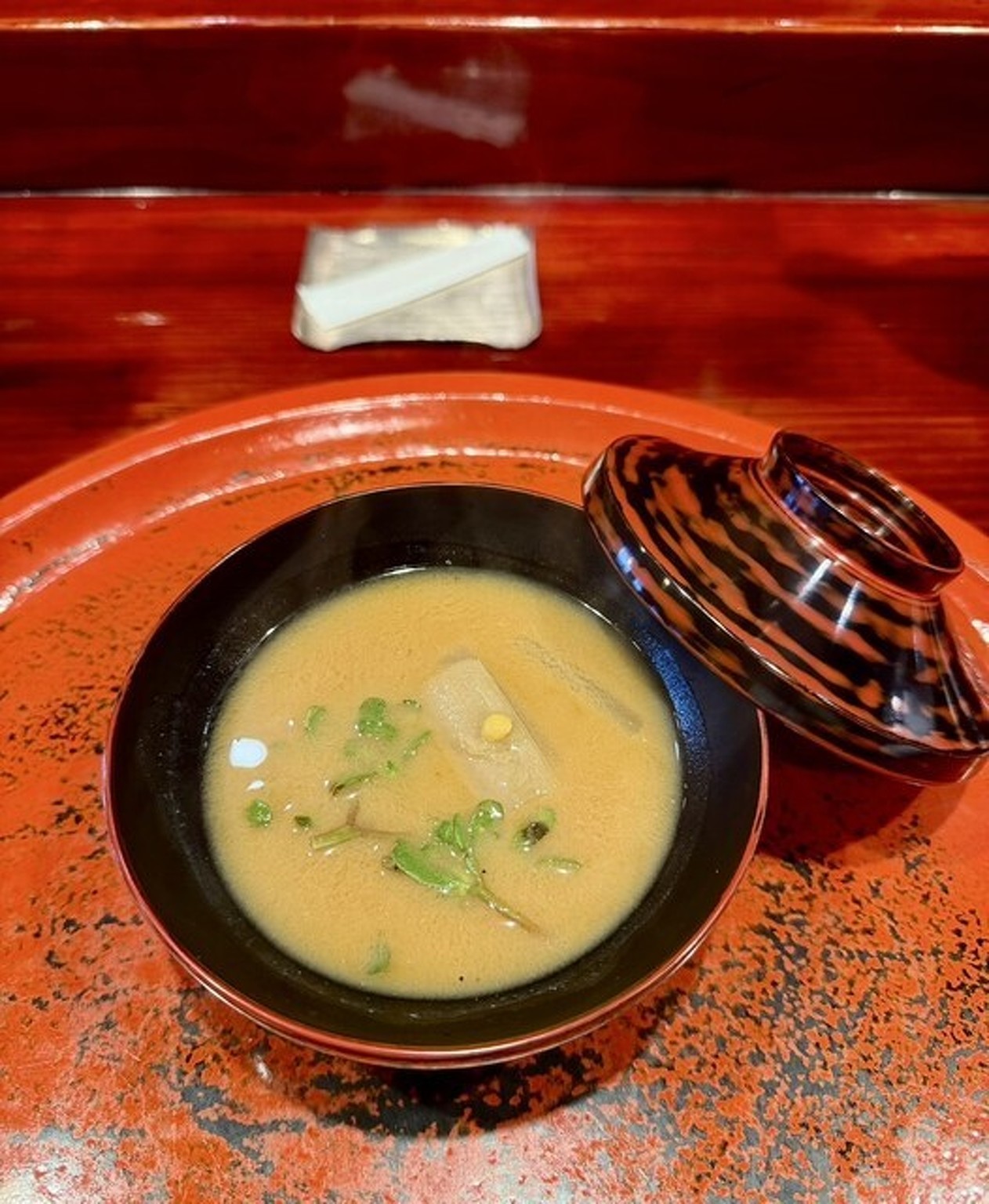
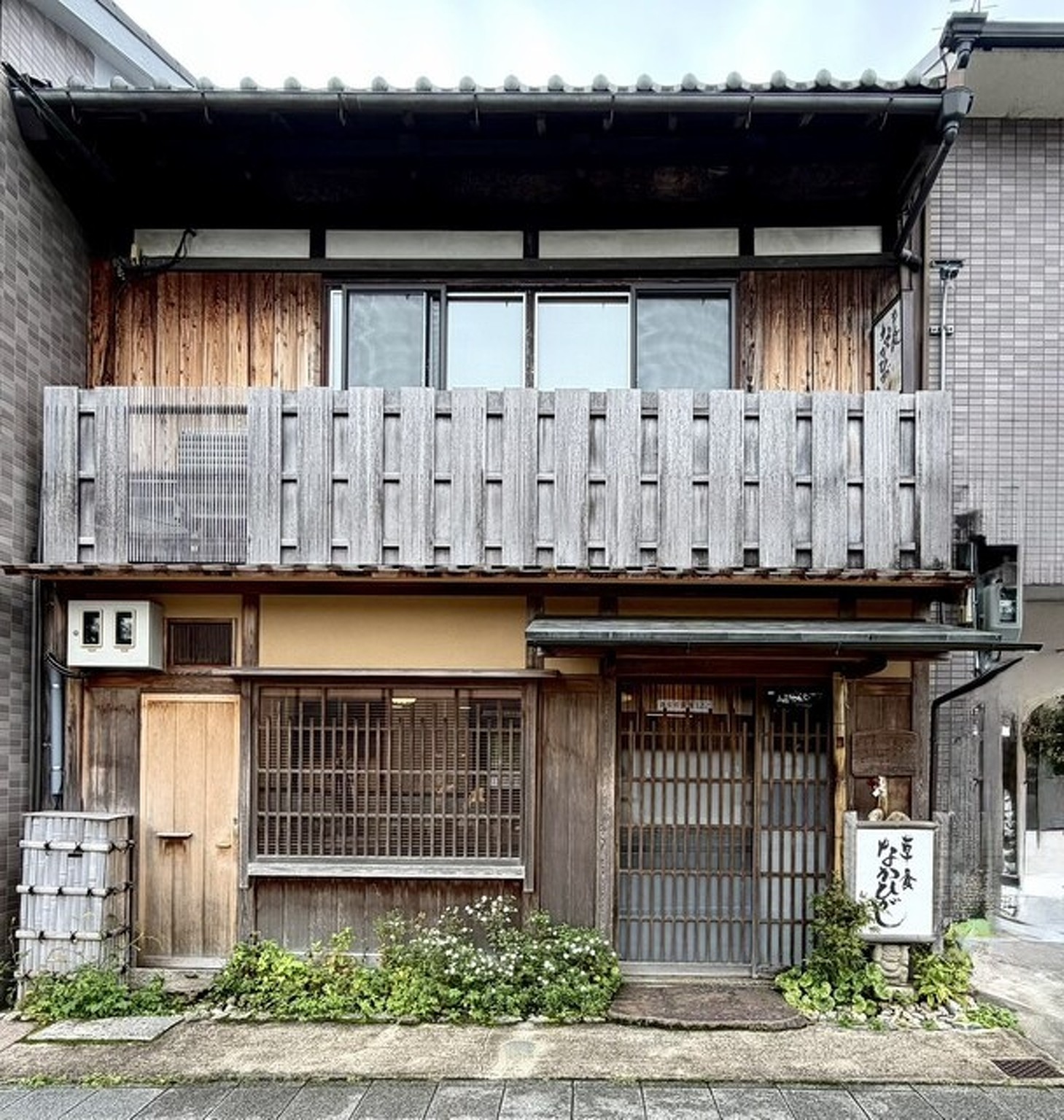
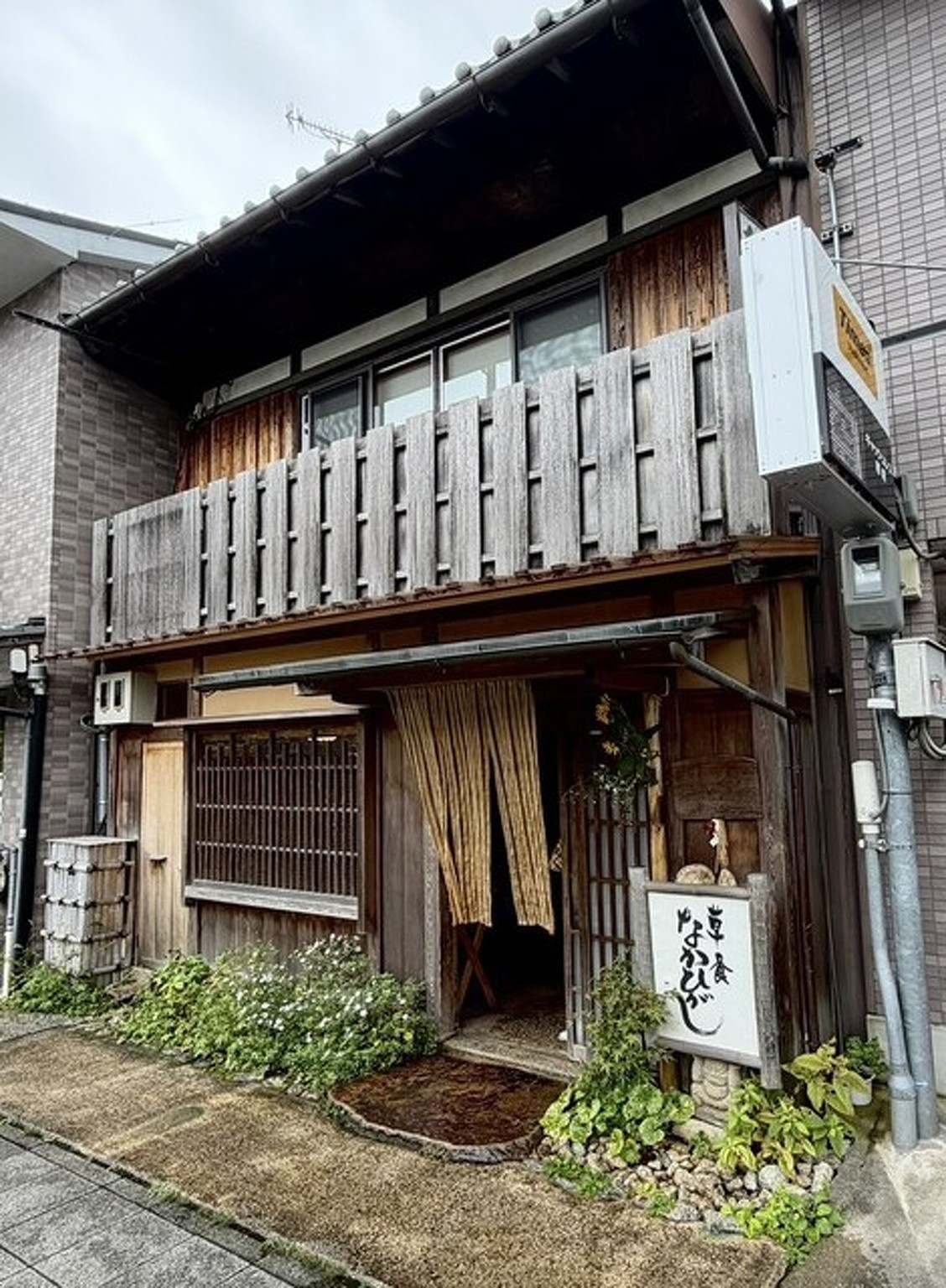
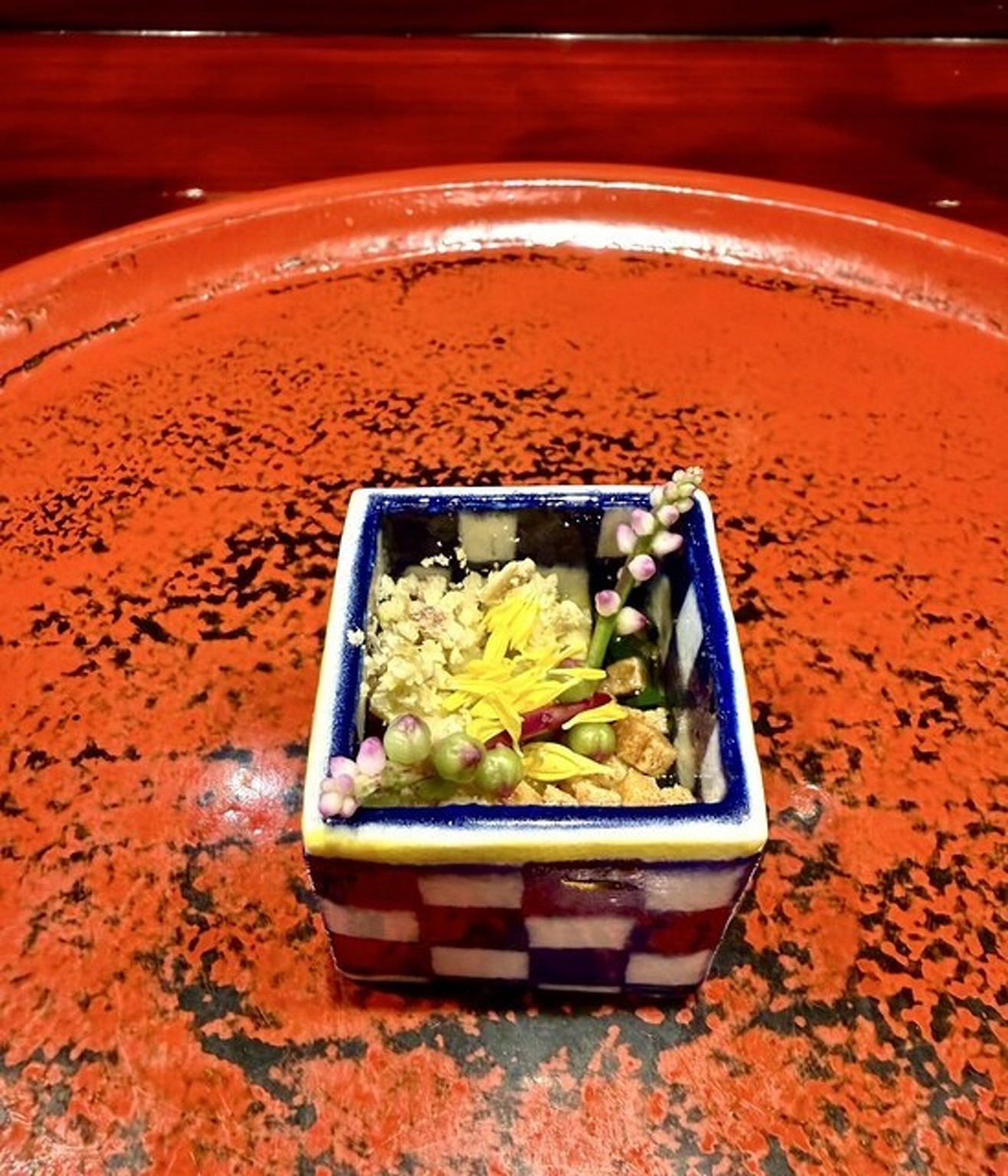
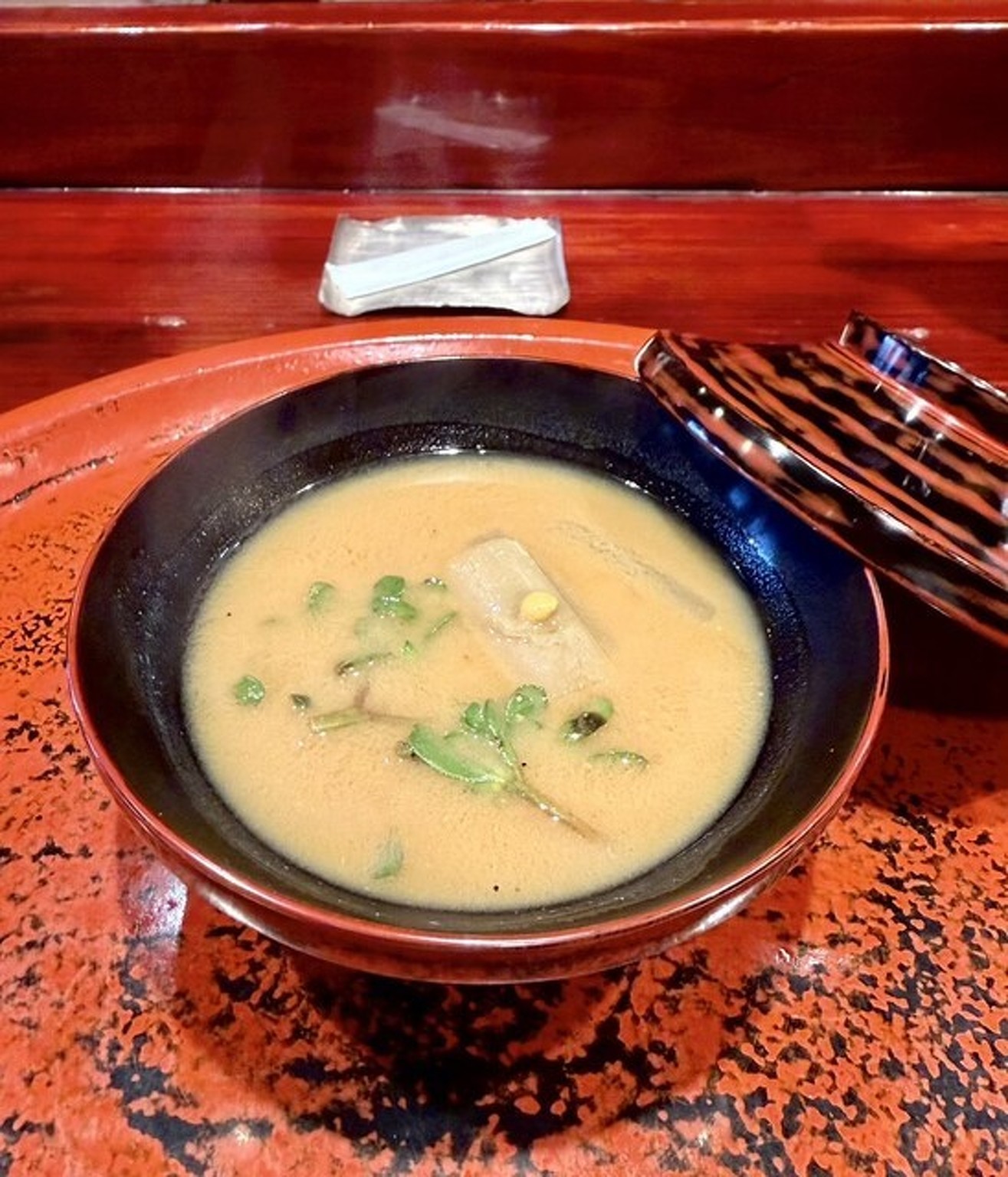
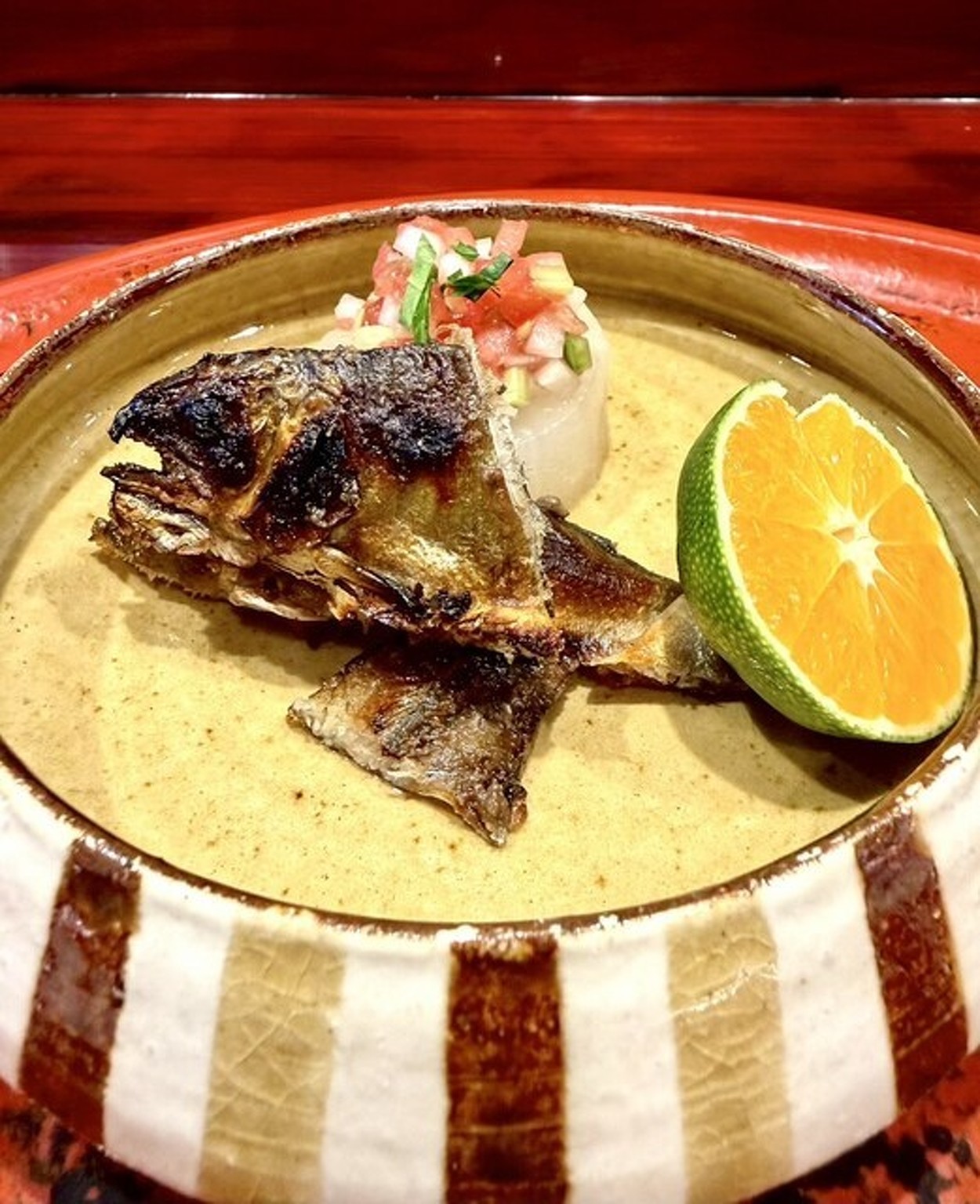
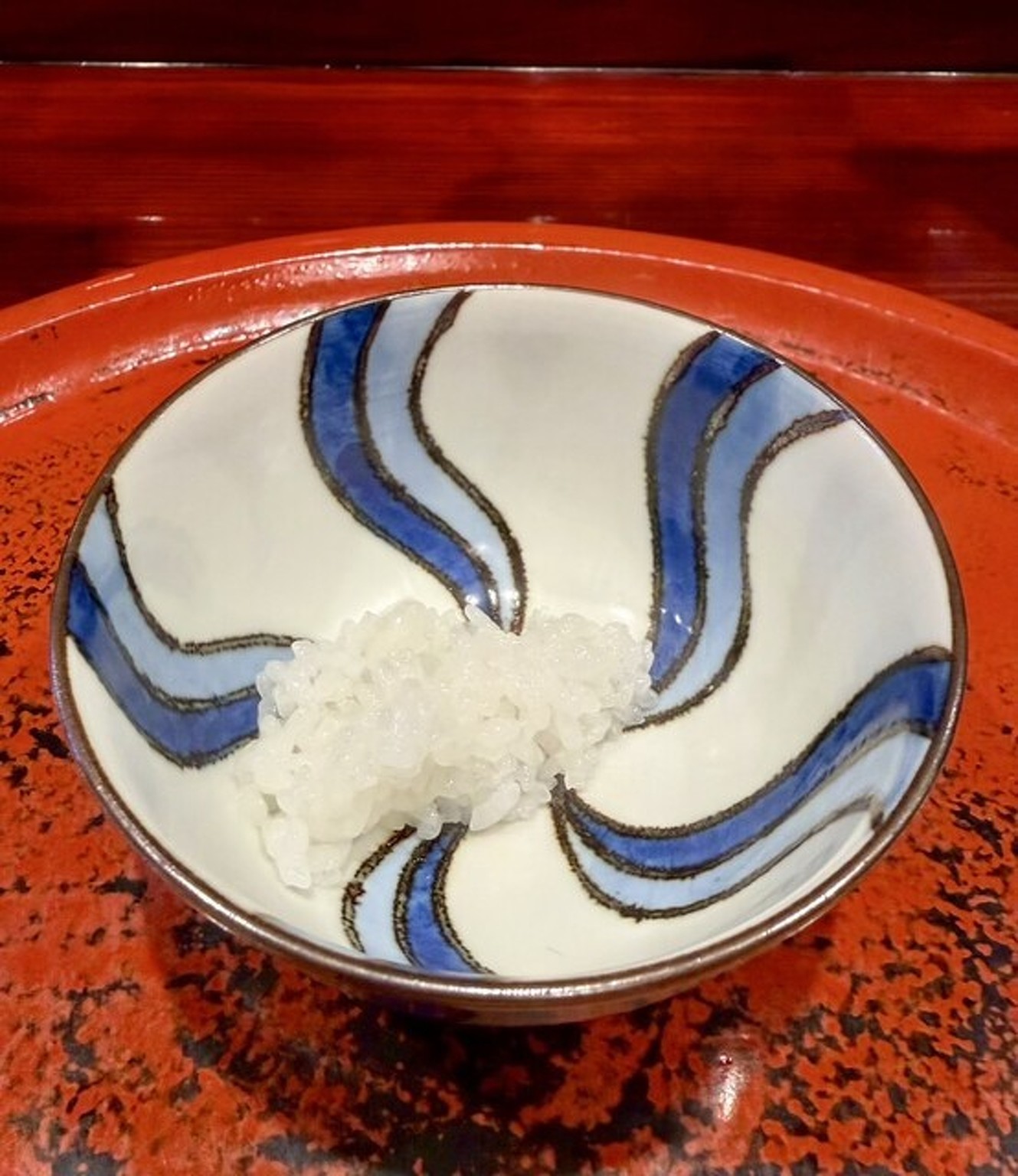
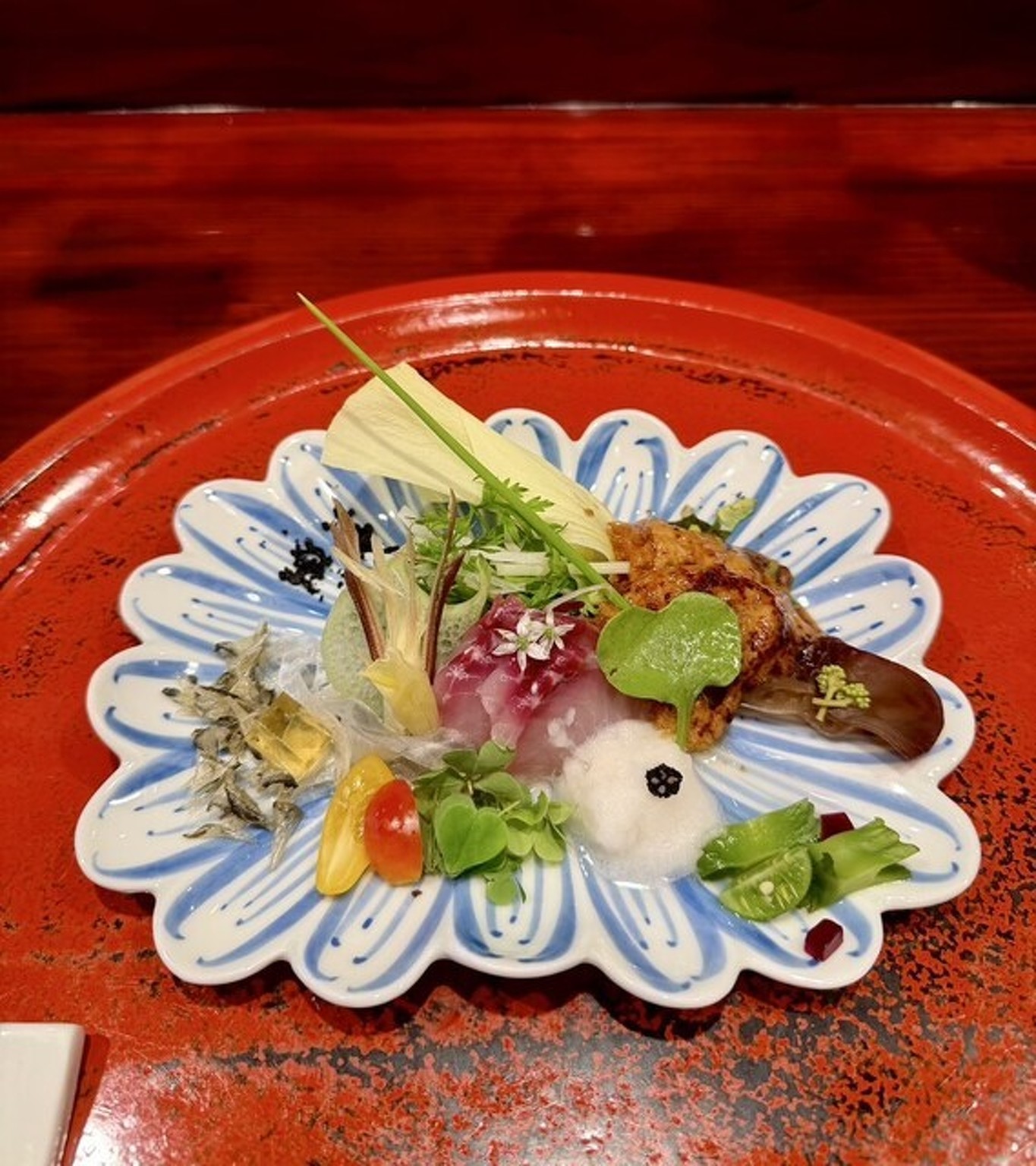
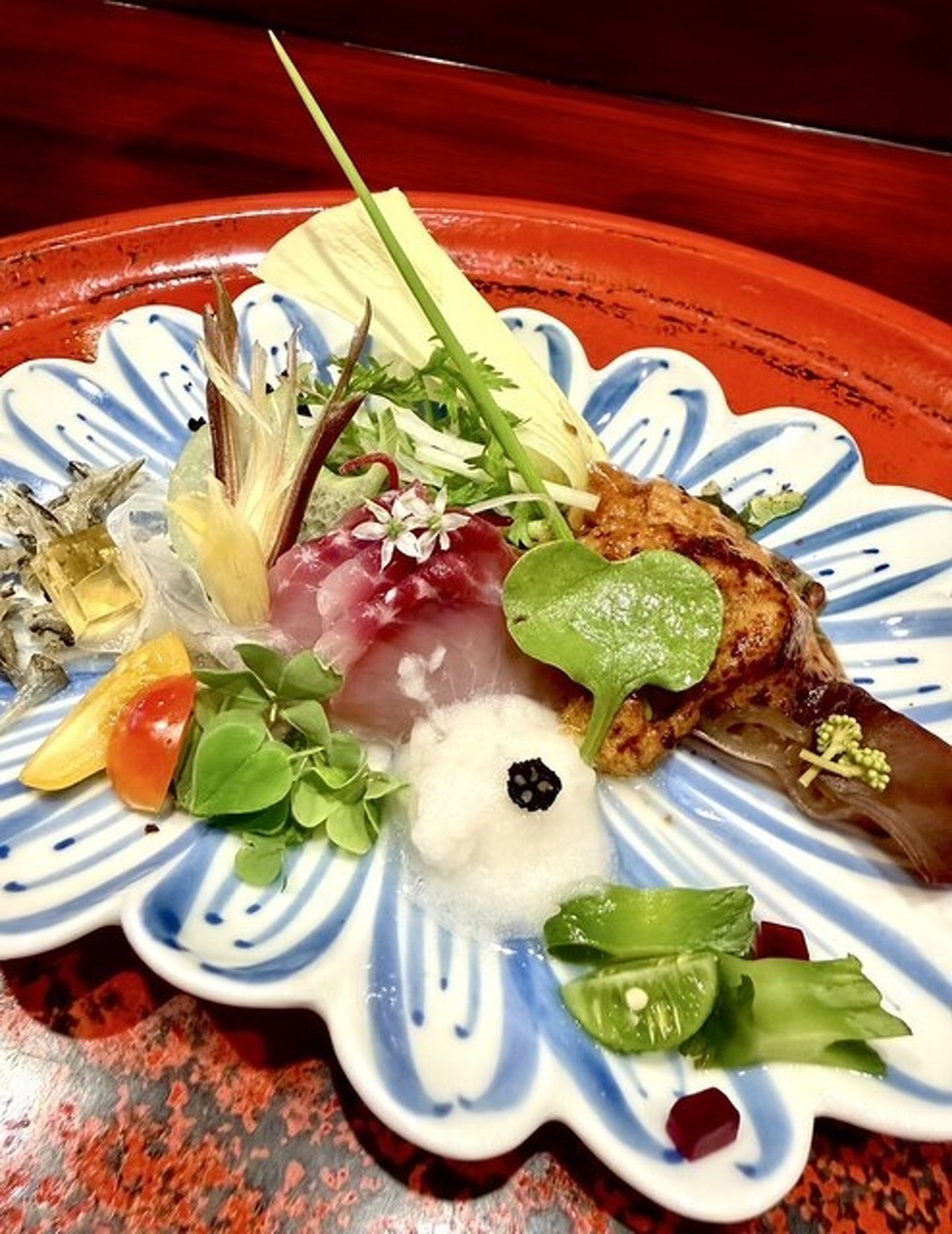
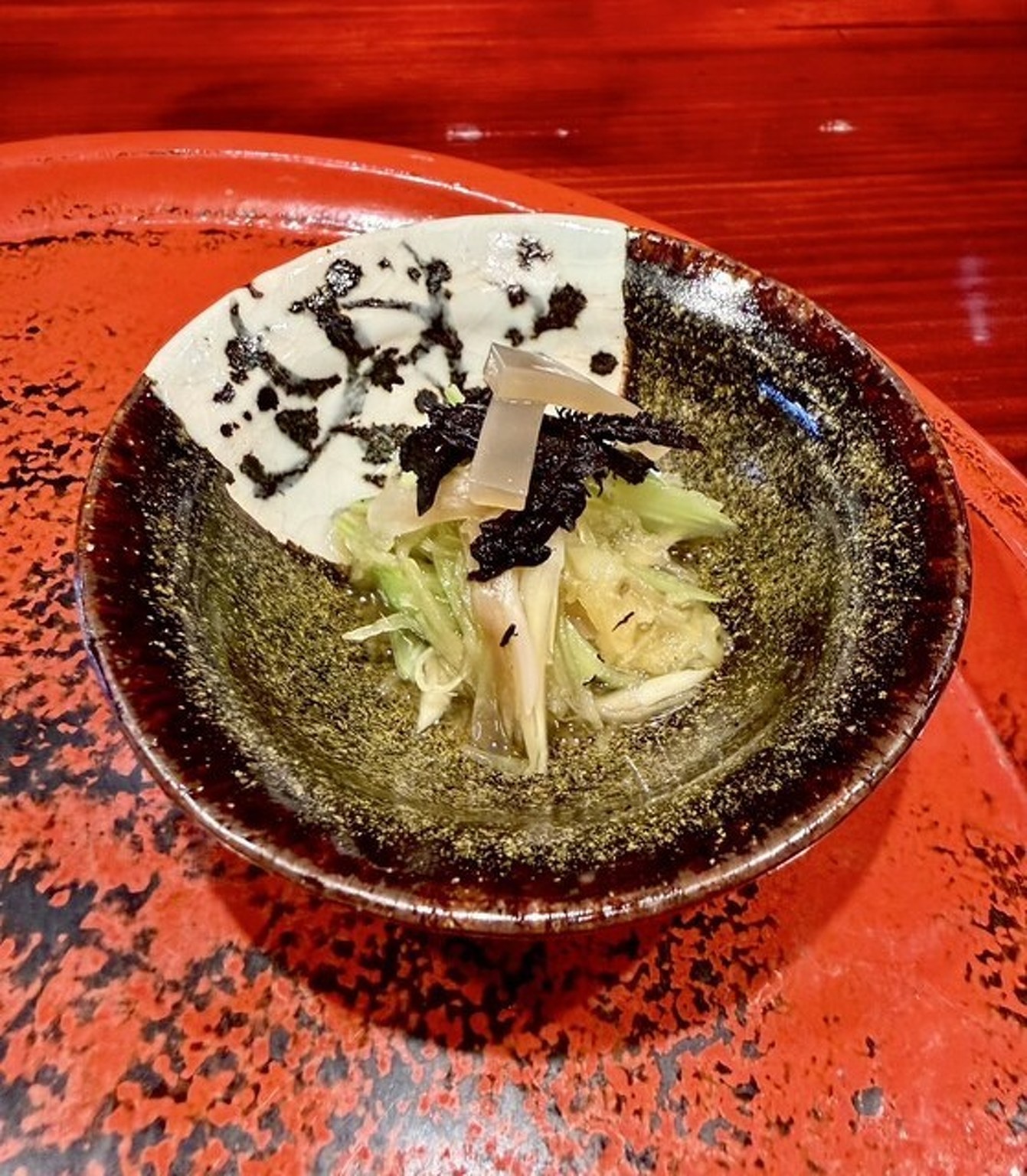
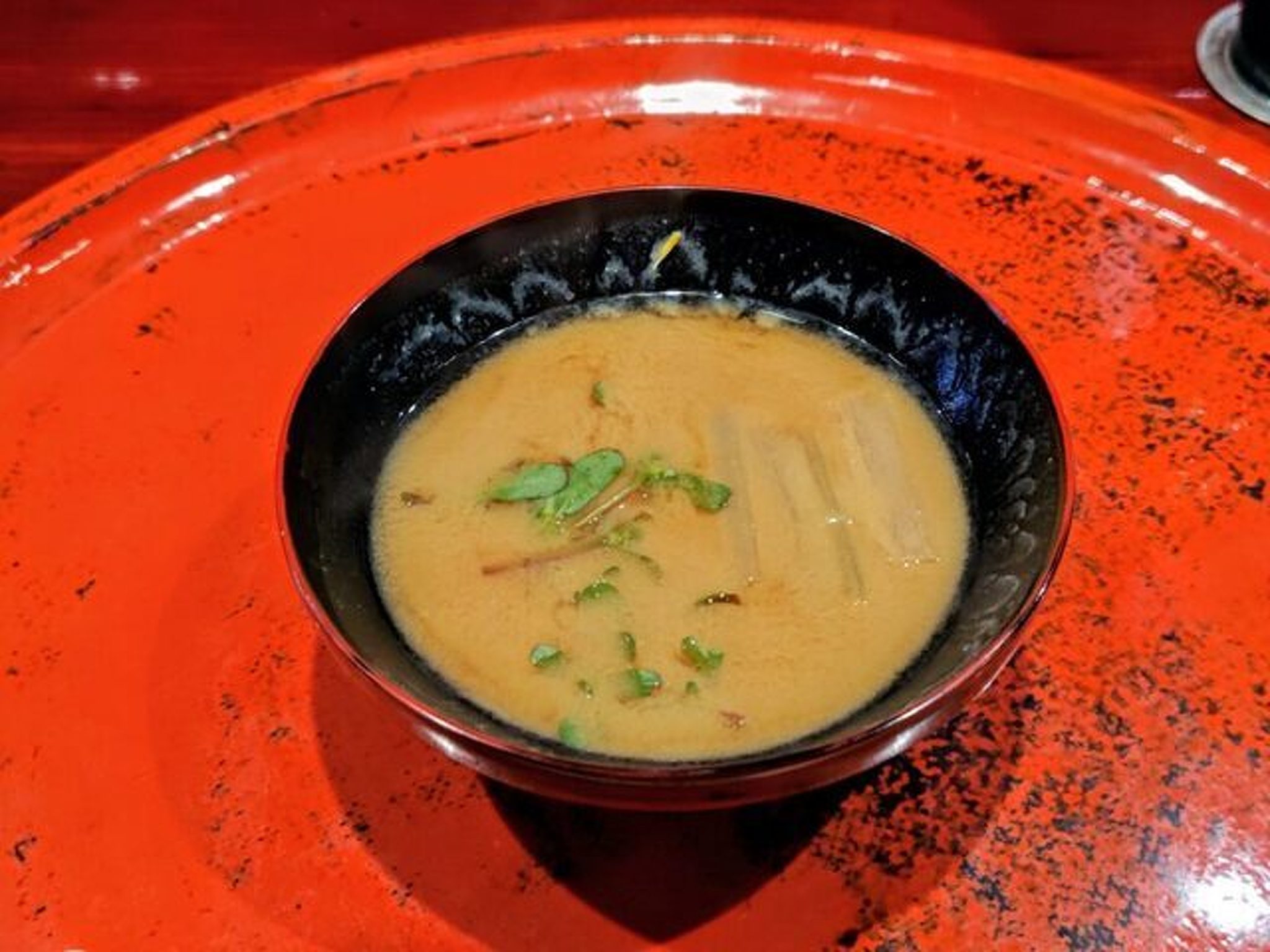
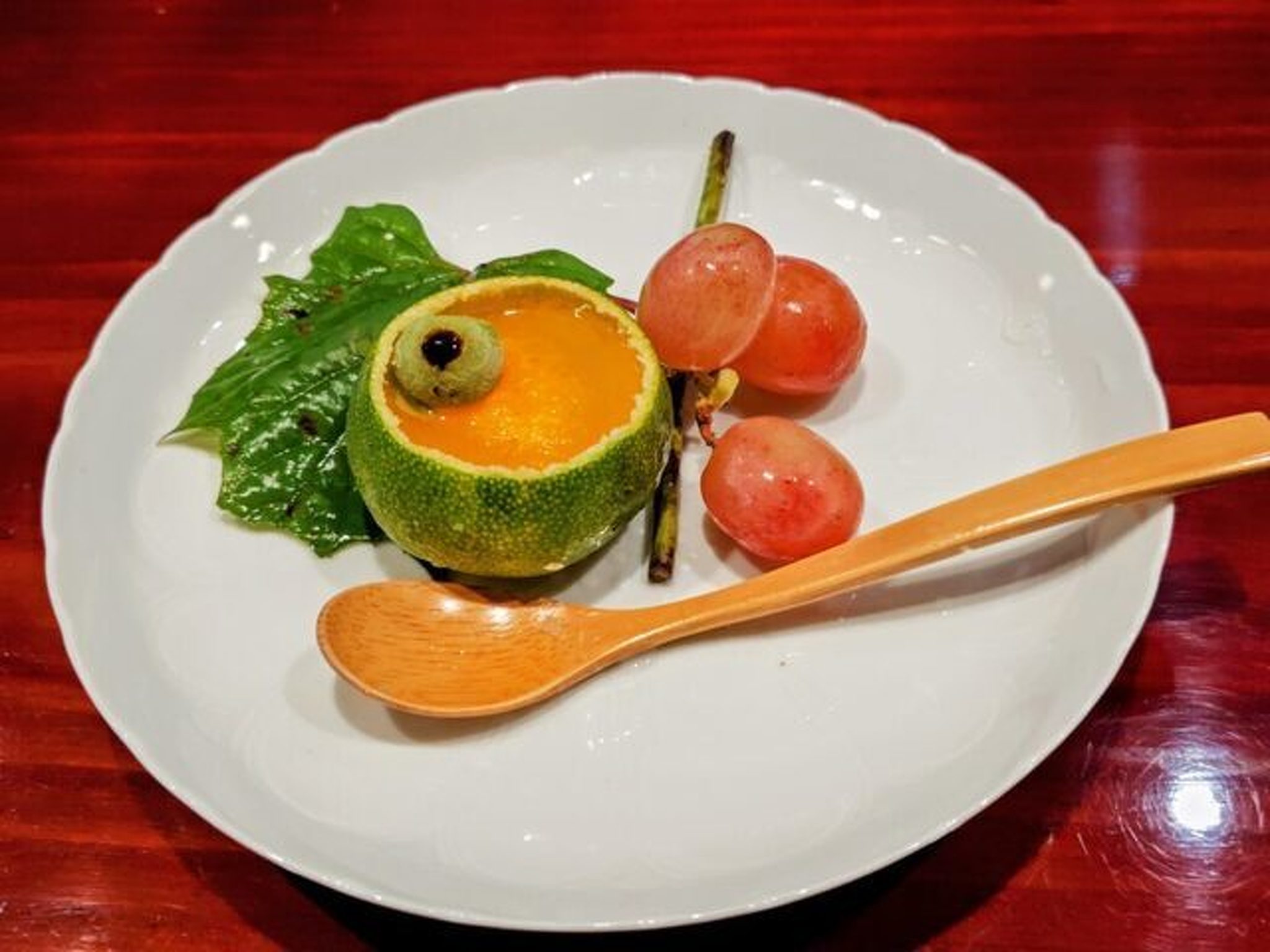
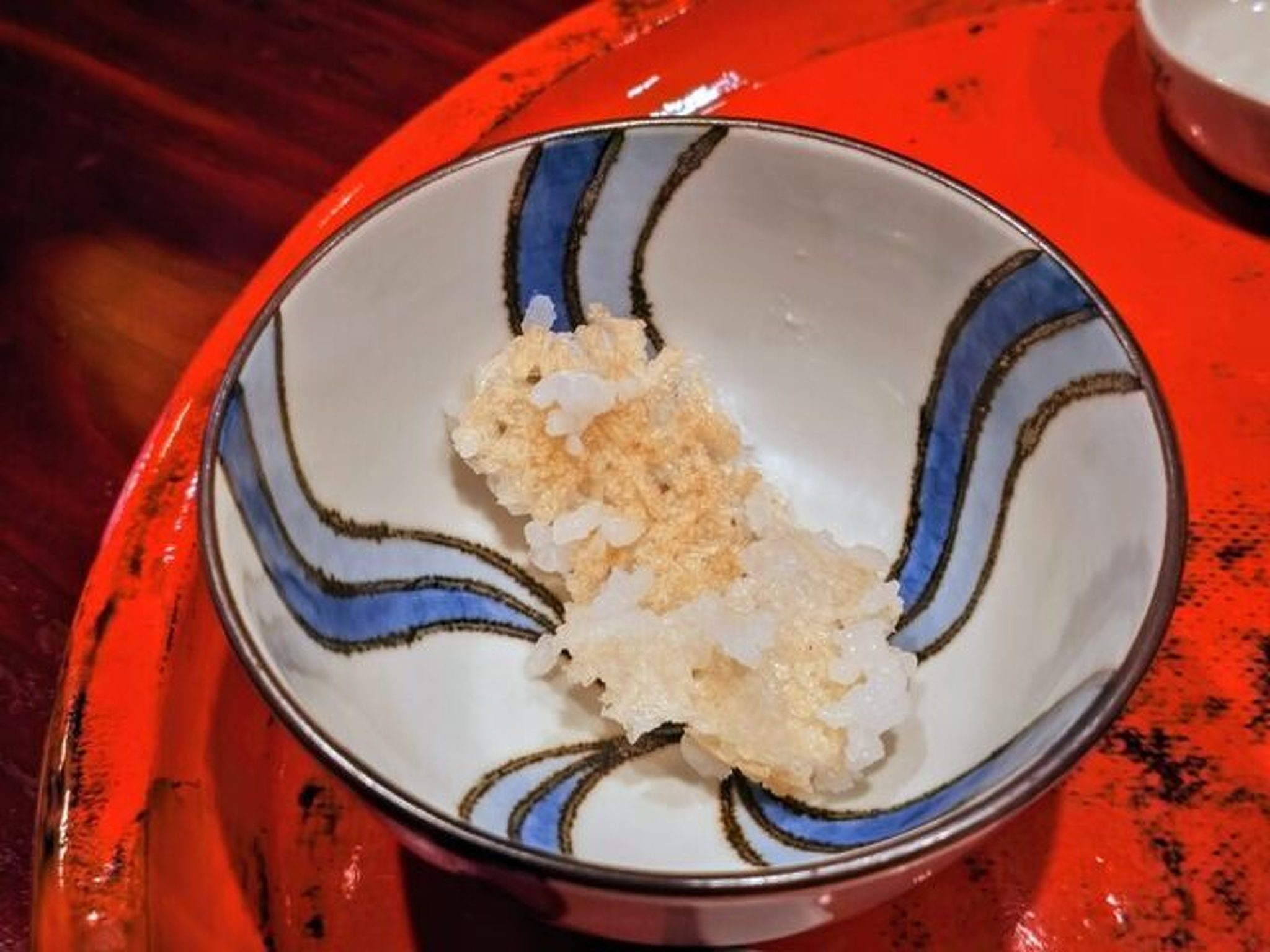
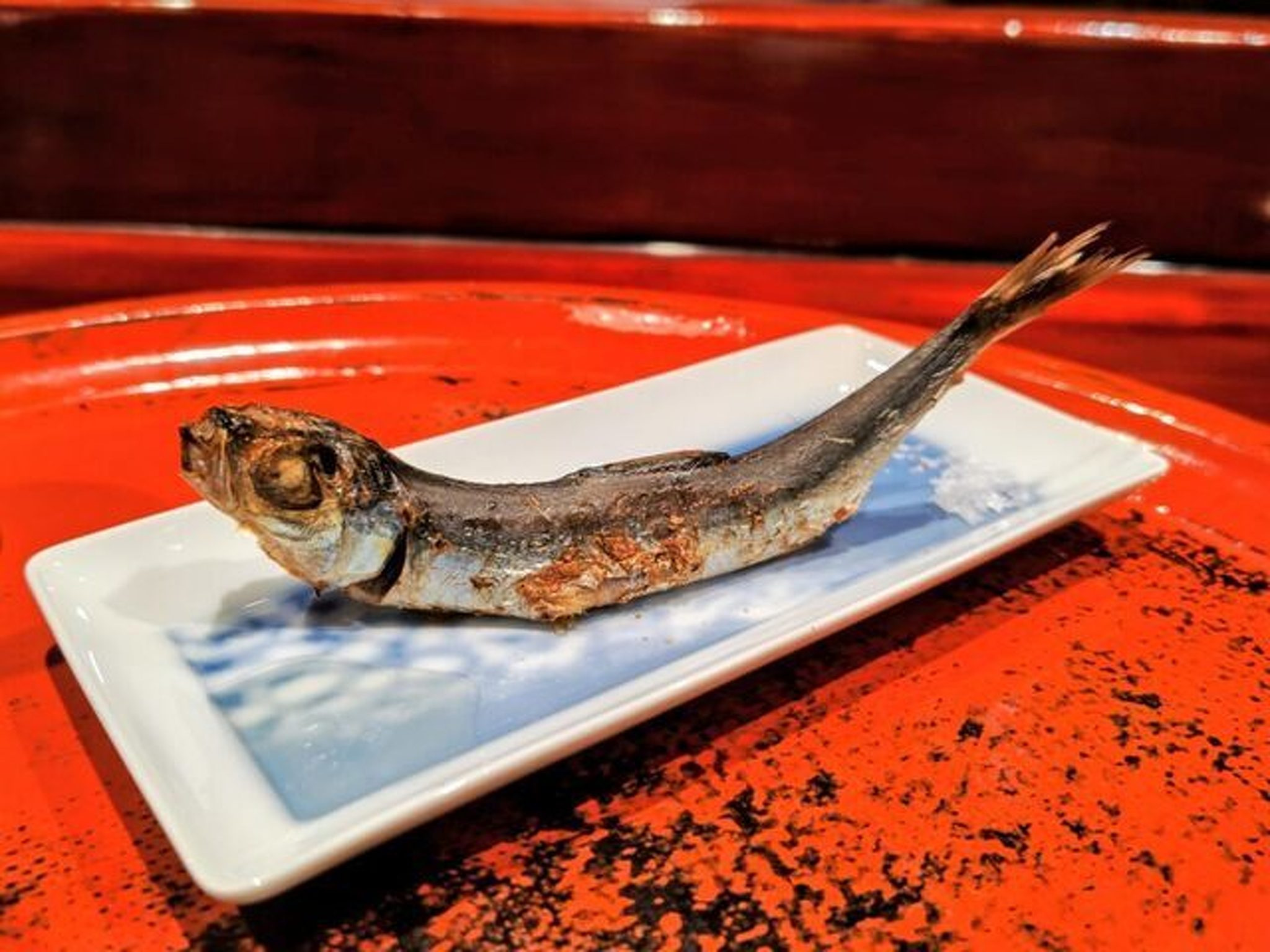
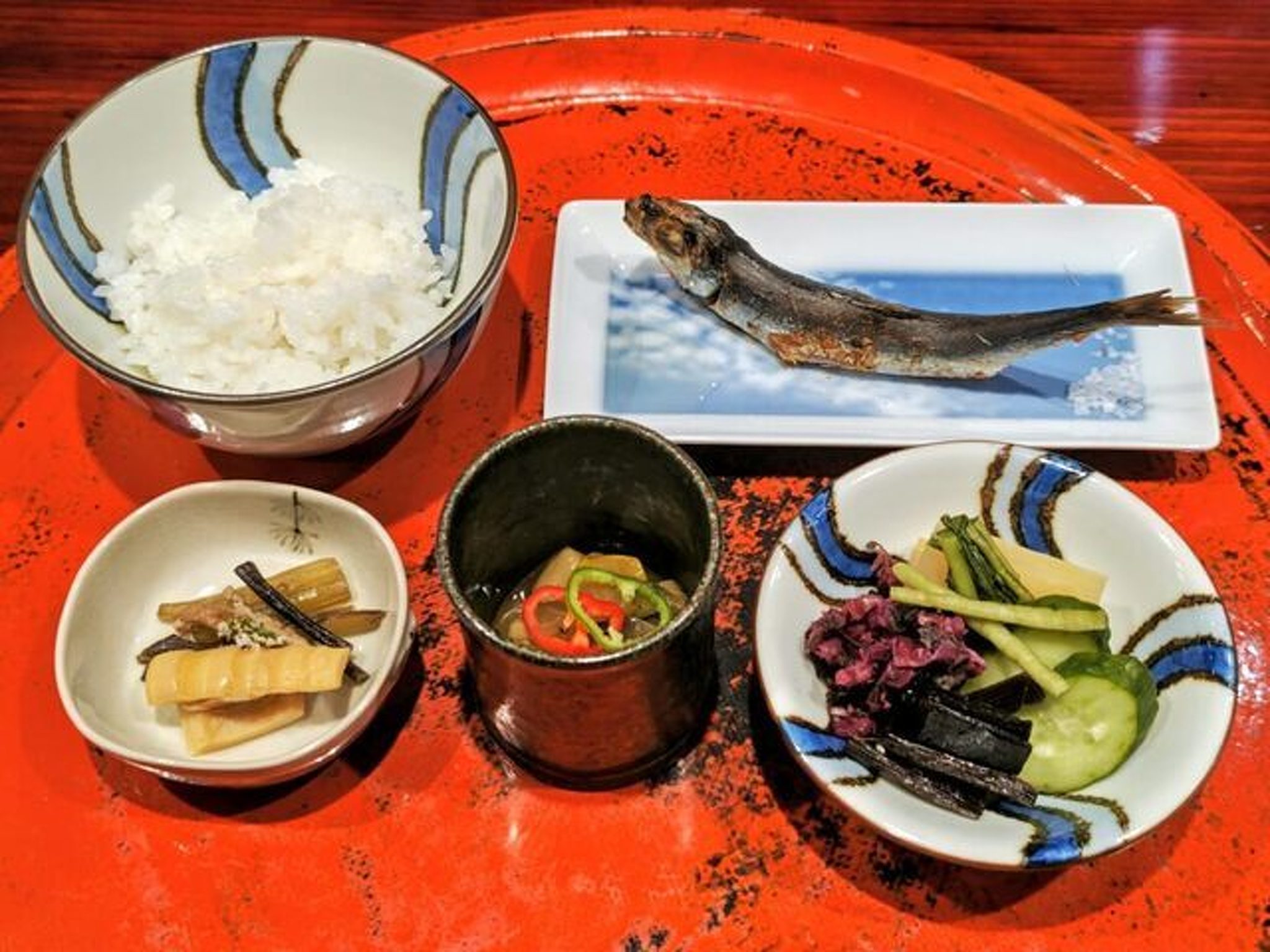
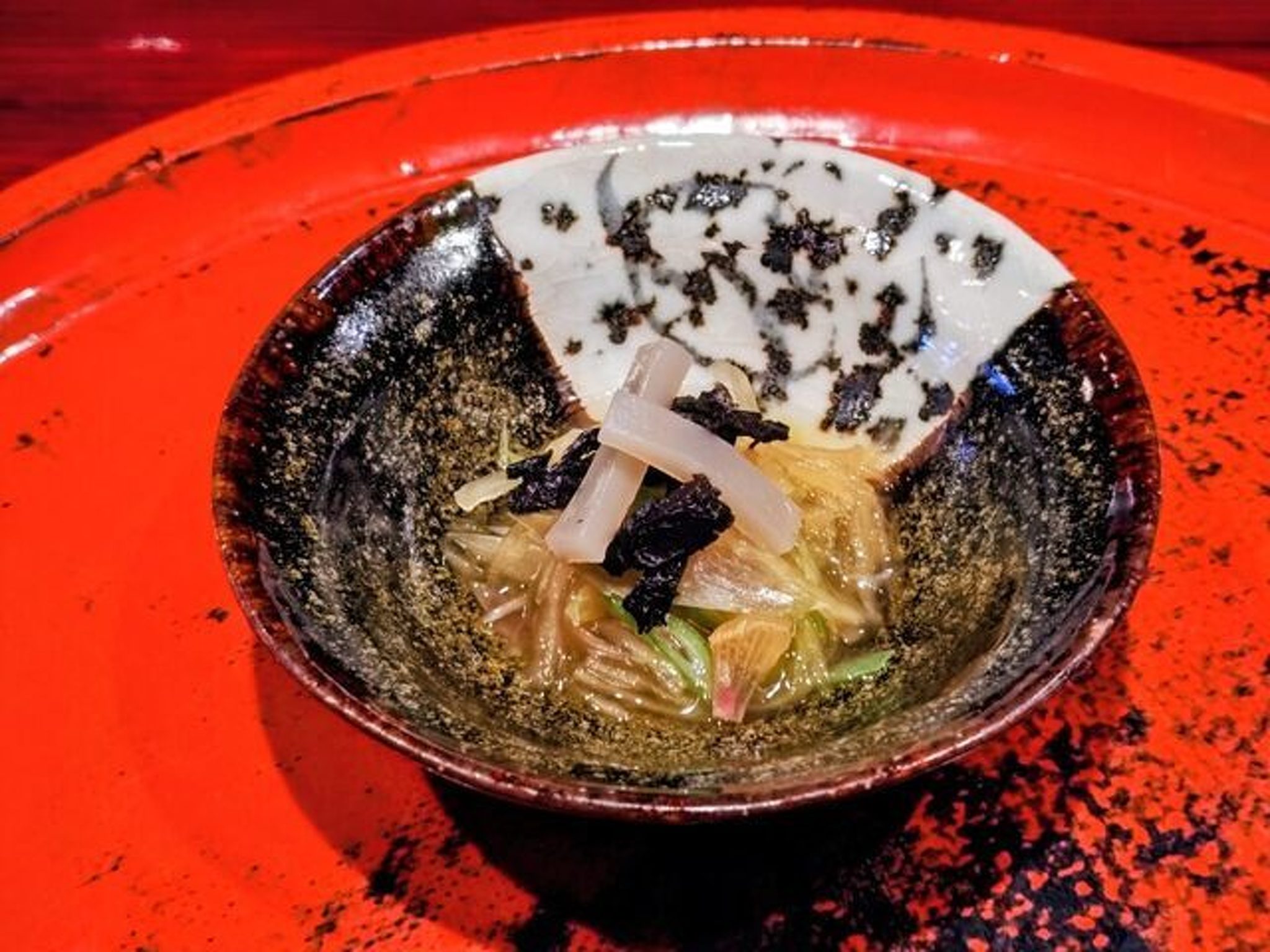
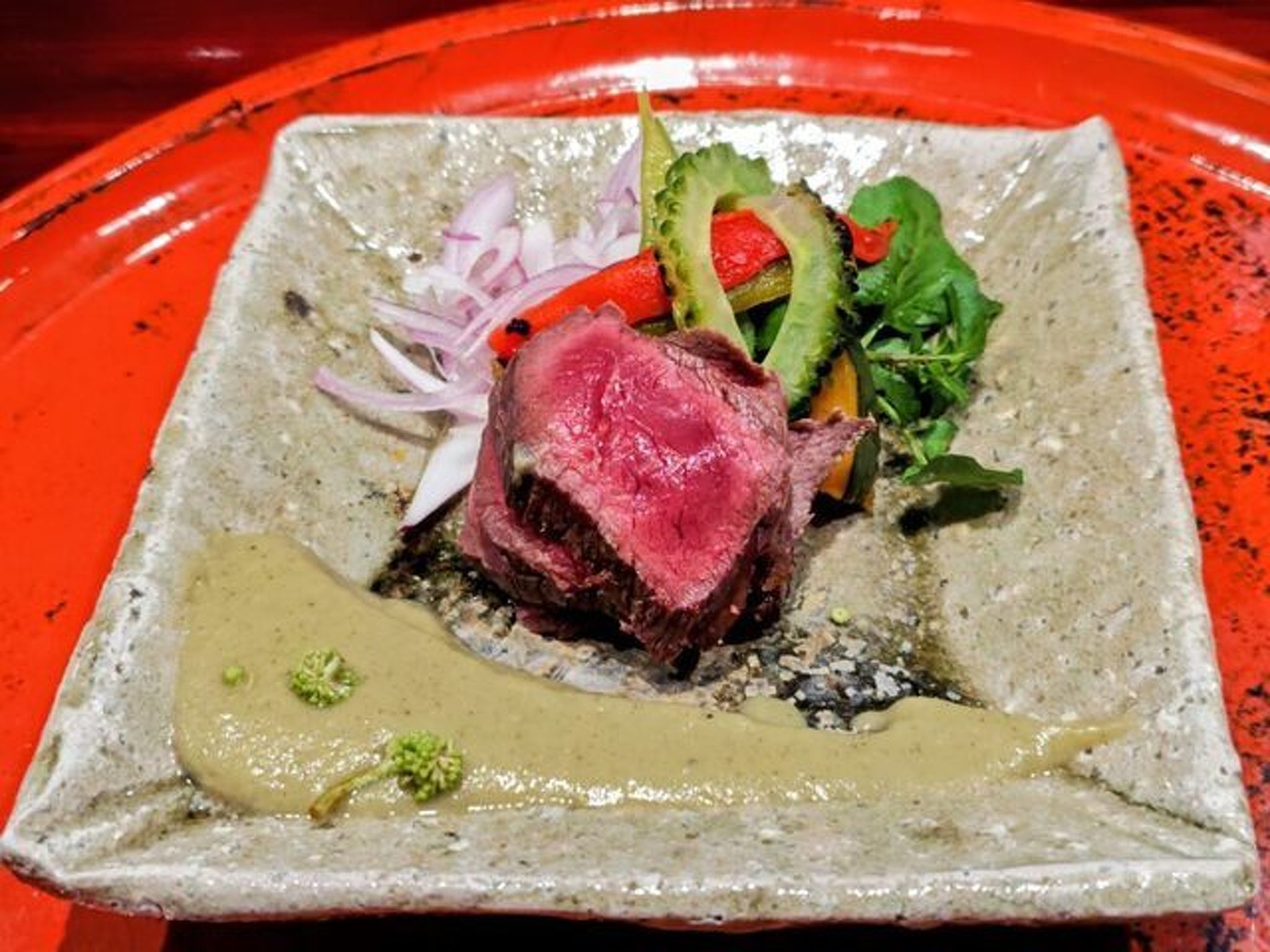
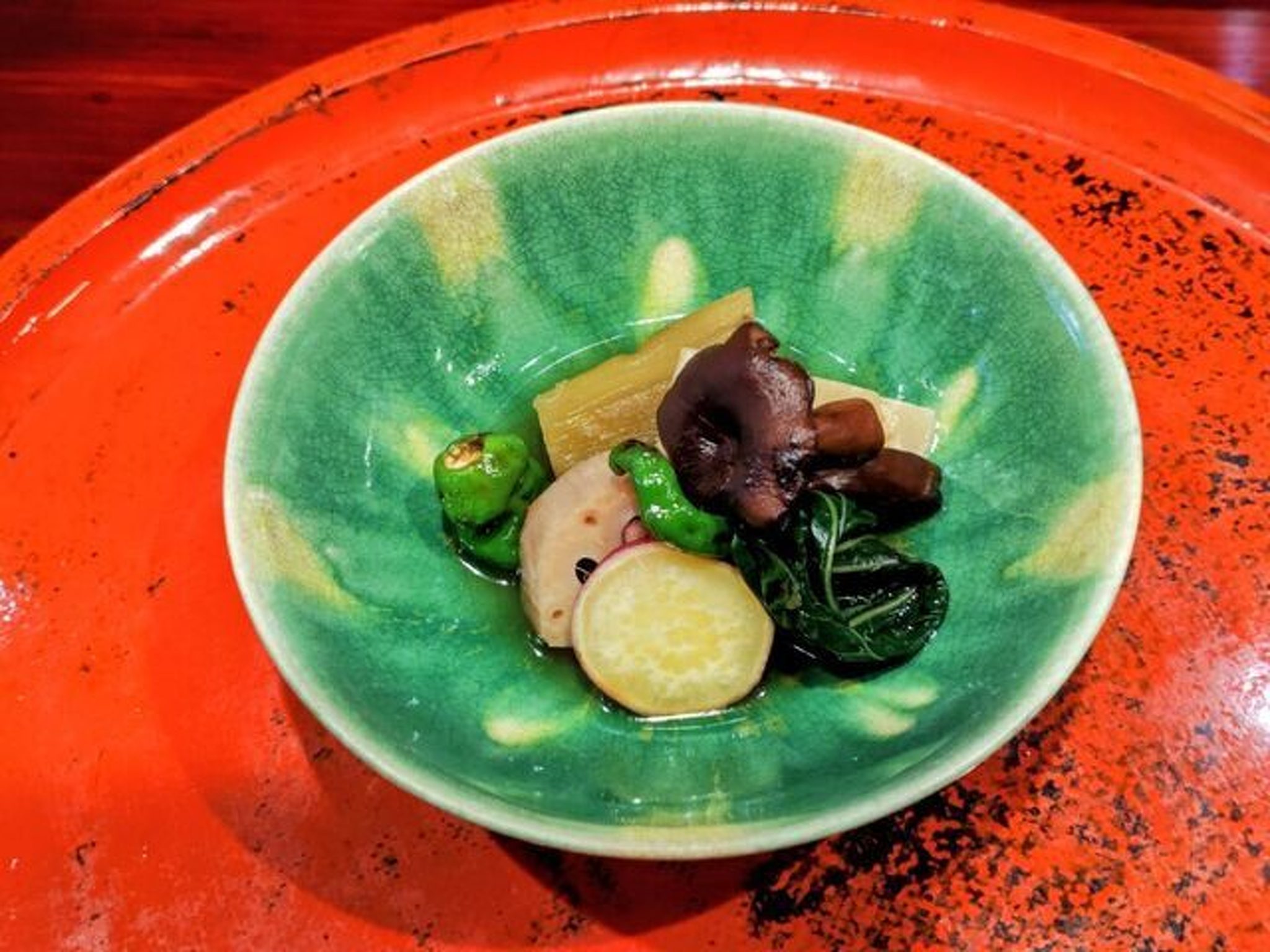
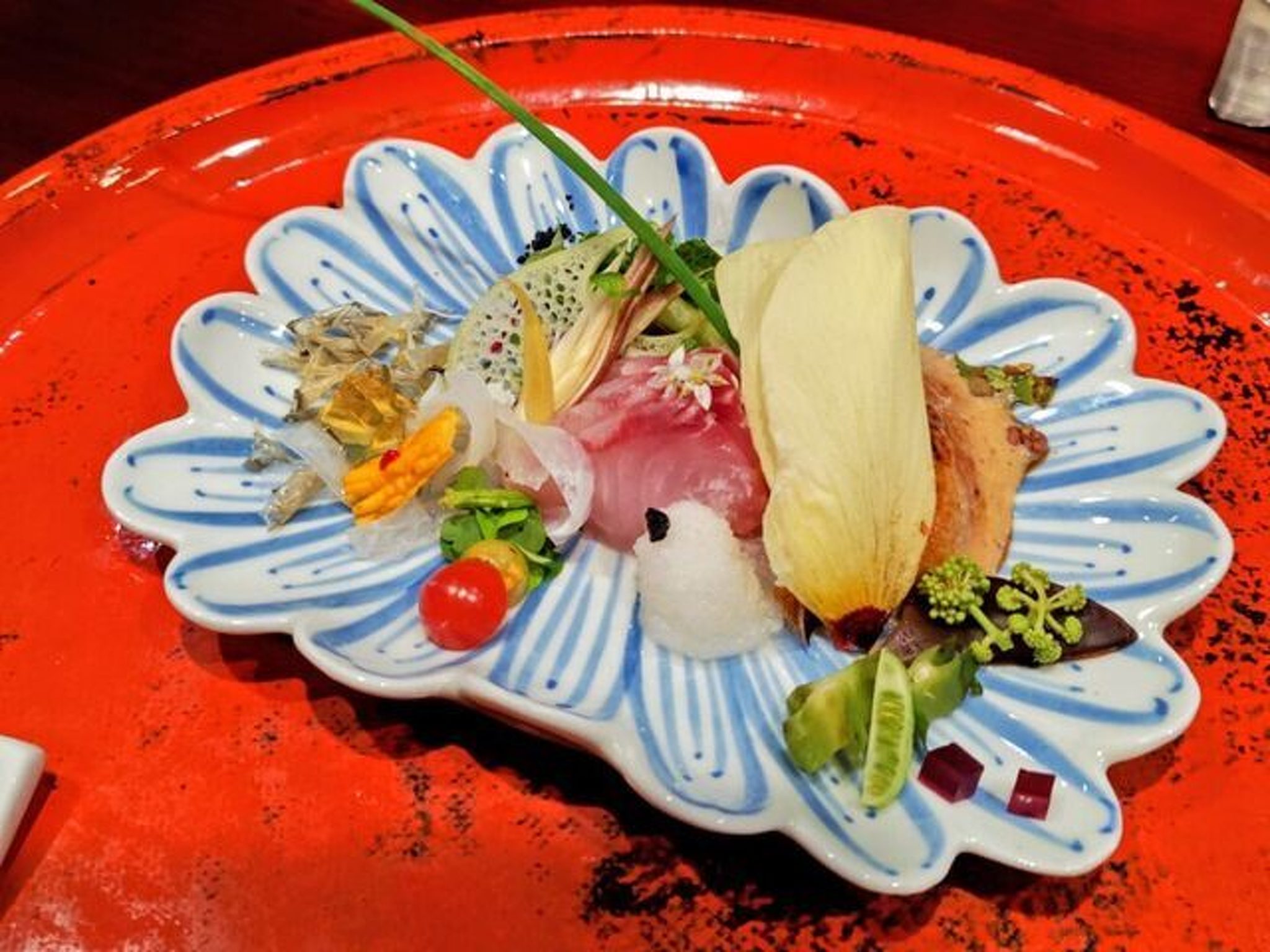
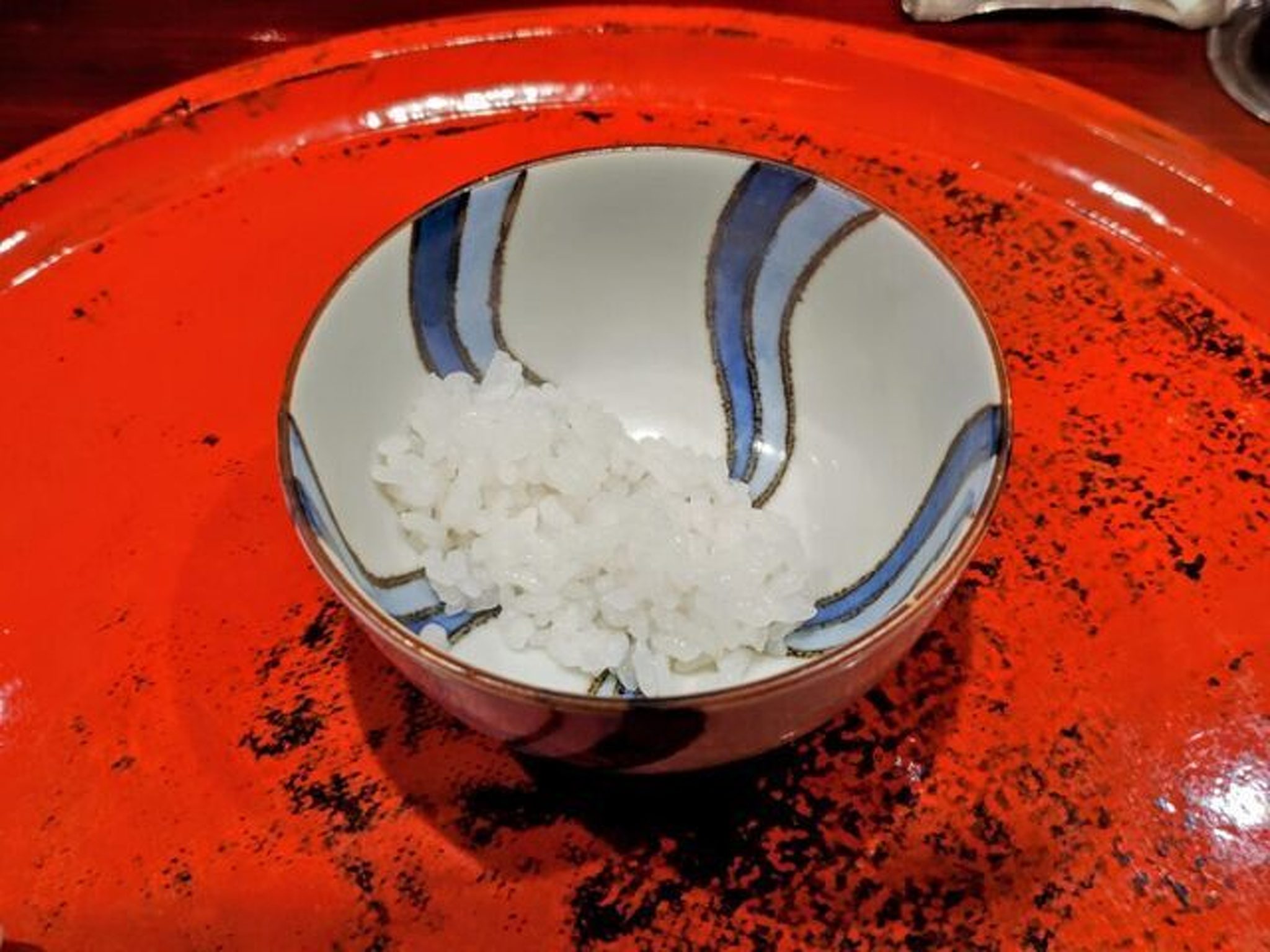
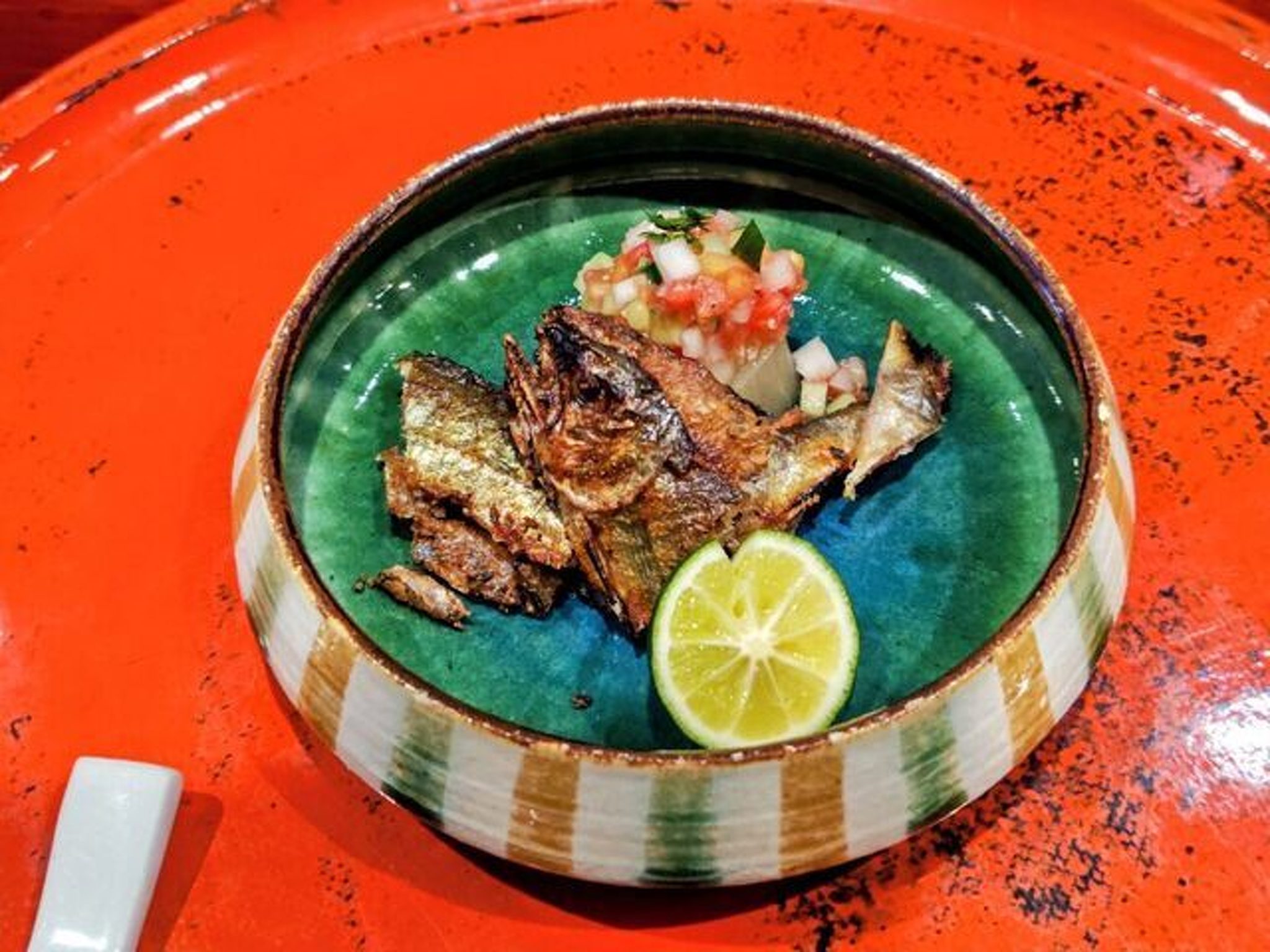
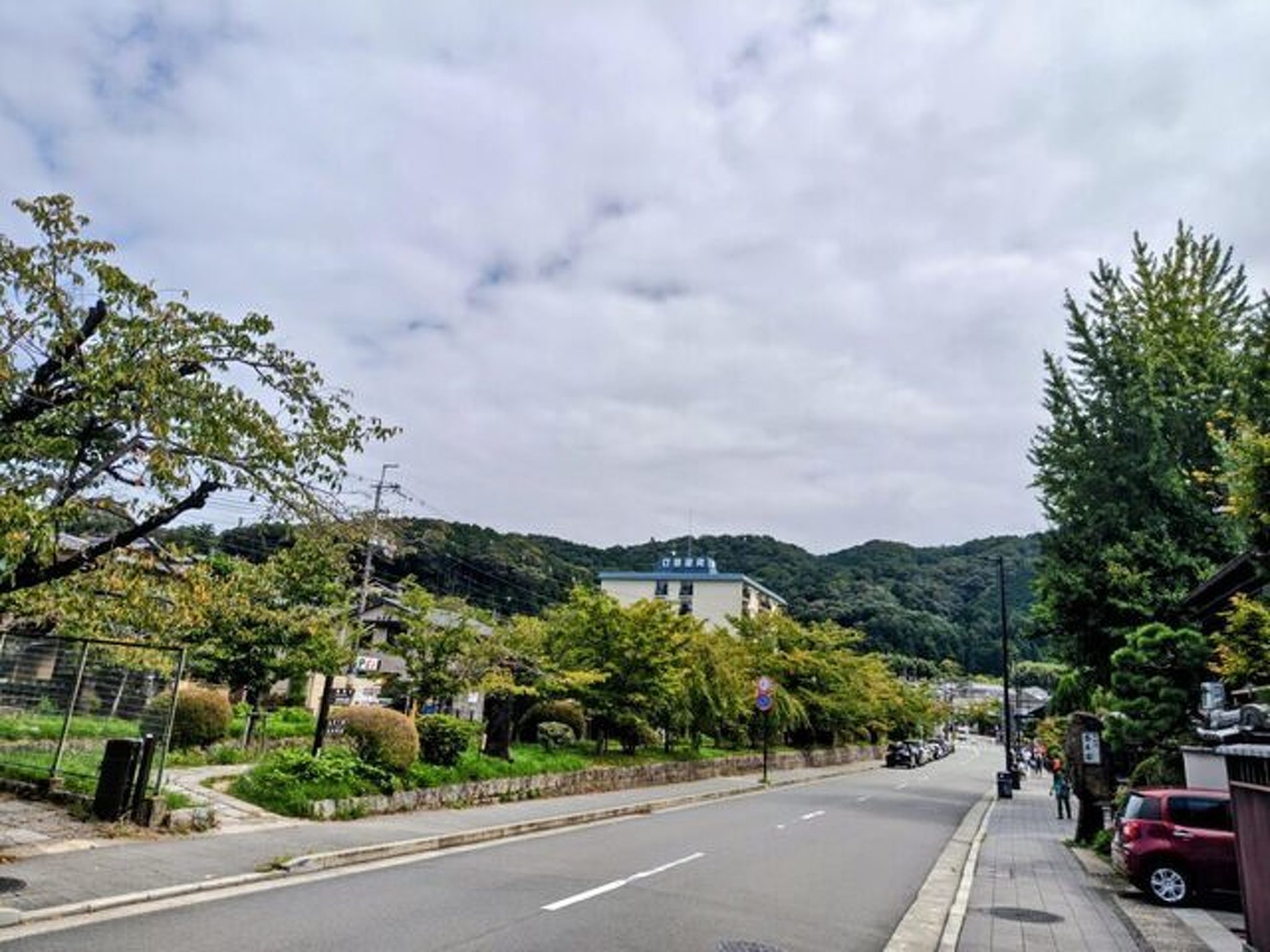
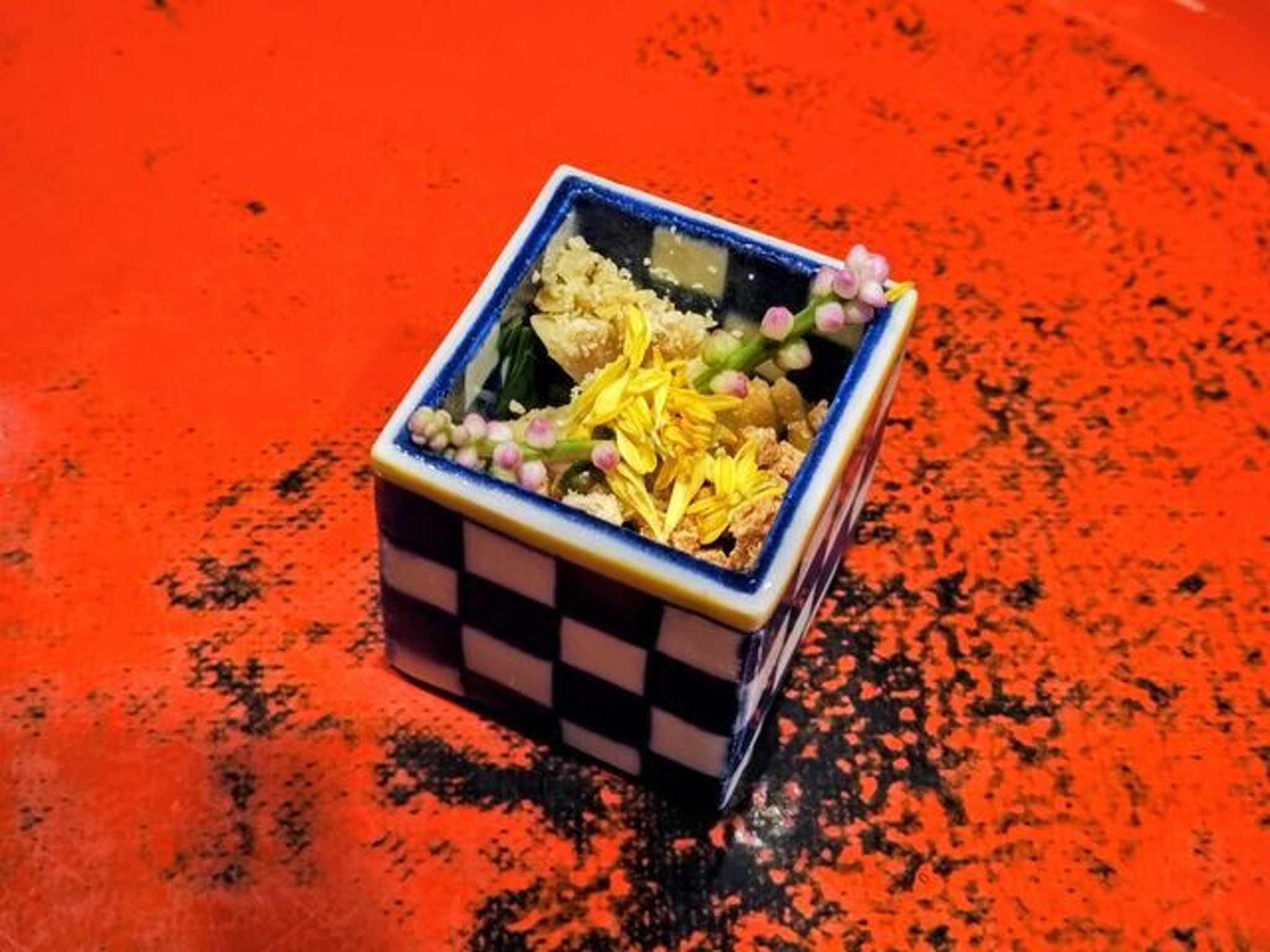
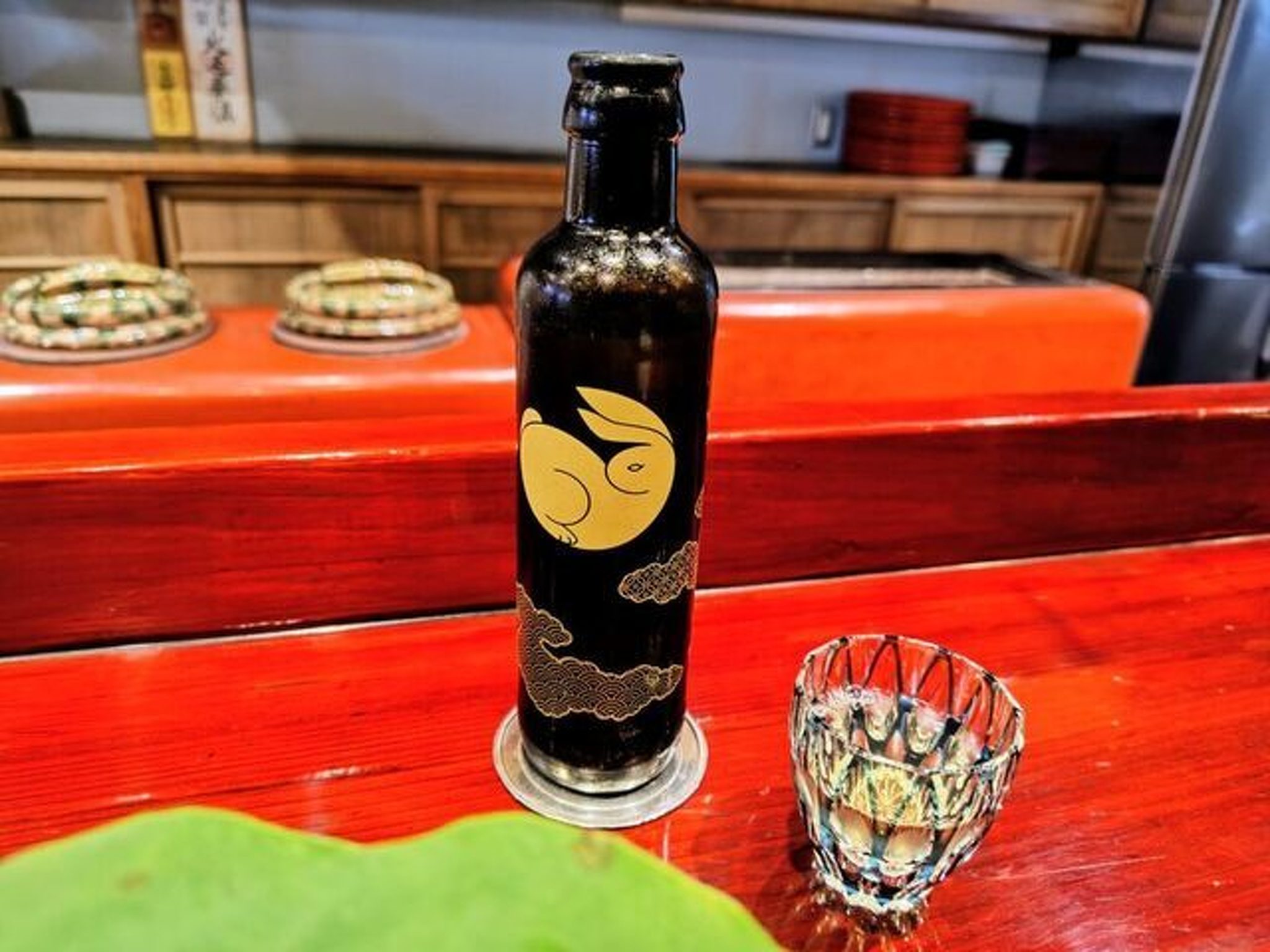
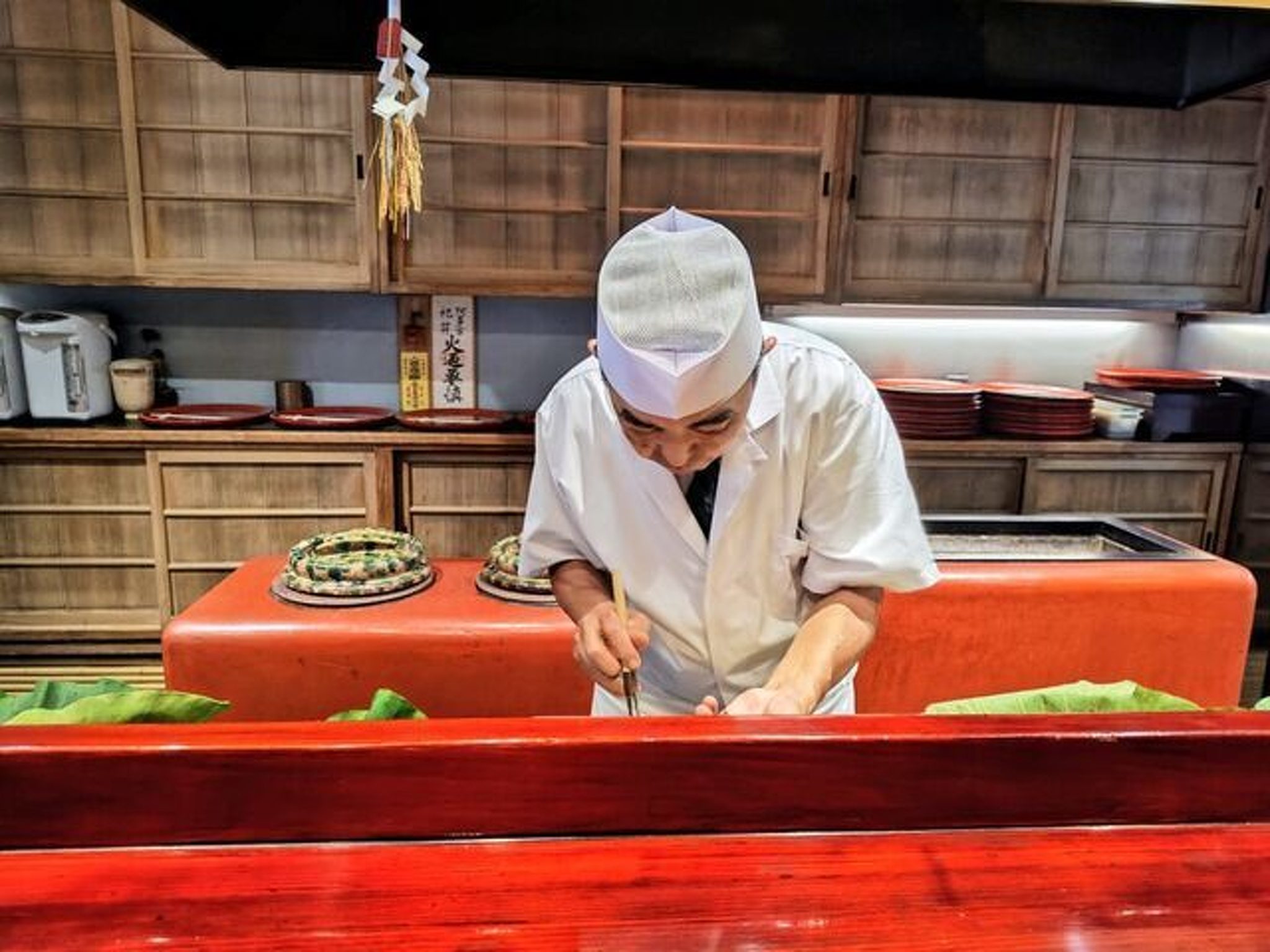
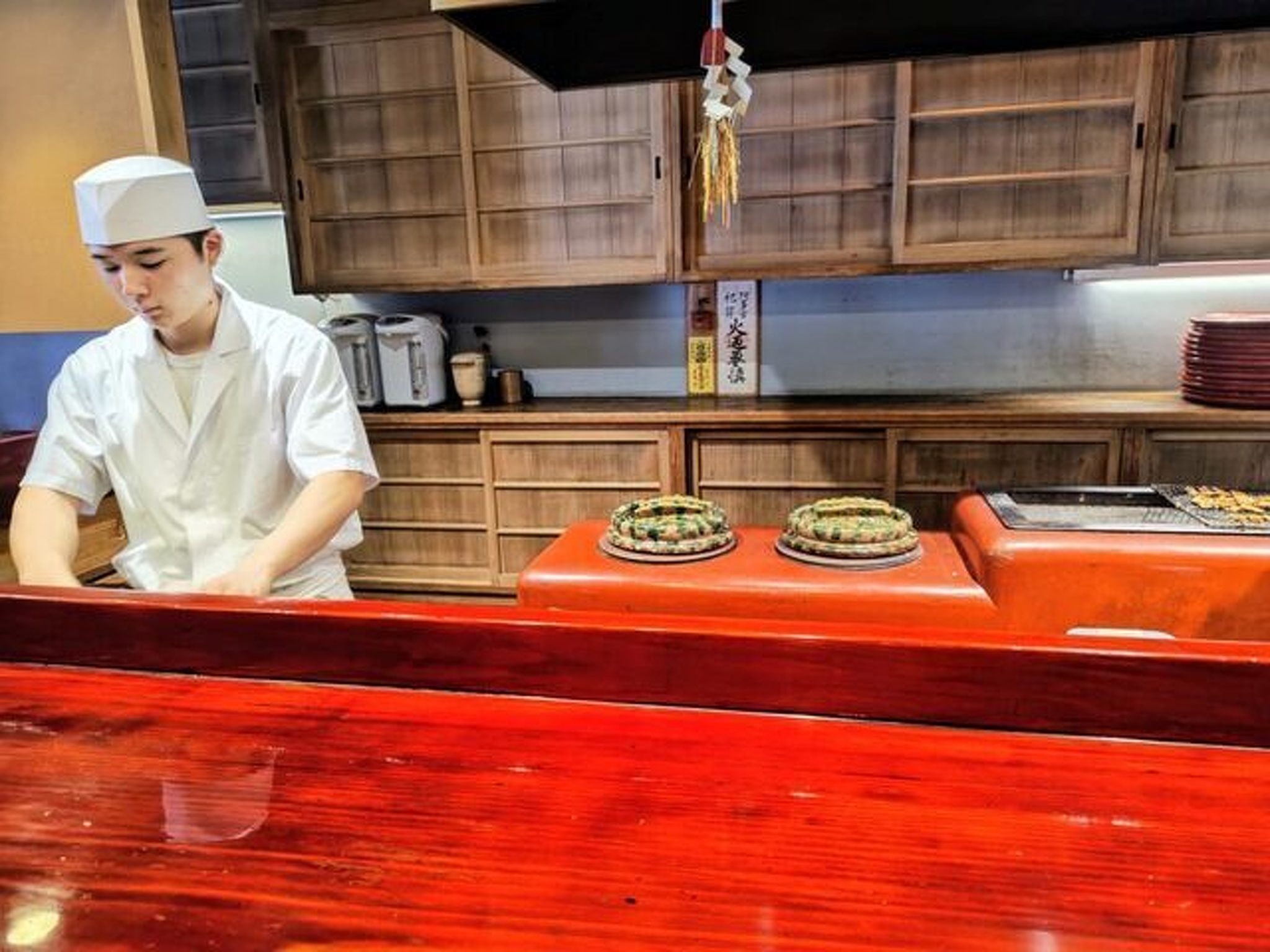
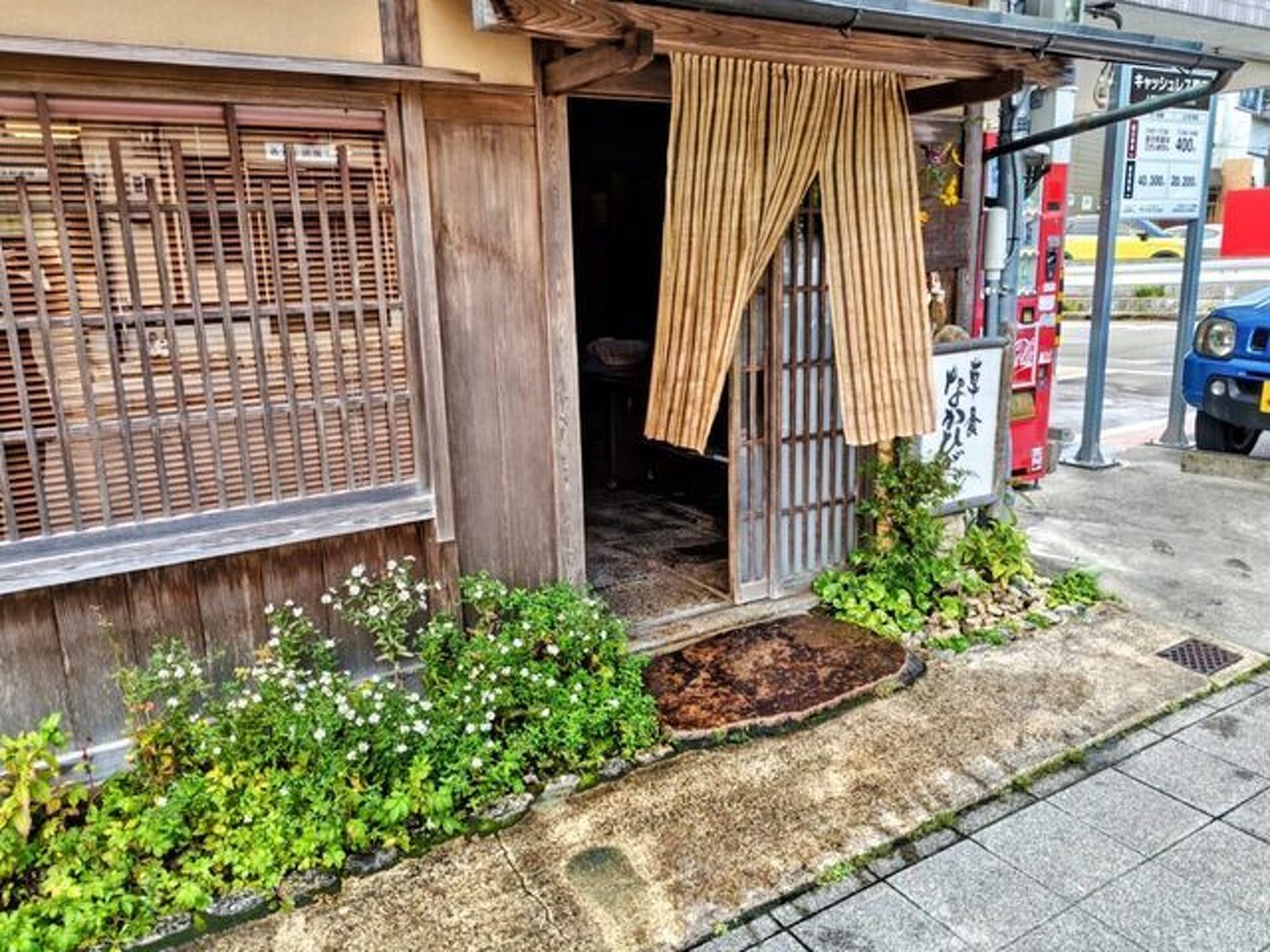
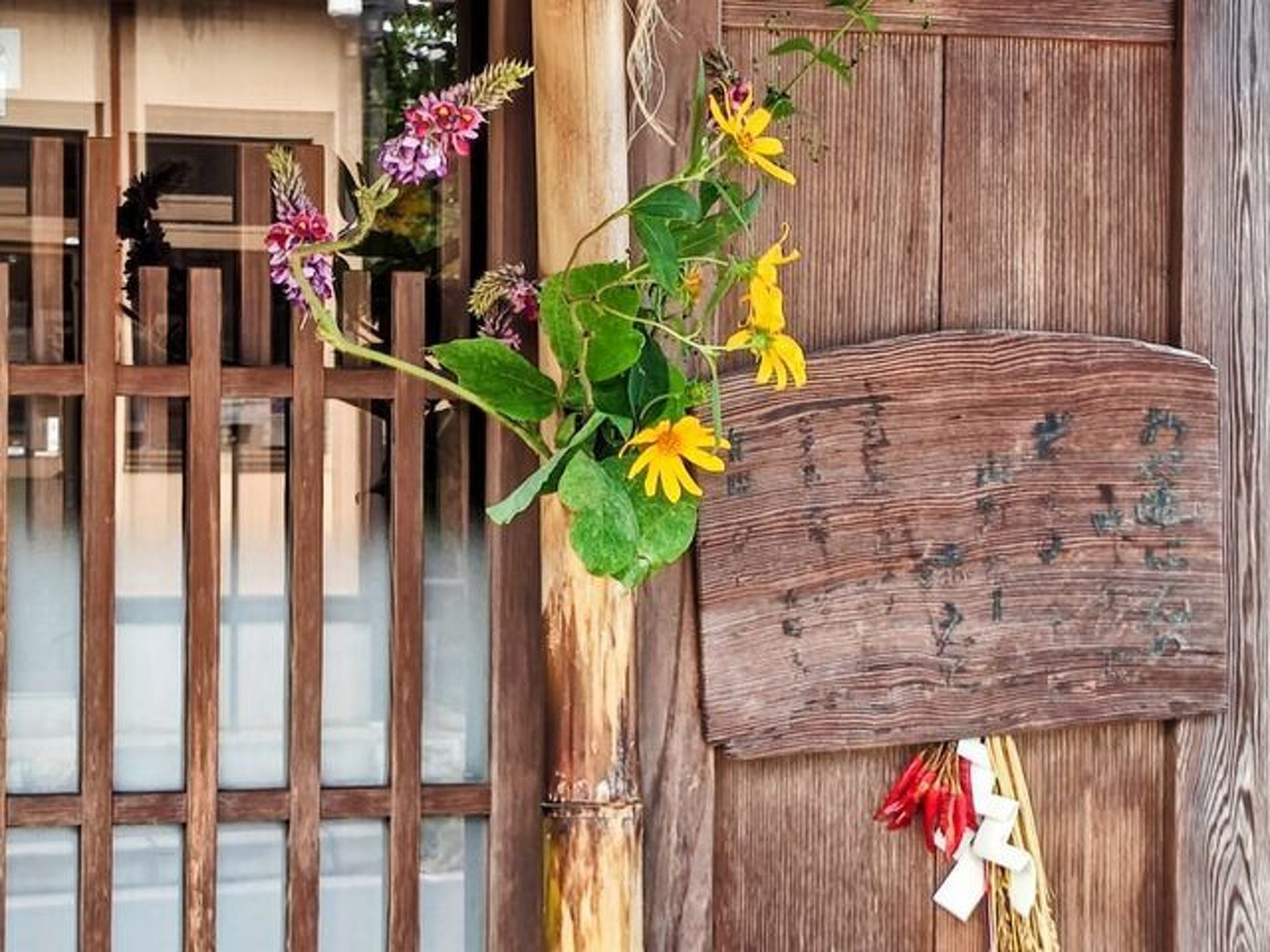
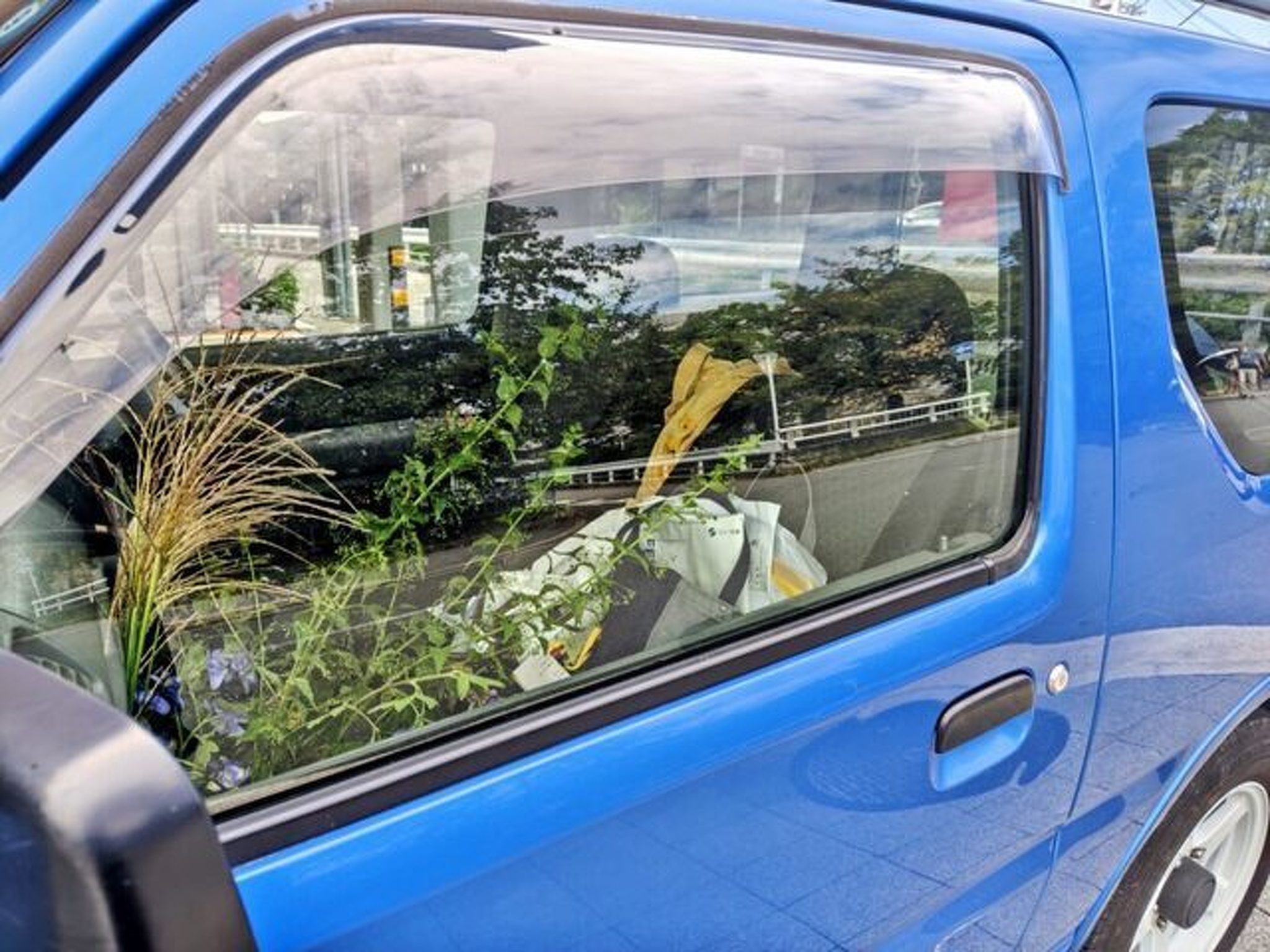
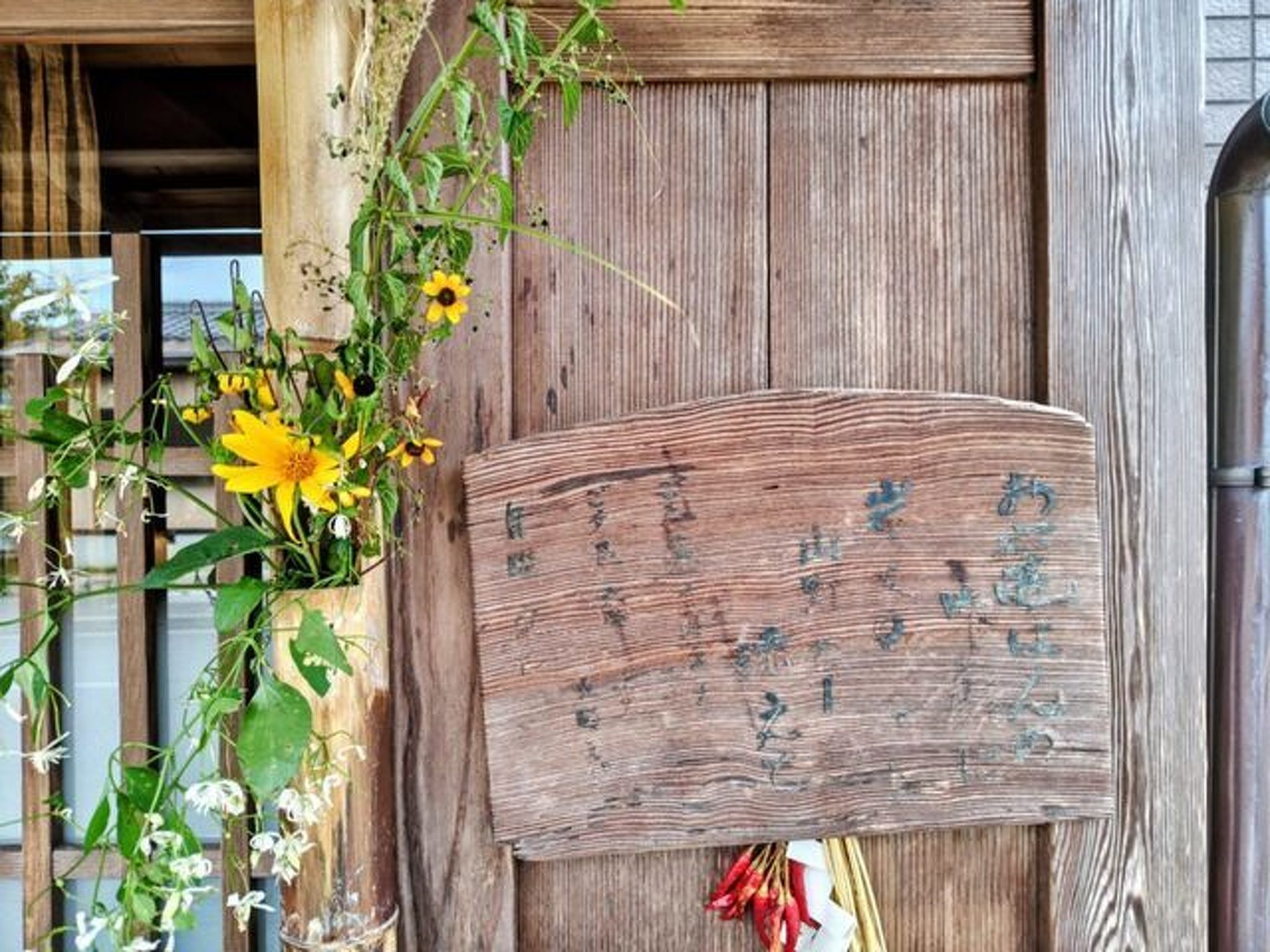
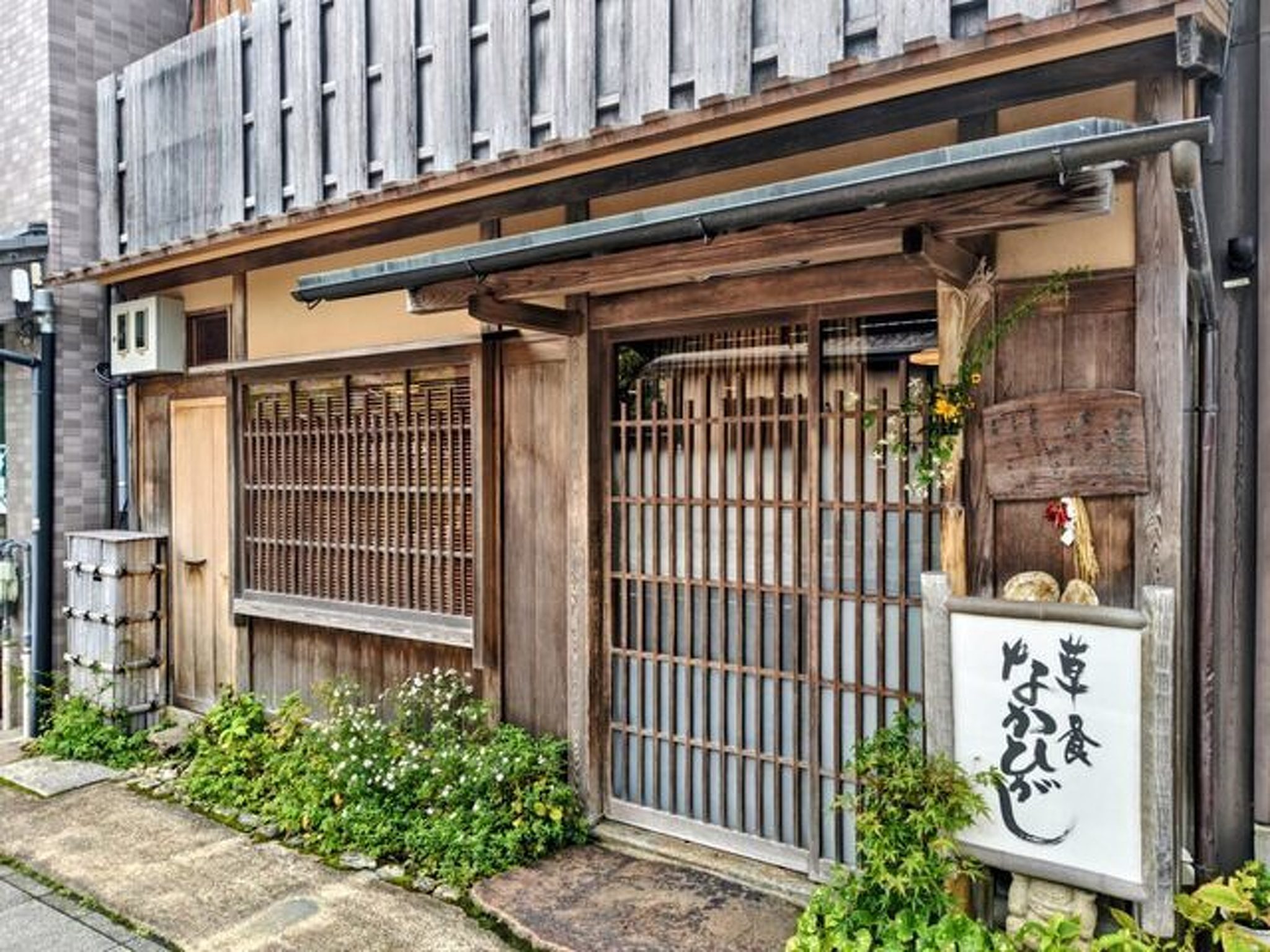
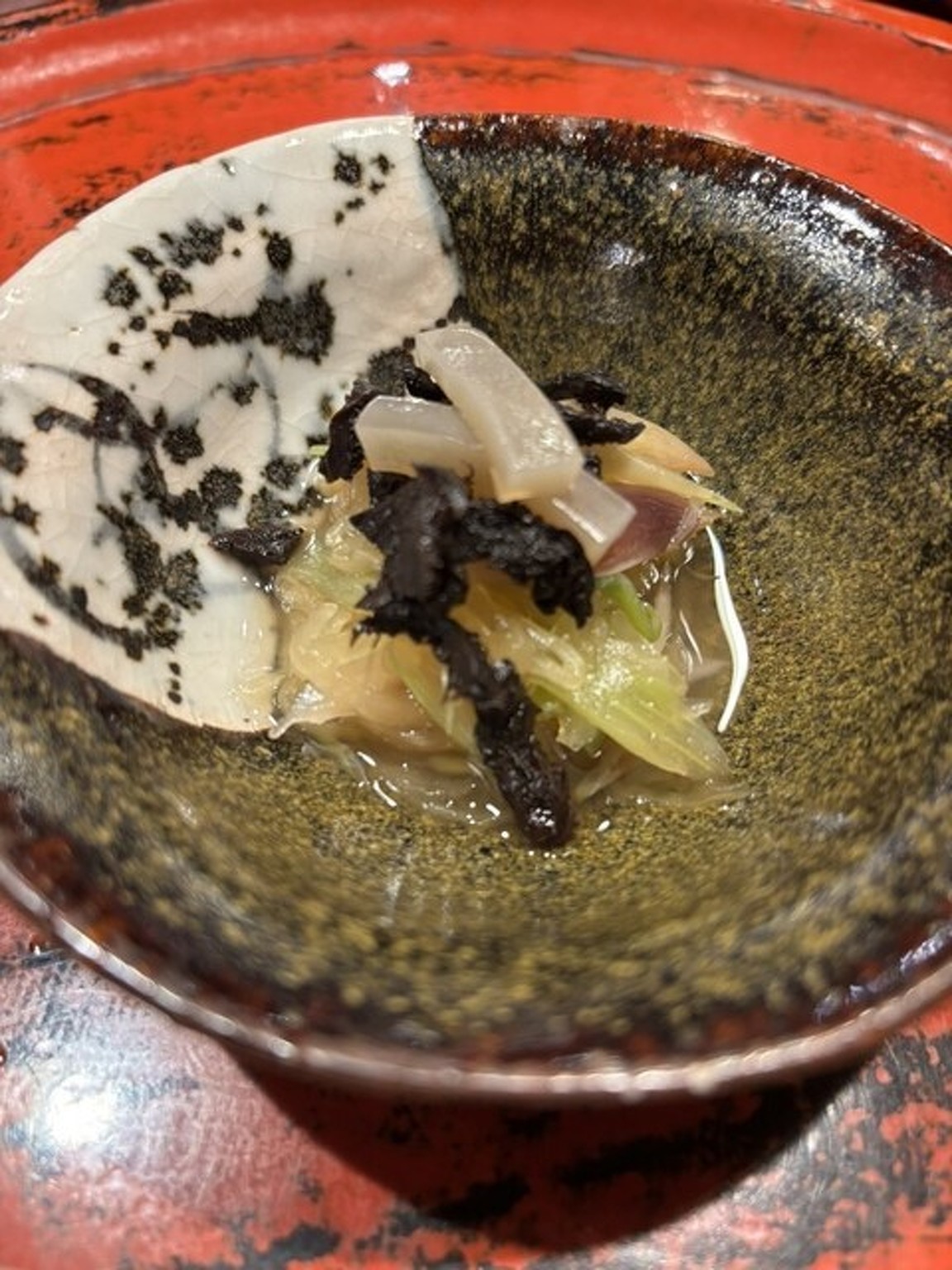
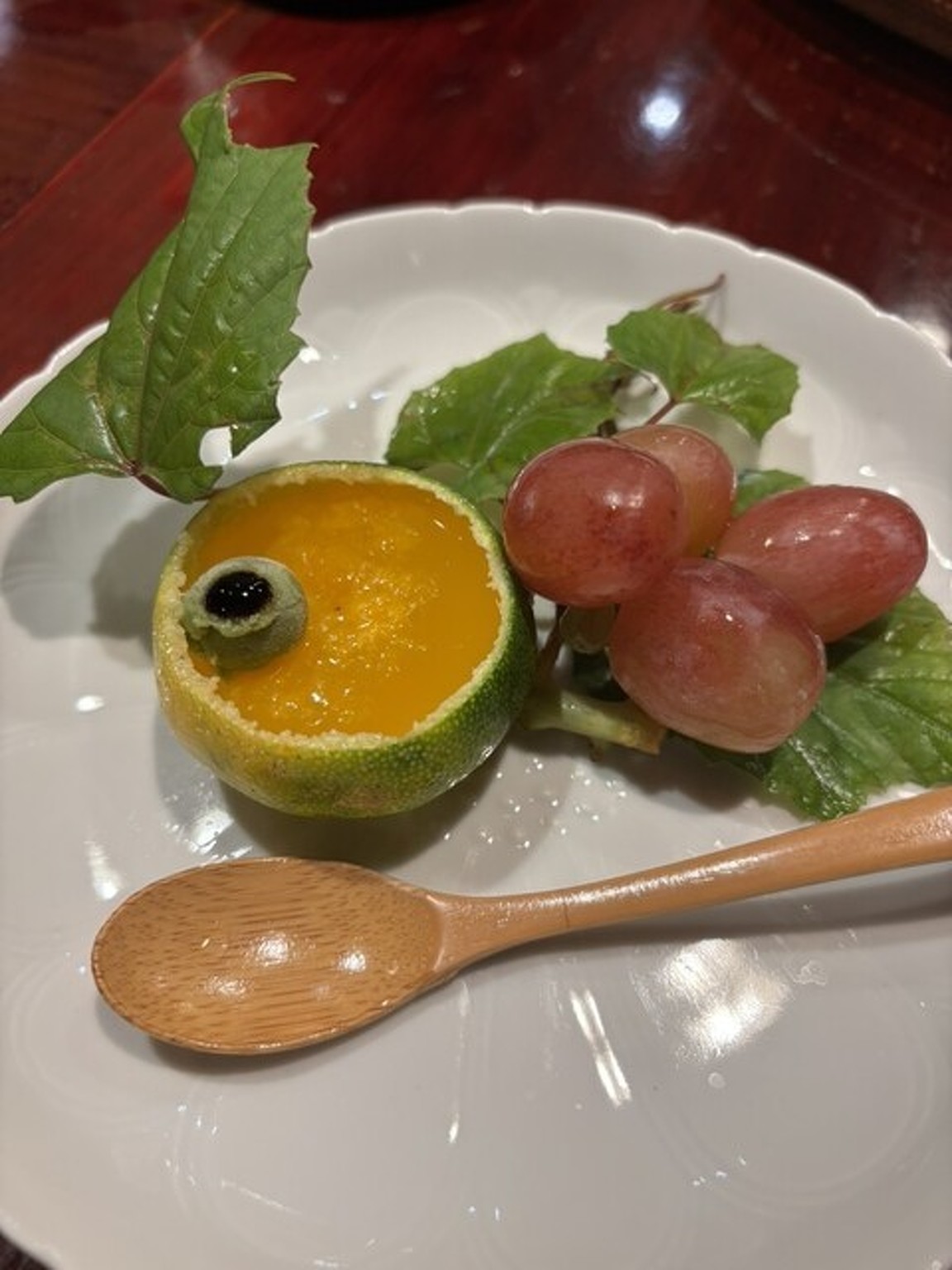
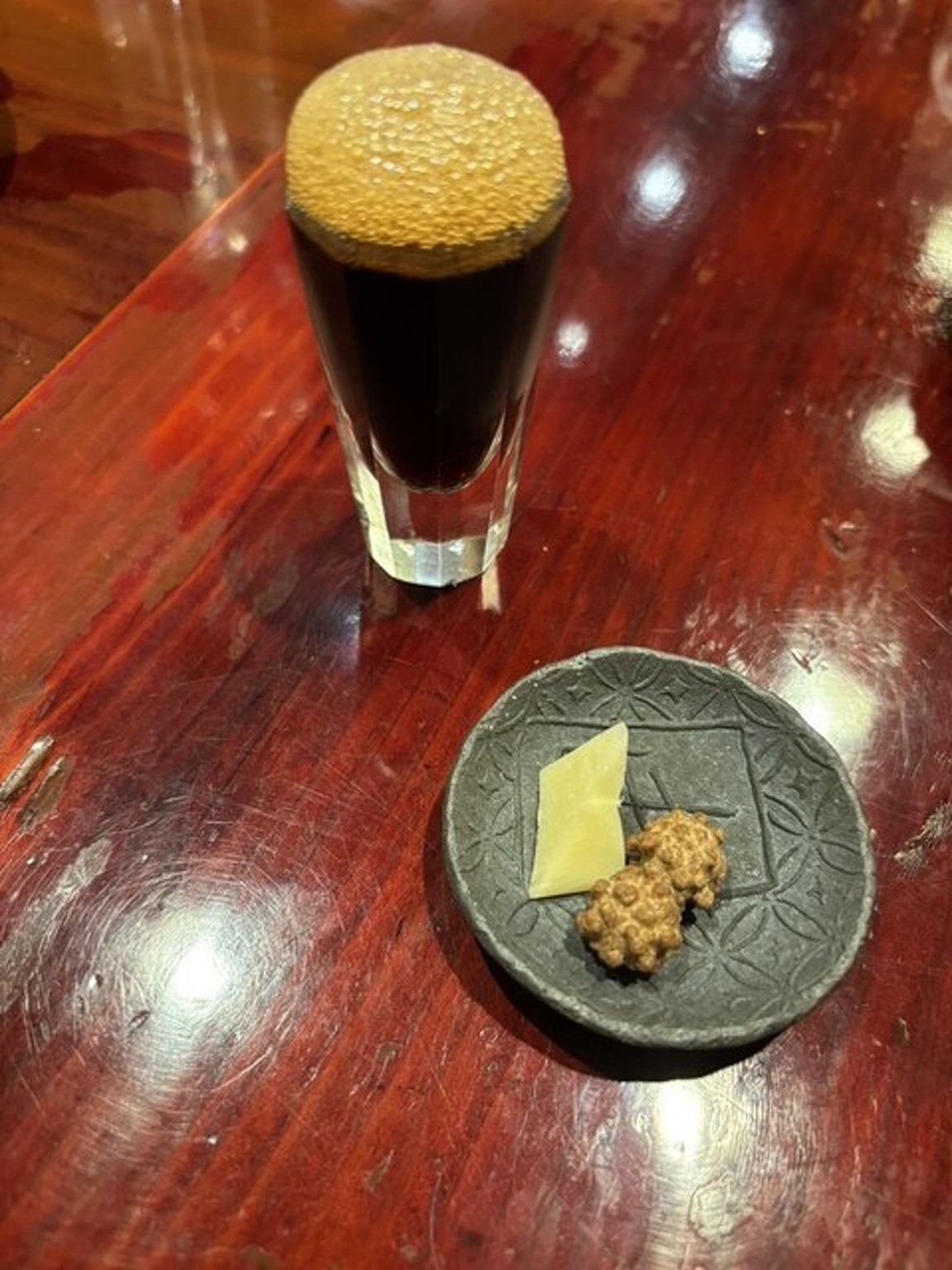
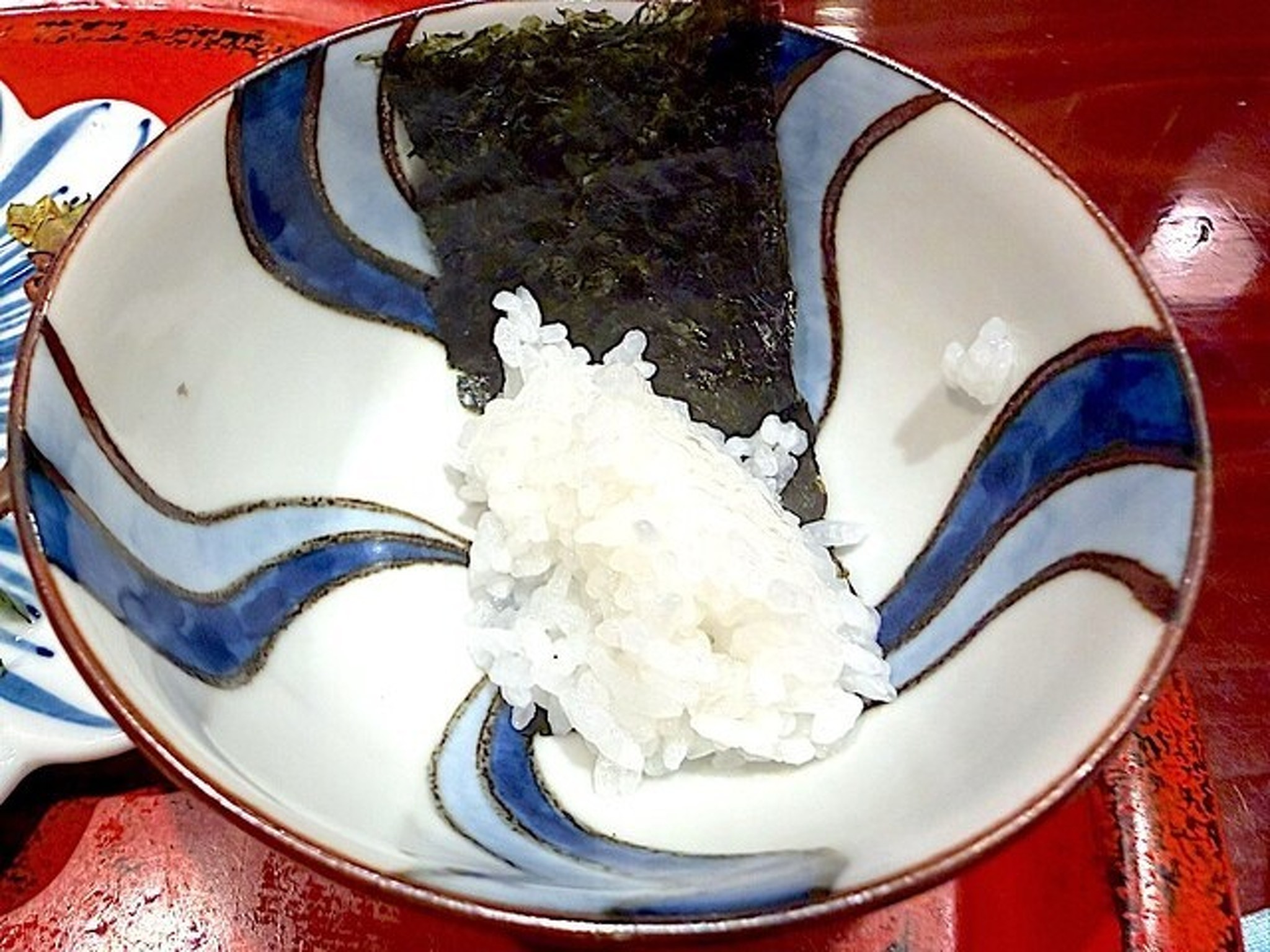
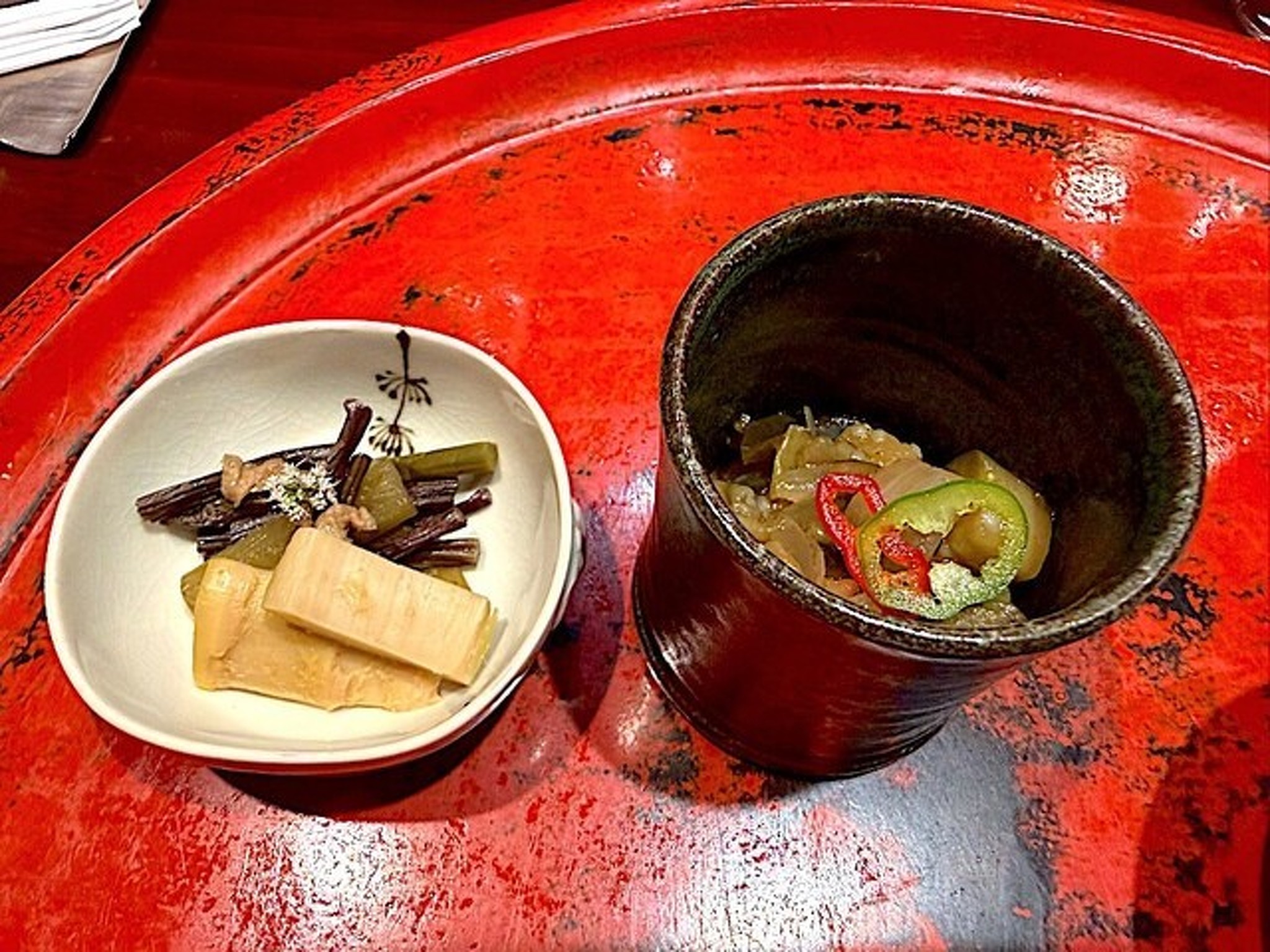
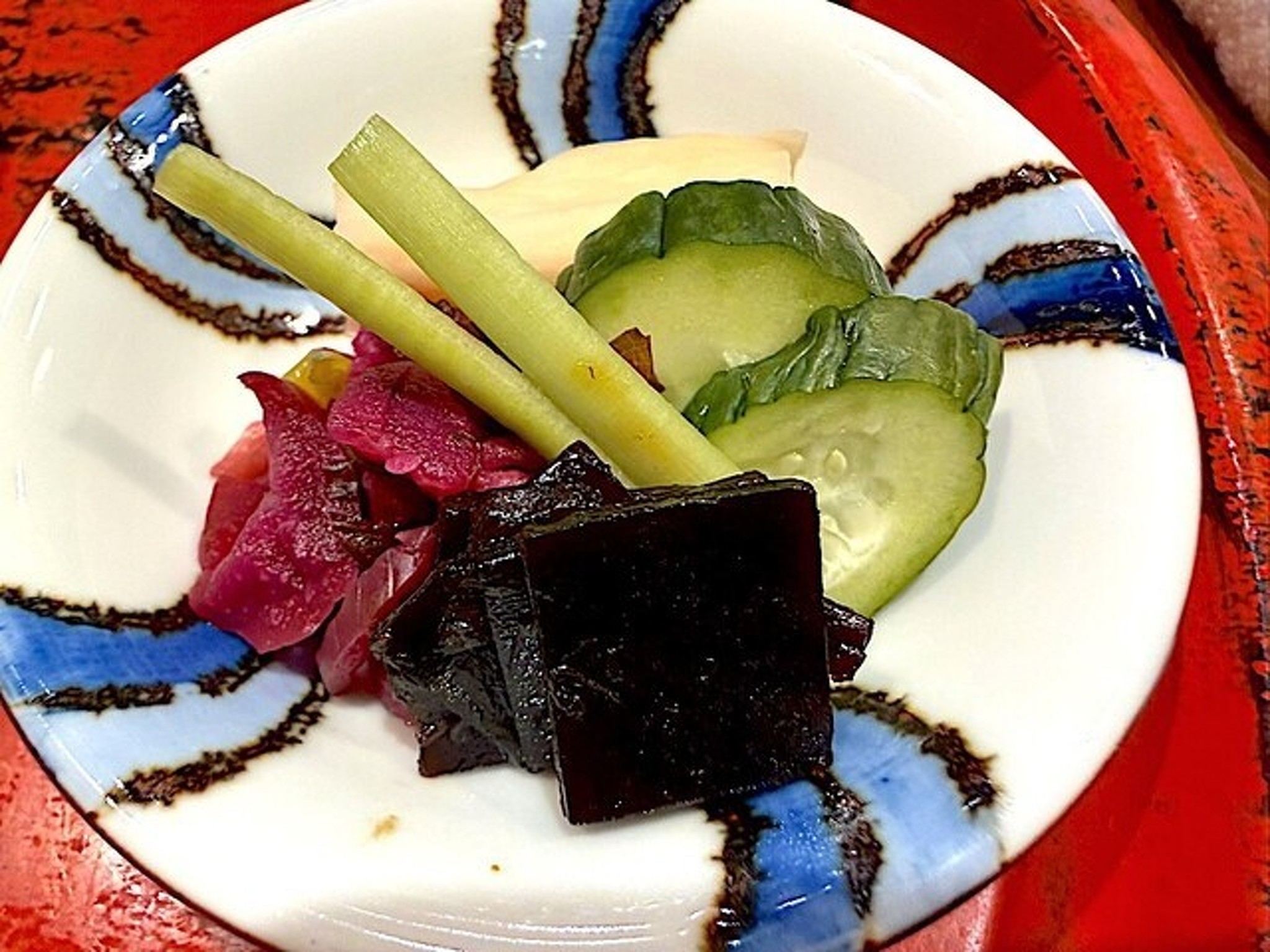
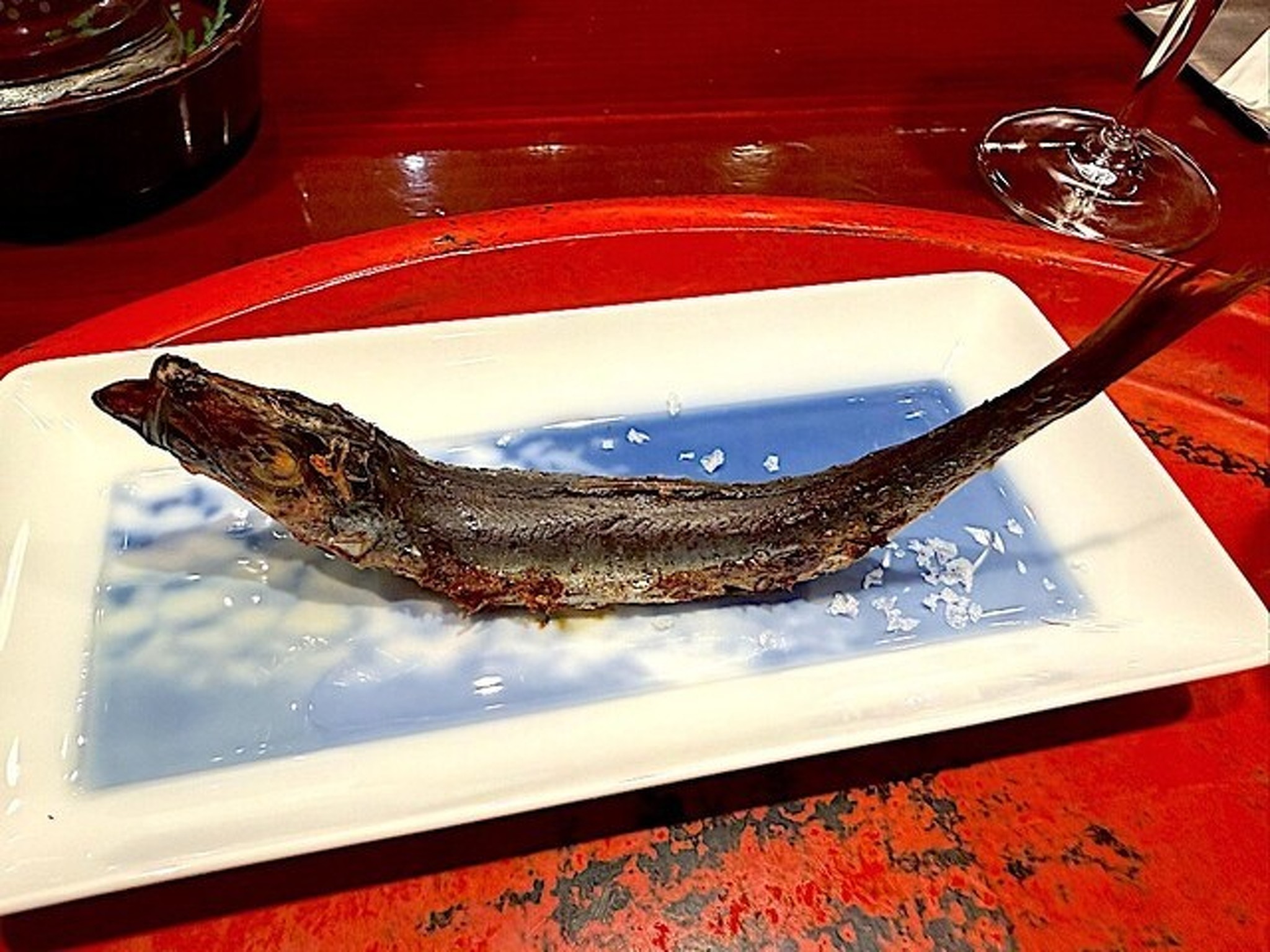
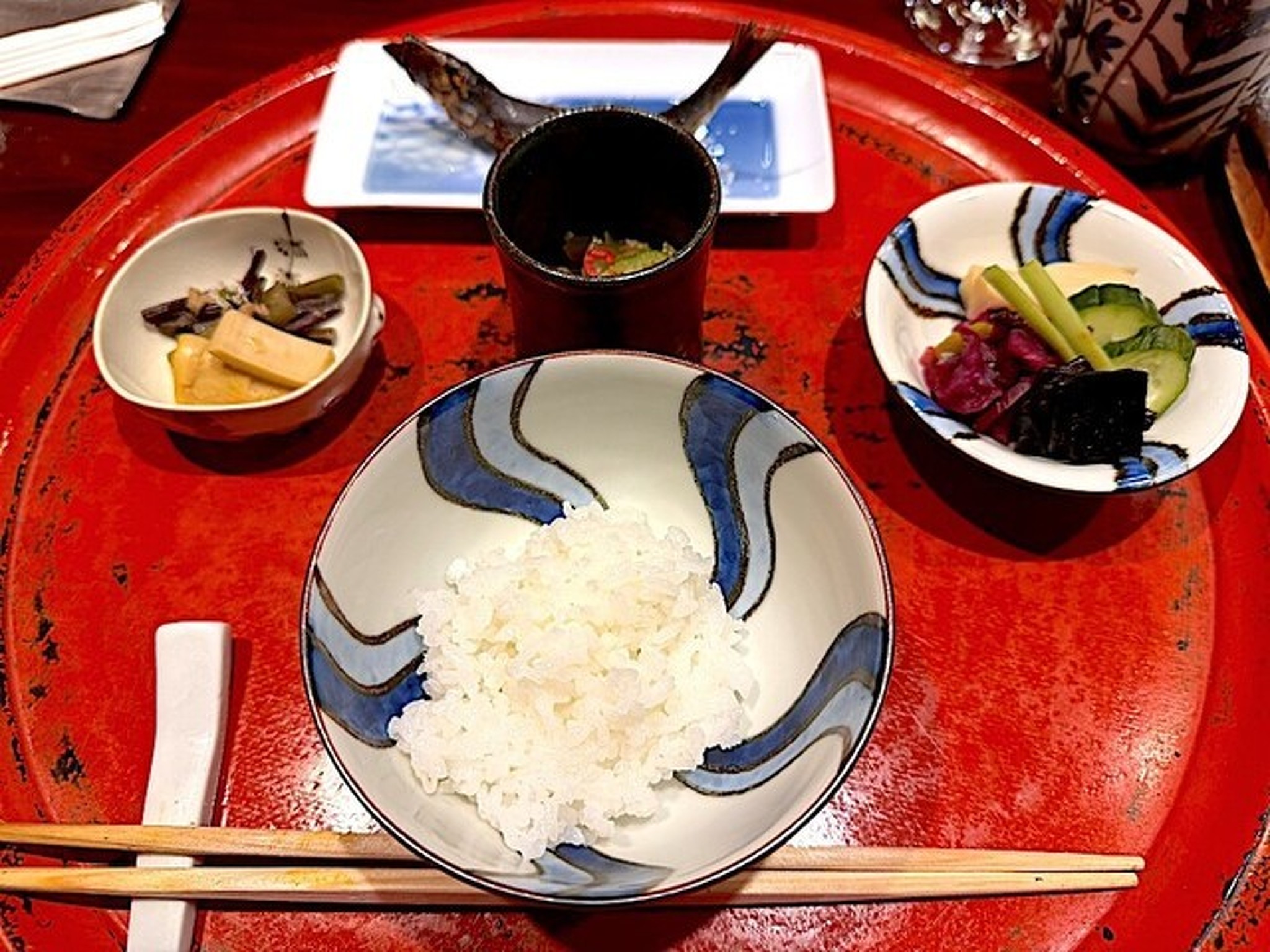
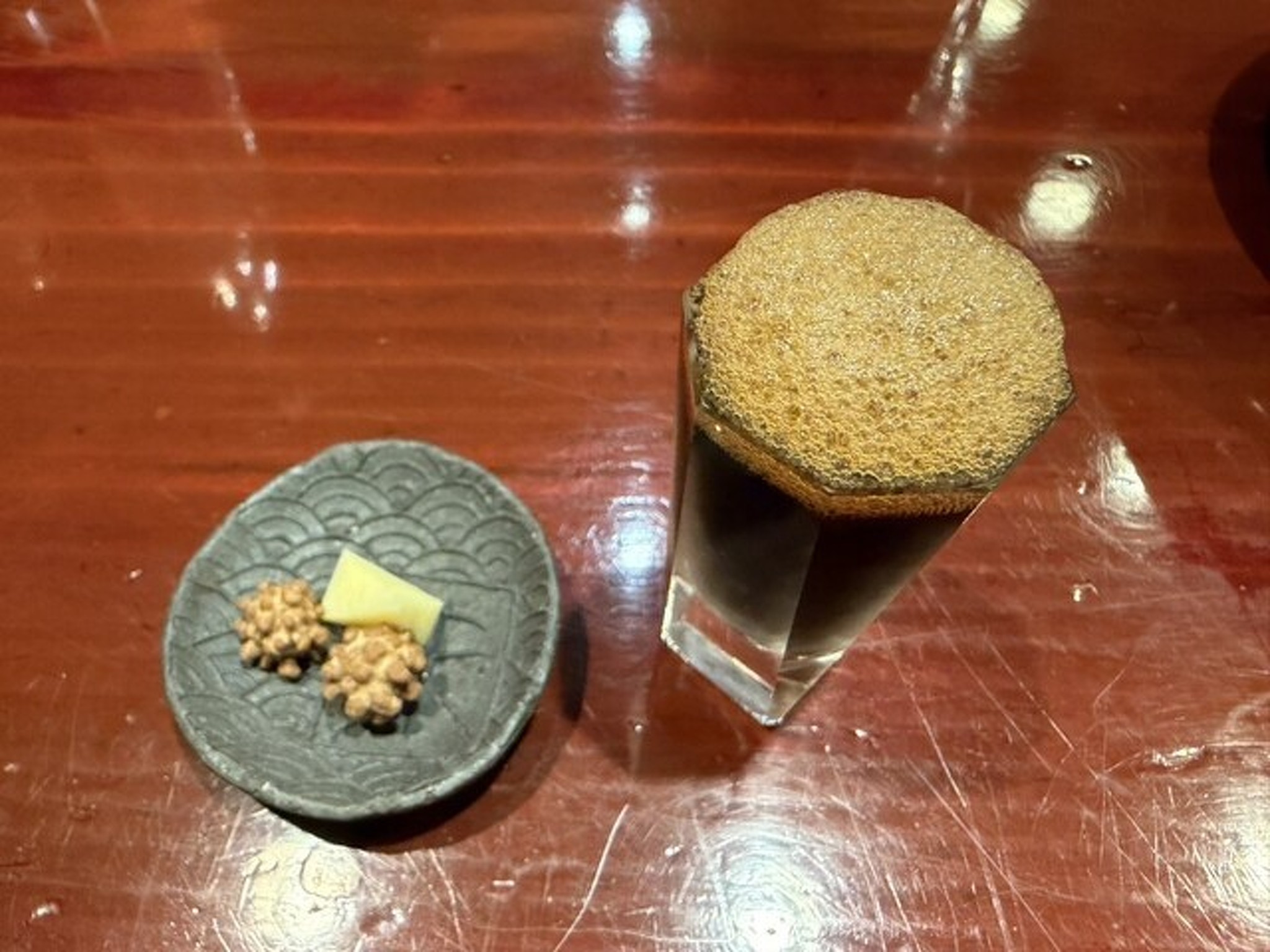
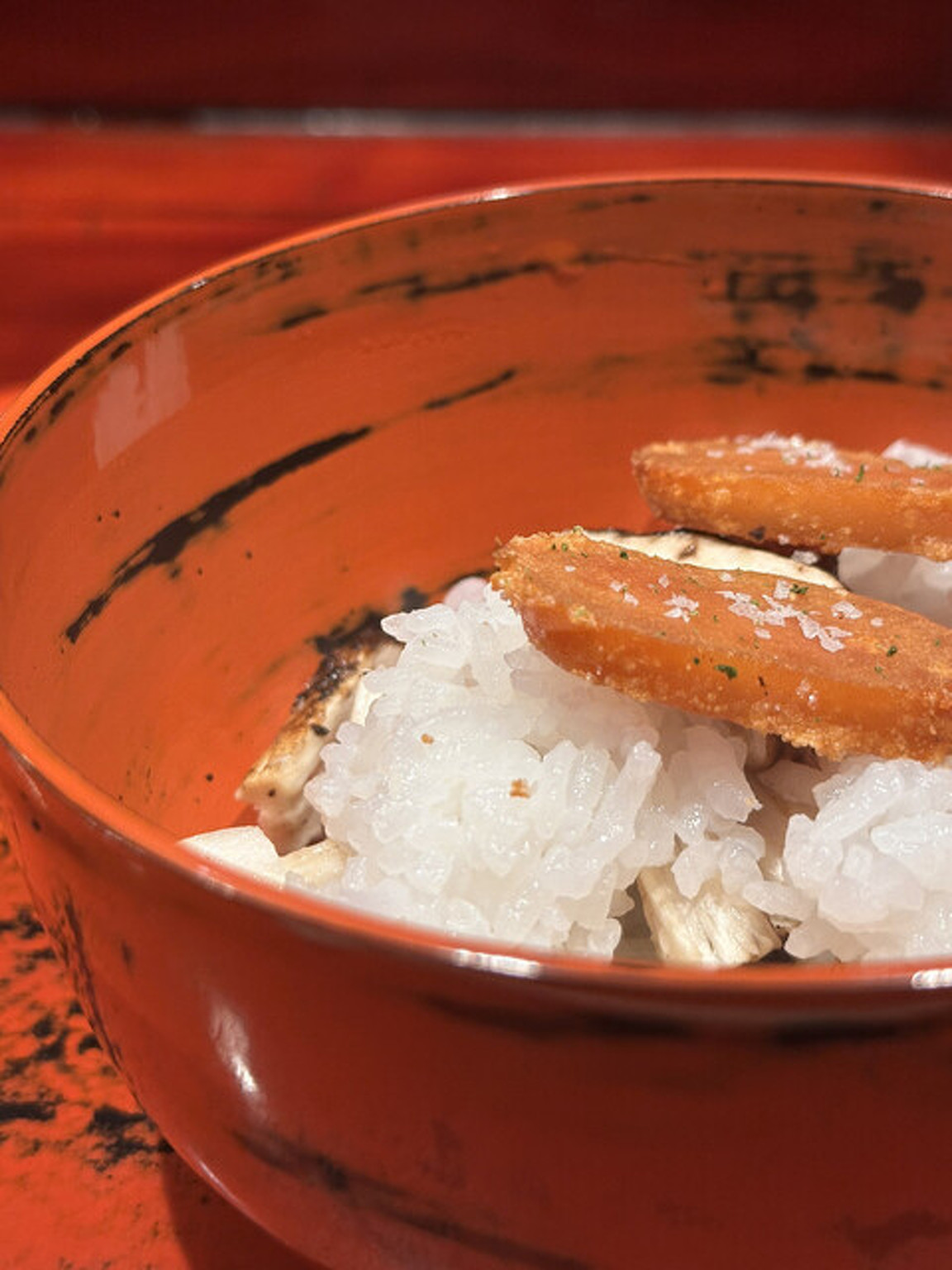
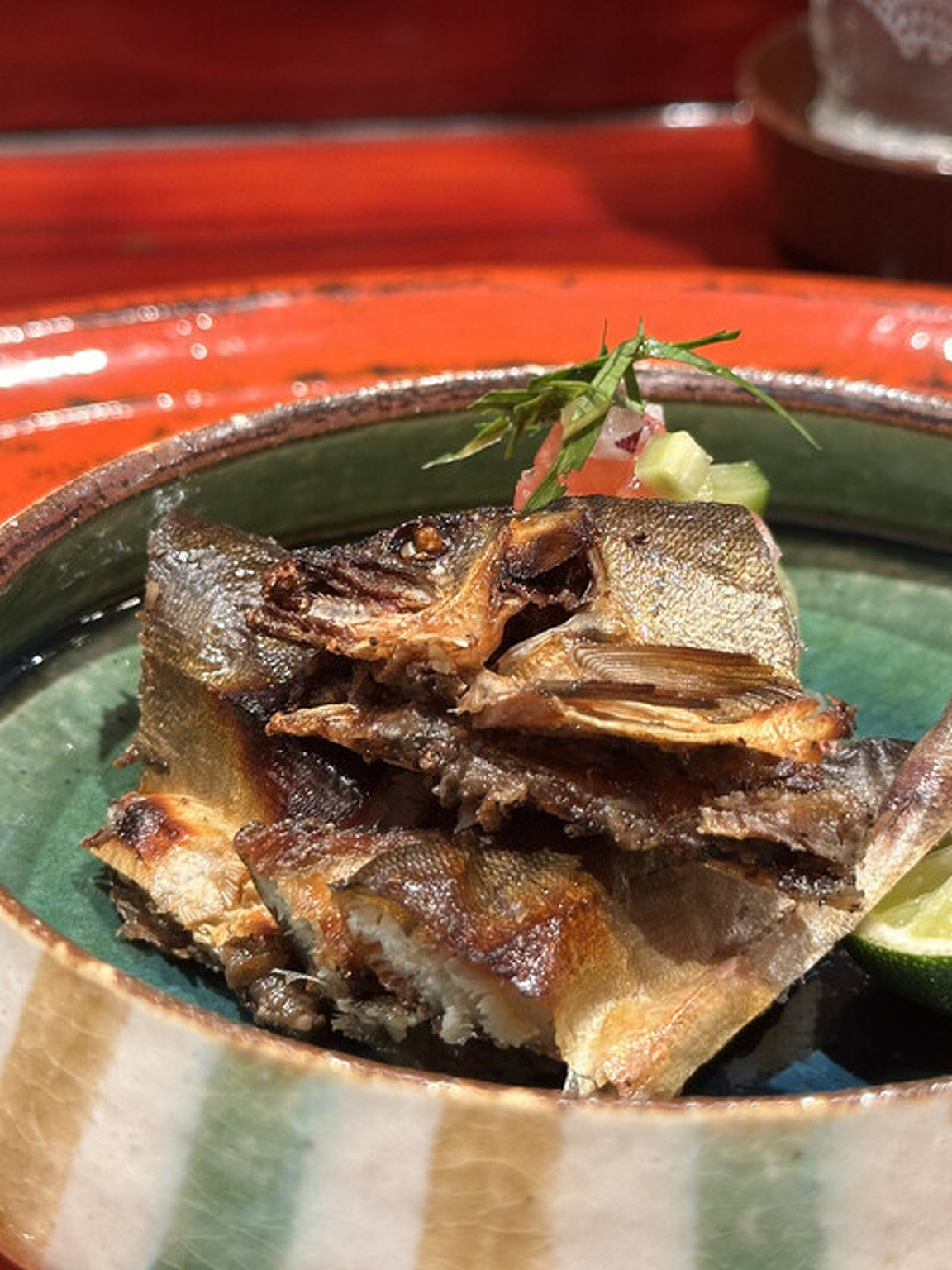
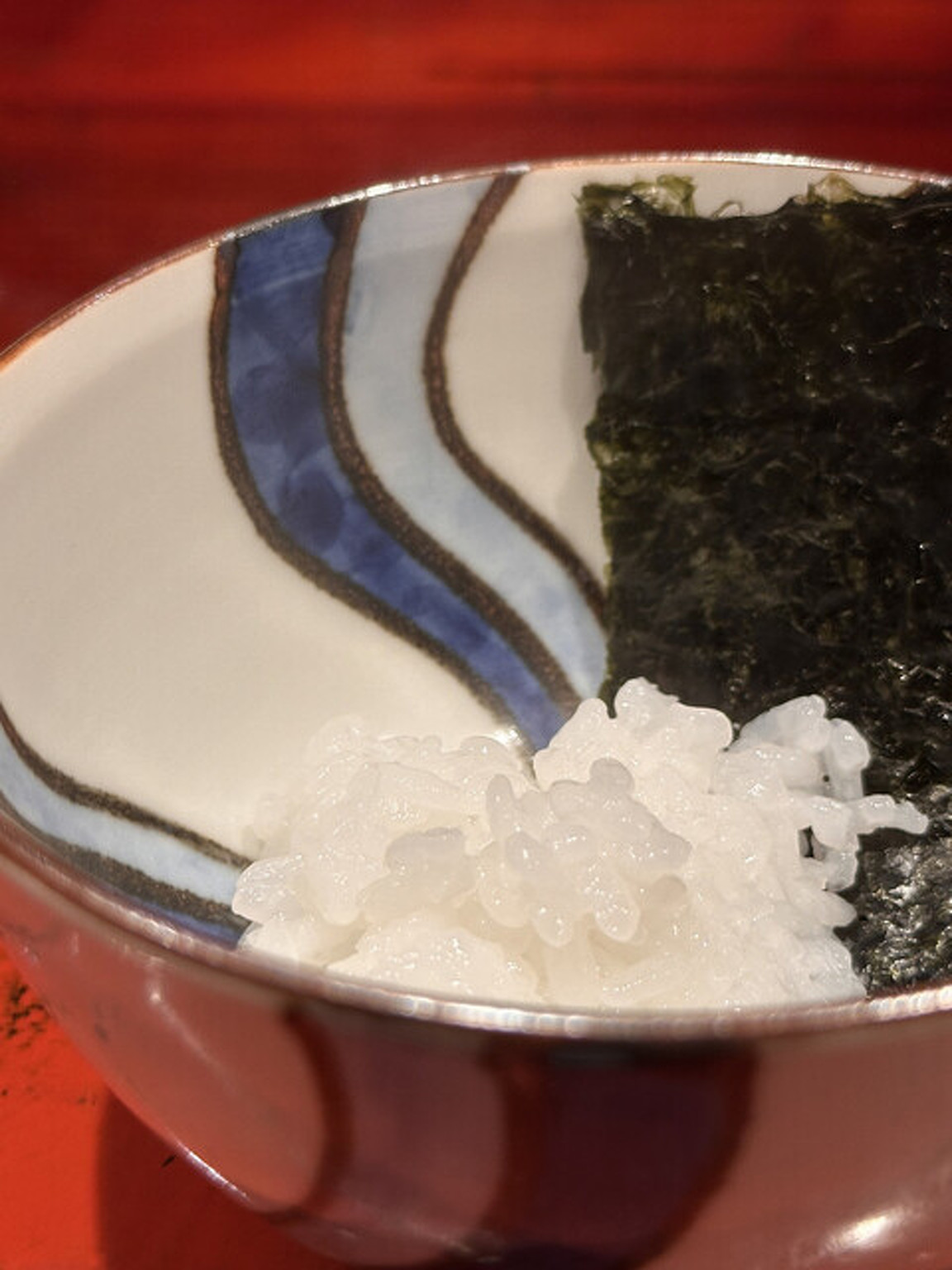
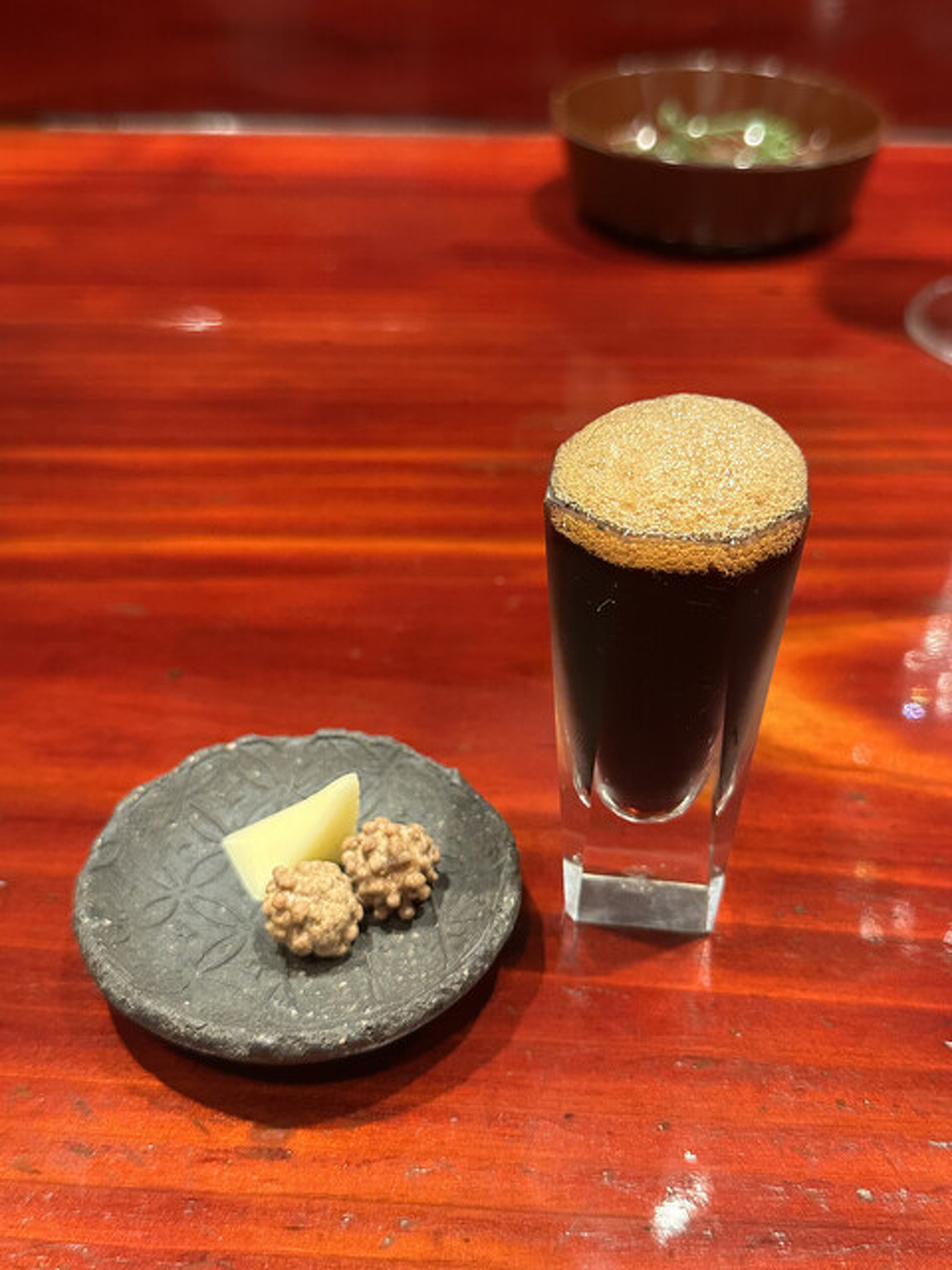
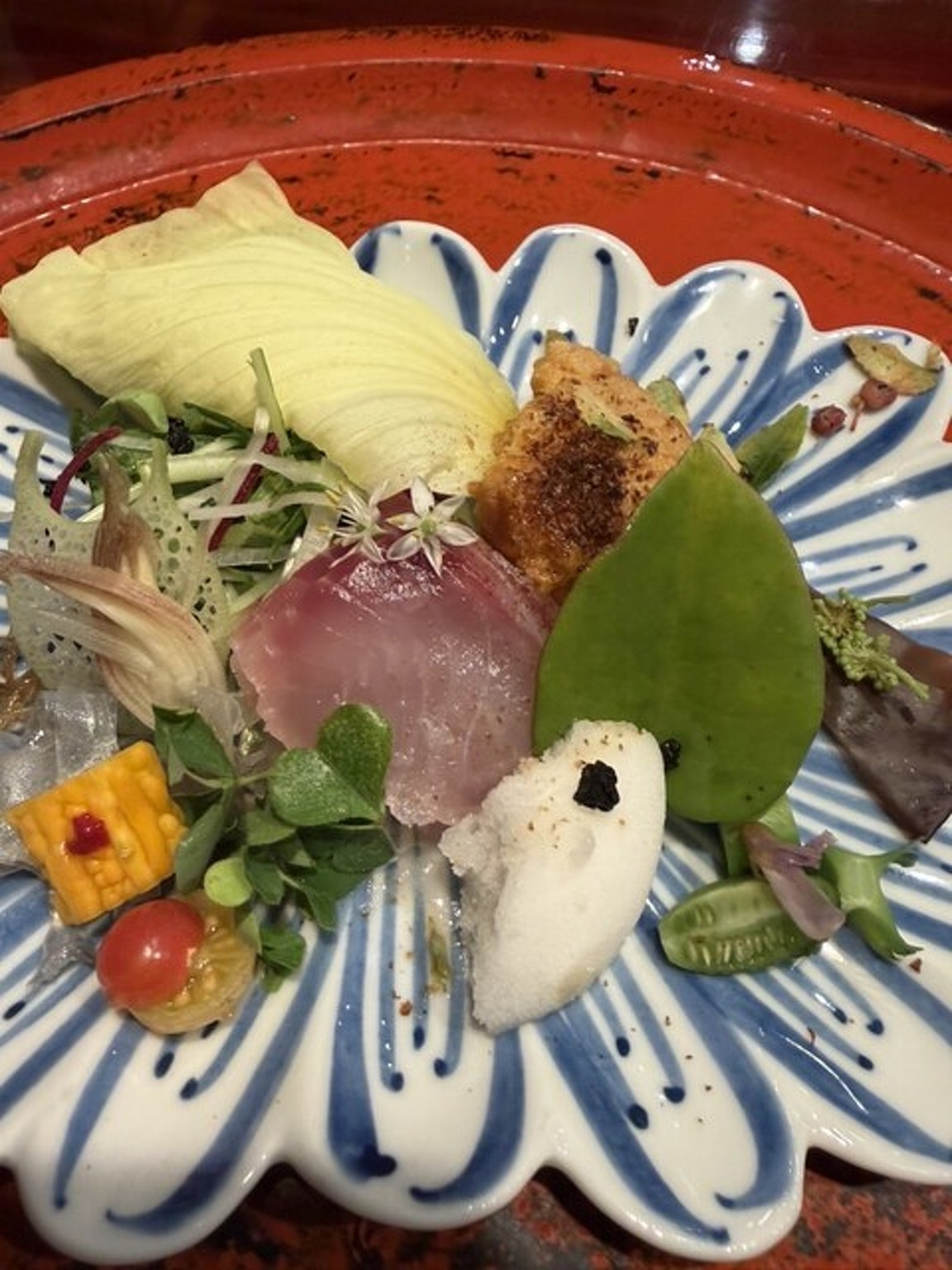
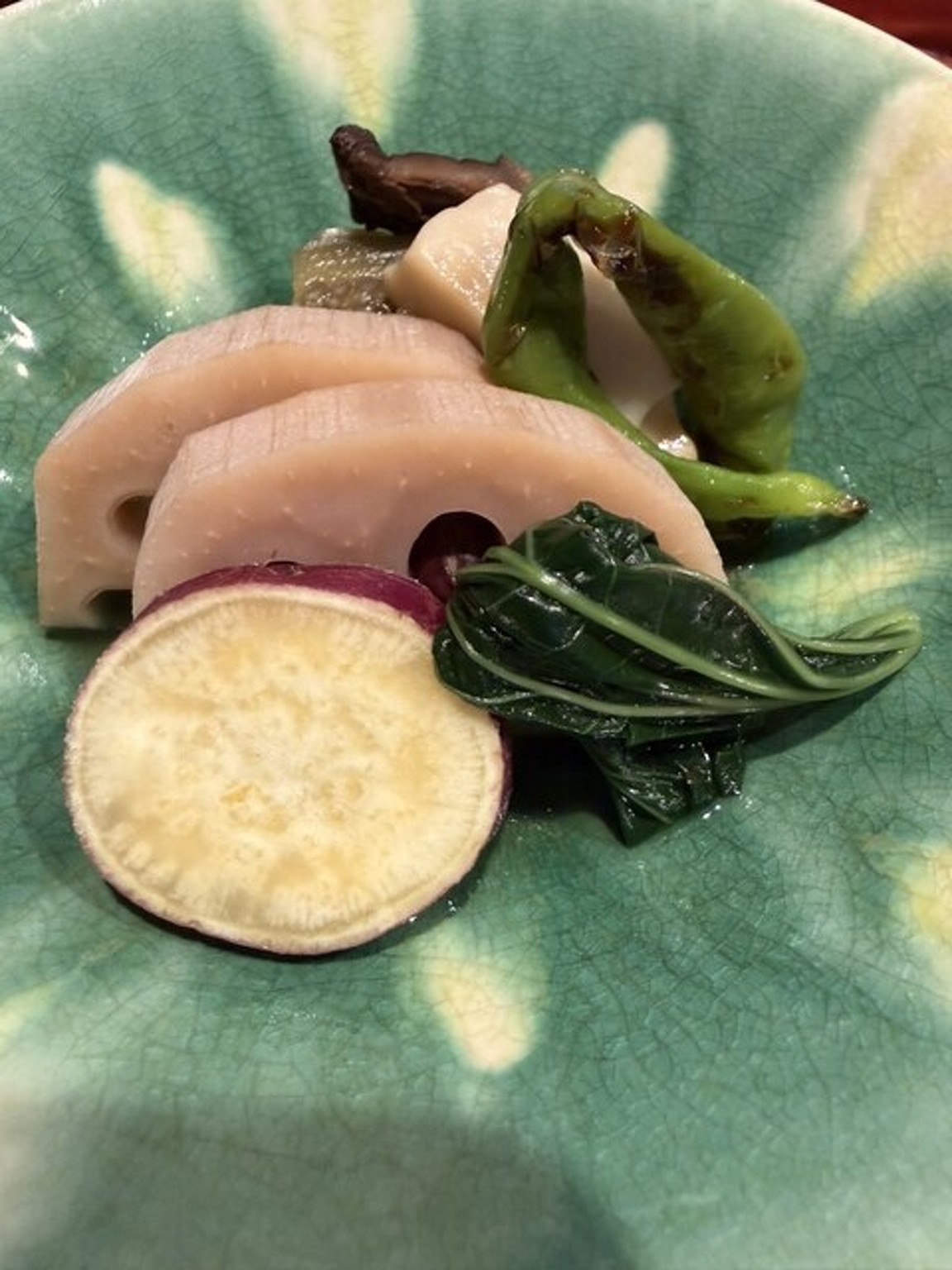
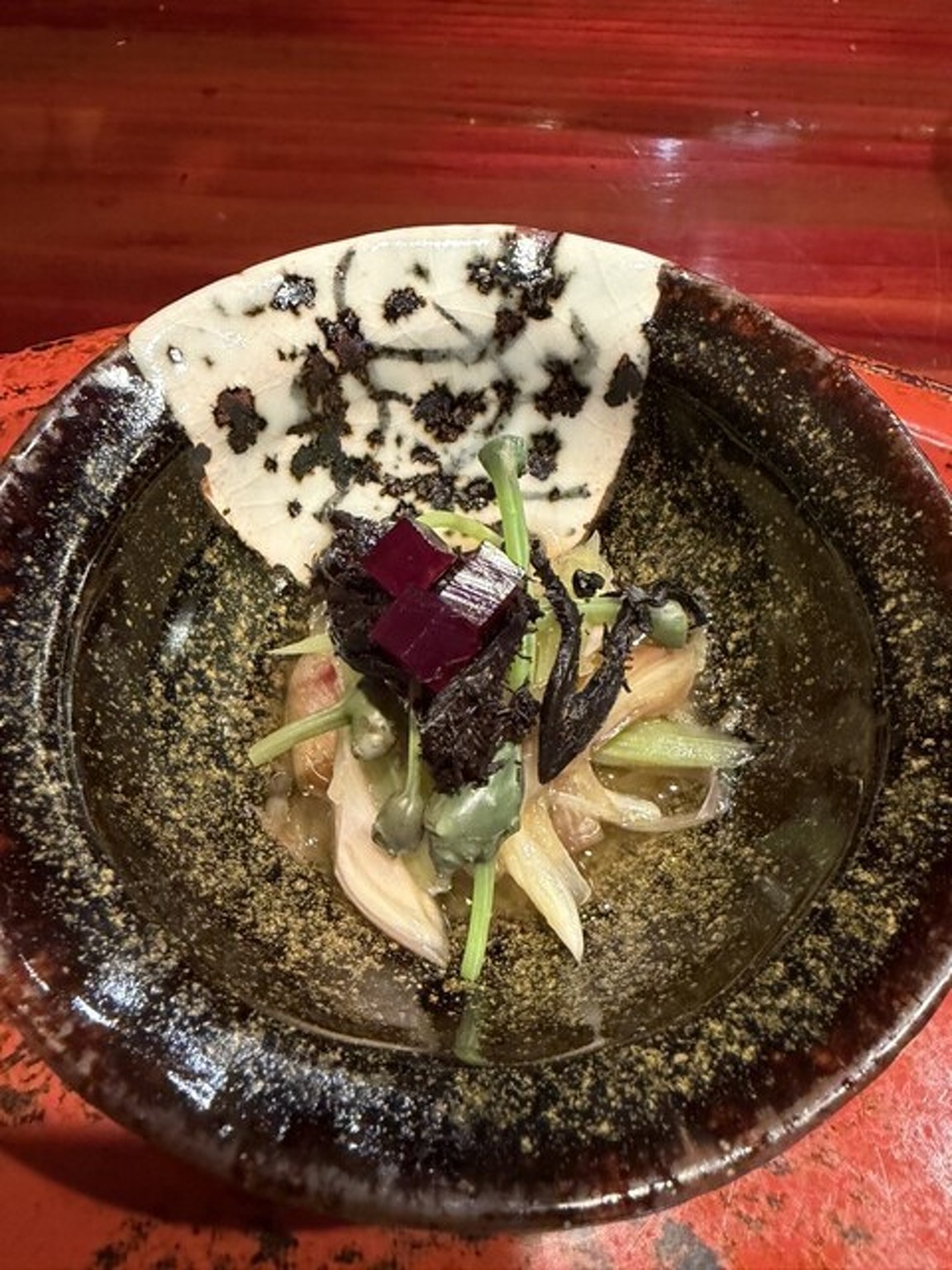
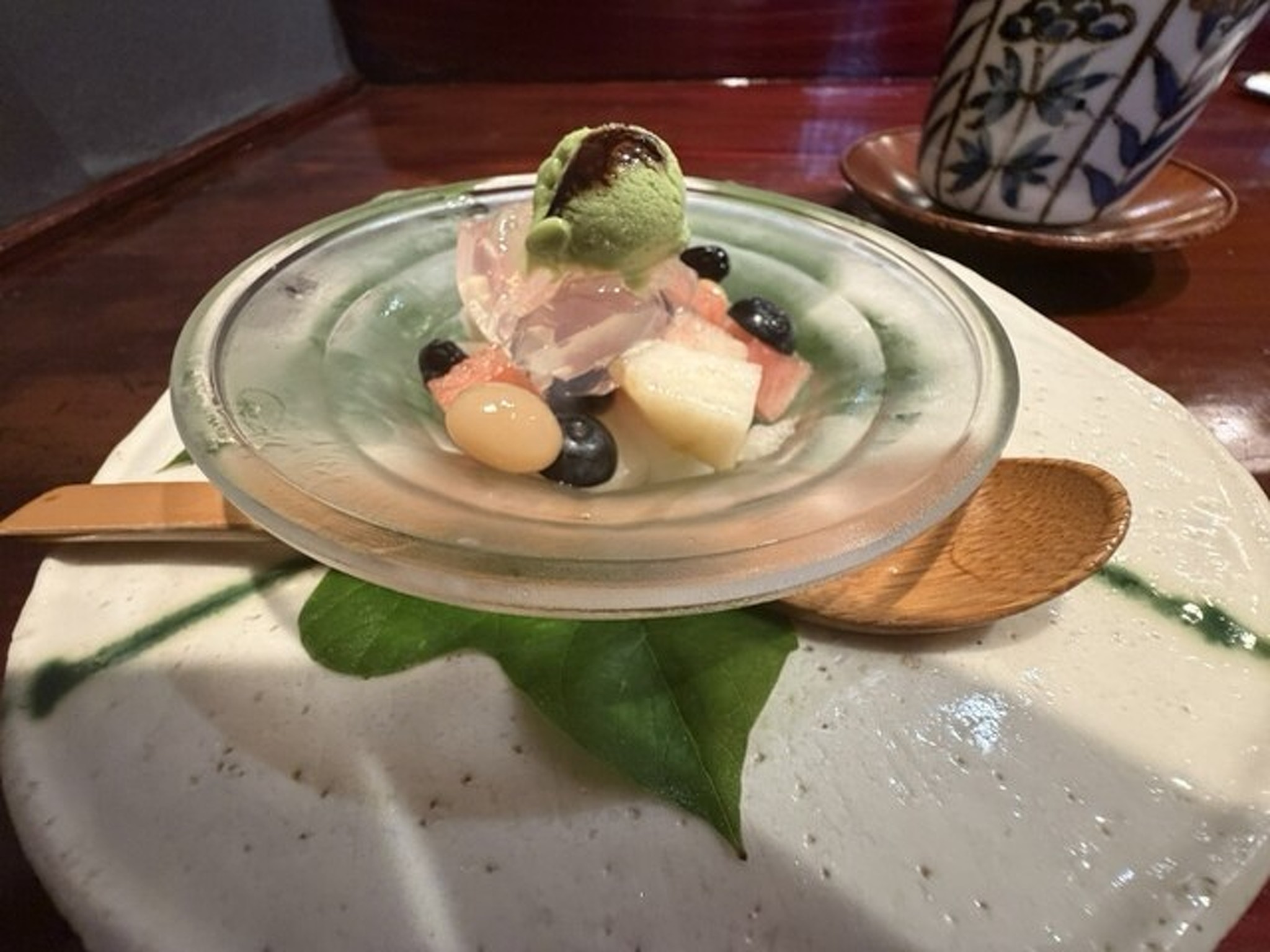
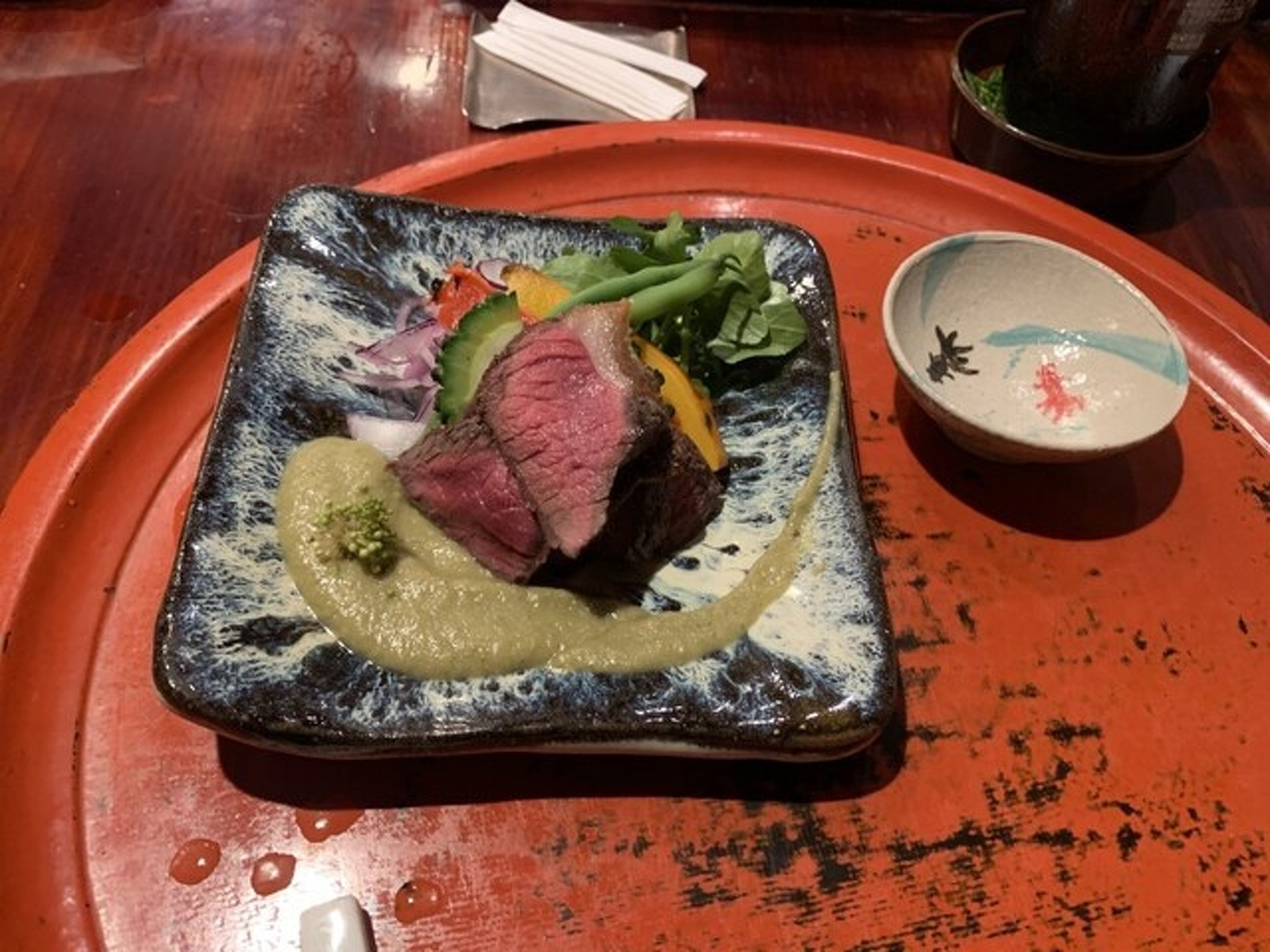
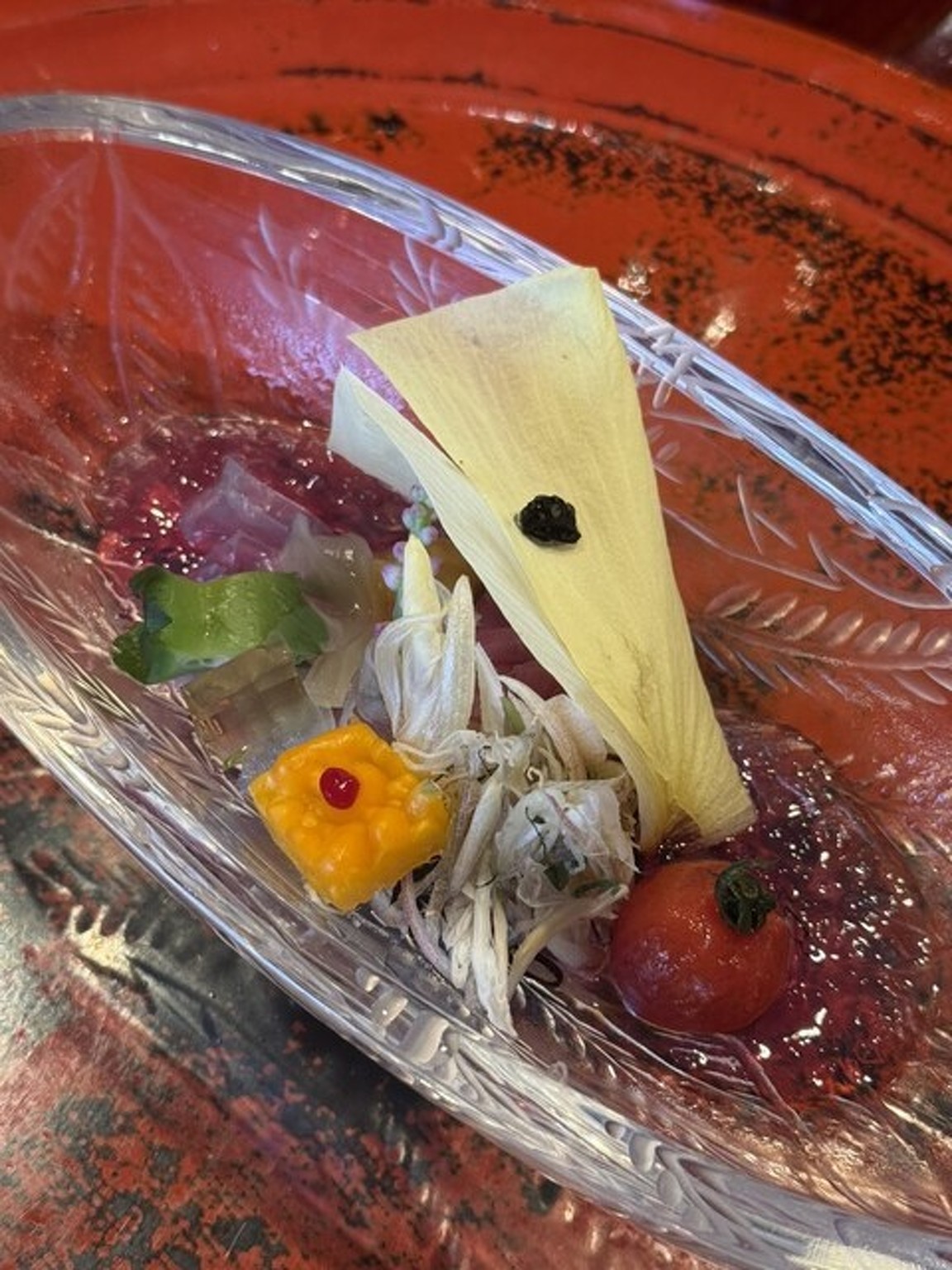
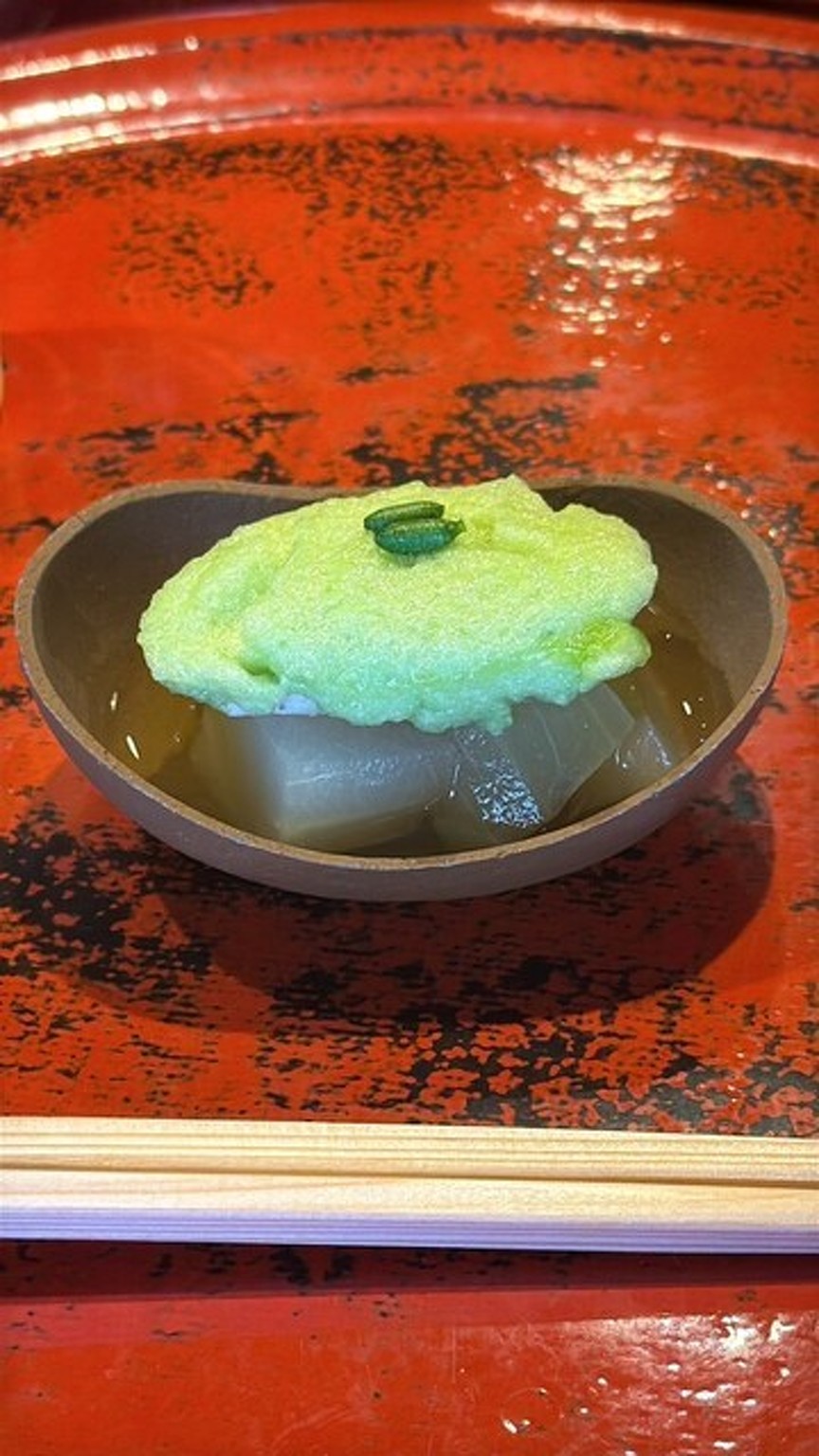
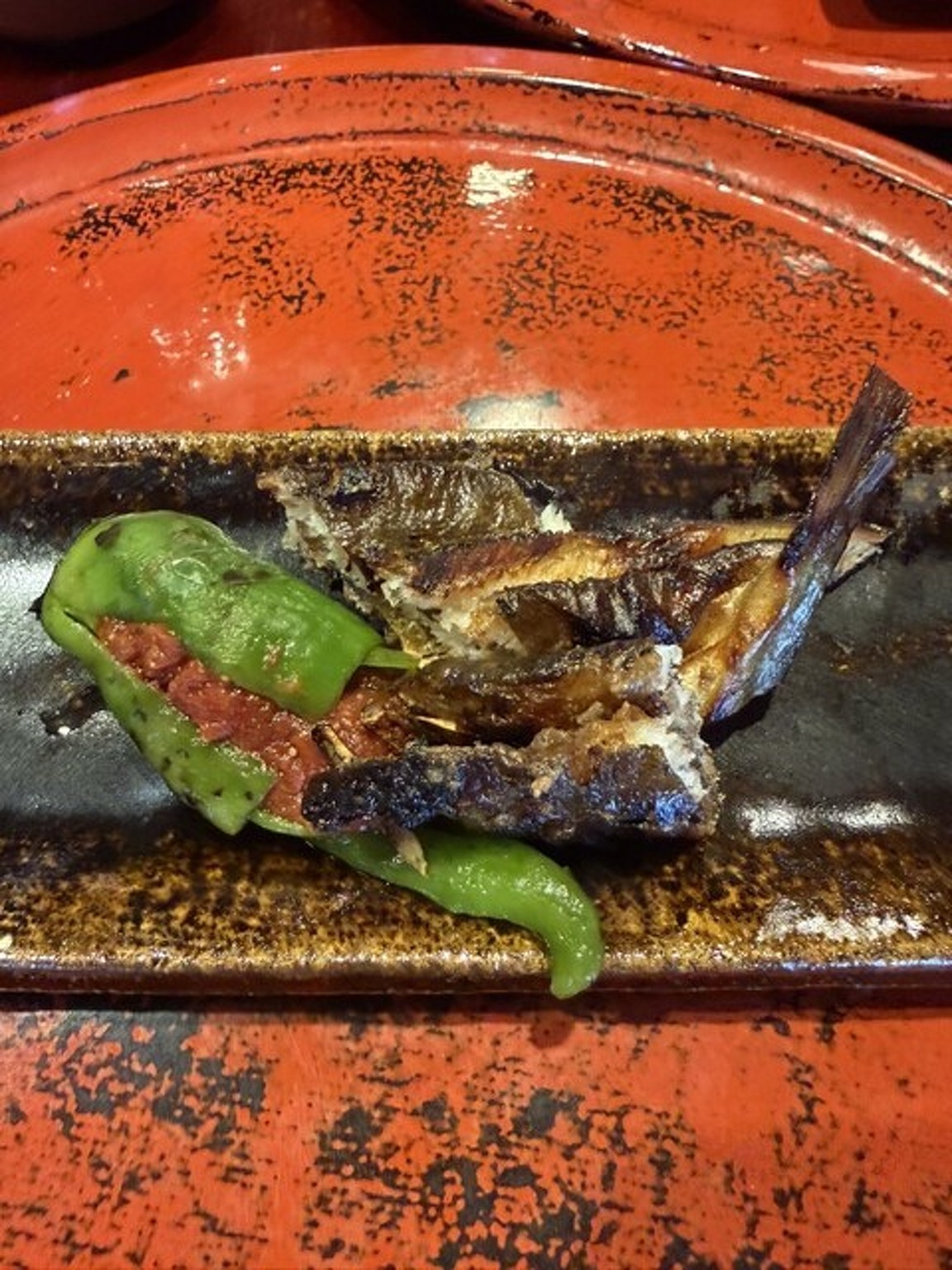
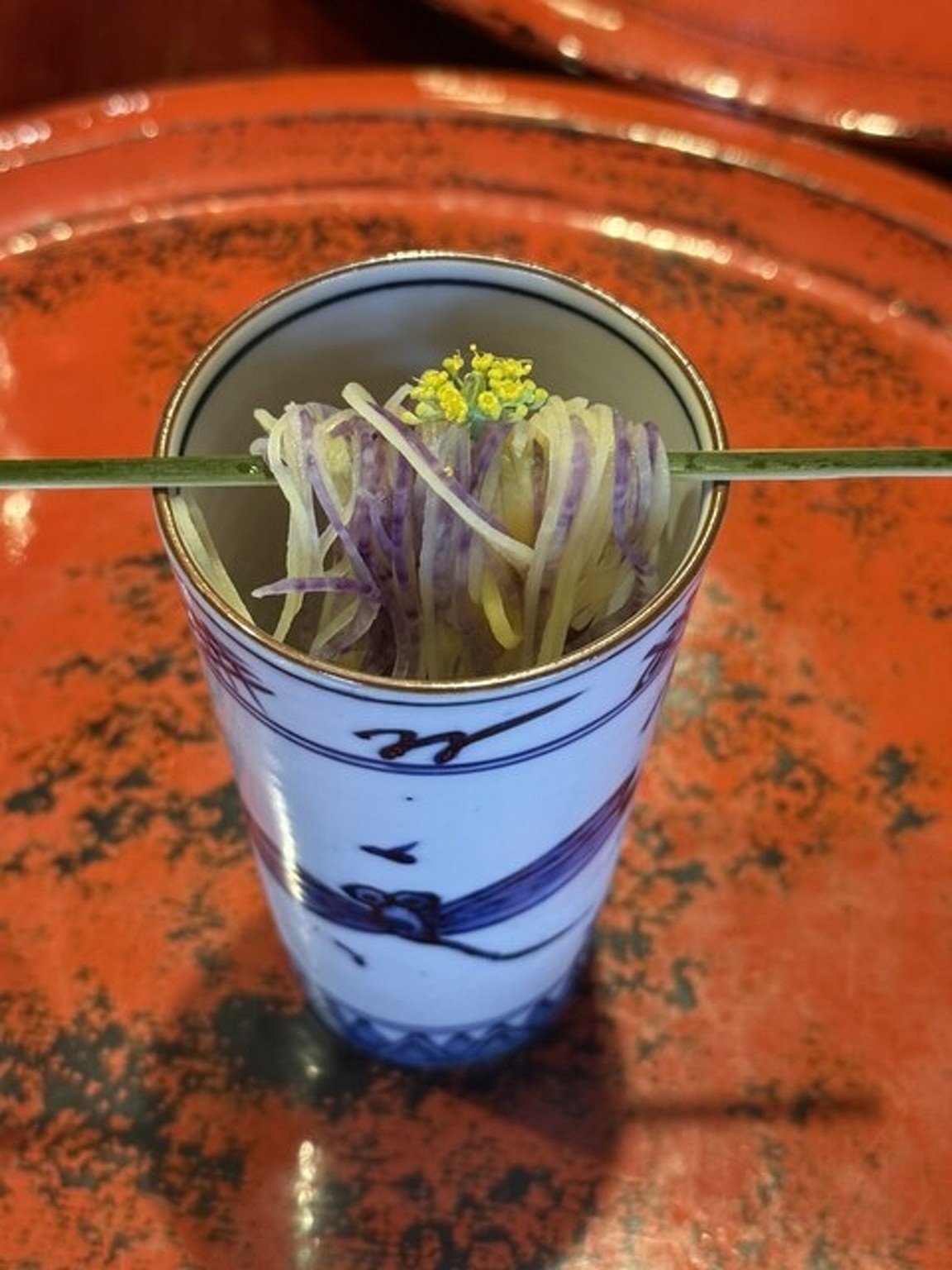
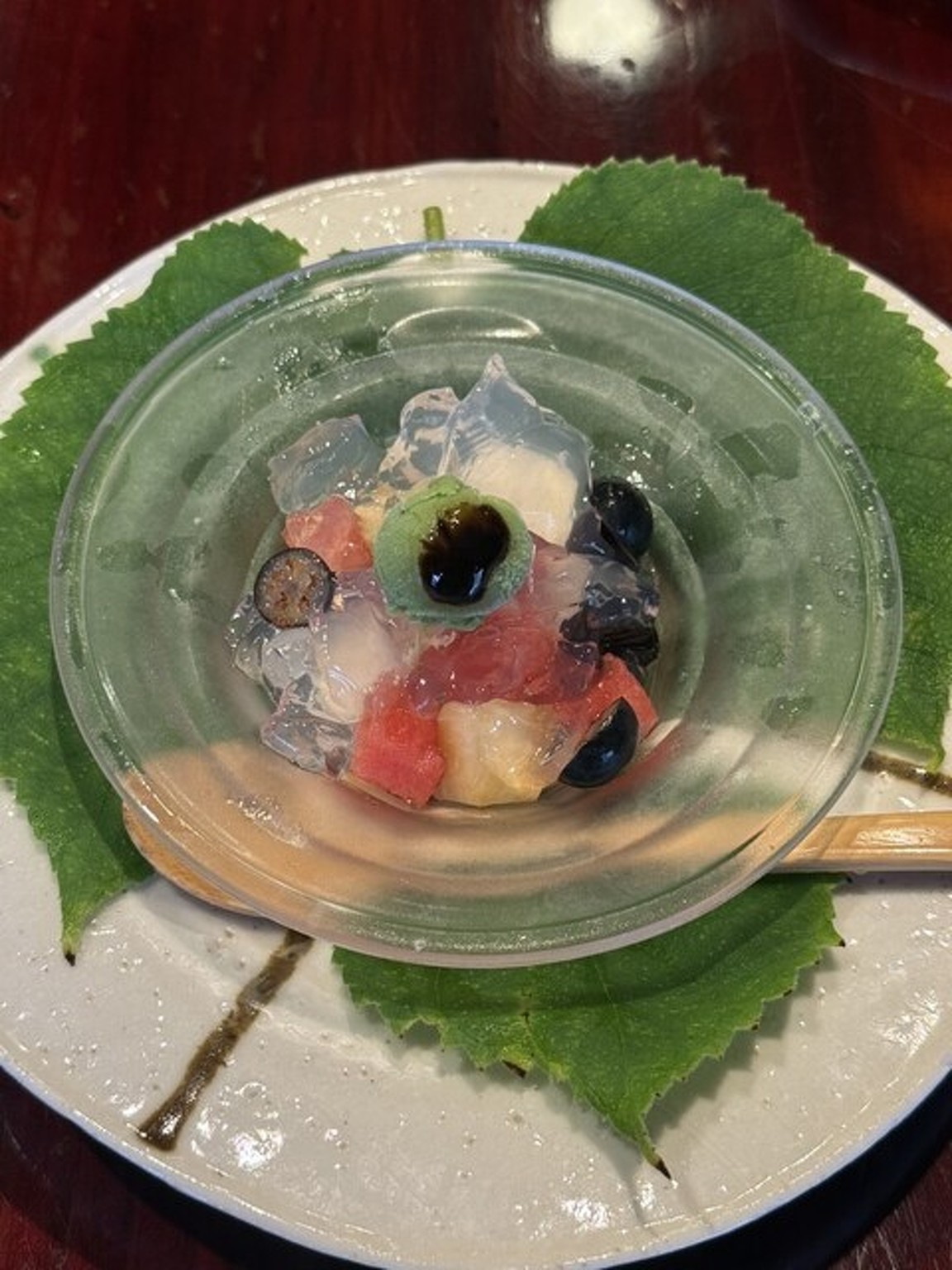
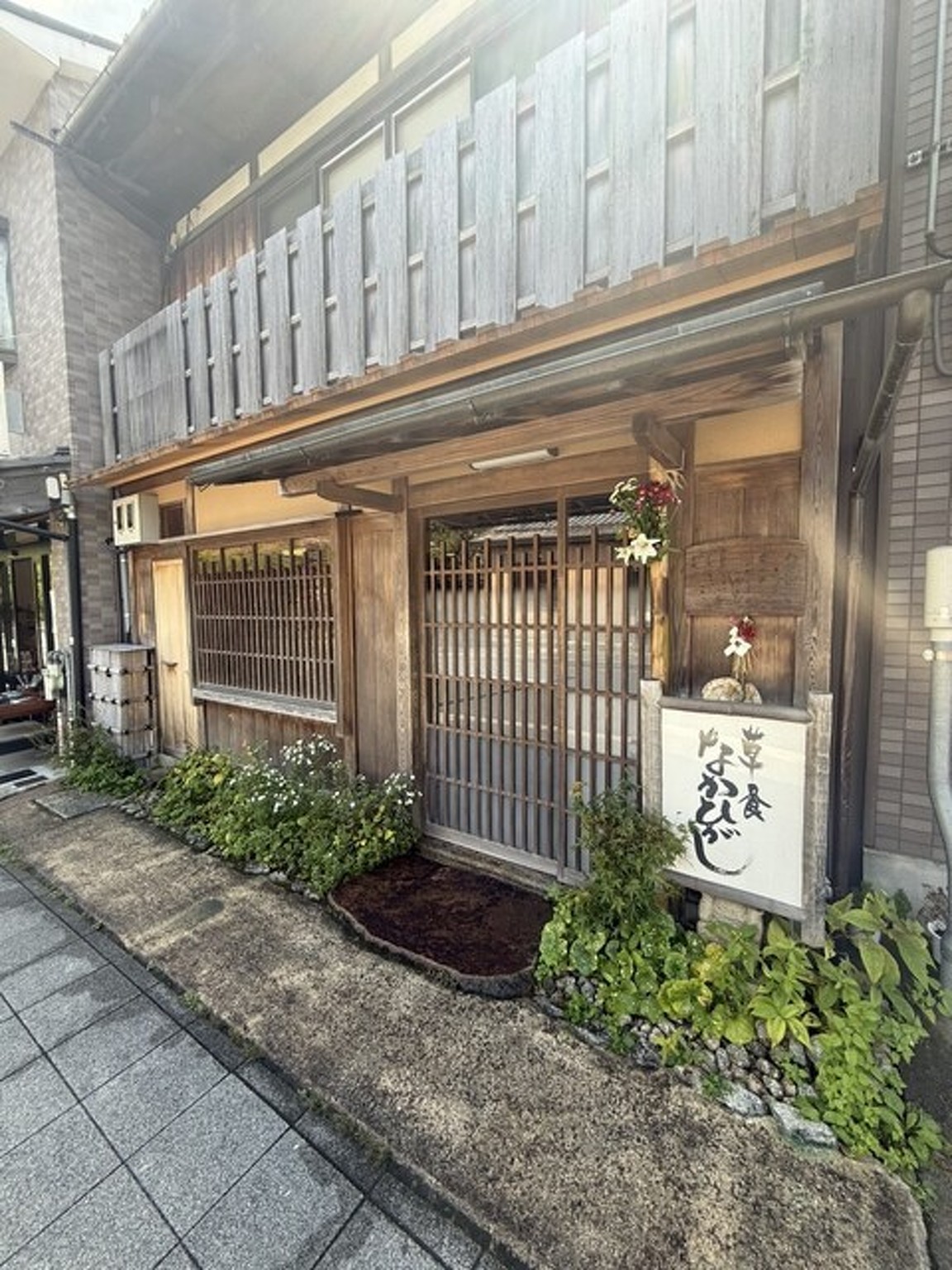
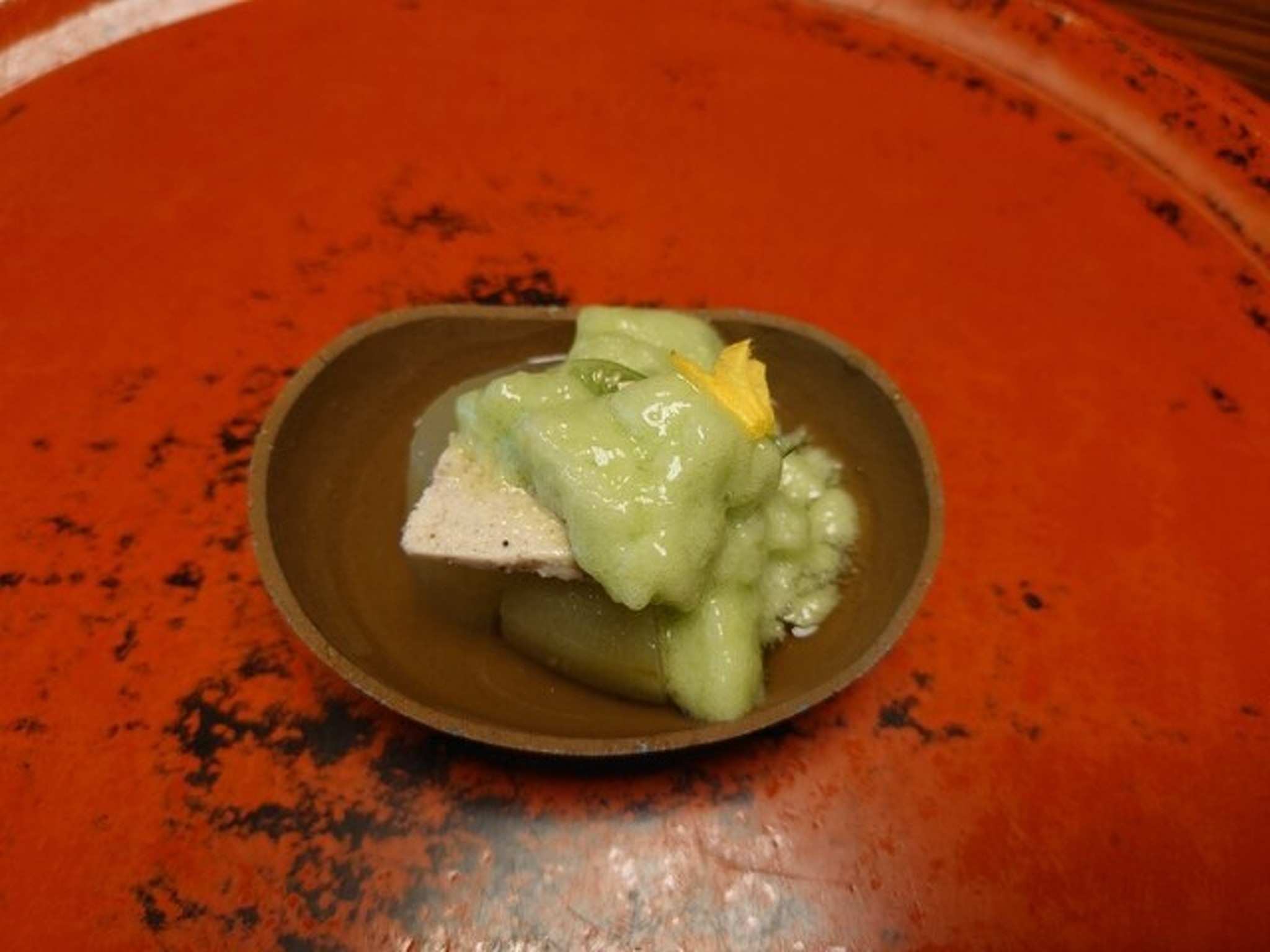
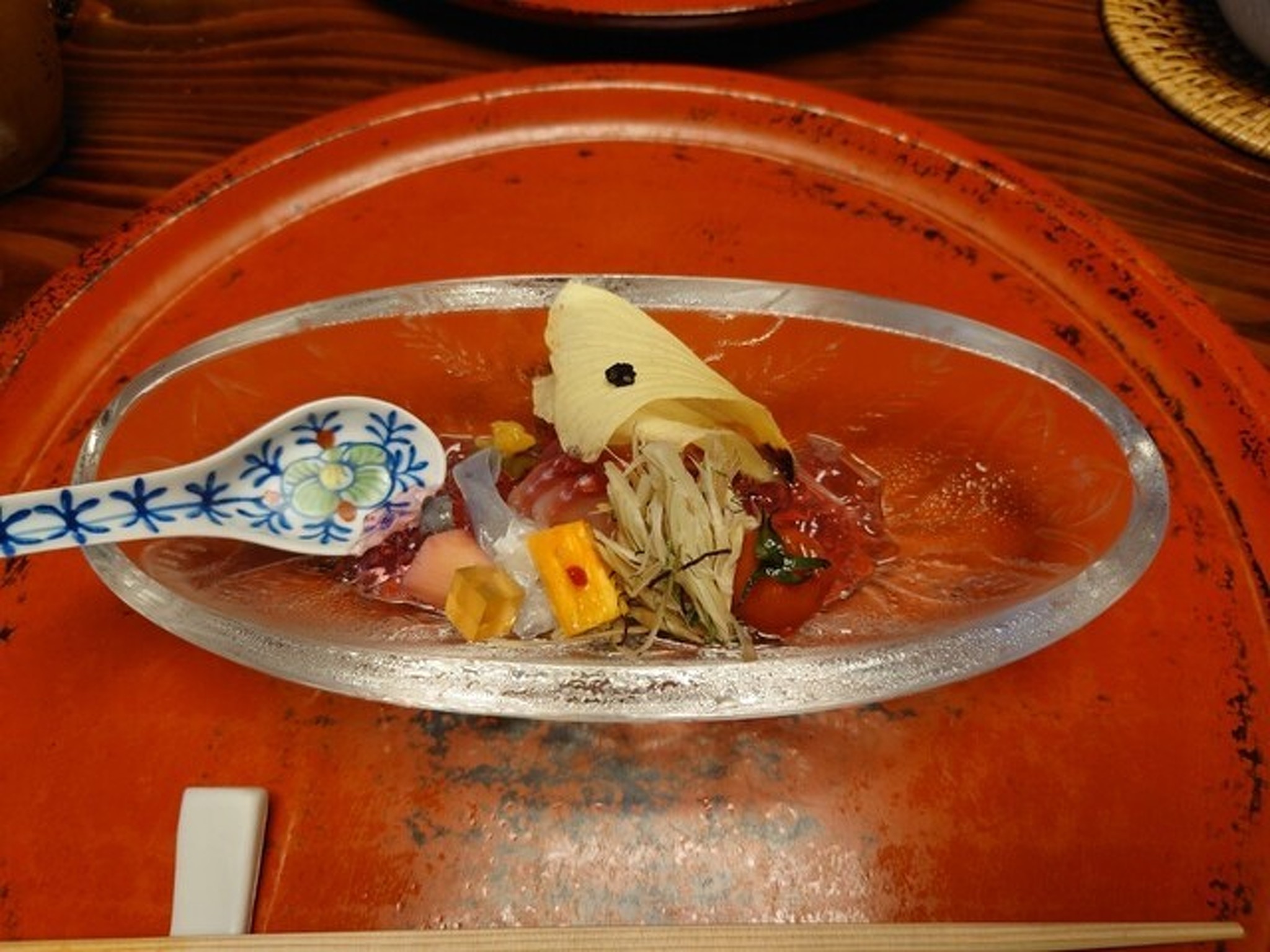
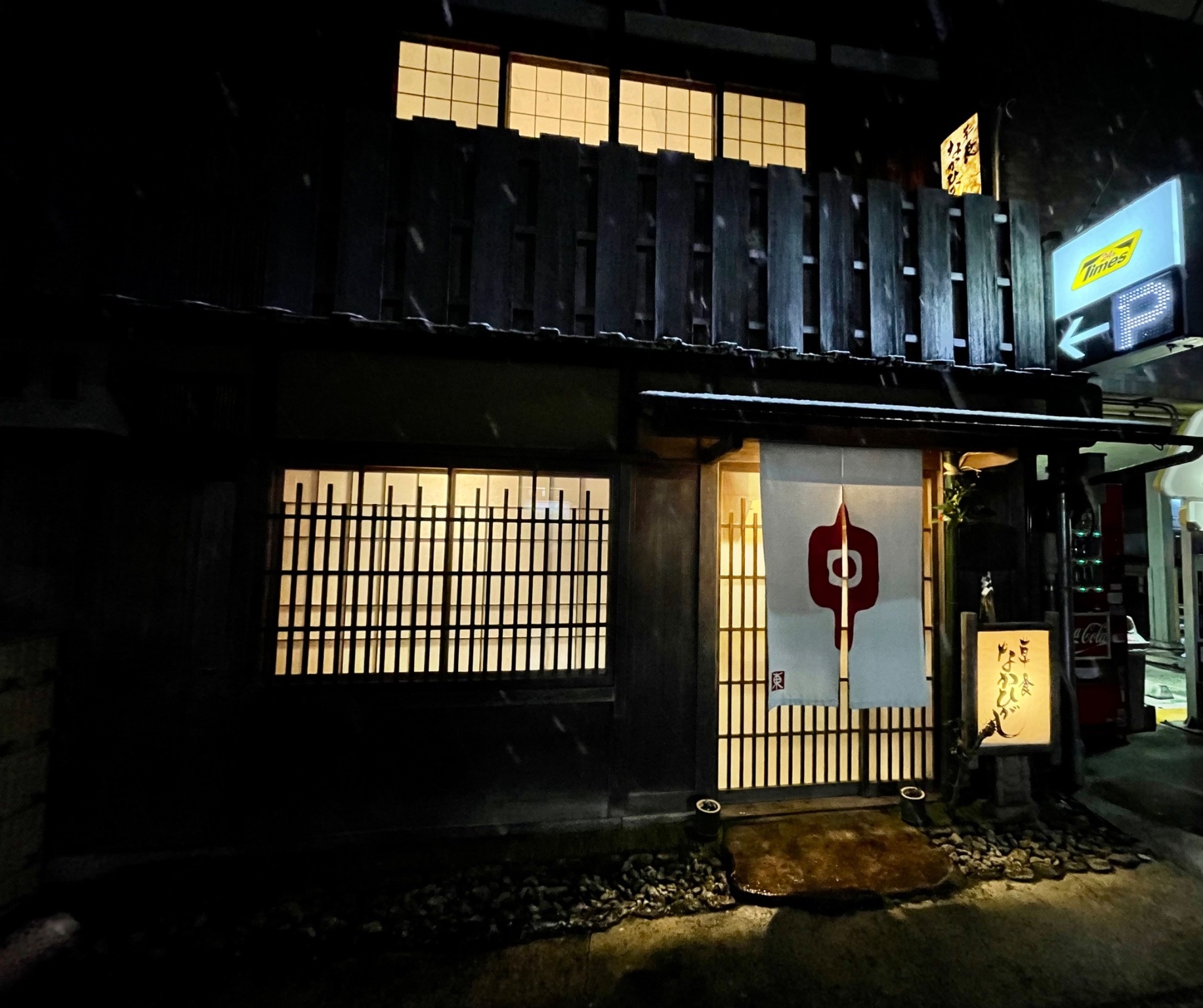
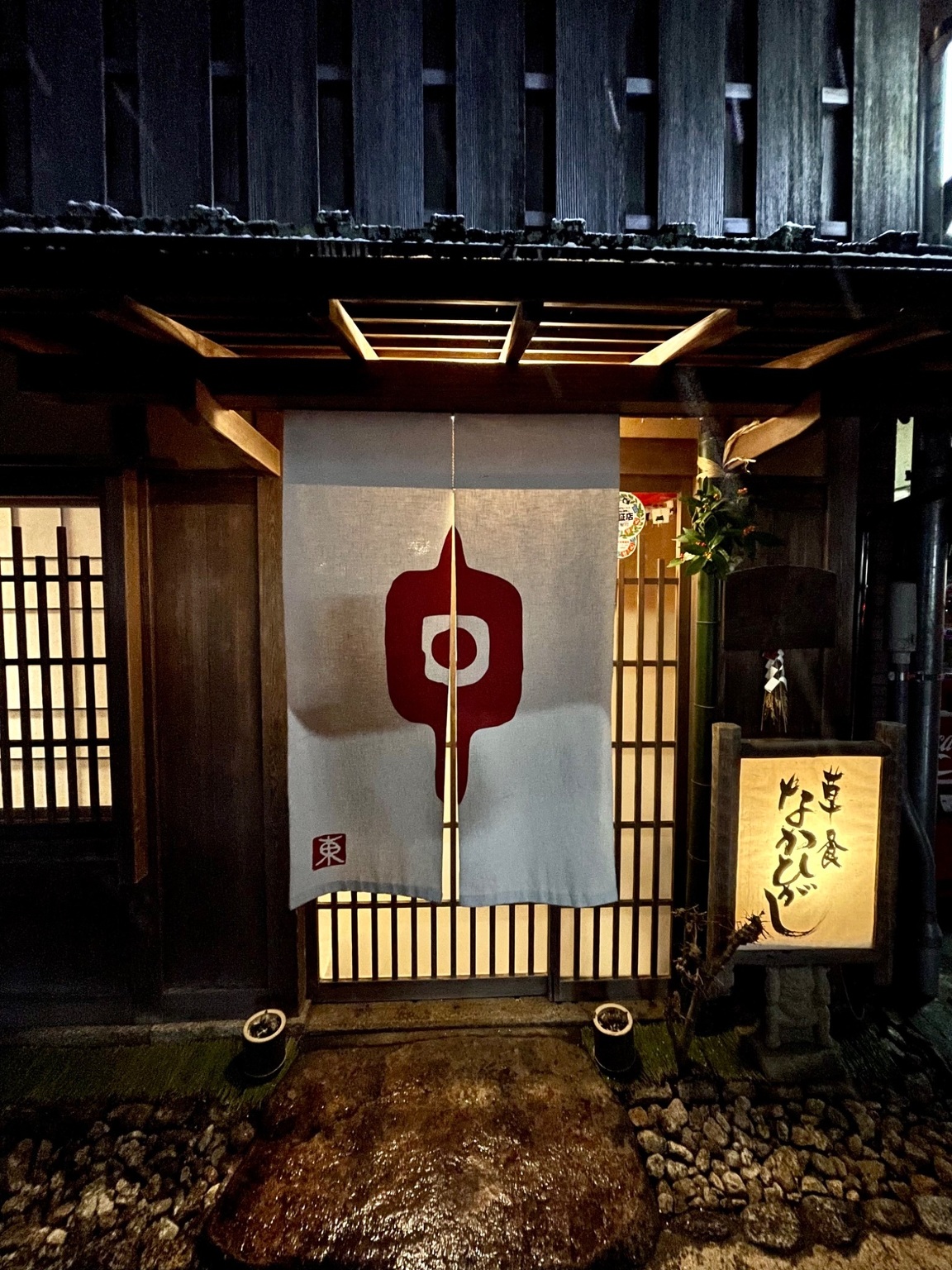
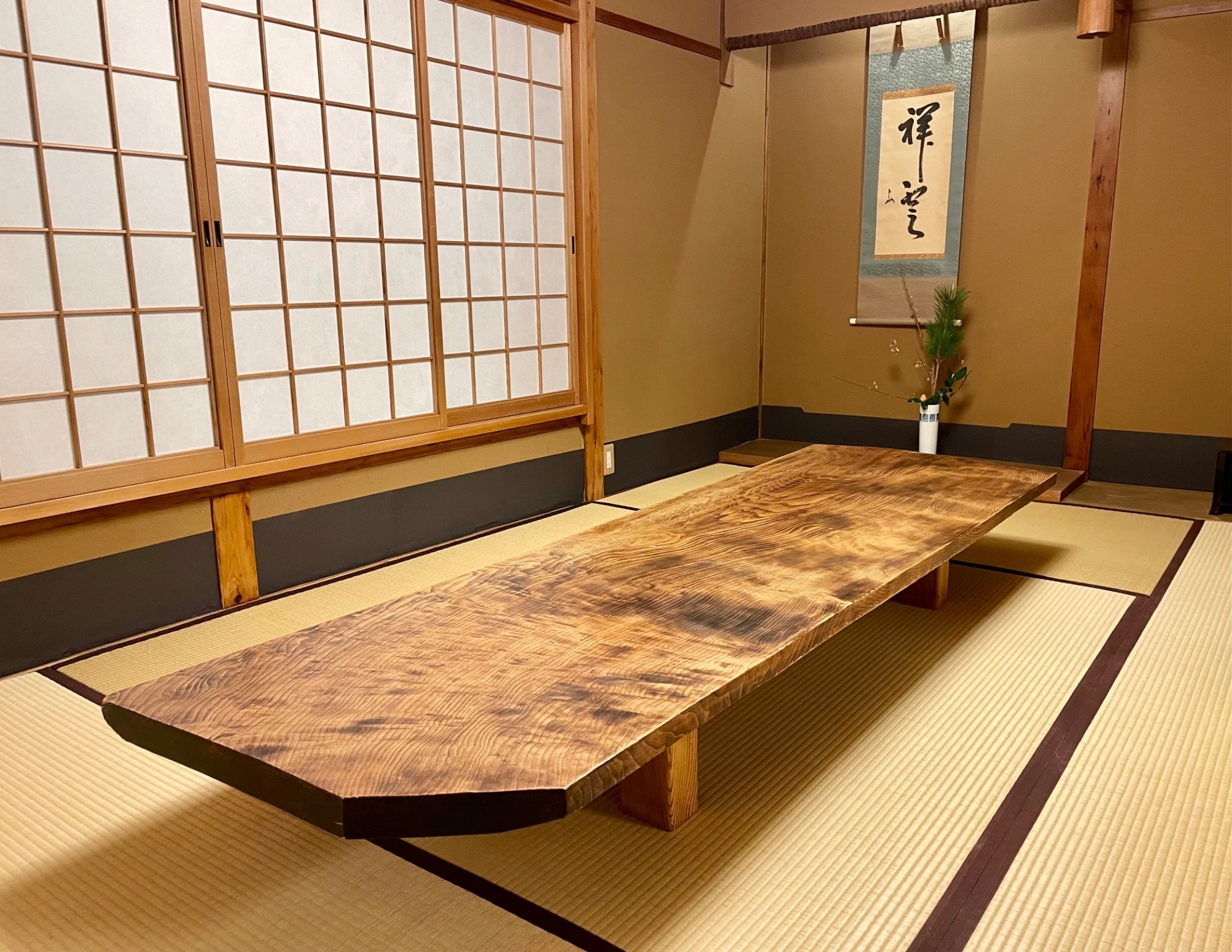
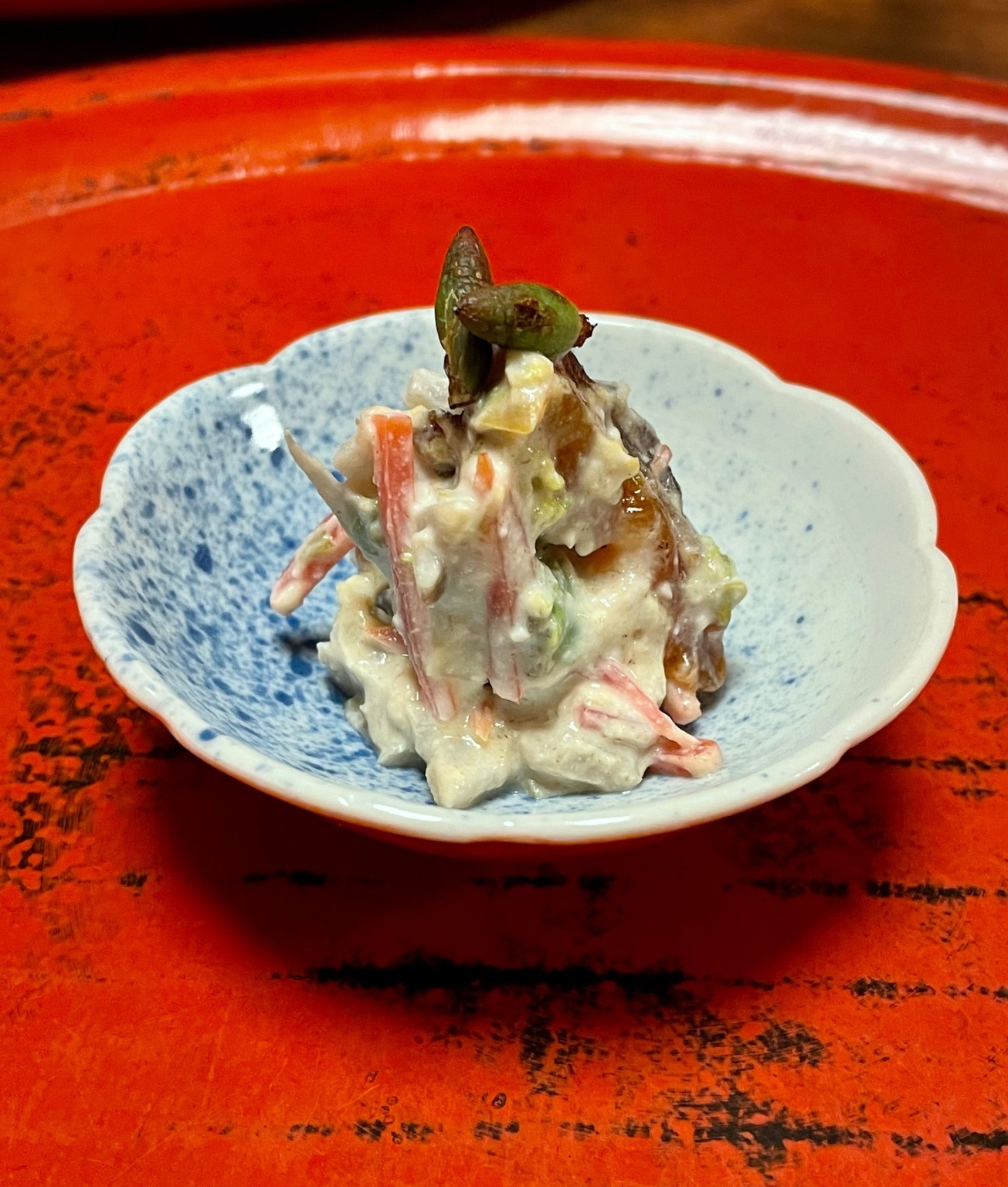
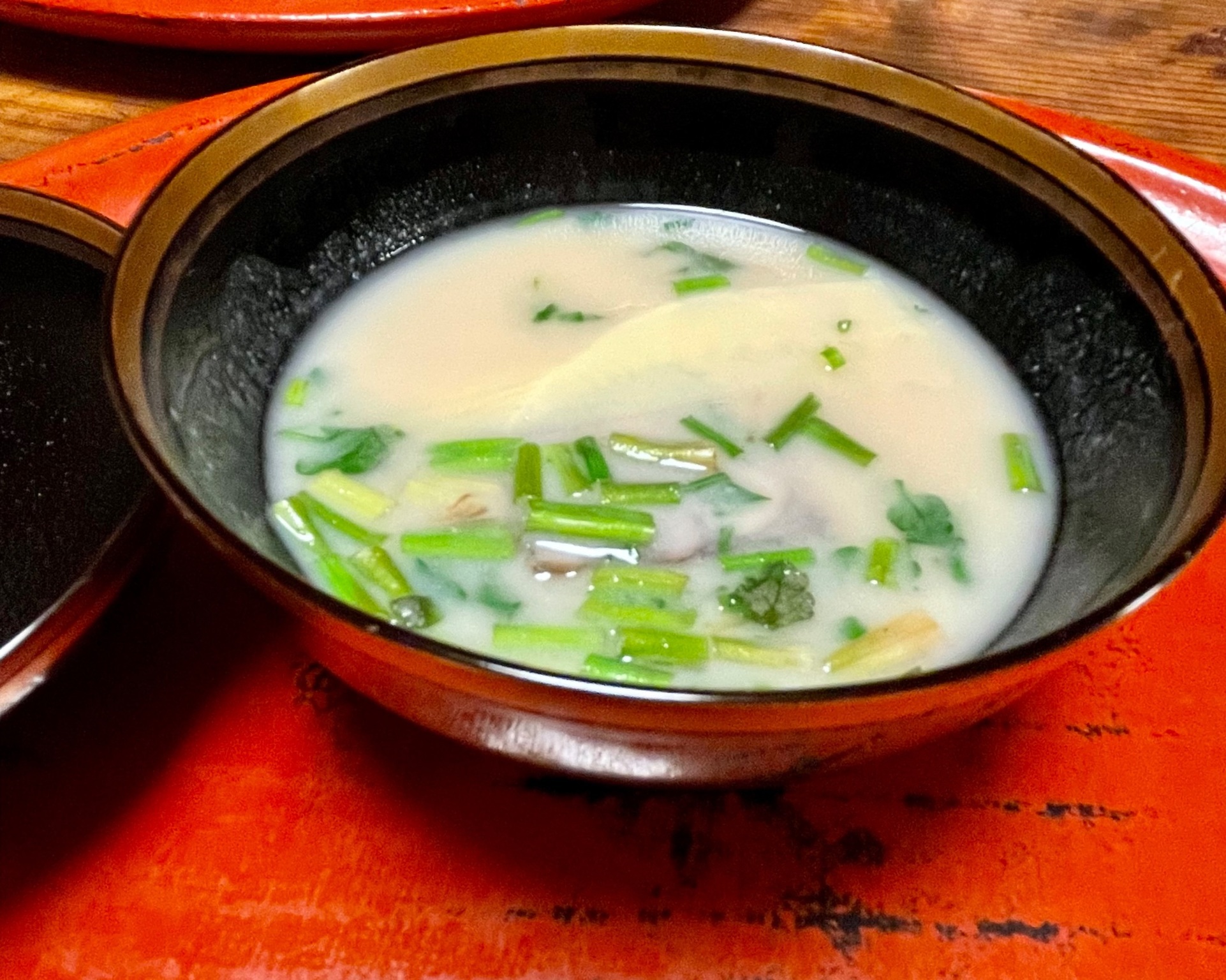
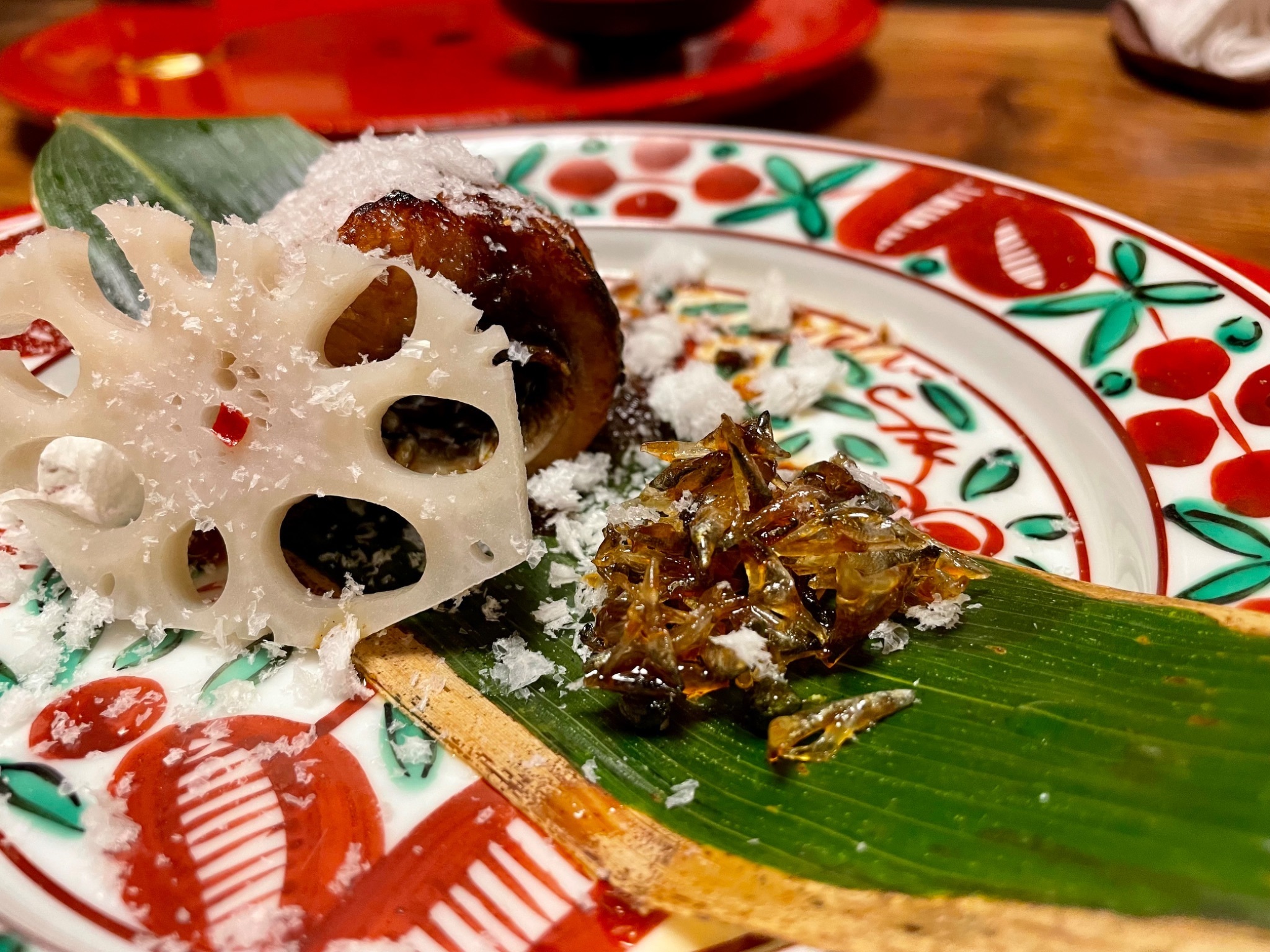
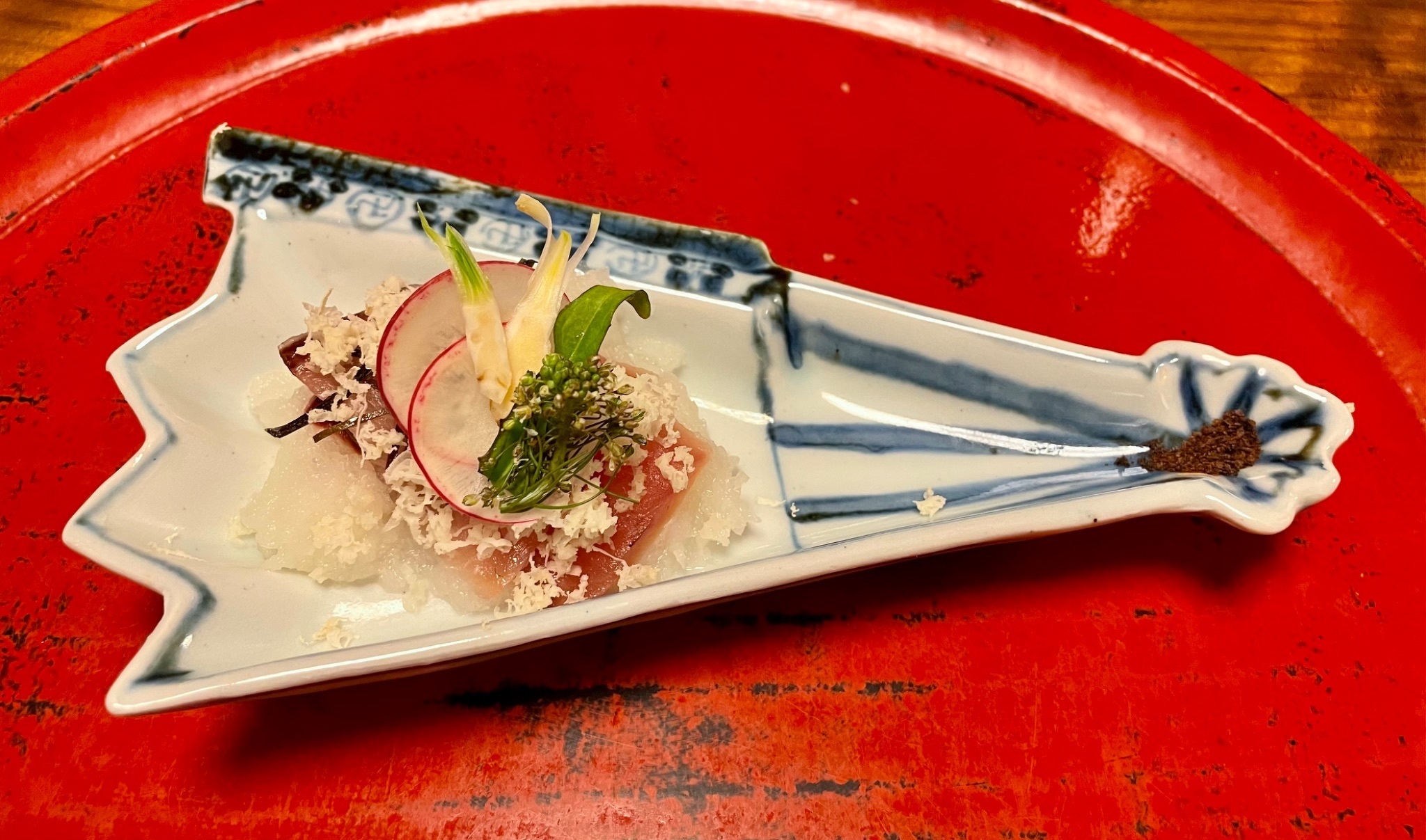
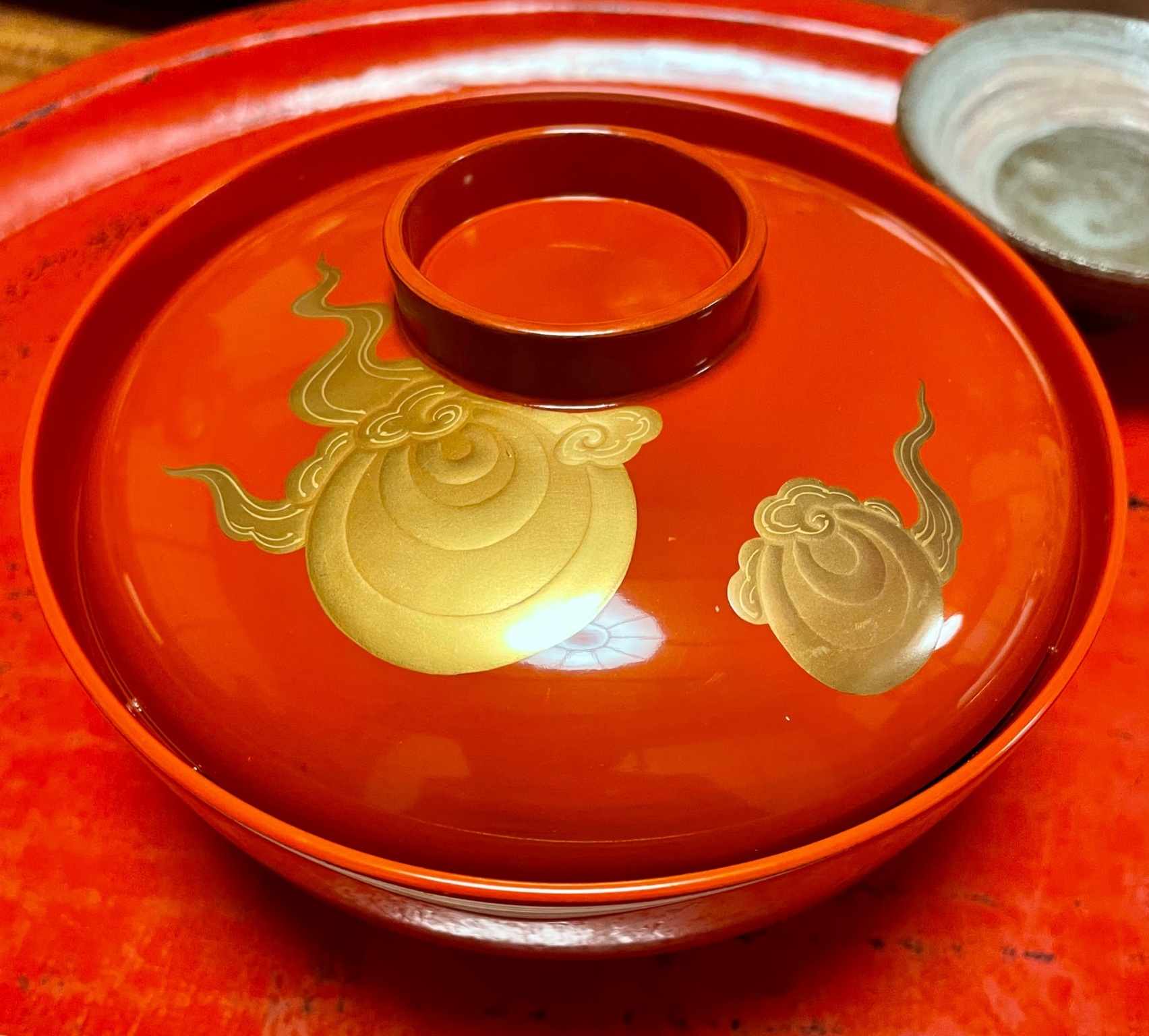
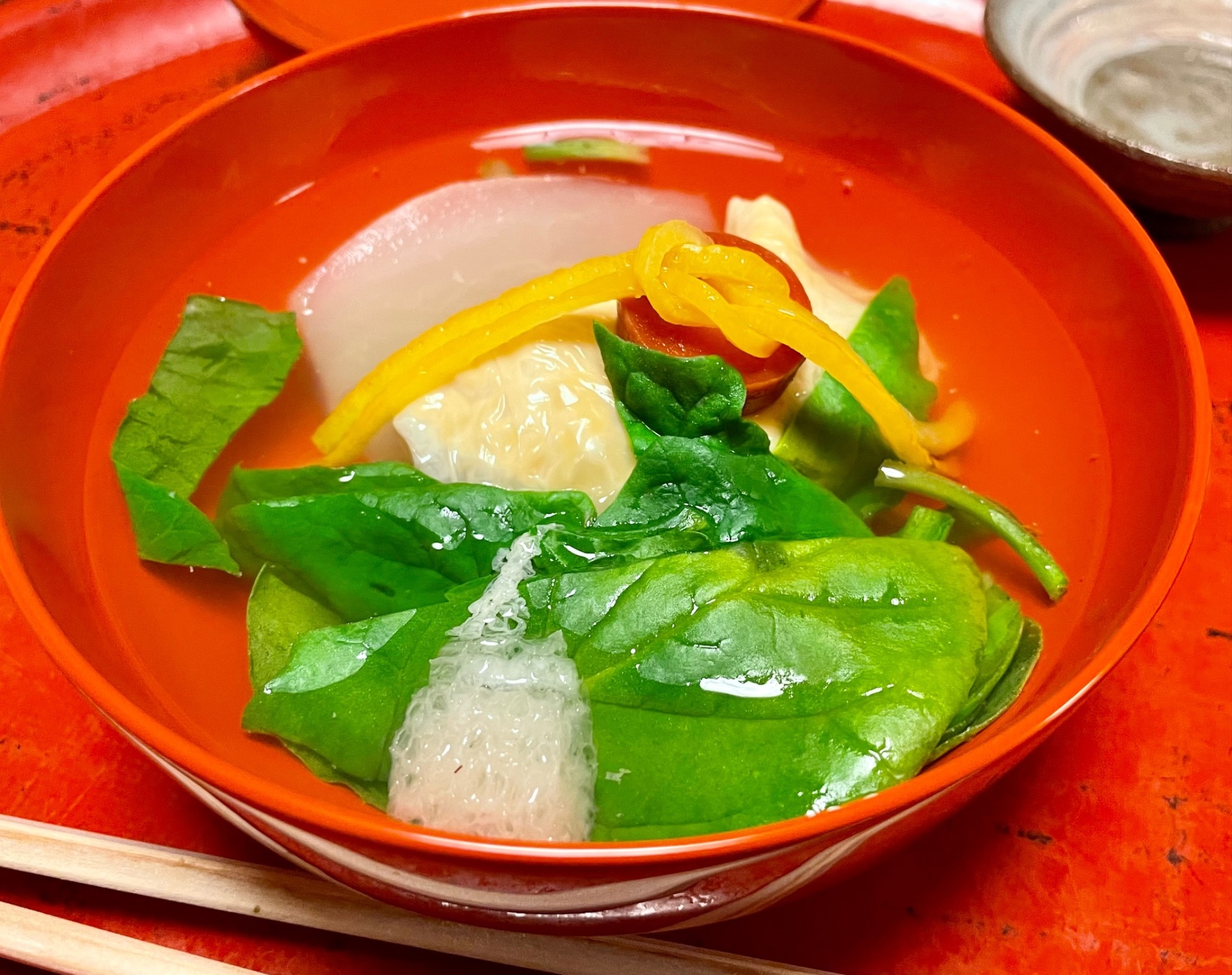
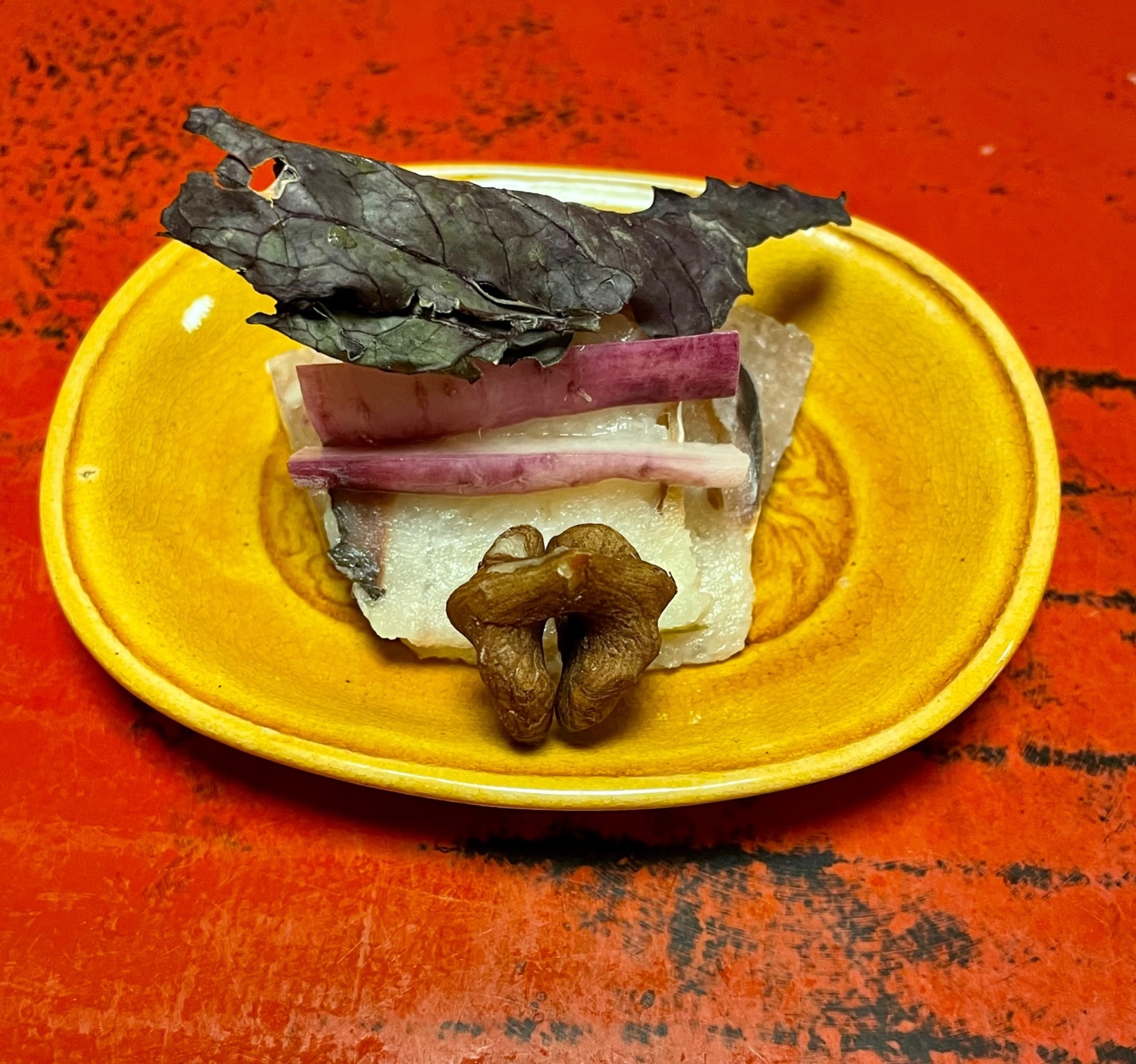
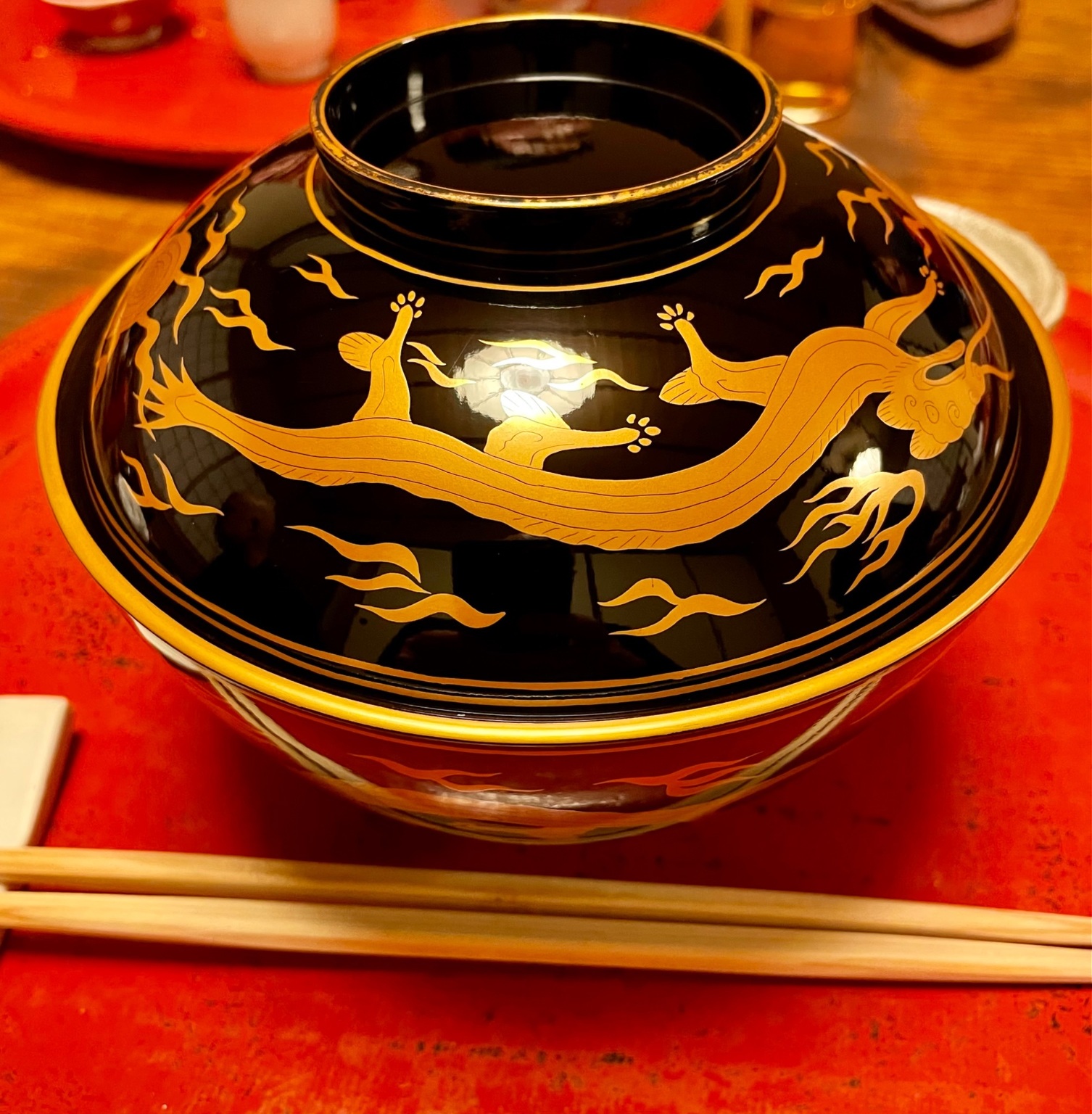
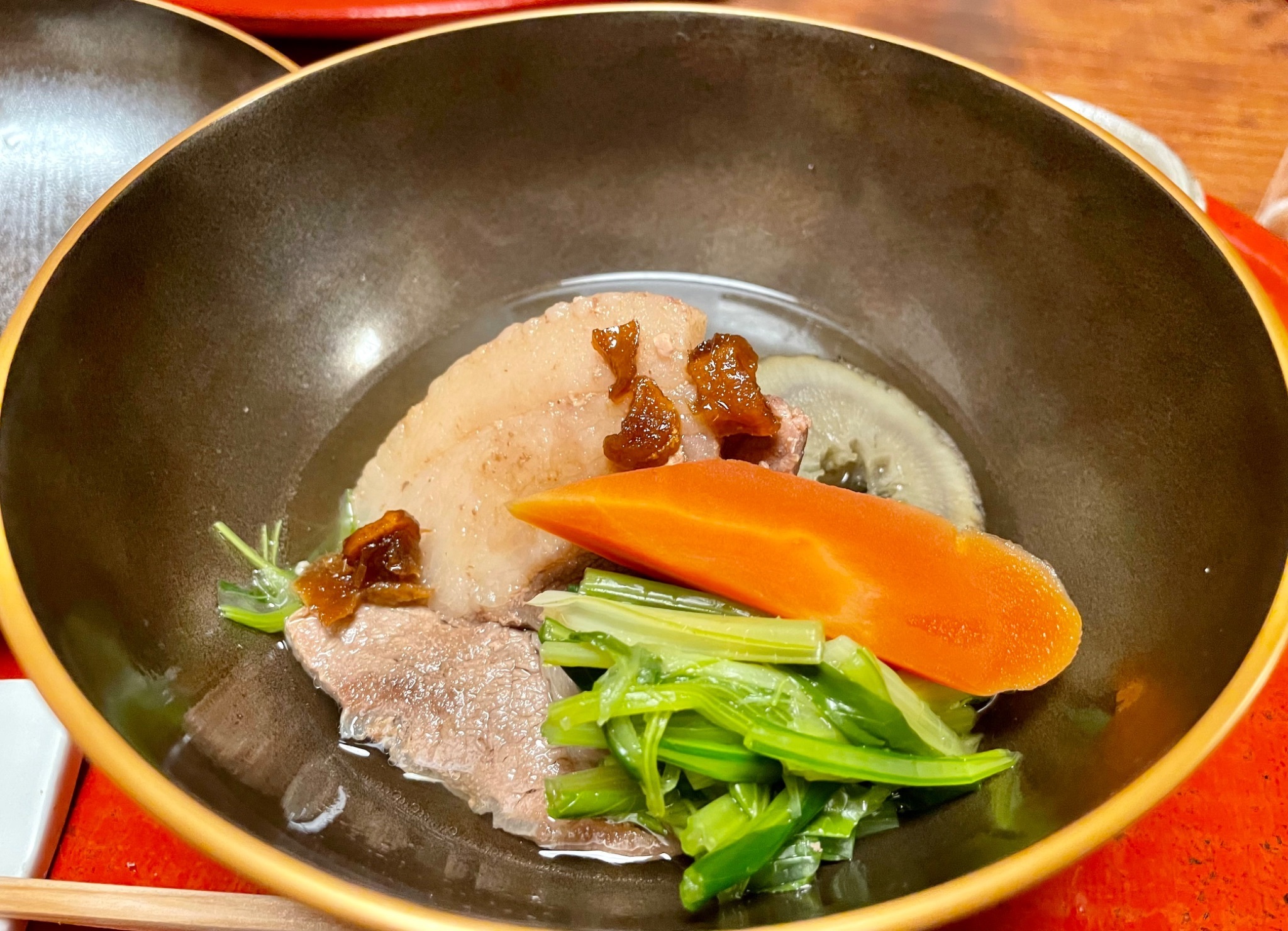
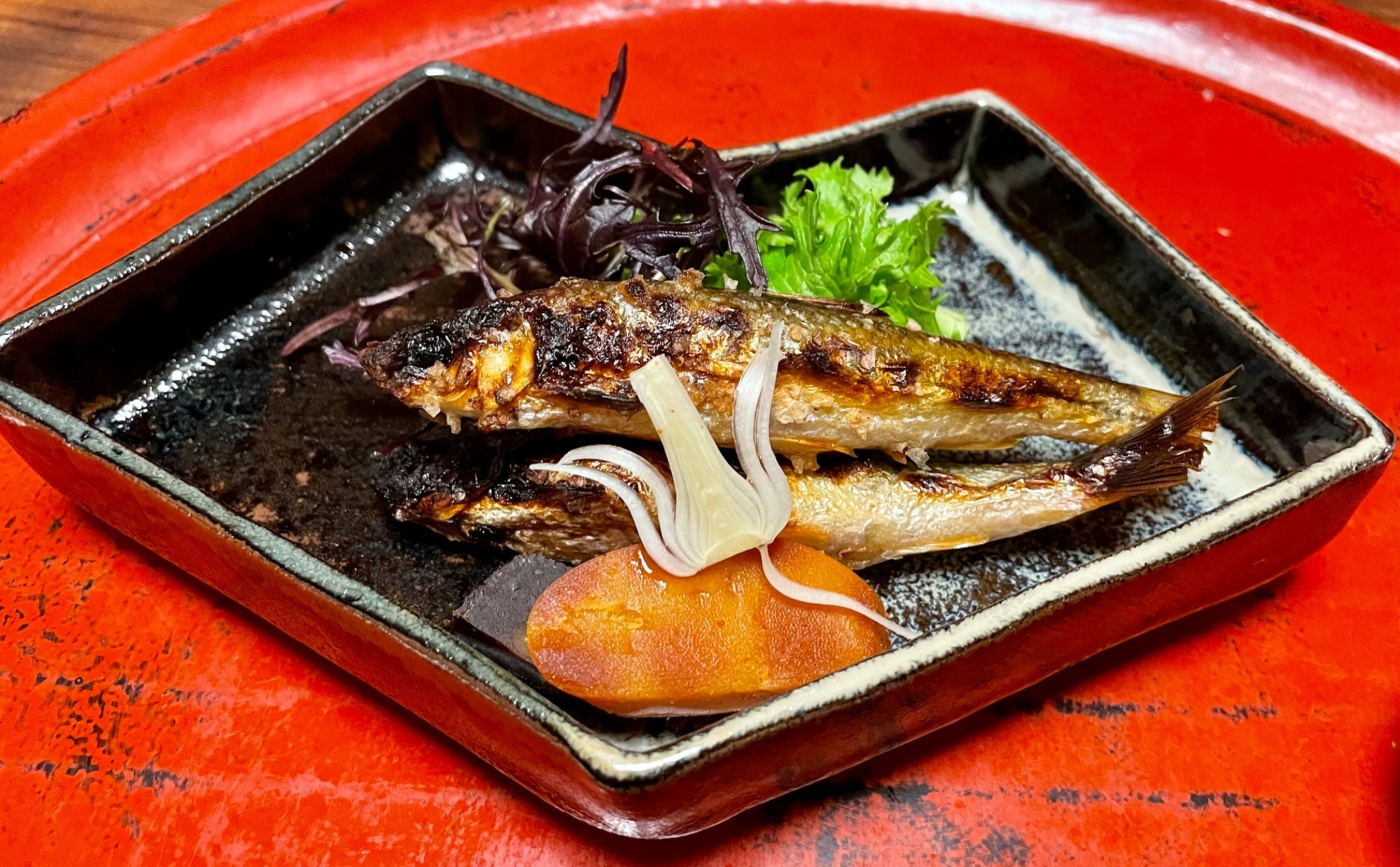
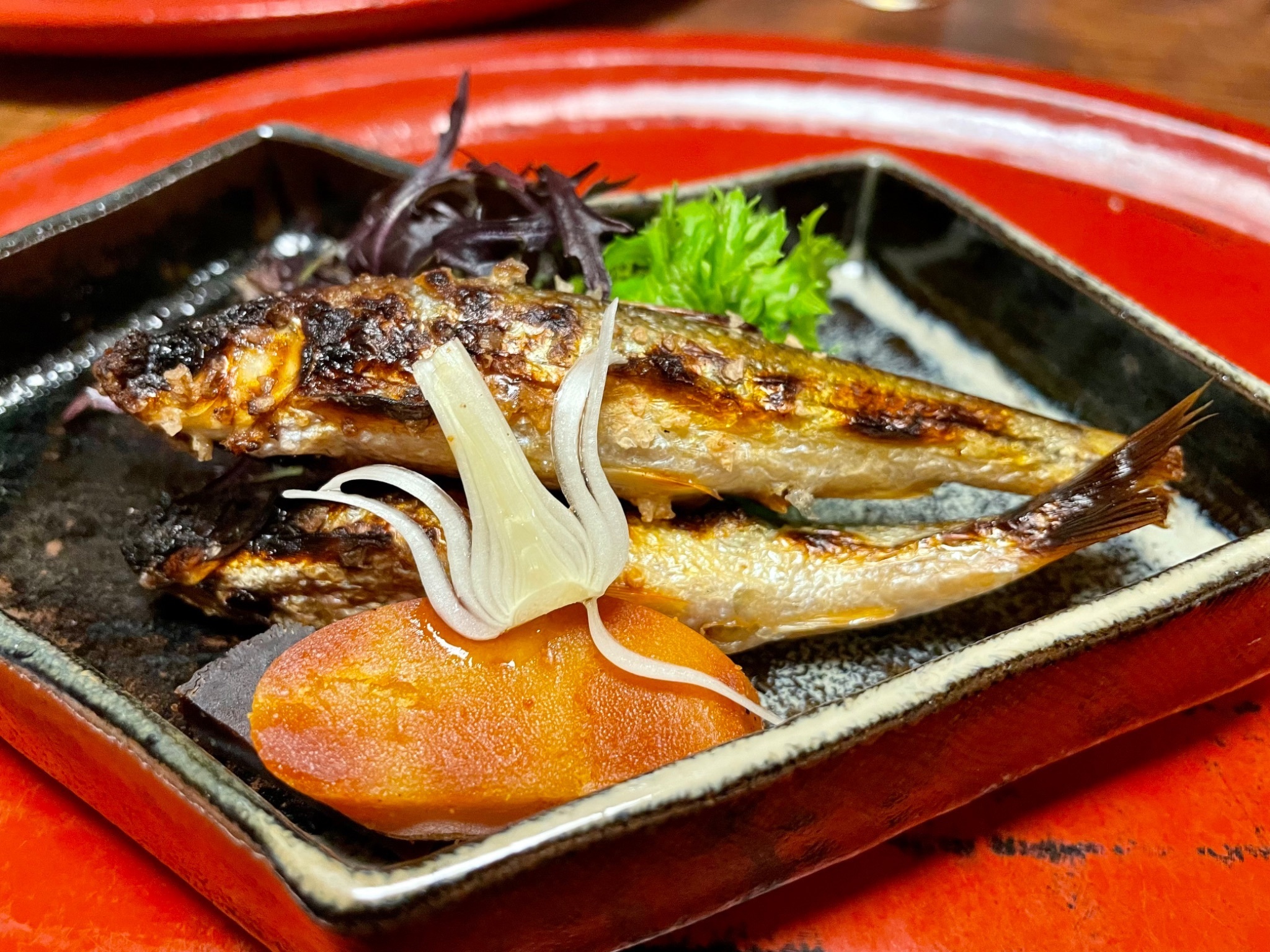
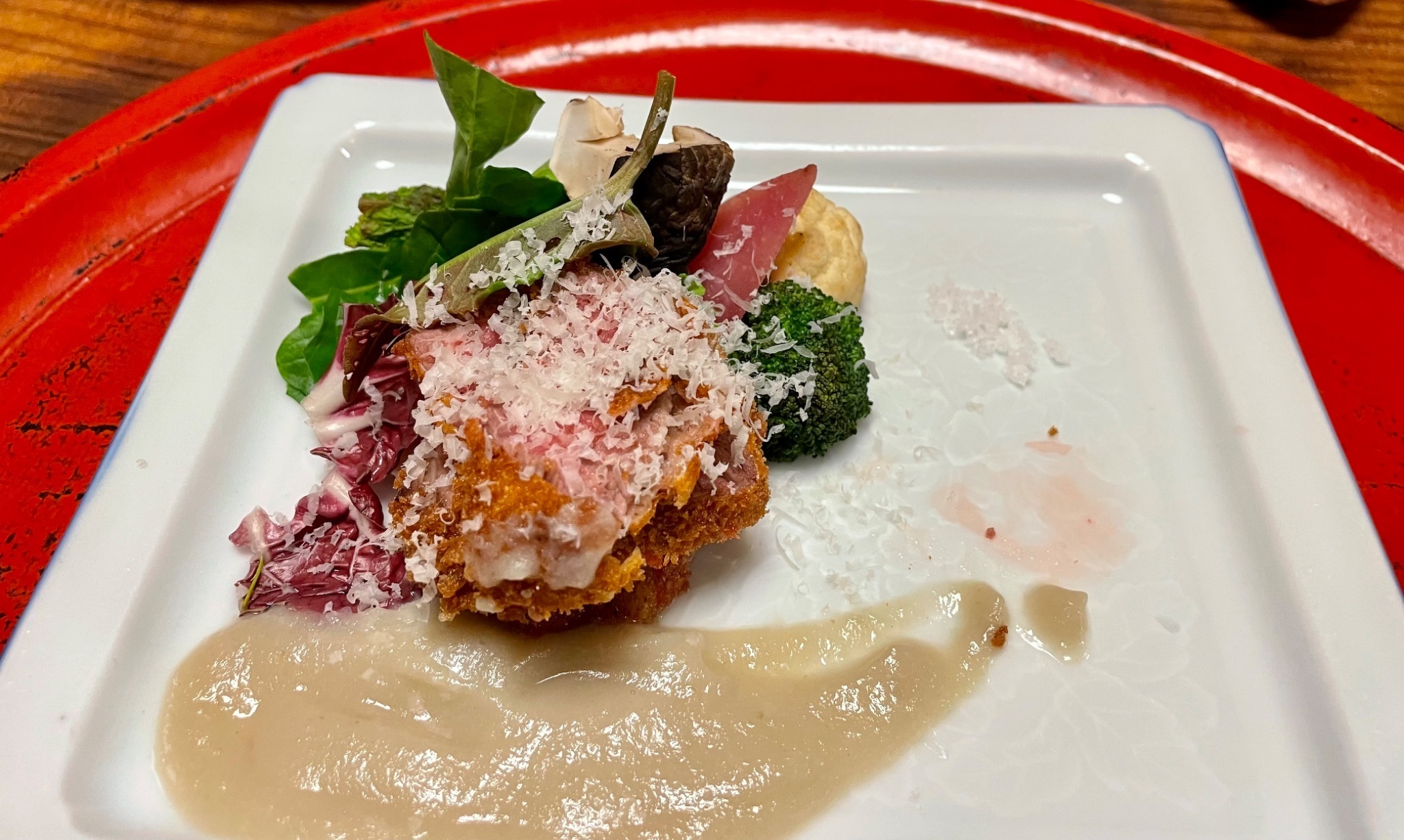
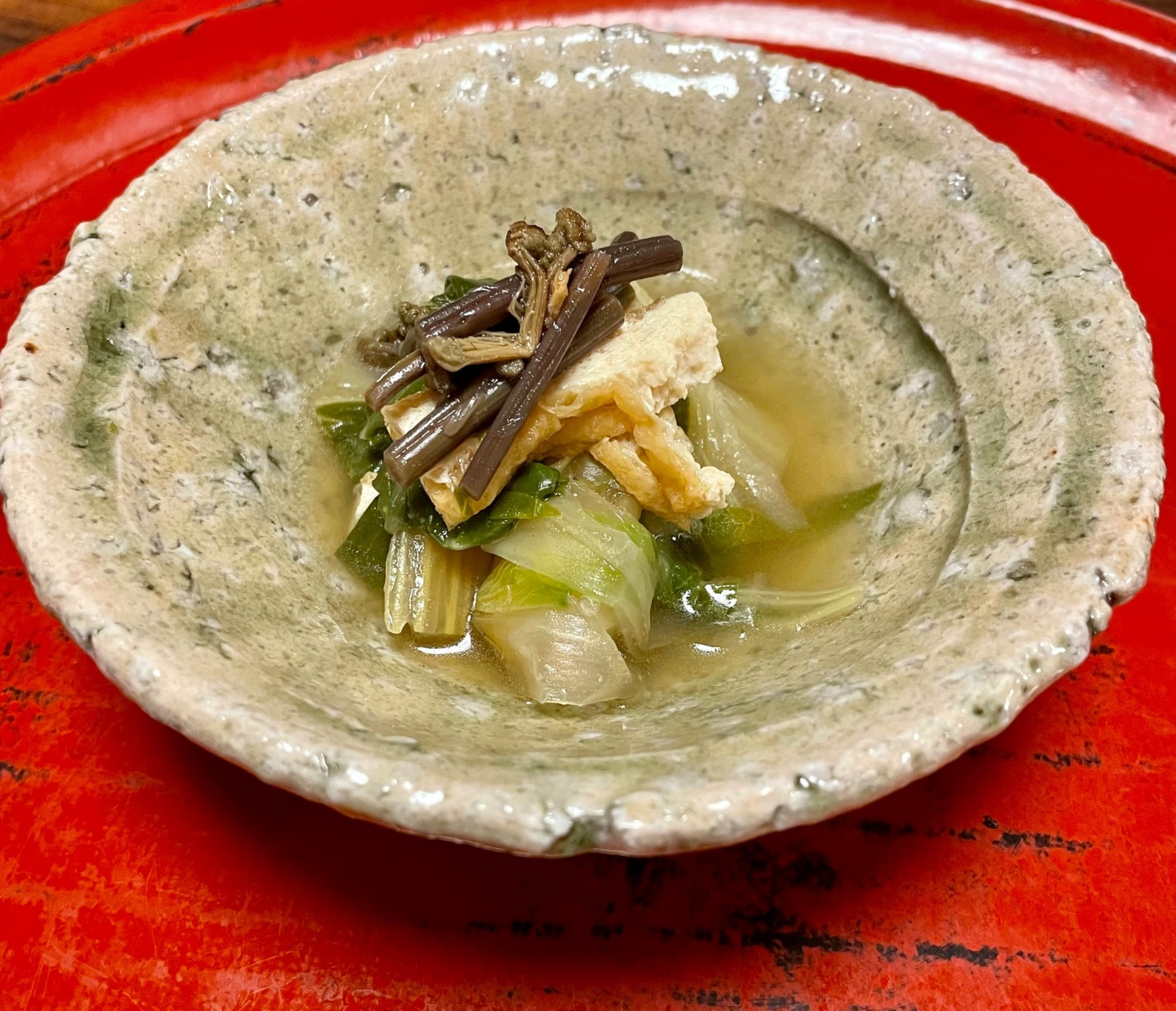
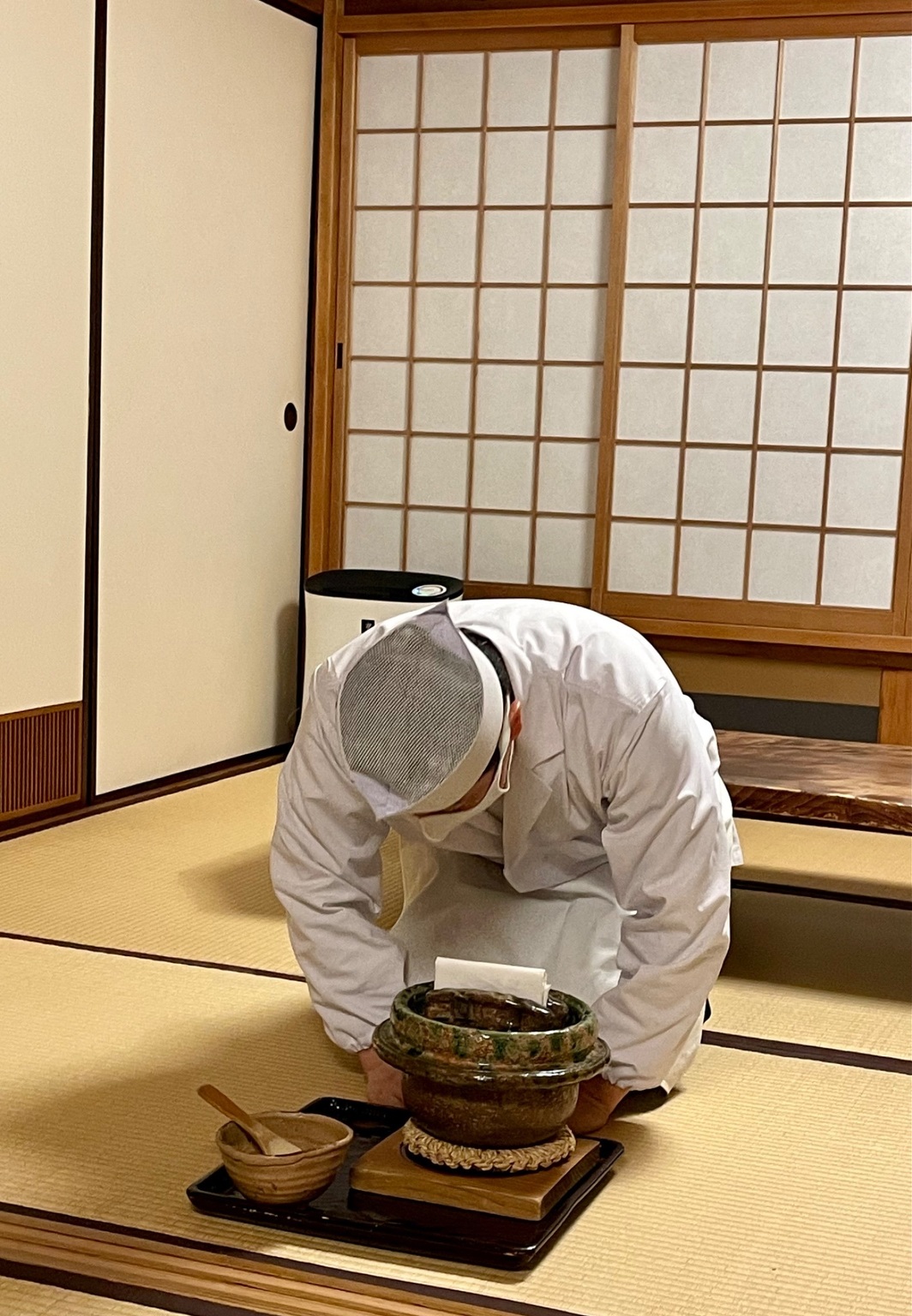
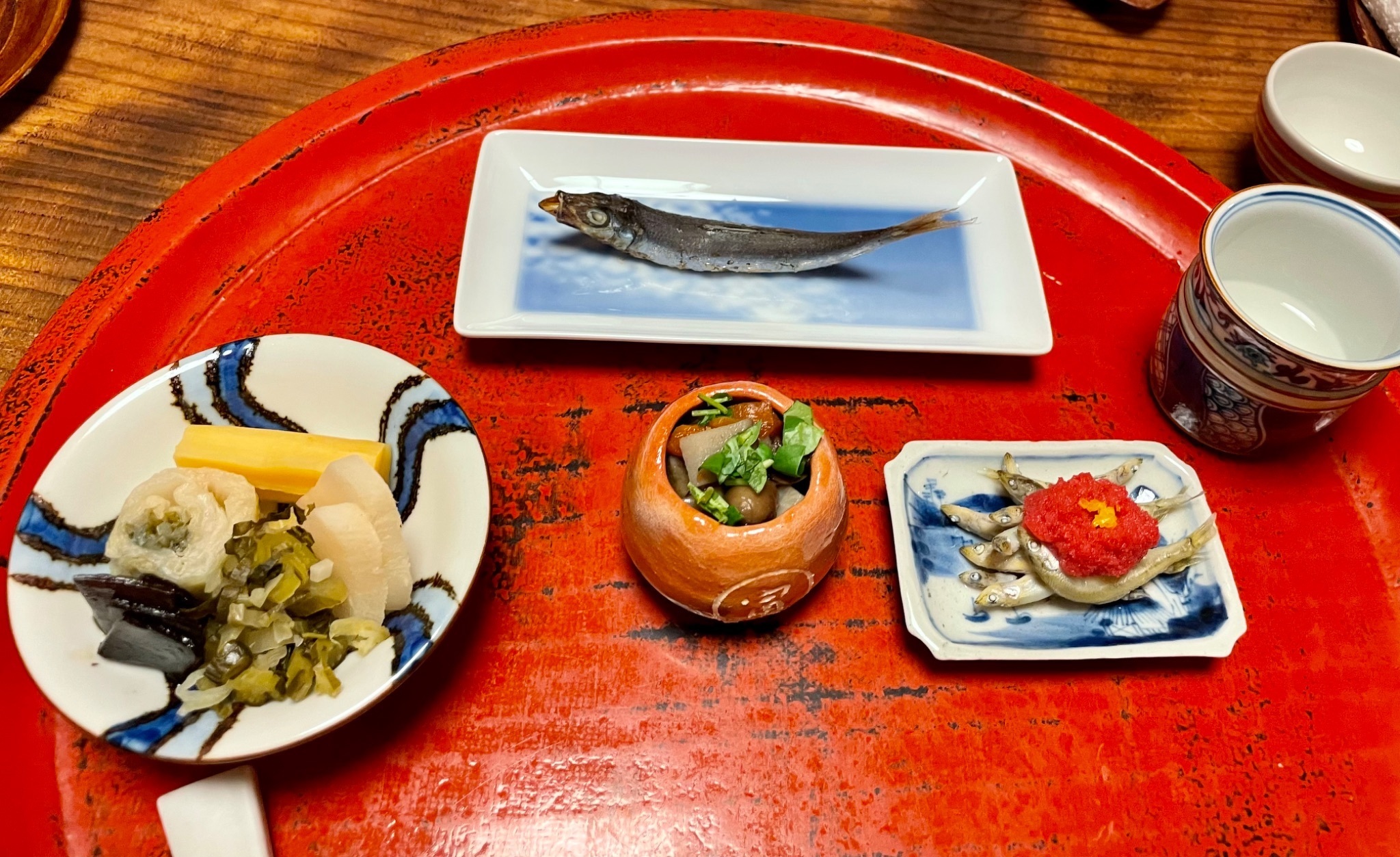
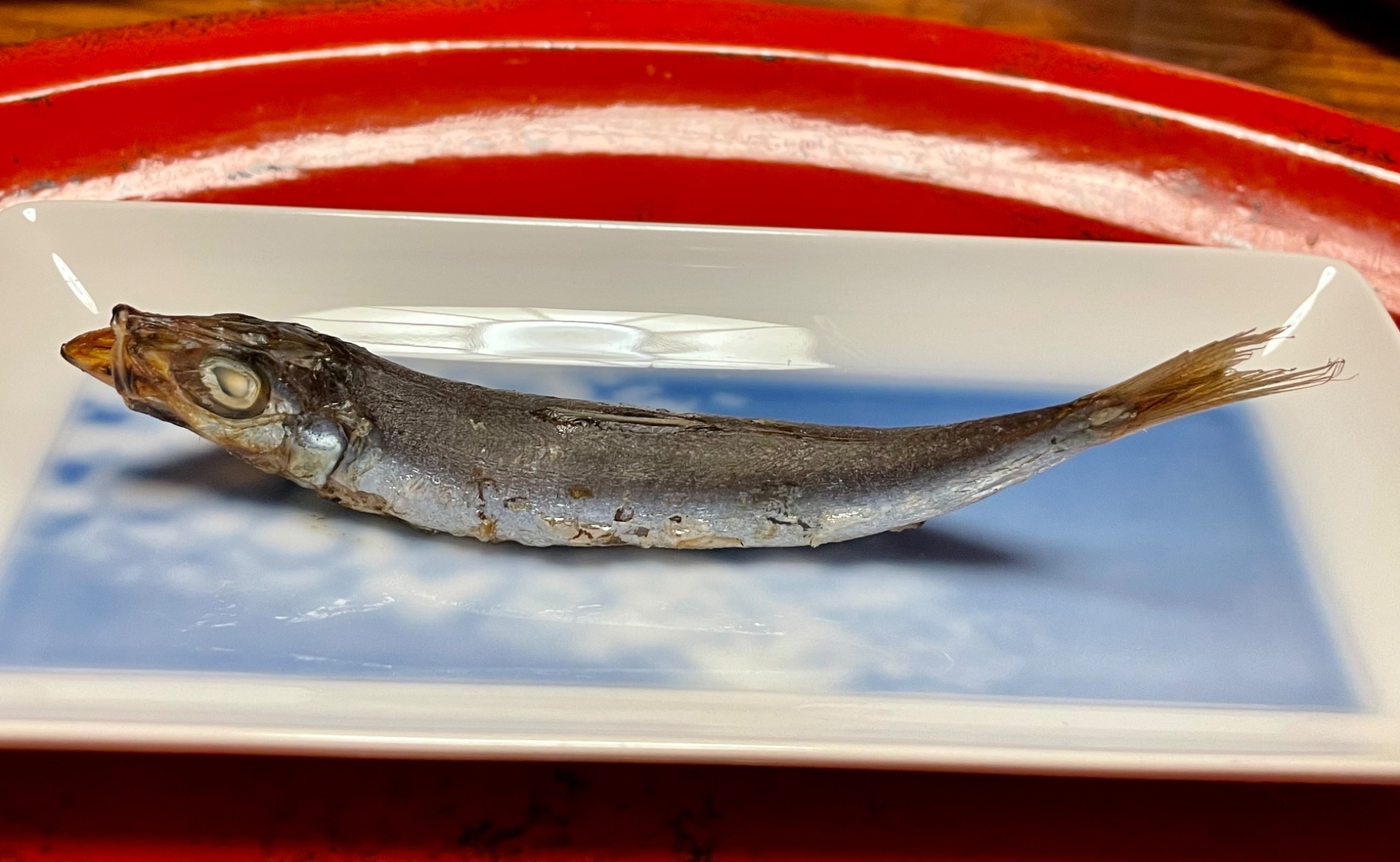
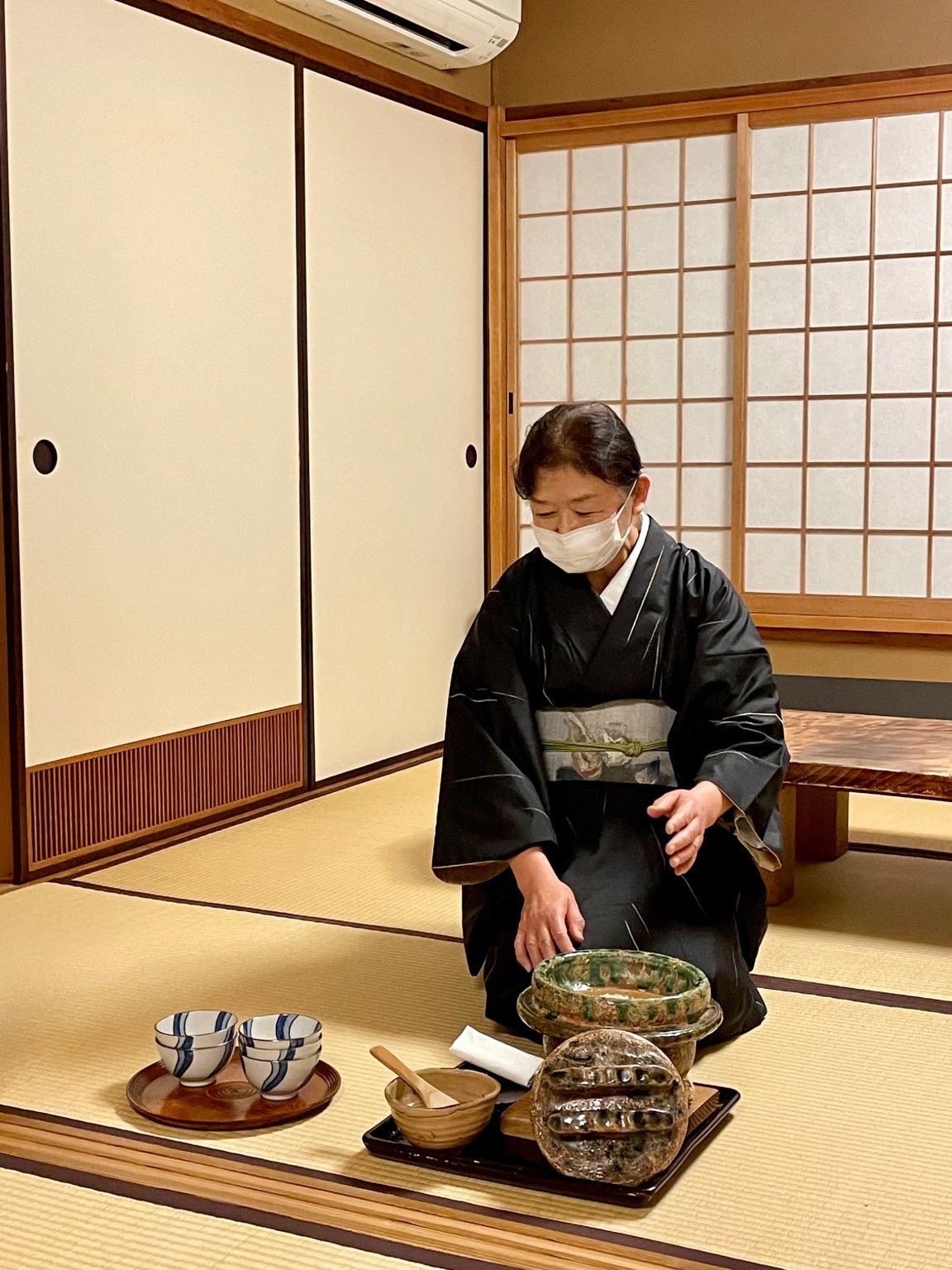
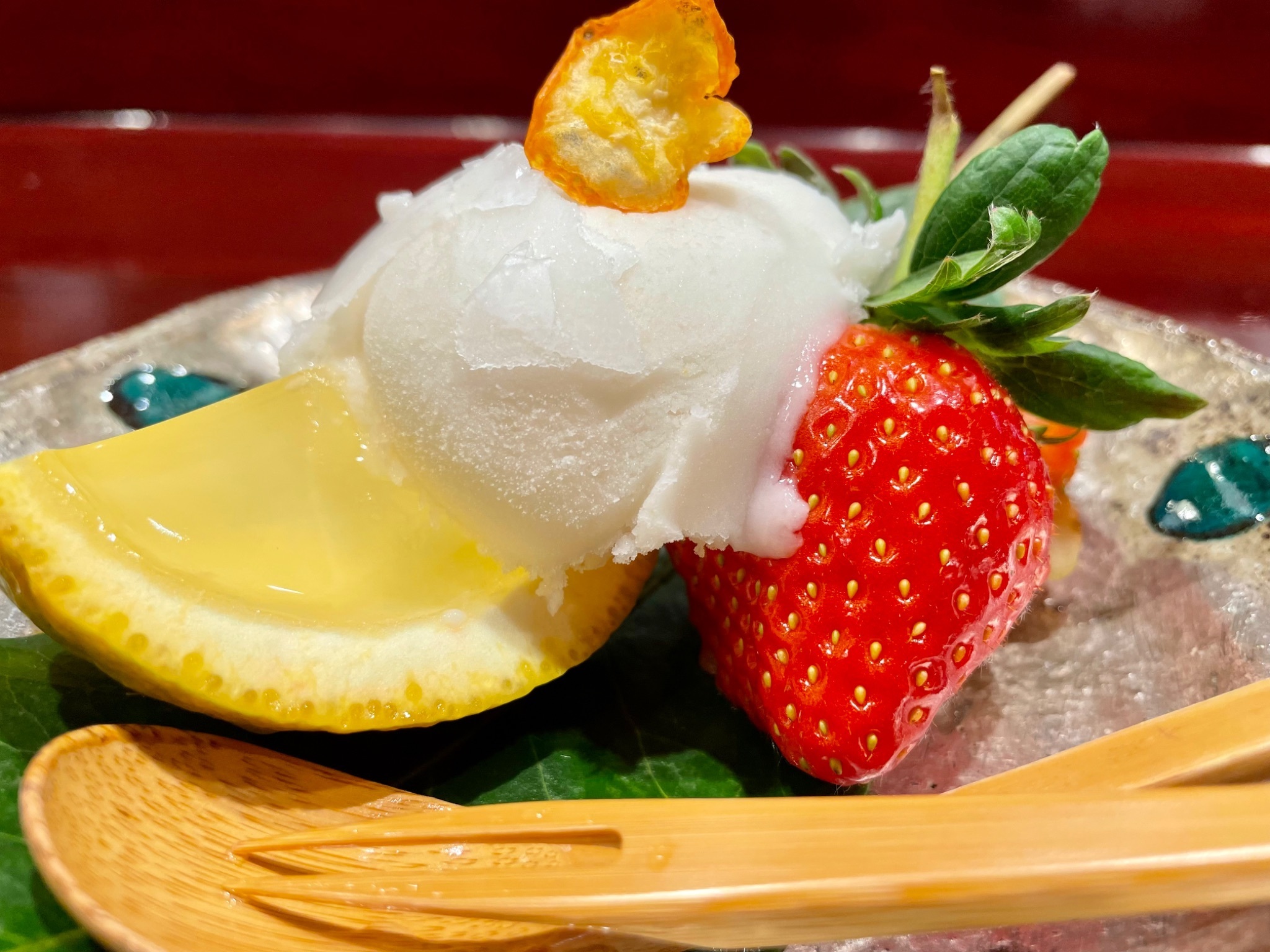
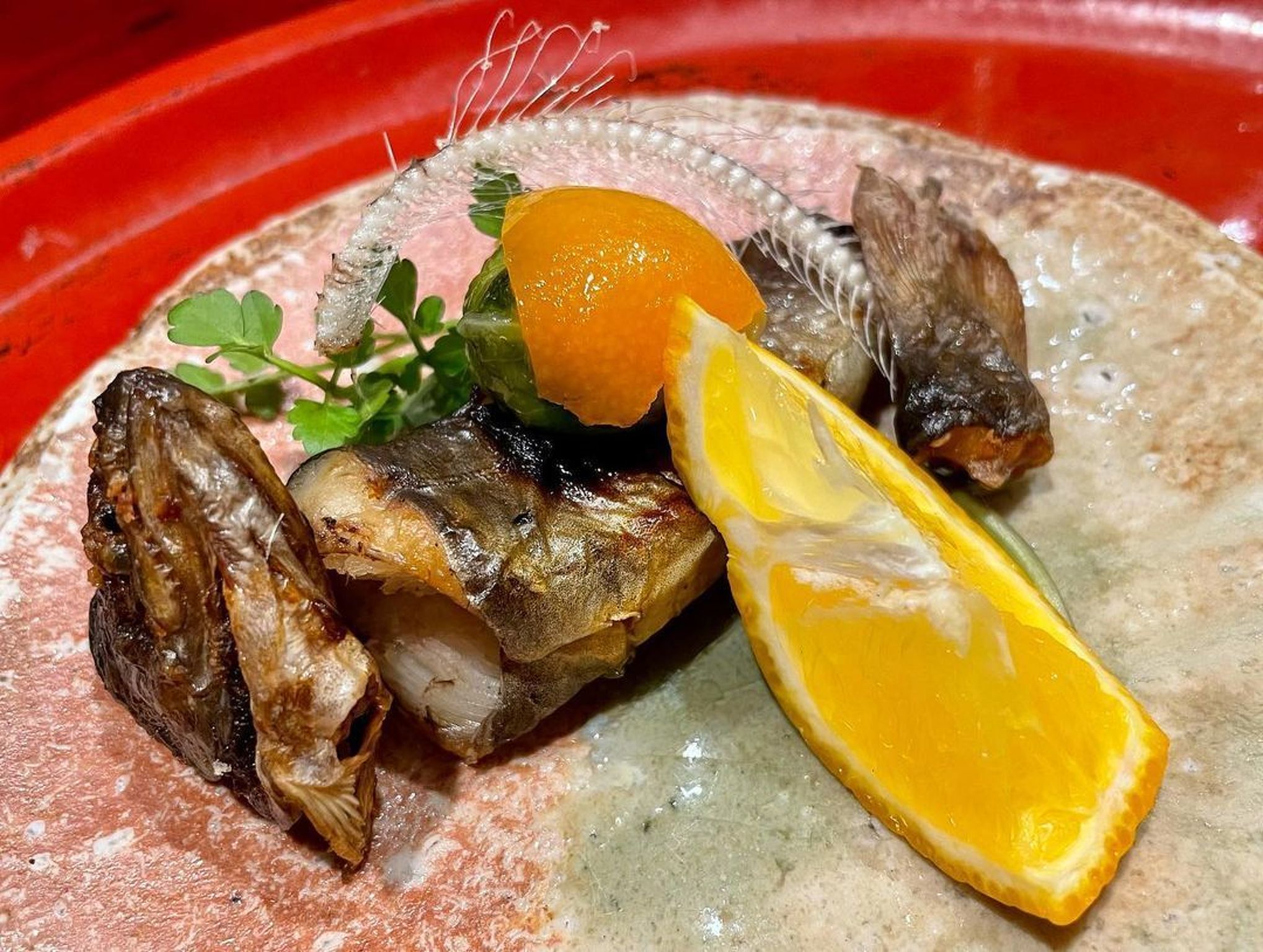
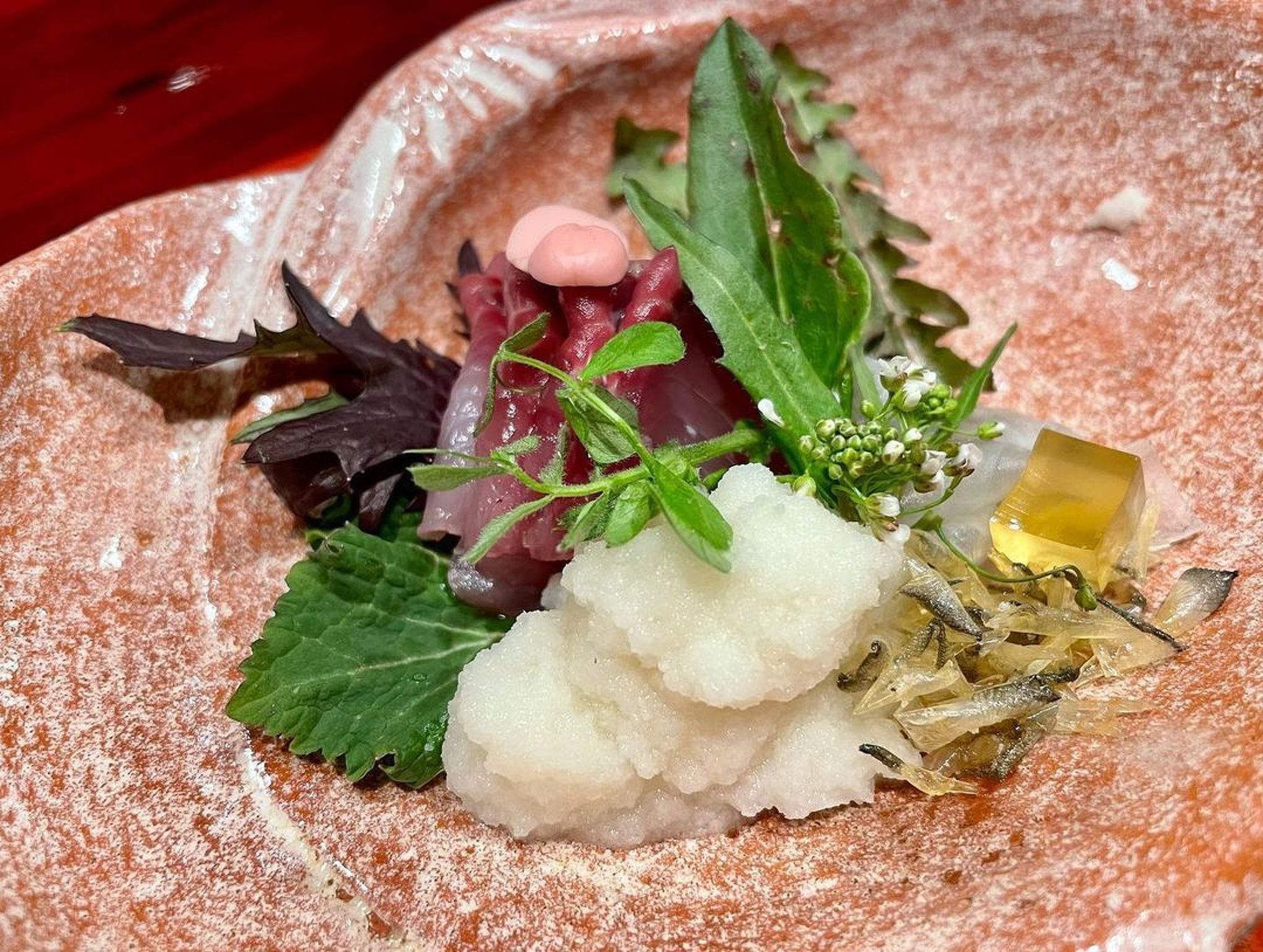
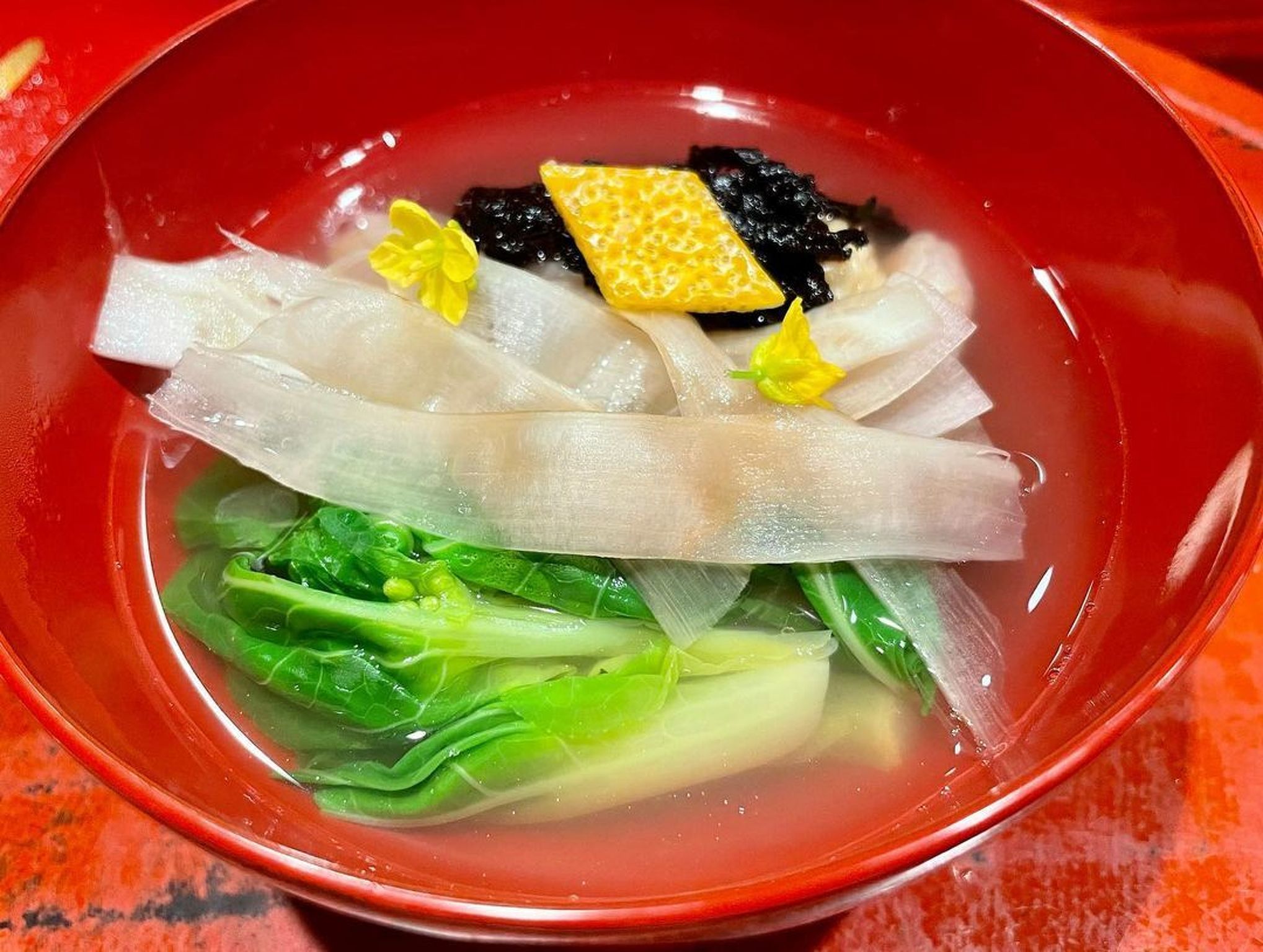
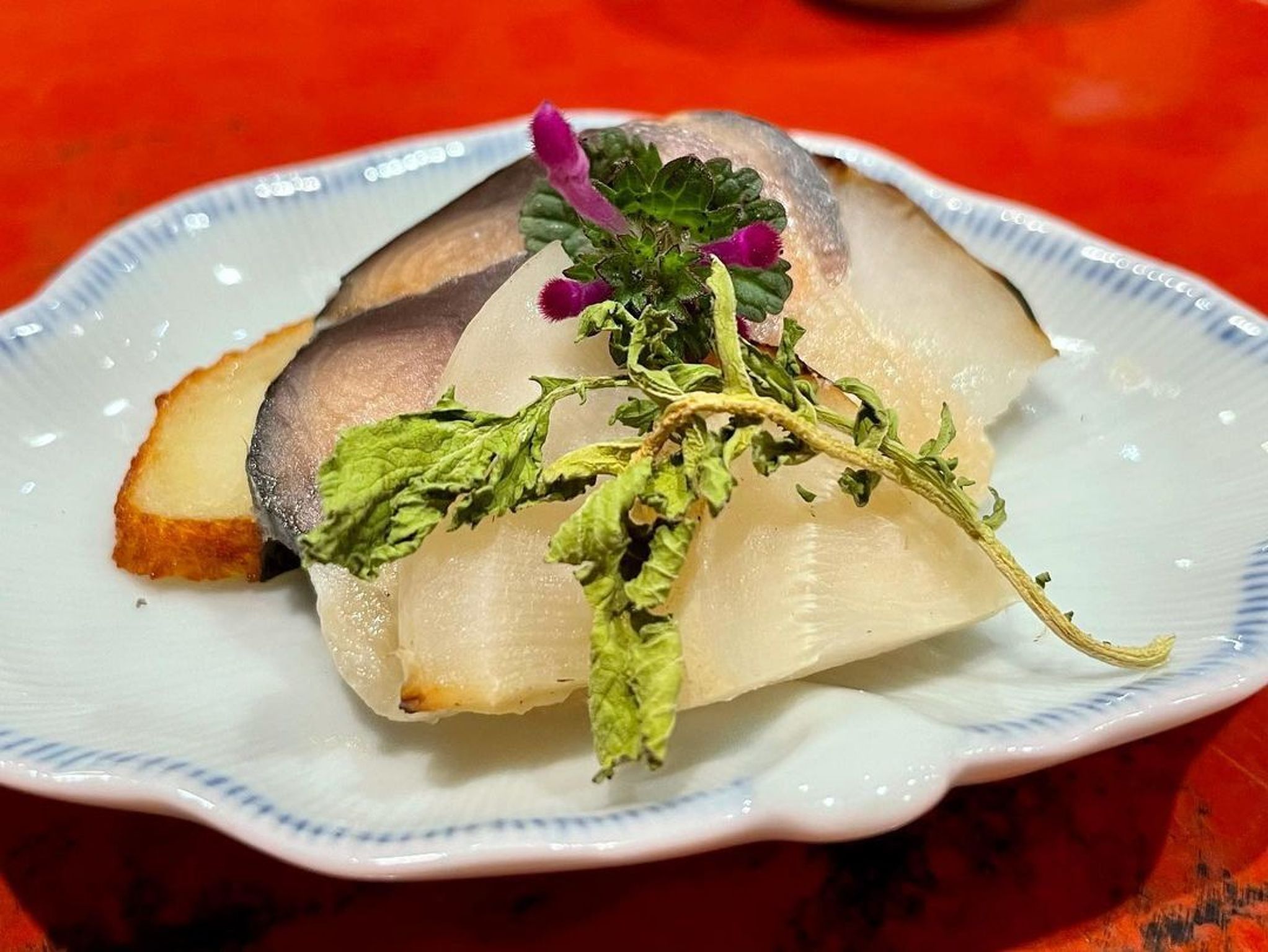
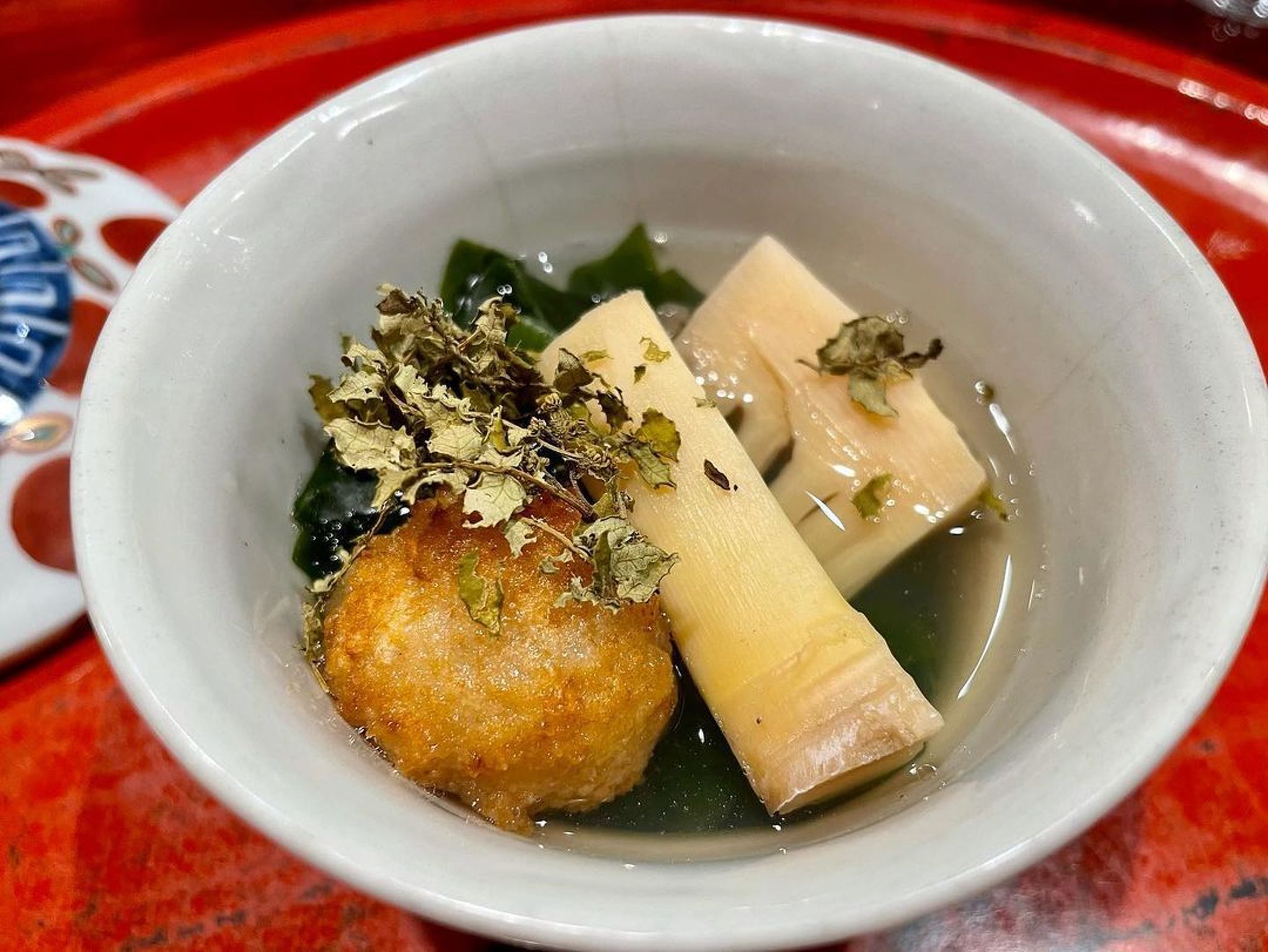
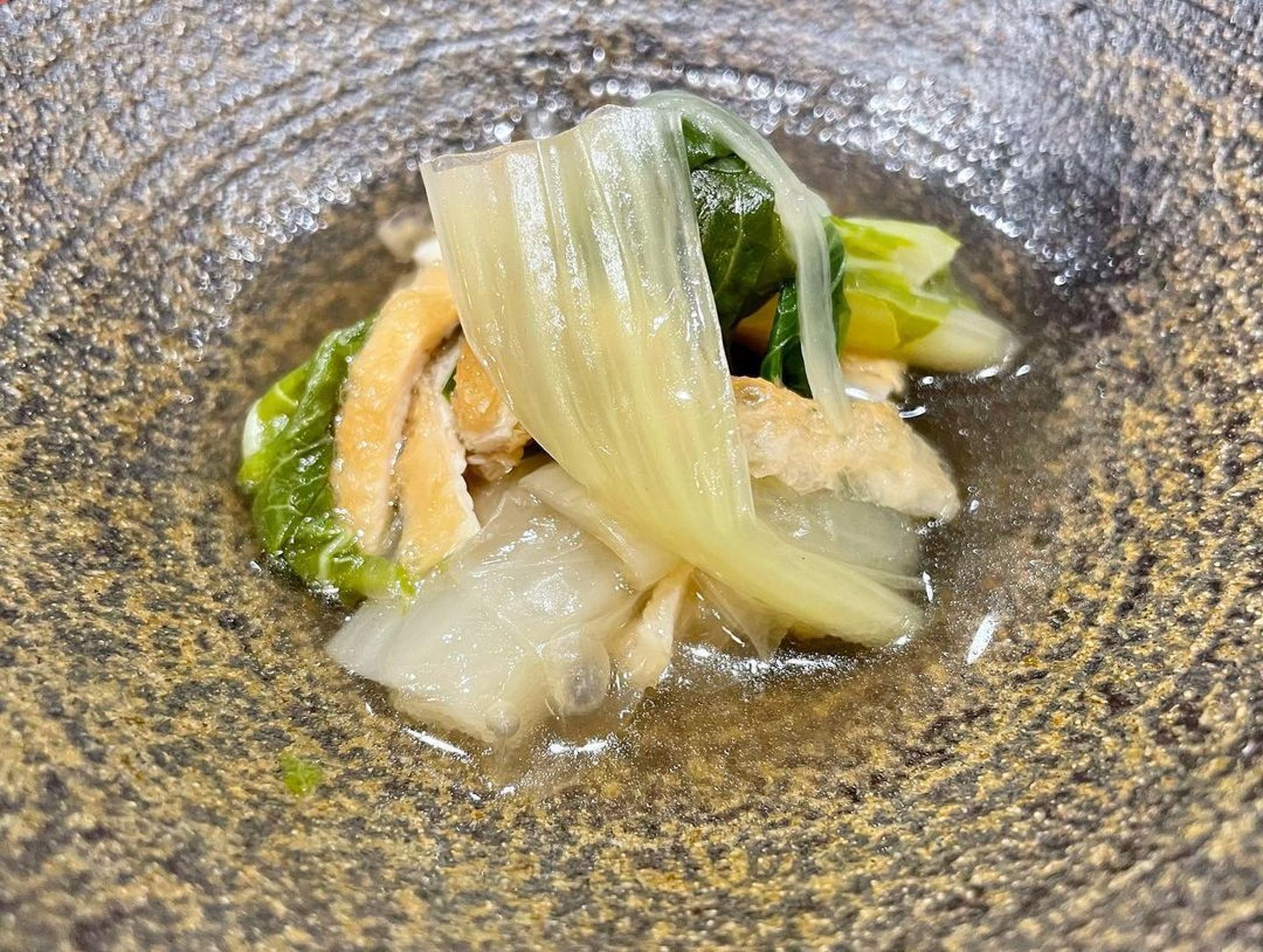
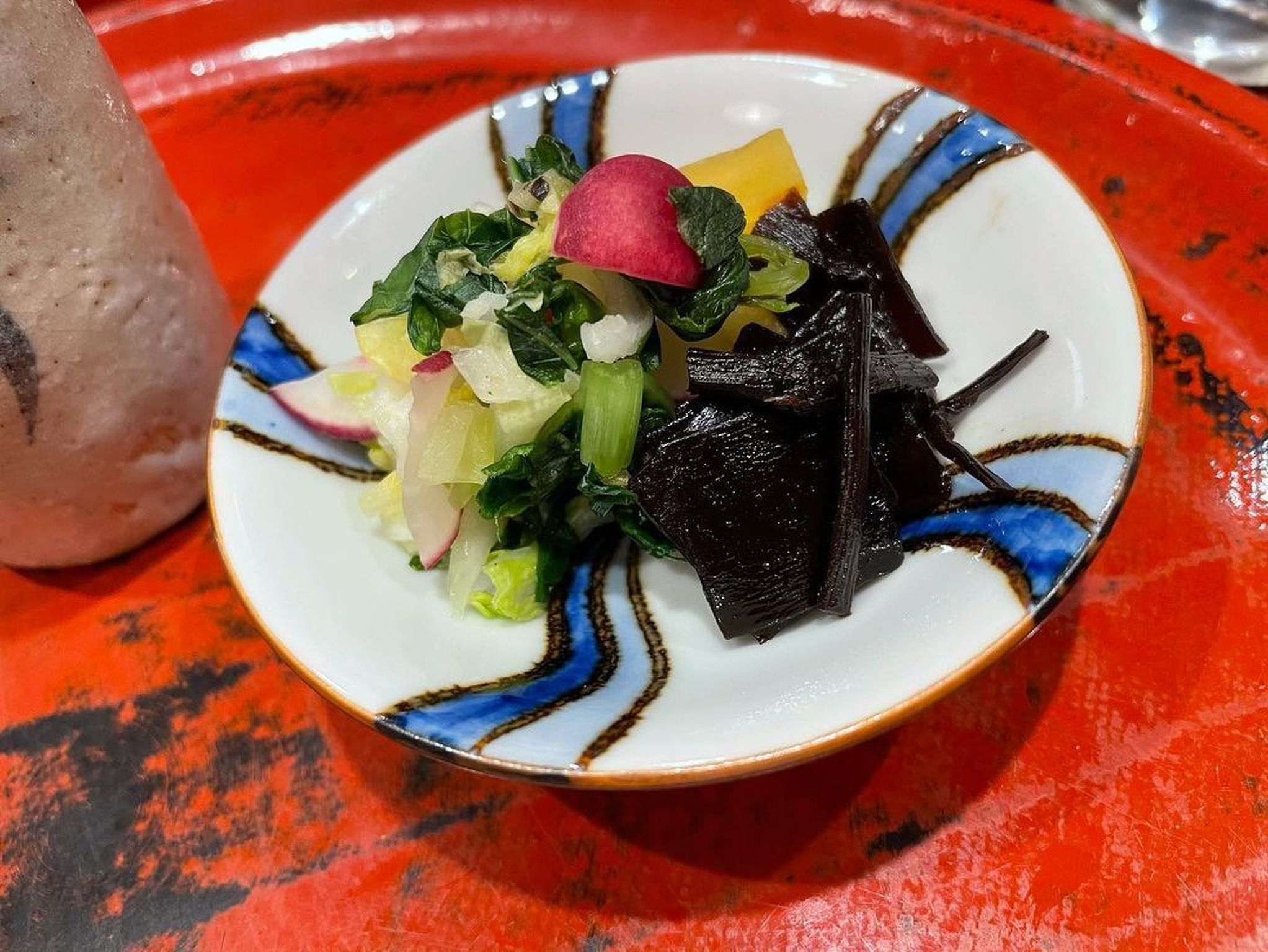
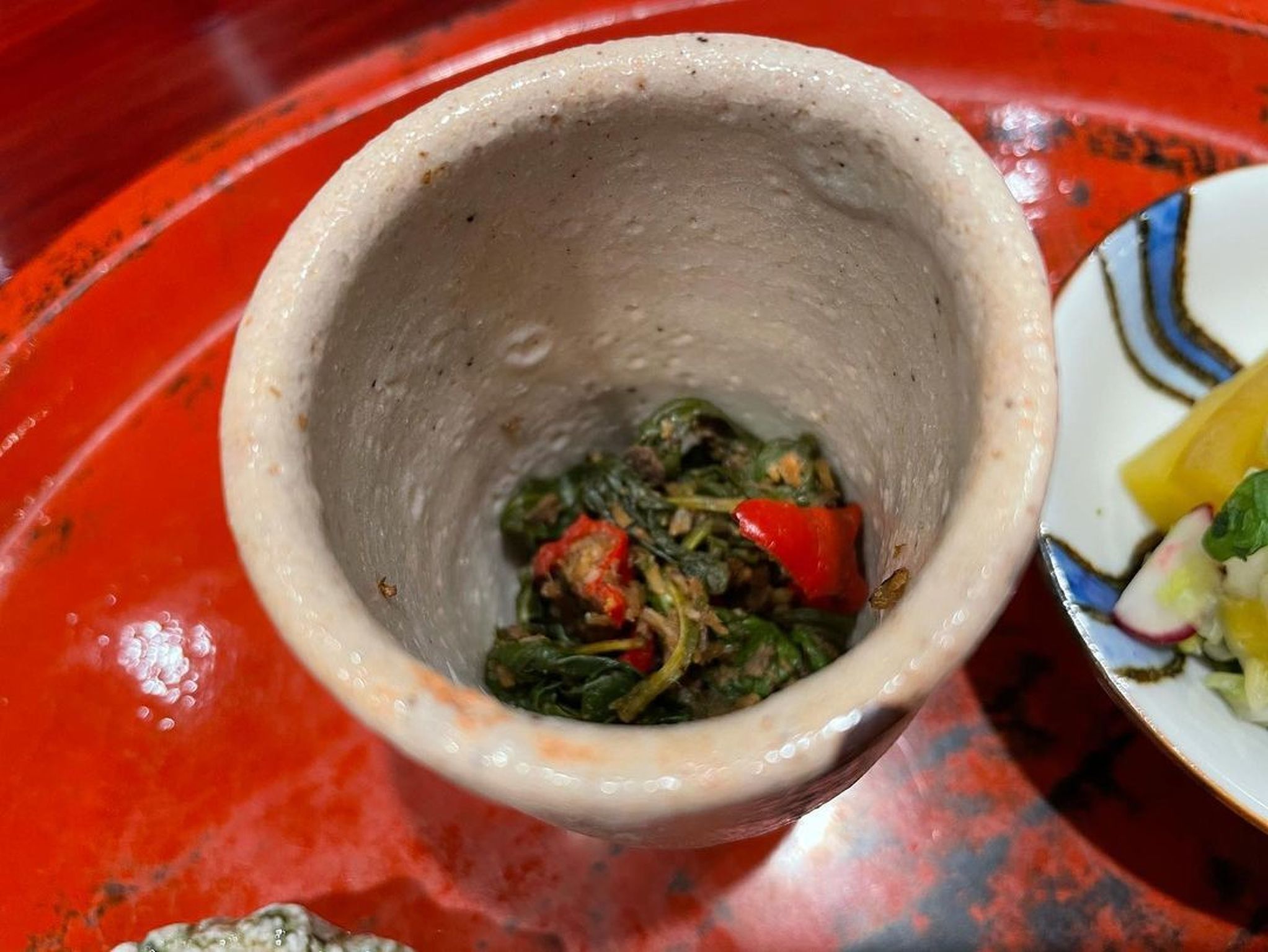
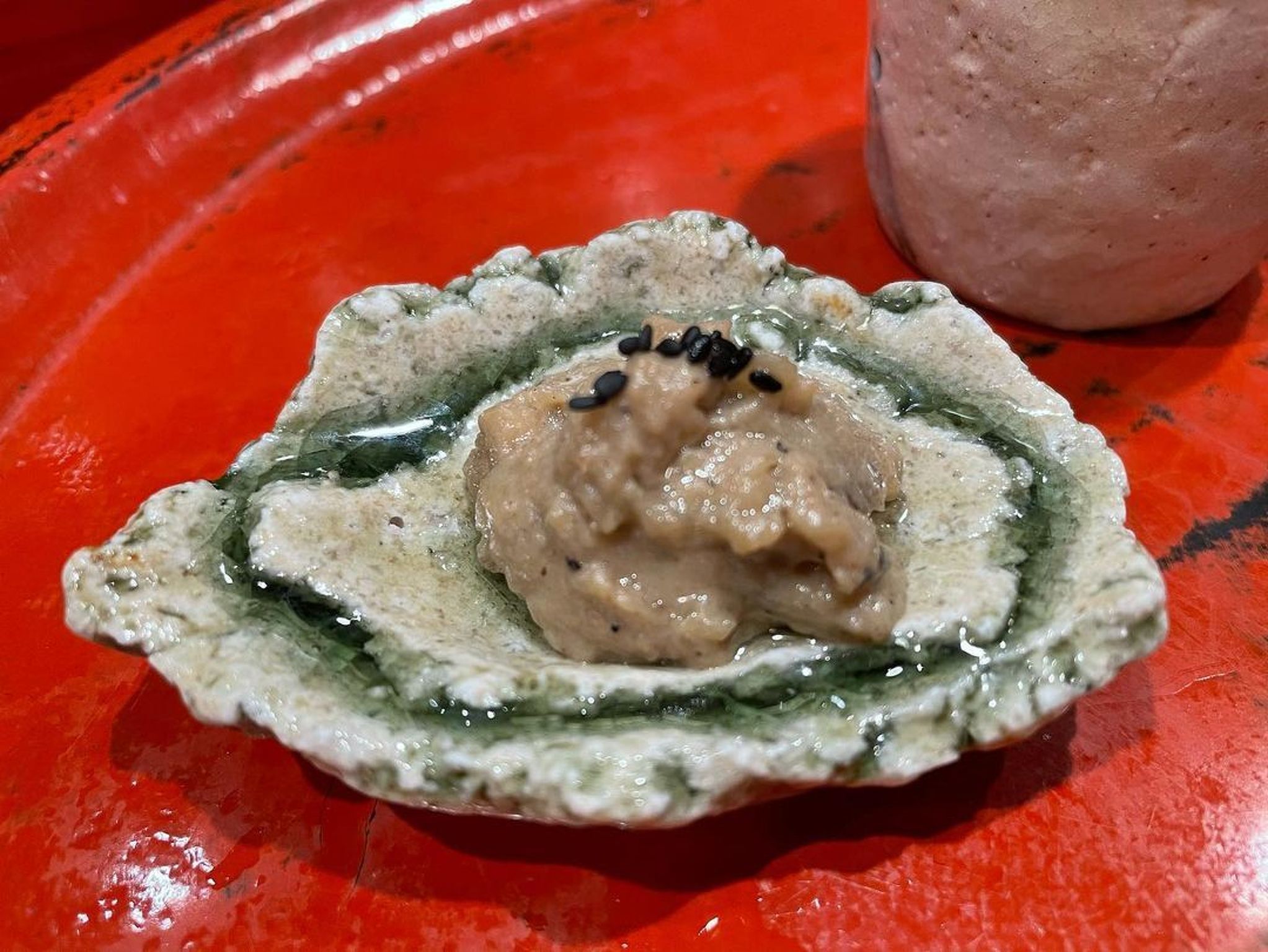
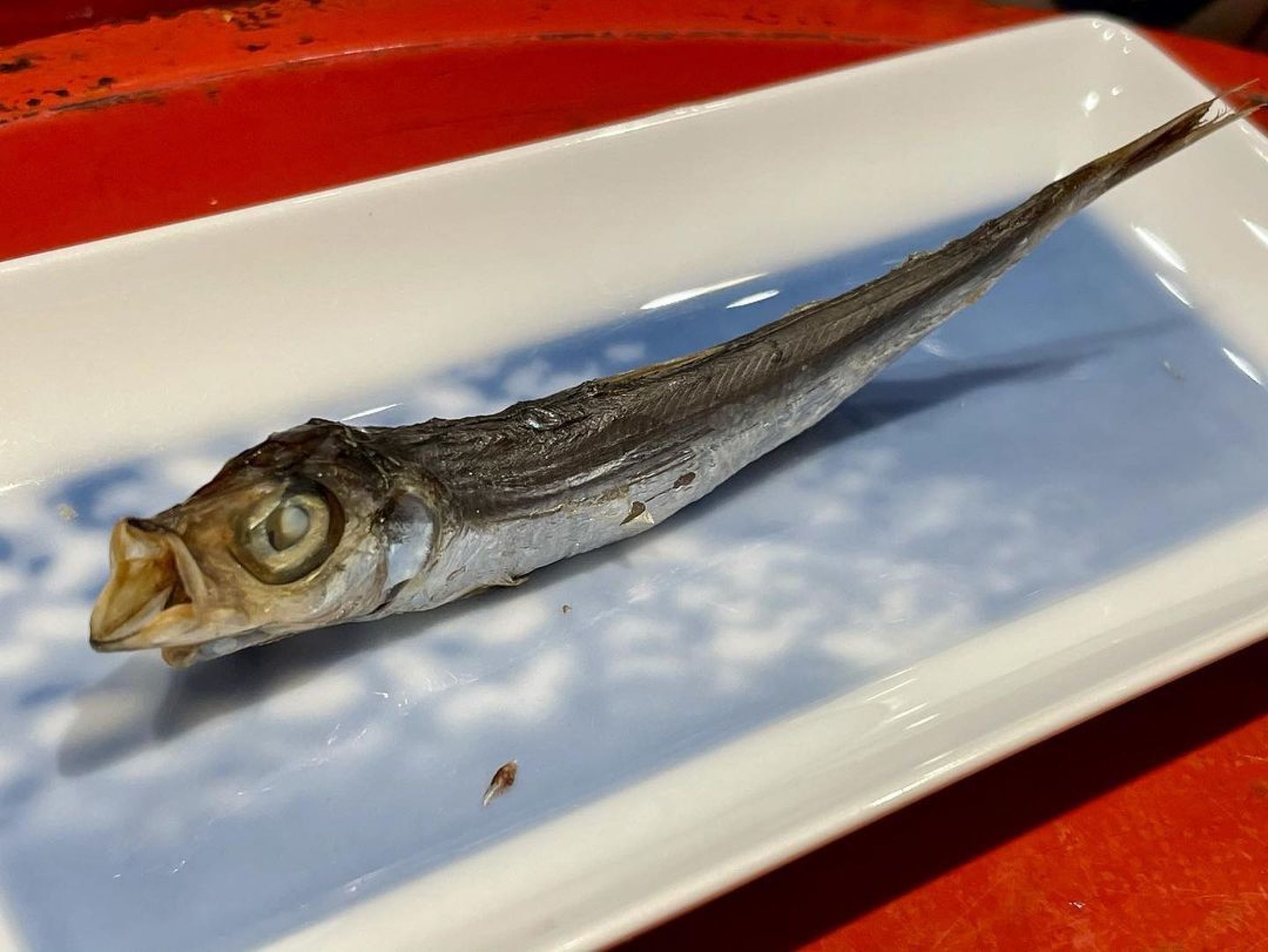
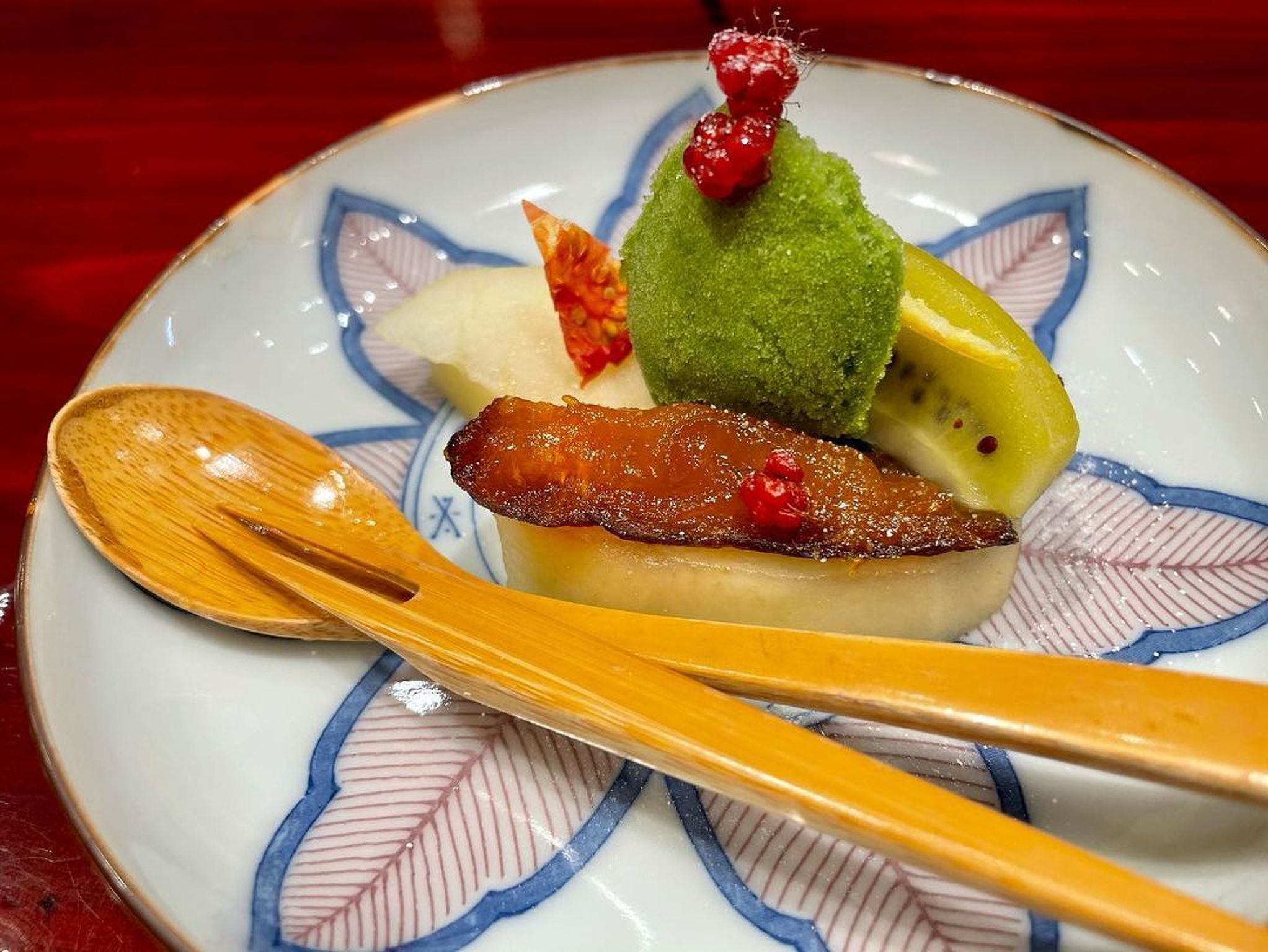
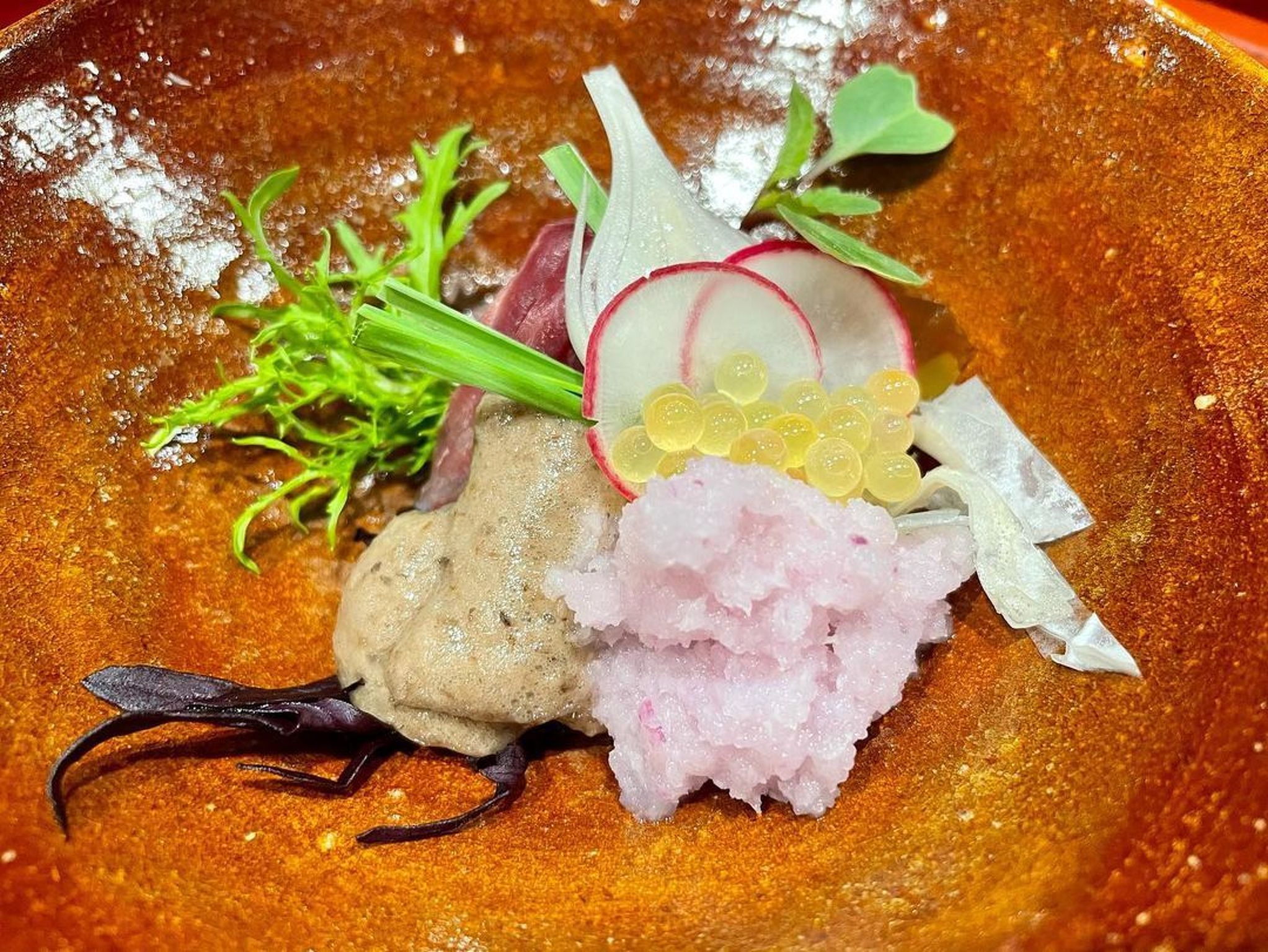
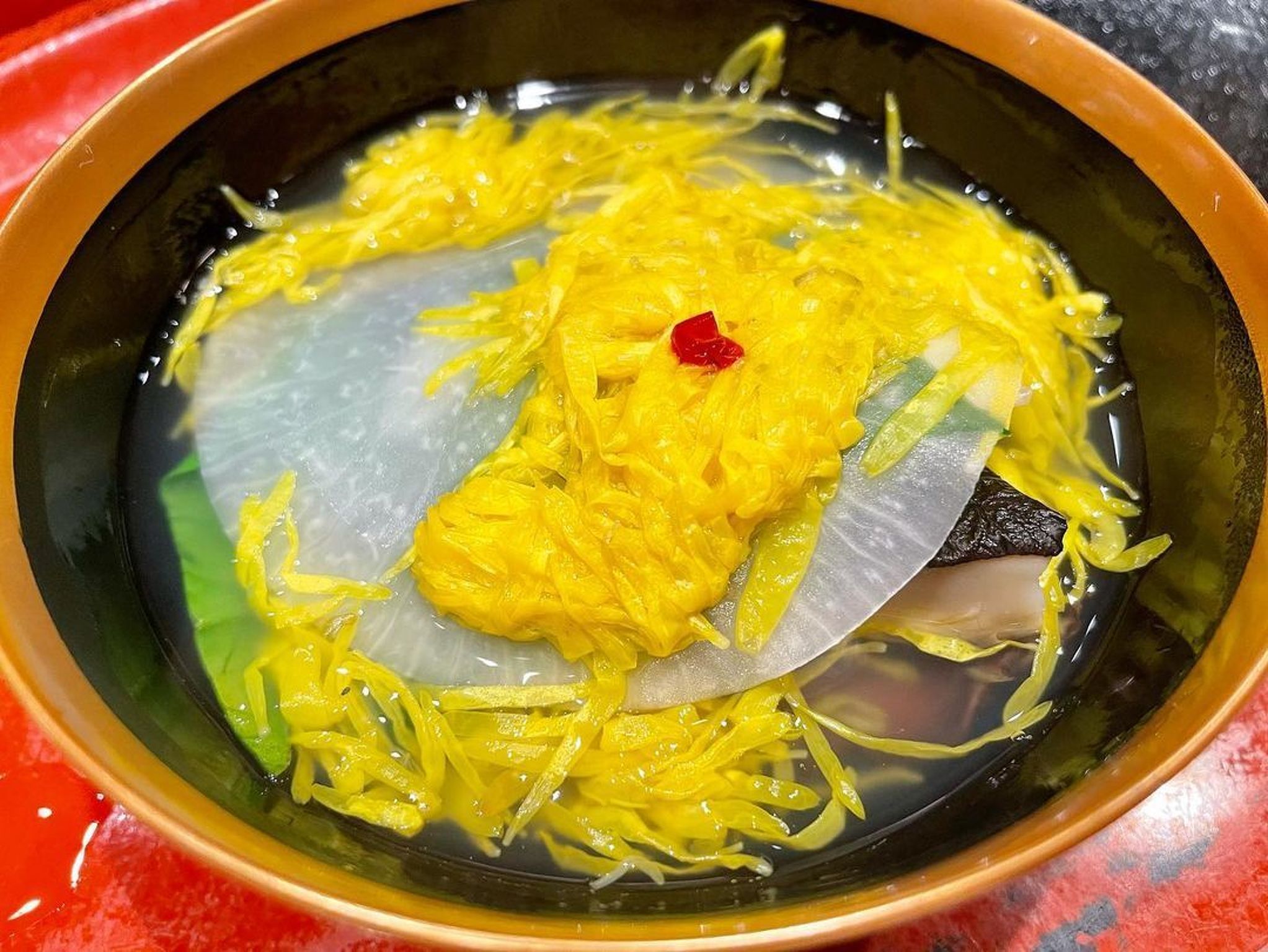
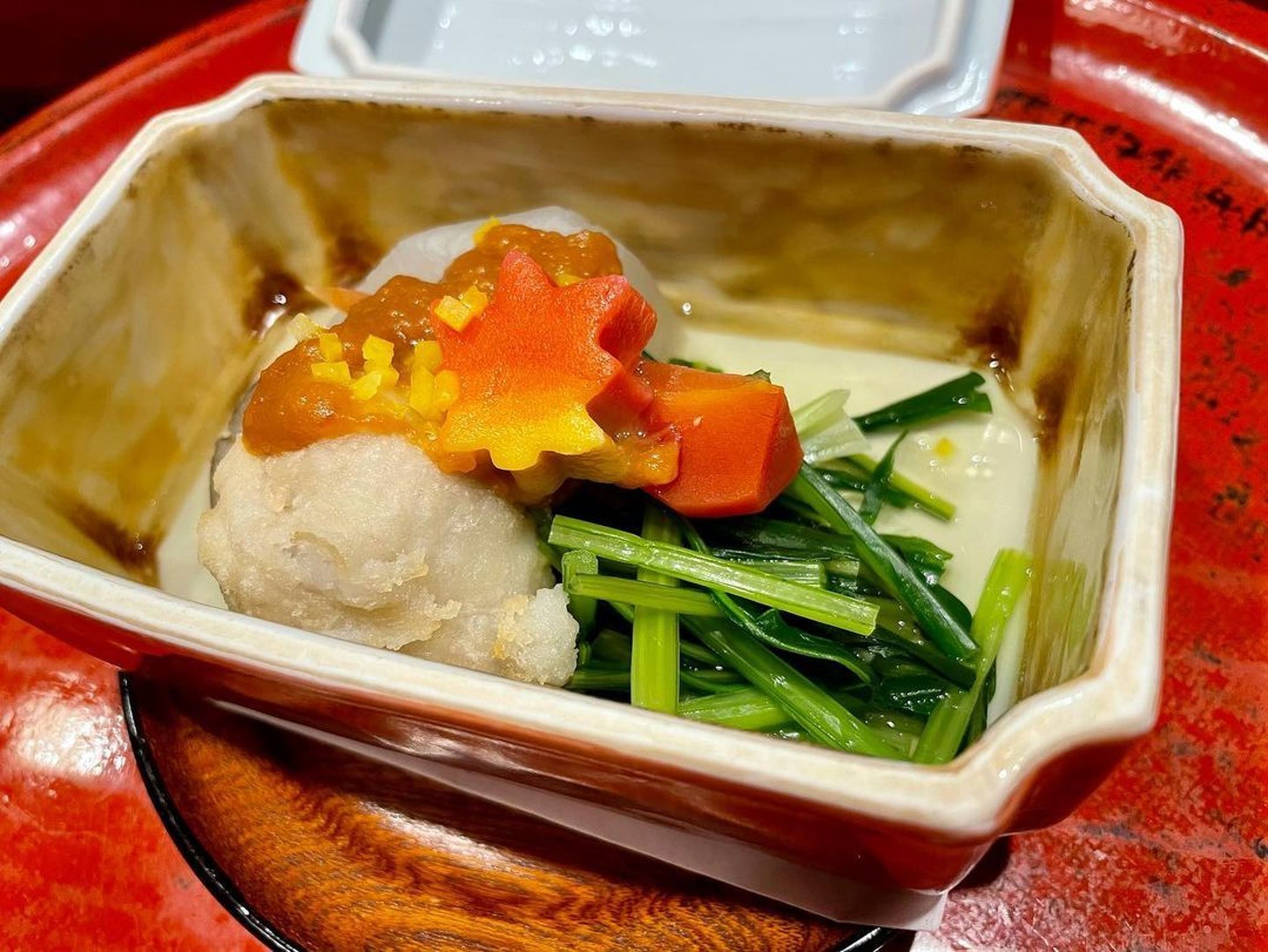
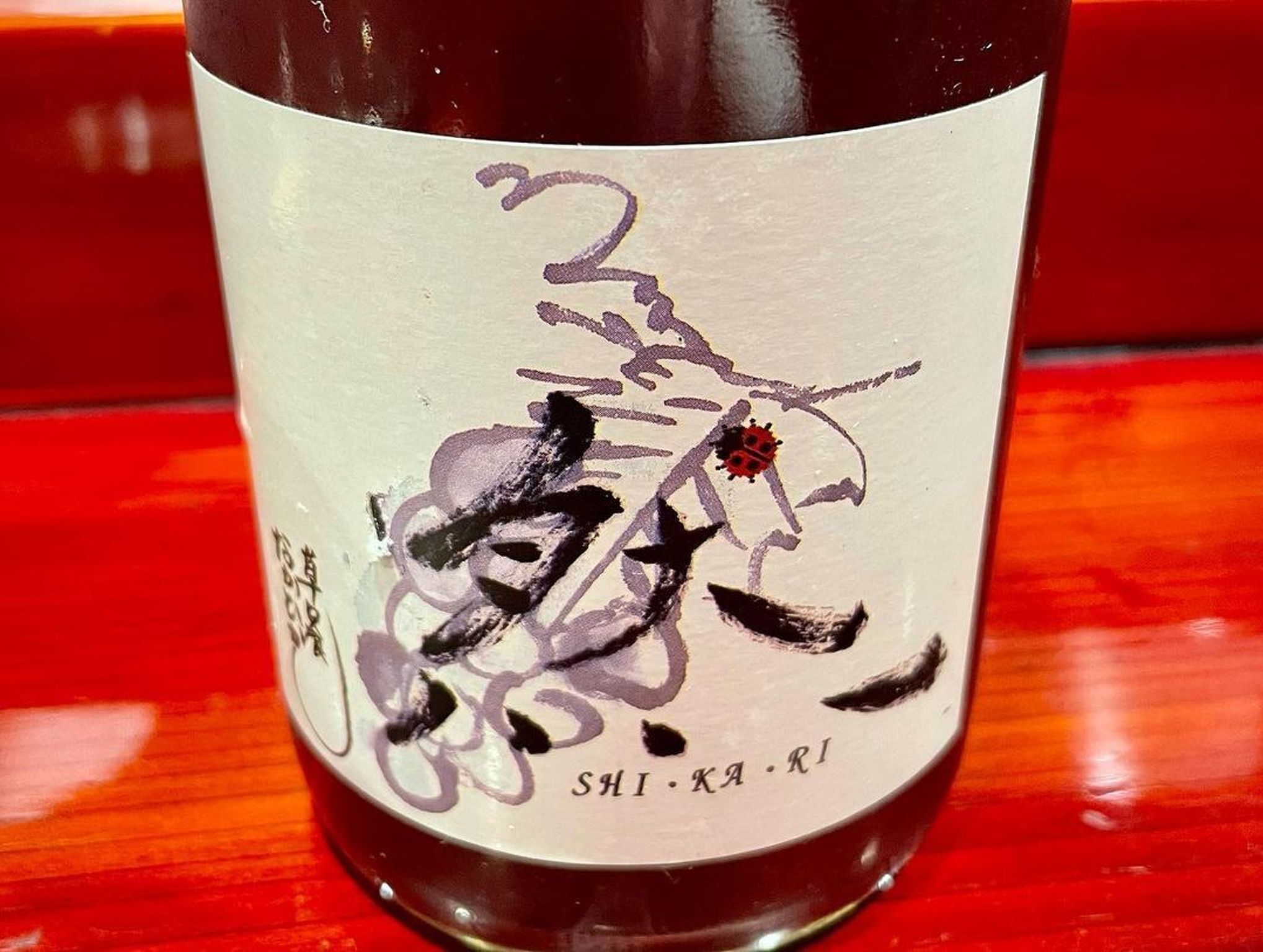
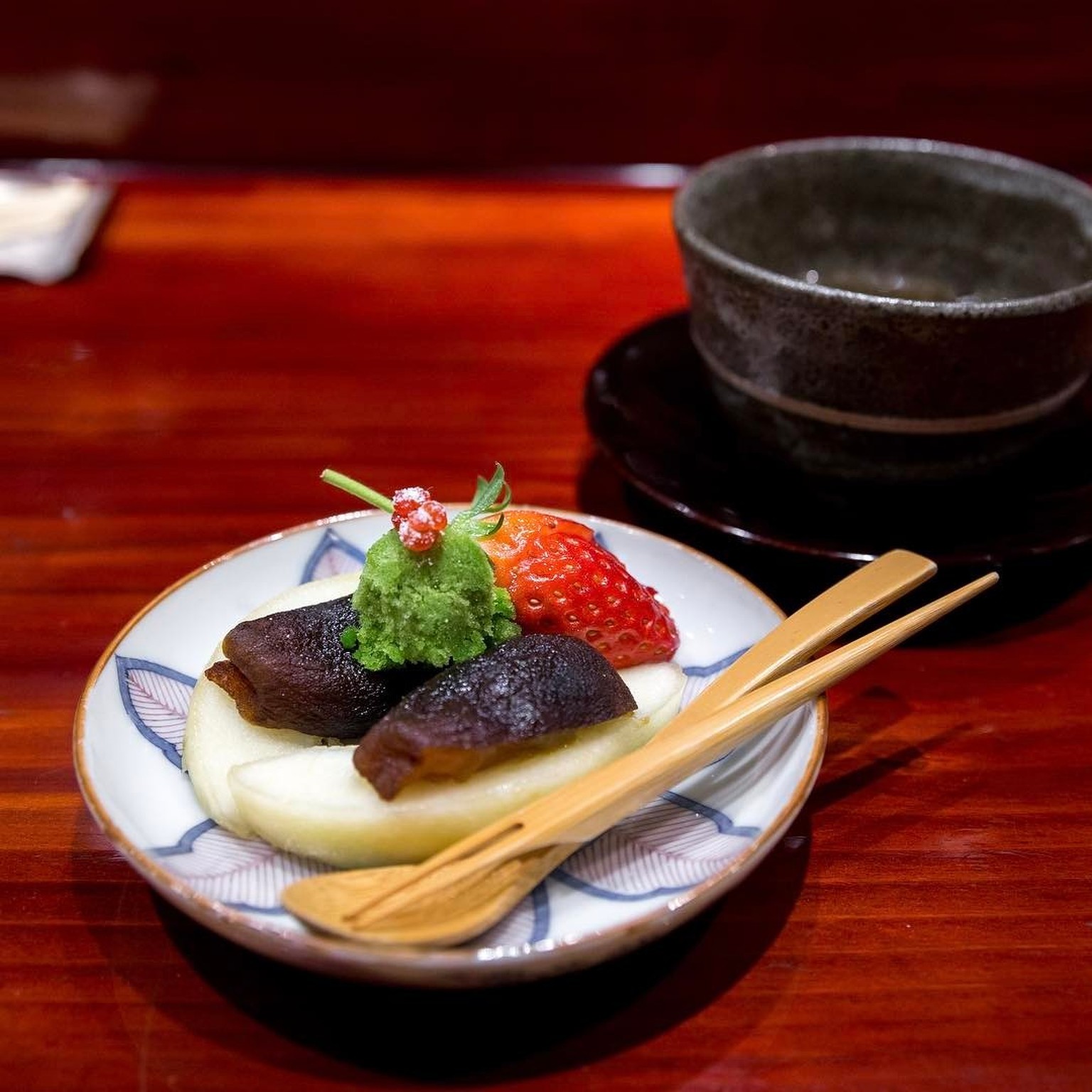
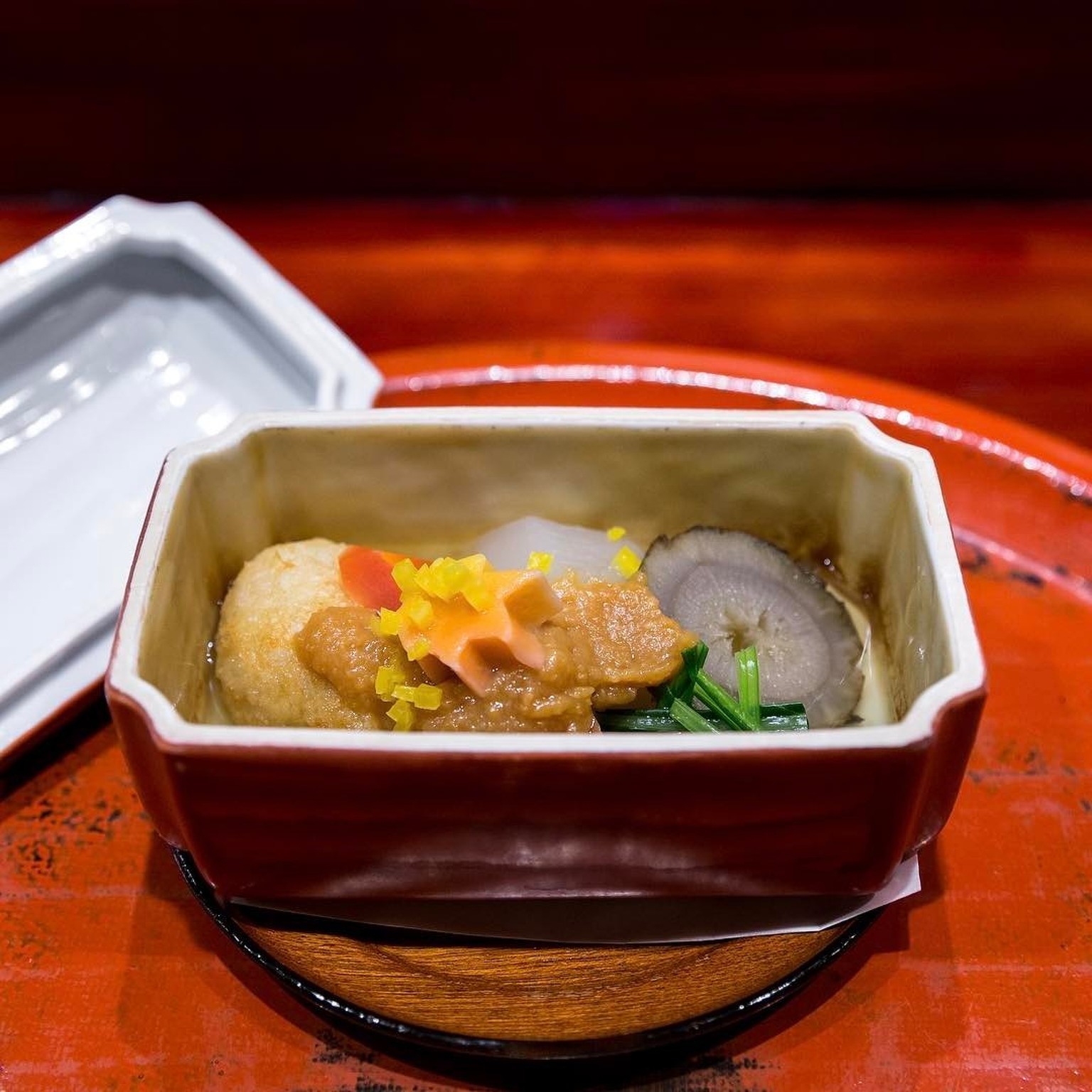
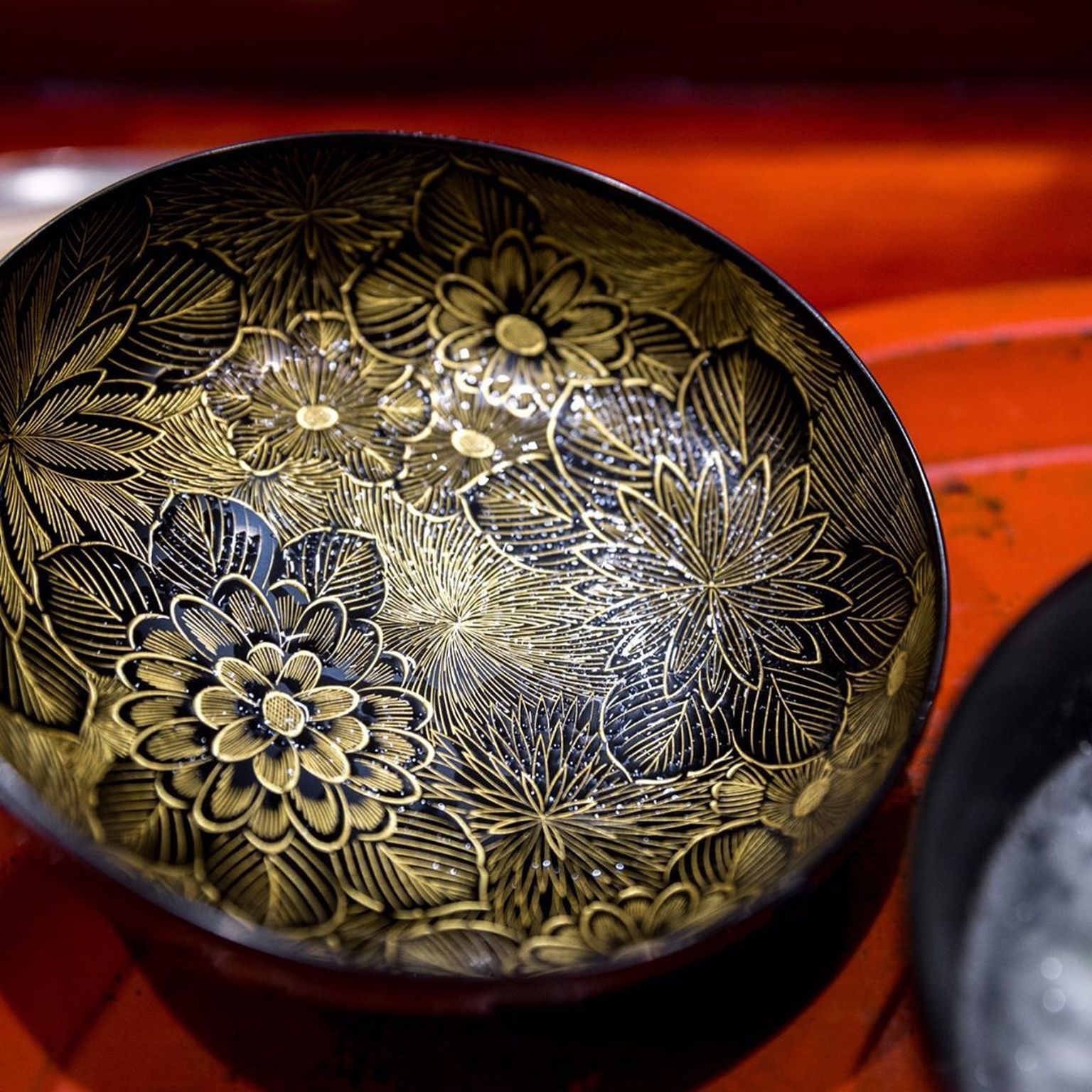
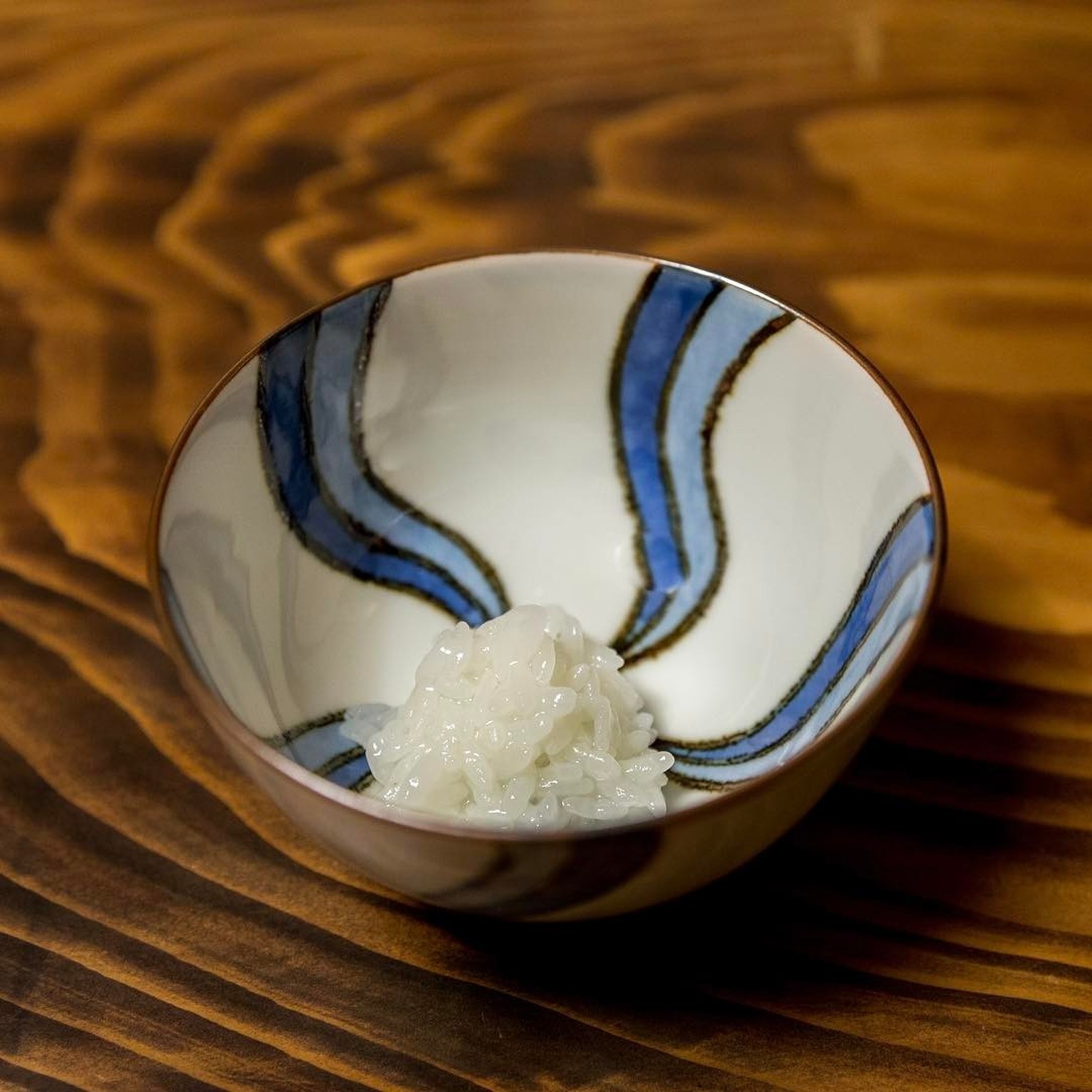
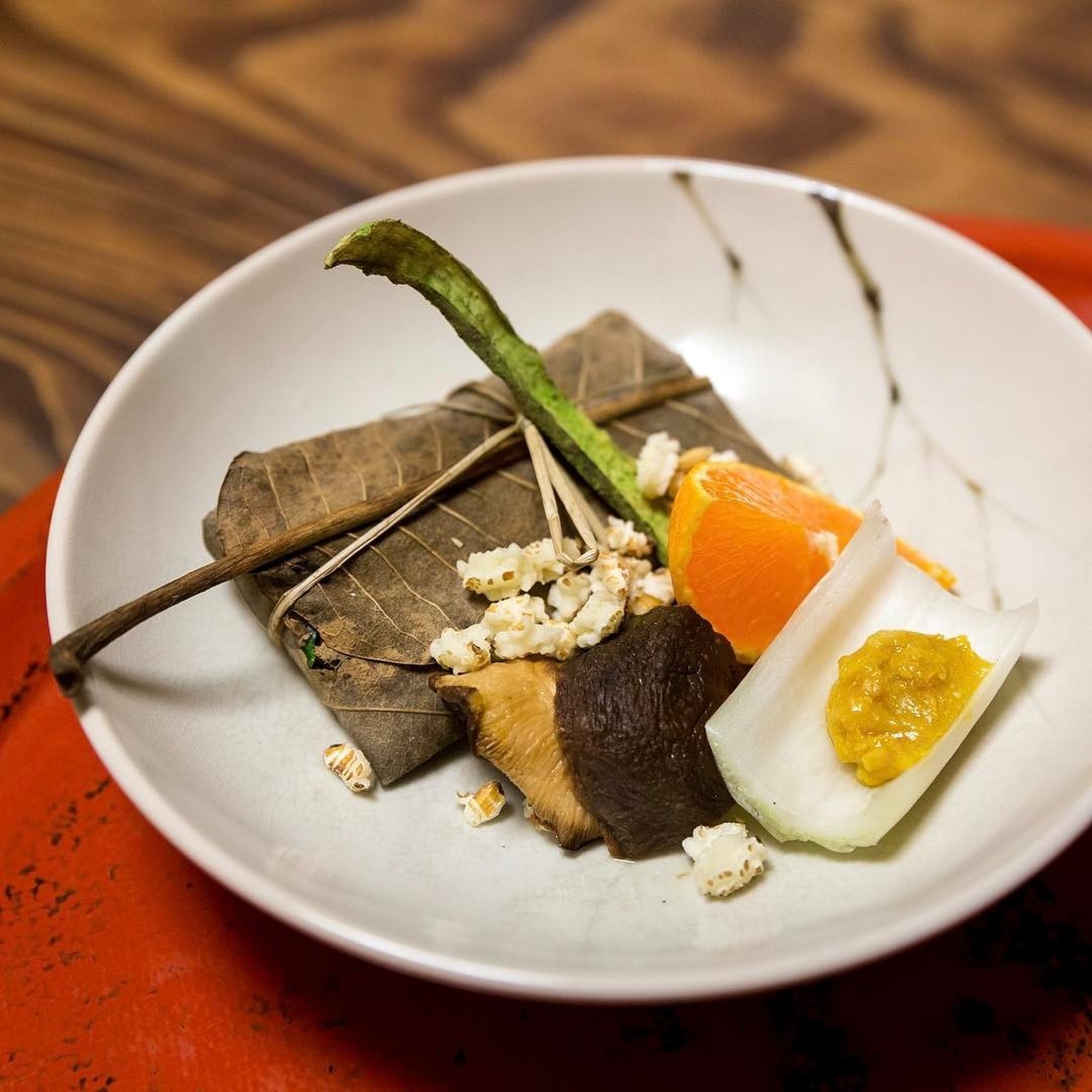
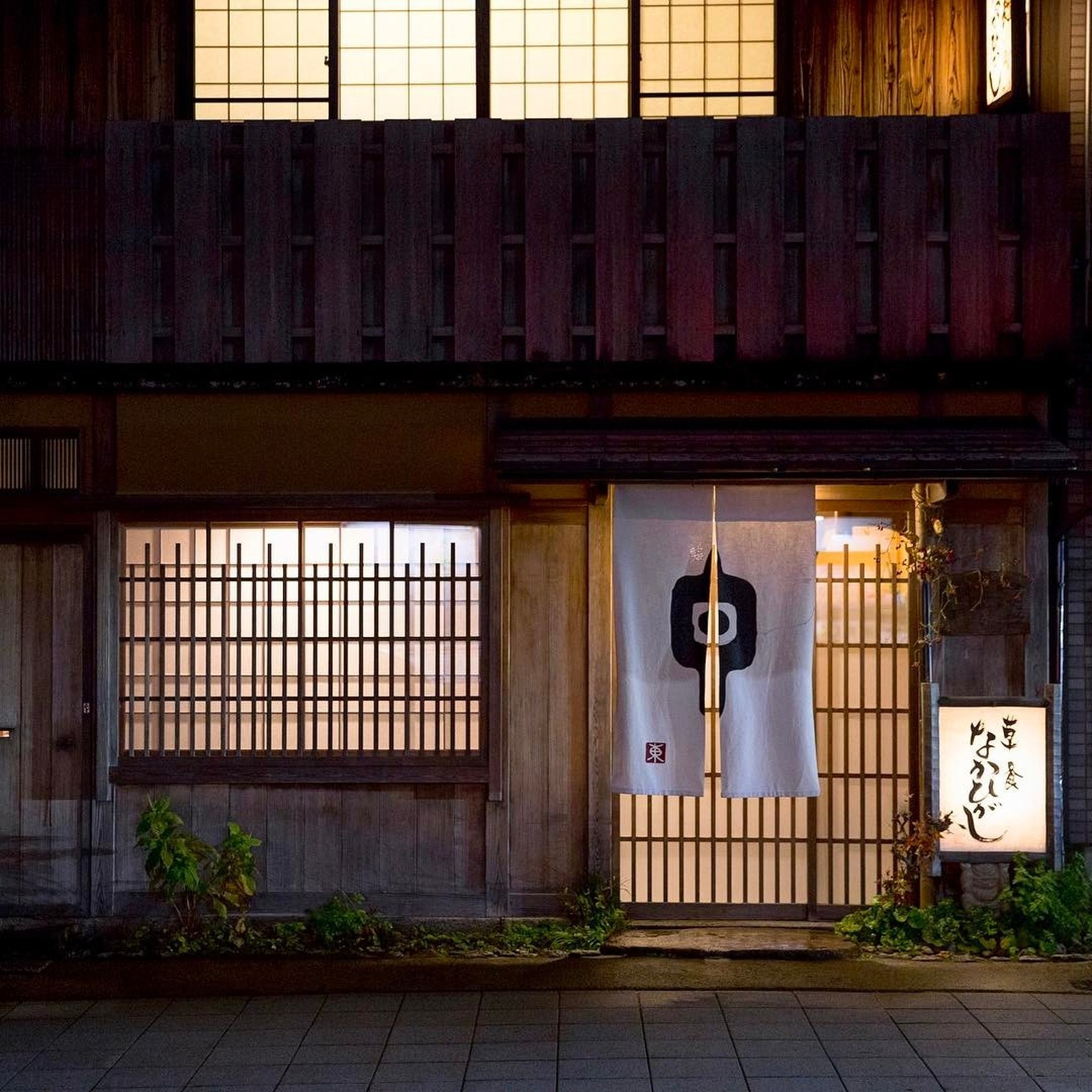
Thank you very much for always visiting my reviews m(_ _)mIf you find this helpful, I would greatly appreciate it if you could bookmark the restaurant using the "Save this restaurant" button m(_ _)mOne of my goals this year is to visit the Tabelog Award-winning restaurants!!!I visited the reservation-challenging Kusajiki Nakahigashi in Kyoto.Kusajiki Nakahigashi is located at 32-3 Ishibashi-cho, Jodoji, Sakyo-ku, Kyoto City, and is a 17-minute walk from the Eizan Electric Railway's "Mototanaka" station.Opened in 1996!The owner, Hisao Nakahigashi, became independent after serving as the head chef at "Miyamaso," a wild vegetable restaurant in Hanase, Kyoto!He has established a unique style that features wild vegetables and mountain herbs he personally gathers from the mountains of Ohara, Kyoto, served with rice cooked in a clay pot and grilled fish. This restaurant is a regular in the Tabelog Bronze category and is recognized as one of the top 100 Japanese restaurants in the West.Reservations can be made by phone starting at 8:00 AM on the first day of the month prior.After 30 minutes of continuous calling, I finally got through and secured a lunch slot for that day m(__)mThere was no explanation at the time of reservation, but the lunch is JPY 12,000 plus a 10% service charge.Please note that drinks and extras are available (no menu provided, and no explanations of prices in the restaurant).On the day of my visit, I walked and arrived at the restaurant at 11:30 AM.As we approached mid-September, I could feel the autumn atmosphere in the mountains.Closed on Mondays (also closed on public holidays and the last Tuesday of the month).Business hours: 12:00 PM – 2:00 PM and 6:00 PM – 9:00 PM.The sign in front of the restaurant reads "Rice cooked in a clay pot with grilled fish and mountain herbs!"Next to it, there are flowers and plants that seem to have been arranged the day before.A car parked in front of the restaurant.Inside the car were wildflowers collected by the owner, Hisao Nakahigashi.I greeted him with "Thank you for today" and waited for the opening time.The flowers and plants were freshly arranged, and the noren (curtain) was hung, signaling the opening.Upon entering, I received permission to take photos and was seated at the counter.The entire first floor is non-smoking, with 12 counter seats (there are seats on the second floor). The clay pot and charcoal grill in the restaurant catch the eye.On this day, the guests on the first floor were mostly regulars.I was guided to a seat with a good view of the kitchen, as I was one of the first to arrive.The owner, Hisao Nakahigashi, was at the center, coordinating beautifully with his apprentices.I ordered a drink called Tamago.This is a gyokuro (high-grade green tea) developed over three years by the Kyoto Tea Cooperative, perfectly balancing sweetness and umami, making it a great match for Japanese cuisine.The lunch menu began.The owner, Hisao Nakahigashi, provided detailed explanations of each dish with a touch of humor, creating a warm atmosphere.Let’s dig in~◆ HassunIn September, which is known for the Mid-Autumn Festival, the hassun was served in a lotus leaf dish with susuki (Japanese pampas grass)!It included grilled hōzuki (Chinese lantern plant), ginkgo egg marinated in miso, edamame mixed with fig and kinako (roasted soybean flour), grilled okra, ayu (sweetfish) terrine, fennel flowers, and pressed sushi with myoga (Japanese ginger) and myoga flowers.The hassun was beautifully presented with various wild herbs, mountain vegetables, and seasonal vegetables, showcasing the transition from summer to autumn.◆ Small Bowl ①A beautiful small bowl representing a chrysanthemum trellis.It contained molokhia, tsurumurasaki (a type of vegetable), tofu, early-harvest chestnuts resembling soil, and pickled chrysanthemum flowers.It flowed smoothly into my stomach, giving a sense of cleansing from the freshness of the ingredients.◆ SoupA soup representing the seasonal clouds.It featured Kyoto's white miso and Nagoya's red miso, with ingredients like yatsugashira (a type of taro) and slippery eel.The gentle flavor of this first soup was accented by a touch of mustard.◆ Grilled Dish ①Grilled ayu, served with Hitachi cucumber and Italian tomato, along with sudachi (Japanese citrus).The fish was carefully salted and grilled over charcoal, using last year's uruka (salted fish innards) for flavor.Cut into six pieces, it was deliciously concentrated with the bitterness and umami of the ayu when drizzled with plenty of sudachi.◆ RiceA moment to savor the transformation of the rice cooked in the clay pot!A mouthful of sweet rice, full of moisture, was served.◆ SashimiAt the center was carp sashimi, with carp scales, chrysanthemum flowers, summer daikon sorbet, soy sauce mousse, sansho (Japanese pepper), myoga, myoga flowers, flower okra, micro tomatoes, square beans, shiso vinegar jelly, black fungus, and udon flower buds, all beautifully arranged.I was told to mix everything together.Using carp raised in underground water to eliminate any fishy smell, this dish is something you can only enjoy by visiting the restaurant.At this point, I was asked whether I wanted the main dish of grilled flatfish or venison, and I chose venison.When asked about the matsutake rice (additional charge), all the guests raised their hands, and I decided to order it as well.◆ Simmered DishThe sweet potato moon in an autumn-colored dish.It included sweet potatoes, sweet potato leaves, a lotus root filled with adzuki beans in one spot, black fungus, eggplant, Fushimi peppers, and raw wheat gluten.This dish featured a gentle Kyoto-style broth that was perfectly cooked.◆ Grilled Dish ②Grilled venison with grilled eggplant and a sauce made from udon leaves.Artfully presented on a square plate.The bright red roasted venison was tender, and the sauce was superb.◆ Small Bowl ②A small bowl representing moonlight.It contained ito-uri (a type of gourd), myoga, flower okra, fragrant mushrooms, and kudzu noodles with peppermint.◆ Matsutake Rice (additional)Shinshu matsutake mushrooms grilled over charcoal, torn into pieces and served in a bowl with the clay pot rice, topped with homemade karasumi (dried mullet roe).(This dish is priced at a specialty level.)While enjoying the aroma and texture of the matsutake, I savored the clay pot rice.◆ MealThis is arguably the main dish of the restaurant.It included mezashi (dried fish), rice, pickles, and simmered greens. Just one mezashi and delicious rice is, when you think about it, the ultimate luxurious meal.The crispy rice from the clay pot was delightful.I was offered a refill of rice and a playful tea called "New York (Bathing)".◆ DessertA jelly adorned with a character resembling a cartoon eyeball, served with fruit.This refreshing sweet was a perfect way to conclude the meal at this time of year.I was completely satisfied with every dish, each carefully prepared.After settling the bill, I thanked everyone and left Kusajiki Nakahigashi.Thank you for the wonderful meal! It was delicious~P.S.The owner, Hisao Nakahigashi, saw me off.It was a very educational experience m(__)m_/_/_/_/_/_/_/_/_/_/Thank you very much for reading until the end m(_ _)mI hope this can be of some reference for your gourmet information."Fishing Katsuo and Eating Katsuo"Instagram ⇒ https://www.instagram.com/turisurukatsuo_ni_taberukatsuo/Fishing and Eating Blog ⇒ https://釣りするカツオに食べるカツオ.net/The blog has photos and is appropriately positioned. Less
9 / 10
on 16 Sep 2026
I visit Kusajiki Nakahigashi several times a year as the seasons change, but lately, it's been really hard to get a reservation, and I can only manage to go about three times a year.The dishes this time, featuring the remnants of summer and the onset of autumn, were once again wonderful.As always, I was introduced to new ingredients, including a type of "grass" I had never heard of before.The presentation was visually stunning, and every detail was meticulously crafted. The dishes felt like they... More
I visit Kusajiki Nakahigashi several times a year as the seasons change, but lately, it's been really hard to get a reservation, and I can only manage to go about three times a year.The dishes this time, featuring the remnants of summer and the onset of autumn, were once again wonderful.As always, I was introduced to new ingredients, including a type of "grass" I had never heard of before.The presentation was visually stunning, and every detail was meticulously crafted. The dishes felt like they cleansed my body and spirit, making me appreciate not just the delicious flavors on my palate, but also the life of every ingredient—meat, fish, vegetables, and fruits—that nourished me.That said, it wasn't a stiff atmosphere; I enjoyed delightful conversations with the charming and wonderful chef, and shared a warm and friendly dining experience with everyone at the table. Less
10 / 10
on 11 Sep 2026
Michelin Two Stars. I visited "Kusajiki Nakahigashi" near Ginkaku-ji in Kyoto.This was my third visit, and it was particularly impressive this time.The owner, Hisao Nakahigashi, was born in Kyoto in 1952. He honed his culinary skills at the renowned cooking inn "Miyamaso" in Hanase, known for its wild vegetable cuisine, before opening "Kusajiki Nakahigashi" in 1997.As the name "Kusajiki" suggests, the essence of the dishes revolves around the blessings of the mountains and fields. Instead of merely... More
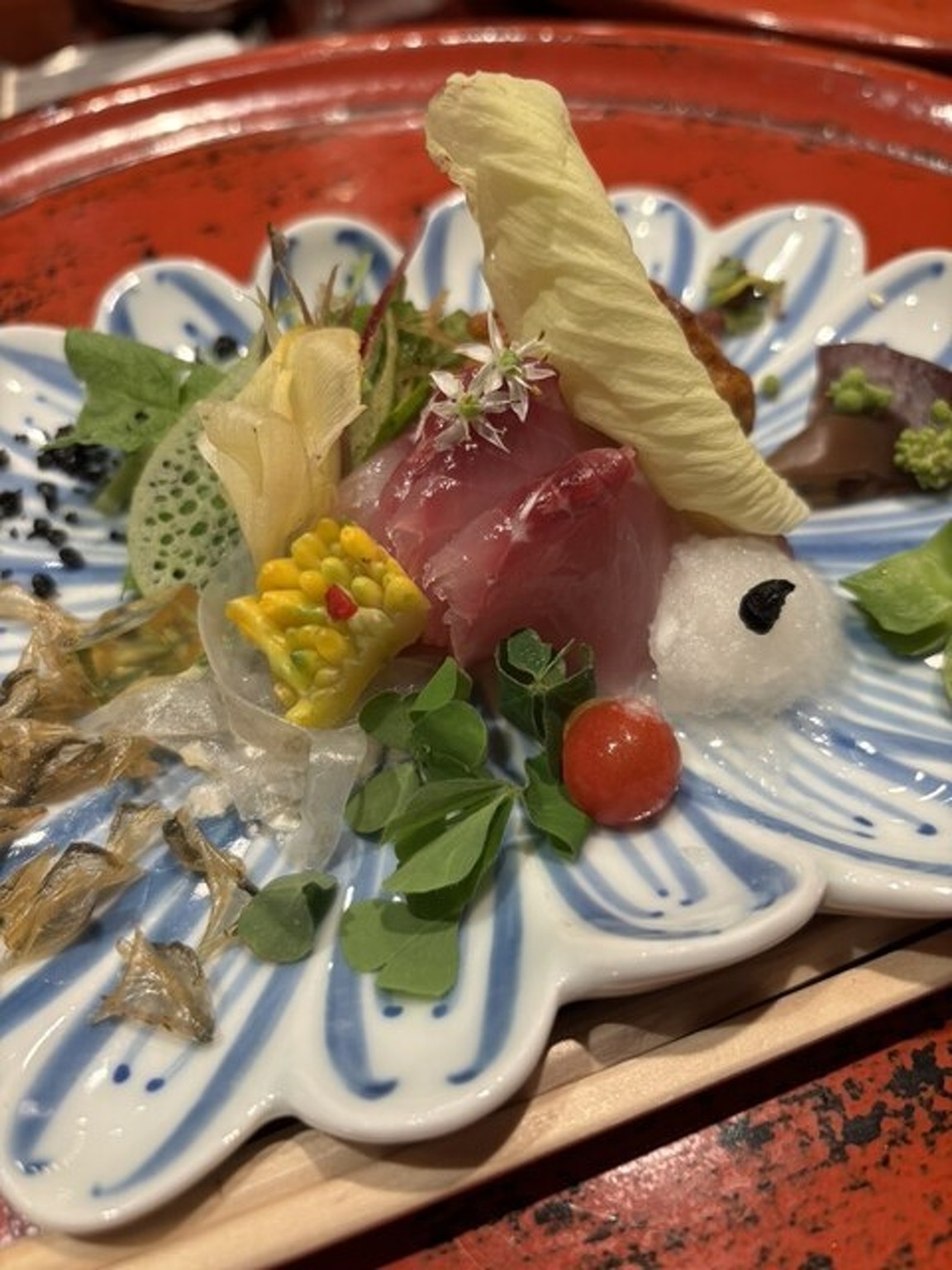
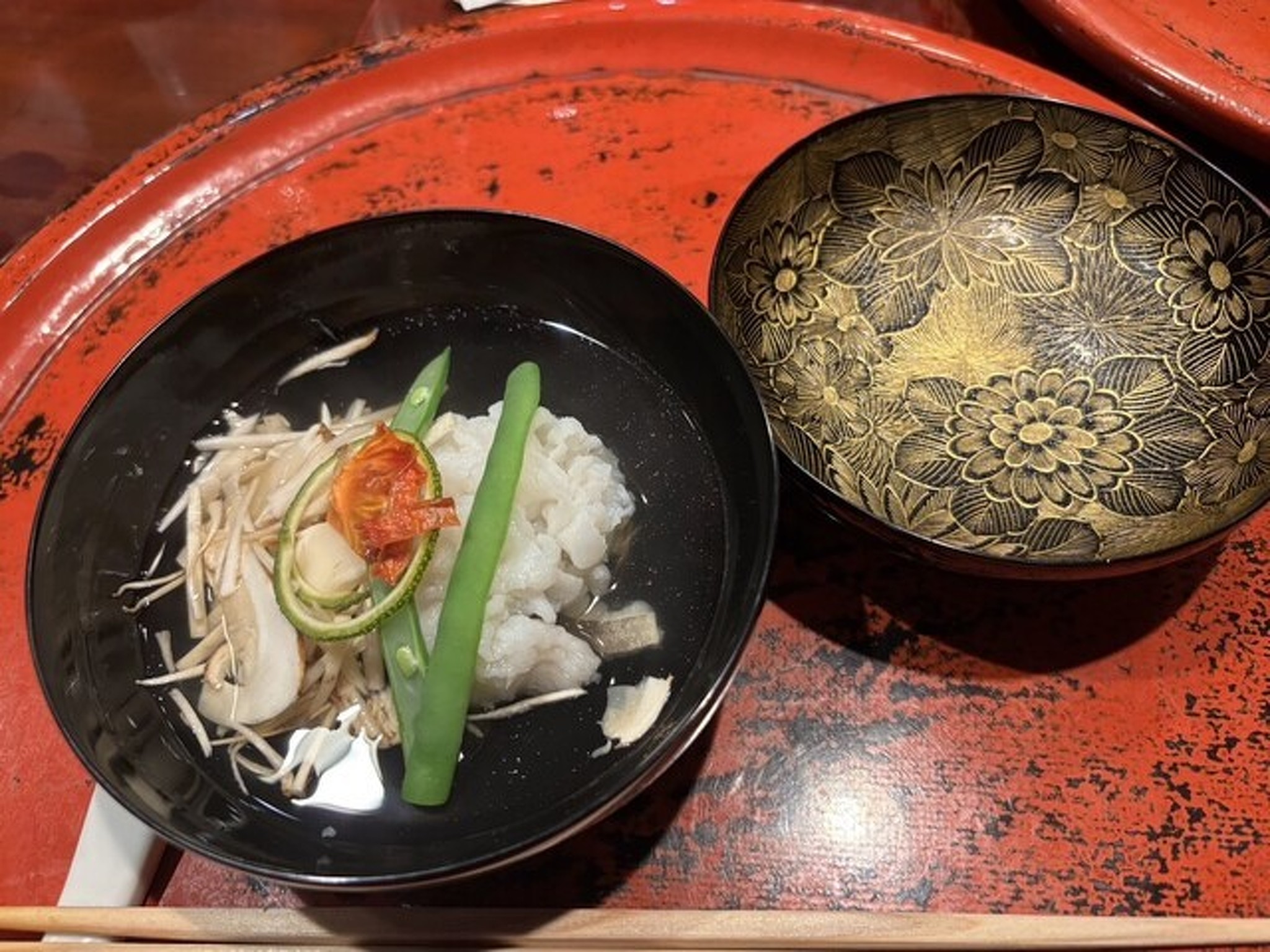
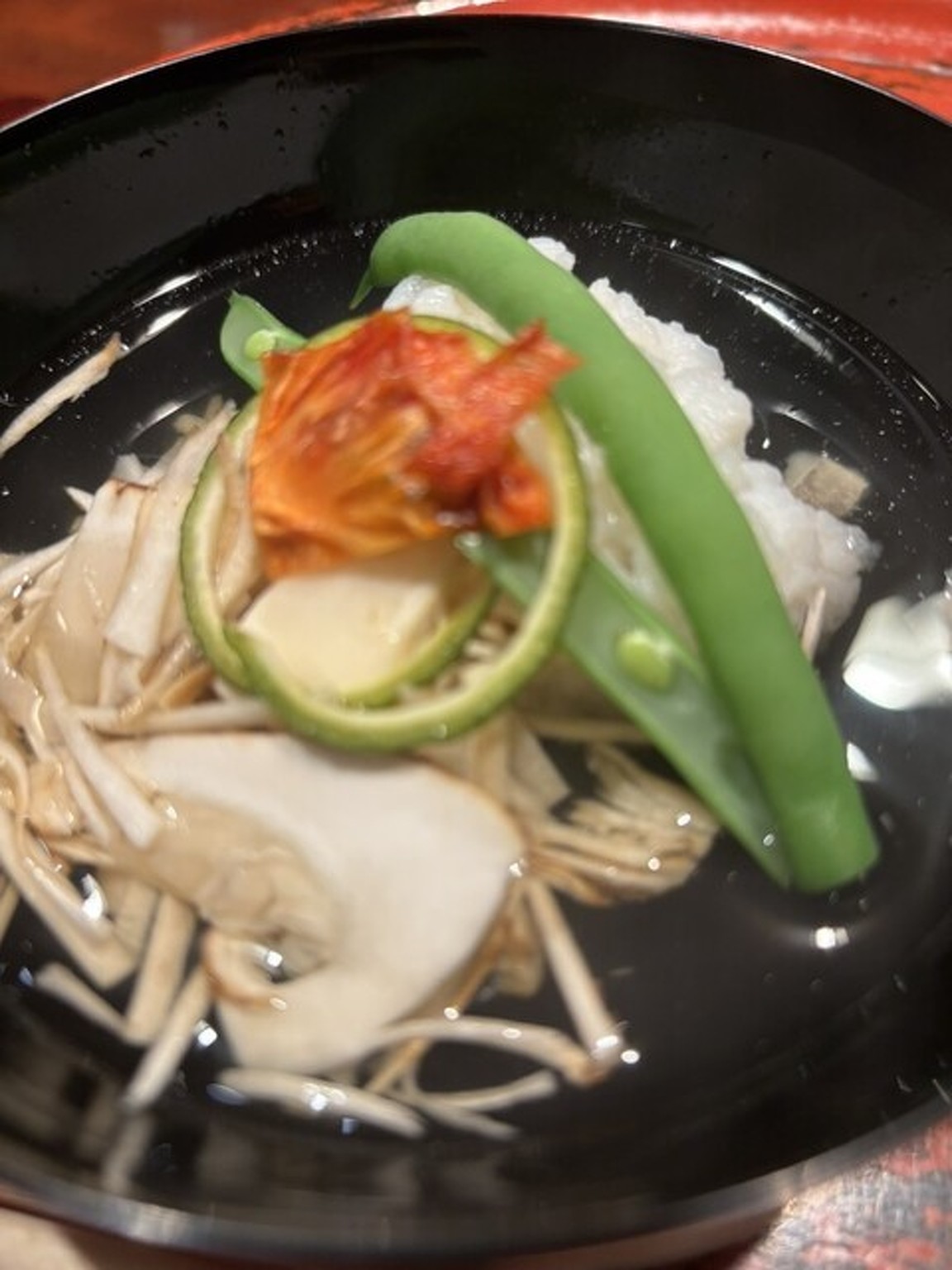
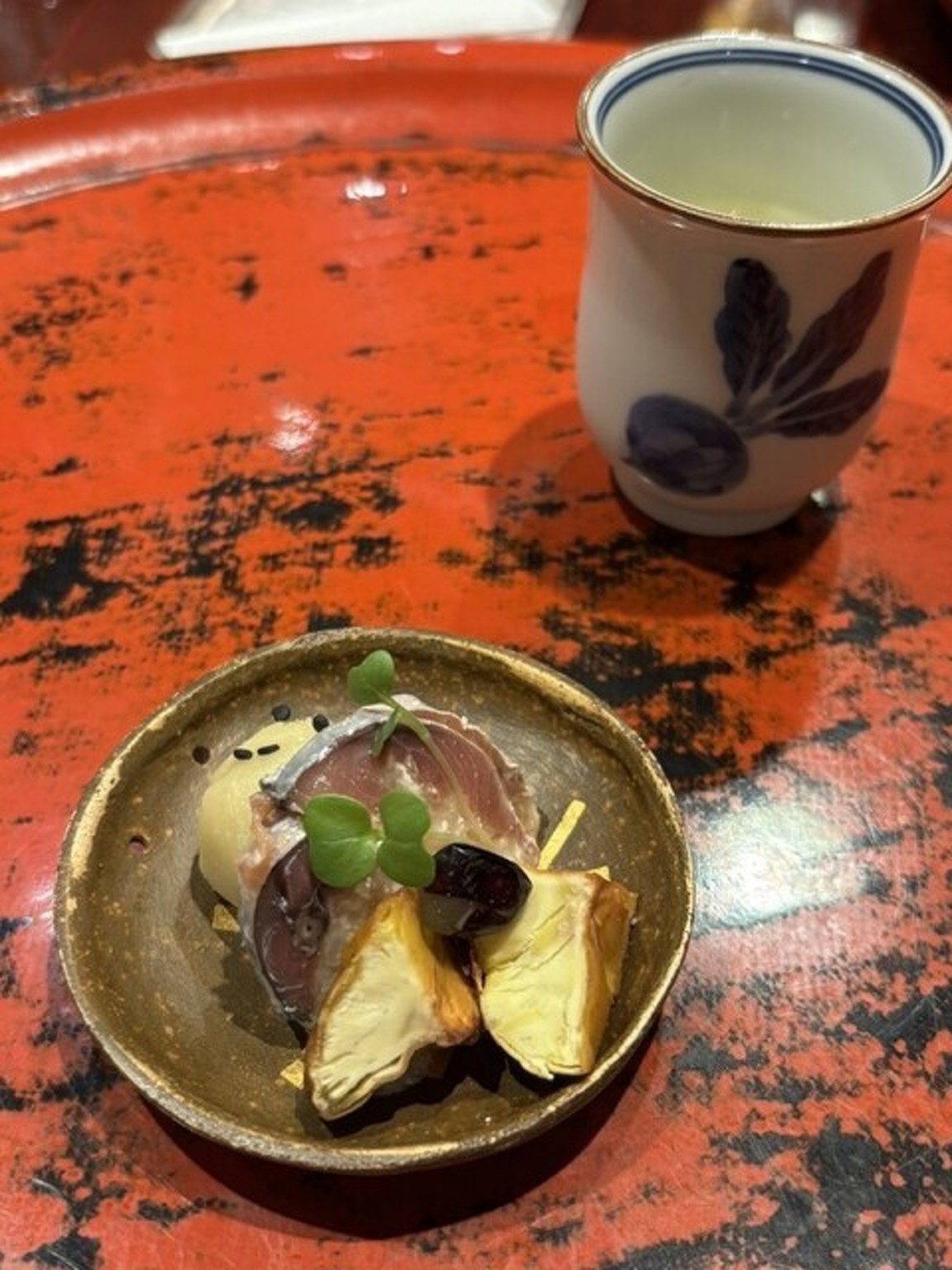
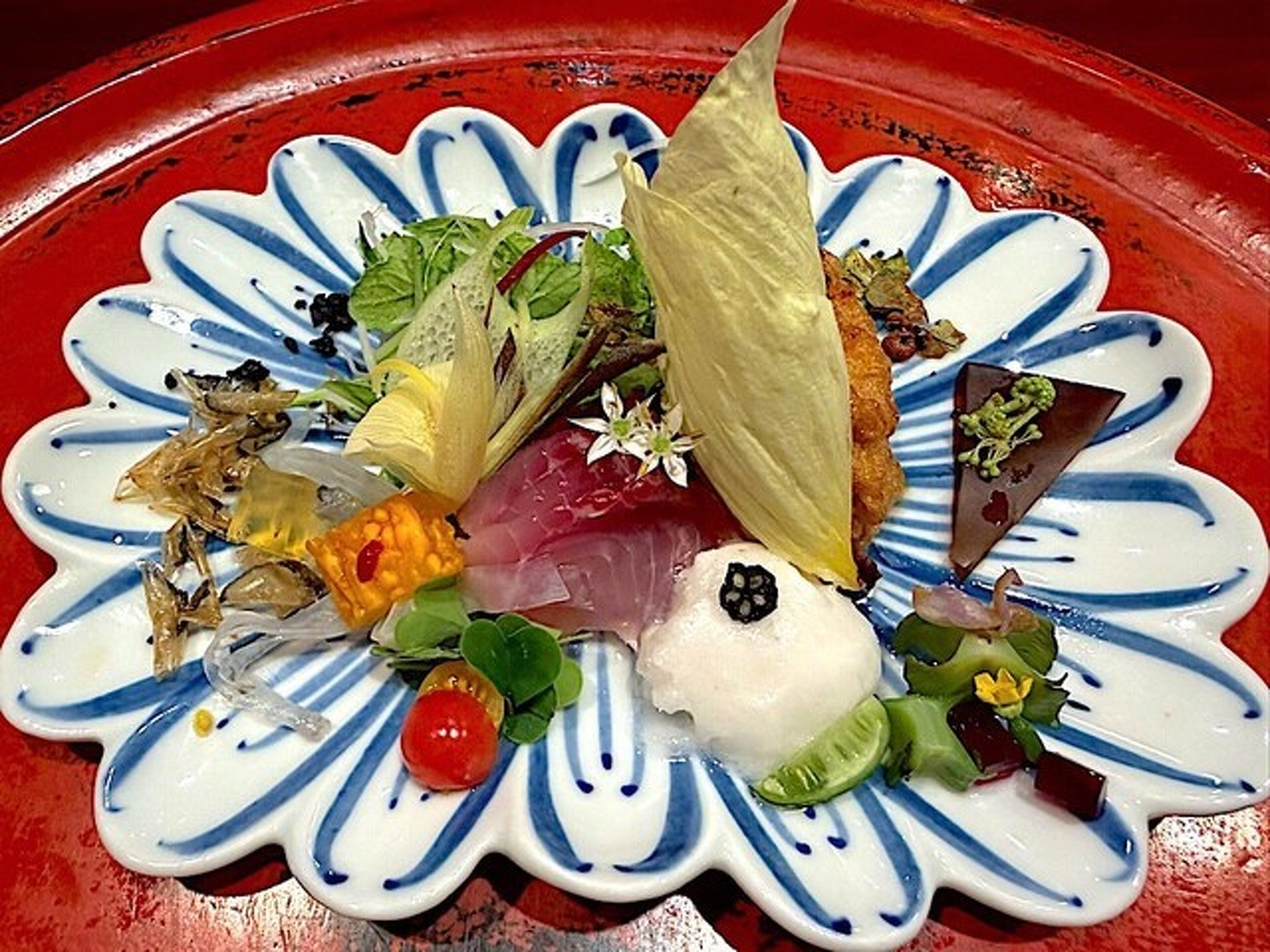
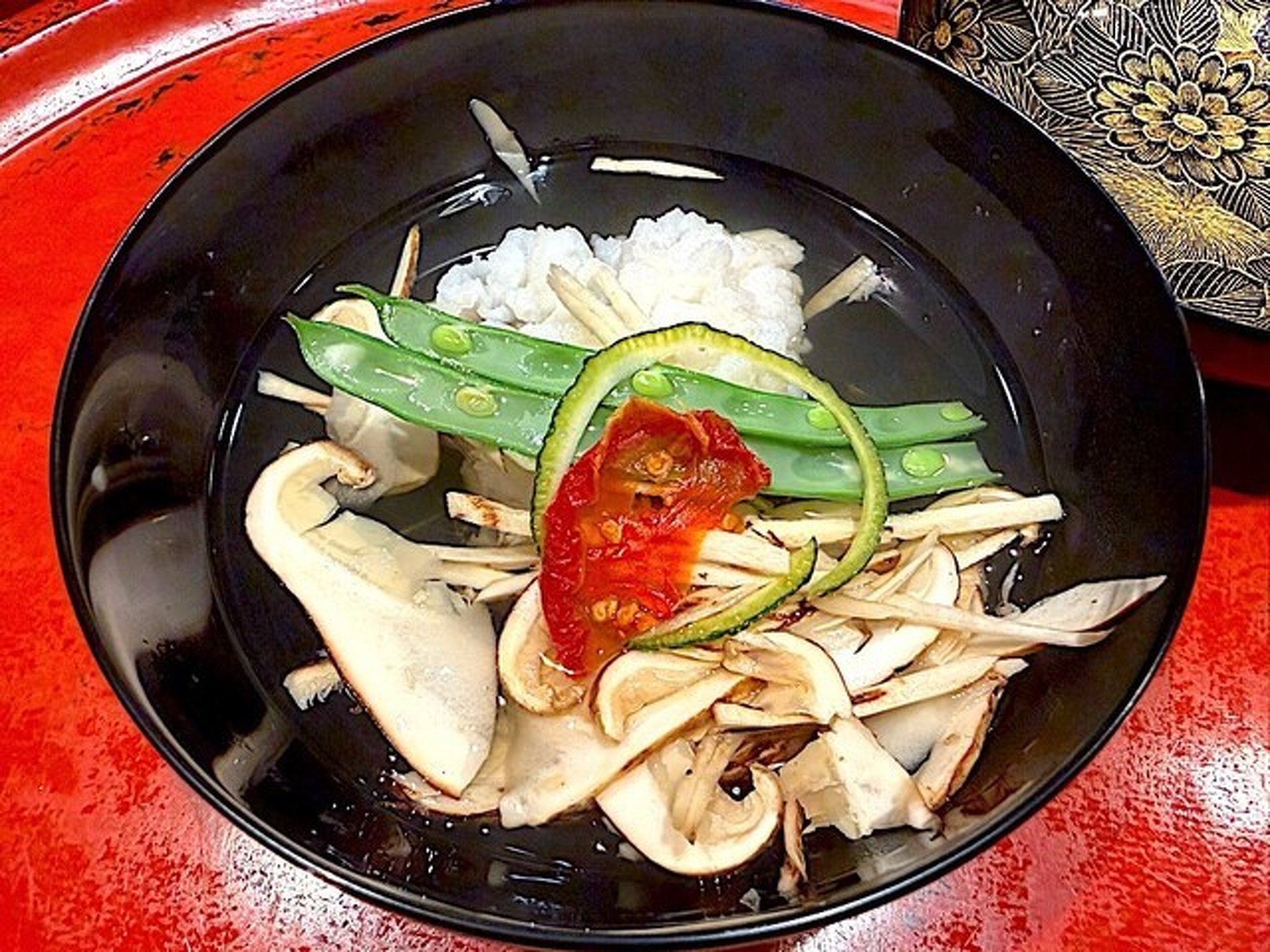
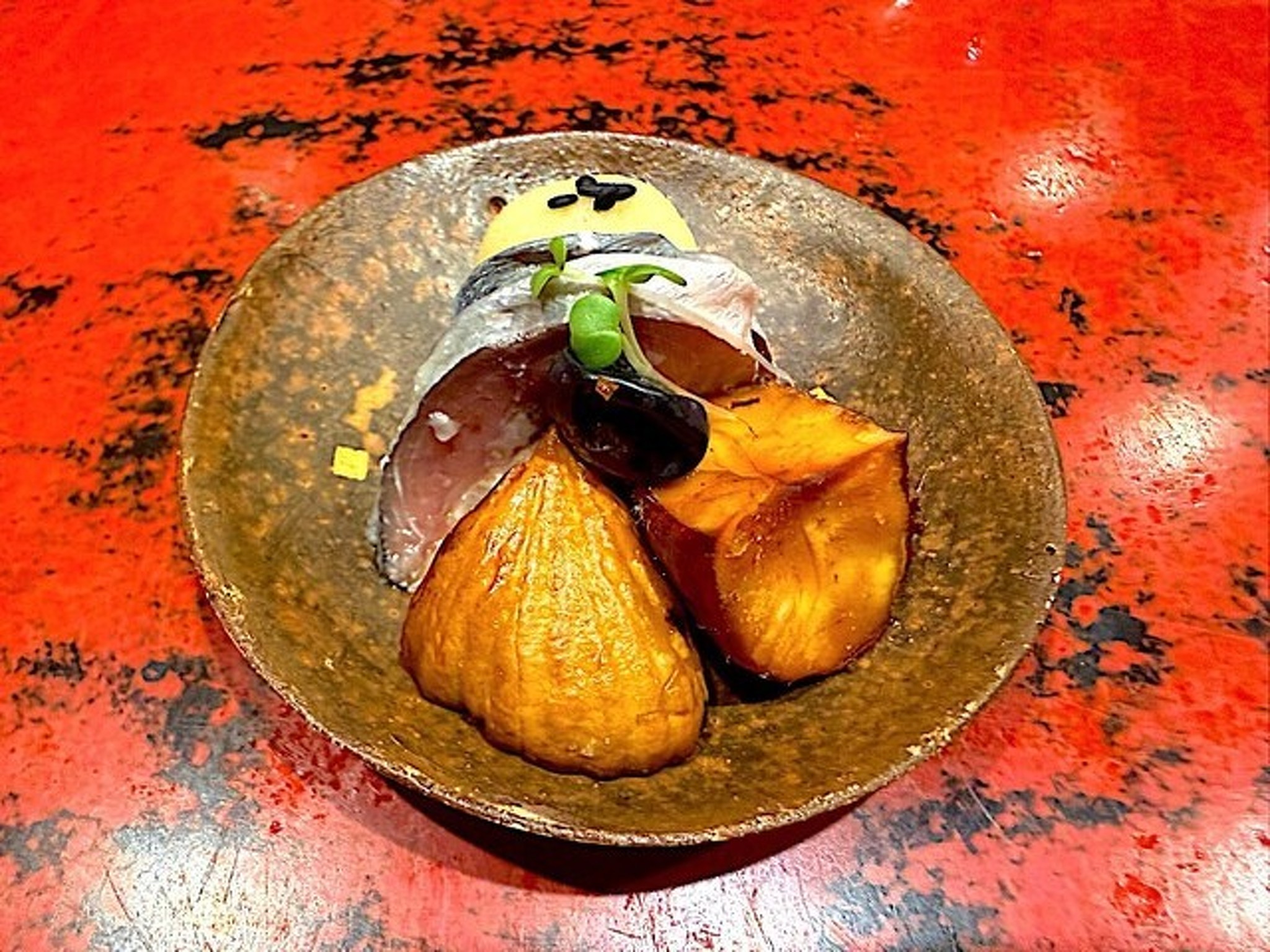
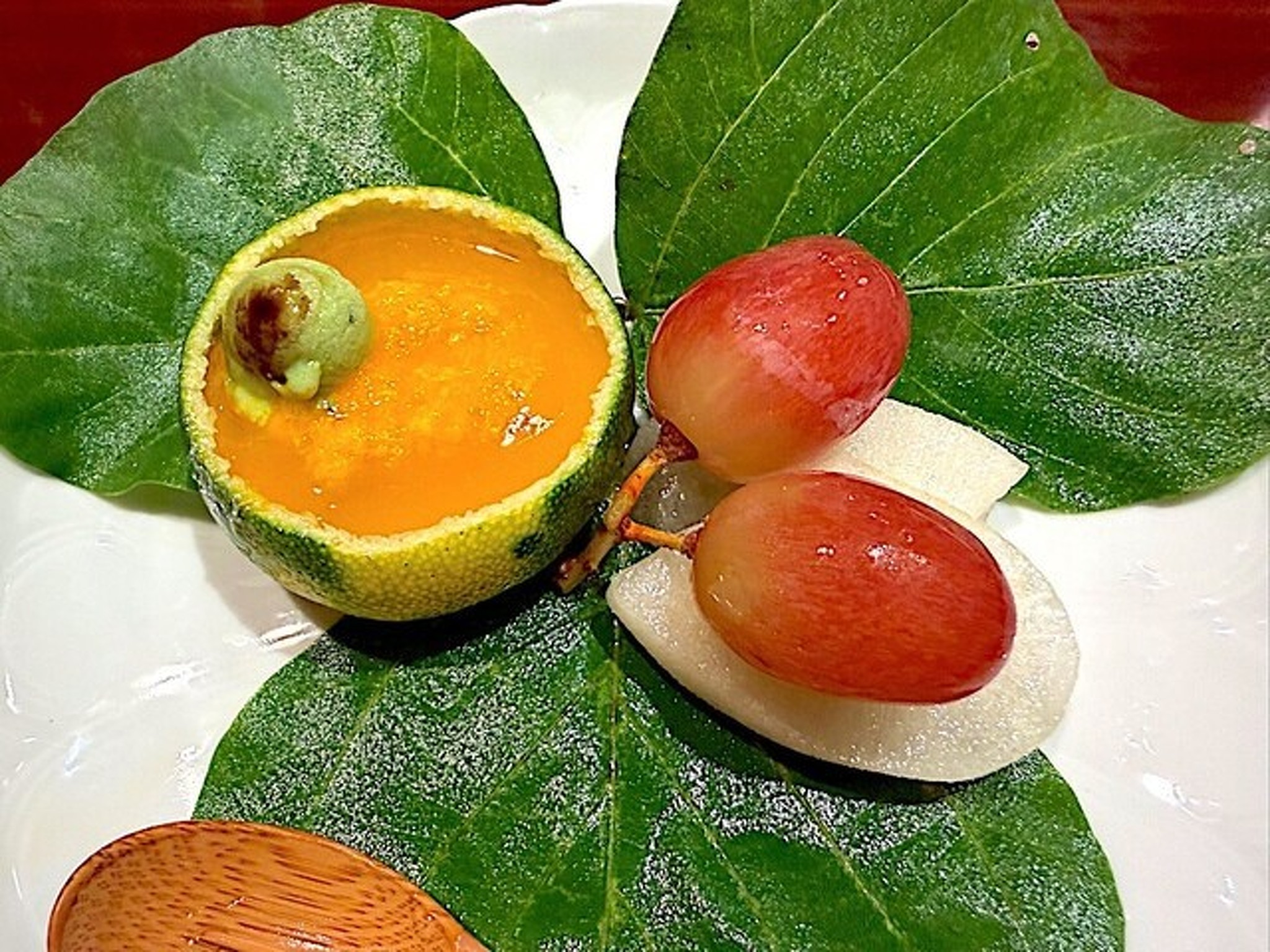
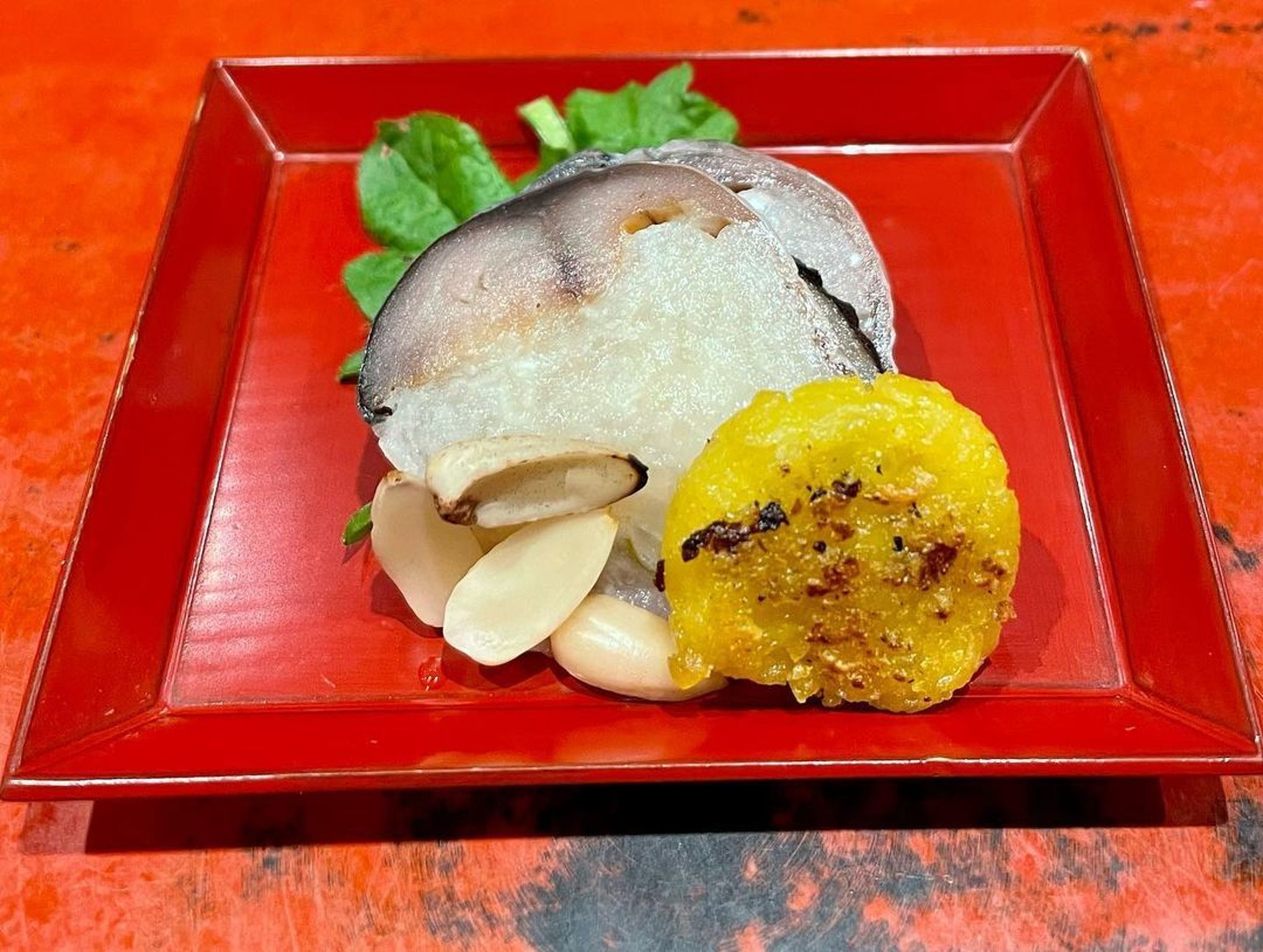
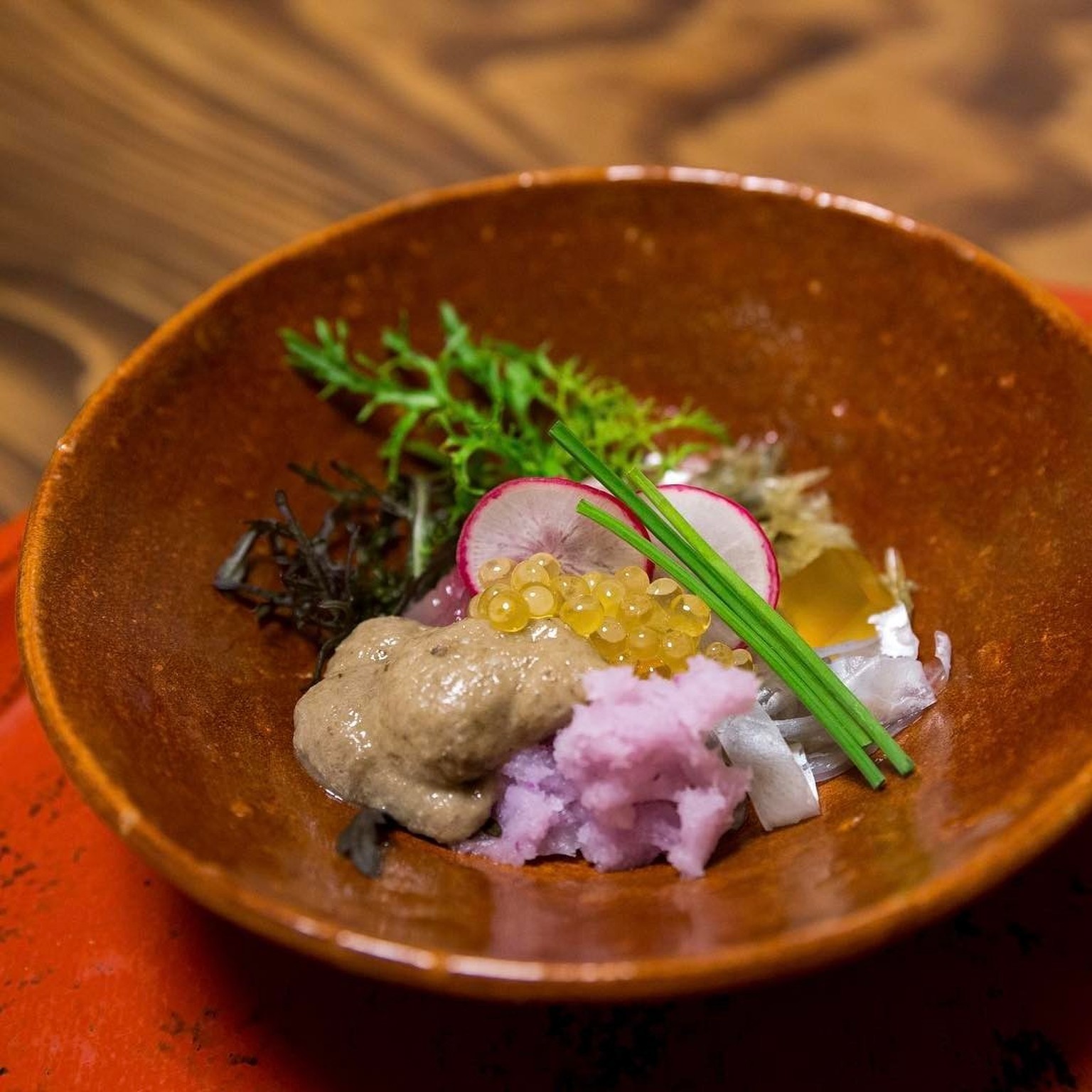
Michelin Two Stars. I visited "Kusajiki Nakahigashi" near Ginkaku-ji in Kyoto.This was my third visit, and it was particularly impressive this time.The owner, Hisao Nakahigashi, was born in Kyoto in 1952. He honed his culinary skills at the renowned cooking inn "Miyamaso" in Hanase, known for its wild vegetable cuisine, before opening "Kusajiki Nakahigashi" in 1997.As the name "Kusajiki" suggests, the essence of the dishes revolves around the blessings of the mountains and fields. Instead of merely using wild vegetables and mountain herbs as garnishes, he brings the seasonal ingredients—sprouts, leaves, flowers, and fruits—into the spotlight of the dishes.What struck me this time was how different it was from the typical high-end Kyoto cuisine that focuses on "refined presentation of quality ingredients."Bitter. Green. Sour. Fragrant. Sticky. Crunchy.Rather than masking the natural flavors and textures, he incorporates them into the dishes.From the very beginning, I was completely immersed in Nakahigashi's world.Dishes included ginkgo nuts and eggs, corn, small potatoes, a terrine of okra and sweetfish, pressed sushi with myoga and pike eel, gori, ajime dojo, board gluten, and white figs.The freshness of the okra subtly hinted at the sweetfish, while the gori and ajime dojo offered a pleasant bitterness. The white figs were delicious, with a delightful balance of sweetness and acidity.Rather than a lavish assortment, it felt like a small slice of the early autumn countryside on a plate.Next came a dish of moringa and purple sweet potato ohitashi, with chestnut and tofu croutons, evoking the essence of autumn while the flavor of the purple sweet potato tied everything together.A dish combining white and red miso featured zuiki, mustard, and purslane.The subtle bitterness of the purslane was delightful. The crisp texture of the zuiki was refreshing, and the sensation of "eating grass" was genuinely enjoyable.The dried sweetfish was served with a gazpacho of onion, cucumber, and tomato.When bitten into, the sweetfish released a burst of umami, complemented by a pleasant bitterness and a crunchy texture, layered with the freshness of the vegetables.I believe Nakahigashi's cuisine is difficult to categorize solely as Kyoto cuisine.And the sashimi was extraordinary.Carp raised in underground water for about three months was served with chives, myoga flowers, orchid flowers, ripe bitter melon, micro tomatoes, summer daikon sorbet, okra flowers, sansho, and carp jelly.Rather than the typical "sashimi plus garnishes" concept, it presented the river fish and summer plants as a complete landscape on the plate.The next course was a soup with pike eel and matsutake mushrooms.I was surprised by the resilience of the pike eel.Instead of being fluffy, it had a robust texture that conveyed vitality with every bite, enhanced by the aroma of matsutake and the wonderful accent of dried tomatoes.The dried tomatoes in a traditional Japanese soup were surprisingly harmonious, creating a delightful broth.The fermented mackerel sushi was accompanied by sweet potatoes, fried chestnuts, and wild grapes.The strong umami and saltiness from fermentation were balanced by the sweetness of the potatoes and chestnuts. Instead of leaning towards a modern "clean taste," it embraced the wild flavors of fermentation.The simmered dish featured sweet potatoes, their leaves, lotus root, adzuki beans, autumn eggplant, and chichidake mushrooms.The sweet potato leaves were particularly juicy, infused with broth. The sweet potatoes were soft and sweet, the lotus root tender and flavorful, and the autumn eggplant burst with umami when bitten into.Even the "leaves," which are usually sidelined or overlooked, became a delicacy.This is truly Nakahigashi.The natural eel was served with summer daikon, jagara, sansho, and seri.The grilling was impeccable, and the texture was delightful. The strong umami of the natural eel was complemented by the aromas of sansho and seri. Instead of overpowering it with fat or rich sauces, the dish preserved the wild essence of the eel.The pasture-raised Angus beef was paired with bitter melon and maitake mushrooms.The concentrated umami of the maitake and beef was delicious, with the flavor seeping out with each bite. The bitterness of the bitter melon kept the dish light despite being meat-based.Additionally, a dish combined with silk squash, myoga, flower okra, koutake mushrooms, and peppermint.The aroma of myoga was delightful, and the dish was refreshingly light, resetting the palate after all the previous courses.As we approached the end, we were treated to matsutake rice and karasumi.This was intense.The moment the lid was lifted, the aroma of matsutake was overwhelming. The rice had a natural sweetness, complemented by the saltiness and umami of the karasumi.After enjoying wild herbs, river fish, meat, and eel, it was fascinating that plain white rice took center stage at the end.Moreover, the Tsuyahime white rice was perfectly balanced in aroma, sweetness, and acidity, leaving a clean aftertaste. The dried sardines were enhanced with sansho oil, adding a pleasant bitterness that complemented the sweetness of the rice.After indulging in luxurious ingredients, the simplicity of "rice and dried sardines" was surprisingly delicious.This is part of what makes Nakahigashi so intriguing.For dessert, we had a refreshing combination of green mandarin, basil, mandarin sorbet, pear, and grapes.The aroma of basil was refreshing, and the mandarin sorbet offered a delightful sweetness. The ginger-infused pear was interesting, and the meal concluded with the essence of plants.What stood out to me this time was how "bitterness" played a significant role throughout the course.Sweetfish, gori, bitter melon, purslane, and wild herbs.Typically, bitterness and greenness are suppressed or removed, but here they were actively used to express the season.Even when glamorous ingredients like matsutake, pike eel, natural eel, and pasture-raised Angus beef appeared, they did not overshadow everything else.Every element, from a single sweet potato leaf to purslane and ripe bitter melon, held its own significance, just like the matsutake.That’s what makes it fascinating.In early September,the lingering strength of summer coexists with chestnuts, matsutake, and autumn eggplant, gradually transitioning into fall.This menu felt like a course that captured the very essence of the seasonal shift from summer to autumn.This is truly "Kusajiki."It felt like I consumed the entirety of early autumn in Kyoto in one night. Less
10 / 10
on 06 Sep 2026
Two years ago, I was deeply impressed by the matsutake rice at Kusajiki Nakahigashi. The season is limited, and there are days when it’s not available, so unfortunately, I couldn’t have it last year.Today, I noticed matsutake in the soup, and just as I was hoping, Hisao Nakahigashi mentioned, "We have matsutake rice today." That alone raised my excitement.Additionally, I enjoyed grilled sweetfish with last year's sweetfish roe, which is always a highlight of the year.Hisao's jokes were on point,... More
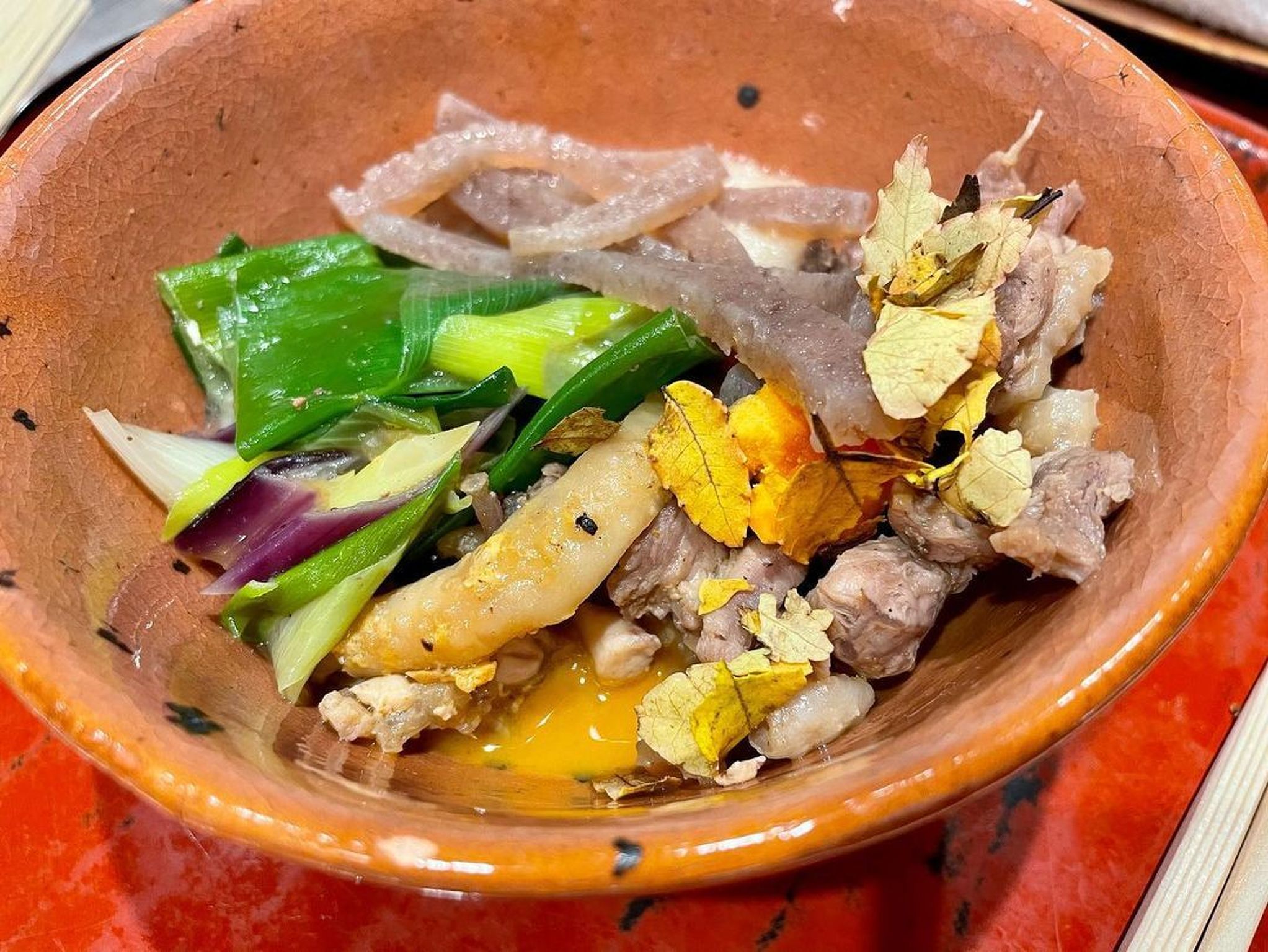
Two years ago, I was deeply impressed by the matsutake rice at Kusajiki Nakahigashi. The season is limited, and there are days when it’s not available, so unfortunately, I couldn’t have it last year.Today, I noticed matsutake in the soup, and just as I was hoping, Hisao Nakahigashi mentioned, "We have matsutake rice today." That alone raised my excitement.Additionally, I enjoyed grilled sweetfish with last year's sweetfish roe, which is always a highlight of the year.Hisao's jokes were on point, and I had a delicious and enjoyable time.Next, I want to try the chicken sukiyaki...! And I also want to enjoy the New Year’s dishes...!While it may not have the flashy reputation of a trendy, hard-to-book restaurant, the food truly nourishes both the heart and body.The matsutake rice comes with an additional charge (JPY 4,000), but I highly recommend everyone to try it! Less
10 / 10
on 01 Sep 2026
The September menu was truly exceptional. It beautifully showcased the transition from summer to autumn with seasonal ingredients. Starting with the appetizer, there was a corn puree, anago (conger eel), kinukatsugi (a type of potato), ginkgo nuts, ayu (sweetfish) terrine, and myoga sushi. Next came a refreshing dish of molokhia and adzuki beans in vinegar, followed by a soup, grilled ayu (prepared with its innards sauce and served with gazpacho), and koi sashimi. We also enjoyed a medley of vegetables,... More
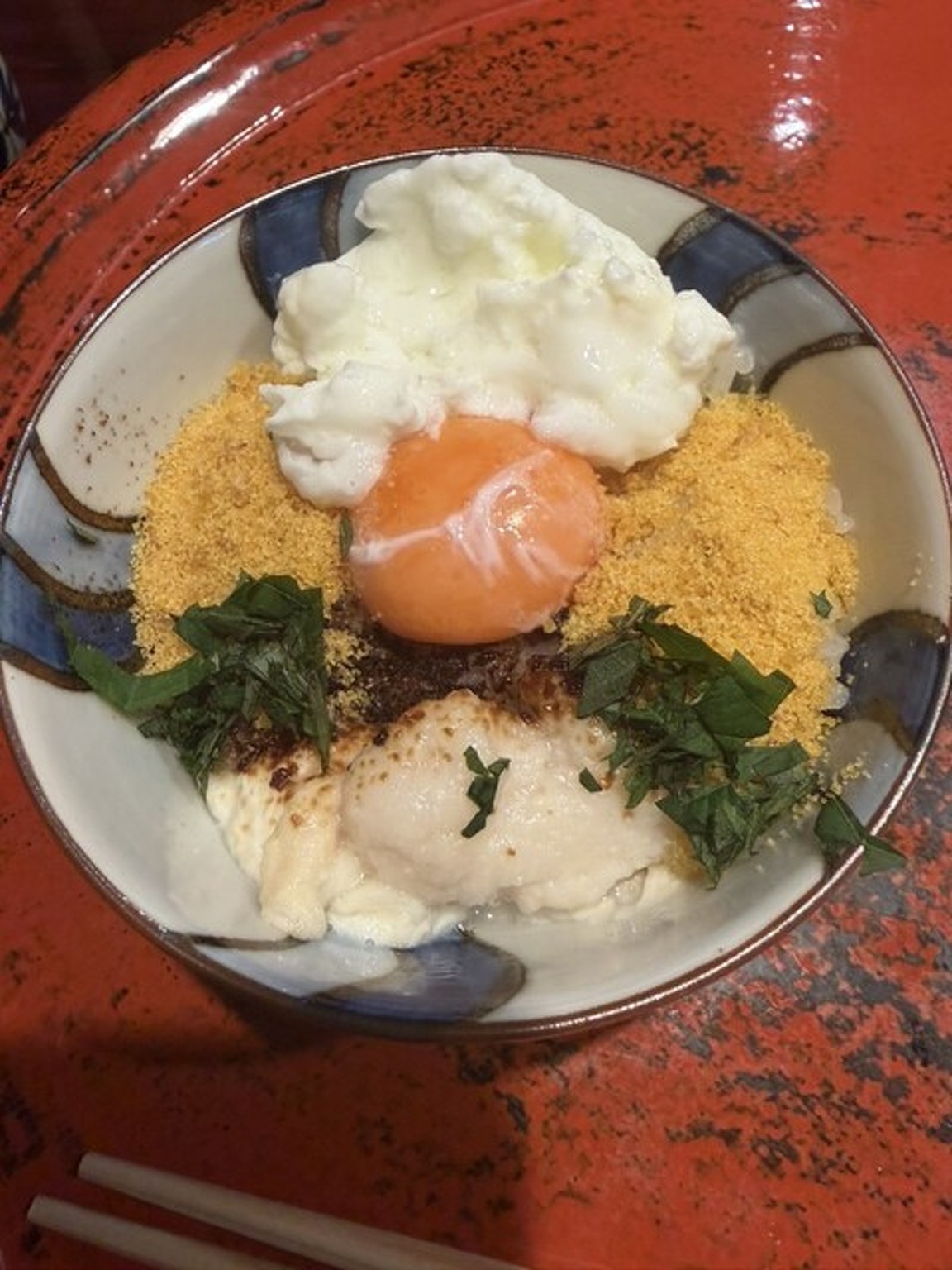
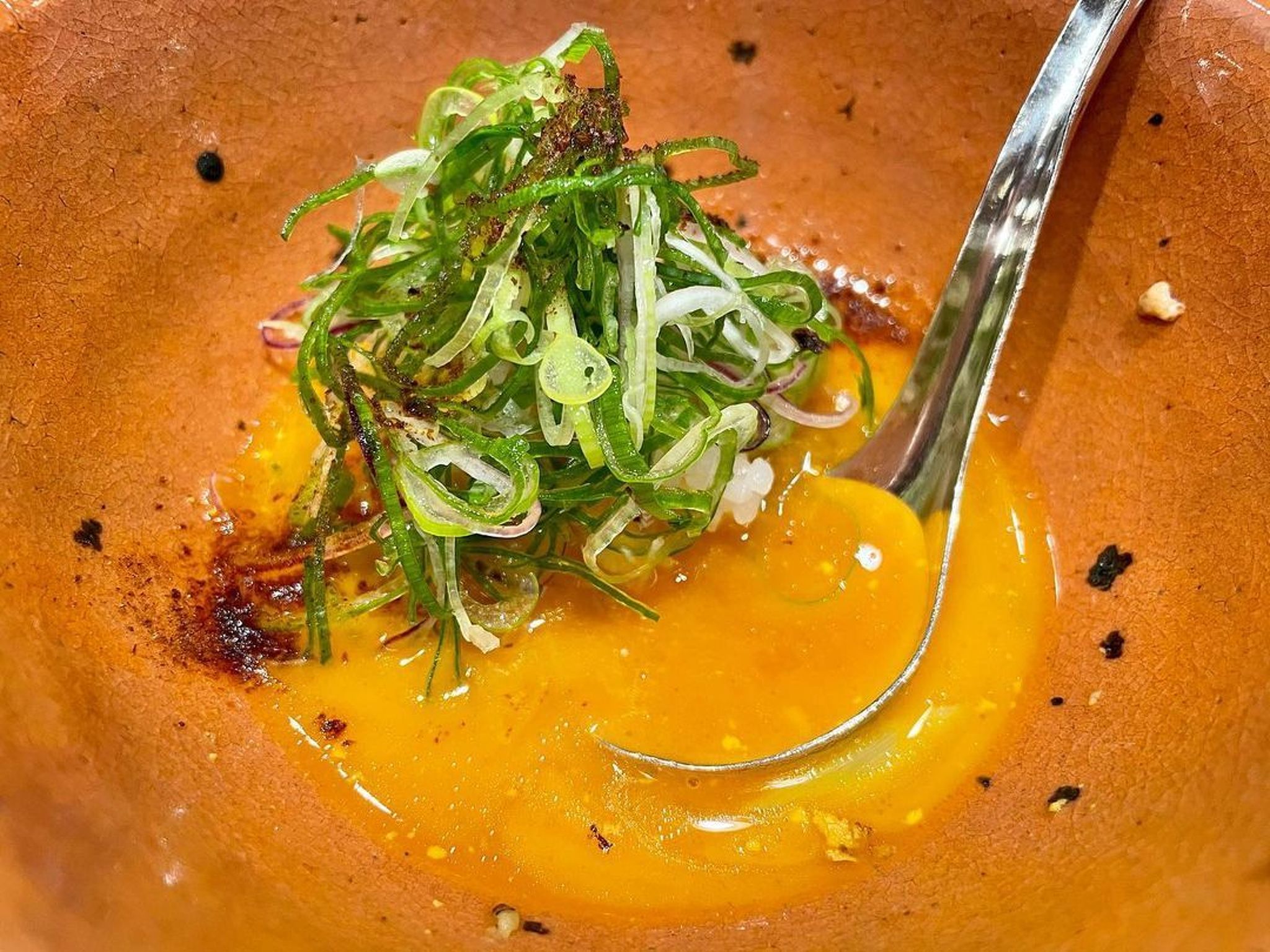
The September menu was truly exceptional. It beautifully showcased the transition from summer to autumn with seasonal ingredients. Starting with the appetizer, there was a corn puree, anago (conger eel), kinukatsugi (a type of potato), ginkgo nuts, ayu (sweetfish) terrine, and myoga sushi. Next came a refreshing dish of molokhia and adzuki beans in vinegar, followed by a soup, grilled ayu (prepared with its innards sauce and served with gazpacho), and koi sashimi. We also enjoyed a medley of vegetables, as well as grilled flounder and summer venison as the main dish. The best TKG (Tamago Kake Gohan) in Japan was, as always, outstanding. Less
10 / 10
on 21 Aug 2026
This was my third visit, and once again, I was amazed by the exceptional selection of ingredients. True to its name, Kusajiki, they skillfully prepare ordinary wild plants in a beautiful way. This time, I enjoyed summer venison and what can only be described as early Matsutake rice. The Matsutake rice was topped with karasumi, which was an interesting way to enjoy it. It was a scorching afternoon in Kyoto. As I finished my meal and stepped outside, I was greeted by the sound of cicadas, which felt... More
This was my third visit, and once again, I was amazed by the exceptional selection of ingredients. True to its name, Kusajiki, they skillfully prepare ordinary wild plants in a beautiful way. This time, I enjoyed summer venison and what can only be described as early Matsutake rice. The Matsutake rice was topped with karasumi, which was an interesting way to enjoy it. It was a scorching afternoon in Kyoto. As I finished my meal and stepped outside, I was greeted by the sound of cicadas, which felt quite pleasant after a few drinks. Less
9 / 10
on 11 Aug 2026
I had always wanted to visit the Michelin two-star restaurant, Kusajiki Nakahigashi.I was truly delighted to finally be able to dine at this long-desired establishment.Each dish was beautifully crafted, showcasing seasonal ingredients that allowed me to feel the essence of the season just by looking at them. Taking the time to savor these meticulously prepared dishes felt incredibly luxurious.What stood out to me was the chef's unique and engaging conversation. Despite being a formal restaurant,... More
I had always wanted to visit the Michelin two-star restaurant, Kusajiki Nakahigashi.I was truly delighted to finally be able to dine at this long-desired establishment.Each dish was beautifully crafted, showcasing seasonal ingredients that allowed me to feel the essence of the season just by looking at them. Taking the time to savor these meticulously prepared dishes felt incredibly luxurious.What stood out to me was the chef's unique and engaging conversation. Despite being a formal restaurant, there was no stiffness, and I was able to enjoy a delightful time alongside the exquisite cuisine.As the seasons change, I look forward to experiencing different dishes and scenery. I was completely captivated, and I now want to visit this restaurant every season.Next up is autumn. I can’t wait! Less
8 / 10
on 01 Aug 2026
A Japanese restaurant located near Ginkaku-ji Temple.The private room on the second floor feels like a typical home setting, which complements the atmosphere of the cuisine.The service was provided by a veteran proprietress who took her time explaining the dishes and engaging in enjoyable conversation.The food is centered around vegetables and fish, embodying the essence of Kyoto cuisine.The dishes are incredibly intricate, featuring many unique ingredients that are not commonly heard of, making... More
A Japanese restaurant located near Ginkaku-ji Temple.The private room on the second floor feels like a typical home setting, which complements the atmosphere of the cuisine.The service was provided by a veteran proprietress who took her time explaining the dishes and engaging in enjoyable conversation.The food is centered around vegetables and fish, embodying the essence of Kyoto cuisine.The dishes are incredibly intricate, featuring many unique ingredients that are not commonly heard of, making it both interesting and educational.In particular, the simmered vegetables were delicious. Less
9 / 10
on 25 Jul 2026
Kusajiki Nakahigashi【Nearest Station】About a 20-minute walk from Keage Station (approximately 3 minutes on foot from the city bus "Jodoji")【Price】Omakase for lunch and dinner is around JPY 20,000 (varies based on selected dishes)【Reservation Difficulty】B (Reservations are relatively easy to make, but it's recommended to book early on weekends and during cherry blossom and autumn foliage seasons)【Overview】Tabelog rating: 4.27Tabelog Award: Gold once, Silver seven times, Bronze twiceRecognized... More
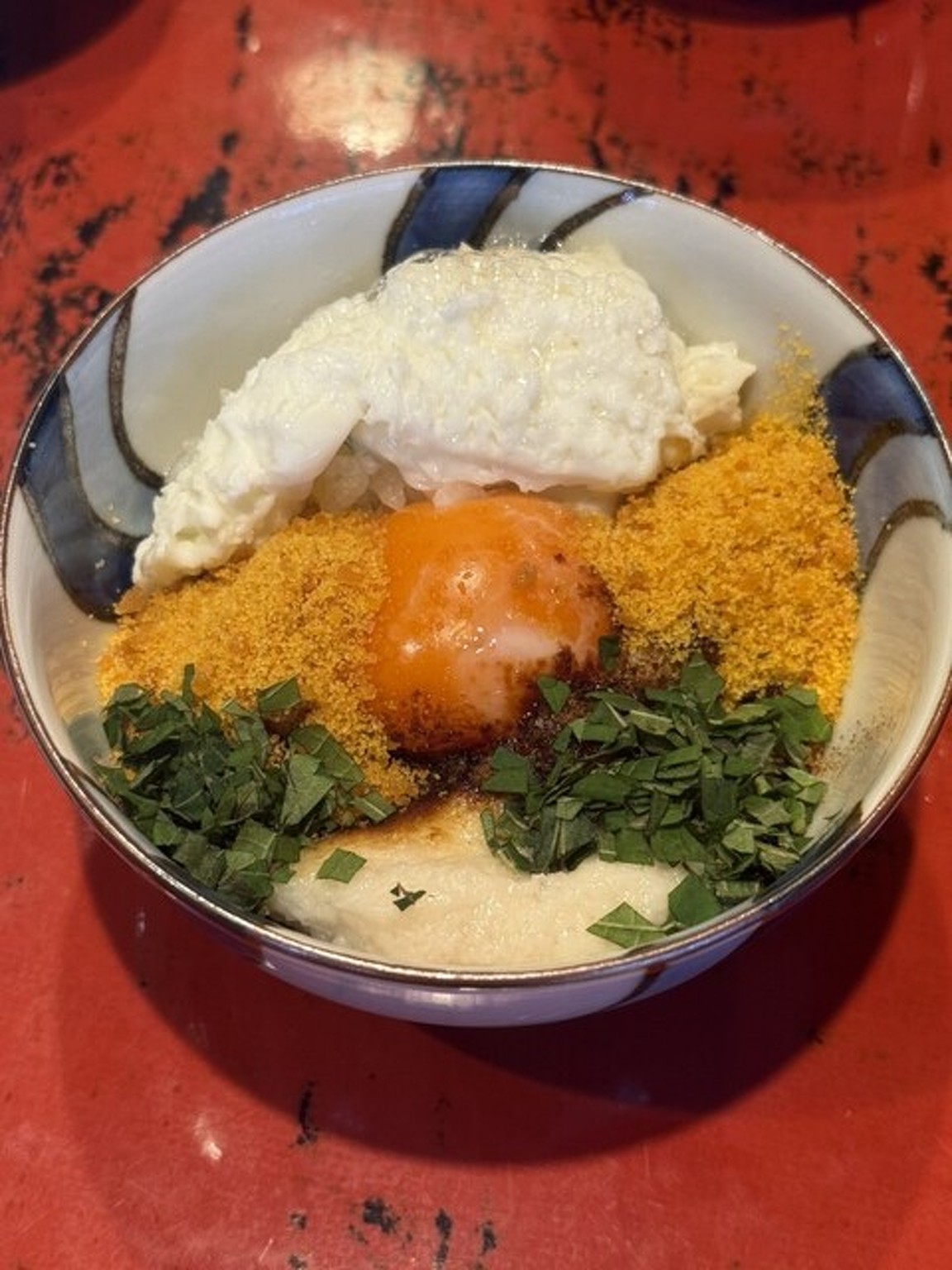
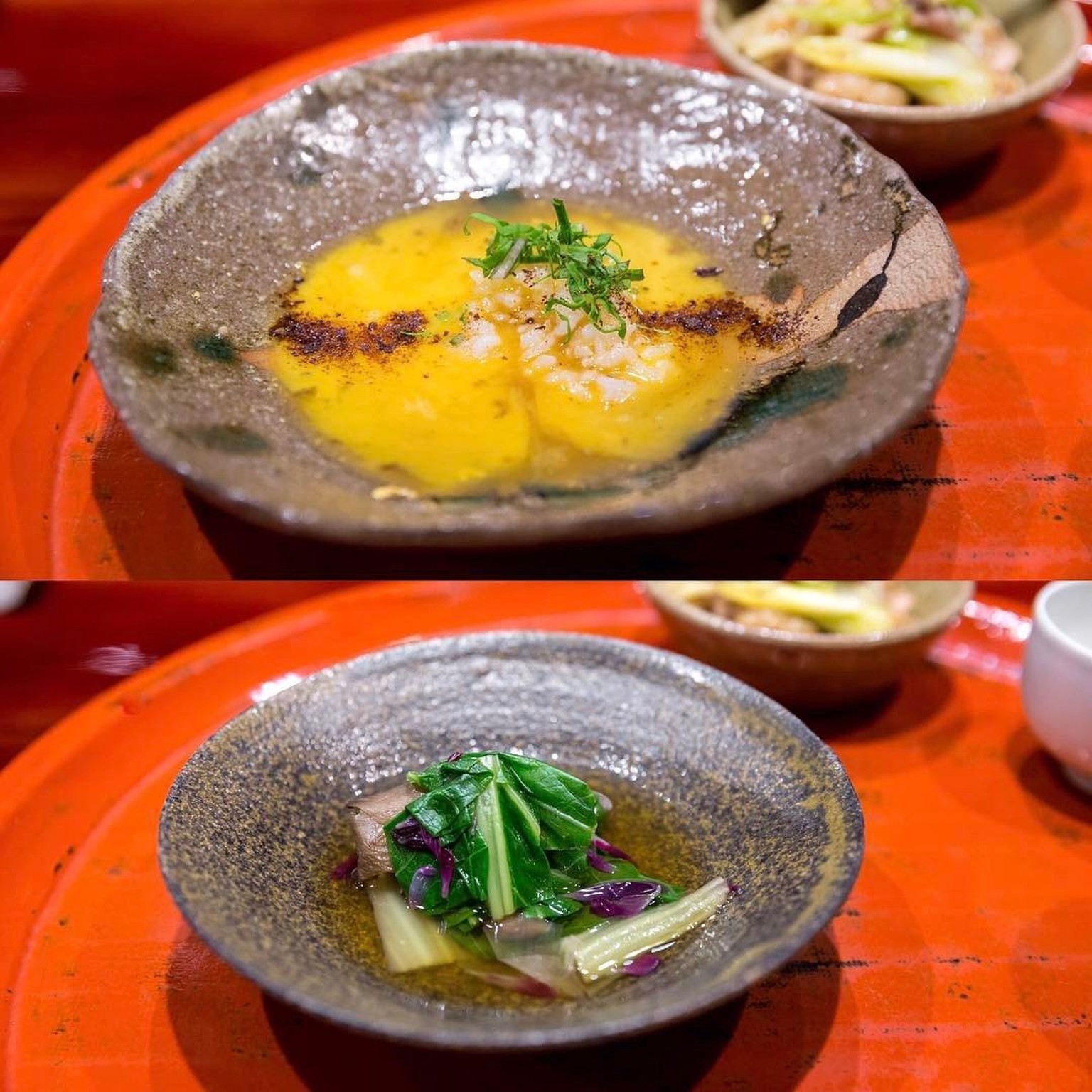
Kusajiki Nakahigashi【Nearest Station】About a 20-minute walk from Keage Station (approximately 3 minutes on foot from the city bus "Jodoji")【Price】Omakase for lunch and dinner is around JPY 20,000 (varies based on selected dishes)【Reservation Difficulty】B (Reservations are relatively easy to make, but it's recommended to book early on weekends and during cherry blossom and autumn foliage seasons)【Overview】Tabelog rating: 4.27Tabelog Award: Gold once, Silver seven times, Bronze twiceRecognized as one of Japan's top 100 Japanese restaurants three times.This restaurant is a representative of Kyoto, known for its consistent presence in Tabelog's top 100. The owner, Hisao Nakahigashi, offers unique dishes that highlight local ingredients such as wild herbs, mountain vegetables, and river fish under the concept of "Kusajiki" (草喰).Unlike extravagant kaiseki cuisine, the restaurant expresses the culture of Japan's satoyama and the changing seasons through each dish. The cuisine, which makes the most of nature's bounty, has garnered high praise both domestically and internationally as a unique place to experience Kyoto's food culture.【Menu】○ Hassun (Red shrimp, miso-pickled corn, heshiko, Japanese radish, river fish, Kamo eggplant, hamo rice balls, etc.)○ Zucchini from Ohara with perilla○ Soup (mugwort rice cake, potato, myoga)○ Sweetfish stuffed with tomato and chili○ Carp sashimi with rock mushrooms, cucumber, and cherry tomatoes○ Kamo eggplant and paprika with white miso sauce○ Grilled sweetfish (additional)○ Grilled venison○ Cucumber cut into thin strips with melon cucumber and dried fish○ Potato with minced venison○ Lake Biwa's wakasagi and young burdock○ Pickles○ Mezasu (small dried fish)○ White rice○ Chazuke (rice with tea)○ Crispy rice○ Yam rice with raw egg○ Sweets【Impression】This restaurant is not about luxurious ingredients or flashy presentations; instead, it carefully prepares local natural ingredients like wild herbs, Kyoto vegetables, and river fish, allowing you to feel the essence of Japan's rural landscape.Each dish has a certain rustic charm, giving the impression of elevated "country cooking." While not extravagant, the flavors are comforting and soothing, making it easy to enjoy without growing tired of them. I hope that restaurants like this, which continue to preserve Japanese food culture, will be cherished for years to come.The grilled sweetfish was particularly memorable. The skin was grilled a bit more intensely, enhancing its aroma, and I enjoyed the flesh and head as well. However, the bitterness of the liver was mild, which left me wanting a bit more of the characteristic bittersweetness of sweetfish, but I felt that this made it more accessible for many diners.The rice served at the end was delightful, as I got to enjoy the firm grains before they were cooked, followed by perfectly steamed rice, crispy rice, and chazuke, all of which were excellent. The yam rice with raw egg was also wonderful, with the fragrant and sticky yam and egg adding to the experience.I believe this is a must-visit restaurant for anyone wanting to savor the seasons of Kyoto and the blessings of its satoyama.It was a great meal! Less
8 / 10
on 19 Jul 2026
I visited Kusajiki Nakahigashi for the first time. On this day, the head chef was present, and among the customers were other chefs as well. Here, you can enjoy carefully selected ingredients from the mountains and rivers. The dishes inspired by the Gion Matsuri festival were perfect for a summer day, featuring unique mountain vegetables and river fish, including jun-sai served with soda—dishes you can only find here. When the chef presented a dish inspired by the Middle Eastern conflict, I thought... More
I visited Kusajiki Nakahigashi for the first time. On this day, the head chef was present, and among the customers were other chefs as well. Here, you can enjoy carefully selected ingredients from the mountains and rivers. The dishes inspired by the Gion Matsuri festival were perfect for a summer day, featuring unique mountain vegetables and river fish, including jun-sai served with soda—dishes you can only find here. When the chef presented a dish inspired by the Middle Eastern conflict, I thought it was quite insightful. The chef's engaging conversation and the variety of dishes made it easy to indulge in too much alcohol. Less
9 / 10
on 13 Jul 2026
Food is not just about serving a dish; it requires a story and the chef's passion to truly evoke emotions. Finally, I had the opportunity to experience a meal at Kusajiki Nakahigashi. What makes it remarkable is being able to enjoy the food while listening to the chef's thoughts on his creations. Each ingredient was infused with flavor, and every combination was a source of inspiration. This time, with the Gion Matsuri festival coming to an end and the old calendar Tanabata approaching, all the dishes... More
Food is not just about serving a dish; it requires a story and the chef's passion to truly evoke emotions. Finally, I had the opportunity to experience a meal at Kusajiki Nakahigashi. What makes it remarkable is being able to enjoy the food while listening to the chef's thoughts on his creations. Each ingredient was infused with flavor, and every combination was a source of inspiration. This time, with the Gion Matsuri festival coming to an end and the old calendar Tanabata approaching, all the dishes were themed around these events. I can't help but wonder what seasonal delights await in the future. The heshiko presented like a fan, the eggplant resembling a mountain, the matured sushi shaped like a tanzaku, and even mint in the kuzu? The relentless pursuit of culinary excellence is evident in every dish. And yet, it was incredibly light on the stomach. At Nakahigashi, I found myself reflecting on the Middle East. I truly hope to return again. Less
9 / 10
on 07 Jul 2026
At Kusajiki Nakahigashi, true to its name, the owner Hisao Nakahigashi reflects his philosophy of utilizing the natural bounty of wild mountain vegetables he personally forages into Kyoto cuisine. The seasonal appetizer, Hachisuke, beautifully represents the Gion Matsuri festival with a depiction of the floats. Each bite, from the salad with carp sashimi to the potato miso soup, grilled sweetfish, and roasted venison sourced from the local Sakyo Ward, is filled with a sense of life. The main dish... More
At Kusajiki Nakahigashi, true to its name, the owner Hisao Nakahigashi reflects his philosophy of utilizing the natural bounty of wild mountain vegetables he personally forages into Kyoto cuisine. The seasonal appetizer, Hachisuke, beautifully represents the Gion Matsuri festival with a depiction of the floats. Each bite, from the salad with carp sashimi to the potato miso soup, grilled sweetfish, and roasted venison sourced from the local Sakyo Ward, is filled with a sense of life. The main dish features rice cooked in an "Okudo-san" (traditional Japanese stove) and grilled mezashi (dried fish). It’s the ultimate in simplicity. When I was told to enjoy it with sansho oil and salt, I couldn’t help but exclaim, "Wow... this is delicious!" By the way, the salt is said to be from the Dover Strait. Hisao Nakahigashi's lively conversation made for a truly special experience! Less
10 / 10
on 01 Jul 2026
After a 3-month wait, the day has finally come to visit Kusajiki Nakahigashi.At Nakahigashi, you can truly experience the seasons. In spring, you enjoy spring ingredients; in summer, summer flavors; in autumn, autumn produce; and in winter, winter delicacies, all prepared with great care.From start to finish, the meal reflects the changing seasons and teaches us about the various rituals and festivals.This time, it’s summer. The Gion Matsuri, refreshing rivers, and the bamboo for Tanabata under... More
After a 3-month wait, the day has finally come to visit Kusajiki Nakahigashi.At Nakahigashi, you can truly experience the seasons. In spring, you enjoy spring ingredients; in summer, summer flavors; in autumn, autumn produce; and in winter, winter delicacies, all prepared with great care.From start to finish, the meal reflects the changing seasons and teaches us about the various rituals and festivals.This time, it’s summer. The Gion Matsuri, refreshing rivers, and the bamboo for Tanabata under the Milky Way...Is there any other place like this?Nothing surpasses Kusajiki Nakahigashi.Thank you very much.It was a great meal.I look forward to my next visit in October. Less
8 / 10
on 21 Jun 2026
I had lunch here. The exterior resembles a traditional kominka (old house), and the interior features stone-paved floors, giving it a historical ambiance.The decor is unified in warm wooden tones, with a striking reddish-brown counter table. Once all 12 counter seats were filled, lunch began.I reserved the "Omakase Course @ JPY 12,000 (tax included, service charge 10% extra)."Here’s what I enjoyed:◯ Hassun: White miso with fava beans, bonito belly, firefly squid, new burdock wrapped in yuba,... More
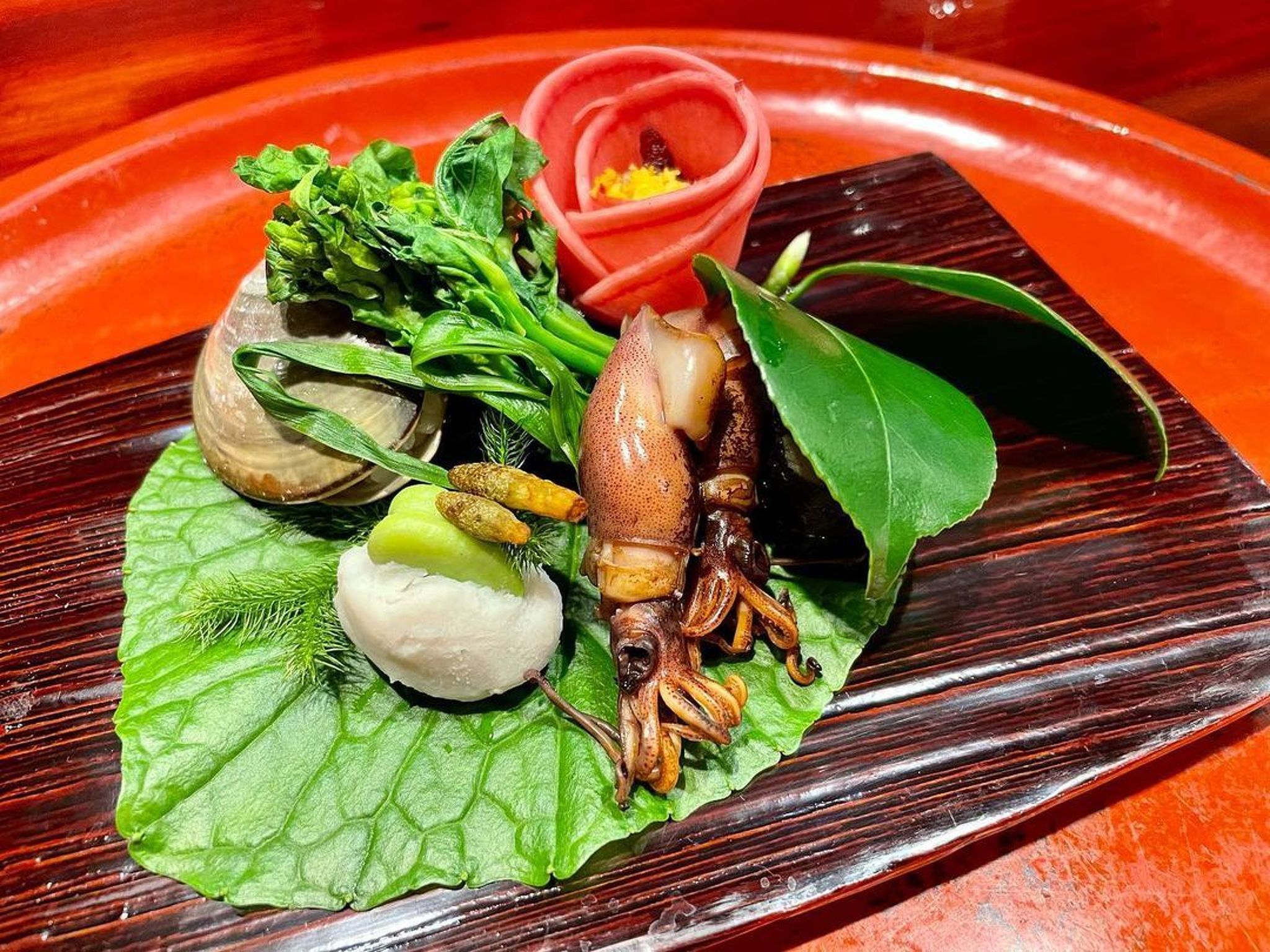
I had lunch here. The exterior resembles a traditional kominka (old house), and the interior features stone-paved floors, giving it a historical ambiance.The decor is unified in warm wooden tones, with a striking reddish-brown counter table. Once all 12 counter seats were filled, lunch began.I reserved the "Omakase Course @ JPY 12,000 (tax included, service charge 10% extra)."Here’s what I enjoyed:◯ Hassun: White miso with fava beans, bonito belly, firefly squid, new burdock wrapped in yuba, green plums, young sea bream pickled in bamboo leaves, lily bulb jelly, and pepper from Hotei bamboo.◯ White miso with eggplant.◯ Grilled sweetfish, young corn, and onion.◯ Carp sashimi with cucumber and mousse, and tomato.◯ Simmered dish: Bonito, chili pepper, itadori, and various mountain vegetables, all infused with dashi.◯ Sasagarei (a type of flatfish), assorted vegetables, and sasagarei bones.◯ Rice, pickles, and miso soup.◯ Fruit jelly: Strawberry, grapefruit, and blueberry.I enjoyed a lot of local ingredients, including wild vegetables and river fish. The presentation of the hassun, with the basket being removed, was particularly memorable and seemed to express the direction of the upcoming dishes.Among the dishes, the grilled sweetfish left a strong impression. The carp sashimi was something I rarely get to eat, but it was easy to enjoy thanks to the accompanying cucumber that masked any fishy taste. The simmered bonito and mountain vegetables were rich in dashi flavor.For drinks, I had the following Japanese sake, each served in 180ml:Prices are (tax included, service charge 10% extra):- Eikun @ JPY 1,500- Akane Sasu (Nagano) @ JPY 2,500- Japanese sake from Kyoto (contract brewed) @ JPY 3,000The staff provided attentive service.The total bill came to JPY 22,000. The sake was more expensive than I expected.It was a great meal! Less
7 / 10
on 11 Jun 2026
This was my first visit to the restaurant. We had a gathering with eight people in a private room on the second floor. The course was centered around vegetables, which felt like a unique experience! The staff provided a very enjoyable explanation, even incorporating some puns!
8 / 10
on 01 Jun 2026
Experience the essence of Kyoto's nature with this course that showcases carefully selected ingredients prepared using the best cooking methods to highlight their flavors. Each dish is crafted with meticulous attention, evident in both its presentation and taste. This is a renowned restaurant I would love to visit again in a different season.
8 / 10
on 26 May 2026
This famous Japanese restaurant specializing in wild vegetable cuisine is located just a short distance from Ginkaku-ji Temple. Every dish is abundant with mountain vegetables, wild herbs, and river fish sourced from the Ohara region of Kyoto, creating a presentation that feels like you are truly enjoying nature itself. Each dish is packed with information and, while it is traditional Japanese cuisine, it gives off a bold and innovative impression. There are also visually delightful dishes, such... More
This famous Japanese restaurant specializing in wild vegetable cuisine is located just a short distance from Ginkaku-ji Temple. Every dish is abundant with mountain vegetables, wild herbs, and river fish sourced from the Ohara region of Kyoto, creating a presentation that feels like you are truly enjoying nature itself. Each dish is packed with information and, while it is traditional Japanese cuisine, it gives off a bold and innovative impression. There are also visually delightful dishes, such as wildflowers wrapped in rice paper like a bouquet and aged sushi, making it a feast for the eyes as well. However, the main dishes of oysters and meat were less striking compared to the previous plates, and the strong flavors of the vegetables and mountain herbs made me feel a bit overwhelmed by the end. The meal included dried fish, pickles, and several small bowls of various vegetables, making it quite plentiful until the last bite. While I prefer something a bit simpler, the unique and one-of-a-kind dishes that you can't find at other restaurants are definitely worth experiencing at least once. Less
9 / 10
on 21 May 2026
The highlight of my trip to Osaka and Kyoto was visiting Kusajiki Nakahigashi. I had previously been to Asahi Kishi for breakfast and Kusakabe in Tokyo, and I had always wanted to try this place, so my wish finally came true.Overall, the meal was centered around vegetables, but it also included fish and meat, making it very enjoyable. Given the season, there were many wild plants, and I felt there was a noticeable bitterness from some of the greens.Appetizer Assortment: Cauliflower, sardines, tororo... More
The highlight of my trip to Osaka and Kyoto was visiting Kusajiki Nakahigashi. I had previously been to Asahi Kishi for breakfast and Kusakabe in Tokyo, and I had always wanted to try this place, so my wish finally came true.Overall, the meal was centered around vegetables, but it also included fish and meat, making it very enjoyable. Given the season, there were many wild plants, and I felt there was a noticeable bitterness from some of the greens.Appetizer Assortment: Cauliflower, sardines, tororo kelp jelly, pickled young sea bream, blanched udo, and smoked bonito—everything was excellent!Kogomi (fiddlehead fern), giboshi (Japanese butterbur), and deer jerky were delightful. Kogomi is just so delicious!New onion with white miso: White miso always tastes so good when I come to Kyoto.Grilled sweetfish was excellent.Carp sashimi, bracken fern, and yam wrapped in seaweed were also good.A bowl of koi, koshi-abura (Japanese butterbur), junsai (water shield), and walnut tofu was enjoyable. I love both koshi-abura and junsai, and when the walnut tofu melted, it completely changed the impression of the dish.Mackerel sushi and a daikon festival were fantastic! I couldn't eat the mackerel sushi I had in Shiga before, but this one was delicious! However, it was quite salty without some sake.Tororo kelp, hachiku (bamboo shoots), urui (Japanese butterbur), and sweetfish simmered together were good.Iwakaki (rock oysters) were decent, but I still prefer them raw.Blanched vegetables were excellent.To finish off, there was a rice festival and dessert. Less
9 / 10
on 16 May 2026
I visited this restaurant, which my parents have been coming to every year since it opened. Every month, they serve dishes that tell a story related to that month. In May, for example, the first dish featured elements representing "Children's Day" and "Mother's Day." The flavors were delightful, and as I savored each bite while recalling the explanations of the dishes, memories of that season unfolded in my mind, creating a truly unique experience.As the name "Soujiki" suggests, many of the vegetables... More
I visited this restaurant, which my parents have been coming to every year since it opened. Every month, they serve dishes that tell a story related to that month. In May, for example, the first dish featured elements representing "Children's Day" and "Mother's Day." The flavors were delightful, and as I savored each bite while recalling the explanations of the dishes, memories of that season unfolded in my mind, creating a truly unique experience.As the name "Soujiki" suggests, many of the vegetables are wild greens, but thanks to the various broths used, there’s no overpowering grassy taste; instead, you can enjoy dishes that highlight the fragrance of the greens.Each dish was filled with emotion and surprise, and don’t miss the cold brew coffee at the end—it’s a must-try!This time, we were in a private room on the second floor, but according to my parents, the counter on the first floor is recommended for its fun banter from the chef.(Why do we say "the second floor" as "お2階" but not add "お" to the first floor? Just a thought! w) Less
8 / 10
on 11 May 2026
Despite the unfortunate rainy weather, I lost track of time as I enjoyed the depth of flavor and meaning in each dish, along with the warmth of the service. It was a luxurious experience I indulge in every six months.I completely forgot to take photos from New York to Paris, but I savored the rice from "Nibana" and listened to the owner share stories about how the cooking at Soujiki Nakahigashi is made possible by the traditional cooking method. I am already looking forward to the dishes in six months.... More
Despite the unfortunate rainy weather, I lost track of time as I enjoyed the depth of flavor and meaning in each dish, along with the warmth of the service. It was a luxurious experience I indulge in every six months.I completely forgot to take photos from New York to Paris, but I savored the rice from "Nibana" and listened to the owner share stories about how the cooking at Soujiki Nakahigashi is made possible by the traditional cooking method. I am already looking forward to the dishes in six months. The flavor of the dashi truly enhances the meal. It was a great meal. Less
8 / 10
on 06 May 2026
In spring, I visited Soujiki Nakahigashi.The chef brings fresh wild vegetables and greens from Ohara every morning.The white miso soup was delicious, and when I asked about the miso, I learned it’s from the chef's wife's family.For the finale, we enjoyed the usual freshly cooked rice and dried sardines.This was truly delightful!It's a unique dining experience with dishes you can only find here.
8 / 10
on 01 May 2026
I was invited by a colleague I used to work with in Kyoto, and I truly enjoyed the essence of Kyoto.Although I forgot to take pictures, the highlight was the climax of the meal: perfectly steamed white rice cooked in the traditional "Okudo-san" (stove), served alongside aromatic grilled "Mezashi" (dried sardines).The meal consisted of about 70-80% vegetables and wild plants, and it took around two and a half hours to enjoy, leaving me completely satisfied.There were also international guests at the... More
I was invited by a colleague I used to work with in Kyoto, and I truly enjoyed the essence of Kyoto.Although I forgot to take pictures, the highlight was the climax of the meal: perfectly steamed white rice cooked in the traditional "Okudo-san" (stove), served alongside aromatic grilled "Mezashi" (dried sardines).The meal consisted of about 70-80% vegetables and wild plants, and it took around two and a half hours to enjoy, leaving me completely satisfied.There were also international guests at the counter, enjoying their time in Japan. Less
8 / 10
on 20 Jan 2022

Dinner in the Kyoto branch of the Myamasou family restaurant empire. The younger brother of the late daisho at Myamasou is cooking there with his oldest son. The younger one runs an Italian place in Tokyo.
A very classical Kaiseki restaurant, driven by the seasonal ingredients and a a find execution. The flavors are sometimes bold, like the fermented sushi course (funazushi style), but never over the top. The presentation always tells a story and is loaded with symbols. The staff is more than helpful... More
Dinner in the Kyoto branch of the Myamasou family restaurant empire. The younger brother of the late daisho at Myamasou is cooking there with his oldest son. The younger one runs an Italian place in Tokyo.
A very classical Kaiseki restaurant, driven by the seasonal ingredients and a a find execution. The flavors are sometimes bold, like the fermented sushi course (funazushi style), but never over the top. The presentation always tells a story and is loaded with symbols. The staff is more than helpful to point them out to you.
The beef came from a huge farm in Hokkaido but is not wagyu but angus beef. Tender, quite lean but very tasty.
Excellent restaurant, very warm, hospitality, overall a great experience. Less
on 01 May 2021
A meal utterly without pretension. Nakahigashi-san (father of the chef from Cusavilla, recently posted), emphasizes the best of nature with a style thats rustic yet refined. He’s also very funny and charming. Be sure to have the natural Japanese wine which pairs beautifully.
on 26 Dec 2020
Kyoto + Kanazawa + Kaga Onsen Autumn Trip
Kyoto: Nakahigashi (part 2)
A meal that’s hard to describe. Nakahigashi-san is a master of using the wild bounty around Kyoto to build elaborate, playful, refined yet comforting food. No luxury ingredients — the first night on the trip I hadn’t eaten a crab (or five).
Despite my embarrassingly bad Japanese, chef was eager to explain about the ingredients and why he chose them.
In a moment of pure Kyoto-ness, we were stopped half way through the... More
Kyoto + Kanazawa + Kaga Onsen Autumn Trip
Kyoto: Nakahigashi (part 2)
A meal that’s hard to describe. Nakahigashi-san is a master of using the wild bounty around Kyoto to build elaborate, playful, refined yet comforting food. No luxury ingredients — the first night on the trip I hadn’t eaten a crab (or five).
Despite my embarrassingly bad Japanese, chef was eager to explain about the ingredients and why he chose them.
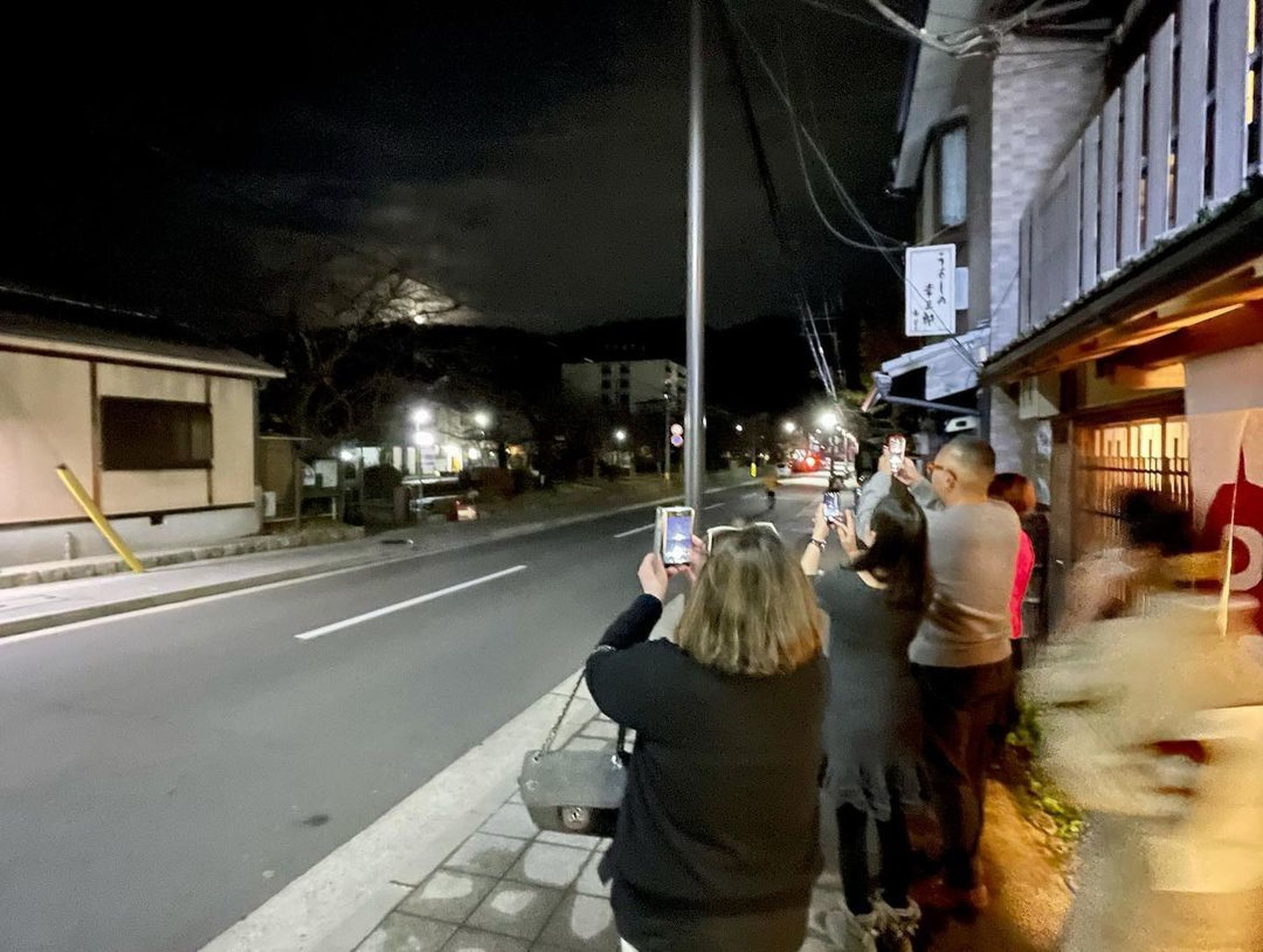
In a moment of pure Kyoto-ness, we were stopped half way through the meal and taken outside to watch the huge moon rise over the eastern hills. It was a touch of magic.
Very much looking forward to returning in spring, when the bitter greens and bamboo shoots start emerging. Less
on 15 May 2017

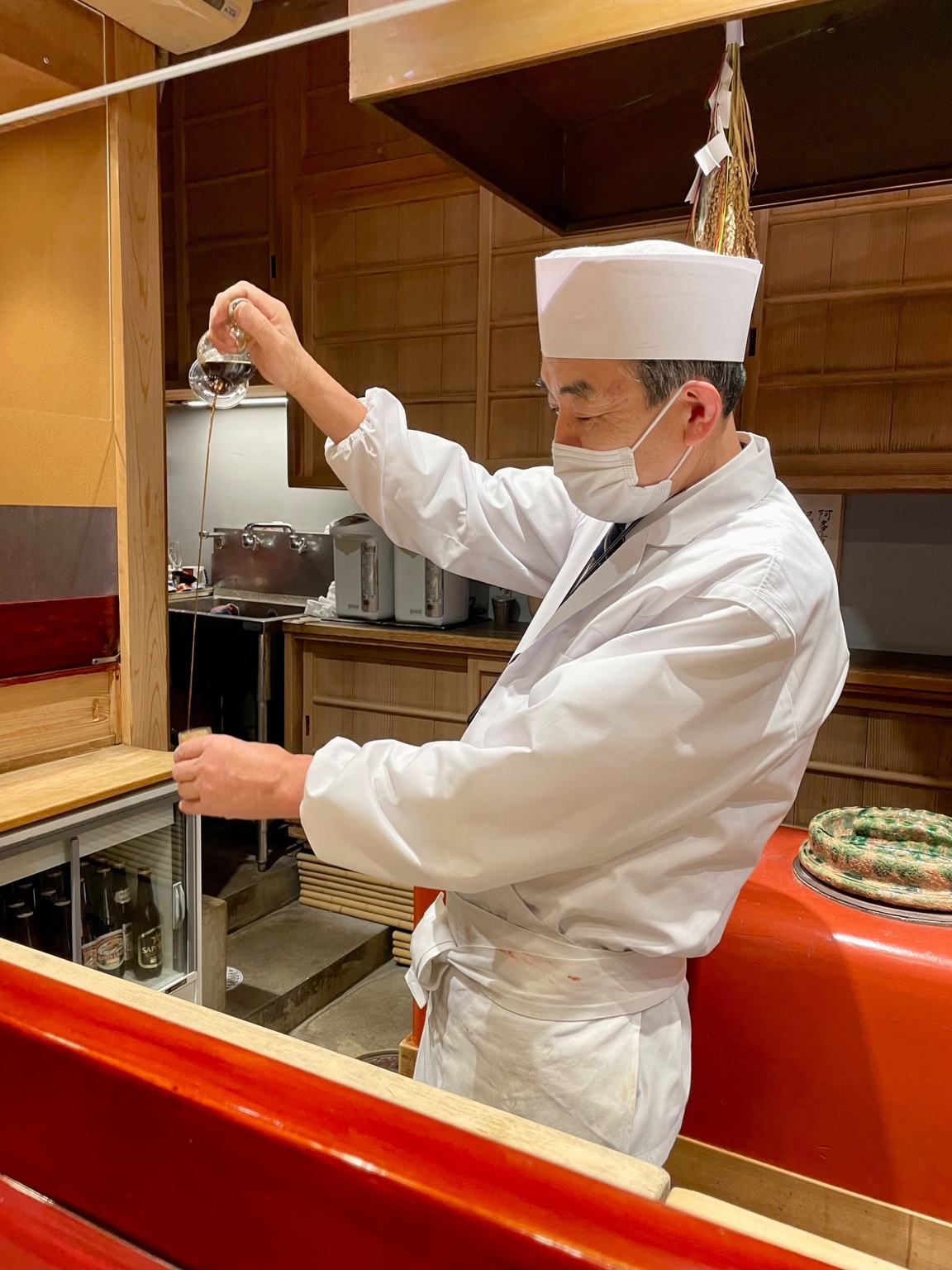
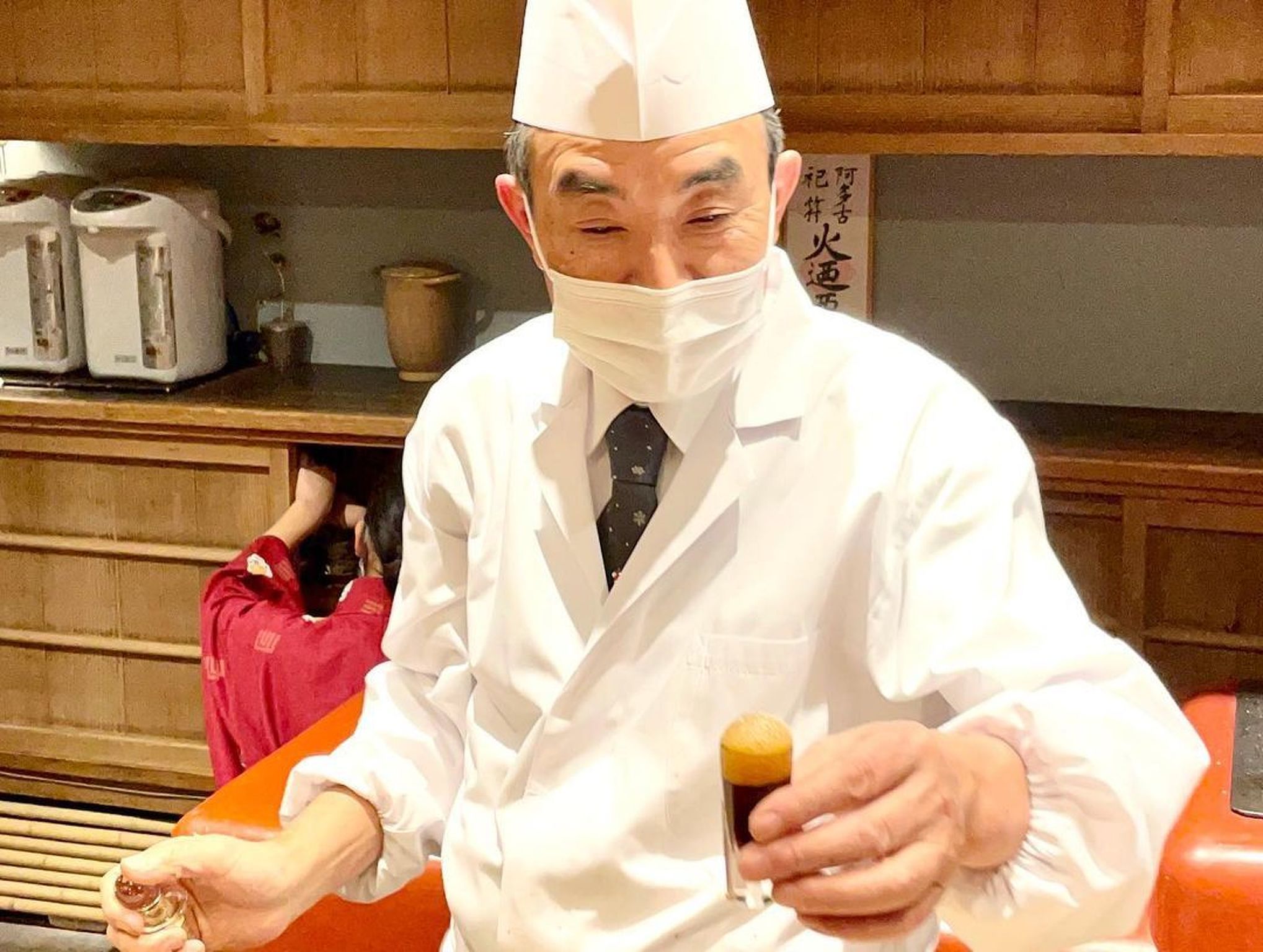
Chef Nakahigashi pouring coffee ☕️ and this completes our meal ?
_
草喰 なかひがし Sojiki Nakahigashi, Kyoto (Dec 2016)
#cityfoodsters_kyoto
#cityfoodsters_sojikinakahigashi
Recommended in Kyoto
-
- Tokuha Motonari
- 287-5 Shingoryōguchichō, Kamigyo Ward, Kyoto, 602-0897, Japan
-
nOAD Top 52Tabelog GoldTabelog Chefs' GoldRR #3080RR PRO #16.00RR USER #0.00
-
59 Meals
-
- Yassan (安参)
- 347 Gionmachi Kitagawa, Higashiyama Ward, Kyoto, 605-0073, Japan
-
GM SelectedTabelog Bronze
-
46 Meals
-
- Ninshu Rou (仁修樓)
- Kyoto, Kita Ward, Shichiku Kitakurisuchō, 2−12
-
OAD Top 346Tabelog GoldLL #157
-
38 Meals
-
- Kikuno I Honten (菊乃井 本店)
- Kyoto, Higashiyama Ward, Shimokawarachō, 459
-
oOAD Top 163Tabelog BronzeLL #157RR #234RR PRO #18.83RR USER #16.25
-
33 Meals
-
- Kiyama (木山)
- Japan, 〒604-0804 Kyoto, Nakagyo Ward, Kinuyachō, 136 ヴェルドール御所 1F
-
mOAD Top 56Tabelog SilverRR #806RR PRO #17.67RR USER #0.00
-
37 Meals
Address
32-3 Jōdoji Ishibashichō, Sakyo Ward, Kyoto
Hours
Monday: Closed
Tuesday: 12:00 - 14:00; 18:00 - 21:00
Wednesday: 12:00 - 14:00; 18:00 - 21:00
Thursday: 12:00 - 14:00; 18:00 - 21:00
Friday: 12:00 - 14:00; 18:00 - 21:00
Saturday: 12:00 - 14:00; 18:00 - 21:00
Sunday: 12:00 - 14:00; 18:00 - 21:00
Tuesday: 12:00 - 14:00; 18:00 - 21:00
Wednesday: 12:00 - 14:00; 18:00 - 21:00
Thursday: 12:00 - 14:00; 18:00 - 21:00
Friday: 12:00 - 14:00; 18:00 - 21:00
Saturday: 12:00 - 14:00; 18:00 - 21:00
Sunday: 12:00 - 14:00; 18:00 - 21:00
Phone
+81757523500
Price Range
Based on country average
$$$$ (¥10,000+)
Website
http://soujiki-nakahigashi.jp/