We use cookies on this site to enhance your user experience.
< Back
Overview
Average rating from 8 meals
9.4 / 10
Photo Views: 2
Restaurant Views: 1,213
Restaurant Views: 1,213
0 user have this restaurant in their Top list
1 user has this restaurant in his Wish list
Awards
- OAD
-
Japanese Restaurants 2026, 368
Japanese New Restaurants 2026, 25
- Tabelog
- 2026 Bronze
- Gault & Millau
- 2 Torques, 2020
- Gault & Millau Public Mark
- 14 / 20
Ratings from the web
- Tabelog
- 4.16
Chef
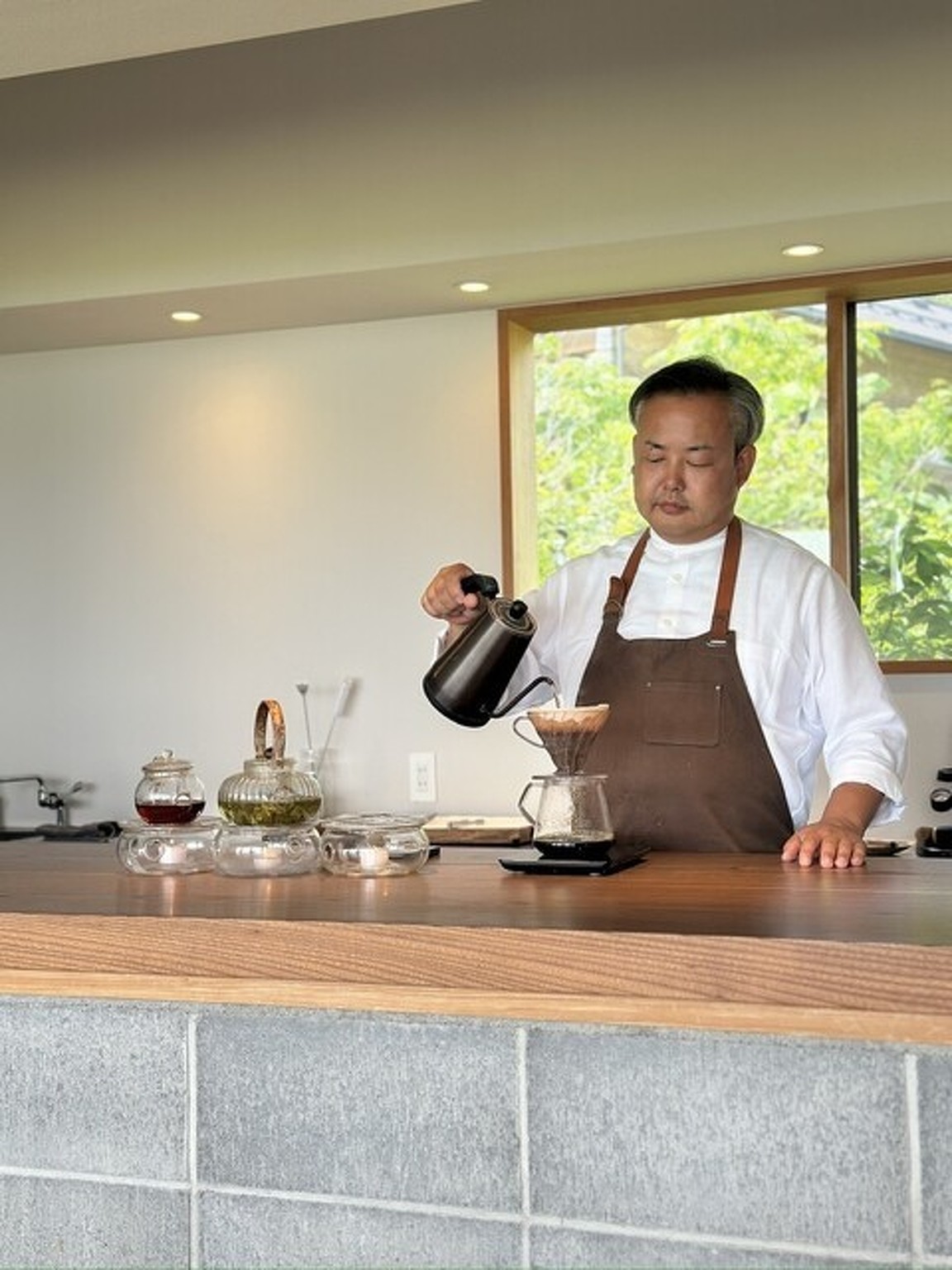
Meiju Hirata
Cuisine
Italian, Auberge
Foodle Reviews
10 / 10
on 25 Jul 2026

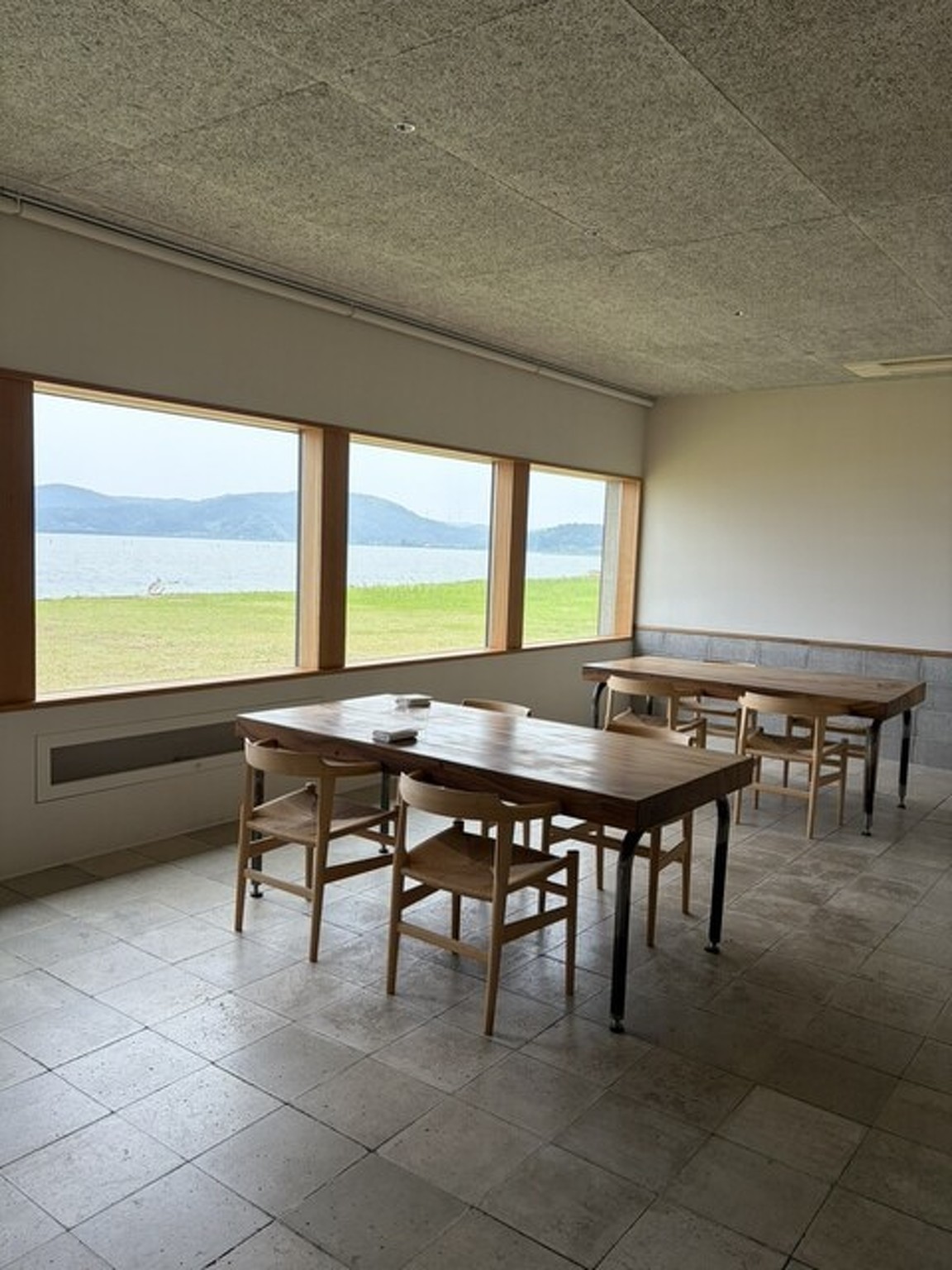
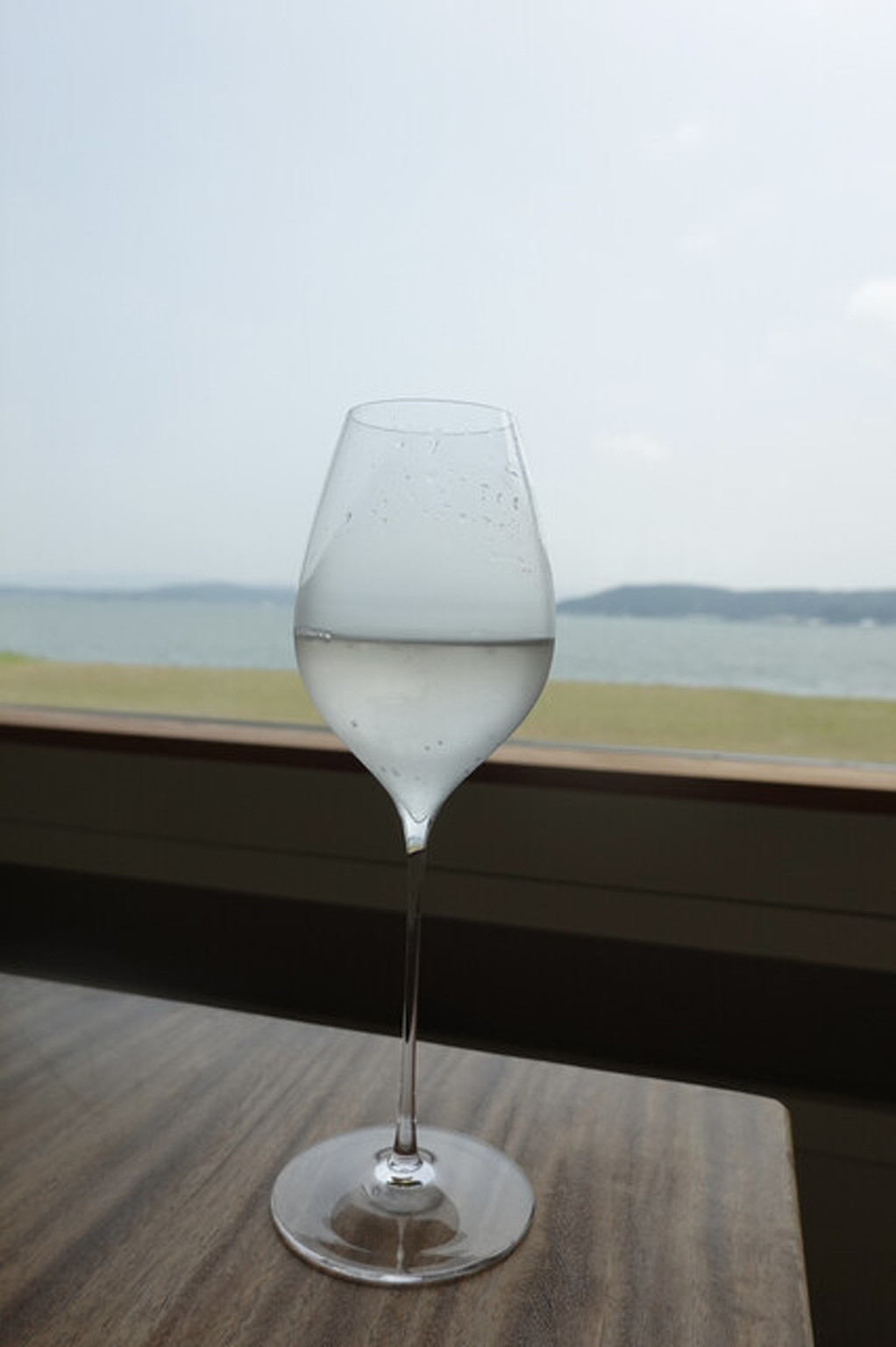
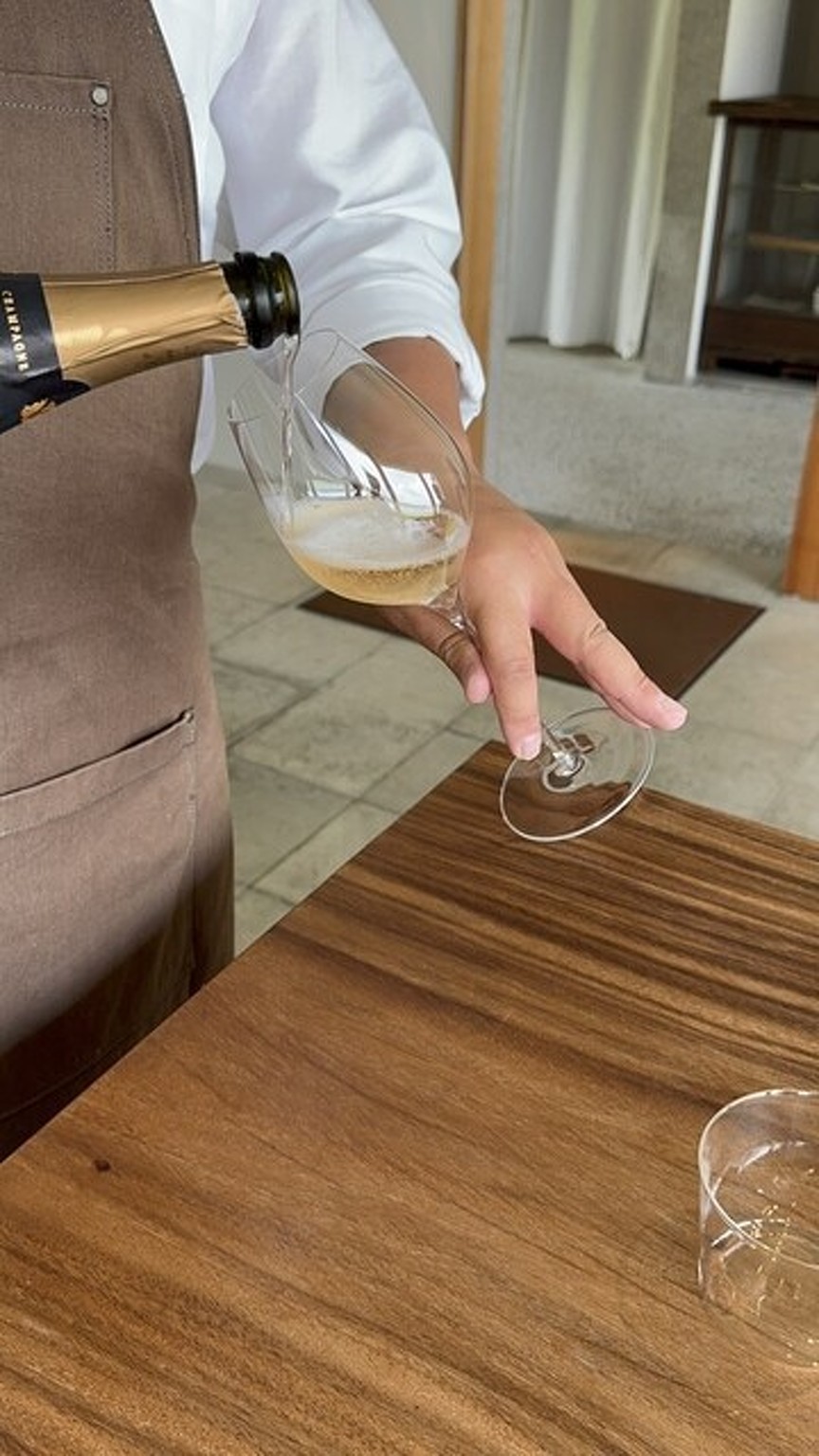
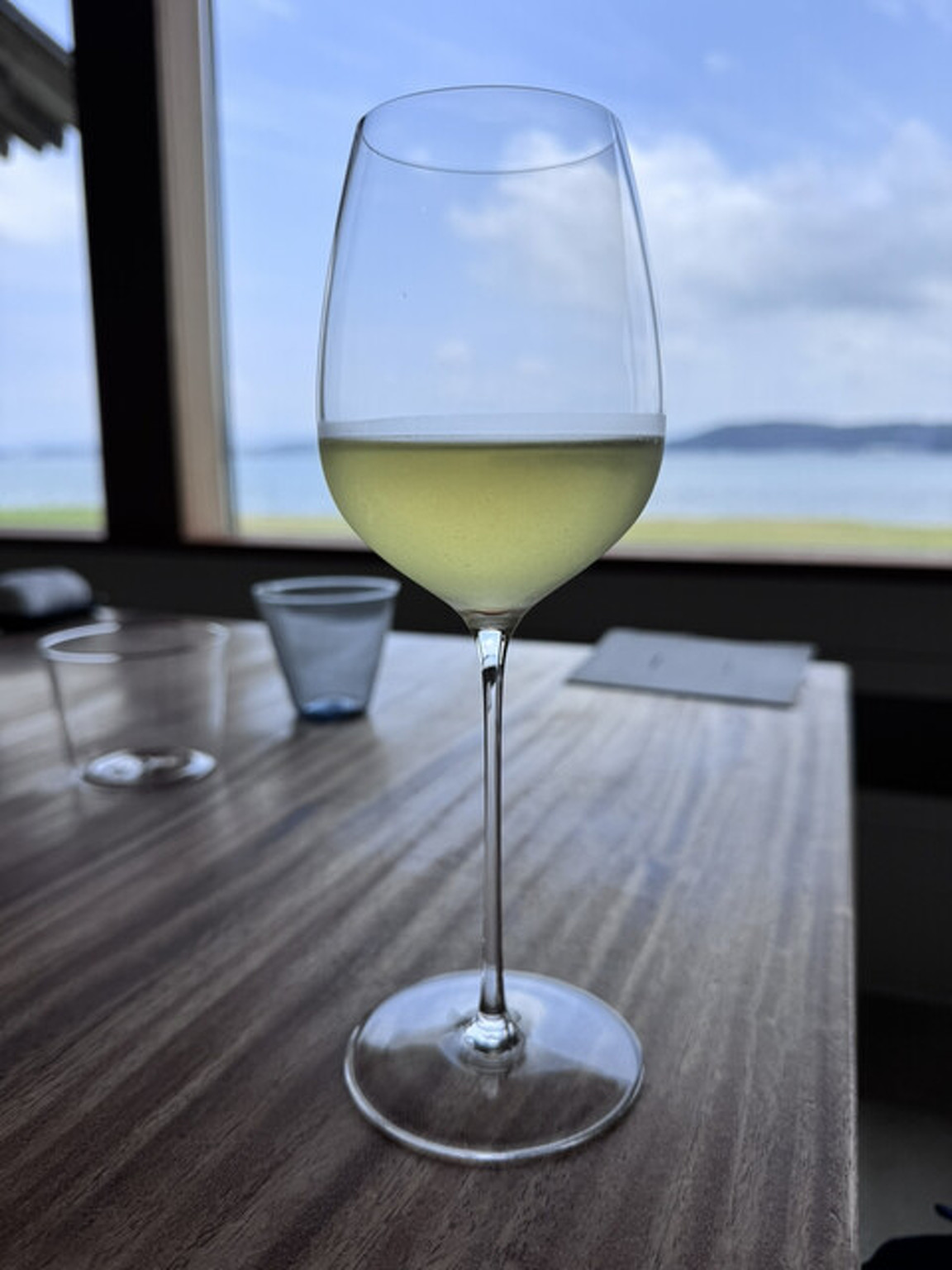
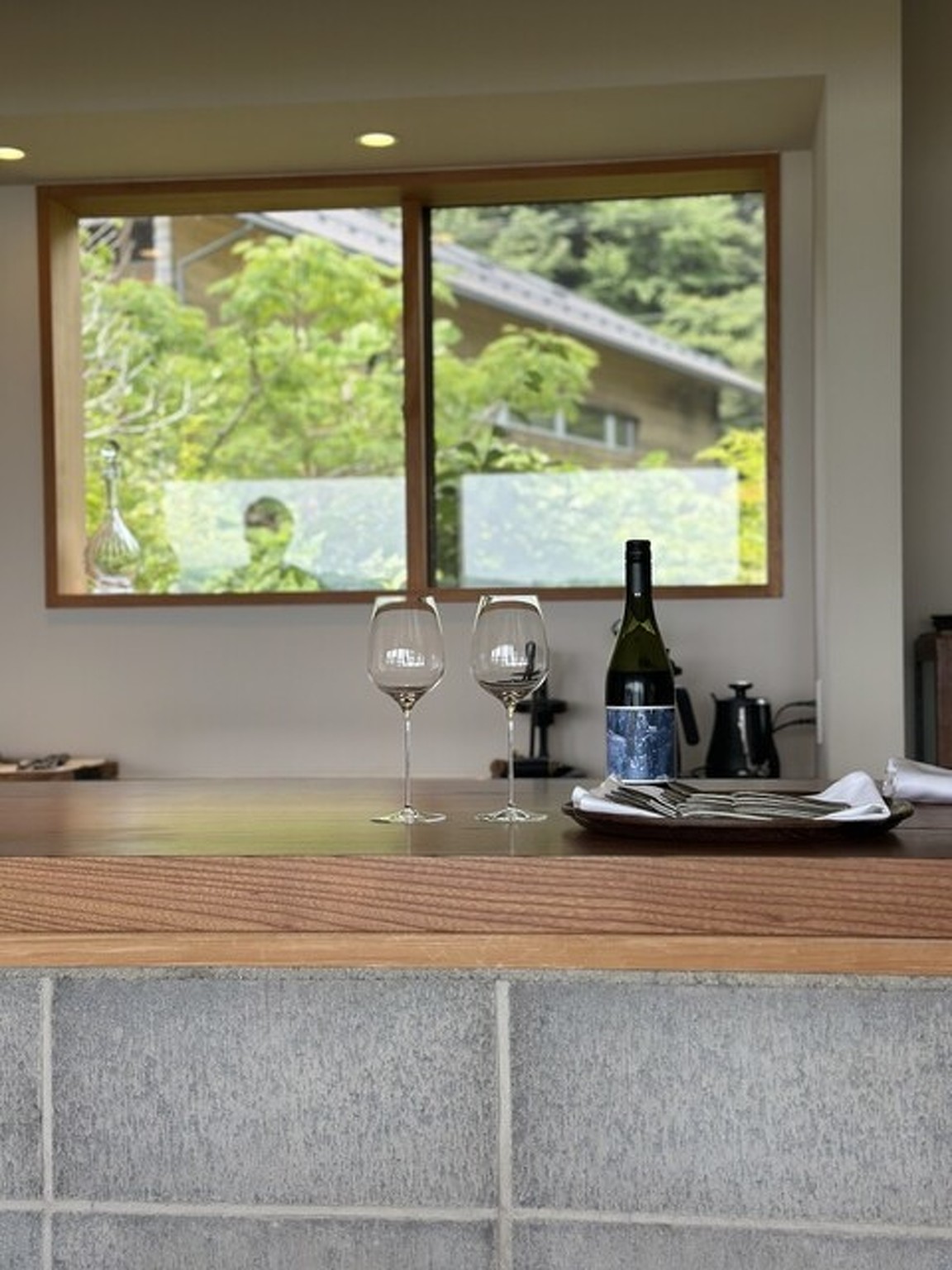
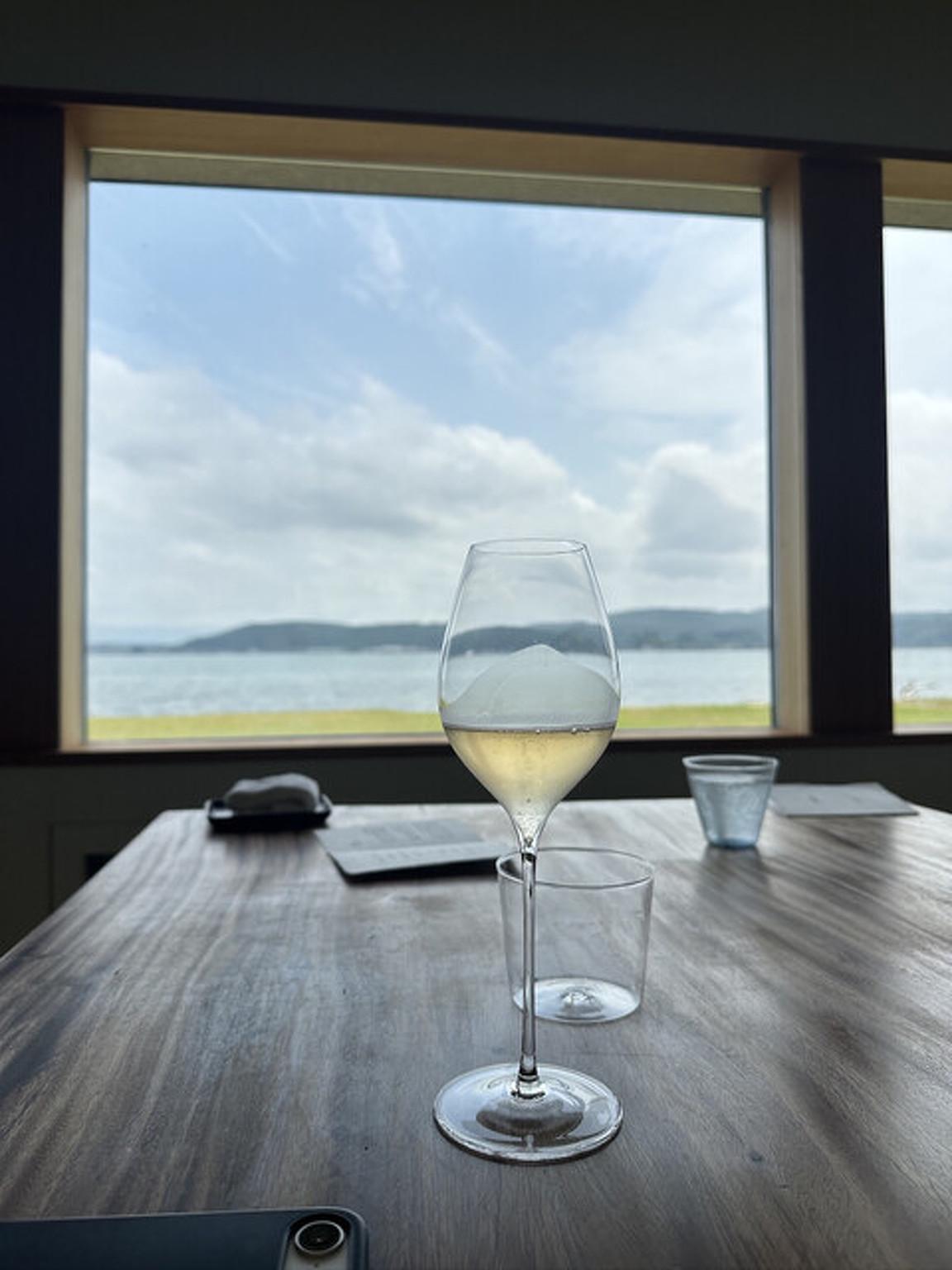
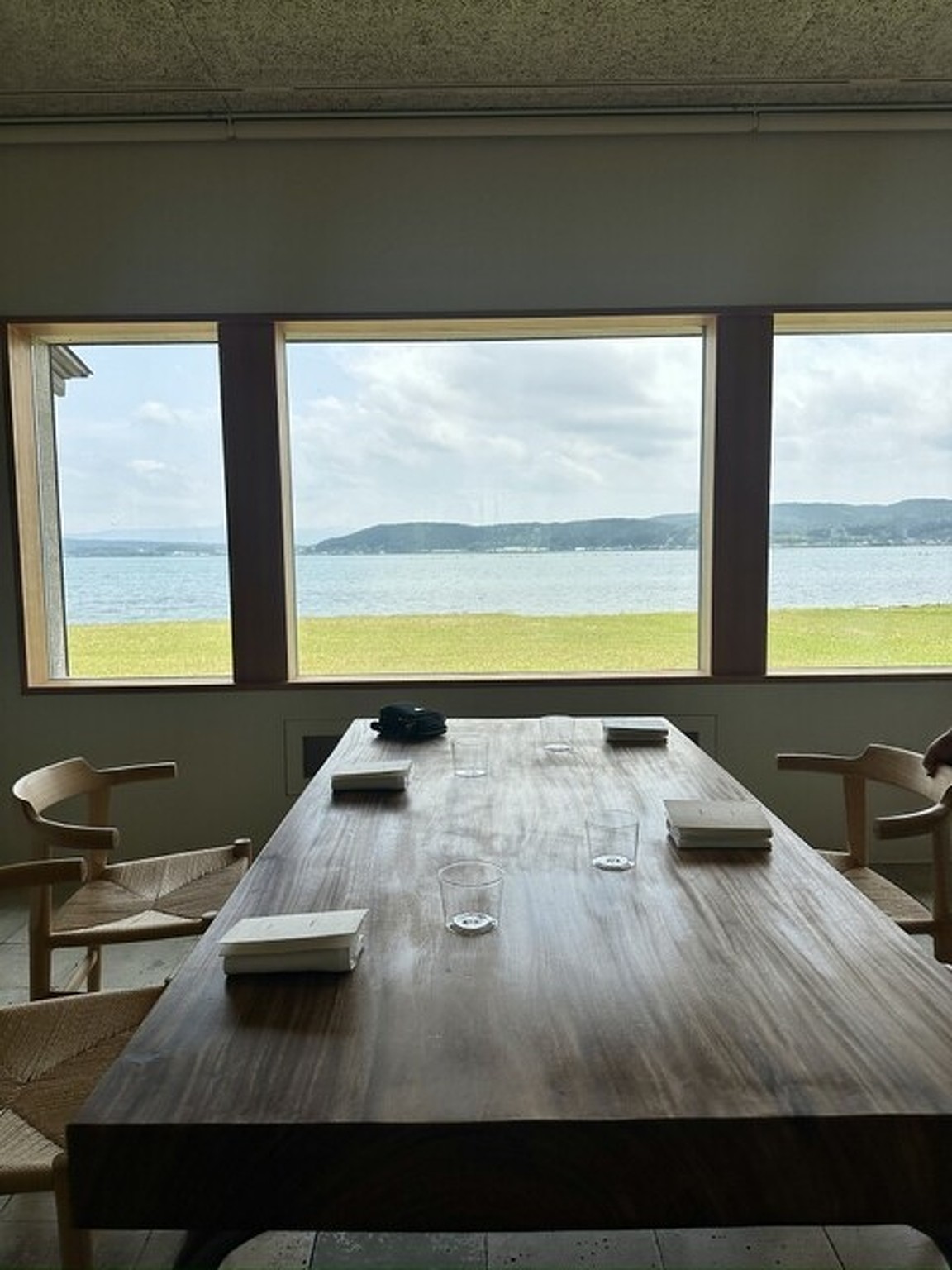
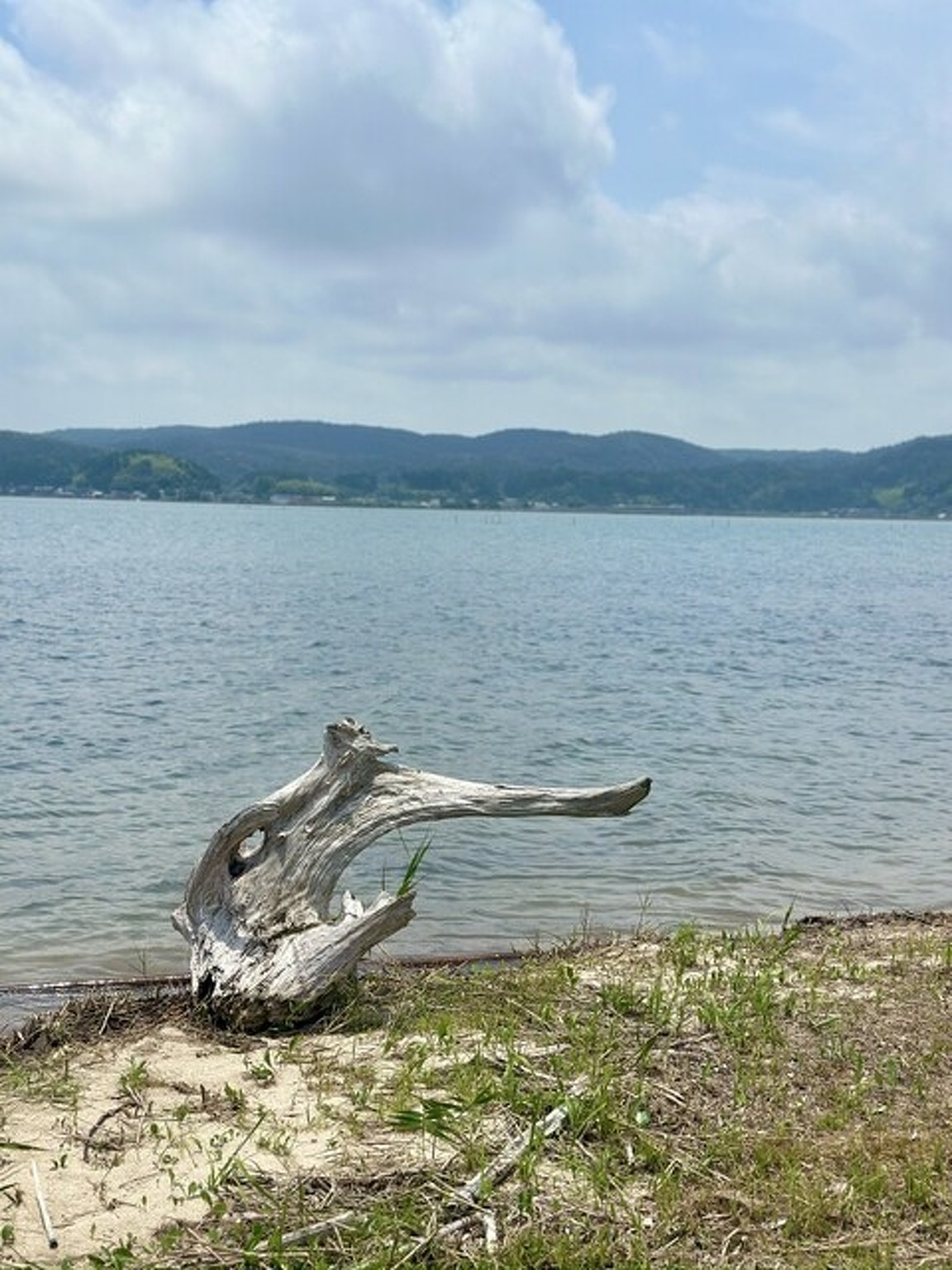
I visited the auberge "VILLA DELLA PACE" for lunch, located by the seaside in Noto, Nanao.As I made my way to the restaurant, my anticipation grew, and upon arriving at the breathtaking location overlooking the Japan Sea, I was captivated by the view alone. The serene ocean visible from inside the restaurant was truly spectacular. Time seemed to slow down, allowing me to enjoy a luxurious moment that is hard to find in the city.The concept here is "Noto Kyoge Cuisine." As noted on the menu, the chef... More
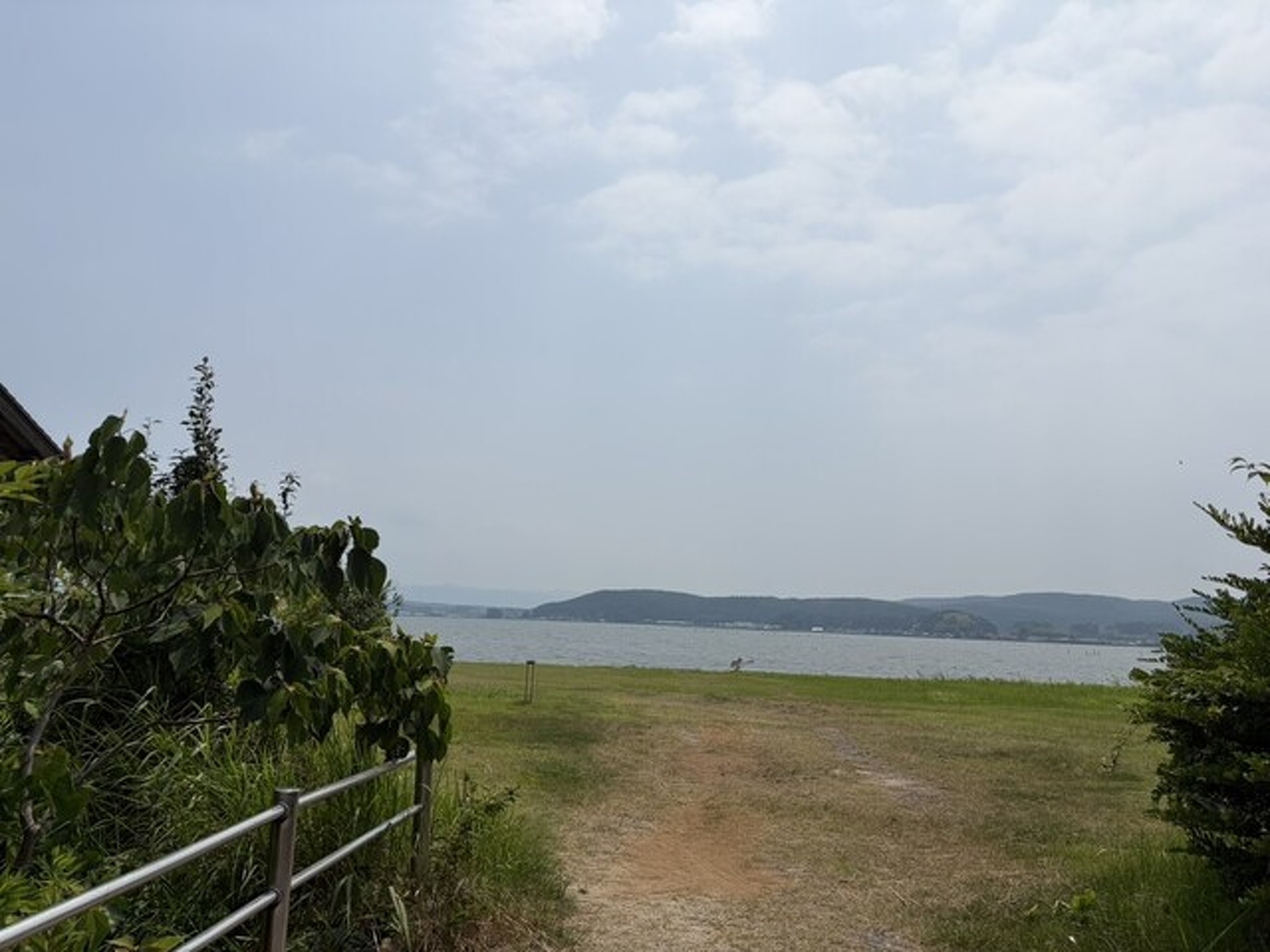
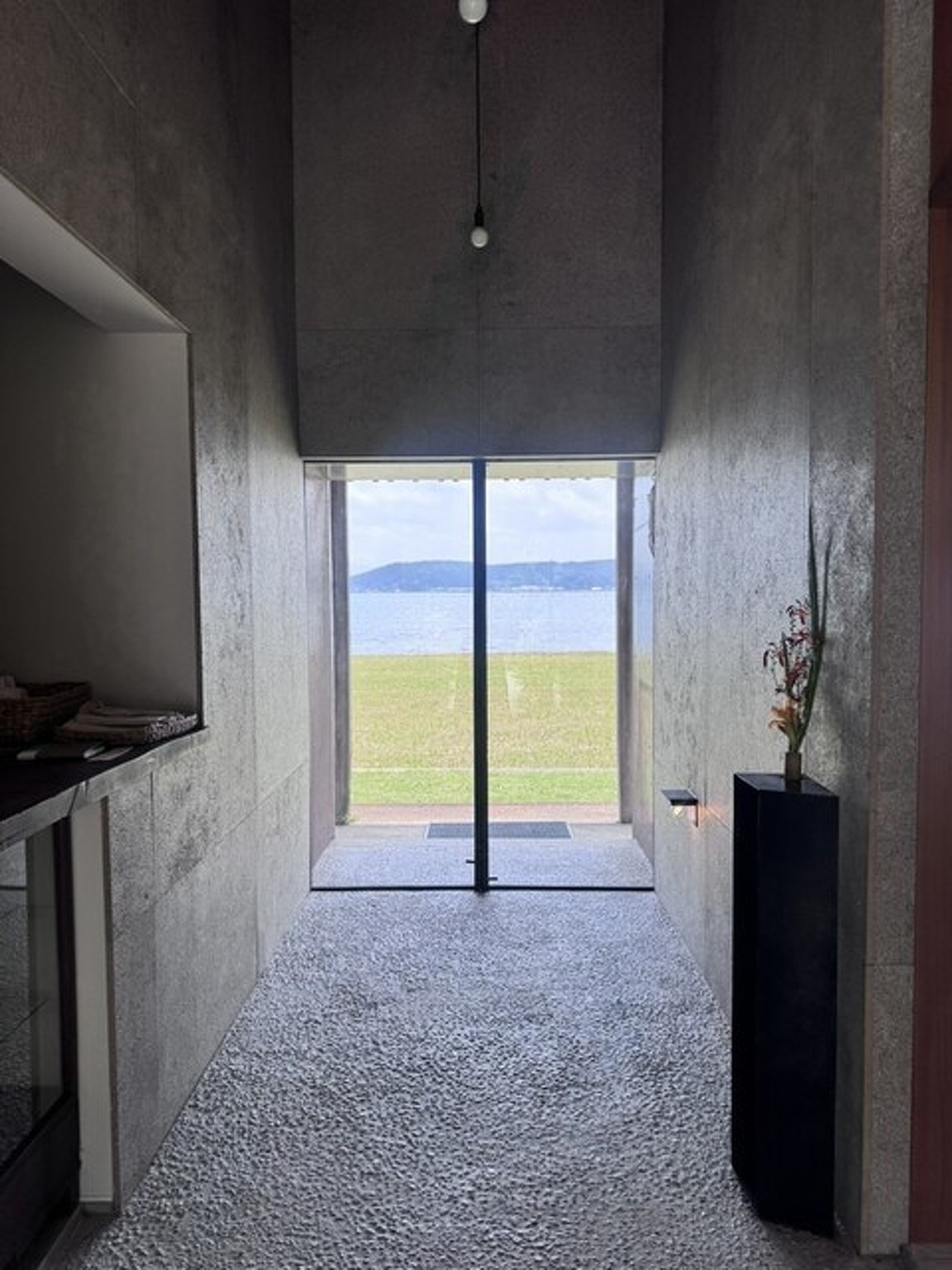
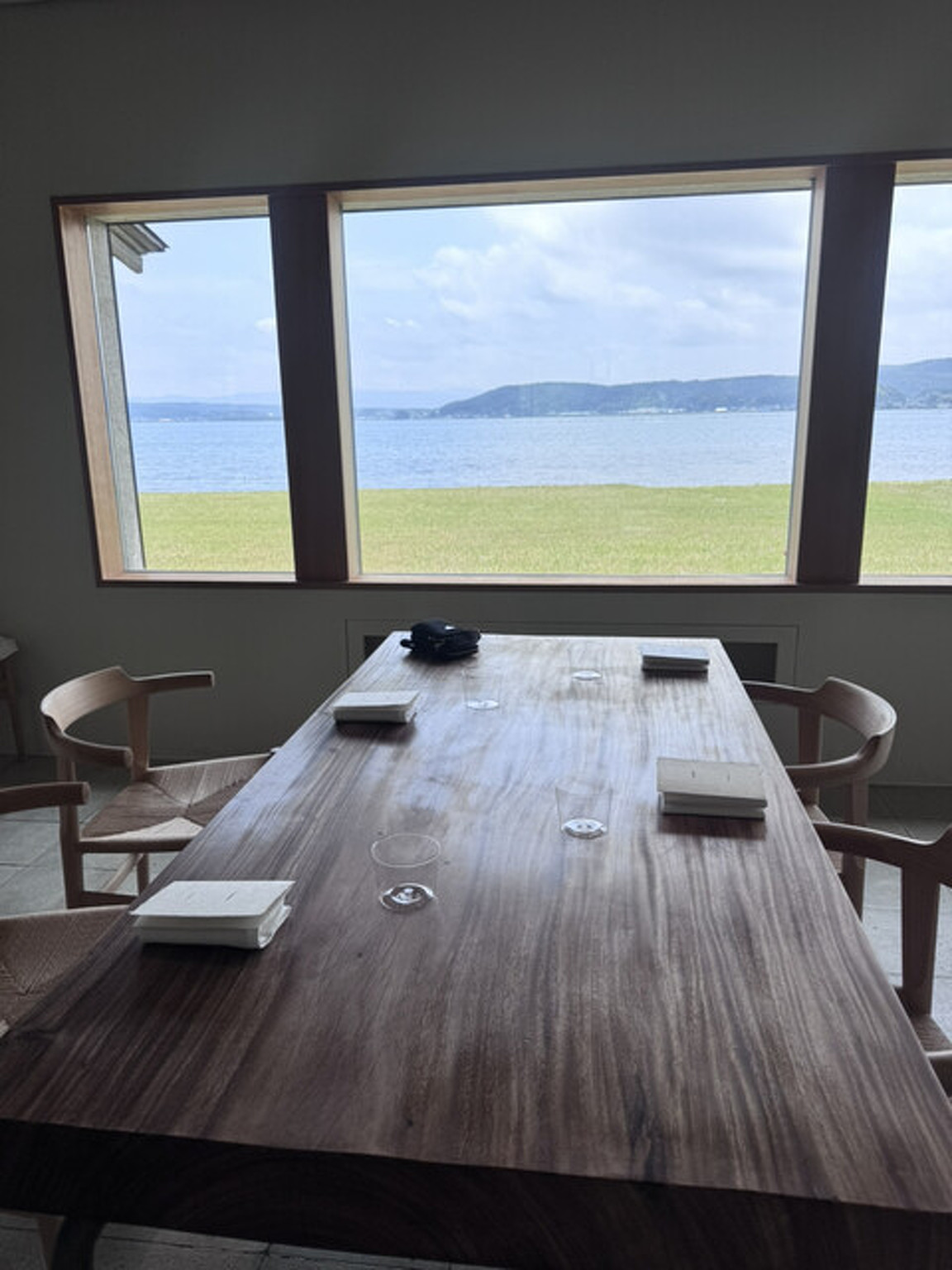
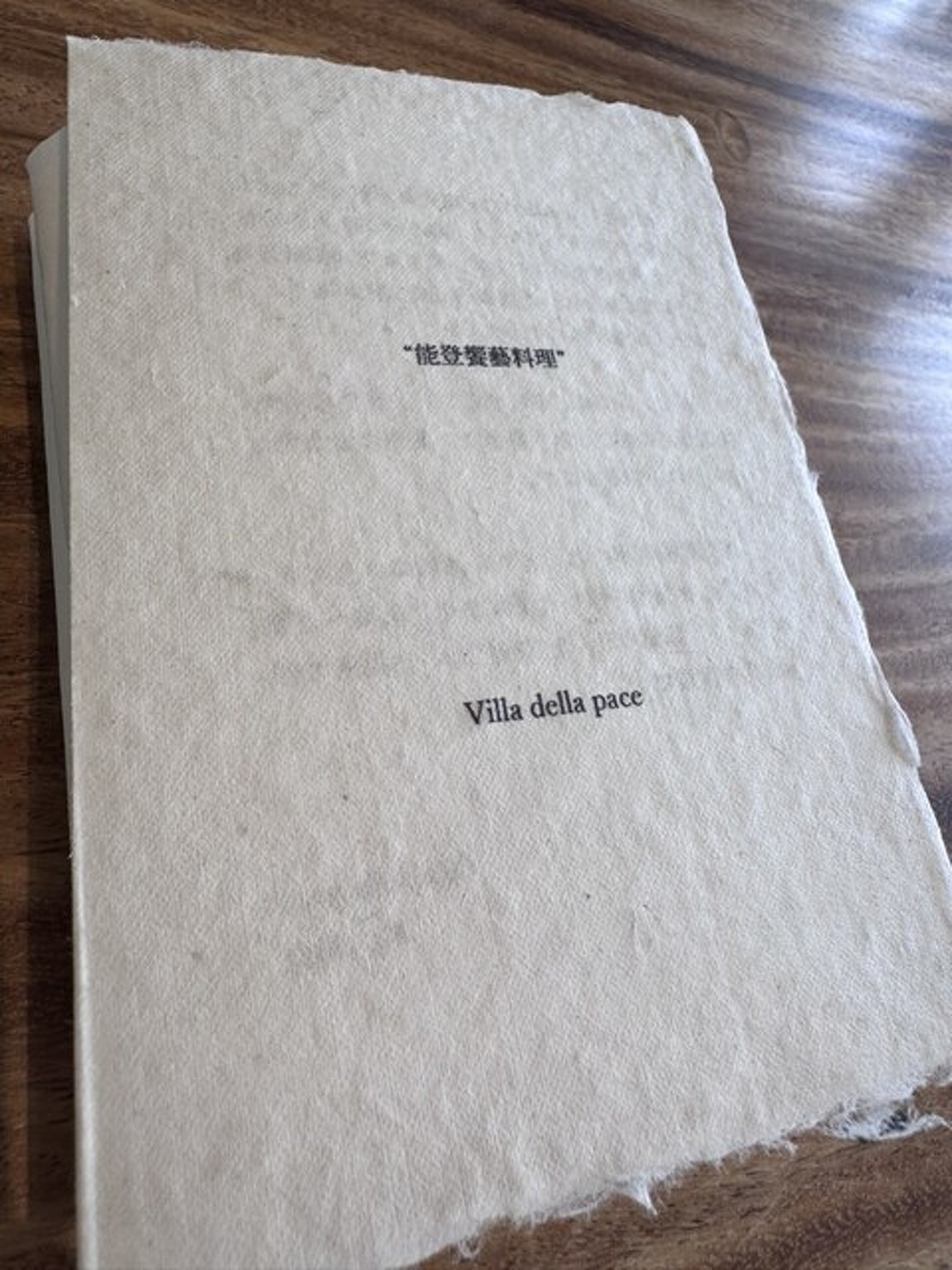
I visited the auberge "VILLA DELLA PACE" for lunch, located by the seaside in Noto, Nanao.As I made my way to the restaurant, my anticipation grew, and upon arriving at the breathtaking location overlooking the Japan Sea, I was captivated by the view alone. The serene ocean visible from inside the restaurant was truly spectacular. Time seemed to slow down, allowing me to enjoy a luxurious moment that is hard to find in the city.The concept here is "Noto Kyoge Cuisine." As noted on the menu, the chef has a strong desire to elevate the food culture that has been nurtured in Noto for generations into modern cuisine, connecting it to the future. I deeply resonated with the chef's commitment to express and preserve the food culture of Noto, which is gradually being lost due to population decline and natural disasters.The course began with tomato and gojiru, followed by rock oysters and seaweed, sweetfish with grains, a dish themed around the fields, sweetfish and round eggplant, Jersey beef and abalone, Hodatsu kudzu and watermelon, and concluded with a corn dessert.What impressed me was that each dish not only utilized local ingredients but also expressed the very essence of Noto's landscape. The rock oysters brought the fresh scent of the ocean, the sweetfish evoked the flow of the river, and the field-themed dish conveyed the blessings of the earth, making me feel as if I was traveling through Noto with each plate.The sweetfish and round eggplant showcased a gentle flavor that maximized the natural taste of the ingredients. The luxurious combination of Jersey beef and abalone was surprisingly light, with each element beautifully harmonizing. Throughout the meal, the sincere approach to the ingredients was evident, rather than relying on flashy presentations.Even the dessert was filled with seasonal flavors, and the final corn dish was a delightful and gentle conclusion.Not only was the food exceptional, but the service and atmosphere were also wonderful. Dining while gazing at the expansive sea through the windows was a unique experience. Although it is a restaurant, it truly embodies the essence of a "destination restaurant."While I visited for lunch this time, I felt that staying overnight would allow me to fully appreciate the charm of this place. The value of this auberge includes the time spent enjoying the sunset, sunrise, and the sound of the waves.This is a one-of-a-kind establishment that expresses the nature, culture, history of Noto, and respect for its producers through its cuisine. It was a remarkable experience that allowed me to enjoy not just the meal but also to engage all my senses with the land of Noto.Next time, I definitely want to stay overnight and savor this beautiful scenery and cuisine at a more leisurely pace.It was a great meal! Less
9 / 10
on 19 Jul 2026
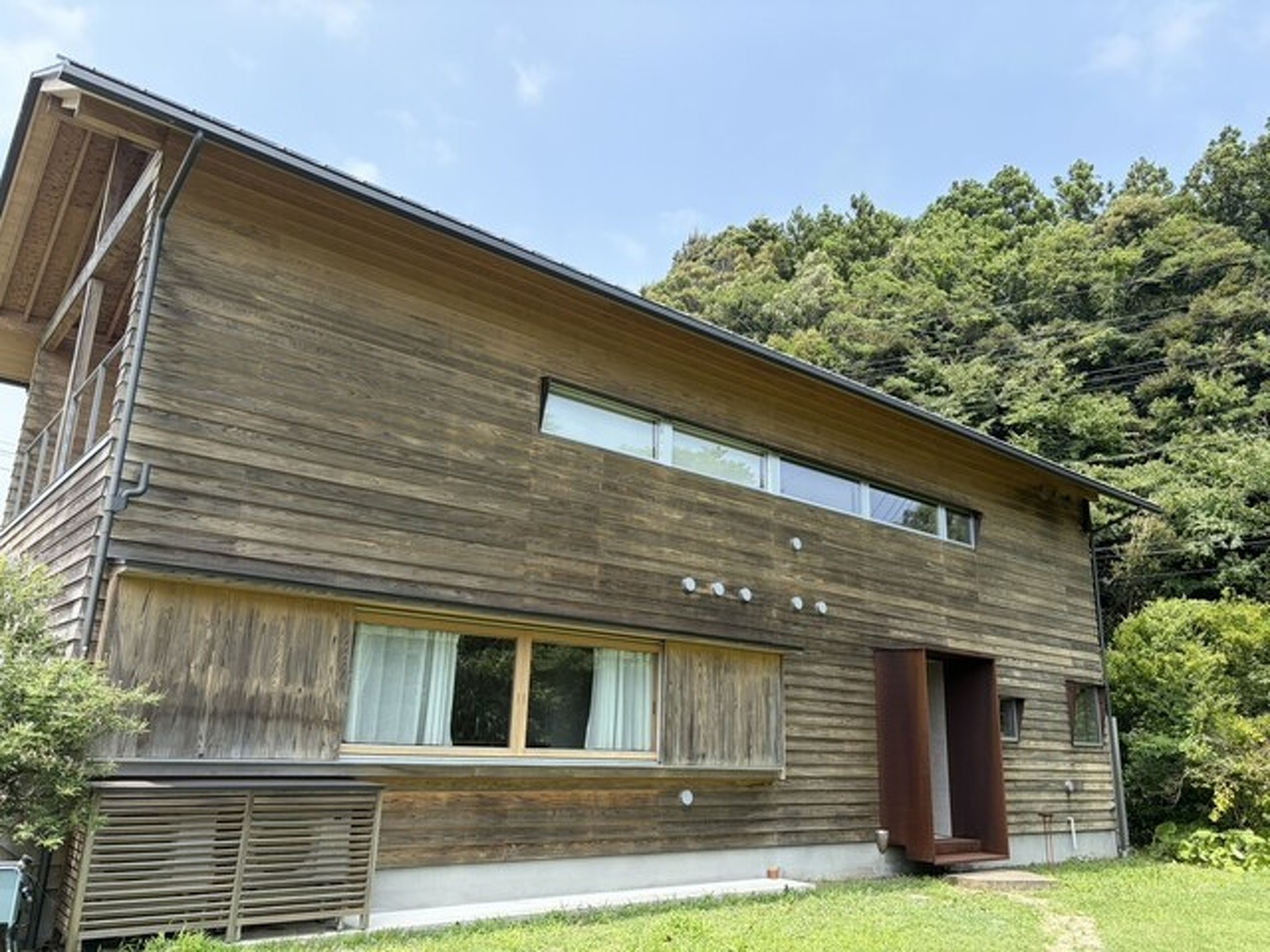
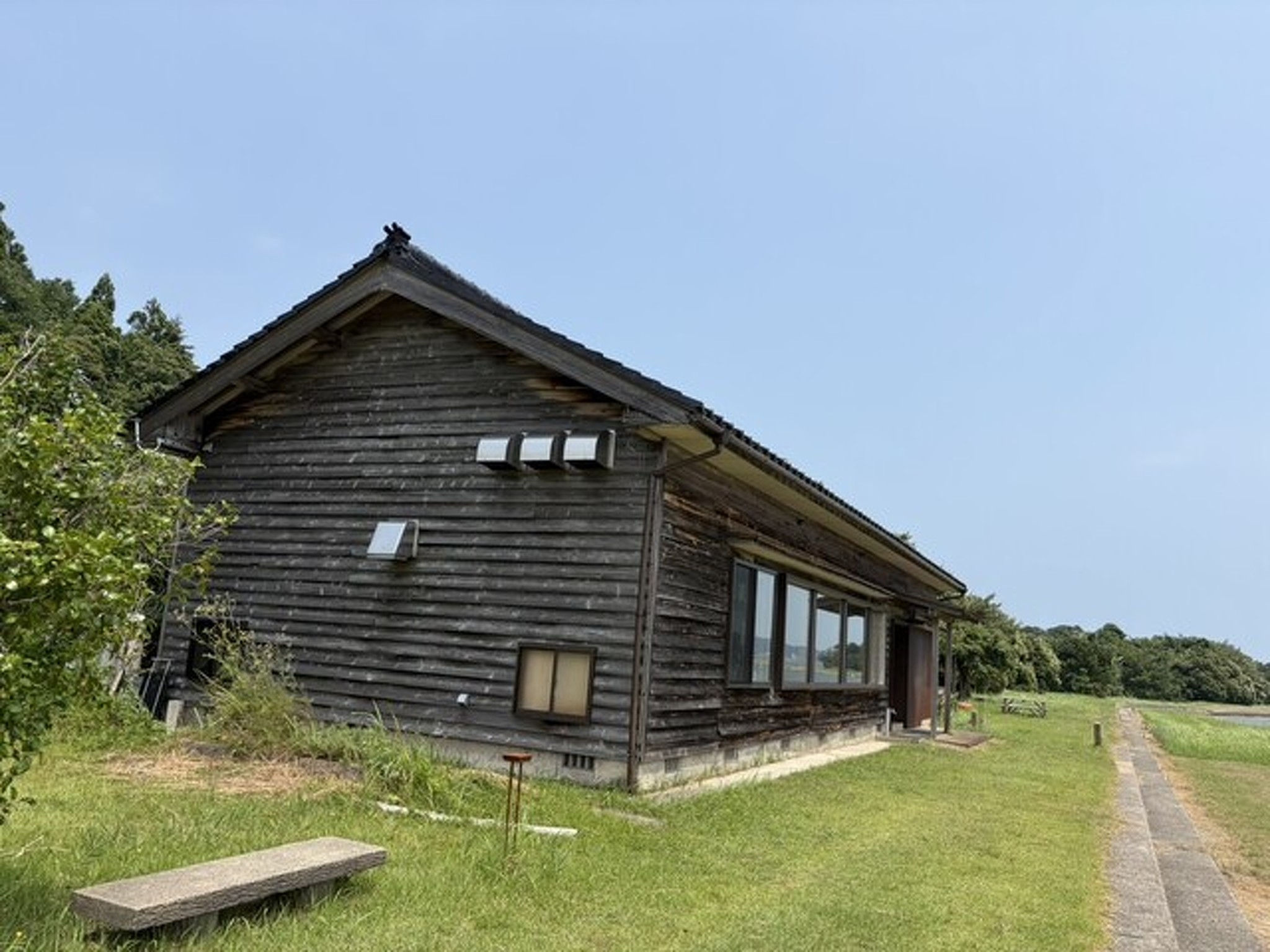
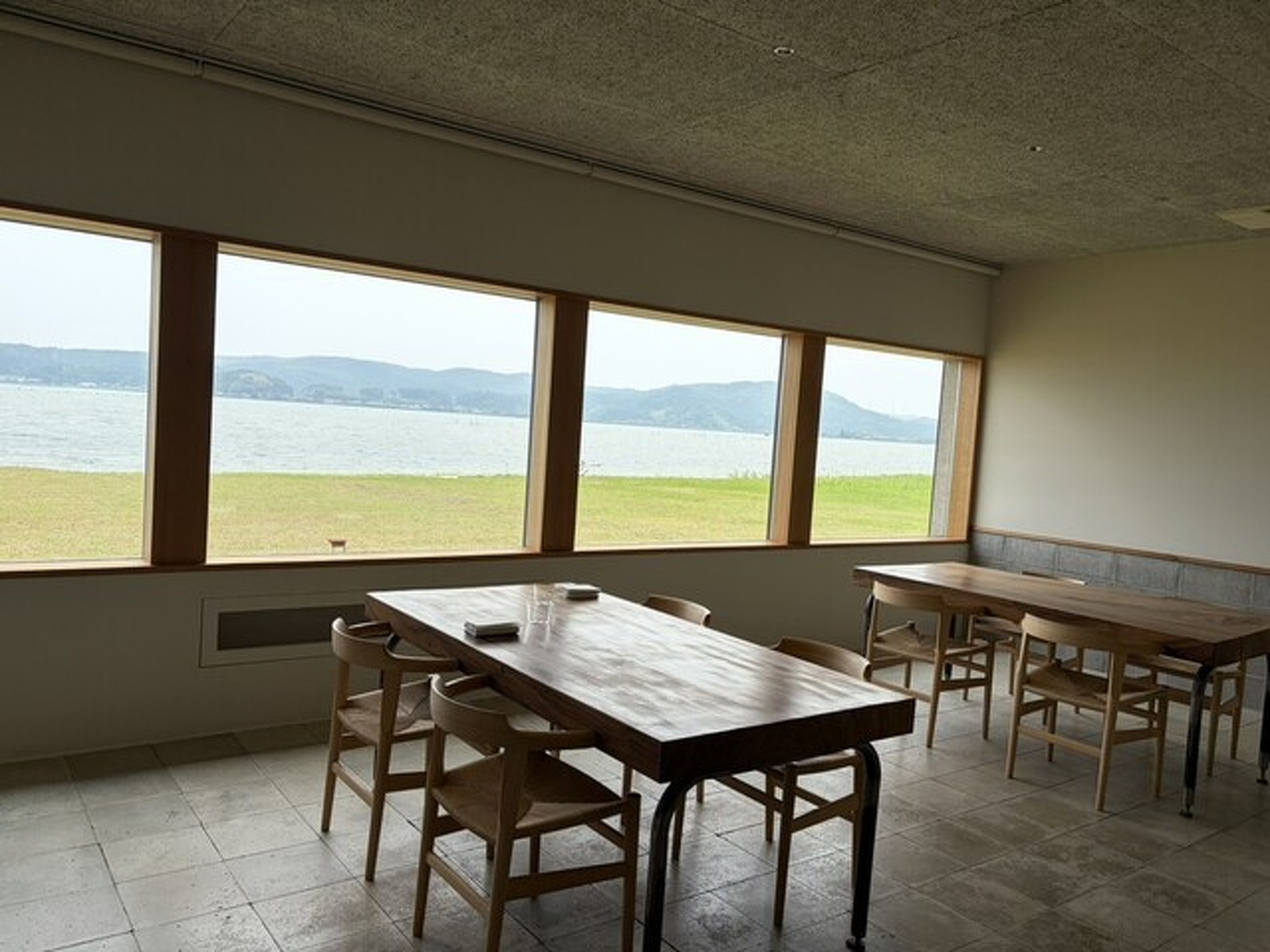
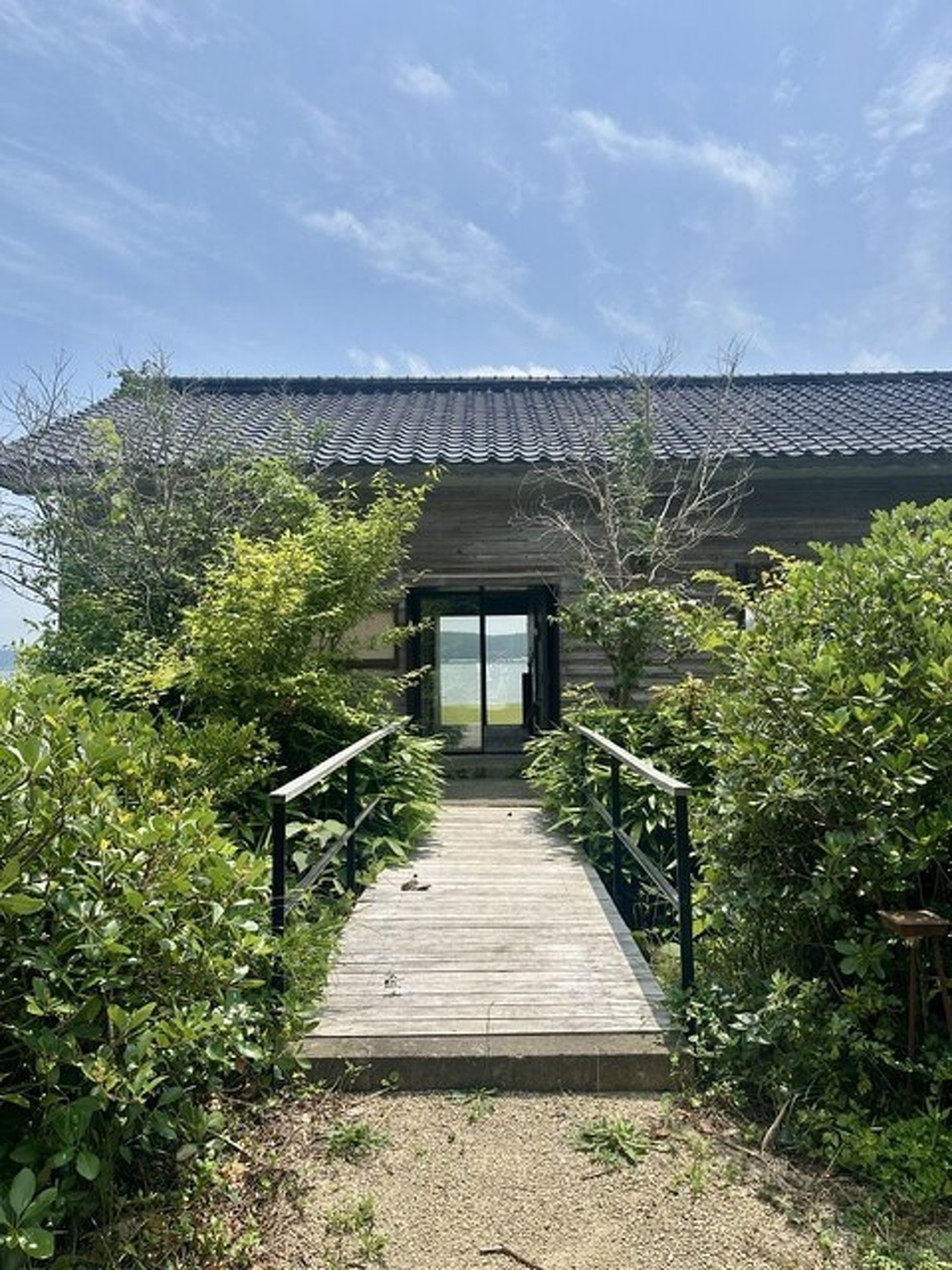
Just an hour's drive from Kanazawa.As I approached the wooden house visible from the parking lot, I realized it was the chef's residence and accommodation.Another wooden building right by the coast houses the restaurant.With only two tables, the view from the windows reveals a tranquil bay, like a painting.Chef Akira Hirata was born in Nerima, but it seems the water in Tokyo didn’t suit him, so he moved here and opened the restaurant 10 years ago. He relocated to the current location six years... More
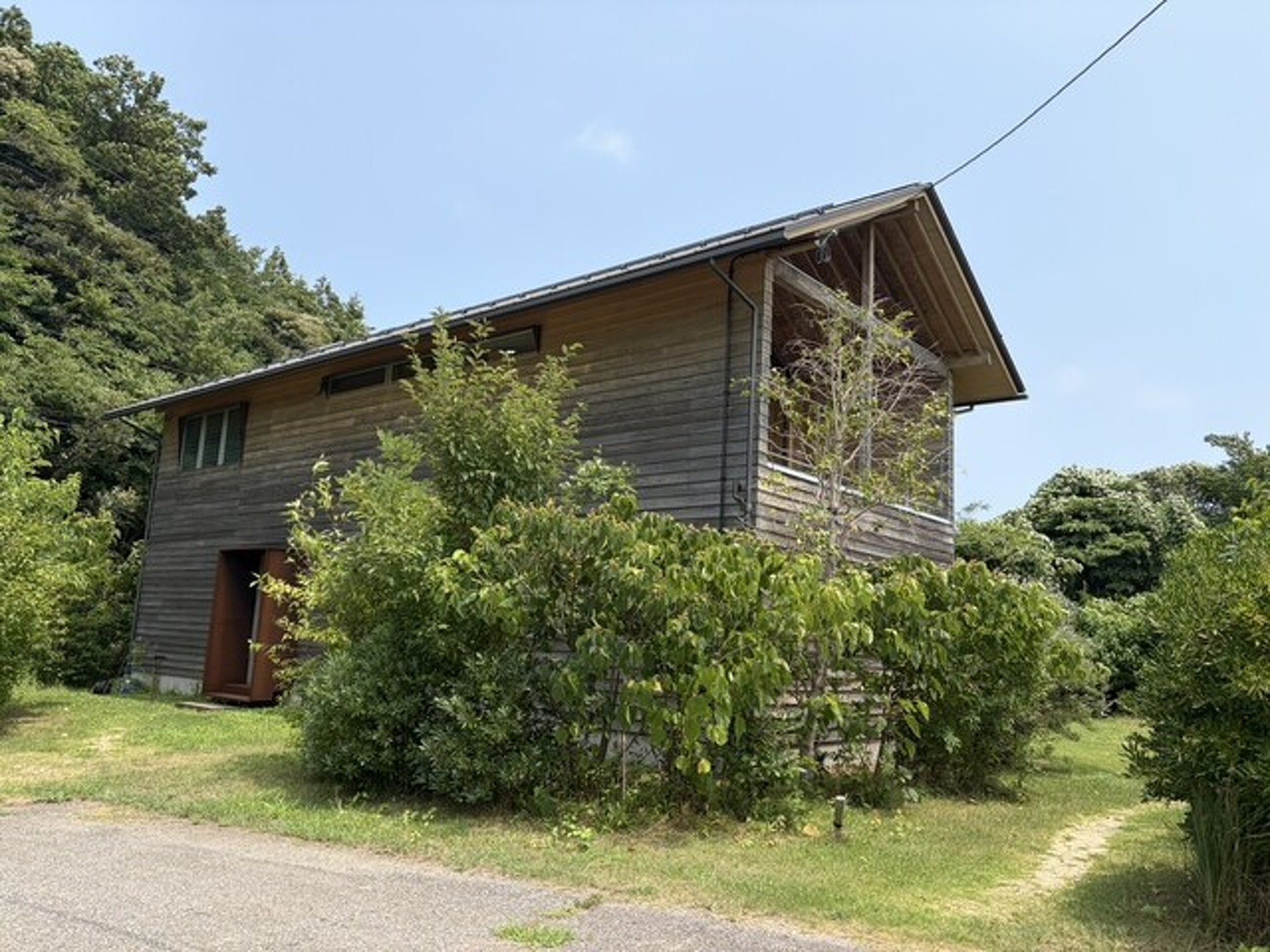
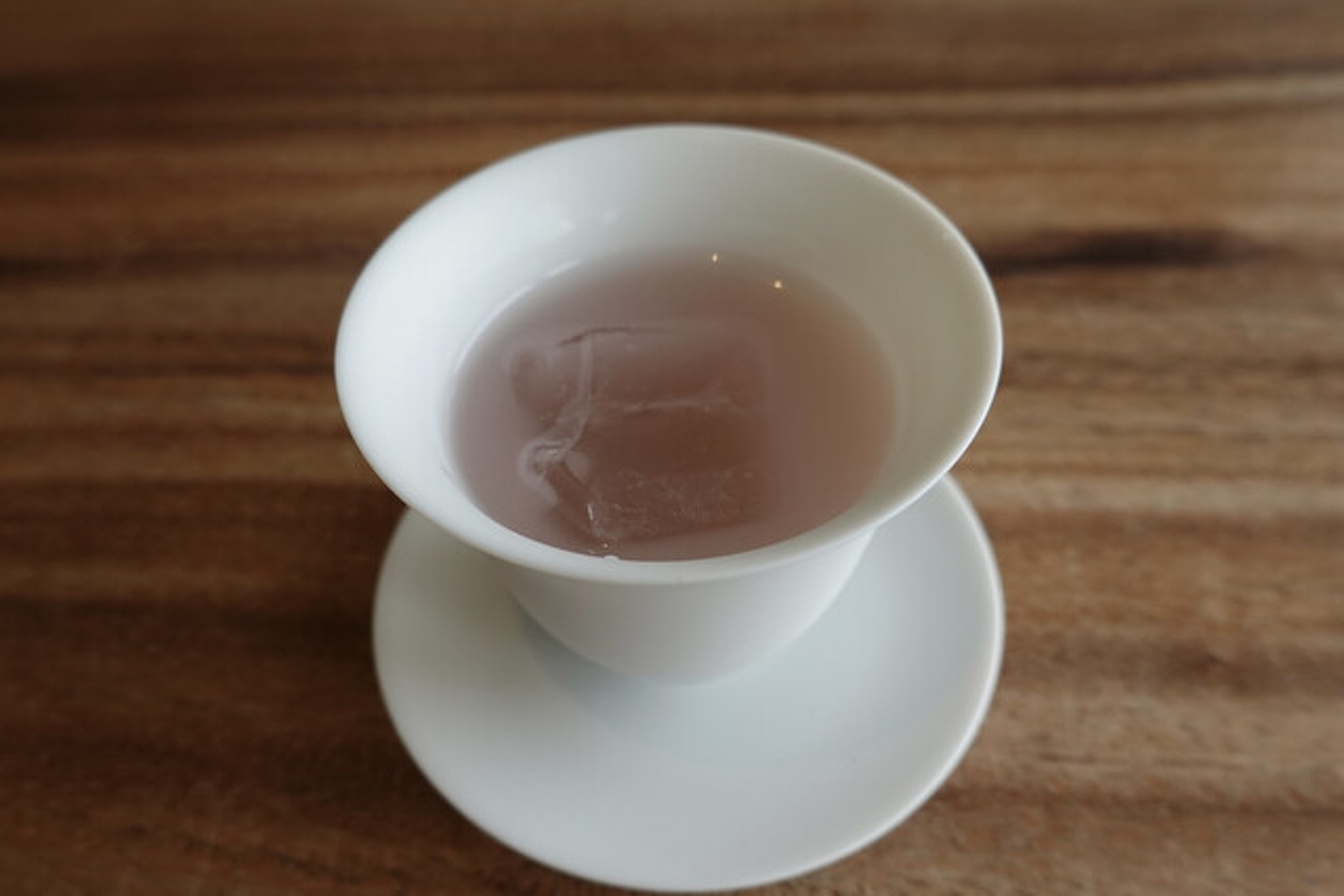
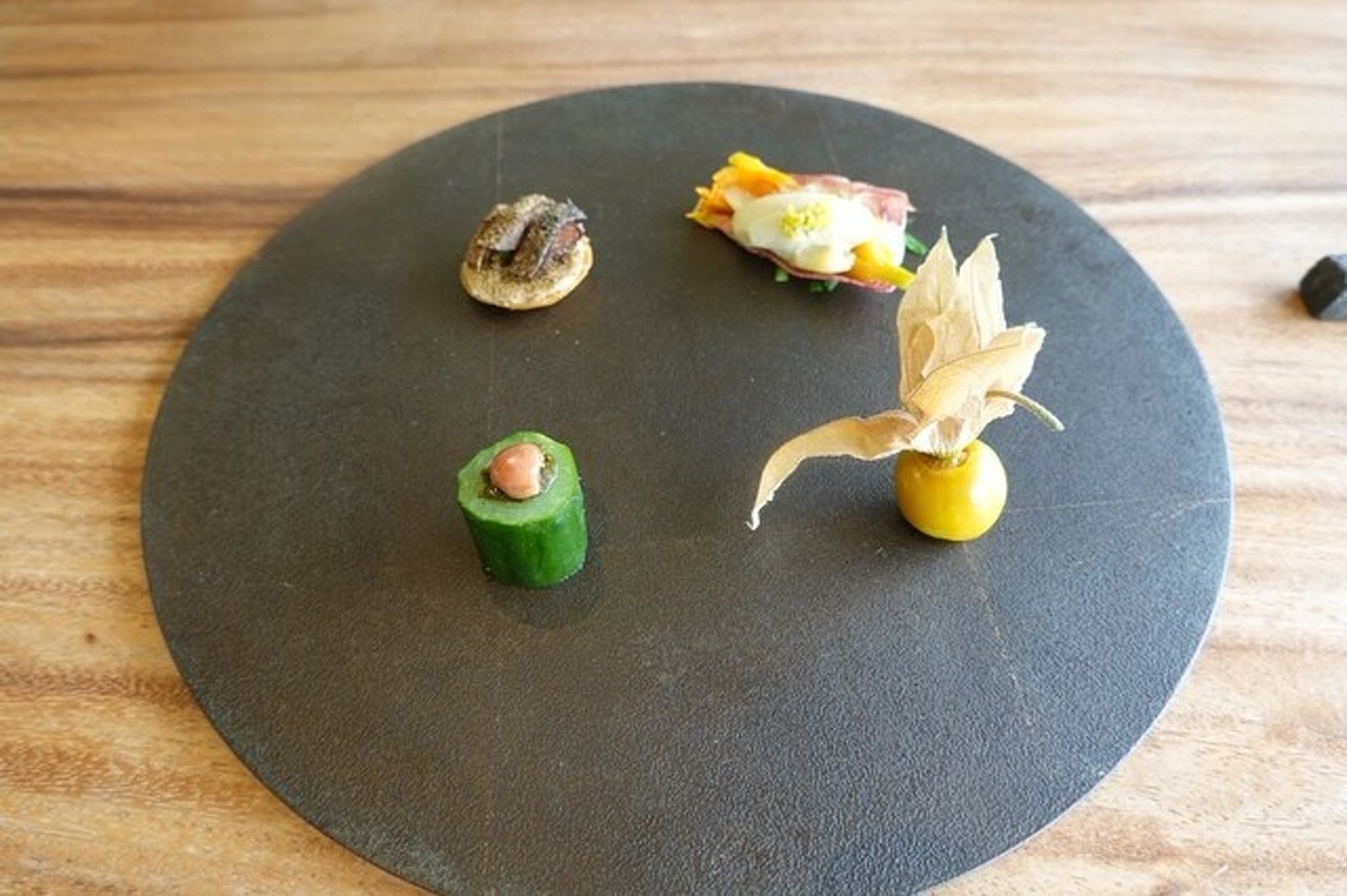
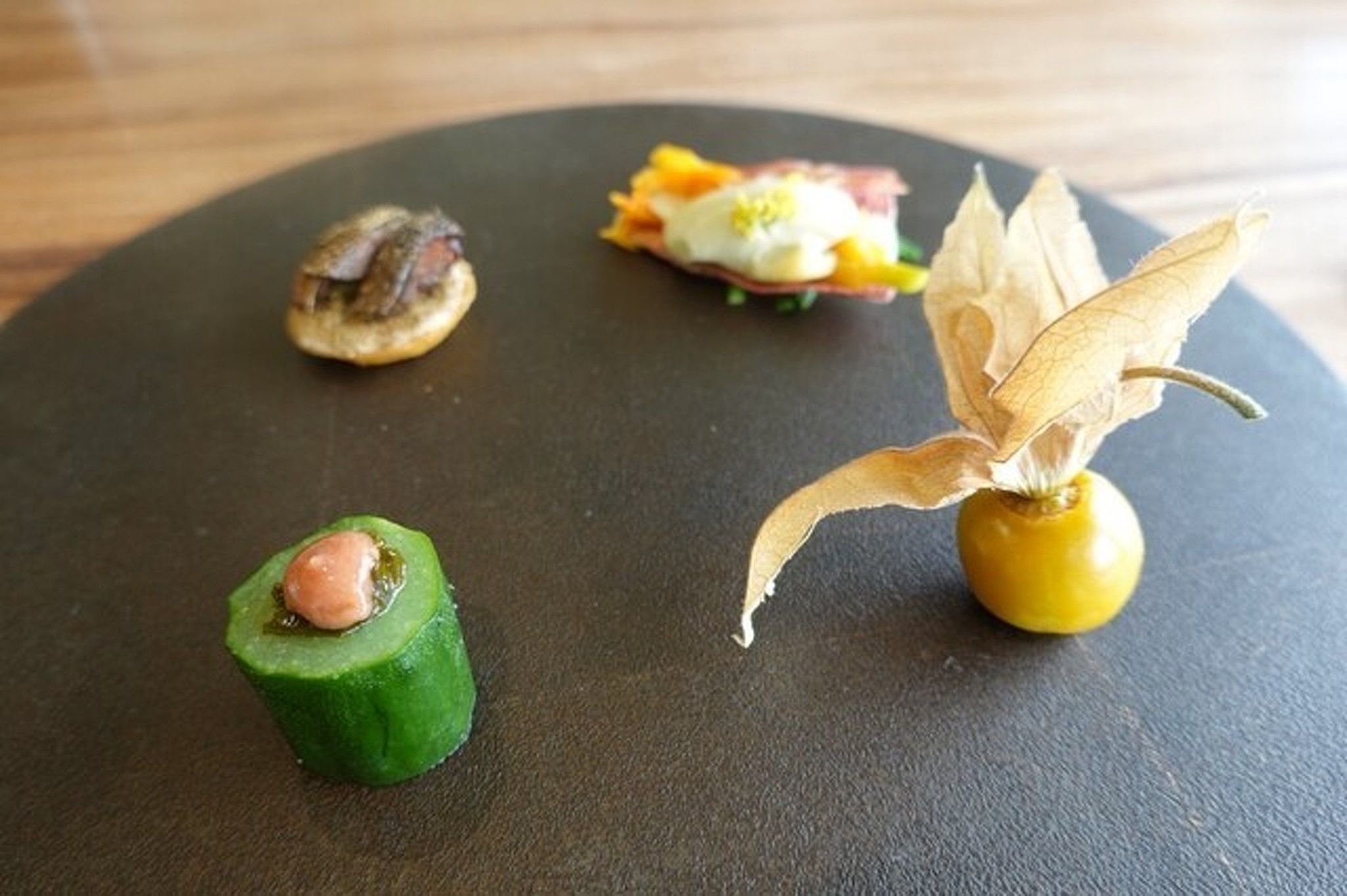
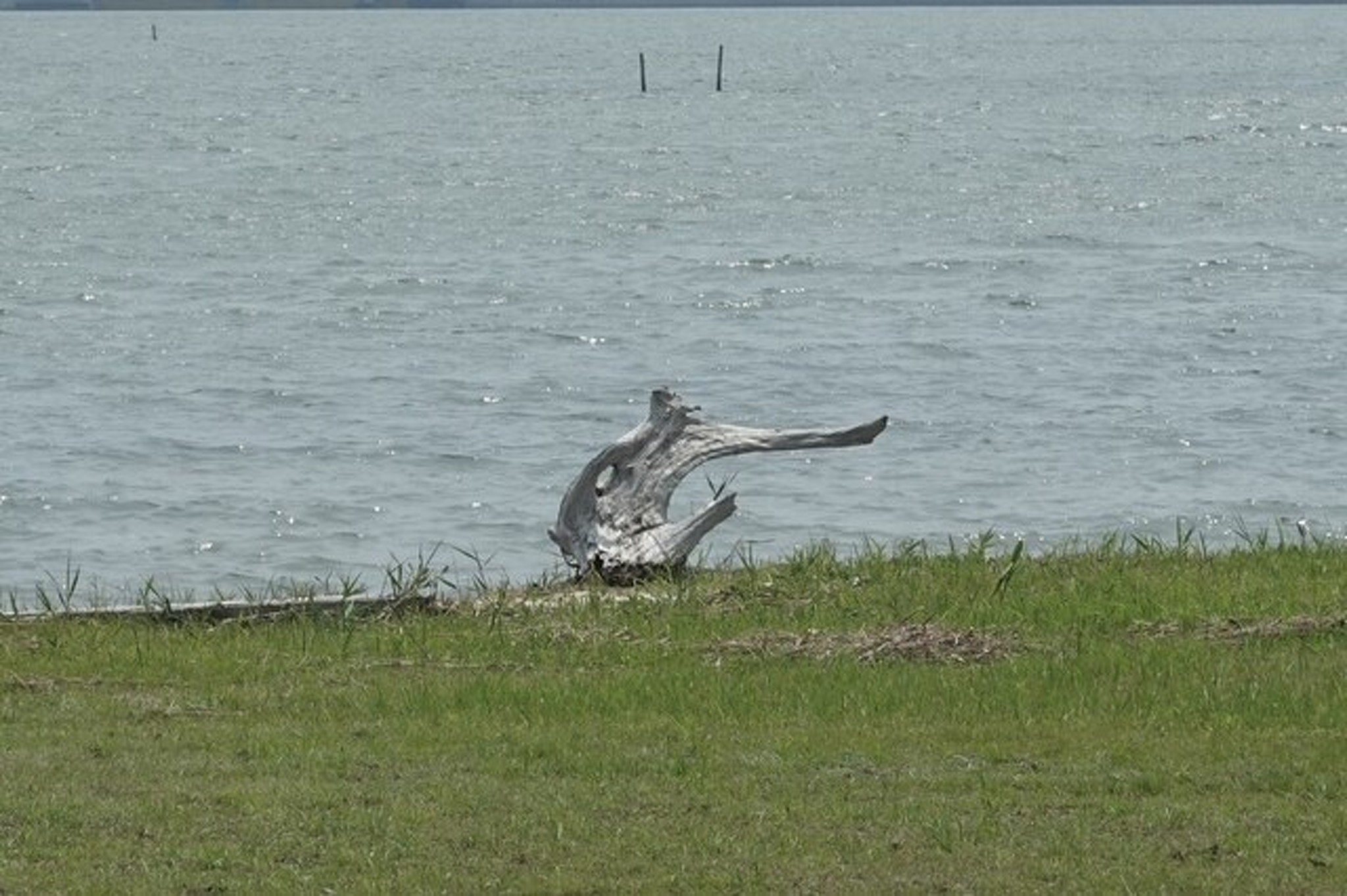
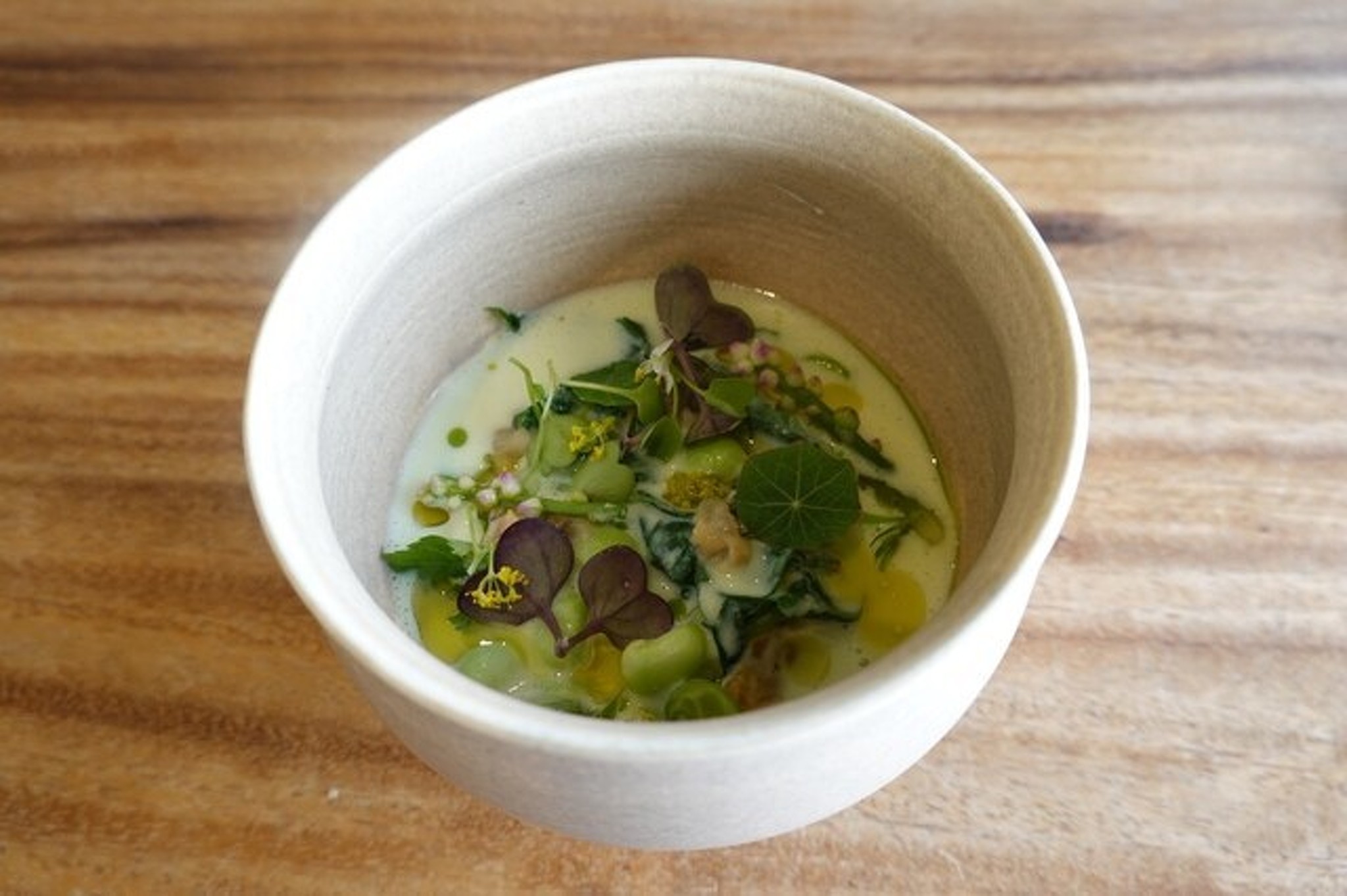
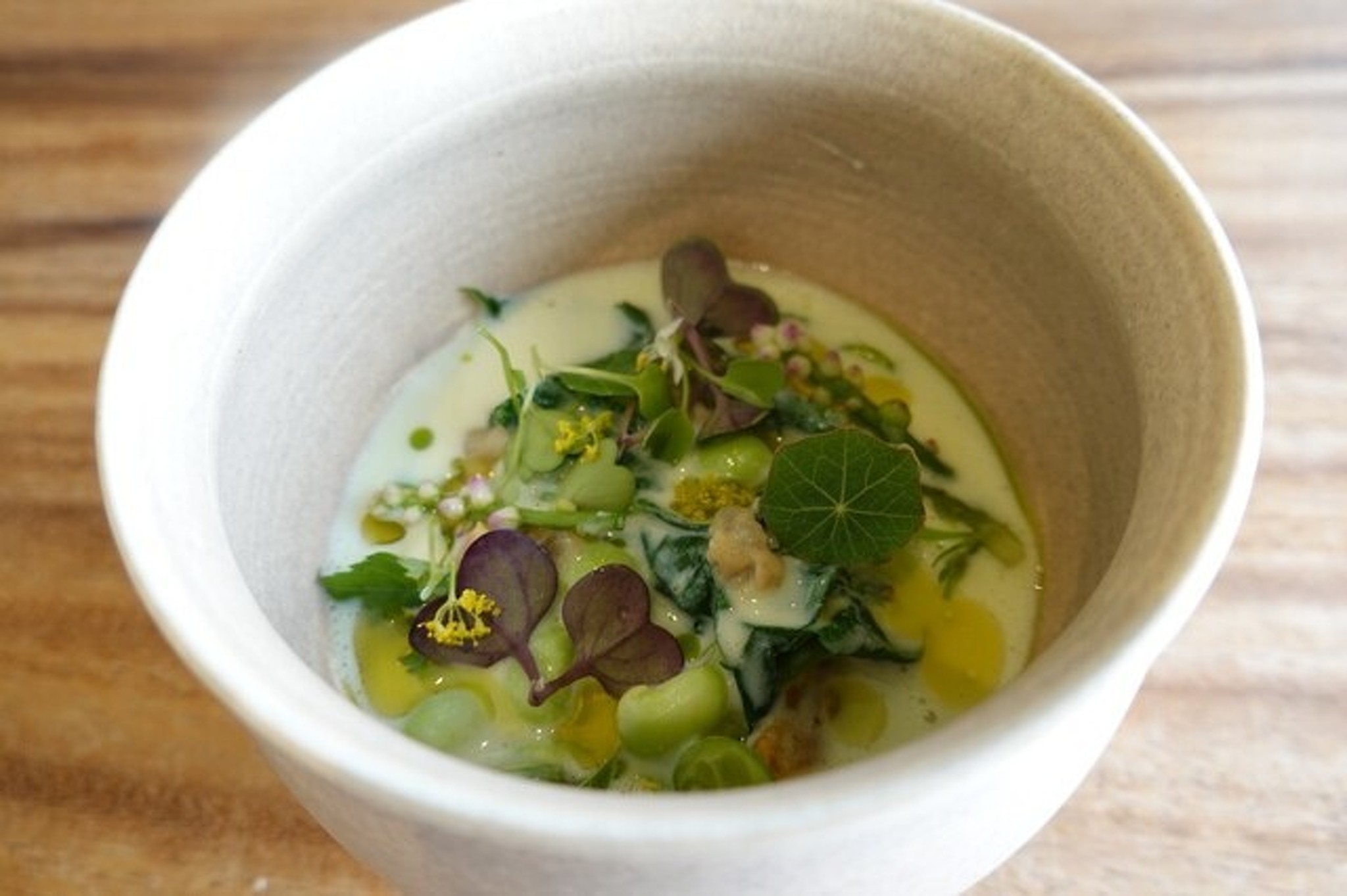
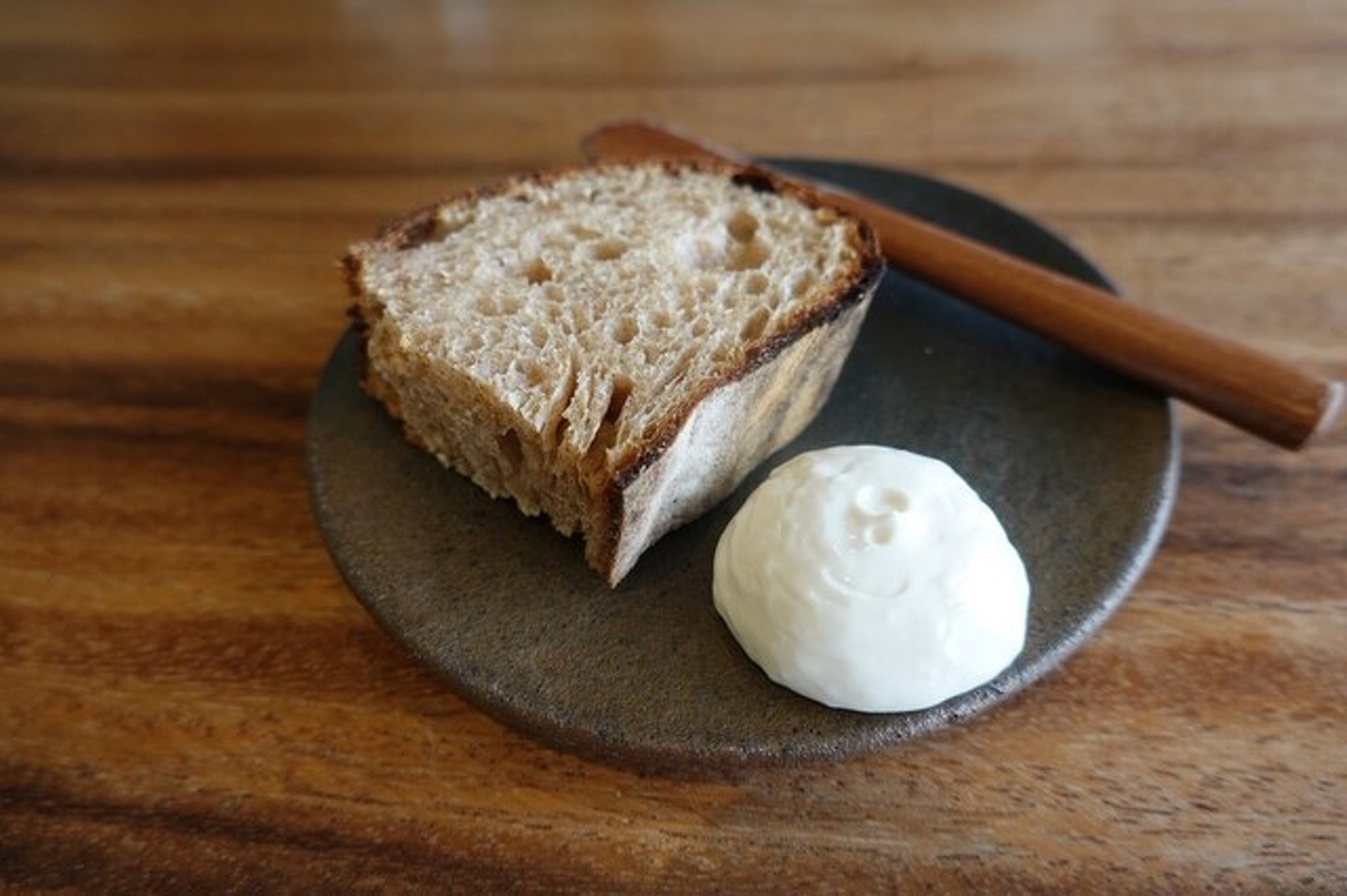
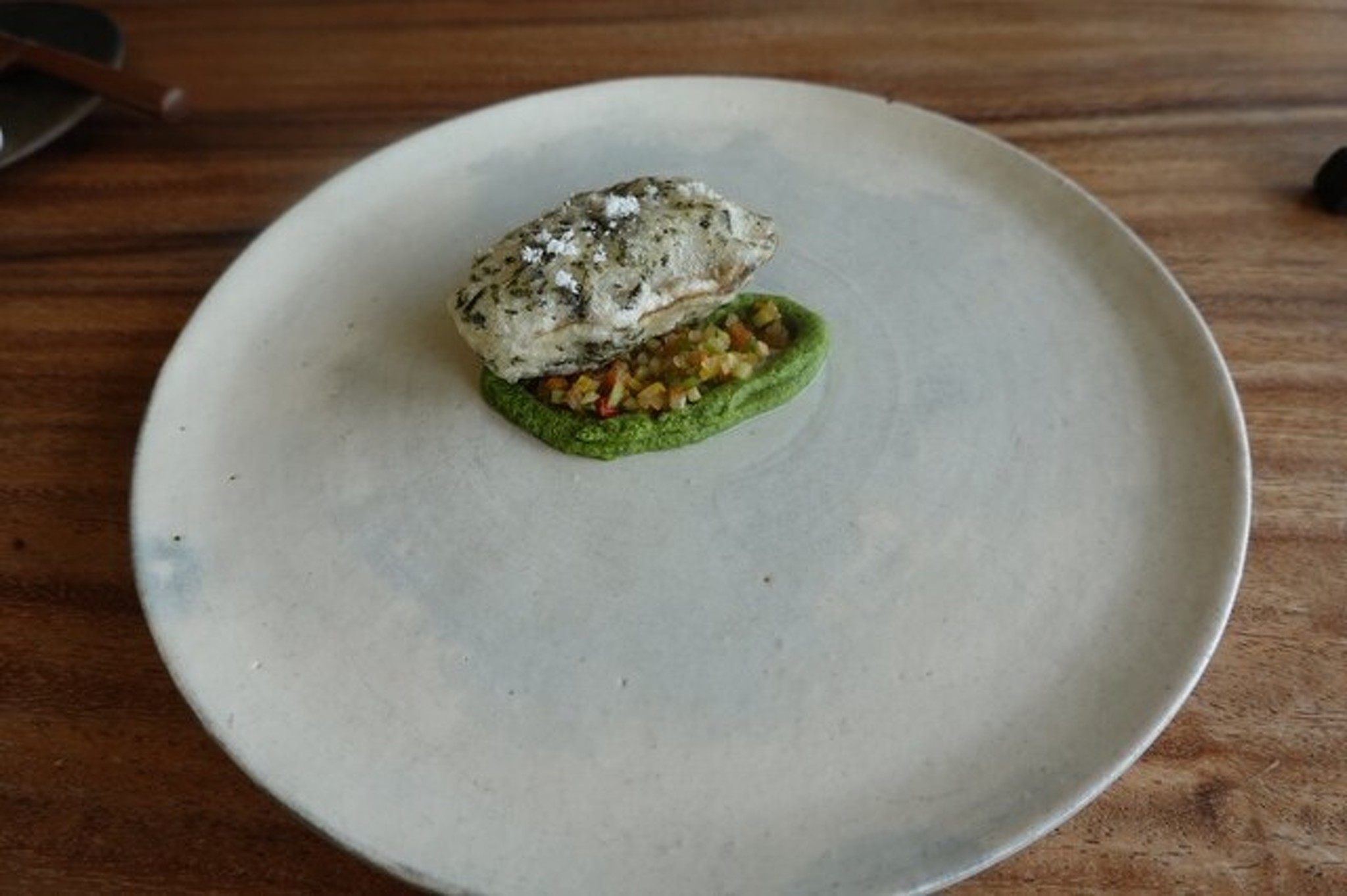
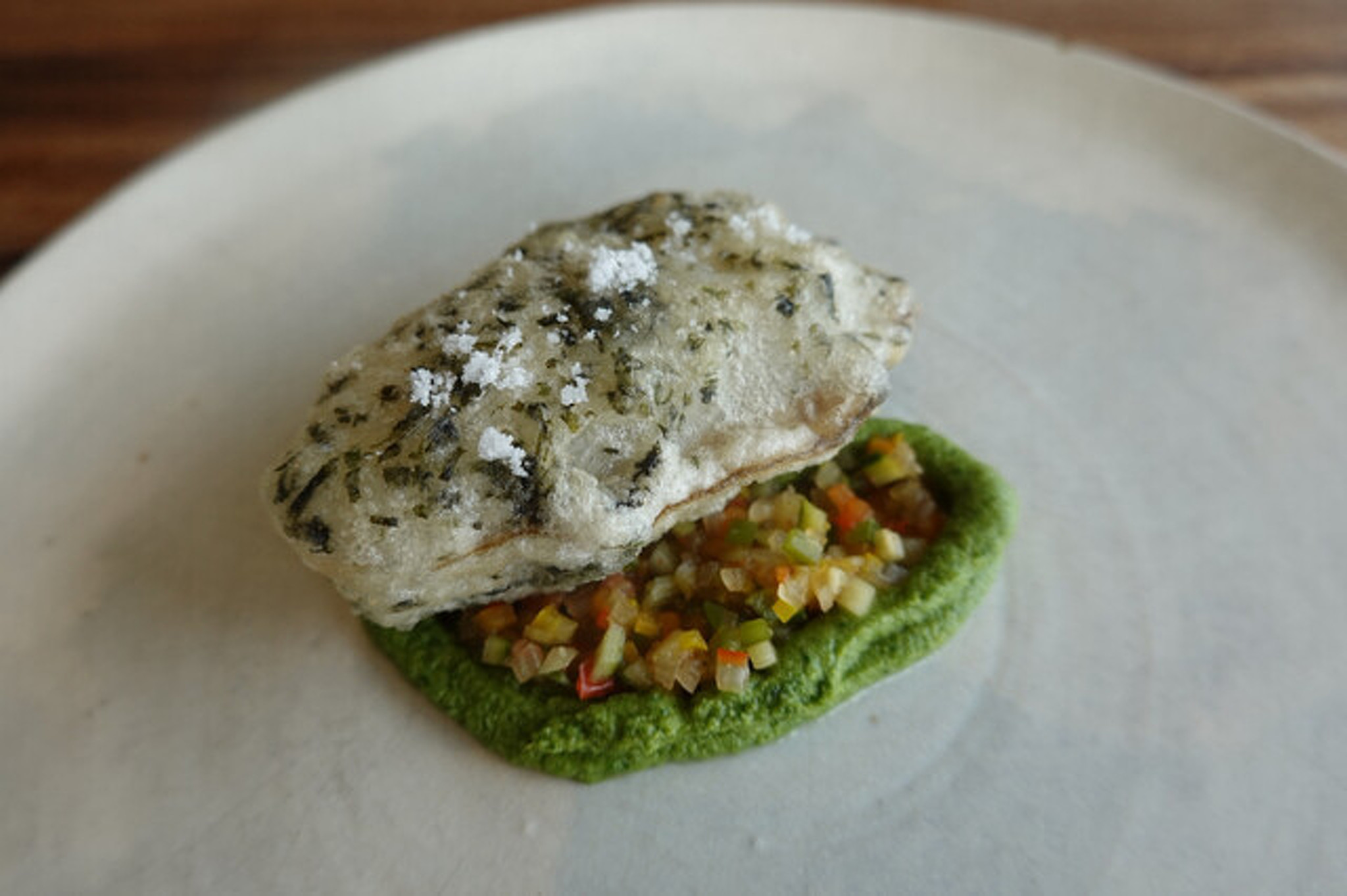
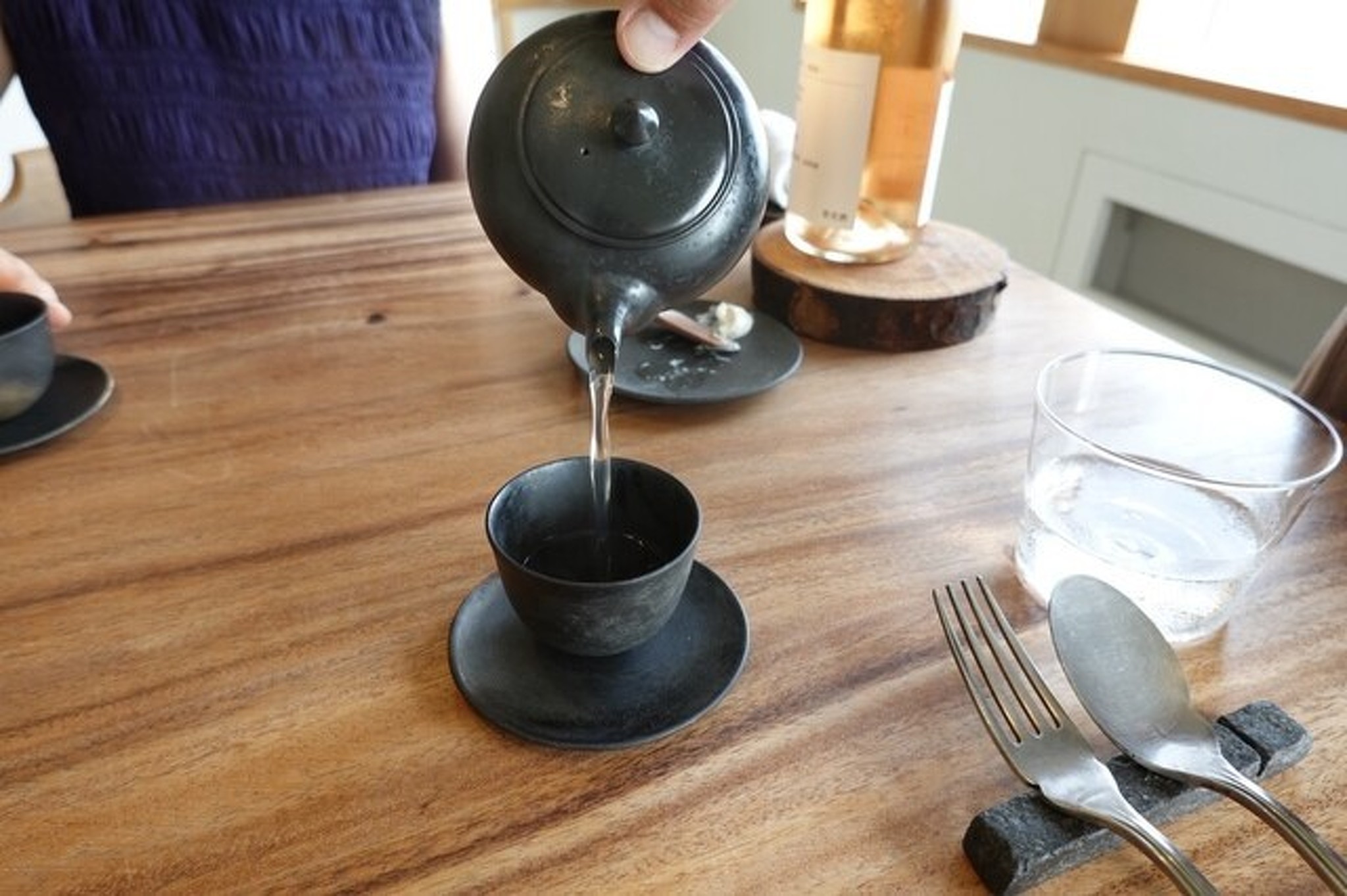
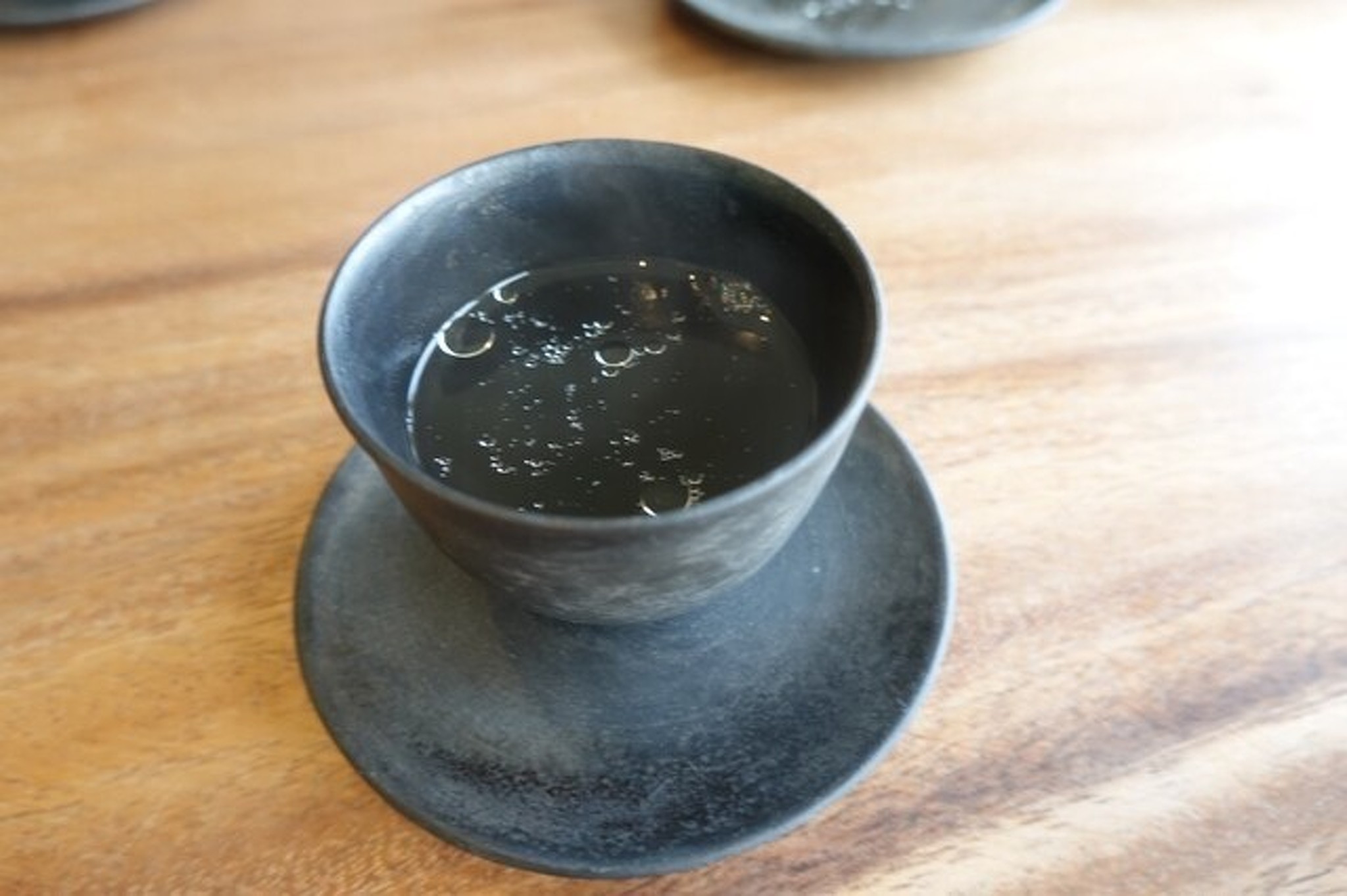
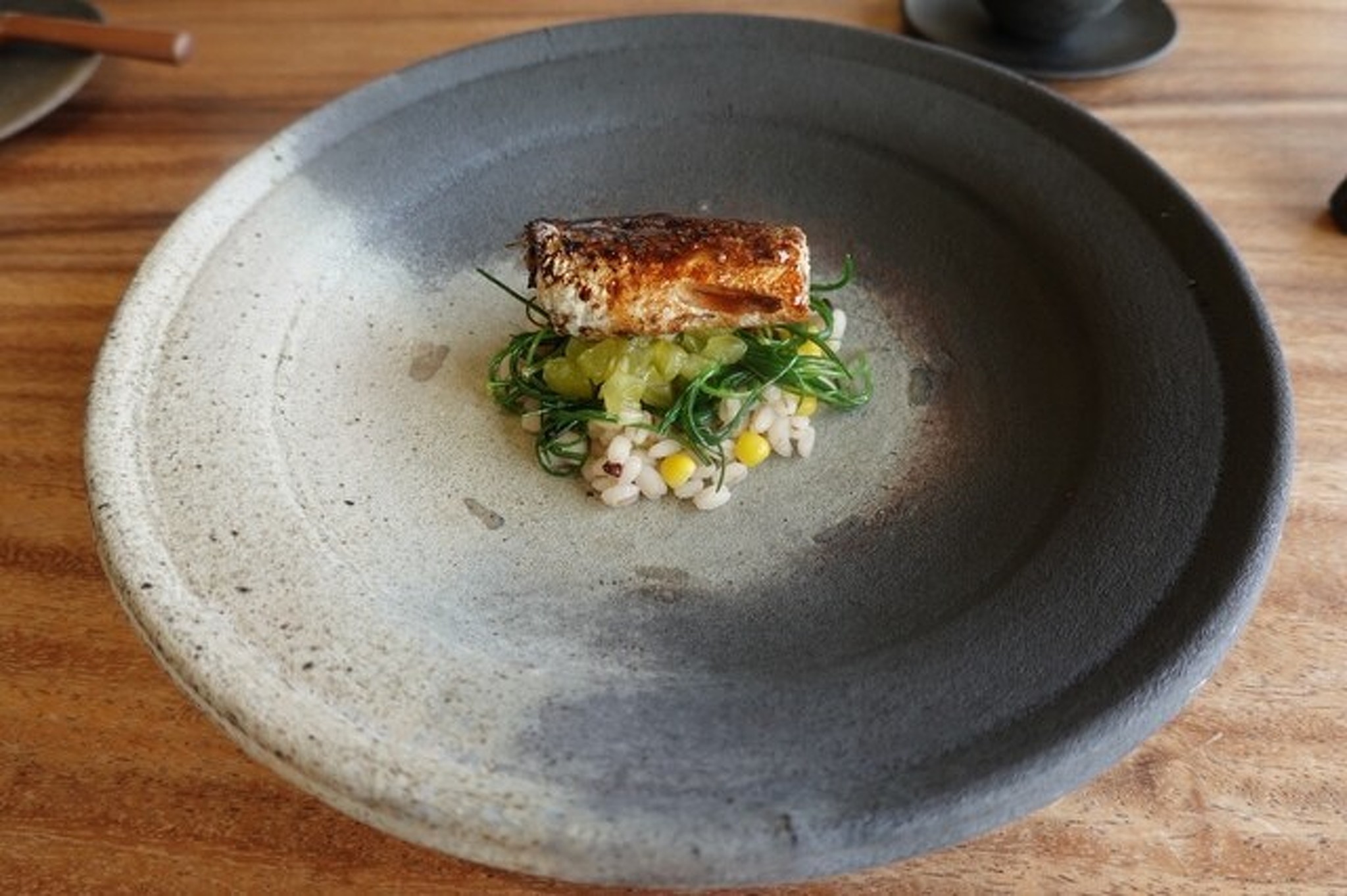
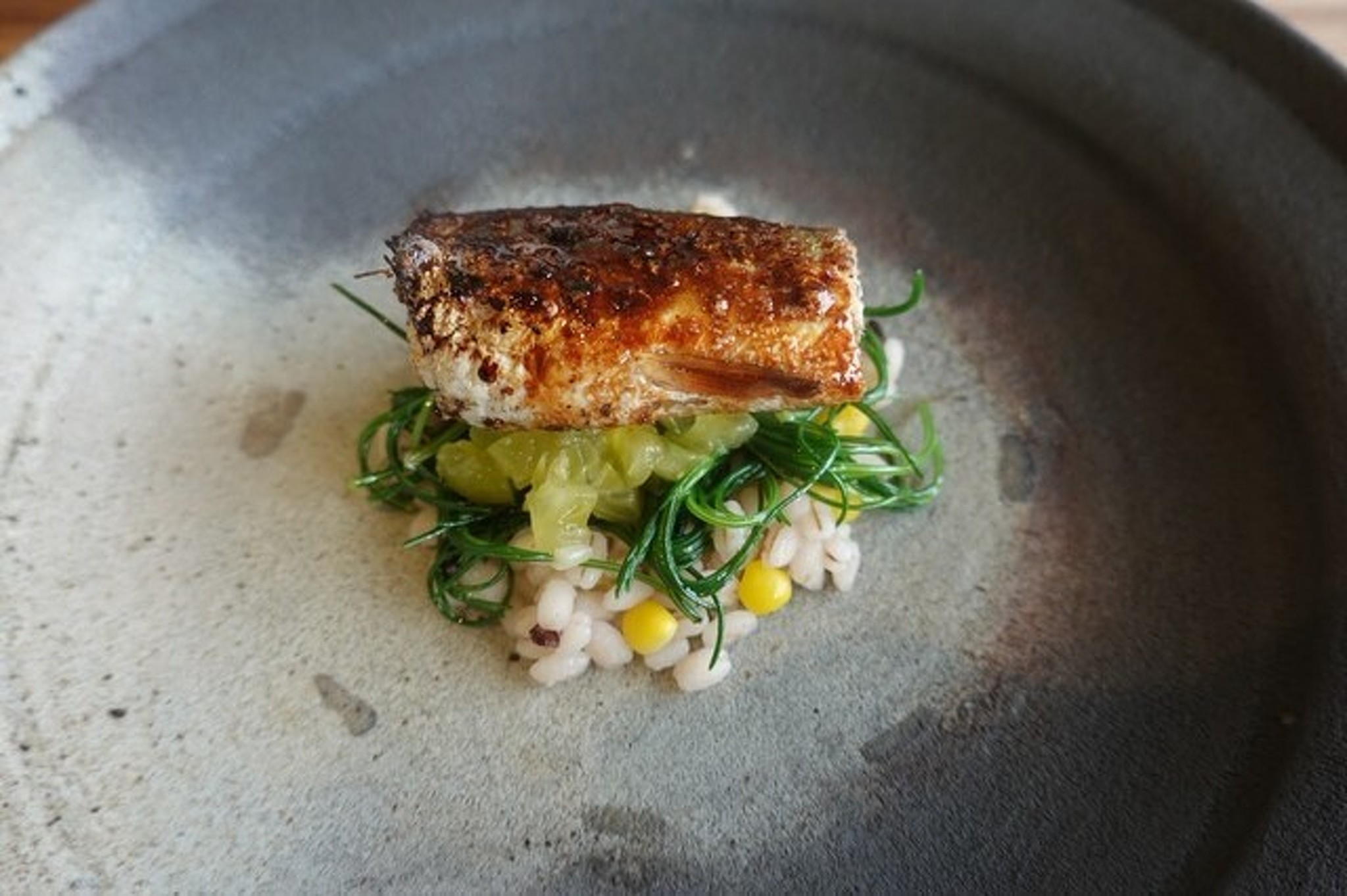
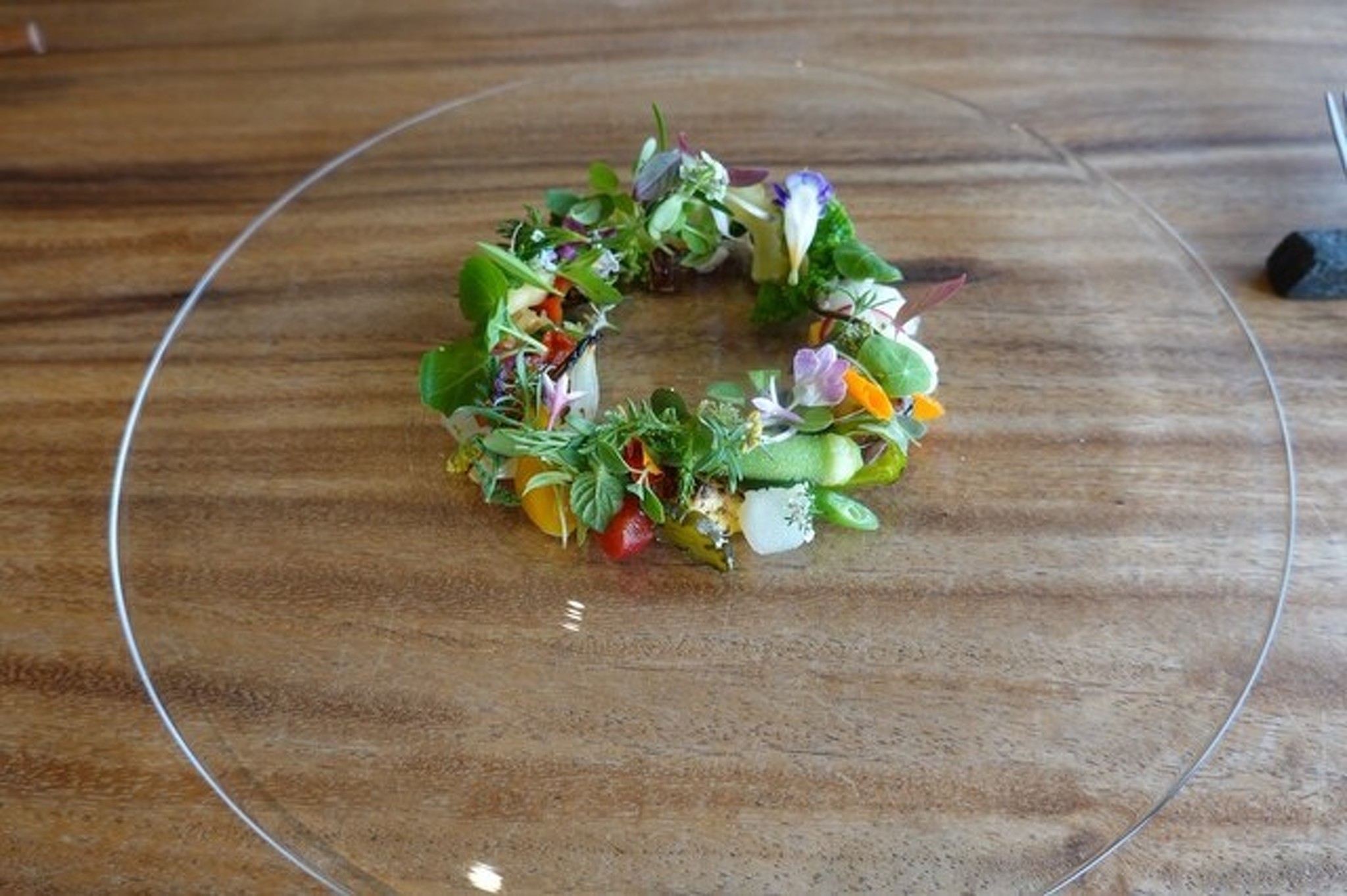
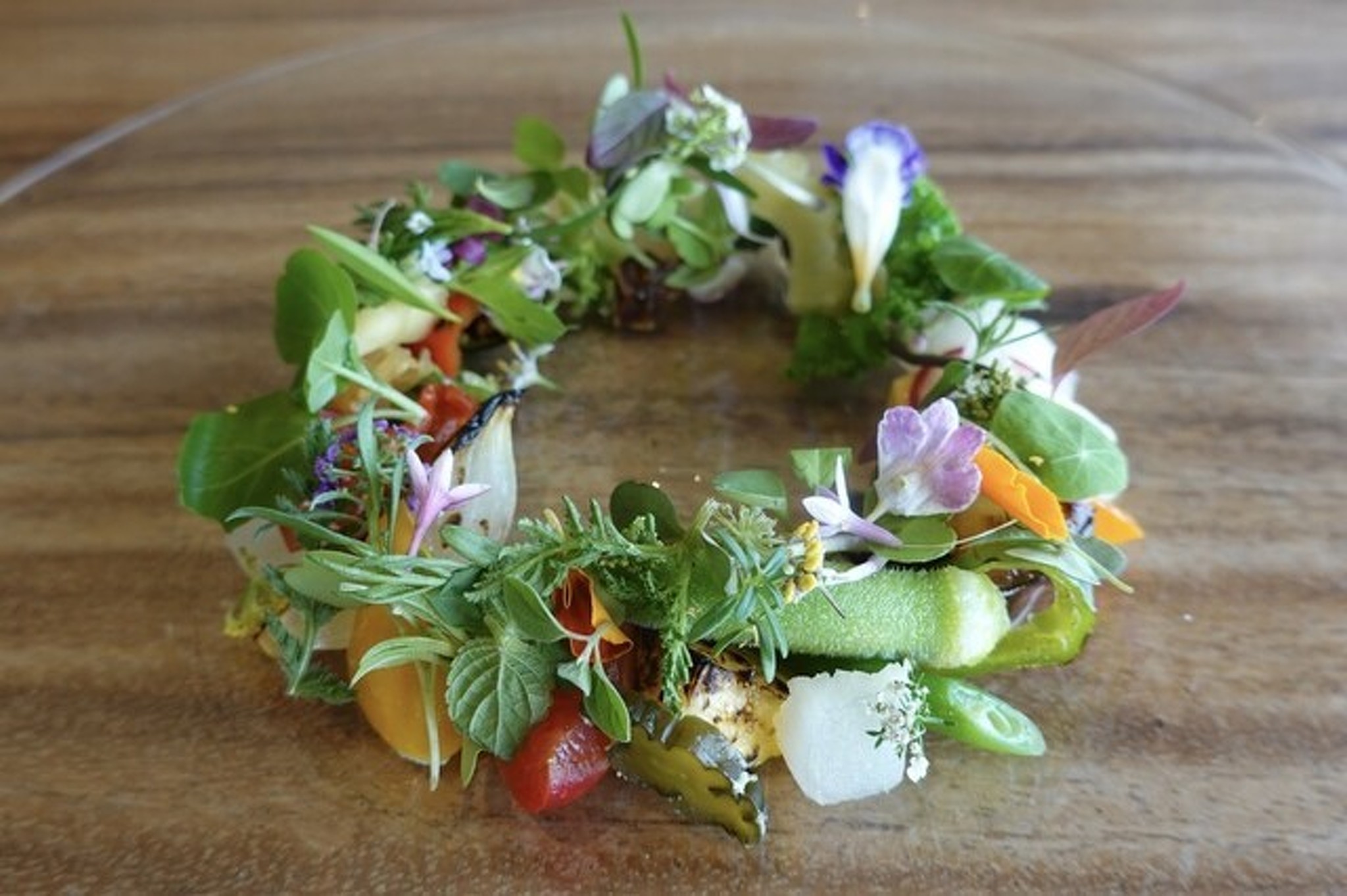
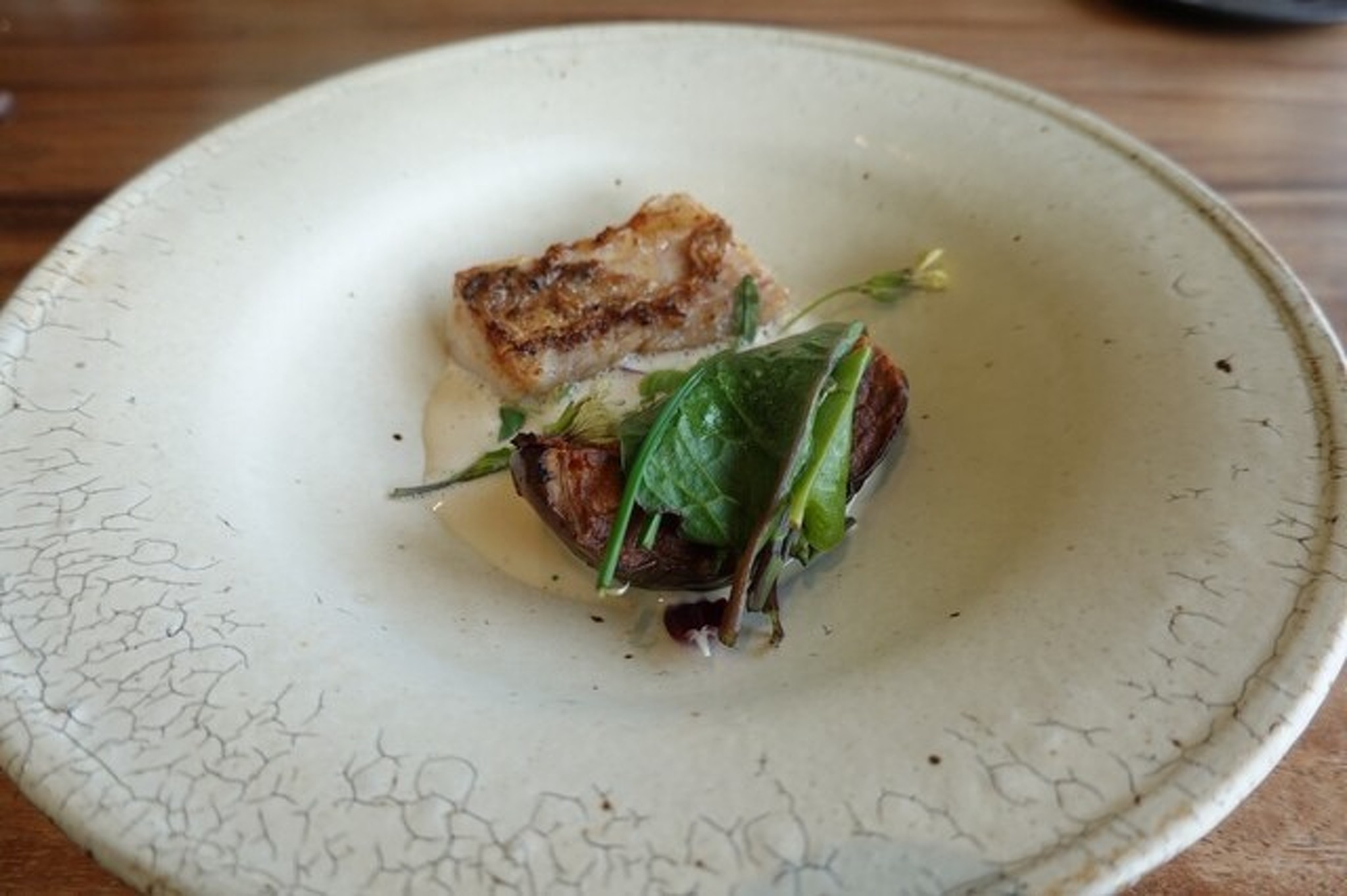
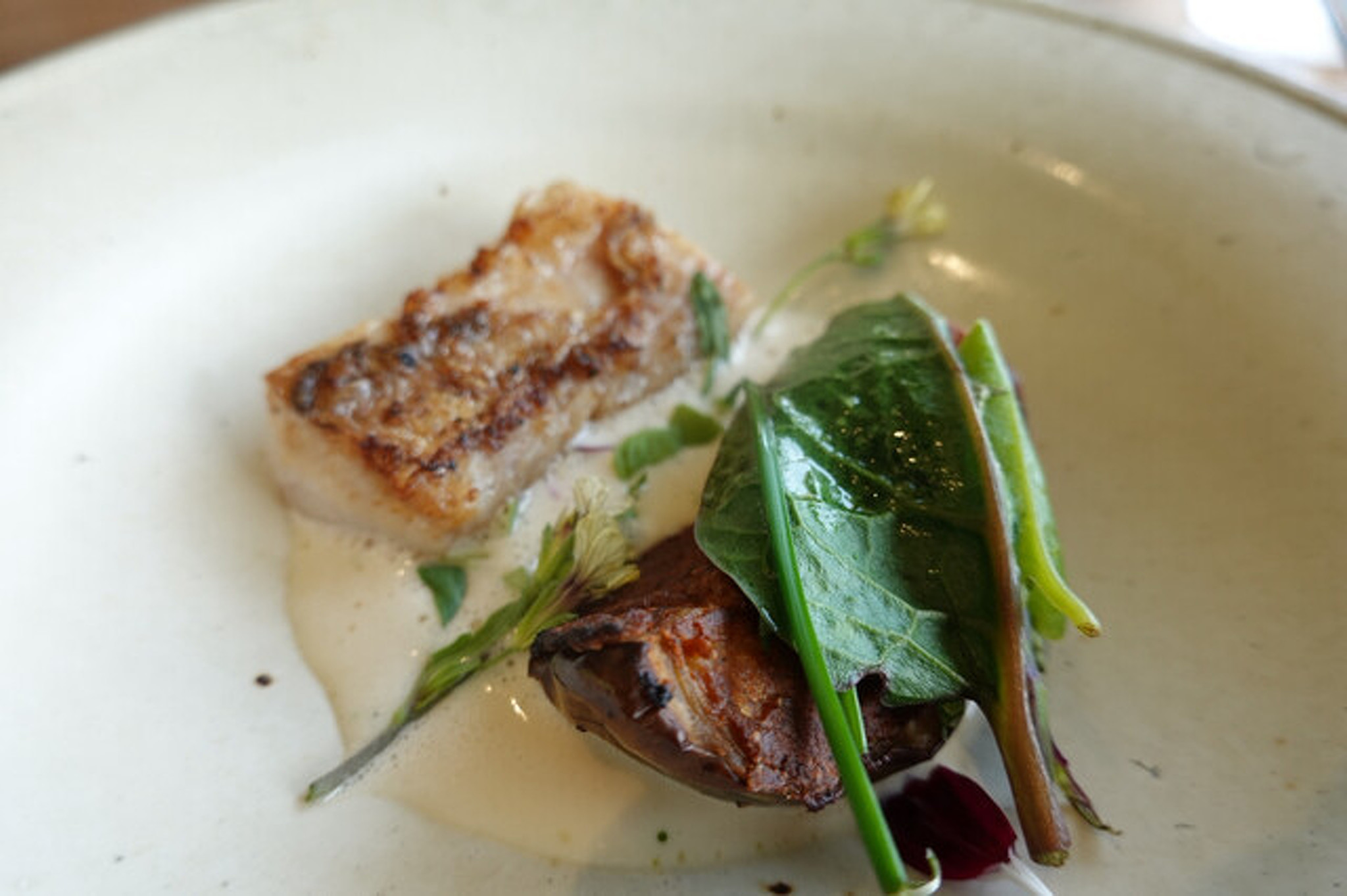
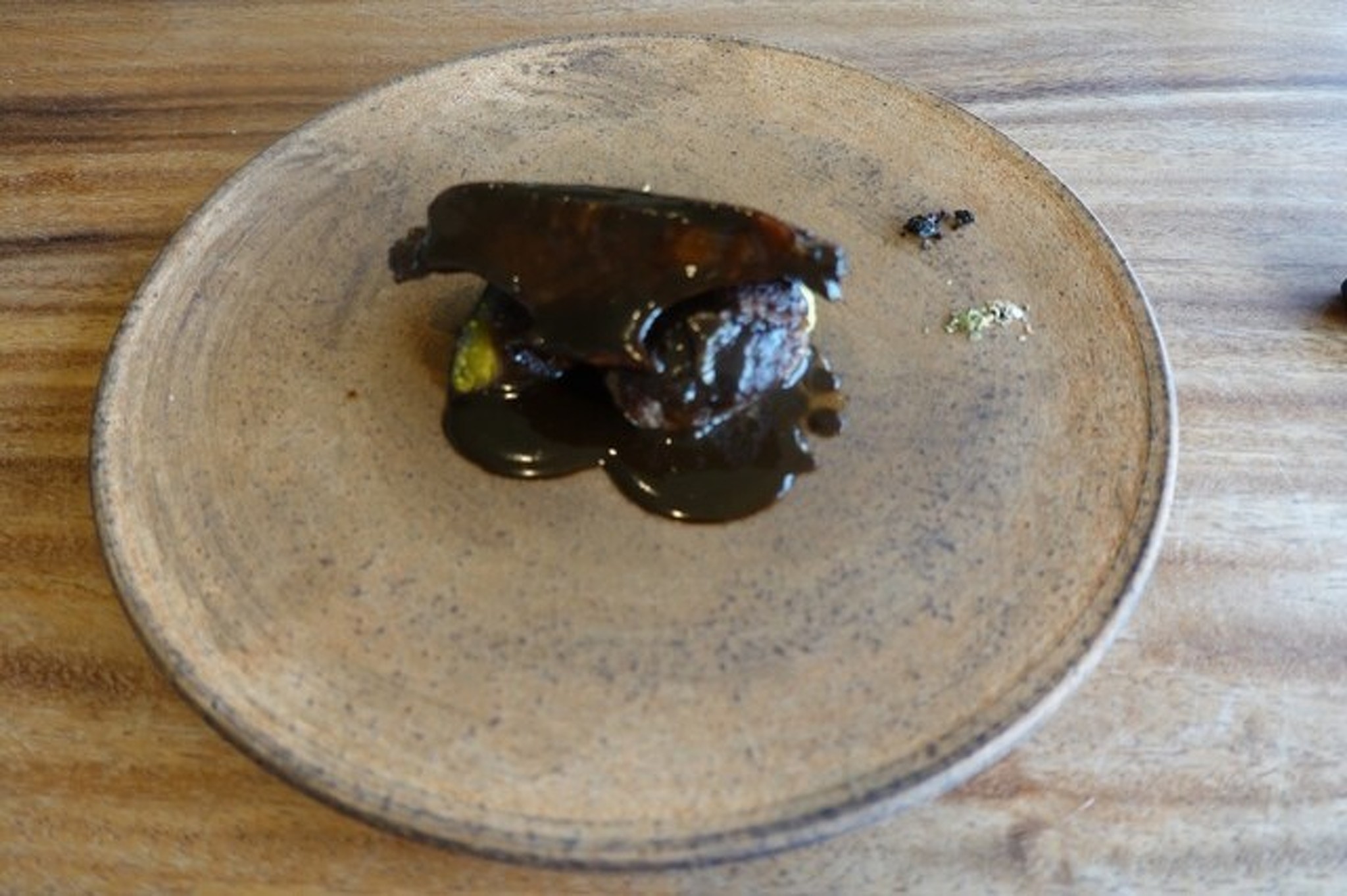
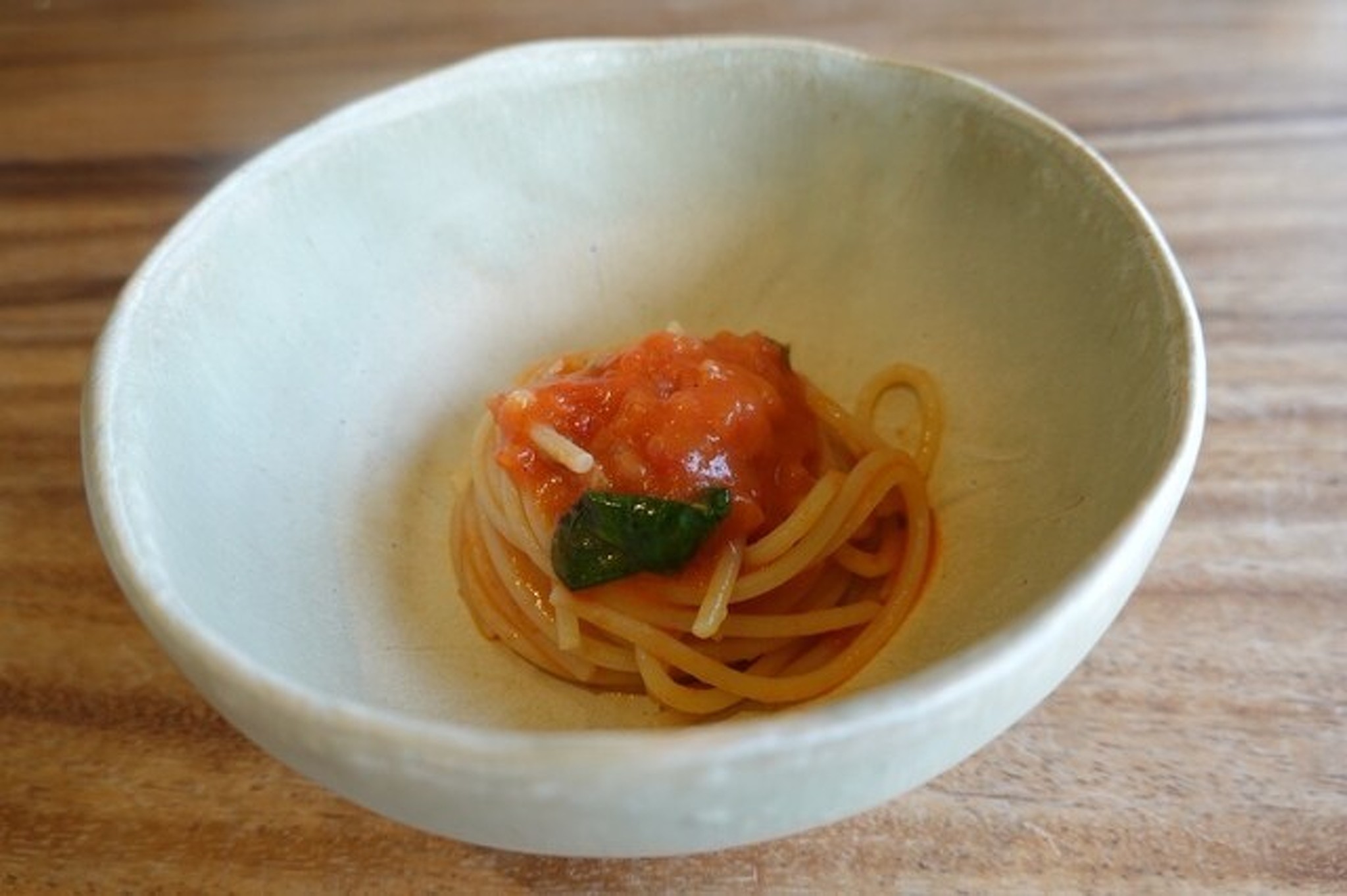
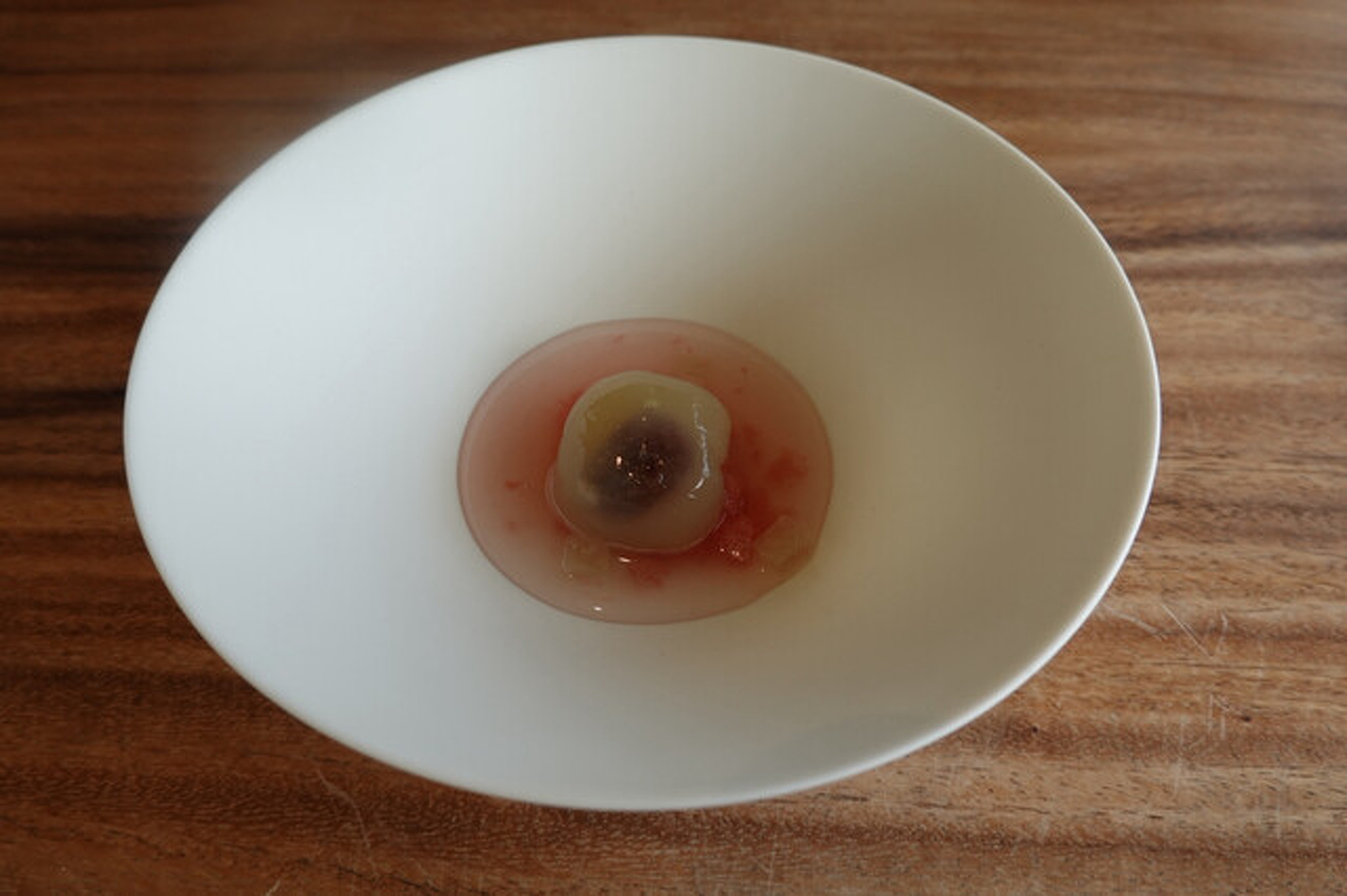
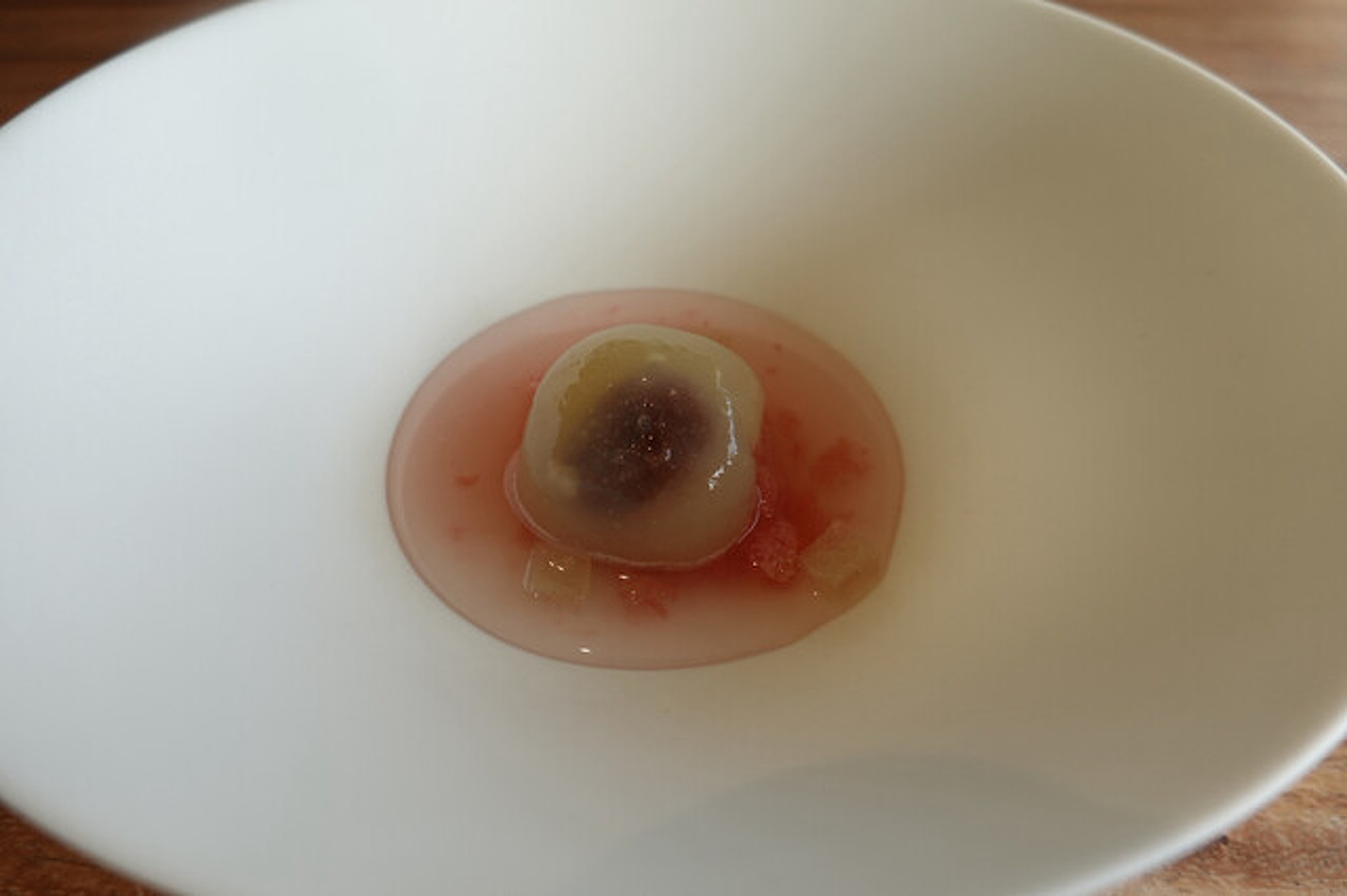
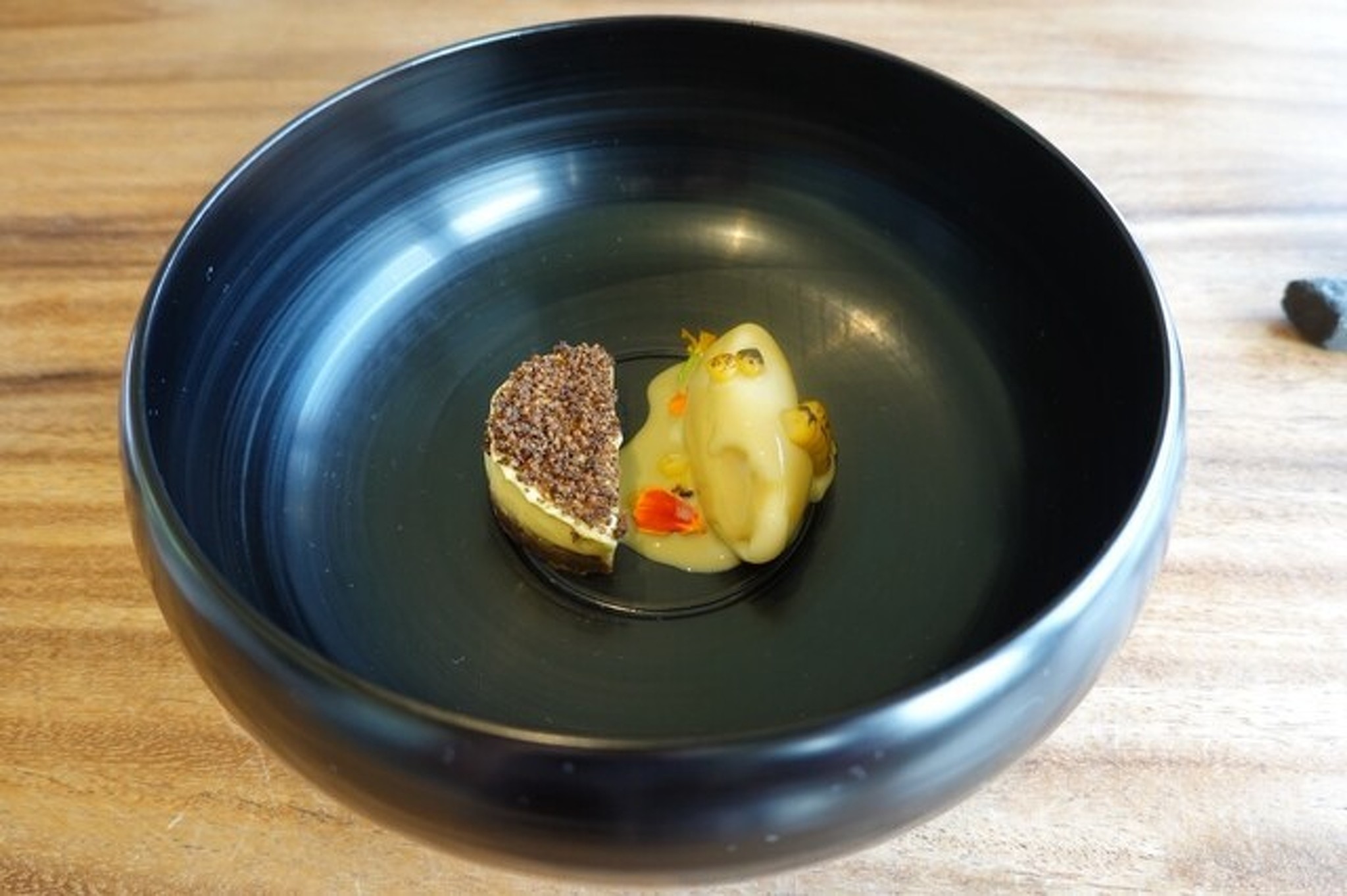
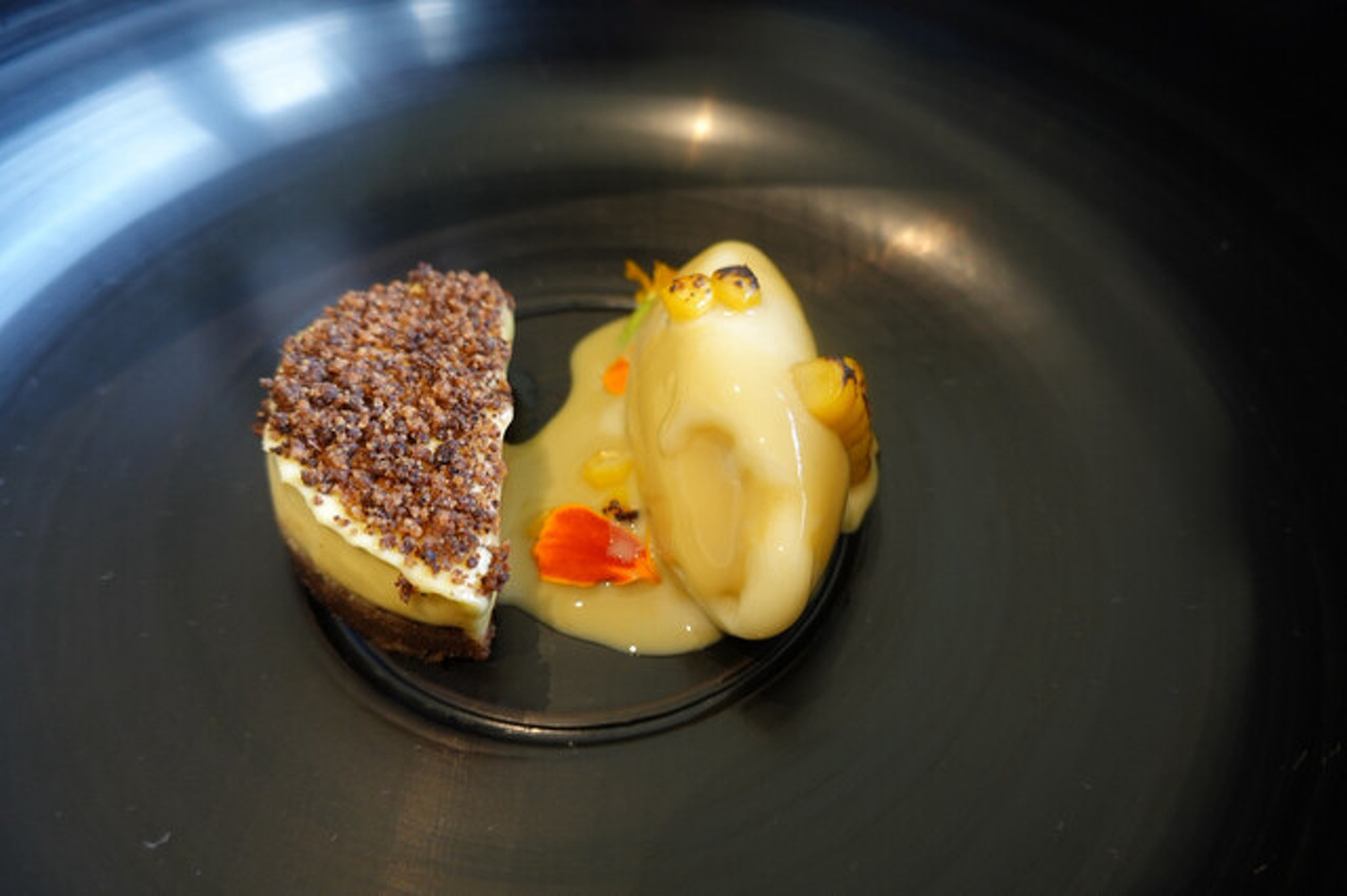
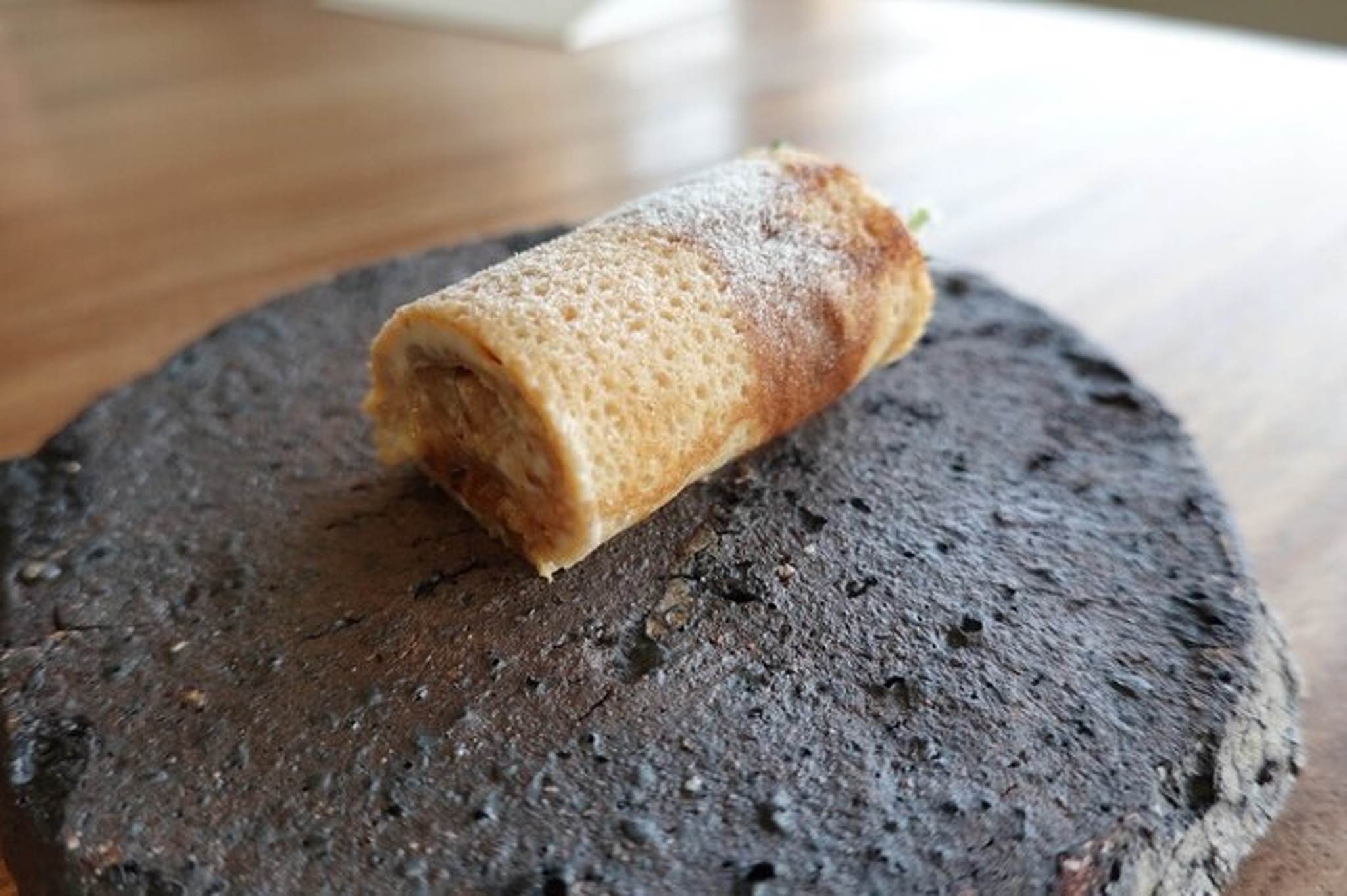
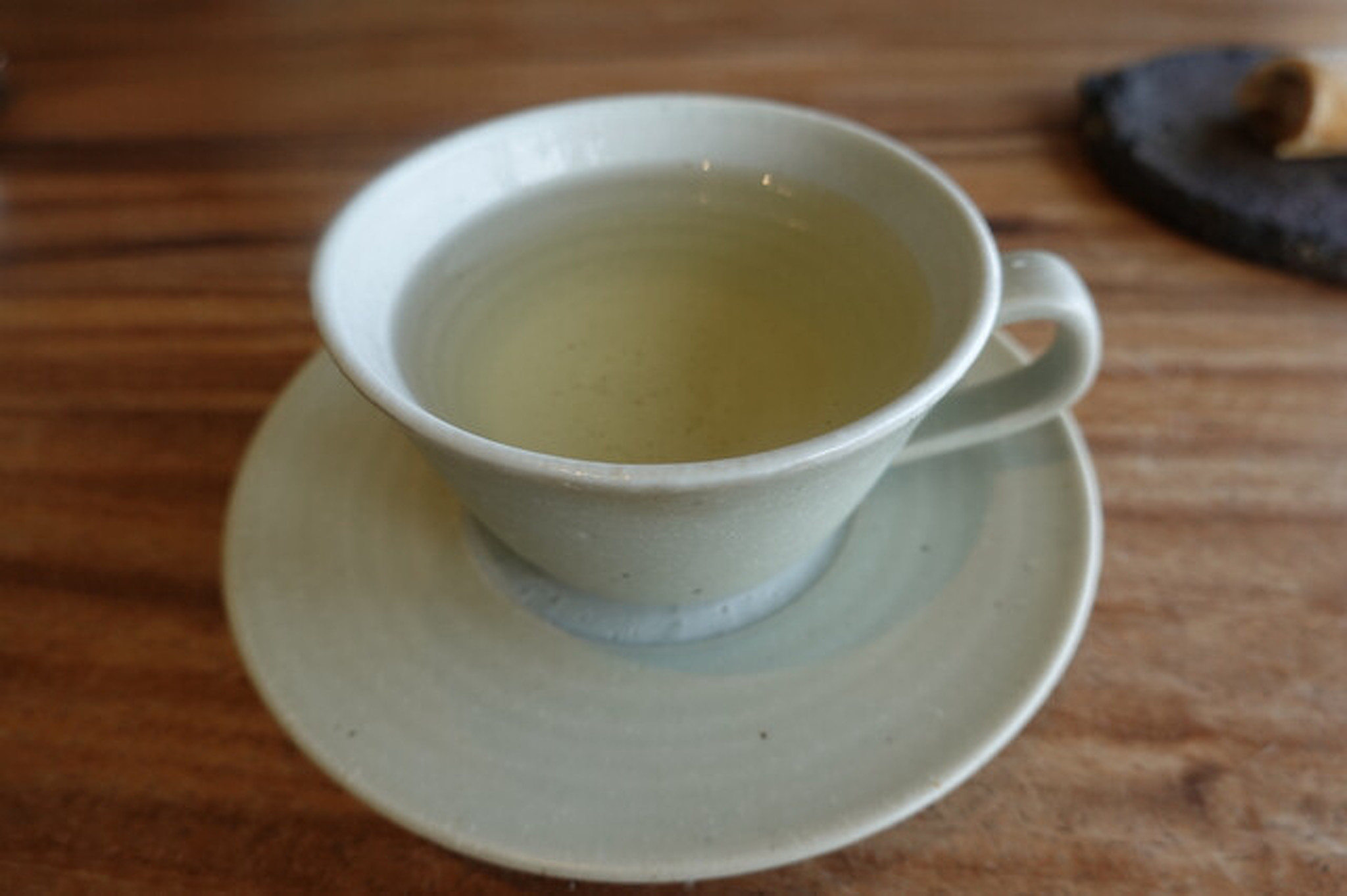
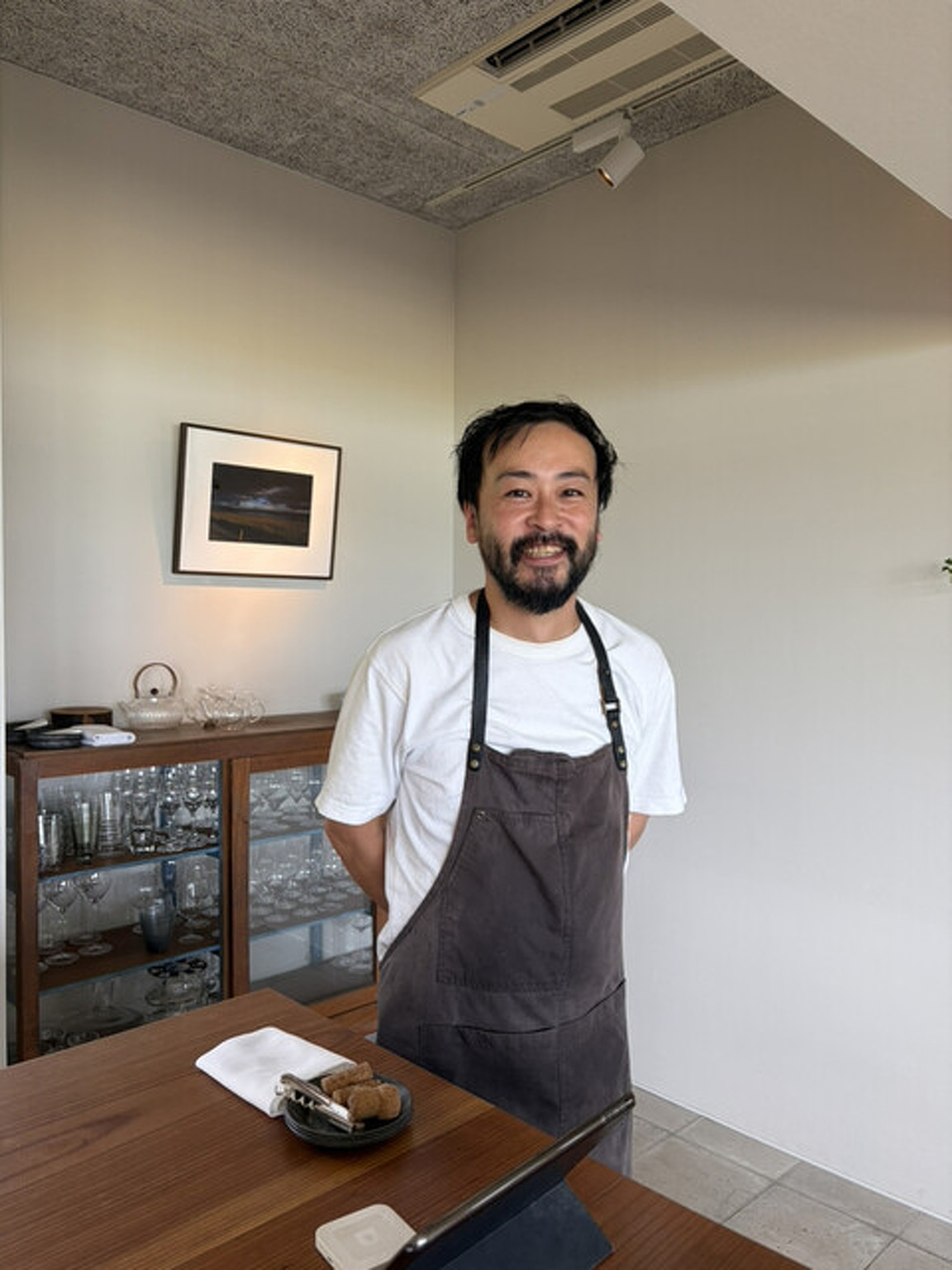
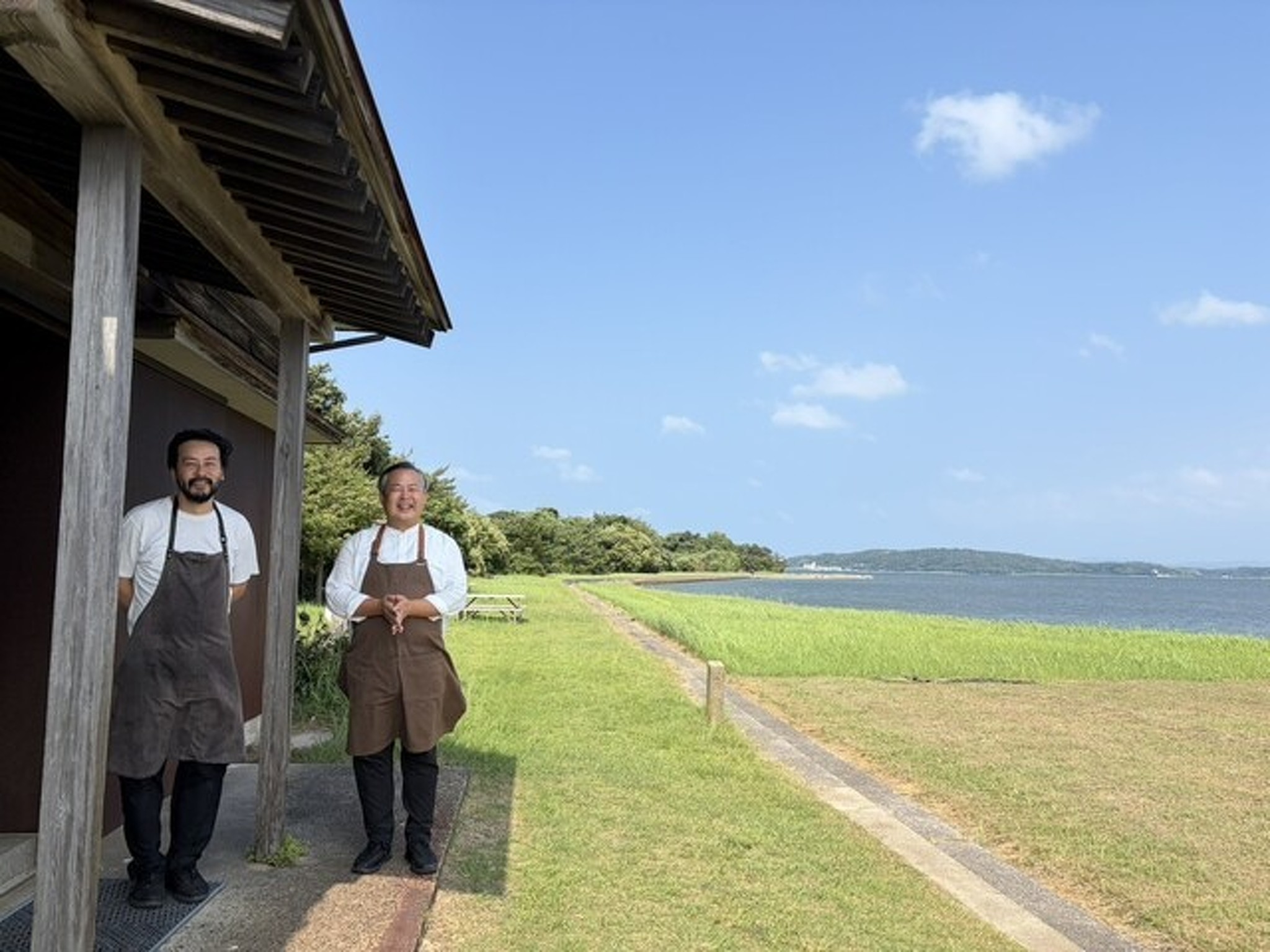
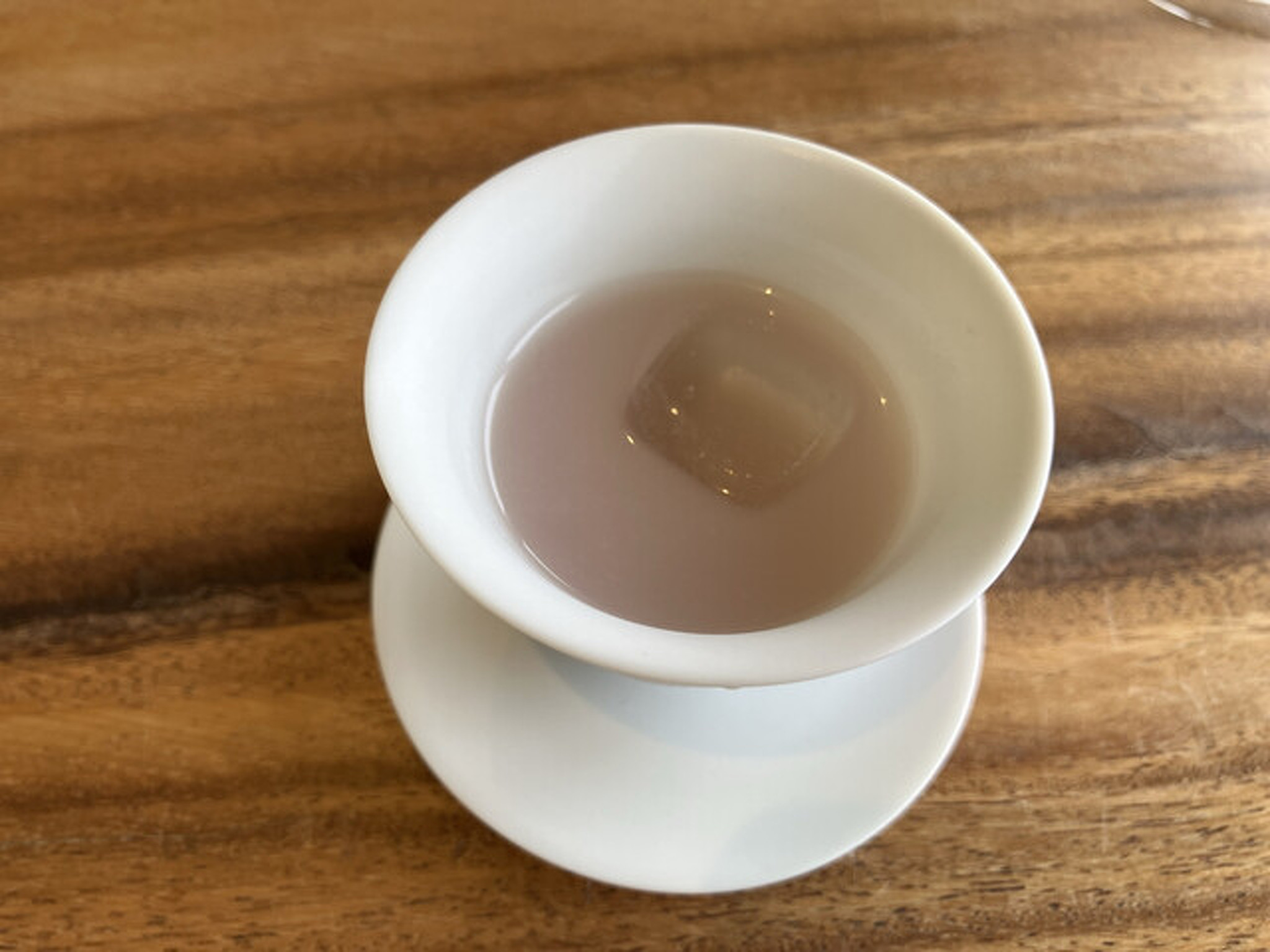
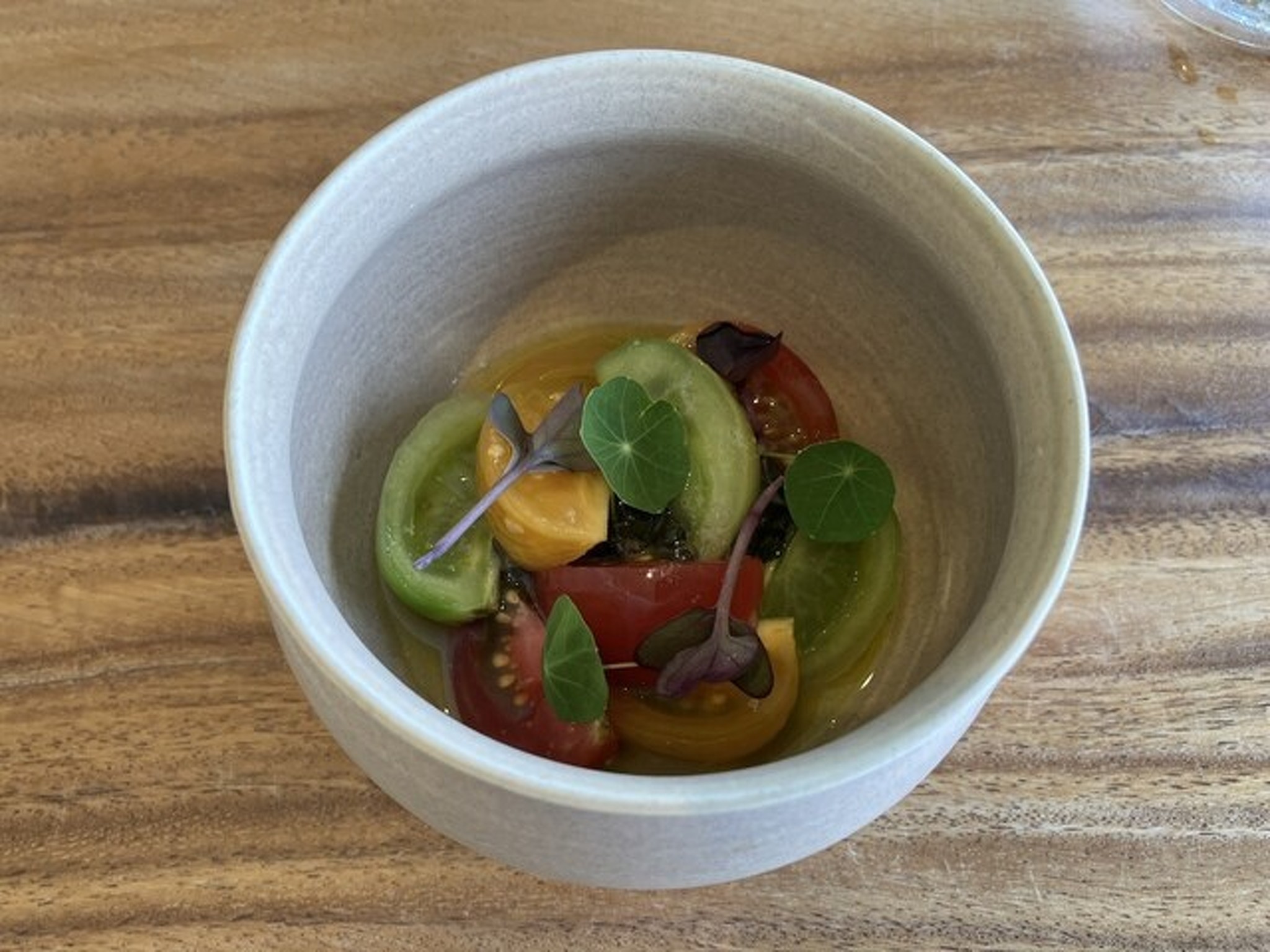
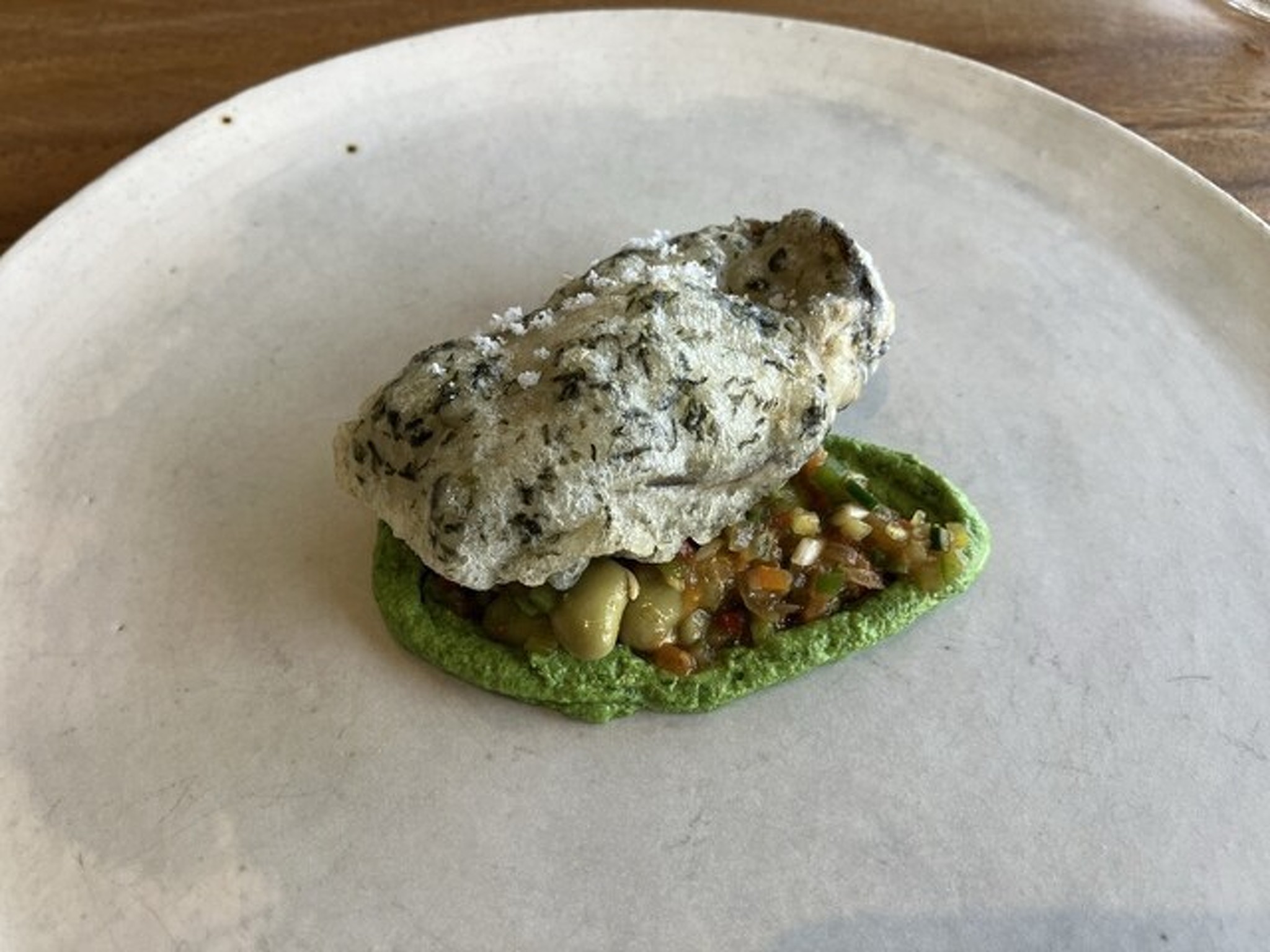
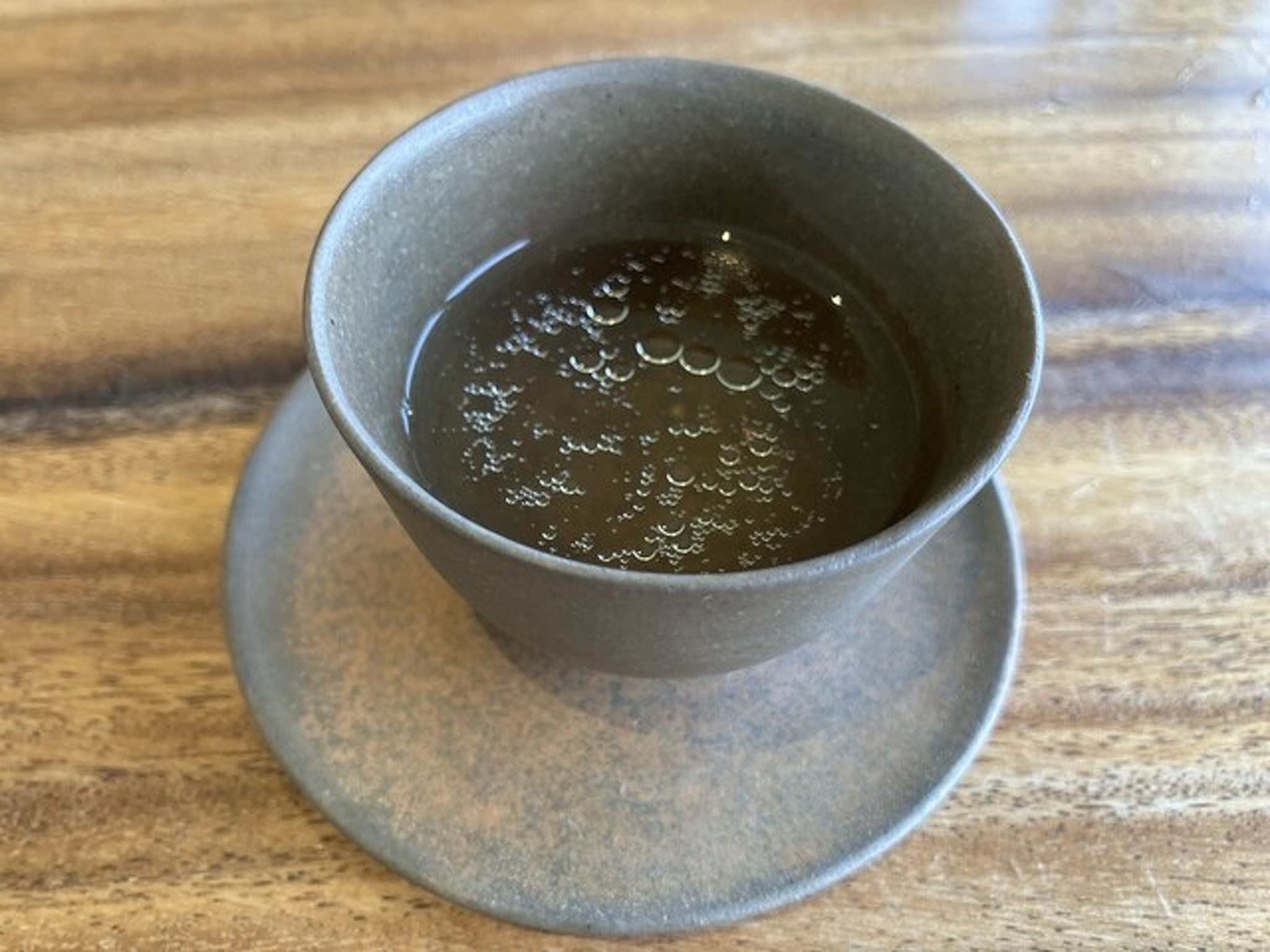
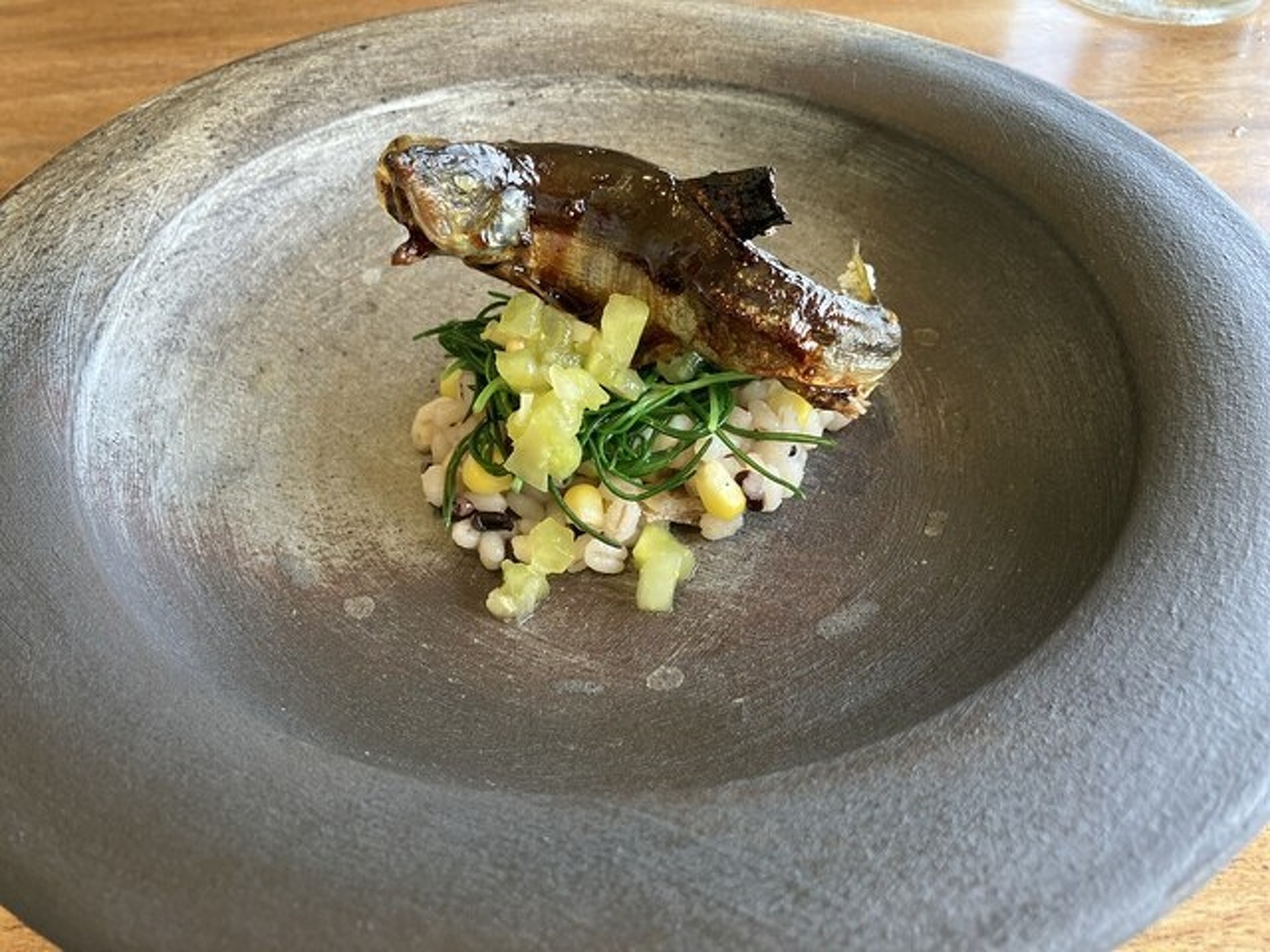
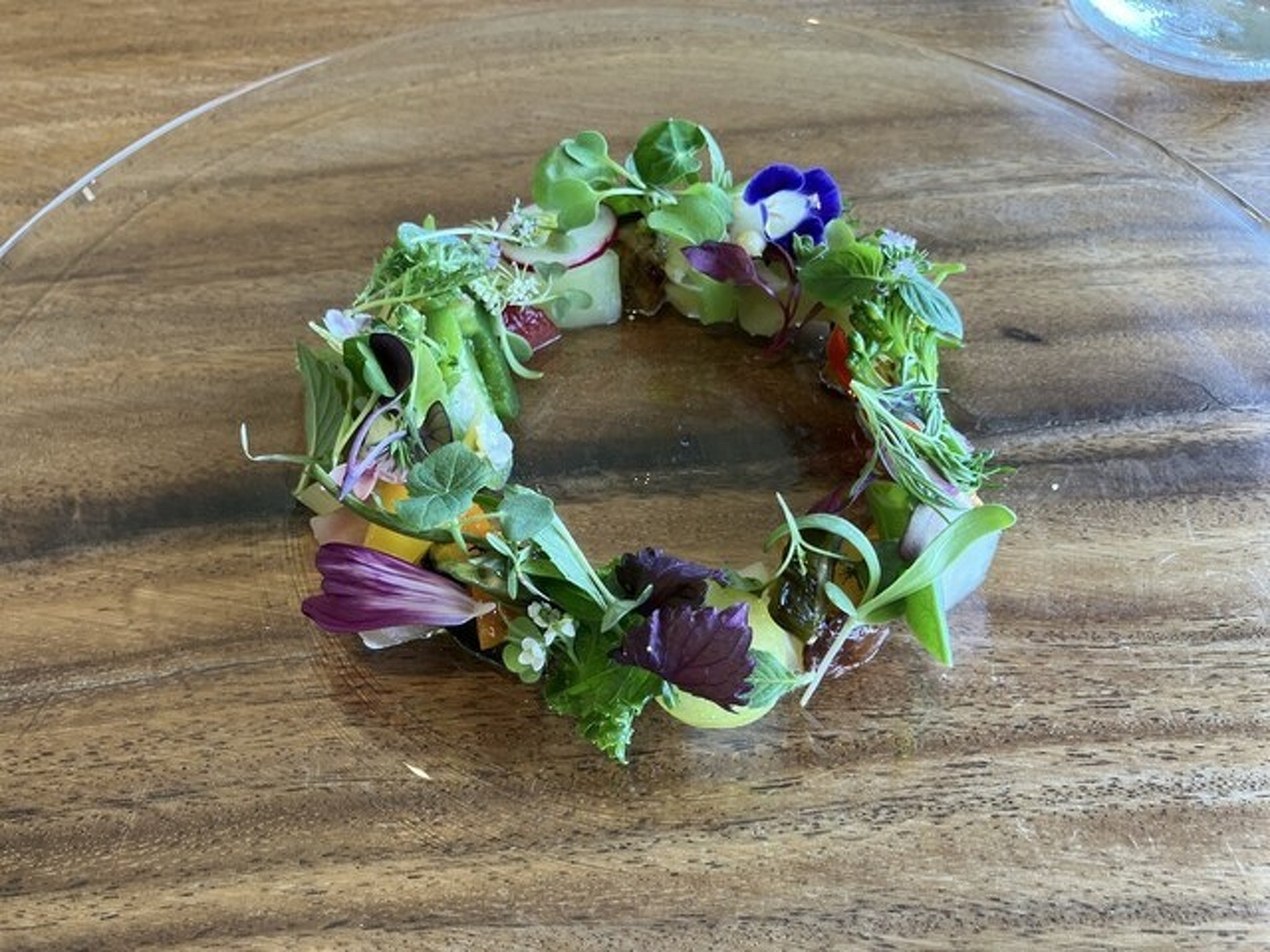
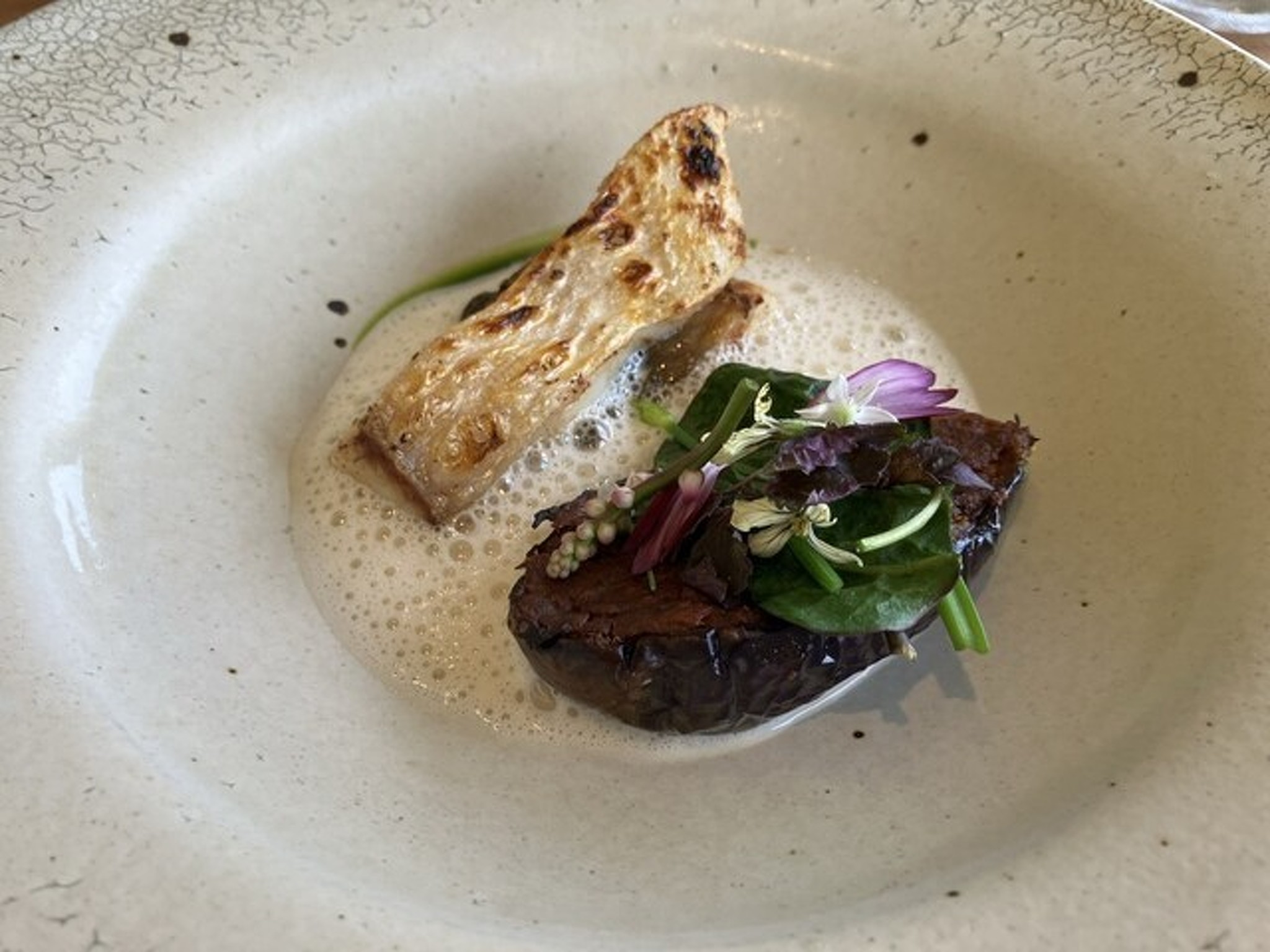
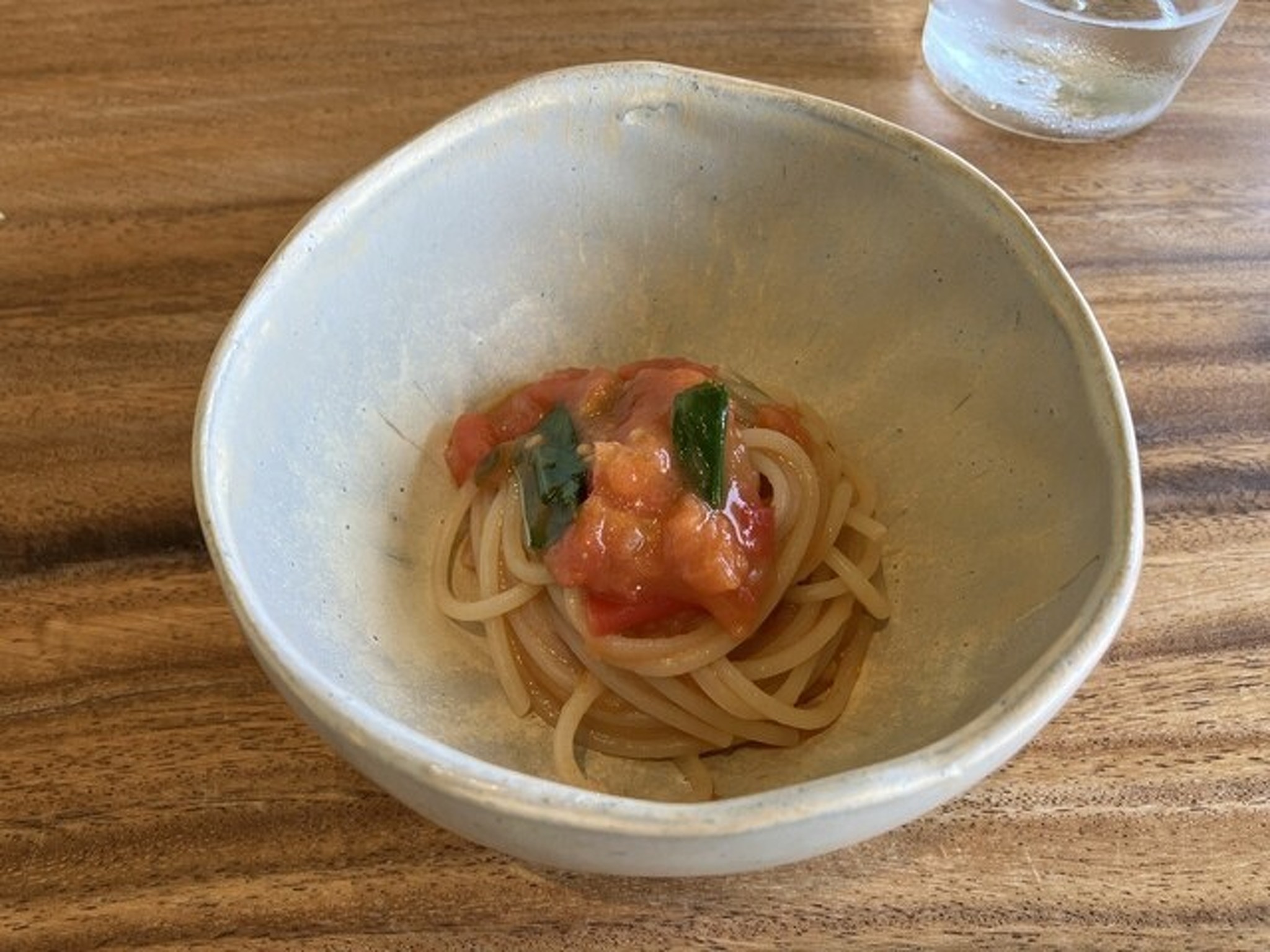
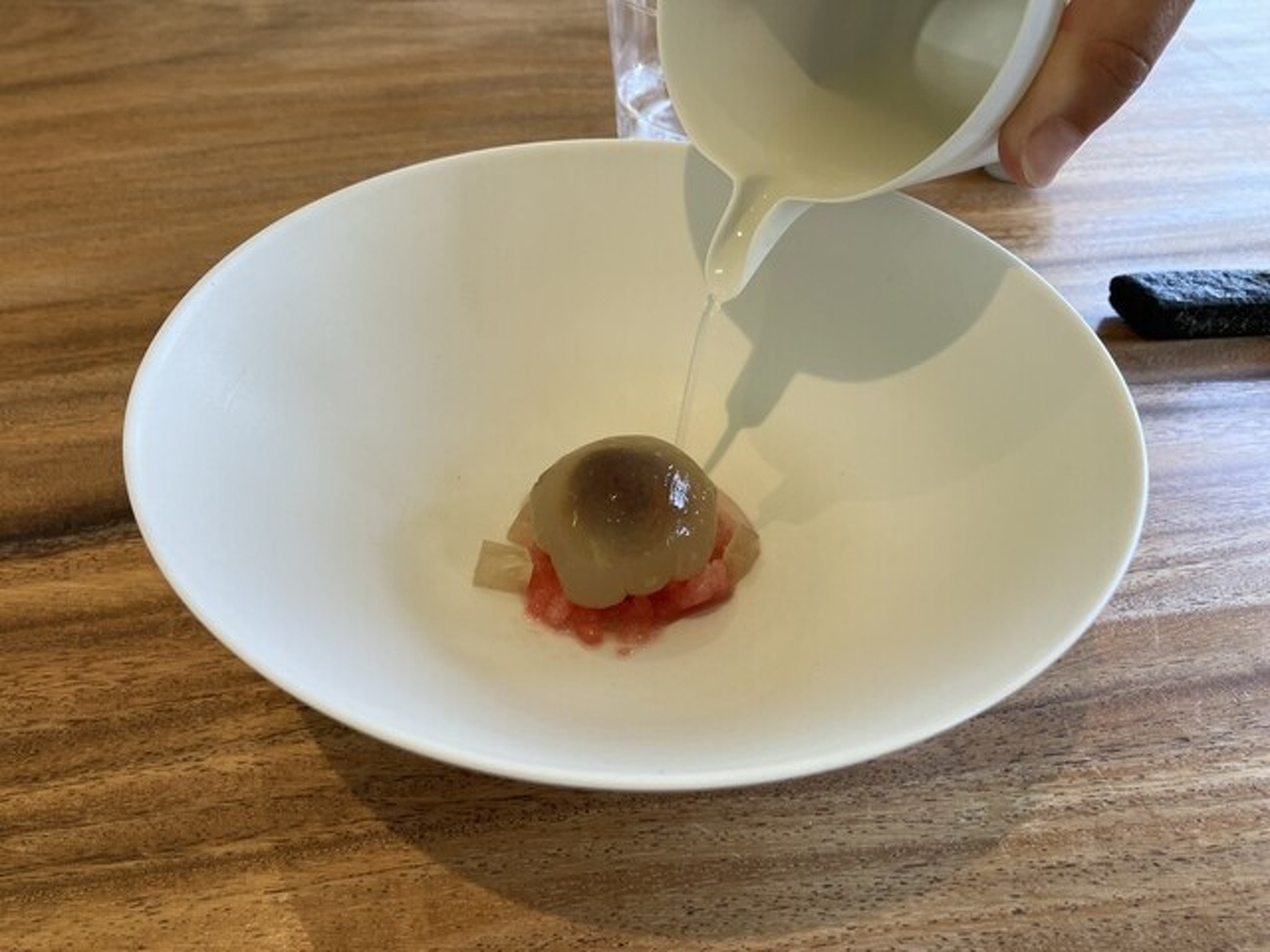
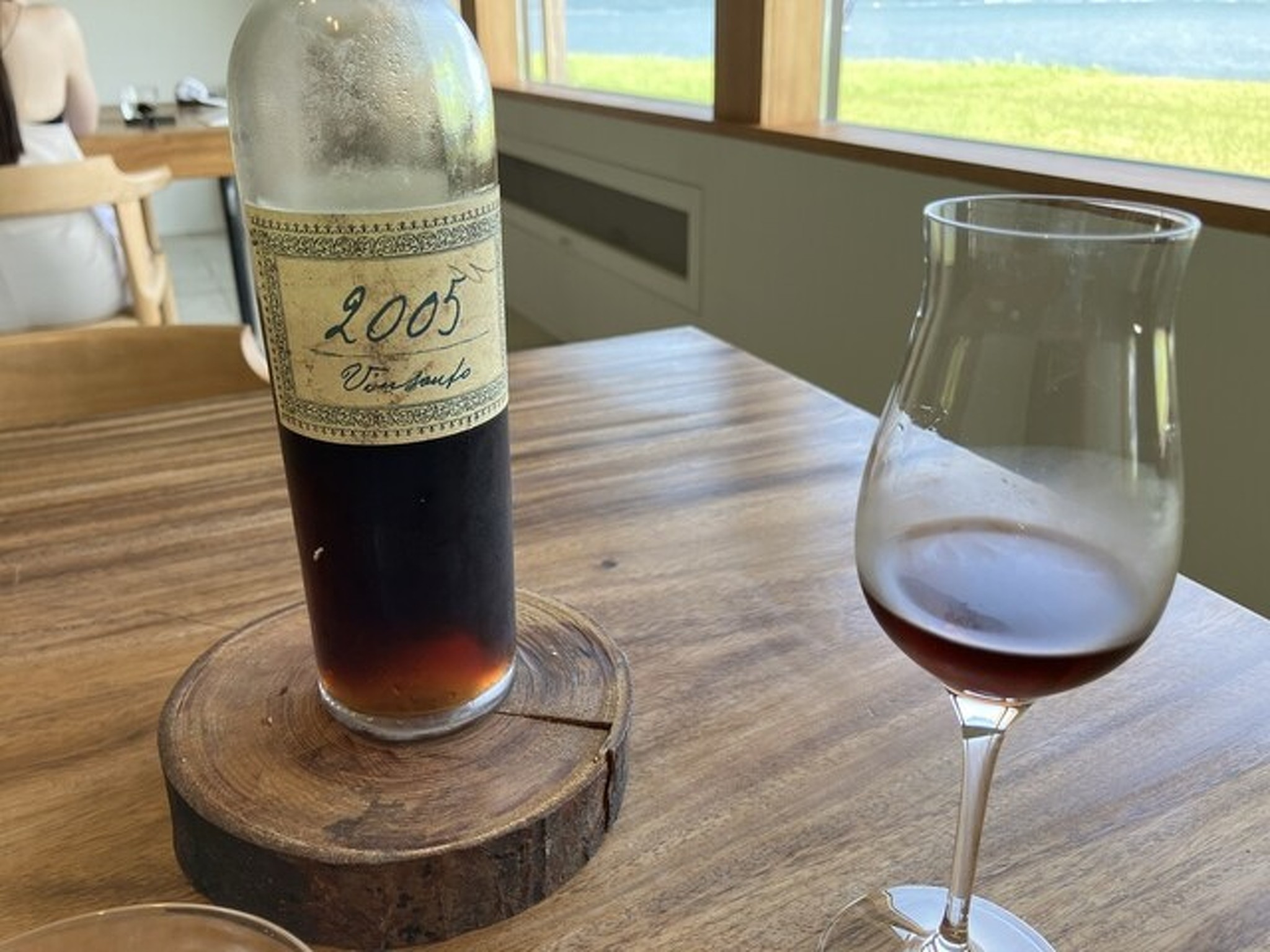
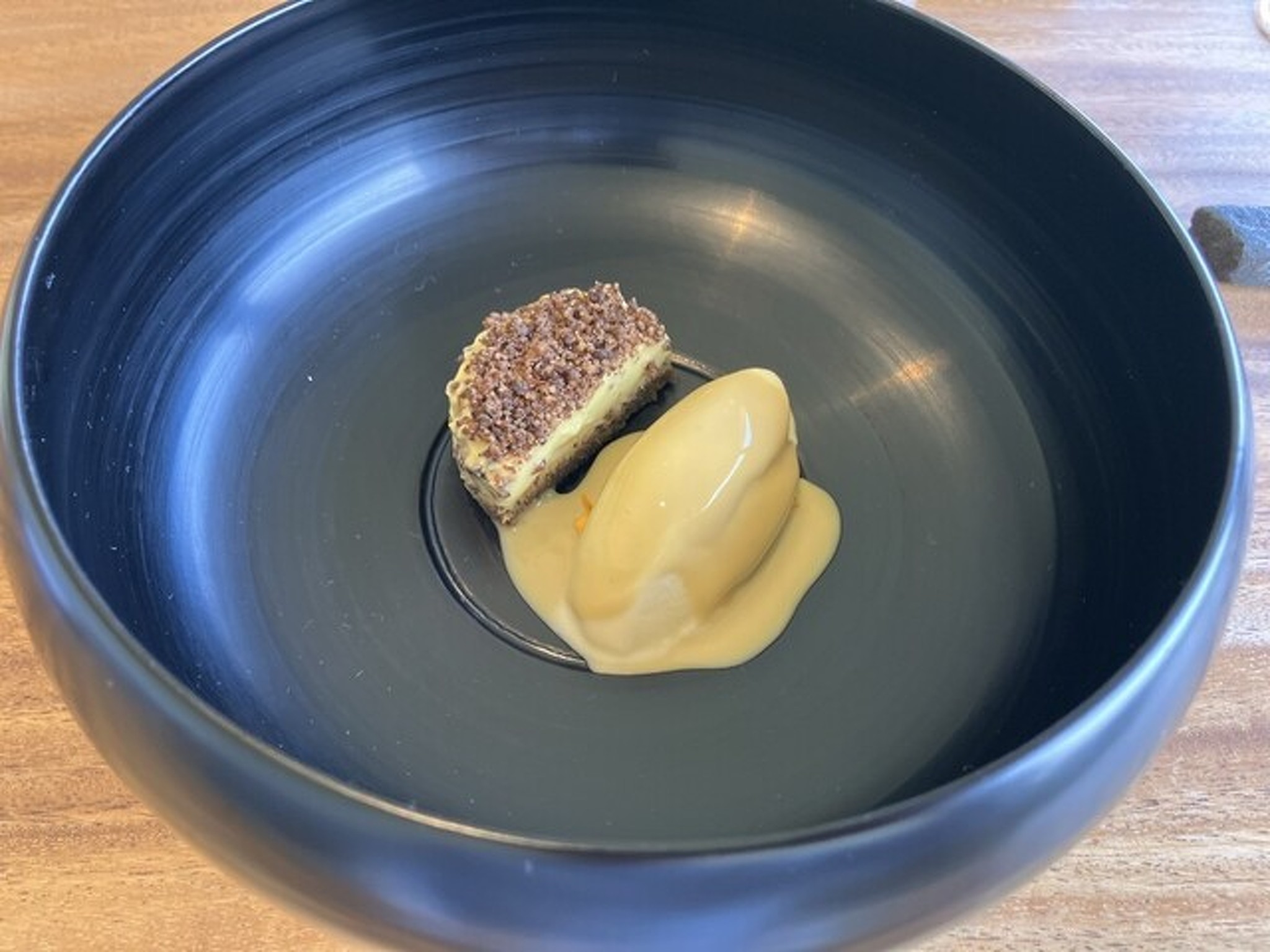
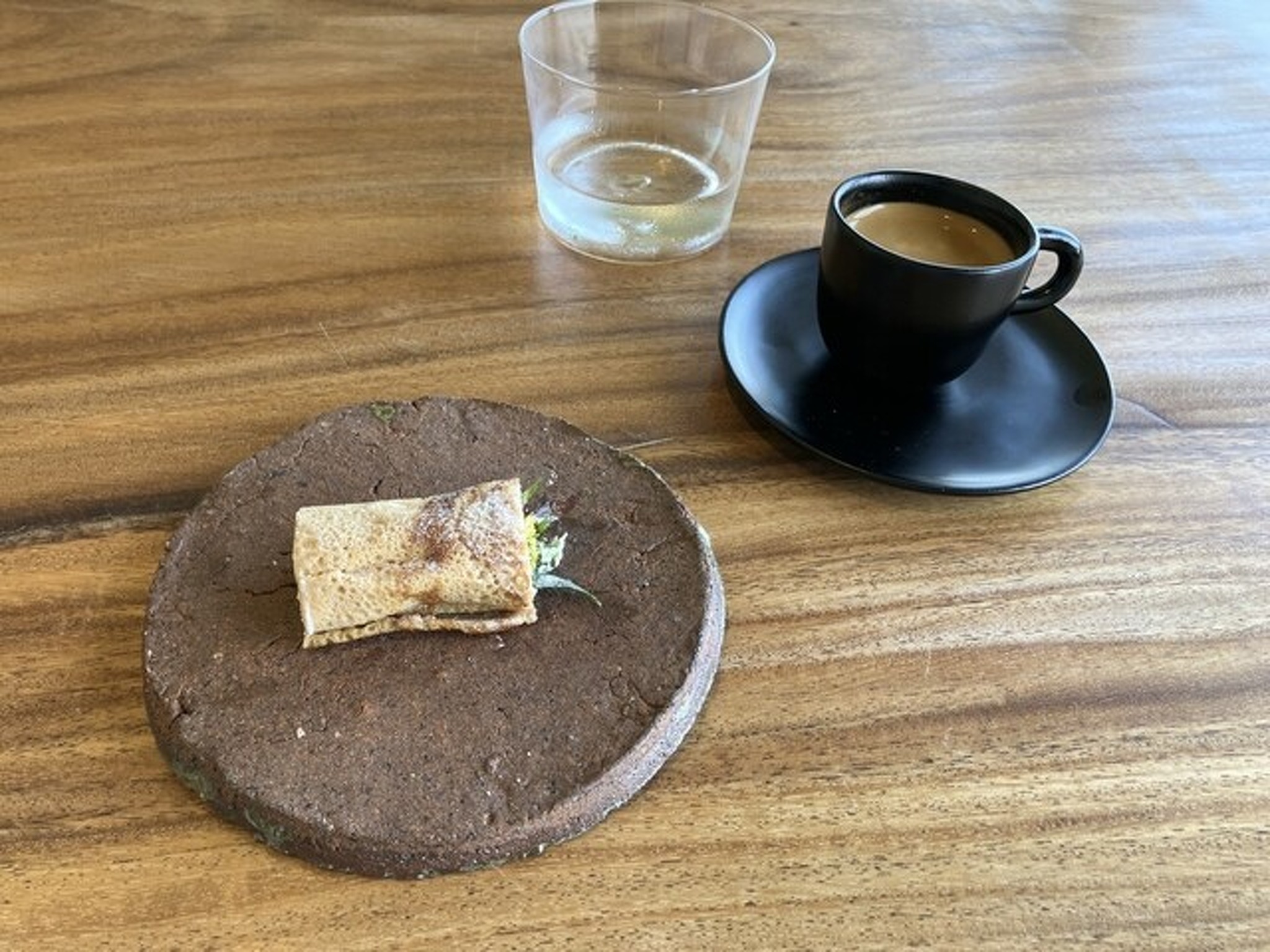
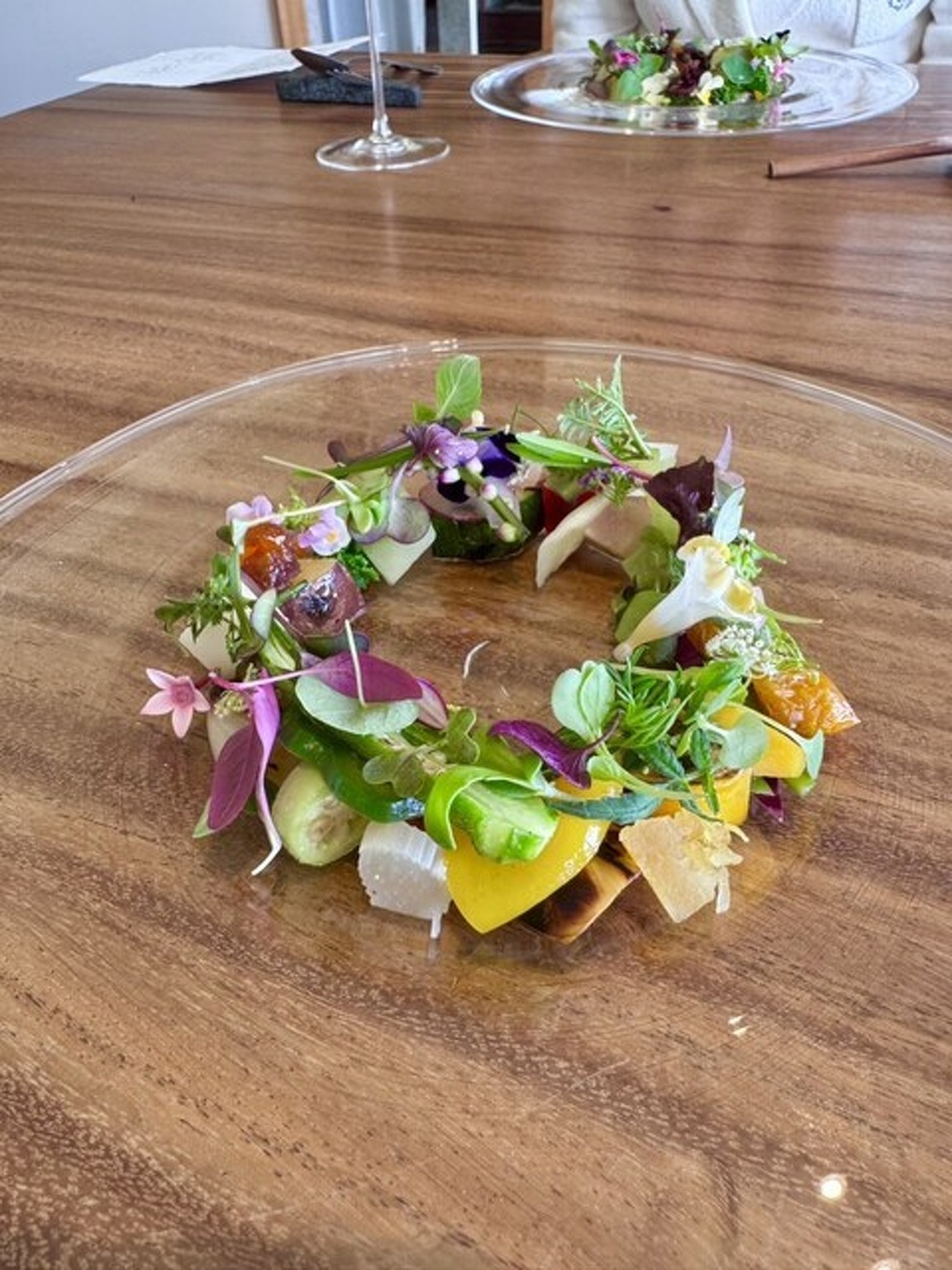
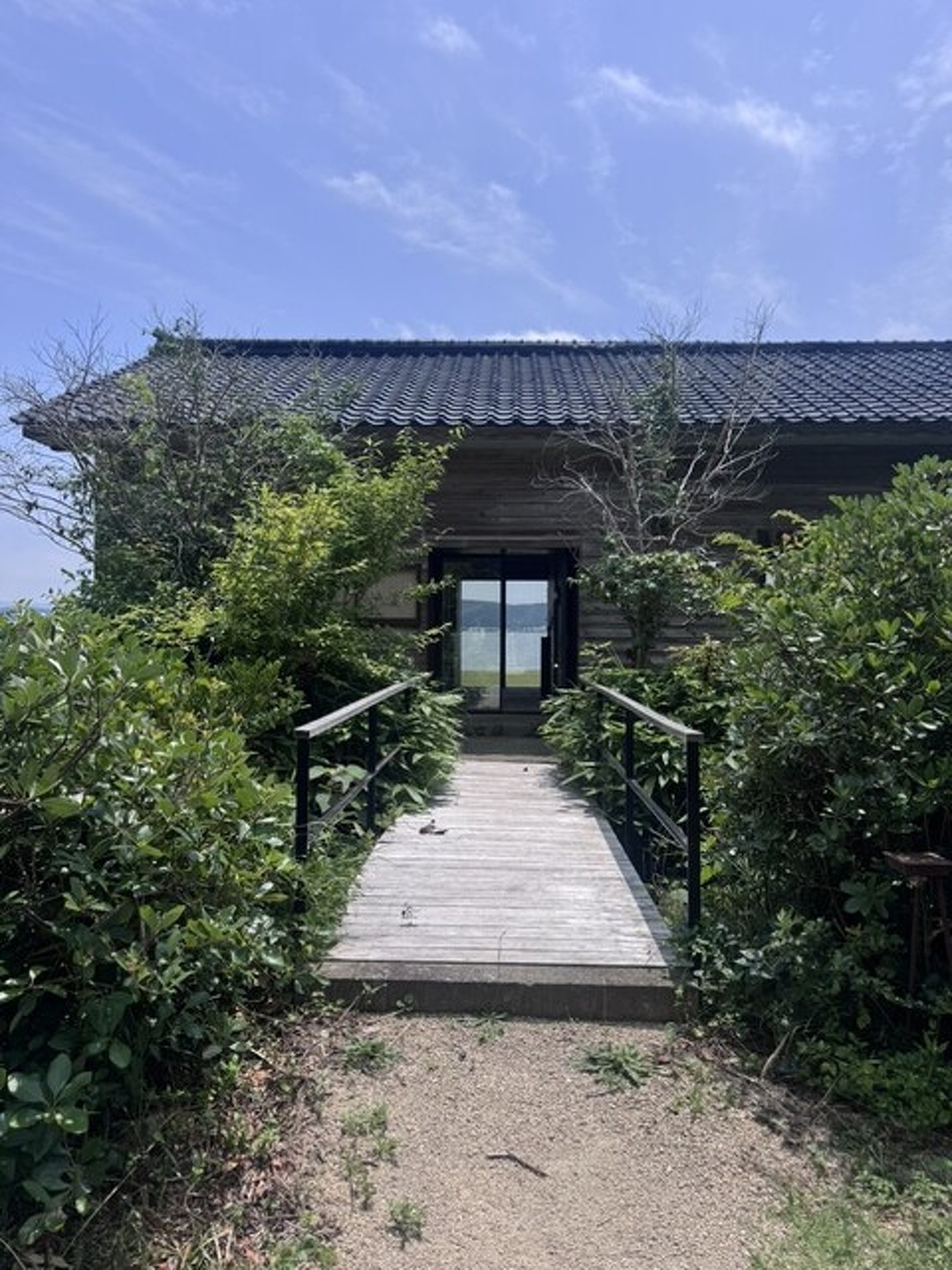
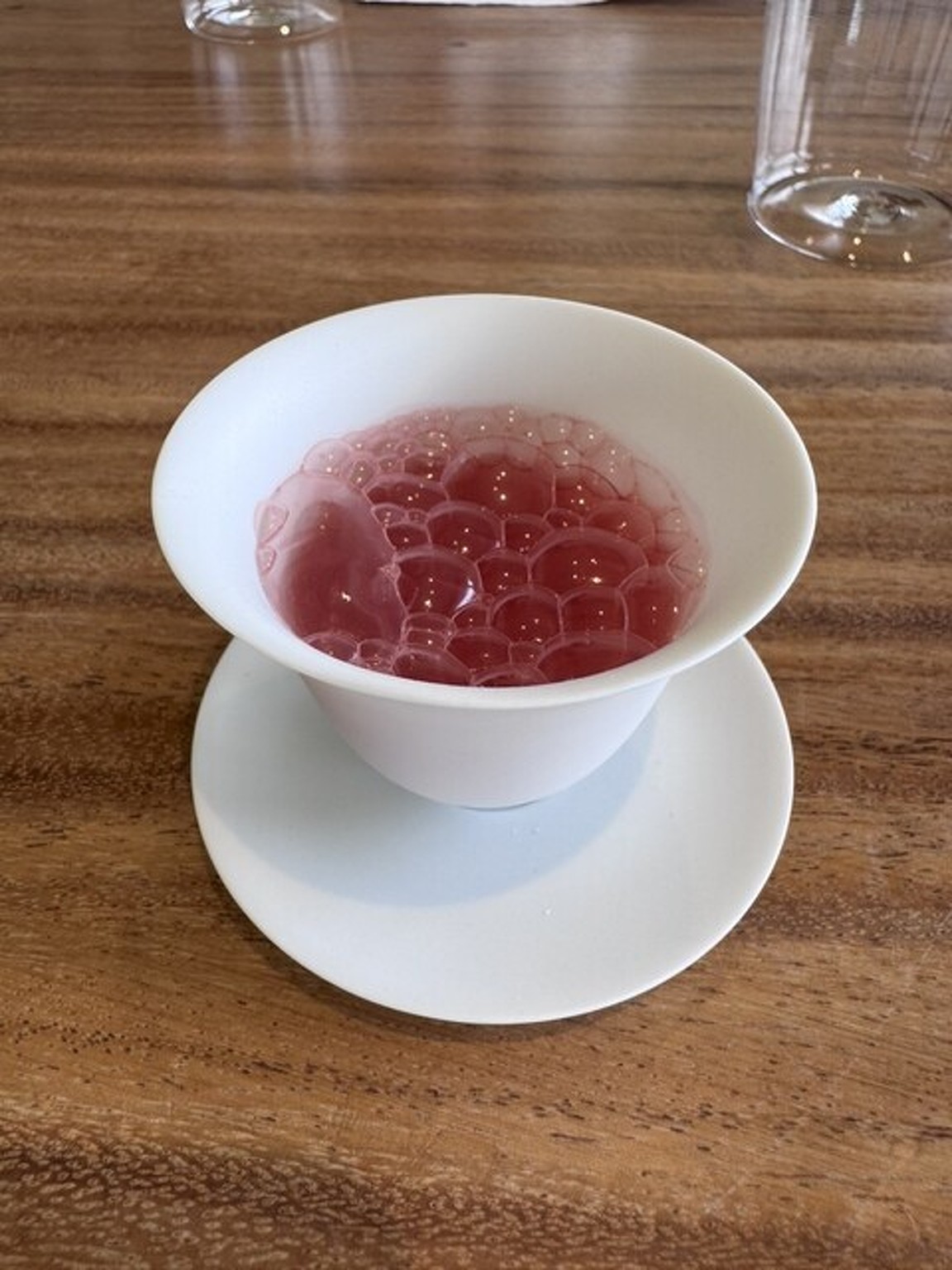
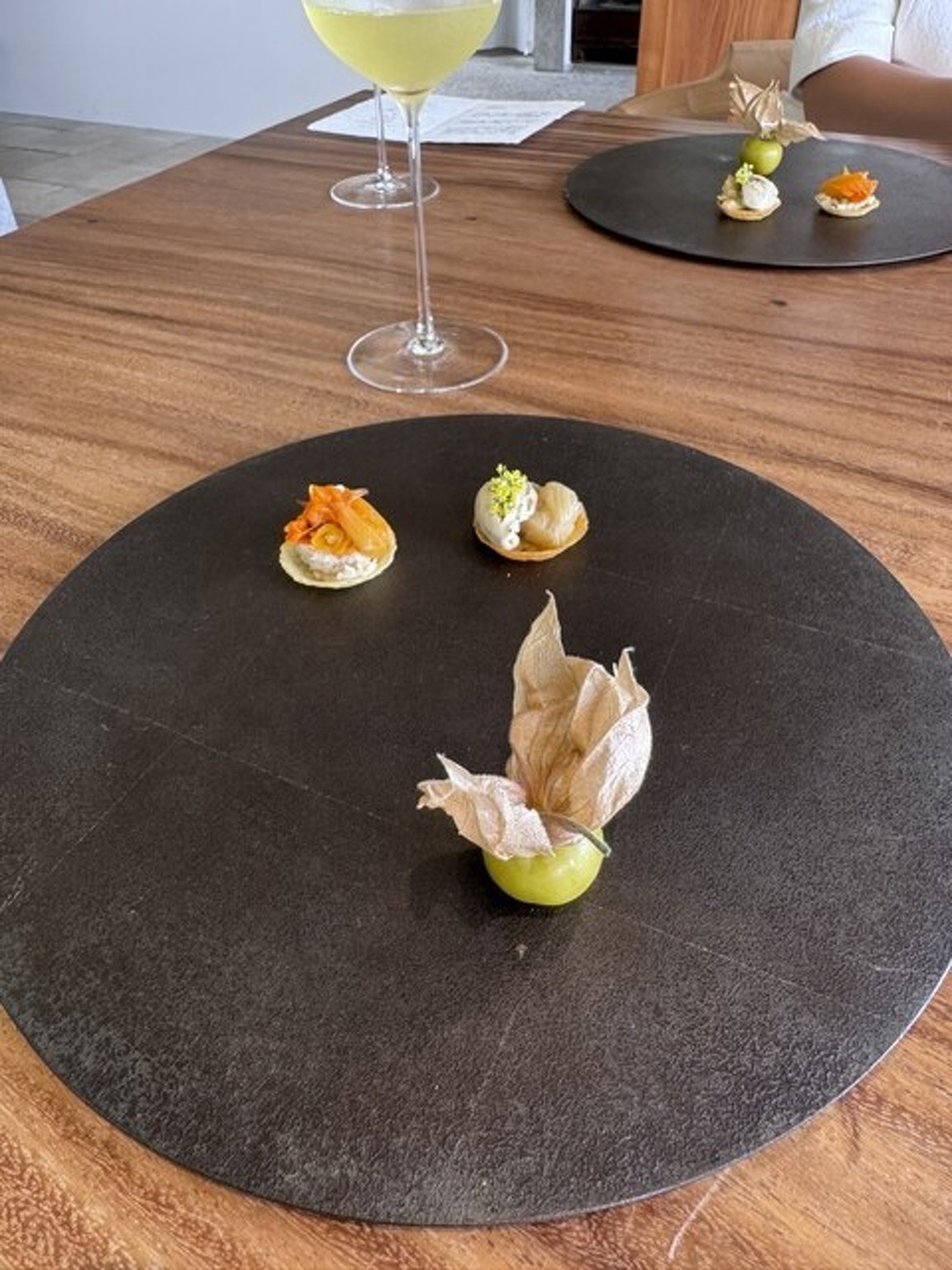
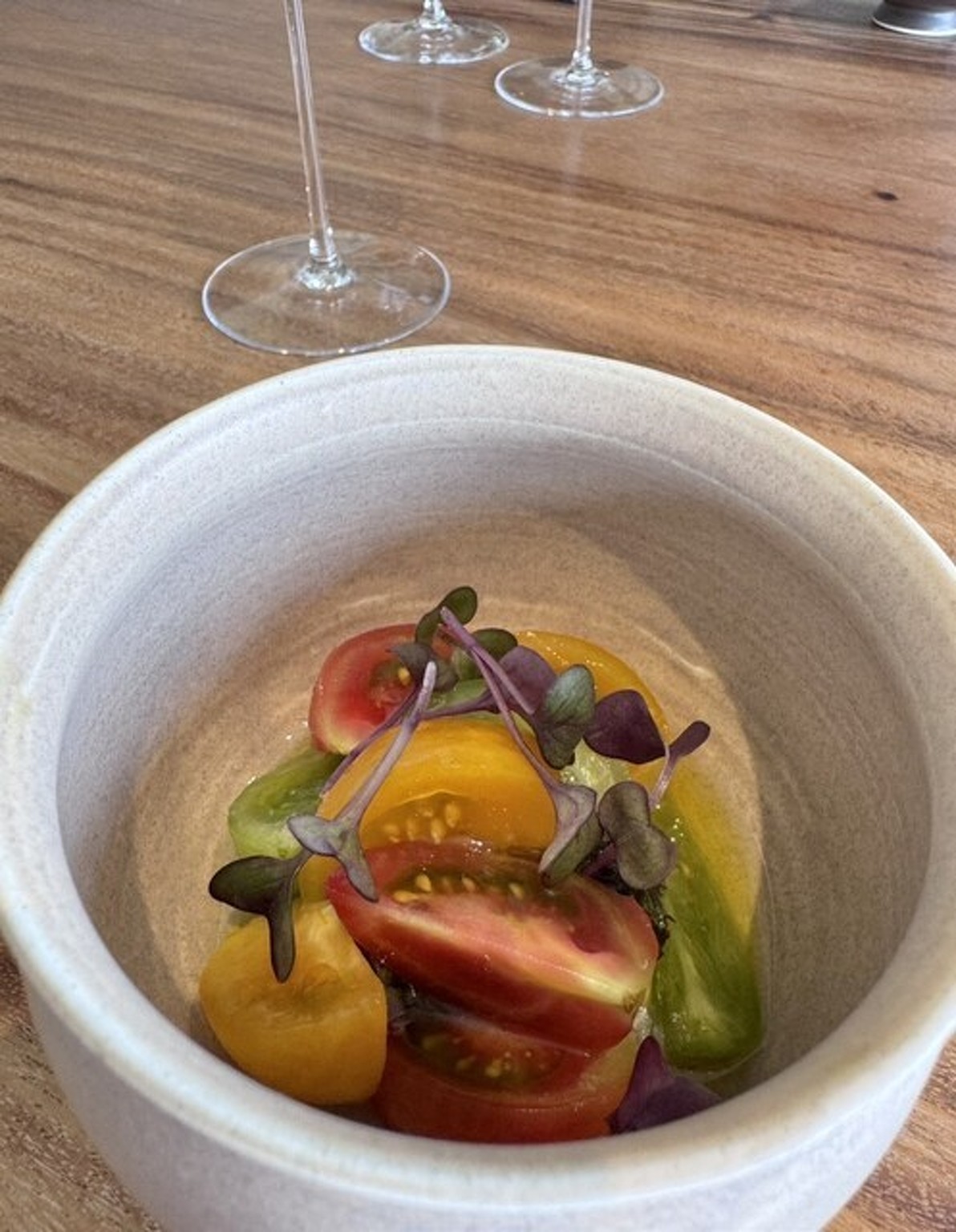
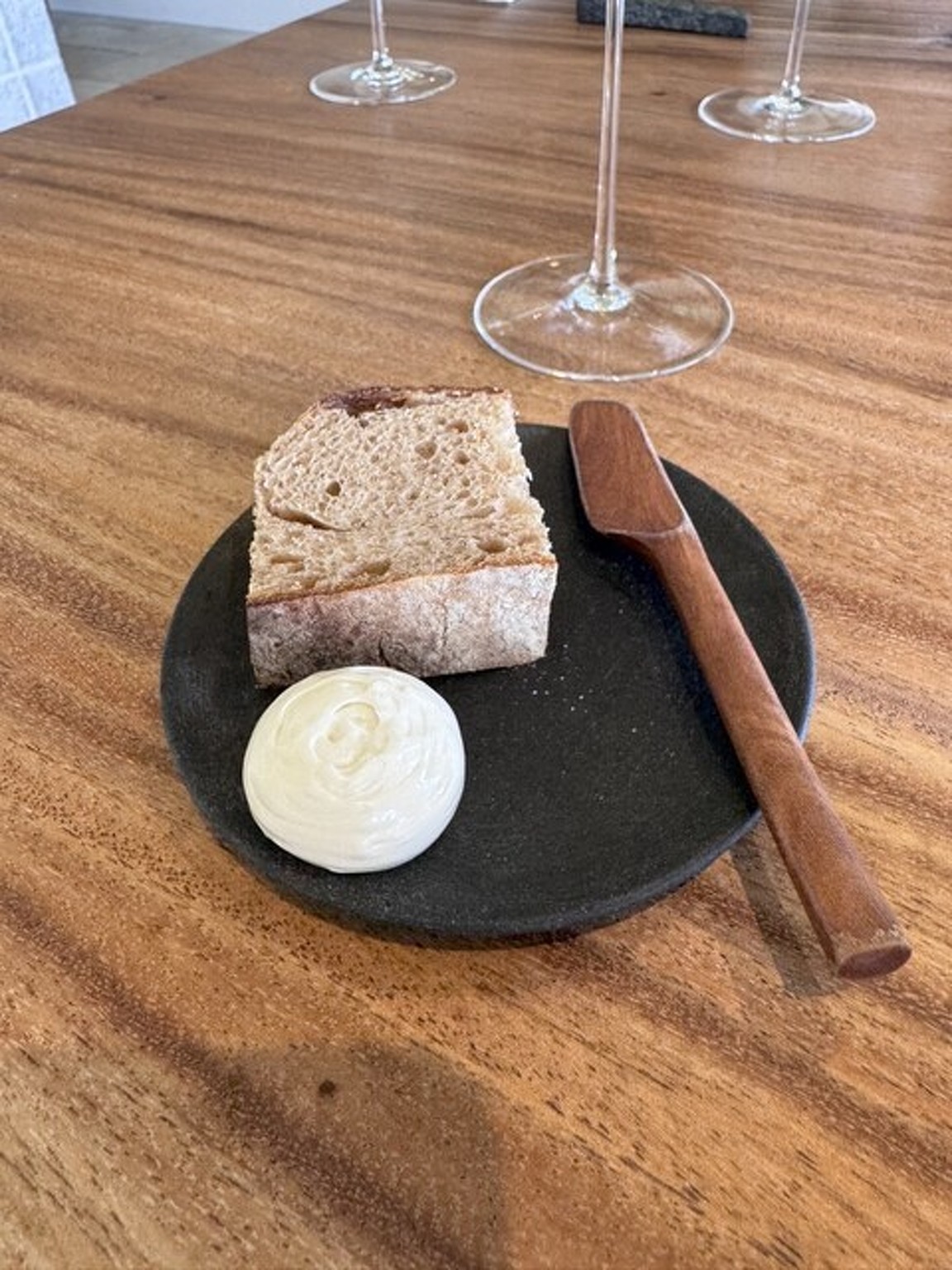
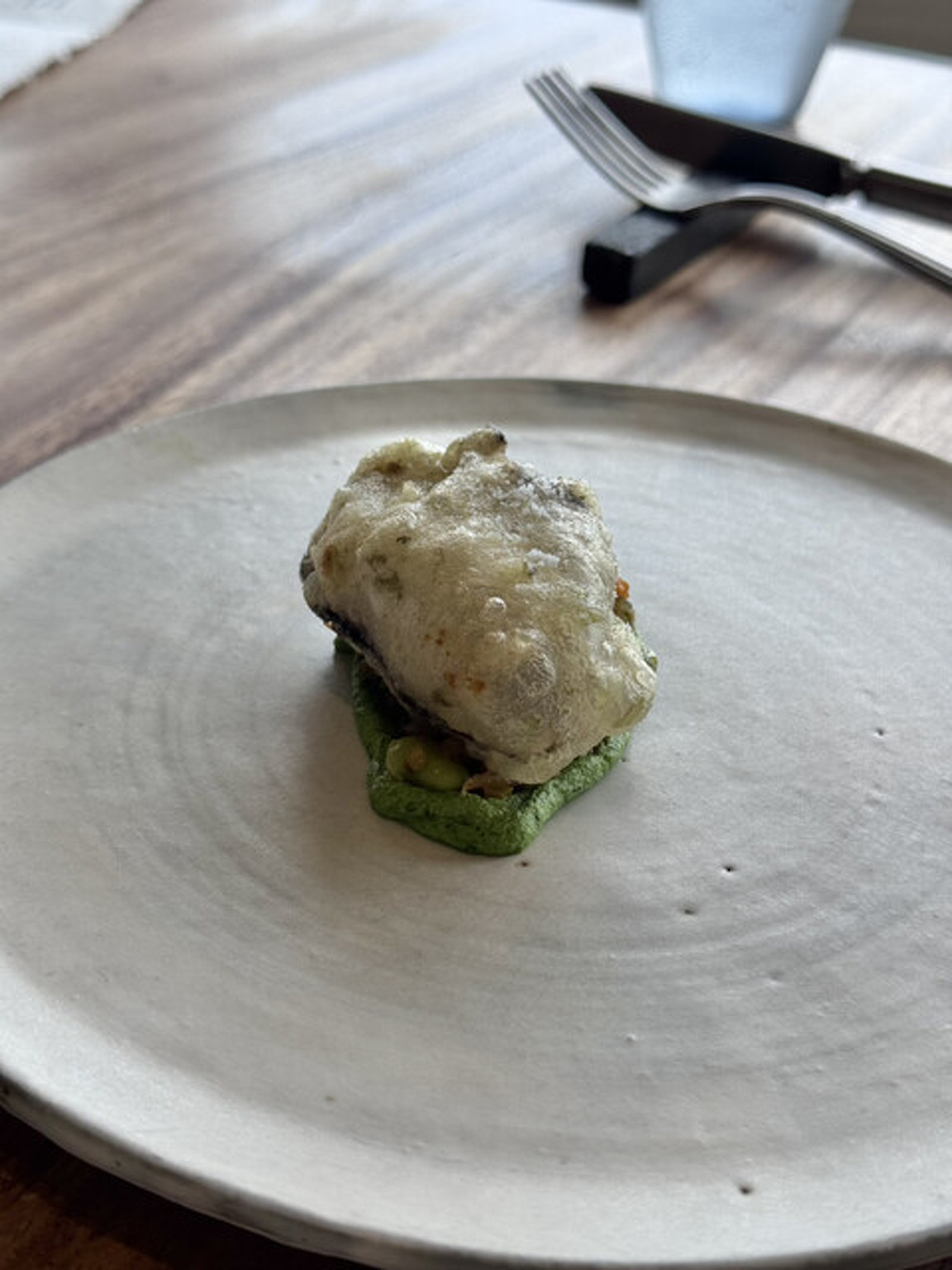
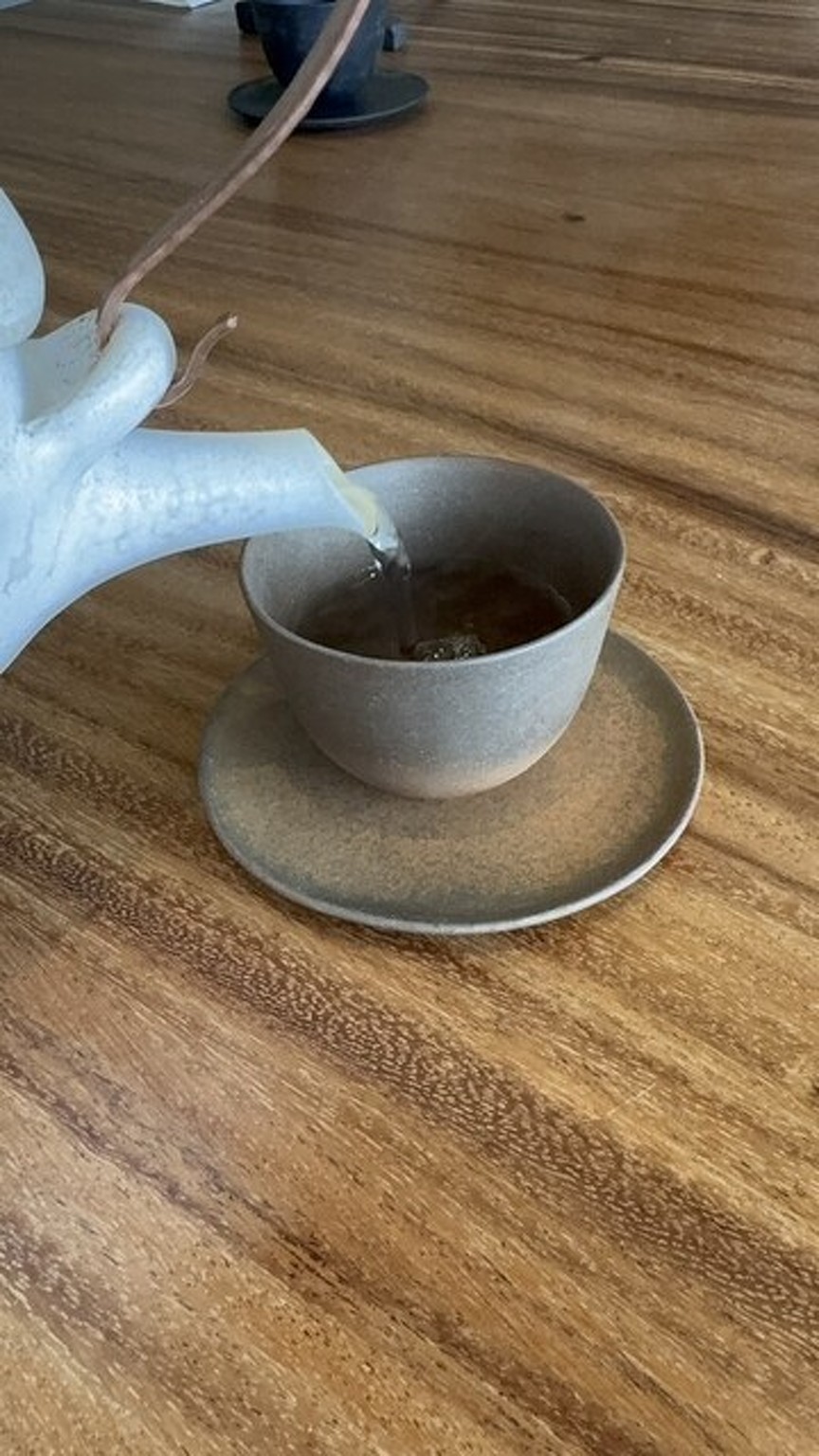
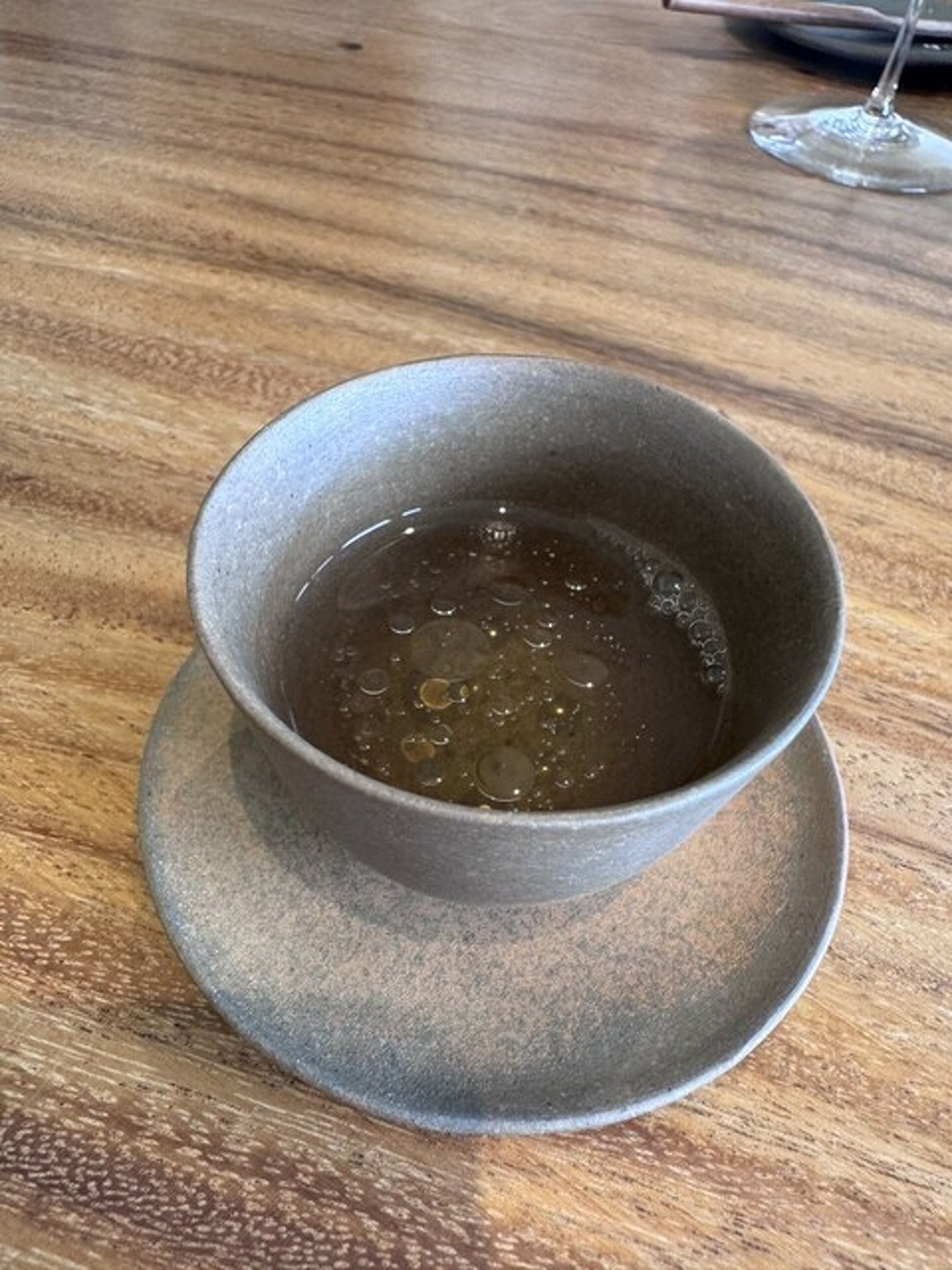
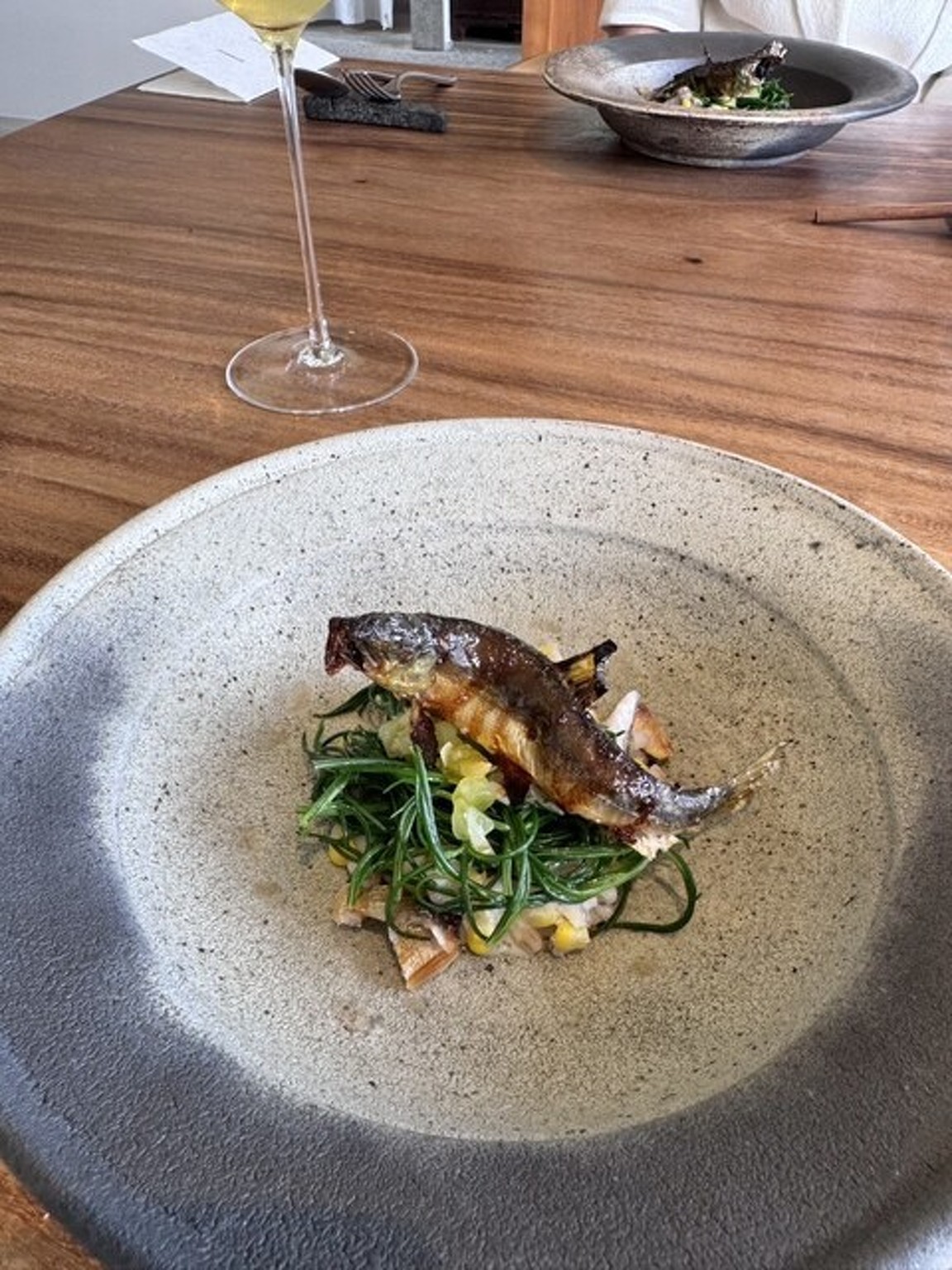
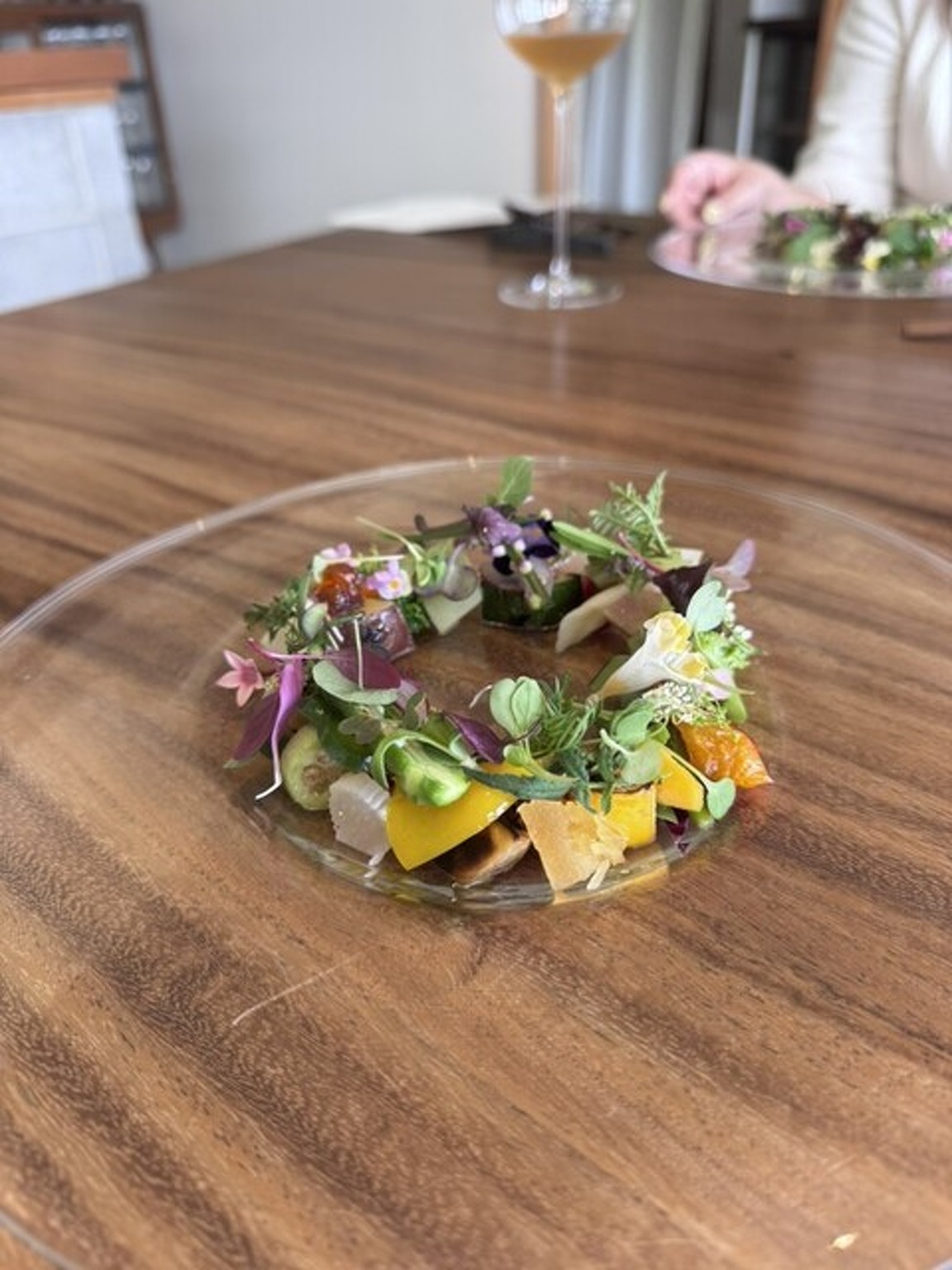
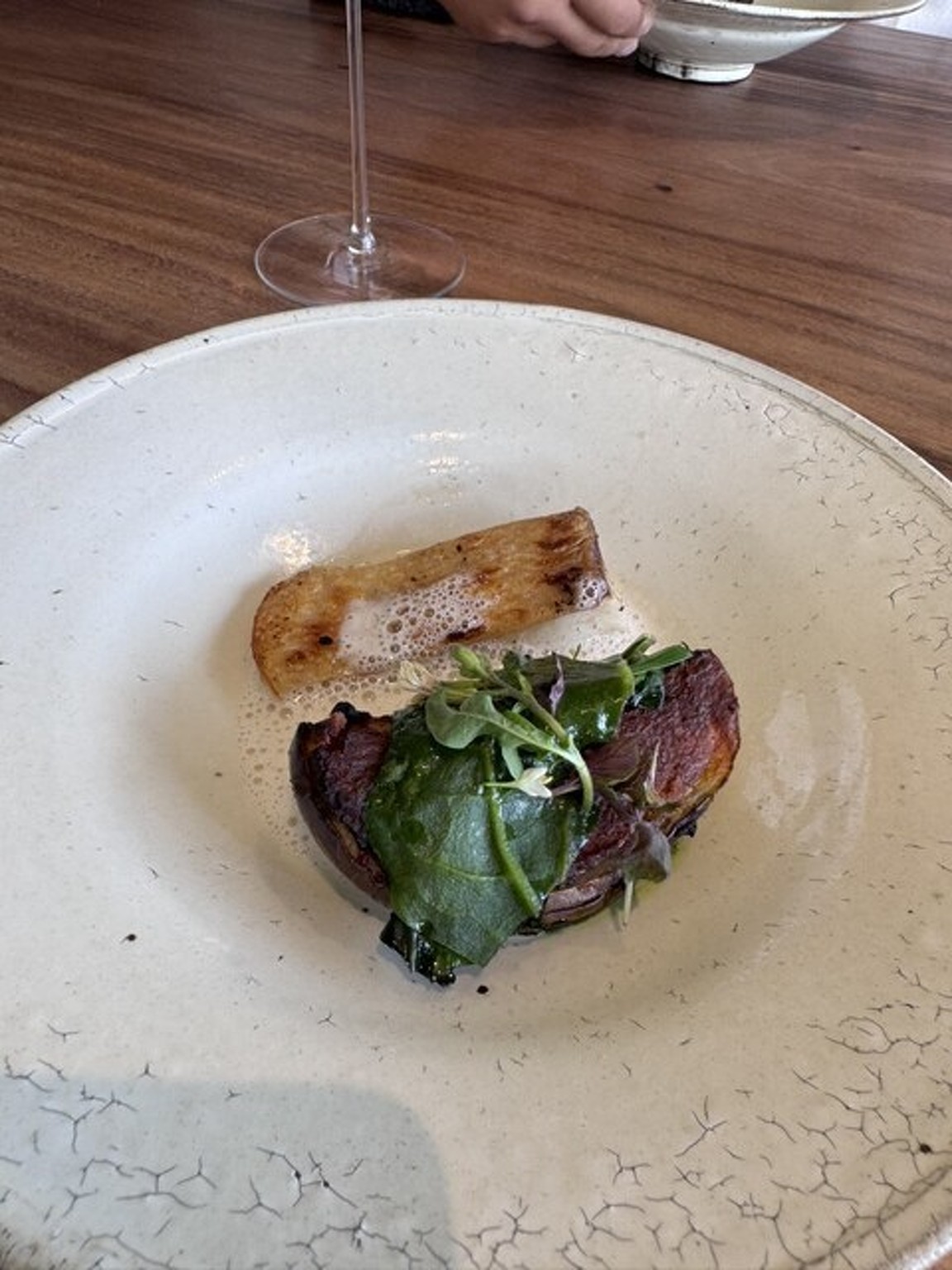
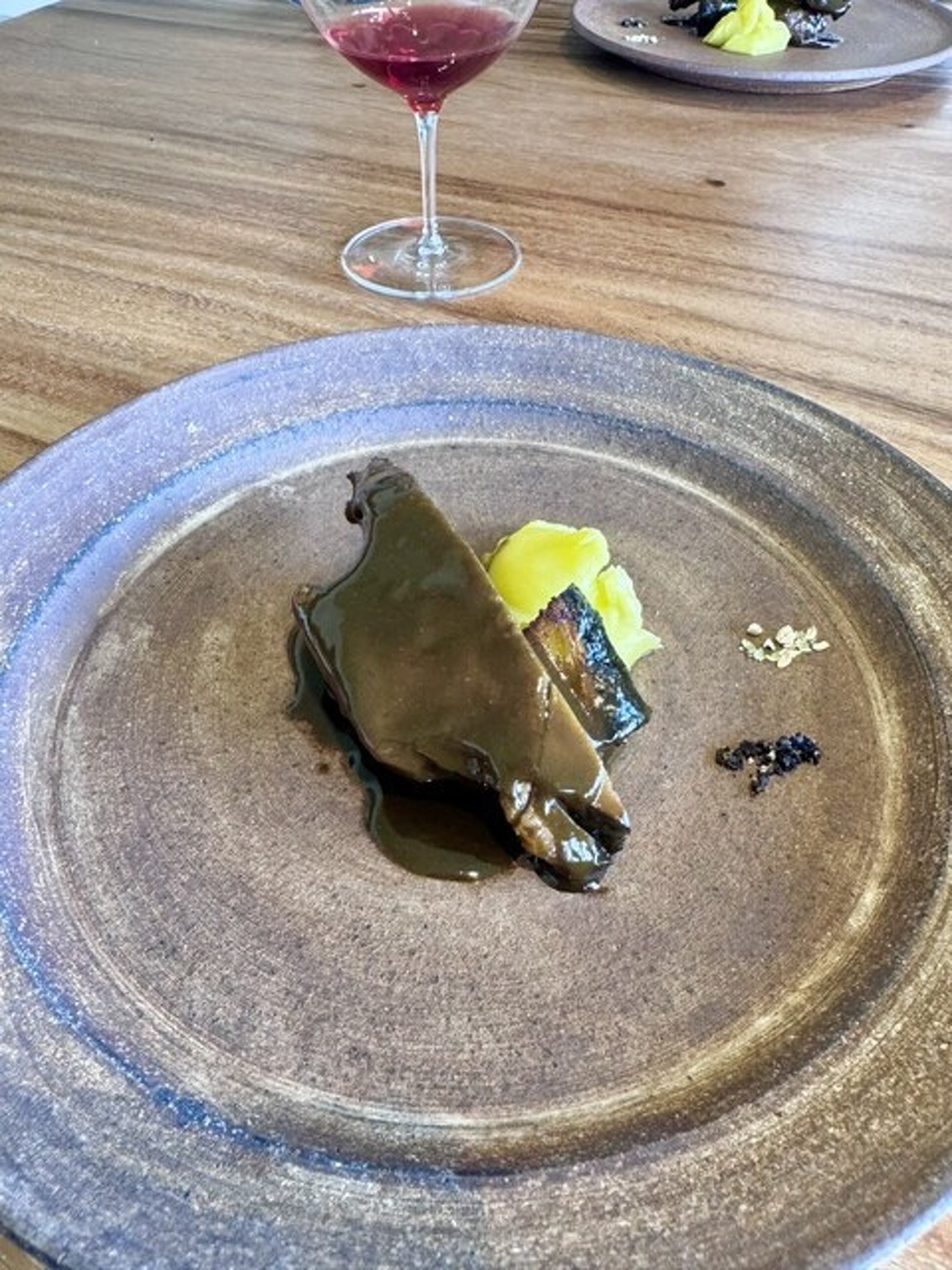
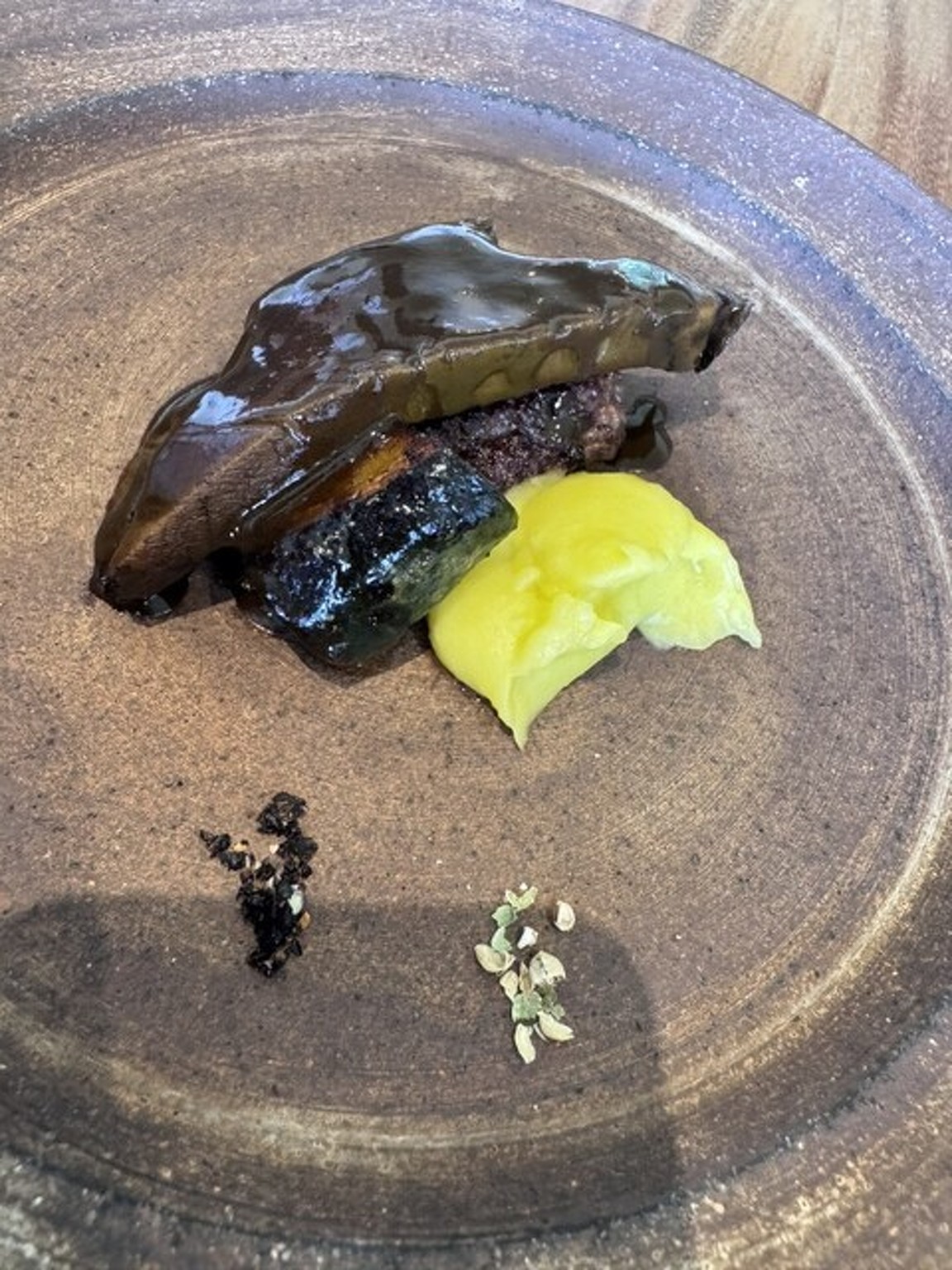
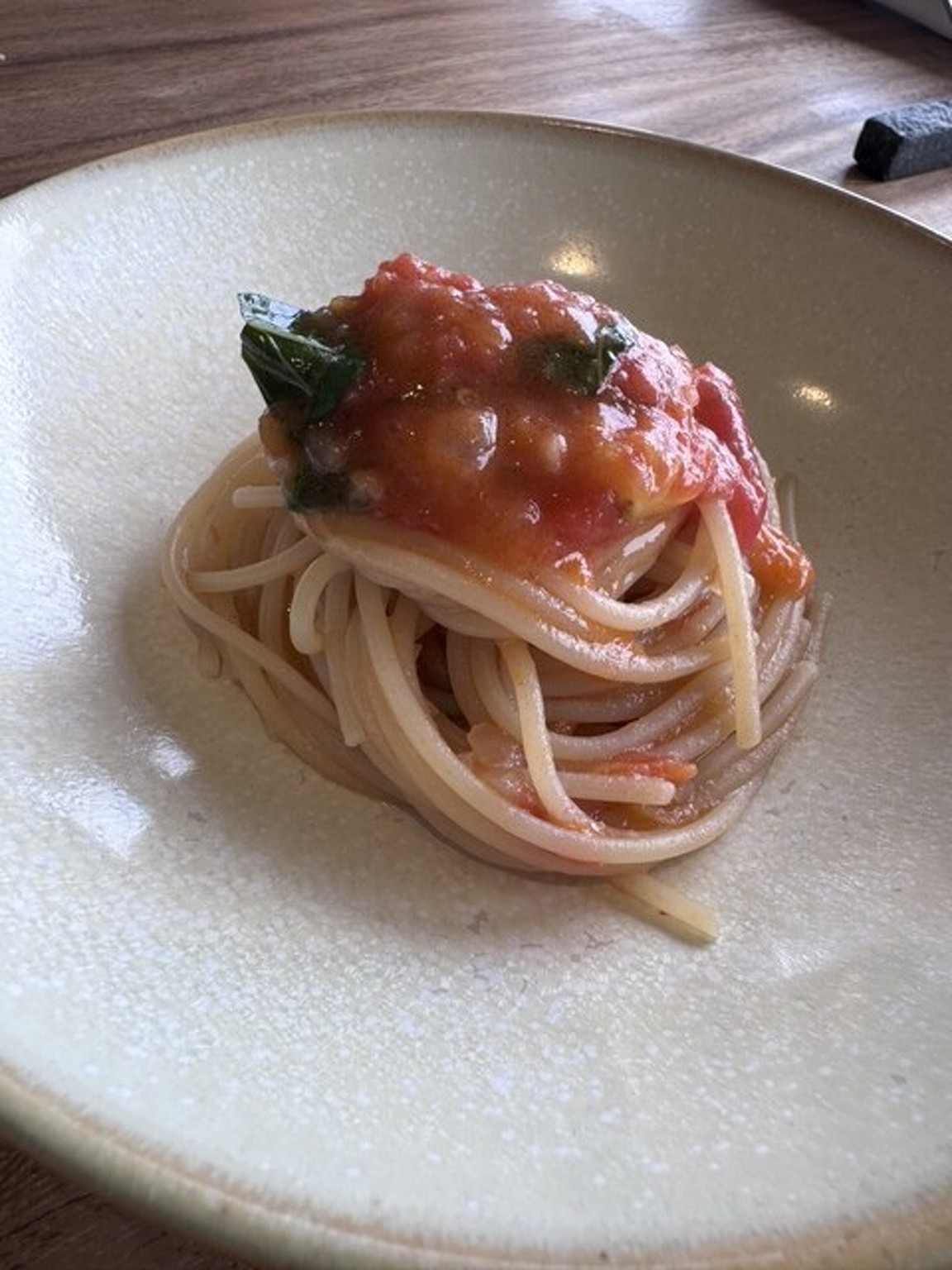
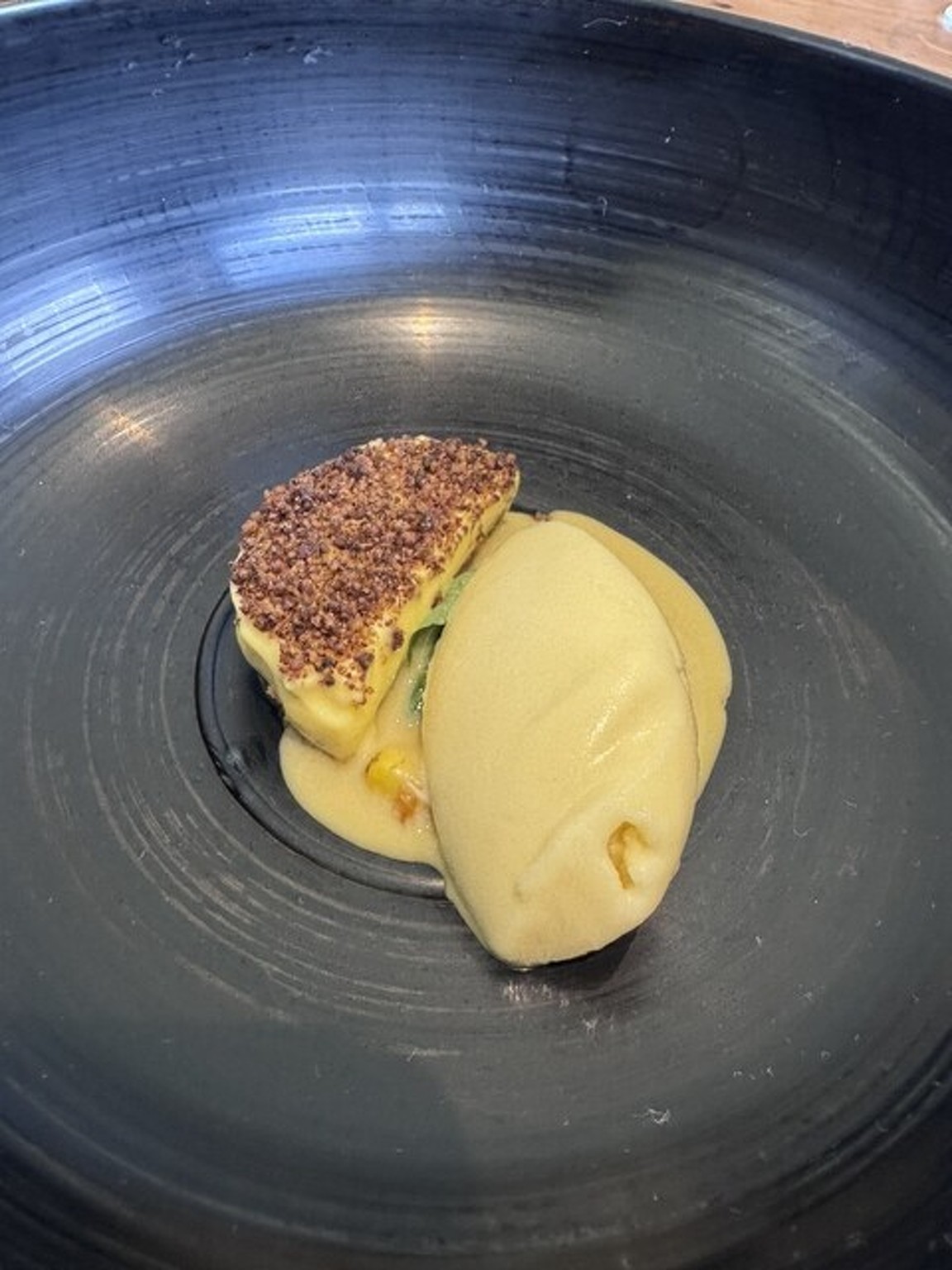
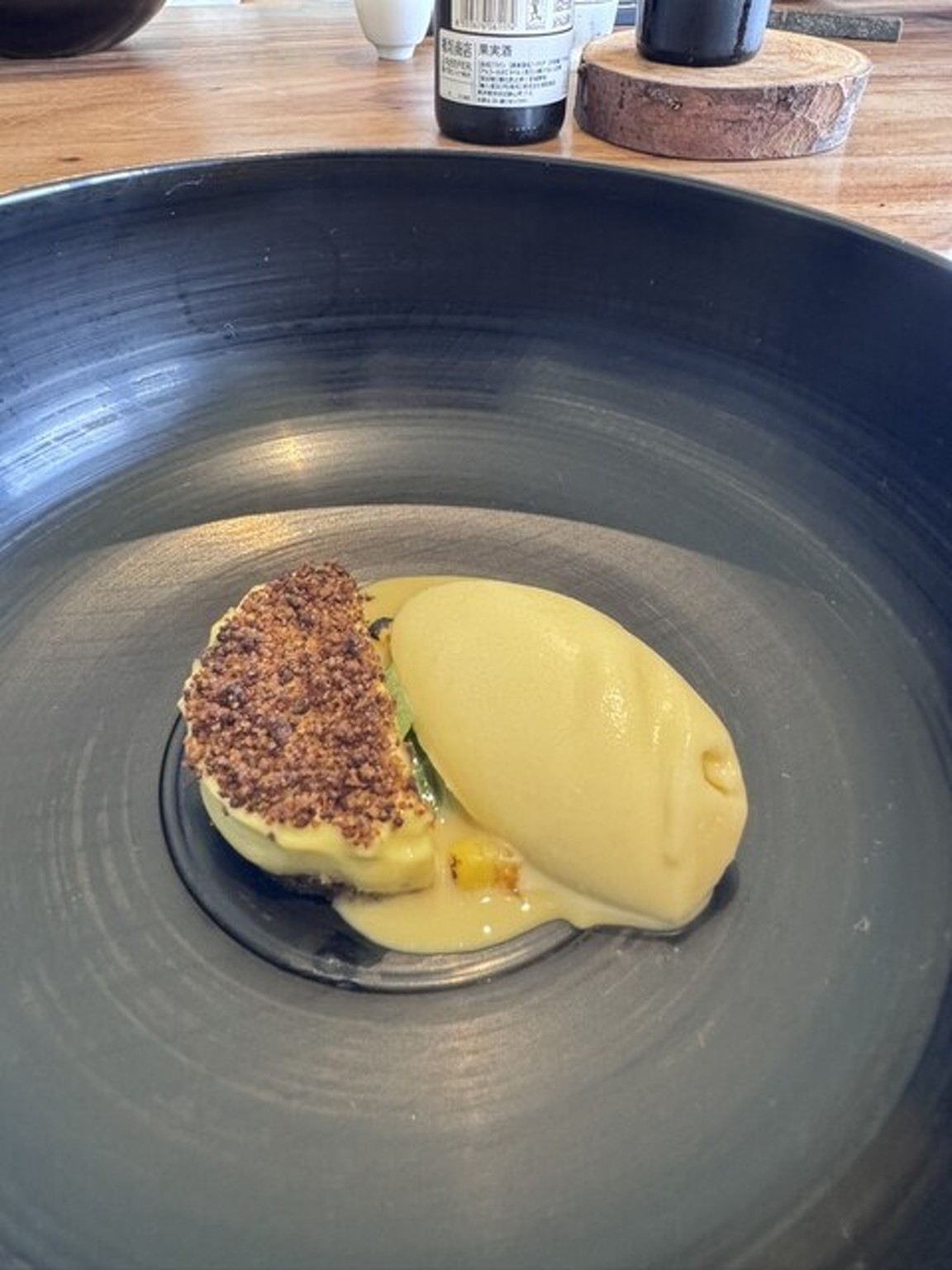
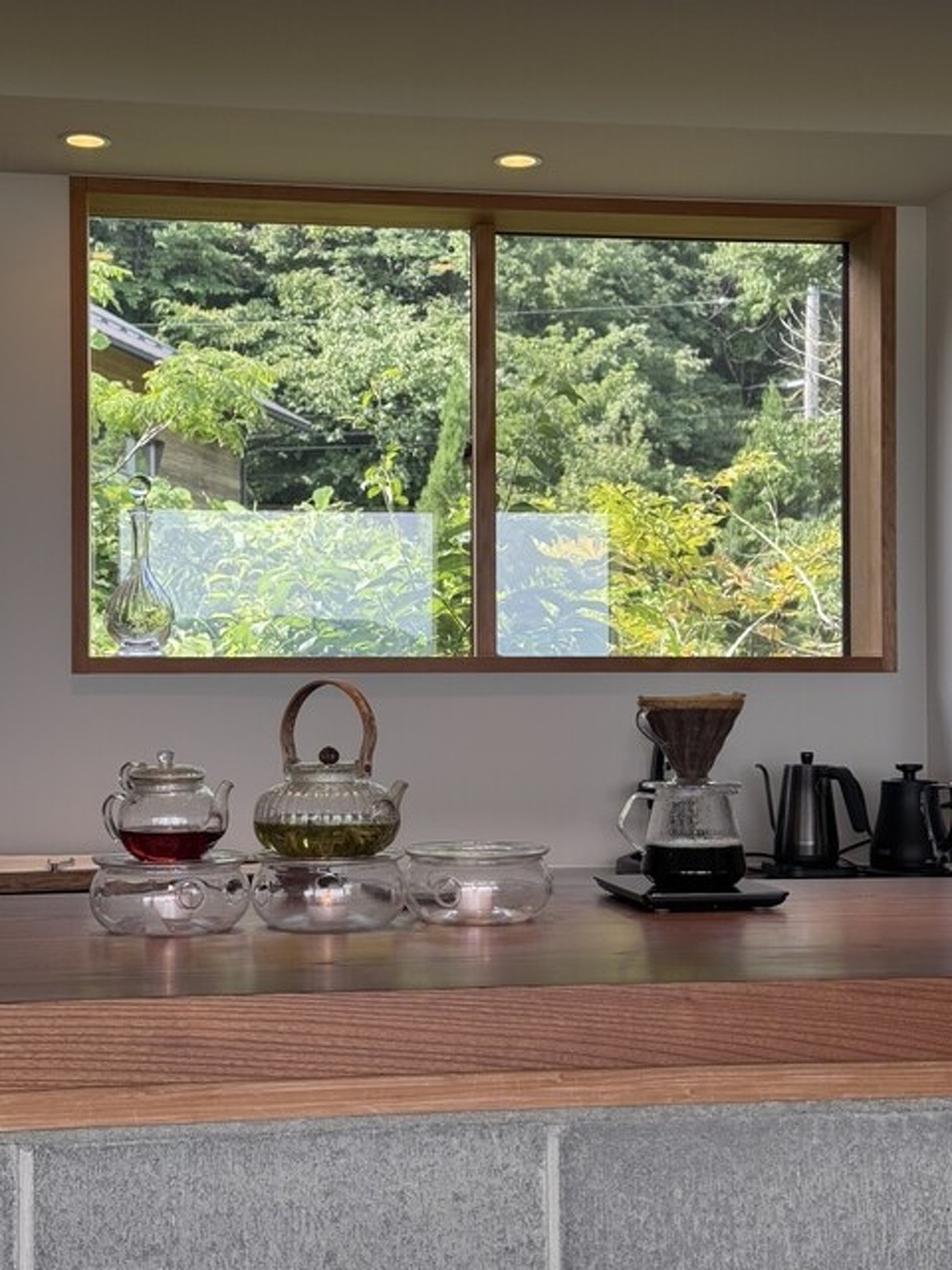
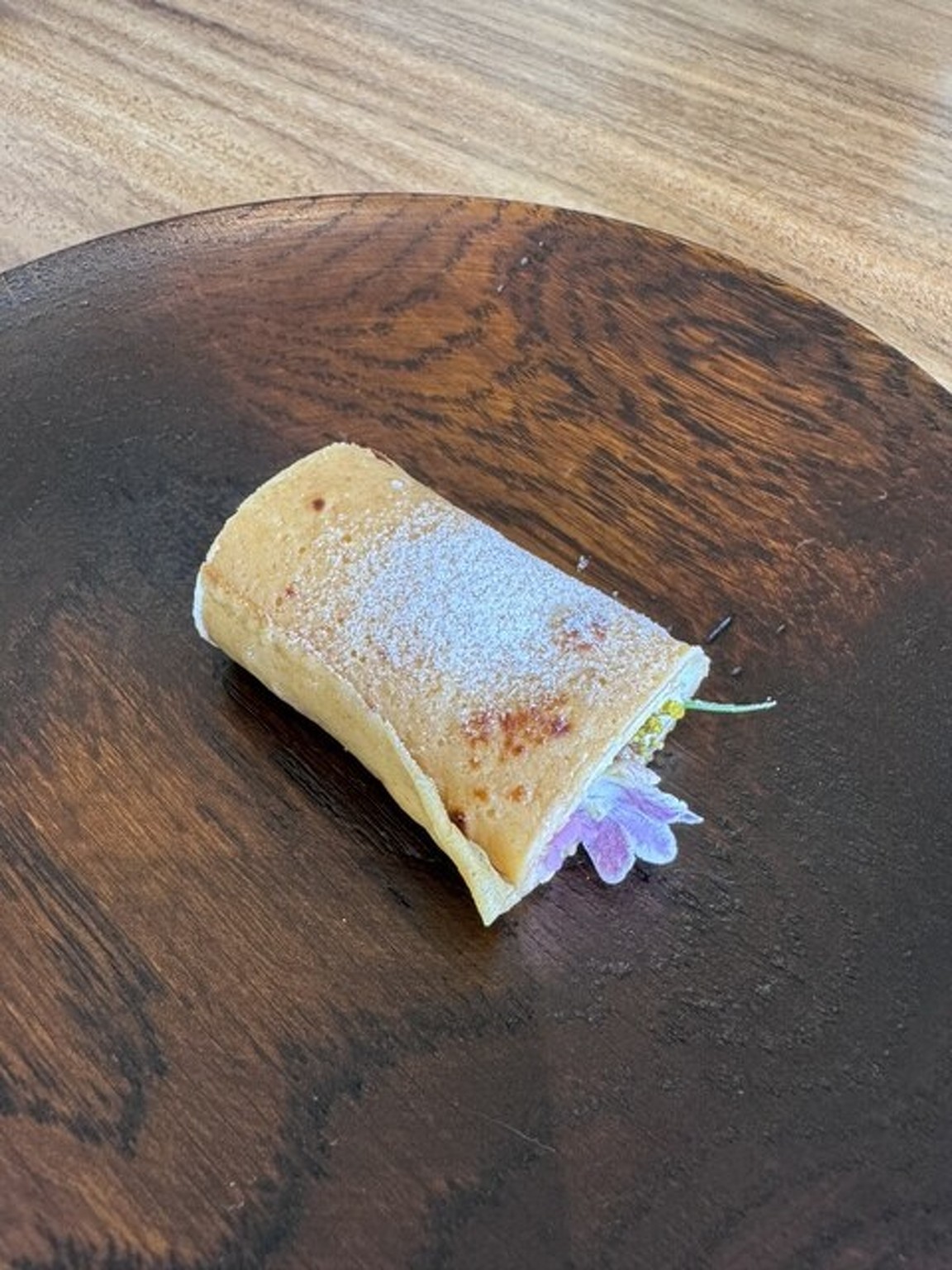
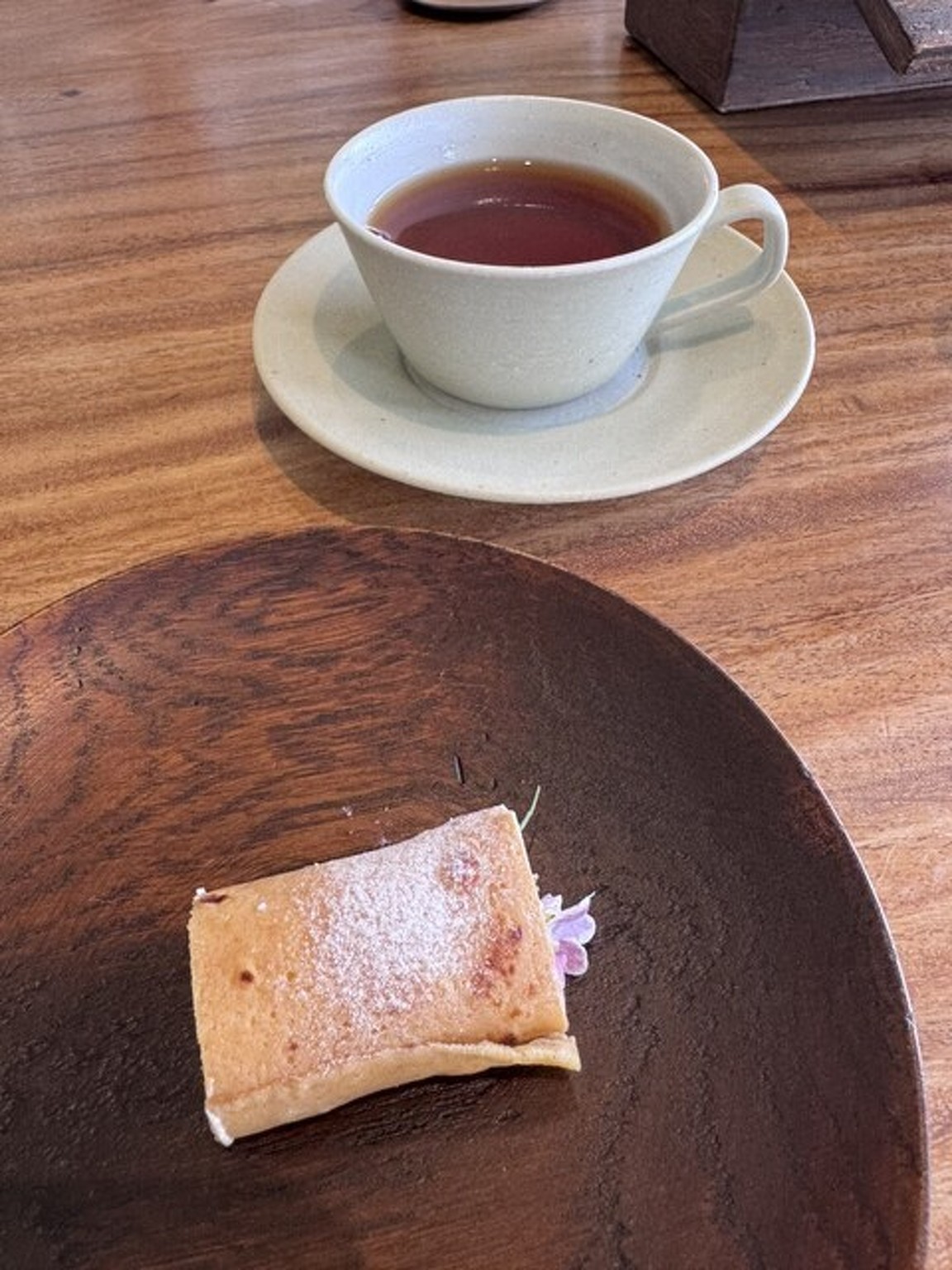
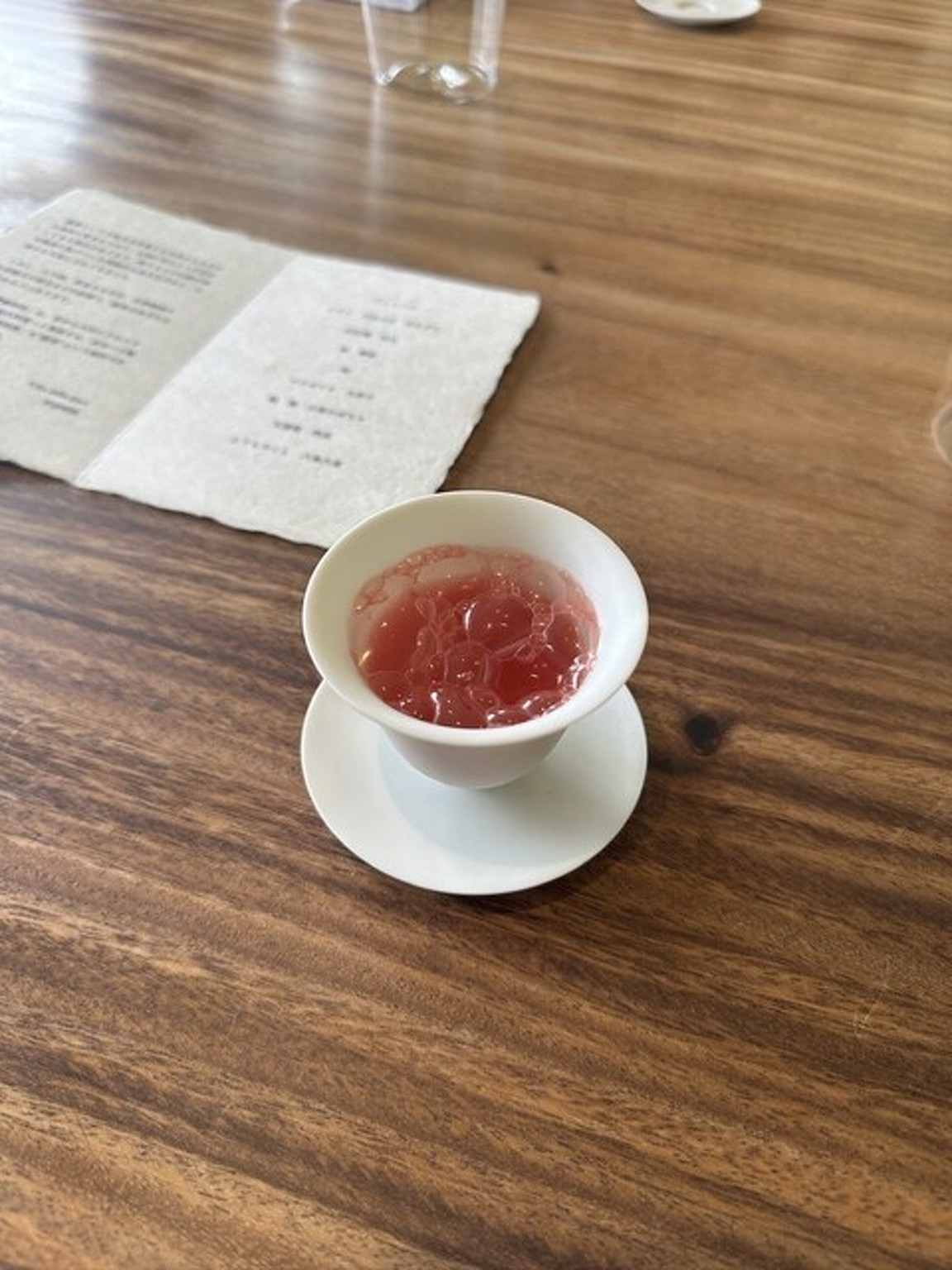
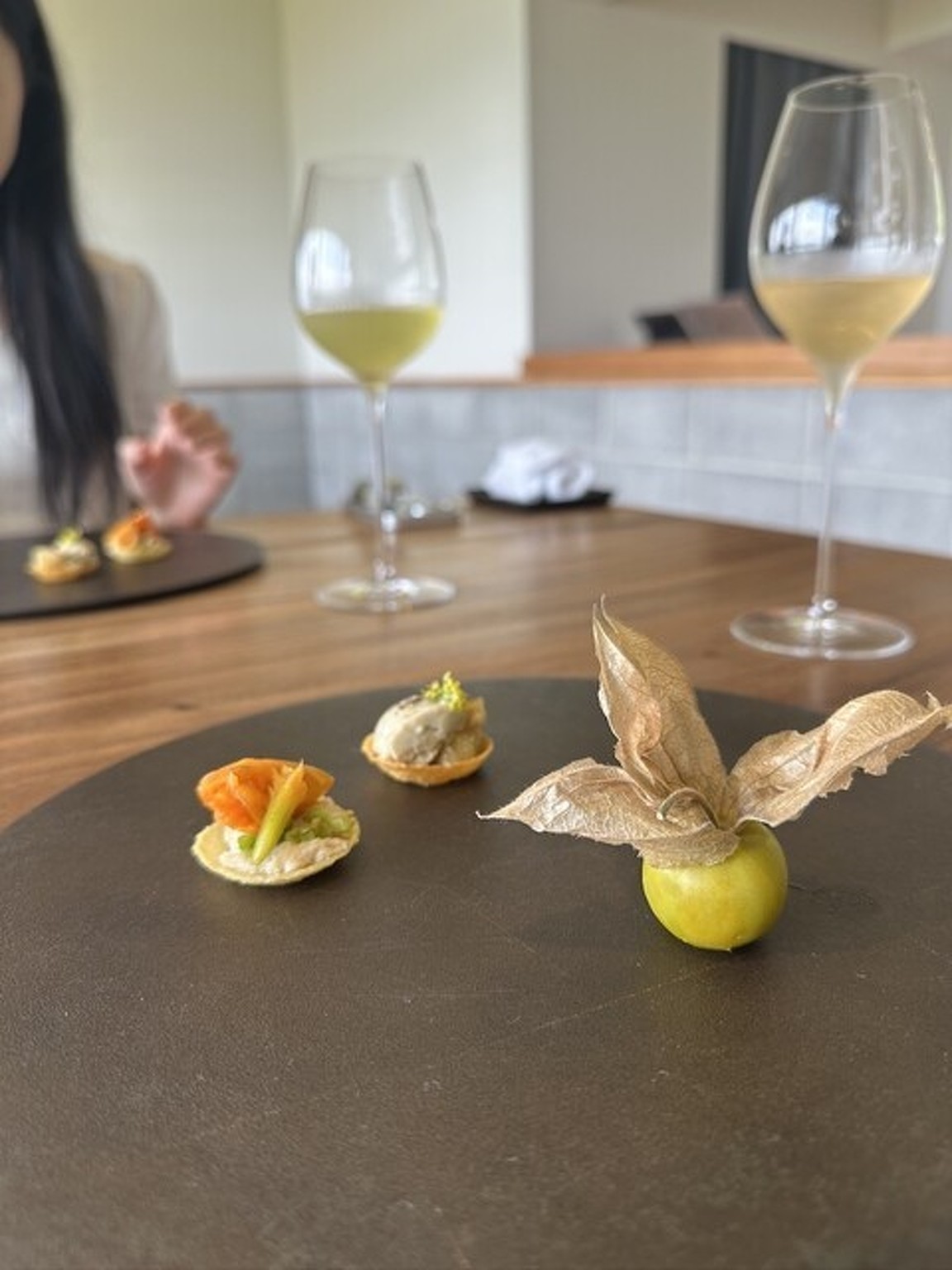
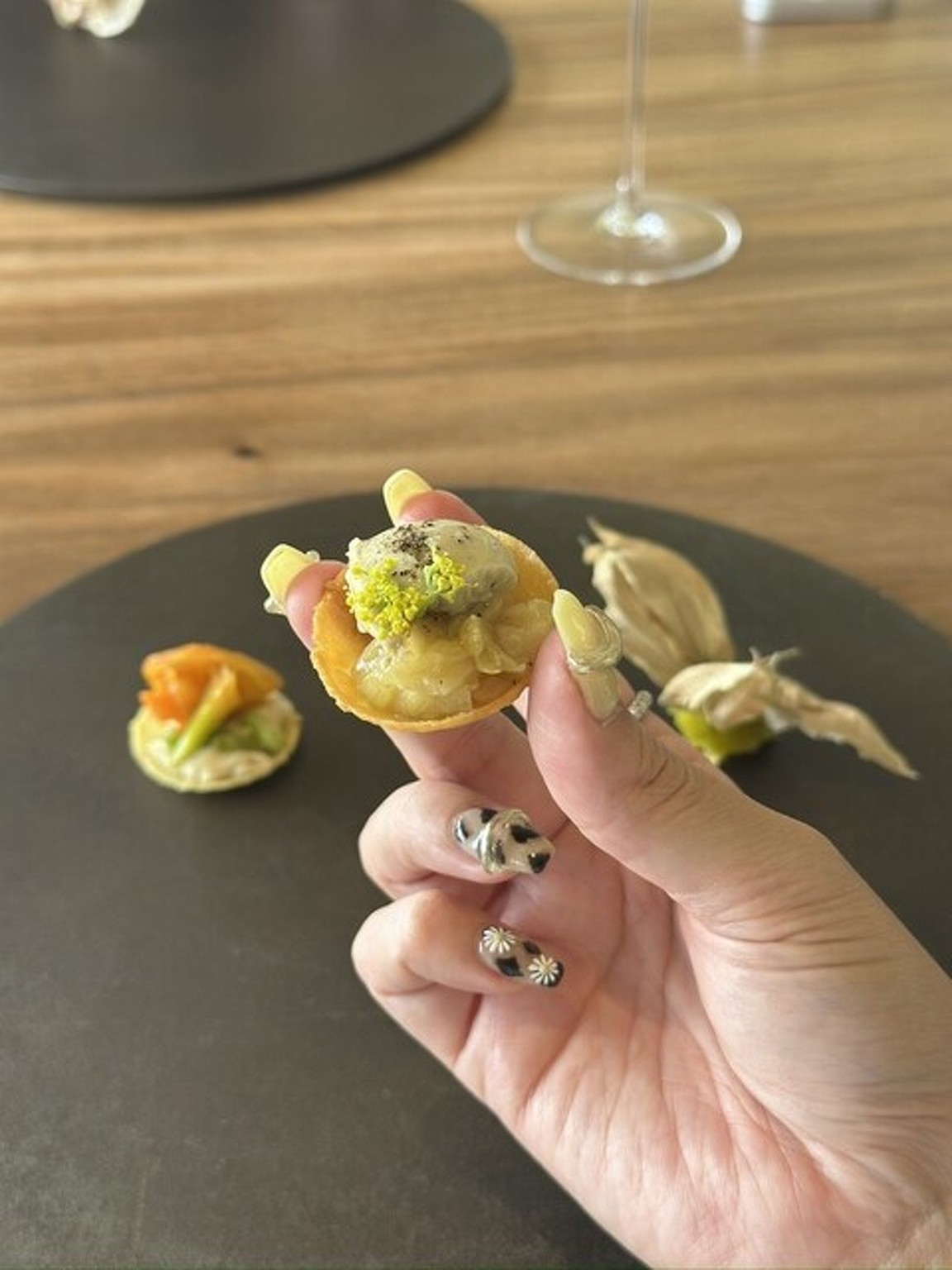
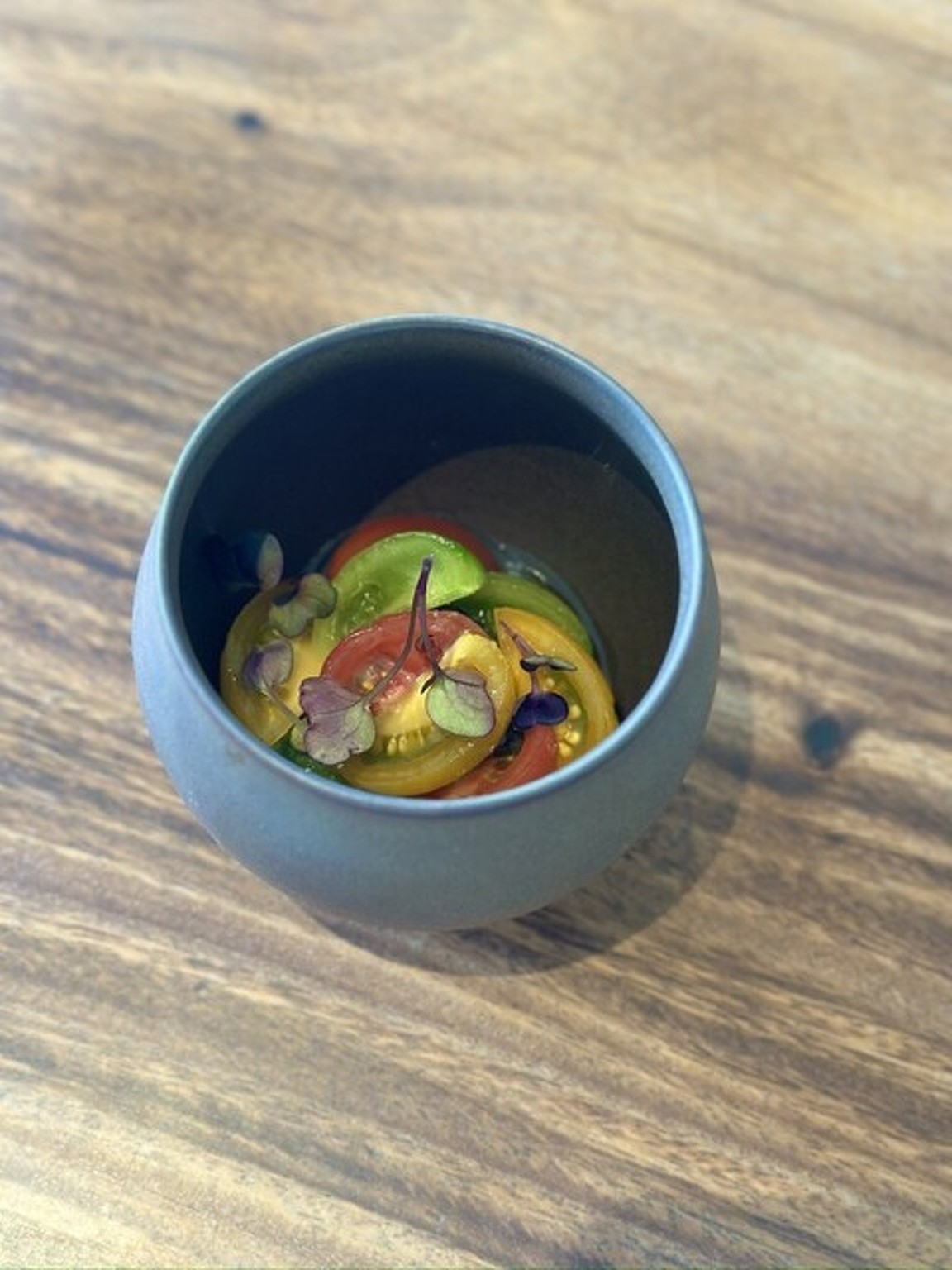
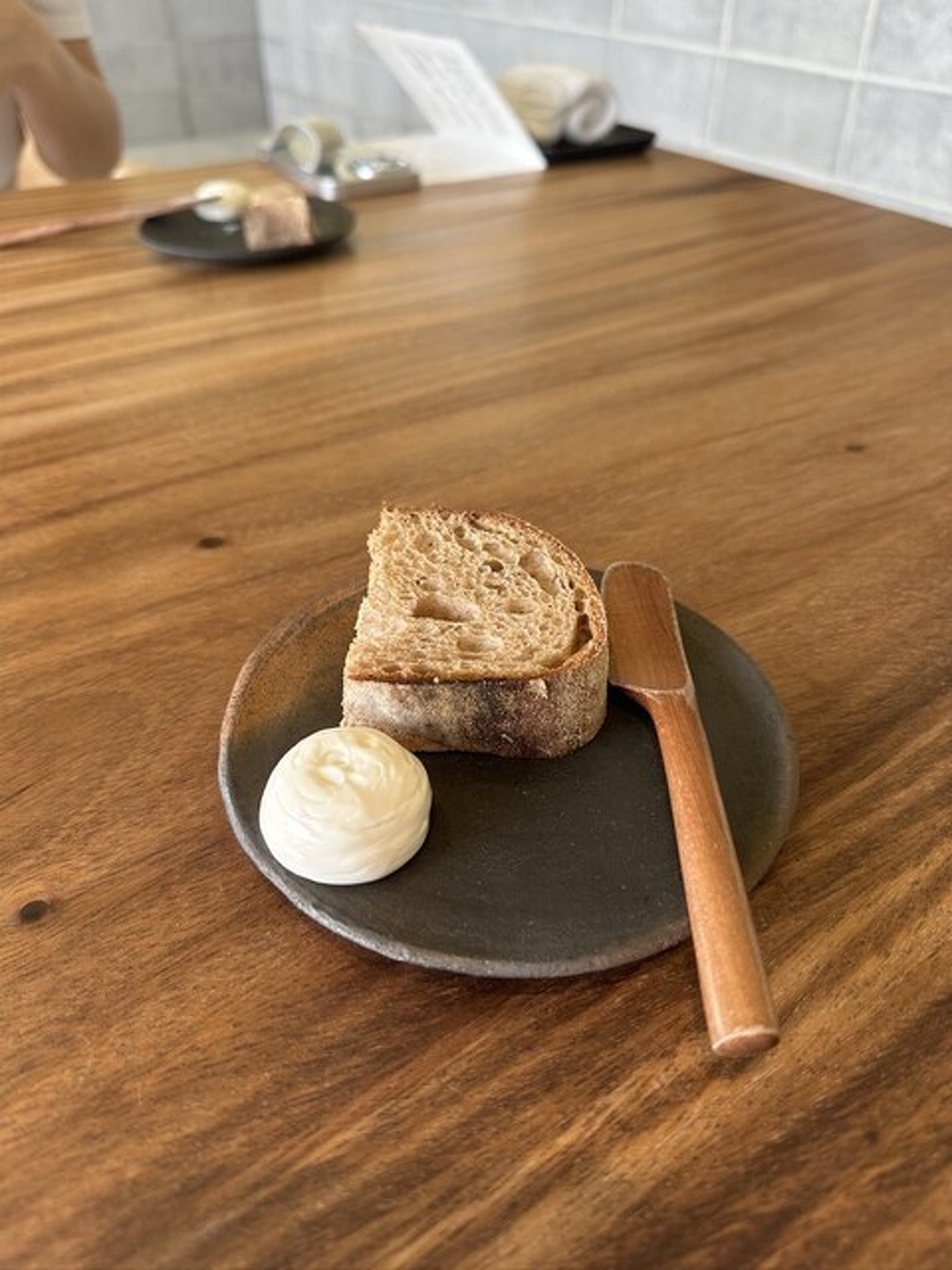
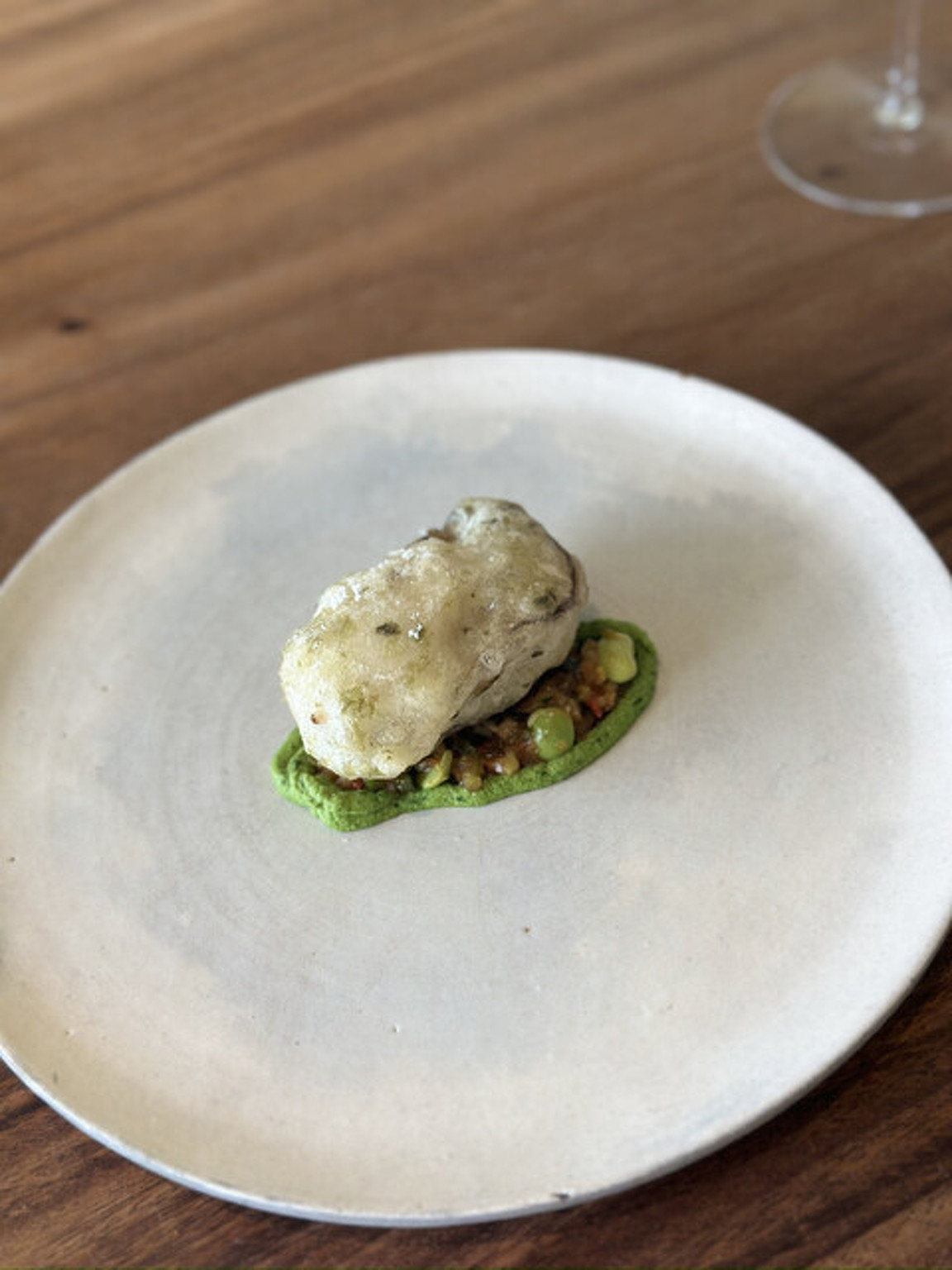
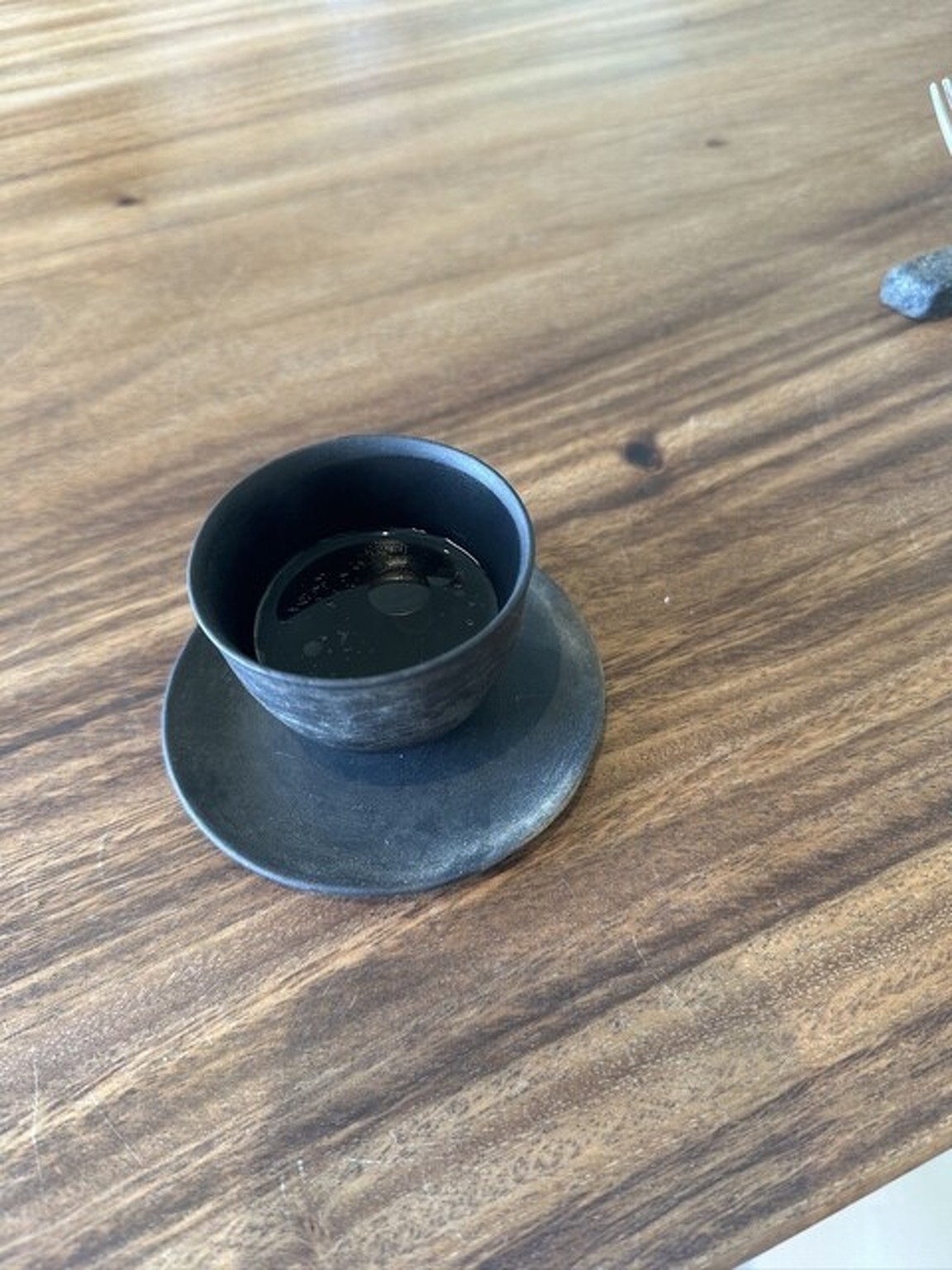
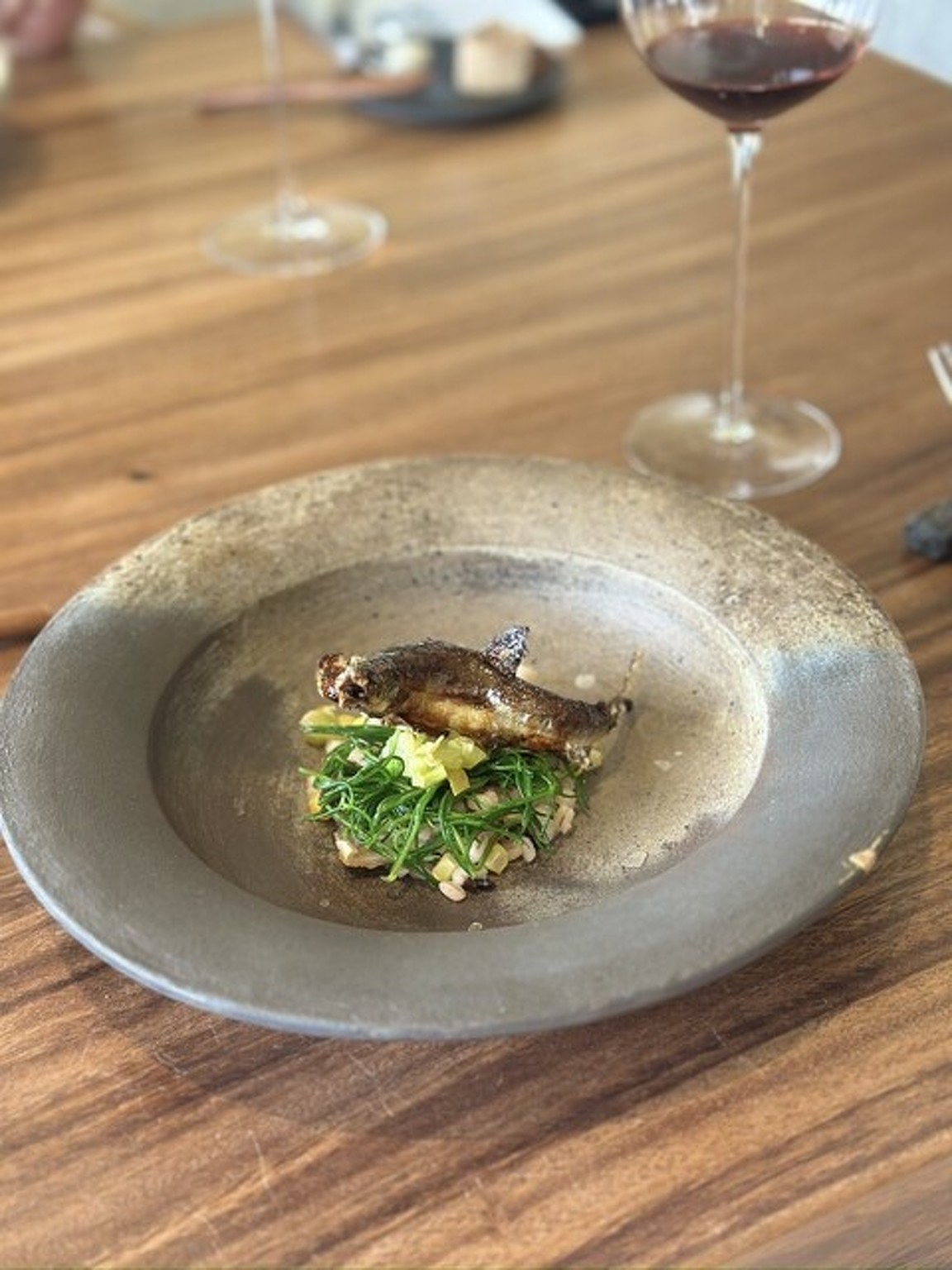
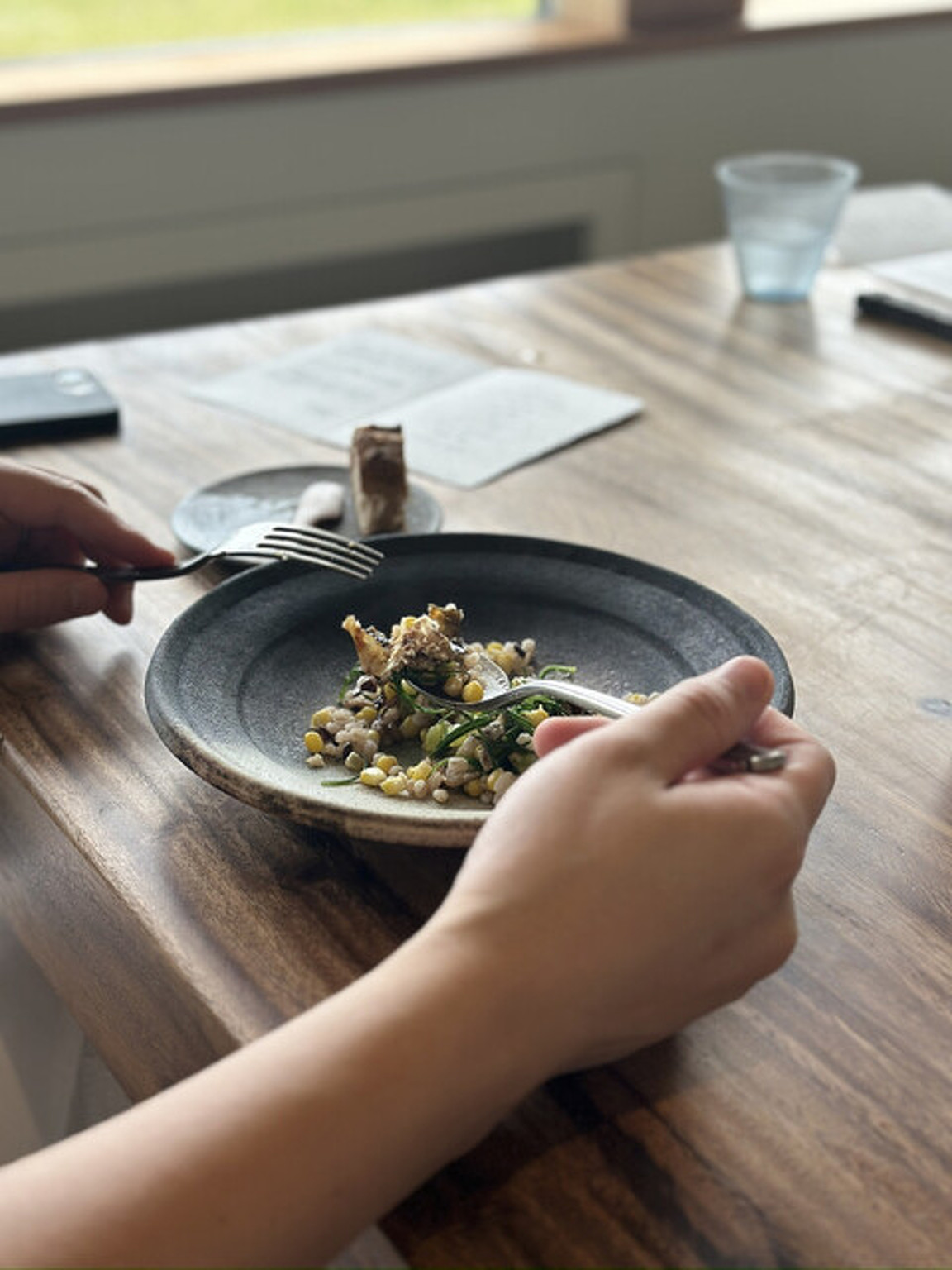
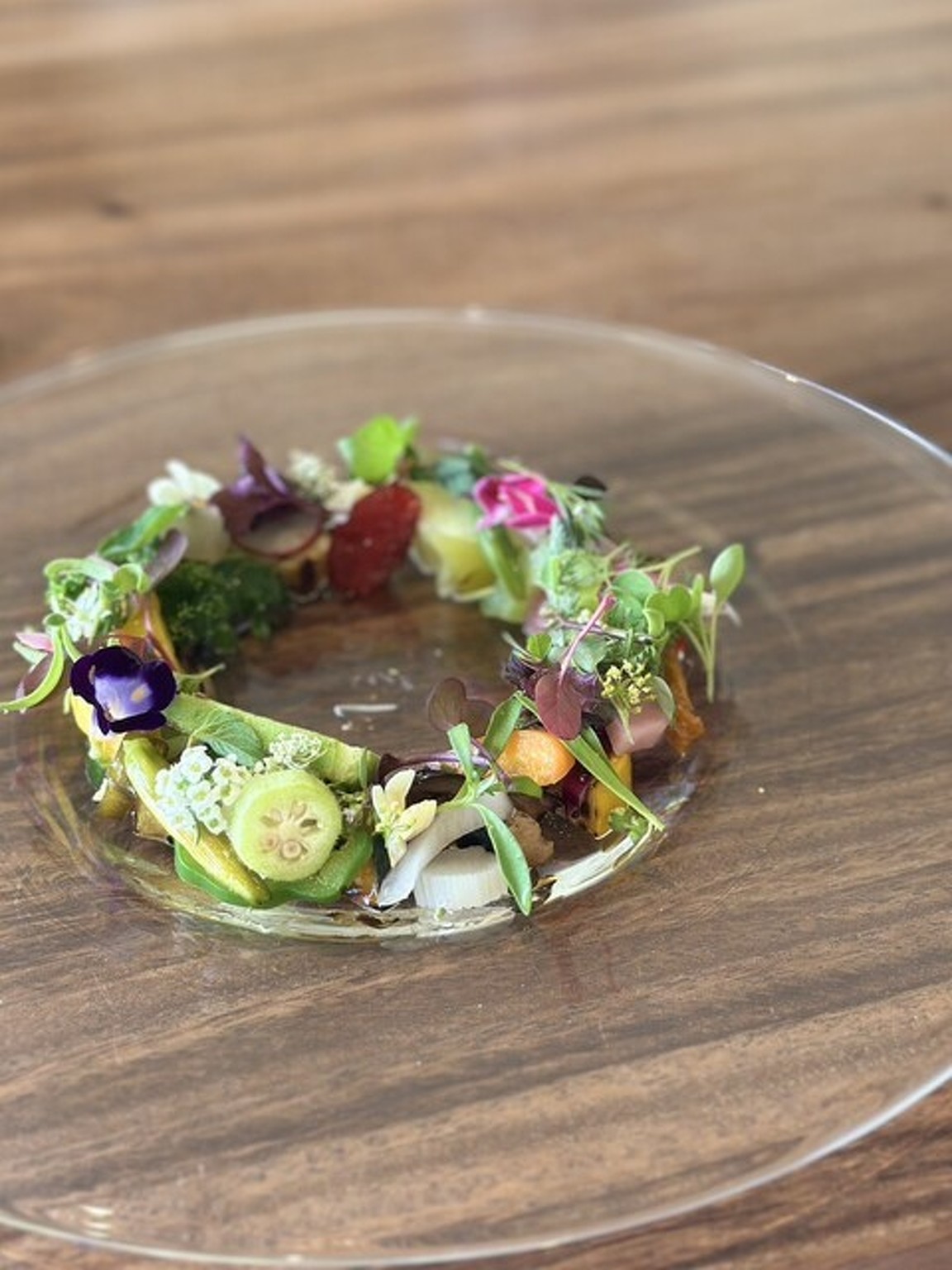
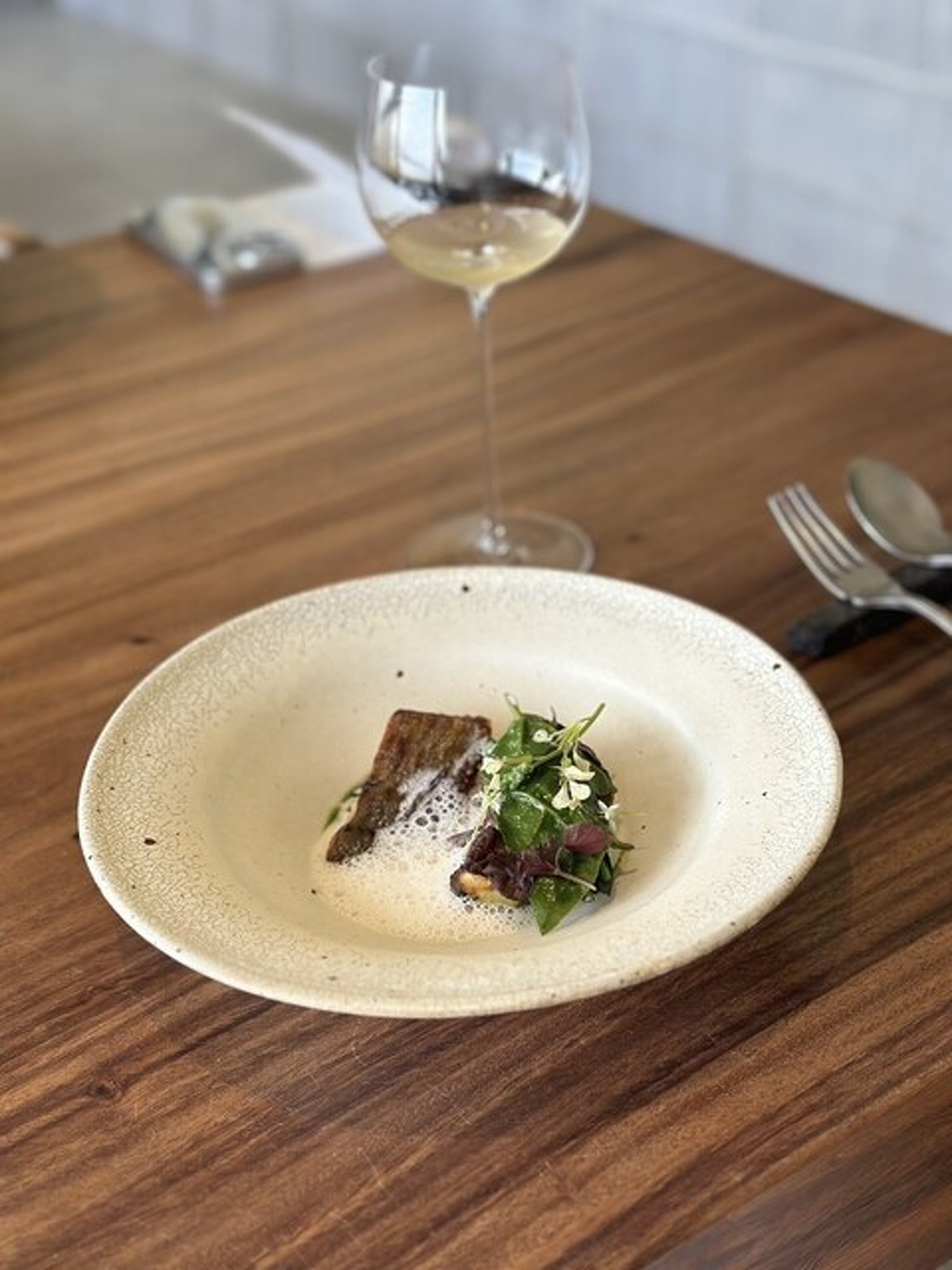
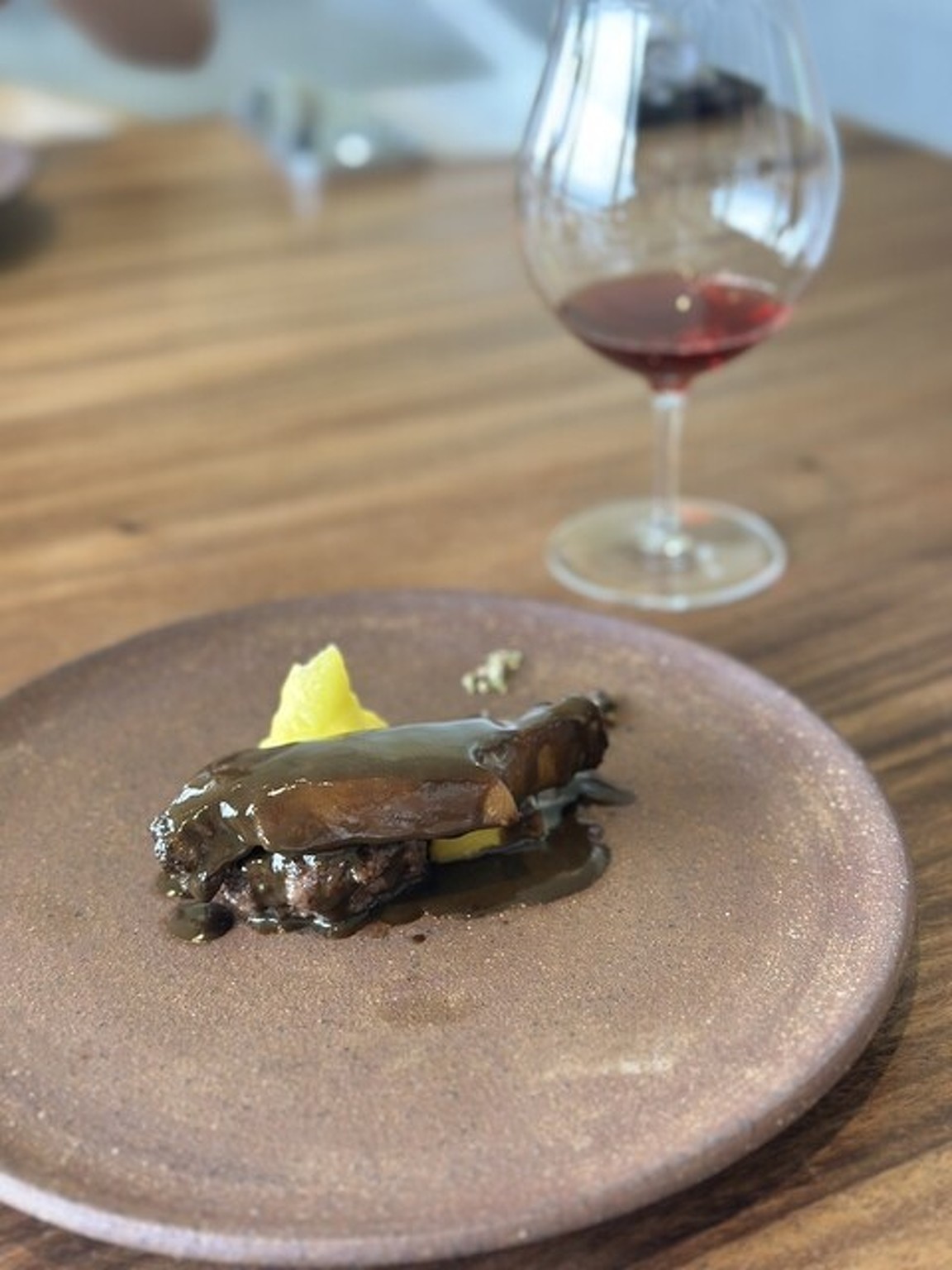
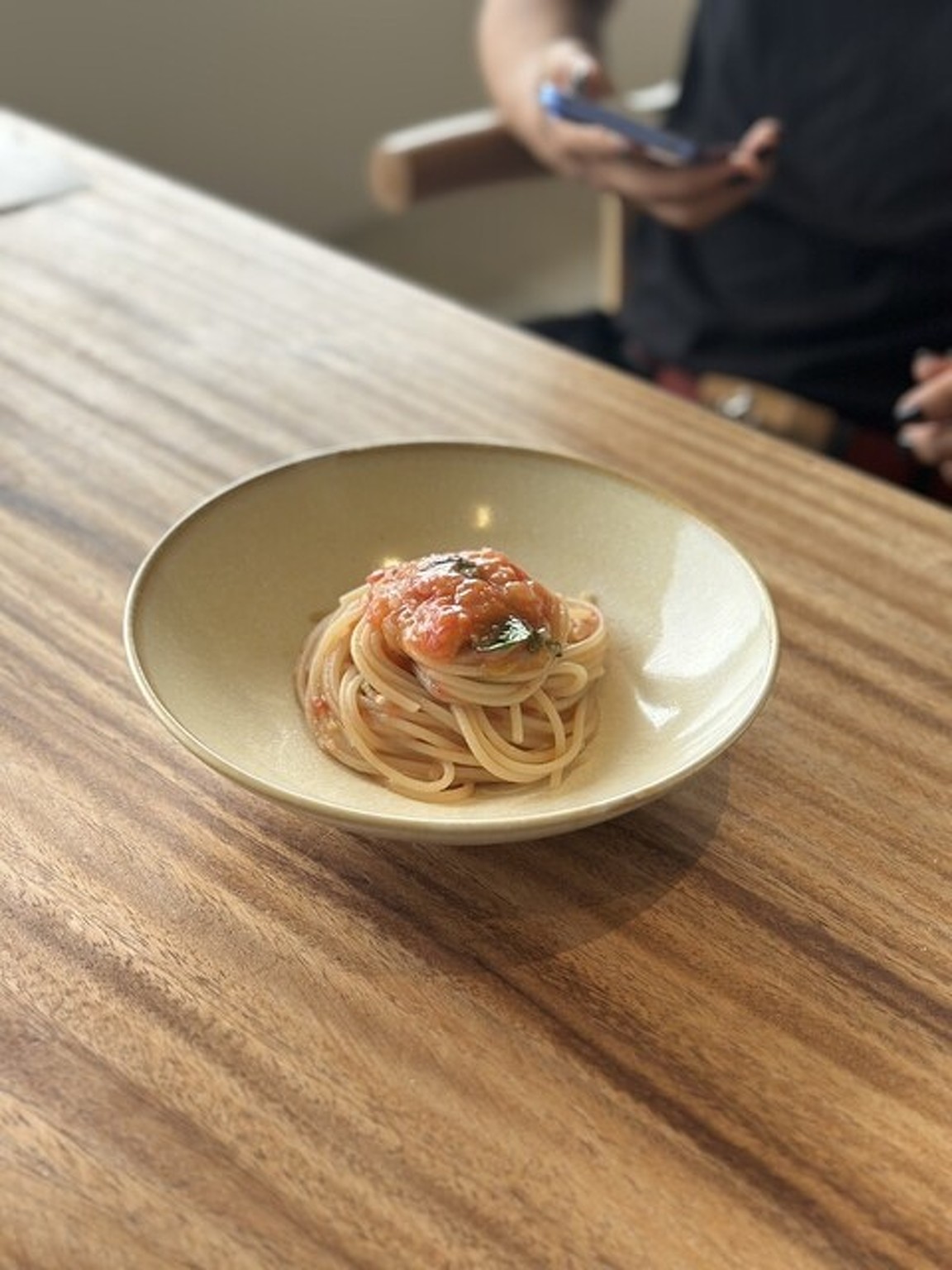
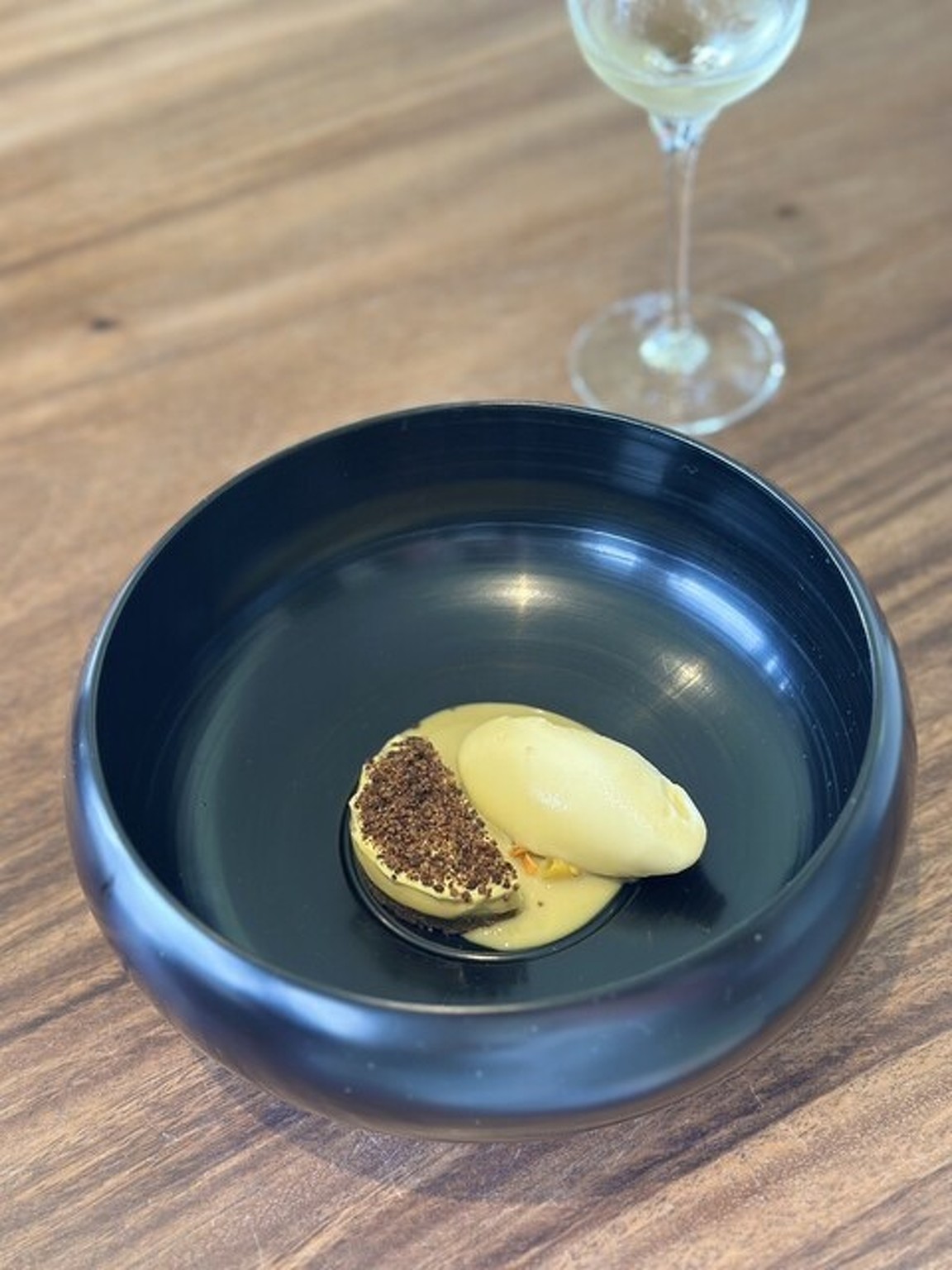
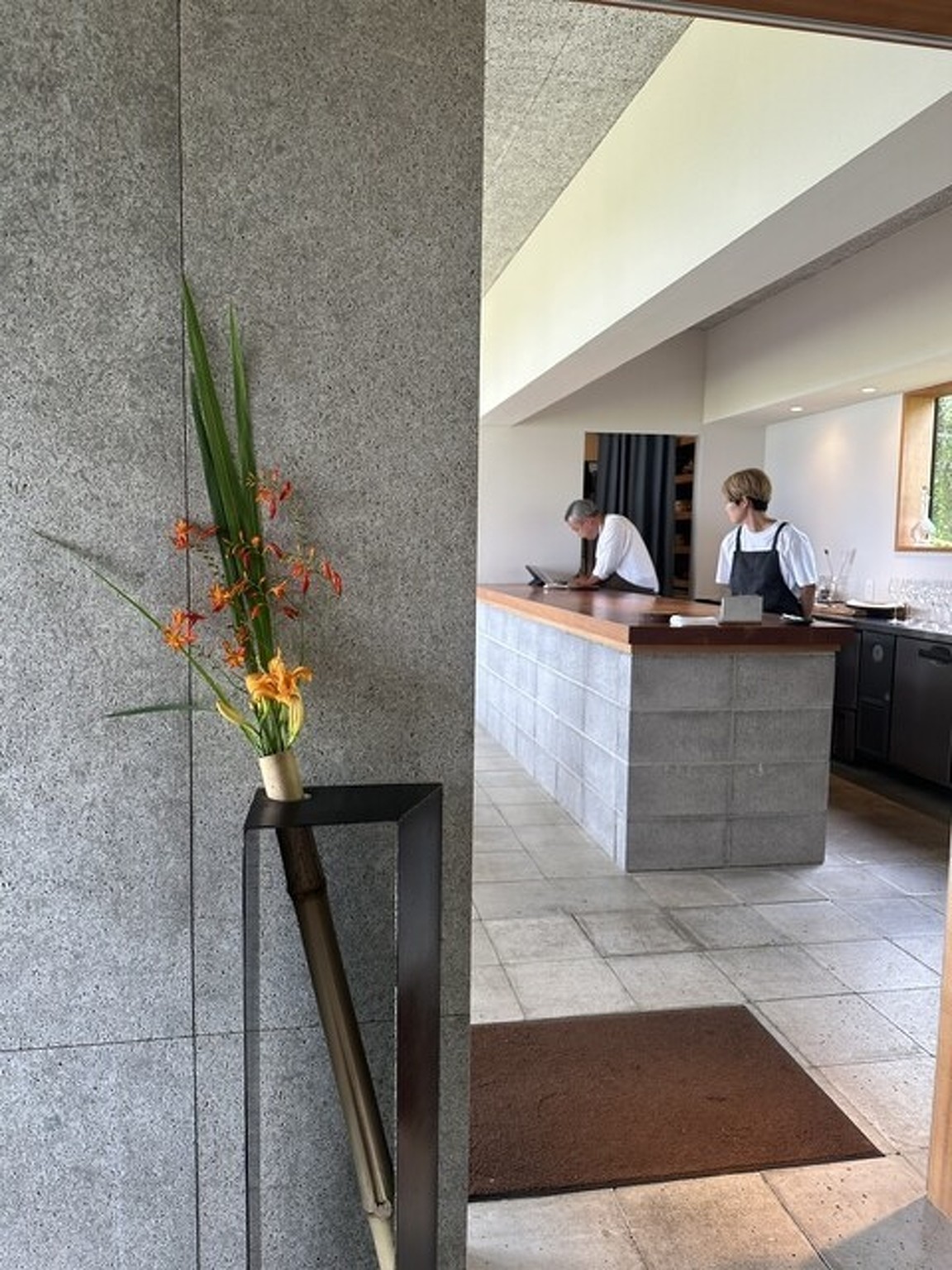
Just an hour's drive from Kanazawa.As I approached the wooden house visible from the parking lot, I realized it was the chef's residence and accommodation.Another wooden building right by the coast houses the restaurant.With only two tables, the view from the windows reveals a tranquil bay, like a painting.Chef Akira Hirata was born in Nerima, but it seems the water in Tokyo didn’t suit him, so he moved here and opened the restaurant 10 years ago. He relocated to the current location six years ago.The menu features "Noto Kyogei Cuisine." Noto has had a food culture tied to traditional events and customs for over 6,000 years, but it is now said to be fading away. The chef aims to develop this into modern cuisine and connect it to the future.Here, I enjoyed unique ingredients that I could only find at this restaurant, experiencing a rich food culture that was new to me, and I truly understood the chef's philosophy.This restaurant is definitely worth a special visit.On this day, I came for lunch. Here’s the course menu:* Amazake Amazake with wild Hamabana kombucha, made with 55% polished rice koji. It’s refreshing.1. Amuse Bouche - 4 items - Hozuki From Wajima's Ueda Farm, this edible variety is called "Children of the Sun." - Grilled Eggplant Ice Cream A local dish made with eggplant pickled in Ishiri, paired with the vibrant orange flowers of Yabukanzo. - Potato Tart A tart filled with mashed potatoes and sweet herring, using herring that was once transported by the Kitamaebune ships, topped with hojicha powder. - Sweet Vinegar Cucumber Made with Kuromo seaweed, which can only be harvested from Kuroshima in Wajima, and umeboshi puree. Just these items alone are packed with ingredients you can only taste here, raising my excitement.2. Tomato Goma Jiru Goma Jiru is found nationwide, but here it’s made with crushed edamame, soy milk, and olive oil, combined with tomato, molokhia, tsuru-murasaki, and salted sweetfish from Toyama's Shogawa. It has an indescribable, refined richness. The dish is served in a piece by Kana Ueda from Kanagawa Prefecture.3. Rock Oyster and Seaweed From my seat, I could see something being cultivated in the center of the bay, and upon inquiry, I learned it was "oysters." These rock oysters are from Miyamoto Suisan, located a bit further north. They are three-year-old oysters nurtured in clean seawater from underwater springs, coated in a batter with seaweed and fried. The aroma of the sea is delightful. The sauce is made with summer vegetables and spices, using a fermented blend of chili peppers, Yunanba, and yuzu, which has been salted for three years.4. Sweetfish and Multigrain First, a small cup of sweetfish consomme, accompanied by the fragrance of sansho. It has exceptional depth. The multigrain risotto is topped with sweetfish confit, which is further glazed. It’s served with a sauce made from uruka, red wine, and brown sugar, along with green tomatoes and akahijiki. The multigrain includes black rice, which comes from Nakano Town, known for the world’s oldest rice ball fossils. This black rice (ancient rice) is produced there. Interestingly, Otomo no Yakamochi was also stationed in Etchu, frequently visiting Nanao, and many poems are included in the Manyoshu. One of them reads, "From Koshima, I row towards Kumaki, without a moment to take the rudder, I think of the capital." It makes me reflect on a history that spans 1,300 years.5. Garden On a simple glass plate, a crown of vegetables. Not only the current vegetables but also pickled ones for winter storage, and wild vegetable pickles, express a year in vegetables. It’s beautiful, and here too, there’s a tradition of "preservation" in food.6. Sweetfish and Purple Eggplant The sweetfish is dried overnight and grilled with binchotan charcoal and butter, served with roasted round eggplant dengaku. It’s accompanied by dried tomatoes, walnut paste, tsuru-murasaki, and chives. The sauce is made with junmaishu, rice vinegar, and Ishiri, although it doesn’t use wine. This sauce is astonishingly delicious, showcasing a genius level of richness.7. Abalone and Bear I was surprised by this combination. The star is the abalone, garnished with minced bear meat. The abalone is harvested by ama divers in Wajima. It’s steamed in sake for four hours, resulting in a wonderful texture. It’s served with a puree and roasted kabocha from this town. The forest spices include two types: sansho berries that have been salted and dried, and kiha berries that have been salted and dried. The sauce is made from the steaming broth of the abalone, liver, and red wine. The bear meat is from Hakusan, with no gamey taste, packed with umami, making it hard to tell which is the star.* Here’s one more dish. Tomato Spaghetti Made with the "Natsunokoma" variety of tomato from Ueda Farm. The chef obtained the seeds and had Ueda Farm grow them. The yield is low, but they are incredibly sweet.8. Hodatsu Kuzumochi and Watermelon This is a kuzumochi. It’s called Hodatsu Kuzumochi, and has been produced for 400 years. It’s said that people used it to cure illnesses in the absence of doctors. It’s filled with plum jam and red bean paste, served with watermelon granita and magnolia flower amber sugar. Accompanied by amazake sauce (from Hakui Takazawa Brewery).9. Corn An ice made solely from freshly harvested corn juice, served with corn juice and sesame oil sauce, alongside grilled corn with soy sauce. Tiramisu Made with corn juice and mascarpone, layered with six-row barley sponge, and topped with barley and soy sauce crumble. This corn is grown by the parents of "Tsuki to Piero."10. Kinako Crepe Made with kinako from soybeans in Nanao Town. Served with ricotta cheese, rice syrup, figs, and peaches.11. Fresh Herbal TeaThe bread is from "Tsuki to Piero," made with Komplet flour, and served with butter from Ohama soybeans.Accompanying it is kombucha made from the flowers of the kobushi tree, which is foraged from the surrounding mountains.I felt a deep commitment from the slightly shy chef and the eloquent sommelier to preserve the profound culture of Noto and its culinary traditions.This restaurant is worth the trip, even if it takes time.Next time, I hope to stay overnight and enjoy breakfast as well. Less
9 / 10
on 13 Jul 2026
I visited for lunch on my day off, fulfilling a long-held desire. After a 15-minute walk along a straight path from the station, the restaurant comes into view. With the sea right in front of me, the scenery is simply stunning. I spent some time enjoying the view of the coast before lunch.I started with sweet sake. The chilled sweet sake helped to soothe my heated body and stomach.Since it was lunch, I debated how much to drink, but not knowing when I would return, I decided to order the pairing.**Amuse... More
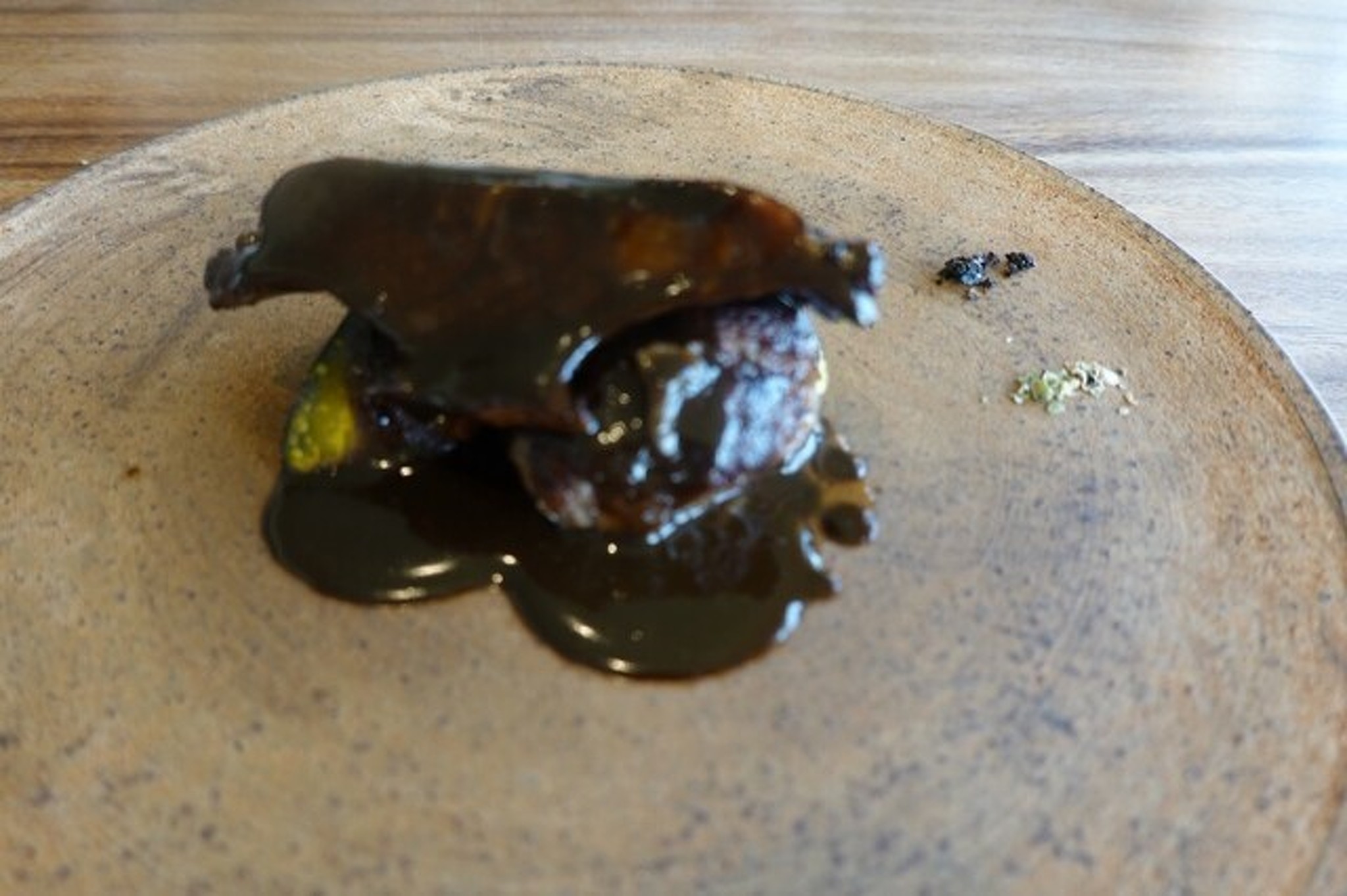
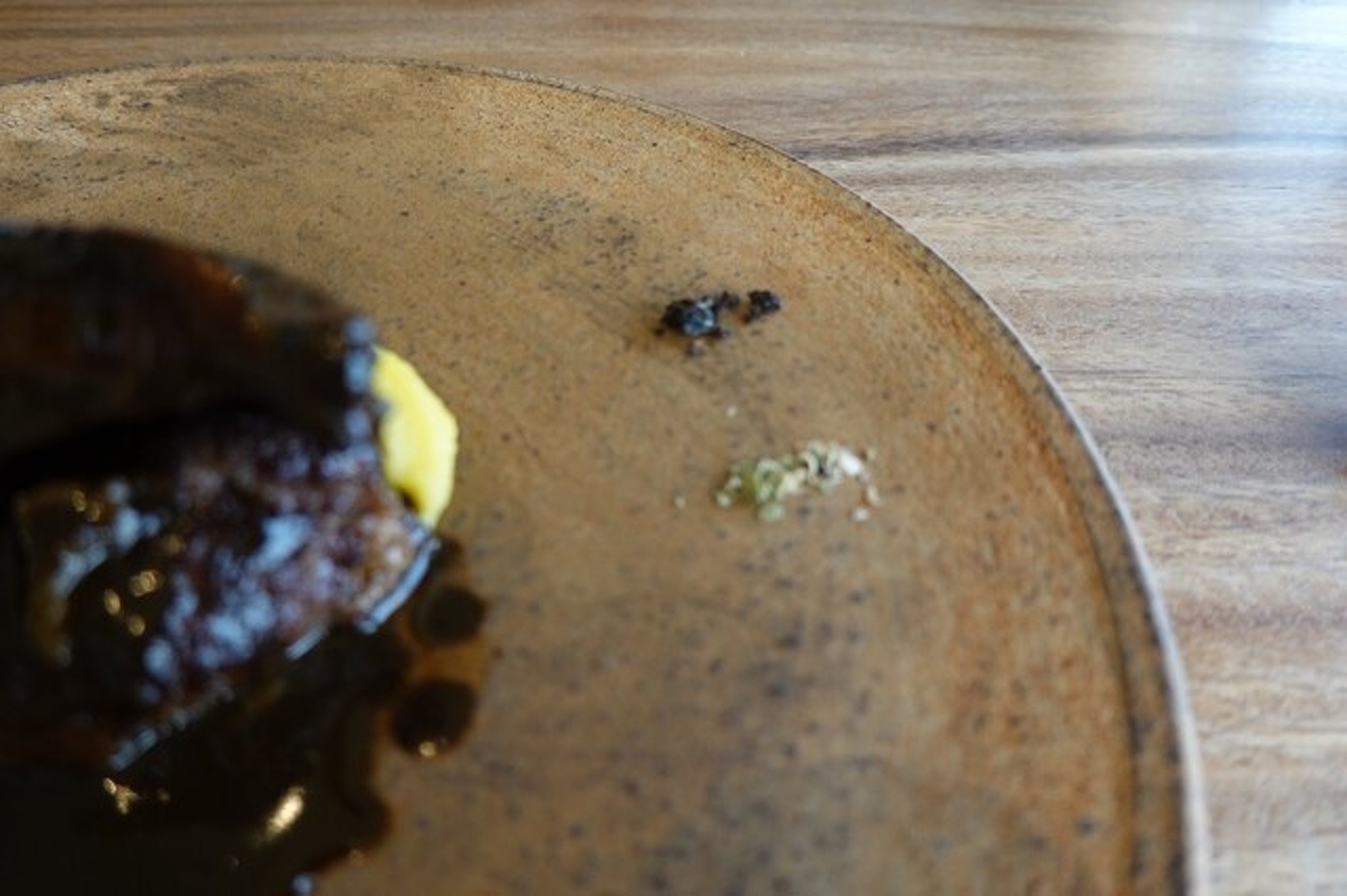
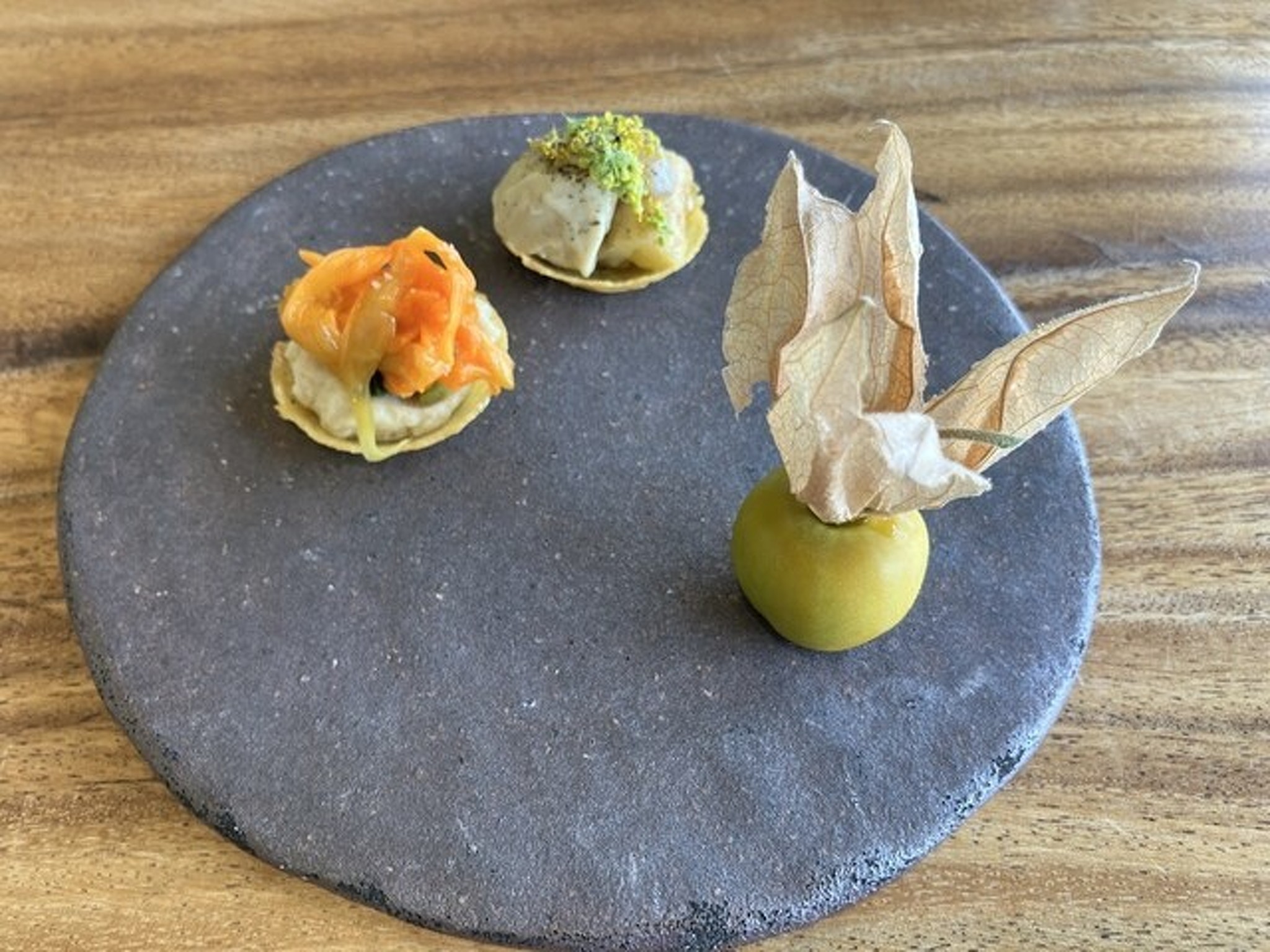
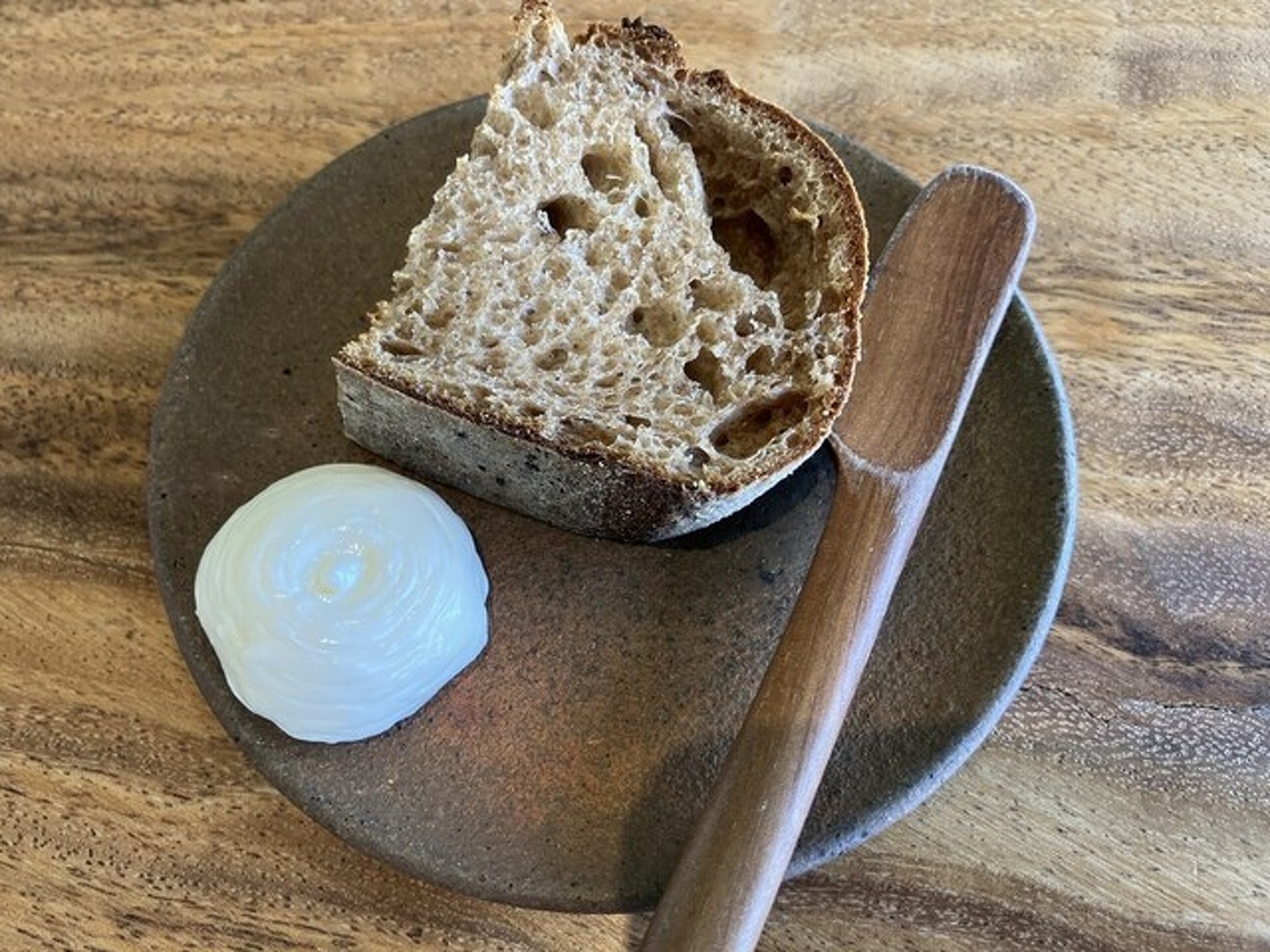
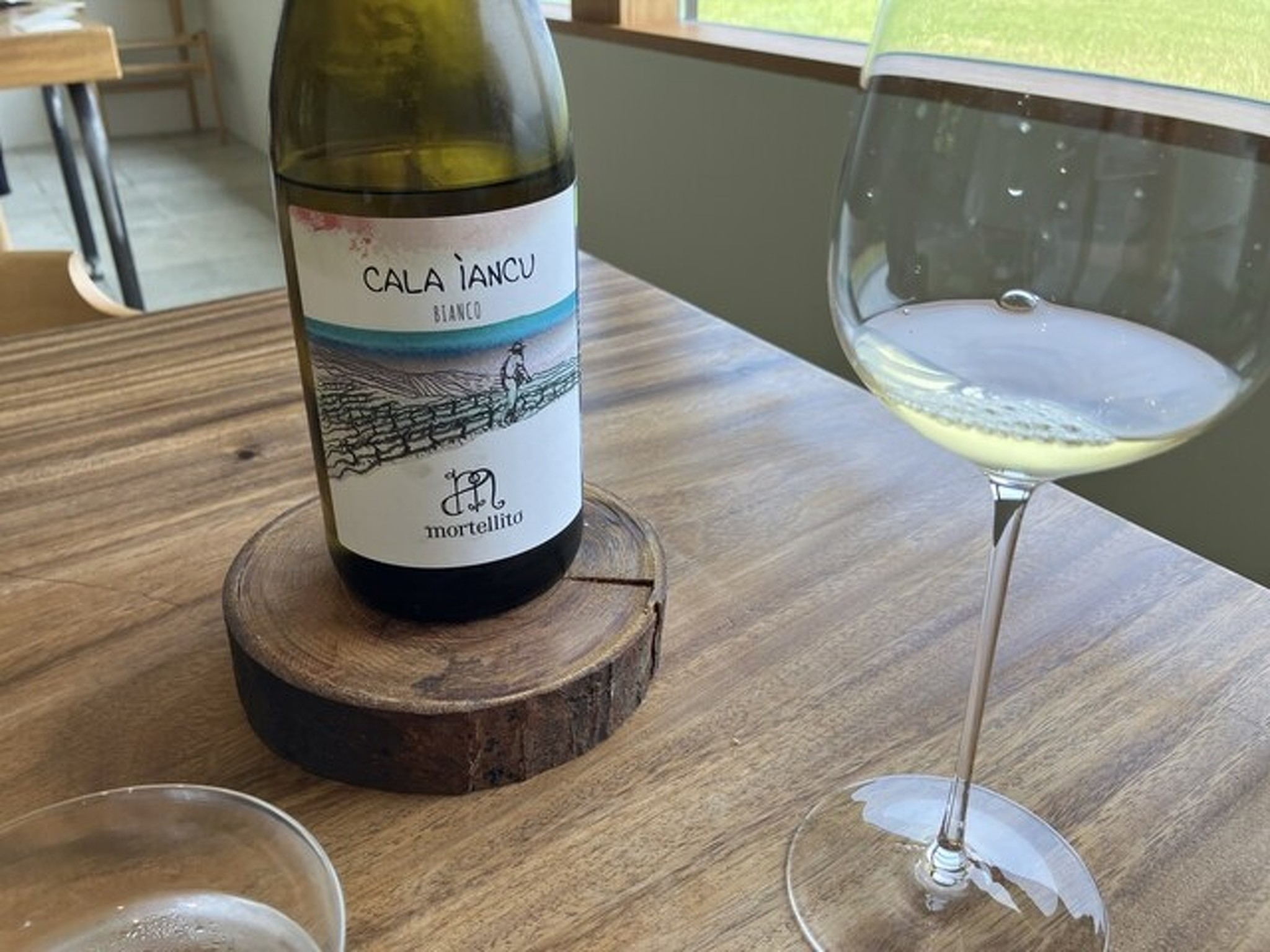
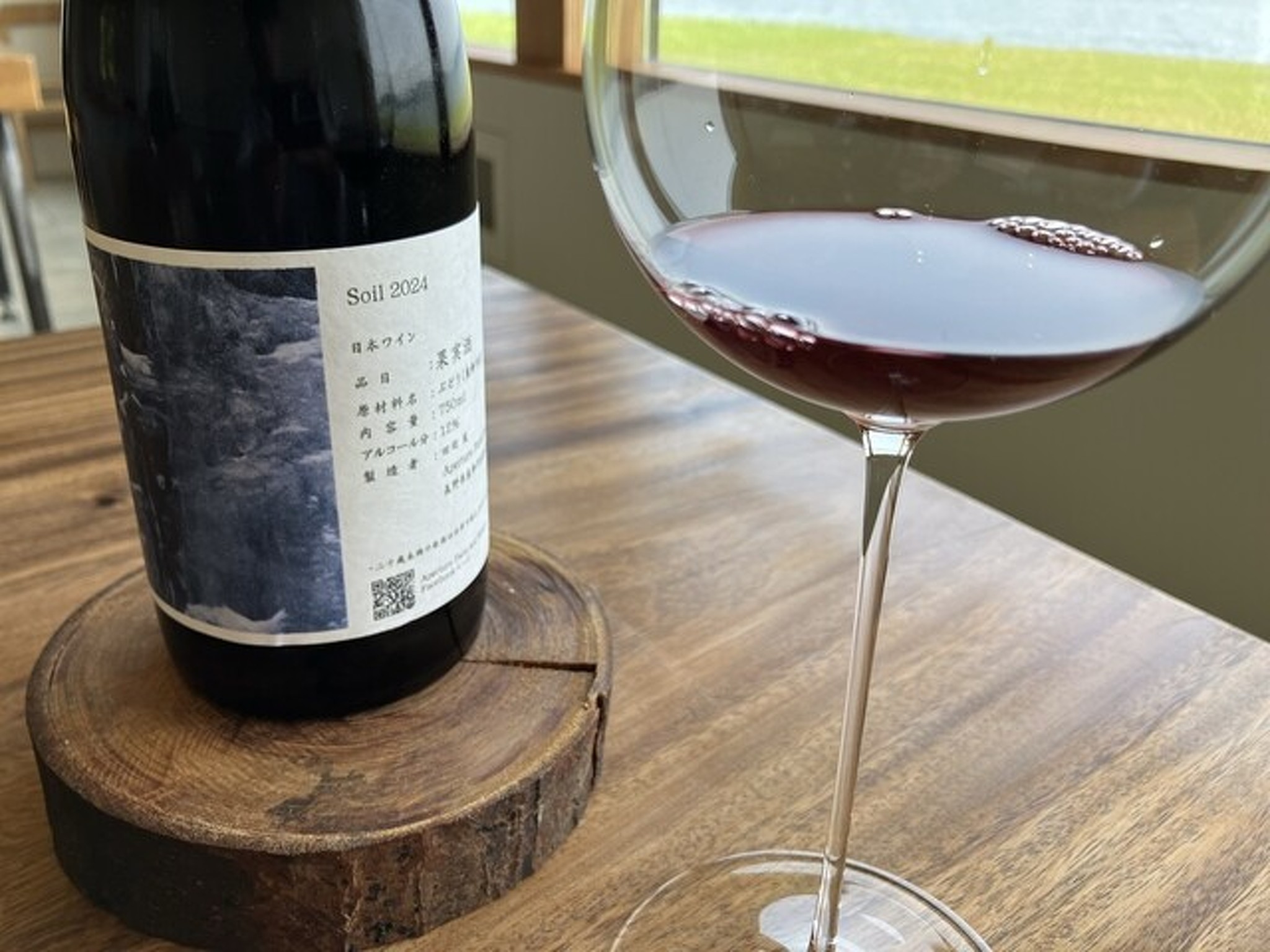
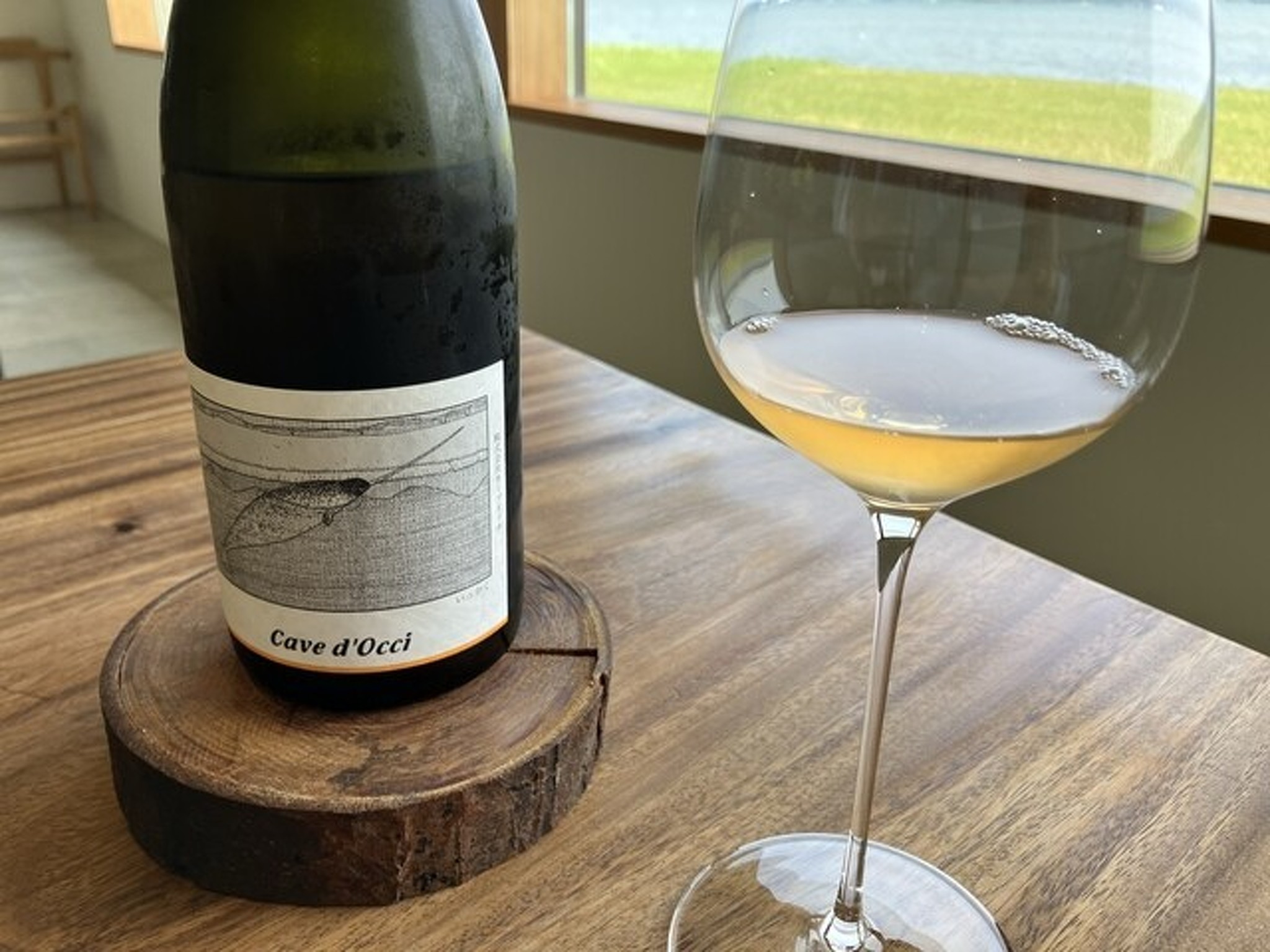
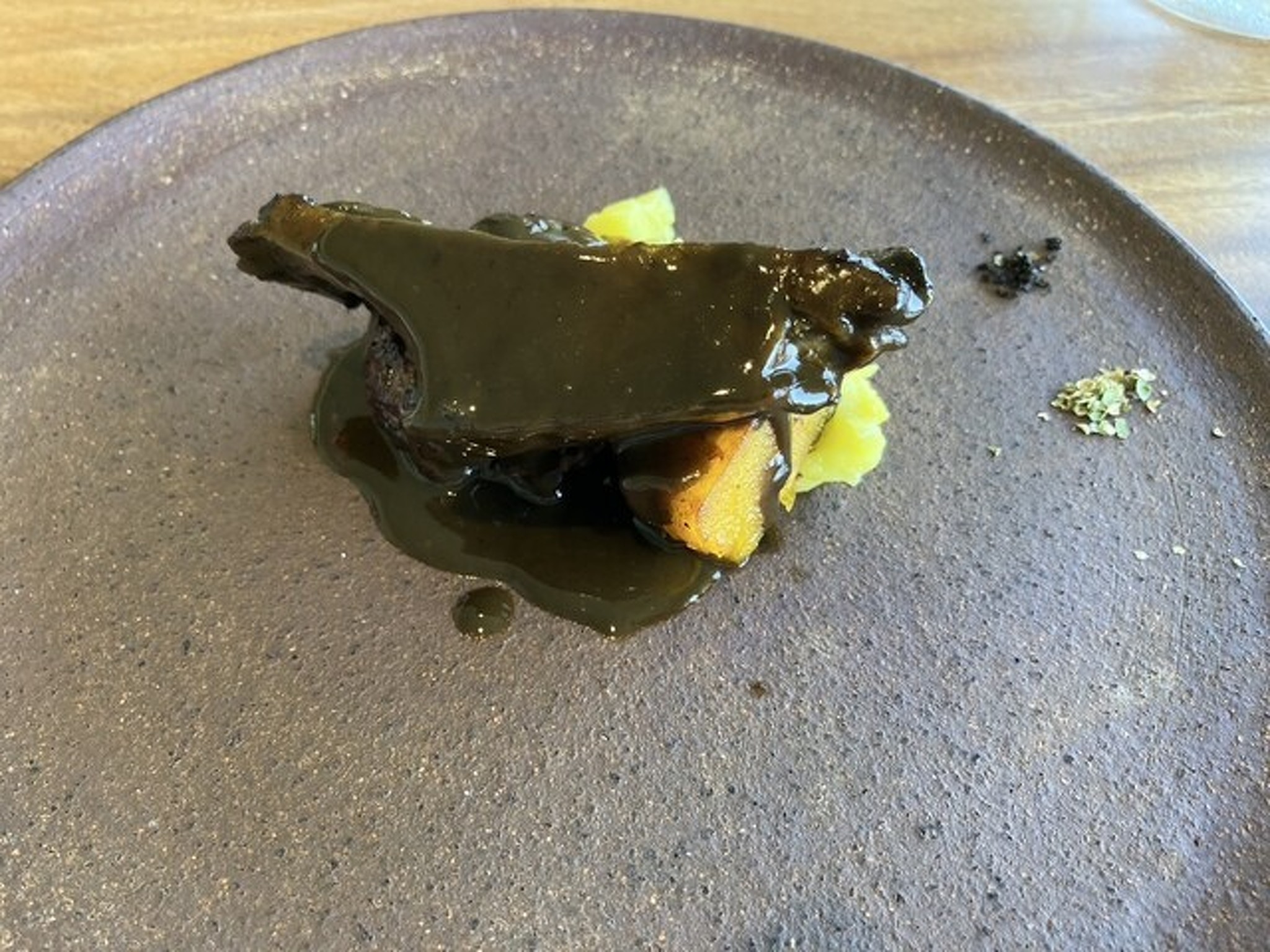
I visited for lunch on my day off, fulfilling a long-held desire. After a 15-minute walk along a straight path from the station, the restaurant comes into view. With the sea right in front of me, the scenery is simply stunning. I spent some time enjoying the view of the coast before lunch.I started with sweet sake. The chilled sweet sake helped to soothe my heated body and stomach.Since it was lunch, I debated how much to drink, but not knowing when I would return, I decided to order the pairing.**Amuse Bouche** Hōzuki (Chinese Lantern Plant) The balance of acidity and sweetness is perfect. It’s simple yet purely delicious, showcasing the ingredients themselves.**Grilled Eggplant Tart** While savoring the pure umami of the grilled eggplant, the accent of ishiru (fermented fish sauce) adds an interesting twist. The complex flavors intertwining in my mouth are delightful.**Marinated Yabukita** This is my second time having Yabukita this year. The marinade adds acidity, while the paste of mullet and potato brings everything together.After tasting the amuse bouche, I was convinced that this restaurant is exceptional, solidifying my victory for the day.**Tomato, Ōhama Soybean, and Black Seaweed** The tomato is so delicious that it elicits a cliché comment. The dish is dominated by the tomato’s flavor, complemented by the texture of soybean tofu and black seaweed, showcasing the bounty of the earth. I learned the name of the farm, and I’m determined to buy from them next time.The bread is from a nearby bakery, served with vegan butter made from Ōhama soybeans.**Rock Oysters and Edamame** The fried rock oysters are coated with rock seaweed. The edamame is pureed into a tangy sauce that pairs perfectly with the milky, mineral-rich flavor of the oysters. I couldn’t help but smile, but compared to the upcoming dishes, this was just the beginning.To prepare for the next dish, I enjoyed a consommé made from ayu (sweetfish) bones. It has a gentle, umami-packed flavor. My mouth was filled with the essence of ayu, heightening my anticipation for the next course.**Ayu with Multigrain** The ayu is grilled over charcoal and seasoned in a teriyaki style. It’s served with a risotto of corn and multigrain, topped with okahijiki (sea vegetable). The balance of textures is exquisite, and the fragrant bitterness of the ayu creates an exceptional dish. The corn adds a crunchy texture and strong sweetness.**Vegetable Platter** This is the specialty and highlight of the day. A dish featuring summer vegetables, pickles, and dried fruits. Seasoned only with salt and olive oil, each flavor complements the others, allowing me to eat mindlessly. I restrained myself, pondering if this is what it means to savor with reason and instinct, as I faced the vegetables. I express my gratitude for nature’s bounty and respect for the producers and chefs who support this.**Managatsuo (Japanese Butterfish) and Purple Eggplant** The Managatsuo is cooked with butter, allowing its flavor to shine through, delivering a robust Italian taste. Managatsuo is truly a cheat; it’s undeniably delicious. The purple eggplant is prepared in a dengaku style with walnut and dried tomato. The sweetness of the eggplant is so strong that it breaks the conventional understanding of eggplant. The sauce made with junmai sake adds a Japanese touch.**Abalone, Bear, and Kogiku Pumpkin** This is the main dish of the day. The abalone is steamed in sake, and when paired with a liver and red wine sauce sprinkled with sansho powder, it creates a rich and tingling flavor that excites the taste buds. The moon bear is minced and made into a hamburger style, rich in flavor. This dish is irresistible for game lovers and even appeals to those who are not fond of game. The Kogiku pumpkin is roasted and pureed, pairing well with the sauce, and when combined with the yellowtail, it adds a citrusy freshness.**Tomato Pasta** This pasta allows you to experience the pure taste of tomato. Despite its simple seasoning, it lets you enjoy the essence of tomato pasta. You can adjust the portion size, but since I had plans for the evening, I opted for a regular size. If I had no plans, I would have gone for a large serving to savor every bite.**Hōdatsu Kuzu and Watermelon** The hōdatsu kuzu is served with plum jam, watermelon granita, and sweet sake sauce. The gentle texture and the contrast of acidity and sweetness are delightful.**Corn and Six-Row Barley** This dessert makes full use of corn, and it’s incredibly delicious. The sweetness is refined, yet the flavor of corn resonates throughout. The tiramisu also has a strong corn flavor, something that can only be achieved in Japan.**Kinako Crepe** A crepe filled with ricotta cheese, peach, and fig. This is unfair; I’ve never had such a delicious crepe before. The dessert keeps you engaged until the very end, leaving you in ecstasy.The course and pairing were flawless and perfect. Without a doubt, this is an S-class restaurant. Though the location is remote, it offers ingredients and the bounty of the earth that can only be found in Noto. Every dish is impeccable, leaving me in awe of the flavors. Truly, these are dishes that will be etched in my records and memories. Although it’s not easy to access, it’s a destination restaurant I want to visit again in a different season. It was a great meal. Thank you very much. Less
9 / 10
on 07 Jul 2026
Unique and unparalleled! Experience Noto Kyogei cuisine that you can only taste here. As an auberge, overnight stays are available, but I visited for a day trip lunch from Nagoya. ^_^ While enjoying the view of Nanao Bay, I savored the ingredients from Satoyama and Satoumi in fascinating combinations. I was constantly filled with excitement, wondering how they came up with these ideas. *In the end, I asked the chef all my questions. I was able to enjoy plenty of vegetables, and everything was... More
Unique and unparalleled! Experience Noto Kyogei cuisine that you can only taste here. As an auberge, overnight stays are available, but I visited for a day trip lunch from Nagoya. ^_^ While enjoying the view of Nanao Bay, I savored the ingredients from Satoyama and Satoumi in fascinating combinations. I was constantly filled with excitement, wondering how they came up with these ideas. *In the end, I asked the chef all my questions. I was able to enjoy plenty of vegetables, and everything was incredibly delicious! ❣️ This restaurant is definitely worth a visit, making it a highlight of your trip! ✨ The hospitality was warm, and after the meal, I found myself chatting with the chef and the staff for quite a while. Thank you for a wonderful time! ♂️ It's possible to visit for a day trip from Nagoya, but of course, staying overnight is also an option. I highly recommend you go and experience it! ❣️✨ It was a great meal! ✨ Less
9 / 10
on 01 Jul 2026
I enjoyed a course that expressed the local food culture of Noto through modern cuisine.Each dish was crafted with care to highlight the natural flavors of the ingredients, and the deliciousness of each component was clearly conveyed throughout the meal.✨One dish that particularly stood out was a combination of tomato, mozuku seaweed, and tofu. I was amazed and exclaimed, "Is it really possible for this combination to be so delicious!?" Another memorable dish featured bear meat paired with abalone.... More
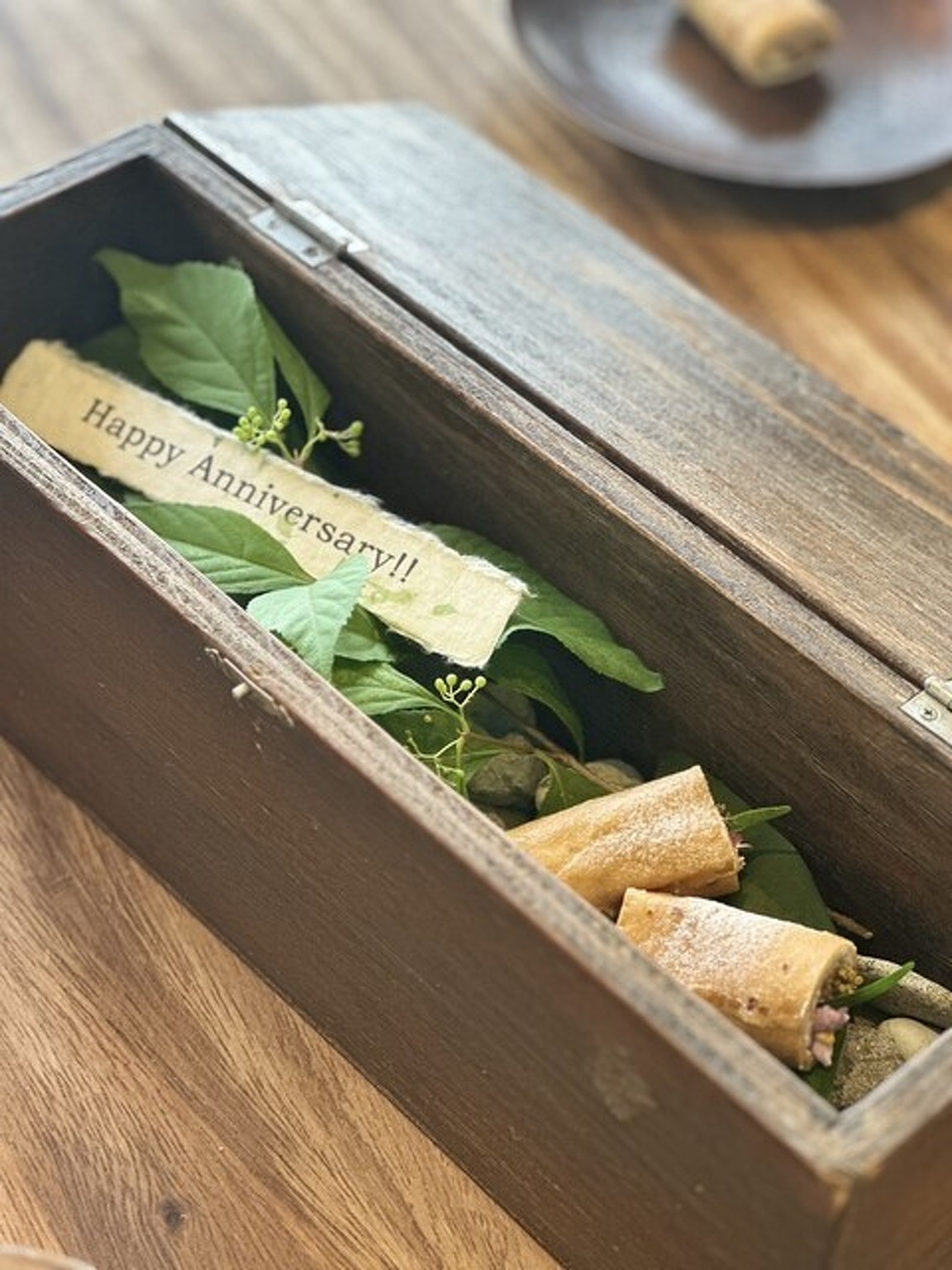
I enjoyed a course that expressed the local food culture of Noto through modern cuisine.Each dish was crafted with care to highlight the natural flavors of the ingredients, and the deliciousness of each component was clearly conveyed throughout the meal.✨One dish that particularly stood out was a combination of tomato, mozuku seaweed, and tofu. I was amazed and exclaimed, "Is it really possible for this combination to be so delicious!?" Another memorable dish featured bear meat paired with abalone. We all enjoyed discussing how such a unique combination came to be while savoring it together.The spread served with the bread was also exquisite. I was surprised to learn it wasn't butter, but it was rich and incredibly tasty, making me go back for more bread.This lovely restaurant allowed us to experience the ingredients and culture of Noto in every dish!We visited to celebrate a special occasion, and I was delighted when they presented us with a beautifully packaged dessert along with warm congratulations.✨Thanks to the attentive service from the chef and staff, we were able to enjoy not just the food but also a wonderfully pleasant time.It was a great meal! Less
10 / 10
on 21 Jun 2026
In June, I was looking forward to dishes featuring seasonal tomatoes. Today, I enjoyed two dishes made with plum shellfish and pasta. The tomatoes from Ueda Farm in Wajima City, Ishikawa Prefecture, had an intense sweetness and just the right amount of acidity, making them truly delicious. Chef Hirata, who knows the ingredients of Noto like the back of his hand, really brought out the potential of the tomatoes.For the main course, I had "Bear Hamburg" made from minced bear meat and abalone served... More
In June, I was looking forward to dishes featuring seasonal tomatoes. Today, I enjoyed two dishes made with plum shellfish and pasta. The tomatoes from Ueda Farm in Wajima City, Ishikawa Prefecture, had an intense sweetness and just the right amount of acidity, making them truly delicious. Chef Hirata, who knows the ingredients of Noto like the back of his hand, really brought out the potential of the tomatoes.For the main course, I had "Bear Hamburg" made from minced bear meat and abalone served with a rich sauce. The combination of the beef-like red meat and sweet fat melted in my mouth. Less
10 / 10
on 11 Jun 2026
Thanks to this experience, I had the opportunity to visit the Noto Peninsula. In the past, I had only heard about it, but this time I actually walked, sat, and ate in this land, and I fell in love with it. I was deeply moved by the 6000-year-old food culture of the Noto Peninsula that Mr. Hirao conveyed. Of course, the menu is delicious, but what’s even more important is the extraordinary feeling within the everyday. The local cuisine reveals aspects of traditional dishes that are often hidden... More
Thanks to this experience, I had the opportunity to visit the Noto Peninsula. In the past, I had only heard about it, but this time I actually walked, sat, and ate in this land, and I fell in love with it. I was deeply moved by the 6000-year-old food culture of the Noto Peninsula that Mr. Hirao conveyed. Of course, the menu is delicious, but what’s even more important is the extraordinary feeling within the everyday. The local cuisine reveals aspects of traditional dishes that are often hidden and brings back what was once lost. It connects deeply with the underlying culture, which is something we usually only learn about intentionally. Each of these elements was incorporated into the dishes and shared with the guests. If someone is to convey foreign culture, they are called a missionary. But since I am originally a foreigner, that is indeed true. Less
9 / 10
on 01 Jun 2026
Course: JPY 25,000 (tax included)Soft drinks x3Total: JPY 29,590Located a 20-minute walk from Kasashiho Station and a 20-minute drive from Nanao Station, this Italian restaurant was booked through Tabelog.**"Yobare"** A dish inspired by the Noto region's hospitality, "Yobare." ◯ Fried Sweet Shrimp Sweet shrimp coated with a blend of Manjyu chili, garlic powder, and spices, served with homemade mayonnaise. ◯ Tart with Azuki Clams A tart topped with azuki clams and cucumber sunomono, drizzled... More
Course: JPY 25,000 (tax included)Soft drinks x3Total: JPY 29,590Located a 20-minute walk from Kasashiho Station and a 20-minute drive from Nanao Station, this Italian restaurant was booked through Tabelog.**"Yobare"** A dish inspired by the Noto region's hospitality, "Yobare." ◯ Fried Sweet Shrimp Sweet shrimp coated with a blend of Manjyu chili, garlic powder, and spices, served with homemade mayonnaise. ◯ Tart with Azuki Clams A tart topped with azuki clams and cucumber sunomono, drizzled with homemade yogurt and infused with mint. ◯ Soroban A dish featuring salted bracken mixed with sansho pepper, topped with ayu sashimi. ◯ Oyster Mochi A rice cake made from glutinous rice topped with a summer vegetable tomato stew. ◯ Bouquet of Wild Greens A bouquet-style dish made with wildflower petals, tomato sauce, and nut paste.**"Tomato and Ume Clams"** A dish featuring fresh and lightly grilled ume clams on ricotta cheese cream and basil, accompanied by tomatoes from Ueda Farm in Wajima, all drizzled with a sauce made from homemade perilla oil and Noto milk.**"Rock Oyster with Pea Sauce"** Rock oysters cooked in seawater, served with a sauce made from snap peas blended with soy milk and seasoned with ume vinegar, along with fava beans and sugar snap peas.**"Ayu"** ◯ Teriyaki Ayu Ayu grilled over charcoal, brushed with a sauce of uruka, brown sugar, and red wine, served with a summer vegetable sauce. ◯ Salt-Grilled Ayu Salt-grilled ayu topped with a paste made from konomitake mushrooms.Both dishes are served with homemade sour cream and perilla oil.**"Field"** A specialty of Villa della Pace featuring dozens of vegetables arranged in a circular pattern, topped with micro herbs.**"Kue, Onion, Flying Fish"** Charcoal-grilled kue from Nanao, served with a new onion stuffed with flying fish dumplings, accompanied by a sauce made from fish sauce and sansho oil.**"Natural Pork and New Onion"** Charcoal-grilled pork shoulder from fully free-range pigs in Himi, topped with steamed abalone from Noto, drizzled with a sauce made from concentrated steaming liquid mixed with akamoku seaweed and butter. Served with a side of multigrain risotto and summer vegetables like bok choy.**"Off-Menu"** Pasta tossed in a sauce made from fresh tomatoes from Ueda Farm in Wajima.**"Suizen"** A Wajima vegetarian dish made from tengusa seaweed, glutinous rice flour, and brown rice, served on a bed of sesame sauce enriched with reduced whey.**"Himuro Manju"** Himuro Manju is a three-colored dumpling (white, red, and green) traditionally eaten in Ishikawa on July 1st. This dessert is inspired by Himuro Manju, featuring red glutinous rice mixed with cherry blossoms and strawberries, green glutinous rice mixed with yomogi, with red wine anko in between, topped with honey and white ice made from doburoku.**"Small Sweets"** ◯ Amber Sugar A confection infused with the aroma of kuromoji. ◯ Kinako Candy ◯ Birch di Dama A treat made by sandwiching fuki miso and chocolate between a dough made from powdered rice flour from Nakajima Town. ◯ Cannoli Filled with ricotta cheese, infused with the aroma of karasuyama sansho, and garnished with strawberry puree and edible flowers on both ends.Chef Hirata has named the course "Noto Kyoge Cuisine." This reflects a commitment to developing and passing down the food culture that has been cherished for generations into modern cuisine, connecting it to the future in the Noto region.While the restaurant is Italian at its core, it also incorporates elements of Japanese cuisine. The dishes, which fully utilize ingredients from Noto, are highly original, splendid, and incredibly delicious. The "Noto Kyoge Cuisine," which aims to develop and preserve Noto's food culture for the future, can only be experienced here.It was a great meal. Less
on 11 Jan 2021

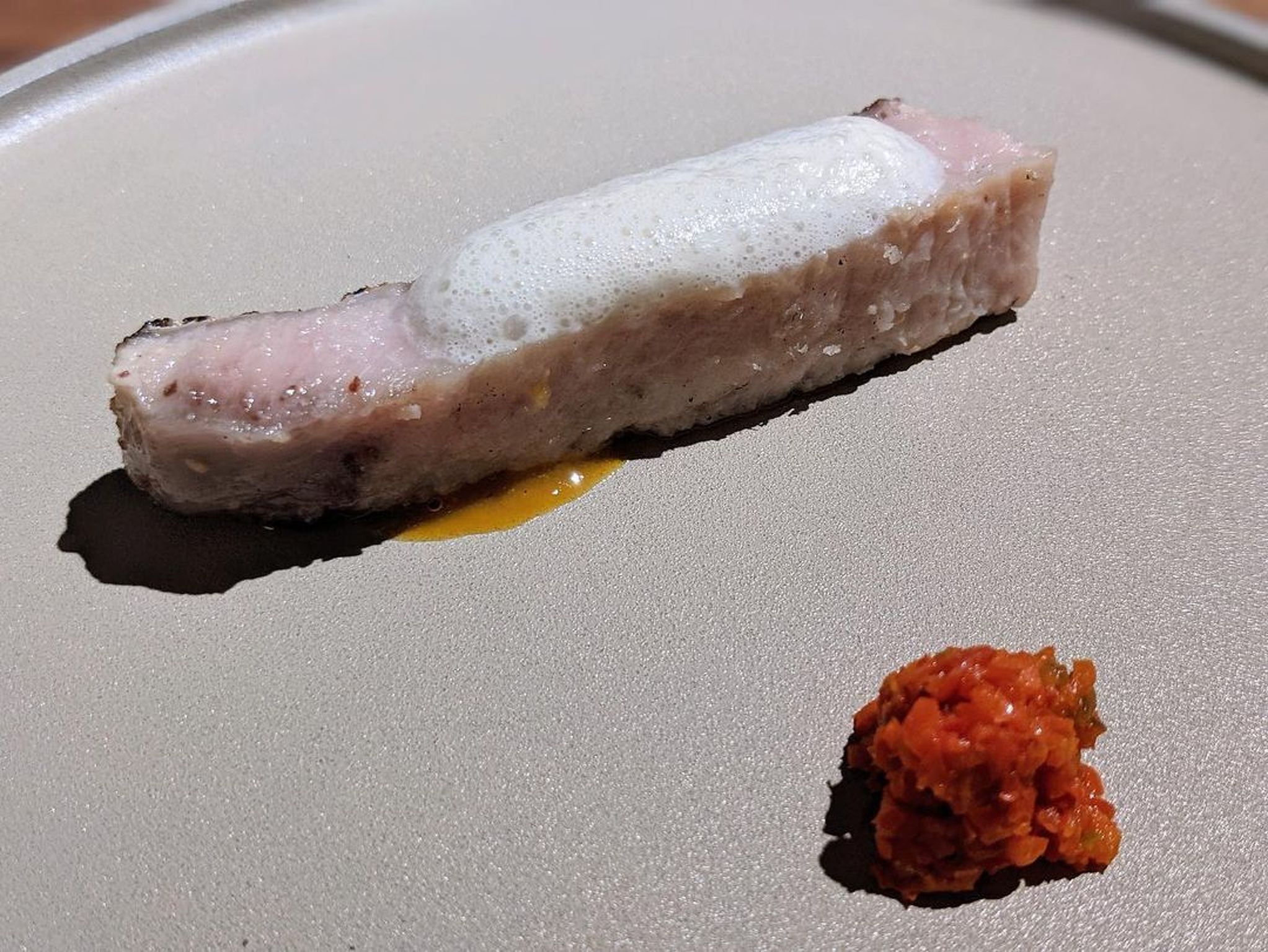
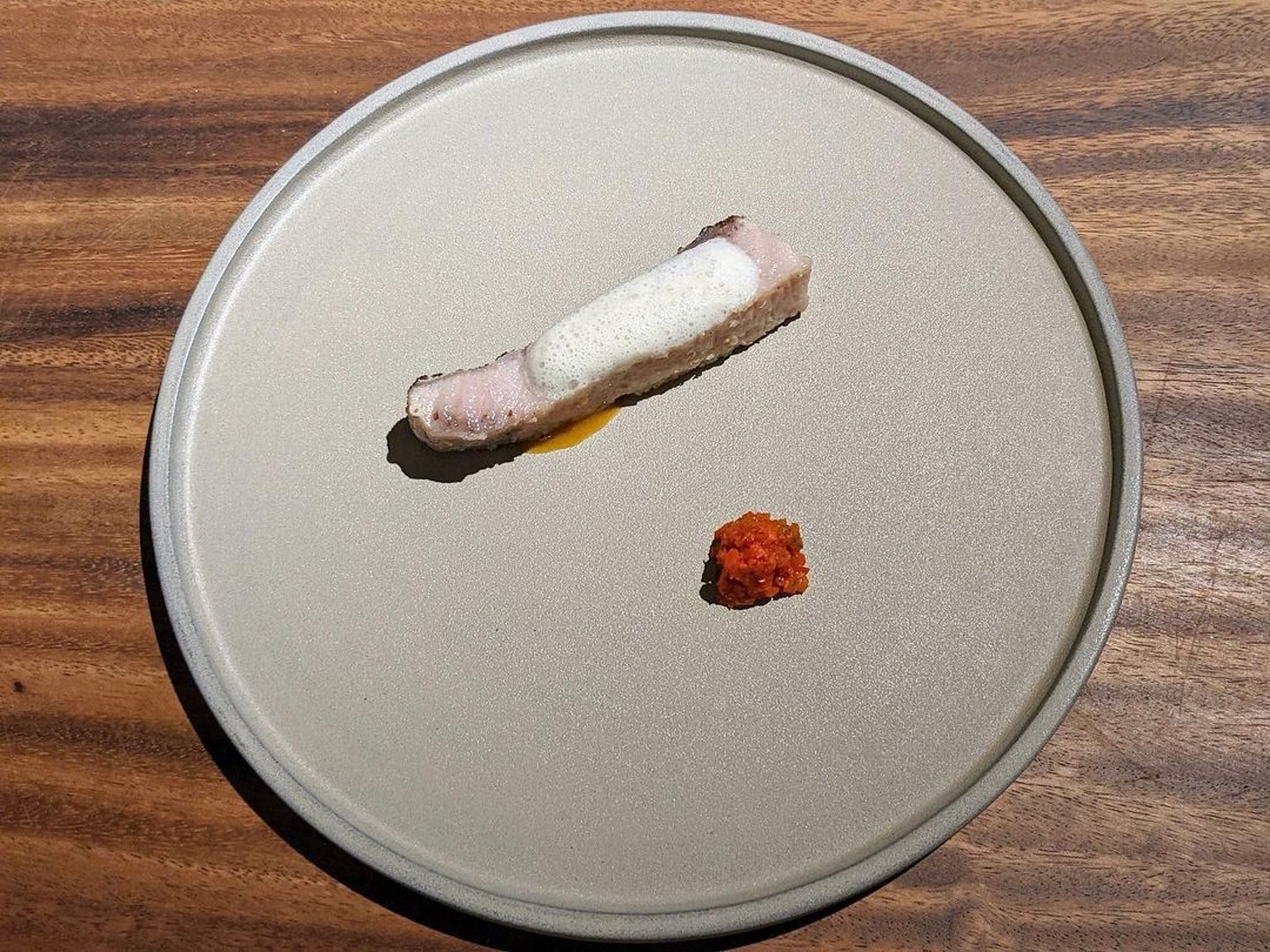
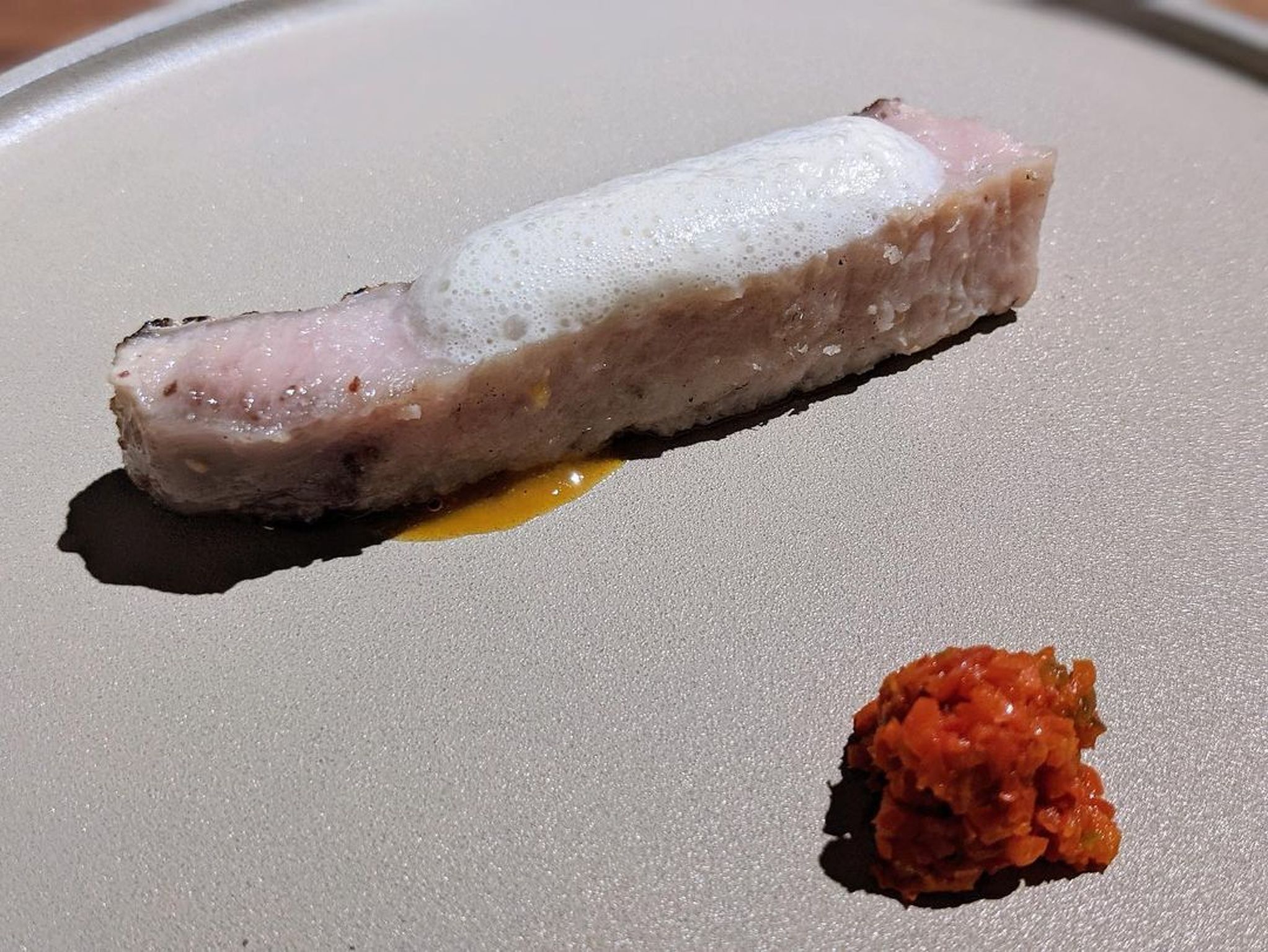
Yellowtail, Fermented Manganji Pepper
寒鰤 万願寺唐辛子
ヨーグルト・濁酒・柚子味噌でマリネした能登産鰤の炭火焼、白ワインのソース、完熟万願寺の塩漬けのソース。
乳酸発酵によるソースの酸味が、鰤の持ち味を生かしつつも脂を中和してくれる。絶妙な組み合わせ。
2020年12月
Villa della Pace Noto, Ishikawa
能登「ヴィラ・デラ・パーチェ」
Yellowtail, Fermented Manganji Pepper
寒鰤 万願寺唐辛子
ヨーグルト・濁酒・柚子味噌でマリネした能登産鰤の炭火焼、白ワインのソース、完熟万願寺の塩漬けのソース。
乳酸発酵によるソースの酸味が、鰤の持ち味を生かしつつも脂を中和してくれる。絶妙な組み合わせ。
2020年12月
Villa della Pace Noto, Ishikawa
能登「ヴィラ・デラ・パーチェ」
#villadellapace #auberge #ヴィラデラパーチェ #オーベルジュ #fermentation #発酵食品
#michelin #tabelog #ミシュラン #食べログ #worlds50best #asias50best #opinionatedaboutdining
#美味しいもの好きな人と繋がりたい #旅好きな人と繋がりたい #食べるの好きな人と繋がりたい Less
Recommended in Nanao
-
- Ipponsugi Kawashima (一本杉 川嶋)
- 32-1 Ipponsugimachi, Nanao, Ishikawa 926-0806, Japan
-
1 Meal
-
- Kou Zushi Honten (幸寿し 本店)
- Japan, 〒926-0044 Ishikawa-ken, Nanao-shi, Aioichō, 30−1
-
-
2 Meals
-
- Tadaya
- Ma-3-29 Okuharamachi, Nanao, Ishikawa 926-0174, Japan
-
1 Meal
Address
Japan, 〒929-2234 Ishikawa, Nanao, Nakajimamachi Shiotsu, Re, 乙は部26-1
Hours
Monday: 12:00 - 15:00; 18:00 - 21:00
Tuesday: Closed
Wednesday: Closed
Thursday: Closed
Friday: 12:00 - 15:00; 18:00 - 22:00
Saturday: 12:00 - 15:00; 18:00 - 21:00
Sunday: 12:00 - 15:00; 18:00 - 21:00
Tuesday: Closed
Wednesday: Closed
Thursday: Closed
Friday: 12:00 - 15:00; 18:00 - 22:00
Saturday: 12:00 - 15:00; 18:00 - 21:00
Sunday: 12:00 - 15:00; 18:00 - 21:00
Phone
+81767889017
Price Range
Based on country average
$$$$ (¥10,000+)
Website
http://villadellapace-nanao.com/