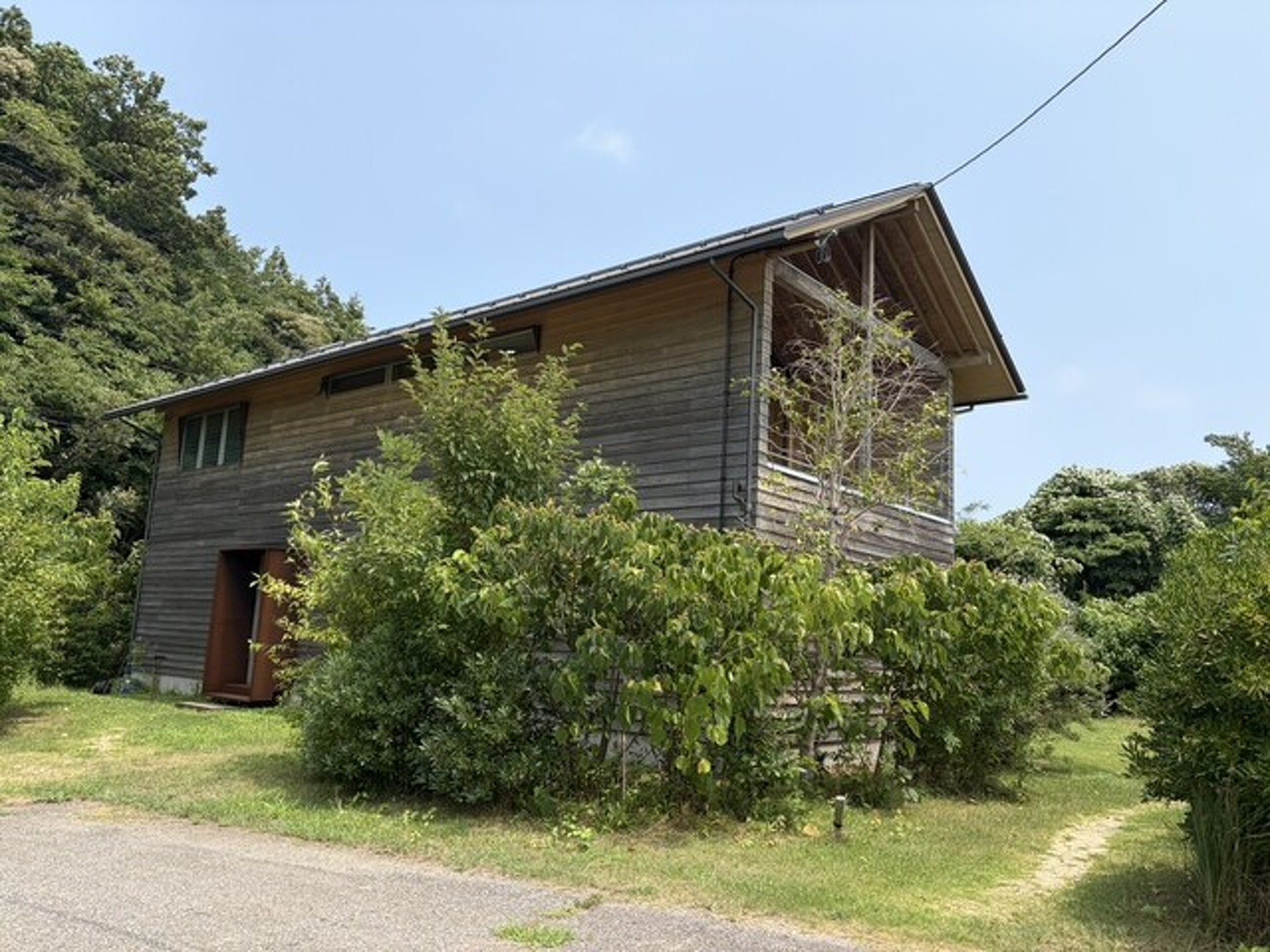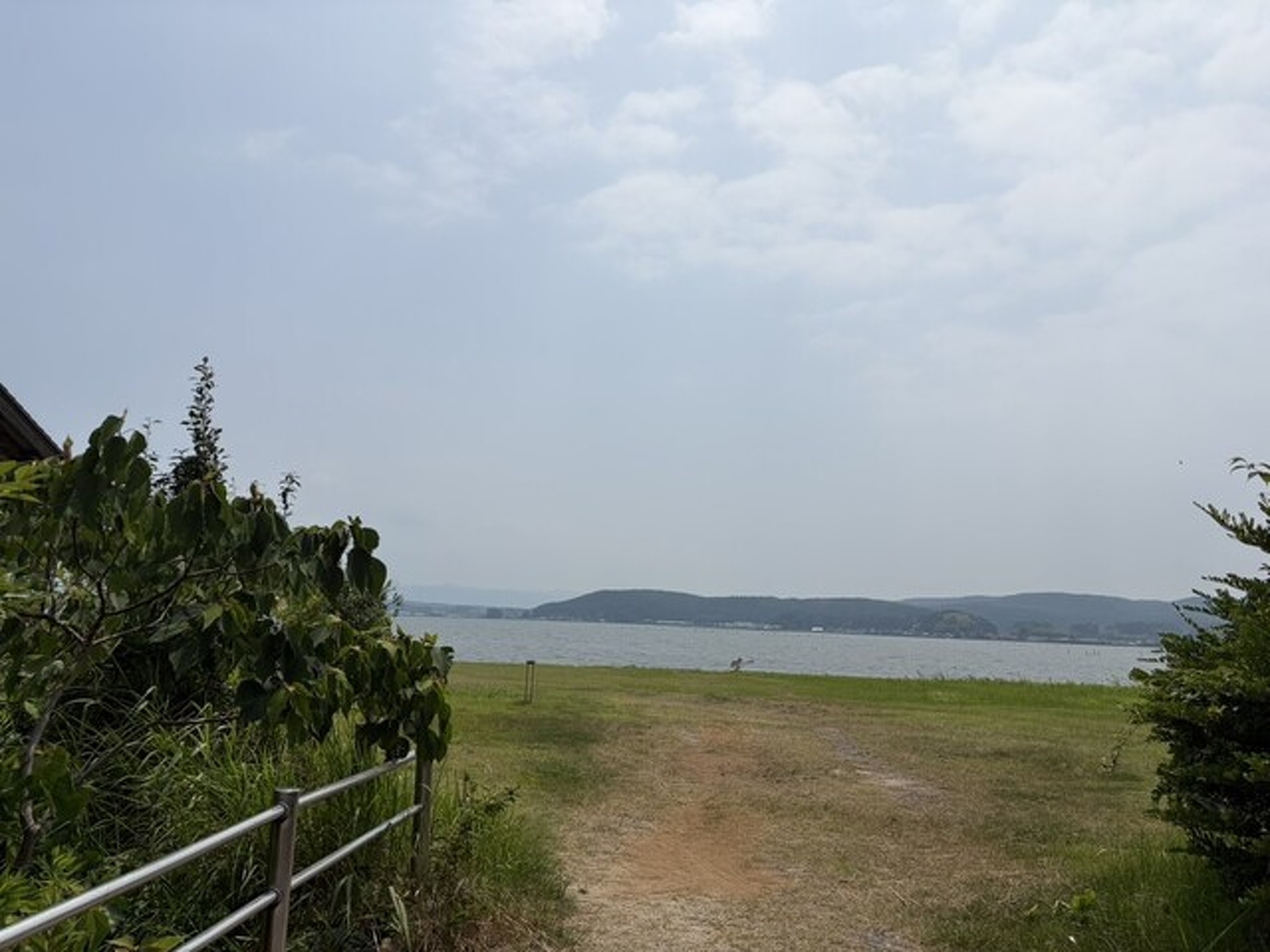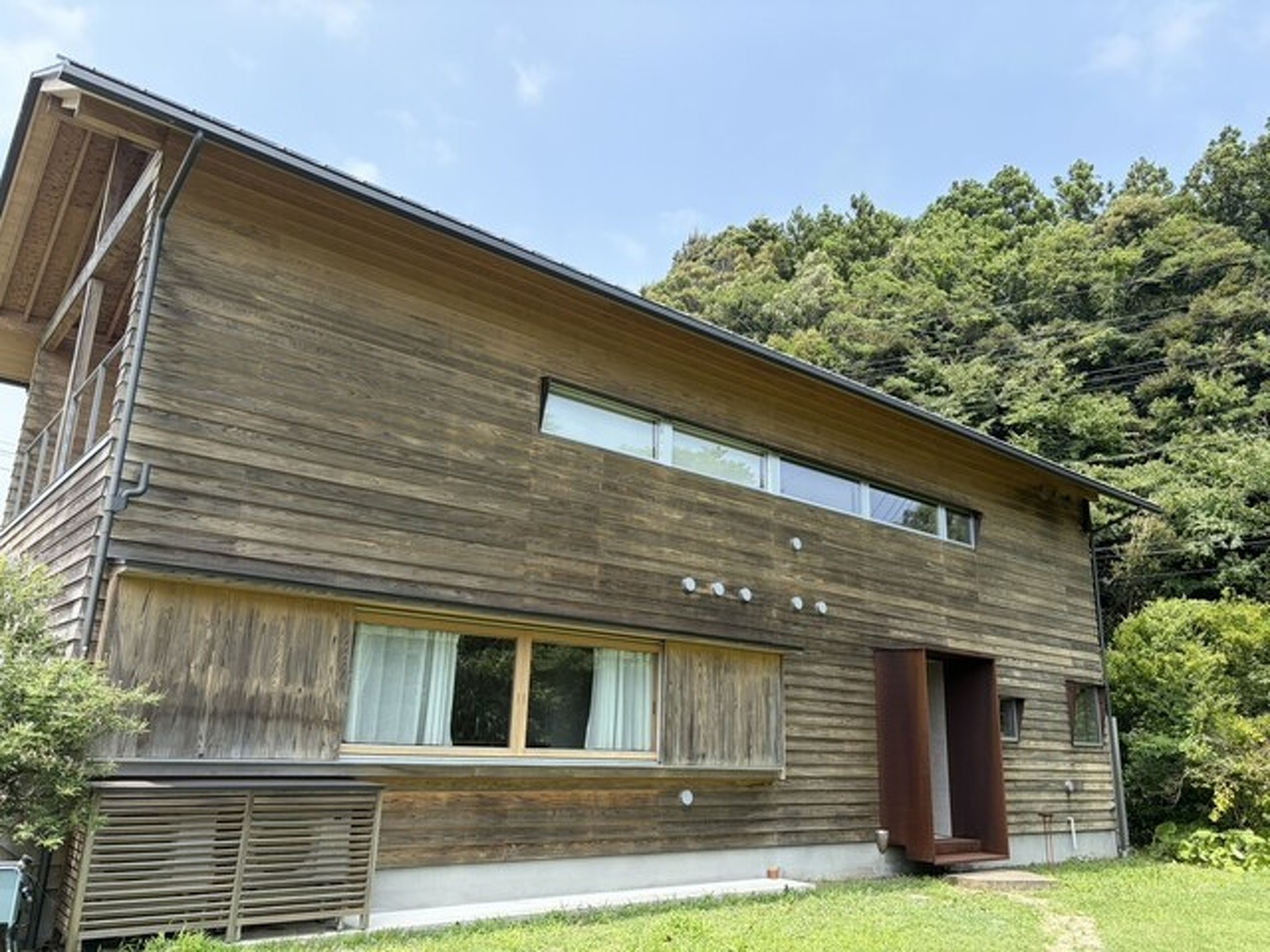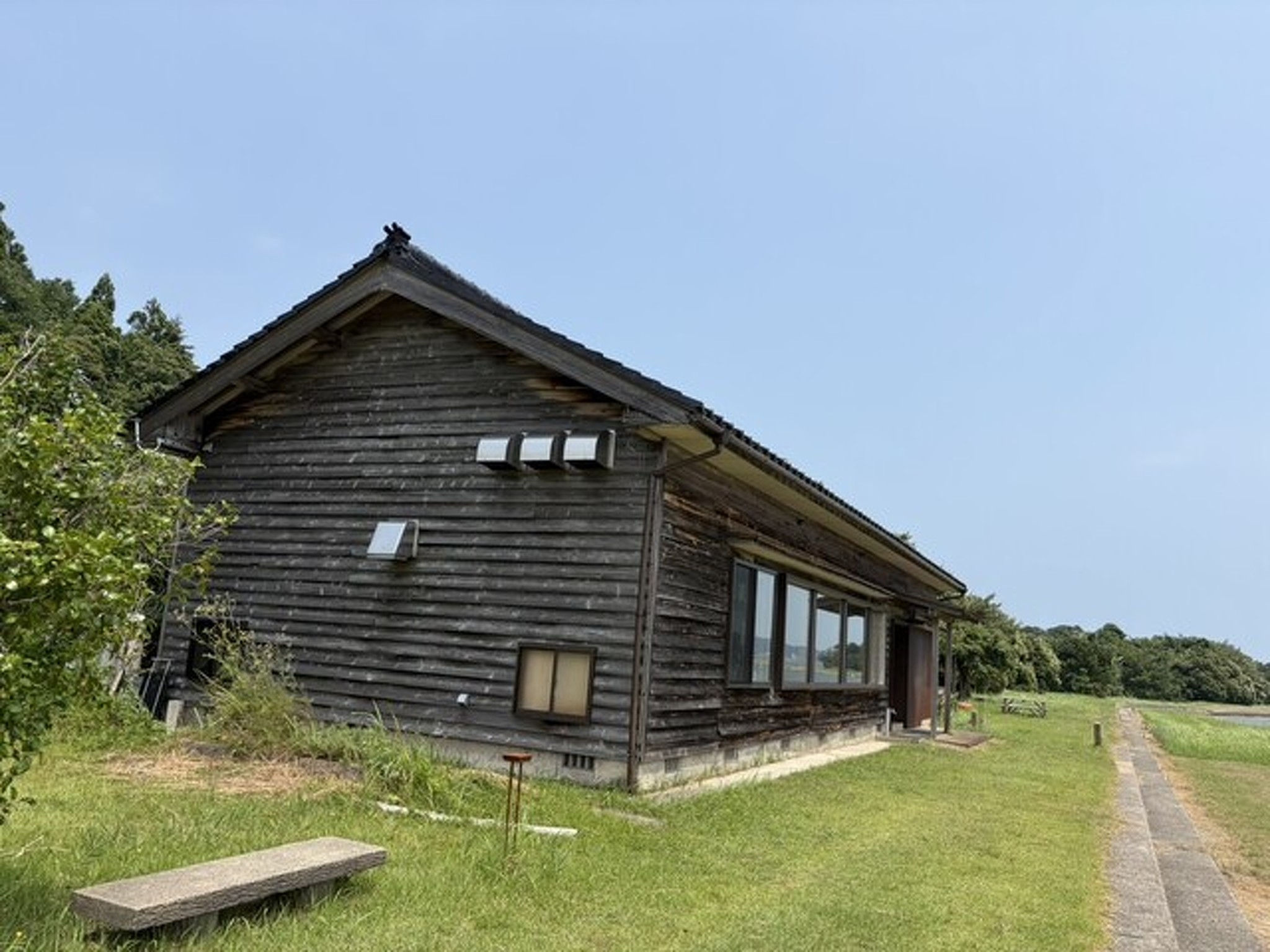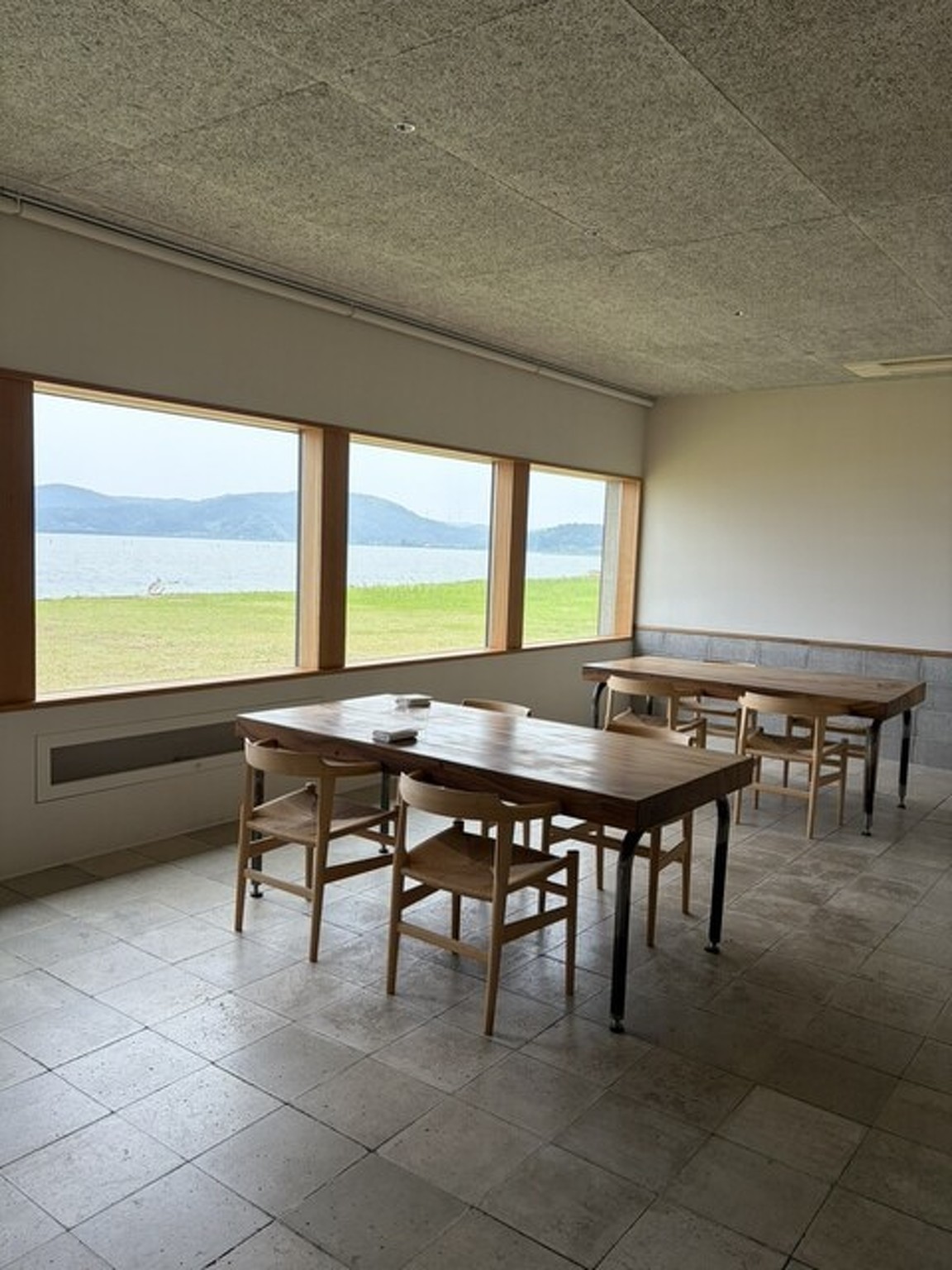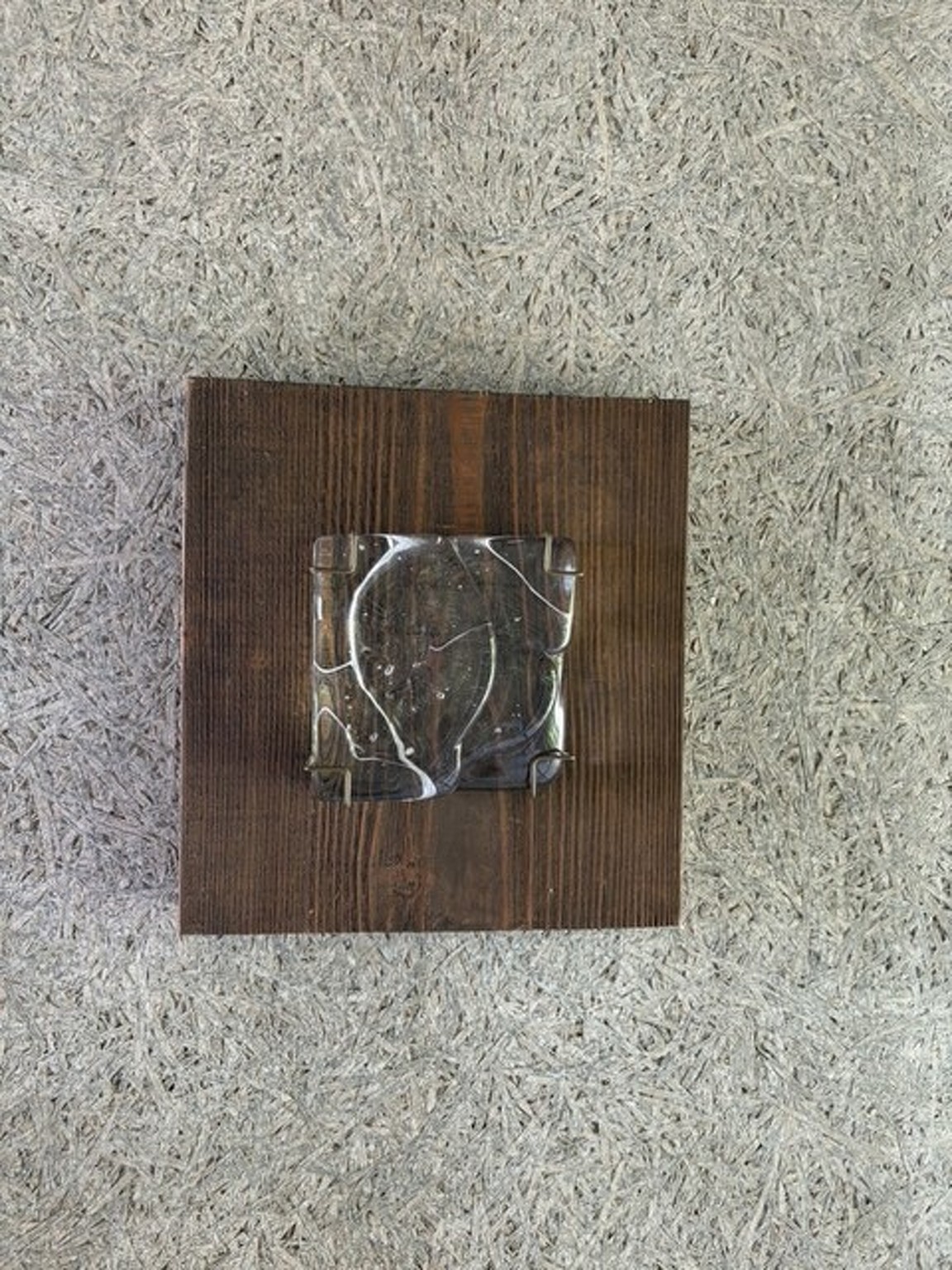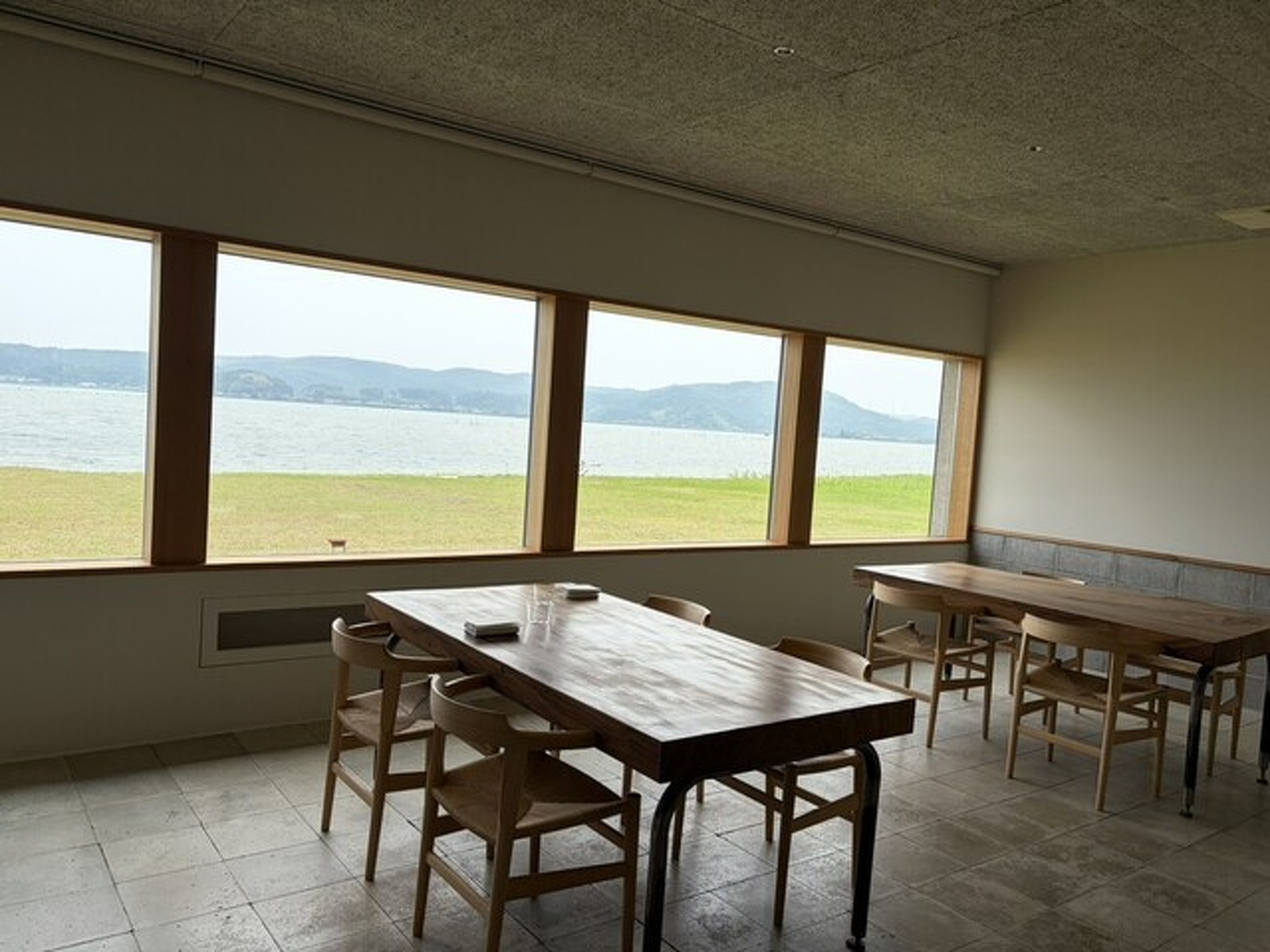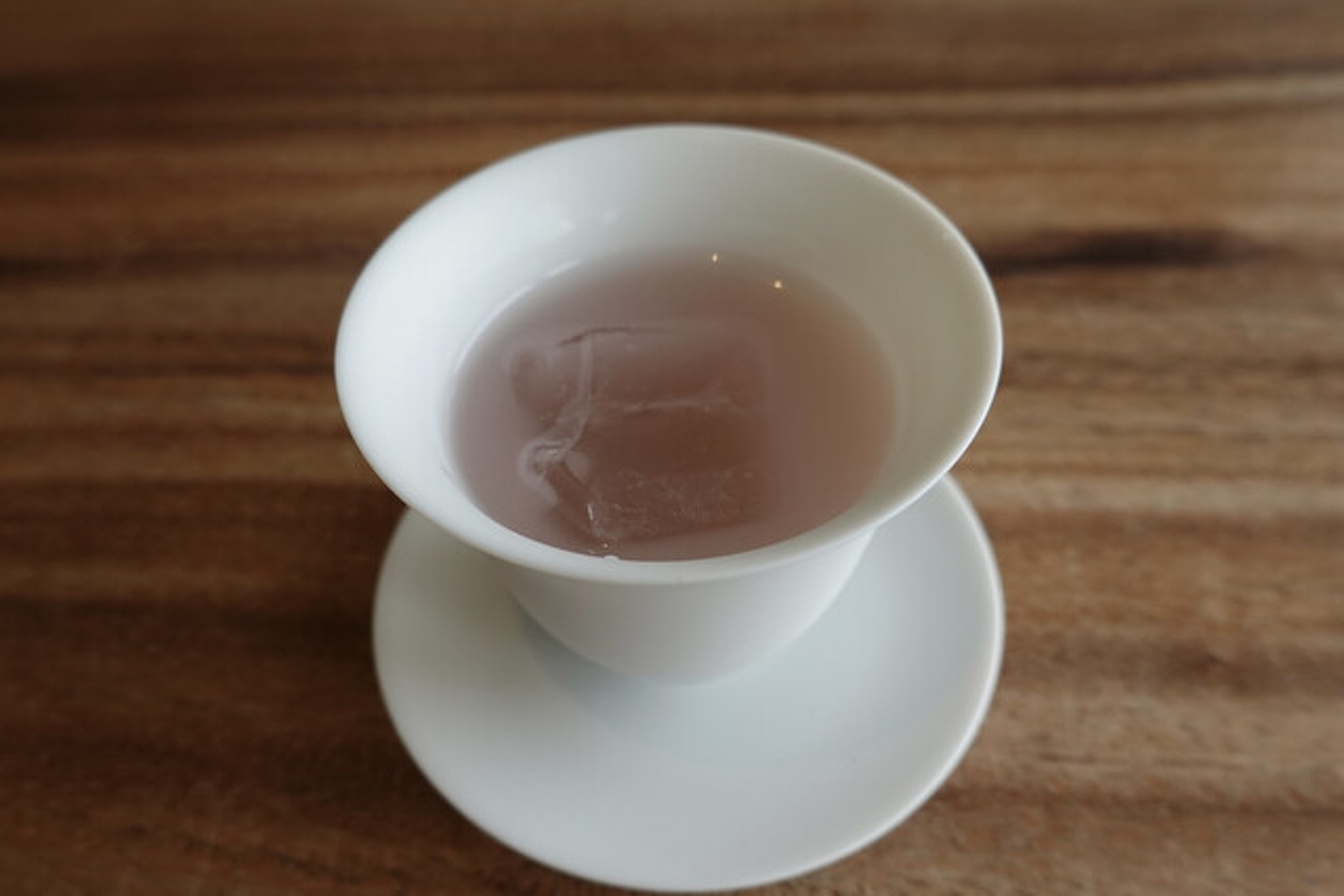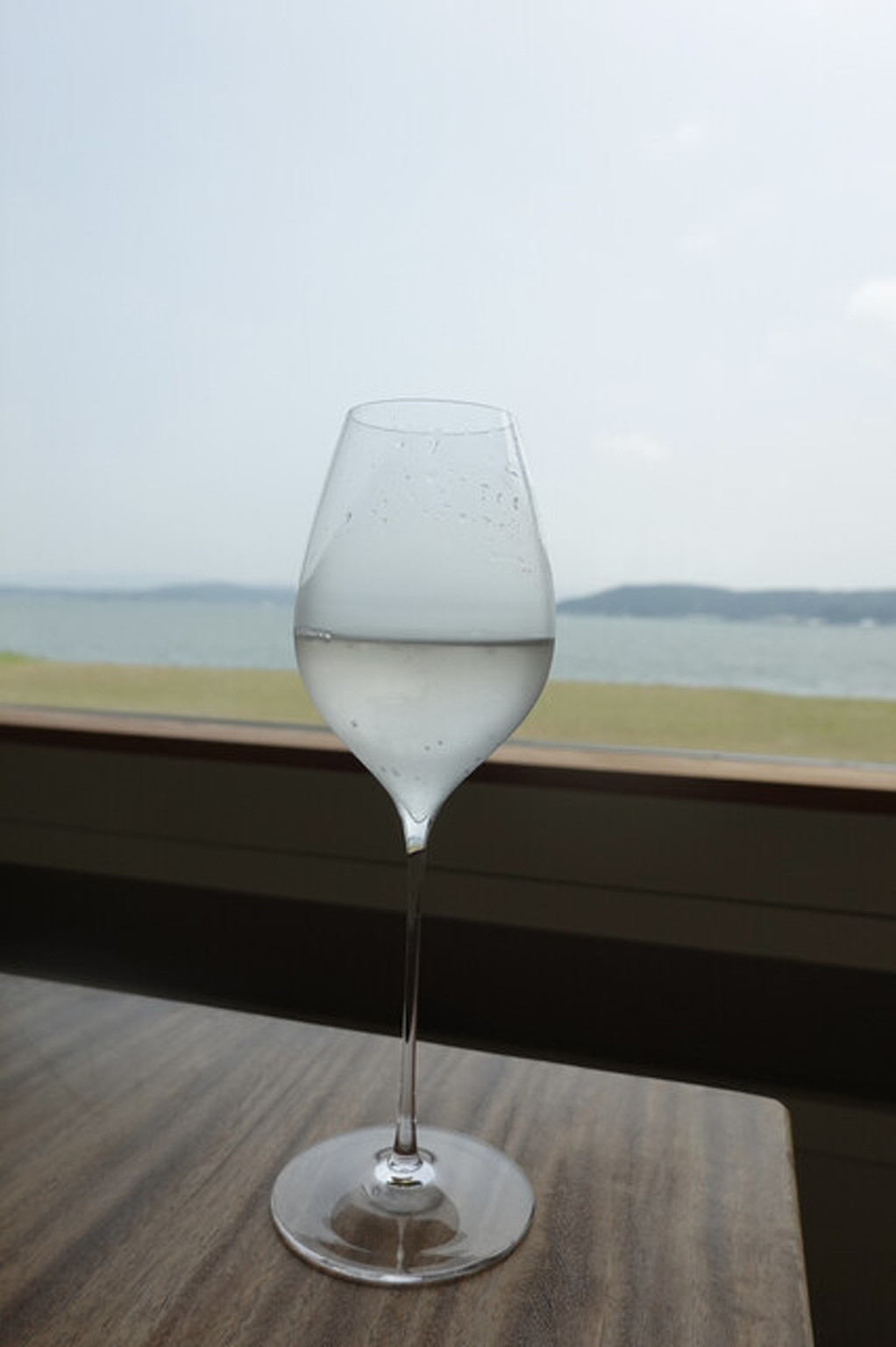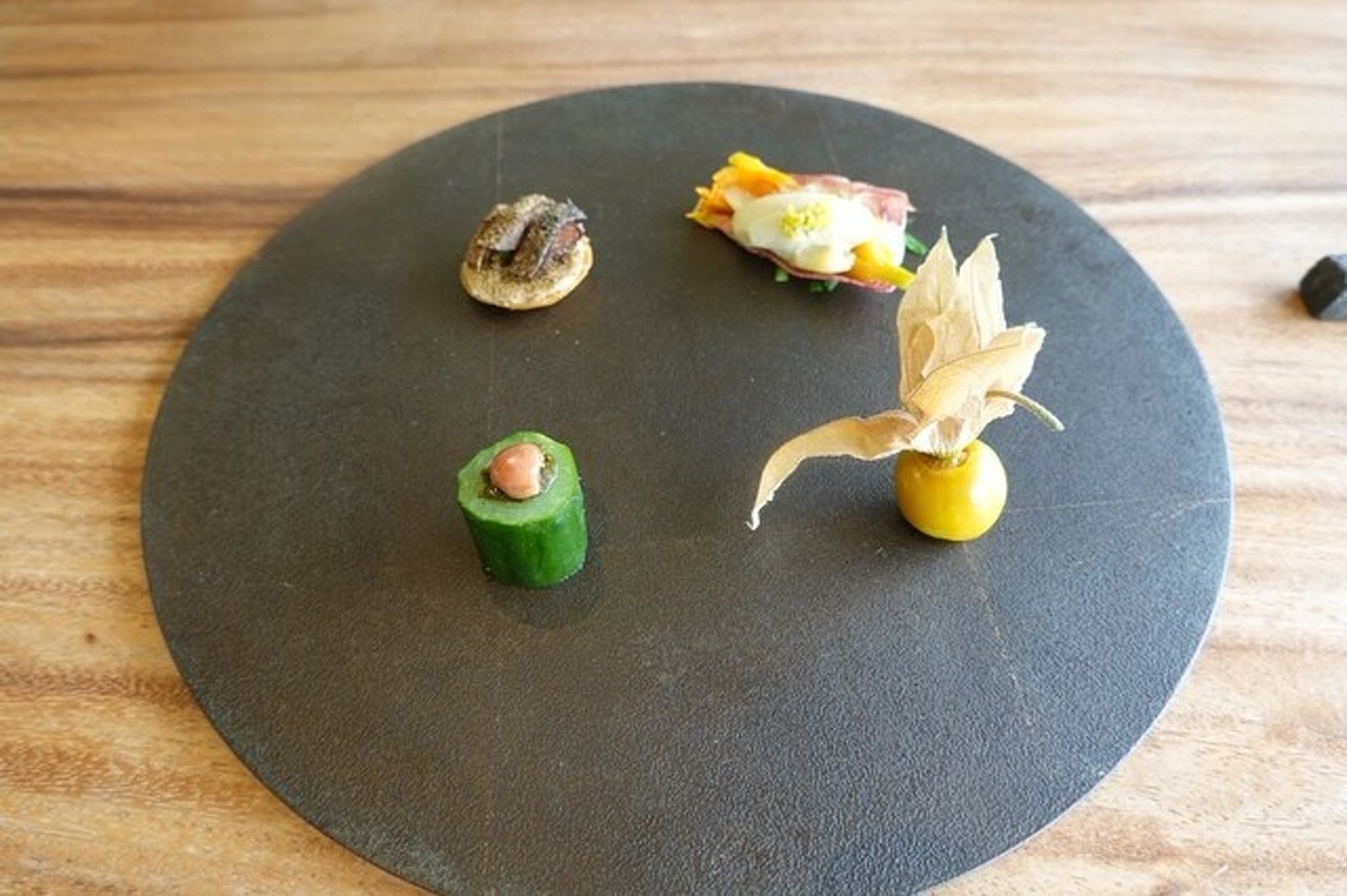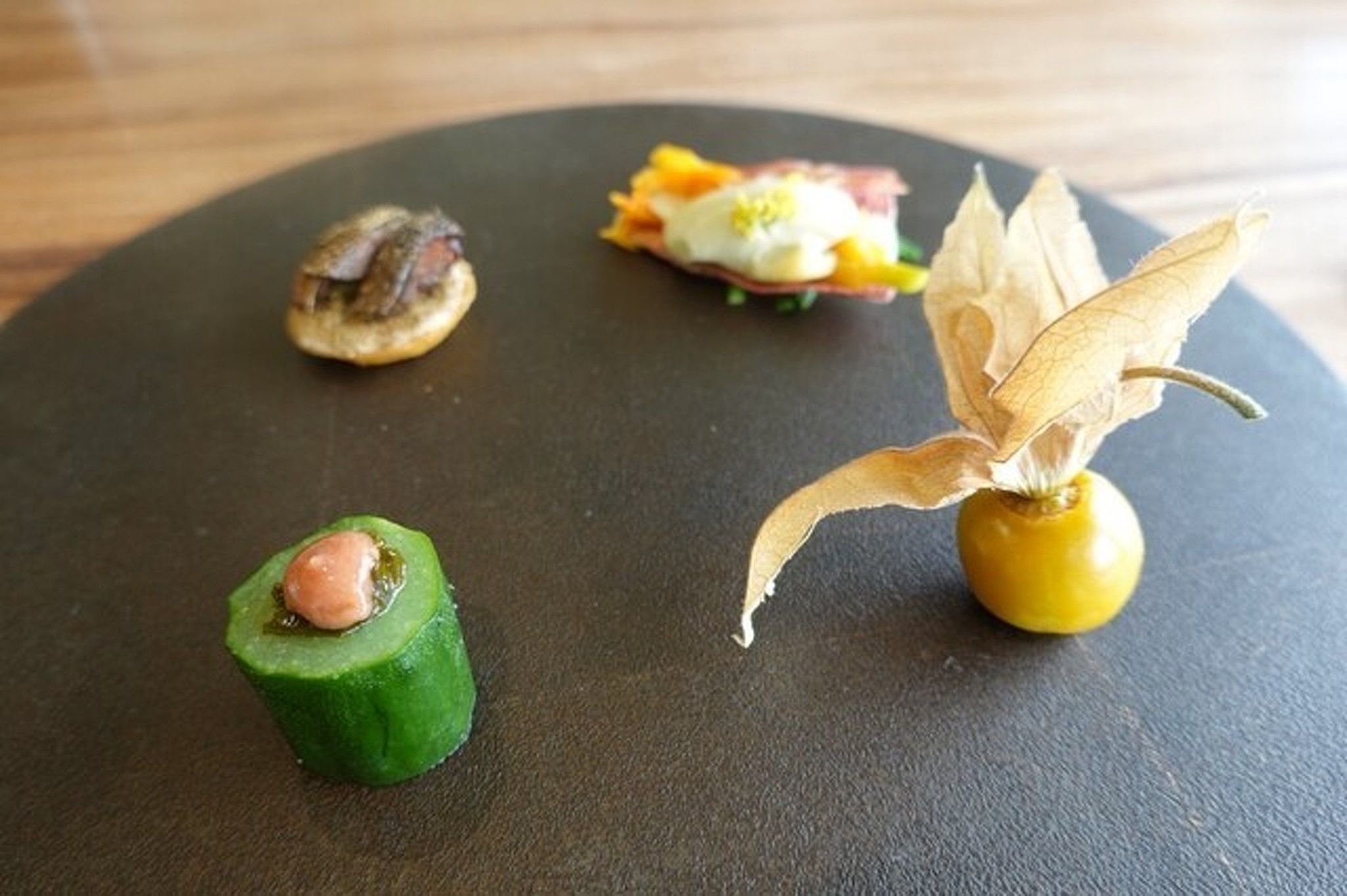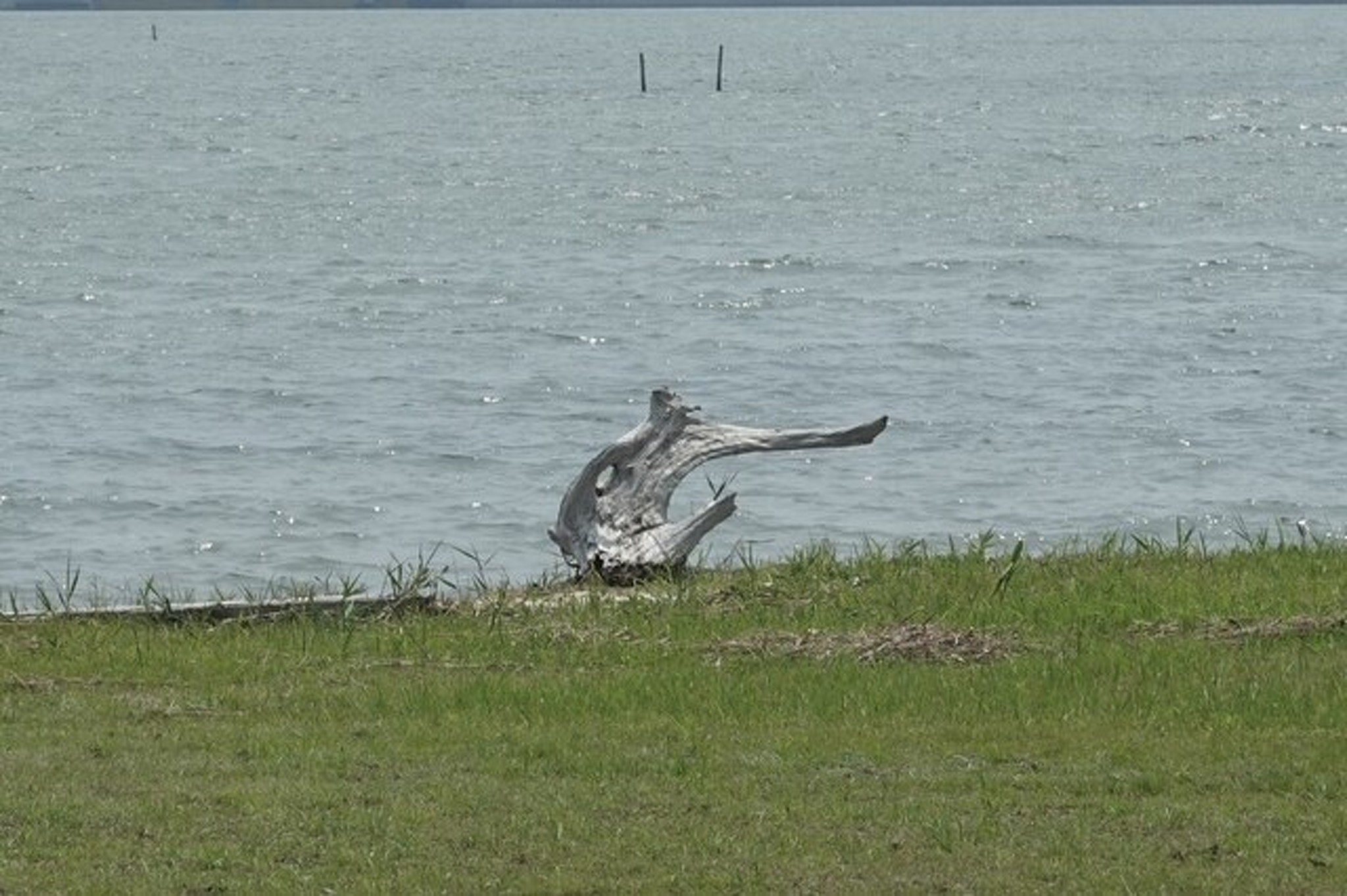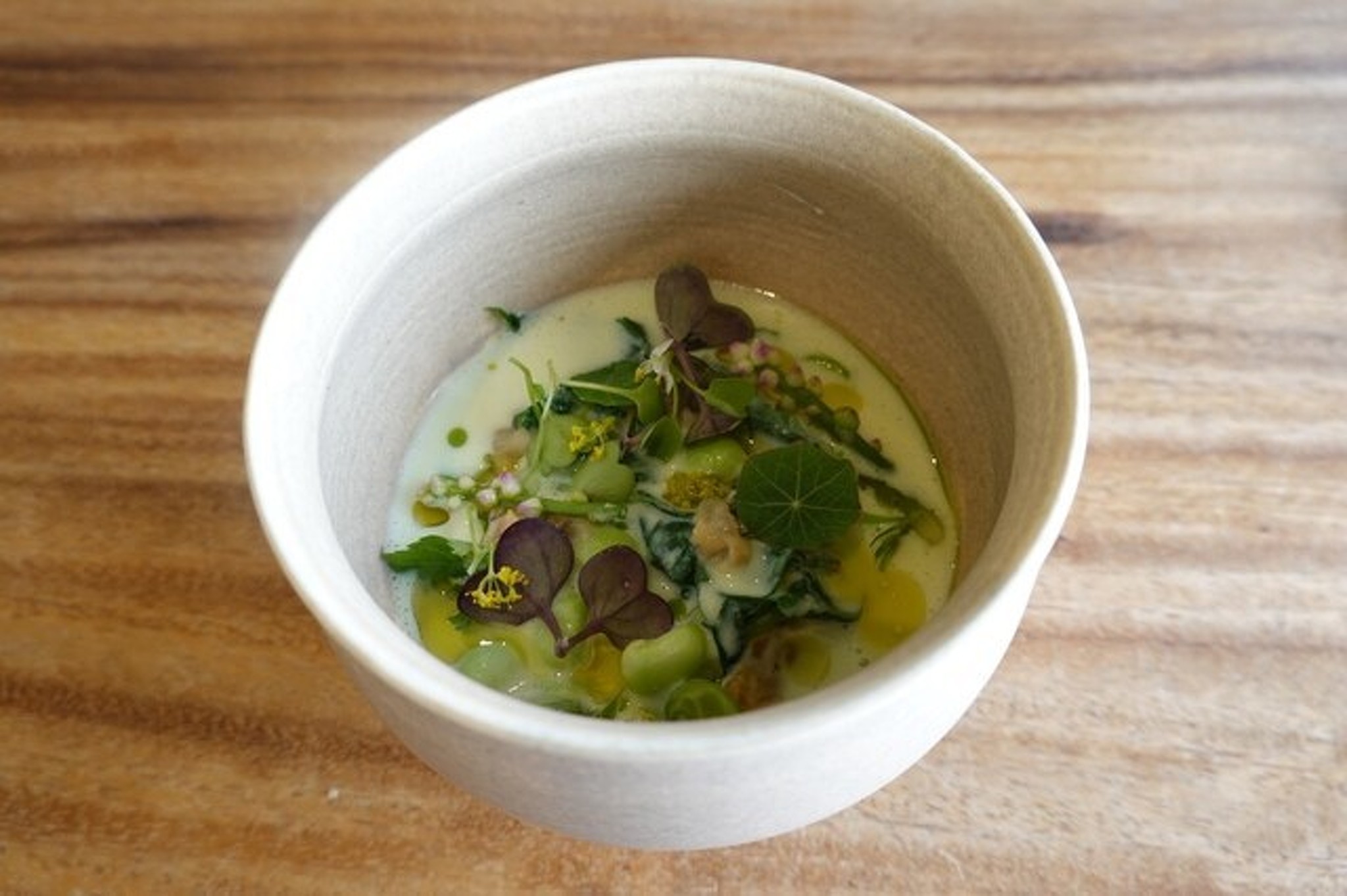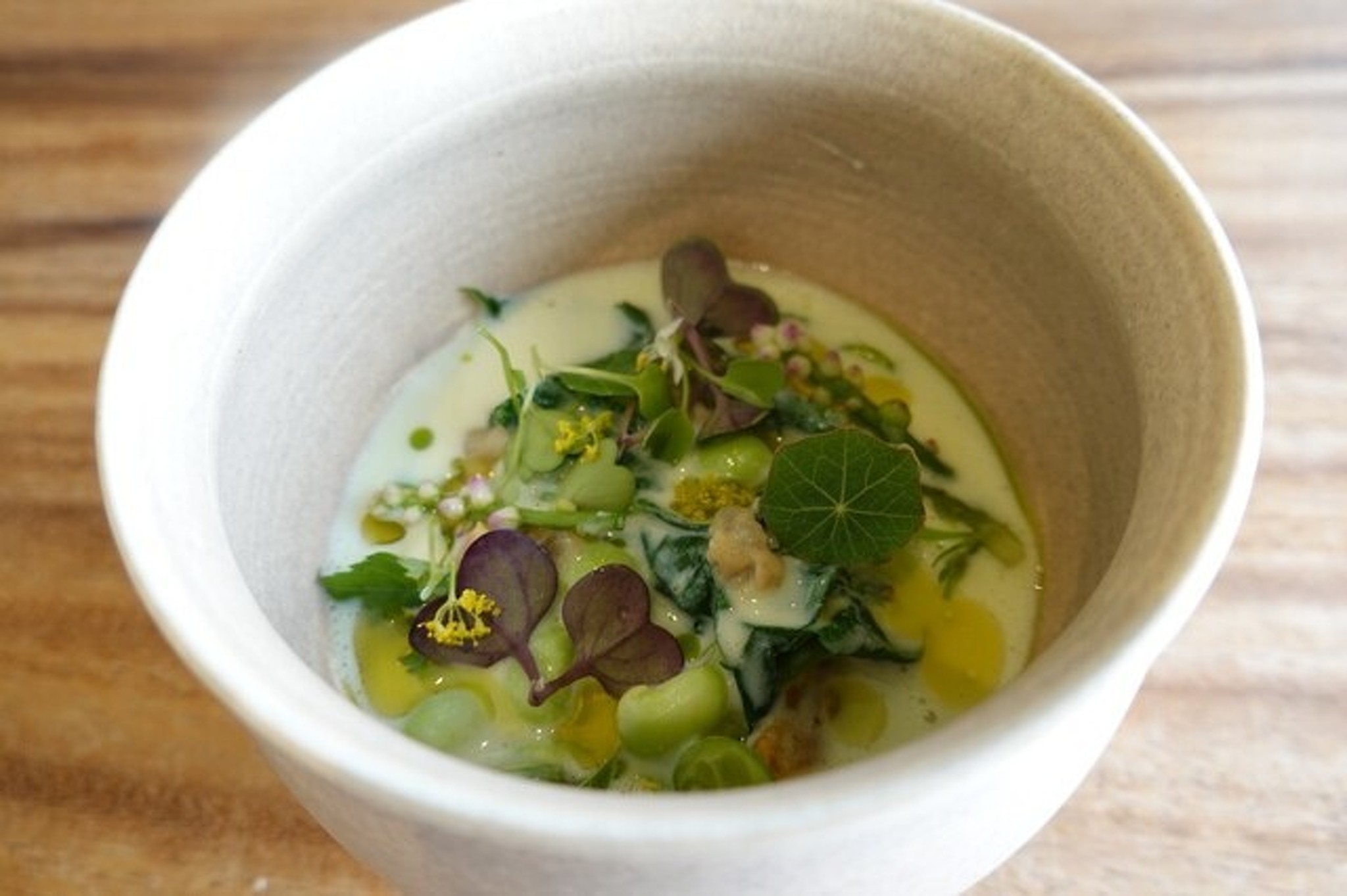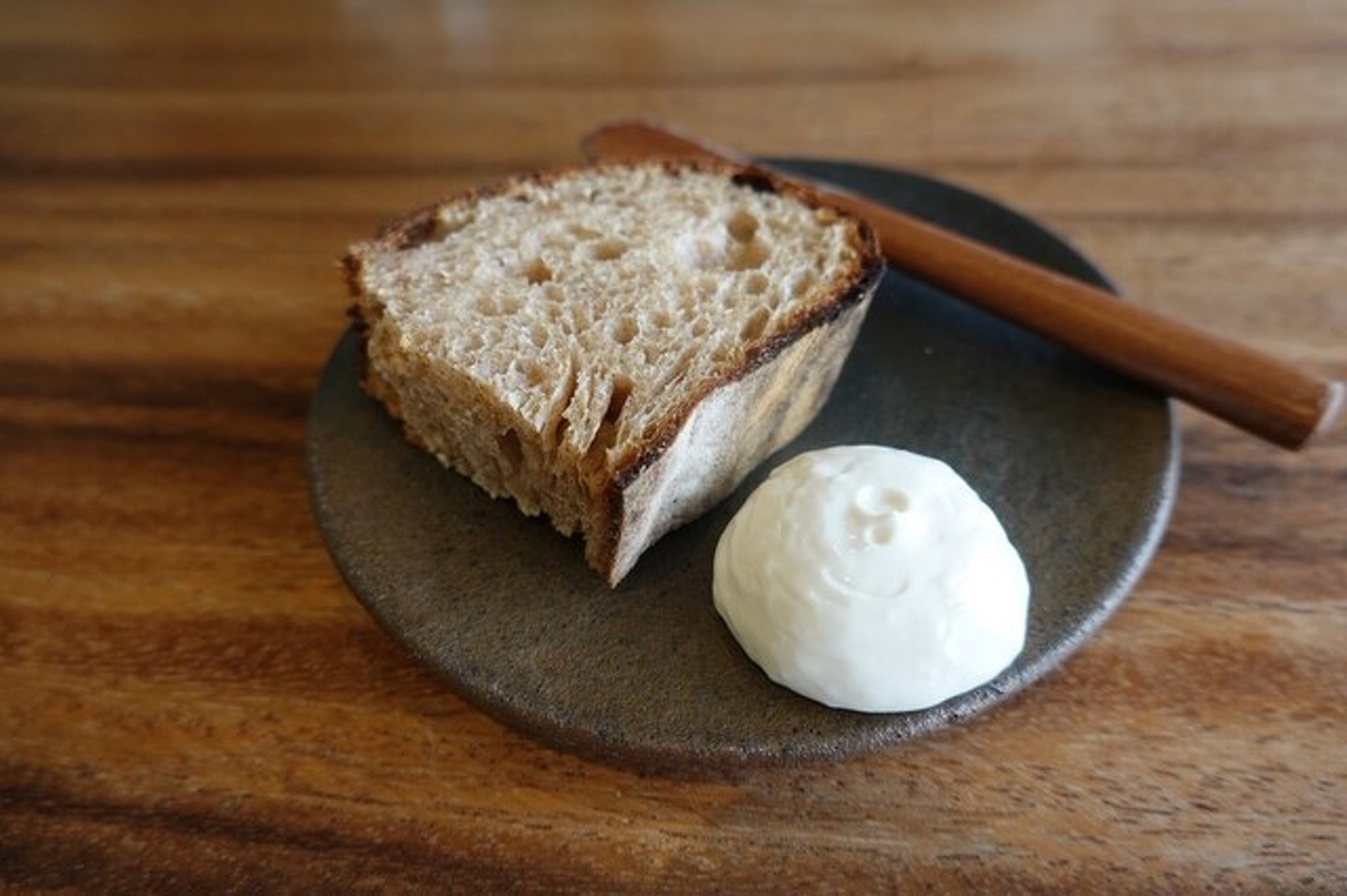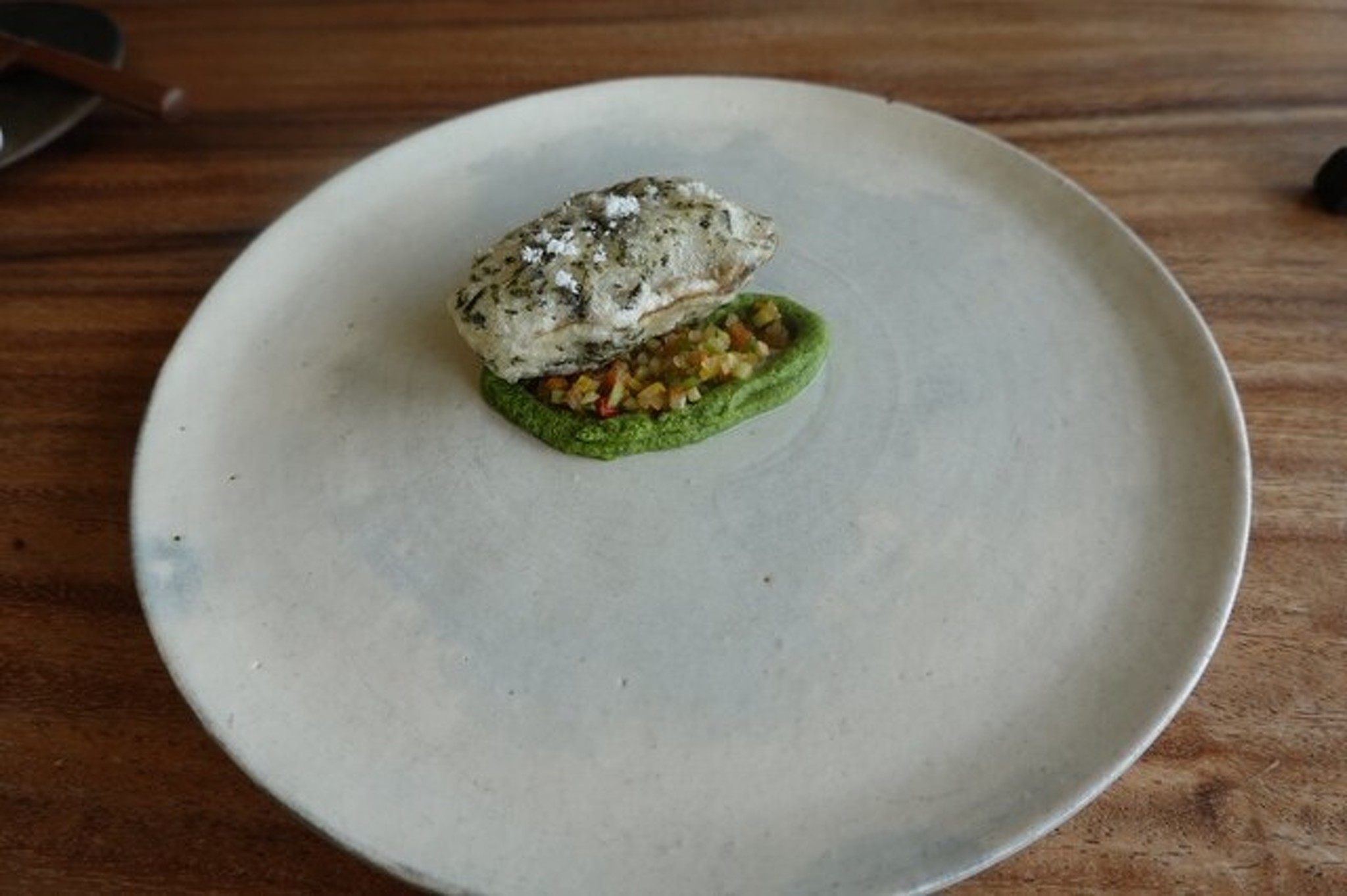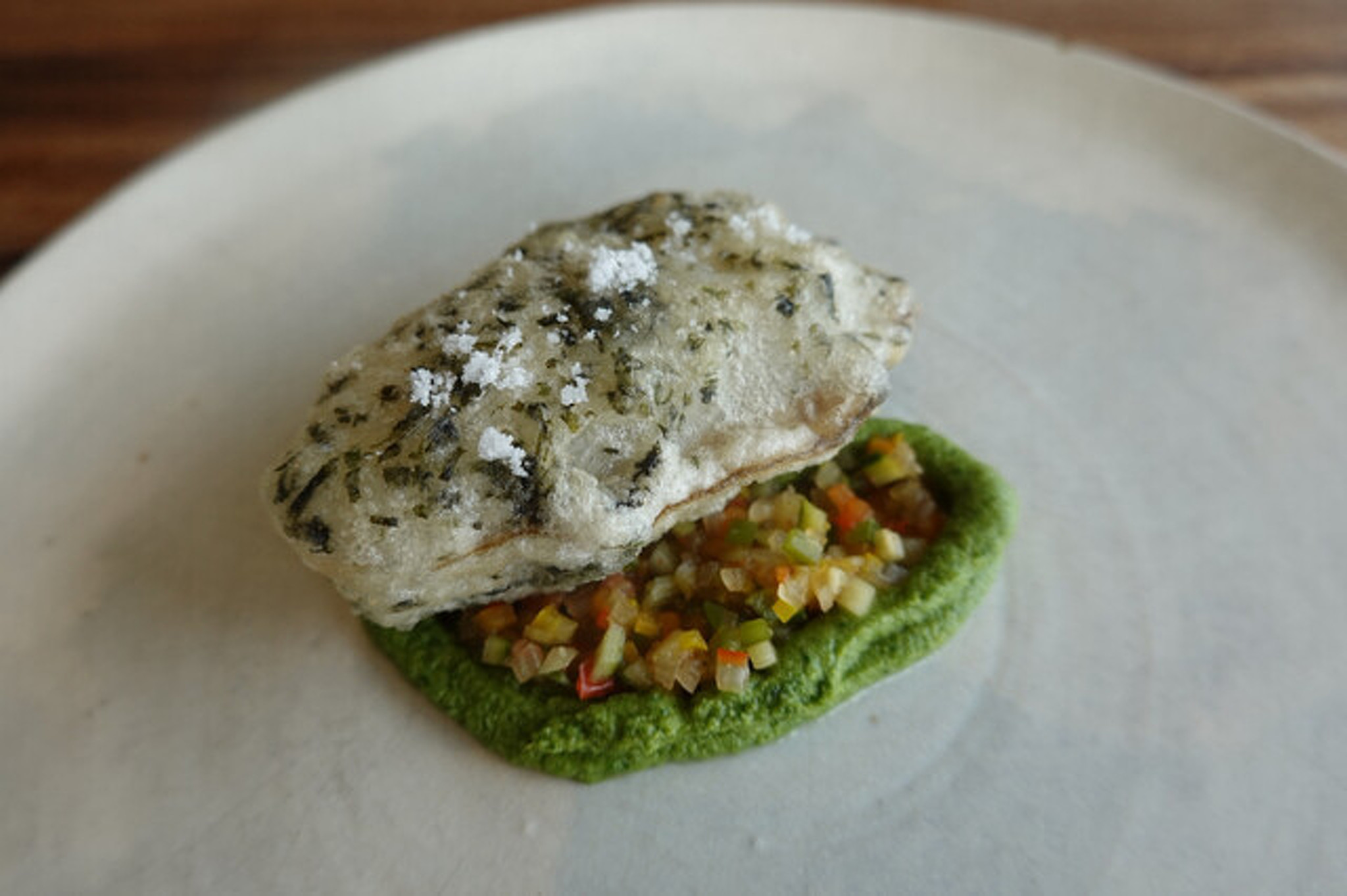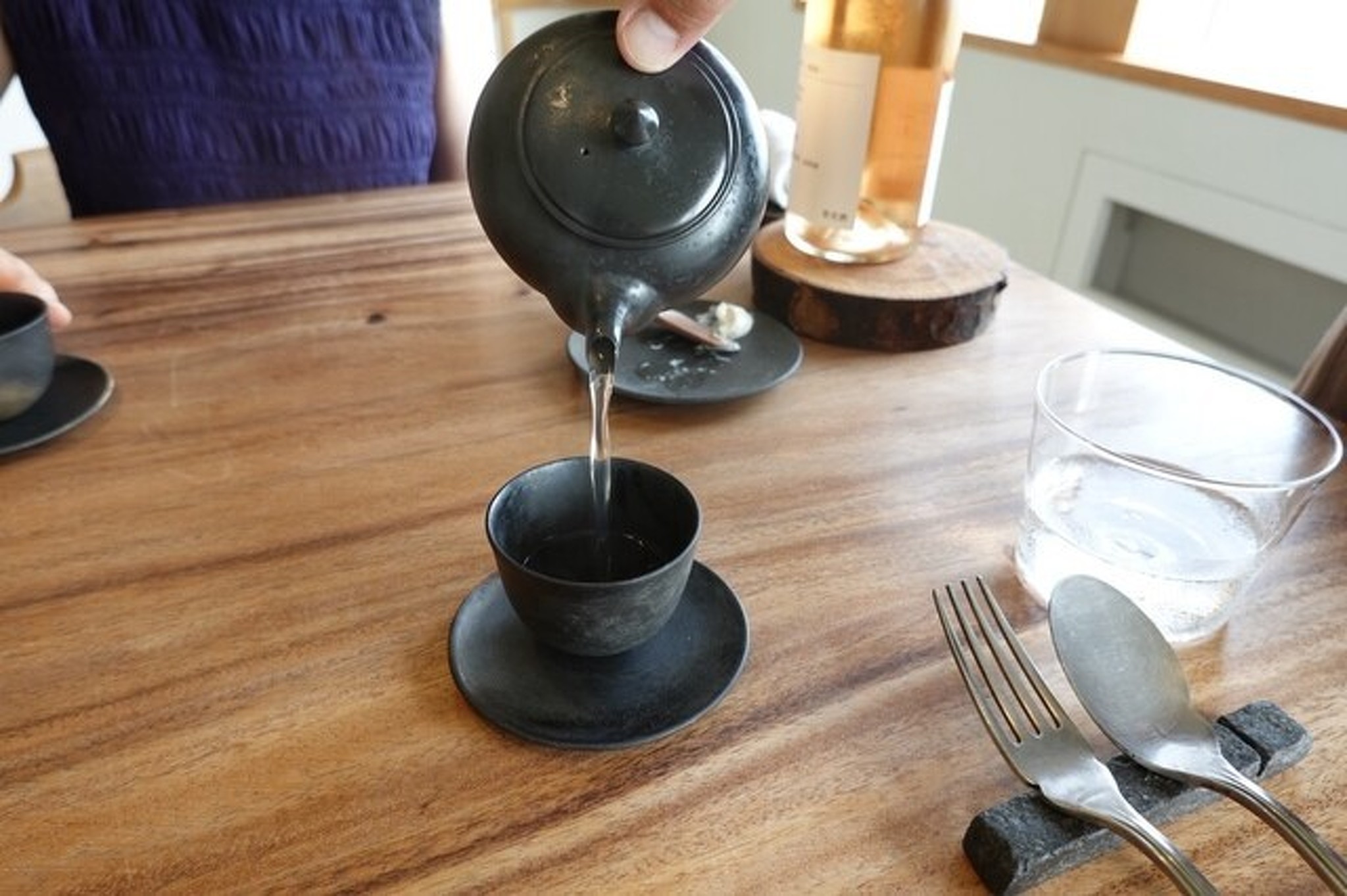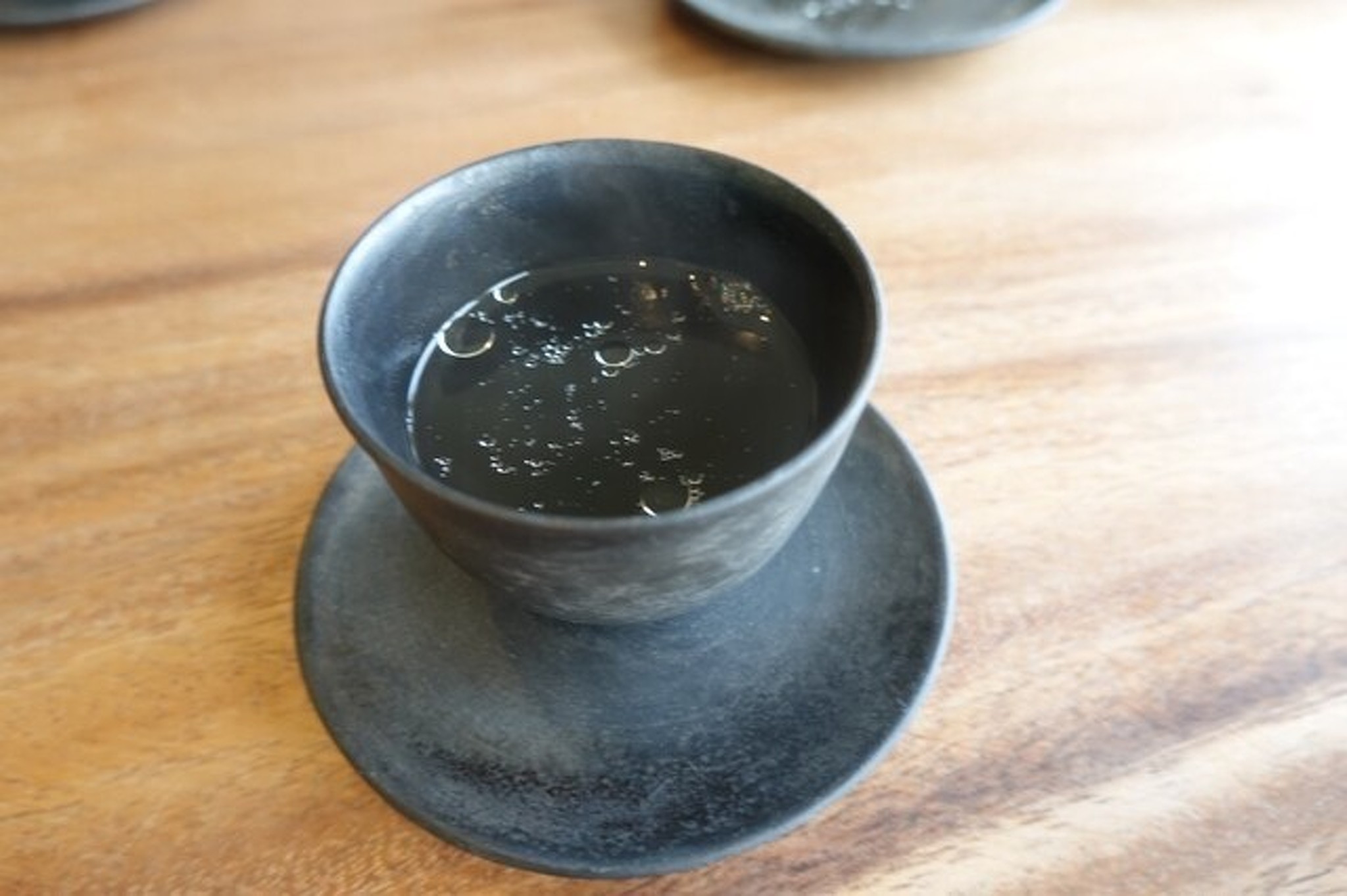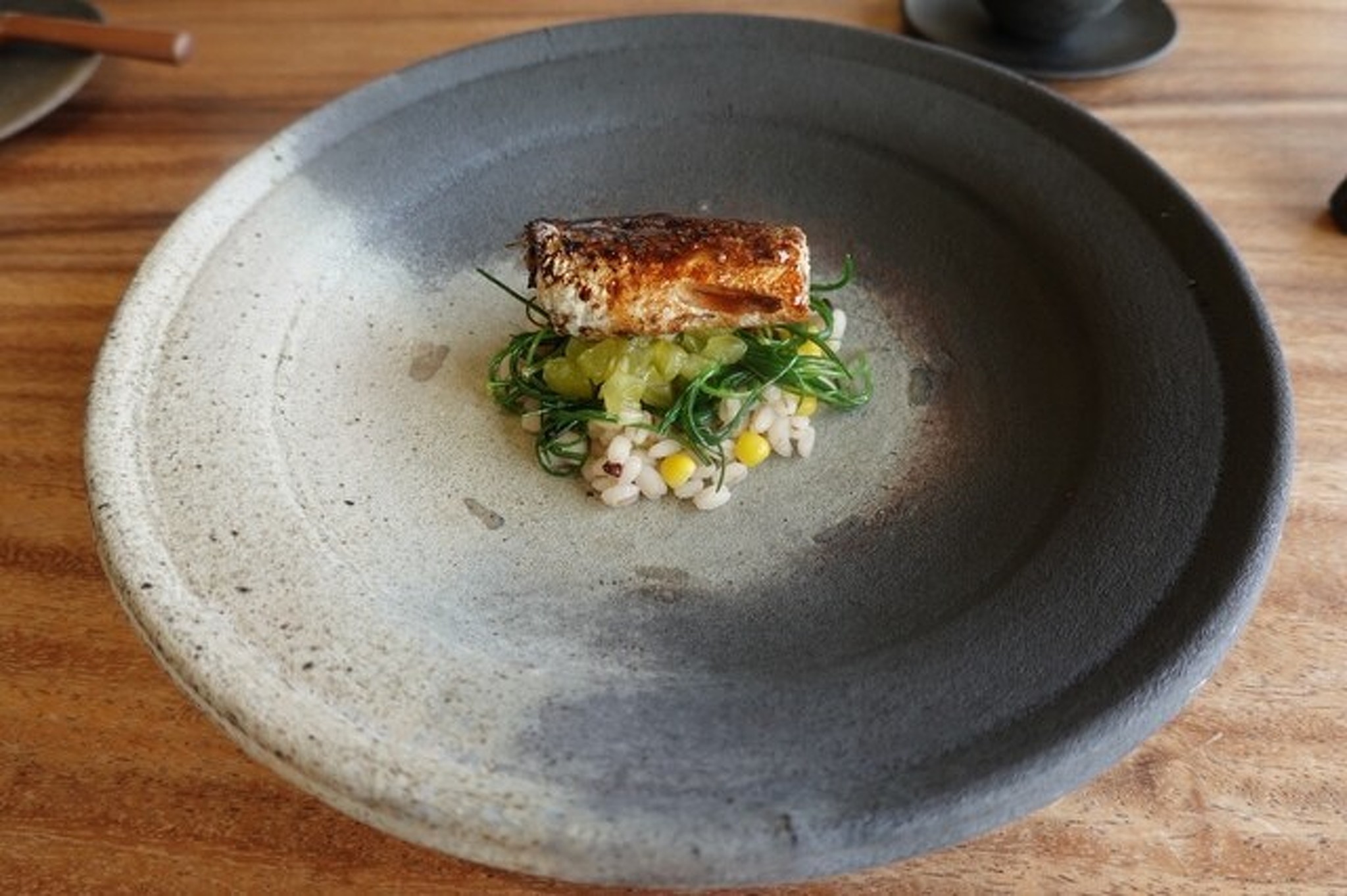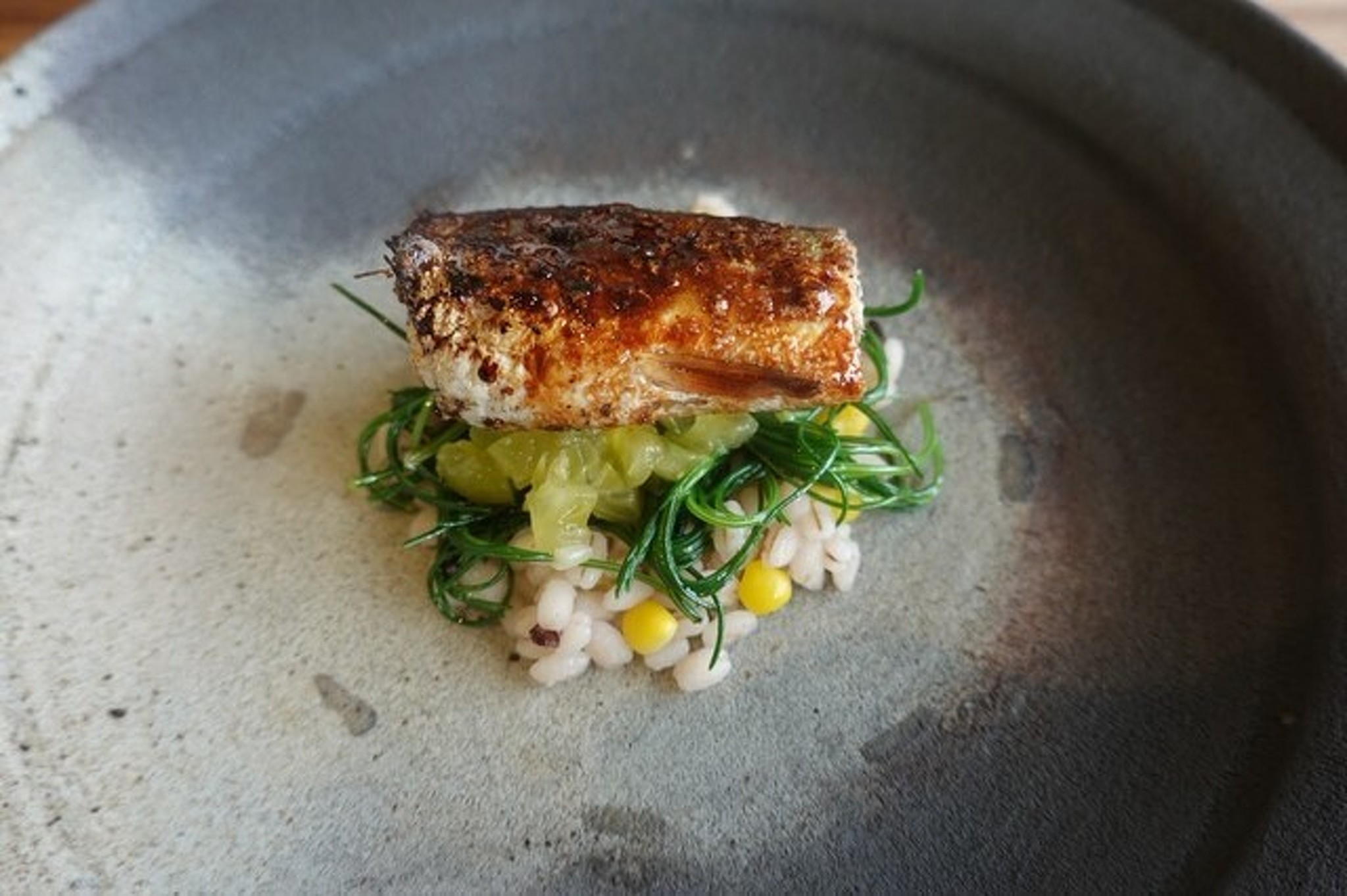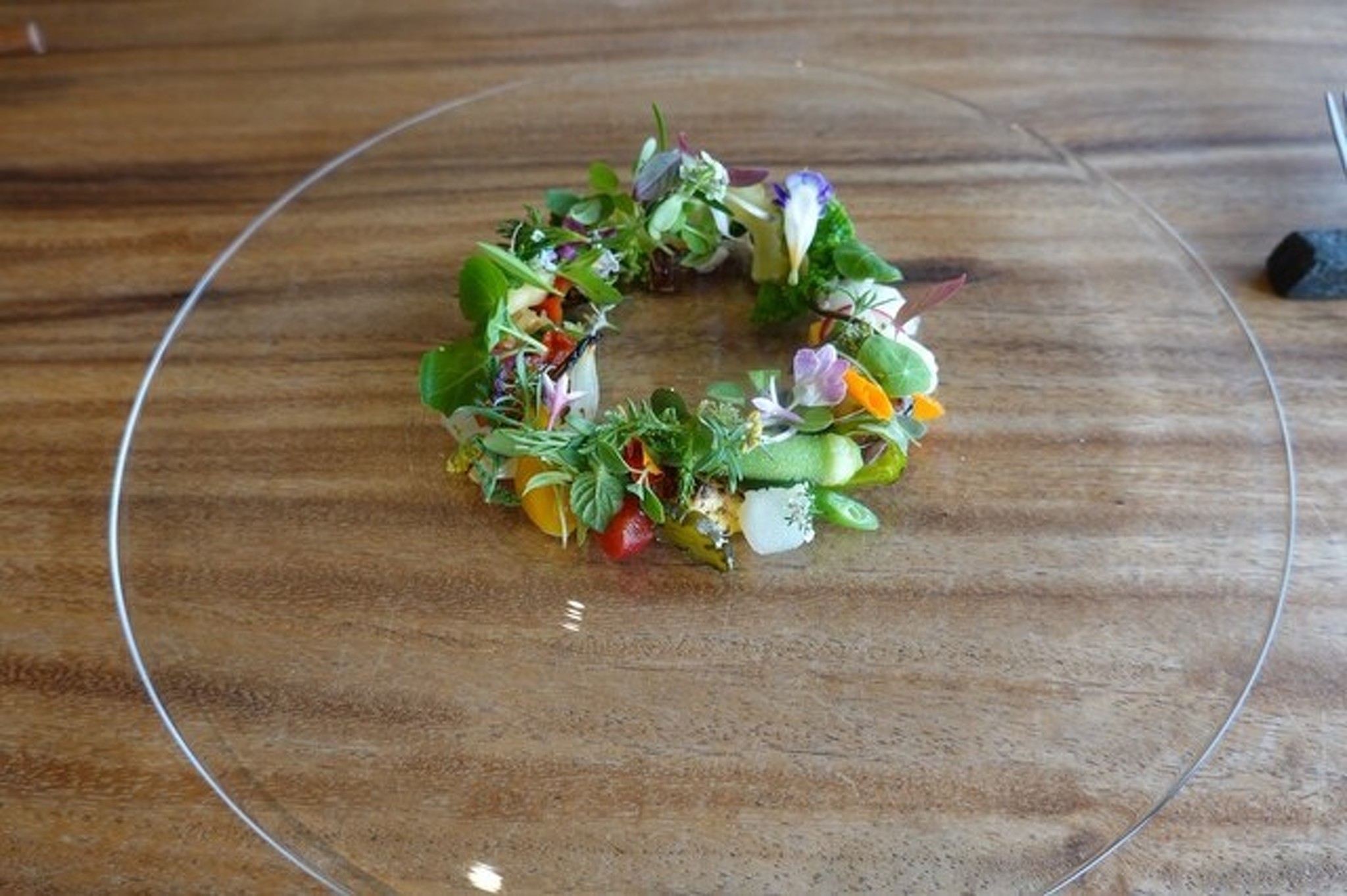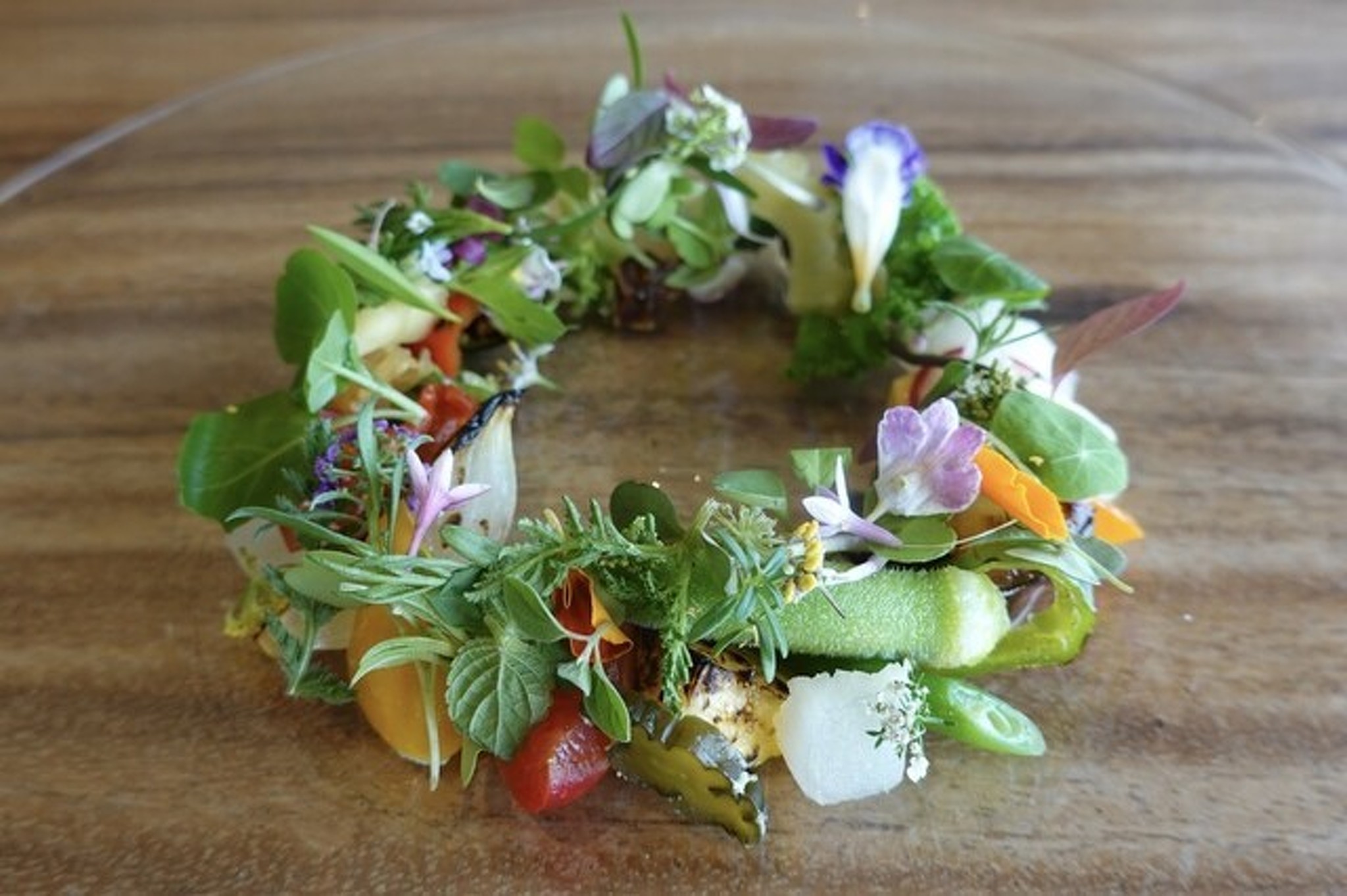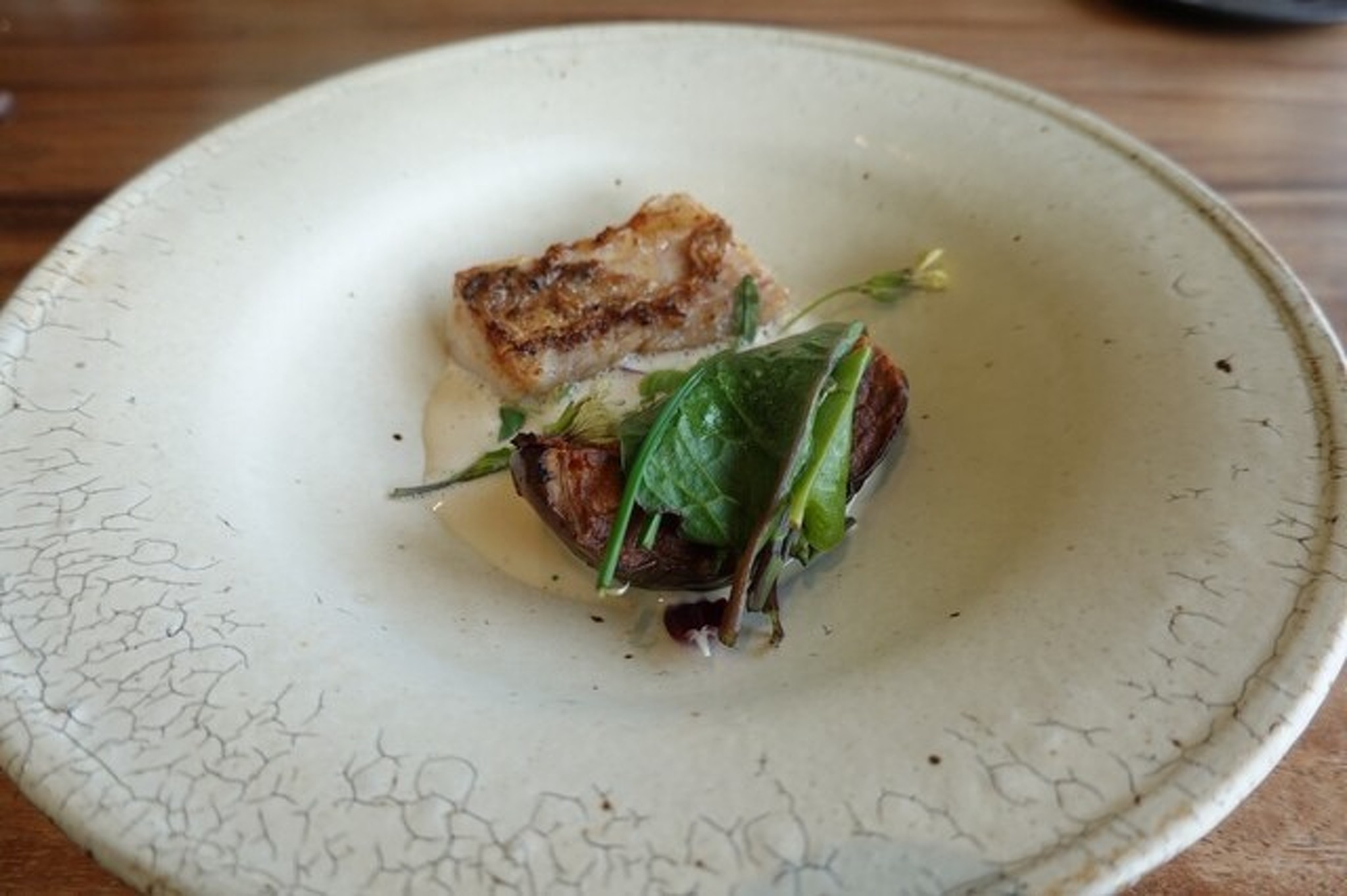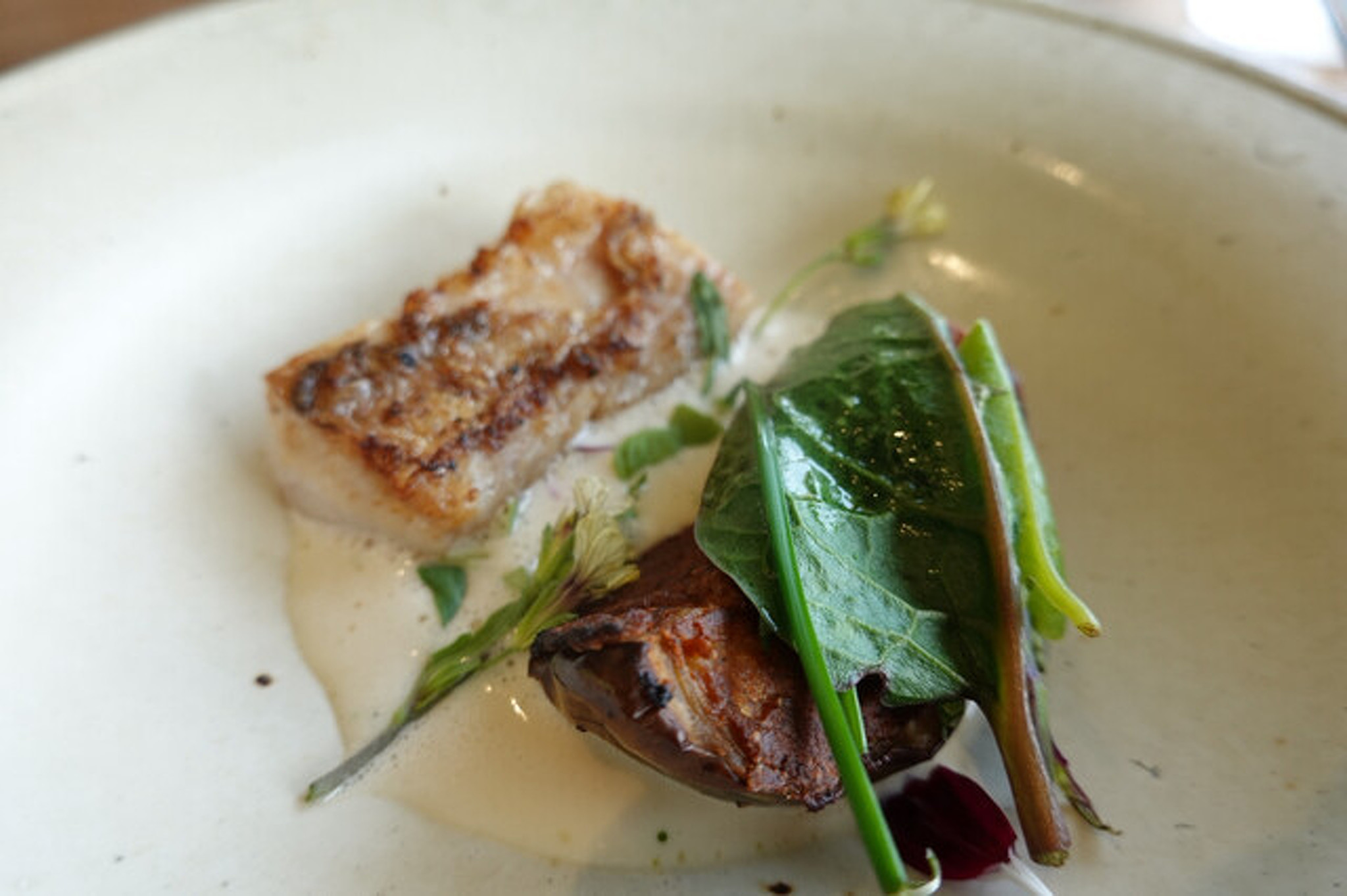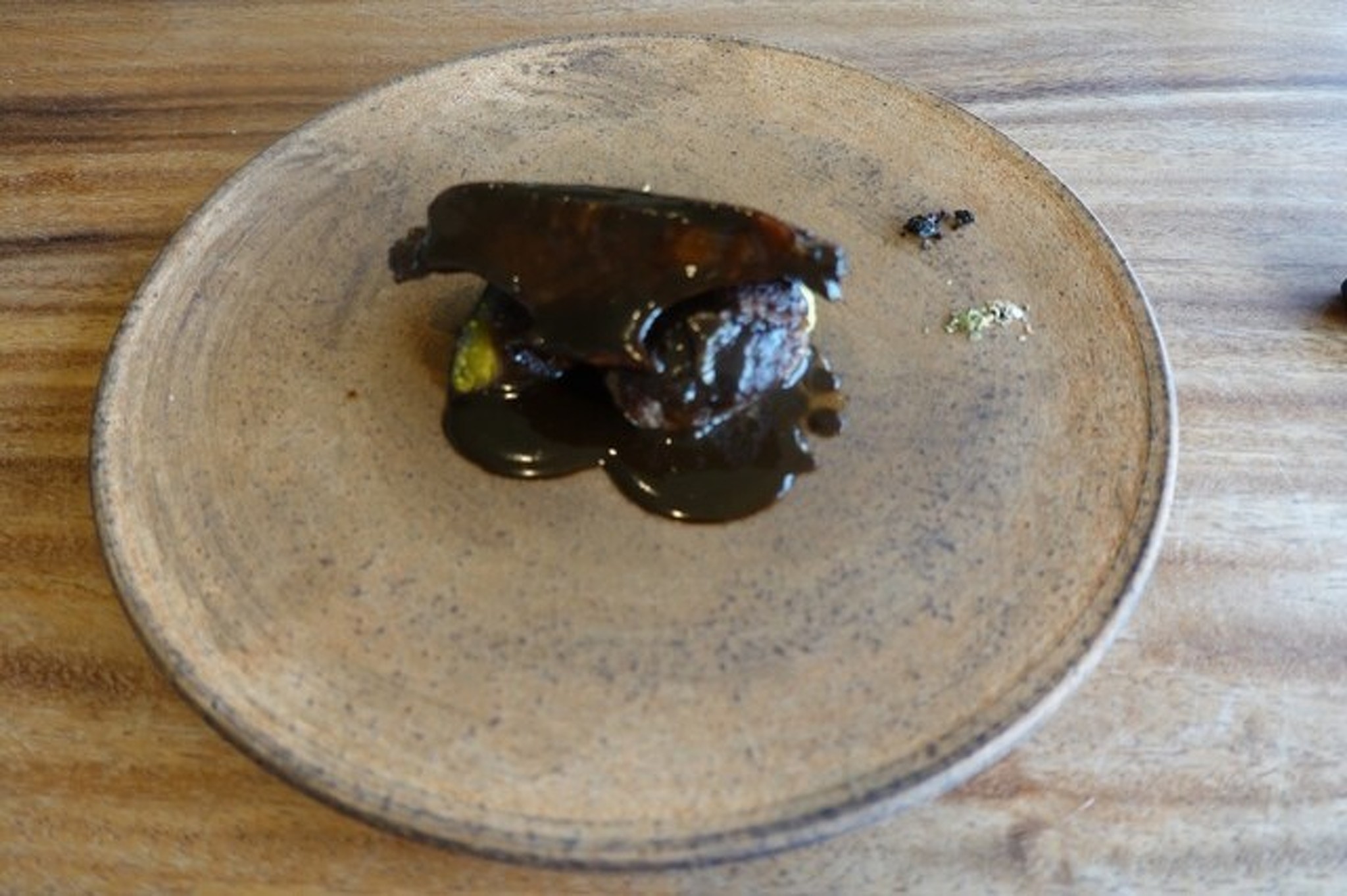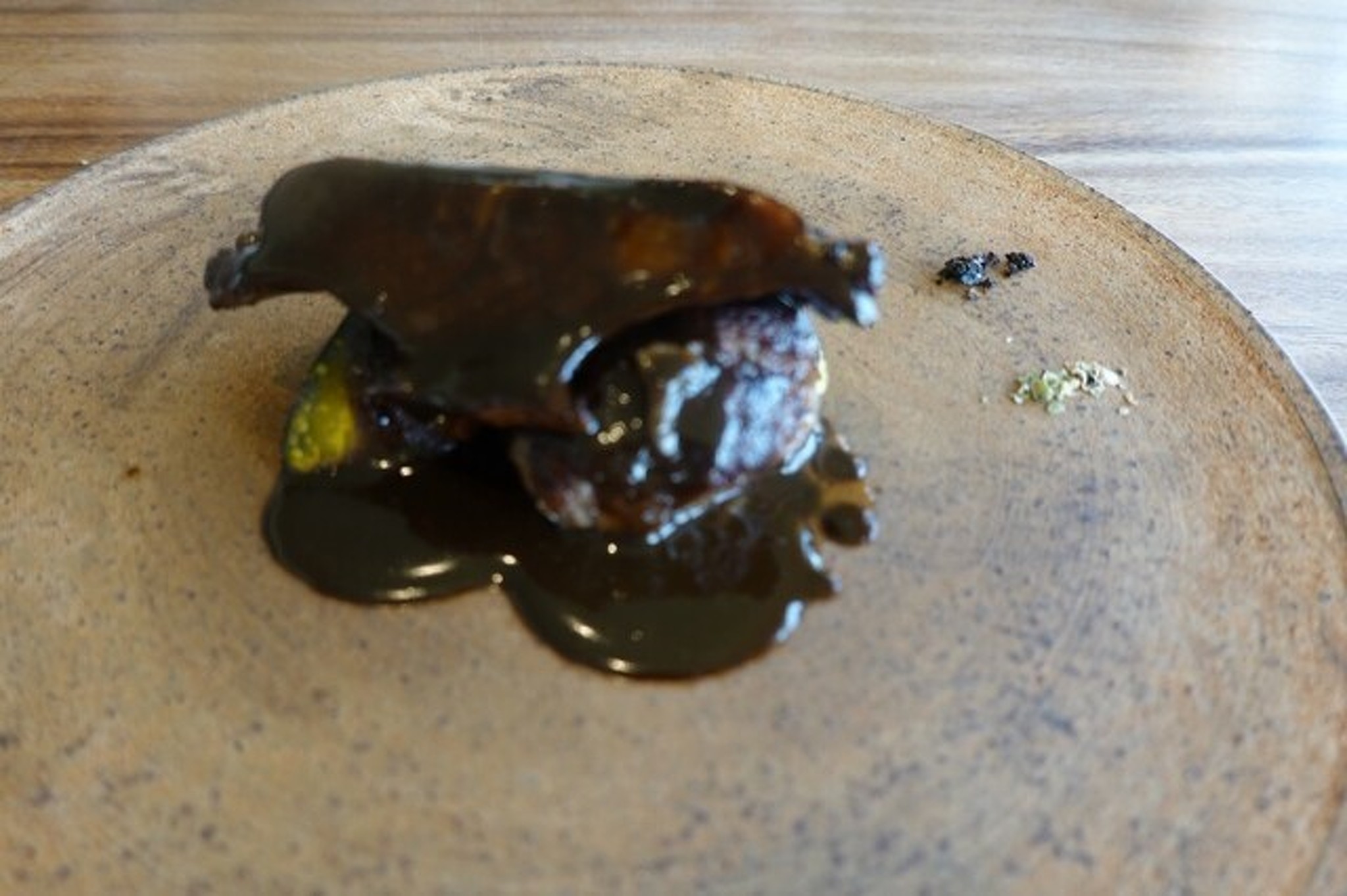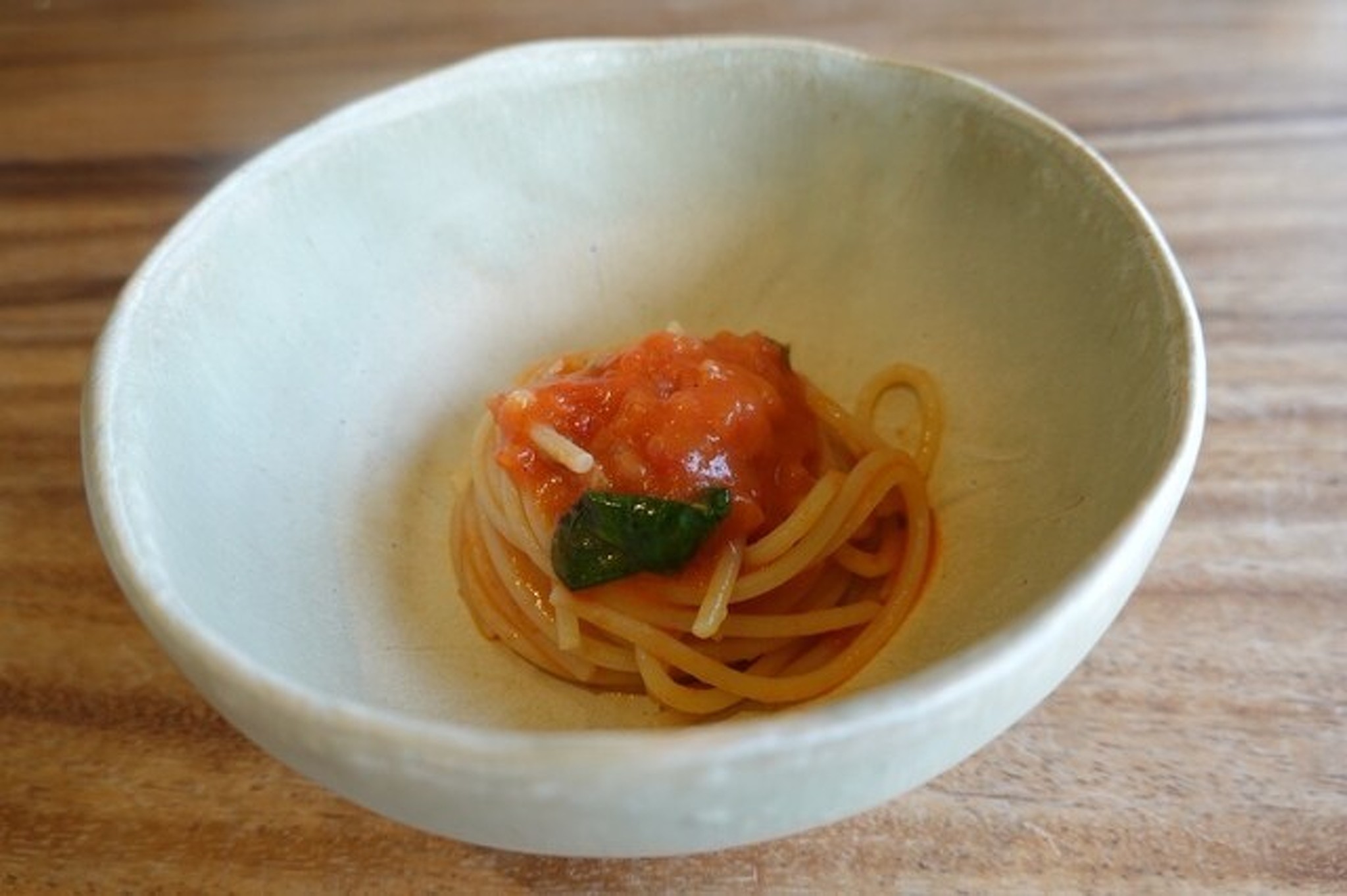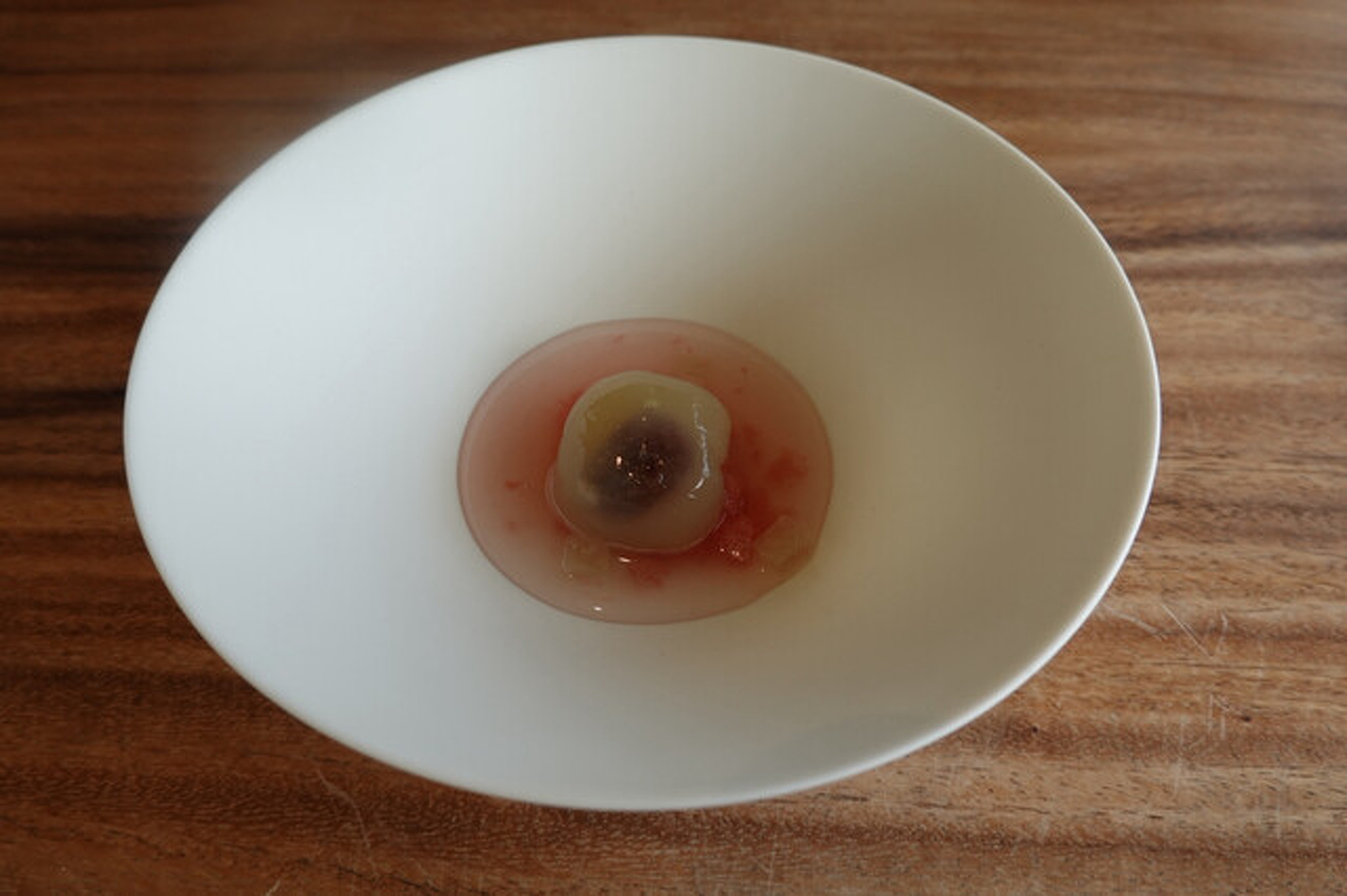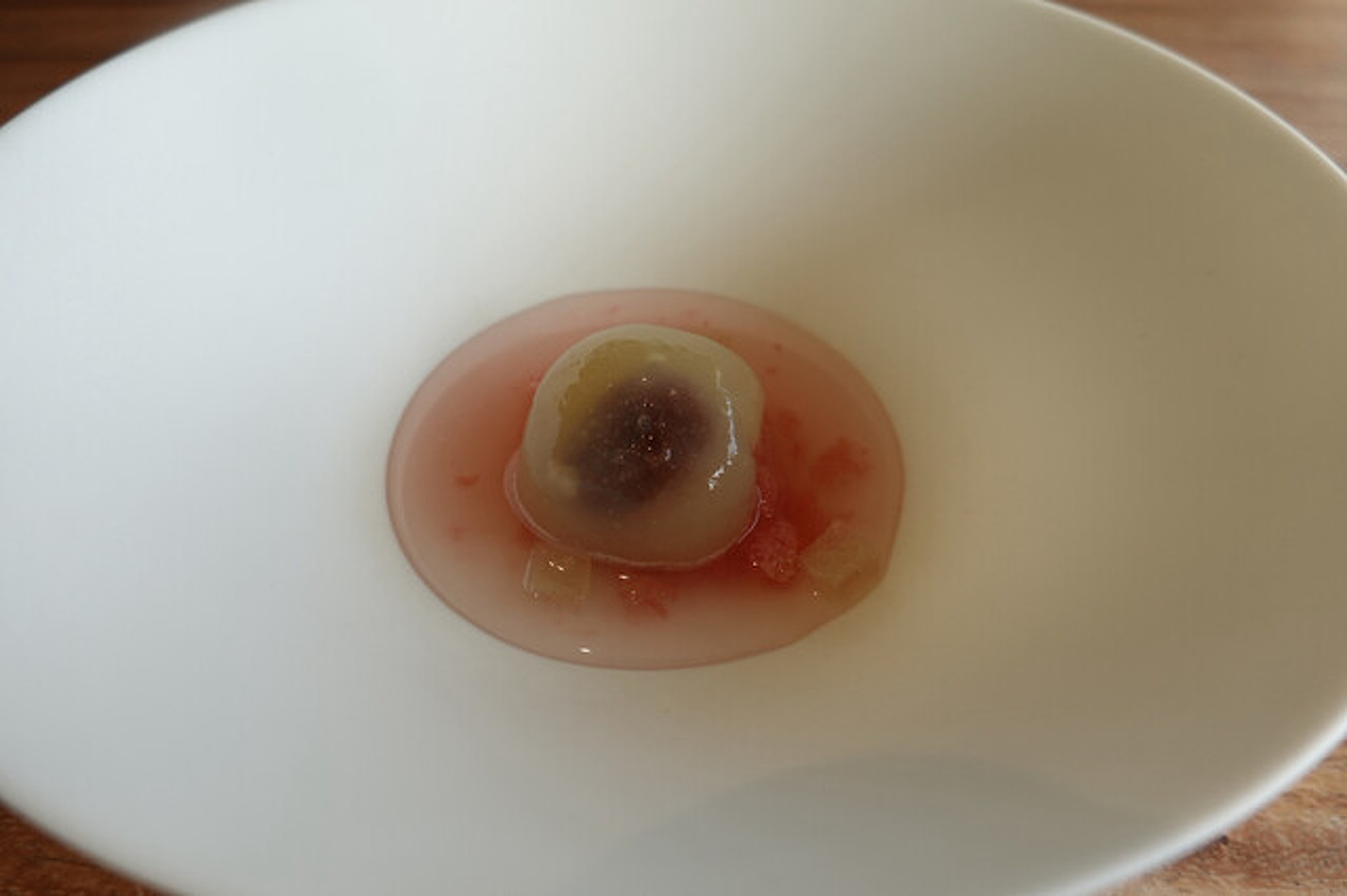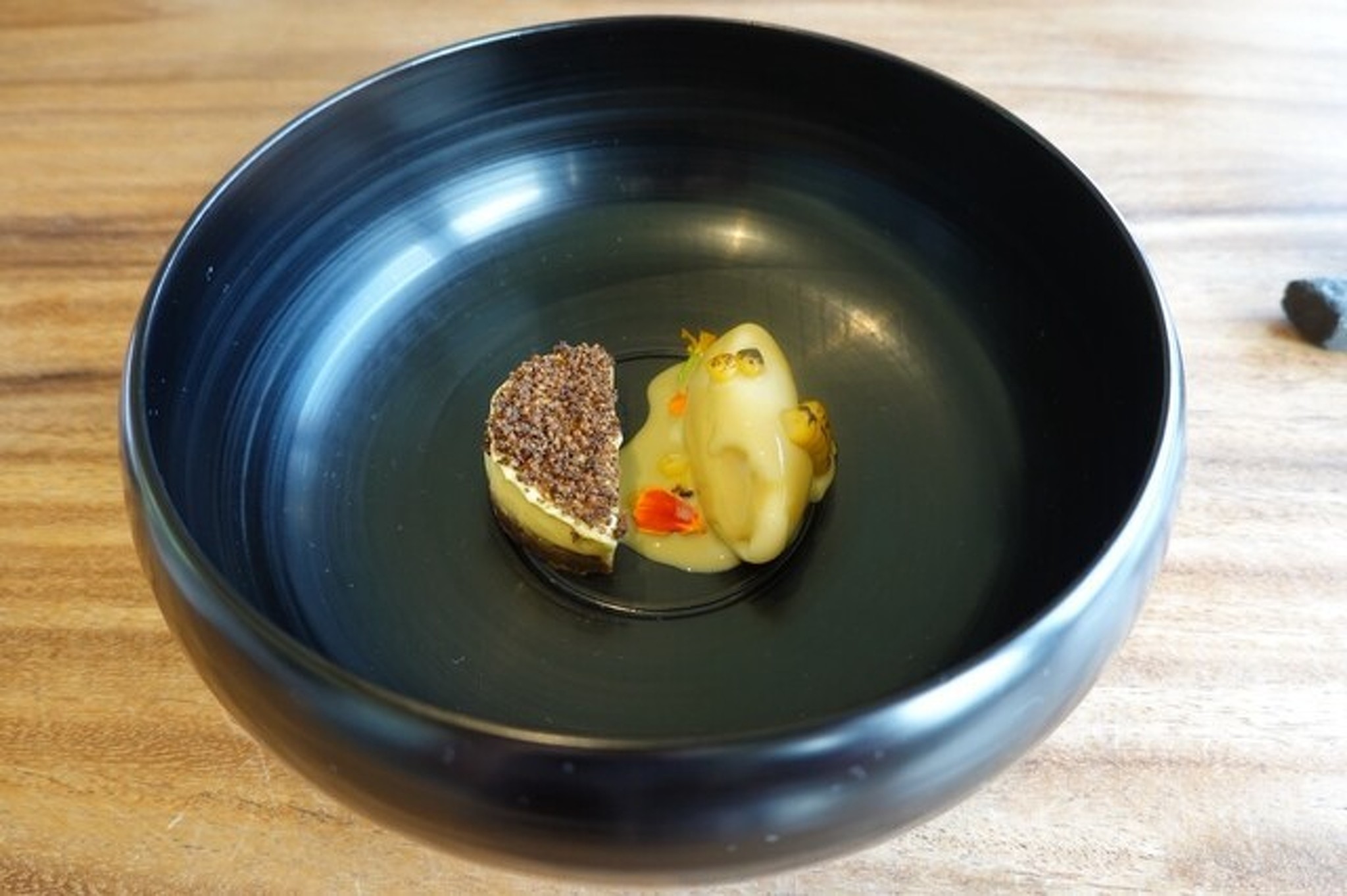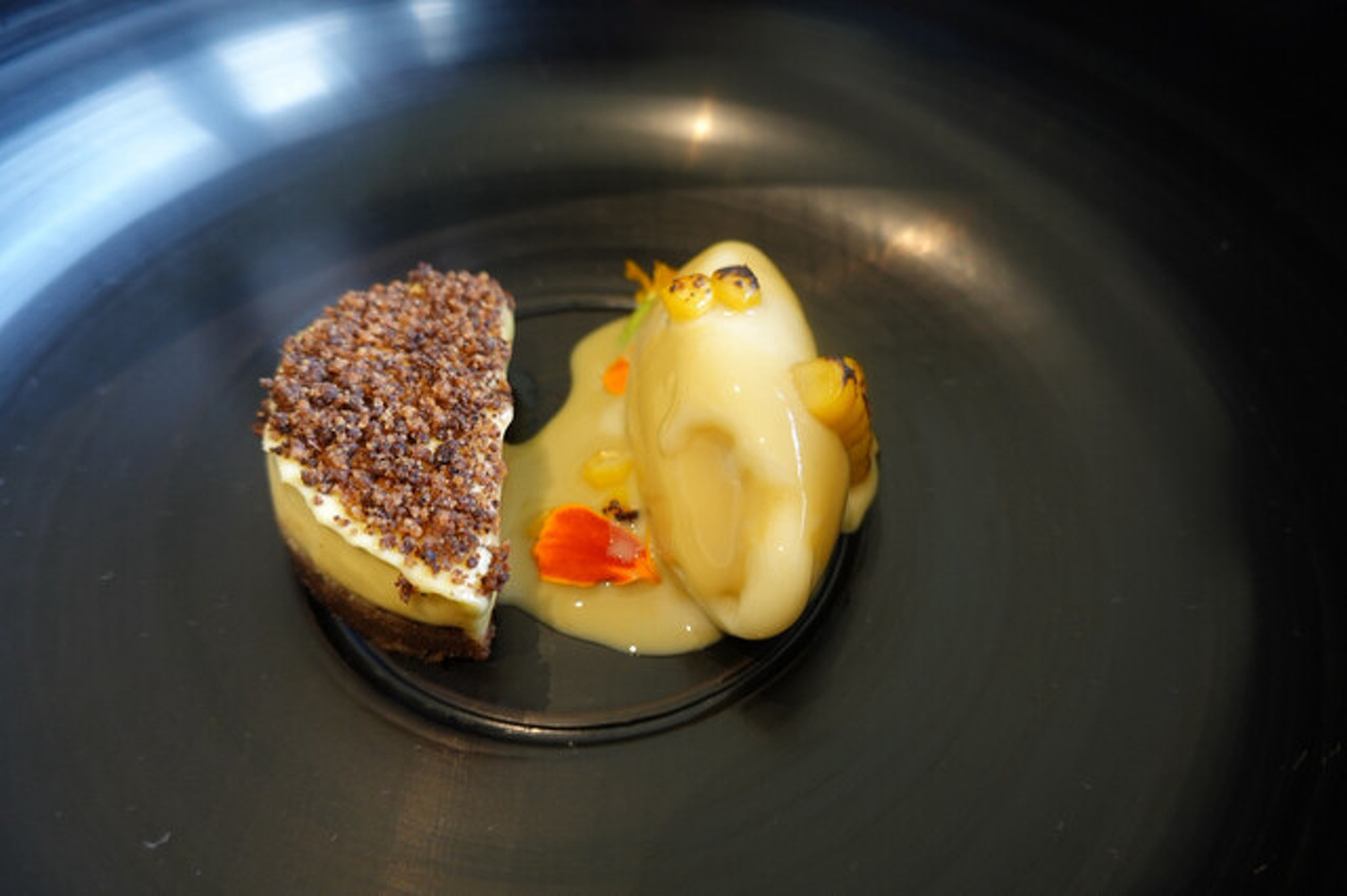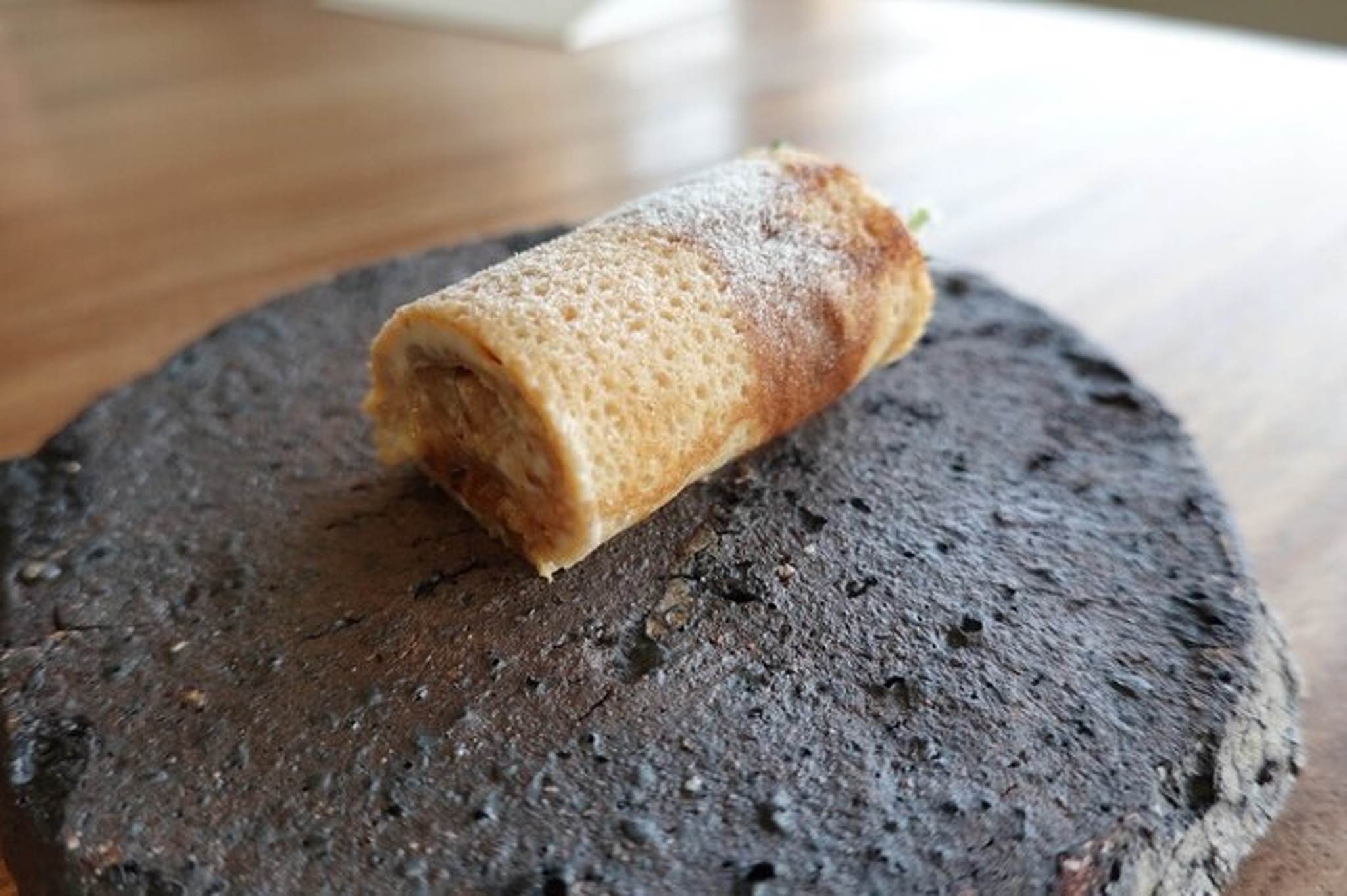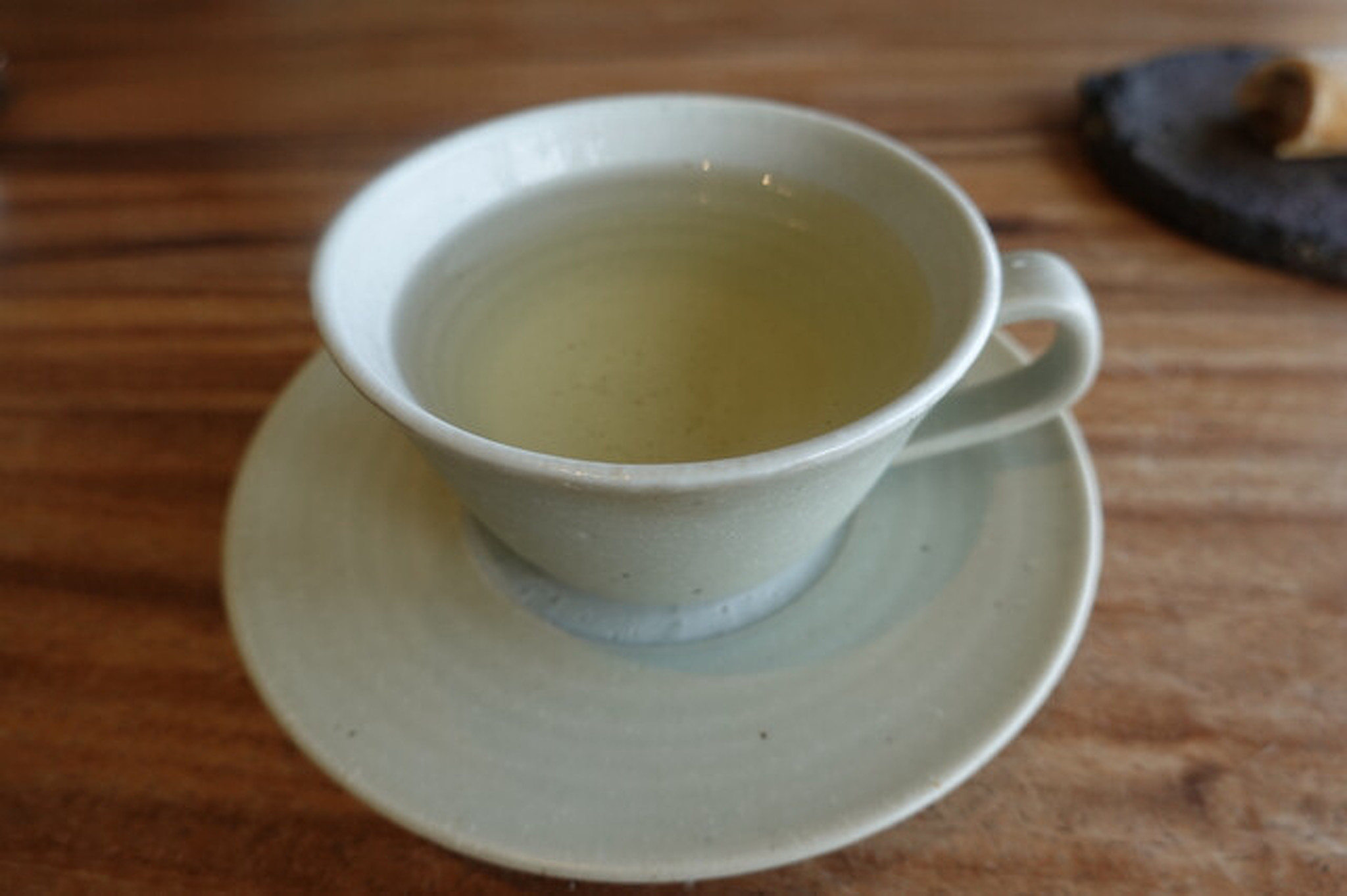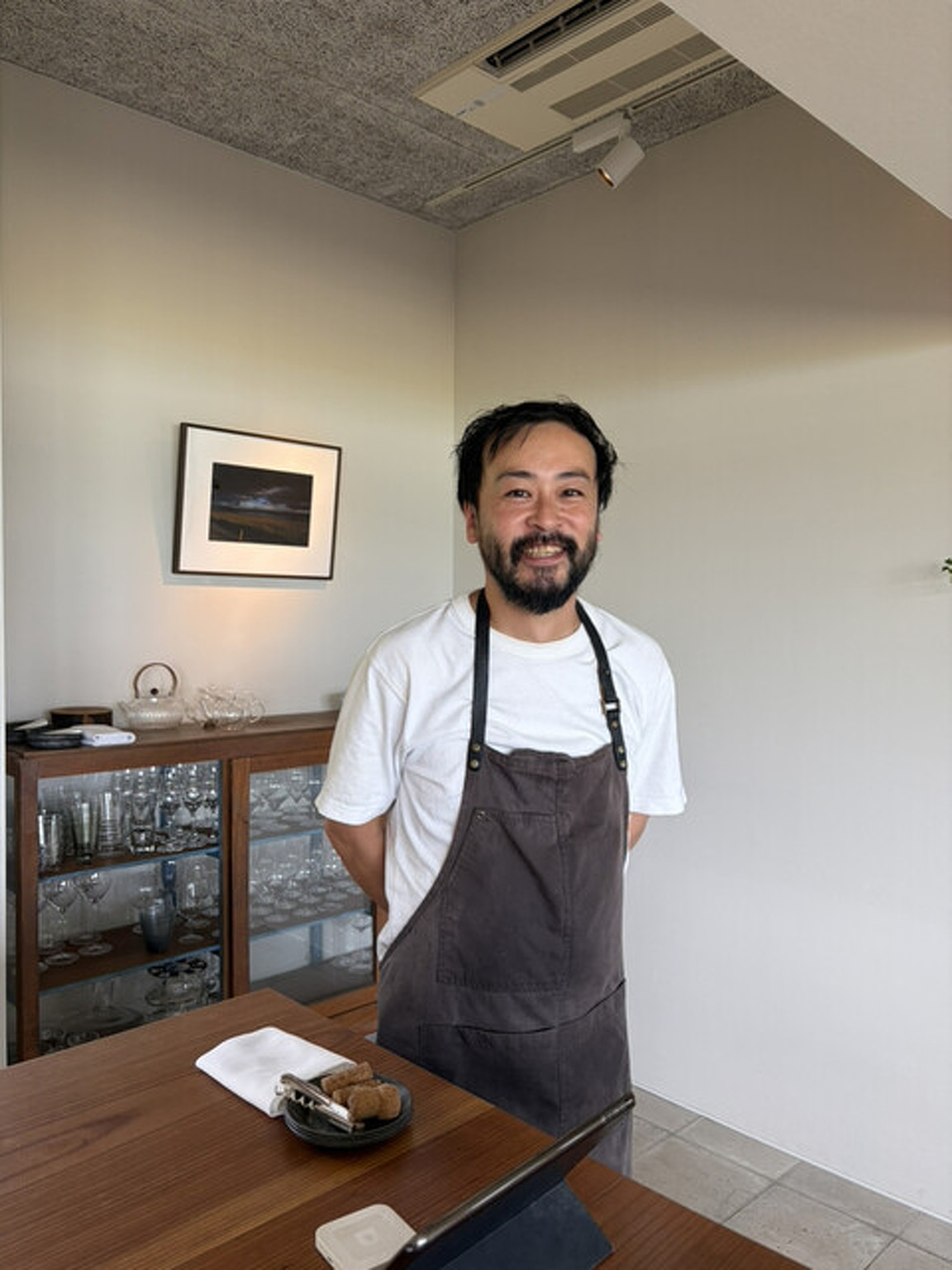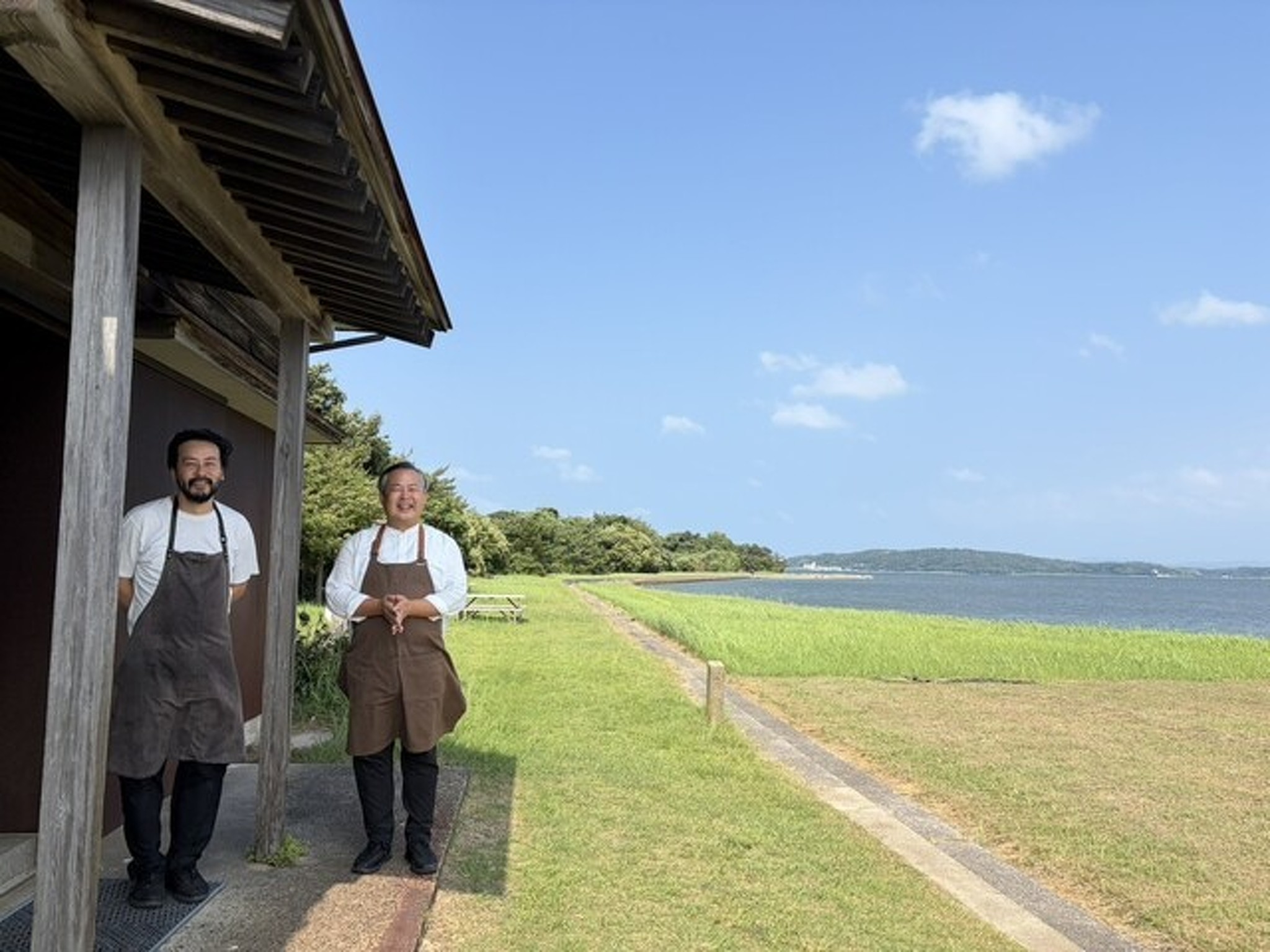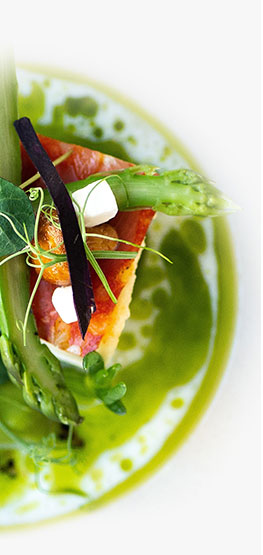
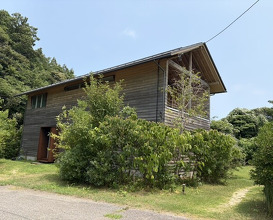
Just an hour's drive from Kanazawa.As I approached the wooden house visible from the parking lot, I realized it was the chef's residence and accommodation.Another wooden building right by the coast houses the restaurant.With only two tables, the view from the windows reveals a tranquil bay, like a painting.Chef Akira Hirata was born in Nerima, but it seems the water in Tokyo didn’t suit him, so he moved here and opened the restaurant 10 years ago. He relocated to the current location six years ago.The menu features "Noto Kyogei Cuisine." Noto has had a food culture tied to traditional events and customs for over 6,000 years, but it is now said to be fading away. The chef aims to develop this into modern cuisine and connect it to the future.Here, I enjoyed unique ingredients that I could only find at this restaurant, experiencing a rich food culture that was new to me, and I truly understood the chef's philosophy.This restaurant is definitely worth a special visit.On this day, I came for lunch. Here’s the course menu:* Amazake Amazake with wild Hamabana kombucha, made with 55% polished rice koji. It’s refreshing.1. Amuse Bouche - 4 items - Hozuki From Wajima's Ueda Farm, this edible variety is called "Children of the Sun." - Grilled Eggplant Ice Cream A local dish made with eggplant pickled in Ishiri, paired with the vibrant orange flowers of Yabukanzo. - Potato Tart A tart filled with mashed potatoes and sweet herring, using herring that was once transported by the Kitamaebune ships, topped with hojicha powder. - Sweet Vinegar Cucumber Made with Kuromo seaweed, which can only be harvested from Kuroshima in Wajima, and umeboshi puree. Just these items alone are packed with ingredients you can only taste here, raising my excitement.2. Tomato Goma Jiru Goma Jiru is found nationwide, but here it’s made with crushed edamame, soy milk, and olive oil, combined with tomato, molokhia, tsuru-murasaki, and salted sweetfish from Toyama's Shogawa. It has an indescribable, refined richness. The dish is served in a piece by Kana Ueda from Kanagawa Prefecture.3. Rock Oyster and Seaweed From my seat, I could see something being cultivated in the center of the bay, and upon inquiry, I learned it was "oysters." These rock oysters are from Miyamoto Suisan, located a bit further north. They are three-year-old oysters nurtured in clean seawater from underwater springs, coated in a batter with seaweed and fried. The aroma of the sea is delightful. The sauce is made with summer vegetables and spices, using a fermented blend of chili peppers, Yunanba, and yuzu, which has been salted for three years.4. Sweetfish and Multigrain First, a small cup of sweetfish consomme, accompanied by the fragrance of sansho. It has exceptional depth. The multigrain risotto is topped with sweetfish confit, which is further glazed. It’s served with a sauce made from uruka, red wine, and brown sugar, along with green tomatoes and akahijiki. The multigrain includes black rice, which comes from Nakano Town, known for the world’s oldest rice ball fossils. This black rice (ancient rice) is produced there. Interestingly, Otomo no Yakamochi was also stationed in Etchu, frequently visiting Nanao, and many poems are included in the Manyoshu. One of them reads, "From Koshima, I row towards Kumaki, without a moment to take the rudder, I think of the capital." It makes me reflect on a history that spans 1,300 years.5. Garden On a simple glass plate, a crown of vegetables. Not only the current vegetables but also pickled ones for winter storage, and wild vegetable pickles, express a year in vegetables. It’s beautiful, and here too, there’s a tradition of "preservation" in food.6. Sweetfish and Purple Eggplant The sweetfish is dried overnight and grilled with binchotan charcoal and butter, served with roasted round eggplant dengaku. It’s accompanied by dried tomatoes, walnut paste, tsuru-murasaki, and chives. The sauce is made with junmaishu, rice vinegar, and Ishiri, although it doesn’t use wine. This sauce is astonishingly delicious, showcasing a genius level of richness.7. Abalone and Bear I was surprised by this combination. The star is the abalone, garnished with minced bear meat. The abalone is harvested by ama divers in Wajima. It’s steamed in sake for four hours, resulting in a wonderful texture. It’s served with a puree and roasted kabocha from this town. The forest spices include two types: sansho berries that have been salted and dried, and kiha berries that have been salted and dried. The sauce is made from the steaming broth of the abalone, liver, and red wine. The bear meat is from Hakusan, with no gamey taste, packed with umami, making it hard to tell which is the star.* Here’s one more dish. Tomato Spaghetti Made with the "Natsunokoma" variety of tomato from Ueda Farm. The chef obtained the seeds and had Ueda Farm grow them. The yield is low, but they are incredibly sweet.8. Hodatsu Kuzumochi and Watermelon This is a kuzumochi. It’s called Hodatsu Kuzumochi, and has been produced for 400 years. It’s said that people used it to cure illnesses in the absence of doctors. It’s filled with plum jam and red bean paste, served with watermelon granita and magnolia flower amber sugar. Accompanied by amazake sauce (from Hakui Takazawa Brewery).9. Corn An ice made solely from freshly harvested corn juice, served with corn juice and sesame oil sauce, alongside grilled corn with soy sauce. Tiramisu Made with corn juice and mascarpone, layered with six-row barley sponge, and topped with barley and soy sauce crumble. This corn is grown by the parents of "Tsuki to Piero."10. Kinako Crepe Made with kinako from soybeans in Nanao Town. Served with ricotta cheese, rice syrup, figs, and peaches.11. Fresh Herbal TeaThe bread is from "Tsuki to Piero," made with Komplet flour, and served with butter from Ohama soybeans.Accompanying it is kombucha made from the flowers of the kobushi tree, which is foraged from the surrounding mountains.I felt a deep commitment from the slightly shy chef and the eloquent sommelier to preserve the profound culture of Noto and its culinary traditions.This restaurant is worth the trip, even if it takes time.Next time, I hope to stay overnight and enjoy breakfast as well.
We use cookies on this site to enhance your user experience.