We use cookies on this site to enhance your user experience.
< Back
Overview
Average rating from 7 meals
8.9 / 10
Photo Views: 0
Restaurant Views: 414
Restaurant Views: 414
0 user have this restaurant in their Top list
0 user have this restaurant in their Wish list
Awards
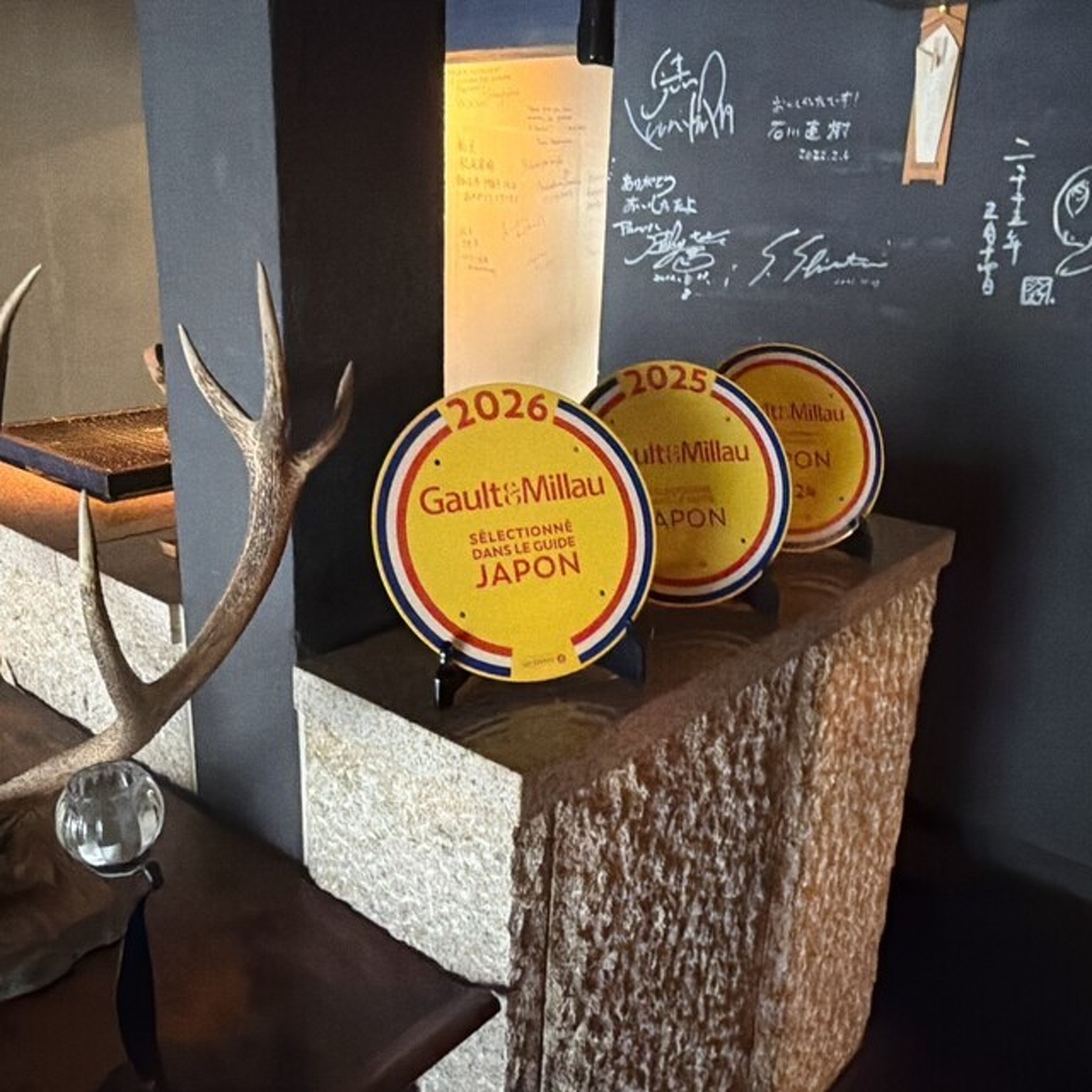
- Tabelog
- 2026 Bronze
Ratings from the web
- Tabelog
- 3.90
Cuisine
French, Organic
Foodle Reviews
9 / 10
on 21 Jul 2026

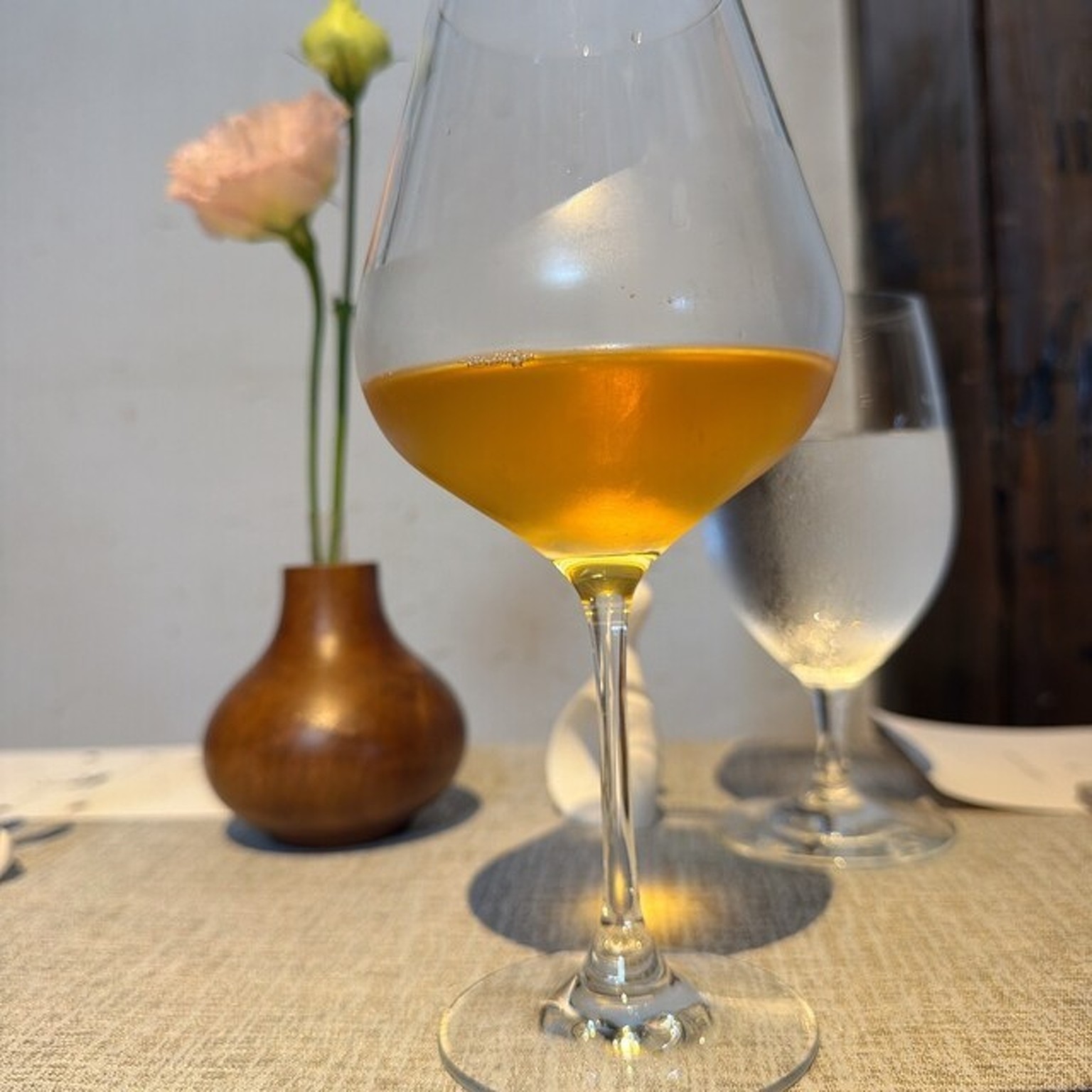
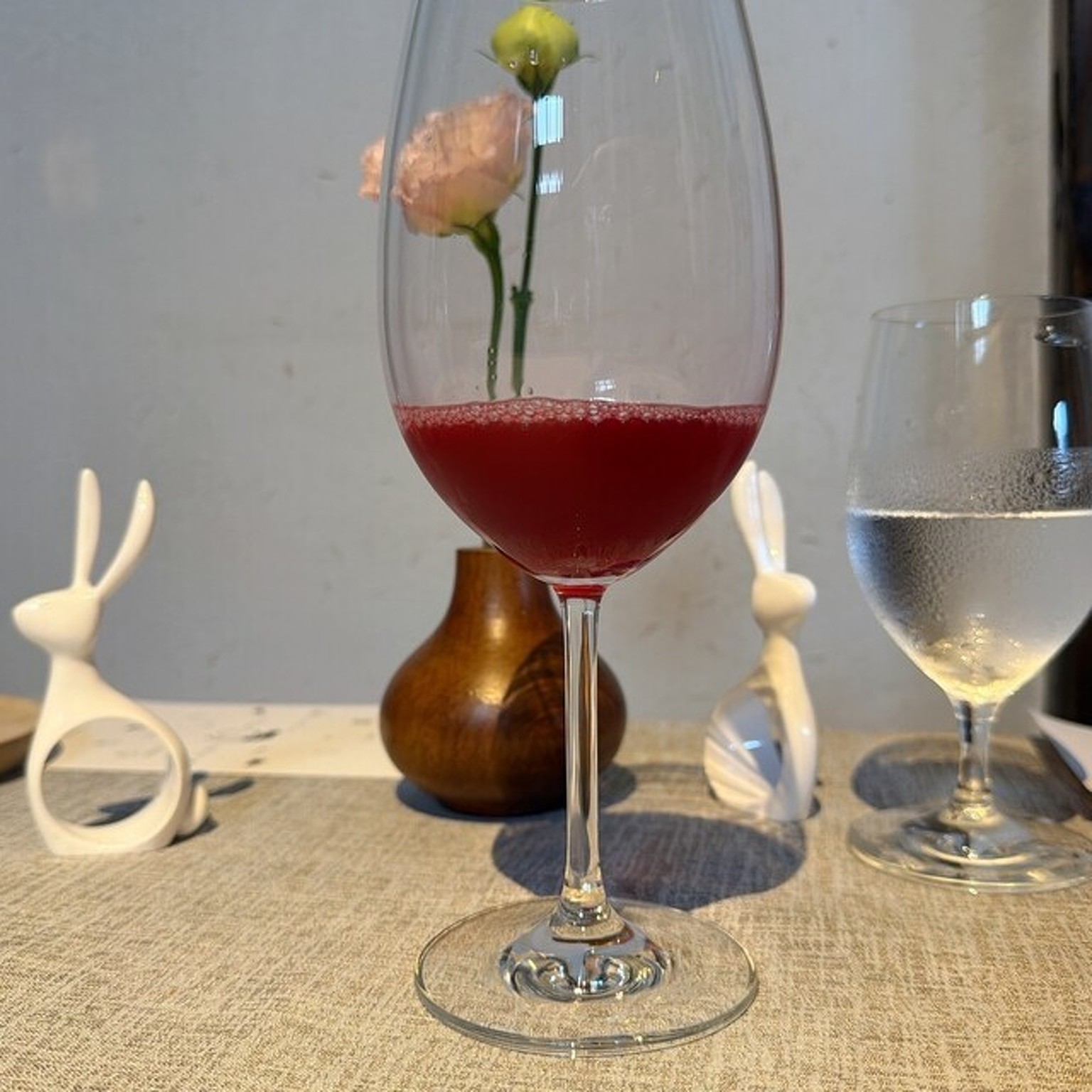
This review is written for the following individuals:- Those who want to enjoy delicious French cuisine in Matsumoto, Nagano.- Those who wish to pair their meal with wine or other beverages.- Those who want to have a delightful time with their companions.On a certain day in July 2026, I visited alone.It was a weekend in Nagano.For lunch, I visited the French restaurant Hikariya Nishi in the Matsumoto area.The restaurant is housed in a historic building, the former merchant house "Hikariya," which... More
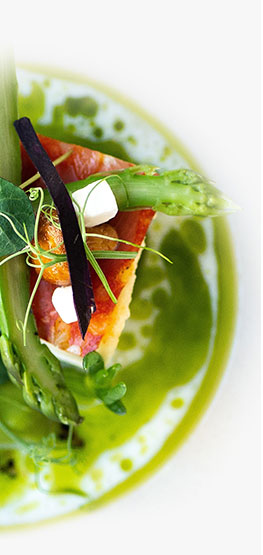
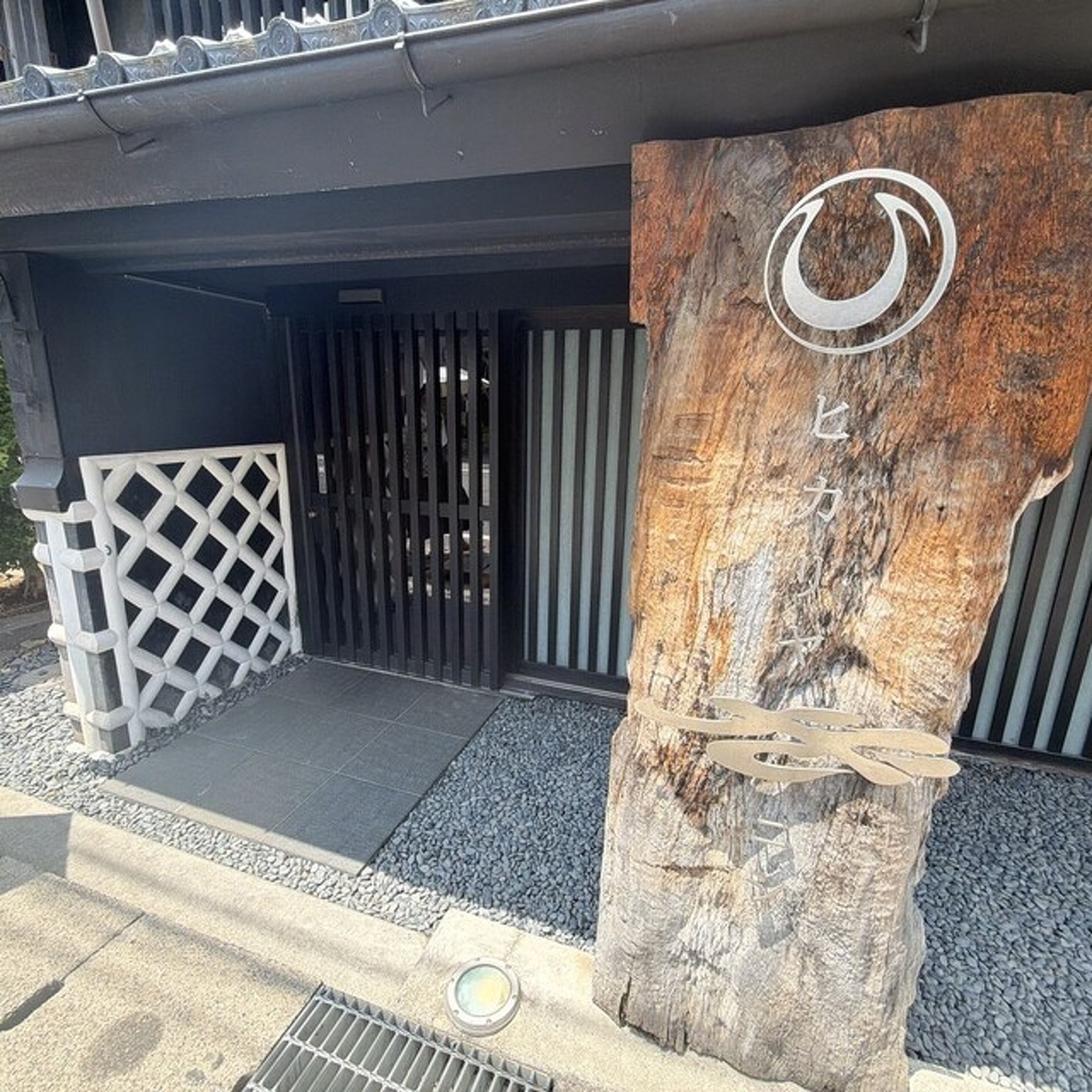
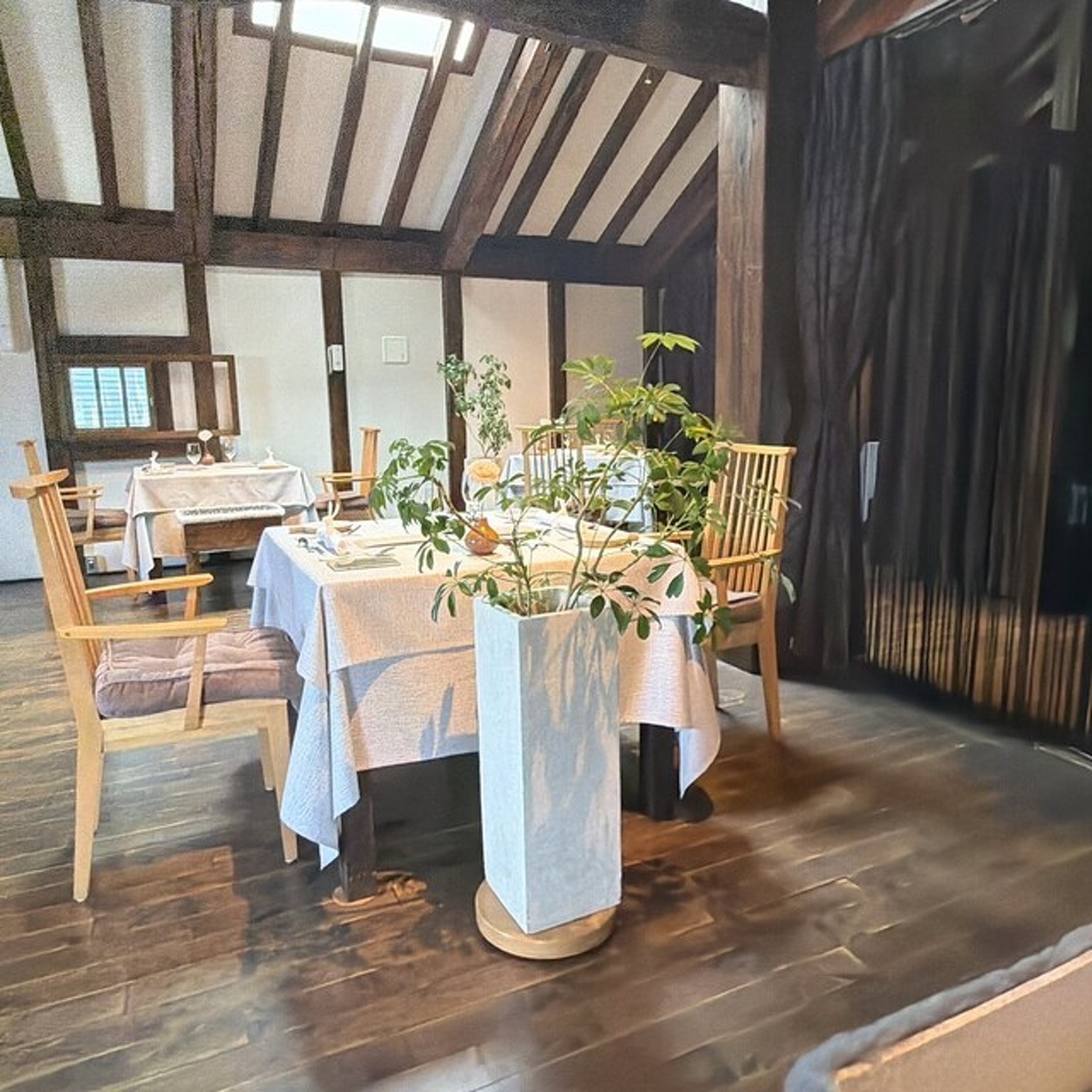
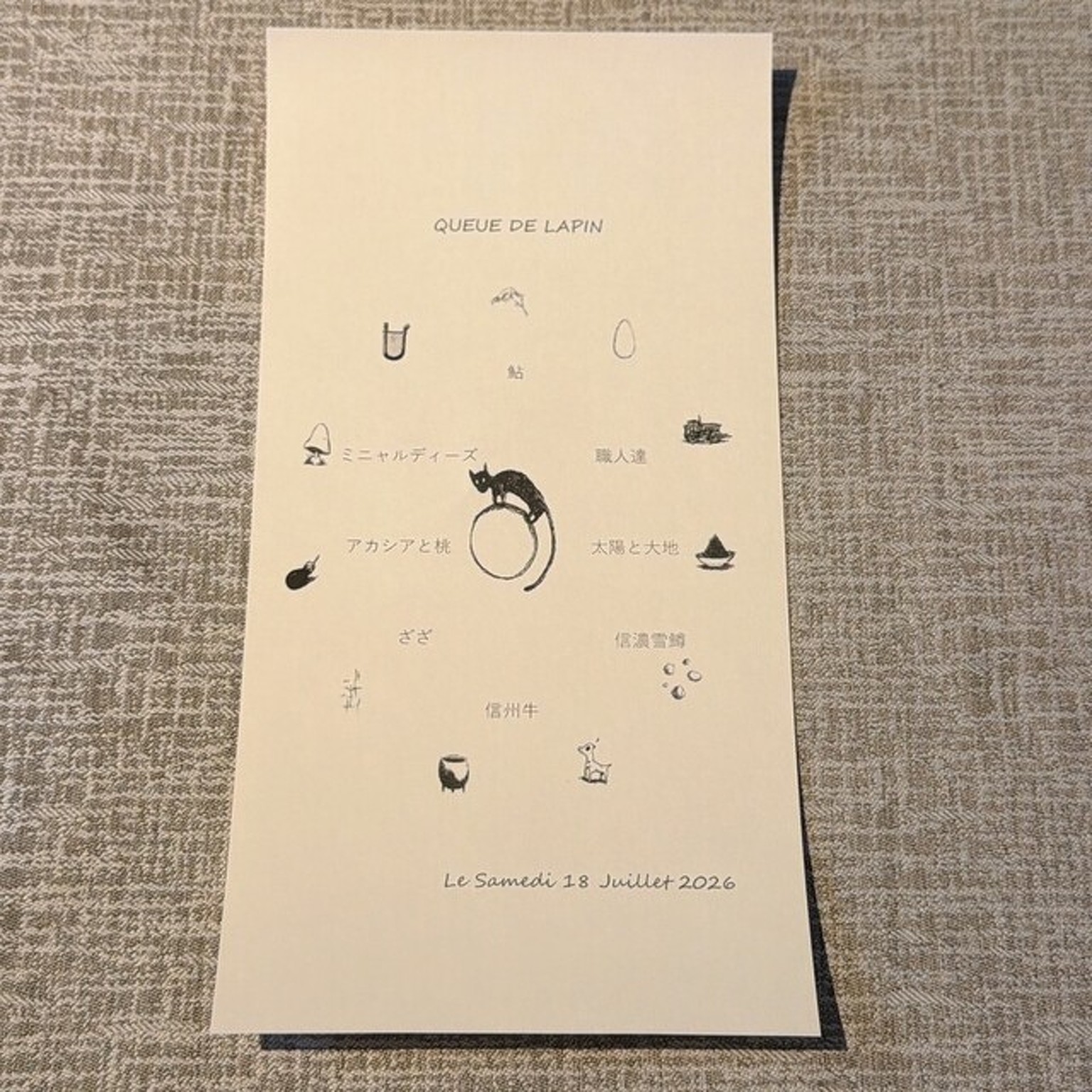
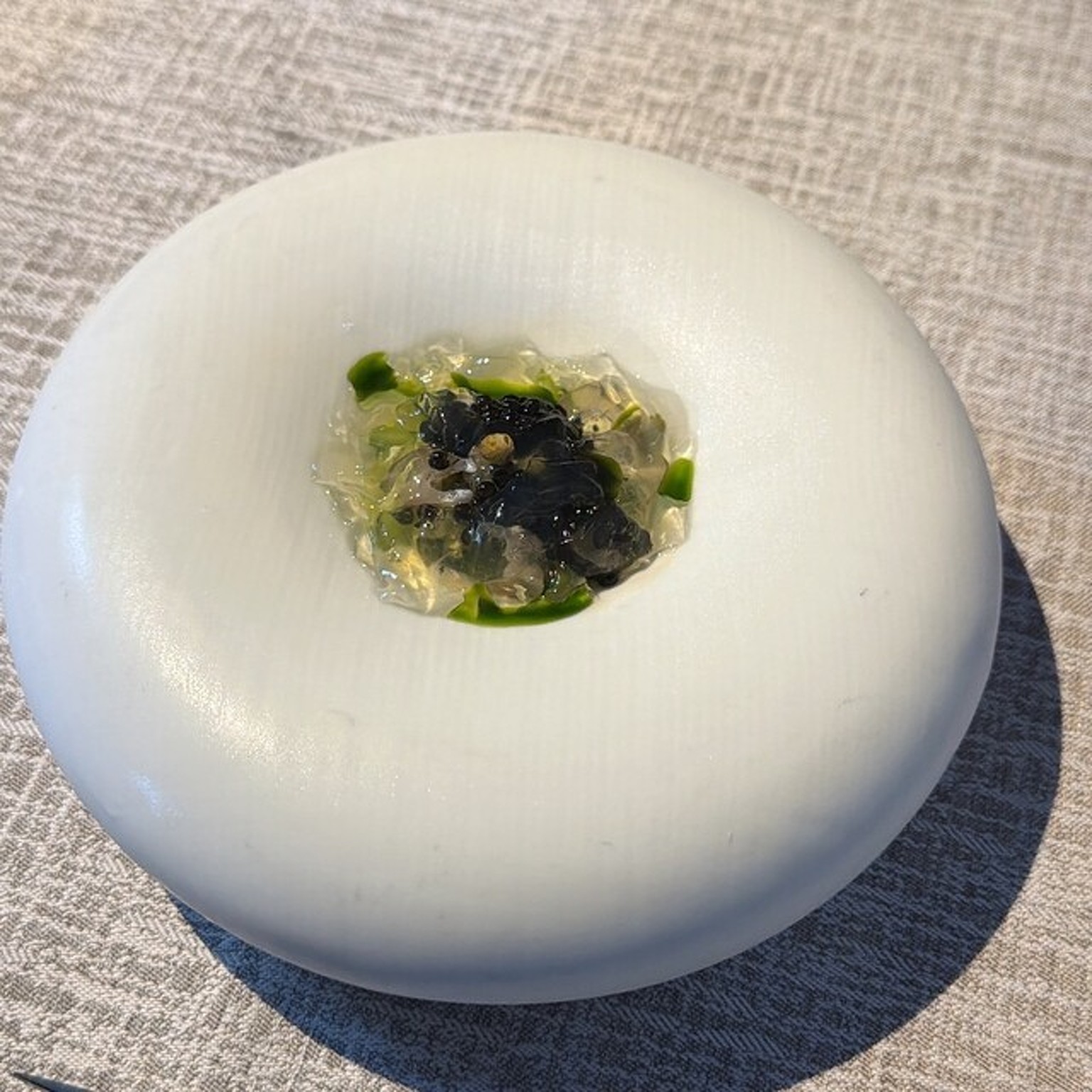
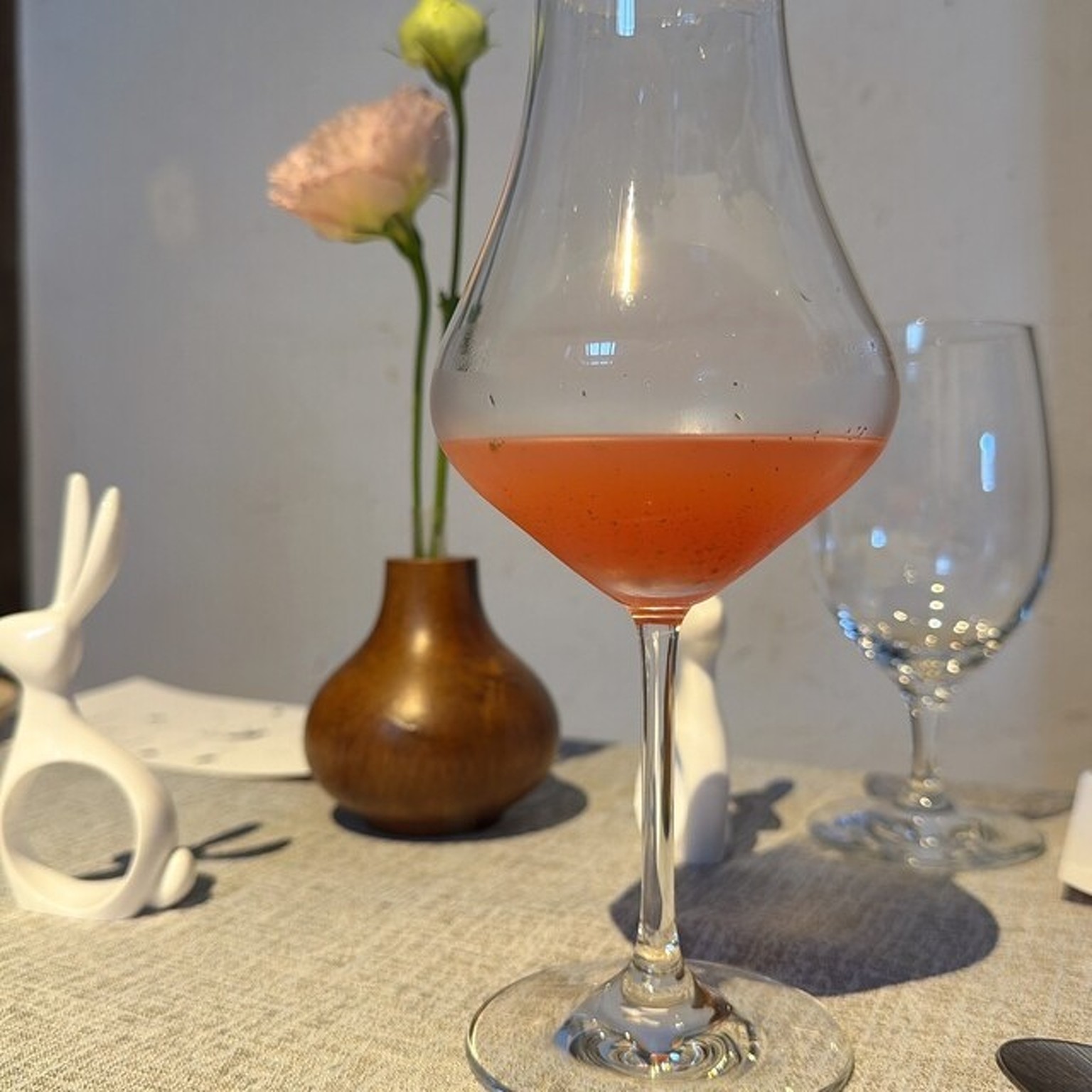
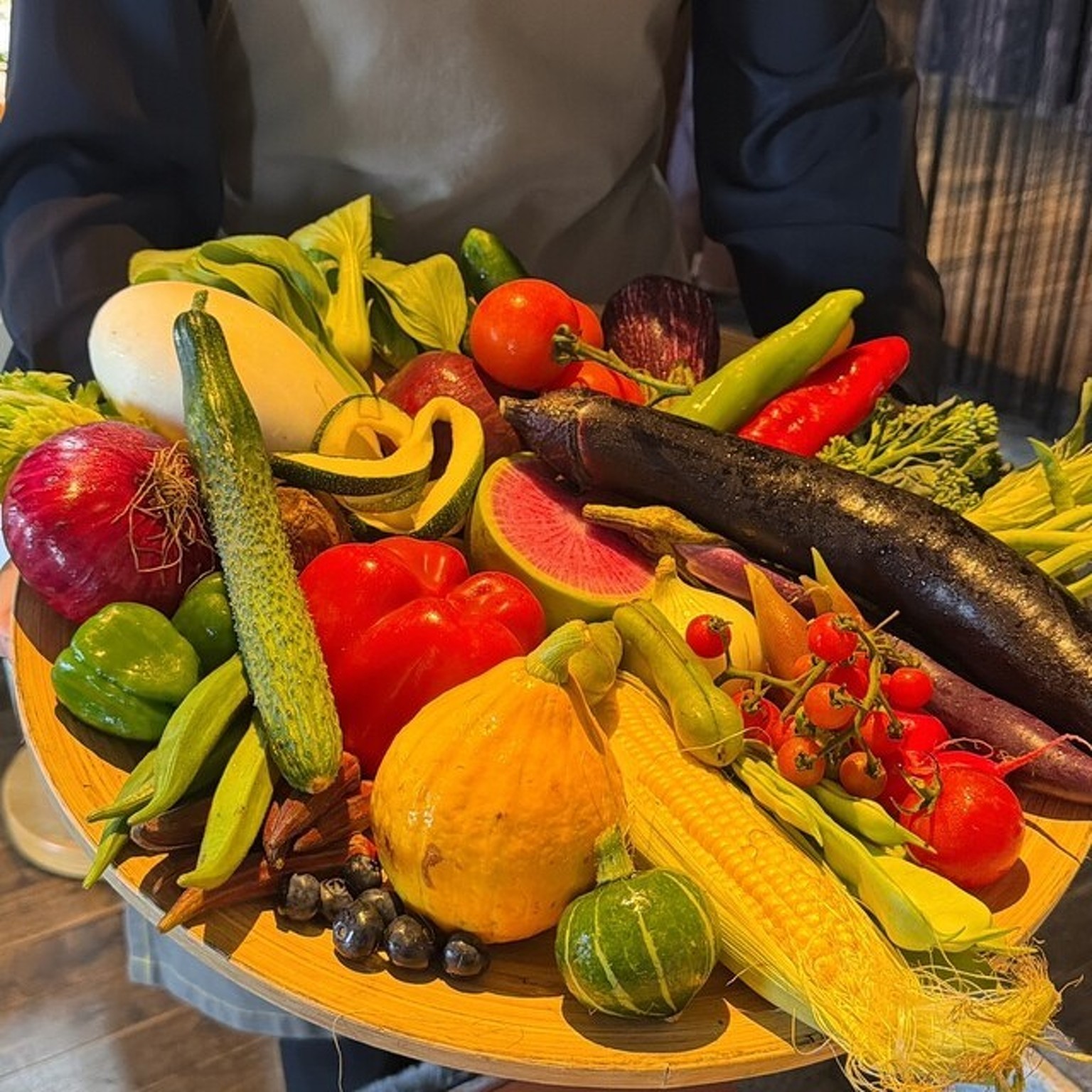
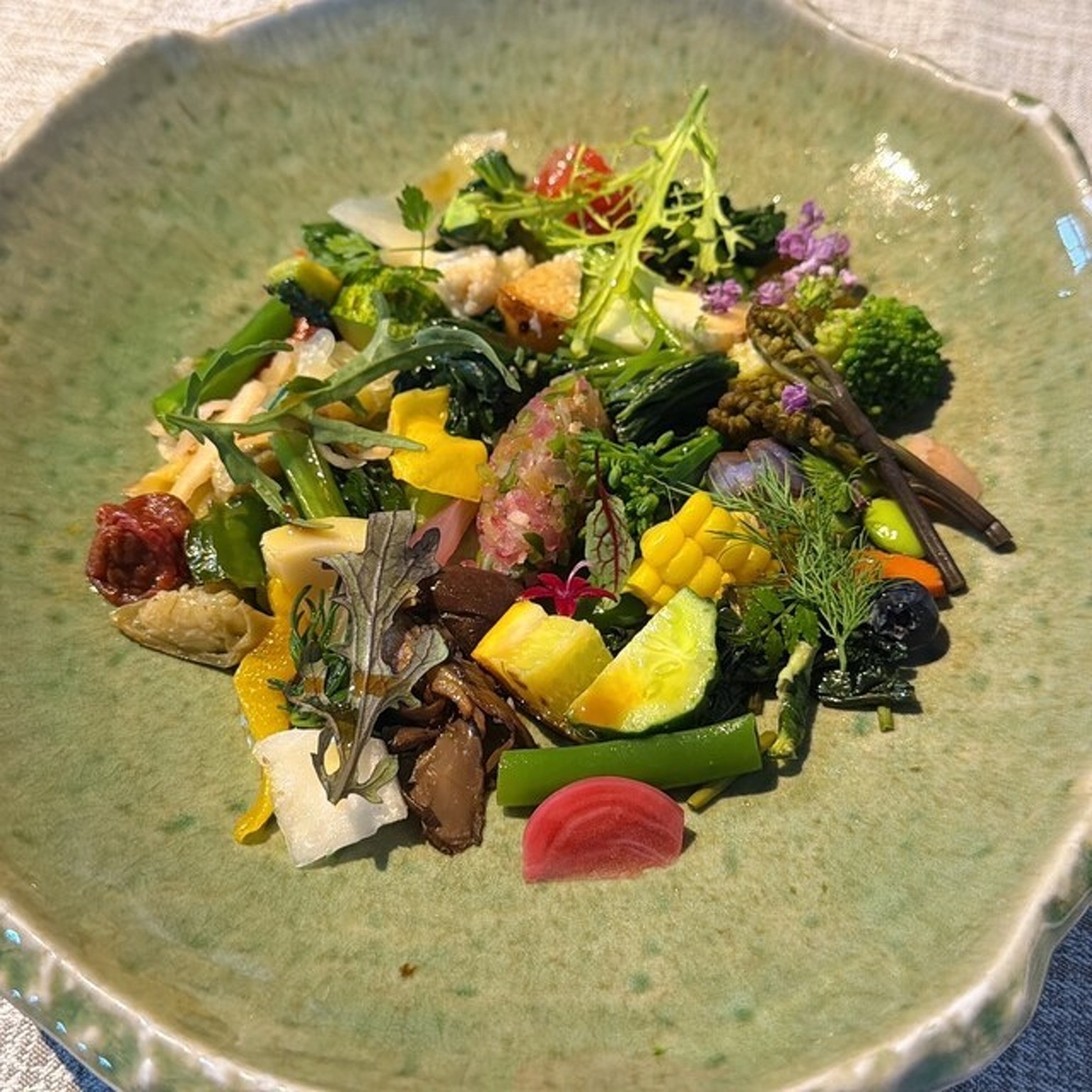
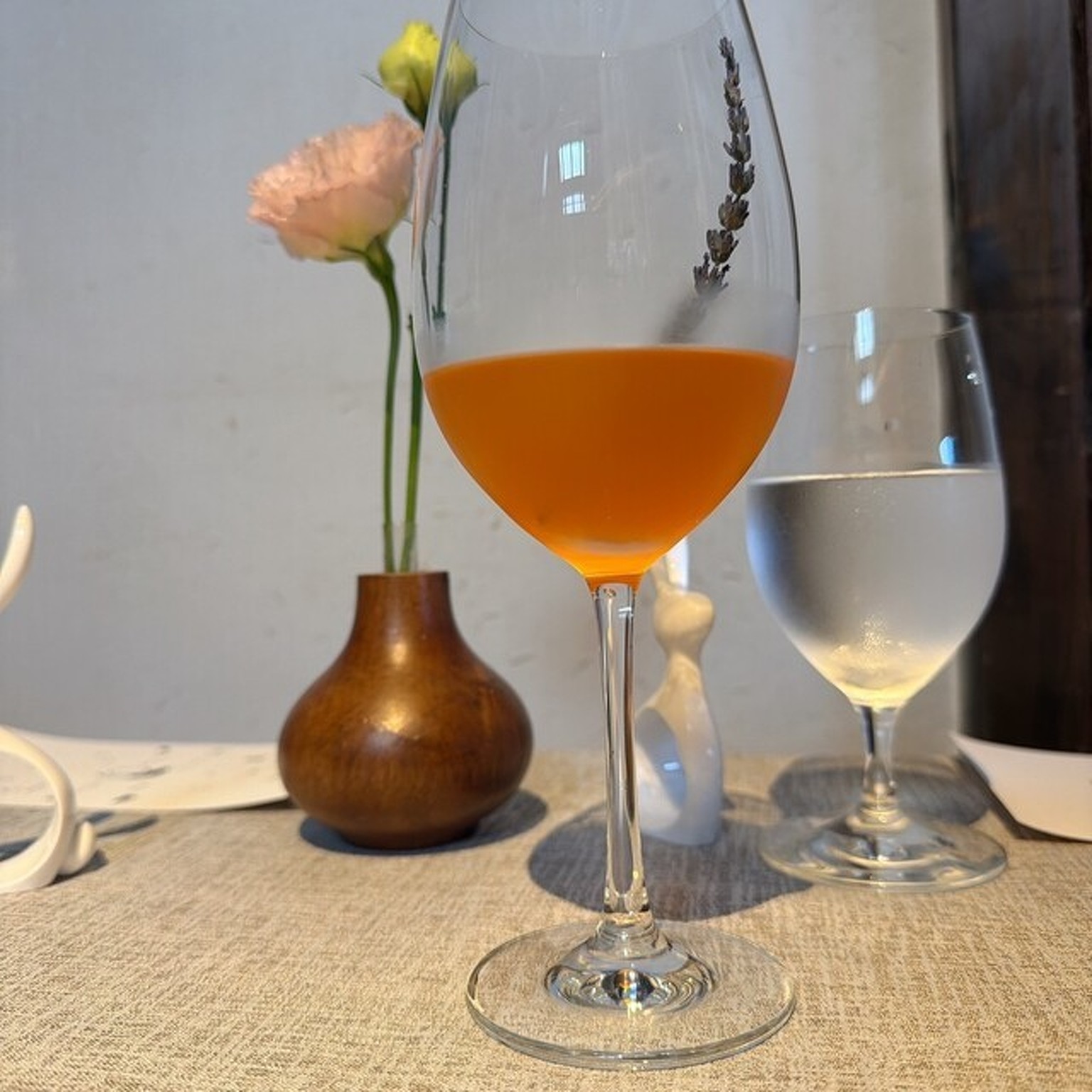
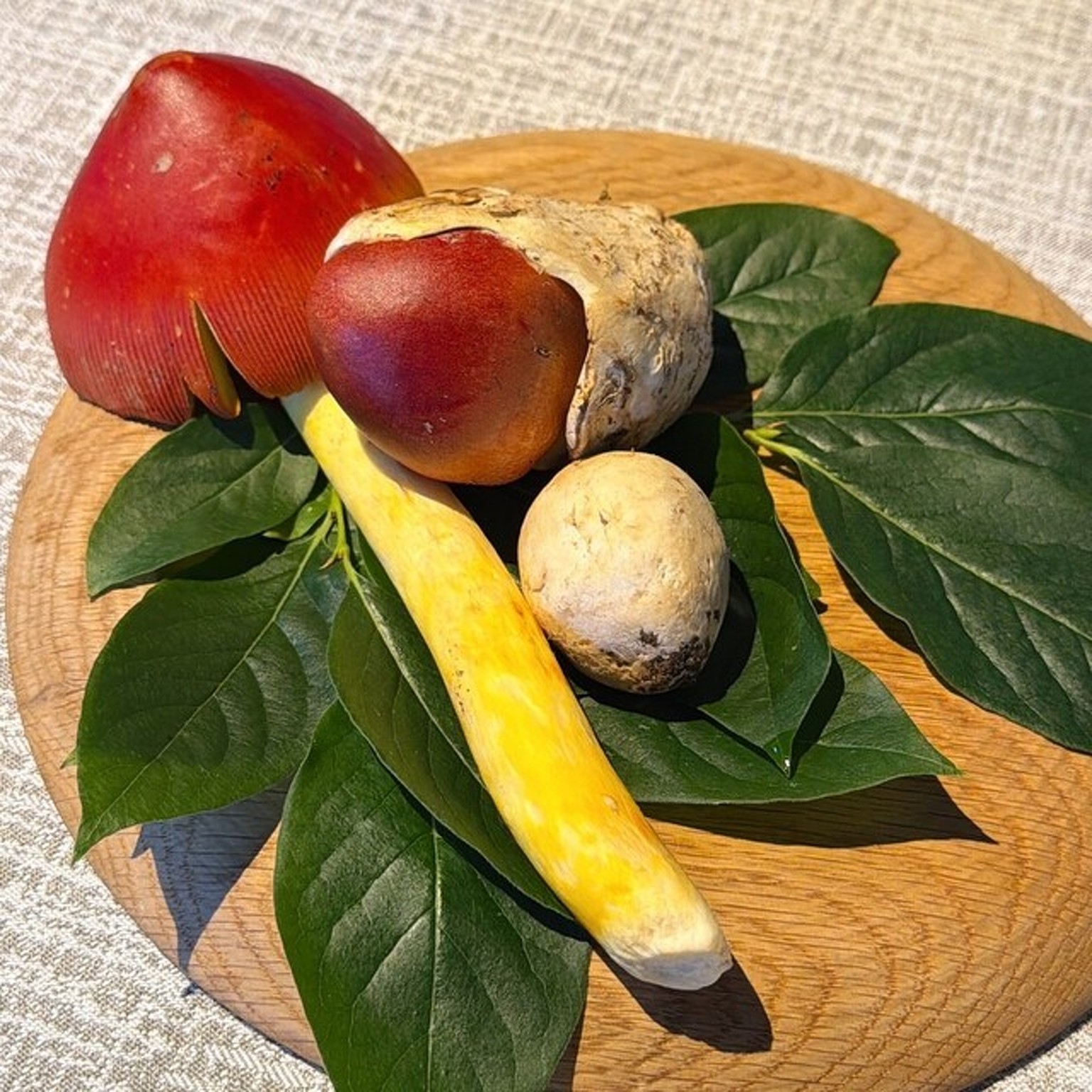
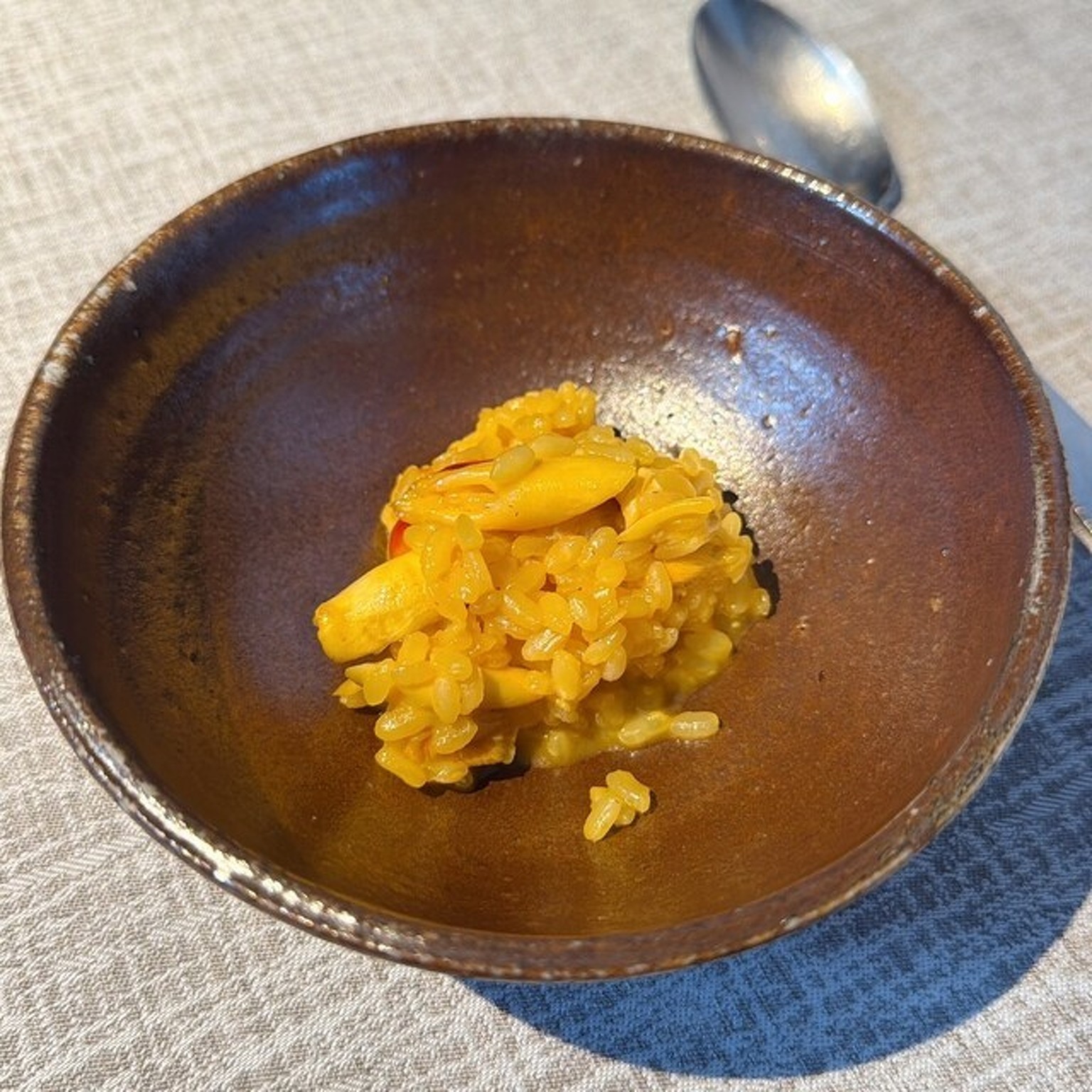
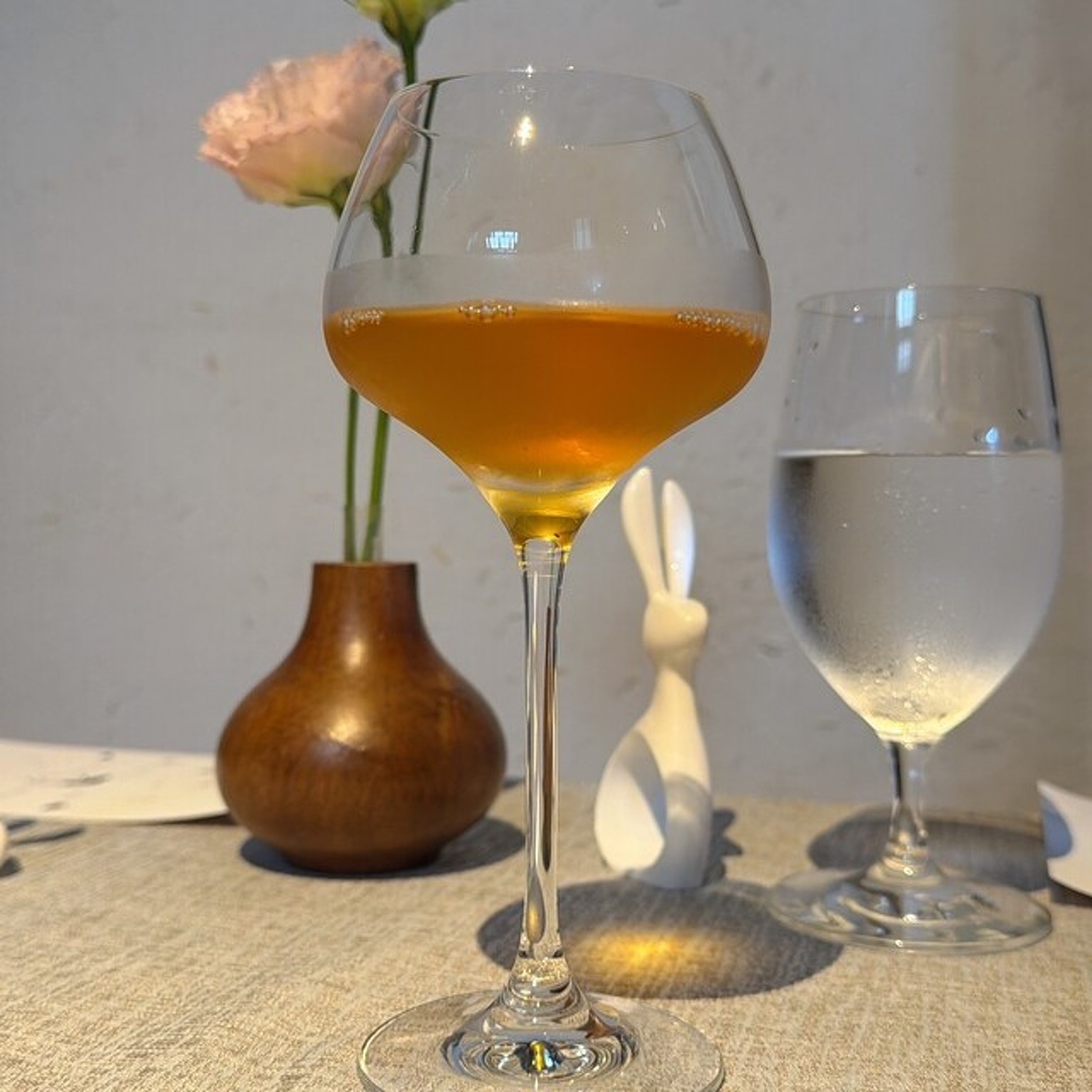
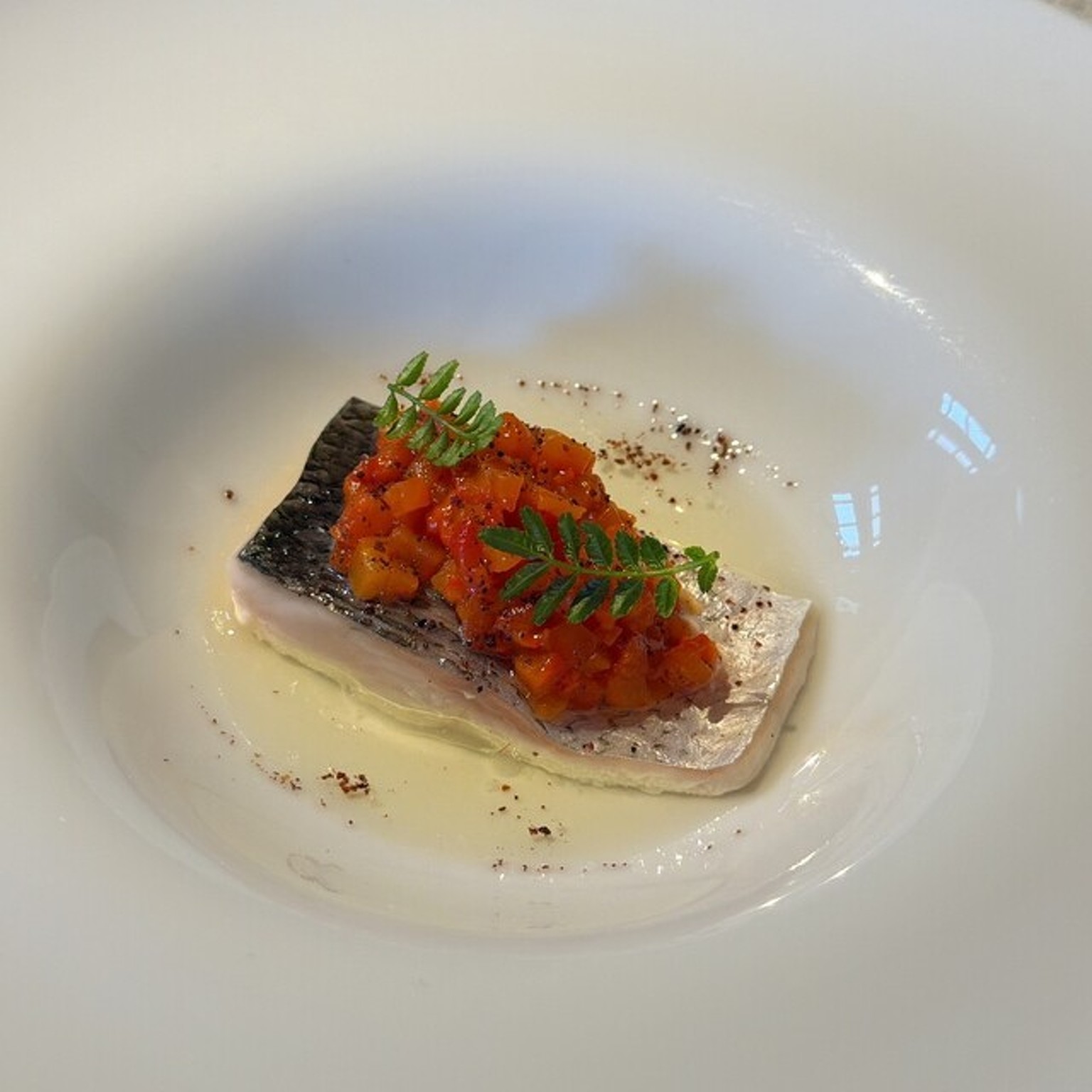
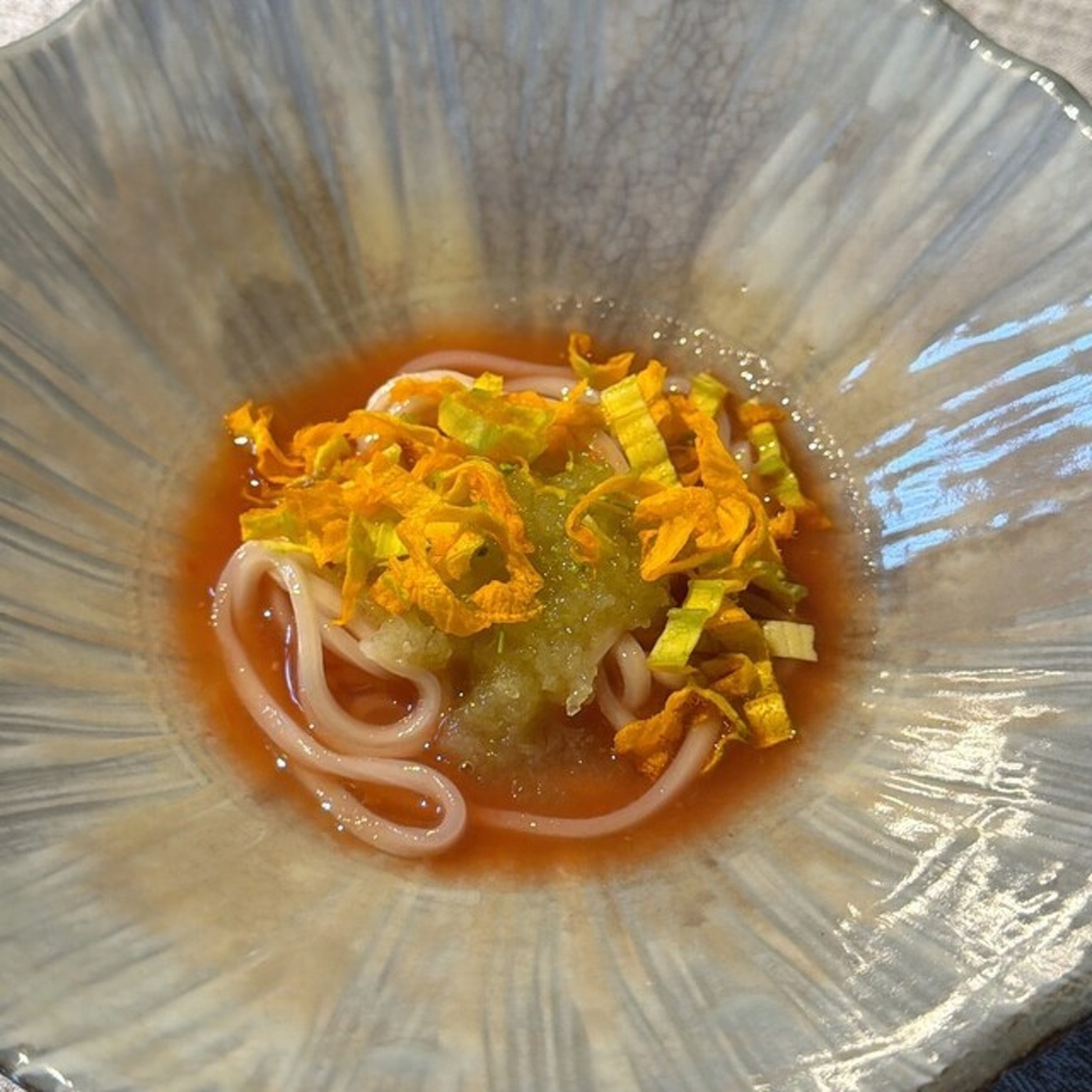
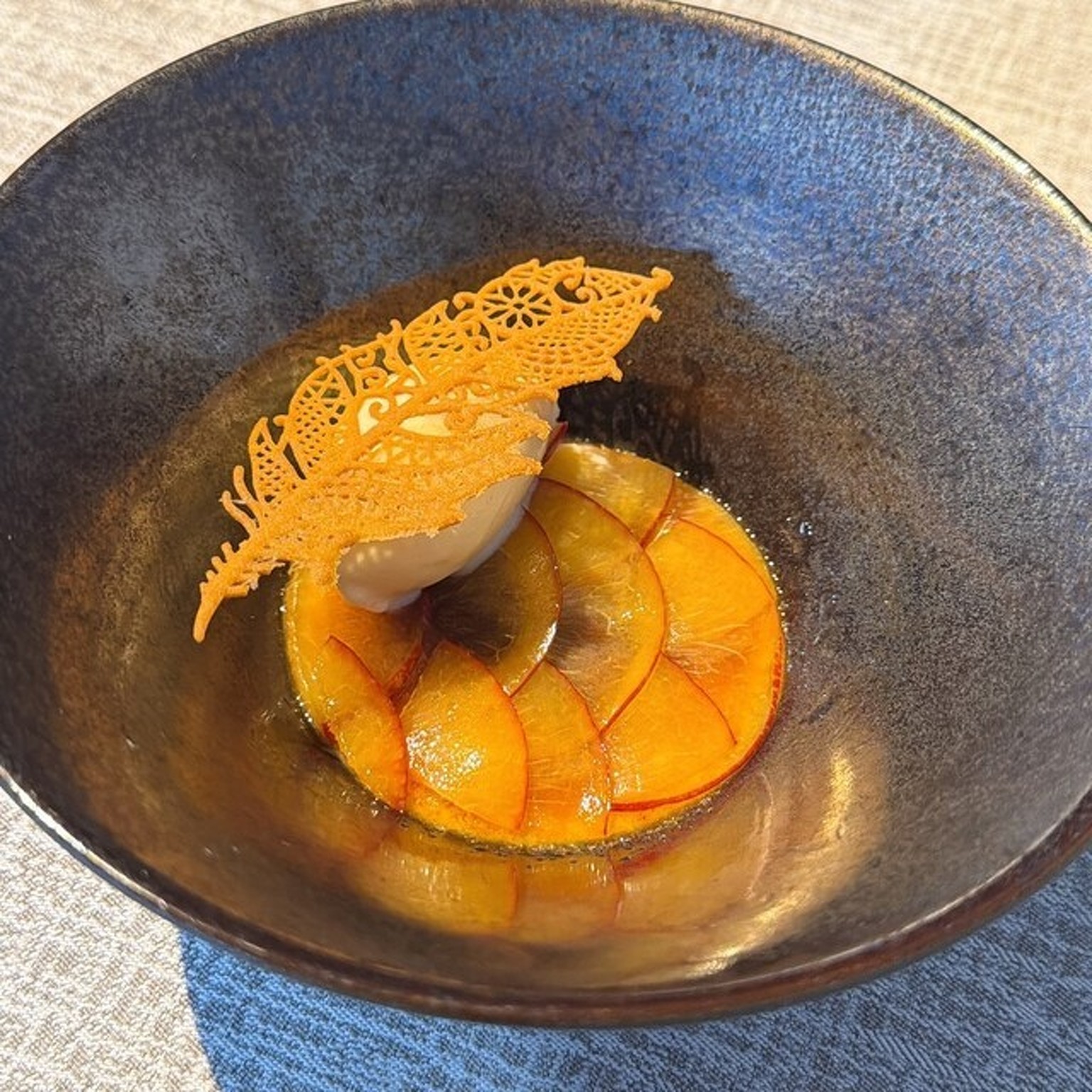
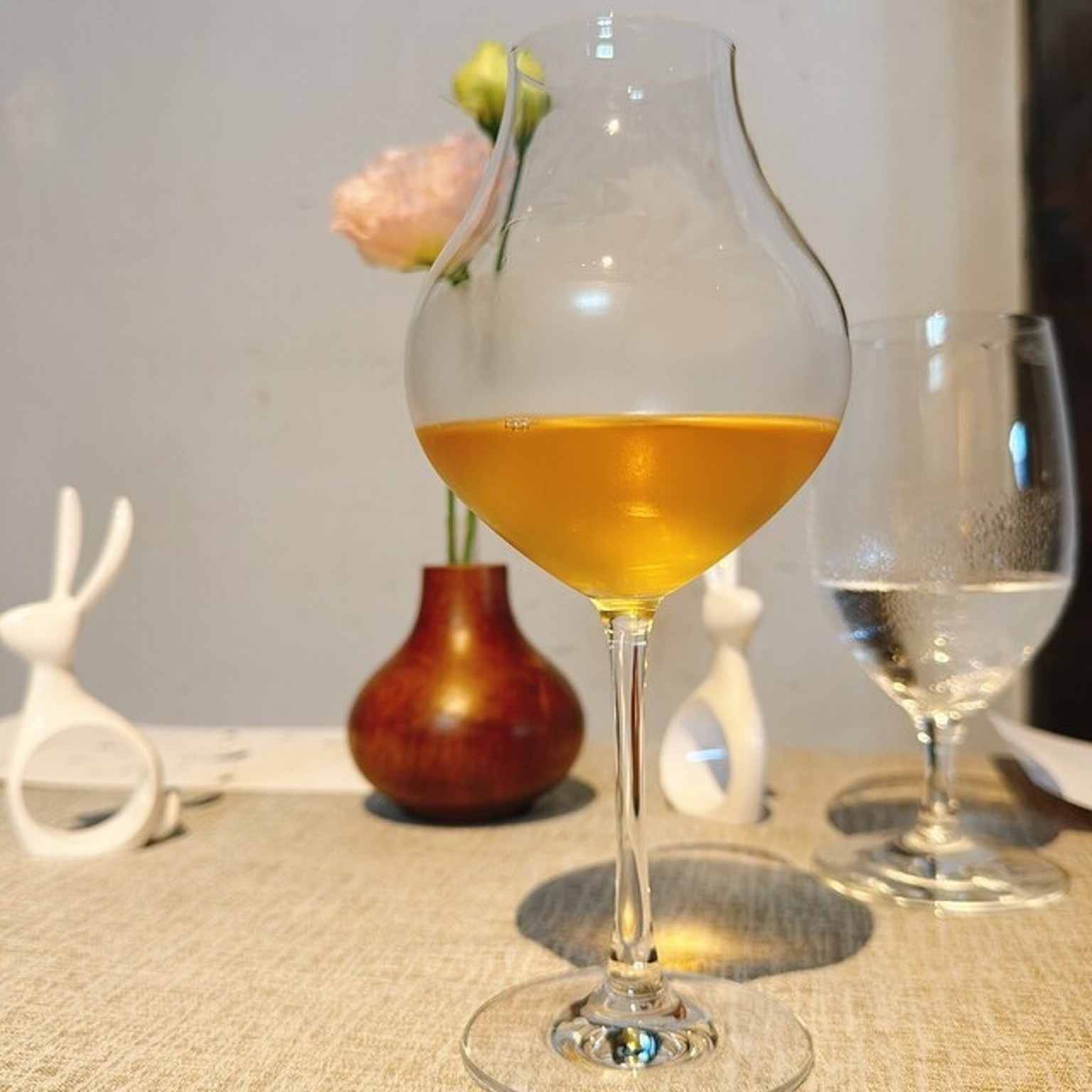
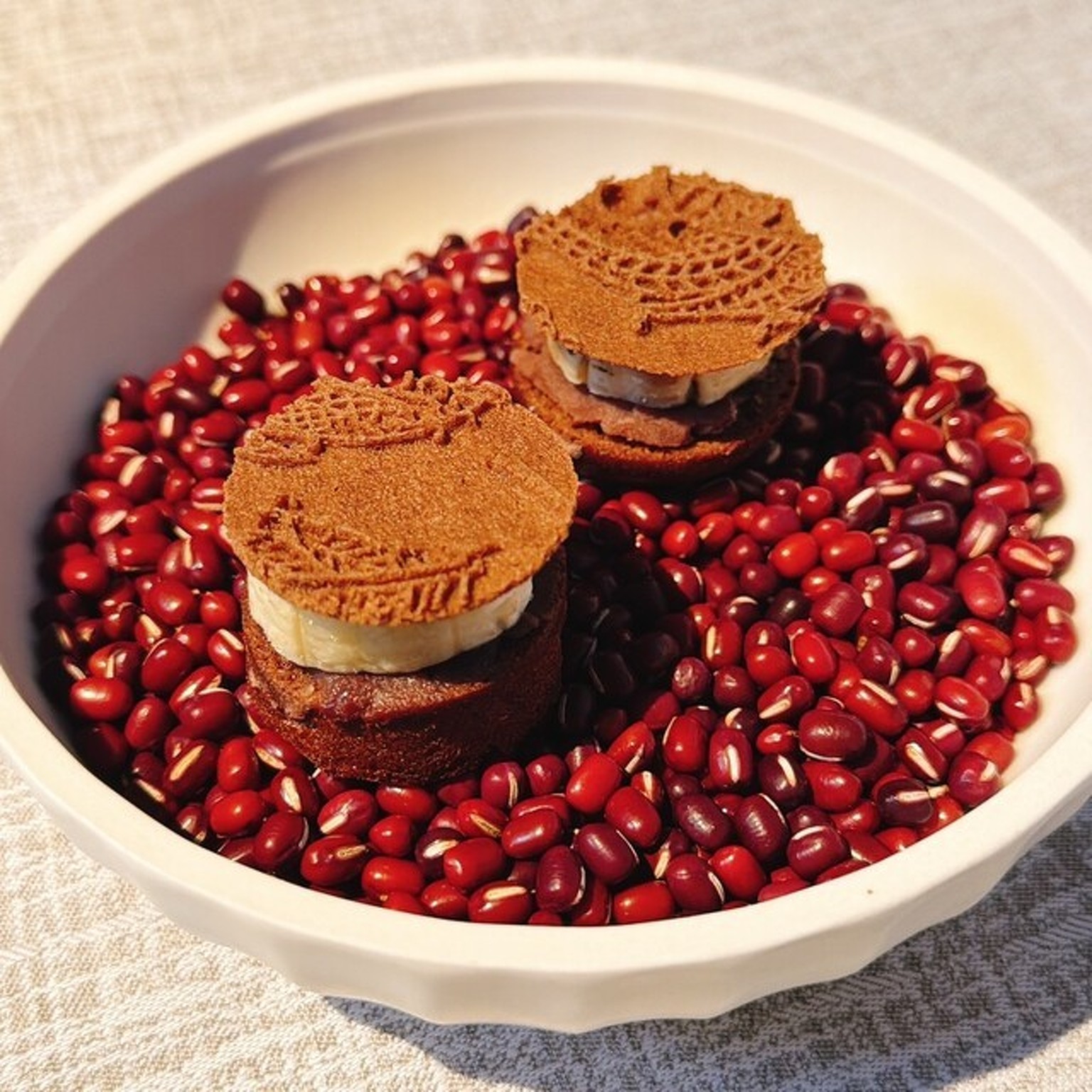
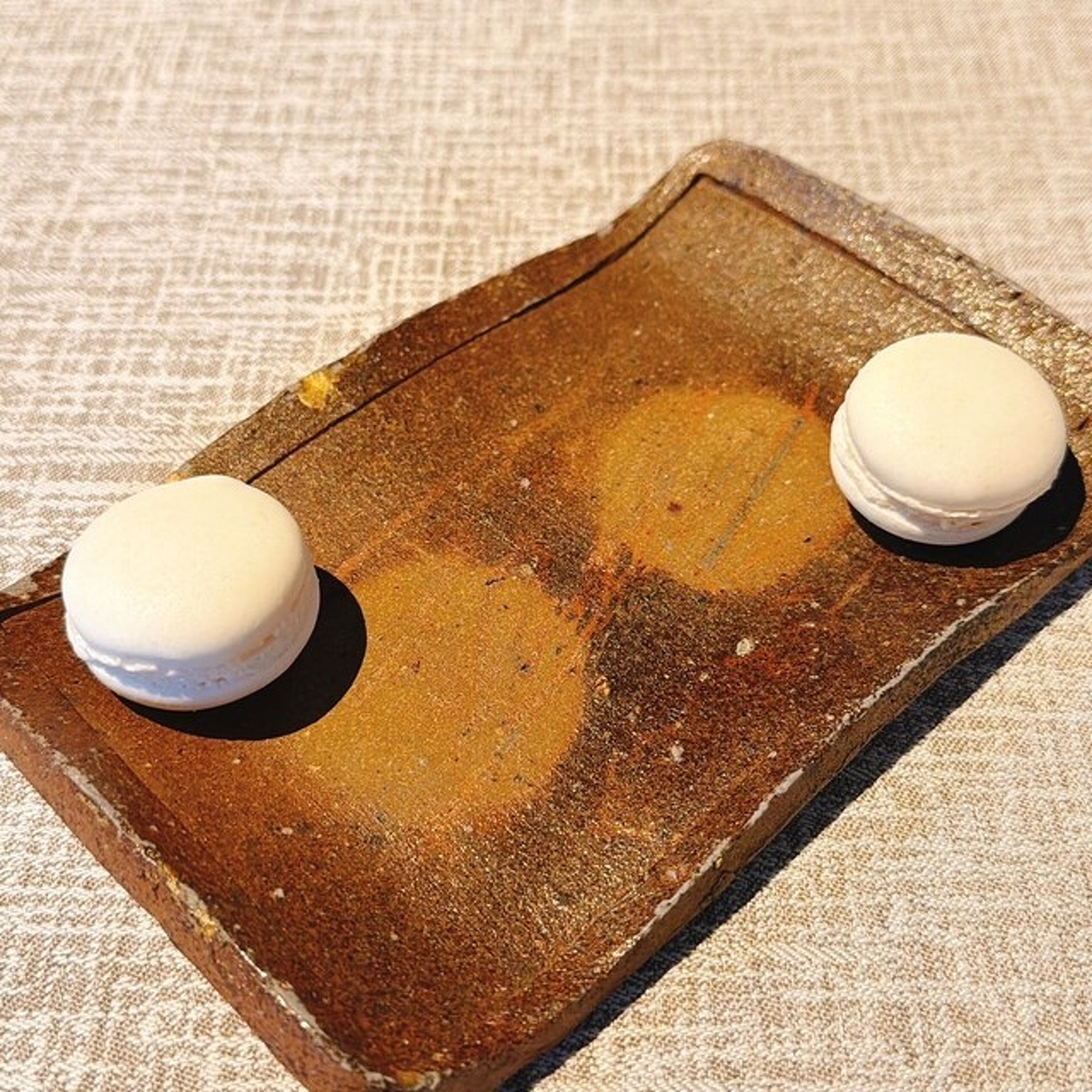
This review is written for the following individuals:- Those who want to enjoy delicious French cuisine in Matsumoto, Nagano.- Those who wish to pair their meal with wine or other beverages.- Those who want to have a delightful time with their companions.On a certain day in July 2026, I visited alone.It was a weekend in Nagano.For lunch, I visited the French restaurant Hikariya Nishi in the Matsumoto area.The restaurant is housed in a historic building, the former merchant house "Hikariya," which has been beautifully renovated.The ambiance evokes a sense of history and is absolutely charming.I had made a reservation for the "Lunch Course: QUEUE DE LAPIN."I thoroughly enjoyed the blessings of Nagano.◯ Ayu (Sweetfish)Served as diced young ayu mixed with consomme jelly, caviar, cucumber, and celery, creating a light and refreshing taste perfect for summer.◯ ArtisansA salad featuring about 40 types of vegetables and fruits primarily sourced from Azumino. The dressing is a local Nagano specialty called "Yatara," which enhances the flavors of the vegetables when combined with finely chopped pickles.◯ Sun and EarthRisotto made with egg mushrooms. The aroma and umami of the mushrooms blend beautifully with the rice.◯ Shinano Snow Masu (Trout)Served as semi-raw fillets. The flavors of the fish are accentuated by chicken fat and paprika.◯ Wild BoarThe main dish featured wild boar, likely made into skinless sausage. The ground meat is shaped with mountain vegetables. It’s delicious on its own, but when paired with mushrooms and truffles, the flavors of the game and mushrooms expand beautifully. The sauce made with wild garlic and fermented strawberries, along with the hollandaise sauce, adds depth to the dish.◯ ZazaTraditional udon from the Omachi area. It’s beautifully presented with flower zucchini and tomato extract, resembling a cold pasta dish. The Japanese ingredients blend seamlessly into the French style.◯ Acacia and Peach◯ MignardisesFor dessert, I enjoyed a crème brûlée and ice cream. The coldness and gentle sweetness were perfect for summer. The small treats included citrus macarons and banana compote. Everything was delicious until the very end.● Three Types of Non-Alcoholic Wine Pairing- Didier Merlot Petillant- Vintense Non-Alcoholic White Wine- Vintense Non-Alcoholic Red Wine● Iced Coffee (after the meal)A non-alcoholic pairing that can be enjoyed throughout the course. As someone with a low tolerance for alcohol, this was a delightful surprise.I plan to visit again in the evening.Thank you for the wonderful meal.Bronze AW 20262026 Goal: To visit a total of 38 designated restaurants by the end of the year.This visit marks my 43rd restaurant.Next planned visit to a designated restaurant:- "Japanese Italian Restaurant Sai" in Nagoya, Aichi Prefecture / Italian CuisineFrench EAST 100 Best Restaurants 20252026 Goal: To visit a total of 23 designated restaurants by the end of the year.This visit marks my 24th restaurant.Next planned visit to a designated restaurant:- "Restaurant LE MiDi" in Takayama, Gifu PrefectureUpcoming visits (September - October):- "Suehiro Sushi" in Shizuoka City, Shizuoka Prefecture / Sushi- "Chakaiseki Onishi" in Yaizu City, Shizuoka Prefecture / Japanese Cuisine- "Japanese Italian Restaurant Sai" in Nagoya, Aichi Prefecture / Italian Cuisine- "IL TEATRINO DA SALONE" in Hiroo, Tokyo / Italian Cuisine- "Peperosso" in Shimokitazawa, Tokyo / Italian Cuisine- "Apicius" in Hibiya, Tokyo / French Cuisine Less
9 / 10
on 11 Jul 2026
~Welcome Drink Homemade Fermented Drink with Butterbur Shoots Sweetfish Farmed Tenryu Sweetfish, Sliced Pheasant Consommé, Green Cardamom, Caviar Craftsmanship Over 40 varieties of vegetables from Shinshu Local Dish: Yatara A sauce that fully brings out the flavor of the meat Sun and Earth Special Risotto Rice from Nagano, Mushrooms, Egg Mushroom Parmesan Cheese Shinano Snow Trout, Farmed Chicken Fat, Fermented Paprika Salsa Style Shinshu Beef Flap Meat, Red Wine Sauce, Puree of... More
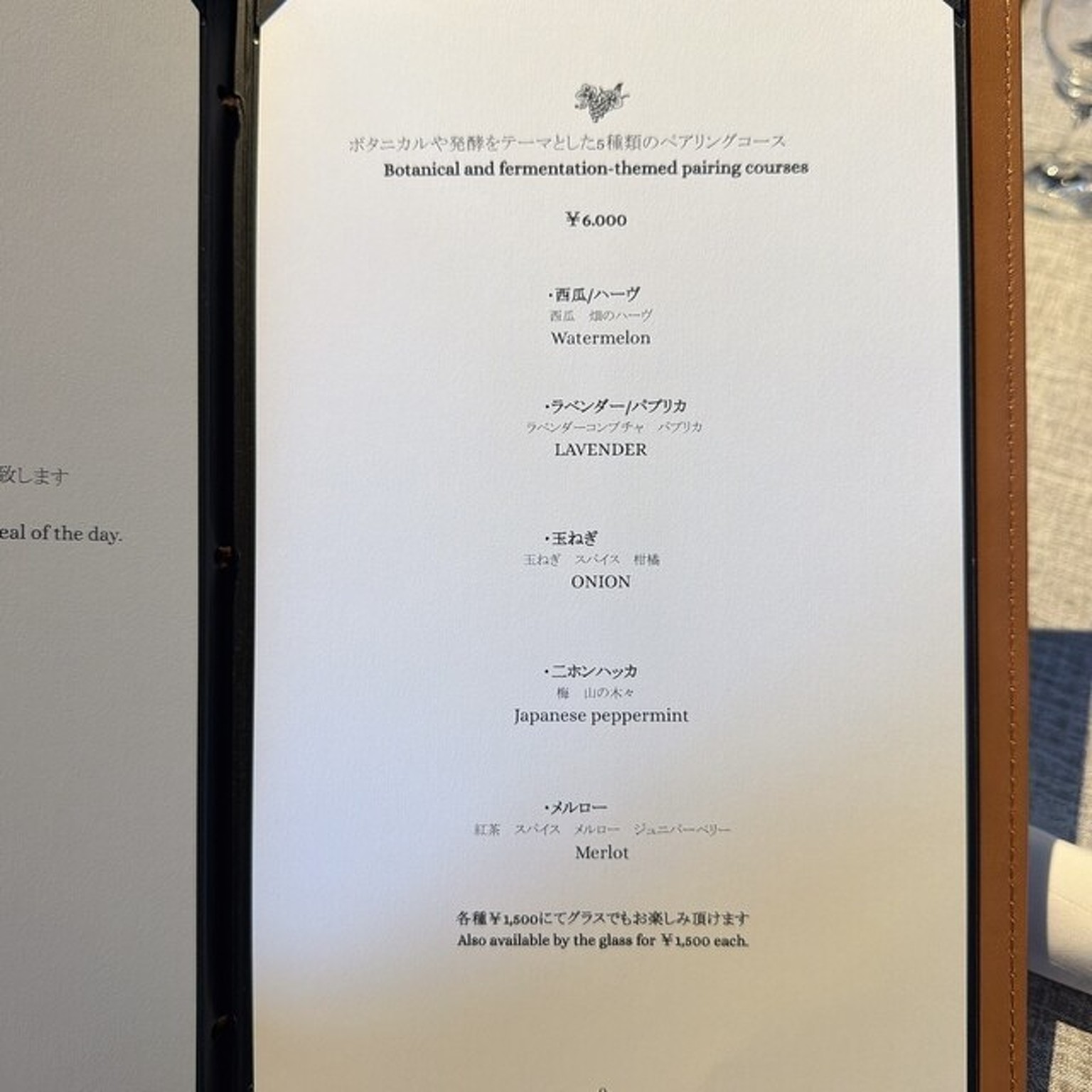
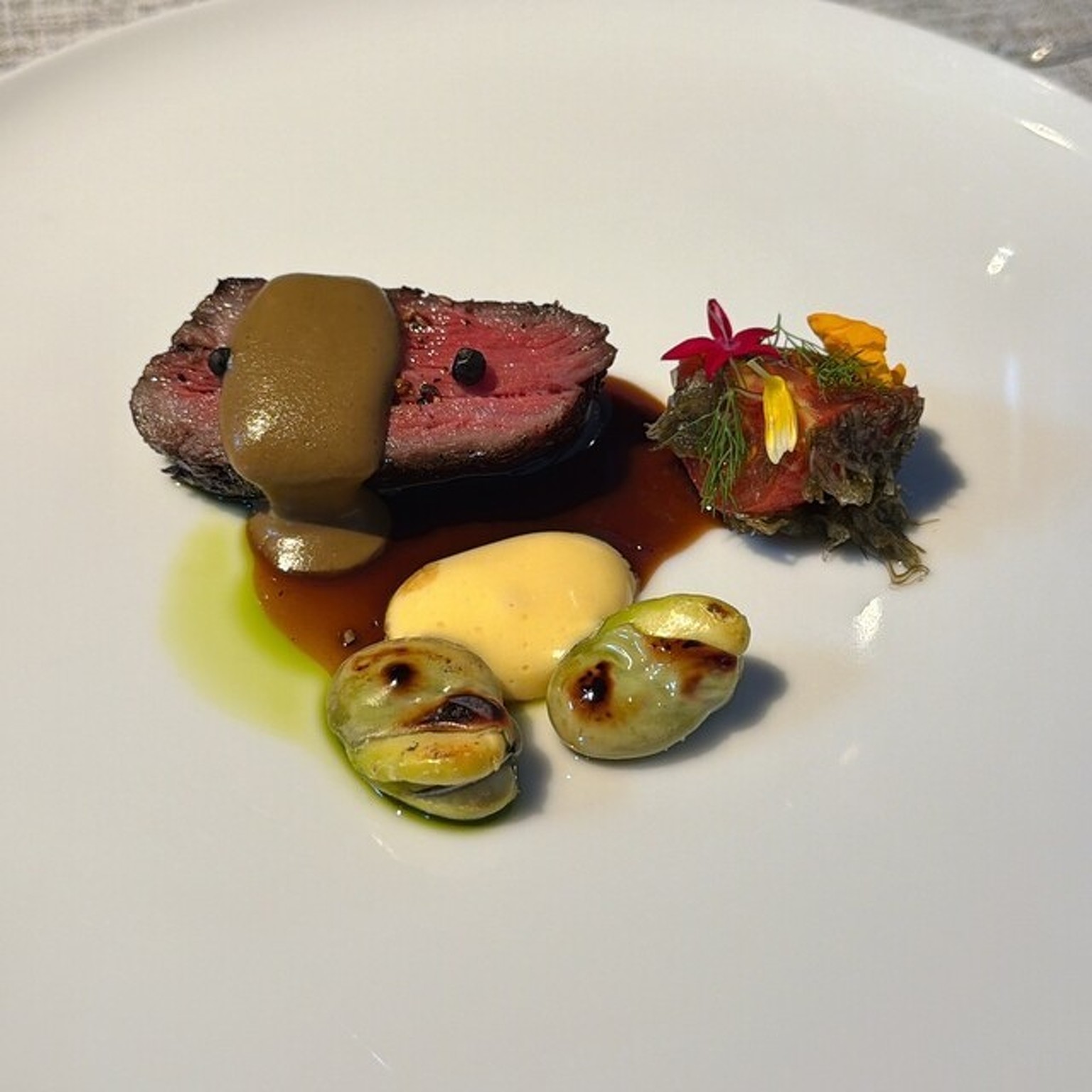
~Welcome Drink Homemade Fermented Drink with Butterbur Shoots Sweetfish Farmed Tenryu Sweetfish, Sliced Pheasant Consommé, Green Cardamom, Caviar Craftsmanship Over 40 varieties of vegetables from Shinshu Local Dish: Yatara A sauce that fully brings out the flavor of the meat Sun and Earth Special Risotto Rice from Nagano, Mushrooms, Egg Mushroom Parmesan Cheese Shinano Snow Trout, Farmed Chicken Fat, Fermented Paprika Salsa Style Shinshu Beef Flap Meat, Red Wine Sauce, Puree of Yama-dori Mushroom Maru Yuzumochi from Southern Shinshu Fava Beans with Hollandaise Sauce Zaza (Local Dish: Ozanza) Tomato, Cucumber, Fennel, Zucchini Flowers Acacia and Peach Crème Brûlée Tonka Bean, Vanilla Mignardises Yuzu and Finger Lime Macarons Chocolate, Caramelized Banana, Sakura Azuki Five Pairings Themed on Botanicals and Fermentation Watermelon, Herbs Lavender Kombucha, Paprika Onion, Spices, Citrus Japanese Mint, Plum, Mountain Trees Merlot, Black Tea, Spices, Juniper Berries + Acacia Kombucha, Sakura Salt Pickle Experience Chef Masahiro Tanabe's Natural French cuisine in a space that utilizes a Meiji-era storehouse. The dishes incorporate Shinshu ingredients and local cuisine, crafted with French techniques such as fermentation and dashi, creating a cohesive flow. Among them, the dish featuring over 40 layered vegetables symbolizes respect for the producers. The pairings connect the dishes to the land, providing a time to fully savor the essence of Shinshu. Less
10 / 10
on 01 Jul 2026
I had been wanting to visit for a while, so I went on a weekday evening. The renovated store has a lovely atmosphere, and the garden leading to the seating area was a quiet and calming space. Each dish featured a main ingredient, and the colorful Shinshu vegetables were impressive, allowing me to enjoy a variety of flavors. As a souvenir, I received some fresh sweets and bonito flakes. I left feeling completely satisfied and full.
8 / 10
on 01 Jun 2026
I visited this restaurant around 11:30 AM on a holiday, having made a reservation in advance. Located in Matsumoto City, this establishment is housed in a renovated plaster warehouse and offers a unique blend of macrobiotic and natural French cuisine. Here, Western culture is intertwined with Japanese aesthetics, creating new value in a space that beautifully reconstructs its historical exterior with modern sensibilities, complemented by creatively crafted dishes.~《 QUEUE DE LAPIN 》~ *Main dish... More
I visited this restaurant around 11:30 AM on a holiday, having made a reservation in advance. Located in Matsumoto City, this establishment is housed in a renovated plaster warehouse and offers a unique blend of macrobiotic and natural French cuisine. Here, Western culture is intertwined with Japanese aesthetics, creating new value in a space that beautifully reconstructs its historical exterior with modern sensibilities, complemented by creatively crafted dishes.~《 QUEUE DE LAPIN 》~ *Main dish upgraded to Shinshu Premium Beef*~Welcome Drink~ A drink made with wild vegetables, citrus puree, and kombu tea.~Appetizers~ Consommé made with grilled Ayu fish and pheasant, garnished with Aomoj.~Chef's Signature 40 Vegetable Salad~ Producers are likened to artisans. Yatara → Local traditional dish. The sauce is made by simmering meat broth with fuki (butterbur) and wild garlic. Mix the vegetables well on the plate to enjoy a delightful medley of flavors and aromas from Shinshu vegetables.~Tart~ Fresh koi from the restaurant's courtyard, caught that morning, ensuring no fishy taste. Home-grown shiitake mushrooms, perilla powder, and wild garlic.~Risotto~ Made with rice produced at the restaurant. The sauce with Parmesan cheese foam is exquisite.~Restaurant Specialty~ Shiitake terrine, iwana (char) consommé, and musk herb. As soon as the specialty arrives at the table, its aroma whets the appetite. The shiitake is thick and rich, almost reminiscent of a luxury ingredient. This dish delights the senses of taste, smell, and sight.~Fish Main Dish~ Local Shinano Yukimasu enhanced with chicken fat for added umami. The sauce is a fermented red pepper sauce that adds depth.~Meat Main Dish~ A luxurious main dish featuring wild Shiode (also known as mountain asparagus) as a side. The meat is Flap Meat from Shinshu Premium Beef, cooked to perfection, maximizing its flavor. The sauce incorporates local traditional wagashi (Japanese sweets) called Yubeshi (yuzu rice cake) for added richness.~Soup (in a bowl)~ Abalone and snap pea soup. The abalone liver is free of any fishy taste and pairs well with the soup.~Sweets~ Chiboust with sweet summer oranges and tarragon. Sorbet made with sake lees yogurt. Macarons with citrus and yuzu.Coincidentally, the chef honed his skills at the Otowa Restaurant in Tochigi Prefecture, which I visited recently. Using local ingredients, the dishes are nothing short of spectacular, delighting all five senses. The staff's service is also exceptional, and I discovered a gem in Matsumoto. I would love to return to this restaurant when I visit Matsumoto again. Less
9 / 10
on 21 May 2026
Located in Matsumoto City, Nagano Prefecture, near Matsumoto Castle, this French restaurant, Hikariya Nishi, has undergone a complete renovation of the entire establishment.Upon entering the restaurant, the atmosphere of the waiting room and the dining area is exceptional. The private room we used was also a luxurious space that added a special touch. As a member of Relais & Châteaux, every detail is meticulously attended to. Honestly, I didn’t expect such thoroughness.As for the food, at first,... More
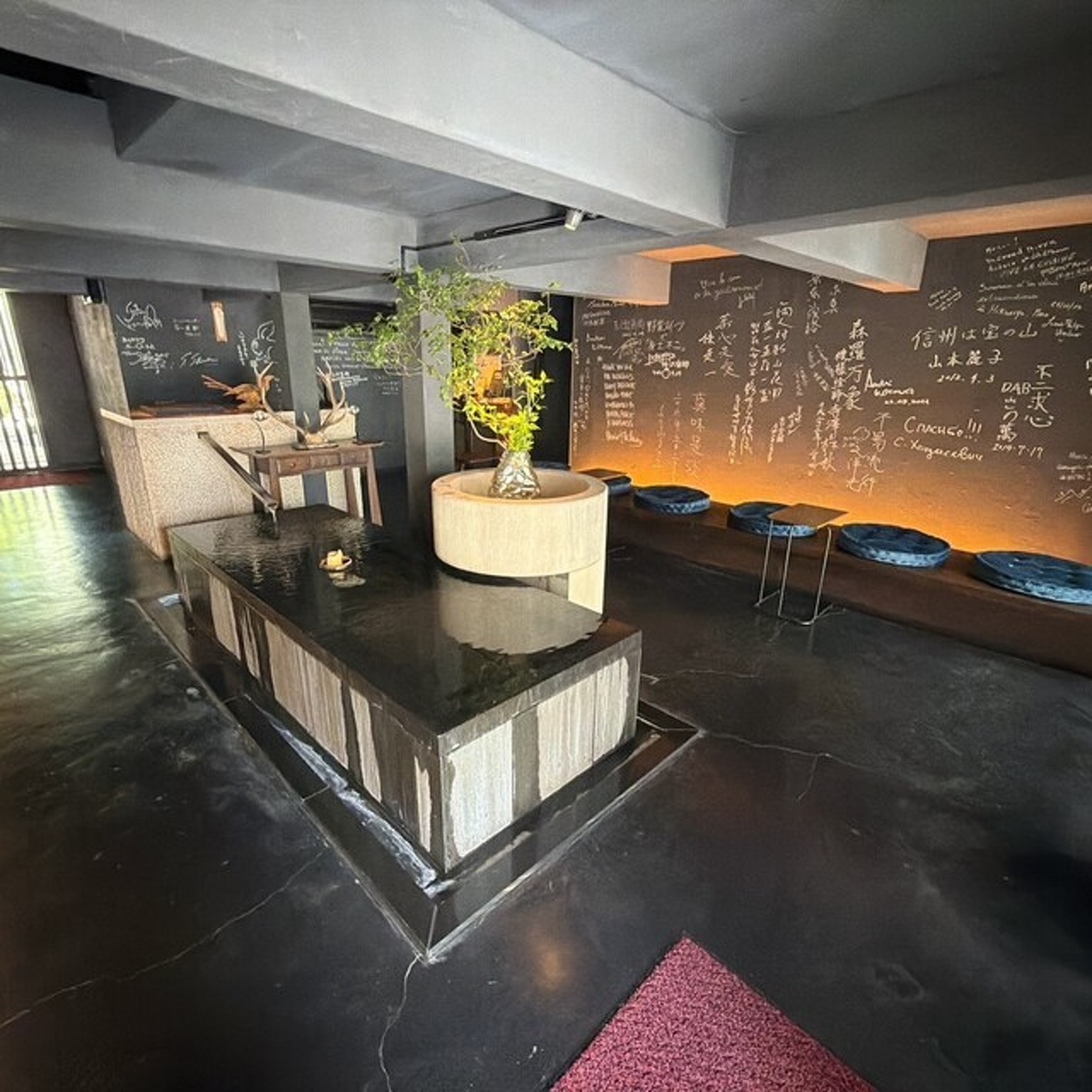
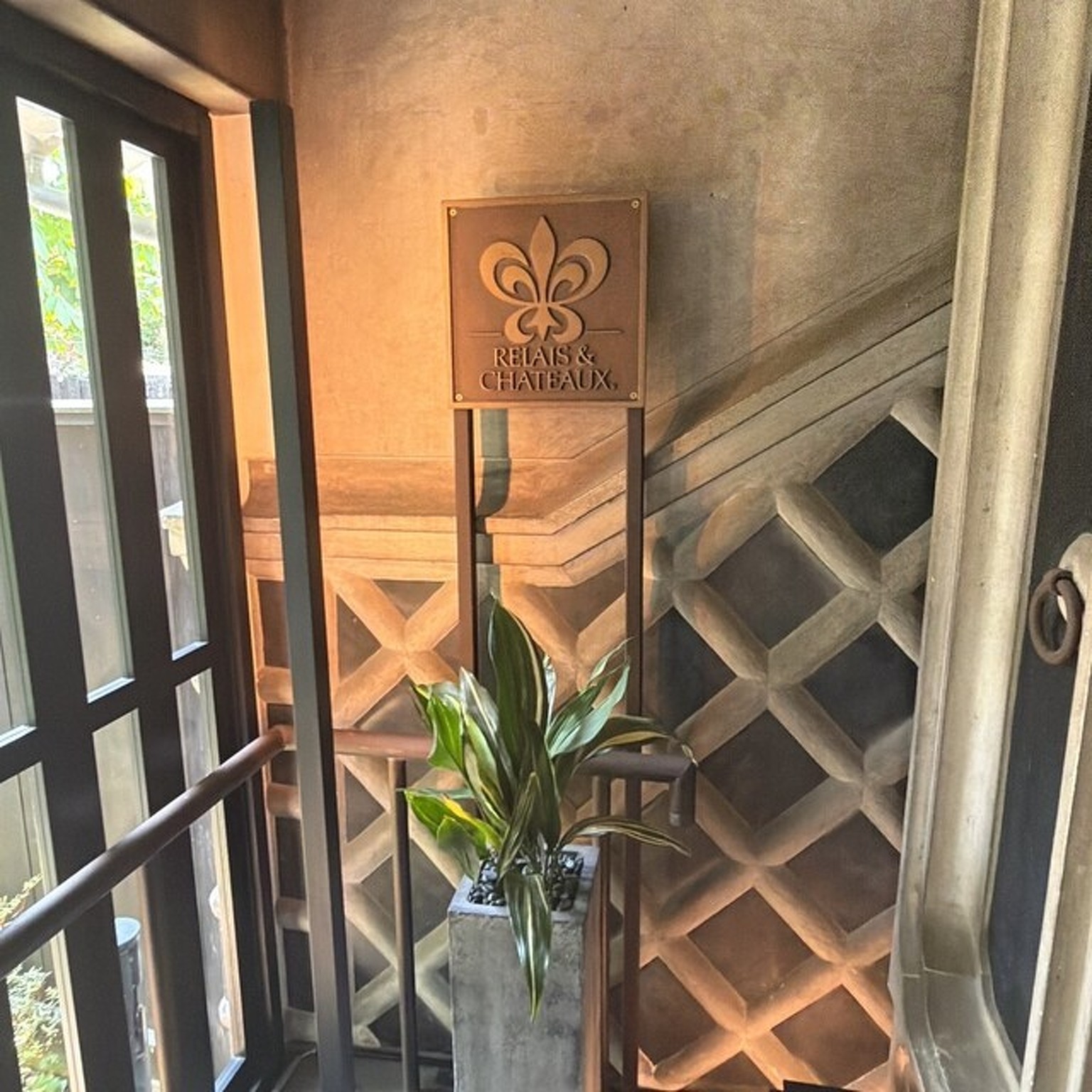
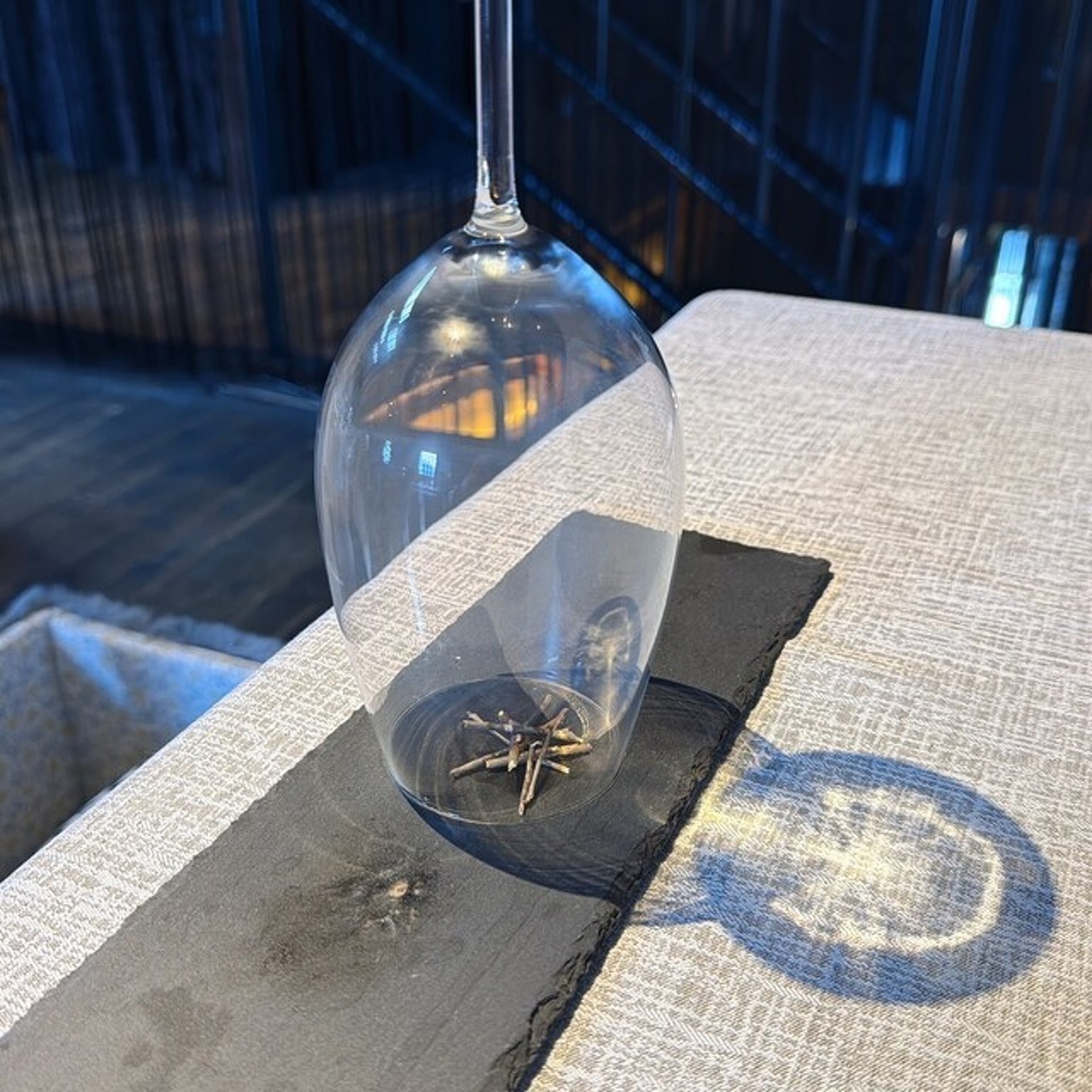
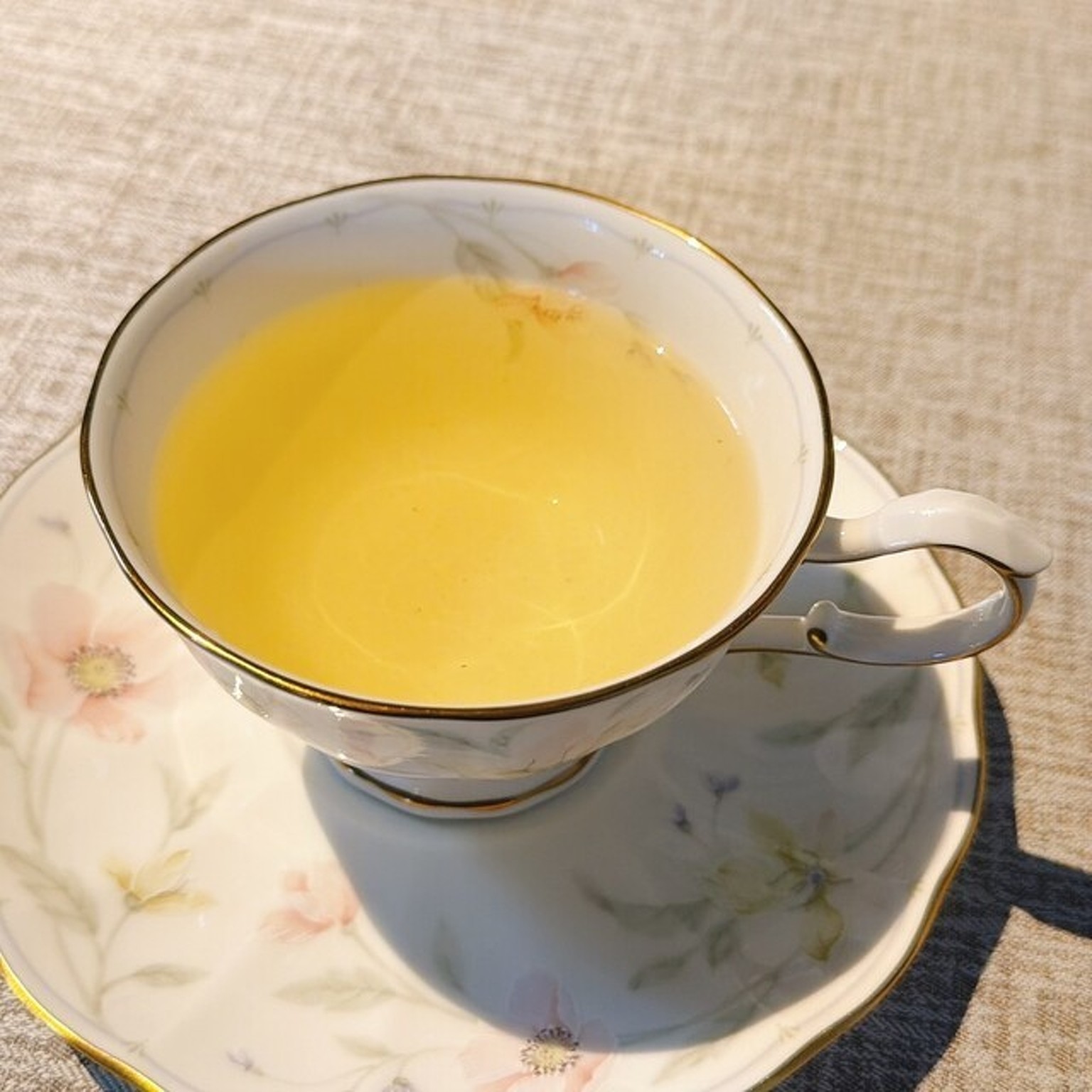
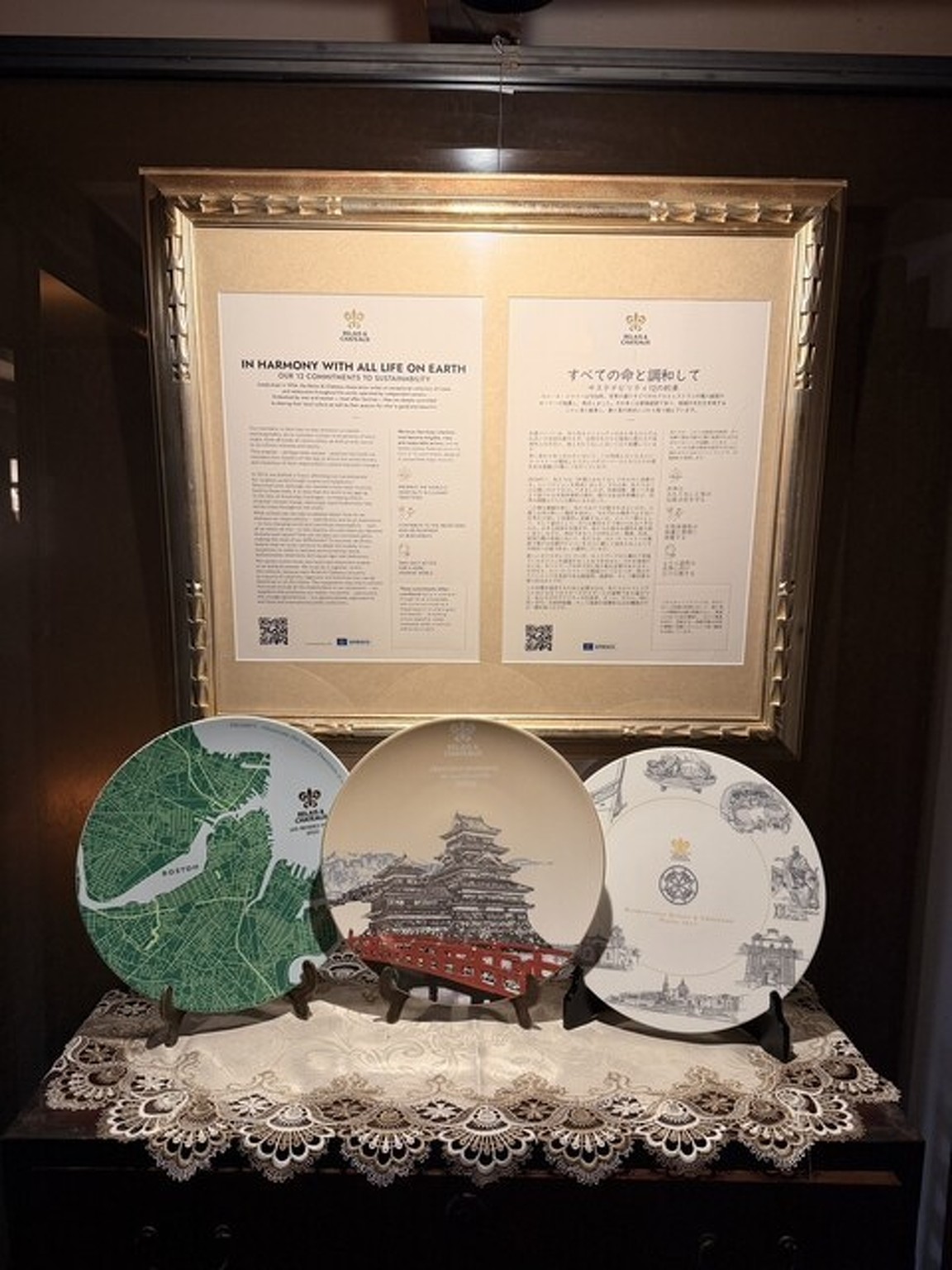
Located in Matsumoto City, Nagano Prefecture, near Matsumoto Castle, this French restaurant, Hikariya Nishi, has undergone a complete renovation of the entire establishment.Upon entering the restaurant, the atmosphere of the waiting room and the dining area is exceptional. The private room we used was also a luxurious space that added a special touch. As a member of Relais & Châteaux, every detail is meticulously attended to. Honestly, I didn’t expect such thoroughness.As for the food, at first, I thought it might prioritize appearance and health-conscious elements, but while those aspects were indeed present, the focus on deliciousness and local flavors exceeded my expectations. With such dedication, there’s no room for criticism. I was truly impressed.We enjoyed the dinner course (JPY 22,000, tax included) and a half wine pairing of 6 glasses (JPY 9,000, tax included), totaling JPY 31,000. There was no charge for the private room, likely because we didn’t specifically request it. Considering the quality of the food and service, the price is quite reasonable.The restaurant manager and sommelier provided attentive service in the private room, answering our questions about the dishes accurately and serving the food and wine at perfect timing, which greatly contributed to our satisfaction. The service was even better than at a grand maison.The course consisted of 13 to 14 dishes, skillfully balancing flavors:(1) Hairy Crab Tart (2) Tenryu Sweetfish Spring Roll (3) Salad of 40 Types of Shinshu Vegetables (4) Shiitake and Shallot Terrine (5) Risotto with 57 Types of Wild Vegetables and Herbs (6) Truffle Brioche (7) Lettuce Tower and Two Types of Zucchini (Yellow and Green) (8) Shinshu Carp Ravioli (9) Coarsely Ground Boar and Wild Vegetable Hamburg (10) Abalone and Pheasant Consommé Soup (11) Crème Brûlée, Cream, Ice Cream (12) Cassata, Meyer Lemon Mousse, and Hassaku (13) Petit Fours (14) Herbal Tea The local wild vegetables were abundant. At one point, we were shown a handwritten list of over 50 types of wild vegetables. Additionally, the manager and staff personally sourced some of the ingredients, showcasing the restaurant's collective effort in curating the dishes. This was particularly evident in the salad of 40 types of Shinshu vegetables and the risotto with 57 types of wild vegetables and herbs. Such a feat is rare.Moreover, the boar hamburg was garnished with a branch from a local tree called Kamishiba, which added a wonderful aroma. What a bold attempt! This enhanced the hamburg's fragrance and flavor.In addition to vegetables and herbs, the restaurant also actively uses local animal-based ingredients like sweetfish, carp, and caviar. I felt grateful to have come to Matsumoto and to this restaurant.The cuisine leans towards the innovative side, aiming to encapsulate local flavors without losing their essence, inviting diners to discover the intended message. Conversations with the sommelier to explore these intentions were enjoyable, and the course was personally quite delightful.The wine pairing featured only Shinshu wines (with some Japanese sake). Initially, I was unsure about the higher price, but the selection turned out to be quite impressive, complementing the dishes beautifully. It felt like the choice of Shinshu wine was based on the dishes rather than just local sourcing. Kudos to the sommelier!I’m eager to return during mushroom season.Below are brief comments on each dish, serving as a personal record, so feel free to skip:(1) Hairy Crab Tart with Shinshu Black Pearl Caviar and Jujube A small tart topped with hairy crab and generously adorned with caviar. This caviar is sourced from sturgeon farmed near Lake Shirakaba. The saltiness is mild, allowing the richness of the roe to shine through. Delicious.(2) Tenryu Sweetfish Spring Roll Sweetfish, shiso, cucumber, and melon wrapped in a spring roll. The exquisite flavor and aroma of the sweetfish were somewhat overshadowed, which felt a bit unfortunate.(3) Salad of 40 Types of Shinshu Vegetables A vibrant assortment of 40 types of vegetables, accompanied by a local dish called "Yatara." The finely chopped pickled vegetables in "Yatara" act as a dressing, harmonizing the flavors of all the vegetables. However, it’s quite filling, leading to a somewhat monotonous taste experience, but as a vegetable lover, I enjoyed it.(4) Shiitake and Shallot Terrine A terrine primarily made of shiitake mushrooms. Bold and surprisingly delicious, it lacks the typical shiitake odor and is thick and flavorful. It seems to be meticulously prepared. The accompanying consomme soup made from iwana (char) broth is exceptionally tasty, pairing wonderfully with the shiitake.(5) Risotto with 57 Types of Wild Vegetables and Herbs A risotto made with an impressive variety of 57 wild vegetables and herbs. With so many types, it lacks a distinct flavor profile, resulting in a chaotic taste. However, the depth of flavor and sweetness from the wild vegetables is substantial, creating a unique taste that completely envelops the rice's aroma. The use of parmesan cheese in espuma form was a great choice, complementing the wild vegetables.(6) Truffle Brioche Layers of truffle and celery root wrapped in brioche dough, served with a cream sauce made from the same ingredients. The flavors of truffle and celery root attack from both inside and outside the brioche.(7) Lettuce Tower and Two Types of Zucchini (Yellow and Green) A visually striking dish that draws you in. Surprisingly simple in taste, resembling a cold vegetable salad. However, the accompanying sansho oil sauce is incredibly delicious and pairs well with the zucchini. I couldn’t resist soaking up the sauce with bread and finishing it all.(8) Shinshu Carp Ravioli Ravioli filled with Shinshu carp, ricotta, morel mushrooms, and walnuts, served with a sauce of lactic acid fermented mushrooms and vegetables. The strong flavors somewhat overshadow the carp.(9) Coarsely Ground Boar and Wild Vegetable Hamburg As mentioned earlier, the hamburg is garnished with a branch of Kamishiba. The boar meat is mixed with wild vegetables (tara no me and fuki), and the aroma from the Kamishiba branch adds a striking flavor. This is an experience unlike any other. I was deeply impressed.(10) Abalone and Pheasant Consommé Soup A comforting soup that calms the excitement from the previous dishes, featuring abalone meat and liver in a pheasant consommé soup, topped with purple shiso.(11) Crème Brûlée, Cauliflower and White Chocolate Cream, Coconut and Basil Oil Ice Cream (12) Cassata (Ricotta, Nuts, Dried Fruits, and Sake Lees Ice Cake), Meyer Lemon Mousse, Elderflower Jelly, and Hassaku with Parsley (13) Petit Fours: Visitandine (a traditional pastry from Lorraine, France). With flavors of burnt butter and chocolate, made with Shinshu buckwheat.(14) Herbal Tea Original blend with osmanthus and Uwamizakura, served with syrup containing Uwamizakura. This was delightful and made for a pleasant drink after the course. Less
9 / 10
on 11 May 2026
First VisitThis is a series where I visit restaurants certified by the Ministry of Agriculture, Forestry and Fisheries, specializing in local produce from French, Italian, and Spanish cuisines.I made a reservation for a 1900 JPY seat on Tabelog two weeks in advance, hoping to enjoy wild vegetables.Located along the Zenkoji Kaido (National Route 143), this restaurant features an impressive main building (the main house) which serves Japanese cuisine as "Hikariya Higashi." The entrance is in a cozy... More
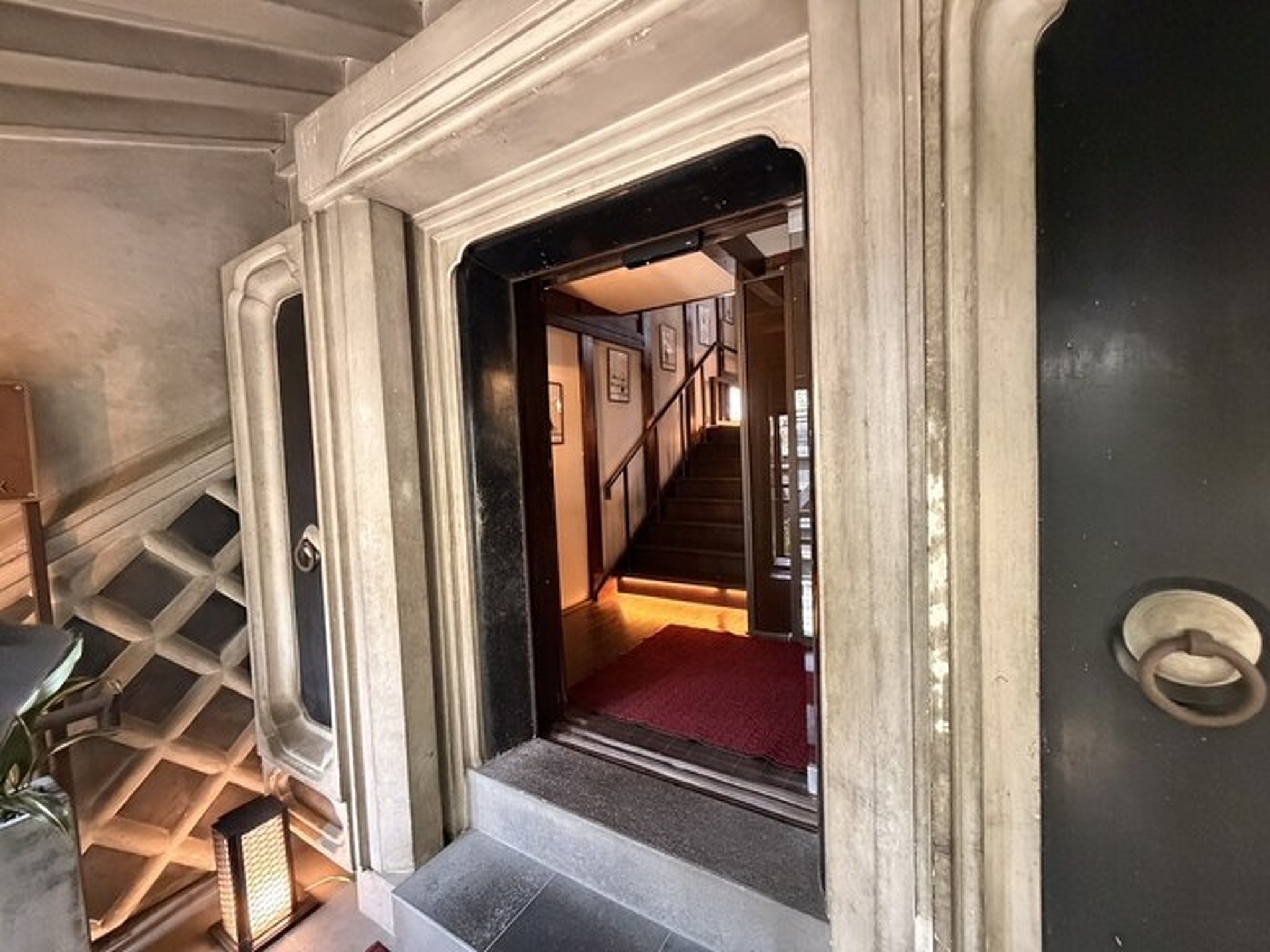
First VisitThis is a series where I visit restaurants certified by the Ministry of Agriculture, Forestry and Fisheries, specializing in local produce from French, Italian, and Spanish cuisines.I made a reservation for a 1900 JPY seat on Tabelog two weeks in advance, hoping to enjoy wild vegetables.Located along the Zenkoji Kaido (National Route 143), this restaurant features an impressive main building (the main house) which serves Japanese cuisine as "Hikariya Higashi." The entrance is in a cozy building next door, leading to the kitchen and dining areas that have been renovated from an old storehouse. The site also houses several tangible cultural properties, similar to Niigata's "Nabe Chaya Korin," but our restaurant has undergone more thorough renovations.After enjoying a welcome herbal tea (made from fragrant olive, butterbur, wild pear, and jujube), I was shown to a private room on the second floor (nicknamed the "Sakura Room," where you can enjoy cherry blossoms in spring).The dishes presented were:1. Amuse-bouche 1: No description - Hairy crab tart with Shinshu black caviar and jujube2. Amuse-bouche 2: Sweetfish - Tenryu sweetfish spring rolls with perilla, cucumber, and melon3. Cold appetizer 1: Artisan - Salad of 40 types of Shinshu vegetables, fried Chardonnay sprouts, served with "Yatara" (a local dish from northern Shinshu)4. Warm appetizer 1: Shiitake - Shiitake and shallot terrine, consomme soup made from iwana (char), truffle oil, and musk thyme leaves5. Warm appetizer 2: Wild vegetables - Chicken consomme with rice from "Sun and Earth" and a risotto of 57 types of wild vegetables and herbs, topped with parmesan espuma6. Warm appetizer 3: Celery root and truffle - French celery root baked with truffle, served with celery root and truffle cream sauce7. Palate cleanser 1: Lettuce - Lettuce tower with two types of zucchini (yellow and green), served with a sansho oil sauce8. Fish: Shinshu carp - Carp ravioli with ricotta, morel, and walnuts, served with lacto-fermented mushrooms and vegetable sauce9. Meat: Wild boar - Coarsely ground wild boar meat with mountain vegetables (tara no me and butterbur) hamburger, topped with brown mushrooms and green asparagus in bearnaise sauce, served with two sauces (fermented garlic oil and fermented strawberry puree)10. Palate cleanser 2: White asparagus - Abalone meat and liver in a pheasant consomme soup with white asparagus, topped with purple shiso11. Dessert 1: No description - Crème brûlée with cauliflower and white chocolate cream, coconut and basil oil ice cream12. Dessert 2: Hassaku - Cassata (ricotta, nuts, dried fruits, and sake lees ice cake), Meyer lemon mousse, elderflower jelly, topped with hassaku and parsley13. Petit four: No description - Visitandine (a traditional pastry from Lorraine, France) with burnt butter and chocolate flavor, made with Shinshu buckwheat - Herbal tea: Original blend with fragrant olive and Uwamizakura, served with syrup containing UwamizakuraThe stay lasted about three hours.Total: 28,000 JPY (22,000 JPY for dinner and 6,000 JPY for five non-alcoholic pairings), which is quite reasonable without service charges, although the private room fee was also included.Here are my impressions of the dishes:* Overall, I was impressed by the continuous presentation of noteworthy dishes.- The ingredients mainly featured Shinshu vegetables, wild vegetables, and river fish, except for the hairy crab, truffles, celery root, and abalone. While the flavors may not be as strong, I would have preferred to use Shinshu truffles.- The first dish surprised me with caviar, which turned out to be from a sturgeon farmed near Lake Shirakaba. The caviar was medium-sized, likely from the Ossetra variety, with a more delicate saltiness compared to imported ones. I was told that the caviar would be ready in a few years when I tasted it in Iida in 2019, but it seems they succeeded in 2021.- The second dish featured Tenryu sweetfish, considered the pinnacle of farmed sweetfish. Perhaps because it was a young fish, the spring rolls with cucumber and melon were a bit excessive, overshadowing the sweetfish's natural aroma. I would have preferred more complementary ingredients to highlight its flavor. [-0.1]- The third dish was an impressive salad. "Yatara" consists of finely chopped summer vegetables like cucumber, eggplant, and myoga, seasoned with miso or soy sauce. It’s interesting that while the ingredients are similar to Yamagata's "dashi," "yatara" seems to be more focused on preservation due to the lack of coastal access.- The fourth dish was the chef's signature dish. The combination of iwana consomme and shiitake was incredibly flavorful and concentrated.- The fifth dish was a fitting finale for this expedition. The risotto, made with 57 types of wild vegetables and herbs, was beautifully balanced by the chicken consomme and parmesan. It was a remarkable dish.- The sixth dish was delicious but not suitable for eating with a fork and knife. It’s best enjoyed by hand.- The seventh dish was visually simple yet impactful, evoking a sense of modern art. The flavor of the sansho sauce was innovative.- The eighth dish was the most French-inspired but also the most disappointing. The texture of the ravioli didn’t quite hold together. [-0.2]- The ninth dish was equally impressive as the fifth. While it resembled the amuse-bouche from Niigata's "Wozen," this dish was more focused on the main ingredients. It likely underwent low-temperature cooking for a rare texture, skewered on a branch of Tamushiba (with a strong citrus and spicy flavor), paired with fermented garlic and strawberry puree for a unique combination.- The twelfth dish featured hand-prepared hassaku, which must have taken an incredible amount of effort.- The non-alcoholic pairings were also of high quality. Personally, I consider Niigata's "Wozen," Yamanashi's "Restaurant SAI," and this restaurant as the top three. They all share a commonality in utilizing fermentation techniques with kombucha.- The five drinks included a bonus with a fragrant oil infusion.- Since we had also enjoyed fragrant oil the day before, the sommelier manager enthusiastically explained about Tamushiba, adding Uwamizakura to the herbal tea... it was a delightful conclusion.- The manager seems to be an active person who personally forages for fragrant oil and Uwamizakura in the mountains, exhibiting skills comparable to a top bartender.As a souvenir, I received:- Japanese sweets, bonito and kombu furikake- Relais & Châteaux guidebook #3 and #4 * I passed on the latter due to being on a budget.I left the restaurant at 21:50, feeling quite satisfied. This dining experience fulfilled my personal interests. If I were to rate it, I would give it a solid 4.5. I also learned that Uwamizakura can be pickled and used in furikake or chazuke, so I look forward to visiting the Japanese cuisine section, "Hikariya Higashi." Less
8 / 10
on 01 May 2026
This was my second visit, and this time I came for dinner. I remembered being impressed by the beautiful presentation of each dish during my last visit, despite the lack of seafood. Once again, the carefully prepared dishes were delicious, but I felt that almost all of them were vegetable-based, which left me wanting a bit more in terms of traditional French cuisine. The broths and sauces were rich and exquisite, so I believe that incorporating a bit more seafood or meat would enhance the overall... More
This was my second visit, and this time I came for dinner. I remembered being impressed by the beautiful presentation of each dish during my last visit, despite the lack of seafood. Once again, the carefully prepared dishes were delicious, but I felt that almost all of them were vegetable-based, which left me wanting a bit more in terms of traditional French cuisine. The broths and sauces were rich and exquisite, so I believe that incorporating a bit more seafood or meat would enhance the overall satisfaction. While I appreciated the pairing with Nagano wine, it didn't quite feel perfect in terms of harmony with the dishes. Overall, I was quite satisfied, but when compared to restaurants in Tokyo, it felt slightly lacking. Less
Recommended in Matsumoto
-
- Yamasei (山勢)
- 1-chōme-2-20 Chūō, Matsumoto, Nagano 390-0811, Japan
-
Tabelog Bronze
-
32 Meals
-
- Unagi no Matsu Ka (うなぎのまつ嘉)
- 3-chōme-2-29 Chūō, Matsumoto, Nagano 390-0811, Japan
-
Tabelog Bronze
-
26 Meals
-
- BISTRO 響
- 1-chōme-5-6 Fukashi, Matsumoto, Nagano 390-0815, Japan
-
1 Meal
-
- Hoshino Resorts KAI Matsumoto
- 1-chōme-31-1 Asamaonsen, Matsumoto, Nagano 390-0303, Japan
-
1 Meal
Address
4-chōme-7-14 Ōte, Matsumoto, Nagano 390-0874, Japan
Hours
Monday: 18:00 - 22:00
Tuesday: 18:00 - 22:00
Wednesday: Closed
Thursday: 18:00 - 22:00
Friday: 11:30 - 15:00; 18:00 - 22:00
Saturday: 11:30 - 15:00; 18:00 - 22:00
Sunday: 11:30 - 15:00; 18:00 - 22:00
Tuesday: 18:00 - 22:00
Wednesday: Closed
Thursday: 18:00 - 22:00
Friday: 11:30 - 15:00; 18:00 - 22:00
Saturday: 11:30 - 15:00; 18:00 - 22:00
Sunday: 11:30 - 15:00; 18:00 - 22:00
Phone
+815054627592
Price Range
Based on country average
$$$$ (¥10,000+)