We use cookies on this site to enhance your user experience.
< Back
Overview
Average rating from 7 meals
8 / 10
Photo Views: 0
Restaurant Views: 965
Restaurant Views: 965
0 user have this restaurant in their Top list
0 user have this restaurant in their Wish list
Awards
- Tabelog
- 2026 Bronze
Ratings from the web
- Tabelog
- 4.15
Cuisine
Sushi
Foodle Reviews
9 / 10
on 21 Aug 2026

I visited "Sushi Sho" located in Omachi, Akita City. It’s a renowned sushi restaurant just a 20-minute walk from Akita Station, situated across from the Akita Red Brick Museum.The owner, Mr. Keiji Sasaki, trained as a sushi chef in Tokyo, where he met Mr. Keiji Nakazawa of "Sushi Sho" in Yotsuya. After five years of honing his skills under Nakazawa, he returned to his hometown of Akita and opened his own "Sushi Sho" in 2001. This restaurant is one of the earliest independent establishments in the... More
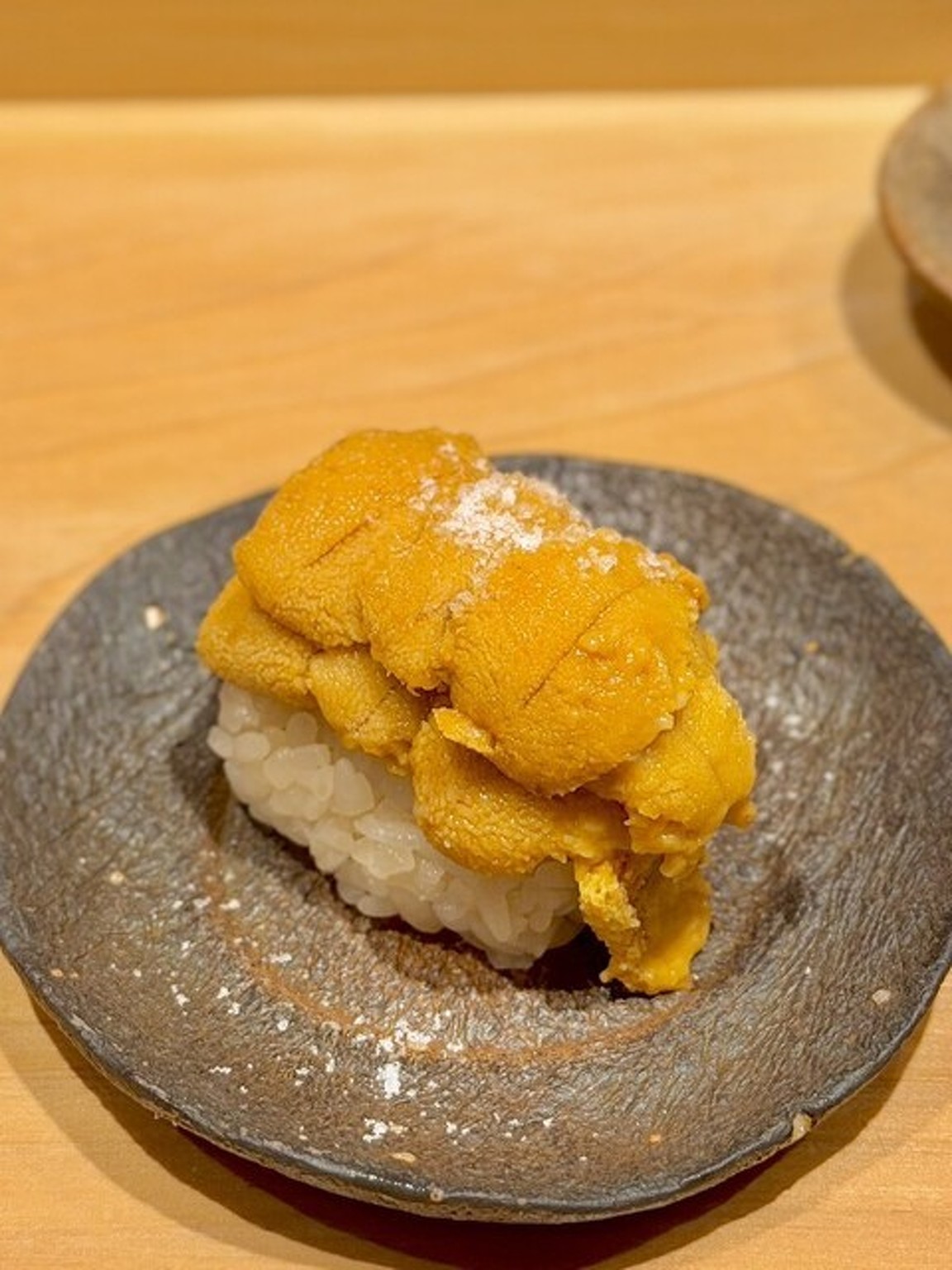
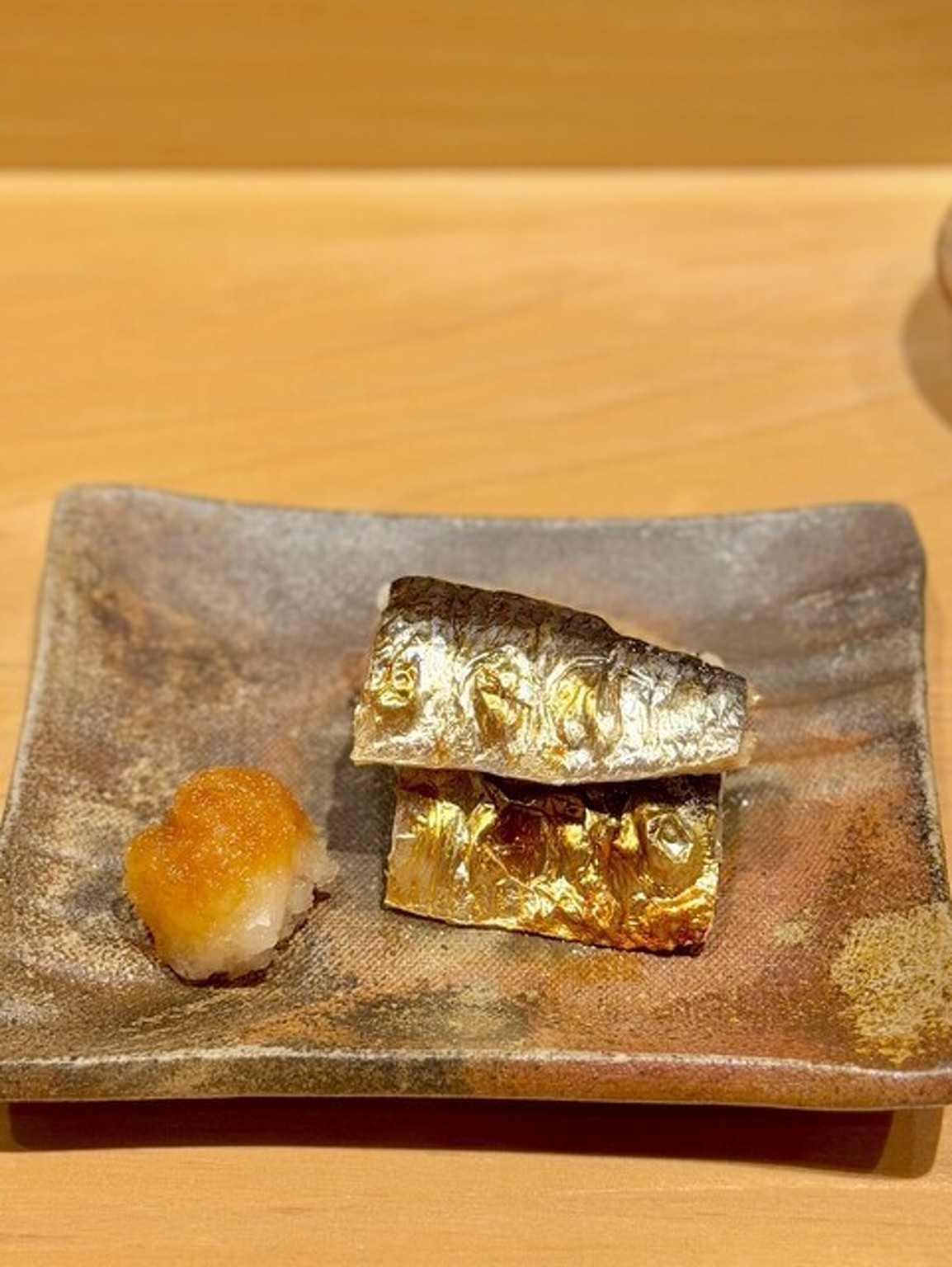
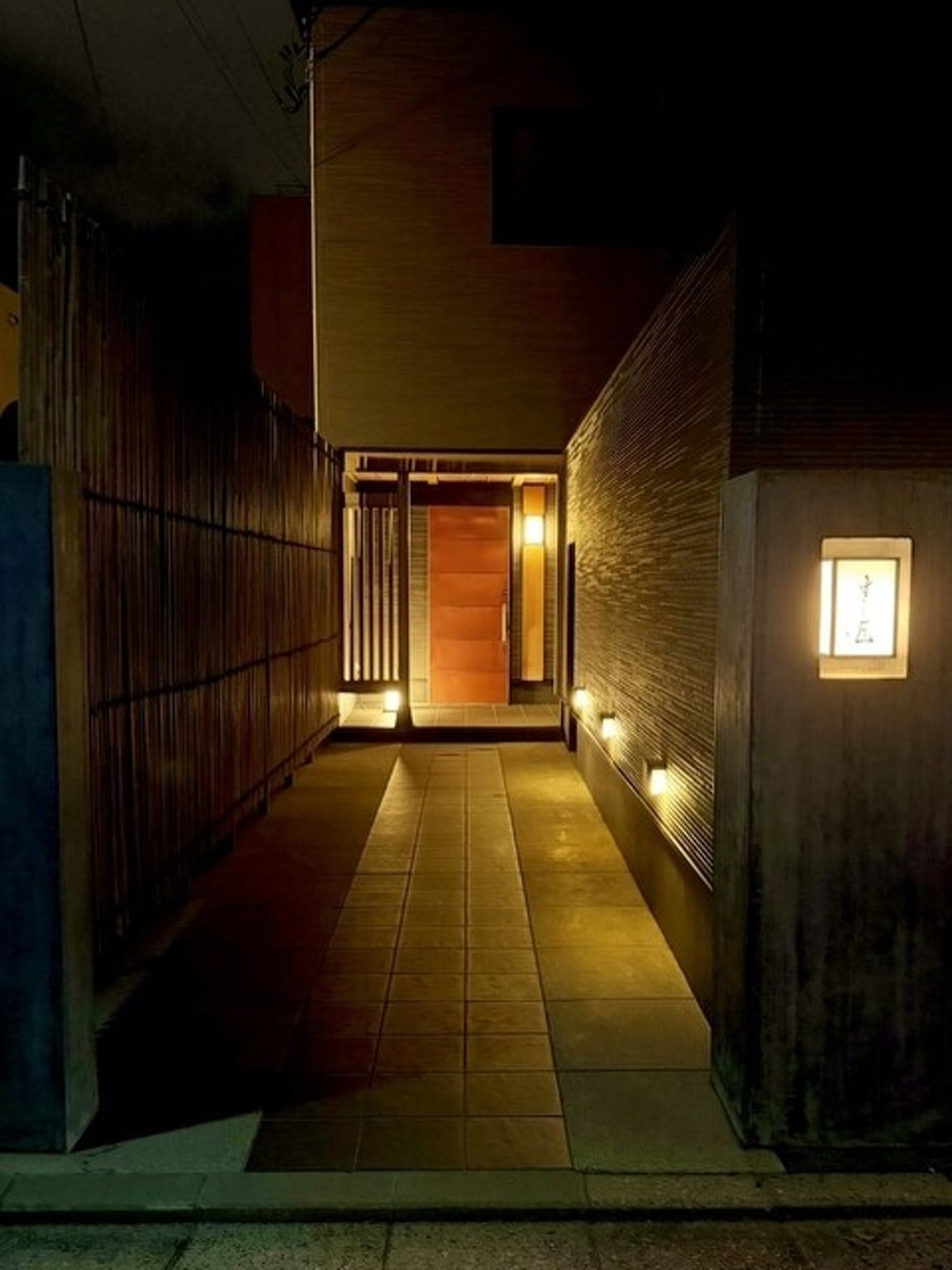
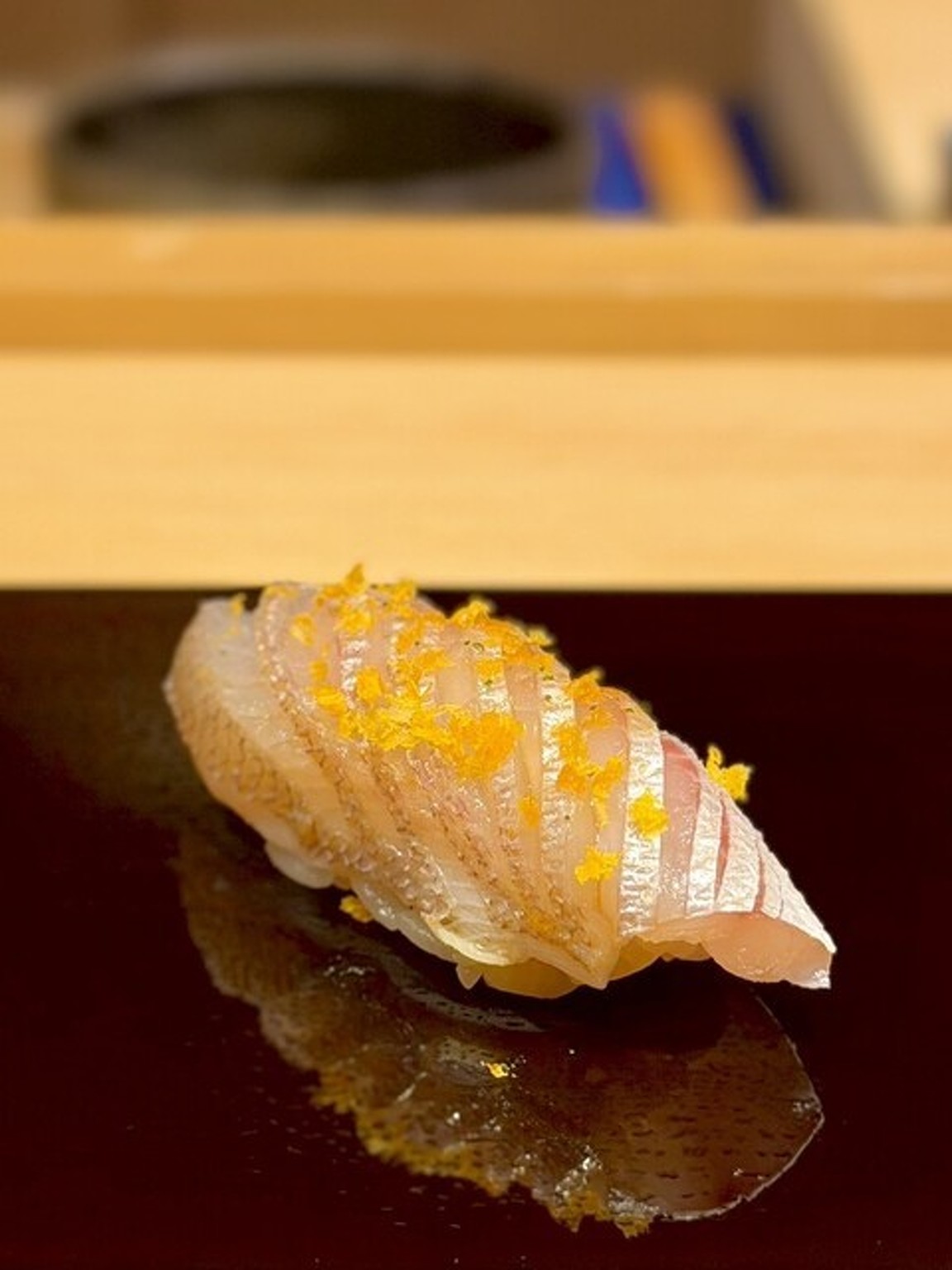
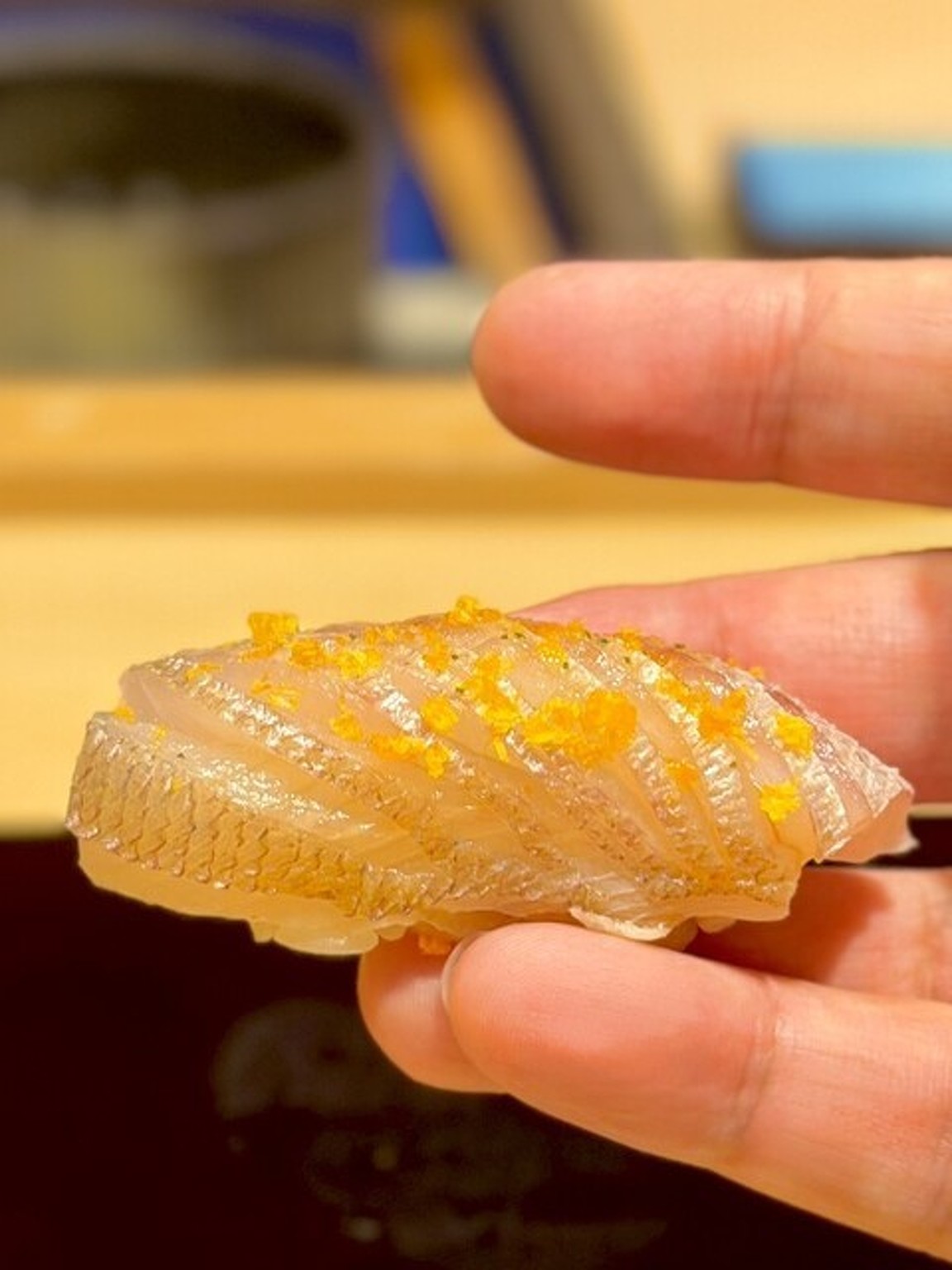
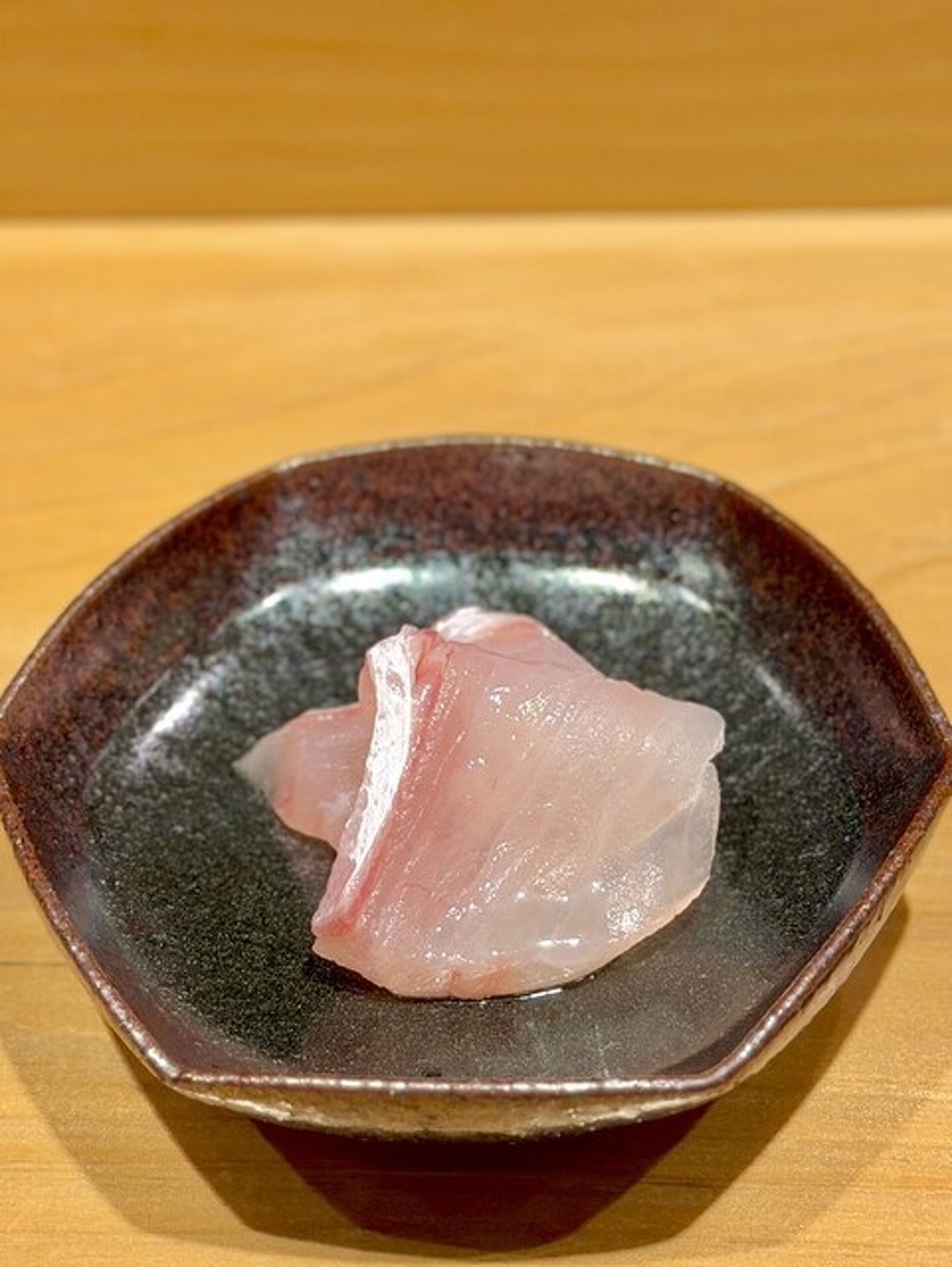
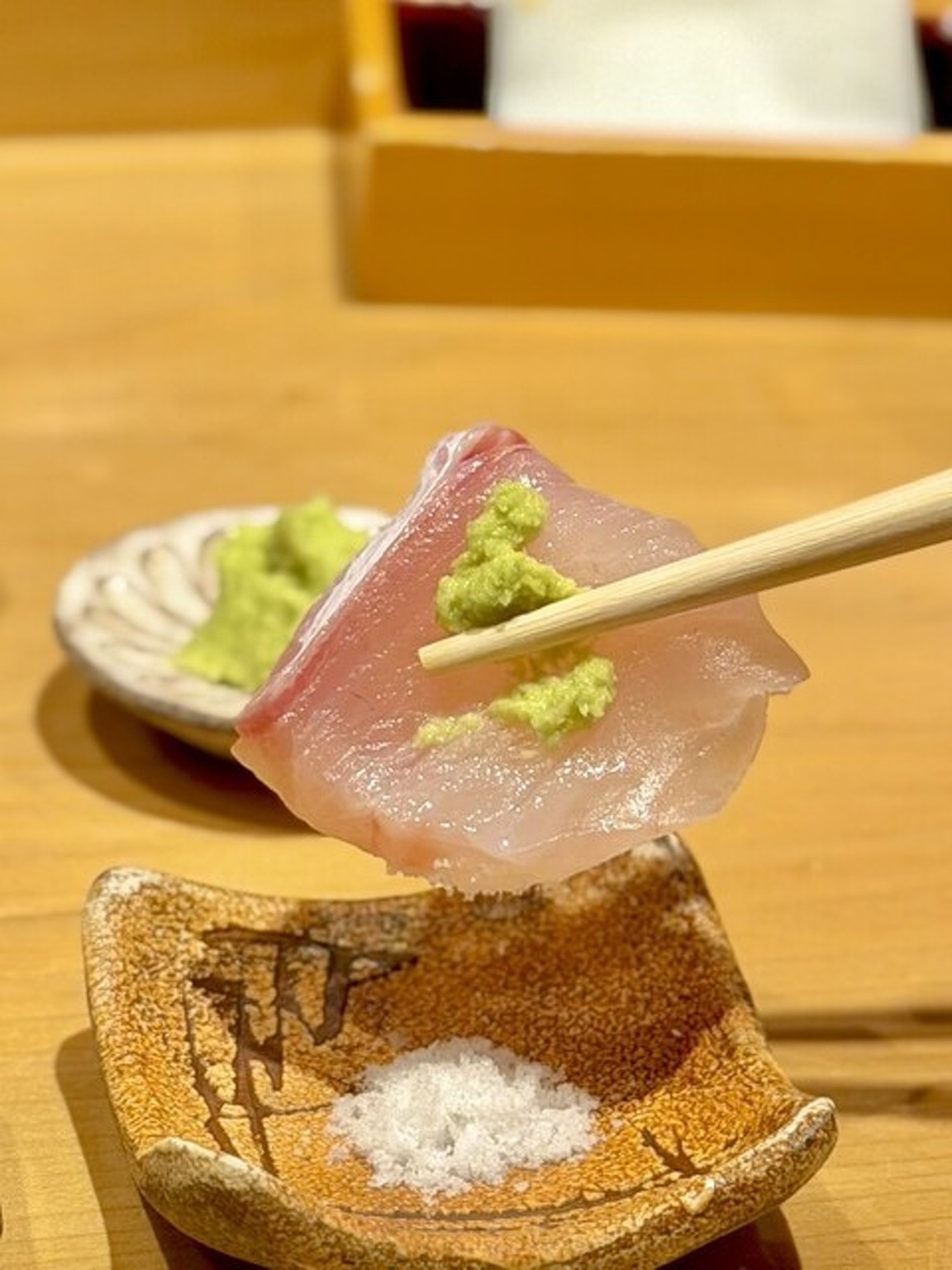
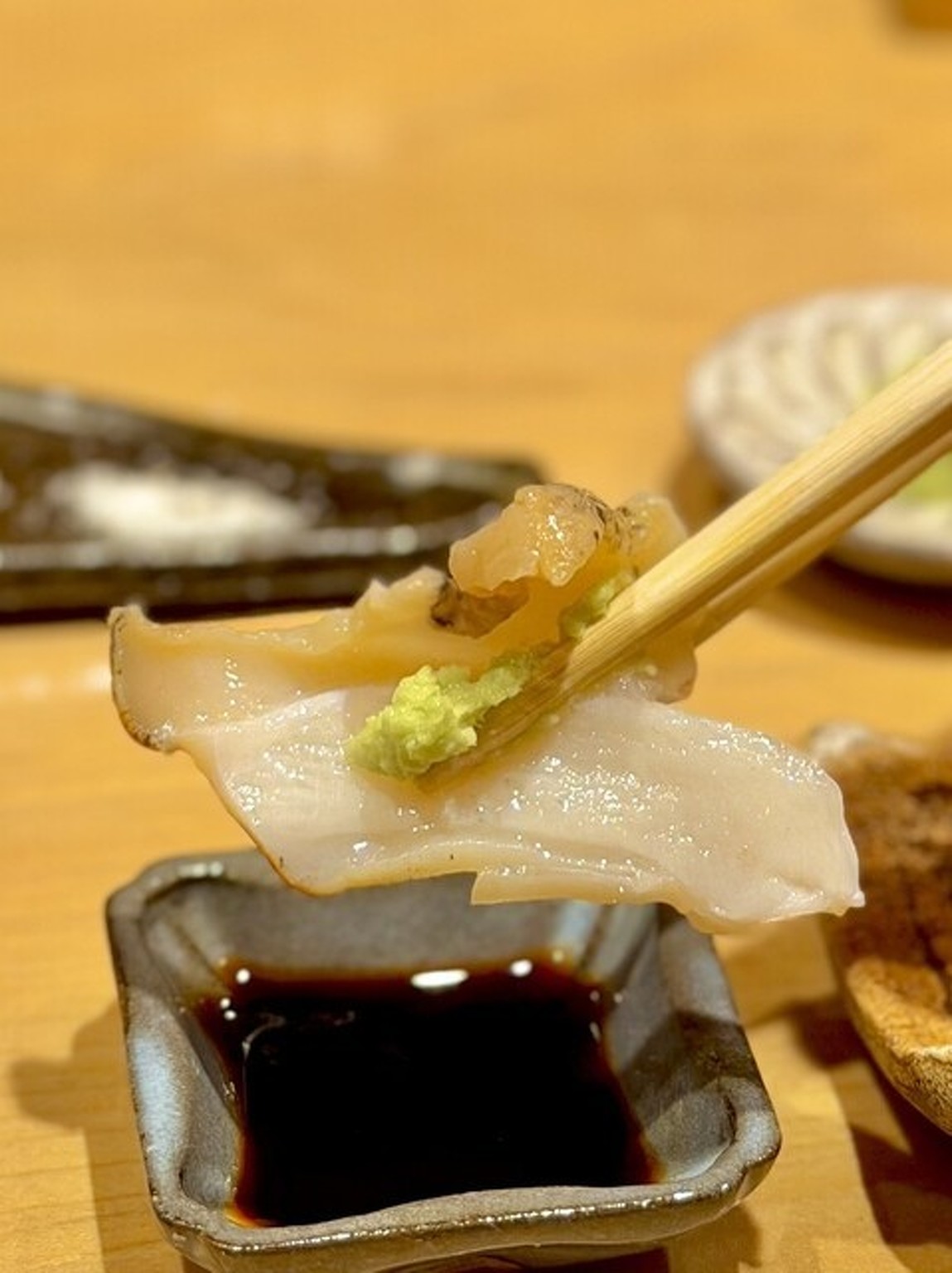
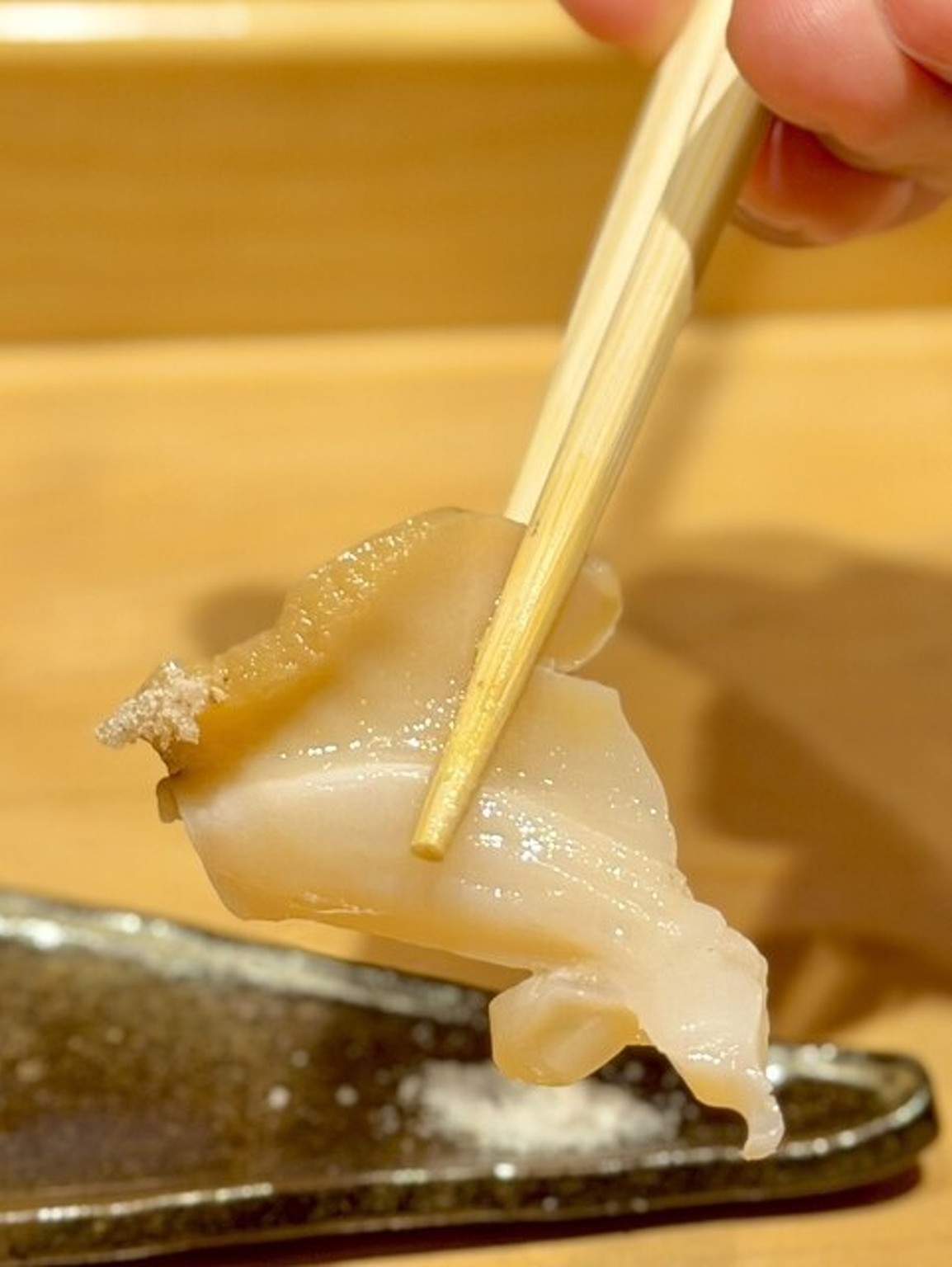
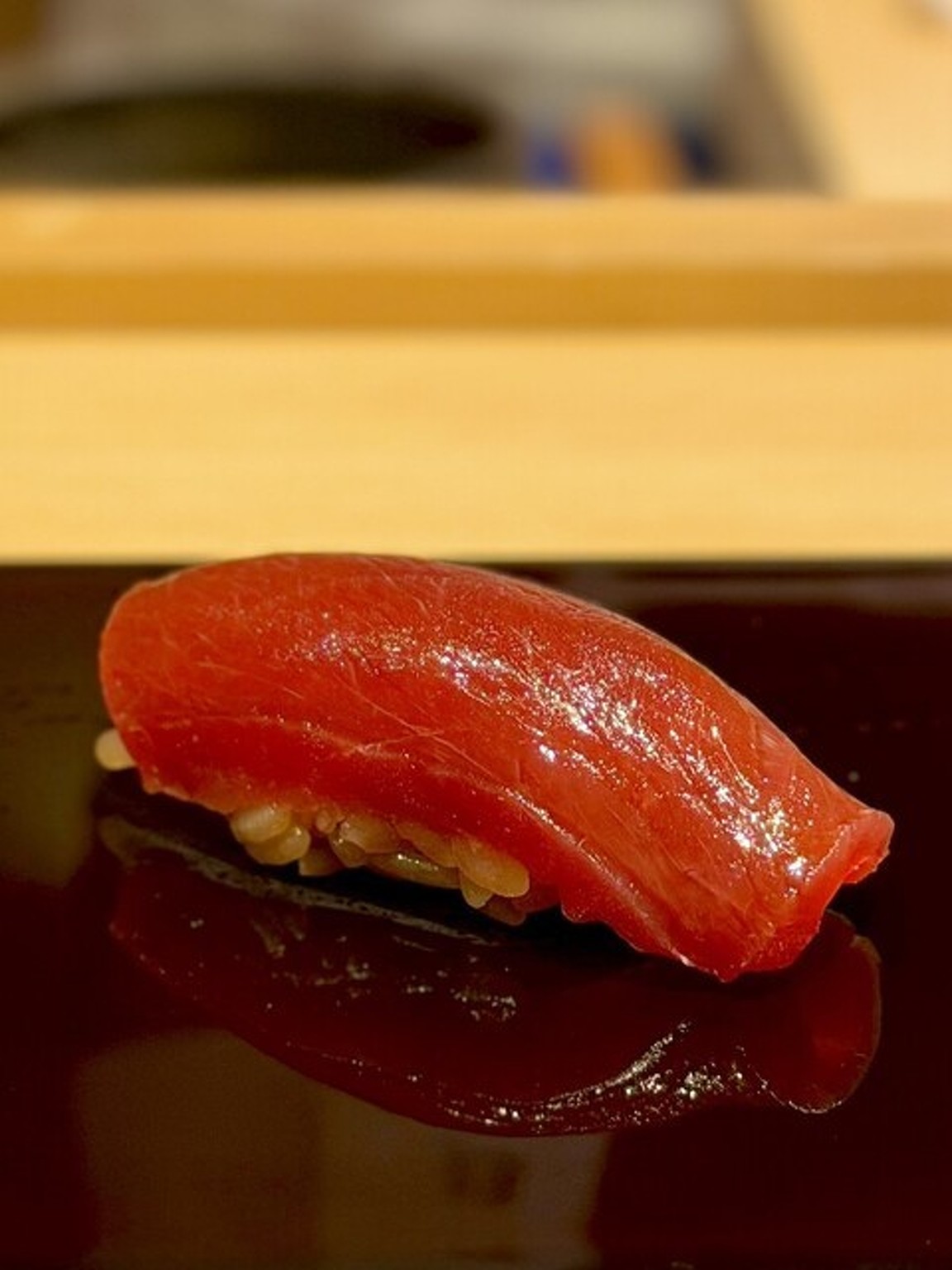
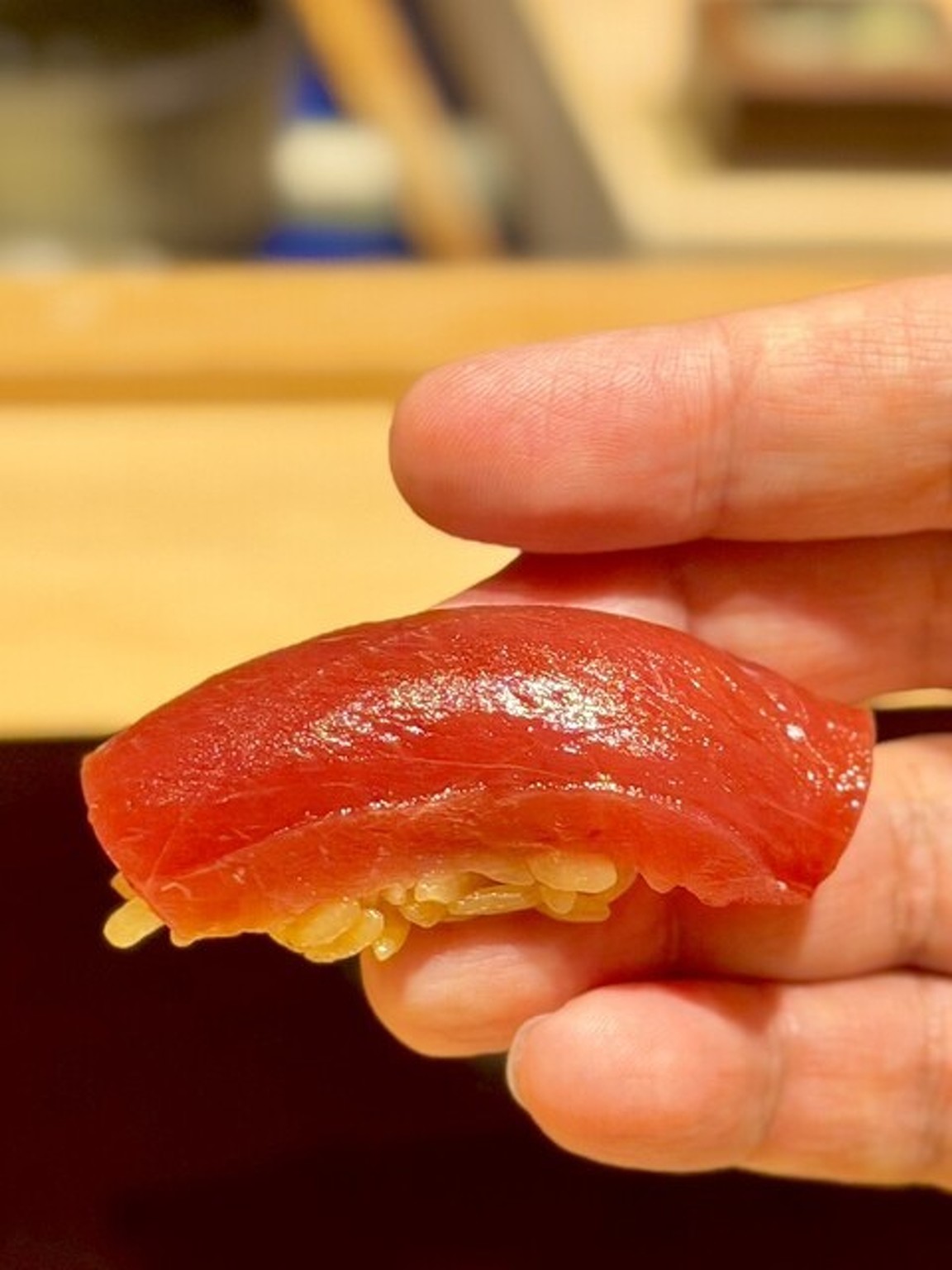
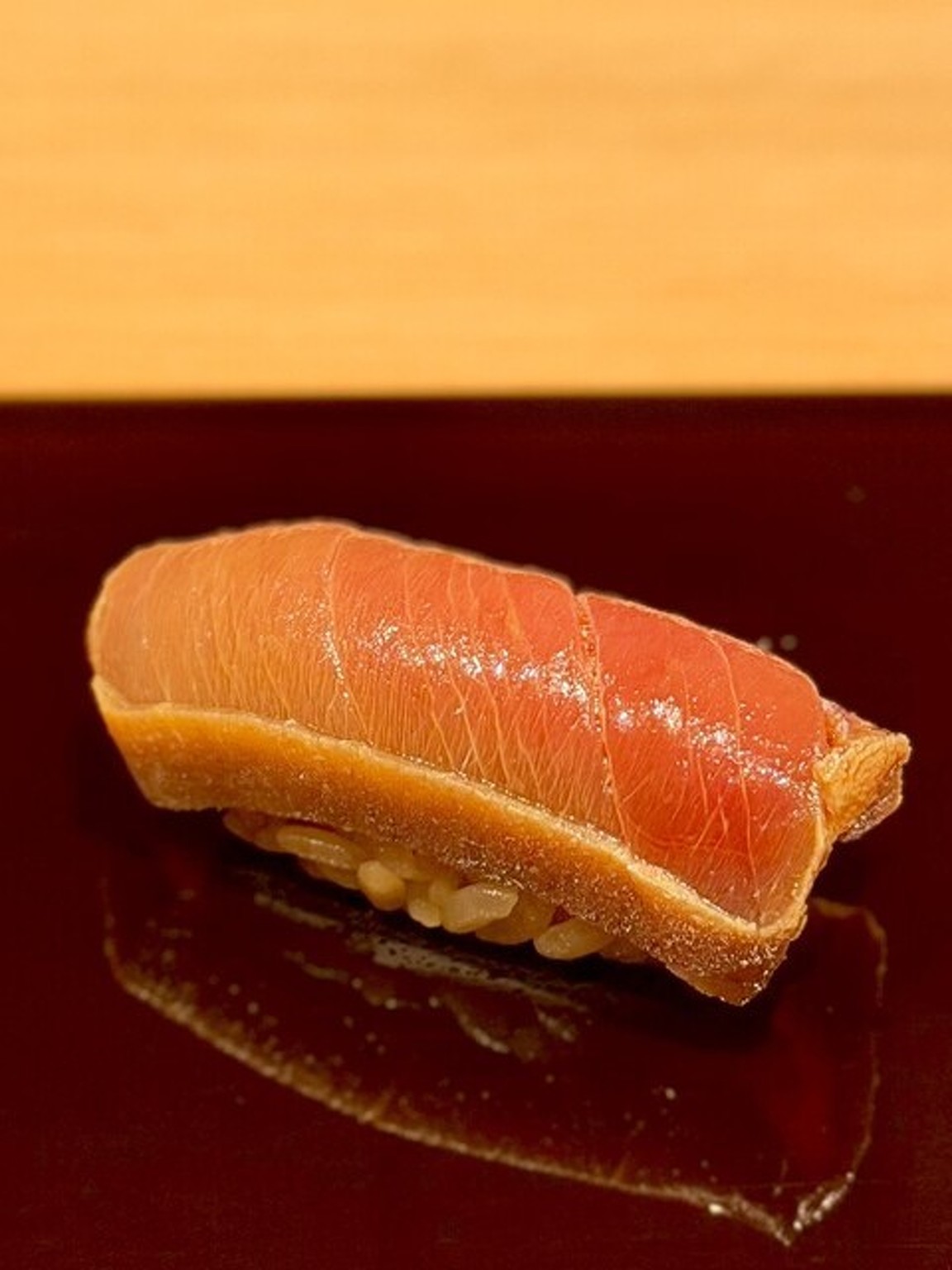
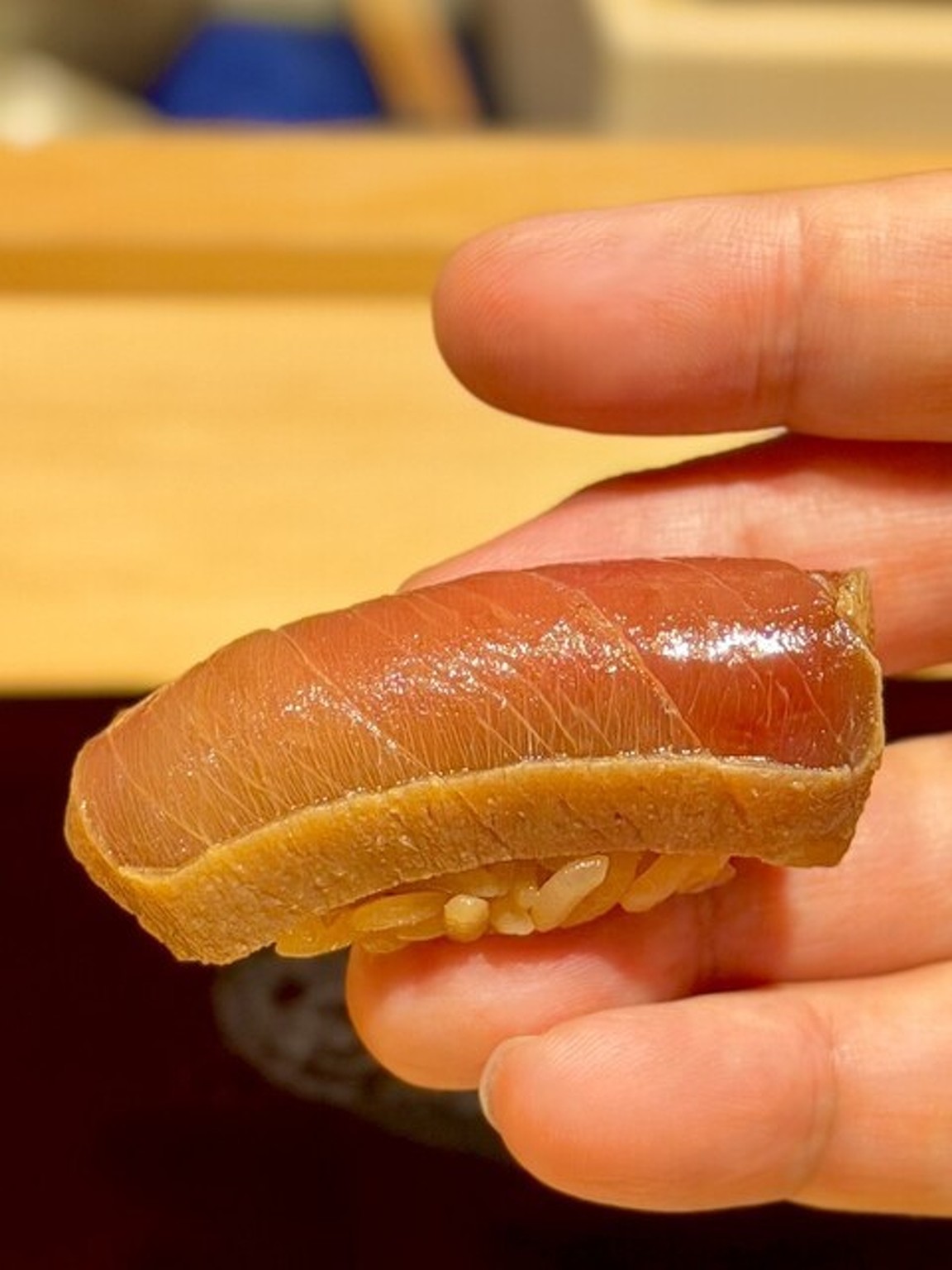
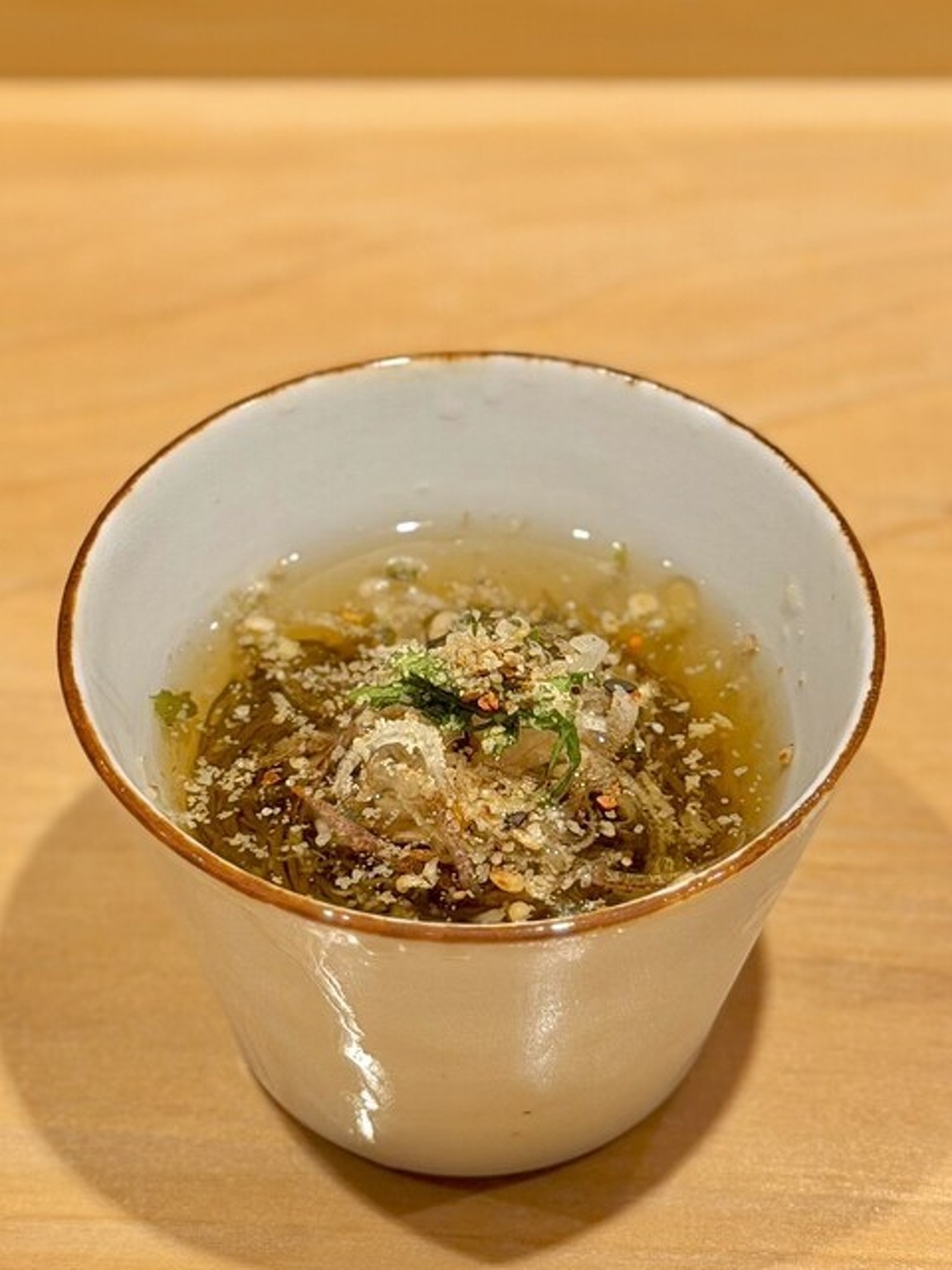
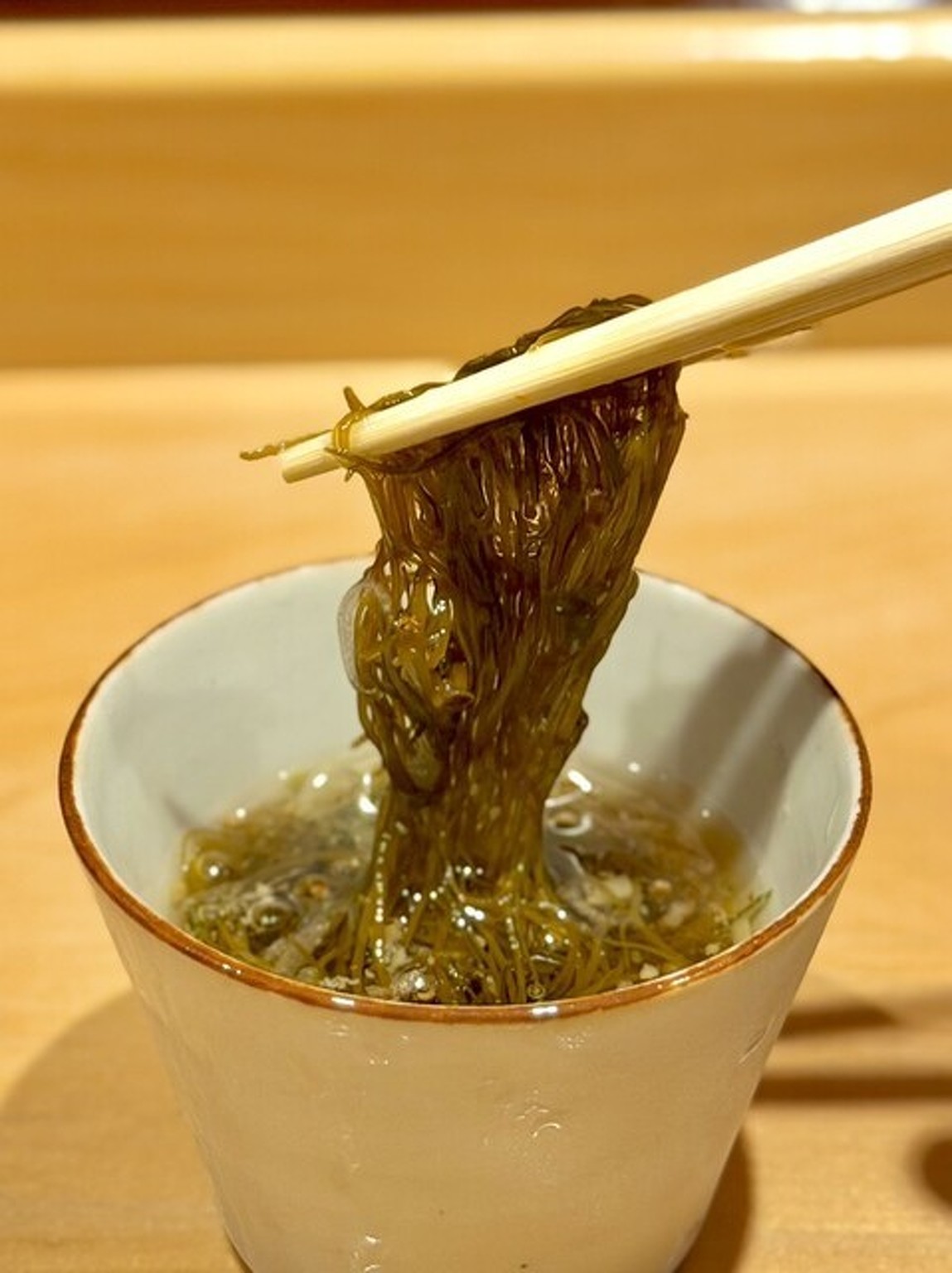
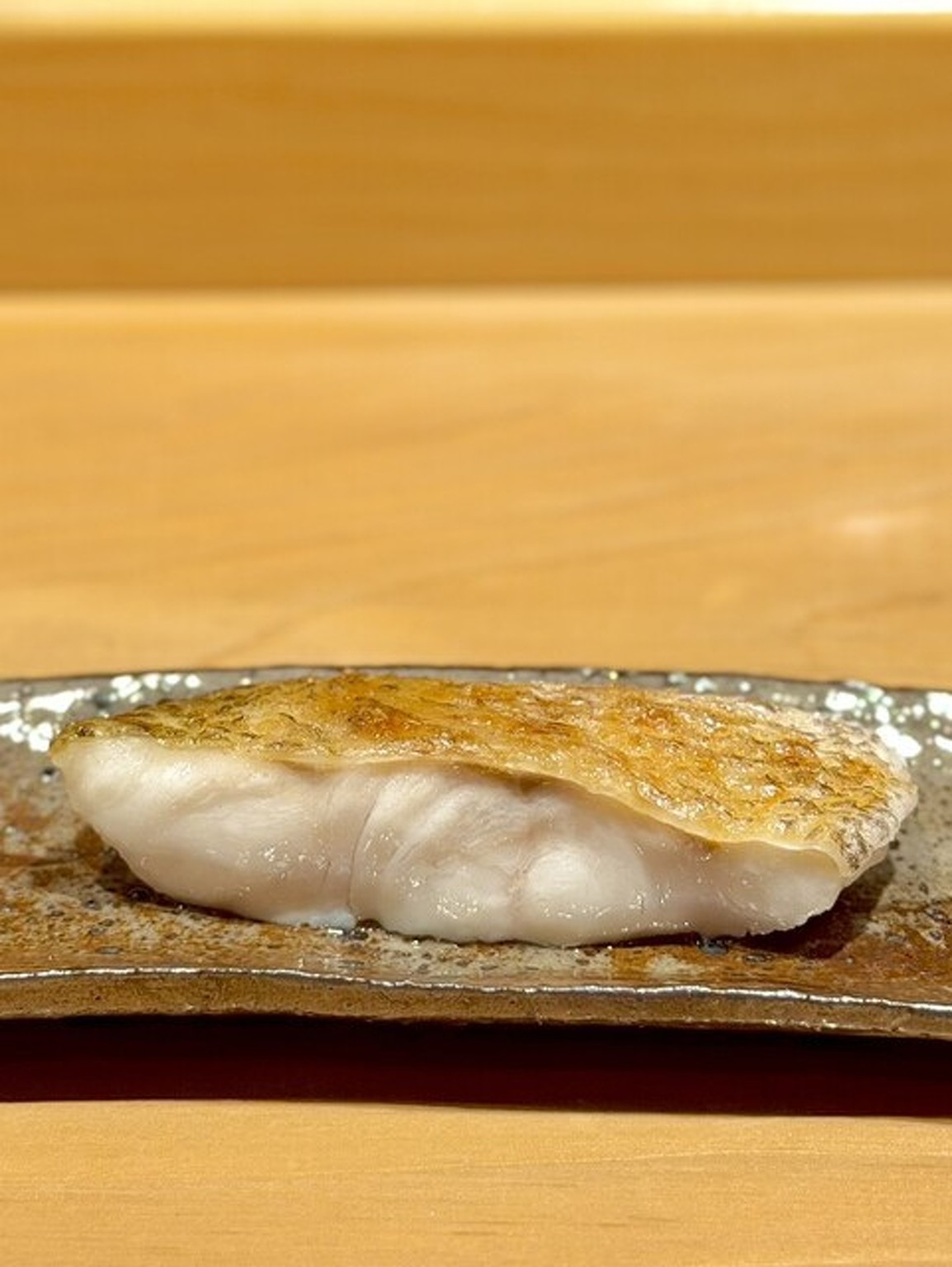
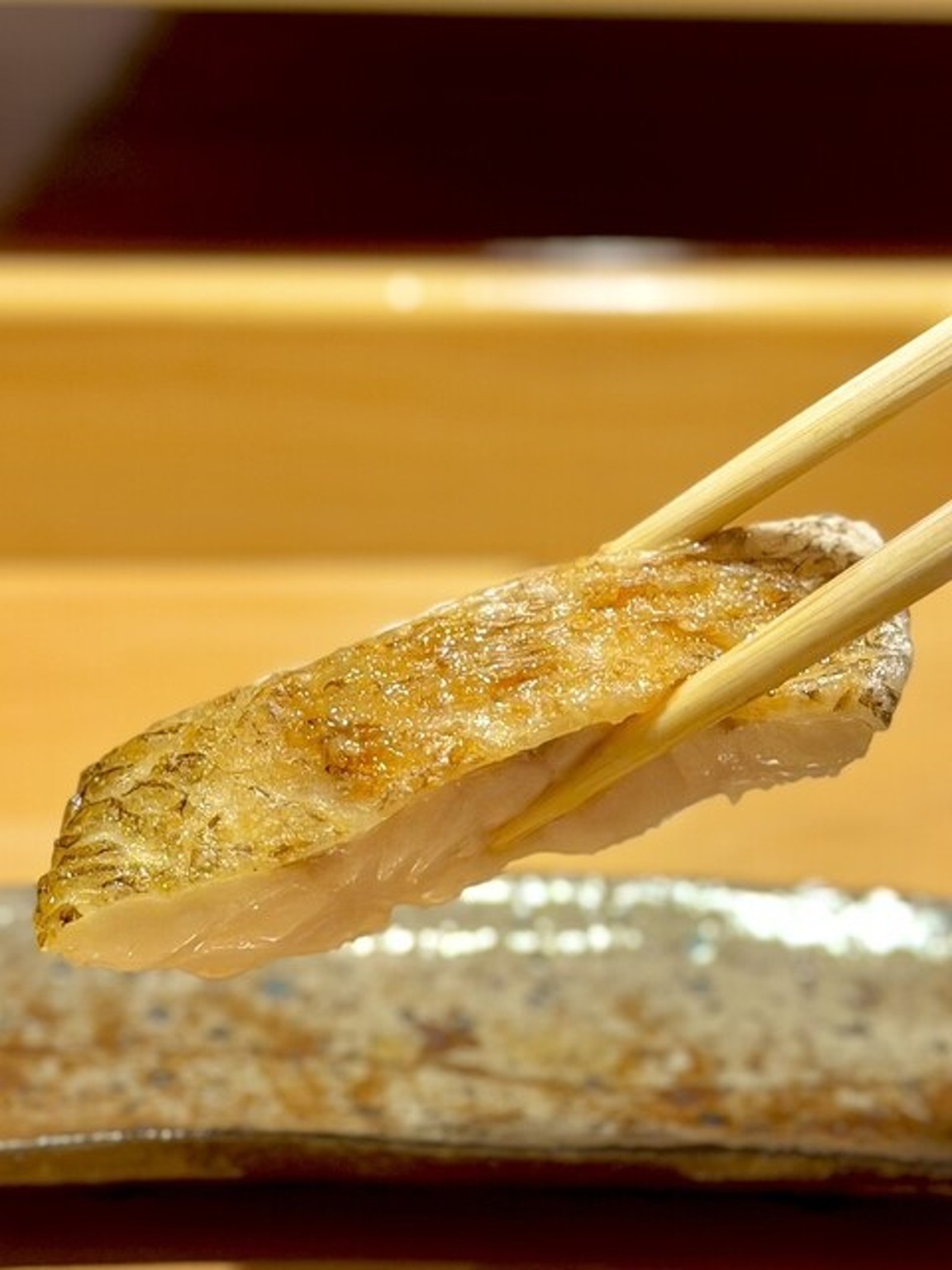
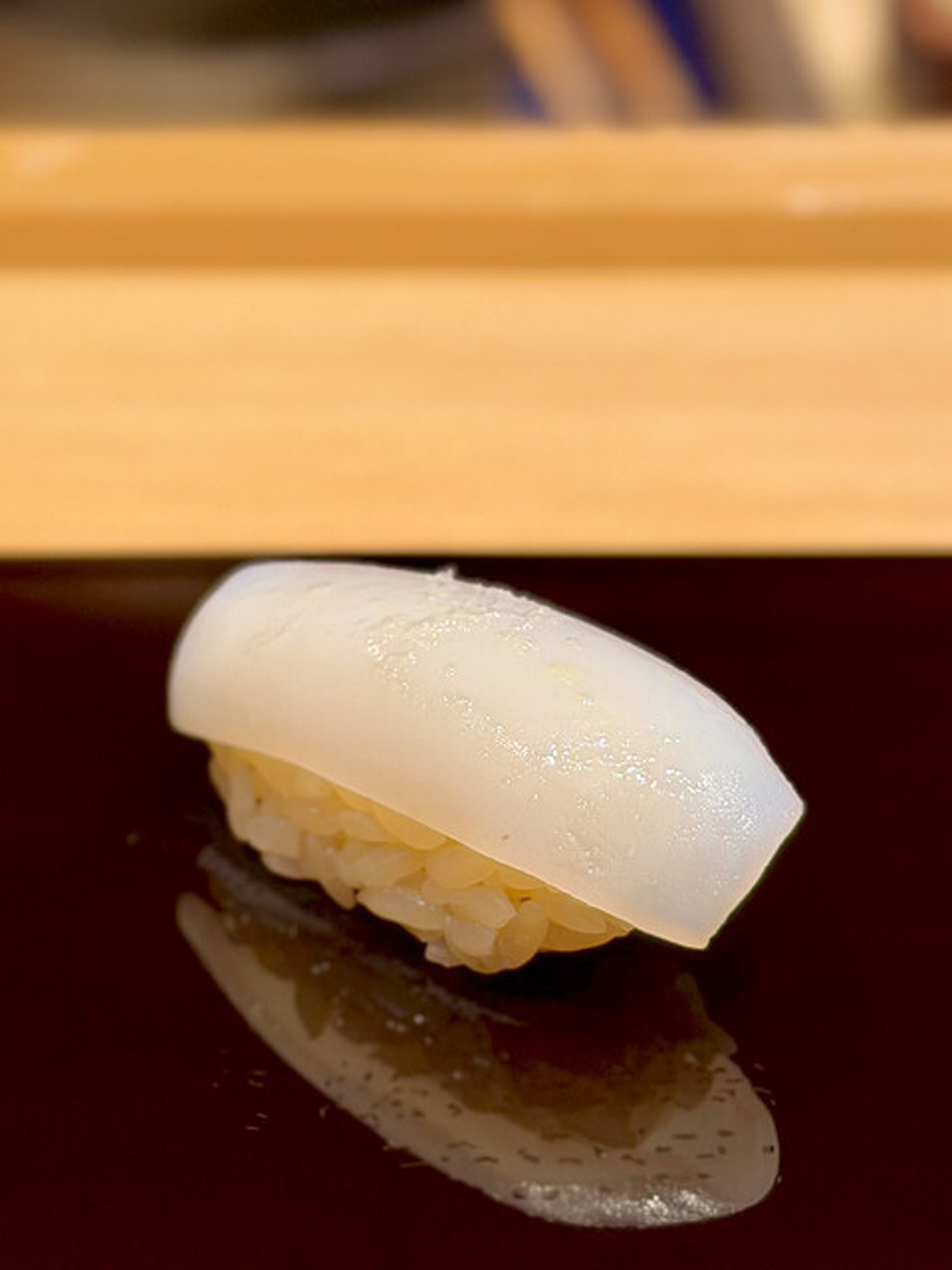
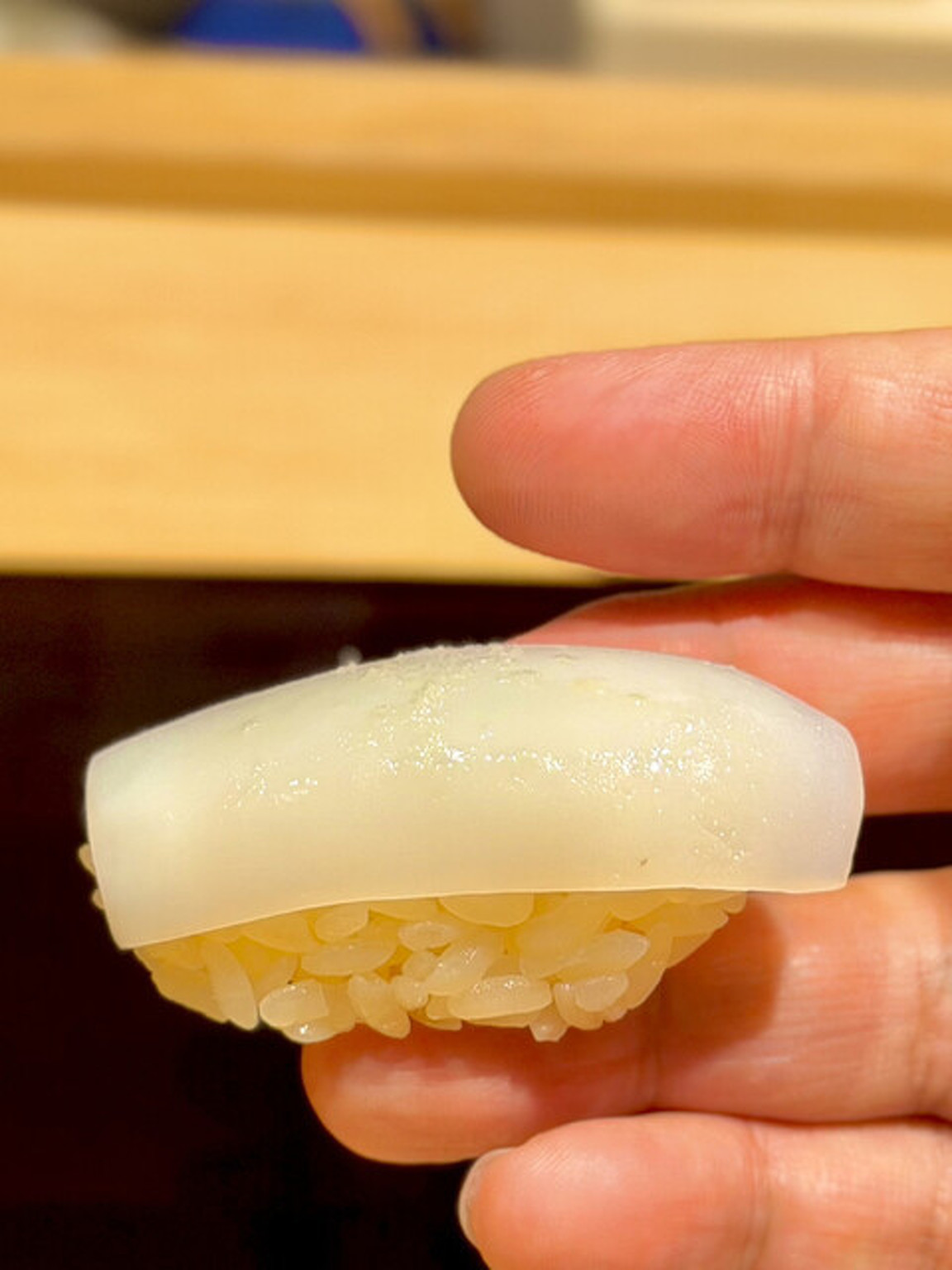
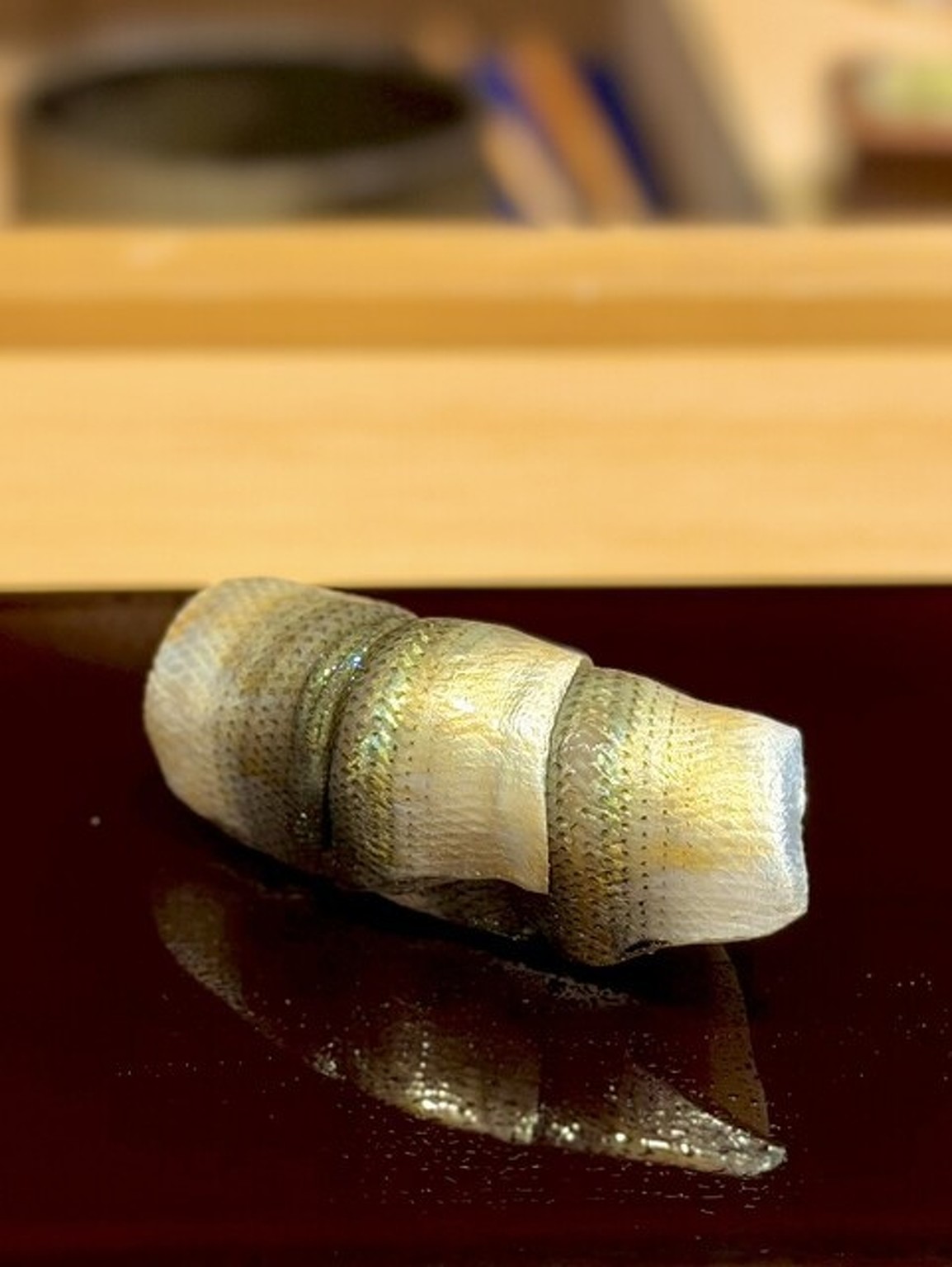
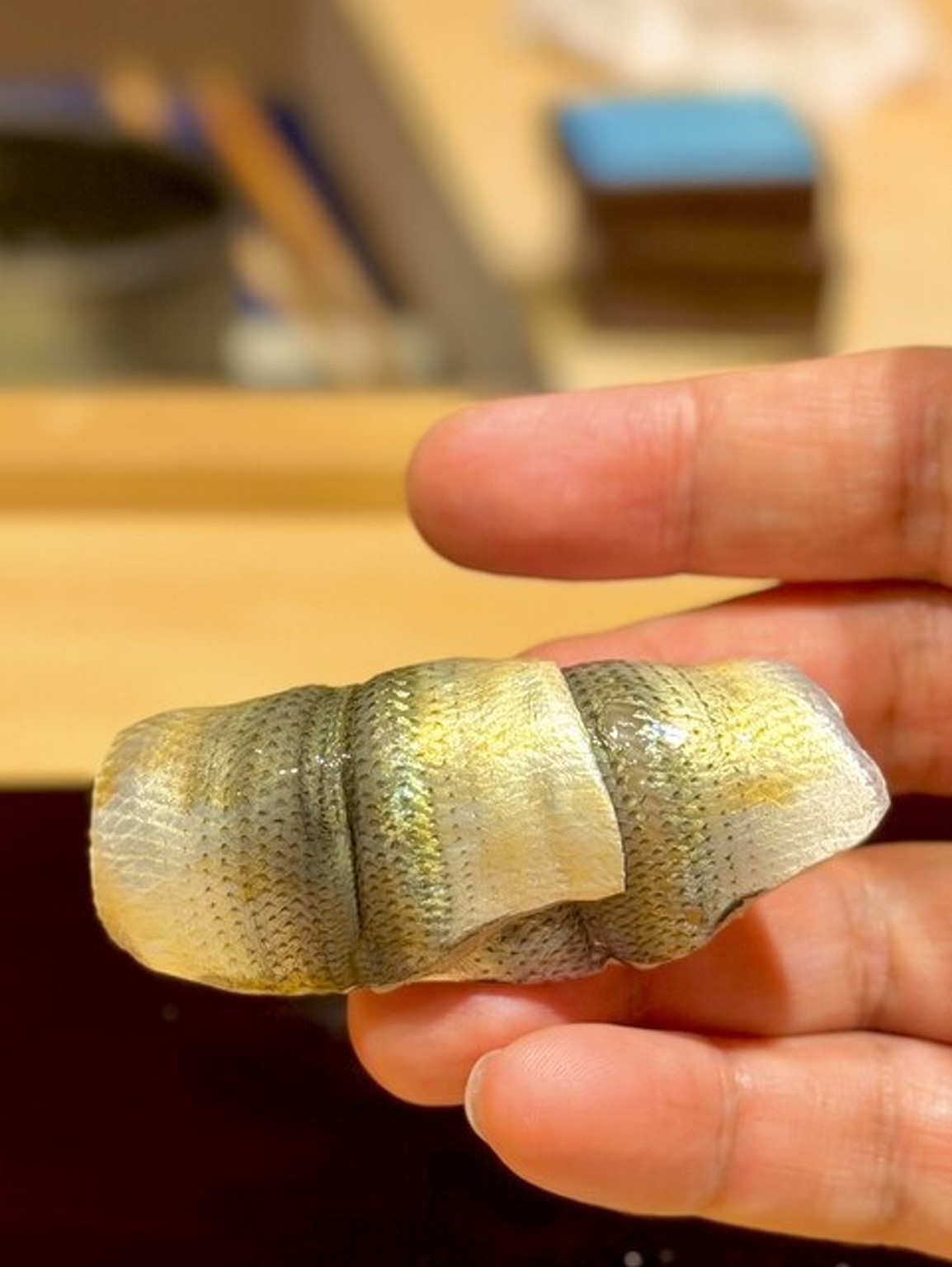
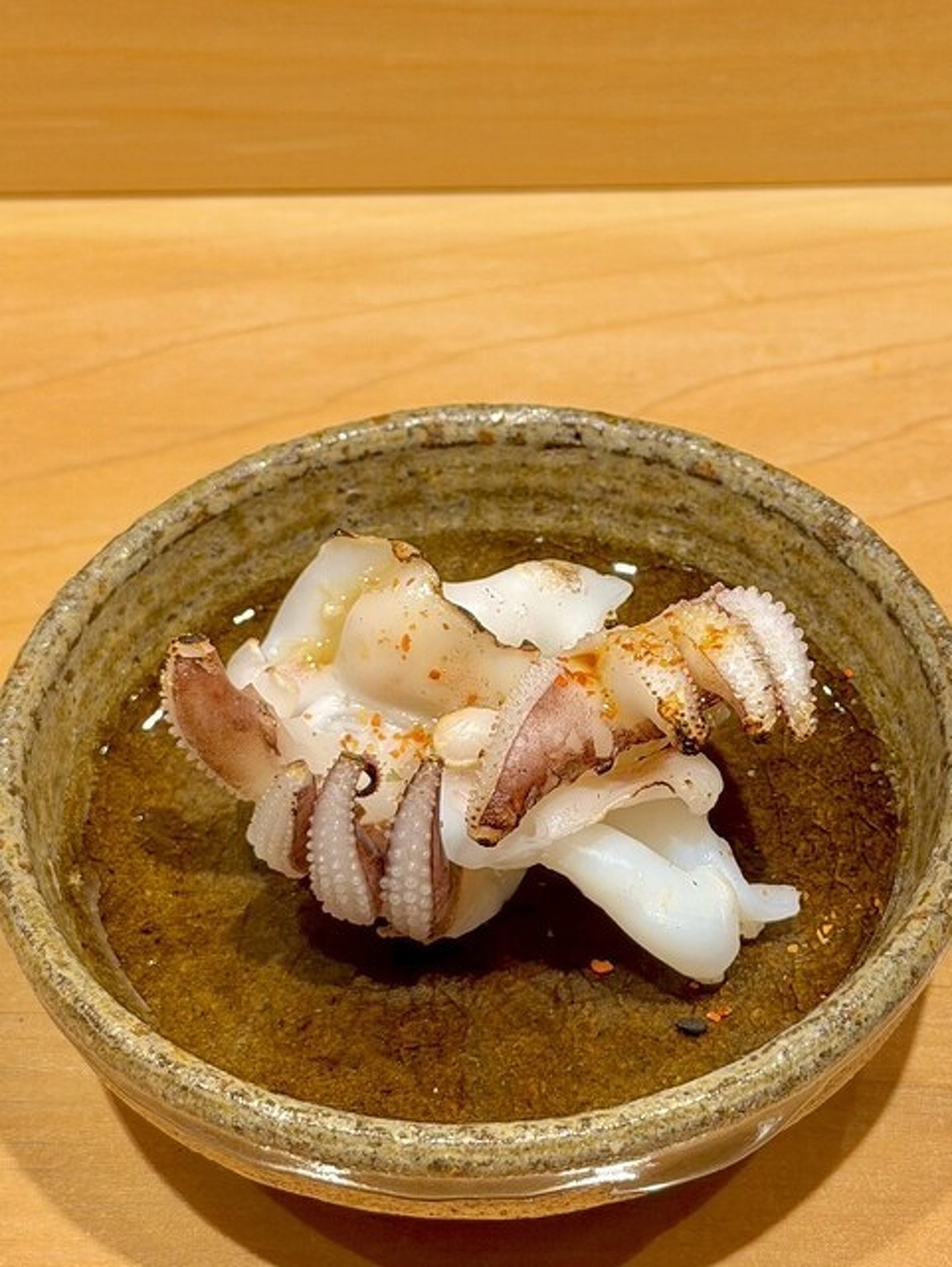
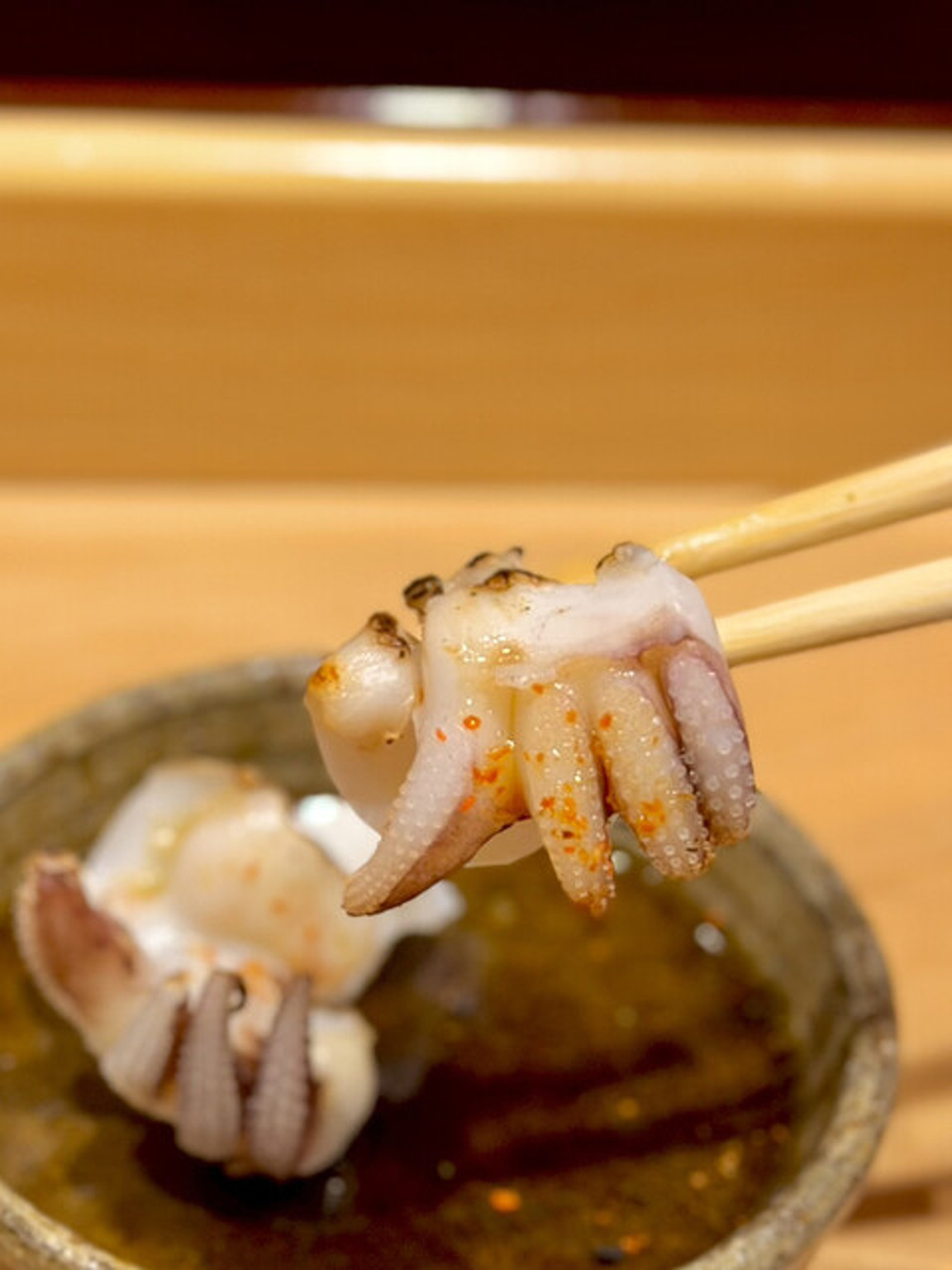
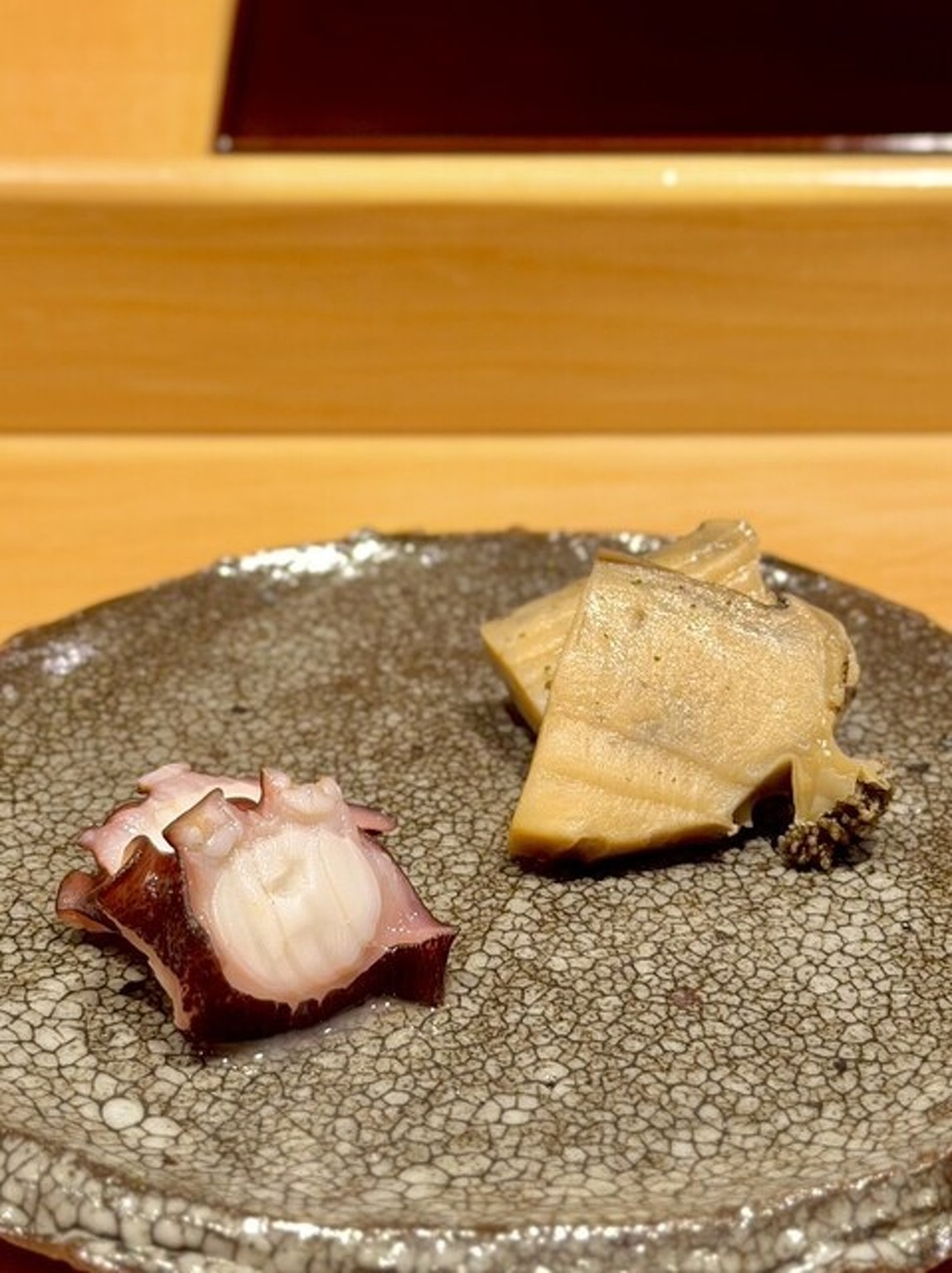
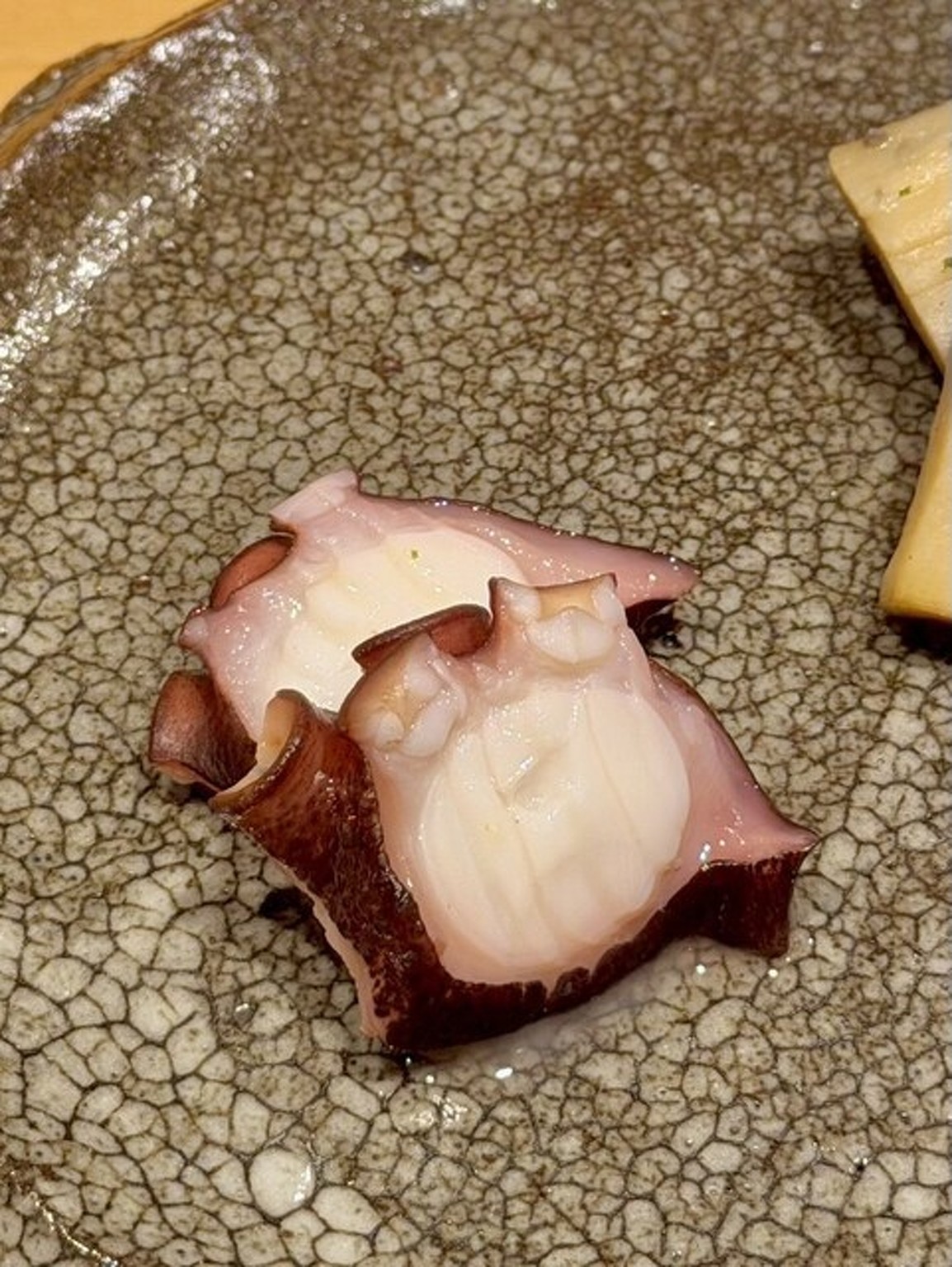
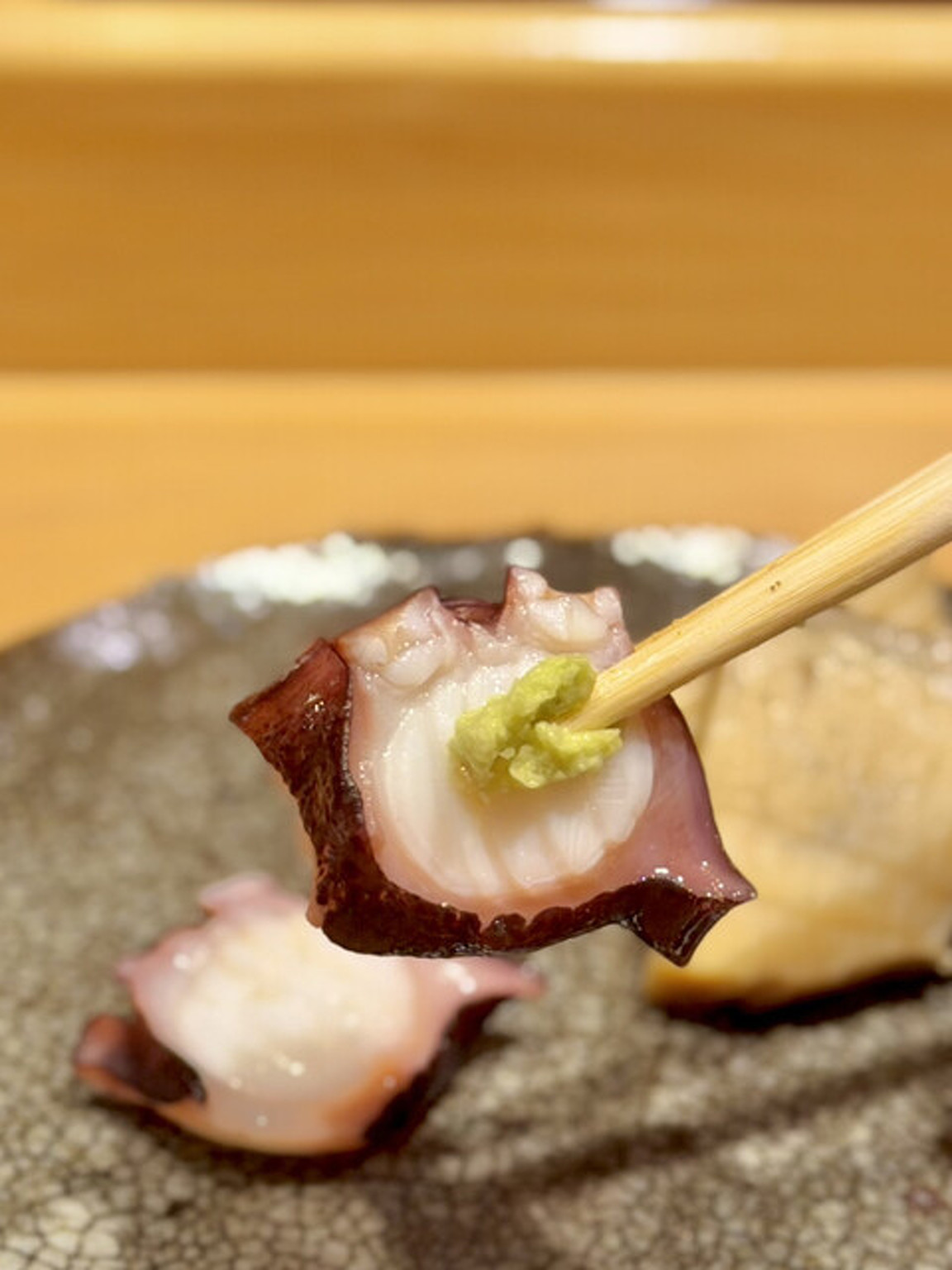
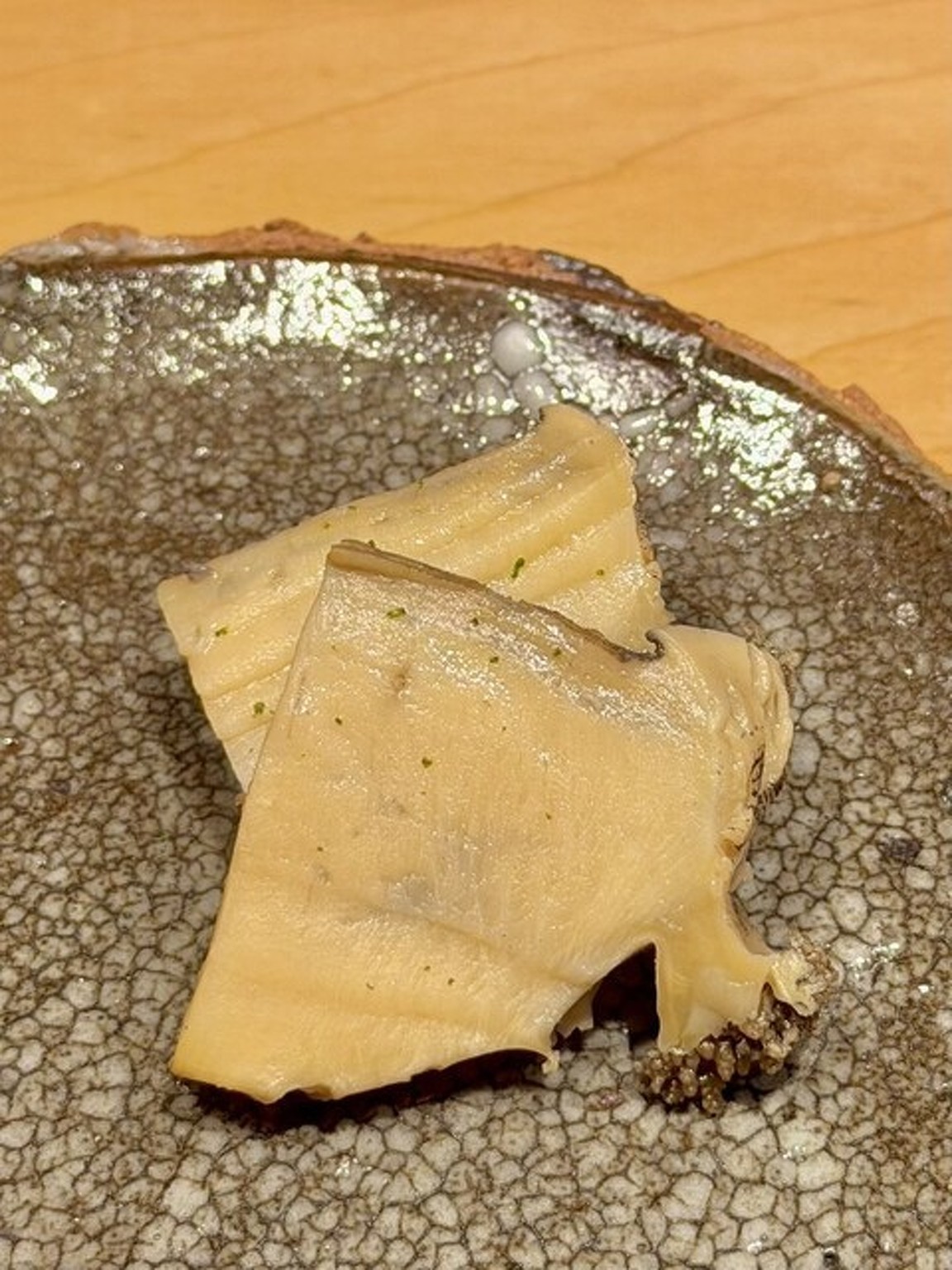
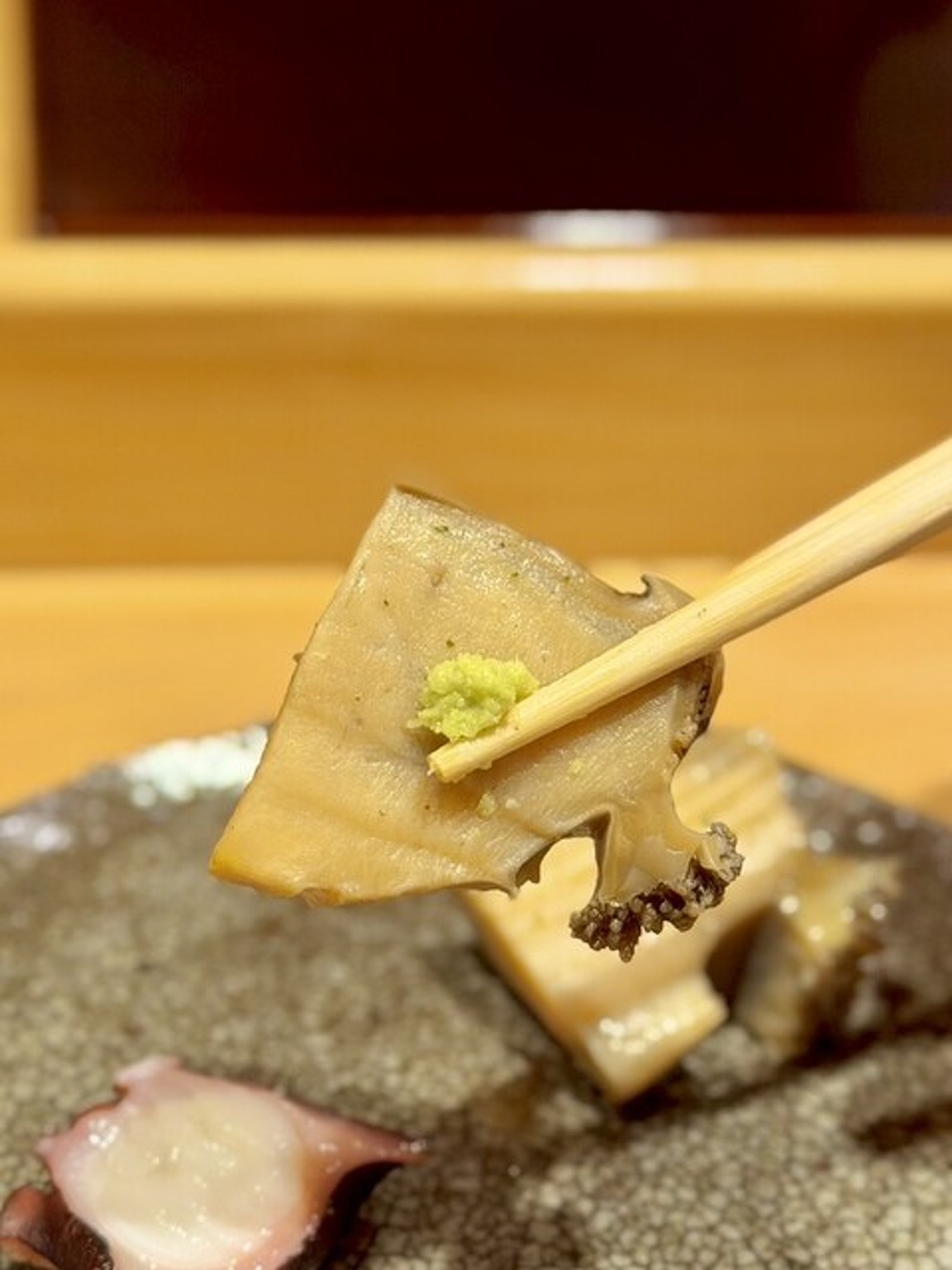
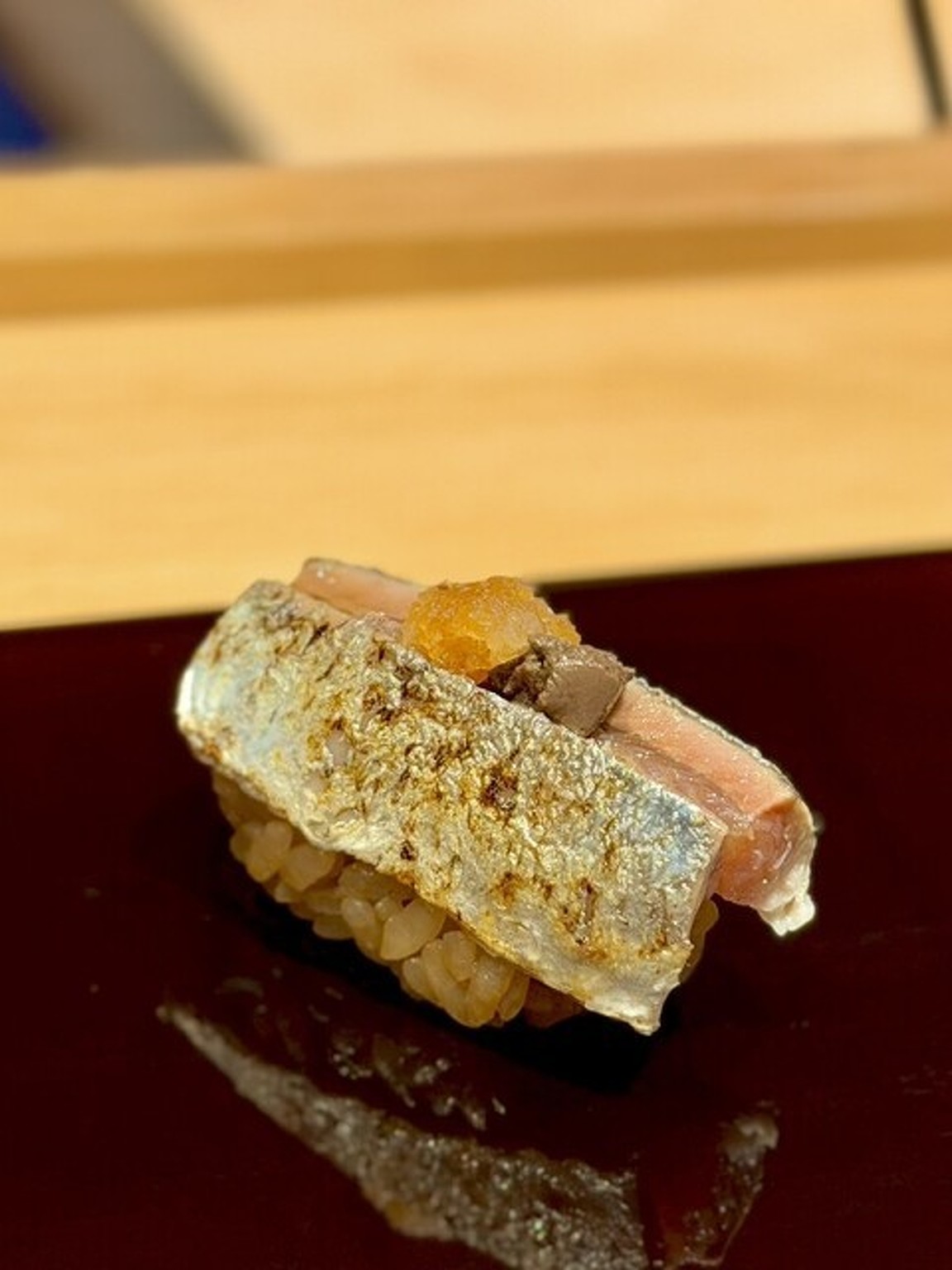
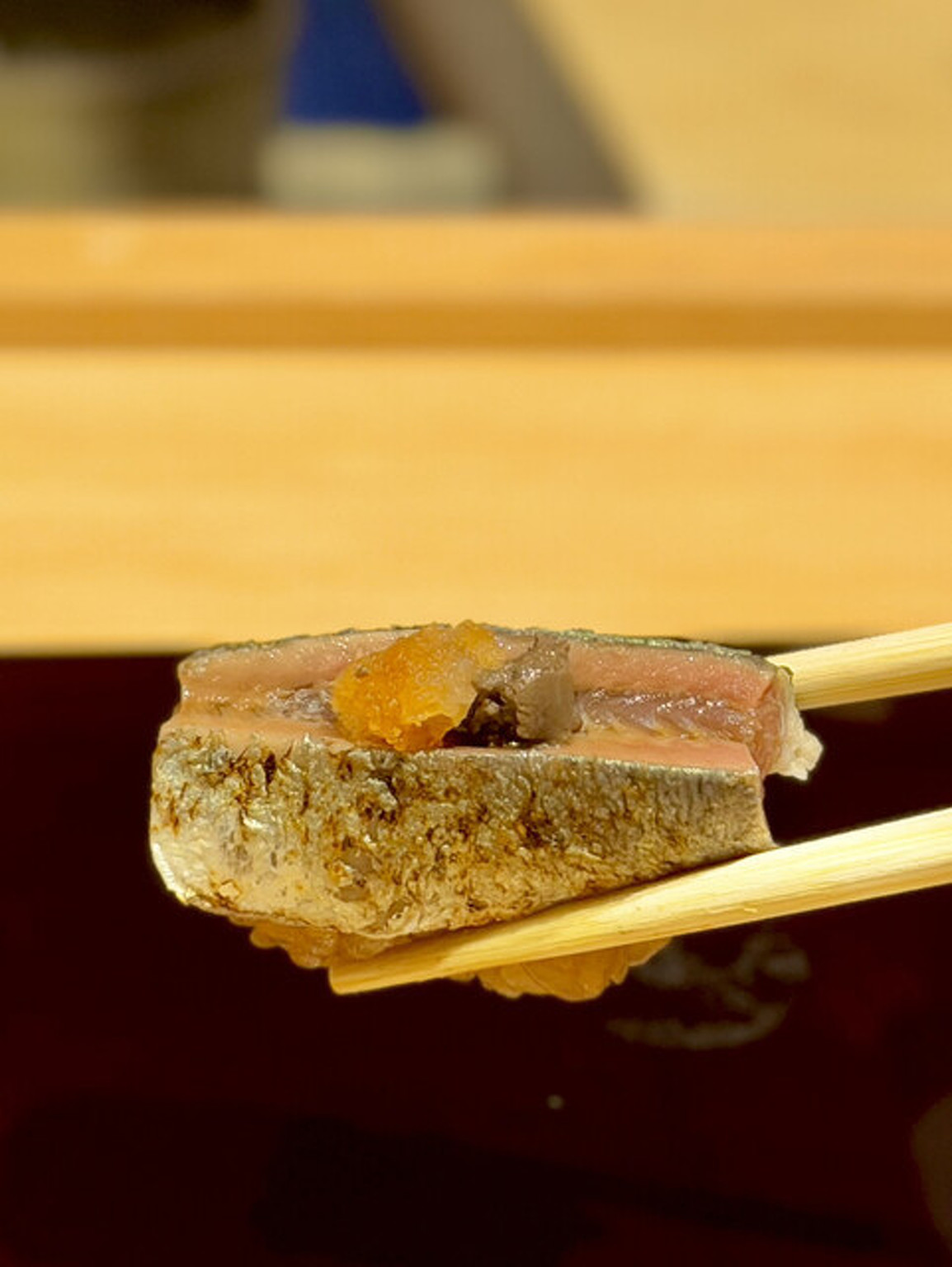
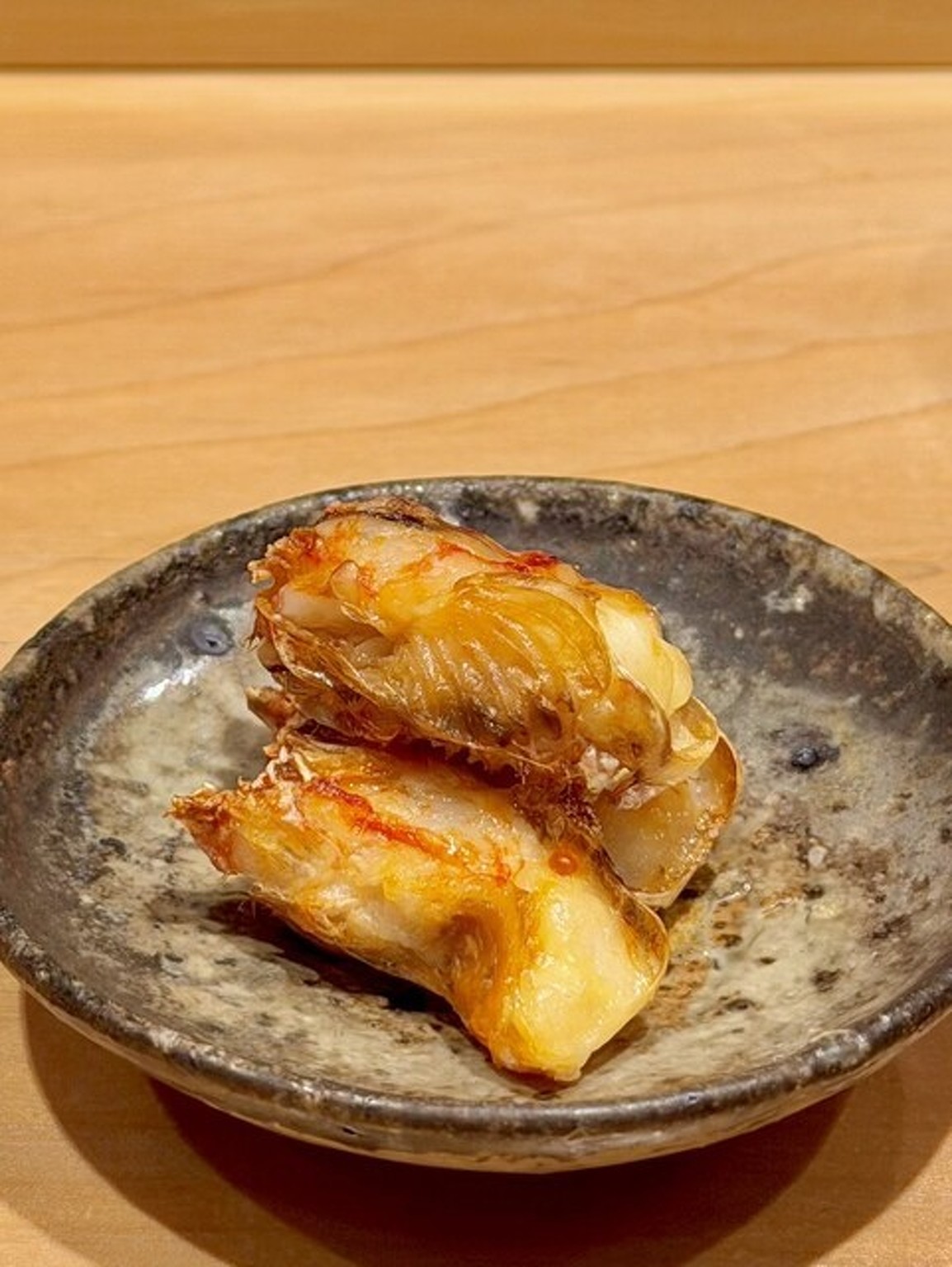
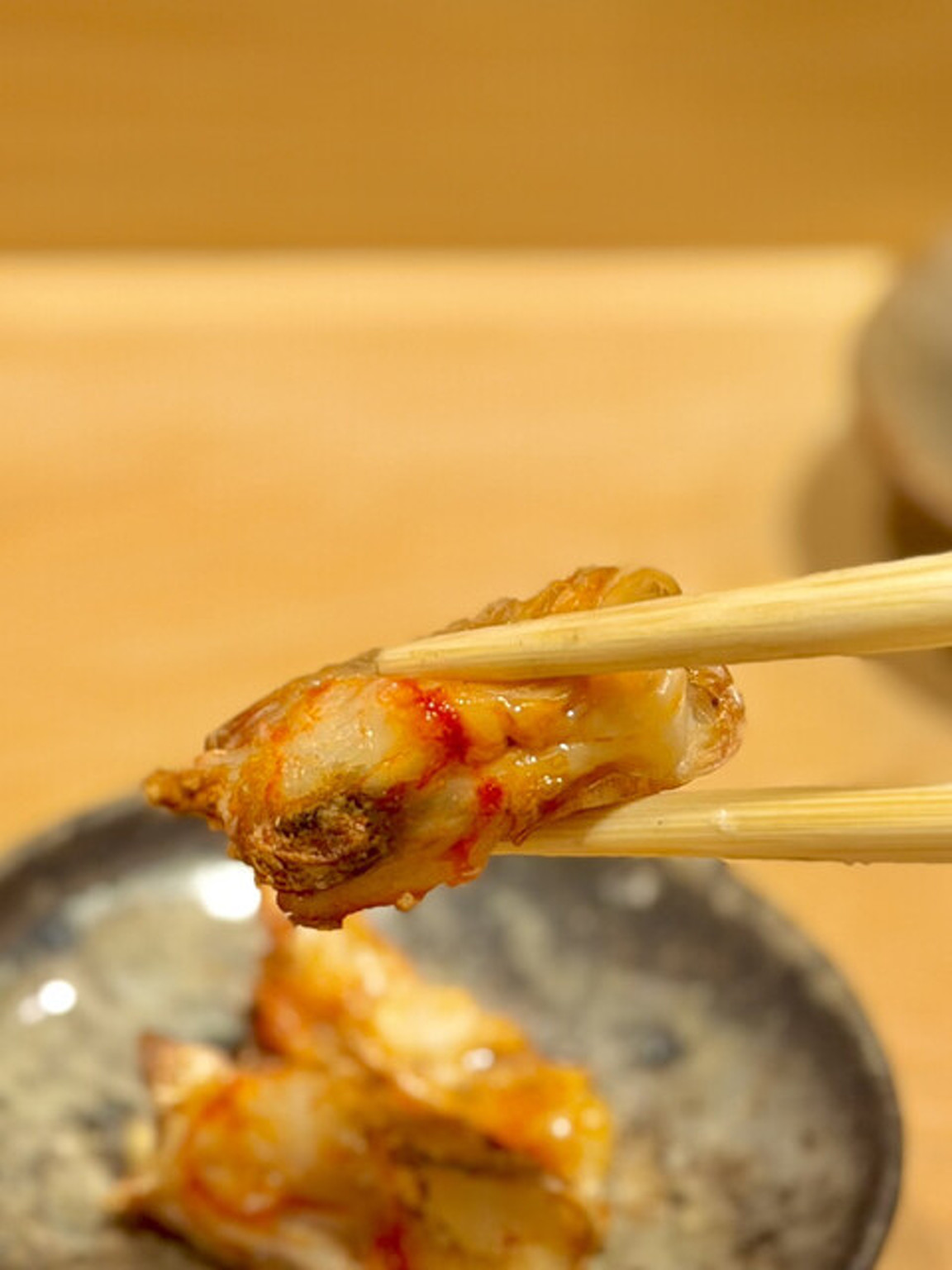
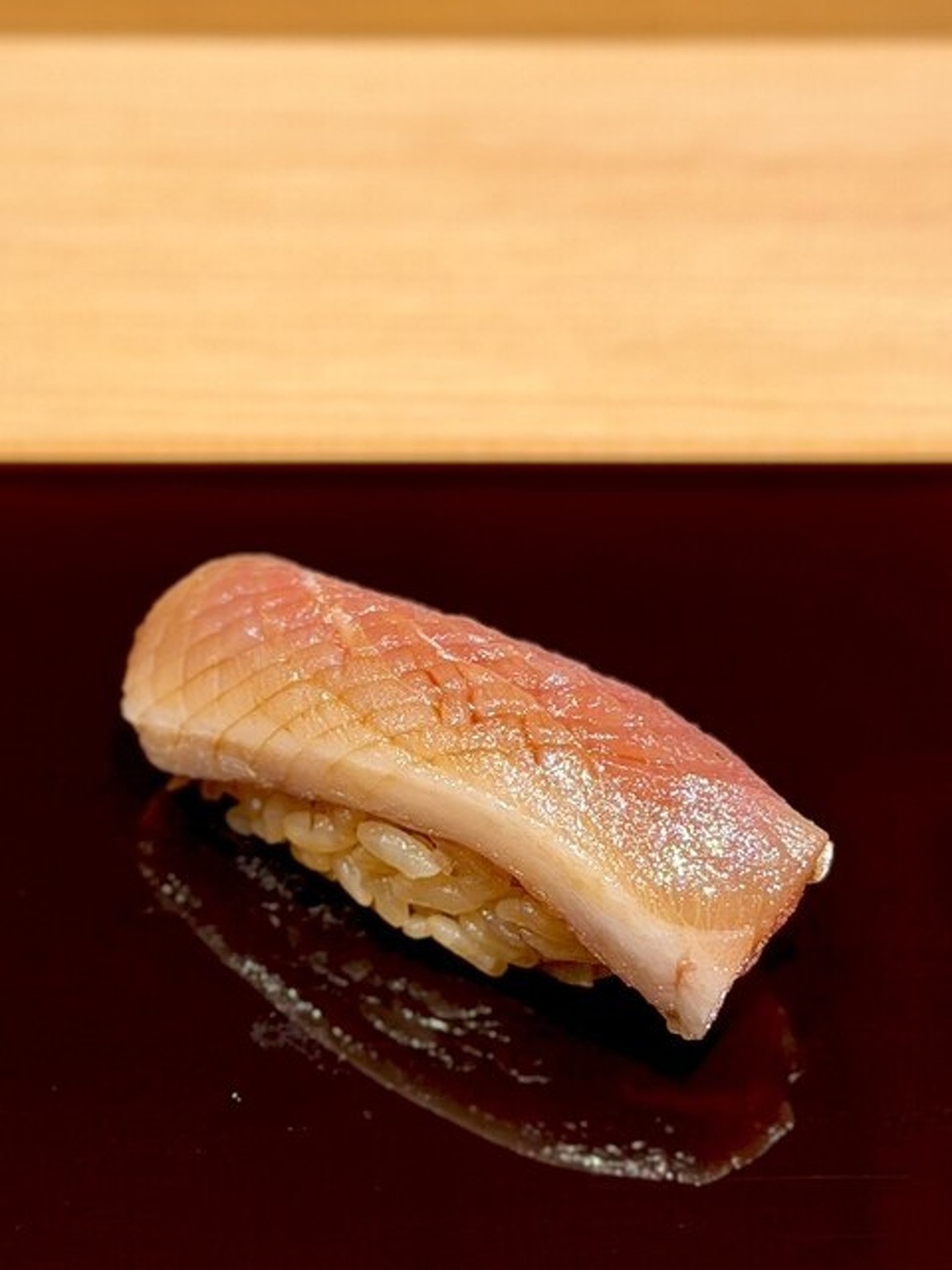
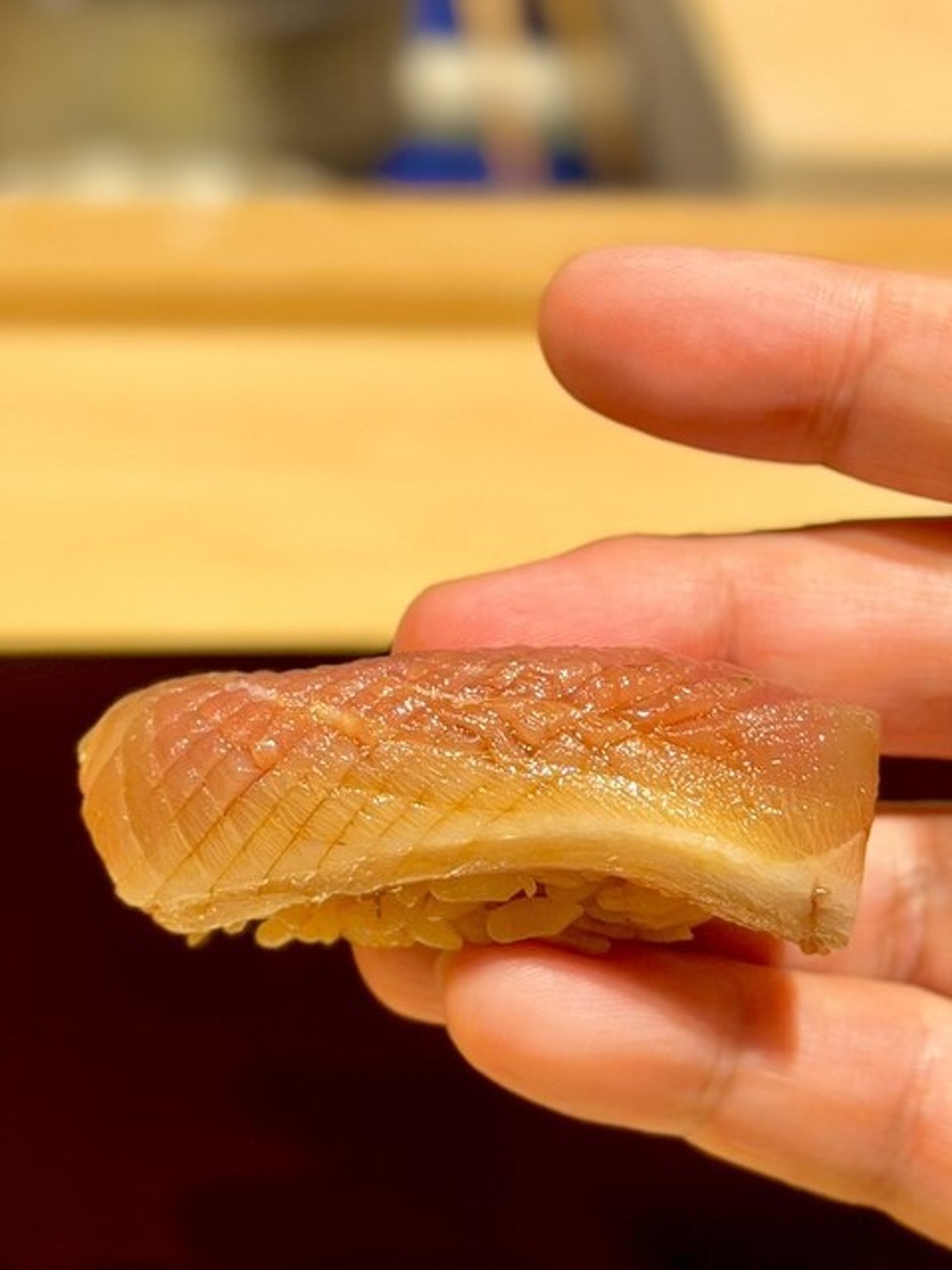
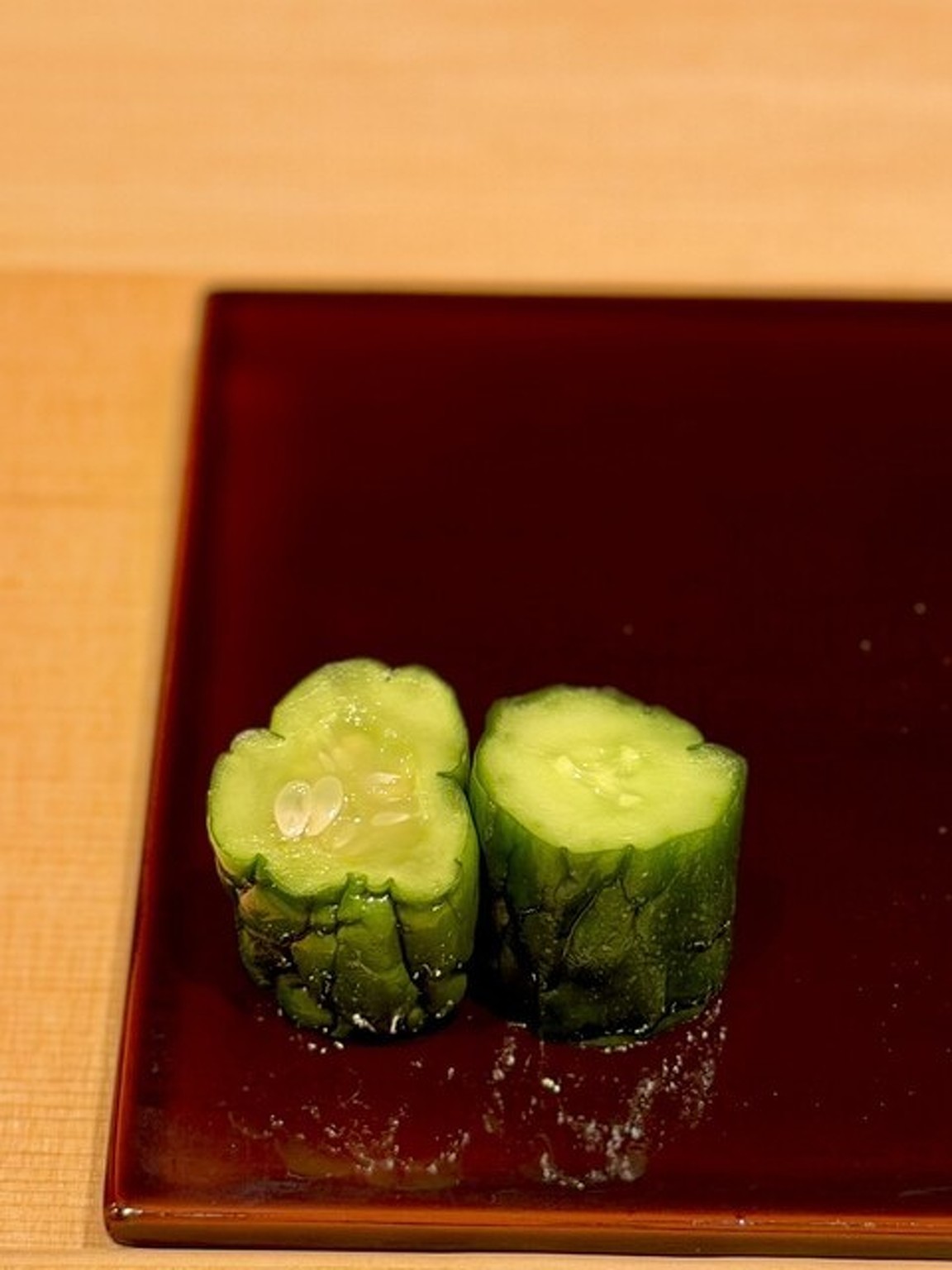
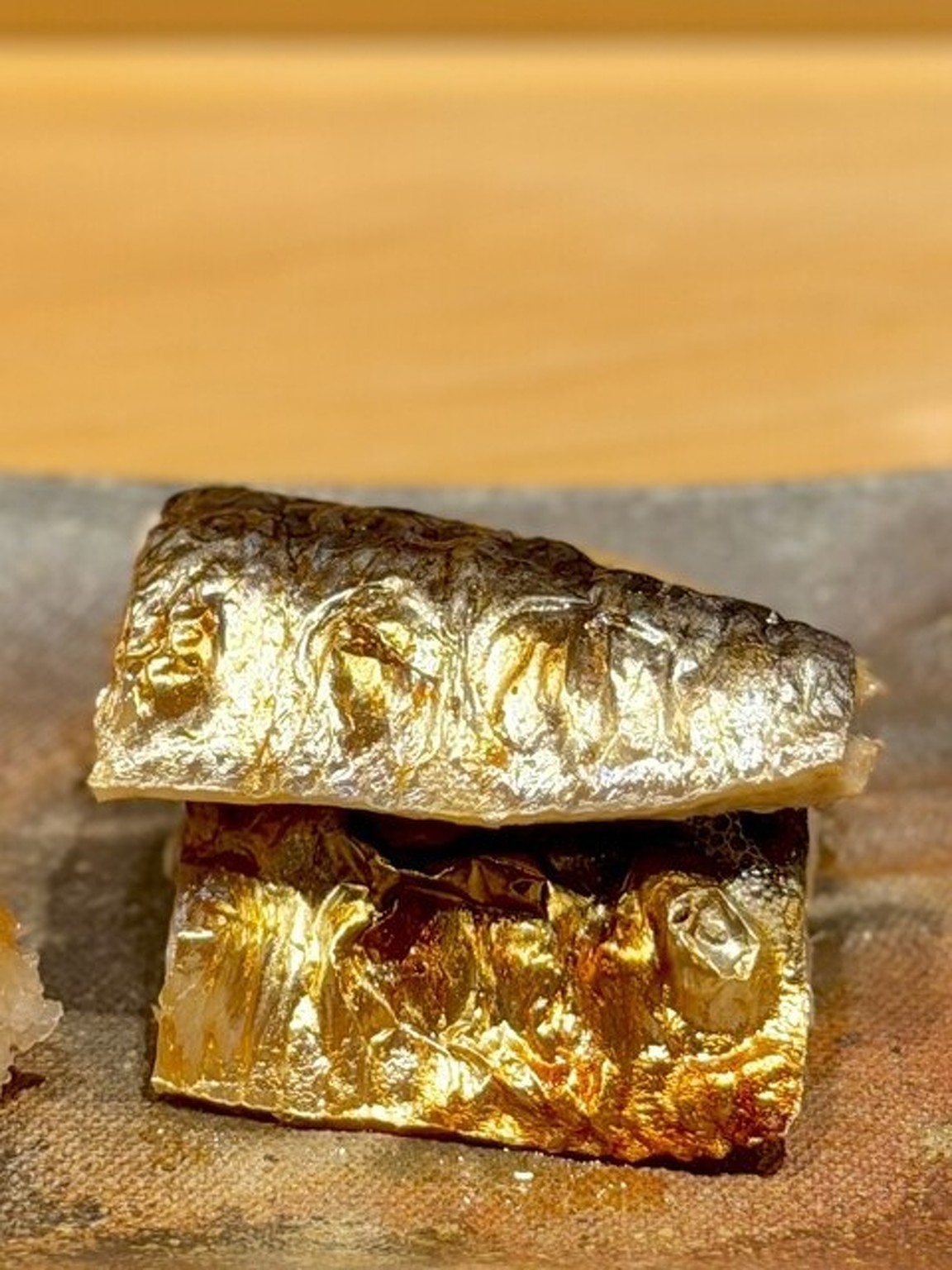
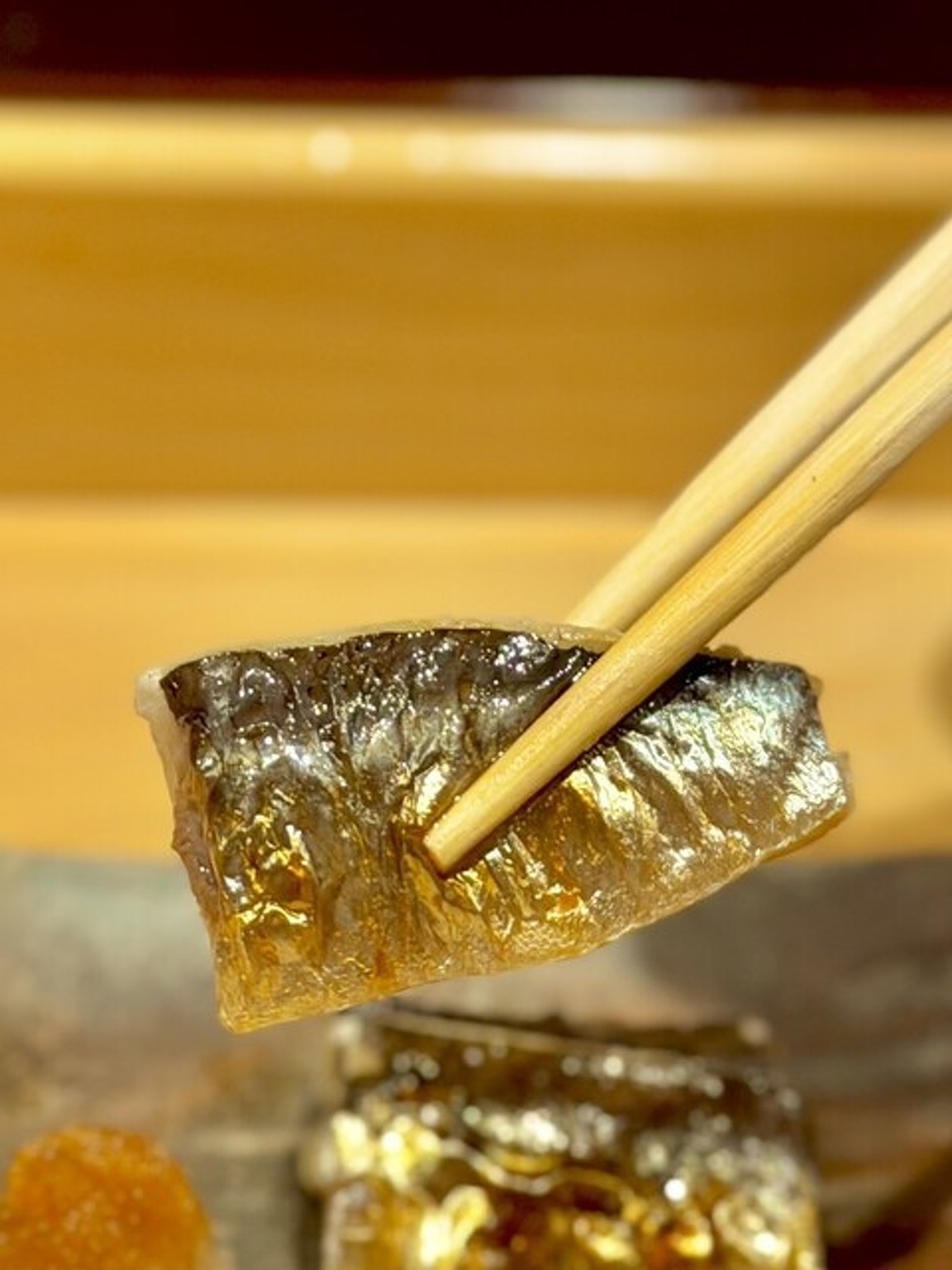
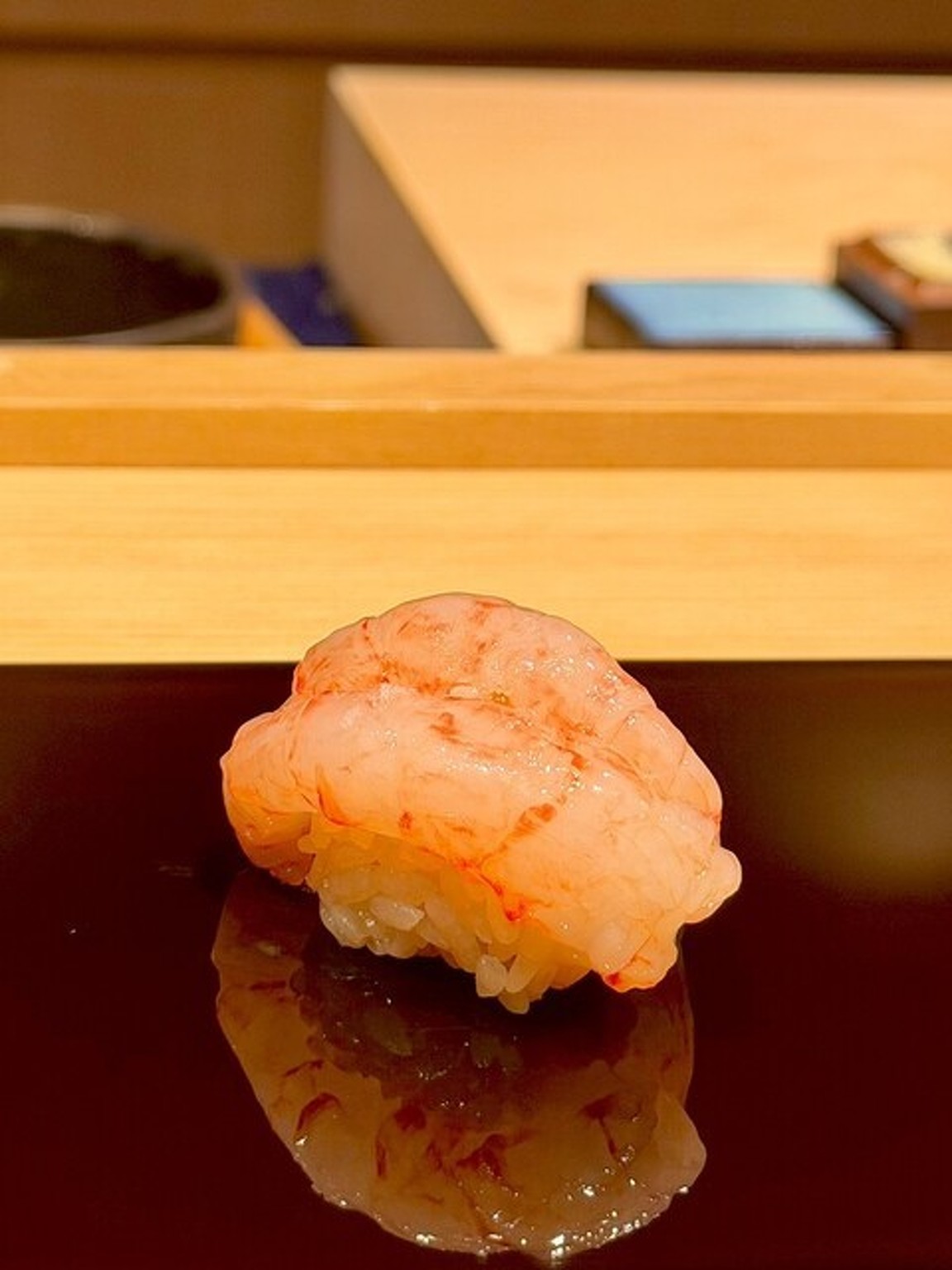
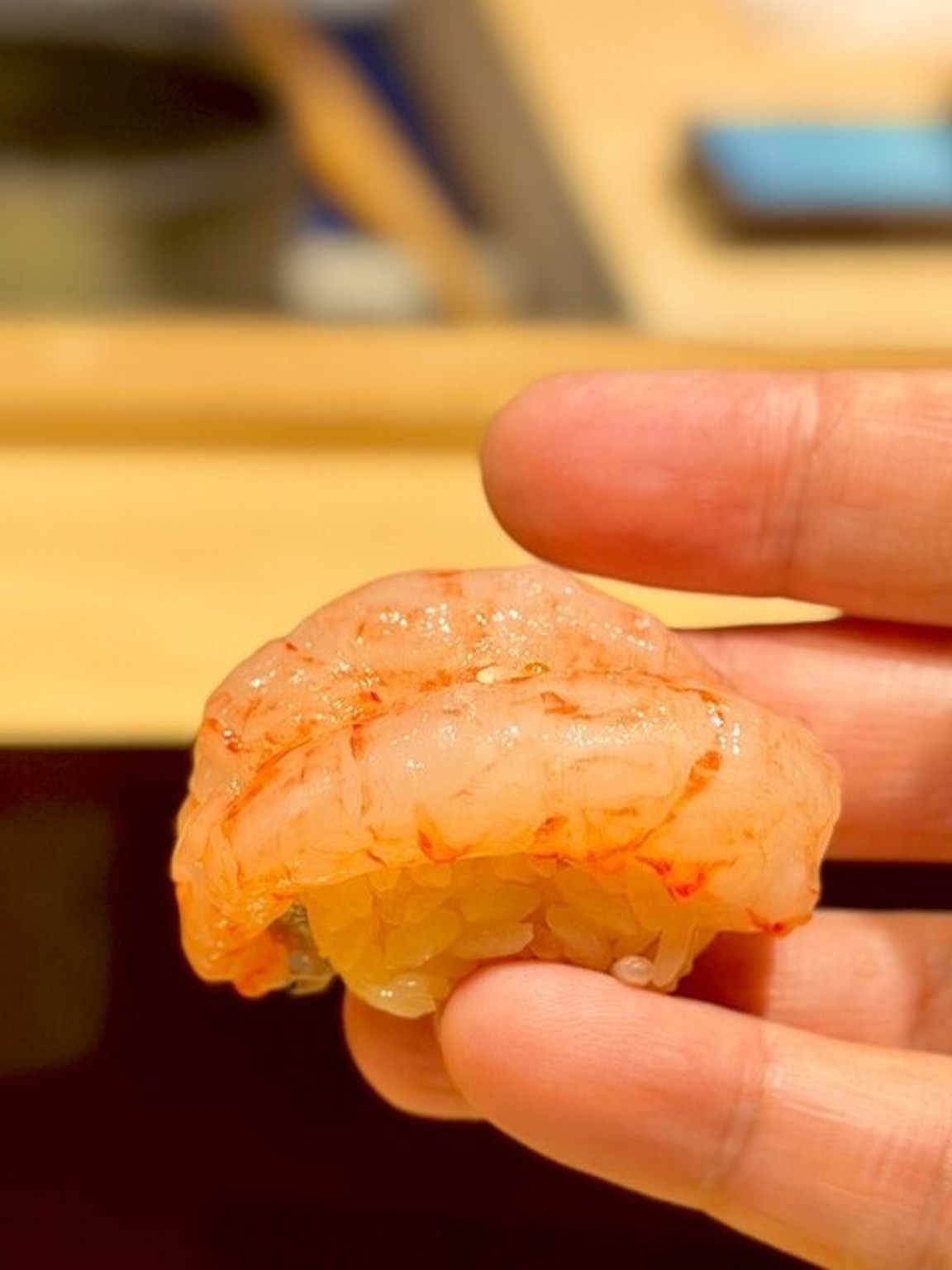
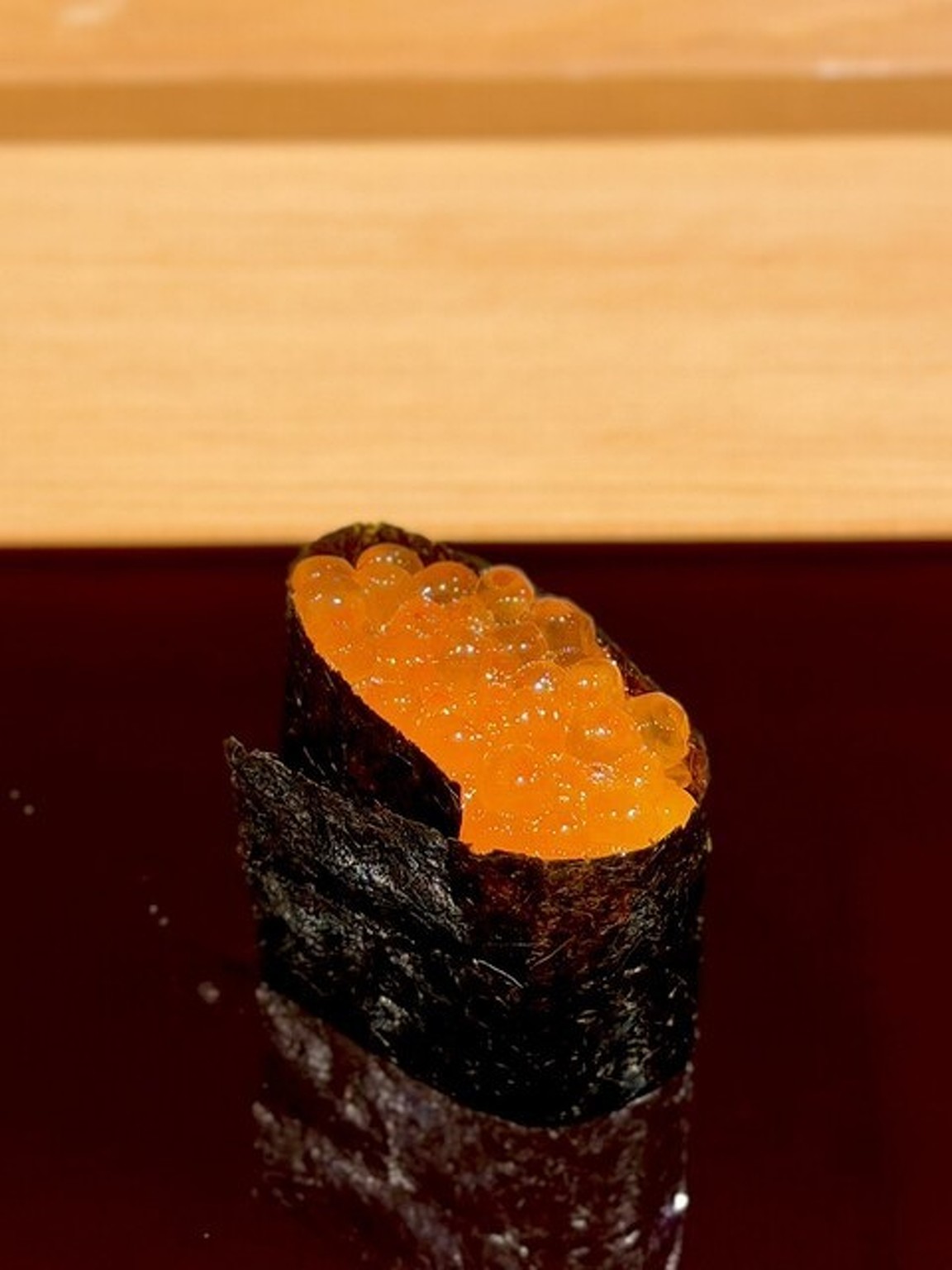
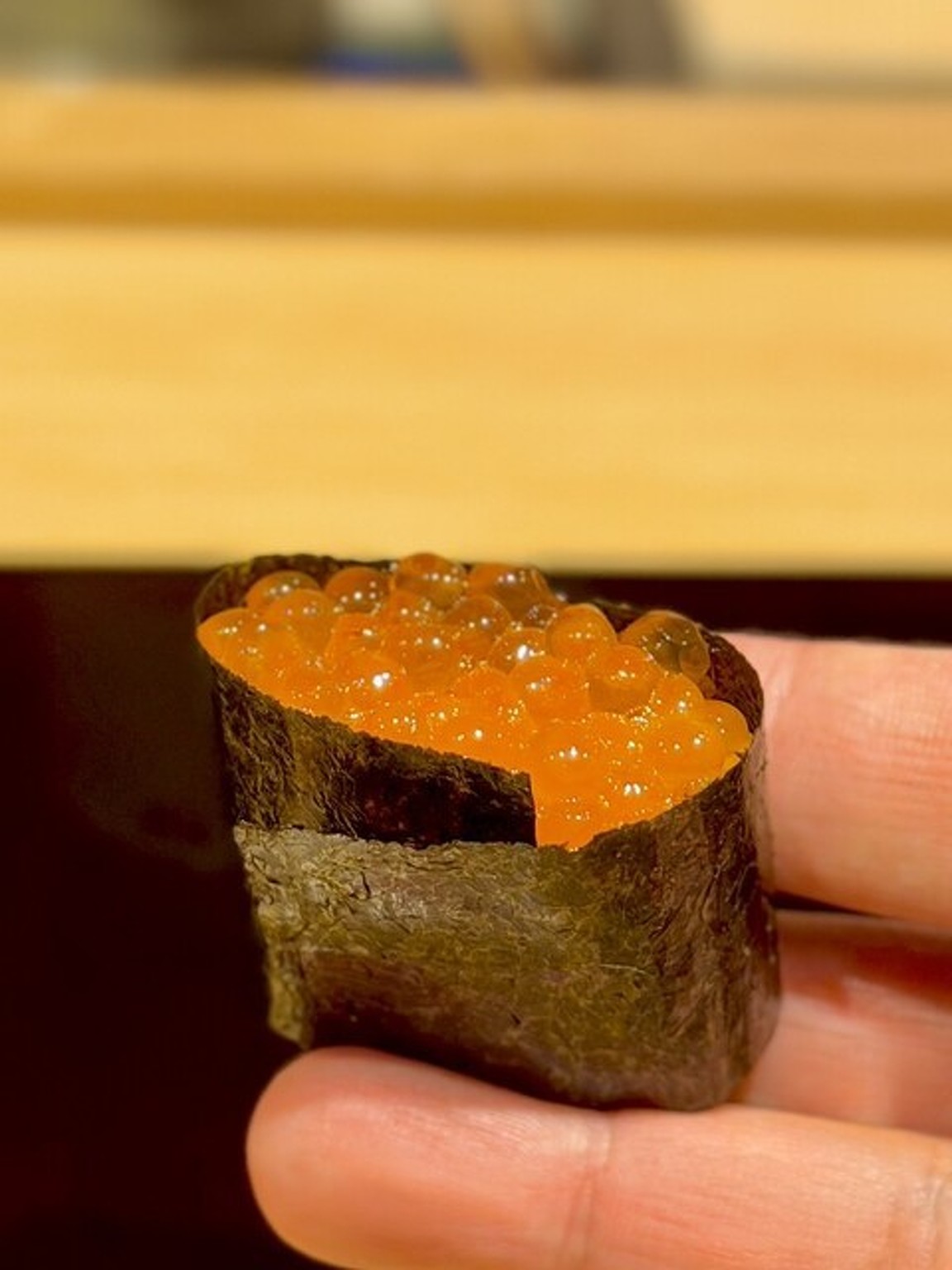
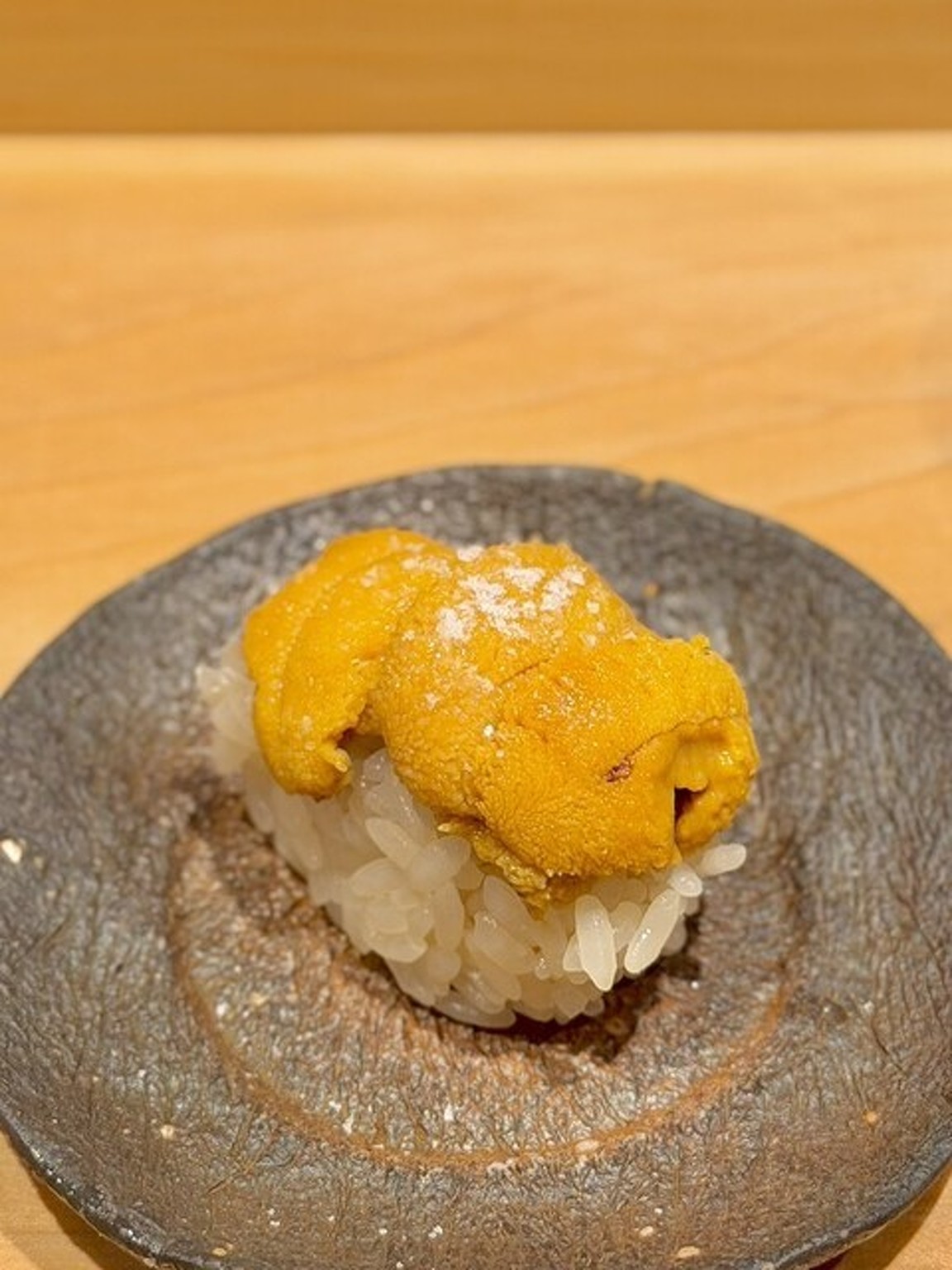
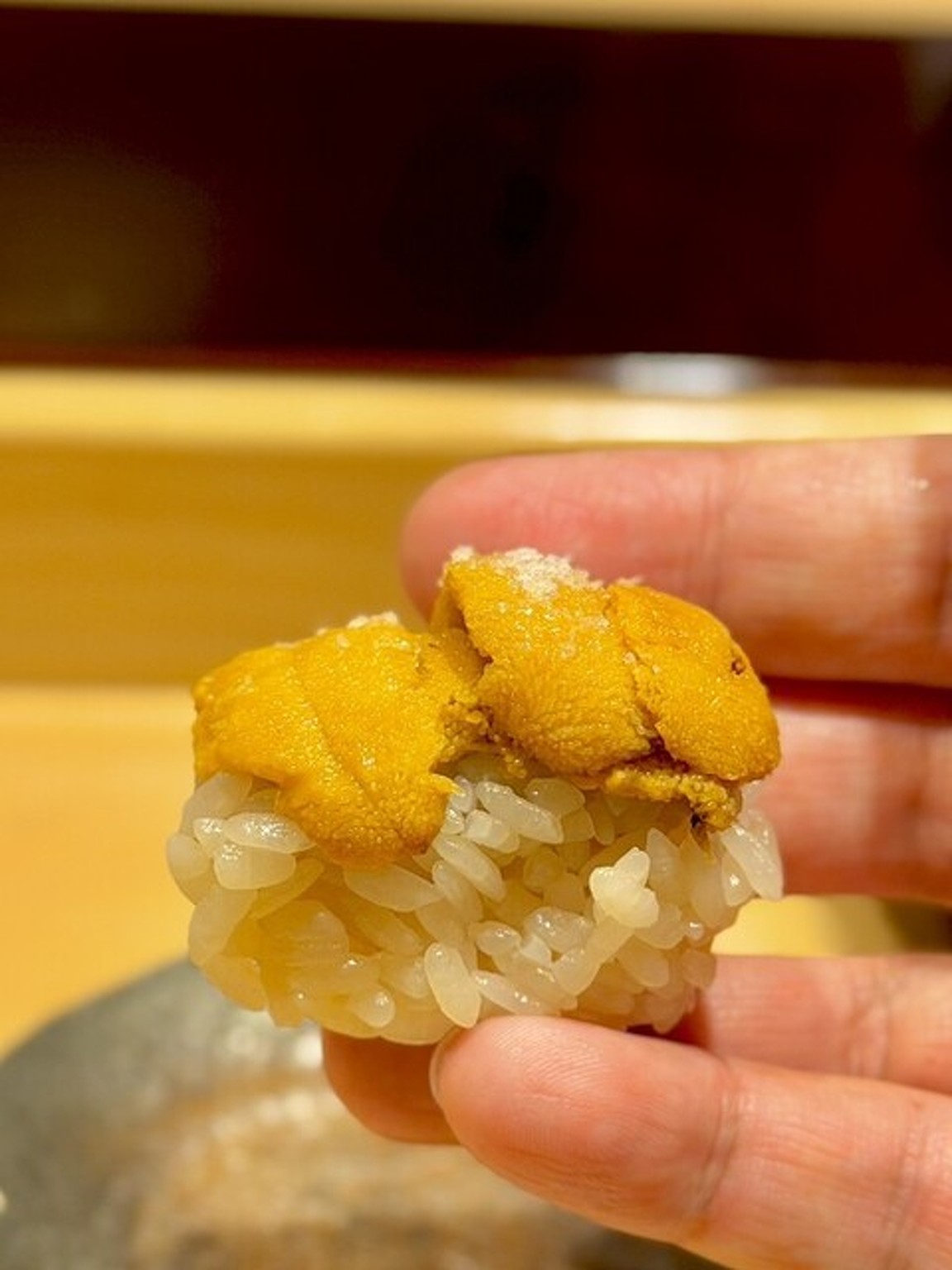
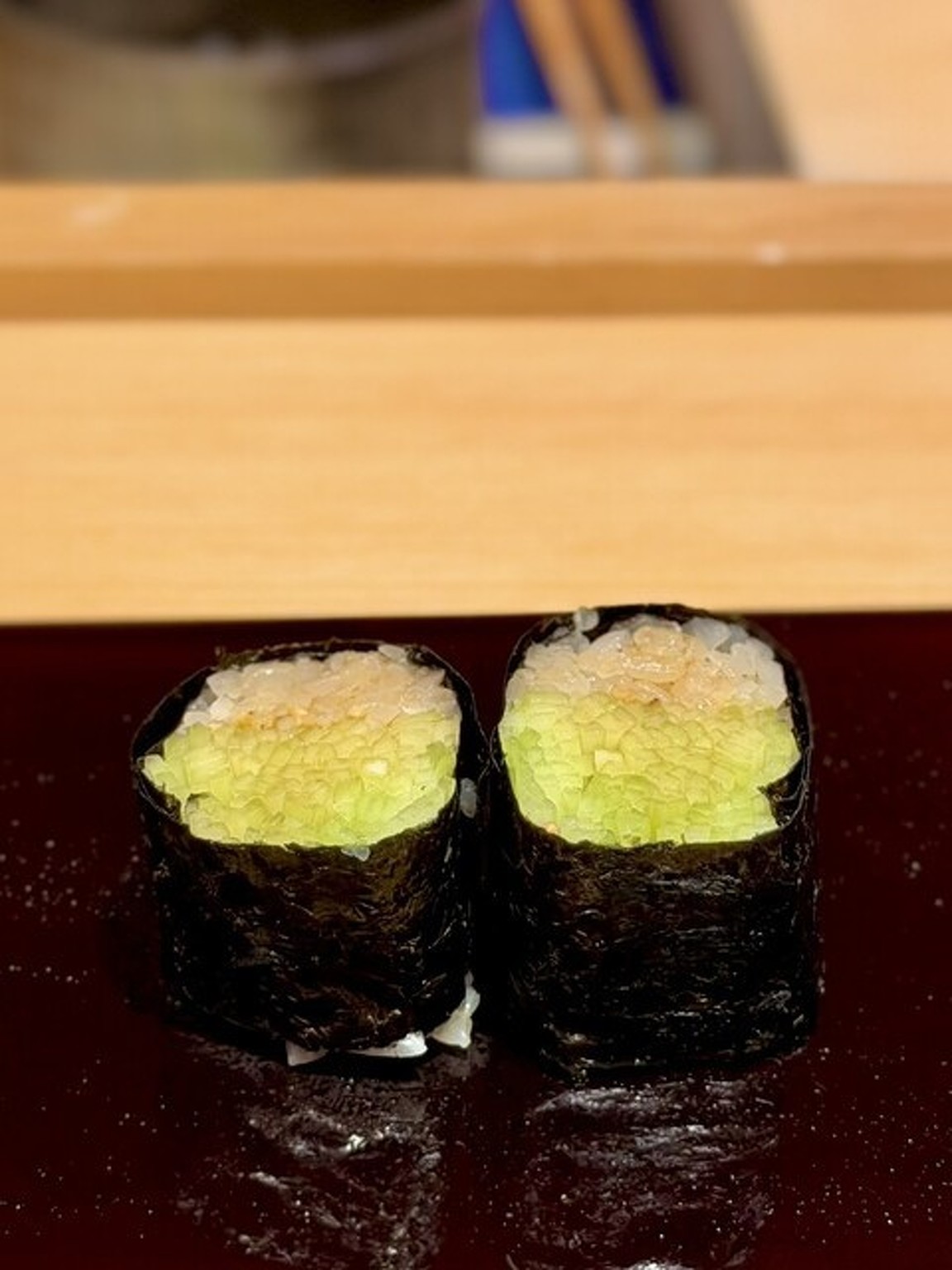
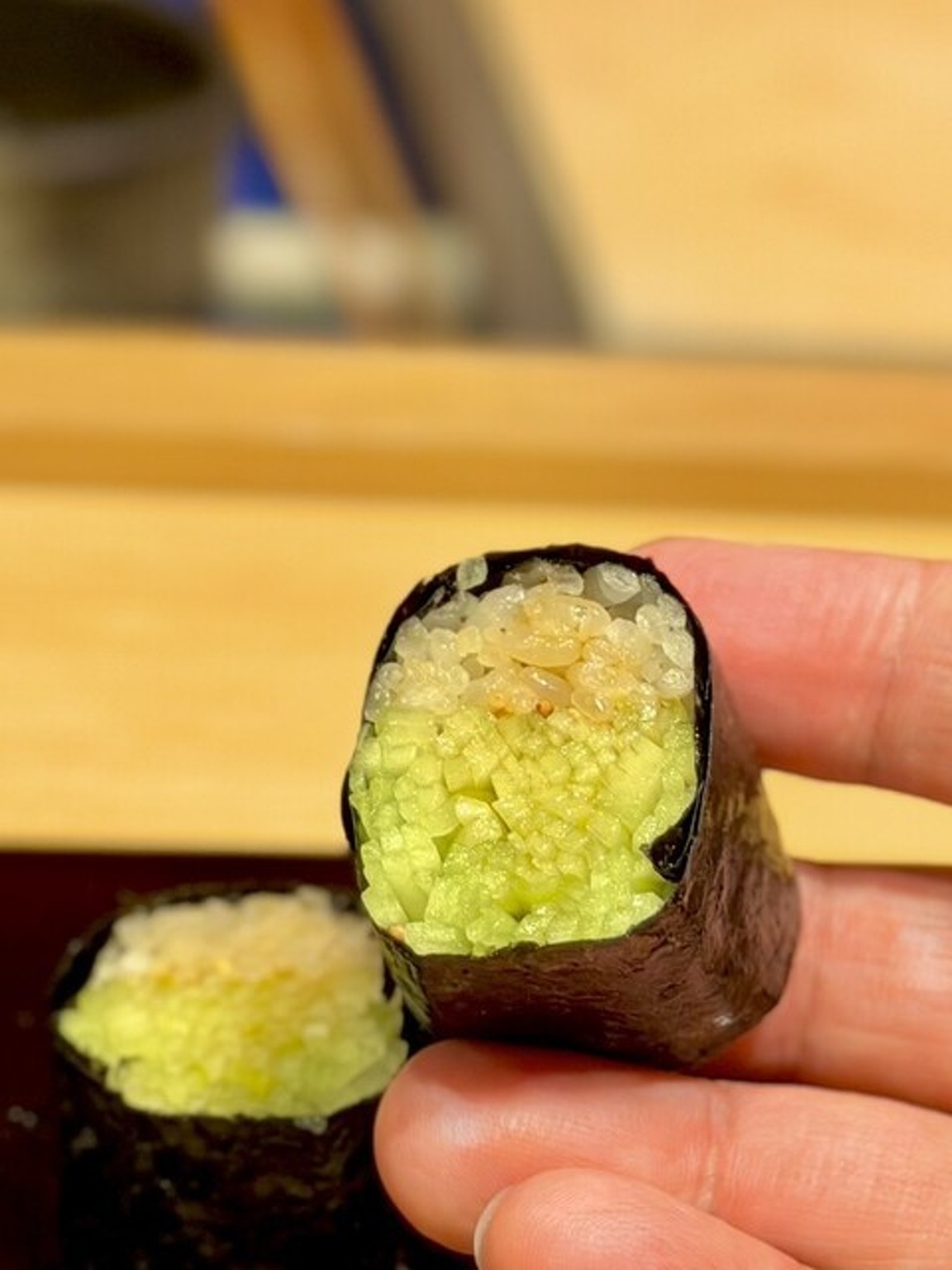
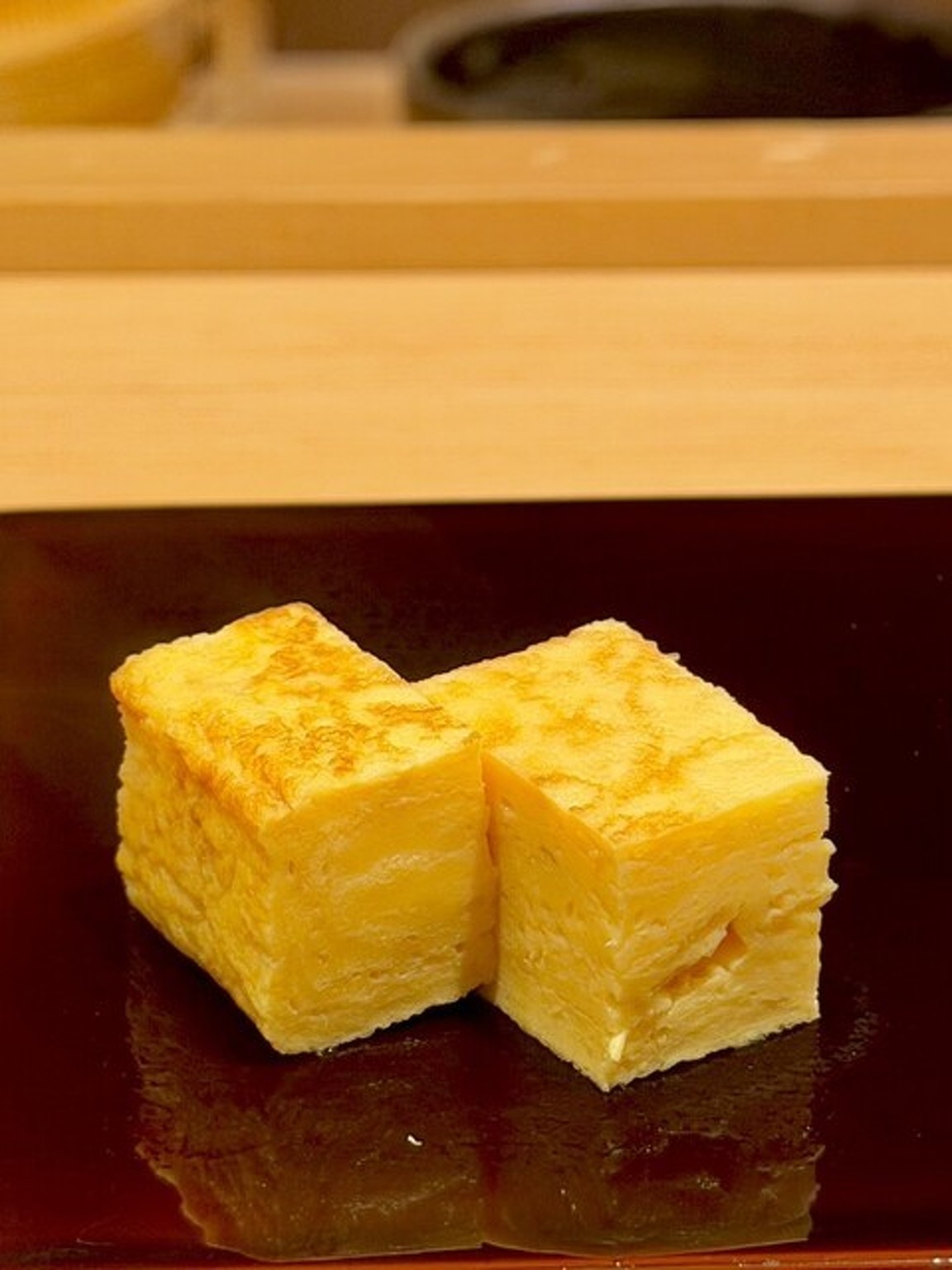
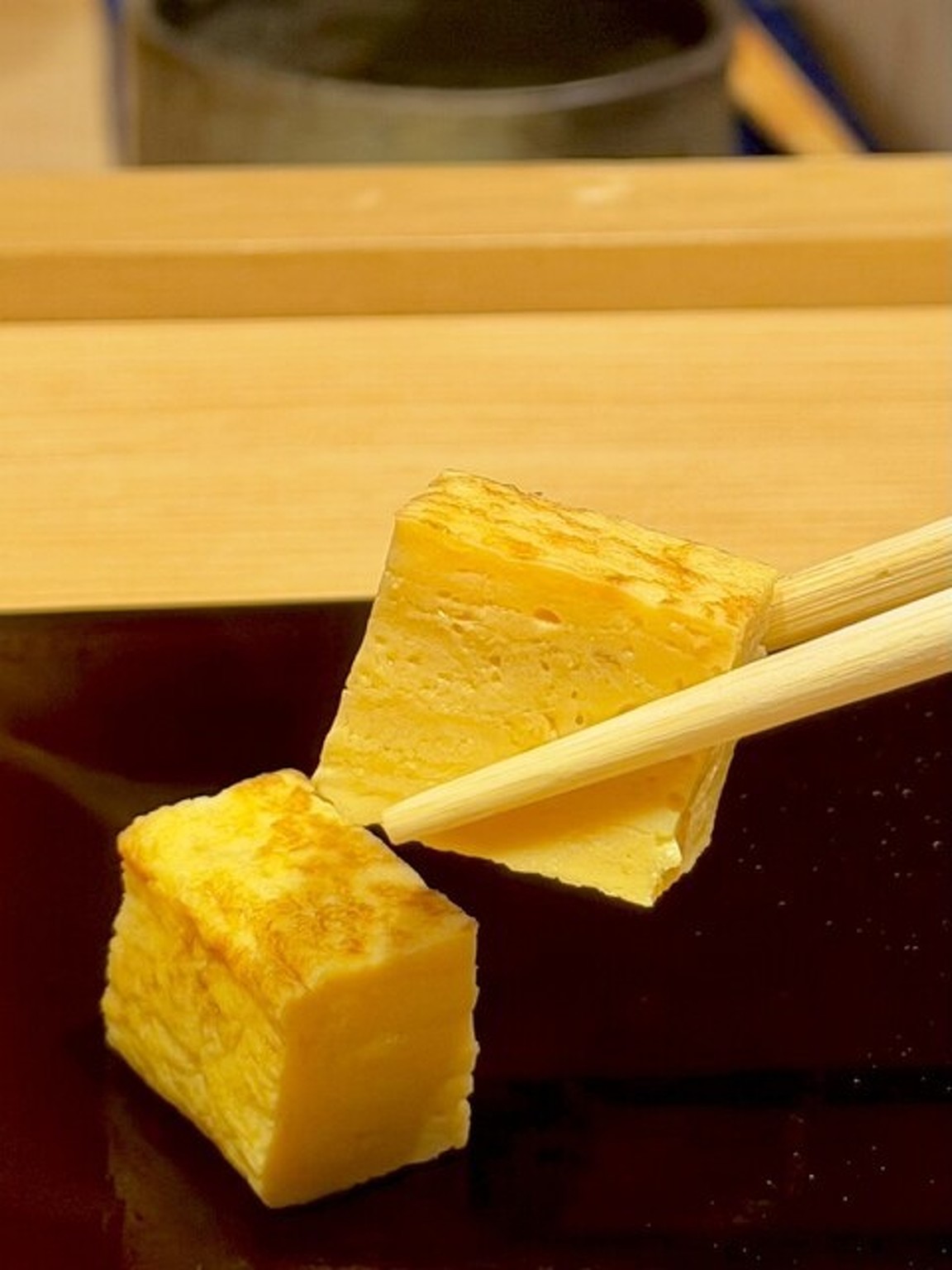
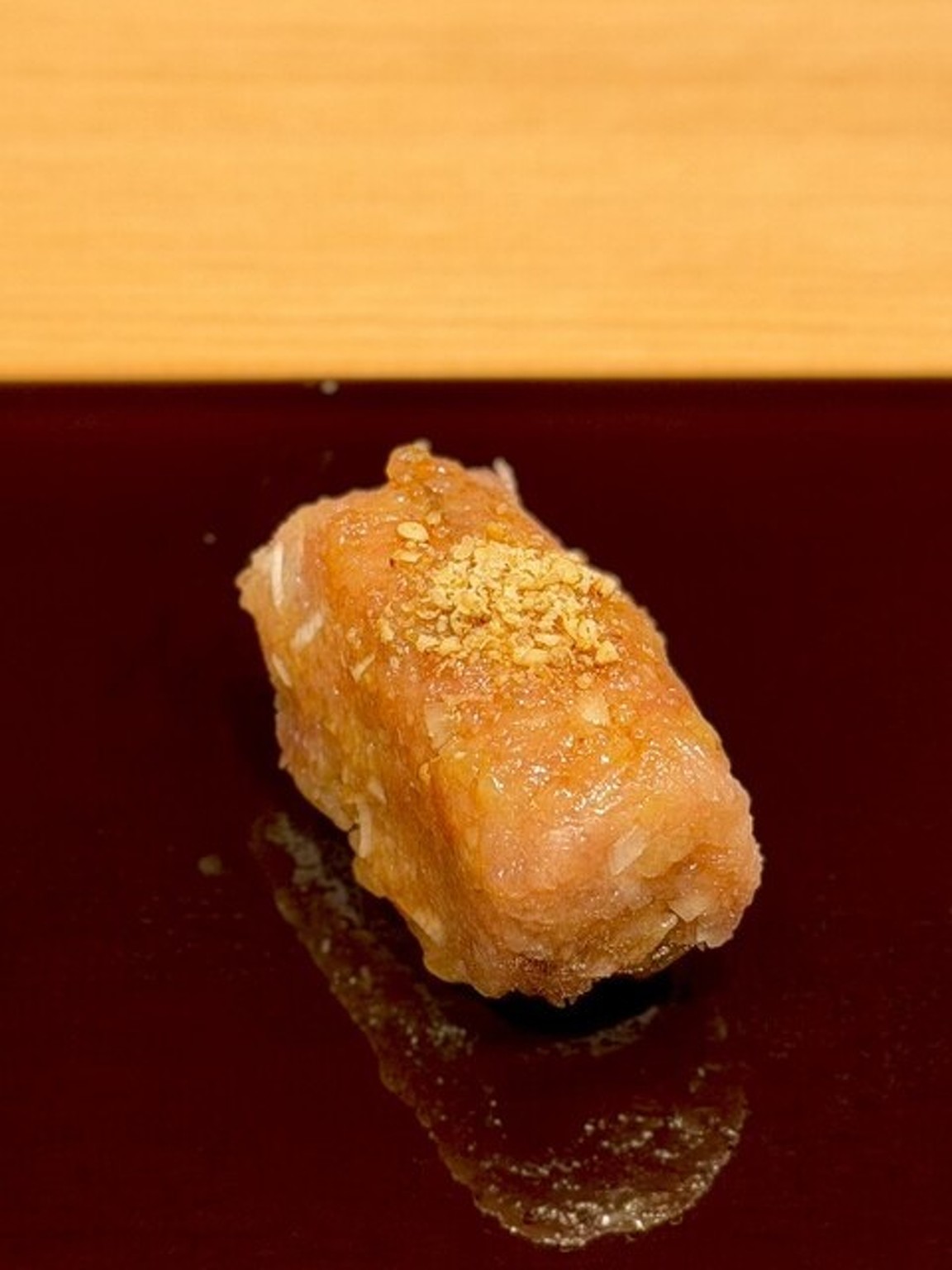
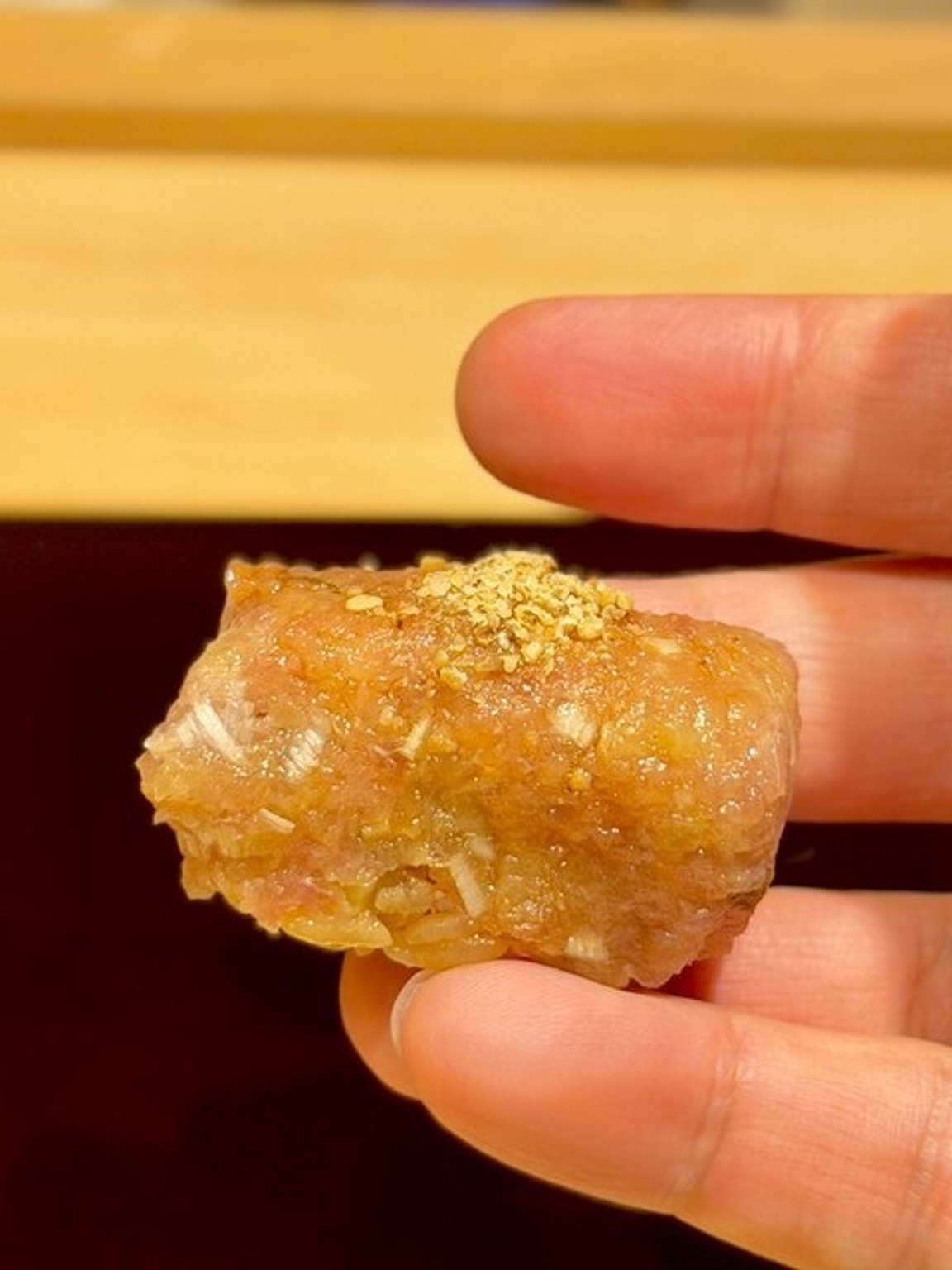
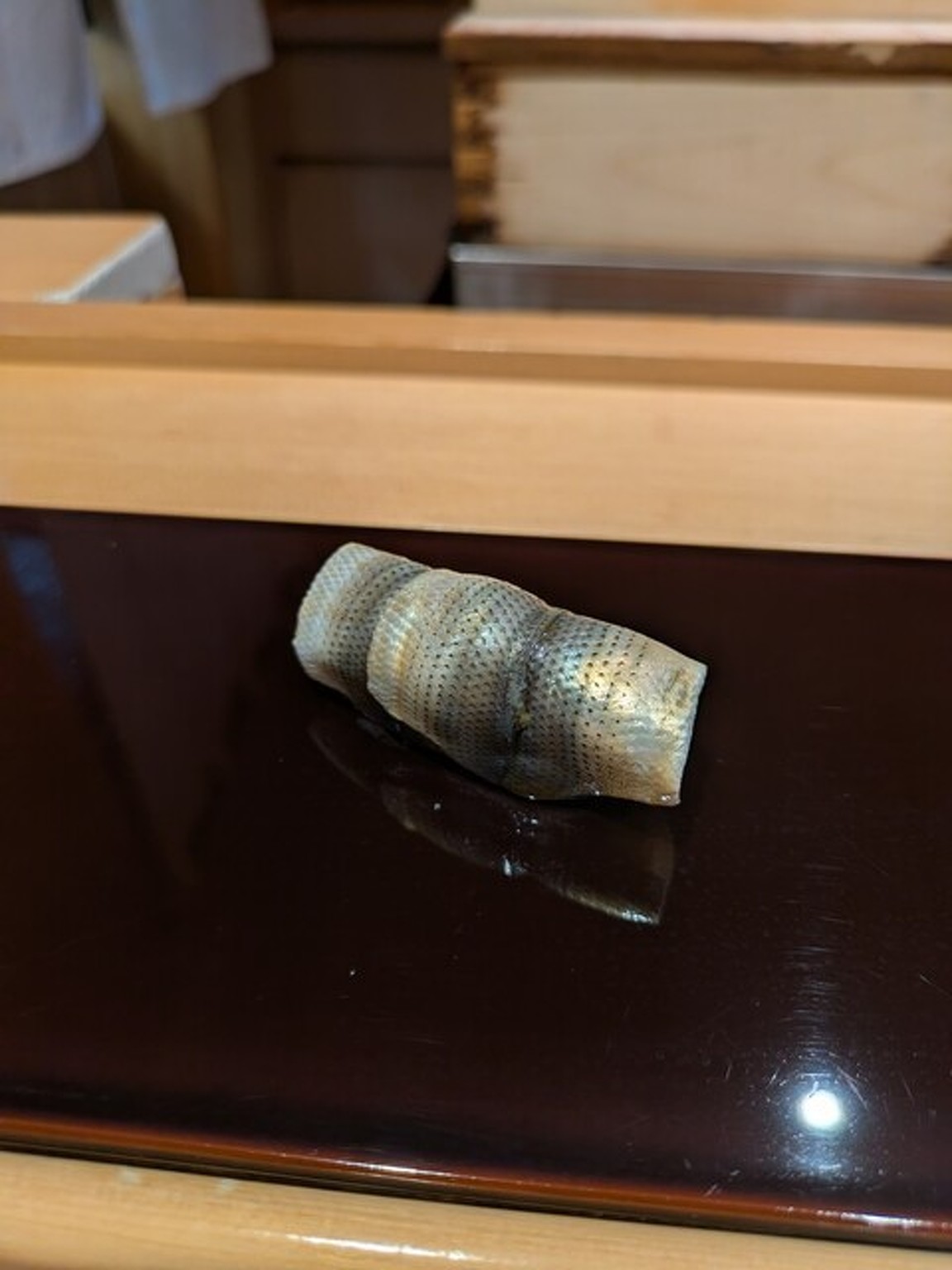
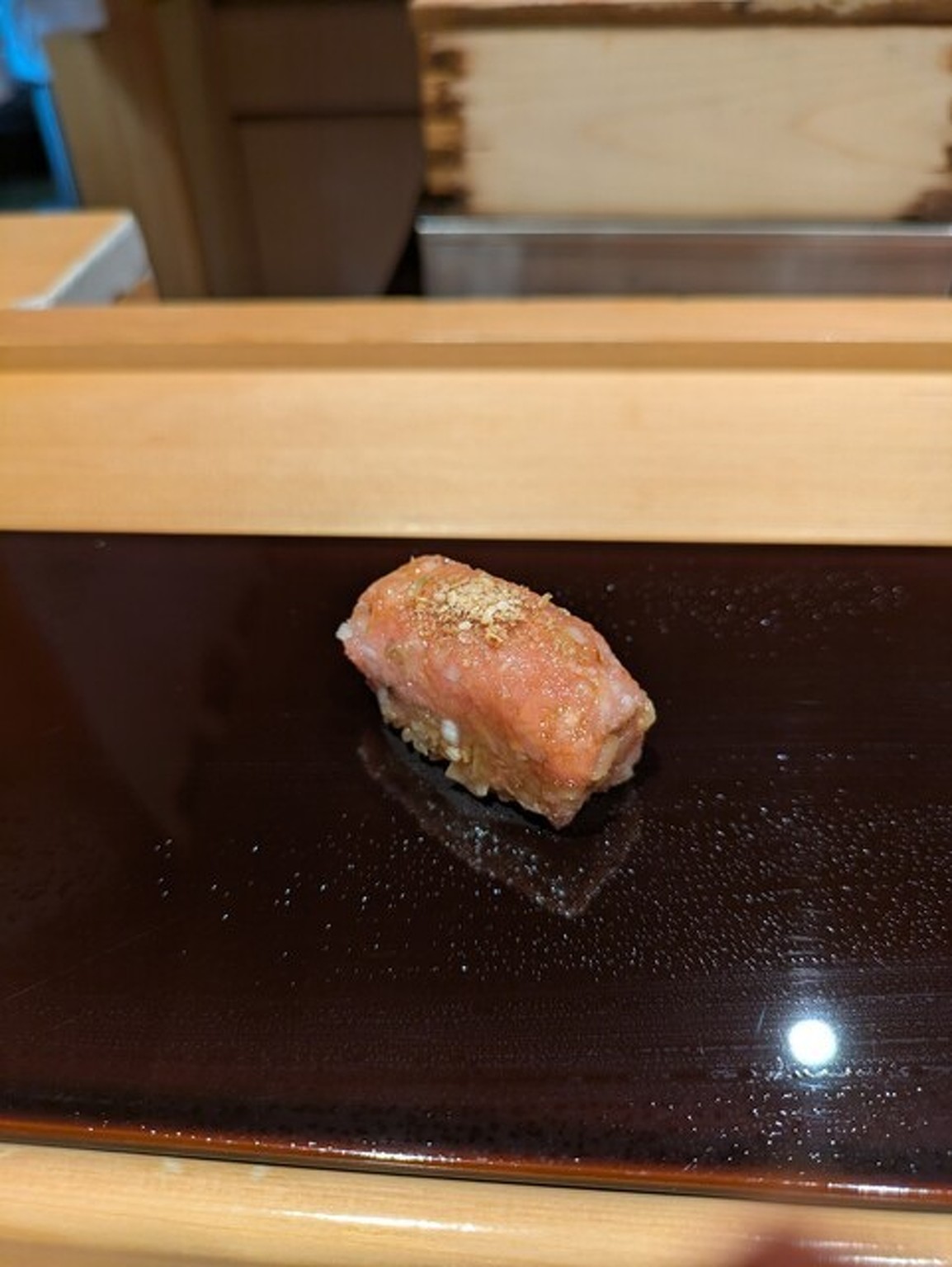
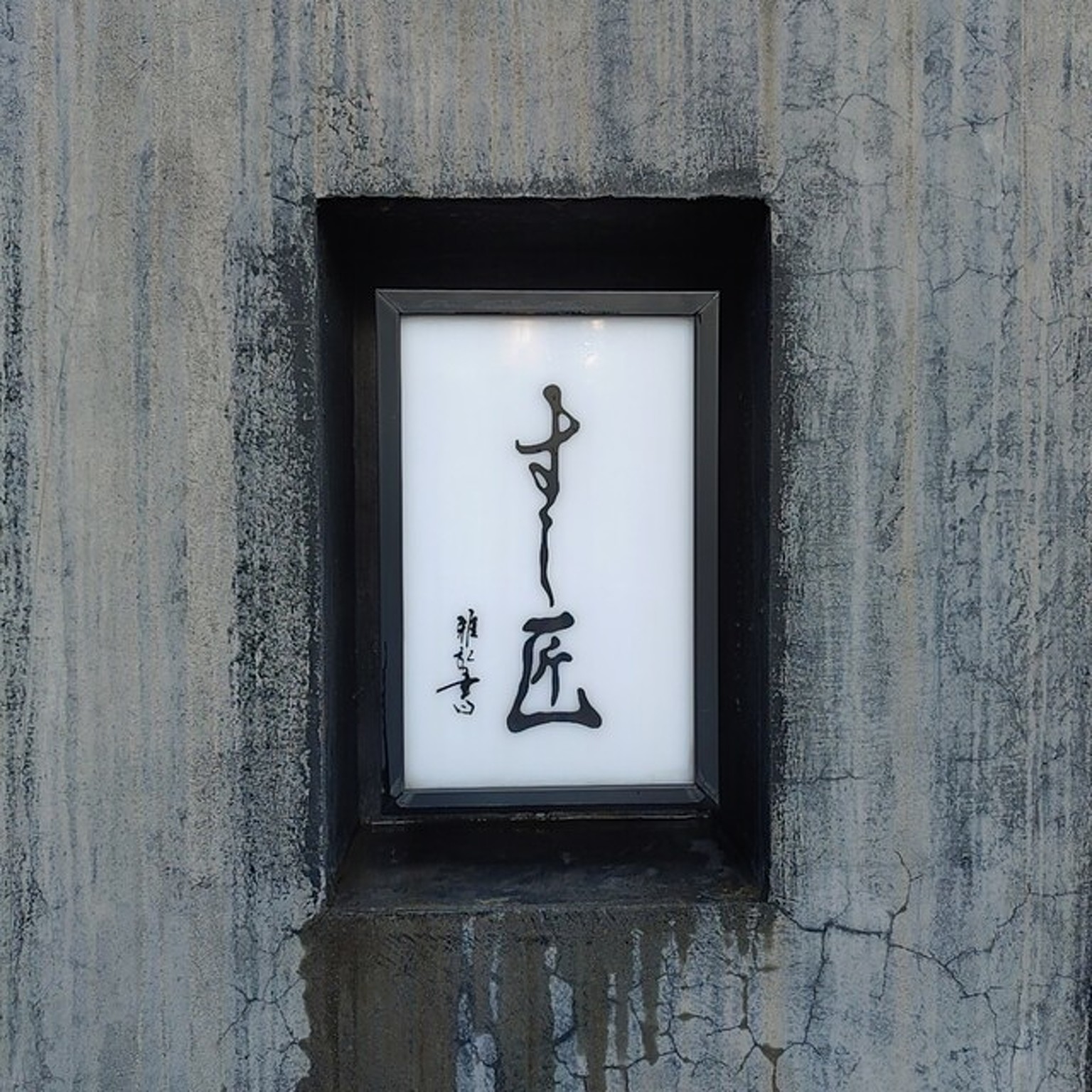
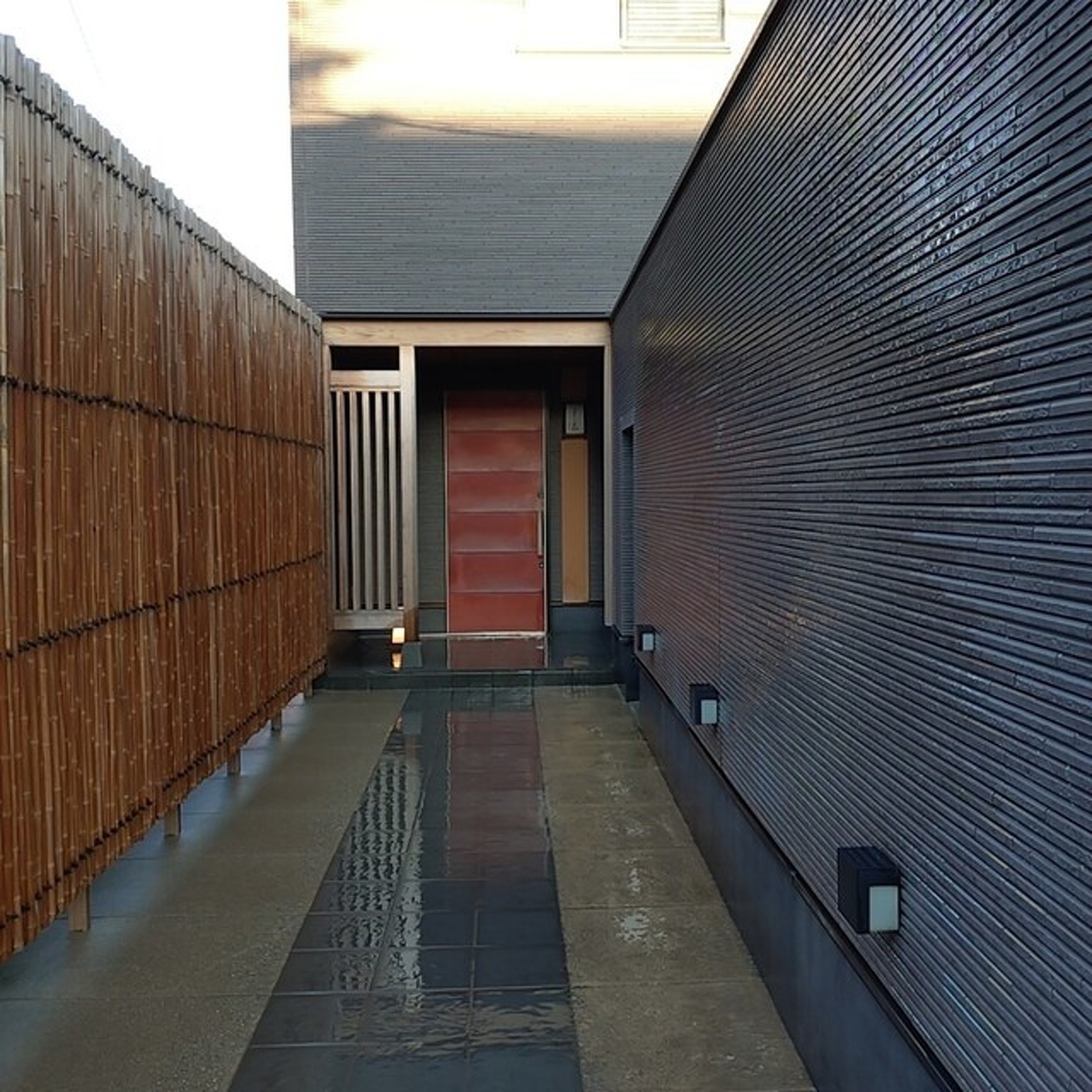
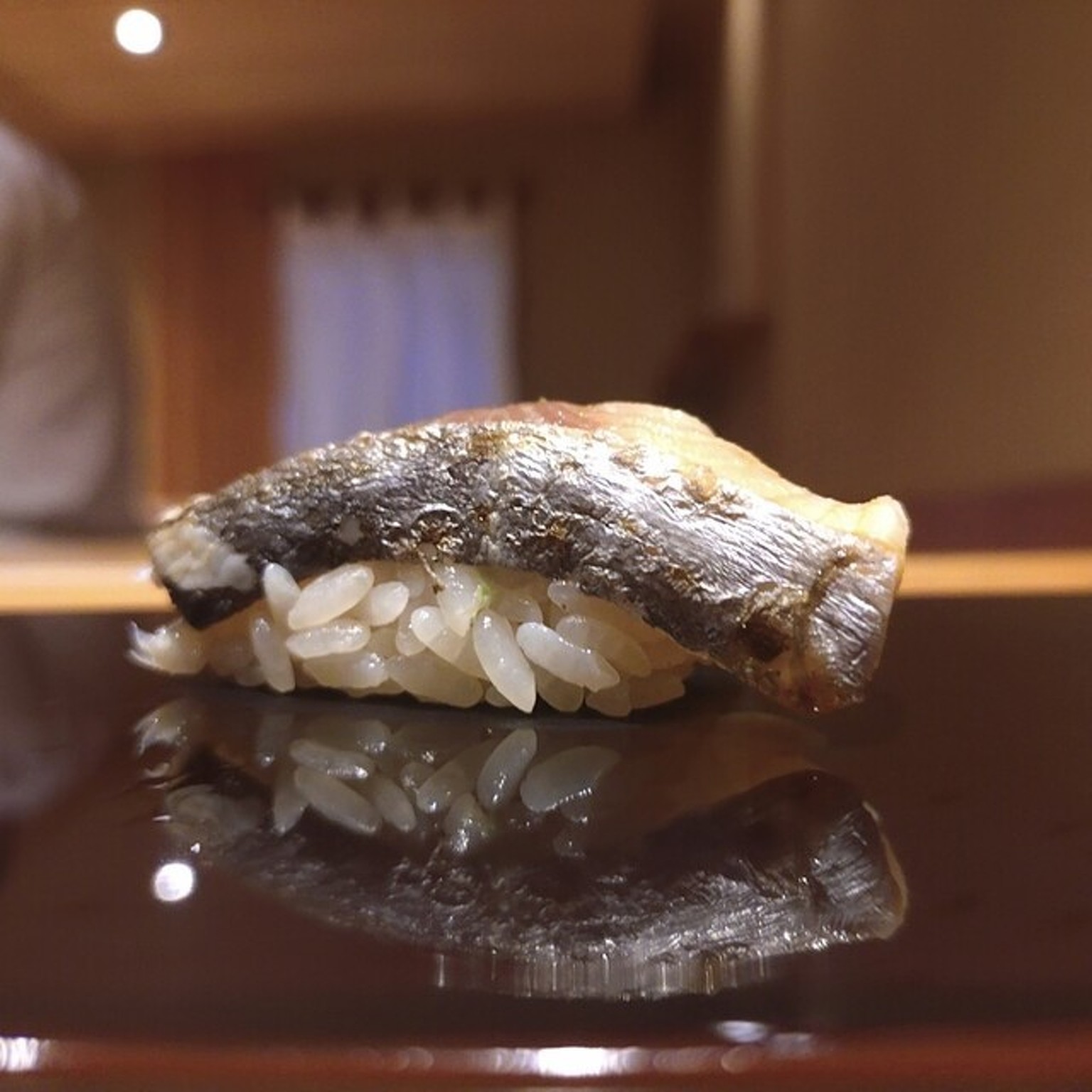
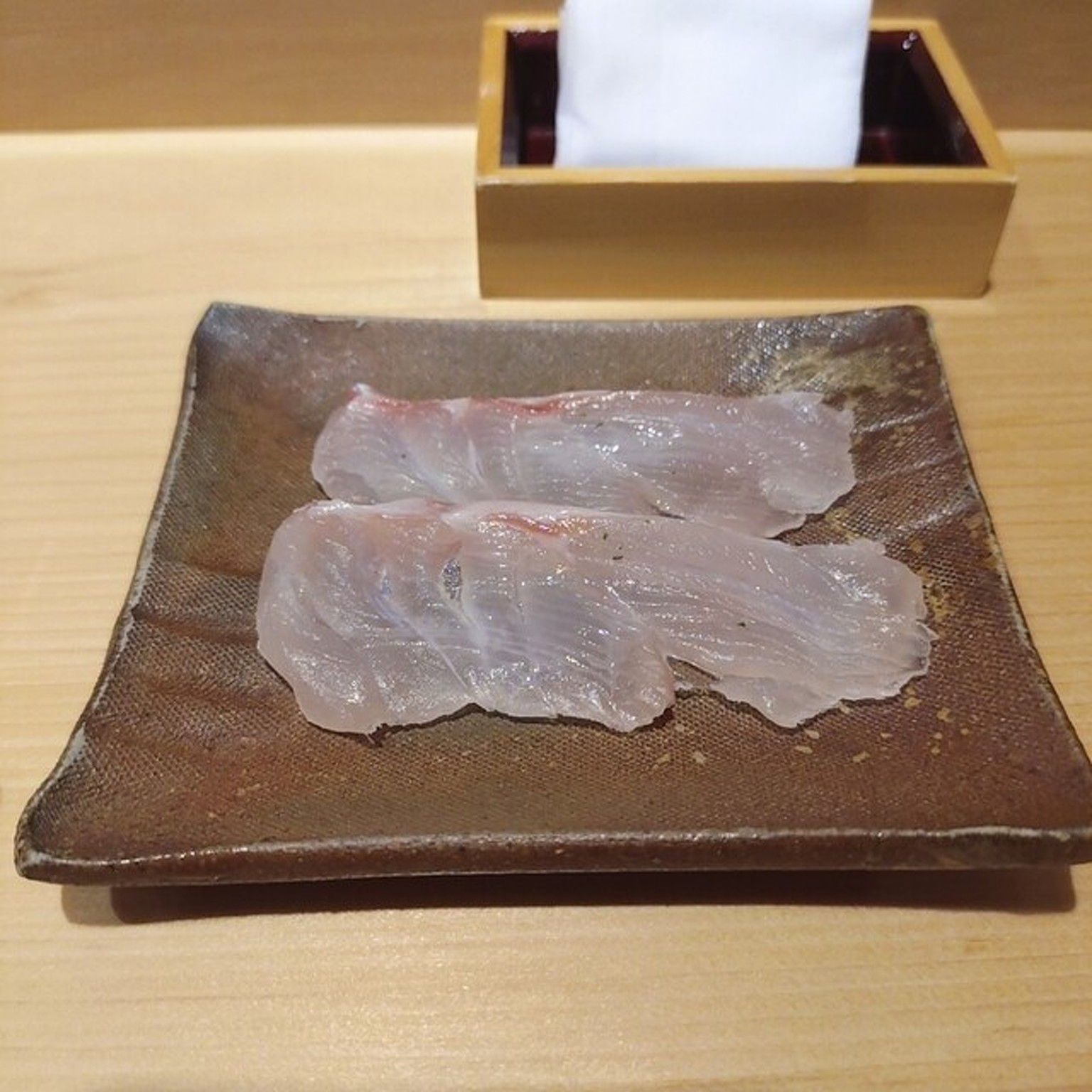
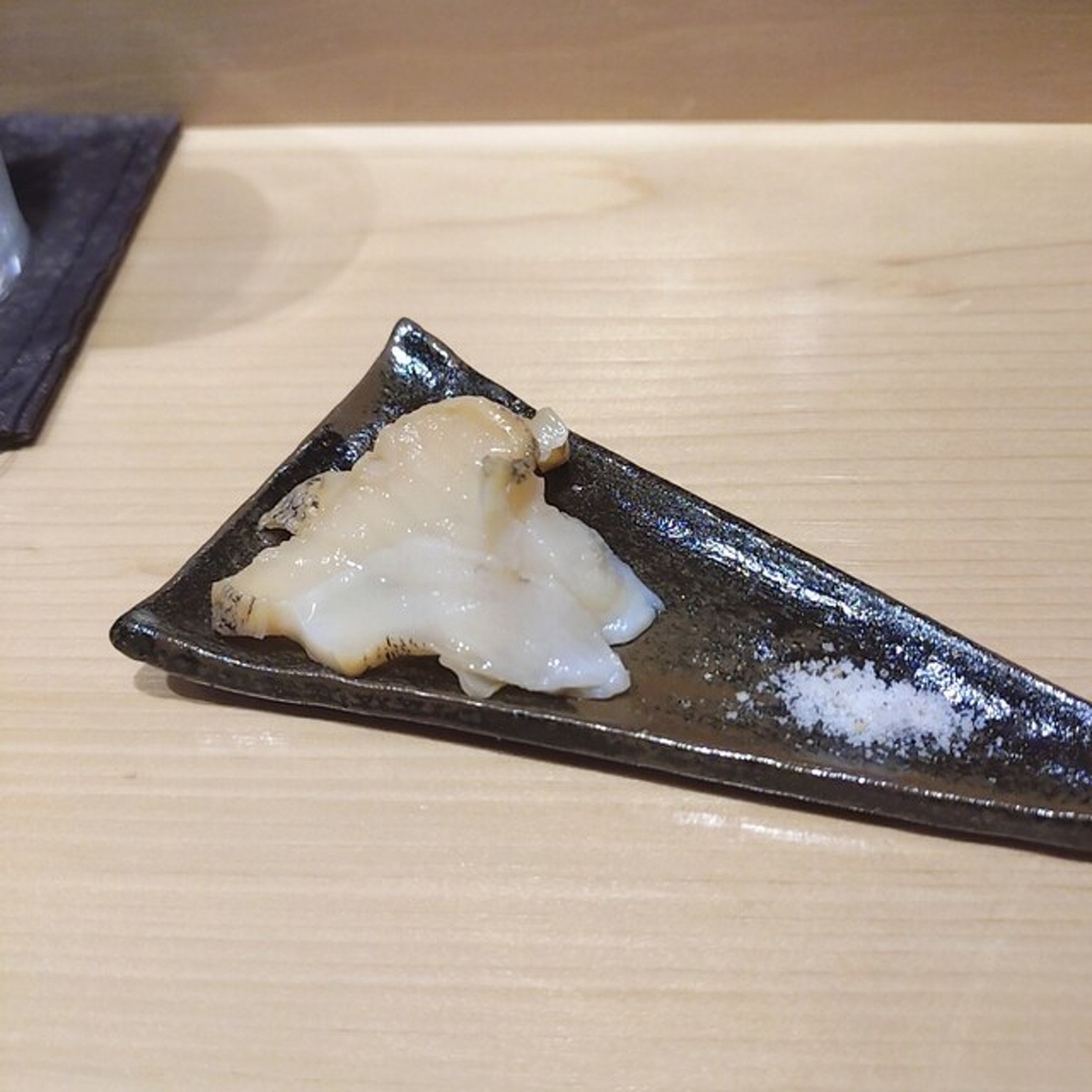
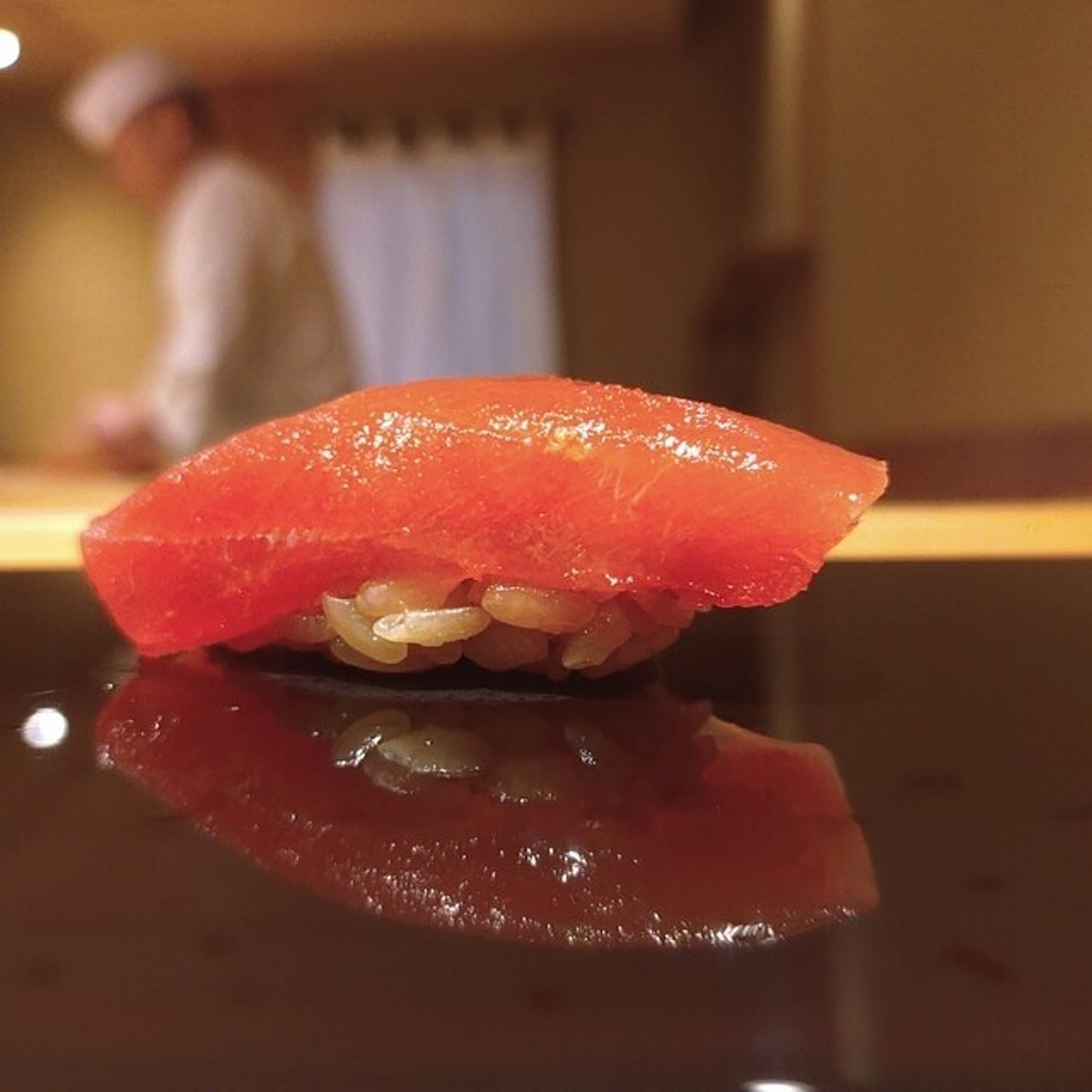
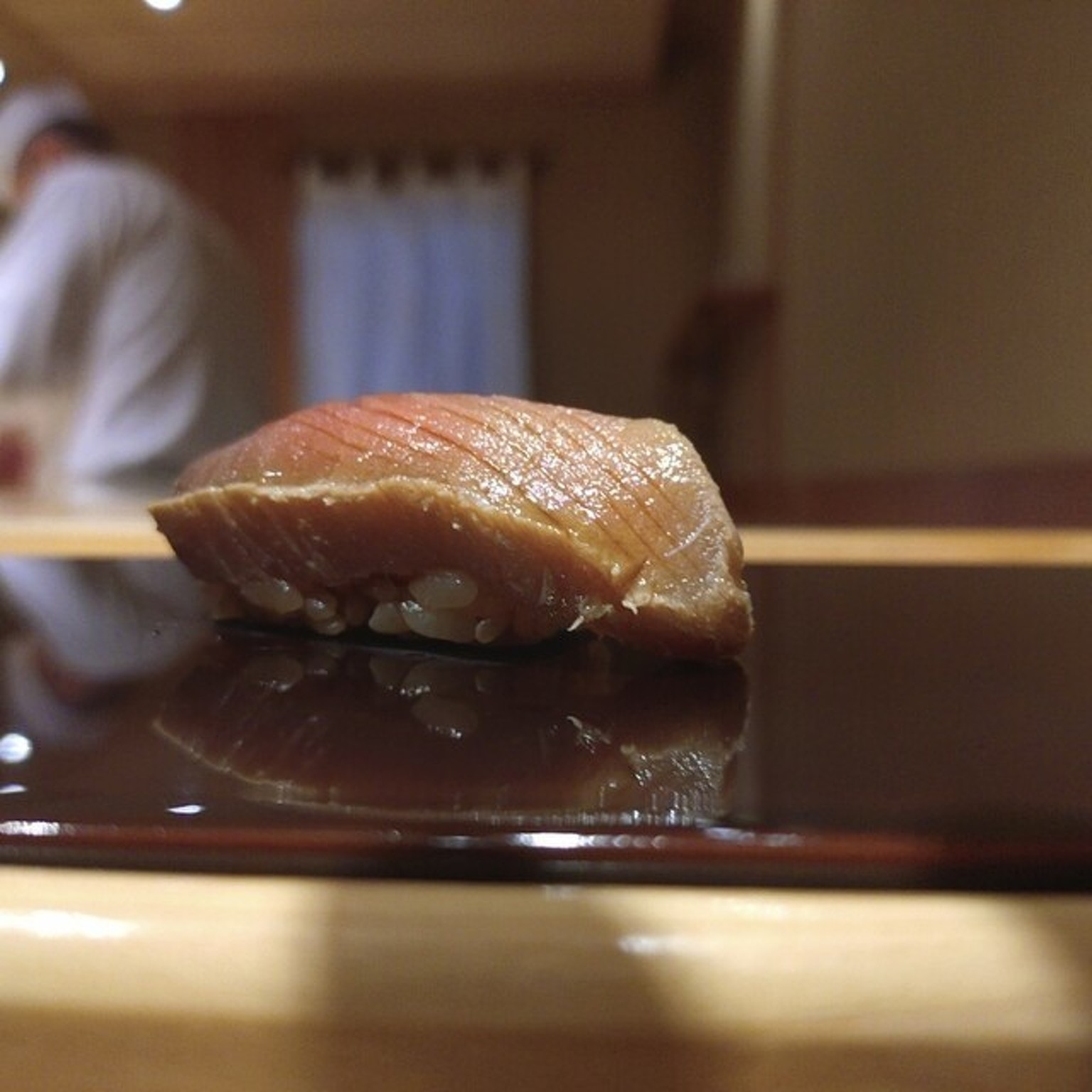
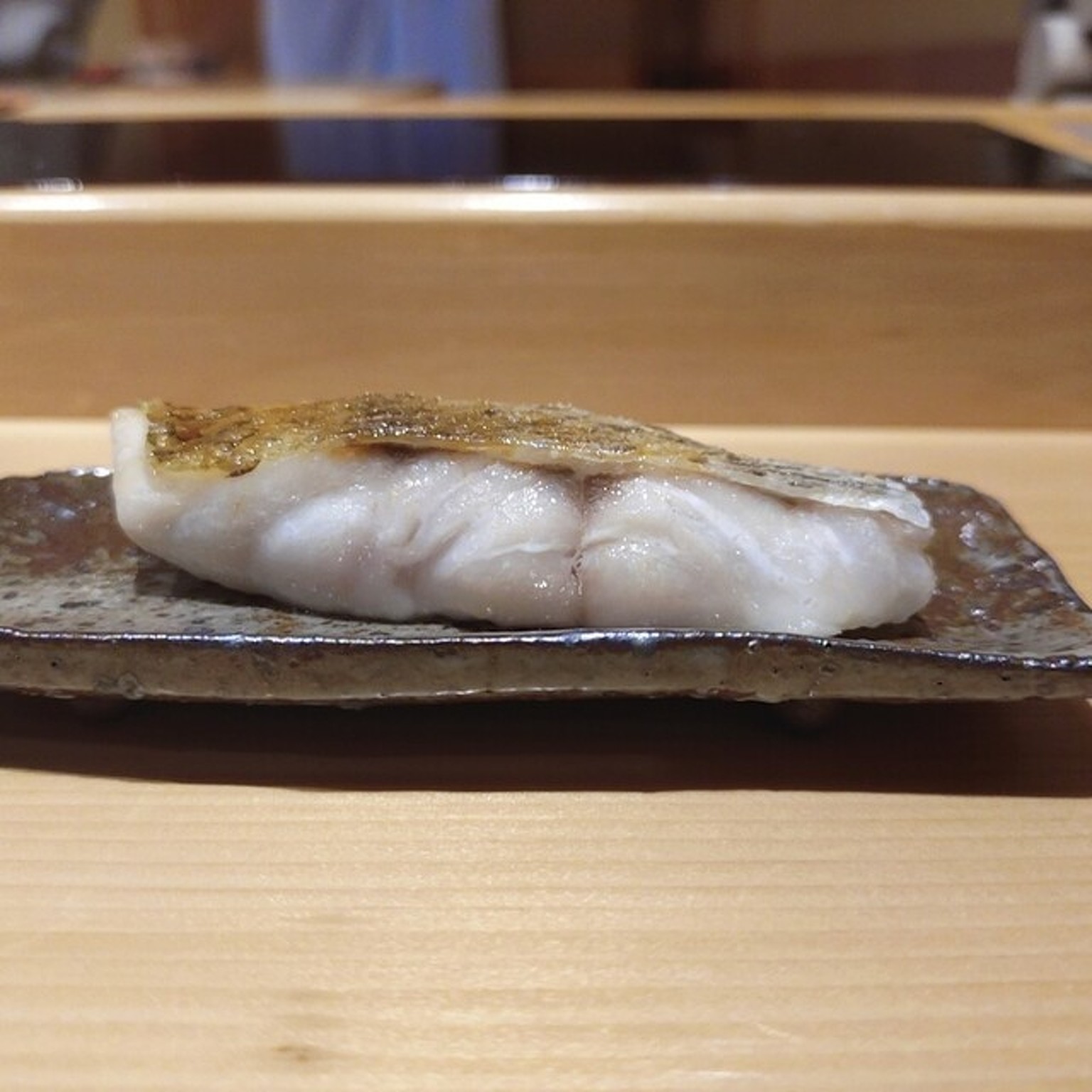
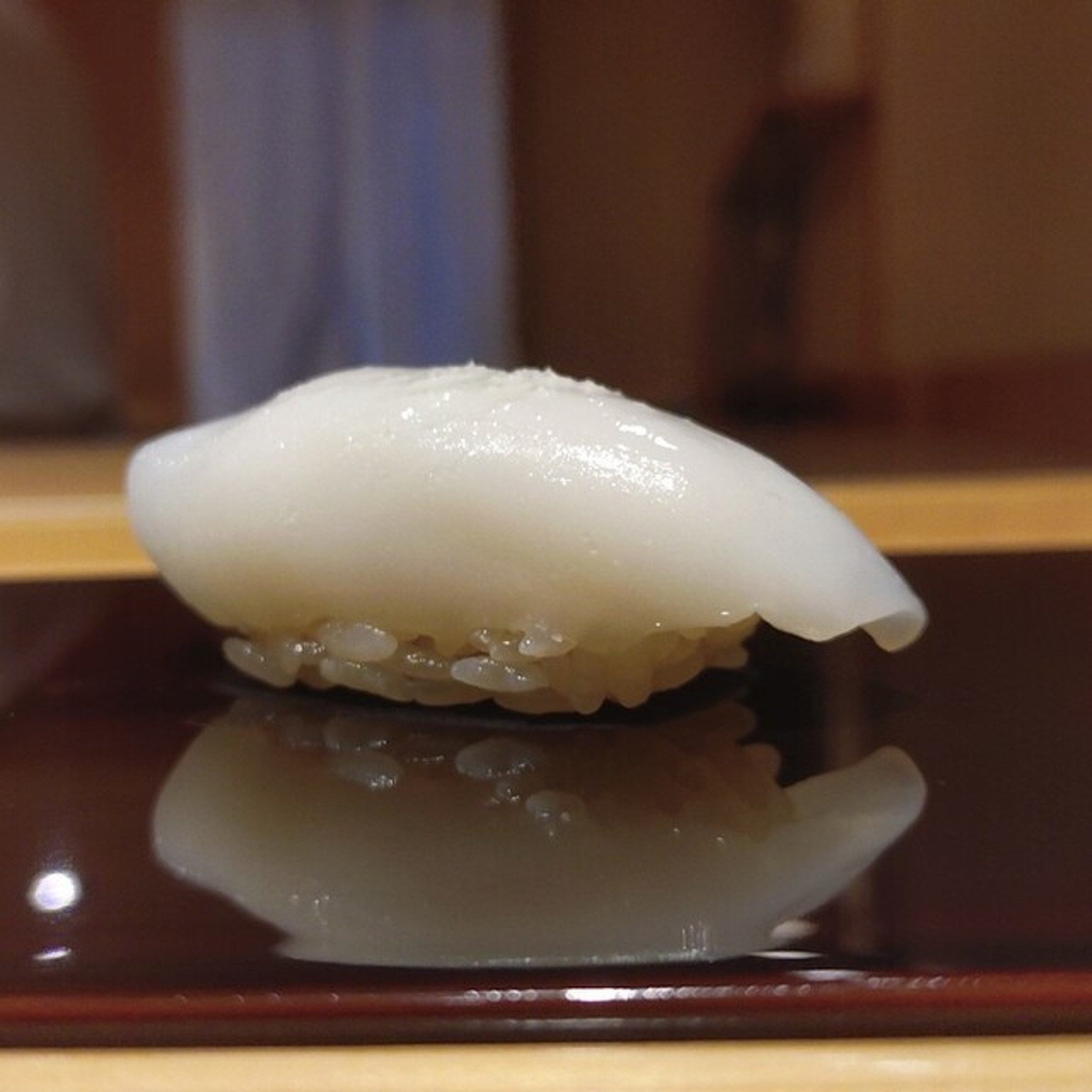
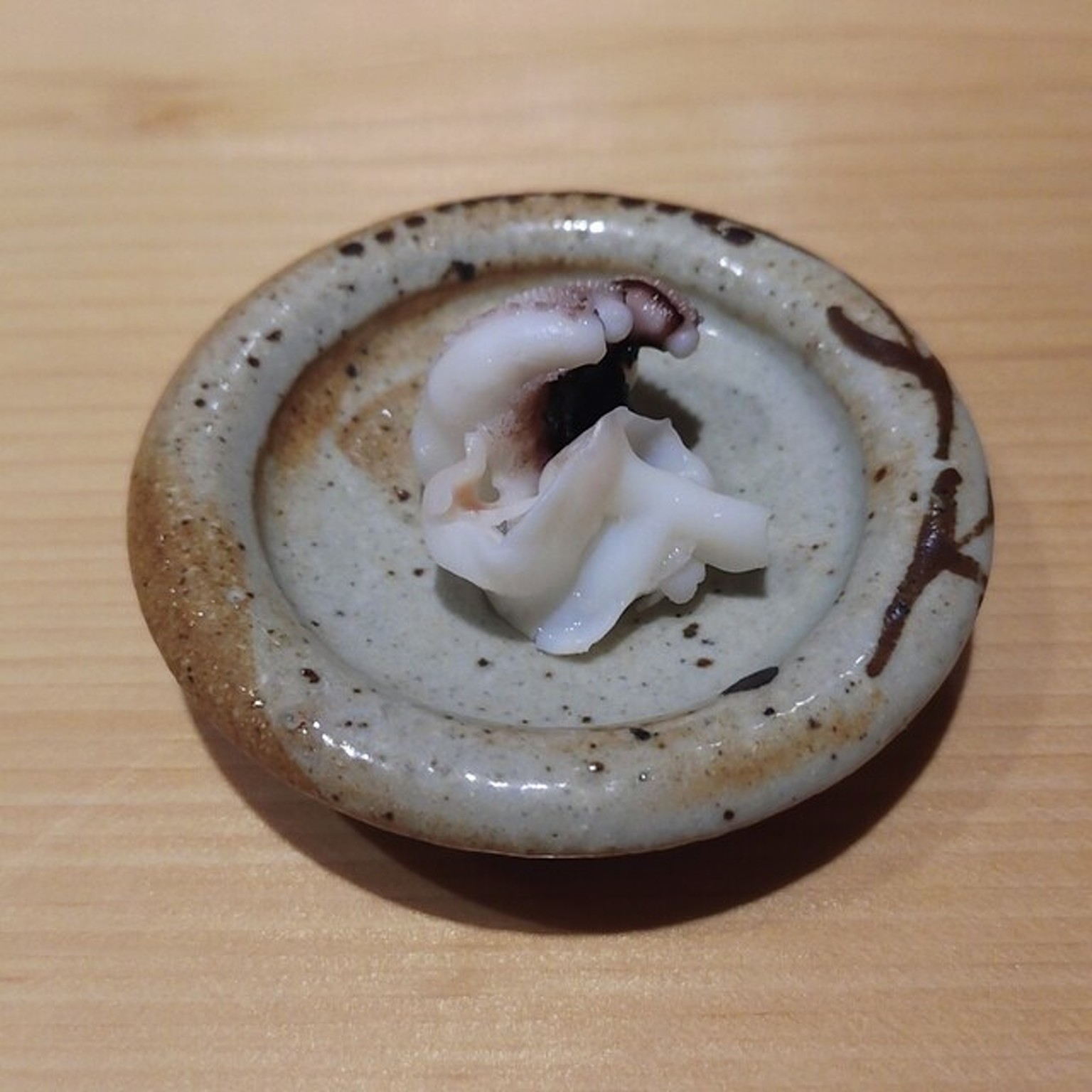
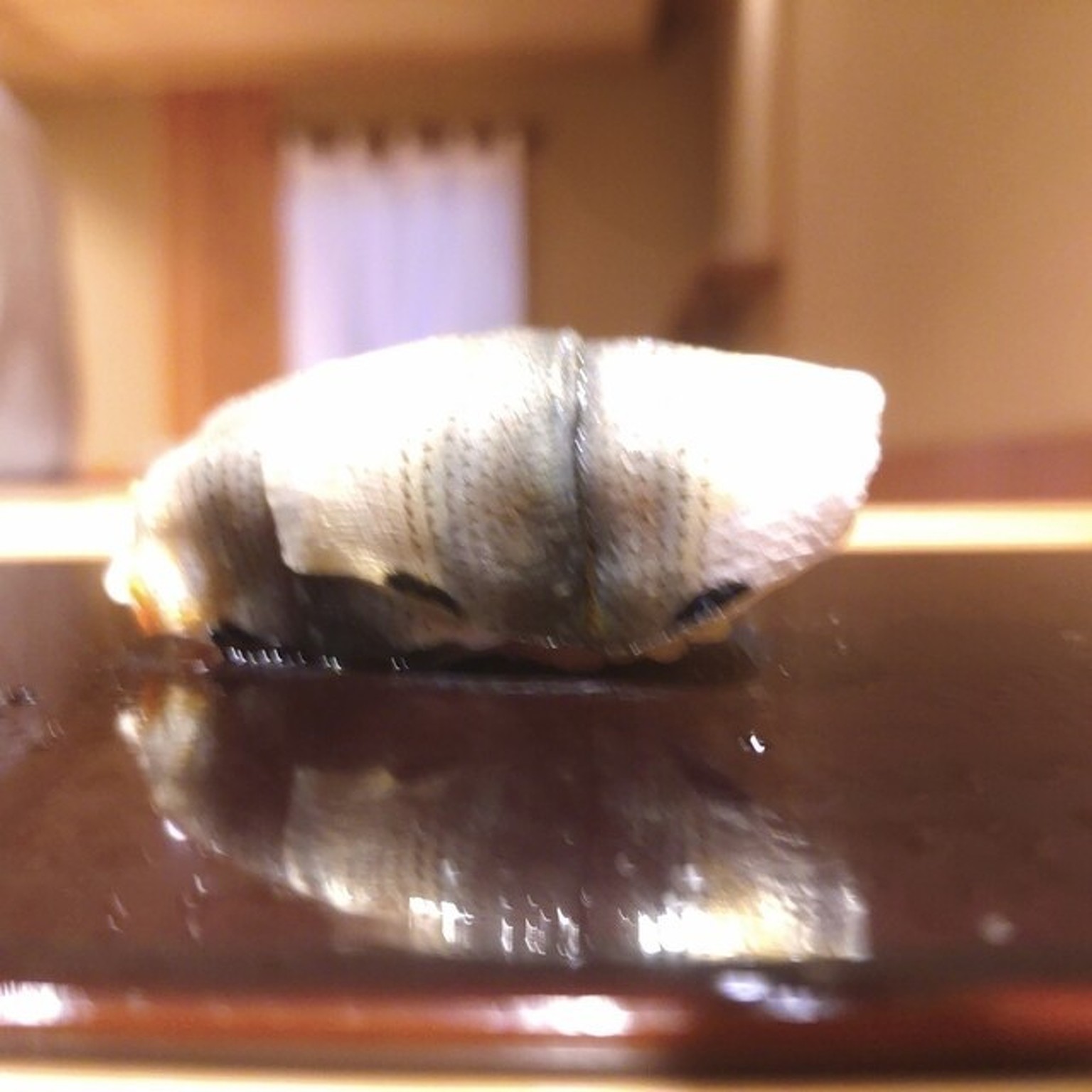
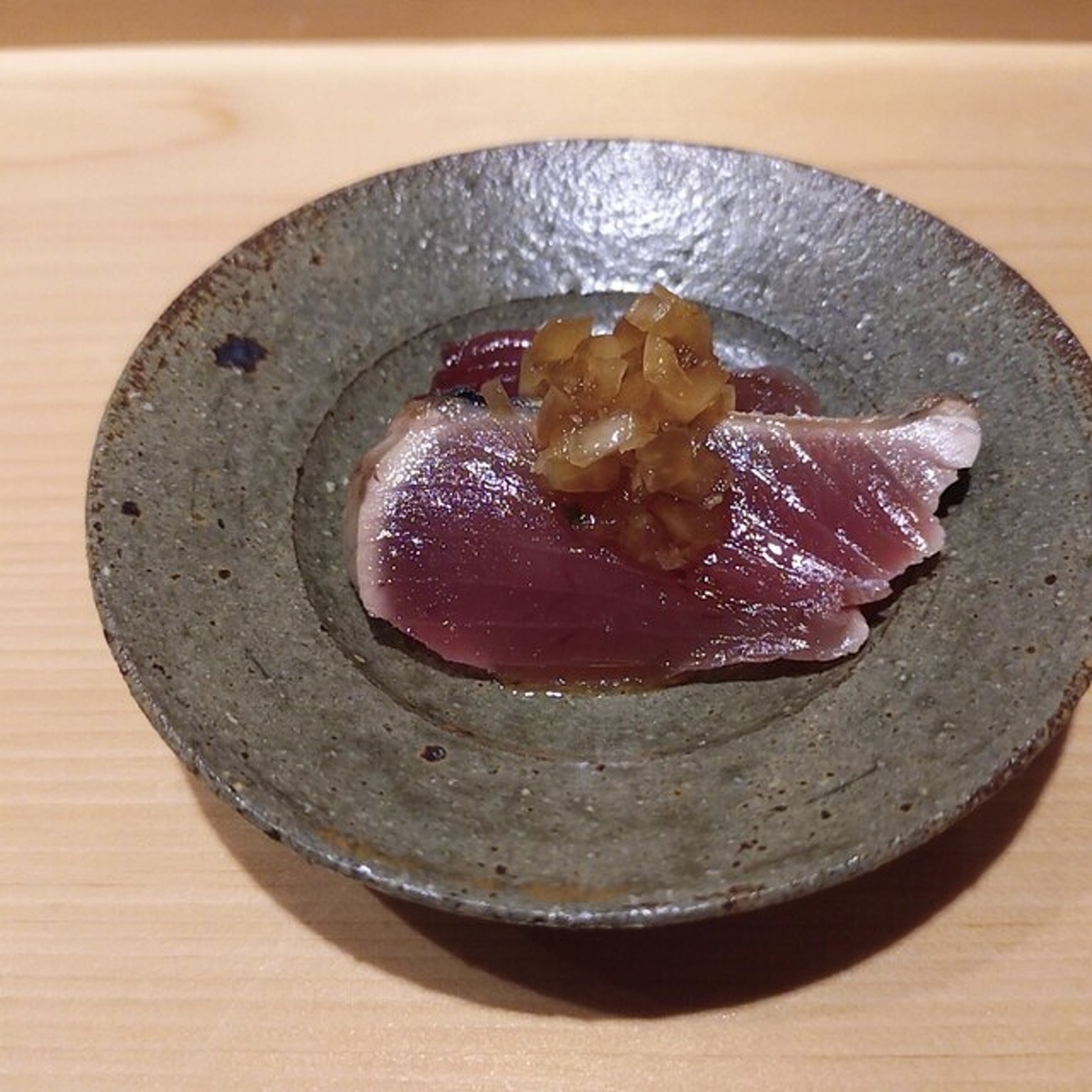
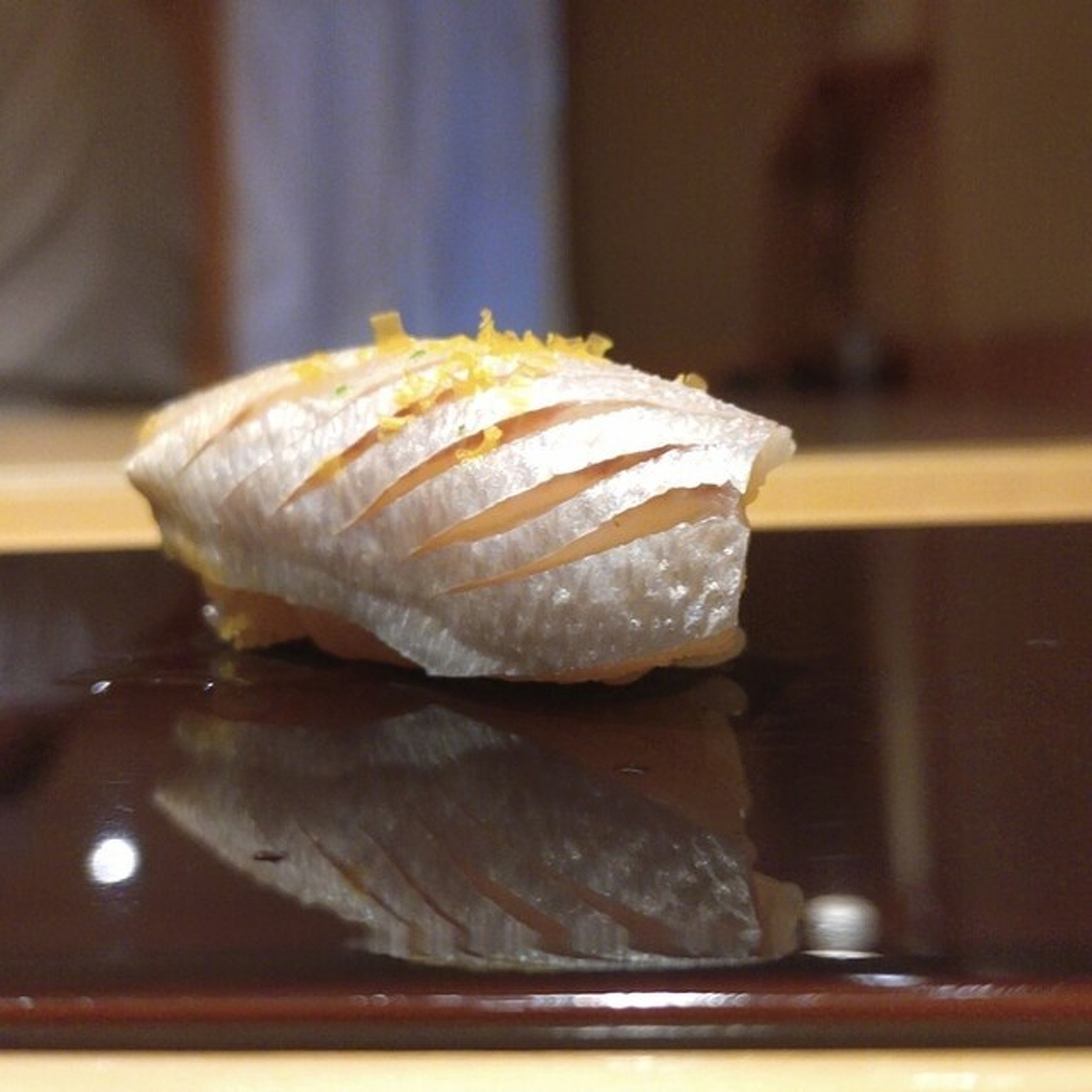
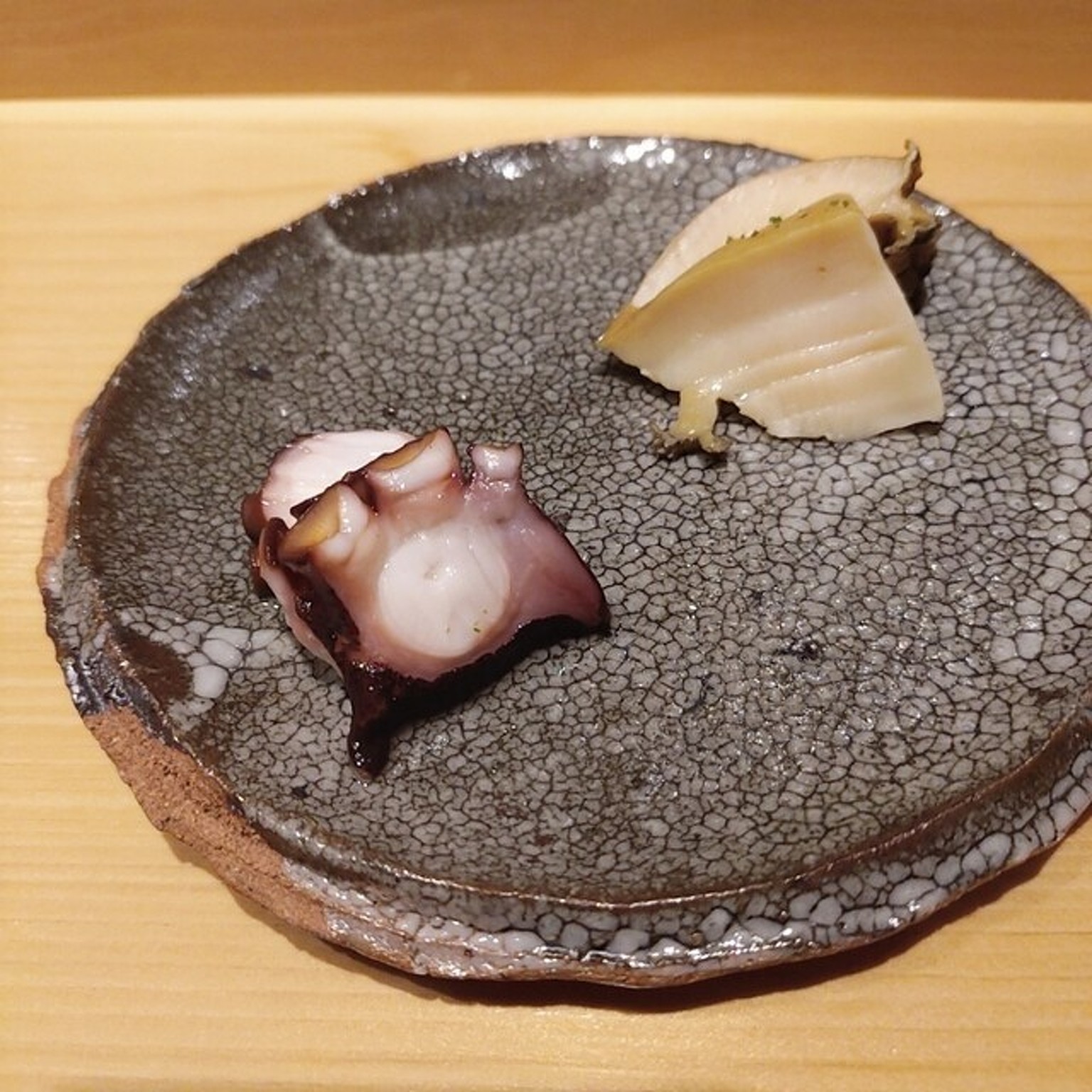
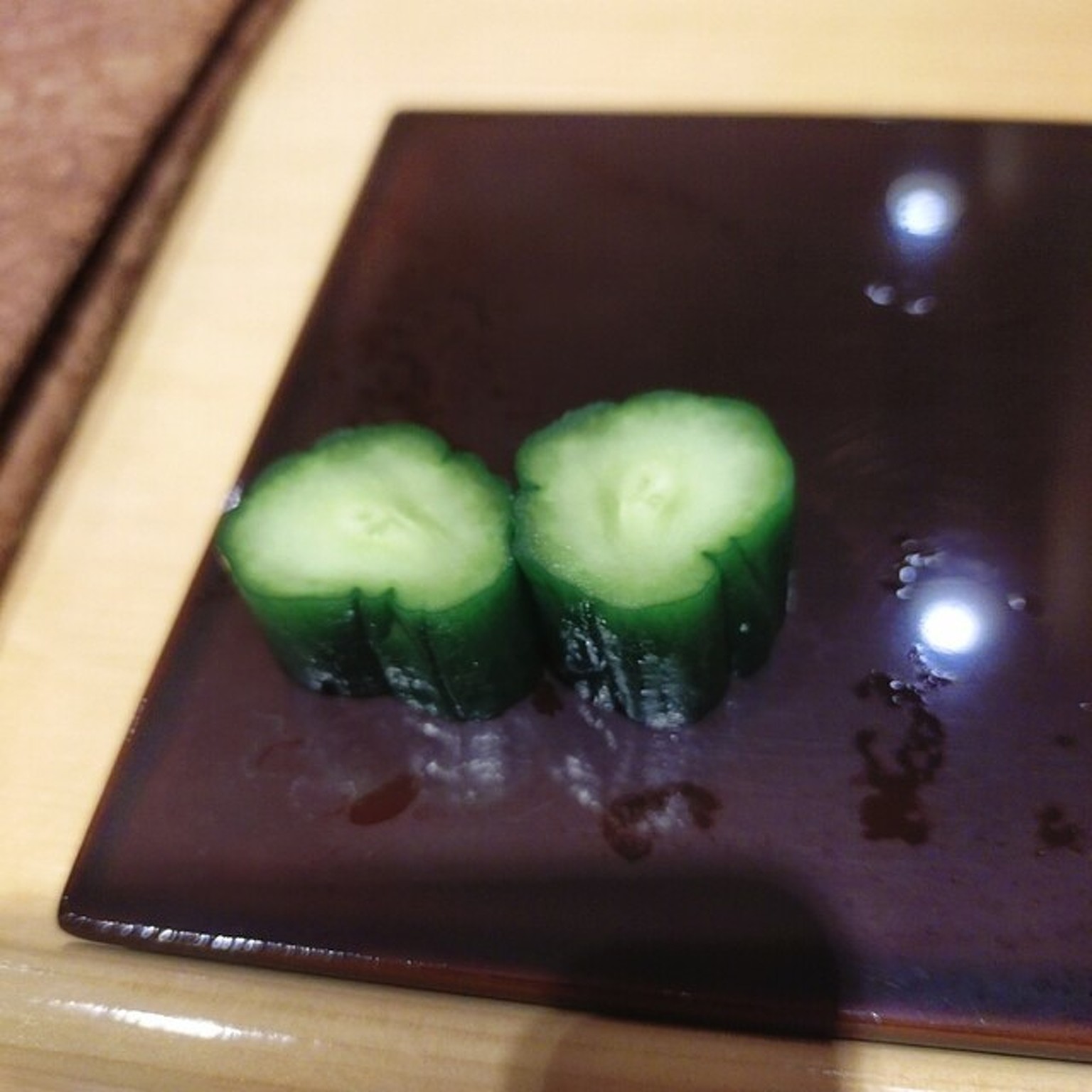
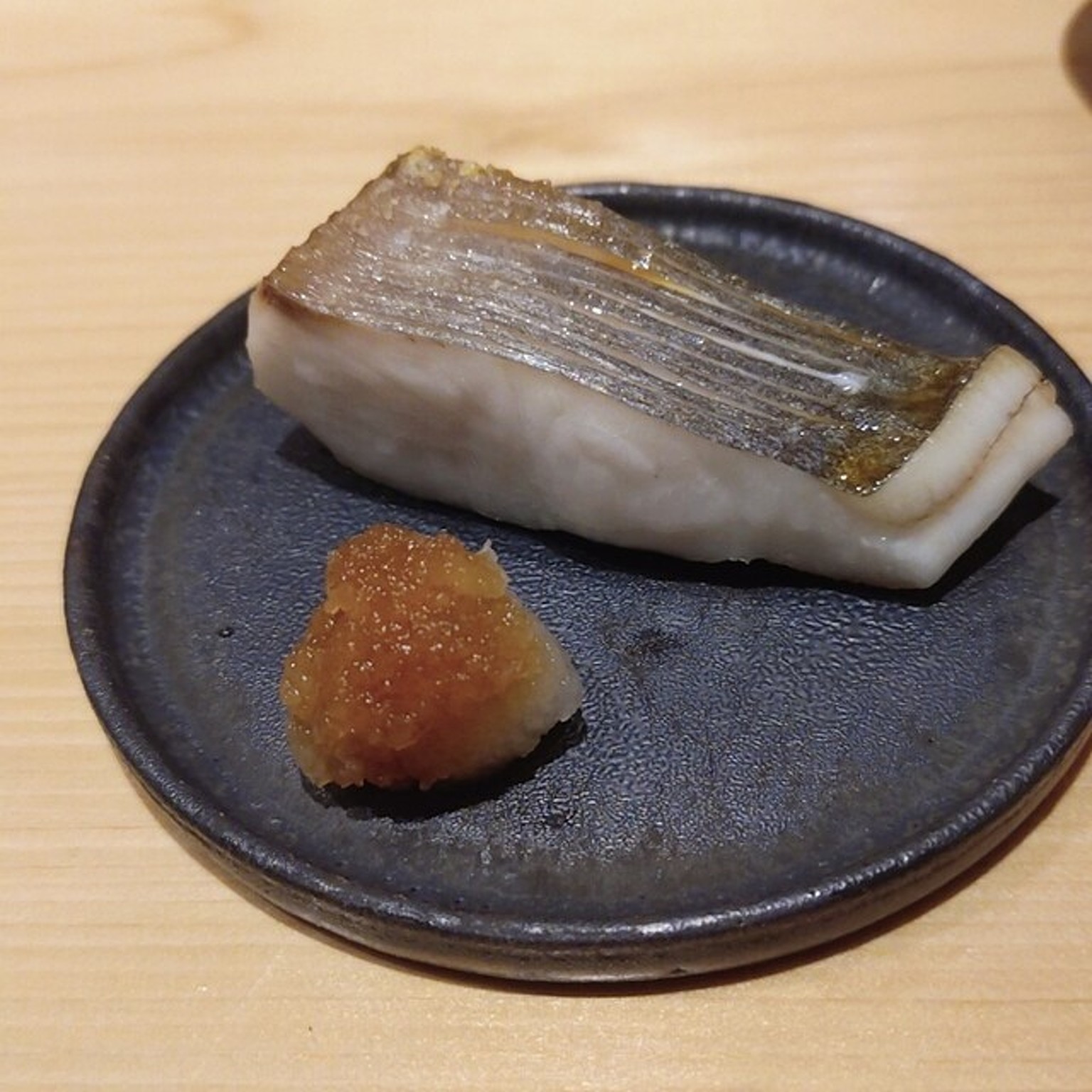
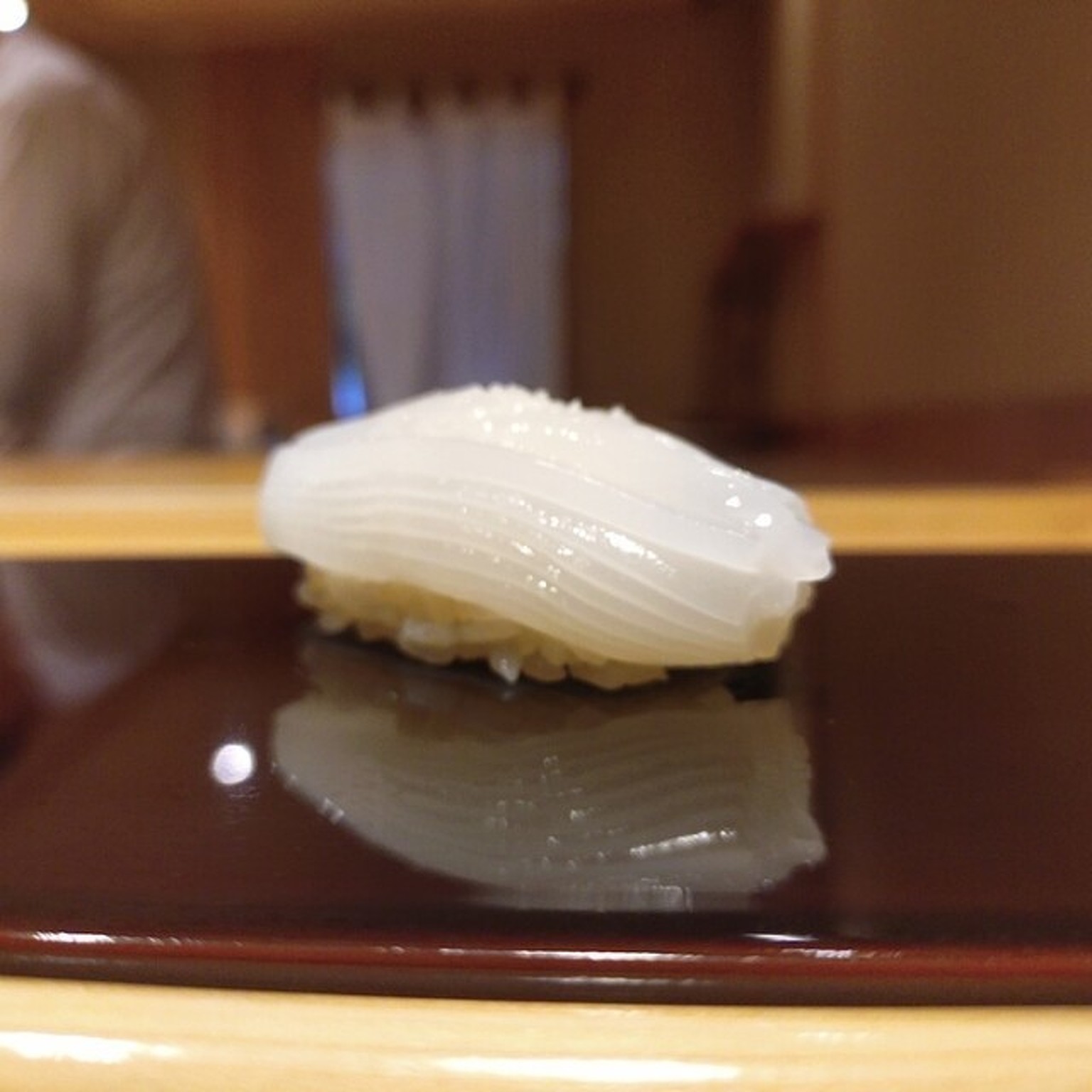
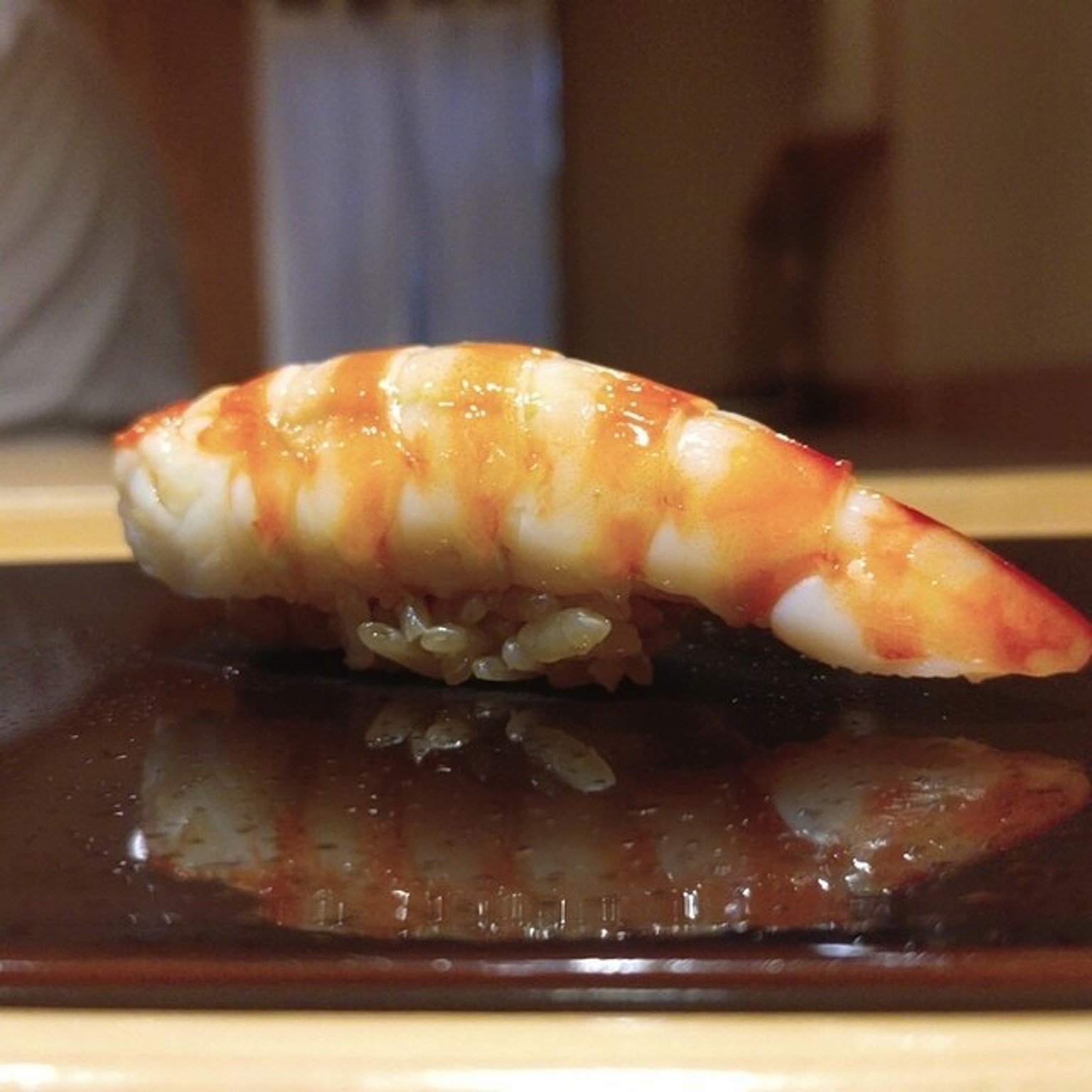
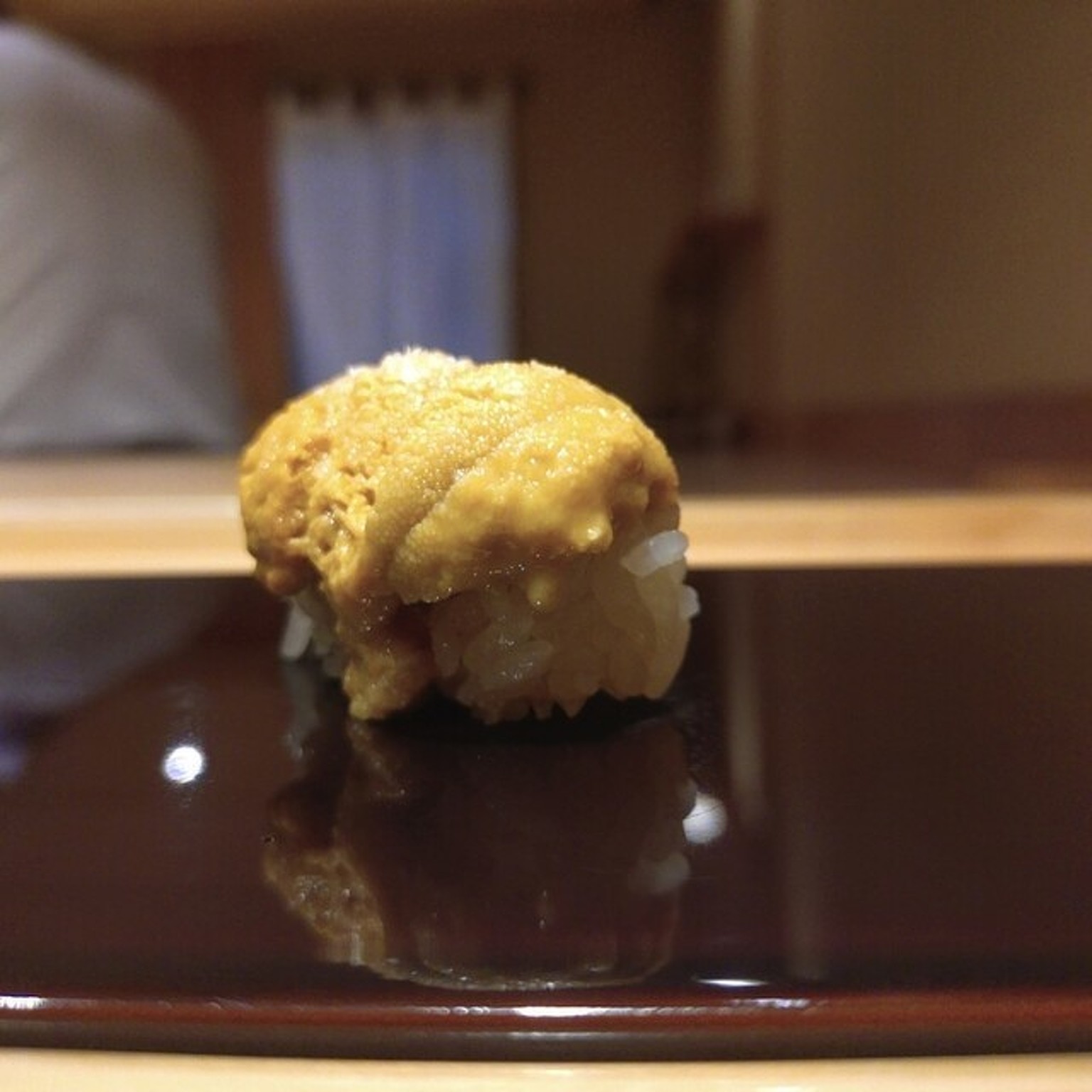
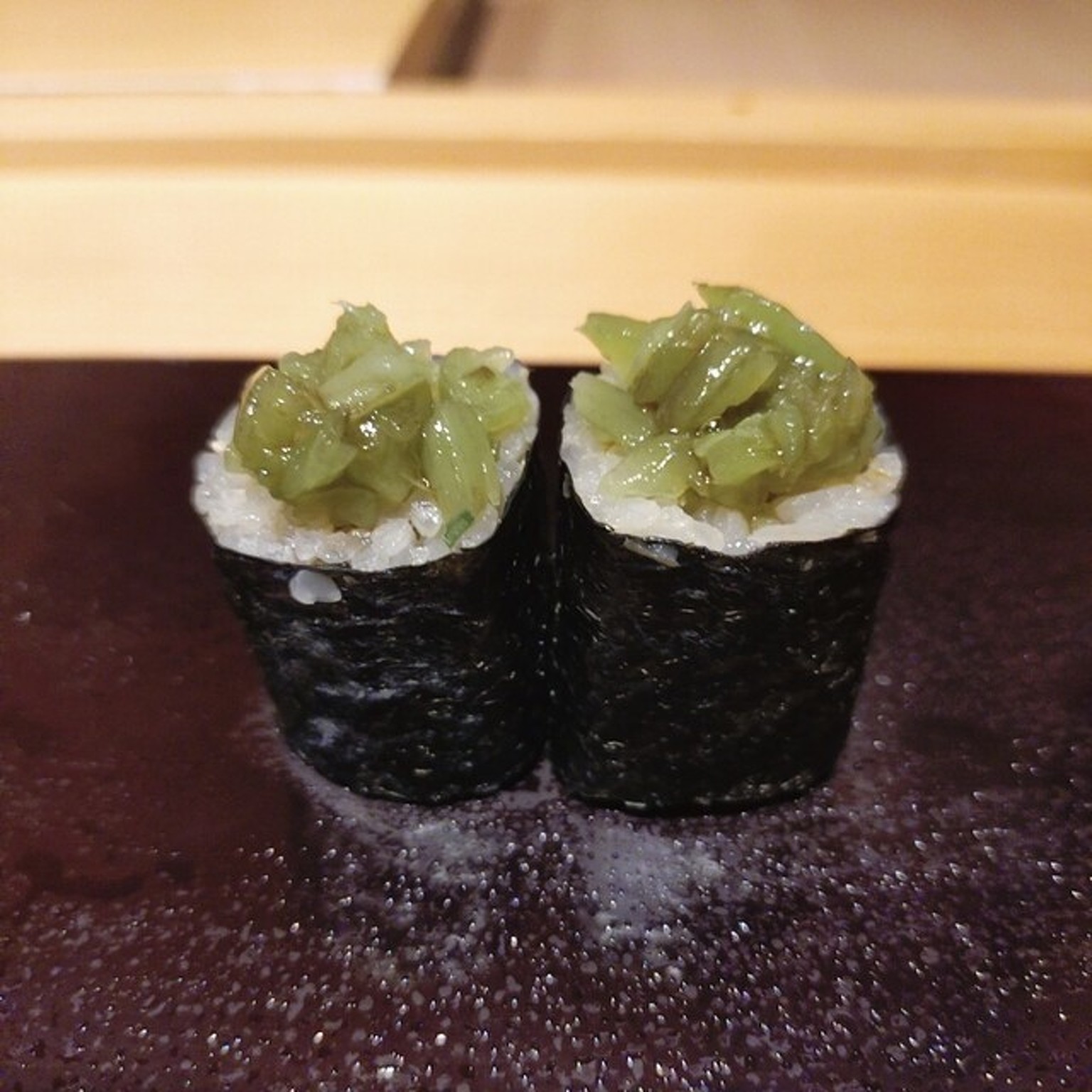
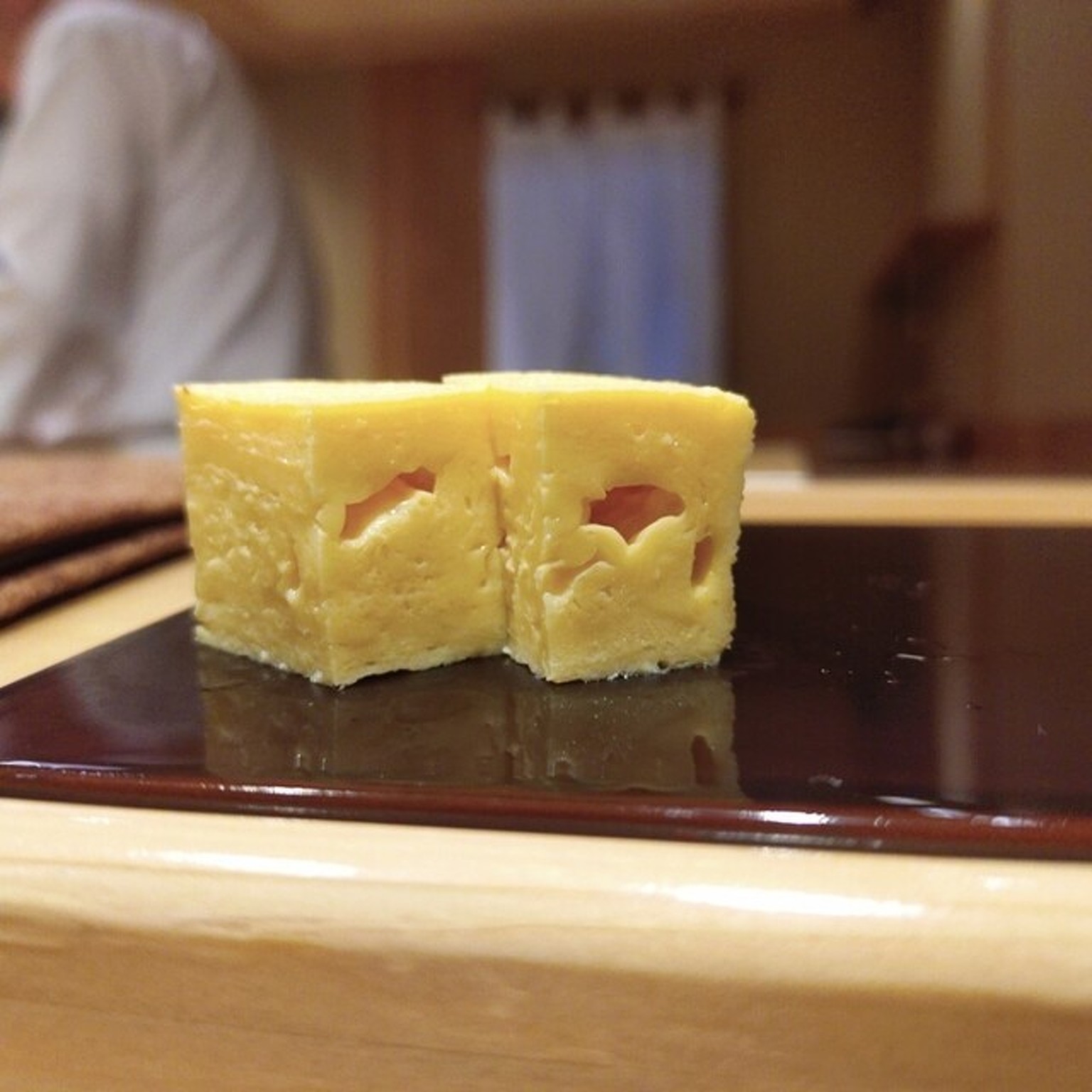
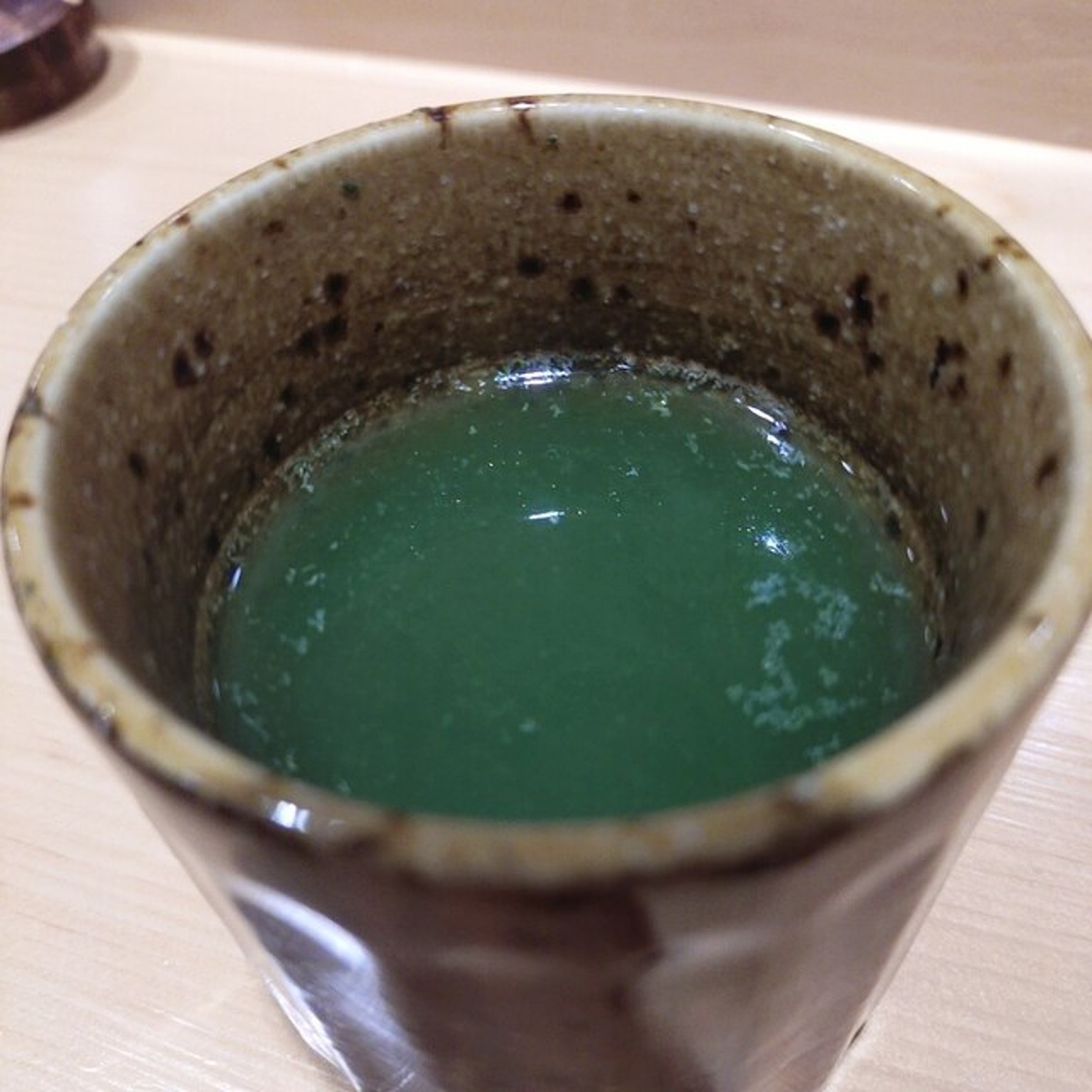
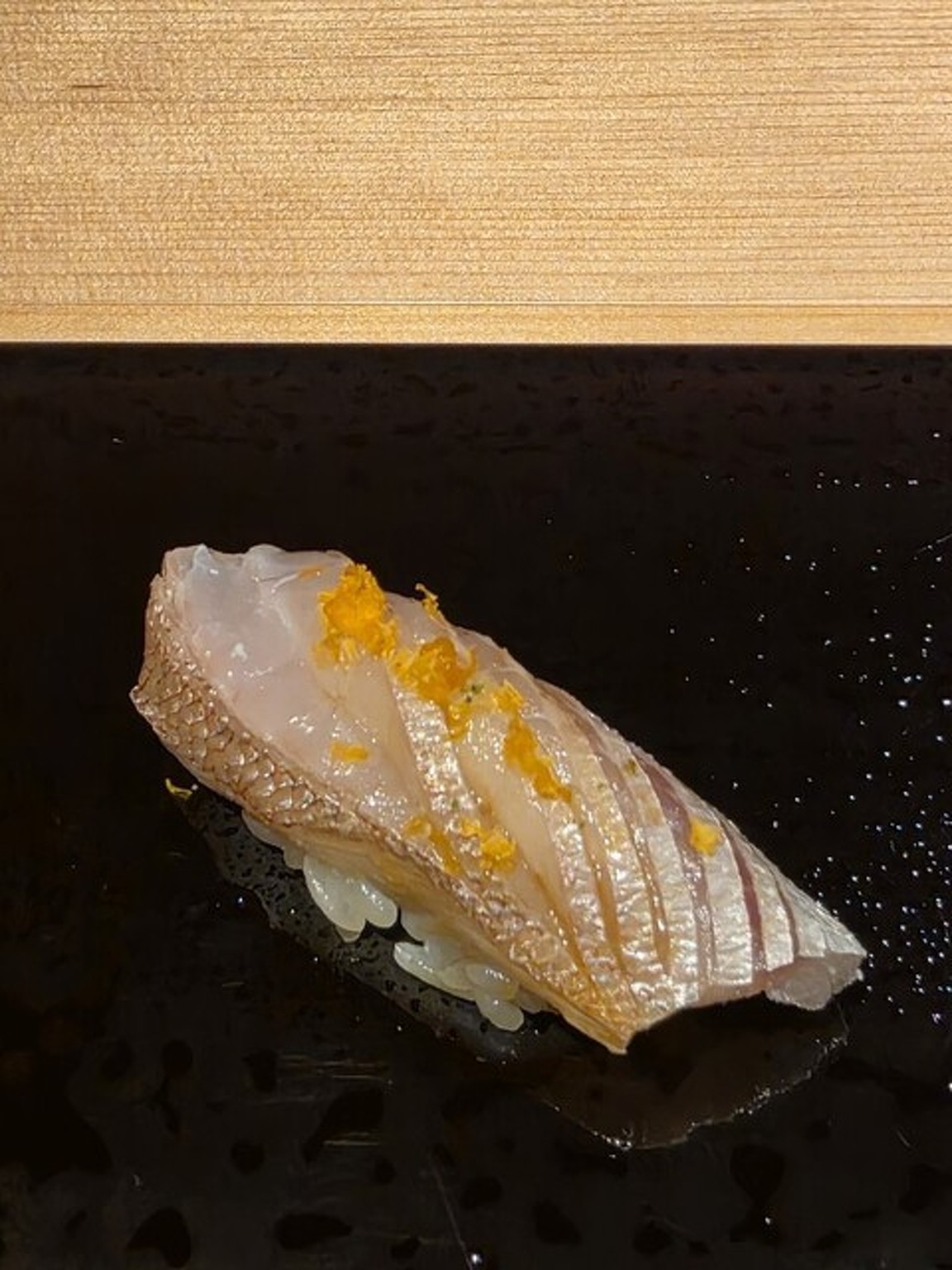
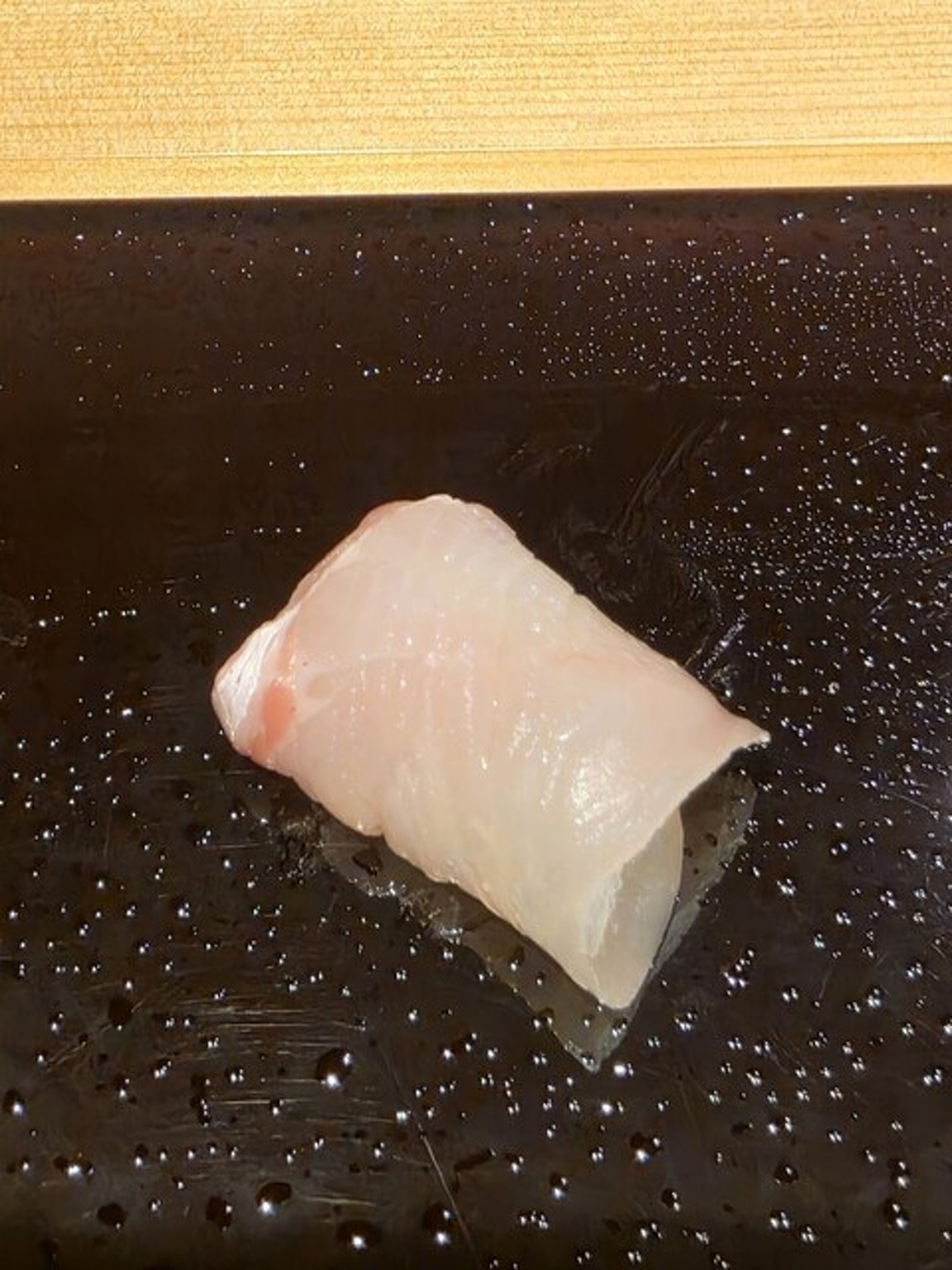
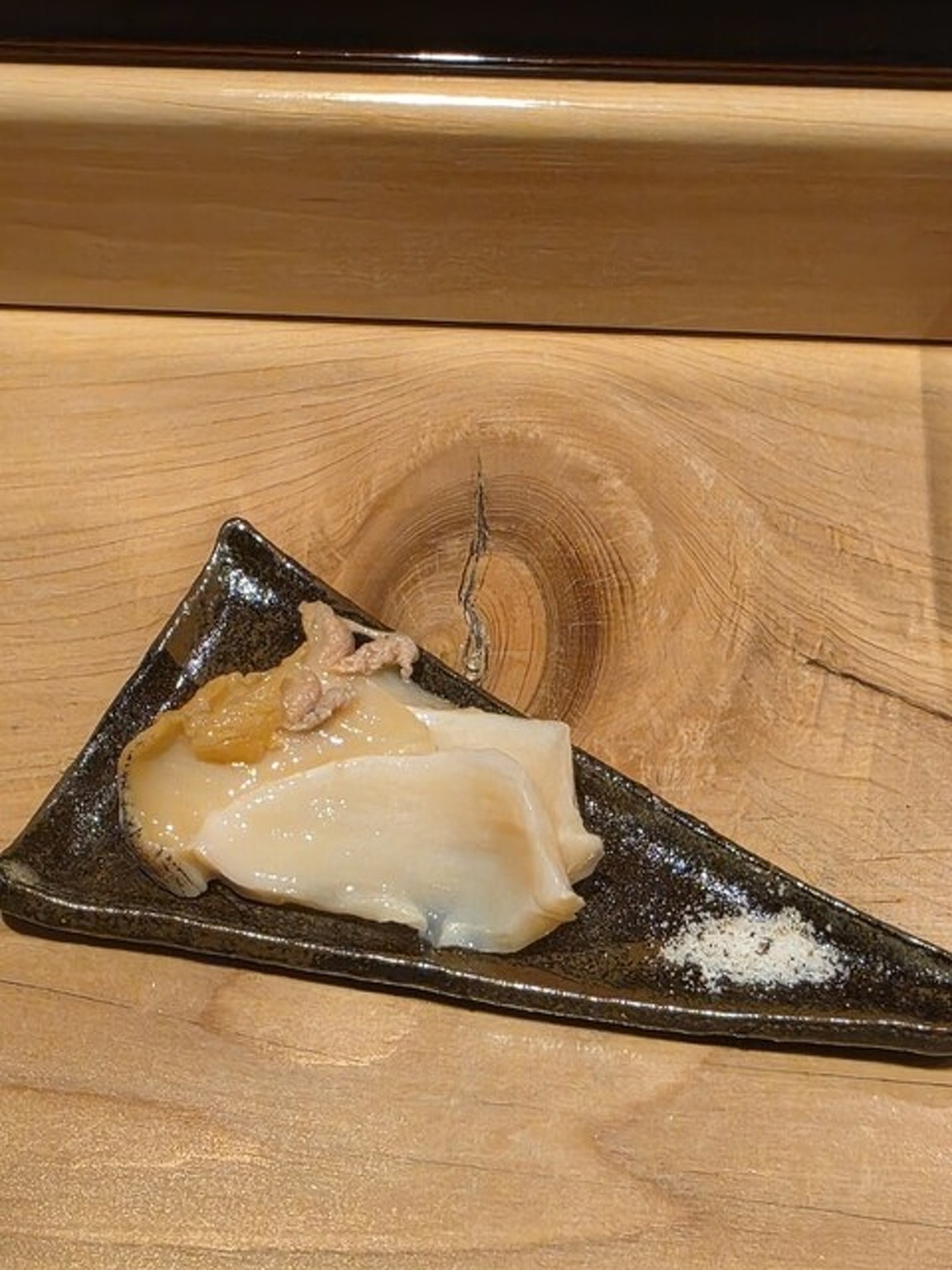
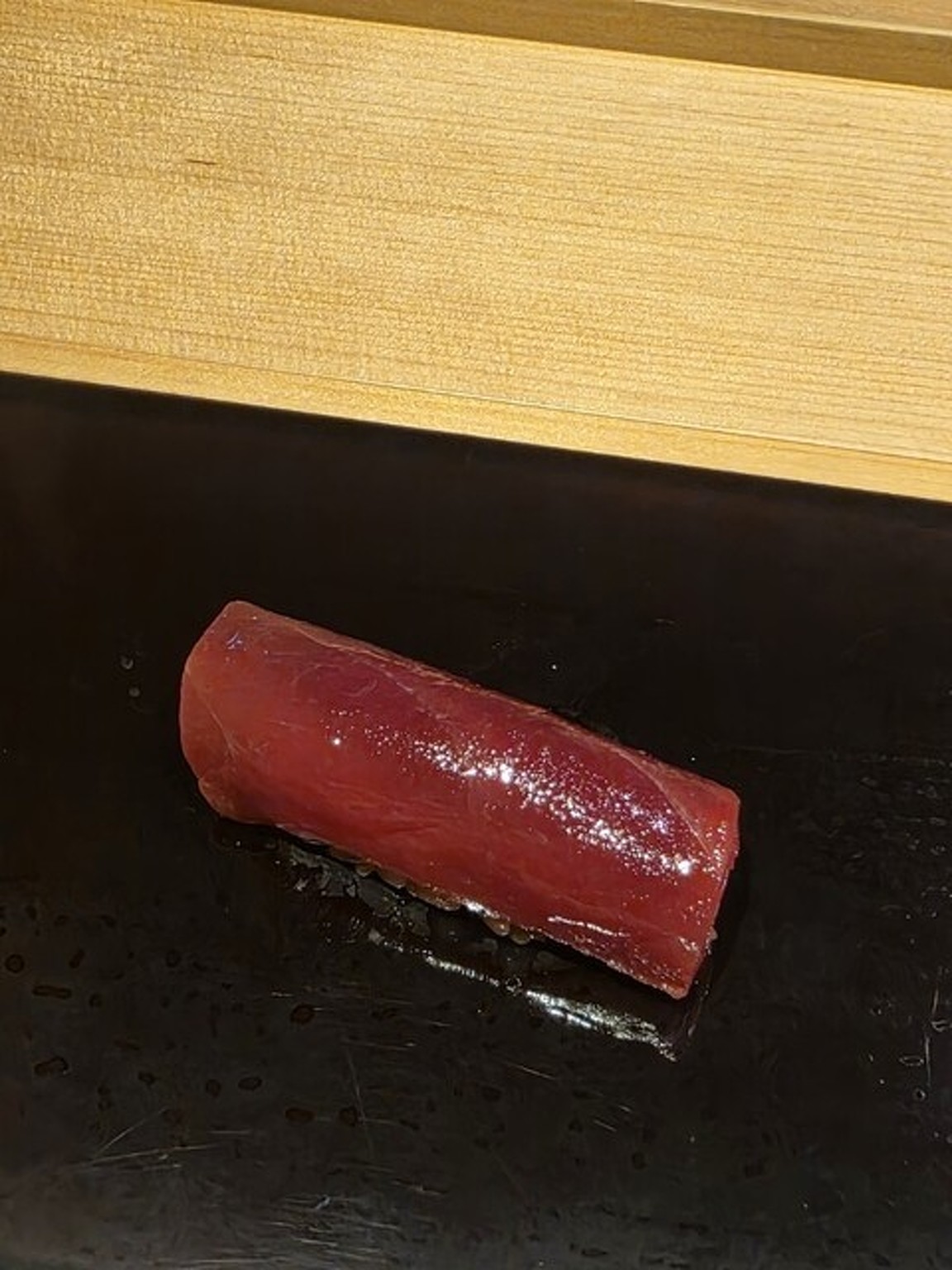
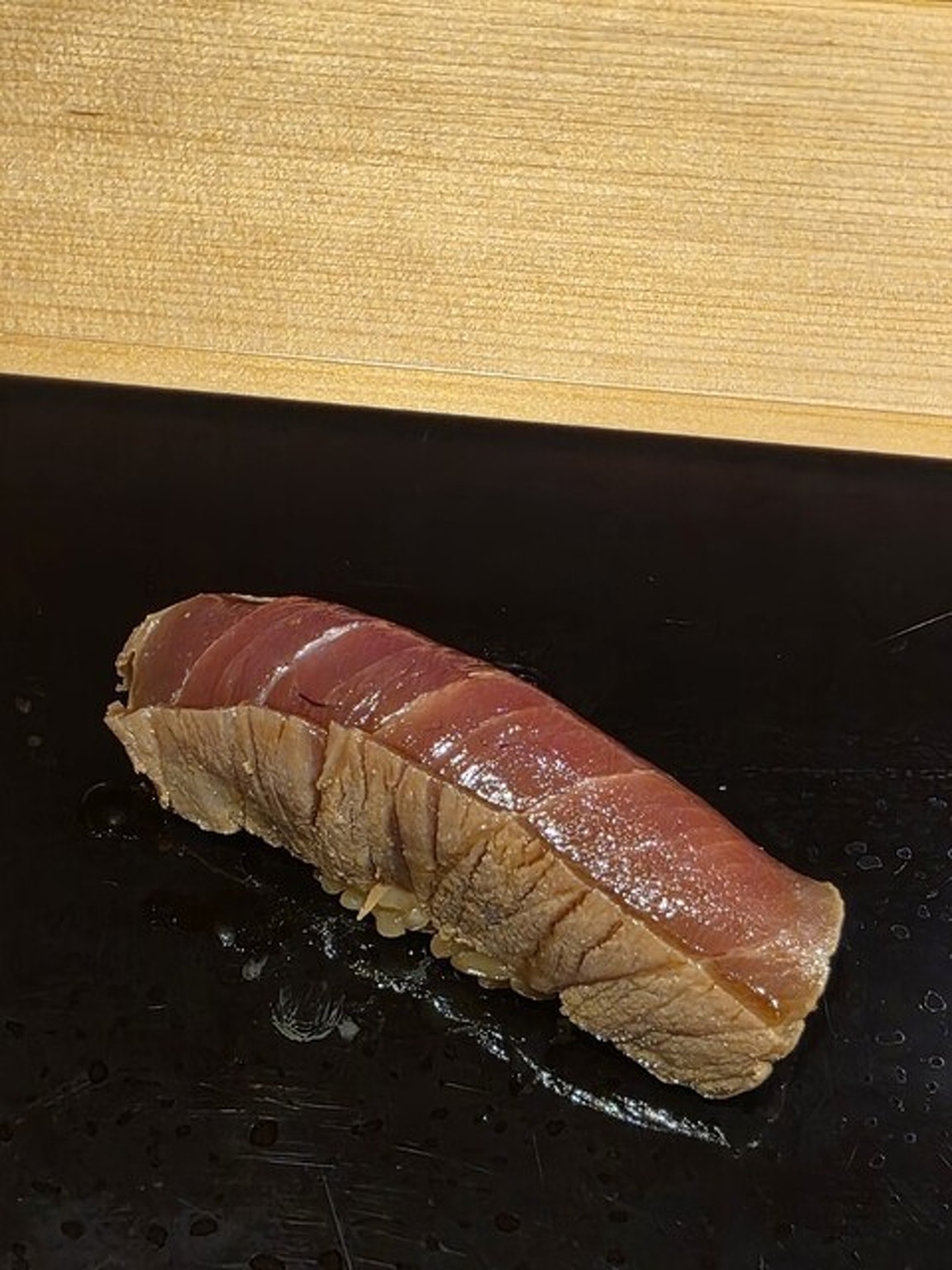
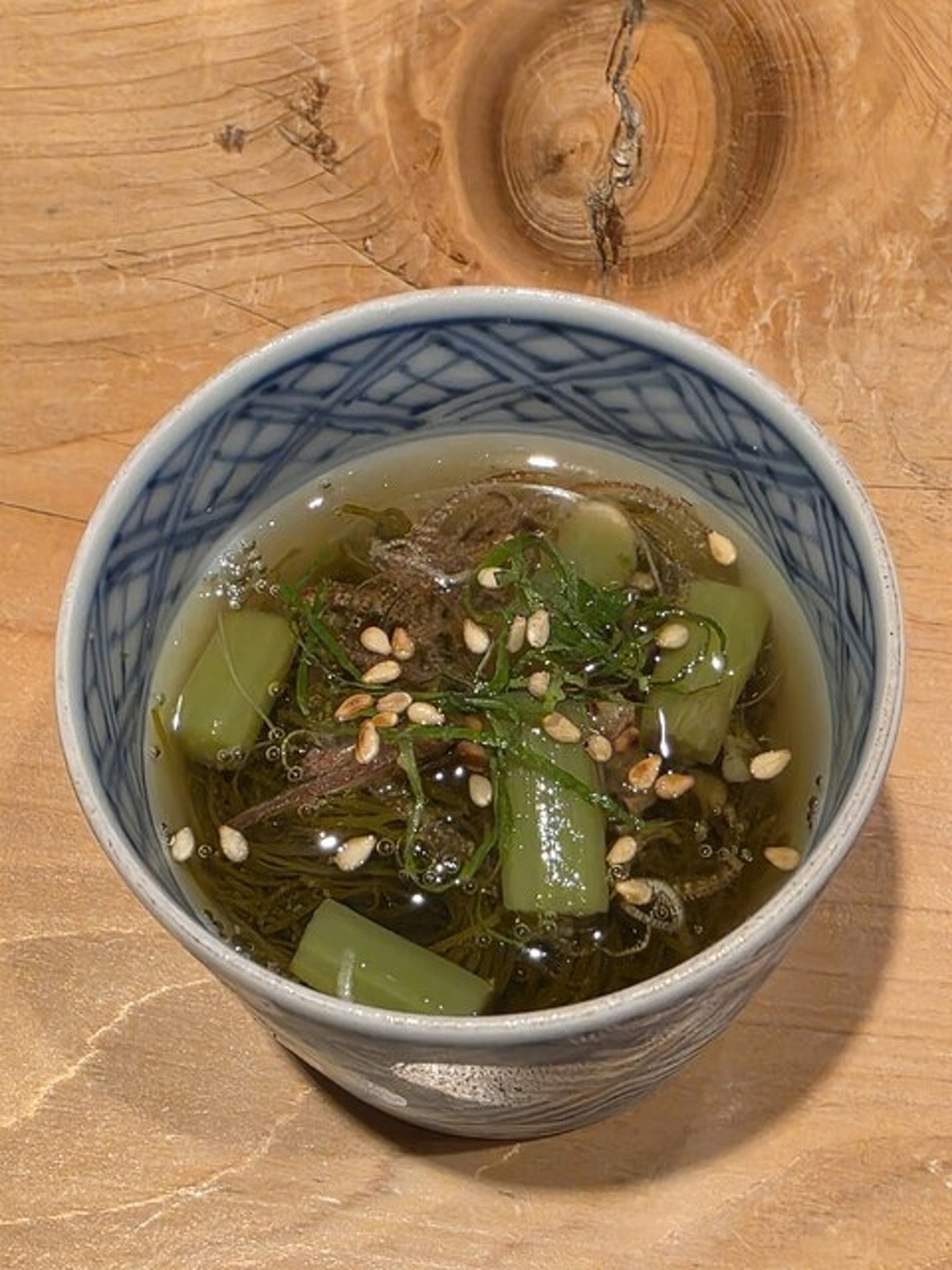
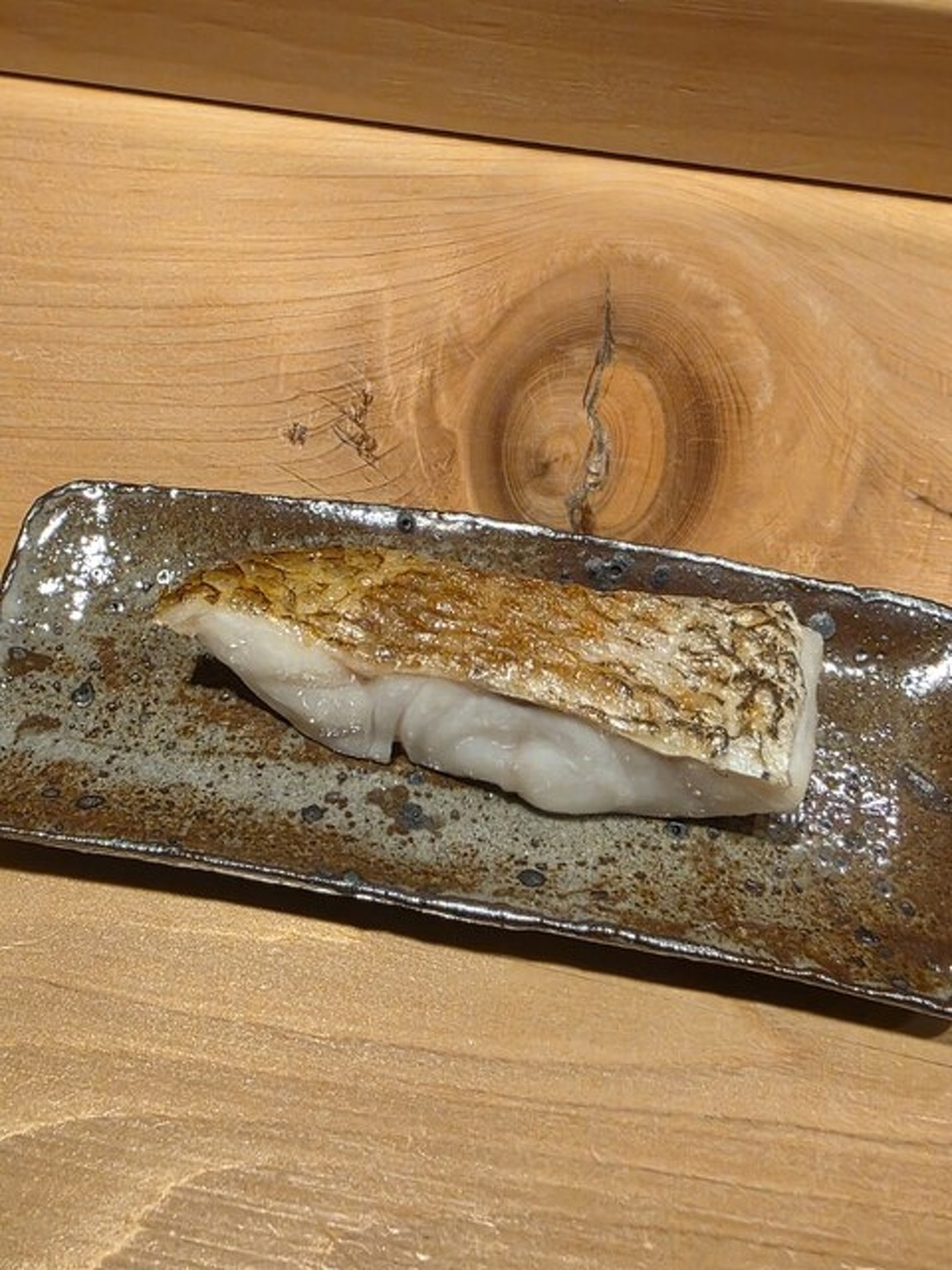
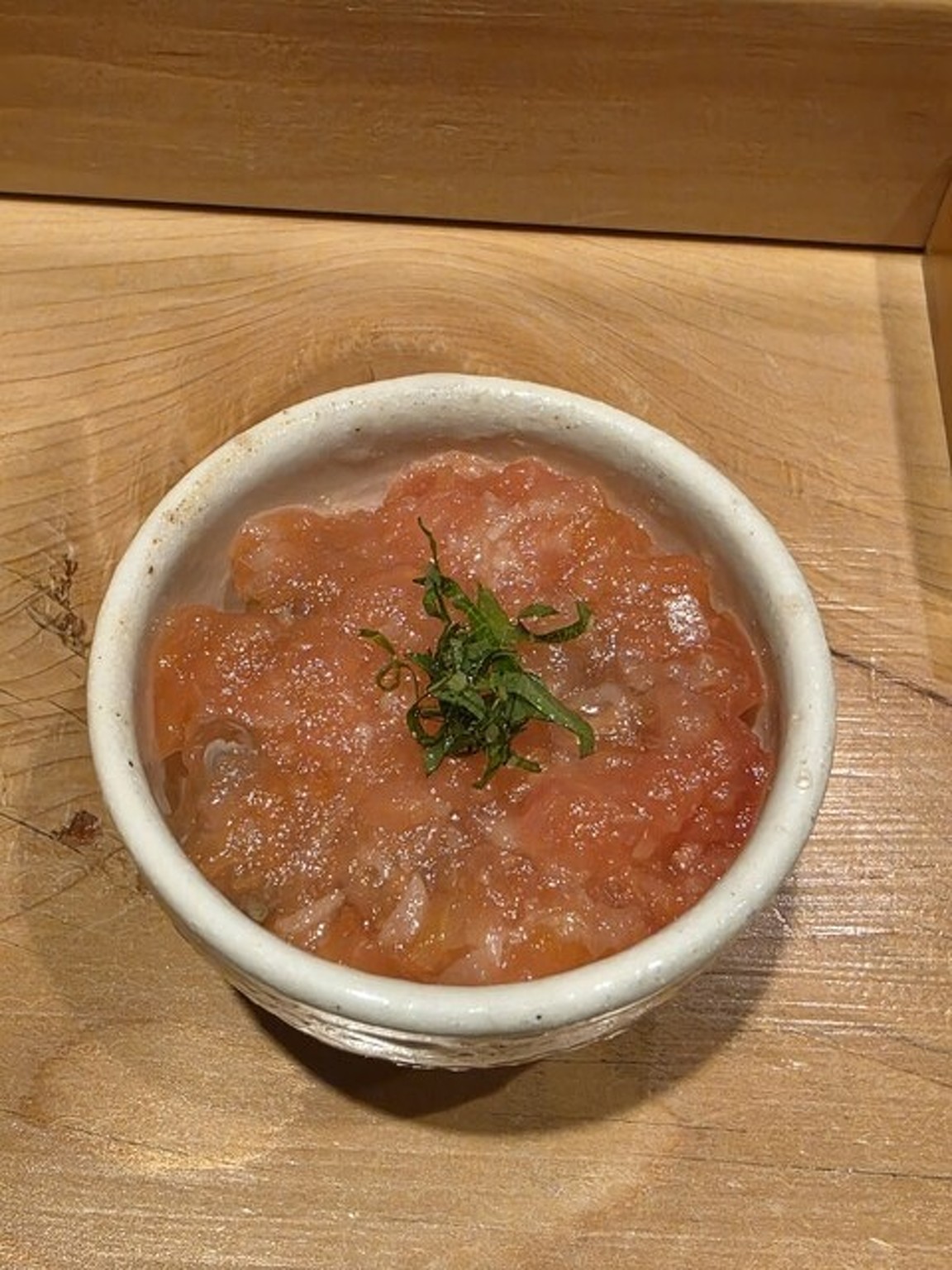
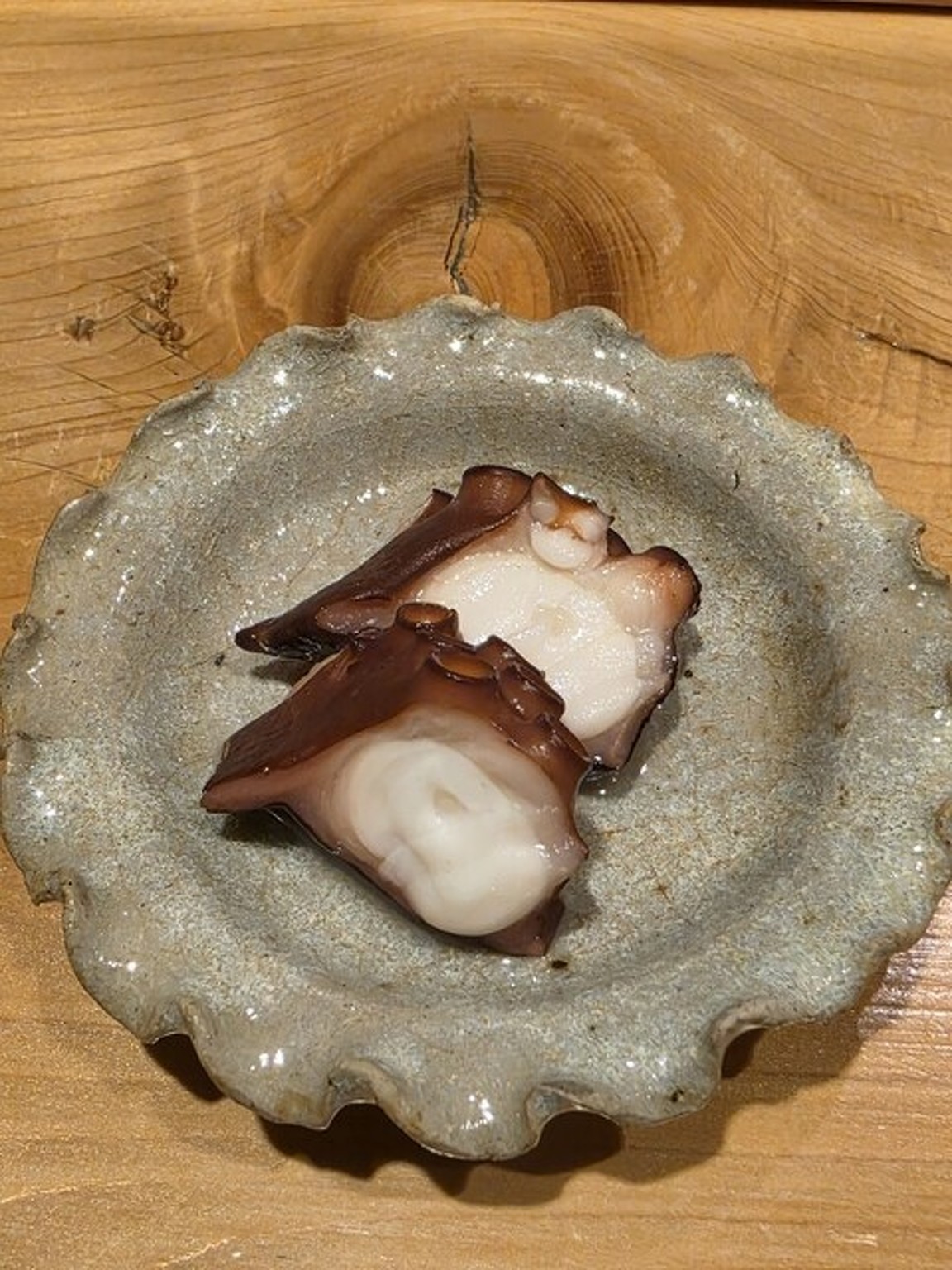
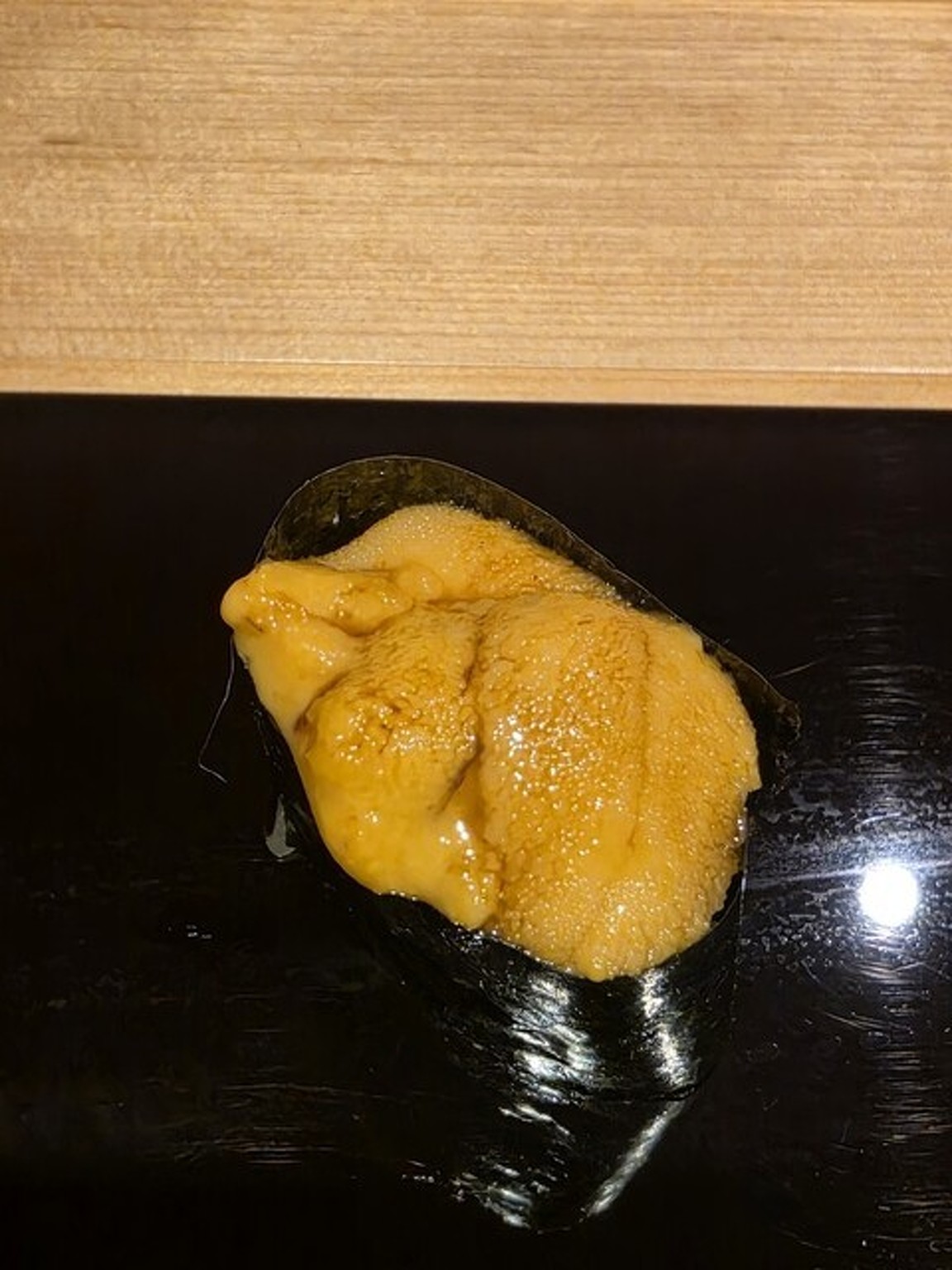
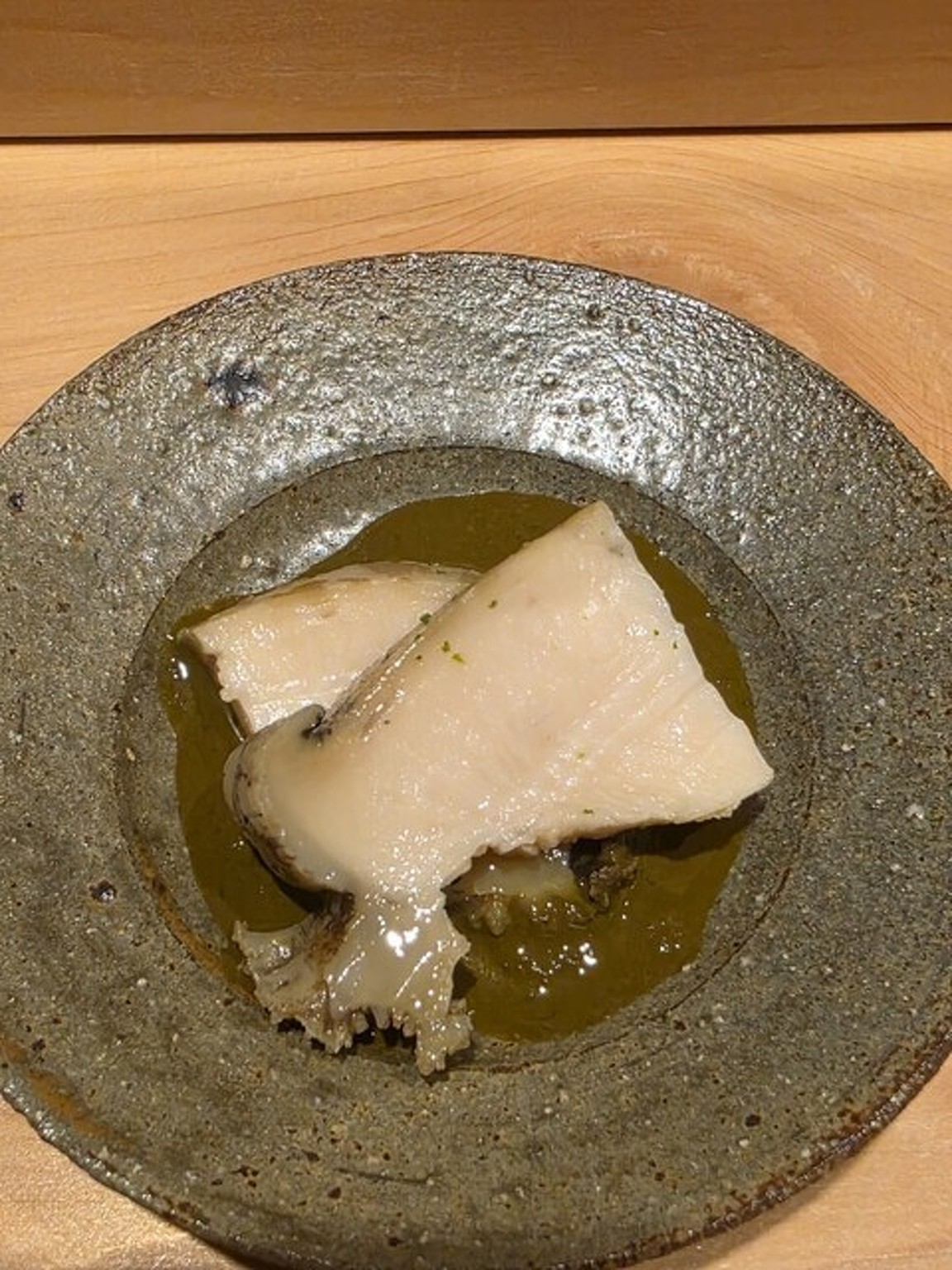
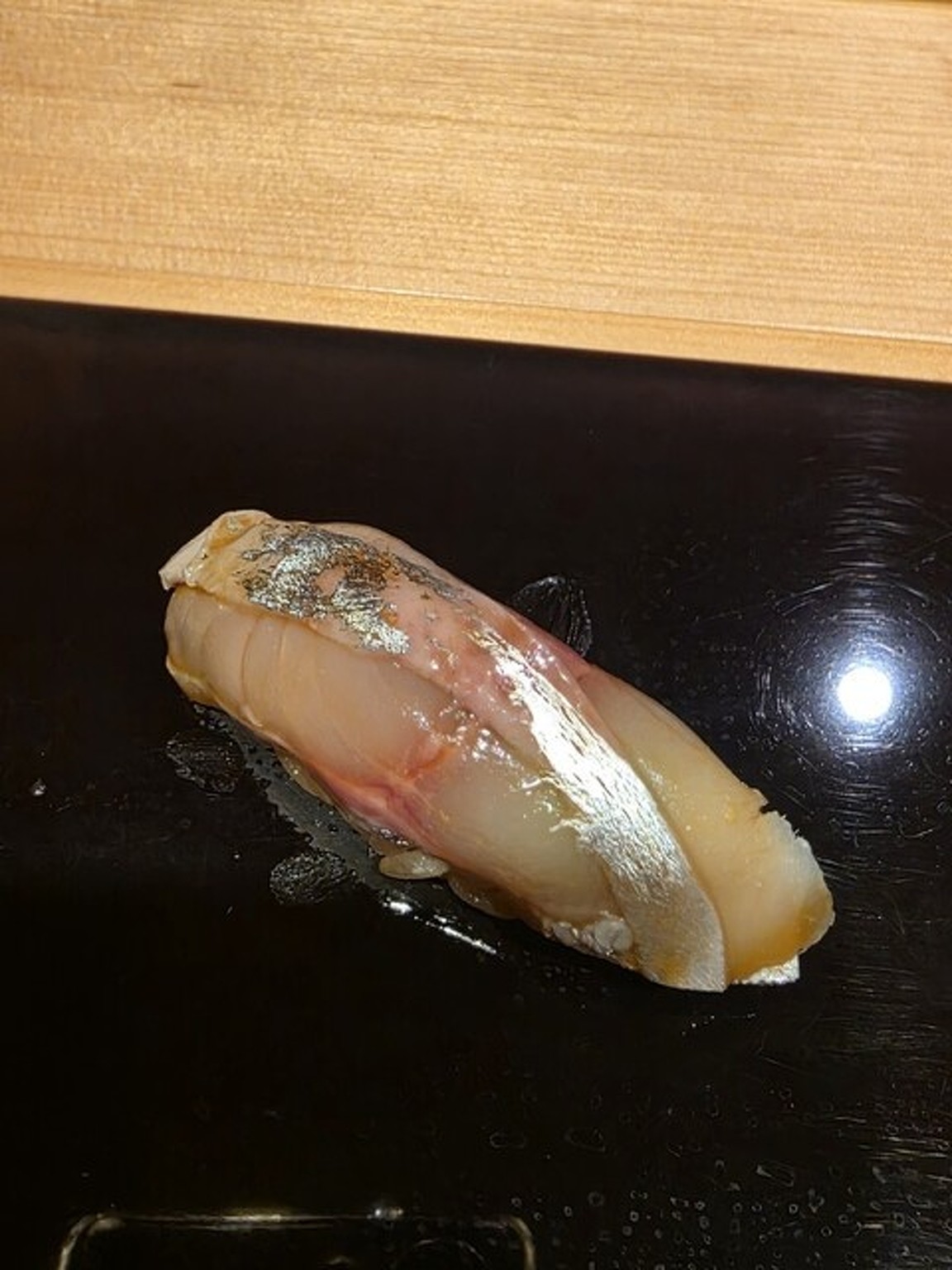
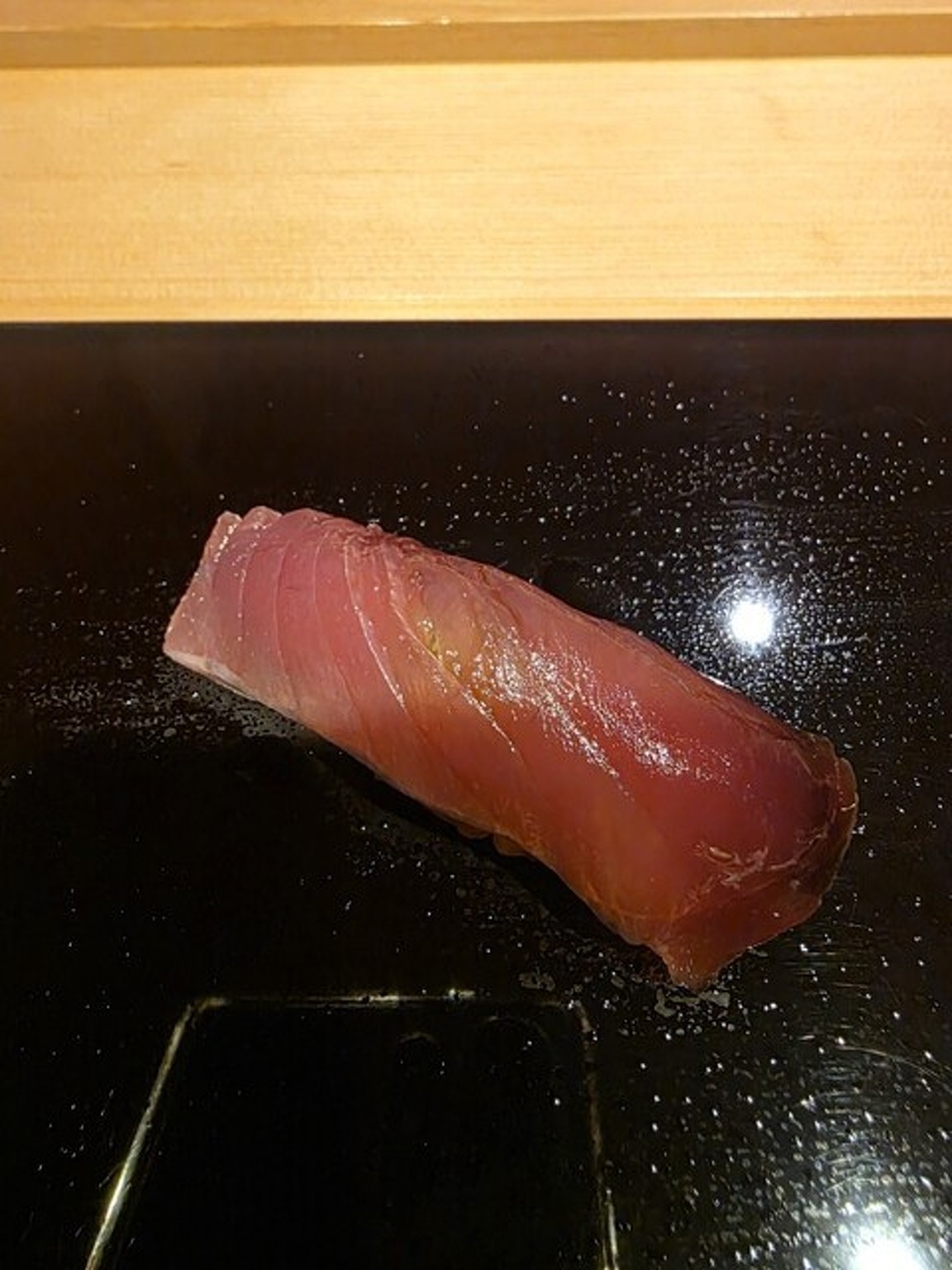
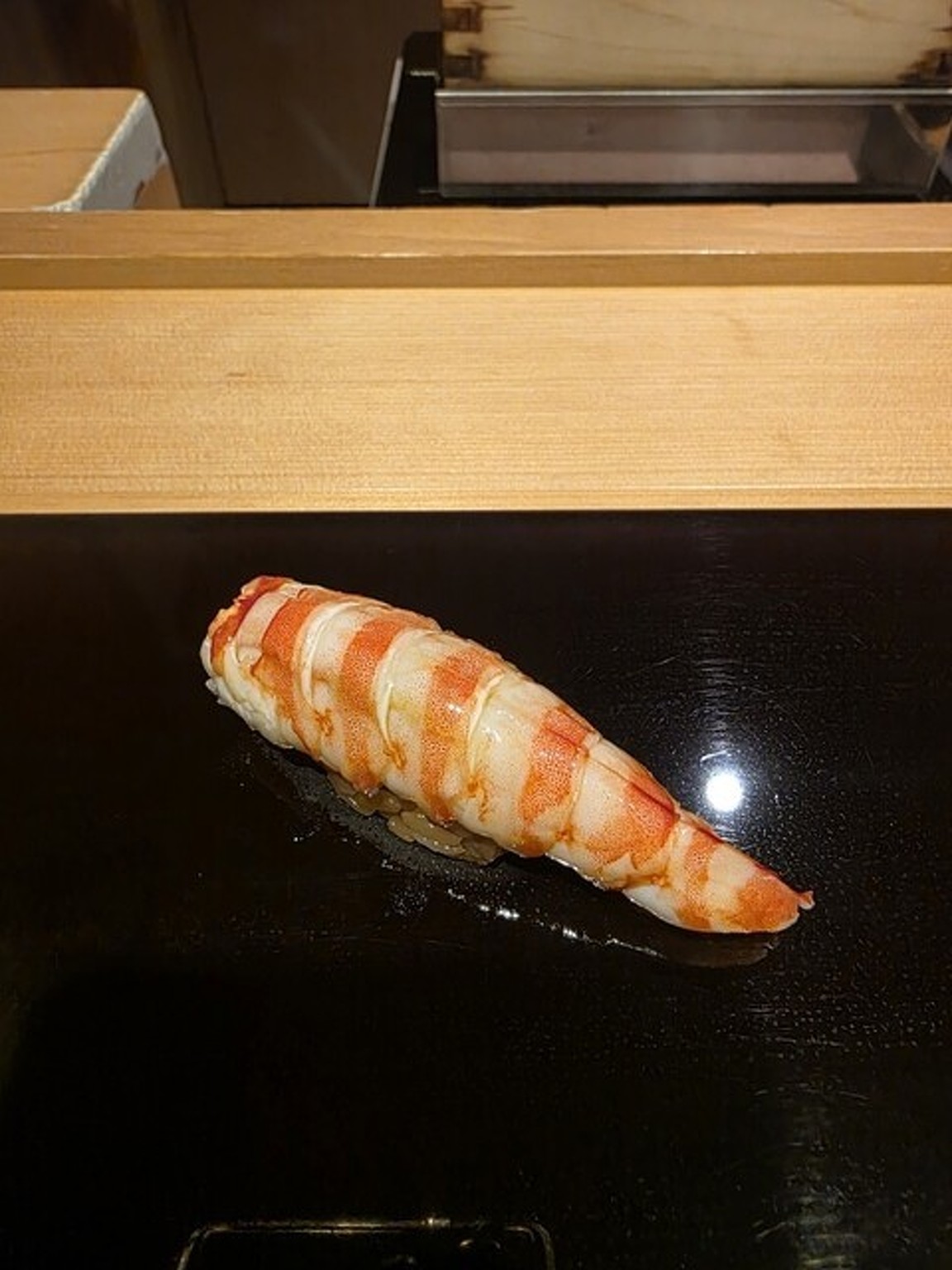
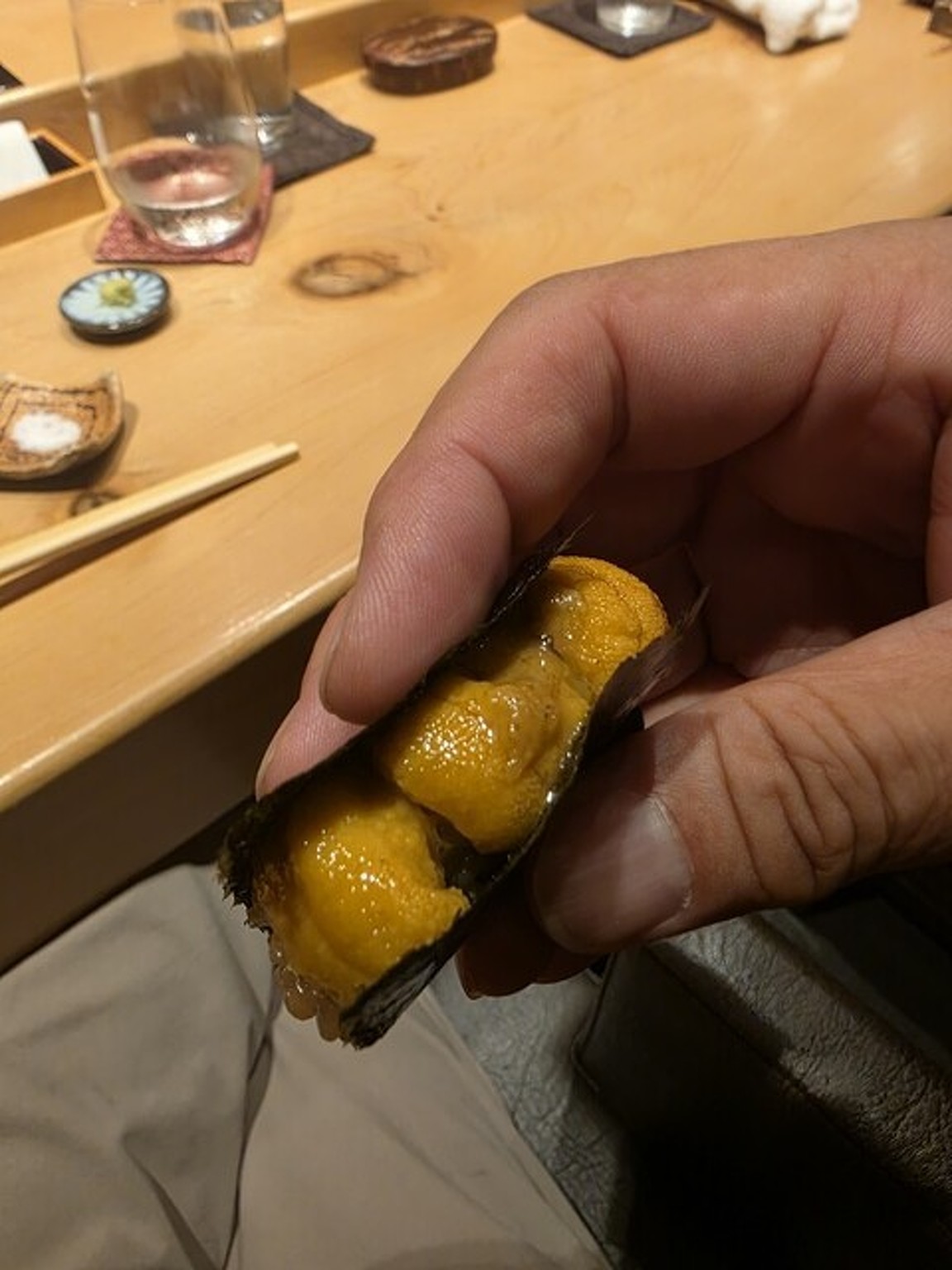
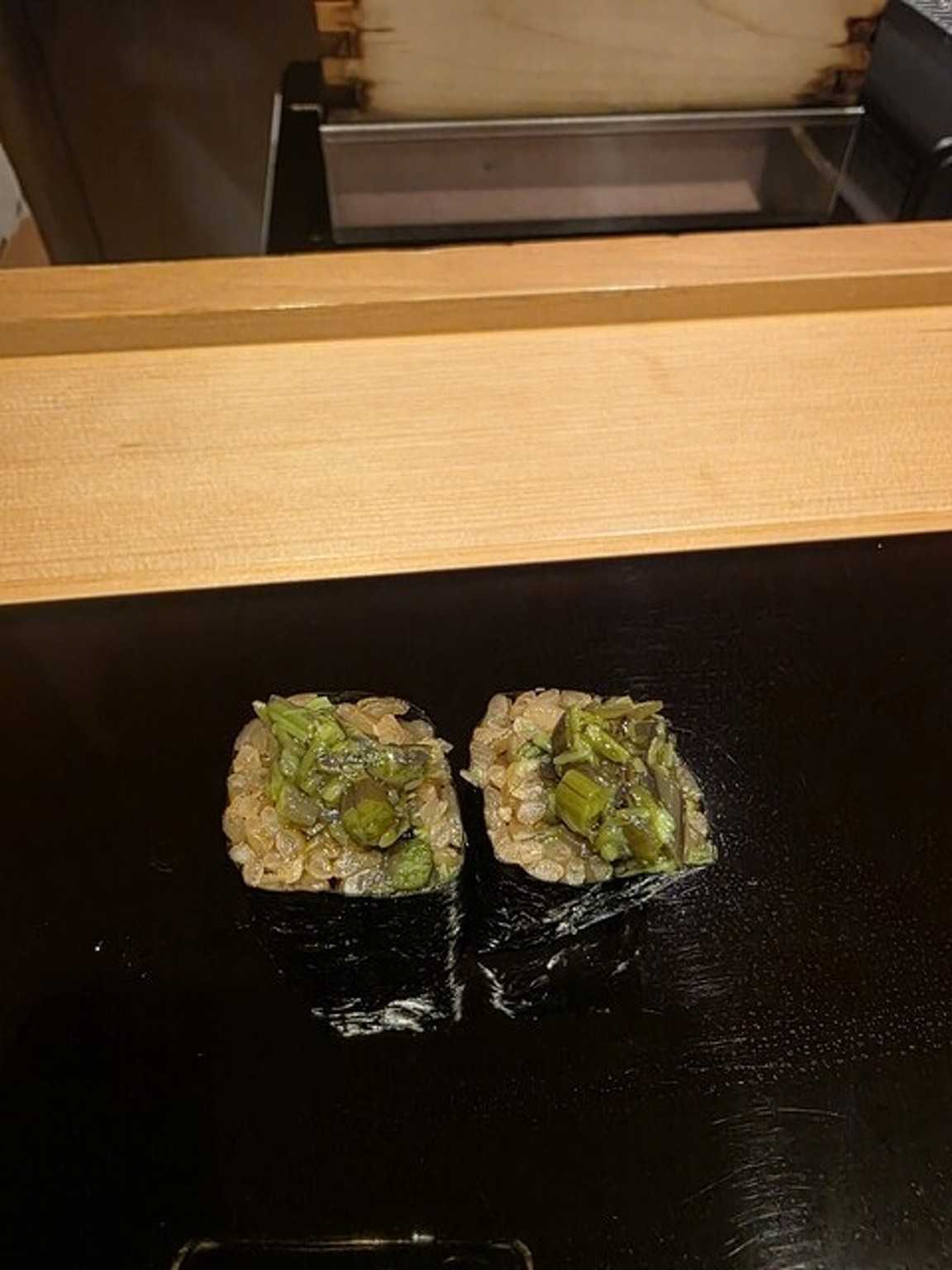
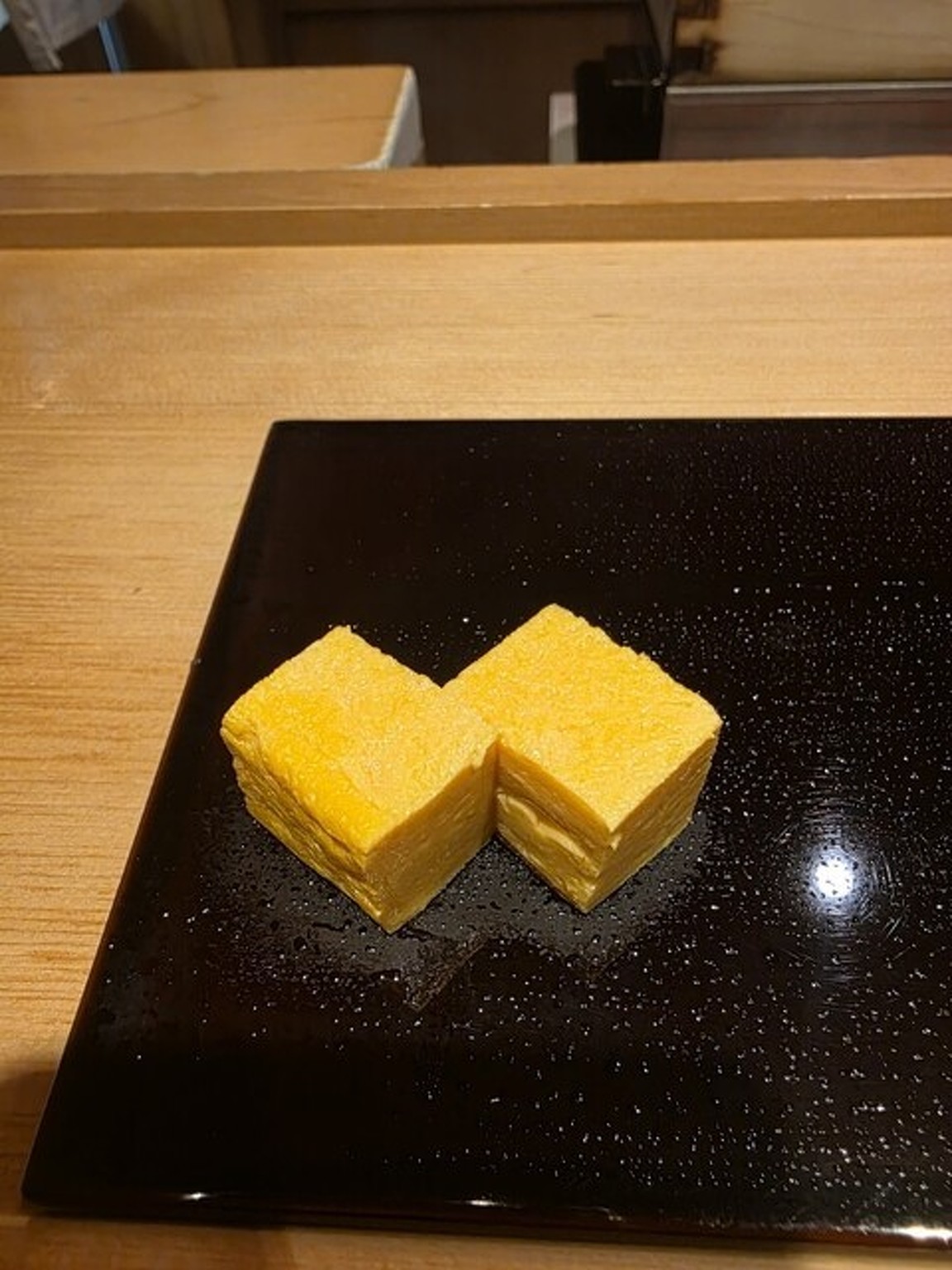
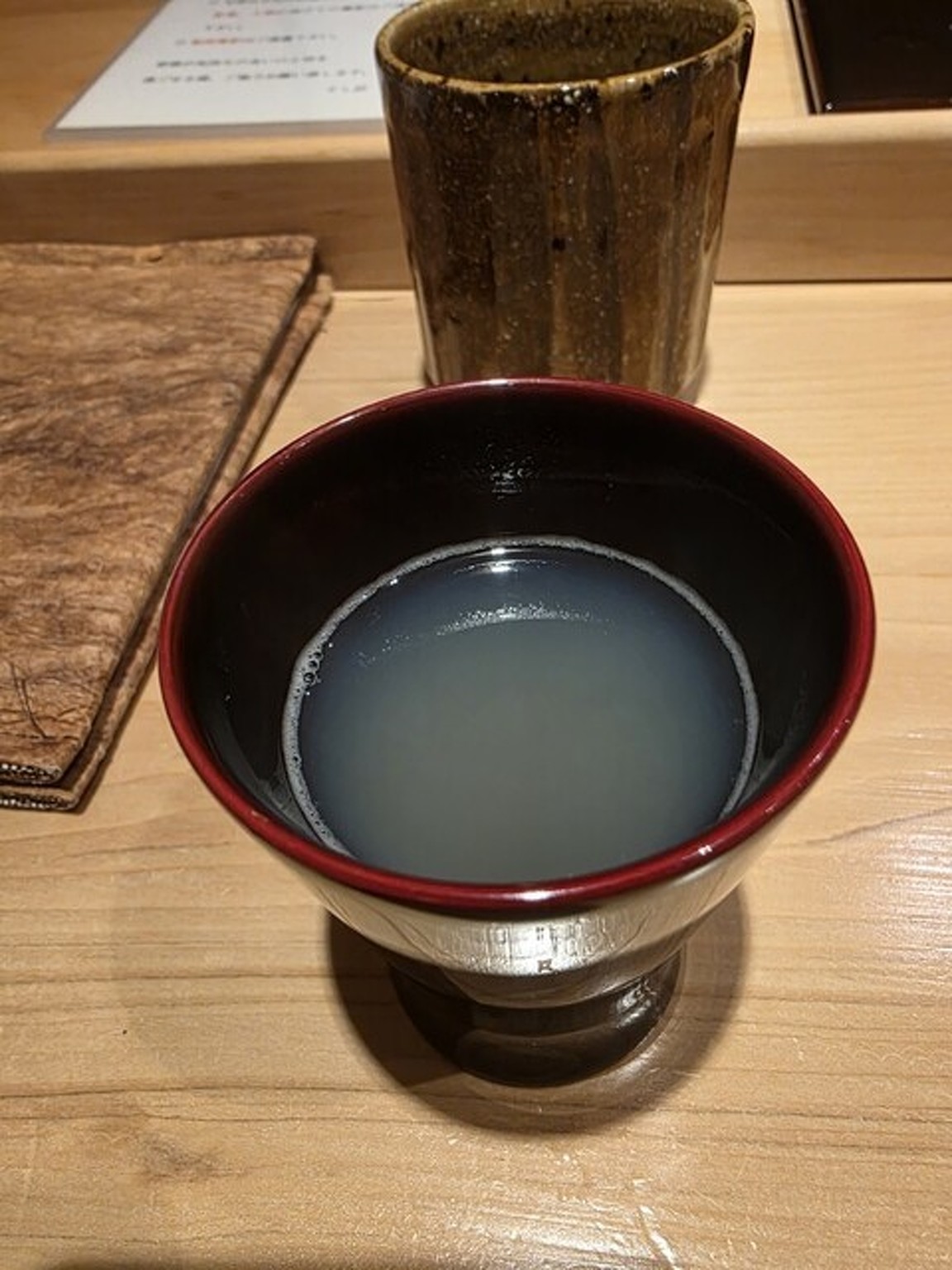
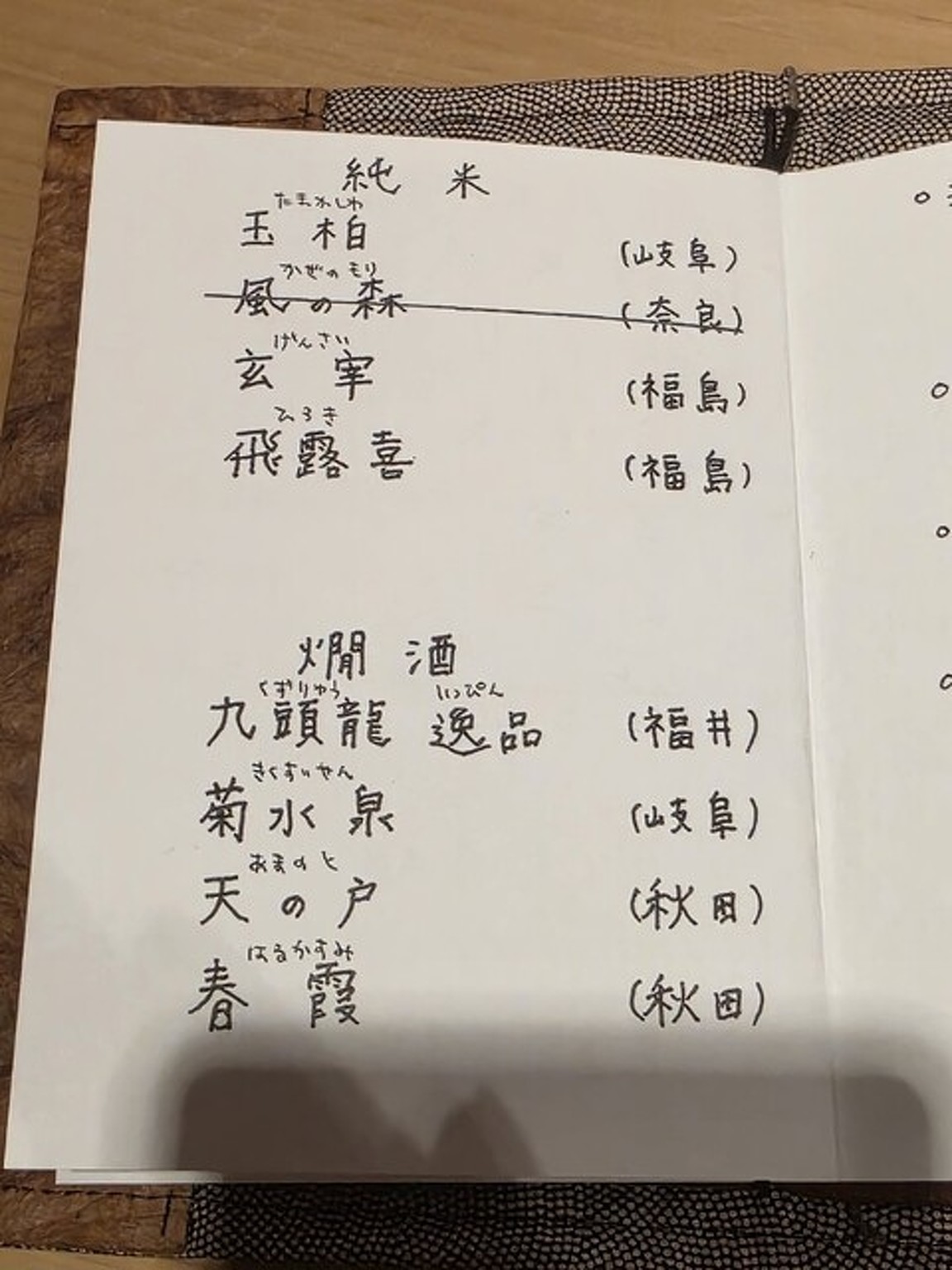
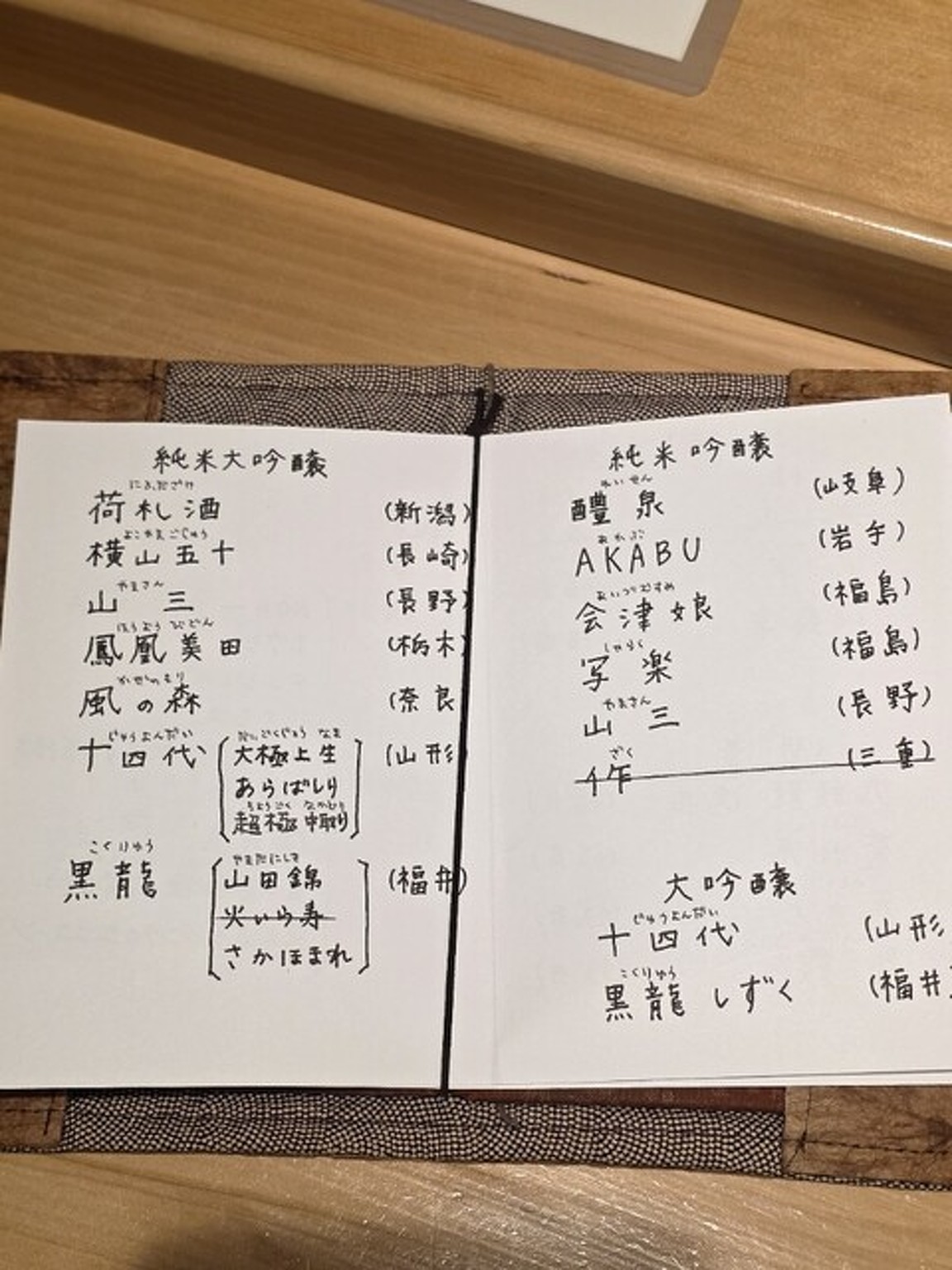
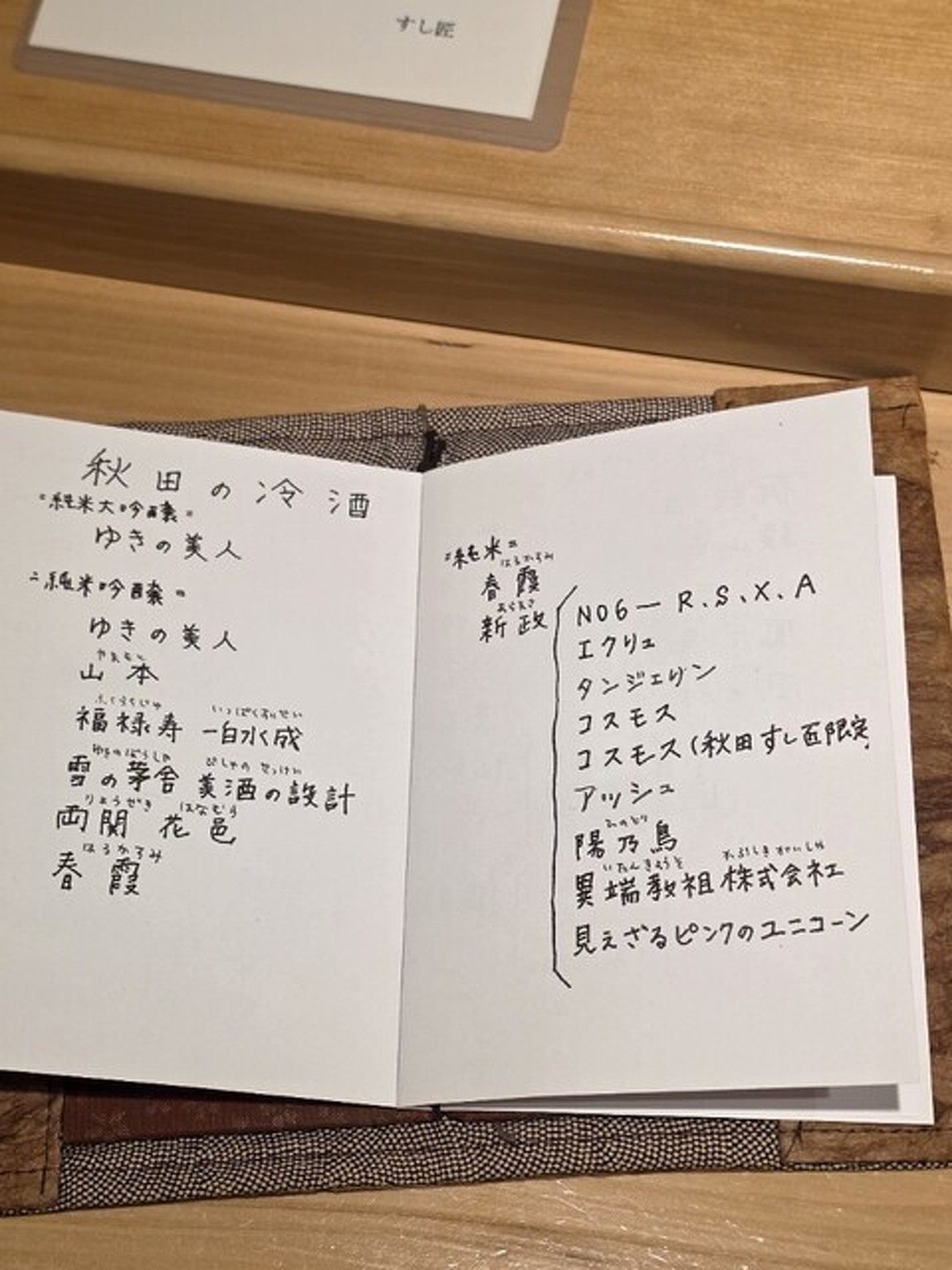
I visited "Sushi Sho" located in Omachi, Akita City. It’s a renowned sushi restaurant just a 20-minute walk from Akita Station, situated across from the Akita Red Brick Museum.The owner, Mr. Keiji Sasaki, trained as a sushi chef in Tokyo, where he met Mr. Keiji Nakazawa of "Sushi Sho" in Yotsuya. After five years of honing his skills under Nakazawa, he returned to his hometown of Akita and opened his own "Sushi Sho" in 2001. This restaurant is one of the earliest independent establishments in the Sushi Sho lineage.In 2022, 2025, and 2026, it earned a Bronze award and has been selected three times for the Sushi EAST 100 Best Restaurants in 2021, 2022, and 2025, making it a true gem in both name and reputation.A distinctive feature of "Sushi Sho" is its style of alternating between appetizers and sushi, rather than clearly separating the two.While the Yotsuya branch focuses on the meticulous use of rice according to the aging and type of fish, the Akita branch emphasizes using locally sourced ingredients, including fish, vegetables, and wild plants, while inheriting the techniques and course structure.The course I enjoyed that day included the following:- Kasugo: The right amount of vinegar enhances the soft flesh's umami, with a delicate finish from precise knife work.- Hon-Ara: A refined umami typical of white fish, slowly expanding in flavor with each bite, showcasing the quality of the flesh.- Tsubugai: Sourced from Samani, Hokkaido. It has a crunchy texture, followed by a sweet and savory flavor as you chew.- Akami: This 230kg bluefin tuna was caught in the Funka Bay, Hokkaido. It had a refreshing taste while retaining the characteristic umami of tuna.- Chutoro Zuke: The sweetness of the fat is stronger than the akami, and marinating enhances the umami. This chutoro was exceptionally delicious.- Kuromono Sunomono: With a much crunchier texture than typical mozuku, it retains a delicate yet firm bite.- Akamutsu: Locally sourced from Akita, the skin's aroma is followed by a sweet fat flavor, with a wonderfully balanced richness and fragrance.- Sumiika: The thick flesh starts with a crisp texture, transitioning to a sticky mouthfeel. The sweetness of the squid increases as you chew, pairing well with the rice.- Shinko: From Kumamoto, this seasonal fish showcases the acidity from vinegar and the fish's umami, presenting a delicate Edomae-style piece.- Geso: The tentacles of the Sumiika have a distinct, bouncy texture, enhanced by a roasted aroma. The moment it enters your mouth, the fragrance is delightful, and the sweetness and umami intensify as you chew.- Tako and Kuro Awabi: The tako has a bouncy texture that is easy to bite through, releasing umami gradually. The black abalone has a dense flesh, revealing ocean flavors and umami from its firm texture.- Sanma: The richness of the sanma's fat combined with the liver's depth and slight bitterness creates a deeply flavorful experience. The grated daikon perfectly complements the aftertaste.- Shima Ebi Head: Cooking enhances the shell's aroma, resulting in a rich, sweet, and concentrated flavor.- Katsuo Hirazuke: Sourced from Chiba, marinating brings out the umami, and biting into the thick flesh releases a burst of iron-rich flavor and aroma, redefining the typical perception of katsuo.- Cucumber with Mustard: Locally sourced from Akita, the refreshing crunch of cucumber is complemented by the kick of mustard, making for a great palate cleanser between rich seafood.- Sardine: Sourced from Chiba, it carries a refreshing acidity from vinegar while retaining the sardine's rich fat, enhanced by a roasted aroma. This depth of flavor, combining acidity, fat, and toastiness, is distinct from simple vinegar marination.- Shima Ebi: Locally sourced from Akita, it has a creamy texture with a rich sweetness. The head was delicious, but the flesh was a completely different experience—truly wonderful.- Ikura: The first catch from Nemuro. The pearls are still slightly small, but they burst in your mouth, releasing rich umami. The crispy texture of the fragrant seaweed enhances the flavor of the ikura.- Murasaki Uni: Sourced from Hokkaido, it is paired directly with the rice without seaweed, allowing the uni's aroma, sweetness, and melt-in-your-mouth texture to shine through. There were no off-flavors or bitterness, showcasing the high quality of the uni.- Kappa Maki: Thinly sliced Akita cucumbers are doubled and finely chopped, creating a unique roll where the rice and cucumber are separated. The texture of this kappa maki was excellent.- Tamago: A thick omelet made with Hinai chicken eggs, layered beautifully.Additional items:- Ohagi: A combination of nakaochi tuna and finely chopped iburi gako with green onions. The umami and fat of the tuna blend with the smoky aroma and texture of the iburi gako, creating a wonderful balance of aroma, texture, and flavor. This dish symbolizes the Akita branch's adaptation of the Yotsuya style to Akita's food culture.- Anago: Sourced from Tsushima, it is fluffy and tender, melting in your mouth. The balance with the sweet sauce was perfect, making it a great addition.- Murasaki Uni Double: After enjoying the first Murasaki uni, I added more, covering the rice with a generous layer of uni. The rich sweetness and creamy texture made for an incredibly luxurious piece.- Shijimi Soup: The meal concluded with a gentle shijimi soup, infused with umami, providing a calm end to the long course.Overall, it was a wonderful experience that showcased the techniques cultivated at Yotsuya "Sushi Sho" while highlighting the charm of Akita, a "treasure trove of ingredients."Thanks to Mr. Sasaki's 20 years of blending Akita's ingredients, this truly was a "meaningful sushi experience in Akita."On this particular weekday evening, it was surprisingly empty, even at 20:30.In a bustling urban area, top restaurants are usually fully booked, so this was quite unexpected.However, outside of major designated cities, even renowned restaurants often follow this pattern.And yet, it was delicious and reasonably priced.I can’t resist the journey of exploring delicious restaurants across the country. There are always new discoveries.After returning to the hotel from "Sushi Sho," I noticed that my hands didn’t smell fishy at all. Even at famous urban restaurants, I’ve often experienced lingering fish odors despite washing my hands, but that was not the case at "Sushi Sho."Poor sushi restaurants often have a fishy smell upon entering. Delving deeper, a restaurant where your hands don’t retain a fishy odor indicates good quality of ingredients, proper handling, and storage.I found it remarkable that during this visit to "Sushi Sho," despite the variety of dishes and the presence of blue fish, my hands did not carry any odor.I would love to visit this wonderful restaurant again when I come to Akita. Less
8 / 10
on 11 Aug 2026
A famous Edomae sushi restaurant.I arrived right on time for my reservation, and within 3 minutes of sitting down, the first piece of sushi was served.The red vinegar rice had a perfect texture and was delightful.They use delicious seafood from Akita and across the country.The sushi and side dishes are served alternately, which is quite interesting.One standout dish that represents Akita is a small bowl of tomatoes and junsai (water shield). The acidity of the tomatoes combined with the crunchiness... More
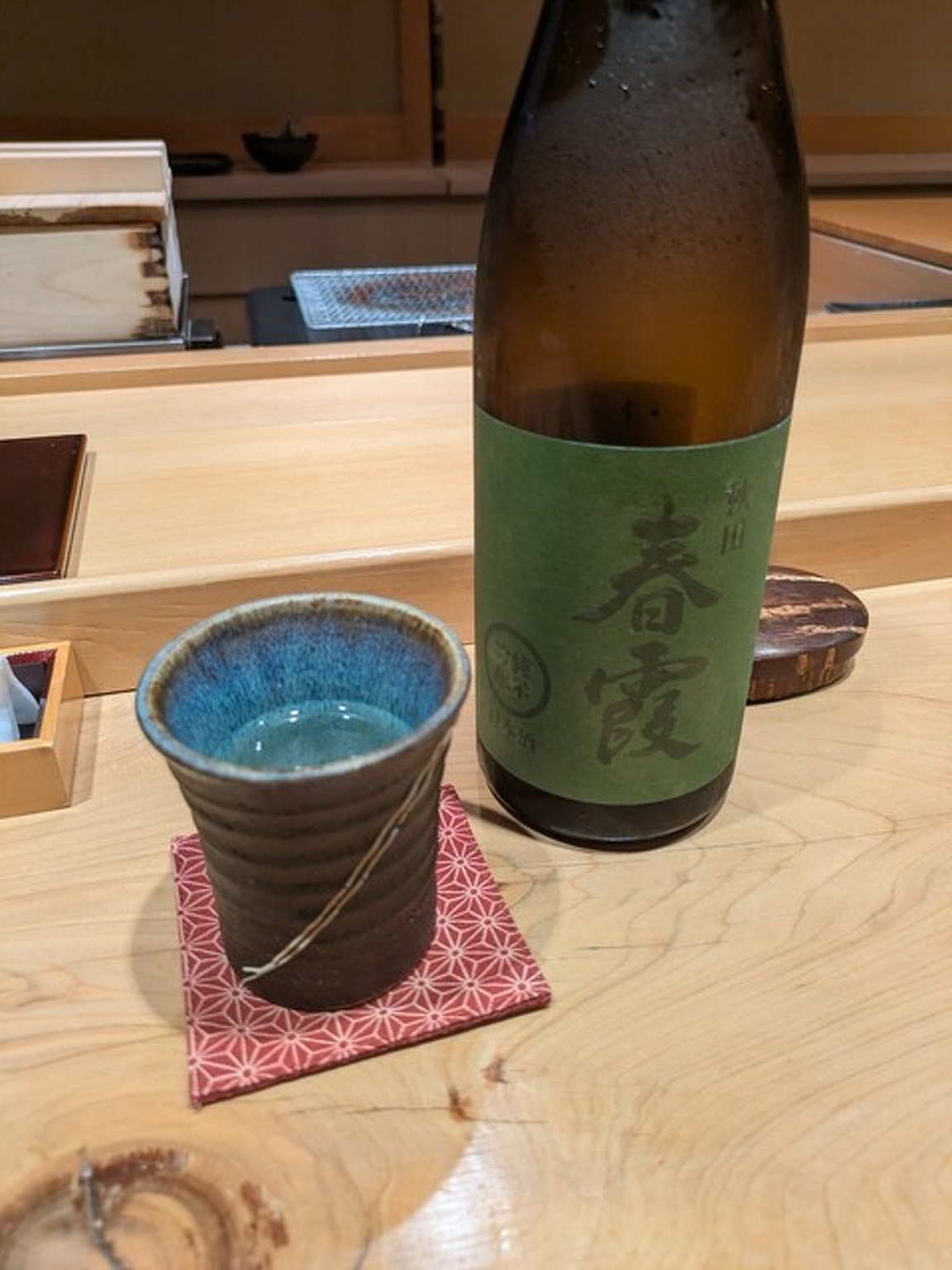
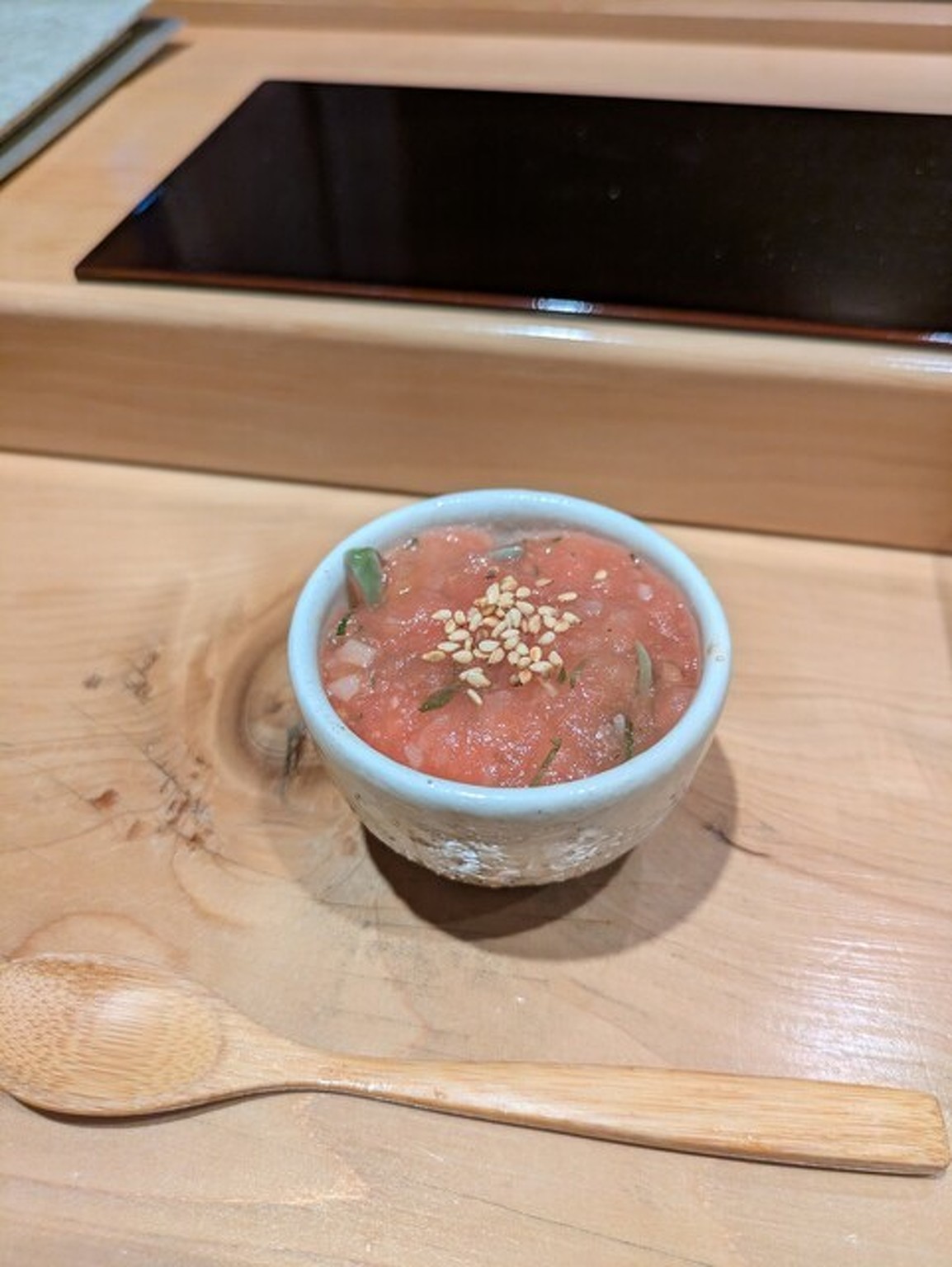
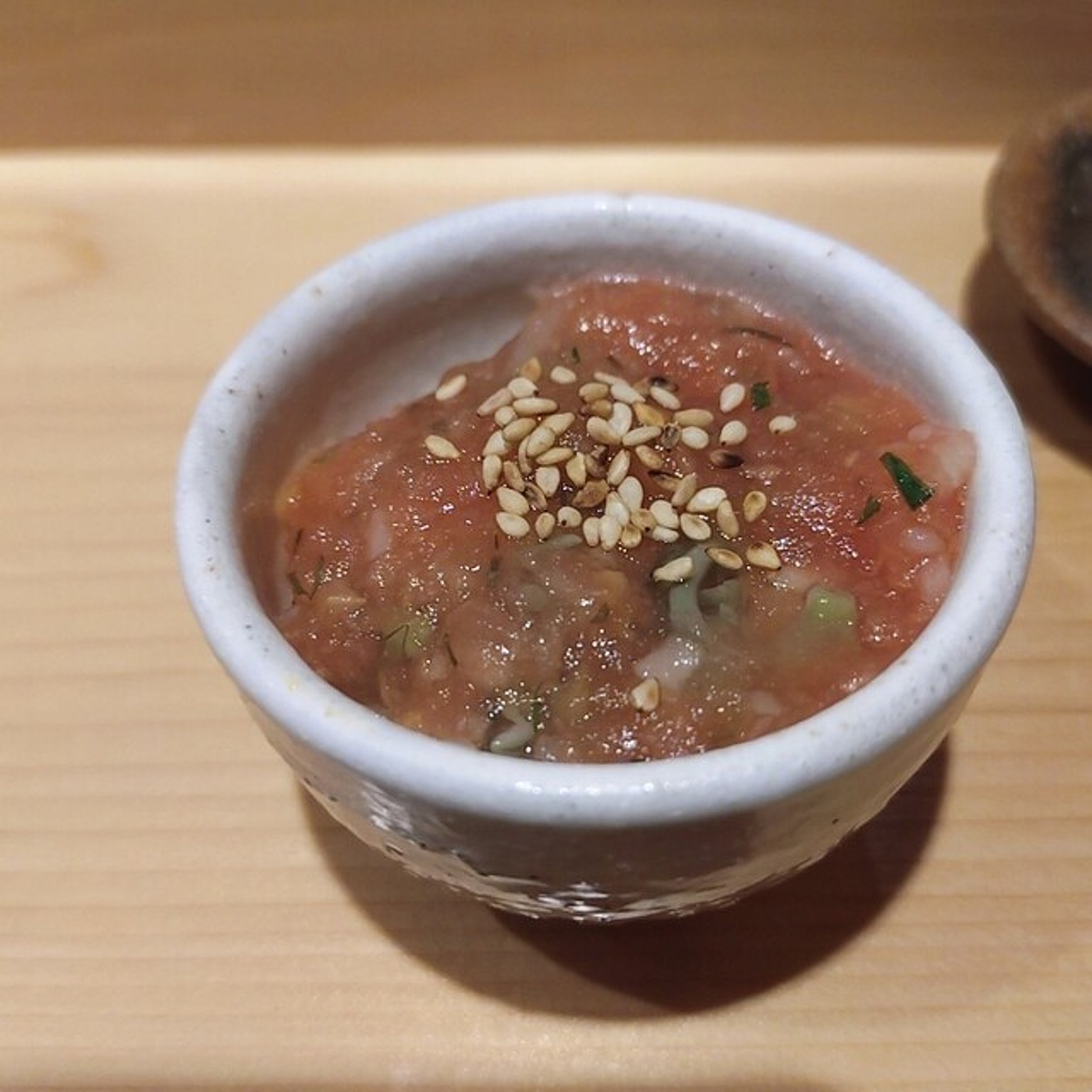
A famous Edomae sushi restaurant.I arrived right on time for my reservation, and within 3 minutes of sitting down, the first piece of sushi was served.The red vinegar rice had a perfect texture and was delightful.They use delicious seafood from Akita and across the country.The sushi and side dishes are served alternately, which is quite interesting.One standout dish that represents Akita is a small bowl of tomatoes and junsai (water shield). The acidity of the tomatoes combined with the crunchiness of the junsai is fascinating.Being in Akita, there are many limited editions of "Aramasa" sake available.However, be careful not to order too much, as it can add up quickly...Instead of serving all customers at the same time, the chef observes each guest's dining pace and adjusts the timing of the dishes accordingly, which is very thoughtful.Some may find the pace of serving a bit fast, but it was just right for me.After finishing the course, make sure to try the "Ohagi," a sushi topped with smoked daikon and fatty tuna. You absolutely must have this! Less
9 / 10
on 01 Aug 2026
Visit Information Date: Saturday, around 6 PM Reservation: Yes (58 days in advance, via Ikkyu) Wait: None Number of Guests: 1 Seating: Counter Frequency: First visit Duration: 2 hours Payment: Credit Card (VISA) Food Menu ☆Omakase Course: JPY 27,500 (including tax) ☆Edamame ☆Aoyanagi (young Spanish mackerel) ◎Sashimi of Arakawa ☆Sashimi of Tsubugai (sea snail) ☆Akami (lean tuna) ☆Chutoro (medium fatty tuna) ◎Sunomono (vinegared... More
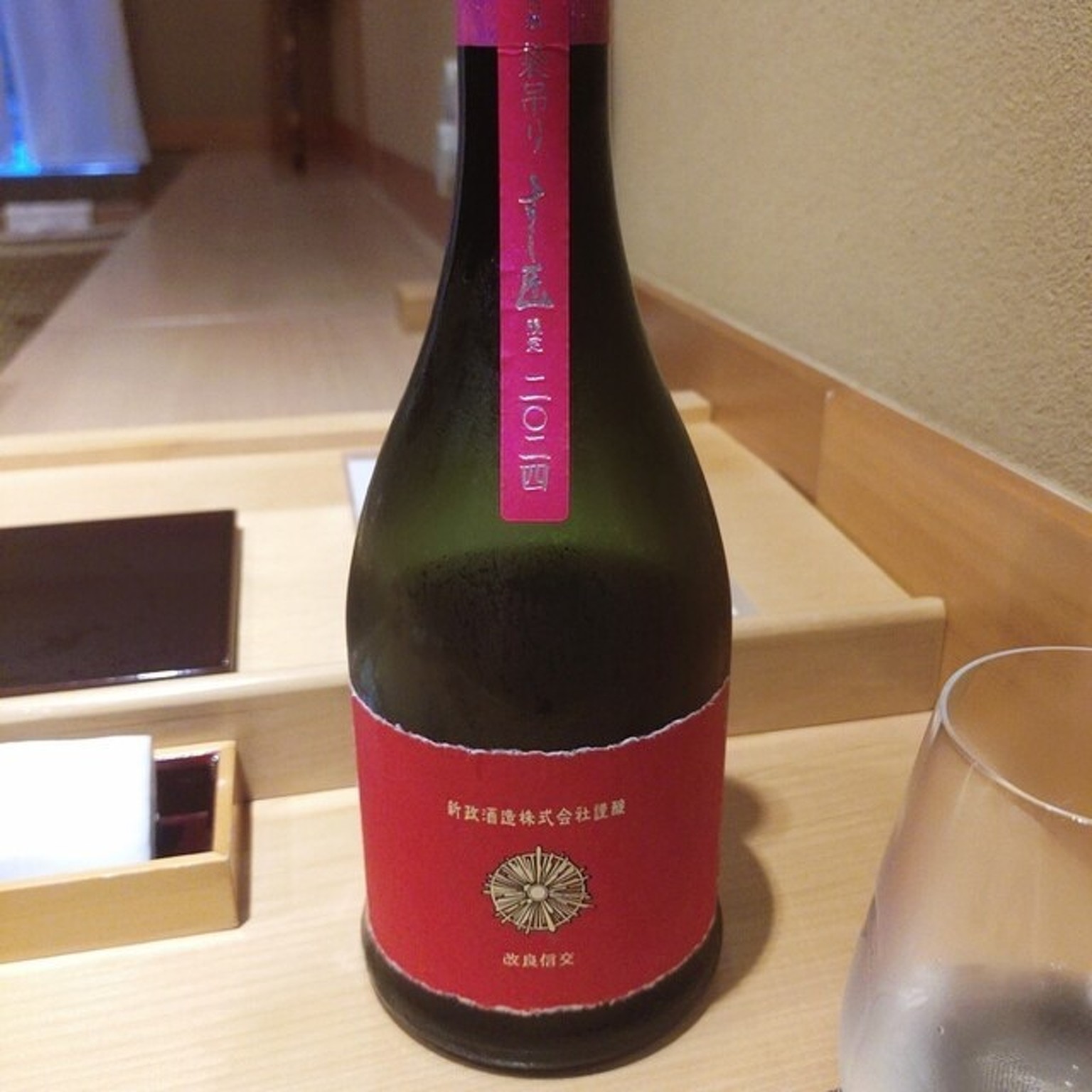
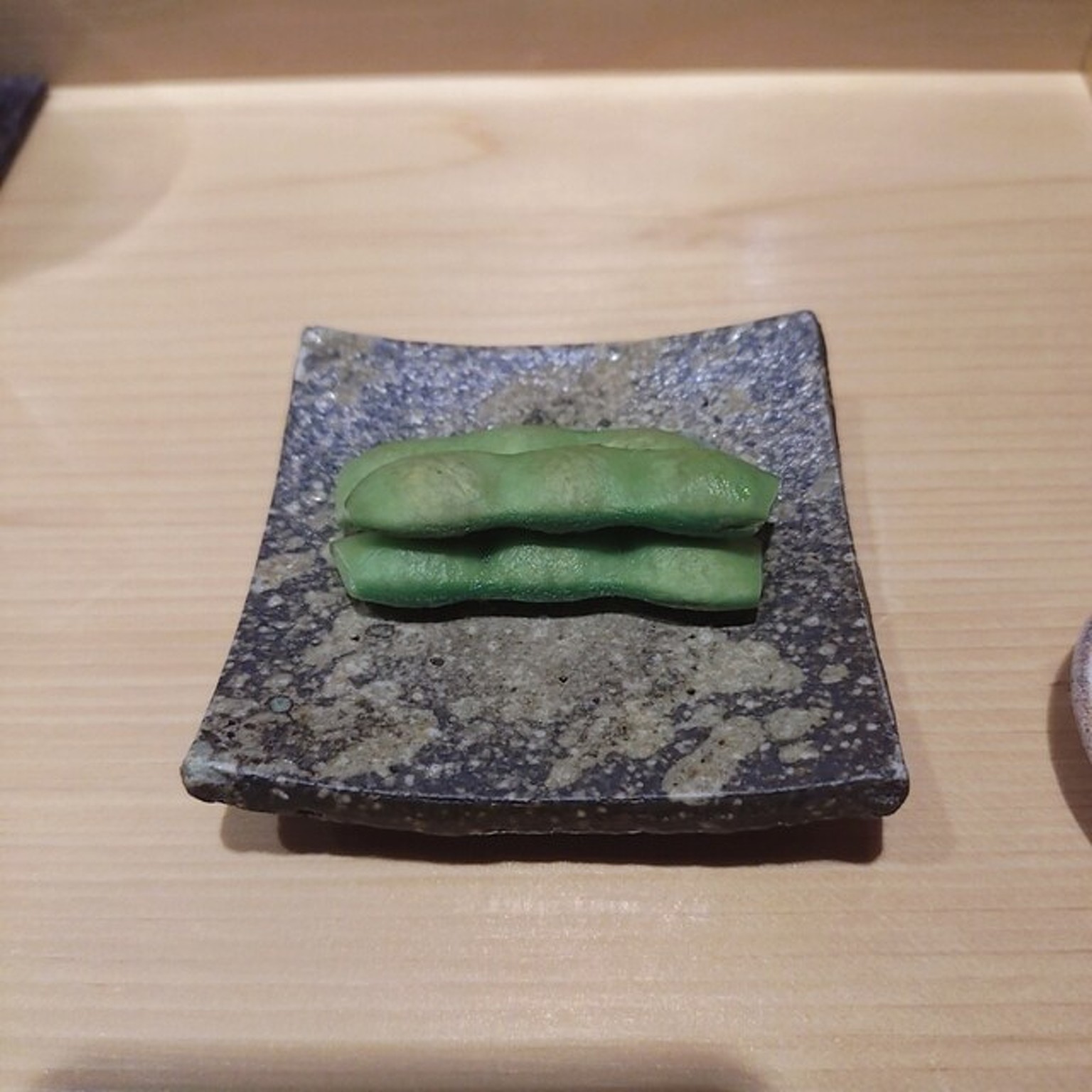
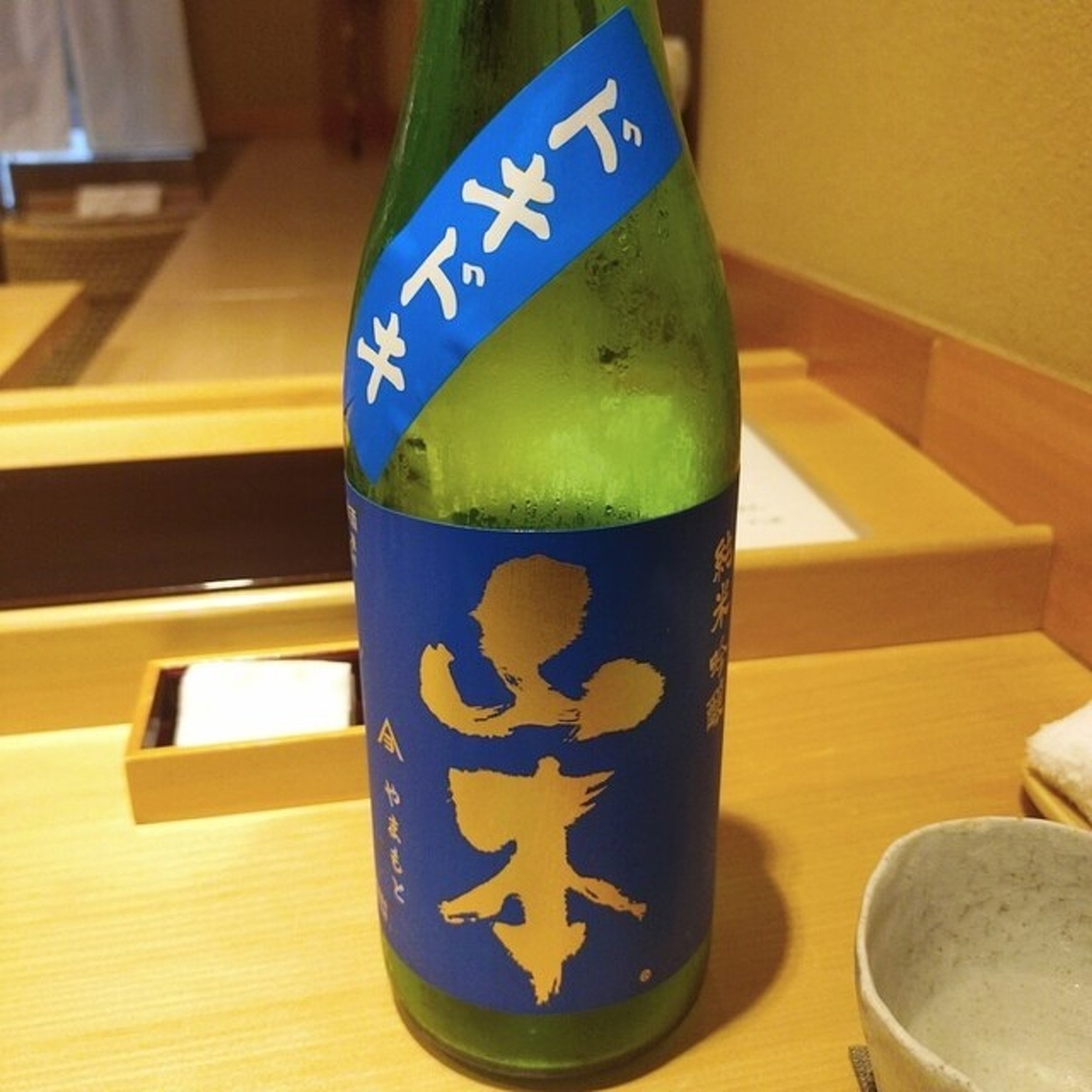
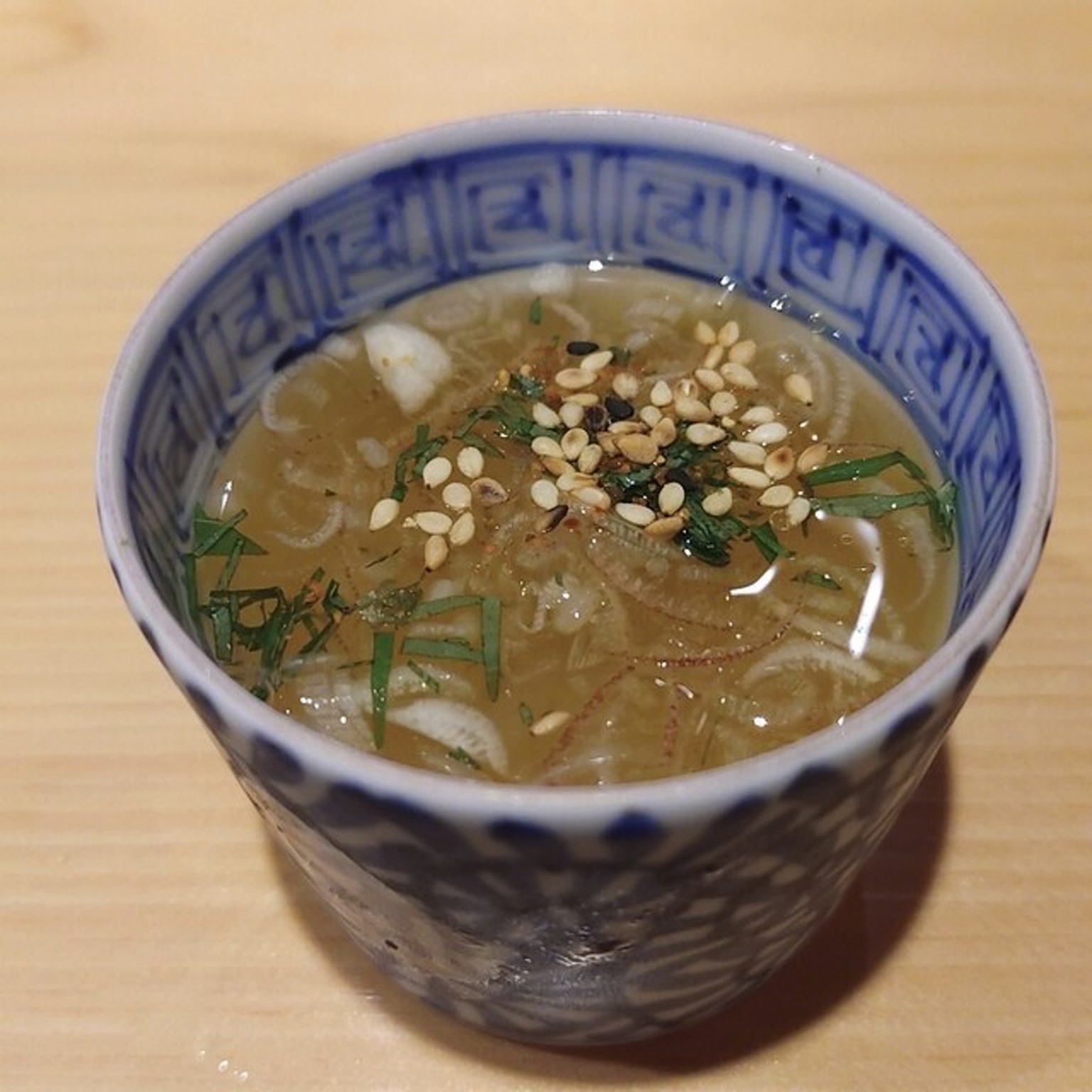
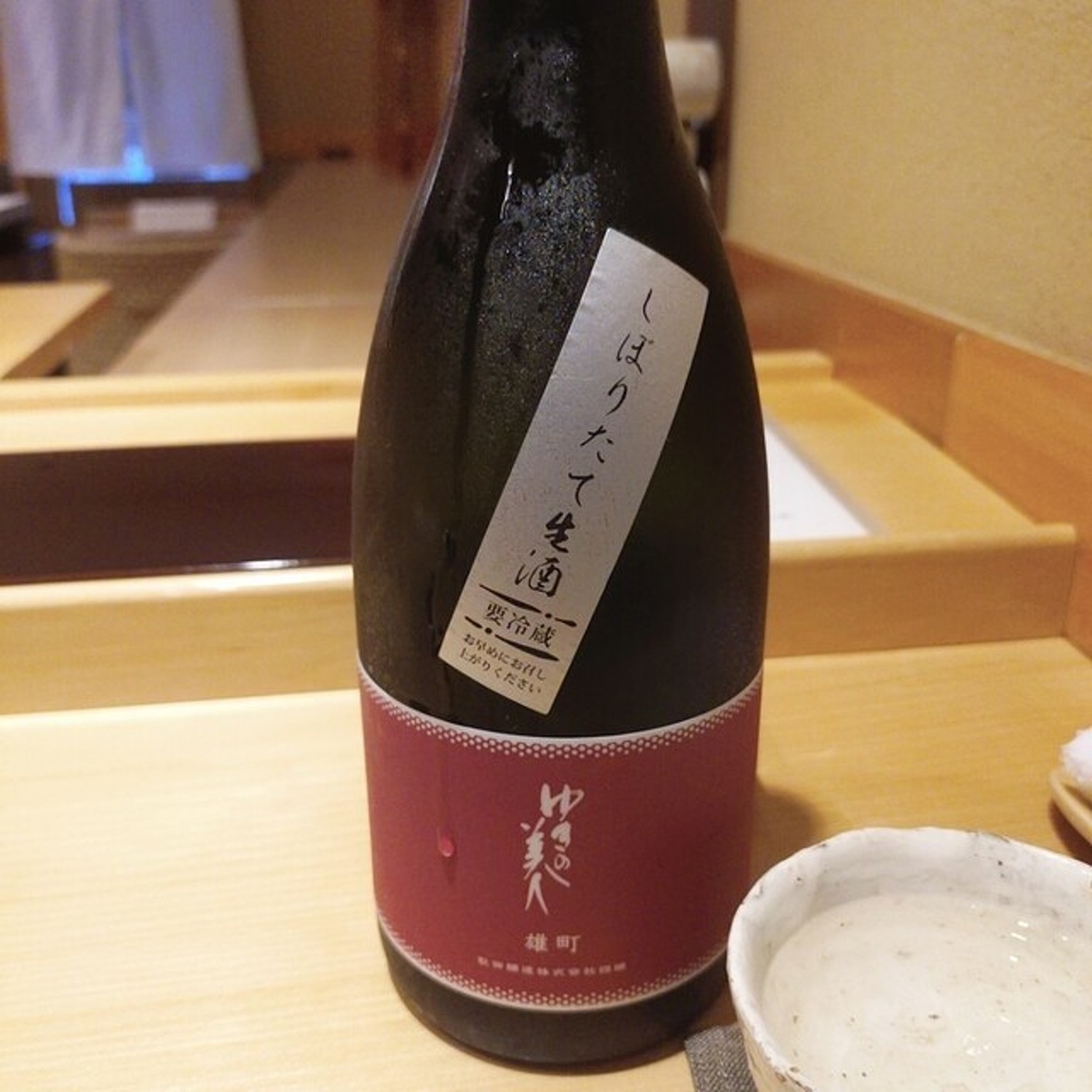
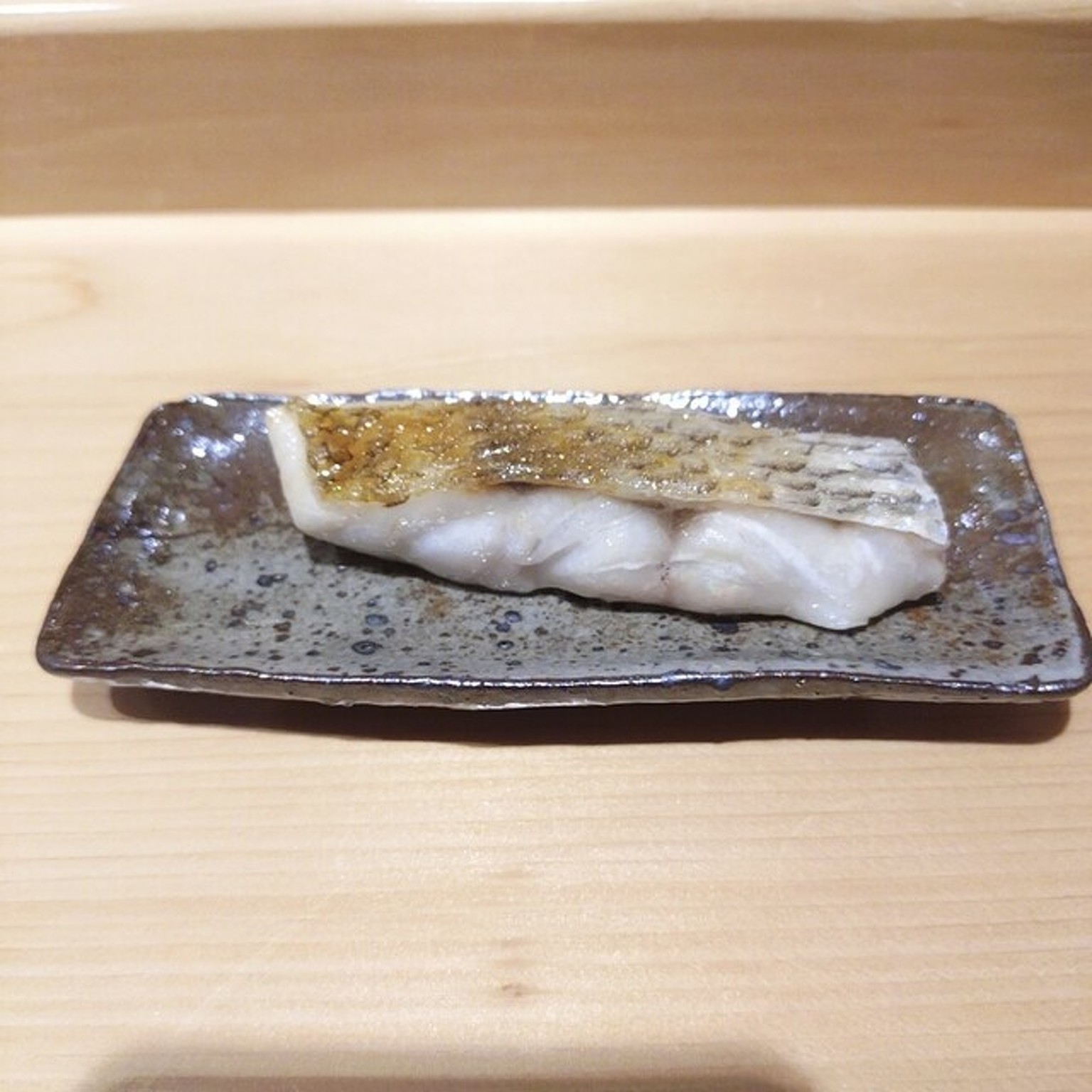
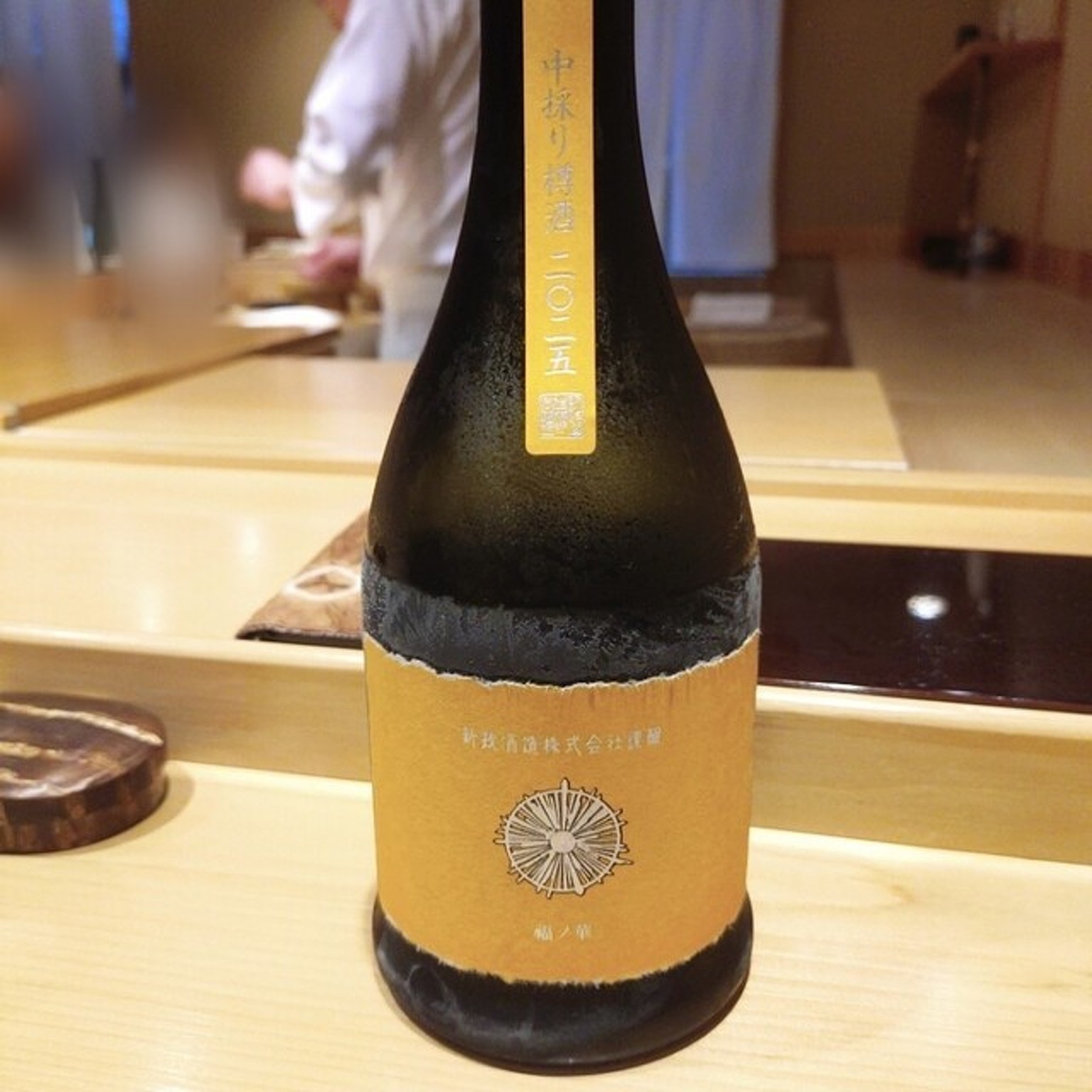
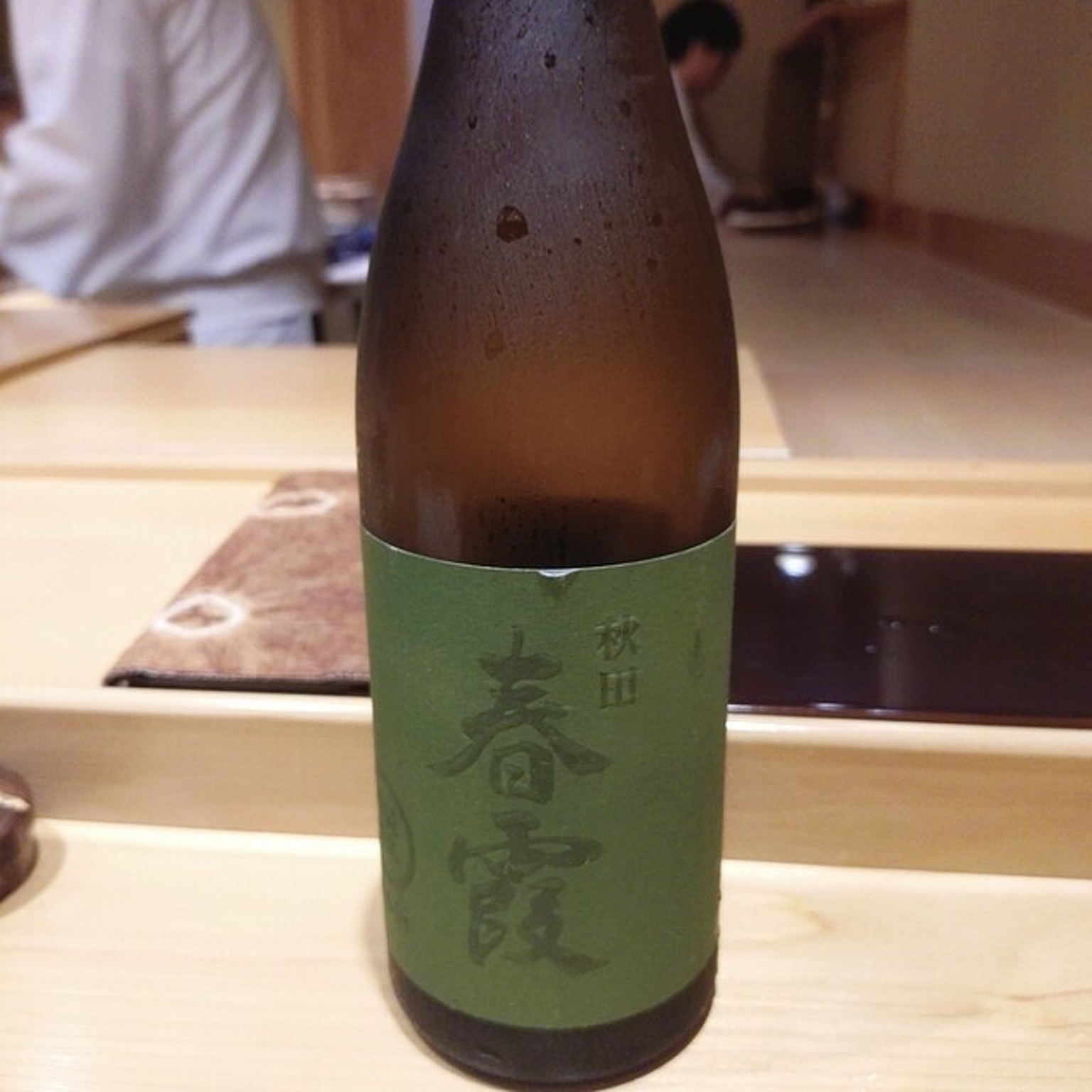
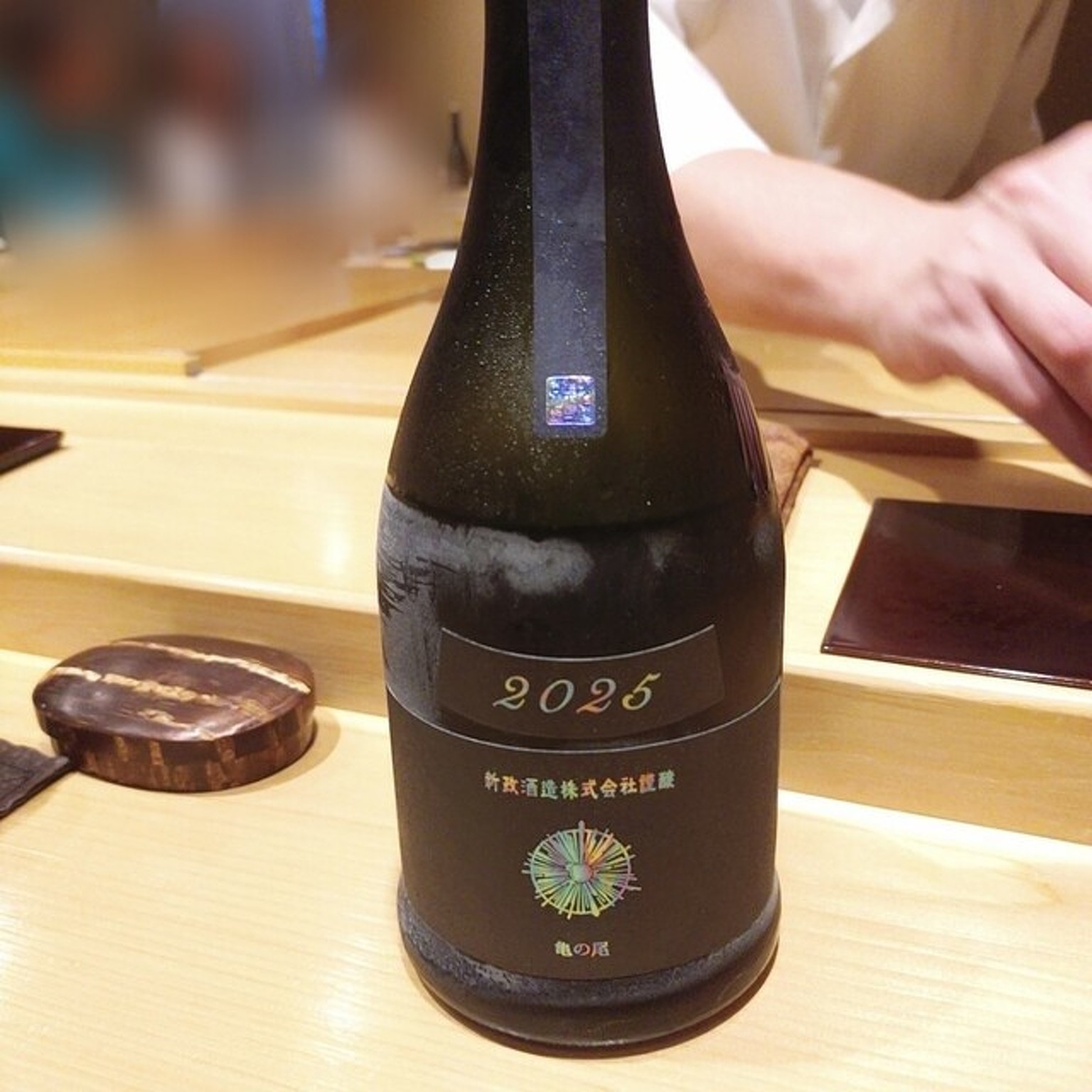
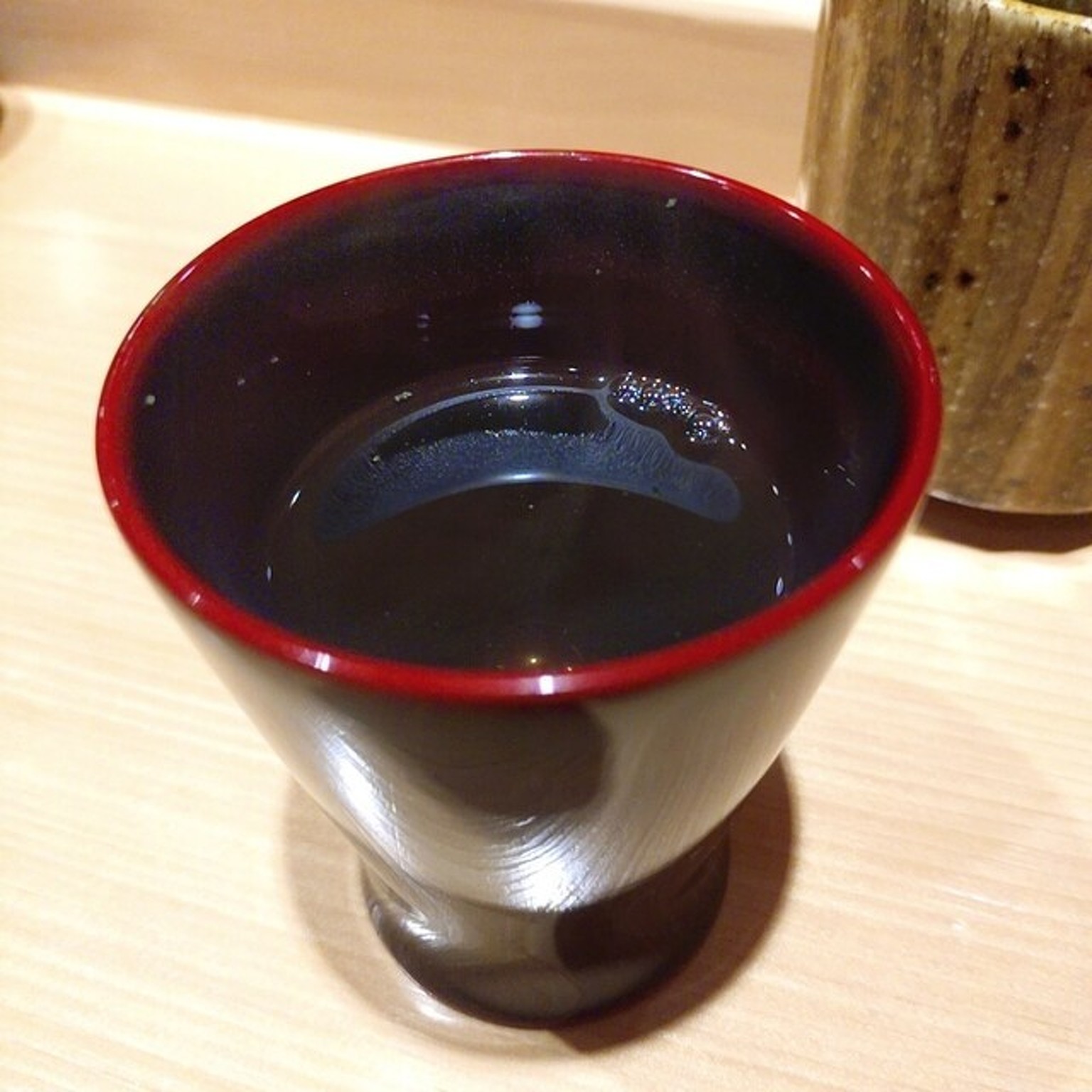
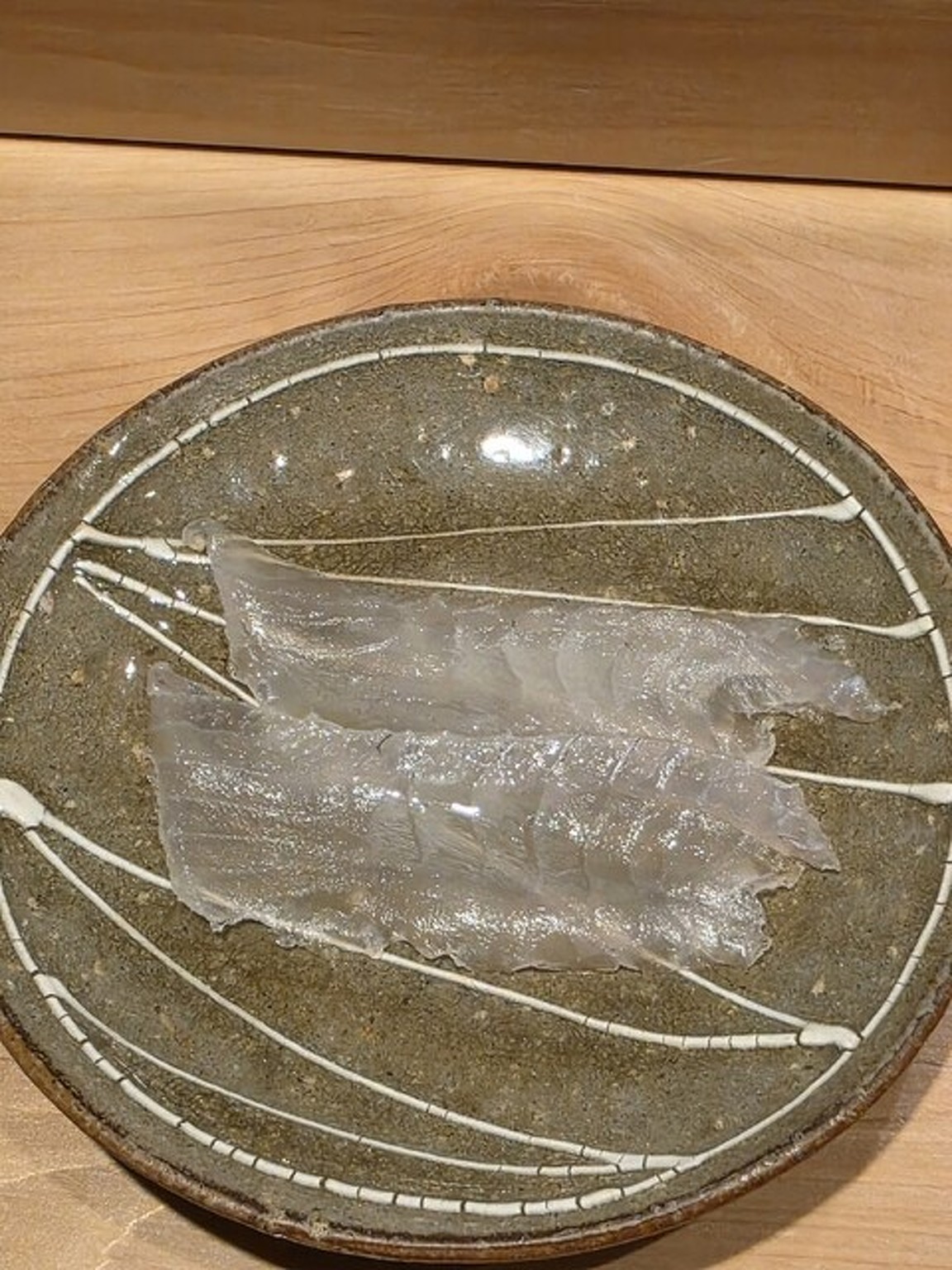
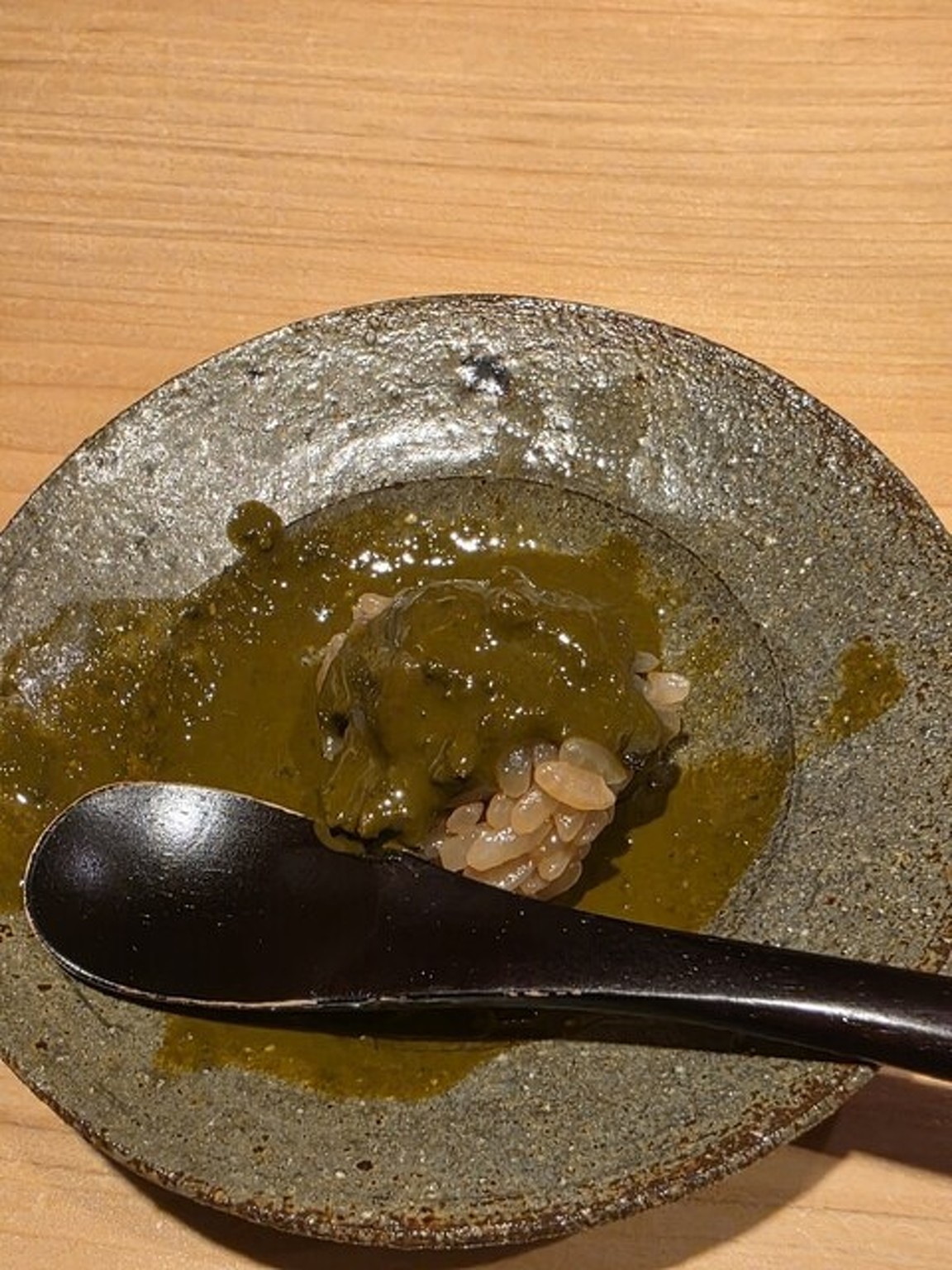
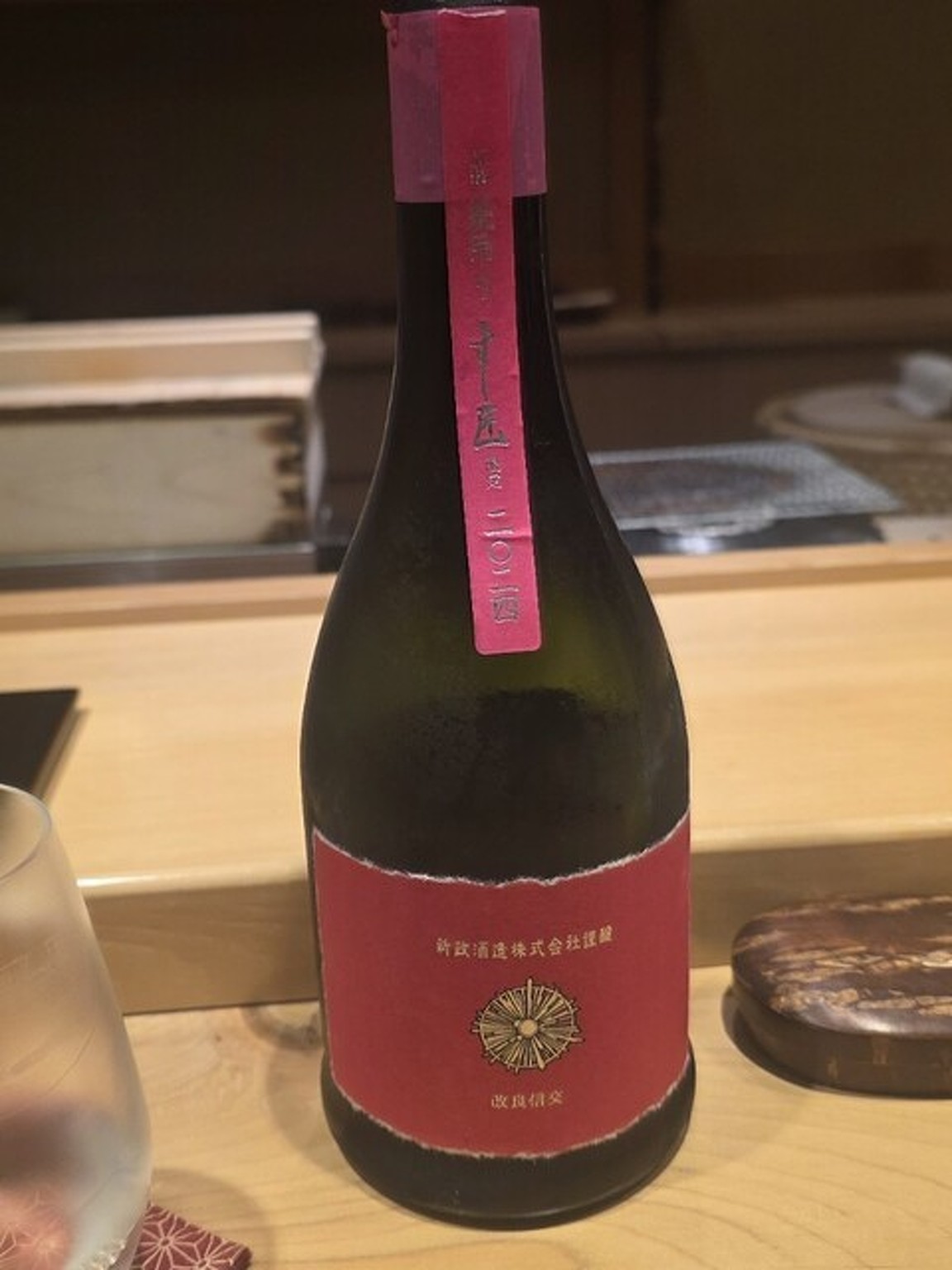
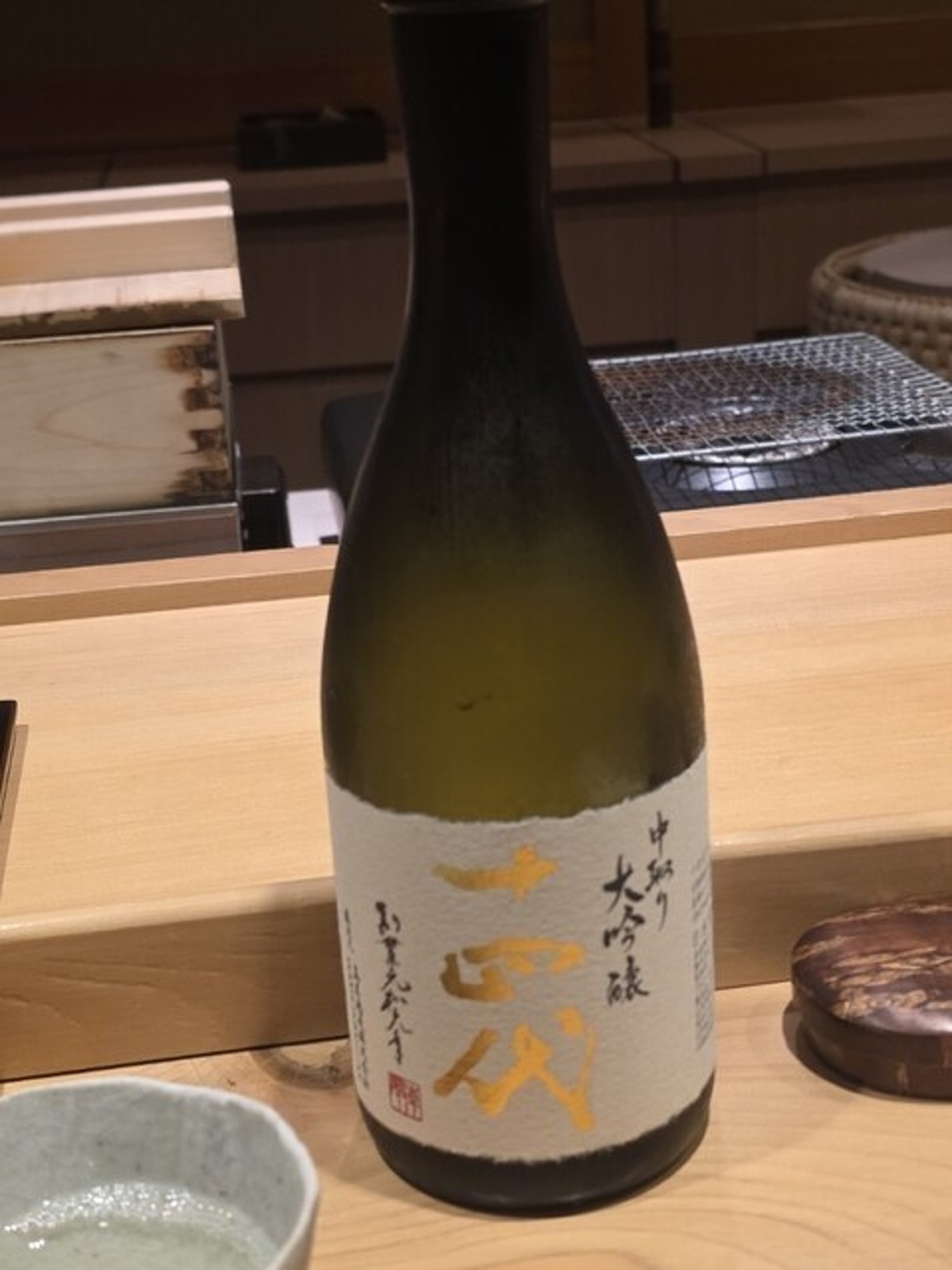
Visit Information Date: Saturday, around 6 PM Reservation: Yes (58 days in advance, via Ikkyu) Wait: None Number of Guests: 1 Seating: Counter Frequency: First visit Duration: 2 hours Payment: Credit Card (VISA) Food Menu ☆Omakase Course: JPY 27,500 (including tax) ☆Edamame ☆Aoyanagi (young Spanish mackerel) ◎Sashimi of Arakawa ☆Sashimi of Tsubugai (sea snail) ☆Akami (lean tuna) ☆Chutoro (medium fatty tuna) ◎Sunomono (vinegared dish) of Konyaku ☆Grilled Nodoguro (blackthroat seaperch) ☆Shinika (new squid) ◎Shinika's tentacles ☆Shinko (young squid) ◎Tataki and Sashimi of Katsuo (bonito) ☆Haruko Tai (young sea bream) ◎Octopus and Awabi (abalone) ◎Spicy Pickled Cucumber ☆Small Rice Bowl of Mizuna and Tomato ☆Grilled Managatsuo (skipjack tuna) ☆Akasuika (red squid) ○Kuruma Ebi (sweet shrimp) ☆Murasaki Uni (purple sea urchin) ☆Mizu's Roll ◎Tamago (egg) ◎Owan (soup) Drink Menu ☆Shinano Seishu Akizakura Namamoto Kimoto Junmai, Sushi Sho Exclusive: JPY Ask ◎Yamamoto Junmai Ginjo Dokidoki: JPY Ask ☆Yukino Bijin Junmai Ginjo Omachi Shiboritate Namazake: JPY Ask ◎Shinano Seishu Yamabuki Namamoto Kimoto Junmai Nakadori Taruzake: JPY Ask ◎Harugasumi Junmai Ginjo: JPY Ask ☆Shinano Seishu Suiboku Namamoto Kimoto Junmai: JPY Ask Expenses, Discounts, Others ・Service Charge (6%) Good Points ・Sushi course featuring a variety of Akita ingredients Bad Points ・The end seats make it noticeable when drinks are passed Other Notes ・The Tabelog Award Bronze: 2022, 2025, 2026 ・Sushi EAST Top 100: 2021-2025 (2023, 2024 not announced) ・Go-E-Miyo 3 Tock: 2023-2026 Impressions This is the fourth installment of the real Namahage appearance in Akita. After checking in at Hotel Metropolitan Akita, I took a short break before heading out for dinner. I walked about 20 minutes west from Akita Station to reach Omachi. The place I visited was Sushi Sho. As the name suggests, it is a branch of the Yotsuya Sushi Sho. I made a reservation two months ago through Ikkyu. Arriving 10 minutes before my reservation time, I entered just as the noren (curtain) was being hung. Inside, there are 8 seats at an L-shaped counter, and I was seated at the far end of the short side. The staff included the head chef, three male apprentices, and two female servers. The background music was jazz. The other guests included two groups of two men, a parent-child pair, and one woman dining alone. I opted for the Omakase Course. Dishes started to be served in the order guests were seated, so it wasn't a strict simultaneous start, but eventually, it progressed together. For drinks, I chose Japanese sake as the omakase. When asked if I preferred something from Akita, I requested local sake. Thus, I began with Shinano Seishu Akizakura Namamoto Kimoto Junmai, Sushi Sho Exclusive. It had a mellow sweetness with a hint of acidity that faded away. The course started with Akita's Edamame. It had a wonderful aroma and excellent texture. Delicious. Then, the sushi began to arrive. As expected, Sushi Sho's style mixes appetizers and sushi. The first piece was Aoyanagi. This is a young Spanish mackerel. It was vinegared, making it moist and slightly sticky. Returning to the appetizers, I had Sashimi of Arakawa. This is the real Arakawa from Akita. It had a delicate sweetness. Next was Sashimi of Tsubugai. This one is from Hokkaido. It had a crunchy texture and a lovely ocean aroma. Then I moved on to the tuna sushi. The Akami was moist. The Chutoro was marinated. It was also moist and rich in flavor. For my second drink, I had Yamamoto Junmai Ginjo Dokidoki. It was citrusy and sweet. The next appetizer was Akita's Sunomono of Konyaku, which was refreshing. For my third drink, I had Yukino Bijin Junmai Ginjo Omachi Shiboritate Namazake. It had a melon-like ginjo aroma and was refreshing. The Grilled Nodoguro was also from Akita. It was fluffy, and when bitten into, the fat spread out. Then came the Shinika. It was fresh and rich. The Shinika's tentacles were boiled and served hot. They were crunchy. For my fourth drink, I had Shinano Seishu Yamabuki Namamoto Kimoto Junmai Nakadori Taruzake. It had a strong citrus acidity. The Shinko was served in two pieces. The firmness was just right and refreshing. The Katsuo was served as both tataki and sashimi. It was from Sazima. I enjoyed it with onion soy sauce. Surprisingly, the raw version had a stronger flavor. The Haruko Tai was topped with a squeeze of sudachi and grated fish roe. It was rich and delicious. For my fifth drink, I had Harugasumi Junmai Ginjo. It had a nice balance of umami and sweetness. The Akita Octopus and Awabi both had wonderful textures and aromas. At this point, Gari was served. It had an excellent crunch and nice acidity. Spicy Pickled Cucumber also appeared as a palate cleanser. The most interesting dish of the day was Akita's Small Rice Bowl of Mizuna and Tomato. It was very refreshing and delicious. Surprisingly, it paired well with the rice. On the other hand, the most surprising dish was Akita's Grilled Managatsuo. I didn't realize that Managatsuo could be caught in Akita. I had a strong image of it being from Setouchi. Its smooth texture and sweetness were addictive. Finally, I had one more drink. Shinano Seishu Suiboku Namamoto Kimoto Junmai and the Shinano colors made a third appearance. Compared to the previous two, it had an even stronger umami. However, it was refined and not just heavy, which is typical of Shinano. The Akita Akasuika was served. Compared to the previous Shinika, it was sweeter and richer. The Kuruma Ebi was boiled, cut, and then steamed again for serving. Hmm, I think the freshly boiled version is tastier. The Murasaki Uni was served on a ball of rice. So, technically, it wasn't sushi, but the harmony with the rice was lovely. Then came the Mizu's Roll, a representative wild vegetable from Akita. The texture and stickiness of the chopped Mizu were very addictive. The Tamago was a dashi-maki type made with Hinai chicken. Finally, I had Tea and the soup made with the real Arakawa Owan. I was informed that there were still some ingredients not served, but I had to settle the bill due to my plans afterward. JPY 32,670 total. I paid with a credit card. It was a great meal. I enjoyed Edo-style sushi made with plenty of Akita ingredients. Now, the night in Akita has just begun. Less
7 / 10
on 01 Jul 2026
I visited in search of Akita ingredients, but honestly, I didn't encounter as much of the "Akita essence" as I had hoped. The selection of Japanese sake was extensive, featuring a wide range of Akita brands, which was enjoyable. However, when it came to the sushi toppings, the number of items claimed to be from Akita was surprisingly limited, with most ingredients sourced from various regions across the country.Looking back, this might be due to the transitional season, but it could also be because... More
I visited in search of Akita ingredients, but honestly, I didn't encounter as much of the "Akita essence" as I had hoped. The selection of Japanese sake was extensive, featuring a wide range of Akita brands, which was enjoyable. However, when it came to the sushi toppings, the number of items claimed to be from Akita was surprisingly limited, with most ingredients sourced from various regions across the country.Looking back, this might be due to the transitional season, but it could also be because the restaurant prominently promotes itself as "Edo-mae" sushi. Edo-mae sushi traditionally focuses on seafood from the Tokyo Bay area and specific techniques (such as vinegared fish, marinated toppings, and searing), so it makes sense that they prioritize high-quality ingredients sourced nationwide over local ones. In other words, this restaurant might not be about "eating Akita cuisine in Akita," but rather "enjoying Edo-mae sushi in Akita."If the concept was to strongly emphasize Akita for the sake while relying on Edo-mae techniques for the sushi toppings, then the mismatch with my expectations seems to stem more from the concept itself rather than the seasonal factors.The taste was certainly not bad; each piece was crafted with care and had a sense of stability. However, on the flip side, it didn't go beyond the realm of being "safe," and there weren't many dishes that left a strong impression.The standout dish was a small rice bowl featuring fruit tomatoes and junsai (water shield). The balance of acidity and ginger was thoughtfully executed, making it the most memorable dish of the course. If there were more creative dishes like that, my impression would have changed significantly.Considering the price range, I honestly feel there are other places within the same budget that might offer a higher level of satisfaction. If you want to truly savor local Akita flavors, it might be worth exploring other options. Less
8 / 10
on 16 Jun 2026
225/295 Restaurant Visit (◍•ᴗ•◍)"An exquisite space created by the gentle master, Sasaki!"Having finally visited over 15 of the top 100 sushi restaurants in Tohoku, it was time to try Sushi Sho. I made a reservation.This place offers an omakase starting at JPY 27,000, which is quite pricey, so my friend who isn’t a big sushi fan stayed behind, and I came alone on my day off.As a branch of a super famous Tokyo restaurant, my expectations were sky-high. I parked my car... More
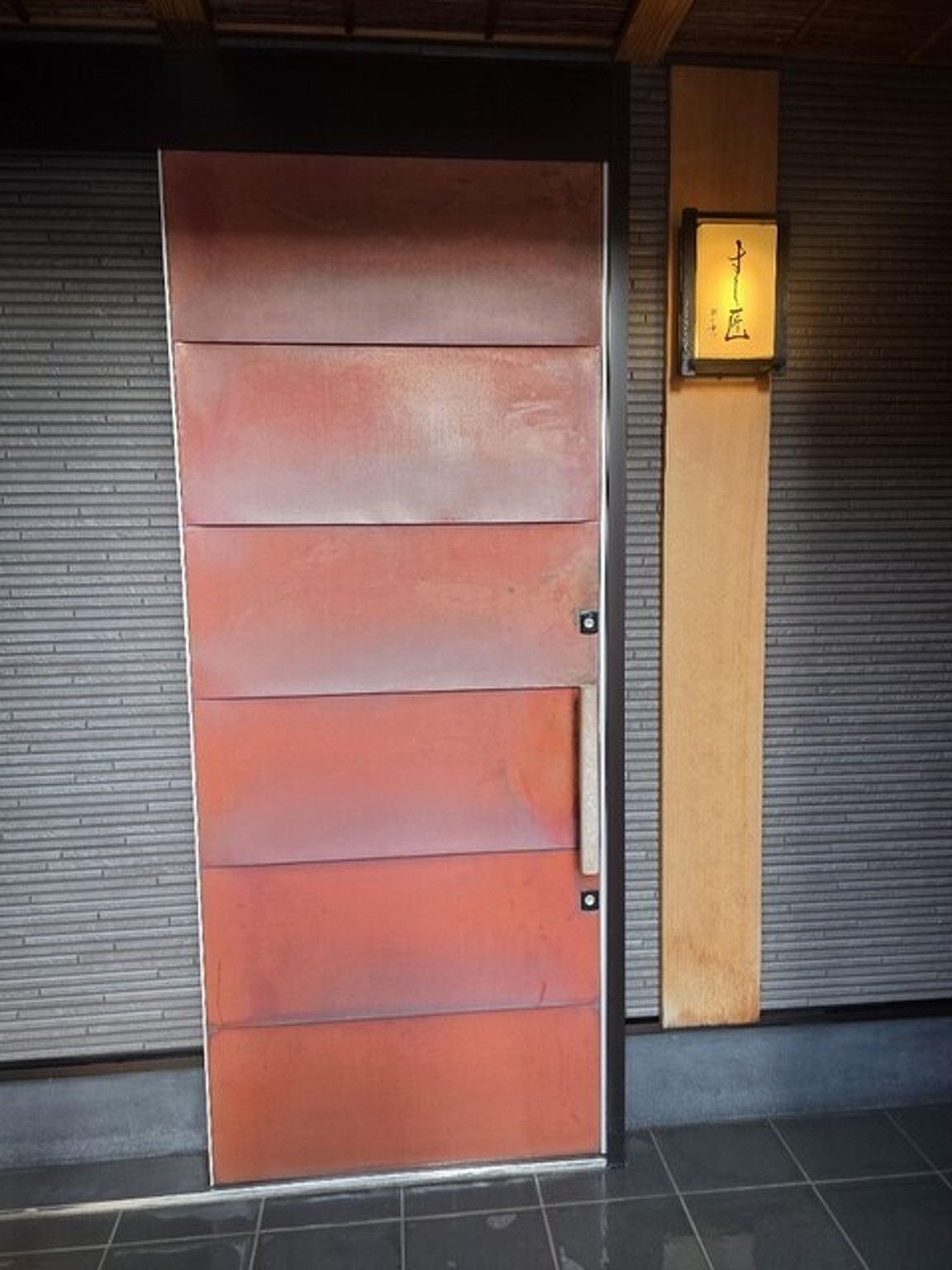
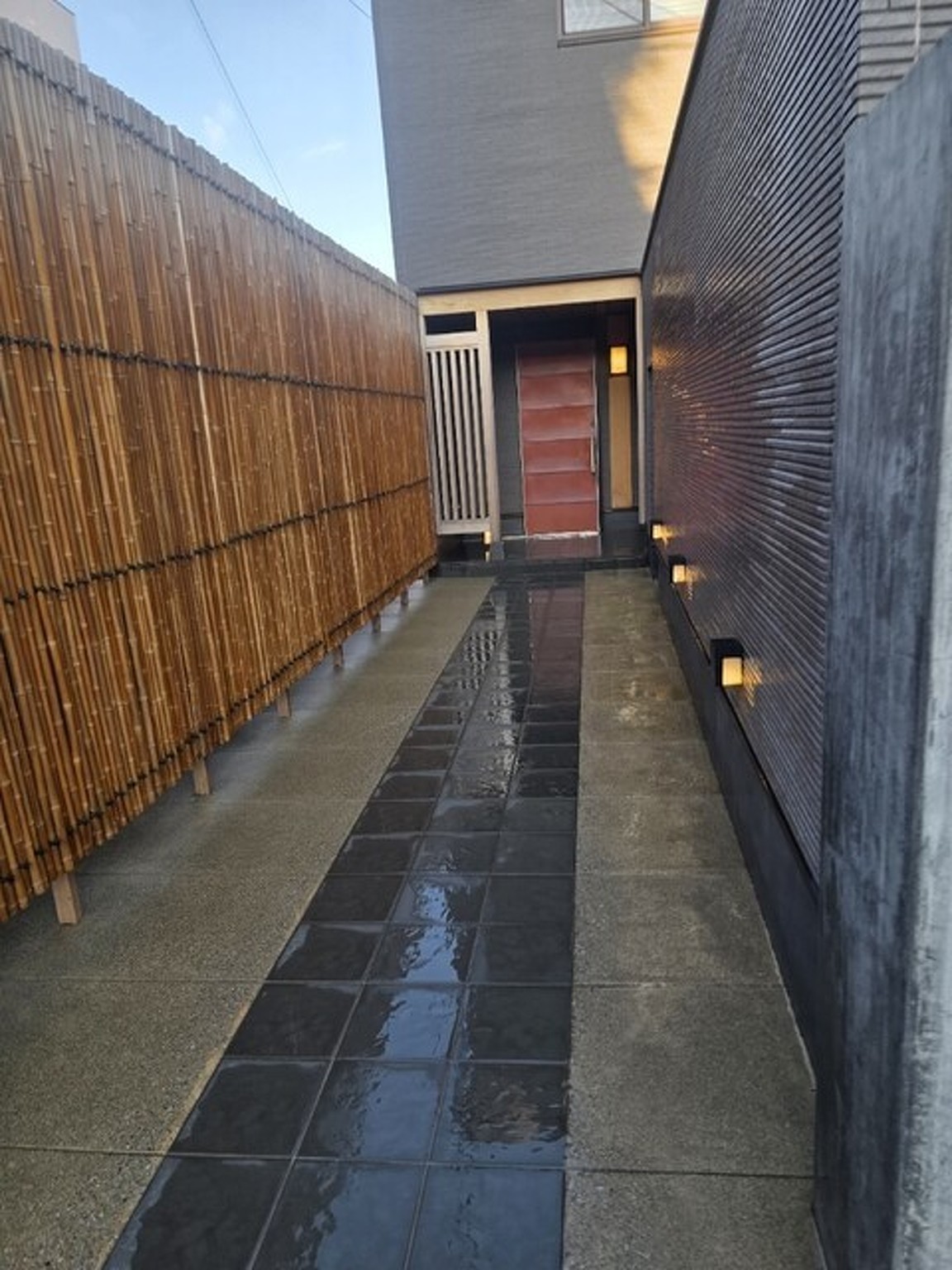
225/295 Restaurant Visit (◍•ᴗ•◍)"An exquisite space created by the gentle master, Sasaki!"Having finally visited over 15 of the top 100 sushi restaurants in Tohoku, it was time to try Sushi Sho. I made a reservation.This place offers an omakase starting at JPY 27,000, which is quite pricey, so my friend who isn’t a big sushi fan stayed behind, and I came alone on my day off.As a branch of a super famous Tokyo restaurant, my expectations were sky-high. I parked my car at a coin parking lot in the bustling Kawabata area of Akita and entered the restaurant. The atmosphere was dignified from the entrance, making me stand tall. Since I arrived early, I felt a bit nervous sitting in front of the master, but his gentle demeanor and hospitality helped me relax. This comfort is a testament to why this renowned restaurant can thrive at this price point in Tohoku.That day, I enjoyed 8 appetizers and 13 pieces of nigiri, with the rice portion being small, making it just the right amount for my stomach. Since I drove, I opted for non-alcoholic beer, and the nigiri was served at a nice pace, taking about 1 hour and 15 minutes, which was perfect for me as a local. The umami, freshness, and rice balance were exceptional, and I don’t need to elaborate further on that ( ꈍᴗꈍ).The ingredients were sourced not only locally but also from across the country, and the bonito, spring child, and striped jack were the most flavorful I’ve ever had (≧▽≦).Next was the restaurant's specialty: a nigiri made with tuna mixed with iburi-gakko (smoked daikon). The crispy texture and smokiness of the daikon paired perfectly with the richness of the tuna, providing great satisfaction.On my way out, I had a wonderful conversation with Master Sasaki about the top 100 restaurants, gathering various insights. I promised myself that once I complete the list, I would return.I didn’t take notes on the details, so I apologize if I got anything wrong.The nigiri included: mackerel, grouper sashimi, whelk sashimi, striped jack nigiri, red tuna nigiri, fatty tuna nigiri, marinated medium fatty tuna nigiri,sorrel tokoroten, black throat sea perch nigiri, grilled black throat sea perch, boiled octopus, boiled abalone, bonito nigiri, bracken gunkan, mackerel nigiri, dried komai, shrimp nigiri, sea urchin sushi roll, an additional ohagi, and to finish, tamagoyaki.It was a great meal (人*´∀`)。 Less
7 / 10
on 01 Jun 2026
Thank you for reading.Your follows, likes, and saves would be greatly appreciated!I visited "Sushi Sho" located in Akita City, Akita Prefecture.☑︎Information Access: 20-minute walk from Akita Station Hours: 18:00 - 22:00 Closed: Sundays and holidays Reservation methods: Phone, Pocket Concierge, Ikkyu Wait time: None due to reservation Visit timing: Evening Payment methods: Cash, Card ☑︎Menu ■→Nigiri □→Appetizers ■ Mako Sole □ Hon-Ara □ Turban Shell ■ Shima-Aji... More
Thank you for reading.Your follows, likes, and saves would be greatly appreciated!I visited "Sushi Sho" located in Akita City, Akita Prefecture.☑︎Information Access: 20-minute walk from Akita Station Hours: 18:00 - 22:00 Closed: Sundays and holidays Reservation methods: Phone, Pocket Concierge, Ikkyu Wait time: None due to reservation Visit timing: Evening Payment methods: Cash, Card ☑︎Menu ■→Nigiri □→Appetizers ■ Mako Sole □ Hon-Ara □ Turban Shell ■ Shima-Aji ■ Medium Fatty Tuna Marinade □ Water Shield and Tokoroten Salad ■ Tori-Gai □ Nodoguro ■ Botan Shrimp □ First Bonito ■ Spring Sea Bream □ Simmered Octopus and Black Abalone □ Botan Shrimp Heads ■ Tekka Maki ■ Aori Squid □ Pickled Suzu Pumpkin □ Grilled Sawfish ■ Kuruma Ebi ■ Sea Urchin ■ Mizuna □ Egg ■ Ohagi ☑︎Review Since it's a bit far from Akita Station, I recommend taking a taxi or similar transport.Mr. Sasaki, who returned to his hometown of Akita from Sushi Sho in Yotsuya, offers a course focused on local ingredients, and the Sushi Sho style of alternating between nigiri and appetizers is still alive and well.I was surprised at how much faster the service was compared to the main store, but I appreciated the quick pace.The Ohagi I had as a refill was made with Iburi Gakko instead of Takuan, which was interesting and delicious.With a wide variety of Japanese sake, including Aramasa, this place is highly recommended for sake lovers! Less
8 / 10
on 01 May 2026
I visited Sushi Sho in Akita for the 6 PM seating on a Friday.There's no need to elaborate on the restaurant itself.It takes about 40 minutes by limousine bus from Akita Airport to the west exit of Akita Station. If you're staying at a hotel near the station, it's roughly 1 km away, making it a pleasant walk on a nice day.Omakase Course: JPY 27,500 (tax included)*The sushi is marked with ●● Spring Sea Bream from KagoshimaFlatfish from AkitaTrue Cod from AkitaShellfish from Hokkaido, caught in... More
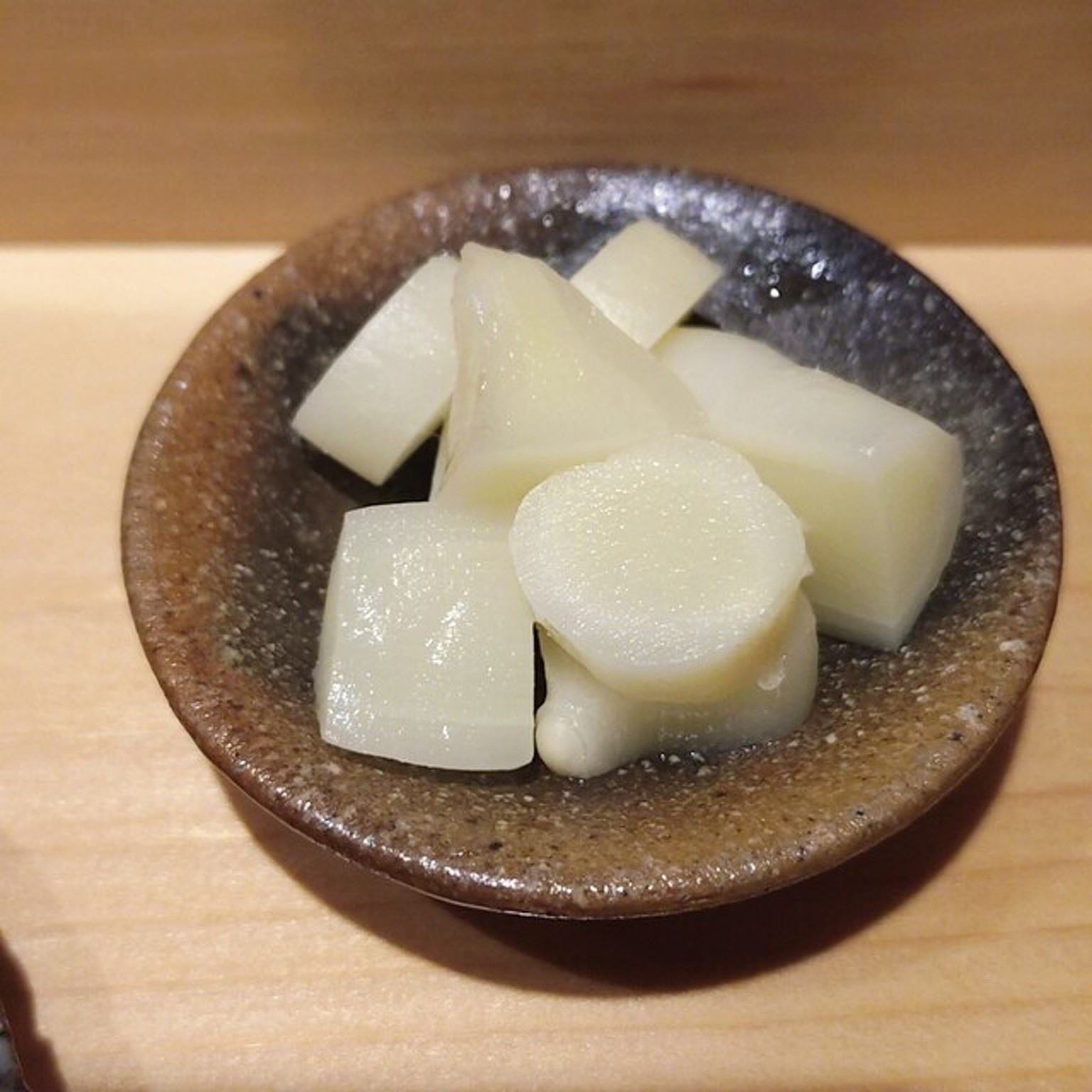
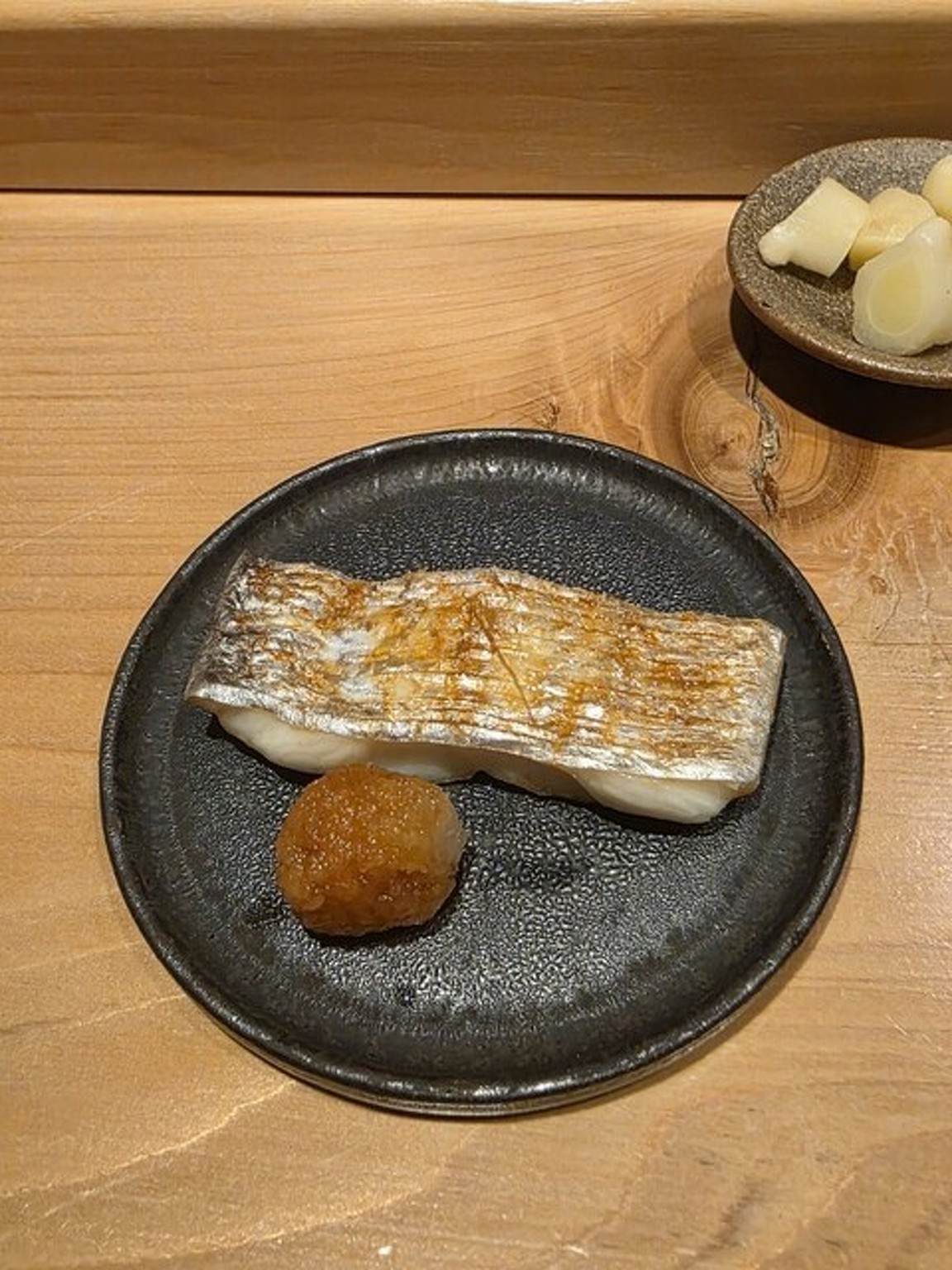
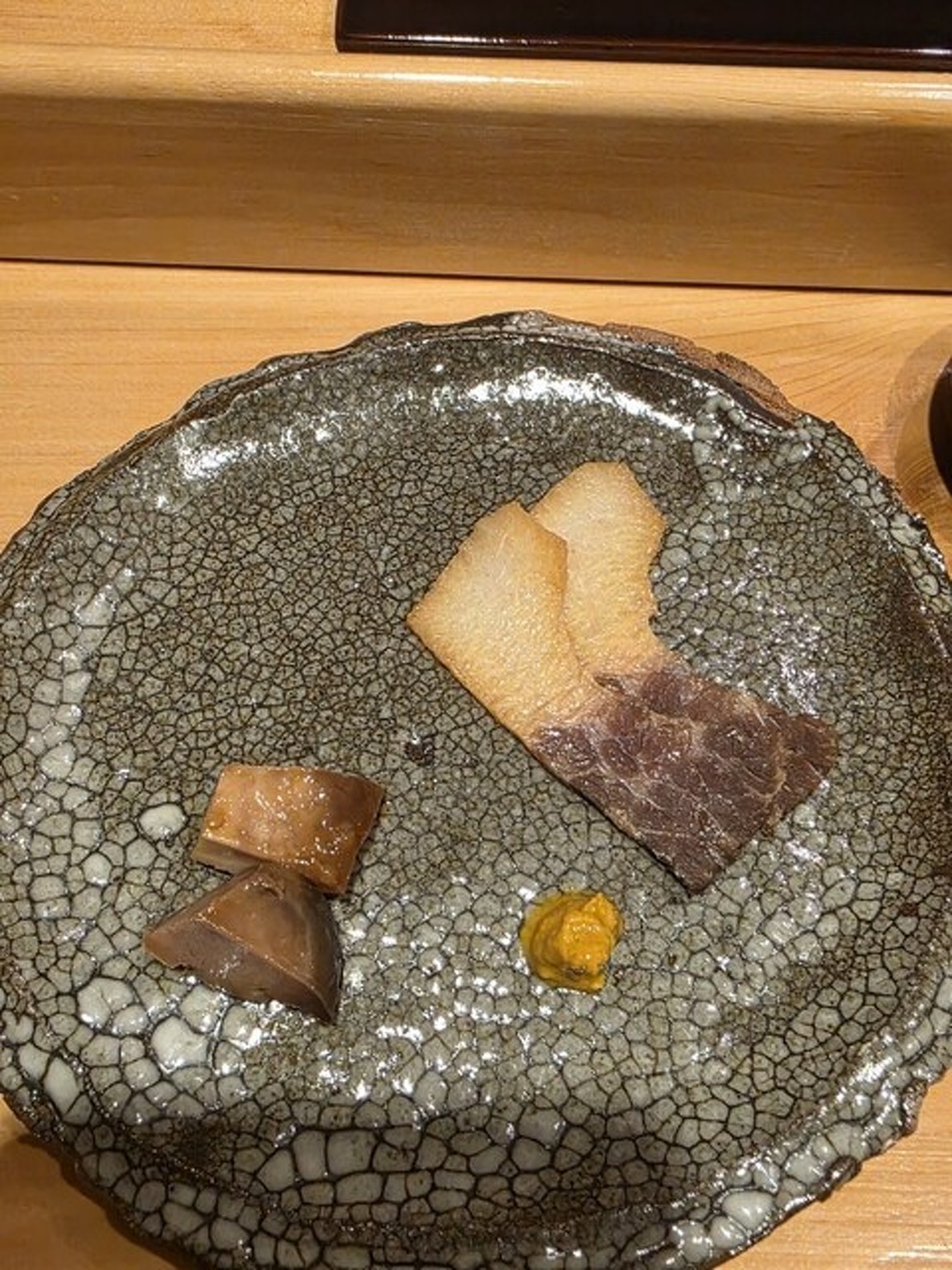
I visited Sushi Sho in Akita for the 6 PM seating on a Friday.There's no need to elaborate on the restaurant itself.It takes about 40 minutes by limousine bus from Akita Airport to the west exit of Akita Station. If you're staying at a hotel near the station, it's roughly 1 km away, making it a pleasant walk on a nice day.Omakase Course: JPY 27,500 (tax included)*The sushi is marked with ●● Spring Sea Bream from KagoshimaFlatfish from AkitaTrue Cod from AkitaShellfish from Hokkaido, caught in the sea● Lean Tuna from Sado Island● Medium Fatty Tuna, same fish as the leanMarinated Trout and Black Sea Bream with Kombu Kelp from AkitaPickled Asparagus from Kakunodate● Purple Sea Urchin from AomoriBonito from Chiba Katsuura● Red Clam from YuriageOctopus from AkitaHomemade Whale BaconLightly Pickled Pumpkin from Hokkaido● Pickled Cod Liver from Akita● Rolls (Shidoke and Koshiabura) from TohokuGrilled Ribbonfish from Chiba Prefecture, Futtsu● Squid from Kanagawa, Sajima● True Horse Mackerel from Kagoshima● Steamed Sweet Shrimp with Sweet Miso, no added sweetness● Horsehair Sea Urchin from Russia, rich flavor● Rolls (Himo Kyuu)Tamago Yaki with Hinai Chicken, steamed againSoup with ClamsAdditional ● Small Fin from SagaAdditional ● Ohagi with IburigakkoBeing in Akita, the selection of the Shinsei series is impressive. I'm not particularly a fan of Shinsei, nor do I agree with those who overly praise it, so I opted for a selection of drinks without regional restrictions.I thought it was exaggerated when some said it was half the price of Tokyo, but I was shocked at the bill. It was such a good deal that I wondered if there was a mistake, which is great news for sake lovers.On the other hand, the lack of listed prices for wine bottles is a bit intimidating. Unlike sake, I don't have the courage to order a bottle with an unknown price at a sushi restaurant while traveling. There were standard brands for sparkling and white wines, so I had a rough idea, but some bottles were a mystery, which was amusing to observe.I ended up sitting next to a woman who was heavily adorned with strong perfume and self-assertiveness at the counter, which made my meal feel disappointing despite traveling all the way to Akita. Given the lower total cost, the coverage for casual diners increases, so it might be beneficial to adjust the pricing to refine the customer base, but that could be challenging.Delicious.Delicious, but...It was tasty, yet...The overall composition used a lot of salt, and the strength of the rice made the entire dish quite salty. This restaurant serves sushi by placing the prepared pieces on a cutting board and distributing them by group. I occasionally encounter this type of establishment, but I truly wish they would stop this "sushi stacking" method.As the Sushi Sho lineage expands, each restaurant varies significantly, making it natural for some people to find it more suitable than others. I had high expectations, but it wasn't worth flying all the way just for sushi lovers.What stood out were the pickled asparagus, whale bacon, lightly pickled pumpkin, vegetable rolls, and ohagi. The classic ohagi was uniquely Akita with the addition of Iburigakko, enhancing the aroma.Many of the fish seemed to have lost their umami, as if washed in fresh water, and the impression was that they were served with salt. This made the vegetables taste particularly good, especially the pickled asparagus and whale bacon, which I enjoyed immensely.The sweet shrimp and tamago yaki were steamed again before serving, showcasing thoughtful preparation.It was a great meal. Less
on 29 Apr 2026
I don't know if Sushi Sho was the first to alternate appetizers with sushi, or serve nigiri in "unconventional" order, but it's certainly the most-well known. It also can probably take credit for originating two types of shari, although these days the dark aka-shari might only appear one or twice during the course.
.
Probably one of the most brilliant elements of the Sushi Sho style is that it specially does NOT focus on "premium" neta. Tuna and uni are notably de-emphasized, and during shoulder... More
I don't know if Sushi Sho was the first to alternate appetizers with sushi, or serve nigiri in "unconventional" order, but it's certainly the most-well known. It also can probably take credit for originating two types of shari, although these days the dark aka-shari might only appear one or twice during the course.
.
Probably one of the most brilliant elements of the Sushi Sho style is that it specially does NOT focus on "premium" neta. Tuna and uni are notably de-emphasized, and during shoulder seasons, may only make a fleeting appearance in the meal, if at all. Instead, the focus is on the signature preparations of each ingredient. Sushi's history is one of preservation, and stretching local ingredients to the limits of their flavor, and THIS is what gets emphasized. This might be one reason that there are so many regular customers at Sushi Sho. Being able to source the "best" neta is limited only to individuals and in many cases, just the head shop. But being able to carry on traditions and style is something that can endure further. This is as much smart business sense as it is a commitment to history. Less
Recommended in Akita
-
- Sumibi Yakiniku Kyuu (炭火焼肉 久)
- 4-chōme-17-15 Nakadōri, Akita, 010-0001, Japan
-
Tabelog Bronze
-
44 Meals
-
- Japanese cuisine Takamura (日本料理 たかむら)
- 1-chōme-7-31 Ōmachi, Akita, 010-0921, Japan
-
OAD Top 79Tabelog Silver
-
12 Meals
-
- Shuhai (酒盃)
- 1 Chome-6-9 Sannō, Akita-shi, Akita-ken 010-0951, Japan
-
Tabelog Bronze
-
13 Meals
-
- Akita Tempura Mikawa (秋田 てんぷら みかわ)
- 4 Chome-4-4 Ōmachi, Akita-shi, Akita-ken 010-0921, Japan
-
OAD Top 498Tabelog Bronze
-
5 Meals
-
- Takara Zushi Bunten (宝寿司分店)
- 3-chōme-5-7 Terauchihirune, Akita, 011-0904, Japan
-
Tabelog Bronze
-
4 Meals
Address
3-chōme-2-36 Ōmachi, Akita, 010-0921, Japan
Hours
Monday: 18:00 - 22:00
Tuesday: 18:00 - 22:00
Wednesday: 18:00 - 22:00
Thursday: 18:00 - 22:00
Friday: 18:00 - 22:00
Saturday: 18:00 - 22:00
Sunday: Closed
Tuesday: 18:00 - 22:00
Wednesday: 18:00 - 22:00
Thursday: 18:00 - 22:00
Friday: 18:00 - 22:00
Saturday: 18:00 - 22:00
Sunday: Closed
Phone
+81188660014
Price Range
Based on country average
$$$$ (¥10,000+)
Website
https://restaurant.ikyu.com/108844/?ikgo=2