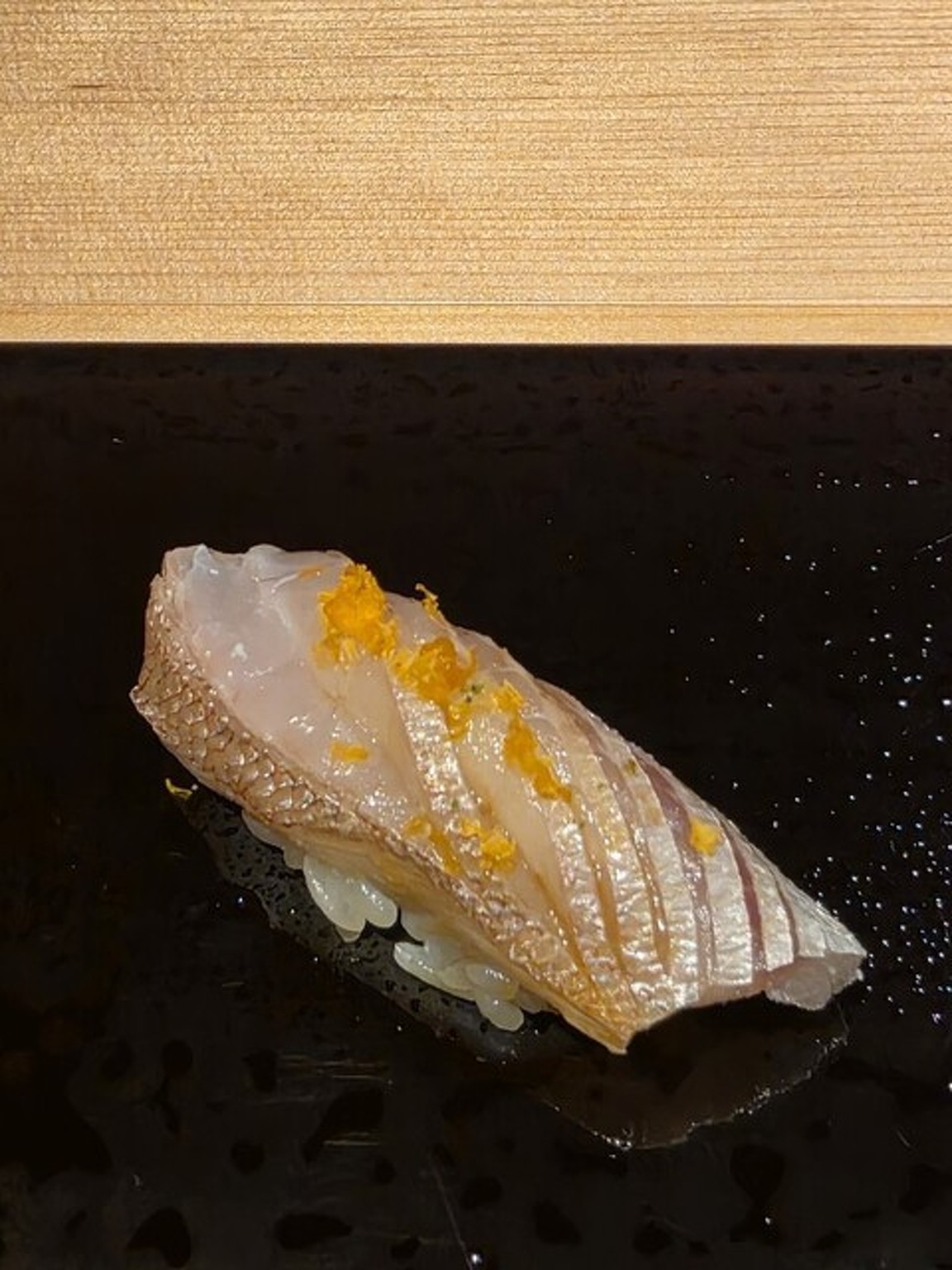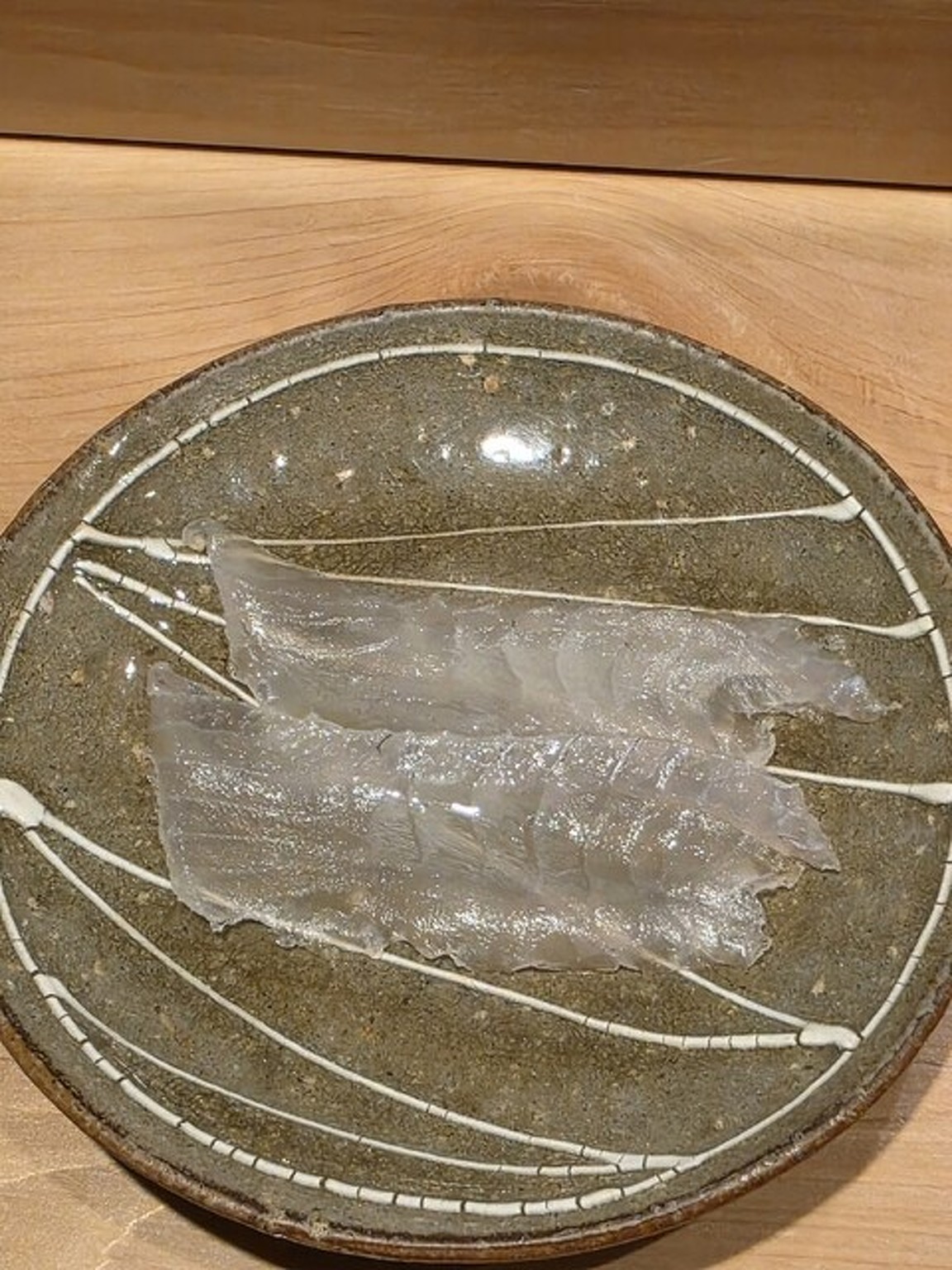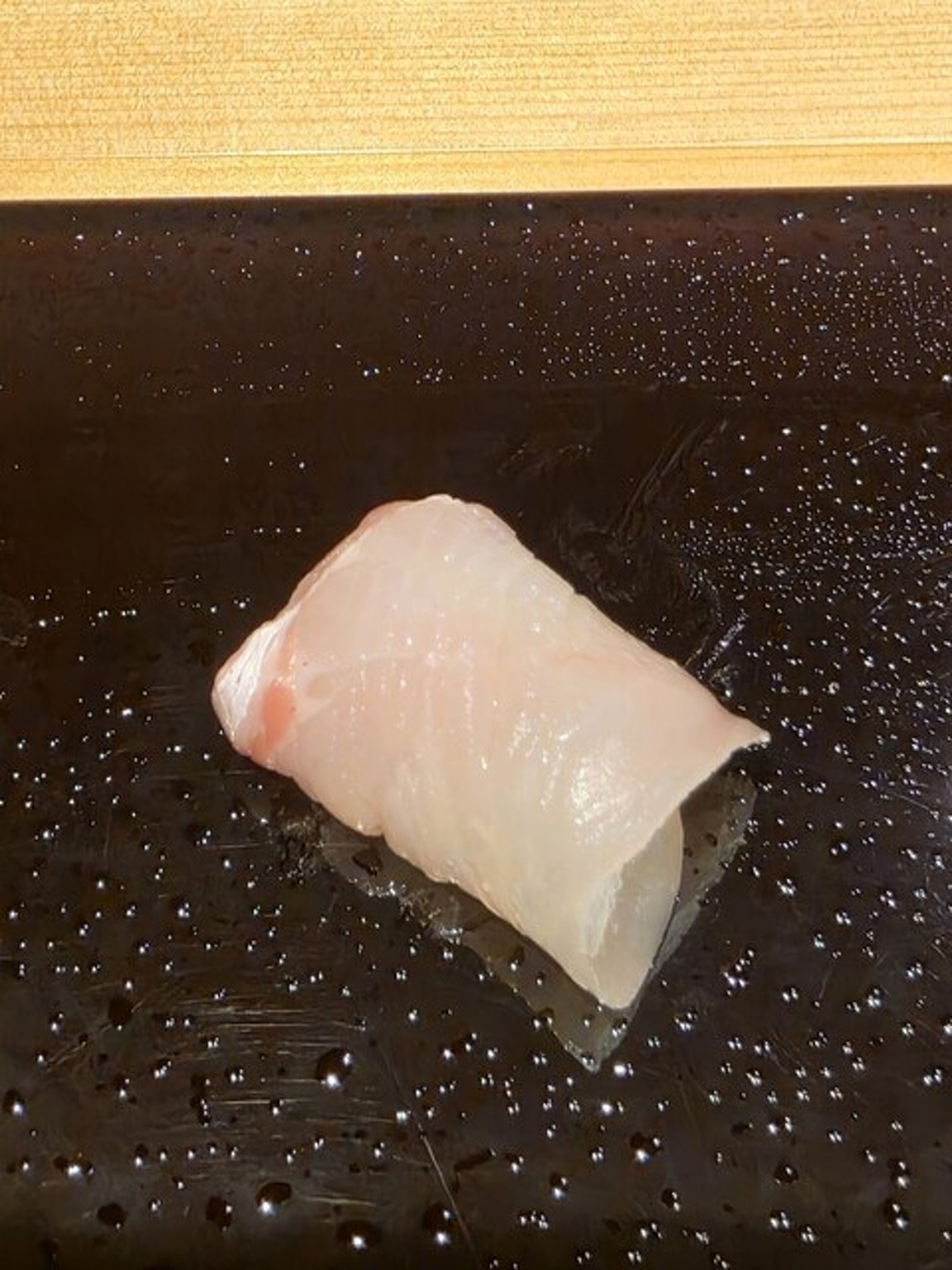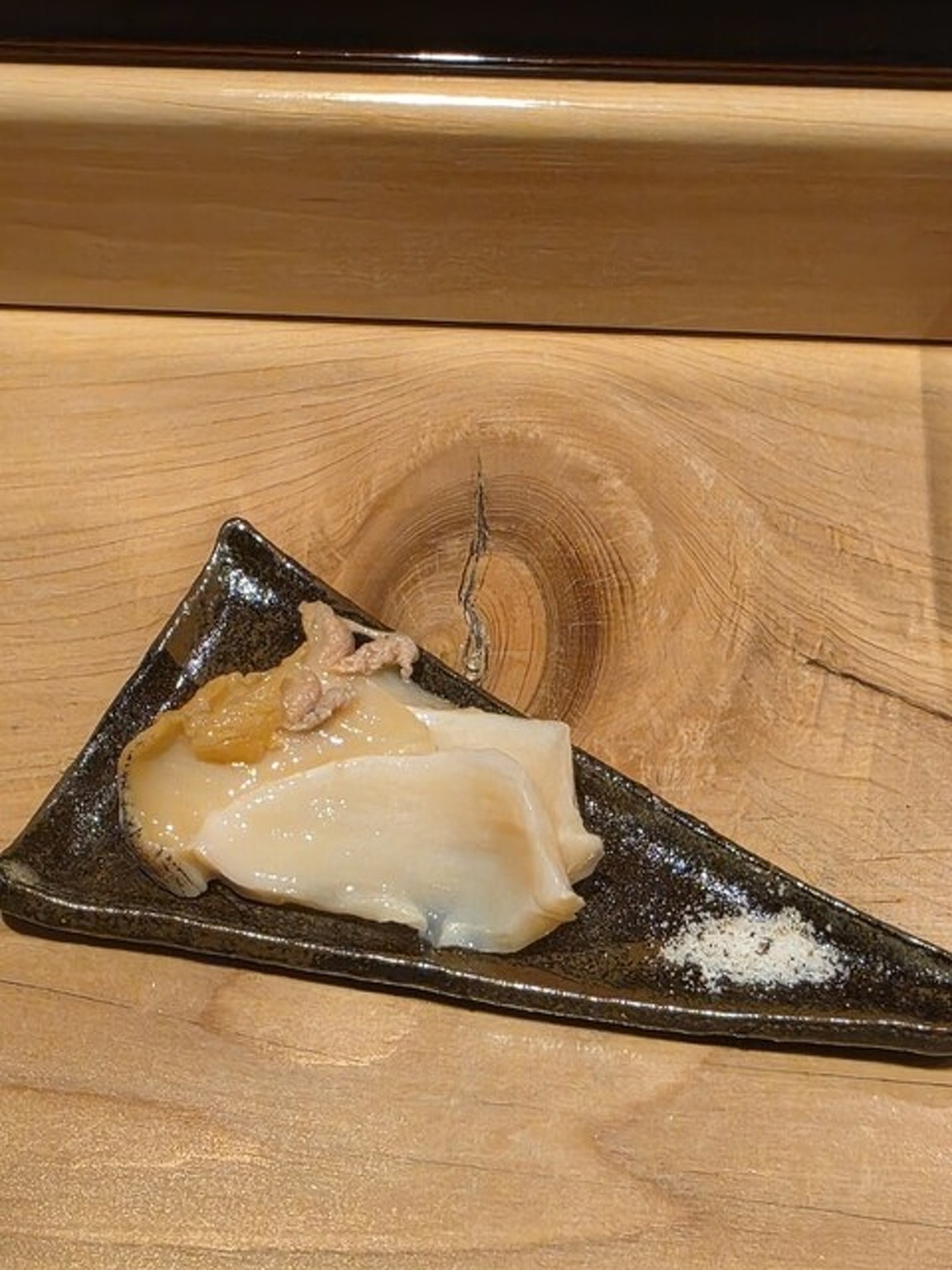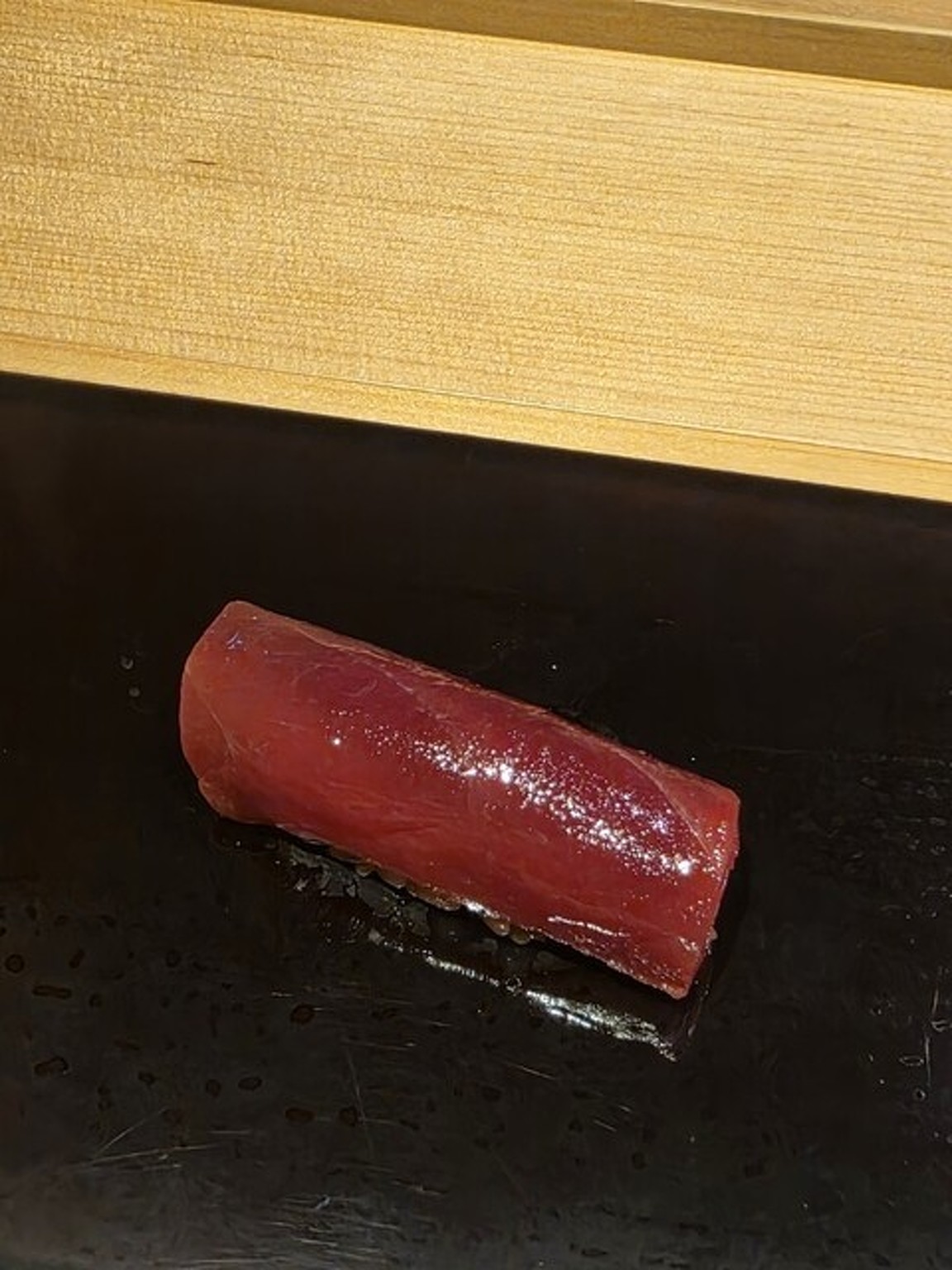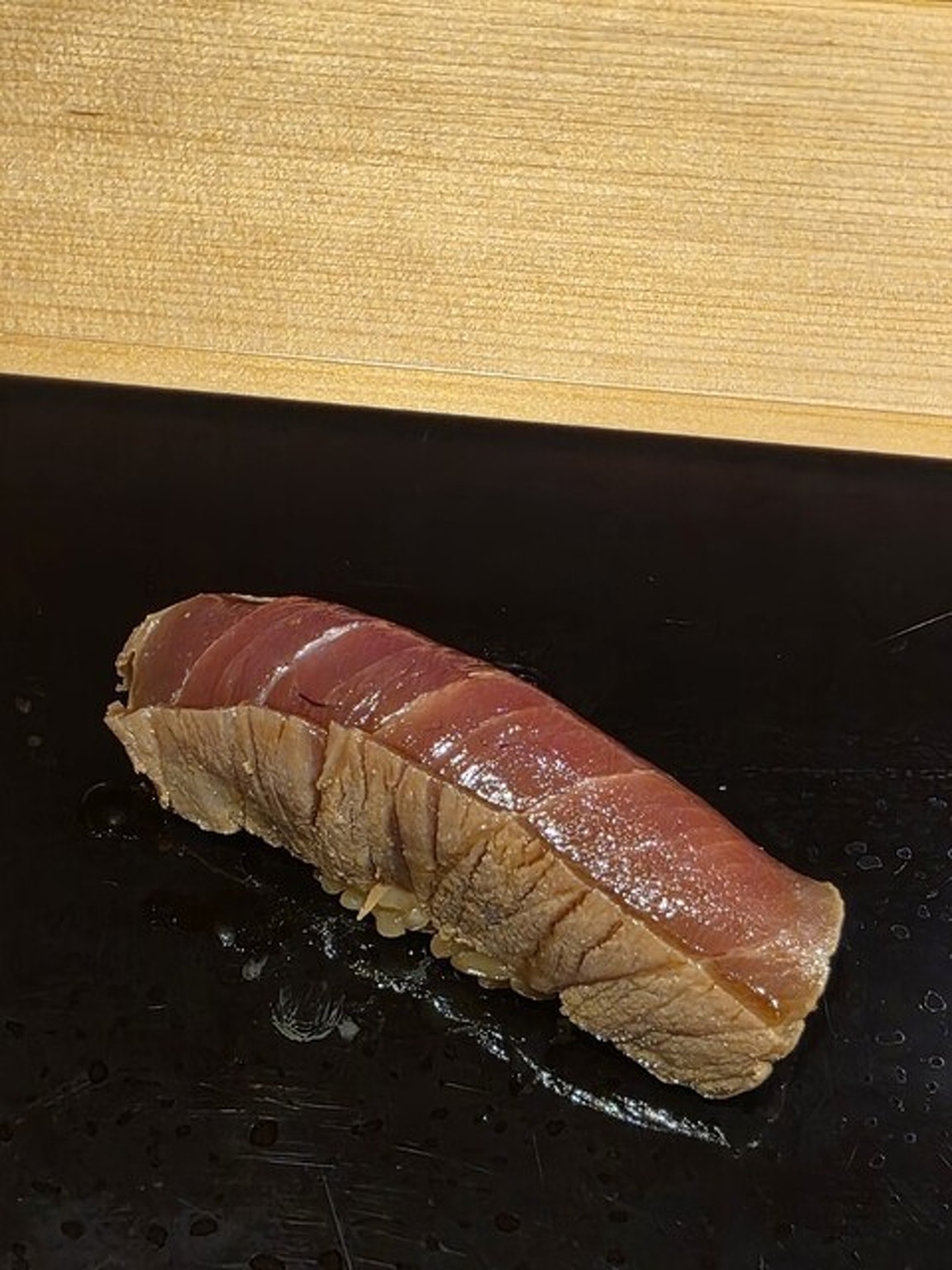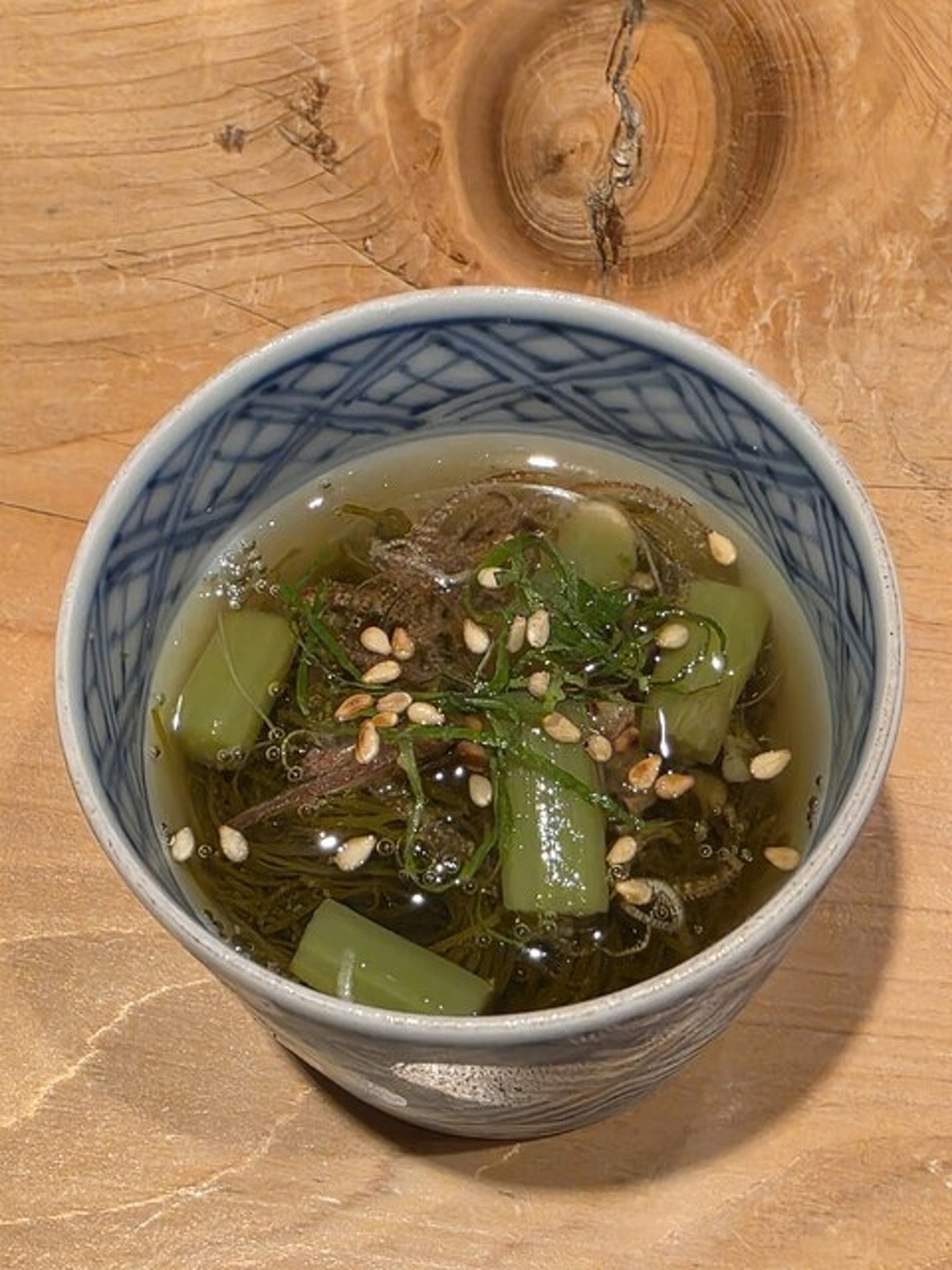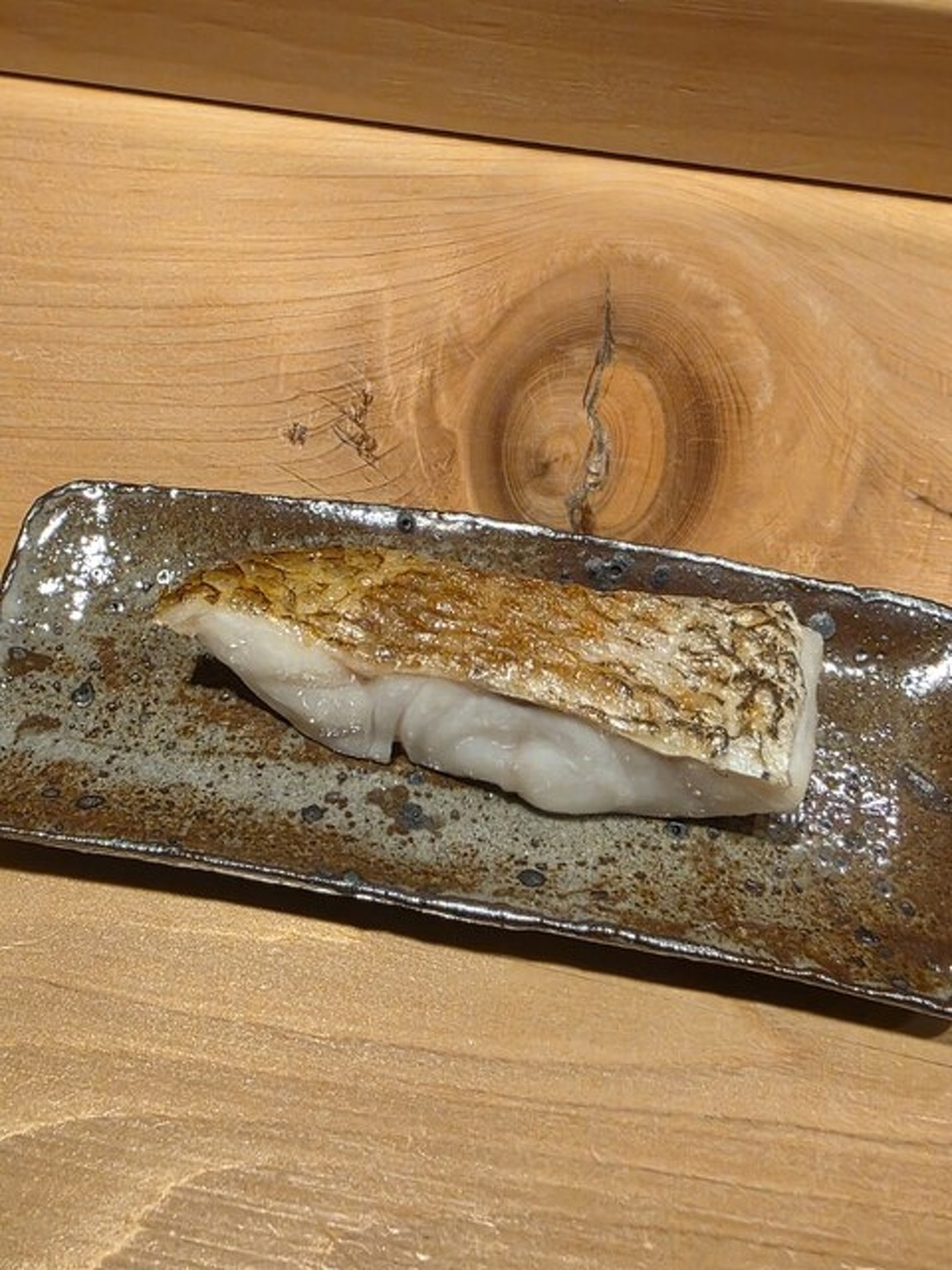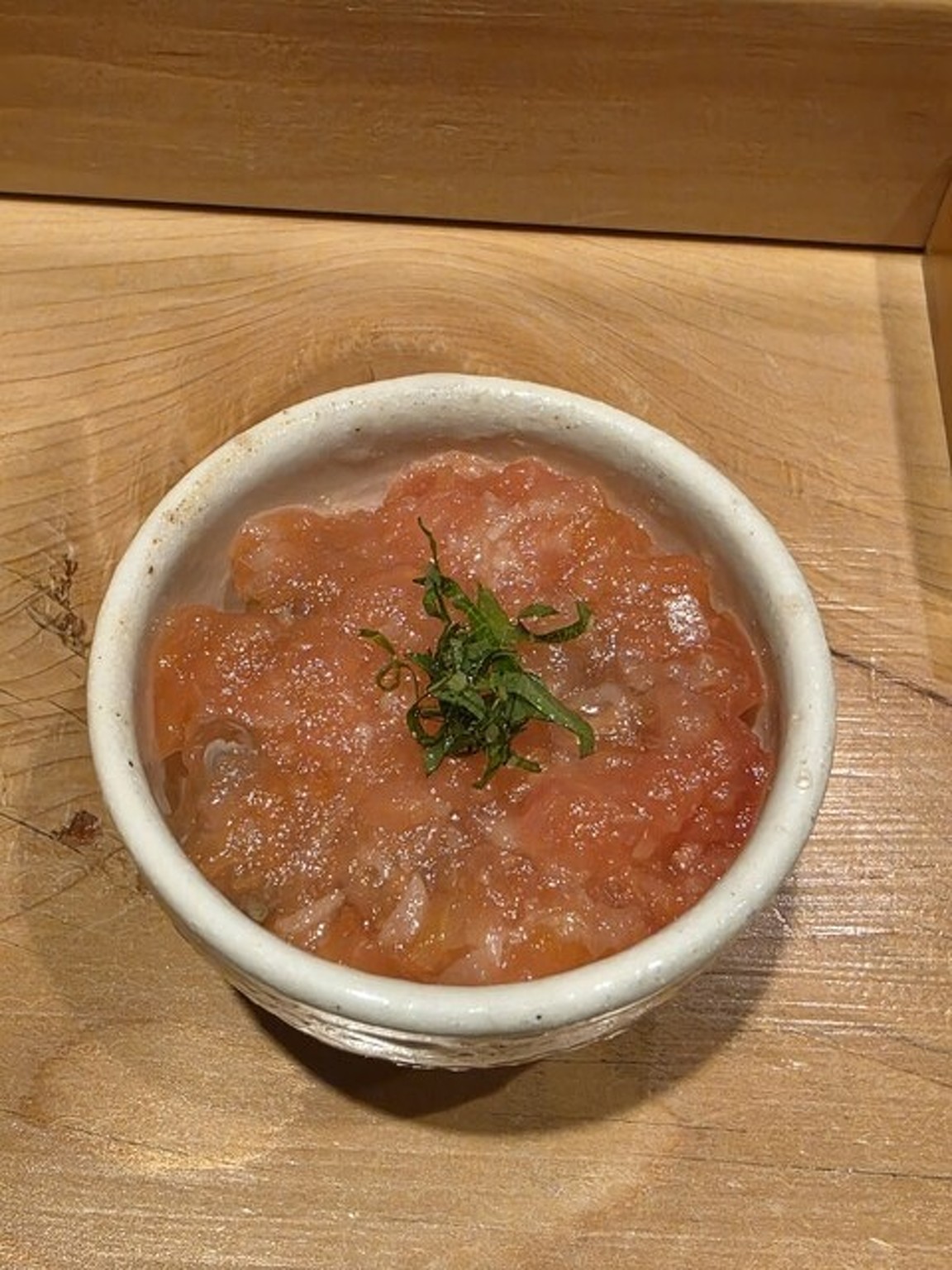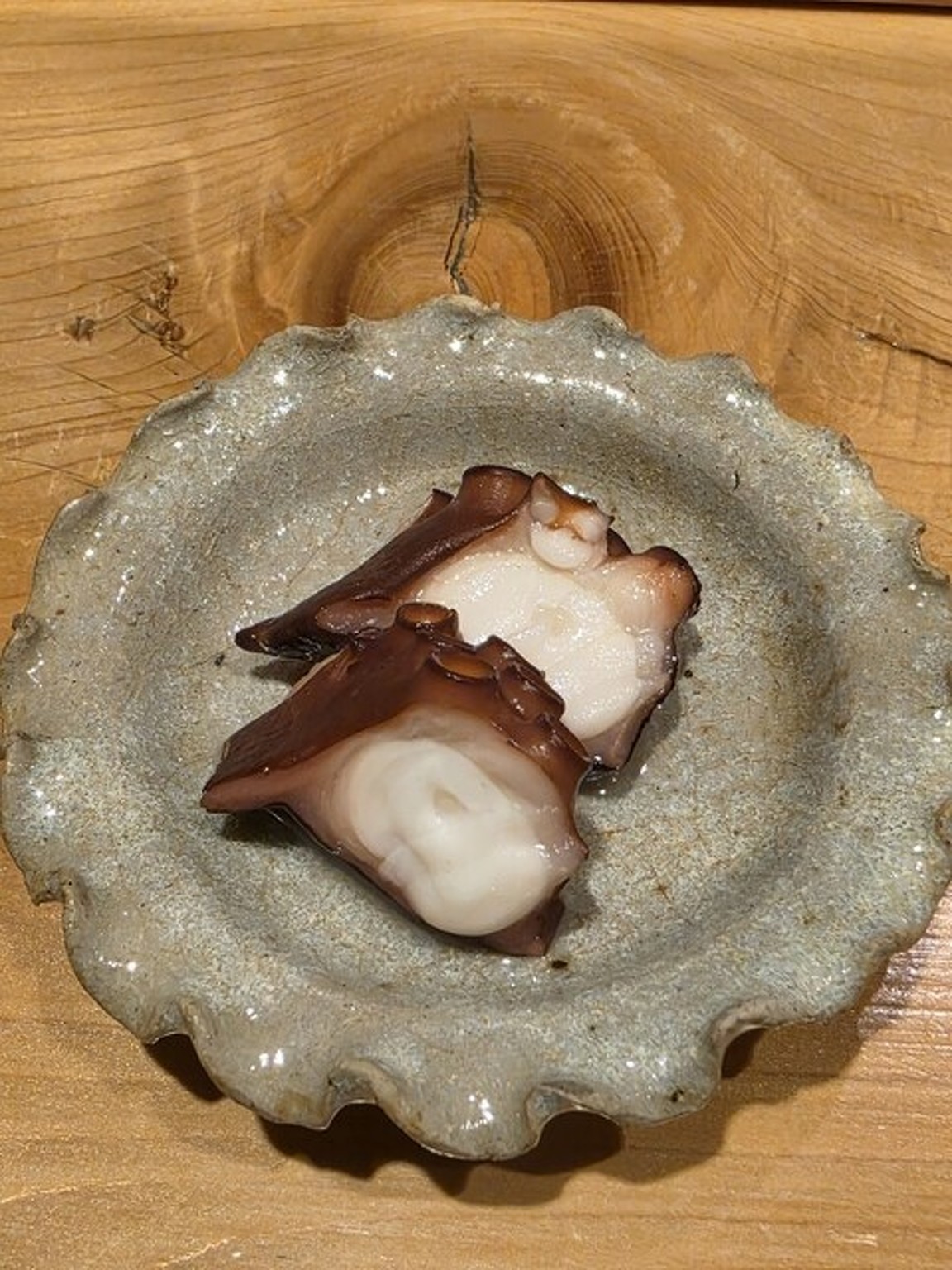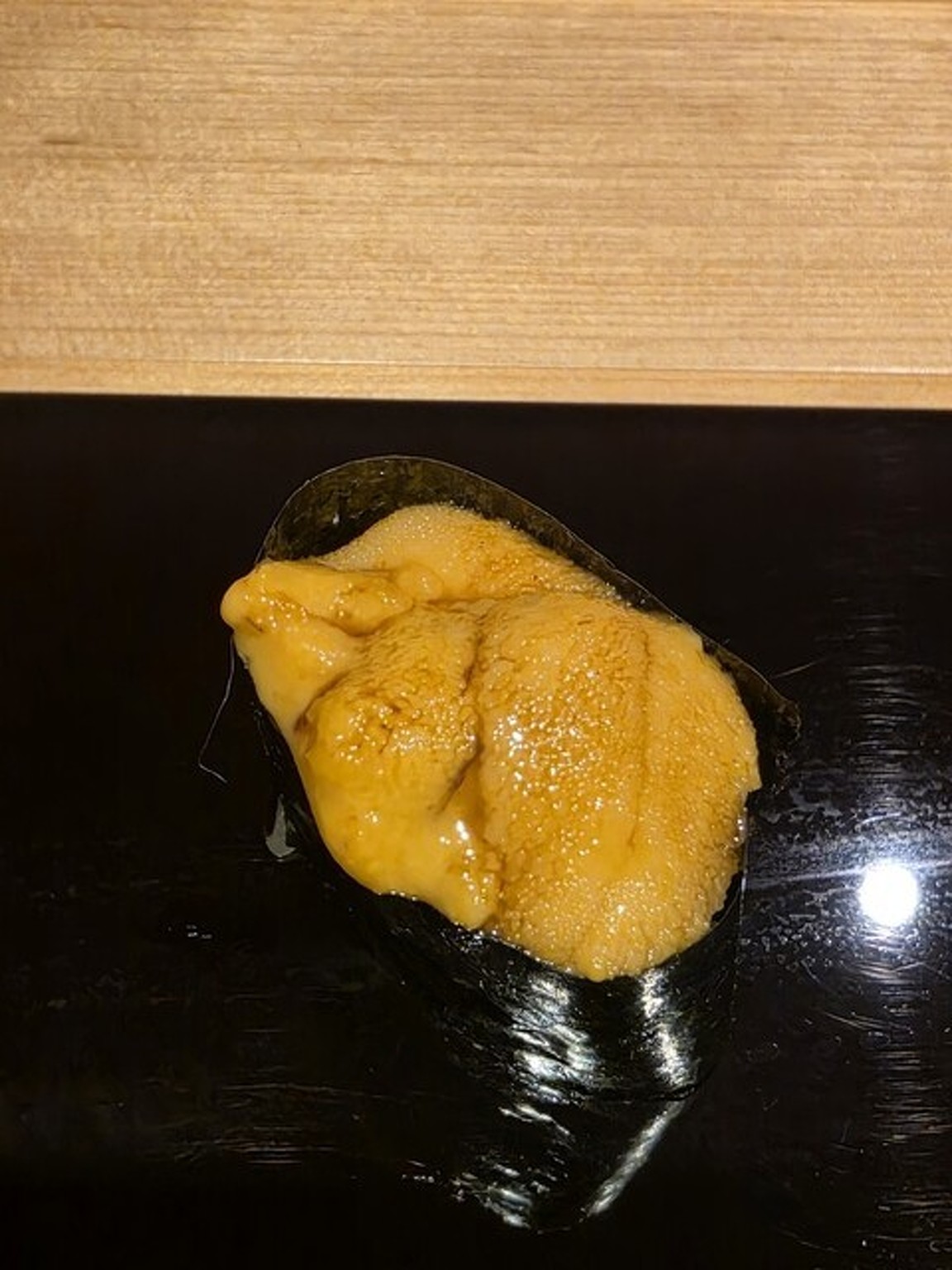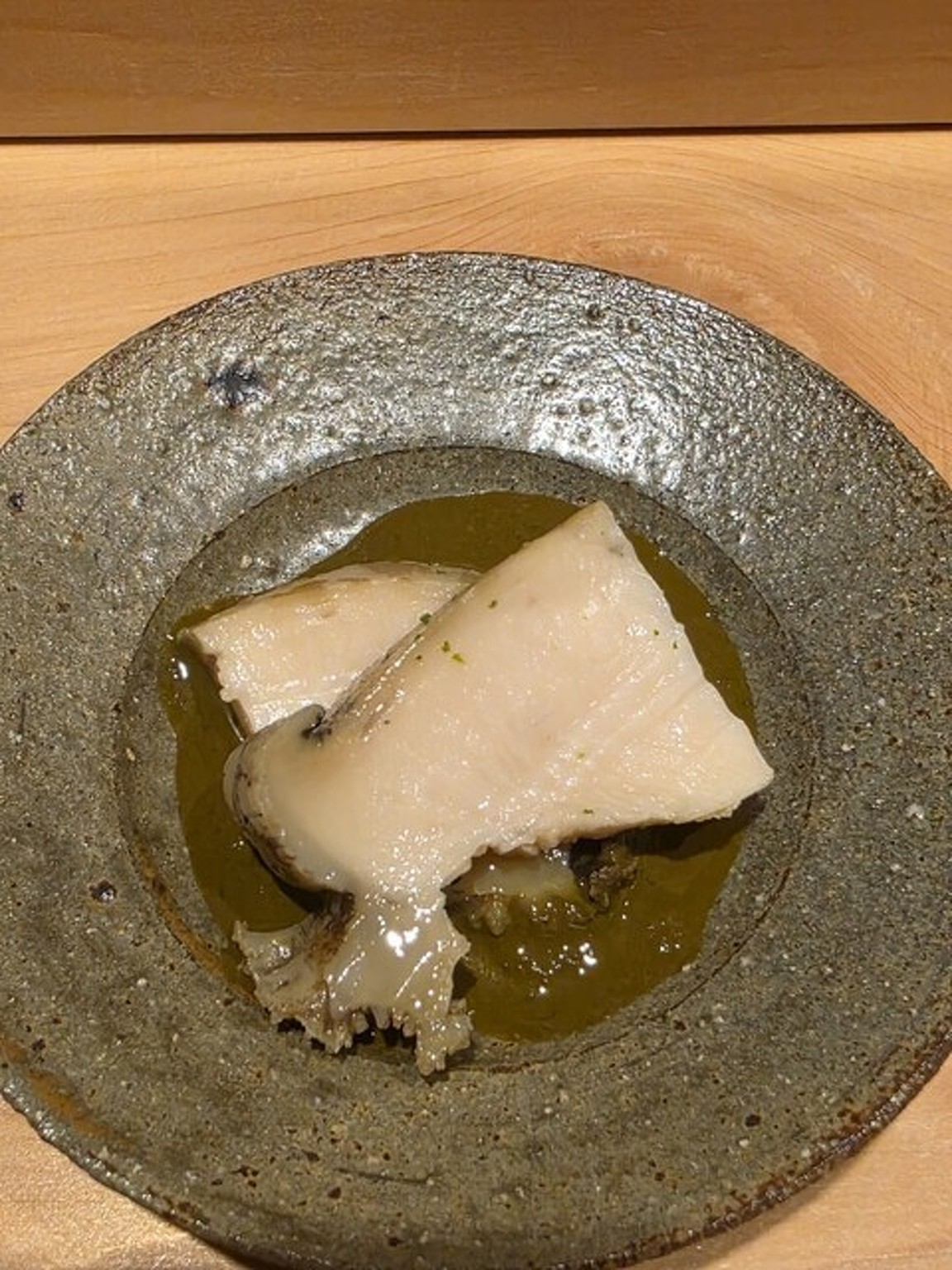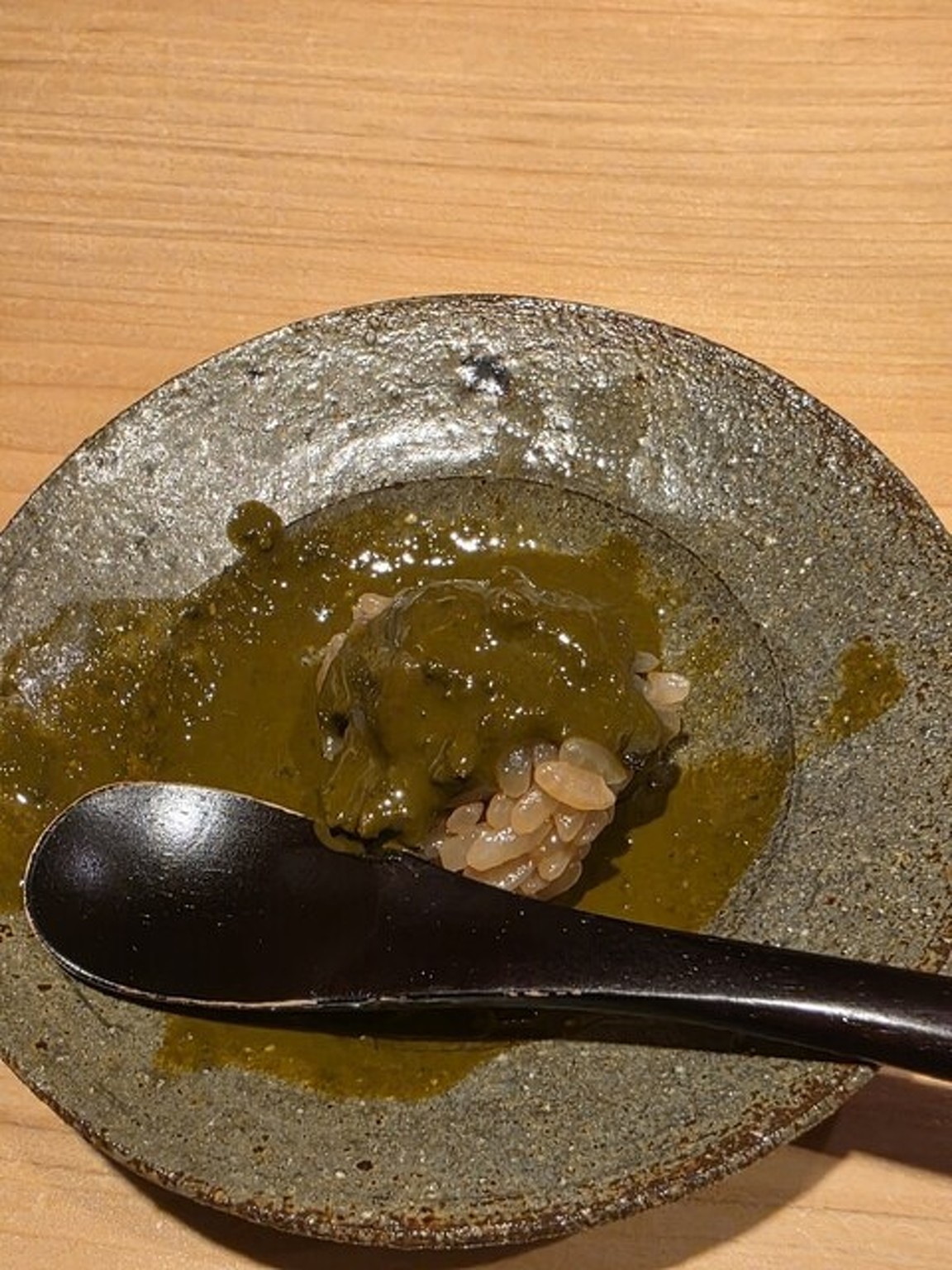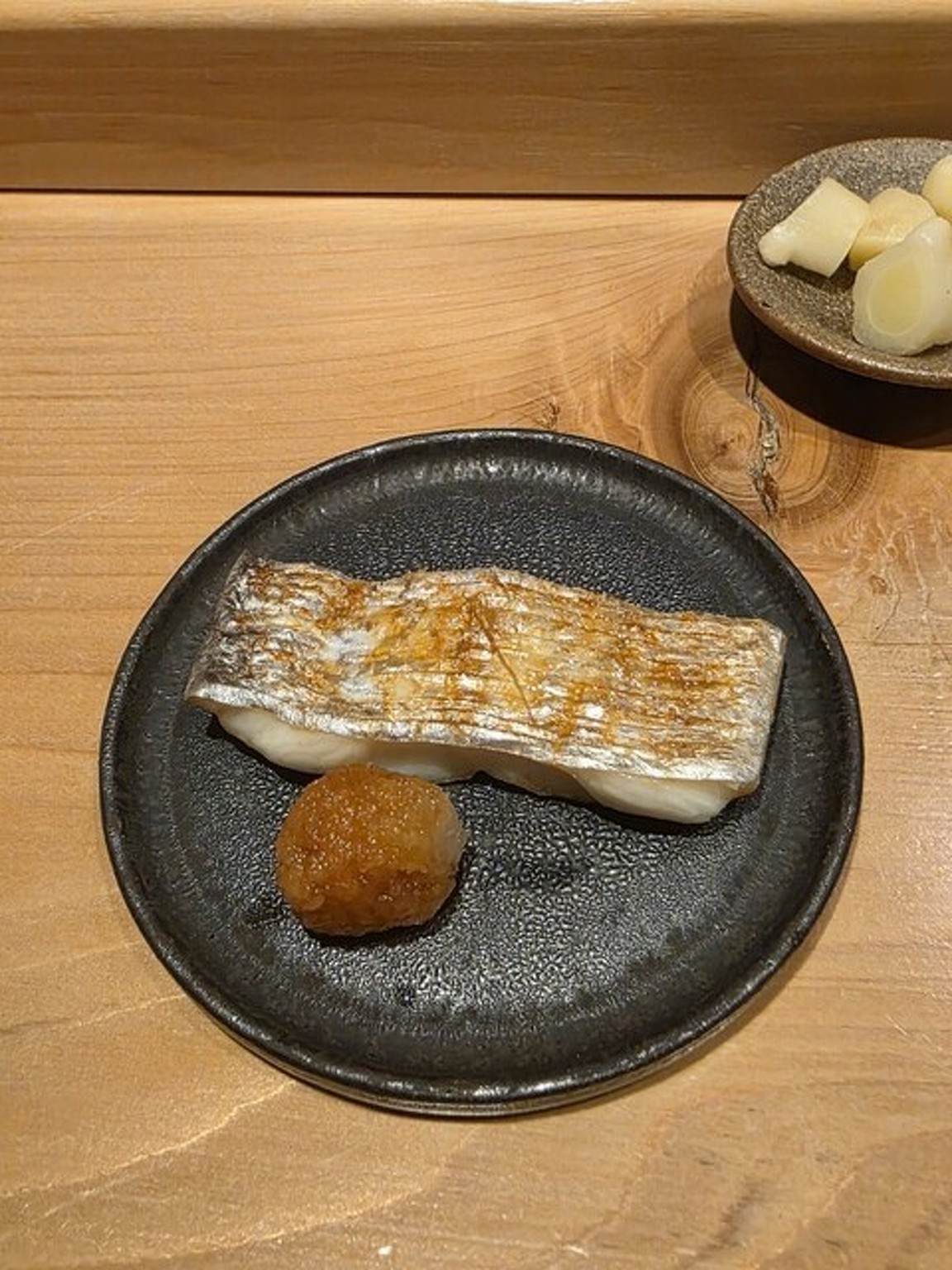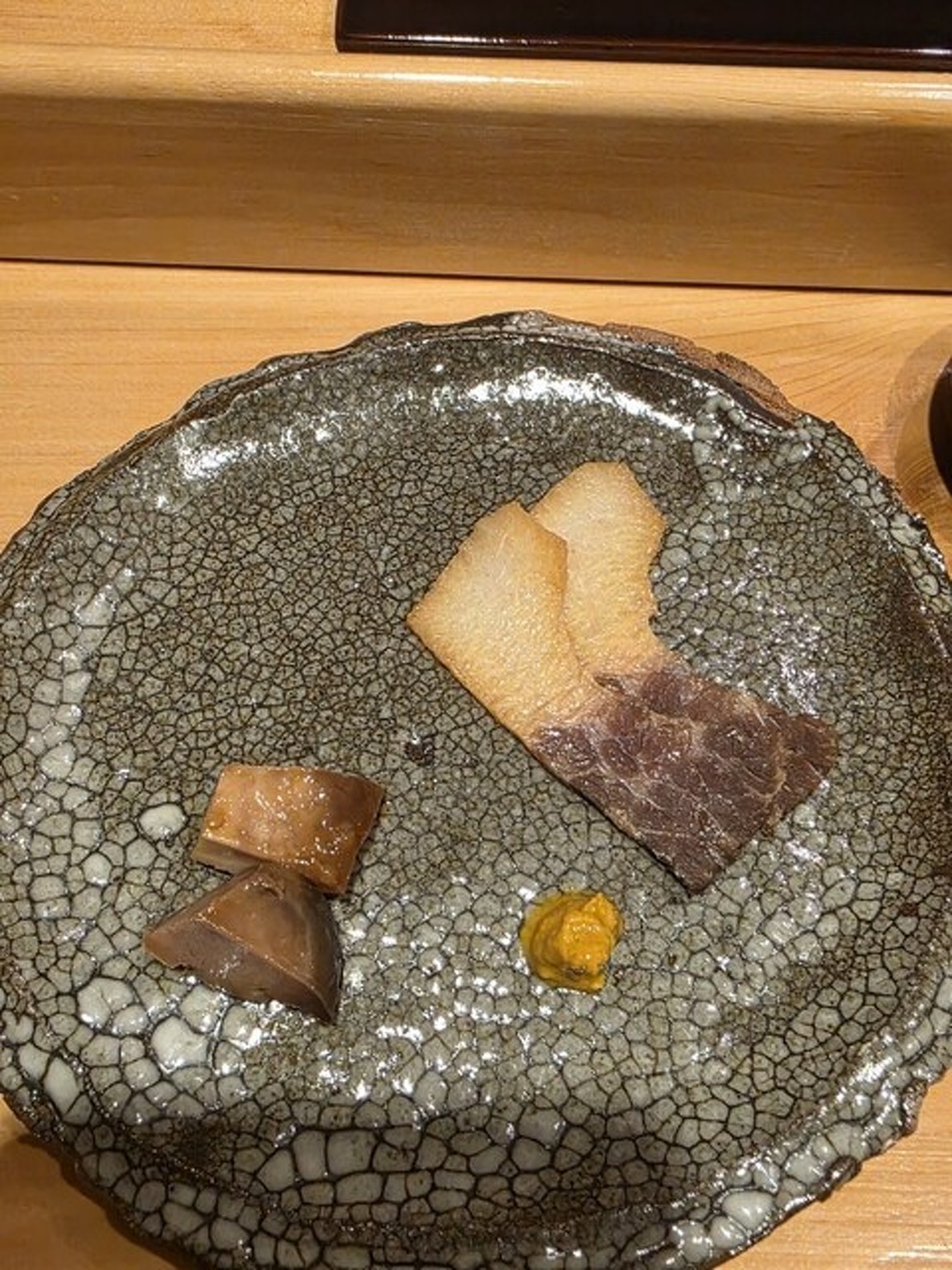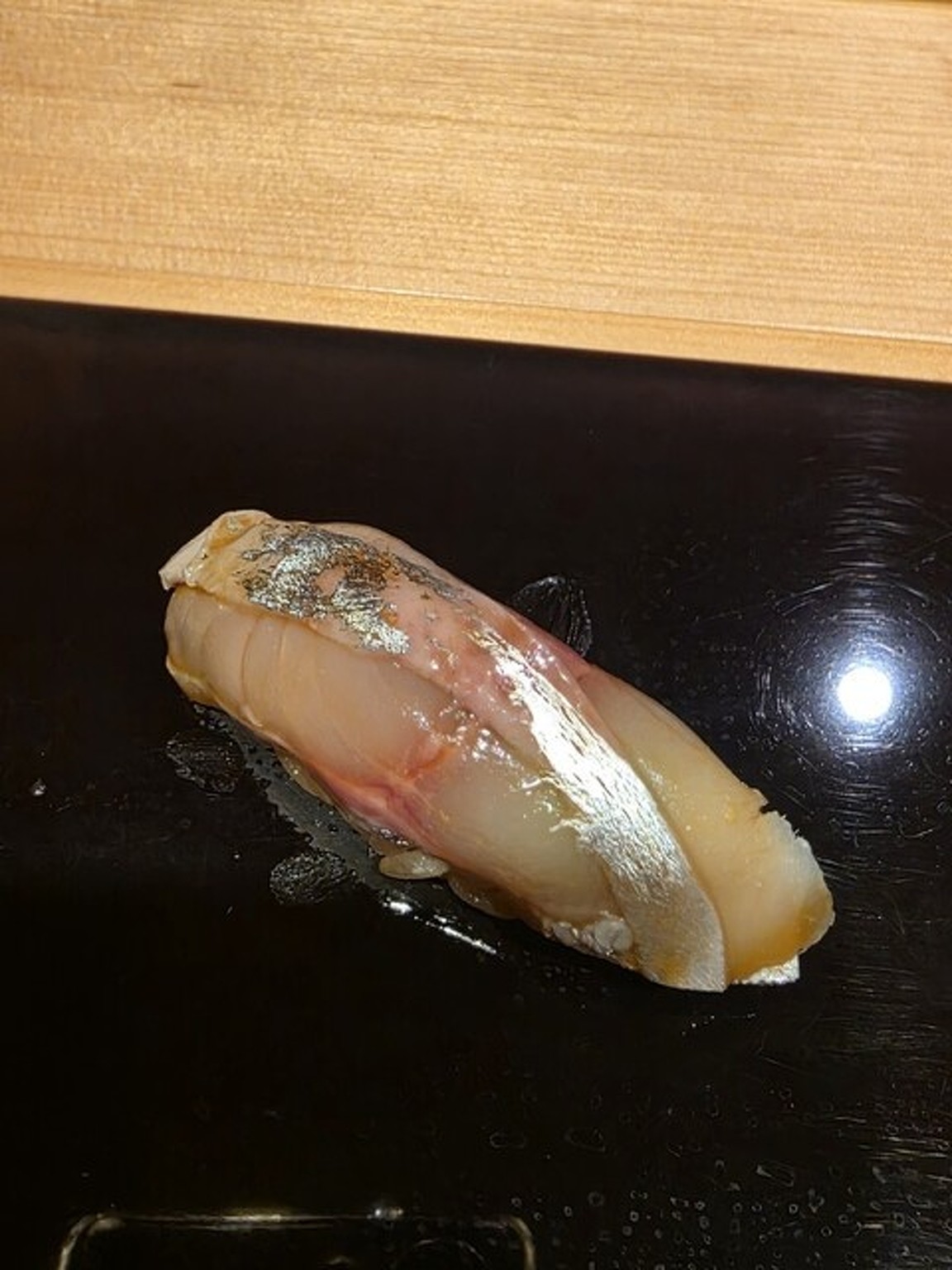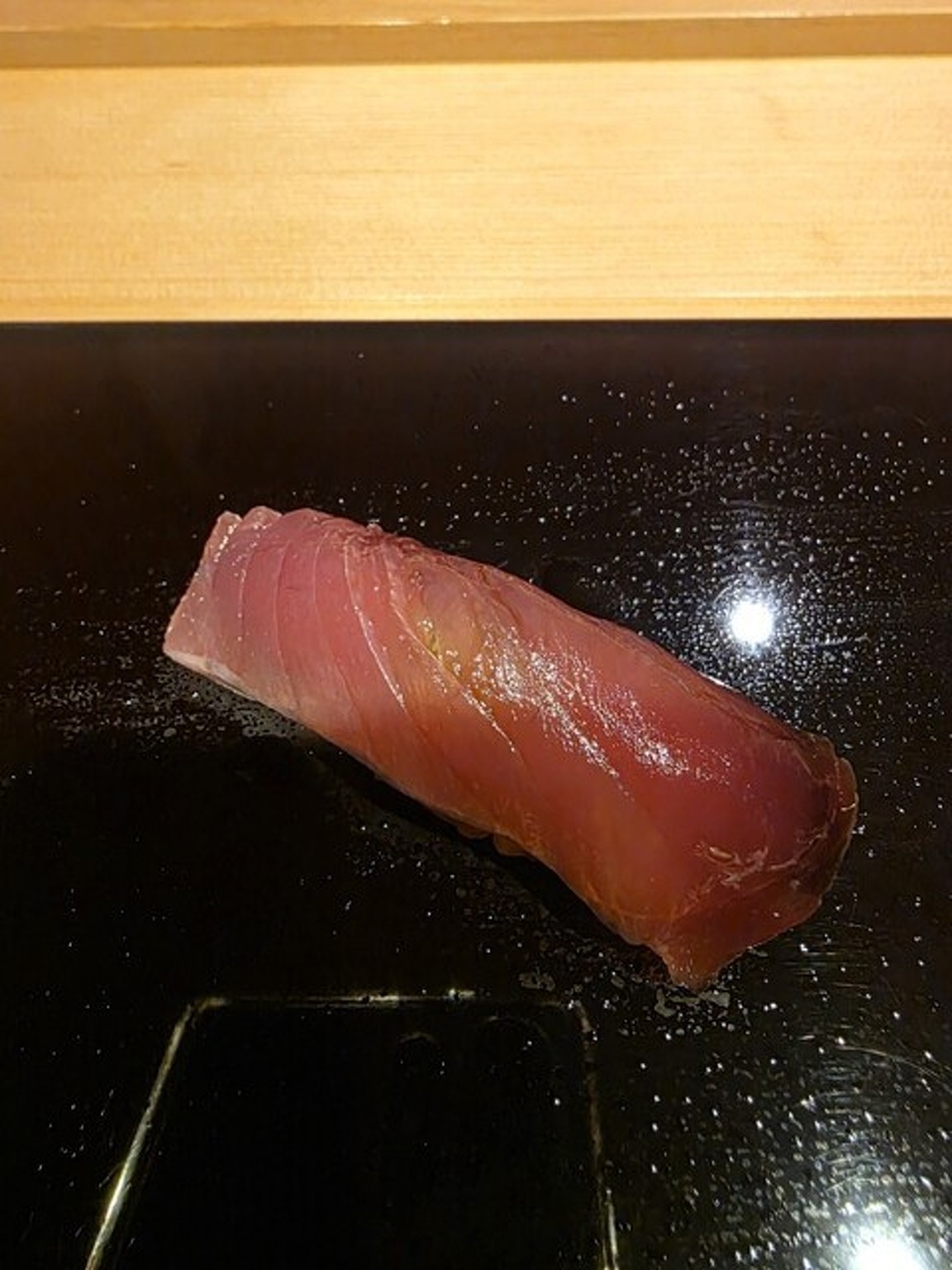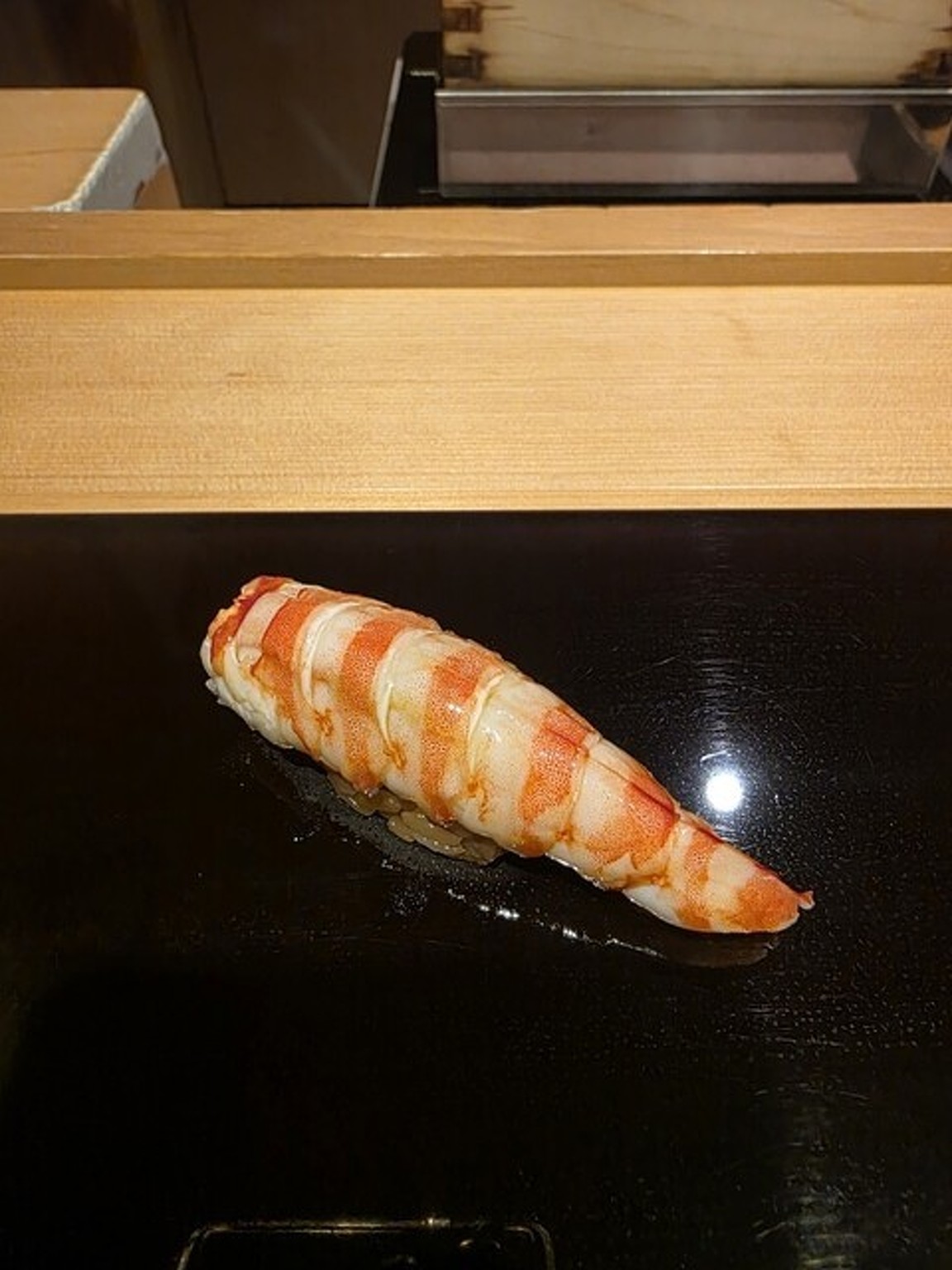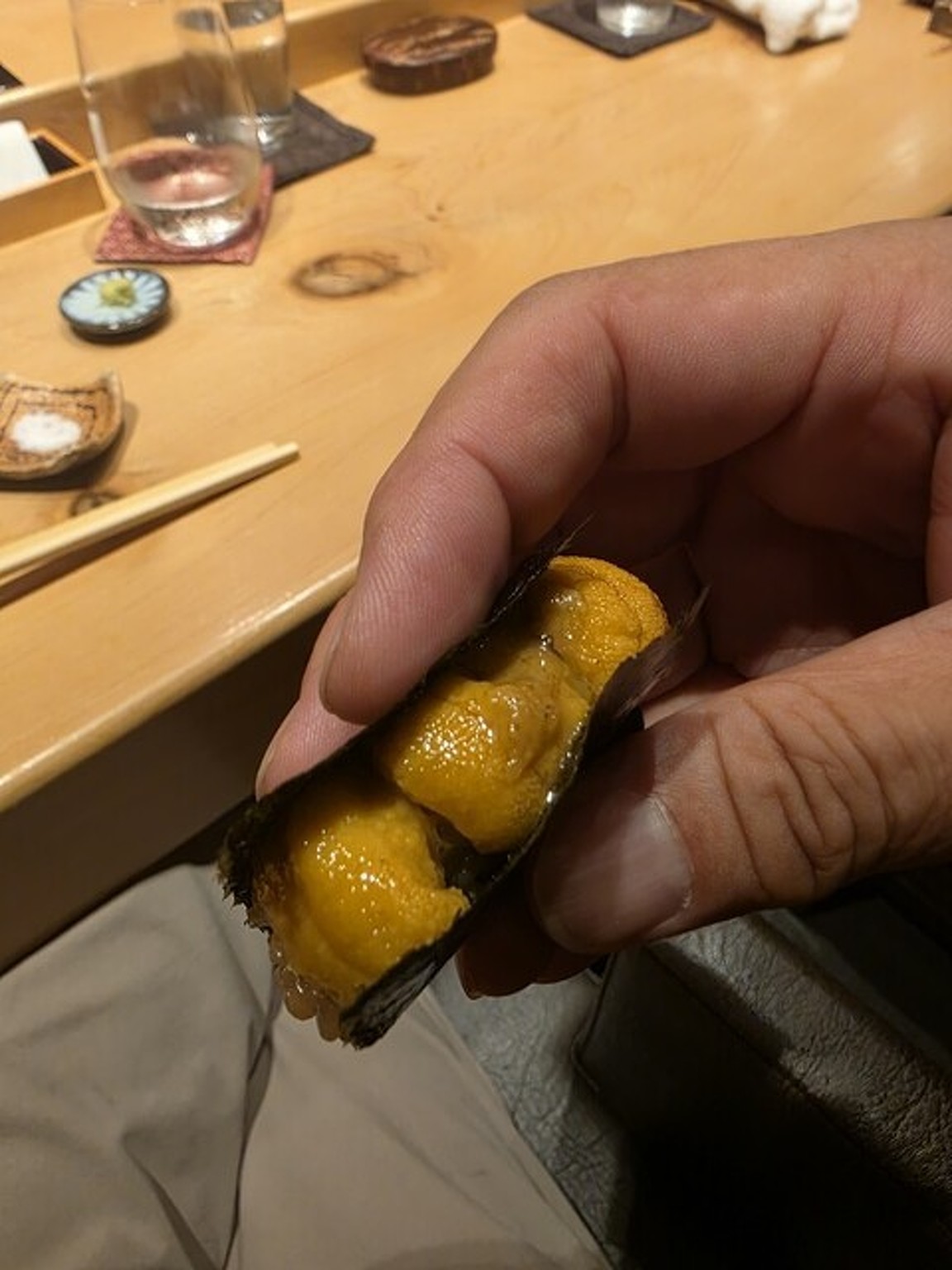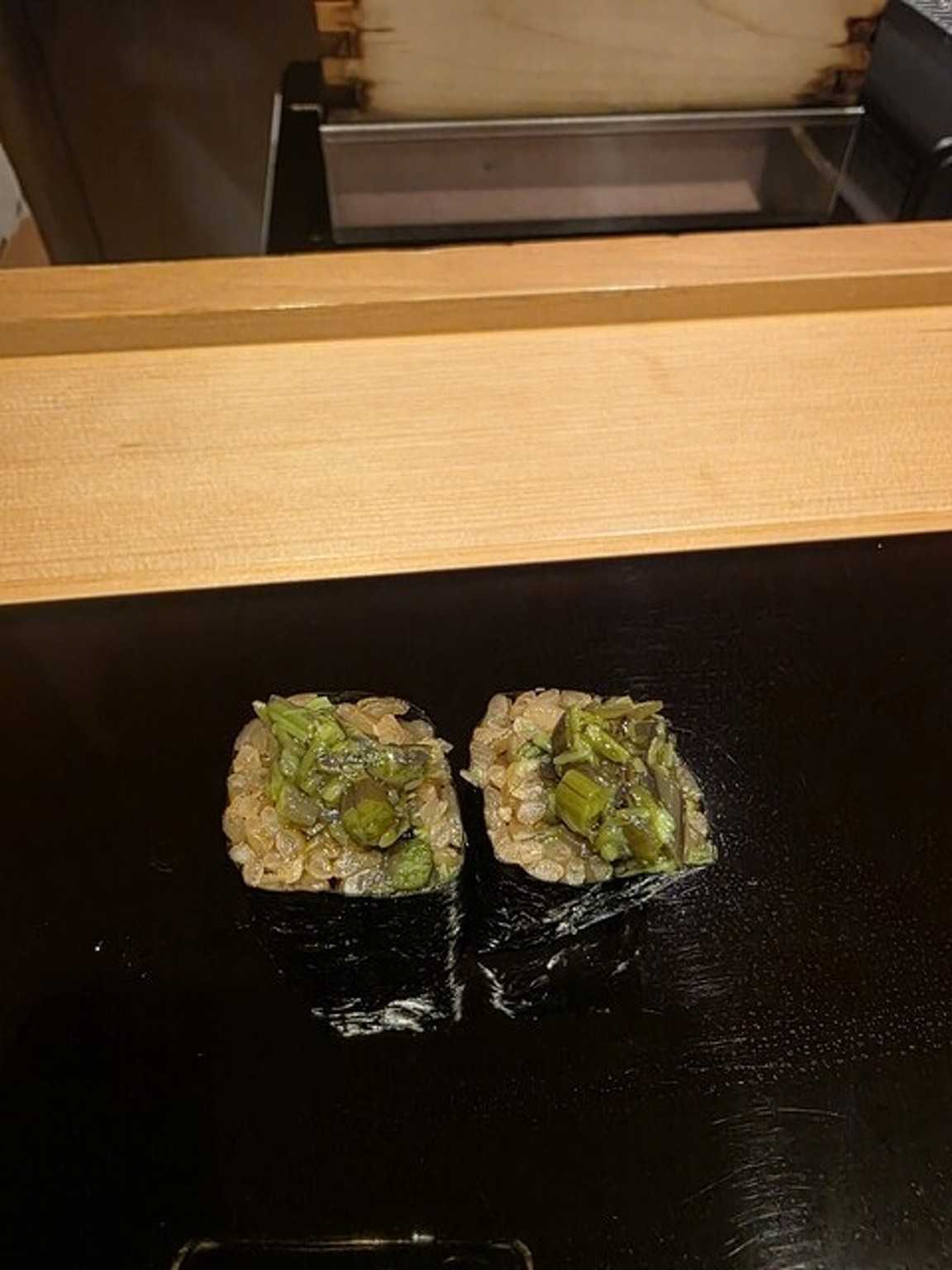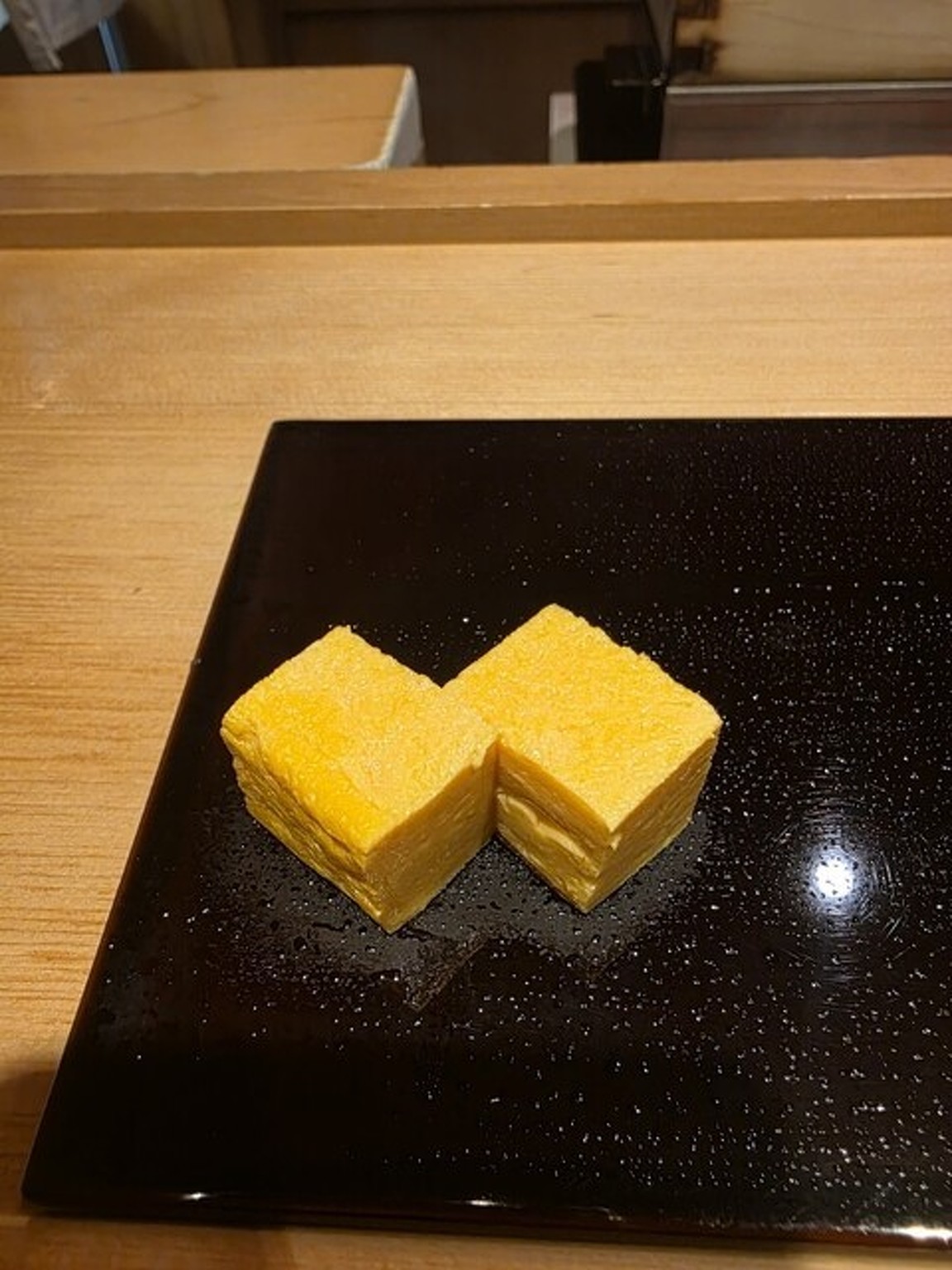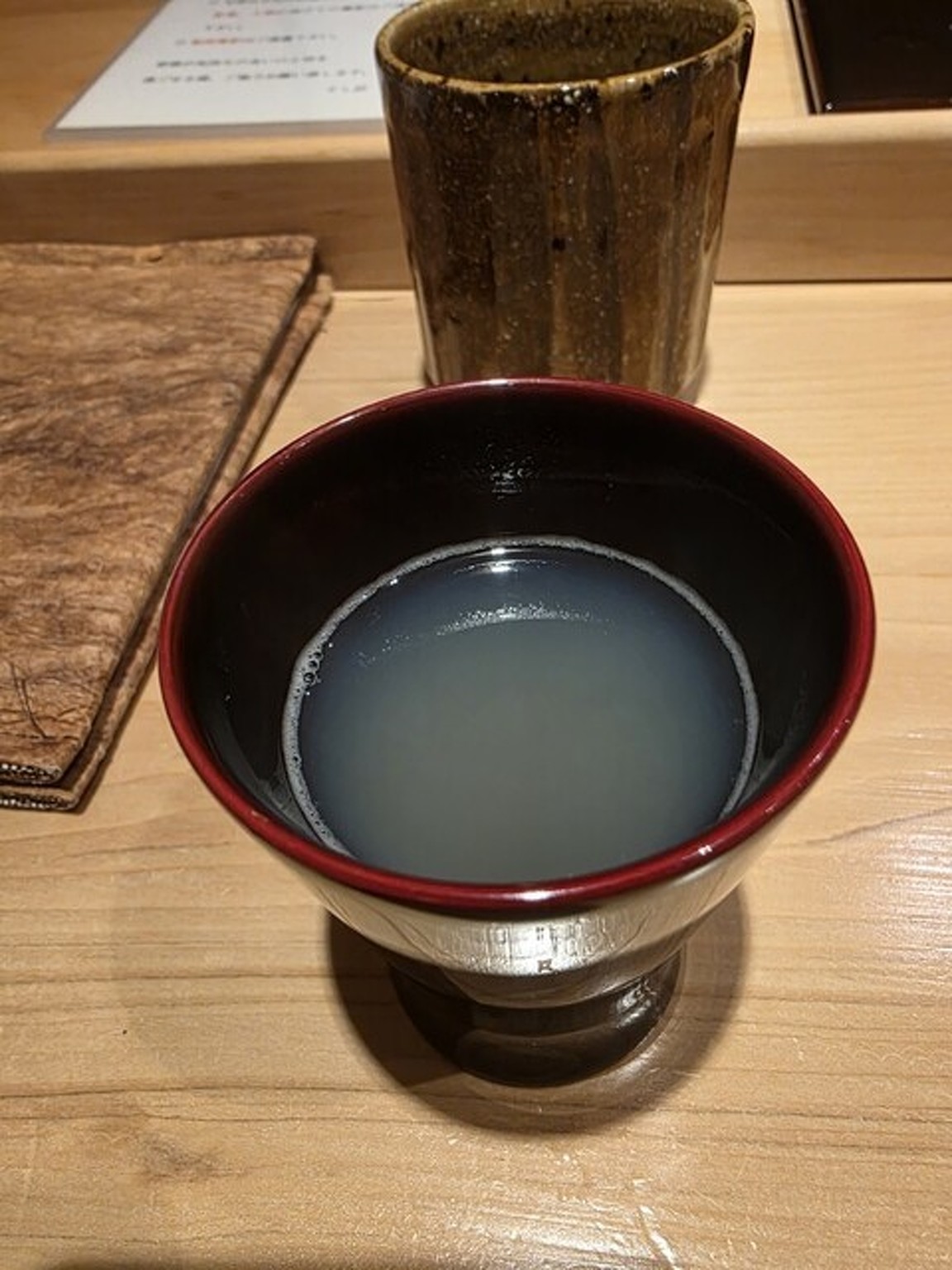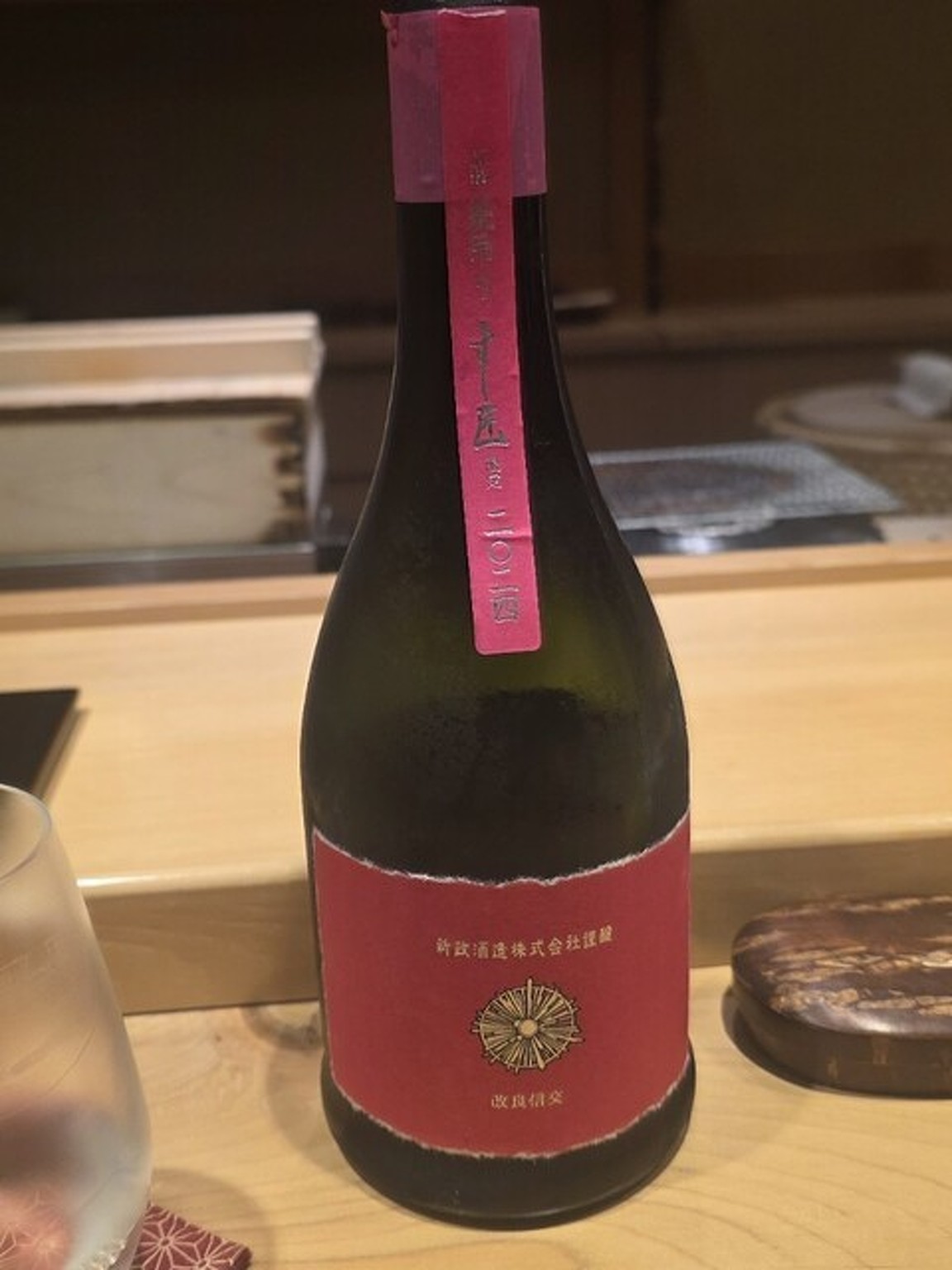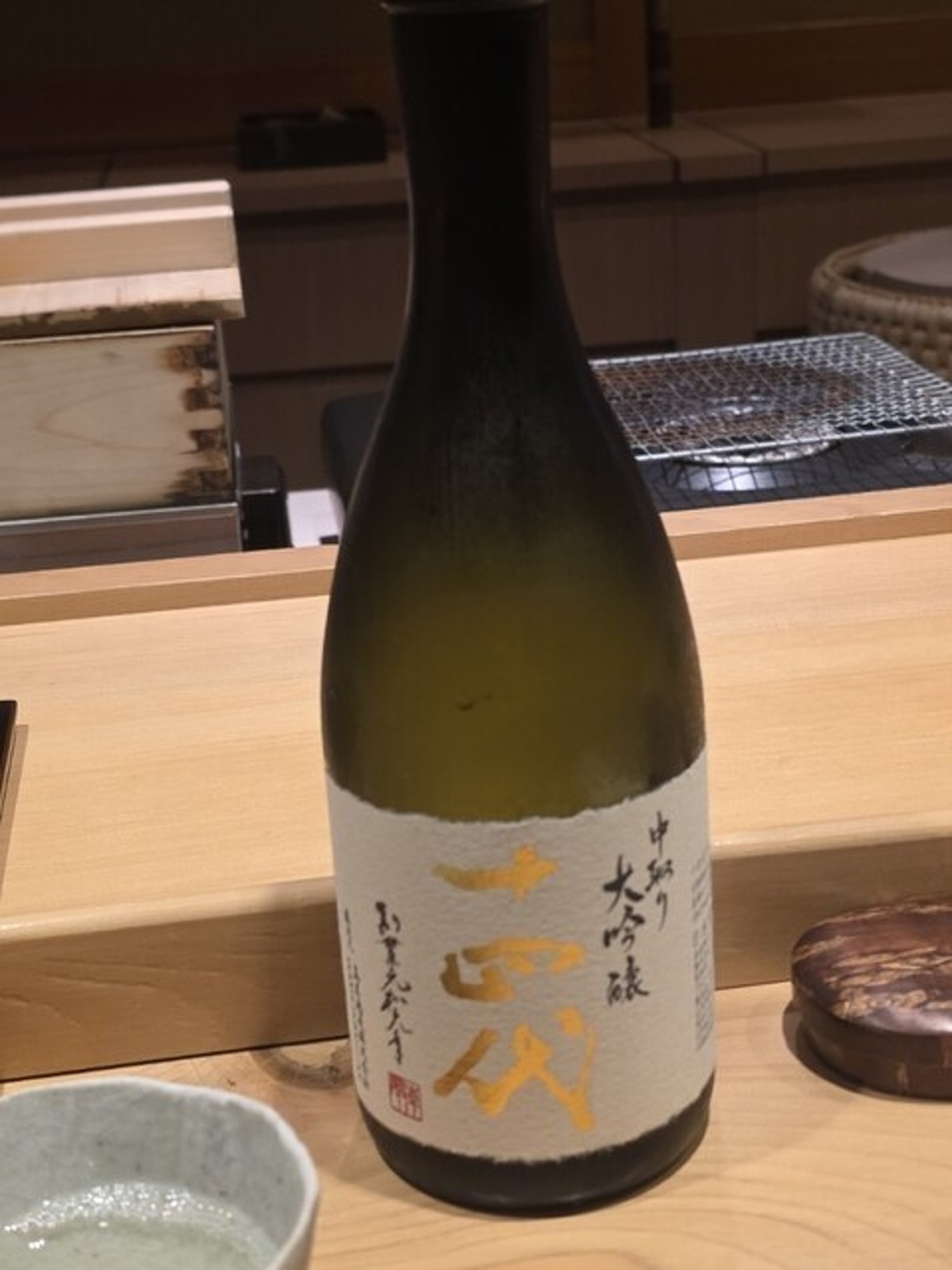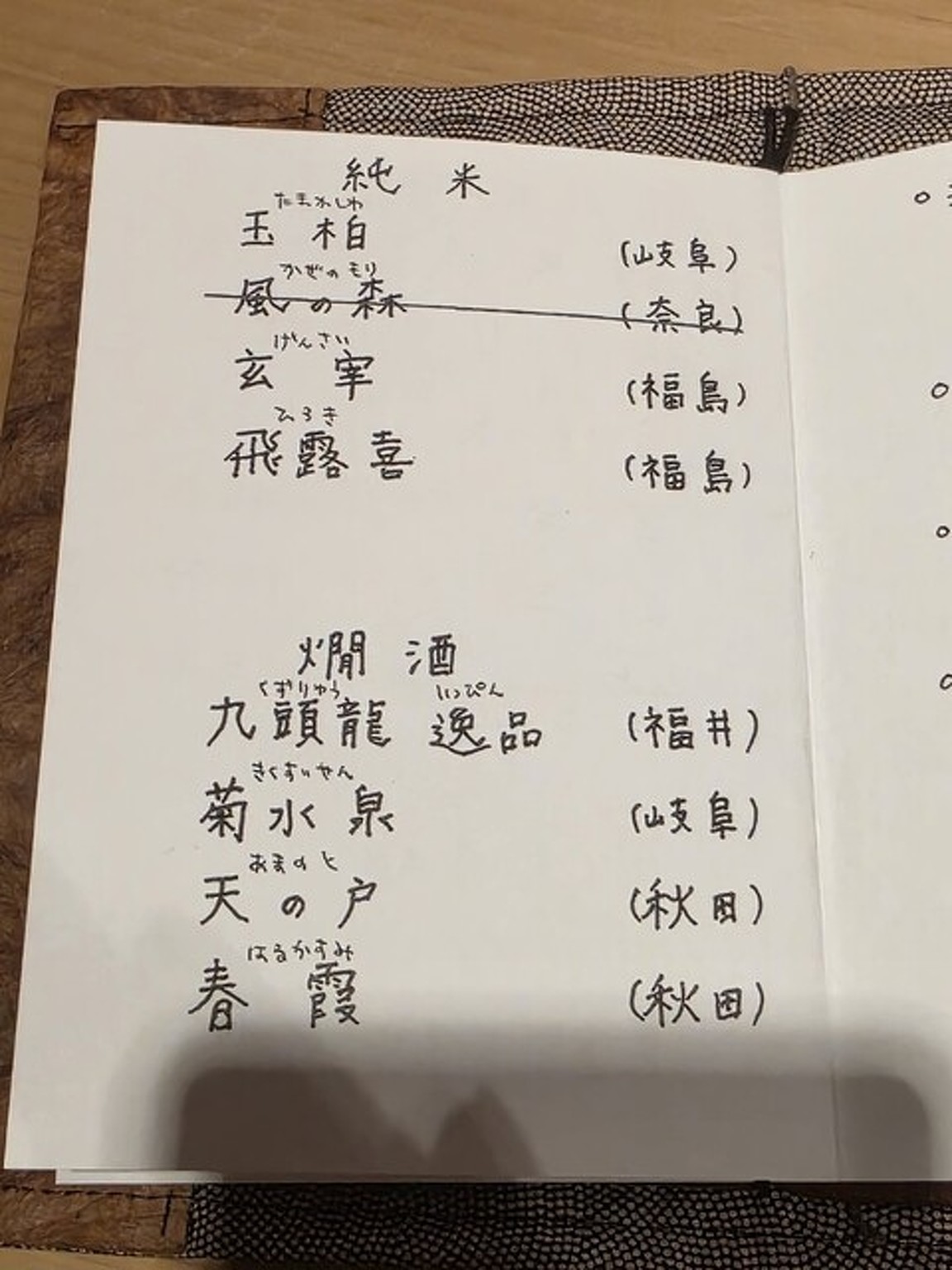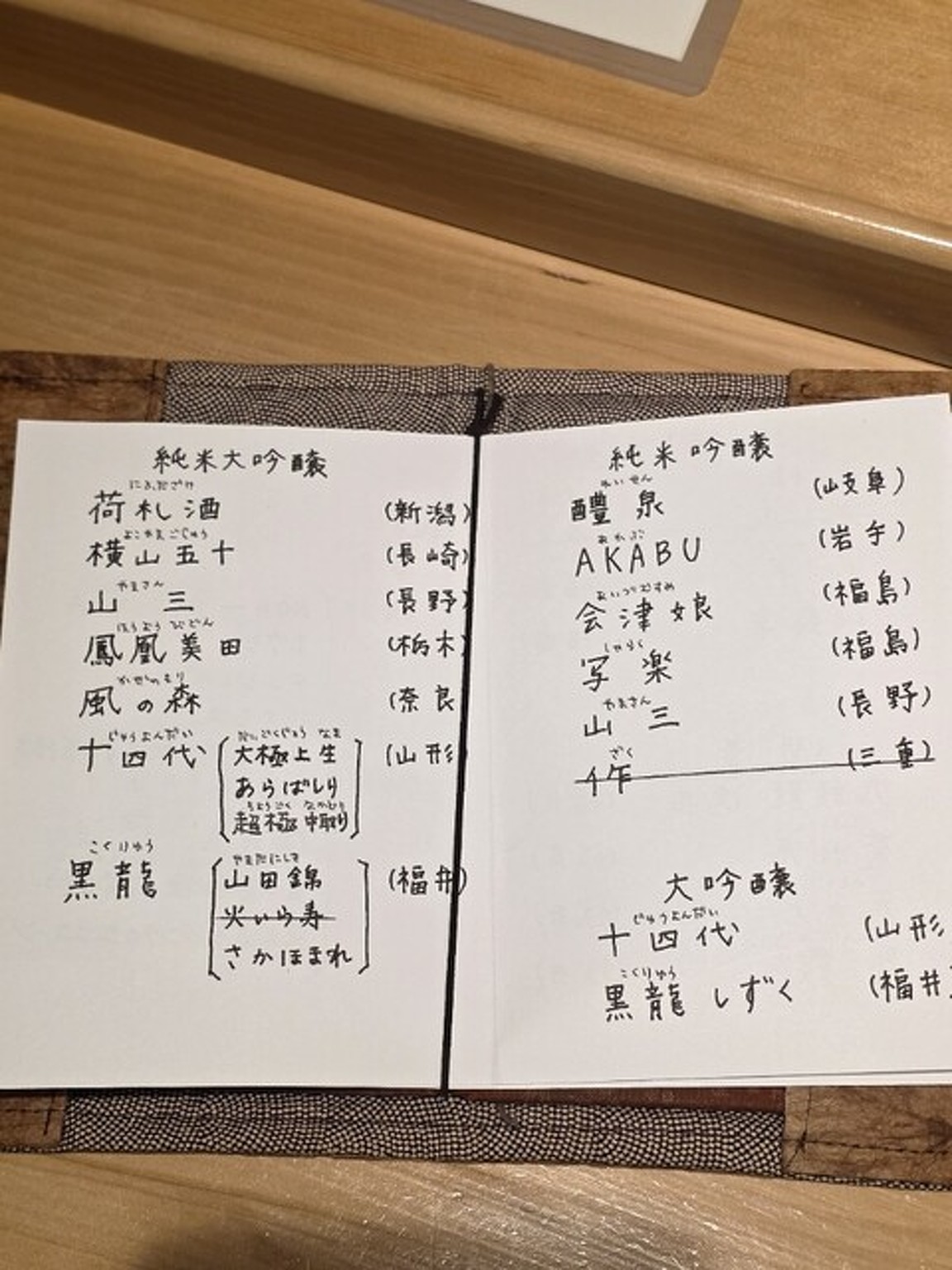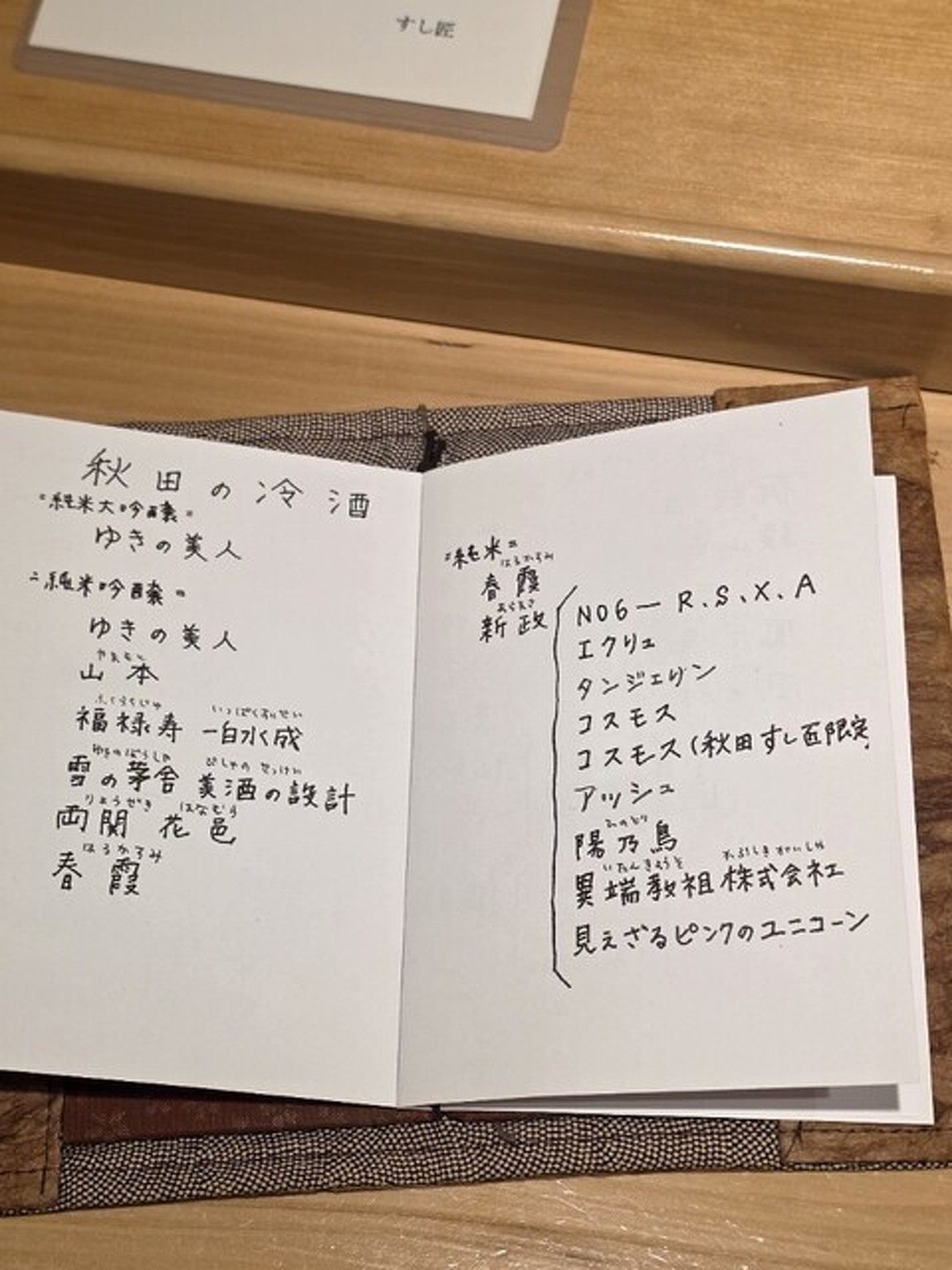
I visited in search of Akita ingredients, but honestly, I didn't encounter as much of the "Akita essence" as I had hoped. The selection of Japanese sake was extensive, featuring a wide range of Akita brands, which was enjoyable. However, when it came to the sushi toppings, the number of items claimed to be from Akita was surprisingly limited, with most ingredients sourced from various regions across the country.Looking back, this might be due to the transitional season, but it could also be because the restaurant prominently promotes itself as "Edo-mae" sushi. Edo-mae sushi traditionally focuses on seafood from the Tokyo Bay area and specific techniques (such as vinegared fish, marinated toppings, and searing), so it makes sense that they prioritize high-quality ingredients sourced nationwide over local ones. In other words, this restaurant might not be about "eating Akita cuisine in Akita," but rather "enjoying Edo-mae sushi in Akita."If the concept was to strongly emphasize Akita for the sake while relying on Edo-mae techniques for the sushi toppings, then the mismatch with my expectations seems to stem more from the concept itself rather than the seasonal factors.The taste was certainly not bad; each piece was crafted with care and had a sense of stability. However, on the flip side, it didn't go beyond the realm of being "safe," and there weren't many dishes that left a strong impression.The standout dish was a small rice bowl featuring fruit tomatoes and junsai (water shield). The balance of acidity and ginger was thoughtfully executed, making it the most memorable dish of the course. If there were more creative dishes like that, my impression would have changed significantly.Considering the price range, I honestly feel there are other places within the same budget that might offer a higher level of satisfaction. If you want to truly savor local Akita flavors, it might be worth exploring other options.
We use cookies on this site to enhance your user experience.