We use cookies on this site to enhance your user experience.
< Back
Overview
Average rating from 12 meals
9.3 / 10
Photo Views: 0
Restaurant Views: 407
Restaurant Views: 407
0 user have this restaurant in their Top list
0 user have this restaurant in their Wish list
Awards
- Tabelog
- 2026 Bronze
Ratings from the web
- Tabelog
- 4.33
Cuisine
Unagi (Eel)
Foodle Reviews
9 / 10
on 26 Aug 2026

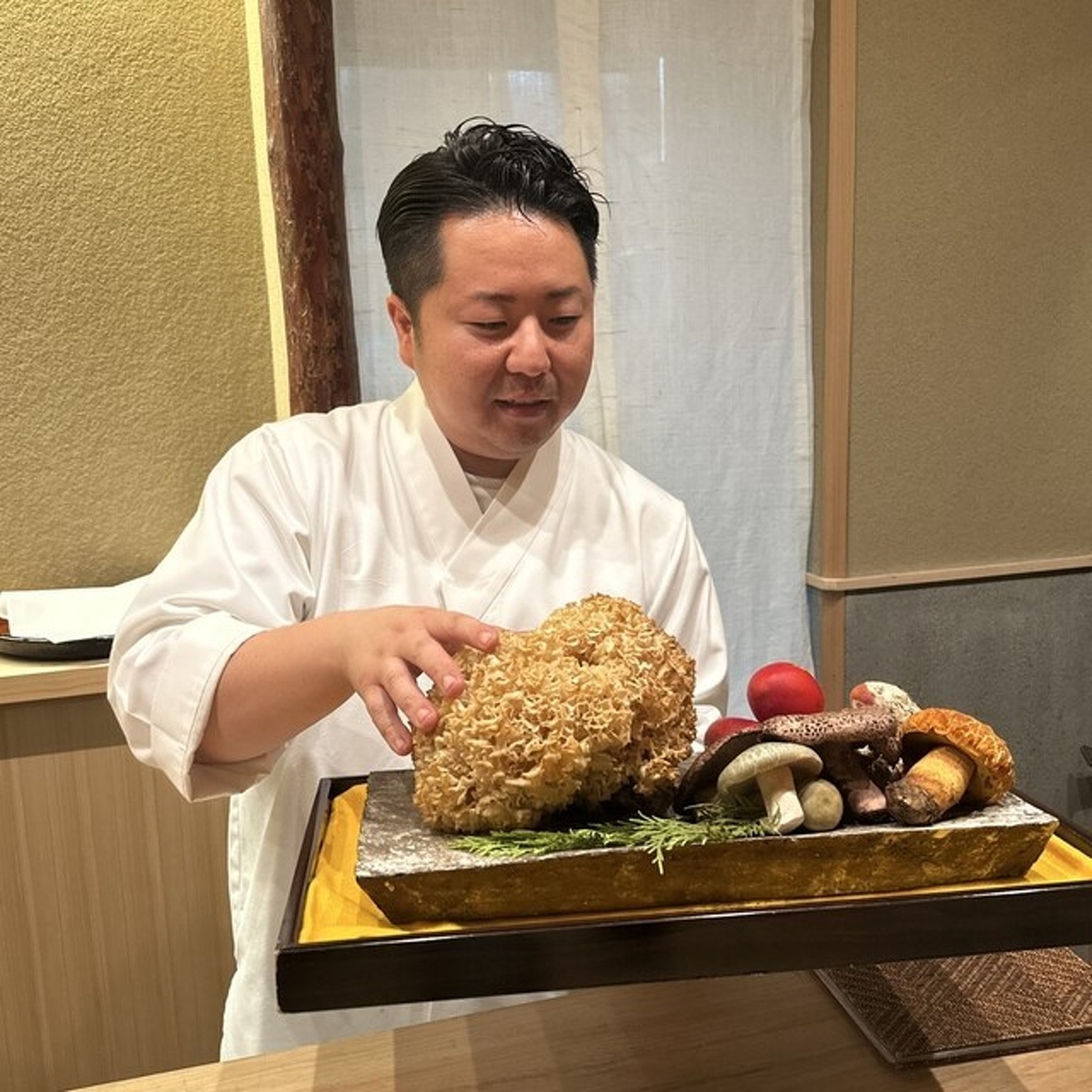
This is Yamachan in a skirt (^^)vI’ve written a light review based on my thoughts, so I hope you can skim through it easily.Thank you for your understanding.Please excuse my poor writing m(_ _)m*******************I visited a favorite restaurant of a friend, reserving the counter for our meal.The restaurant is family-run, and the head chef is quite young.I pointed to a rare seasonal mushroom that was bright red and round, asking, "Is it safe to eat something... More
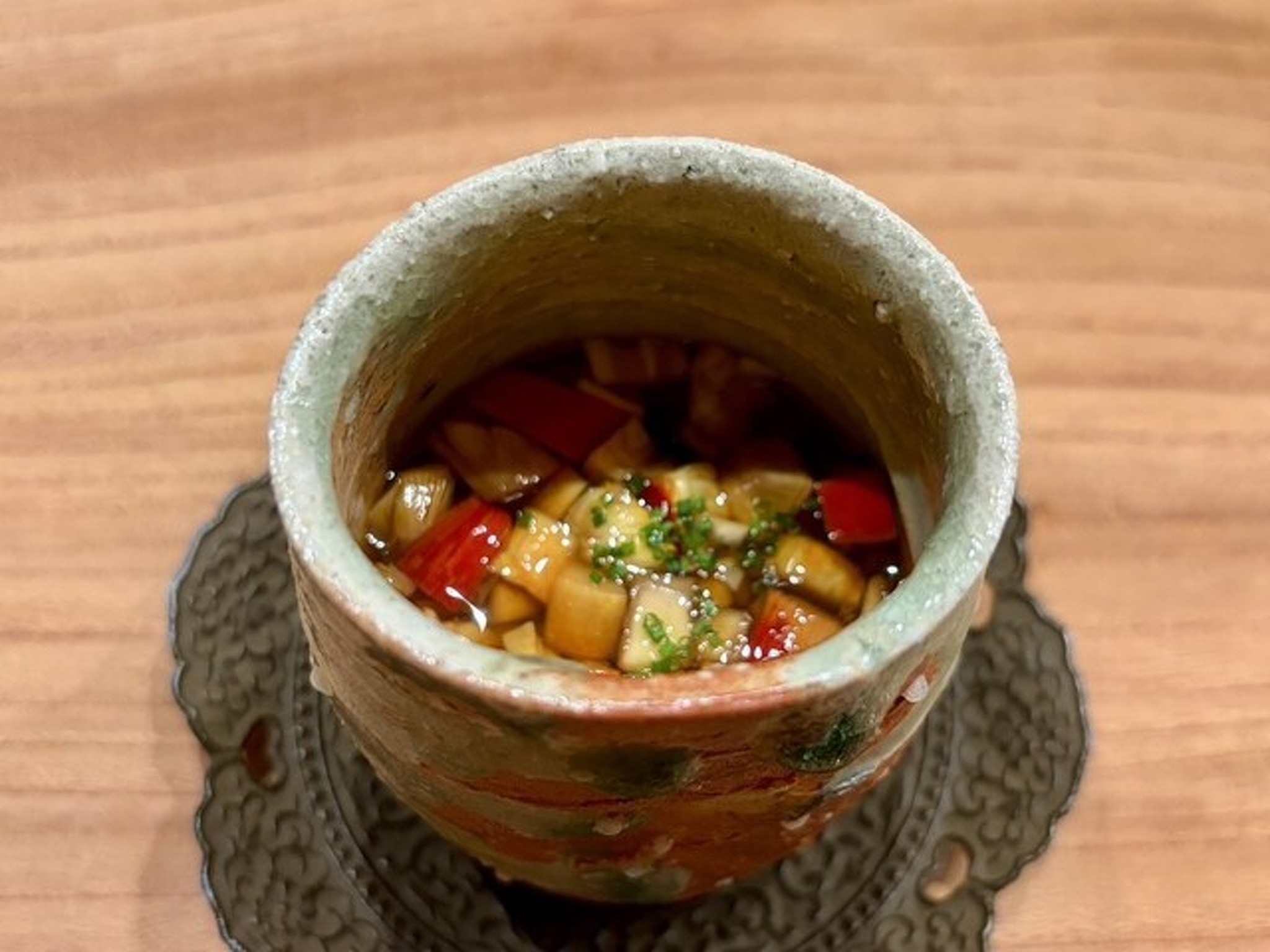
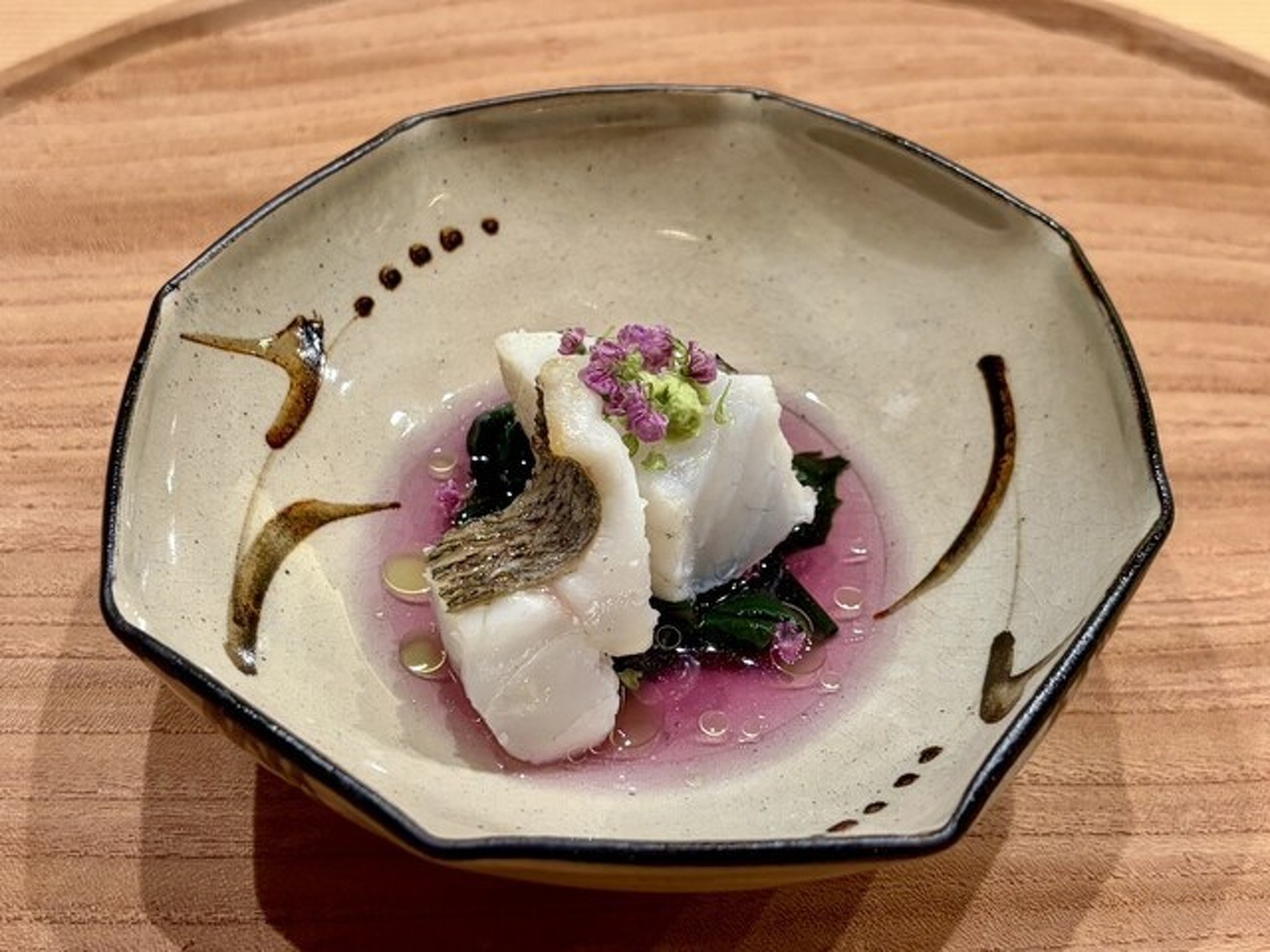
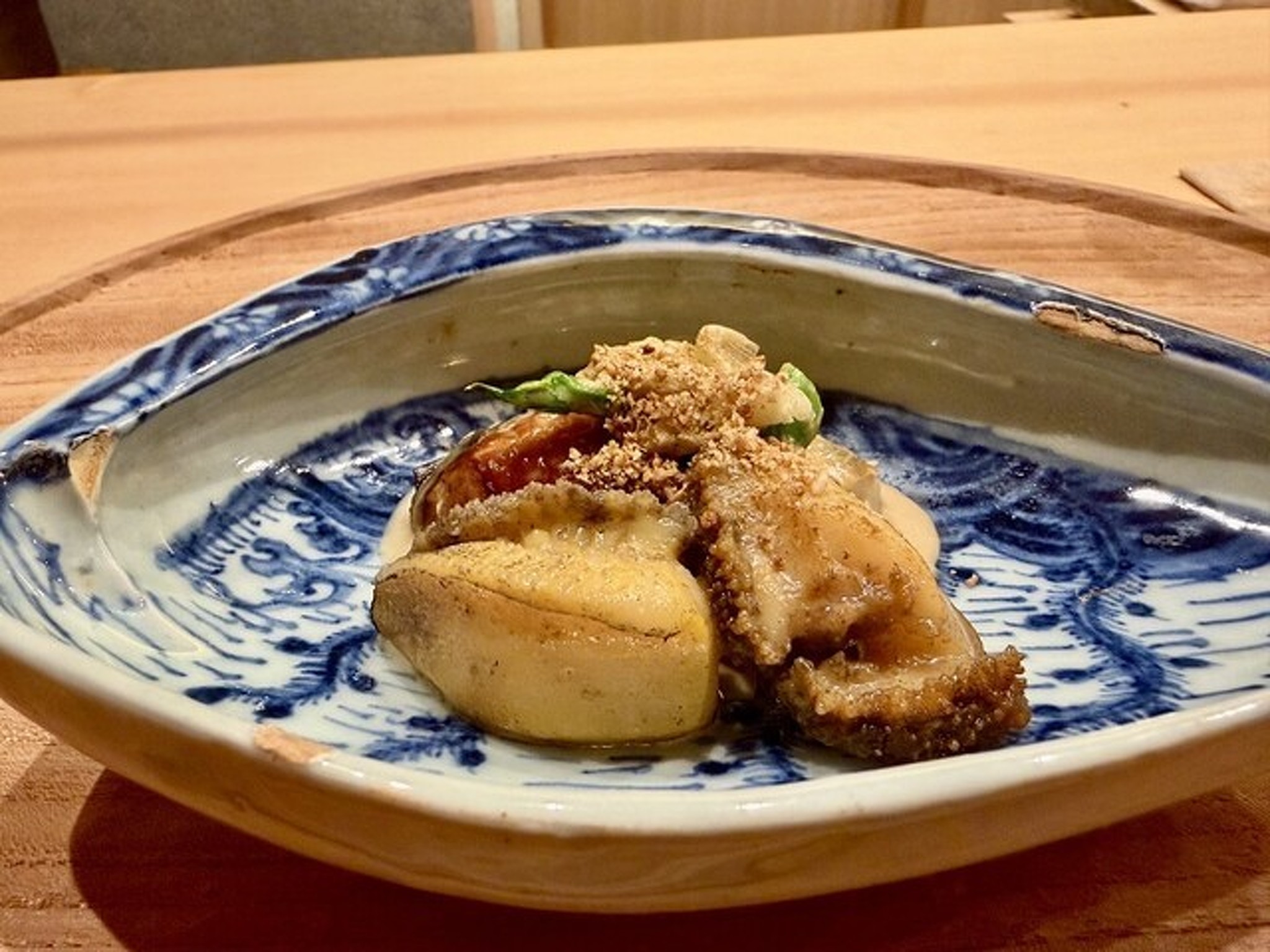
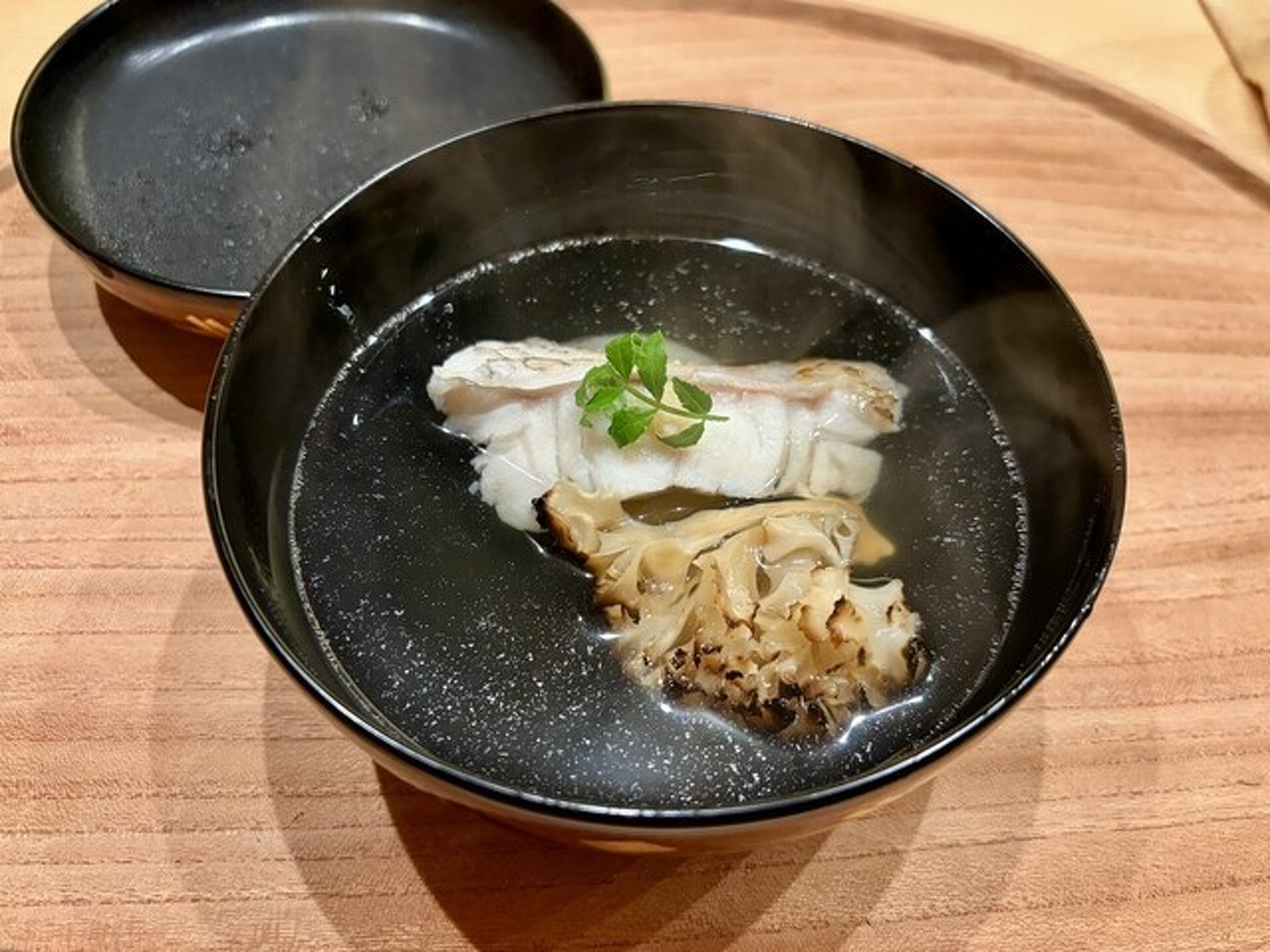
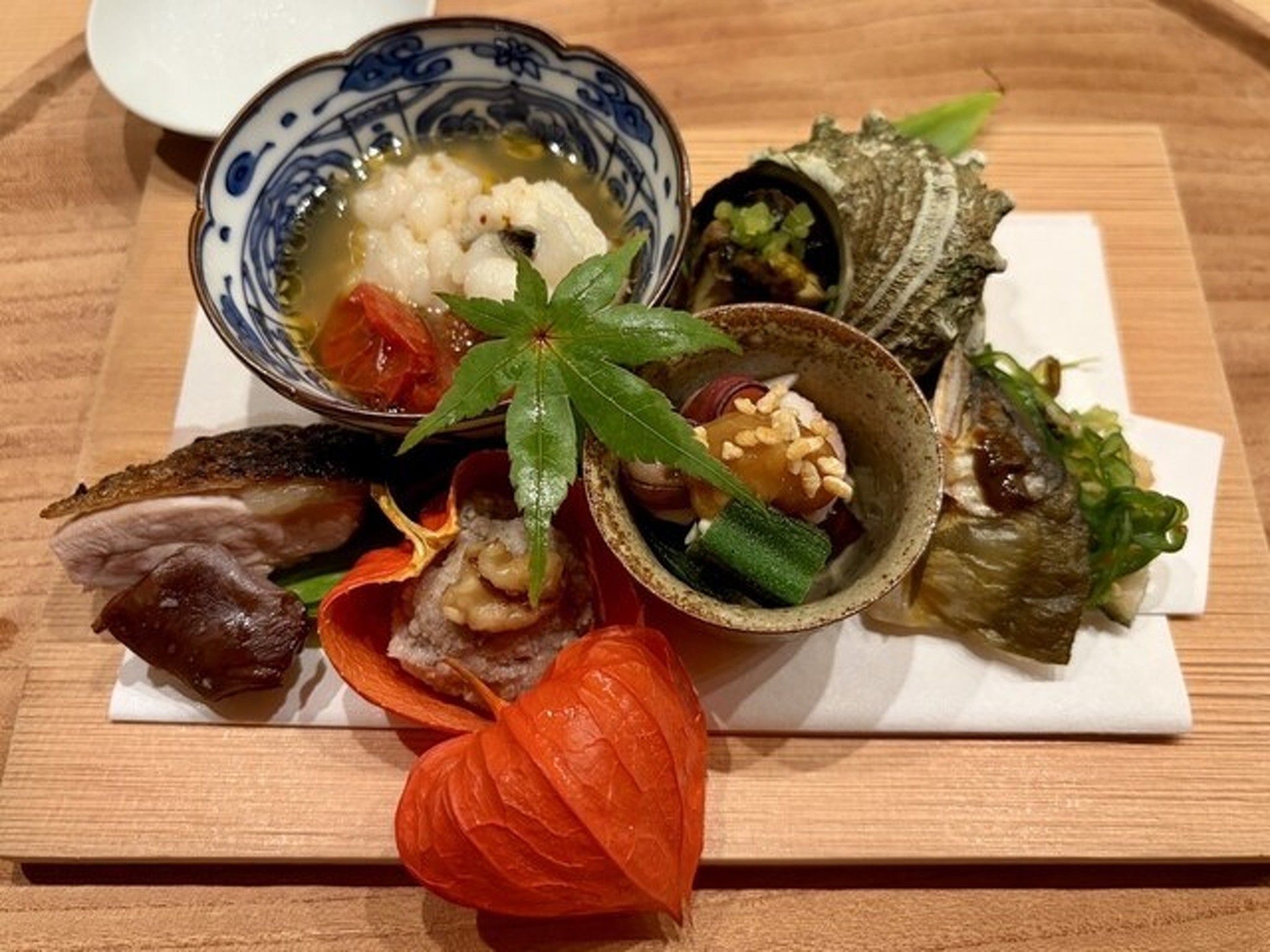
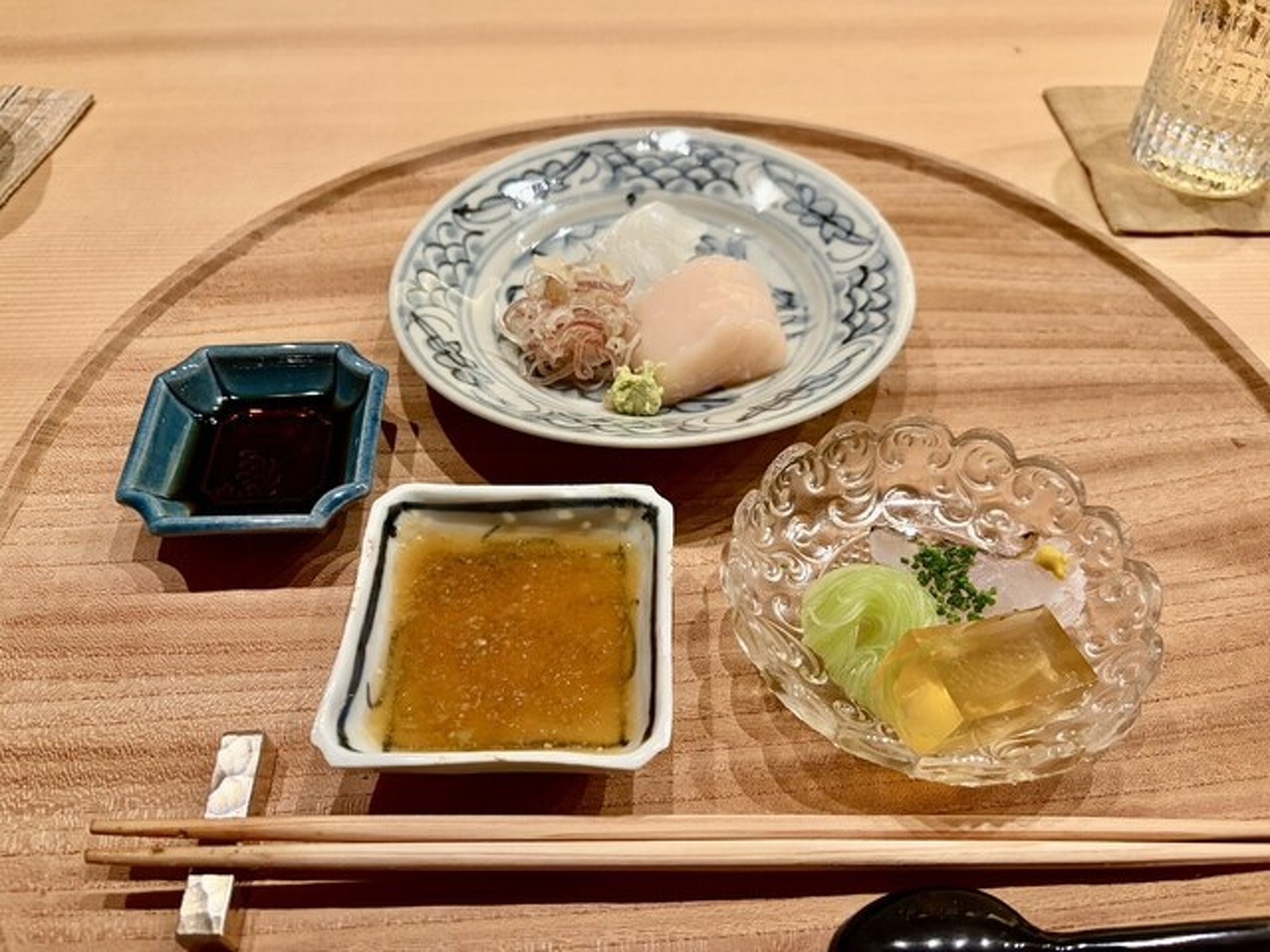
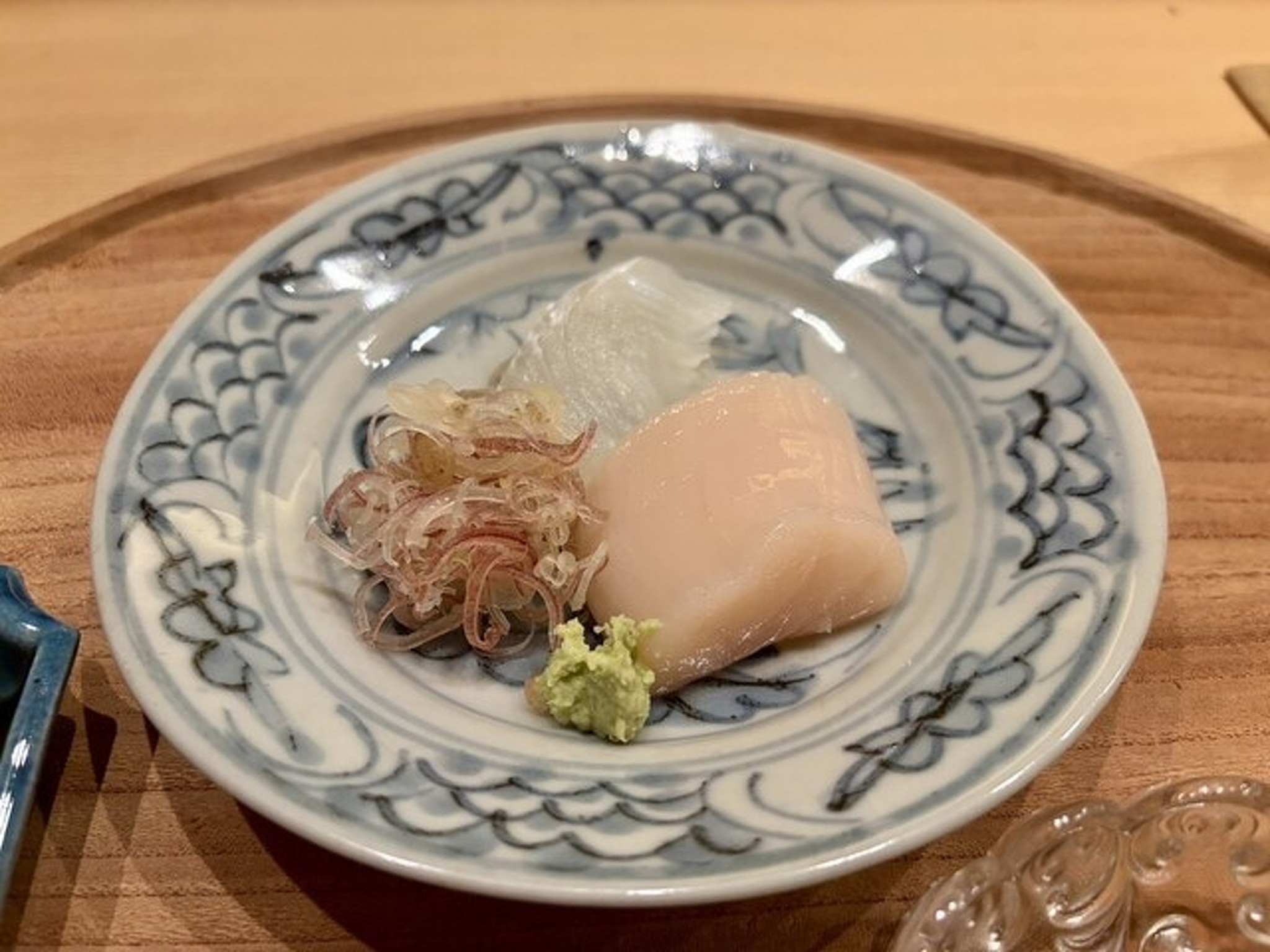
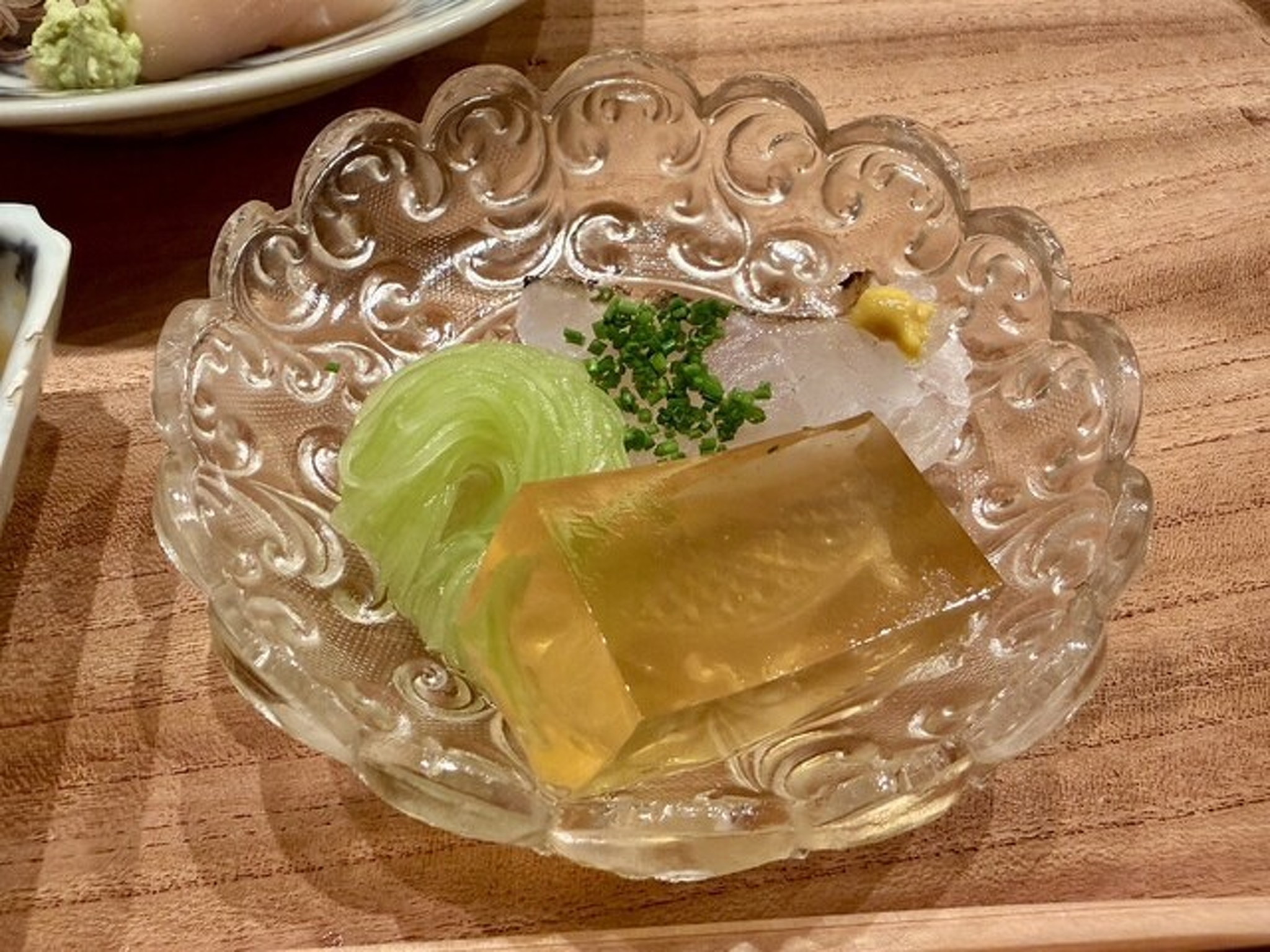
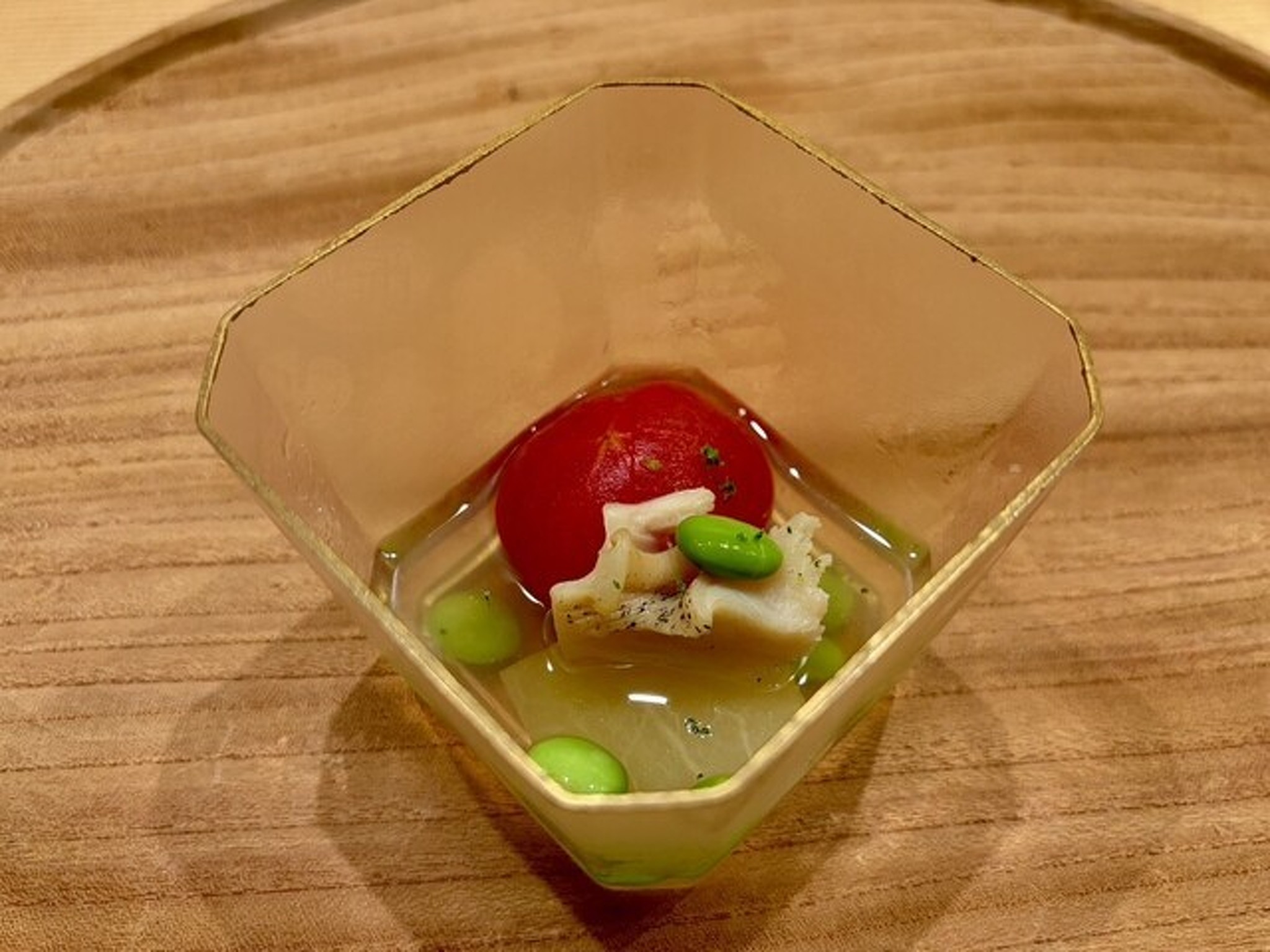
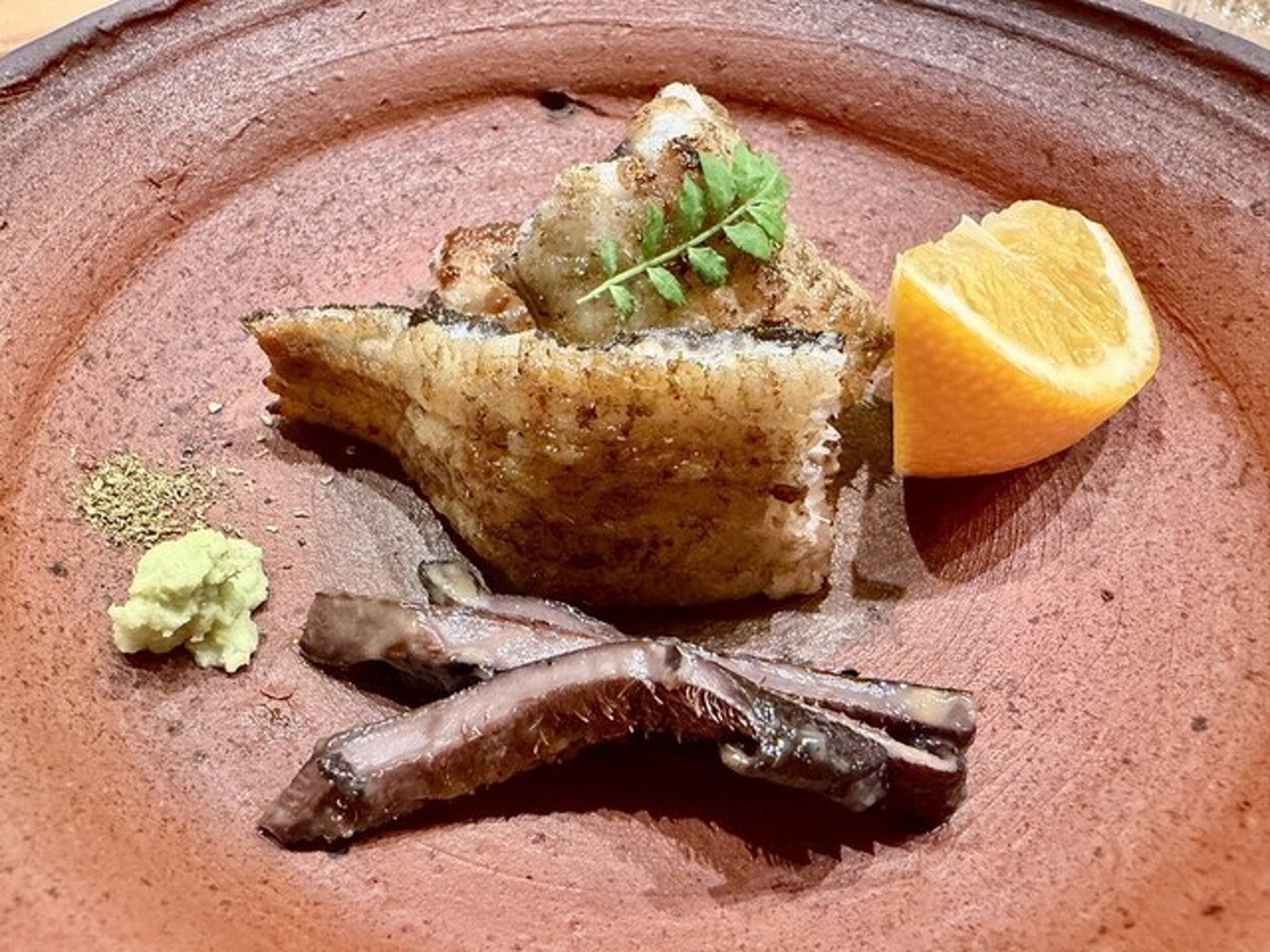
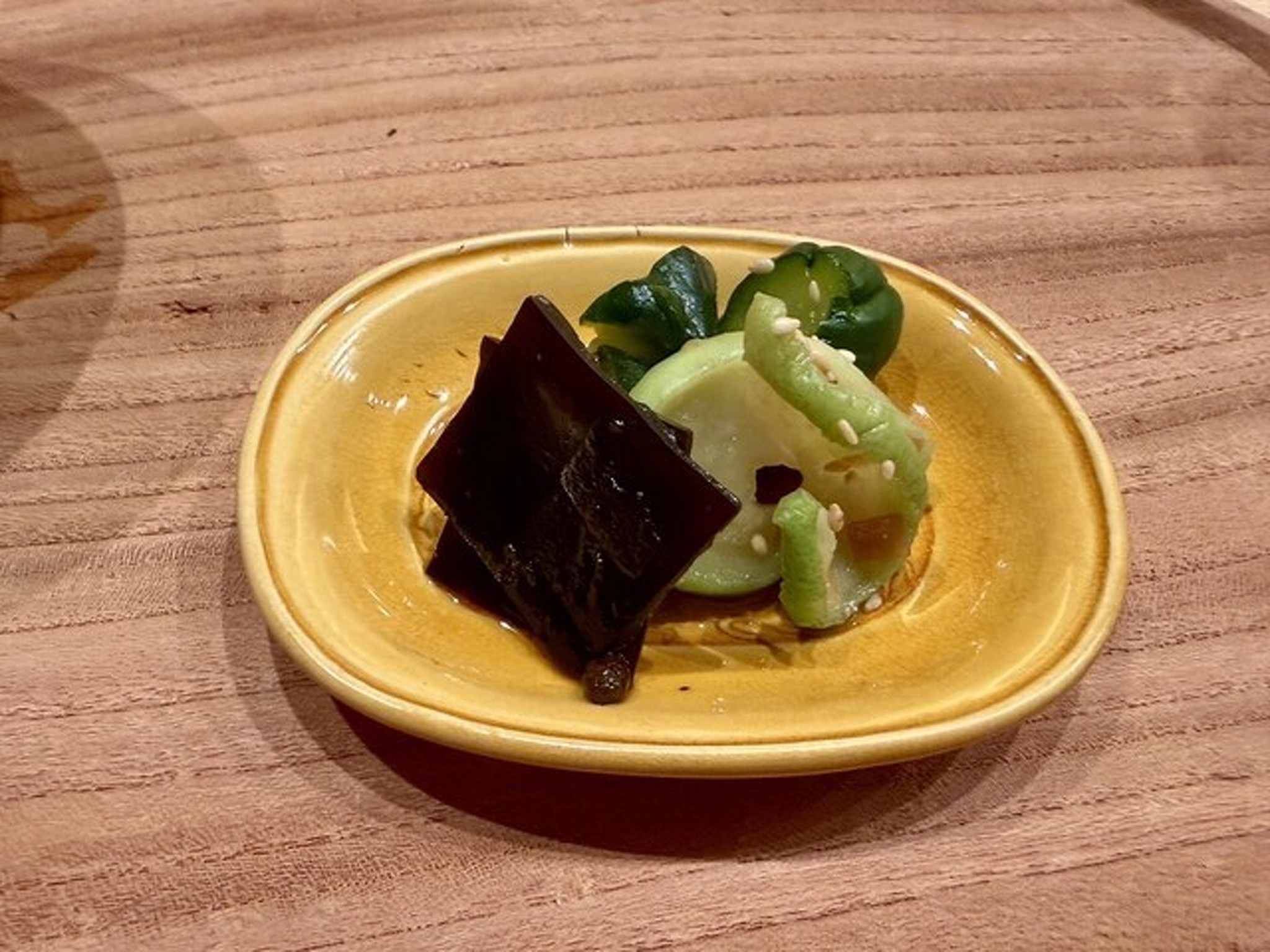
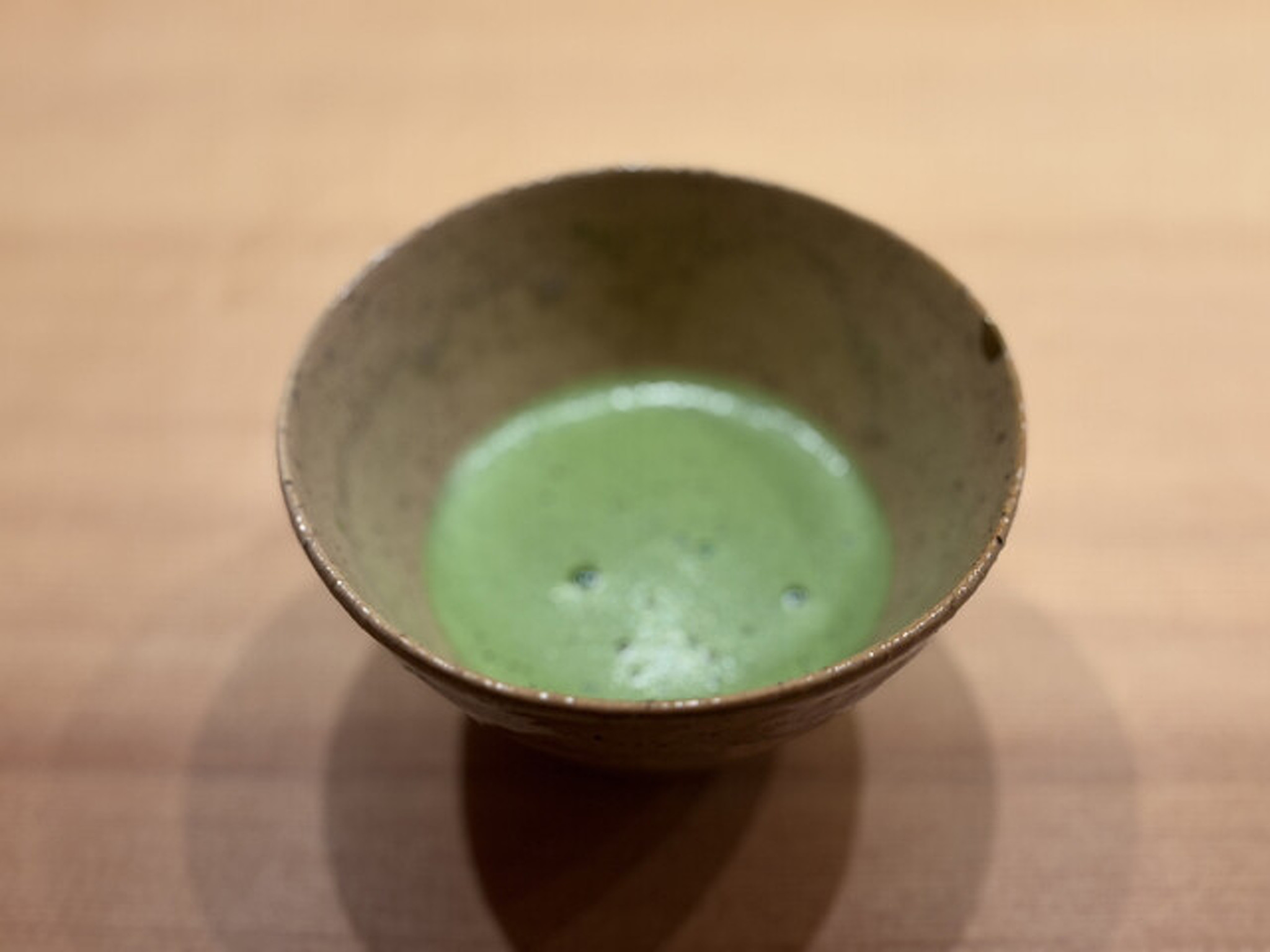
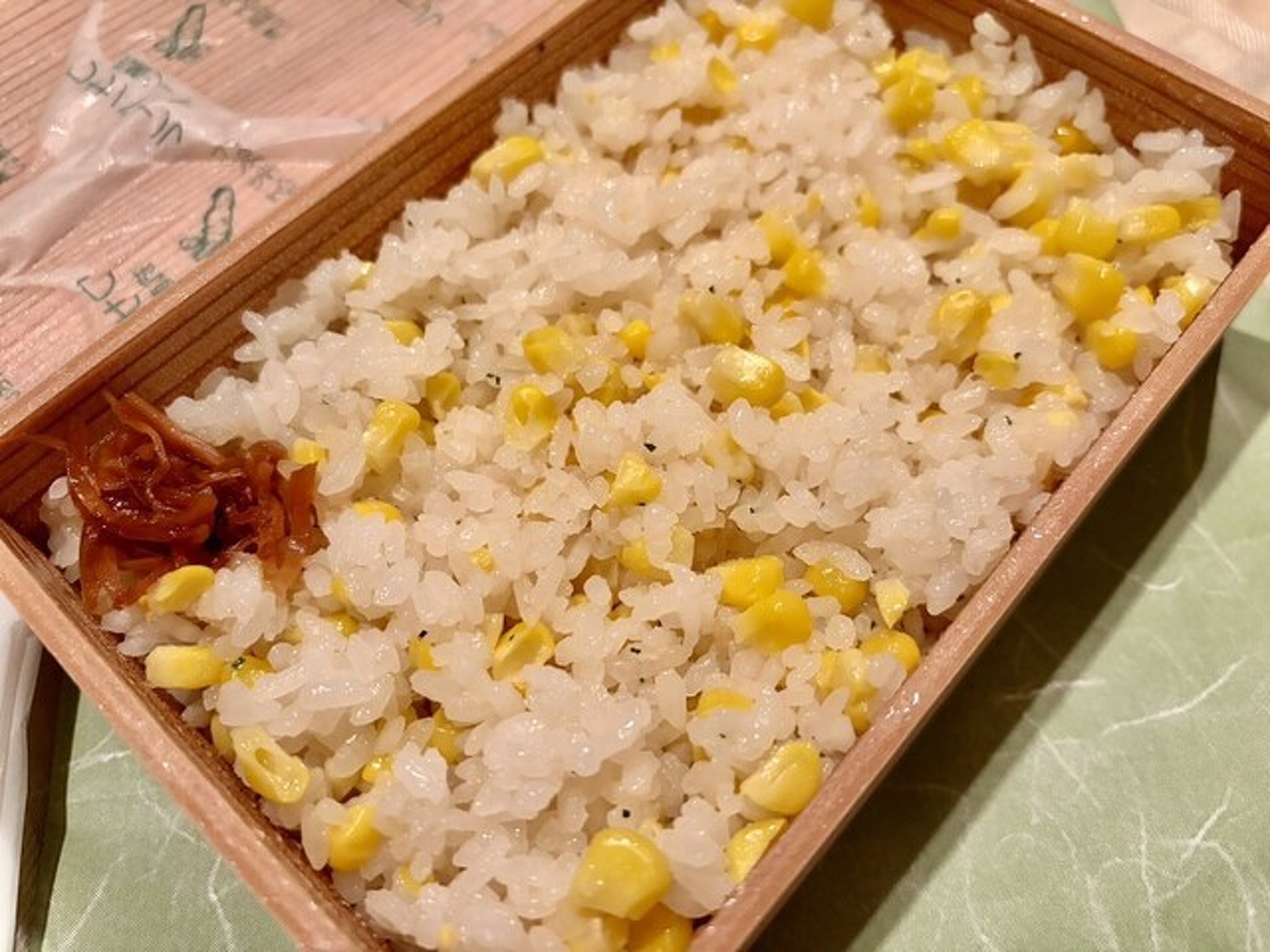
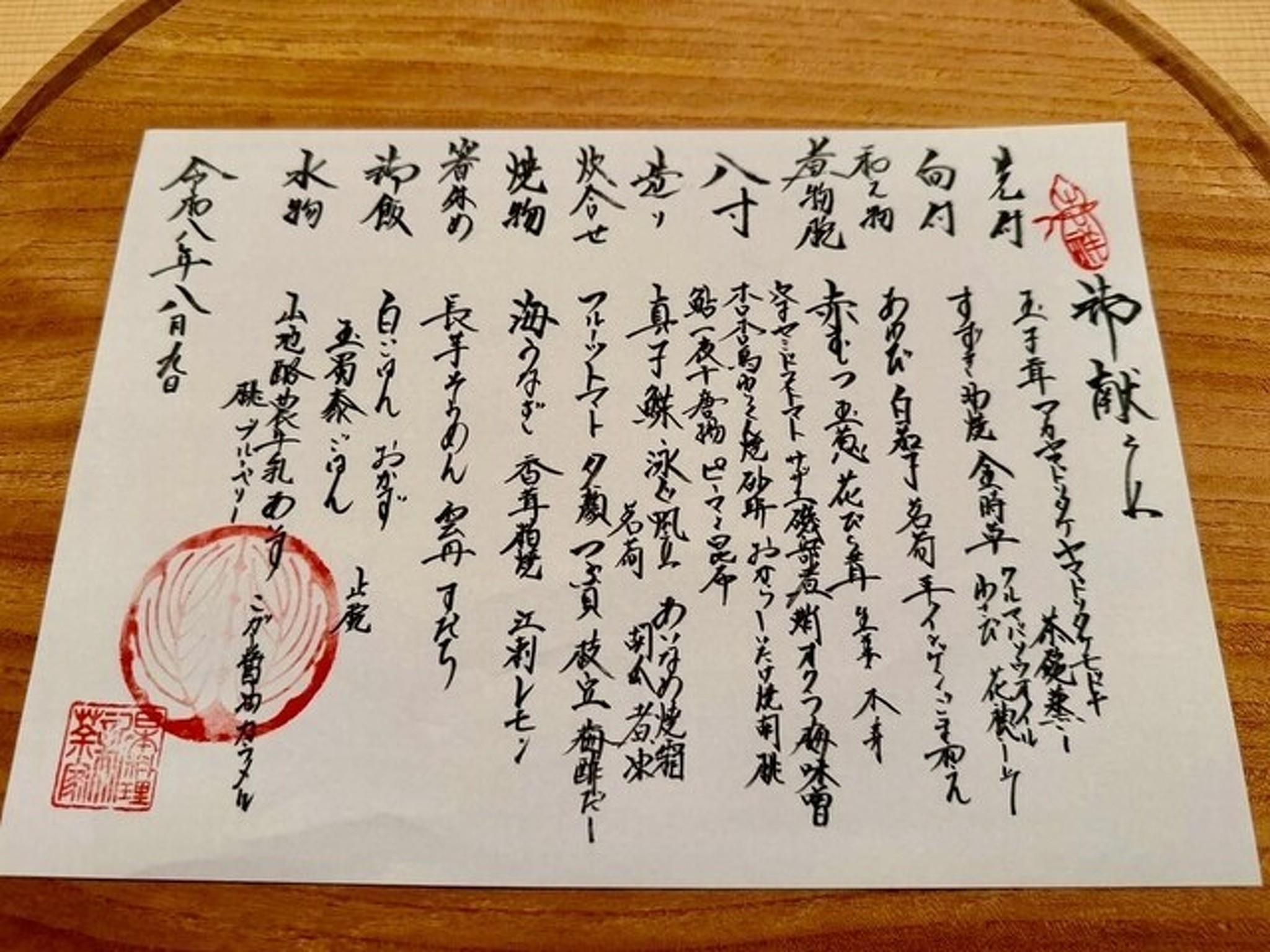
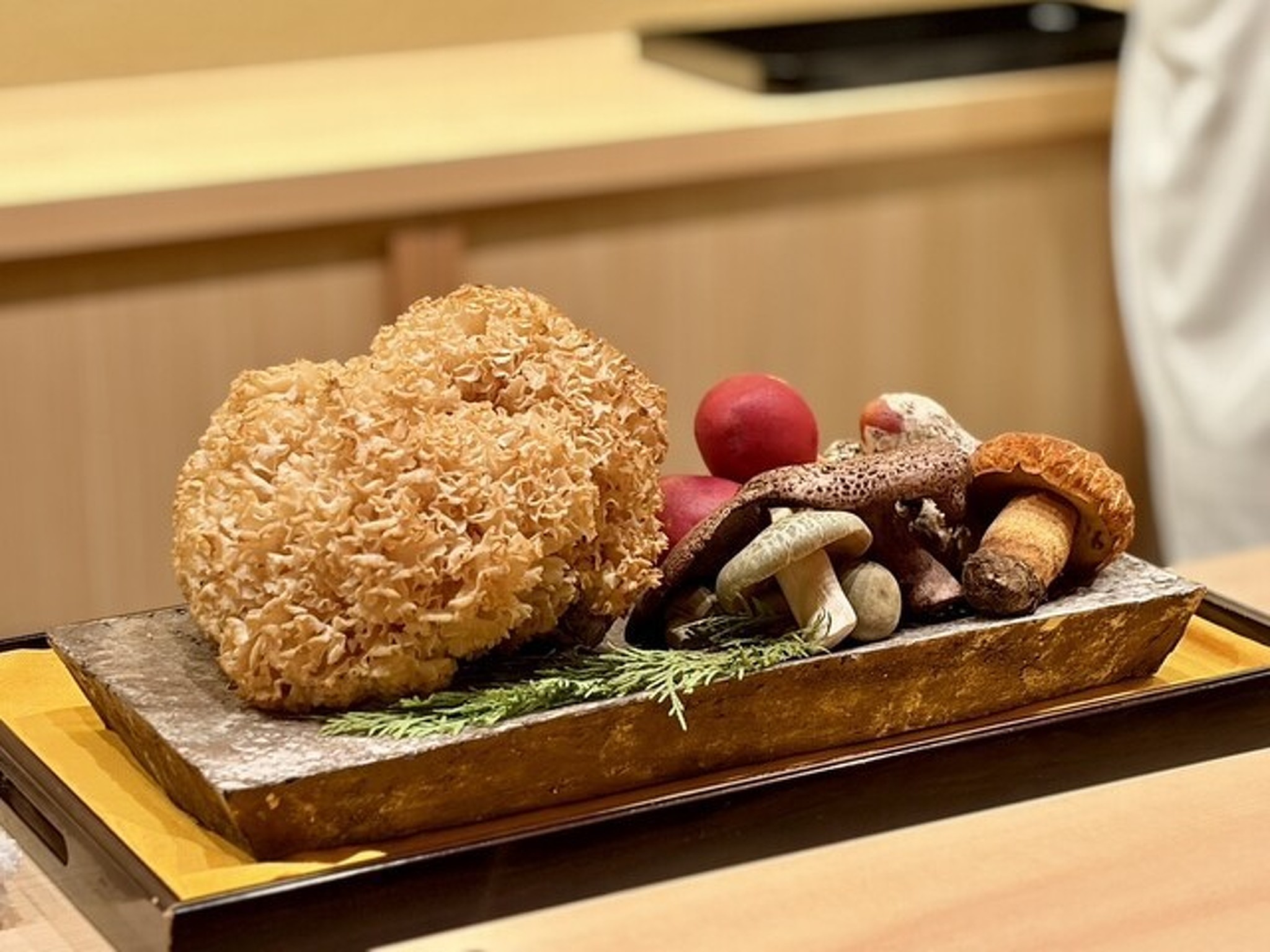
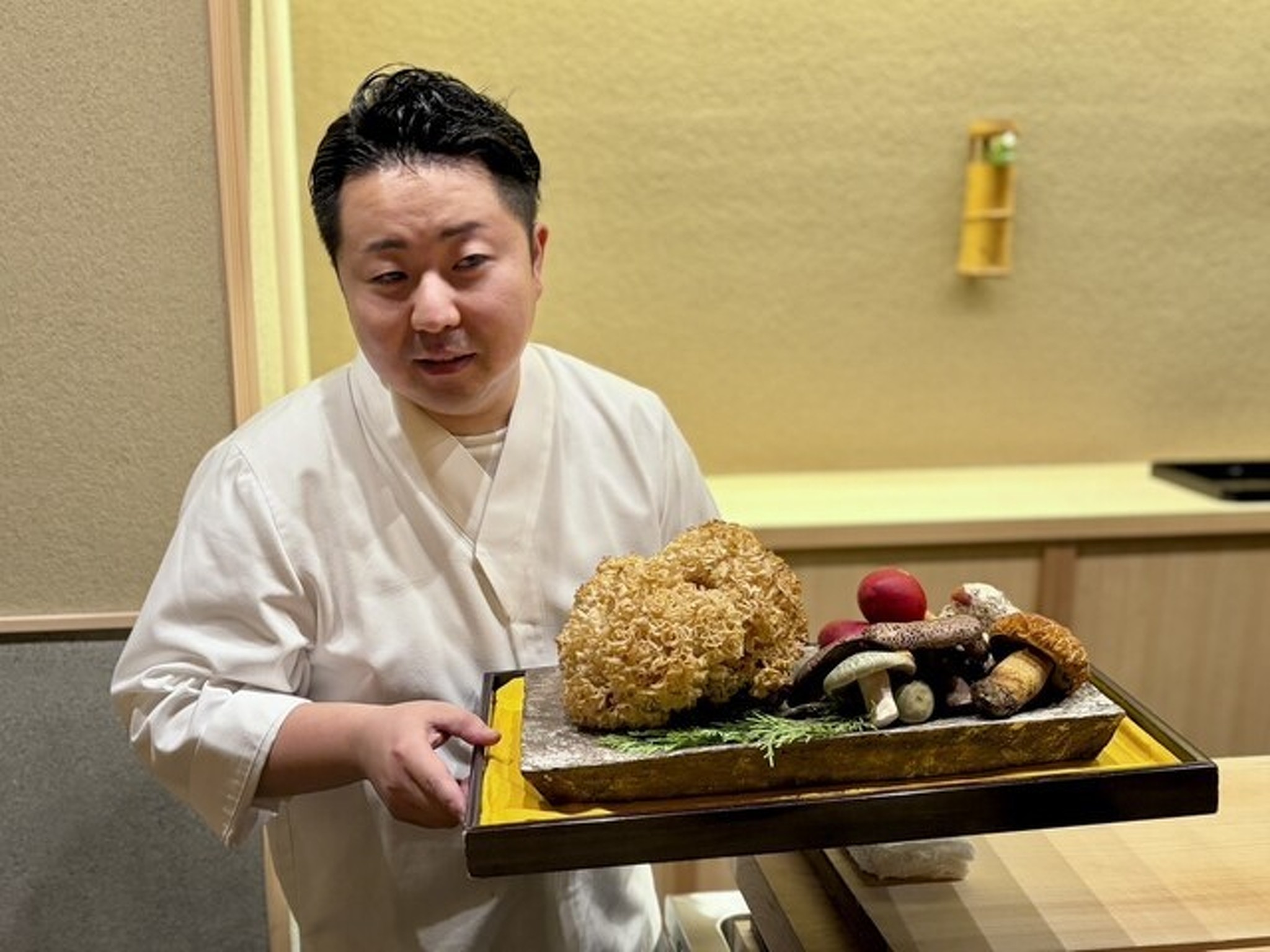
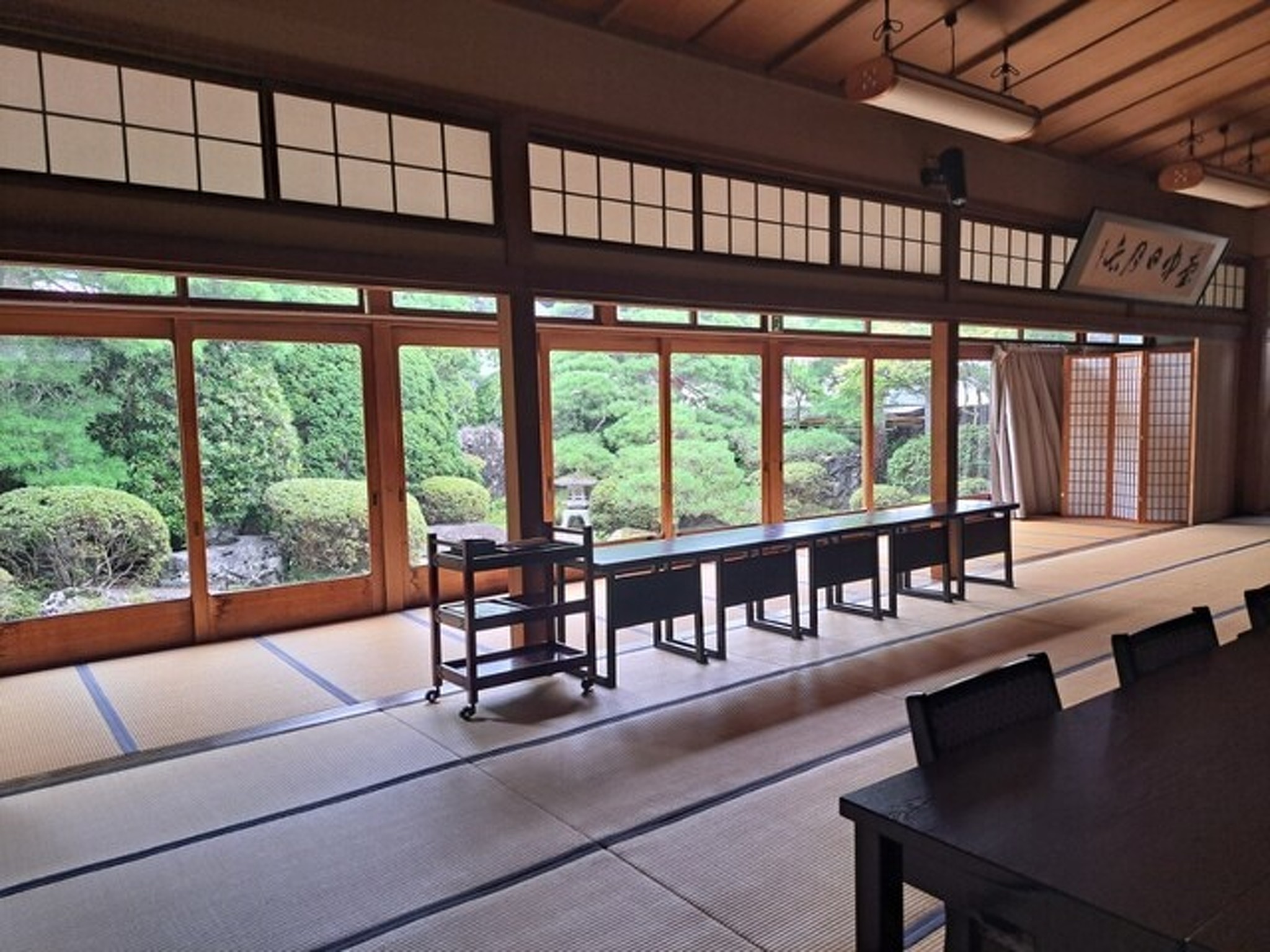
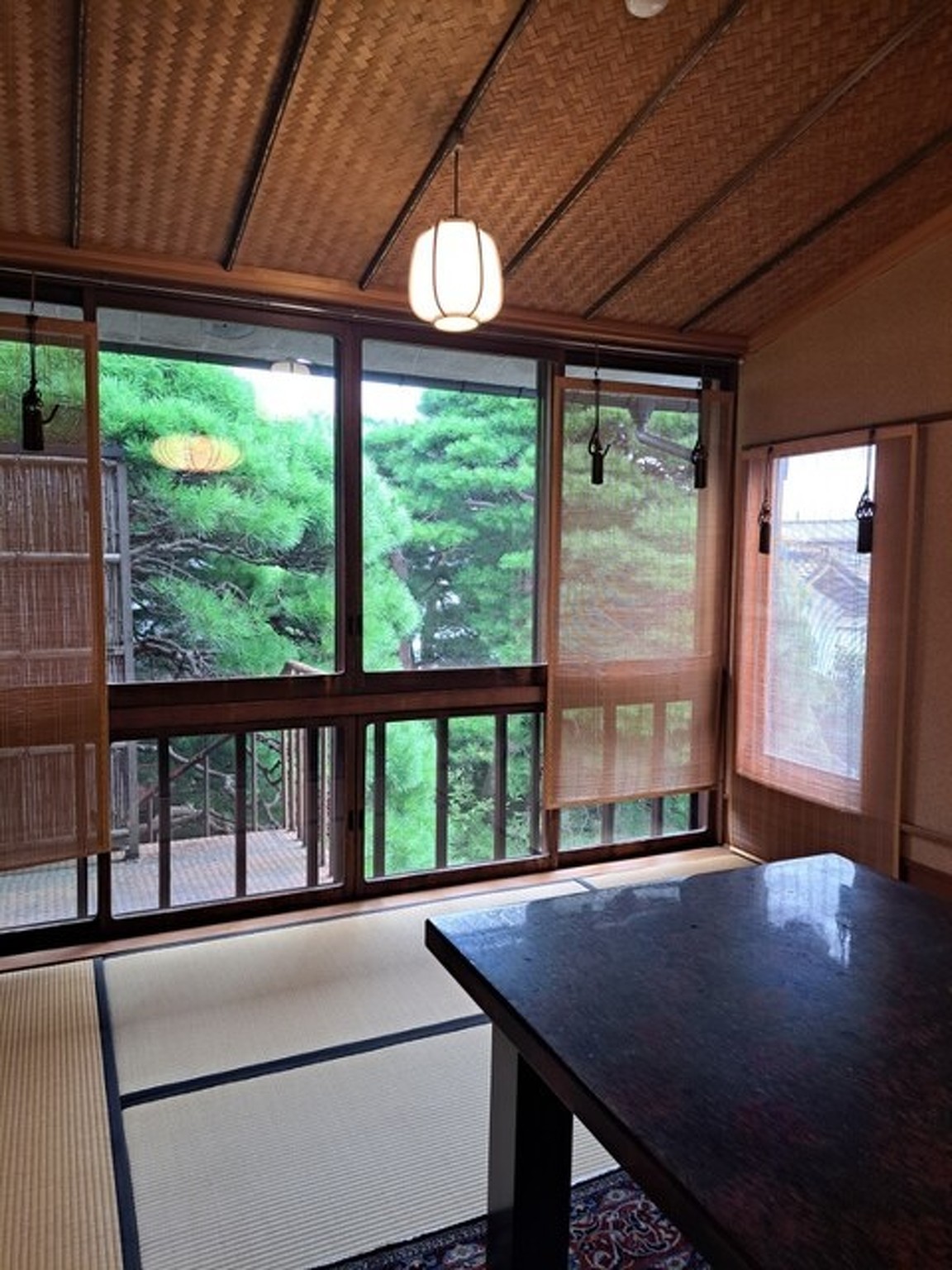
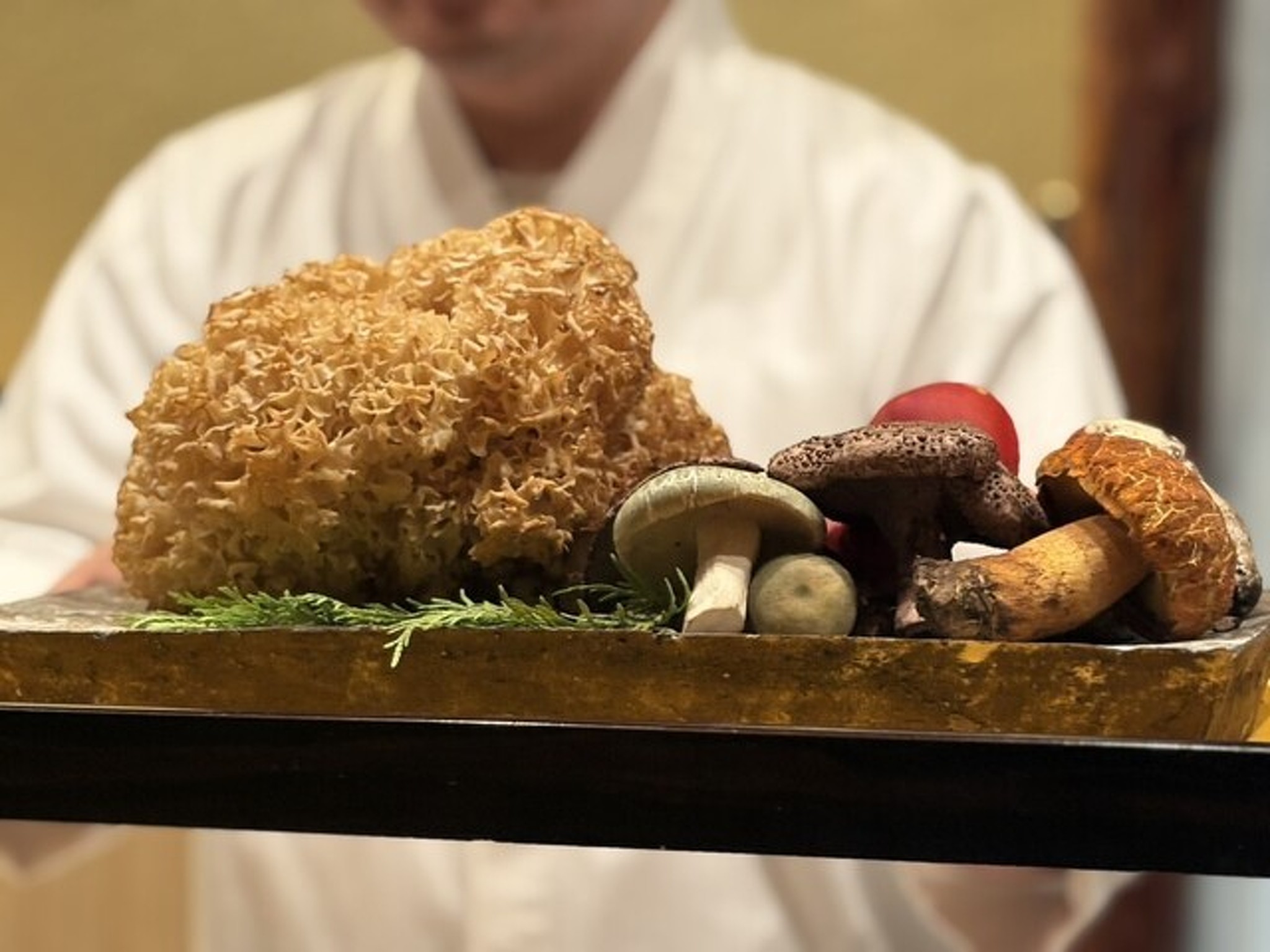
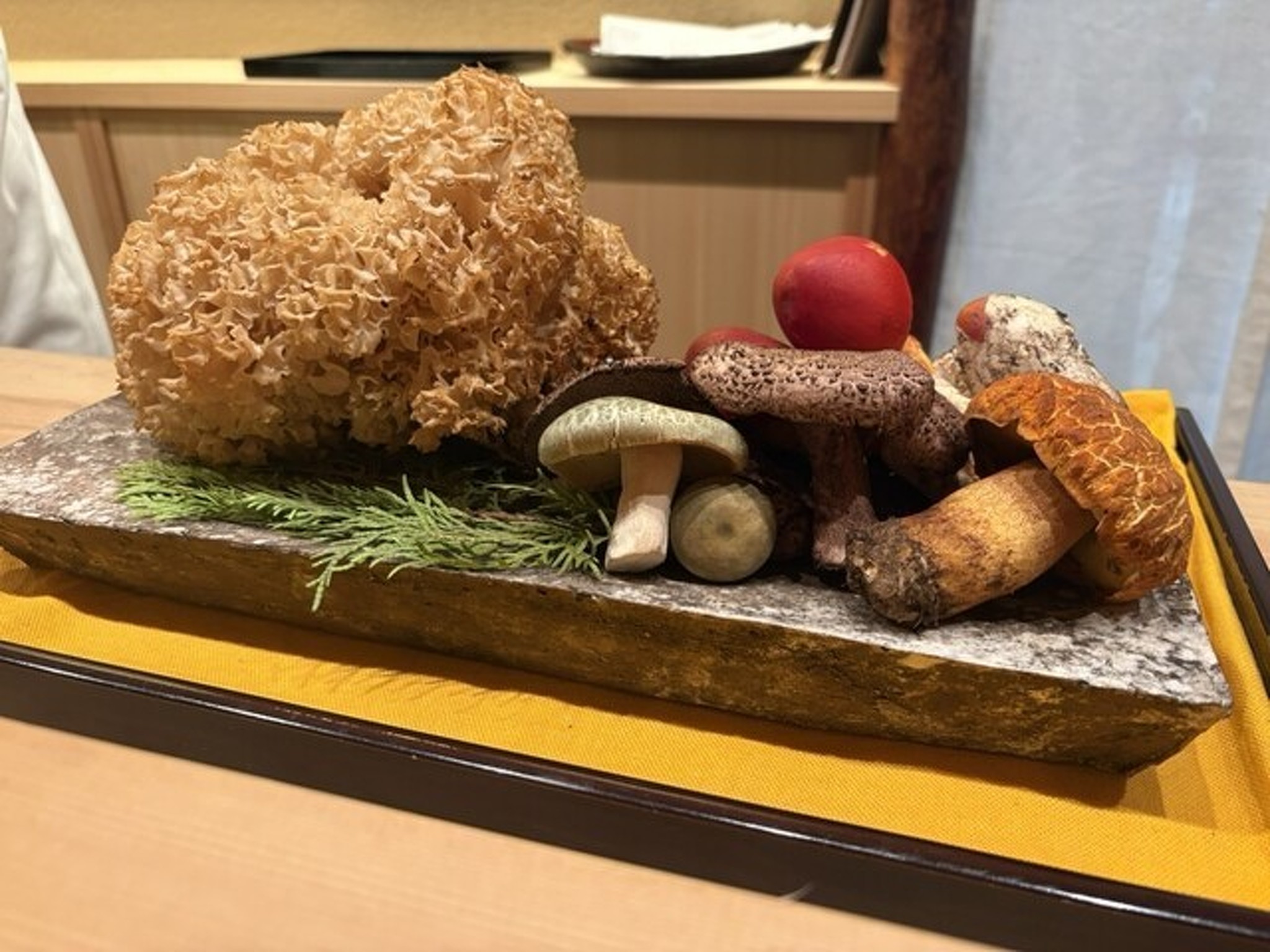
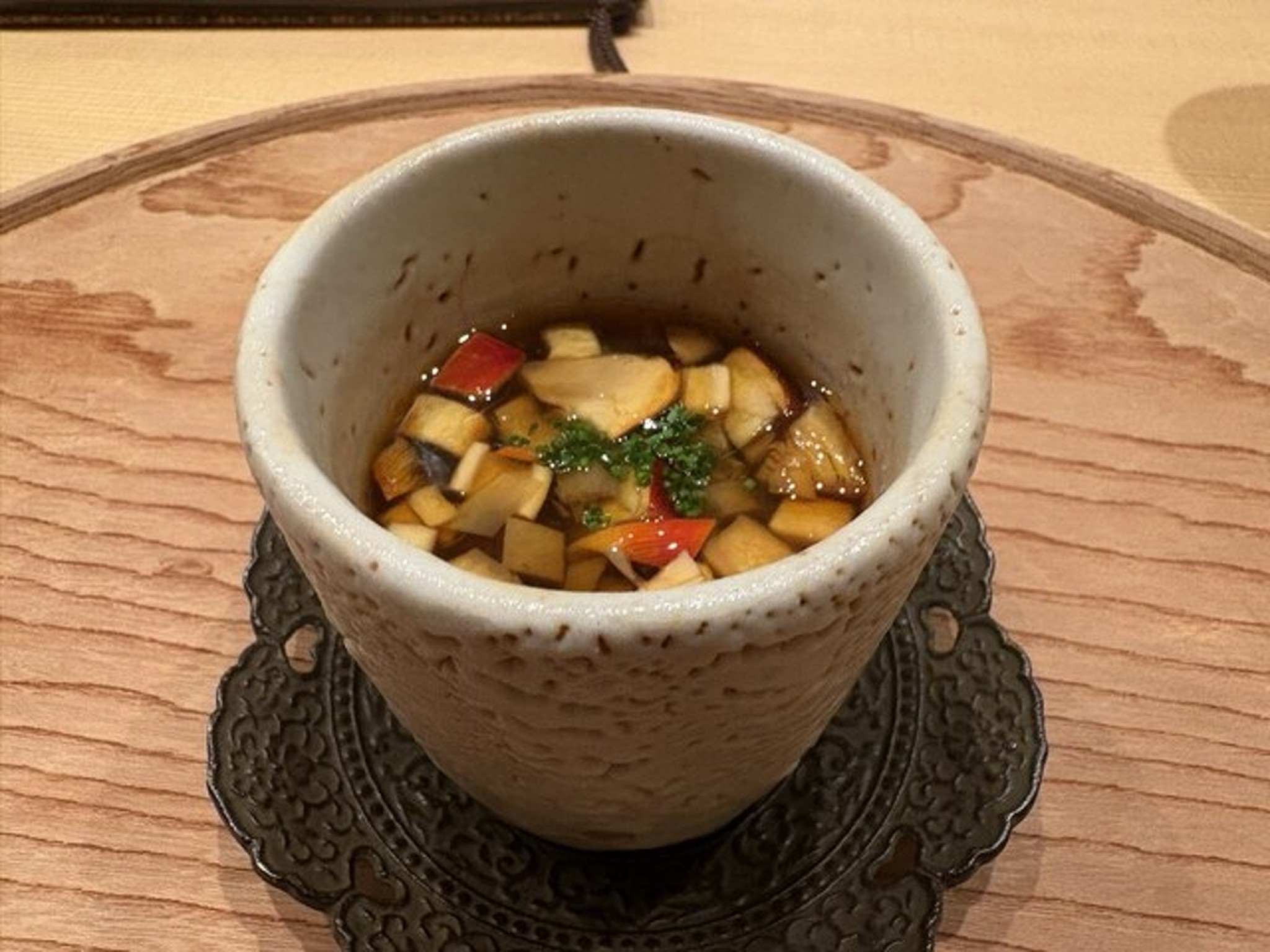
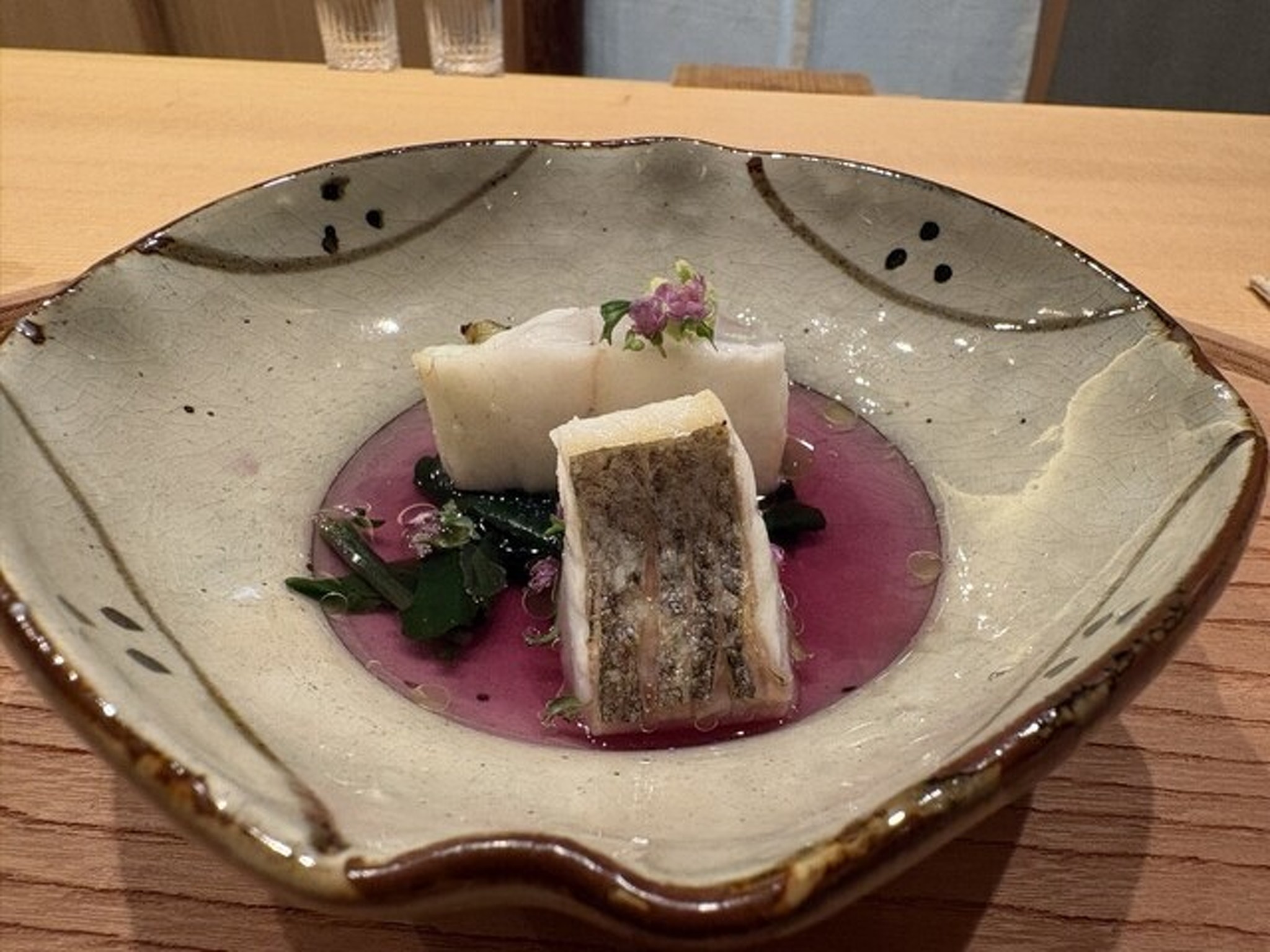
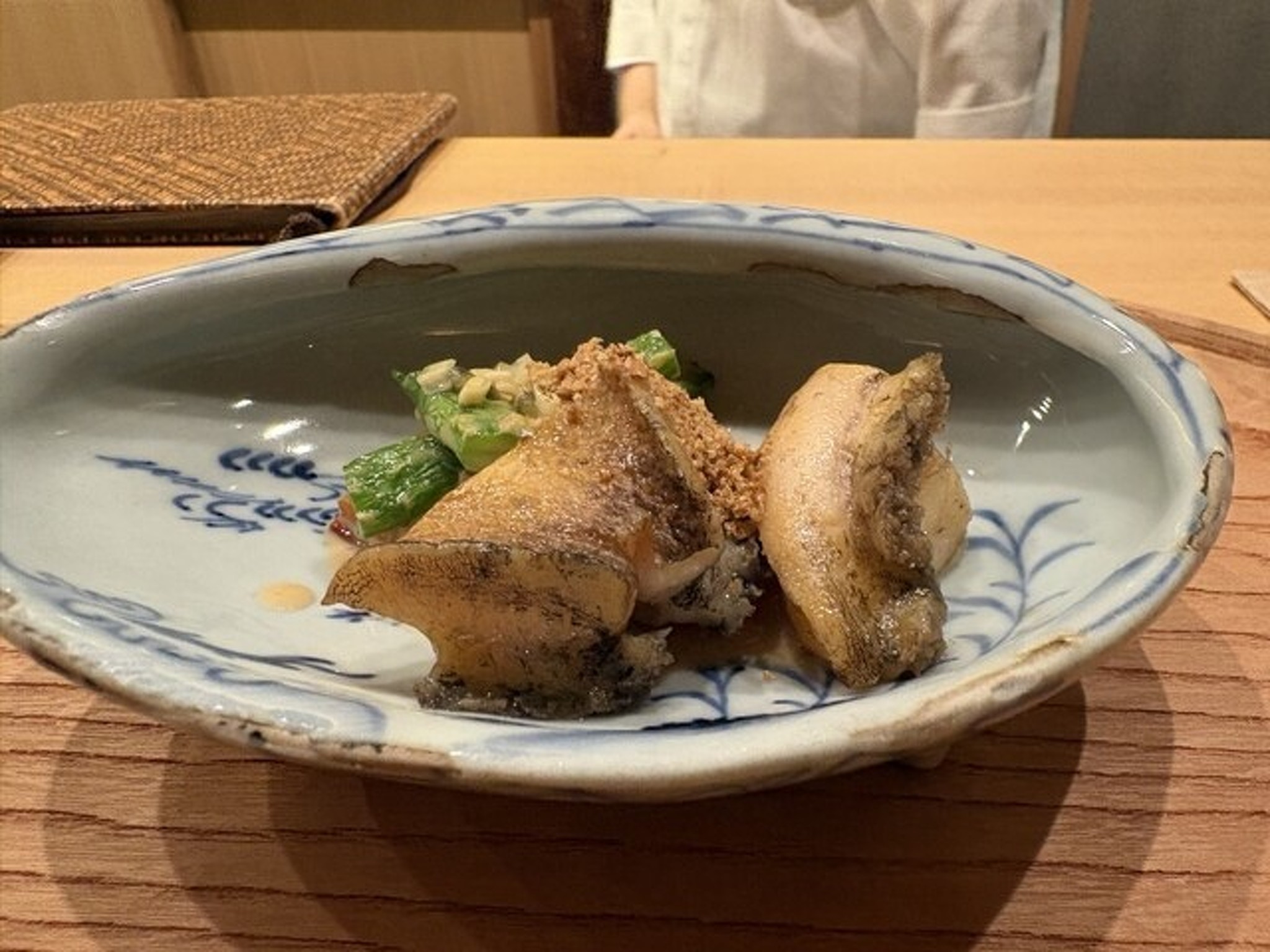
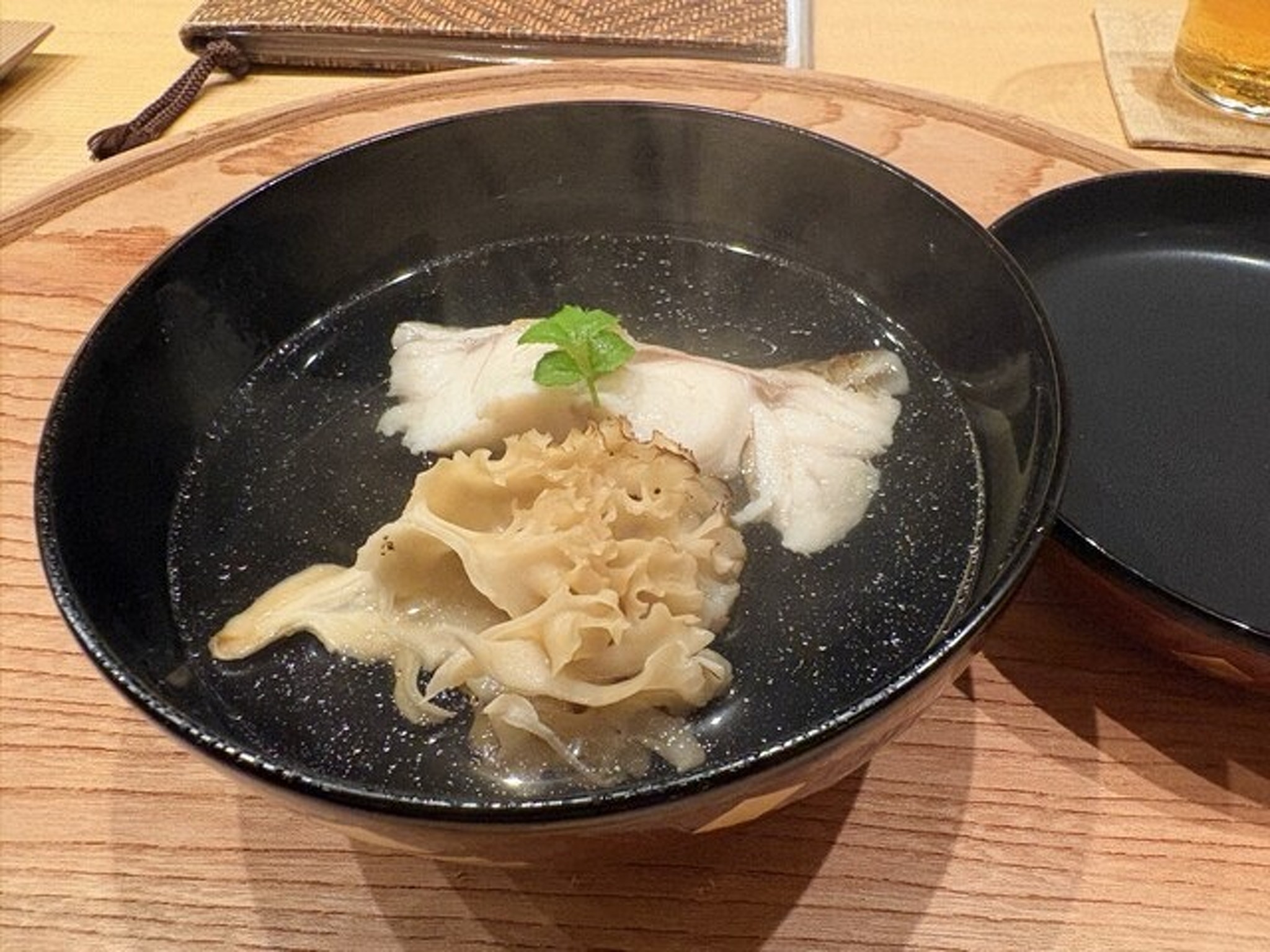
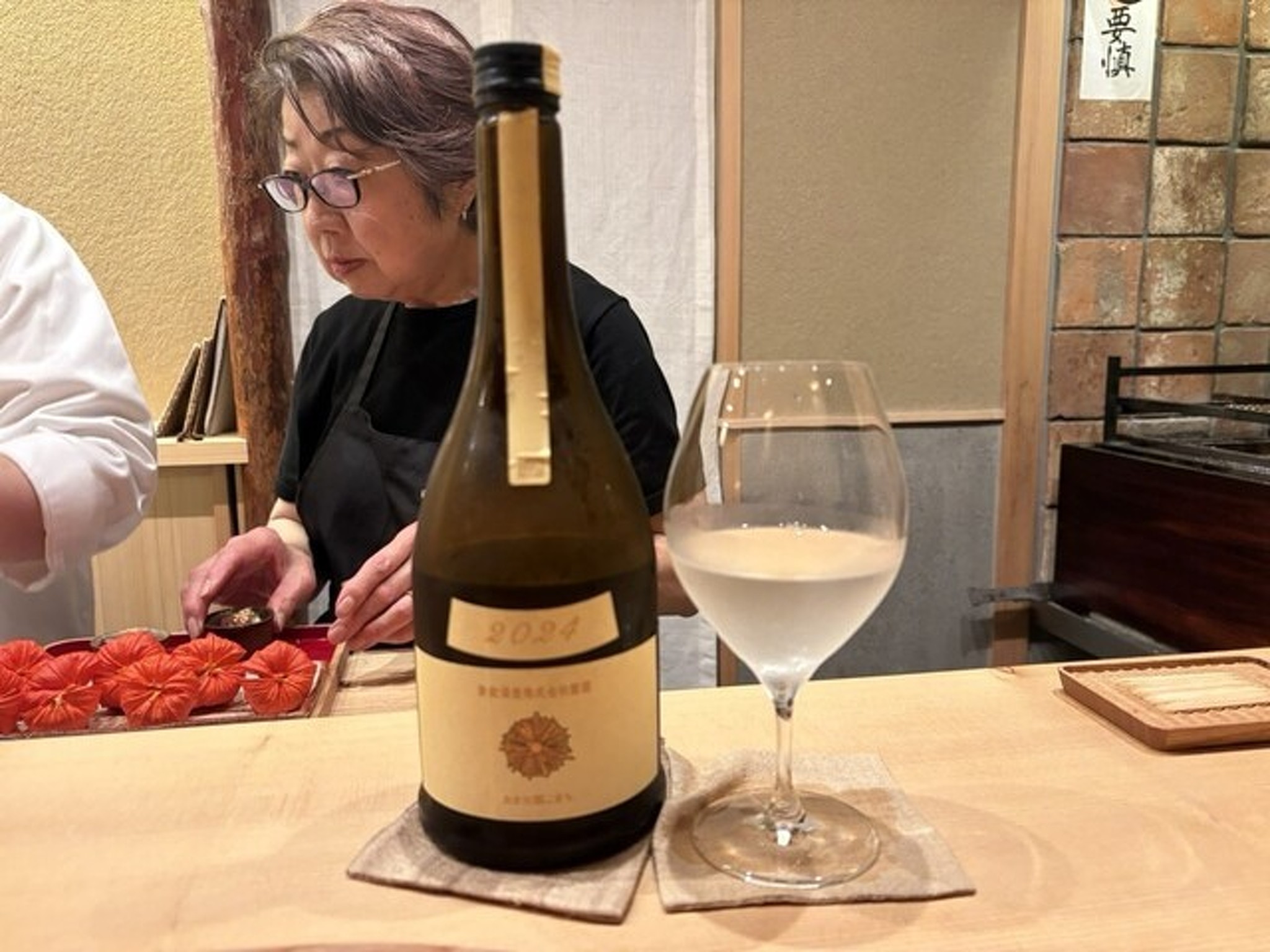
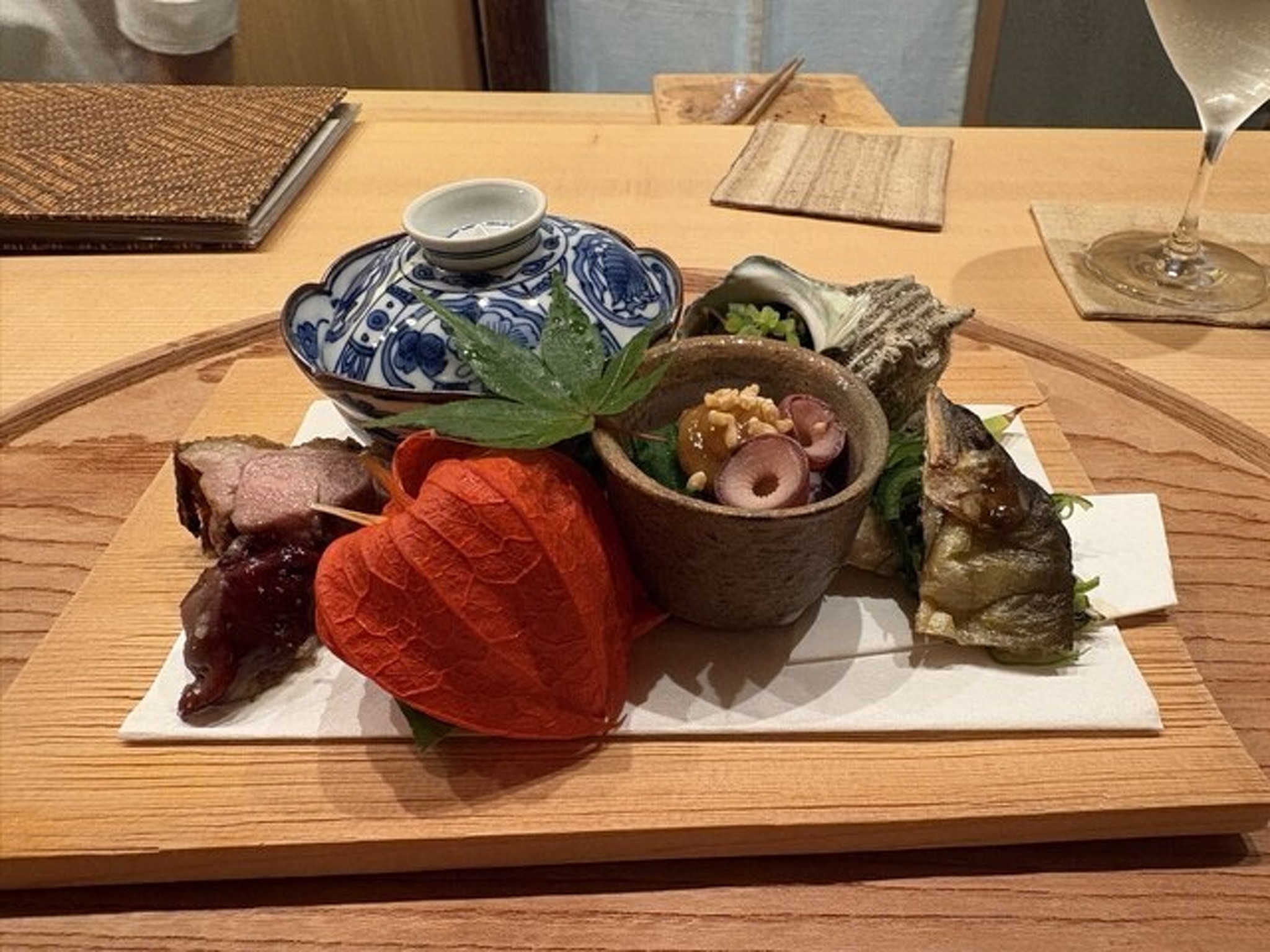
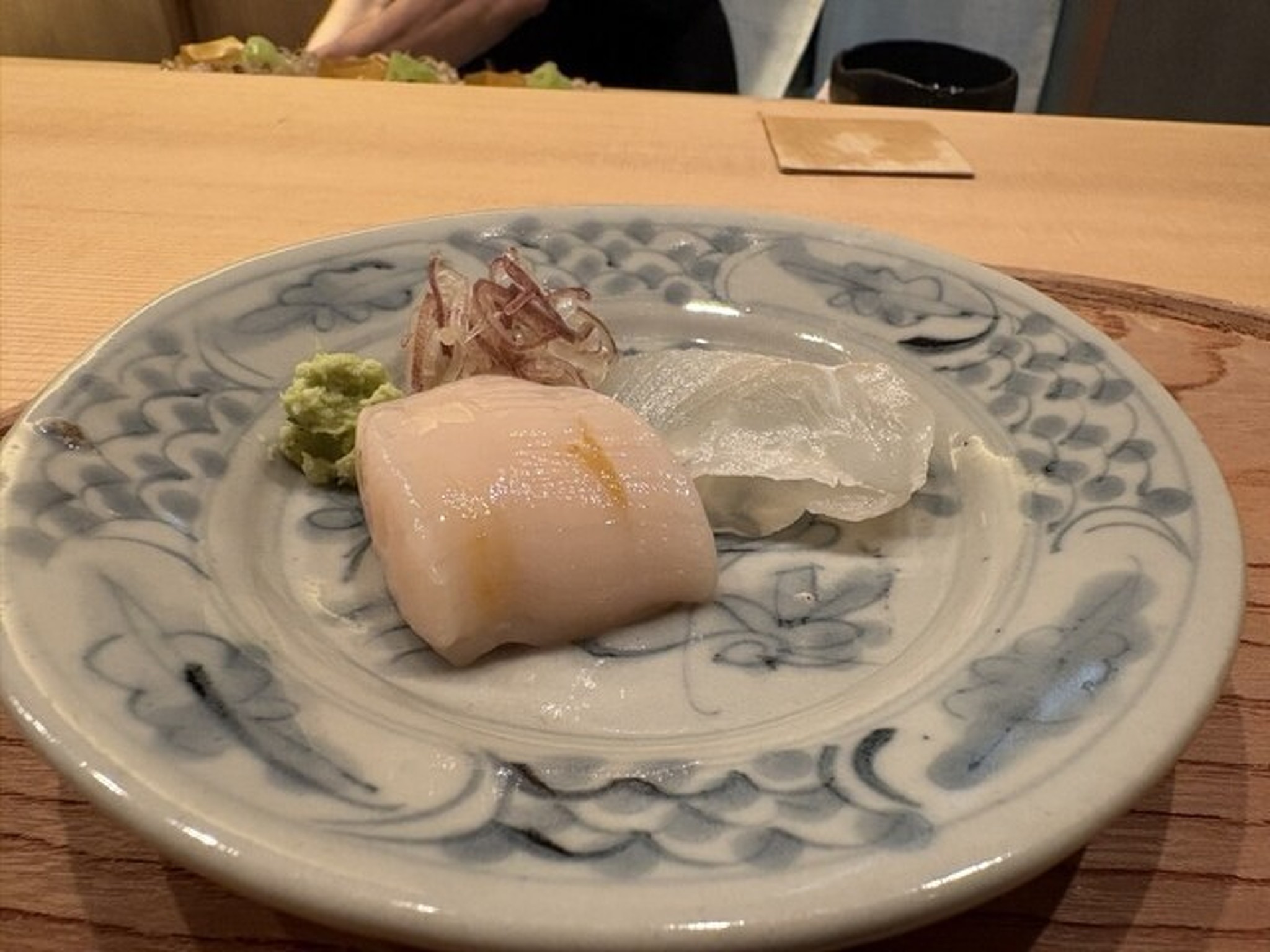
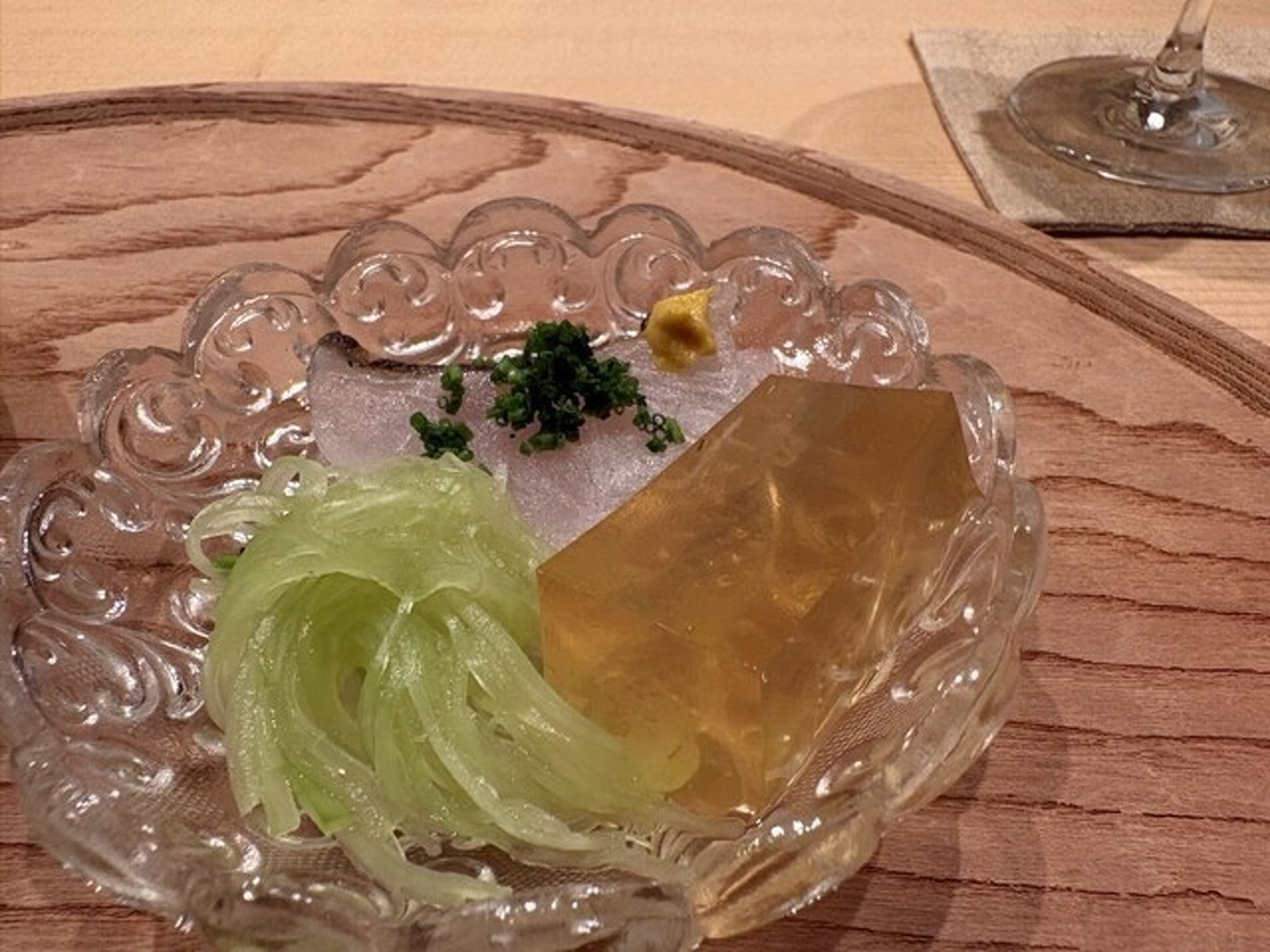
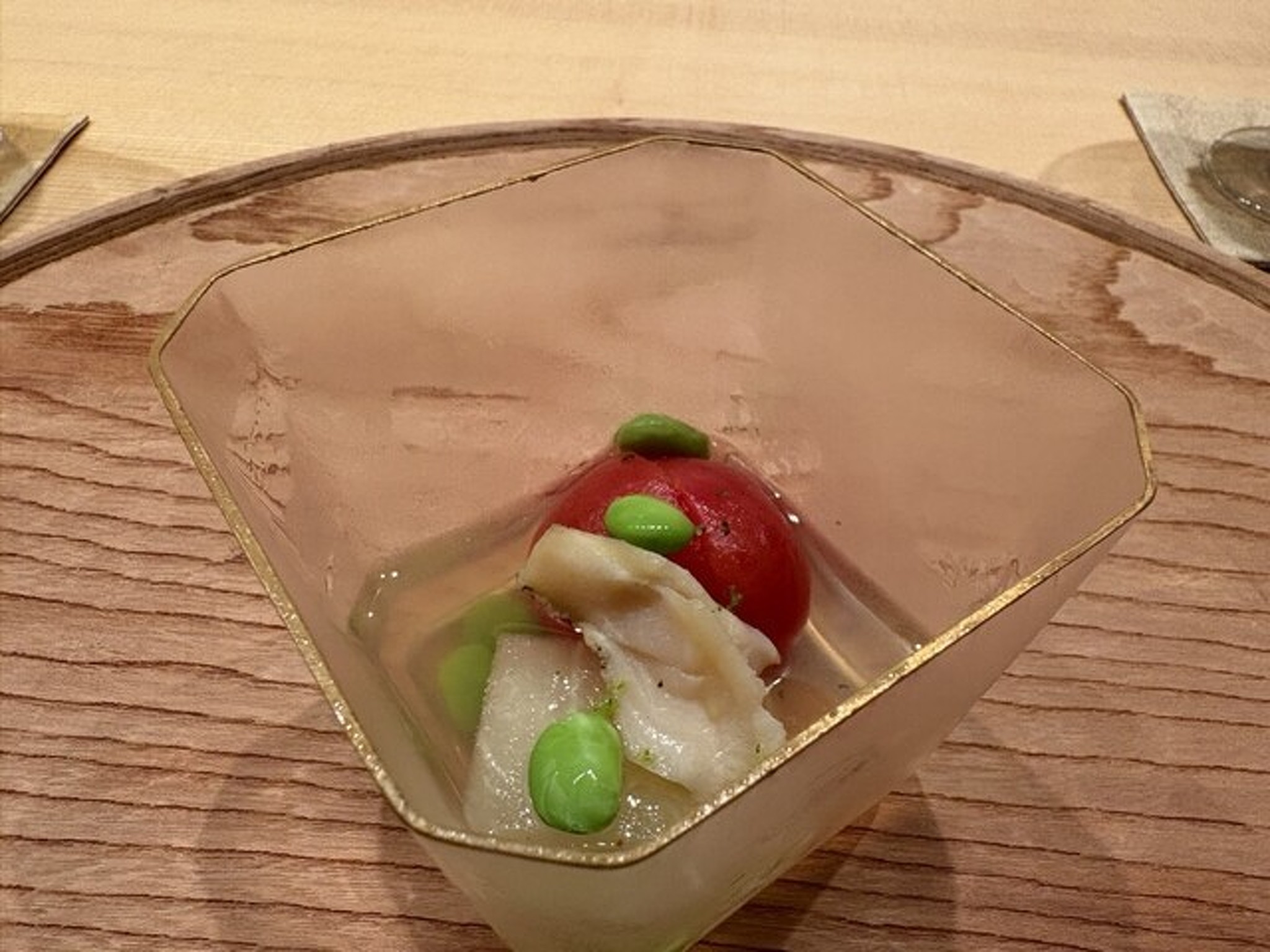
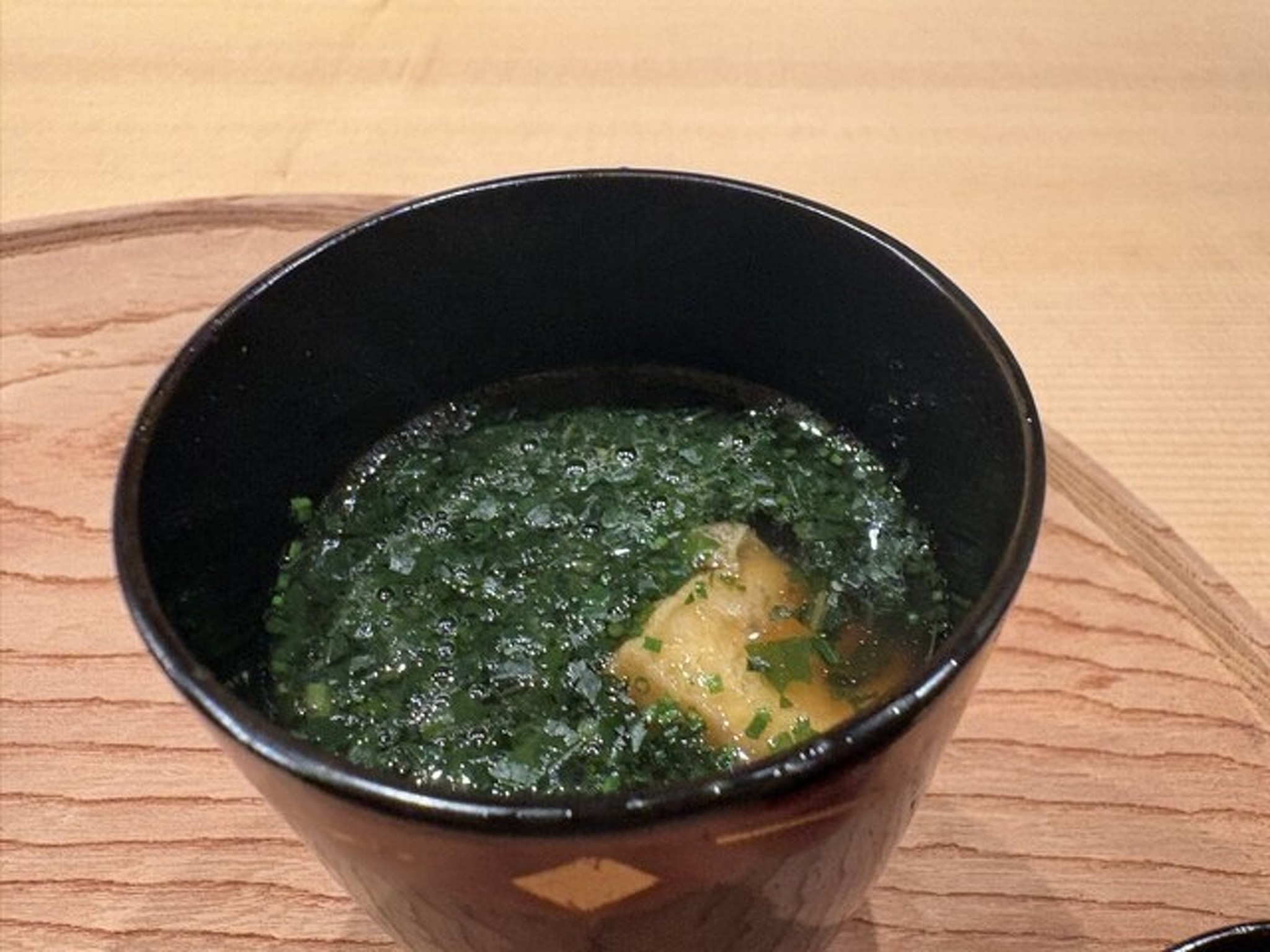
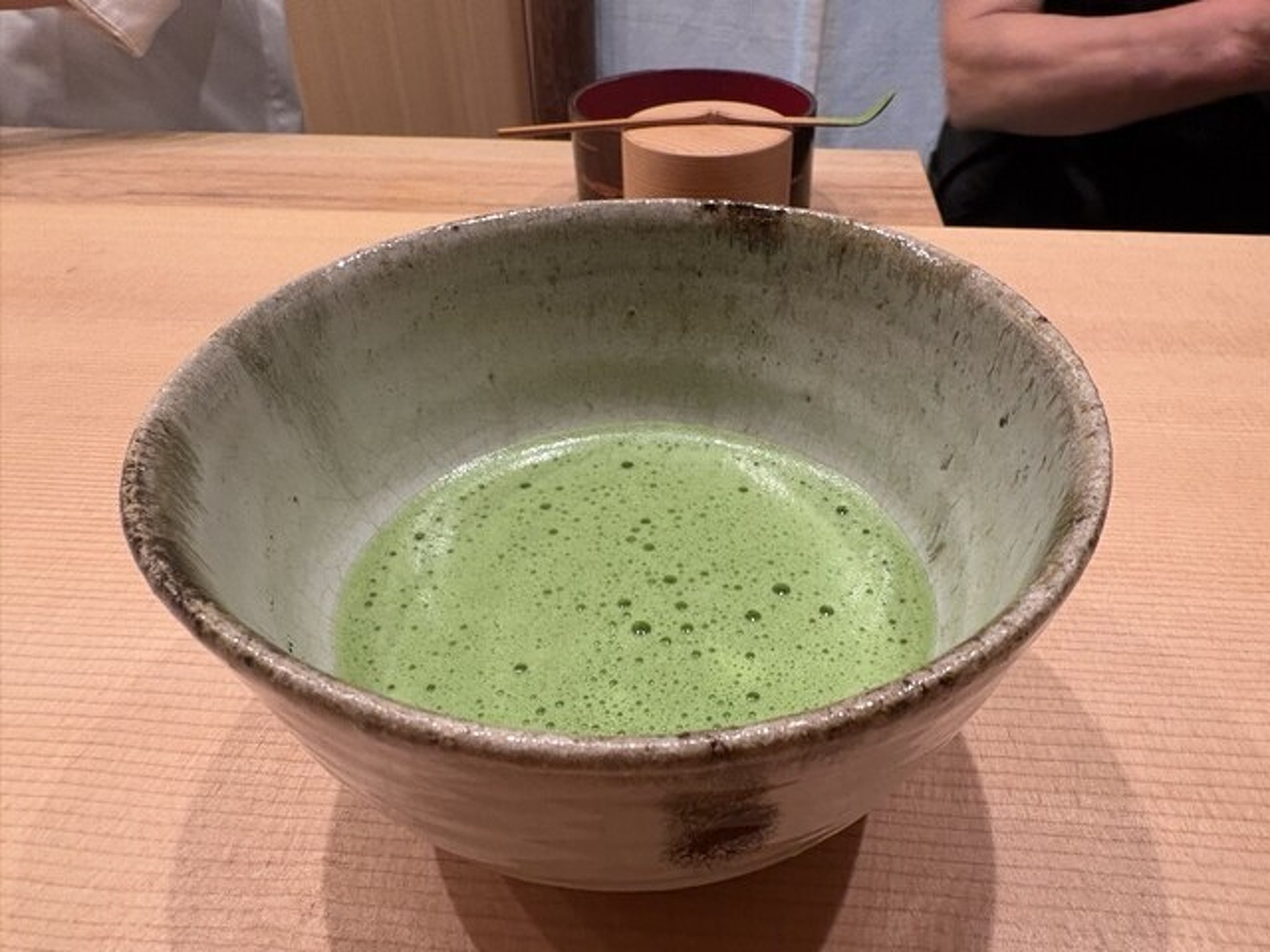
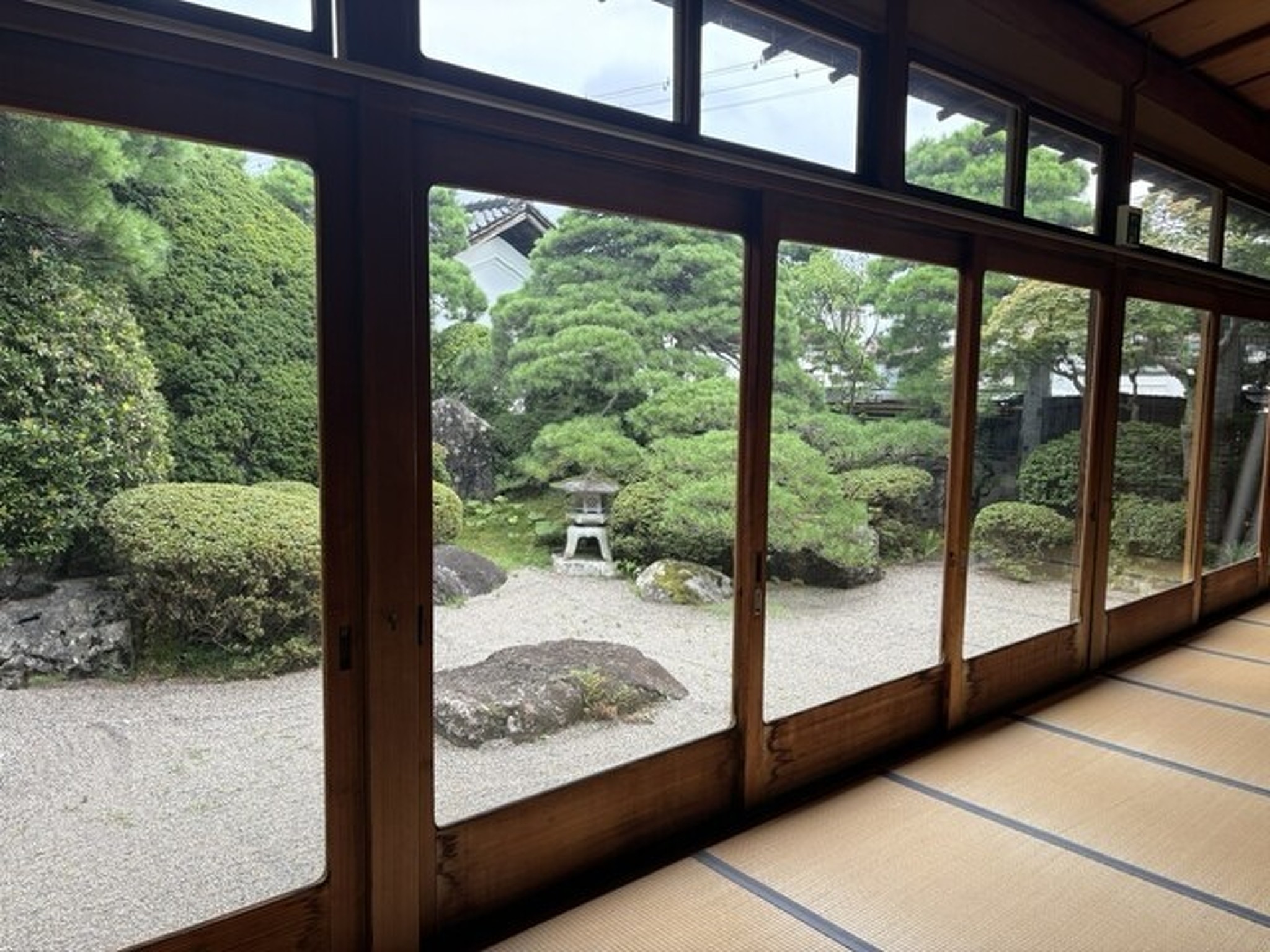
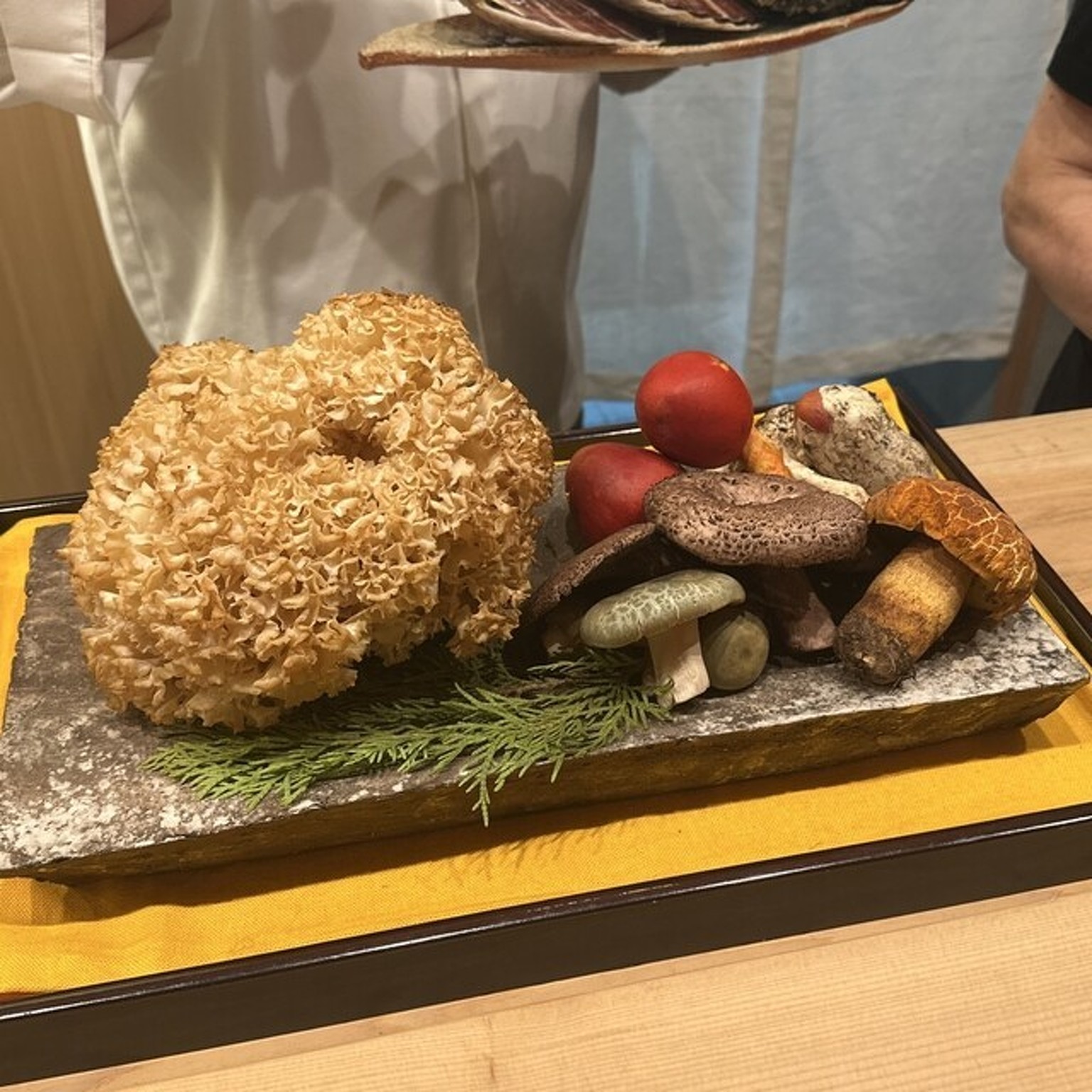
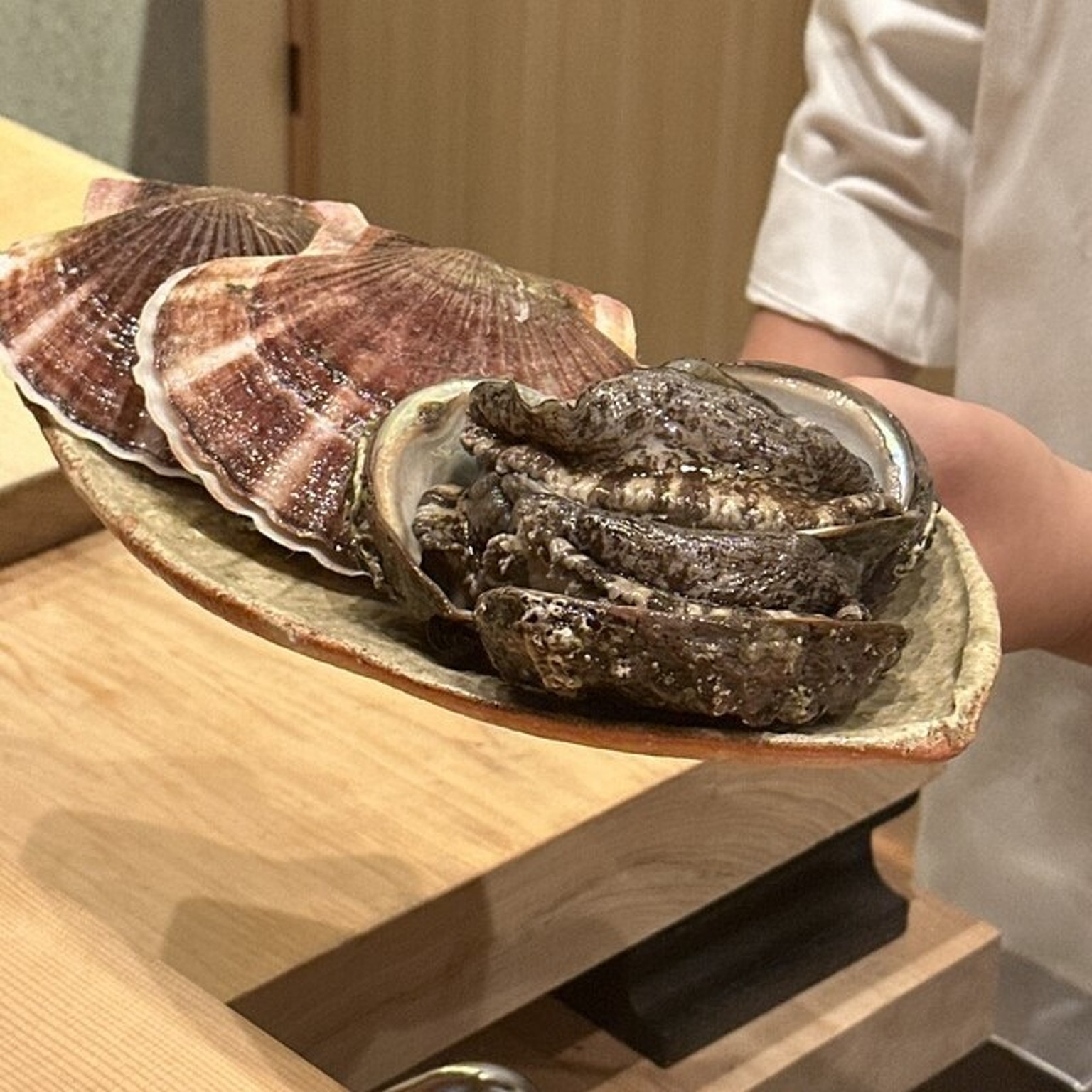
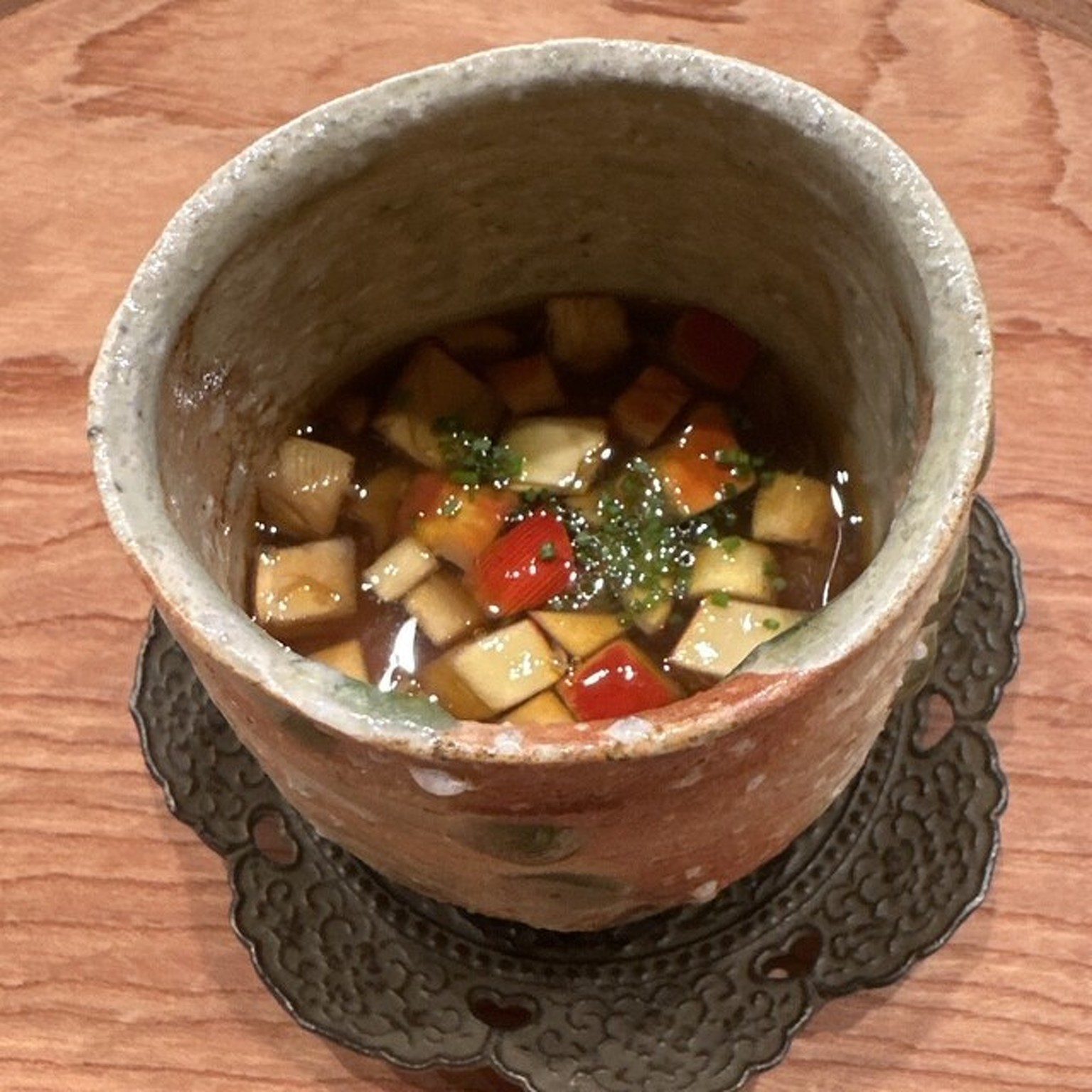
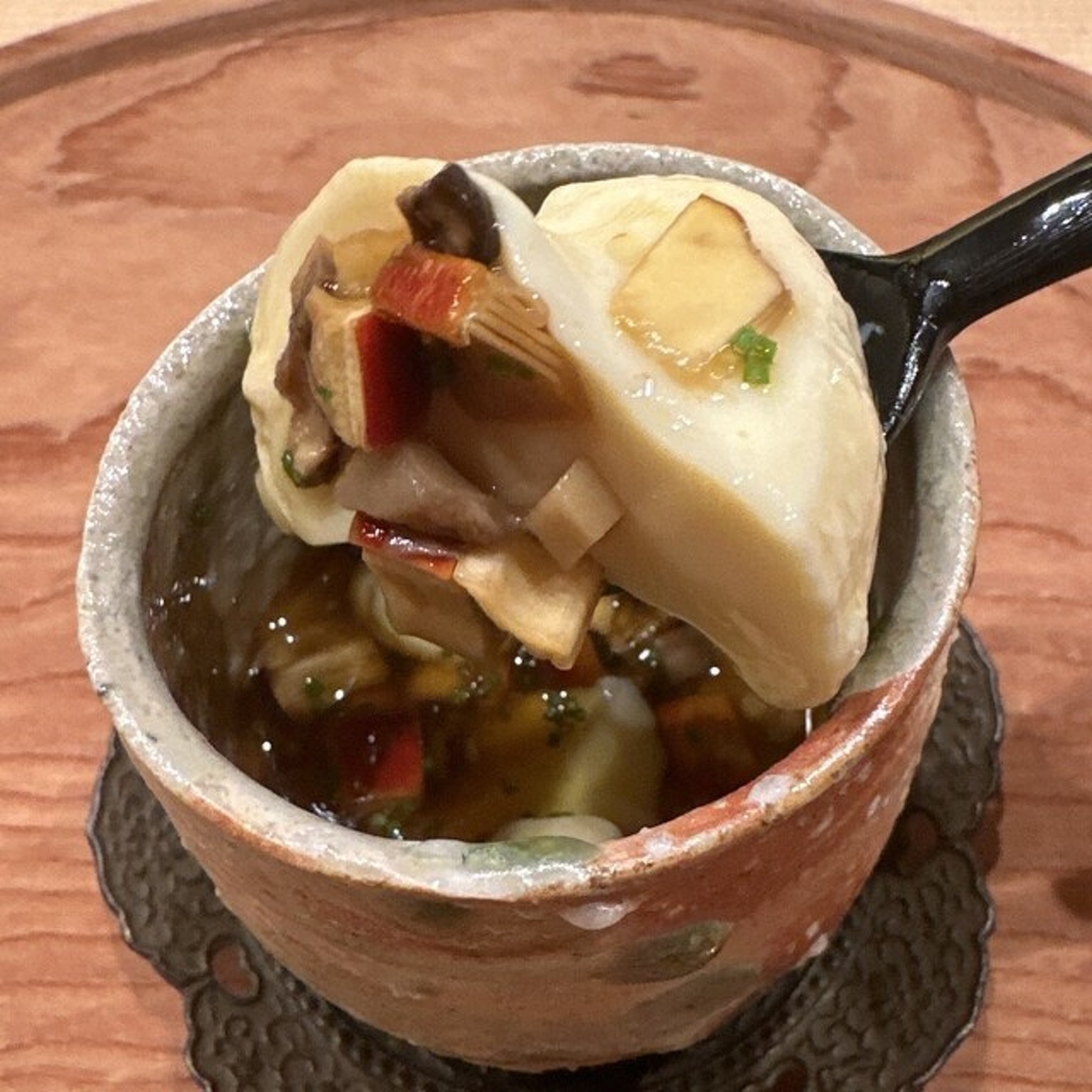
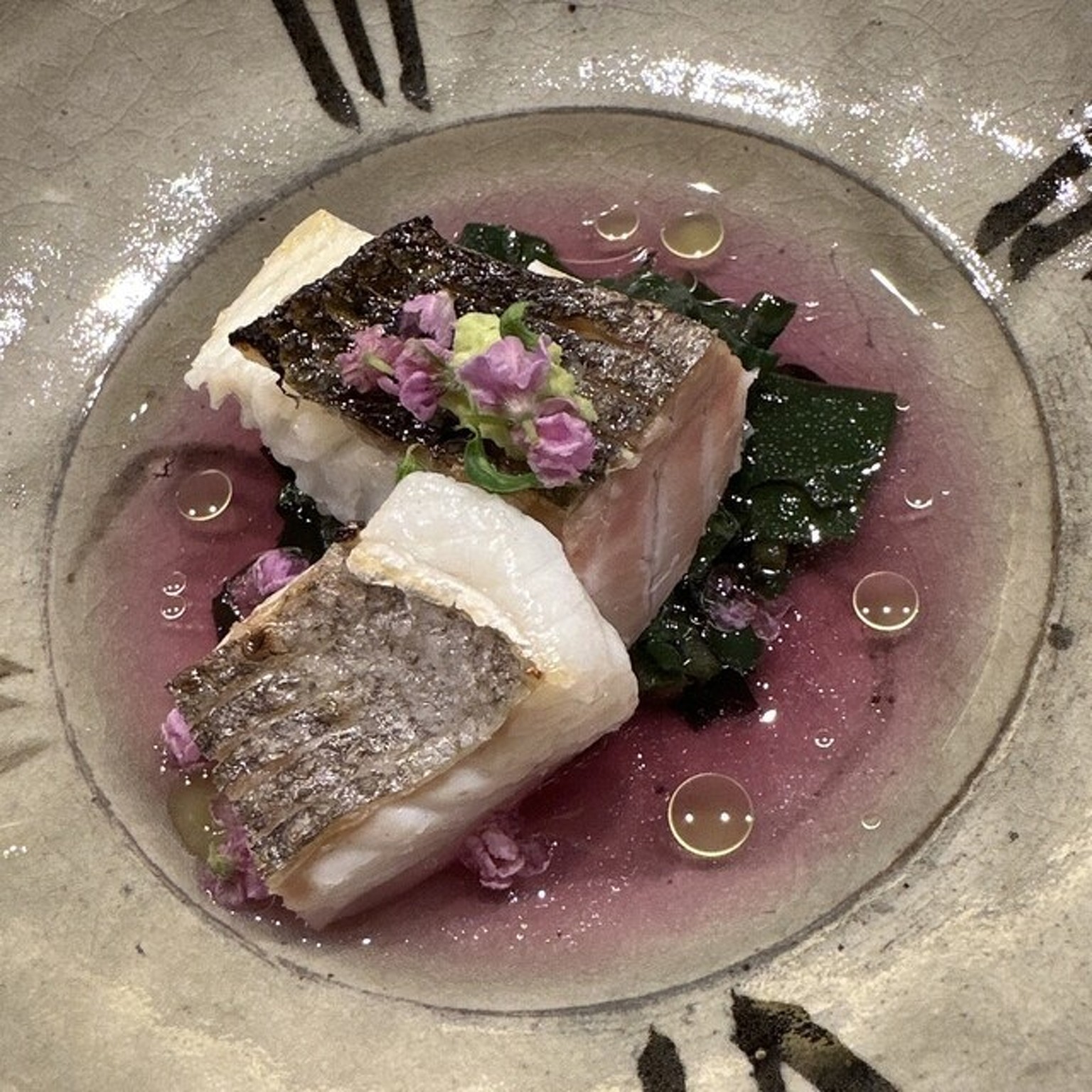
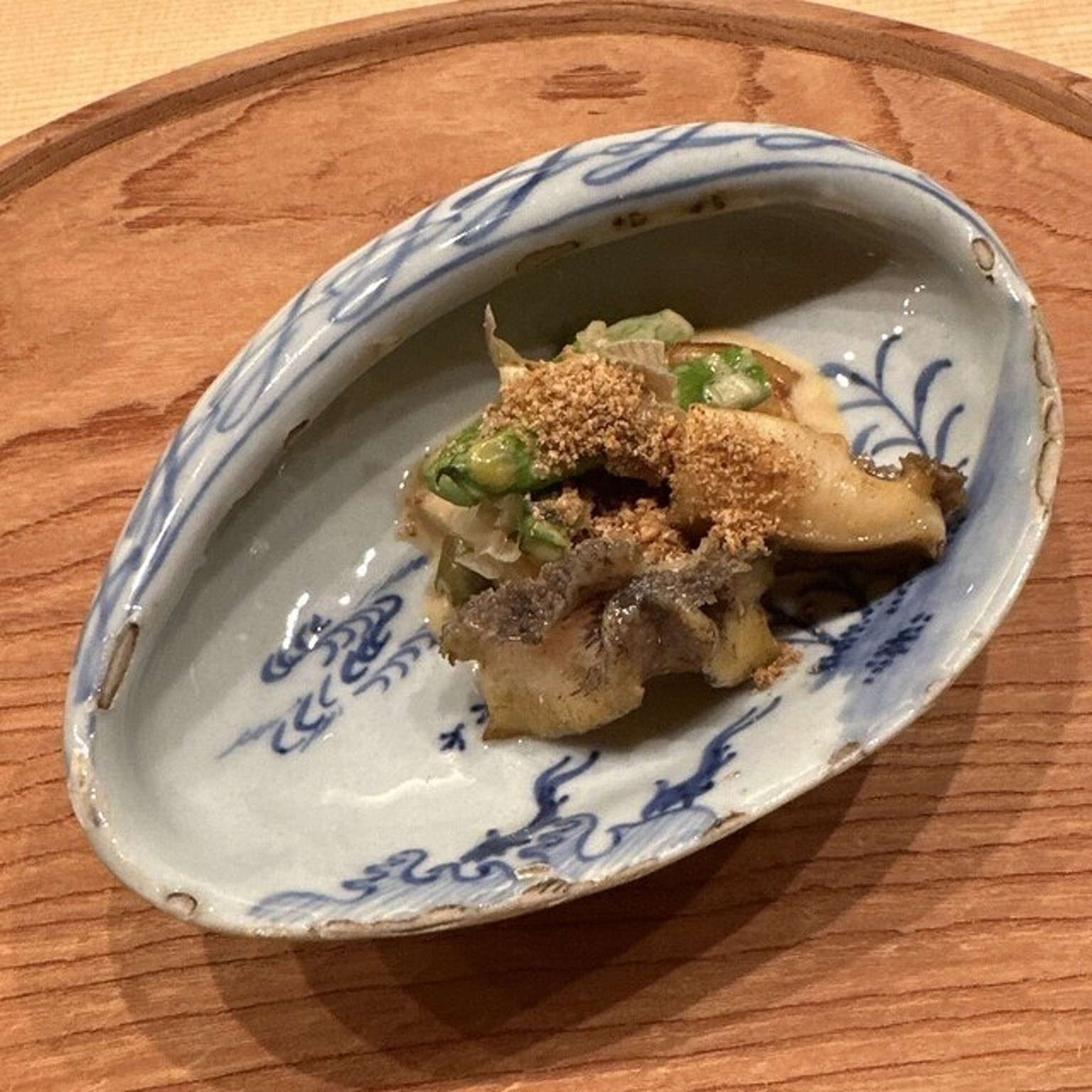
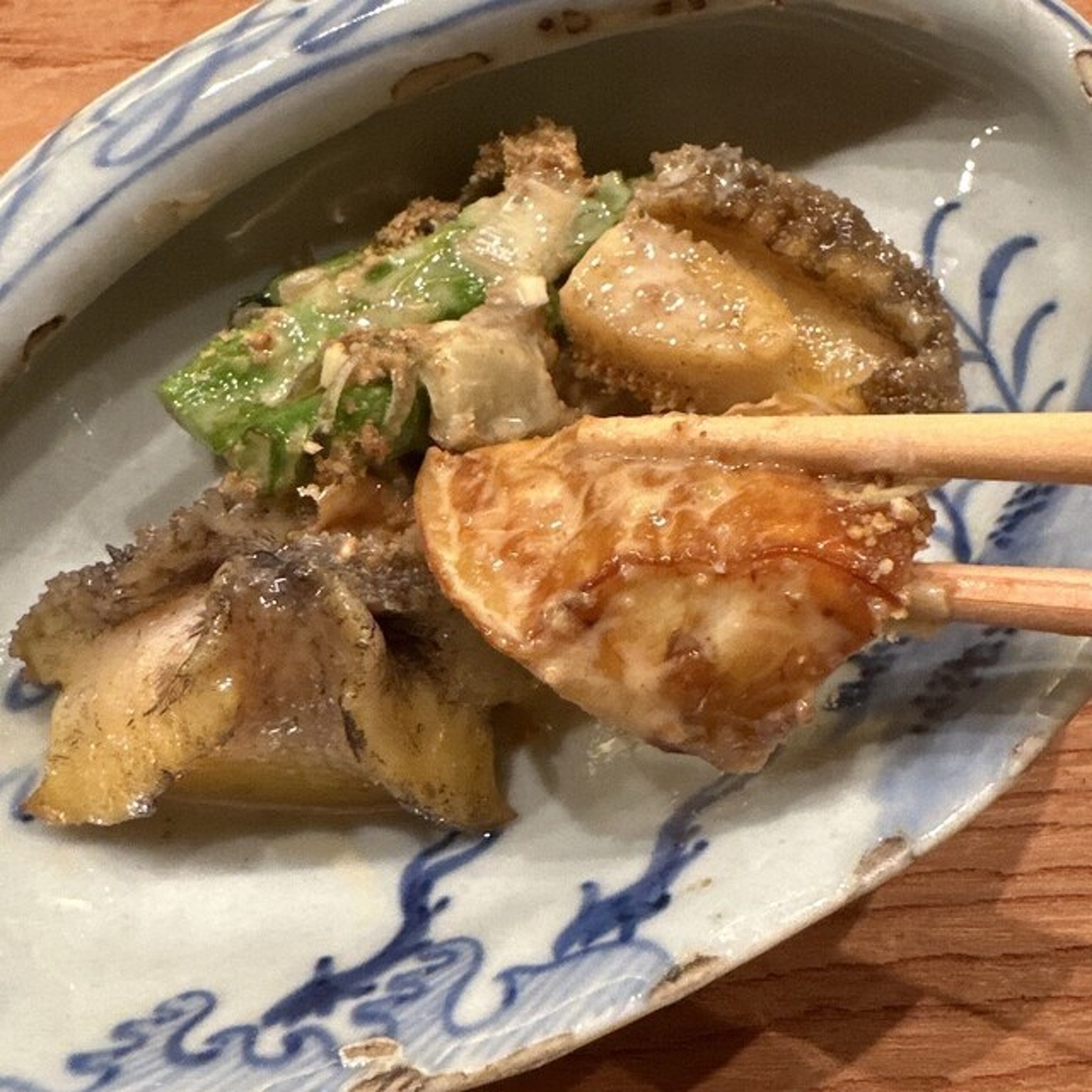
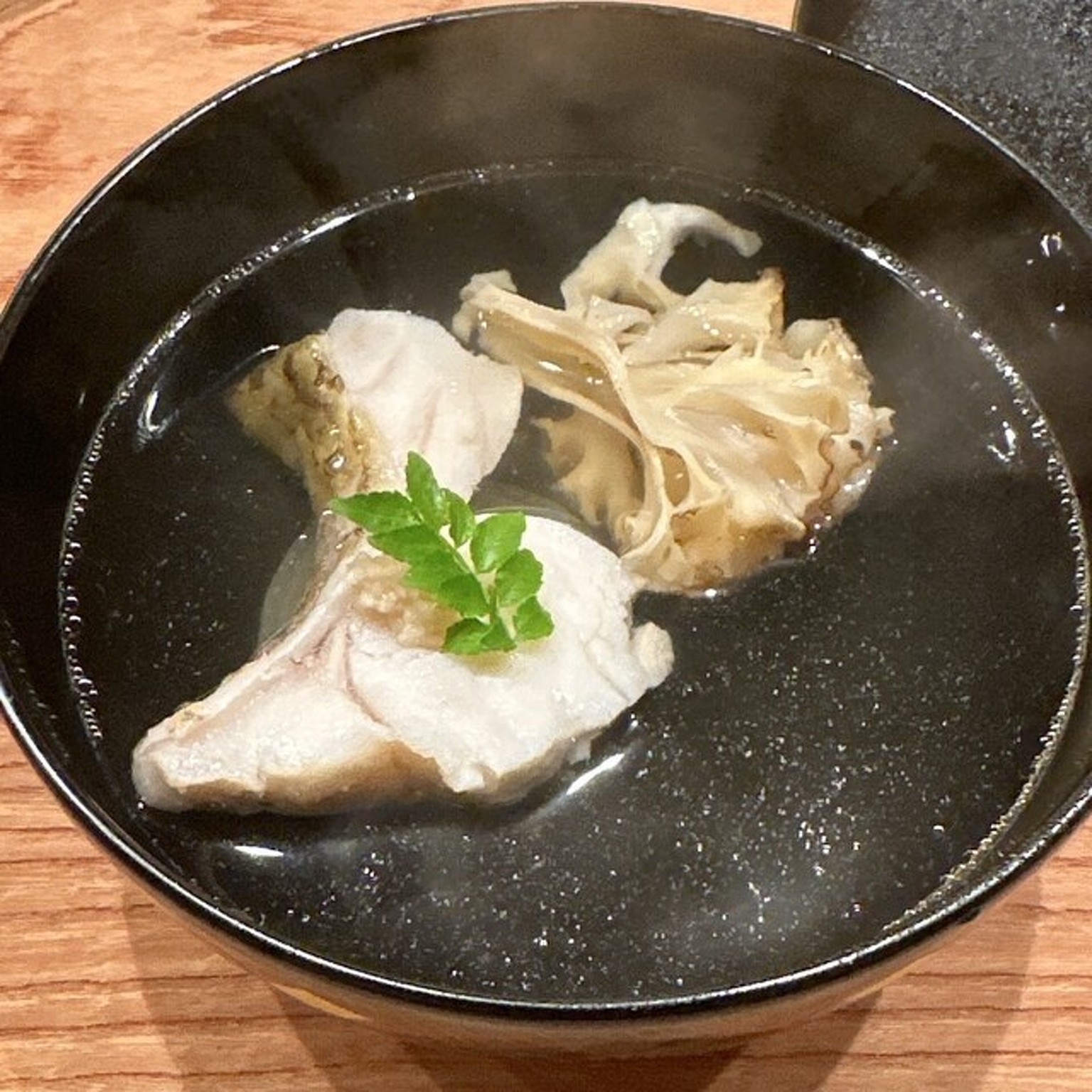
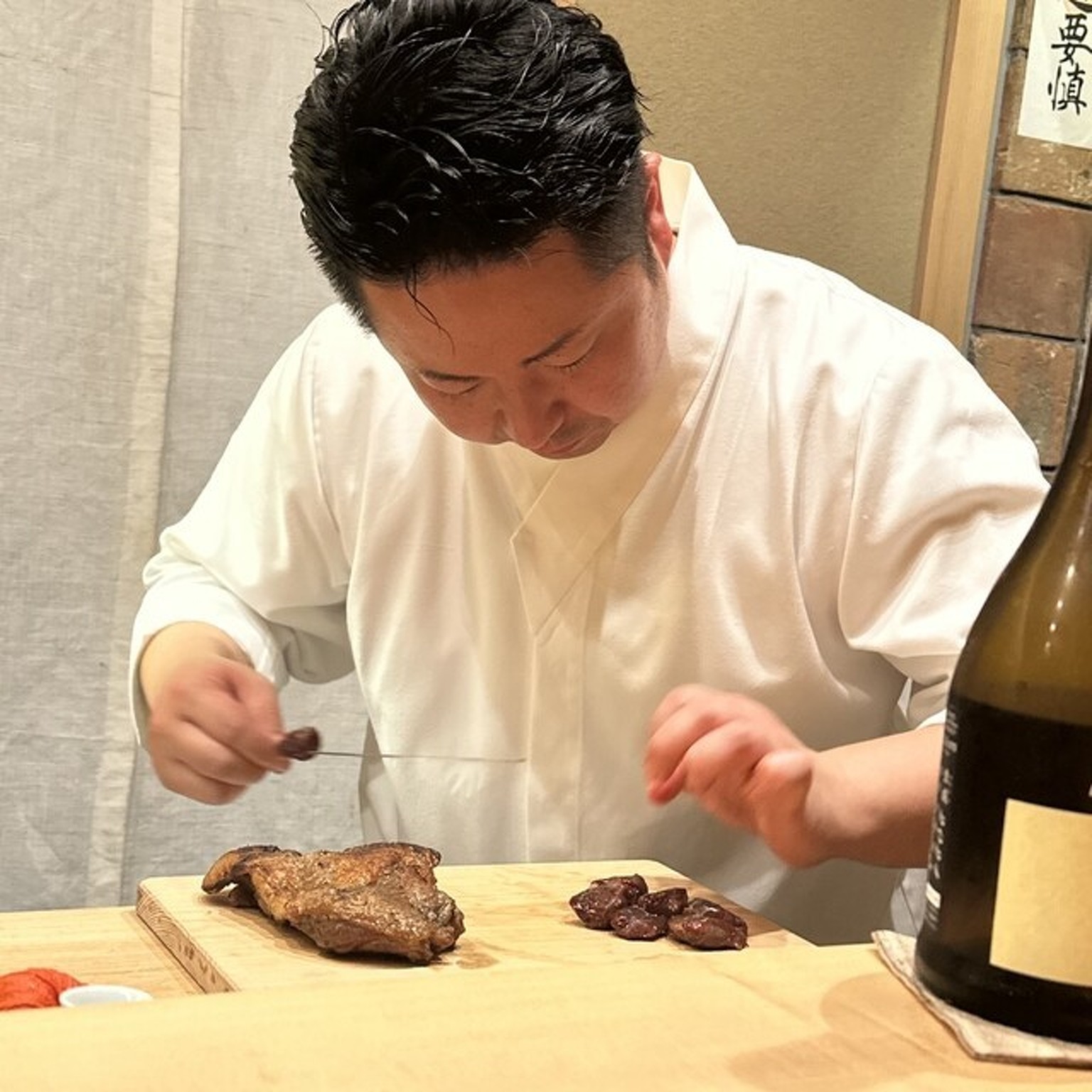
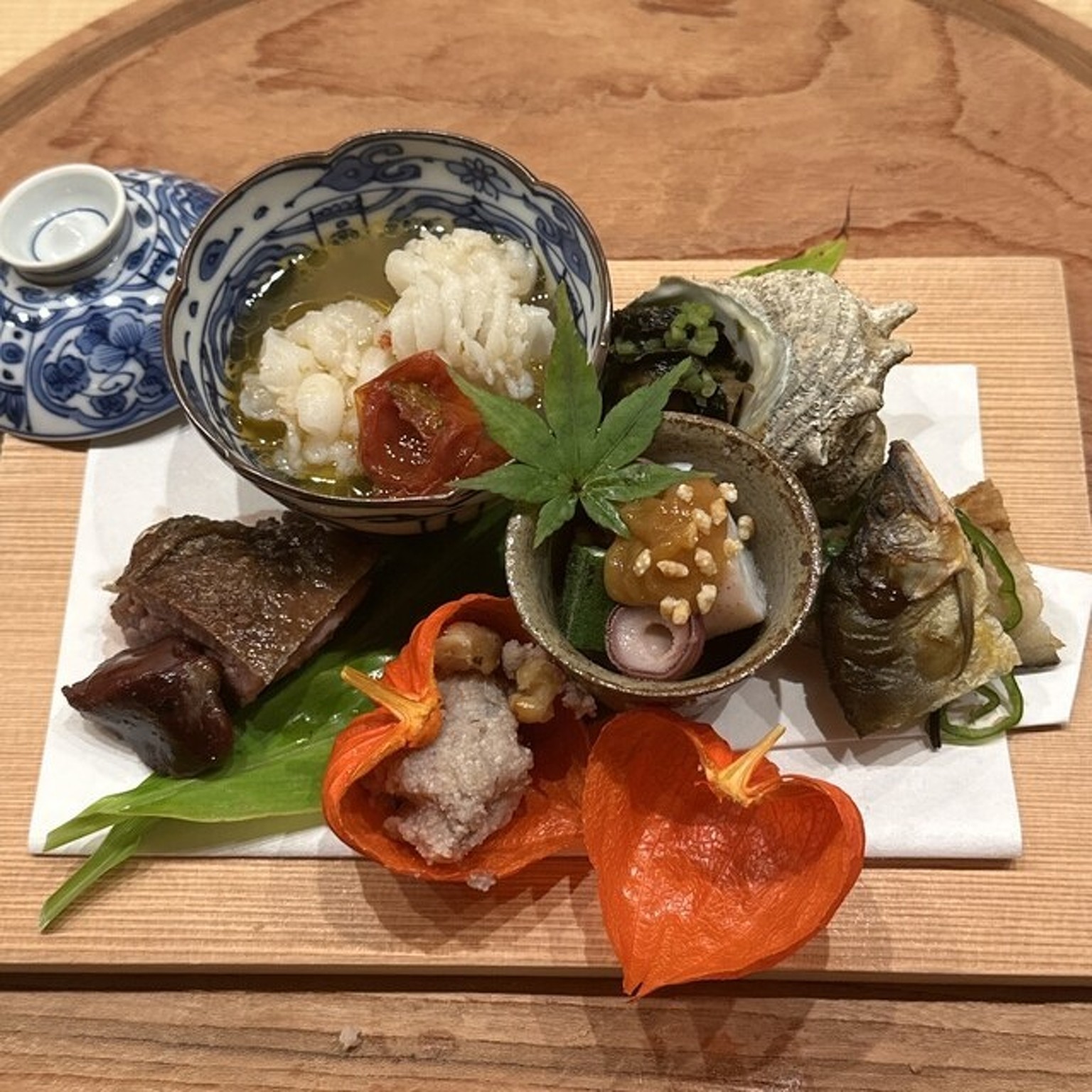
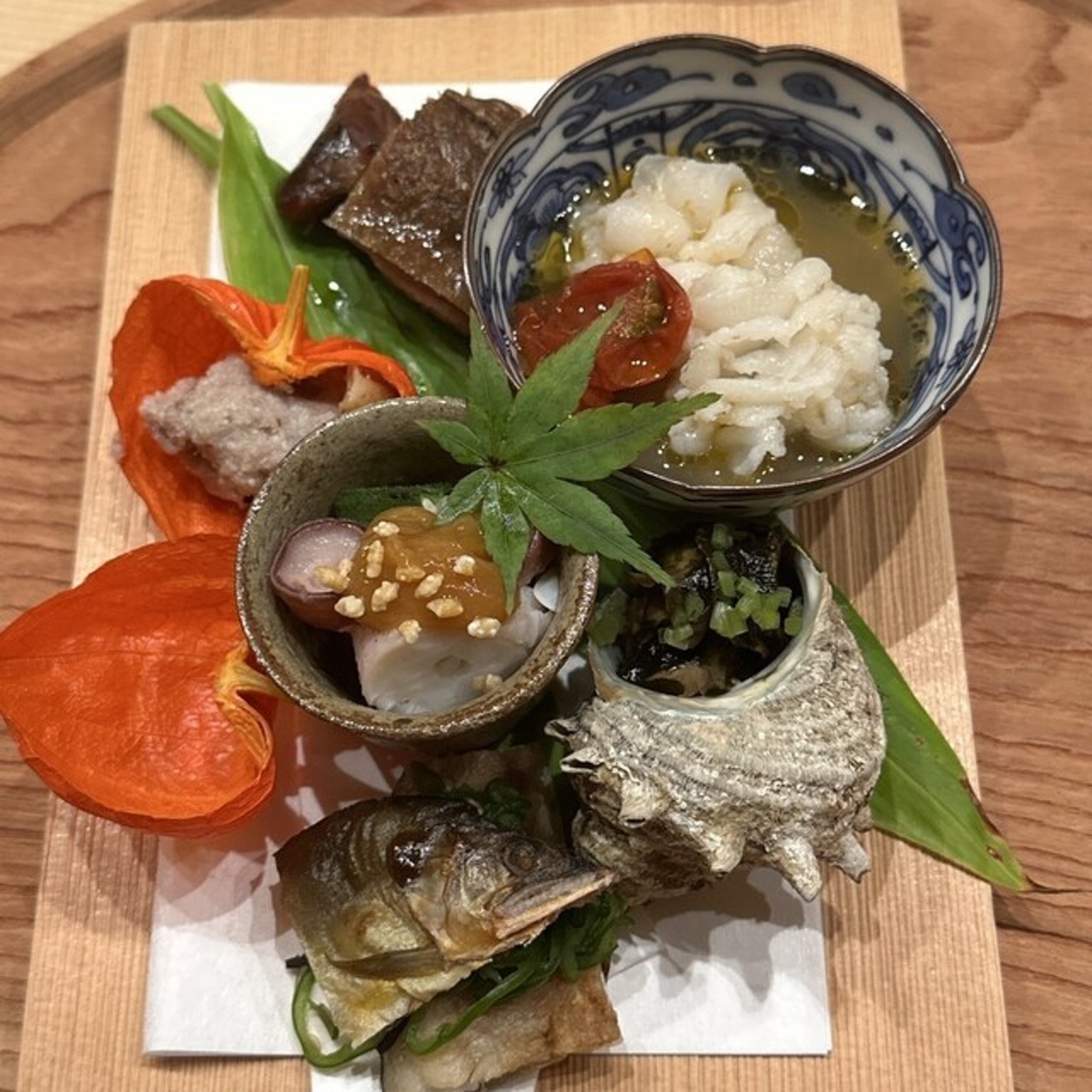
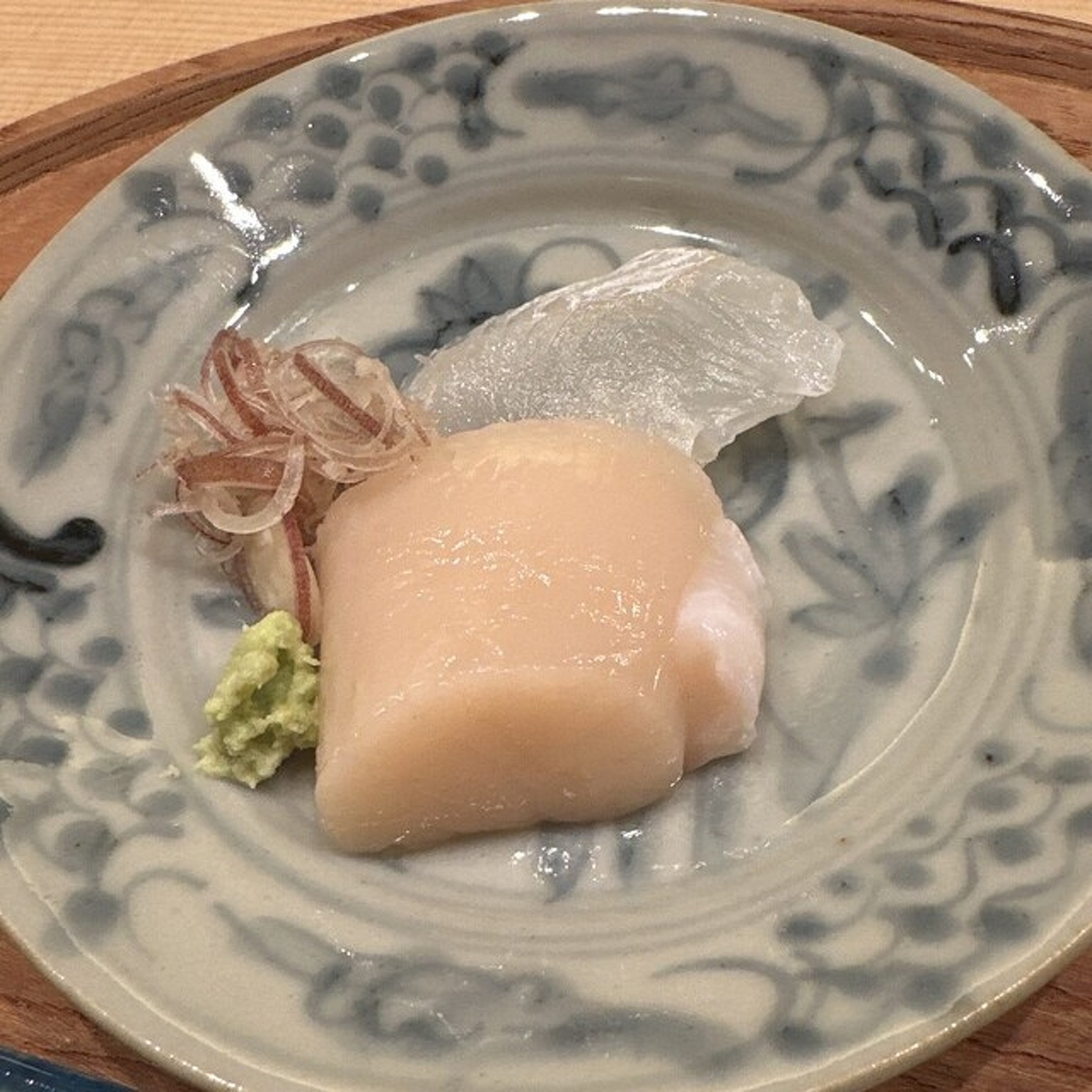
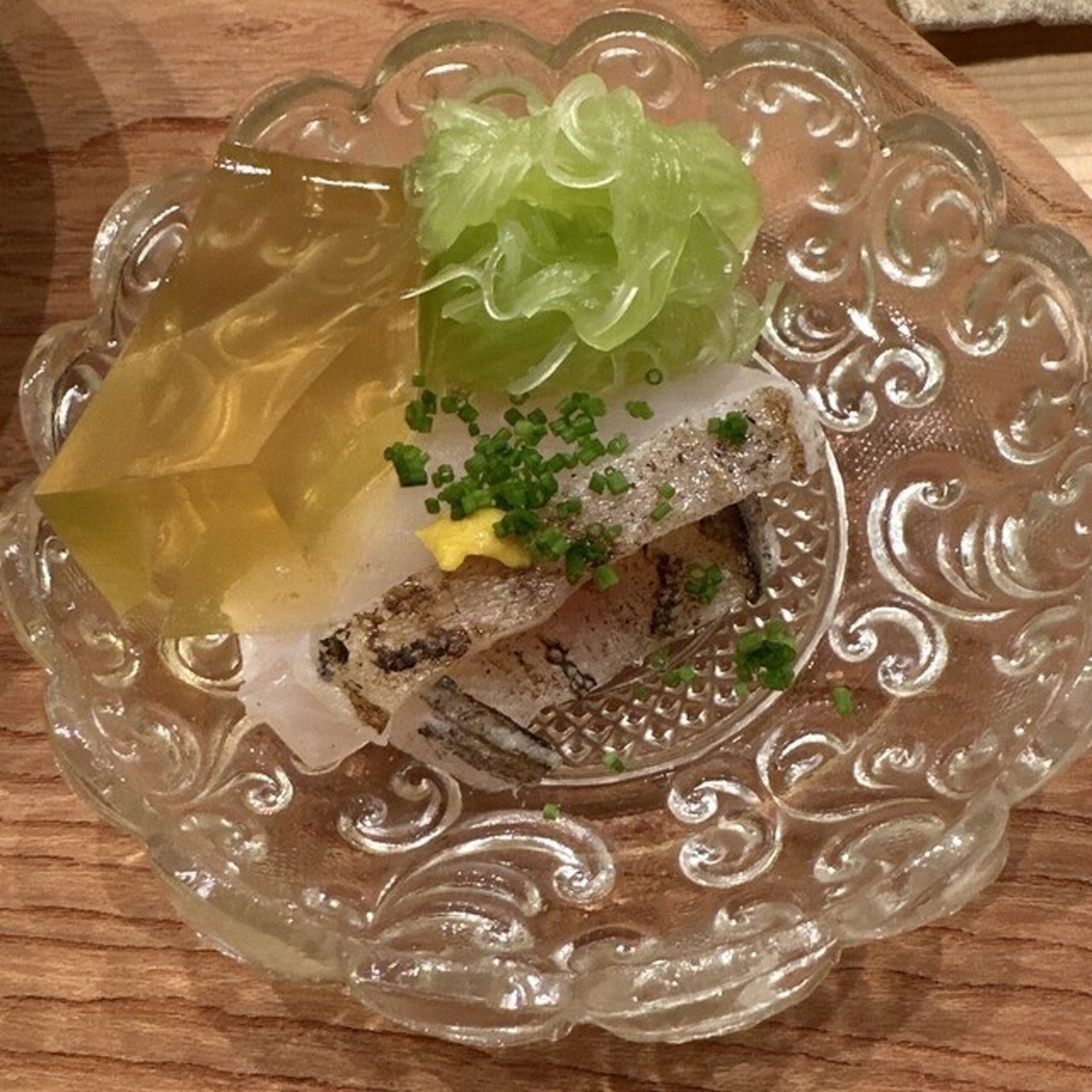
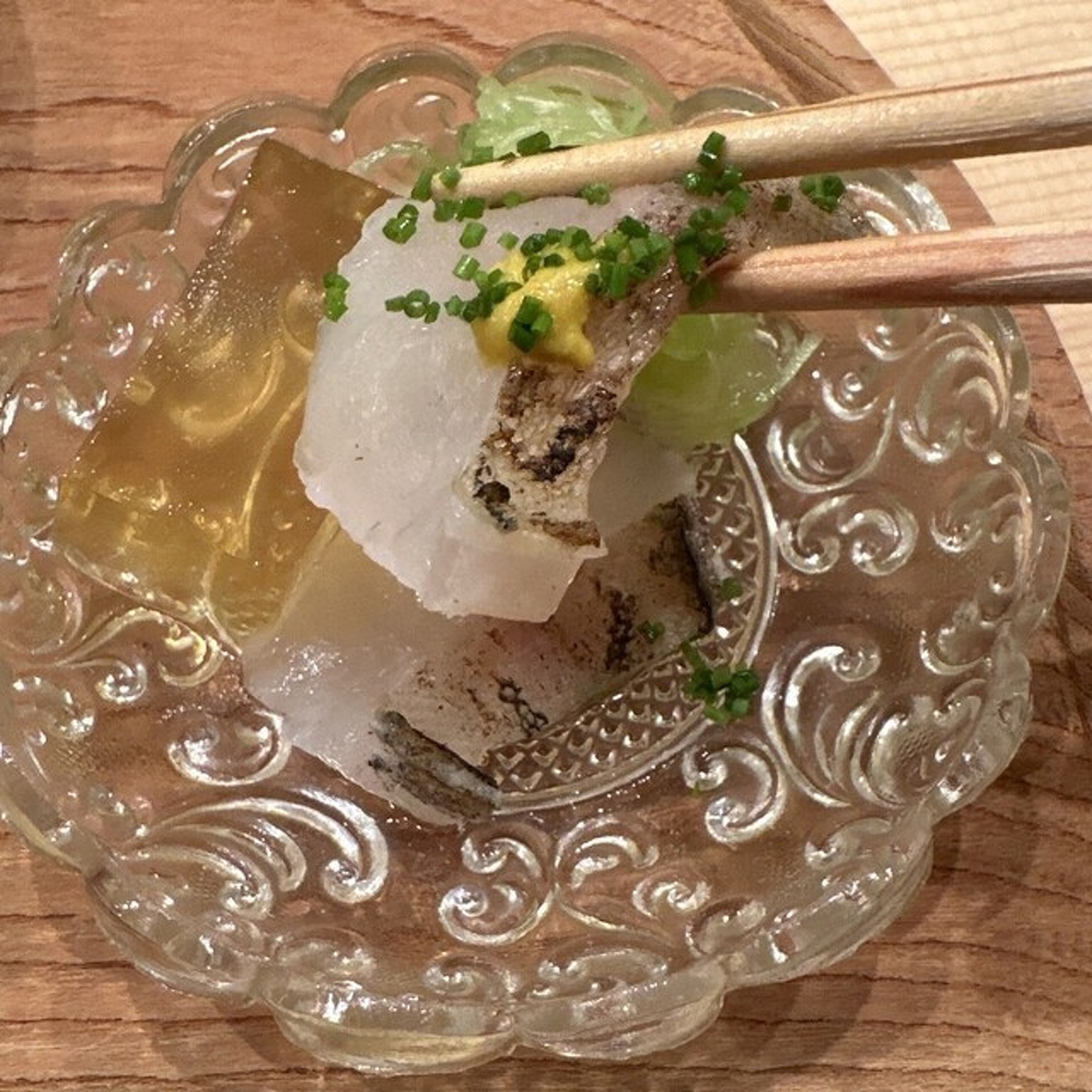
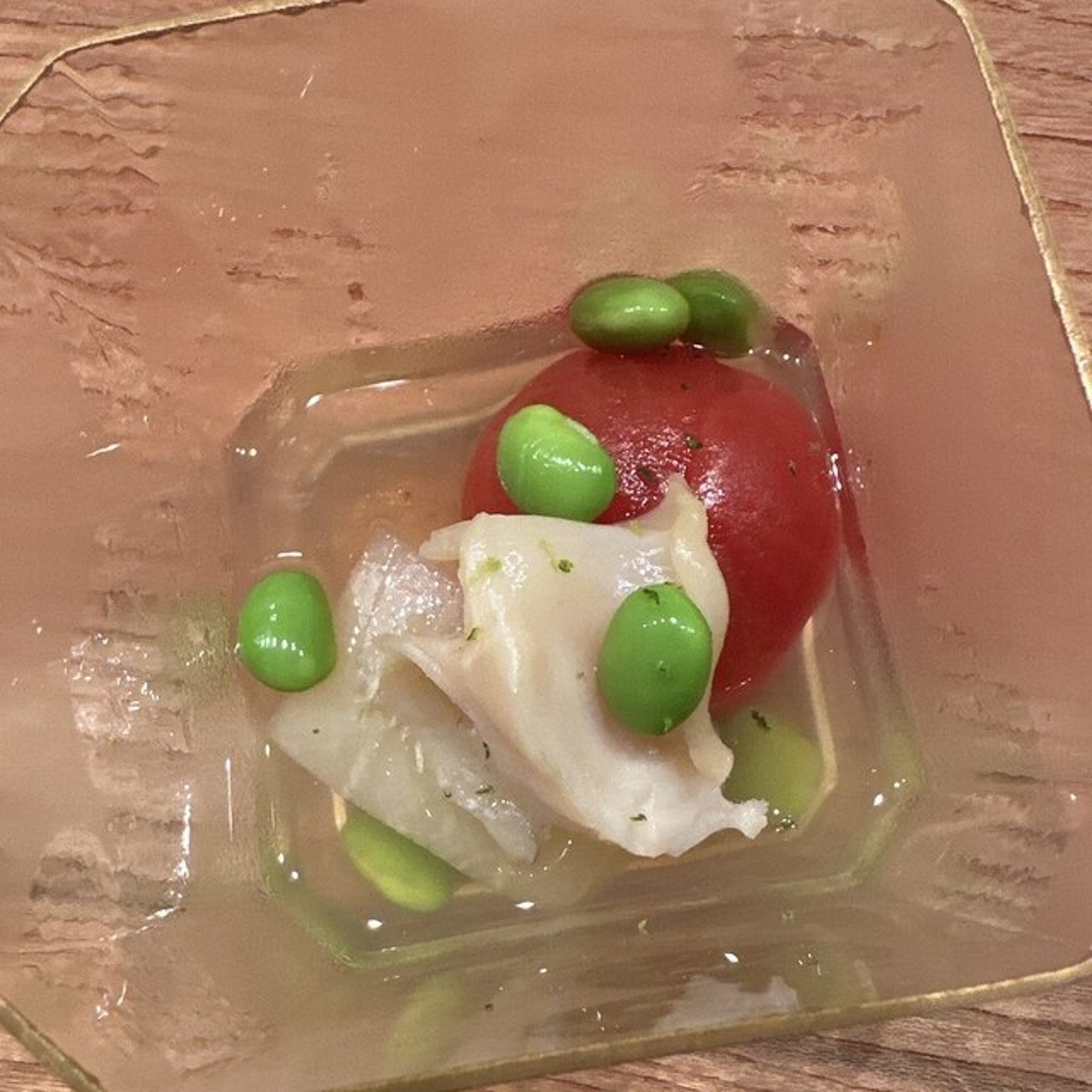
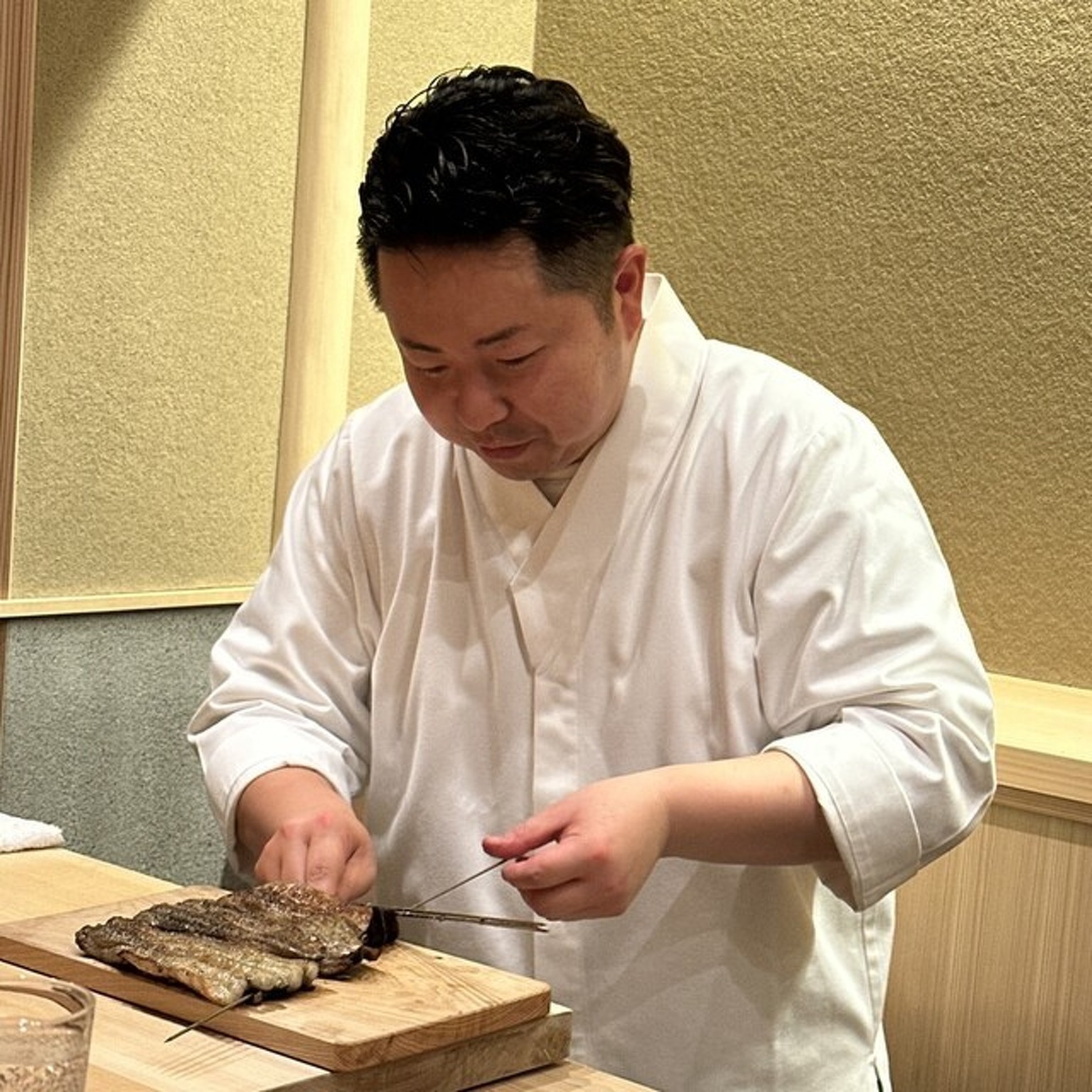
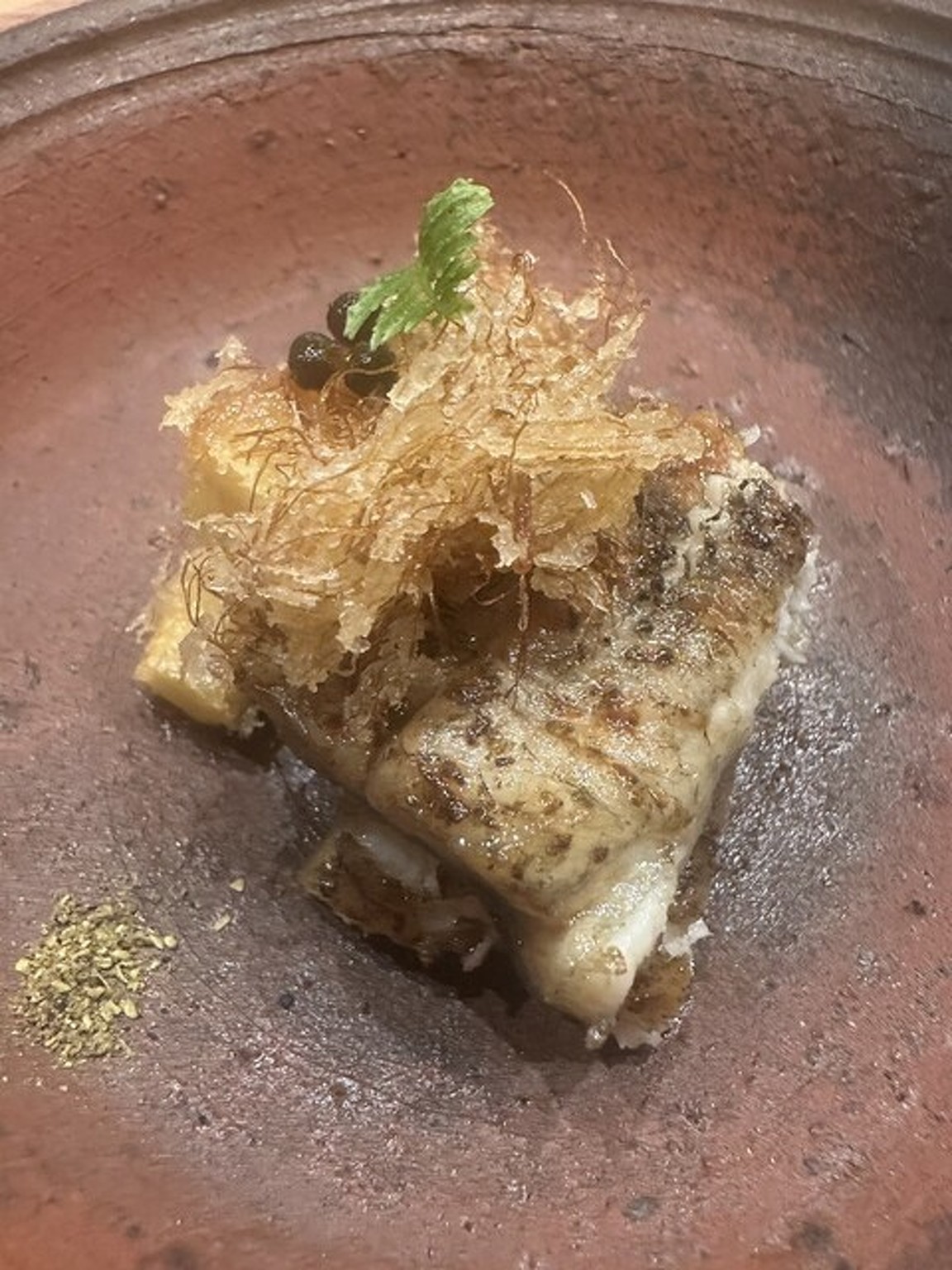
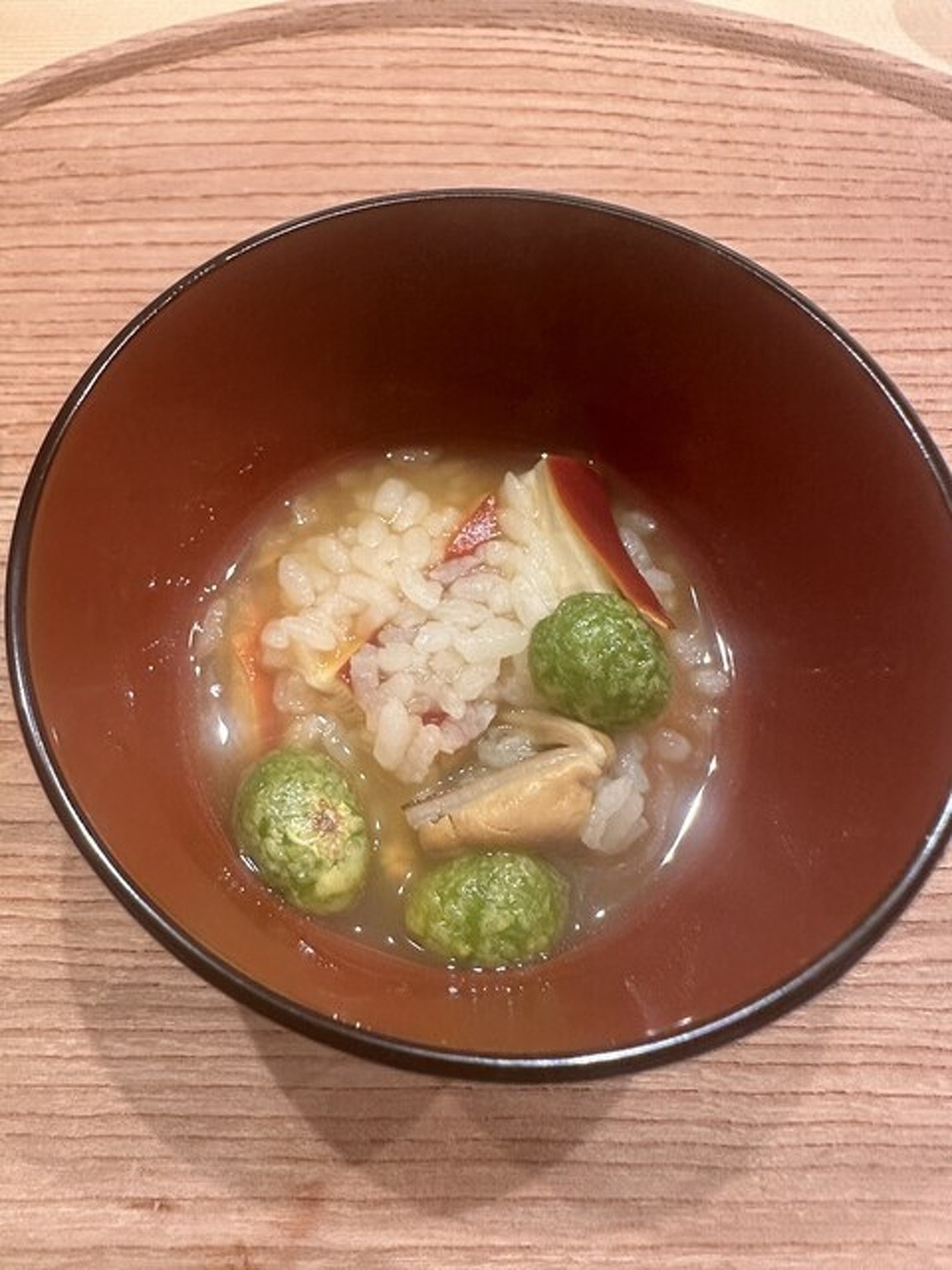
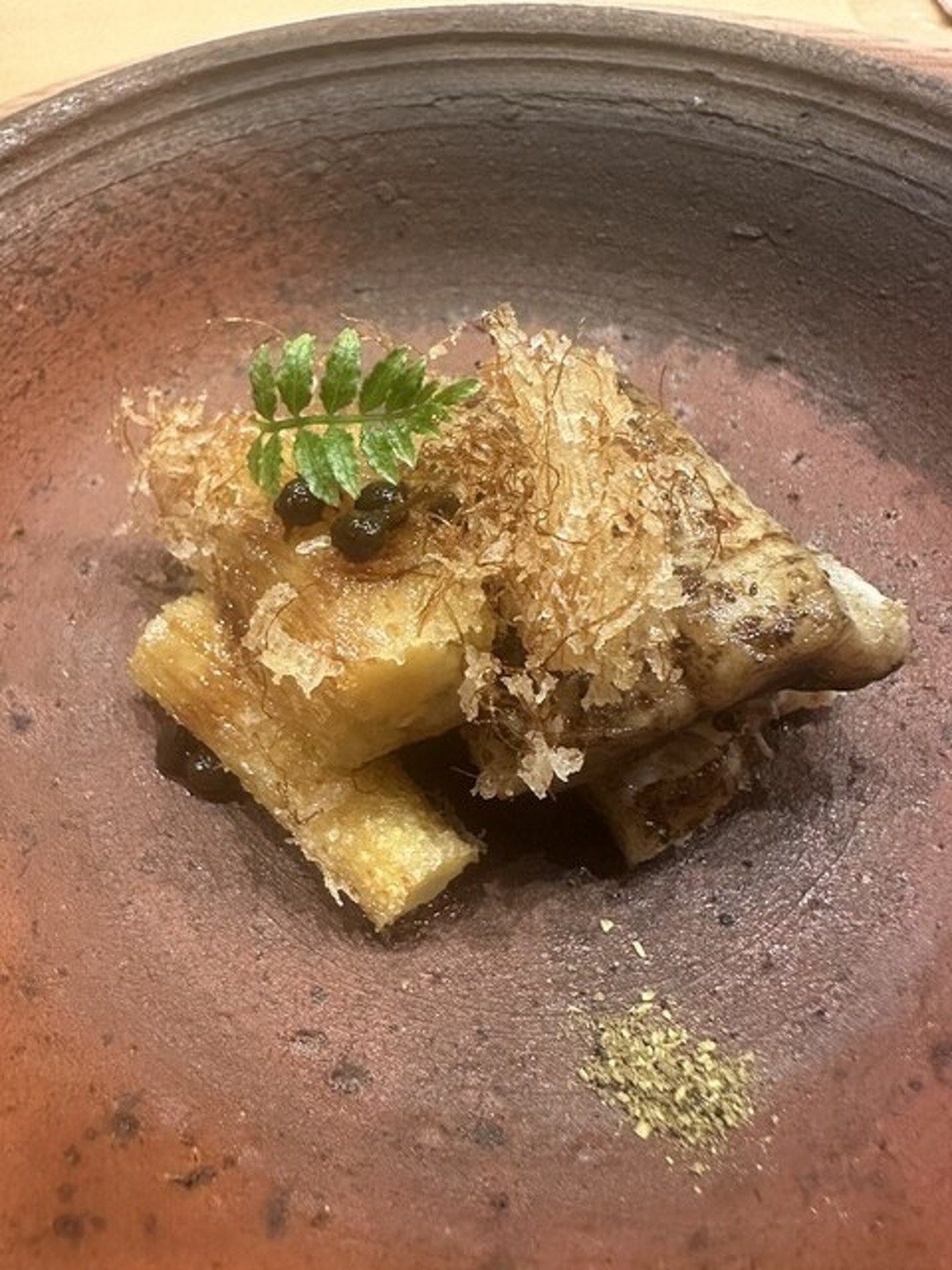
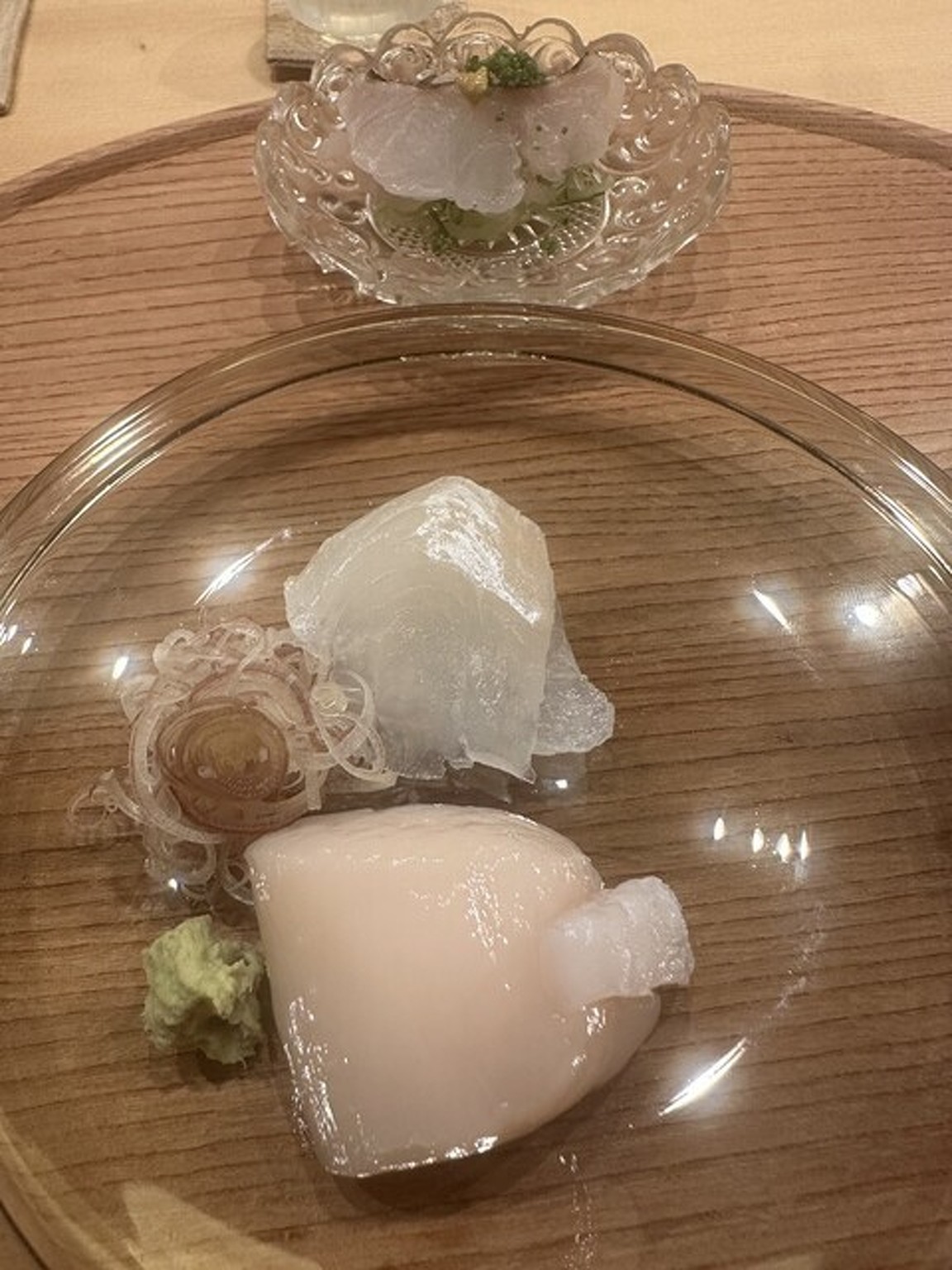
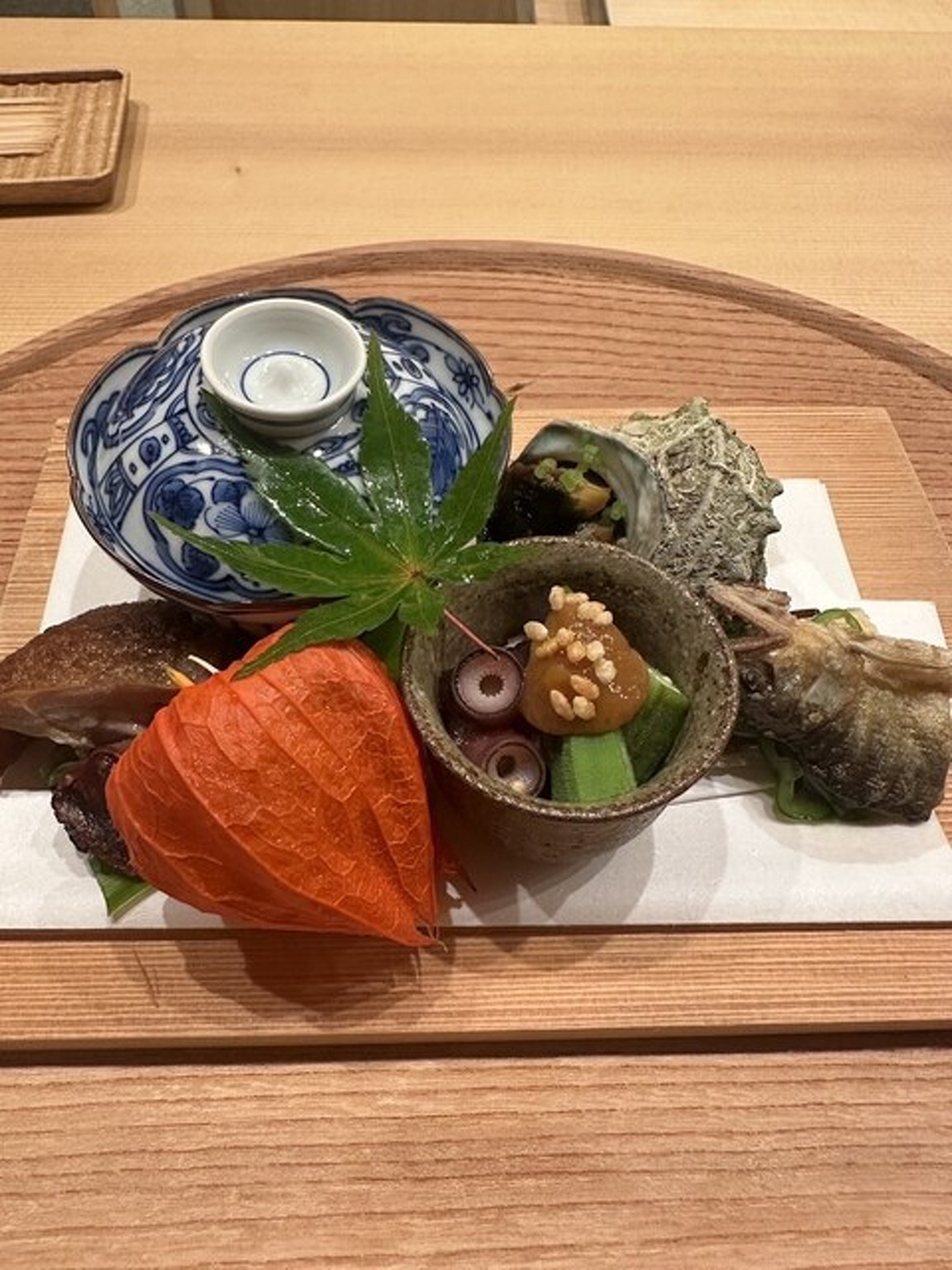
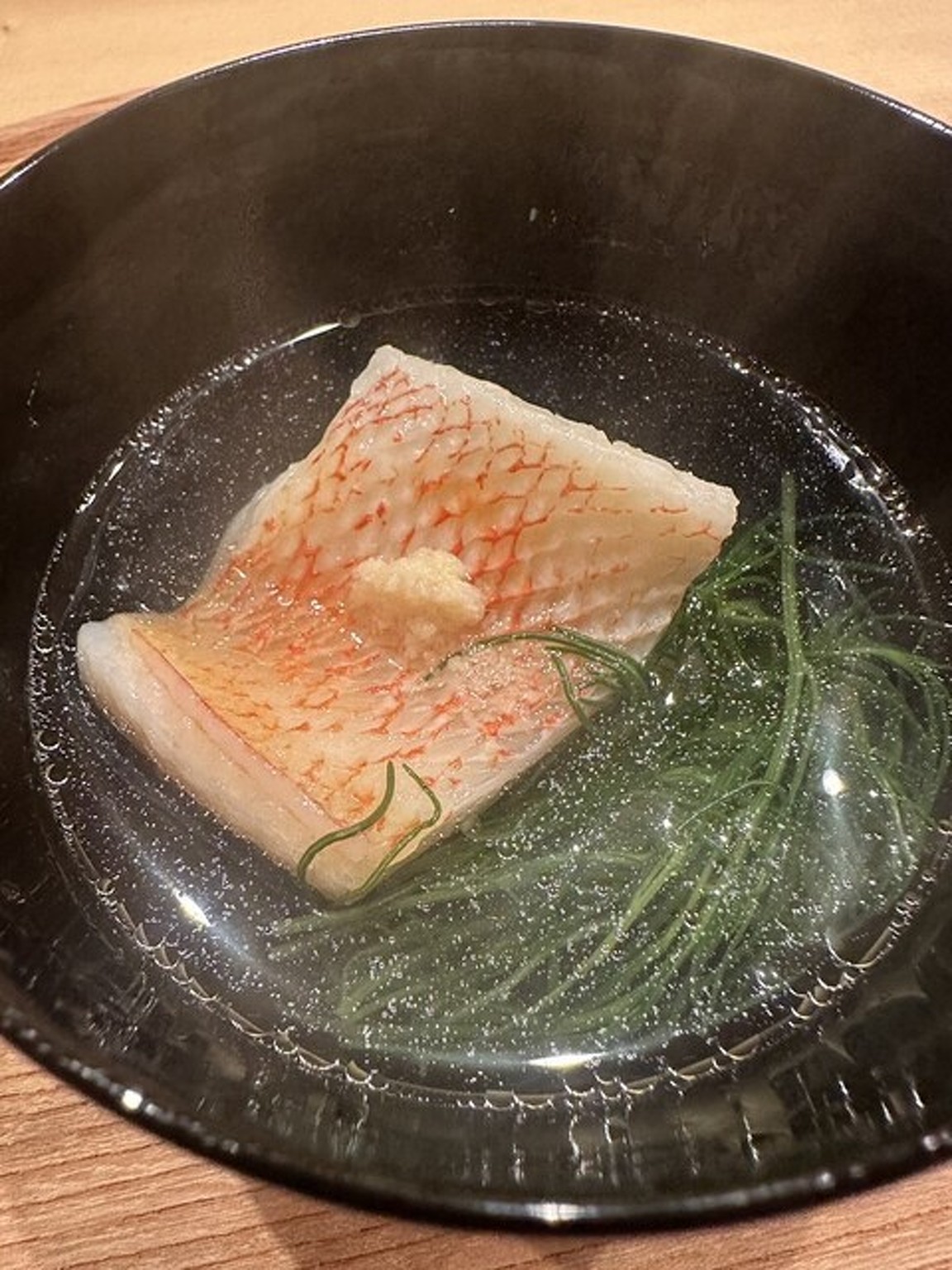
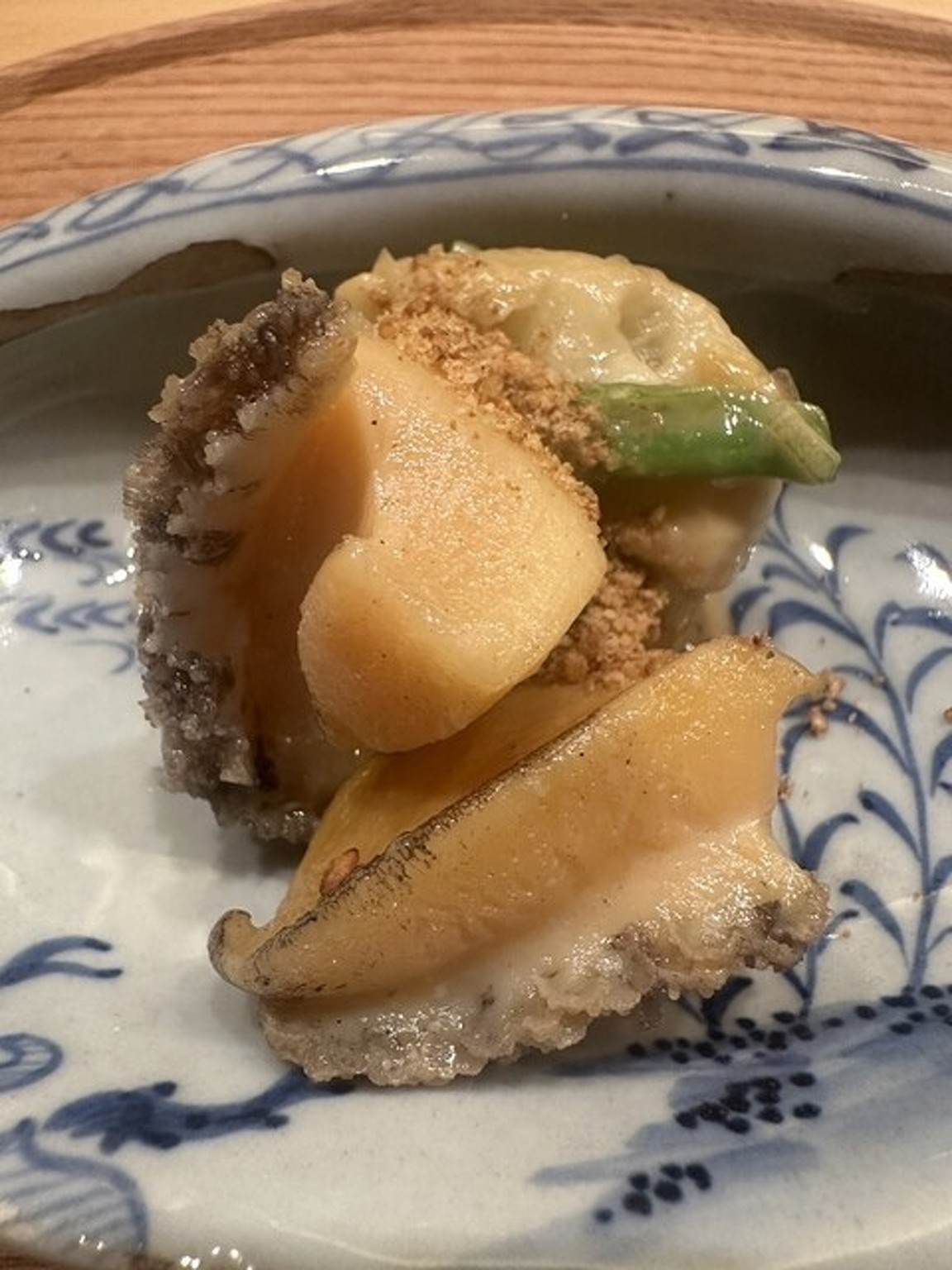
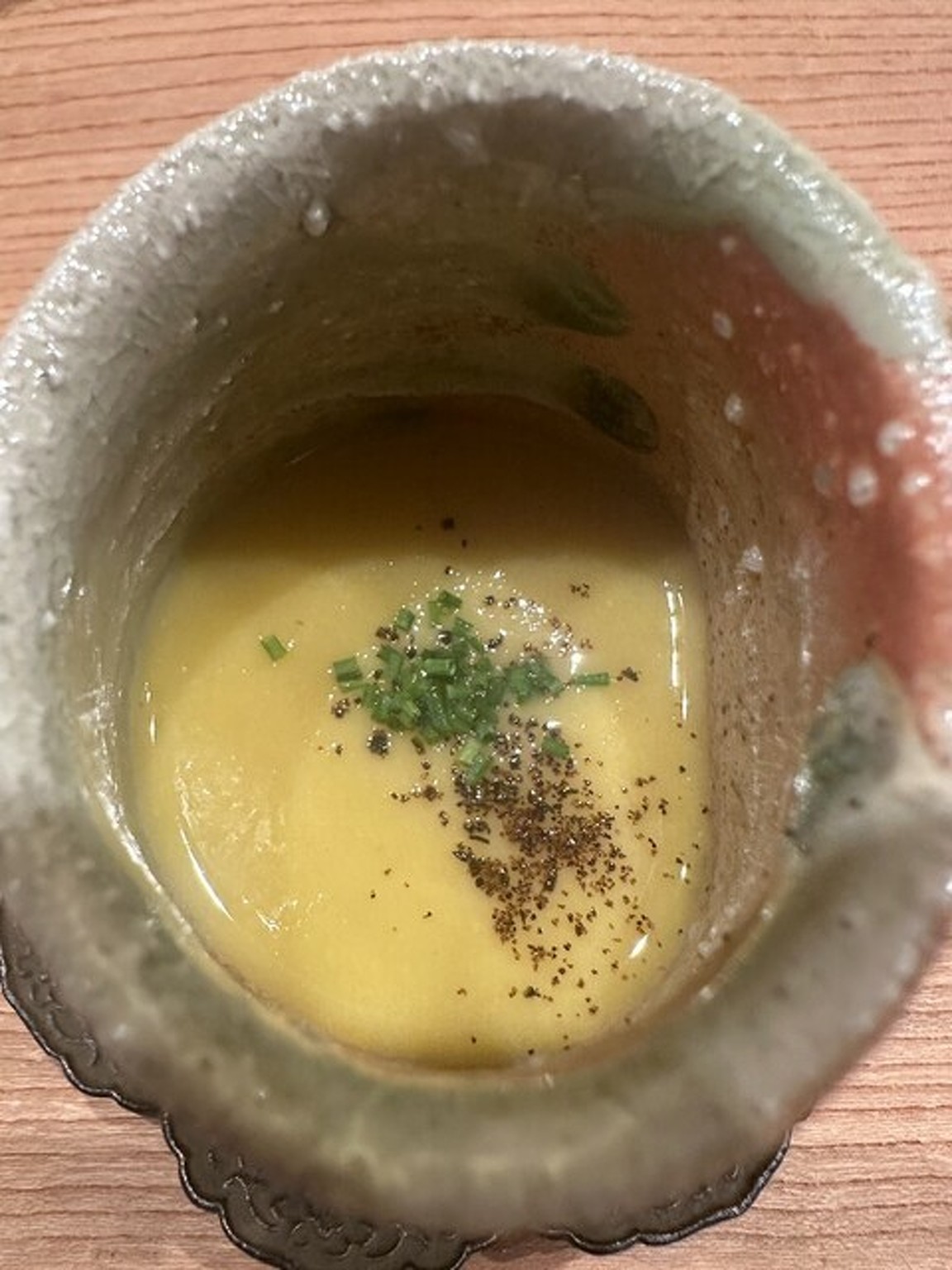
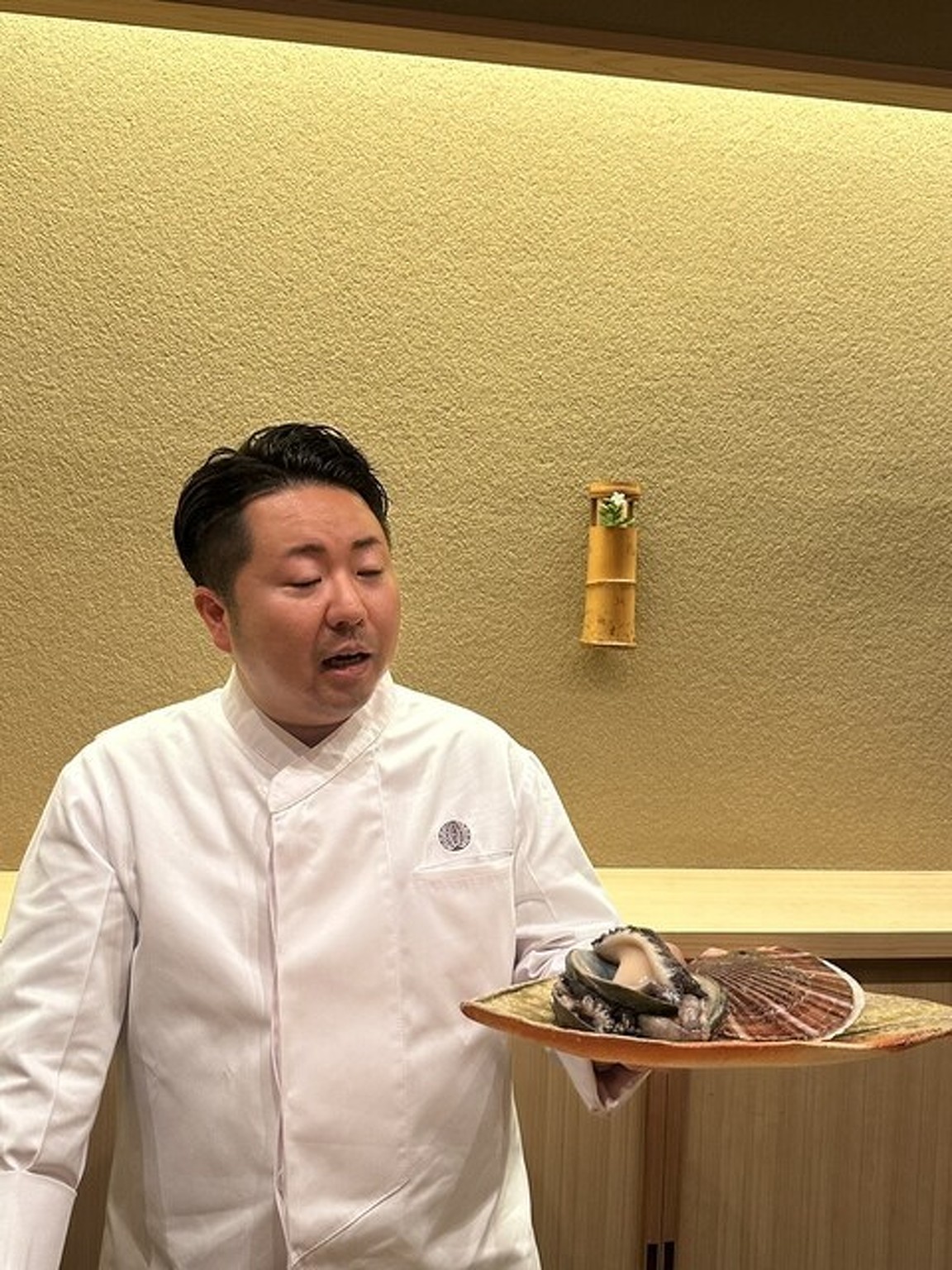
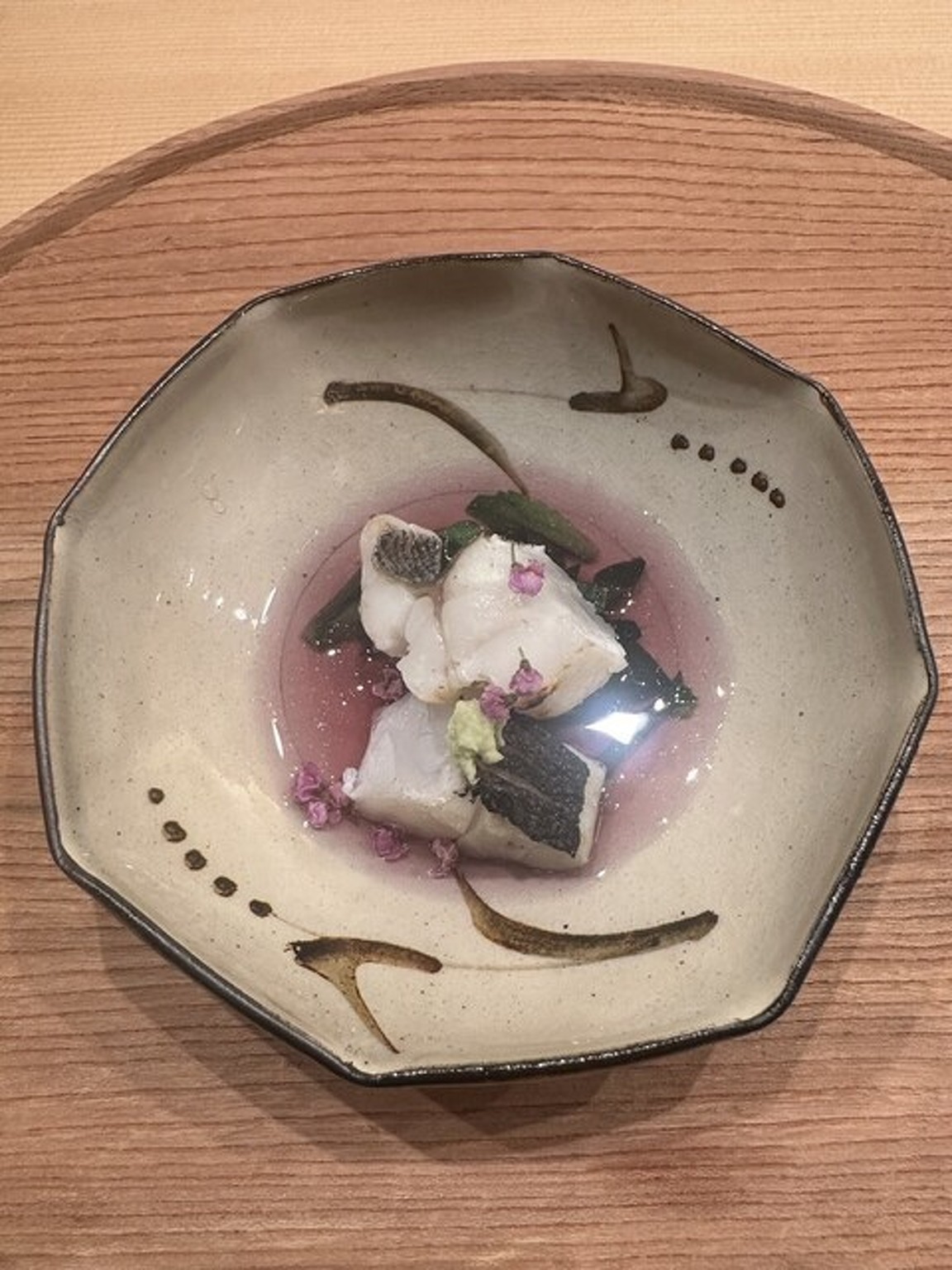
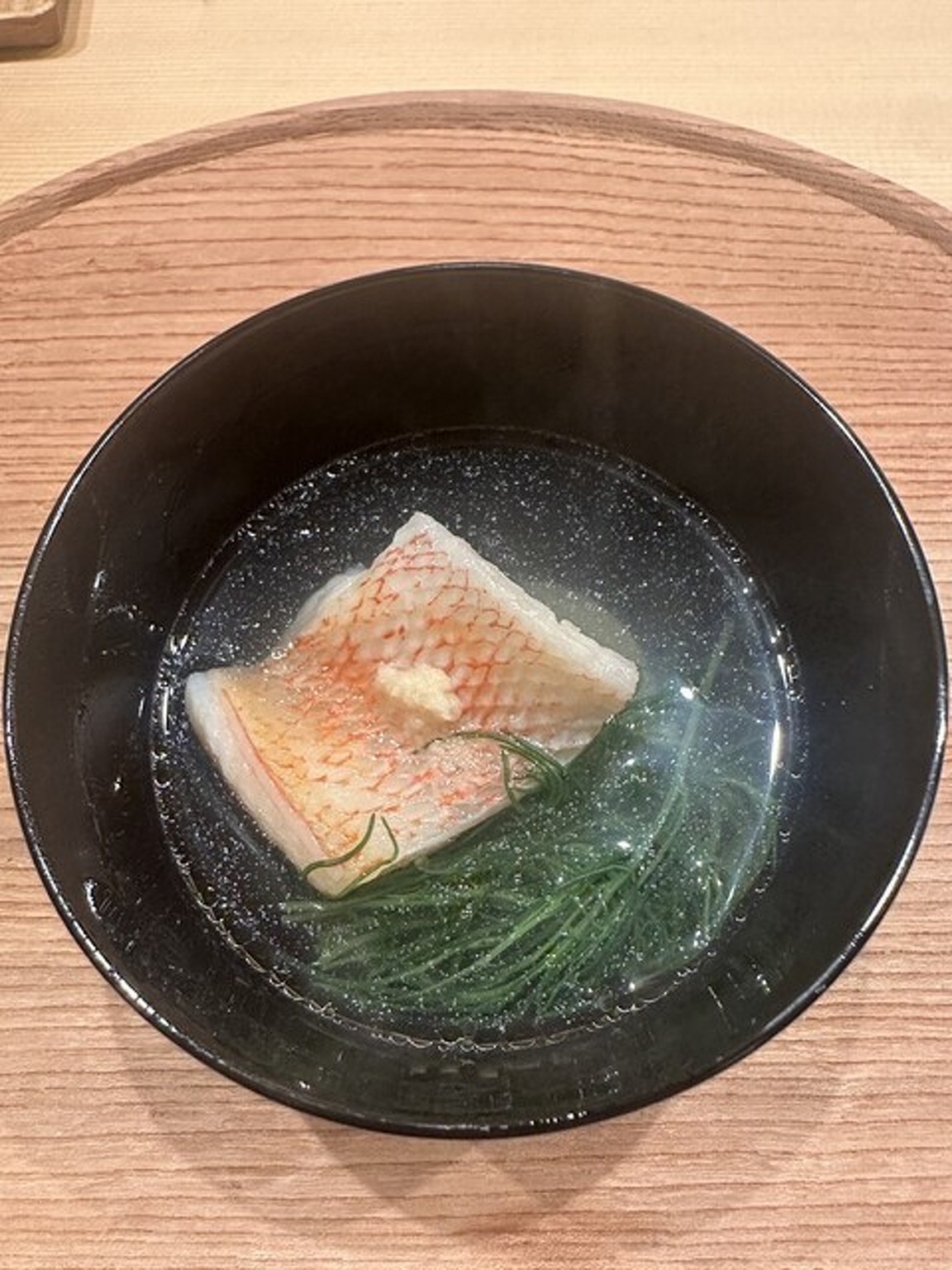
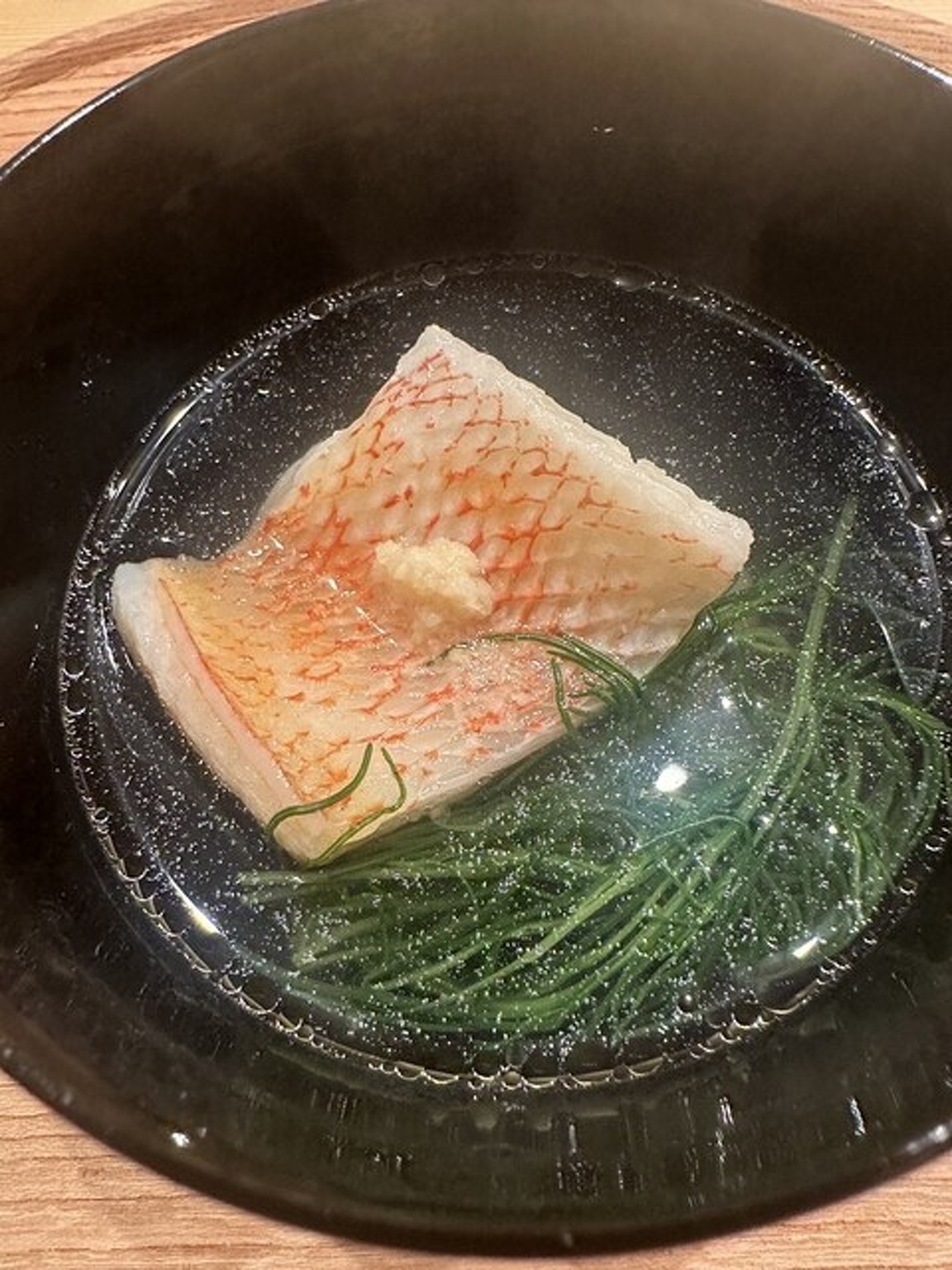
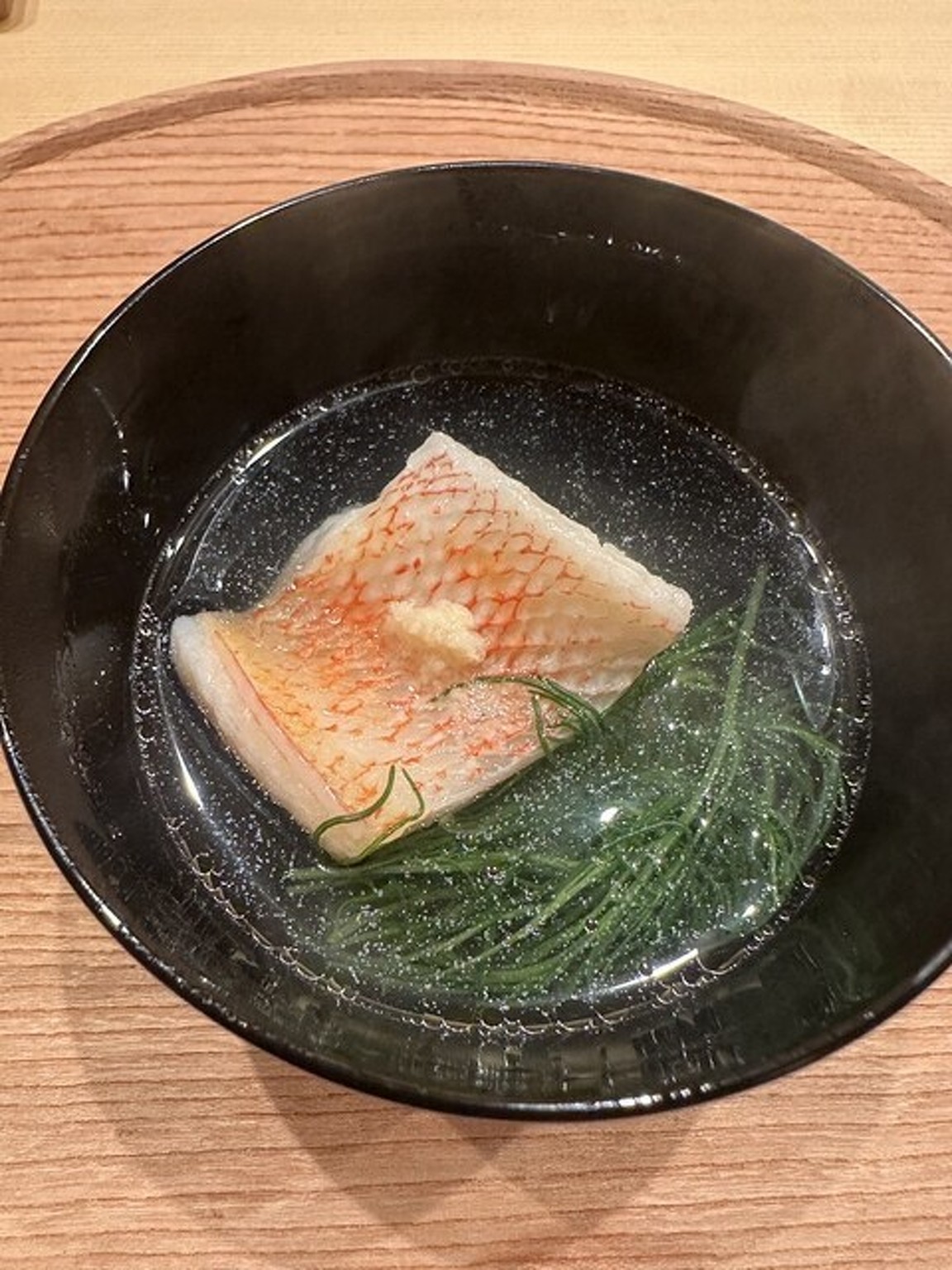
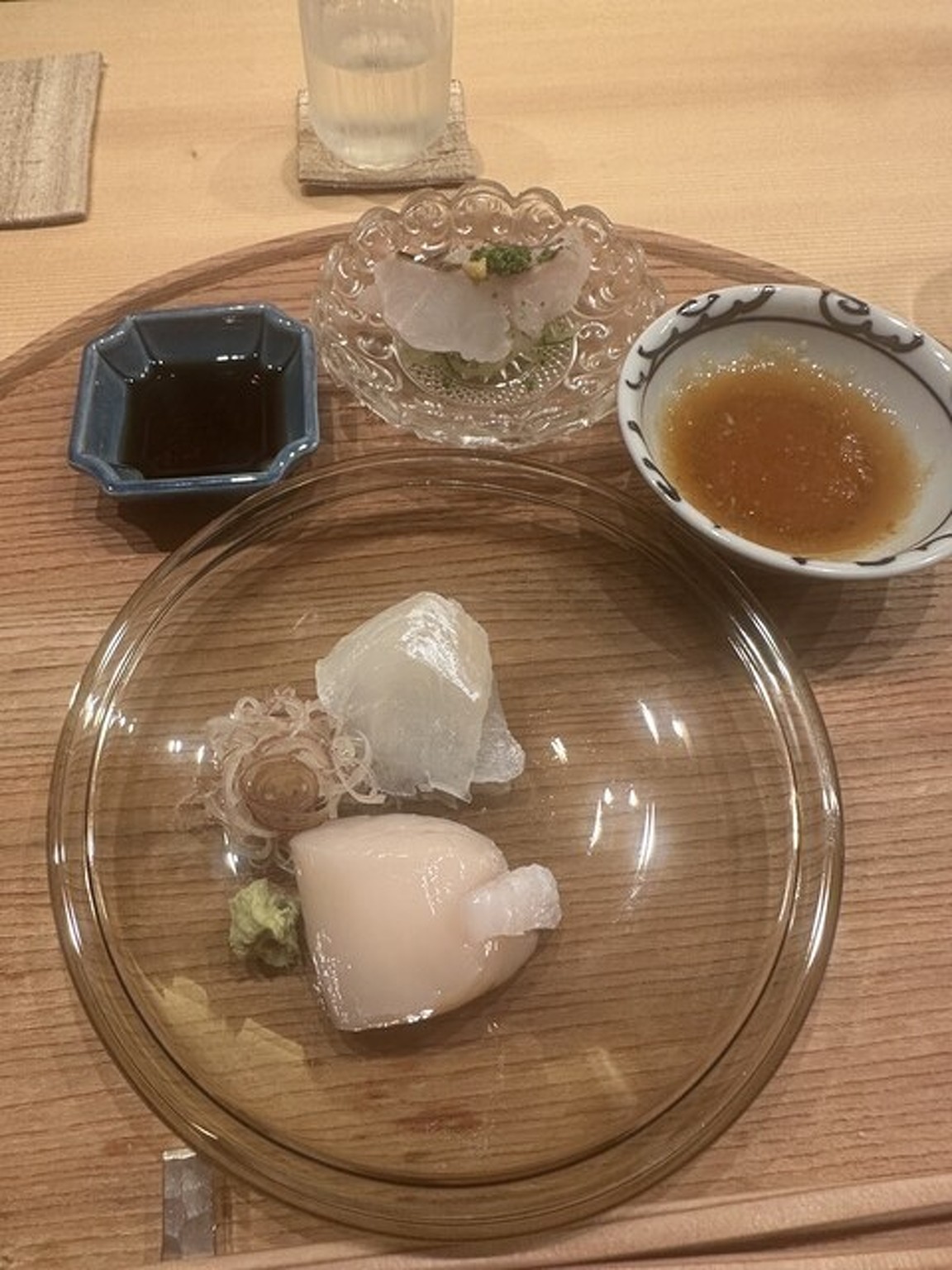
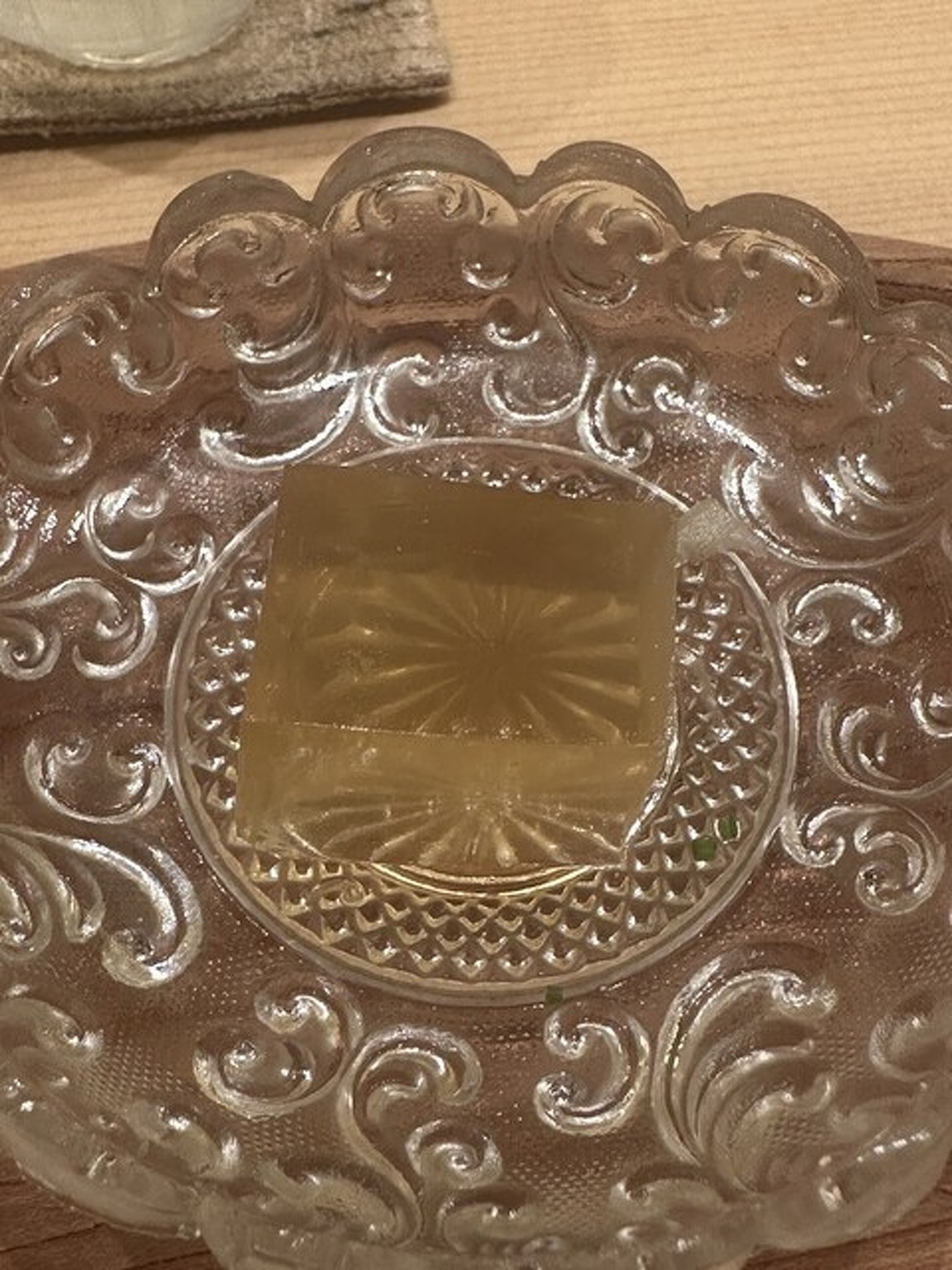
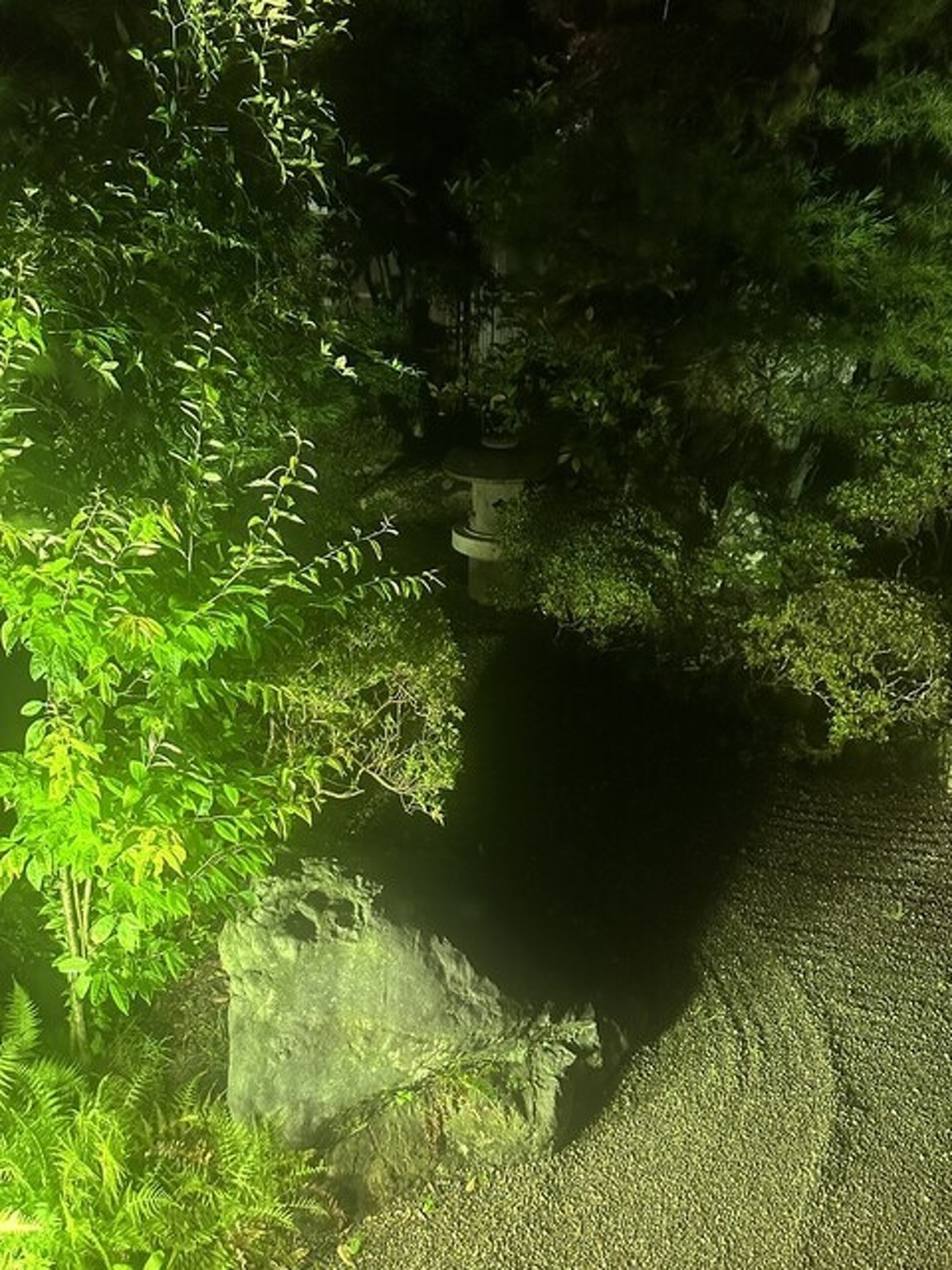
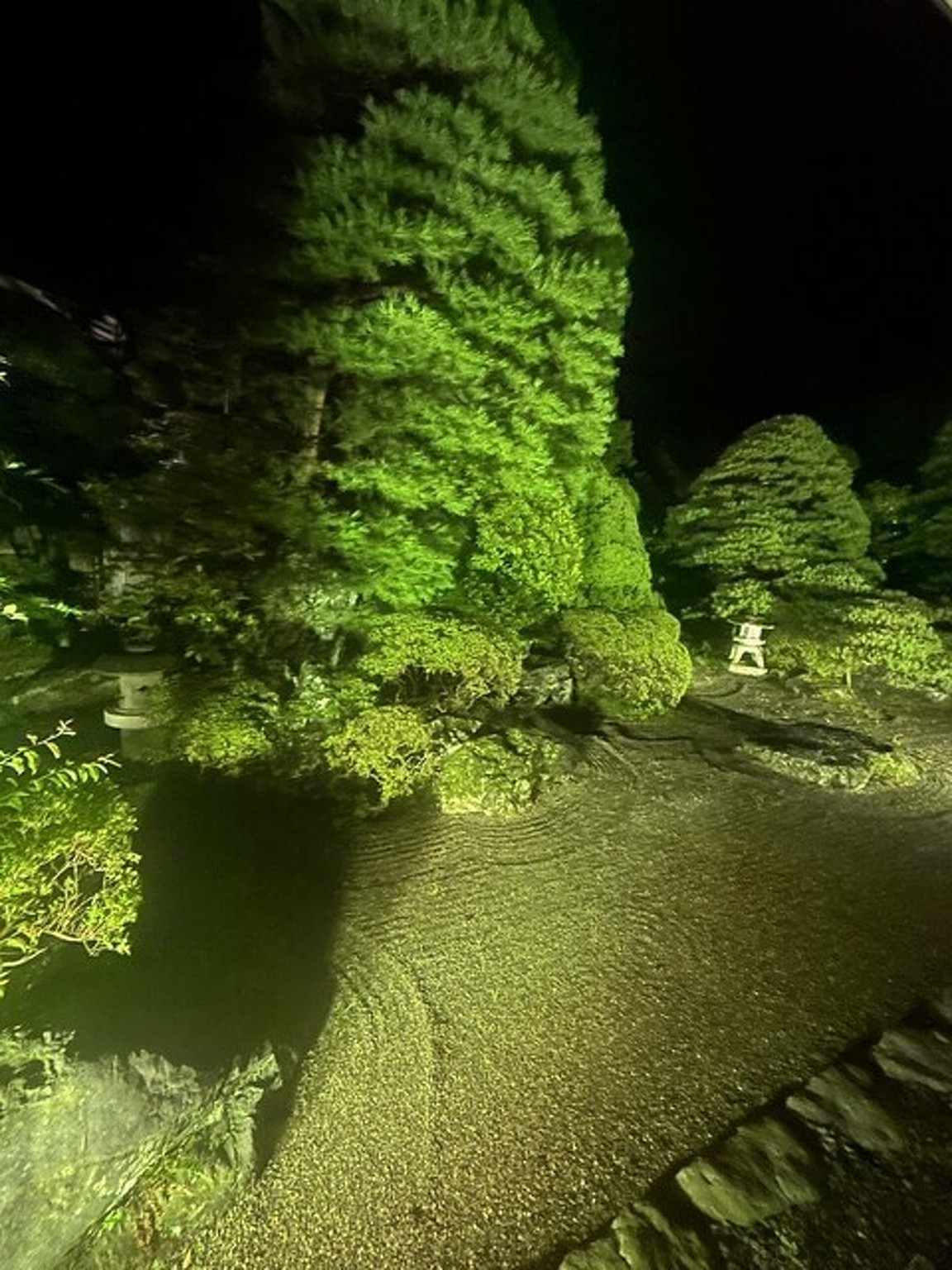
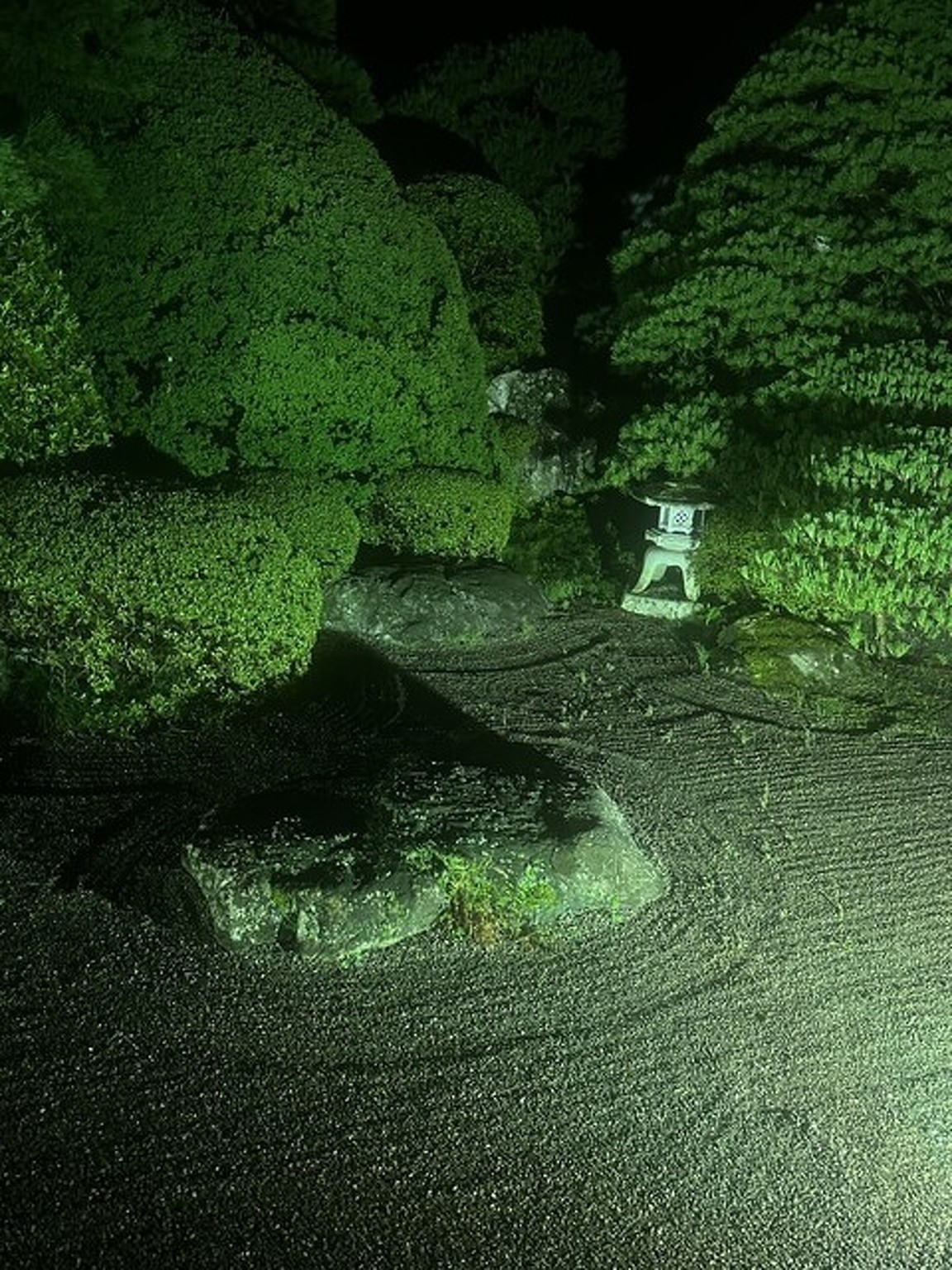
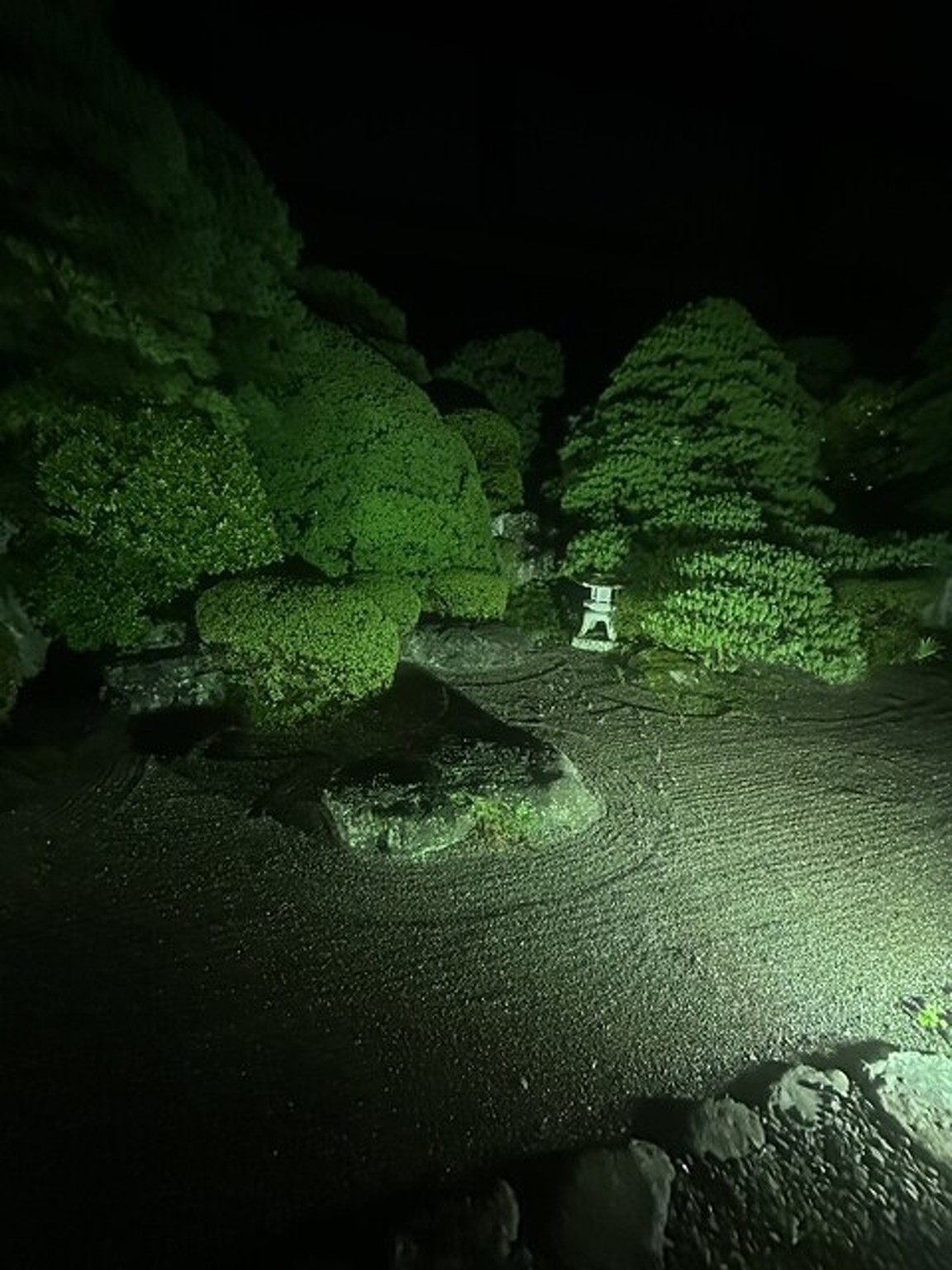
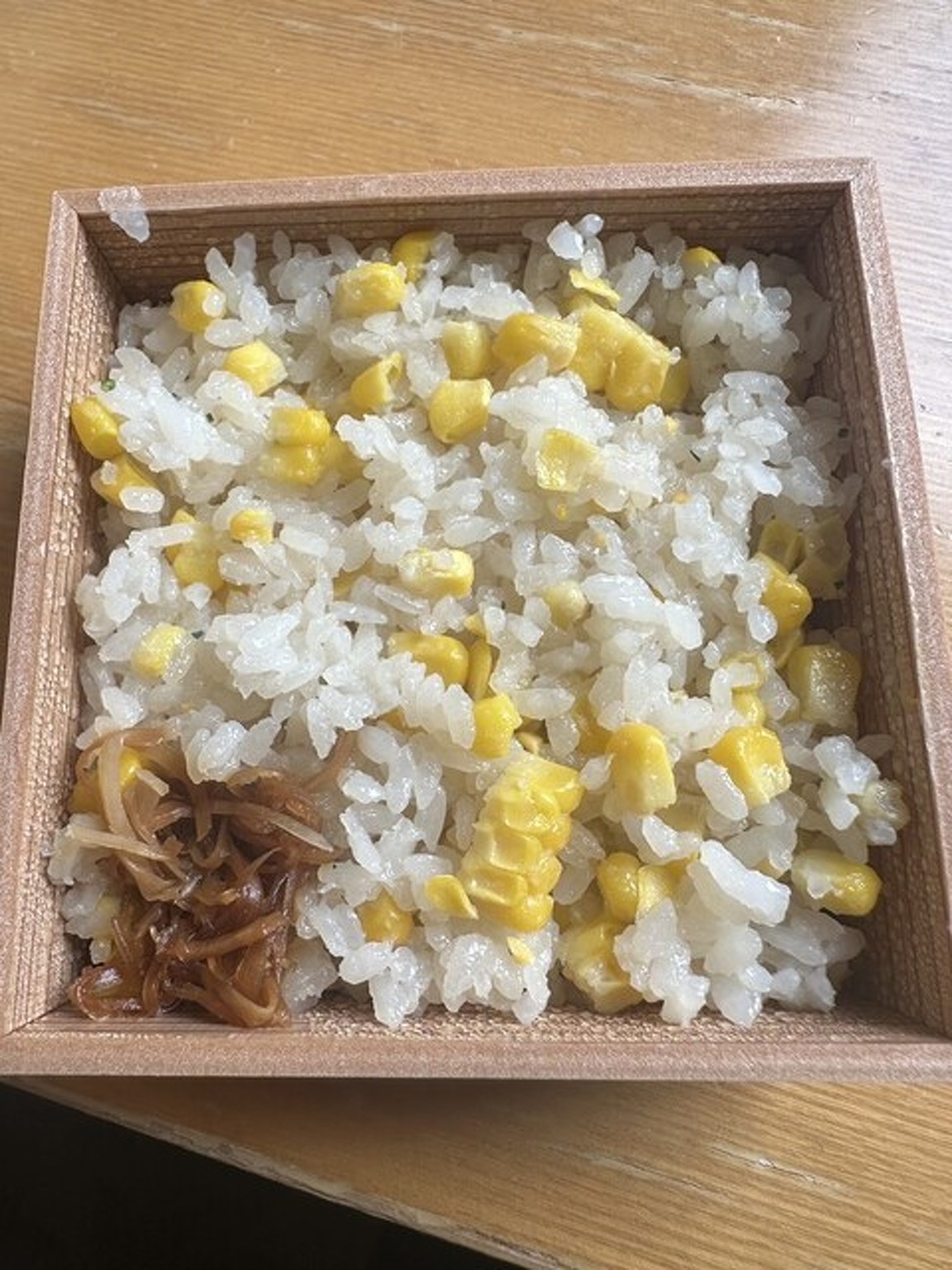
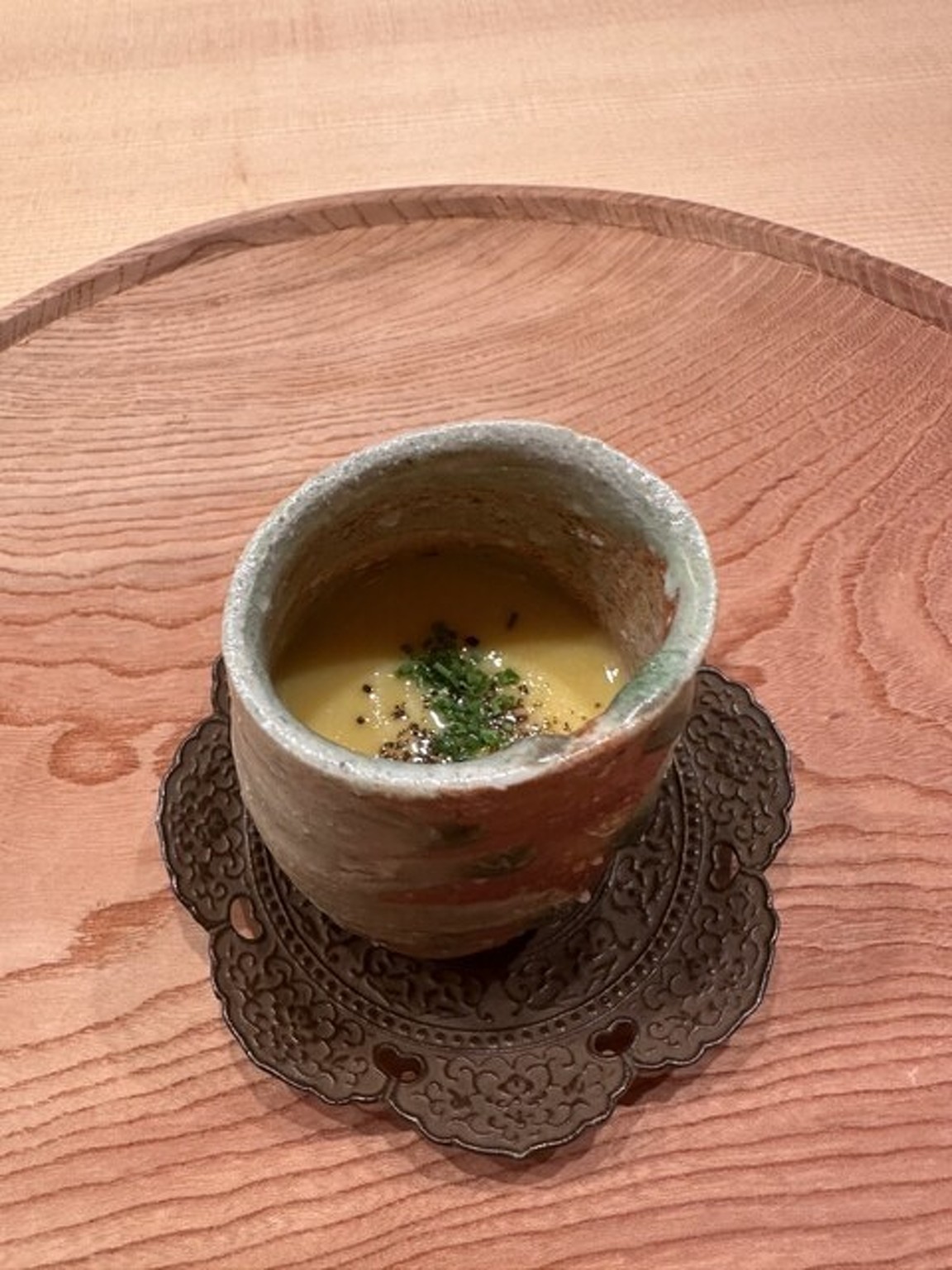
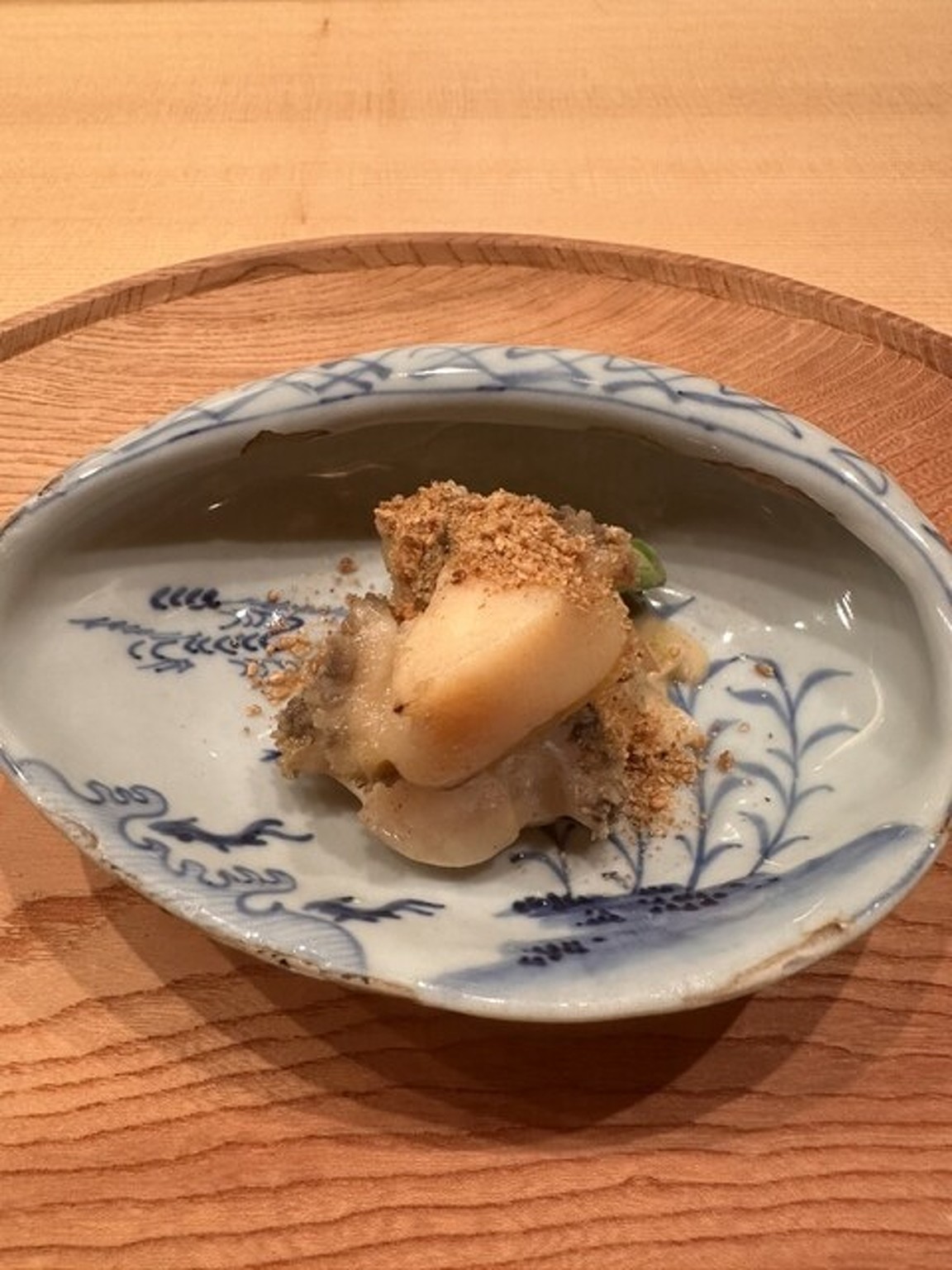
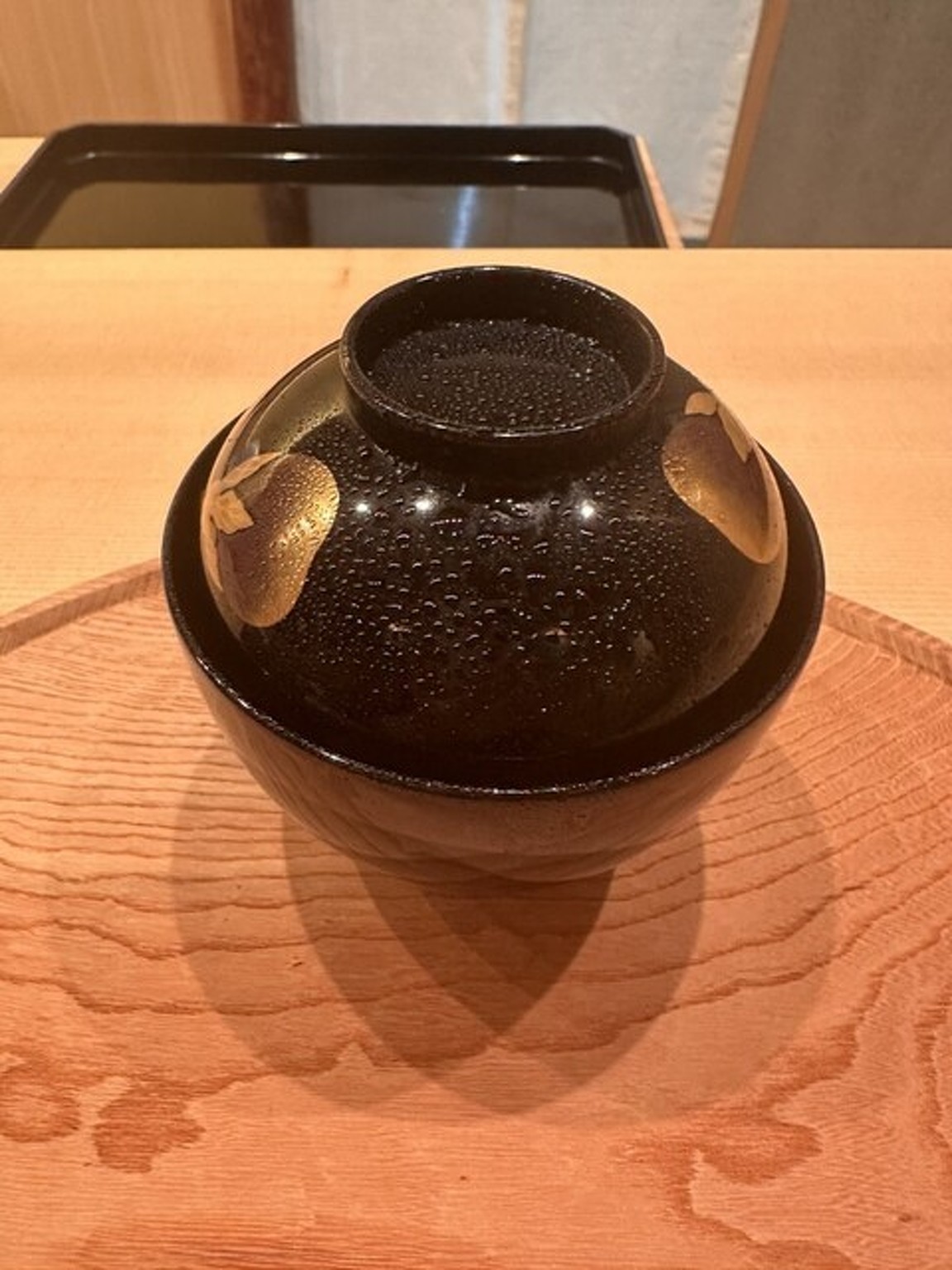
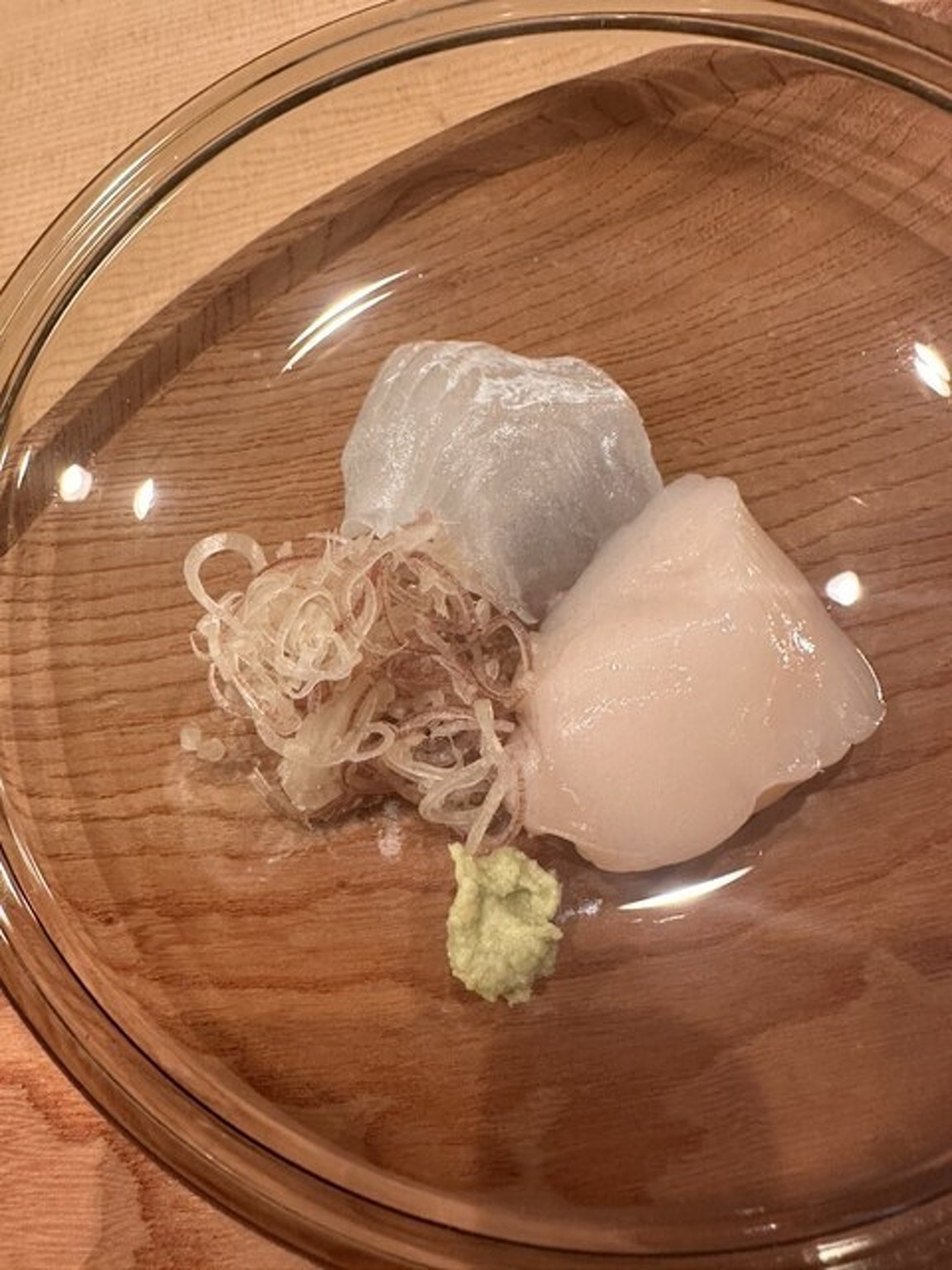
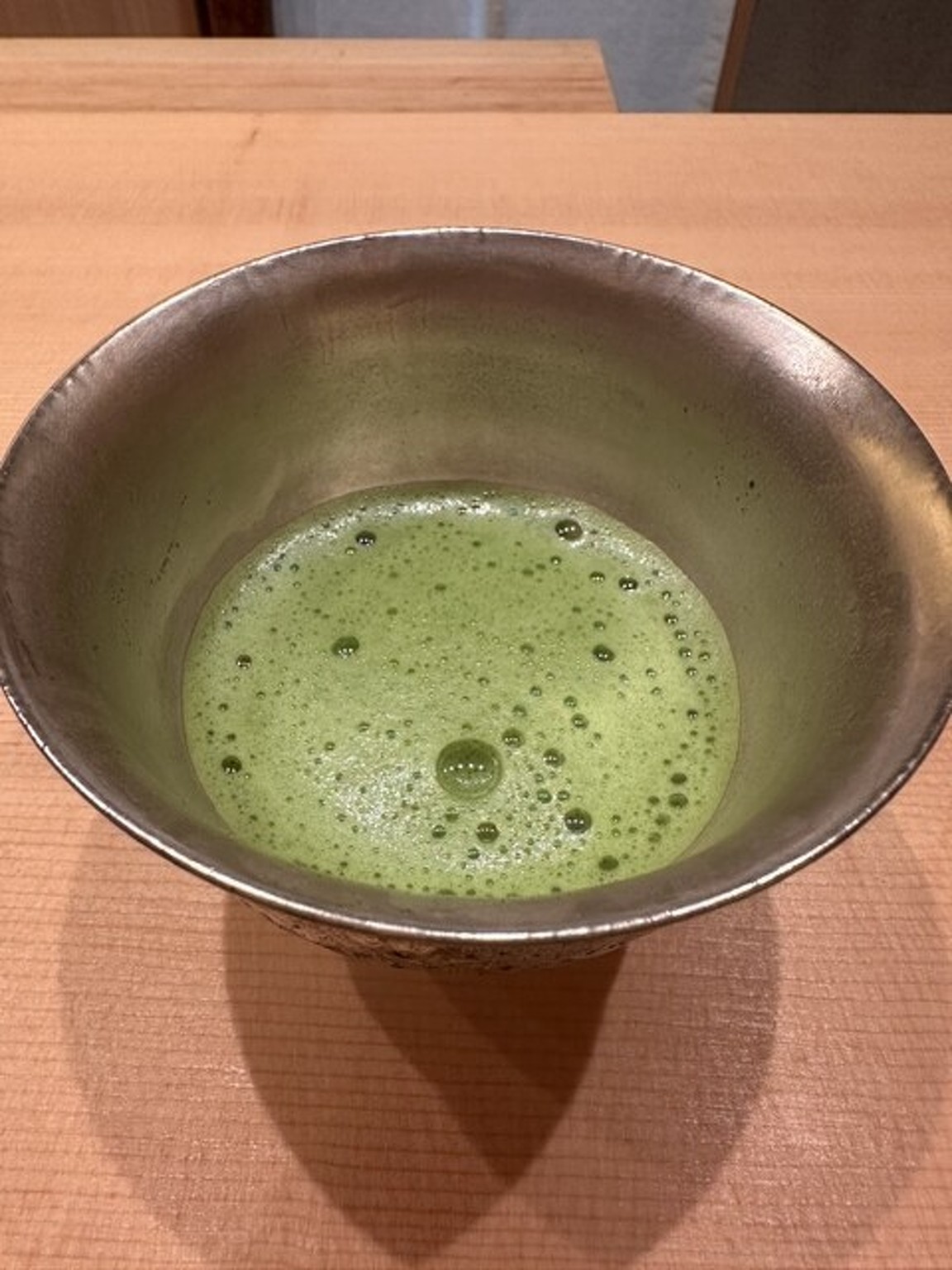
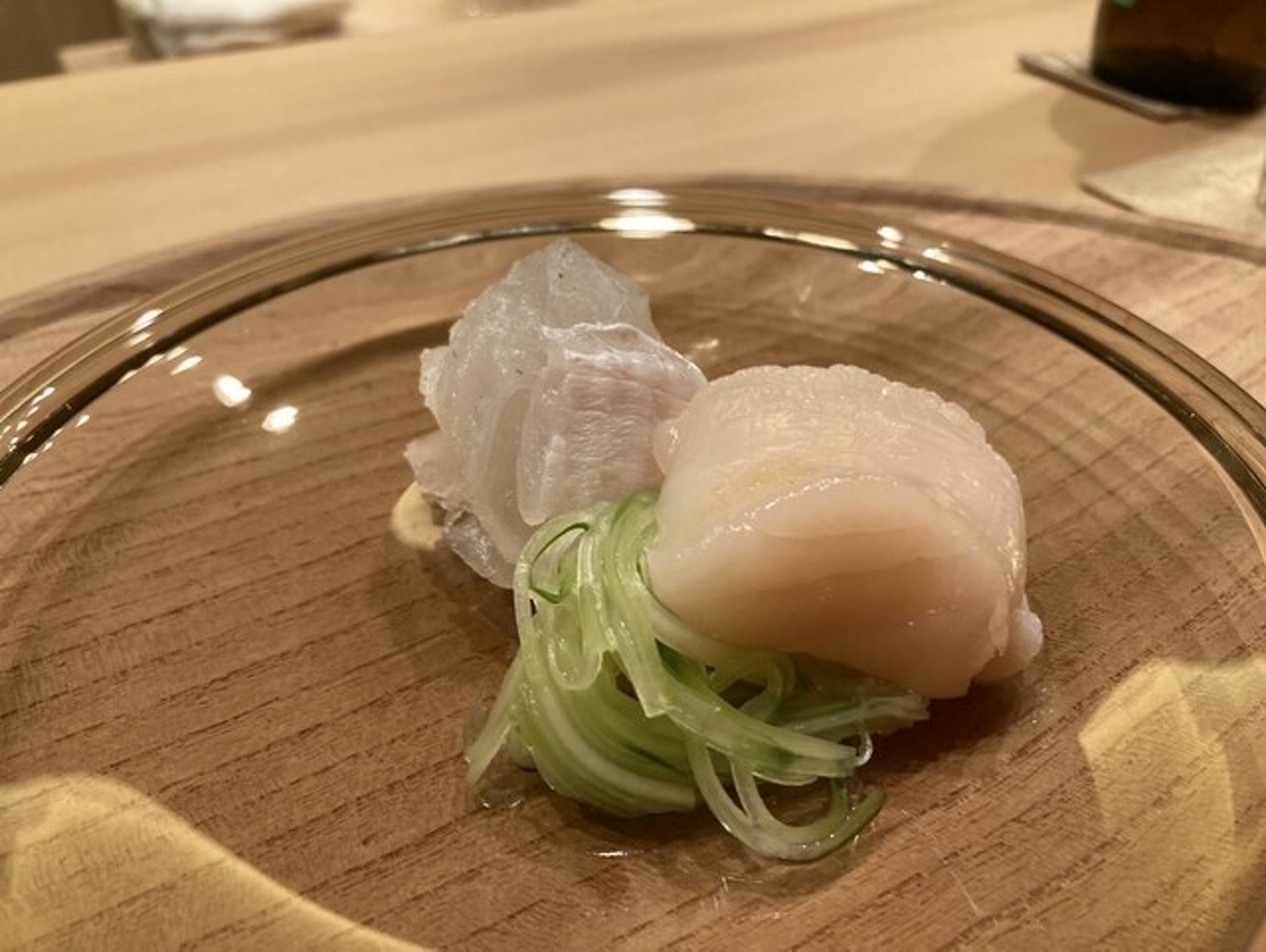
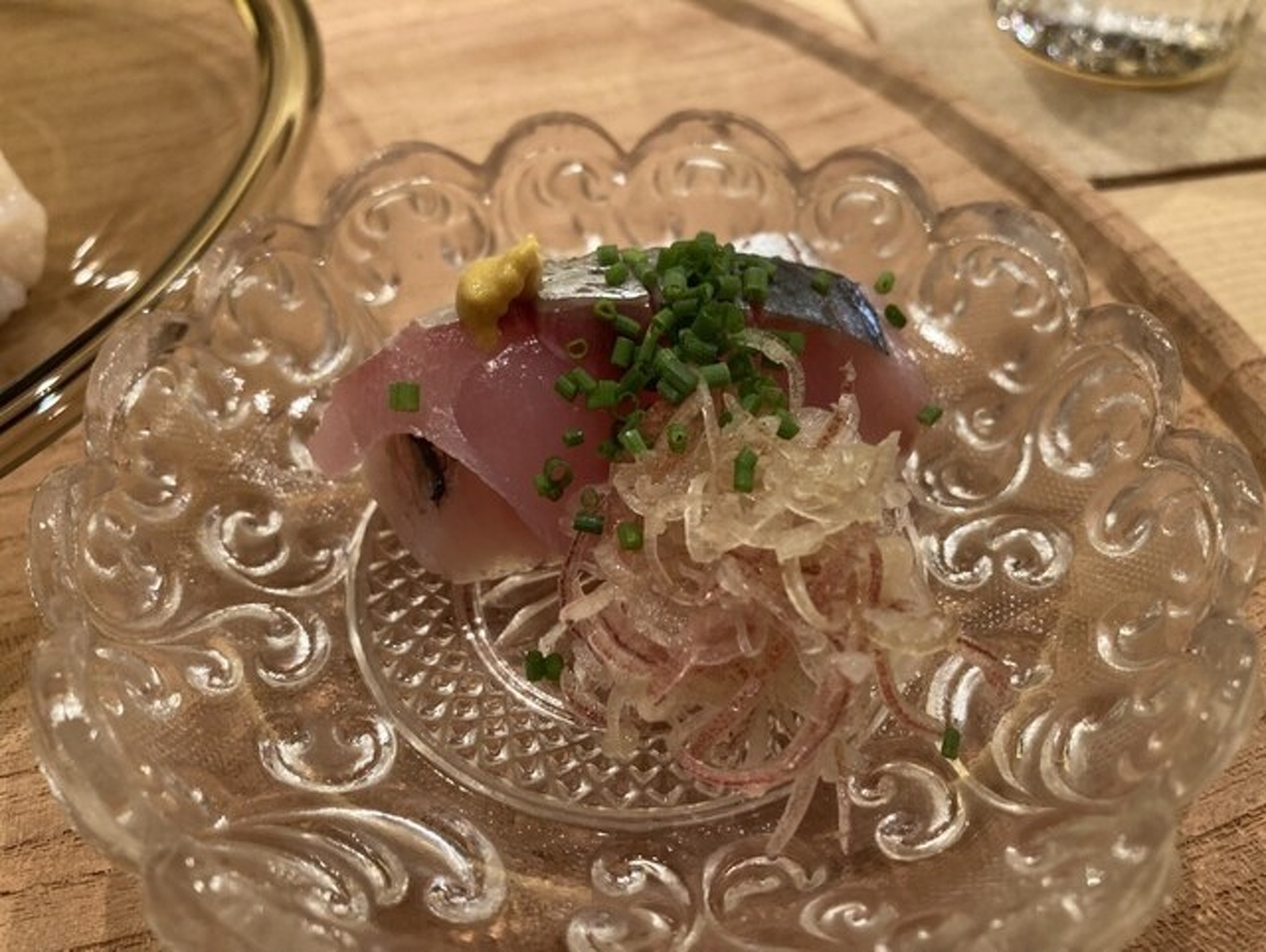
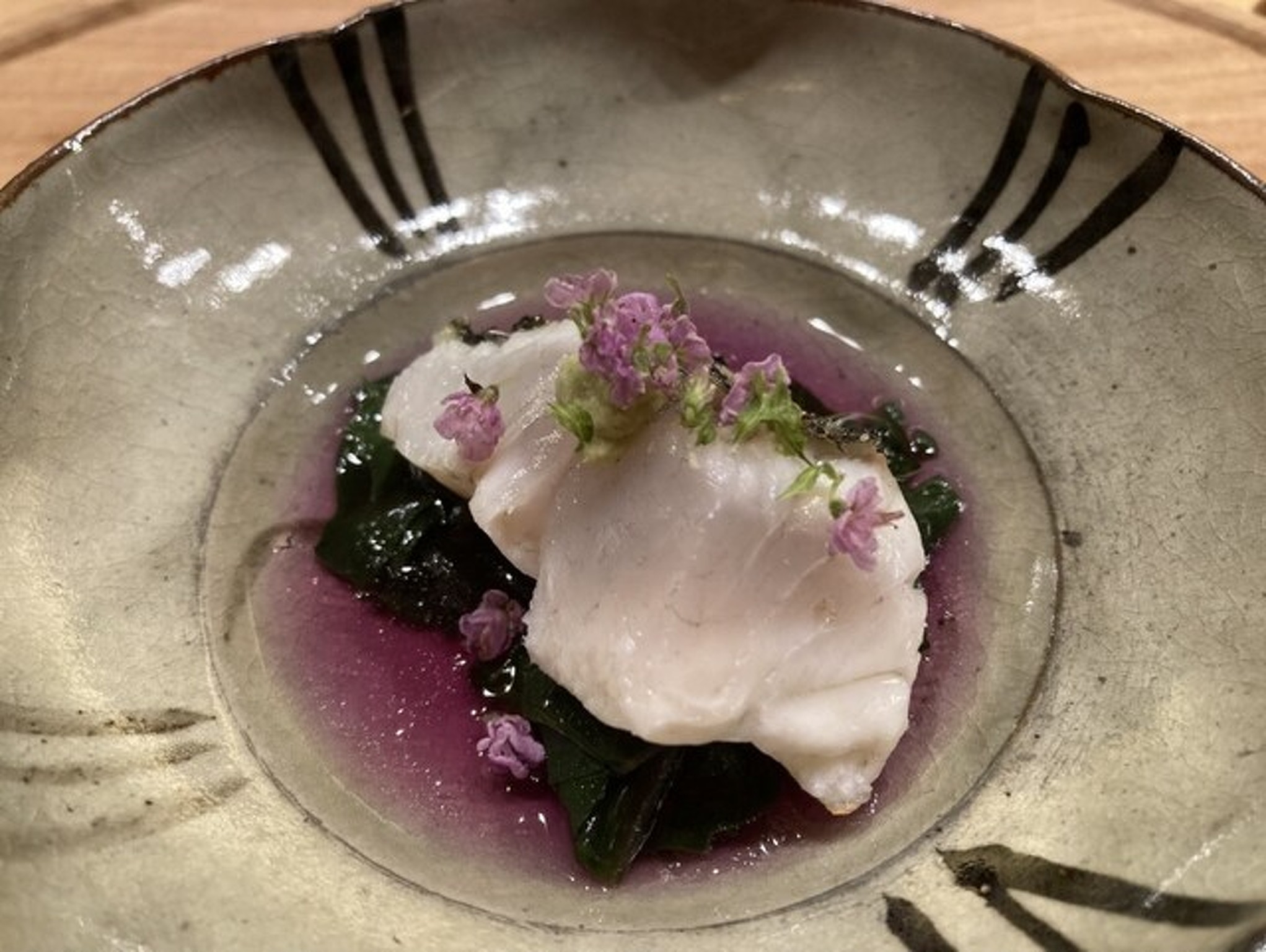
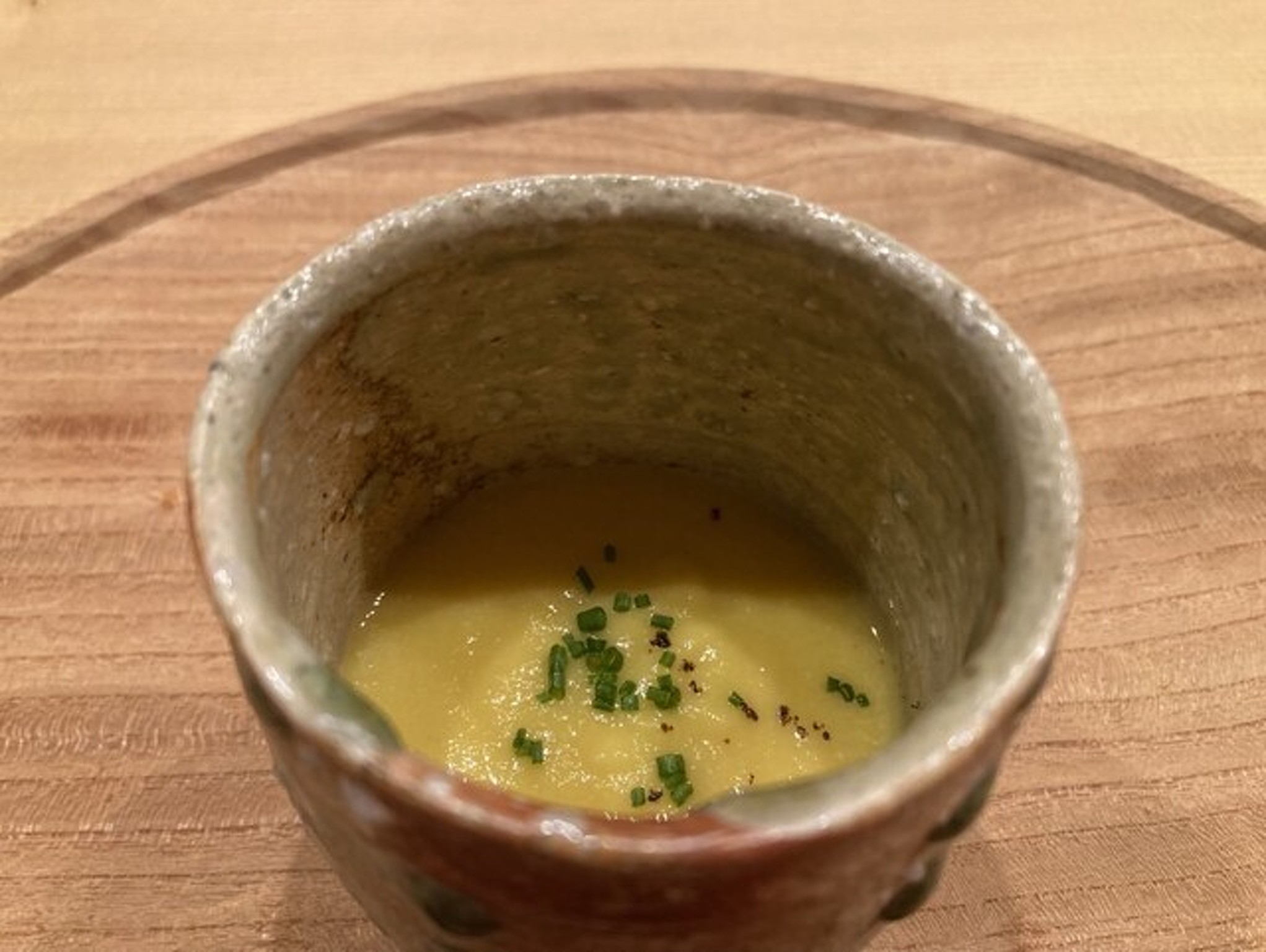
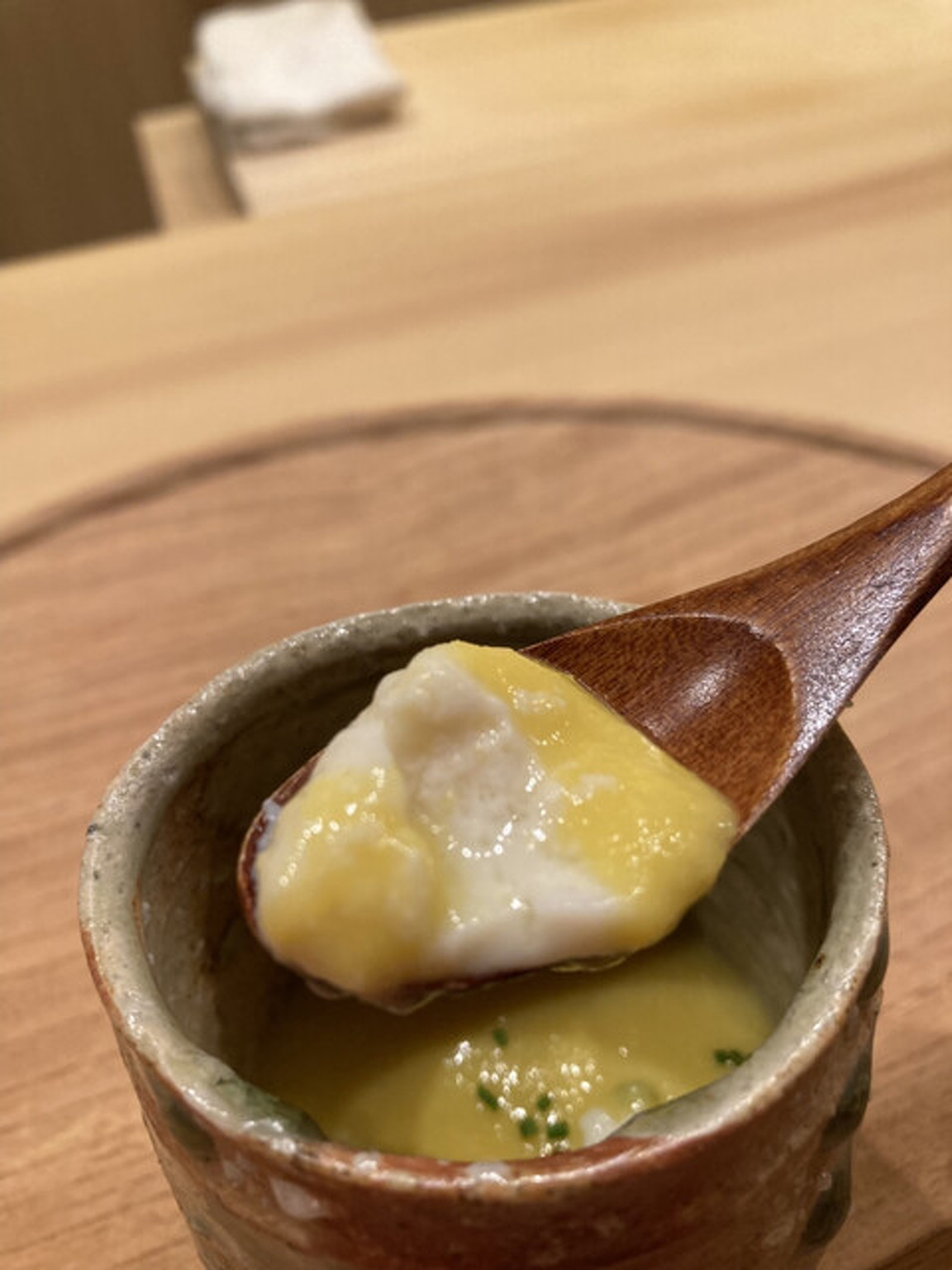
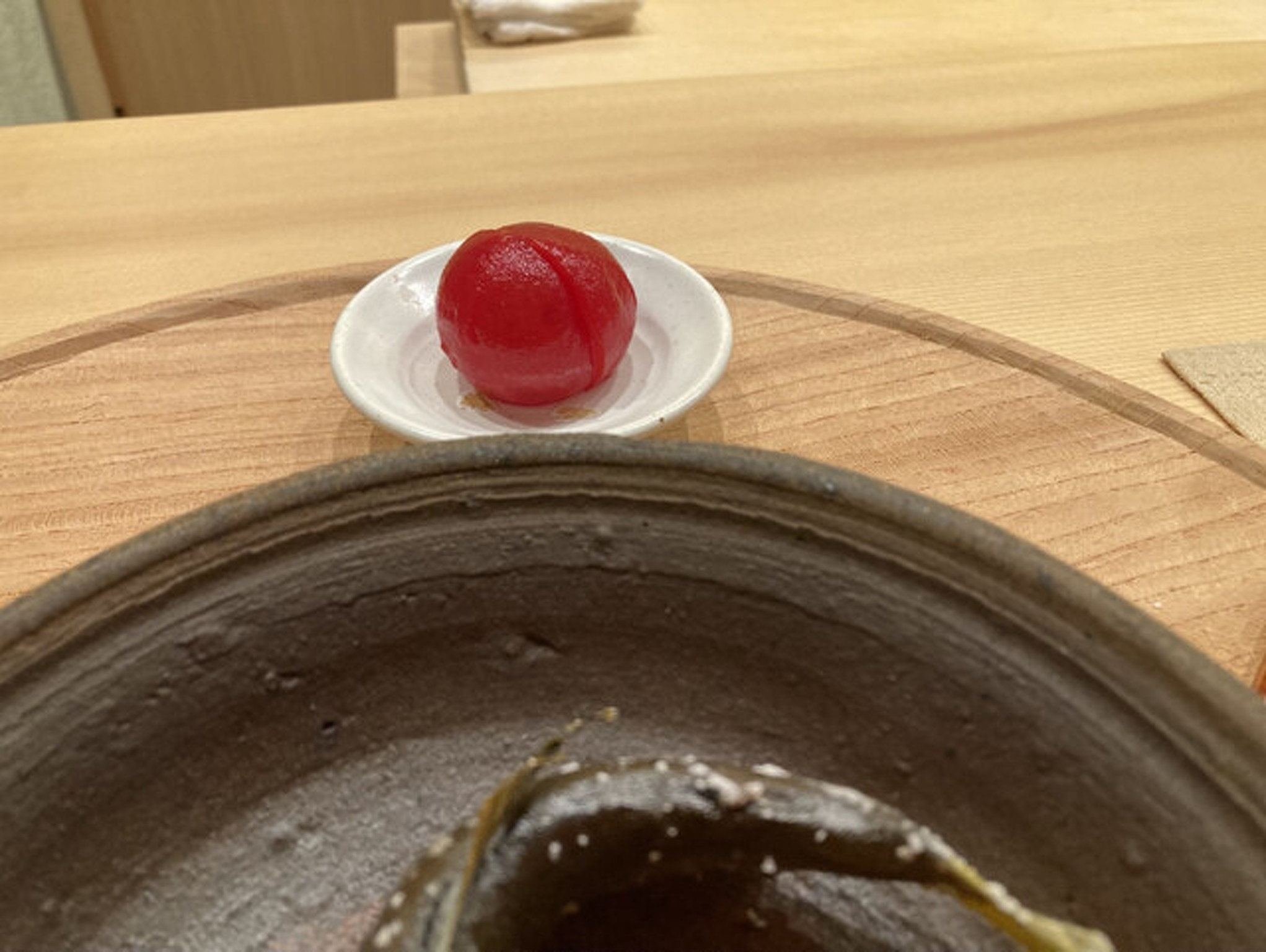
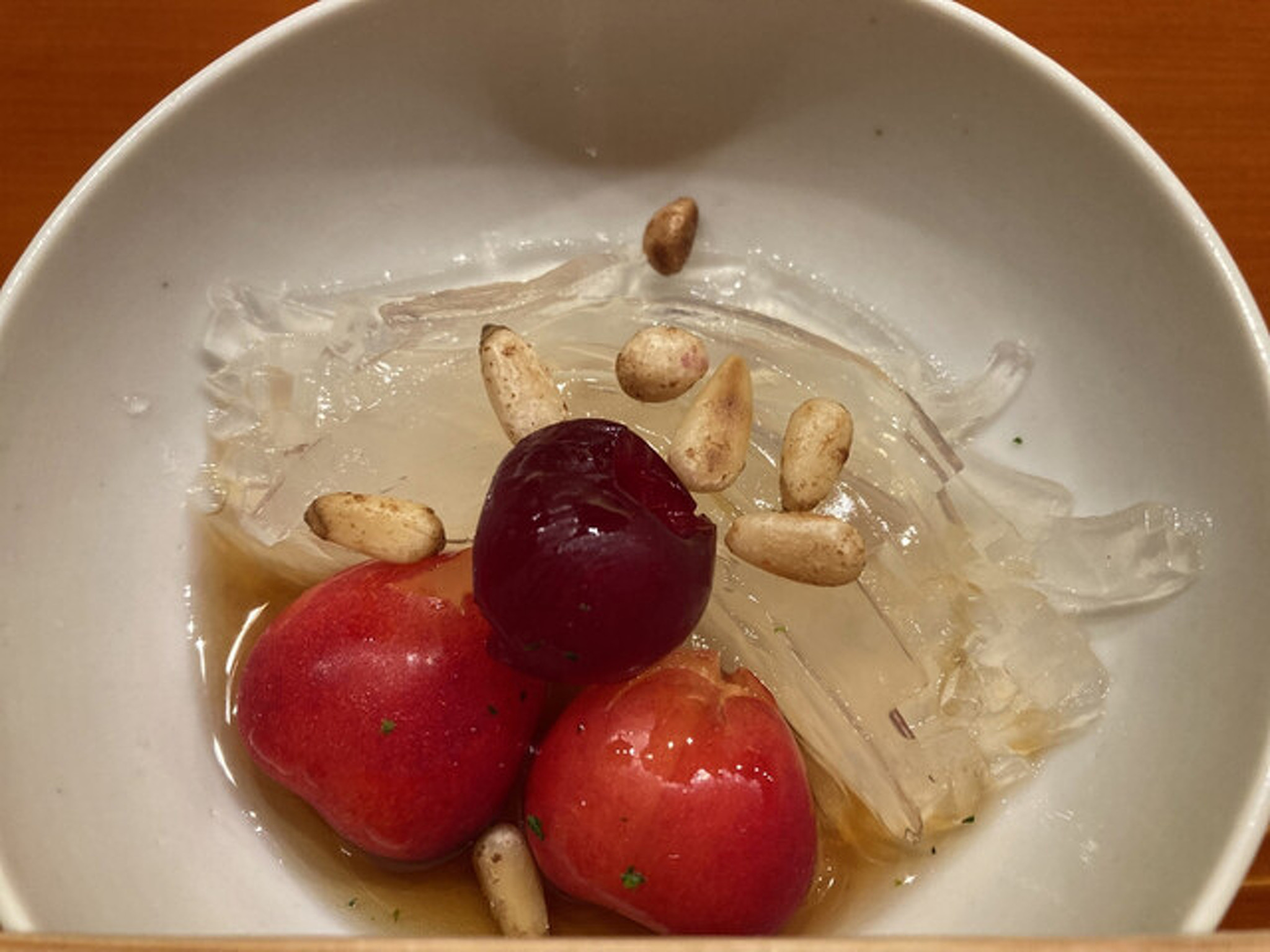
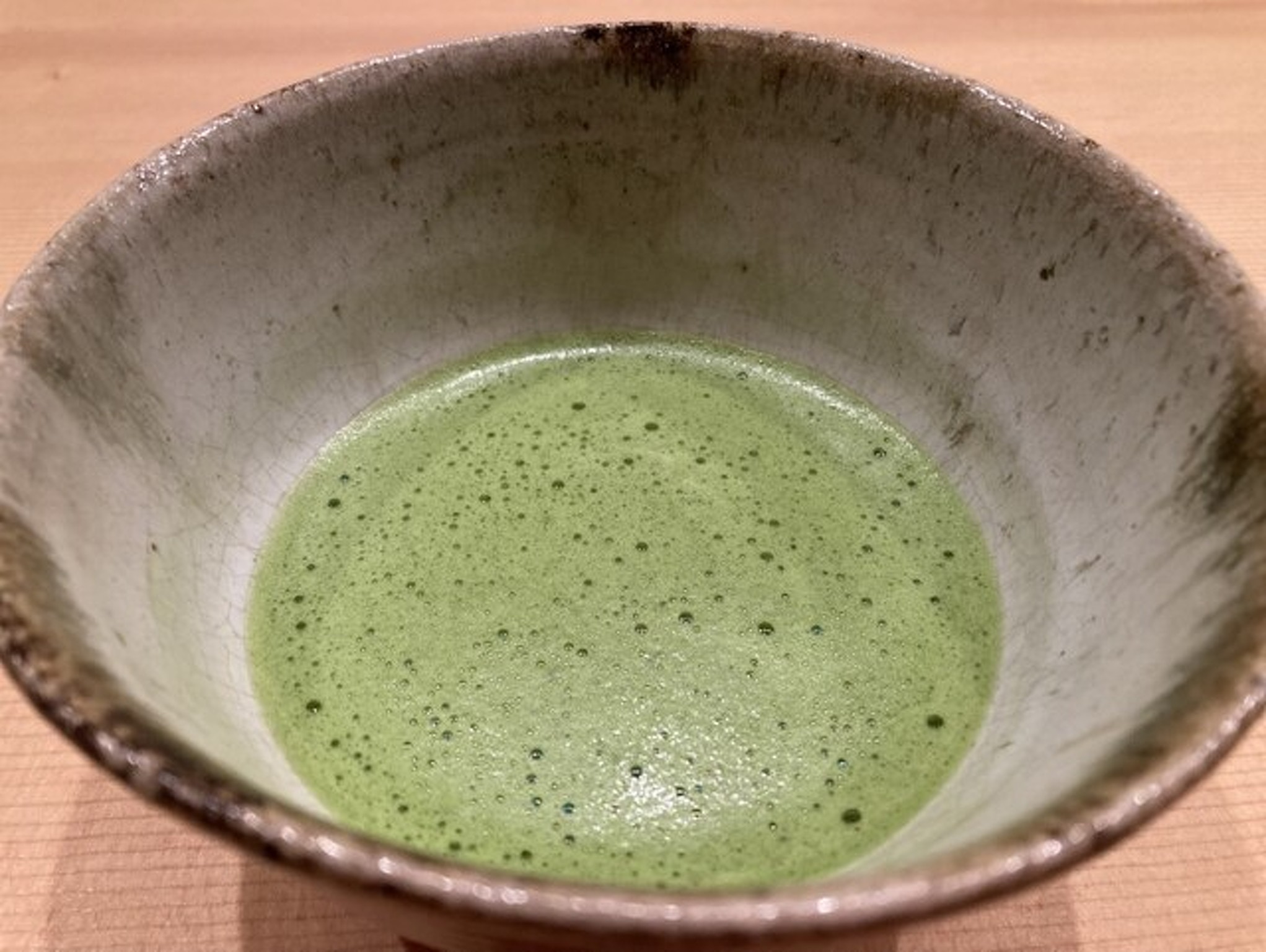
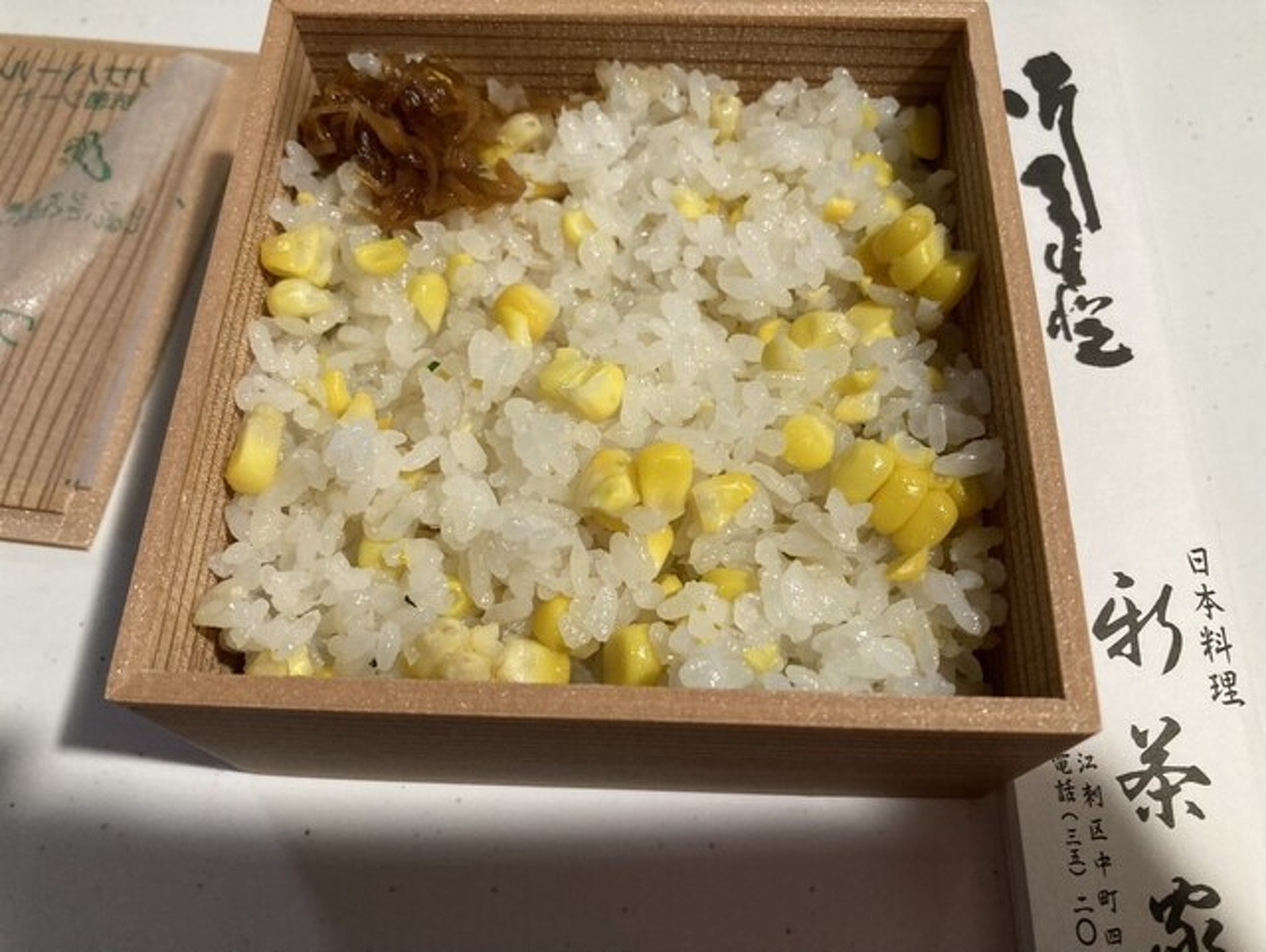
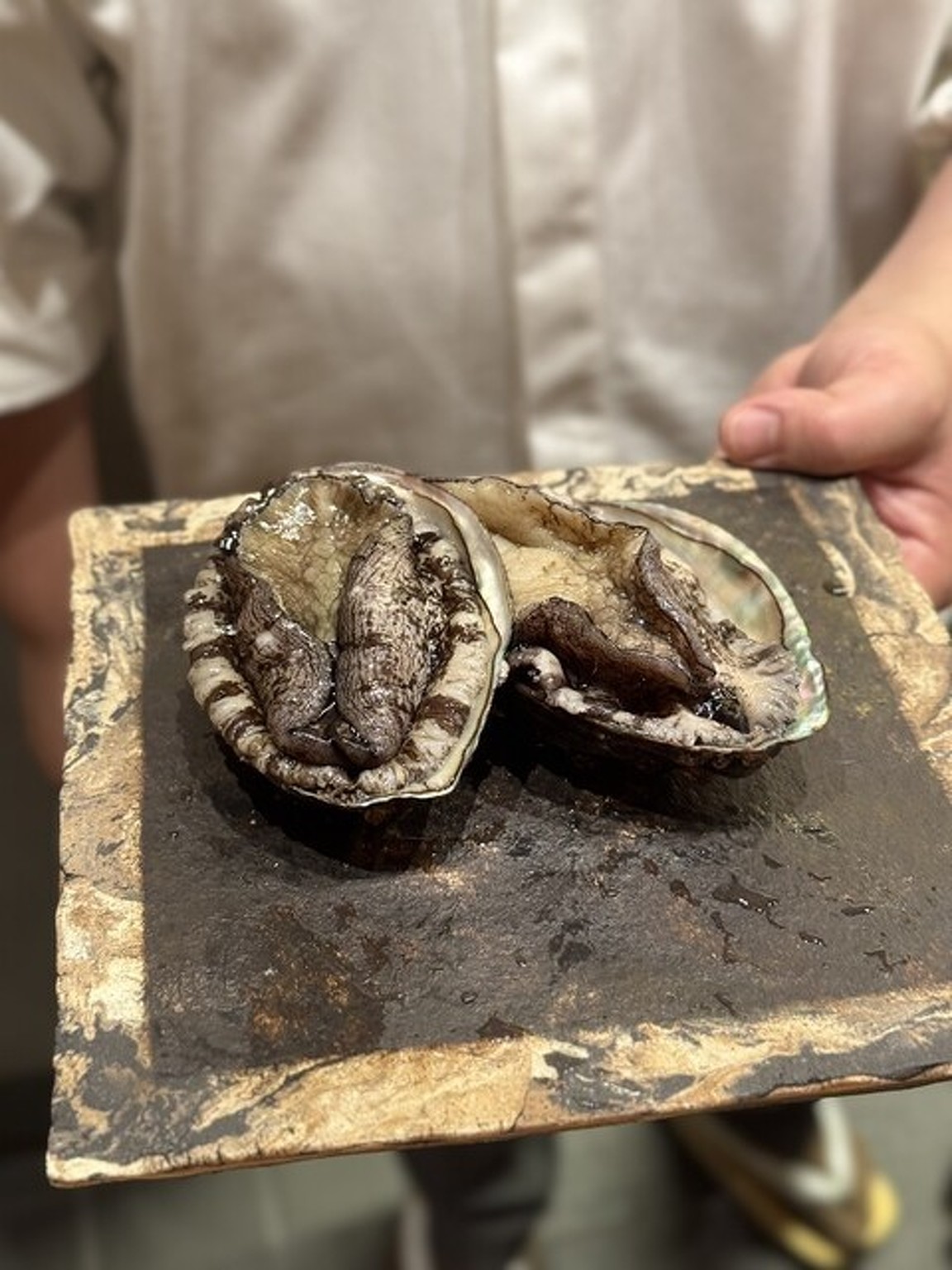
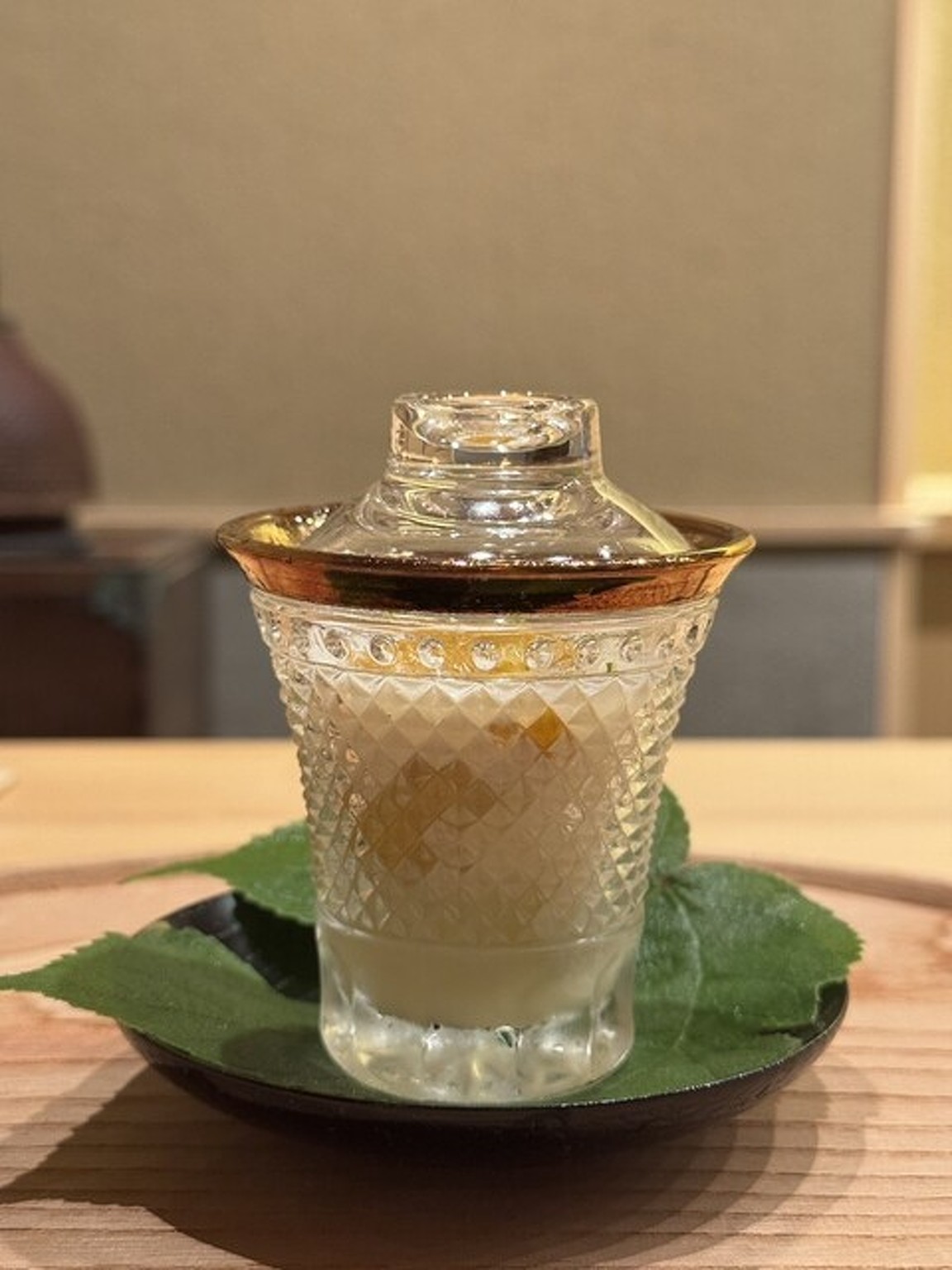
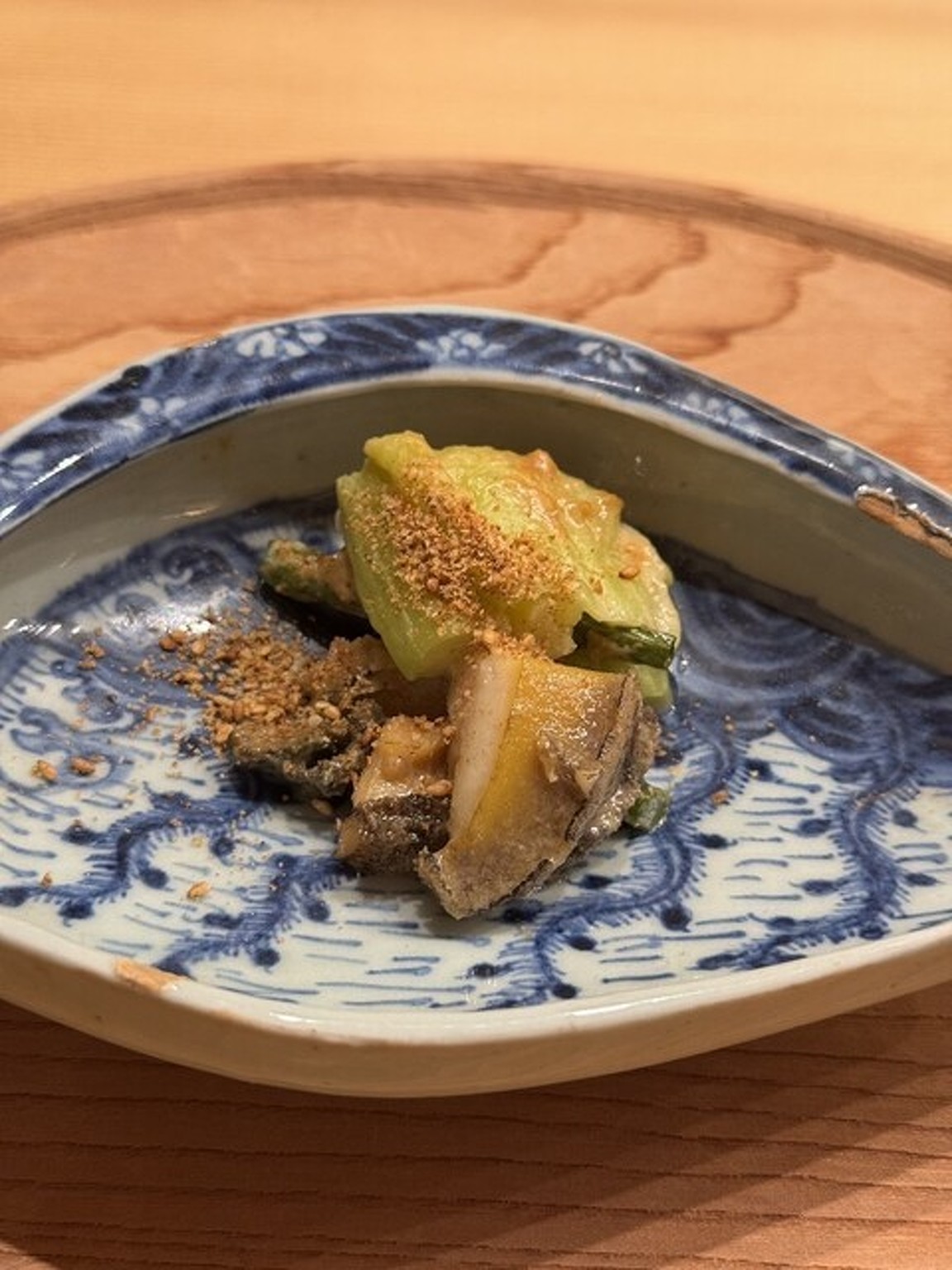
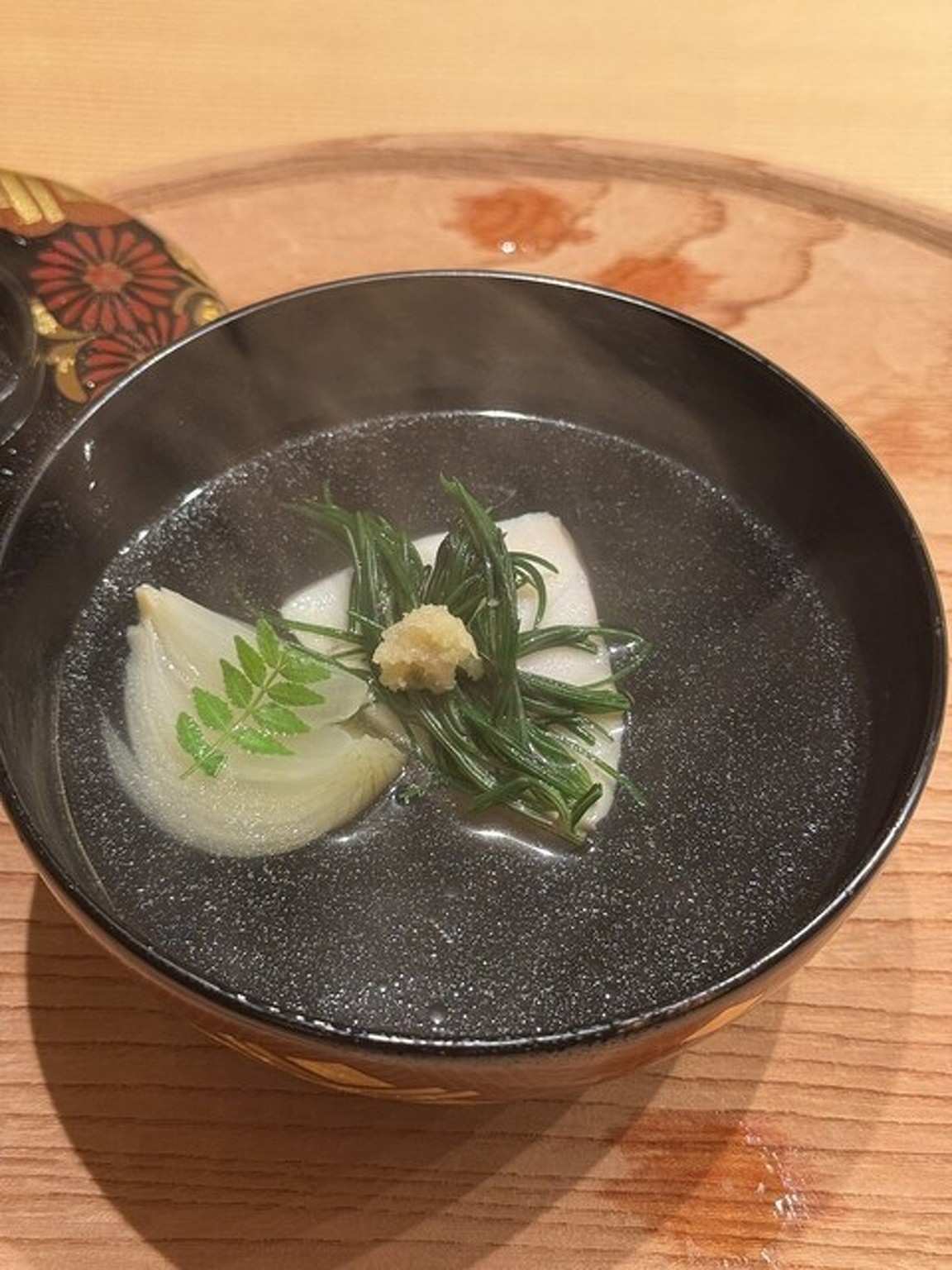
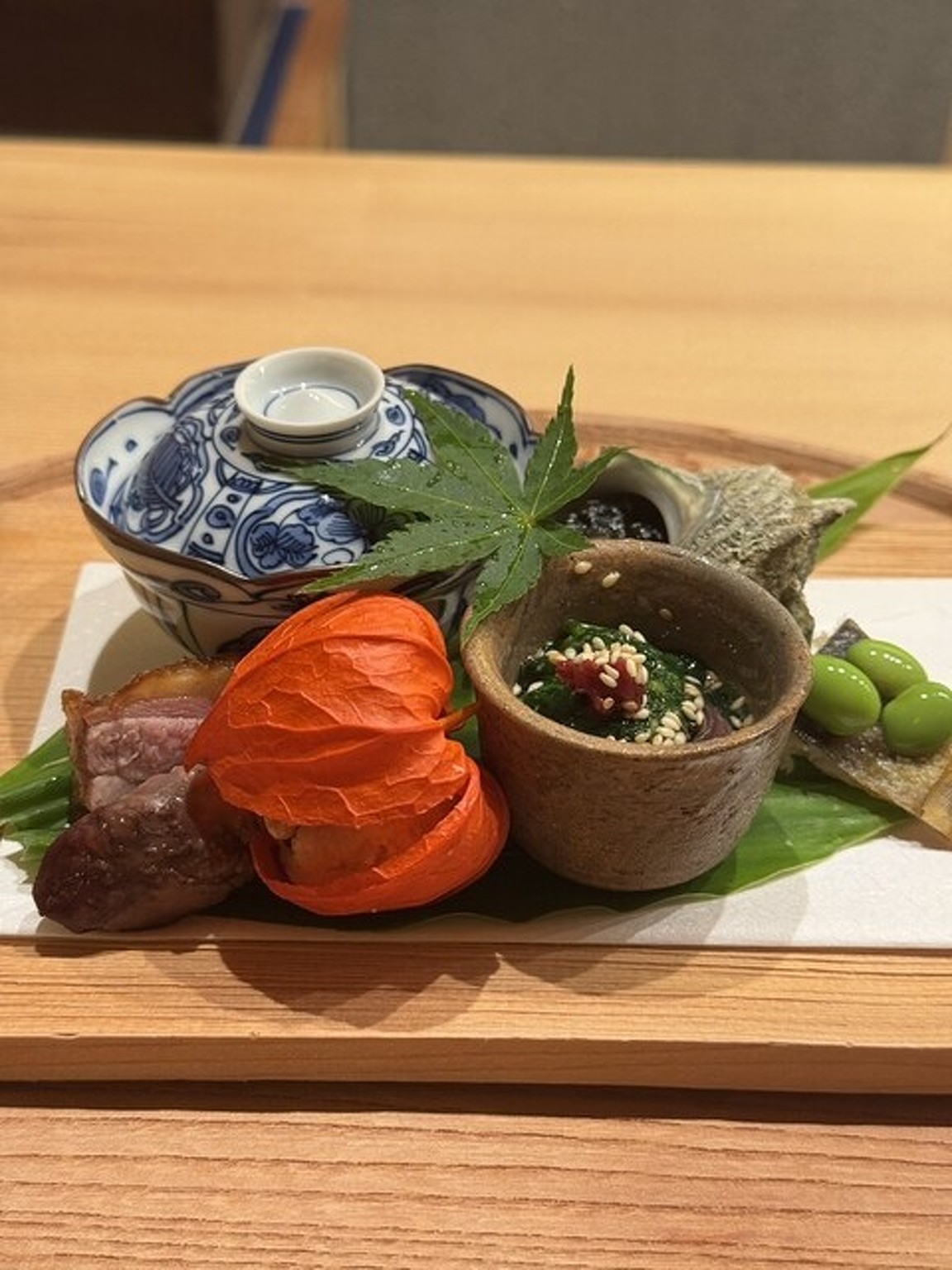
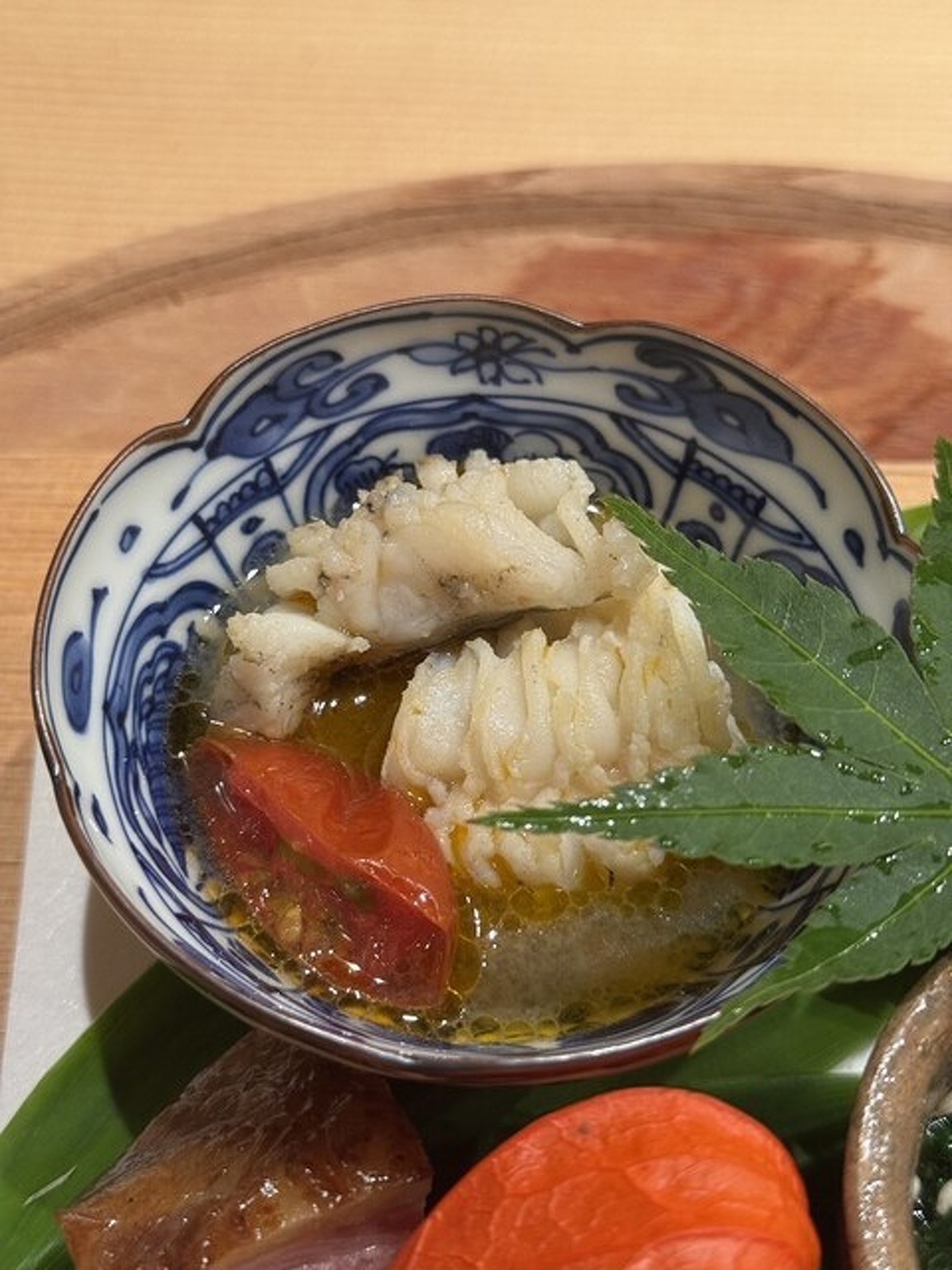
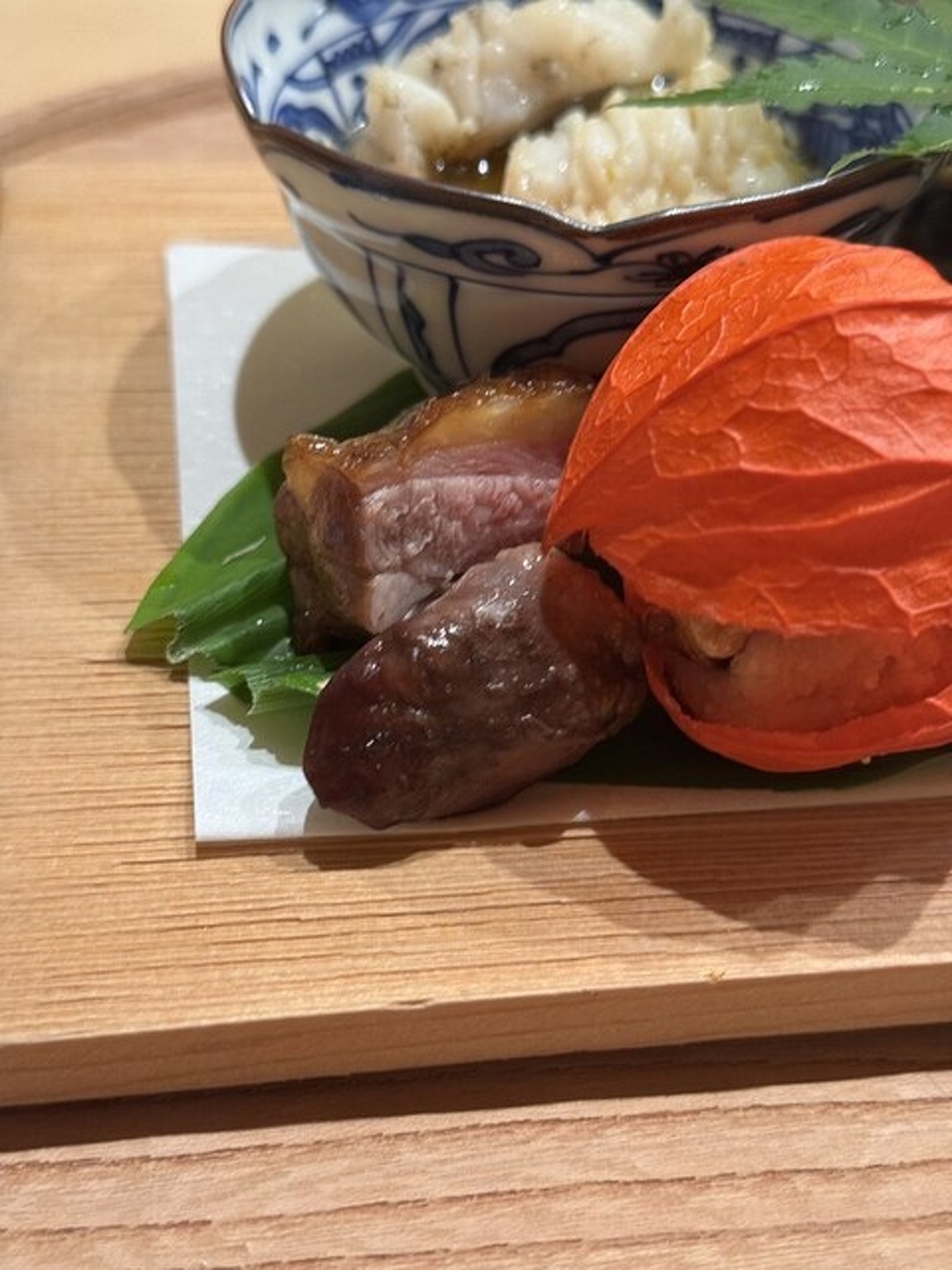
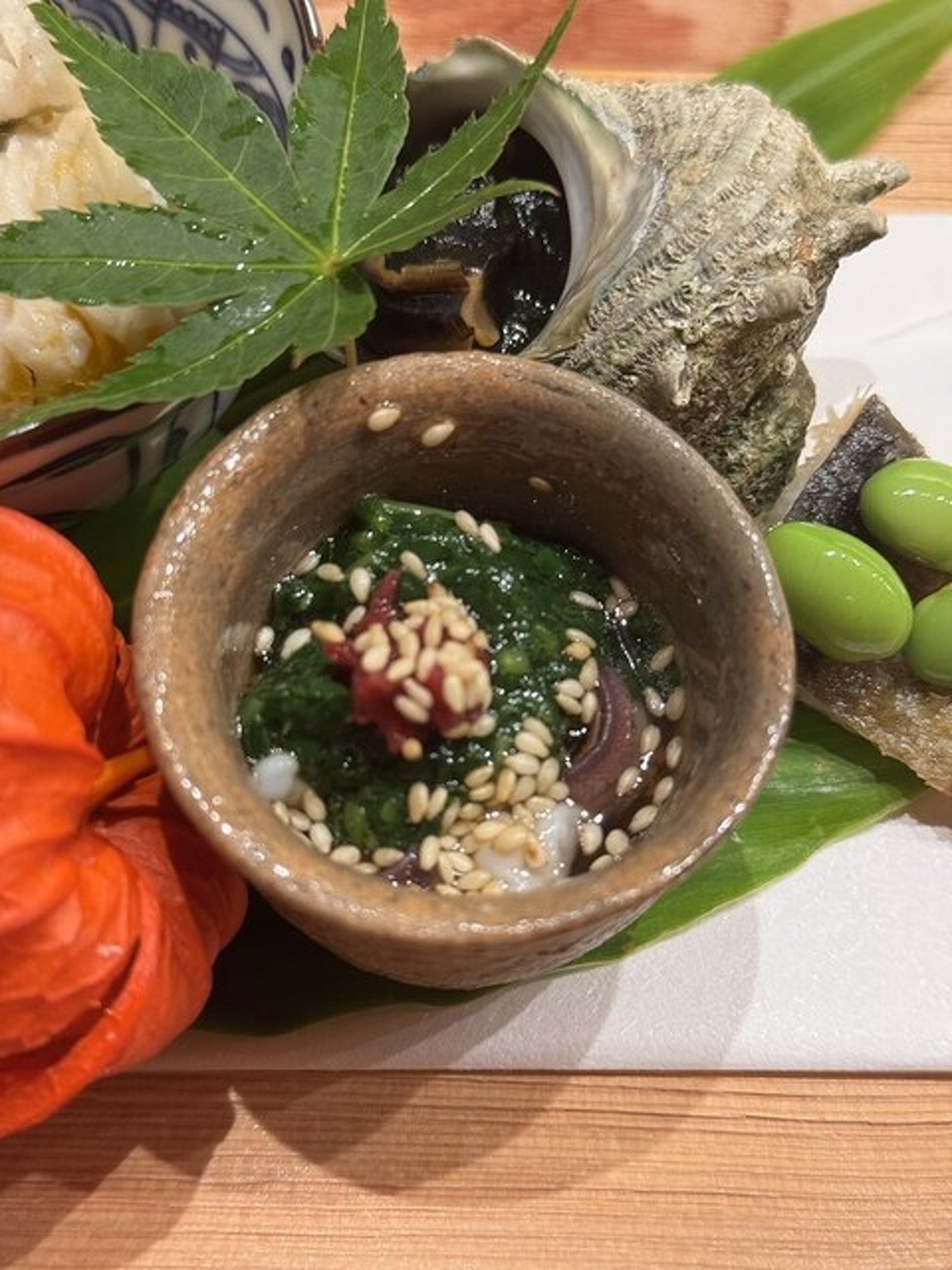
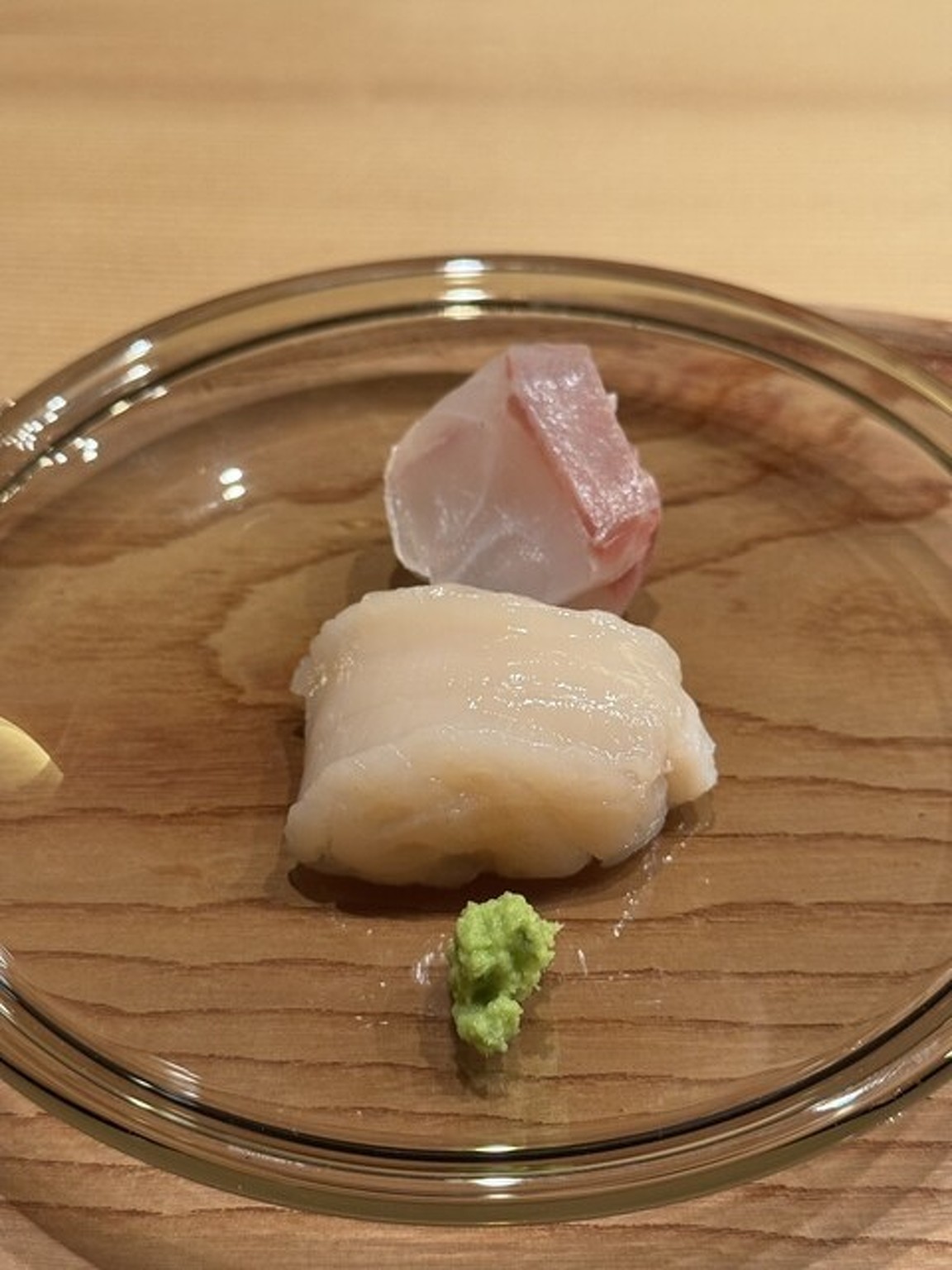
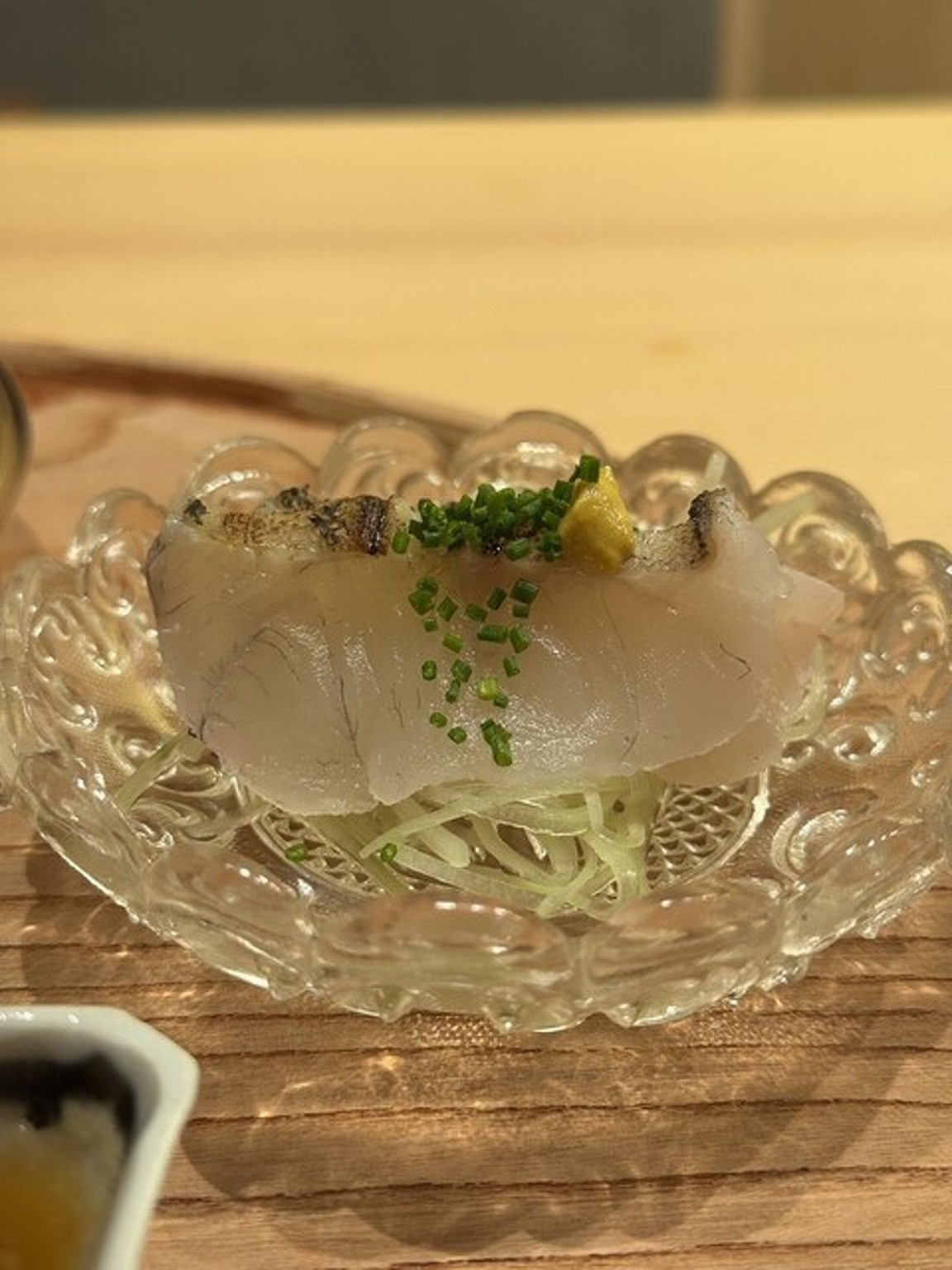
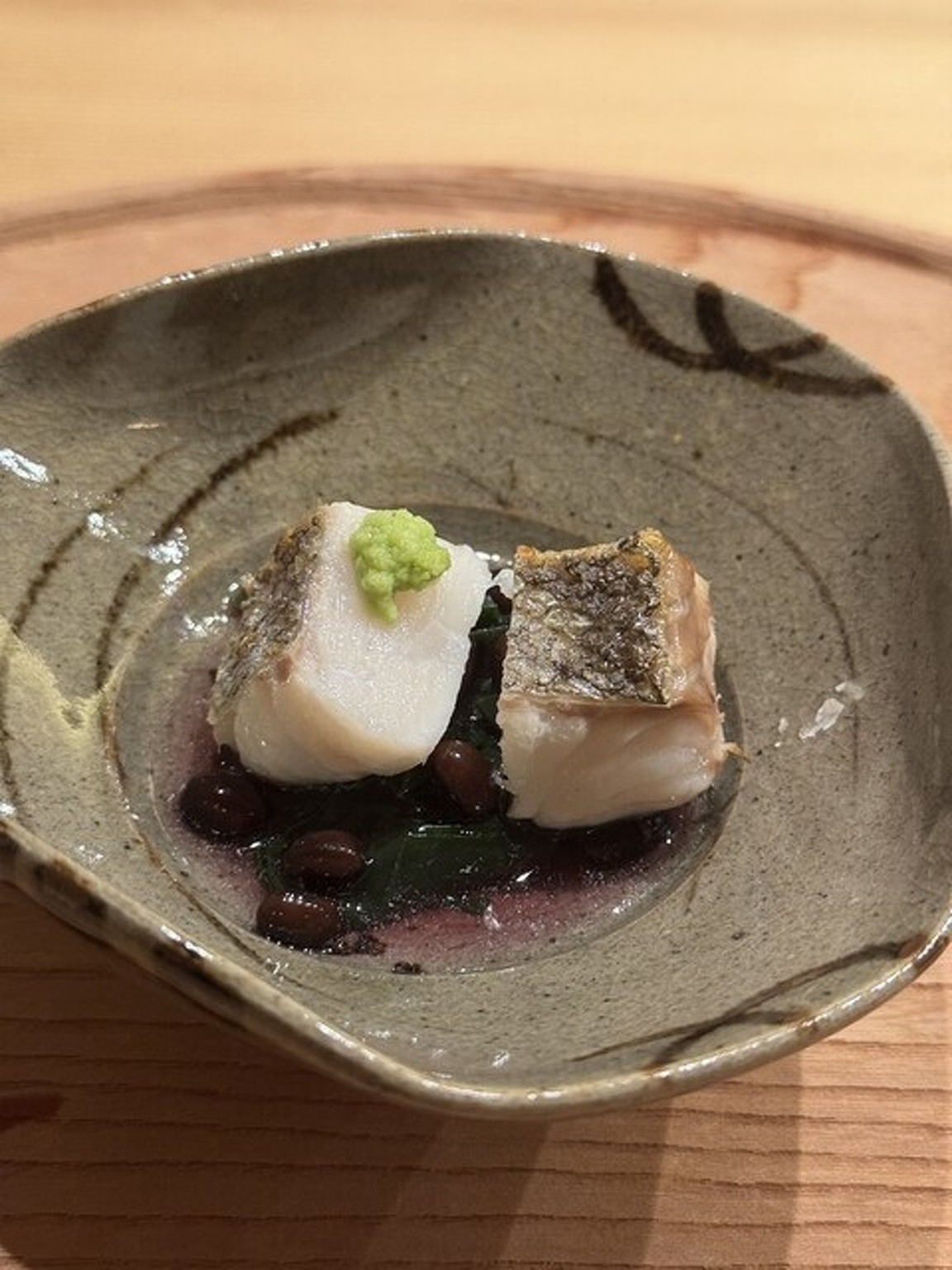
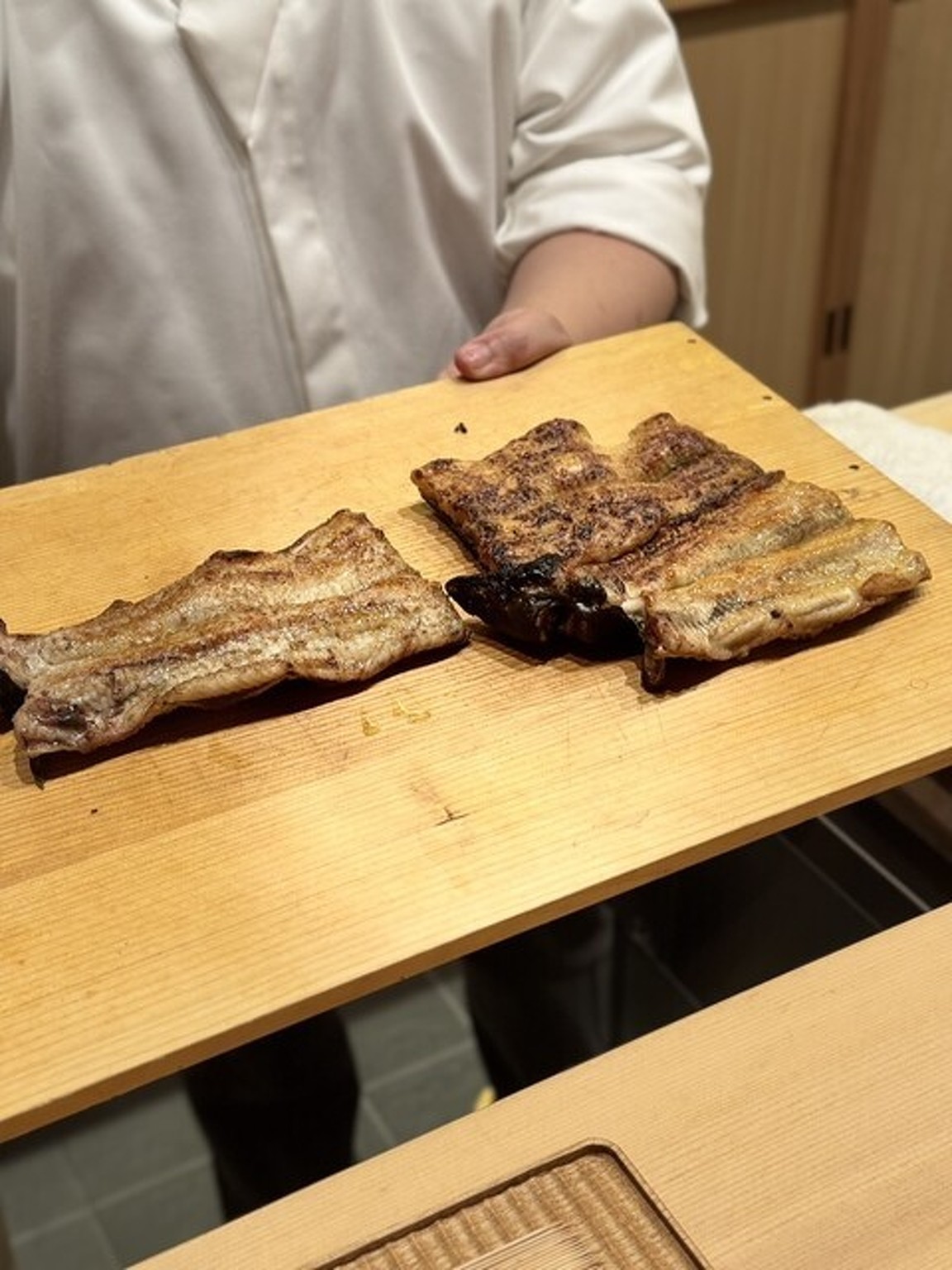
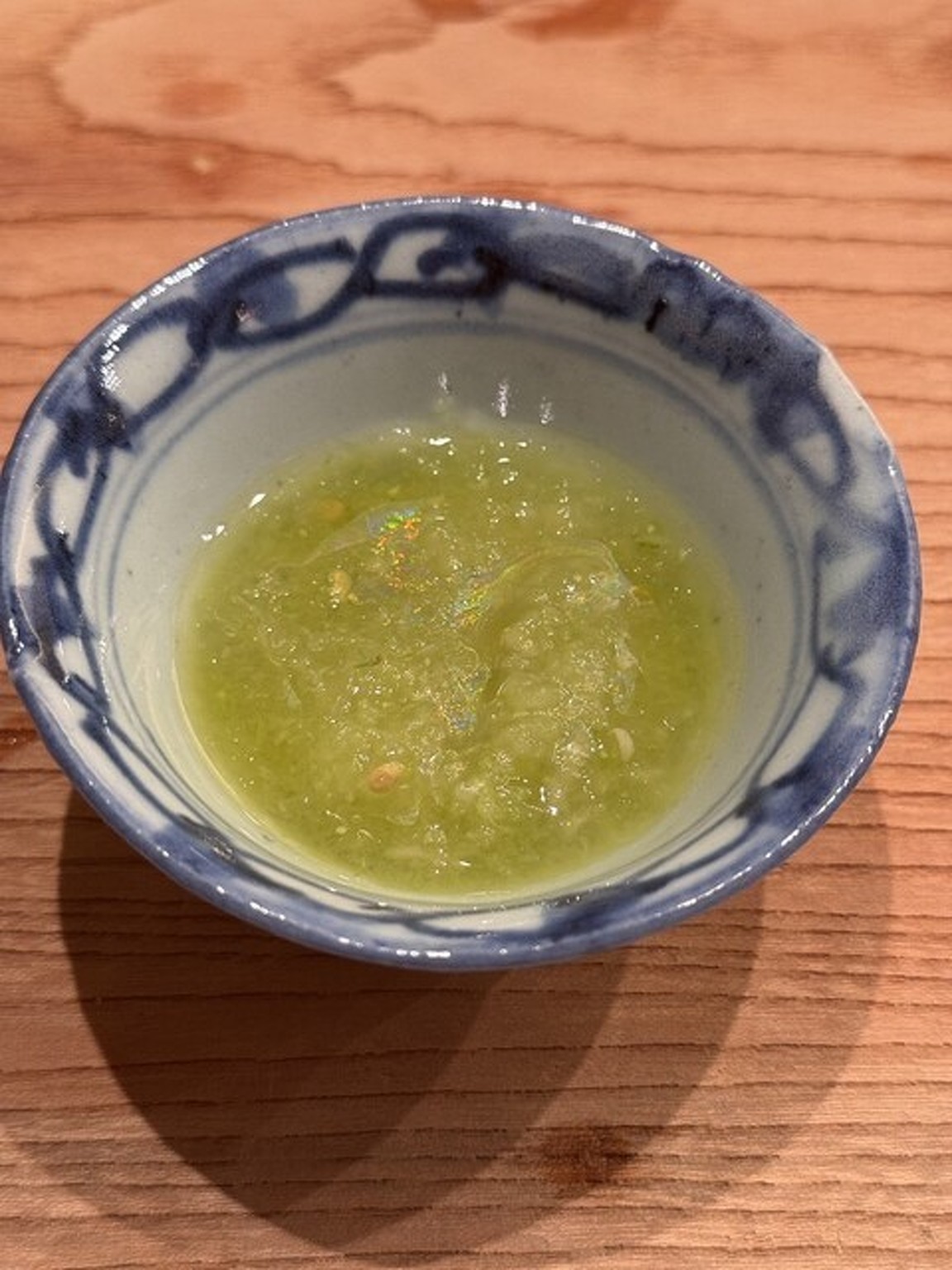
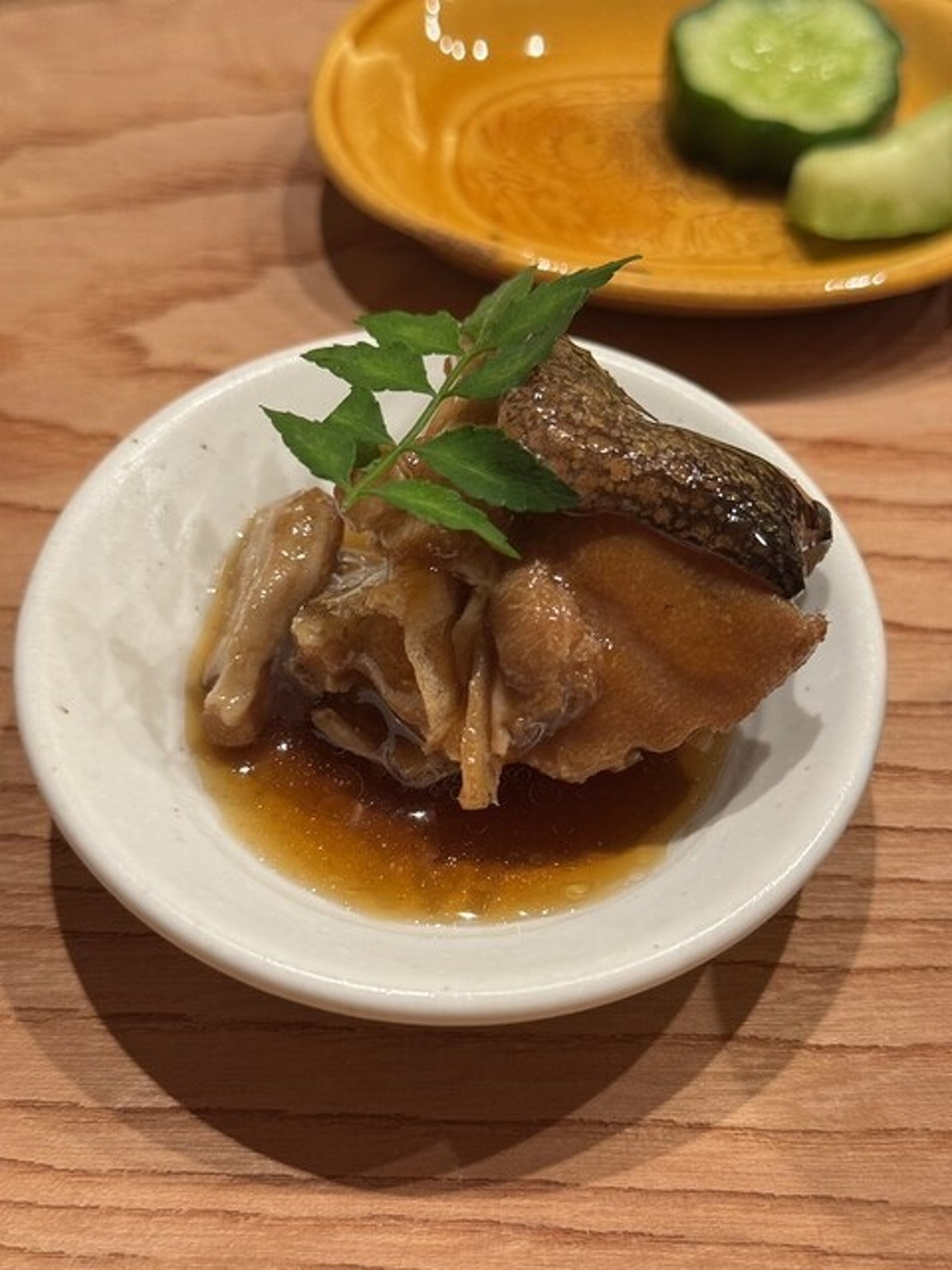
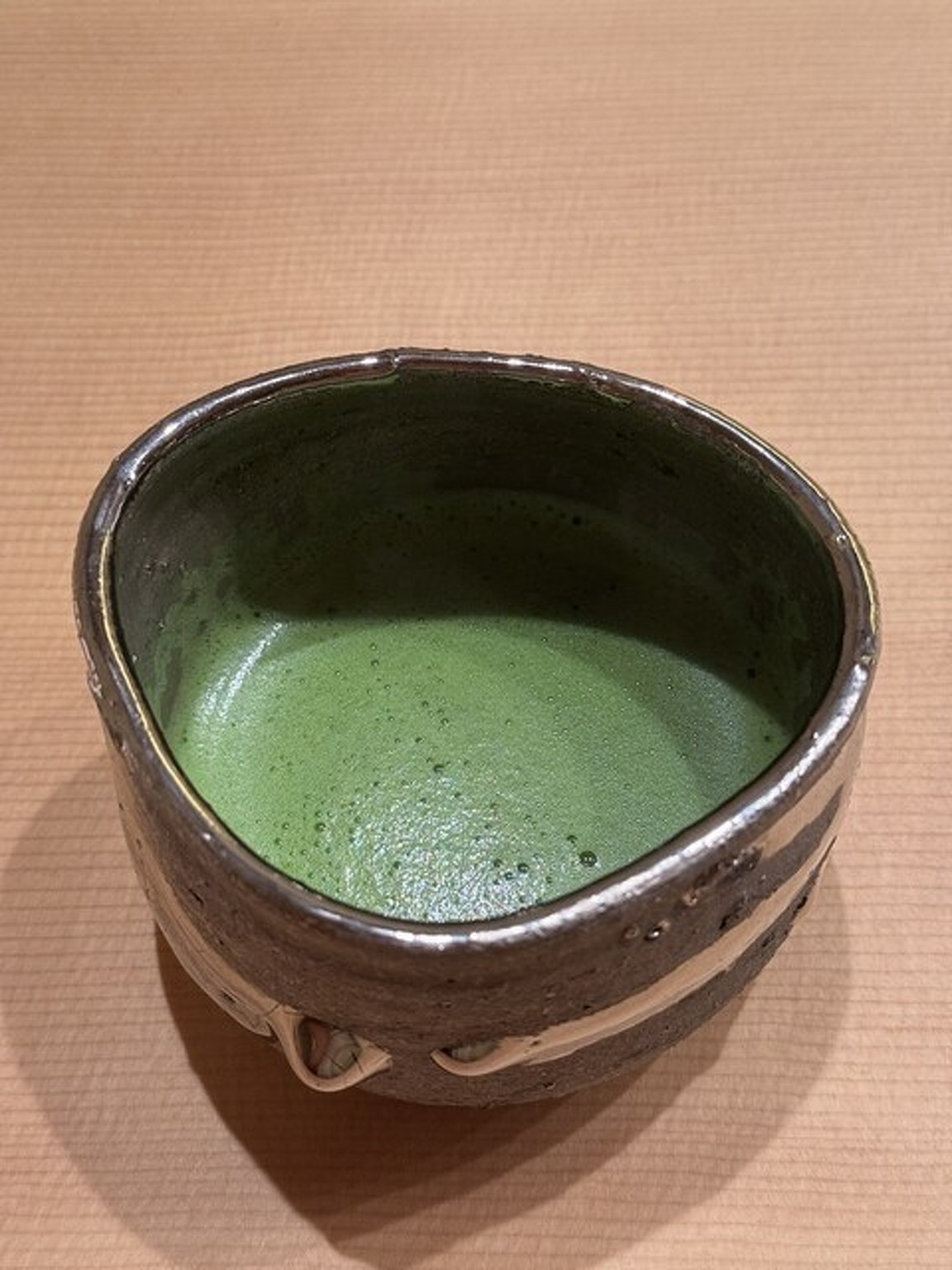
This is Yamachan in a skirt (^^)vI’ve written a light review based on my thoughts, so I hope you can skim through it easily.Thank you for your understanding.Please excuse my poor writing m(_ _)m*******************I visited a favorite restaurant of a friend, reserving the counter for our meal.The restaurant is family-run, and the head chef is quite young.I pointed to a rare seasonal mushroom that was bright red and round, asking, "Is it safe to eat something this color?" I was surprised by how unfamiliar everything looked.The mountain mushrooms had a unique texture and flavor—delicious! Each dish made with seasonal ingredients reflected the chef's serious dedication. I heard he trained in Kyoto, but he has adapted the flavors to suit the local palate.There were so many side dishes that I was overwhelmed with choices… I wanted to try them all! I received corn rice as a souvenir, and I was pleased with the careful packaging.I also had the opportunity to admire the historic building and beautiful garden, and I truly respect the efforts of those who have preserved this place through generations.I had a wonderful time with my lovely friends.Thank you very much! (^^)【Today's Feast】Summer mushroom chawanmushi (savory egg custard)Suzuki fish and red shiso leavesSanriku abalone with white eggplant and green beans in sesame sauceAkamutsu fish, hanabiradake mushrooms, and onion soupHassun (seasonal appetizer platter)Sashimi 1: Makokarei (flatfish) and scallopsSashimi 2: Ainamé (butterfish) with lightly grilled skin and jellyTosa soy sauce and chili vinegarSimmered fruit tomatoes and aoyatsubugai (green snail)Grilled unagi (eel) with shishitake mushroomsNagaimo (Japanese yam) somen noodlesRice with various accompanimentsDessertUsucha (thin matcha tea) Less
9 / 10
on 21 Aug 2026
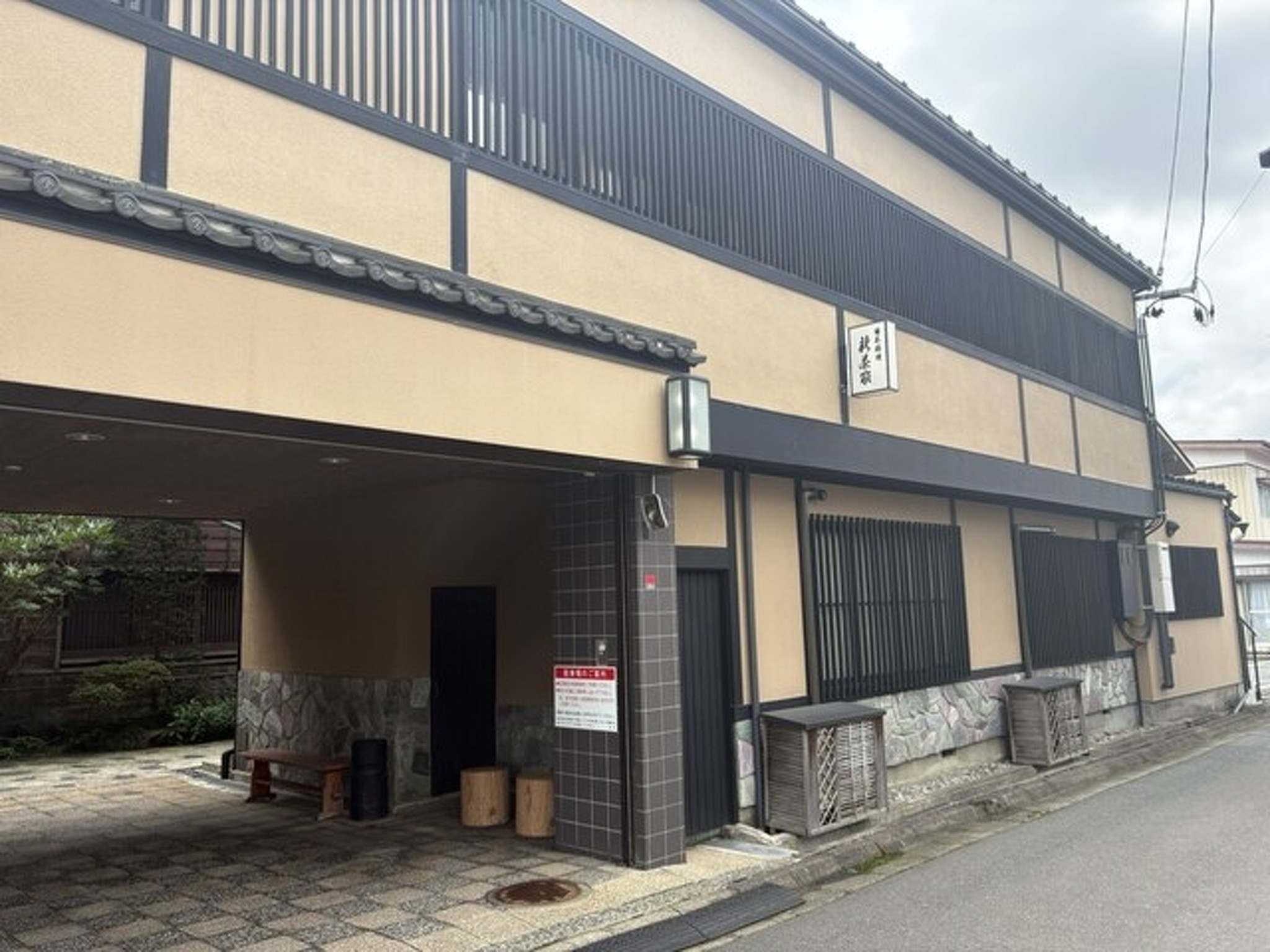
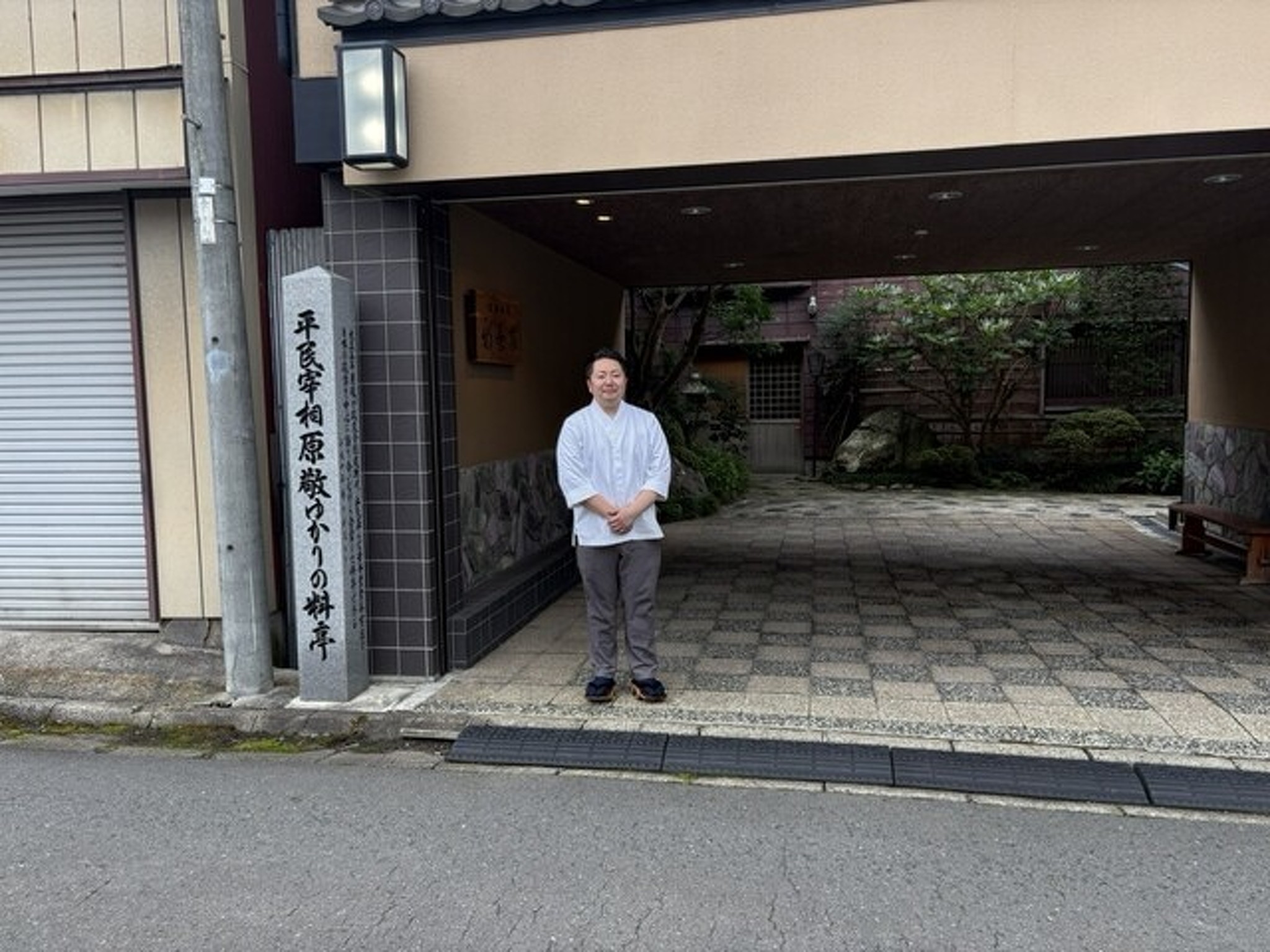
Aomori Nebuta Festival 3 Nights and 4 Days TripFinal DayAfter checking out of the hotel, I headed to Iwate Prefecture by rental car. The last highlight of this trip is Japanese cuisine Shin Chaya.Looking back on this journey, I can't thank the beautiful people of Aomori enough. Thank you so much! m(_ _)mArrived at Japanese cuisine Shin Chaya!The first thing that caught my eye was the charming appearance reminiscent of a long-established ryokan."Wow... so lovely!"Even before opening the door, my excitement... More
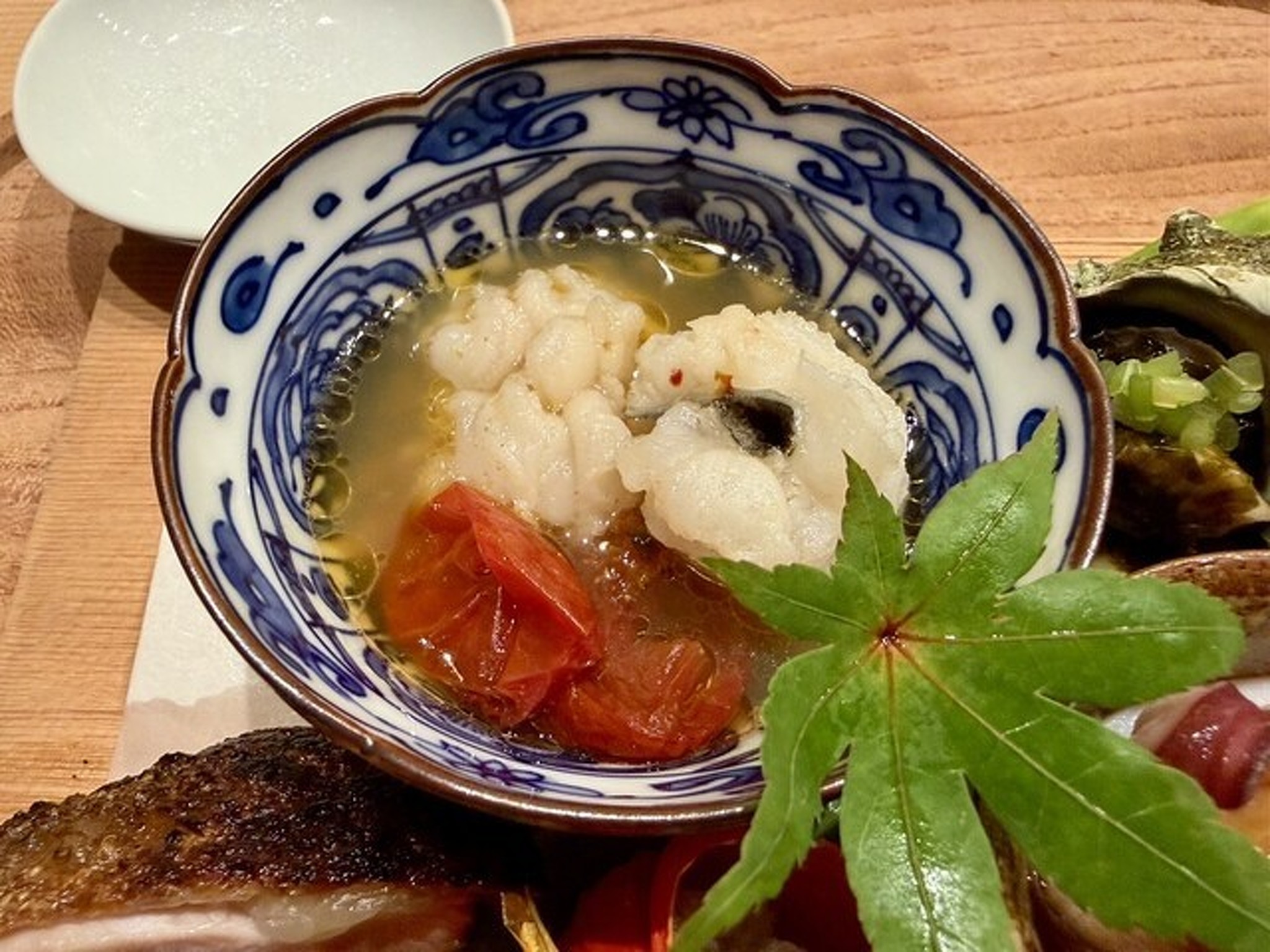
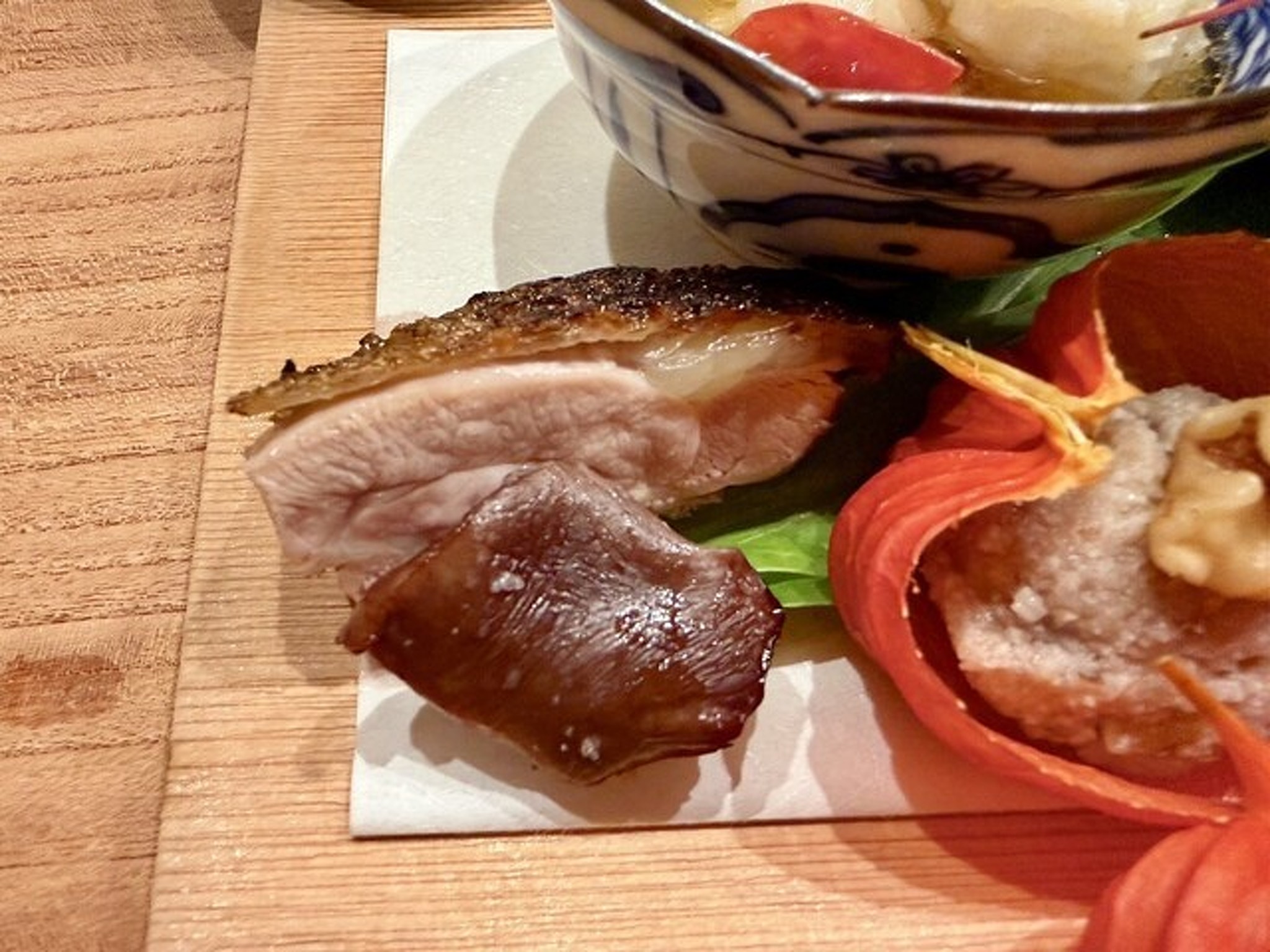
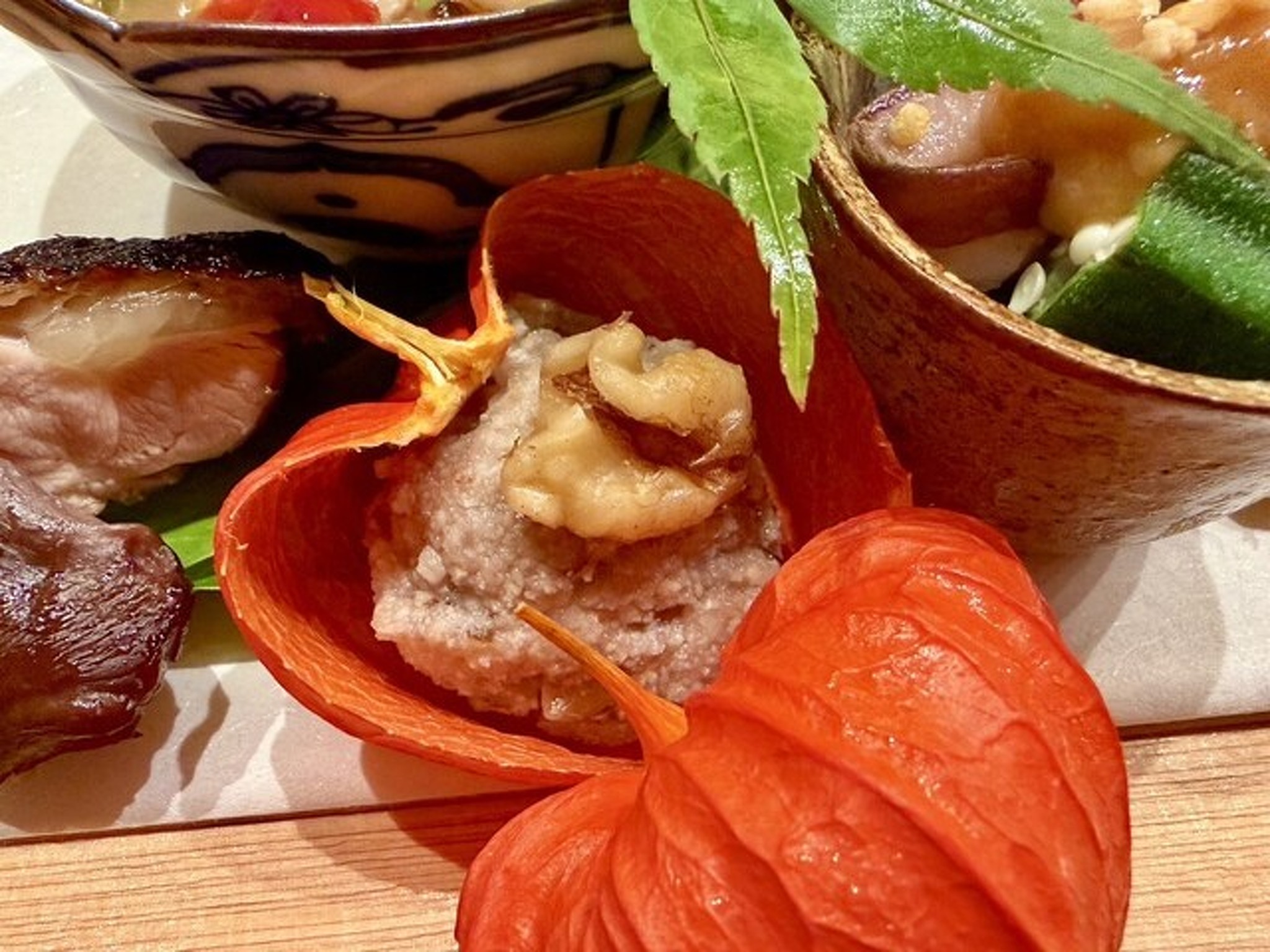
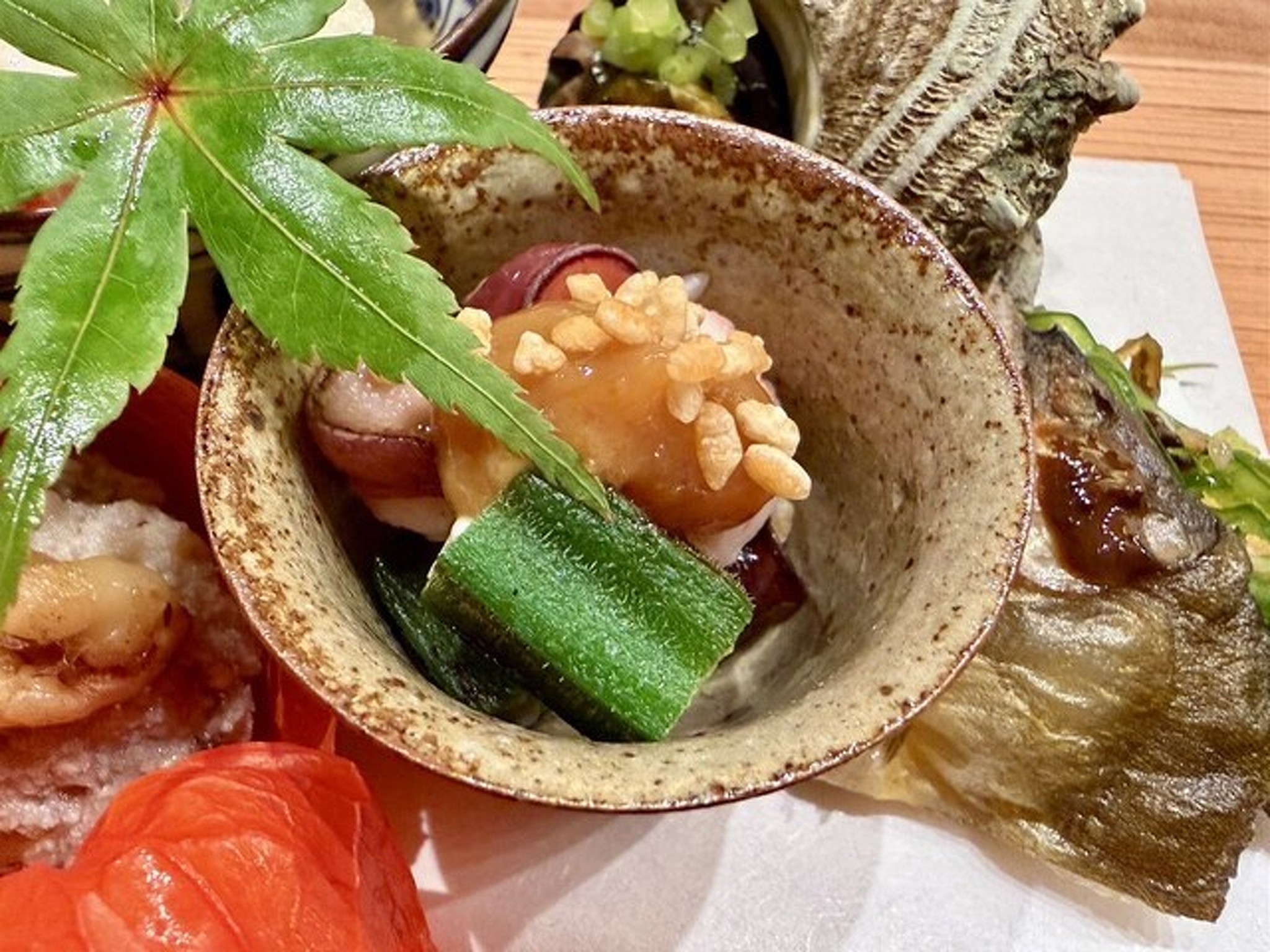
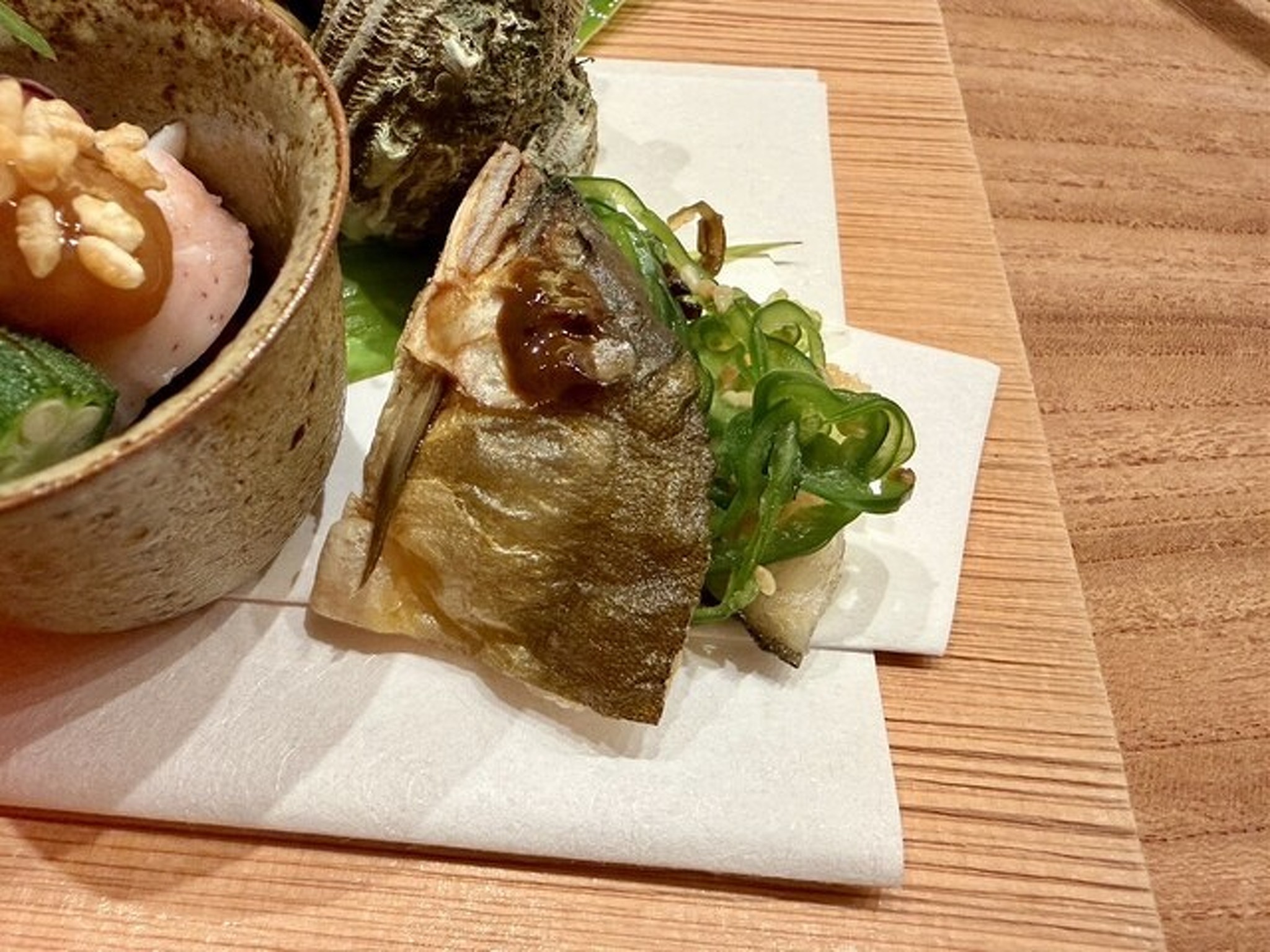
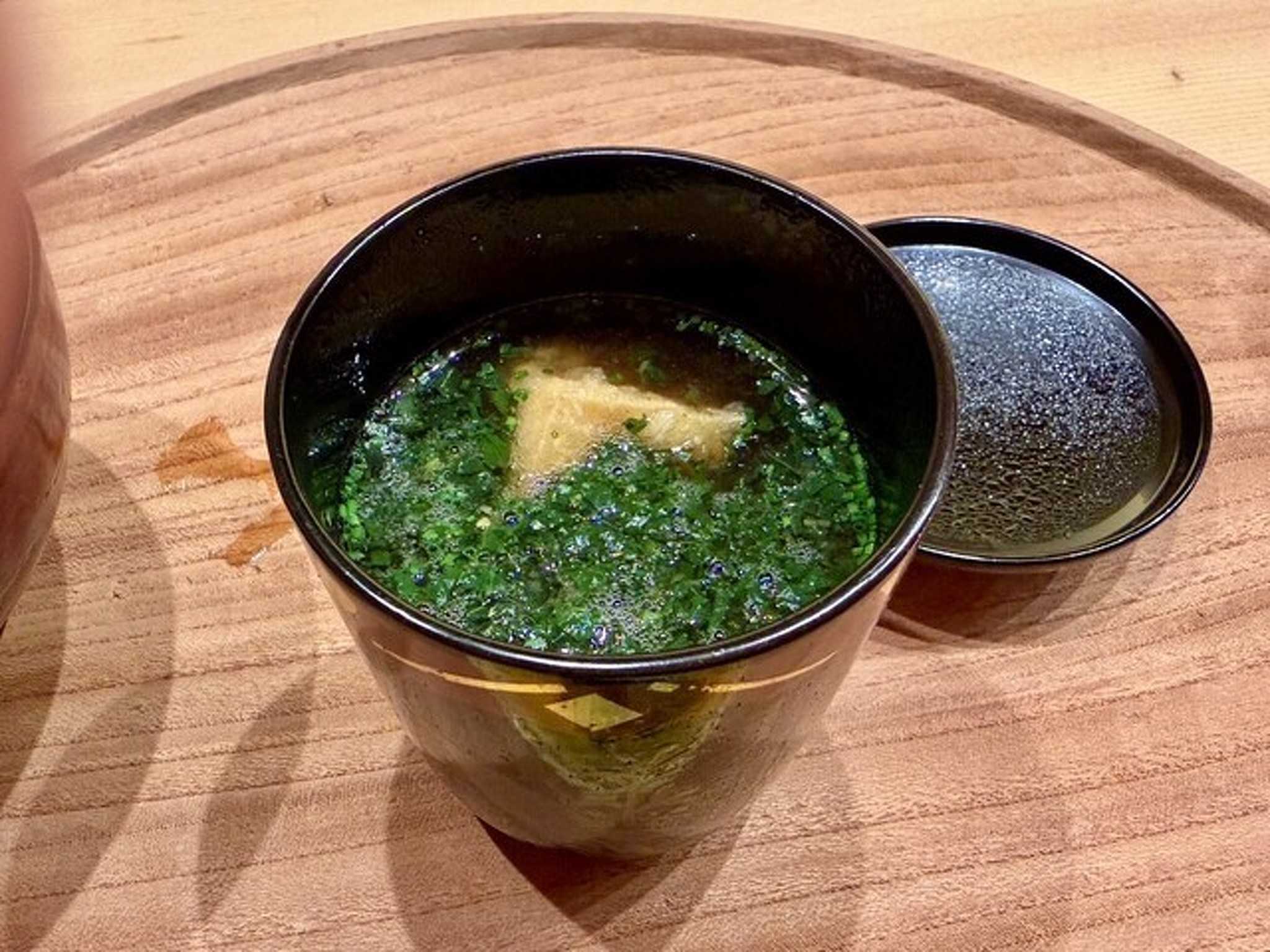
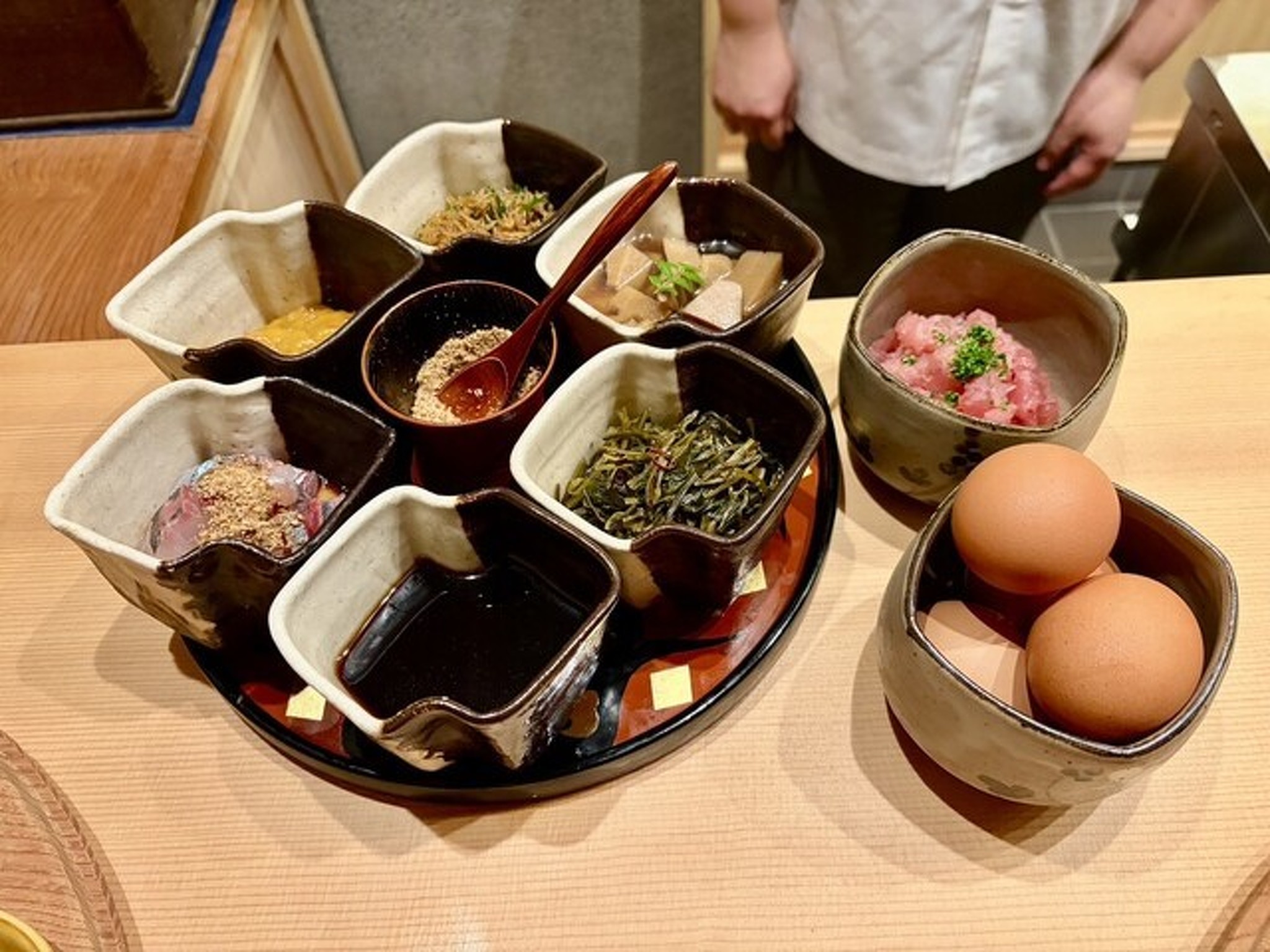
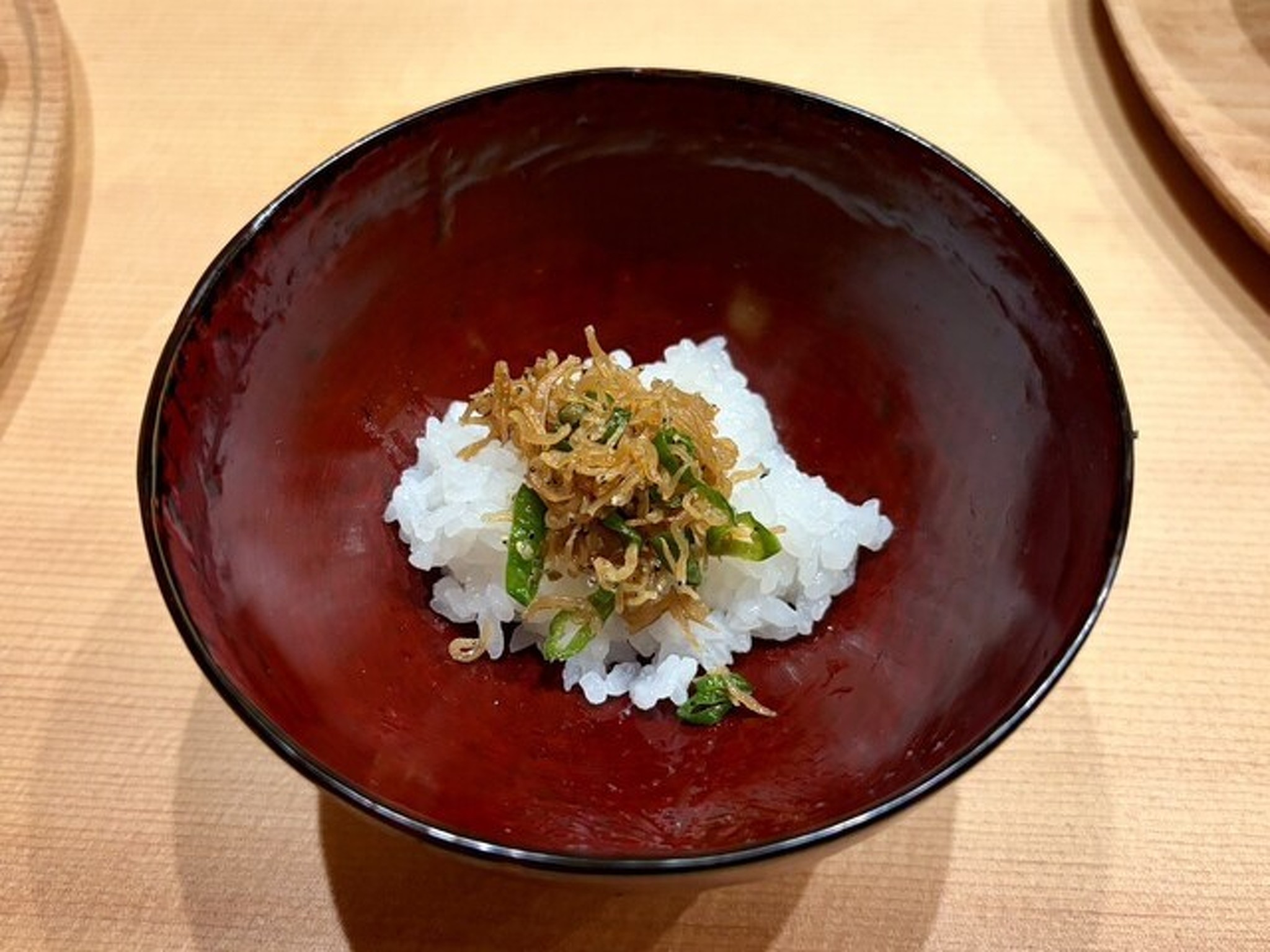
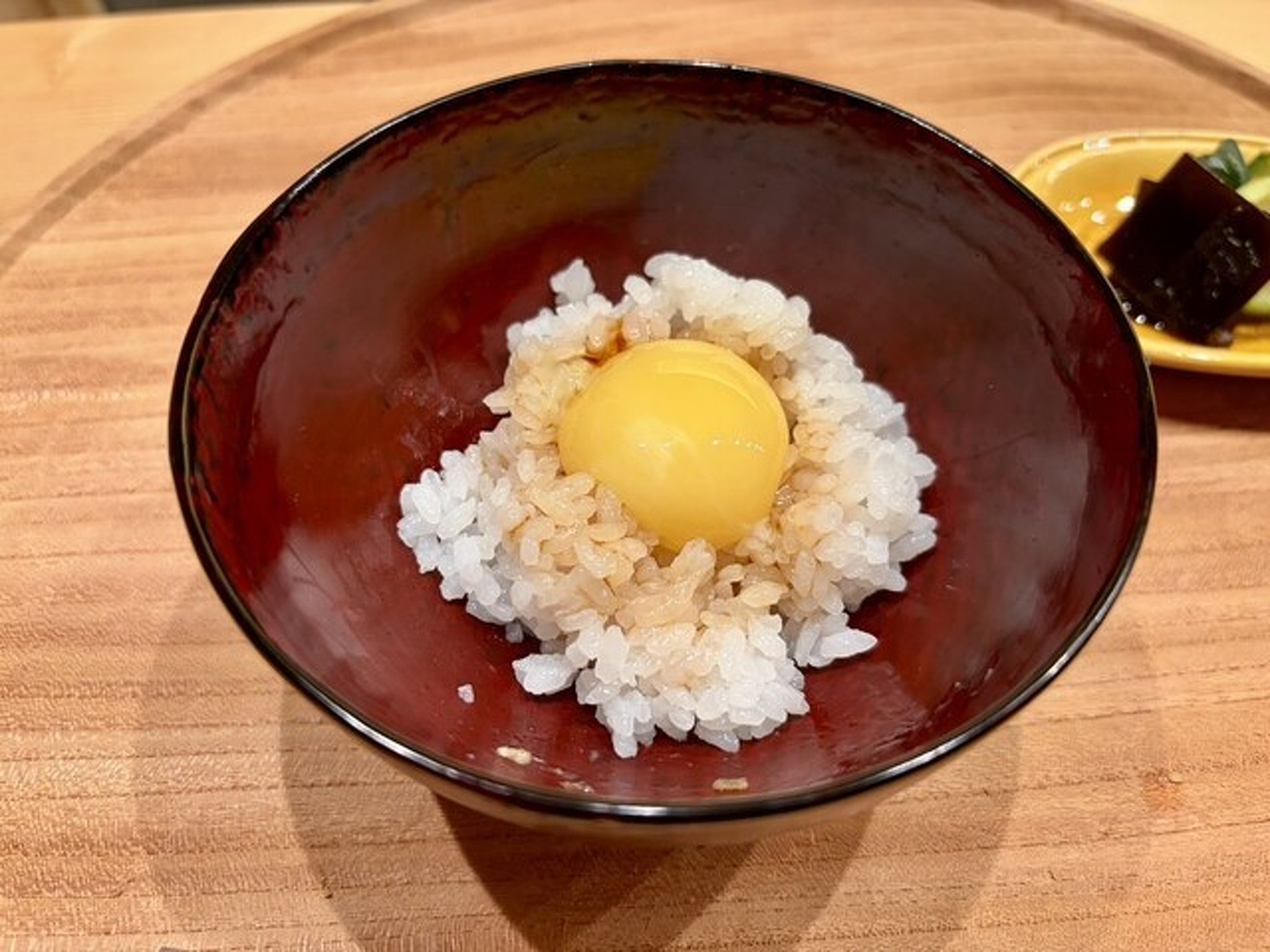
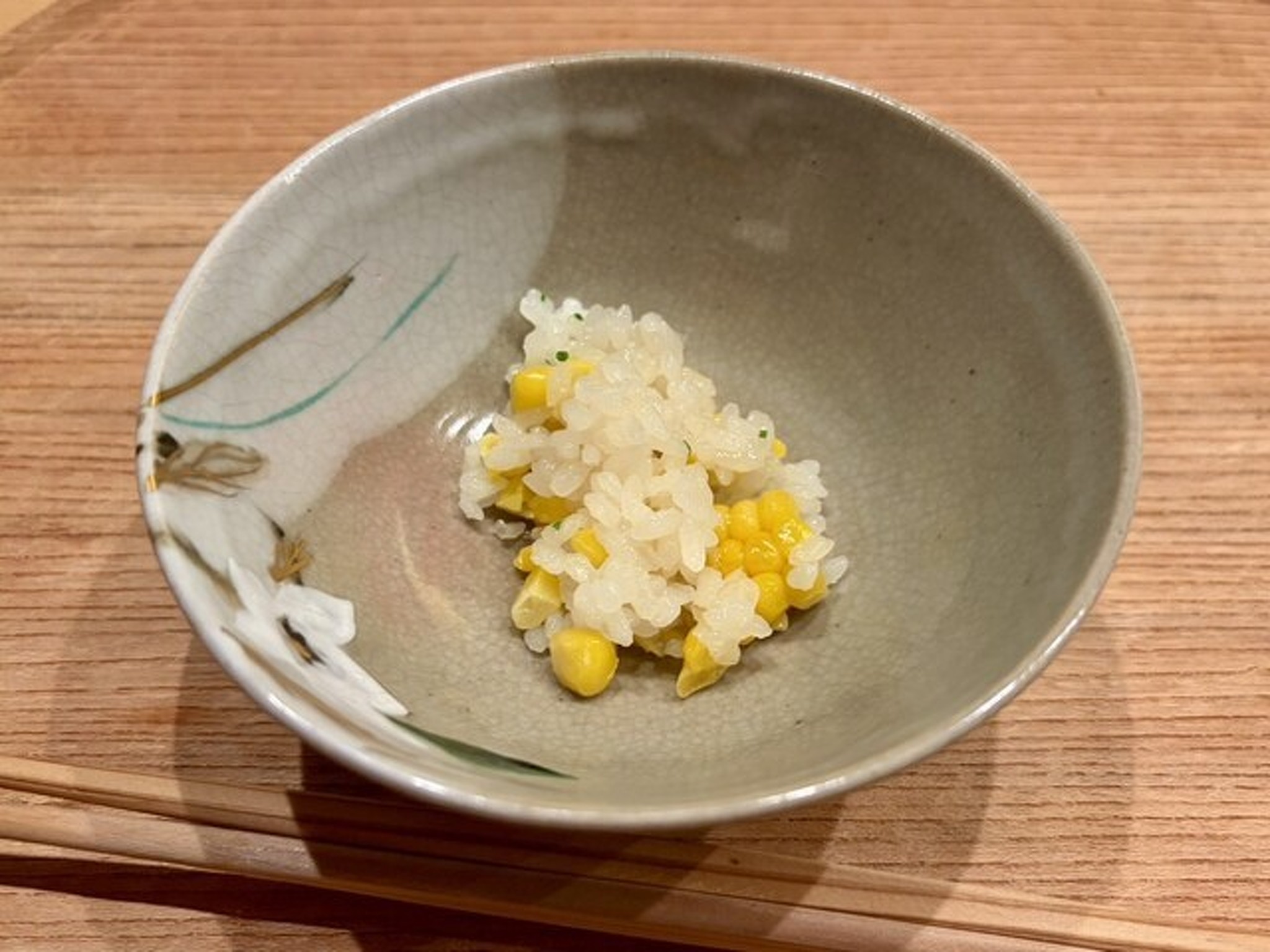
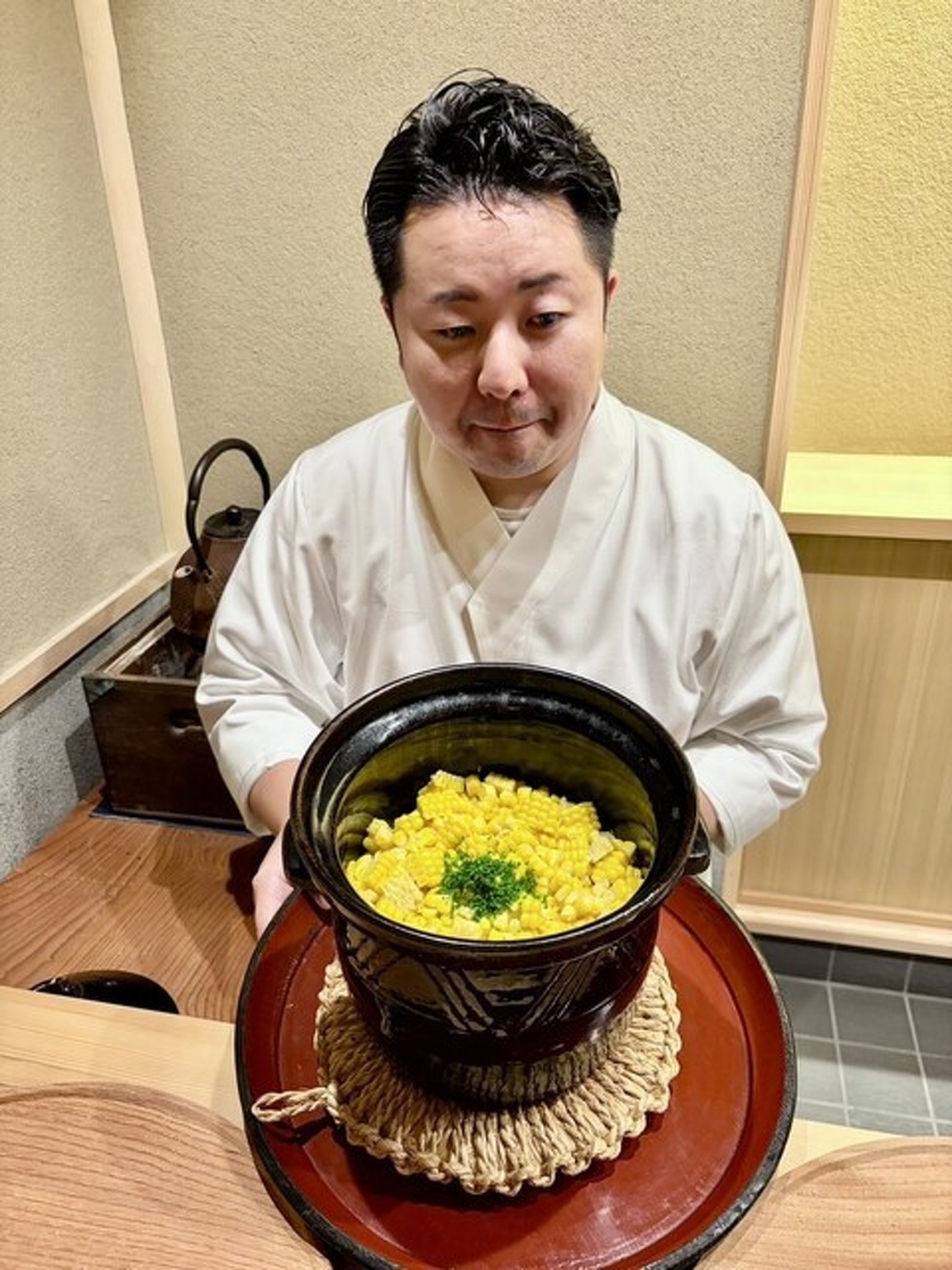
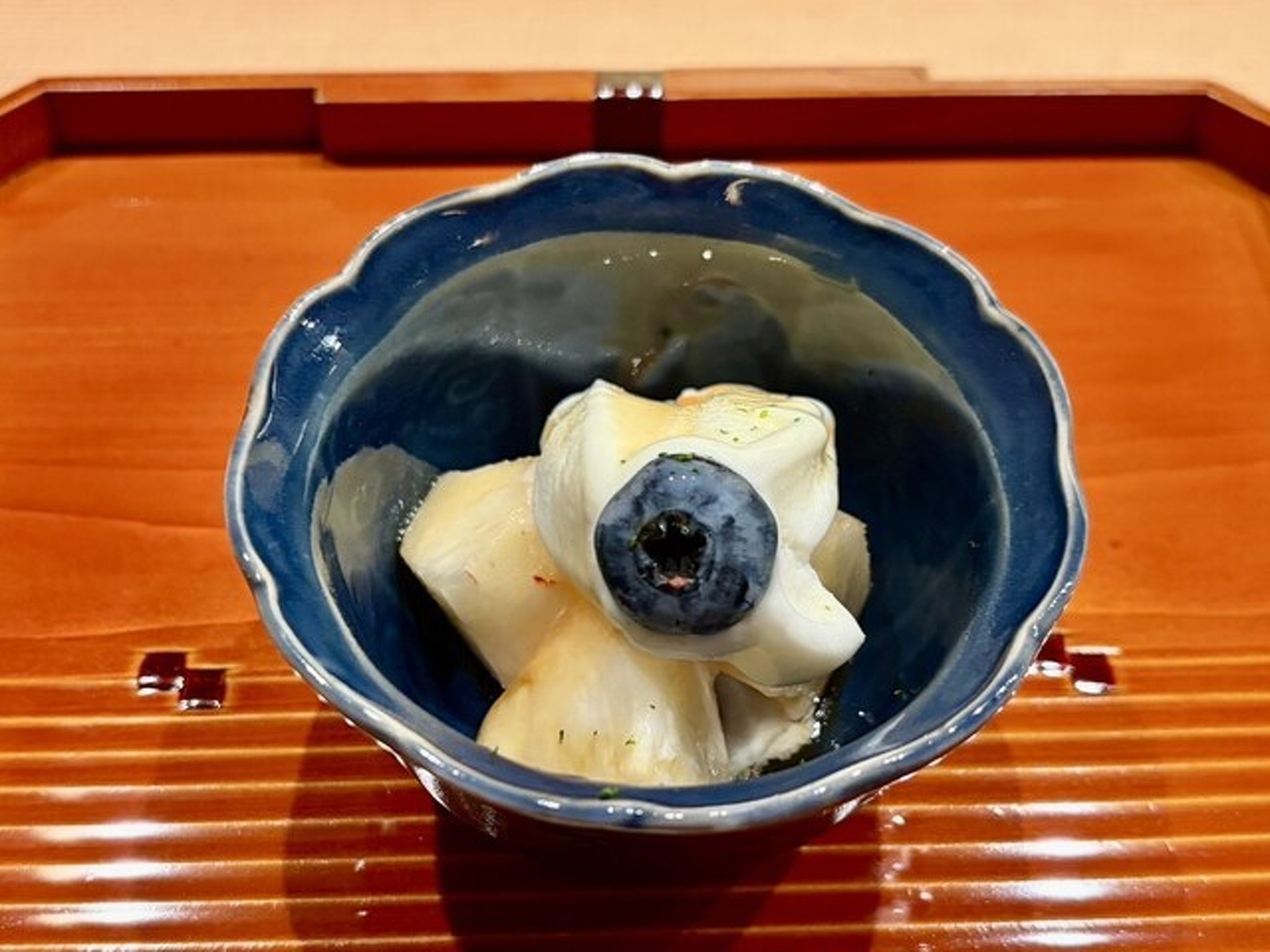
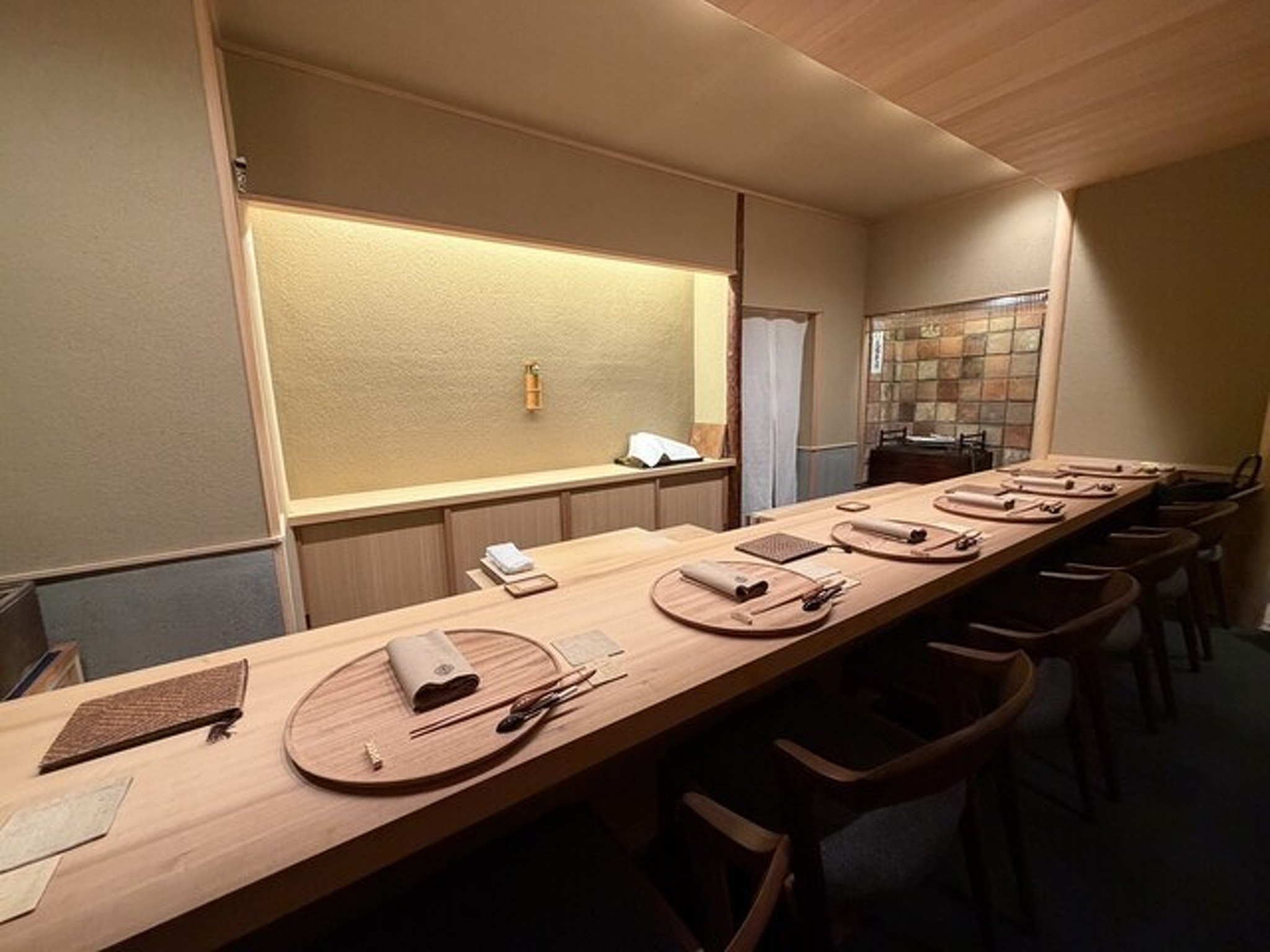
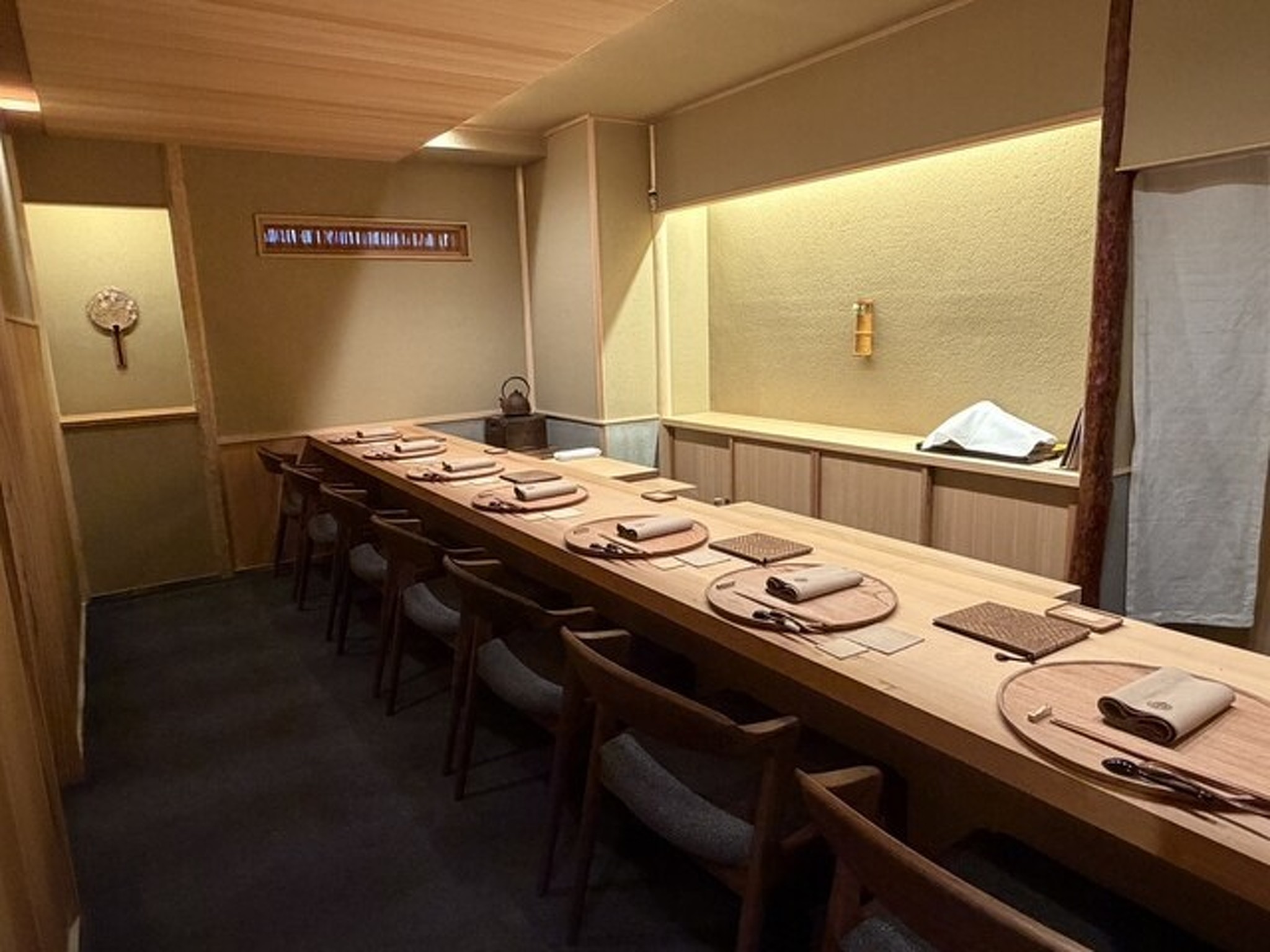
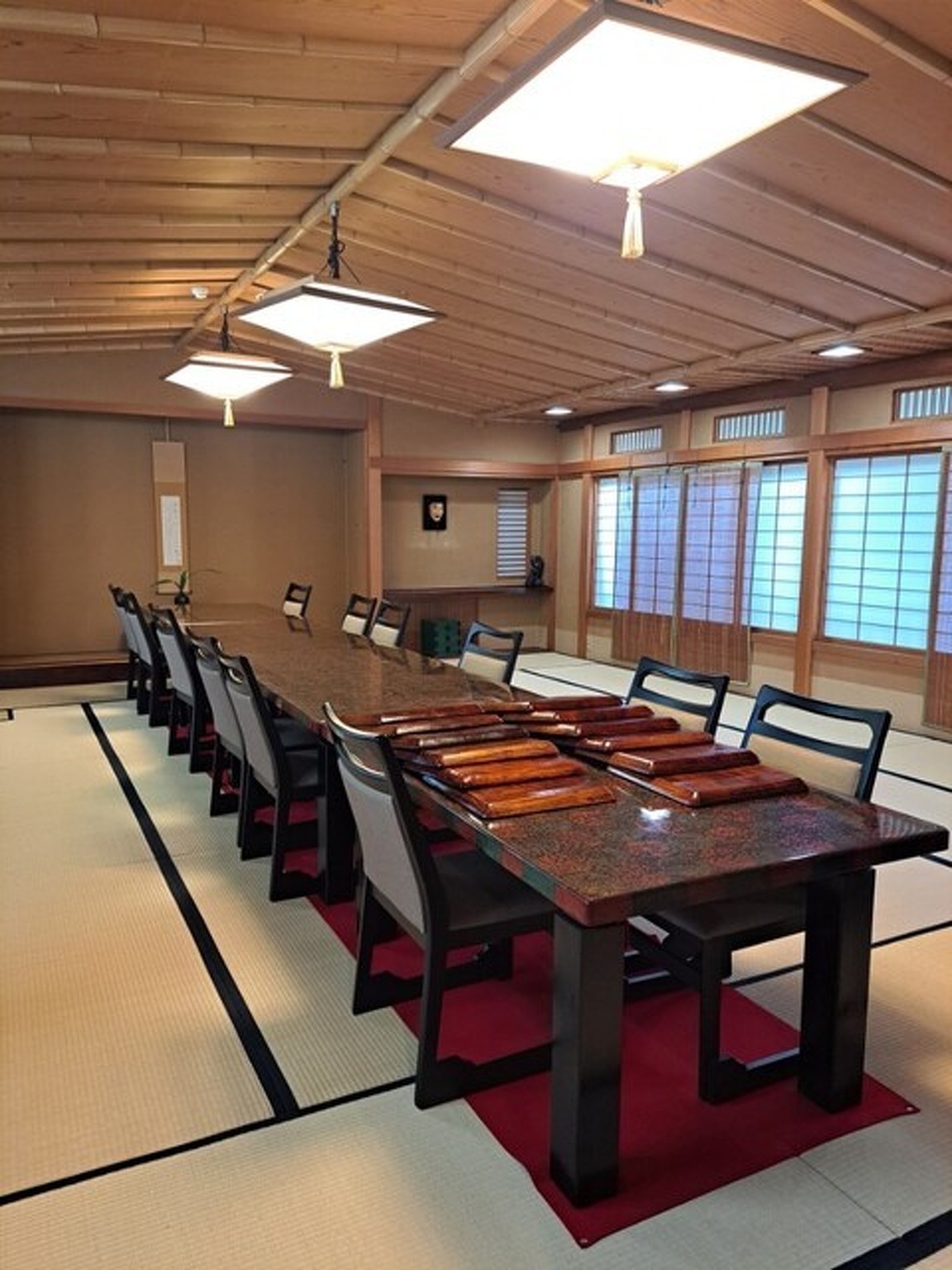
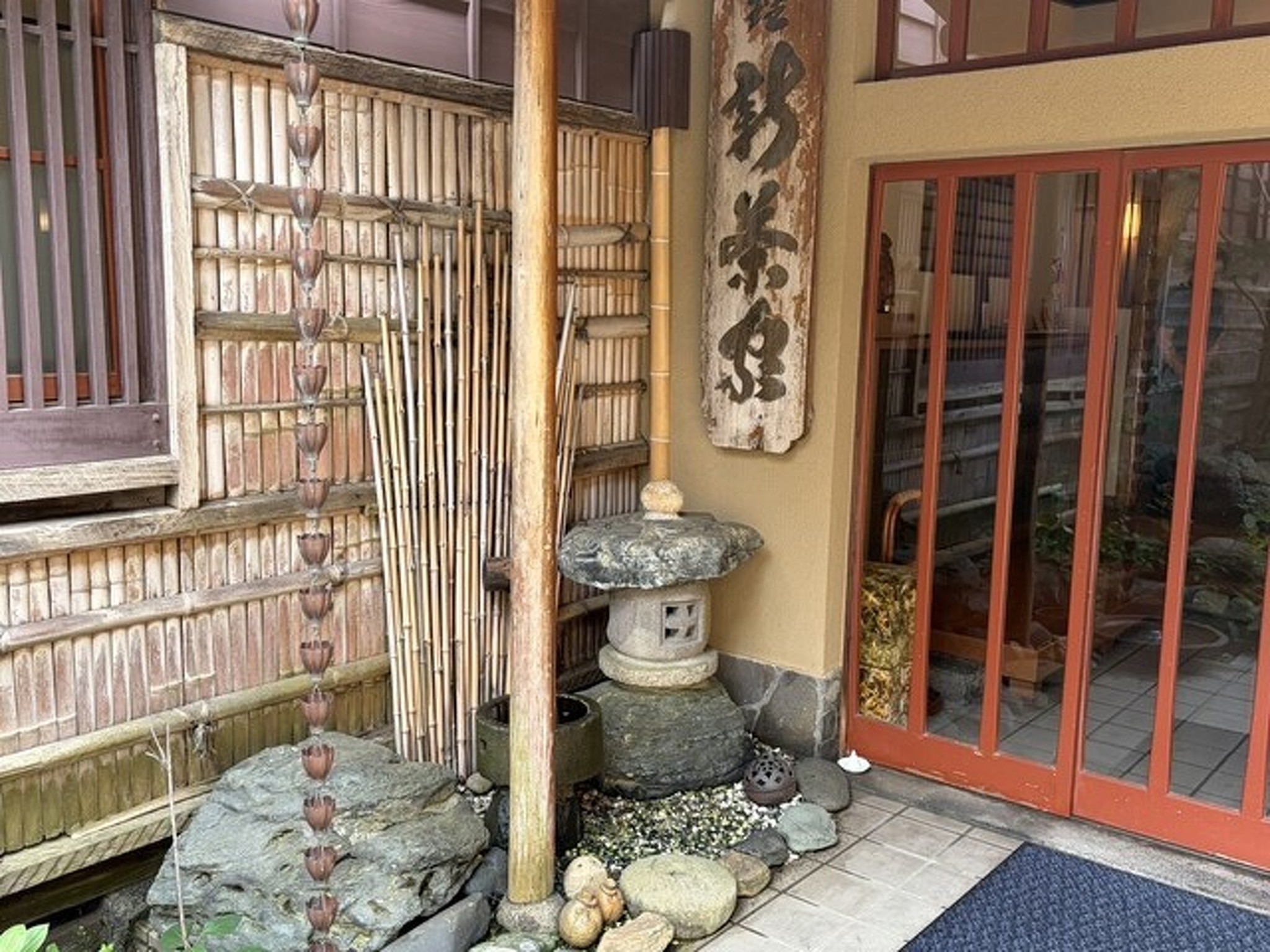
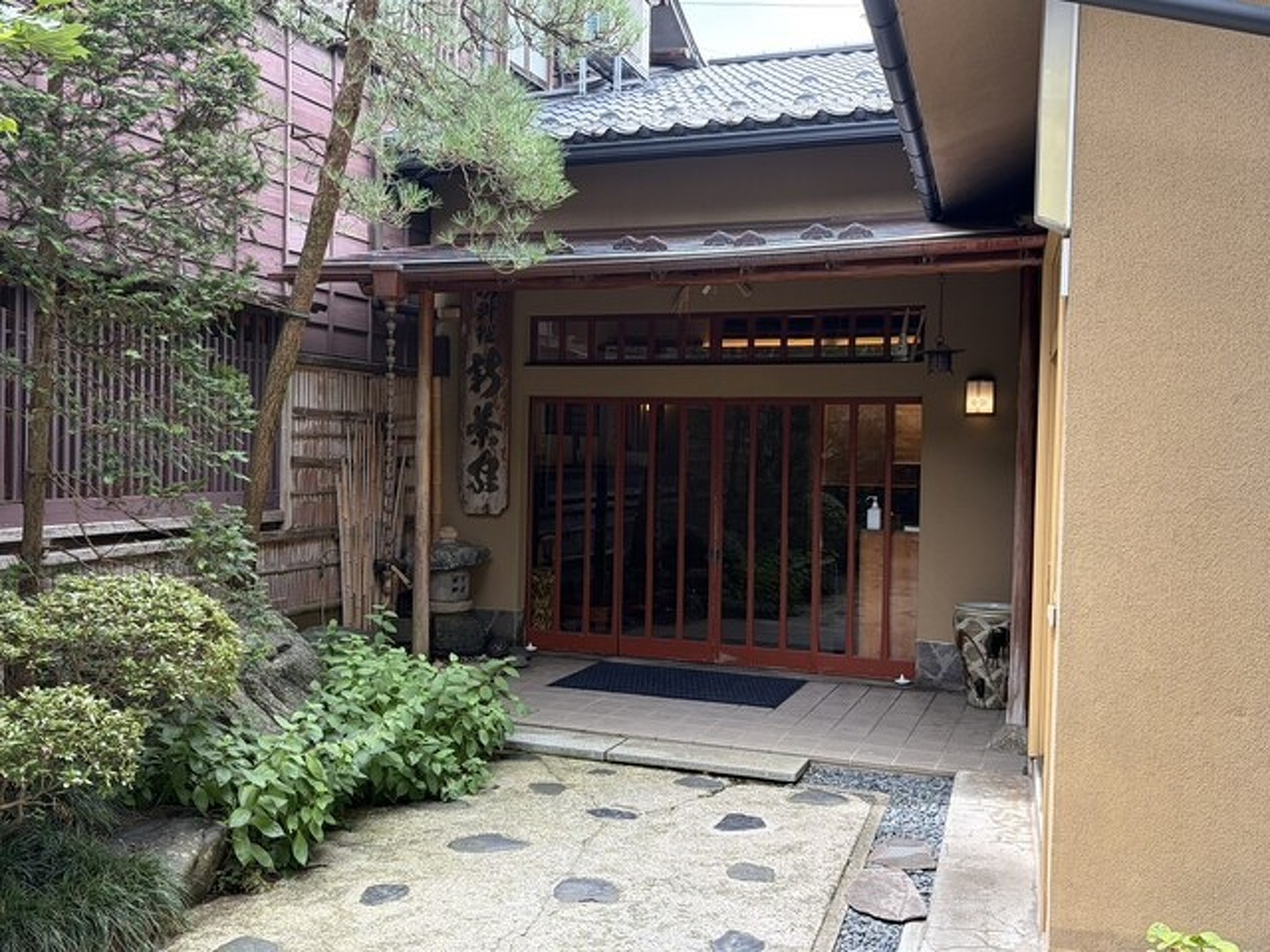
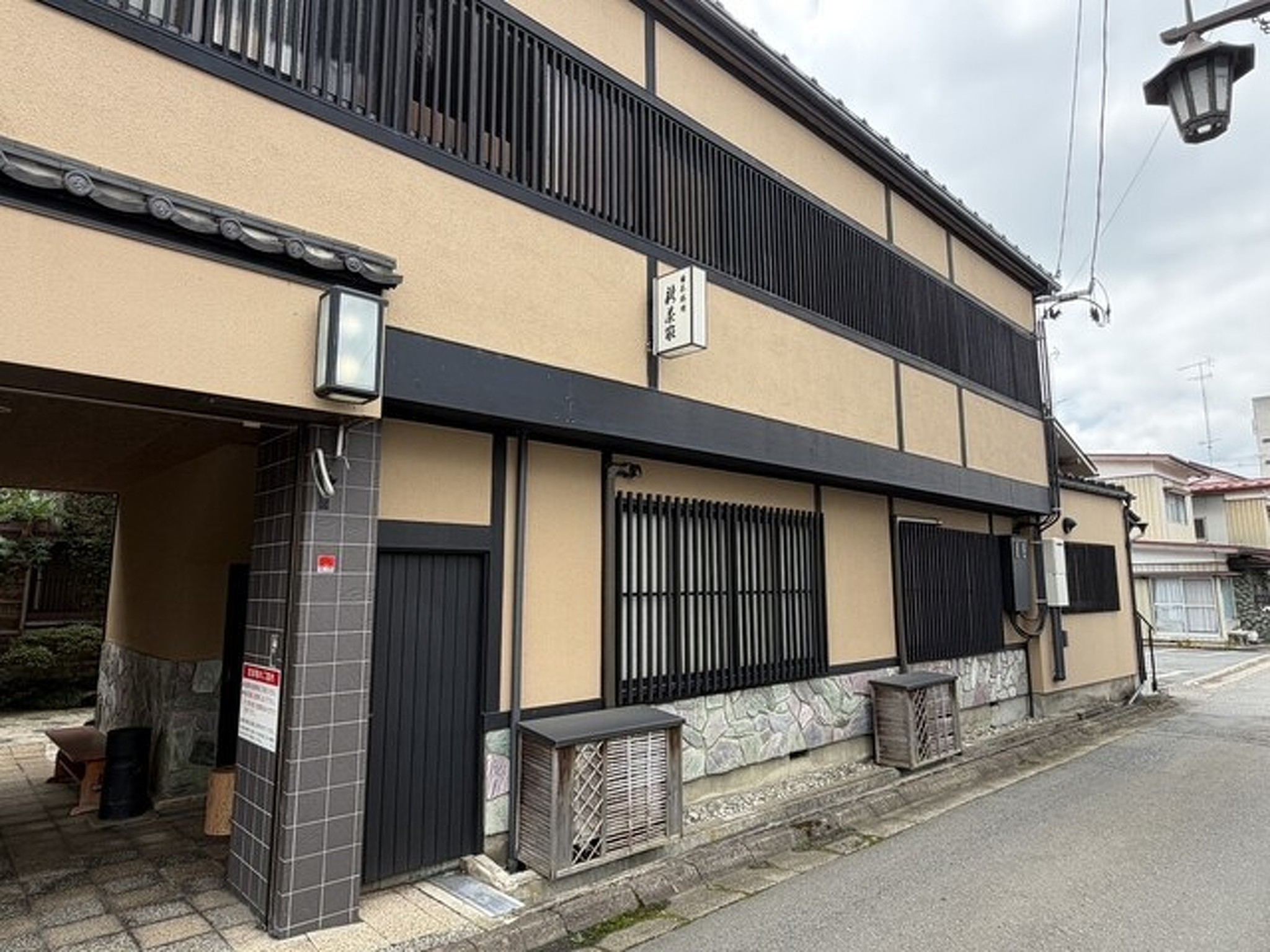
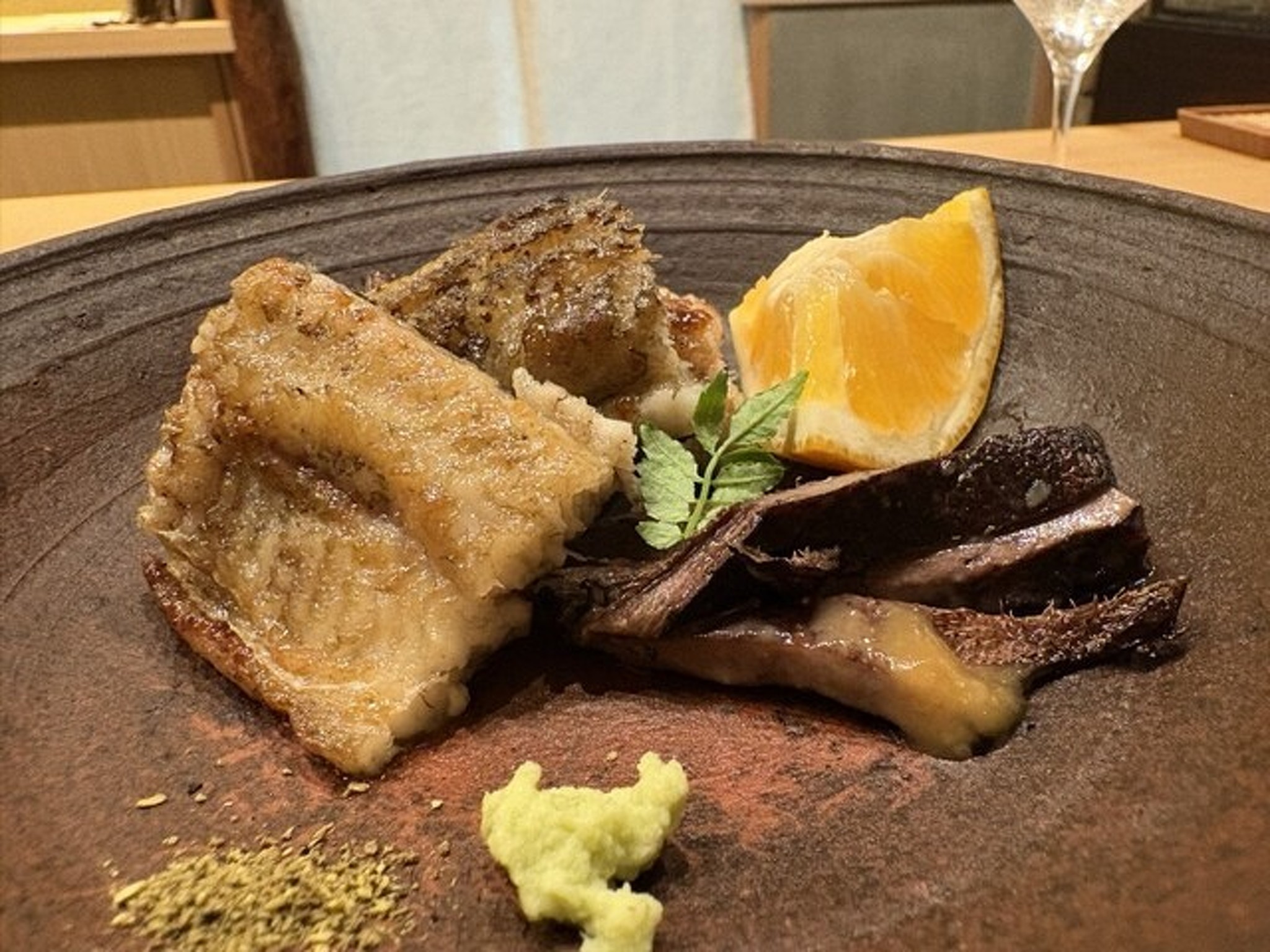
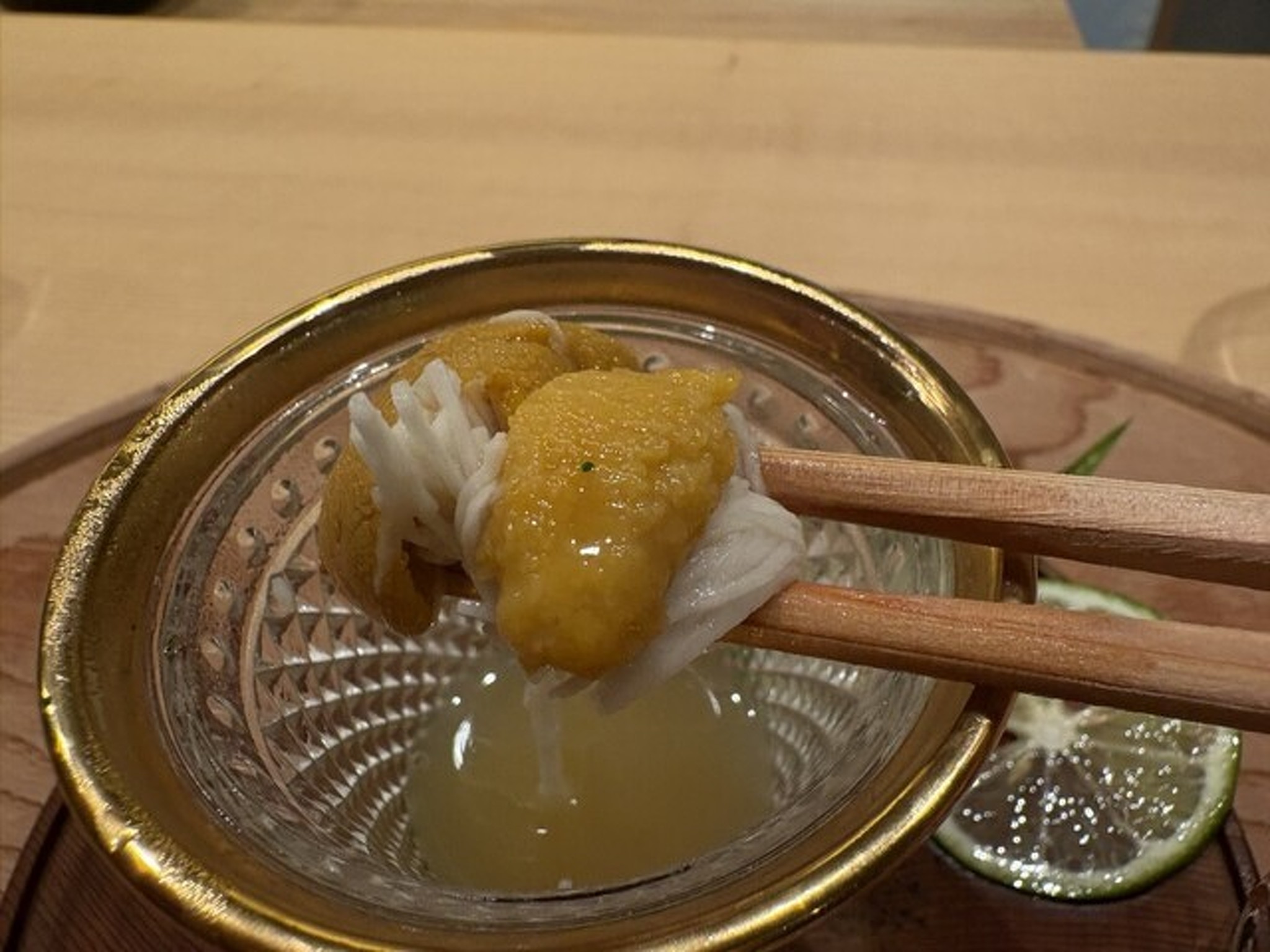
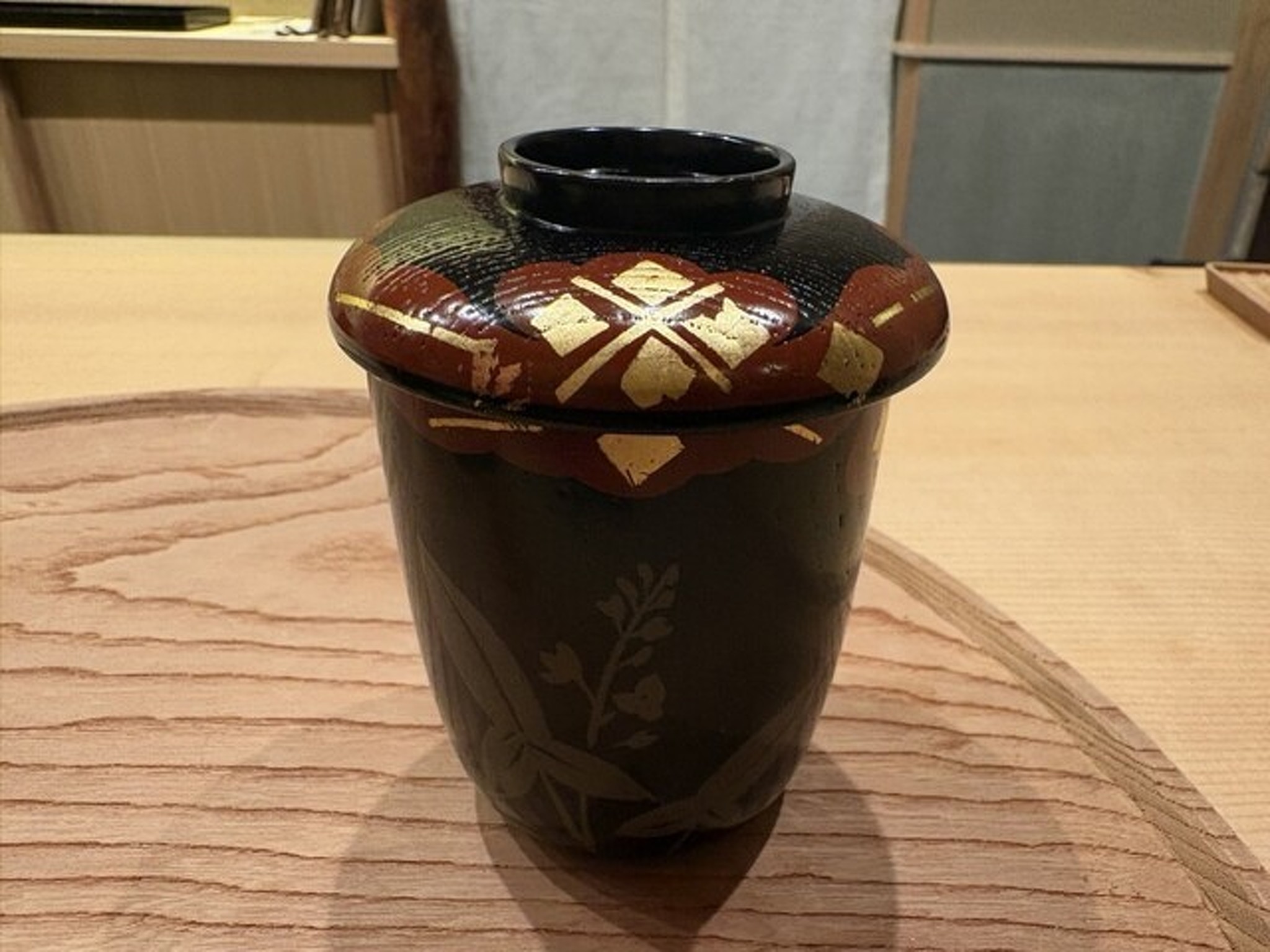
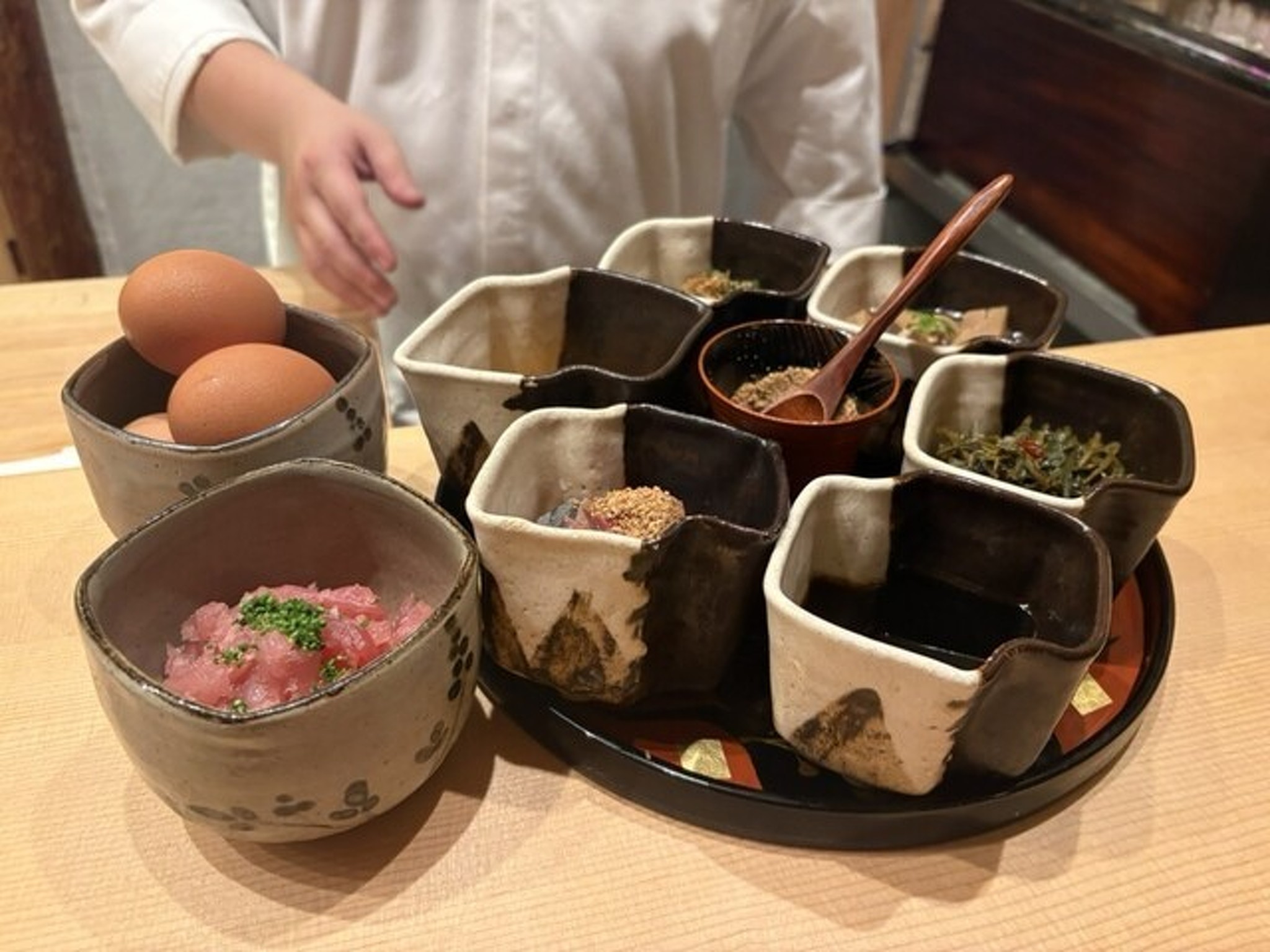
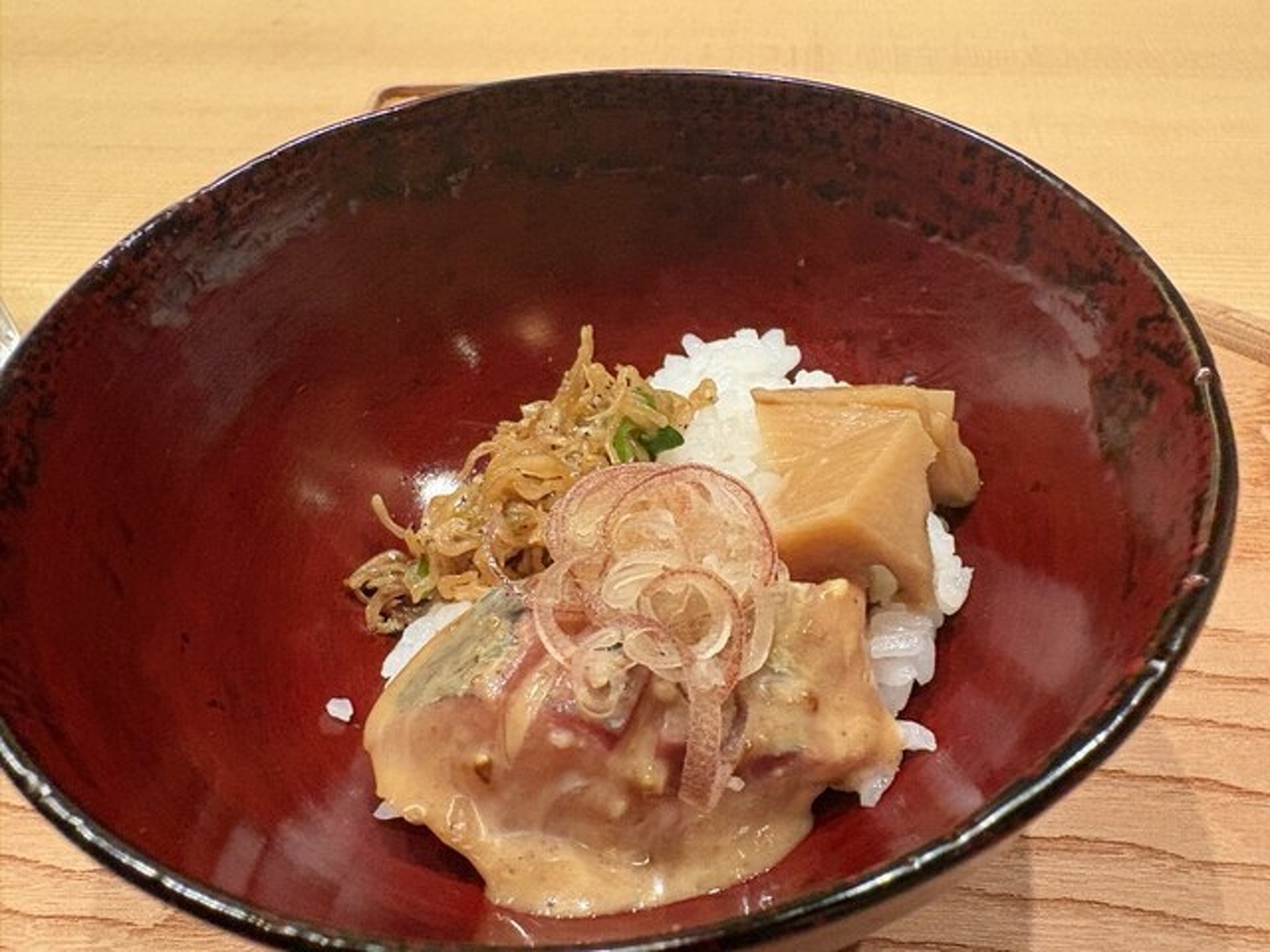
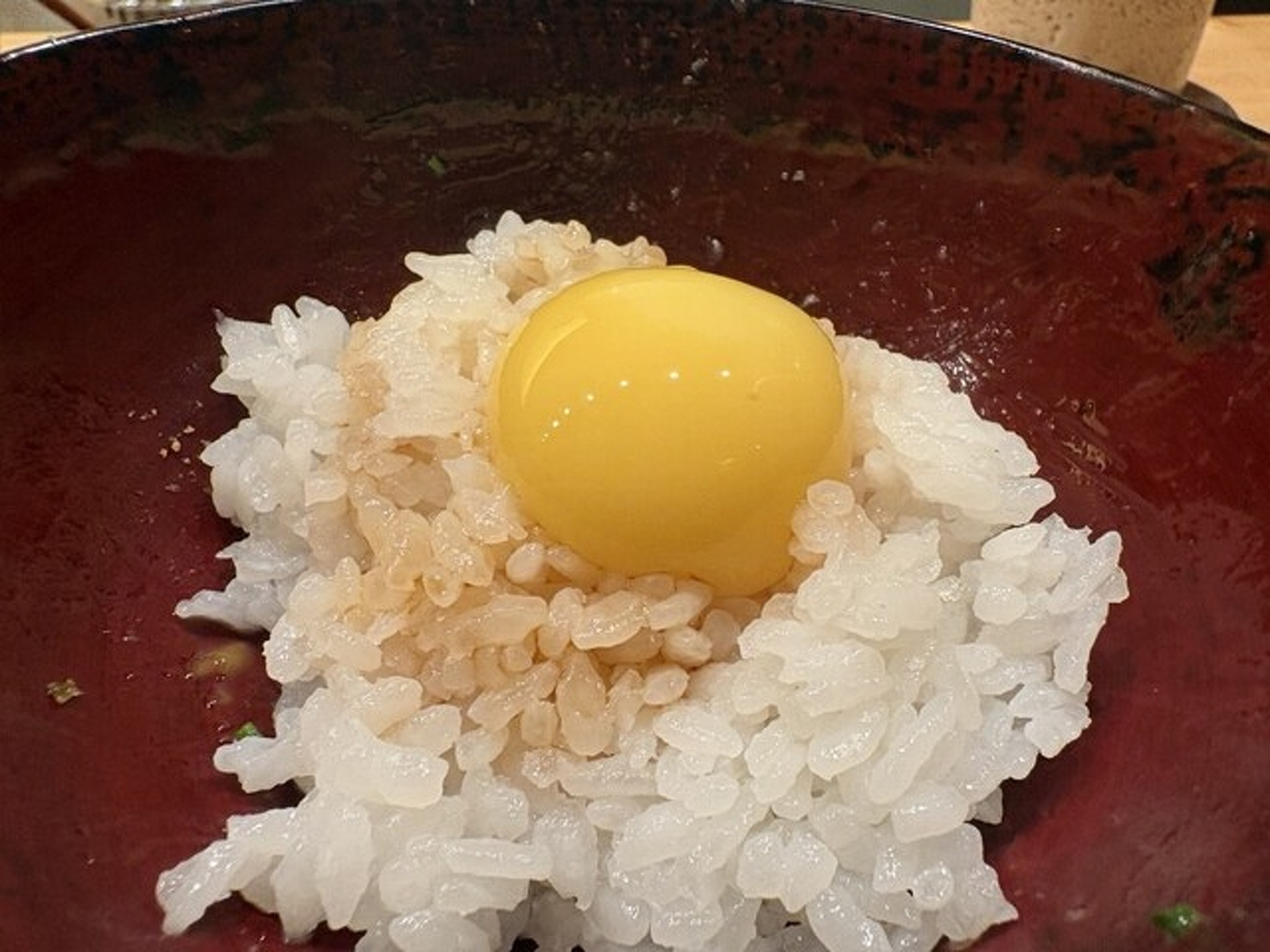
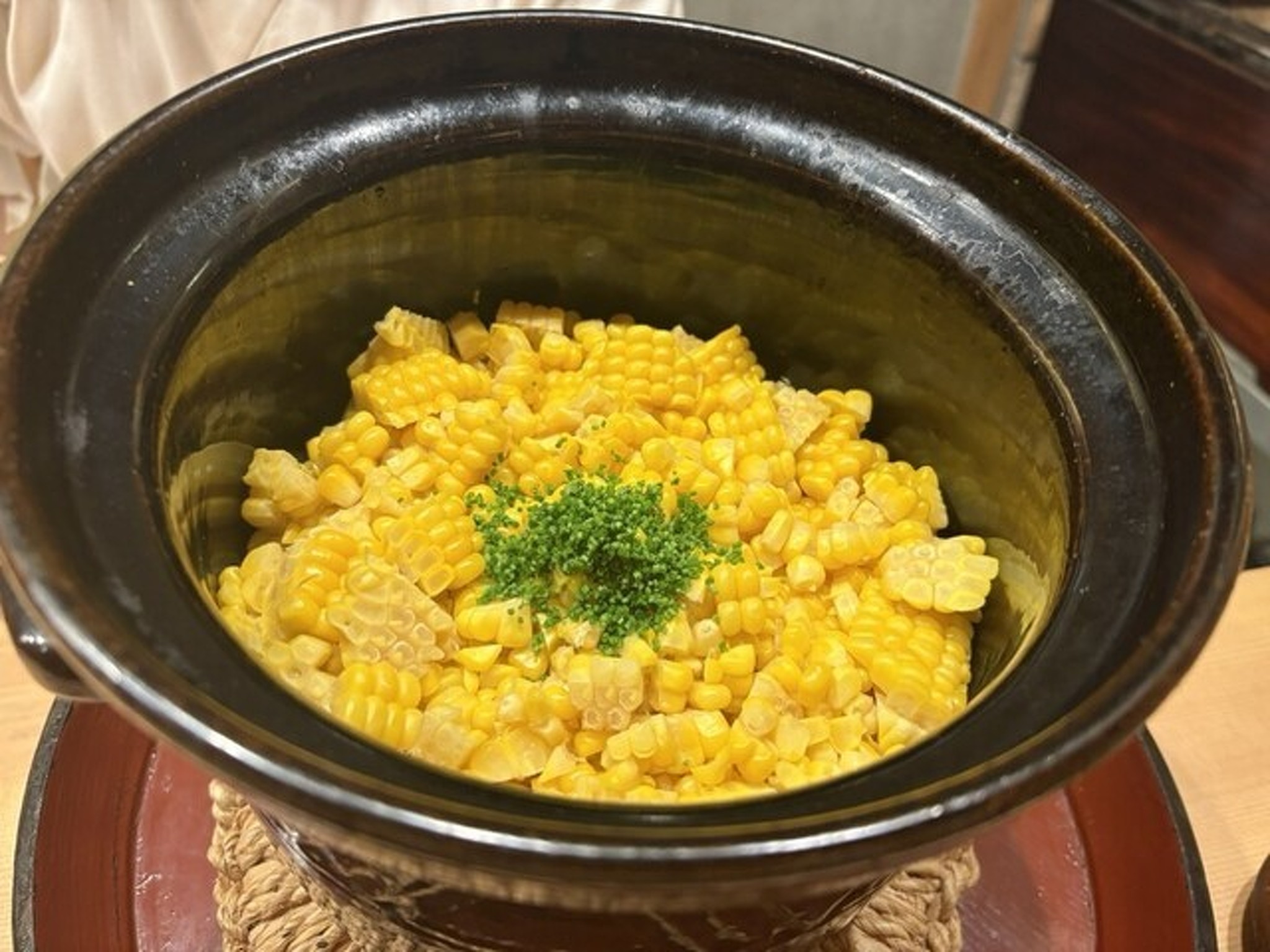
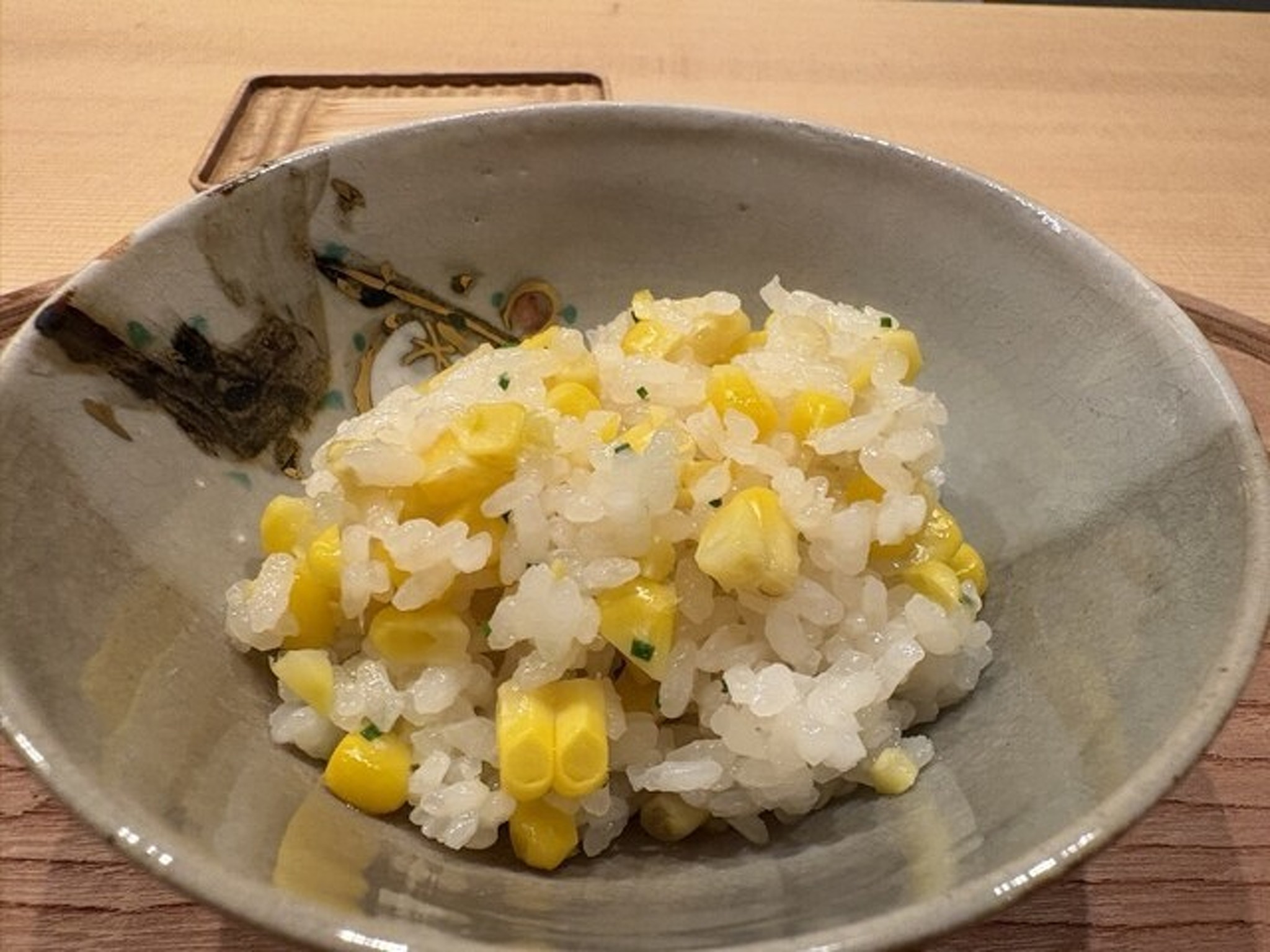
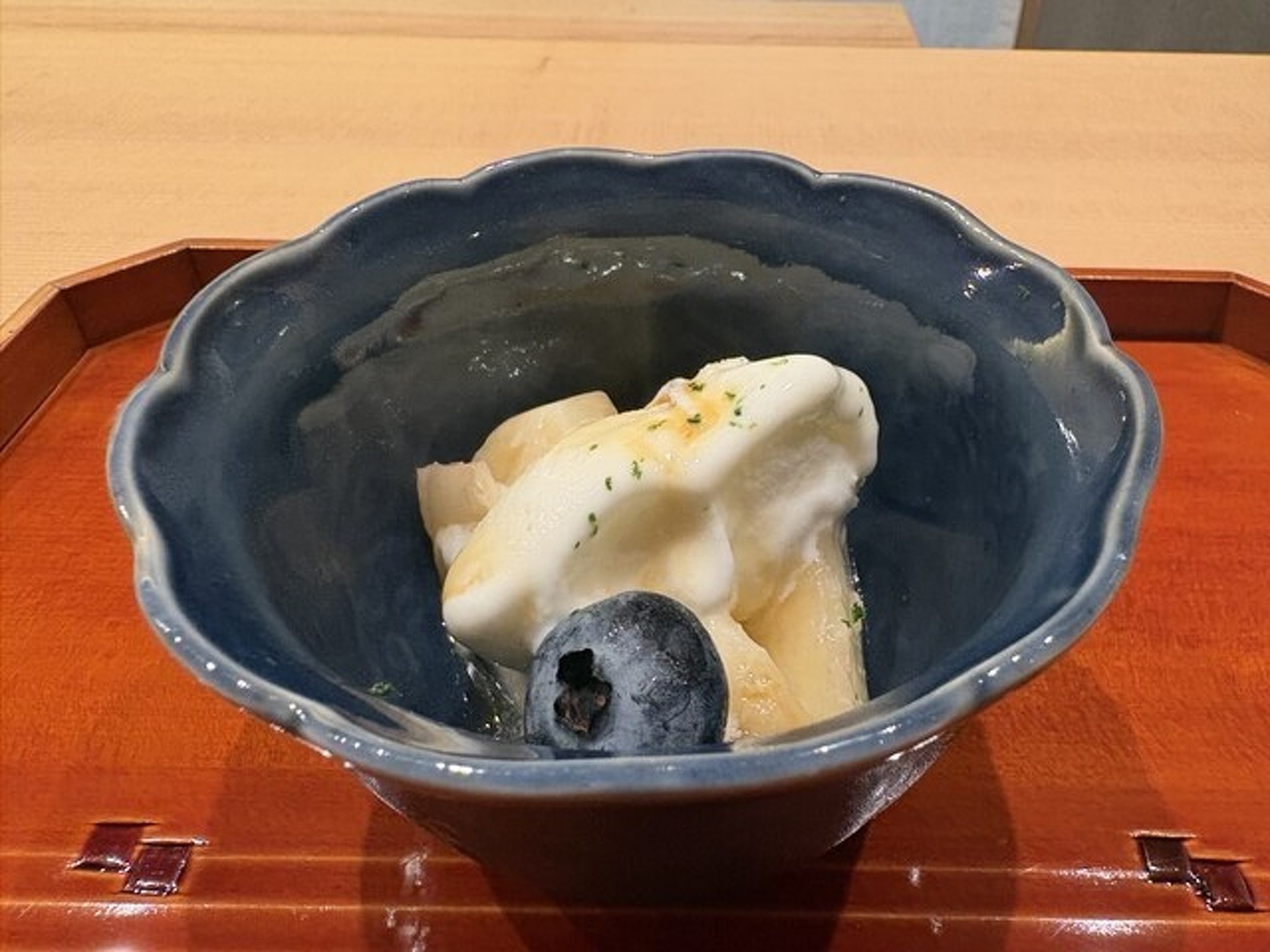
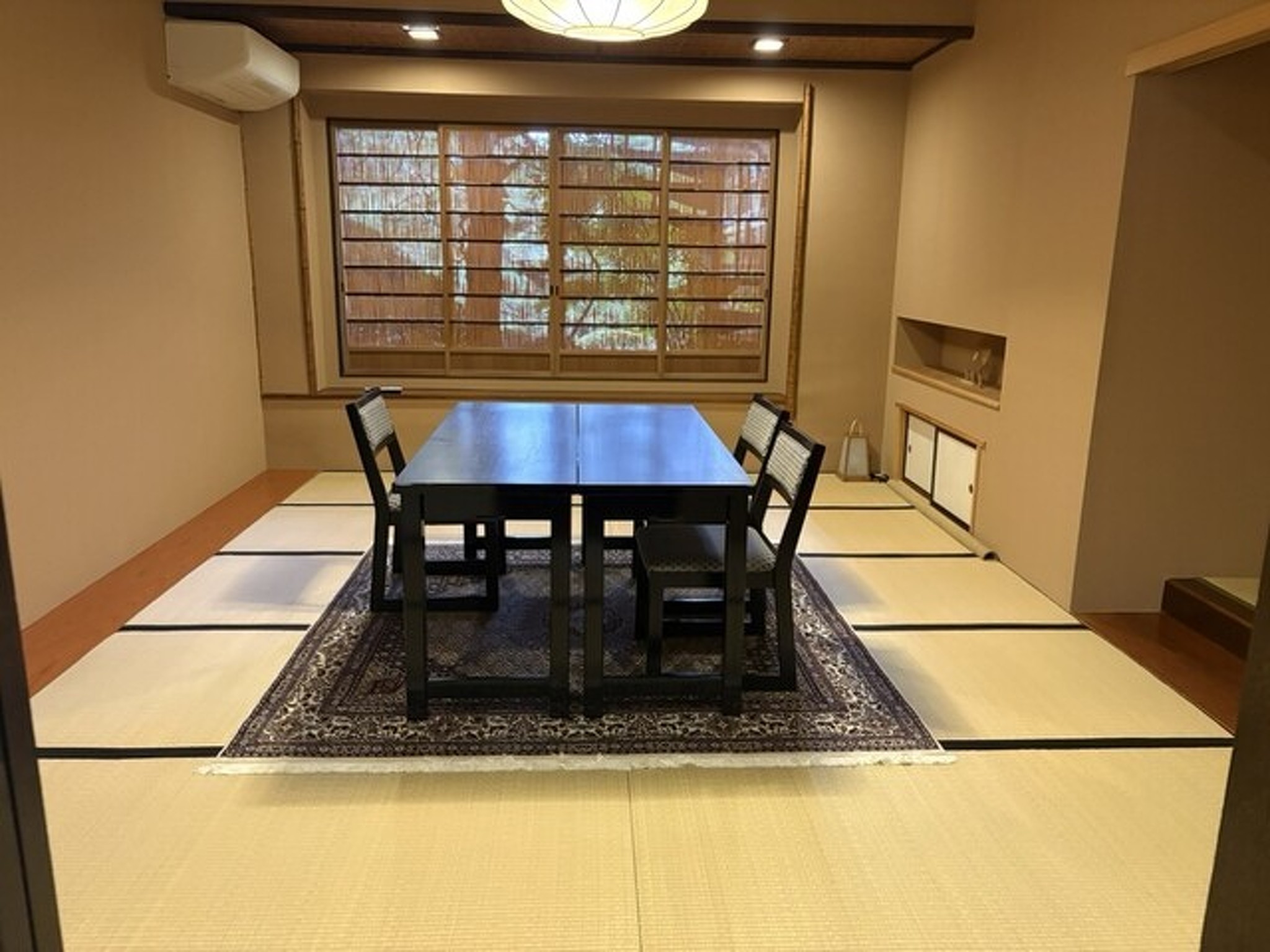
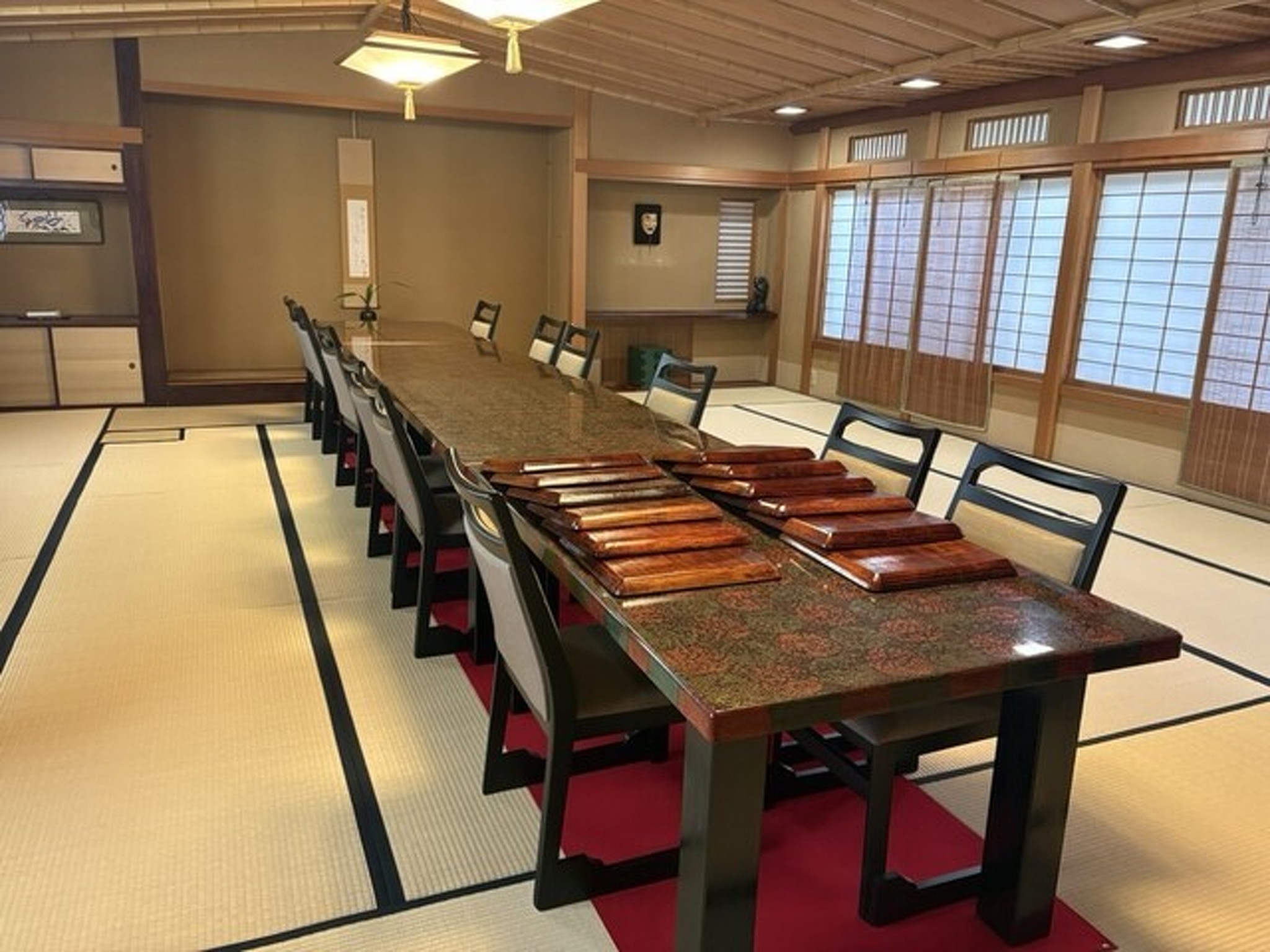
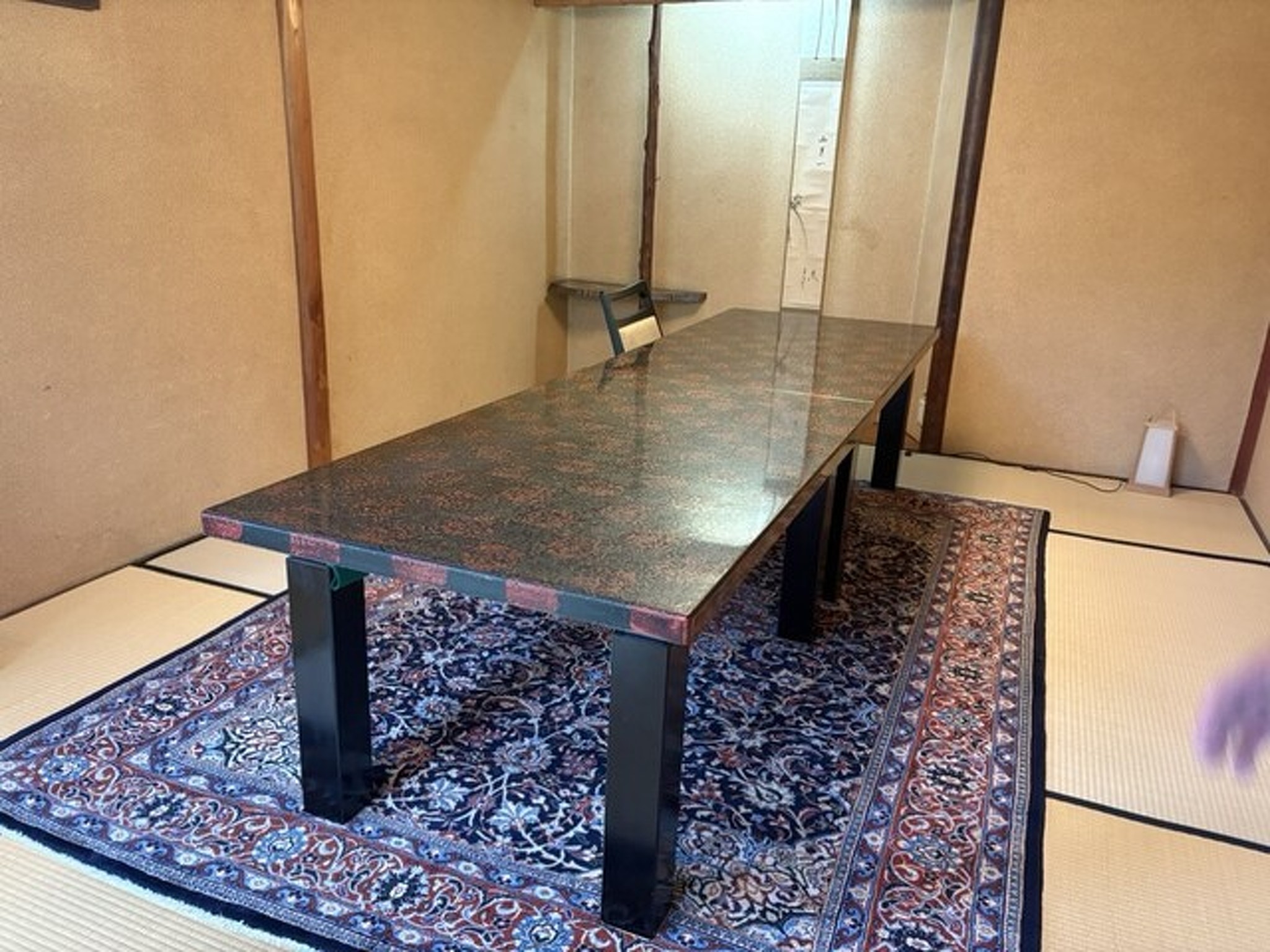
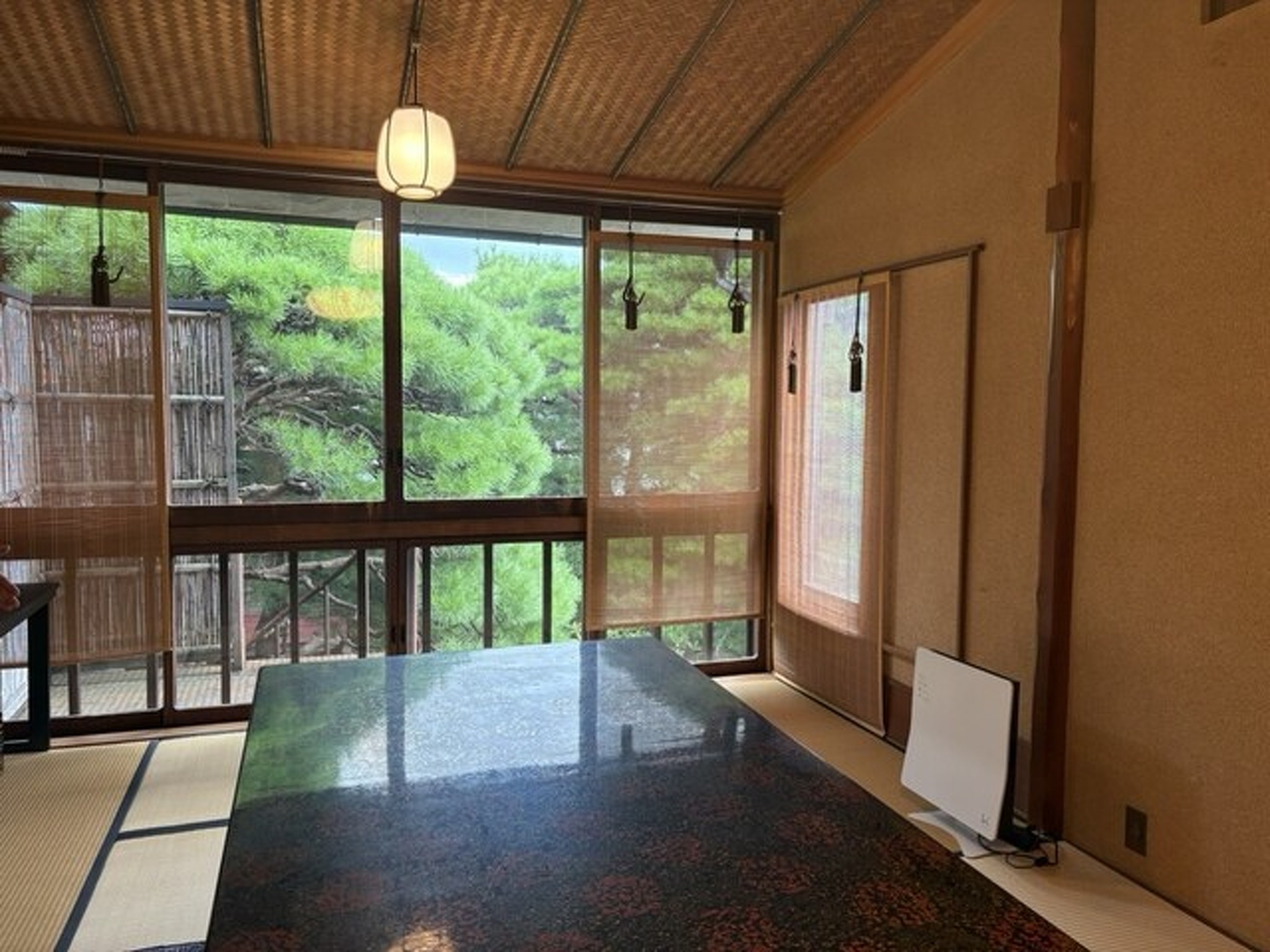
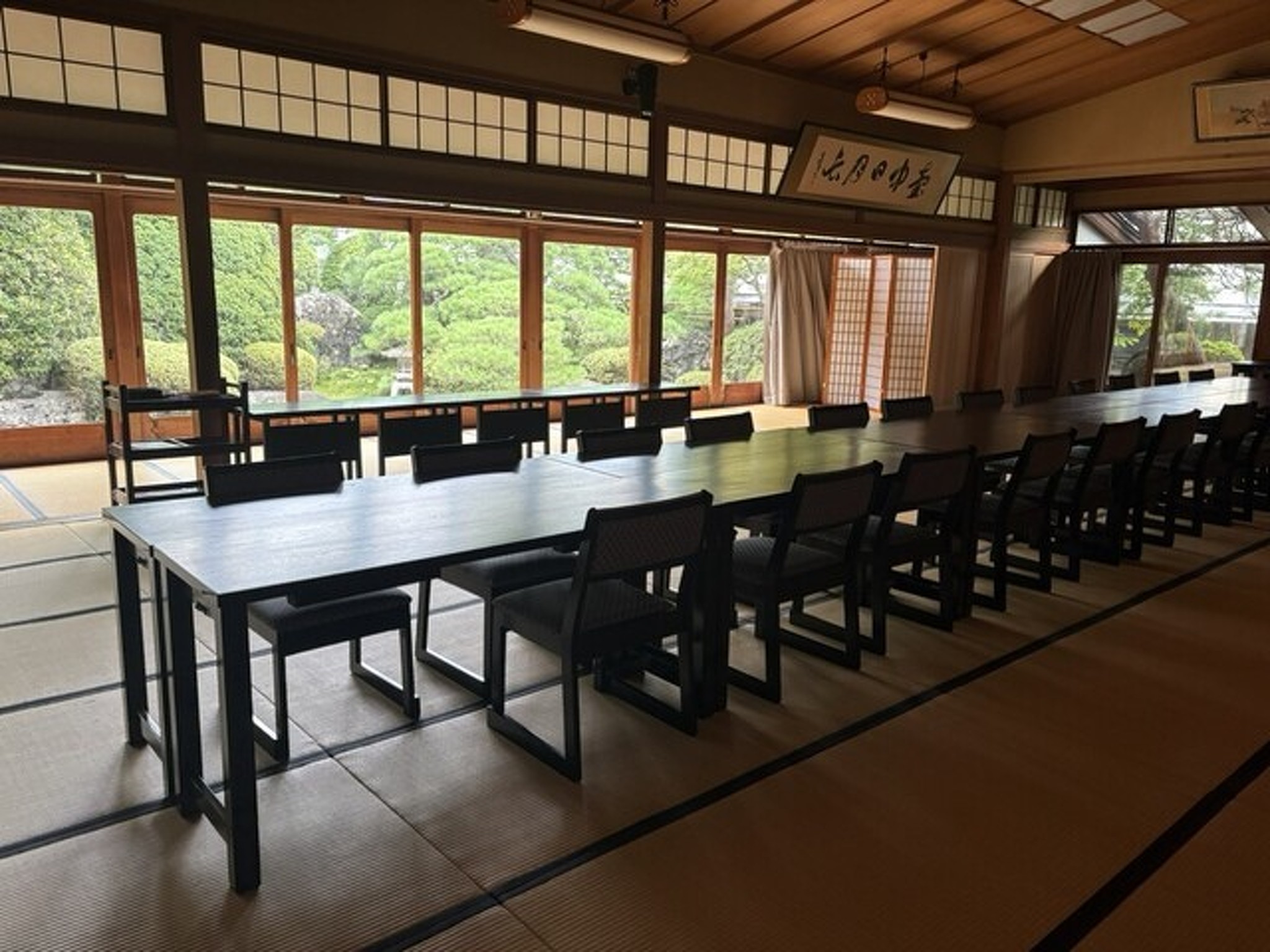
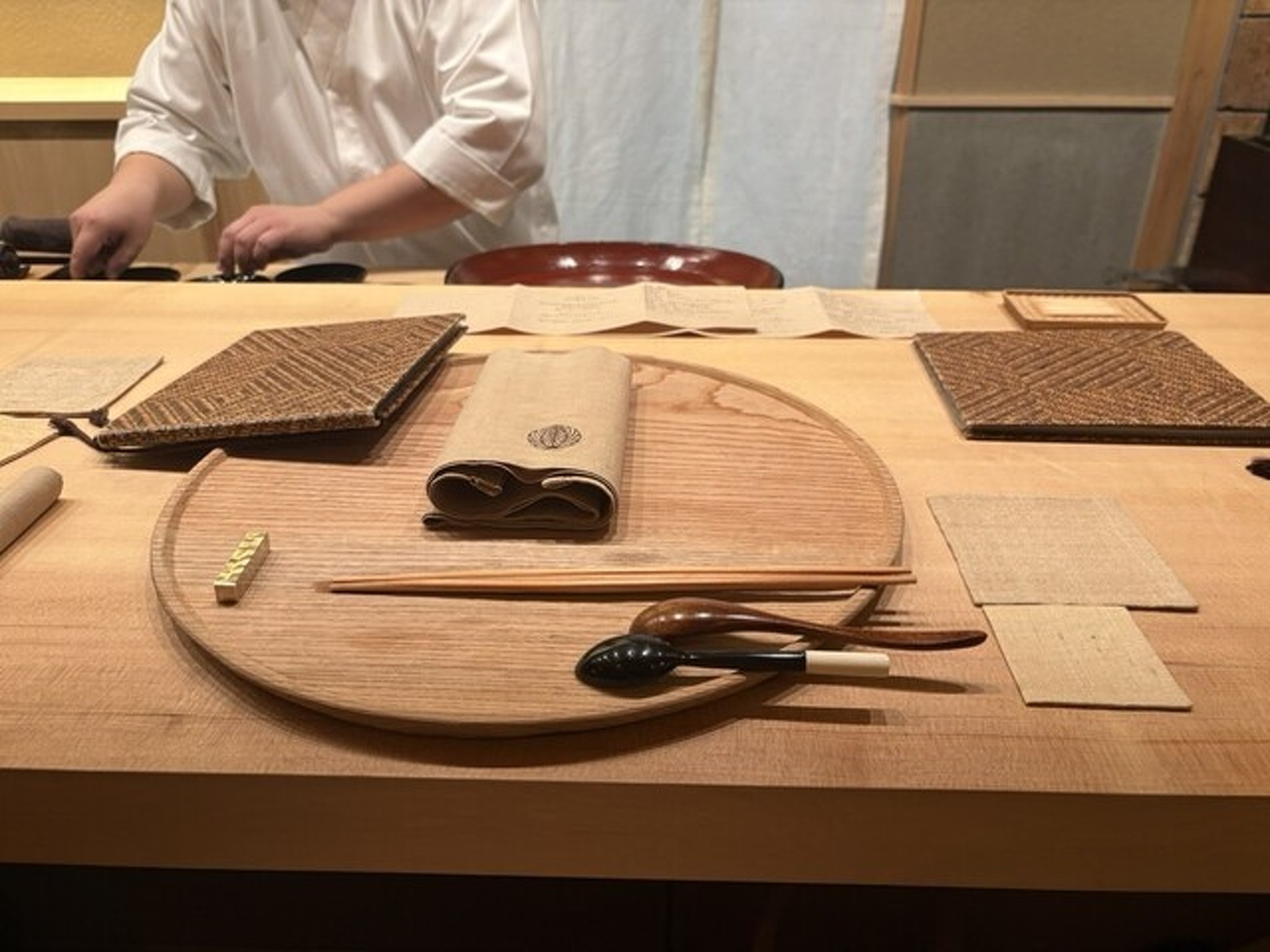
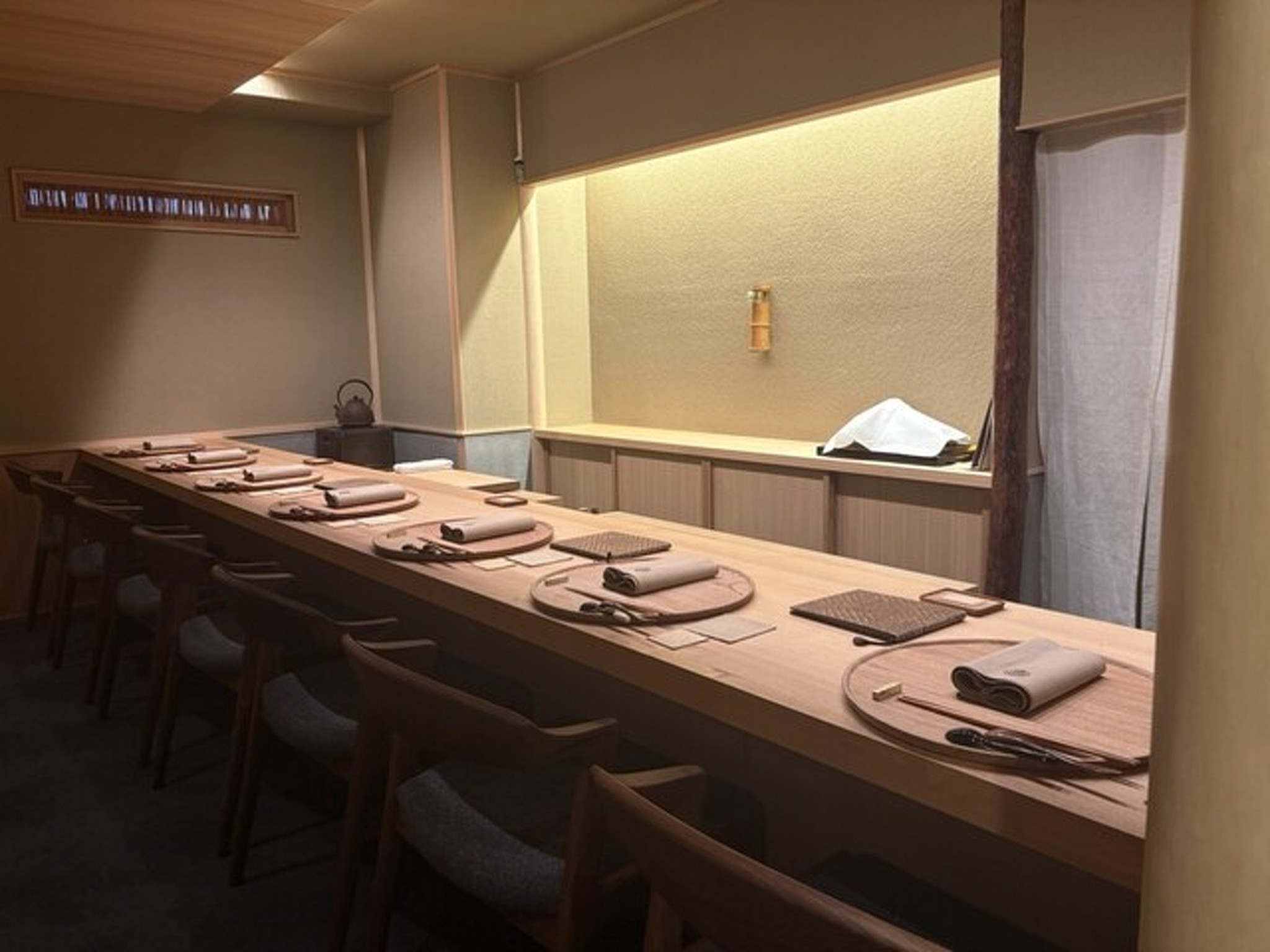
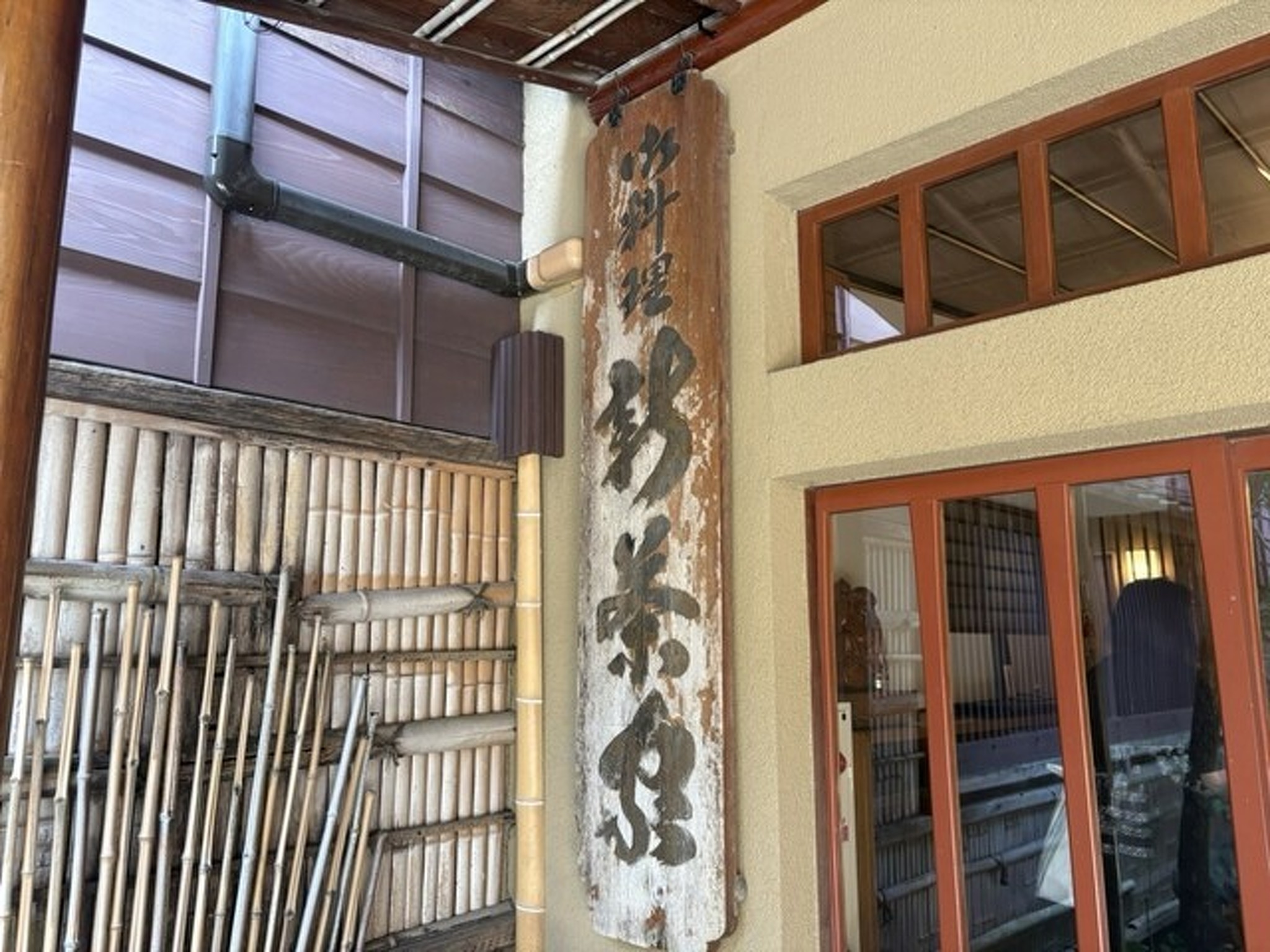
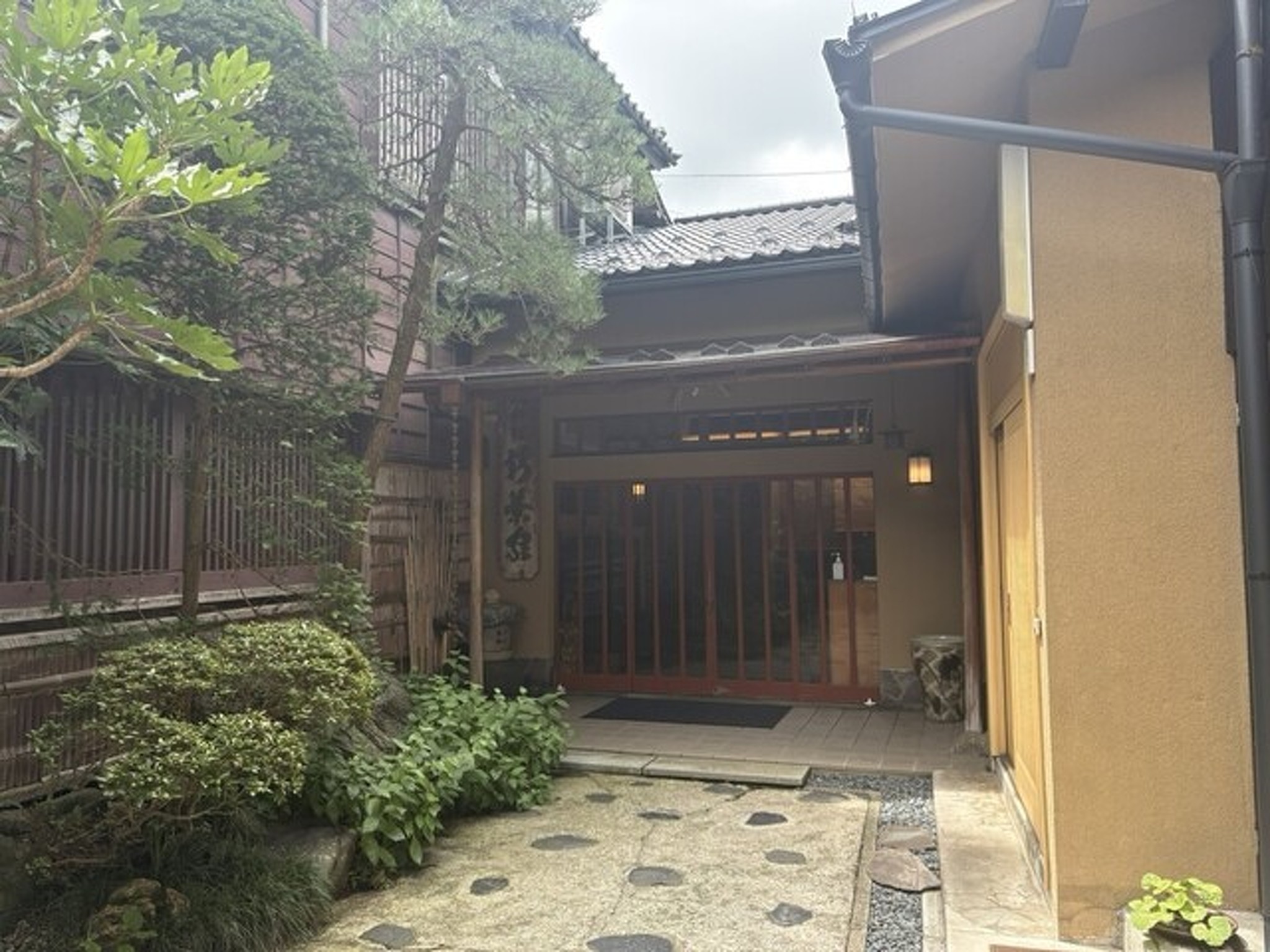
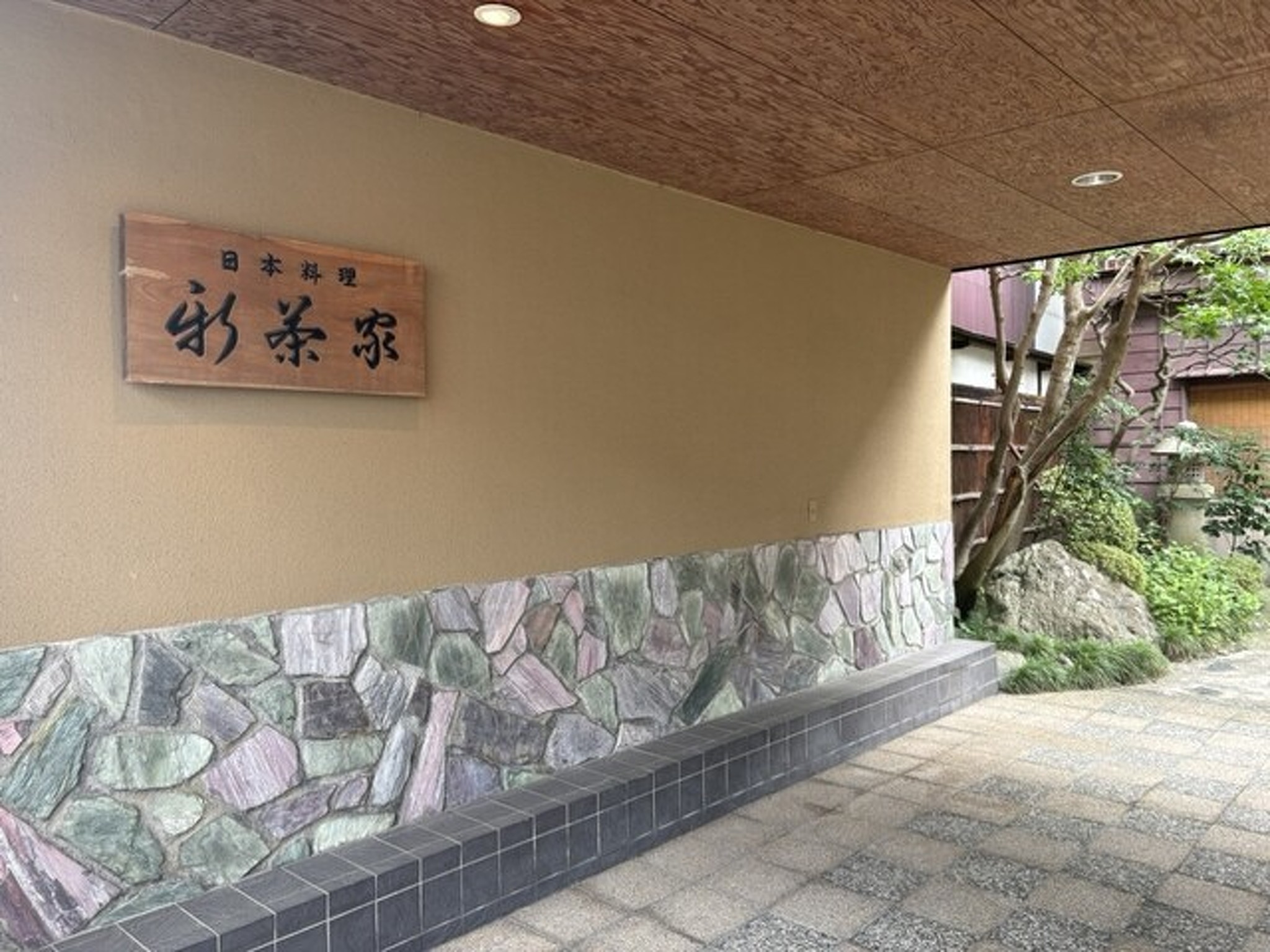
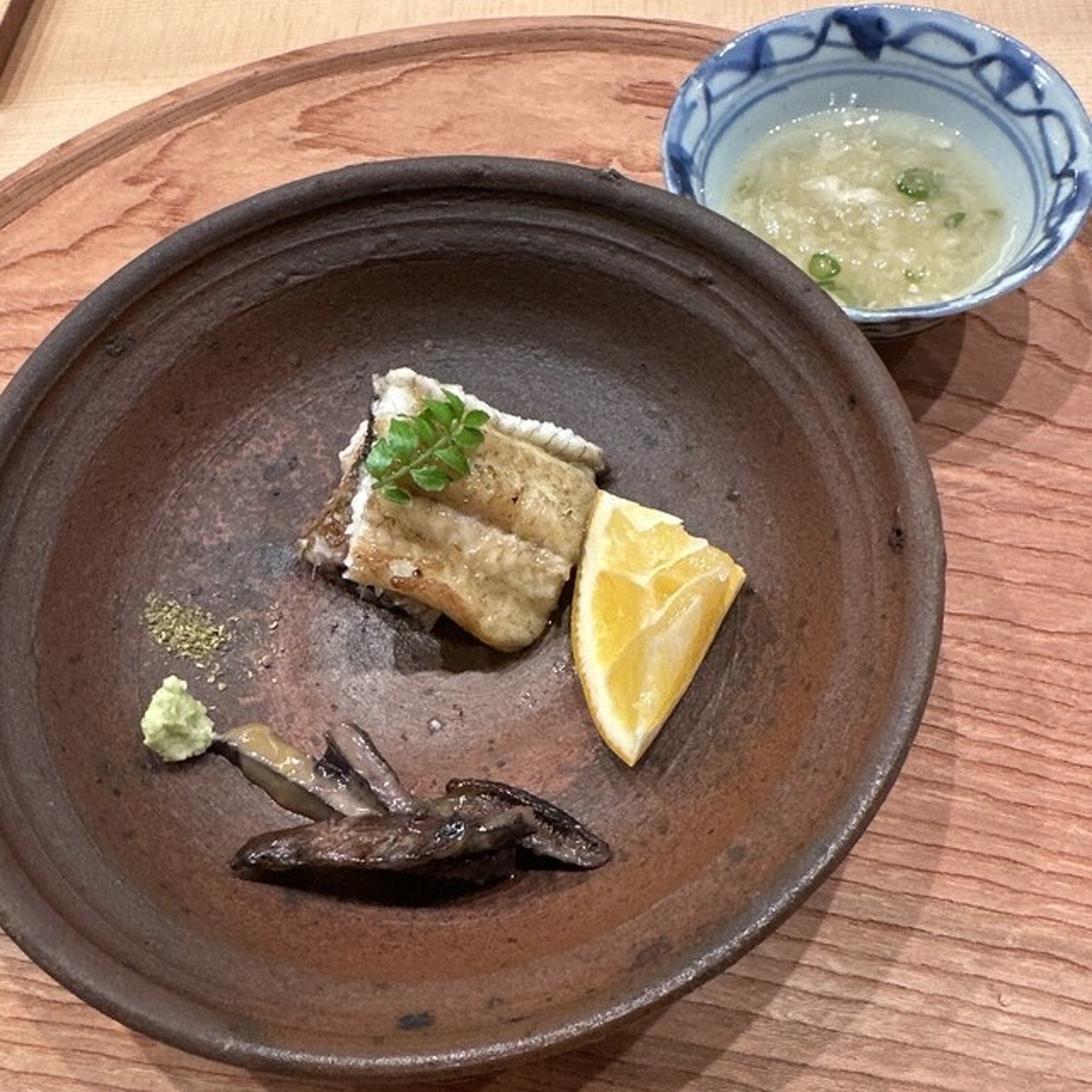
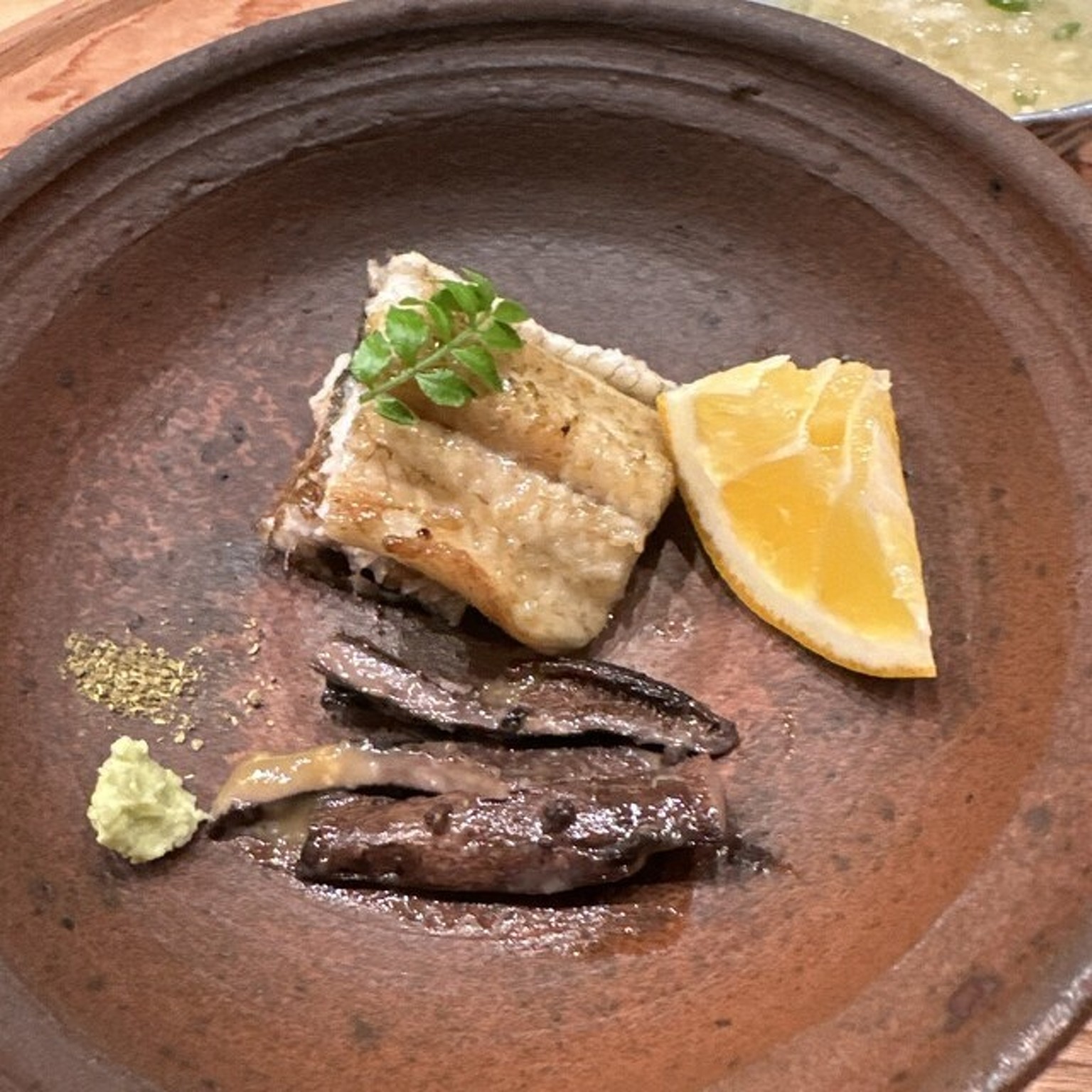
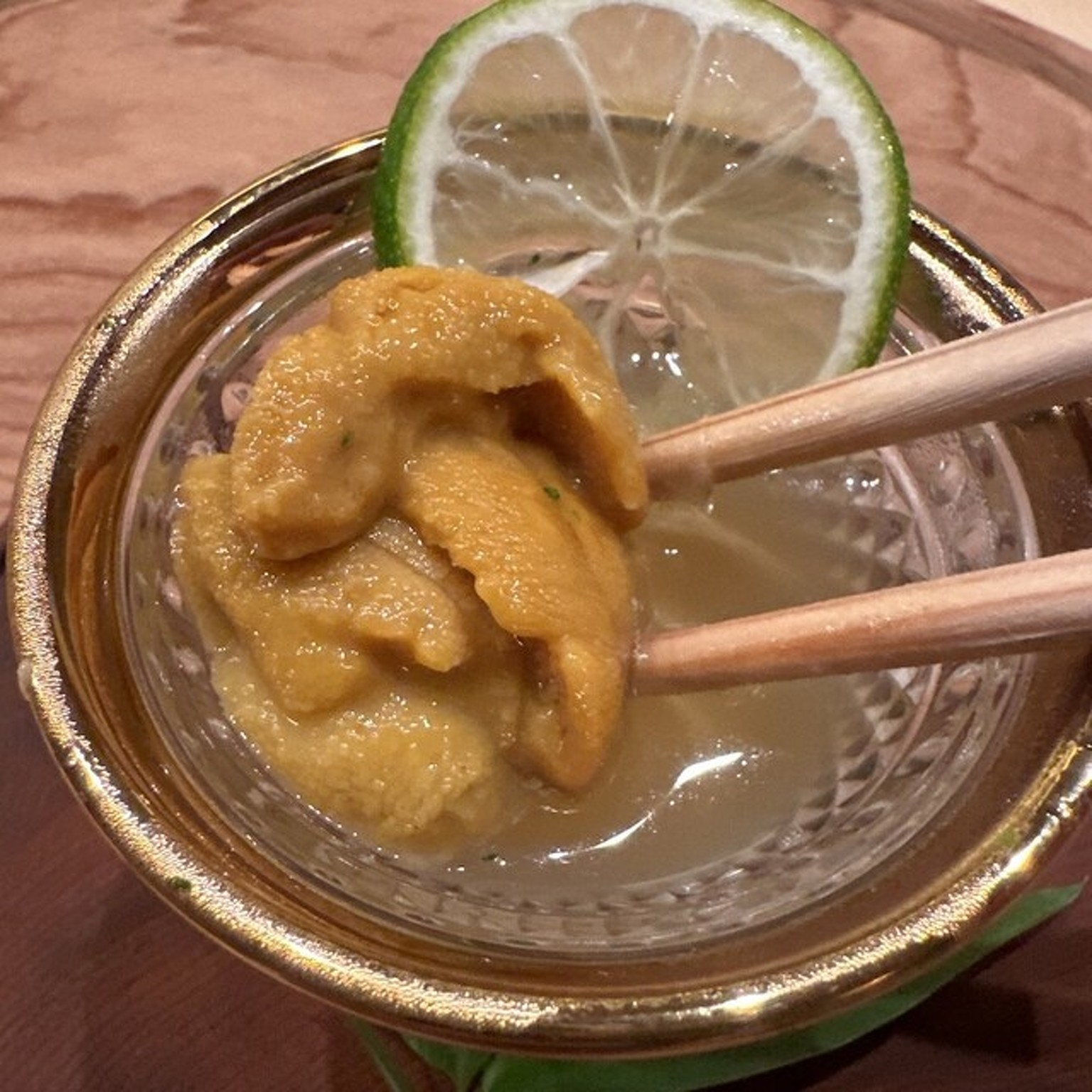
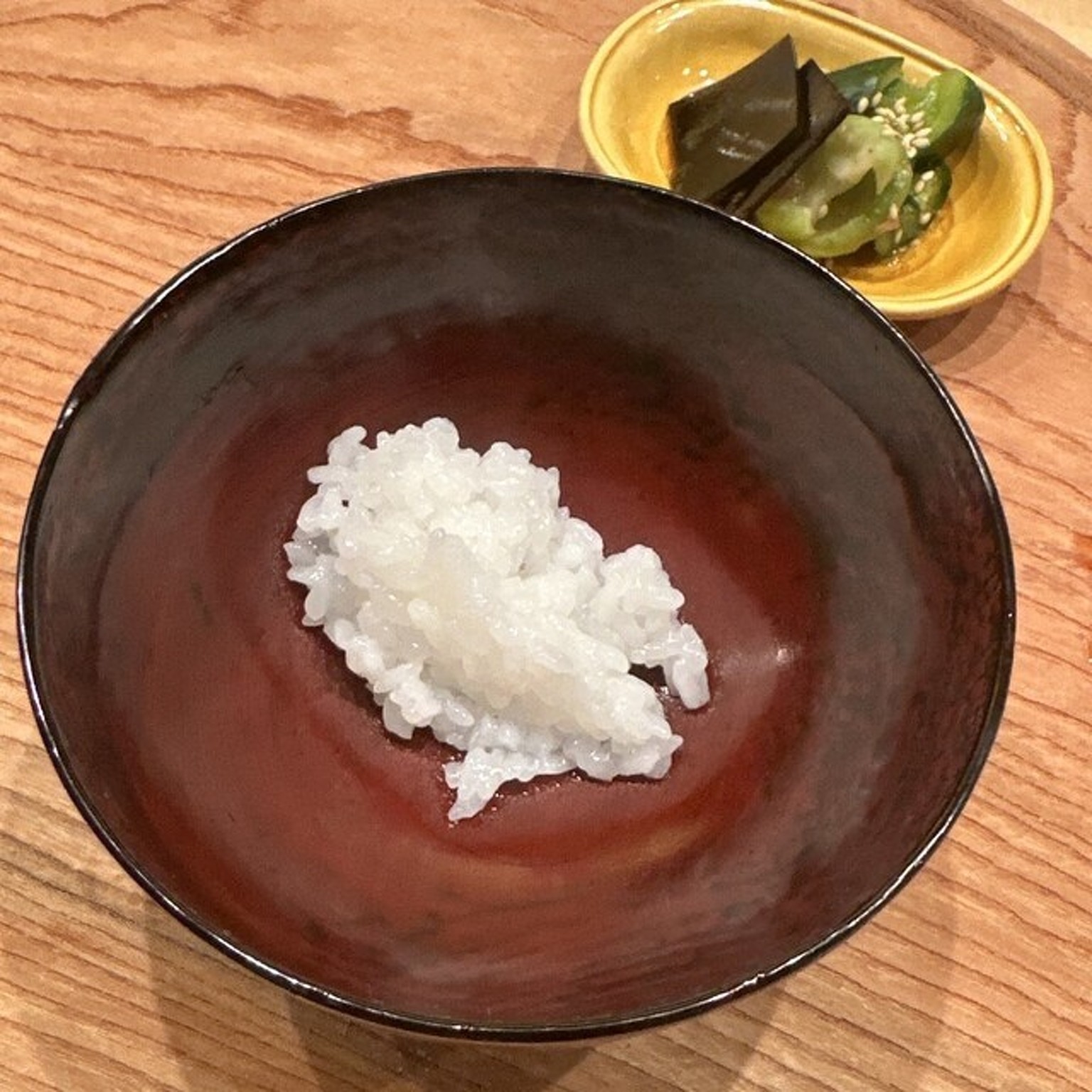
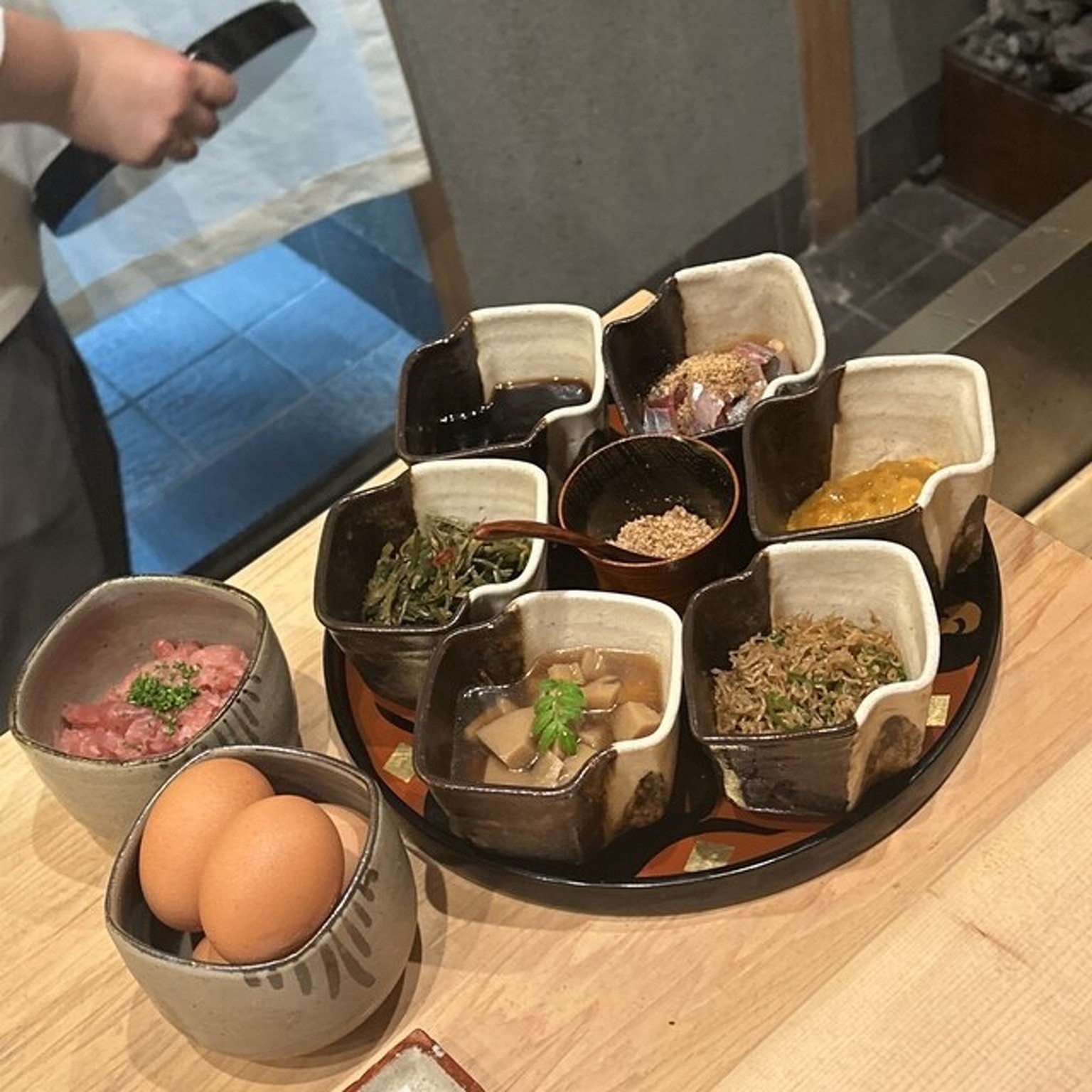
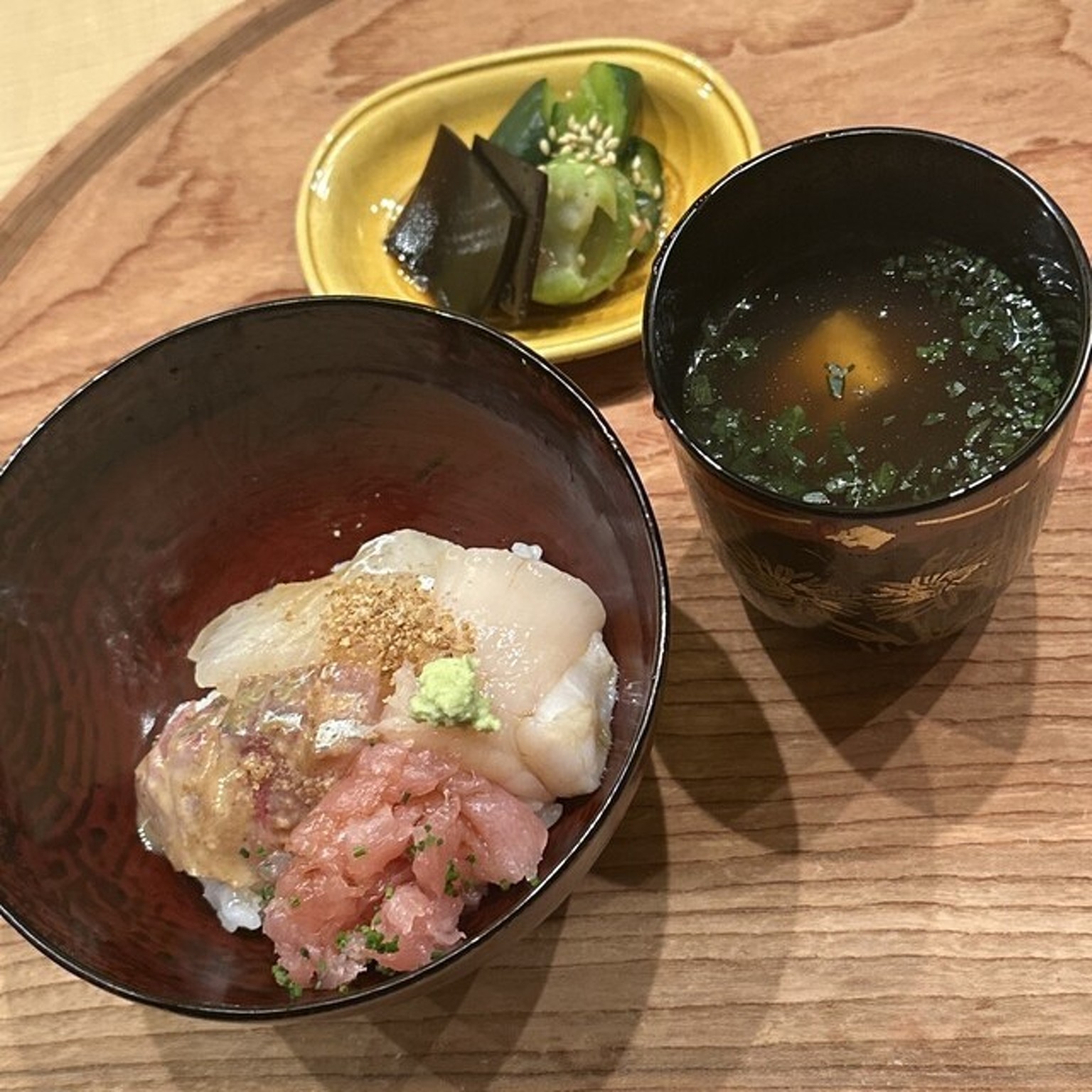
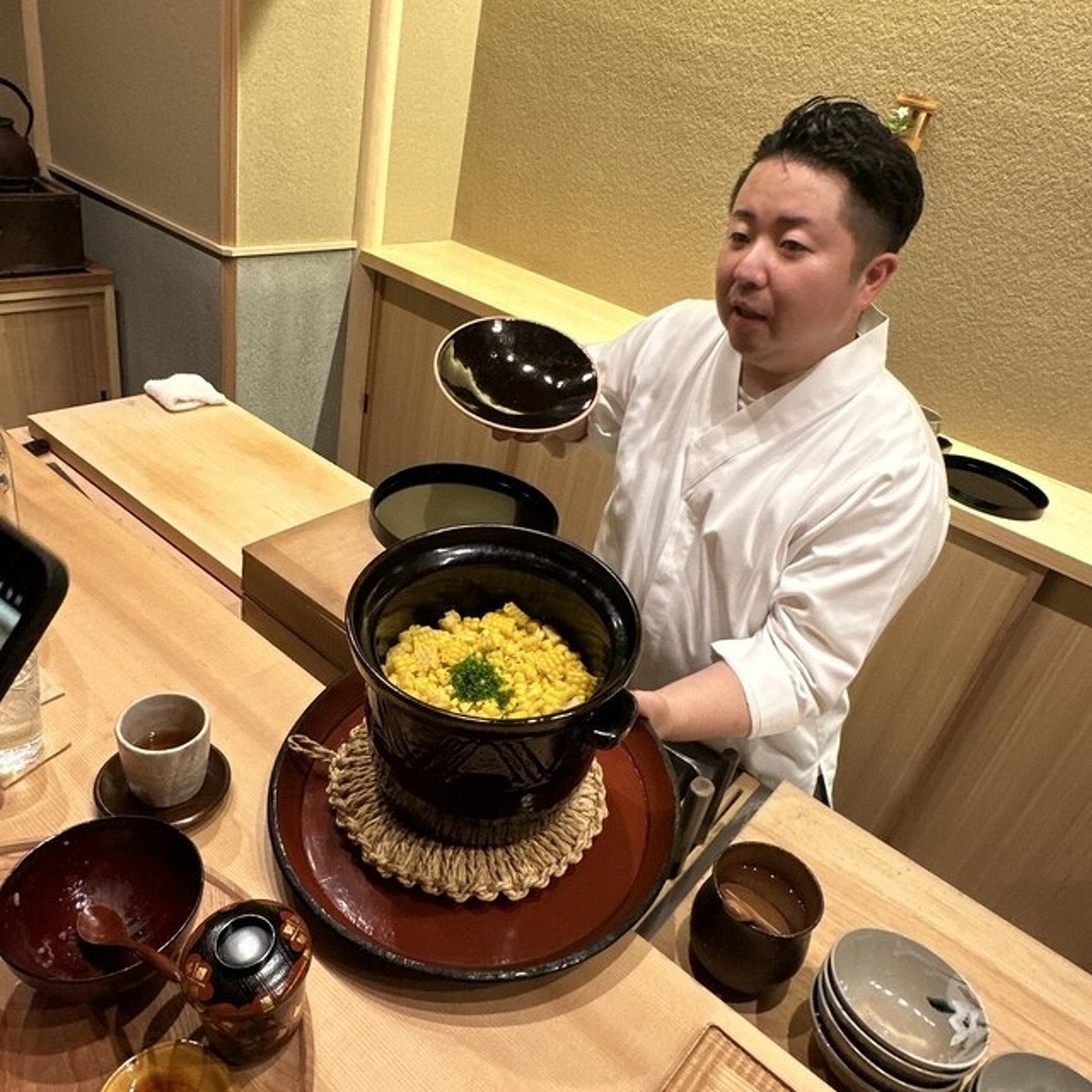
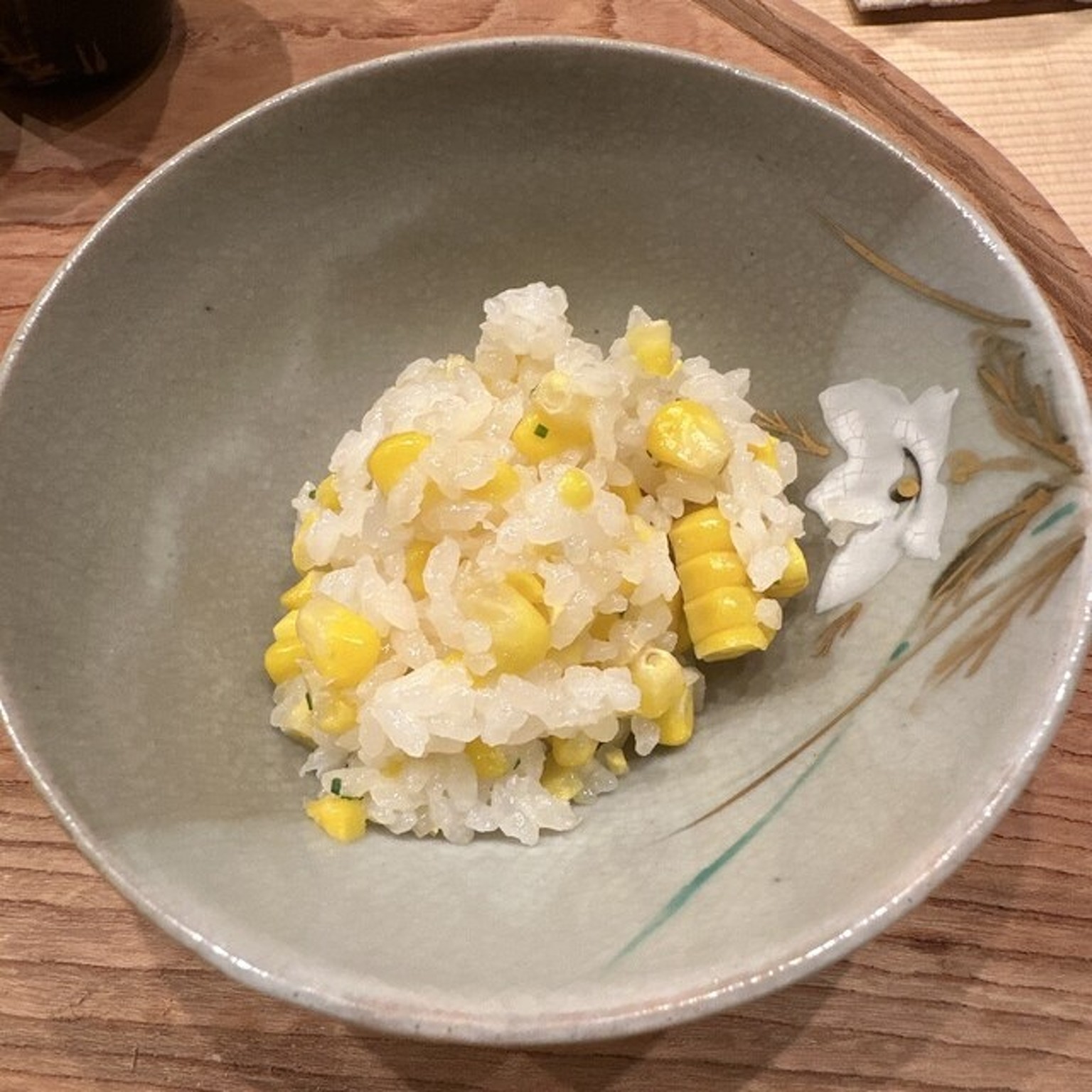
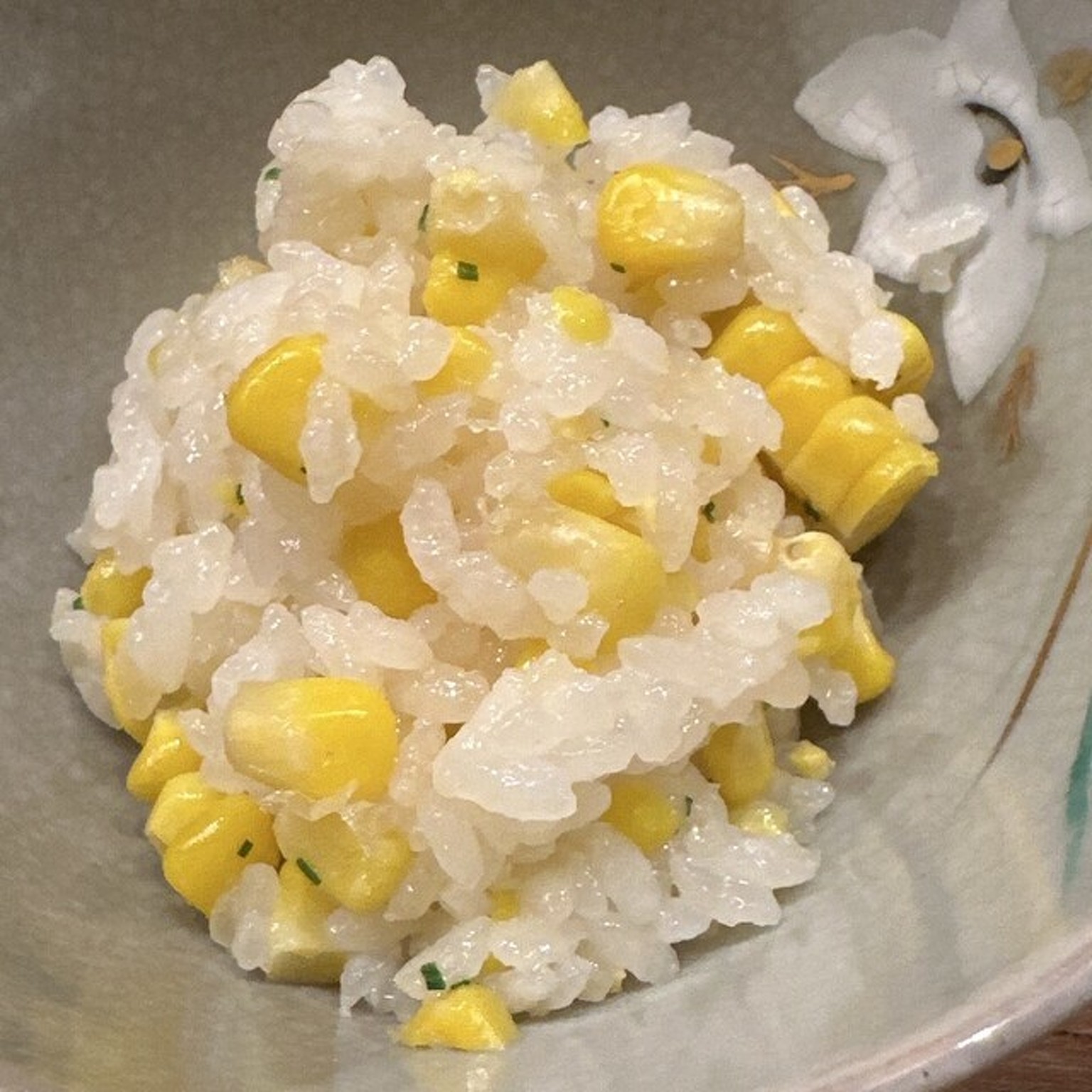
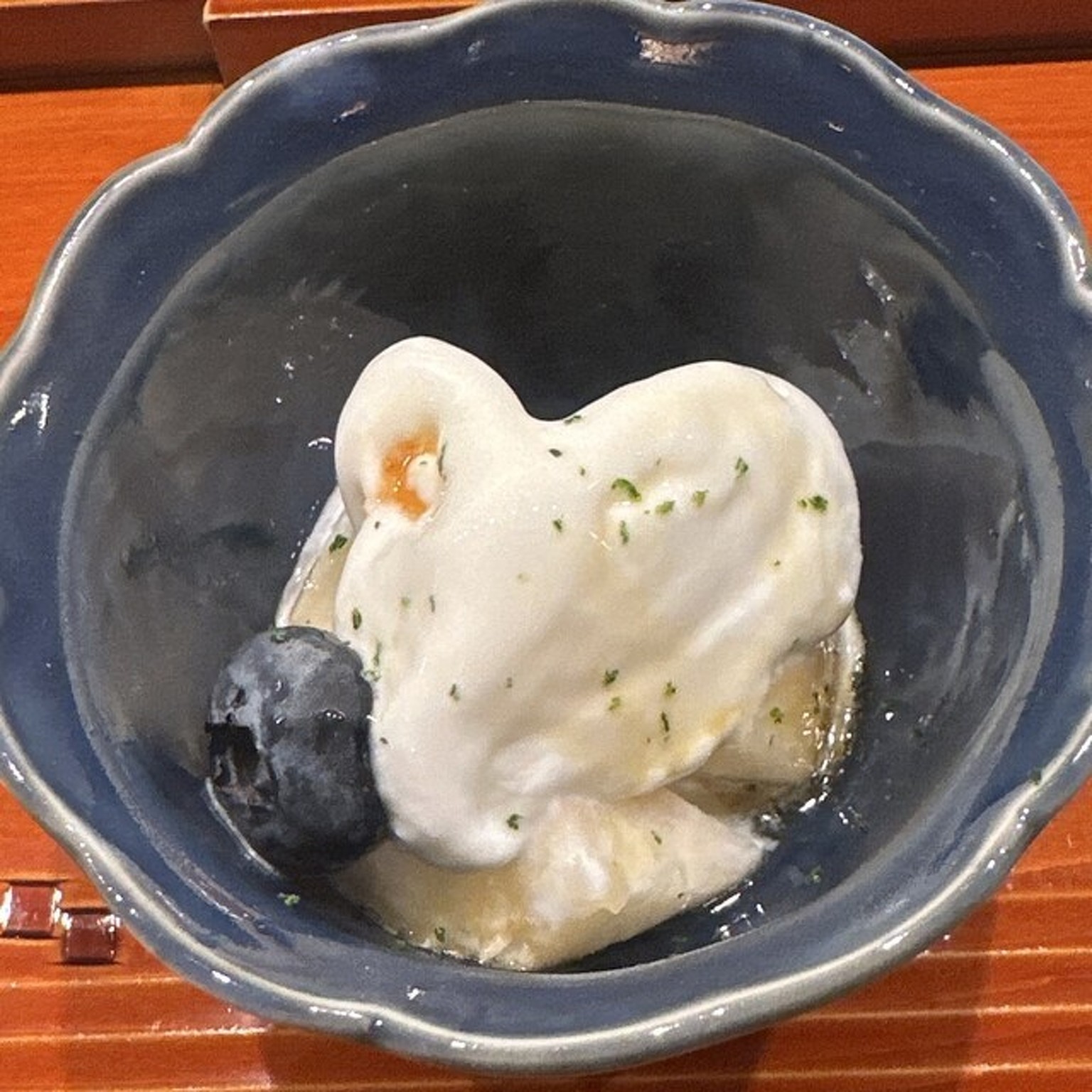
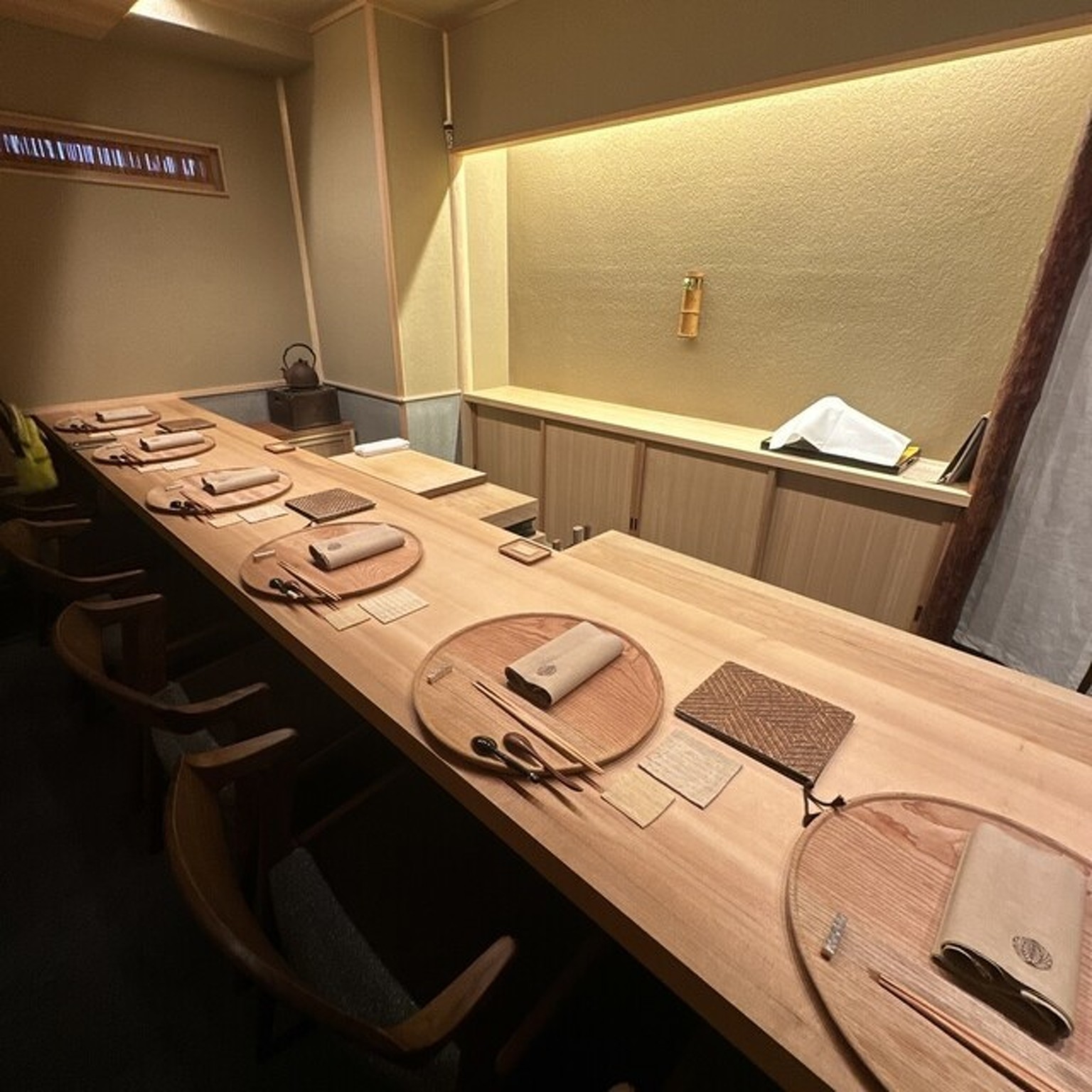
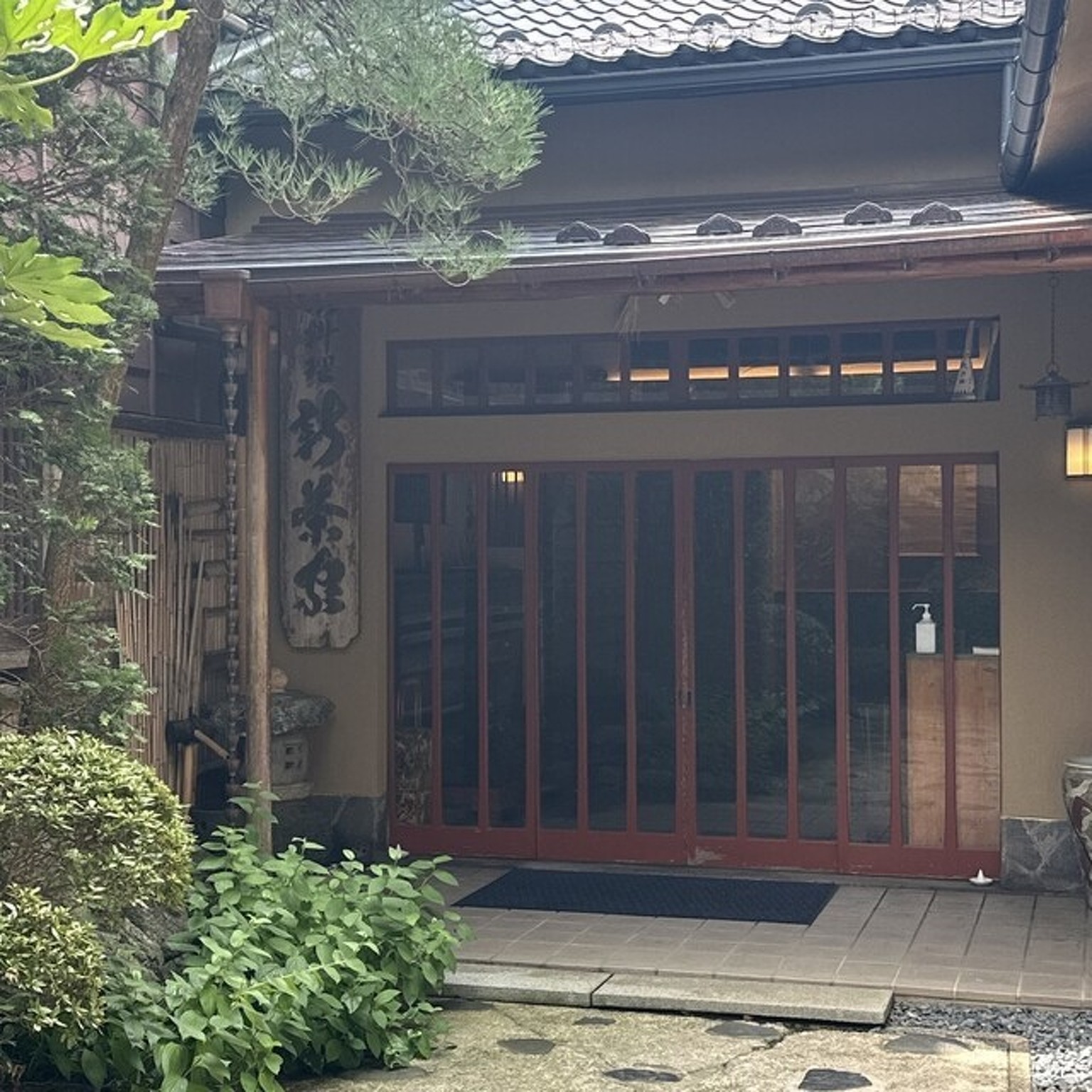
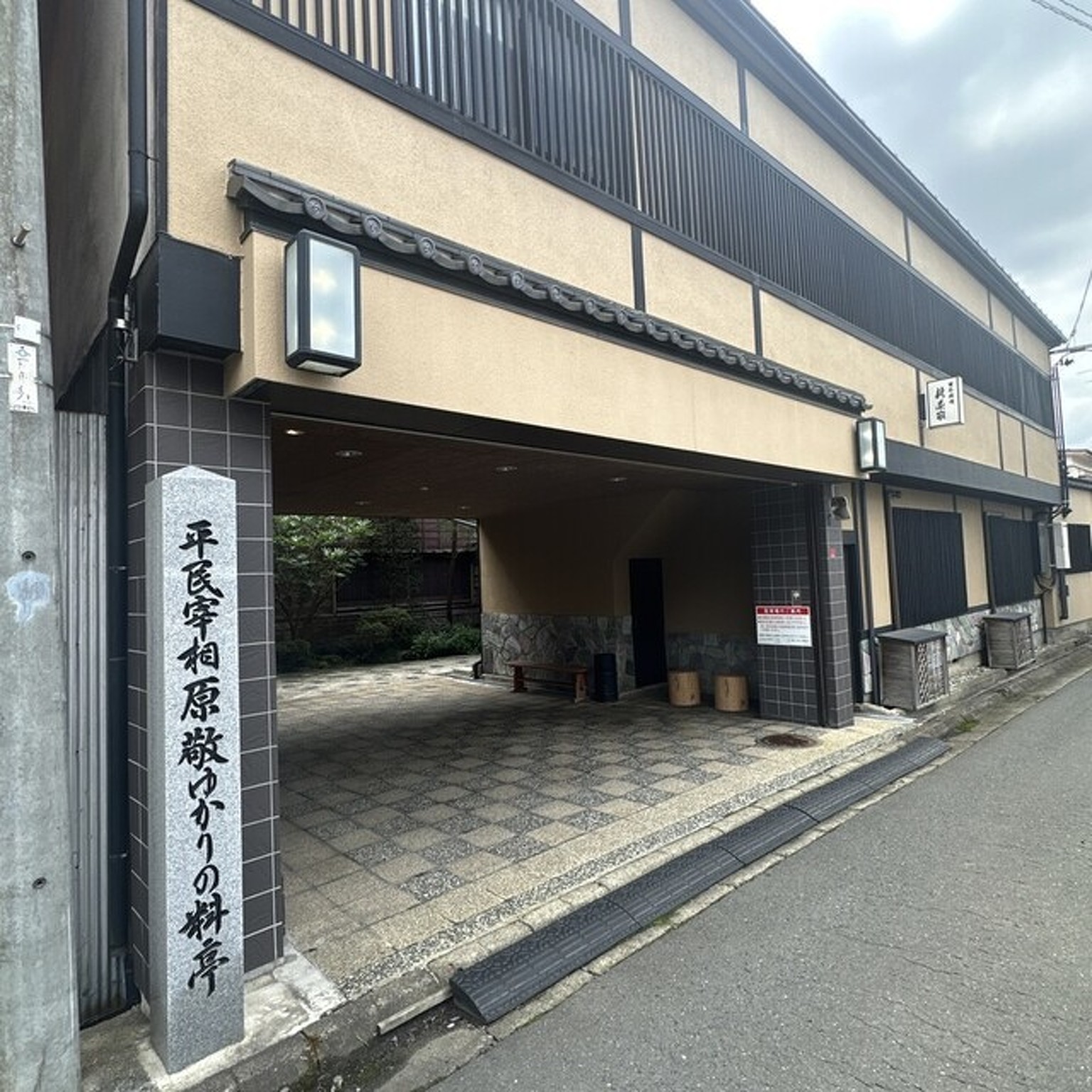
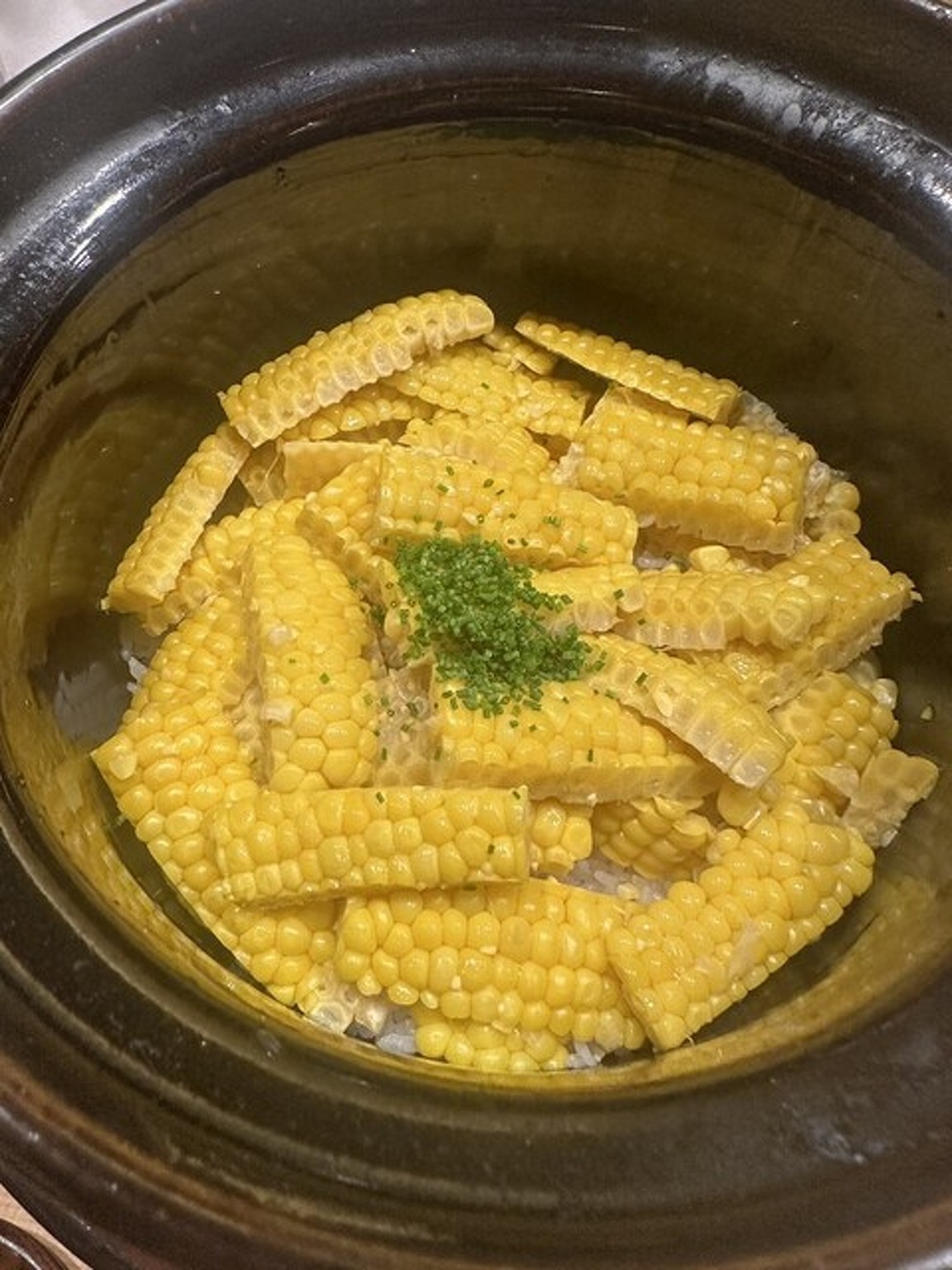
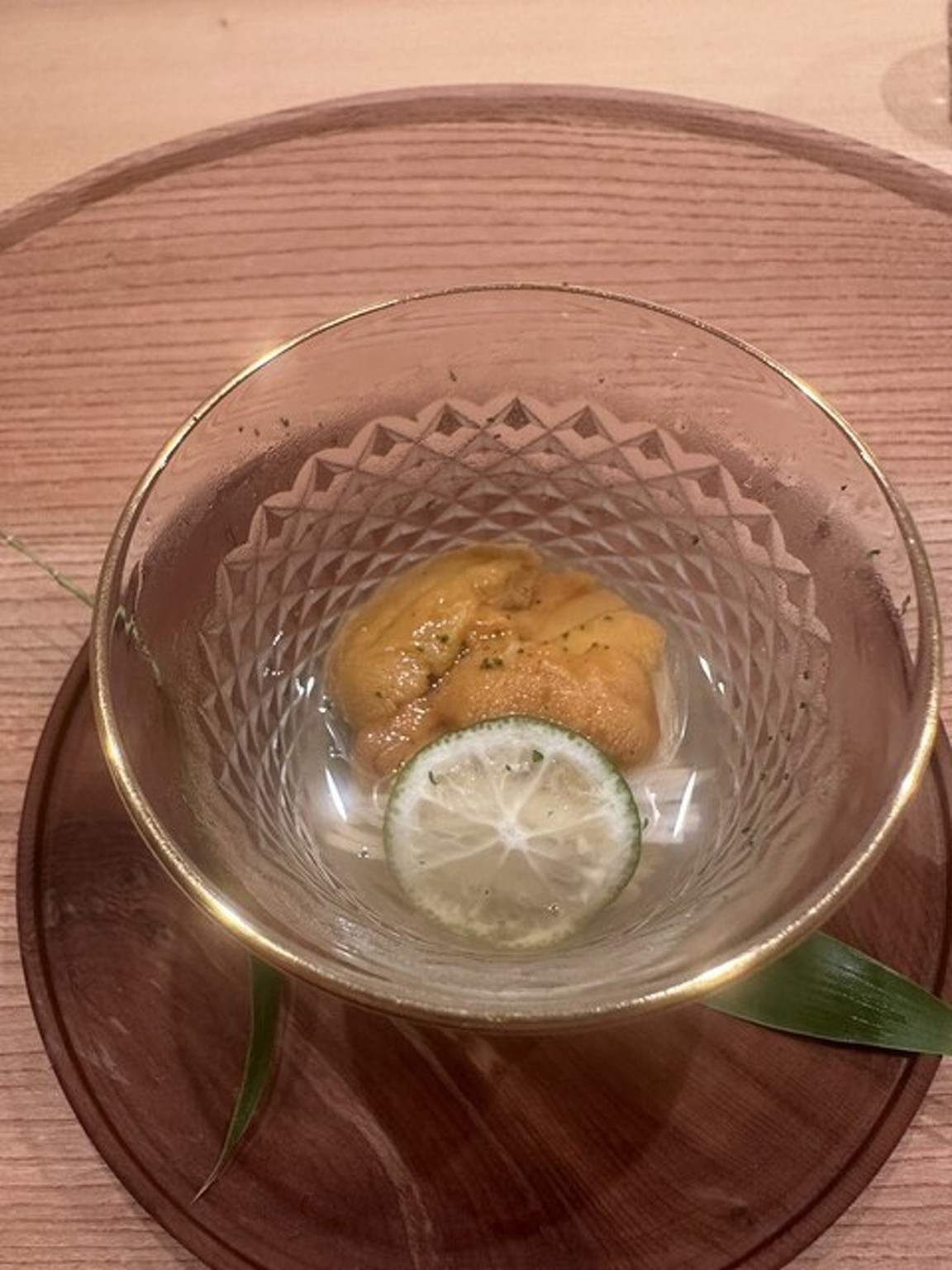
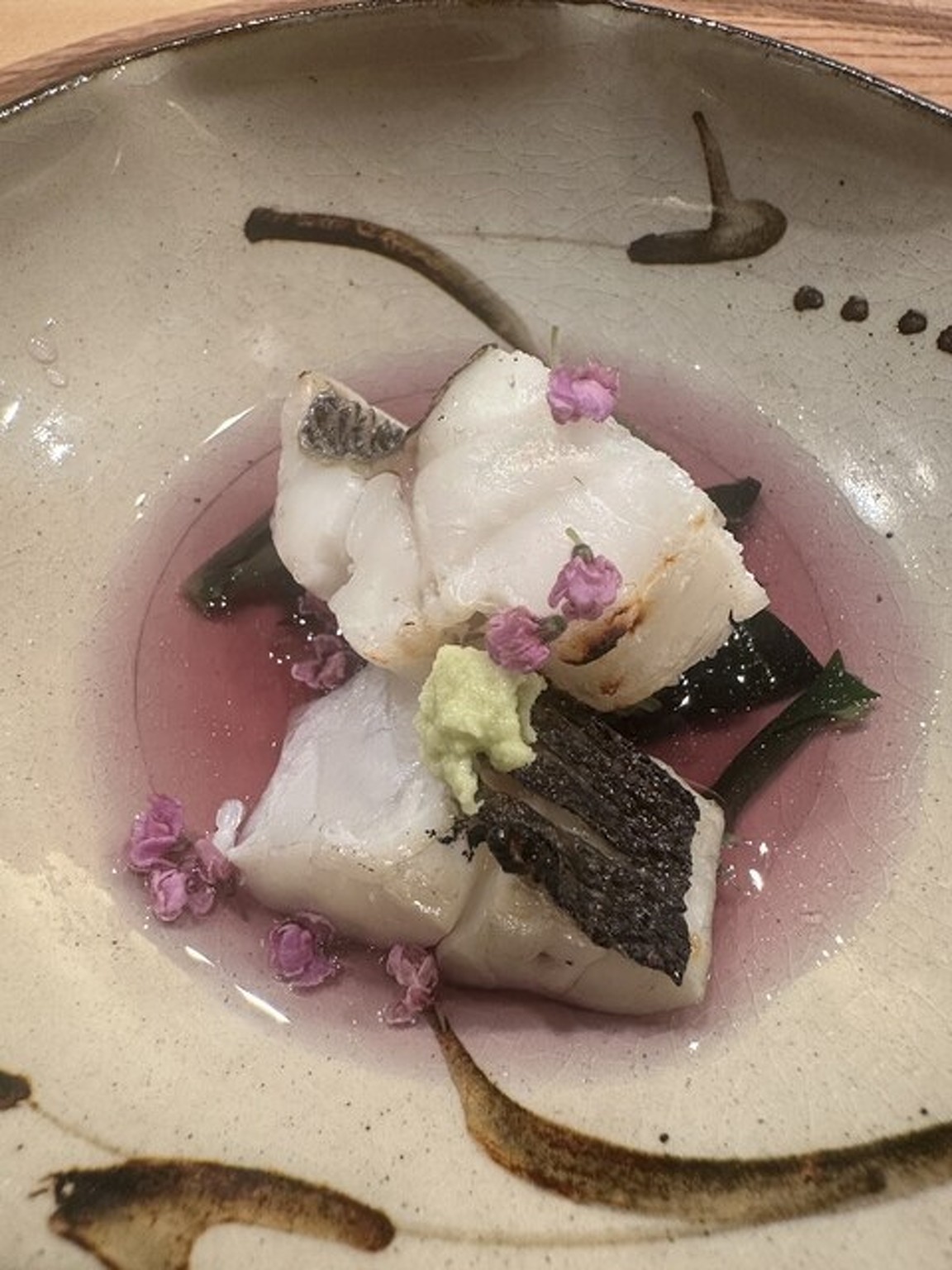
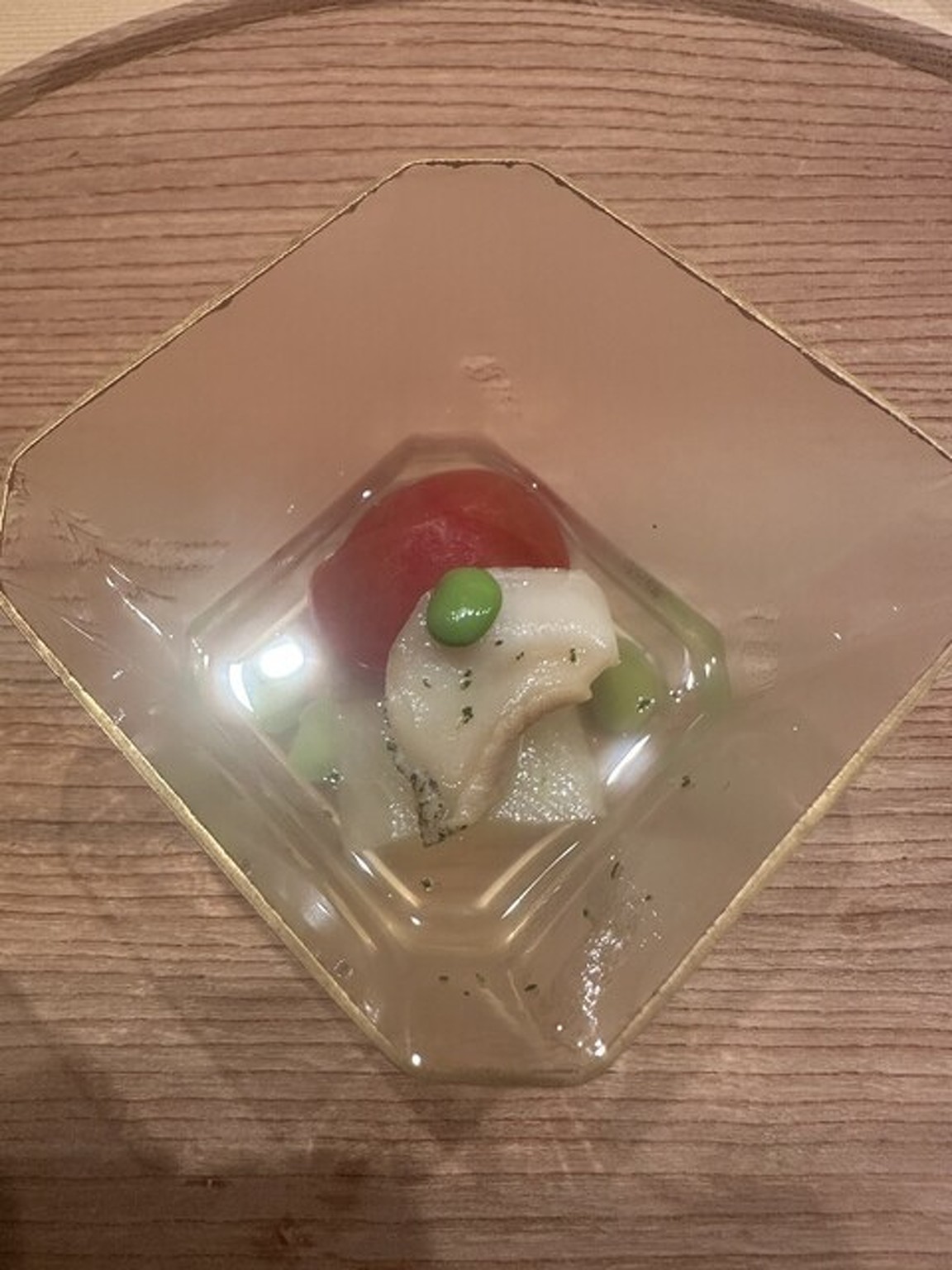
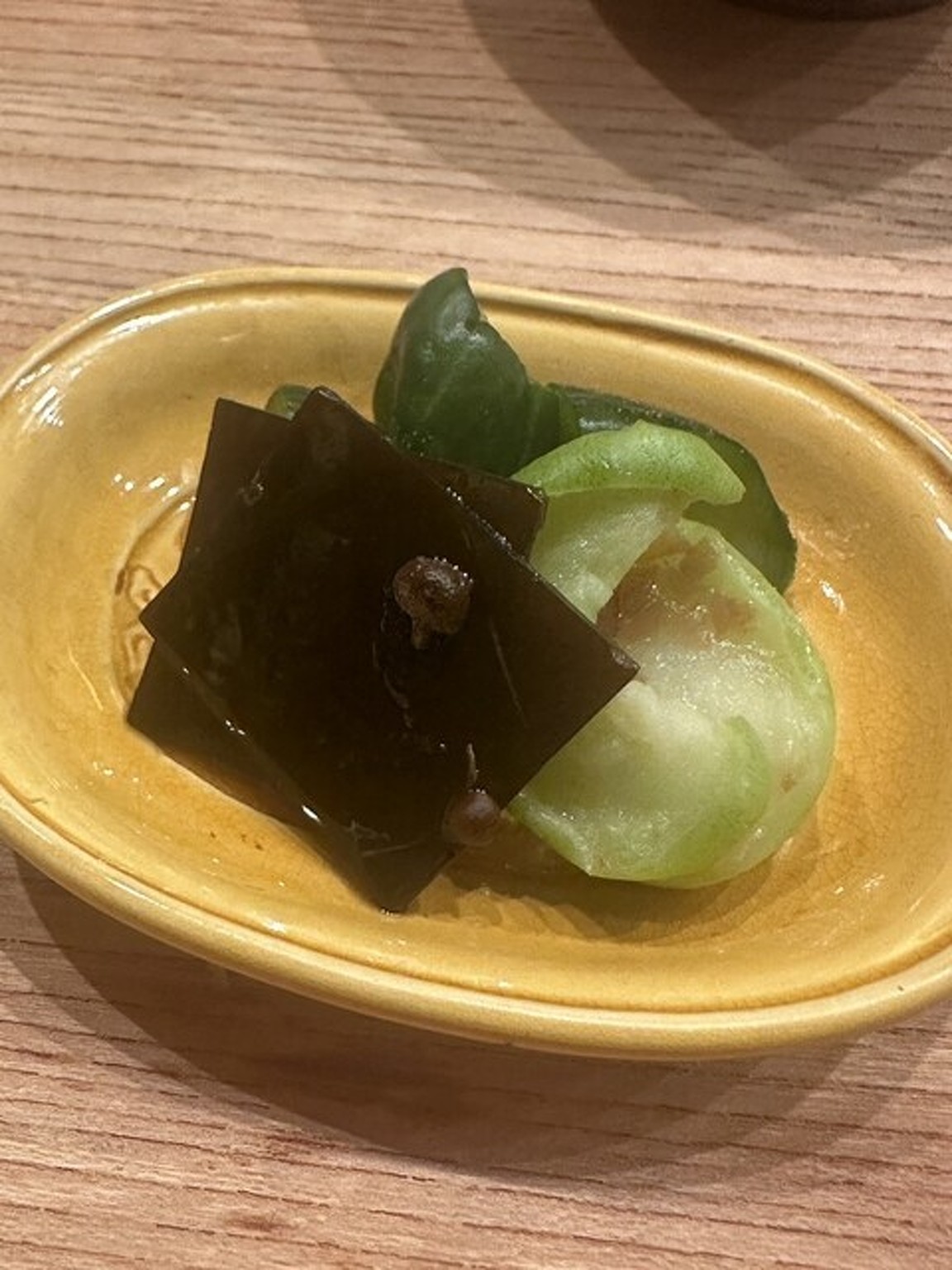
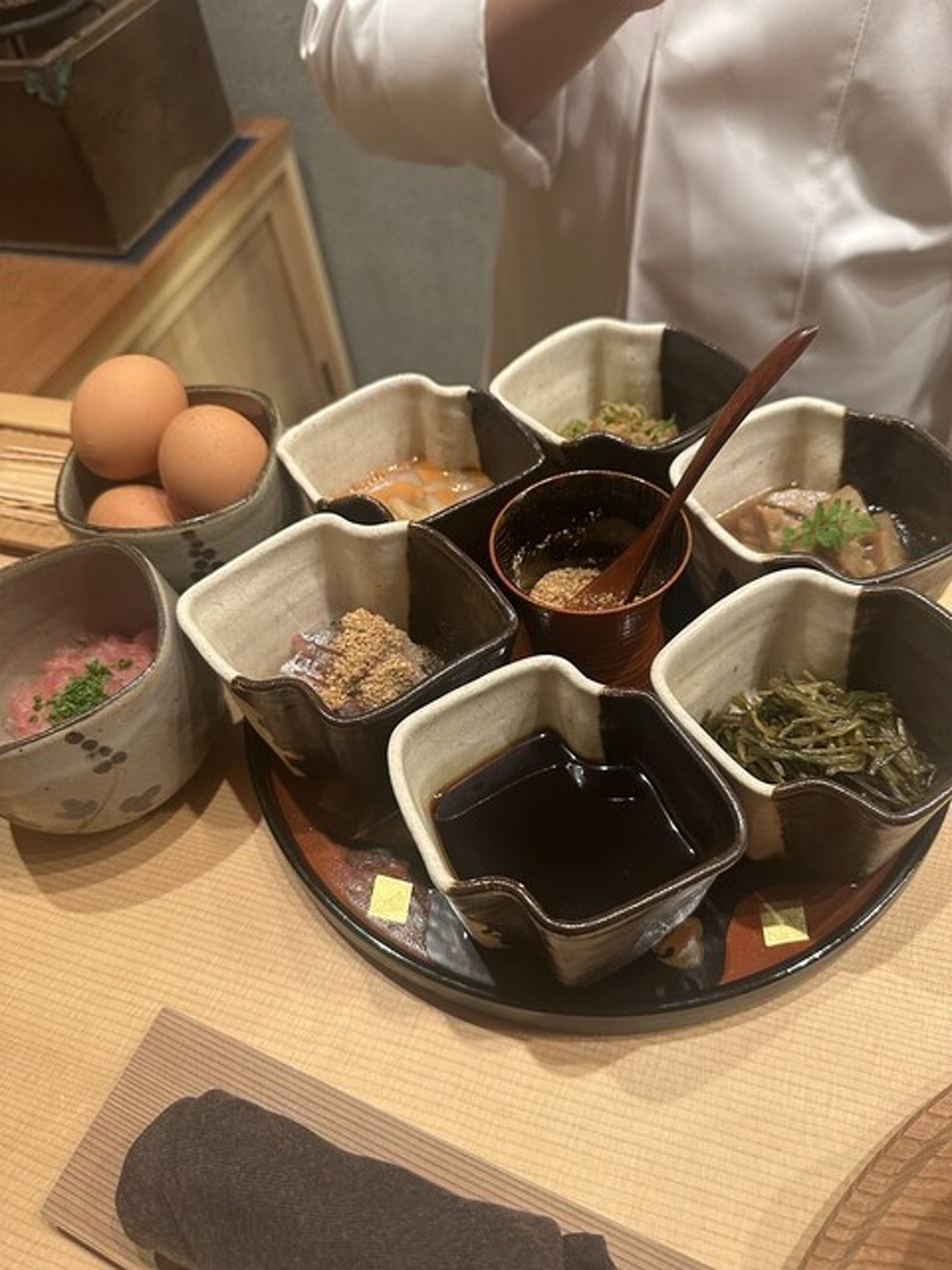
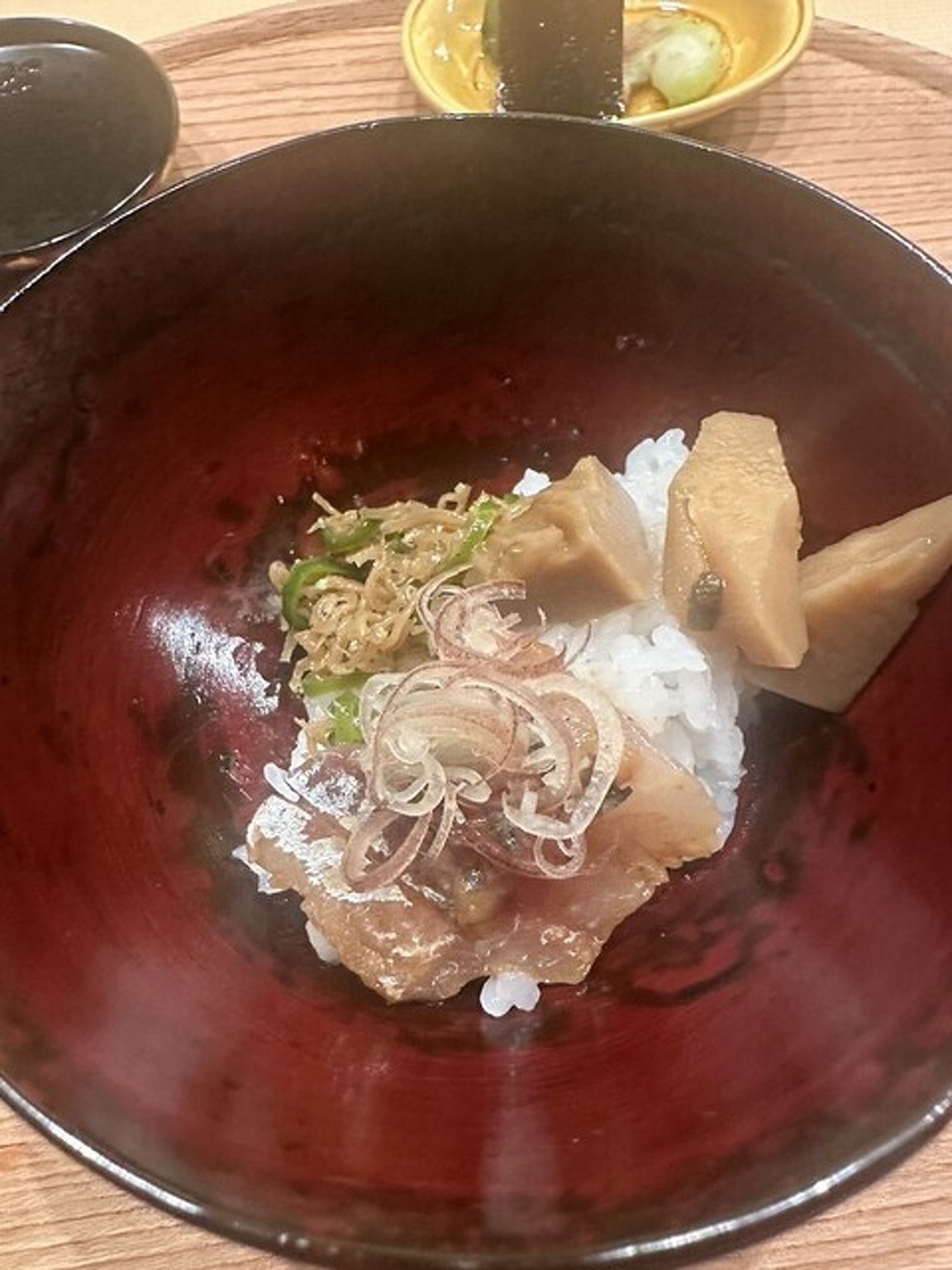
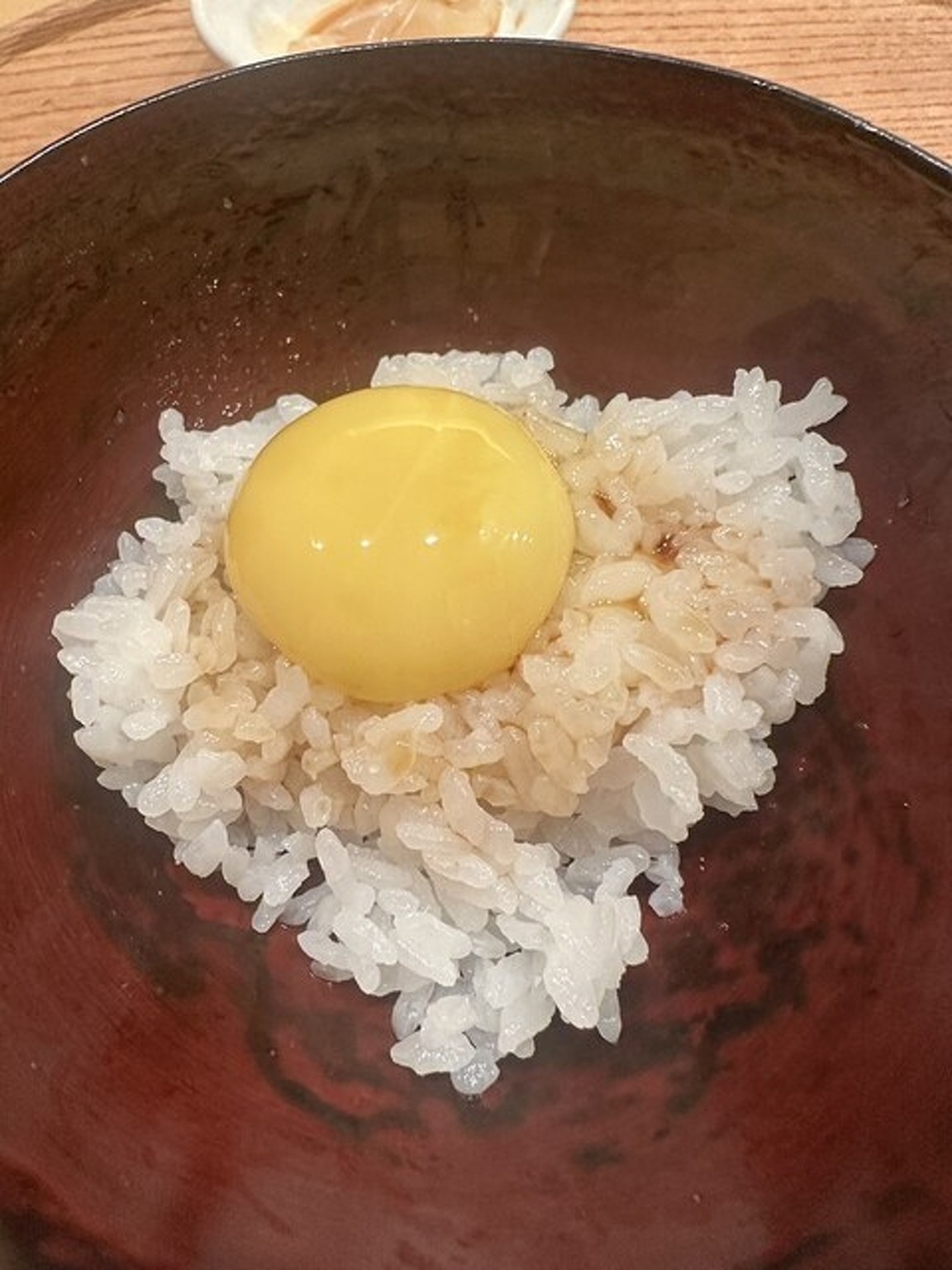
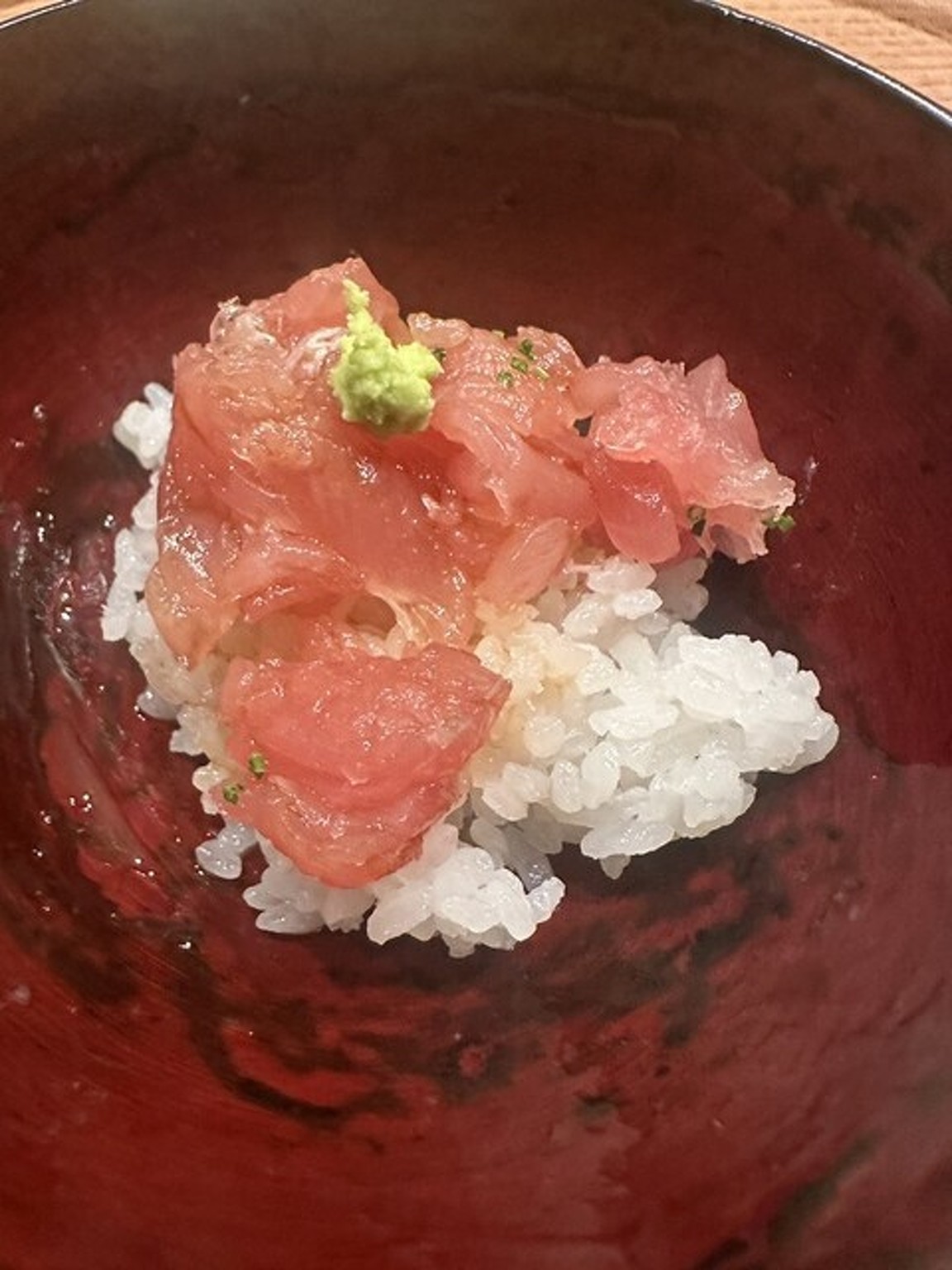
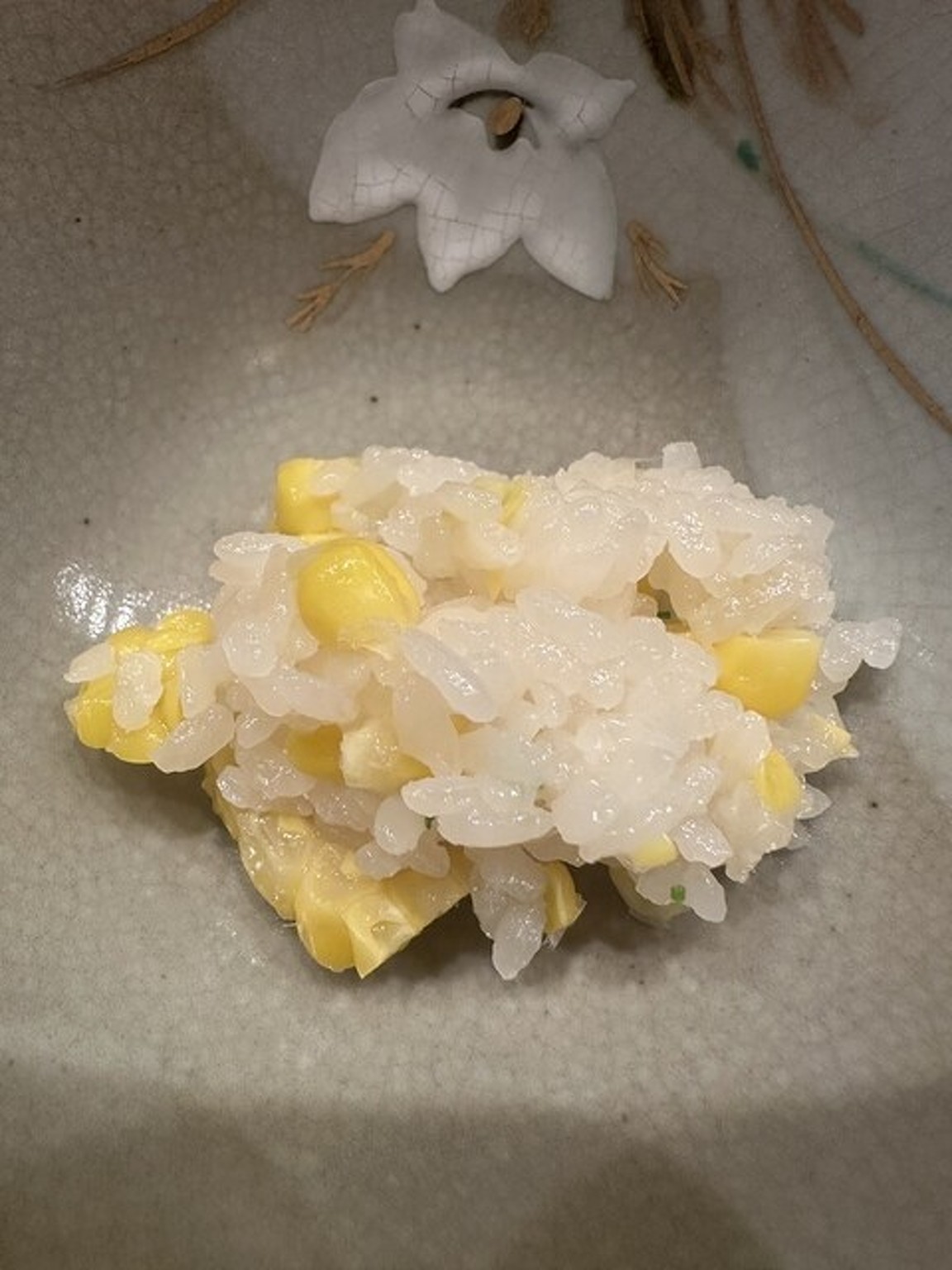
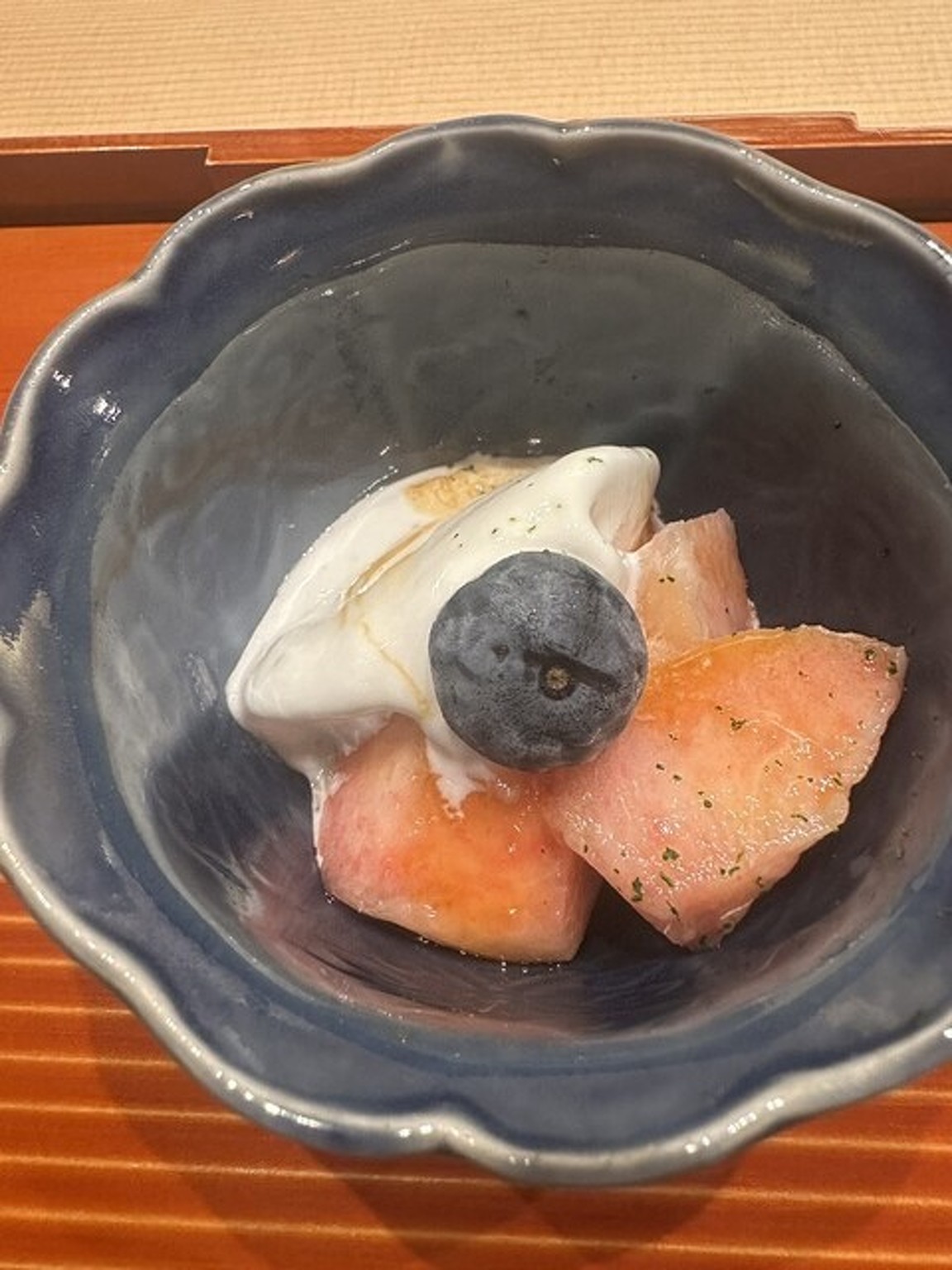
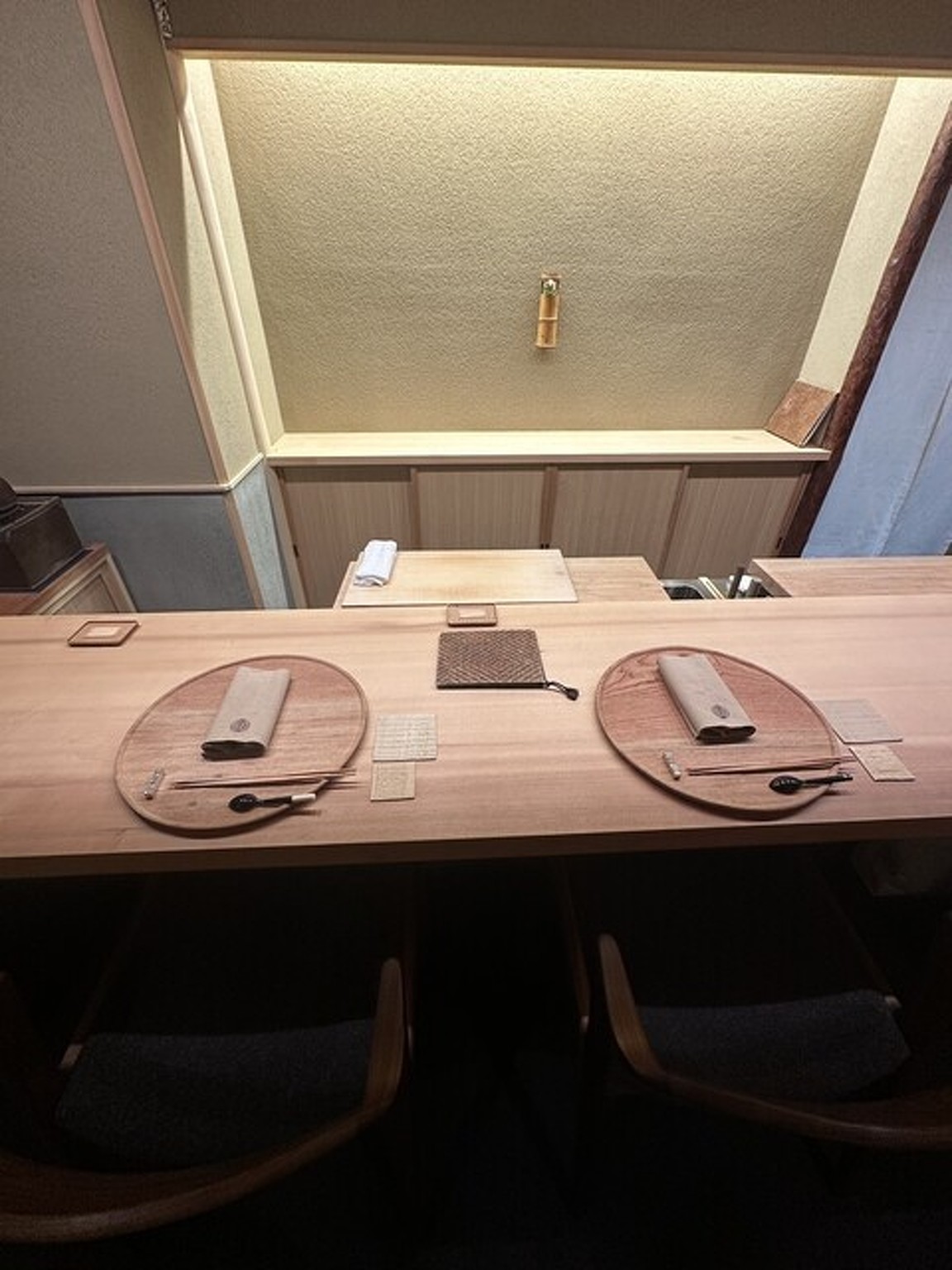
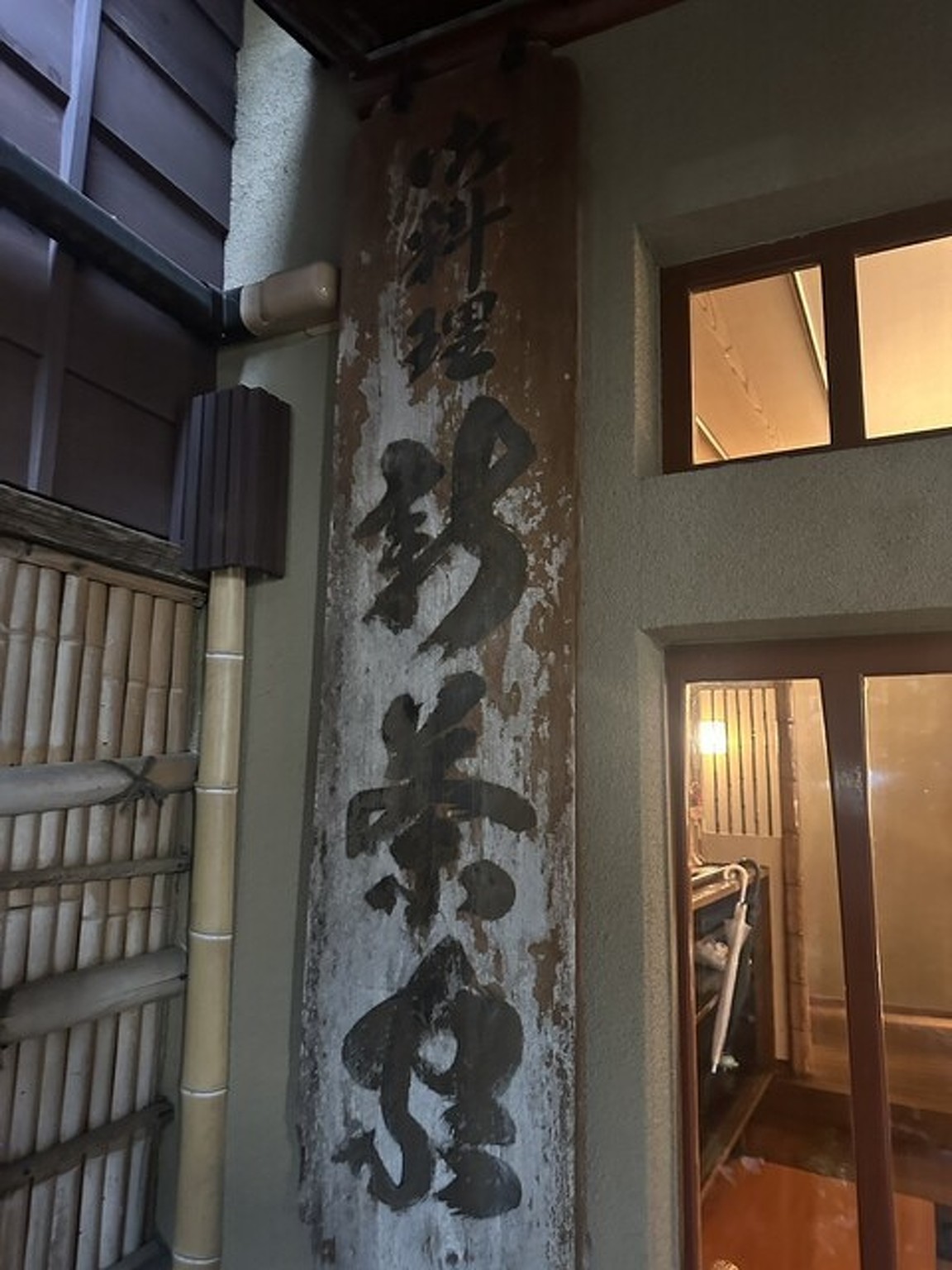
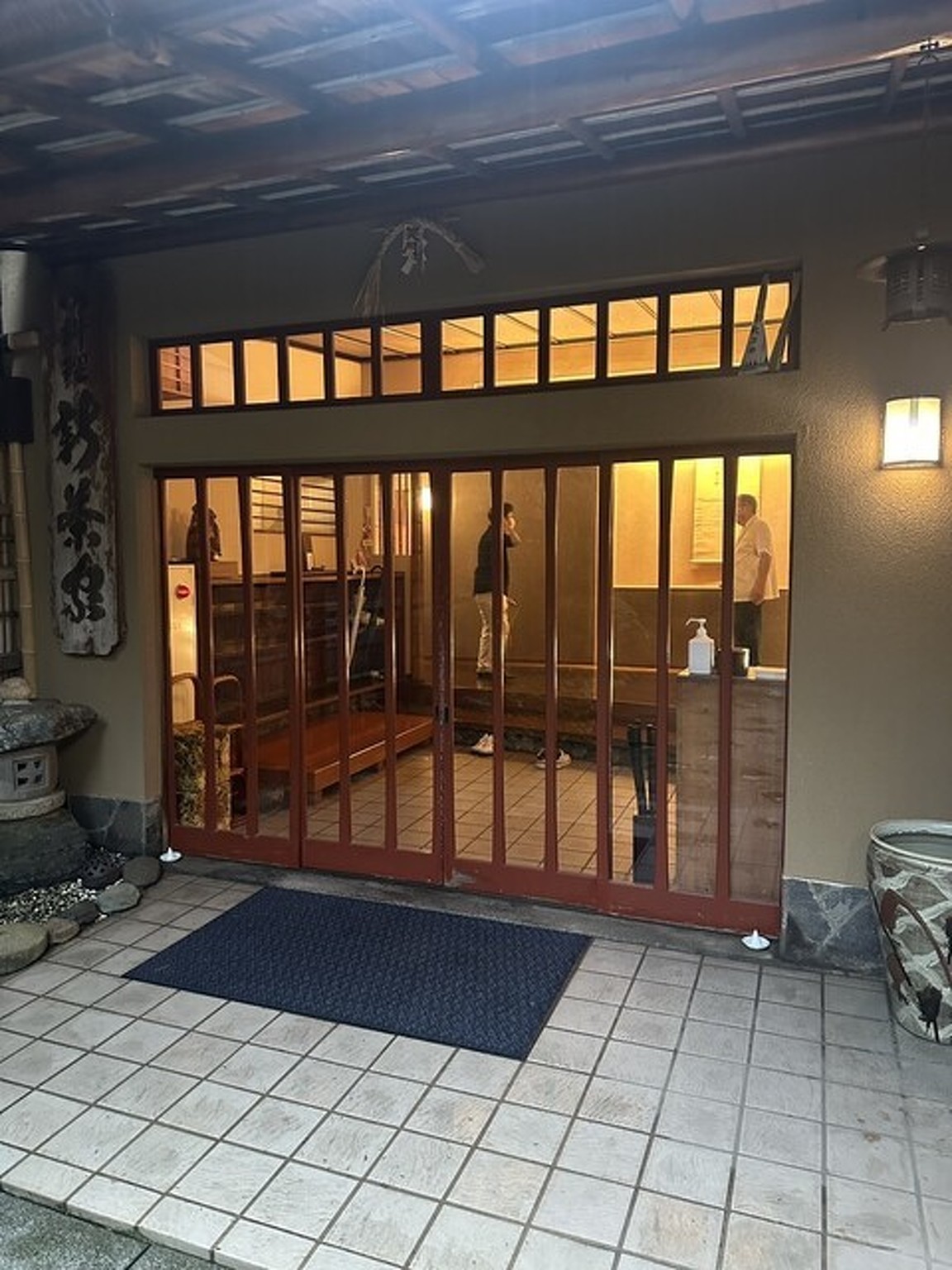
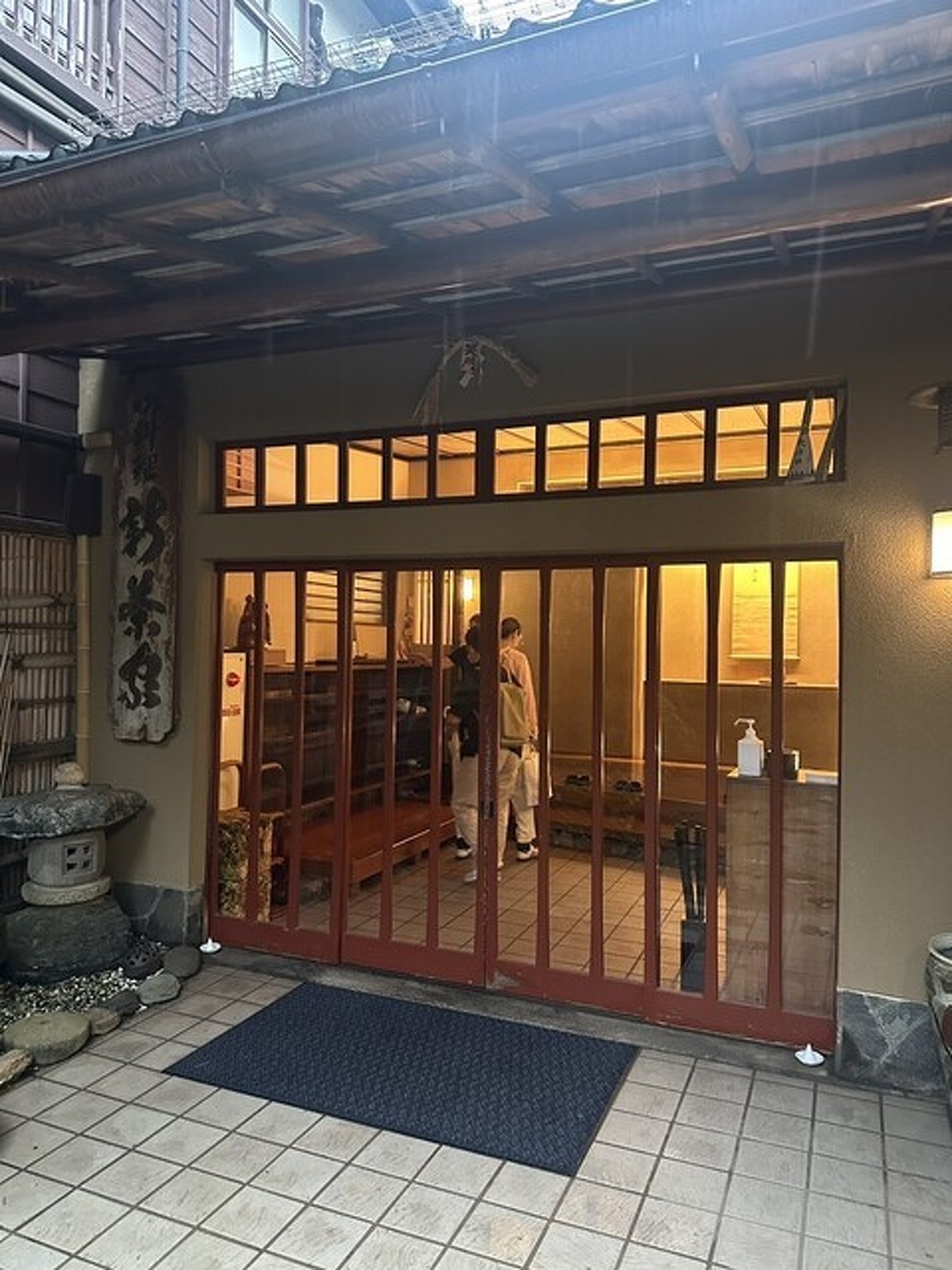
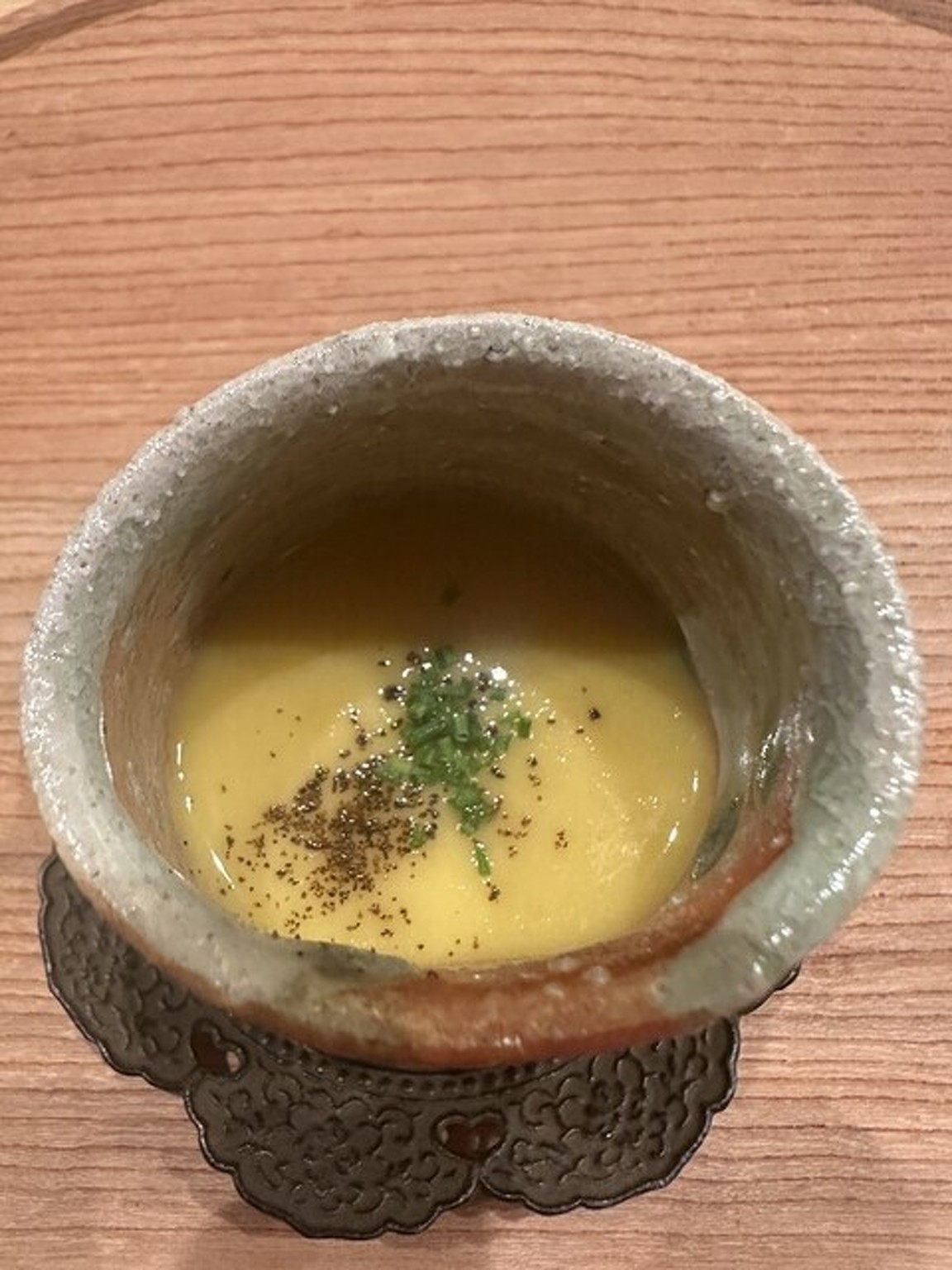
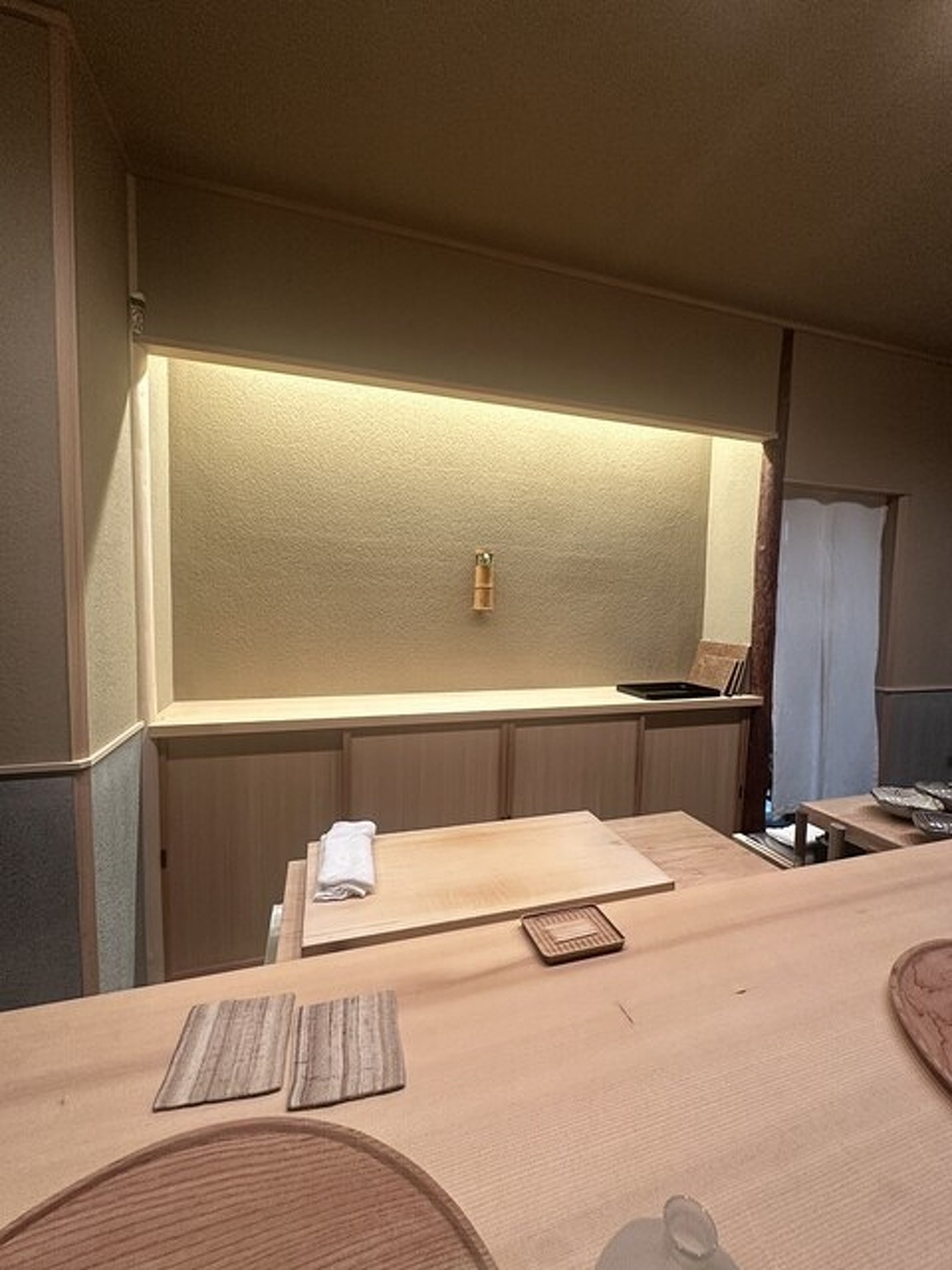
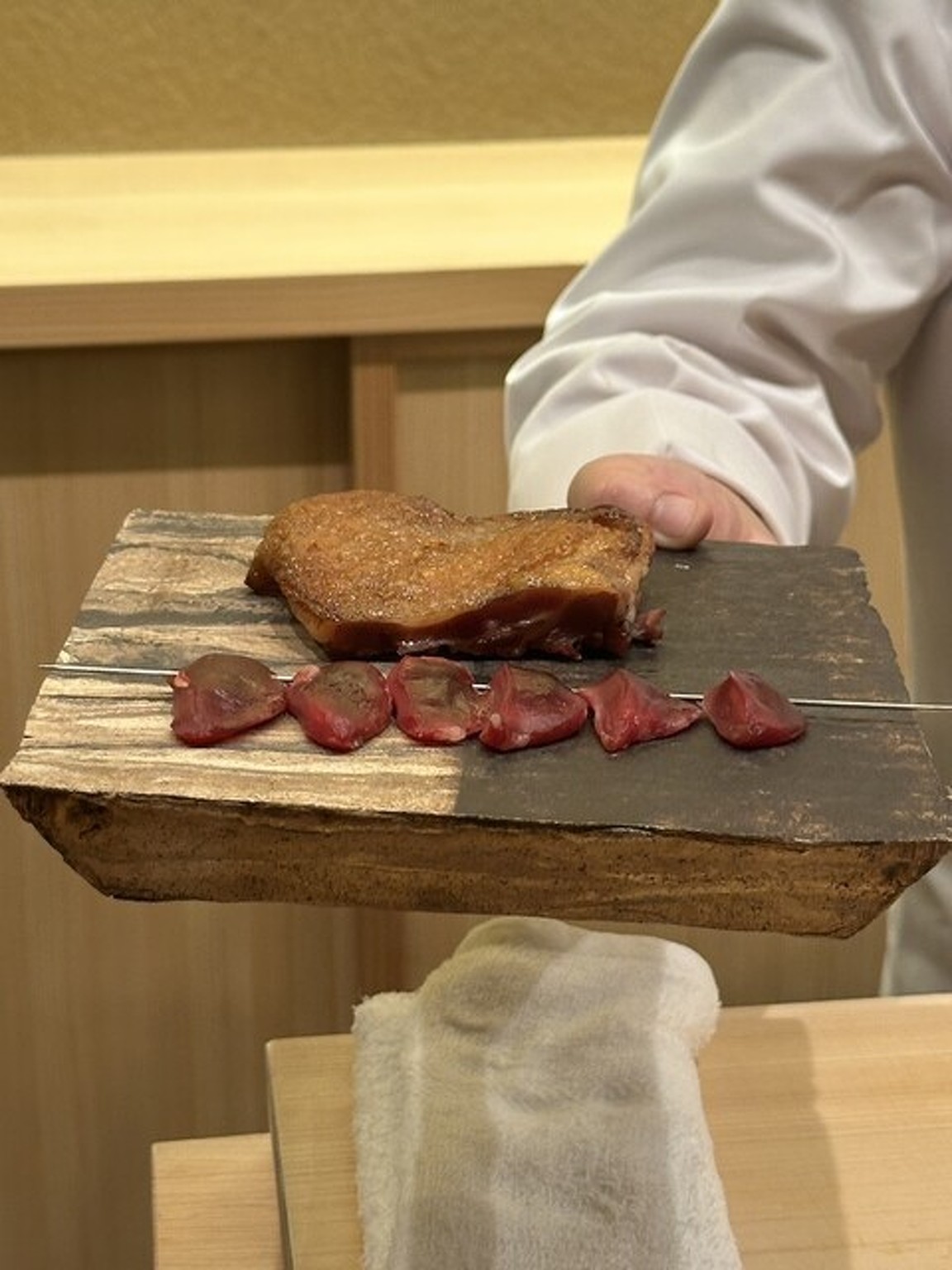
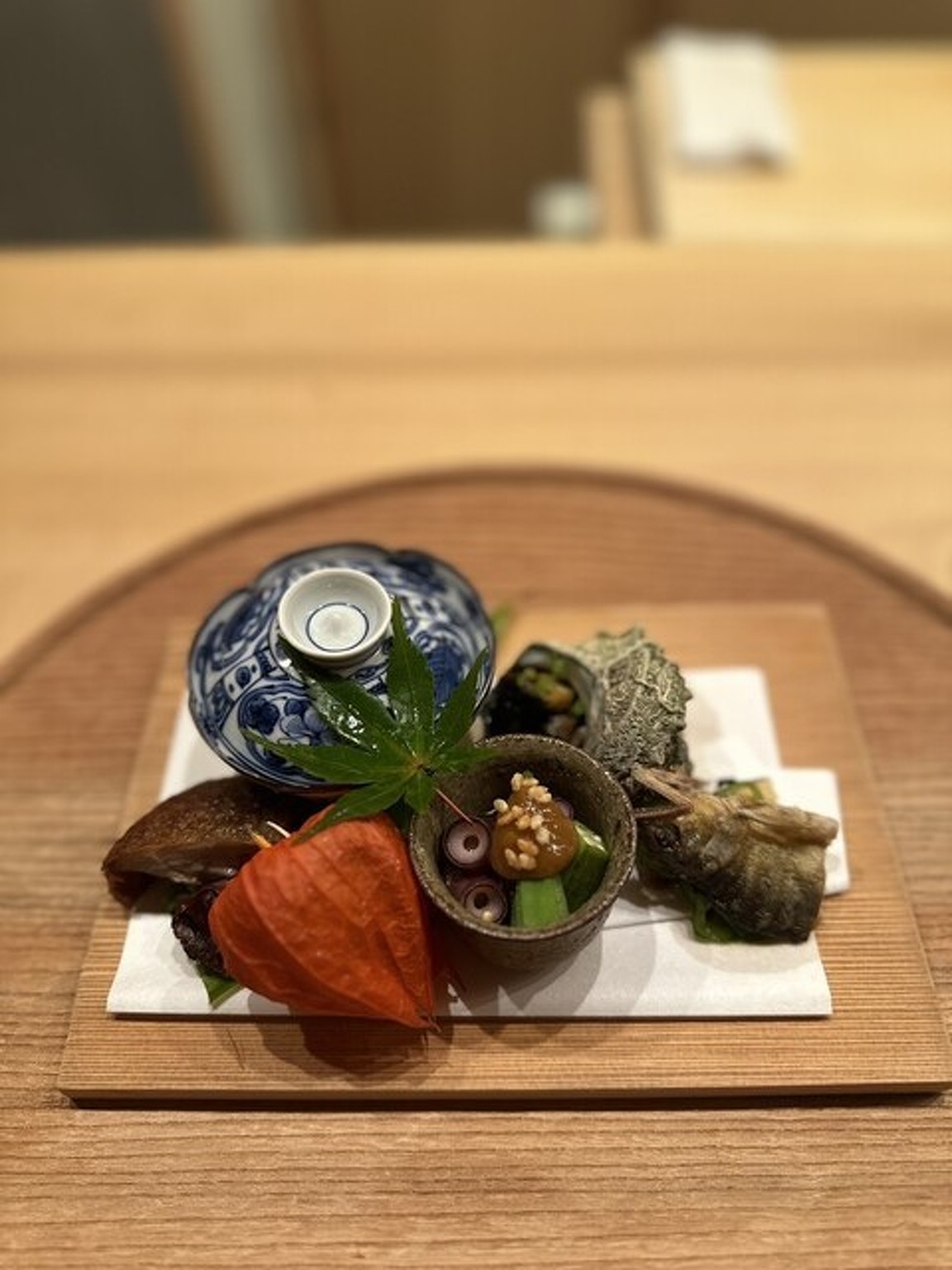
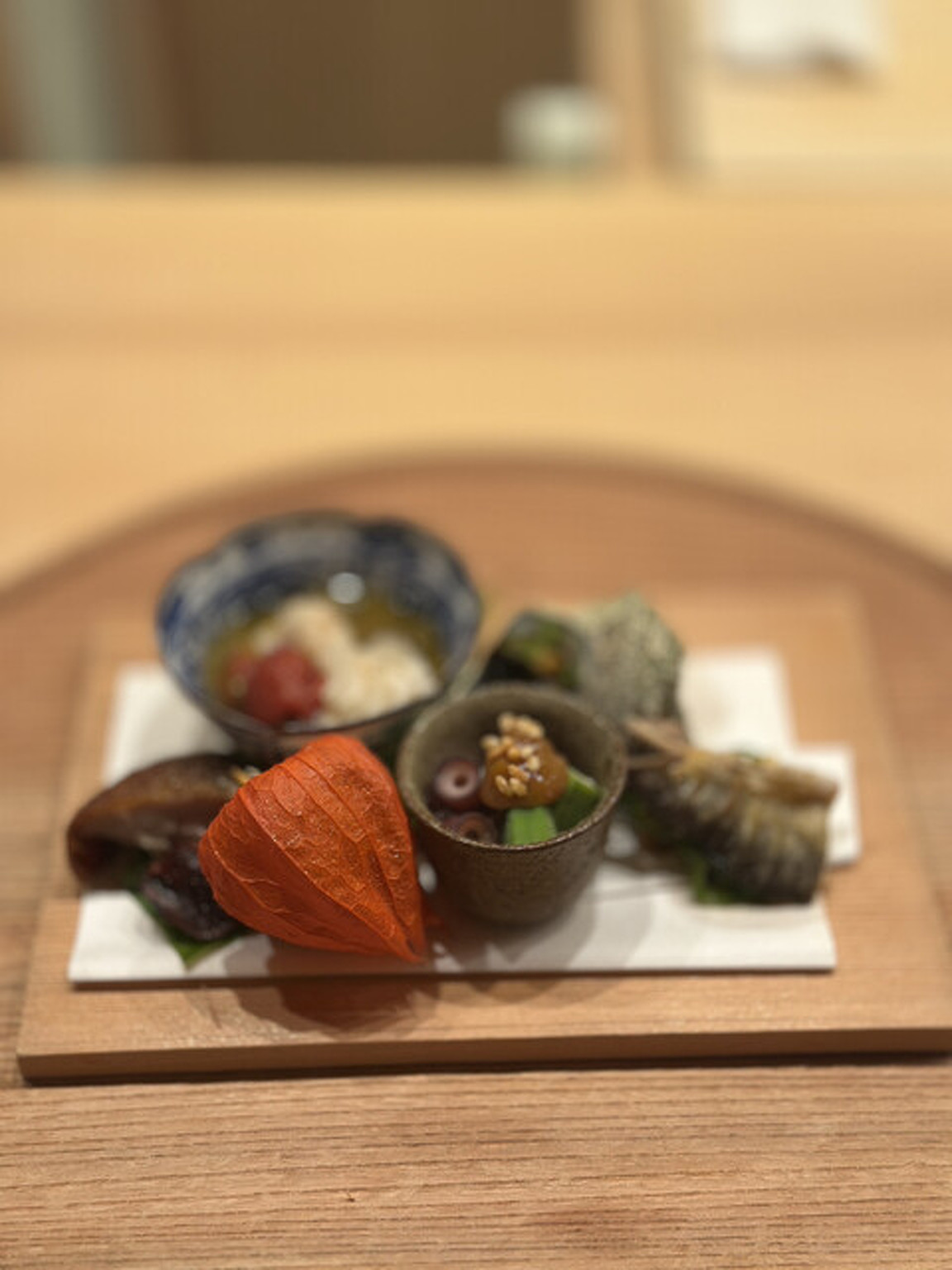
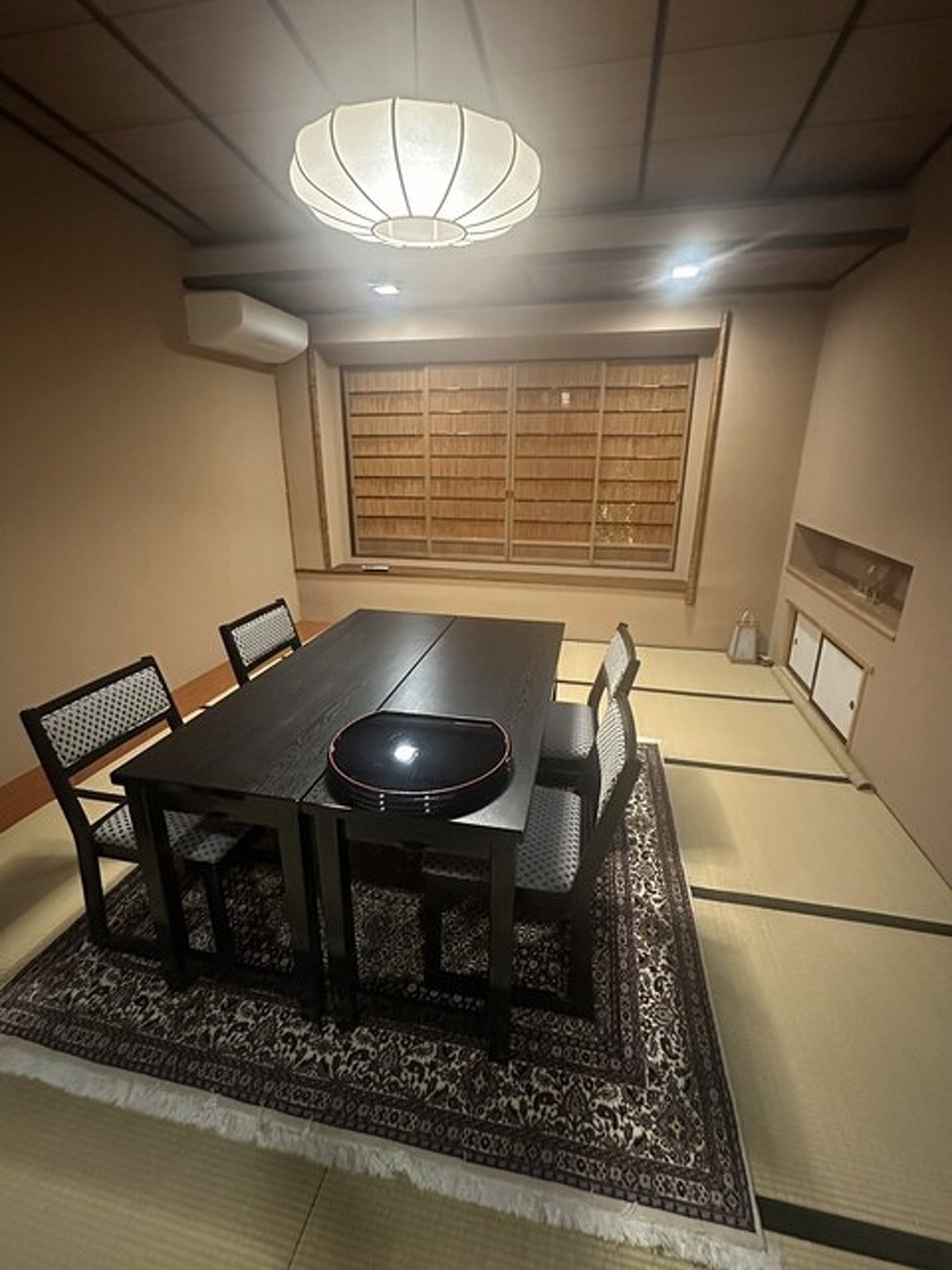
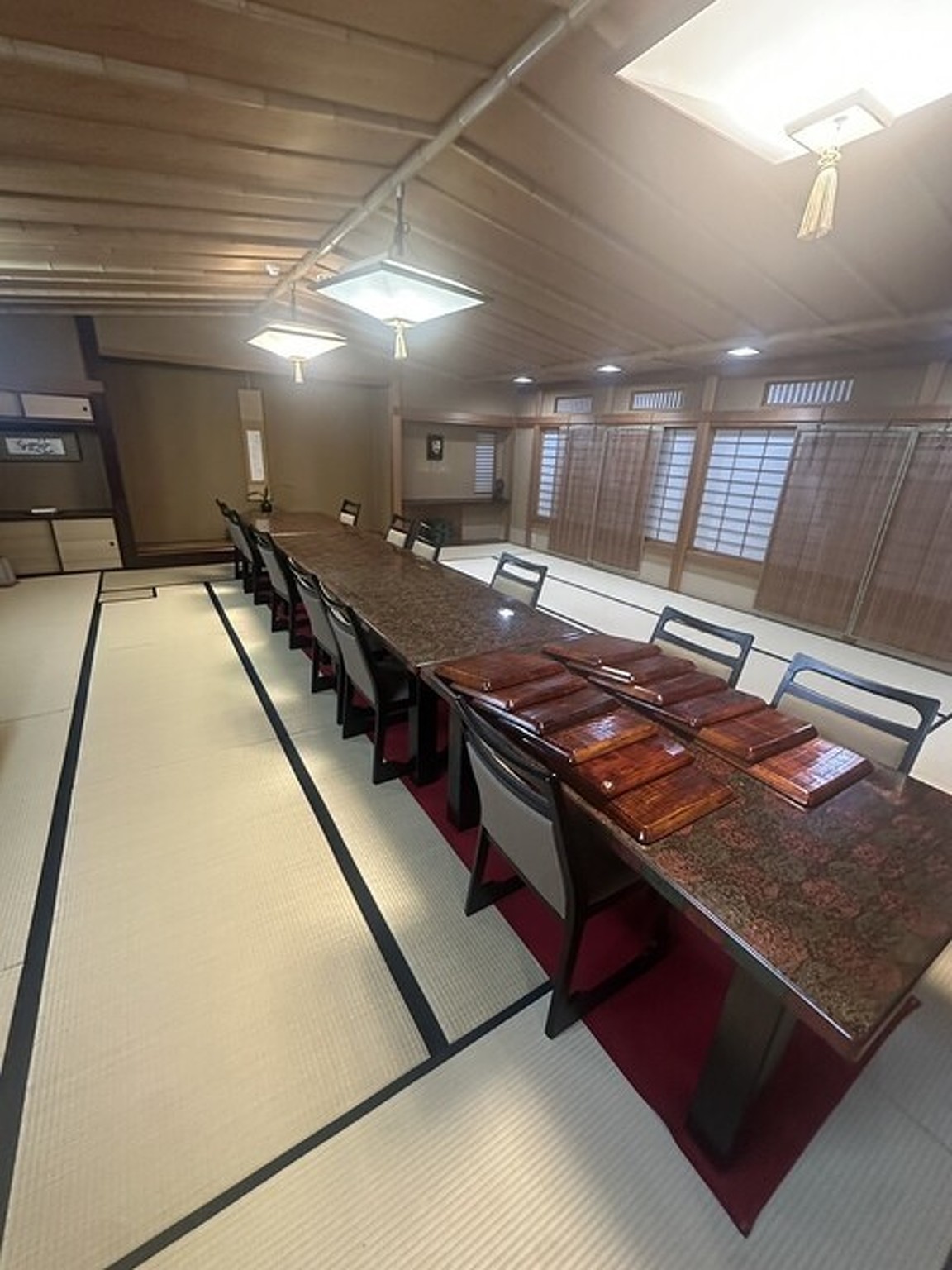
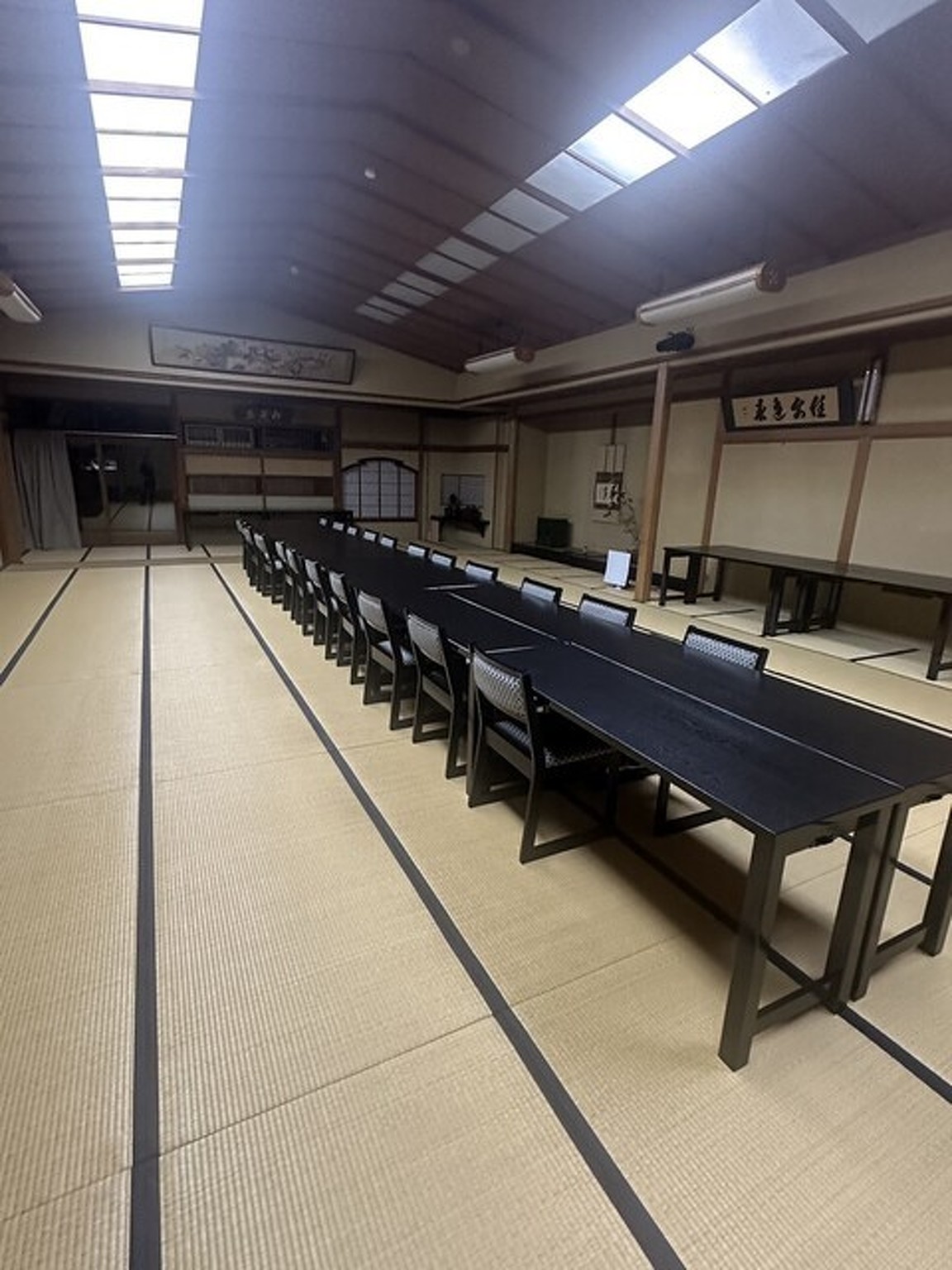
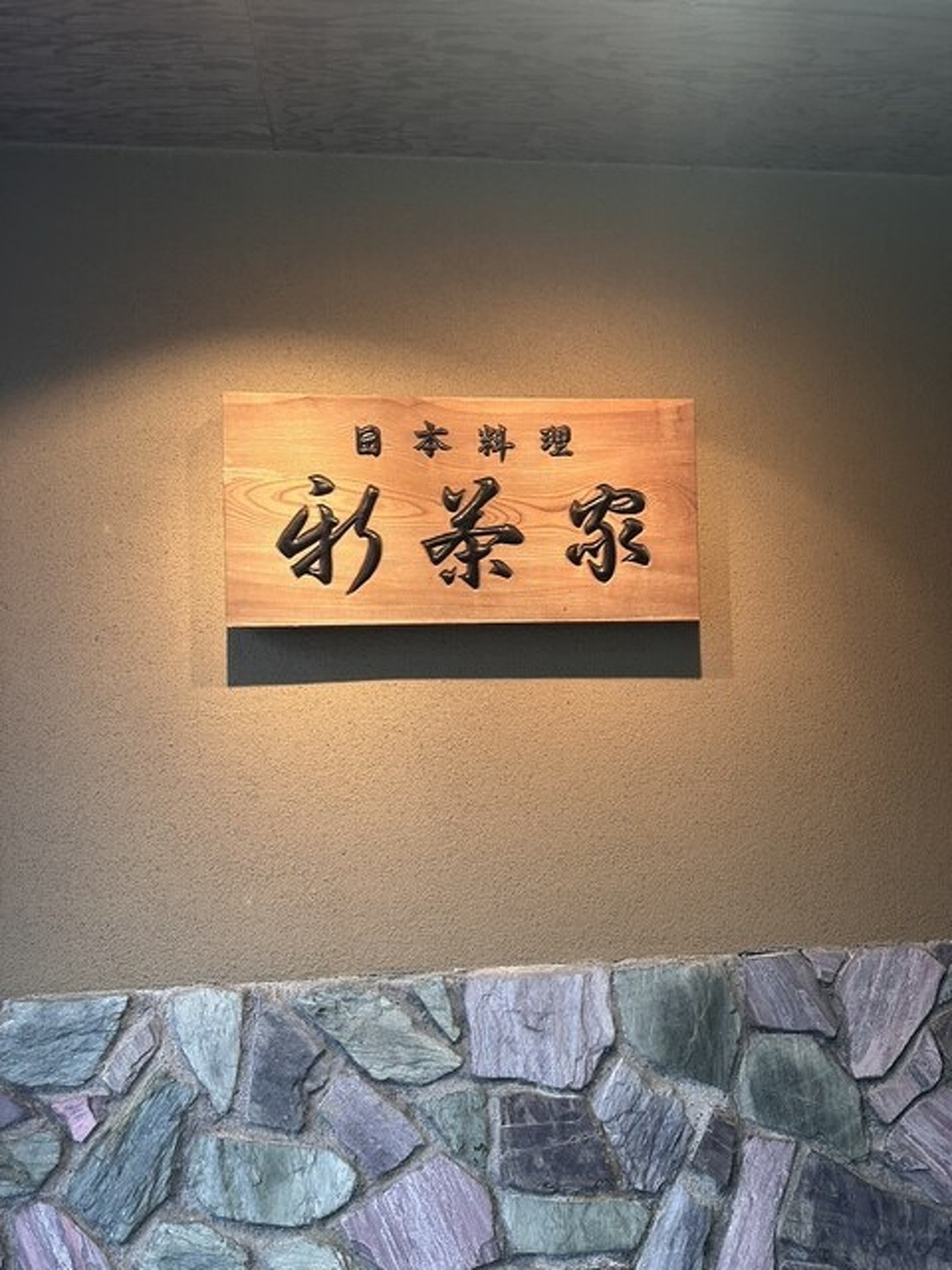
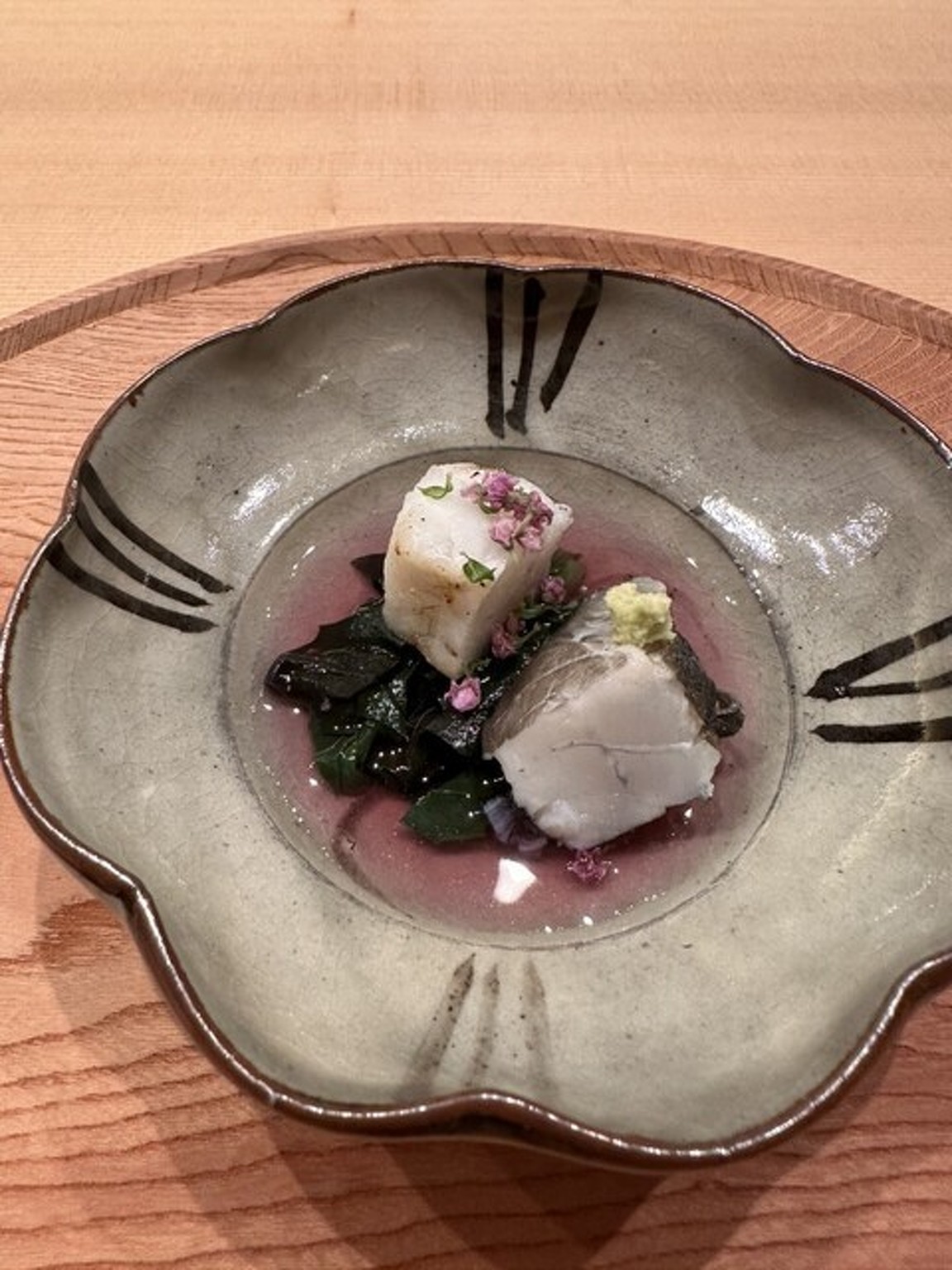
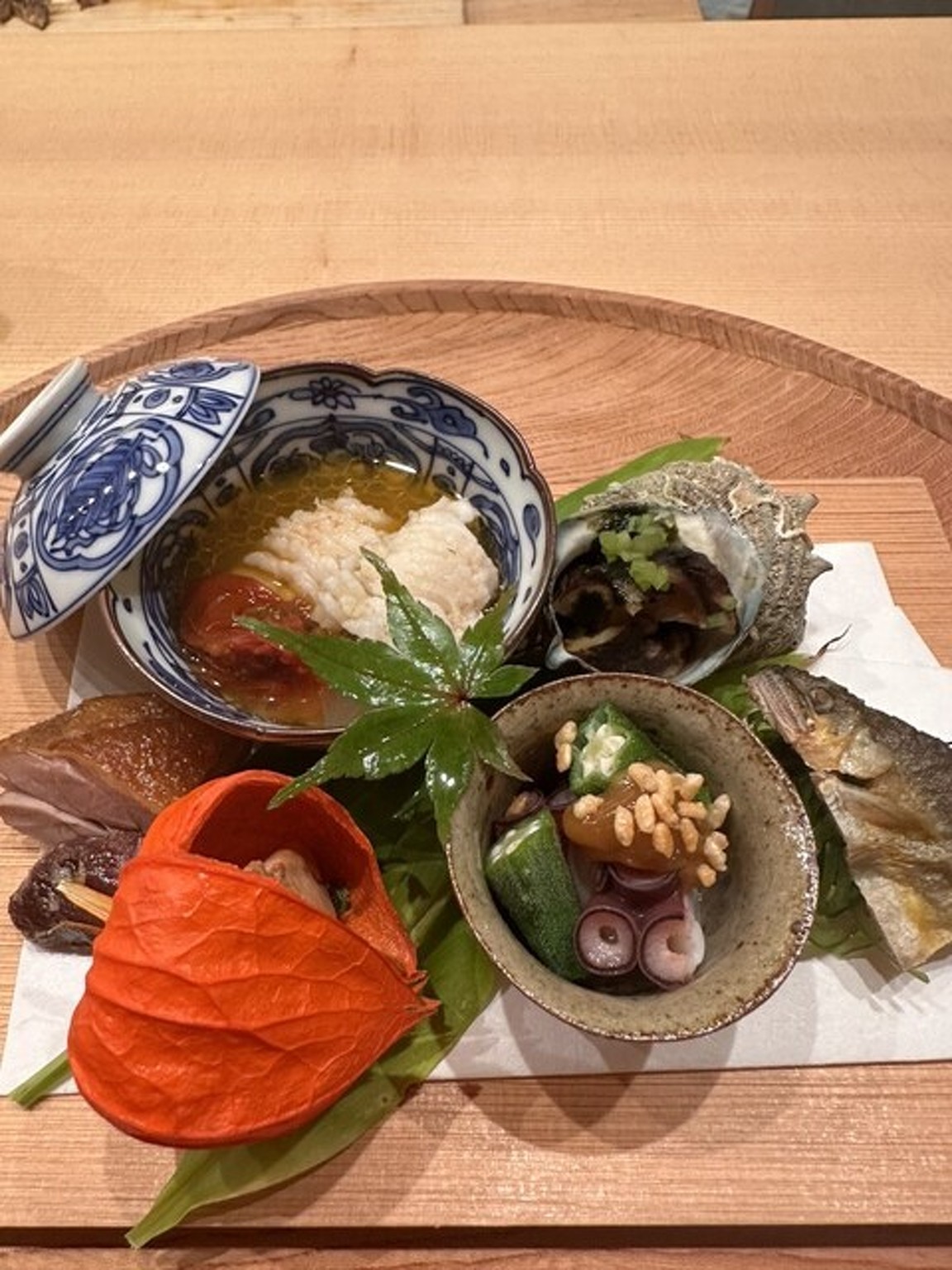
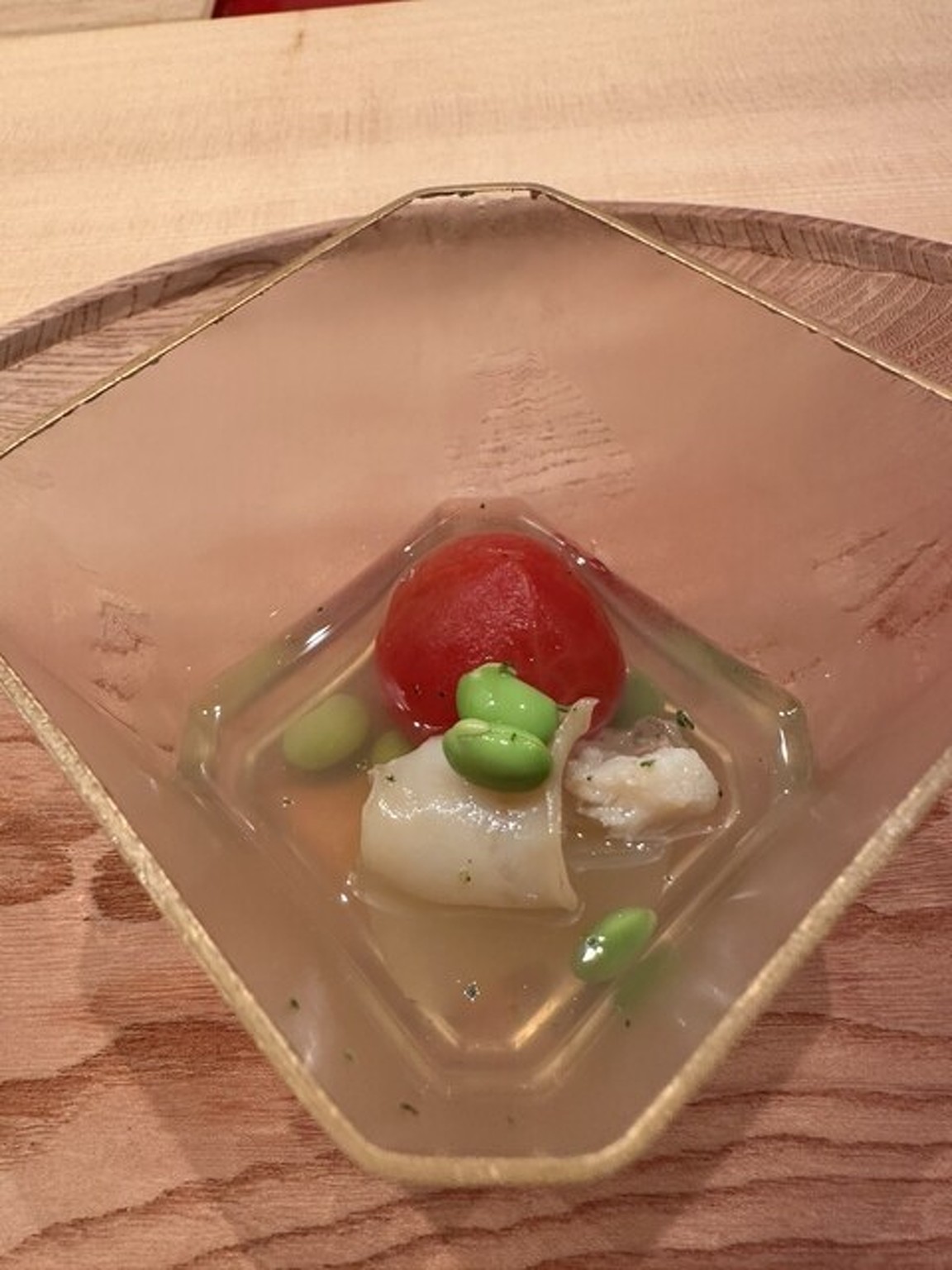
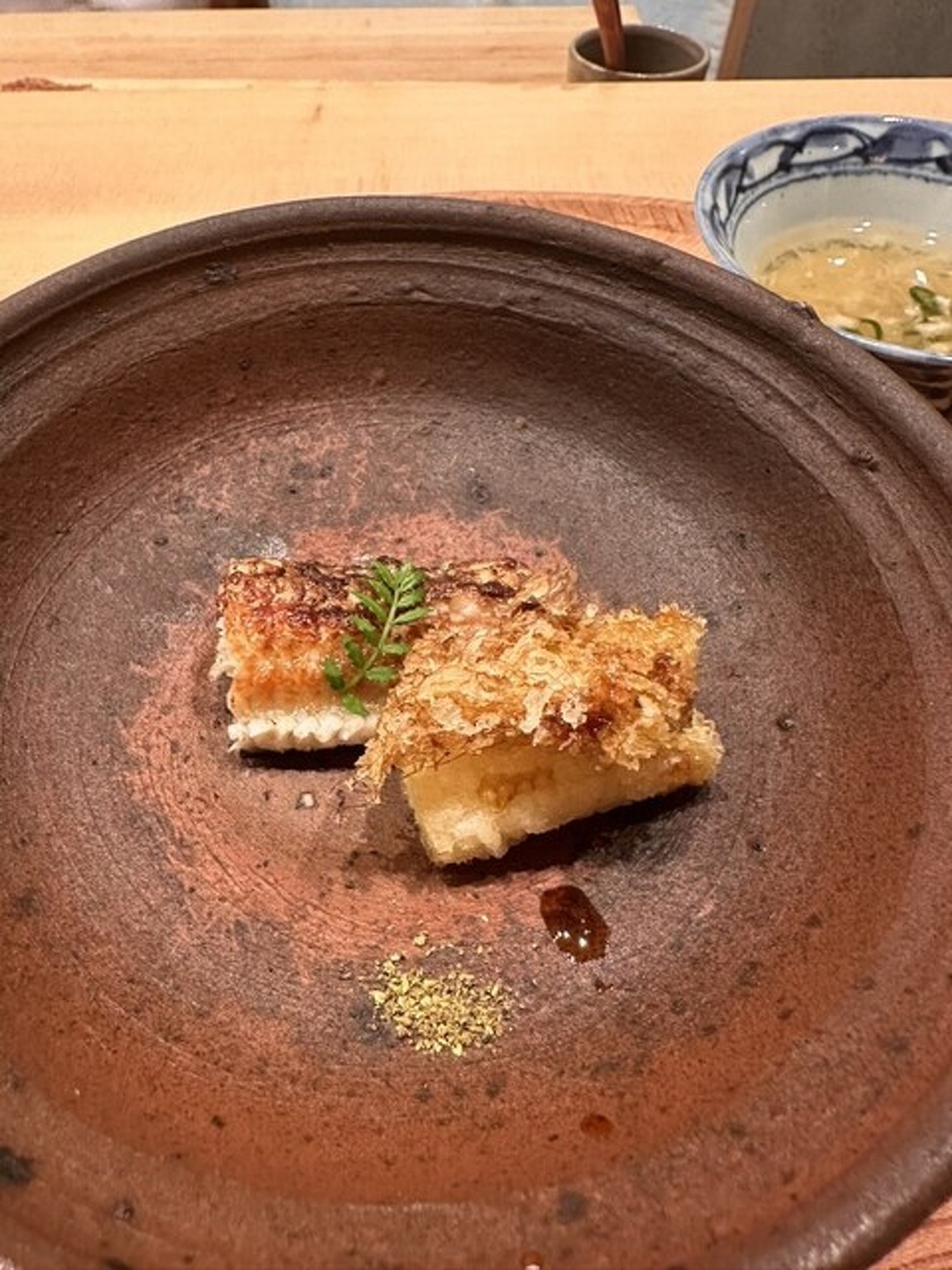
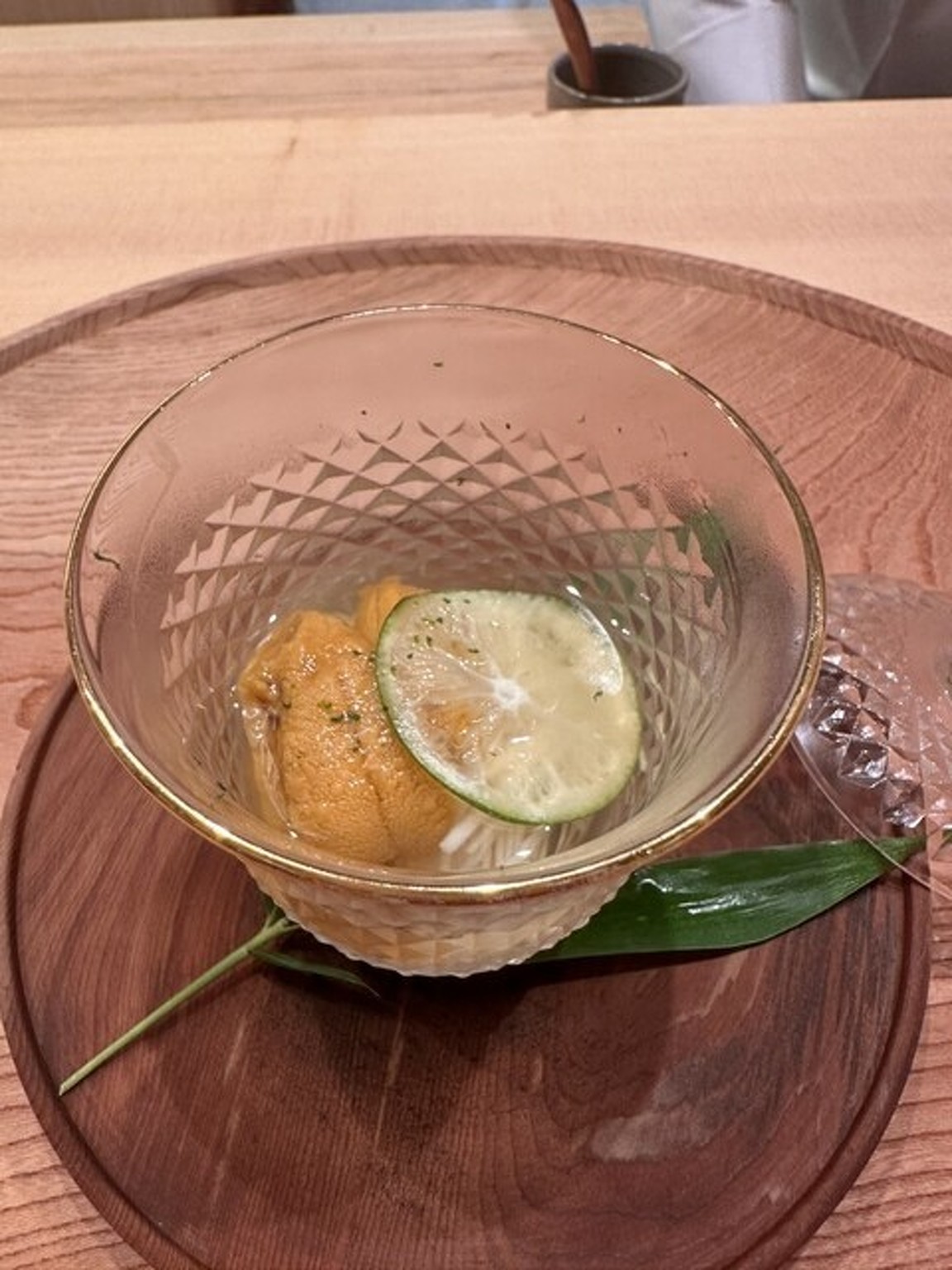
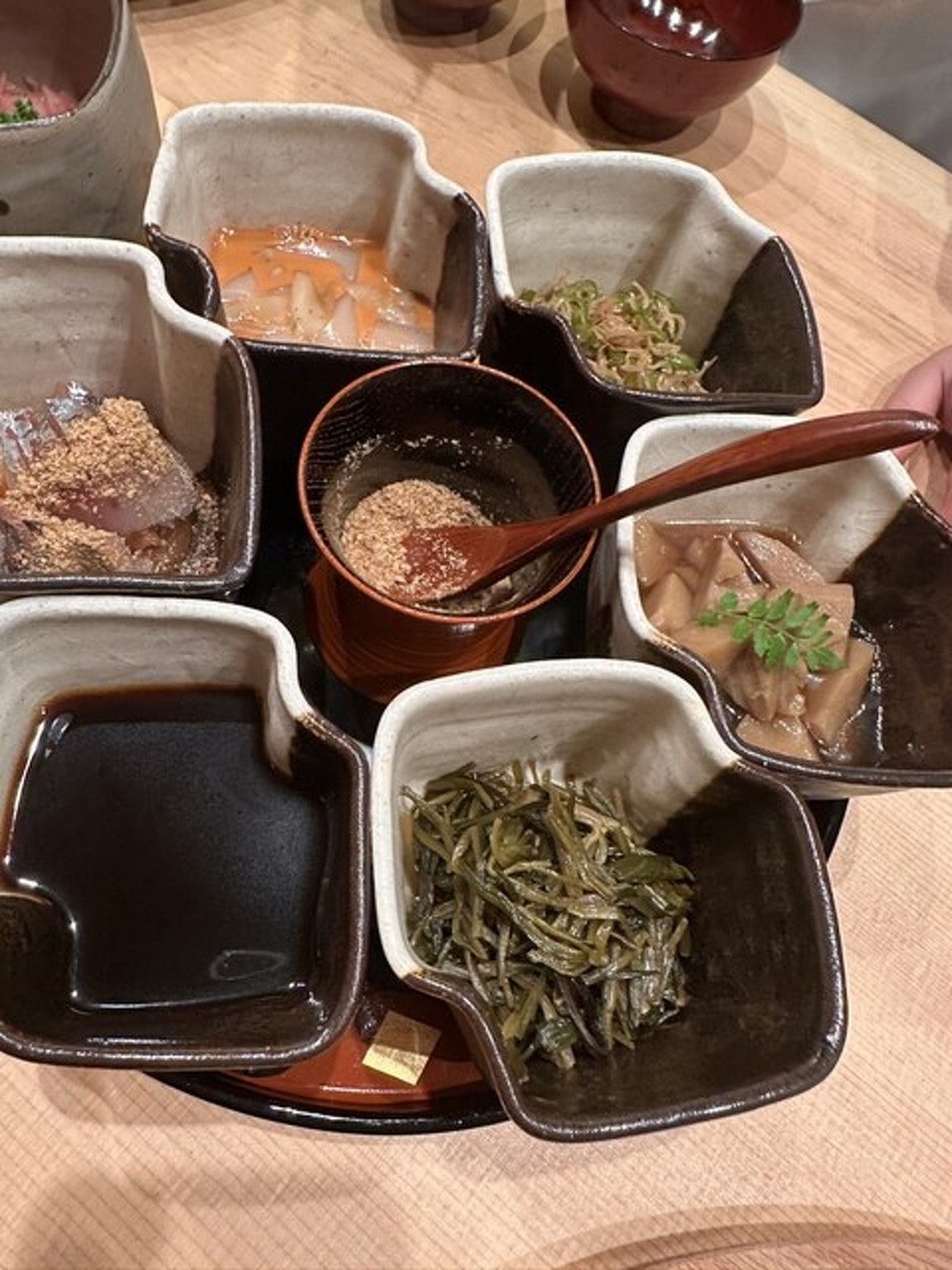
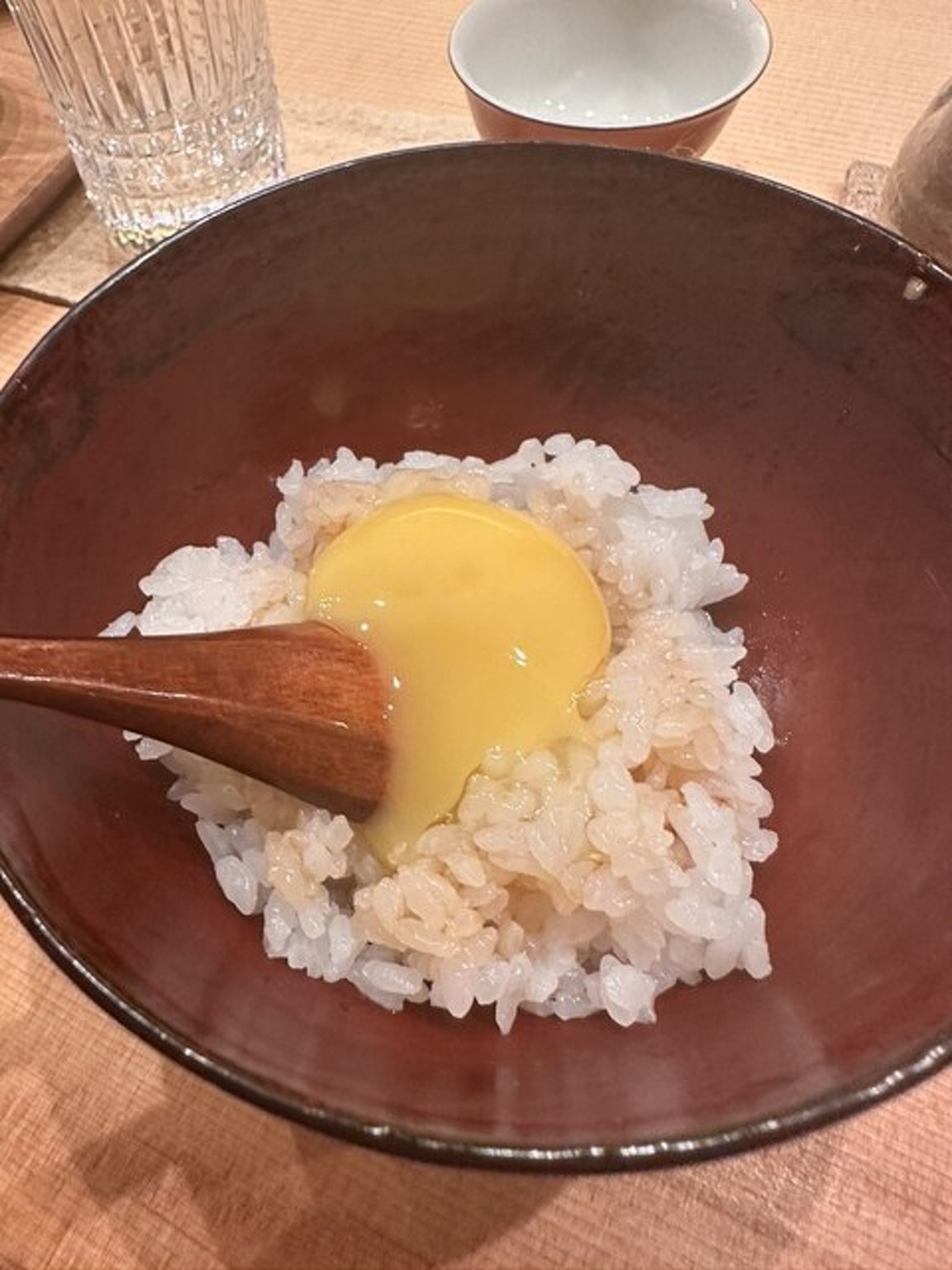
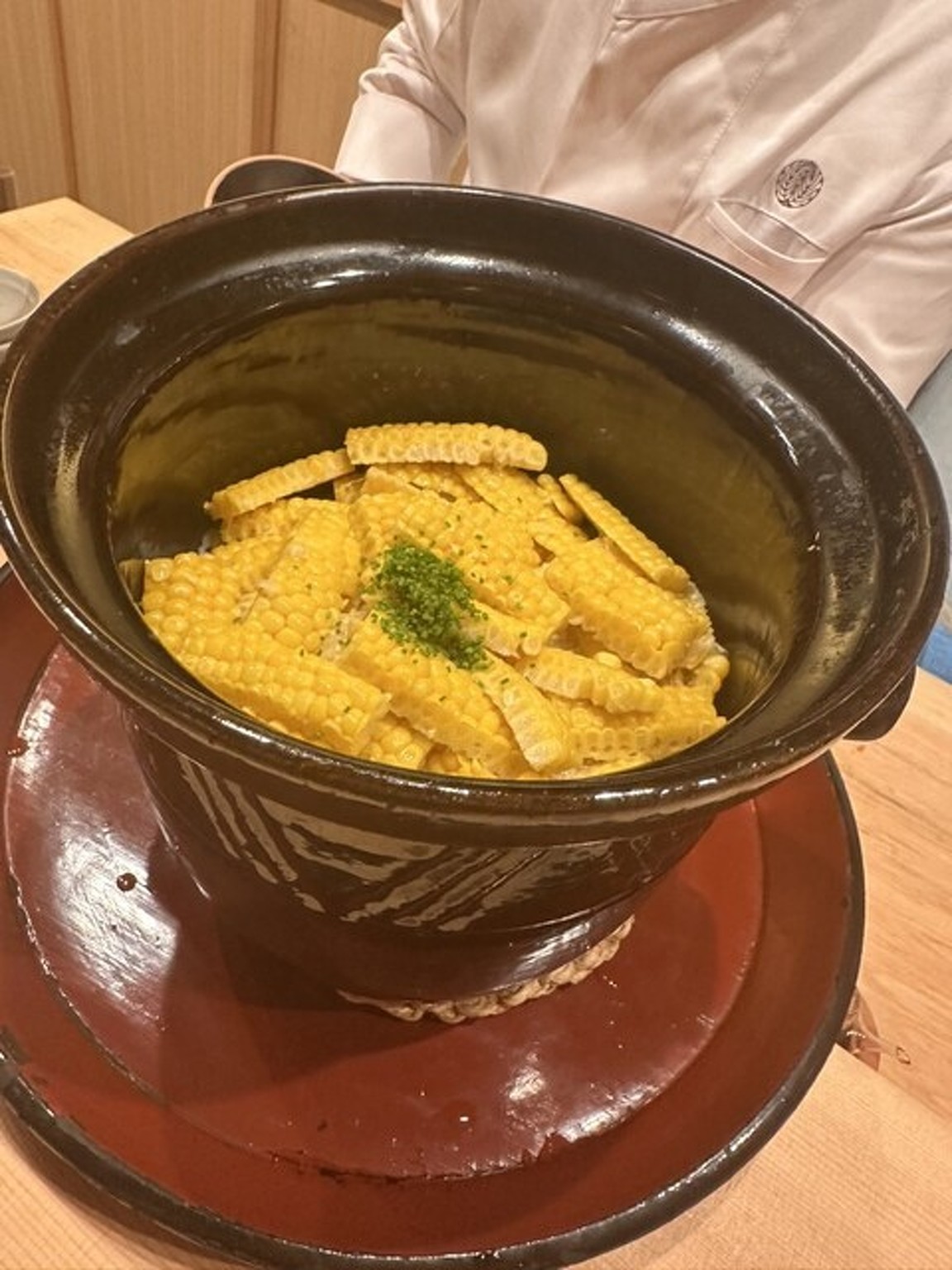
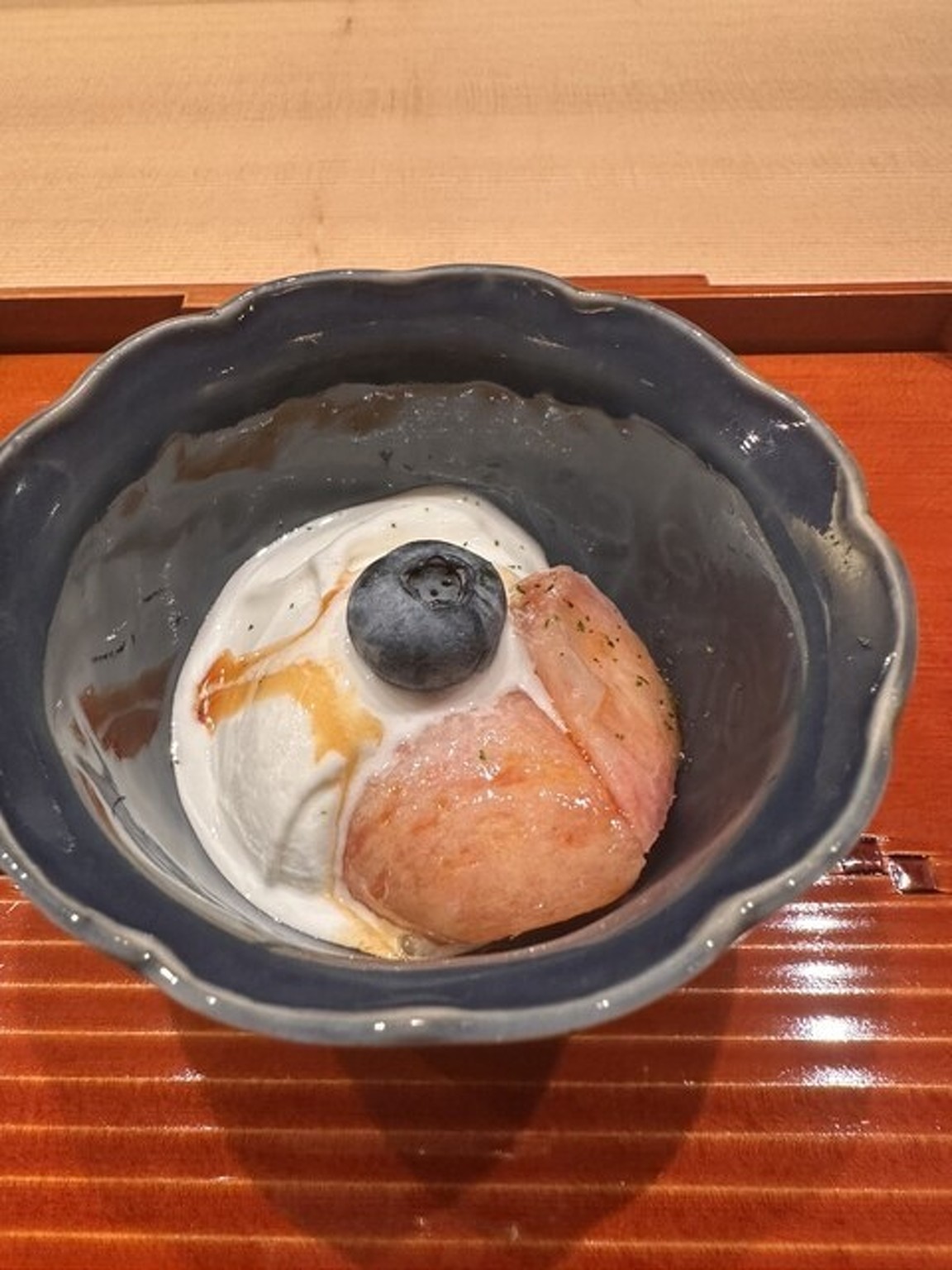
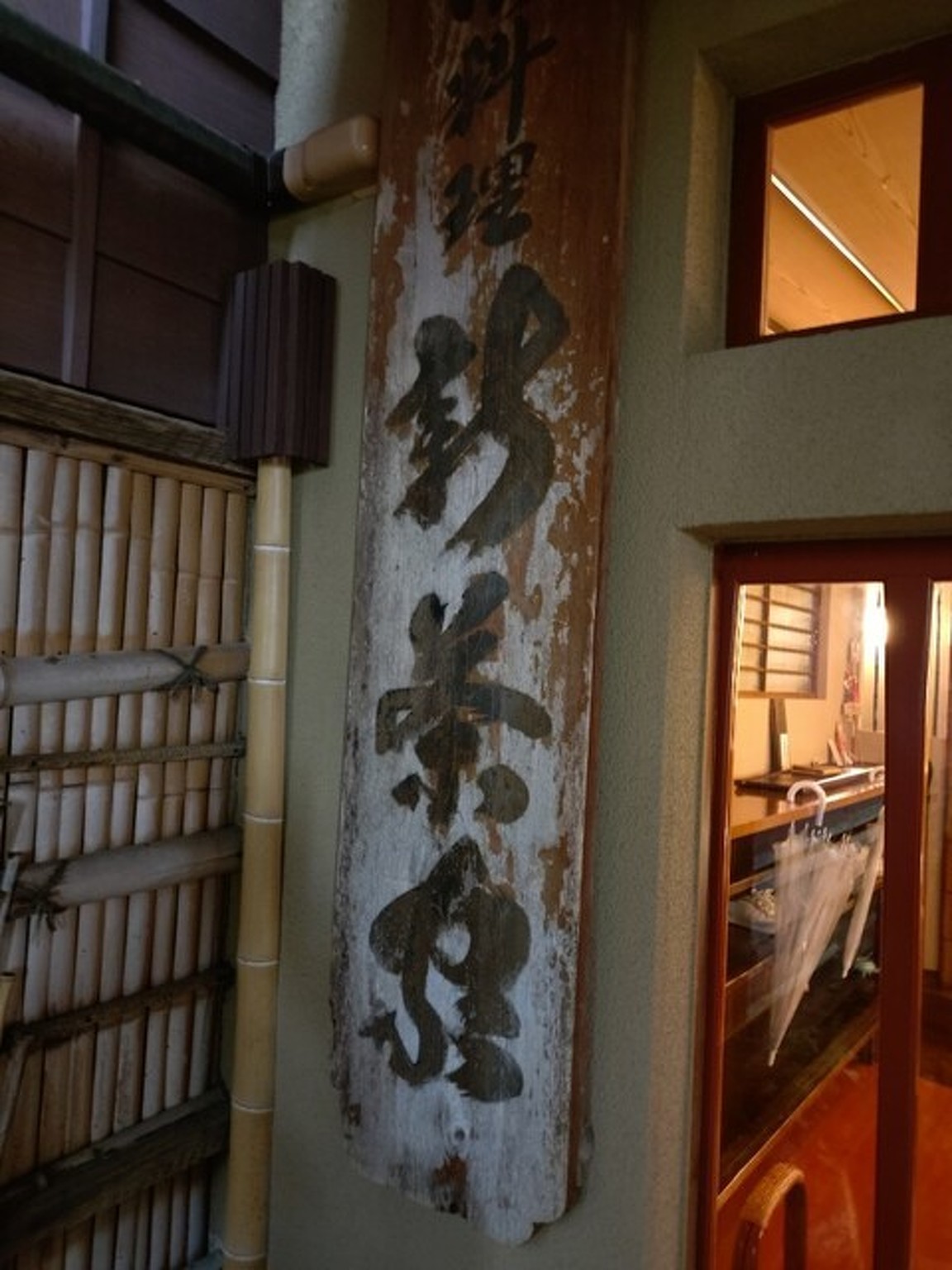
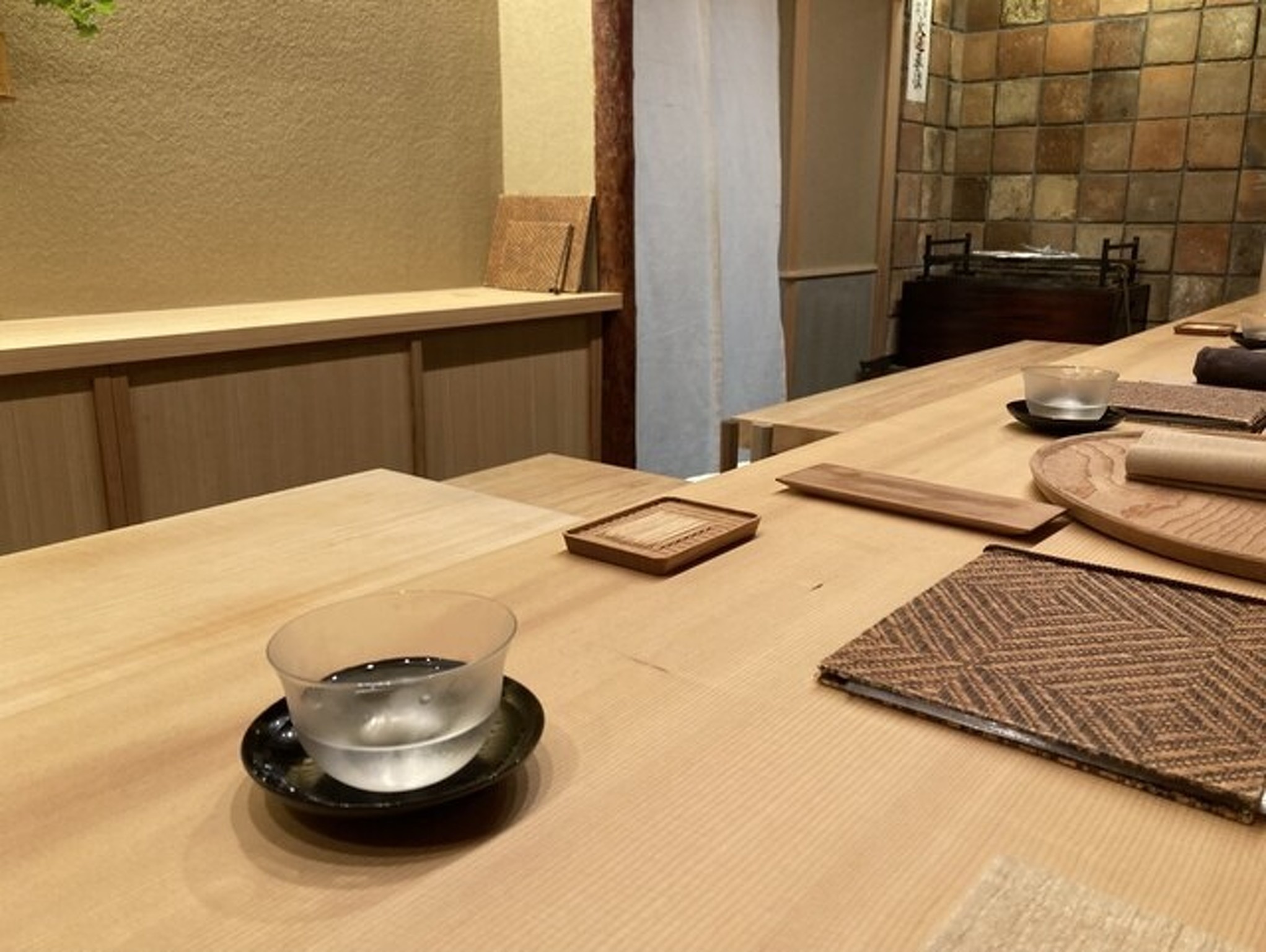
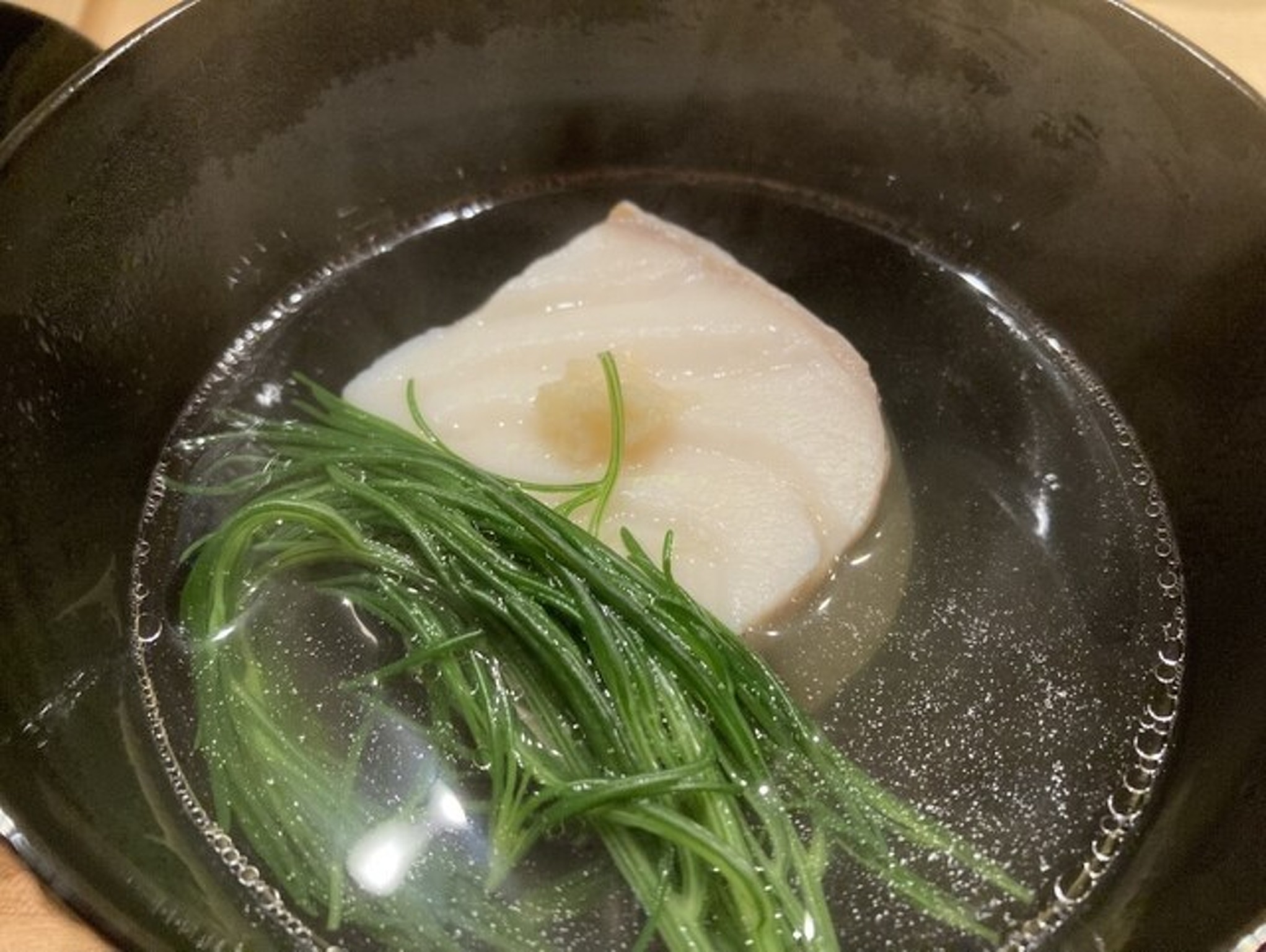
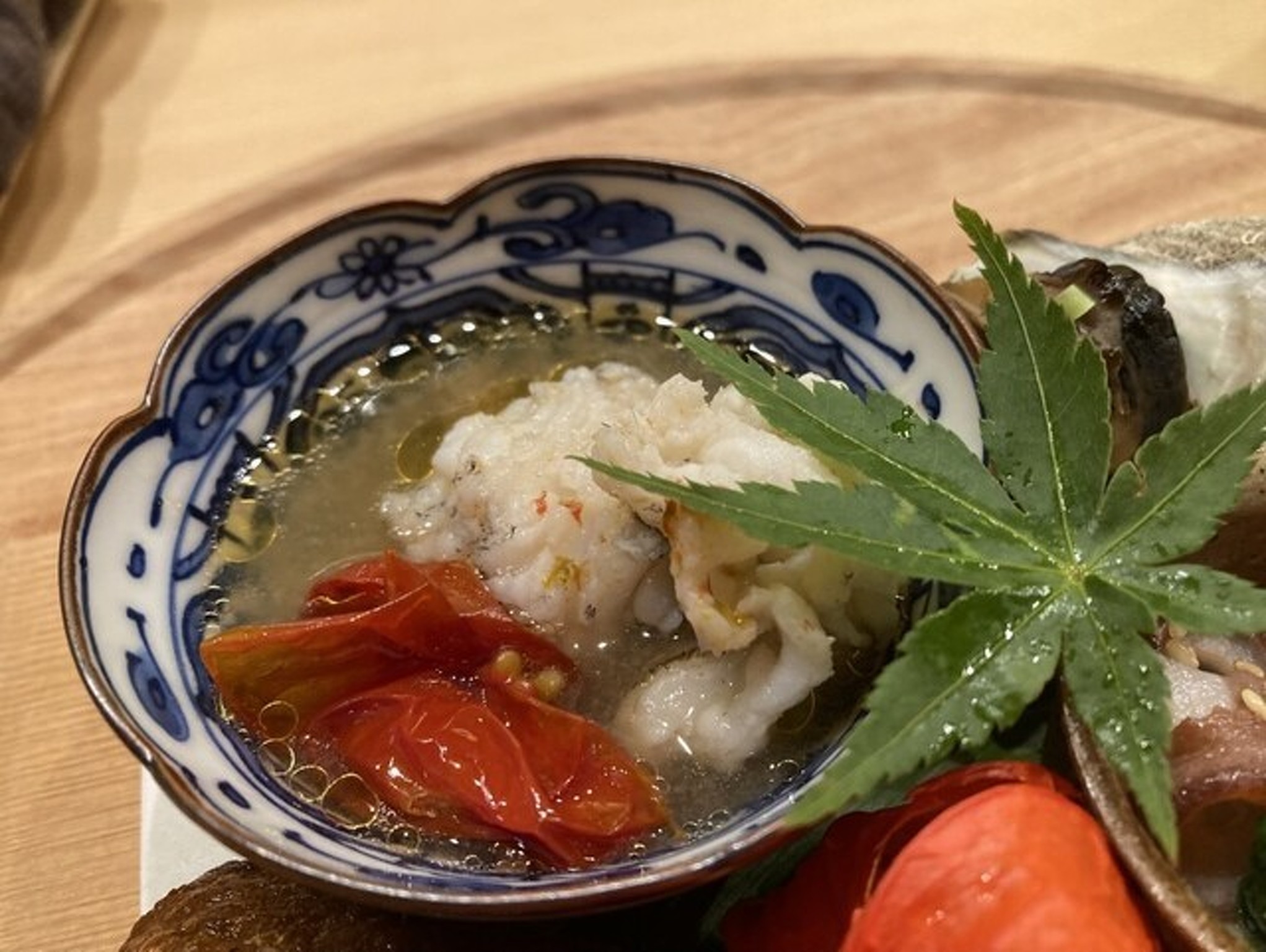
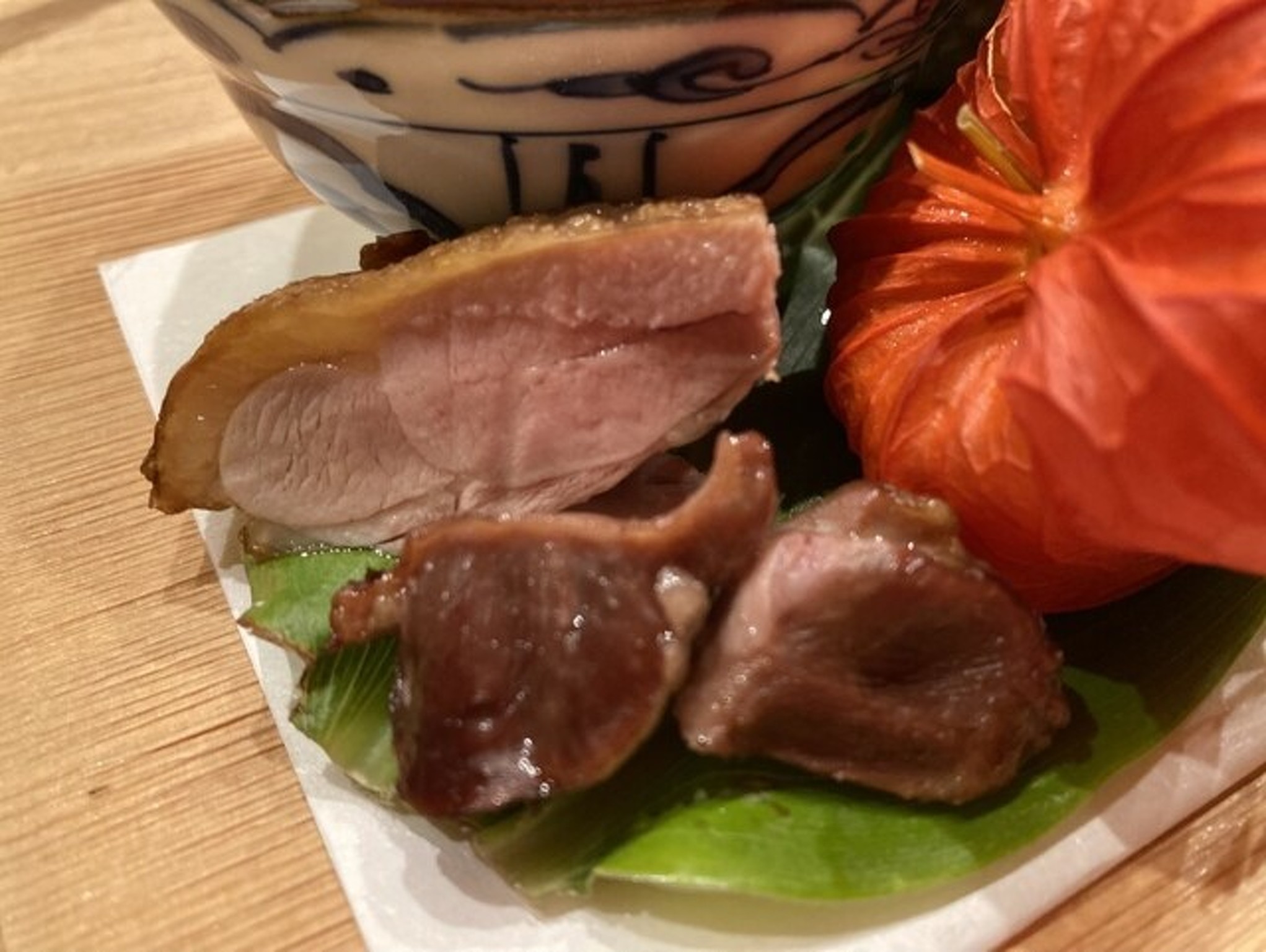
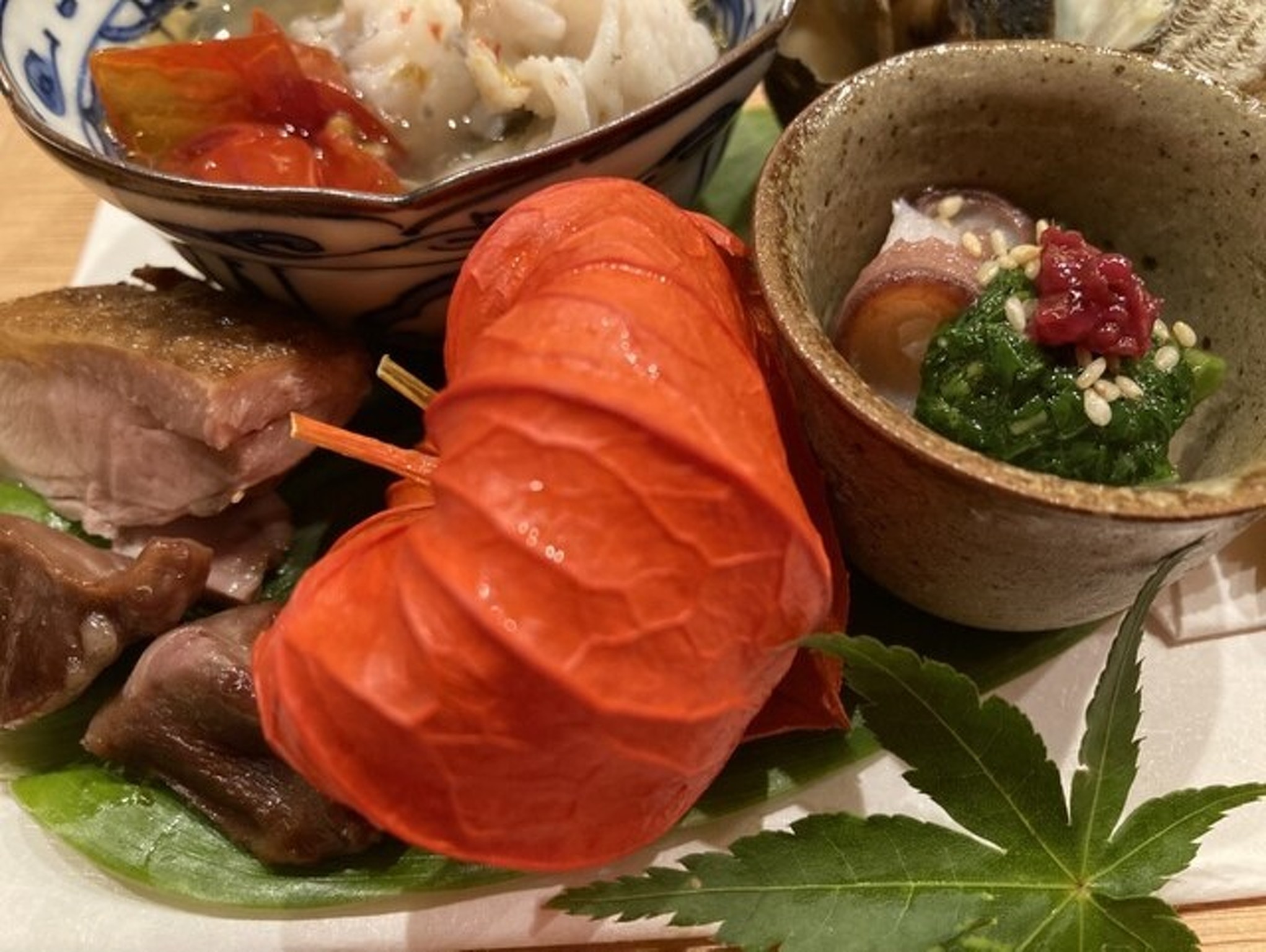
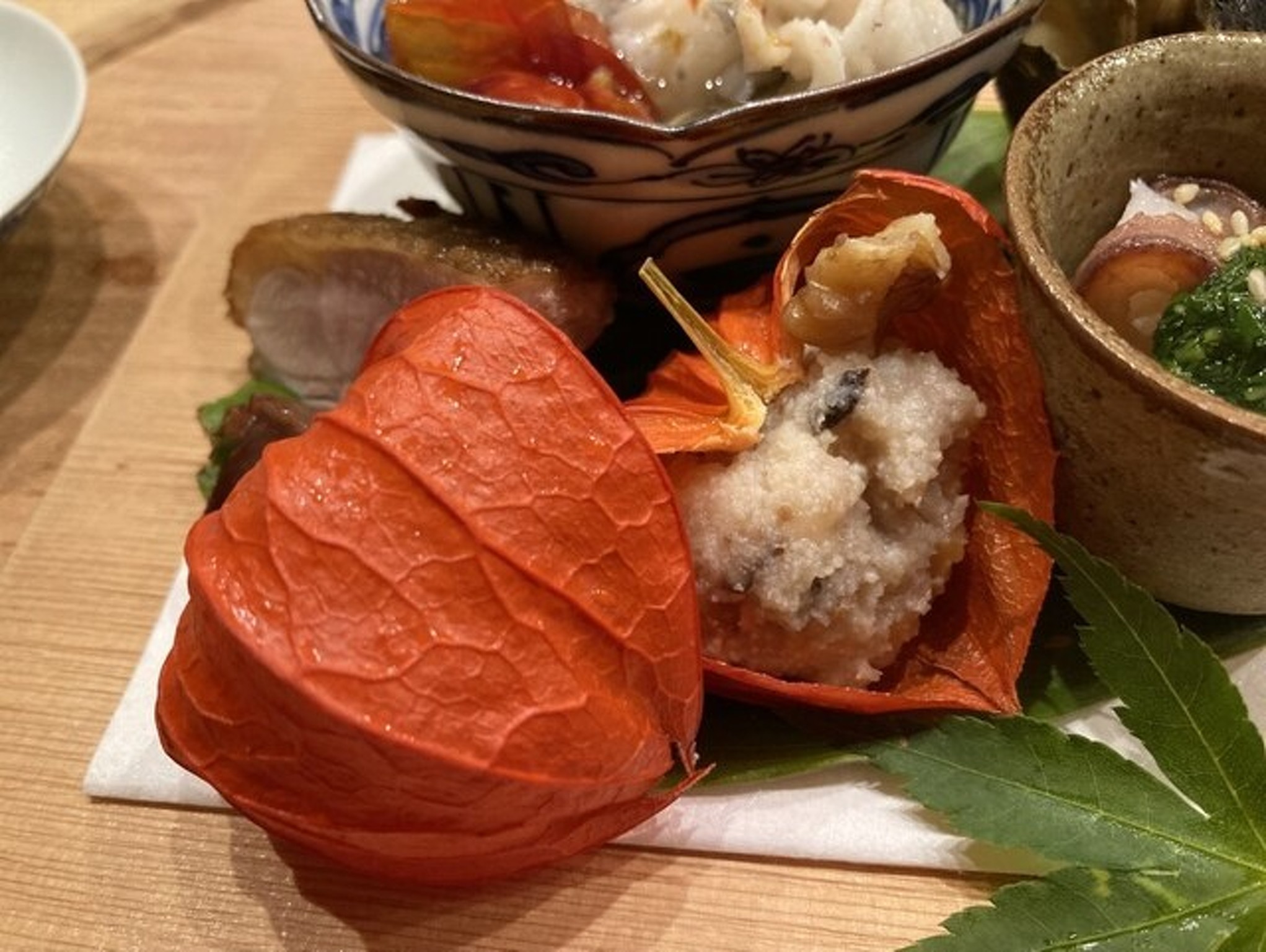
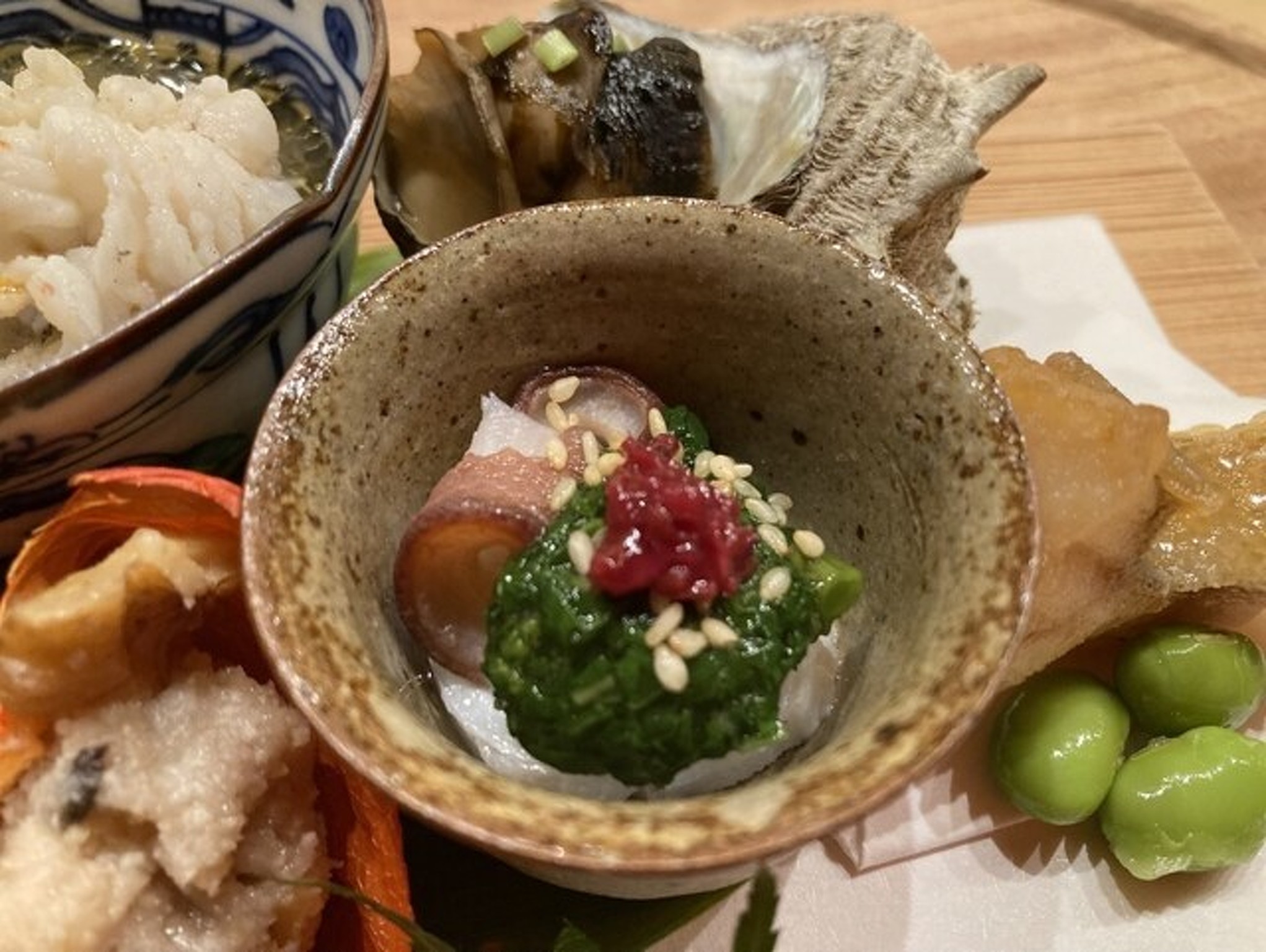
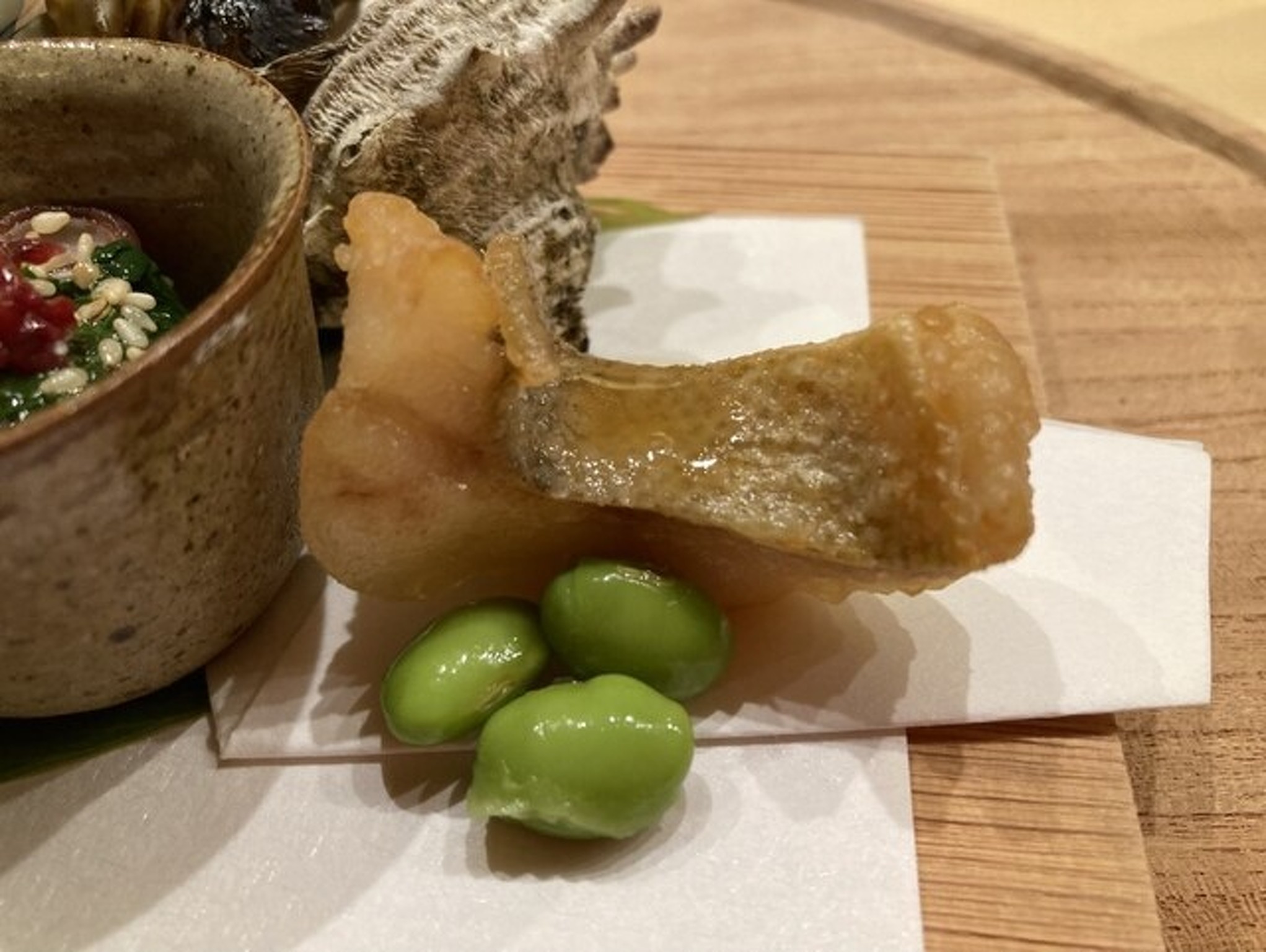
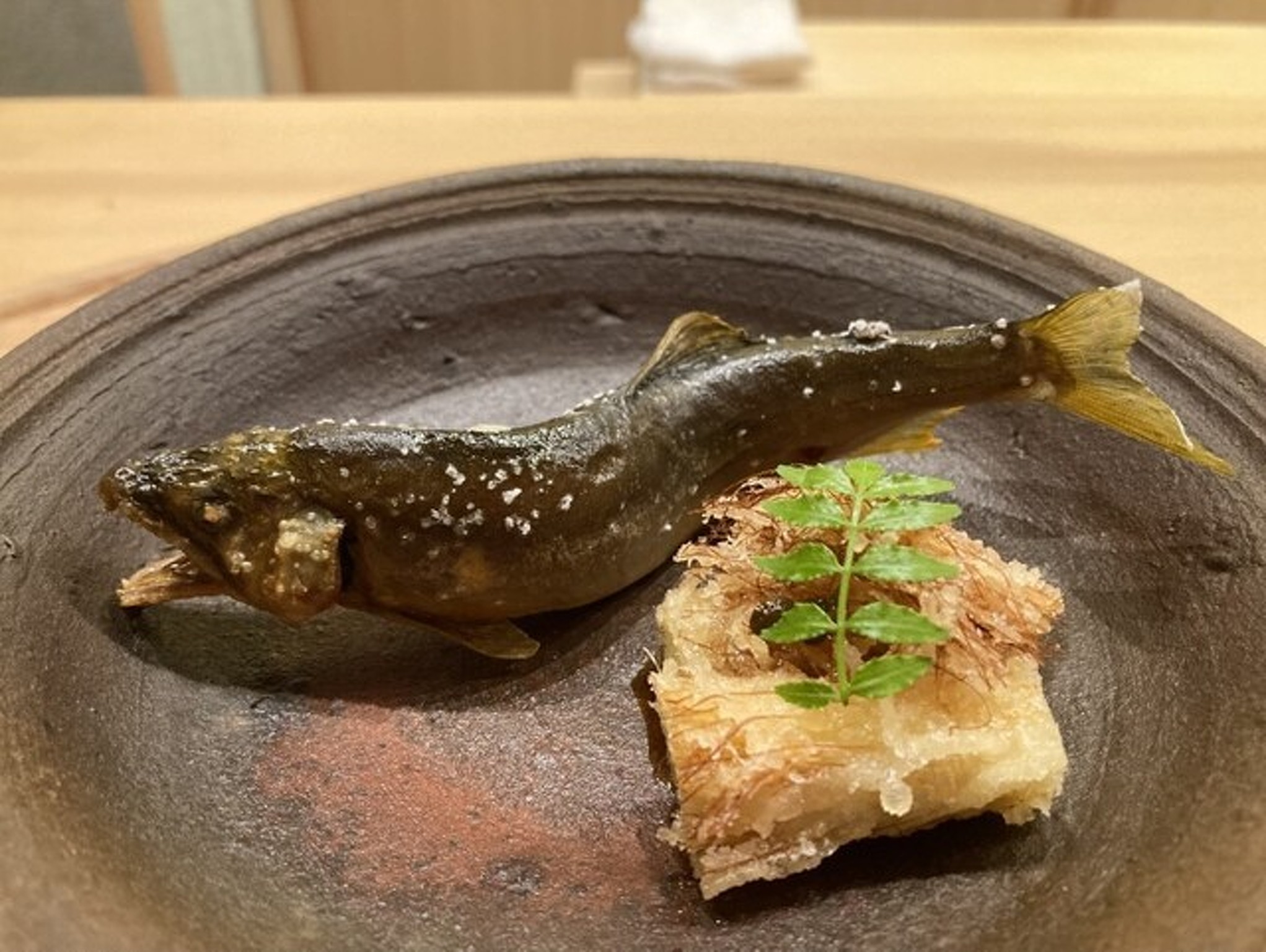
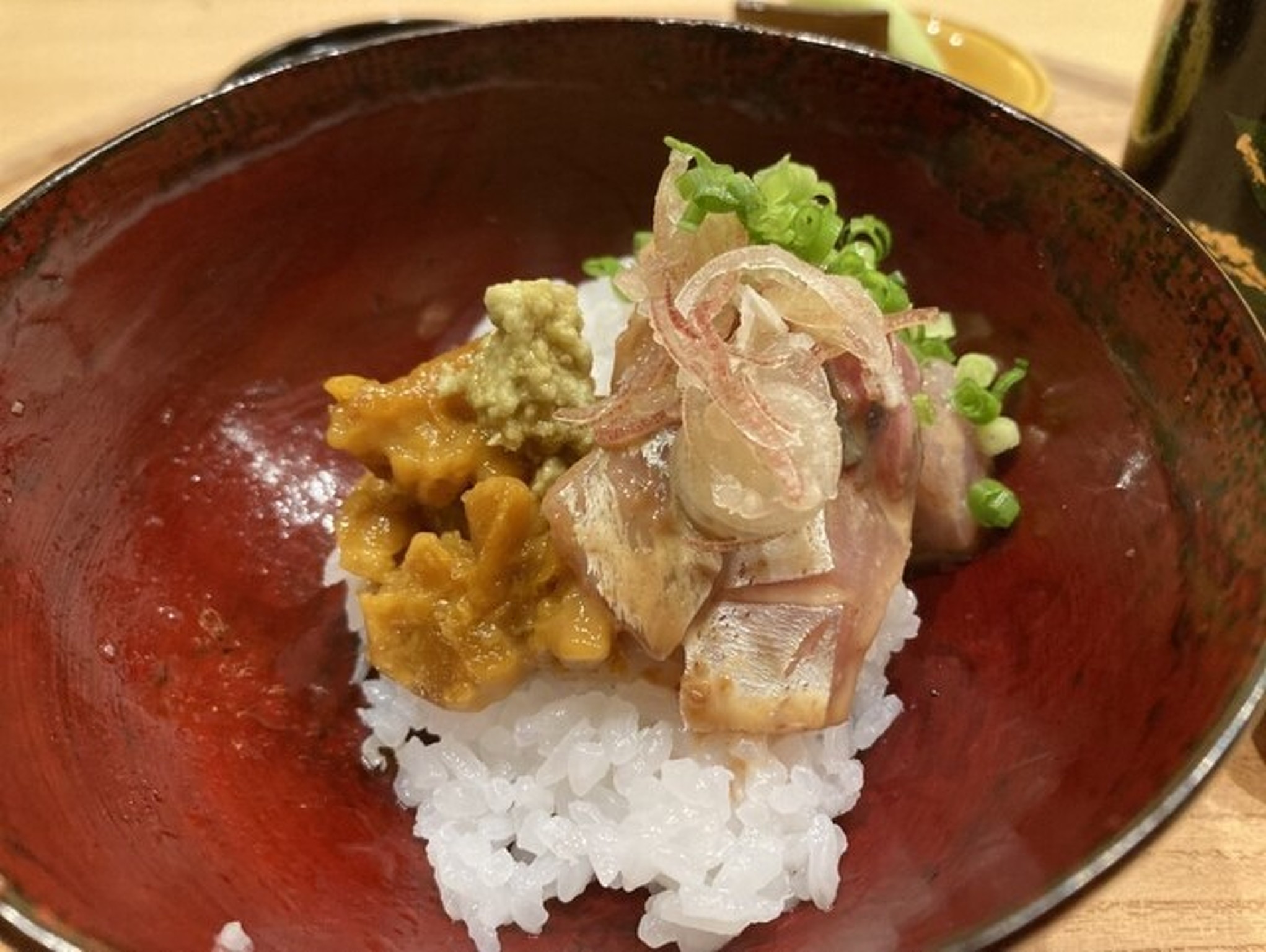
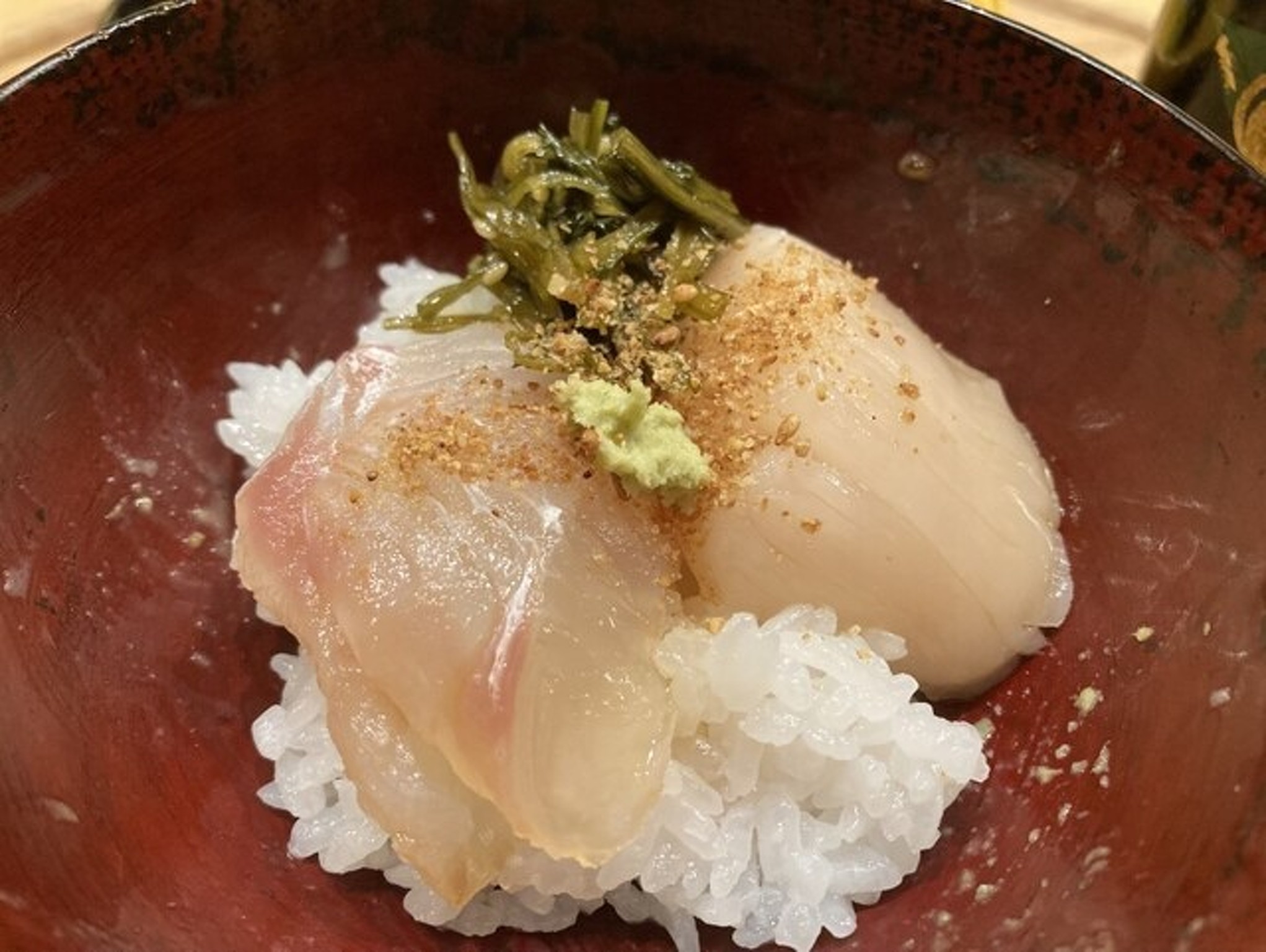
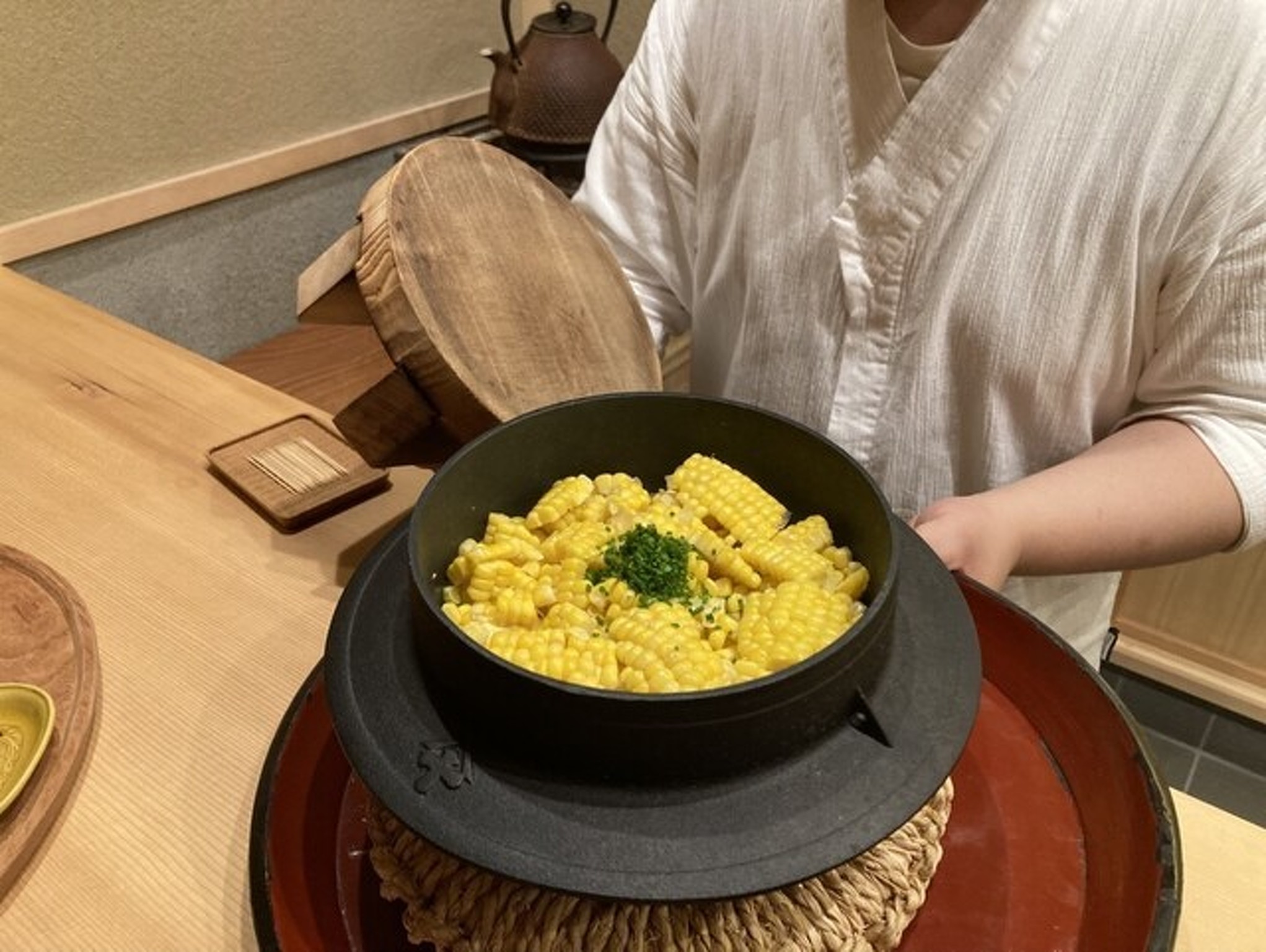
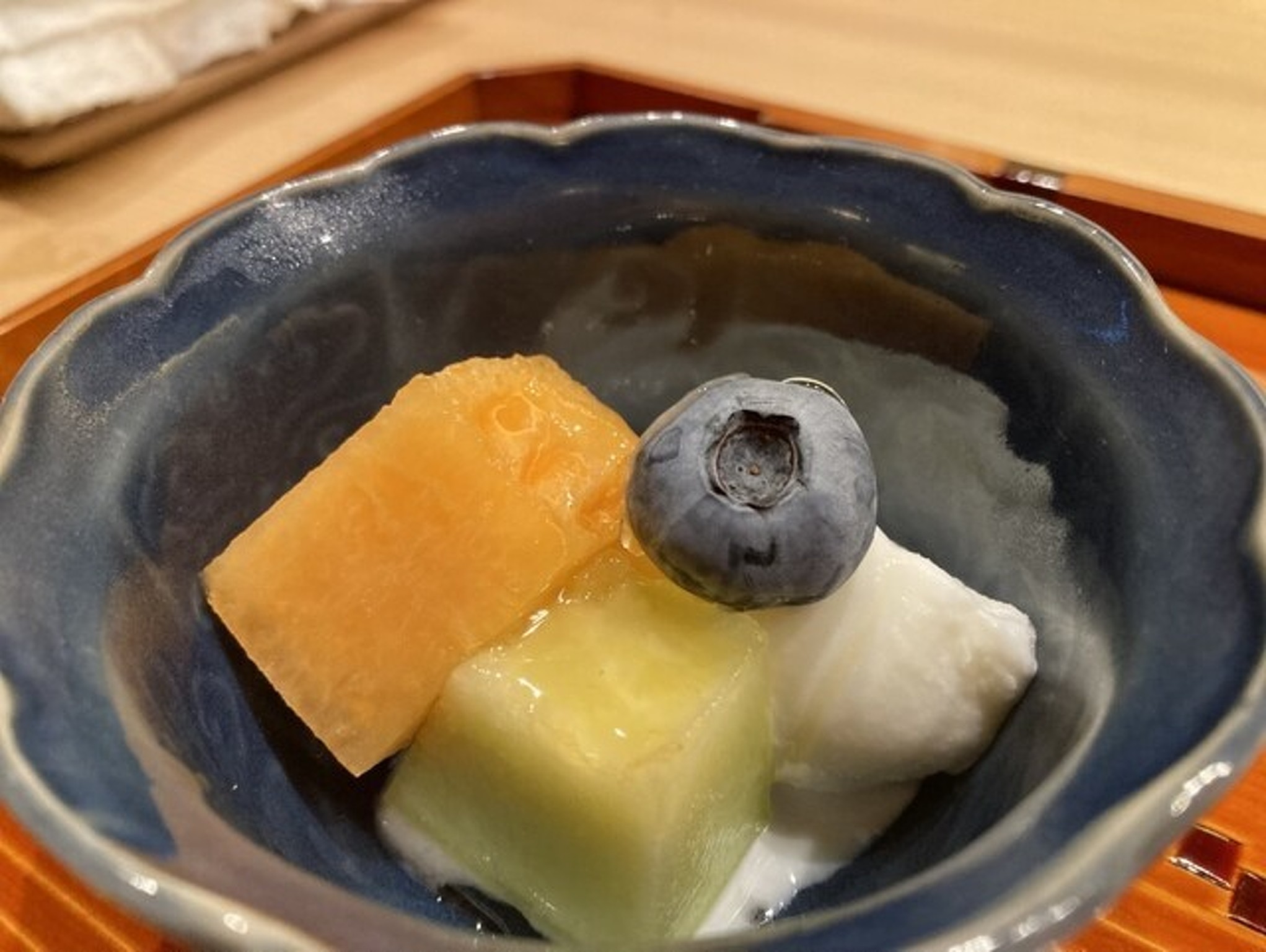
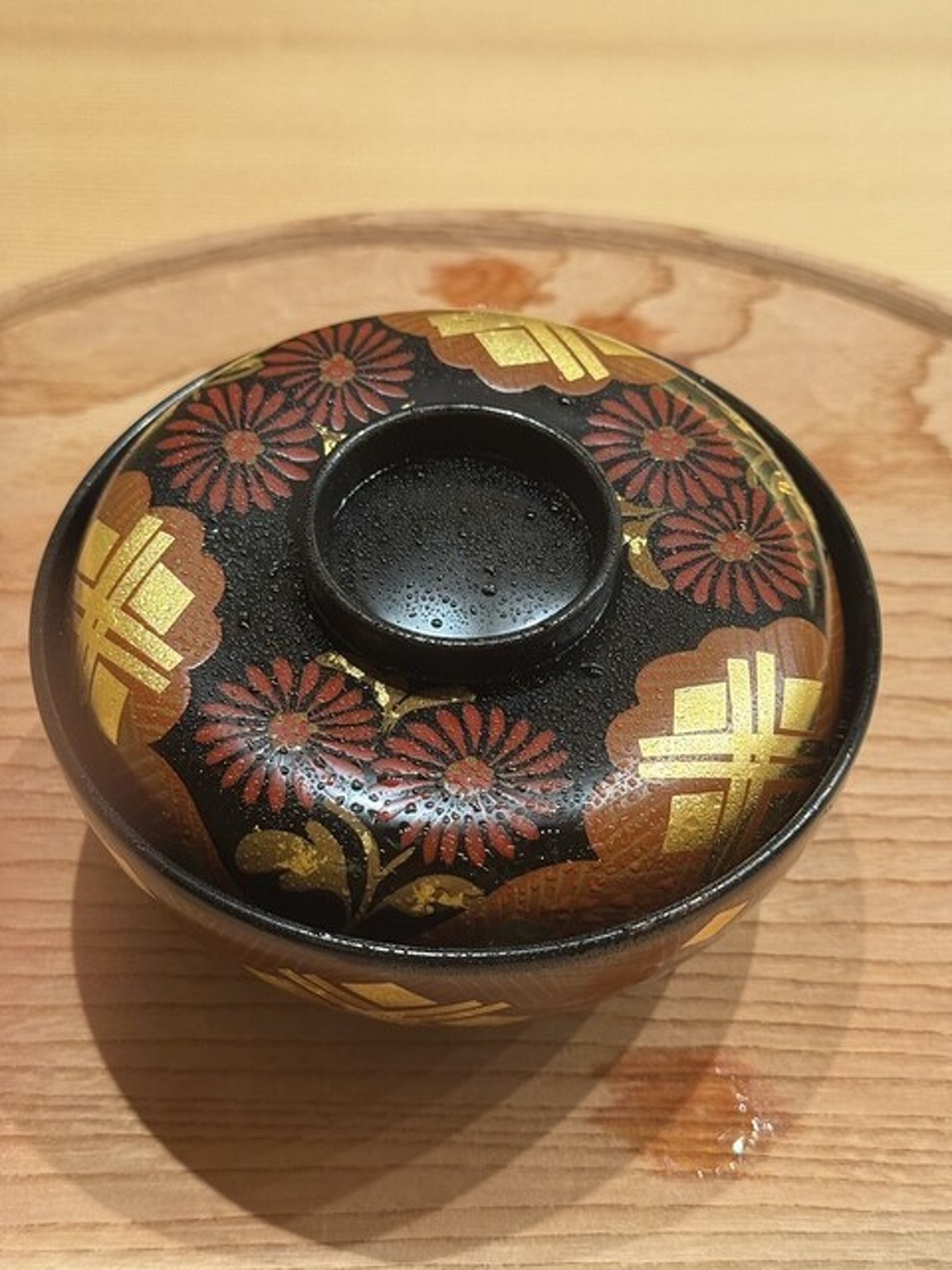
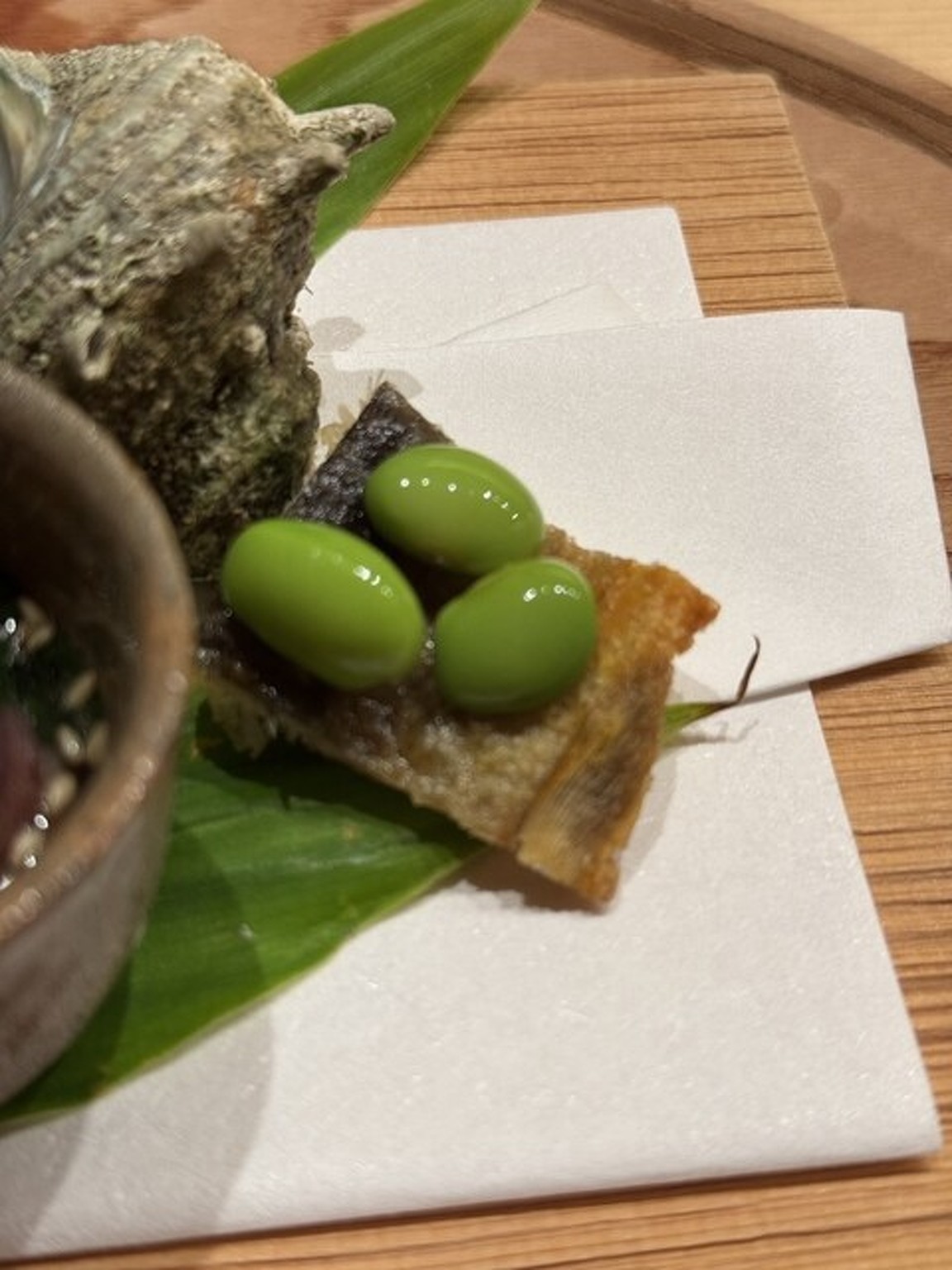
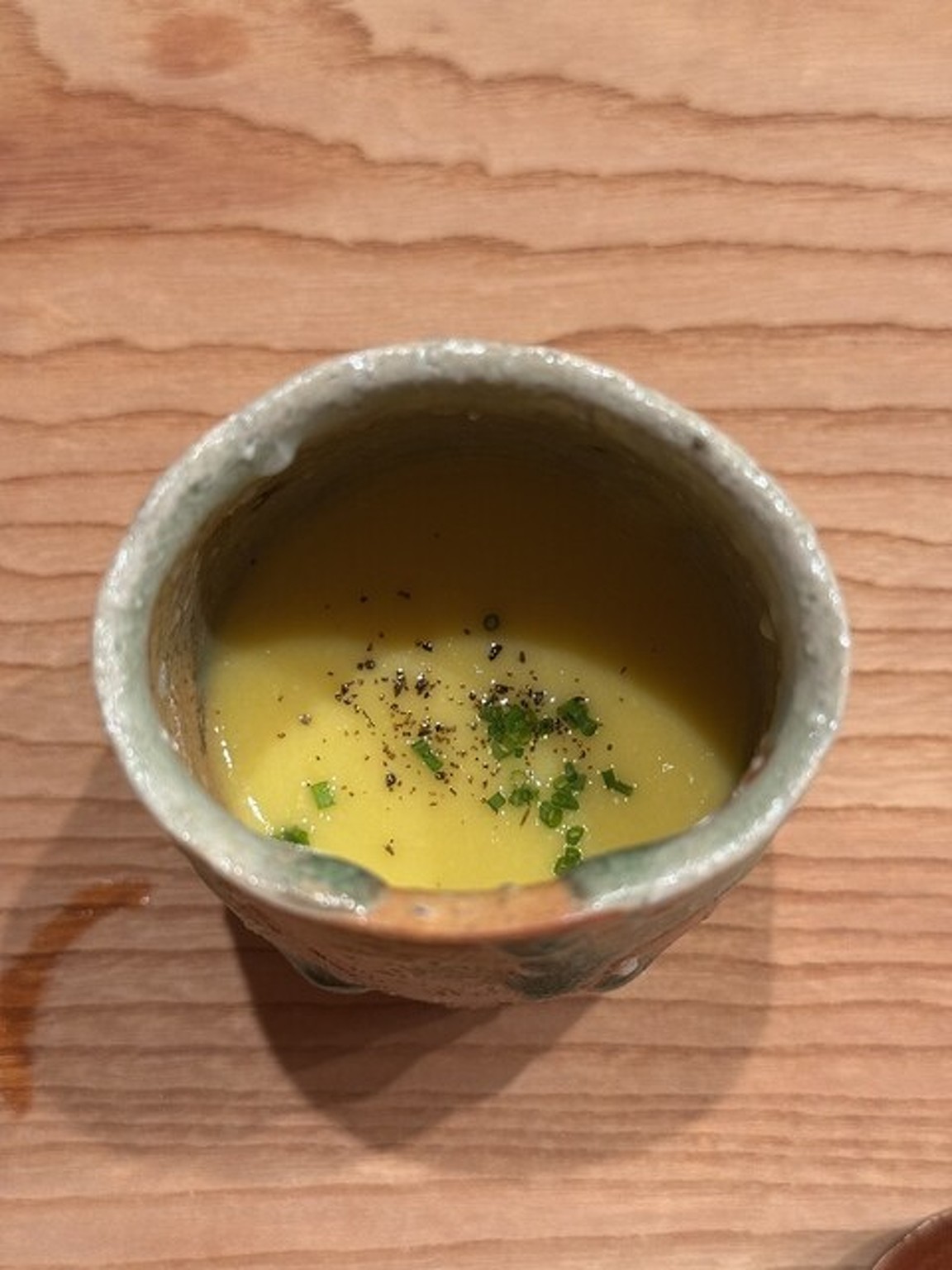
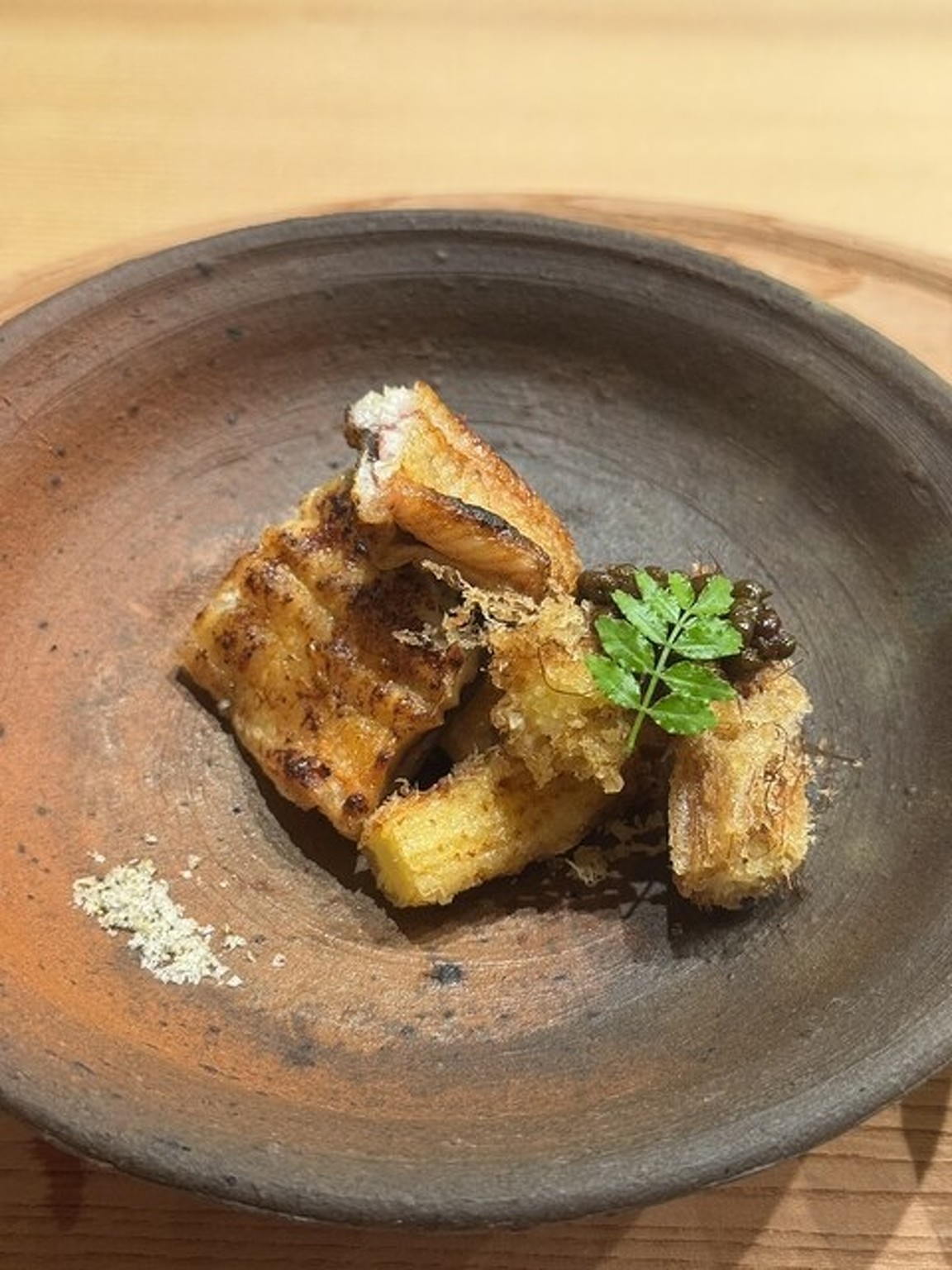
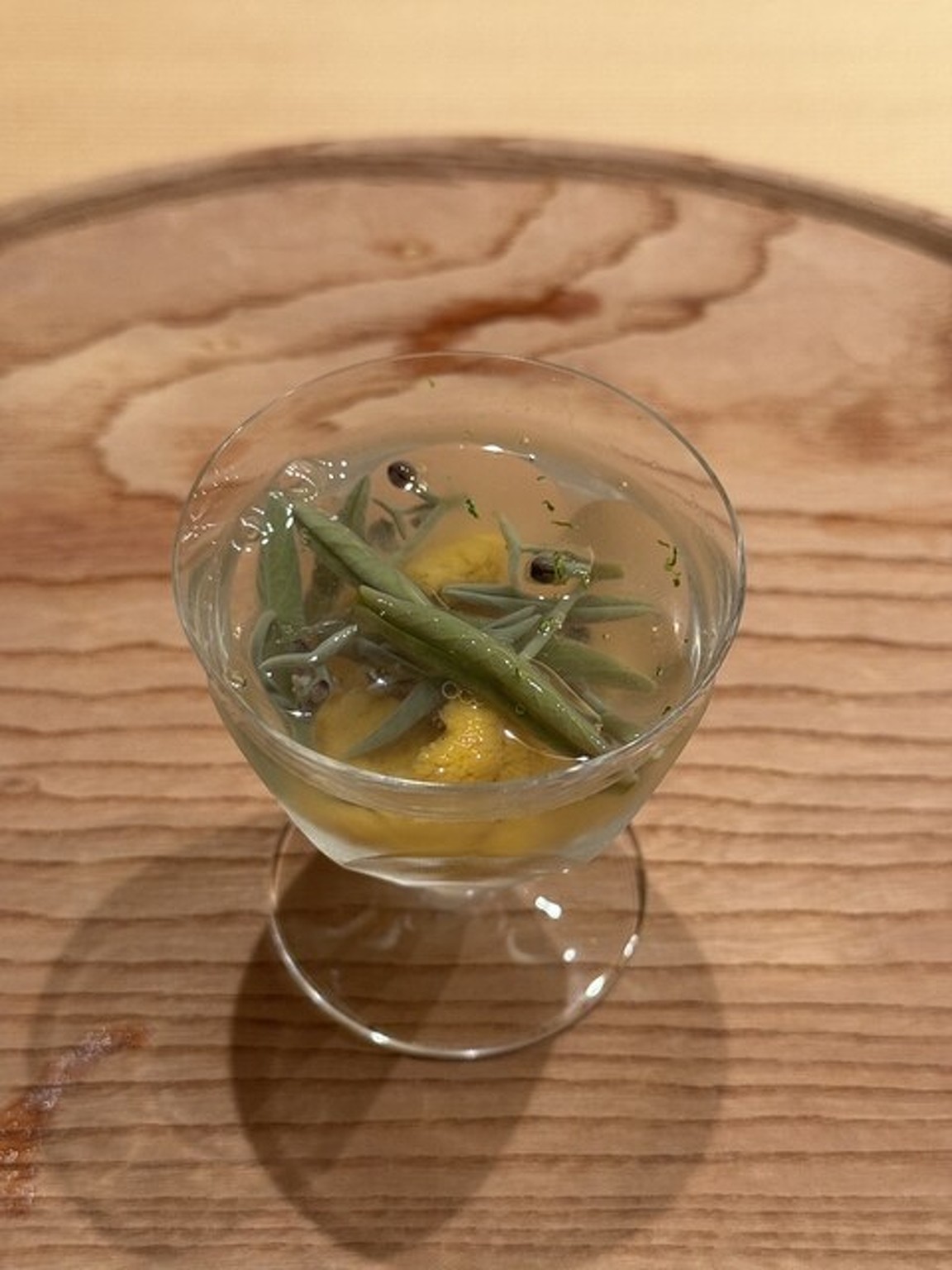
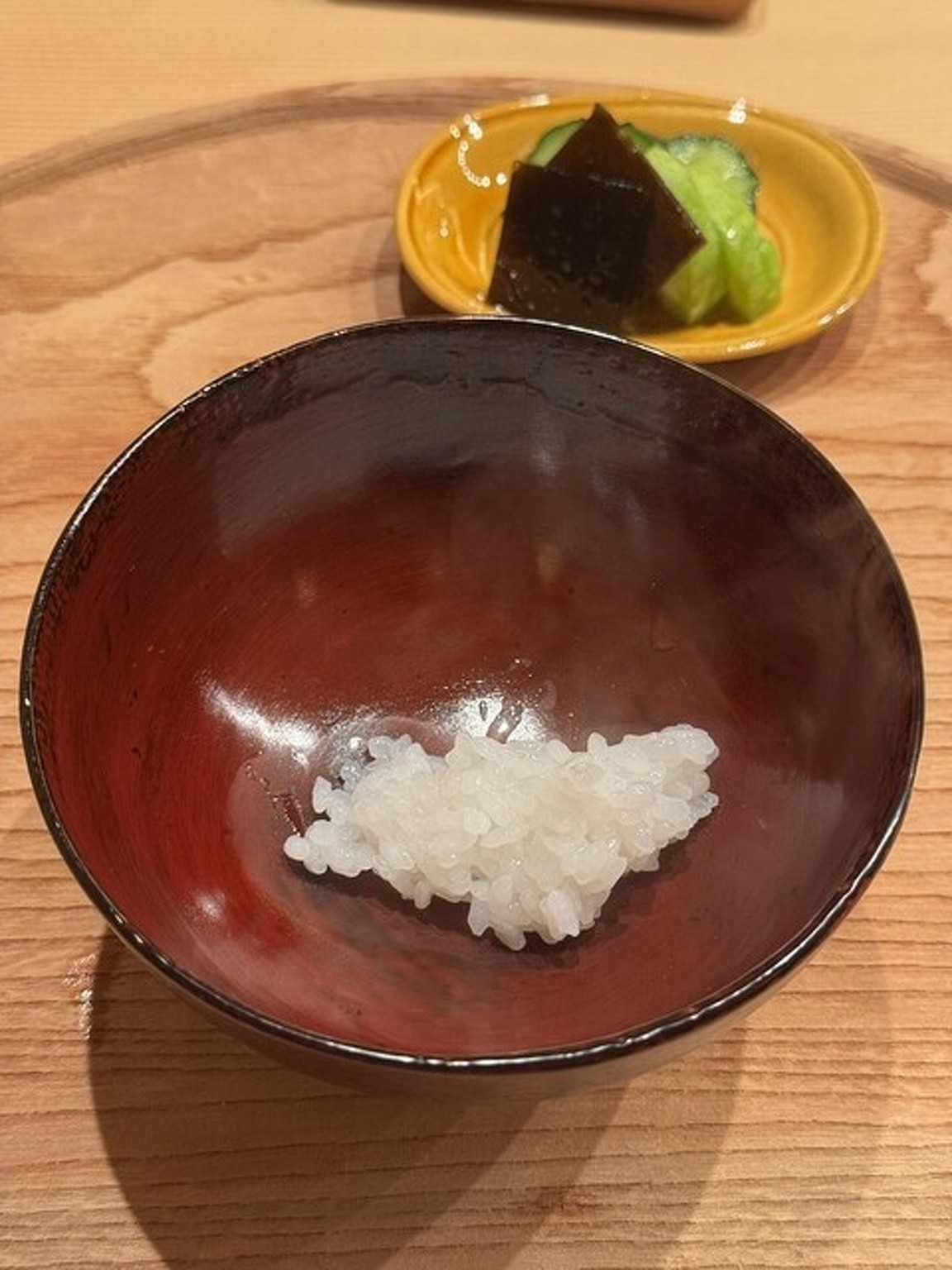
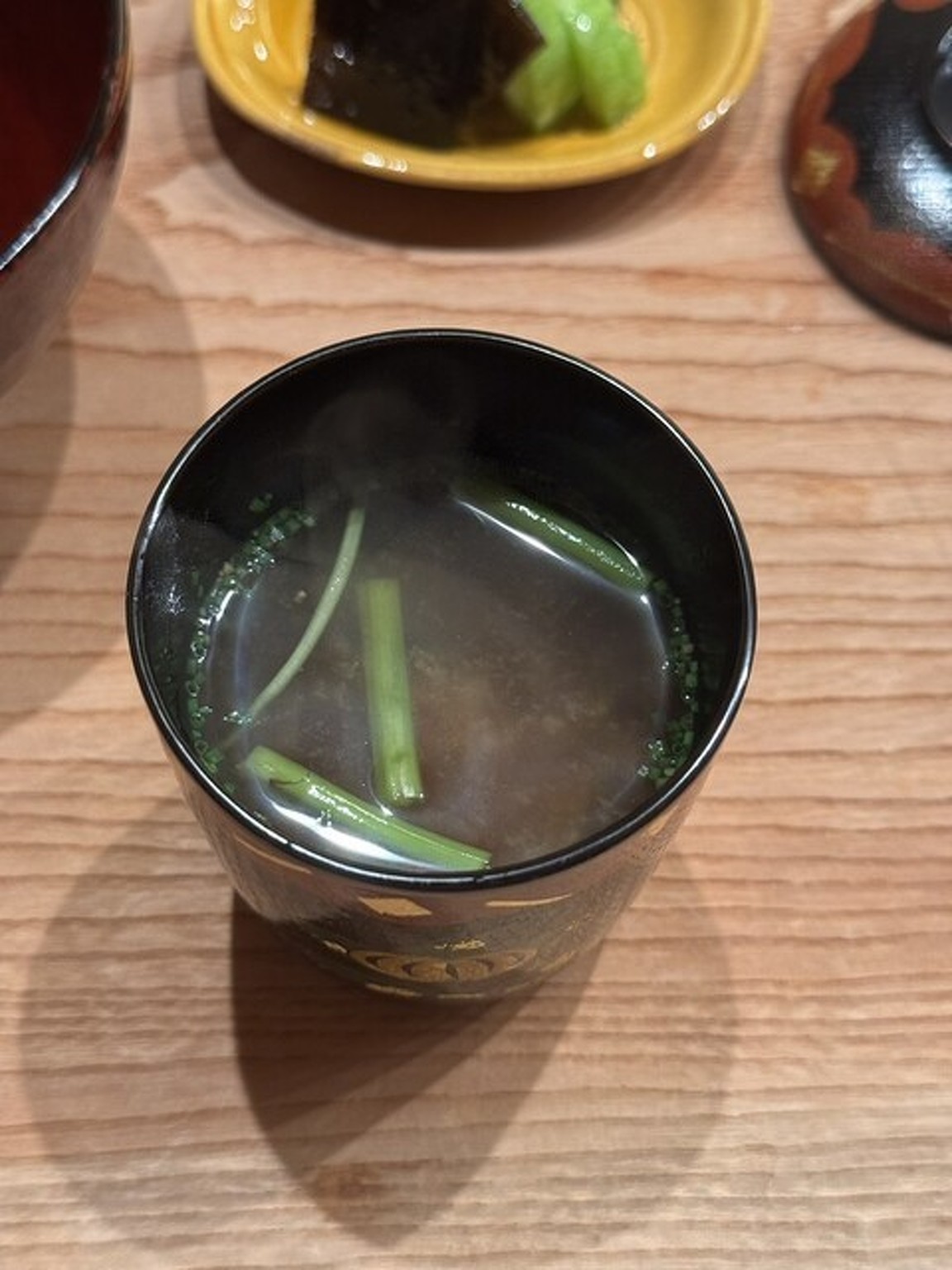
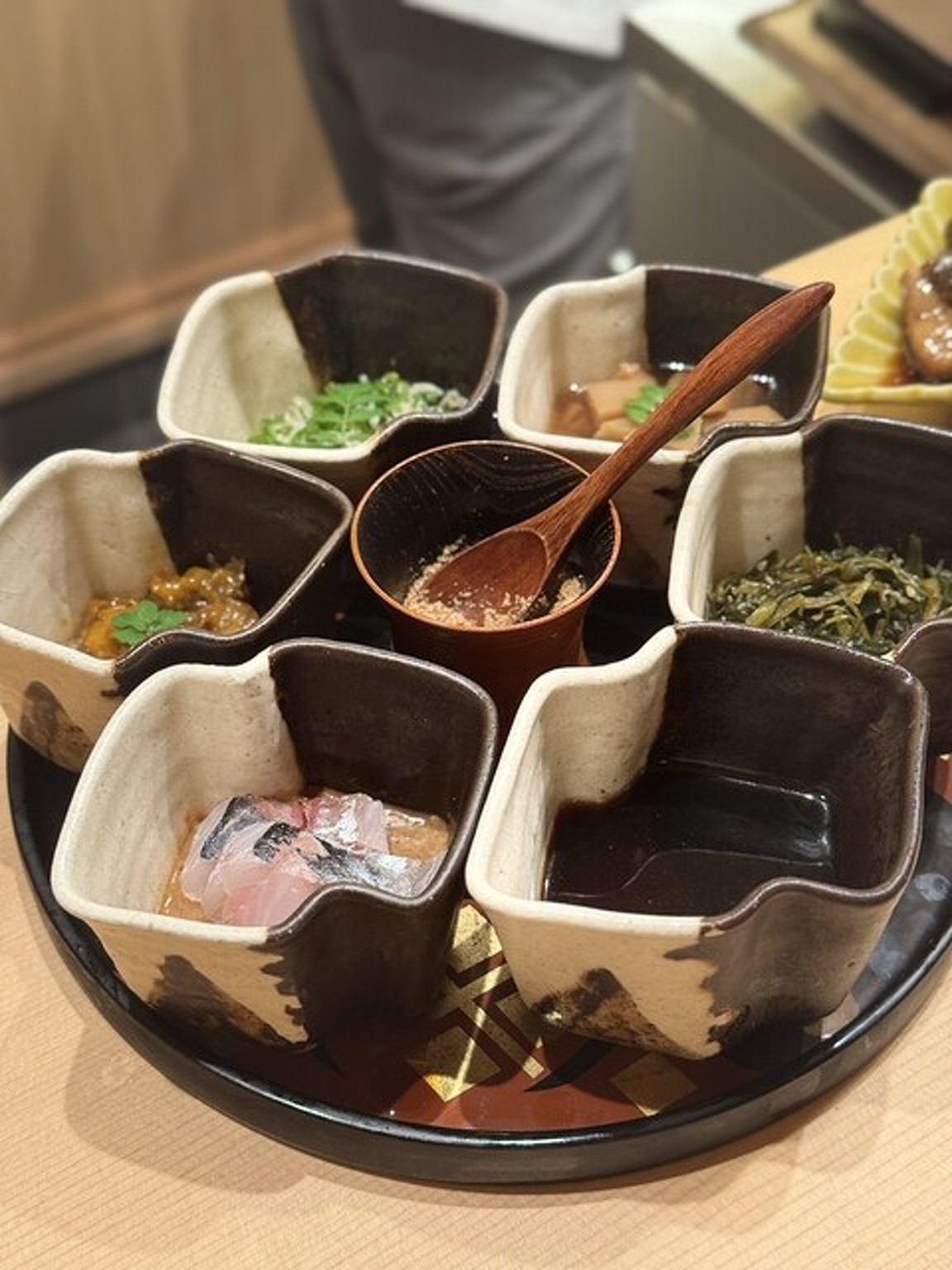
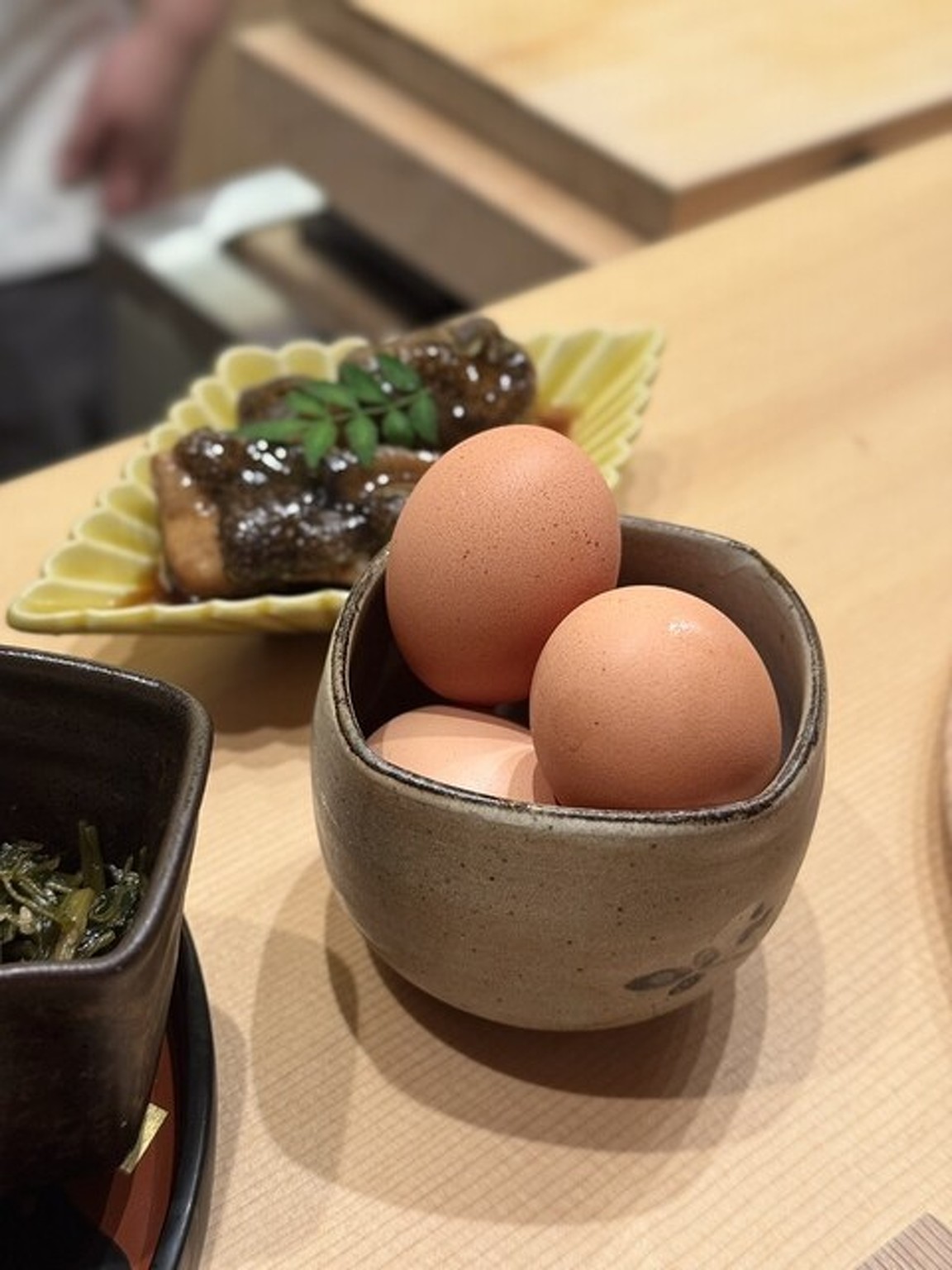
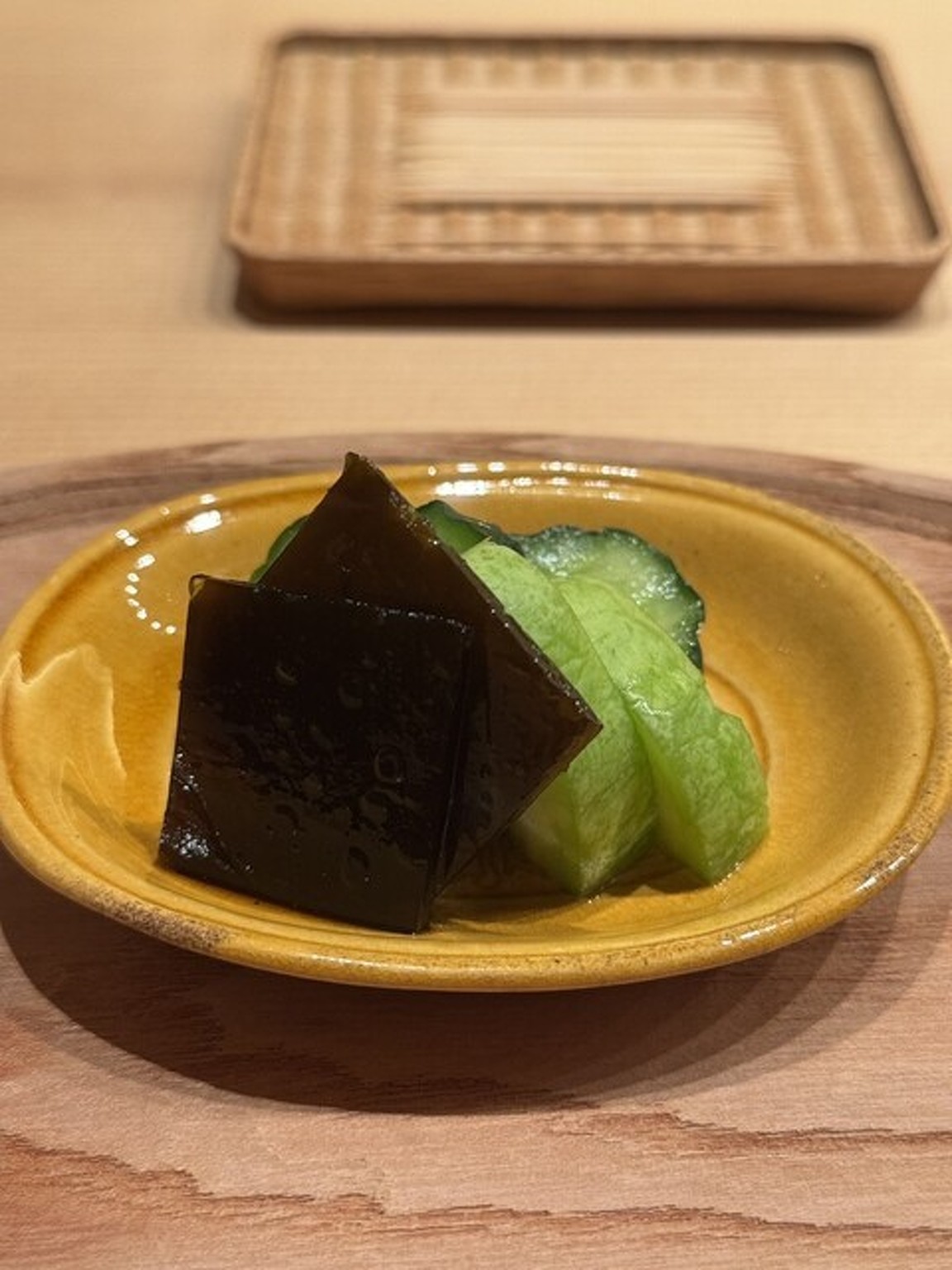
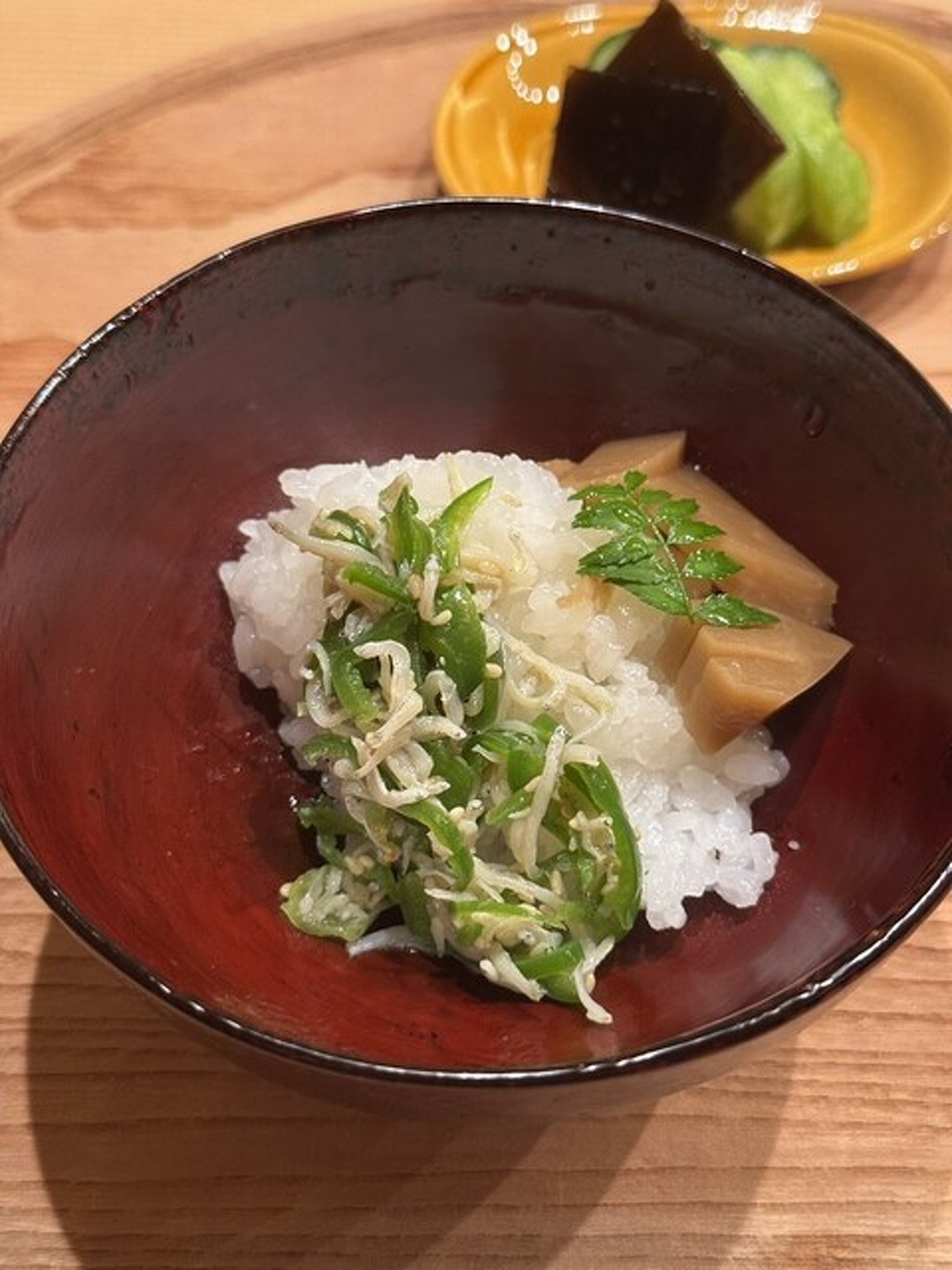
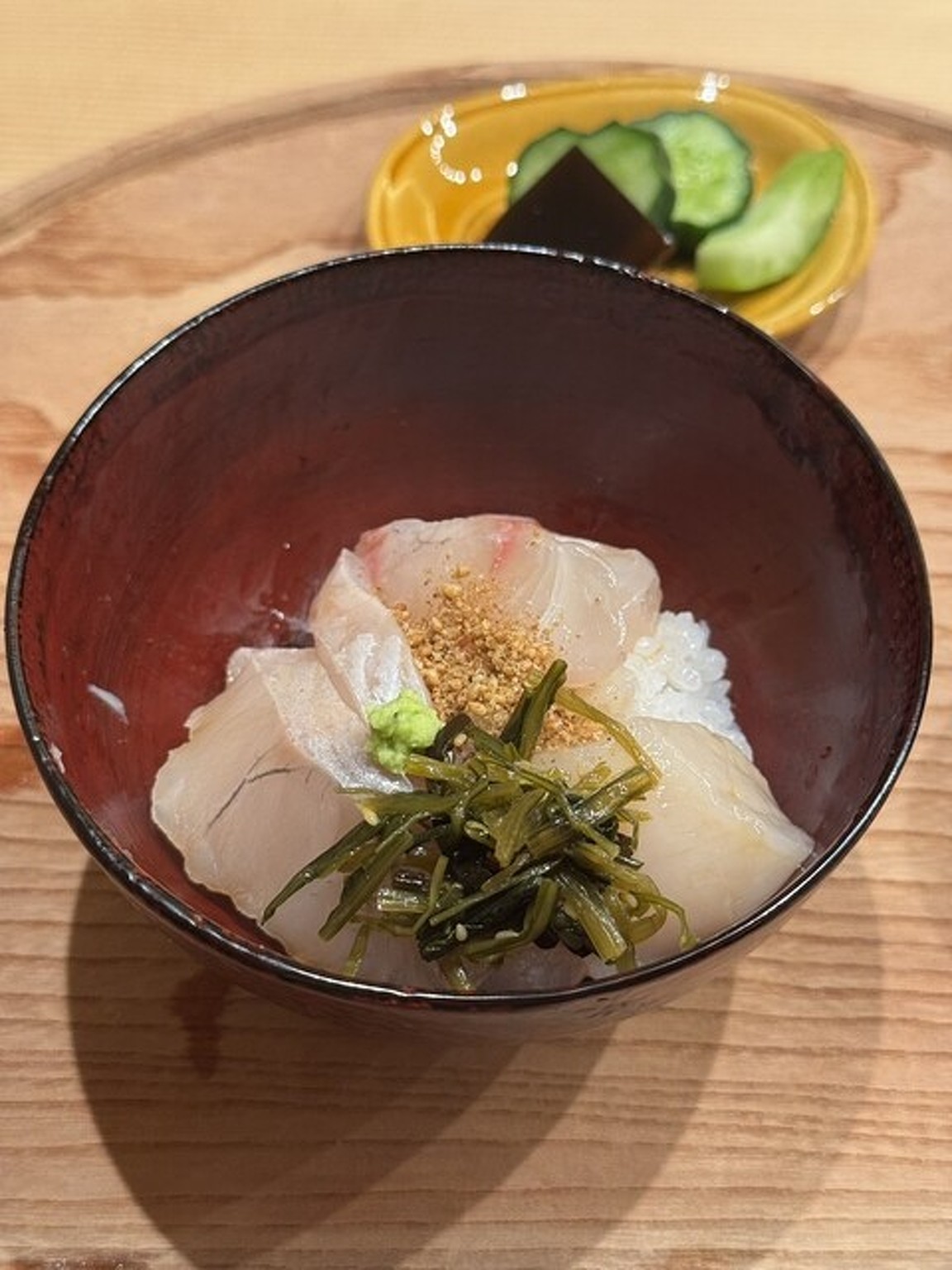
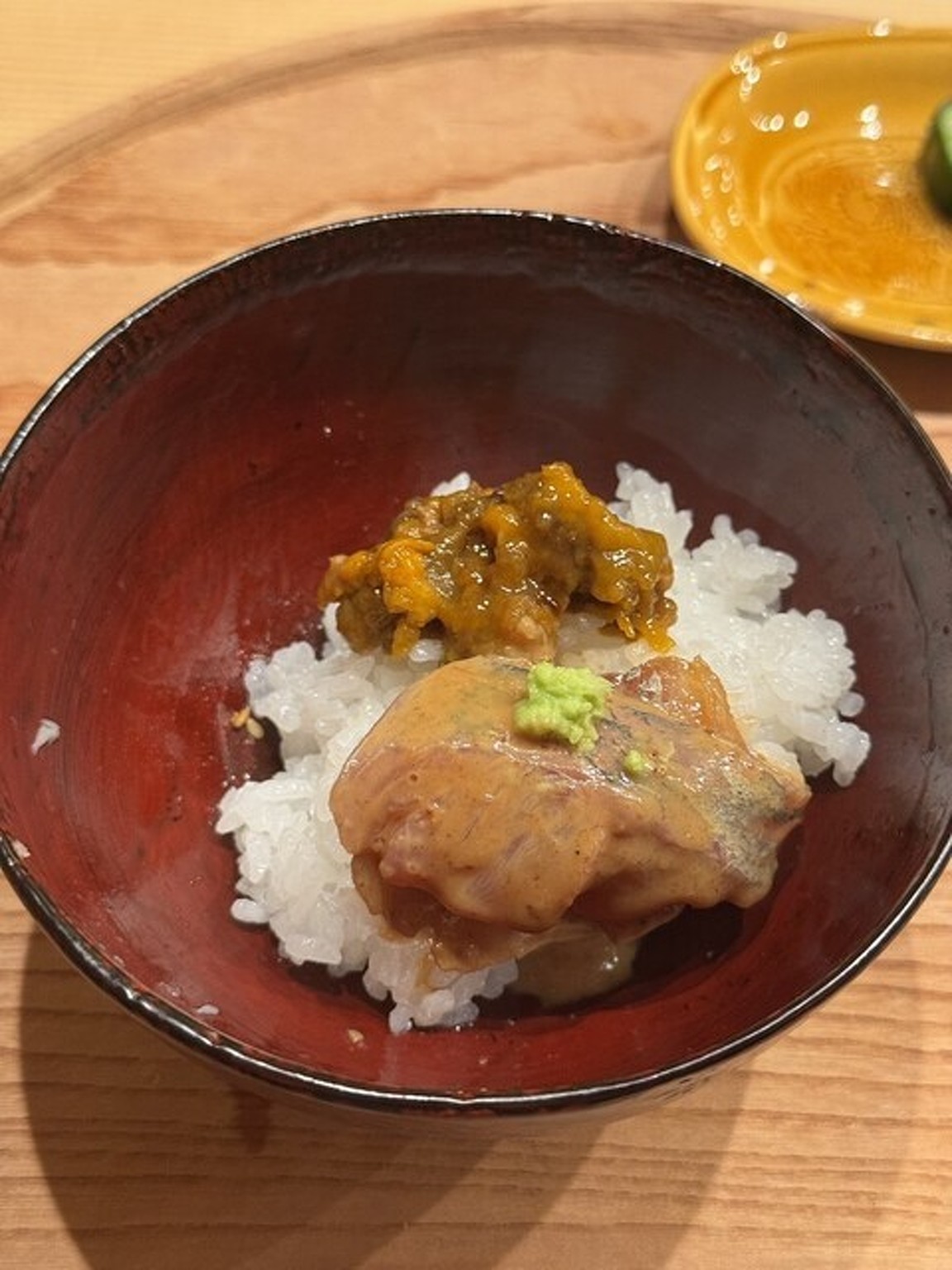
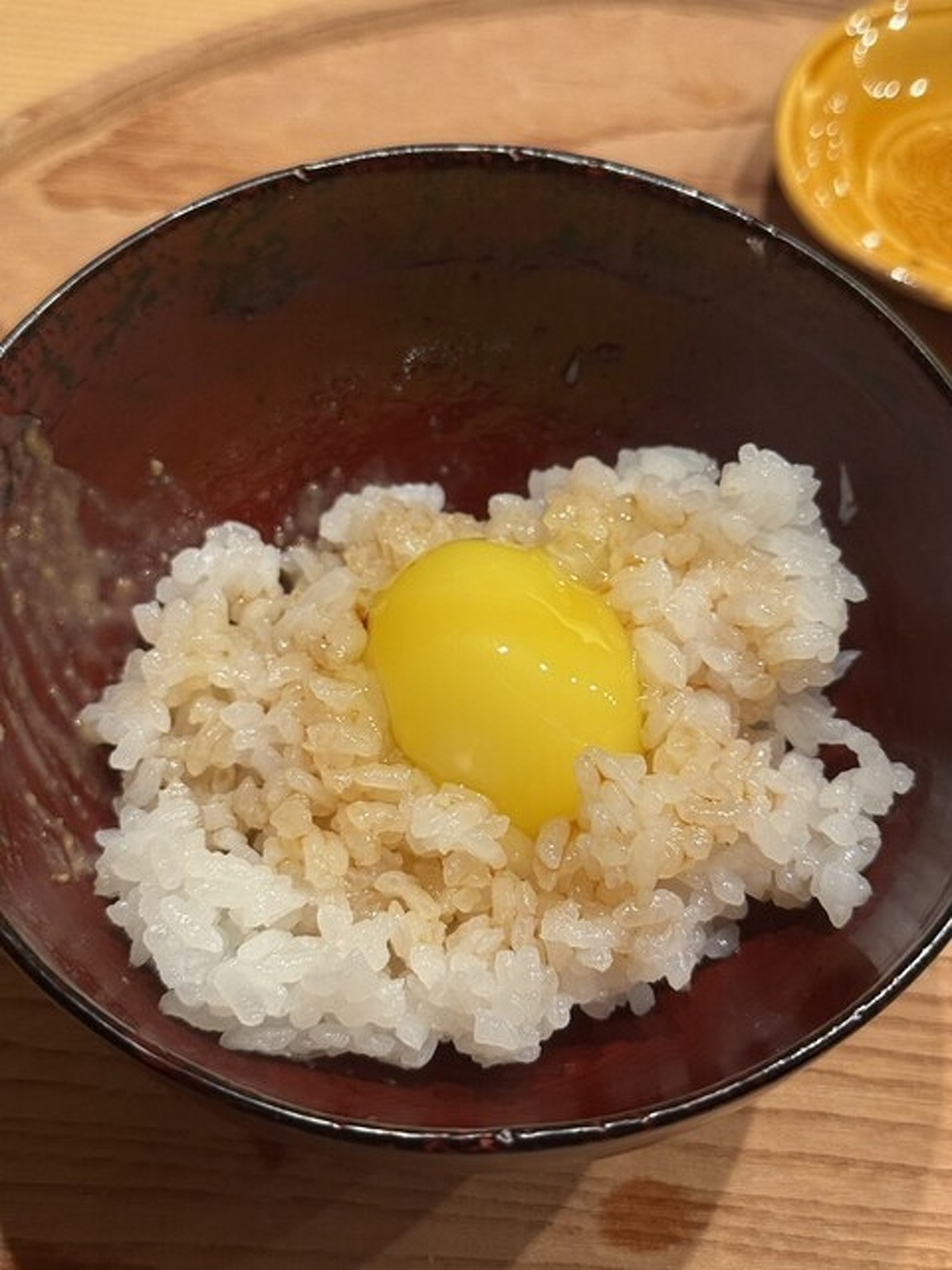
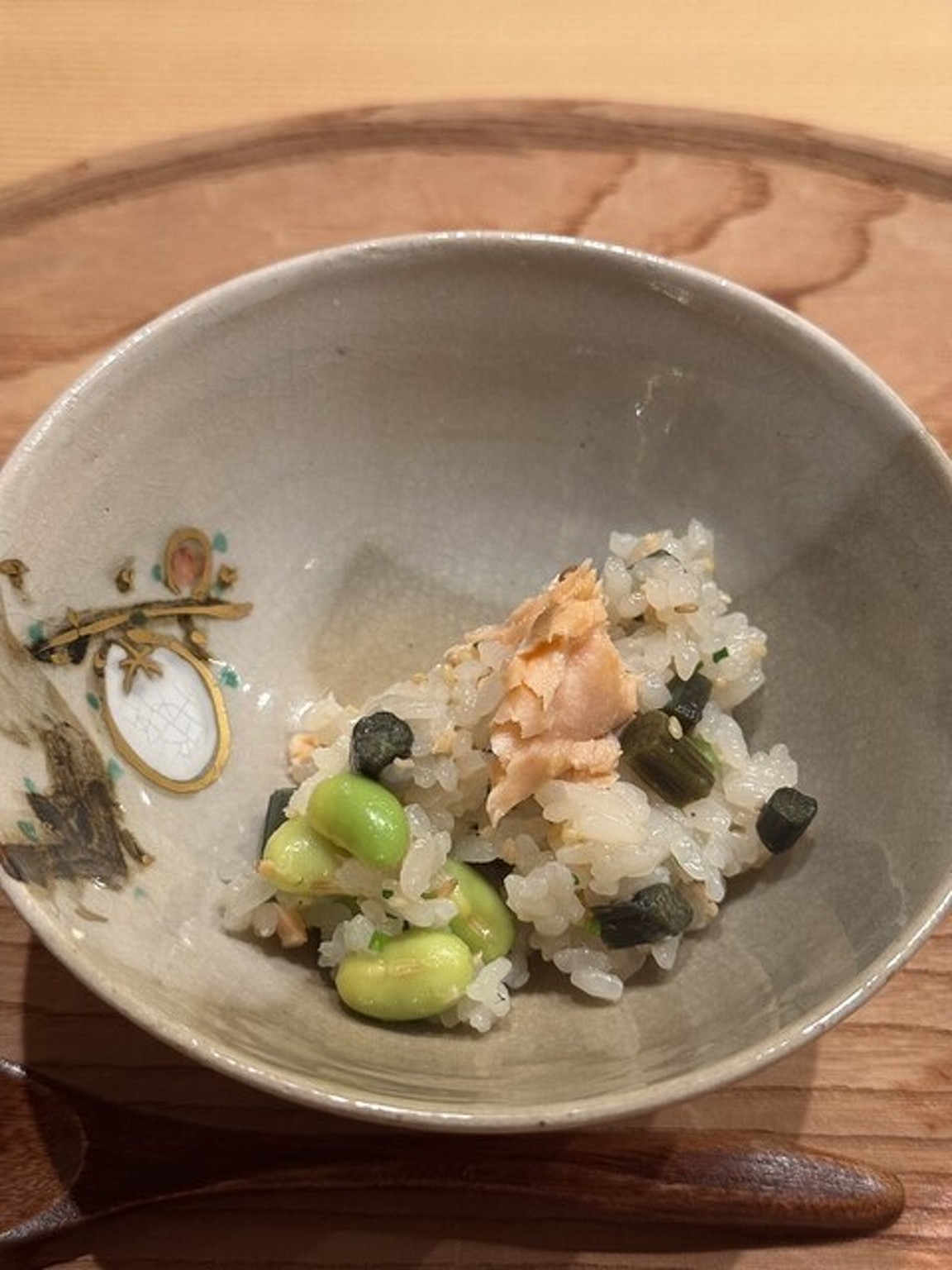
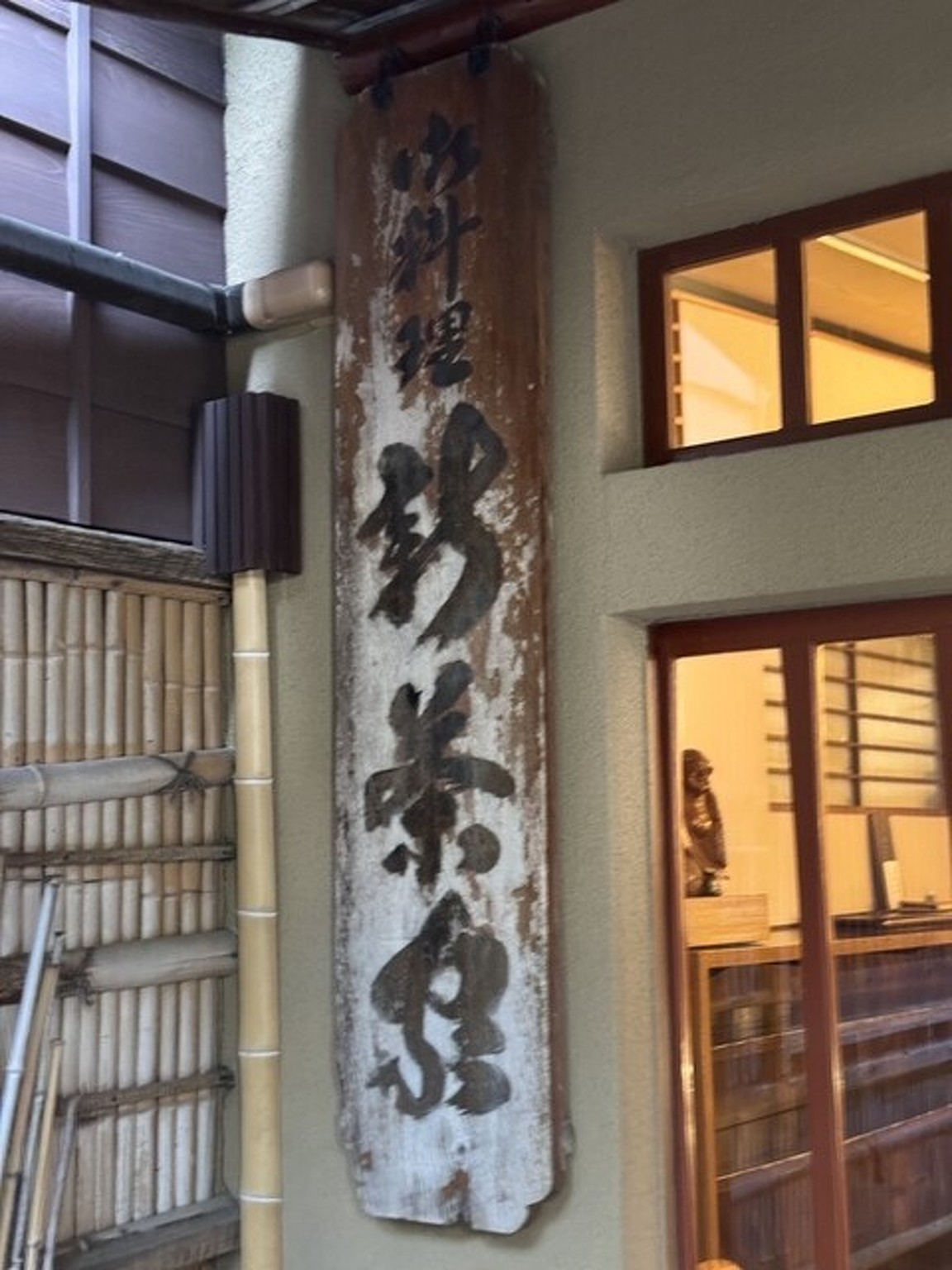
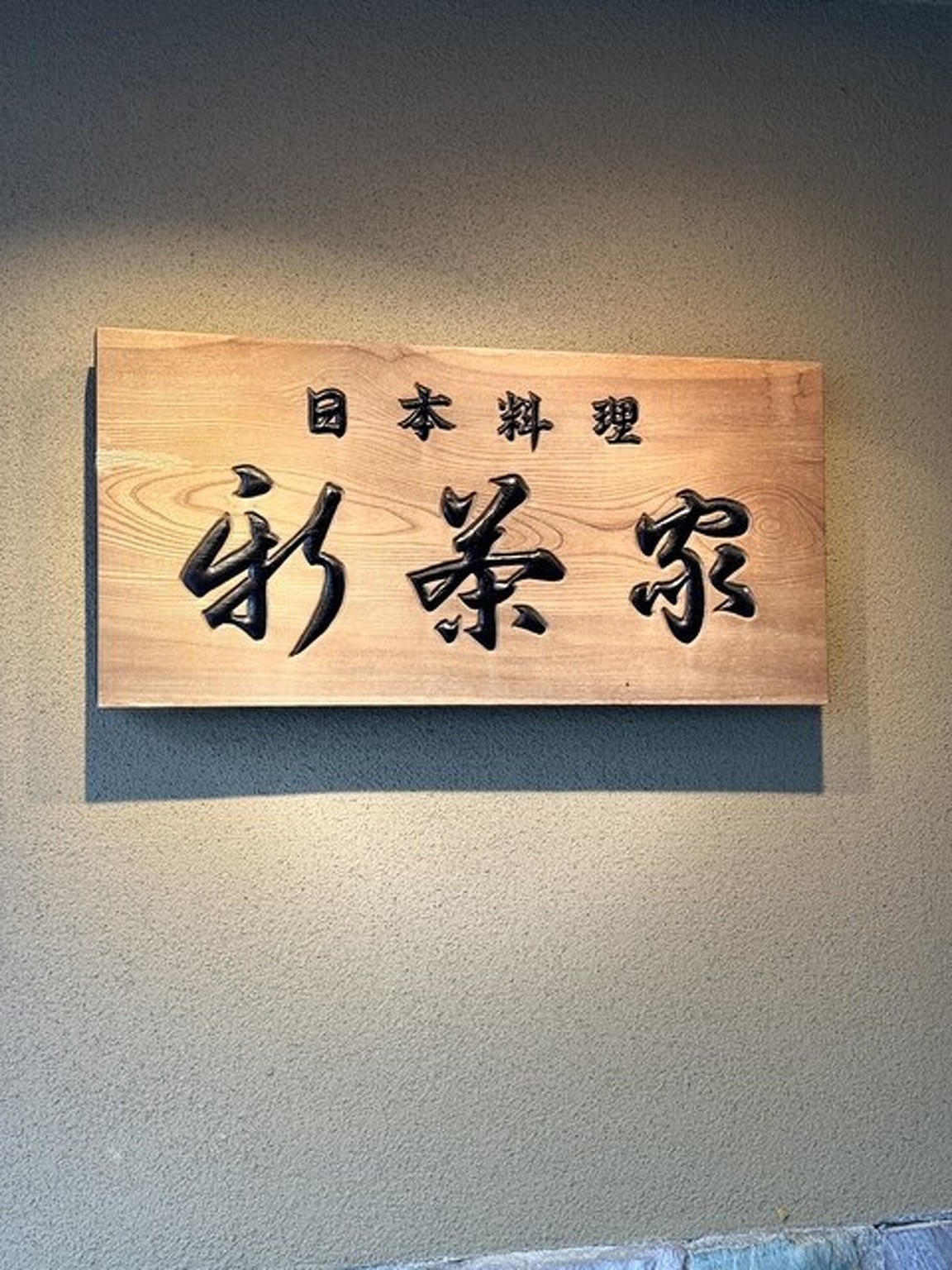
Aomori Nebuta Festival 3 Nights and 4 Days TripFinal DayAfter checking out of the hotel, I headed to Iwate Prefecture by rental car. The last highlight of this trip is Japanese cuisine Shin Chaya.Looking back on this journey, I can't thank the beautiful people of Aomori enough. Thank you so much! m(_ _)mArrived at Japanese cuisine Shin Chaya!The first thing that caught my eye was the charming appearance reminiscent of a long-established ryokan."Wow... so lovely!"Even before opening the door, my excitement was already building. I took off my shoes and entered the restaurant.Right in front of me, there were 7 counter seats.Additionally, the restaurant features a spacious hall and lovely private rooms that can accommodate 4 to 10 people.A calm and serene Japanese atmosphere.Today's course: JPY 25,000☆ Chilled Mushroom ChawanmushiWith Tamagokake, Akayamadoritake, and Yamadoritake-modoki, it was filled with summer mushrooms.☆ Sea Bass (2kg), Kintoki Greens (Kitakami), Wasabi, Carumabaso OilThe sea bass was incredibly delicious!☆ Sesame SaladAbalone (Sanriku), White Eggplant, Myoga, Flat Beans☆ SoupRed Mutsu, Onion, Flower Petal Mushroom, Ginger, MitsubaThe moment I opened the lid, a wonderful aroma wafted up. The umami of the red mutsu was amazing.☆ AppetizerAnago, Sazae, Horohoro Chicken, Sand Gizzard,Inside the Hoozuki was Okara, Fried Sweetfish, and Kombu with Green Pepper.The fried sweetfish was particularly memorable.☆ SashimiSwimming Mako-Garei (Ofunato), Scallops (Kamaishi), Grilled Aina-me with Jelly.☆ Chilled Simmered DishFruit Tomato, Yuyako, Whelk, Edamame, Ume Vinegar BrothThe refreshing ume vinegar broth was delightful.☆ Sea Eel (Kamaishi), Fragrant Mushroom, Esashi LemonThe sea eel had a crispy skin and was fluffy and juicy inside.☆ Nagaimo Somen, Sea Urchin, SudachiThe smooth texture of the nagaimo somen paired with rich sea urchin was exquisite.☆ Rice and AccompanimentsDried Baby Sardines, Homemade Salted Sea Urchin, Mackerel with Sesame Sauce, Stir-fried Mibuna, Bamboo Shoot Tsukudani, Marinated Mako-Garei and Scallops, Tataki of Meji Maguro, Matsuchan Egg TKG.I was at a loss for what to choose, so I decided to try everything!Matsuchan Egg TKG! It was the best! ♪☆ Corn RiceYou can really taste the sweetness of the ingredients. It was incredibly delicious corn rice!☆ Yamagata Dairy Milk Ice CreamPeach, Blueberry, Burnt Soy Sauce Caramel Sauce.This combination was exquisite! The dessert kept surprising me until the end.On the final day, I was treated to the wonderful Shin Chaya in Iwate.It was an incredibly luxurious way to conclude my trip.It was a great meal! m(_ _)m Less
10 / 10
on 16 Aug 2026
This year marks the 176th anniversary of our establishment, with the current owner and chef, Yasutaka Waga, serving as the seventh generation.Enjoy delicious dishes rich in Iwate flavors at our newly established counter seats, set in a valuable building with a heavy history and high-class Sukiya-style architecture.Savor fresh summer fish and vegetables from the bountiful seas of Sanriku, including summer anago, bonito, sea eel, sea urchin, abalone, and scallops, paired with Japanese sake, as you... More
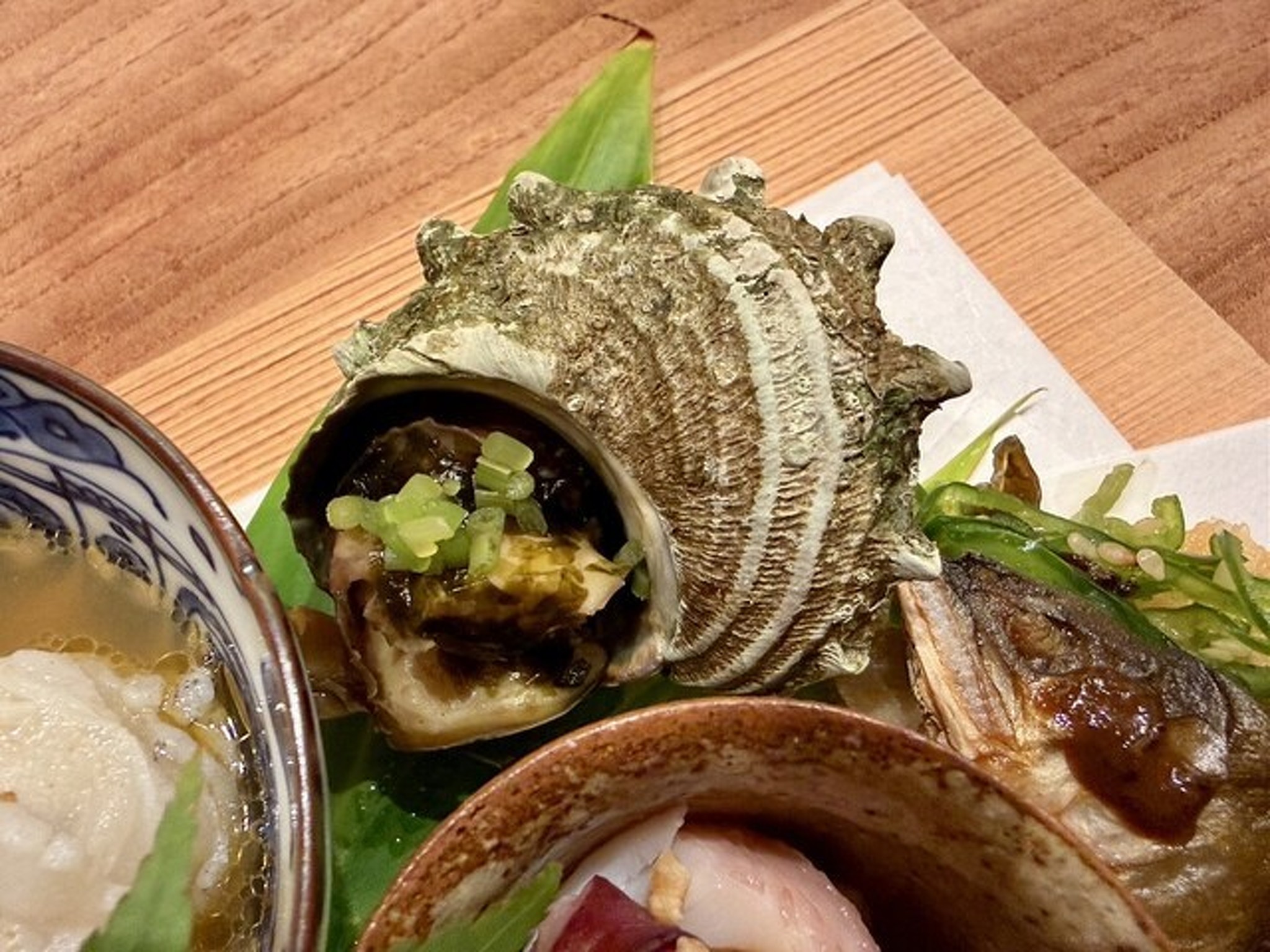
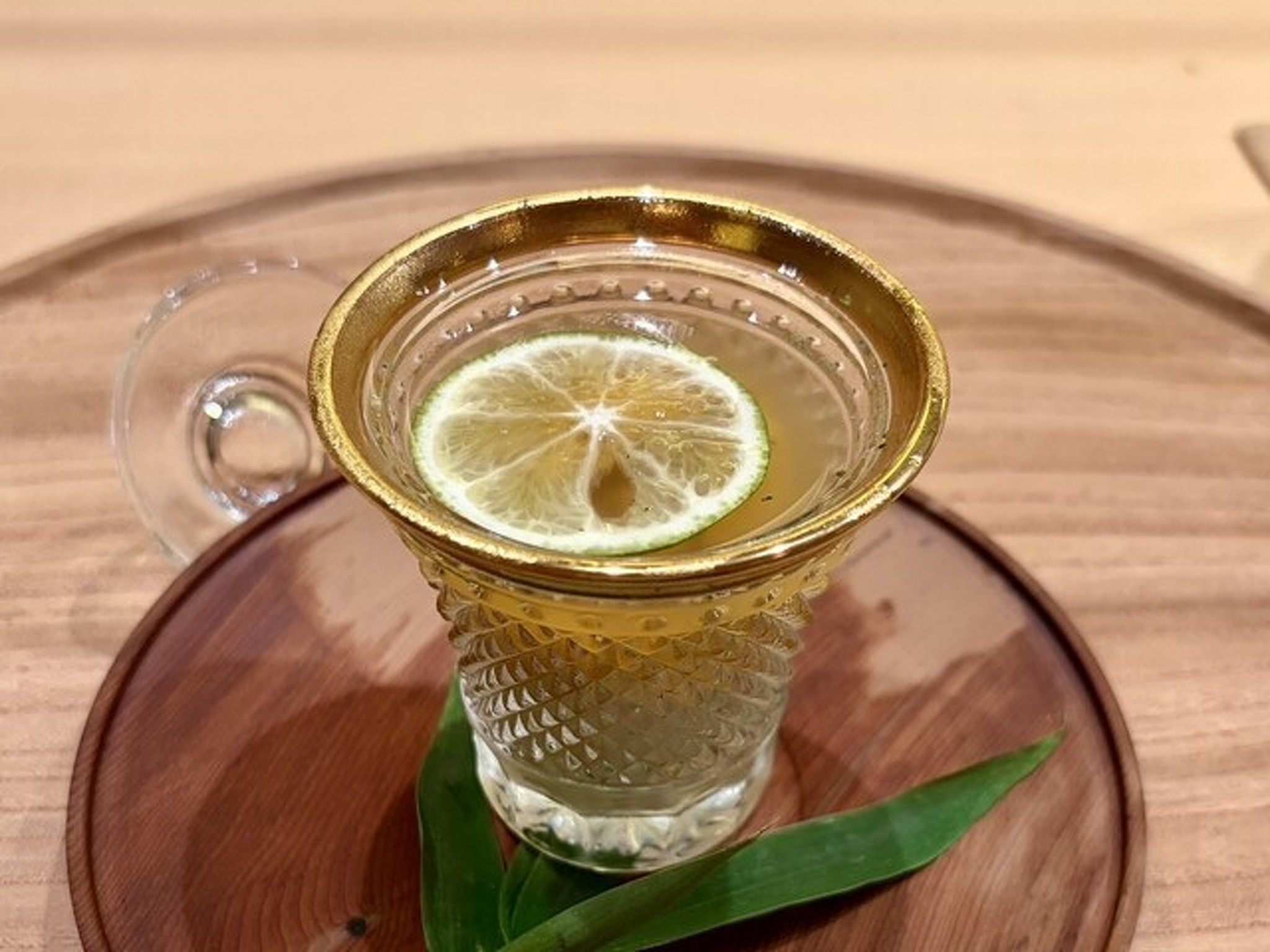
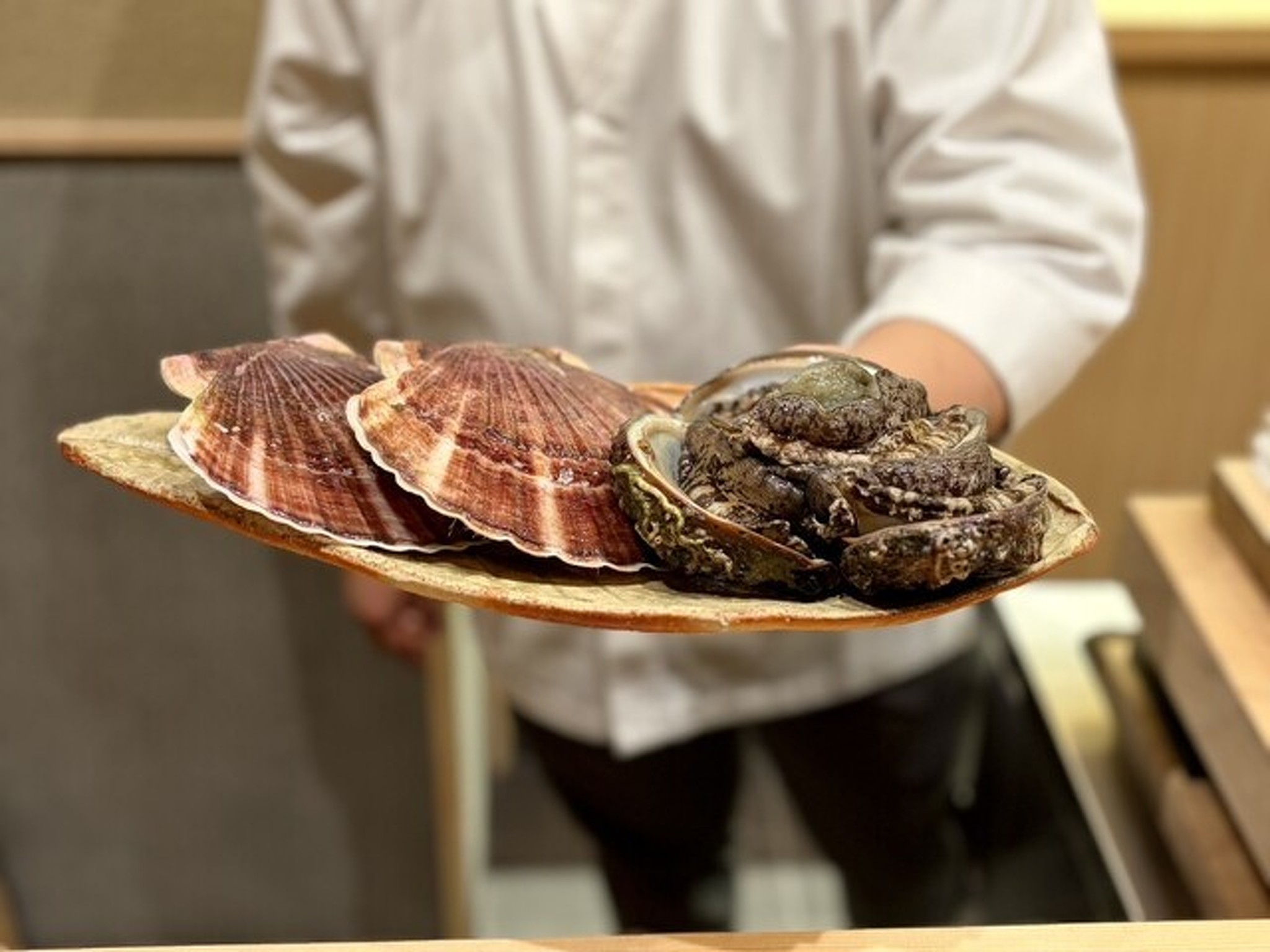
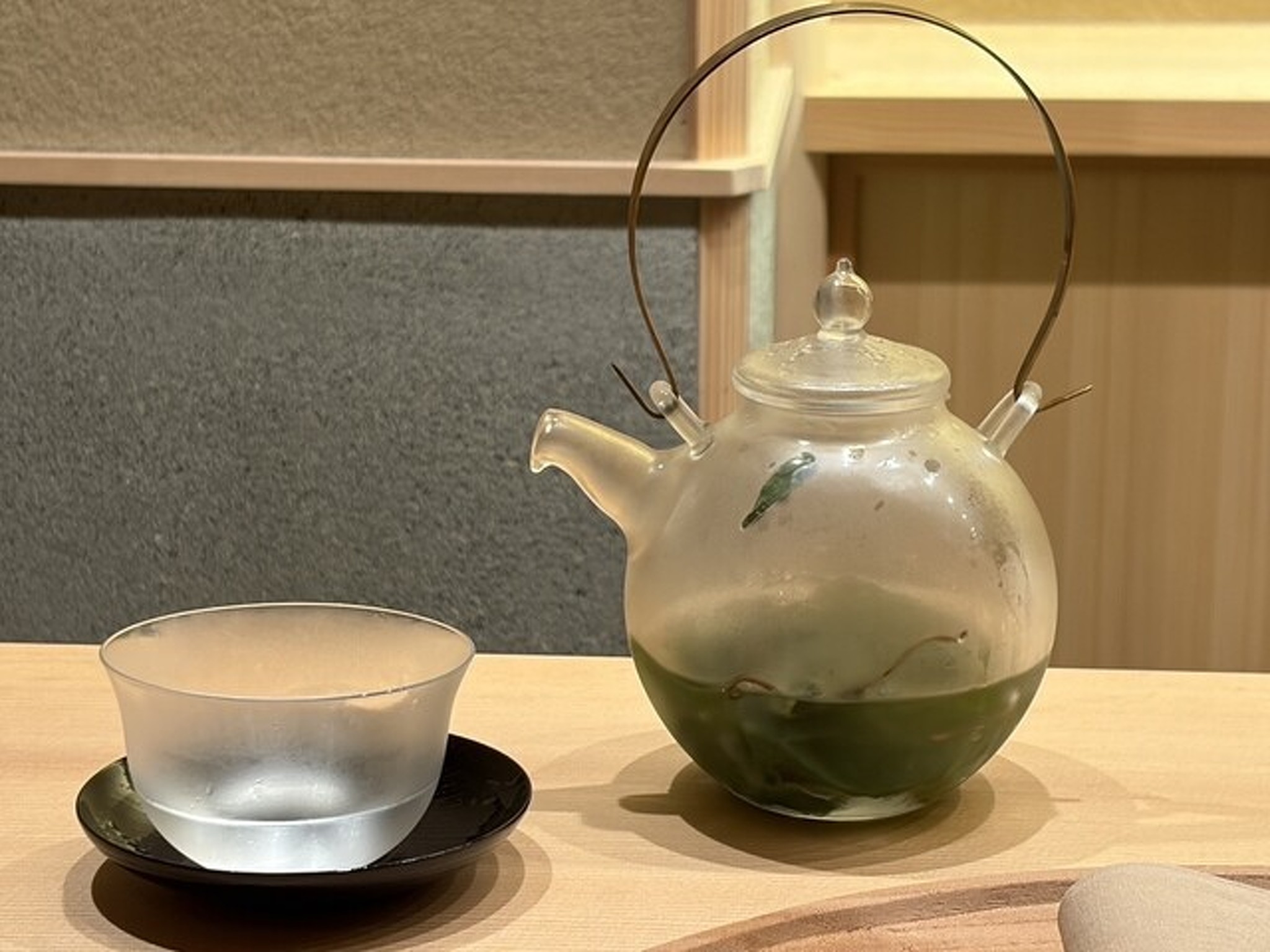
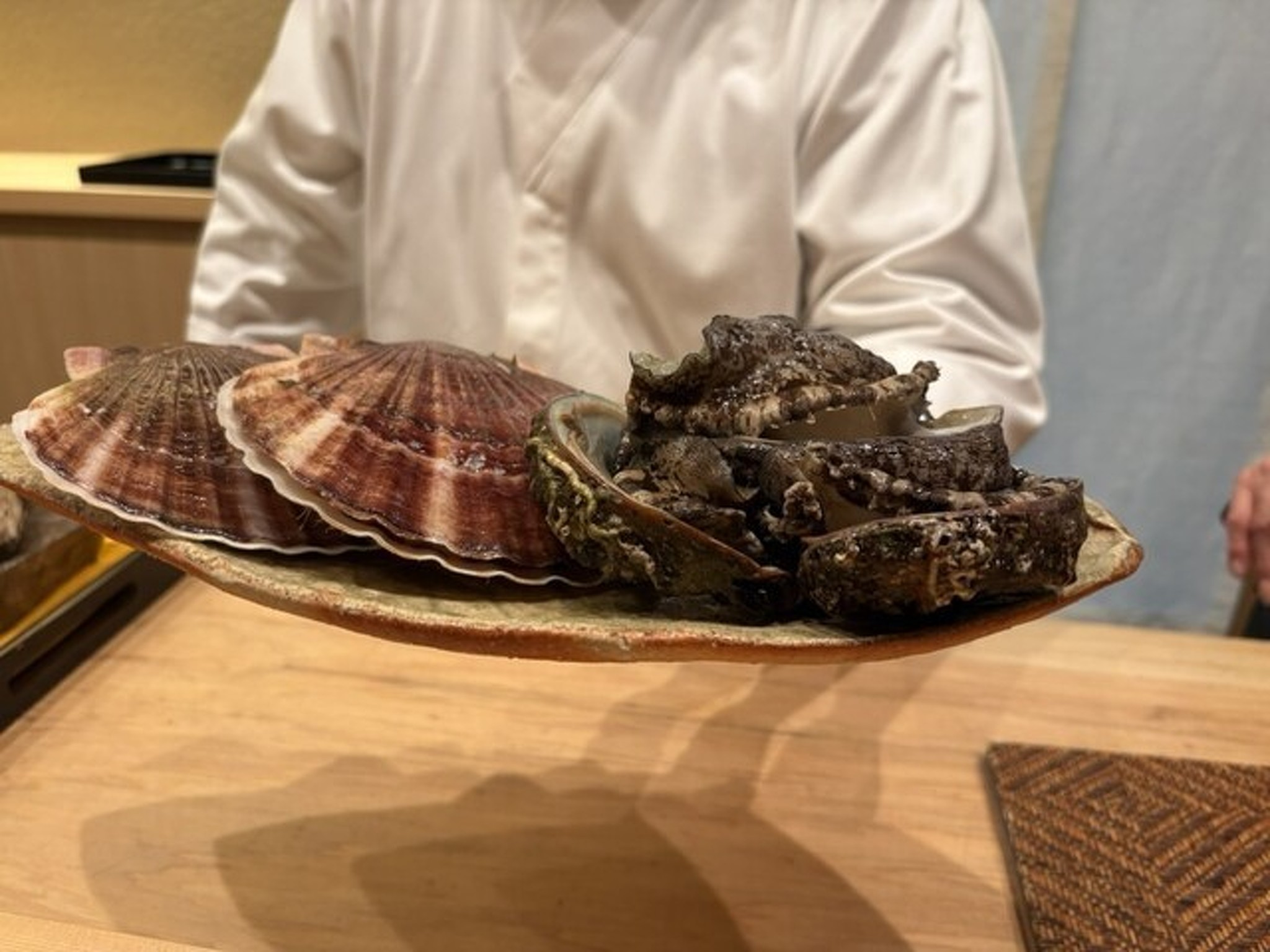
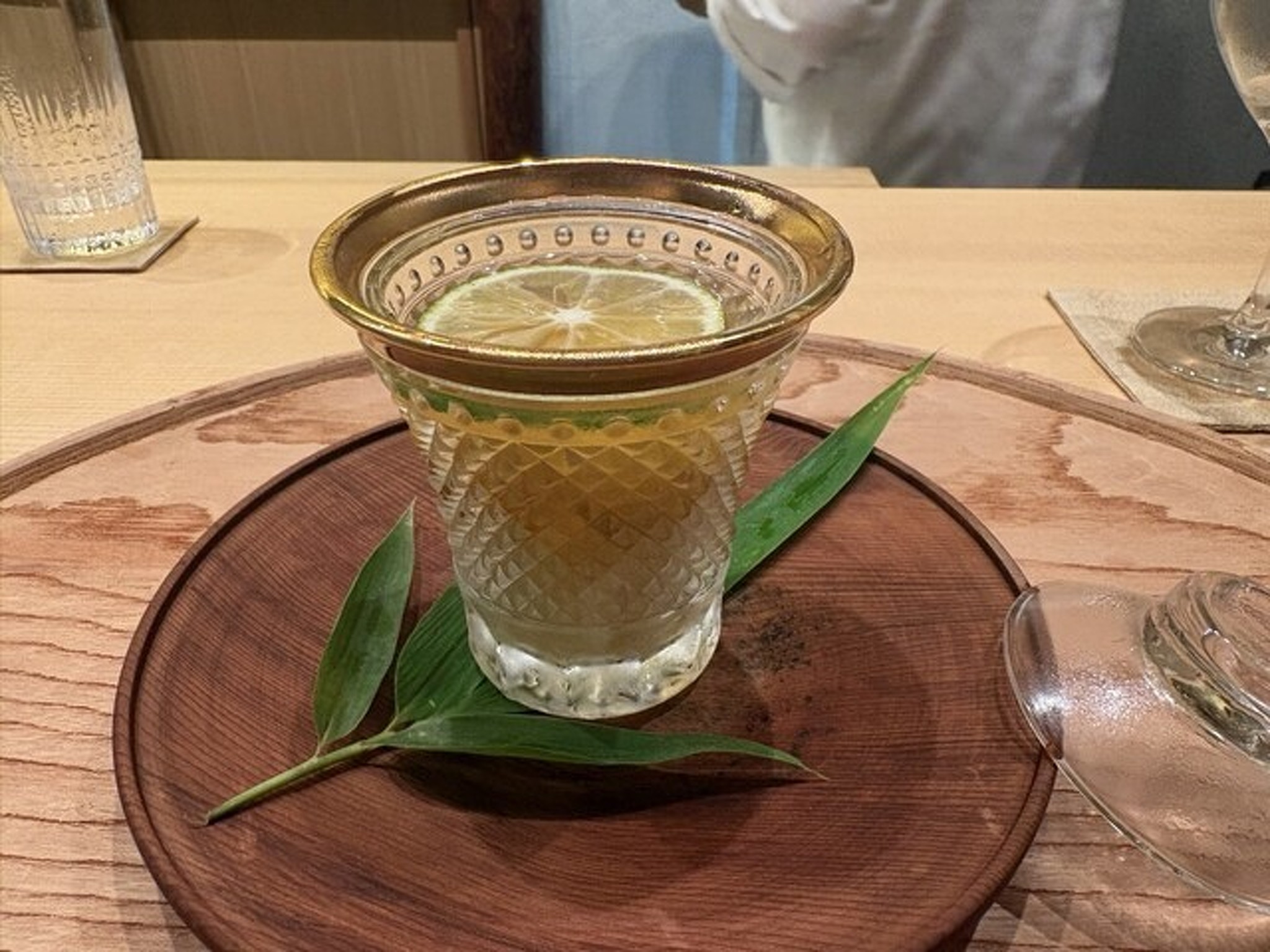
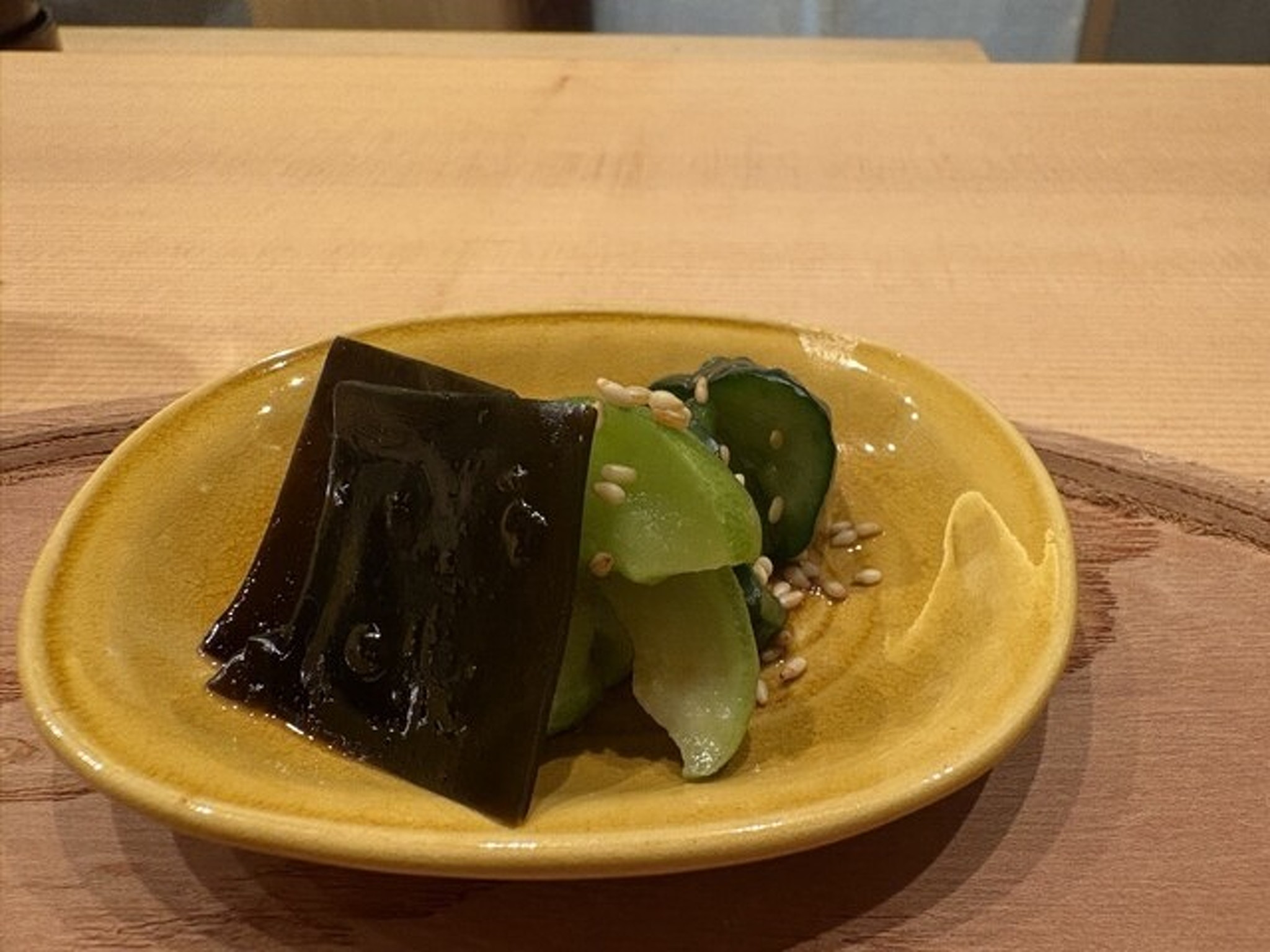
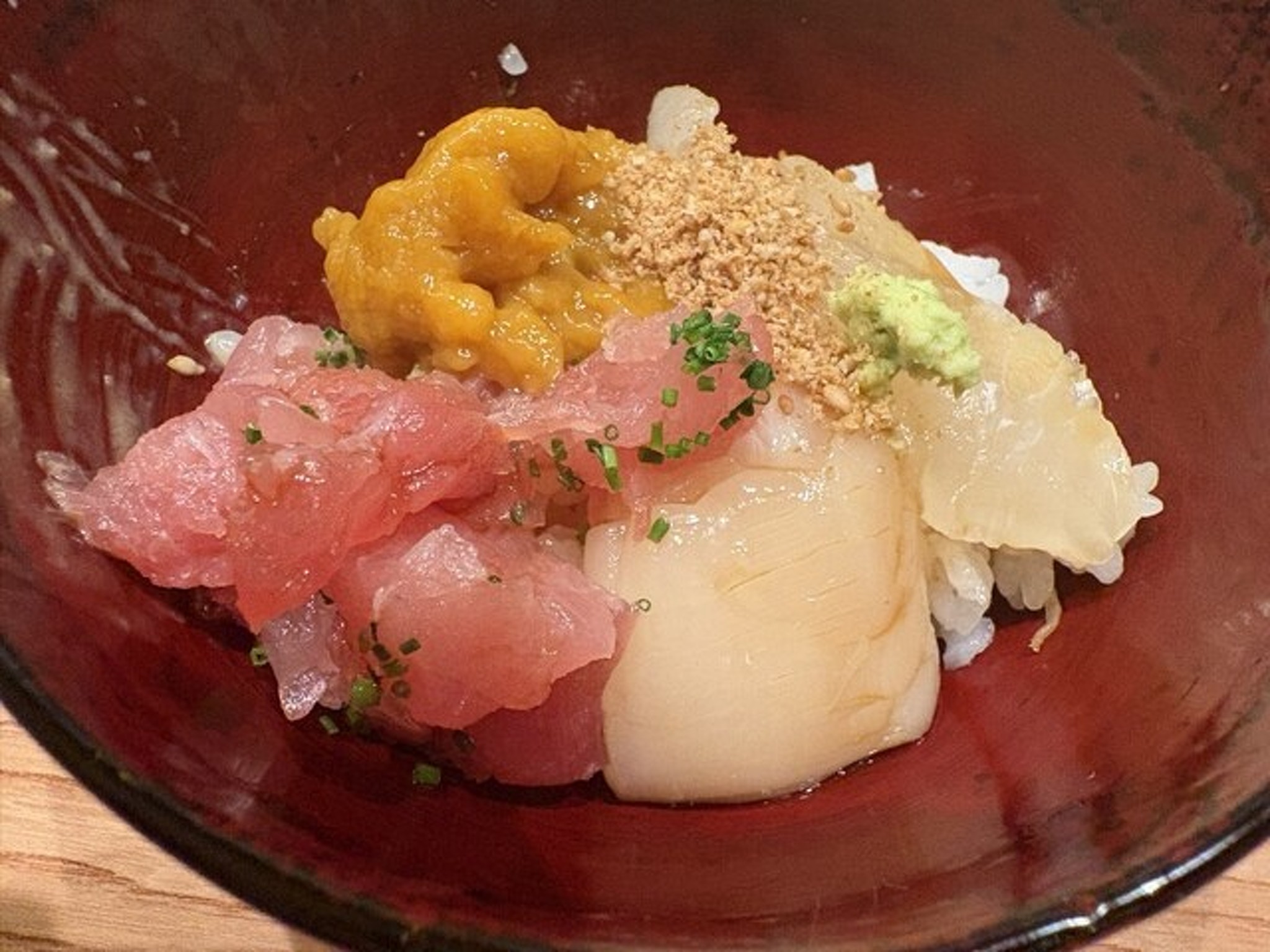
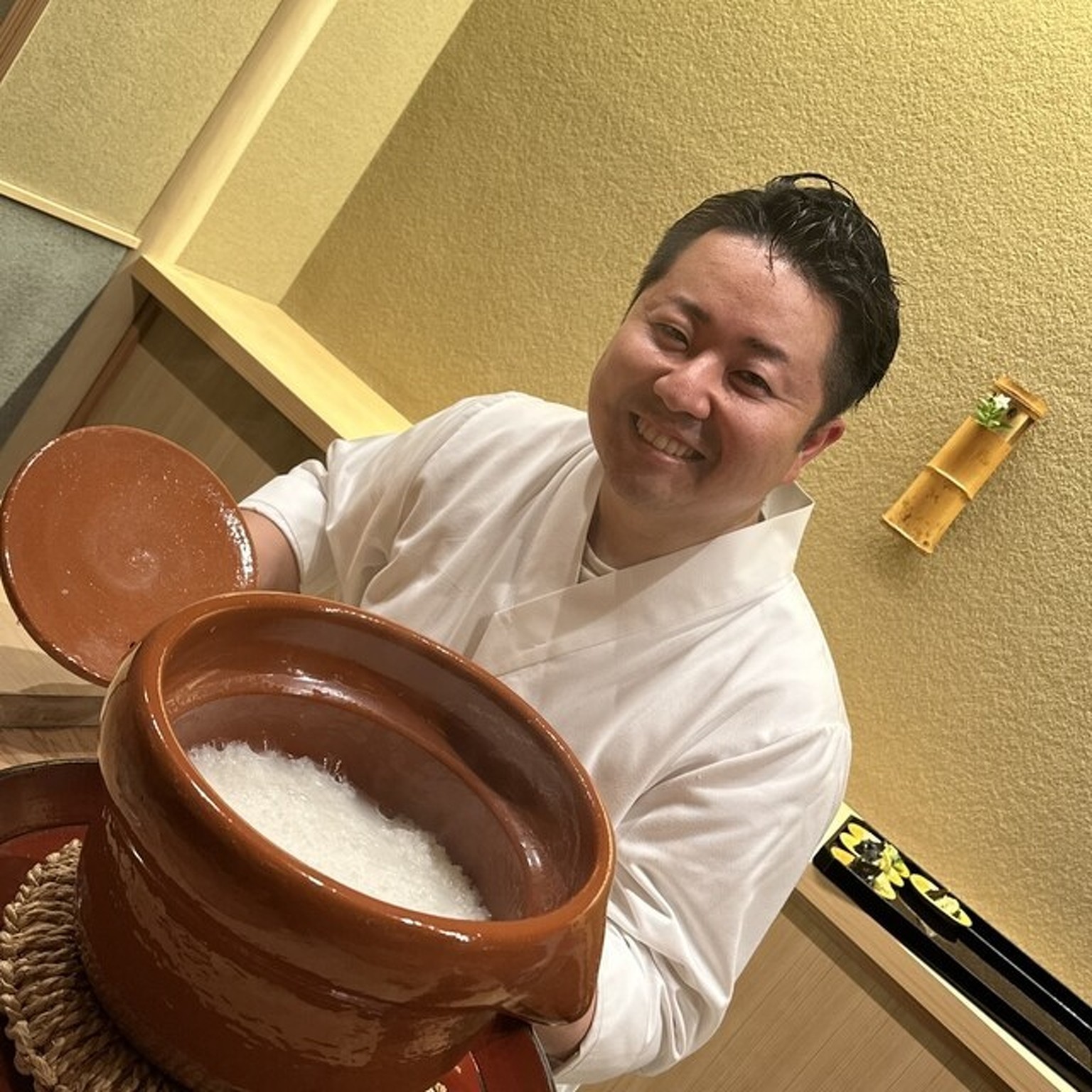
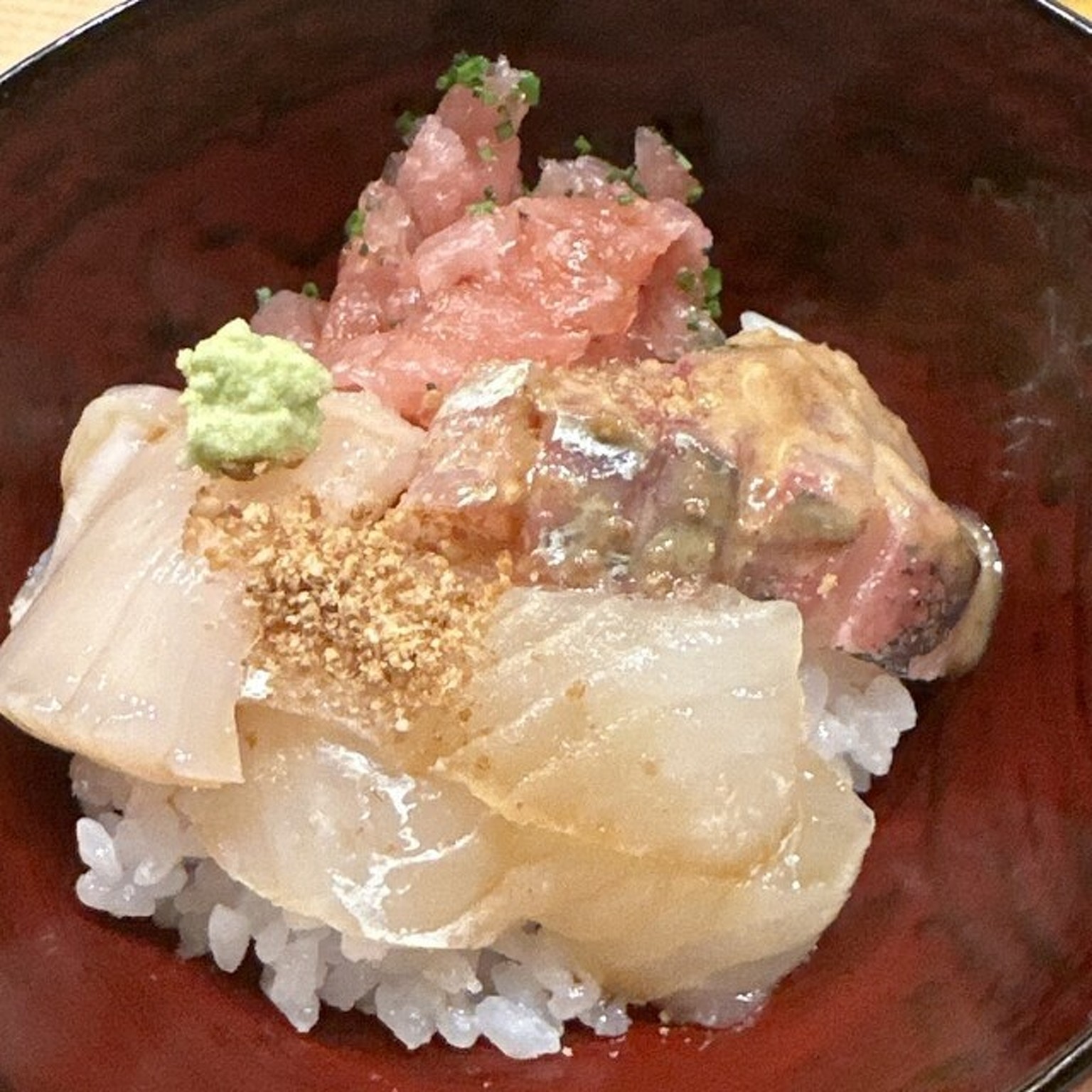
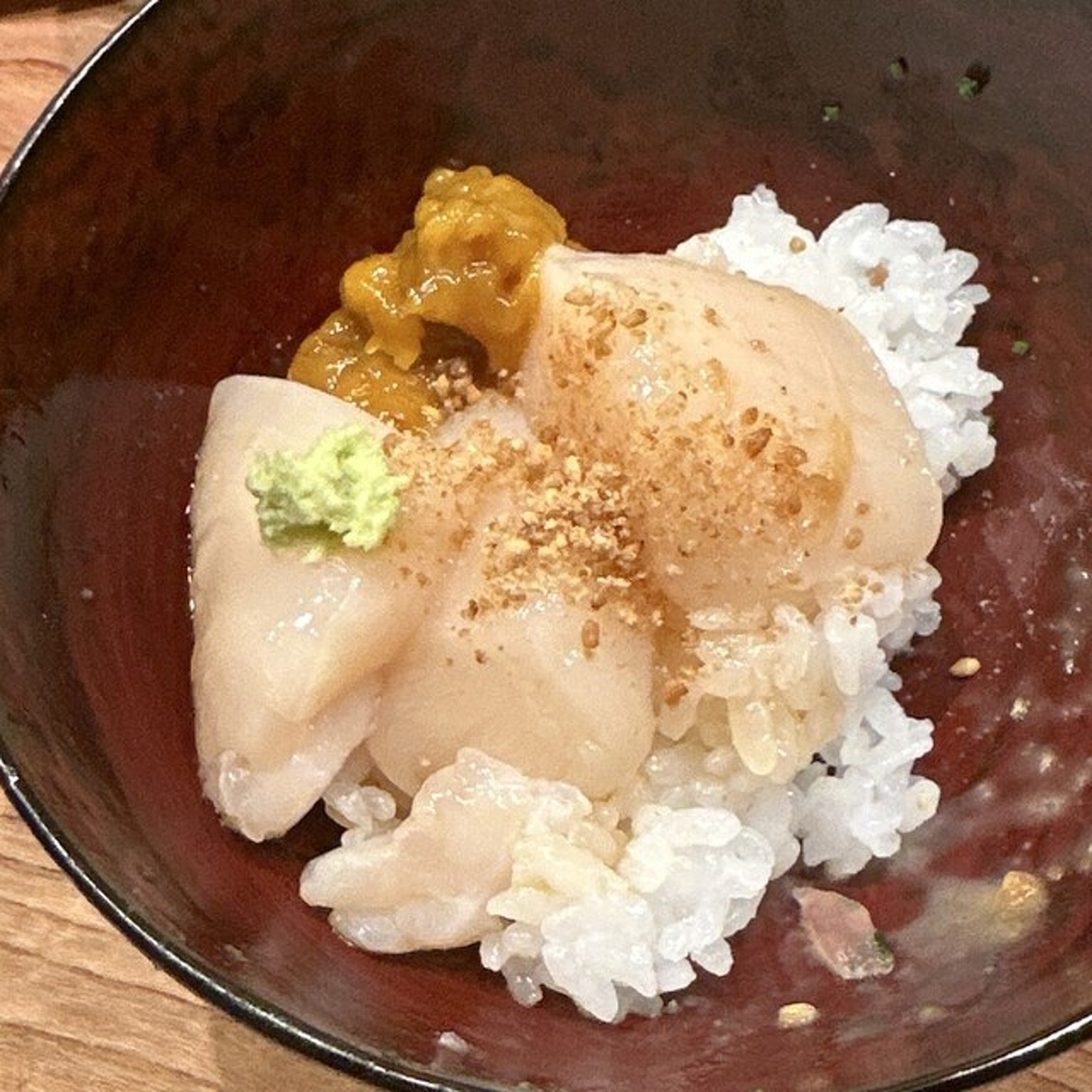
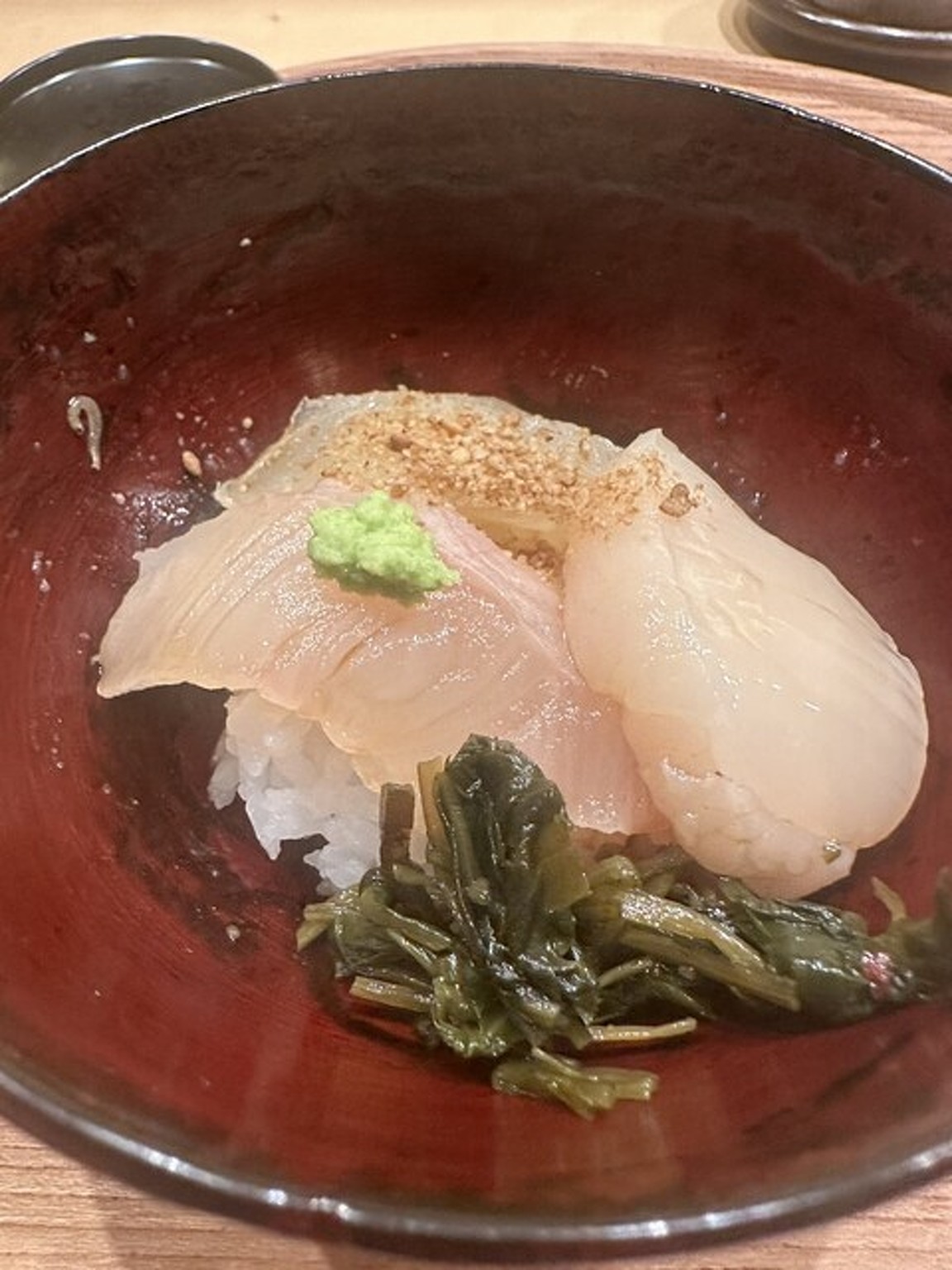
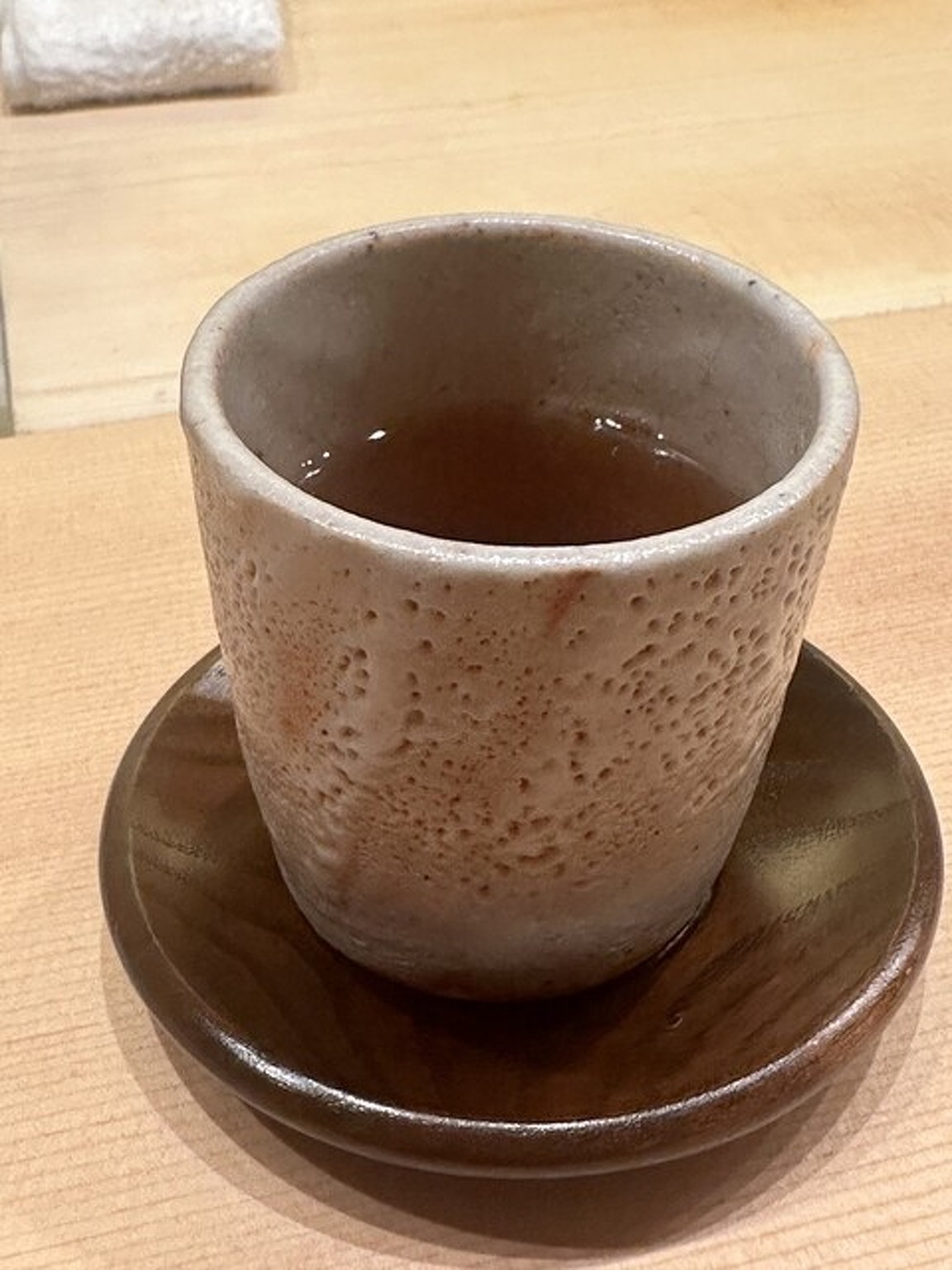
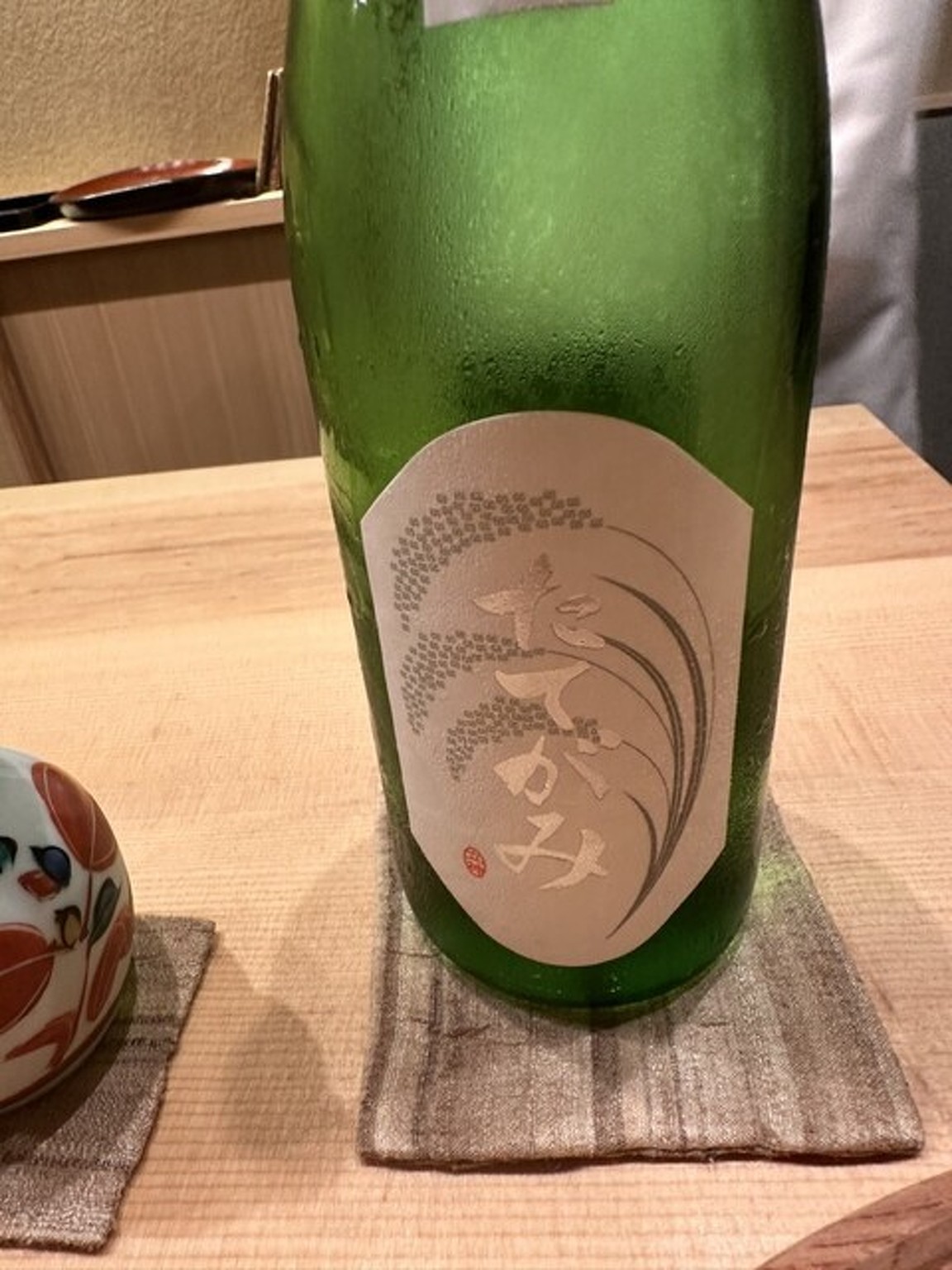
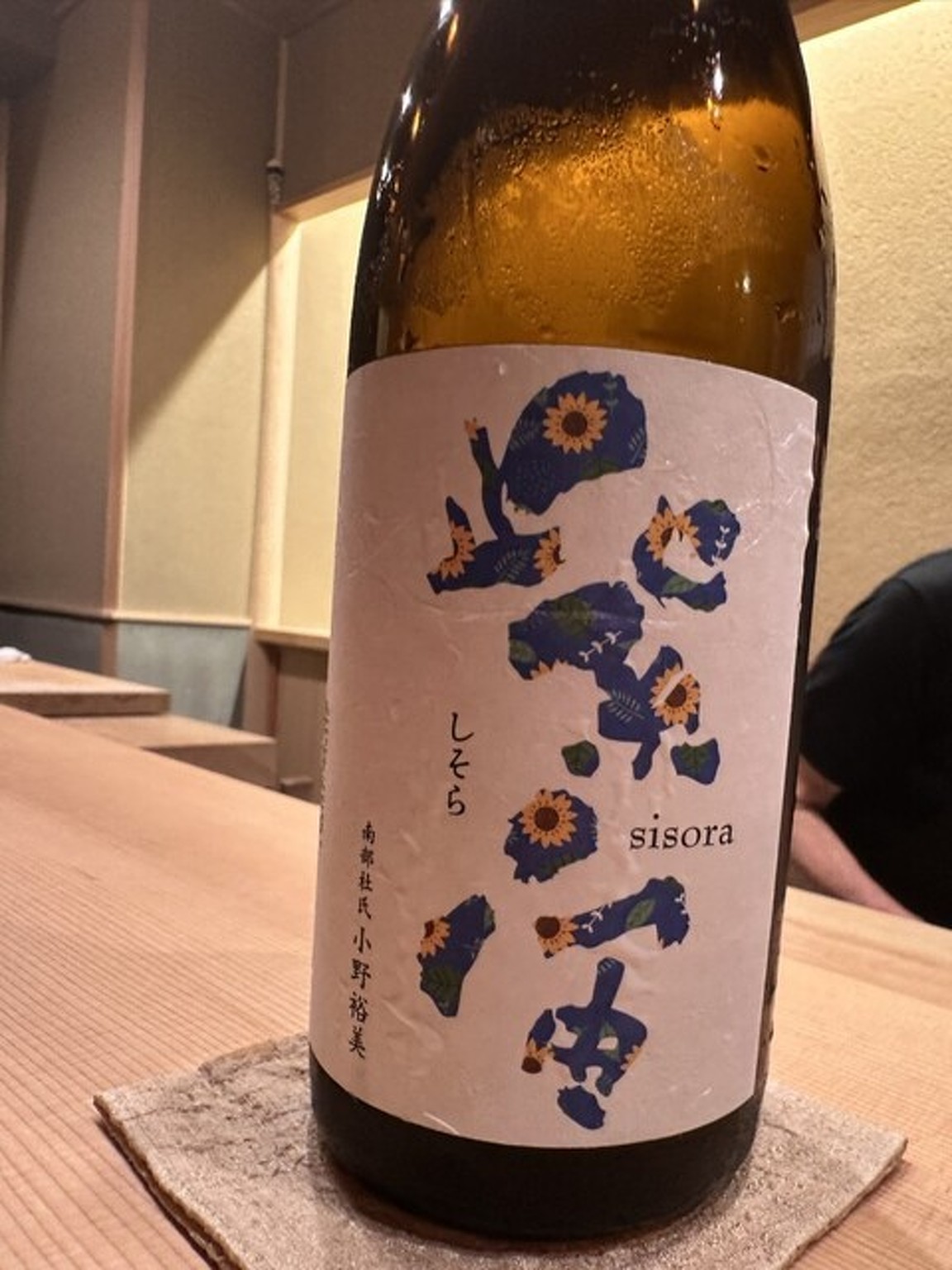
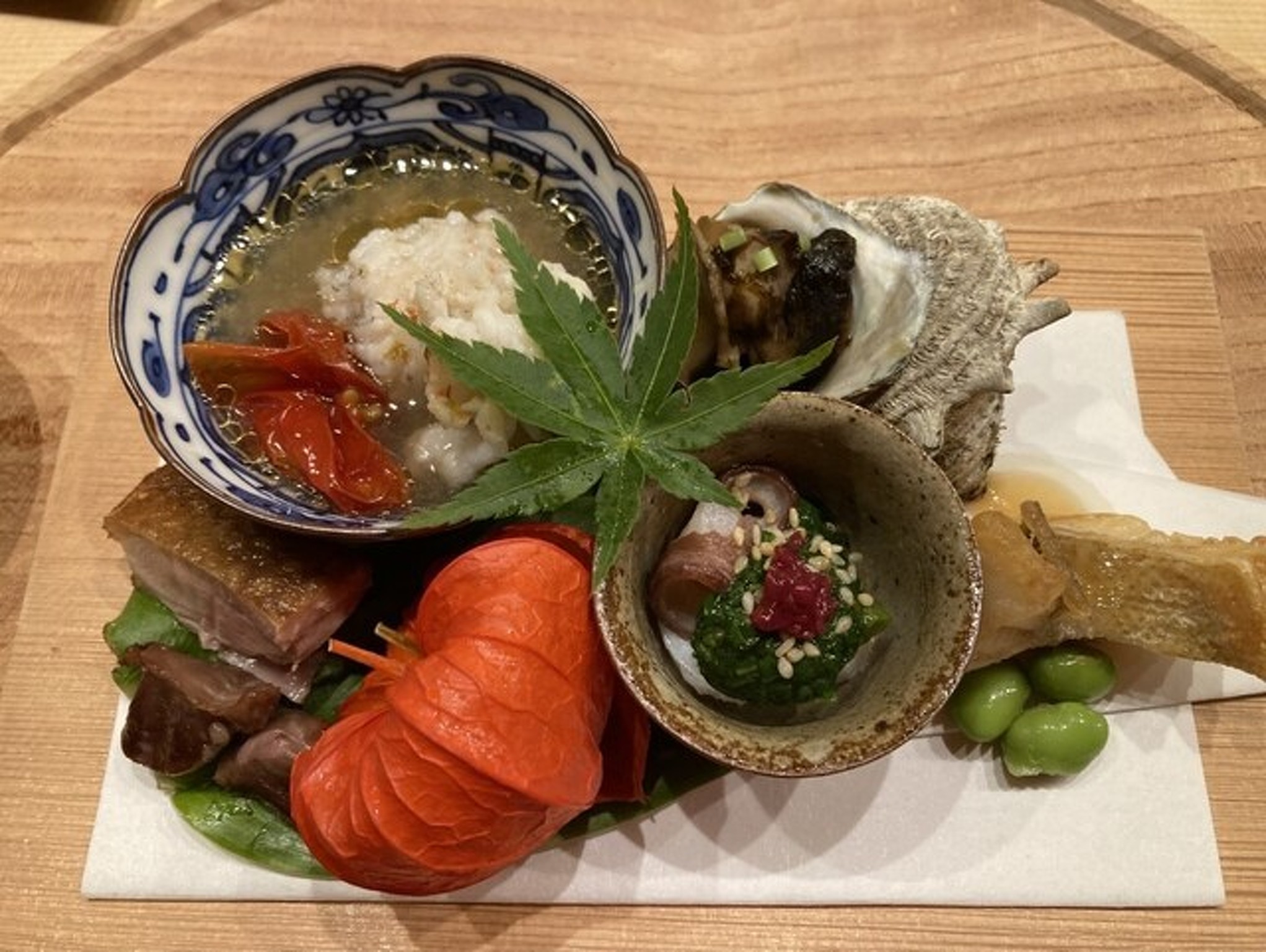
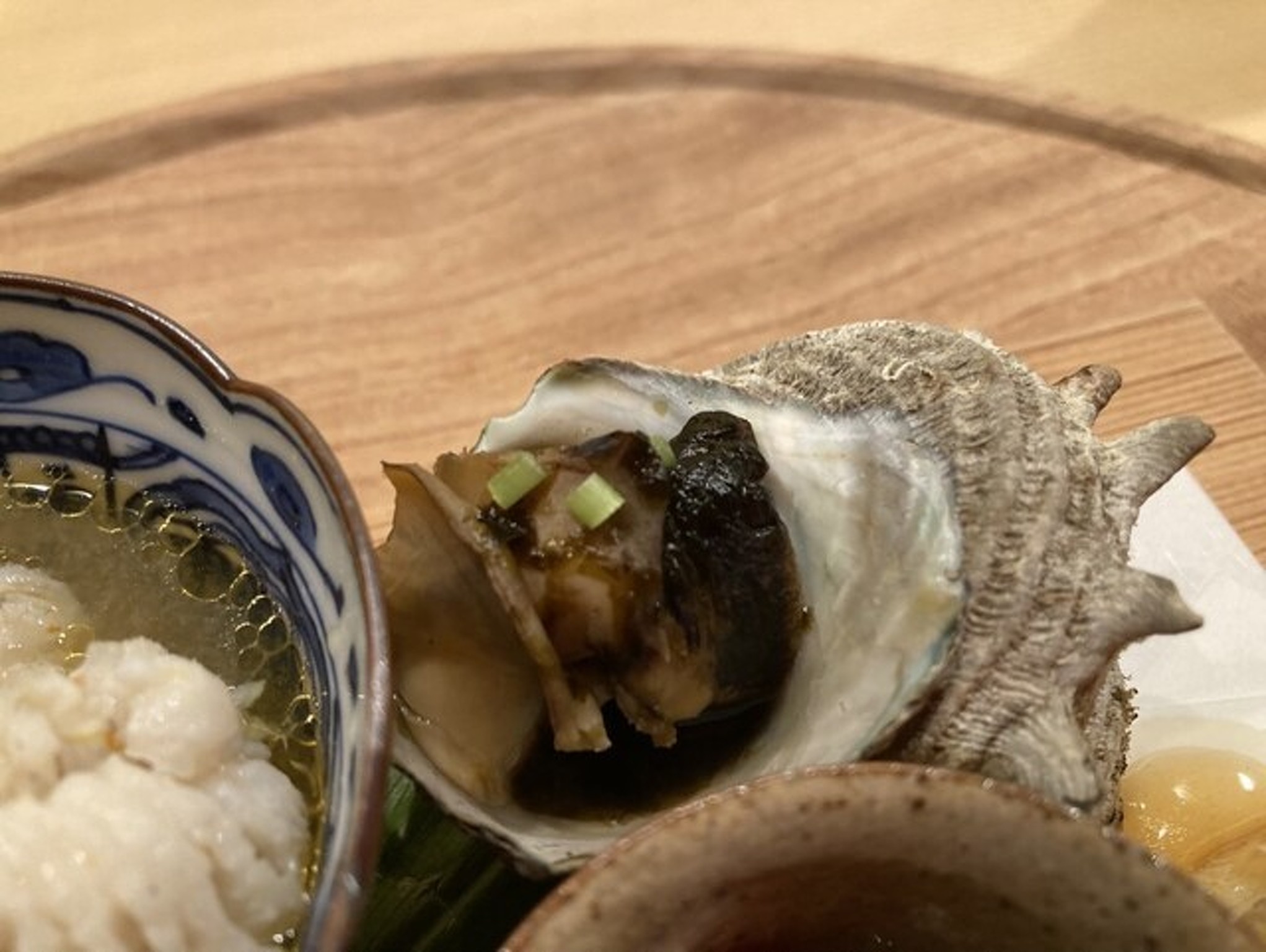
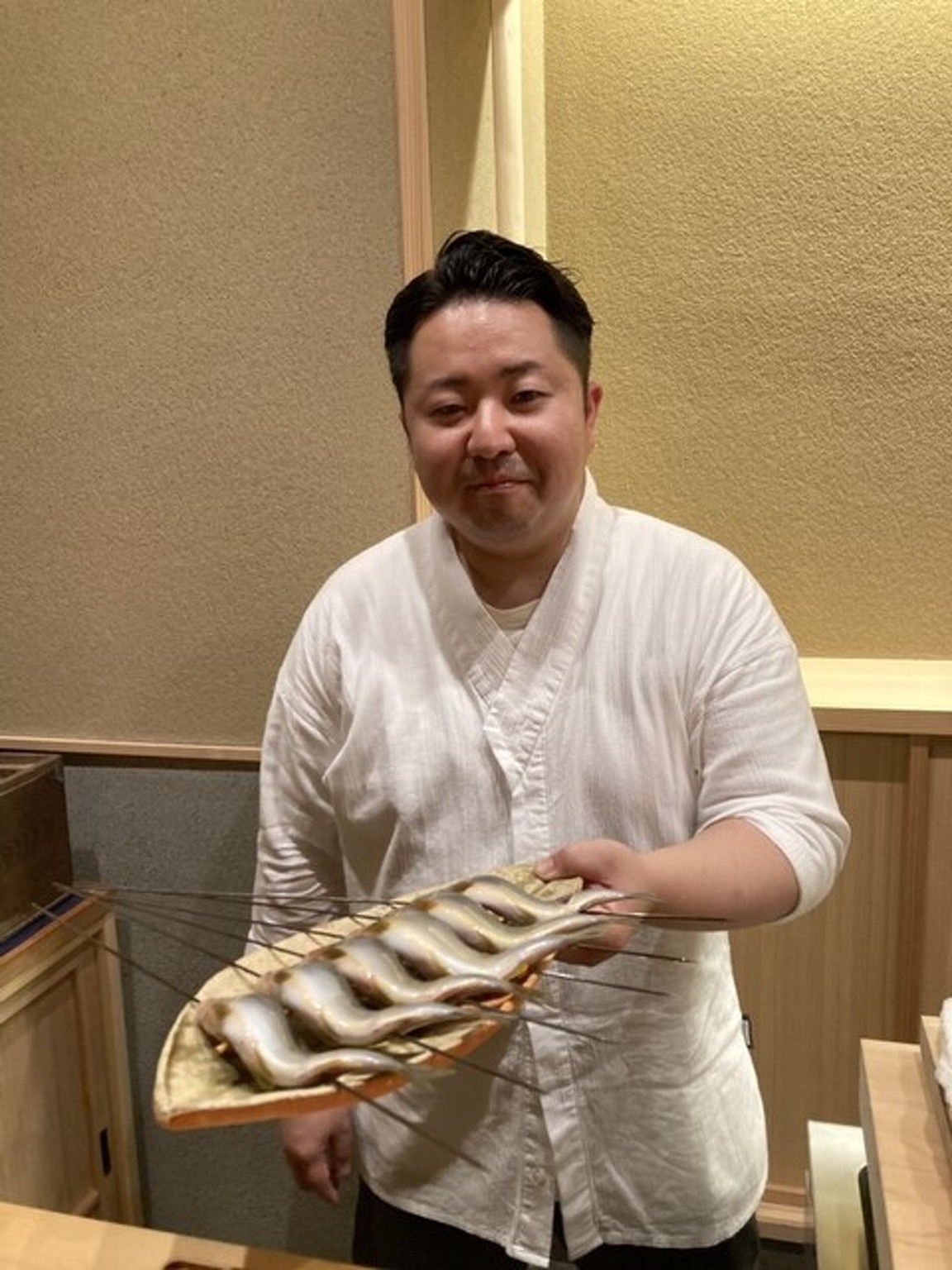
This year marks the 176th anniversary of our establishment, with the current owner and chef, Yasutaka Waga, serving as the seventh generation.Enjoy delicious dishes rich in Iwate flavors at our newly established counter seats, set in a valuable building with a heavy history and high-class Sukiya-style architecture.Savor fresh summer fish and vegetables from the bountiful seas of Sanriku, including summer anago, bonito, sea eel, sea urchin, abalone, and scallops, paired with Japanese sake, as you indulge in the ingredients nurtured in Sanriku and Iwate!The seafood caught in the waters off Sanriku, known as one of the world's premier fishing grounds where the Oyashio and Kuroshio currents meet, is incredibly delicious. Eating seafood right at the source makes it taste even better.The rice bowl topped with scallops, sea urchin, horse mackerel, and flounder was so delightful that I wished I could eat it endlessly, as long as my stomach allowed.I’ve updated my mind to reflect just how delicious the fish caught in Sanriku is! At Shin Chaya, you can enjoy seasonal flavors throughout the year, including spring mountain vegetables and cherry salmon, summer eel and summer vegetables, autumn matsutake mushrooms, and winter snow crab.I was captivated by the delicious ingredients and dishes, as well as the warmth of the owner (๑´ڡ`๑) so good!!Today's menu: JPY 35,000Kuro-moji teaHanabira-takeAitakeKōtakeAkayama-dori-takeTamago-takeScallops, abaloneMushroom cold chawanmushi with Hanabira-take, Aitake, Kōtake, Akayama-dori-take, and Tamago-takeCharcoal-grilled Suzuki from Ofunato, Kinpou grass ohitashi, and purple shisoWhite eggplant, flat green beans, myoga, abalone, and sesame dressingRed mullet from Ofunato, small onions, Hanabira-take, and soupHassun: semi-dried tomatoes, anago, baked turban shell, water octopus, grilled okra, moromi, cheek, dried sweetfish, and horohoro chicken with gizzardsMakogarei from Ofunato, Kamaishi scallops, sashimiGrilled Aina-me from Ofunato, Aina-me jelly, and cucumberTomato, evening gourd, dried gourd, dried scallops, edamame, Miyagi blue clam, and plum vinegarKamaishi sea eel, Kōtake grilled with sake lees, lemon, and nanban vinegarNagaimo somen and sea urchinSasa Nishiki rice, boiledMoroheiya miso soupFushimi chili with baby sardines, salted sea urchin, horse mackerel with sesame sauce, egg, marinated makogarei and scallops, and seared bluefin tuna with mibunaScallop and sea urchin rice bowlCorn ricePeach from Esashi, milk ice cream, and Kitakami blueberriesMatchaOther drinks Less
8 / 10
on 11 Aug 2026
◆Visit Rating 4.31 Ranked 1st in Iwate Prefecture Ranked 65th in Japanese Cuisine Nationwide 3 Tock in Gault & Millau ◆About the Restaurant Founded in 1850 (Kaei 3), this historic restaurant operates by reservation only. The 7th generation owner, who trained at the prestigious Kyoto restaurants "Hyotei" and "Hiragiya," offers authentic kaiseki cuisine that beautifully blends the delicacy of Kyoto dishes with the rich seasonal ingredients of Iwate Prefecture. This renowned establishment... More
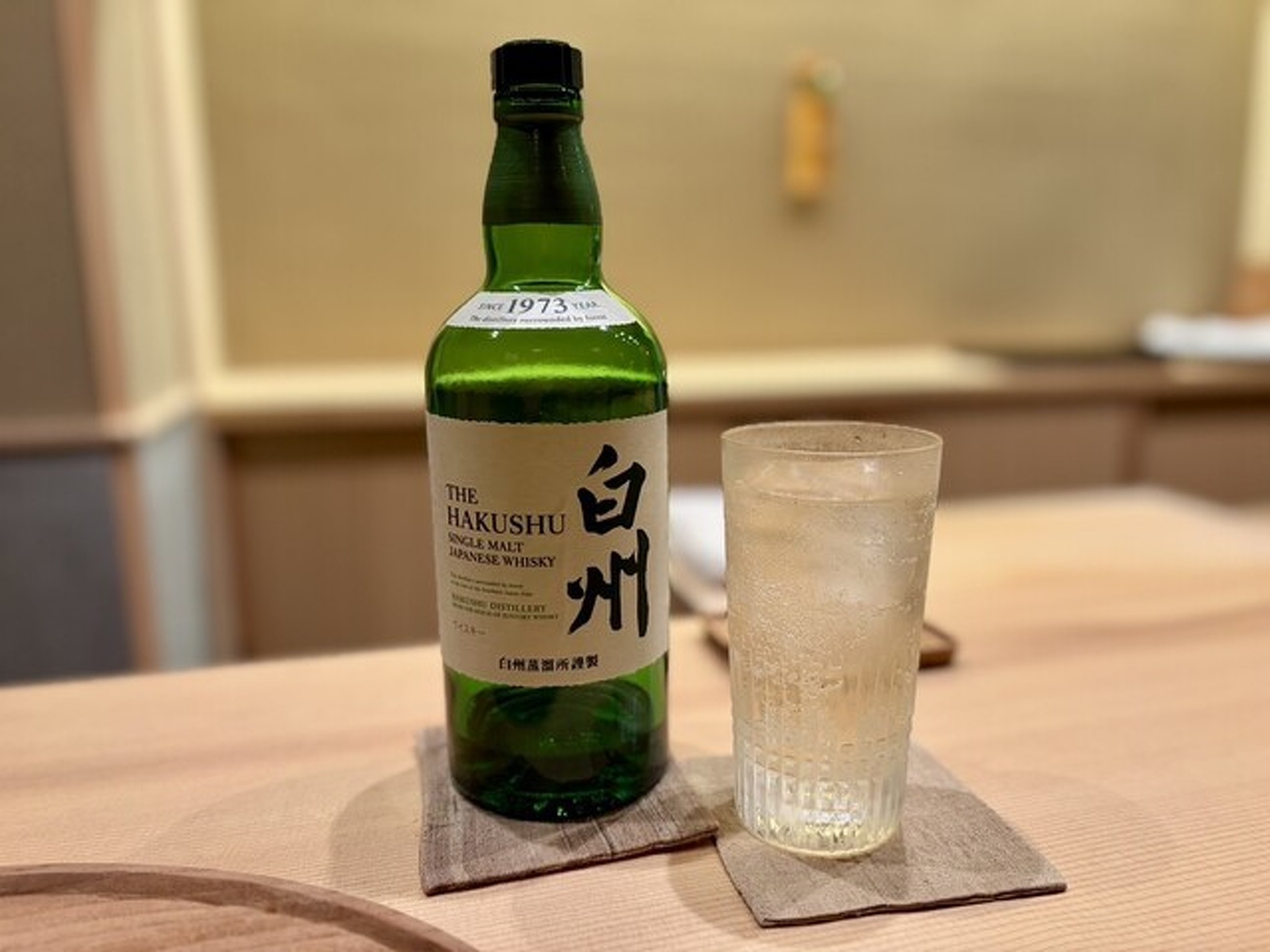
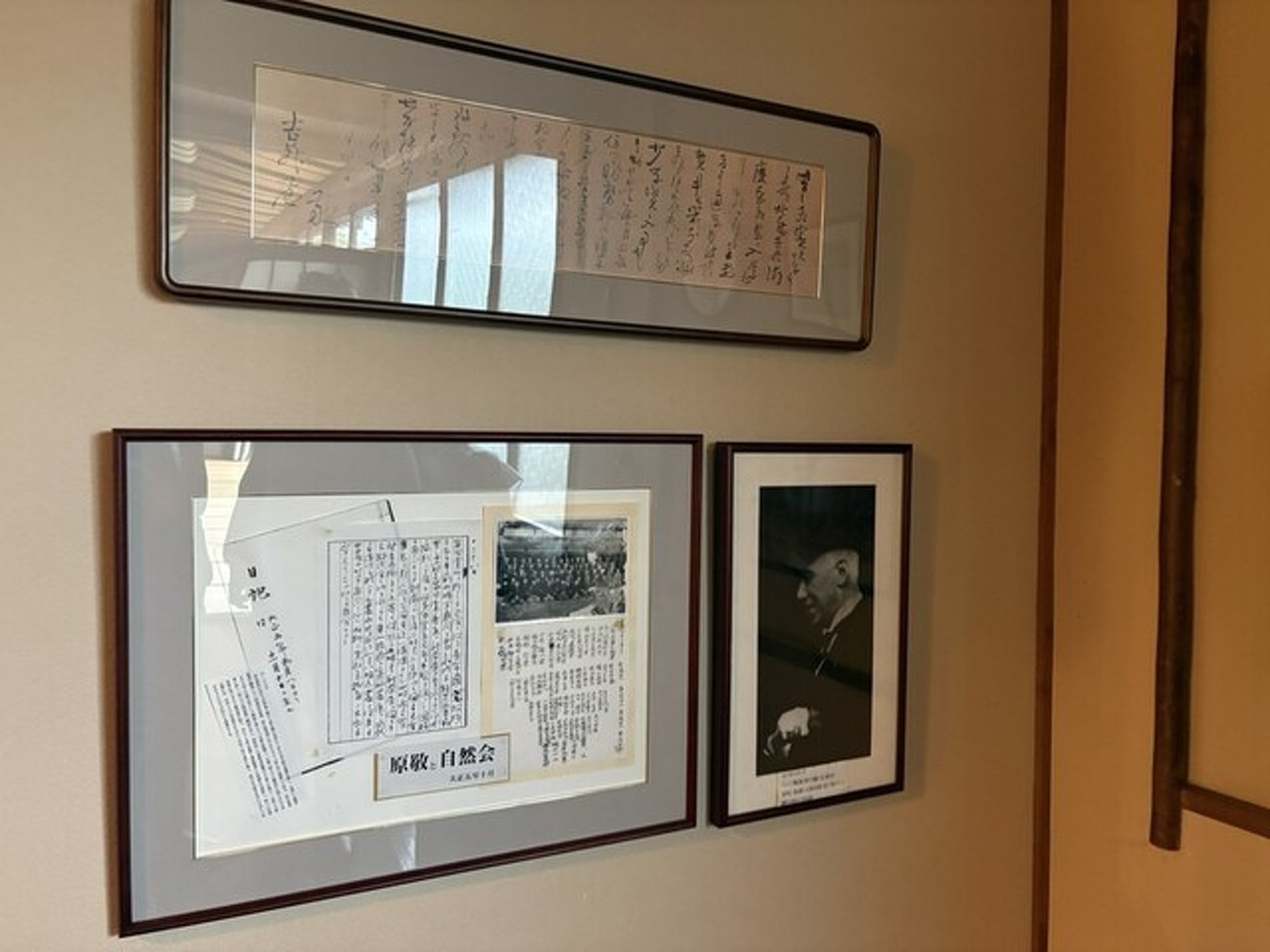
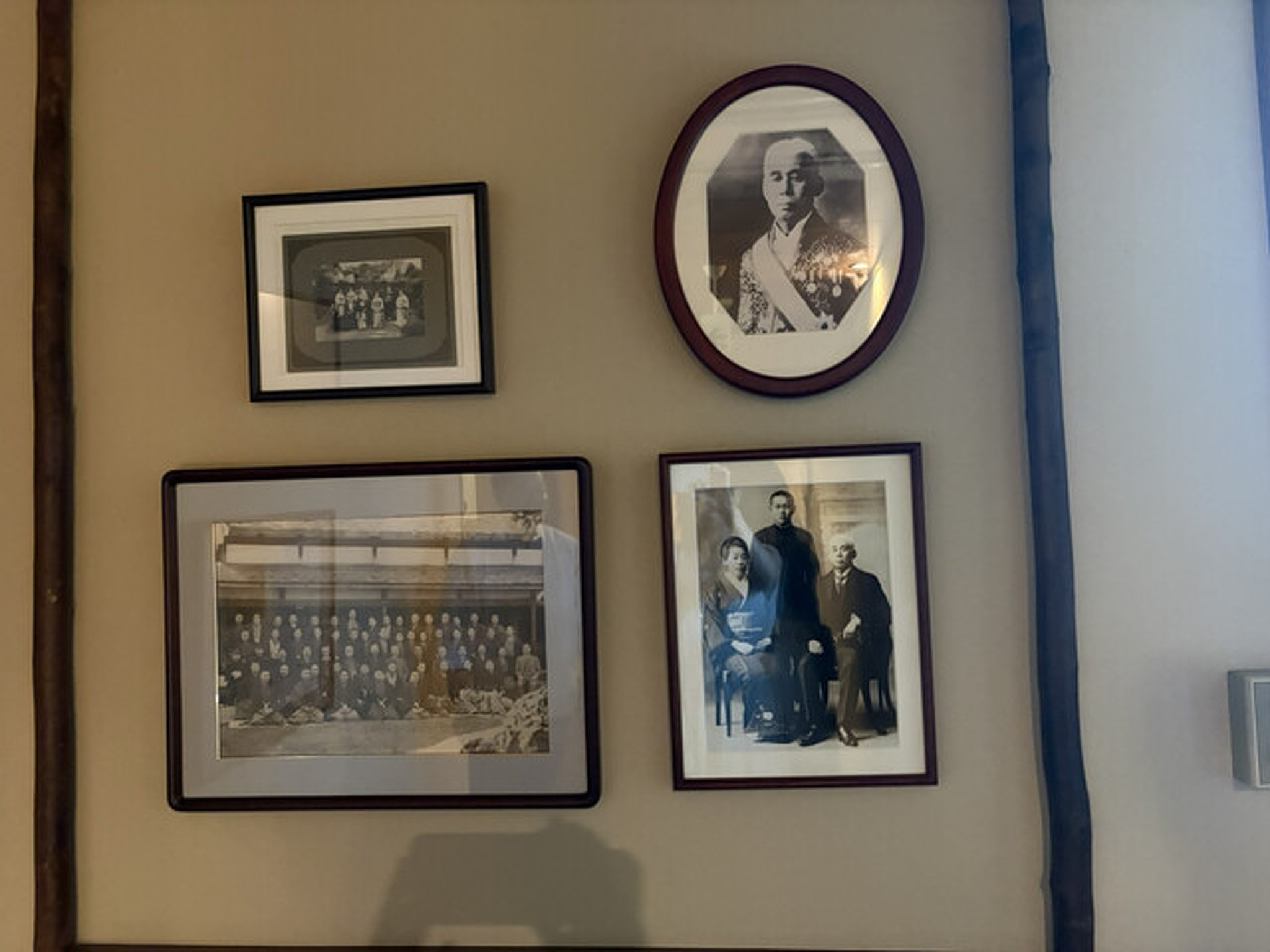
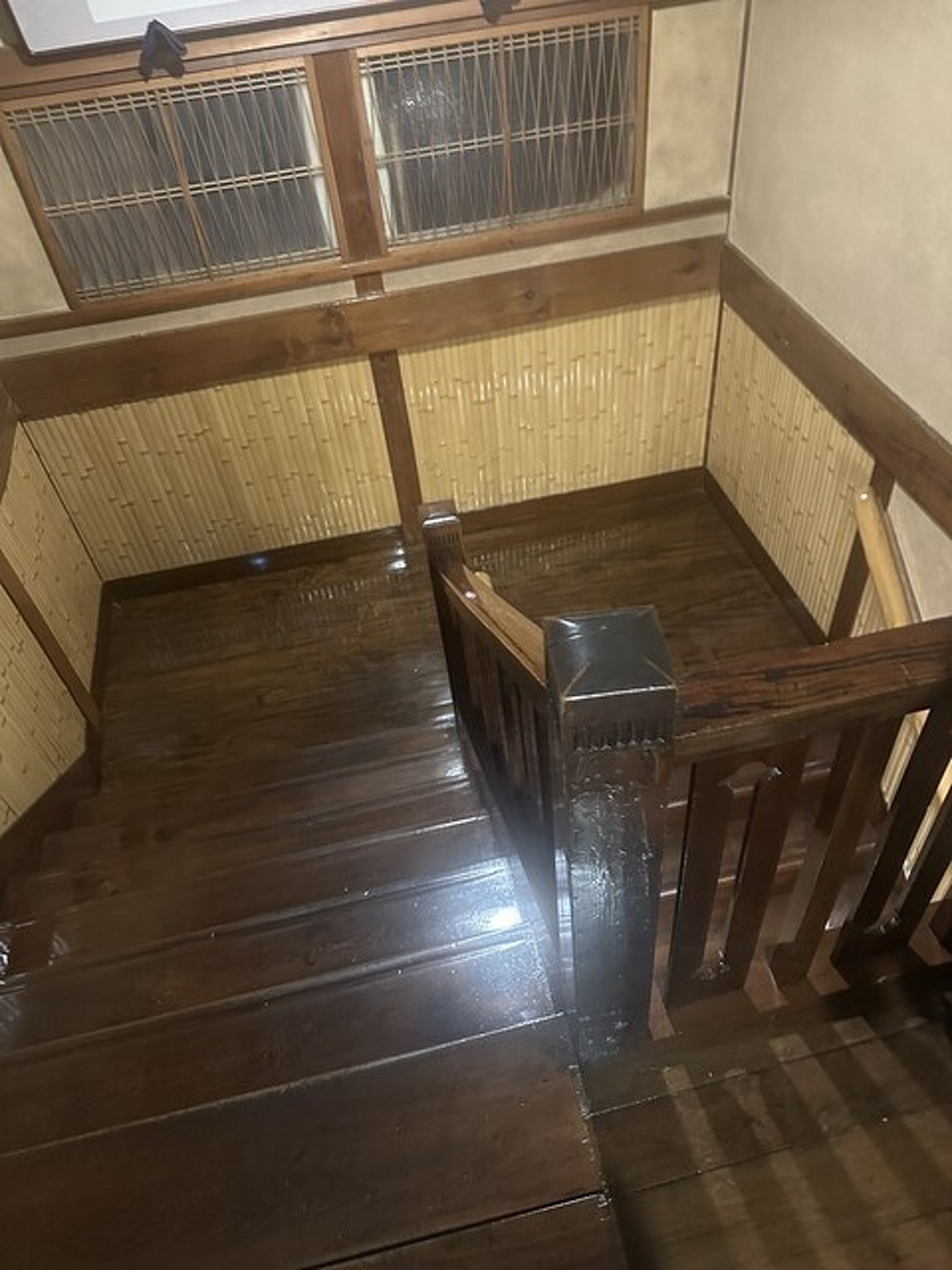
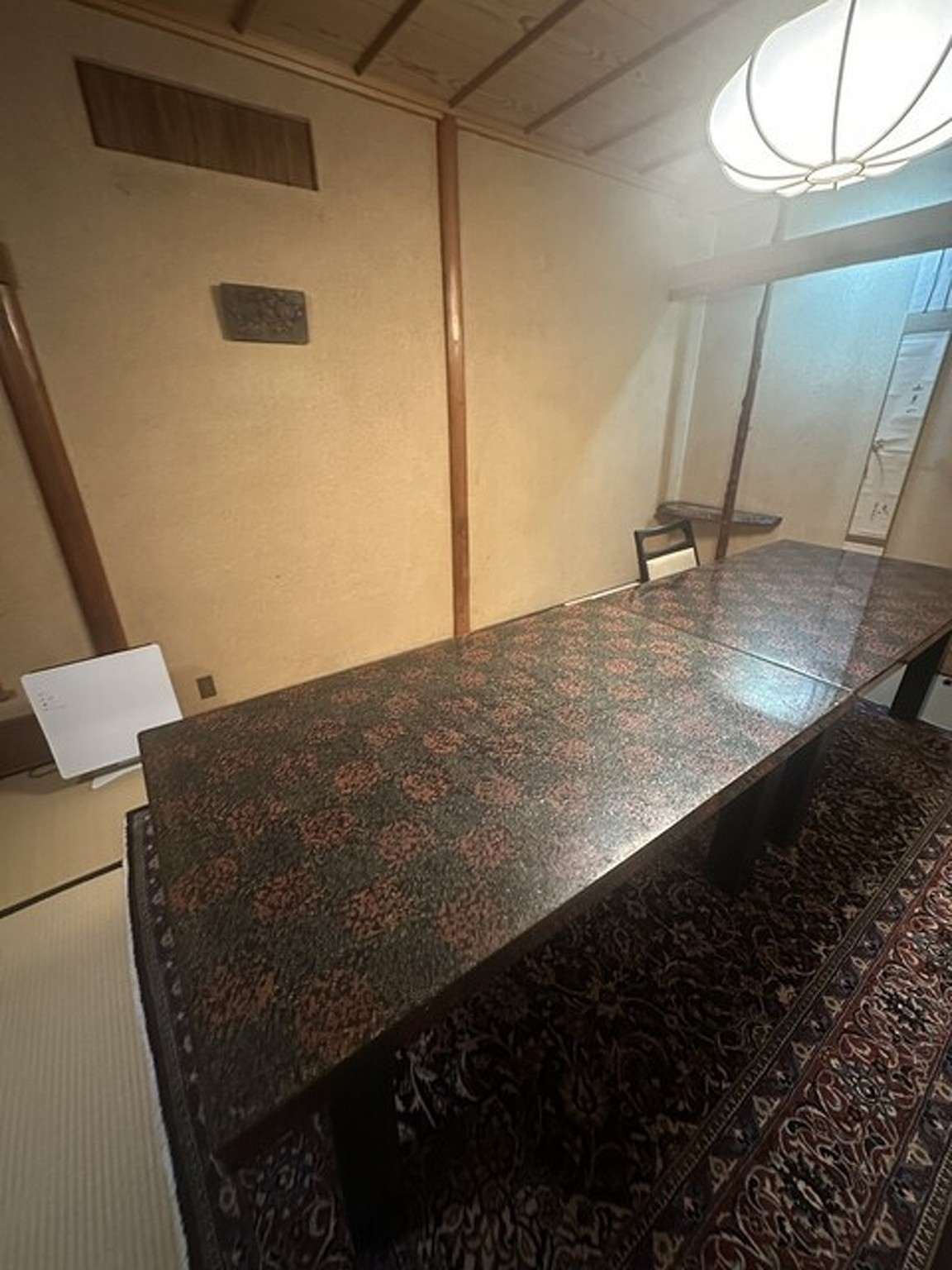
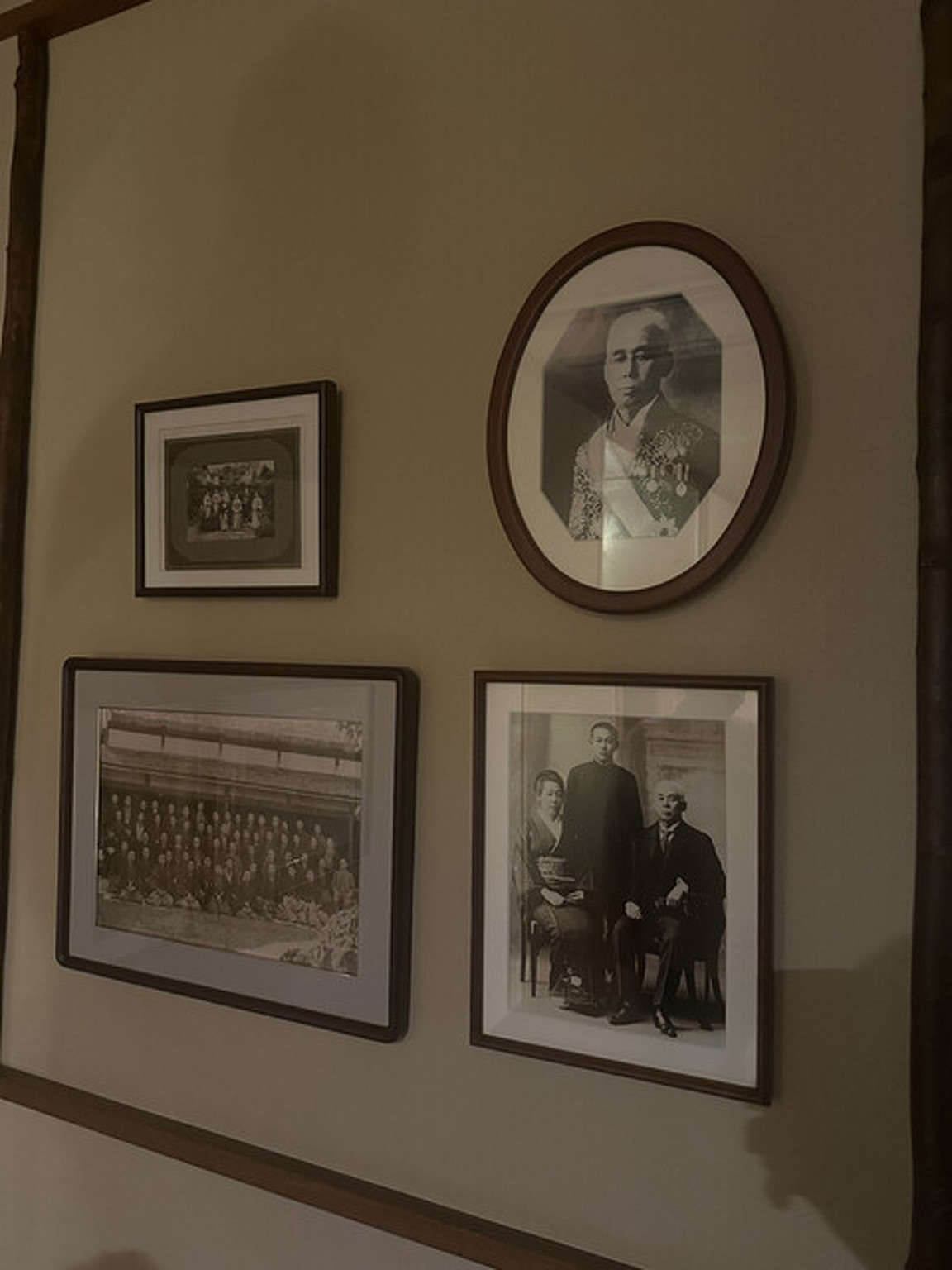
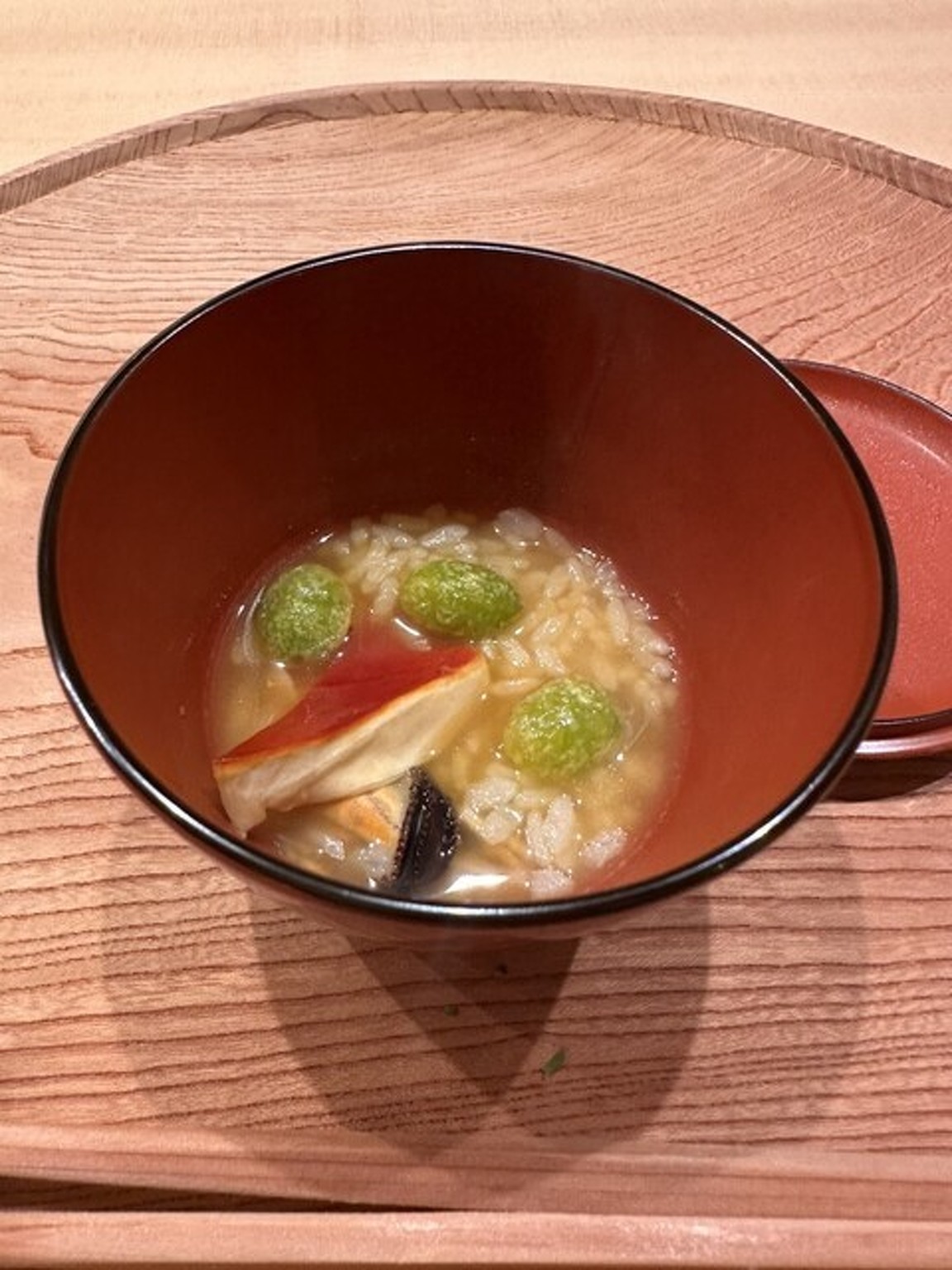
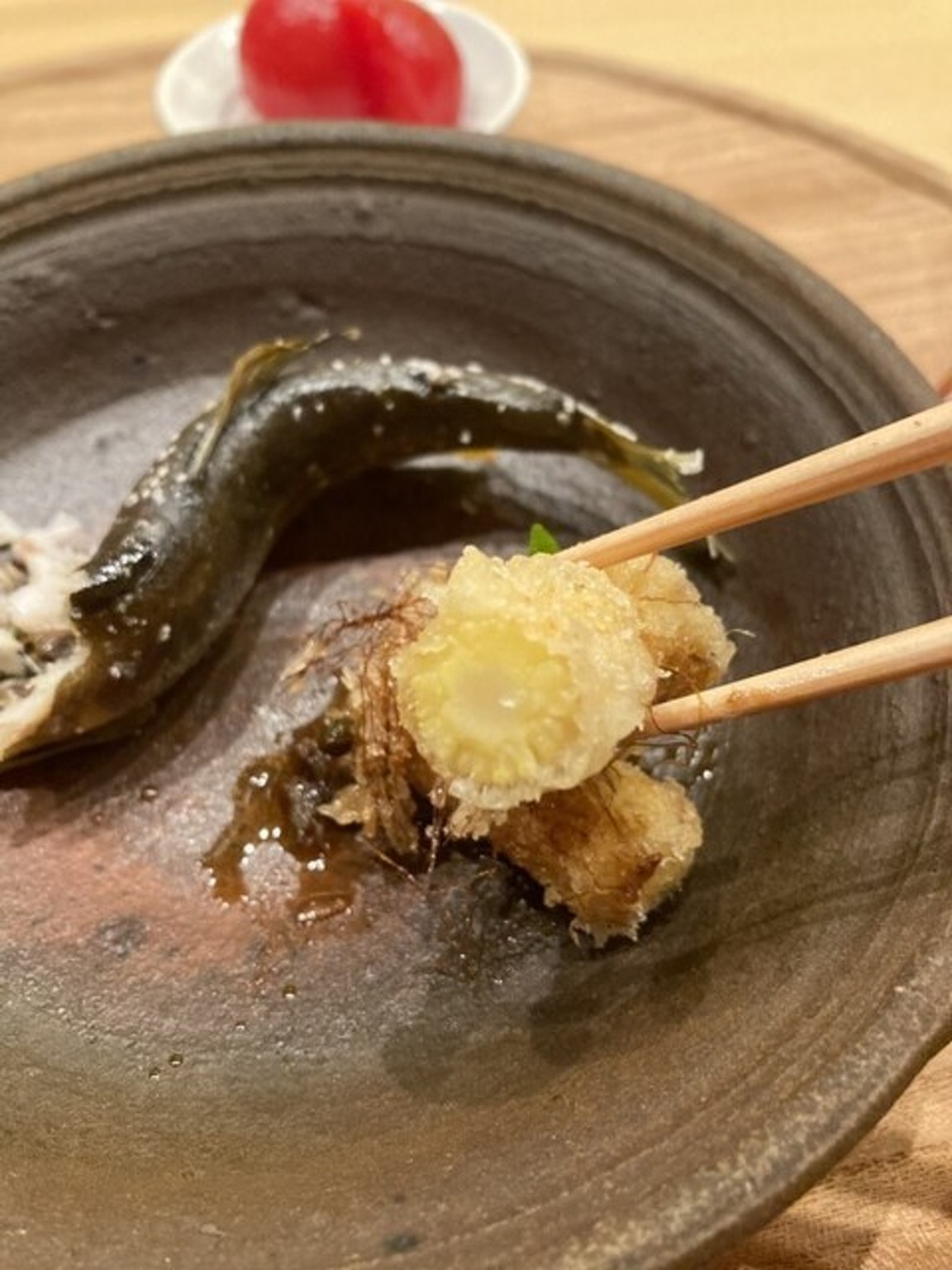
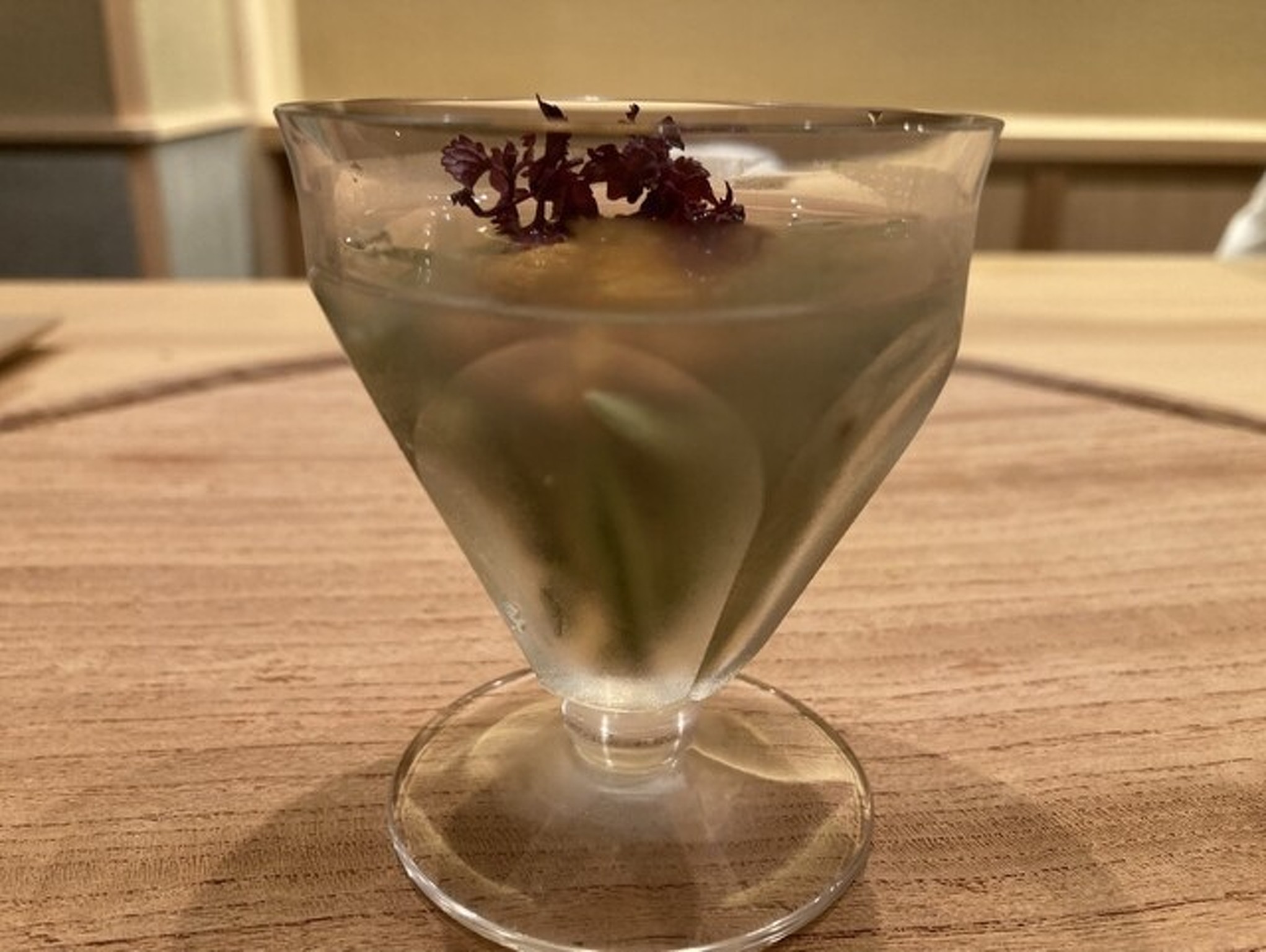
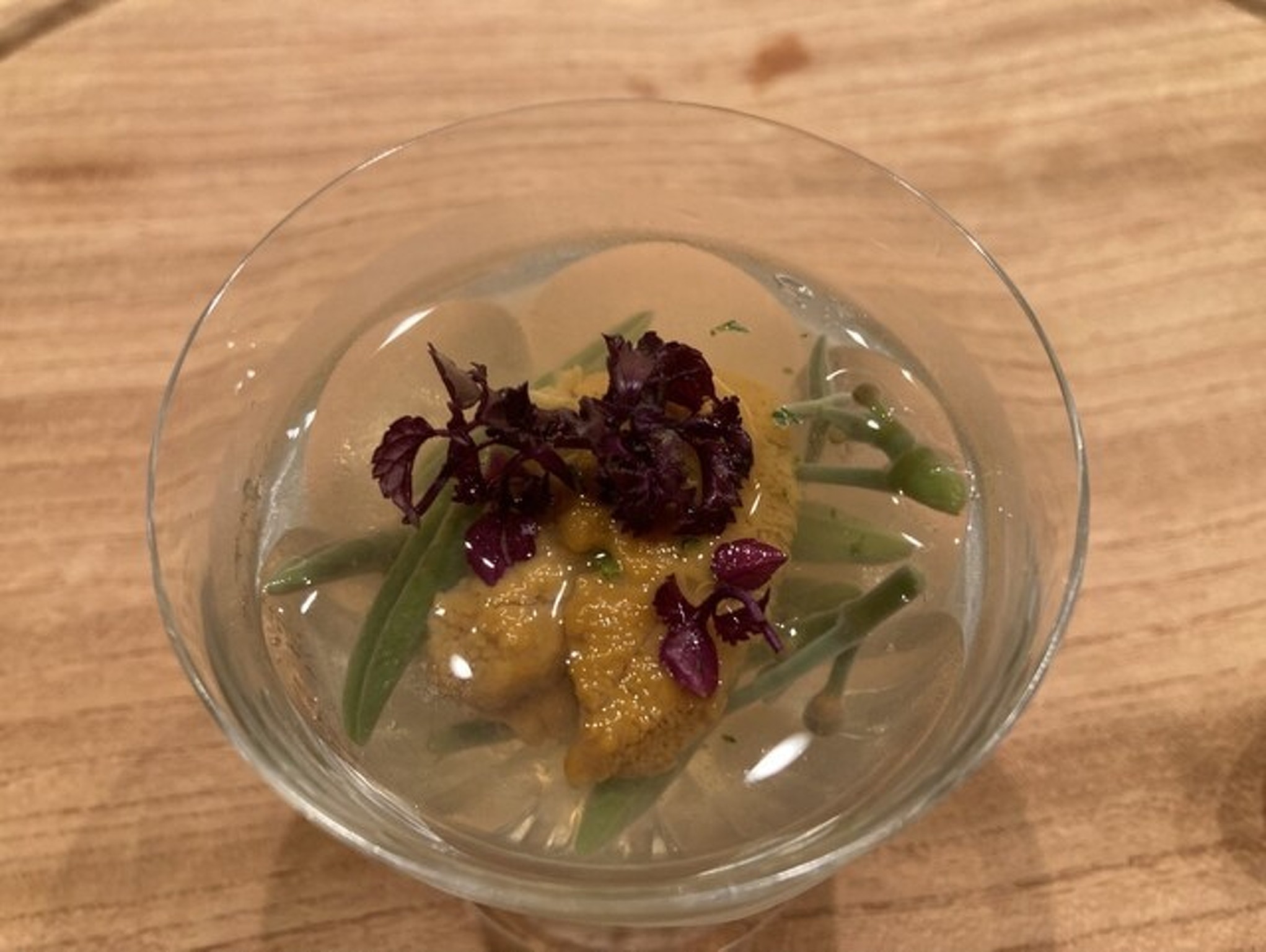
◆Visit Rating 4.31 Ranked 1st in Iwate Prefecture Ranked 65th in Japanese Cuisine Nationwide 3 Tock in Gault & Millau ◆About the Restaurant Founded in 1850 (Kaei 3), this historic restaurant operates by reservation only. The 7th generation owner, who trained at the prestigious Kyoto restaurants "Hyotei" and "Hiragiya," offers authentic kaiseki cuisine that beautifully blends the delicacy of Kyoto dishes with the rich seasonal ingredients of Iwate Prefecture. This renowned establishment has a history of hosting notable figures, including Prime Minister Takashi Hara, who organized Japan's first formal political cabinet during the Taisho era. There don’t seem to be many good hotels nearby, so many guests tend to stay around Mizusawa. ◆Impressions I made a reservation by phone (followed by a table check) before my visit. The atmosphere inside the restaurant is that of a magnificent mansion, and I was surprised to learn that this room is often not used due to its grandeur. The counter seating has a special feel, reminiscent of a chef's table, and I personally think the owner chose to limit it to six seats to ensure all guests receive attentive service. Even when a guest arrived 15 minutes late, they were treated with the same kindness, showcasing the owner's warm character. After the meal, the owner kindly gave us a tour of the private rooms and the entire mansion, making for a truly wonderful experience. The counter seating is a newly designed area where you can remove your shoes, making it very comfortable—absolutely delightful. The proprietress was also very approachable and charming. The prices for drinks were quite high, reflecting the quality of the cuisine. The dishes showcased the essence of Tohoku and Iwate, featuring many high-end ingredients. The portions were impressive, and each dish was straightforward yet packed with delicious flavors. The variety of accompaniments for the rice was among the best in Japan. The ambiance was pleasant, the drinks were delightful, and I had a wonderful time. ◆Meal Cost (Tax Included) JPY 25,000 + 10% Service Charge ◆Dishes Served (Food Only, Tax Included) ✔︎✔︎ Black leaf tea ✔︎✔︎ Corn Chawanmushi With rapeseed oil and matcha egg Seasoned with sansho, it was both original and very delicious. ✔︎✔︎✔︎ Rare Grilled Suzuki from Ofunato With kinome (Japanese pepper leaves) and marukatsu wasabi The quality of the Suzuki was excellent and extremely tasty. ✔︎✔︎ Just Egg ✔︎✔︎ Abalone from Sanriku with sesame dressing With a white eggplant from Hitotose and myoga (Japanese ginger) Very satisfying. Kinmedai caught in Miyako, steamed with small onions With okahijiki (a type of sea vegetable) from Kitakami ✔︎✔︎ Horohoro chicken from Hanamaki, thigh meat, and gizzards ✔︎✔︎ Scallops from Kamaishi ✔︎✔︎✔︎ Grilled Anago (conger eel) from Ofunato With semi-dried tomato dipping sauce Extremely delicious with a rich broth. ✔︎✔︎ Grilled Akita Turban Shell ✔︎✔︎ Smoked and grilled Horohoro chicken thigh ✔︎ Horohoro chicken gizzards ✔︎✔︎ Old pine brothers from Towa, Oita, shiitake mushrooms, grilled walnuts ✔︎✔︎ Water octopus from Mr. Sasaki in Kamaishi ✔︎✔︎ Grilled okra with plum miso ✔︎✔︎ Sweetfish, dried overnight ✔︎✔︎ Sliced green pepper All were delicious. ✔︎✔︎✔︎ Makogarei (flatfish) from Ofunato ✔︎✔︎✔︎ Swimming scallops ✔︎✔︎✔︎ Ainame (a type of fish) from Ofunato ✔︎✔︎ Cucumber ohitashi (blanched) With Tosa soy sauce and chirizu All were exquisite and delicious. ✔︎ Ainame with jelly ✔︎✔︎✔︎ Just Egg with Shuri shell dashi rice The broth was incredibly delicious. ✔︎✔︎ Fruit tomatoes, yuugao (a type of gourd), edamame, Miyagi's aotsubugai (a type of shellfish), with plum vinegar dashi The dashi was delicious, and the tomatoes were exceptionally tasty. ✔︎✔︎✔︎ Sea eel from Kamaishi, young corn tempura from Kitakami, with dashi and green chili Absolutely delicious. ✔︎✔︎✔︎ Nagaimo (Japanese yam) somen with uni The uni was delicious. ✔︎✔︎ Nibana (a type of vegetable) ✔︎✔︎ Accompaniments for rice and three servings Mackerel with sesame sauce Makogarei Ainame Mibuna (a type of vegetable) Bamboo shoot tsukudani (preserved bamboo shoots) Matcha egg Iwate's meiji tuna sashimi ✔︎✔︎✔︎ Corn rice Very delicious. Although it was for takeout, I had a little. ✔︎✔︎✔︎ Ice cream made from Yamagata dairy milk, peach, blueberry The ice cream was delightful. ◆Notes ◆Disclaimer * Michelin and Gault & Millau ratings include past and current information. * Prices are listed with tax included. ⭐️Rating Criteria Based on dining experiences across the country, considering local characteristics, etc. For example, in Tokyo, slightly higher prices are understandable. The overall score is generally determined by the average of taste and cost performance. Ex. Taste 4.2, Cost Performance 3.8 would yield a score of 4.0. Taking the prices into account: ⭐️ 3 stars or below: Satisfied after one visit ⭐️ 3.5 stars: Delicious, generally satisfied ⭐️ 4 stars: Very delicious, would recommend ⭐️ 4.5 stars: Exquisite/Will return/Highly recommend ⭐️ 5 stars: The pinnacle of deliciousness/Will visit for life/Absolutely recommend * Ratings are carefully considered to one decimal place. * When discrepancies in standards are noticed, I occasionally review past ratings. ◆I sincerely hope that my followers enjoy delicious meals at the restaurants I review. I place the utmost importance on location conditions and satisfaction relative to the amount paid. ◆I strive to maintain the reliability and objectivity of the content I provide, and I generally include meal costs. Less
9 / 10
on 06 Aug 2026
I had been wanting to visit for a long time but hadn’t been able to make it until now. I learned that the 7th generation owner trained at Hyotei and Hiragiya, so my expectations were at their peak.It took about 12-13 minutes by taxi from Kitakami Eki on the Tohoku Shinkansen, and I enjoyed the peaceful rural scenery on the way to the restaurant.The exterior of the restaurant exudes the charm of a traditional ryotei (Japanese restaurant) or a kaiseki inn. It is said to be a historic building that... More
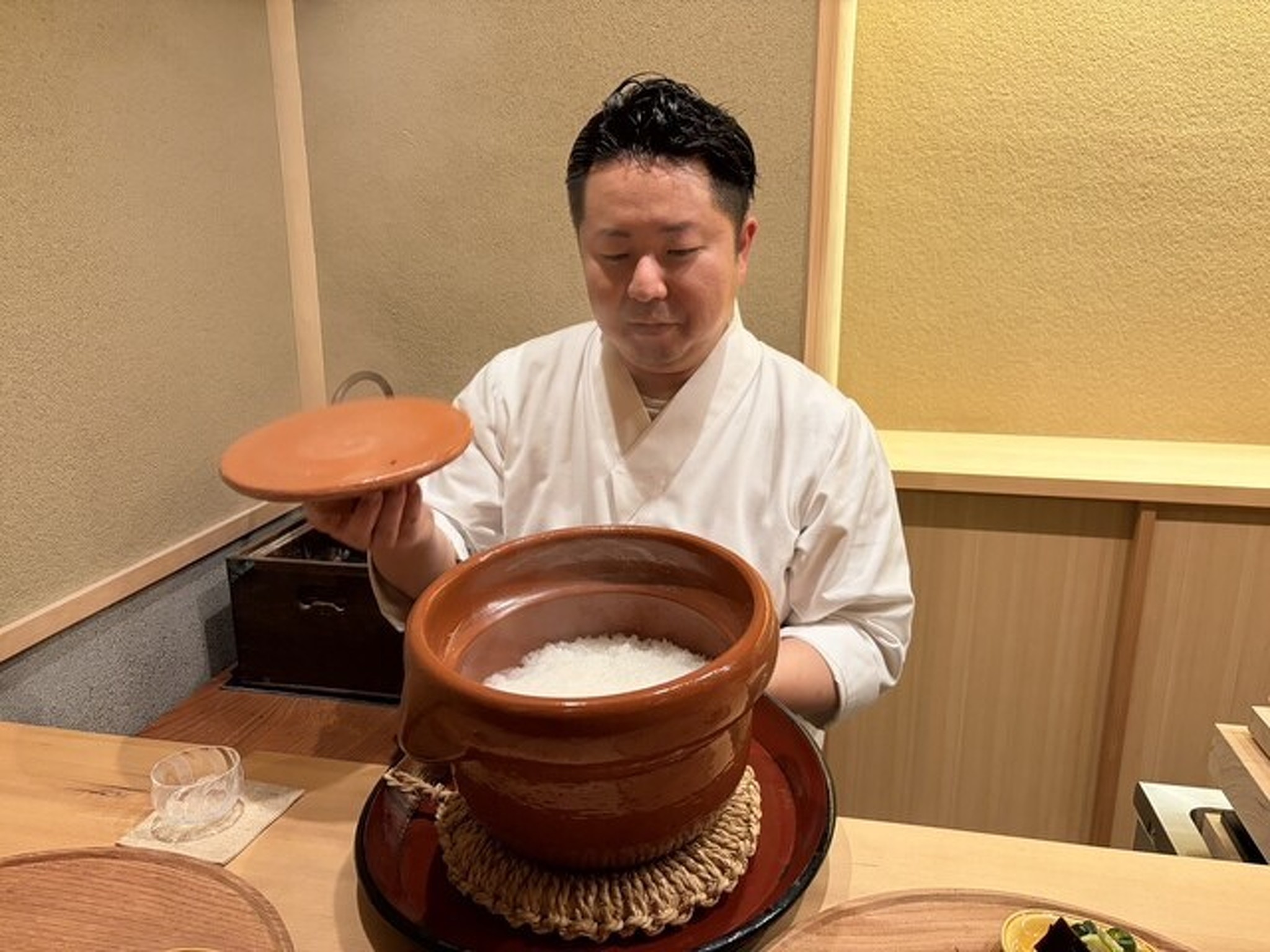
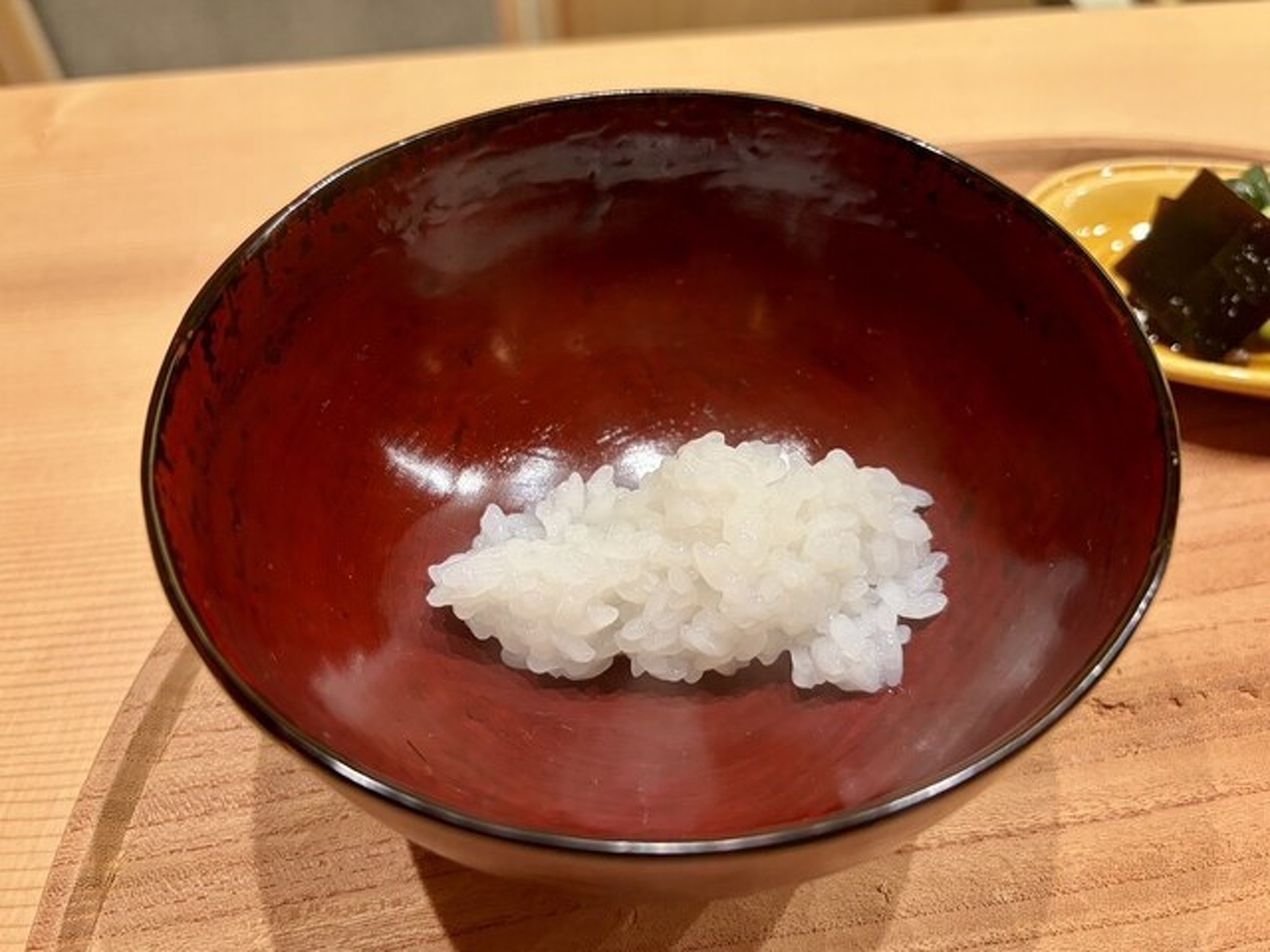
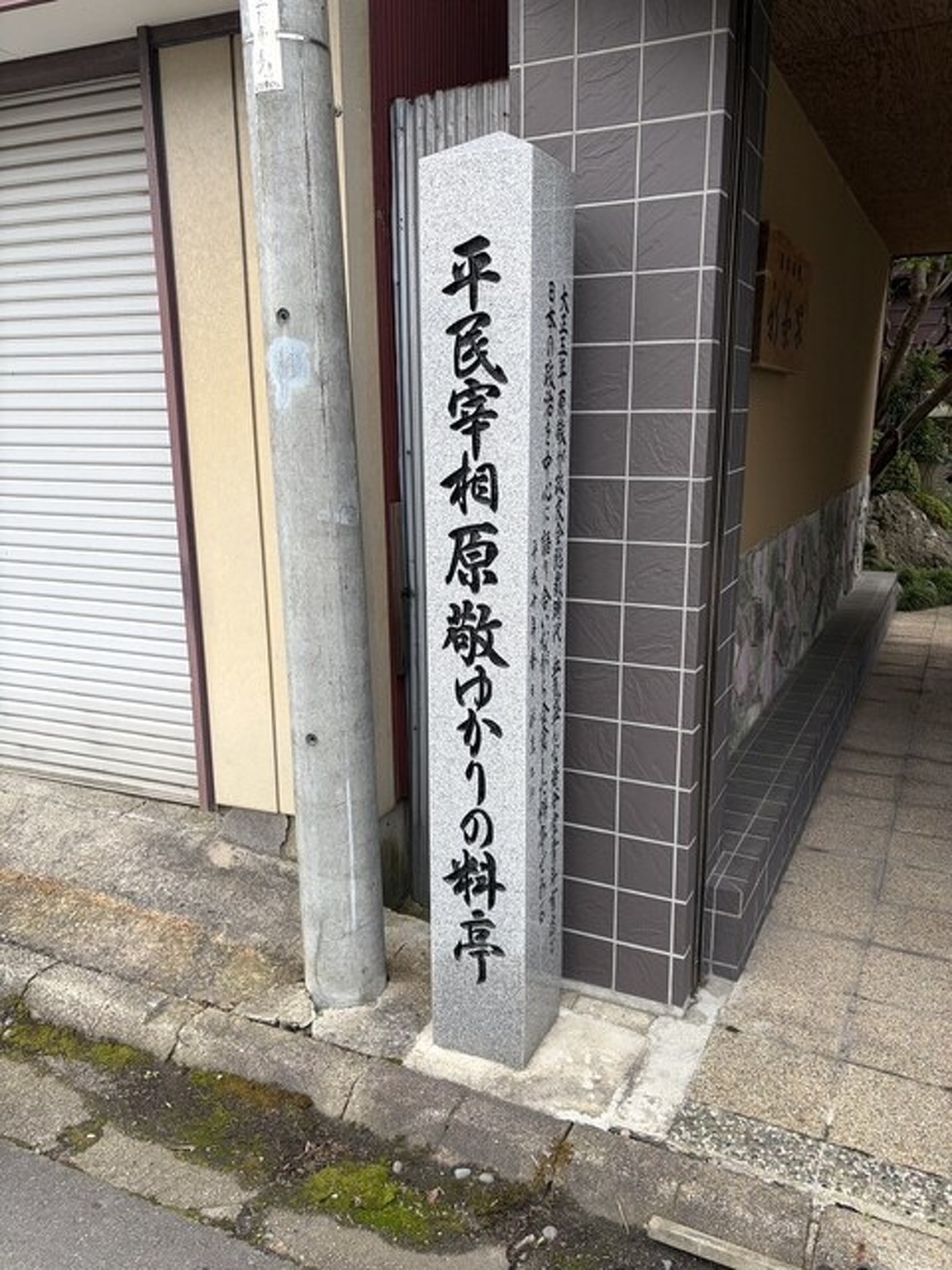
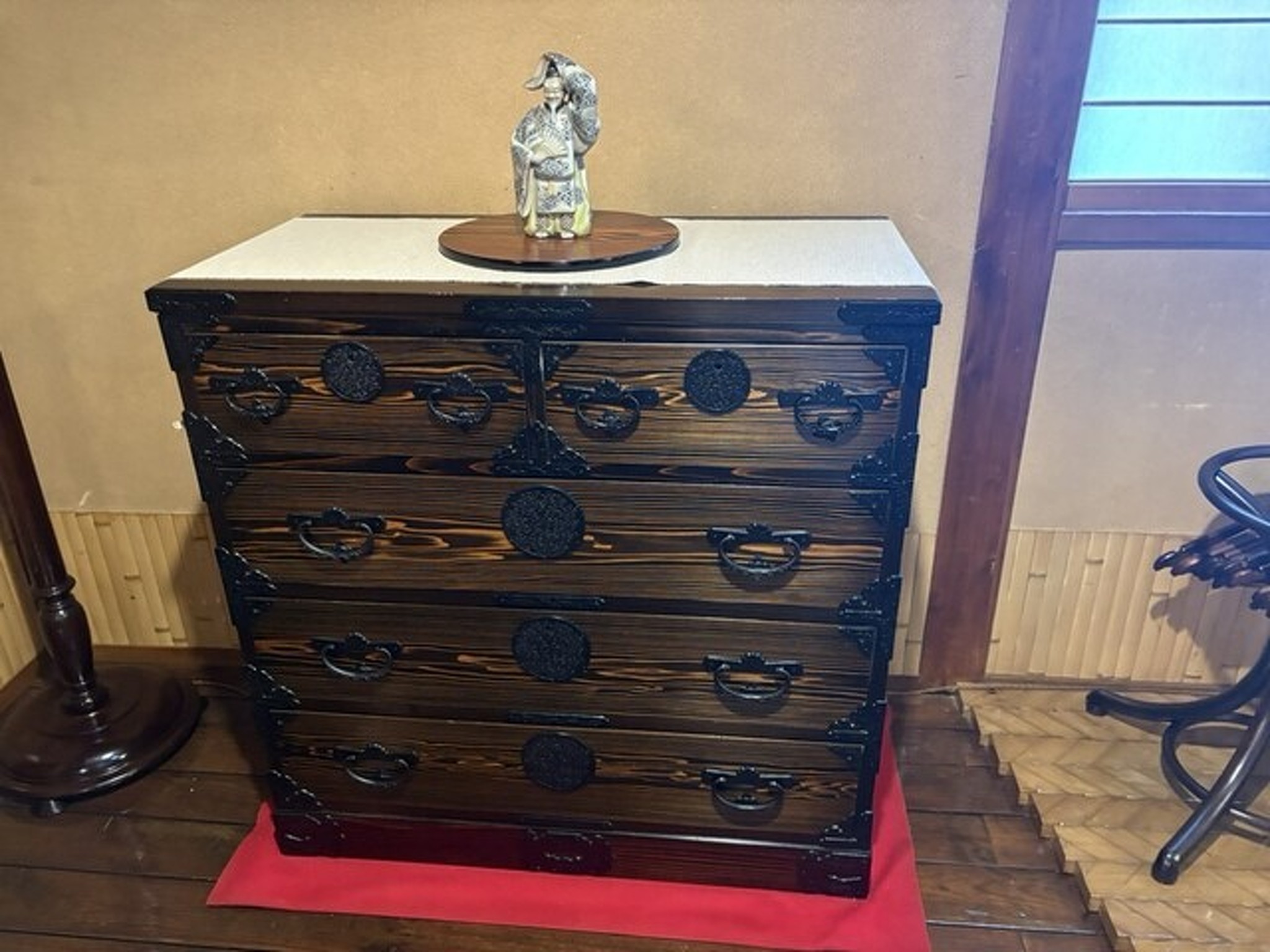
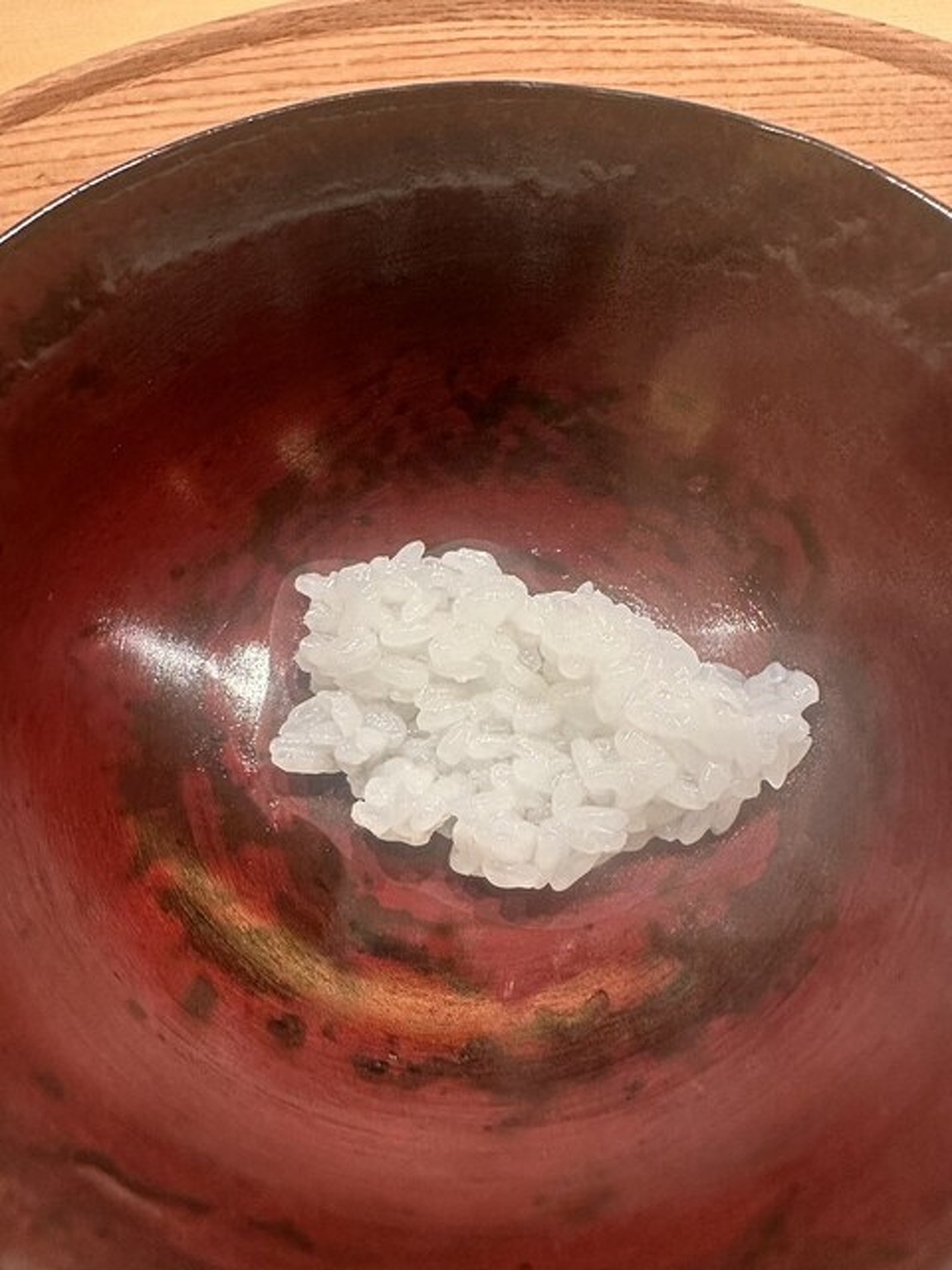
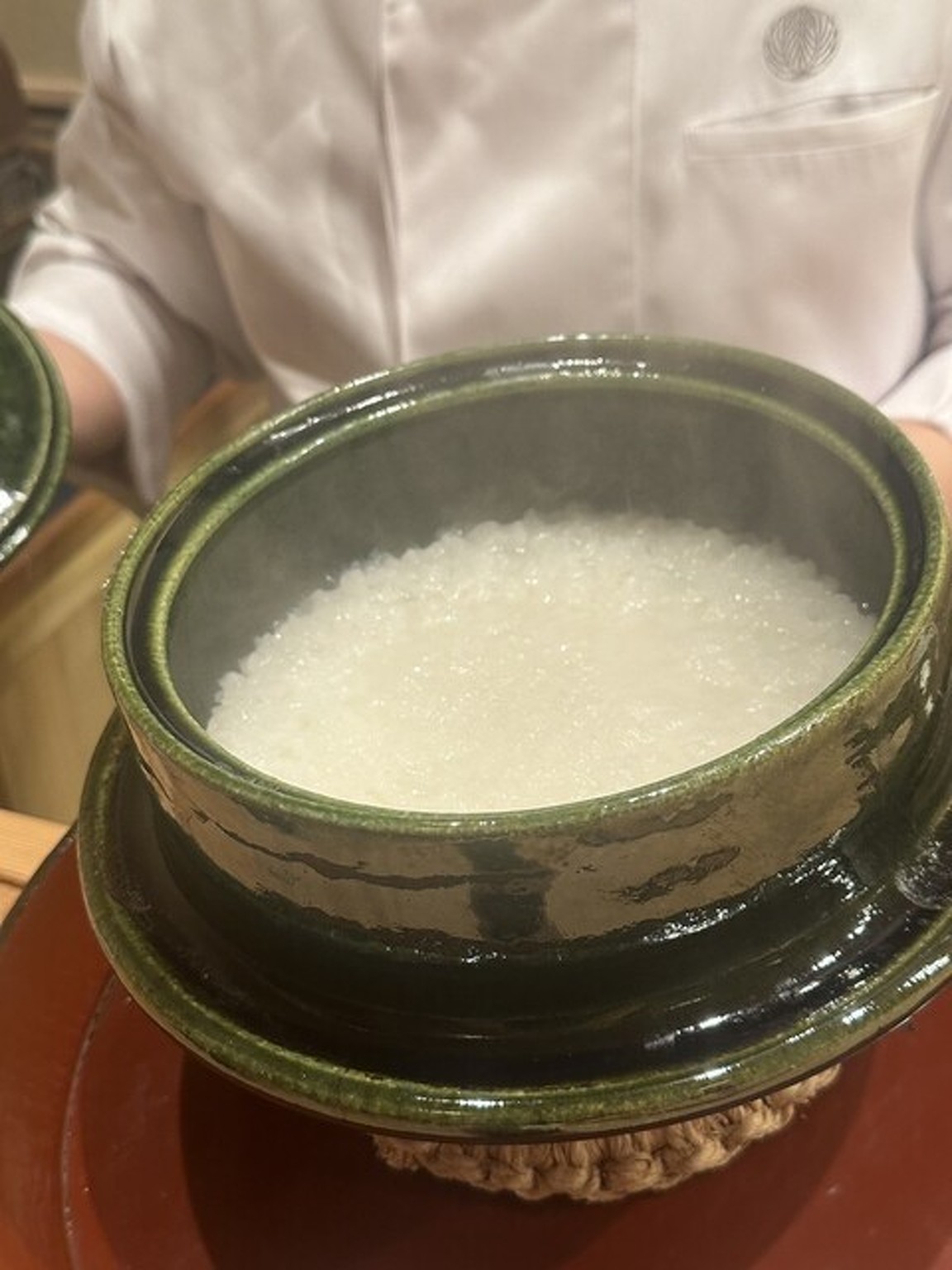
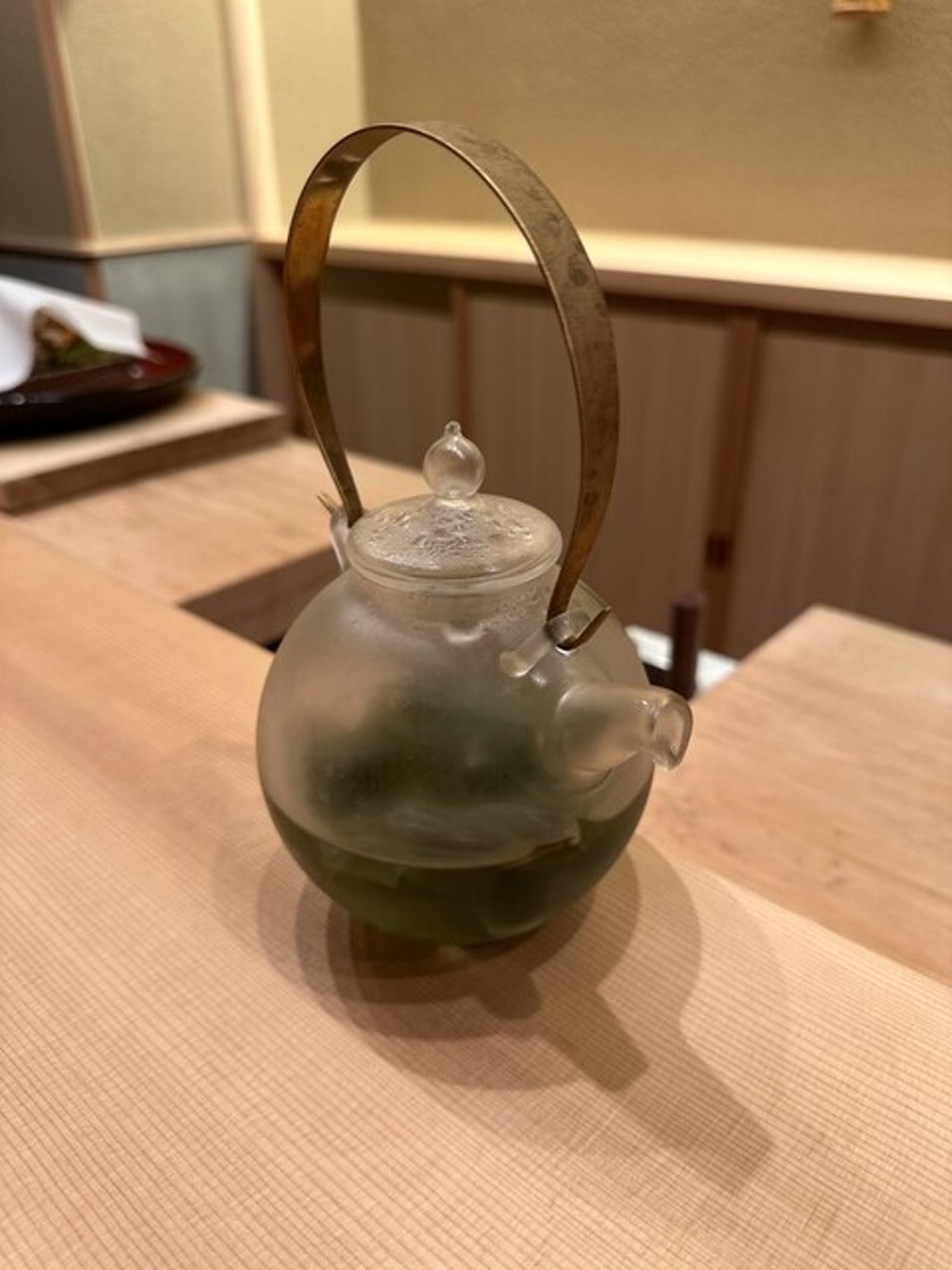
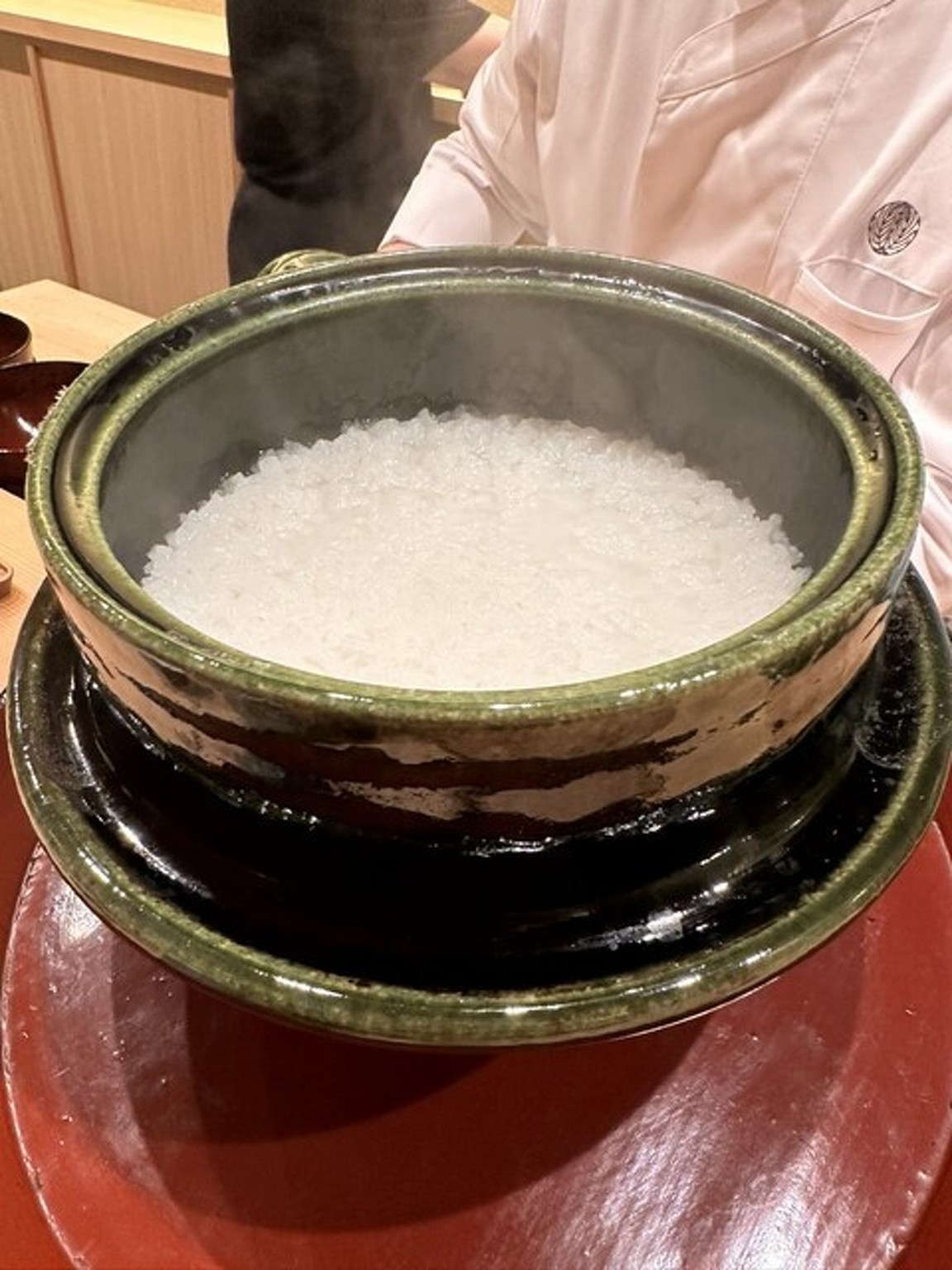
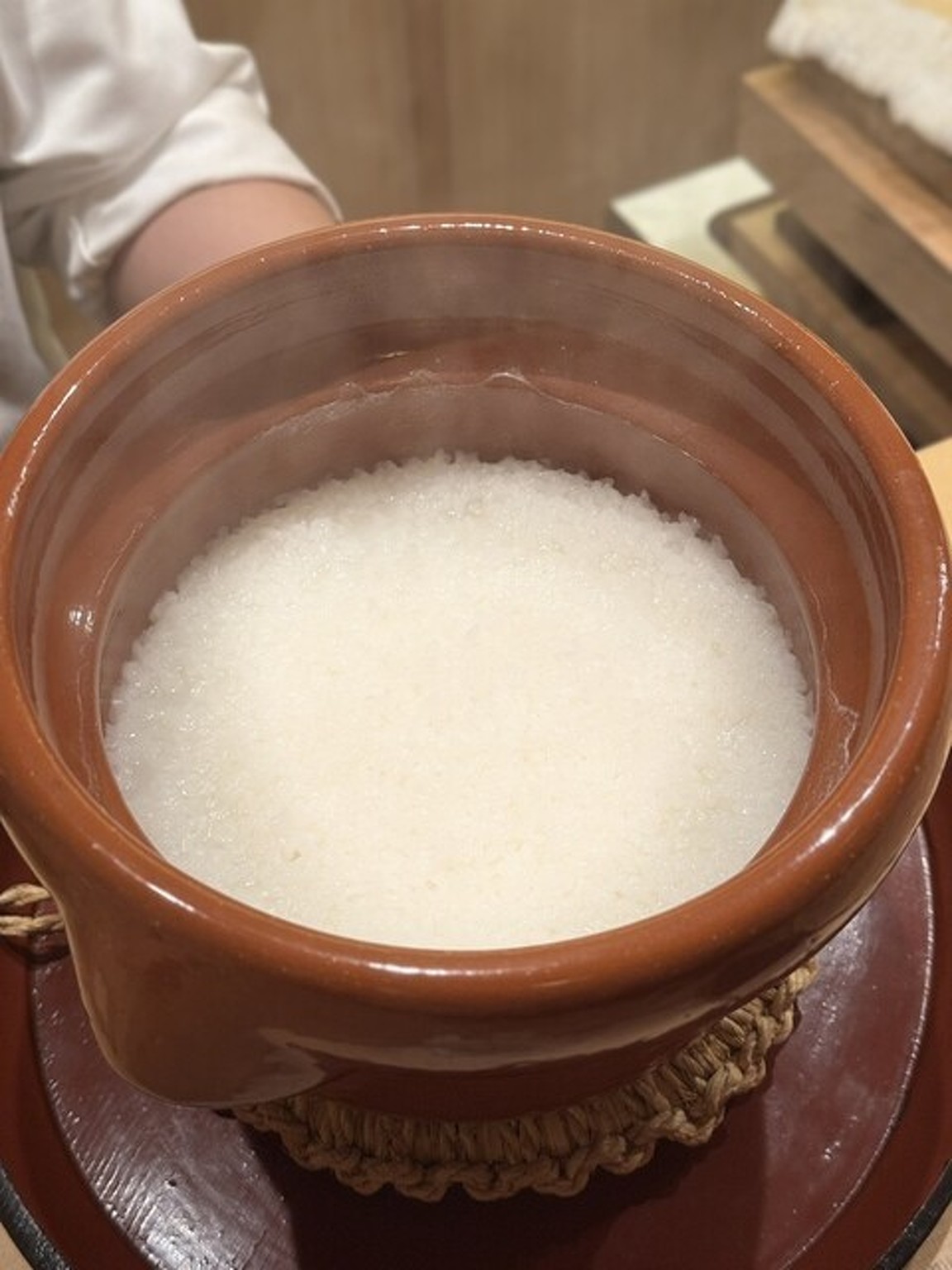
I had been wanting to visit for a long time but hadn’t been able to make it until now. I learned that the 7th generation owner trained at Hyotei and Hiragiya, so my expectations were at their peak.It took about 12-13 minutes by taxi from Kitakami Eki on the Tohoku Shinkansen, and I enjoyed the peaceful rural scenery on the way to the restaurant.The exterior of the restaurant exudes the charm of a traditional ryotei (Japanese restaurant) or a kaiseki inn. It is said to be a historic building that was frequently visited by the former Prime Minister, Takashi Hara, which only heightened my excitement before the meal.We started with a tea made from some kind of extract (I think they mentioned it was made from toothpicks?), and then I was completely overwhelmed by the array of local delicacies that followed.What stood out the most were the sweet corn, the large abalone, the anago (conger eel), and the tomatoes. The summer menu featured refreshing chilled dishes that were delightful.I truly enjoyed the blessings of the sea and mountains of Iwate. It was remarkable.And of course, the rice was incredibly delicious... I had the freshly cooked rice first, and the flavor of the rice itself was excellent.By the end, I was feeling quite full, and I barely managed to finish. Next time, I’ll have to come with a bigger appetite.After the meal, I was honored to tour other rooms in the building. It was a privilege to experience such history.I was thoroughly satisfied! It was a great meal! Less
8 / 10
on 01 Aug 2026
I visited after making a reservation online.The building has a historical feel, and the current owner is the seventh generation.It’s a spacious place that must have hosted many events and banquets in the past.After enjoying the meal, I was shown around the private rooms, banquet hall, and courtyard.I can only imagine that the kitchen is quite large as well.It seems like maintaining such a place would be quite challenging.Both the food and the sake were delicious.
10 / 10
on 22 Jul 2026
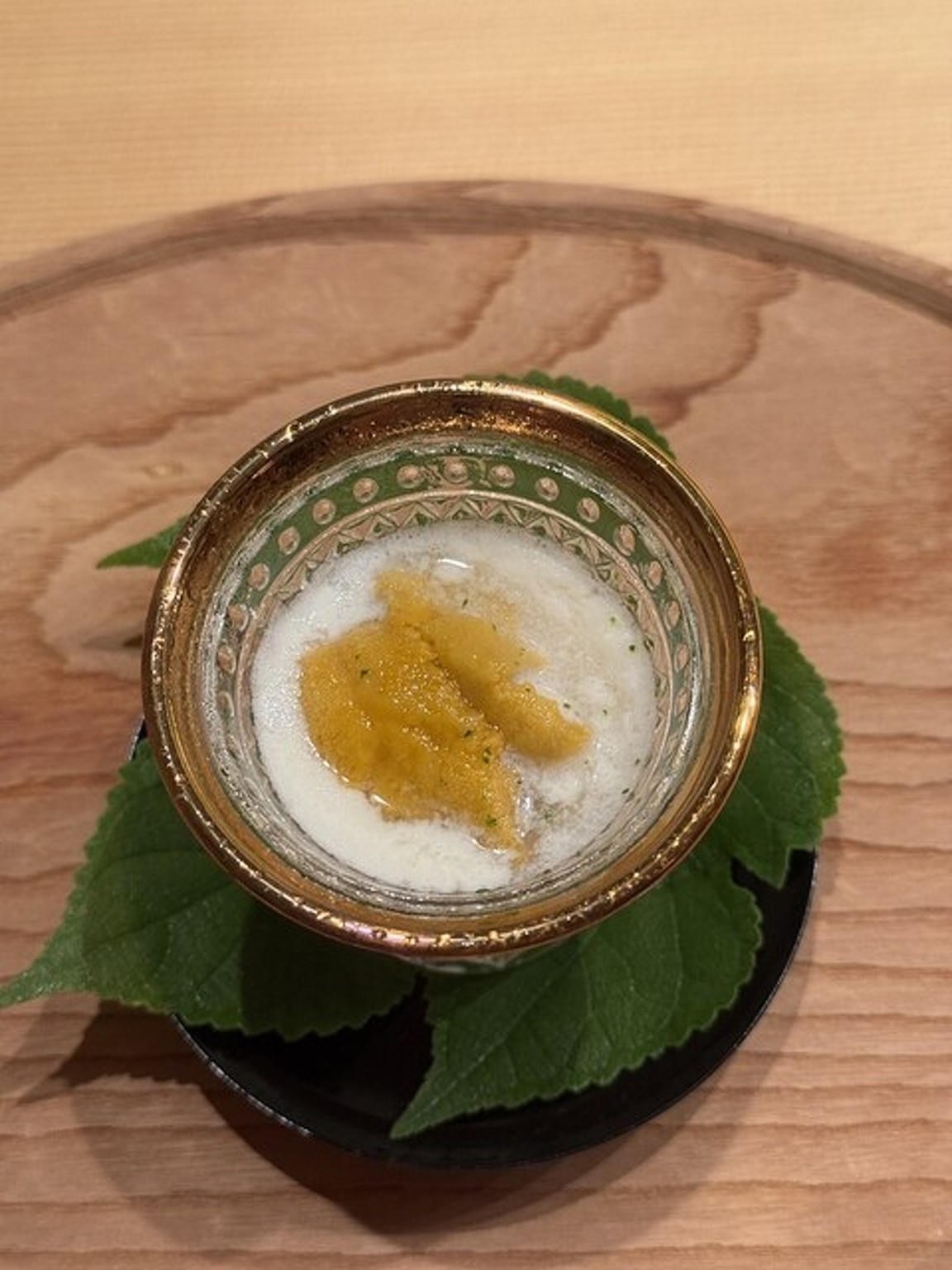
⭐︎ A Must-Visit Gem in Iwate ⭐︎ Omakase Course - Naturally cultivated soybean tofu, sea urchin - Toubay eggplant, green beans, myoga with sesame dressing, Ofunato abalone, shiitake mushrooms grown on a substrate - Grilled natural Kamaishi eel, Kitakami flower zucchini, dashi rice - Freshly caught Aburabouzu, steamed Kitakami new onions in sake, Kitakami okahijiki, Iwate ma-kombu, Ishinomaki katsuobushi - Hassun Ofunato anago grilled over charcoal, semi-dried tomato dashi Grilled... More
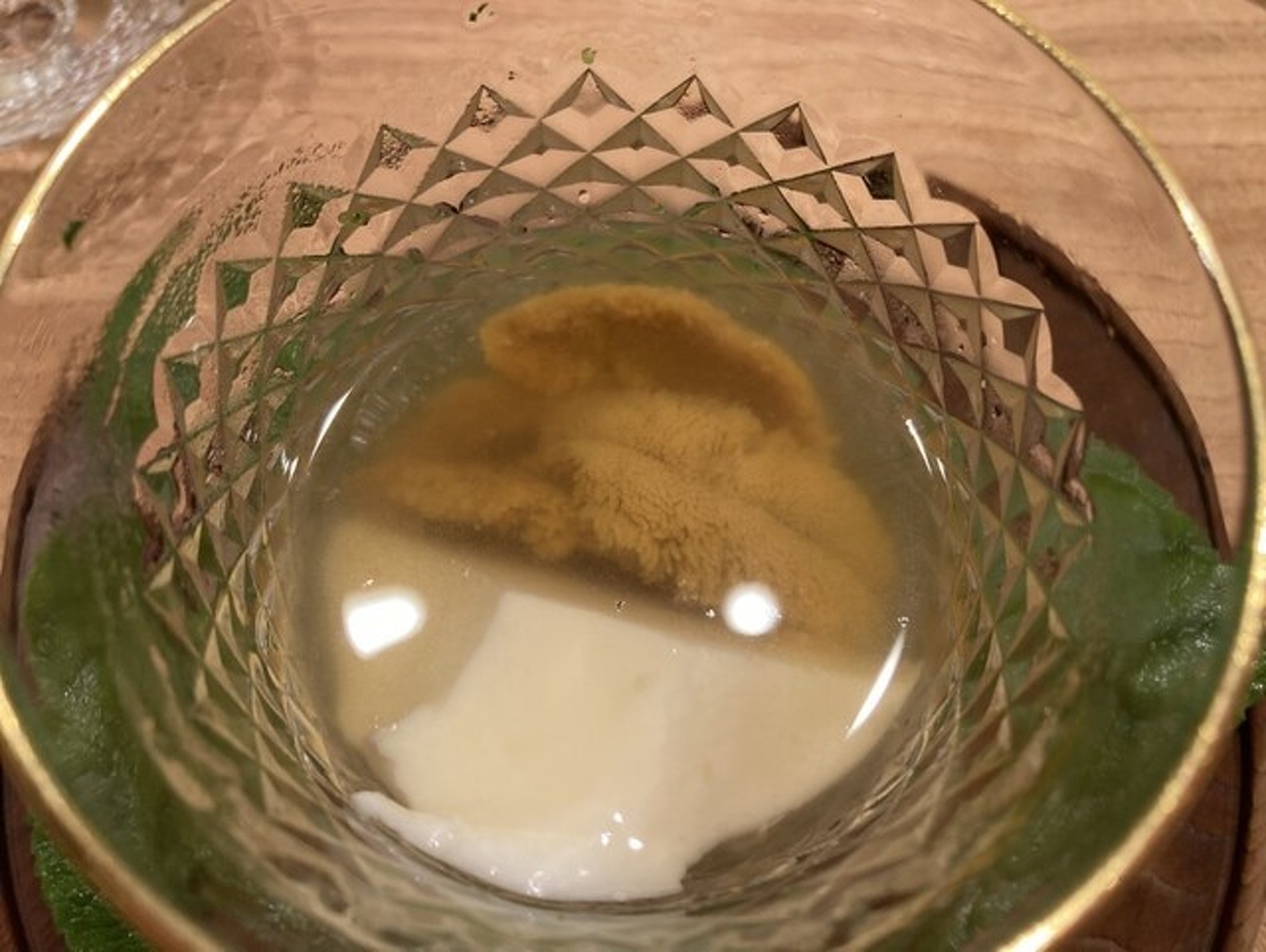
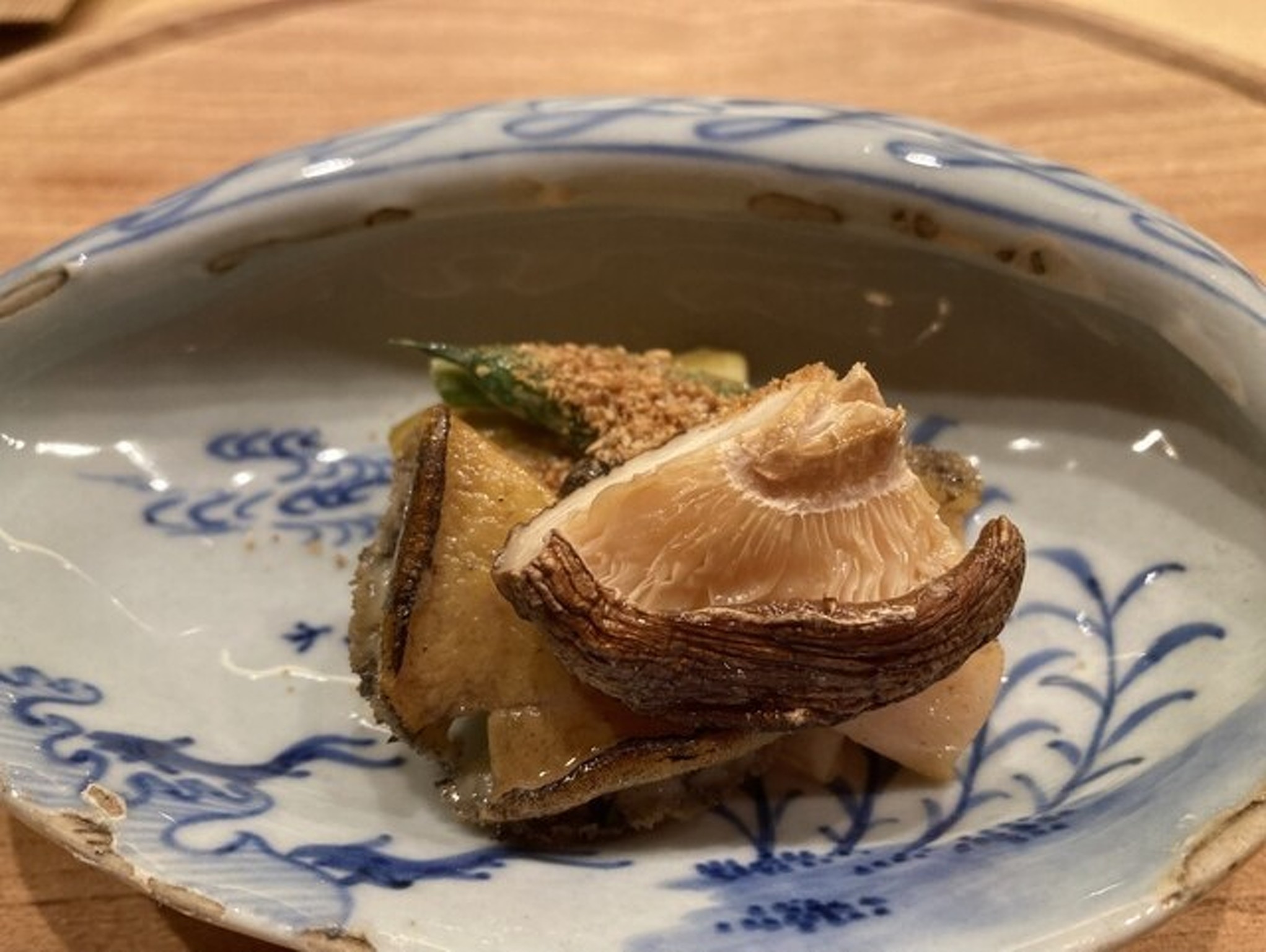
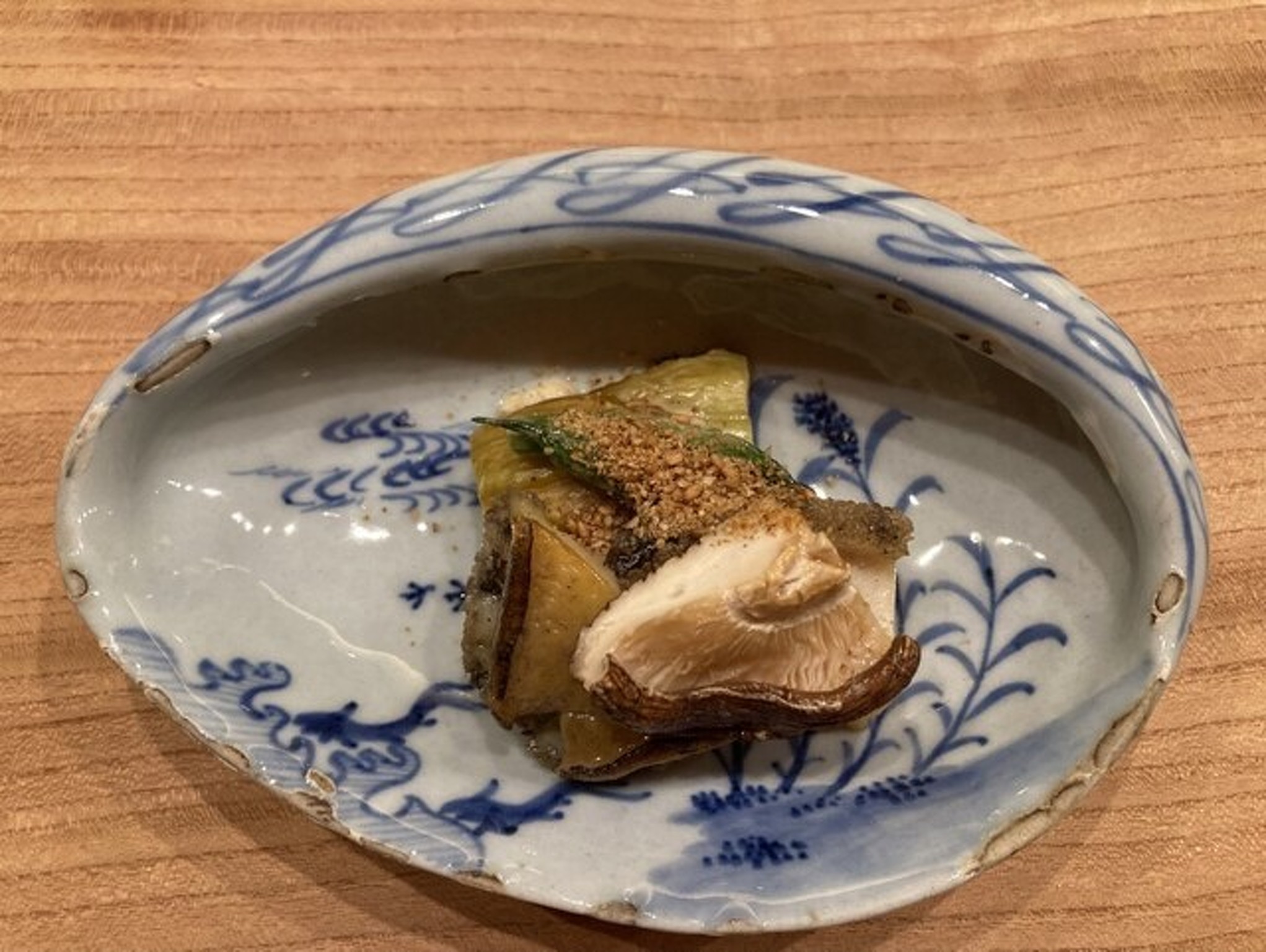
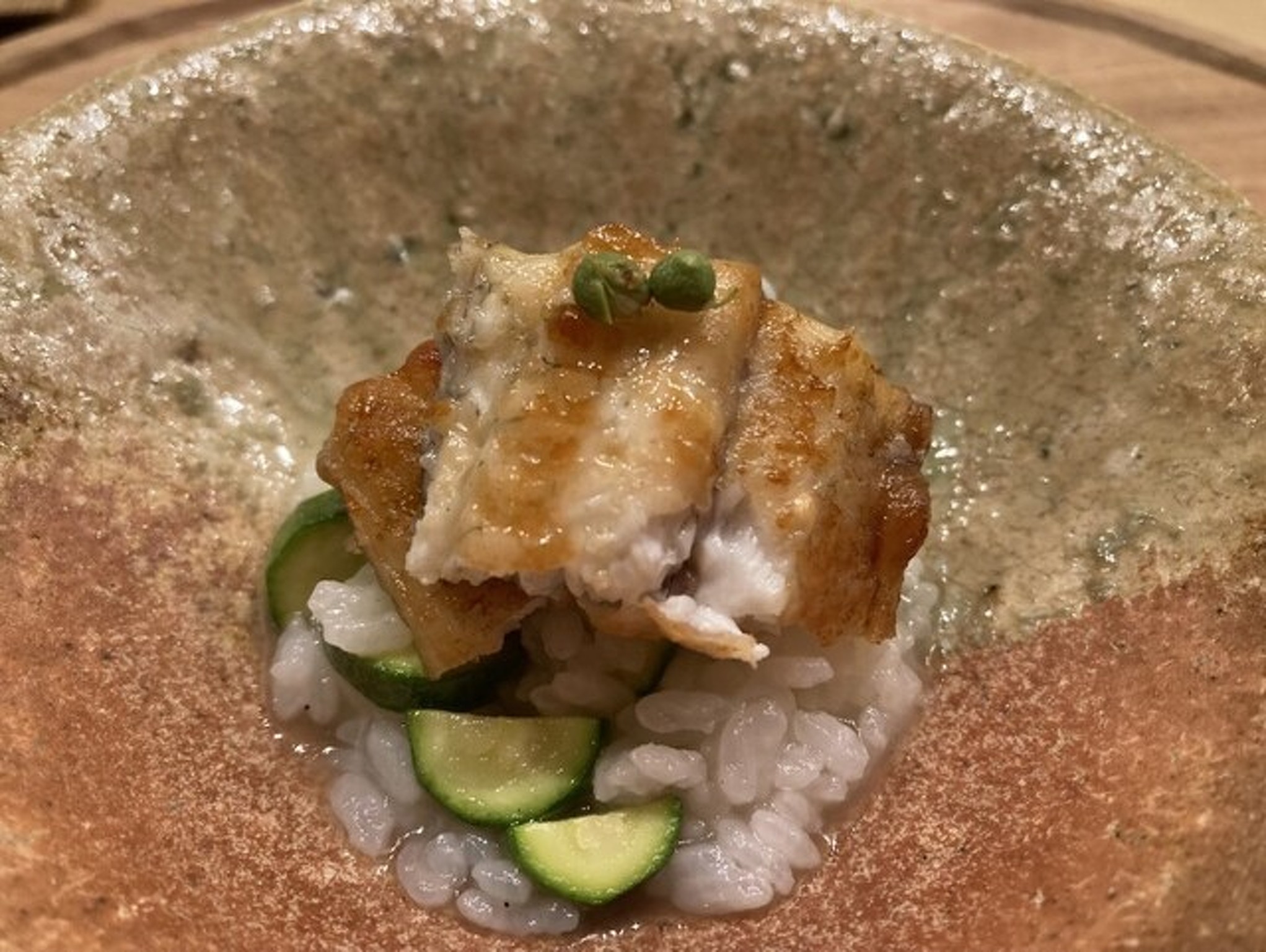
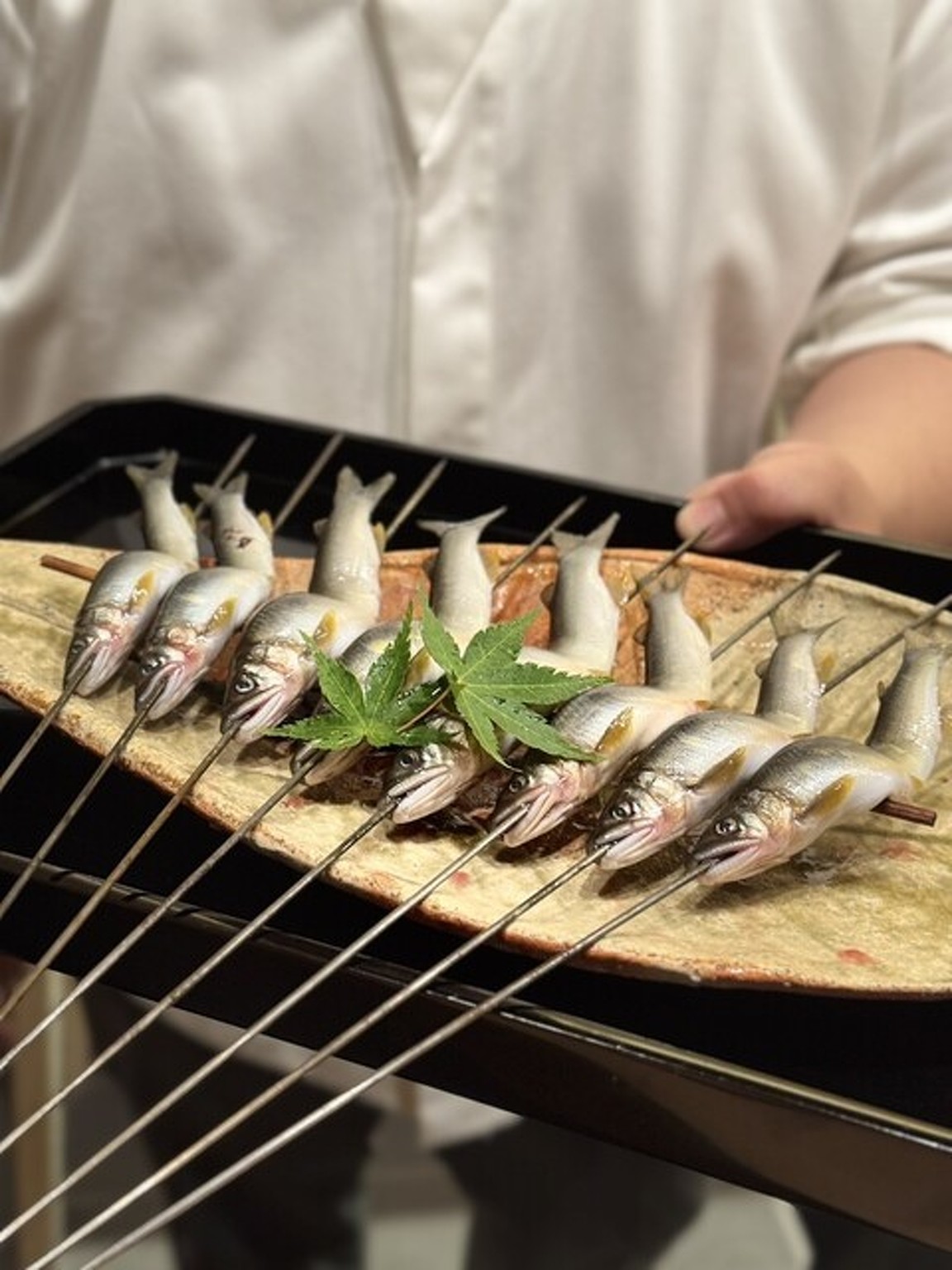
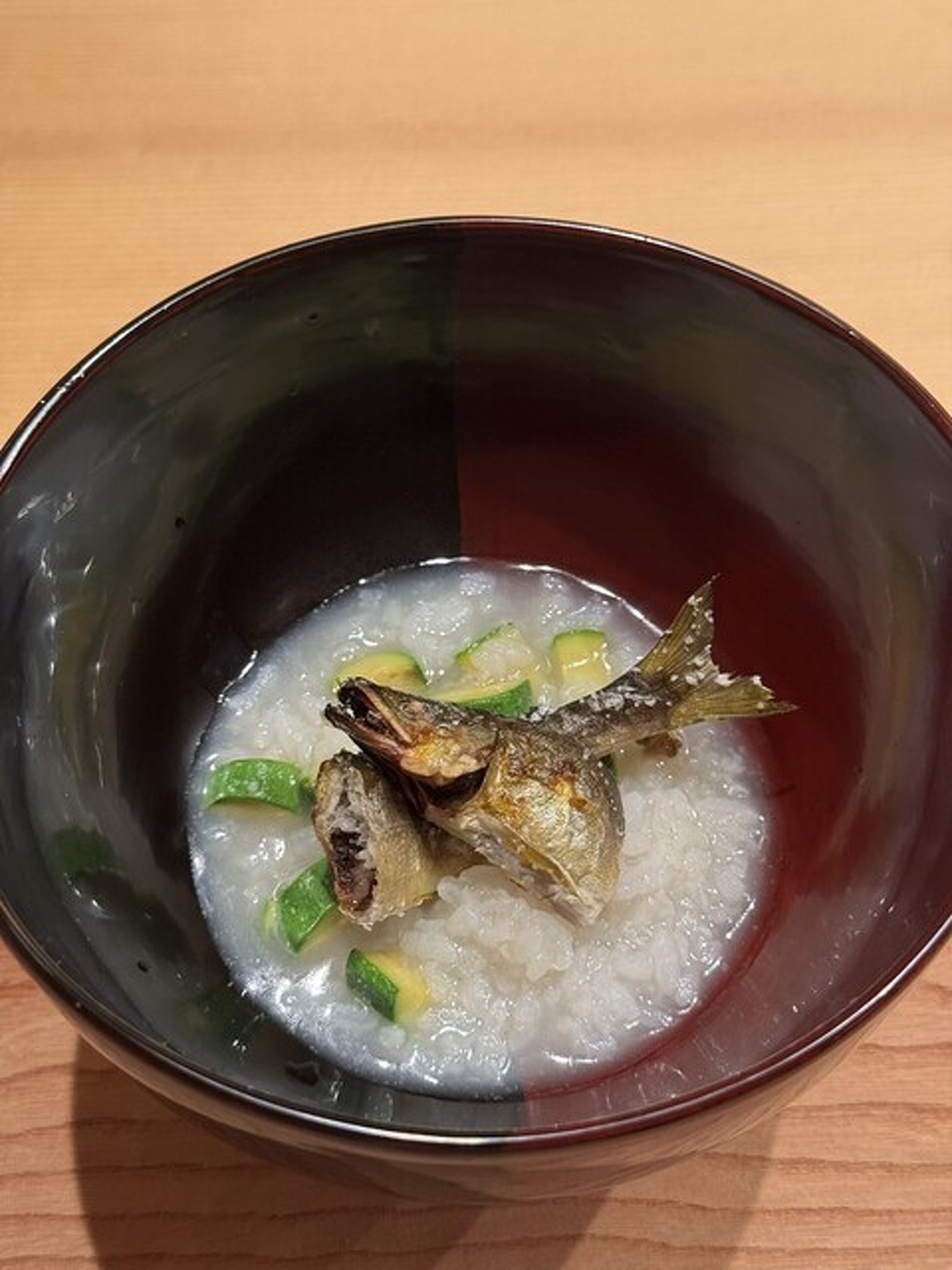
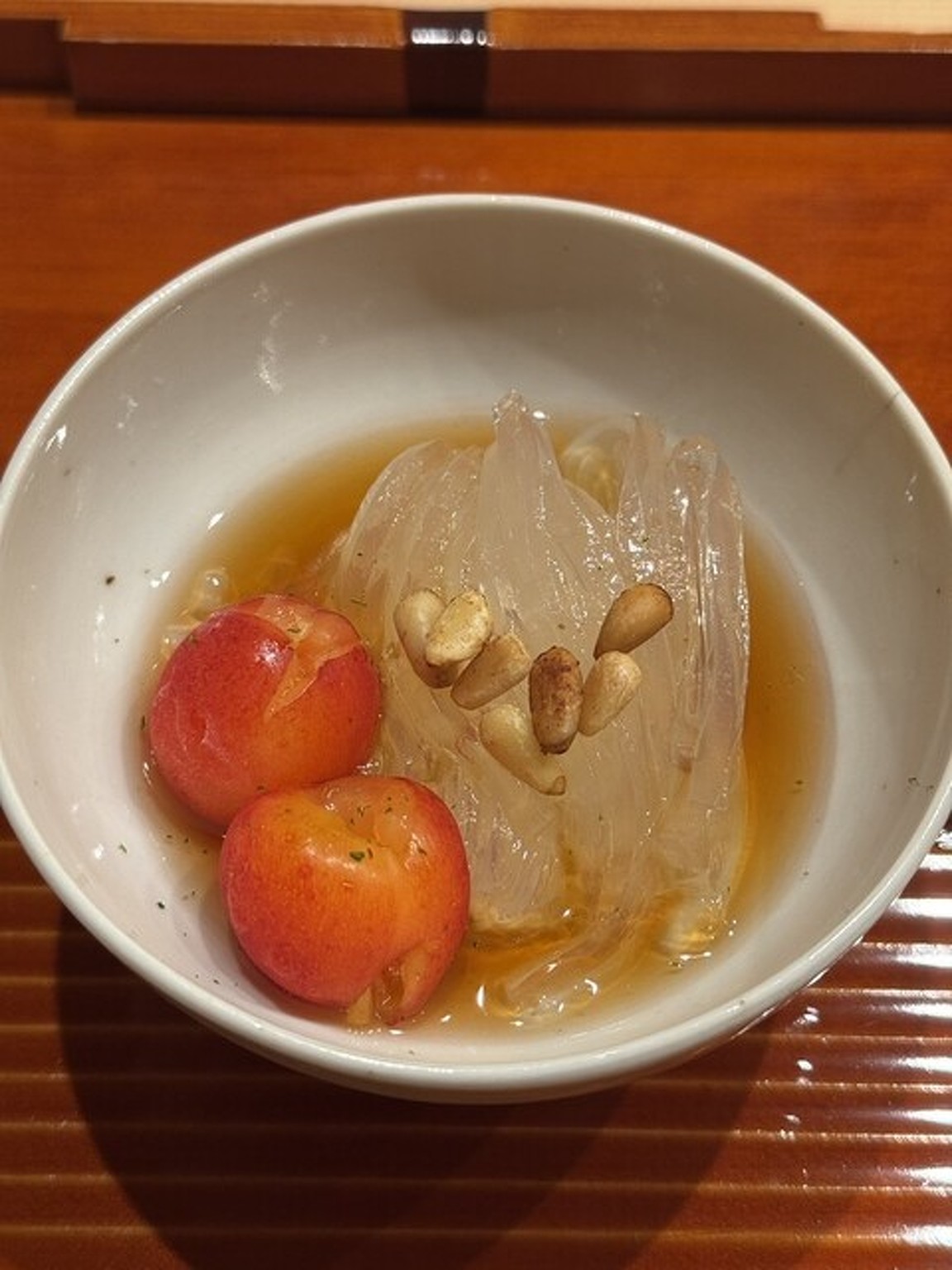
⭐︎ A Must-Visit Gem in Iwate ⭐︎ Omakase Course - Naturally cultivated soybean tofu, sea urchin - Toubay eggplant, green beans, myoga with sesame dressing, Ofunato abalone, shiitake mushrooms grown on a substrate - Grilled natural Kamaishi eel, Kitakami flower zucchini, dashi rice - Freshly caught Aburabouzu, steamed Kitakami new onions in sake, Kitakami okahijiki, Iwate ma-kombu, Ishinomaki katsuobushi - Hassun Ofunato anago grilled over charcoal, semi-dried tomato dashi Grilled turban shell Smoked quail breast Quail white liver Hozuki, soybean okara miso, dried shiitake Ofunato octopus and molokhia Fried sweetfish, Esashi lemon Edamame - Sashimi Ofunato makogarei marinated in kombu Swimming scallops from Kamaishi Grilled ainame over charcoal - Rare grilled Ofunato sea bass, Kitakami kintoki greens - Cold corn chawanmushi - Grilled natural sweetfish from Kesengawa with salt, young corn, grated green tomato, daikon radish, onion, and carmaba oil - Akita junsai, sea urchin, ume vinegar dashi - Esashi sasanishiki rice - Amakusa tokoroten with cherry and hojicha syrup The total, including drinks, was about JPY 40,000. This renowned Iwate restaurant, accessible by taxi from the JR station, offers exceptional taste and service! You can enjoy a rare experience tasting ingredients like eel, Aburabouzu, and natural sweetfish, making for an exquisite and blissful time! Pairing the hassun with Japanese sake is guaranteed to bring happiness with its deliciousness!! Less
10 / 10
on 15 Jul 2026
I came here looking forward to enjoying a summer-themed experience. It was a hot July day, with temperatures exceeding 30 degrees Celsius, and the rice fields along the way were a beautiful shade of green. The weeds were growing vigorously, making it seem like mowing them would be quite a task. This was my first visit since April. Upon entering the spacious entrance, I took off my shoes and stepped inside. The first thing that caught my eye was the lovely counter, free from any unnecessary distractions.I... More
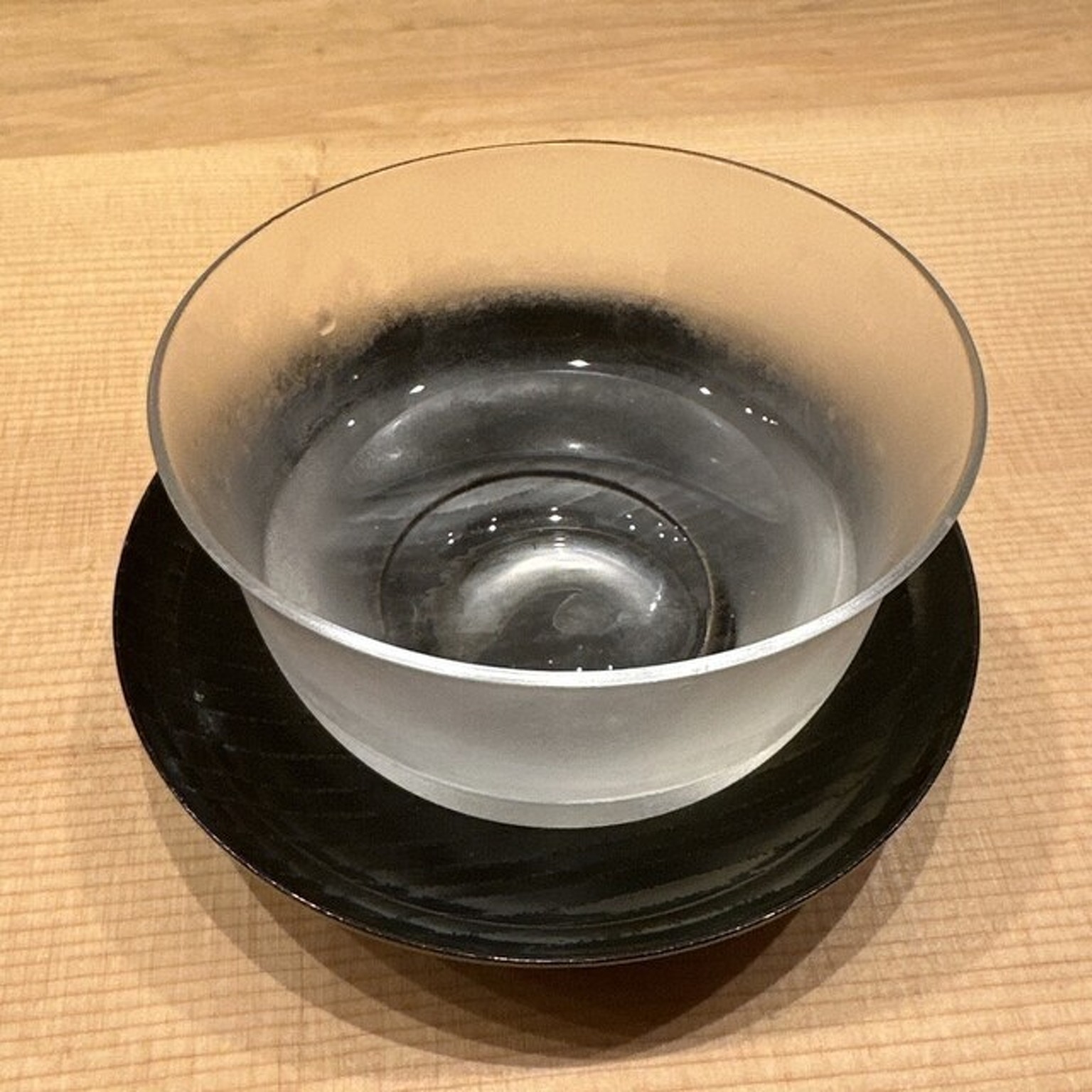
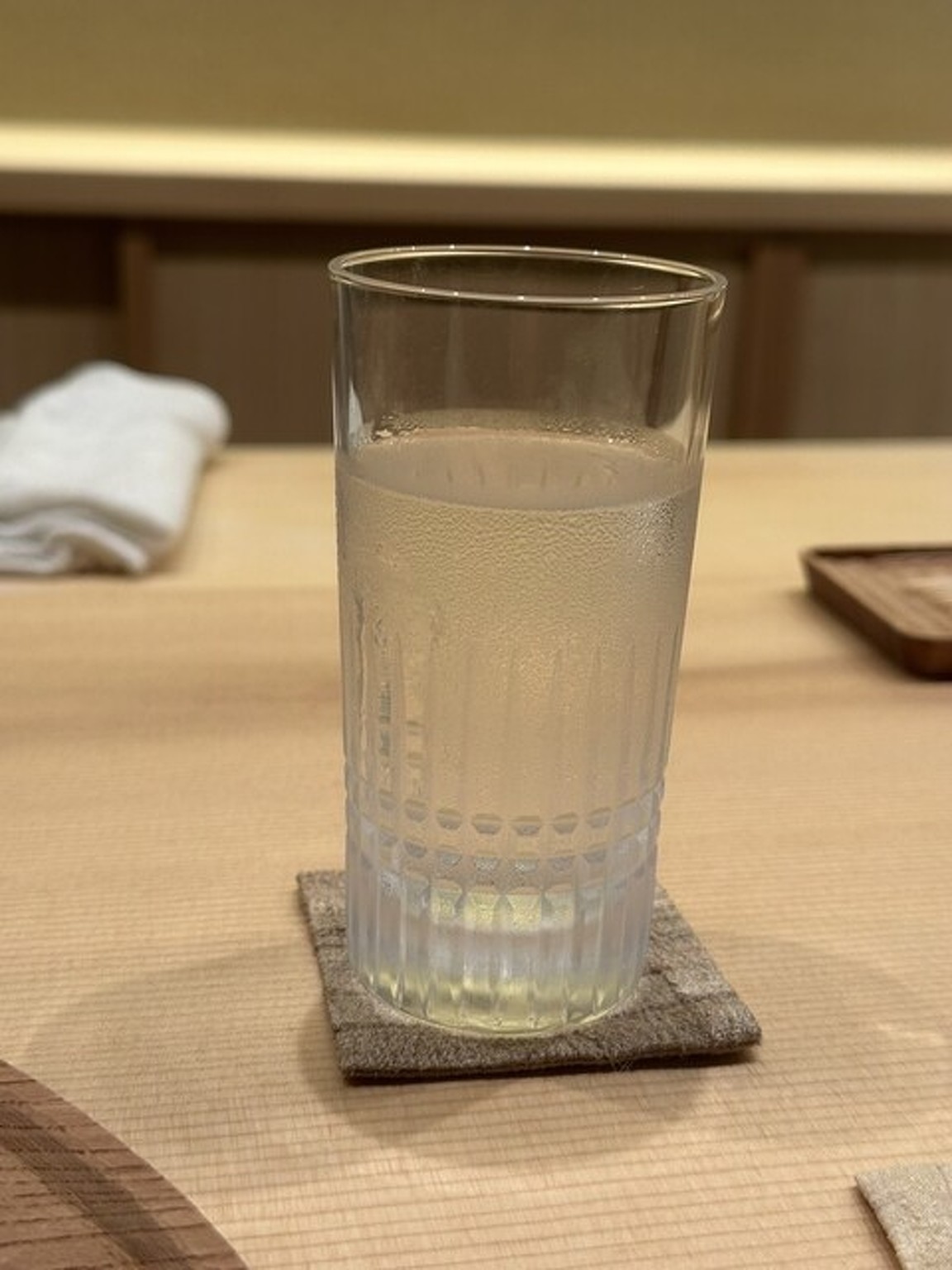
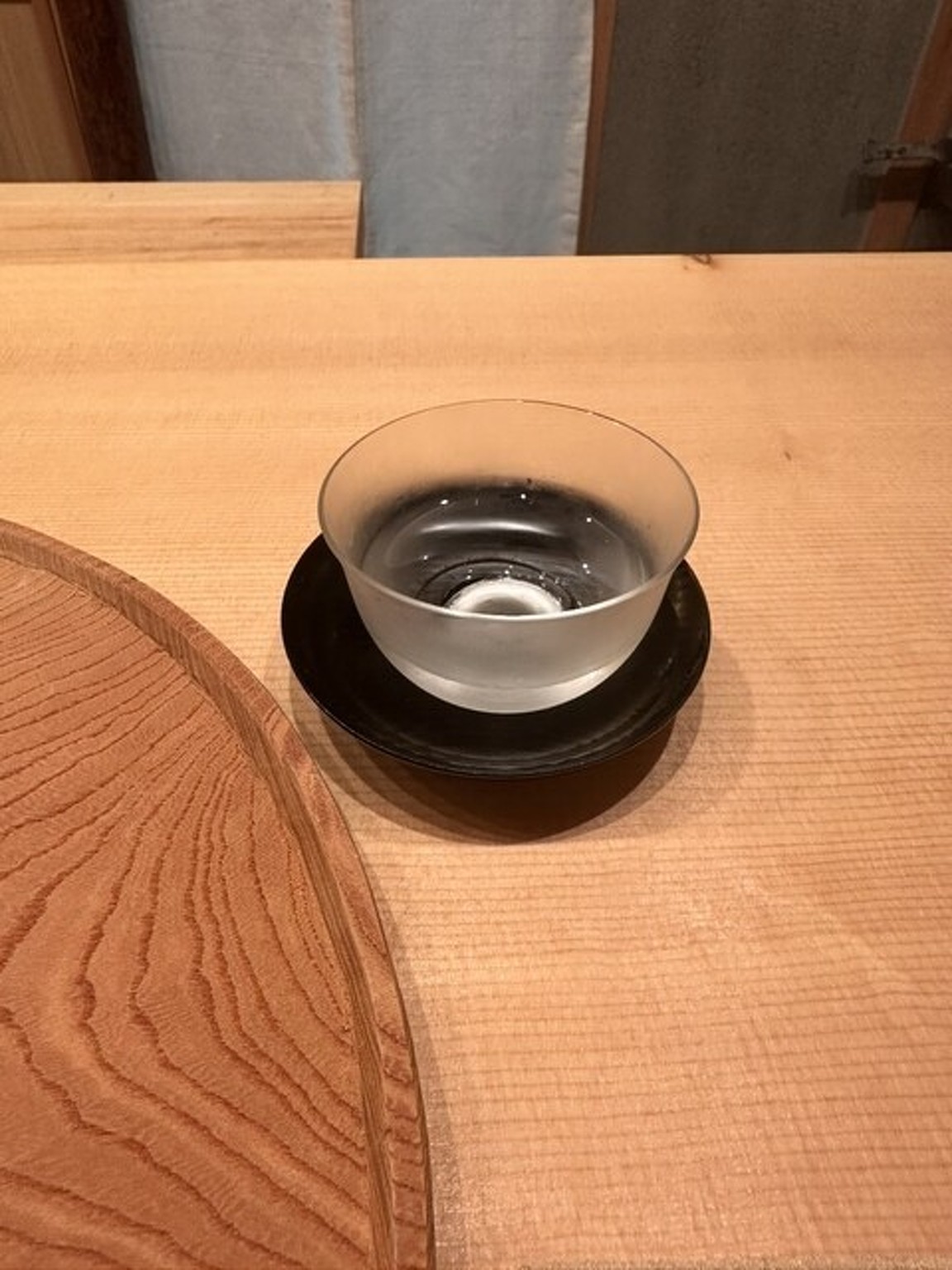
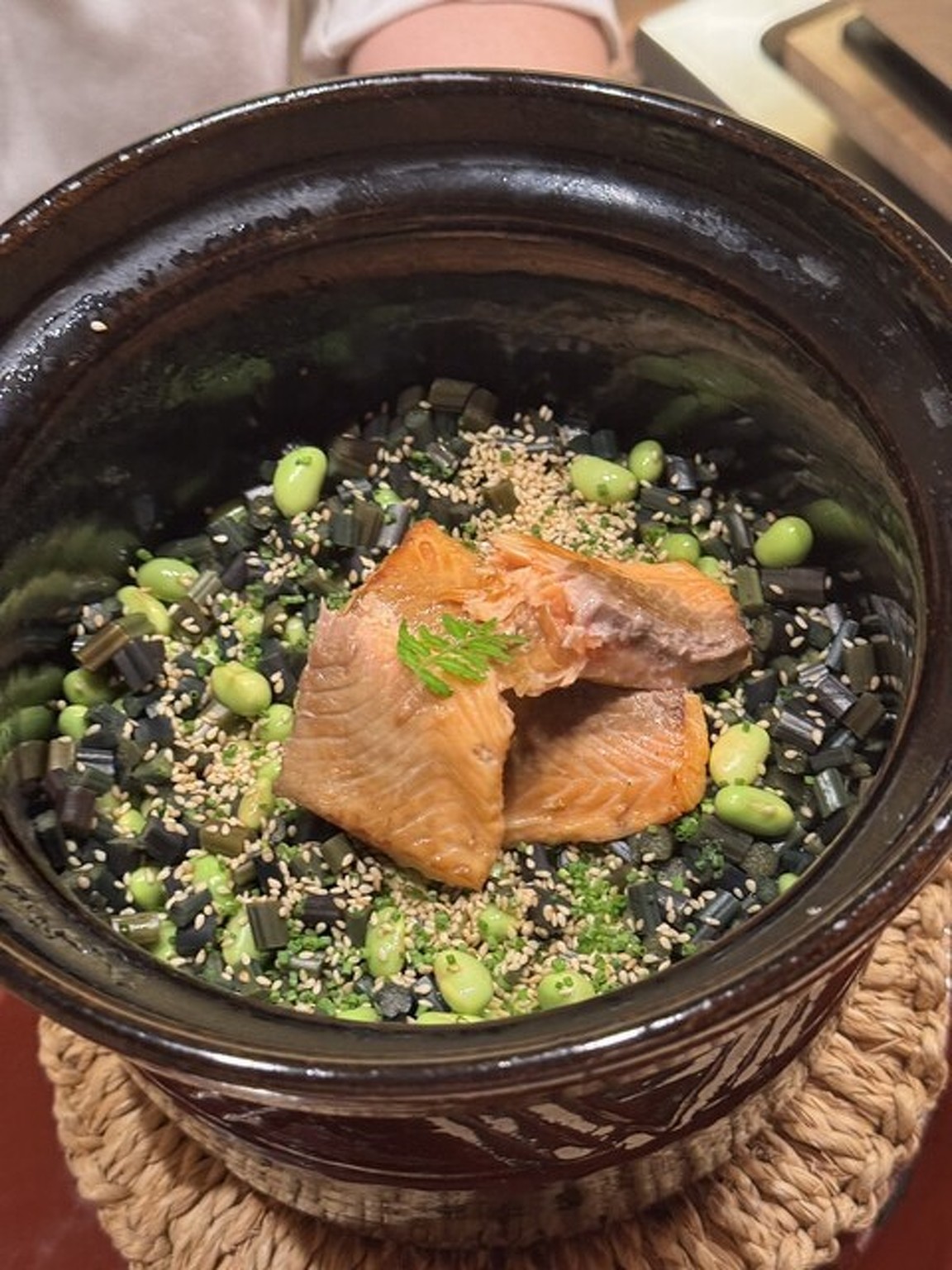
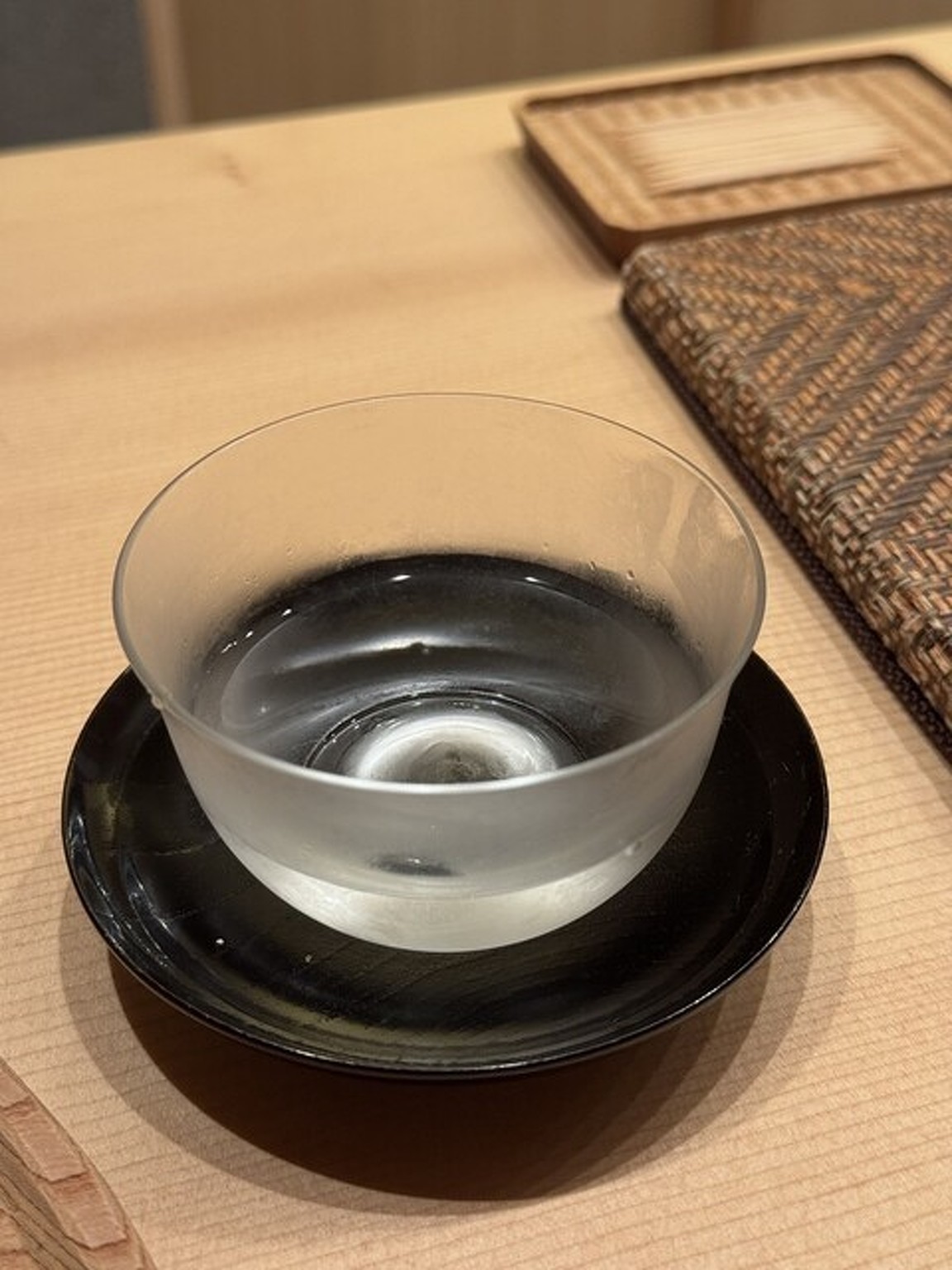
I came here looking forward to enjoying a summer-themed experience. It was a hot July day, with temperatures exceeding 30 degrees Celsius, and the rice fields along the way were a beautiful shade of green. The weeds were growing vigorously, making it seem like mowing them would be quite a task. This was my first visit since April. Upon entering the spacious entrance, I took off my shoes and stepped inside. The first thing that caught my eye was the lovely counter, free from any unnecessary distractions.I was served some lightly flavored water (I forgot what it was). - Kure Tofu and Purple Sea Urchin - Steamed Abalone (the dish was also served in an abalone shell) - Sea Eel with Dashi Rice - Aburabouzu and Okahijiki Soup - Hassun: Anago and Tomato Soup - Sazae (Turbo Shell) - Horohoro Chicken with Gizzards - Walnuts and Okara in Hozuki - Mizudako (Octopus) - Fried Mebaru and Edamame - Sashimi: Hirame (Flounder) and Hotate (Scallop), with Aji (Horse Mackerel) on a separate plate - Kintoki Greens and Suzuki (Sea Bass) - Chilled Corn Chawanmushi (Savory Egg Custard) - Wild Ayu (Sweetfish) with Young Corn and Fruit Tomato - Junsai (Water Shield) and Purple Sea Urchin - Silver Rice - First serving: Jako (Dried Young Sardines) and Bamboo Shoots - Second serving: Aji and Salted Sea Urchin - Third serving: Hirame and Hotate Sashimi - Corn Takikomi Gohan (Seasoned Rice) - Soup - Iwate Mercury Melon: Green Flesh, Red Flesh, and Others - Tokoroten (Gelatinous Noodle) with Black Syrup and Benishuuho (Red Pear) - Matcha (Green Tea) - Takikomi Gohan as a souvenir The dishes were beautifully presented, especially the rice bowl. I saw it featured on the restaurant's Instagram, and I heard that the artist is elderly and this might be their last work.The owner, who cheerfully mentioned that the rice is the main attraction, served me three bowls of silver rice. Upon seeing the Takikomi Gohan, a woman next to me exclaimed, "There’s still more!" However, this time, it was exceptional. The corn was sweet and had large kernels, making it a delightful addition.Furthermore, I was informed that there were two types of seasonal fruits for dessert, and everyone opted for both. I was already full to the brim.This is a long-established Japanese restaurant, but the owner is very friendly. I feel fortunate that it’s within a reasonable distance from my neighboring prefecture.It was a great meal.There’s so much information about the ingredients, so if there are any mistakes, I apologize in advance. Less
10 / 10
on 08 Jul 2026
I visited Japanese cuisine Shin Chaya for the first time in two years. Last time I came, there was only a private room and no counter, but I had heard about the plans for a counter since then, and I was really looking forward to it!I thought I should go soon, but before I knew it, two years had passed... haha.The newly established counter is a wonderful space! In fact, I took a lot of inspiration from it for my own home design! haha.Since I visited in July, there were plenty of summer ingredients,... More
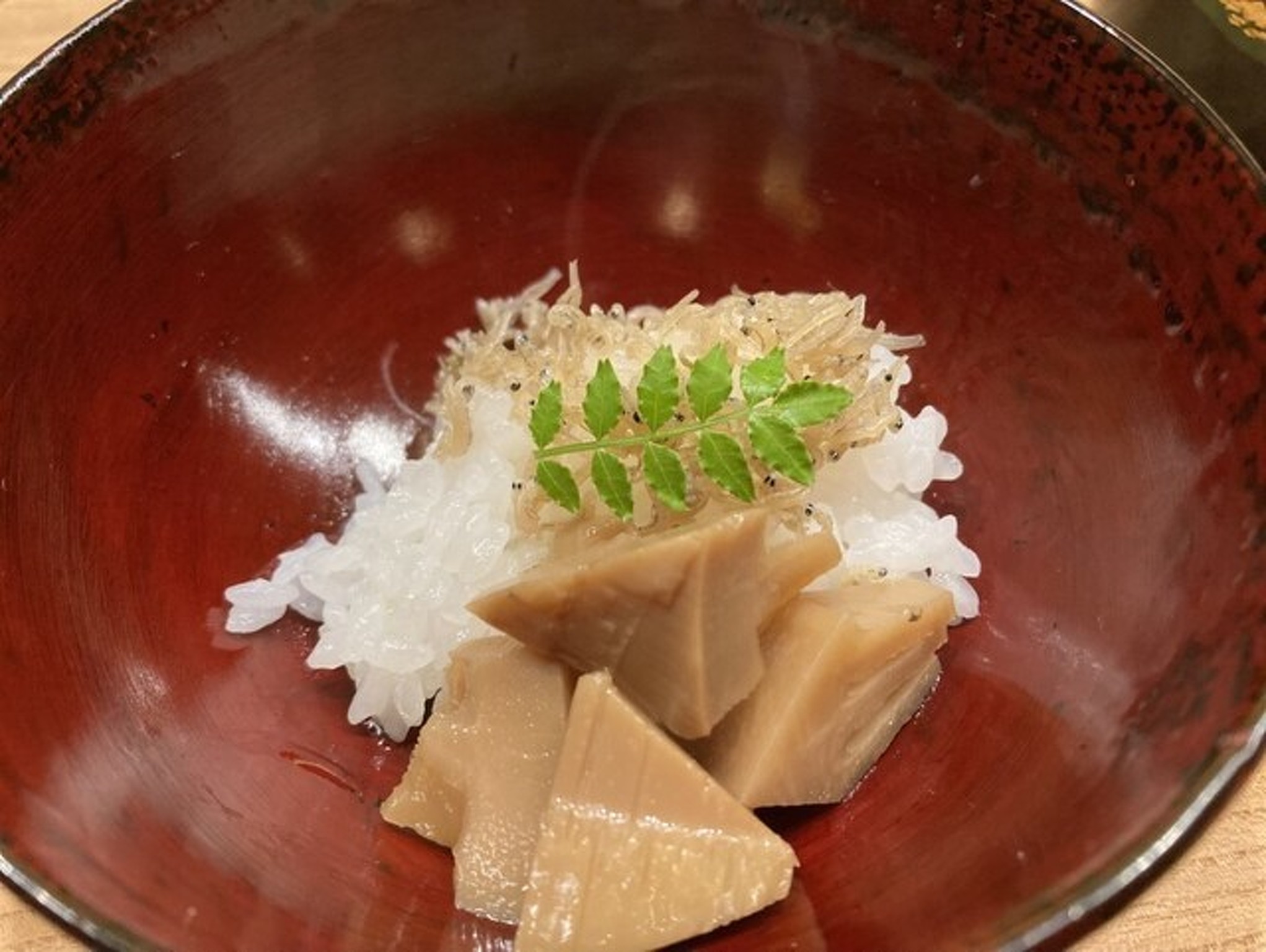
I visited Japanese cuisine Shin Chaya for the first time in two years. Last time I came, there was only a private room and no counter, but I had heard about the plans for a counter since then, and I was really looking forward to it!I thought I should go soon, but before I knew it, two years had passed... haha.The newly established counter is a wonderful space! In fact, I took a lot of inspiration from it for my own home design! haha.Since I visited in July, there were plenty of summer ingredients, and everything was delicious.Here’s what I had:- Kuromoji tea- Sea urchin from Kamaishi and homemade tofu It paired well with the broth.- Stir-fried abalone from Ofunato with sesame oil, deep-fried Kurobe eggplant, green beans, and myoga with sesame- Unagi (eel) from Kamaishi and dashi rice with flower zucchini The flavor of the eel was strong and delicious without any unpleasant smell. The zucchini added a nice touch as well.- Aburabouzu fish, steamed with new onions, okahijiki from Kitakami, fresh water from Esashi, ma-kombu, and katsuobushi The fat from the aburabouzu was just right, and the umami was strong. The sweetness of the new onions and the texture of the okahijiki were wonderful. It was also great to add ginger halfway through.- Hassun: Grilled skin of anago (conger eel) from Ofunato, dashi with semi-dried tomatoes, baked turban shell, Horo Horo chicken thigh from Ishiguro Farm, sand gizzard, and hōzuki (tofu okara, shiitake, miso), water octopus from Ofunato with moringa and plum, sweet vinegar sauce on rockfish, and edamame Everything was exquisite. The Horo Horo chicken was especially delicious.- Flatfish from Ofunato, 2 kg, caught yesterday, scallops swimming from Kamaishi, cucumber ohitashi, and horse mackerel from Ofunato The scallops were incredibly sweet and memorable.- Rarely cooked sea bass from Ofunato, and Kitakami kintoki grass- Chilled corn chawanmushi (savory egg custard)- Ayu (sweetfish) from Kesengawa, young corn, Esashi fruit tomatoes, and green tomato with grated daikon, sansho mint dipping sauce The aroma of the ayu was absolutely delicious!! I felt a bit of greasiness from the young corn, but the freshness of the ayu balanced it out well.- Jun-sai from Akita, sea urchin, and plum vinegar- Iwate's Sasanishiki rice, cooked at the right time- For the final rice, you can choose your accompaniment freely. Of course, I had everything! haha. I could have eaten more, but I thought it might affect my progress! haha. Everything was delicious!- Final corn rice I had two servings, and I even took some home!- Two desserts For some reason, I didn’t take notes on them! haha.- MatchaSince my last visit, the restaurant has become much more refined, and my satisfaction level was very high! I feel that this place has become one where you can only experience unique flavors, and I believe there’s a reason to dine here. I really want to come back every season.The lively atmosphere that you can’t experience in a private room, along with the smooth service, is also great.I plan to visit regularly.It was incredibly delicious! It was a great meal! Less
9 / 10
on 01 Jul 2026
My first visit to Japanese cuisine Shin Chaya!Every dish served here showcases the chef's meticulous skill in bringing out the natural flavors of seasonal ingredients to their fullest! The presentation of each plate is as beautiful as a work of art, allowing you to deeply enjoy the changing seasons both visually and through taste!Moreover, the rich aroma and delicate flavor of the dashi broth gently permeate your body!The chef mentioned that the rice served at the end is the main highlight, and that... More
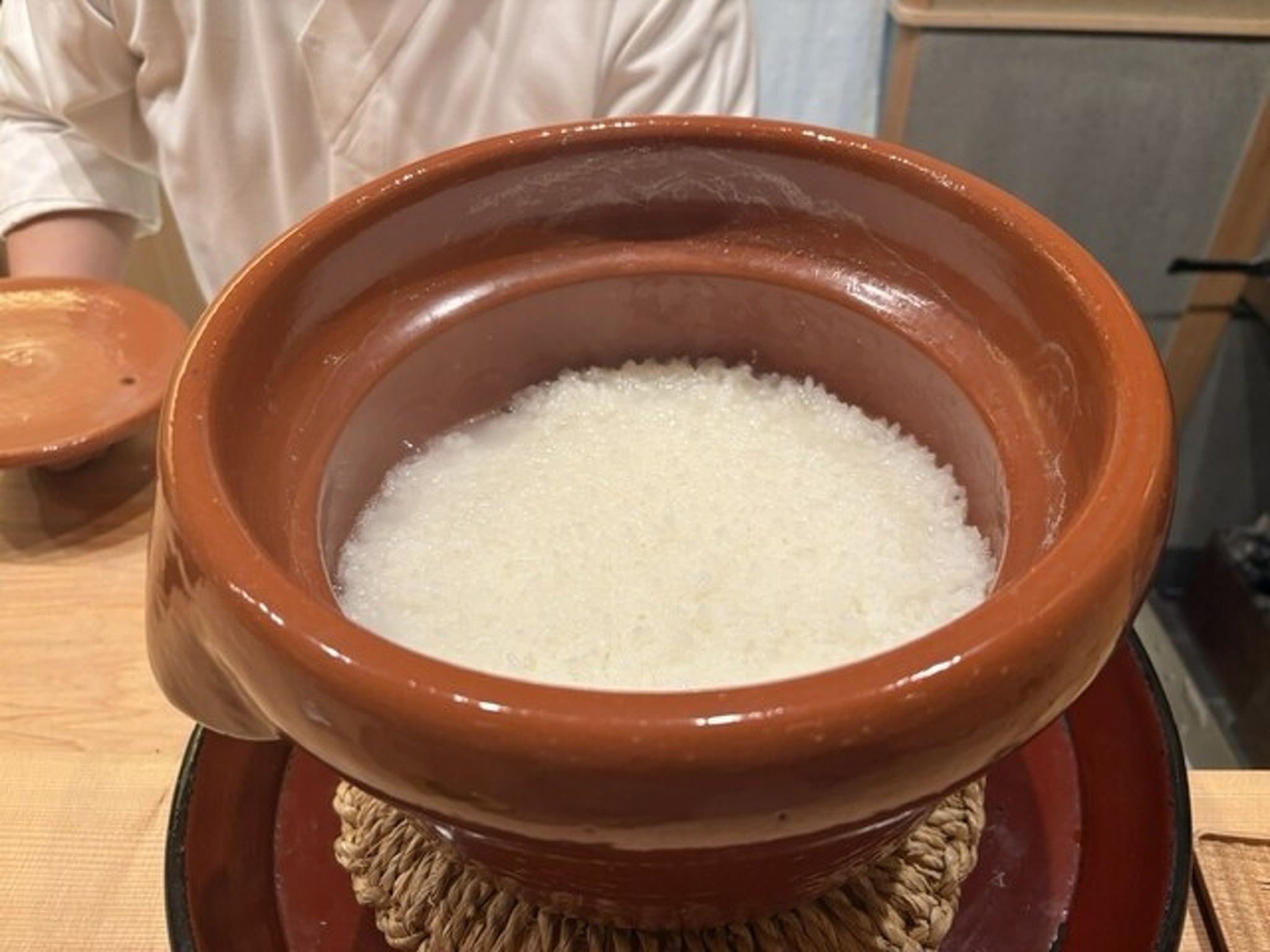
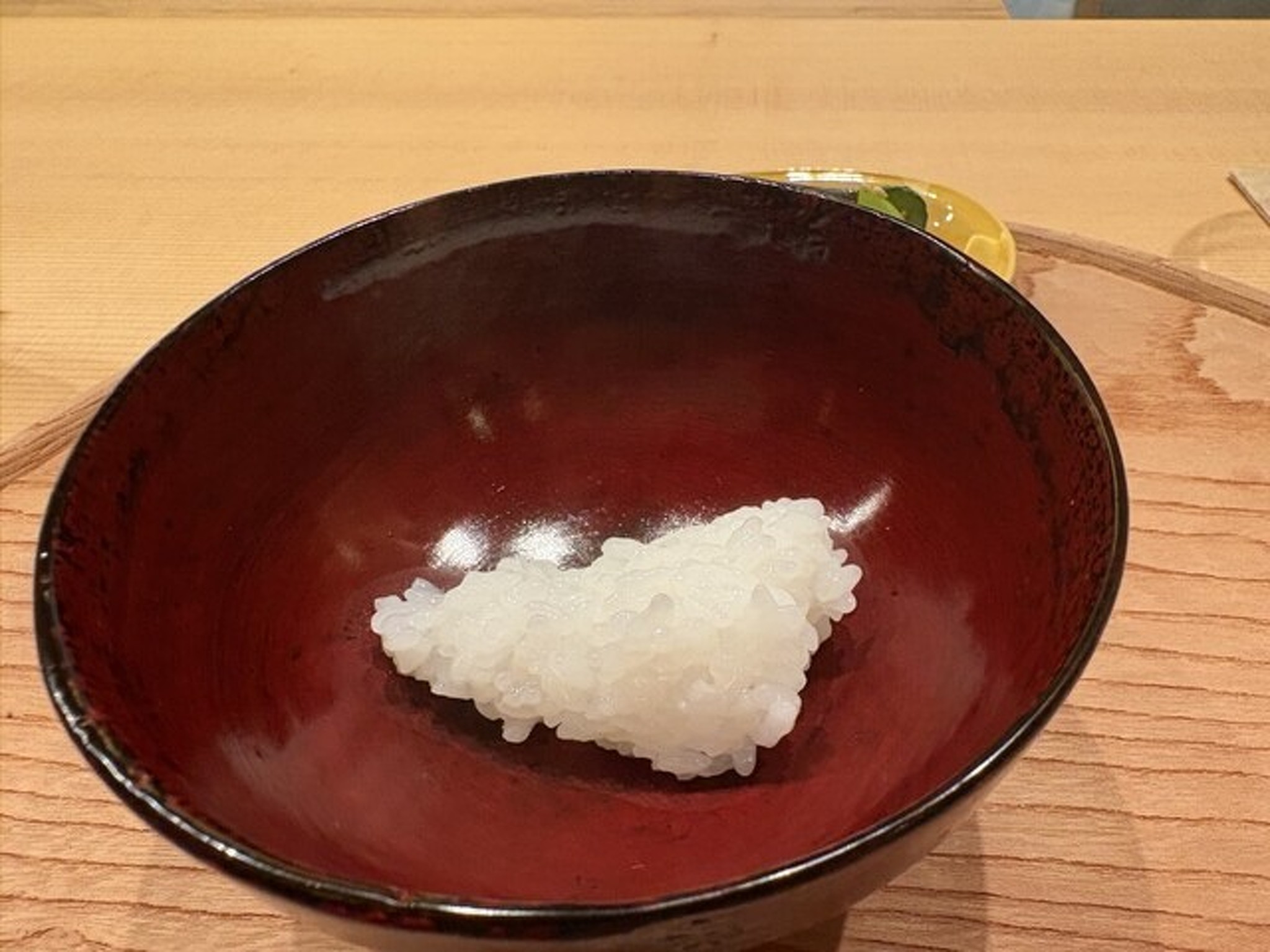
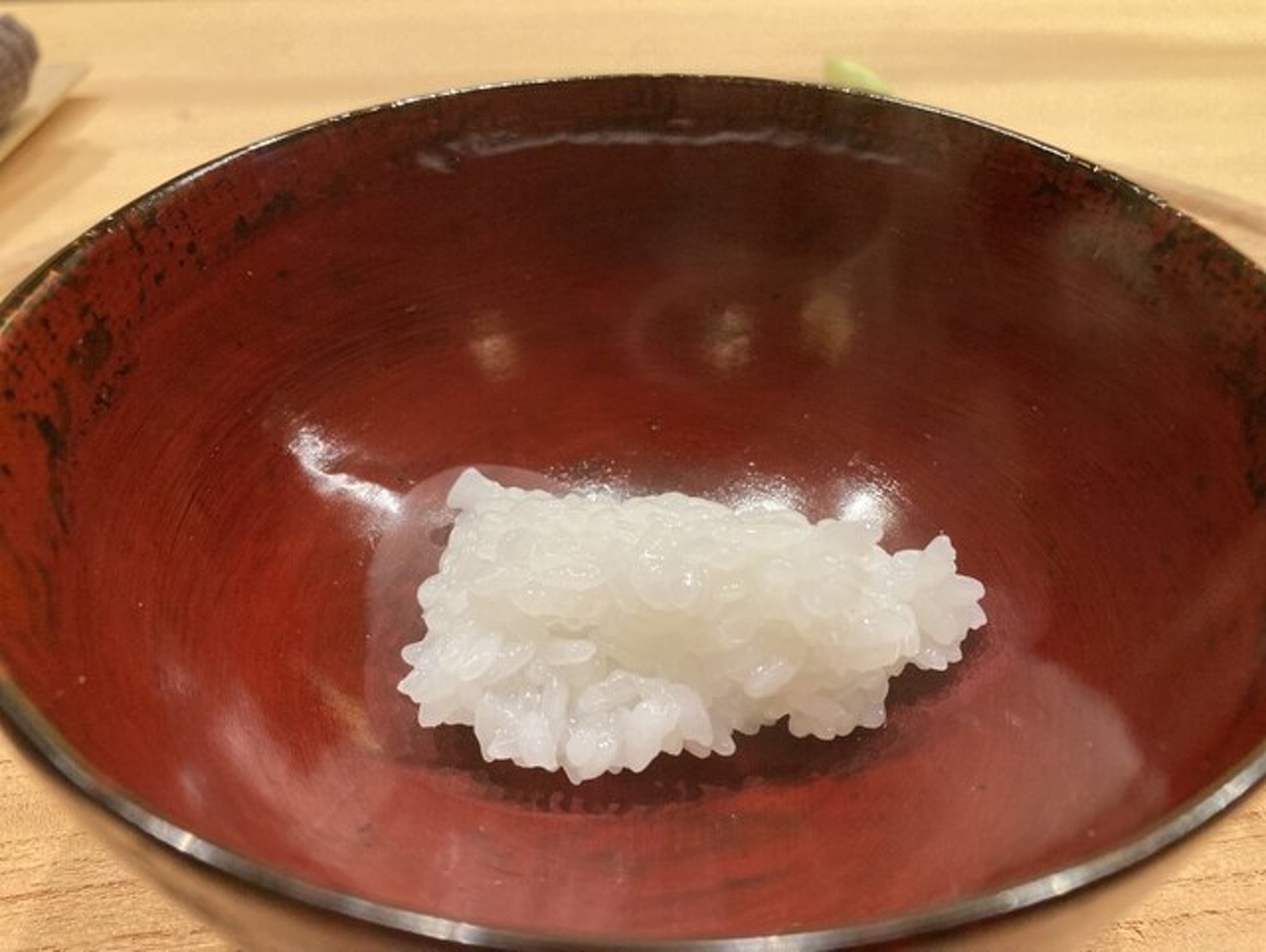
My first visit to Japanese cuisine Shin Chaya!Every dish served here showcases the chef's meticulous skill in bringing out the natural flavors of seasonal ingredients to their fullest! The presentation of each plate is as beautiful as a work of art, allowing you to deeply enjoy the changing seasons both visually and through taste!Moreover, the rich aroma and delicate flavor of the dashi broth gently permeate your body!The chef mentioned that the rice served at the end is the main highlight, and that was no lie!I don't think there's another place where you can enjoy the final rice dish as much as here!This is a restaurant I want to visit every season!It was a great meal!─・・─・・─・・─・・─・・─・・─・・─・・─・・─This time's featured menu is the final rice dish!─・・─・・─・・─・・─・・─・・─・・─・・─・・─◇◆ Restaurant Information ◆◇Address: 4-1 Esashi Nakacho, Oshu City, Iwate PrefectureNearest Station: Mizusawa Esashi StationBusiness Hours:Monday to Sunday, Public holidays, and days before and after public holidays12:00 - 15:3017:30 - 22:00Budget: JPY 20,000 - 29,999Cards: Accepted─・・─・・─・・─・・─・・─・・─・・─・・─・・─【Rating Criteria】4.6-5.0 points: A place I want to keep visiting for life4.3-4.5 points: I want to return4.0-4.2 points: Yummy3.5-3.9 points: Average3.4 points or below: No comment Less
9 / 10
on 01 Jun 2026
I visited the long-established Japanese restaurant "Shin Chaya," which has been in business for over 170 years, located in Esashi, Oshu City, Iwate Prefecture. The seventh generation chef, Yasutaka Waga, who honed his skills at the prestigious "Hyotei" and "Higashiya" in Kyoto, creates Japanese cuisine that beautifully blends the delicate techniques of Kyoto cooking with the robust ingredients of Iwate, resulting in a unique culinary experience. Chef Waga received the Silver Egg award at RED-U35... More
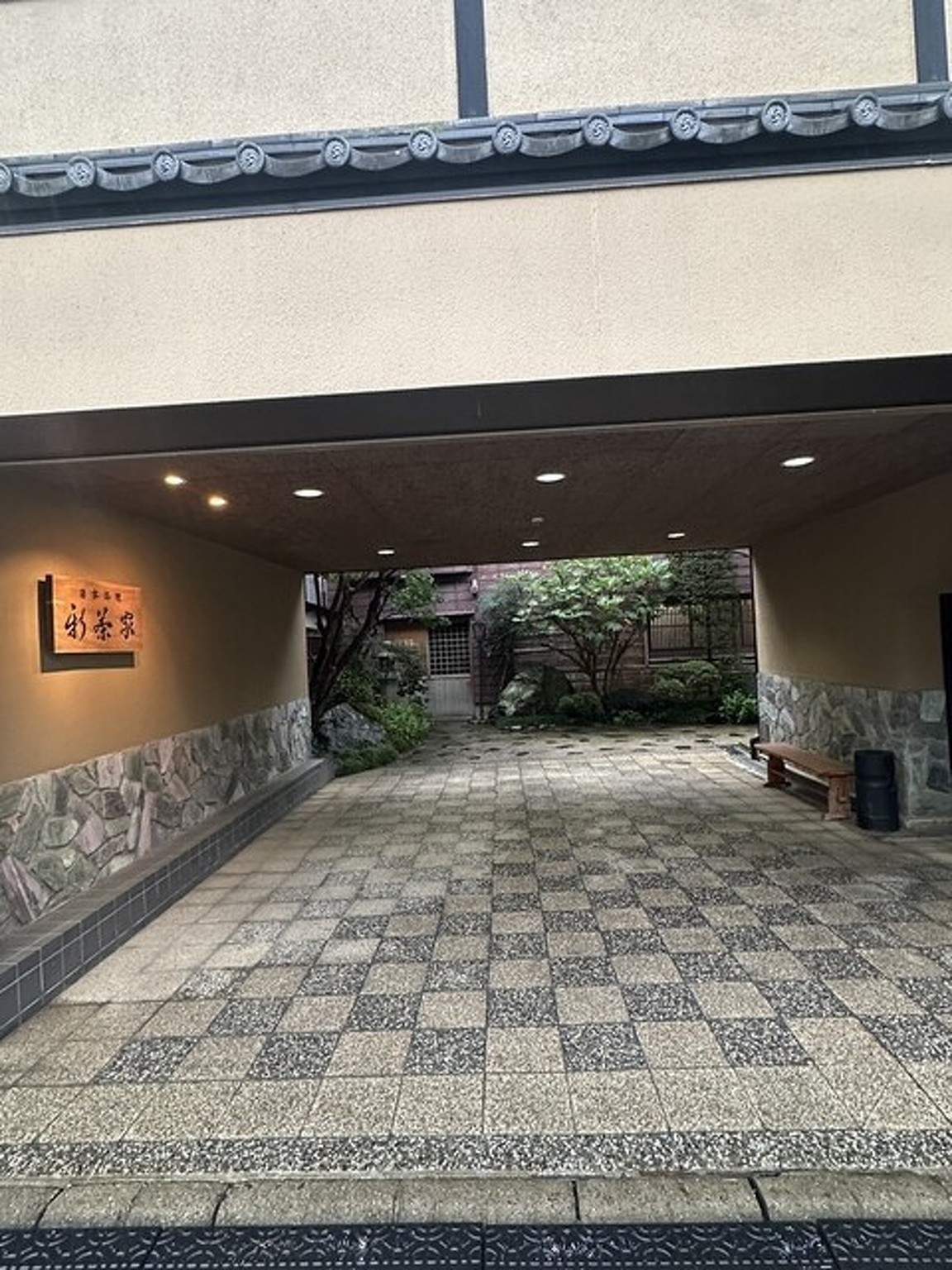
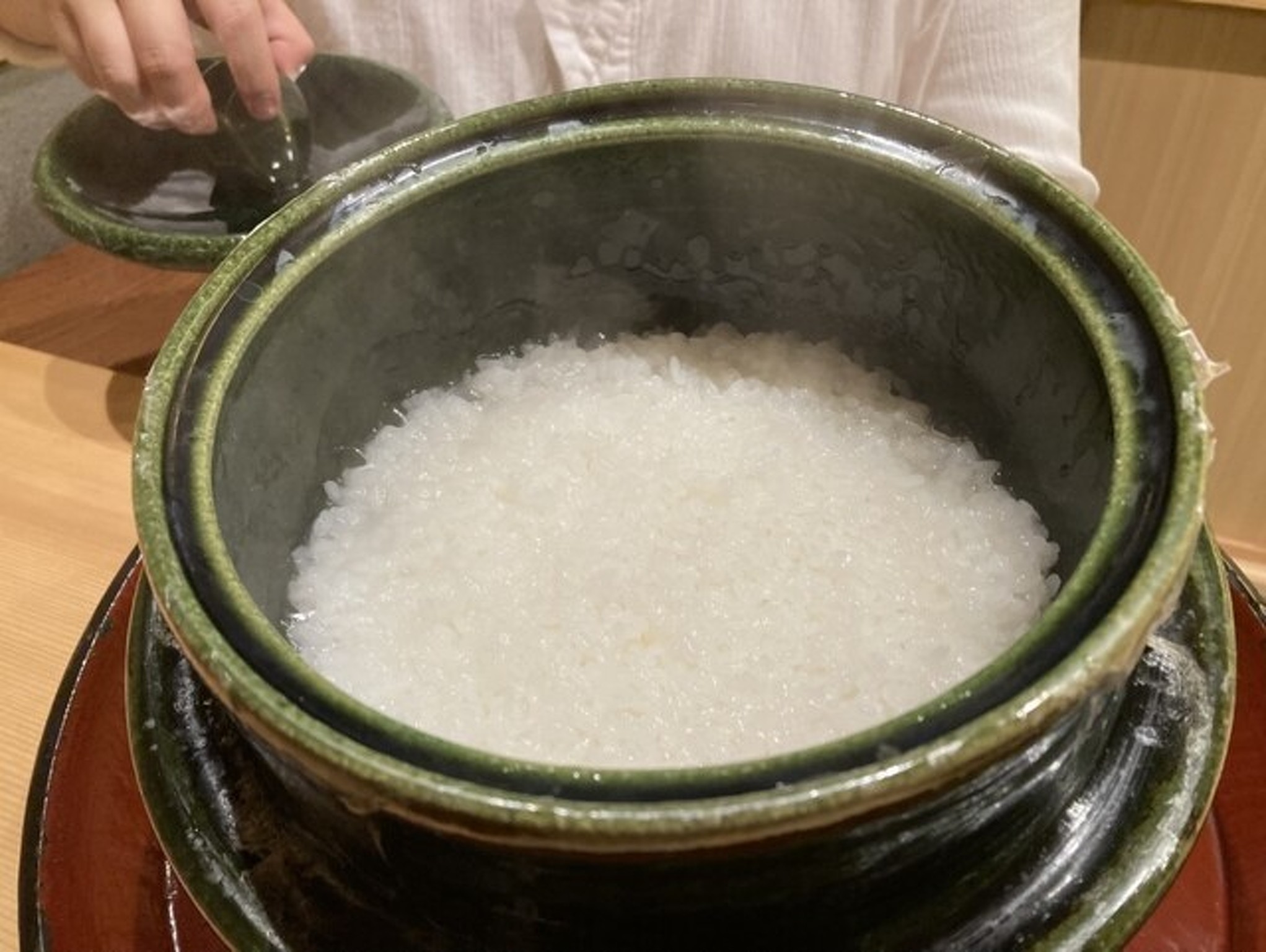
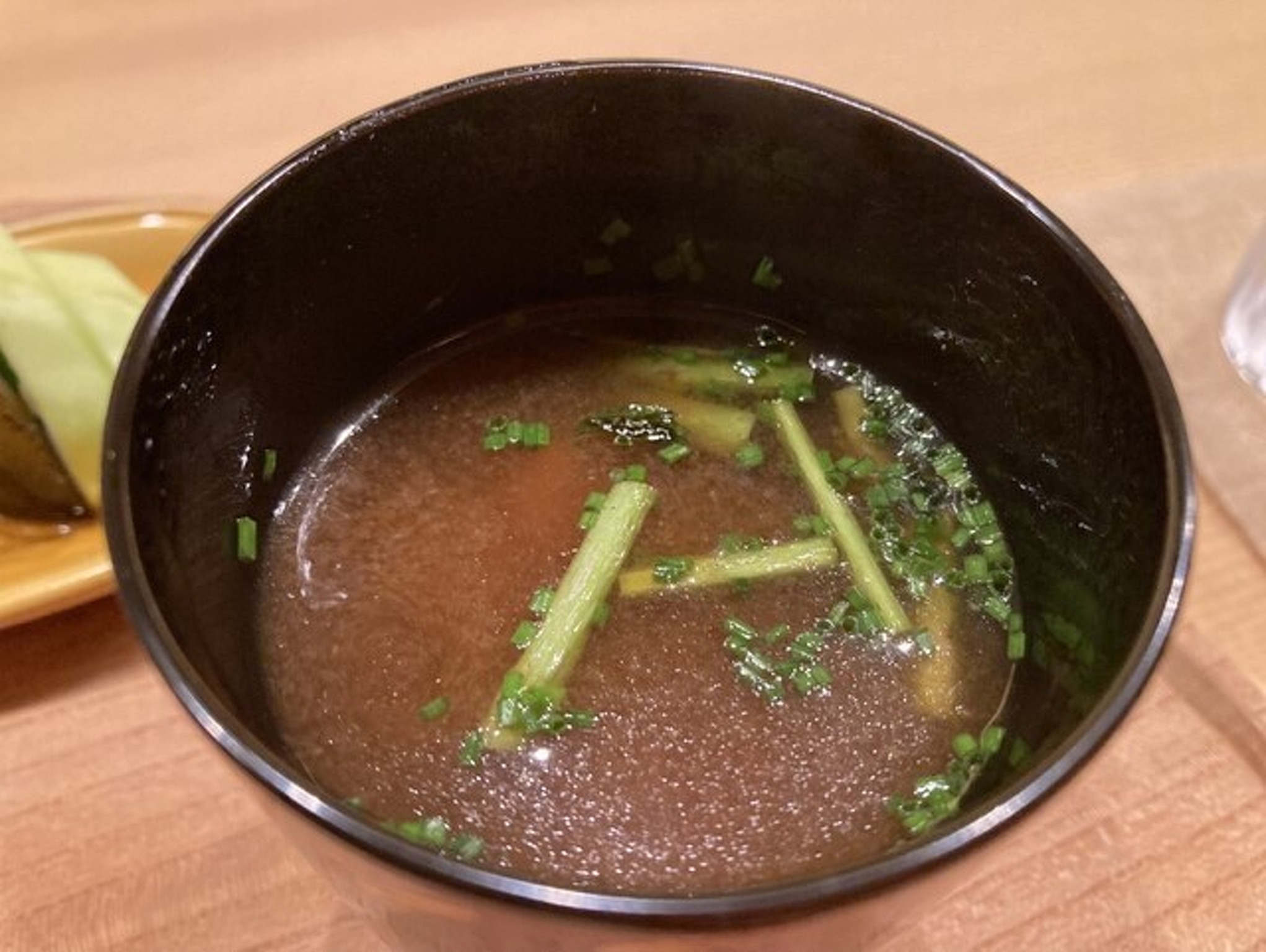
I visited the long-established Japanese restaurant "Shin Chaya," which has been in business for over 170 years, located in Esashi, Oshu City, Iwate Prefecture. The seventh generation chef, Yasutaka Waga, who honed his skills at the prestigious "Hyotei" and "Higashiya" in Kyoto, creates Japanese cuisine that beautifully blends the delicate techniques of Kyoto cooking with the robust ingredients of Iwate, resulting in a unique culinary experience. Chef Waga received the Silver Egg award at RED-U35 2022, and he has been one of the chefs I’ve been curious about for a long time. I was fortunate enough to make a reservation and finally visit. It took about 20 minutes by taxi from Mizusawa Station to arrive at this impressive sukiya-style building. The moment I stepped inside, I felt a sense of formality and elegance. Just being in this space felt special, and as the meal began, the charm deepened even further. That day, the blessings of the sea and mountains of Tohoku, transitioning from spring to early summer, were beautifully presented. In early June, I was treated to seasonal wild vegetables like Oonaru Koyuri, Koshia-bura, Yobuzumasou, Hangonsou, Hime-take, and Okura-ta Gobou, which are not often encountered. The seafood included scallops and black abalone from Ofunato. Upon arrival, we were first served water infused with the aroma of Kuromoji, allowing us to take a moment to relax. Then the course began. We started with a rice porridge made with white asparagus and sea urchin. The gentle sweetness of the white asparagus harmonized beautifully with the sweetness of the sea urchin, which was freshly sourced from a fisherman in Ofunato that morning. It was a relaxing start to the course. Next was a dish of ohitashi, featuring grilled shiitake mushrooms, shuri clam (mussel), mizuna (wild vegetable), and tomato, all dressed with ginger and kombu oil. The rich umami of the grilled shiitake, enveloped in the aroma of kombu oil and ginger, was impressive. The acidity and sweetness of the tomato, along with the textures of the shuri clam and mizuna, enhanced the delicate dashi. The tempura of true fugu soft roe and koshia-bura was a stunning contrast between the fragrant wild vegetables and the melt-in-your-mouth sweetness of the soft roe. It was a dish that captured the transition from spring to early summer. What captivated me the most was the soup. It was a bowl made with dashi from kombu and bonito, using the pure spring water from Esashi, combined with the rich sweetness of oil bouzu, leaf onion, udo, and kinome. The powerful ingredients and delicate dashi harmonized beautifully, creating a deep flavor reminiscent of a small universe. It was an unforgettable moment that showcased the strength of Shin Chaya's dashi and the rich nature of Tohoku. Next was one of their signature dishes, Hassun. That day, it featured Horohoro chicken from Hanamaki, ankō (anglerfish) jelly, young sweetfish, shrimp with walnut, asparagus, and snap peas, all beautifully presented together, showcasing the bounty of both mountain and sea. Each ingredient was unique yet harmonized perfectly on the plate. Hime-take was served with sansho salt and "abakke miso." The hime-take was grilled directly over charcoal, resulting in a wonderful sweetness reminiscent of corn that spread after the crunchy texture. With each bite, the fresh green aroma filled my mouth. The abakke miso, with its subtle bitterness and the fragrance of butterbur, made a great accent to the hime-take. I wished I could take some of that miso home! The sashimi included true ma-ko-karei (flatfish), scallops from Ofunato, and sea urchin from Kamaishi. It was delightful to enjoy them not only with soy sauce but also with irizake (cooked sake). The transparent umami of the ma-ko-karei combined with the rich sweetness of the sea urchin created a taste that felt like a concentrated essence of the Sanriku sea. The grilled skin of the large trout was also exquisite, with a perfect balance of smokiness and juicy fat that slowly melted in my mouth. Before the final rice course, we had a small break with abalone from Ofunato and yobuzumasou. The gentle acidity of the dashi vinegar enhanced the umami of the abalone, while the slight bitterness of the wild vegetable provided a pleasant accent. It was a beautiful flavor that felt like the sea and mountains were naturally intertwined. Finally, the moment I had been looking forward to: the rice! First, we were served freshly cooked Sasanishiki rice from Mizusawa Esashi, presented in a "niebana" style. The steam rising from the freshly cooked rice and its sweet aroma were captivating. Each grain was glossy, and the gentle sweetness spread with each bite. After letting it steam a bit, we enjoyed it with toppings like jako (dried sardines) and hangonsou, crab roe marinated in soy sauce, walnuts with ugo, miso-pickled daikon, stir-fried true crucian carp, bamboo shoots, and matchan eggs, all of which were luxuriously representative of Tohoku. Even the plain white rice was impressive, and the richness of the toppings brought a smile to my face. The final miso soup contained fuki-gobou (butterbur) and itadori (Japanese knotweed). I felt enveloped in the seasonal aromas until the very last drop, as if I had fully savored the nature of Tohoku. The skills honed in Kyoto and the rich terroir of Iwate were evident in each dish at Shin Chaya, which has a history of 170 years. Each plate was carefully woven with the seasons and stories of this land. It is truly worth making the trip to Iwate. Such thoughts naturally came to mind as I enjoyed this wonderful Japanese cuisine. Less
Recommended in Oshu
Address
4-1 Esashiku Nakamachi, Oshu, Iwate 023-1113, Japan
Hours
Monday: 12:00 - 15:00; 18:00 - 22:00
Tuesday: 12:00 - 15:00; 18:00 - 22:00
Wednesday: 12:00 - 15:00; 18:00 - 22:00
Thursday: 12:00 - 15:00; 18:00 - 22:00
Friday: 12:00 - 15:00; 18:00 - 22:00
Saturday: 12:00 - 15:00; 18:00 - 22:00
Sunday: 12:00 - 15:00; 18:00 - 22:00
Tuesday: 12:00 - 15:00; 18:00 - 22:00
Wednesday: 12:00 - 15:00; 18:00 - 22:00
Thursday: 12:00 - 15:00; 18:00 - 22:00
Friday: 12:00 - 15:00; 18:00 - 22:00
Saturday: 12:00 - 15:00; 18:00 - 22:00
Sunday: 12:00 - 15:00; 18:00 - 22:00
Phone
+81197352025
Price Range
Based on country average
$$$$ (¥10,000+)