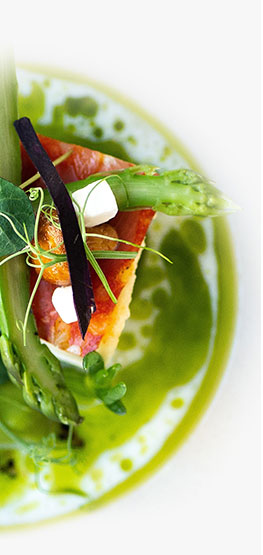
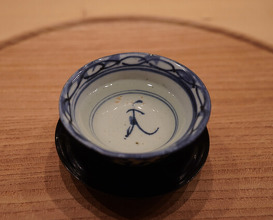
I visited the long-established Japanese restaurant "Shin Chaya," which has been in business for over 170 years, located in Esashi, Oshu City, Iwate Prefecture. The seventh generation chef, Yasutaka Waga, who honed his skills at the prestigious "Hyotei" and "Higashiya" in Kyoto, creates Japanese cuisine that beautifully blends the delicate techniques of Kyoto cooking with the robust ingredients of Iwate, resulting in a unique culinary experience. Chef Waga received the Silver Egg award at RED-U35 2022, and he has been one of the chefs I’ve been curious about for a long time. I was fortunate enough to make a reservation and finally visit. It took about 20 minutes by taxi from Mizusawa Station to arrive at this impressive sukiya-style building. The moment I stepped inside, I felt a sense of formality and elegance. Just being in this space felt special, and as the meal began, the charm deepened even further. That day, the blessings of the sea and mountains of Tohoku, transitioning from spring to early summer, were beautifully presented. In early June, I was treated to seasonal wild vegetables like Oonaru Koyuri, Koshia-bura, Yobuzumasou, Hangonsou, Hime-take, and Okura-ta Gobou, which are not often encountered. The seafood included scallops and black abalone from Ofunato. Upon arrival, we were first served water infused with the aroma of Kuromoji, allowing us to take a moment to relax. Then the course began. We started with a rice porridge made with white asparagus and sea urchin. The gentle sweetness of the white asparagus harmonized beautifully with the sweetness of the sea urchin, which was freshly sourced from a fisherman in Ofunato that morning. It was a relaxing start to the course. Next was a dish of ohitashi, featuring grilled shiitake mushrooms, shuri clam (mussel), mizuna (wild vegetable), and tomato, all dressed with ginger and kombu oil. The rich umami of the grilled shiitake, enveloped in the aroma of kombu oil and ginger, was impressive. The acidity and sweetness of the tomato, along with the textures of the shuri clam and mizuna, enhanced the delicate dashi. The tempura of true fugu soft roe and koshia-bura was a stunning contrast between the fragrant wild vegetables and the melt-in-your-mouth sweetness of the soft roe. It was a dish that captured the transition from spring to early summer. What captivated me the most was the soup. It was a bowl made with dashi from kombu and bonito, using the pure spring water from Esashi, combined with the rich sweetness of oil bouzu, leaf onion, udo, and kinome. The powerful ingredients and delicate dashi harmonized beautifully, creating a deep flavor reminiscent of a small universe. It was an unforgettable moment that showcased the strength of Shin Chaya's dashi and the rich nature of Tohoku. Next was one of their signature dishes, Hassun. That day, it featured Horohoro chicken from Hanamaki, ankō (anglerfish) jelly, young sweetfish, shrimp with walnut, asparagus, and snap peas, all beautifully presented together, showcasing the bounty of both mountain and sea. Each ingredient was unique yet harmonized perfectly on the plate. Hime-take was served with sansho salt and "abakke miso." The hime-take was grilled directly over charcoal, resulting in a wonderful sweetness reminiscent of corn that spread after the crunchy texture. With each bite, the fresh green aroma filled my mouth. The abakke miso, with its subtle bitterness and the fragrance of butterbur, made a great accent to the hime-take. I wished I could take some of that miso home! The sashimi included true ma-ko-karei (flatfish), scallops from Ofunato, and sea urchin from Kamaishi. It was delightful to enjoy them not only with soy sauce but also with irizake (cooked sake). The transparent umami of the ma-ko-karei combined with the rich sweetness of the sea urchin created a taste that felt like a concentrated essence of the Sanriku sea. The grilled skin of the large trout was also exquisite, with a perfect balance of smokiness and juicy fat that slowly melted in my mouth. Before the final rice course, we had a small break with abalone from Ofunato and yobuzumasou. The gentle acidity of the dashi vinegar enhanced the umami of the abalone, while the slight bitterness of the wild vegetable provided a pleasant accent. It was a beautiful flavor that felt like the sea and mountains were naturally intertwined. Finally, the moment I had been looking forward to: the rice! First, we were served freshly cooked Sasanishiki rice from Mizusawa Esashi, presented in a "niebana" style. The steam rising from the freshly cooked rice and its sweet aroma were captivating. Each grain was glossy, and the gentle sweetness spread with each bite. After letting it steam a bit, we enjoyed it with toppings like jako (dried sardines) and hangonsou, crab roe marinated in soy sauce, walnuts with ugo, miso-pickled daikon, stir-fried true crucian carp, bamboo shoots, and matchan eggs, all of which were luxuriously representative of Tohoku. Even the plain white rice was impressive, and the richness of the toppings brought a smile to my face. The final miso soup contained fuki-gobou (butterbur) and itadori (Japanese knotweed). I felt enveloped in the seasonal aromas until the very last drop, as if I had fully savored the nature of Tohoku. The skills honed in Kyoto and the rich terroir of Iwate were evident in each dish at Shin Chaya, which has a history of 170 years. Each plate was carefully woven with the seasons and stories of this land. It is truly worth making the trip to Iwate. Such thoughts naturally came to mind as I enjoyed this wonderful Japanese cuisine.
We use cookies on this site to enhance your user experience.