We use cookies on this site to enhance your user experience.
< Back
Overview
Average rating from 7 meals
8.4 / 10
Photo Views: 0
Restaurant Views: 1,045
Restaurant Views: 1,045
0 user have this restaurant in their Top list
0 user have this restaurant in their Wish list
Awards
- Tabelog
- 2026 Bronze
Ratings from the web
- Tabelog
- 3.98
Cuisine
Japanese Cuisine
Foodle Reviews
7 / 10
on 01 Aug 2026

Course: JPY 16,500 Soft Drinks x3 Total: JPY 20,460 This Japanese restaurant is a 15-minute walk from Kitakami Station. I made a reservation through Tabelog. The course was composed mainly of local ingredients. Overall, the seasoning was to my liking, but the "Maesawa Beef Shabu" ruined the experience. It was tough and inedible, and both my dining companion and I ended up leaving it uneaten. It was far below the standard of meat one would expect to be served at such a restaurant... It was... More
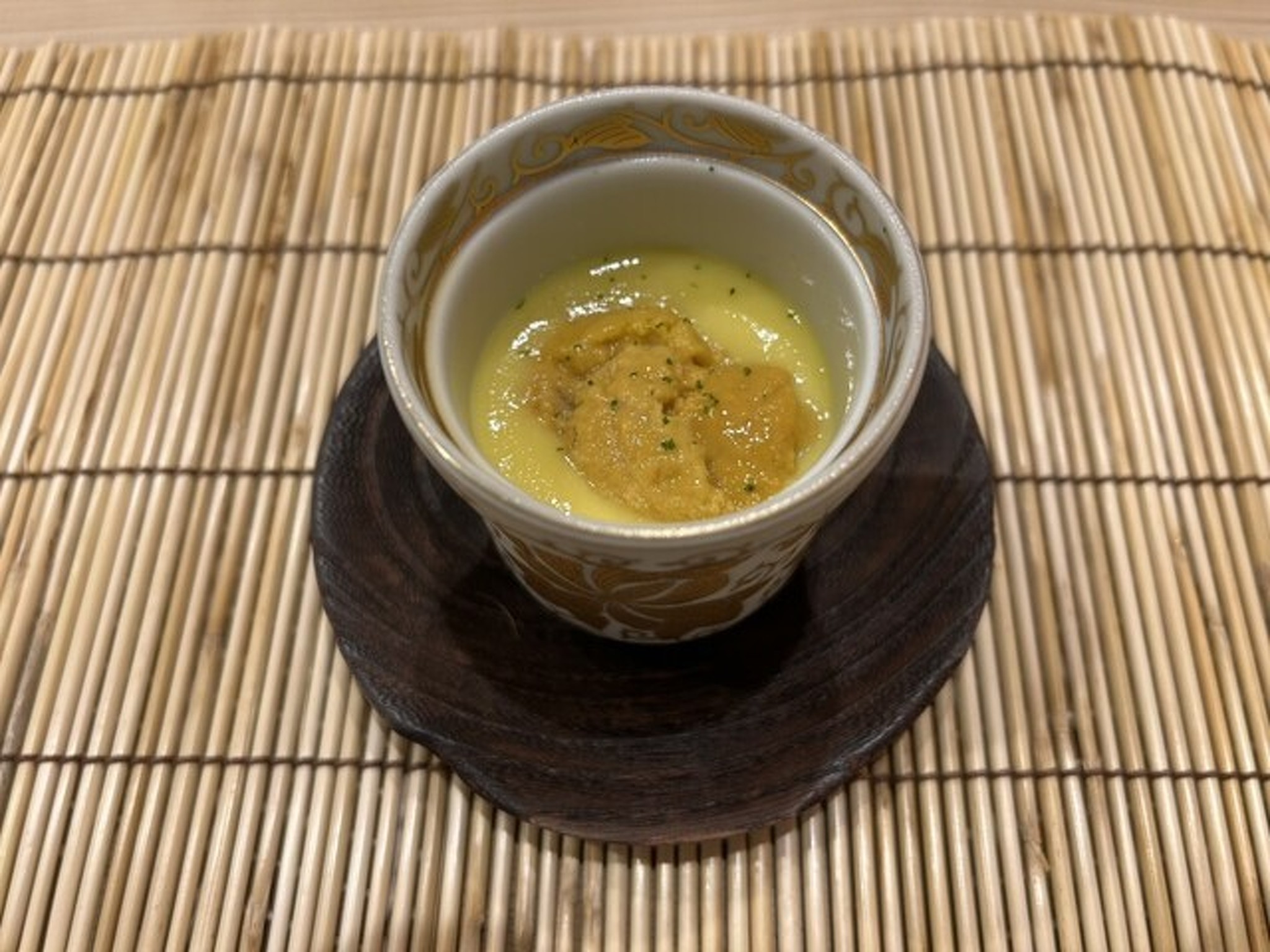
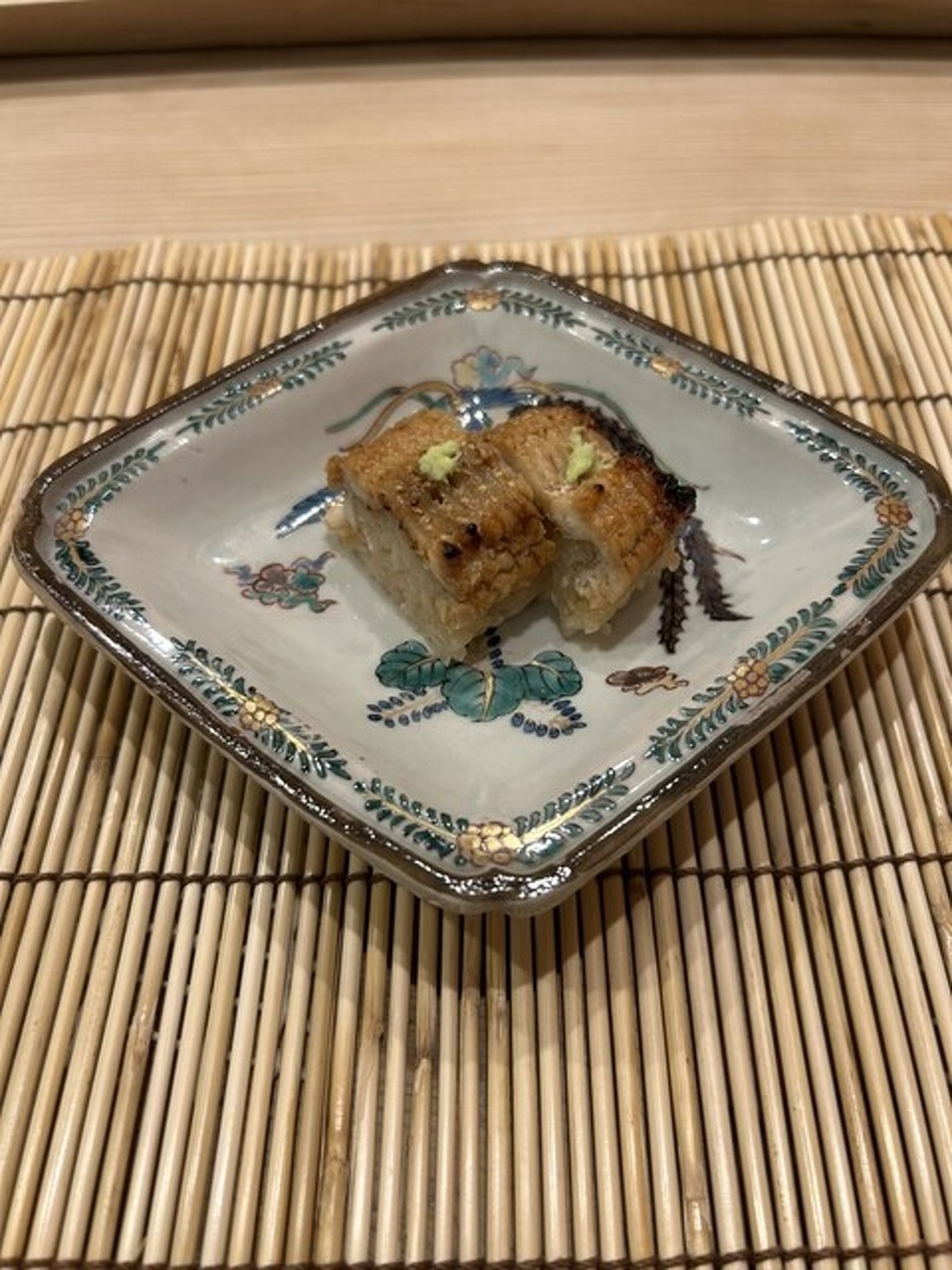
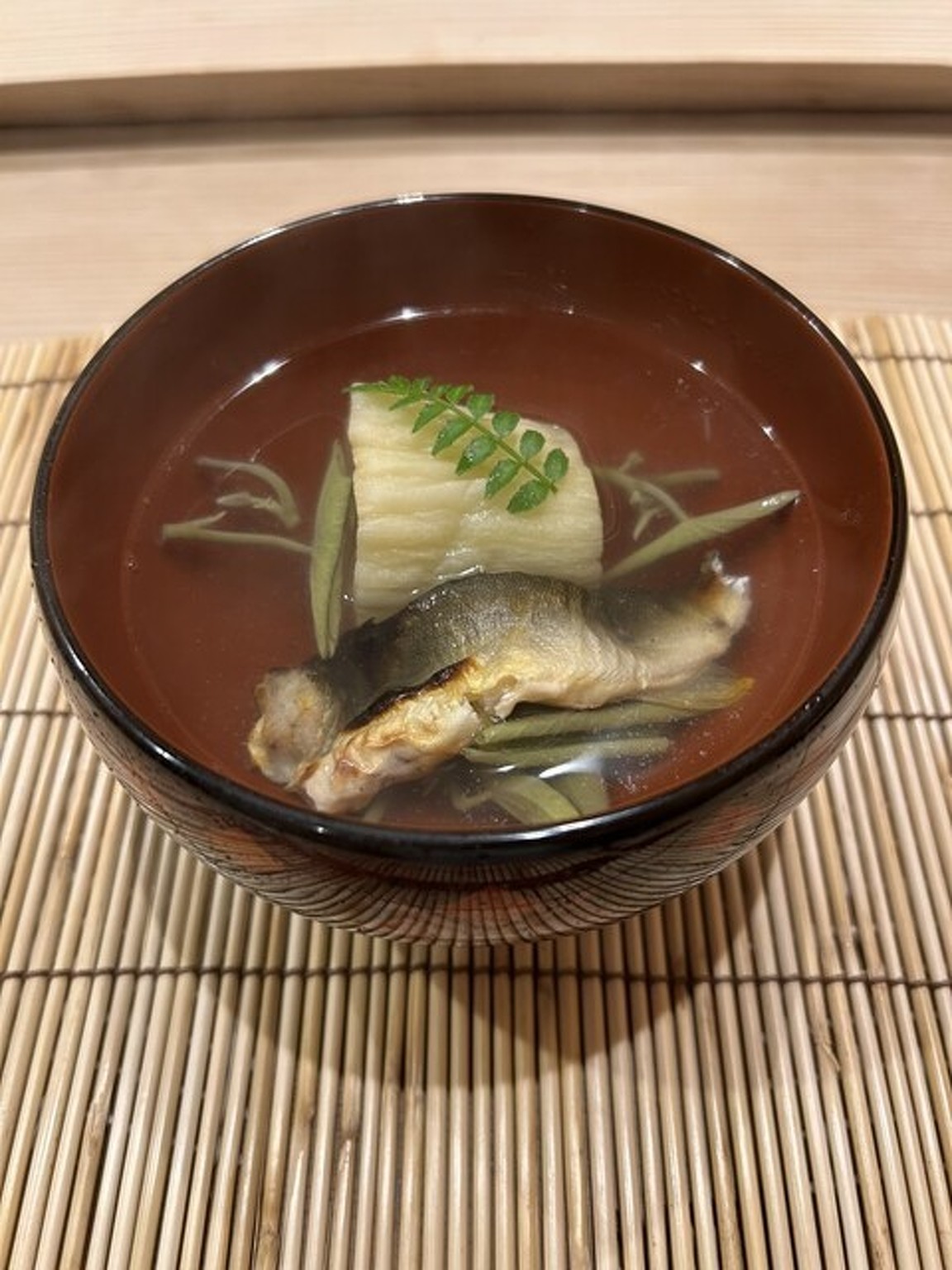
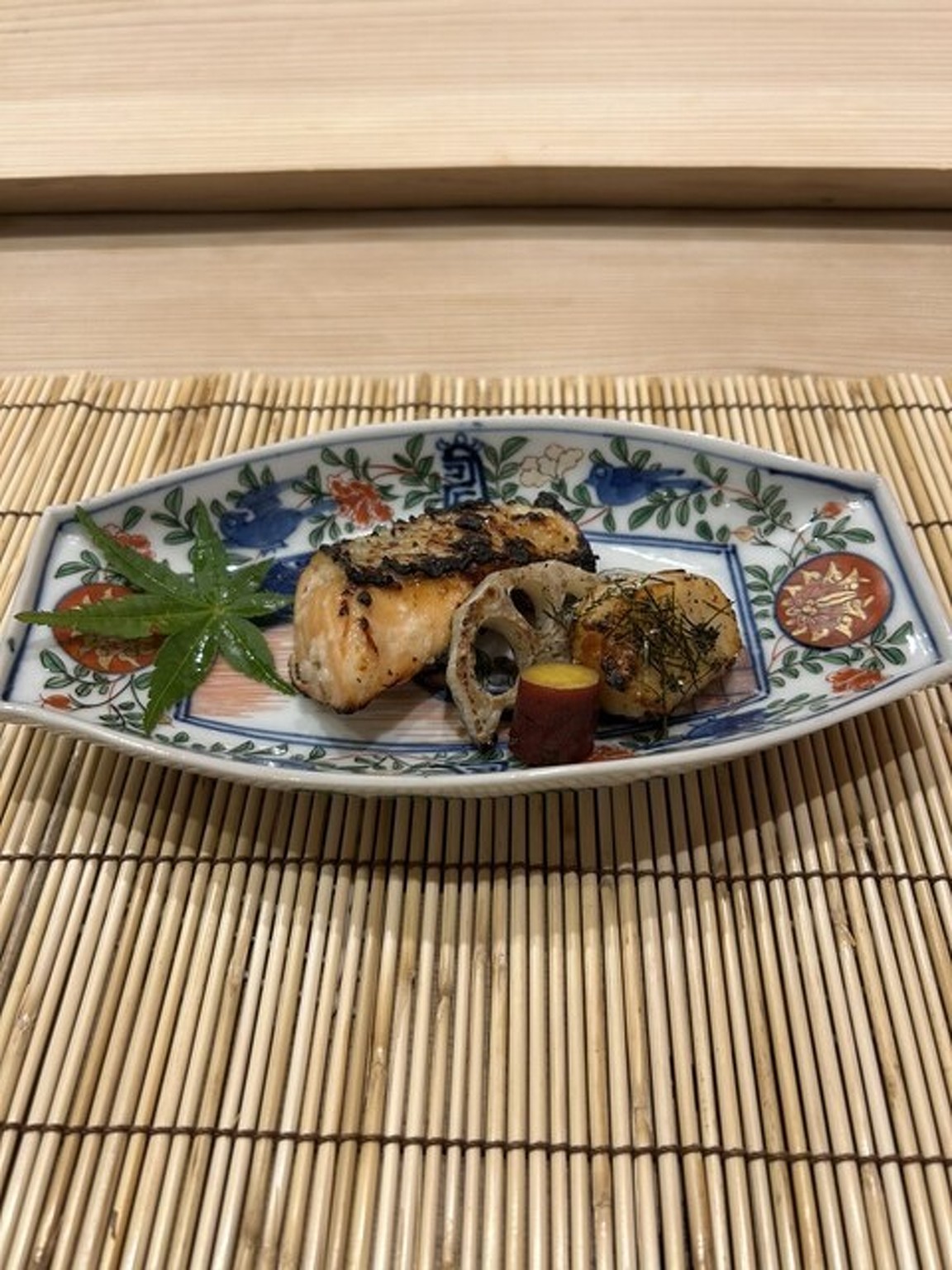
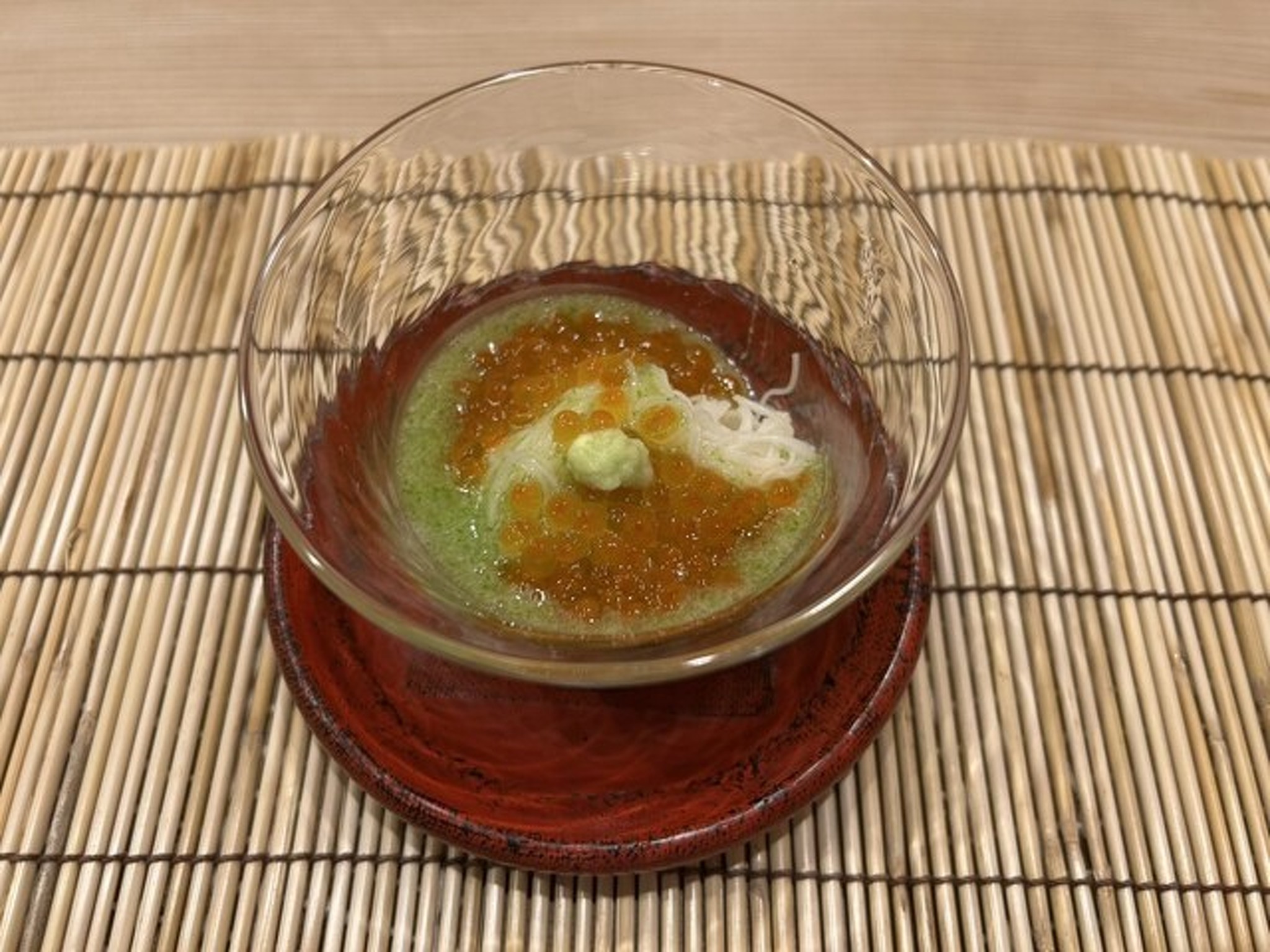
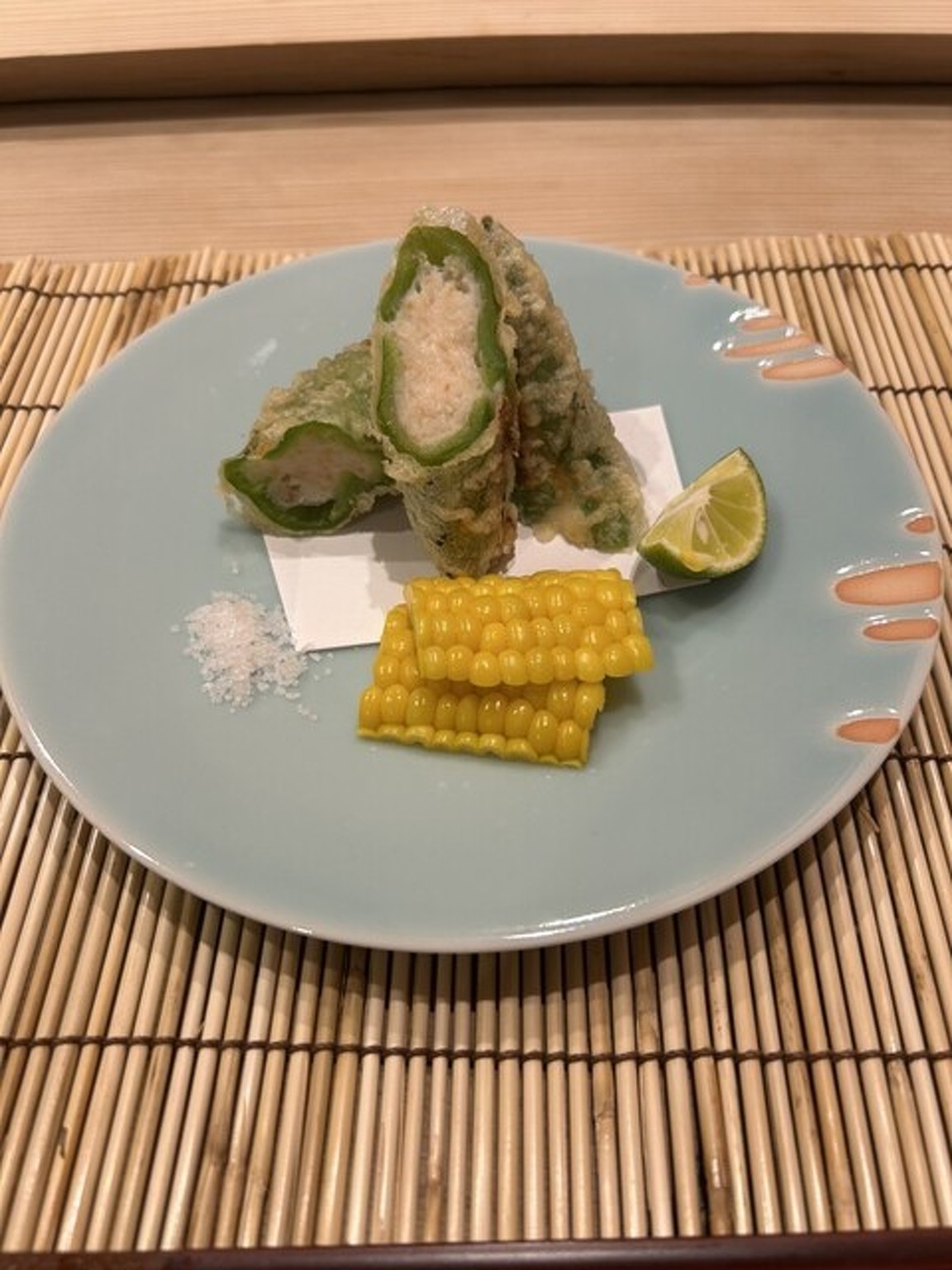
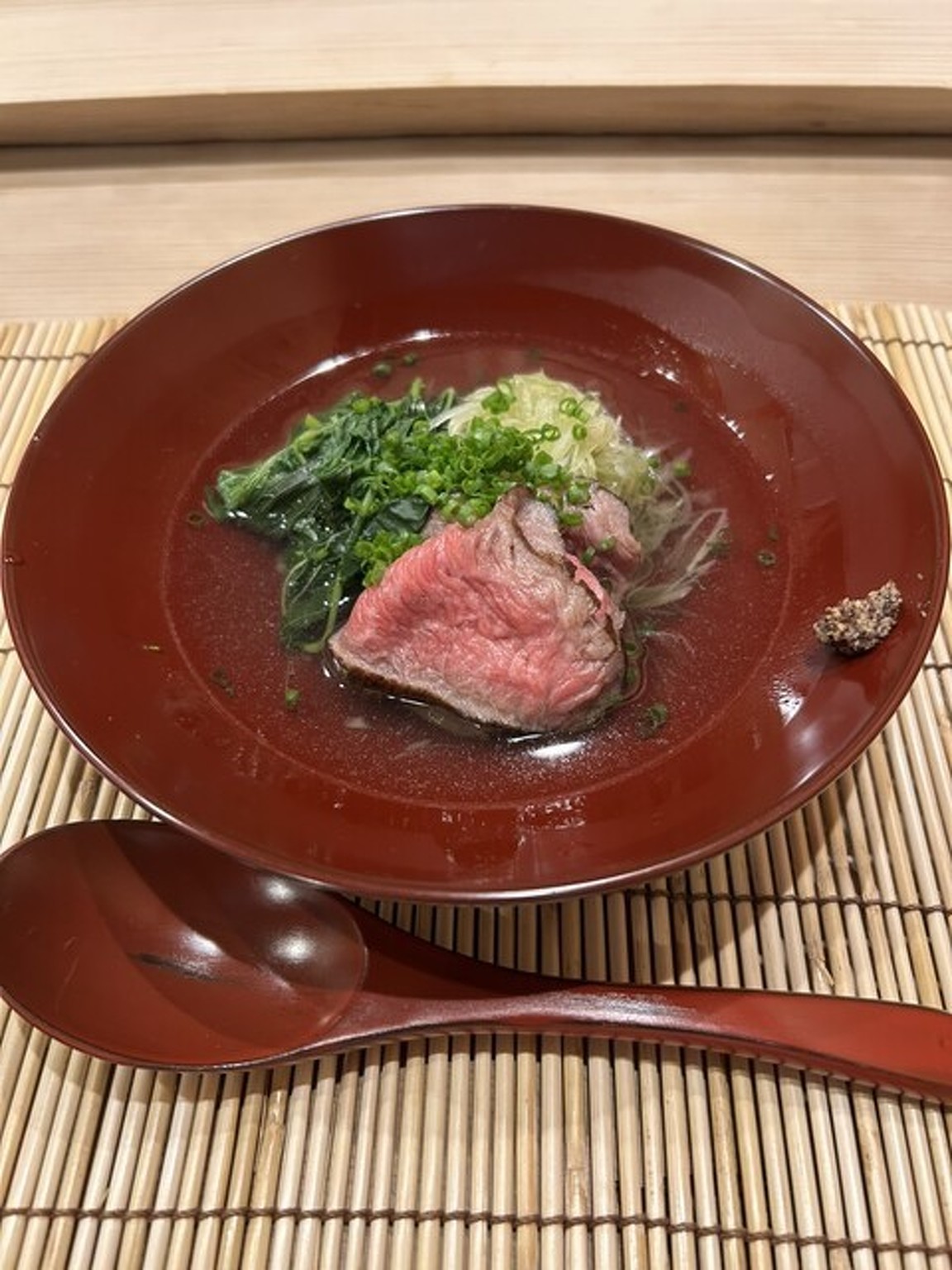
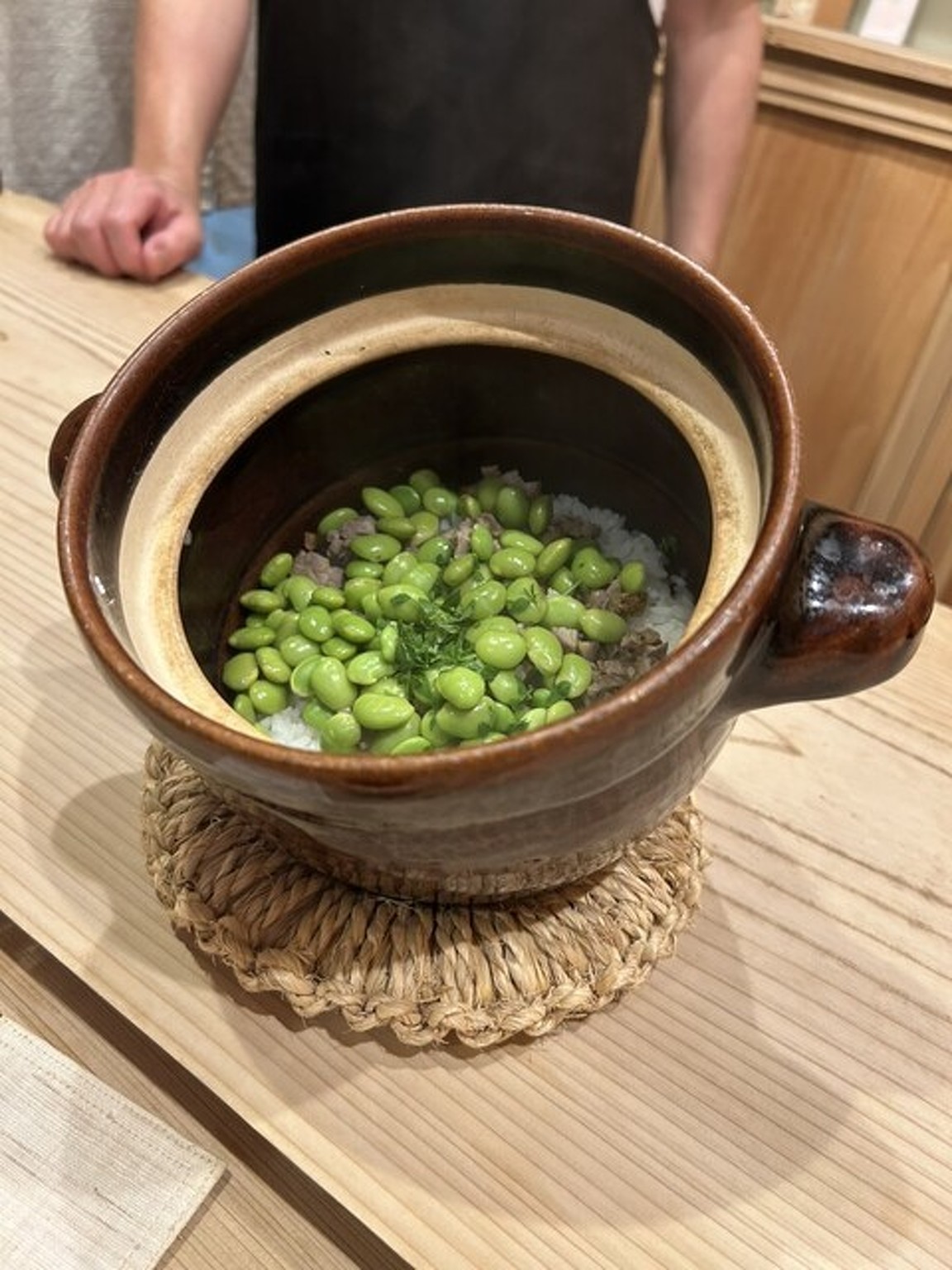
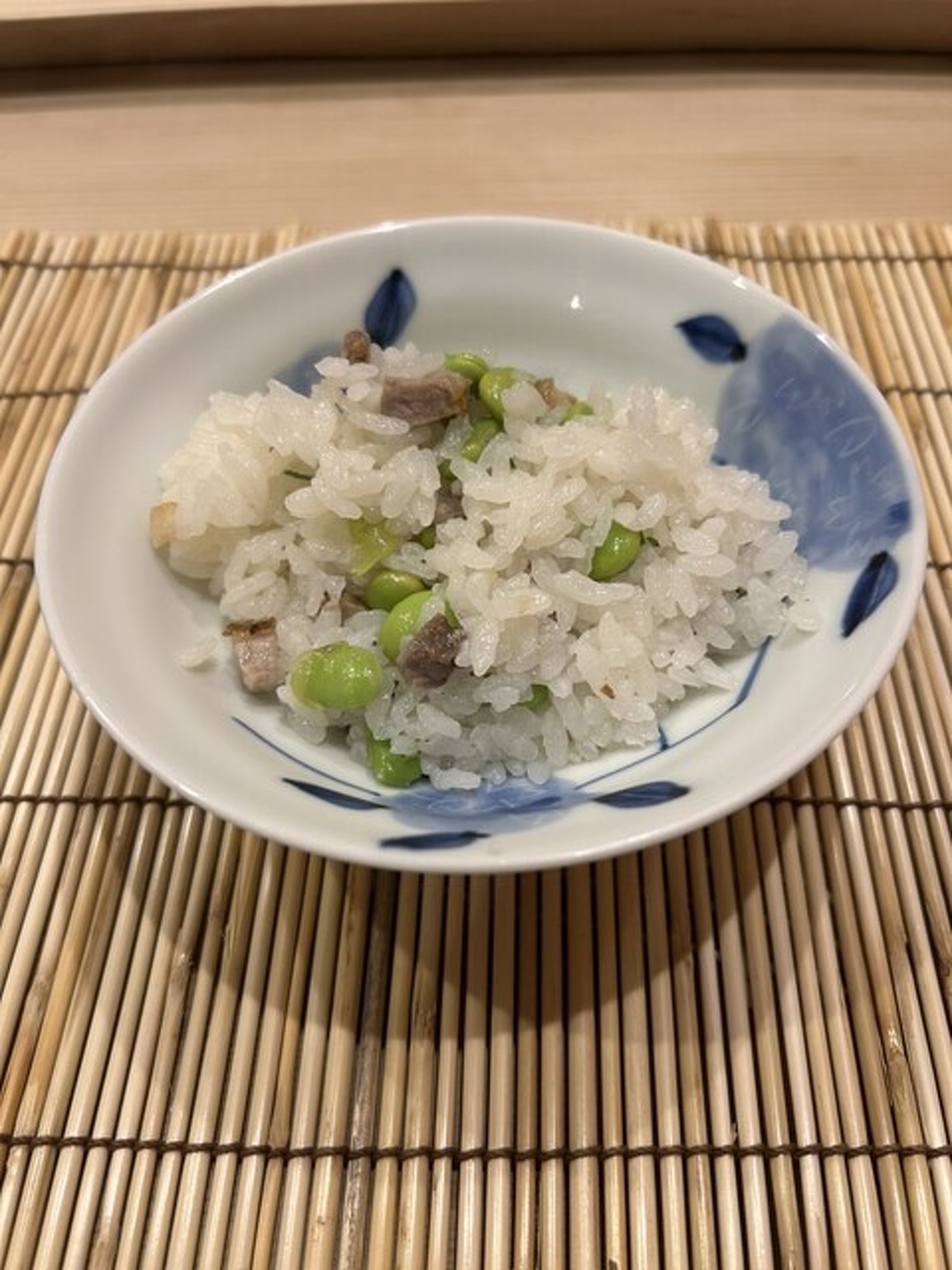
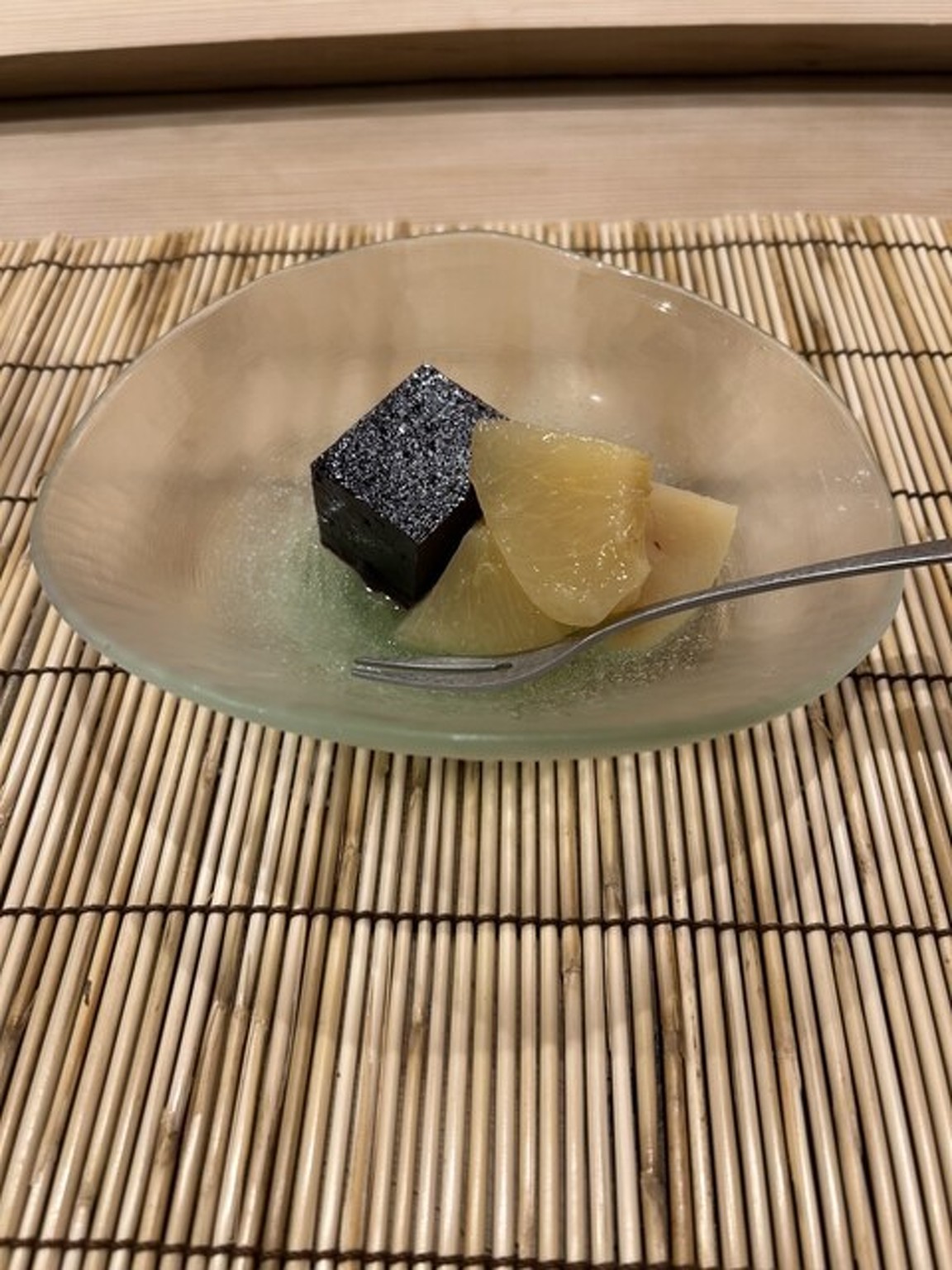
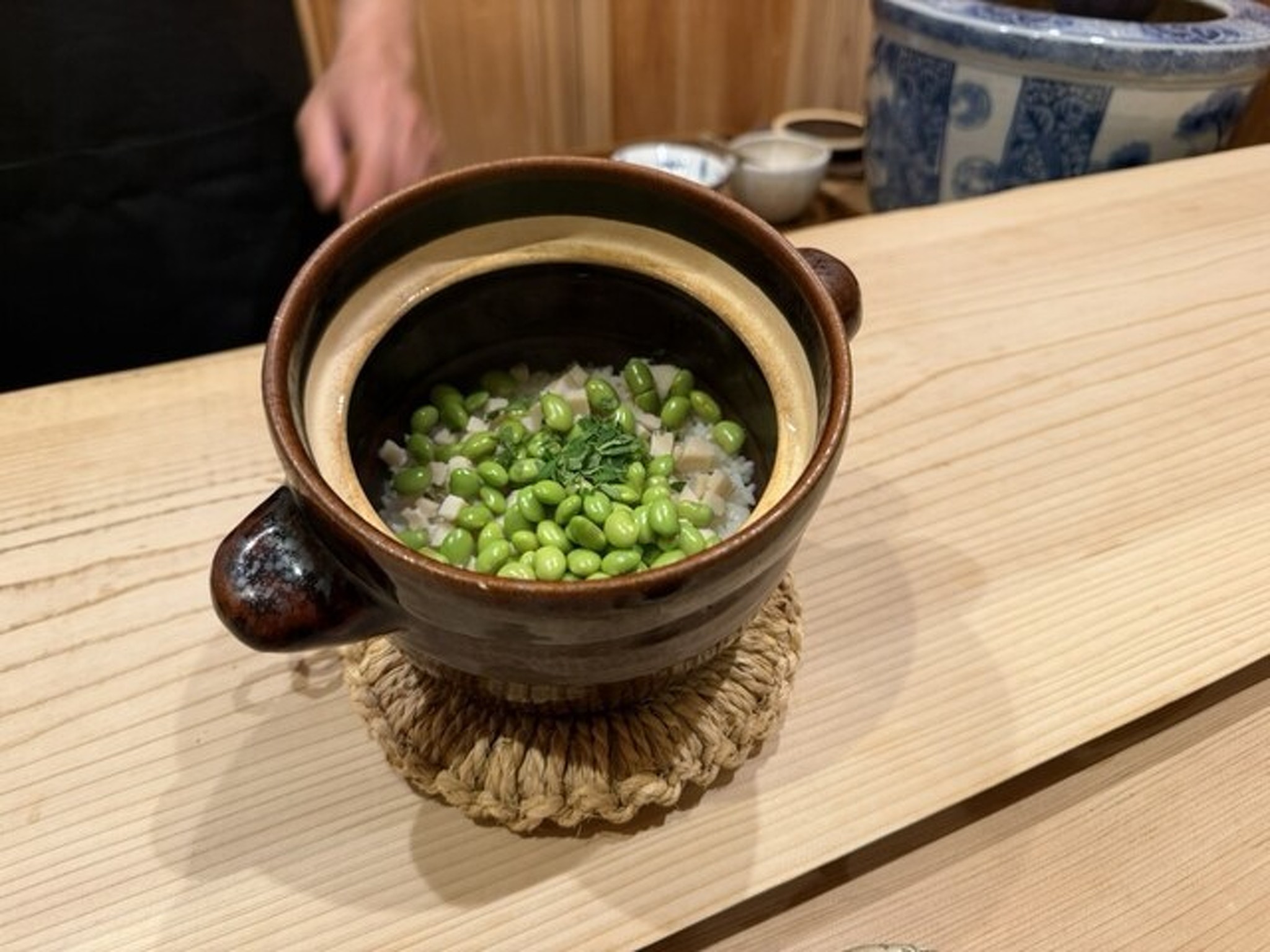
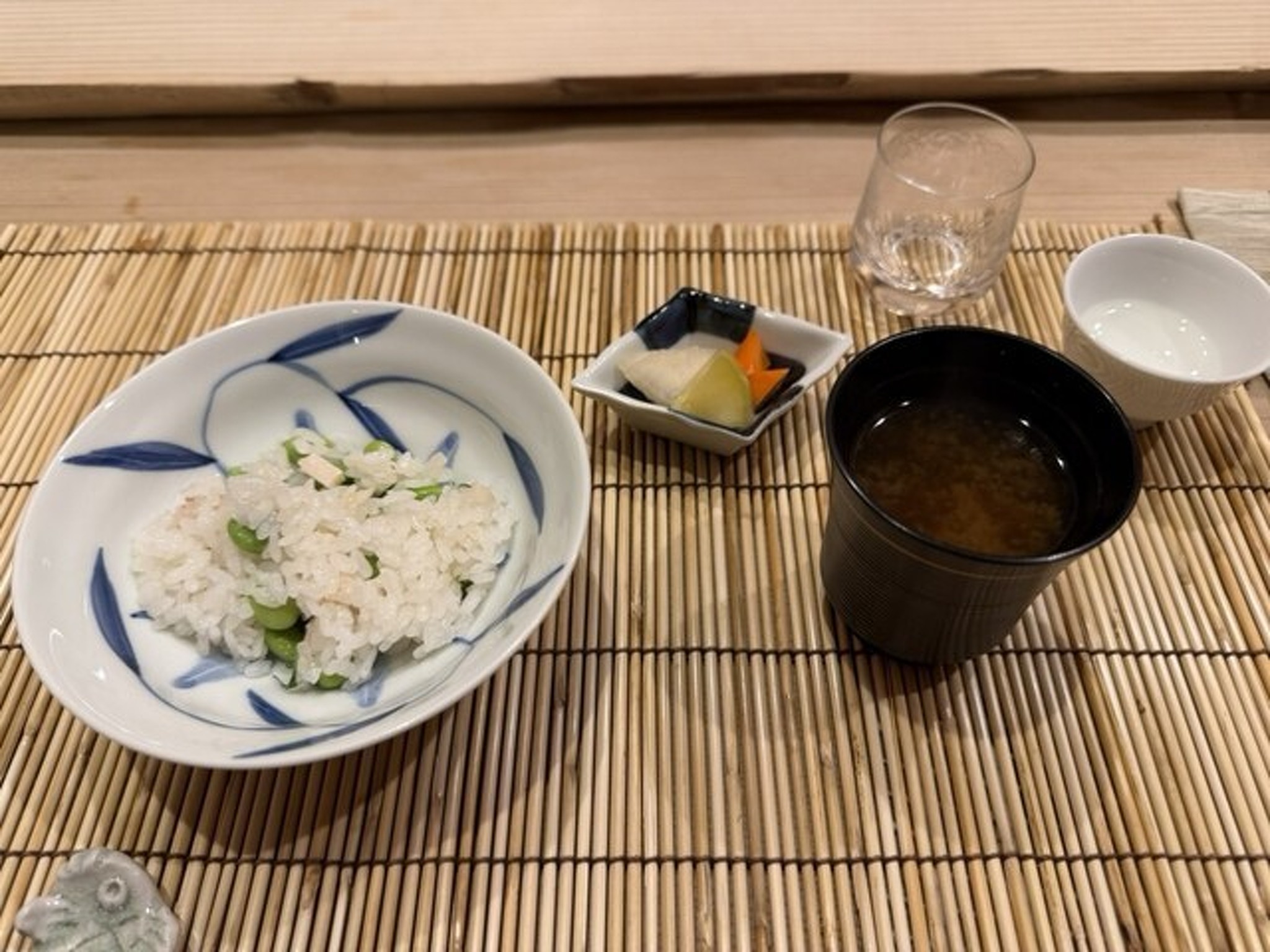
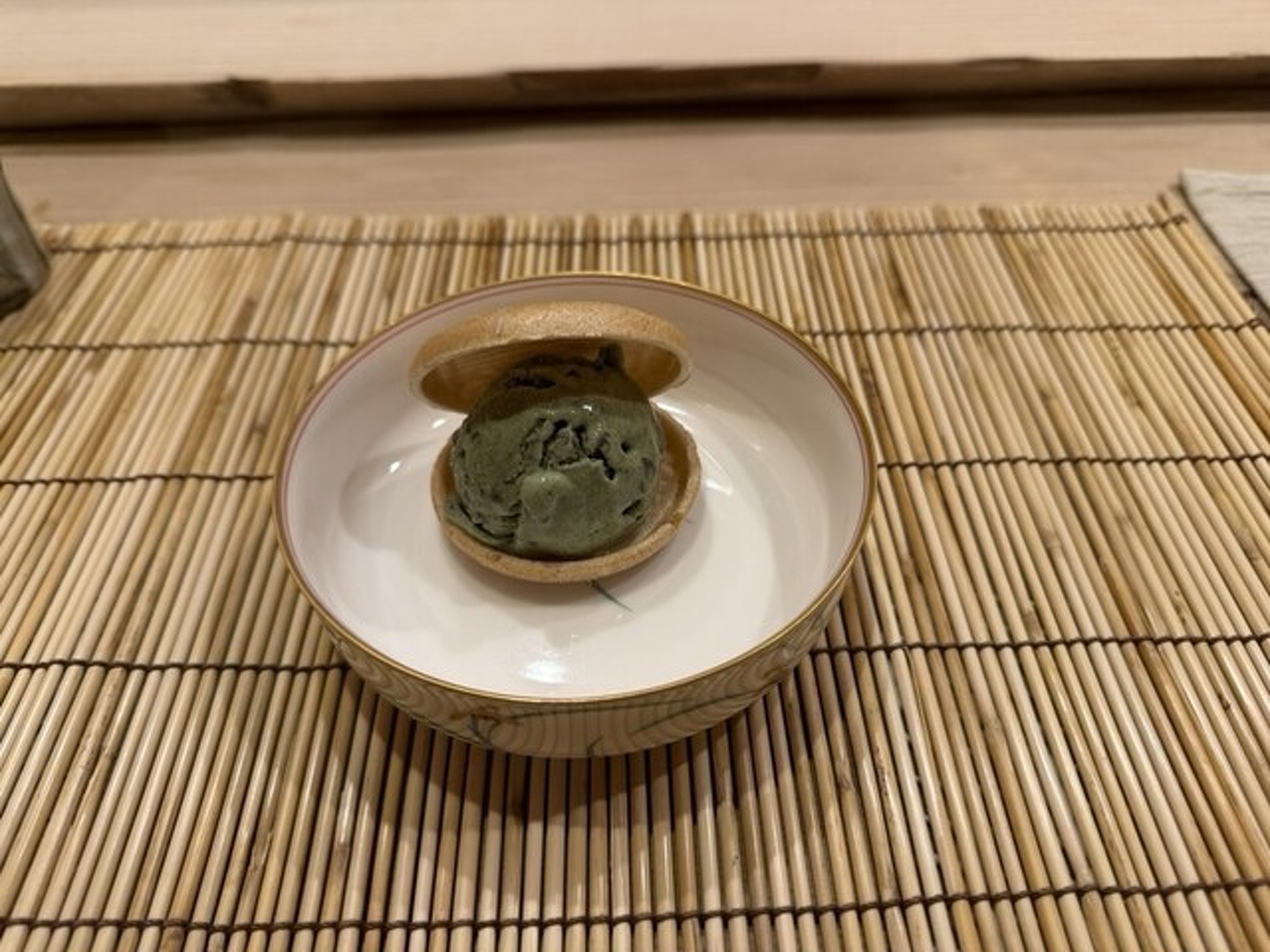
Course: JPY 16,500 Soft Drinks x3 Total: JPY 20,460 This Japanese restaurant is a 15-minute walk from Kitakami Station. I made a reservation through Tabelog. The course was composed mainly of local ingredients. Overall, the seasoning was to my liking, but the "Maesawa Beef Shabu" ruined the experience. It was tough and inedible, and both my dining companion and I ended up leaving it uneaten. It was far below the standard of meat one would expect to be served at such a restaurant... It was a great meal. Course Menu: ◯ Chawanmushi with Sea Urchin and Corn Puree ◯ Anago (Conger Eel) Sushi ◯ Sweetfish and White Eggplant Soup ◯ Grilled Spanish Mackerel and Sawara ◯ Tokishirasu (a type of fish) marinated in Salt Koji, Grilled Scallops with Seaweed, and Sweet Potato with Lemon ◯ Okra Puree with Fresh Ikura ◯ Deep-fried Shrimp Paste Wrapped in Takadaji Chili with Corn ◯ Maesawa Beef Shabu with Molokhia and Myoga ◯ Rice with Edamame and Horohoro Chicken ◯ Pickles ◯ Red Miso Soup ◯ Peach Compote with Blueberry Yokan Less
9 / 10
on 01 Jul 2026
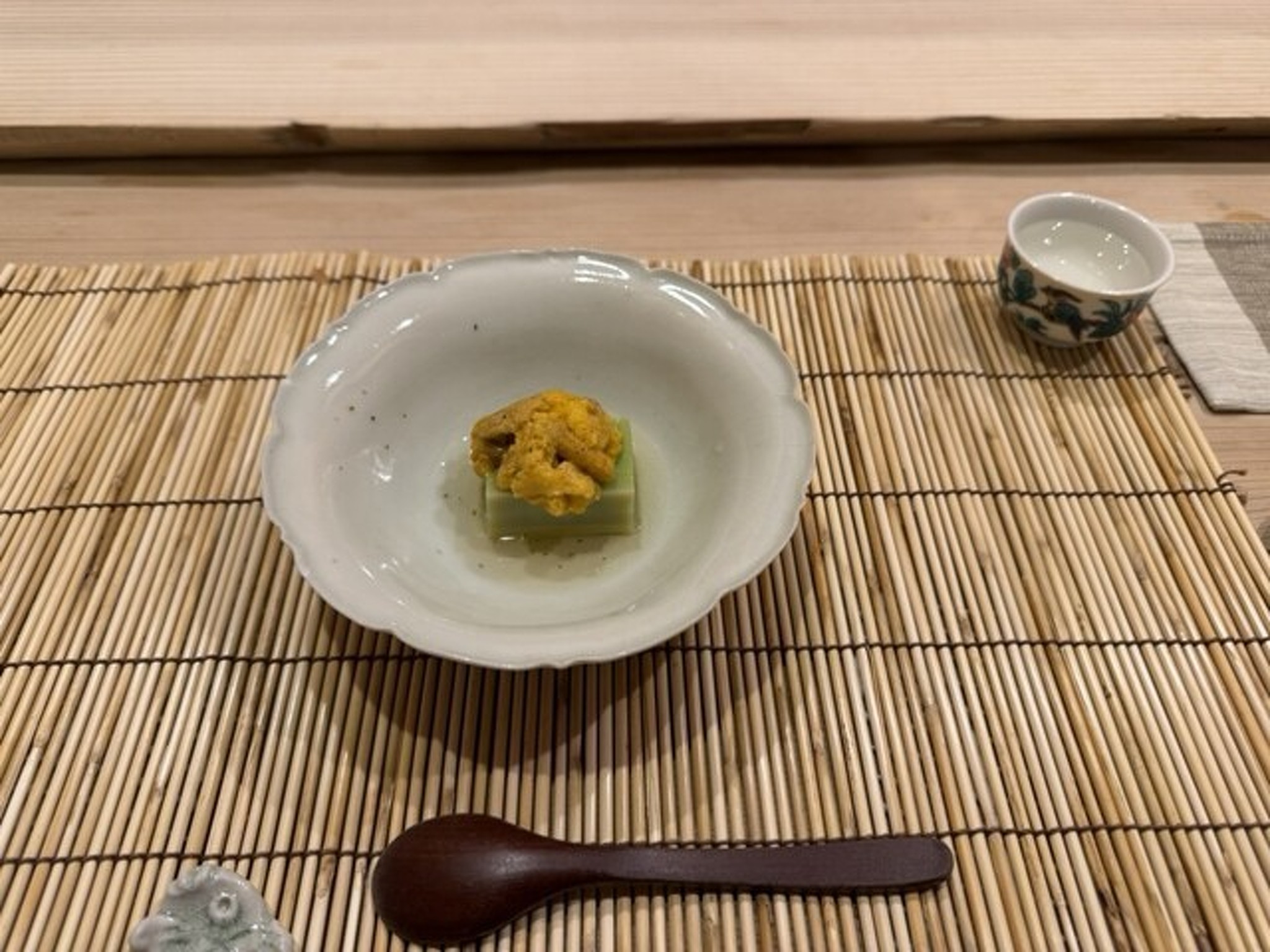
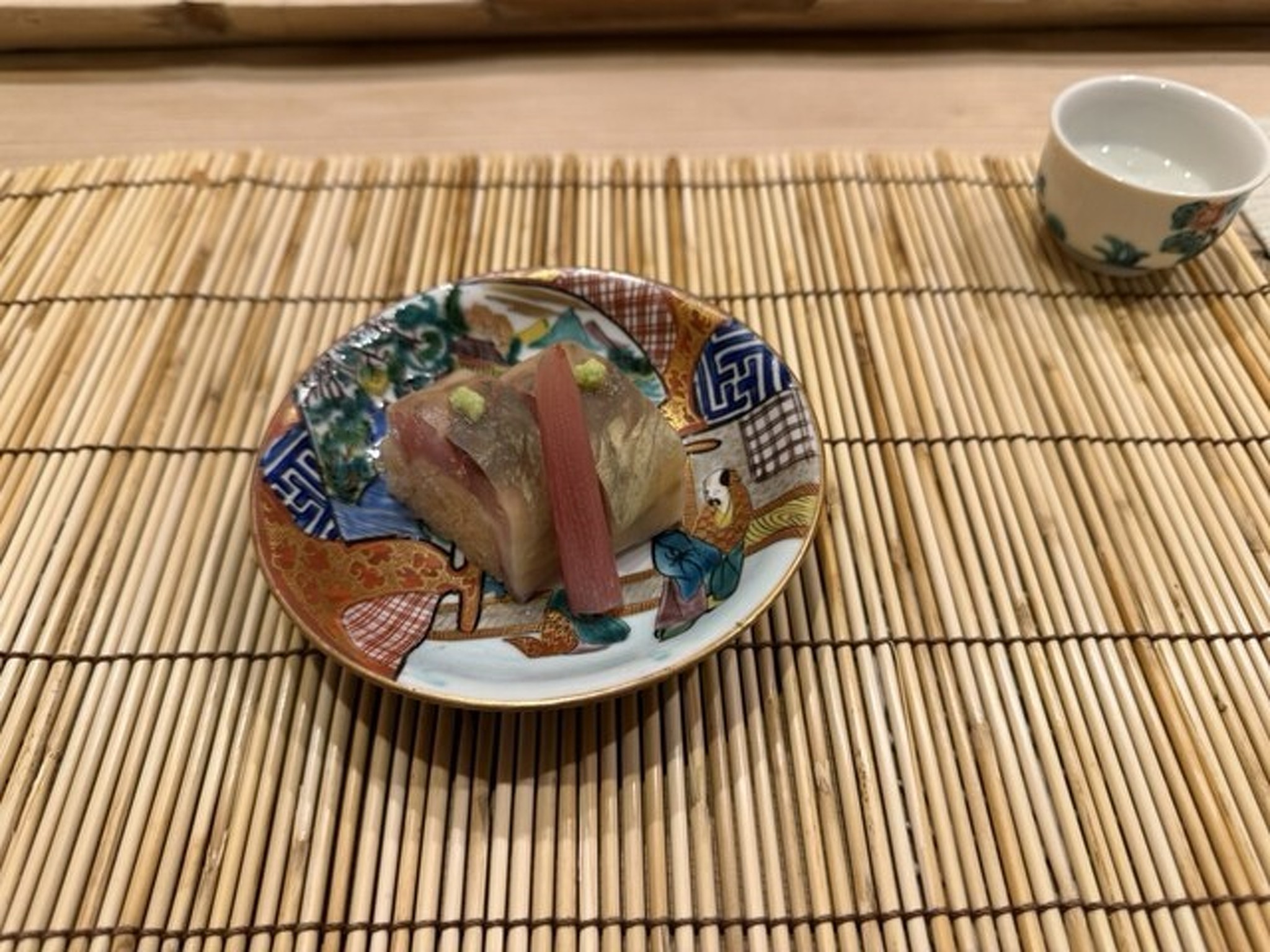
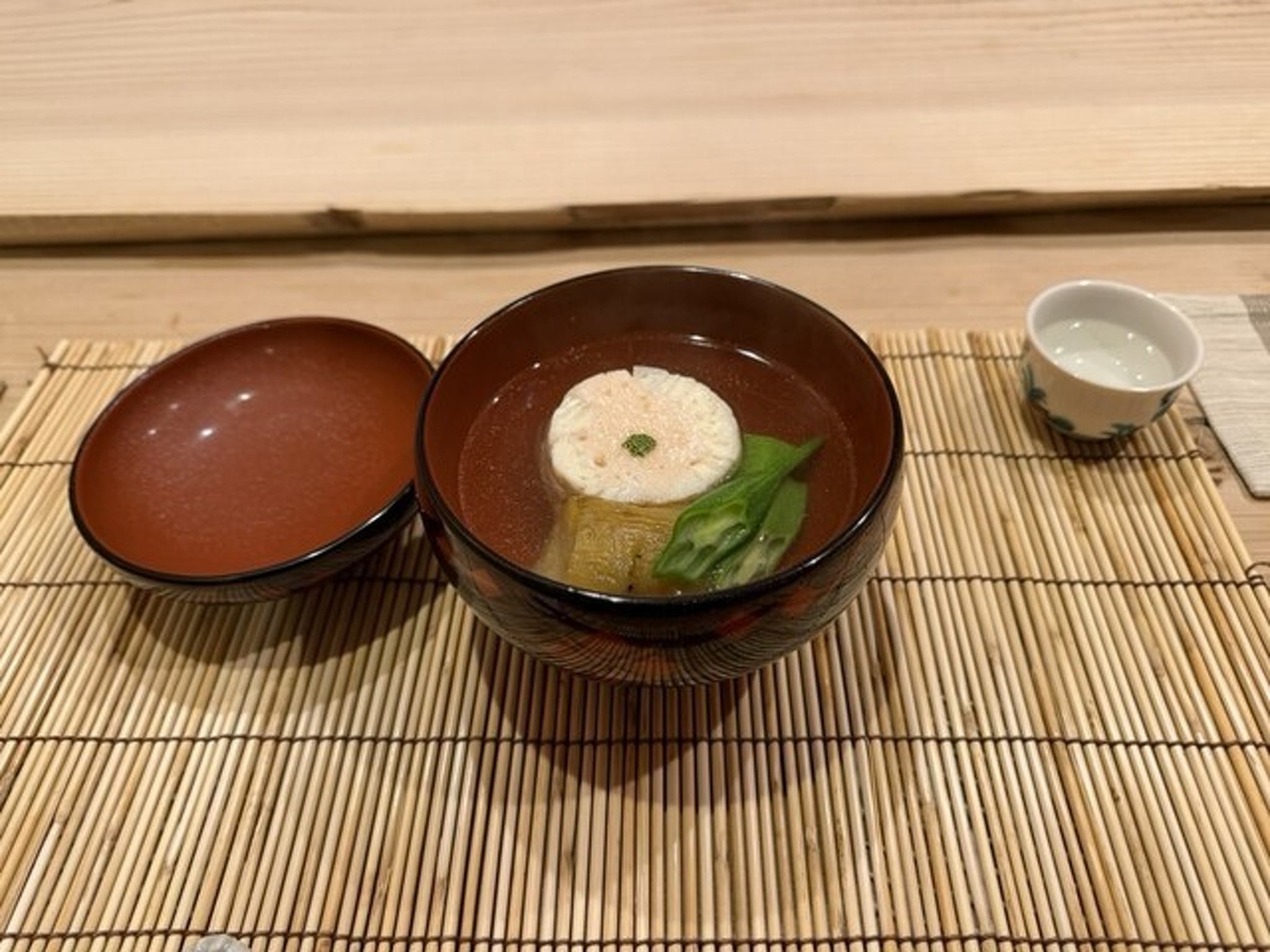
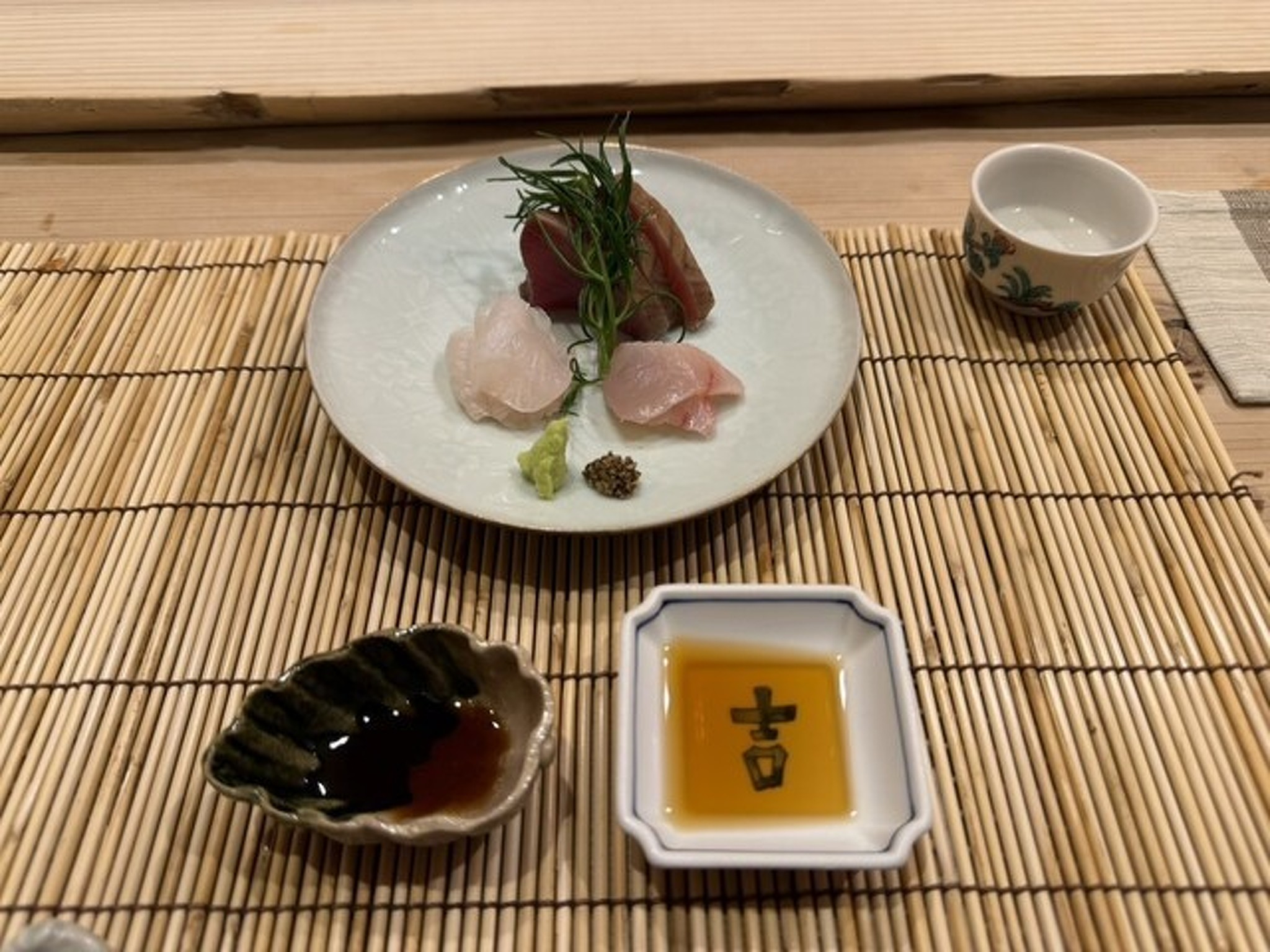
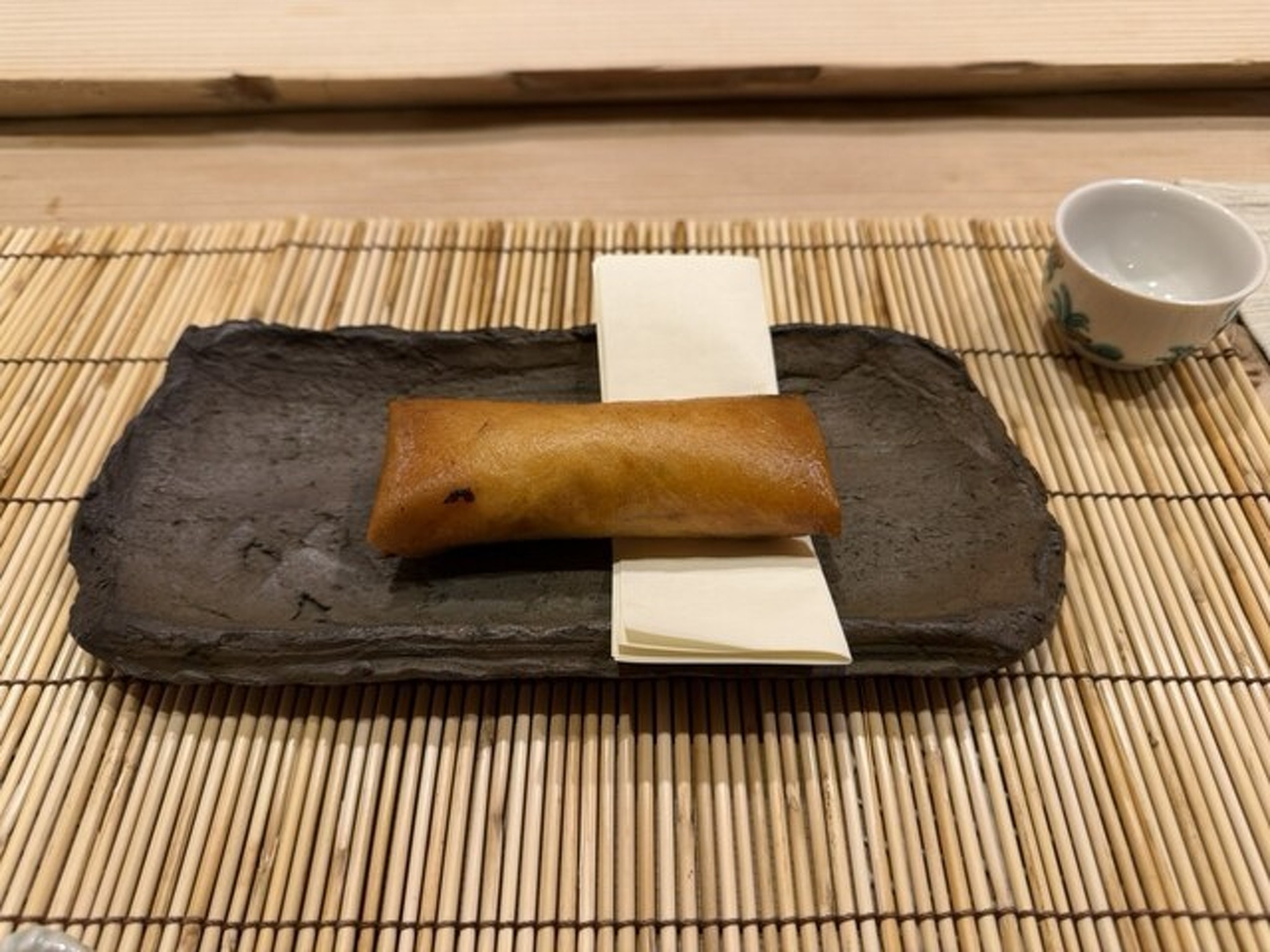
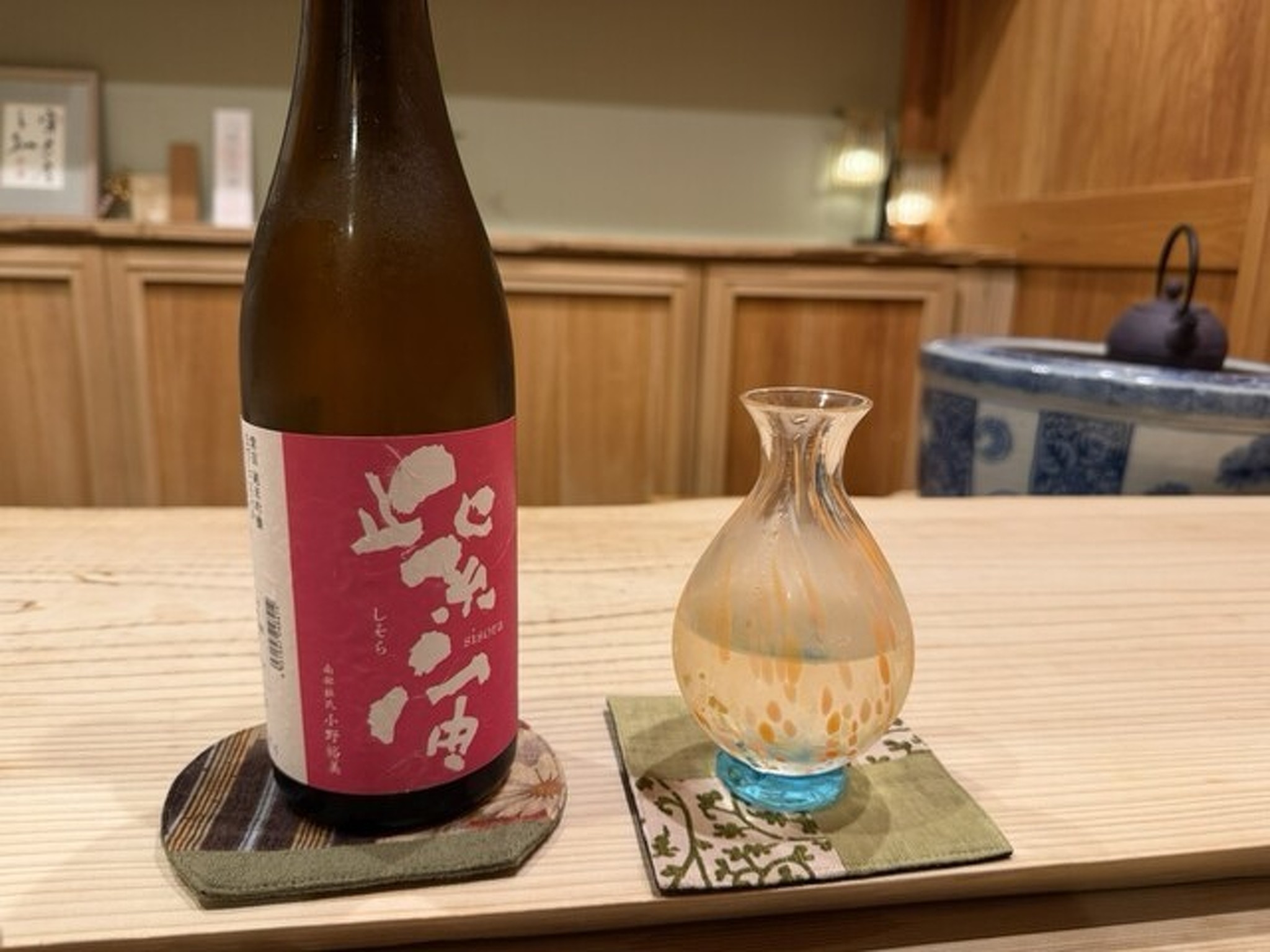
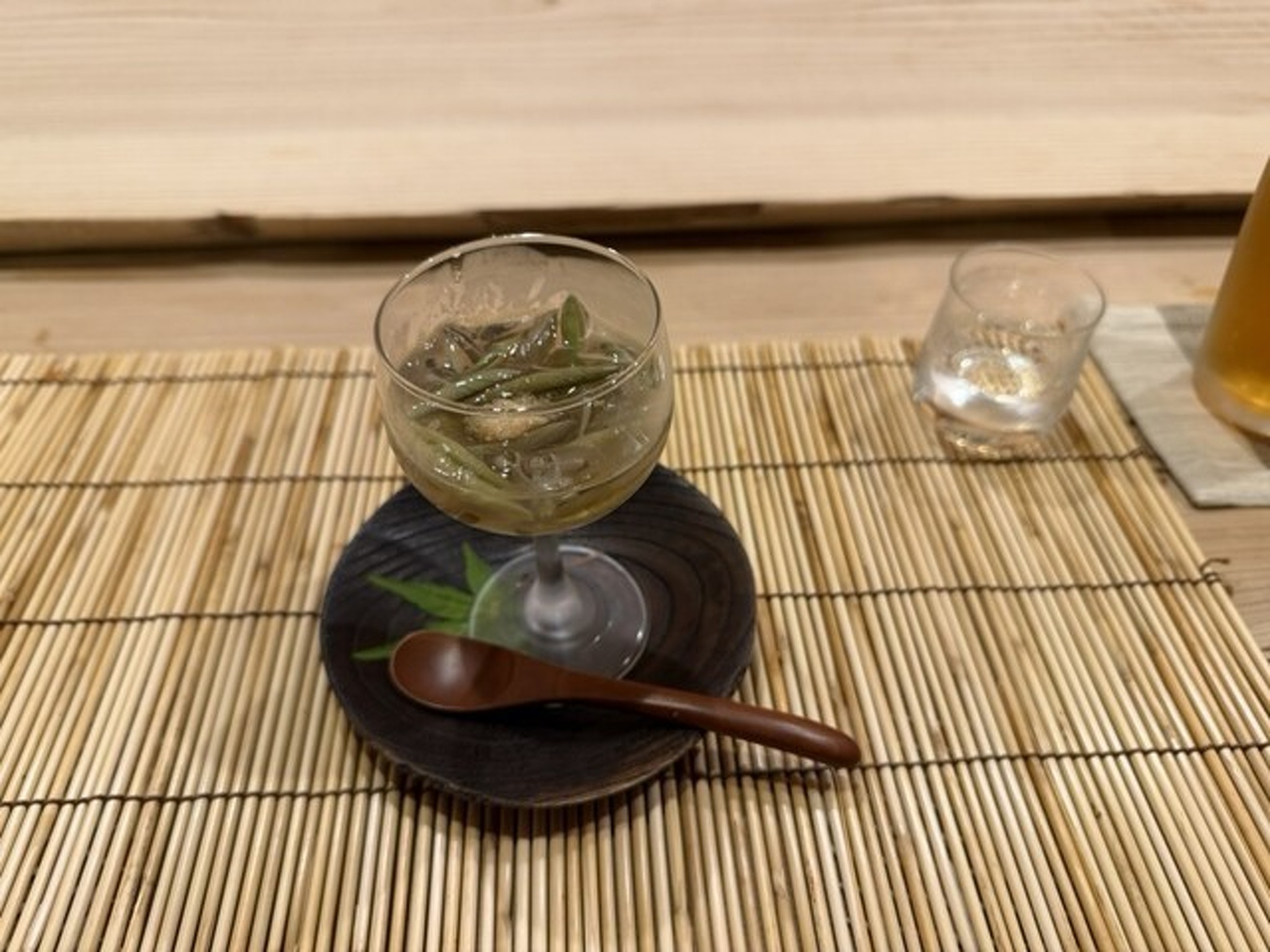
◆Omakase Course Appetizer: Broad Bean Tofu, Sea Urchin Mackerel Sushi Soup: Shrimp Paste, Grilled Eggplant, Okra Sashimi: Bonito, Flatfish, Spanish Mackerel Hair Crab, Zucchini, and Shark Fin Spring Rolls Palate Cleanser: Junsai Eight Delicacies Simmered Dish: Fern Shoots in Pouch, Molokhia, Sweetfish Edamame and Octopus Head Rice Mulberry Tea and Red Bean Ice Cream Monaka ◆Japanese Sake (540ml) ◆Fruit Vinegar Soda 【Total】JPY 49,060 Visit Date: Weekend at 6:30 PM (Reservation)... More
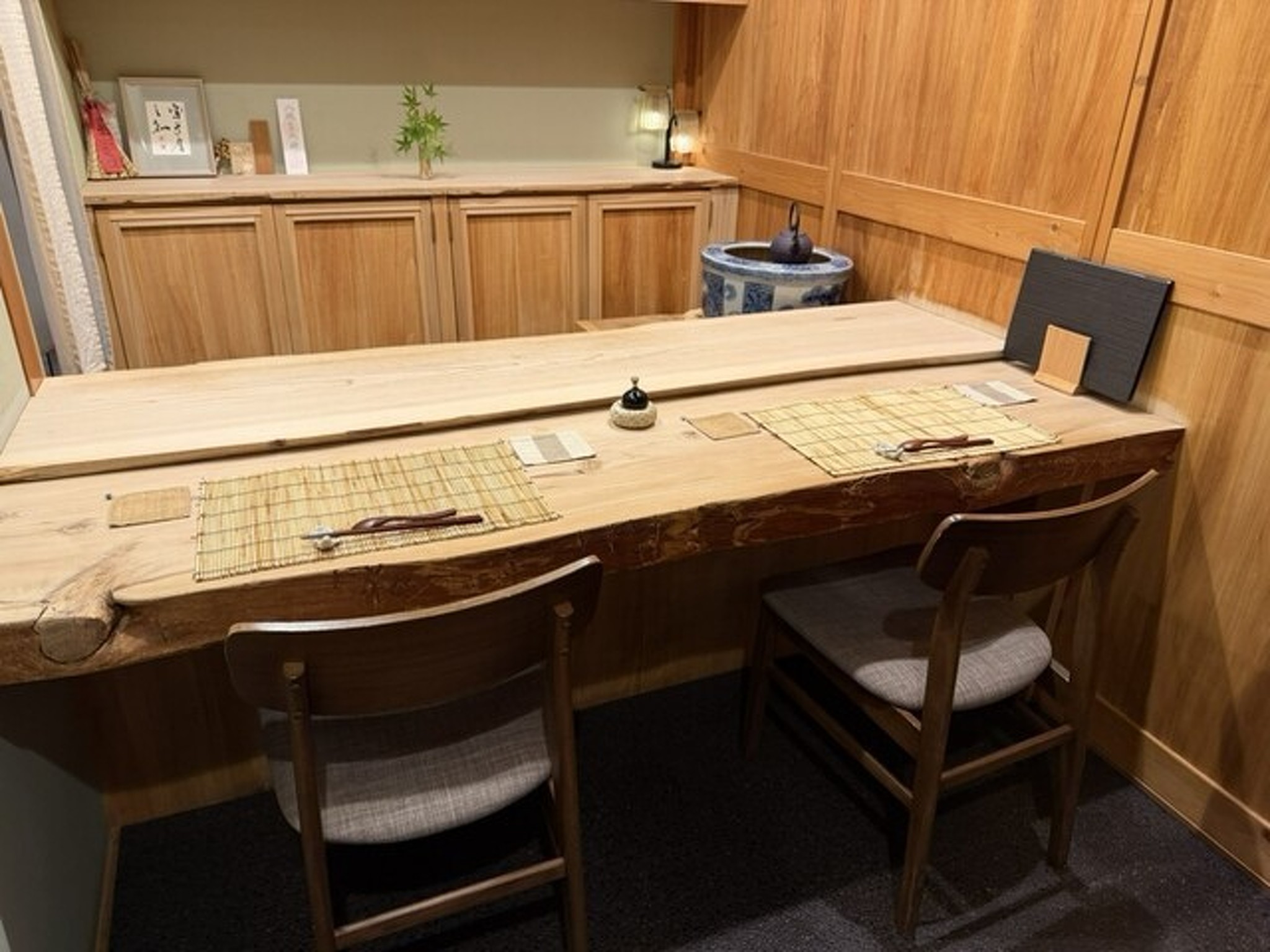
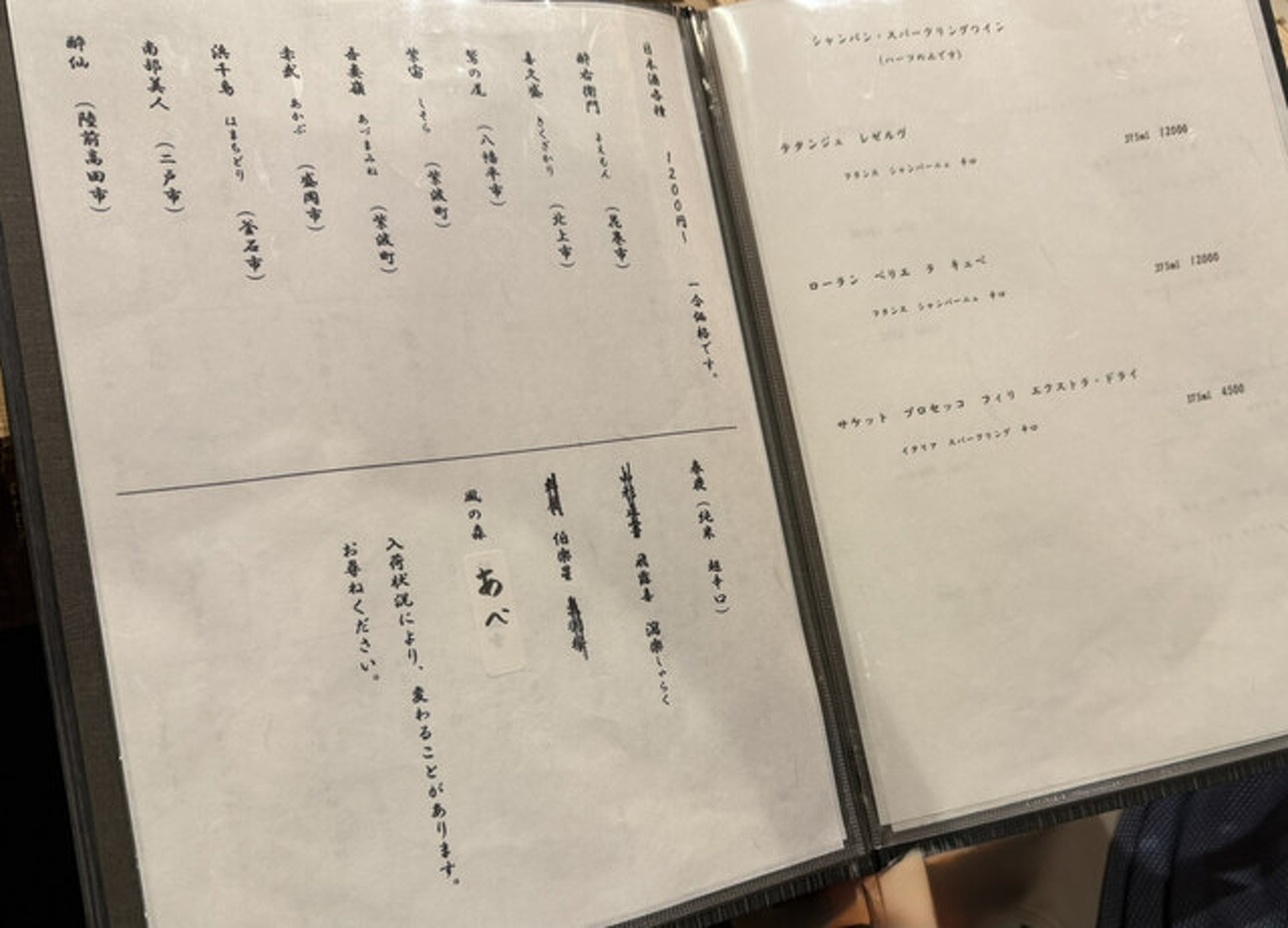
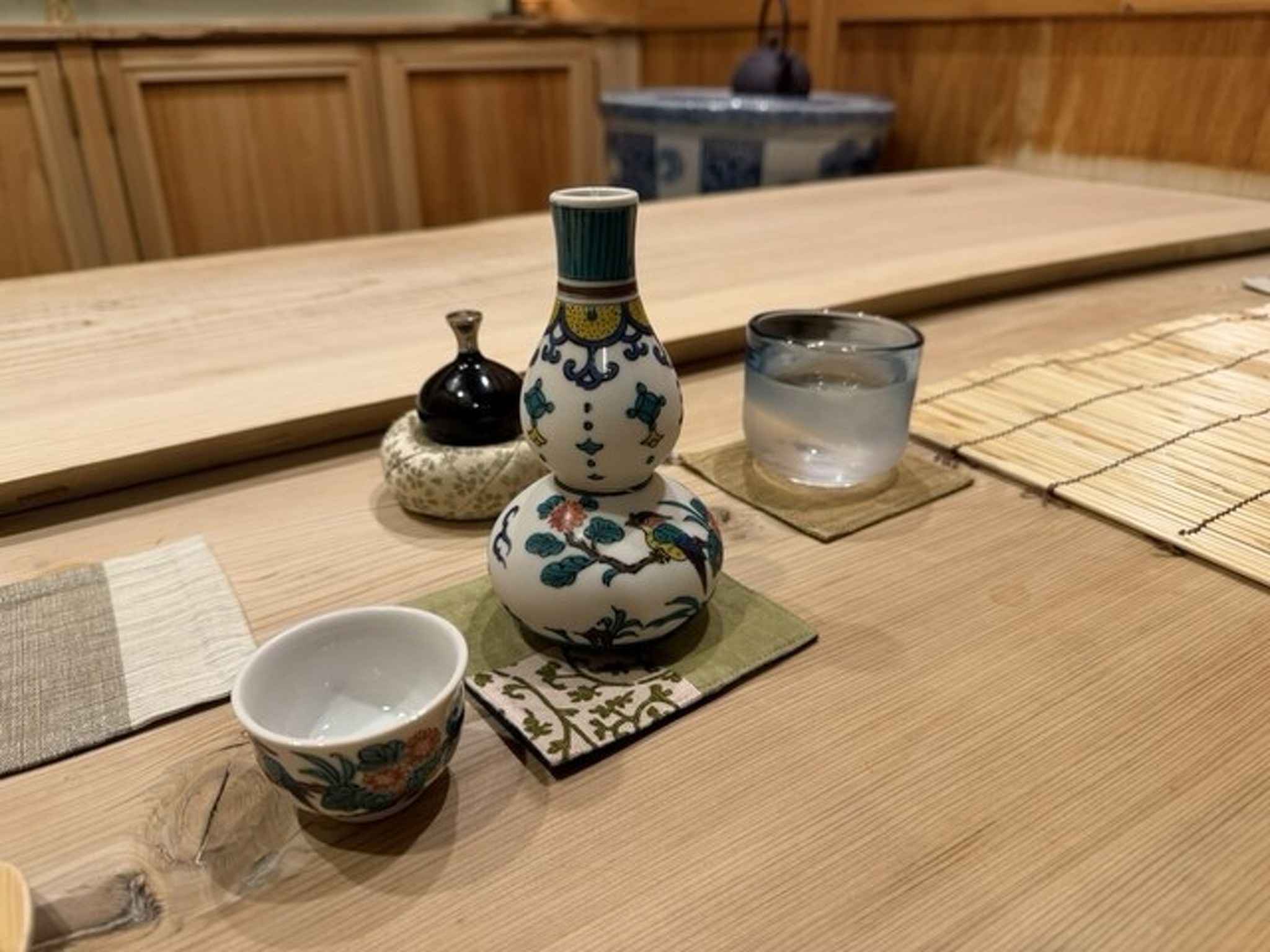
◆Omakase Course Appetizer: Broad Bean Tofu, Sea Urchin Mackerel Sushi Soup: Shrimp Paste, Grilled Eggplant, Okra Sashimi: Bonito, Flatfish, Spanish Mackerel Hair Crab, Zucchini, and Shark Fin Spring Rolls Palate Cleanser: Junsai Eight Delicacies Simmered Dish: Fern Shoots in Pouch, Molokhia, Sweetfish Edamame and Octopus Head Rice Mulberry Tea and Red Bean Ice Cream Monaka ◆Japanese Sake (540ml) ◆Fruit Vinegar Soda 【Total】JPY 49,060 Visit Date: Weekend at 6:30 PM (Reservation) Number of Guests: 2 Duration: About 2 hours We were seated at a lovely counter in a private room. The dishes, featuring many ingredients from Iwate and Tohoku, were all incredibly delicious. Thanks to the restaurant accommodating our schedule by serving the dishes promptly due to our Shinkansen departure, we were able to enjoy our meal at a nice pace. Less
10 / 10
on 01 Jun 2026
On a Friday night, I had the pleasure of revisiting Oryori Terasawa, led by the renowned chef Hayato Terasawa, a prominent figure in the Japanese culinary scene in Iwate. As the first customer at 6 PM, I stepped through the noren curtain and took my usual seat at the counter, refreshing my dry throat with a glass of Yukinochikara, an unfiltered white beer that carries the DNA of my favorite Ginga Kogen Beer.This time, I opted for the 15,000 yen course. The first dish was a generous serving of fresh... More
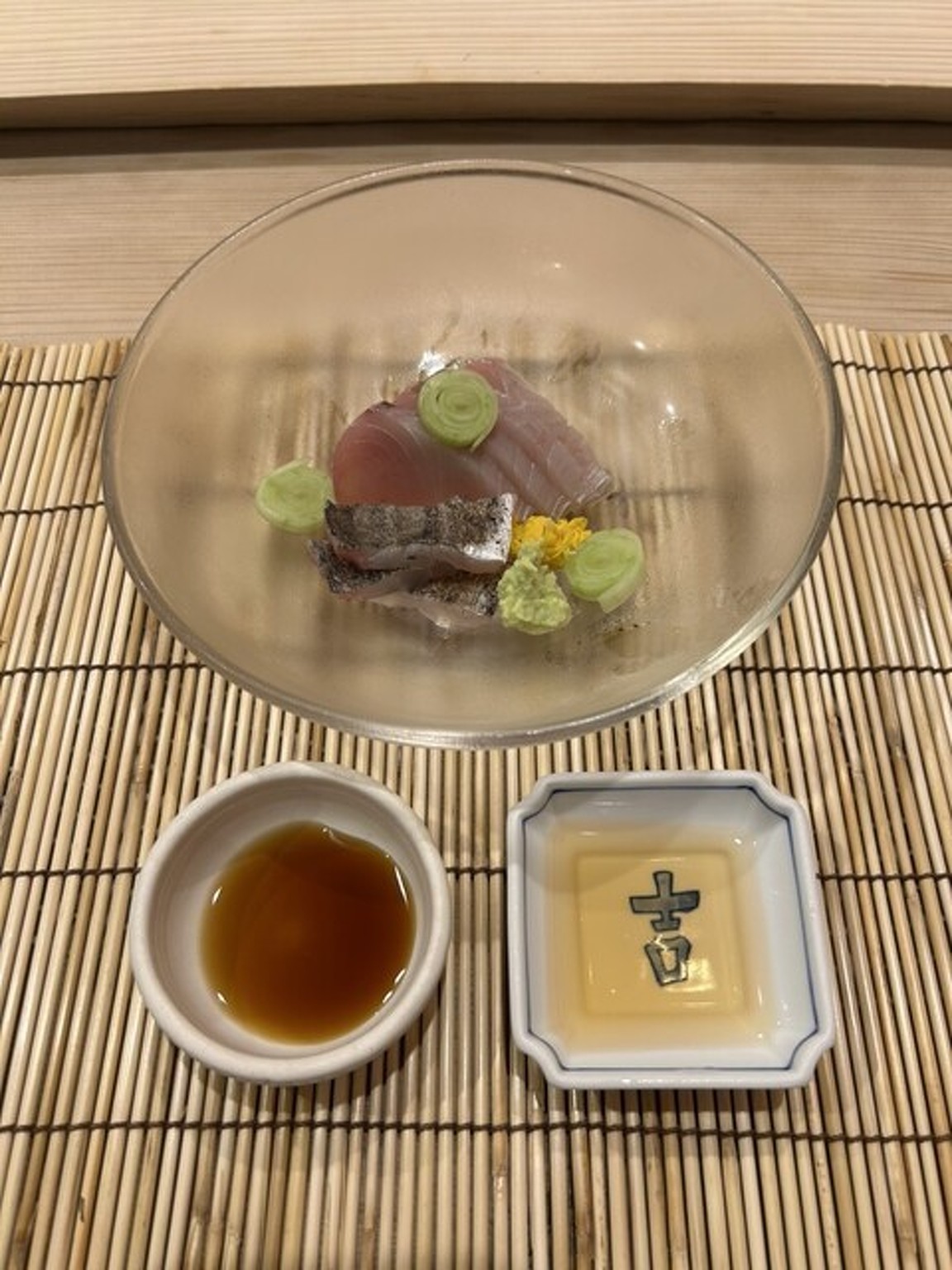
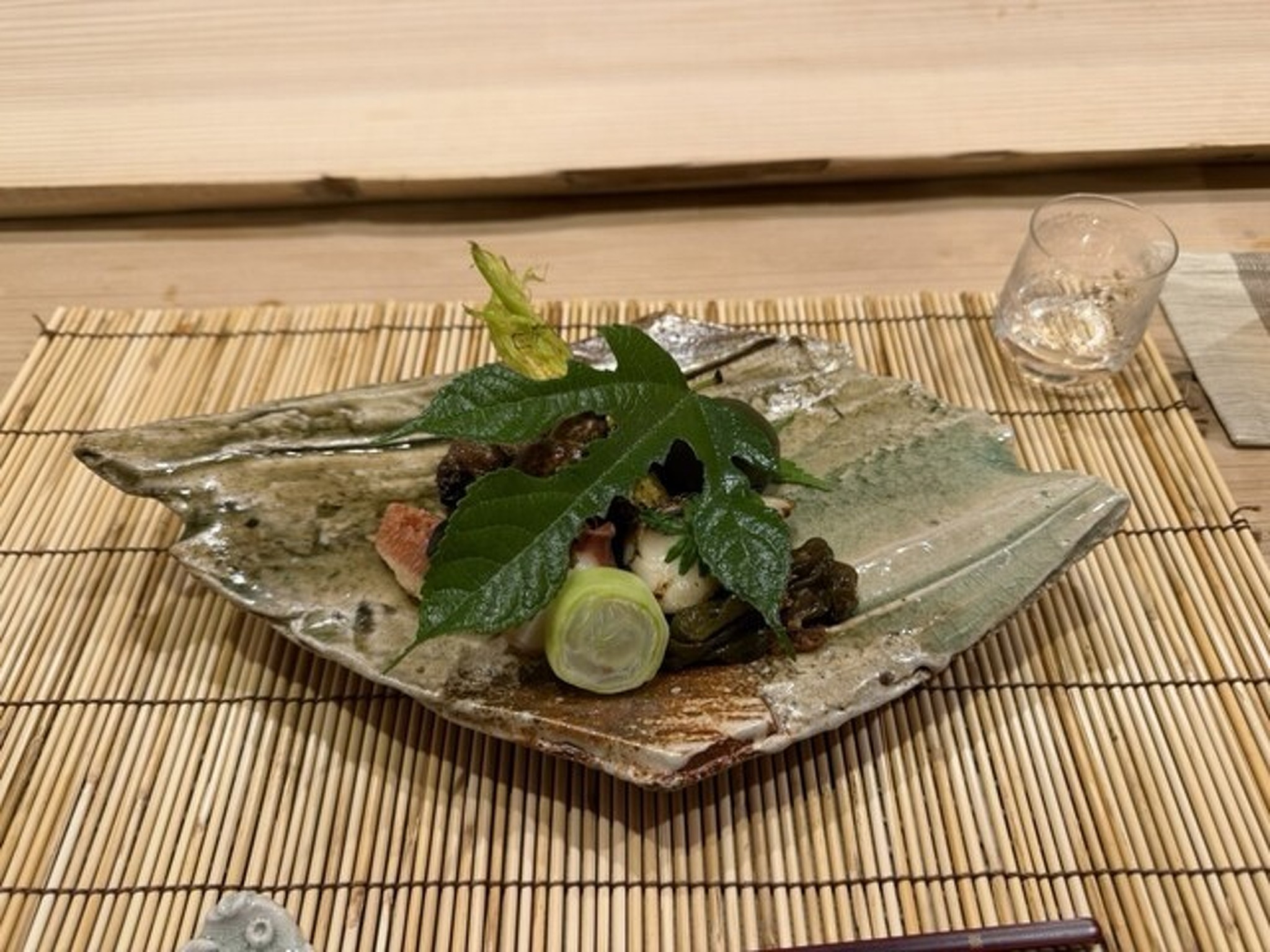
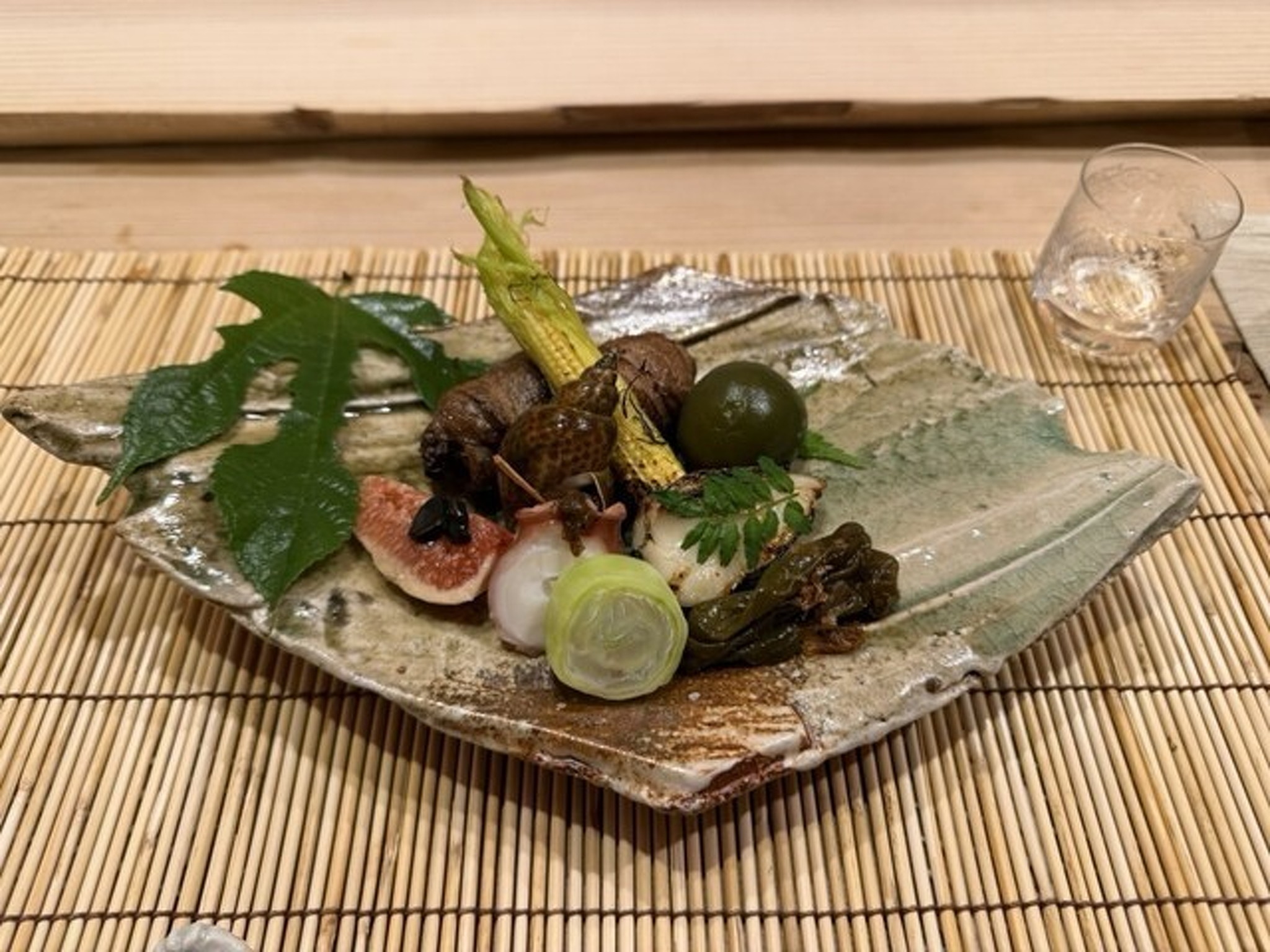
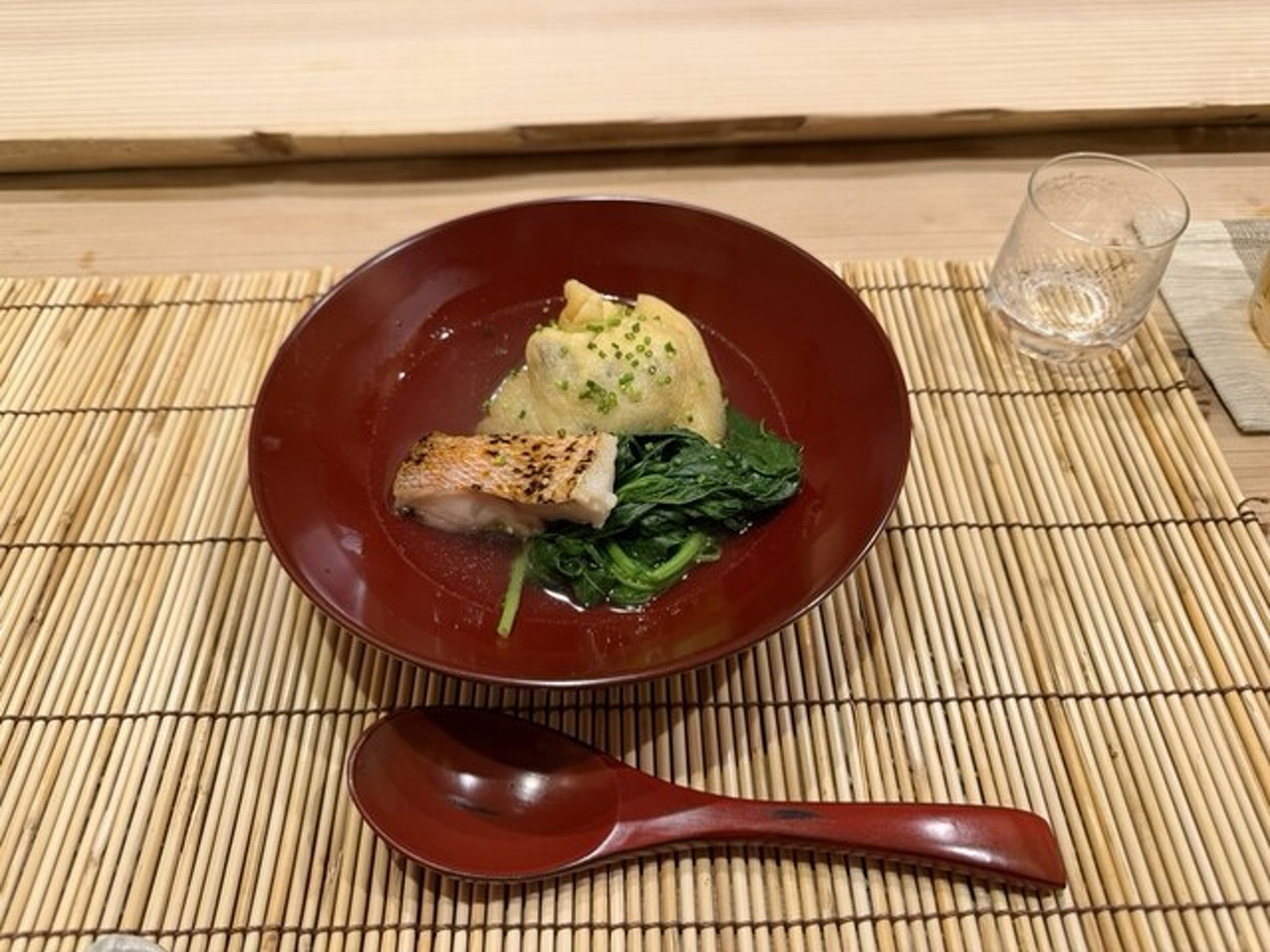
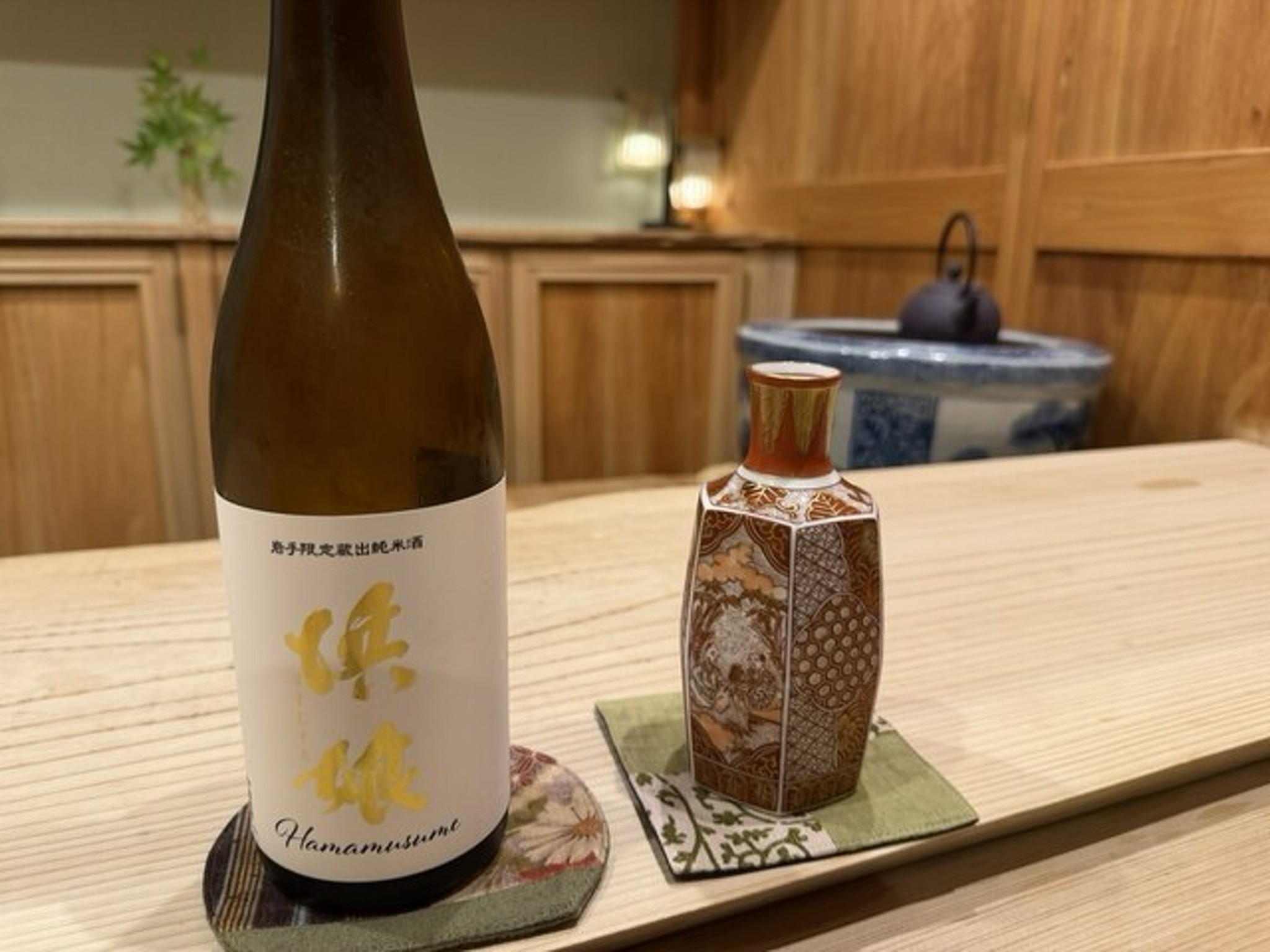
On a Friday night, I had the pleasure of revisiting Oryori Terasawa, led by the renowned chef Hayato Terasawa, a prominent figure in the Japanese culinary scene in Iwate. As the first customer at 6 PM, I stepped through the noren curtain and took my usual seat at the counter, refreshing my dry throat with a glass of Yukinochikara, an unfiltered white beer that carries the DNA of my favorite Ginga Kogen Beer.This time, I opted for the 15,000 yen course. The first dish was a generous serving of fresh sea urchin atop edamame tofu. Two different types of edamame were used; one was finely ground to a smooth texture, while the other was coarsely ground to enhance the sweetness and aroma of the beans. The dish showcased the chef's boldness, featuring high-quality sea urchin, which is nearly double the usual price this year.Following the traditional kaiseki sequence, the next dish was grilled anago (conger eel) from Sanriku, beautifully charred over binchotan charcoal, served with yamatoimo rice and fragrant aonori seaweed. I paired this with a small bowl of anago and tororo (grated yam) rice, reminiscent of unadon, complemented by "Hama Musume," a junmai sake from the Iwate-exclusive Akabu brewery.The highlight of the meal was a delicate soup featuring "Hotate Shinjo" (scallop dumpling) in a kombu dashi broth, garnished with yuzu, and accompanied by a substantial "Ezo Abalone" and okra. The umami of the broth and the tender abalone, with its unique chewy texture, were exceptional.For the sashimi, I enjoyed three types: akami (red meat) of honmaguro (bluefin tuna), madai (sea bream), and aburi ayu (grilled sweetfish), served with a choice of dipping sauces—shoyu and seasoned sake. The honmaguro was medium-sized and surprisingly rich in fat, while the grilled ayu was outstanding in flavor. However, the Sanriku madai fell short compared to its western counterpart. I paired this with "Nishiyoeimon" summer ginjo namagenshu.The next course featured Sanriku "Hishigani" (blue crab) and "Fukahire" (shark fin) spring rolls with zucchini and harusame (glass noodles). Although it had a Chinese culinary influence, the flavors remained firmly rooted in Japanese cuisine, delivering a delightful taste.For a palate cleanser, I had cucumber rolls with "Hirame" (flounder) and enjoyed them with moringa and tosa vinegar, elevating the dish into a luxurious experience when paired with honkarashi (Japanese mustard).To accompany the fried and vinegared dishes, I sampled two premium junmai daiginjo sakes: "Tamashii no Taiyaku," made from 100% Yamada Nishiki rice with a polishing ratio of 35%, and "Gokujou no Kiru," brewed with Iwate-grown Yuki no Ka rice polished to 35%. I savored the differences between these flagship sakes.The highlight of the course was the hassun, presented in an Italian style, featuring seasonal vegetables and the finest Iwate beef, known as Iwate-gyu, wrapped in fern, along with young corn, wine-poached green plums, broad beans, octopus with plum miso, shishito peppers, abalone liver, and mussel roe—an array of sake-friendly dishes enjoyed with a glass of "Kikuzakari Yuki Onna" junmai nigori sake brewed locally in Kitakami.As a substitute for nimono (simmered dishes), I had a small pot of "Tsukinowaguma" (black bear) meatballs made from a bear hunted by the chef's classmate, served with junmai (water shield) and itadori (Japanese knotweed).To finish, I enjoyed a rice dish of octopus and edamame cooked together, served with homemade nukazuke (pickled vegetables) and miso soup, followed by a dessert of fig and sesame ice cream monaka, concluding with mulberry leaf tea. The leftover rice was made into onigiri (rice balls) for breakfast the next day.This omakase kaiseki course at Oryori Terasawa offered a slightly different approach than usual, prioritizing rich flavors, and left me feeling deeply satisfied. Less
9 / 10
on 22 May 2026
I came to Kitakami, or more precisely, I traveled here to visit Terasawa.This time, I made a reservation for lunch.We were shown to a private room—a special space that felt exhilarating, almost like a counter area just for us.We started with non-alcoholic sparkling wine to set the mood for the afternoon.The first dish was steamed abalone, the king of wild vegetables, shidoke, and beans.The abalone was surprisingly tender, with a refined ocean flavor, while the refreshing bitterness of the shidoke... More
I came to Kitakami, or more precisely, I traveled here to visit Terasawa.This time, I made a reservation for lunch.We were shown to a private room—a special space that felt exhilarating, almost like a counter area just for us.We started with non-alcoholic sparkling wine to set the mood for the afternoon.The first dish was steamed abalone, the king of wild vegetables, shidoke, and beans.The abalone was surprisingly tender, with a refined ocean flavor, while the refreshing bitterness of the shidoke evoked the essence of spring.Next was a dish featuring Ryusendo black pork, basyo greens, and glutinous rice. The black pork was juicy, and the basyo greens were a delightful first experience with their fresh aroma.The soup consisted of aina-me (a type of fish), shiitake mushrooms, and snap peas, served in a beautifully crafted Shuheikuri bowl. The presence of the bowl was artistic, and within it, the fat from the fish was subtly sweet.For sashimi, we had freshly caught ishi-garei (flatfish) and medium fatty tuna from Miyagi, enjoyed with roasted sake and soy sauce. The ishi-garei had a delightful crunch while remaining tender, and the flavor intensified with each bite. The wasabi from Higashine was also delicious.The grilled dish featured masu-no-suke (king salmon) grilled with fragrant herbs, roasted horohoro chicken, fuki (butterbur), and green plum simmered in wine. The aroma of the king salmon was exceptional, and the horohoro chicken was equally fragrant.The vinegared dish included sweet shrimp from Akita, wakame seaweed, and shiso jelly. It was refreshing, with the sweetness of the shrimp standing out, adding a touch of brightness to the meal.A standout was the Iwate short-horned beef, wrapped in white asparagus and served with a herb miso. The flavor of the meat spread pleasantly with each bite, enhanced by the sweetness of the herb miso. The accompanying aiko (a type of vegetable), hime-take (bamboo shoots), and sweet vinegar myoga (ginger) were also delightful.The steamed dish featured Aomori shark fin and a chawanmushi (savory egg custard) made with horohoro chicken broth. The crunchiness of the shark fin and the richness of the chicken fat were outstanding, with a vibrant golden color adding to the luxurious feel.For the finale, we enjoyed a rice dish with sweet sea bream, bamboo shoots, and bracken. The sea bream was plump, and the bracken was plentiful. The broth was a perfect blend of wild vegetables and fish, creating an irresistible flavor.To finish, we had Kitakami's mulberry tea yokan (sweet jelly), strawberries from Iwate, and cherries. It felt like a challenge to showcase the northern limit of tea.The entire meal was a wonderful representation of the region.The dishes quietly built upon the ingredients and the season.This lunch truly conveyed the meaning of "coming to Kitakami." The chef's personality and the atmosphere were exceptional. Less
8 / 10
on 15 May 2026
During my trip to Iwate, I visited this restaurant to celebrate my mother's birthday. It was a great time as it was the season for delicious wild vegetables, and my mother was very happy. For the appetizers, we had a dish of wild vegetables called Shidoke and sweet shrimp, which I had never tried before. The crisp texture and aroma of the Shidoke, along with its pleasant bitterness and the rich sweetness of the shrimp, were delightful. Next, we enjoyed a dish featuring Hyakkin pork and a vegetable... More
During my trip to Iwate, I visited this restaurant to celebrate my mother's birthday. It was a great time as it was the season for delicious wild vegetables, and my mother was very happy. For the appetizers, we had a dish of wild vegetables called Shidoke and sweet shrimp, which I had never tried before. The crisp texture and aroma of the Shidoke, along with its pleasant bitterness and the rich sweetness of the shrimp, were delightful. Next, we enjoyed a dish featuring Hyakkin pork and a vegetable similar to Takana. The broth was light, allowing the flavors of the vegetables and the fish cake to shine through beautifully. The freshly caught flounder was wonderfully crunchy and absolutely fantastic. From grilled dishes to chawanmushi (savory egg custard), fried items, and even the rice at the end, everything was delicious. Less
8 / 10
on 08 May 2026
■ Iwate Abalone with Urui, Shidoke, Egg Yolk Vinegar, and Tomato Jelly 4.5■ Sakura Shrimp, Glutinous Rice, and Ito Aonori 4.0■ Ainame, Koshiabura, Shiitake, and Yuzu in Clear Soup 3.8■ Sashimi (Flounder, Fatty Tuna, and Surf Clam) 3.9■ Iwate Beef Loin, Iwate Asparagus, Flower Wasabi Salad, and Sansho Pickles 3.8■ Sanriku Hairy Crab, Nuno Nori, and Crab Vinegar 4.0■ Seasonal Assorted Platter 4.0Iwate Oysters with Curry PowderSanriku OctopusFirefly Squid in MisoScallops with ShutoBraised... More
■ Iwate Abalone with Urui, Shidoke, Egg Yolk Vinegar, and Tomato Jelly 4.5■ Sakura Shrimp, Glutinous Rice, and Ito Aonori 4.0■ Ainame, Koshiabura, Shiitake, and Yuzu in Clear Soup 3.8■ Sashimi (Flounder, Fatty Tuna, and Surf Clam) 3.9■ Iwate Beef Loin, Iwate Asparagus, Flower Wasabi Salad, and Sansho Pickles 3.8■ Sanriku Hairy Crab, Nuno Nori, and Crab Vinegar 4.0■ Seasonal Assorted Platter 4.0Iwate Oysters with Curry PowderSanriku OctopusFirefly Squid in MisoScallops with ShutoBraised Sea Bream RoeSweet Vinegared MyogaSuzuki Grilled with Wood BudsKogomi SaladRed Sea Cucumber in Tosa VinegarIwate Ryusendo Black Pork Marinated in Shio Koji■ Aomori Shark Fin and Hanamaki Hōrōchō Chawanmushi 3.9■ Salmon and Bracken Clay Pot Rice 4.0■ Kitakami Mulberry Tea Yokan 4.0■ Yamagata Benishūhō 4.0 Less
8 / 10
on 01 May 2026
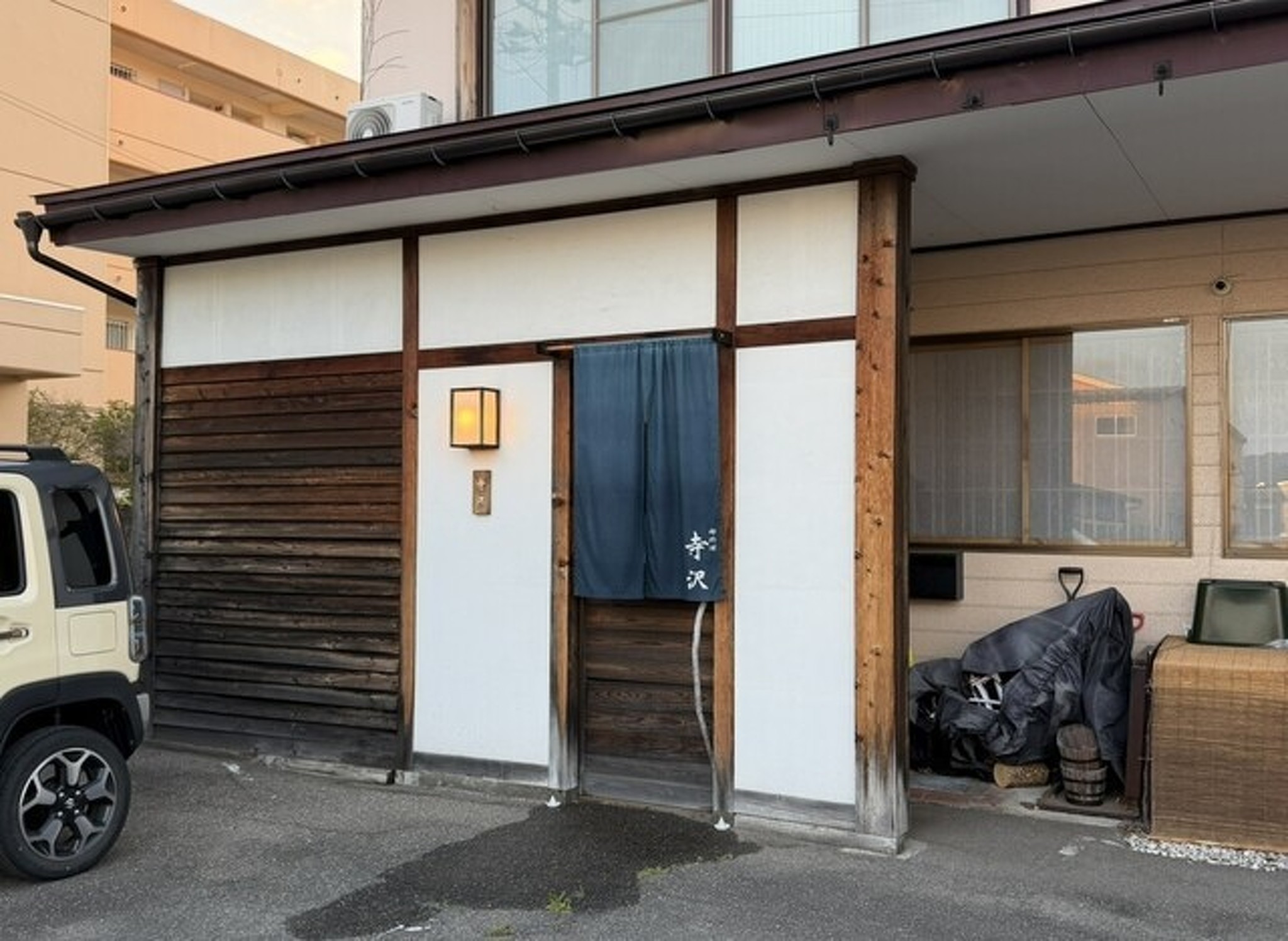
This was my first visit.I stopped by during Golden Week.The renovated traditional house style was quite surprising.The dishes were based on heartfelt local ingredients.The head chef has a sincere personality.Given the location, it’s not easy to visit, but I highly recommend this restaurant.The two counter seats are perfect for couples.
Address
4 Chome-4-3 Ōdōri, Kitakami-shi, Iwate-ken 024-0061, Japan
Hours
Monday: Closed
Tuesday: 11:30 - 14:00; 18:00 - 22:00
Wednesday: 11:30 - 14:00; 18:00 - 22:00
Thursday: 18:00 - 22:00; 23:30 - 14:00
Friday: 00:00 - 14:00; 18:00 - 10:00
Saturday: 11:30 - 14:00; 18:00 - 22:00
Sunday: 11:30 - 14:00
Tuesday: 11:30 - 14:00; 18:00 - 22:00
Wednesday: 11:30 - 14:00; 18:00 - 22:00
Thursday: 18:00 - 22:00; 23:30 - 14:00
Friday: 00:00 - 14:00; 18:00 - 10:00
Saturday: 11:30 - 14:00; 18:00 - 22:00
Sunday: 11:30 - 14:00
Phone
+81197727708
Price Range
Based on country average
$$$$ (¥10,000+)
Website
https://support.google.com/contributionpolicy/answer/7400114?ref_topic=7422769