I was really looking forward to visiting Ristorante SHIKAZAWA in Morioka this time.The chef behind the dishes is Yasuyuki Shikazawa, born in Morioka. He learned to cook in Iwate Prefecture and opened "Trattoria da Cotta" in 2010. After the Great East Japan Earthquake, he strengthened his desire to create a restaurant that could showcase Iwate, leading to the opening of Ristorante SHIKAZAWA in 2015. He currently serves as a "Food Professional Advisor" for Iwate Prefecture.The restaurant is located... More
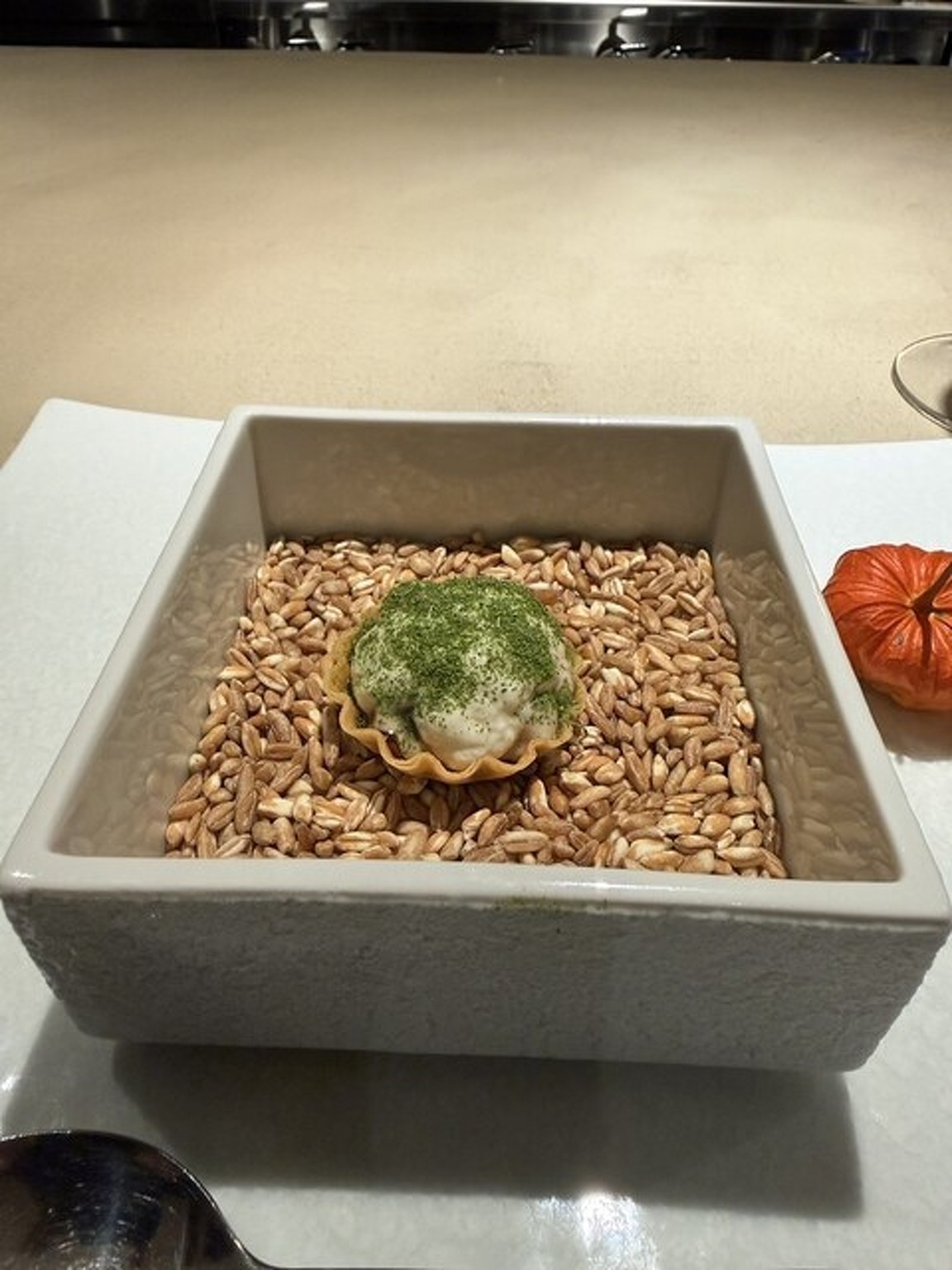
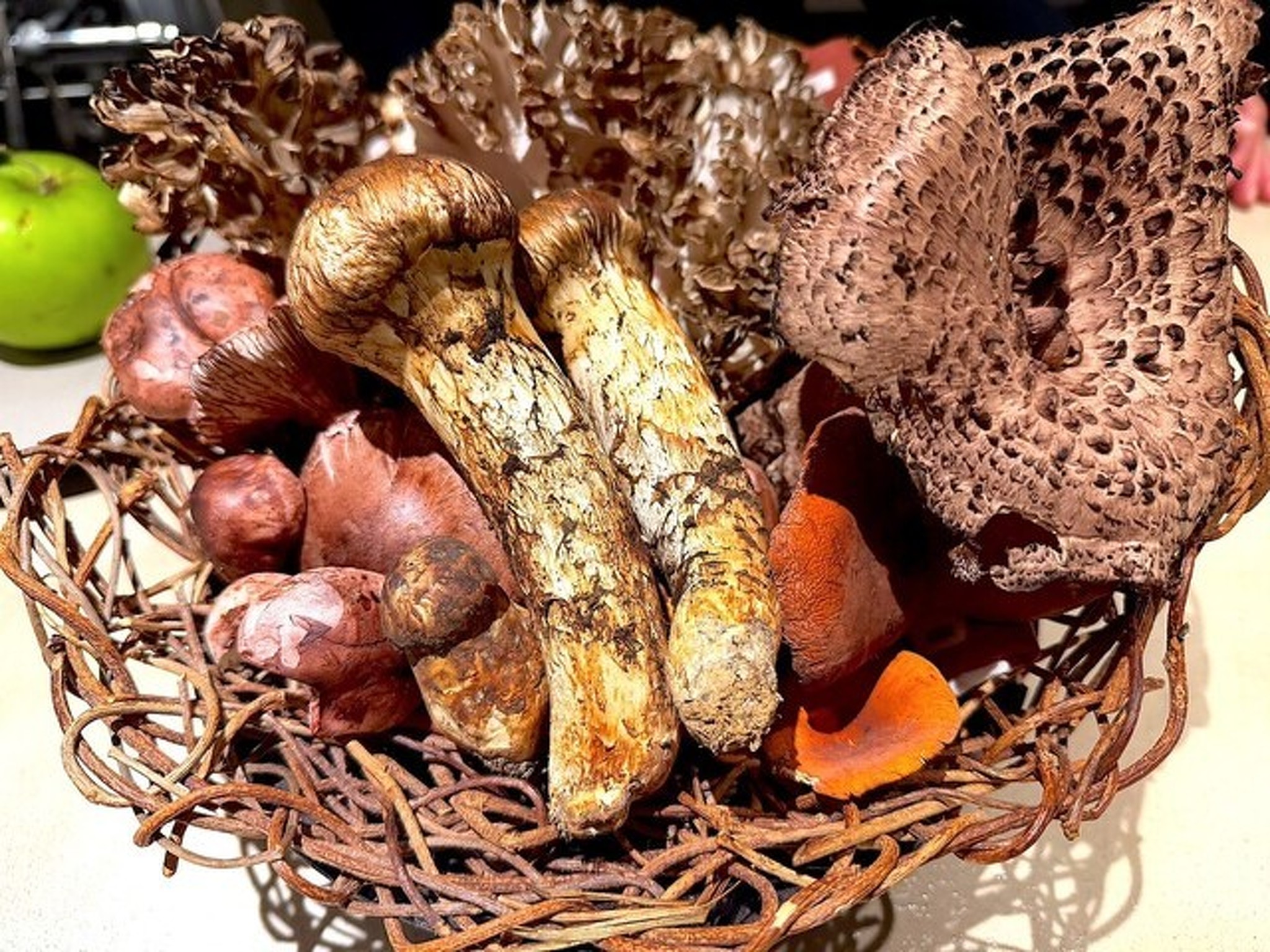
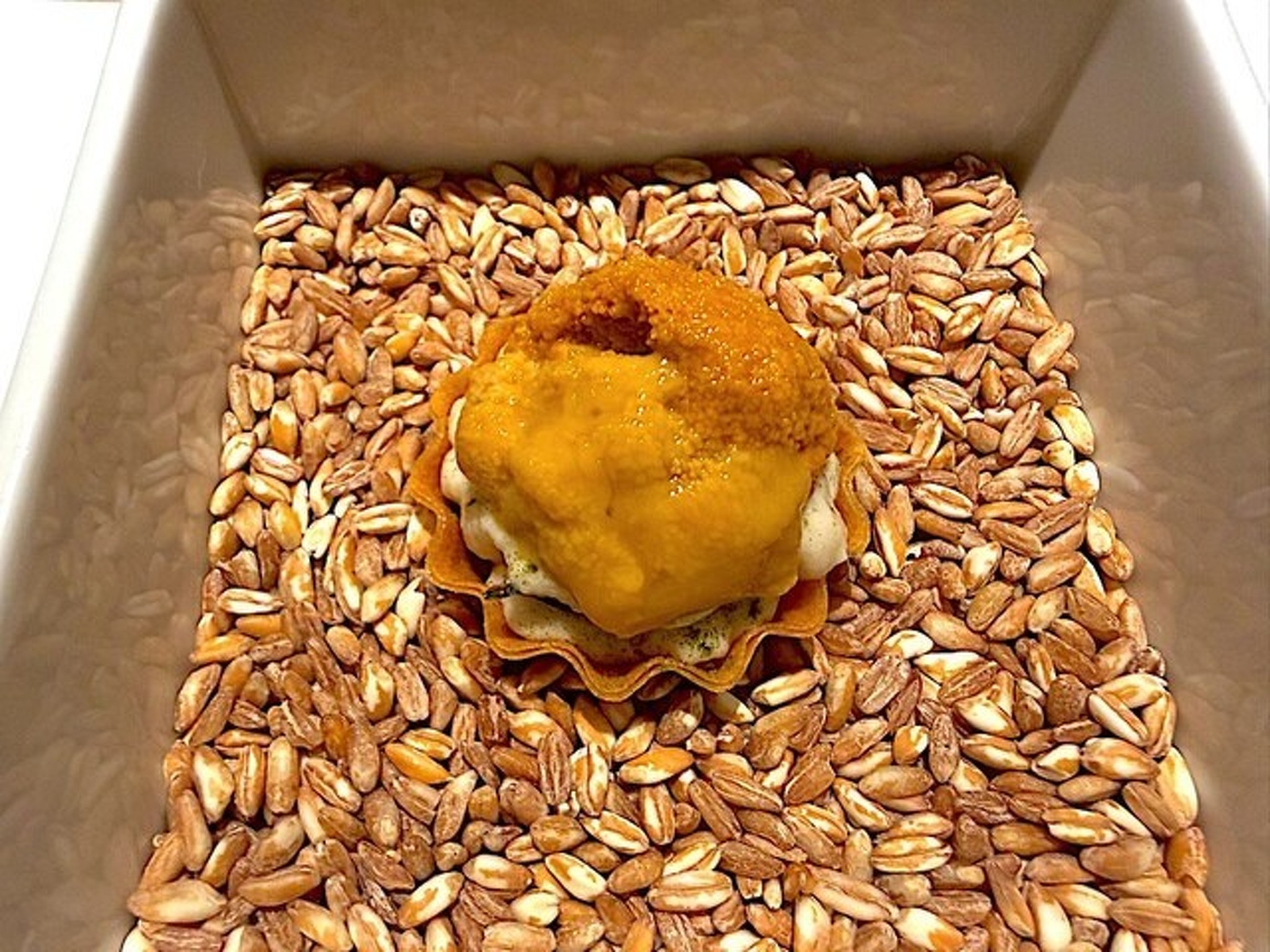
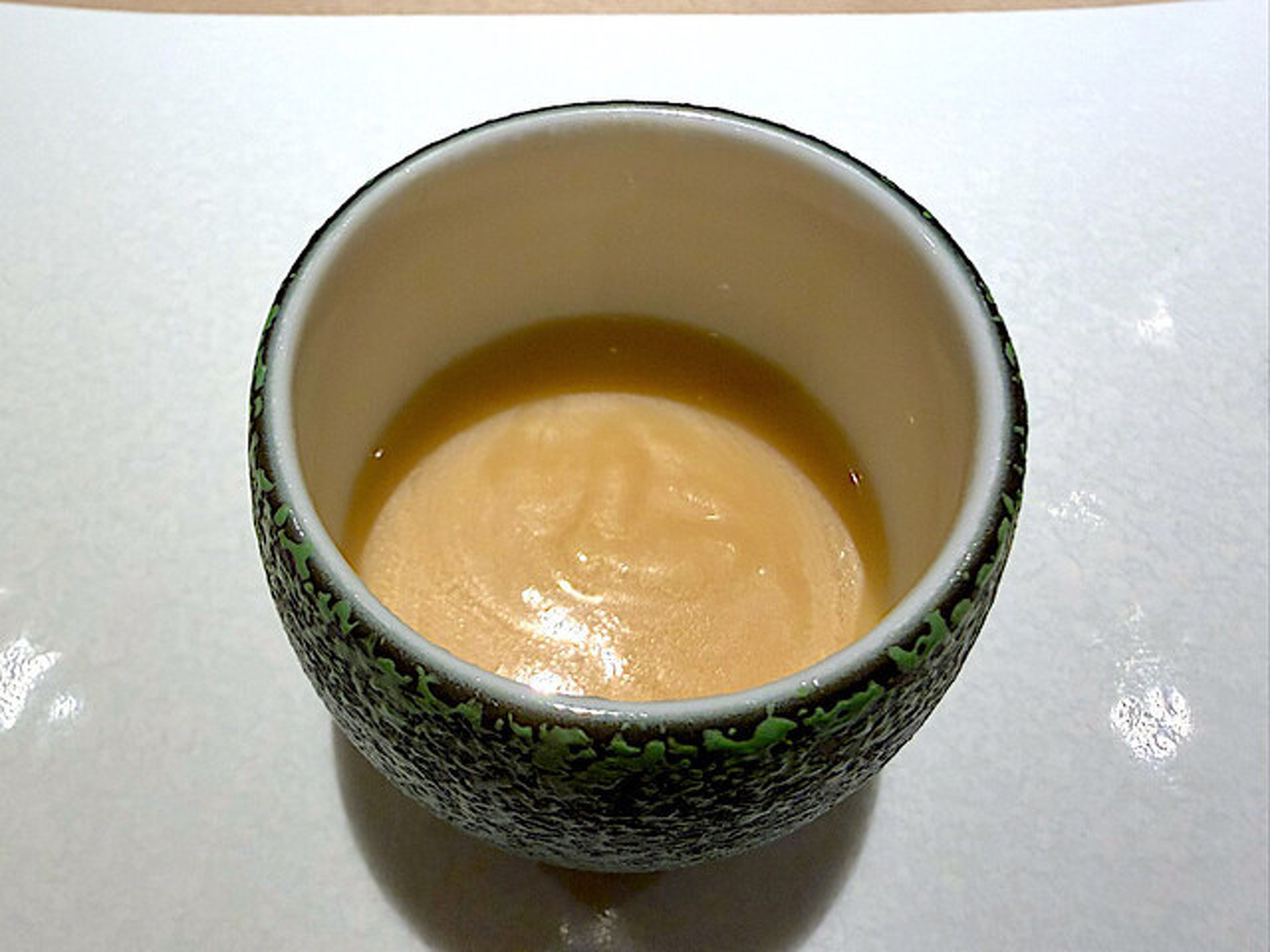
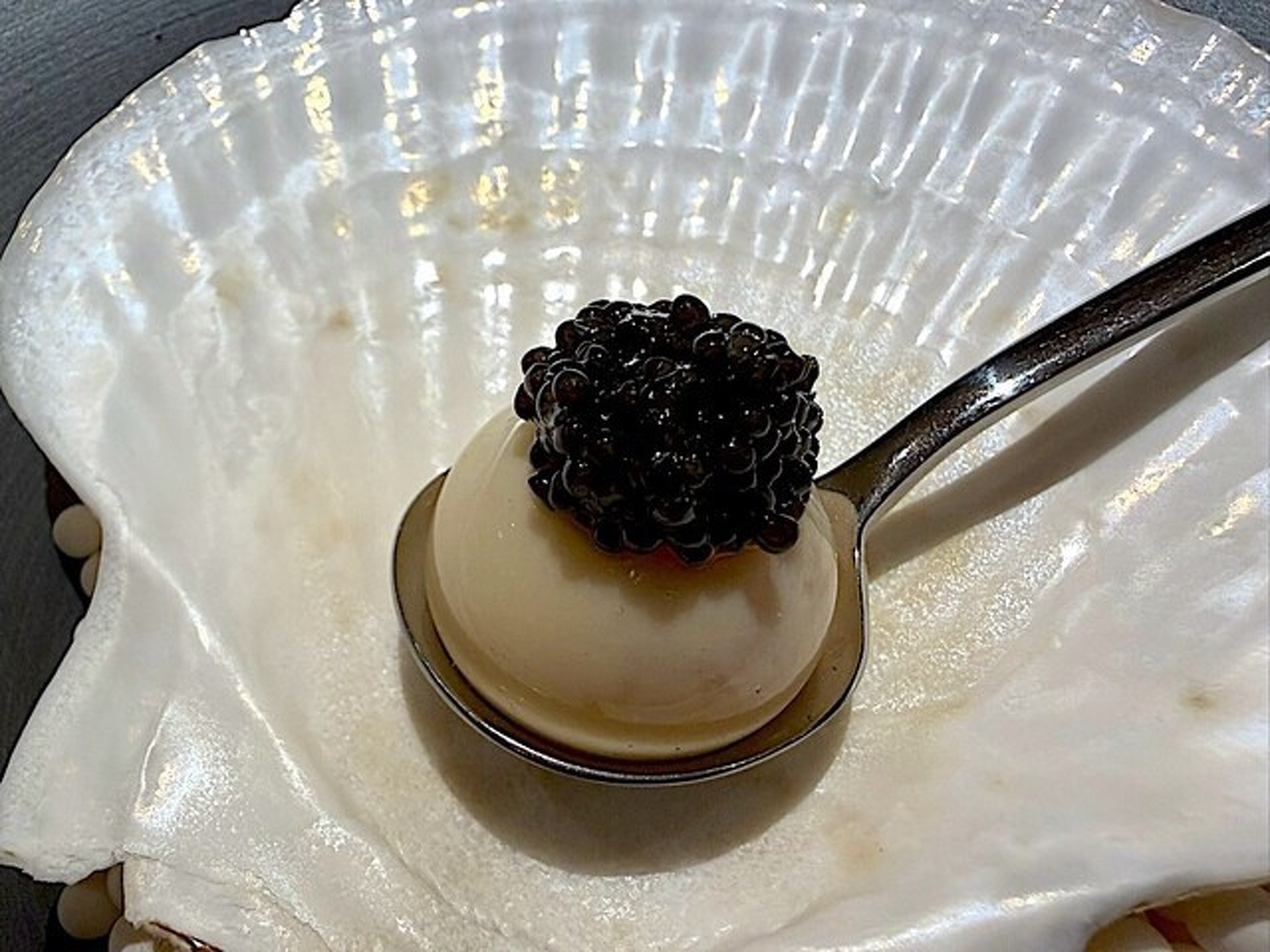
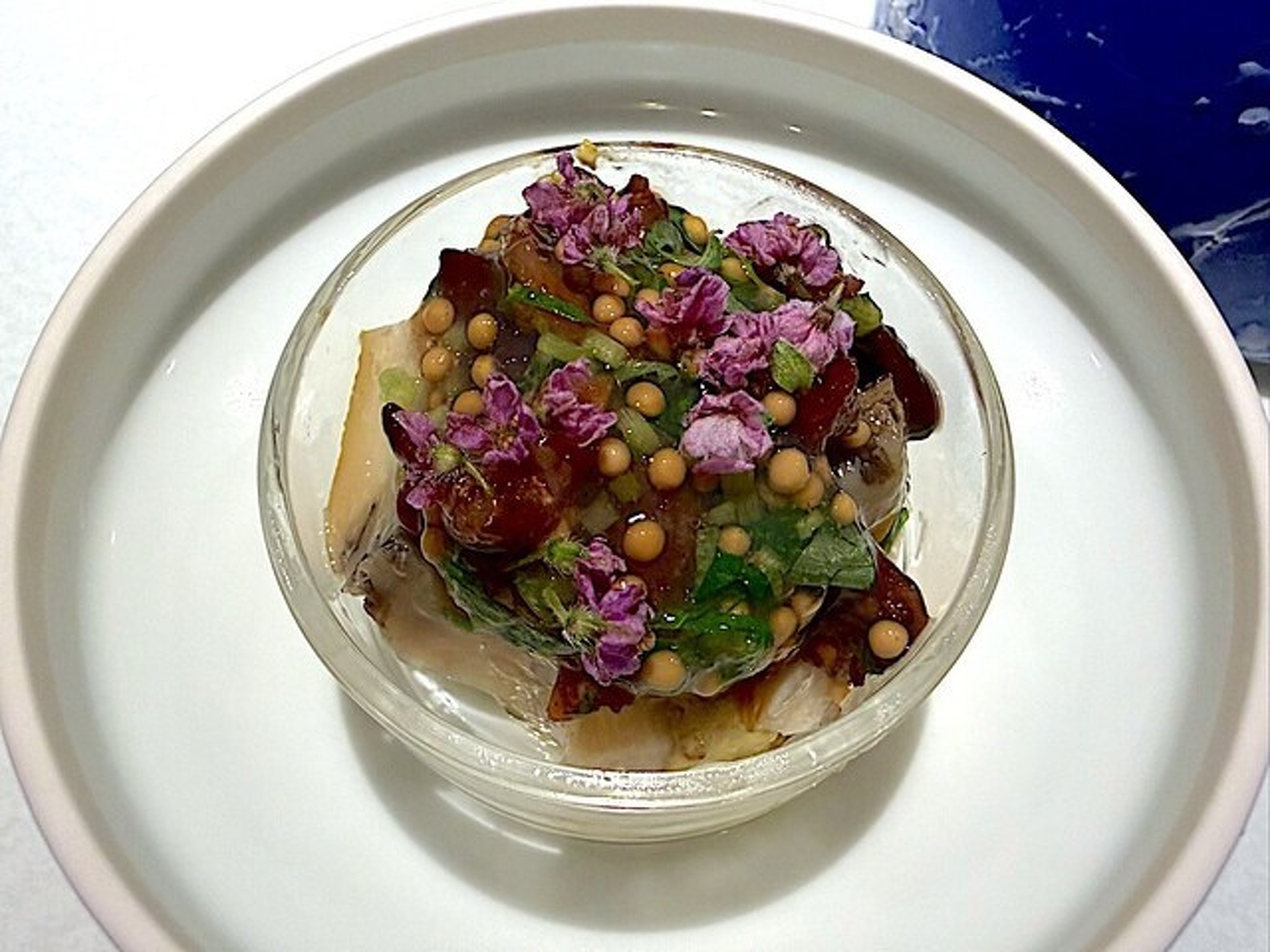
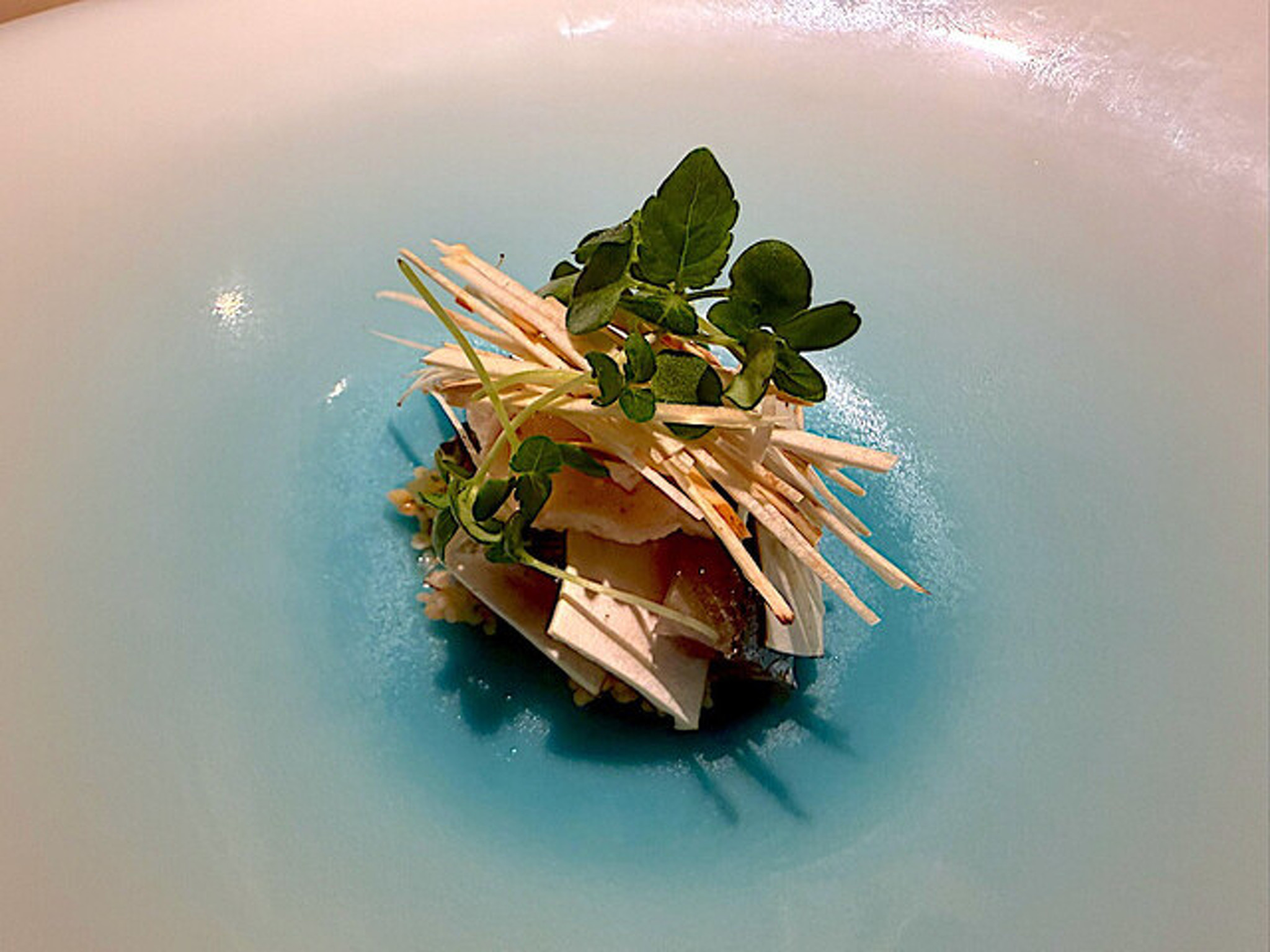
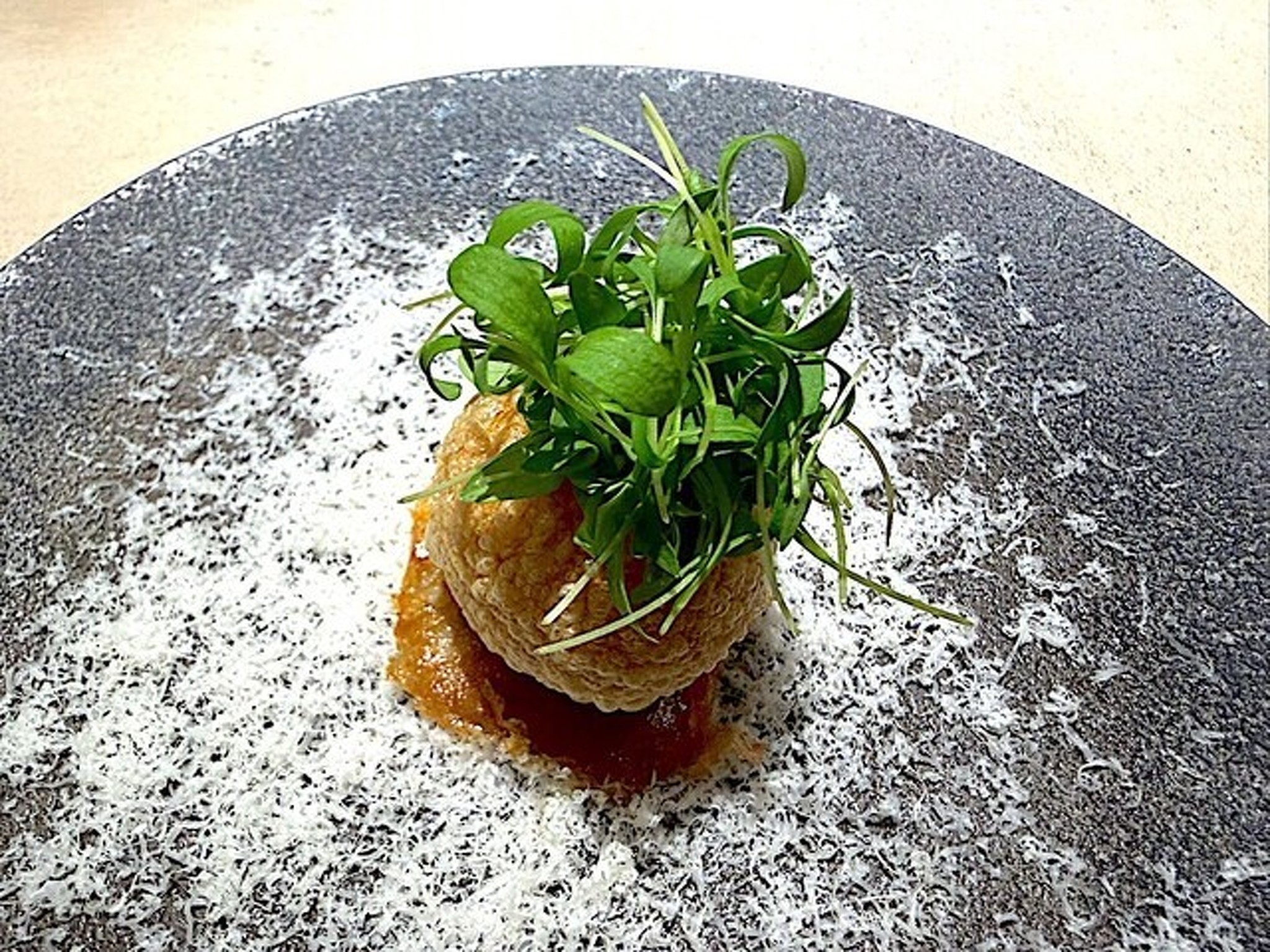
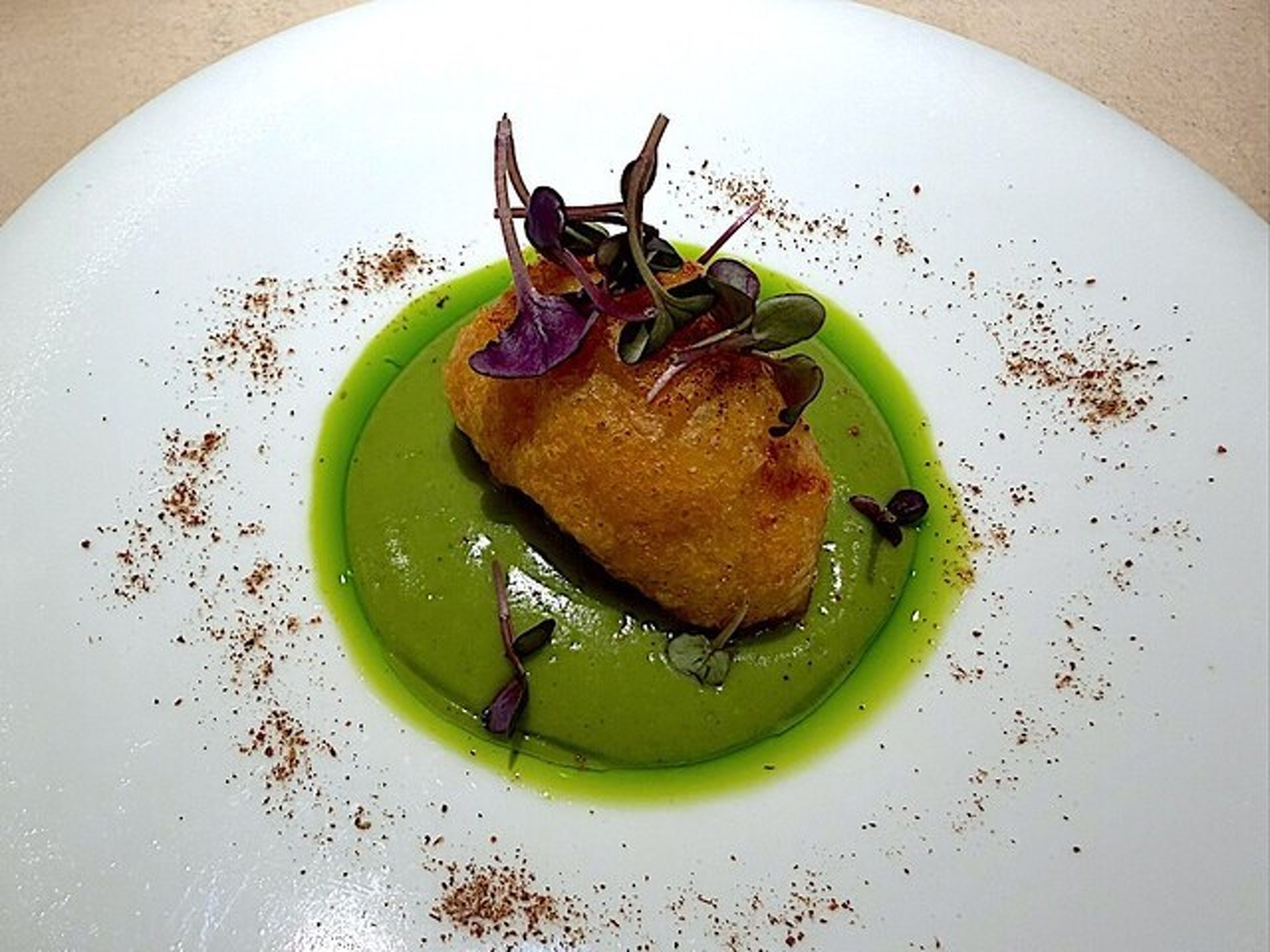
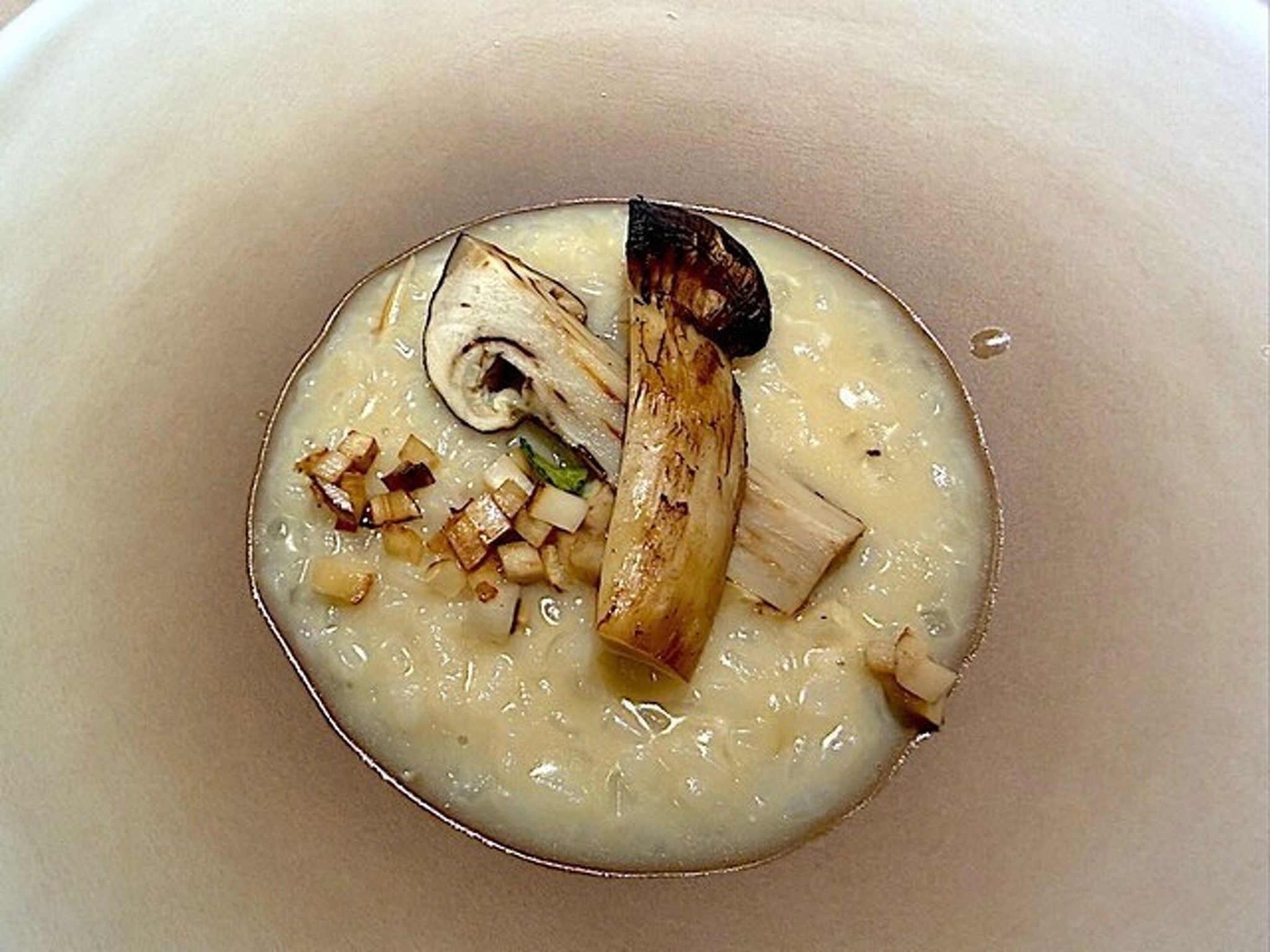
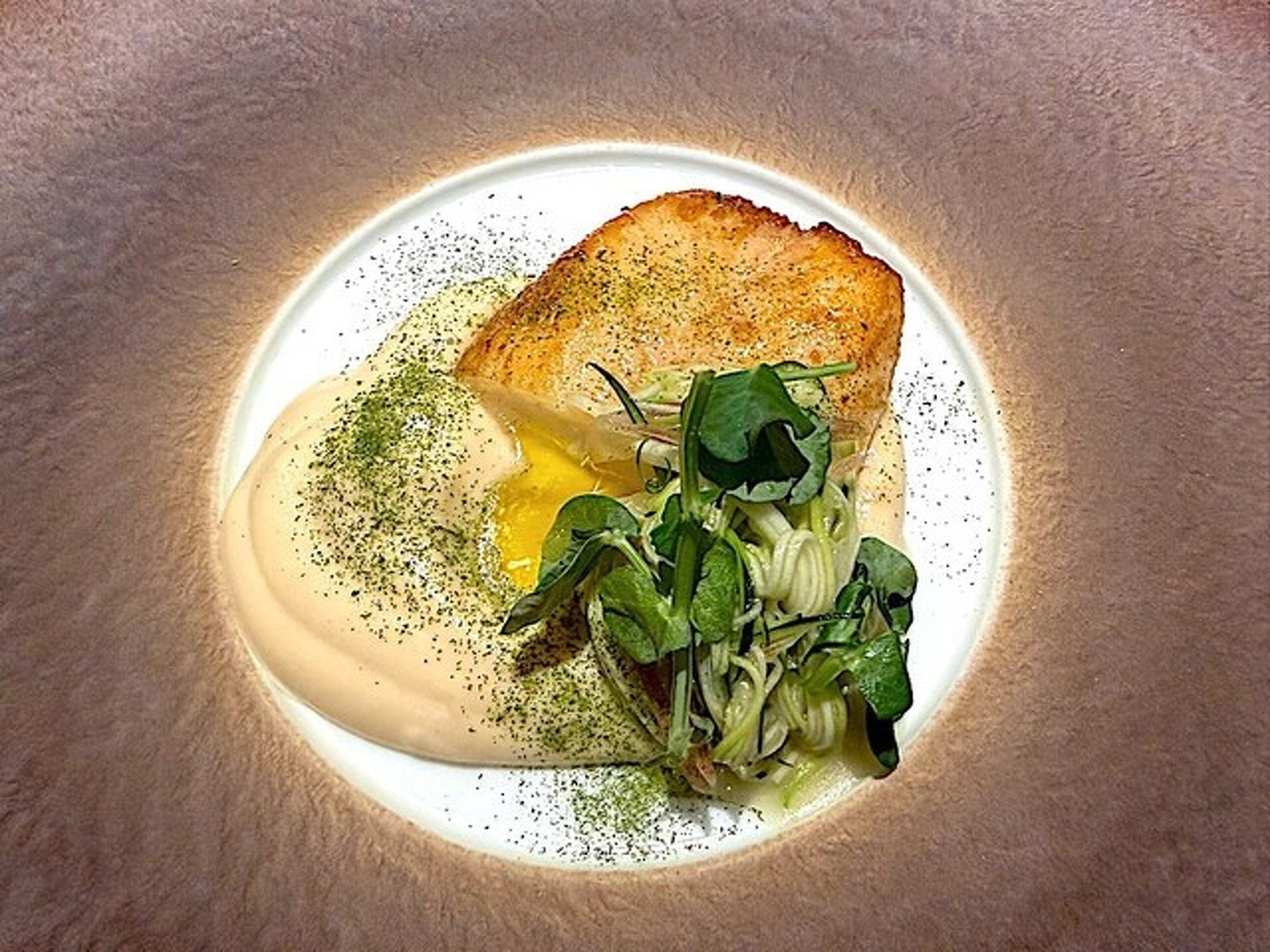
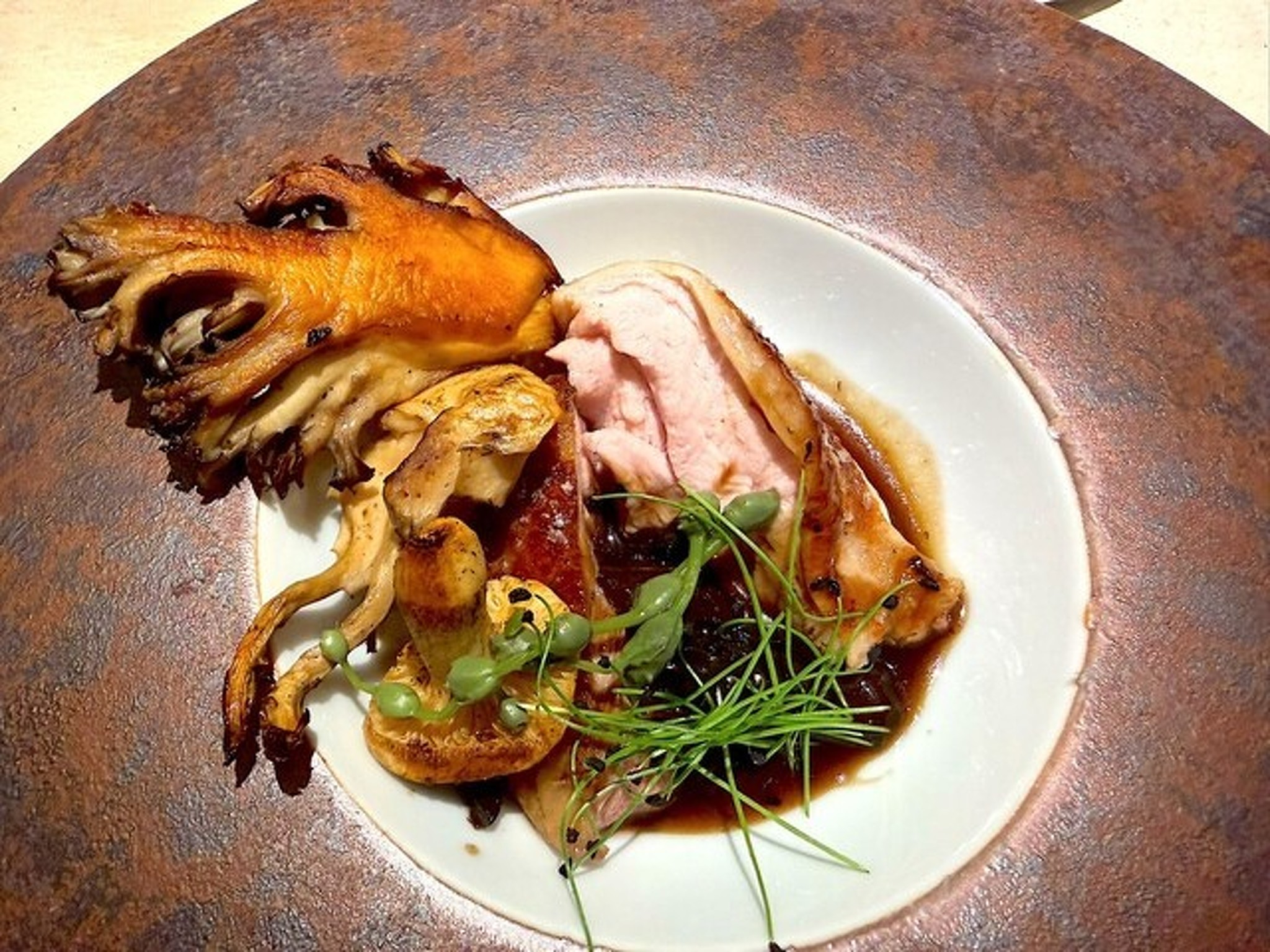
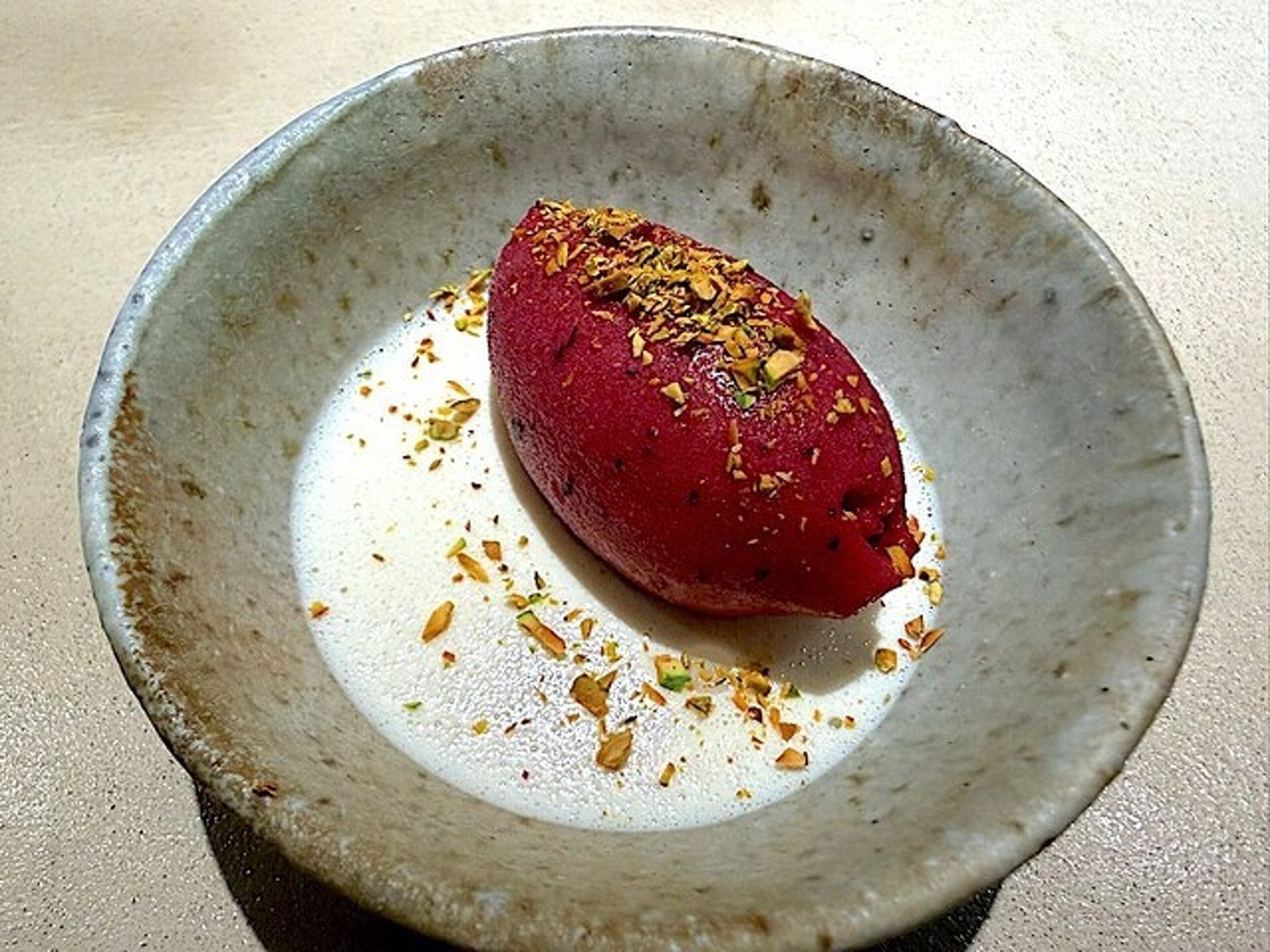
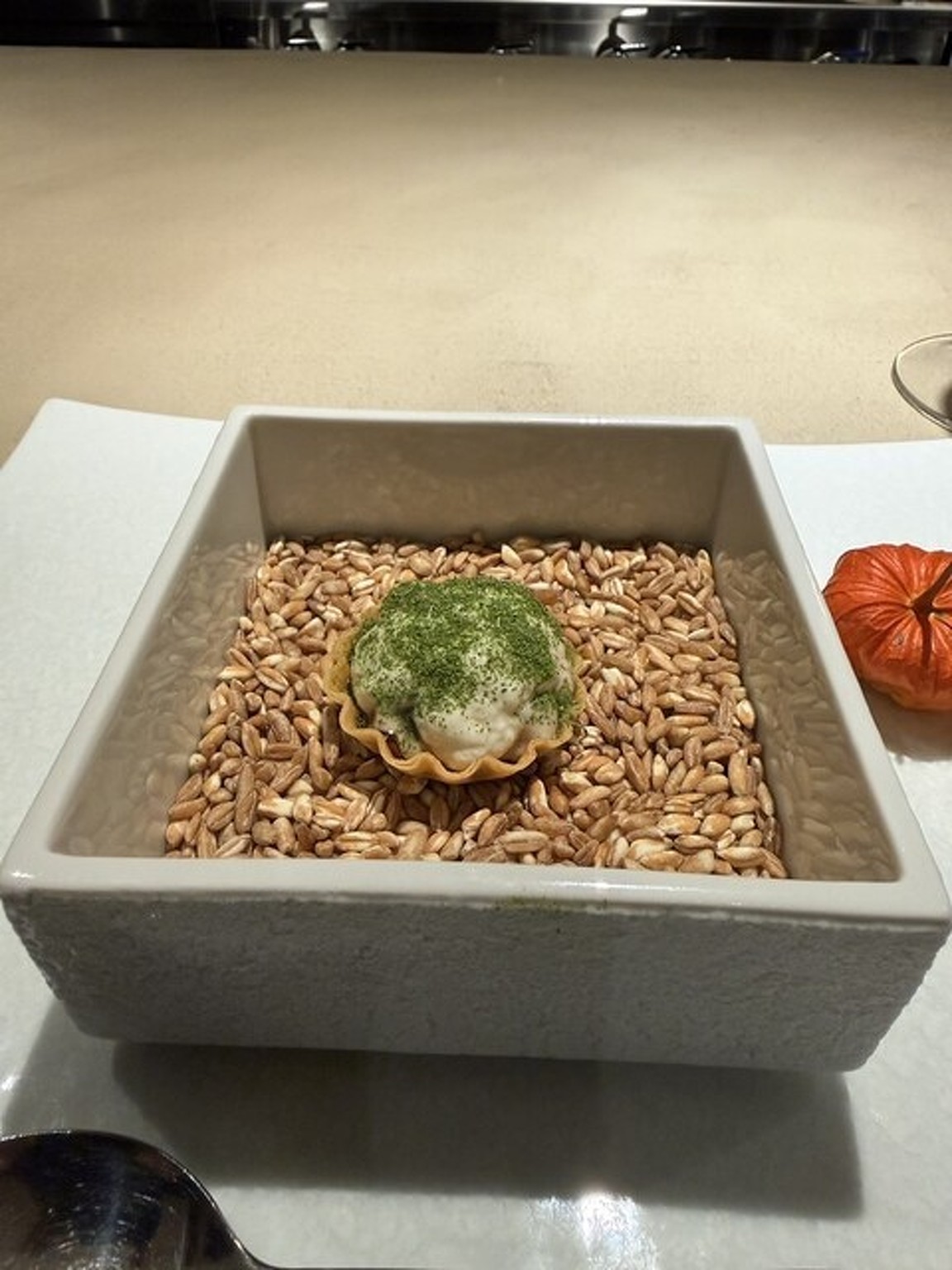
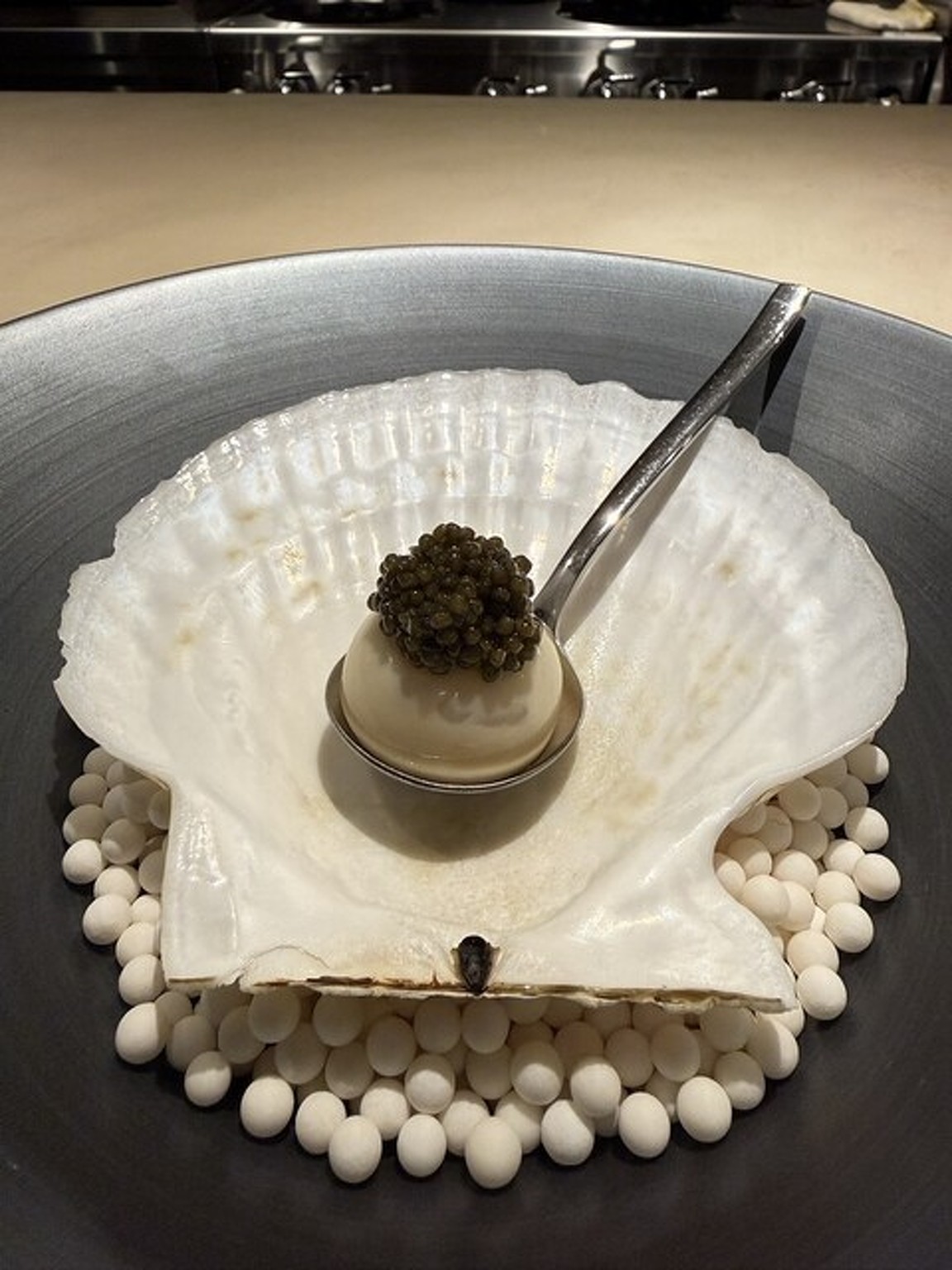
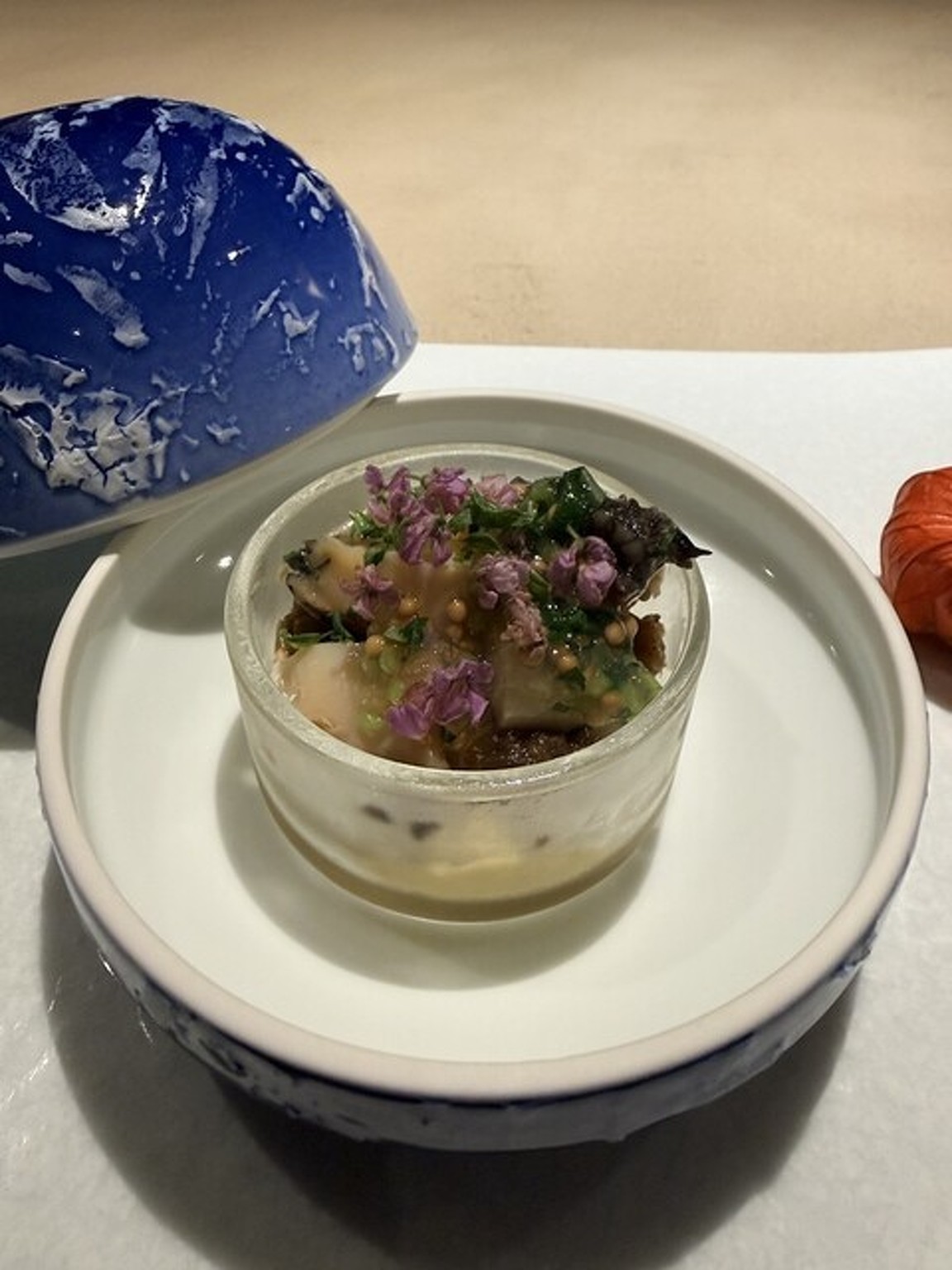
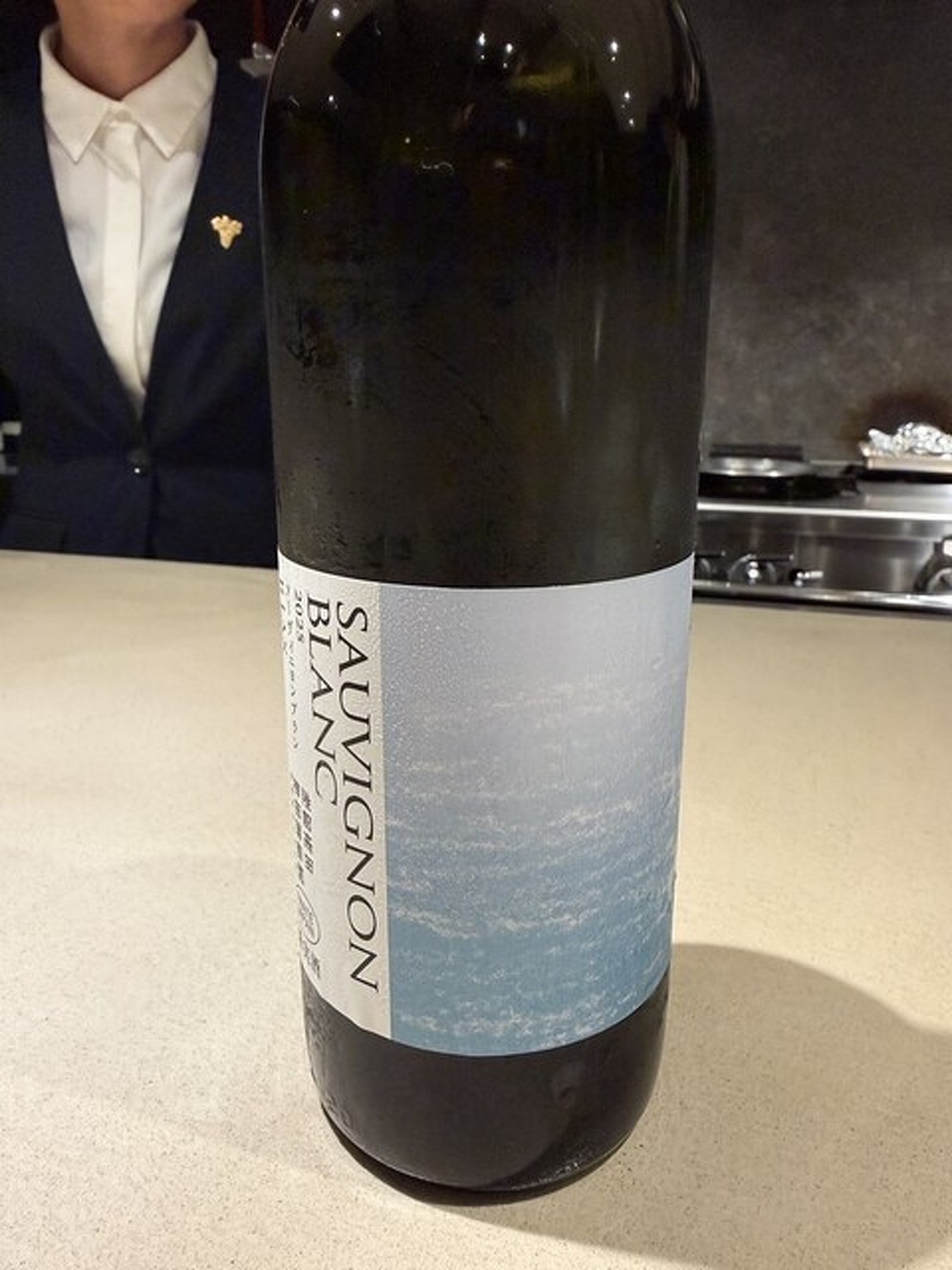
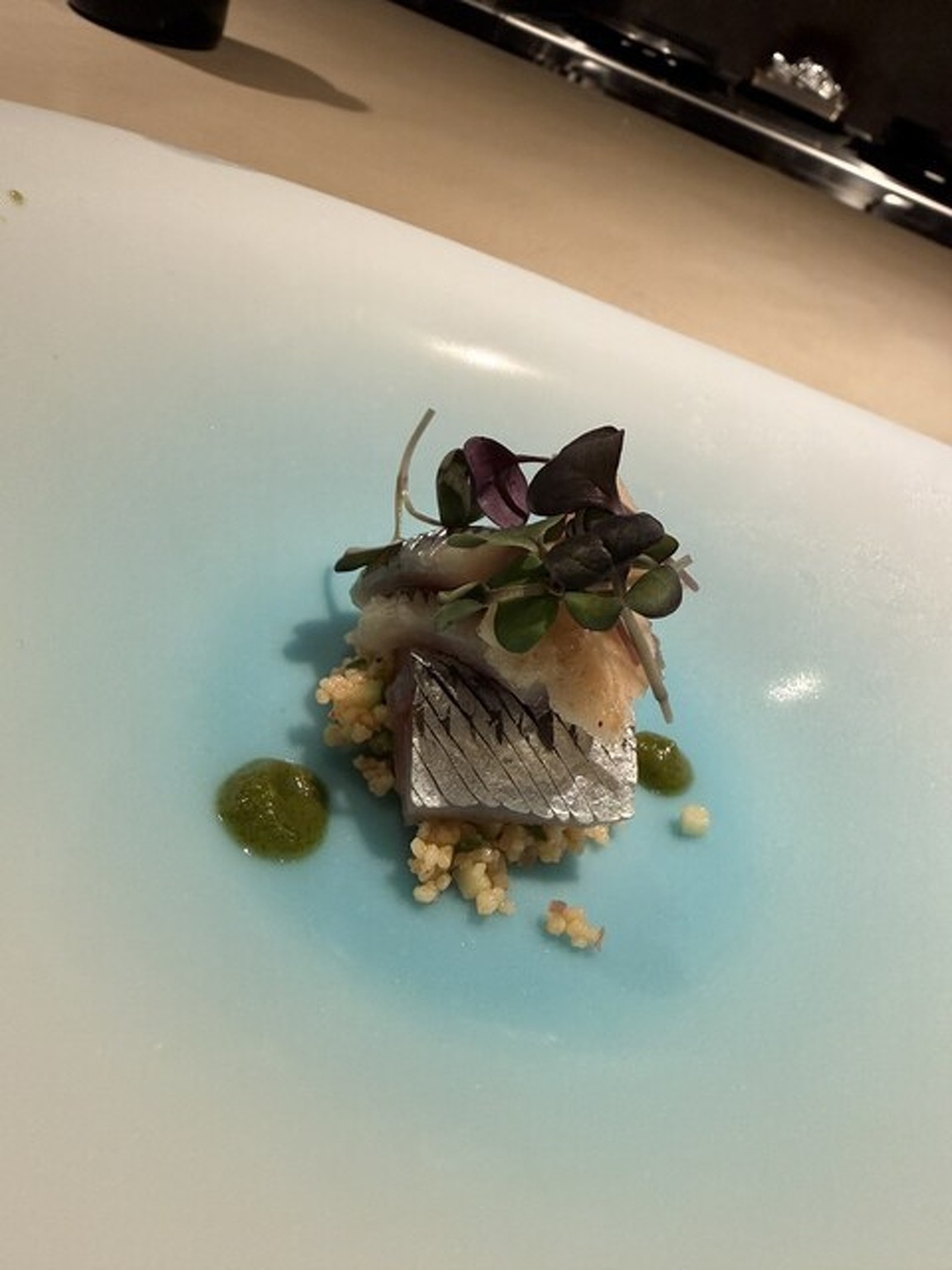
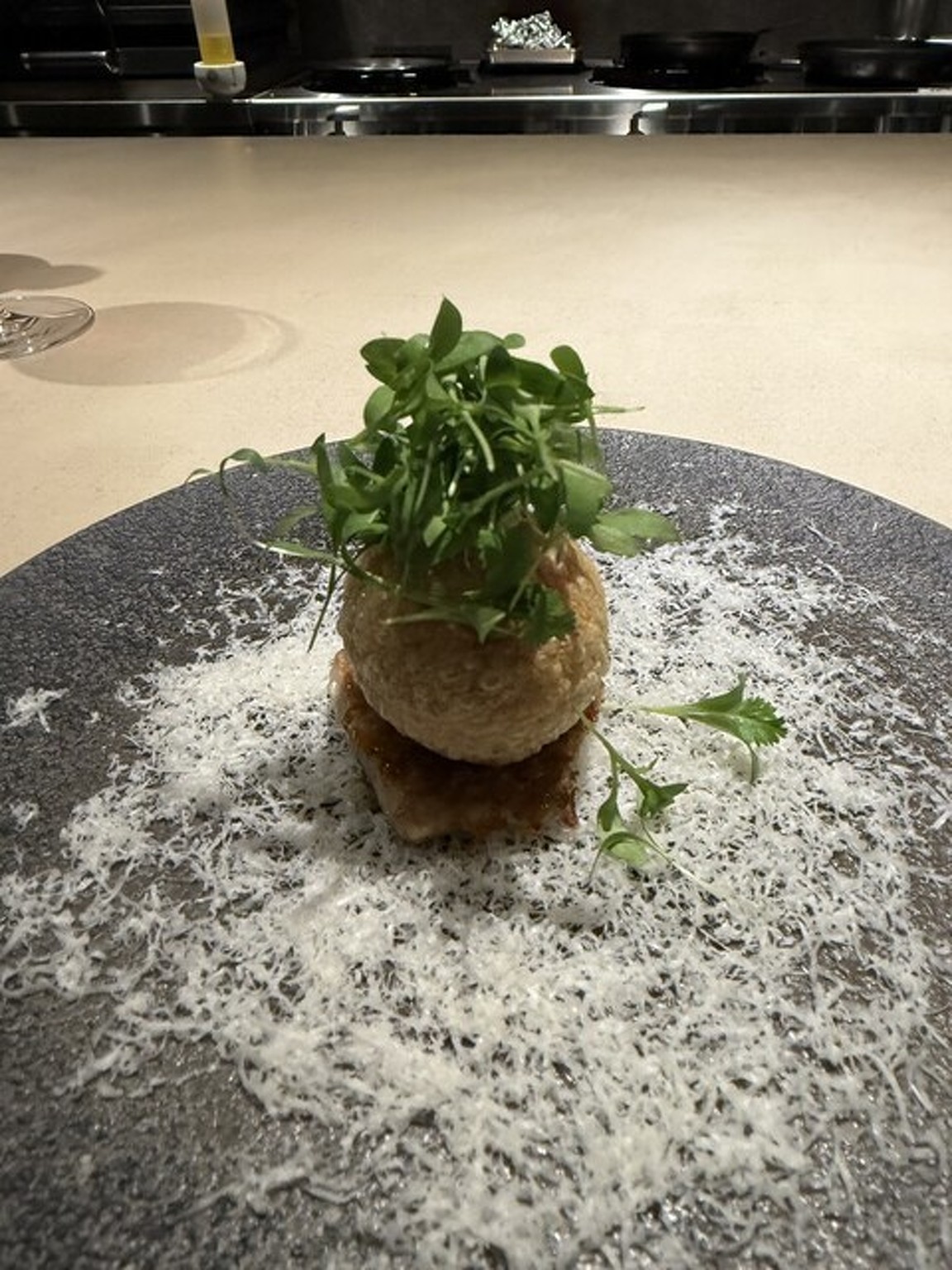
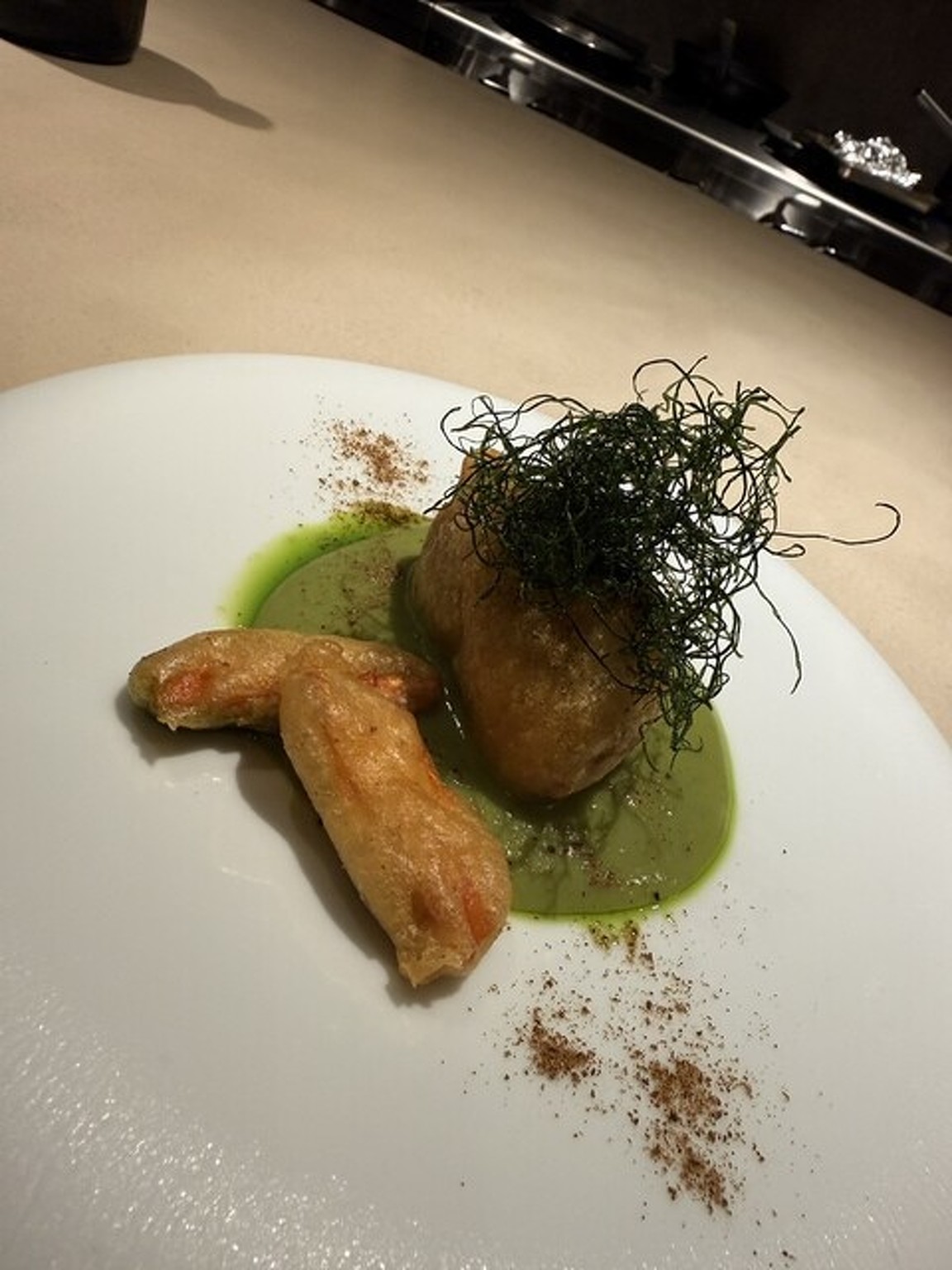
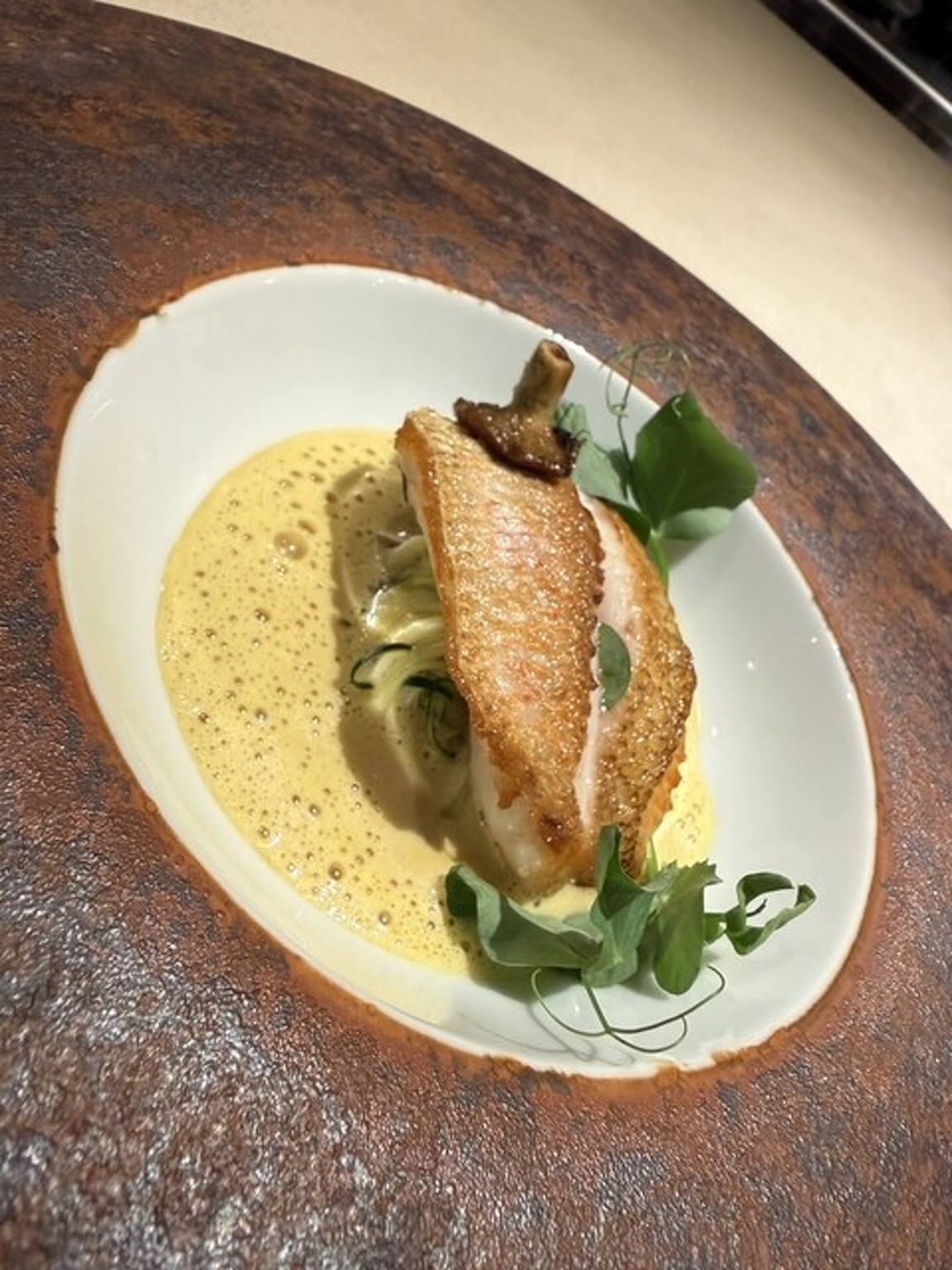
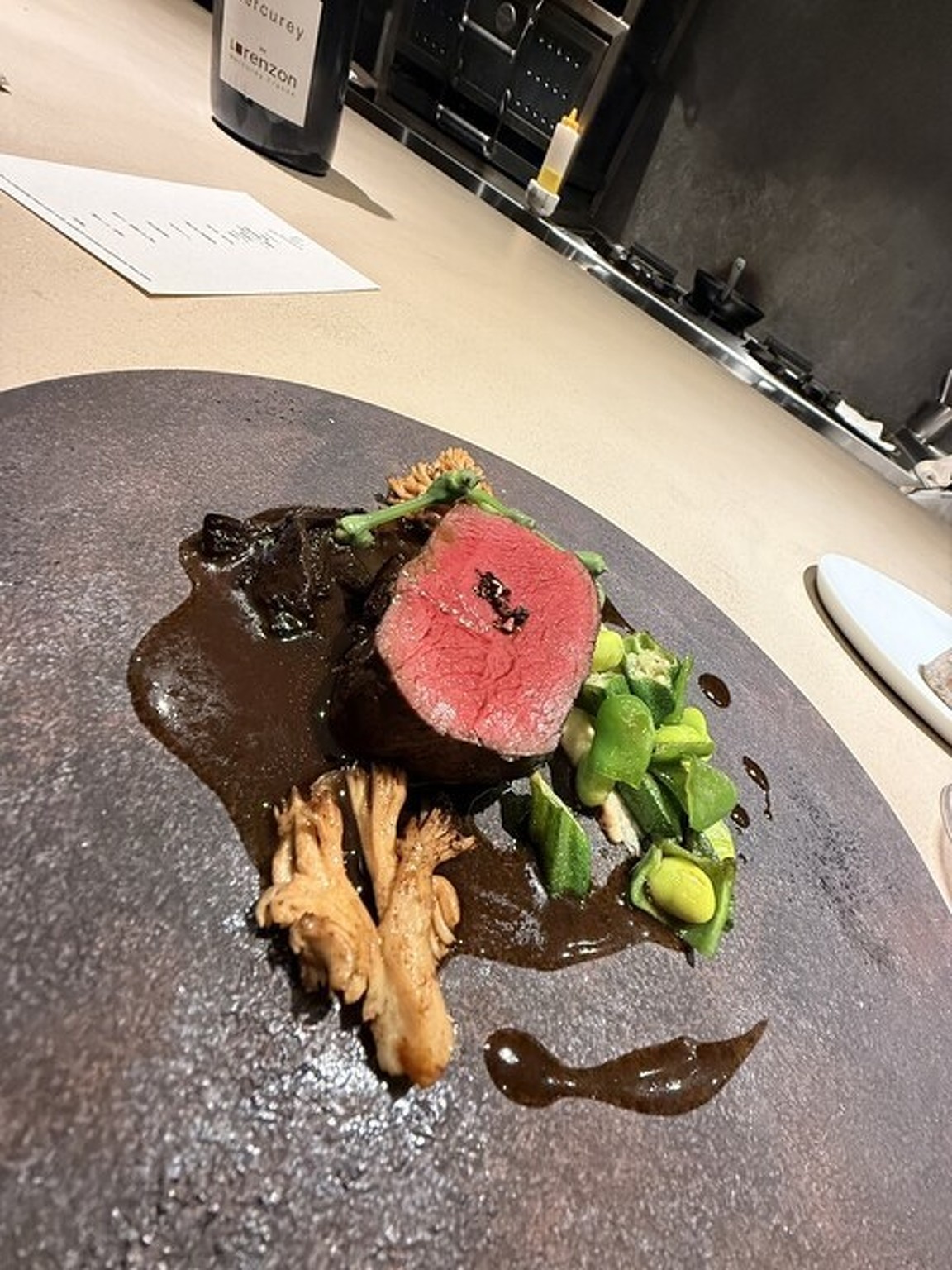
I was really looking forward to visiting Ristorante SHIKAZAWA in Morioka this time.The chef behind the dishes is Yasuyuki Shikazawa, born in Morioka. He learned to cook in Iwate Prefecture and opened "Trattoria da Cotta" in 2010. After the Great East Japan Earthquake, he strengthened his desire to create a restaurant that could showcase Iwate, leading to the opening of Ristorante SHIKAZAWA in 2015. He currently serves as a "Food Professional Advisor" for Iwate Prefecture.The restaurant is located in Nata-cho, Morioka, and it highlights the natural ingredients and flavors of Iwate and Sanriku.After tasting the food, I realized that simply calling this place "Italian cuisine using Iwate ingredients" is quite misleading.While there are certainly elements of Italian cuisine such as risotto, Parmigiano, and olive oil, the same course also seamlessly incorporates Japanese flavors and aromas like rice vinegar, mulberry tea, kombu, fish sauce, sake, sansho pepper, and myoga, connecting them with seafood from Sanriku and mountain ingredients from Iwate.It’s not just Italian; it’s a unique style of "Shikazawa cuisine."This was the essence of the course.---Oyster mousse tart, rice vinegar jelly, Iwate sea urchin, mulberry tea leaves.From the start, it was distinctly SHIKAZAWA.The oyster mousse is crafted into a tart, topped with rice vinegar jelly, Iwate sea urchin, and mulberry tea leaves.The umami of the oyster blends with the sweetness of the sea urchin, while the acidity of the rice vinegar tightens the overall flavor.Despite layering the ocean's flavors, it doesn’t feel heavy; the acidity beautifully defines the dish.Rather than just arranging the ingredients, each flavor is restructured into a cohesive dish.From the very first plate, it’s clear that this restaurant is not just a "locally sourced restaurant."Green apple soup.A soup emulsified with olive oil and green apple.The acidity is just right, fading away smoothly.The refreshing acidity of the green apple is rounded out by the olive oil, naturally resetting the palate.It’s not a flashy dish, but it feels incredibly pleasant within the flow of the course.This is simply delicious!Scallop soup with caviar.The umami of the scallop is incredibly strong.From the moment it hits the palate, the scallop flavor stands out clearly, expanding in umami and sweetness as you continue to eat.Then comes the saltiness of the caviar.It’s rich, but not just heavy; it’s a soup that seems to concentrate the essence of the scallop itself.This dish allows you to directly feel the strength of Sanriku’s ingredients.Narutake mushrooms, abalone, kombu, and fish sauce jelly.Upon tasting, the umami of the mushrooms comes first.Then the abalone emerges.Despite being cream-based, it’s surprisingly light, with the narutake mushrooms providing a chewy texture and rich flavor. The abalone is also tender.The umami of the kombu and fish sauce layers on top, naturally connecting the flavors of the sea and the mountains.While it’s not uncommon to combine sea and mountain ingredients on a plate, here it doesn’t just end with a story of "expressing Iwate’s sea and mountains."It’s genuinely delicious as a dish.I think one of SHIKAZAWA’s strengths is not letting the story of the land overshadow the dish itself.Mackerel marinated, couscous salad, sake mousse, green chili sauce, matsutake.This one is interesting too.The exquisite saltiness of the sake mousse pairs well with the sweet fat of the mackerel.Then comes the kick of the green chili, followed by the aroma of the matsutake.Fat, saltiness, spiciness, and aroma each play their role, overlapping within a single bite.The sake mousse is particularly impressive.It transforms an old Japanese seasoning into a mousse, a Western culinary texture, and pairs it with mackerel and matsutake.At this point, the question of "What kind of cuisine is this?" becomes less meaningful.Beef tripe, sautéed tripe, vegetable ratatouille.The tripe and cheese have a solid umami.In contrast, the ratatouille is concentrated with vegetable flavors.Rather than lightening the richness of the tripe with vegetables, this dish allows the umami of the offal and the umami of the vegetables to clash, creating a delightful contrast.It’s powerful yet balanced.Fried and steamed sea pineapple in batter, broccoli sauce, sansho oil.This dish symbolized "Shikazawa cuisine" quite well.The sea pineapple is fried in batter and then steamed.It’s served with broccoli sauce and sansho oil.The unique aroma of the sea pineapple overlaps with the green notes of broccoli and the fragrance of sansho.Rather than masking the sea pineapple’s distinctiveness to make it more palatable, it doesn’t serve it straight either.As you savor it, the umami and aroma of the sea pineapple gradually expand."Wow, sea pineapple can be prepared like this!"It’s a surprise.The ingredients from Iwate are taken to a place that is neither traditional Japanese nor Italian cuisine. The essence of SHIKAZAWA is condensed in this.Matsutake risotto, Parmigiano cheese, shellfish broth.The aroma of matsutake rises beautifully.And that aroma lingers pleasantly in the mouth.The risotto is rich, with the depth of Parmigiano and the umami of shellfish broth.Just hearing that, it sounds quite strong, yet the star is clearly the matsutake.Rather than letting the cheese push the matsutake towards Italian cuisine, it maintains the essence of autumn in Japan while standing as a risotto.The aroma of the matsutake is truly wonderful.Flounder meunière, celery root sauce, zucchini and myoga salad.The celery root sauce is superb.Within its gentle flavor, there’s a nuance reminiscent of earthiness and sweetness, supporting the mild flounder from below.Accompanied by zucchini and myoga.The flounder is cooked to extract its umami slowly, leaving a lasting impression despite the dish’s subtlety.It’s not just about unusual combinations; it creates a genuinely delicious plate through cooking and sauce.I believe SHIKAZAWA avoids becoming a concept-driven restaurant because of dishes like this.Grilled pharaoh quail, koutake mushrooms, liver sauce.Accompanied by natural maitake, sawara shimeji, and green onions.What stood out first was the natural maitake.It has a powerful aroma and flavor that rivals even matsutake.With each bite, the scent of the mountains fills the mouth, making it more than just a side dish to the meat.The pharaoh quail is moist and delicious, complemented by the rich liver sauce.Meat, liver, koutake, maitake, sawara shimeji—though it layers quite strong elements, the aroma of the wild mushrooms elevates the entire dish.This is a different kind of strength compared to the matsutake, showcasing the wildness of mushrooms.It felt like a dish that encapsulated the autumn mountains of Iwate.Tofu, soy milk bavarois, Campbell’s gelato.Even the dessert is characteristic of SHIKAZAWA.The Campbell’s gelato has a refreshing acidity.The soy milk bavarois is creamy, with a gentle sweetness that retains the flavor of the beans.Rather than finishing the long course with the heaviness of butter or cream, it ends lightly, leaving a pleasant aftertaste.The tone of the dishes remained consistent until the end.---There’s no lingering sense of having eaten Italian cuisine.After finishing, I found it fascinating.Chef Shikazawa’s cooking is indeed rooted in Italian cuisine.However, reflecting on this course,Oysters, sea urchin, scallops, abalone, mackerel, sea pineapple, matsutake, maitake, koutake—these are all from the sea and mountains of Iwate.Then there’s rice vinegar, mulberry tea, kombu, fish sauce, sake, sansho, and myoga.Additionally, olive oil, couscous, ratatouille, risotto, Parmigiano, and meunière.The boundaries indicating the nationality of the dishes have almost lost their meaning.Yet, it feels slightly different from the term "fusion cuisine."The goal isn’t merely to blend Japanese and Italian cuisines; it starts with the land of Iwate.The question is how to express the seafood, mountain produce, and seasonal ingredients from that land in the most delicious and interesting way.If necessary, Italian cooking techniques are used, as well as Japanese seasonings. The local food culture is also incorporated.Thus, while every dish contains elements of Iwate, it doesn’t feel like you’ve eaten "Iwate’s local cuisine."What was particularly striking were the matsutake and natural maitake.In the matsutake risotto, the well-known glamorous aroma of matsutake is highlighted. Meanwhile, the natural maitake served with the meat dish showcases a strength of aroma and flavor that rivals matsutake.Rather than just lining up high-end ingredients, it draws out the individuality of each ingredient from the land within the dishes.And just like the dish where the sea pineapple is fried in batter and steamed, familiar ingredients from Iwate are transformed into forms you wouldn’t expect.Through Chef Yasuyuki Shikazawa, Iwate’s ingredients and food culture are deconstructed and then reconstructed into entirely different dishes.It’s not just Italian; it’s a unique style of "Shikazawa cuisine."This feels like the most fitting description.And while prominently featuring Iwate, the lasting impression isn’t that you’ve eaten a lot of Iwate ingredients,but rather that you’ve experienced "Chef Shikazawa’s cuisine."I believe this is the strength of this restaurant.There’s a clear reason to make the trip to Morioka to dine here. Less