We use cookies on this site to enhance your user experience.
Copy of “Destination Restaurants 2025” selected by the Japan Times
Destination Restaurants now has 50 on the map
Presented by The Japan Times since 2021, Destination Restaurants seeks out Japan’s best restaurants beyond big cities, selected by Japanese experts with international diners in mind.
In mid-2024, a guidebook on the 40 restaurants listed from 2021 to 2024 was published to great acclaim. In the fall, NHK’s current affairs program “Close-Up Gendai” featured culinary tourism and showed affluent foreign tourists visiting restaurants that had been included in the list.
Even in areas of Japan suffering depopulation, just a single standout restaurant can draw in tourists, and the economic impact of such restaurants will only grow. Culinary tourism, in which visitors try to experience a region’s culinary culture and heritage, is estimated to now have a global market size of ¥100 trillion ($700 billion), and Japan’s regional restaurants — and the Destination Restaurants list itself — are clearly growing in prominence.
Destination Restaurants 2025, the list’s fifth annual installment, features 10 new entrants, bringing the total to 50. The judging panel of Yoshiki Tsuji, Naoyuki Honda and Takefumi Hamada remains unchanged. Eligible restaurants can be of any genre but must lie outside of Japan’s major cities.
Selections are based on three principles: that the true expression of Japan’s land and climate is to be found in its regional areas; that it is important to unearth unique local talents; and that Destination Restaurants must be different from other rankings.
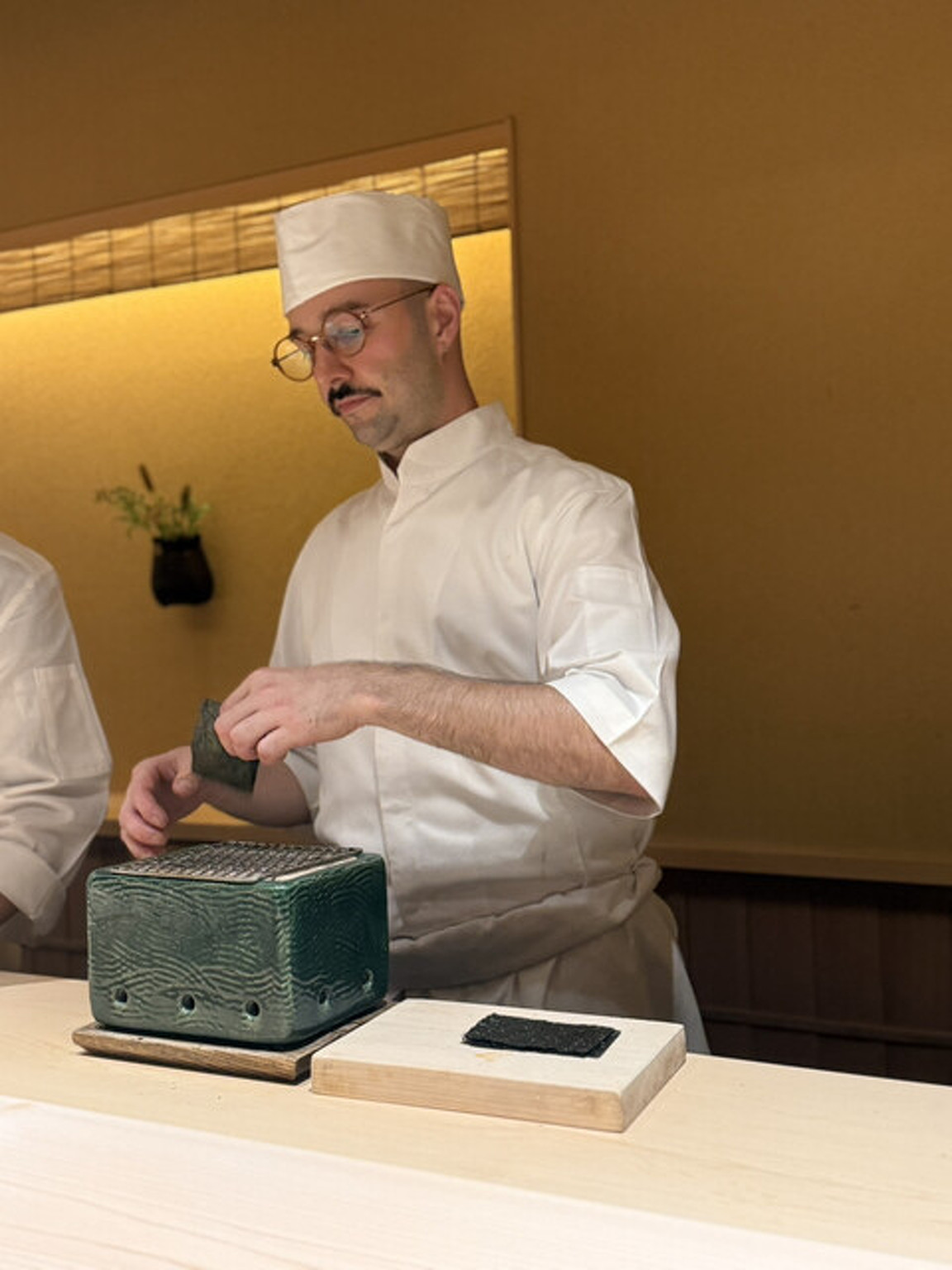
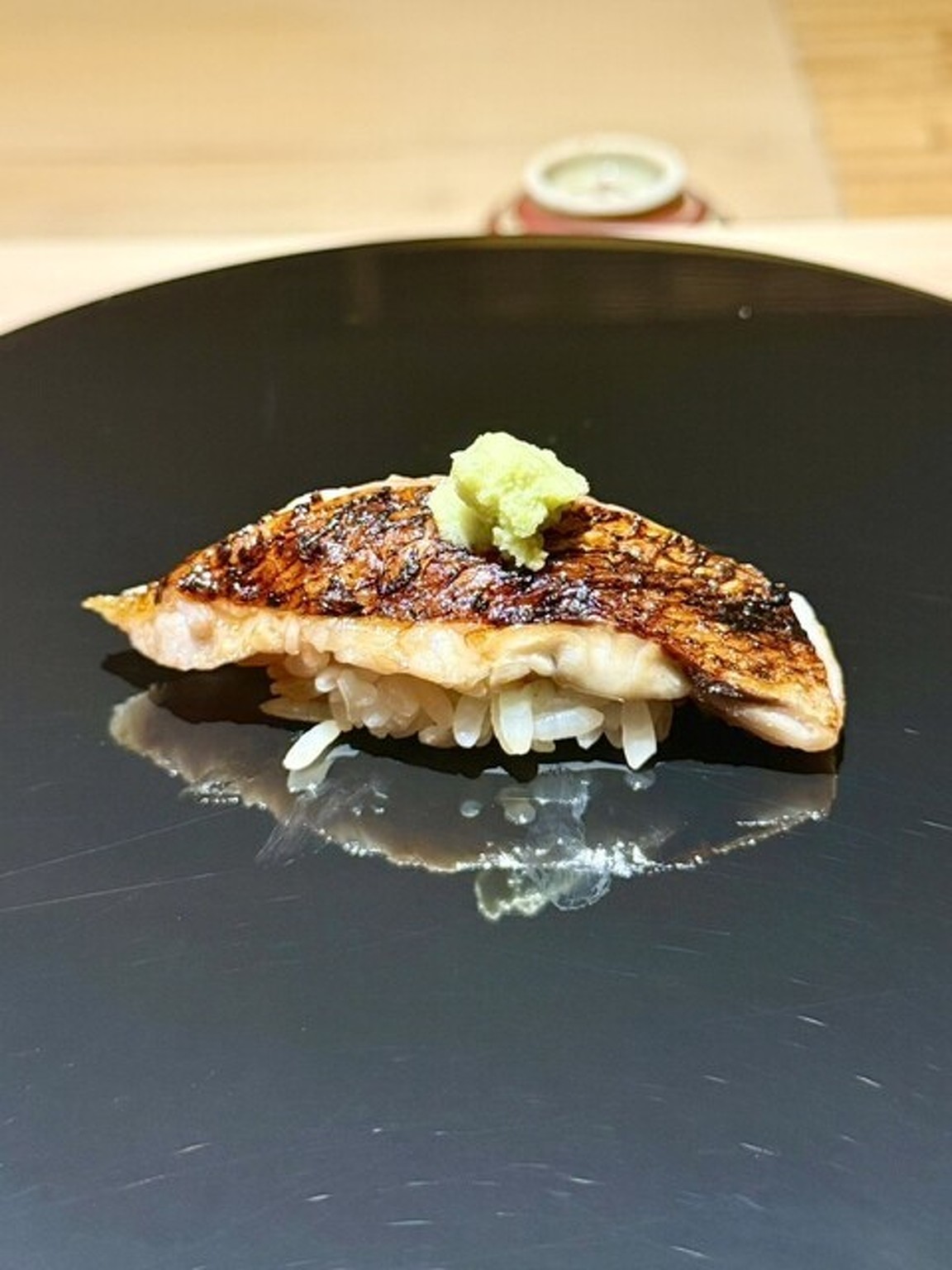
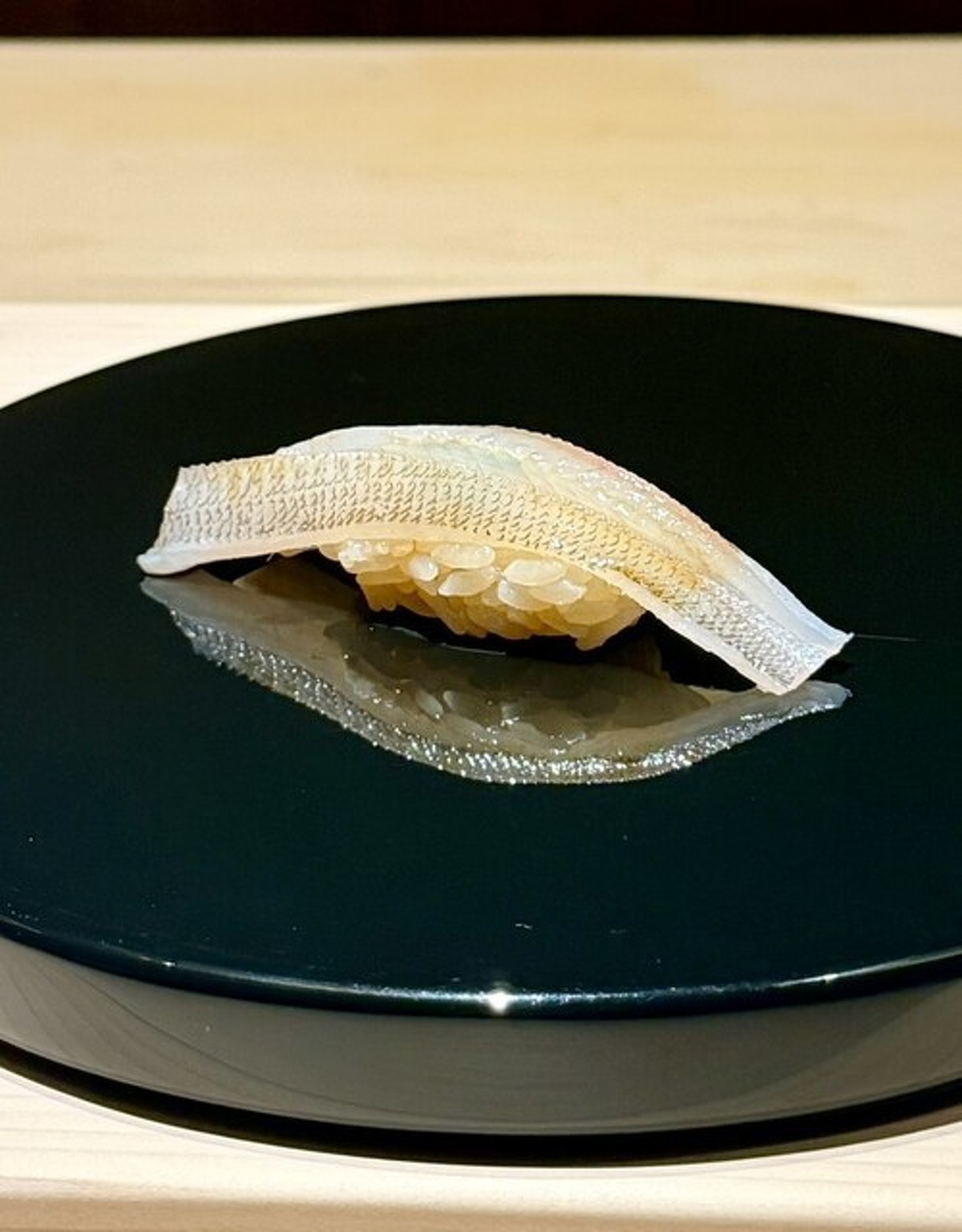
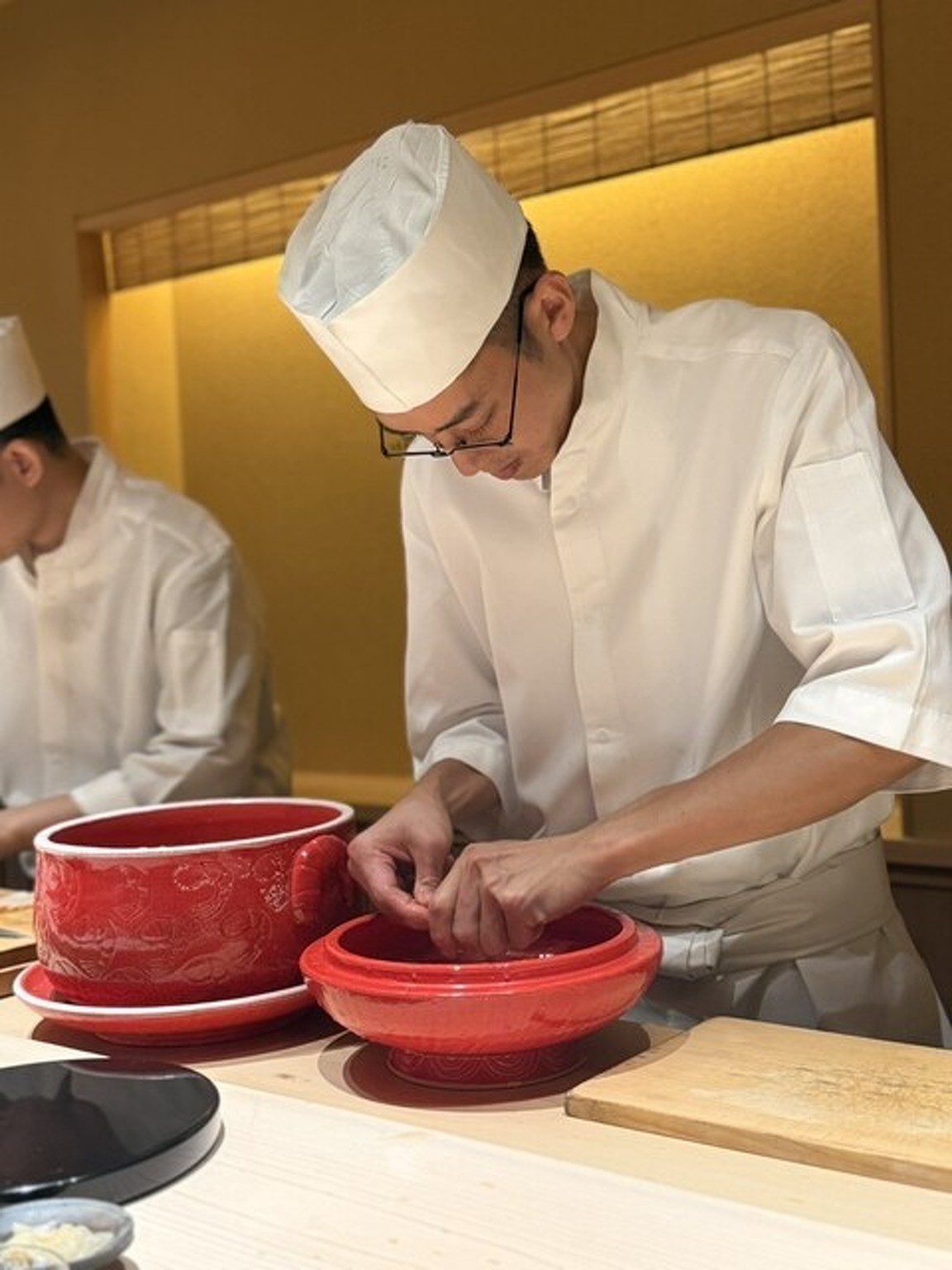
This year, Kurumasushi in Ehime Prefecture on Shikoku has been added to the list, meaning that now all 10 of Japan’s major regions are represented: Hokkaido, Tohoku, Kanto, Tokai, Hokuriku, Kinki, Chugoku, Shikoku, Kyushu and Okinawa.
With the list growing to 50 restaurants, a new map of Japan’s culinary scene is emerging more clearly. And yet many great restaurants still haven’t been selected yet, and many prefectures still don’t have an entry in the list. We hope that by 2030, when the list will have grown to 100 restaurants, there will be at least one from each of Japan’s 47 prefectures.
https://bit.ly/Japan_Times_2025
10
Results Found
Open hours
Monday: 18:00 - 22:00
Tuesday: 18:00 - 22:00
Wednesday: 18:00 - 22:00
Thursday: 18:00 - 22:00
Friday: 18:00 - 22:00
Saturday: 12:00 - 15:00; 18:00 - 22:00
Sunday: 18:00 - 22:00
View
1
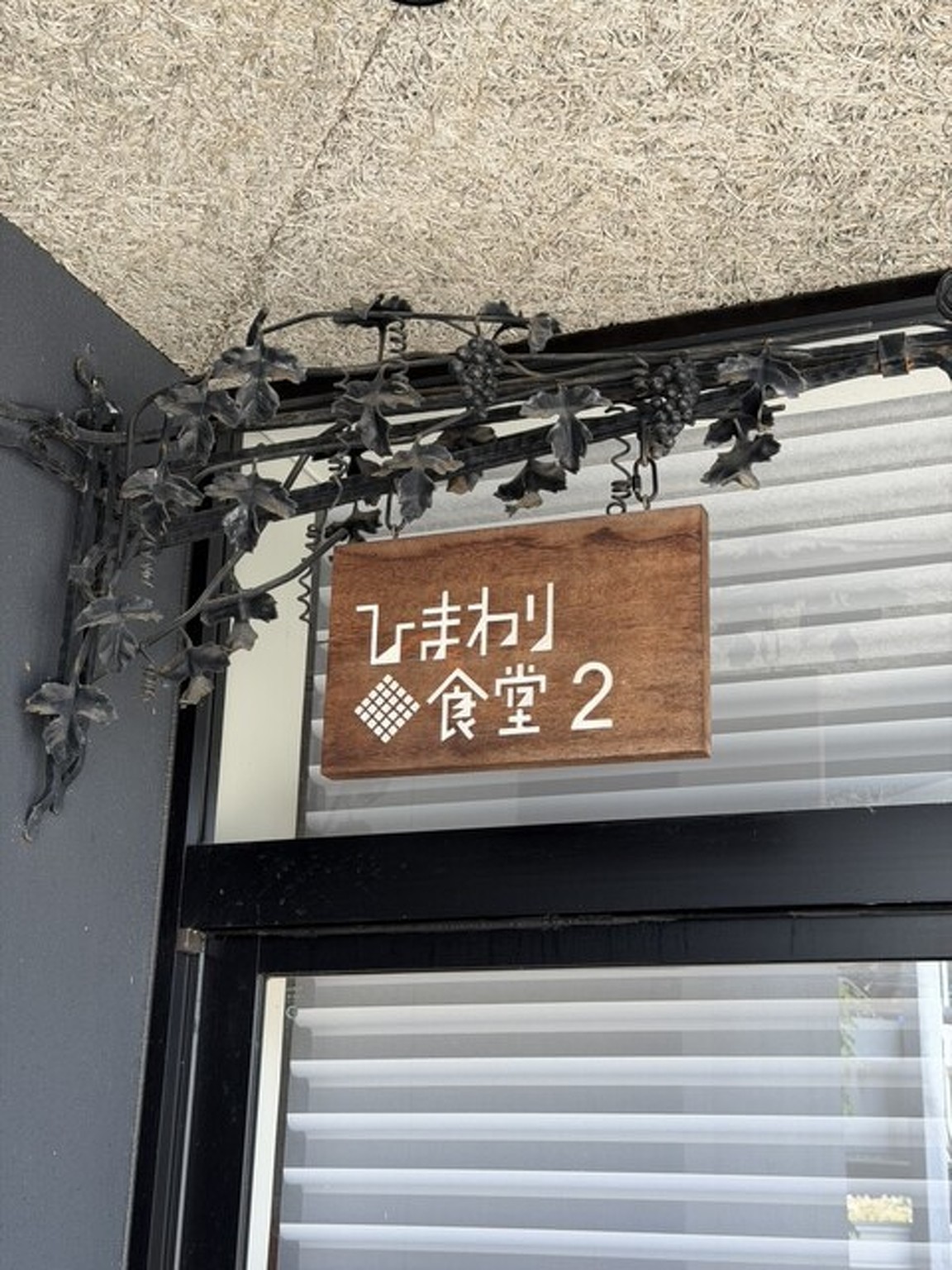
Himawari Shokudo 2 (ひまわり食堂2)
$$$$
Monday: 18:00 - 22:00
Tuesday: 18:00 - 22:00
Wednesday: 18:00 - 22:00
Thursday: 18:00 - 22:00
Friday: 18:00 - 22:00
Saturday: 12:00 - 15:00; 18:00 - 22:00
Sunday: 18:00 - 22:00
Tabelog Bronze
1-chōme-5-18 Jinzūhonmachi, Toyama, 930-0008, Japan
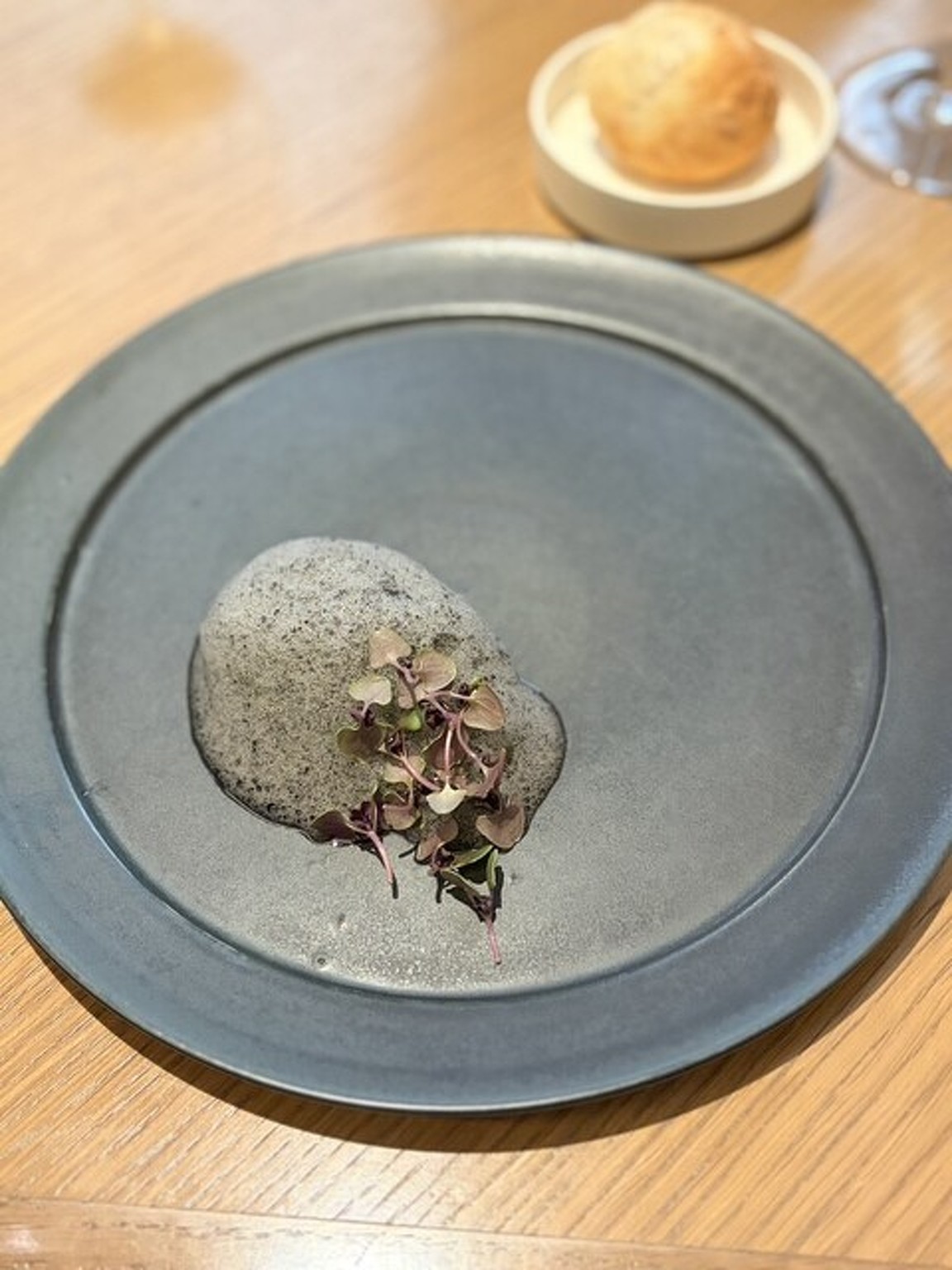
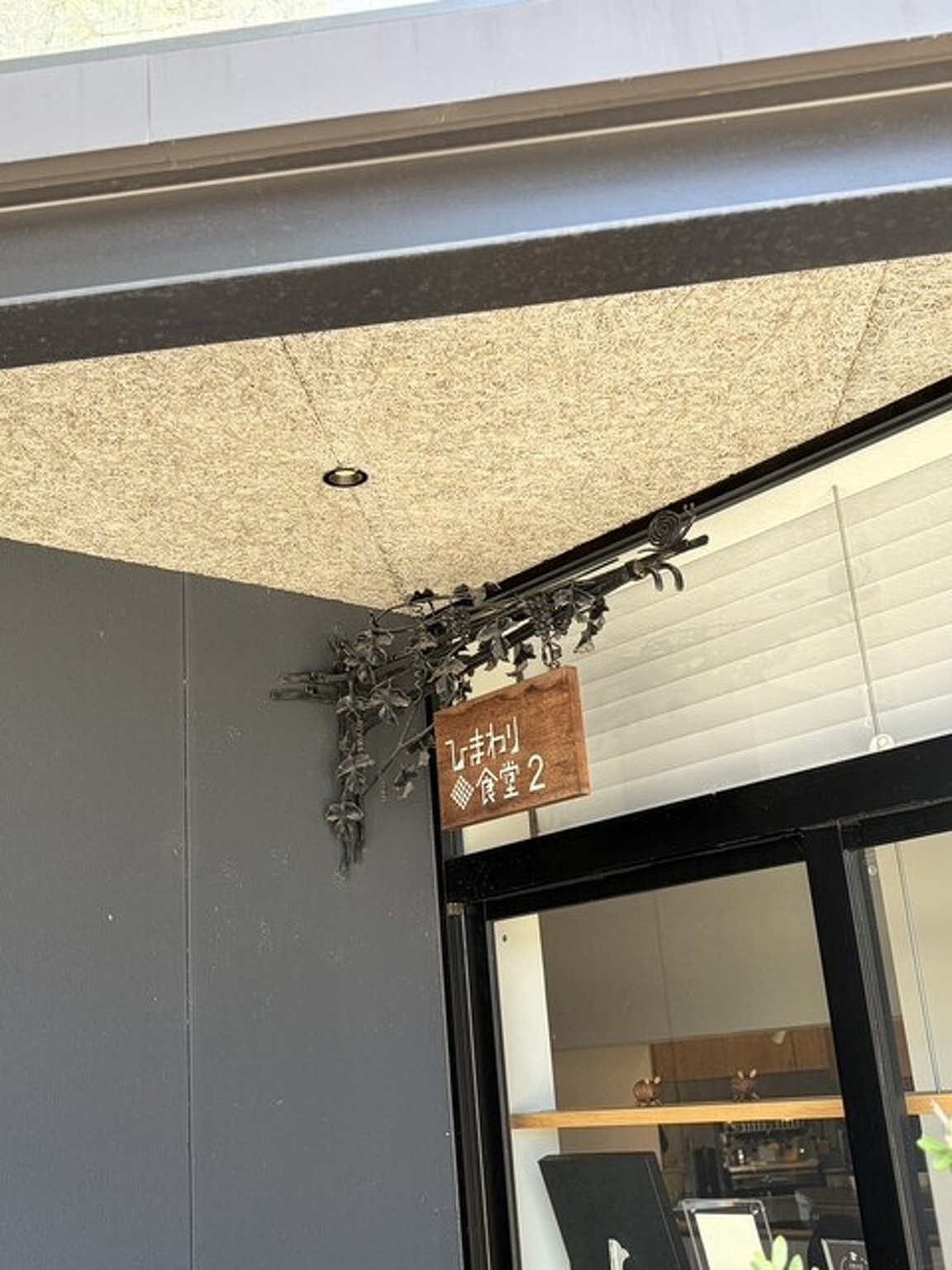
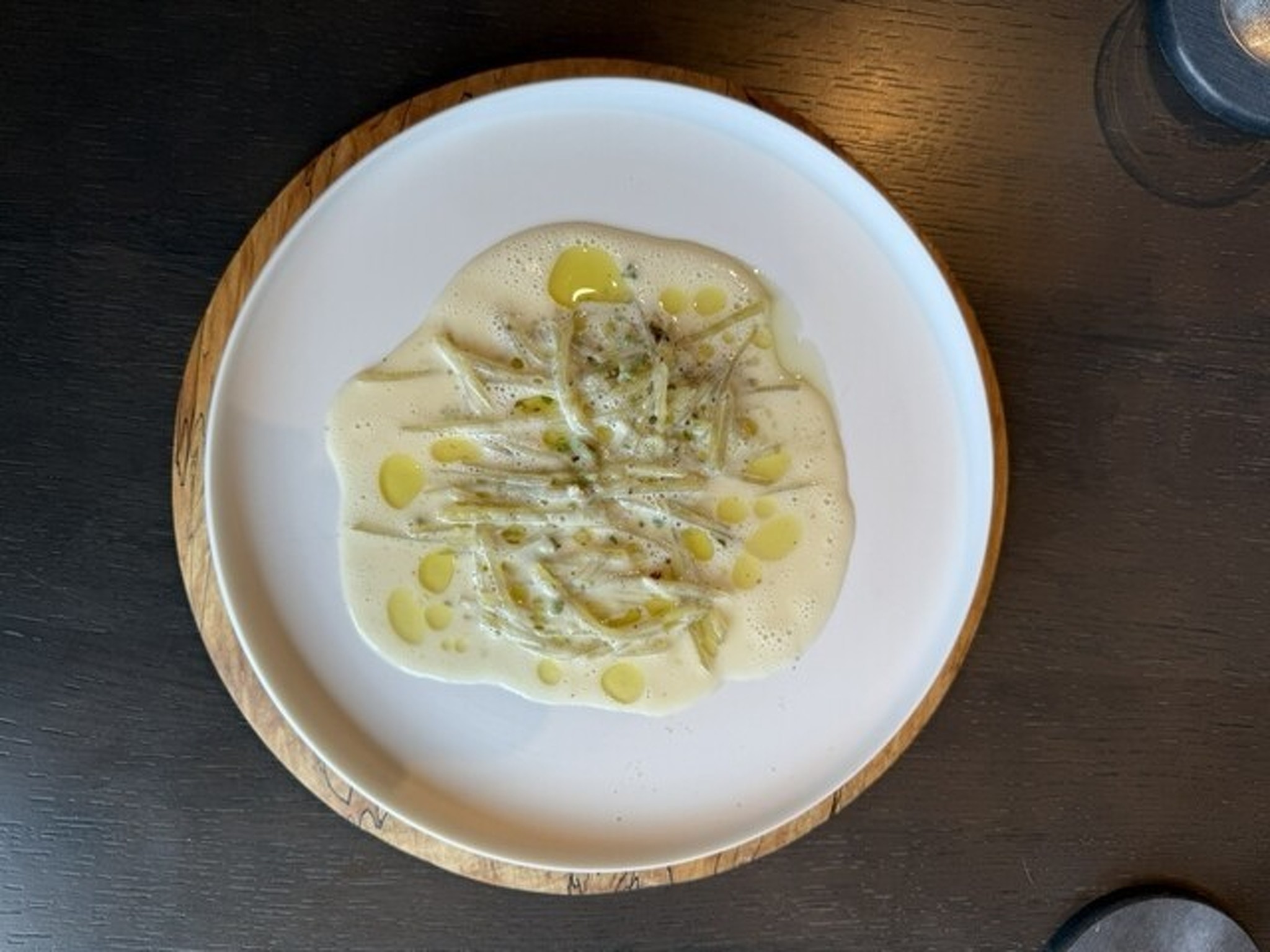
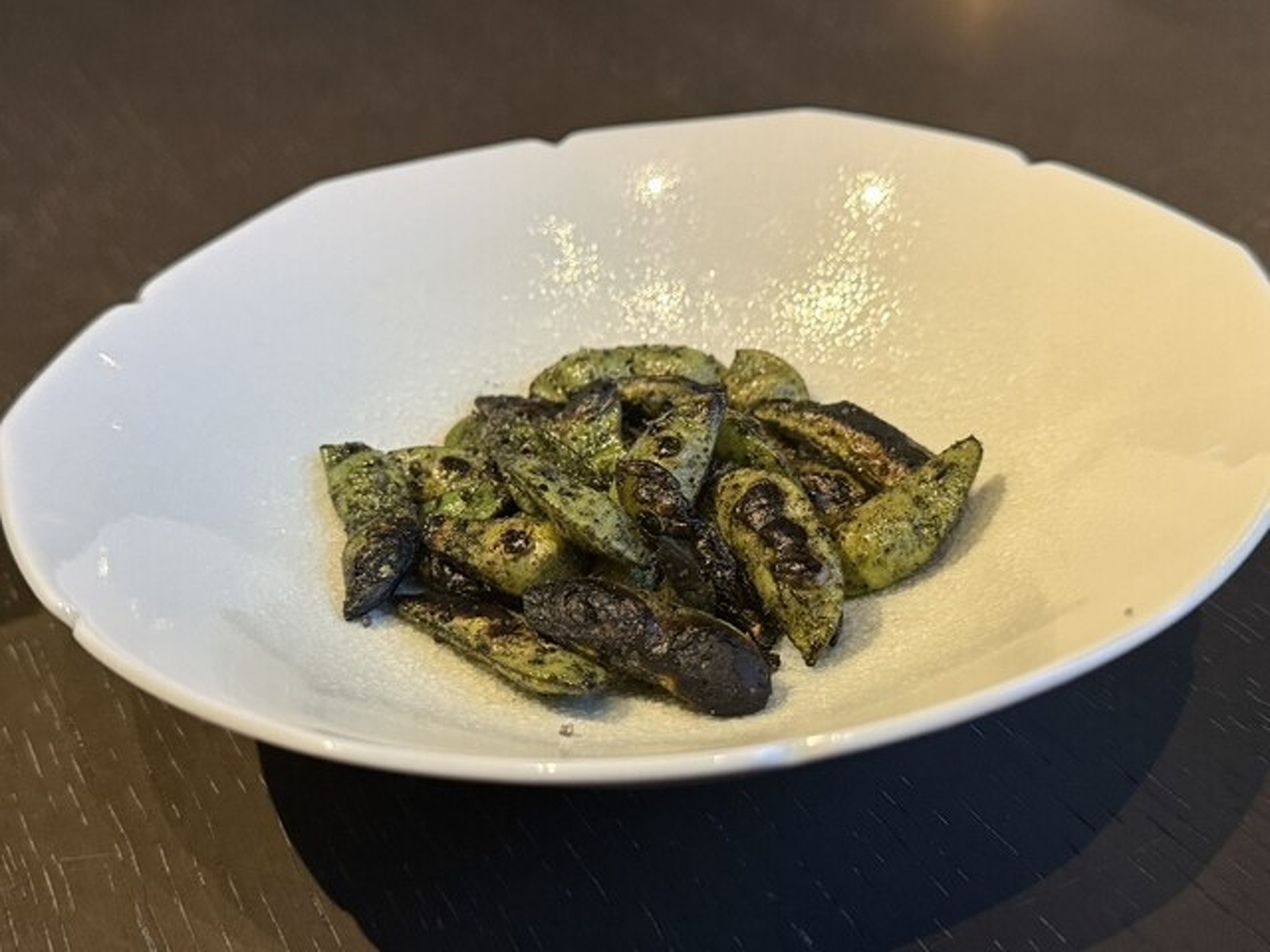
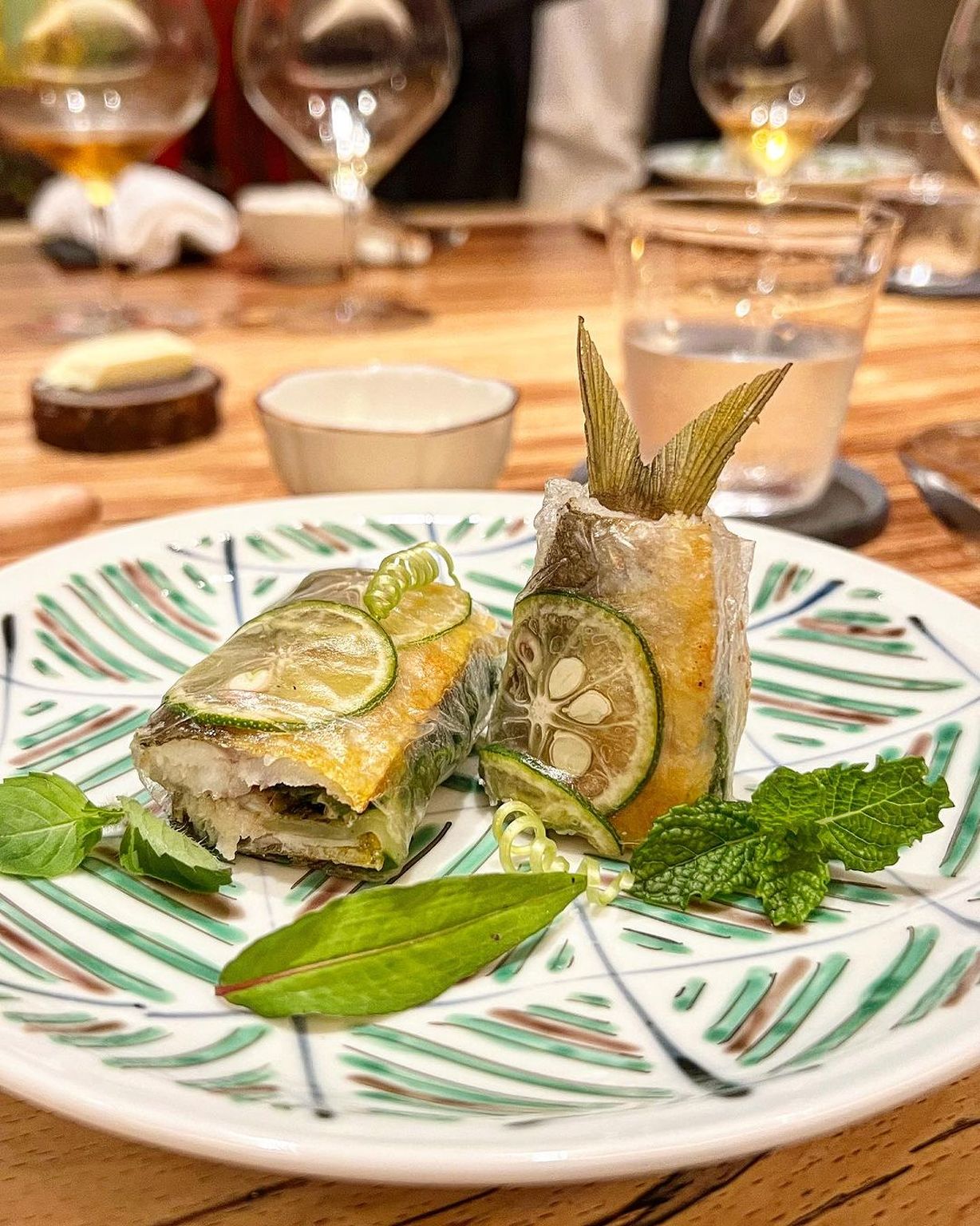
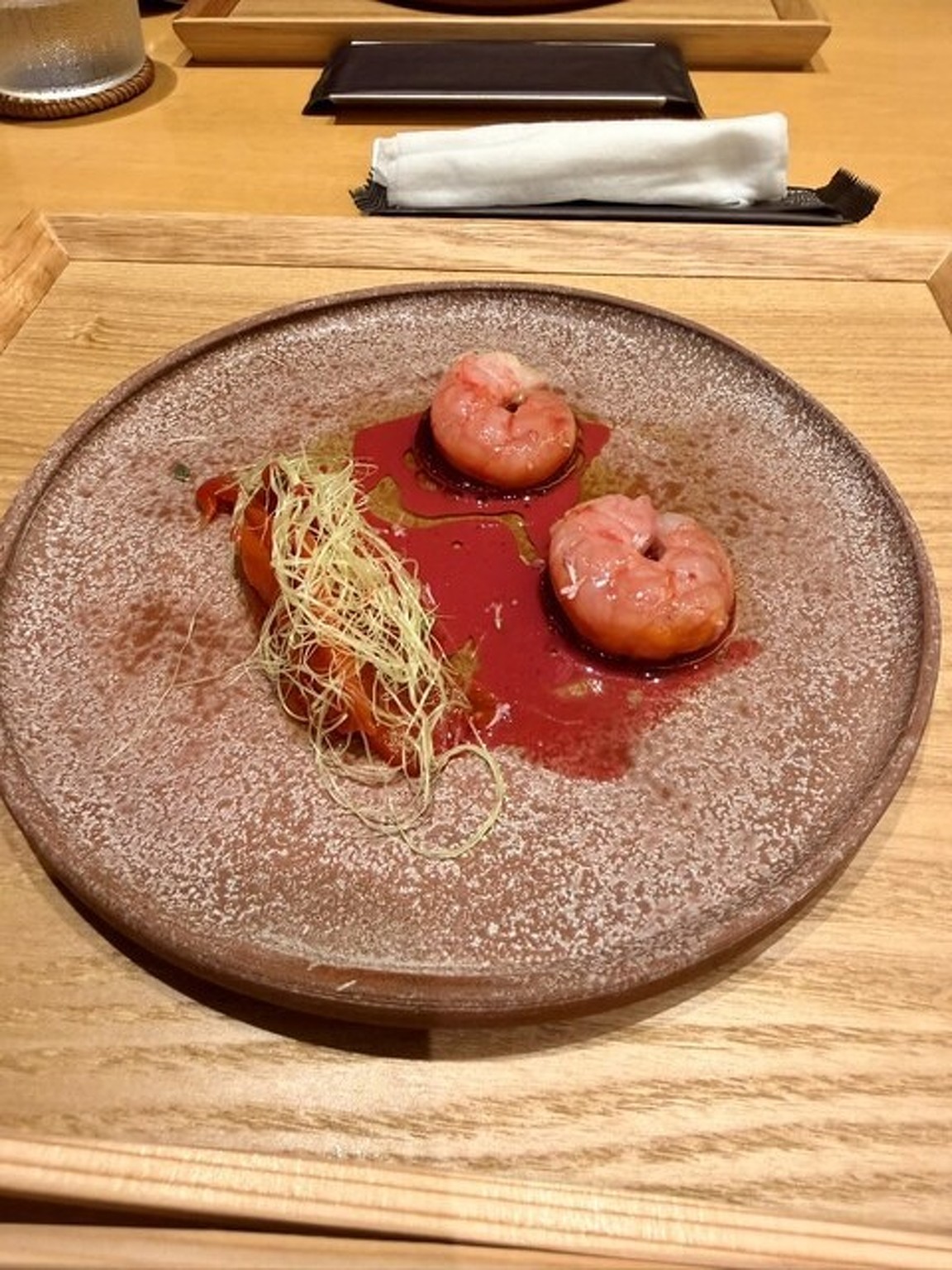
Among this year’s 10 selected Destination Restaurants, Himawari Shokudo 2 was honored as the representative Destination Restaurant of the Year 2025. Owner-chef Hozumi Tanaka creates original Italian cuisine at this restaurant in Toyama, the capital of Toyama Prefecture. Along with Osaka, the location of this year’s World Expo, Toyama was one of the Japanese cities included in the New York Times’ “52 Places to Go in 2025,” published in January. In one sense, this seems to be a show of support for the area, which, like Ishikawa Prefecture, suffered damage in the Noto earthquake of Jan. 1, 2024. But the main reason was that Toyama offers cultural inspiration and excellent cuisine, minus the crowds seen in places like Kyoto, where overtourism has become a problem. In addition to the Toyama Glass Art Museum (designed by architect Kengo Kuma), which incorporates a public library, the article recommends casual eating and drinking spots in Toyama including a French bistro, an izakaya and a jazz bar.
At the same time, Toyama Prefecture has seen a steady increase in fine-dining establishments that attract visitors from outside the prefecture and even from overseas — most notably, Cuisine régionale L’évo, which in 2021 was selected as the first-ever Destination Restaurant of the Year. Opened in 2024, Himawari Shokudo 2 is another fine-dining restaurant serving an omakase course menu, at ¥18,000 ($120), including tax. Its predecessor, Himawari Shokudo, was launched in 2013 as the kind of easygoing Italian restaurant that posts its a la carte menu on a blackboard. As with Himawari Shokudo 2, it is common among regional fine-dining establishments to start out with relatively low prices and raise them as the restaurant steadily gains a following, but the background circumstances differ from restaurant to restaurant.
While training in Tokyo, Tanaka was invited by an acquaintance to work as a chef in Toyama, his hometown. He returned there in 2012 to take the job but was laid off six months later. After that he worked part time and saved money, and in 2013 he opened Himawari Shokudo. Initially, the price per customer was ¥6,000 to ¥8,000, including drinks. Eventually Tanaka also offered a course menu for ¥12,000, but he felt a certain discomfort with the course structure.
Tanaka said: “With a la carte it’s more easygoing, since you simply serve the dishes that customers order. An omakase course requires creation. I didn’t think that was something I was capable of. But when I relocated the restaurant and started Himawari Shokudo 2, I had to borrow more money and reduce the number of seats to eight, so I had no choice but to serve a course menu for ¥18,000. And when I set about creating a menu, I was surprised at how many ideas I came up with.”
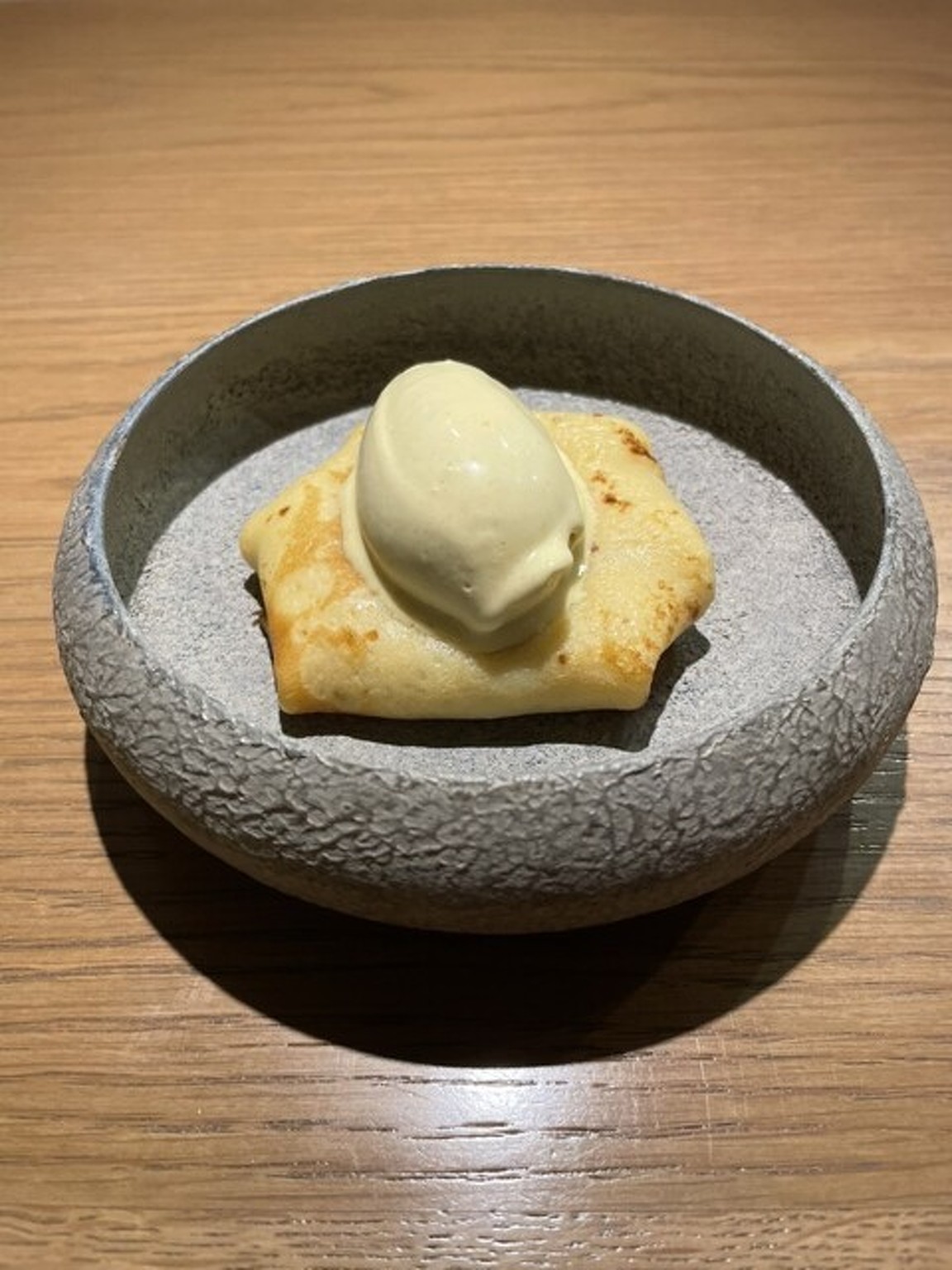
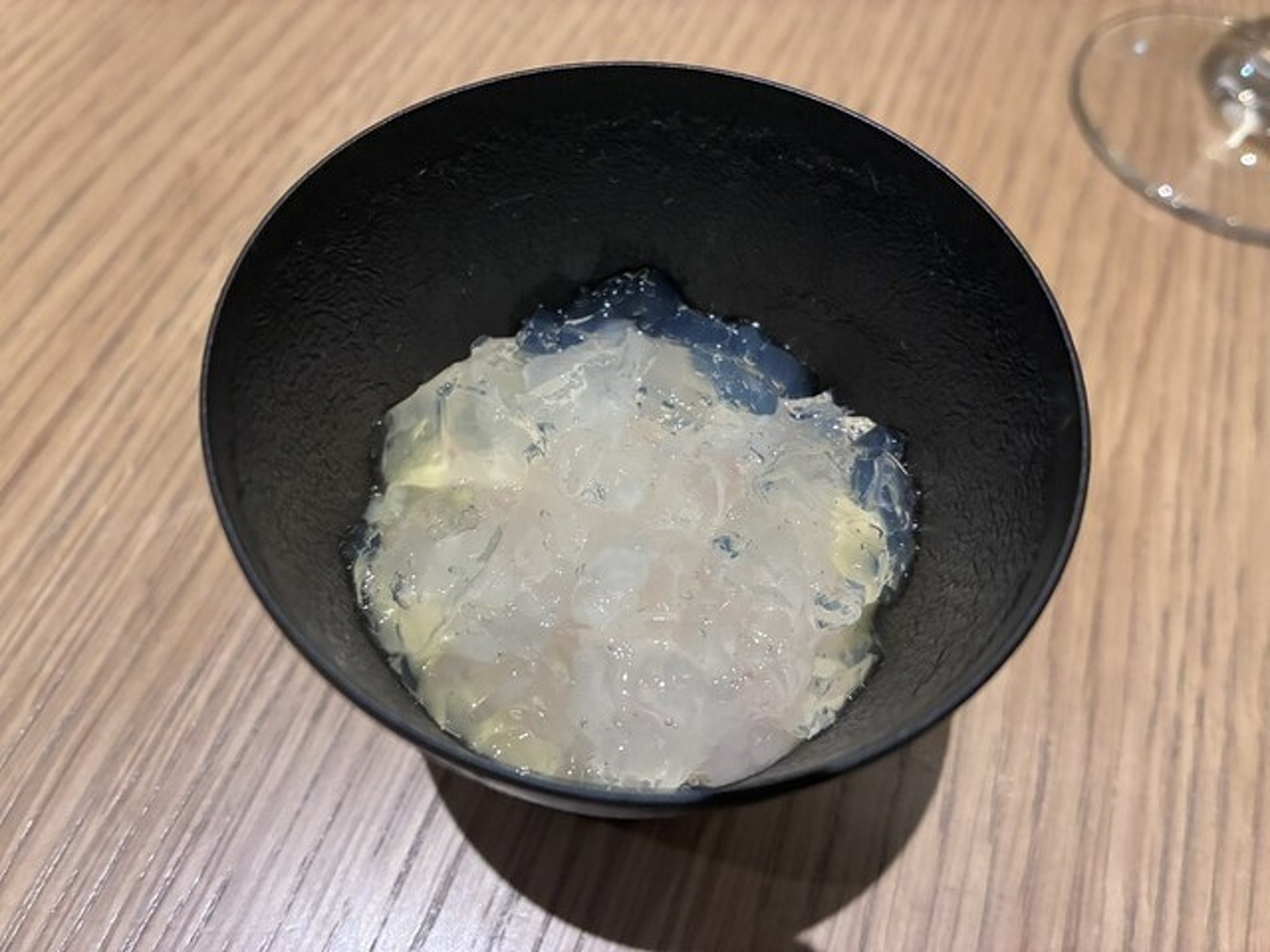
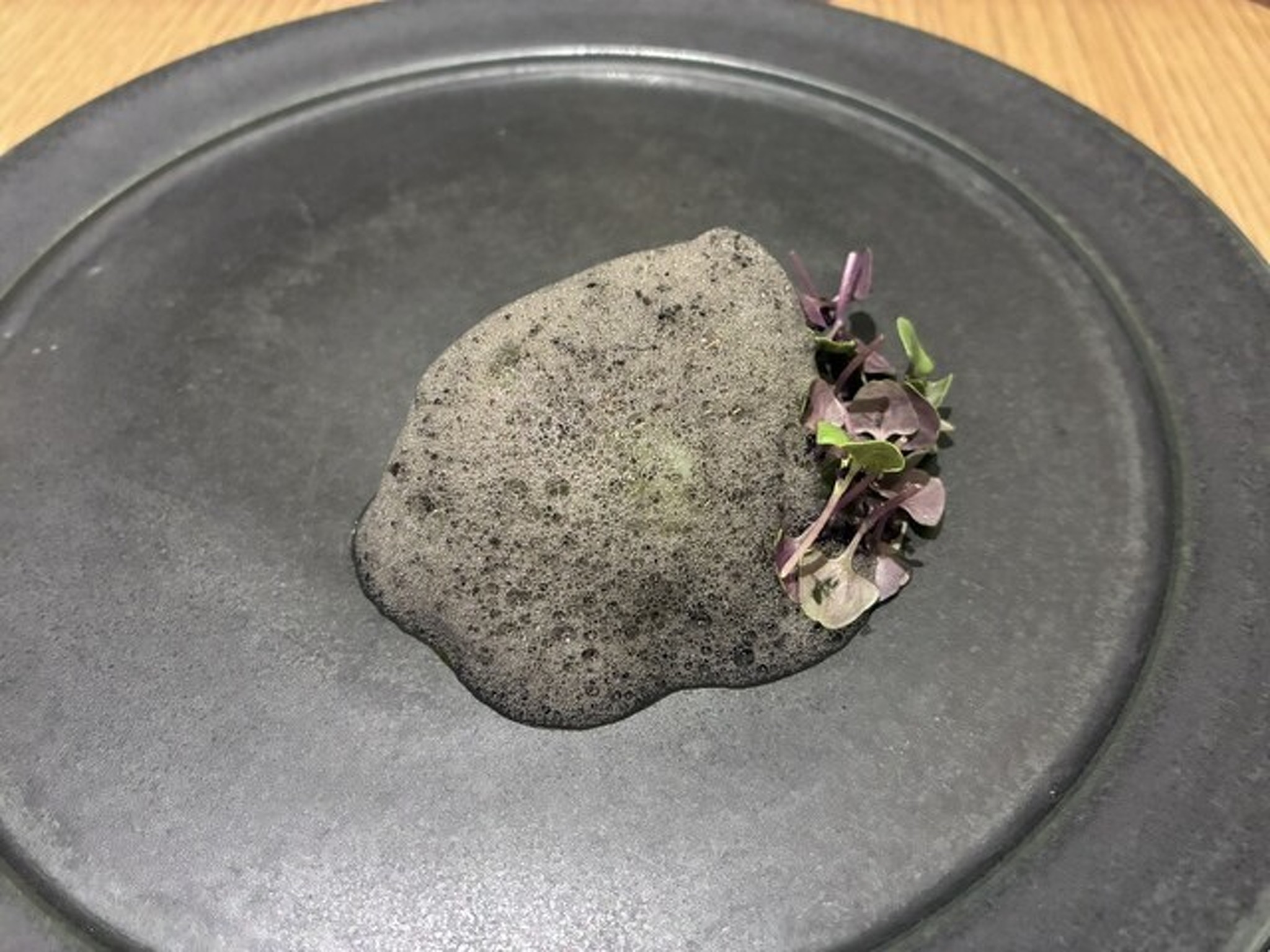
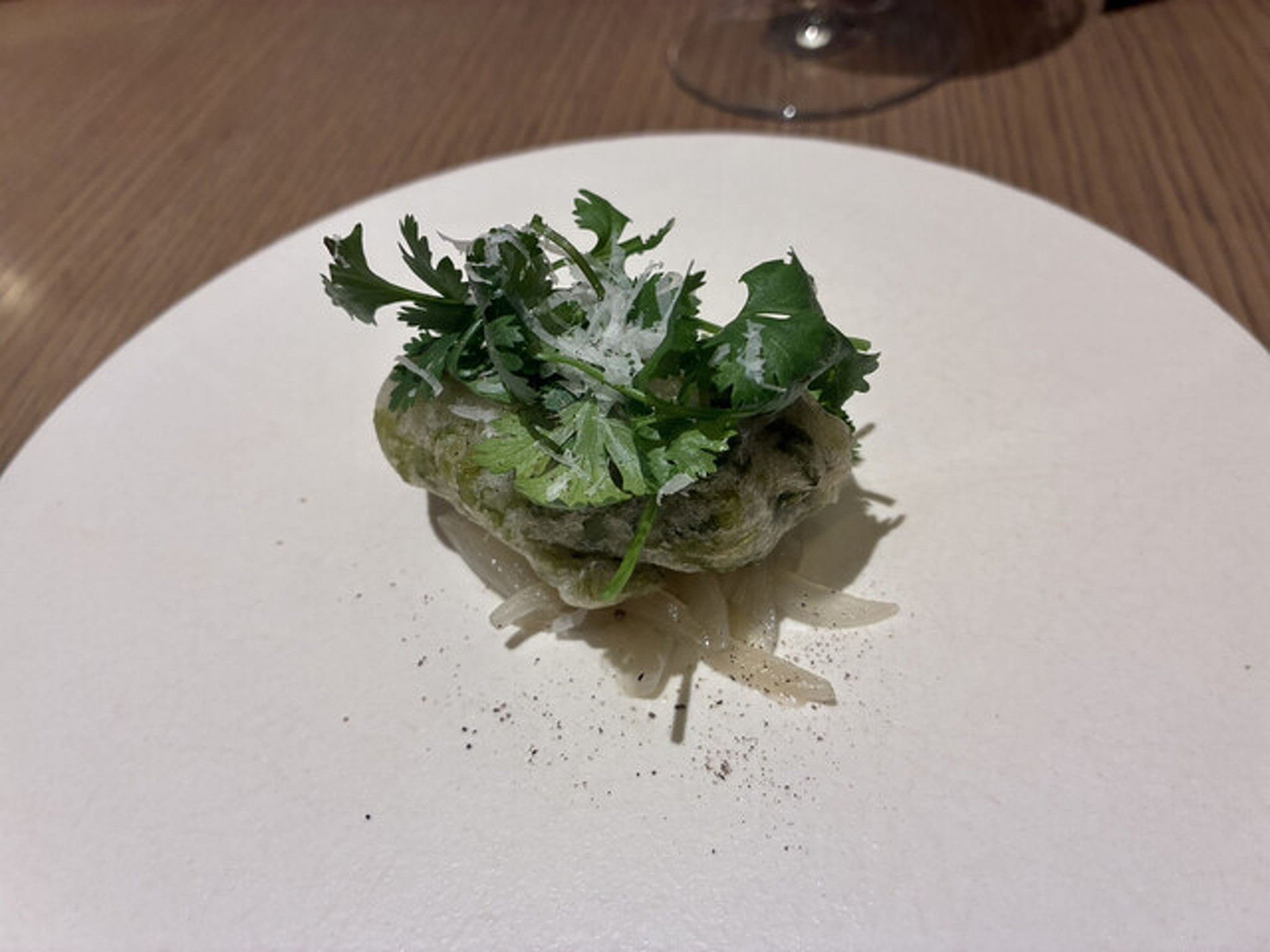
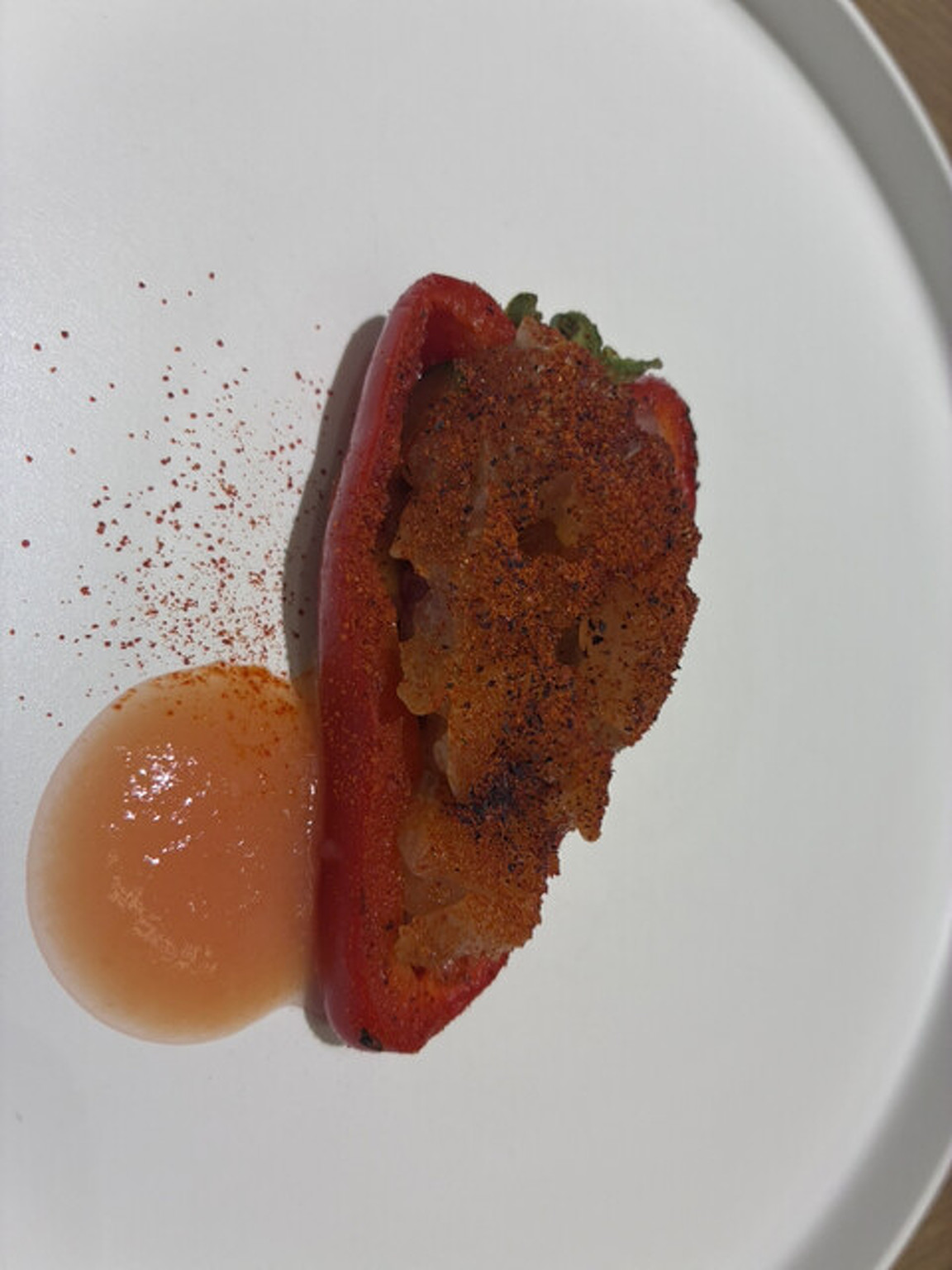
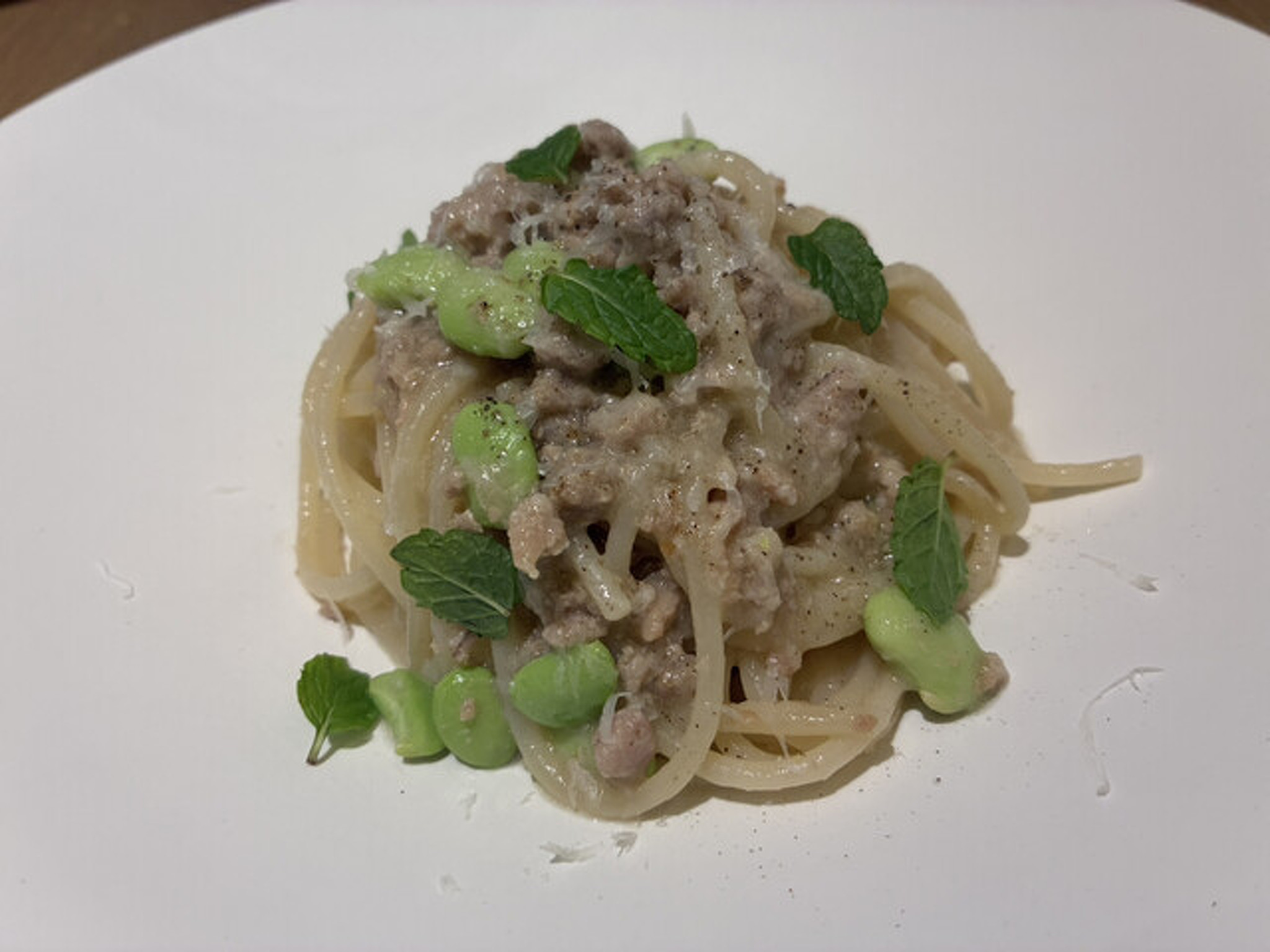
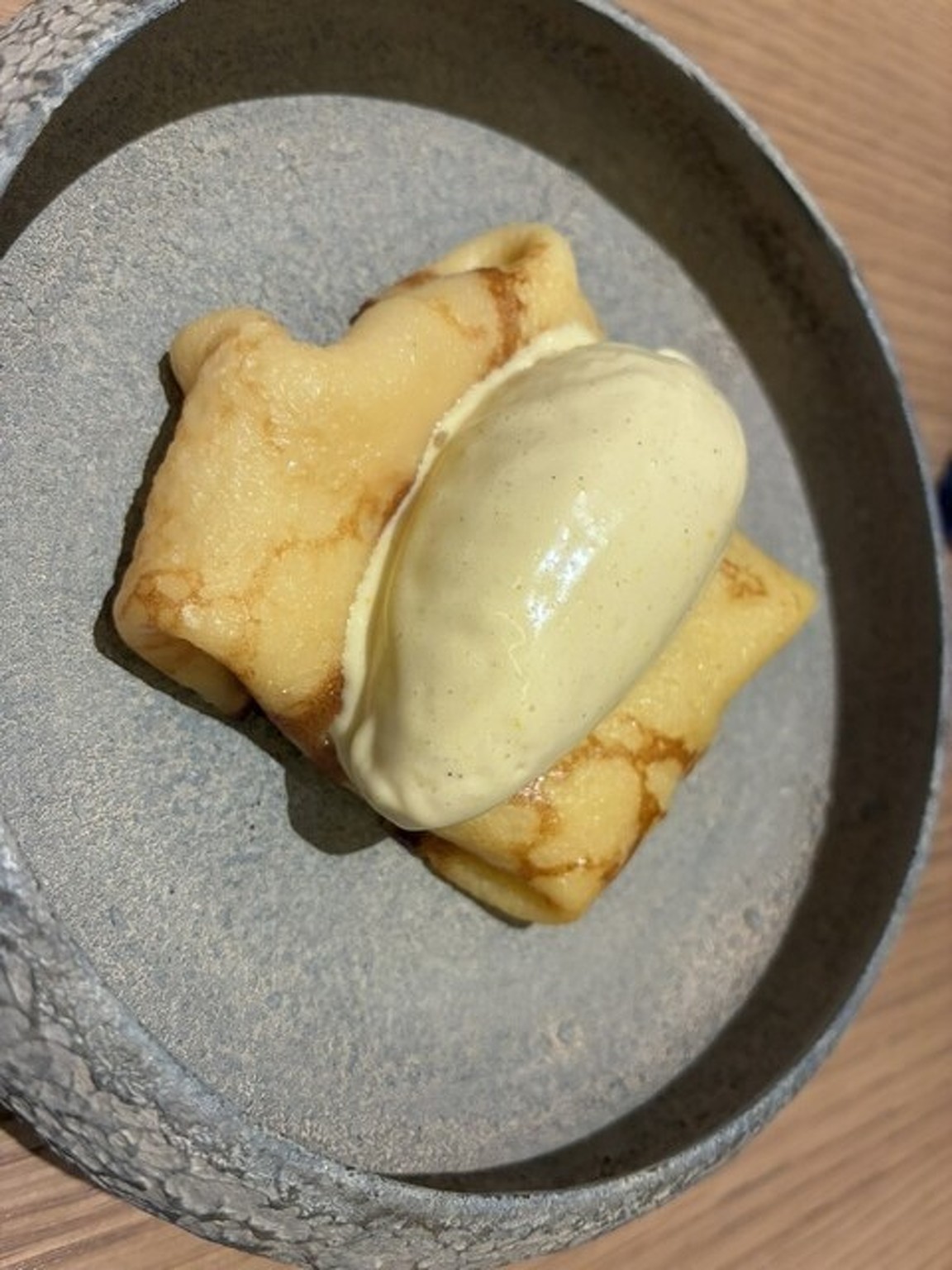
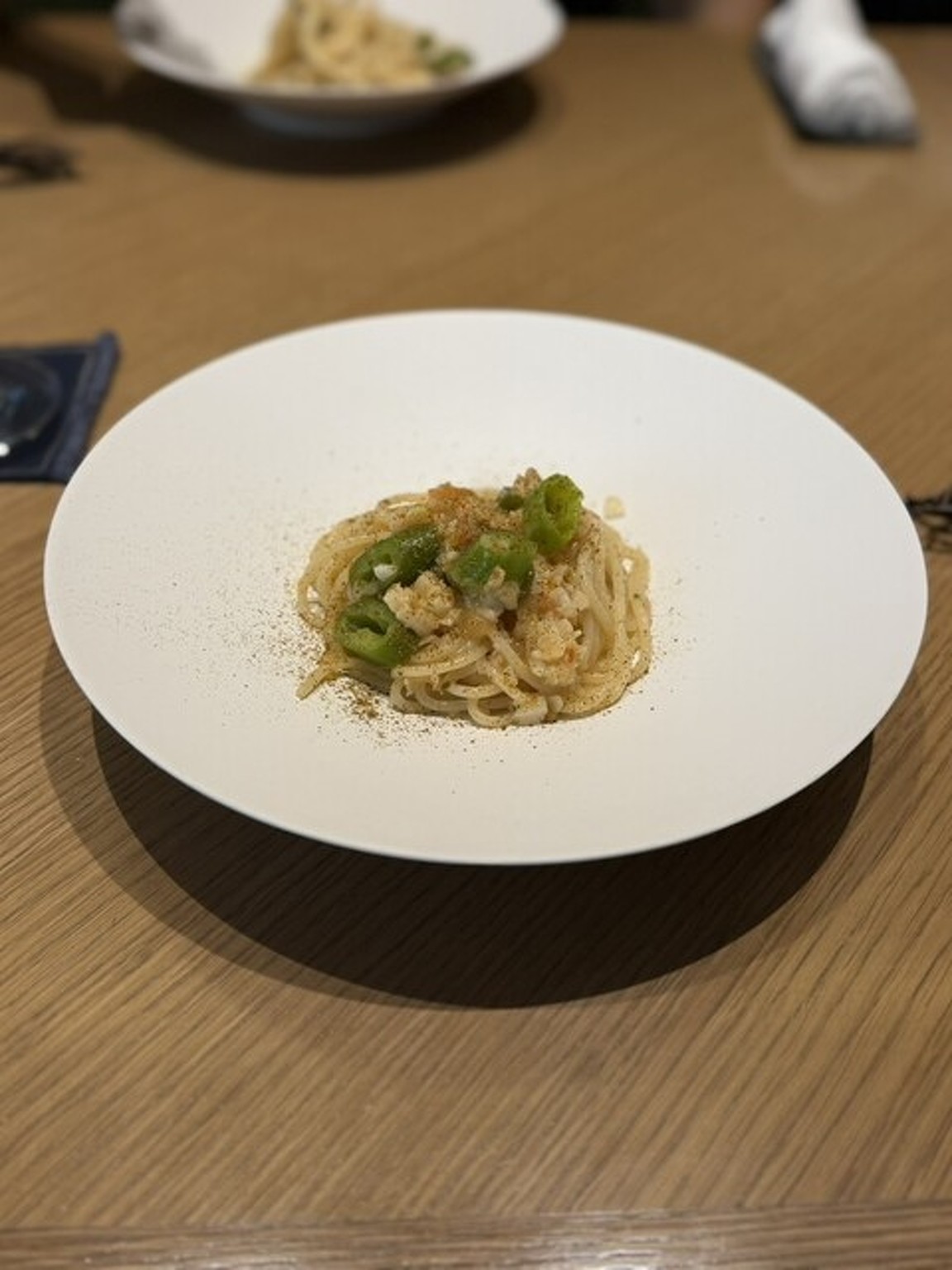
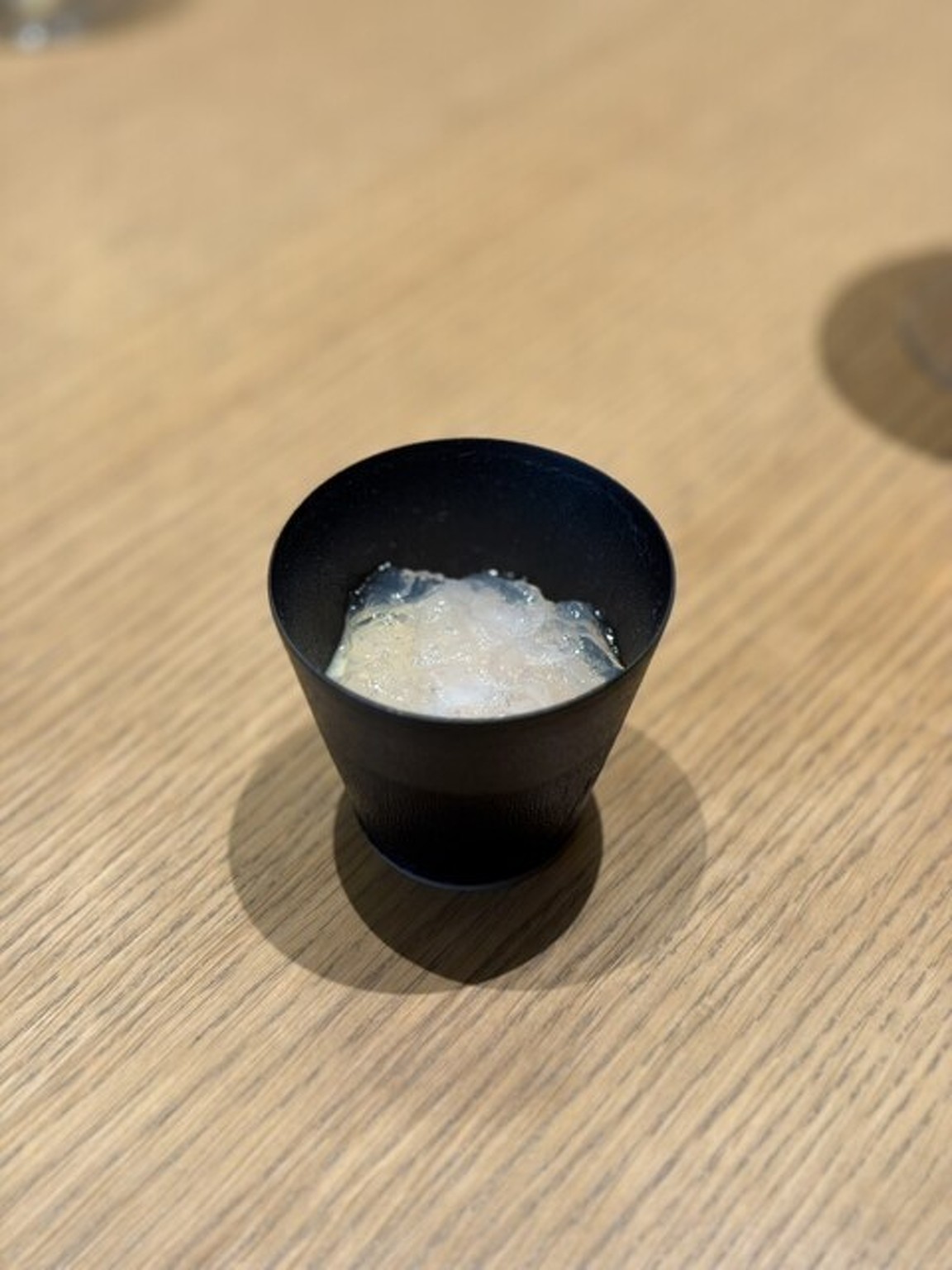
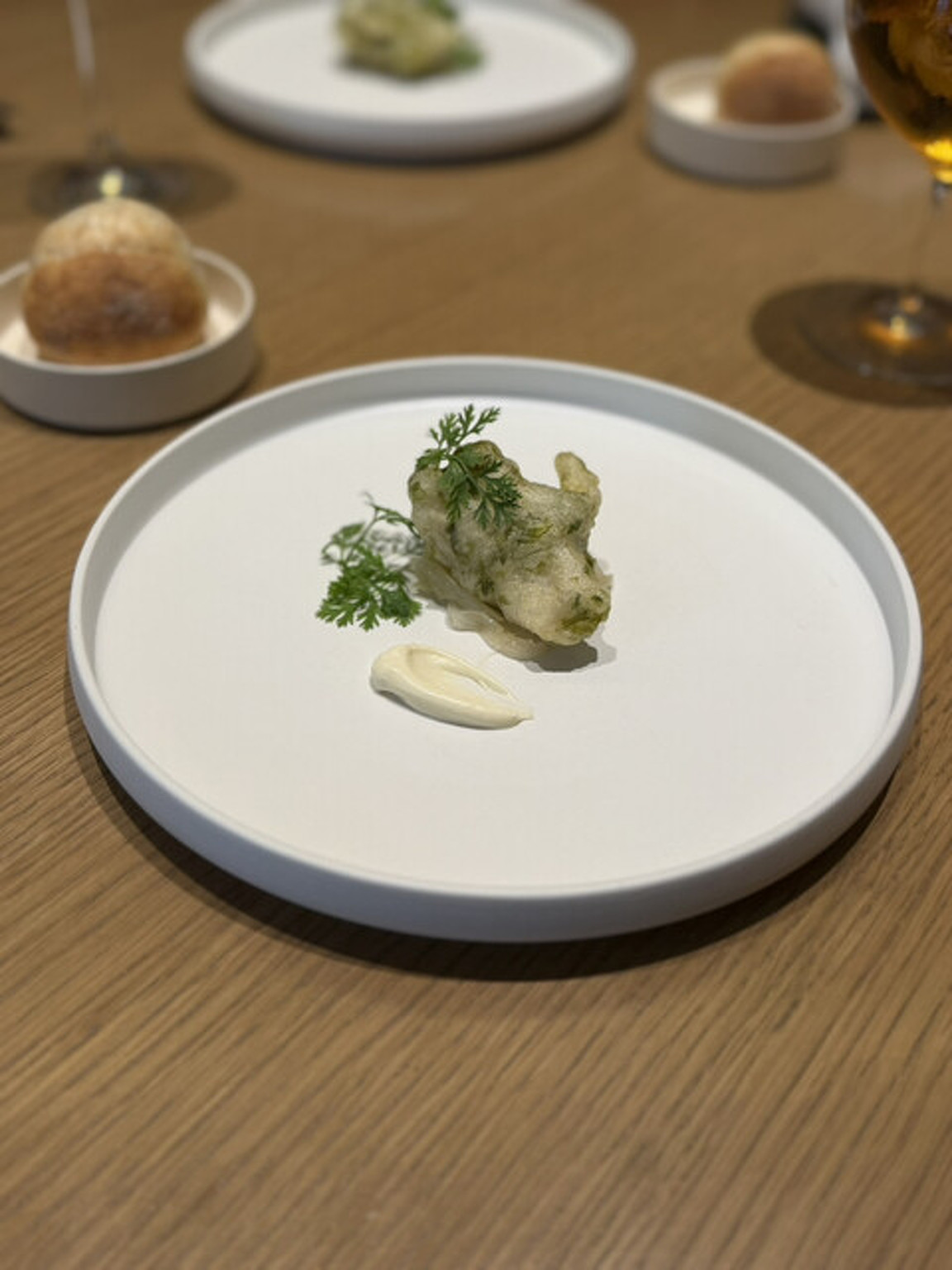
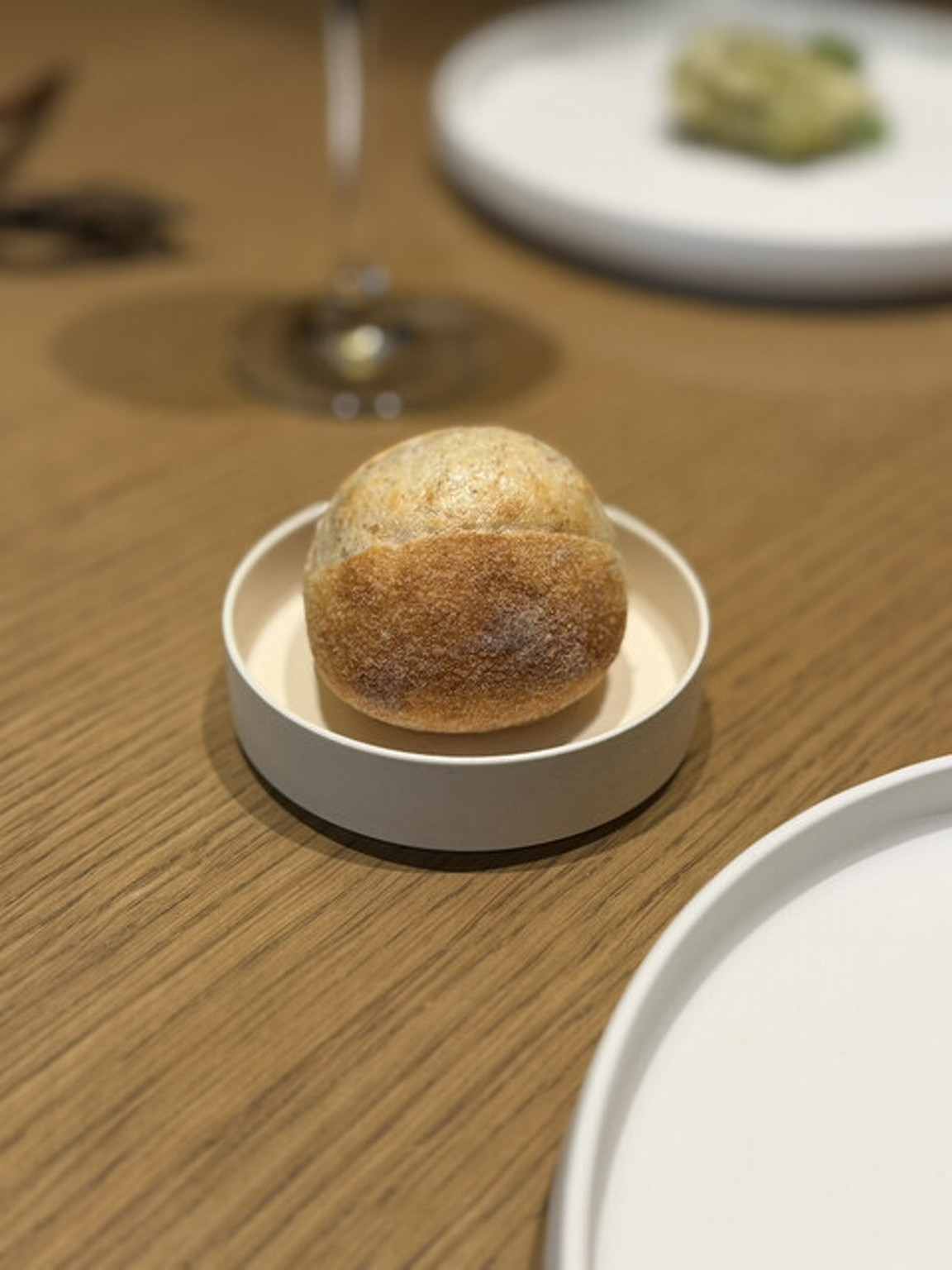
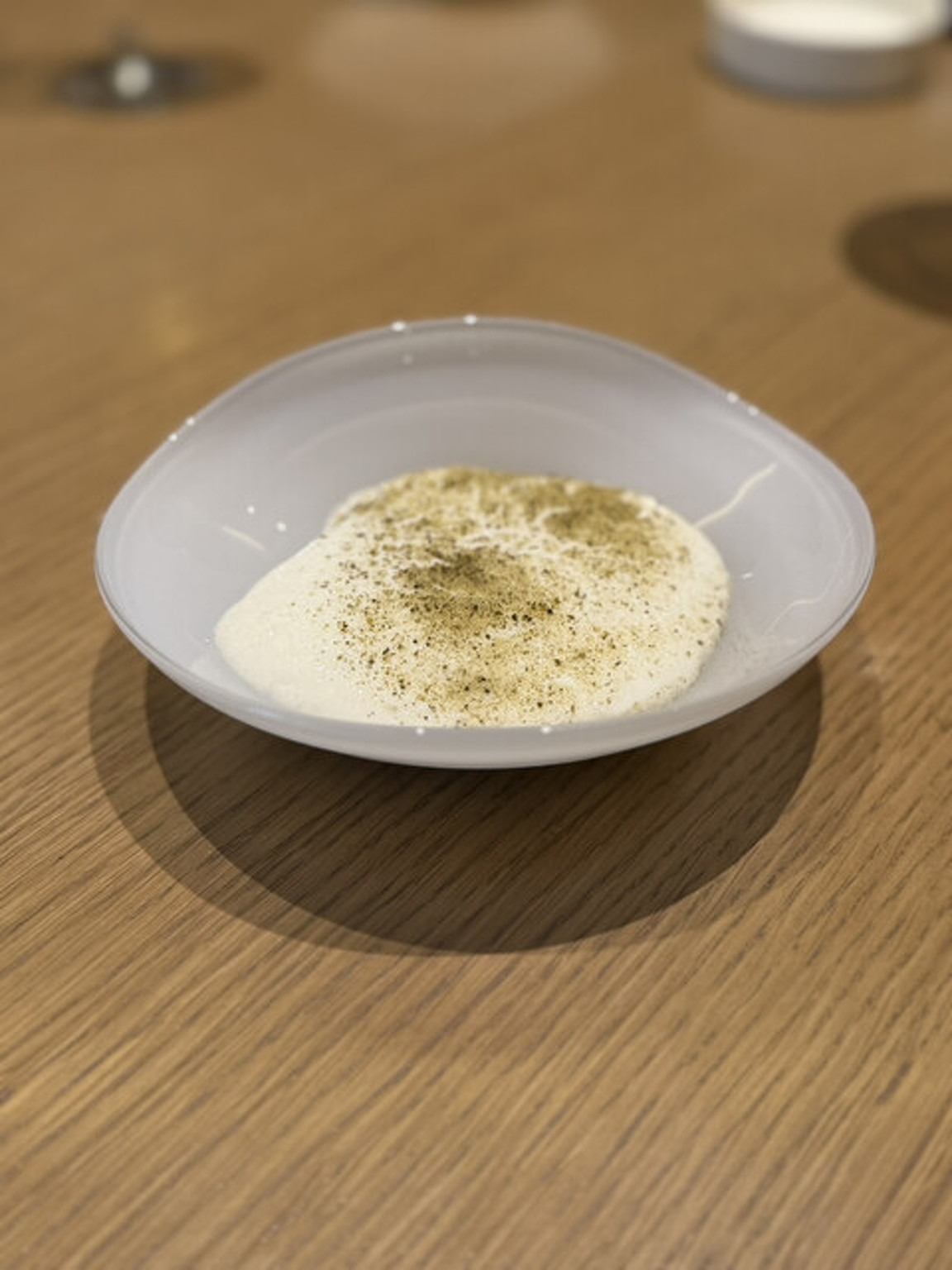
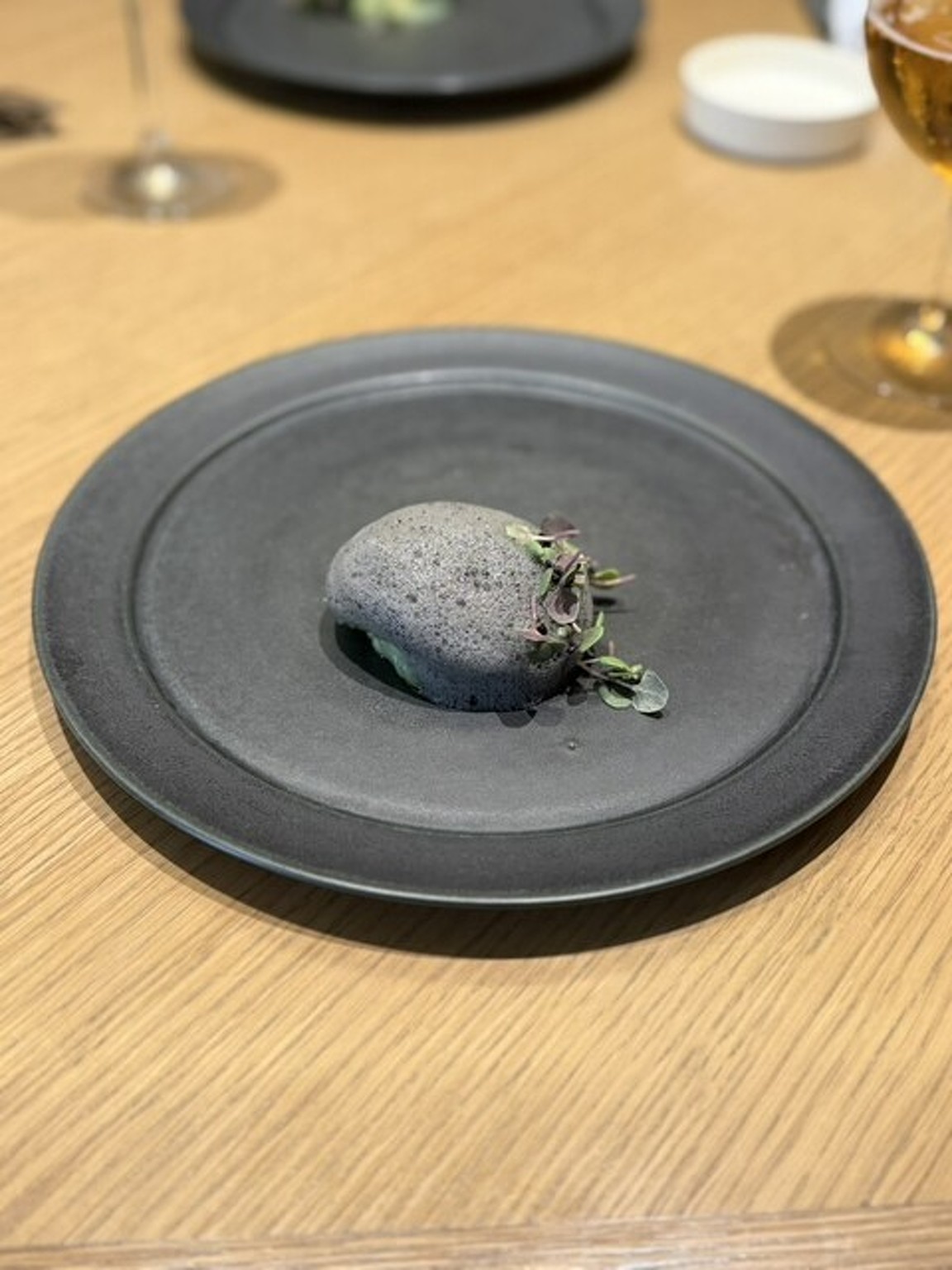
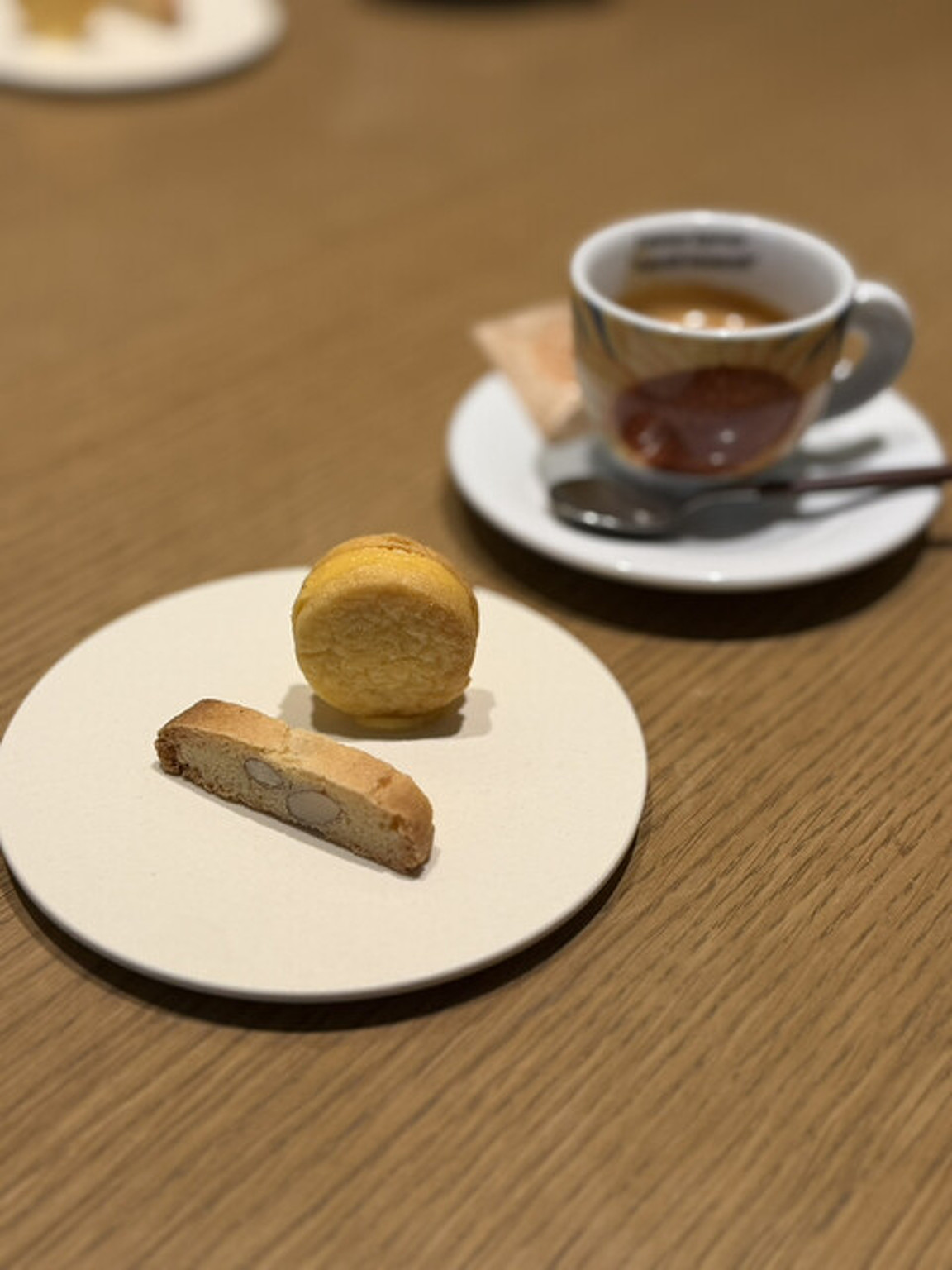
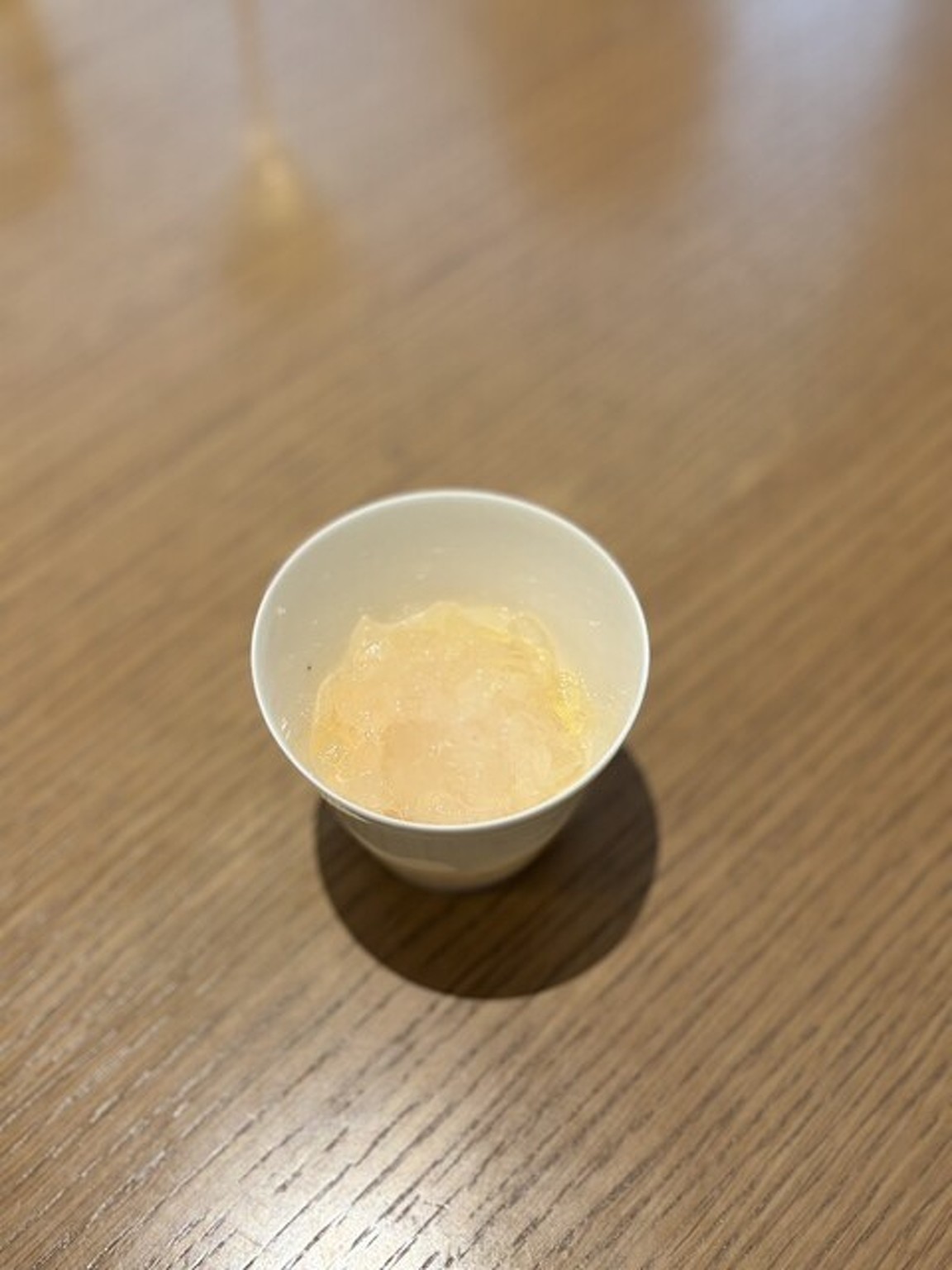
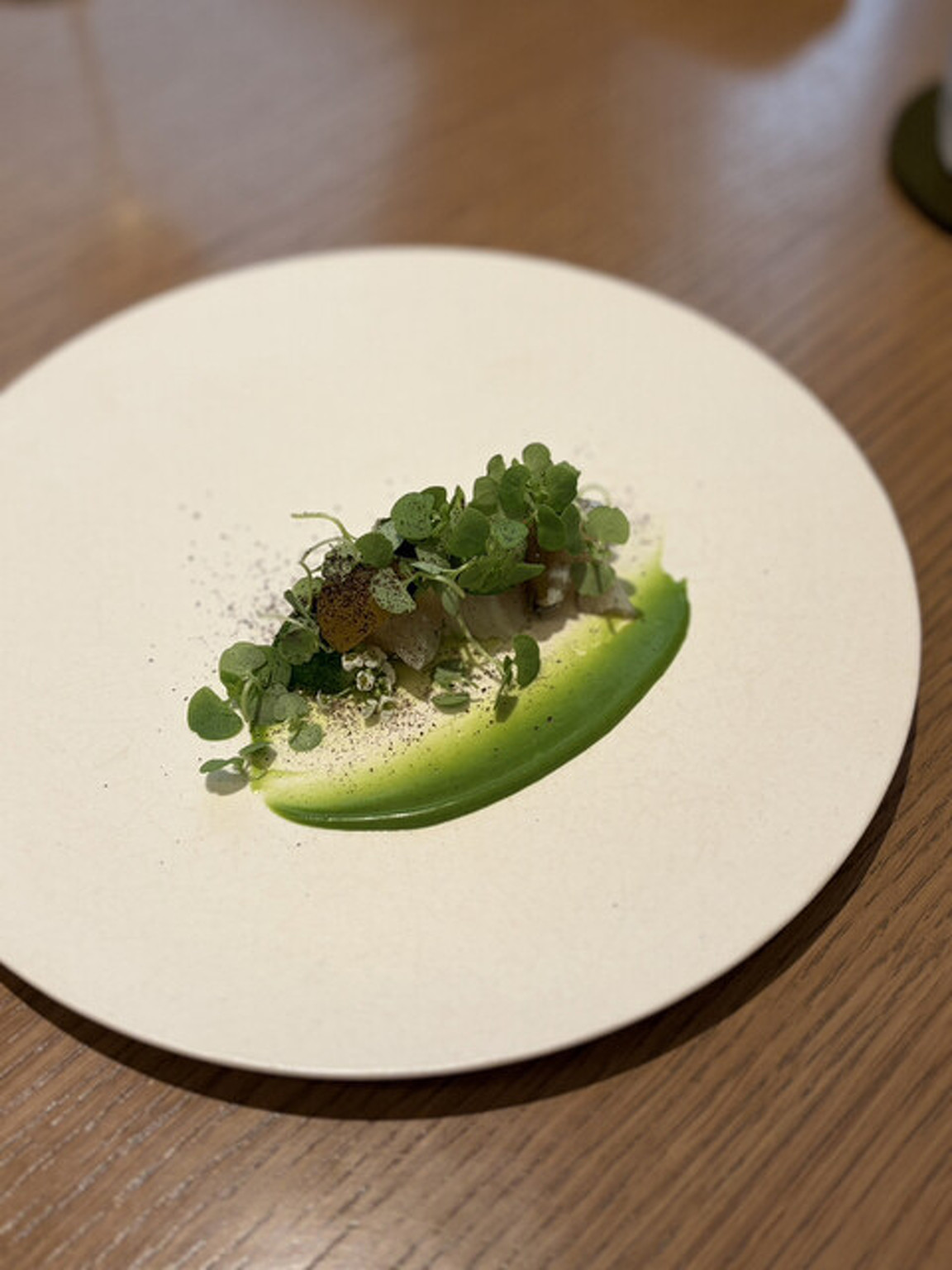
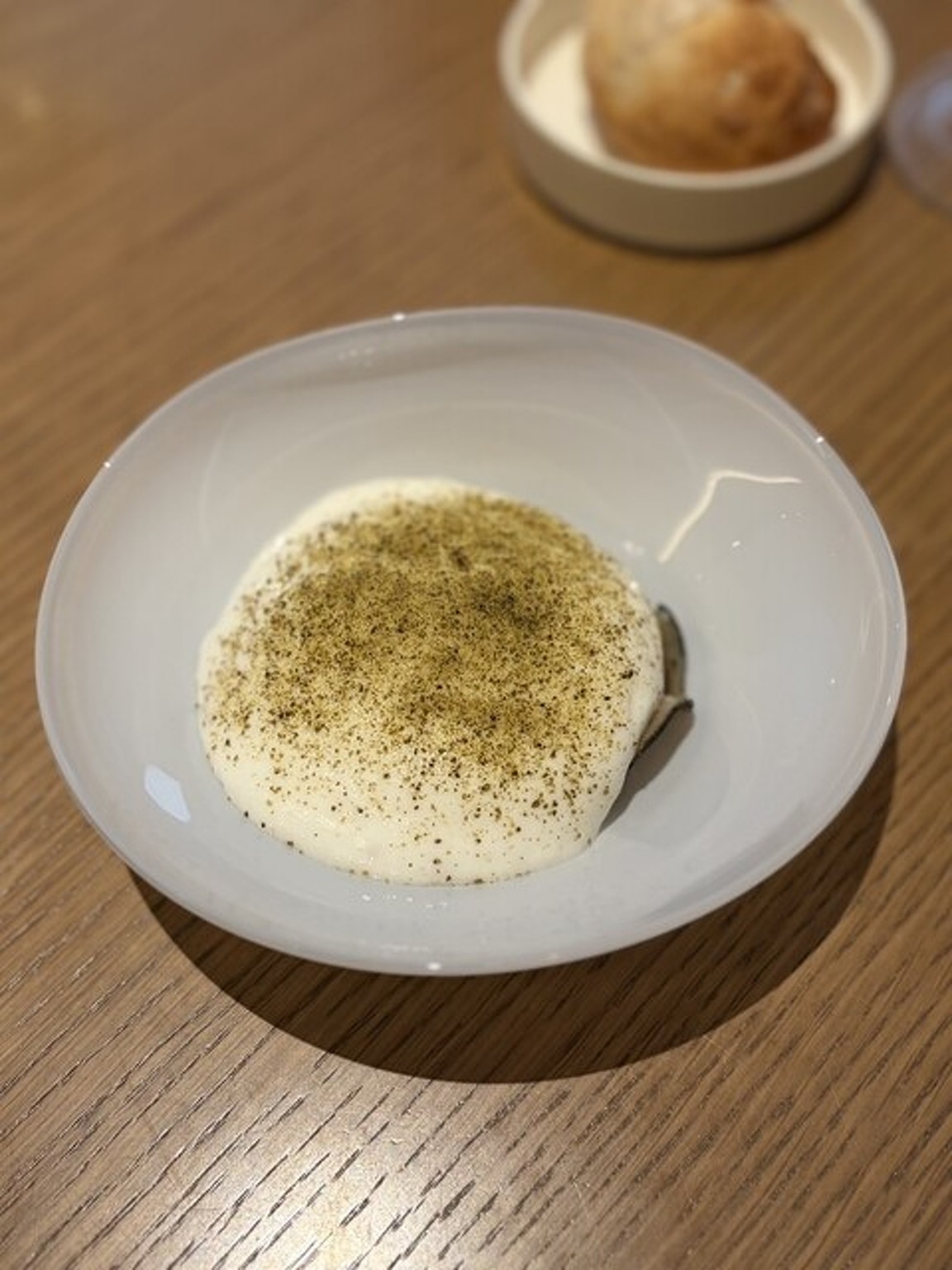
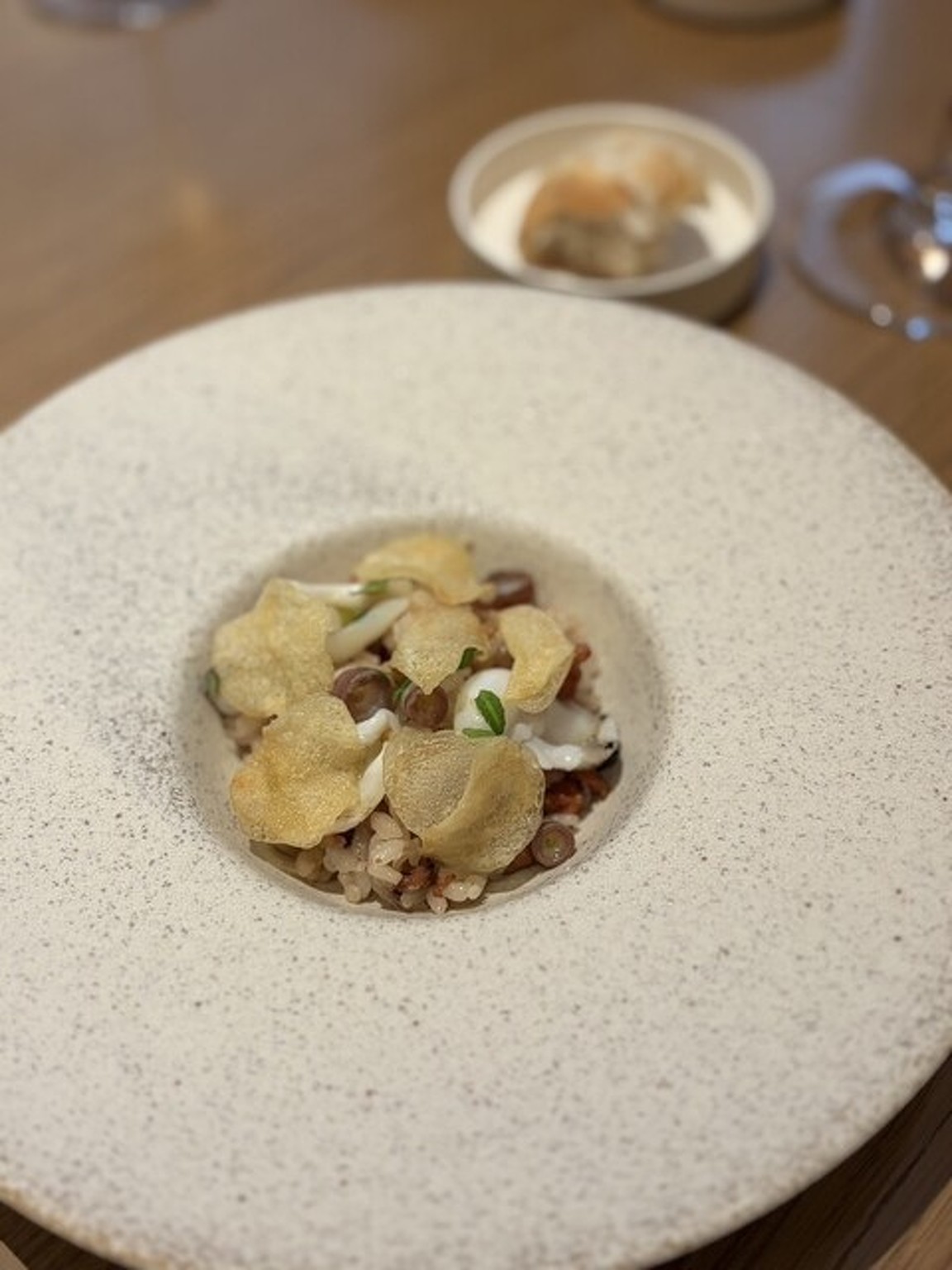
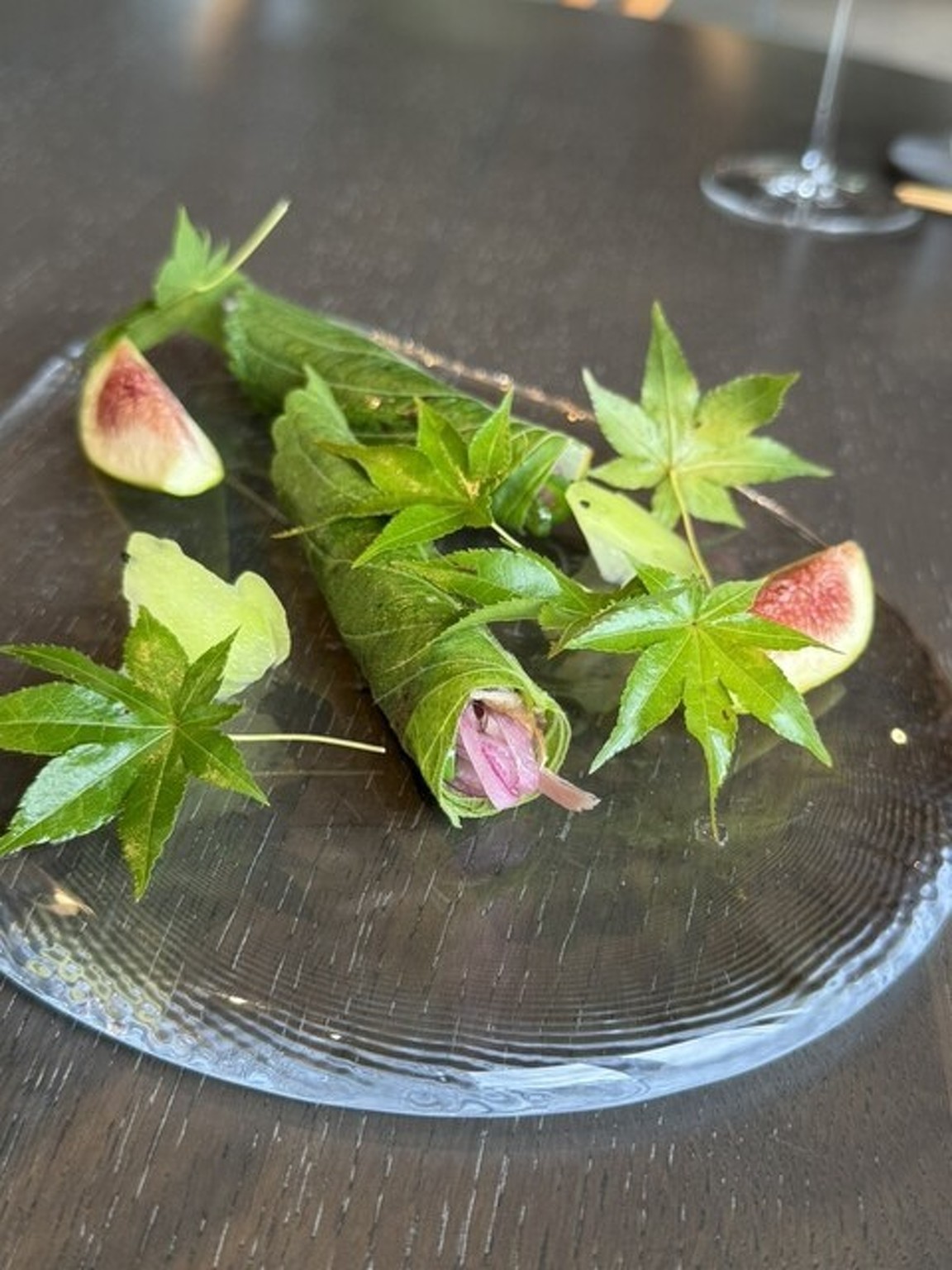
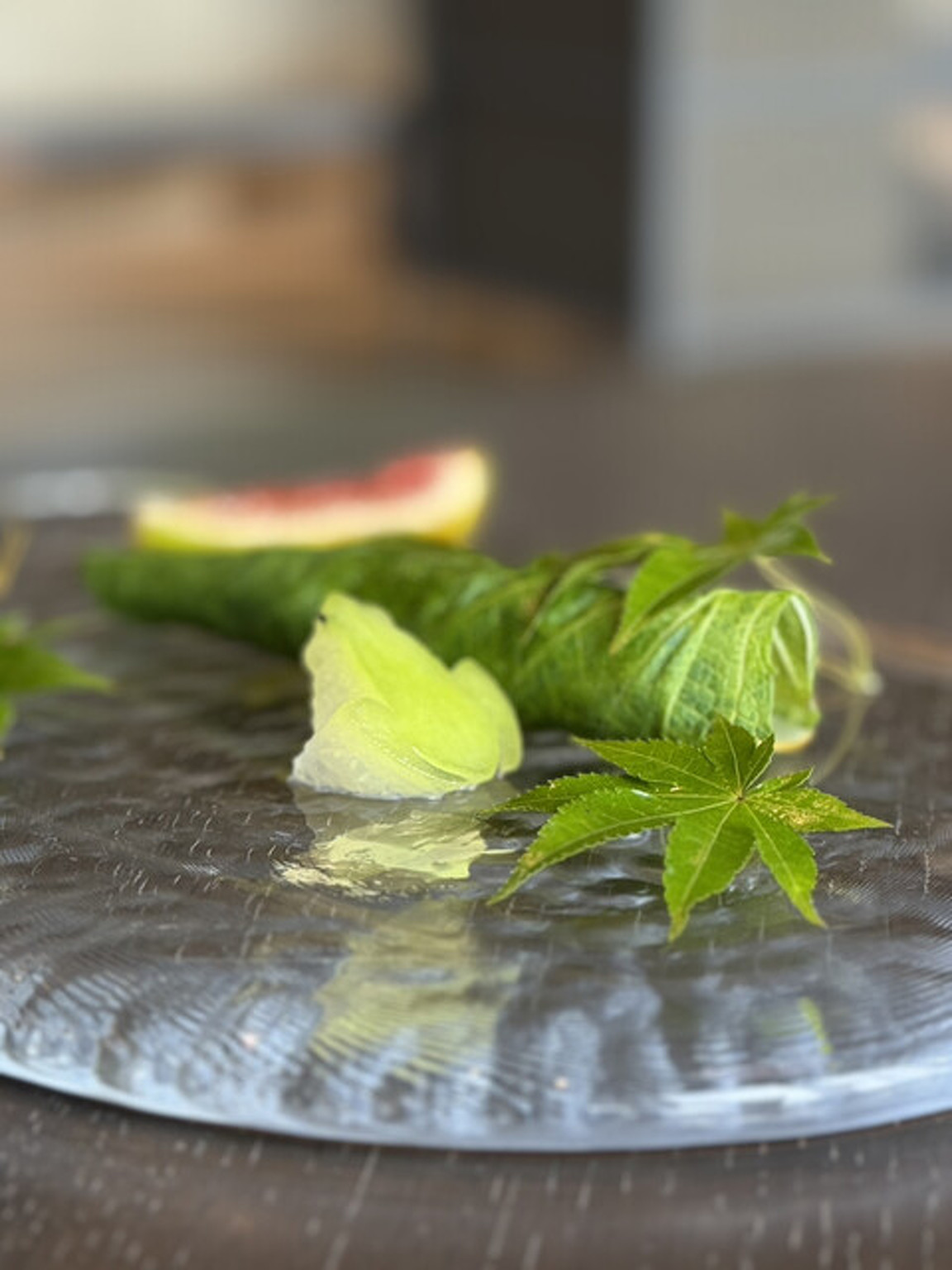
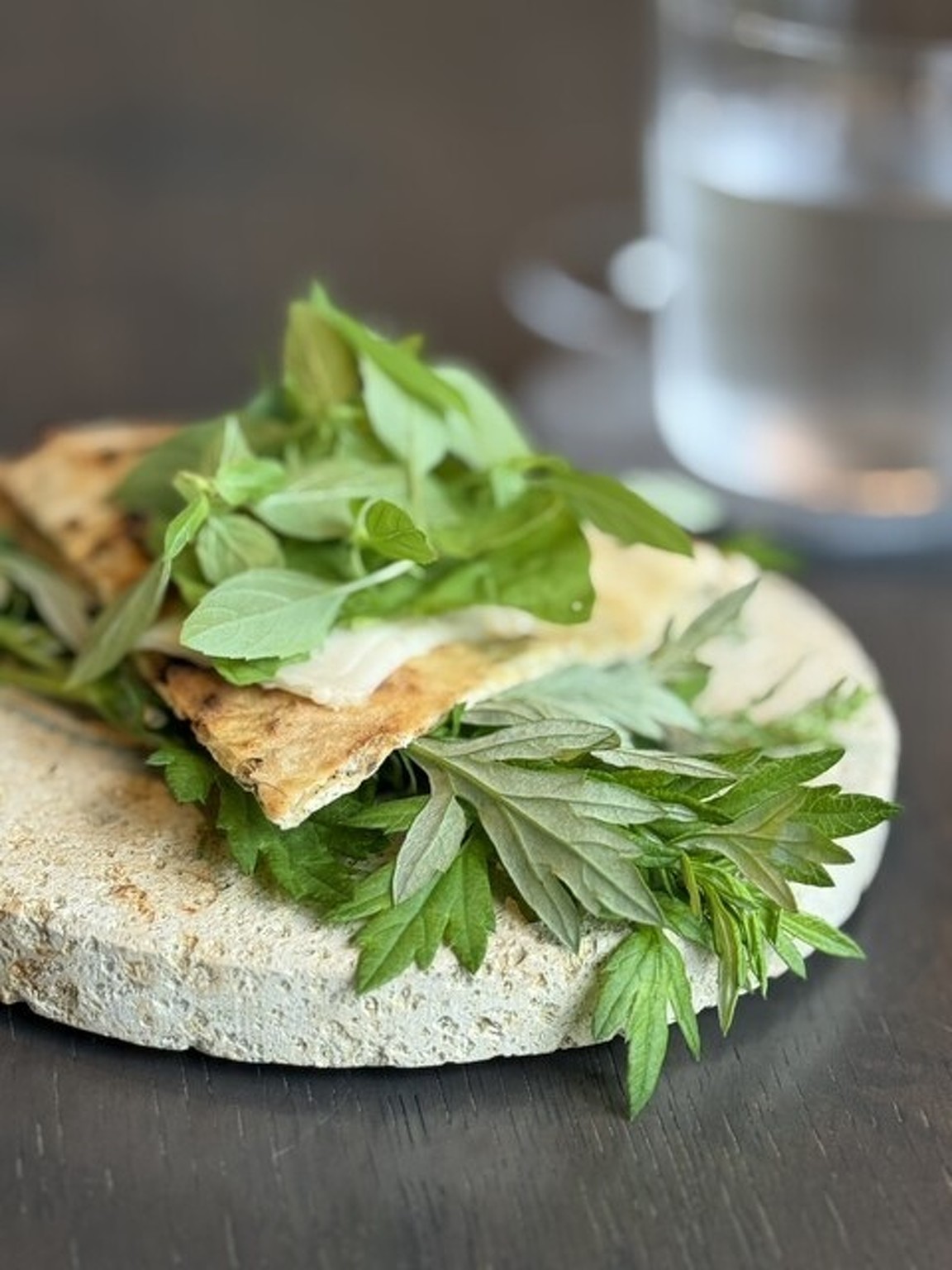
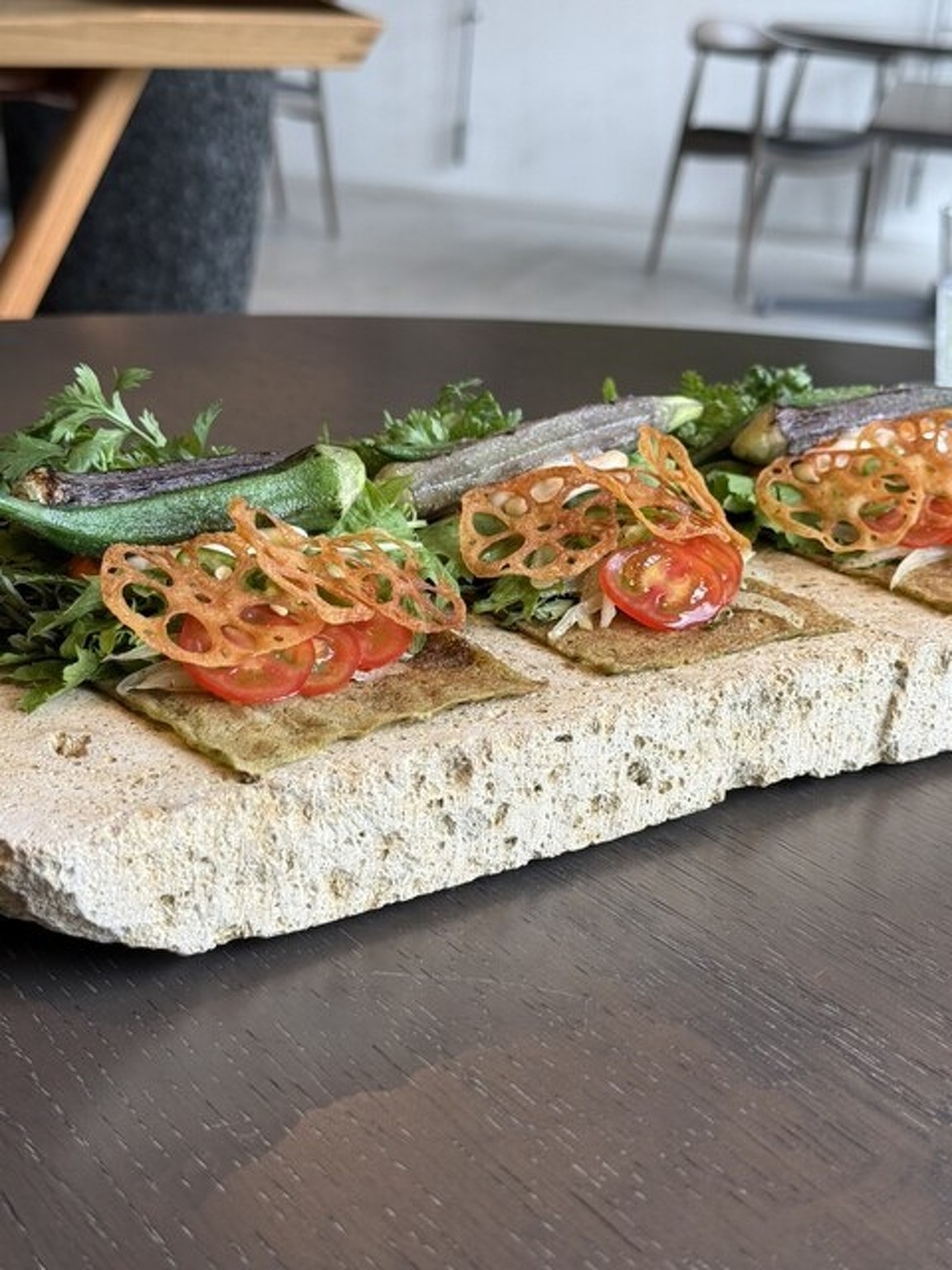
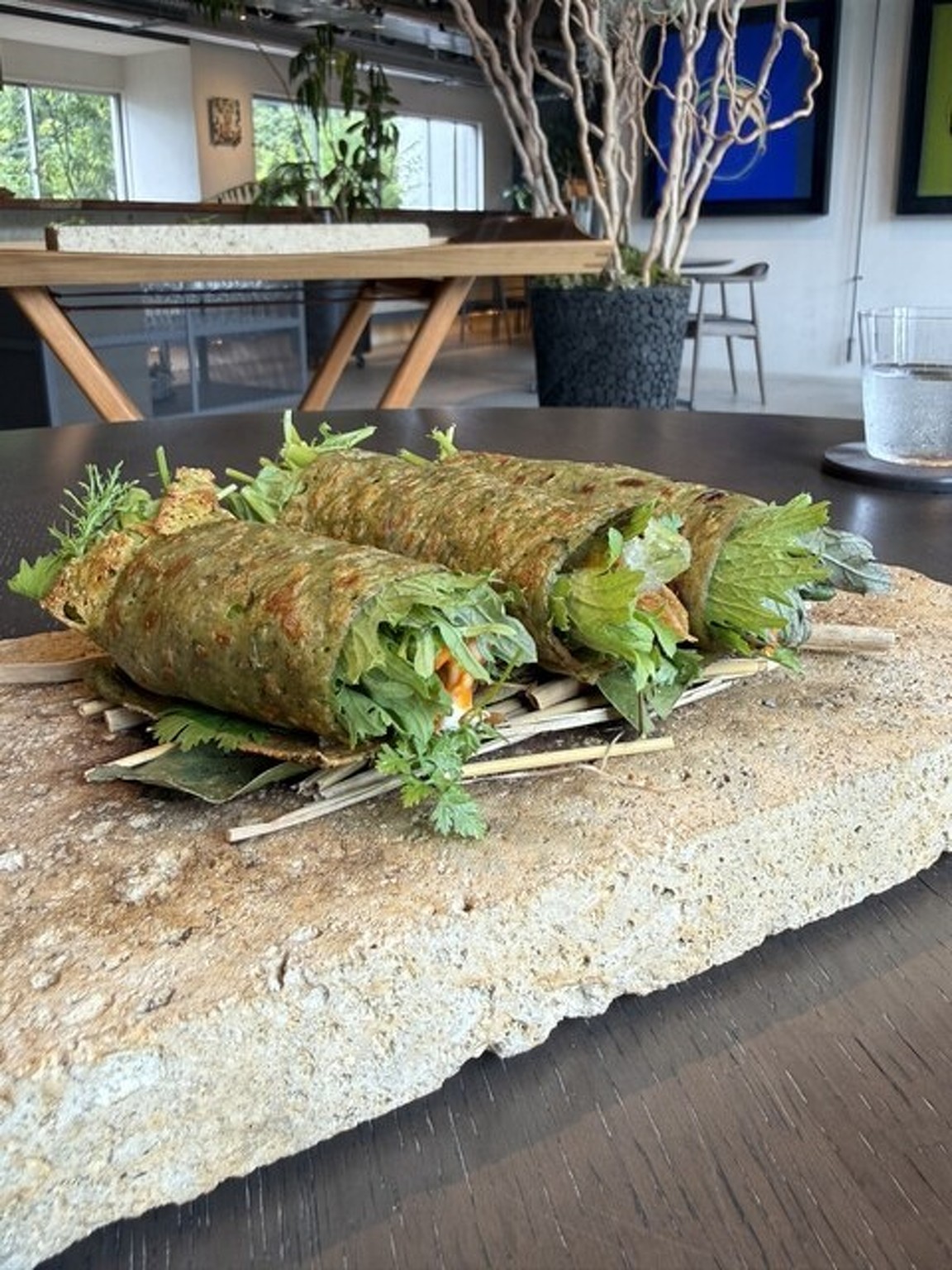
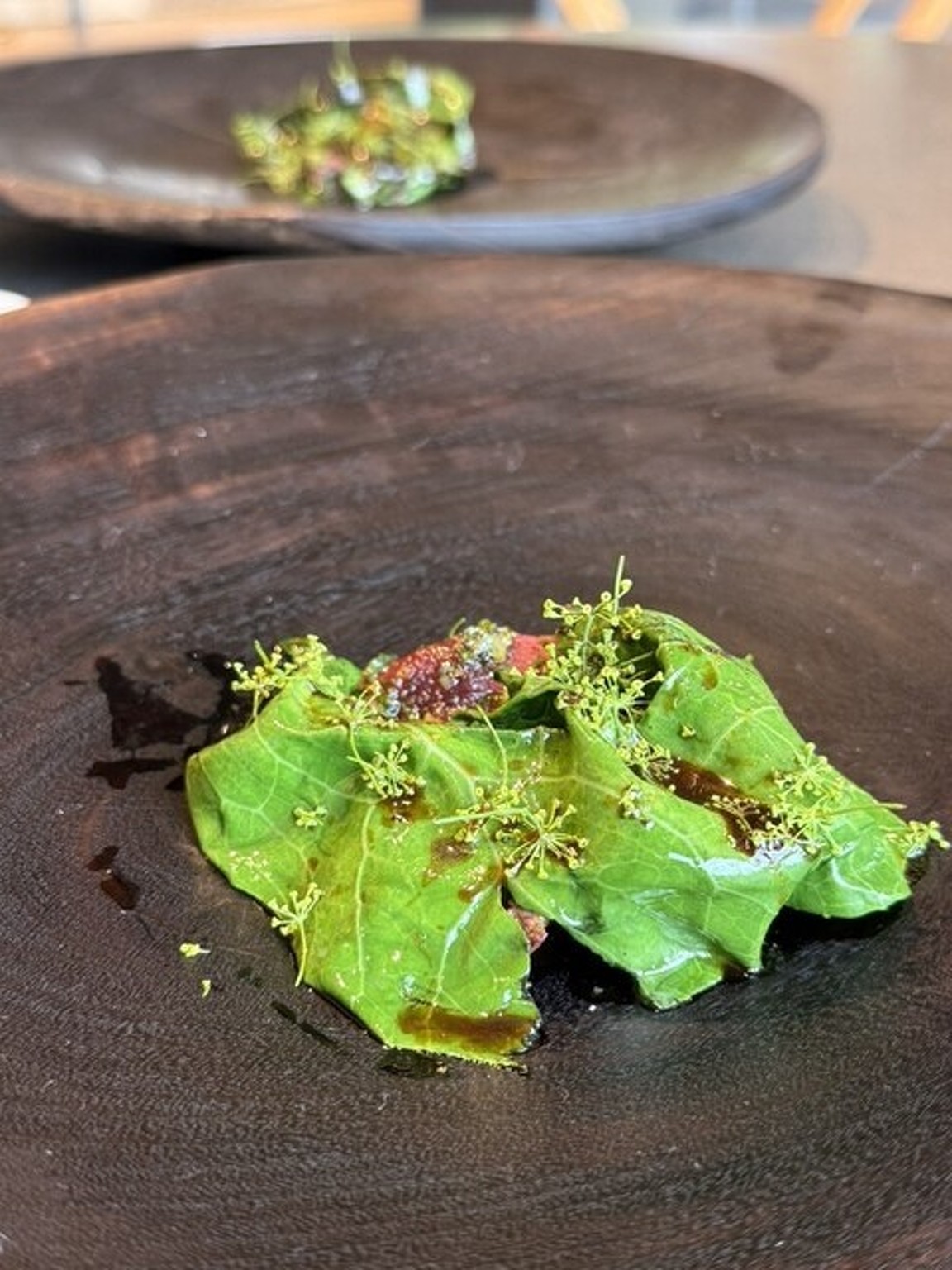
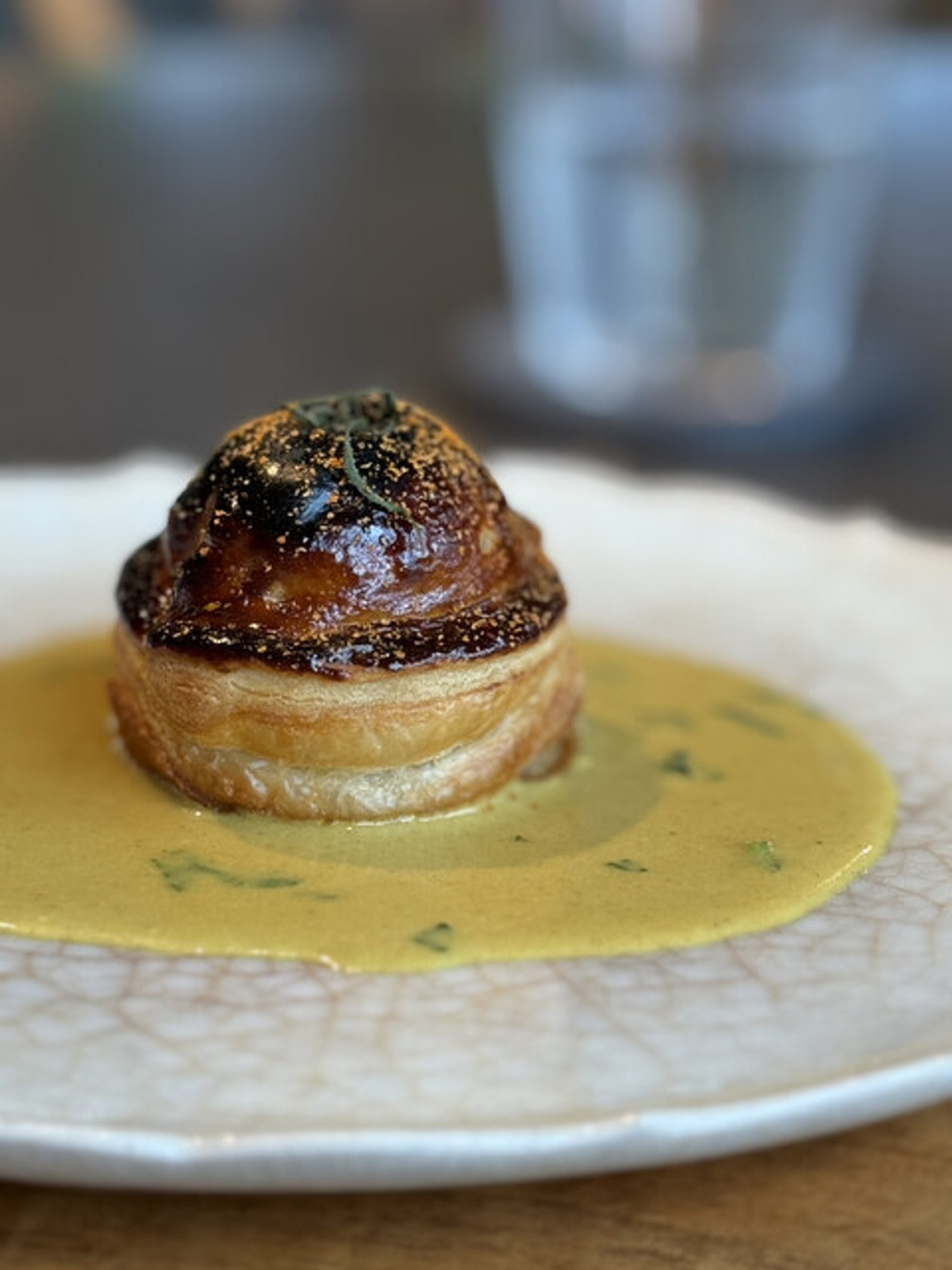
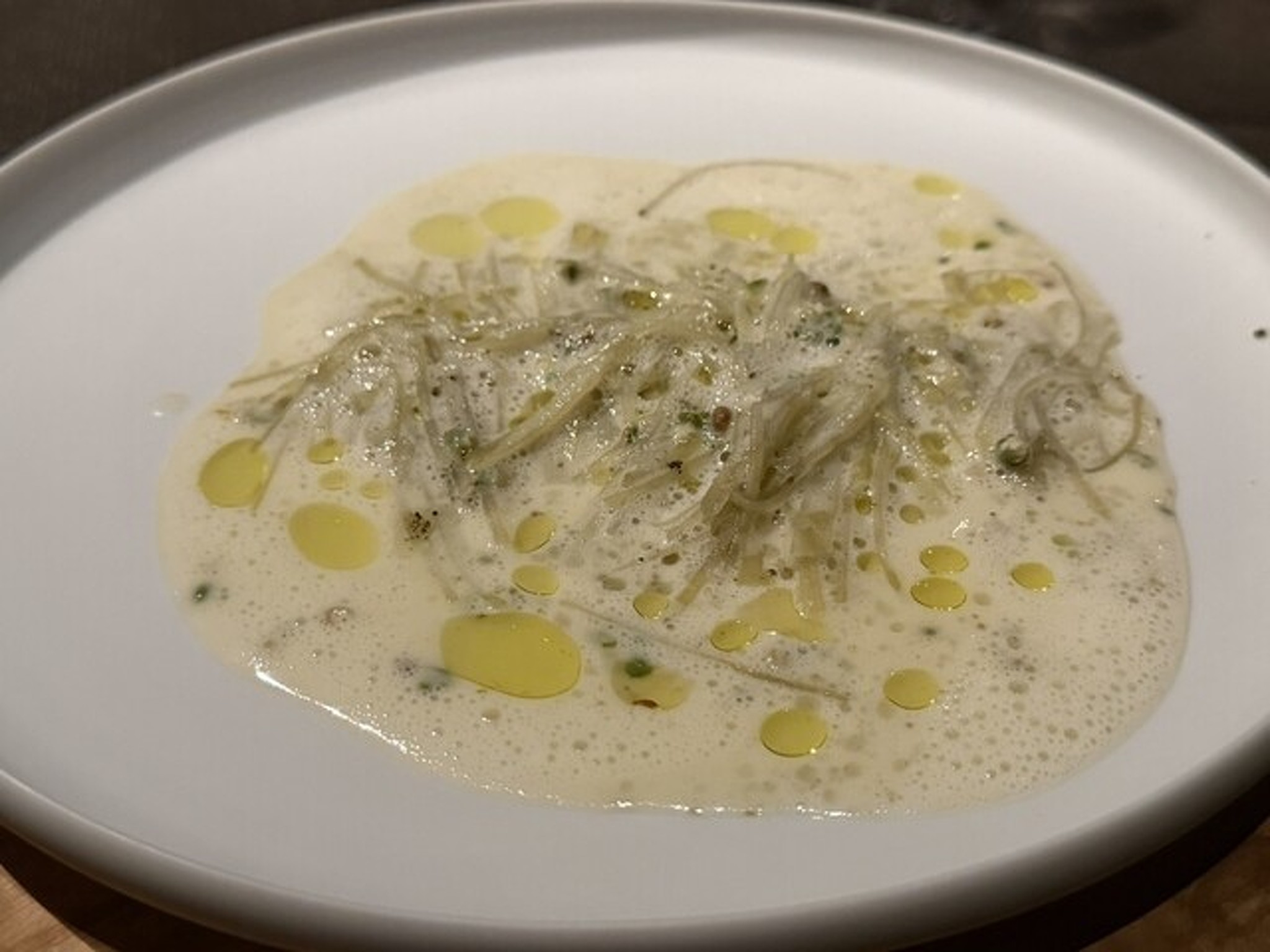
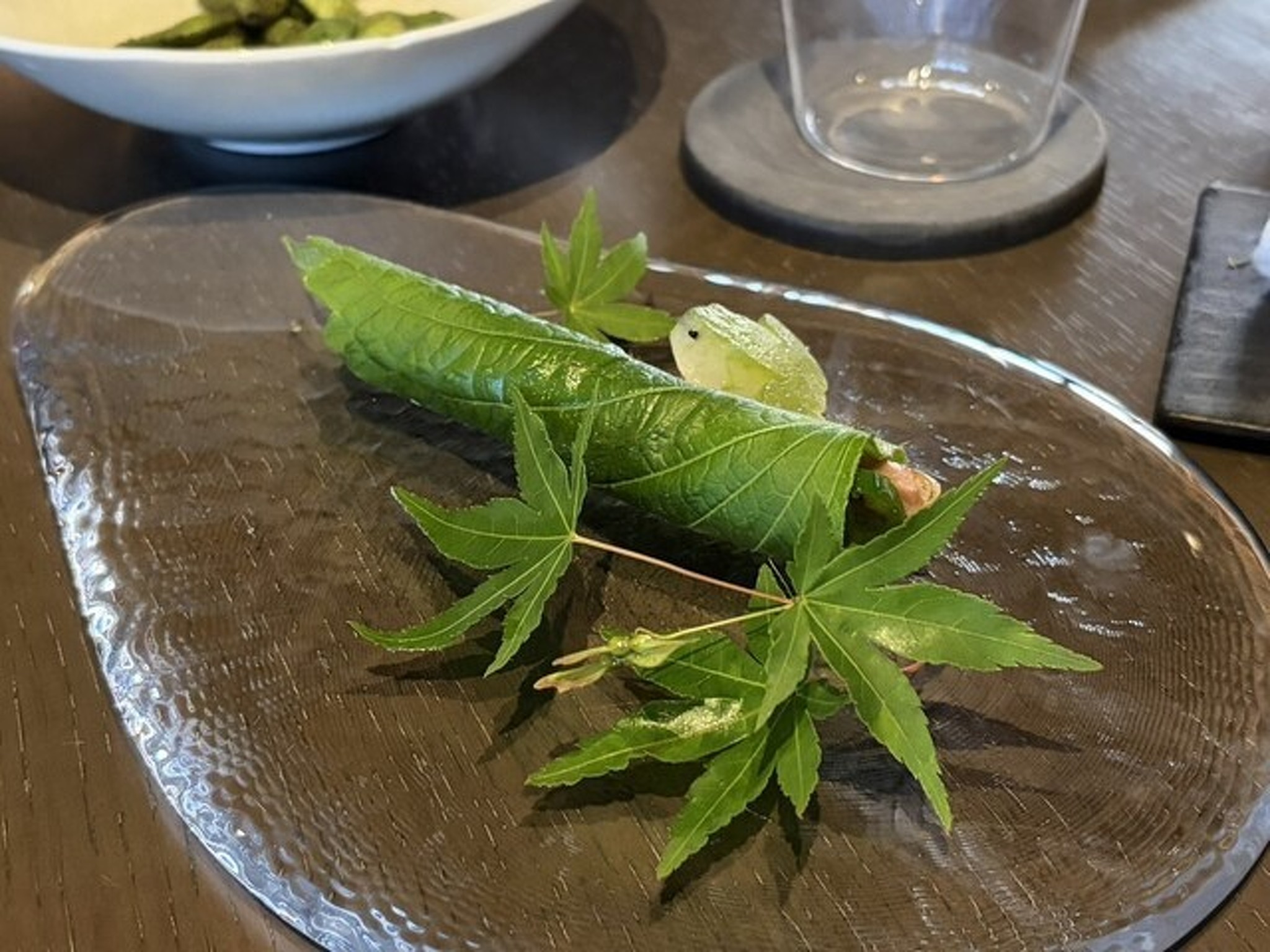
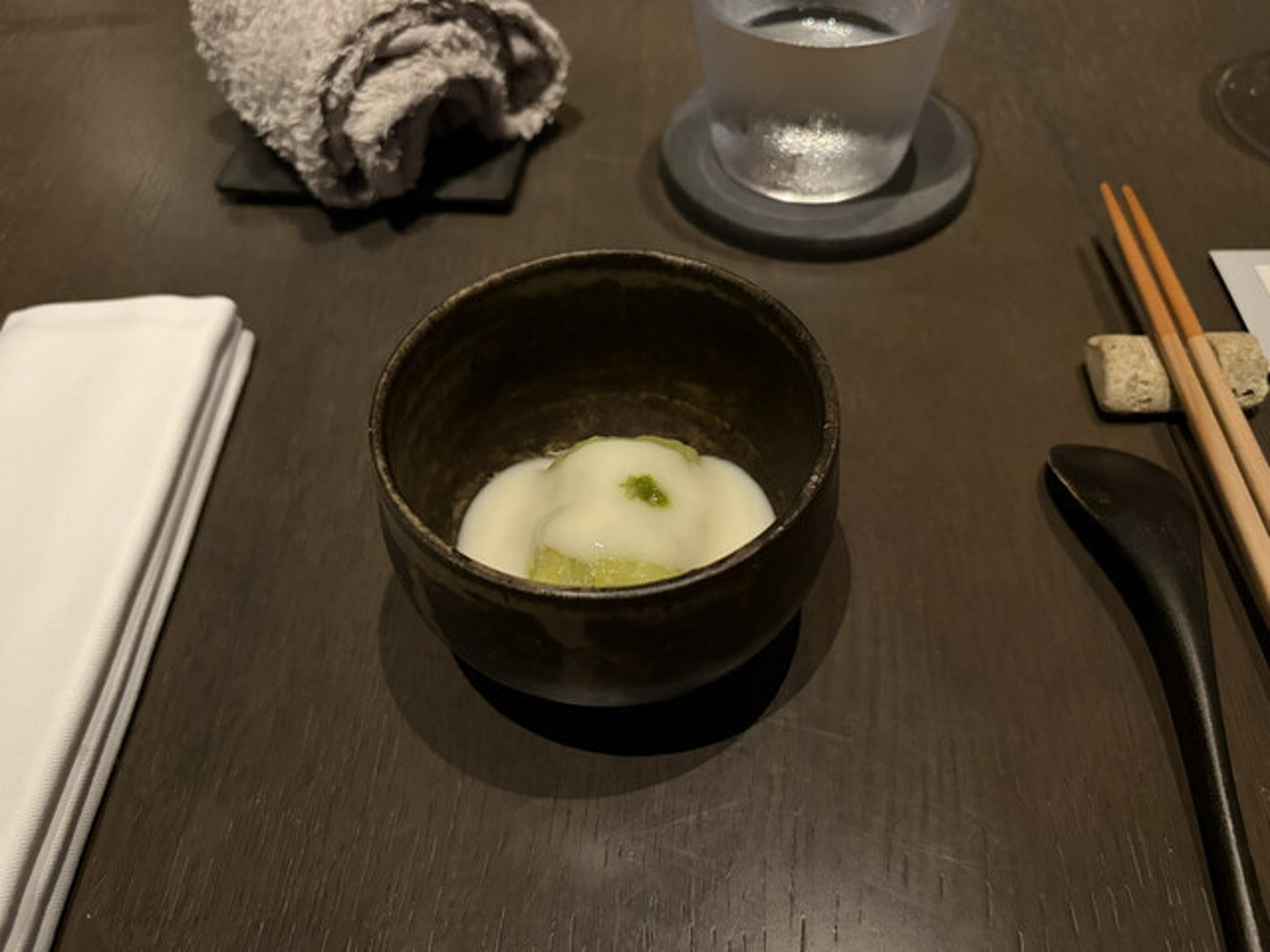
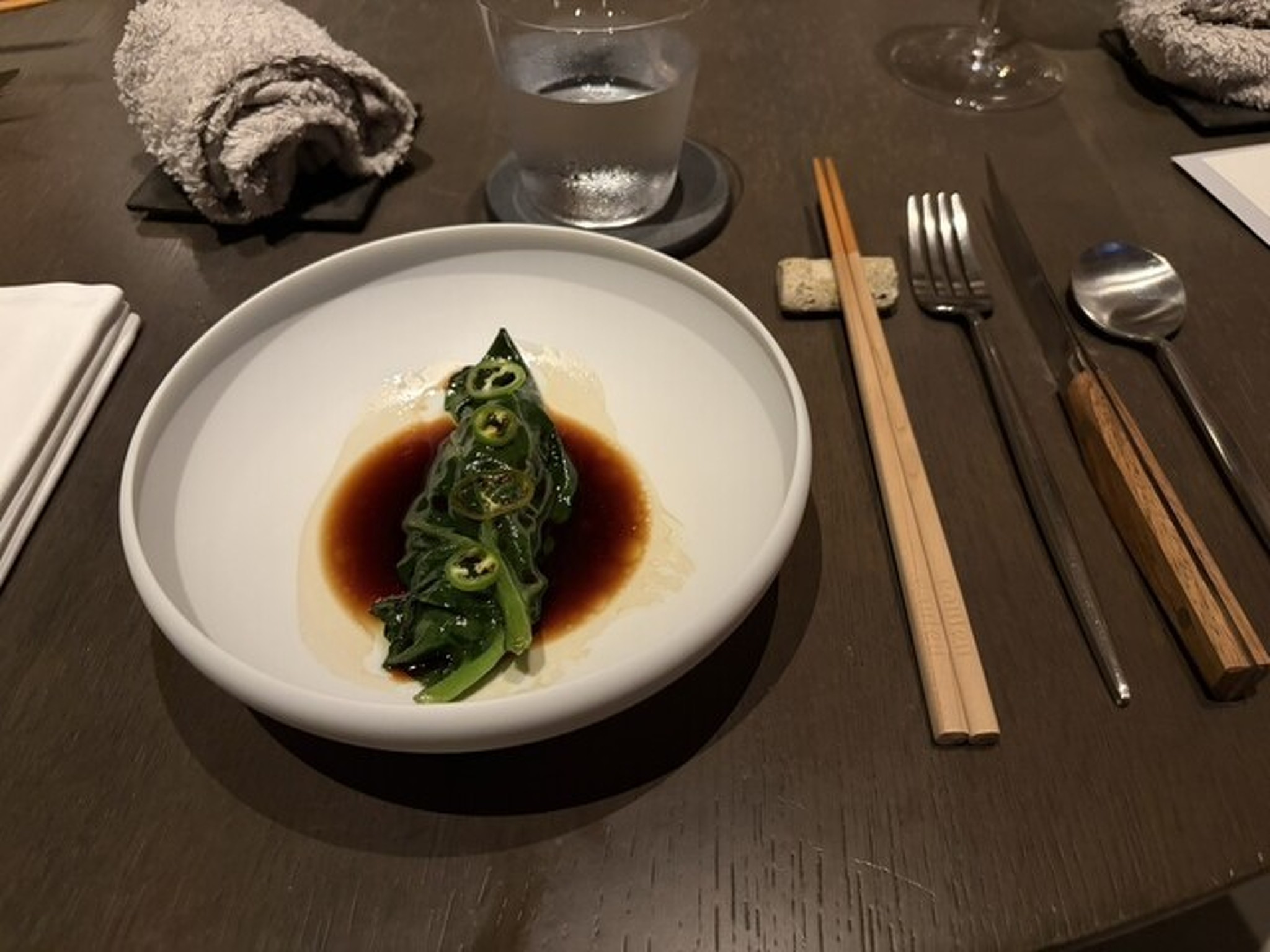
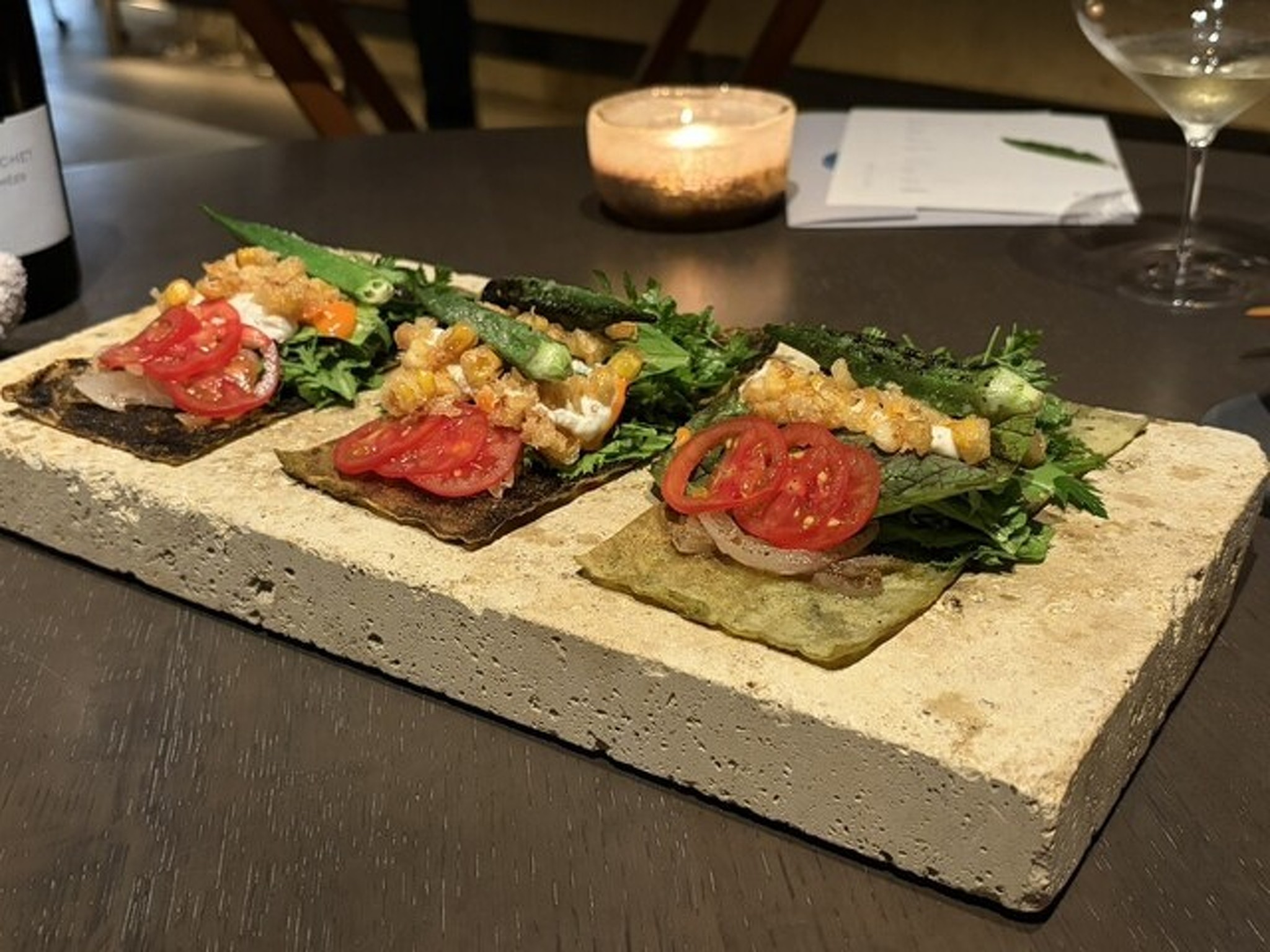
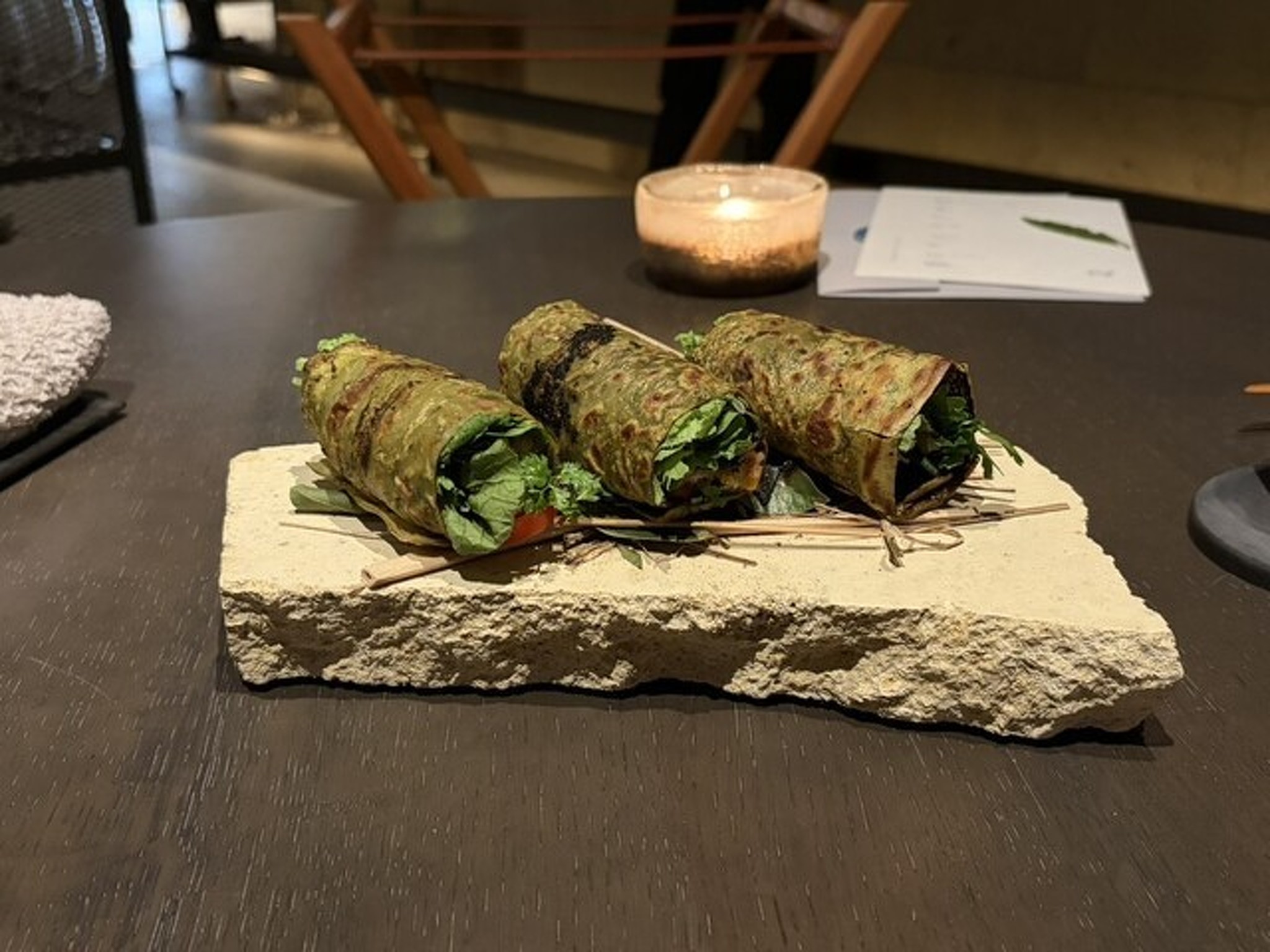
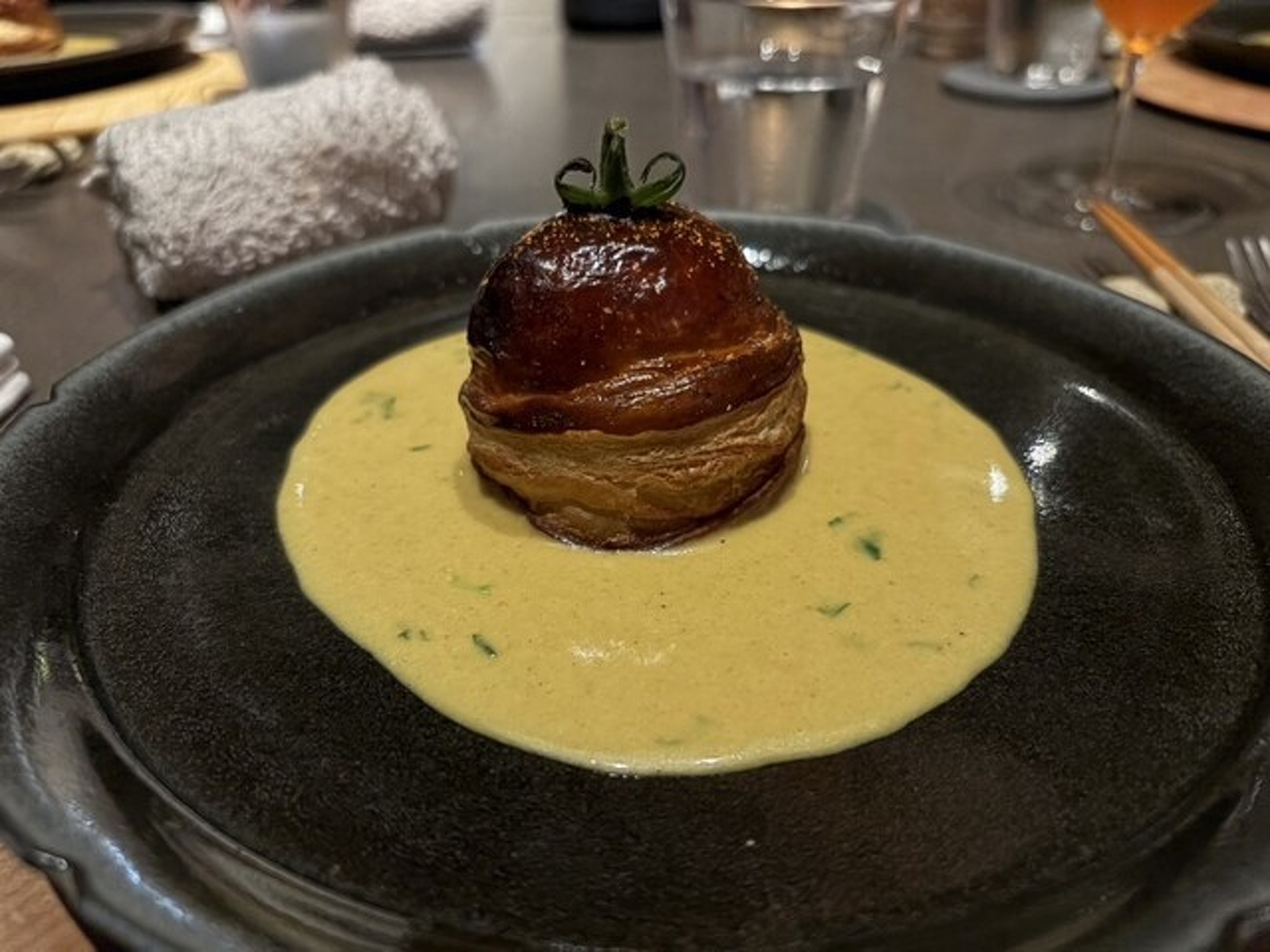
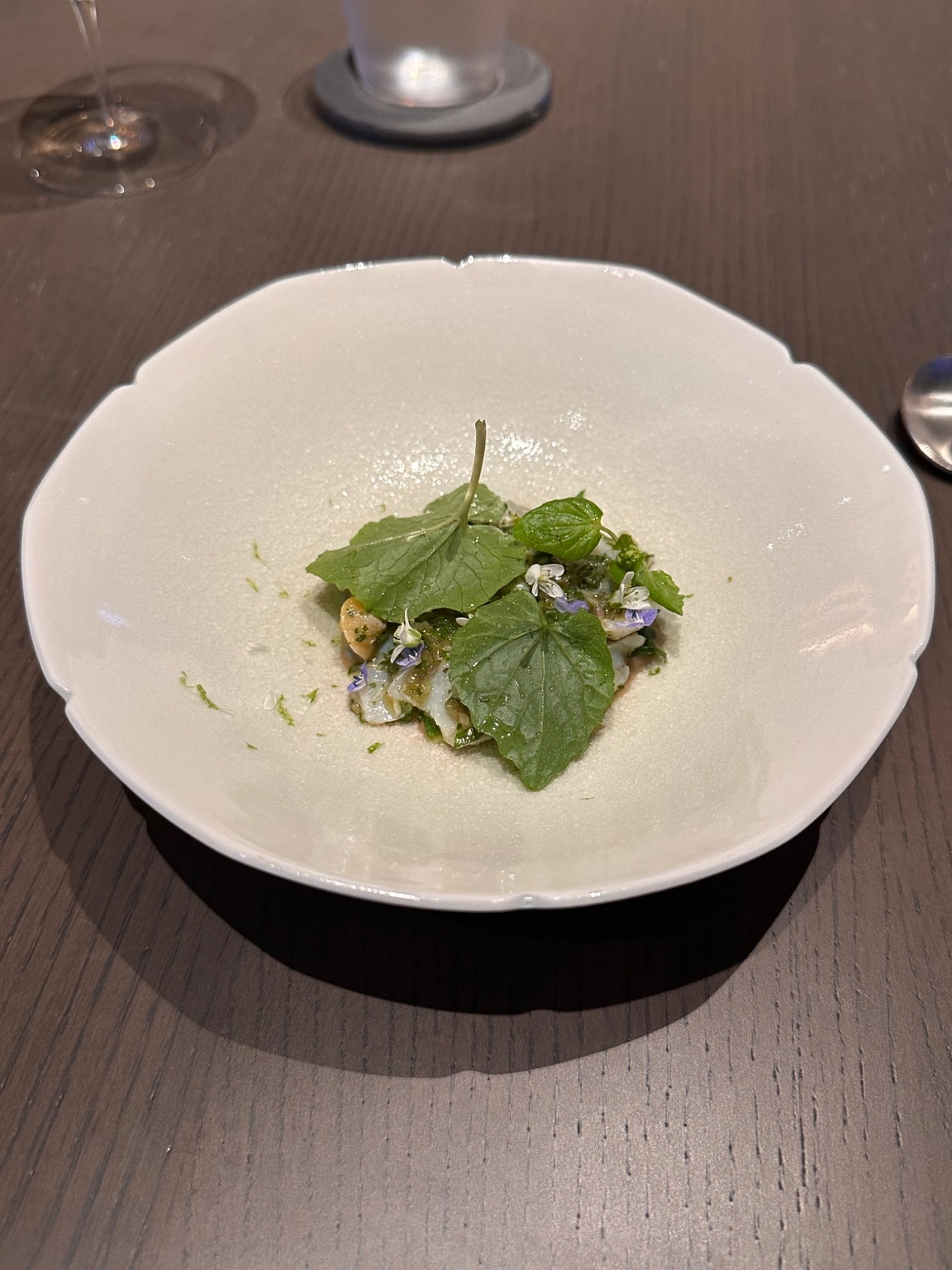
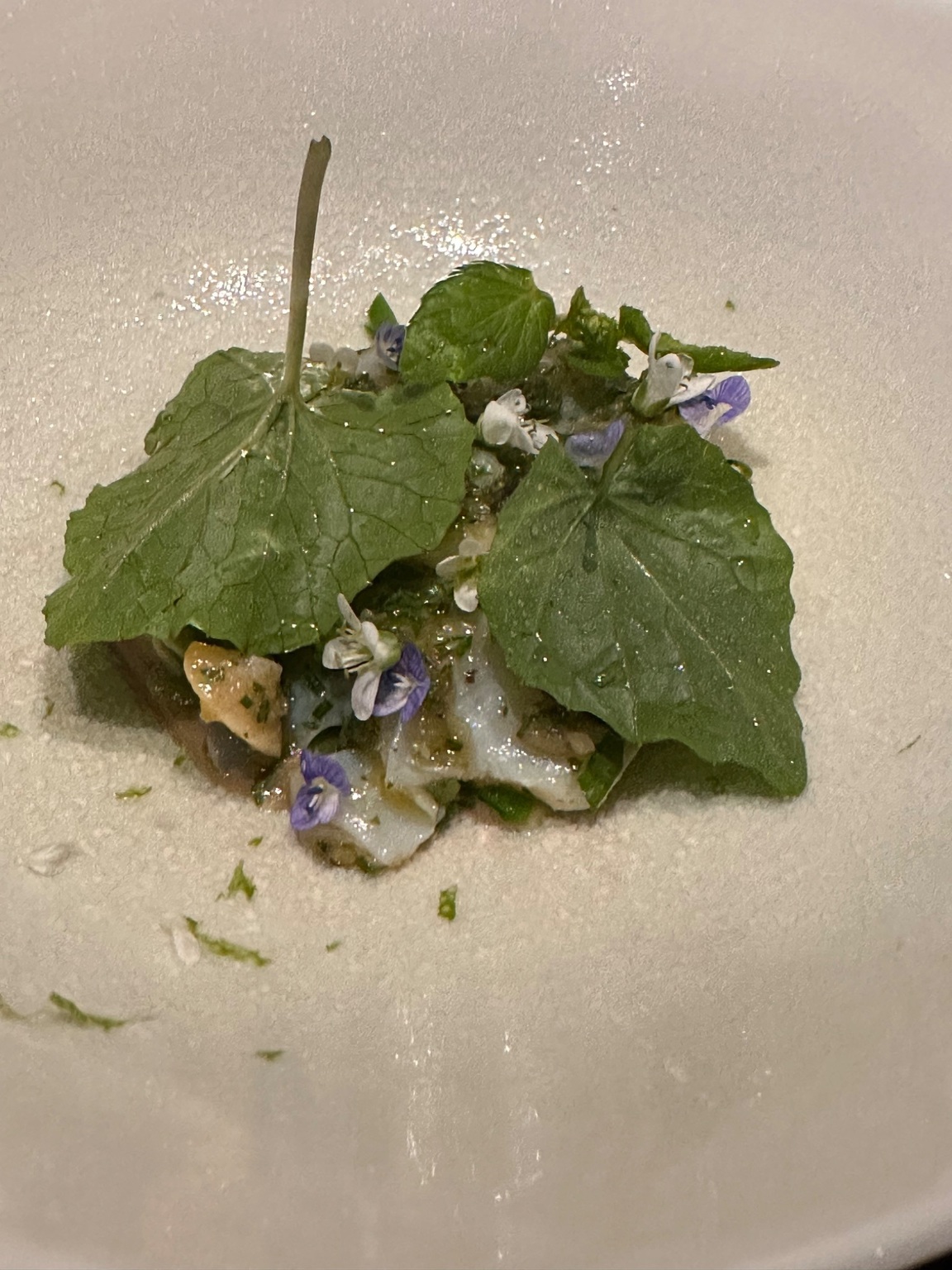
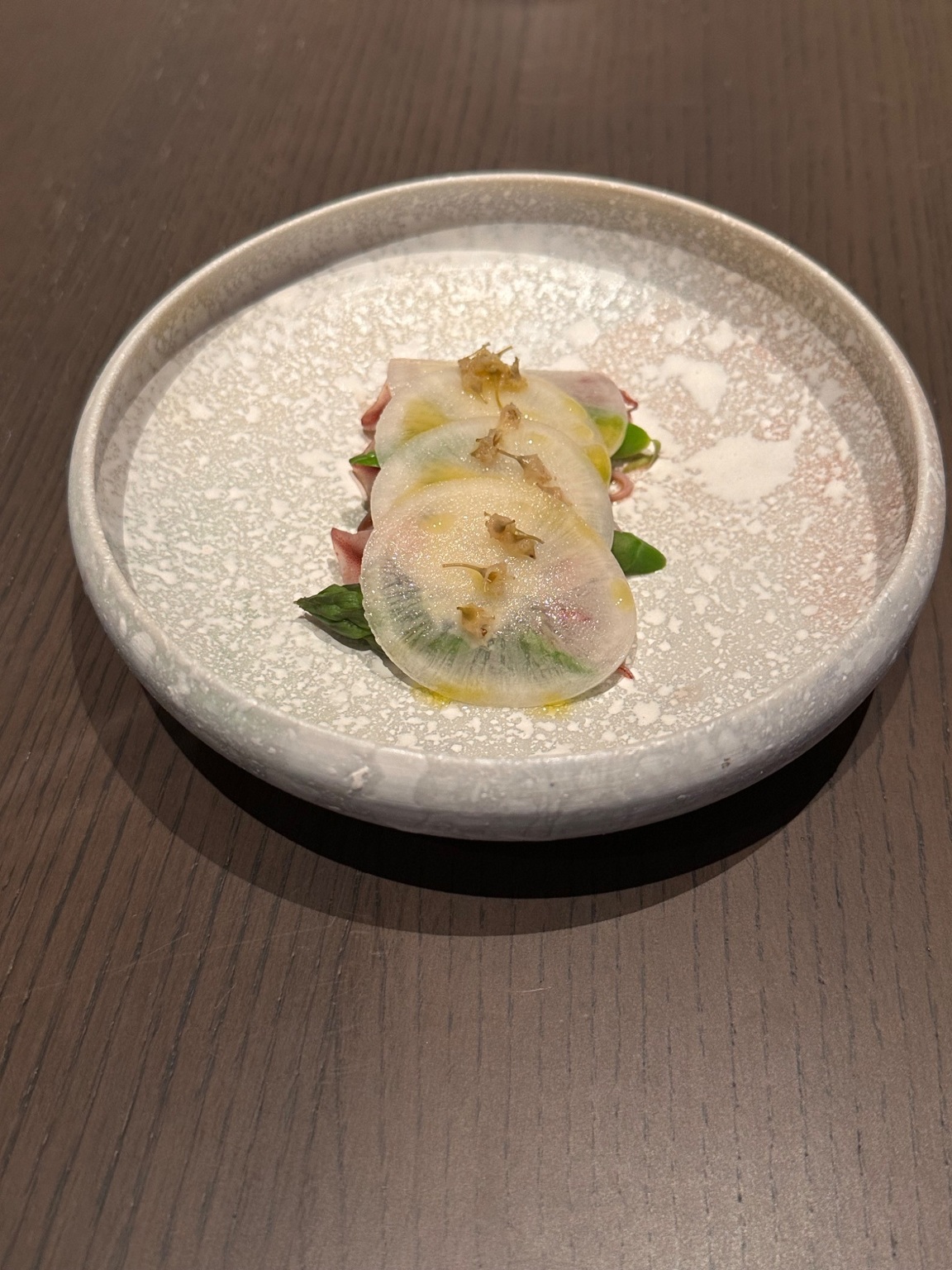
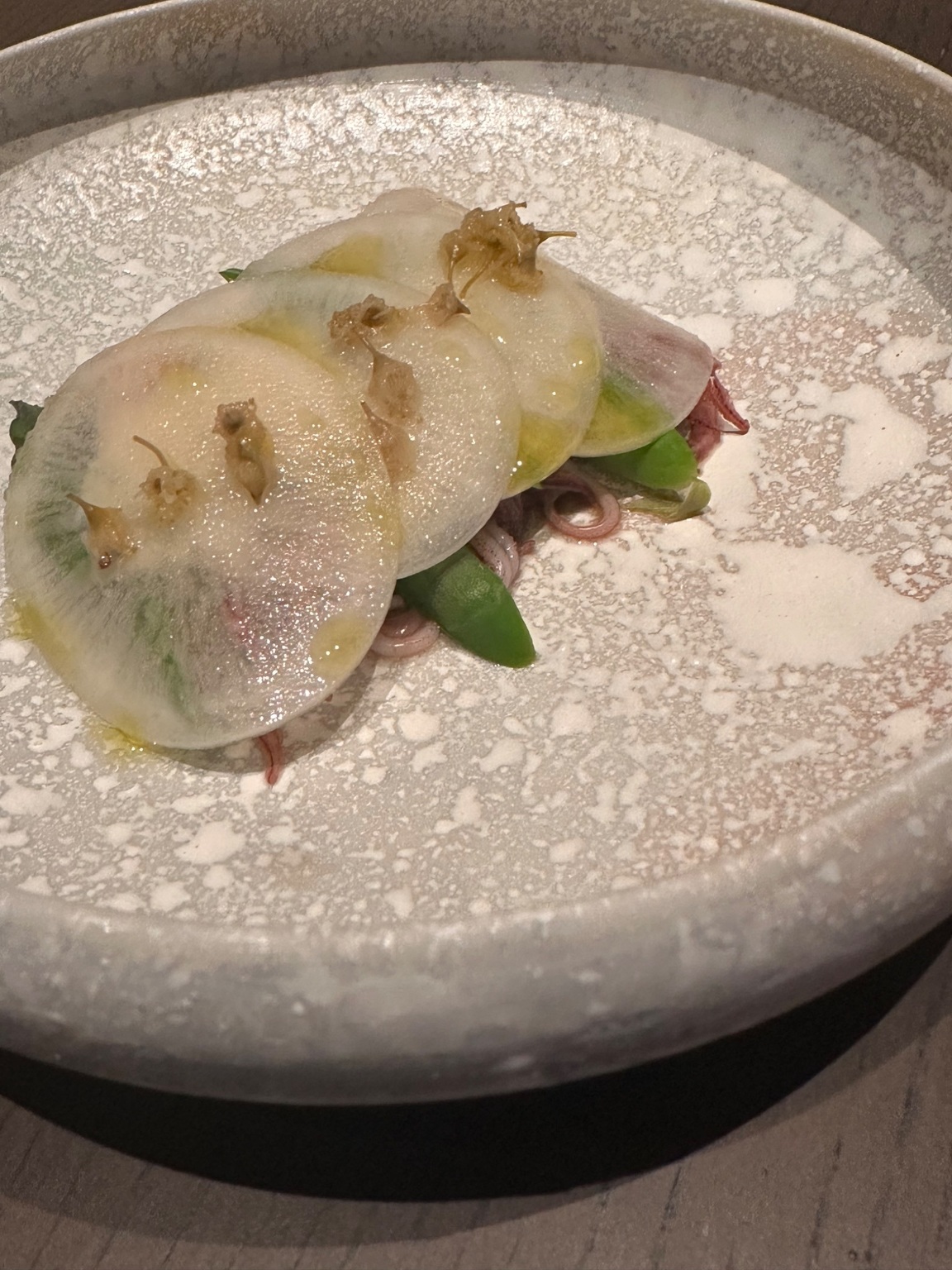
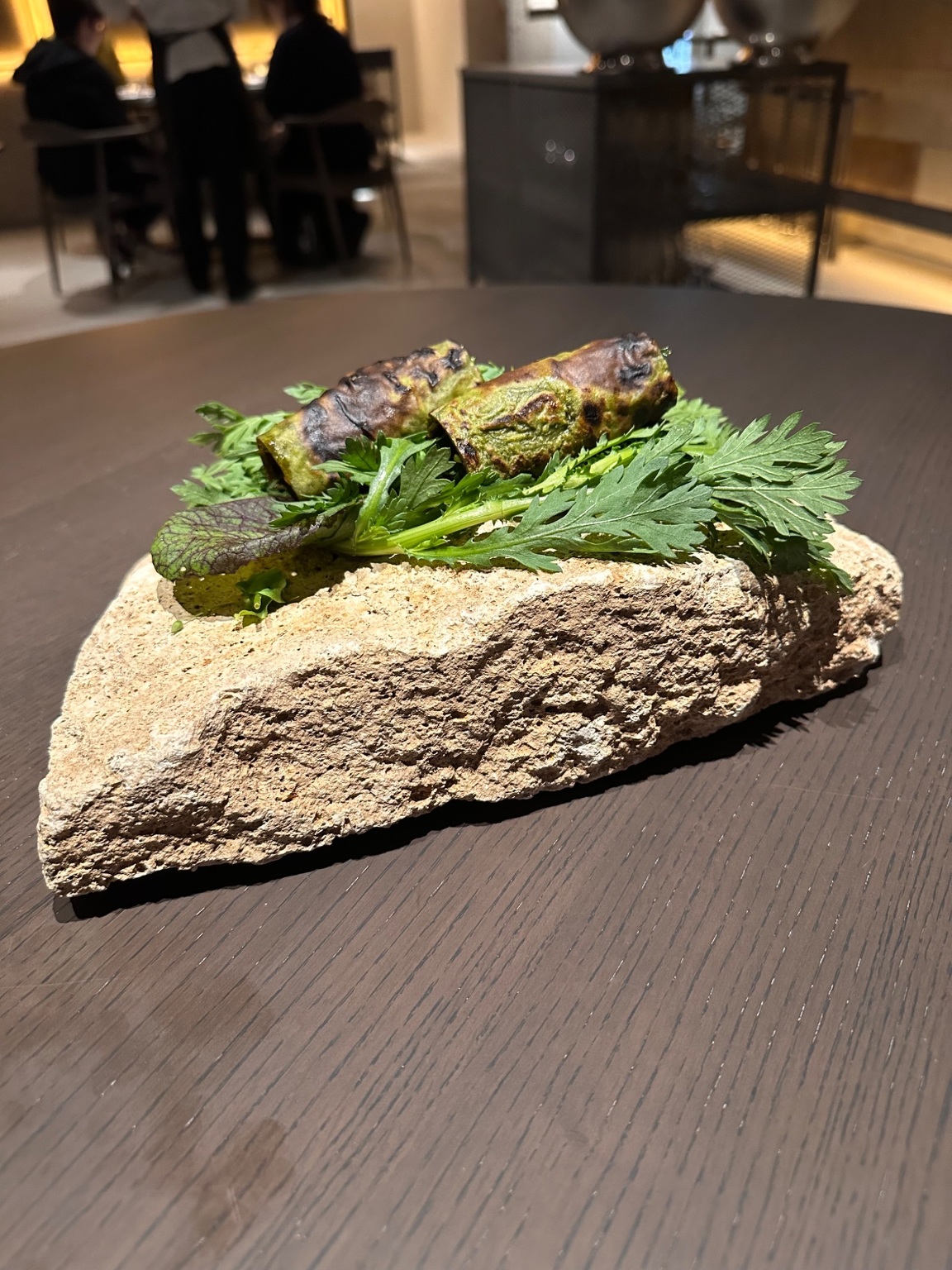
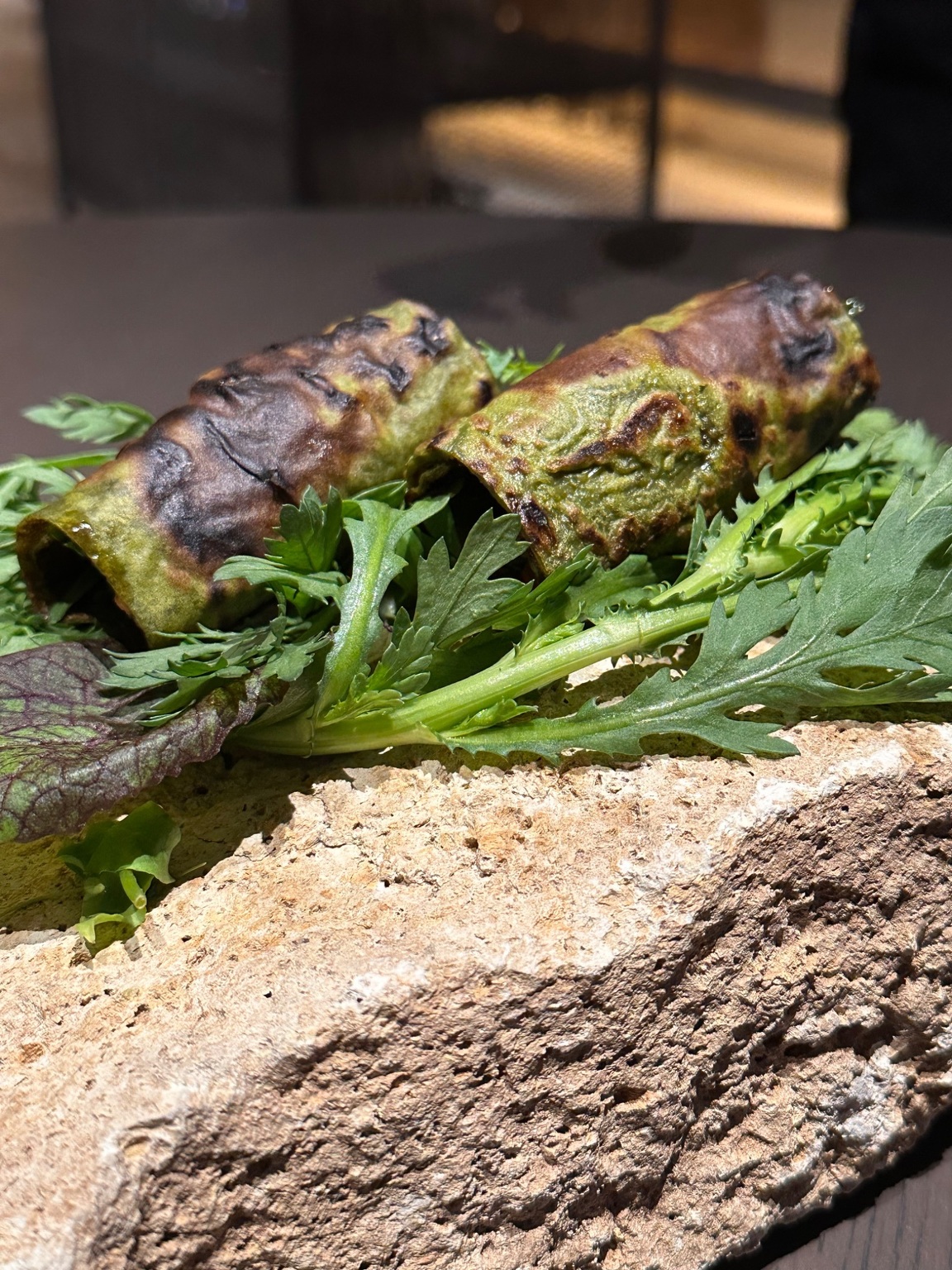
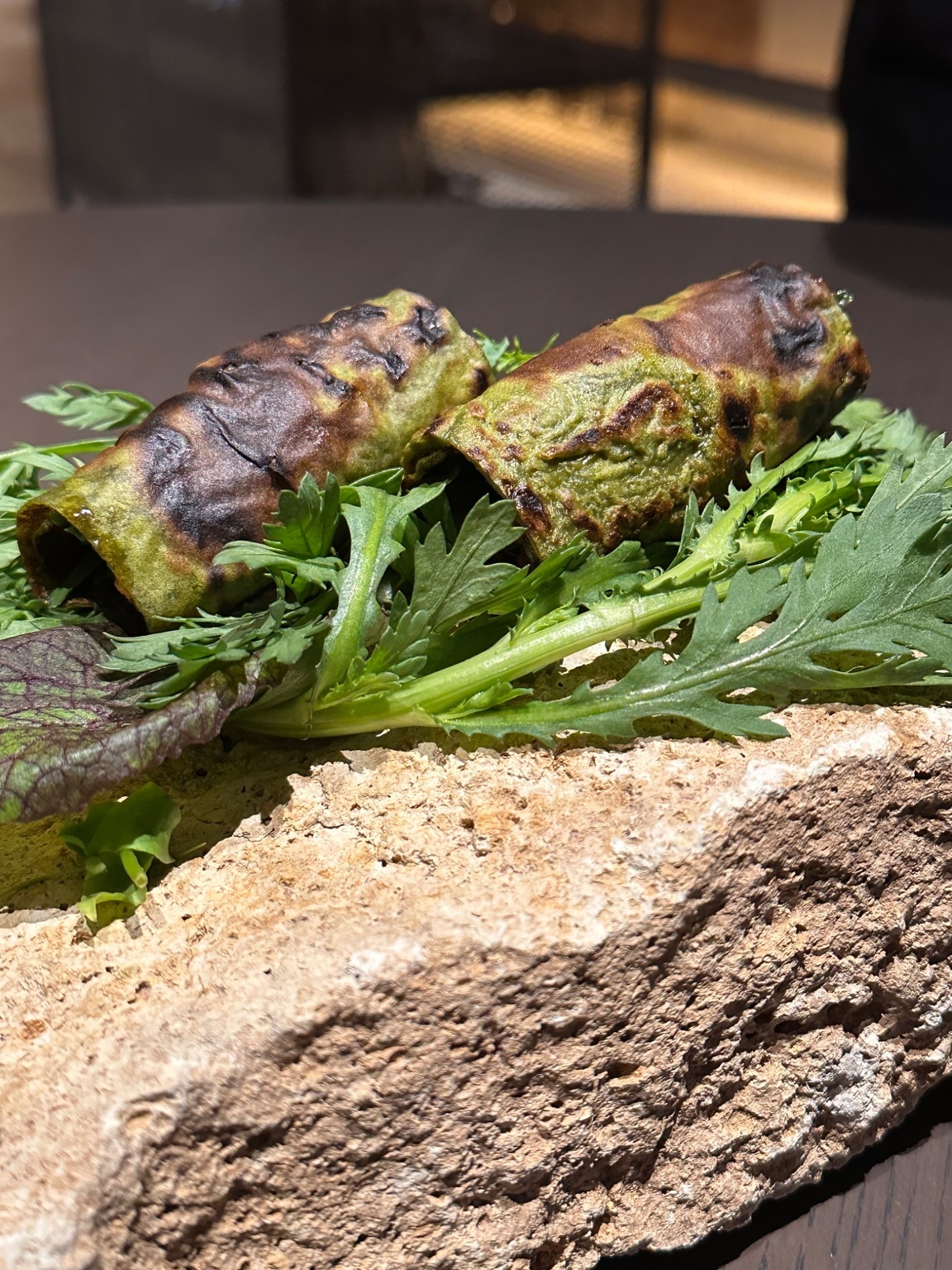
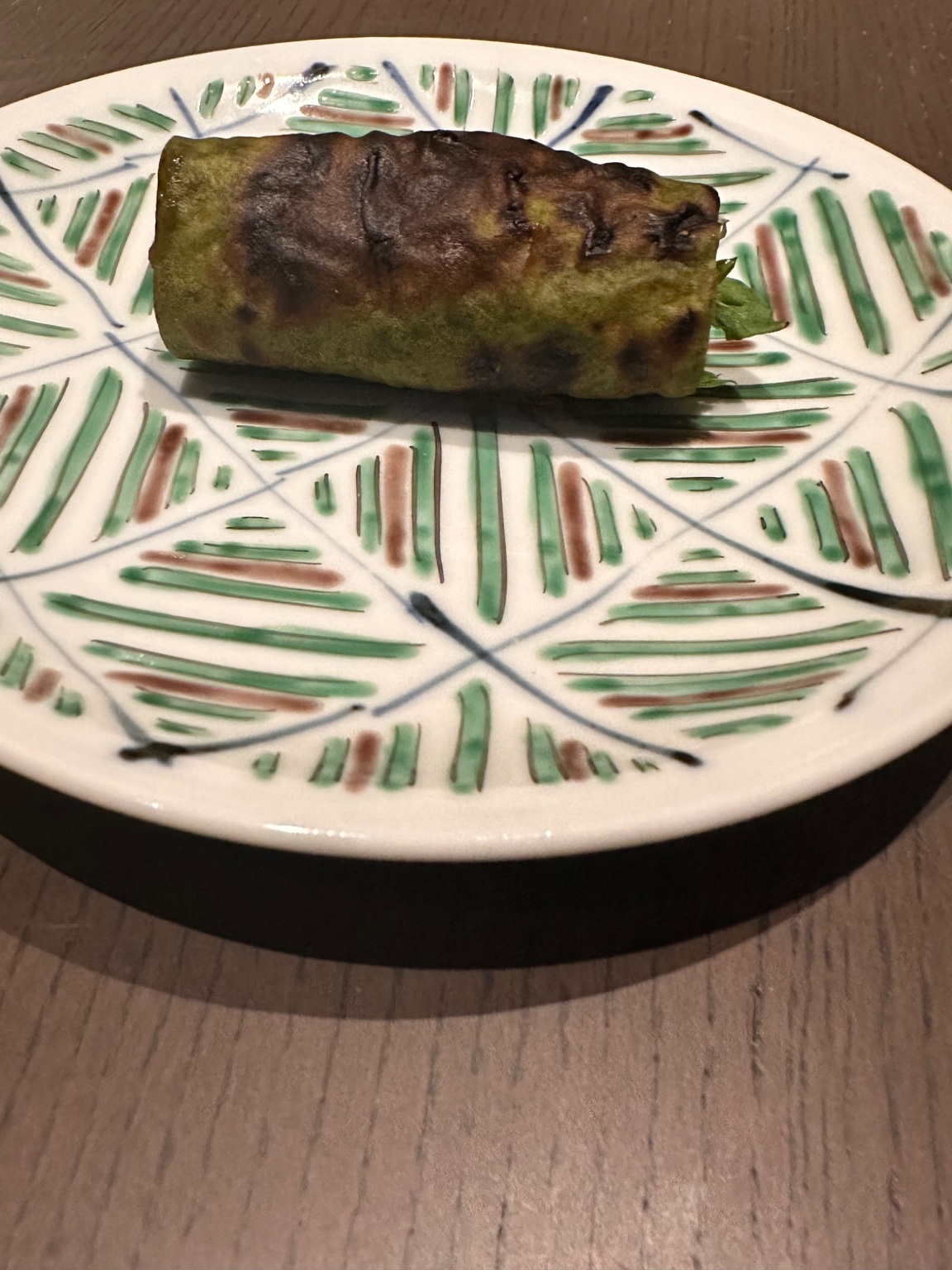
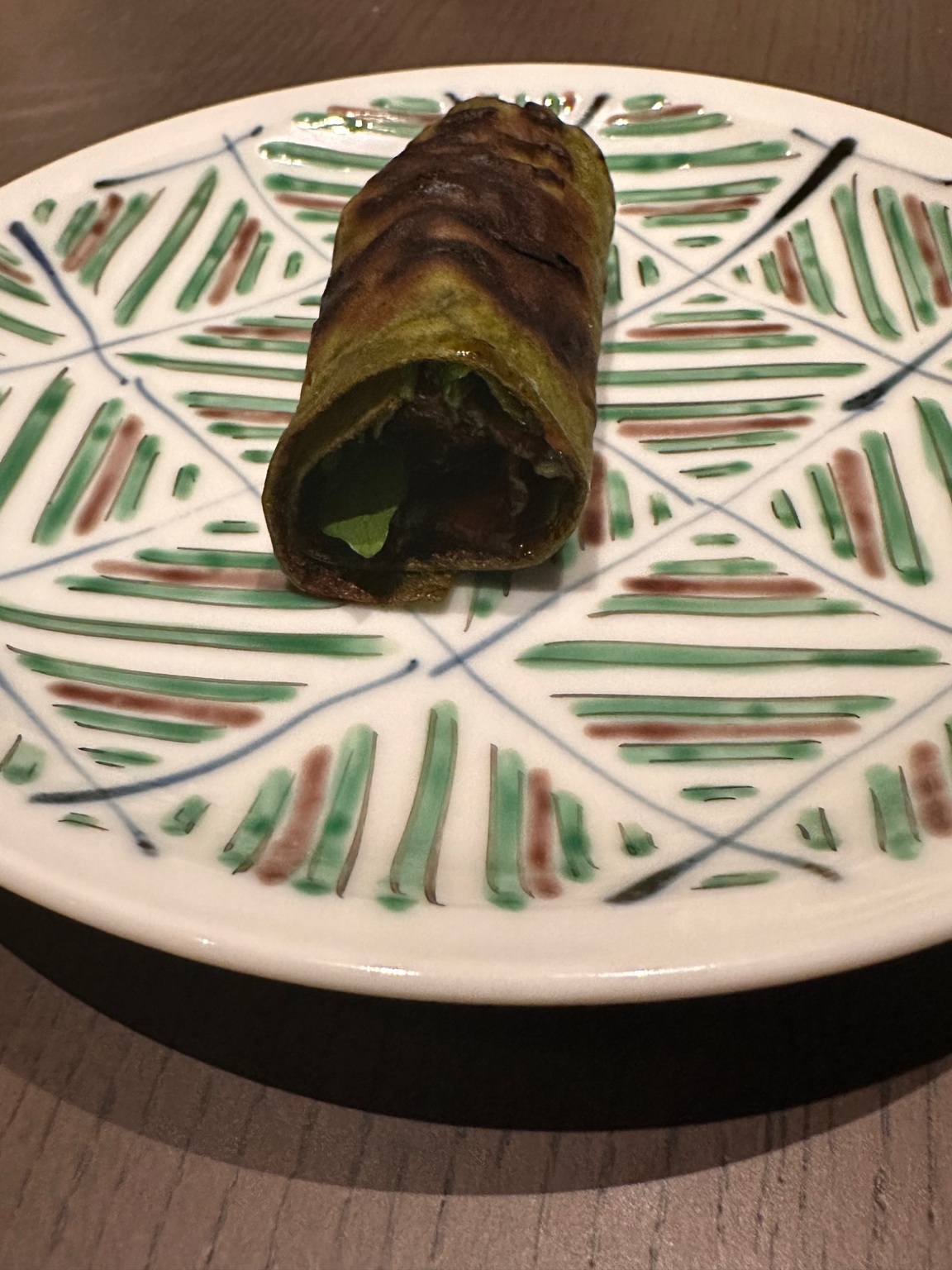
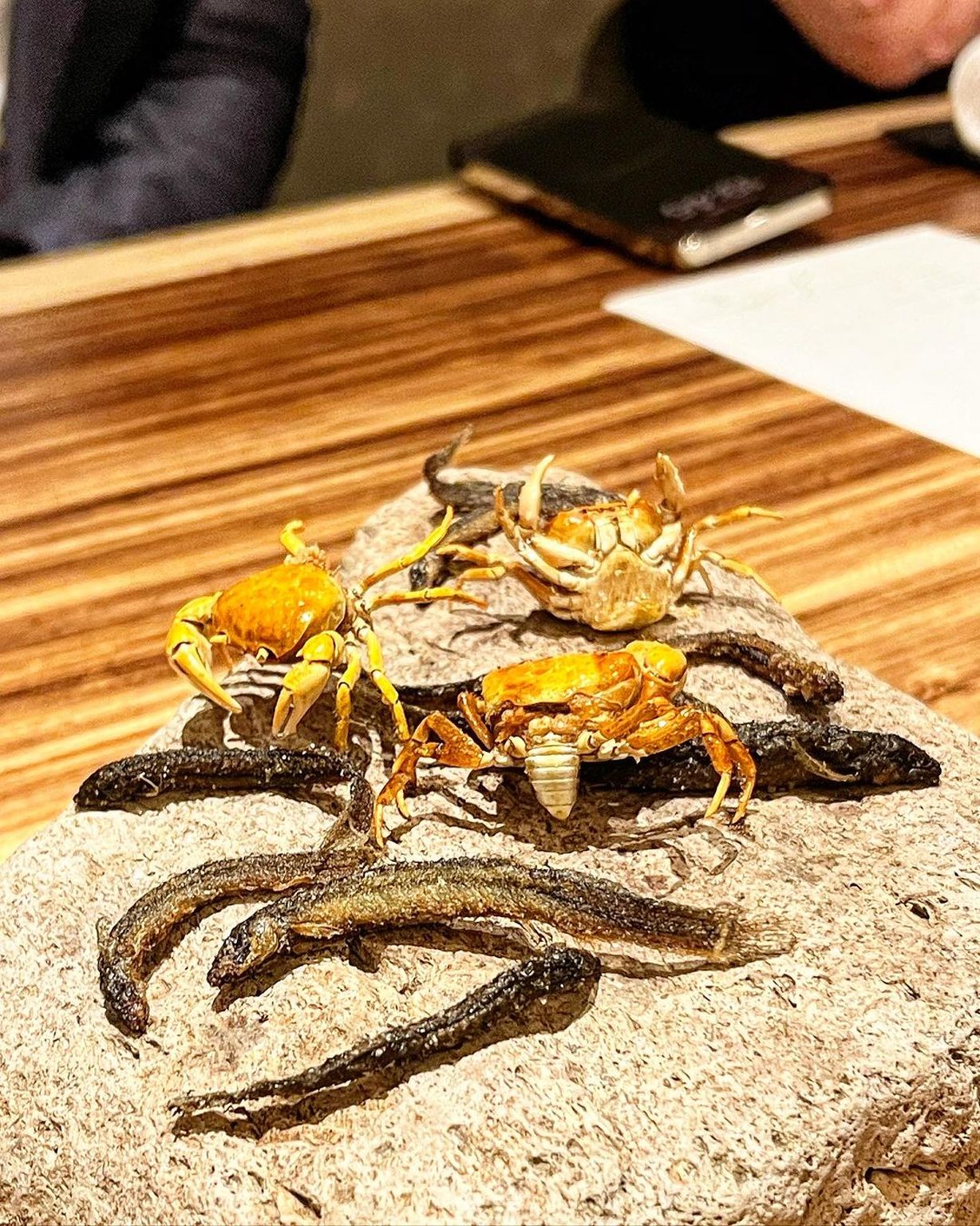
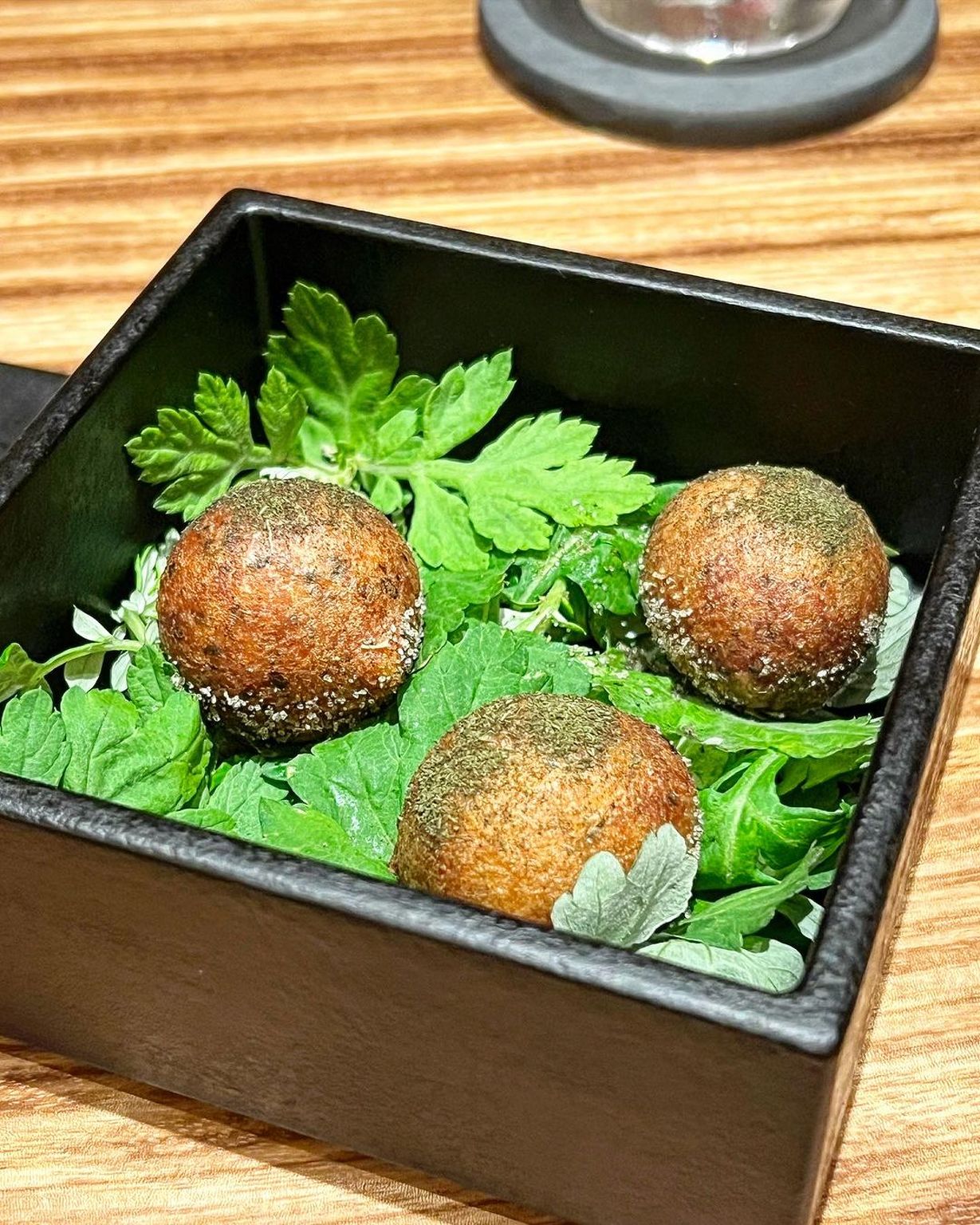
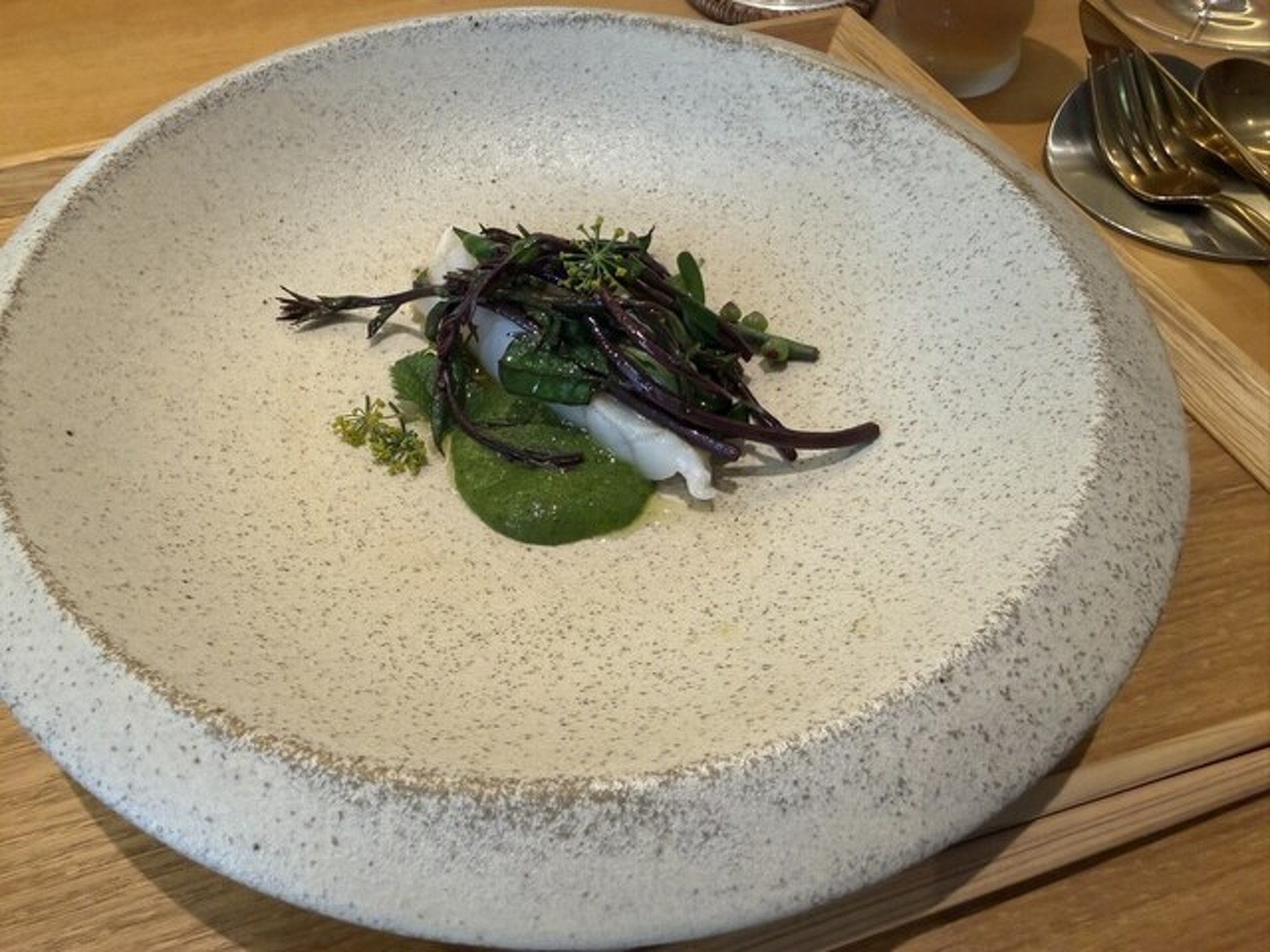
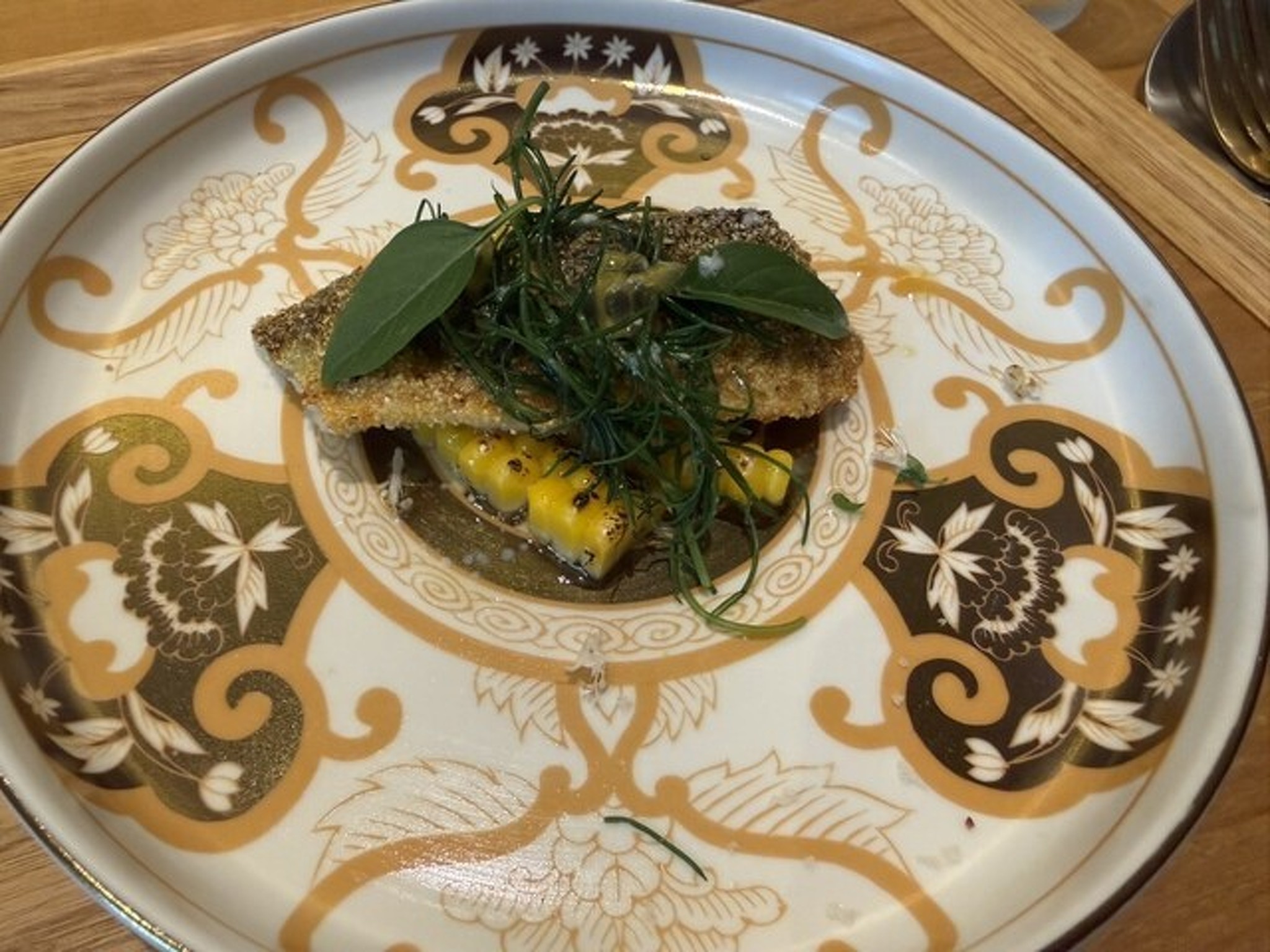
Indeed, the course menu abounds in delightful ideas. While the appetizer crepe made from mountain yam and dried bonito and topped with a firefly squid is reminiscent of Japanese cuisine, there is also an original take on Middle Eastern falafel (chickpea fritters). Needless to say, these dishes are the products of Tanaka’s talent, and at the same time there is probably a significant influence from “team Toyama,” a group that formed spontaneously through collaboration among chefs in the prefecture. Tanaka said, “For around 10 years, I’d often gotten together after work with chefs working in Toyama Prefecture. The group consists mainly of chefs at fine-dining restaurants, including Eiji Taniguchi — this was before he opened L’évo. The types of cuisine were all different — French, Italian, Japanese and so on. Occasionally we’d have a sort of workshop — for instance, we brought pates and tasted and compared them. It was really stimulating.” If the “team Toyama” circle expands through Tanaka’s efforts, Toyama Prefecture’s standing as a “place to go” will surely continue to rise.
Chef Tanaka embodies Toyama as culinary draw
Of the 10 establishments honored each year as Destination Restaurants, the representative Destination Restaurant of the Year has previously tended to be one with an imposing back story that involves engaging with producers or ingredients under difficult circumstances such as limited transportation or natural disaster. In contrast, Himawari Shokudo 2, the Destination Restaurant of the Year 2025, occupies a convenient location just a 10-minute walk fromzand neither runs its own farm nor pastures animals.
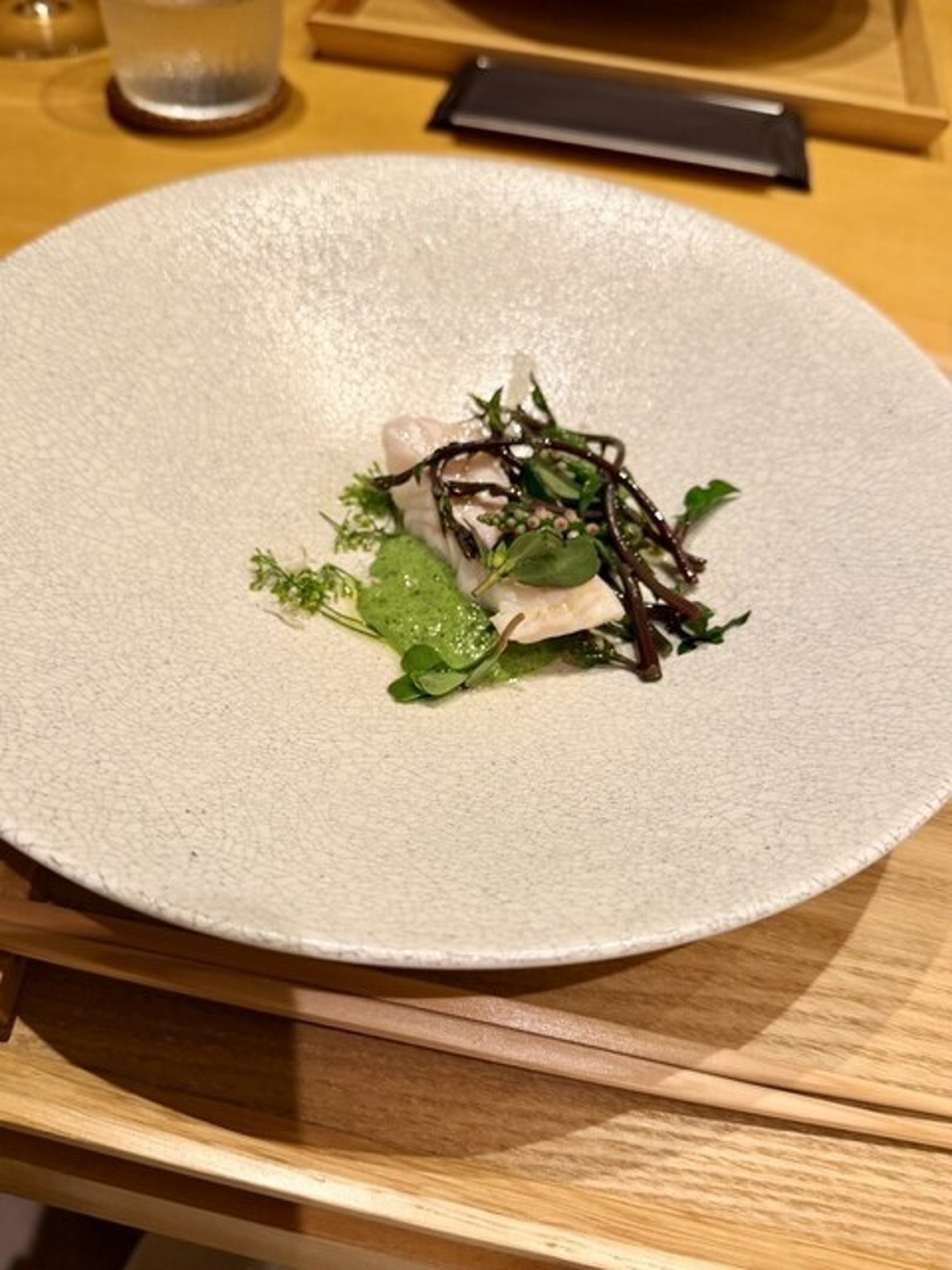
On learning that he had been awarded the title, owner-chef Hozumi Tanaka looked perplexed and said: “Do I really deserve it? I don’t even have the kind of deep connections with producers that other chefs do.” Actually, Tanaka communicates closely with a producer who gathers mountain vegetables and hunts wild game, and has even asked farmers to plant Italian vegetables, which are still uncommon in Toyama Prefecture.
But it is true that chefs in Toyama Prefecture have elevated their approaches to ingredients and cuisine to levels that inspire this sort of modesty in chef Tanaka. Last year, Yoshiki Tsuji, one of the judges, said of Destination Restaurants: “The point is not just to praise chefs. It’s to celebrate region-specific cuisine while honoring chefs rooted in the area.”
Actually, Toyama Prefecture is home to two of the restaurants that have been selected as Destination Restaurant of the Year over the past five years — Cuisine régionale L’évo in 2021, the year when Destination Restaurants was launched, and Himawari Shokudo 2 in 2025 — and the prefecture is solidifying its position as one of Japan’s foremost “culinary regions.” This writer has visited various dining establishments in Toyama Prefecture for both work and leisure, and heard Himawari Shokudo 2 praised as a “really great” restaurant by chefs in each location.
Tanaka has a rather unusual biography. Born in Toyama, he had long led a life unrelated to cuisine. “In my 20s I saved up money doing work in the architecture field, and then I wandered around Europe,” he said. “I was traveling on a tight budget and making my own meals. I was such a bad cook that I put an egg in the microwave and caused an explosion. At the time, I was interested in the cultures of different countries — history, architecture, art — and had no interest in food. But when I was 22, I tried bistecca (Tuscan-style steak) in a trattoria in Florence. I was astonished by its delicious flavor, and realized that food is culture, too. At the same time, I sensed that food has a kind of magic that makes people happy, and that was one reason I decided to pursue a culinary career.”
Later, following the death of his mother, Tanaka set his sights on Italy at the age of 27 in order to become a chef. “It turned out that I couldn’t work there because I didn’t speak Italian,” he said, “so I returned to Toyama. But I didn’t know where to work in Toyama, so three days later I went to Tokyo. I worked in Italian restaurants there for about 10 years. The charcoal-grilling methods I learned at Ristorante Terauchi, which was located in Nishi-Azabu, are still a foundation of my cuisine.”
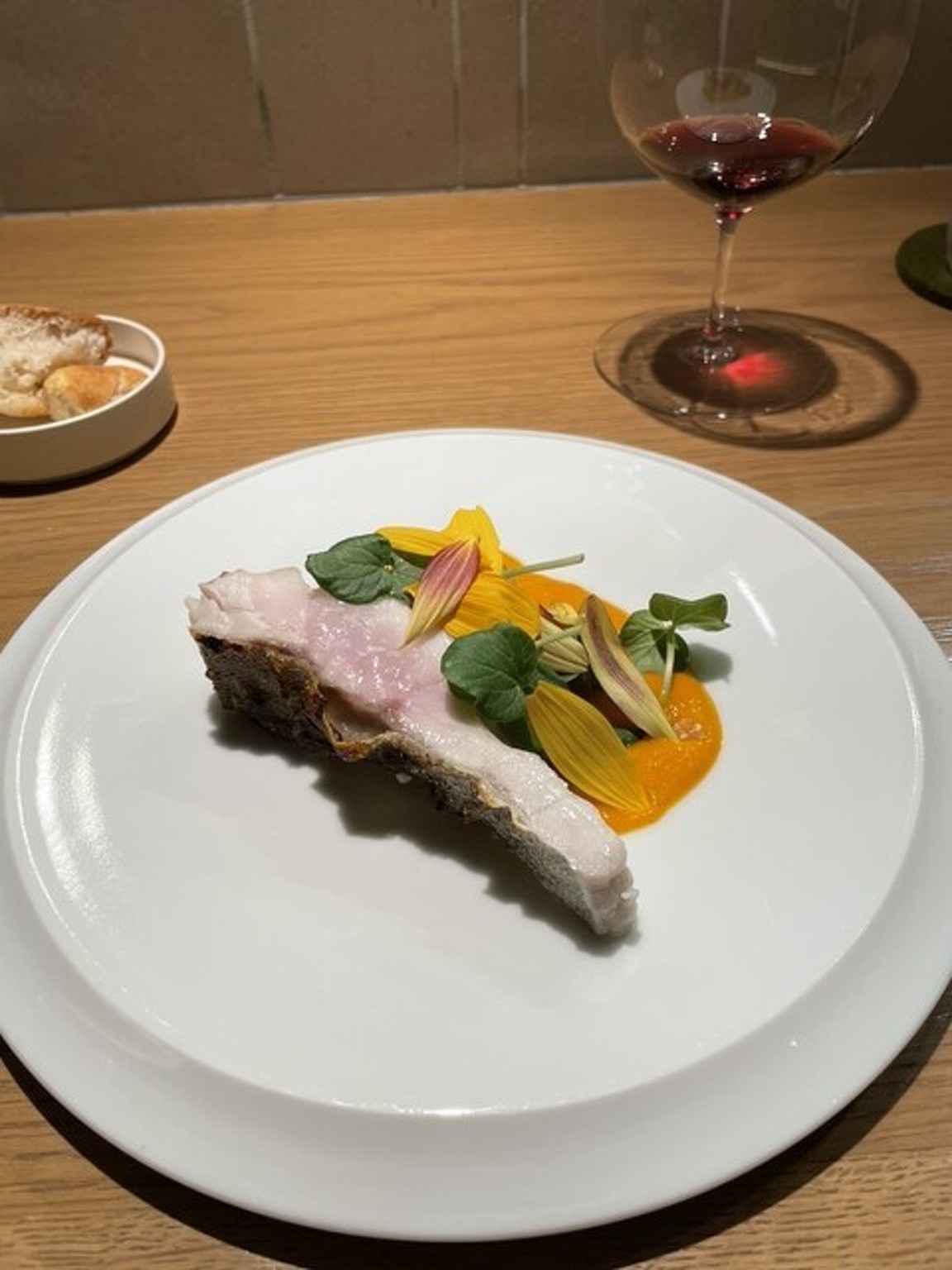
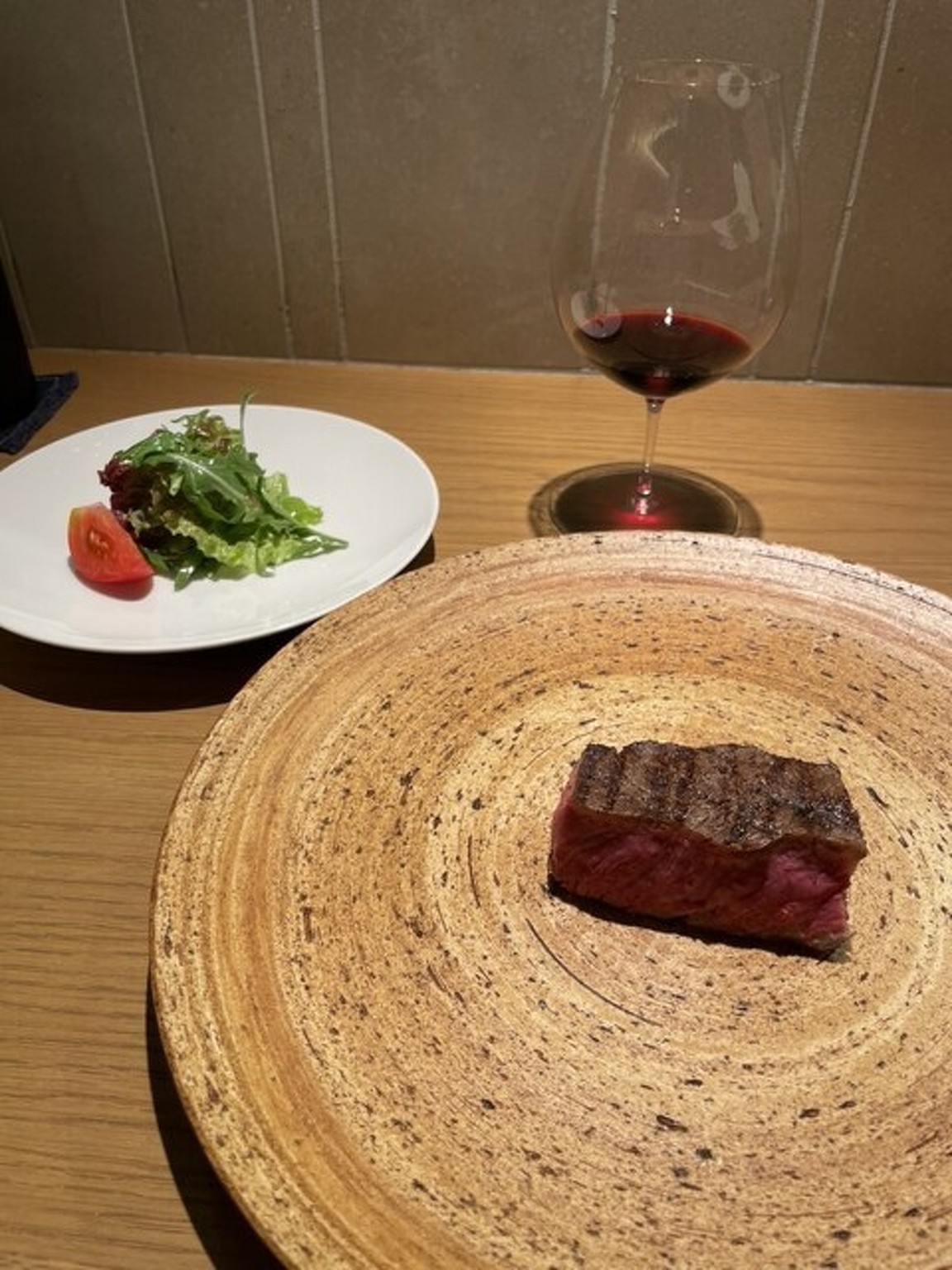
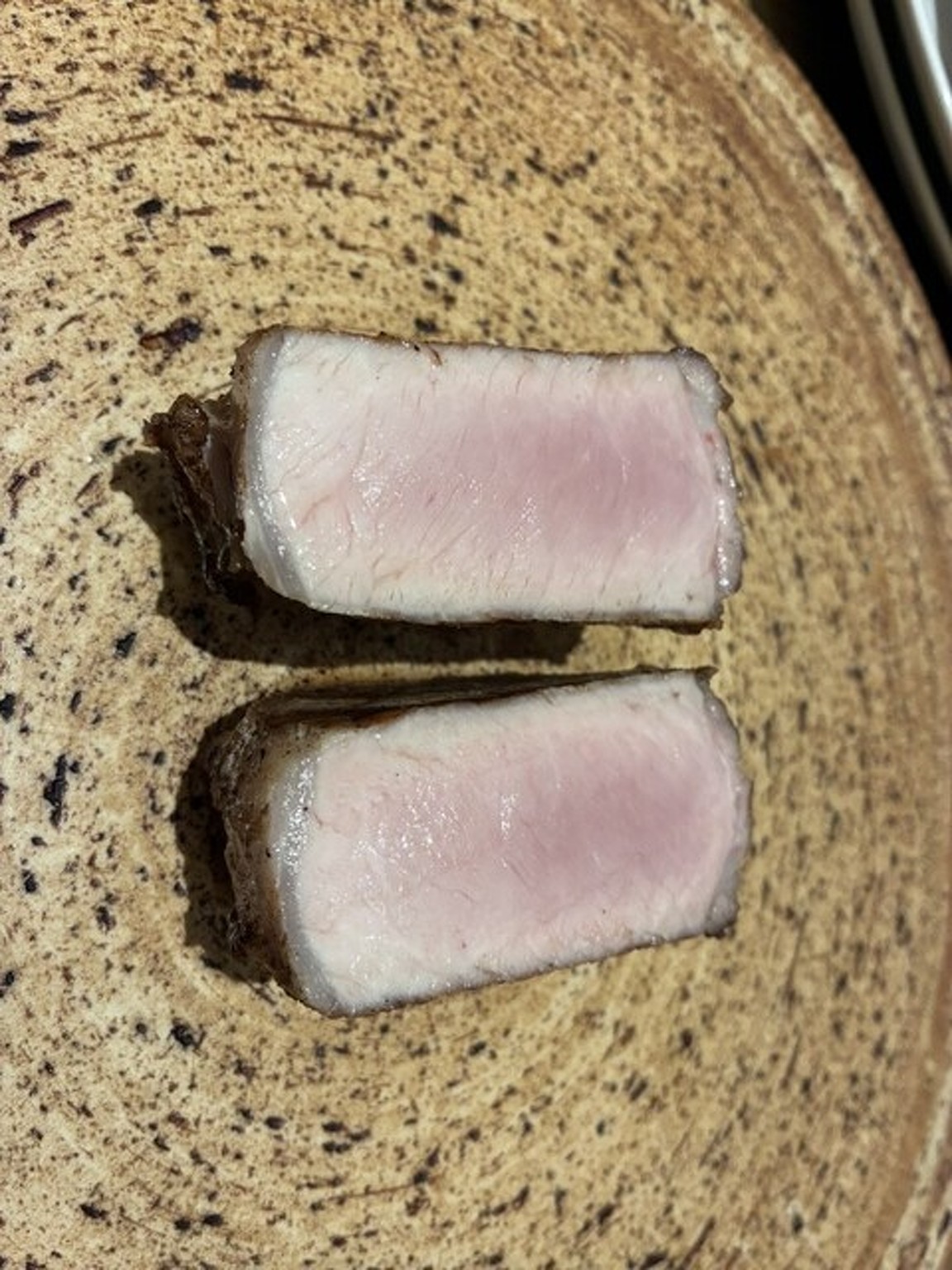
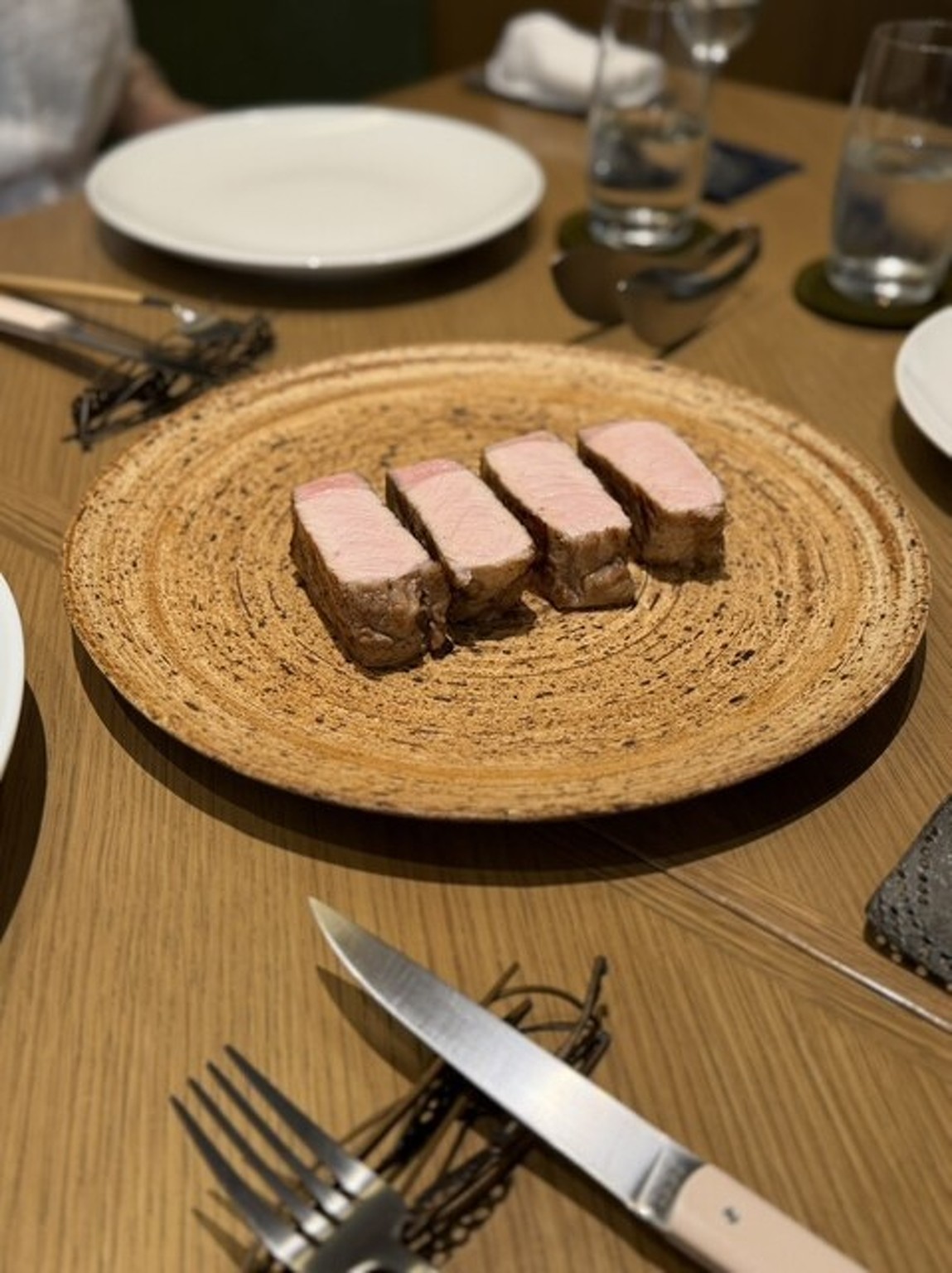
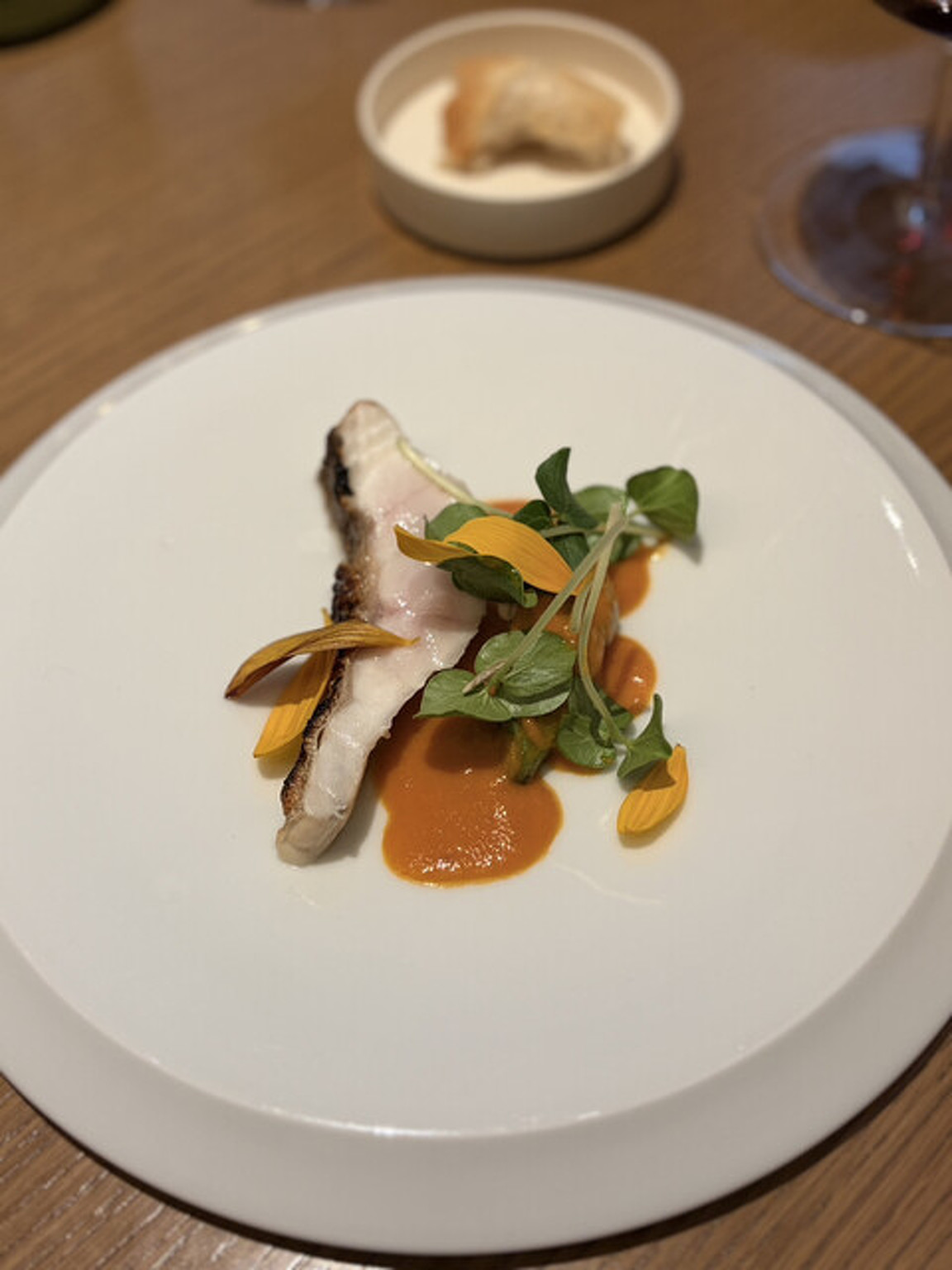
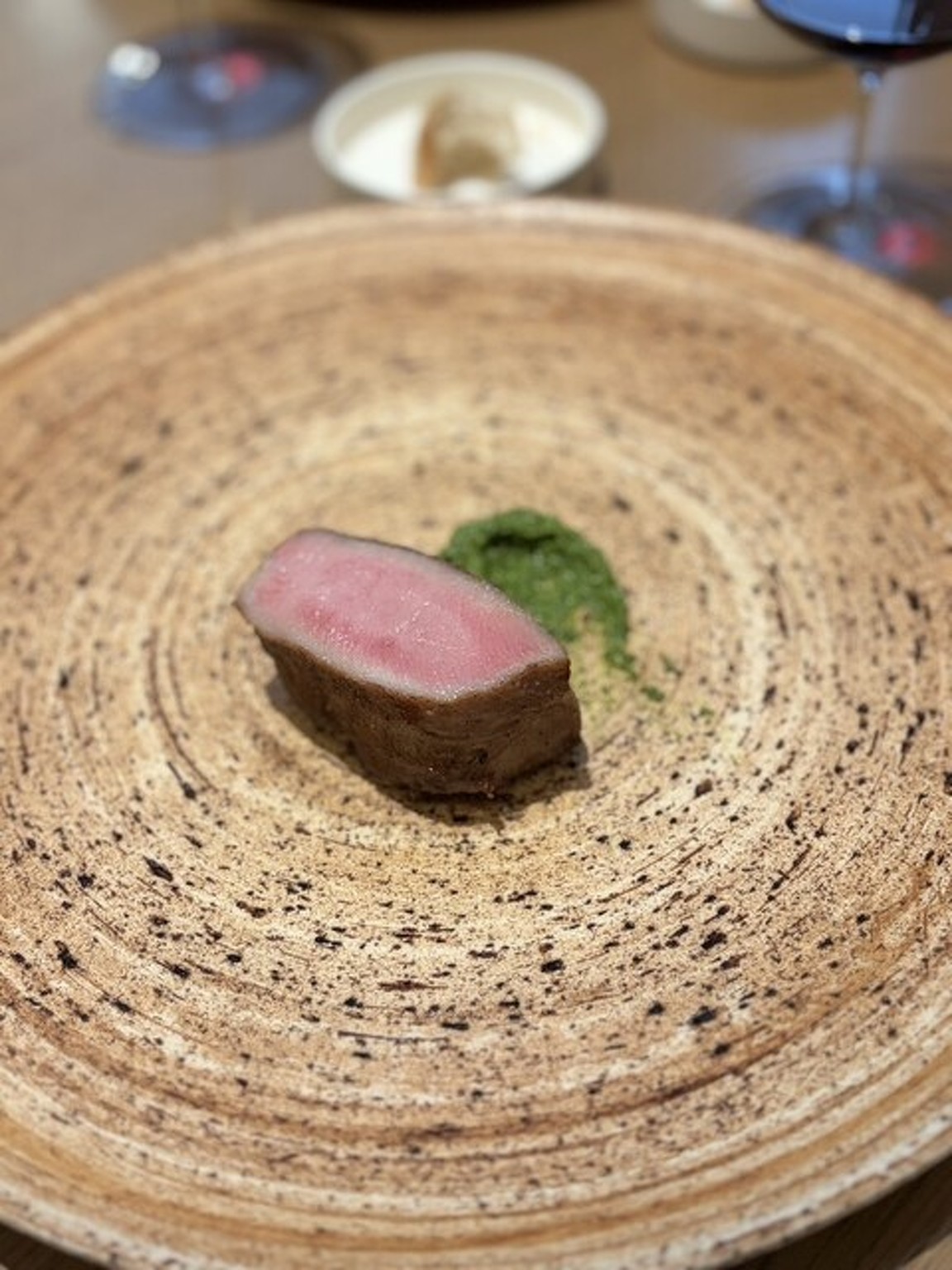
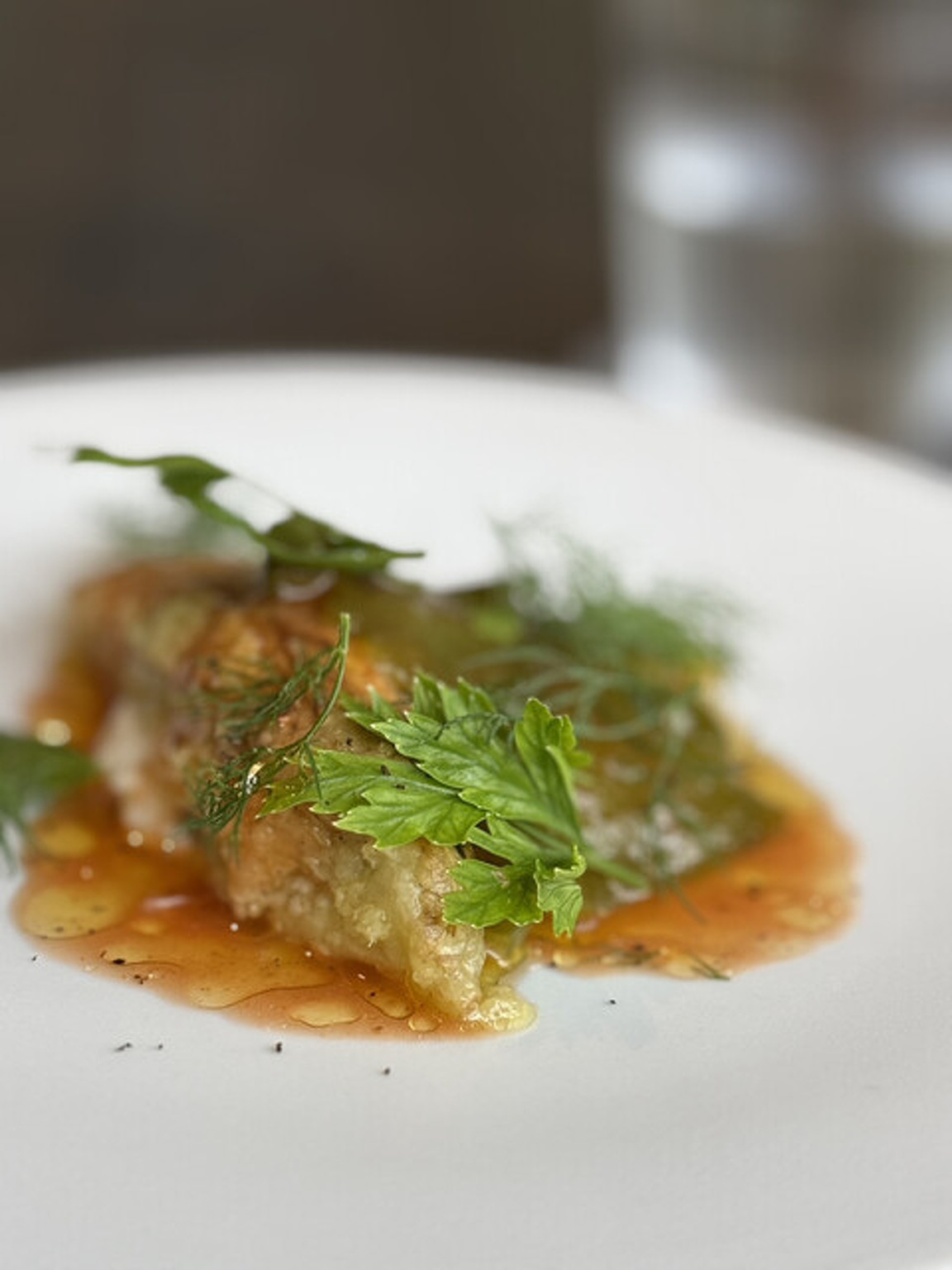
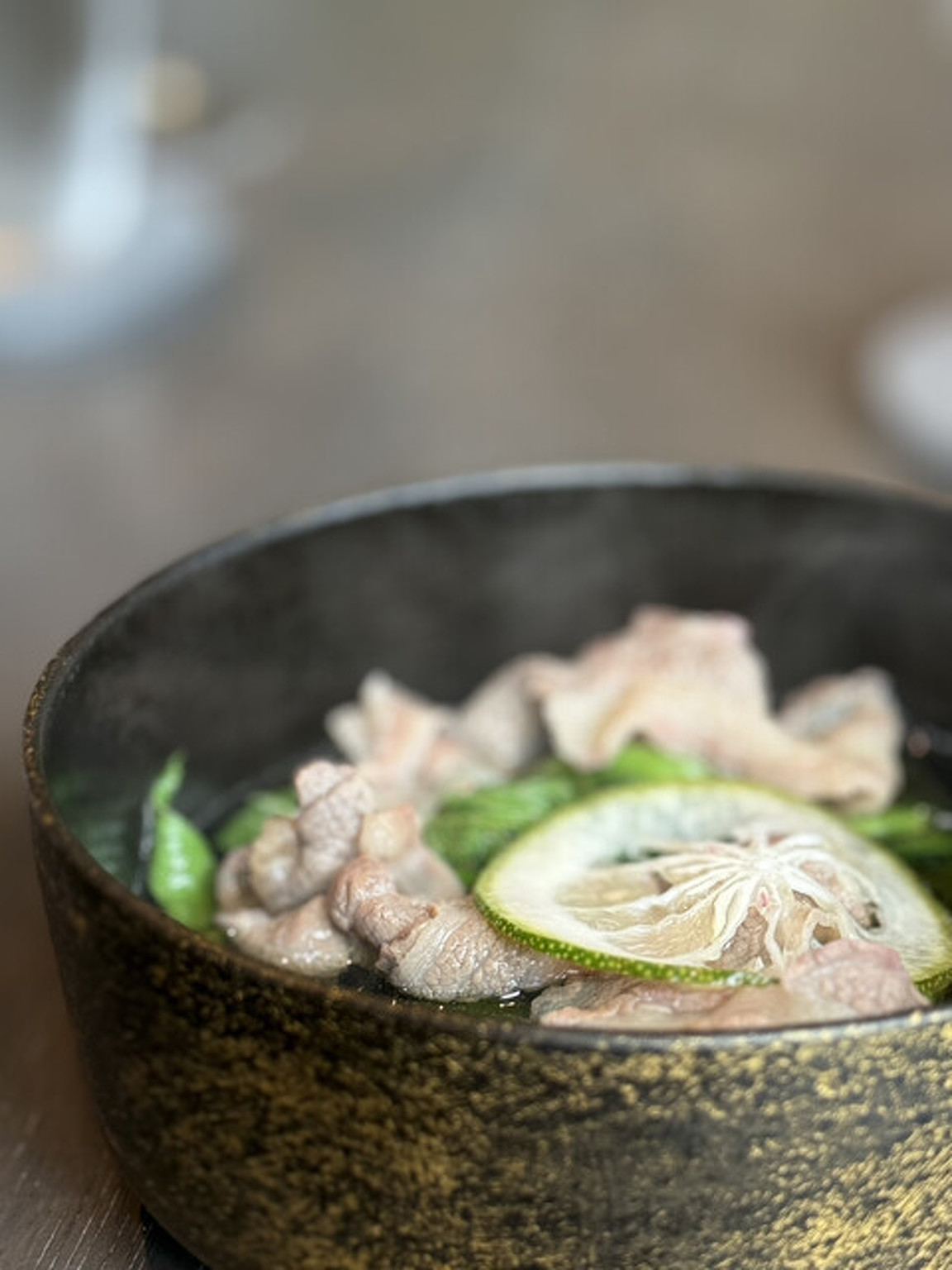
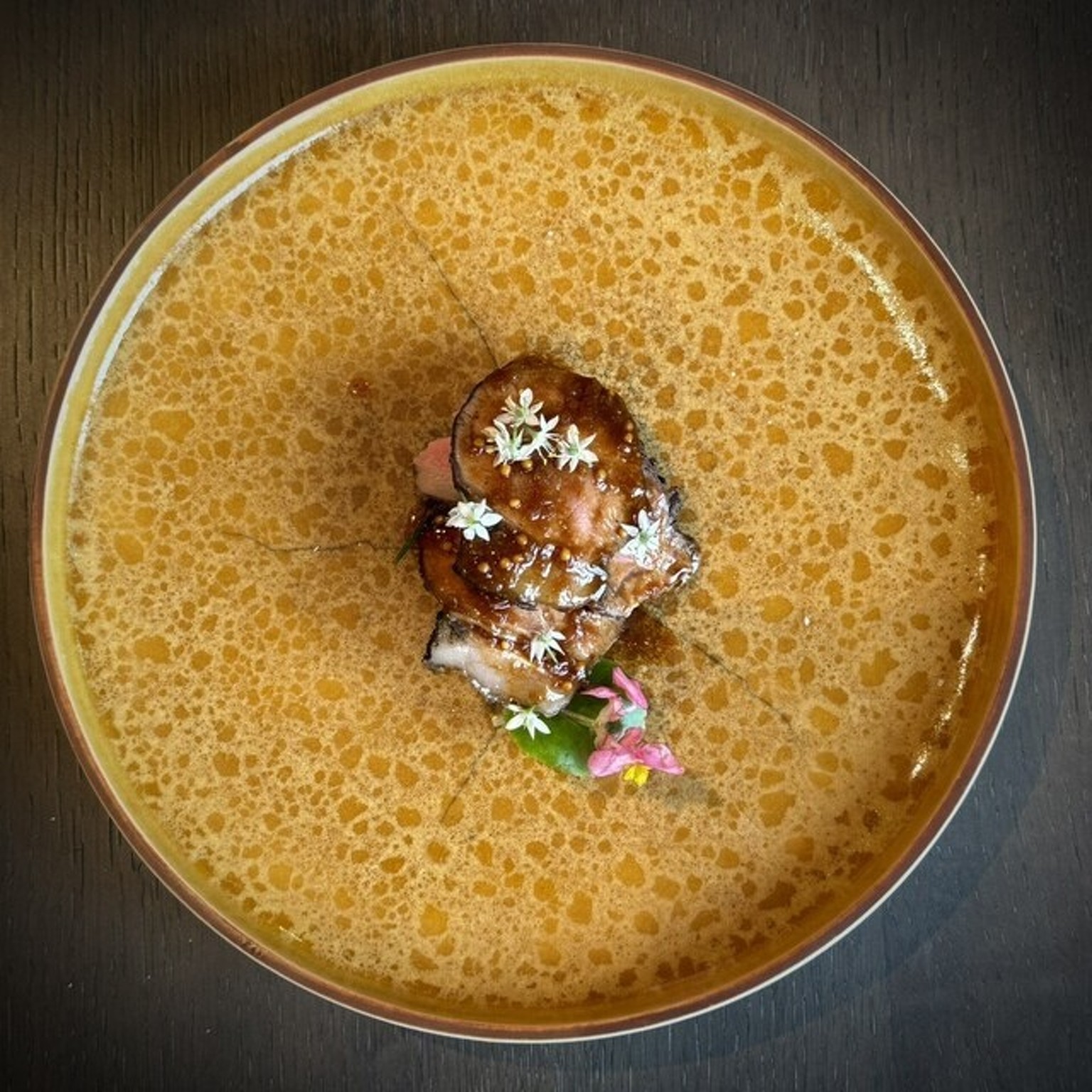
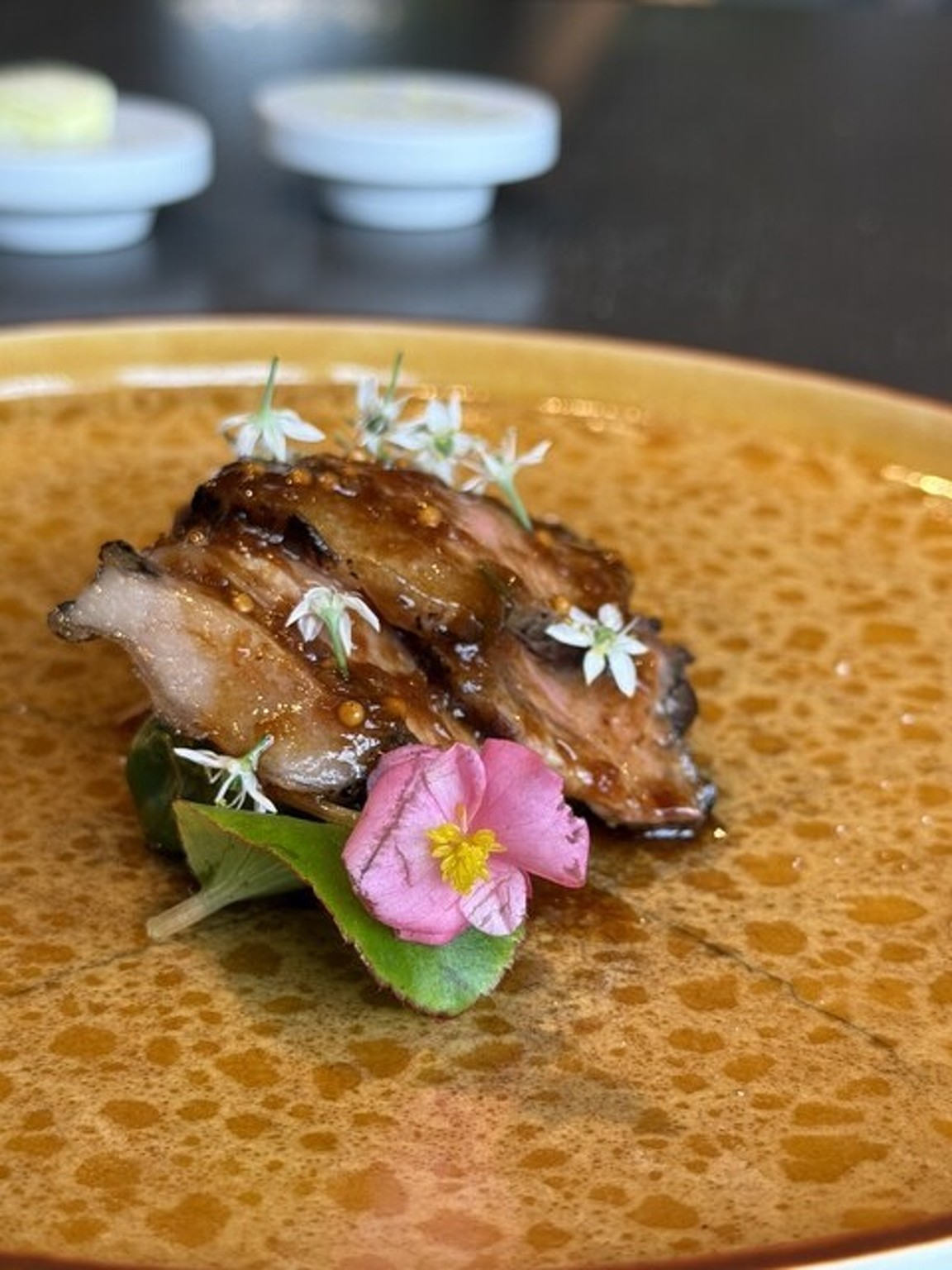
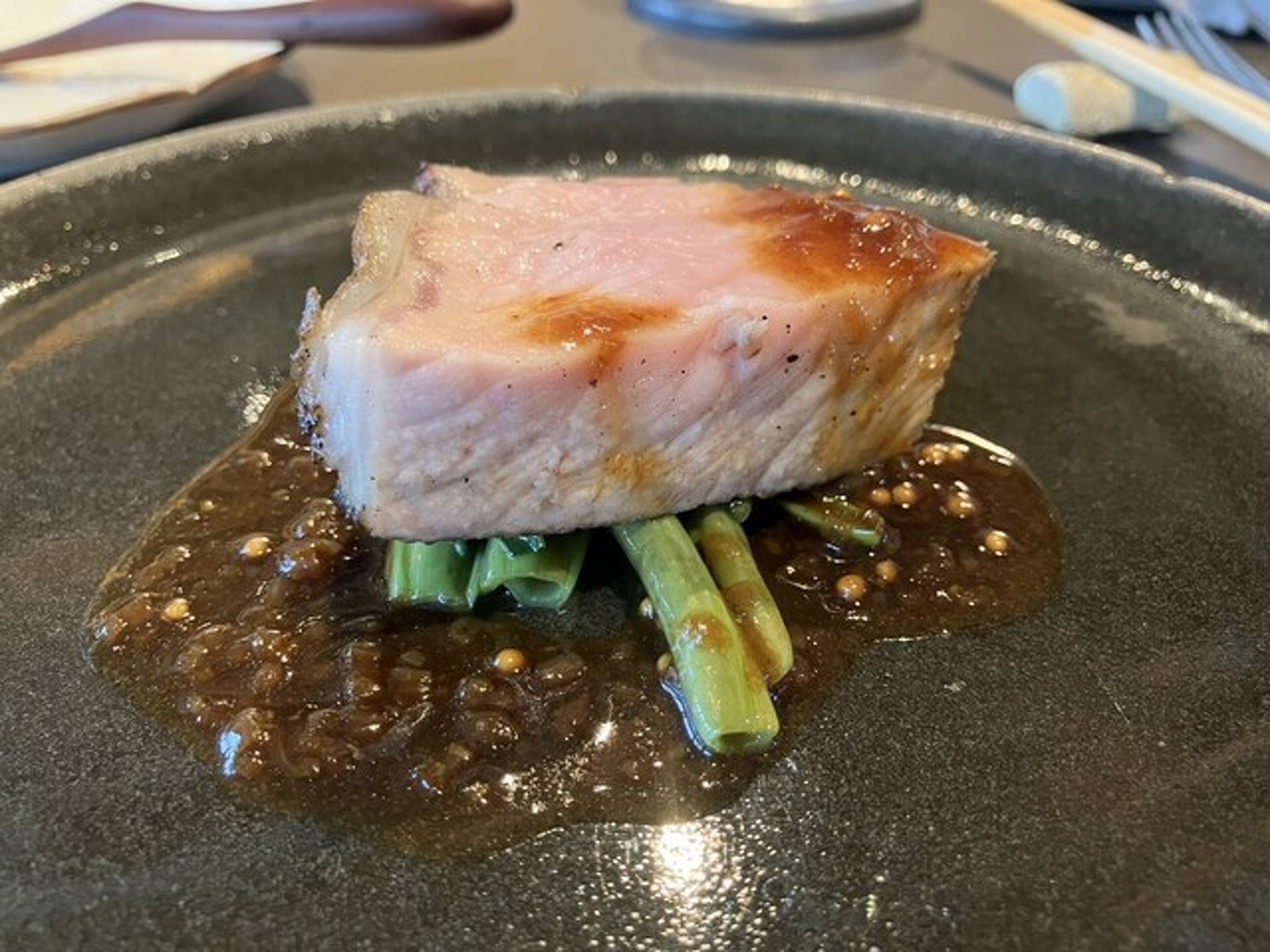
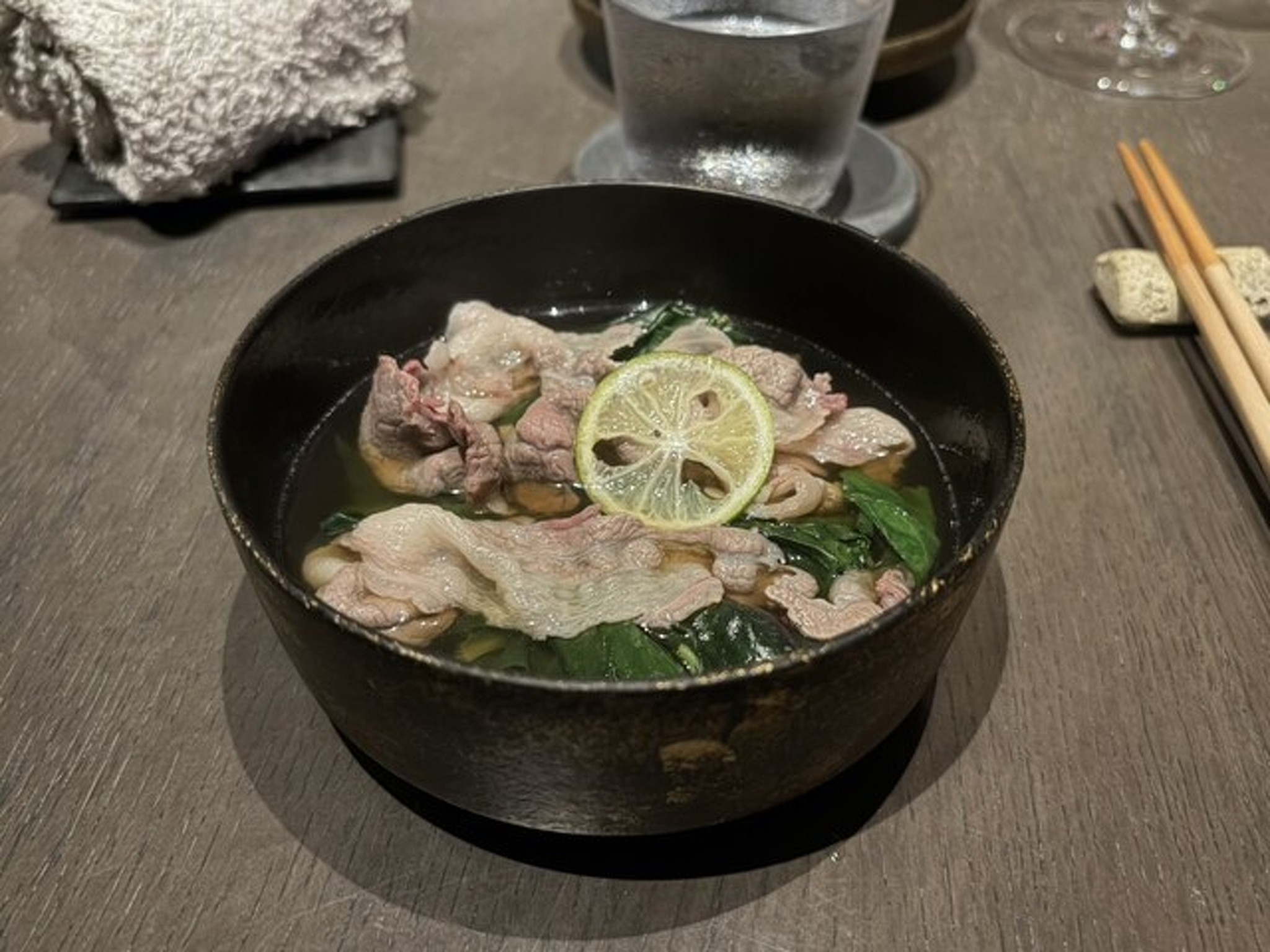
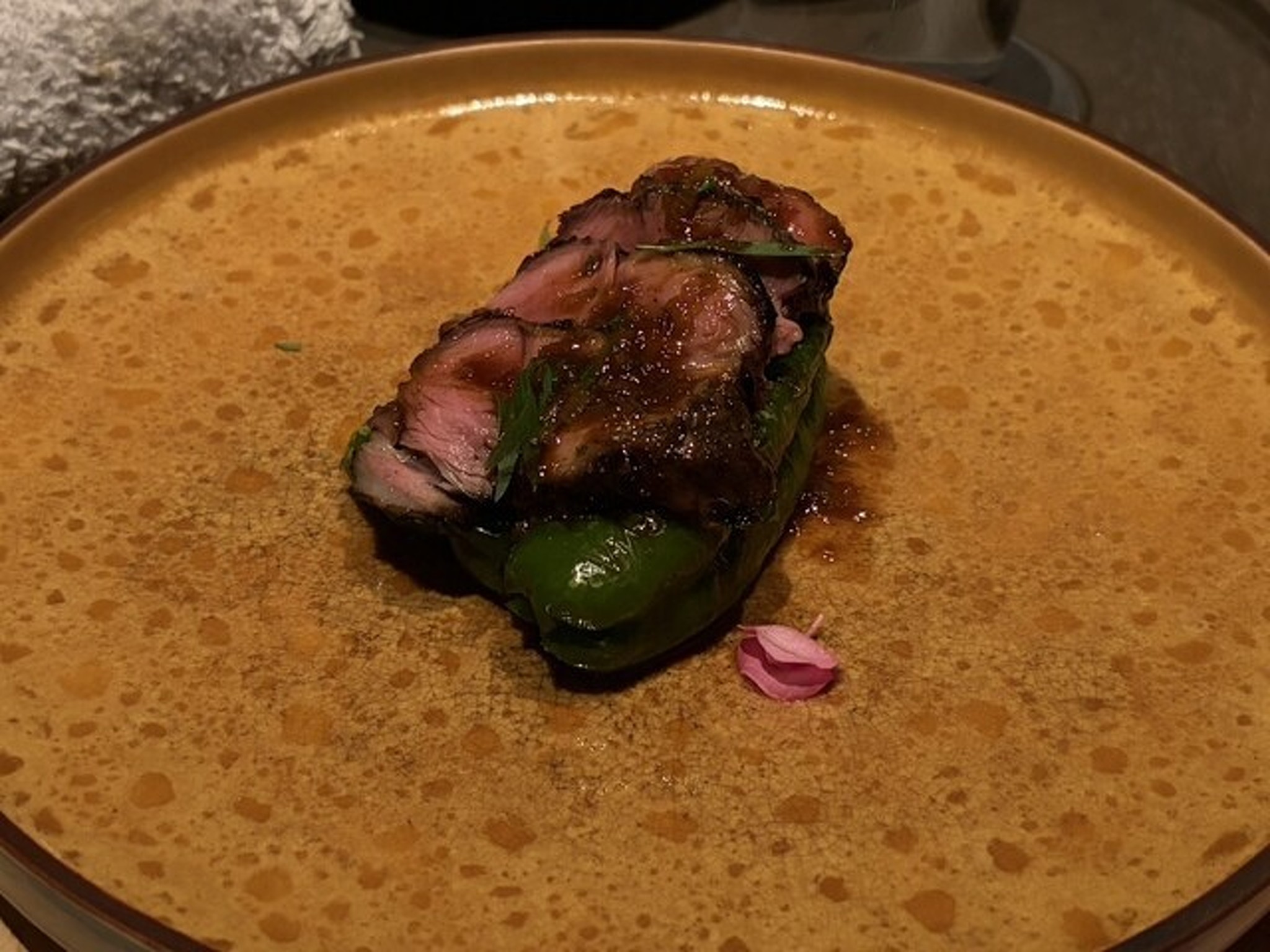
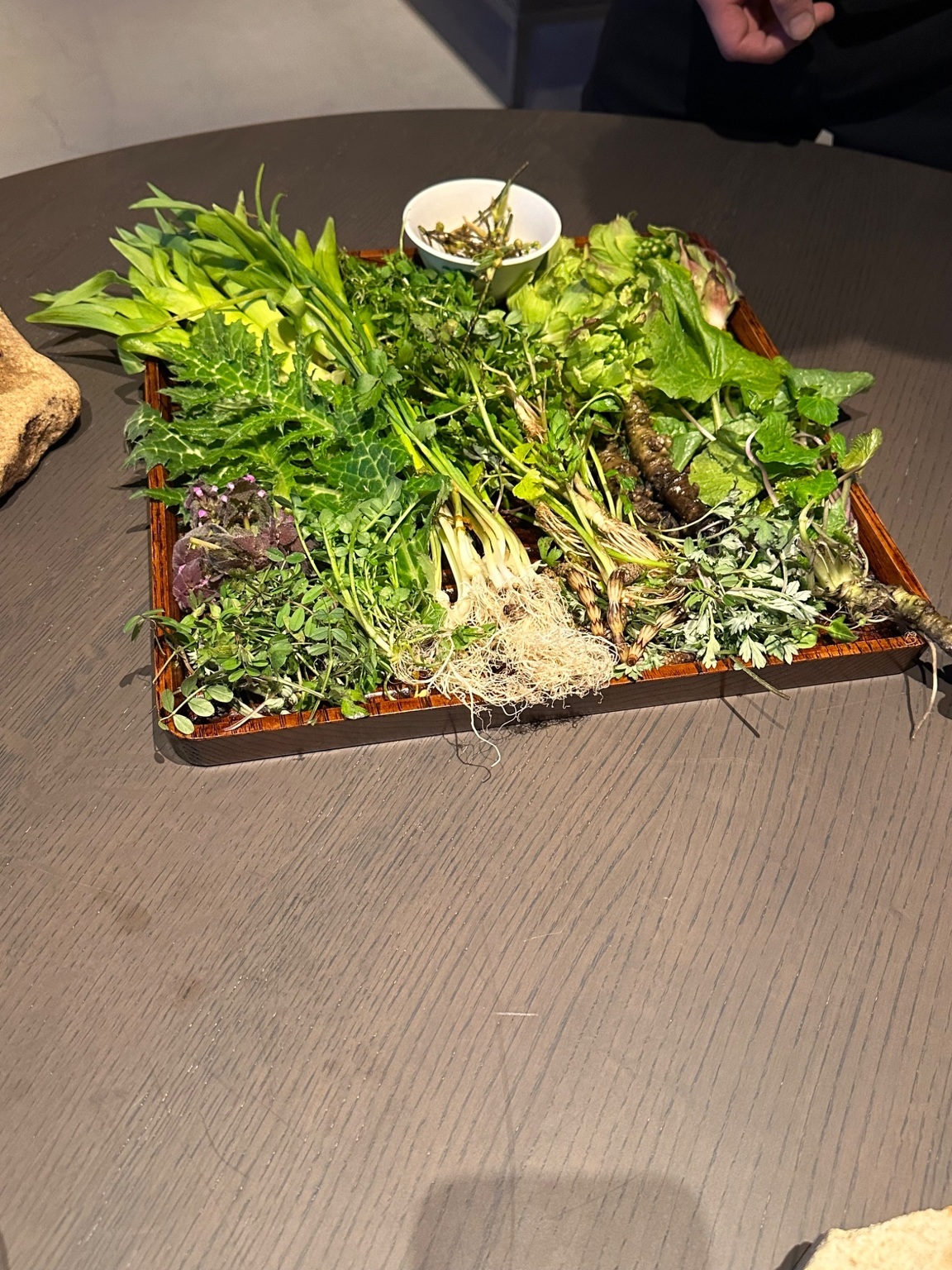
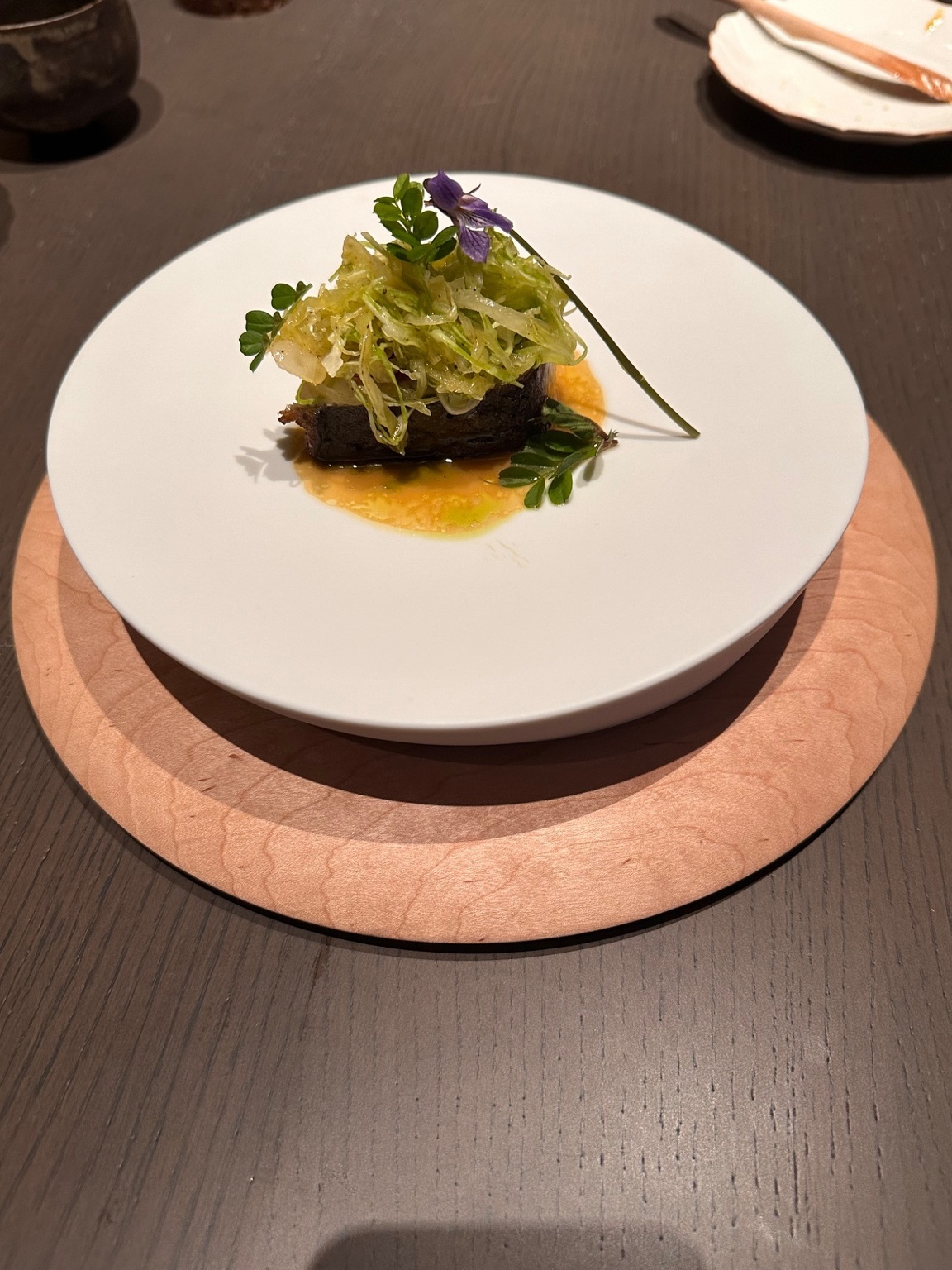
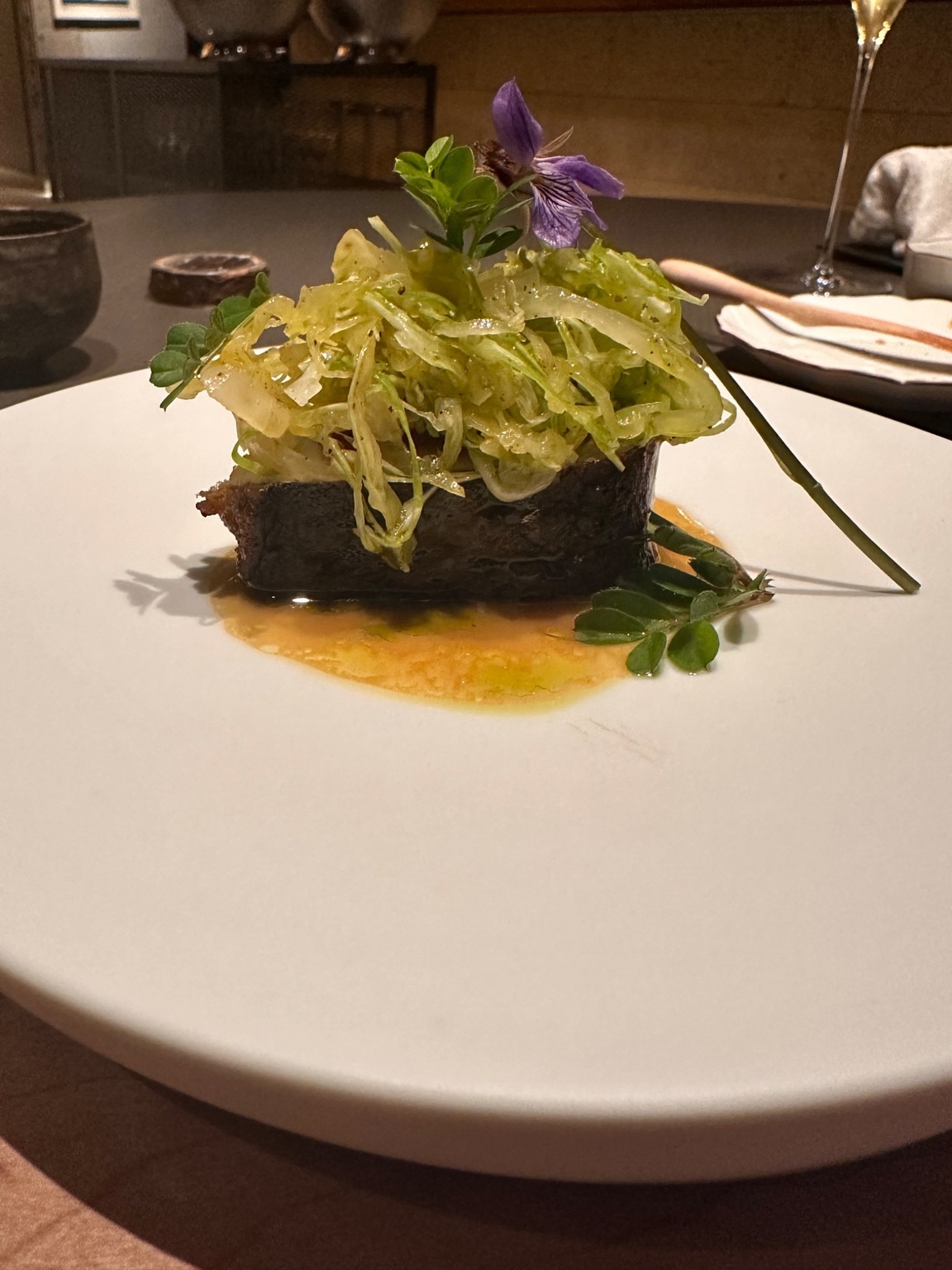
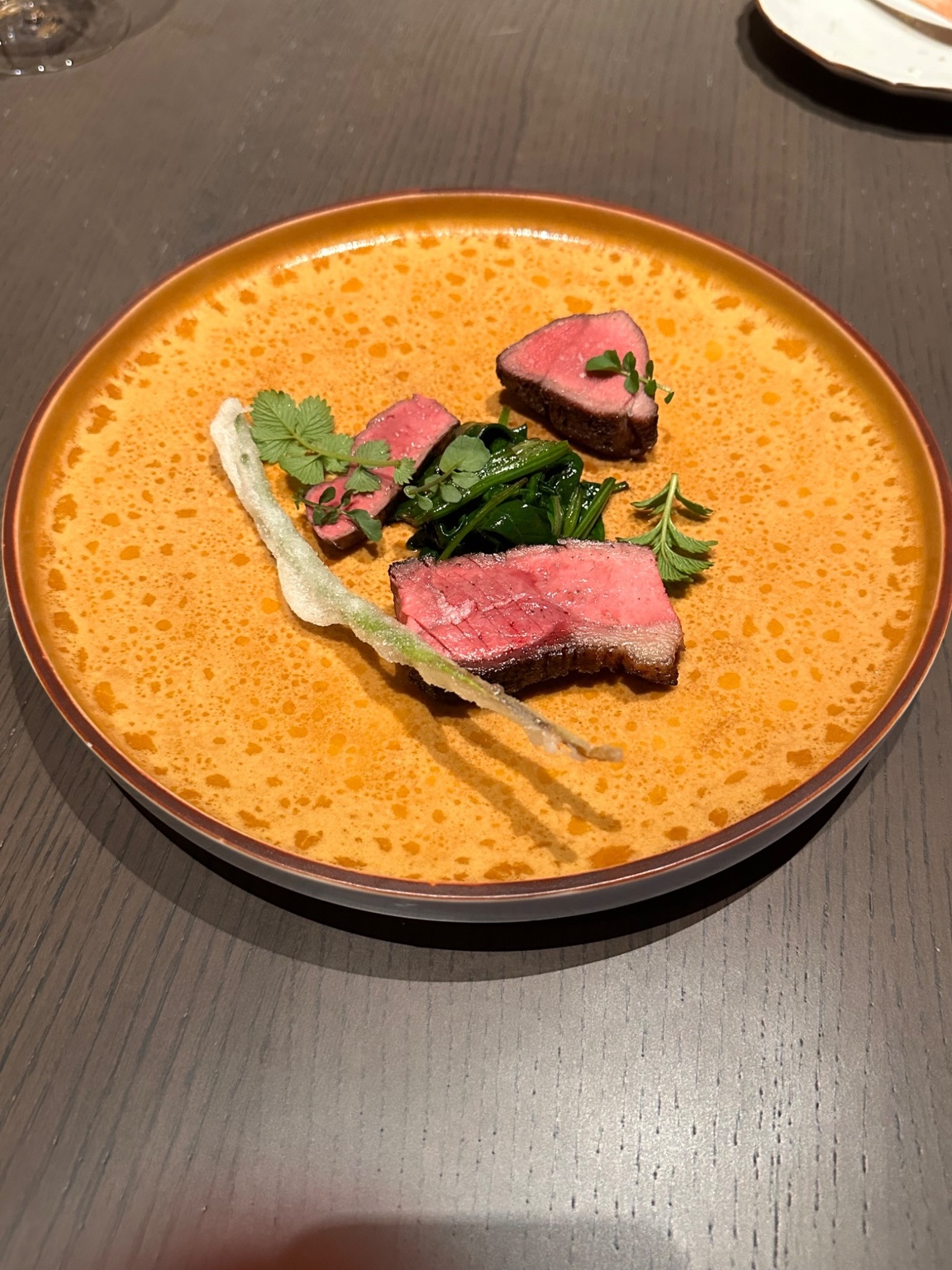
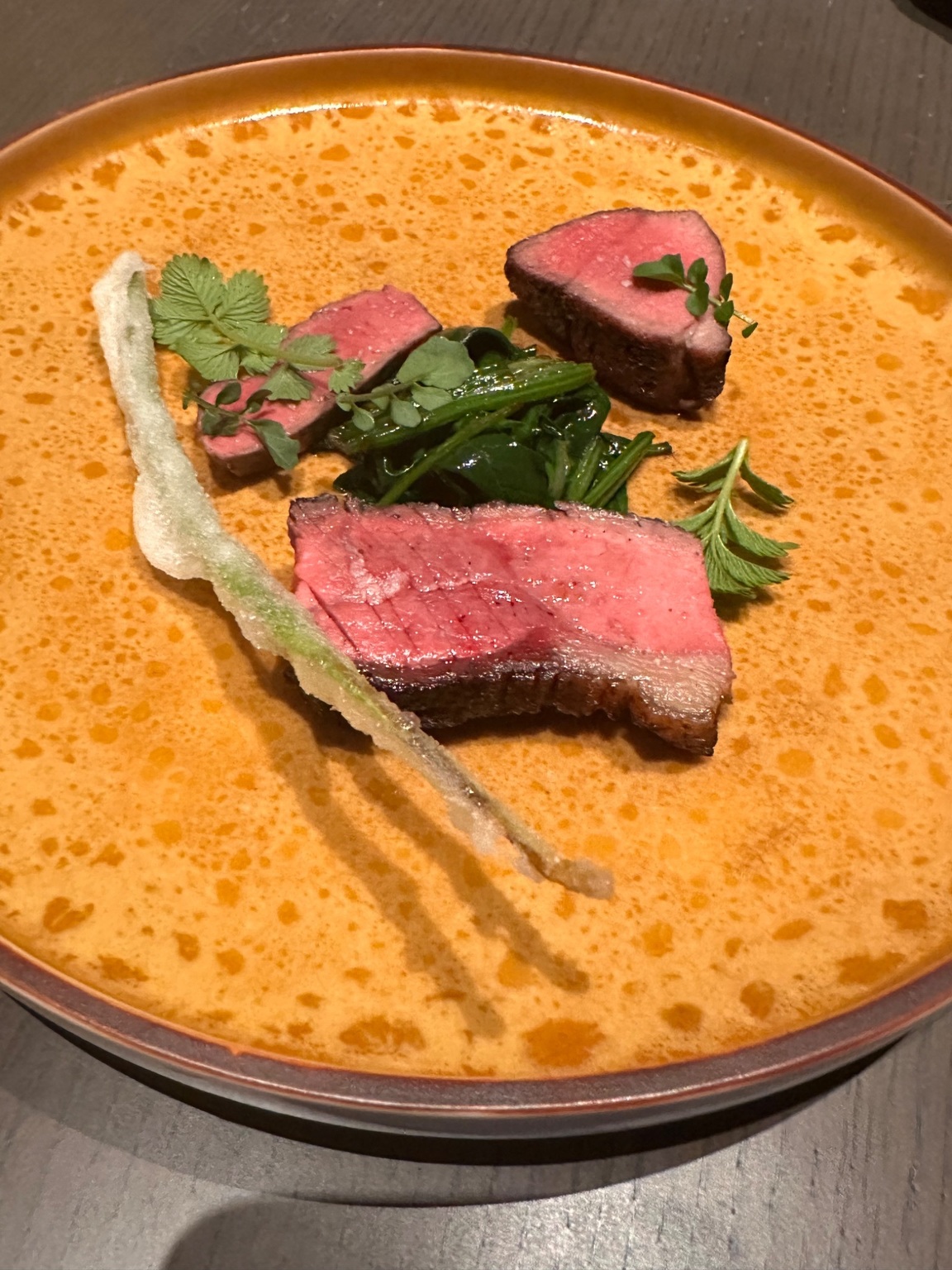
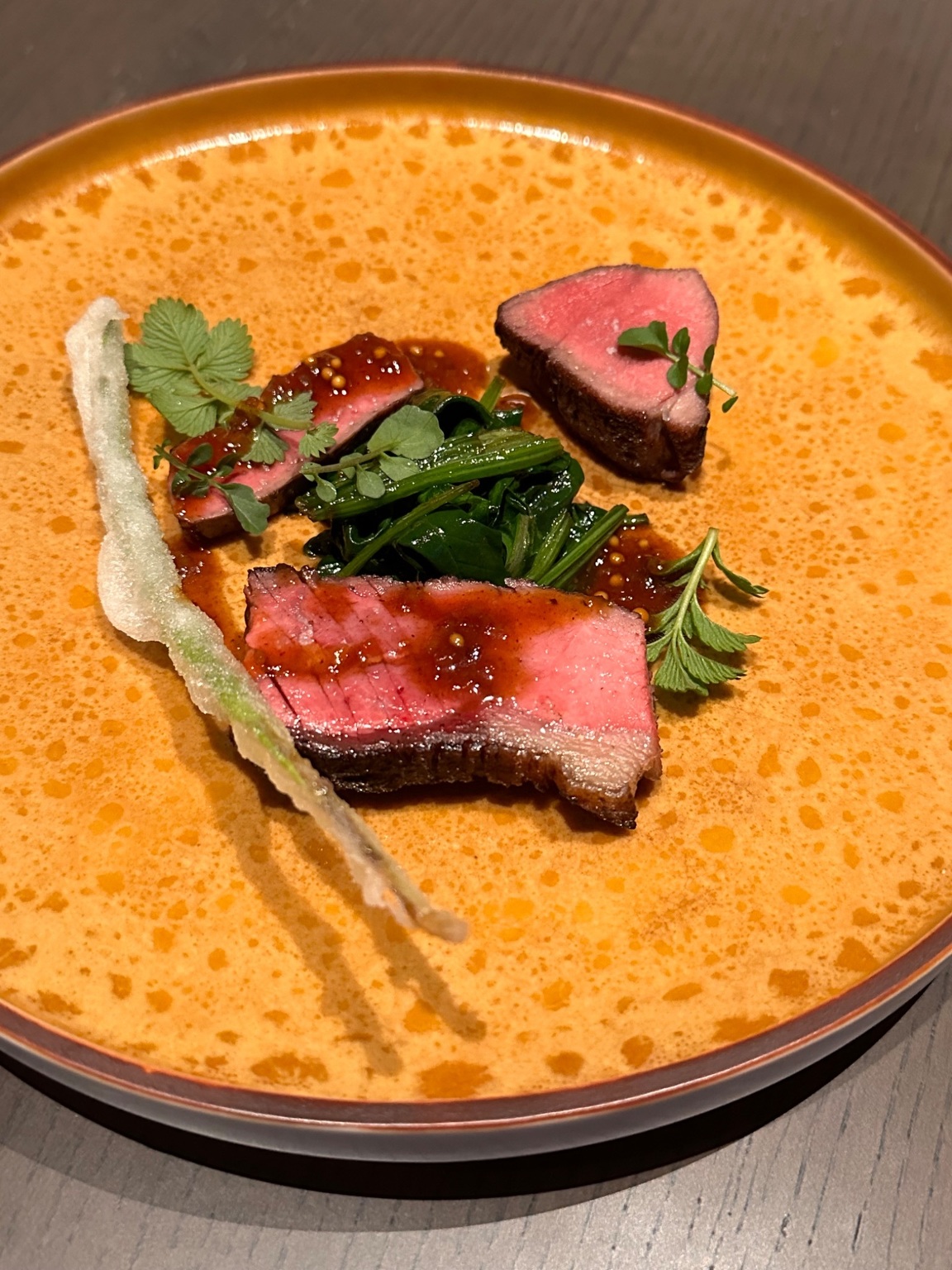
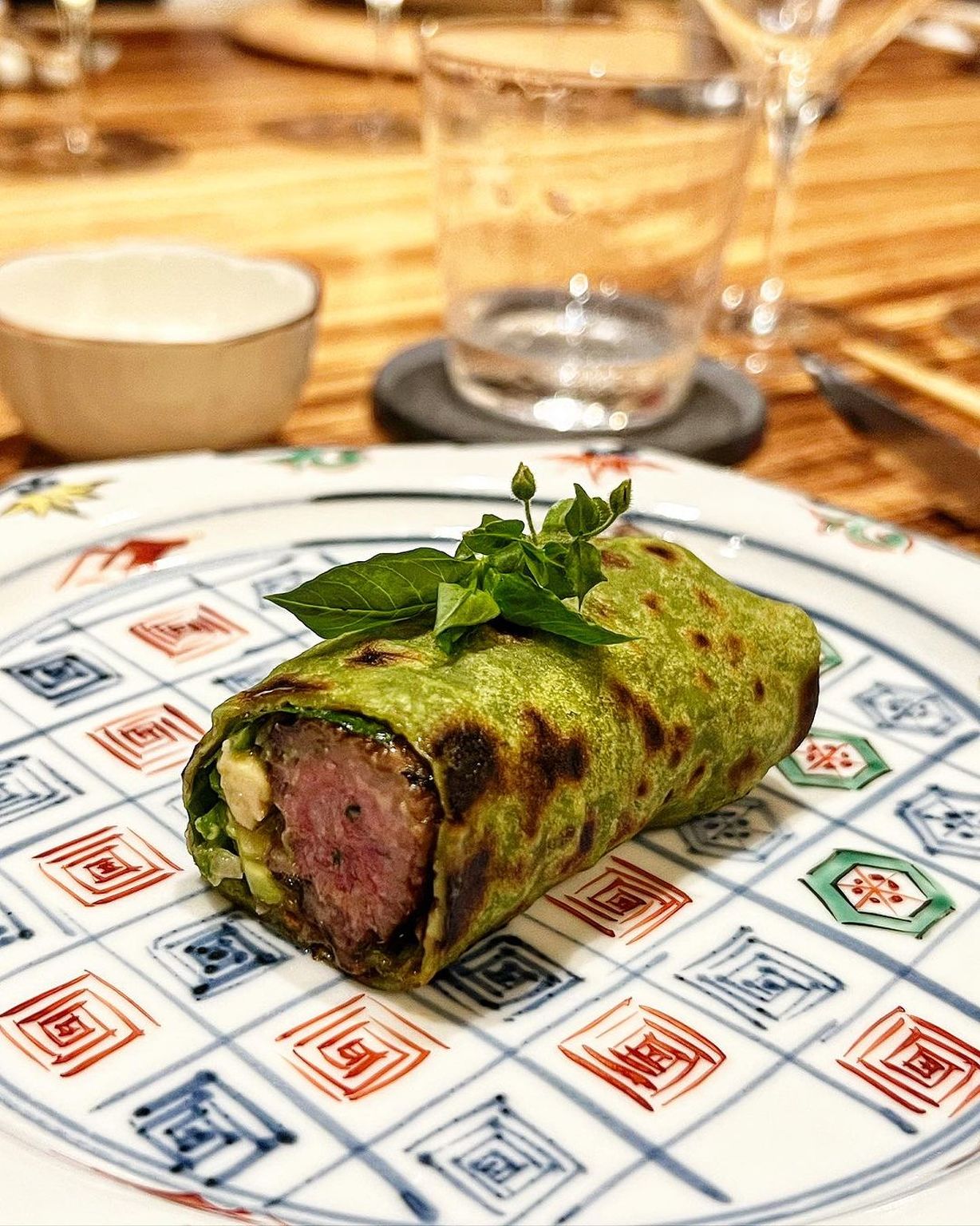
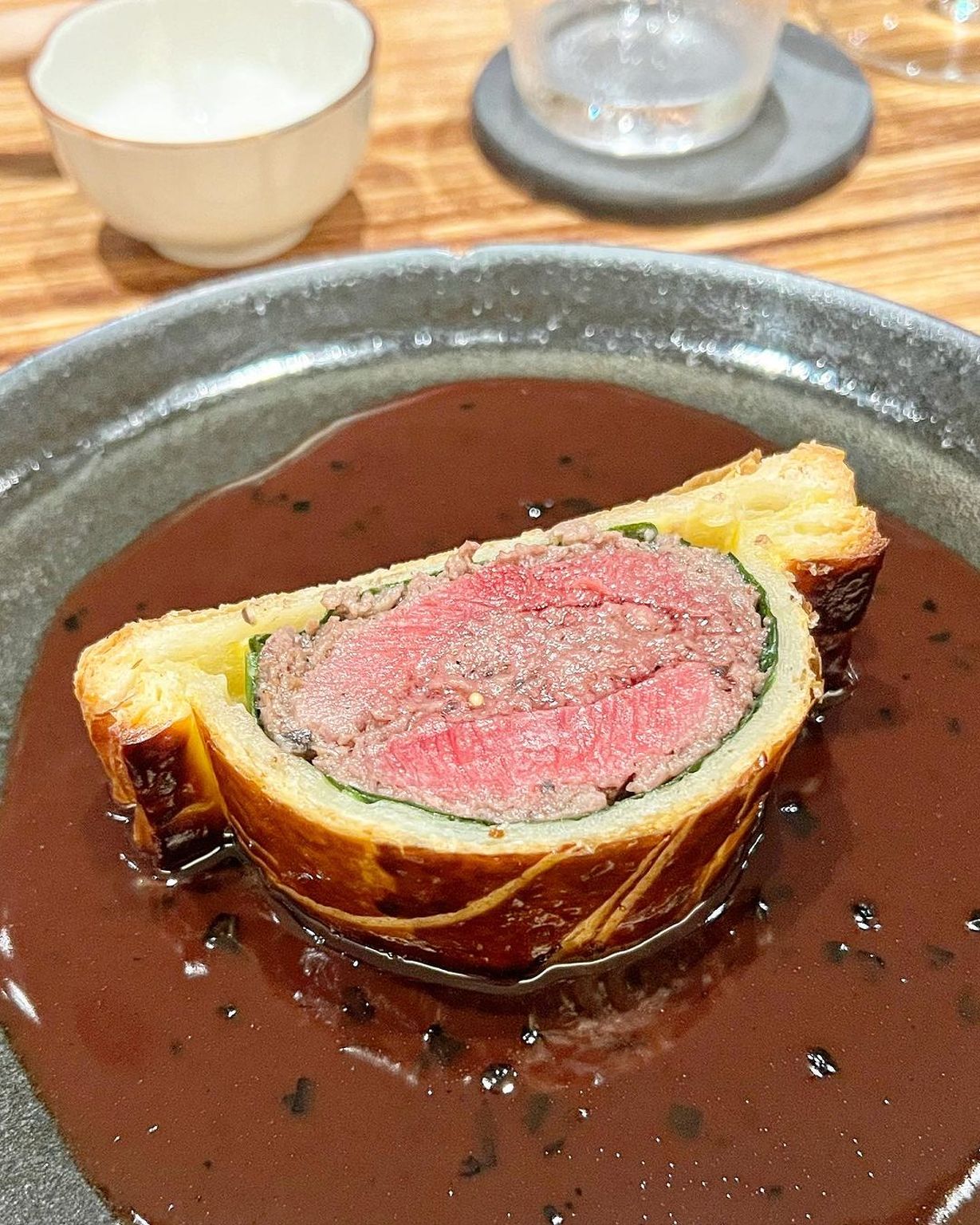
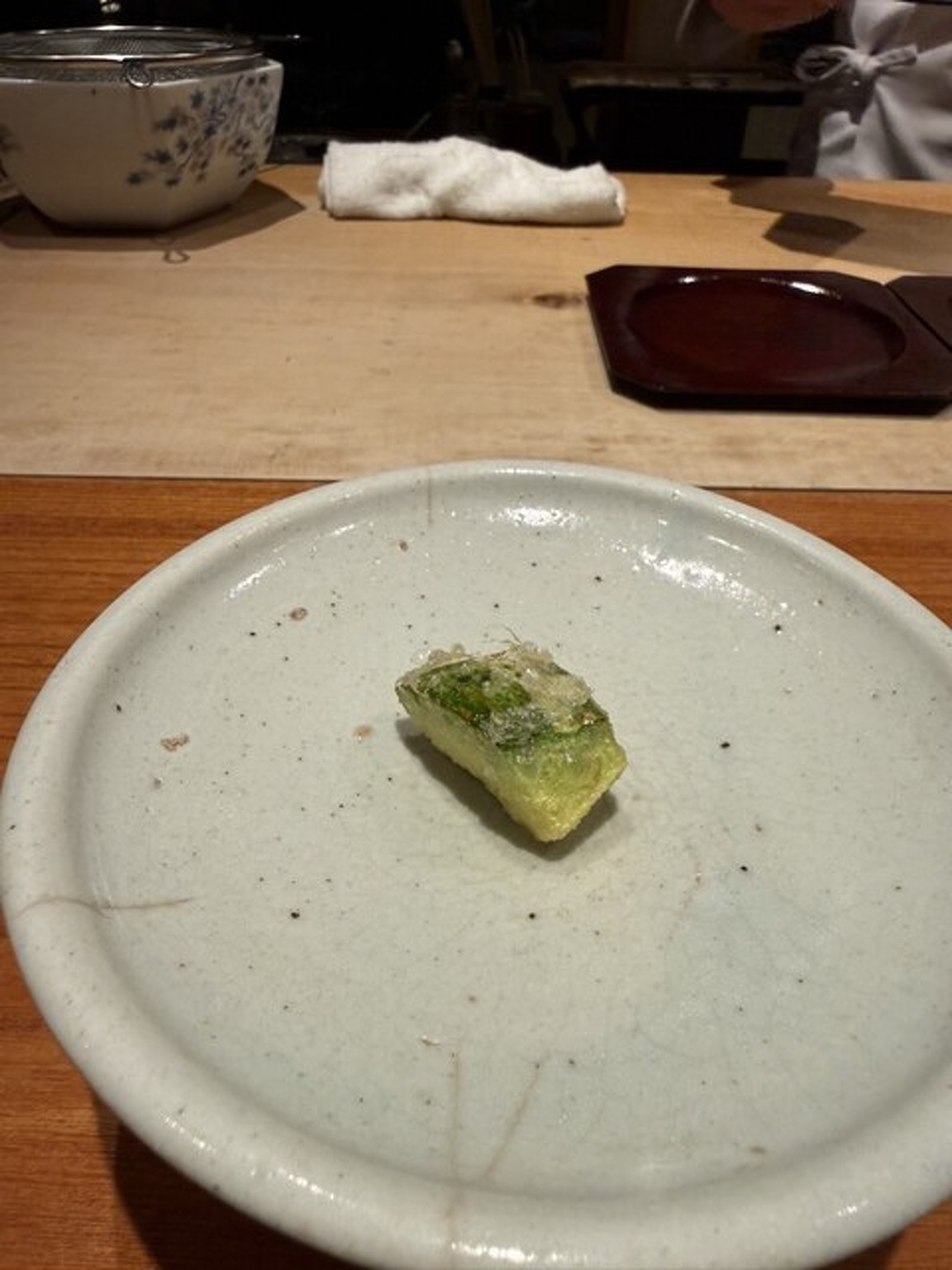
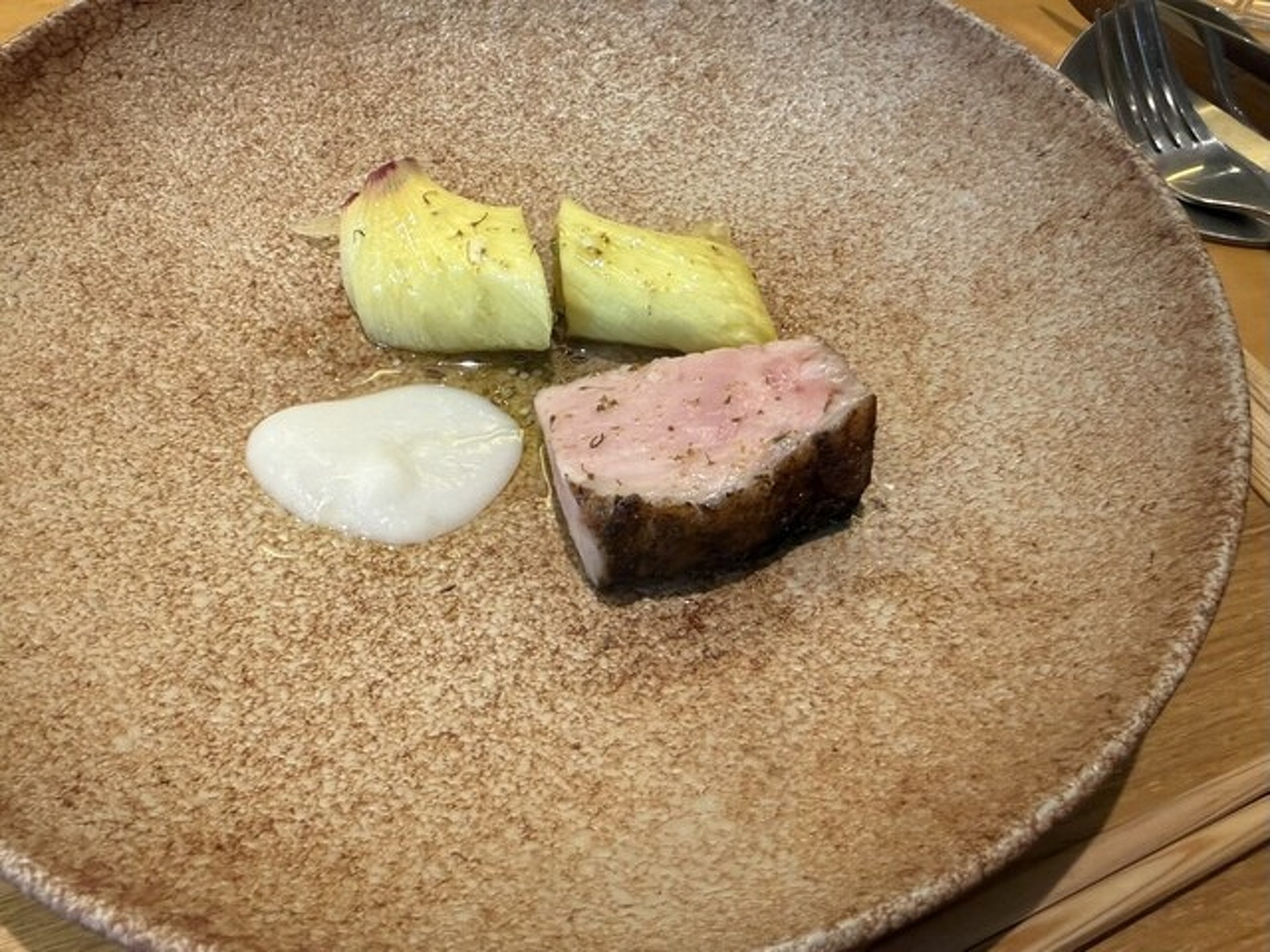
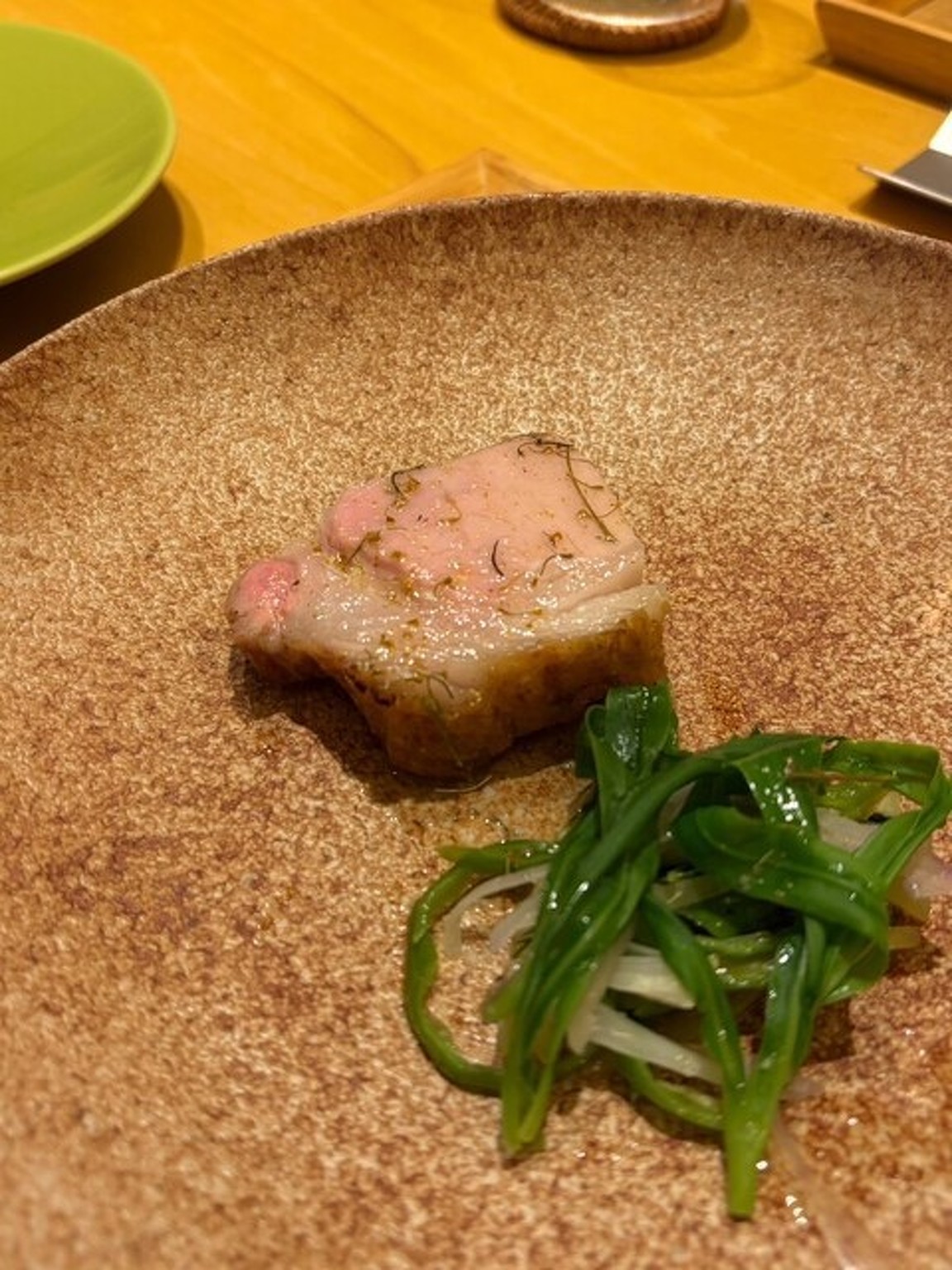
On a recent day, the main dish at Himawari Shokudo 2 was charcoal-grilled roast of Owara Clean Pork, a local branded pork variety. The grilled meat was served as is, accompanied only by deep-fried taranome (angelica tree shoots). It is this very simplicity that makes the chef’s skill and sophistication stand out. In addition to fish and vegetables from Toyama Prefecture, mountain bounties such as wild vegetables and wild game meat also feature in his cuisine.
Tanaka said: “I receive a portion of the wild vegetables and deer meat obtained by Mokutaro, the brother of the restaurant’s sous-chef, Kaede Ishiguro. But at my restaurant I don’t make a particular selling point of food products from the mountains. To me, those are the signature ingredients of L’évo, which is situated really deep in the mountains of Toyama. Many tourists who visit Toyama Prefecture go around to various restaurants in the prefecture, so I try to serve ingredients and dishes that don’t duplicate the ones served at other places.”
Among the Destination Restaurants judges, the following comment was heard in regard to Tanaka, who sometimes takes a self-effacing attitude in relation to other chefs: “He’s a chef with innate talent. Let’s hope that receiving this award inspires him to recognize [his own skills] more and step into the spotlight.” On the other hand, it was only recently that he was able to relocate and acquire a larger kitchen, as well as the latest cooking equipment. “There’s more that I’m able to do now, and the range of my cooking has expanded,” said Tanaka. Indeed, Himawari Shokudo has just embarked on its “season 2” and begun a new story. That story’s culmination is yet to come.
Open hours
Monday: Closed
Tuesday: Closed
Wednesday: 12:00 - 15:00
Thursday: 12:00 - 15:00
Friday: 12:00 - 15:00; 18:00 - 21:00
Saturday: 12:00 - 15:00; 18:00 - 21:00
Sunday: 12:00 - 15:00
View
2
Cuore (クオーレ)
$$$
Monday: Closed
Tuesday: Closed
Wednesday: 12:00 - 15:00
Thursday: 12:00 - 15:00
Friday: 12:00 - 15:00; 18:00 - 21:00
Saturday: 12:00 - 15:00; 18:00 - 21:00
Sunday: 12:00 - 15:00
Nishi 1 Sen Charo, Shiranuka, Shiranuka District, Hokkaido 088-0300, Japan
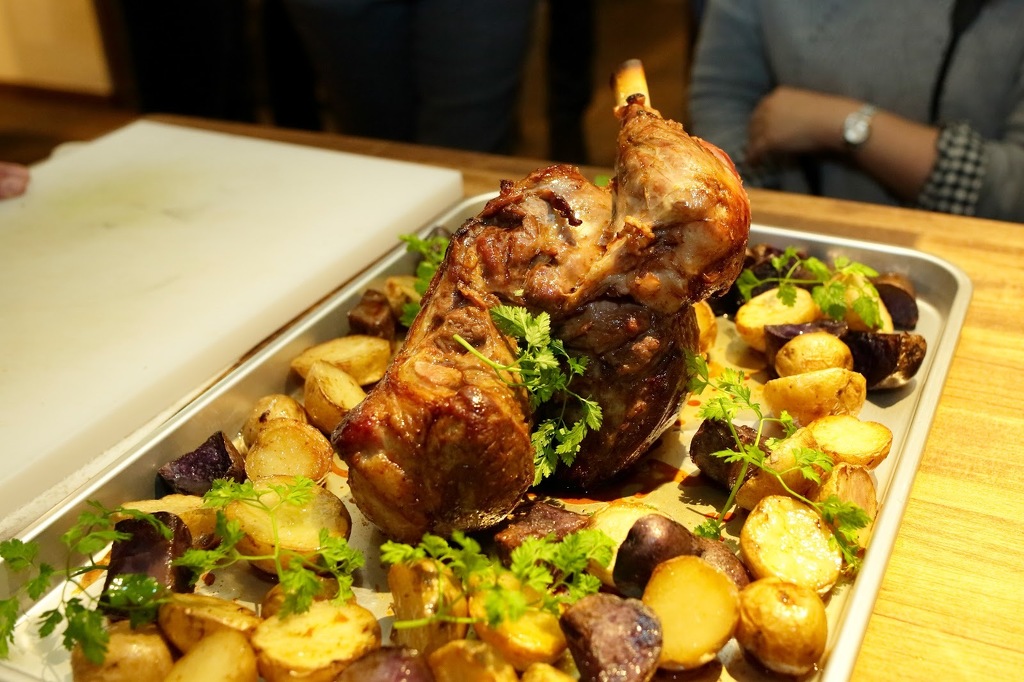
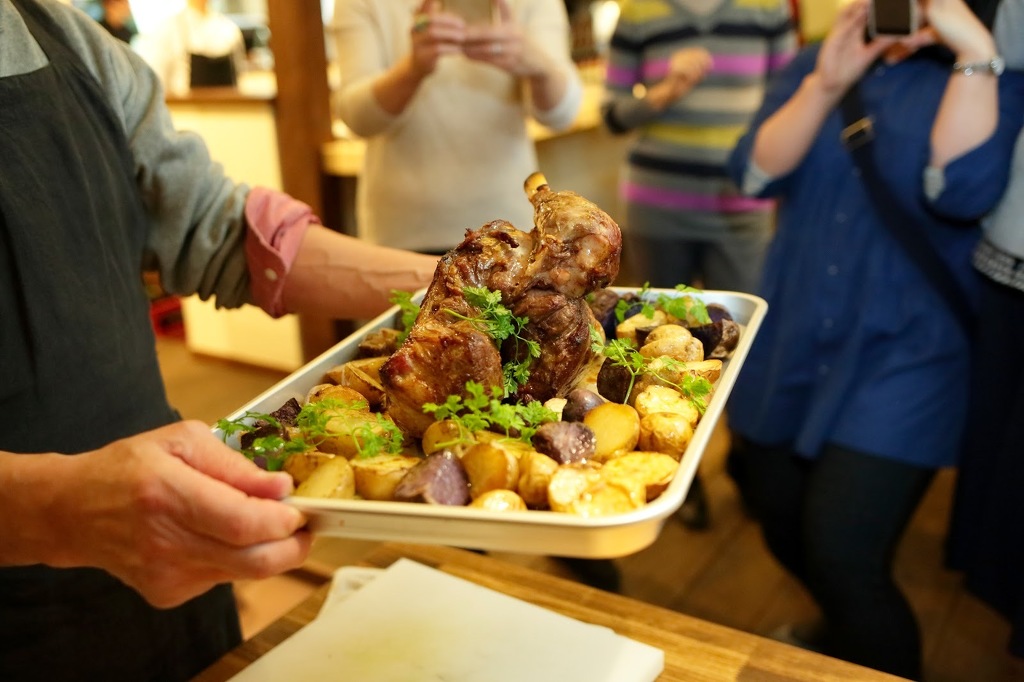
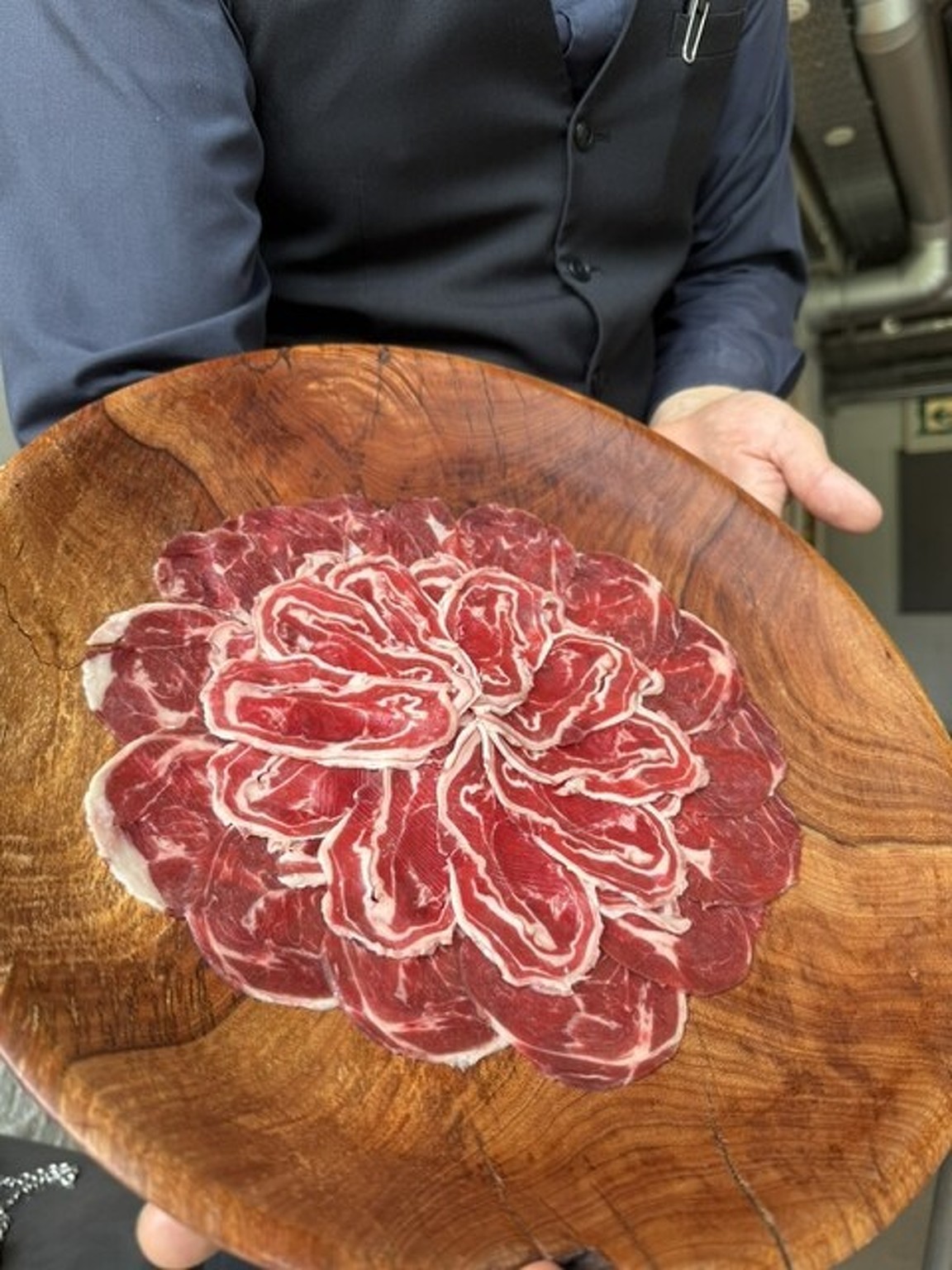
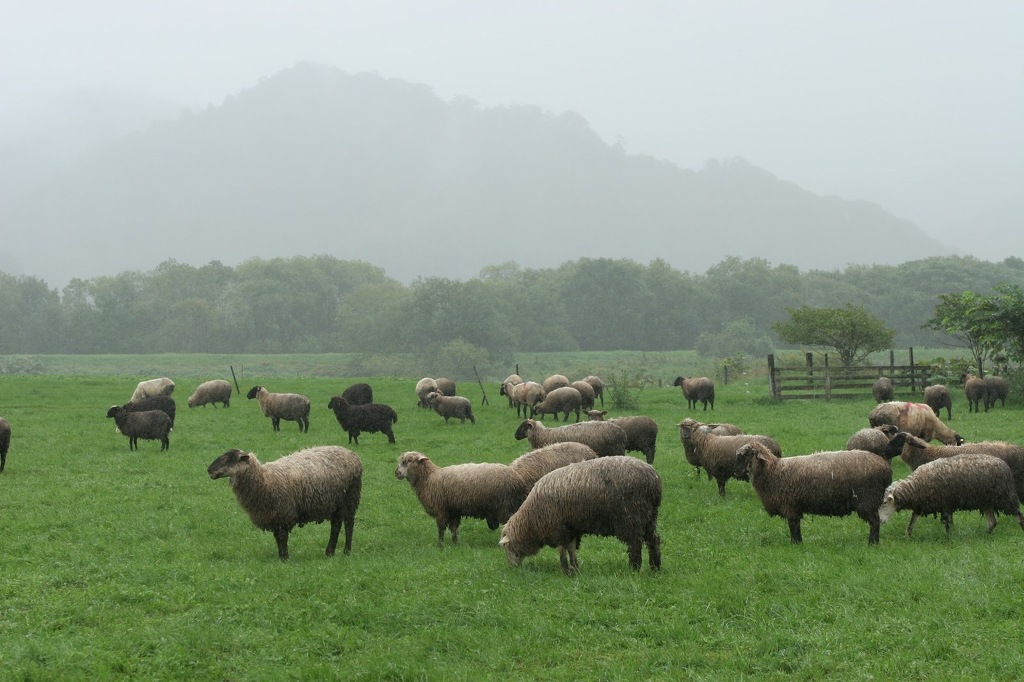
A restaurant directly operated by the Charo Sheep Farm in the Hokkaido town of Shiranuka, which is regarded as a sacred place by the Ainu people. Handling everything from raising sheep to cooking them, the restaurant even uses offal and other parts that can only be eaten when completely fresh. It offers Italian cuisine made almost entirely with Shiranuka-produced ingredients, including cheese, vegetables and fish.

Open hours
Monday: 17:30 - 22:30
Tuesday: 17:30 - 22:30
Wednesday: 17:30 - 22:30
Thursday: 17:30 - 22:30
Friday: 17:30 - 22:30
Saturday: 17:30 - 22:30
Sunday: 17:30 - 22:30
View
3
Stanza della SINCERITA (OSTERIA SINCERITA) (Stanza della SINCERITA (OSTERIA SINCERITA))
Monday: 17:30 - 22:30
Tuesday: 17:30 - 22:30
Wednesday: 17:30 - 22:30
Thursday: 17:30 - 22:30
Friday: 17:30 - 22:30
Saturday: 17:30 - 22:30
Sunday: 17:30 - 22:30
Tabelog Bronze
3005 Akayu, Nanyō, Yamagata 999-2211, Japan
Opened in April 2023, the restaurant Stanza della Sincerità is part of the tiny three-room hot spring inn Osteria Sincerità in Yamagata Prefecture’s Okitama region. Chef Makoto Harada is attracting attention with dishes created using Yamagata beef and other locally produced ingredients.
Open hours
Monday: Closed
Tuesday: 18:00 - 21:30
Wednesday: 18:00 - 21:30
Thursday: 18:00 - 21:30
Friday: 18:00 - 21:30
Saturday: 12:00 - 14:30; 18:00 - 21:30
Sunday: 12:00 - 14:30; 18:00 - 21:30
View
4
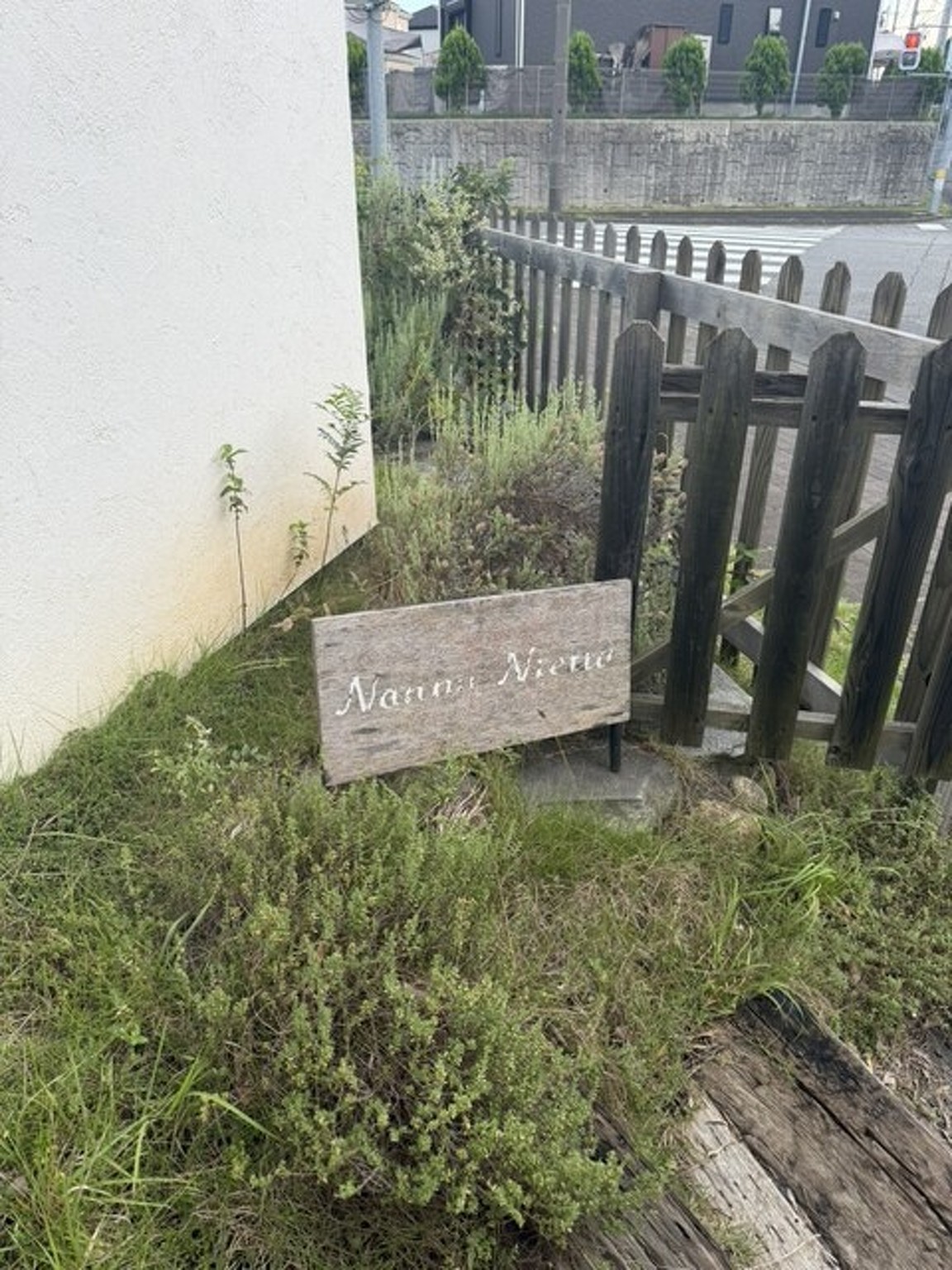
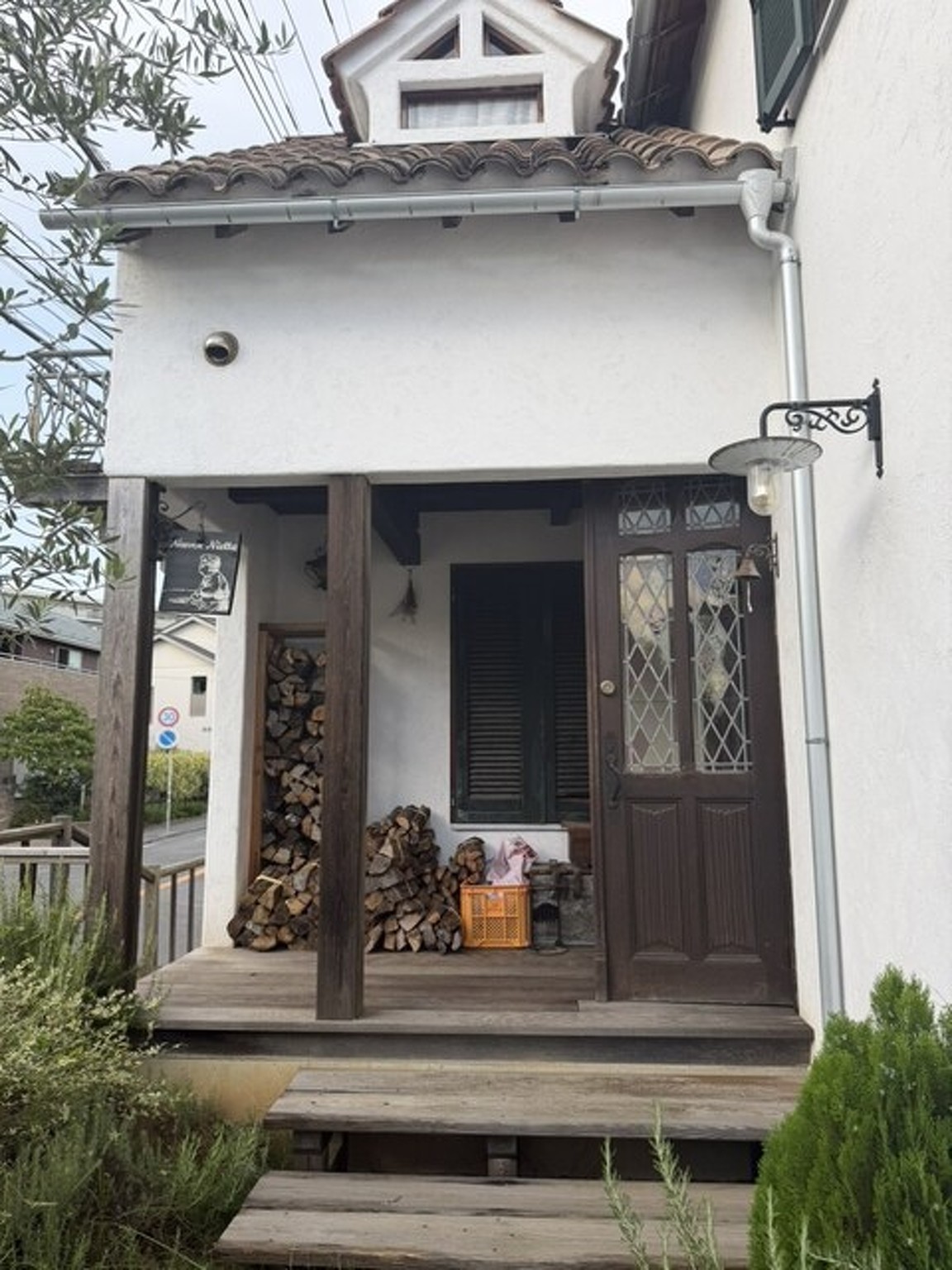
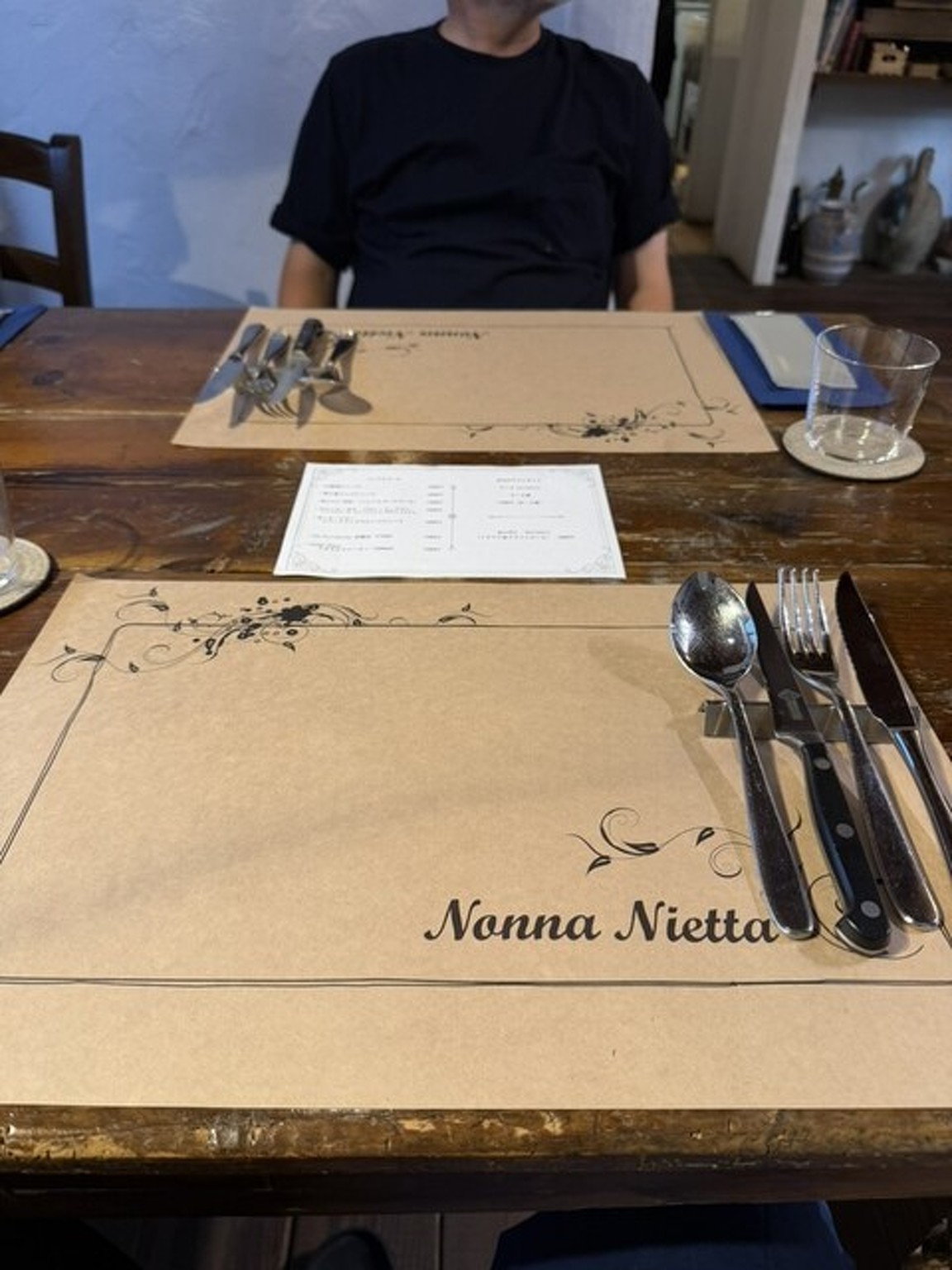
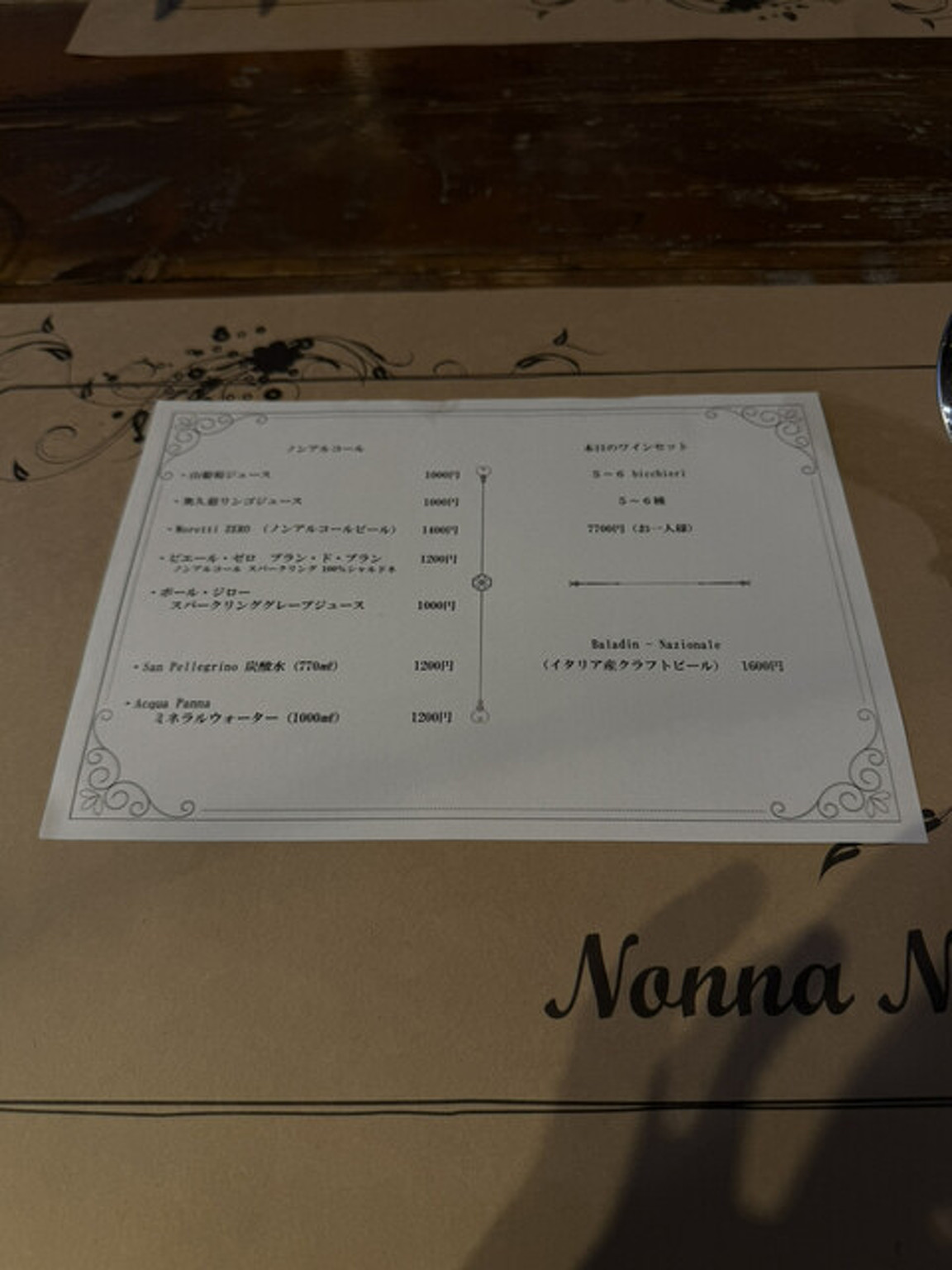
Nonna Nietta (Nonna Nietta)
$$$$
Monday: Closed
Tuesday: 18:00 - 21:30
Wednesday: 18:00 - 21:30
Thursday: 18:00 - 21:30
Friday: 18:00 - 21:30
Saturday: 12:00 - 14:30; 18:00 - 21:30
Sunday: 12:00 - 14:30; 18:00 - 21:30
Tabelog Bronze
3-chōme-26-28 Namiki, Tsukuba, Ibaraki 305-0044, Japan
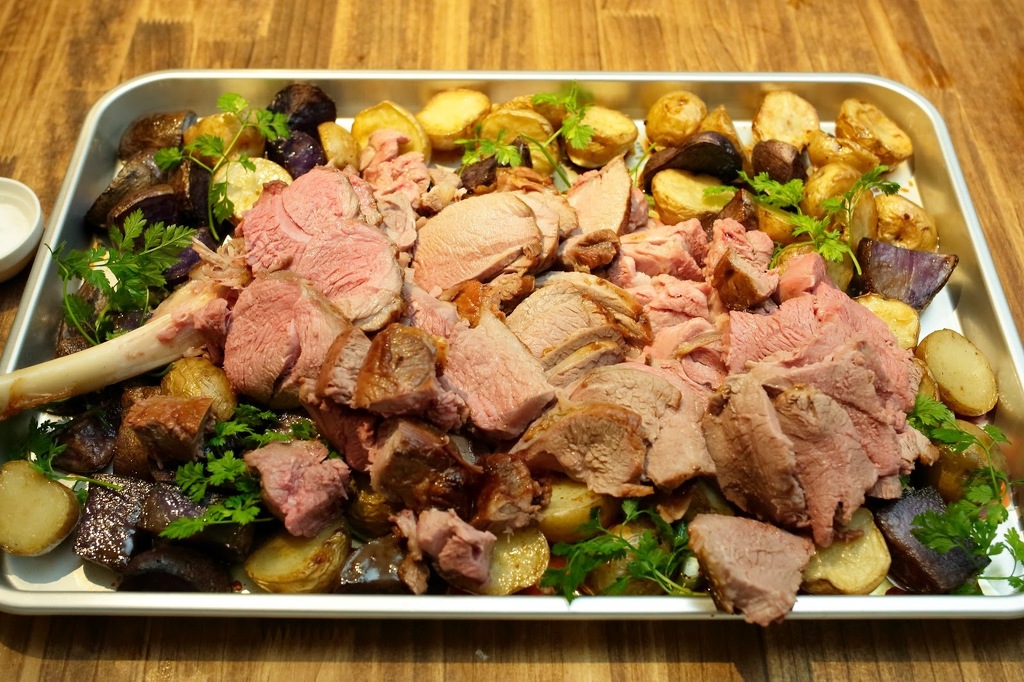
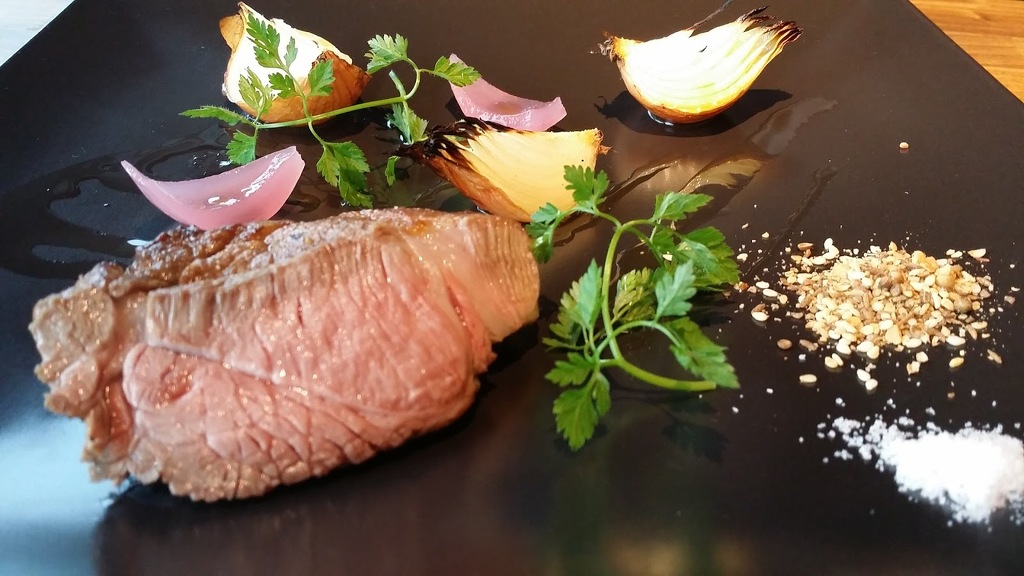
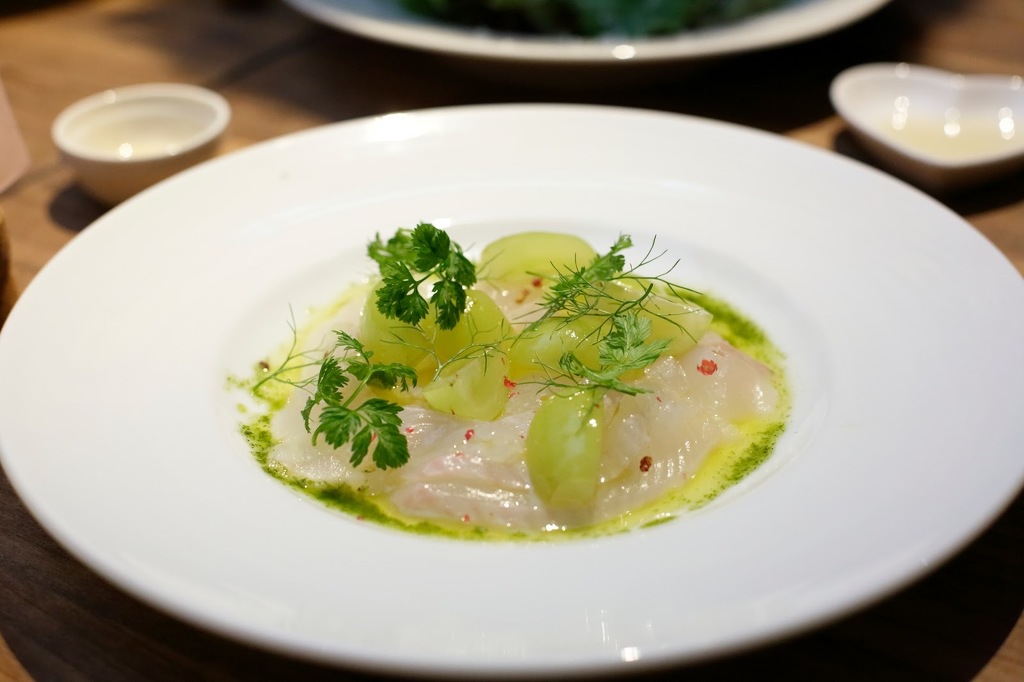
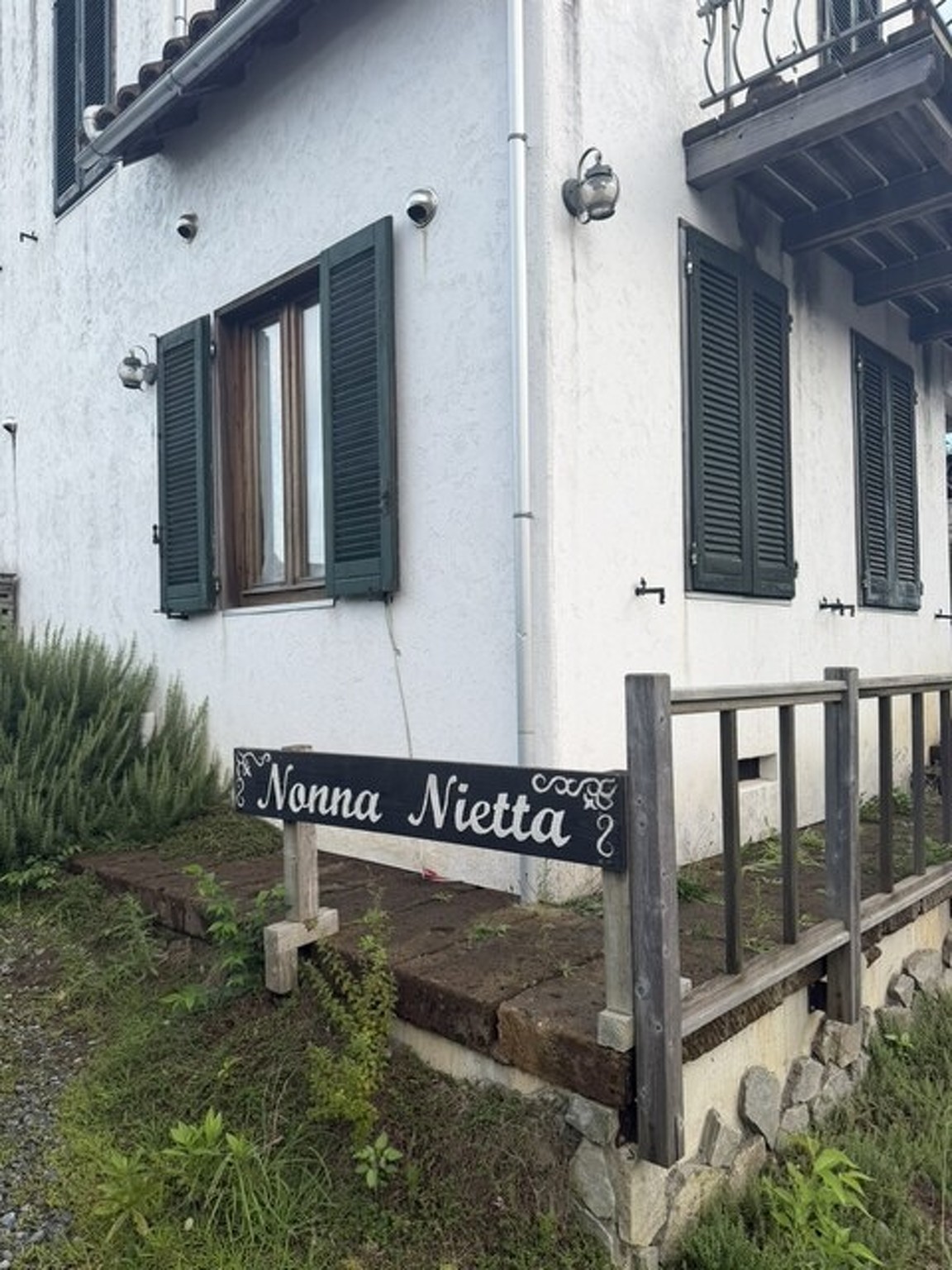
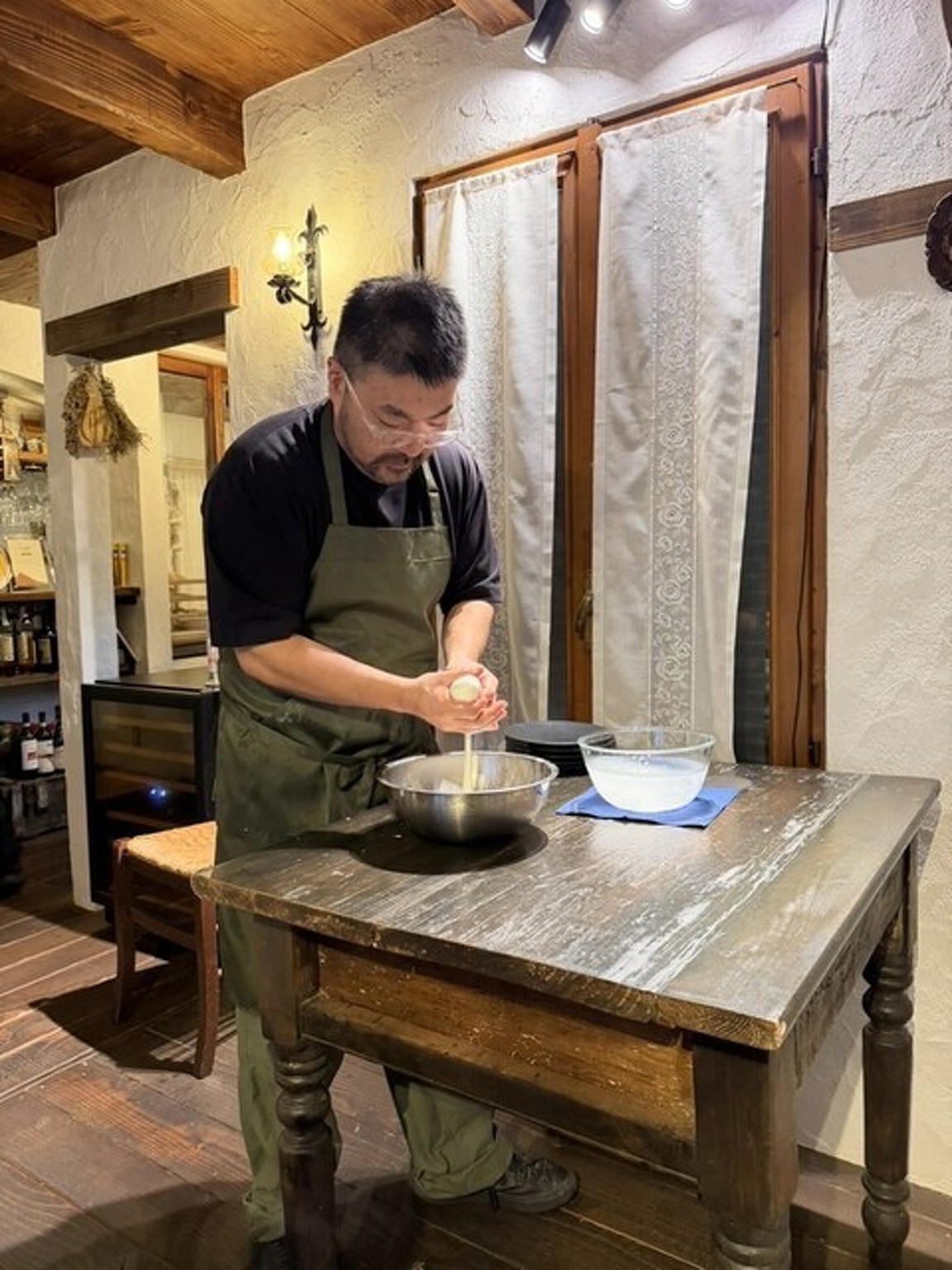
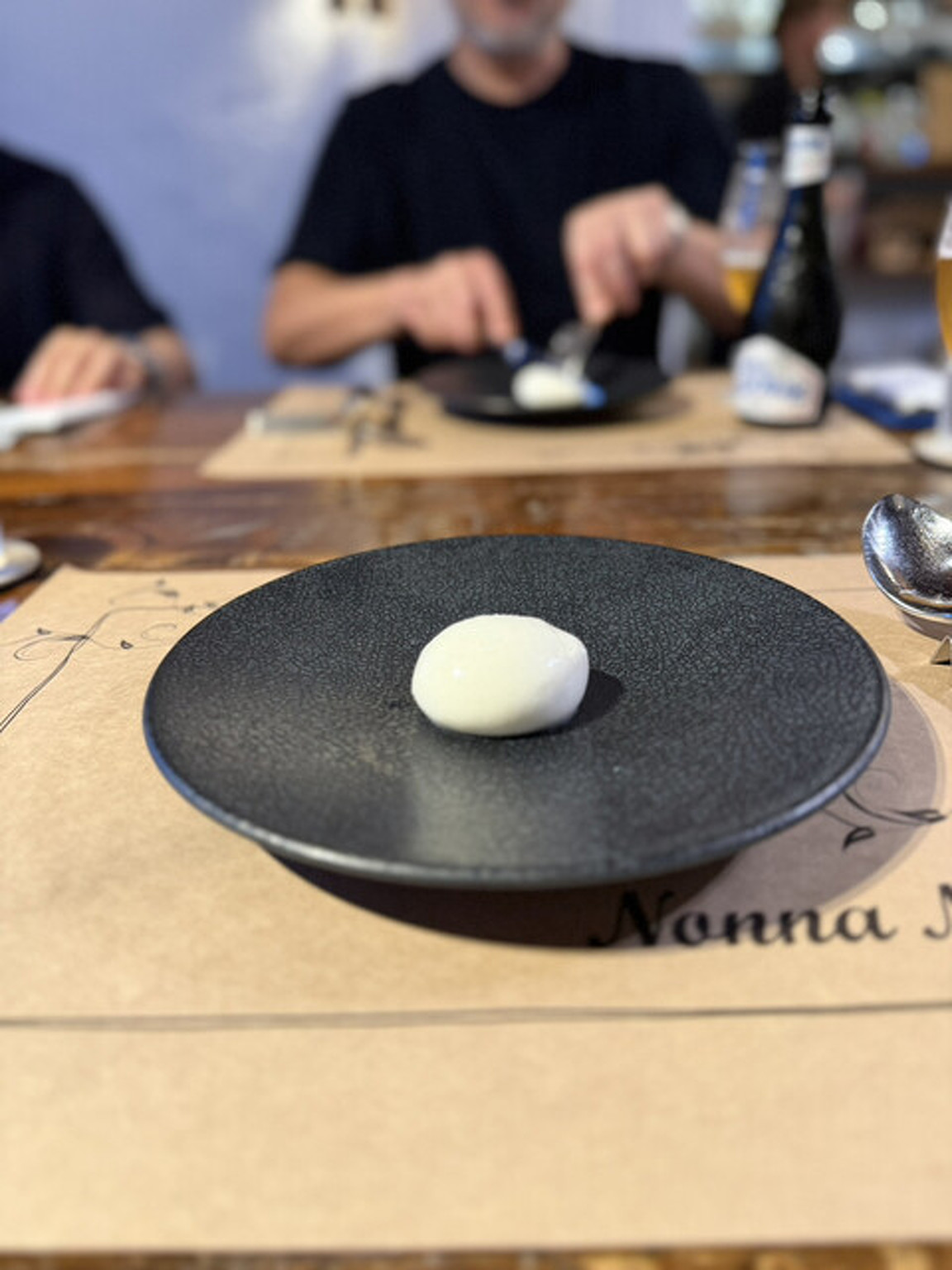
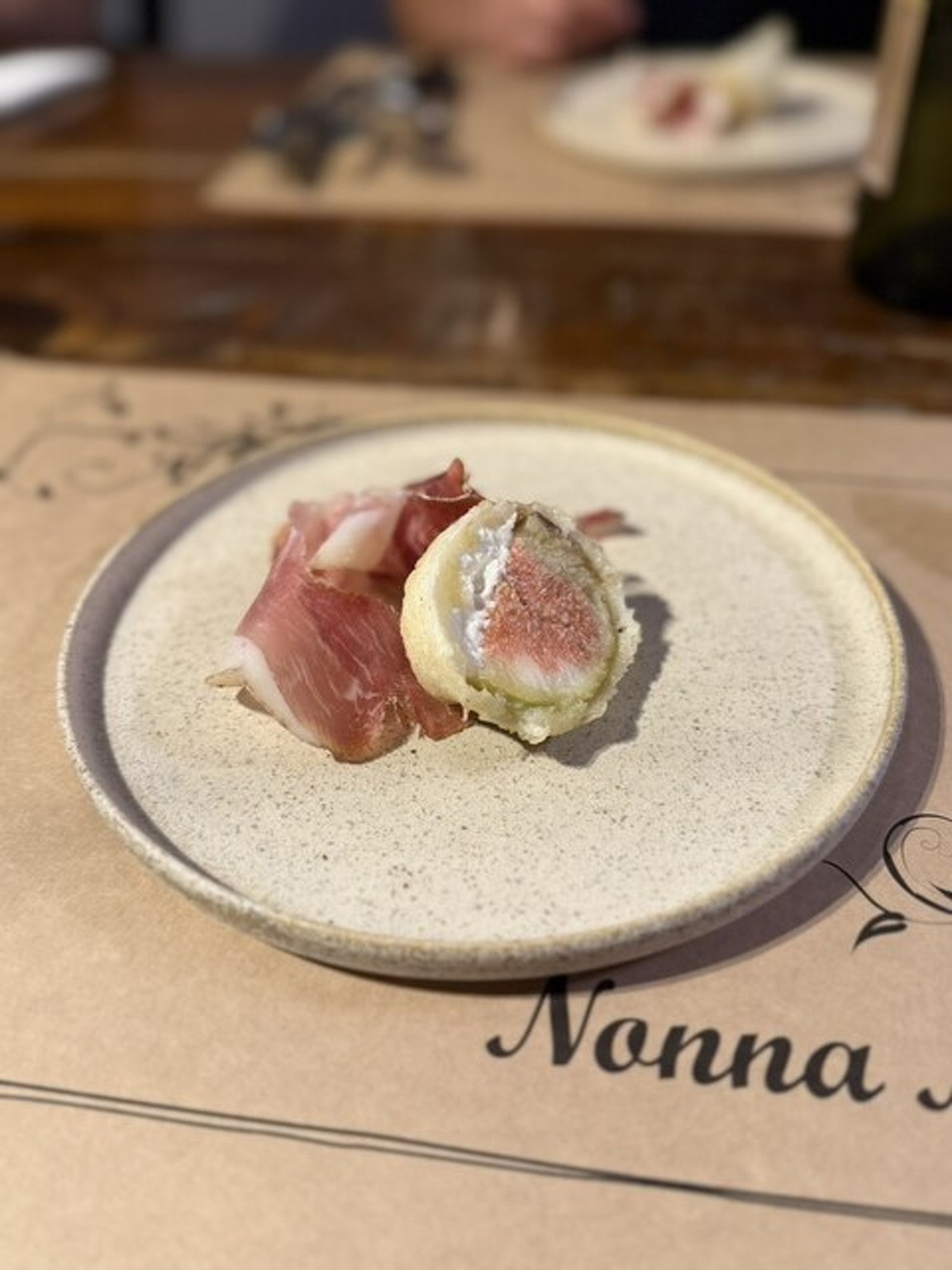
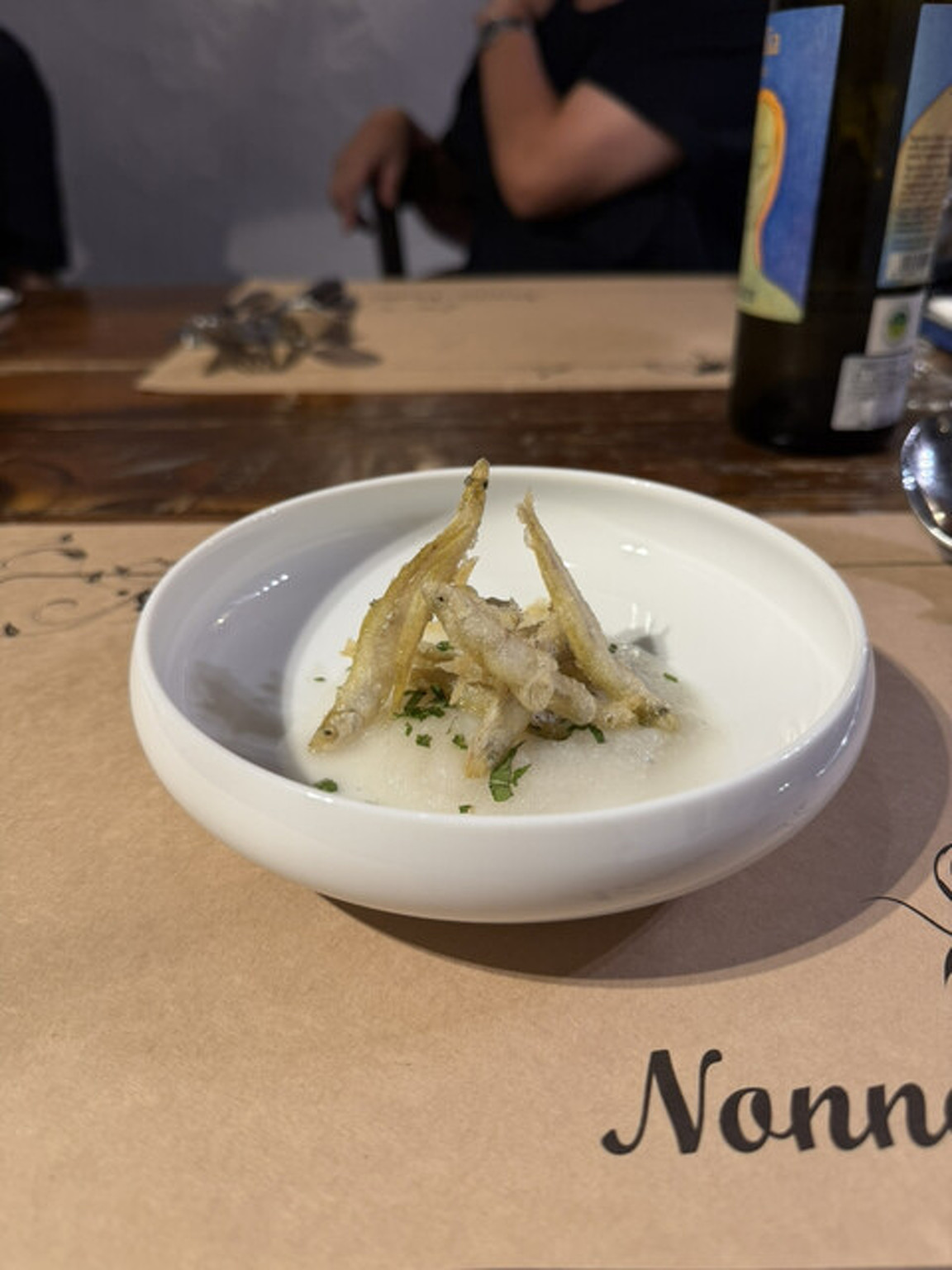
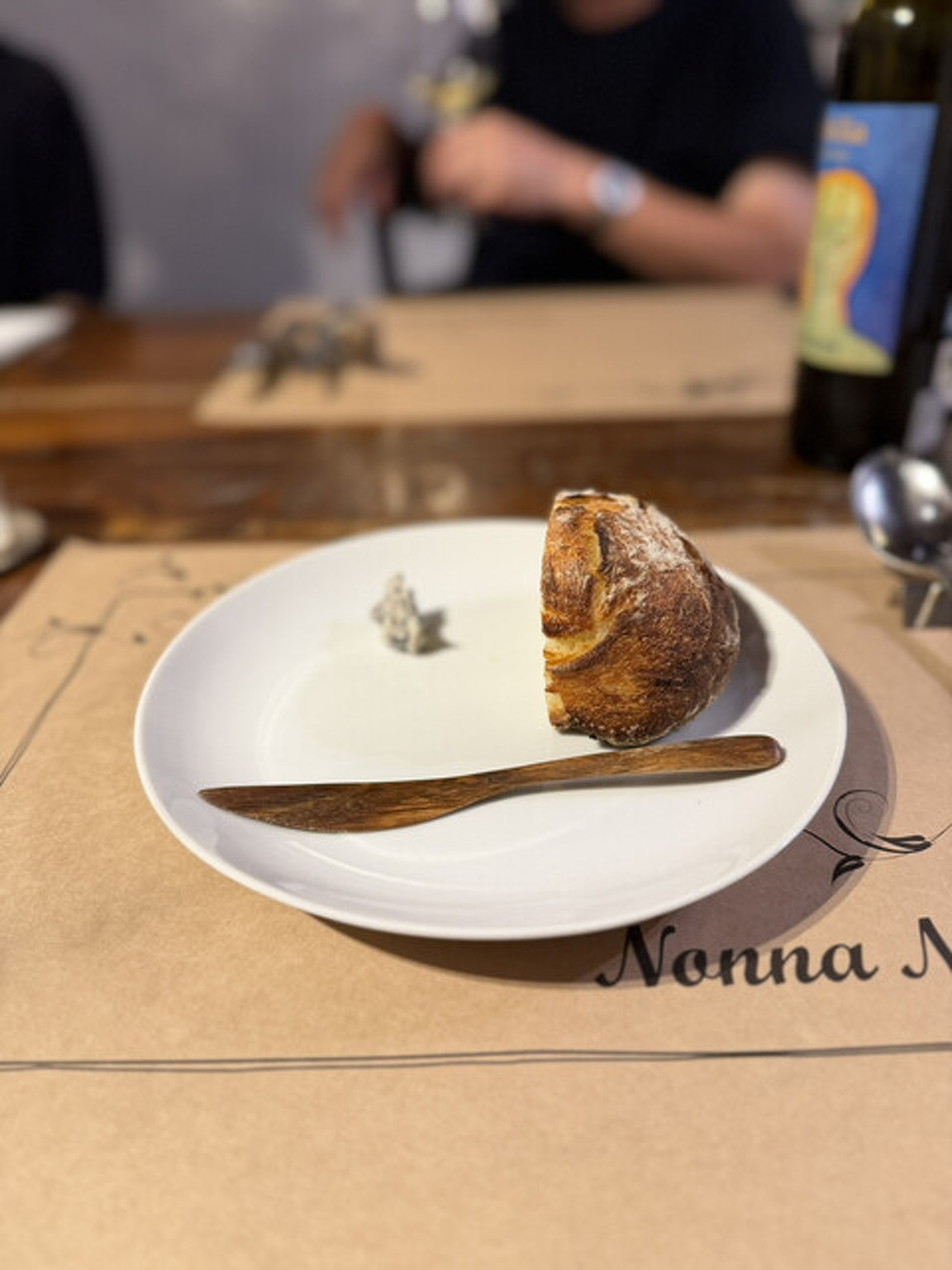
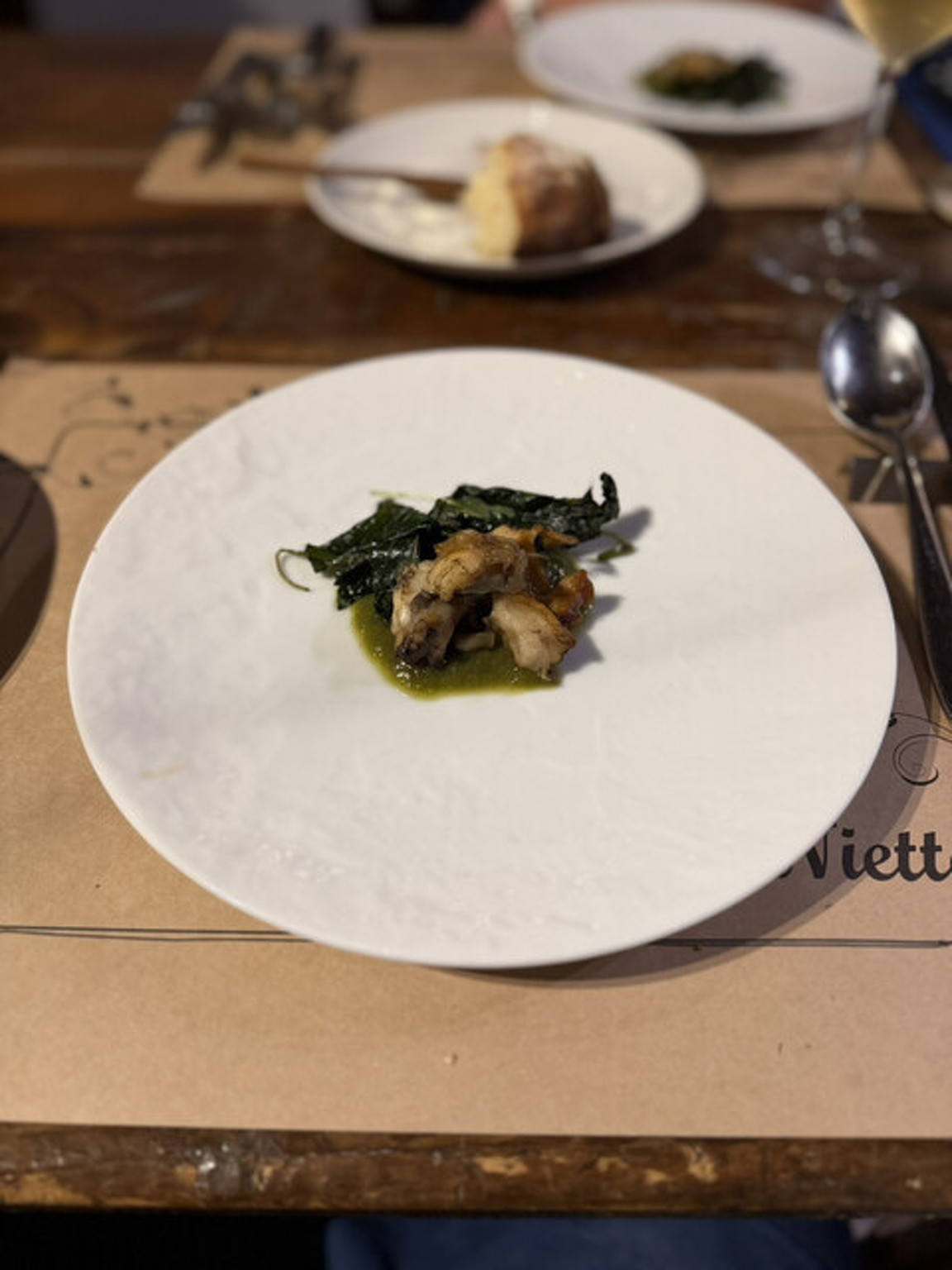
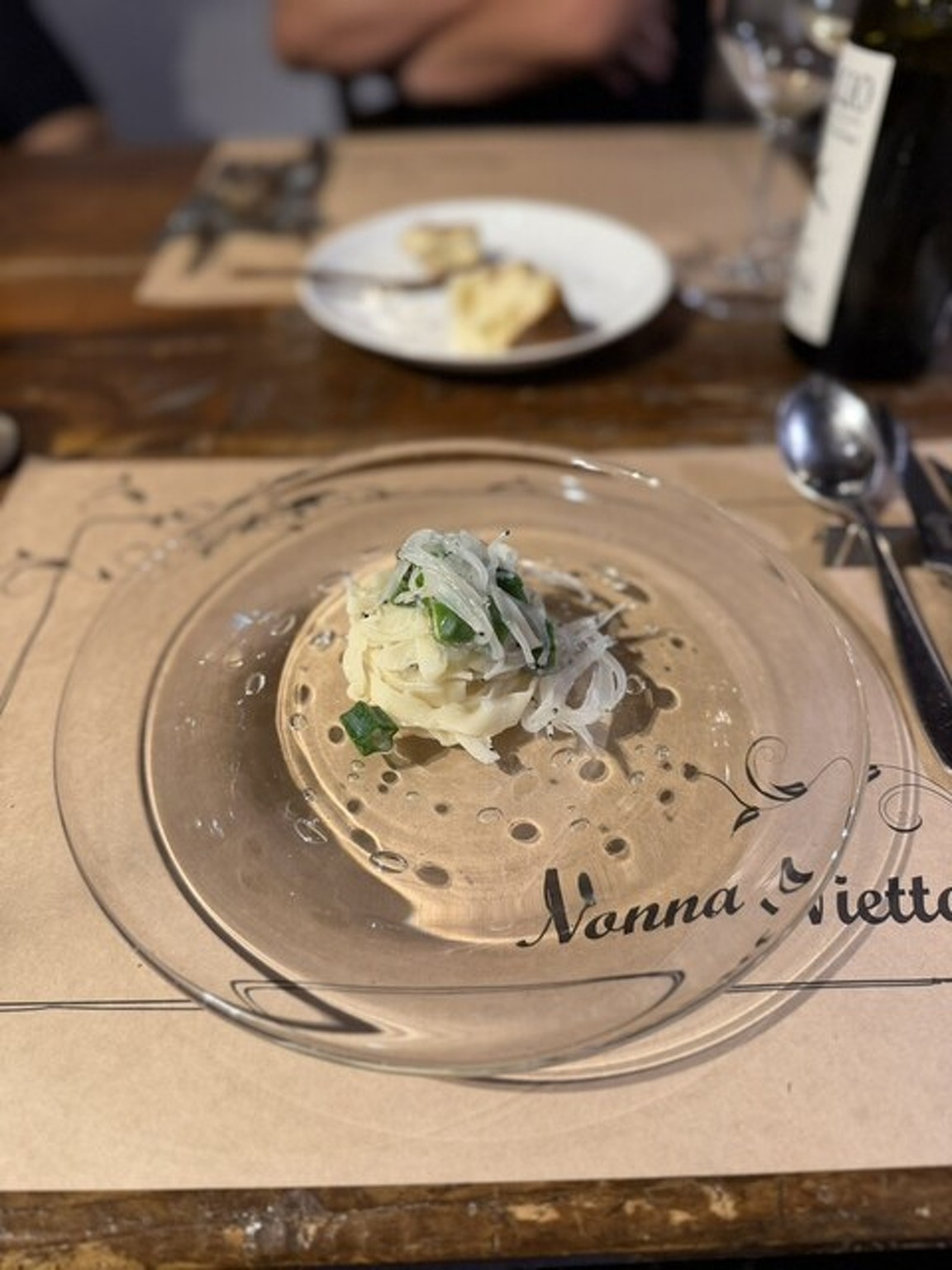
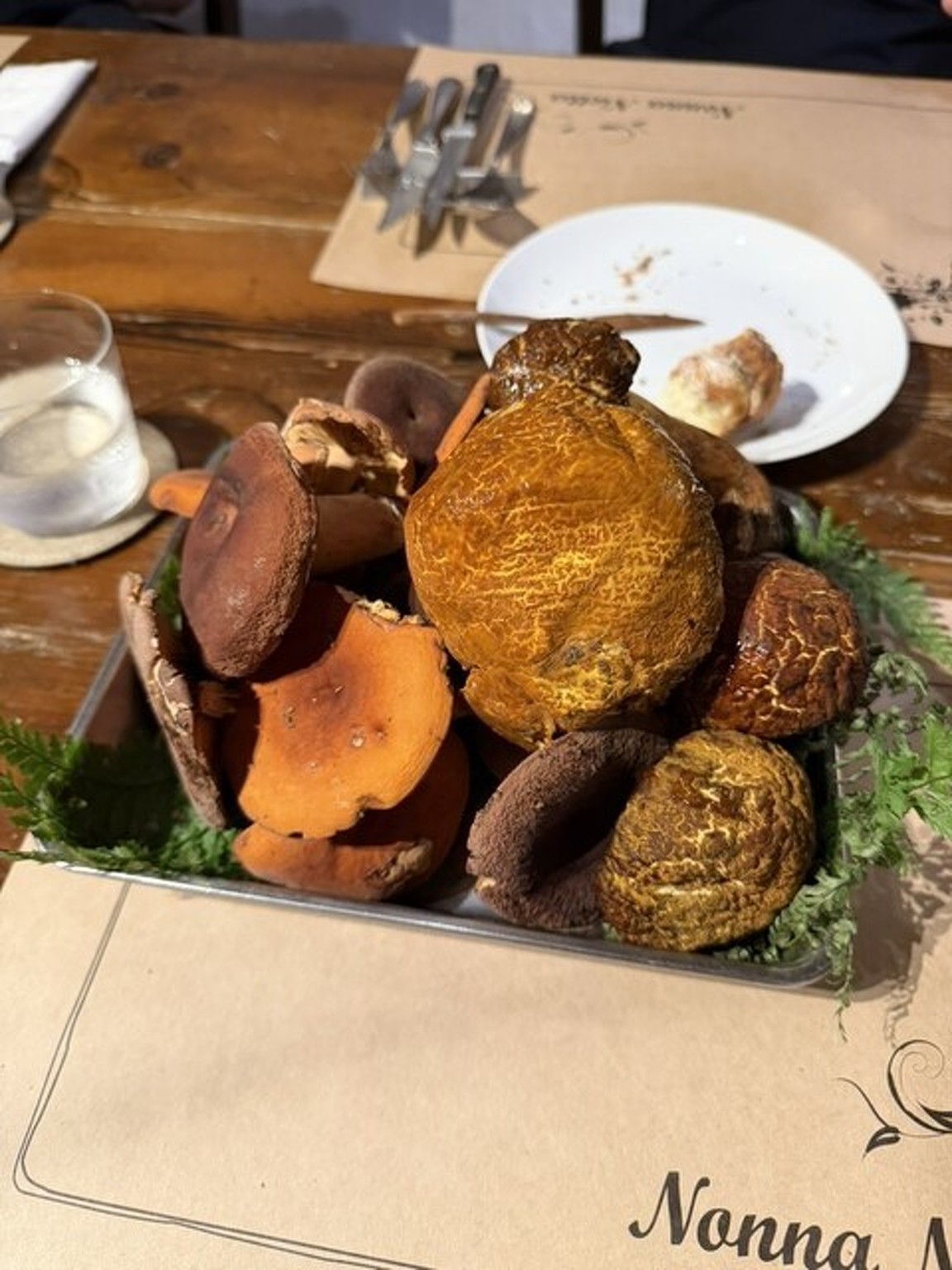
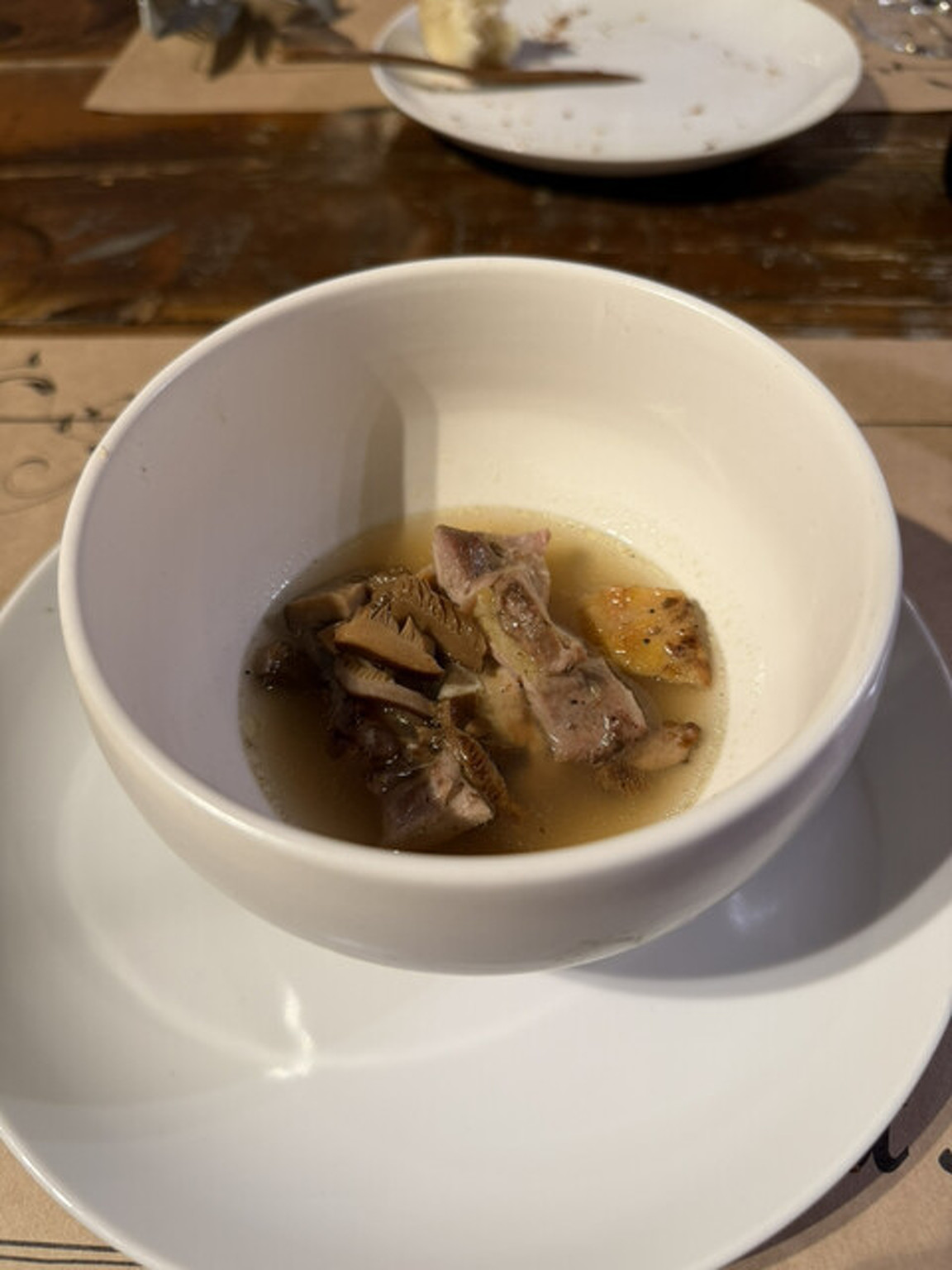
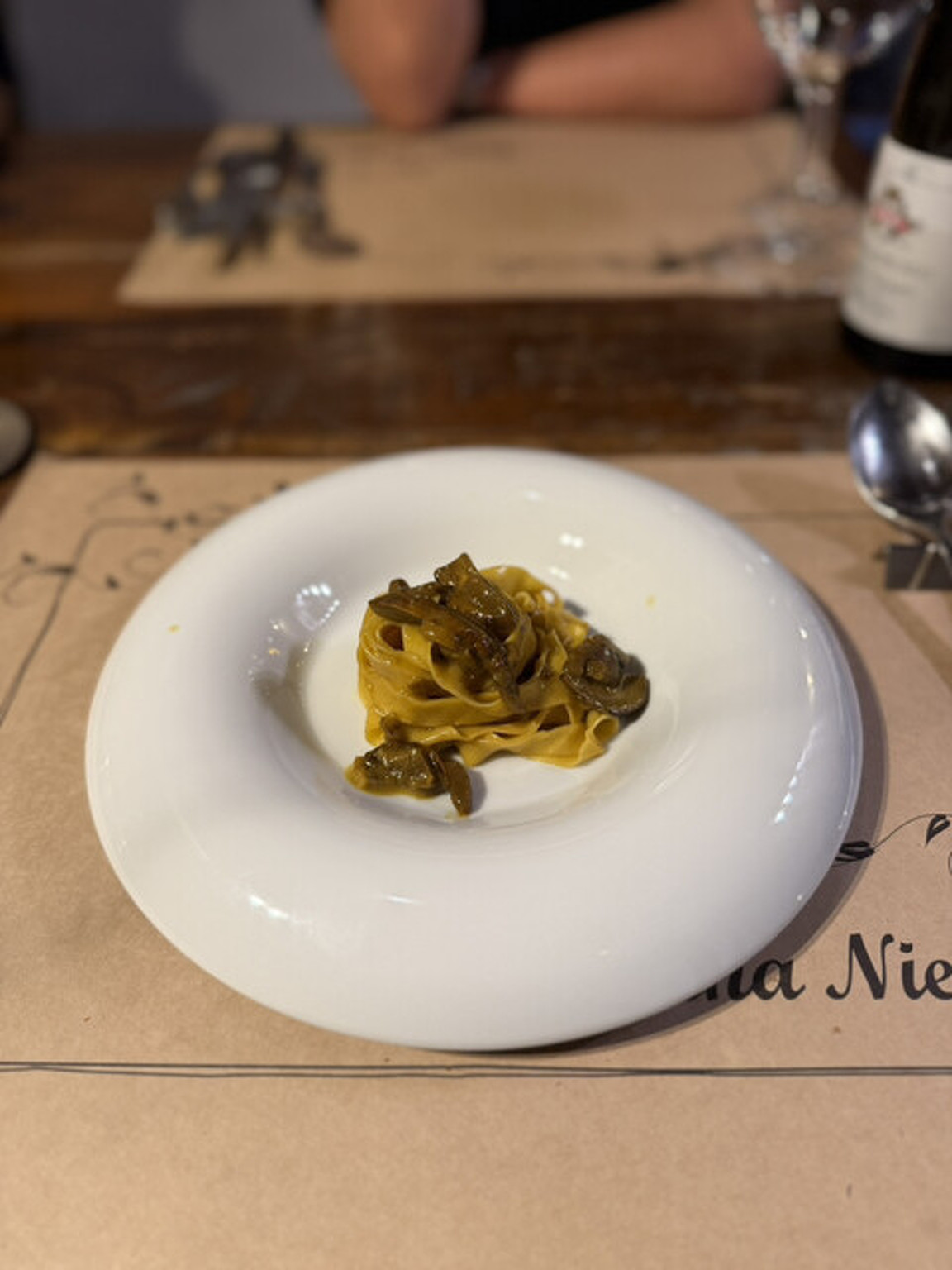
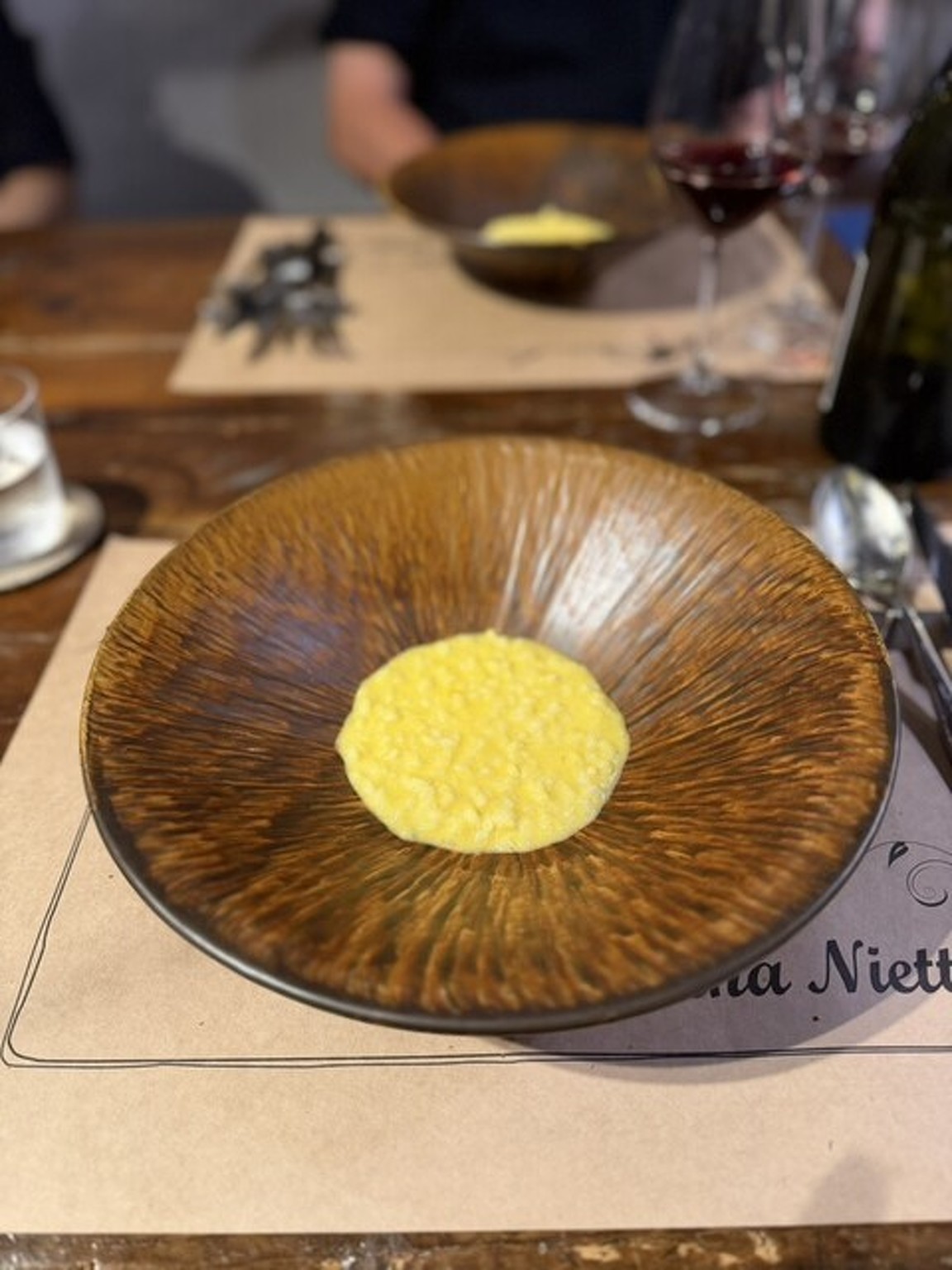
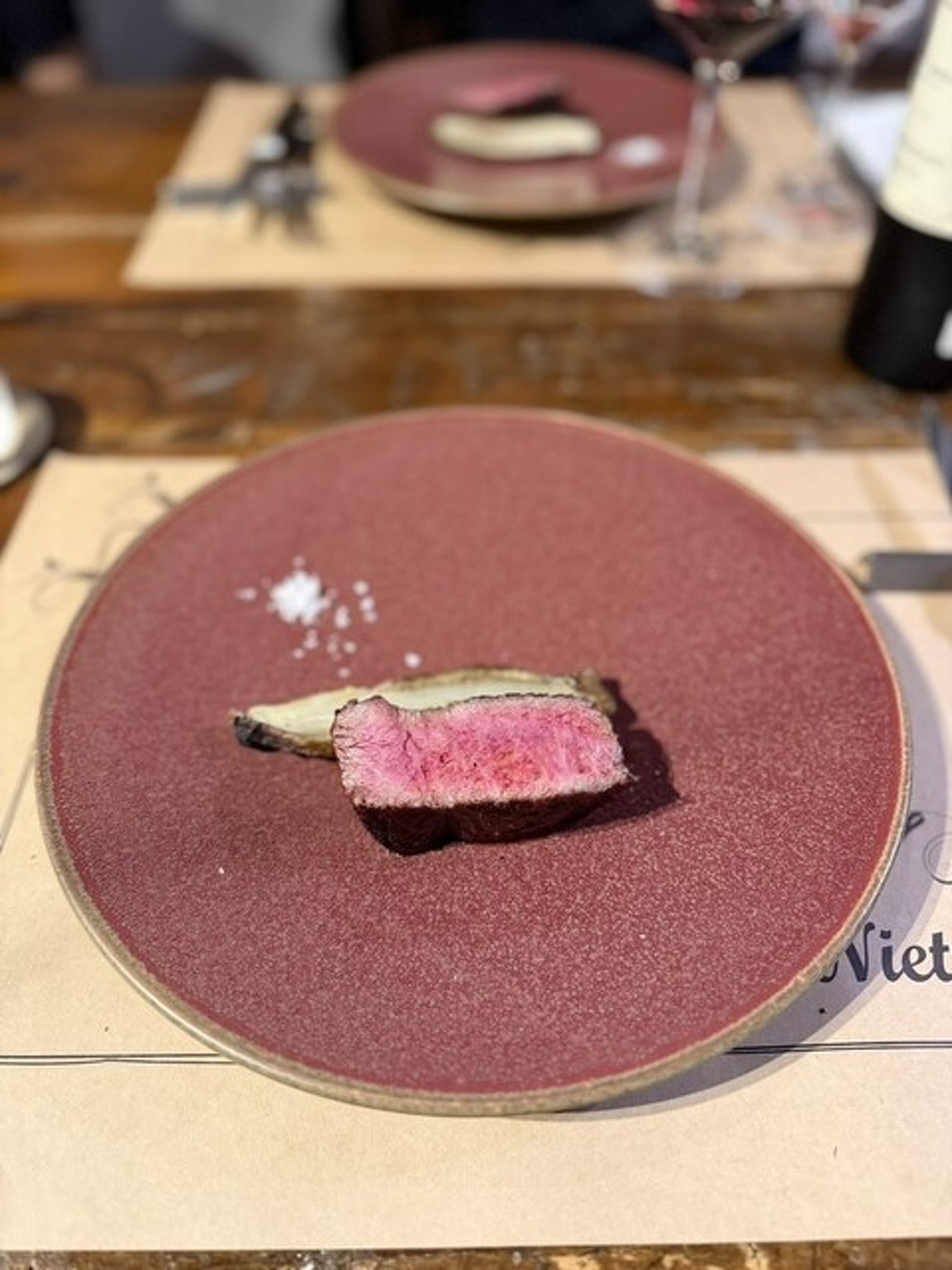
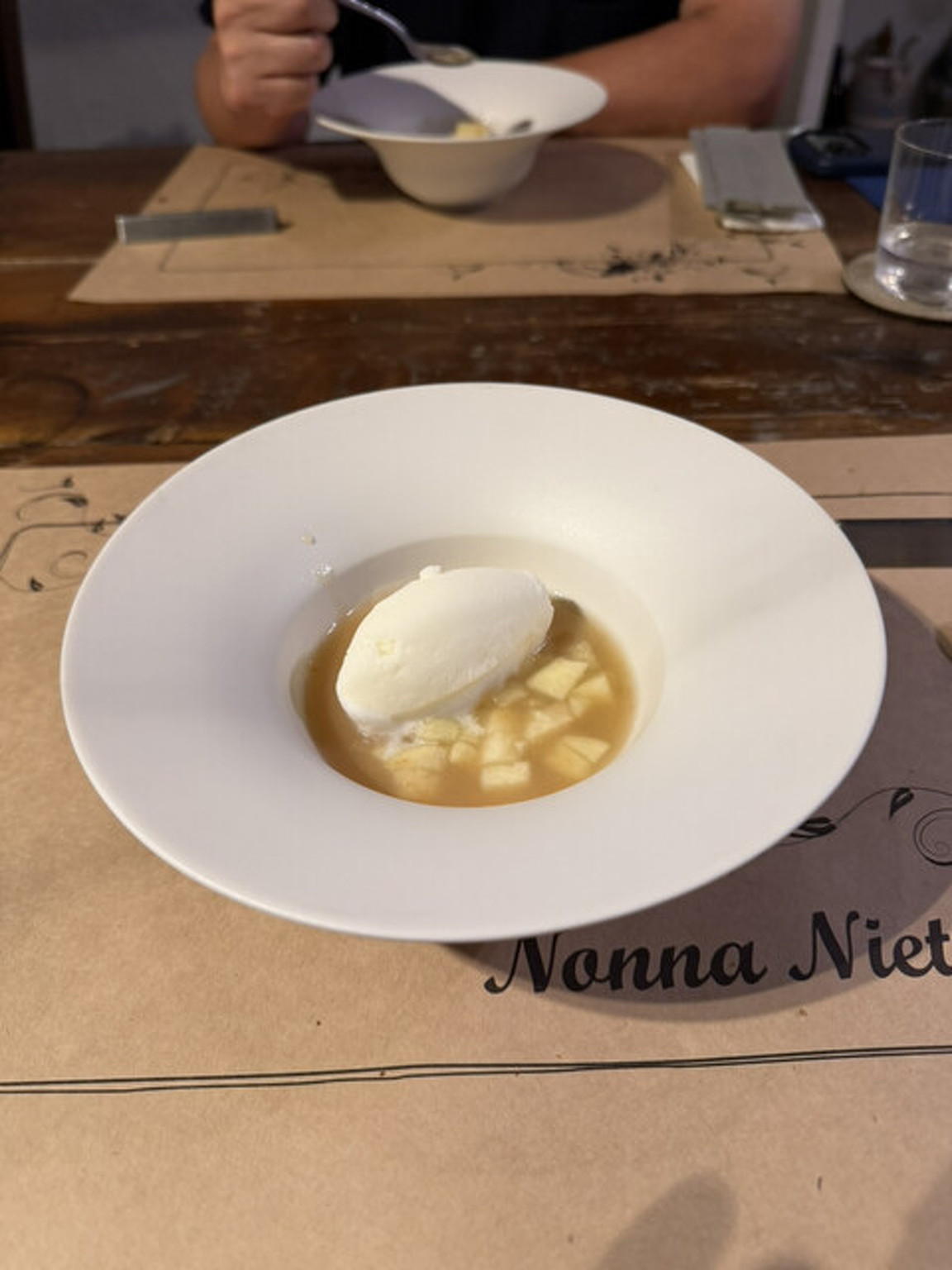
This Italian restaurant is located in a house in the midst of a residential area in Tsukuba, Ibaraki Prefecture. It is particular about serving home-made foods, from cheese to dry-cured ham, and all its pasta is made entirely by hand. Chef Kenji Kawamura uses traditional Italian techniques to turn local ingredients into culinary gems, including dishes taught to him by his grandmother-in-law, an Italian gentlewoman.
Open hours
Monday: Closed
Tuesday: Closed
Wednesday: 12:00 - 15:00; 18:00 - 22:00
Thursday: 12:00 - 15:00; 18:00 - 22:00
Friday: 12:00 - 15:00; 18:00 - 22:00
Saturday: 12:00 - 15:00; 18:00 - 22:00
Sunday: 12:00 - 15:00; 18:00 - 22:00
View
5
Restaurant KAM (restaurant KAM)
$$$$
Monday: Closed
Tuesday: Closed
Wednesday: 12:00 - 15:00; 18:00 - 22:00
Thursday: 12:00 - 15:00; 18:00 - 22:00
Friday: 12:00 - 15:00; 18:00 - 22:00
Saturday: 12:00 - 15:00; 18:00 - 22:00
Sunday: 12:00 - 15:00; 18:00 - 22:00
3-chōme-1-13 Tozuka, Kawaguchi, Saitama 333-0811, Japan
This farm restaurant in the Saitama Prefecture city of Kawaguchi opened in the spring of 2021 in an old traditional-style house belonging to the proprietor’s grandfather. Demonstrating the skills he mastered at restaurants in southern France and the French Basque Country, owner-chef Masashi Motooka creates dishes that spotlight vegetables picked from the kitchen garden just before guests’ arrival.
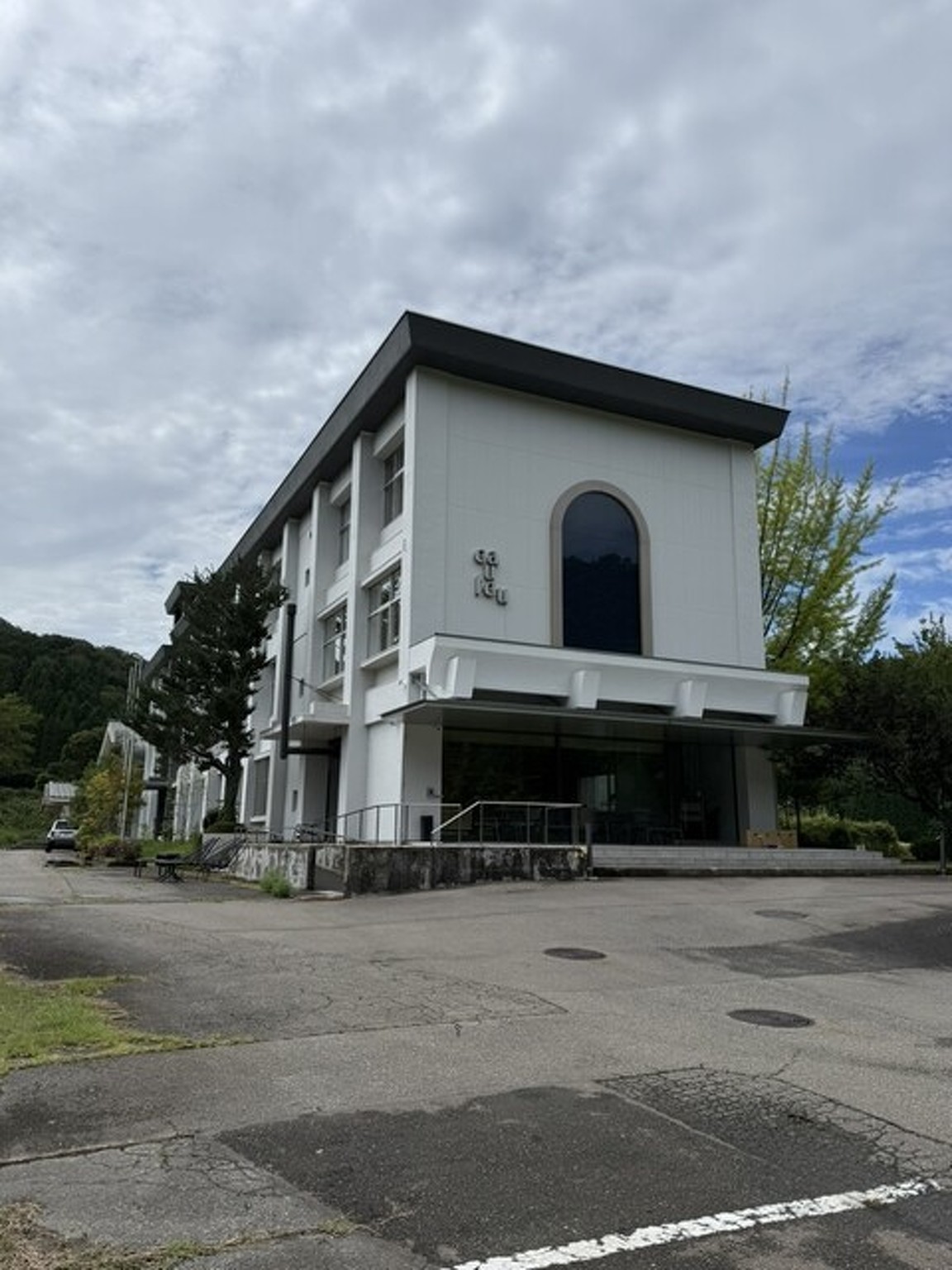
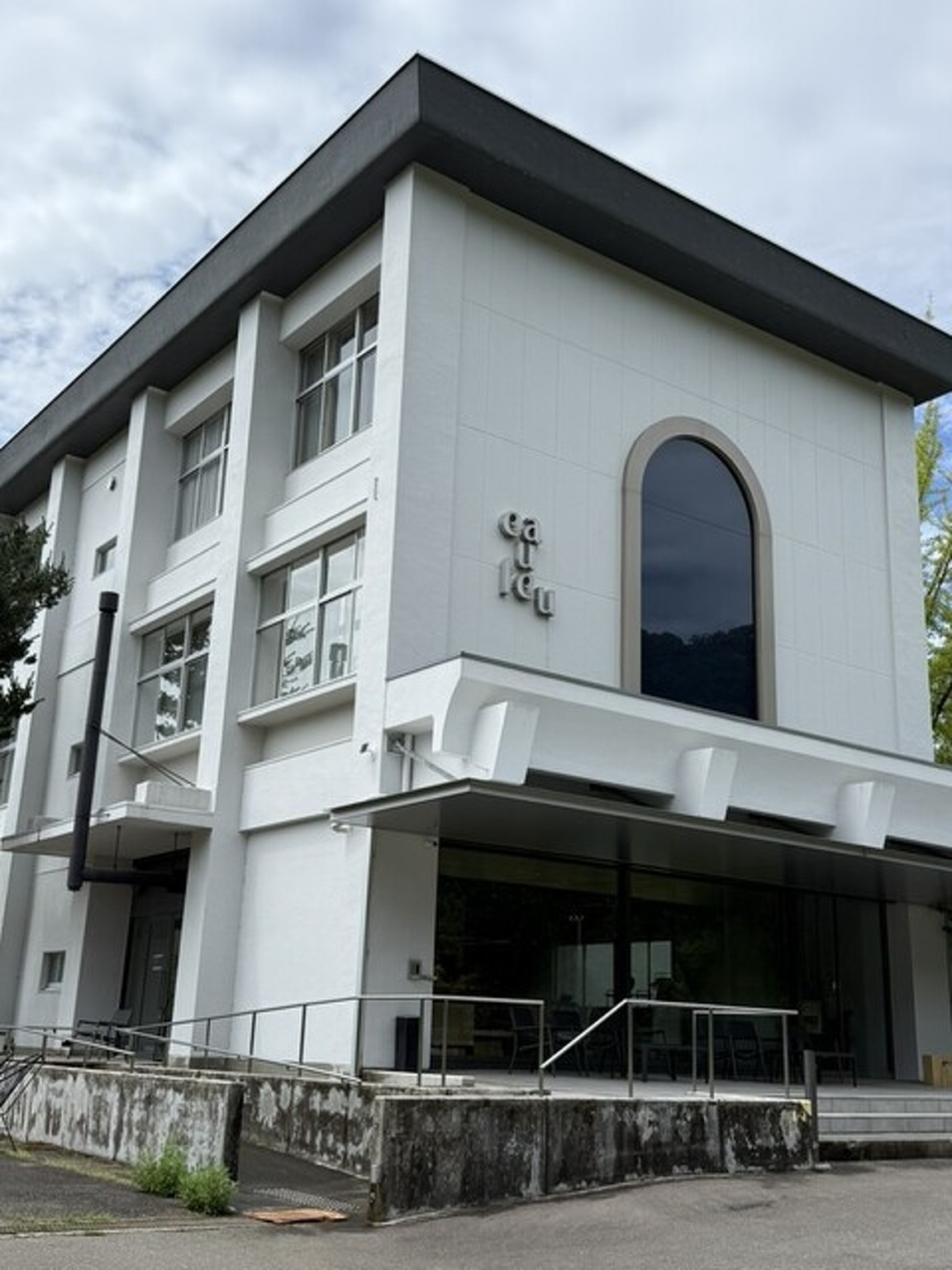
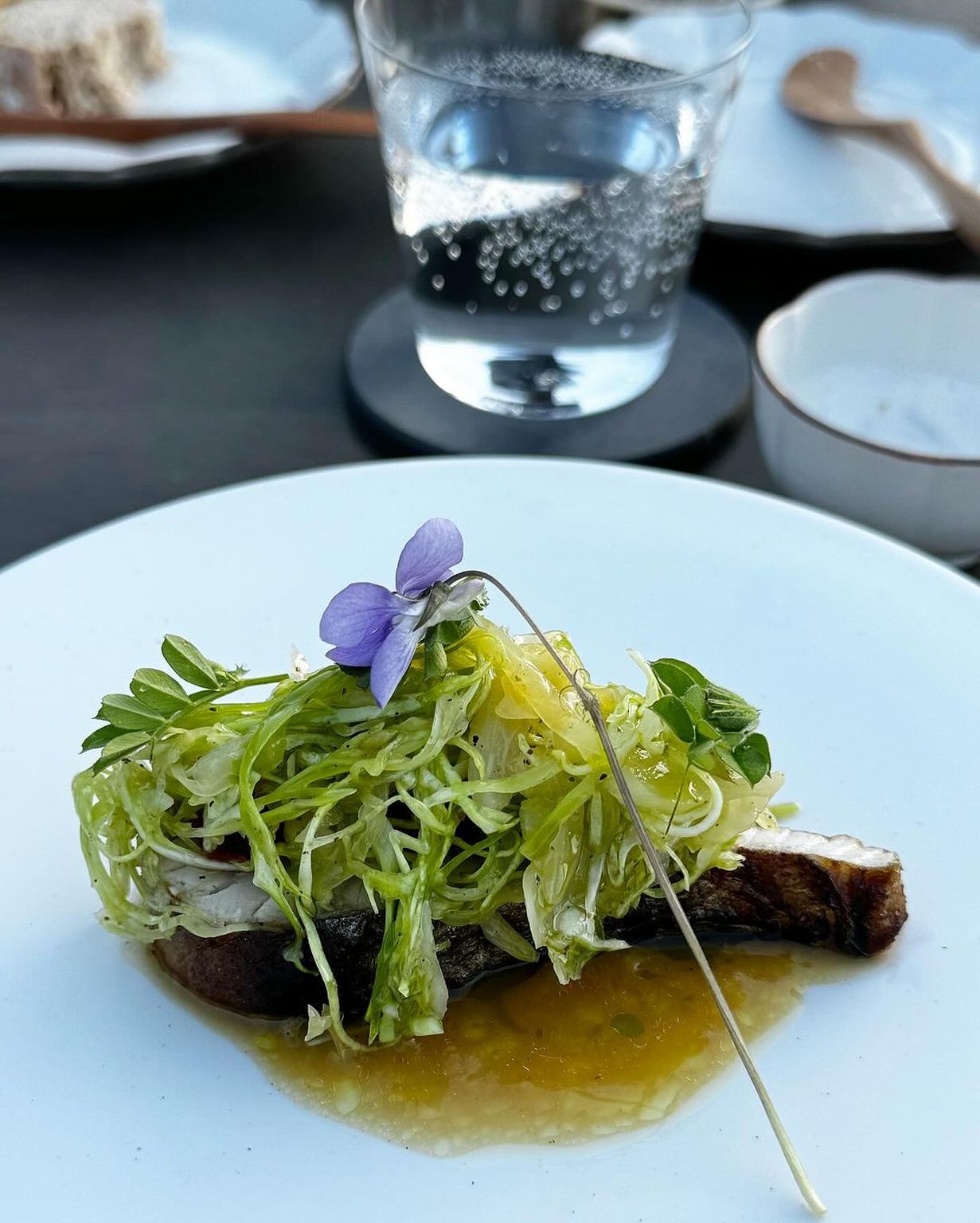
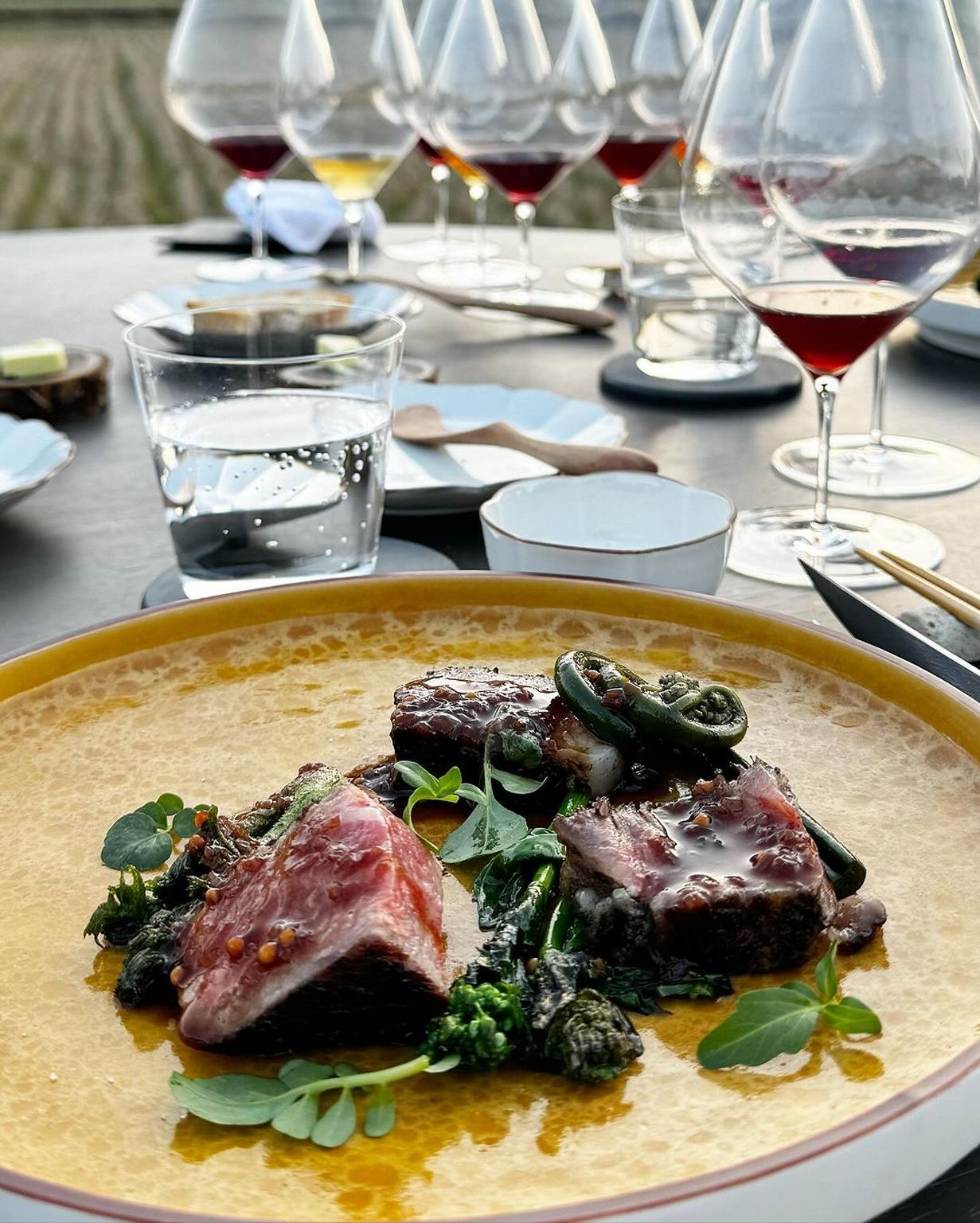
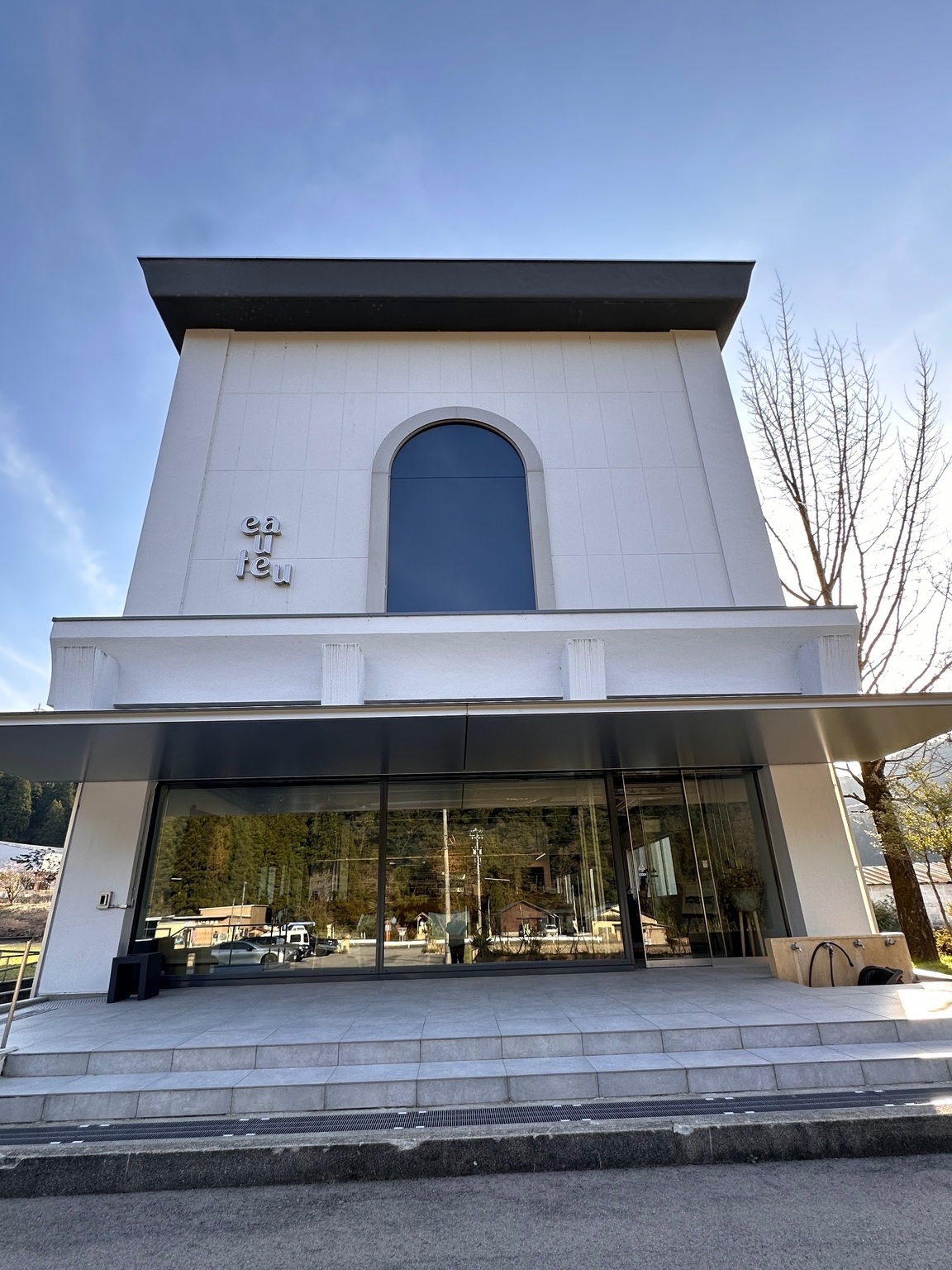
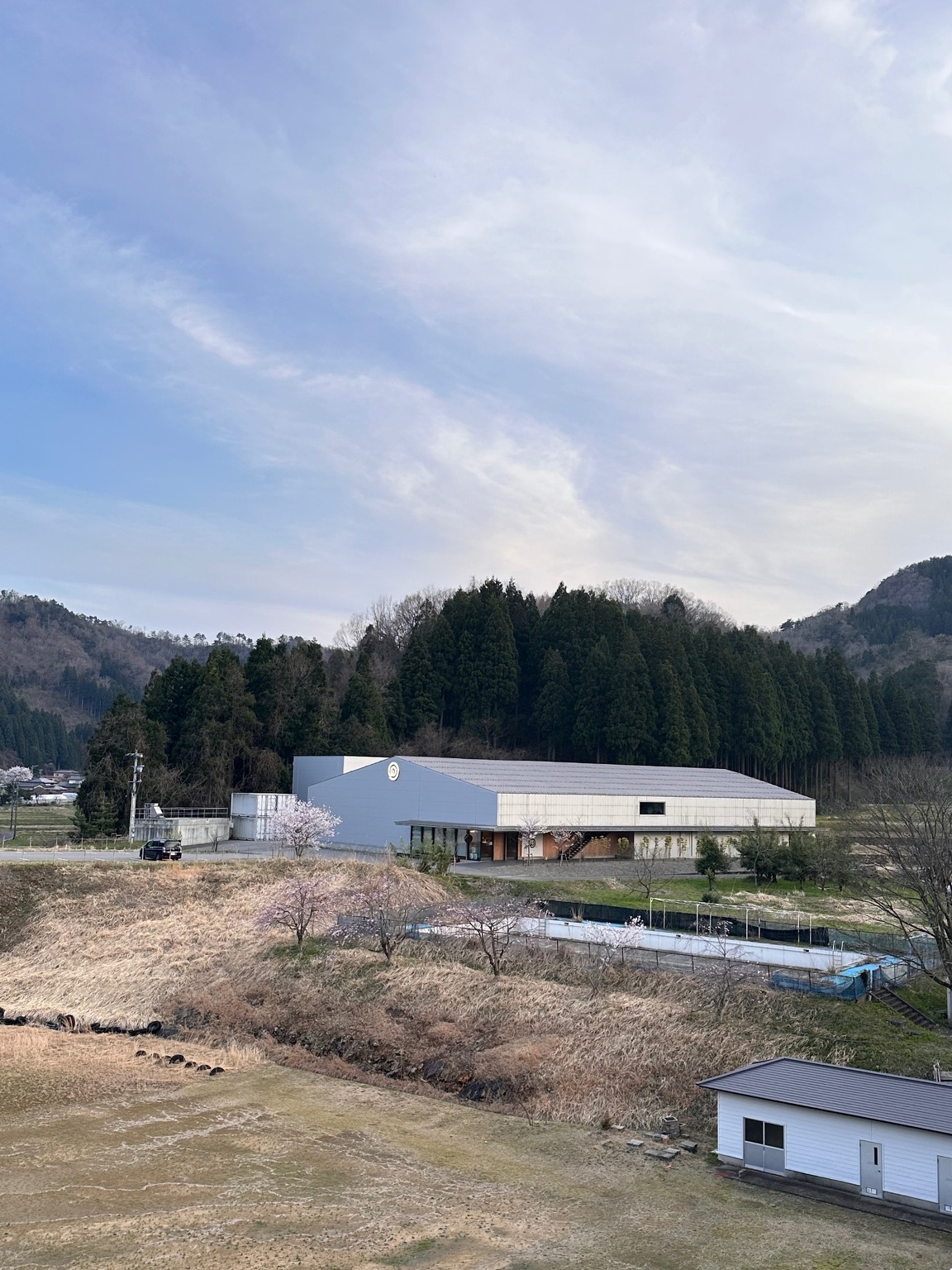
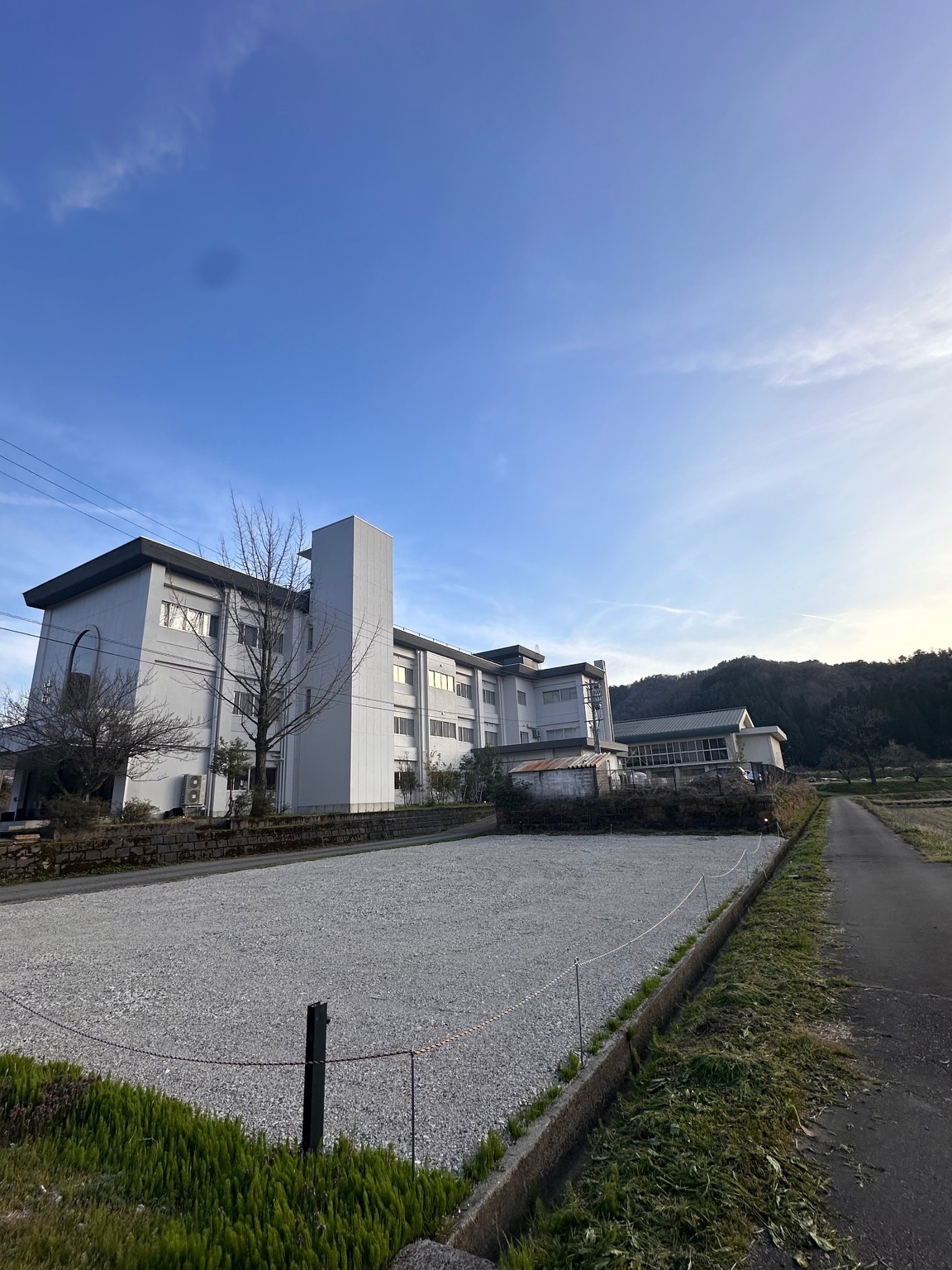
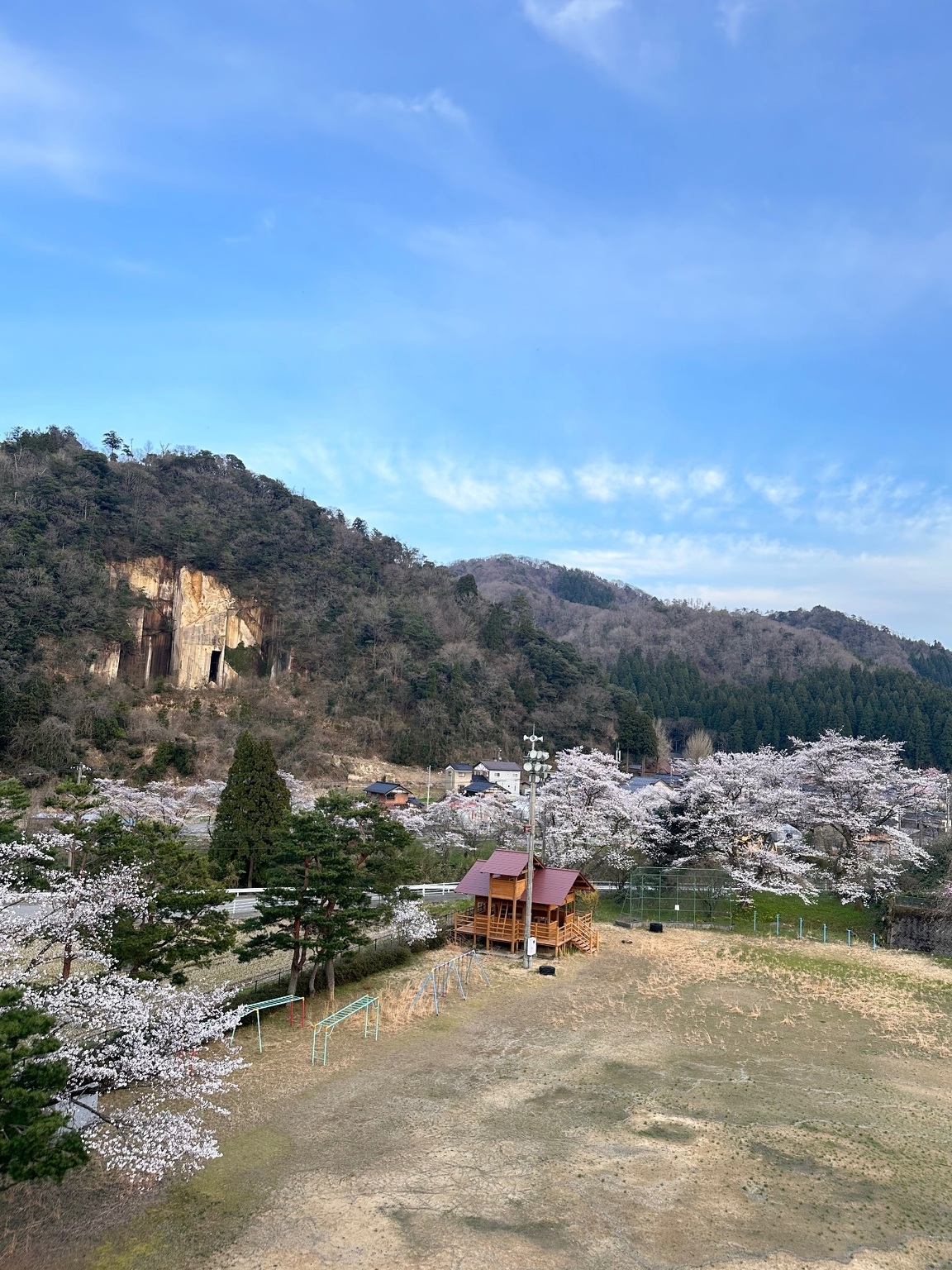
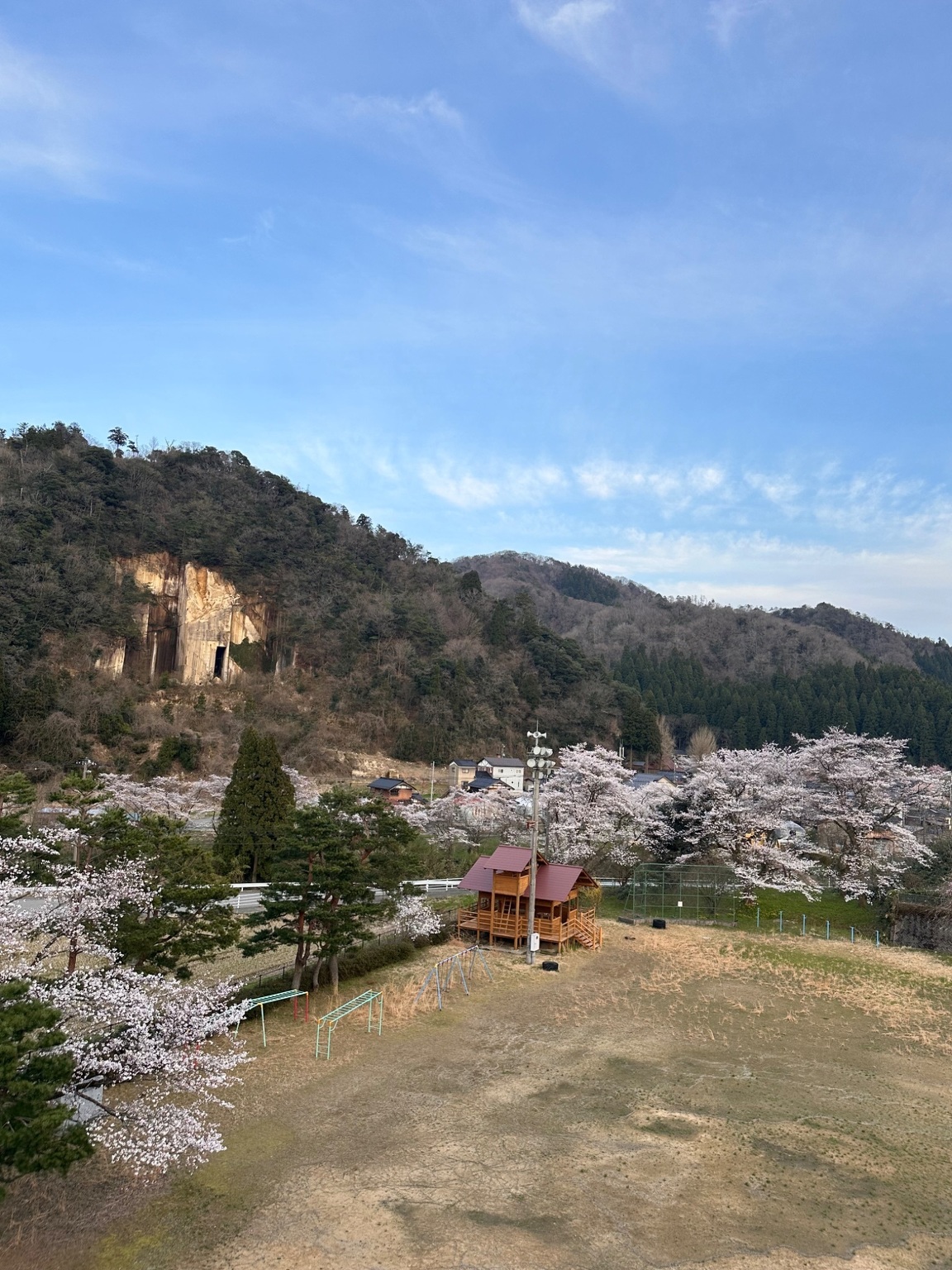
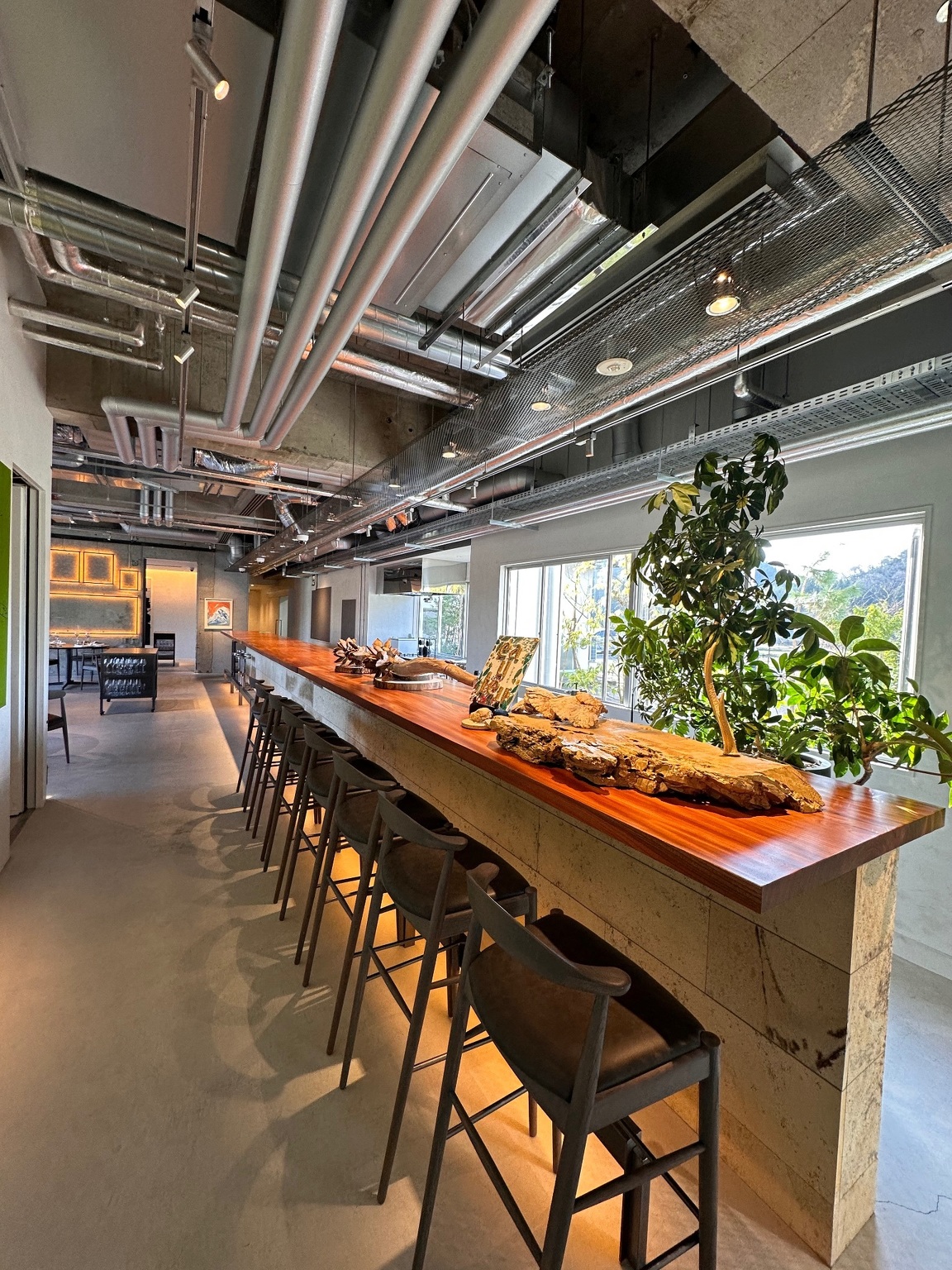
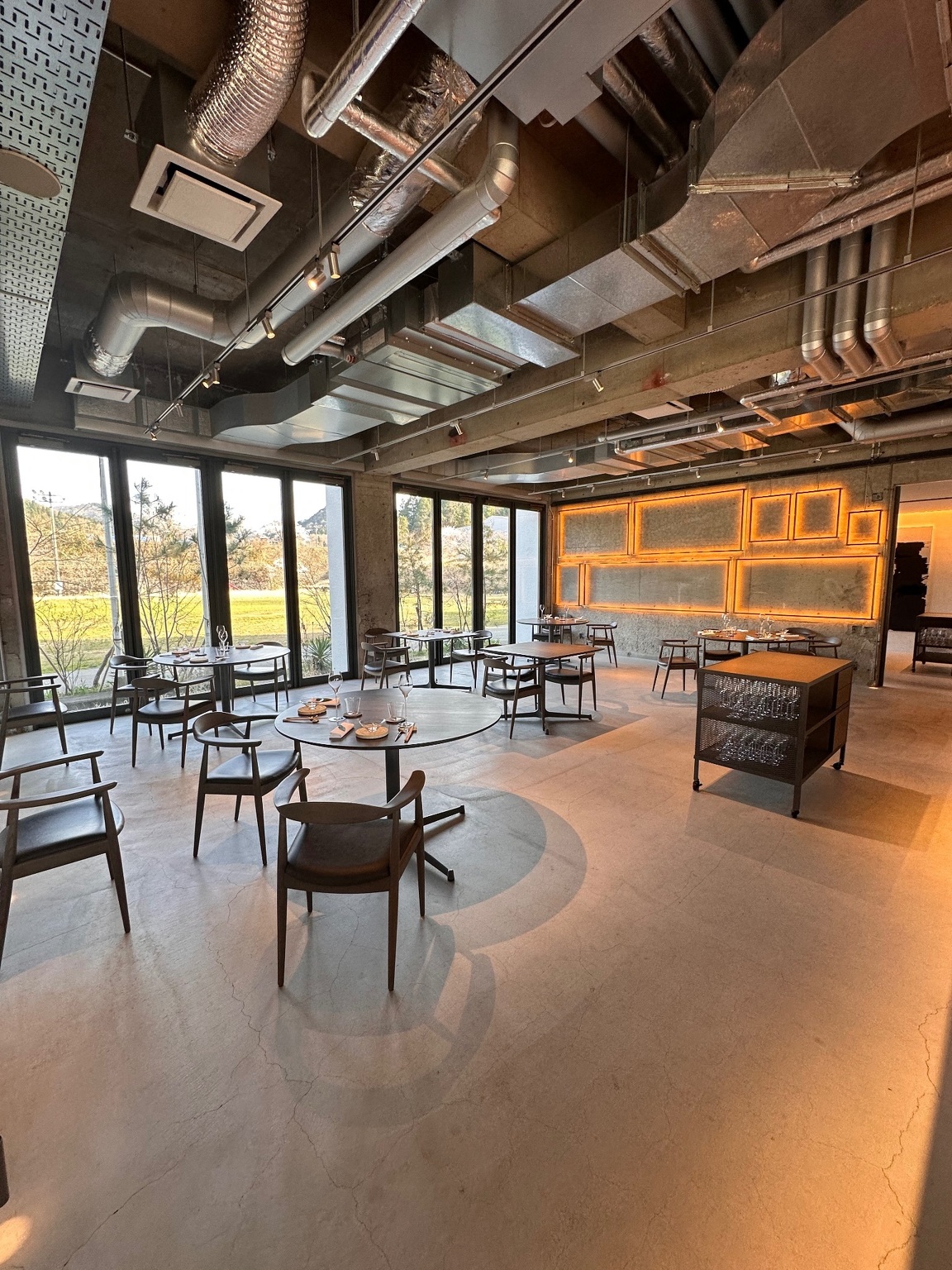
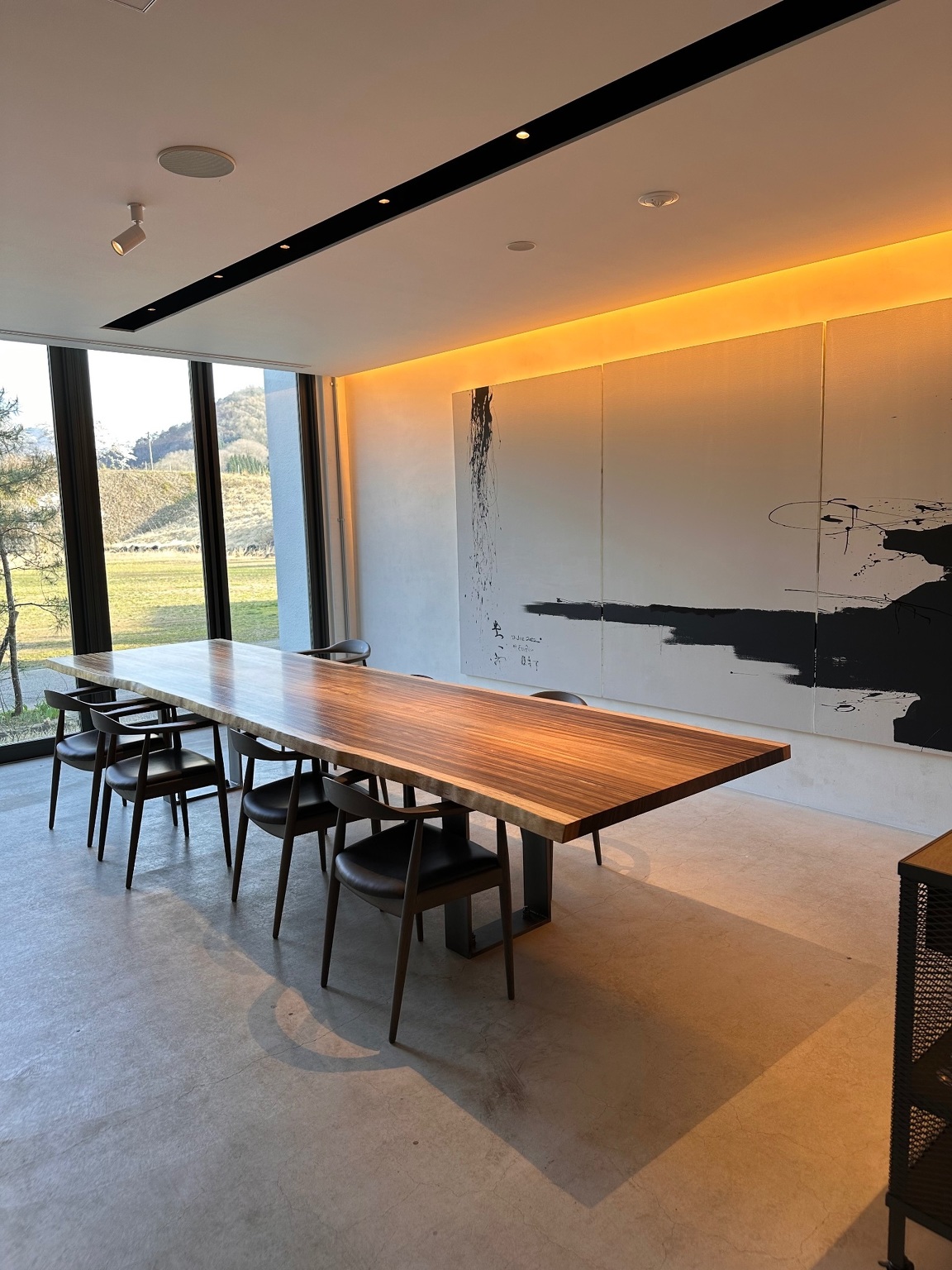
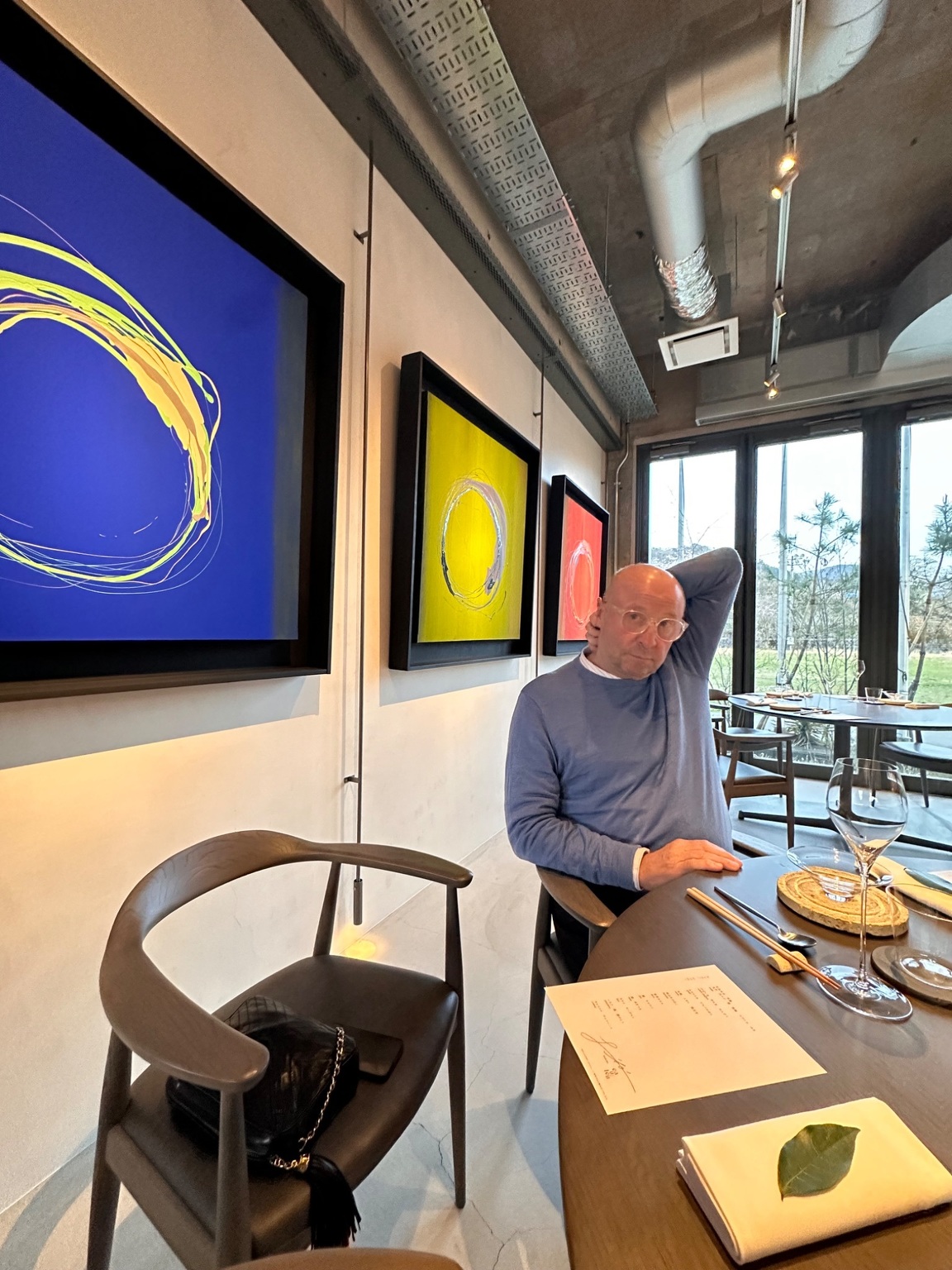
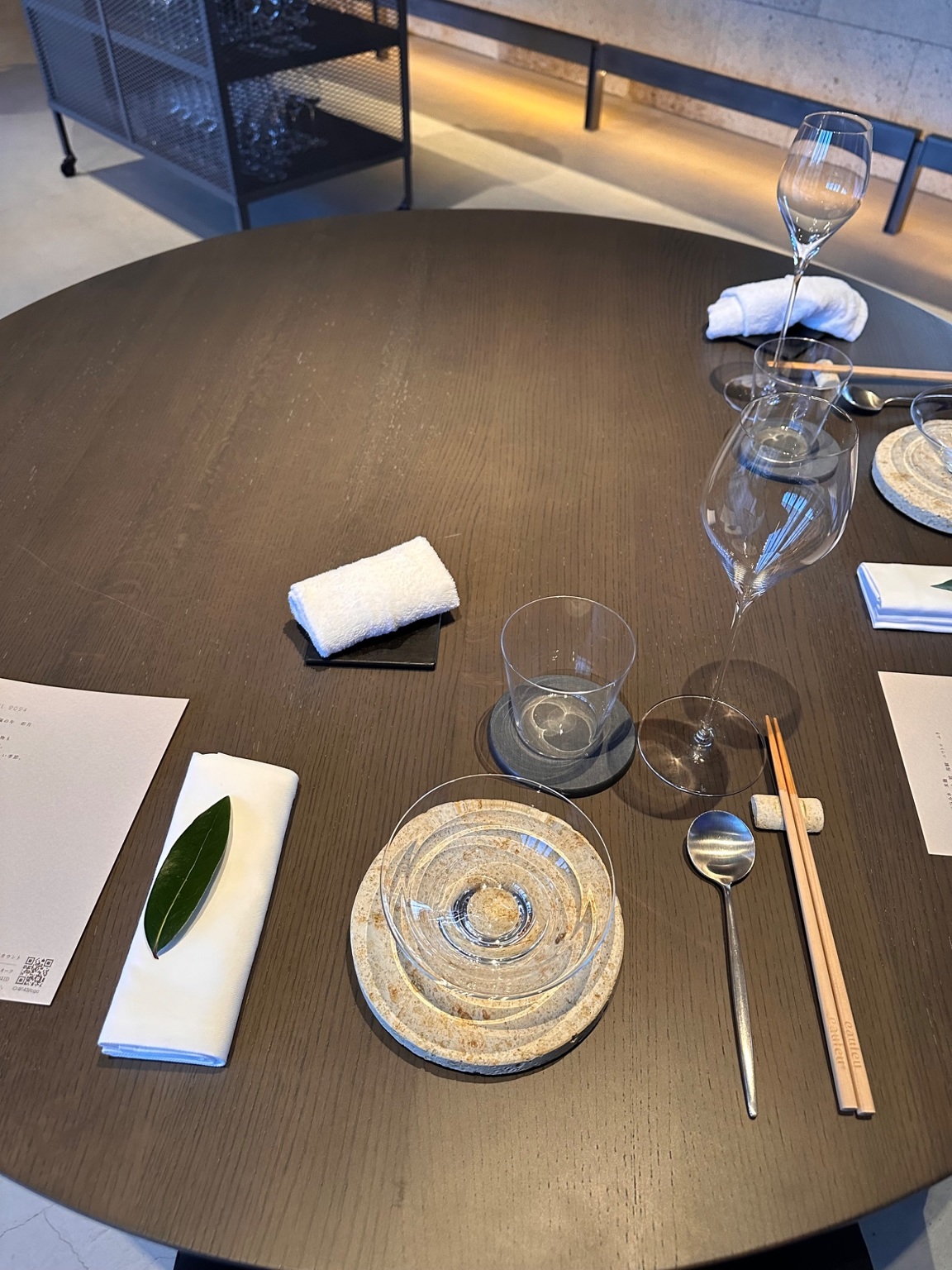
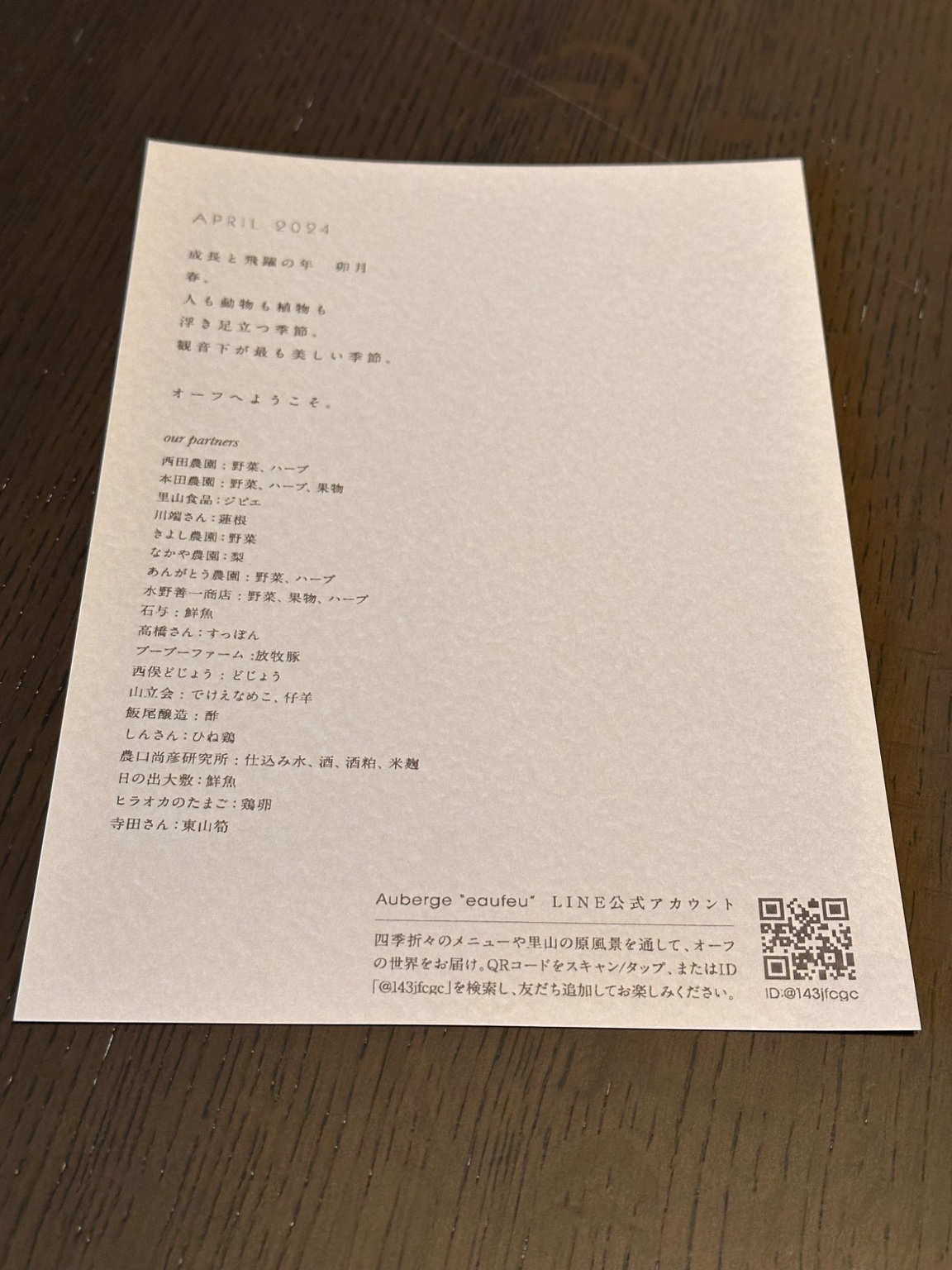
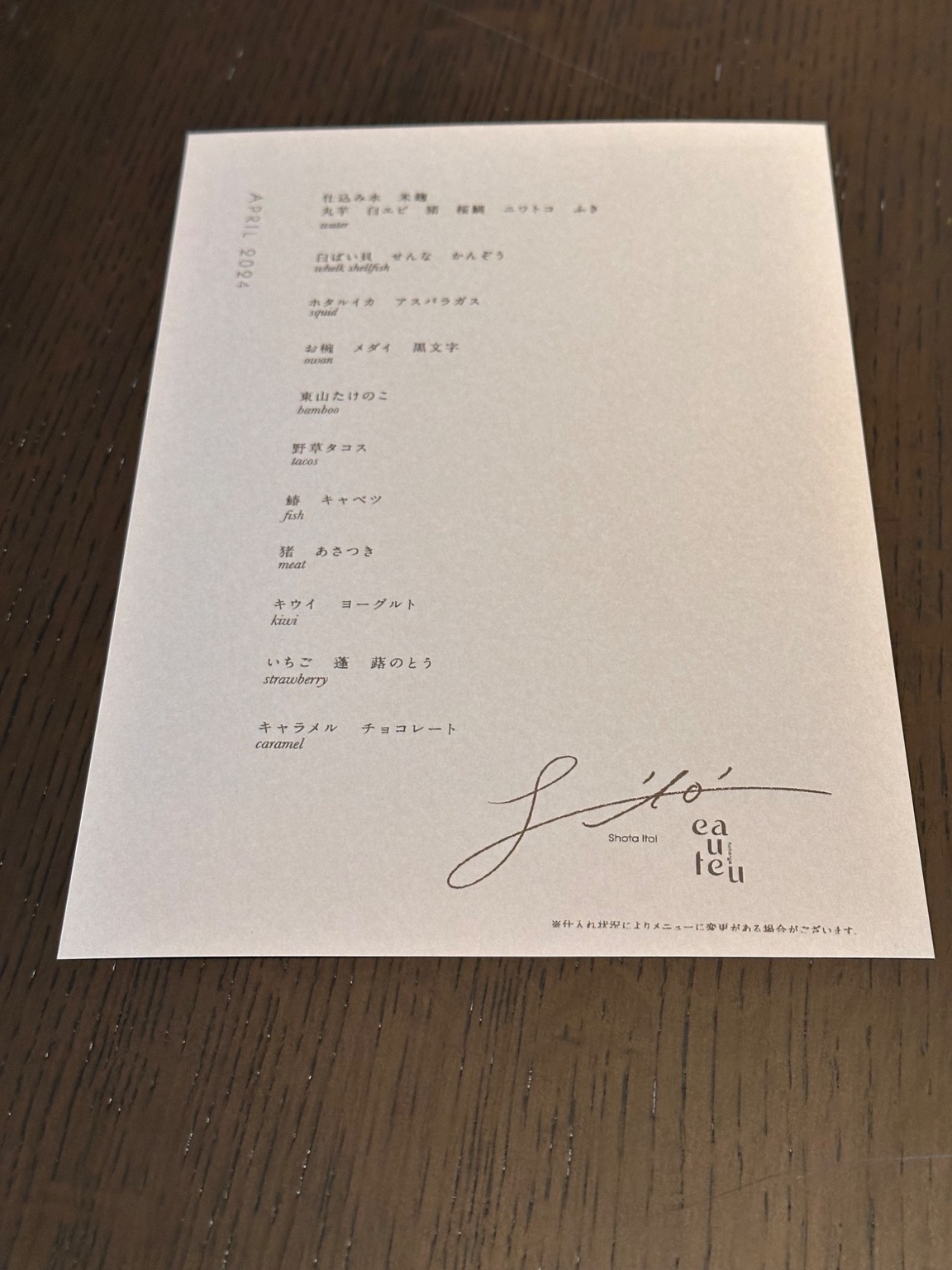
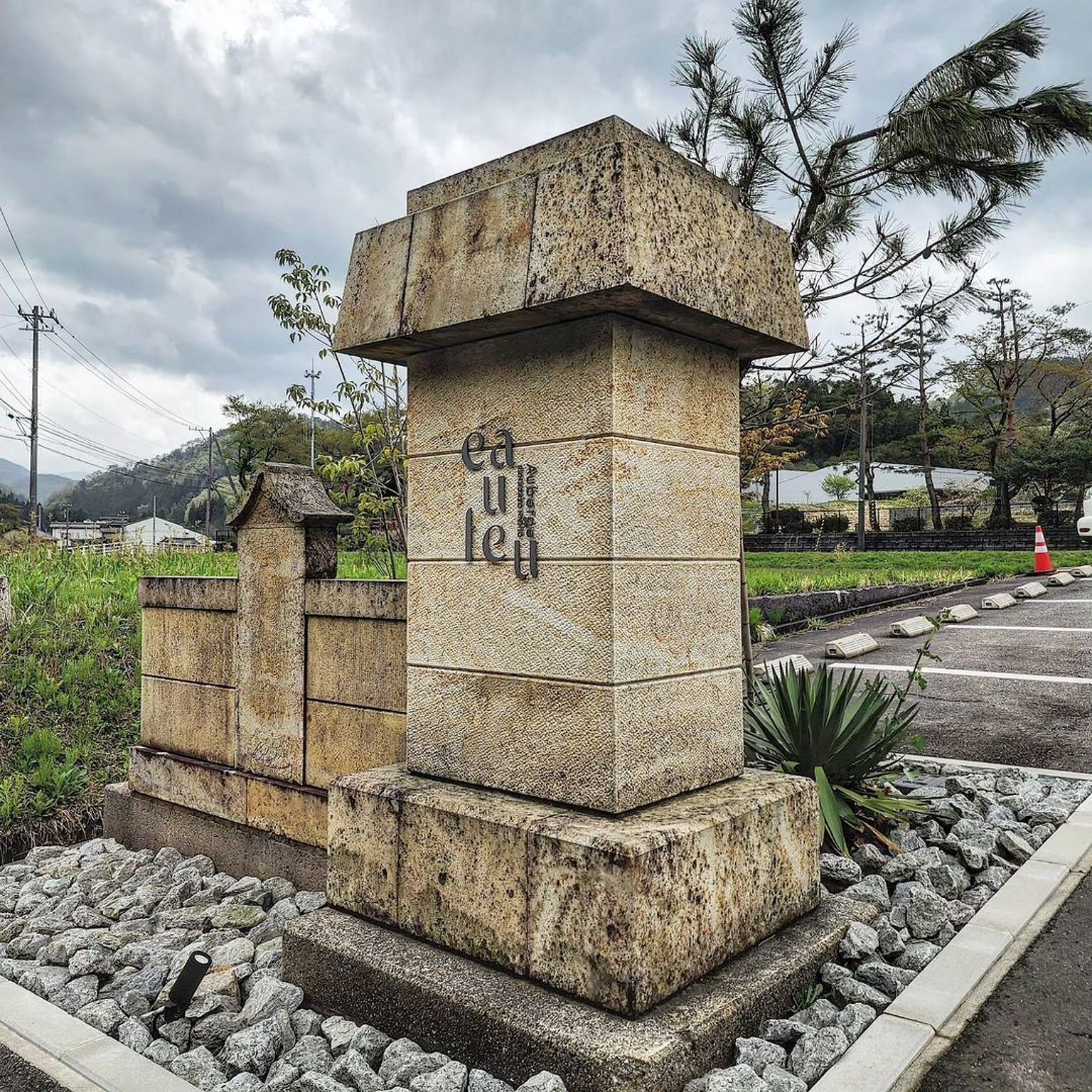
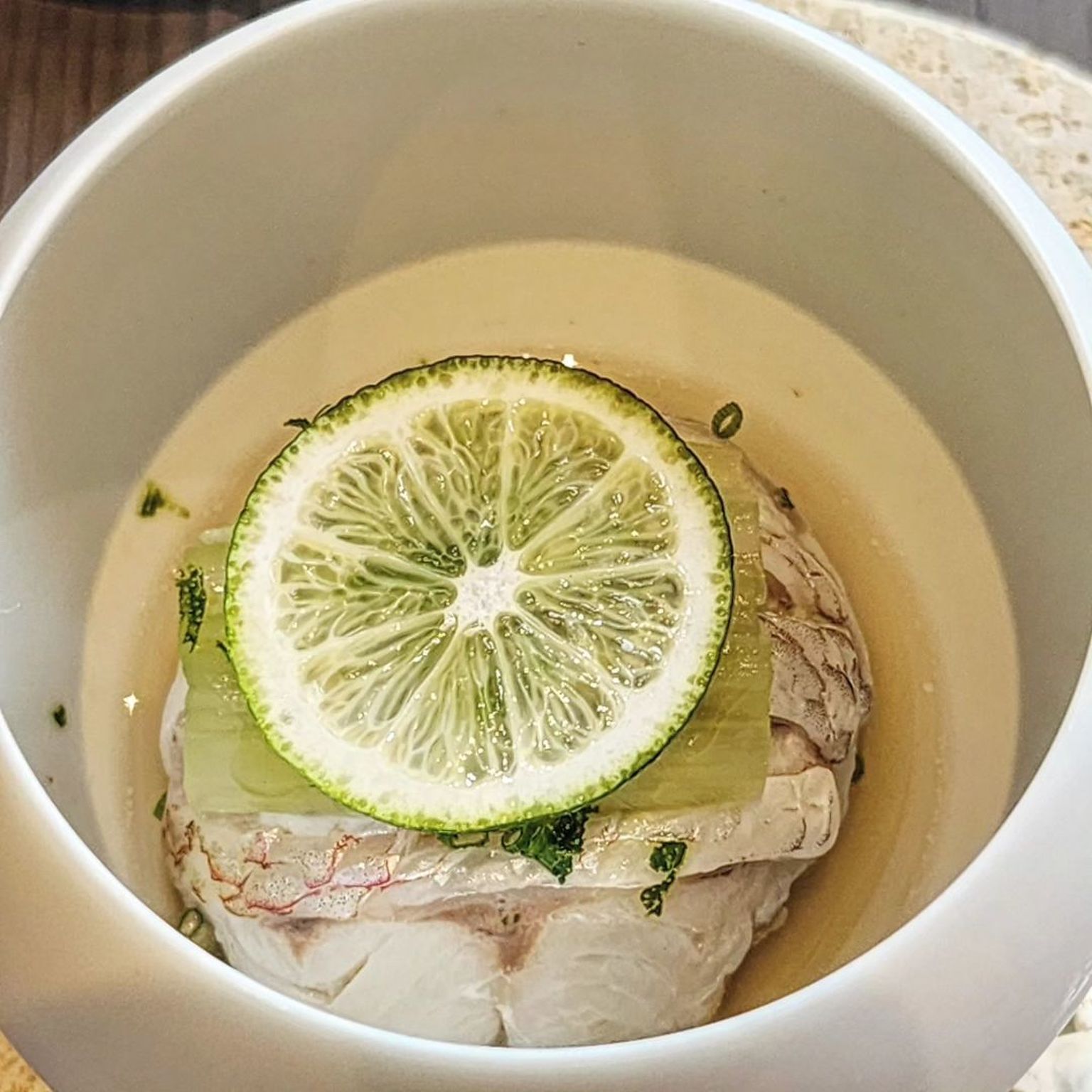
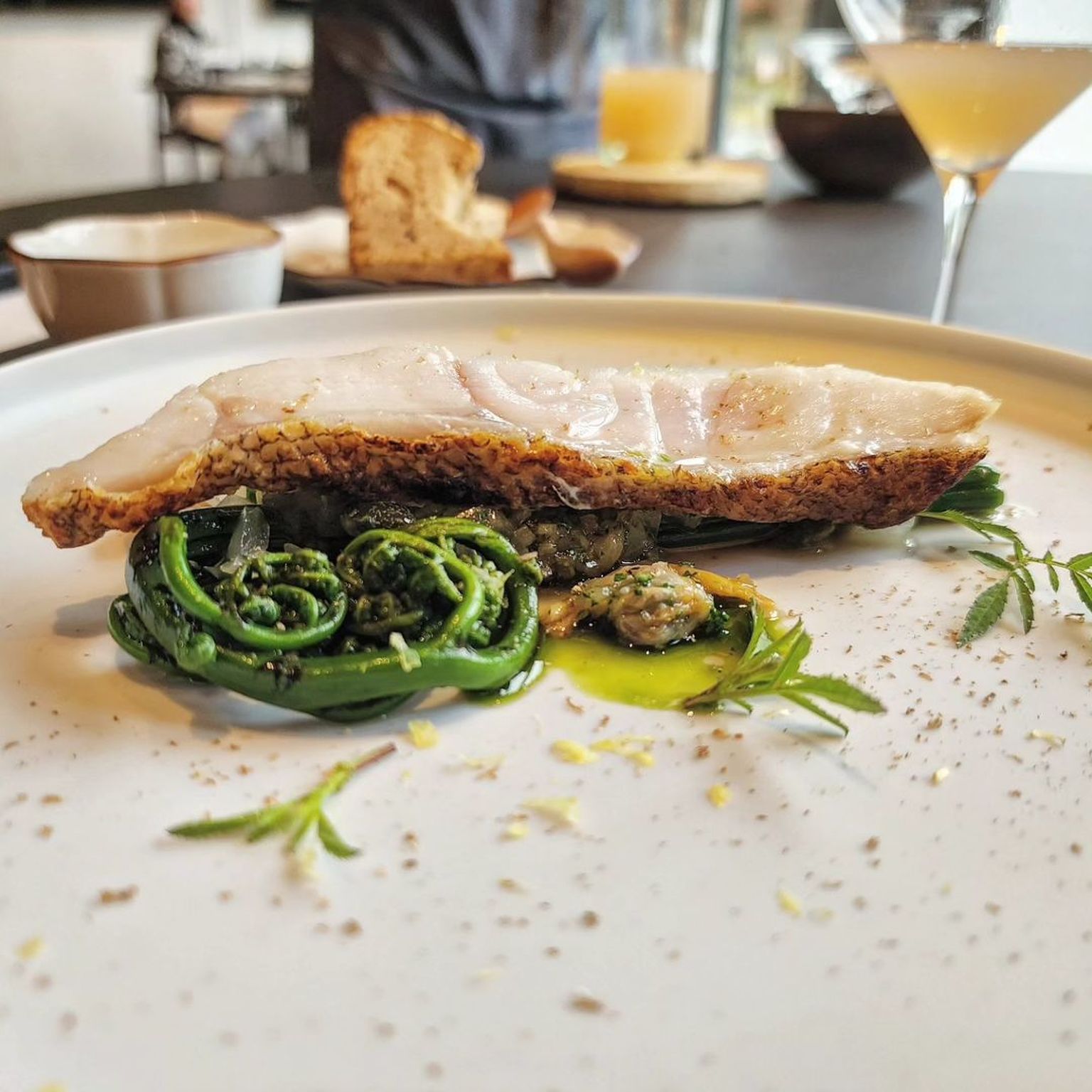
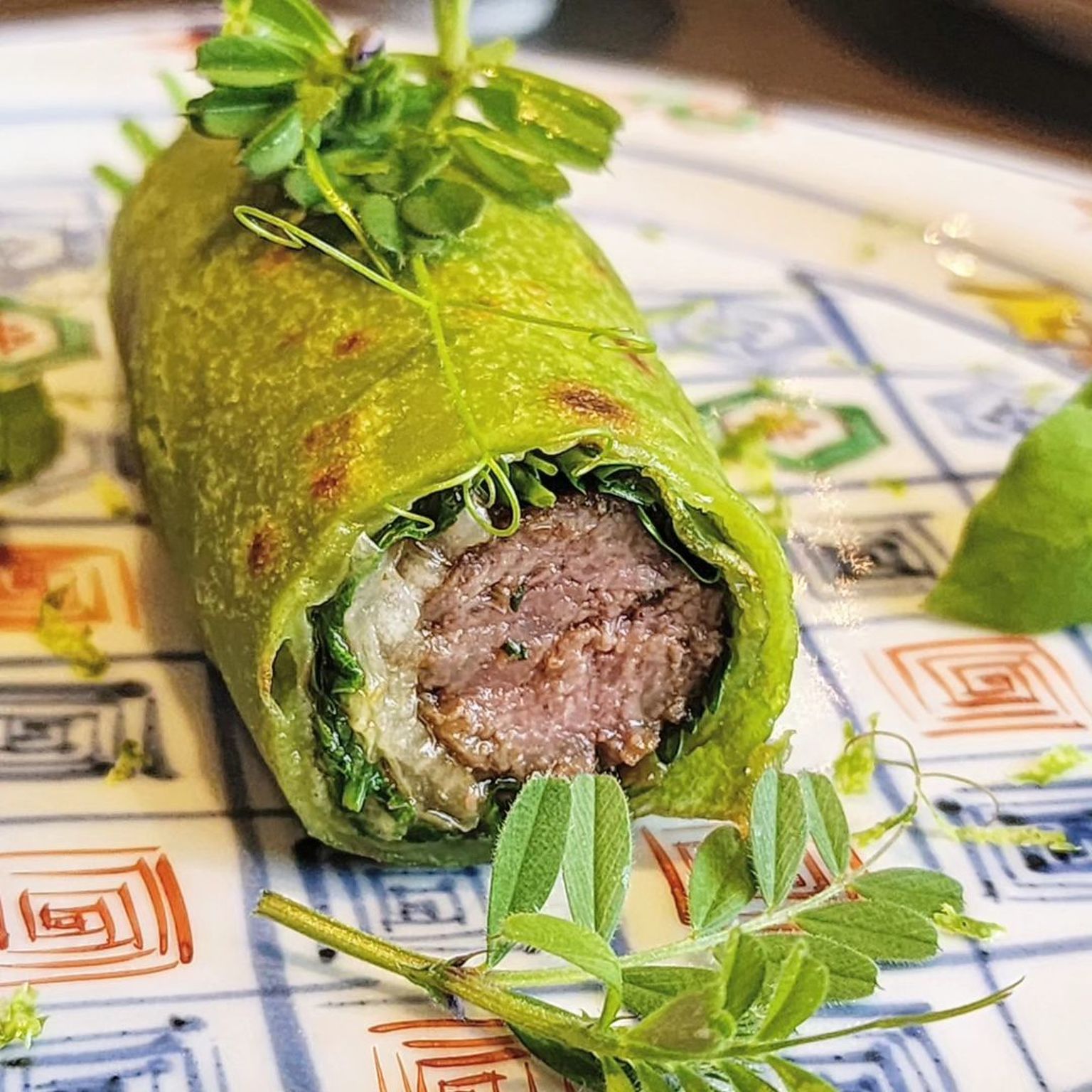
Located half an hour’s drive from Komatsu Airport in Ishikawa Prefecture, this French inn opened in the summer of 2022 in an old elementary school that had closed due to depopulation. The dishes on offer combine local ingredients such as delicacies gathered from the mountains by Chef Shota Itoi and his staff, with sake and kōji mold from the neighboring sake brewery.
The second-generation chef-owner of the Kyoto Chinese restaurant Taiho, Kohki Watanabe, opened this restaurant, serving just one party per day, in the city of Ayabe at the end of 2021. Ingredients include homegrown vegetables and livestock raised on the premises. The dining course starts with the guests themselves wringing the necks of the chickens they are to eat, to bring home the message that food means taking the lives of other living things.
Open hours
Monday: 17:00 - 22:00
Tuesday: 17:00 - 22:00
Wednesday: Closed
Thursday: 17:00 - 22:00
Friday: 17:00 - 22:00
Saturday: 17:00 - 22:00
Sunday: 17:00 - 22:00
View
8
Kurumasushi
$$$$
Monday: 17:00 - 22:00
Tuesday: 17:00 - 22:00
Wednesday: Closed
Thursday: 17:00 - 22:00
Friday: 17:00 - 22:00
Saturday: 17:00 - 22:00
Sunday: 17:00 - 22:00
RR #2338
RR PRO #16.50
RR USER #0.00
Tabelog Silver
1-chōme-6-9 Ichibanchō, Matsuyama, Ehime 790-0001, Japan
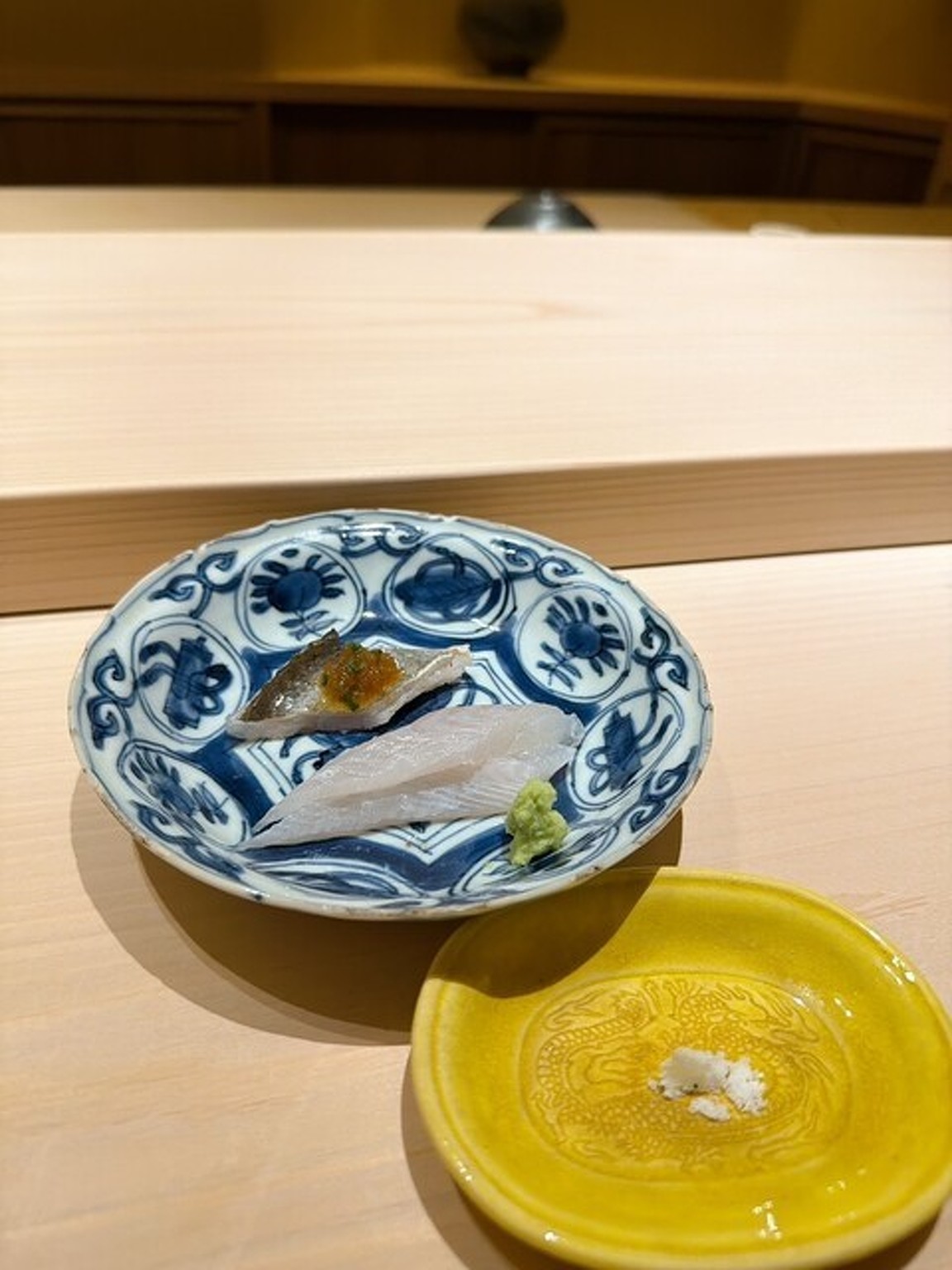
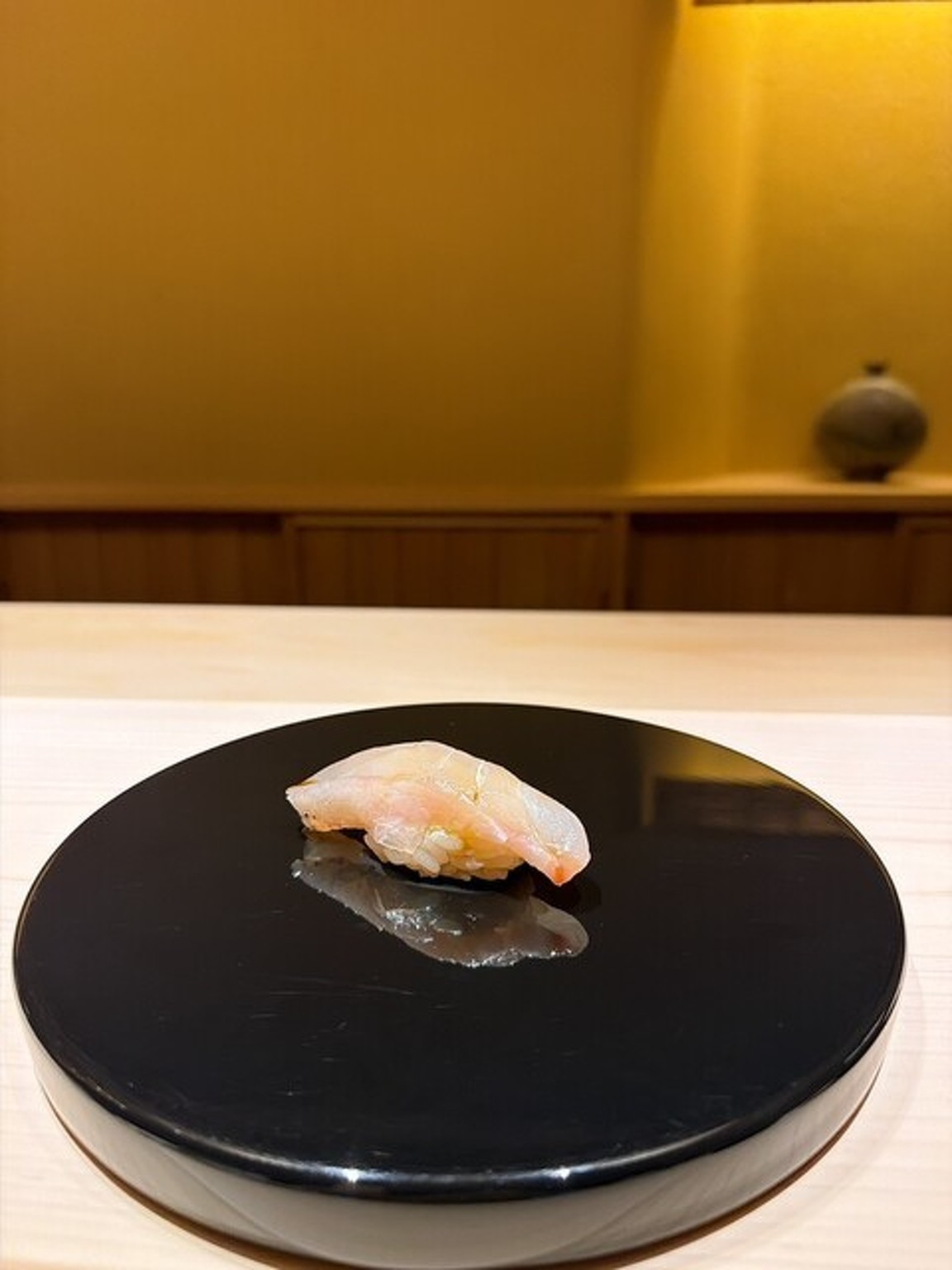
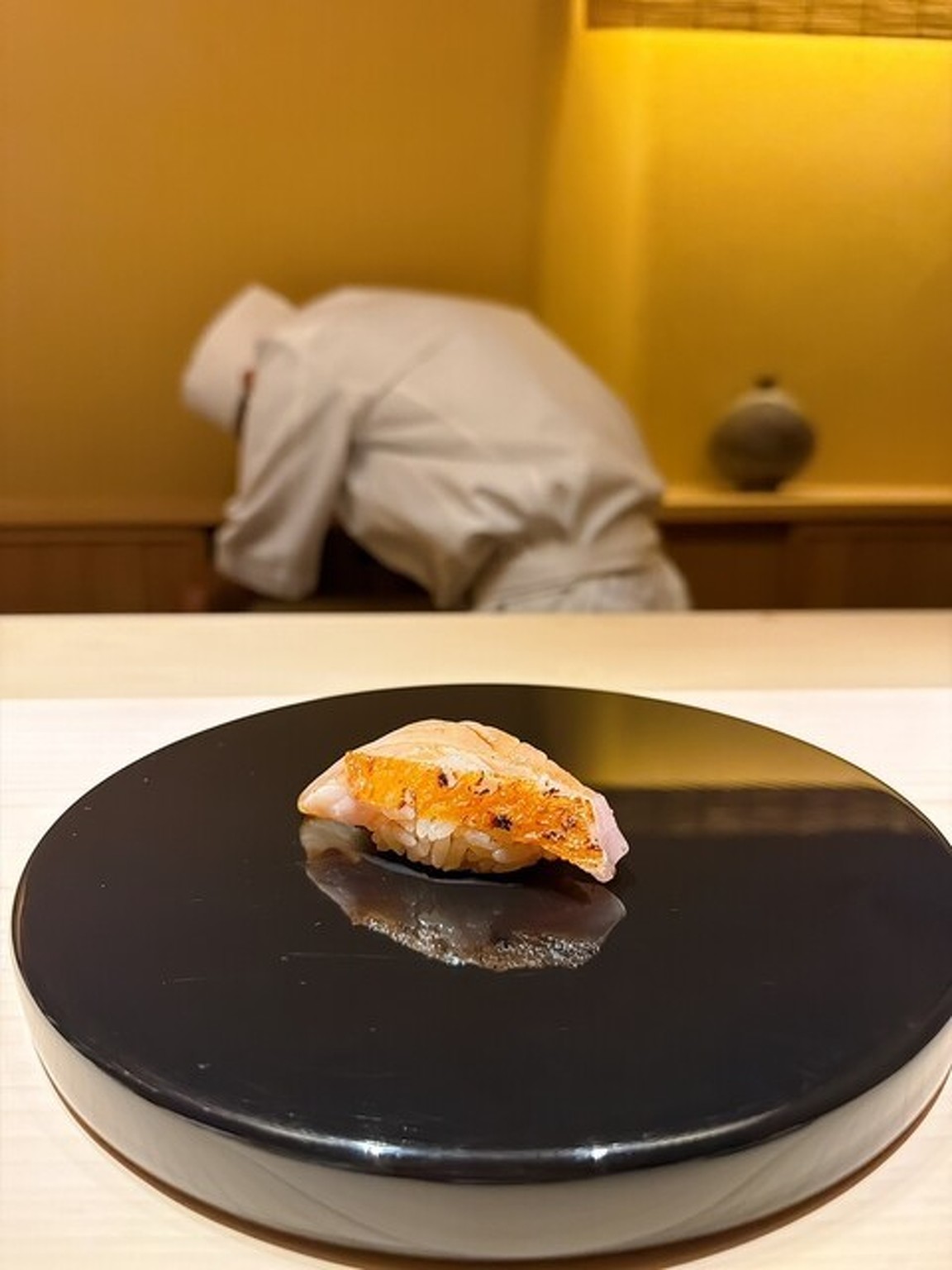
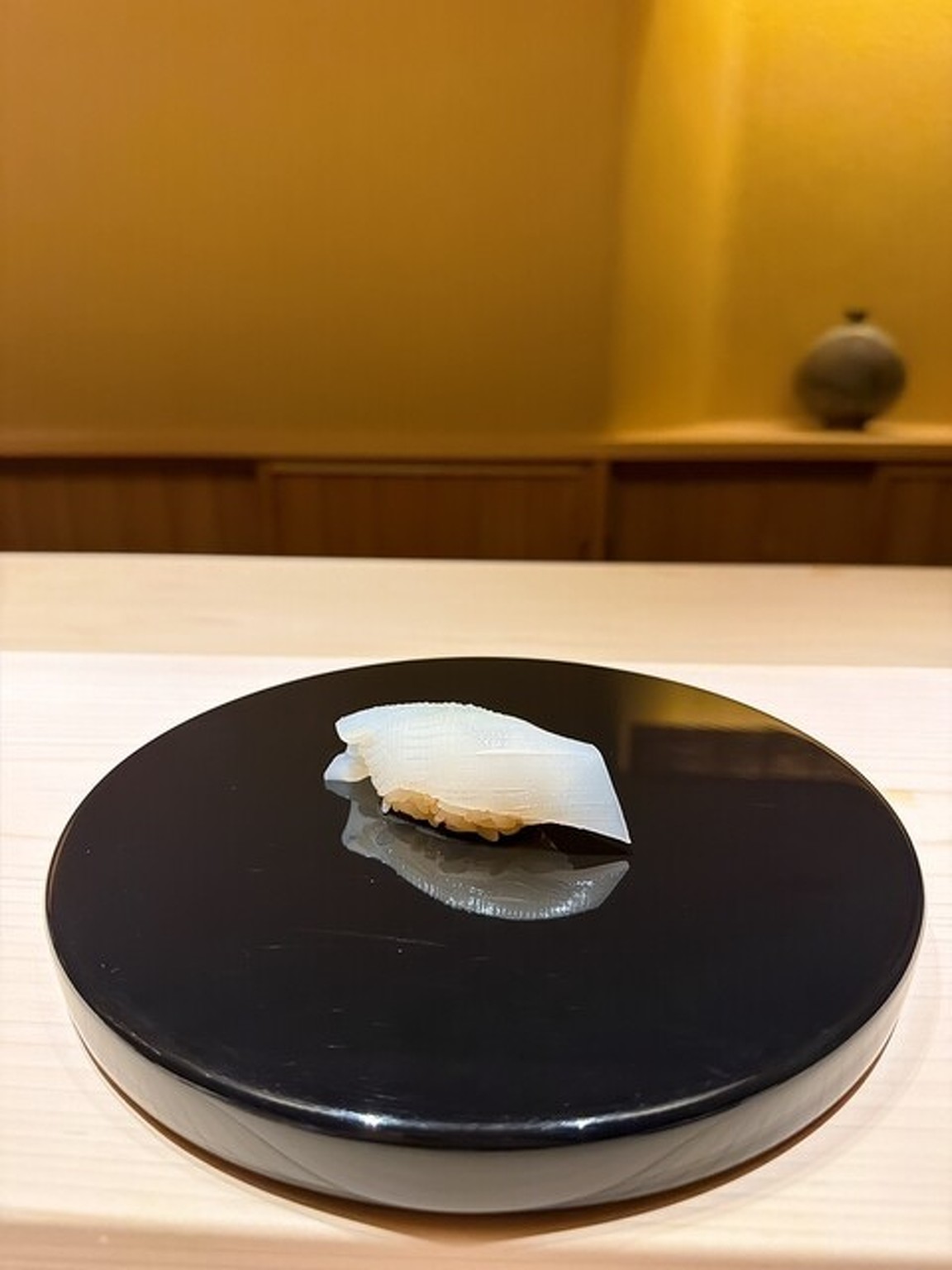
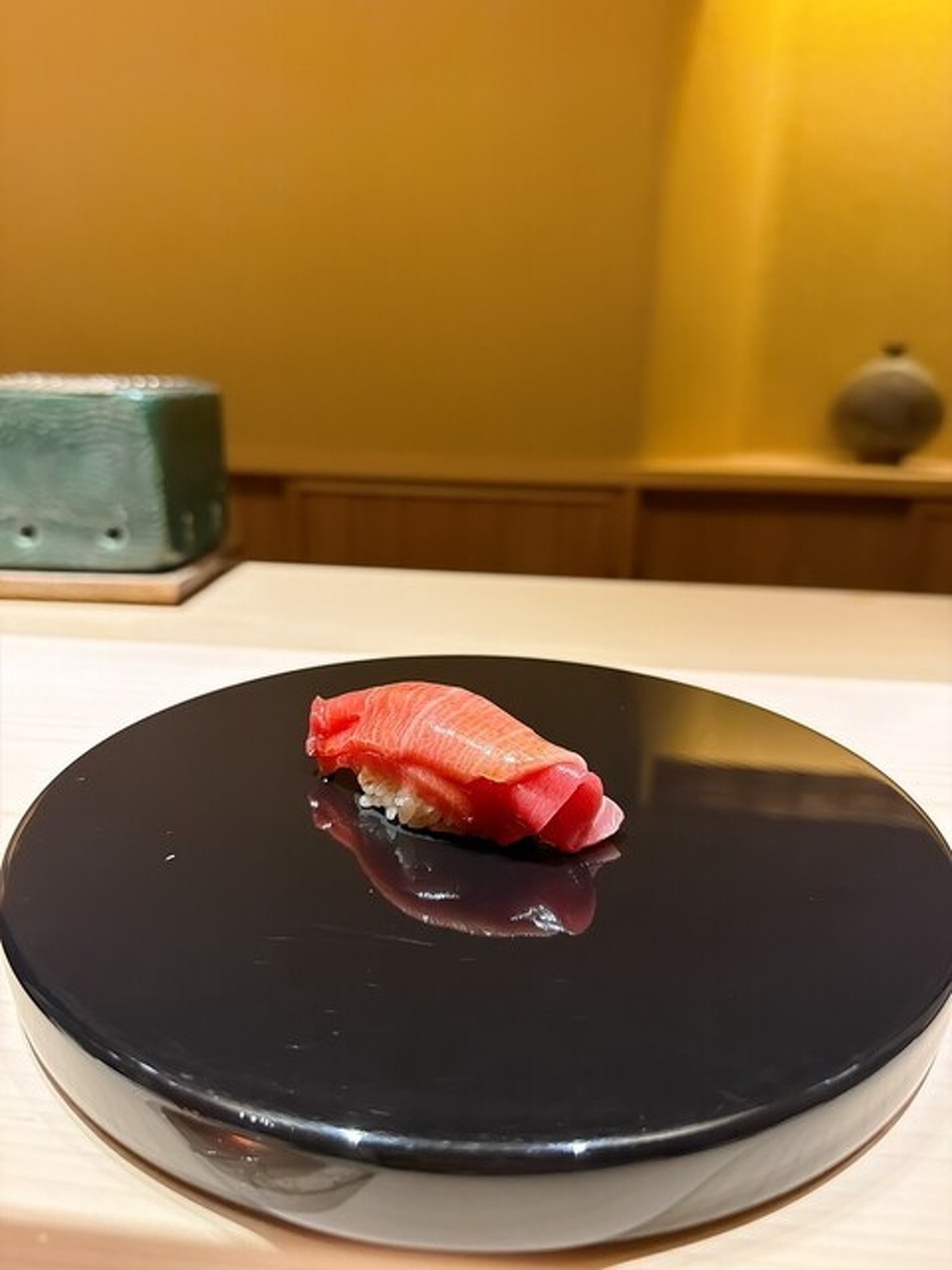
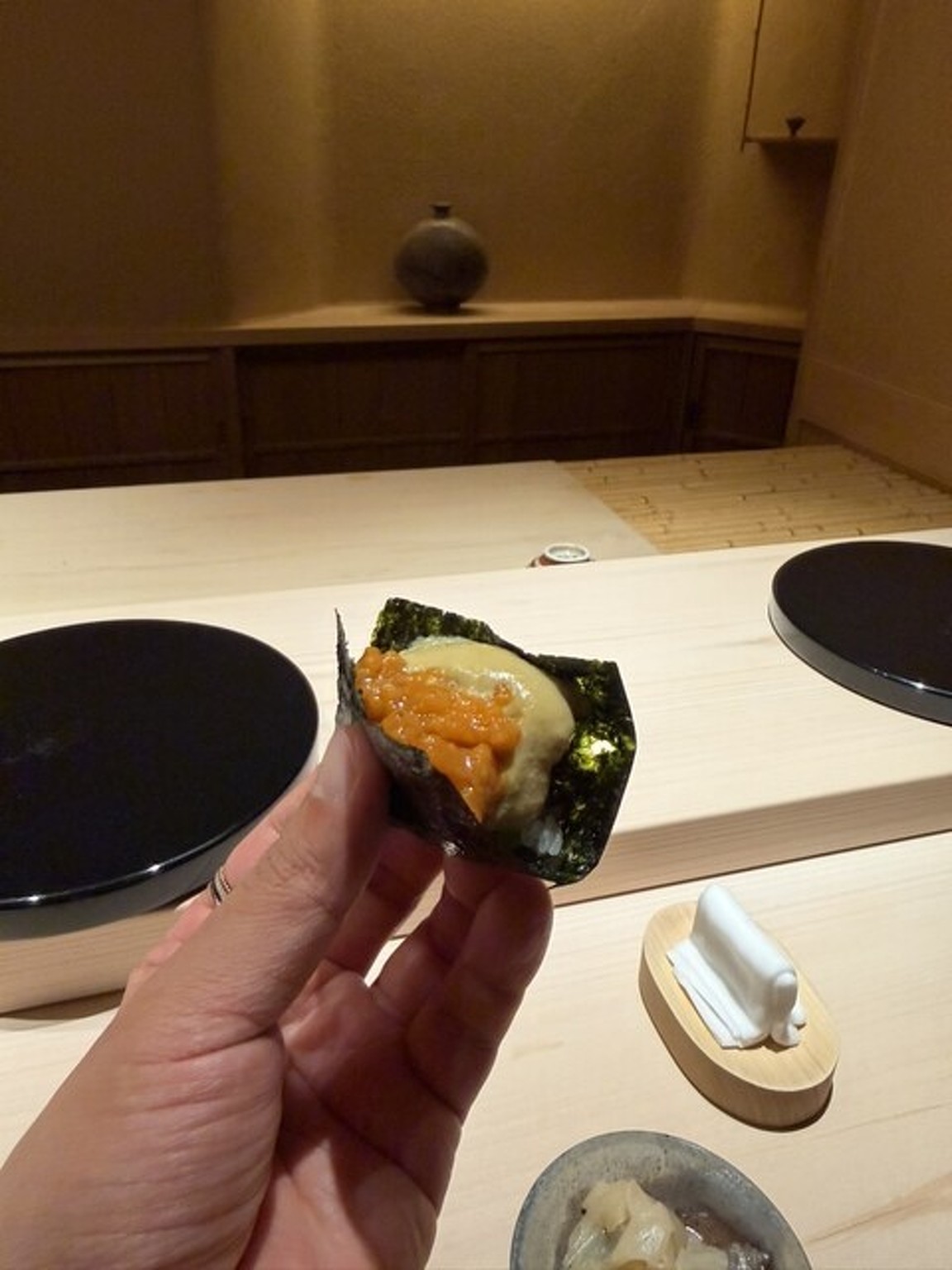
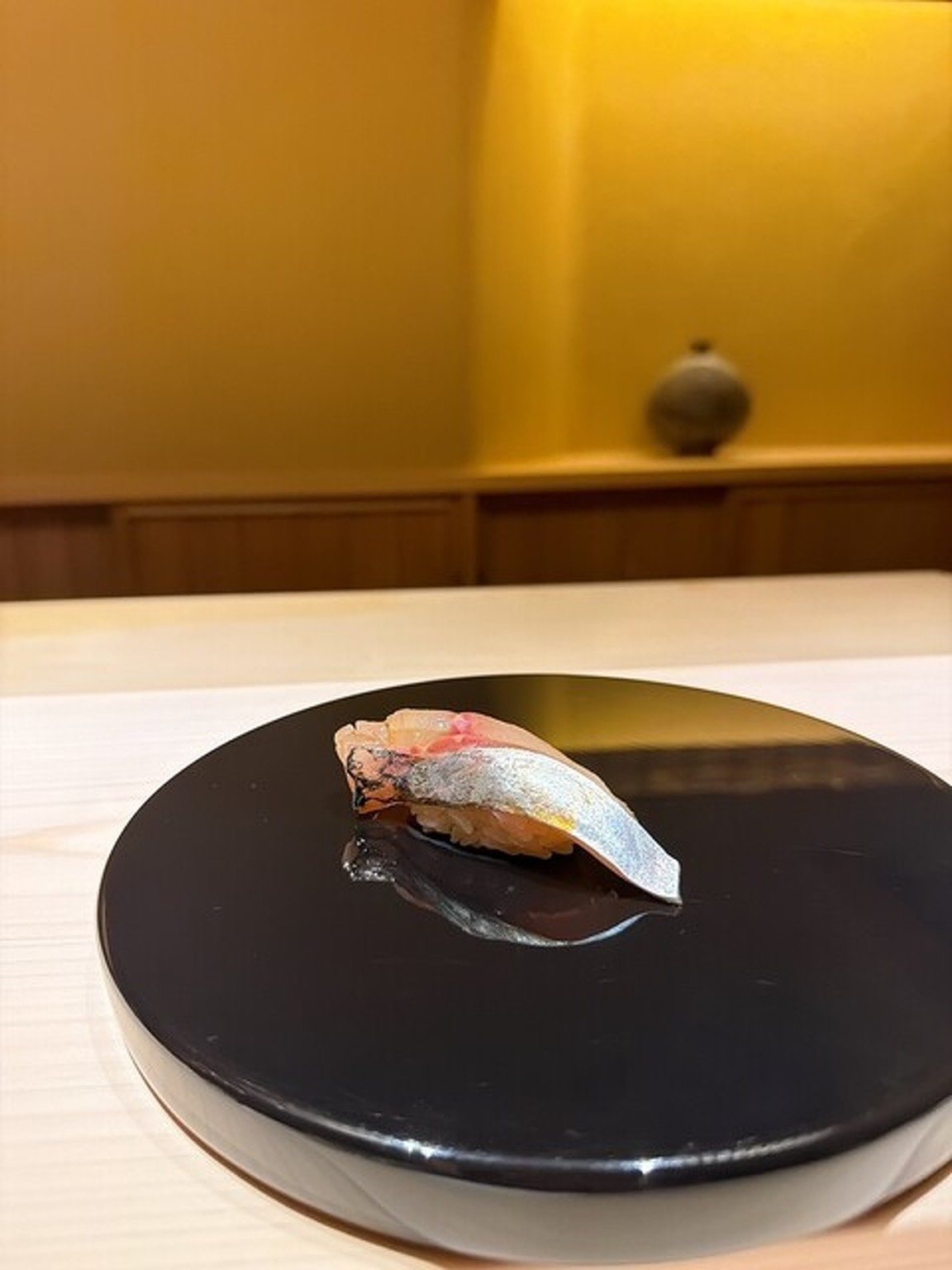
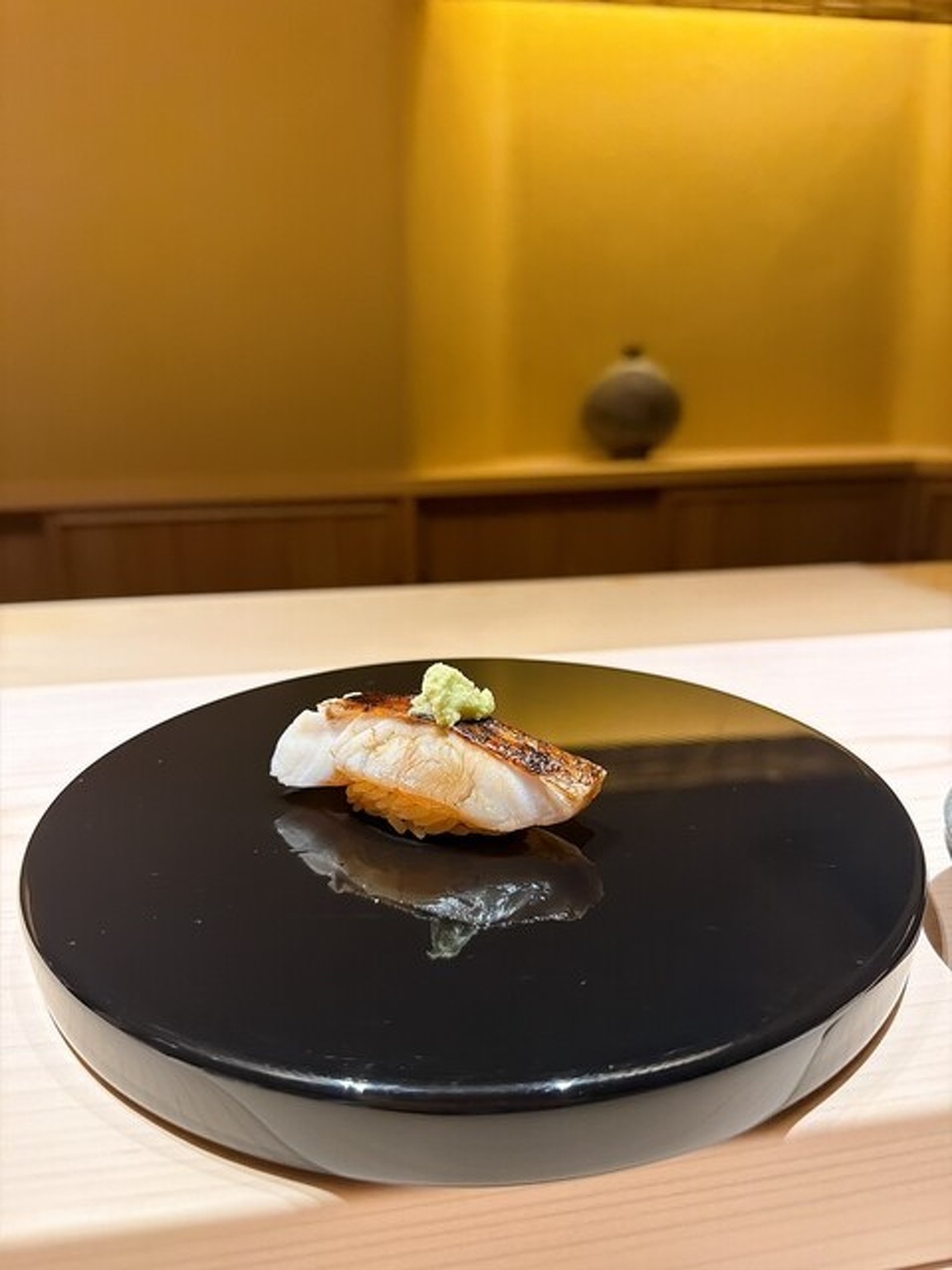
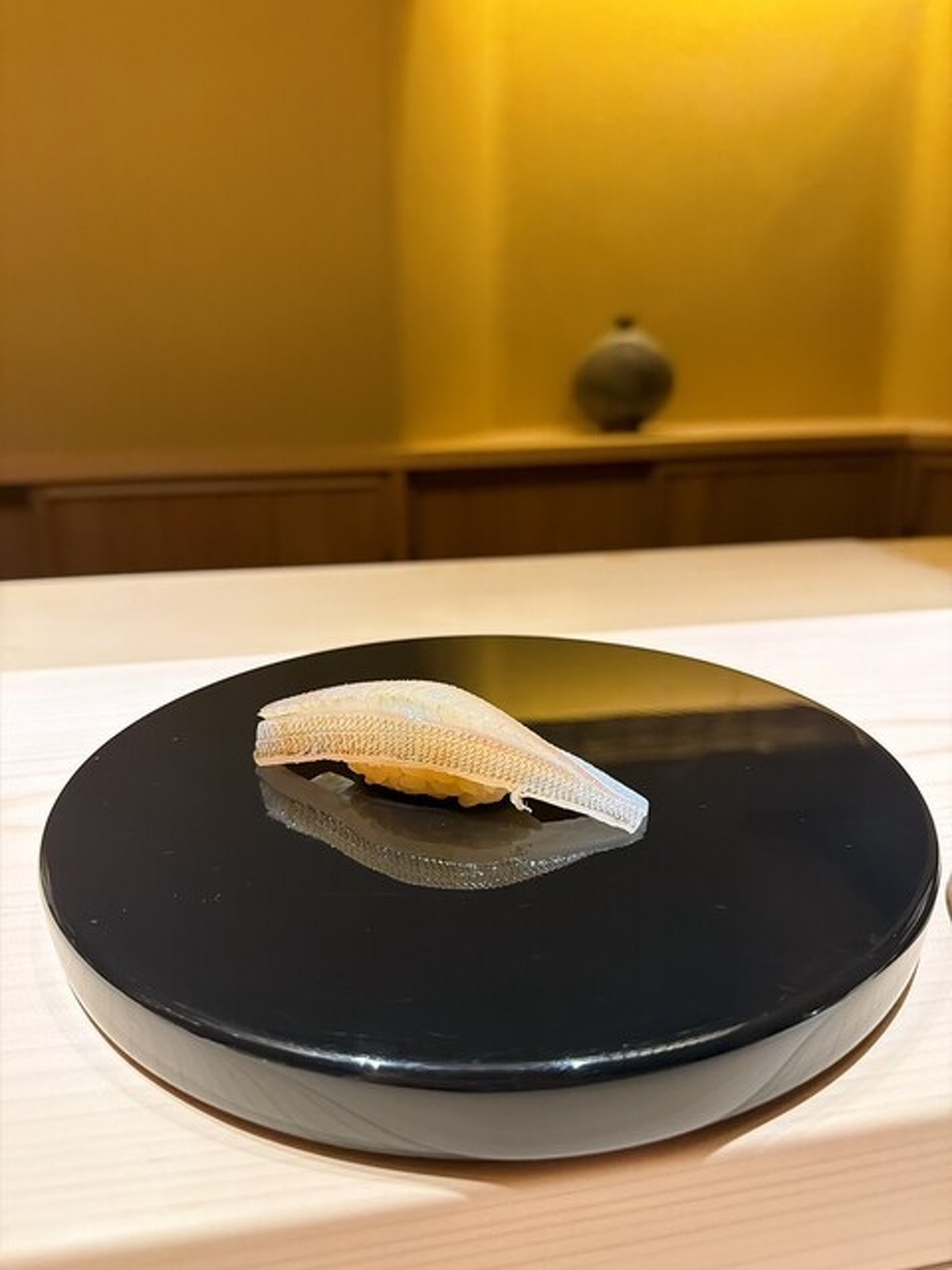
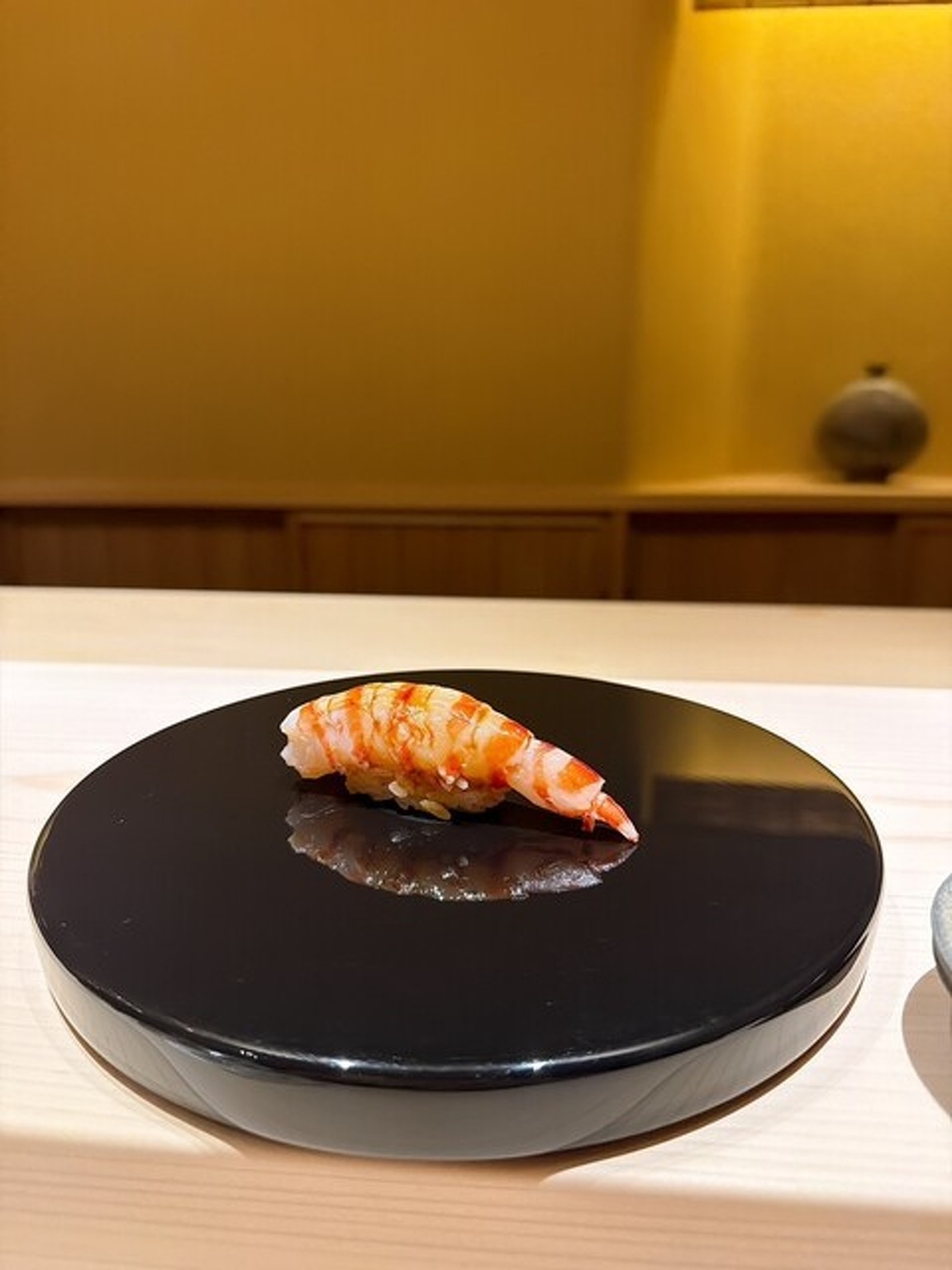
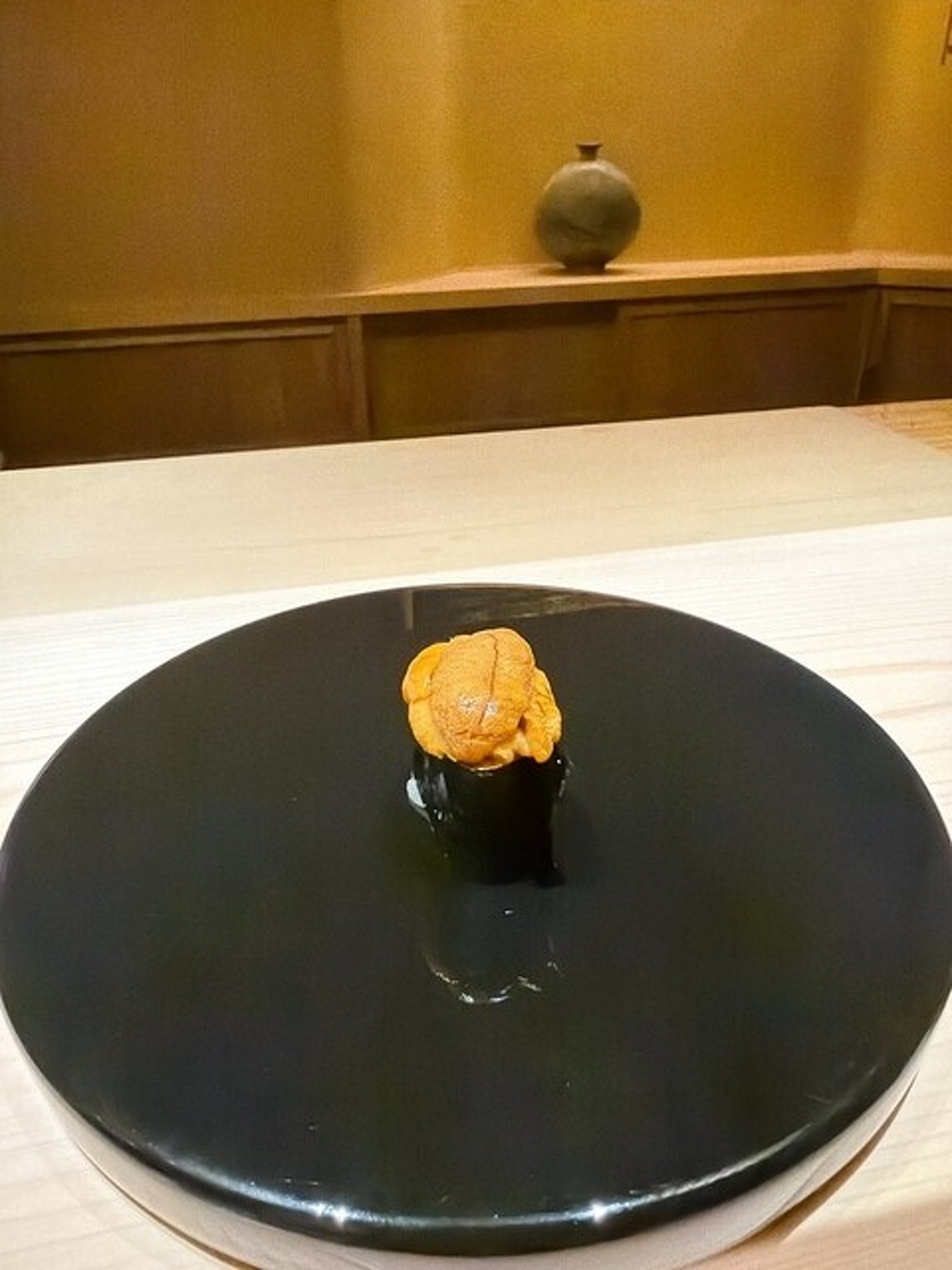
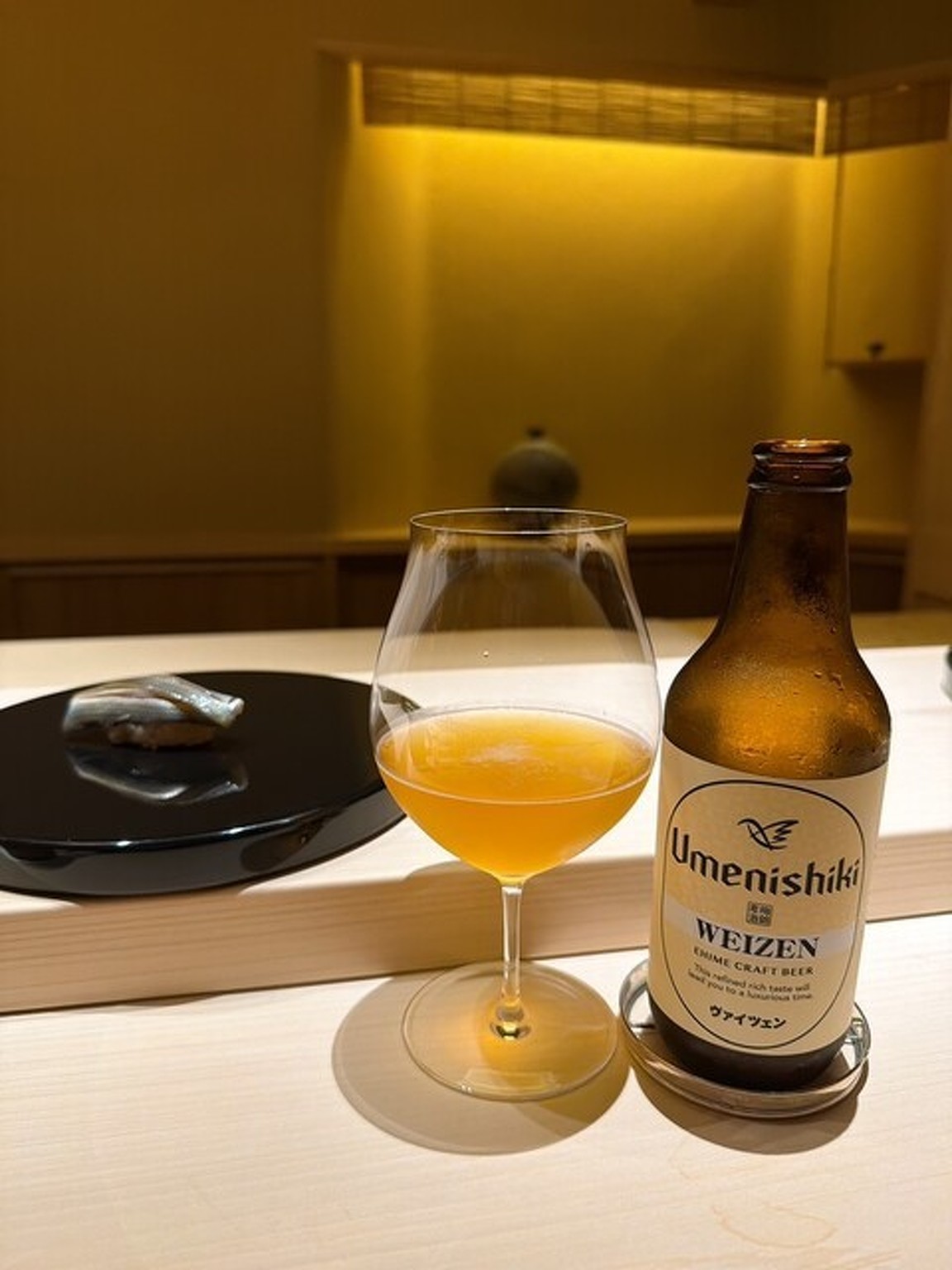
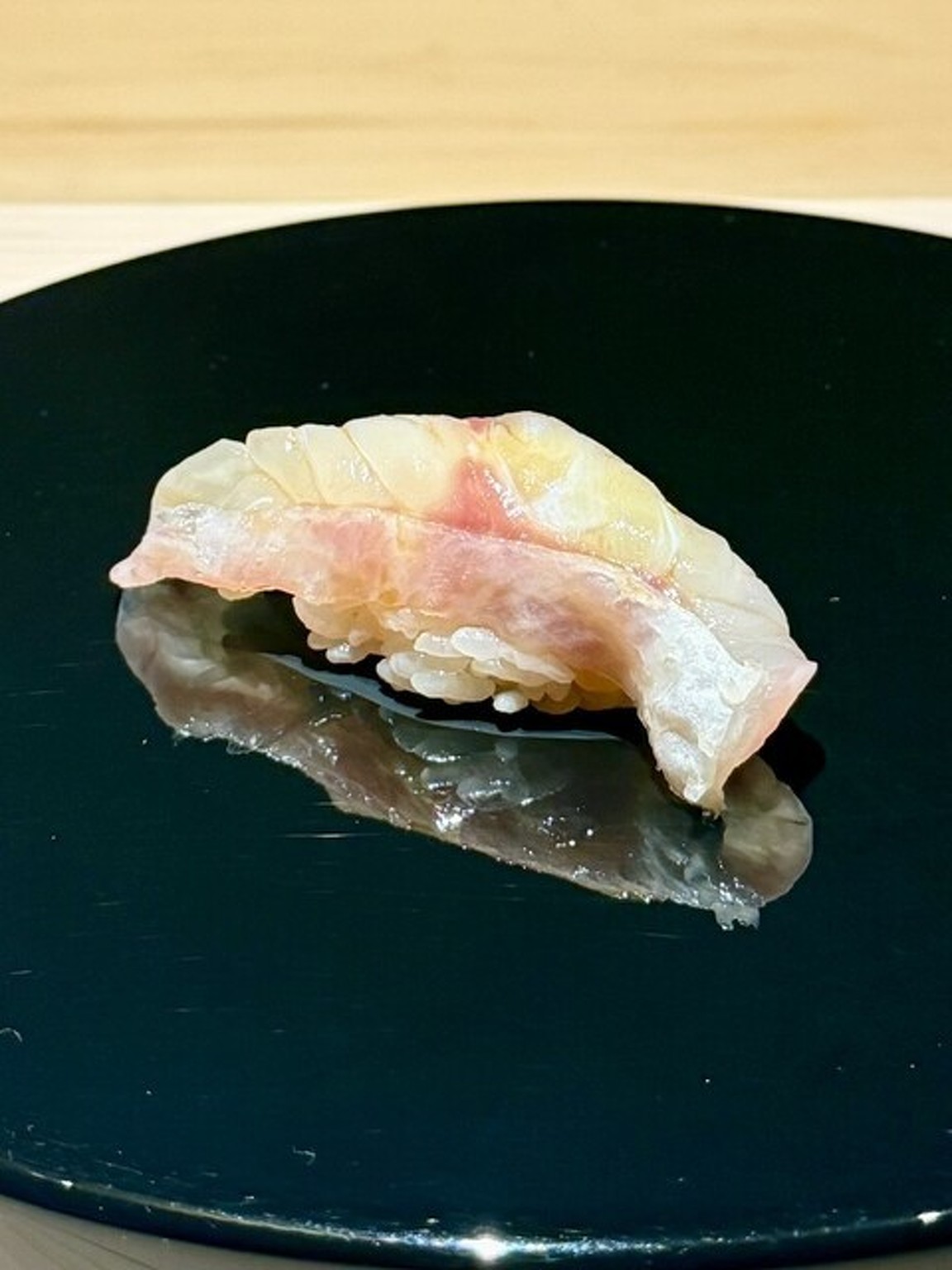
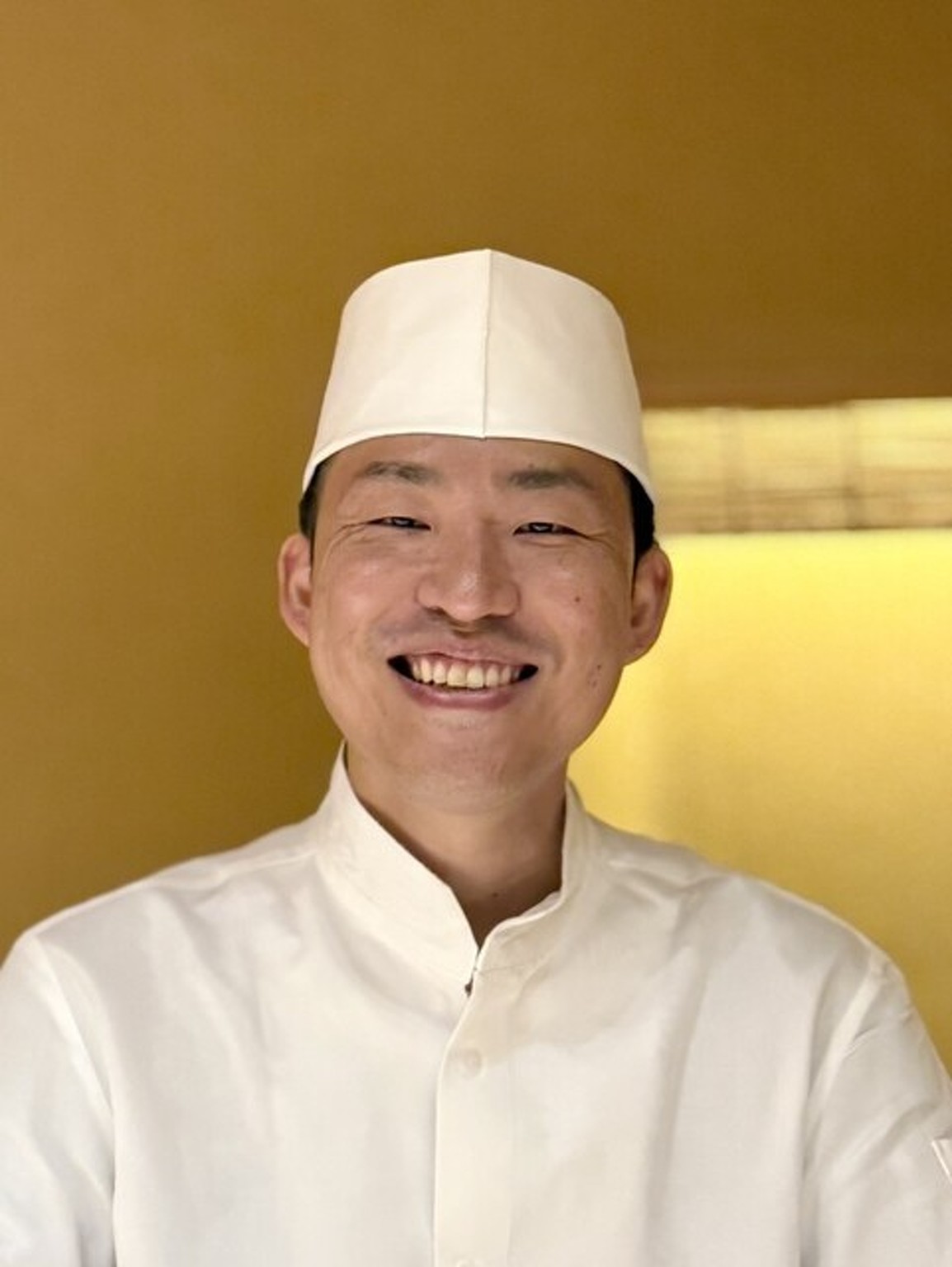
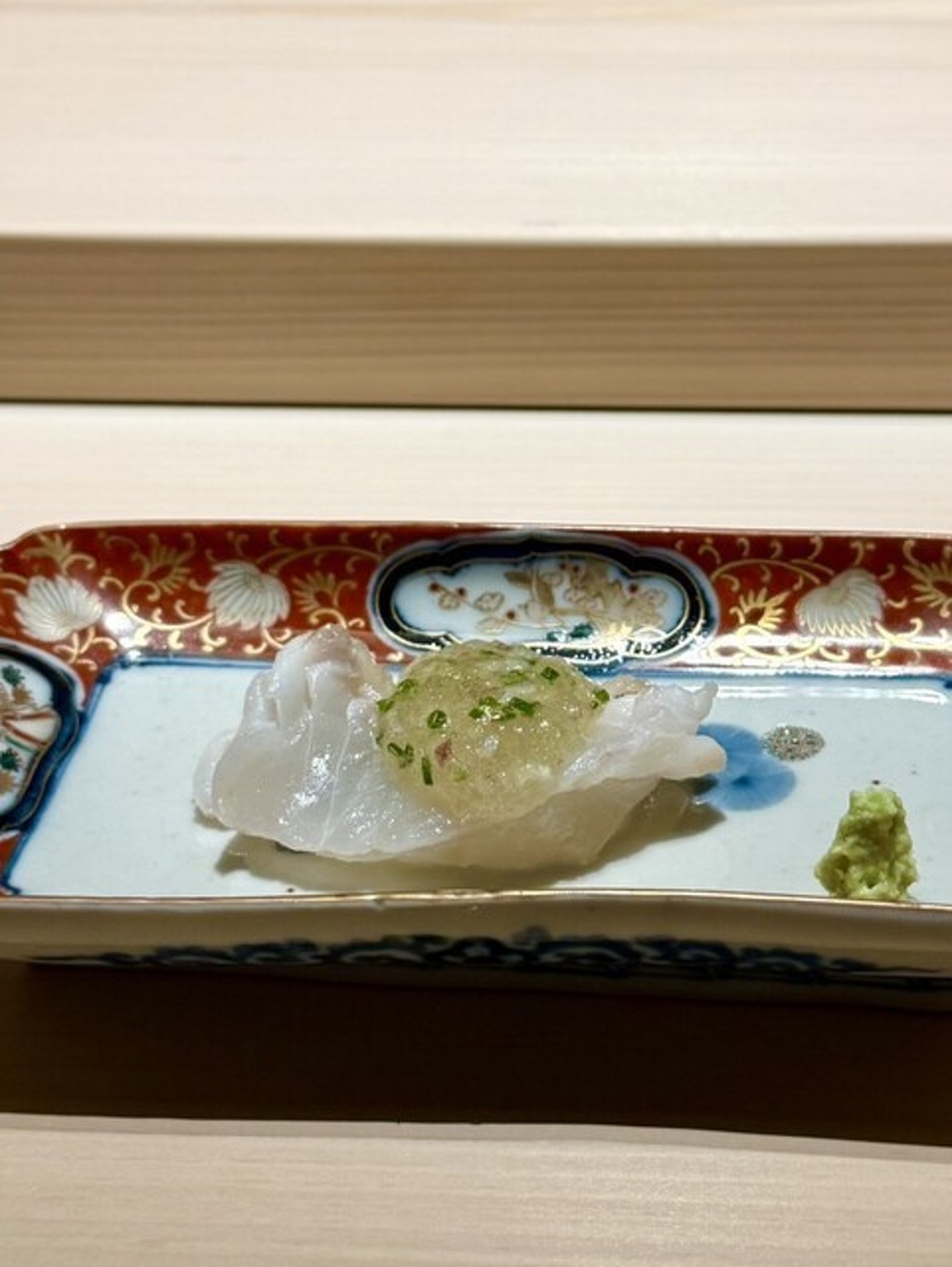
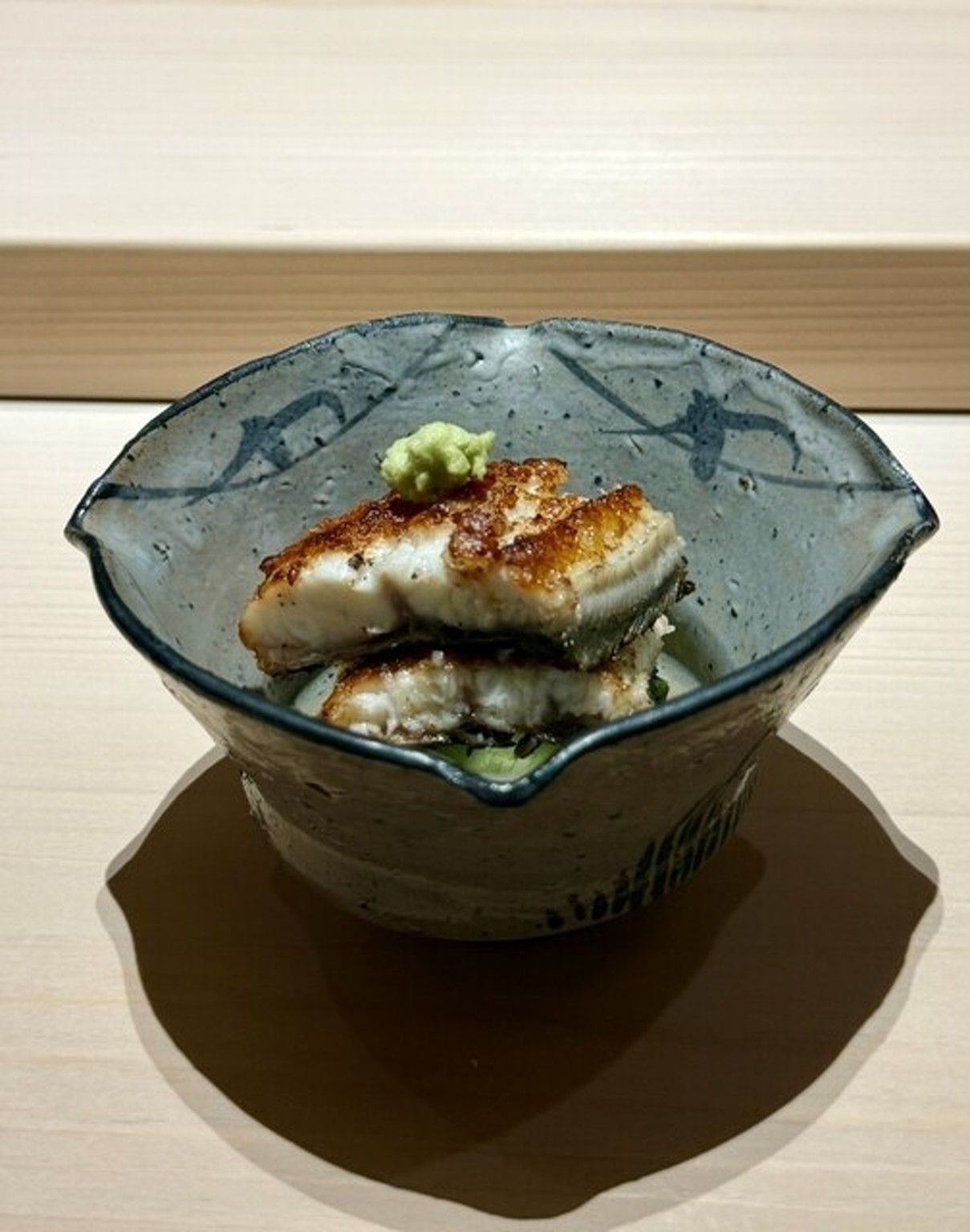
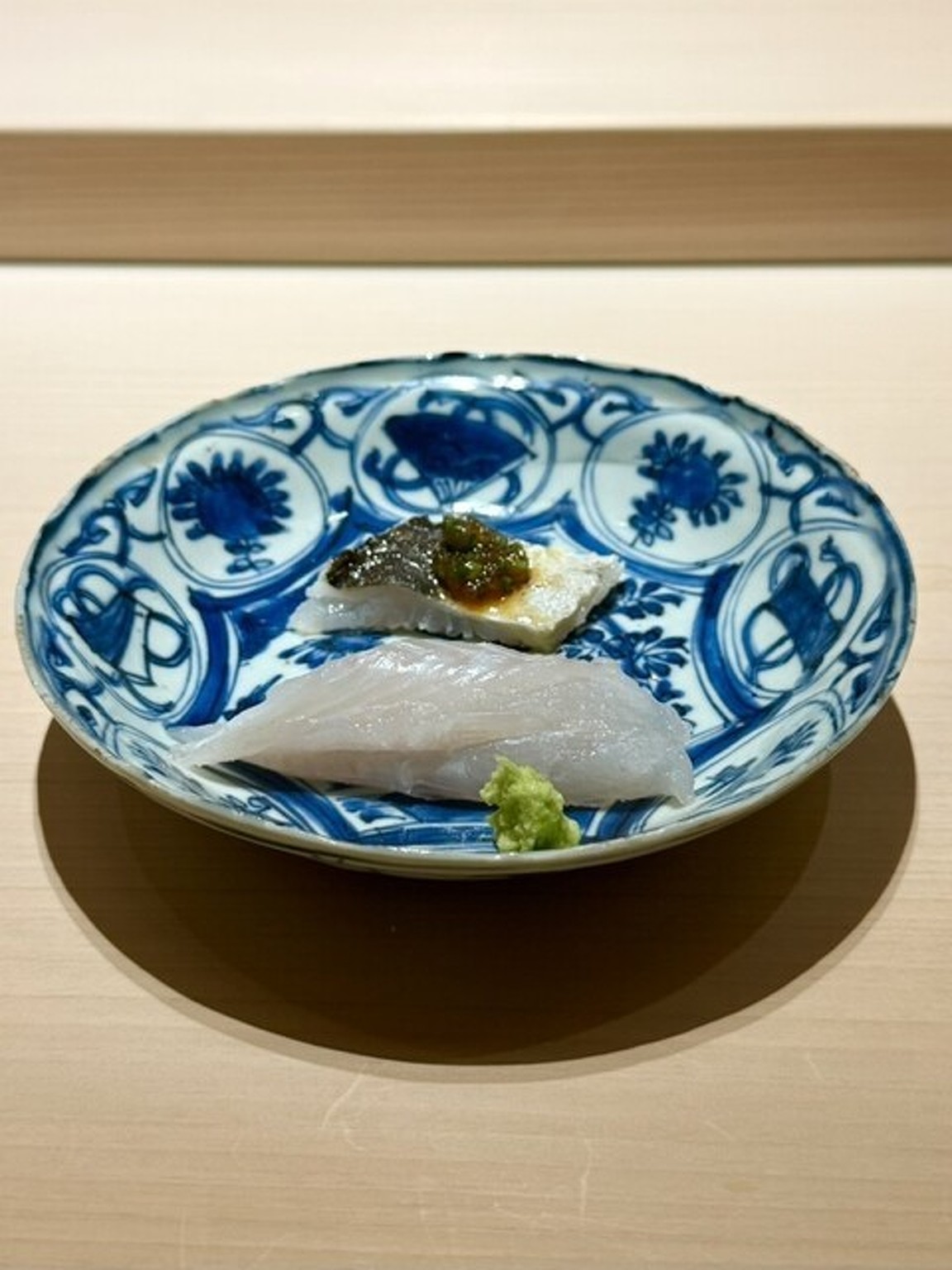
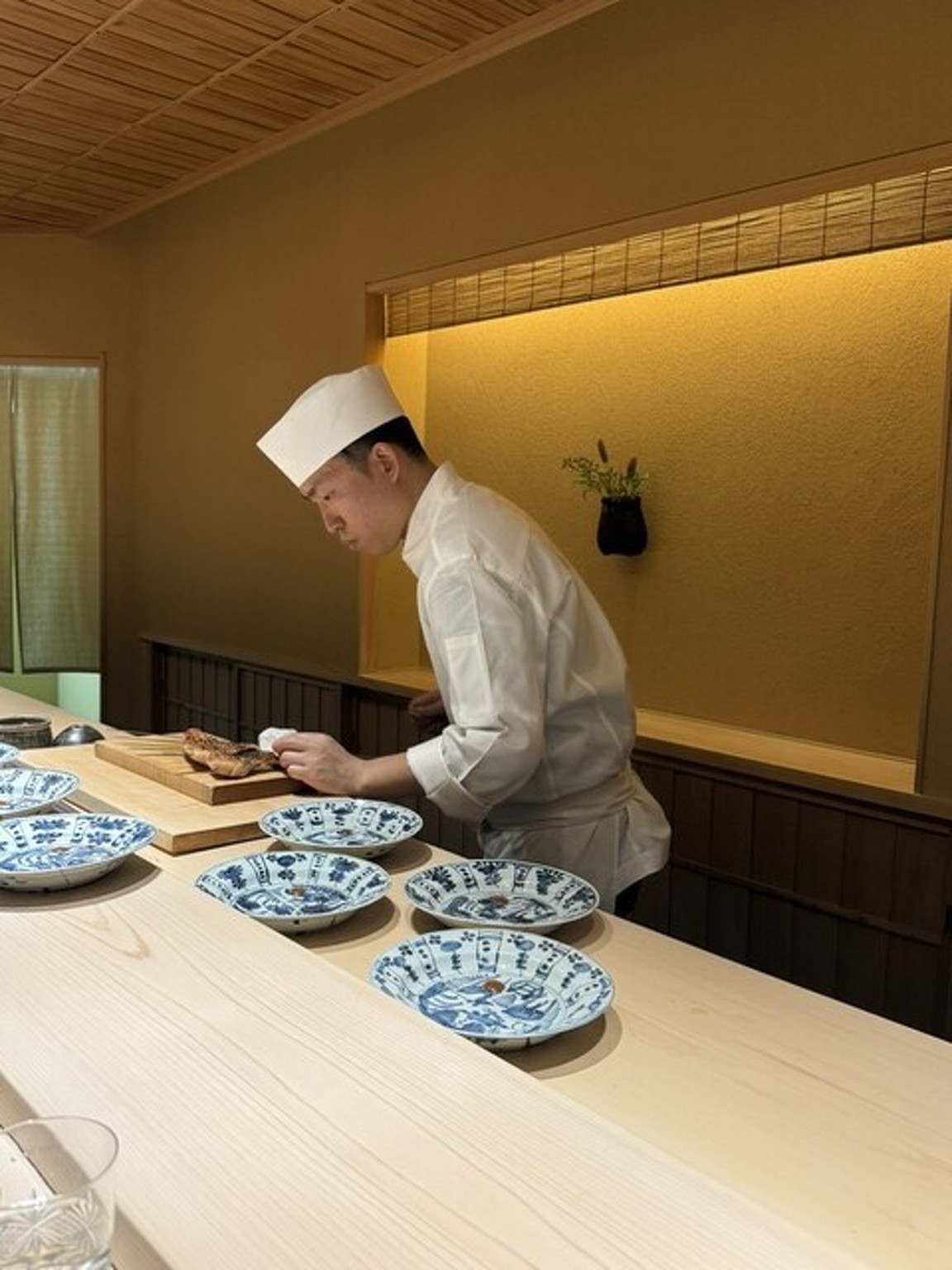
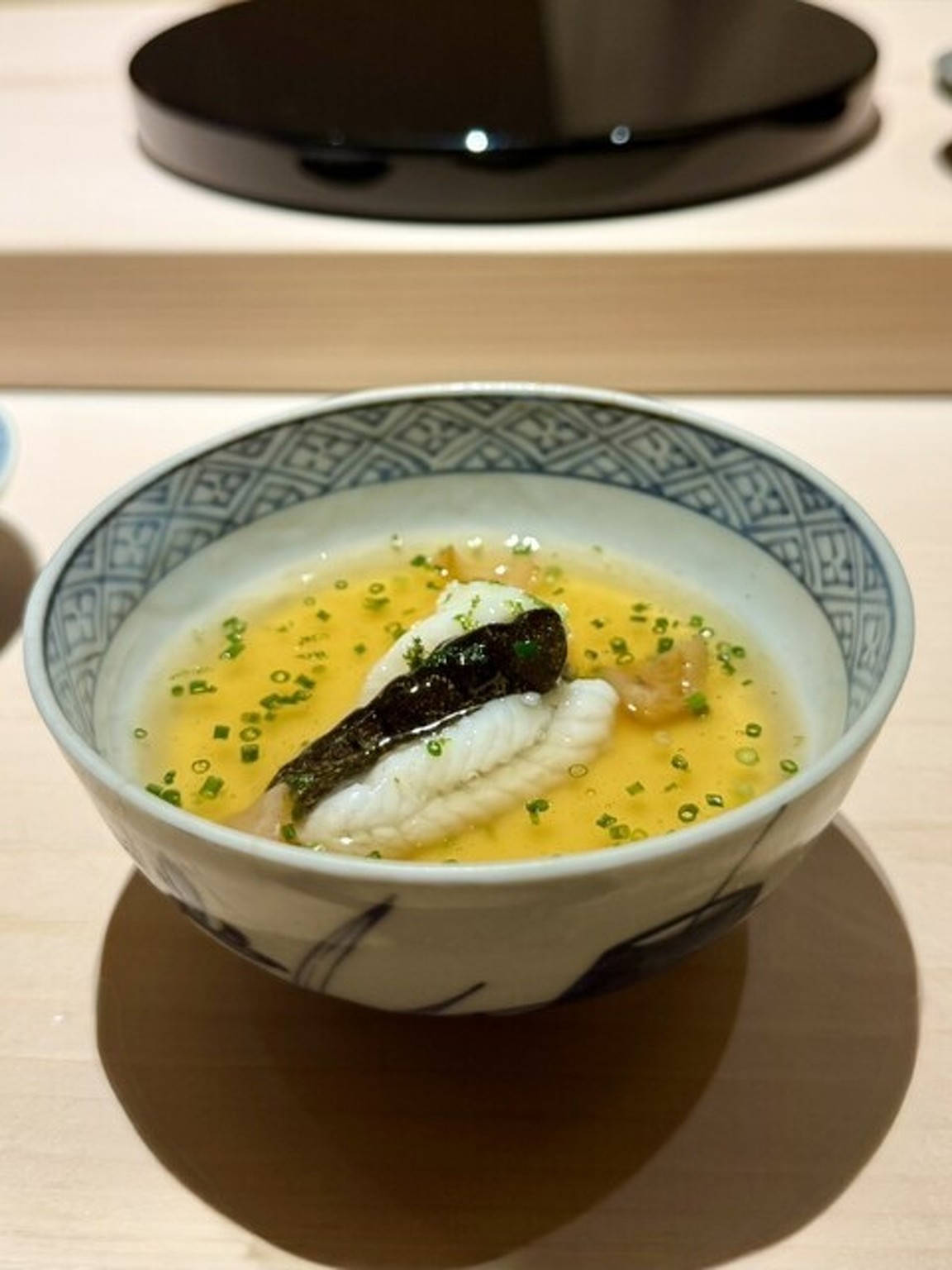
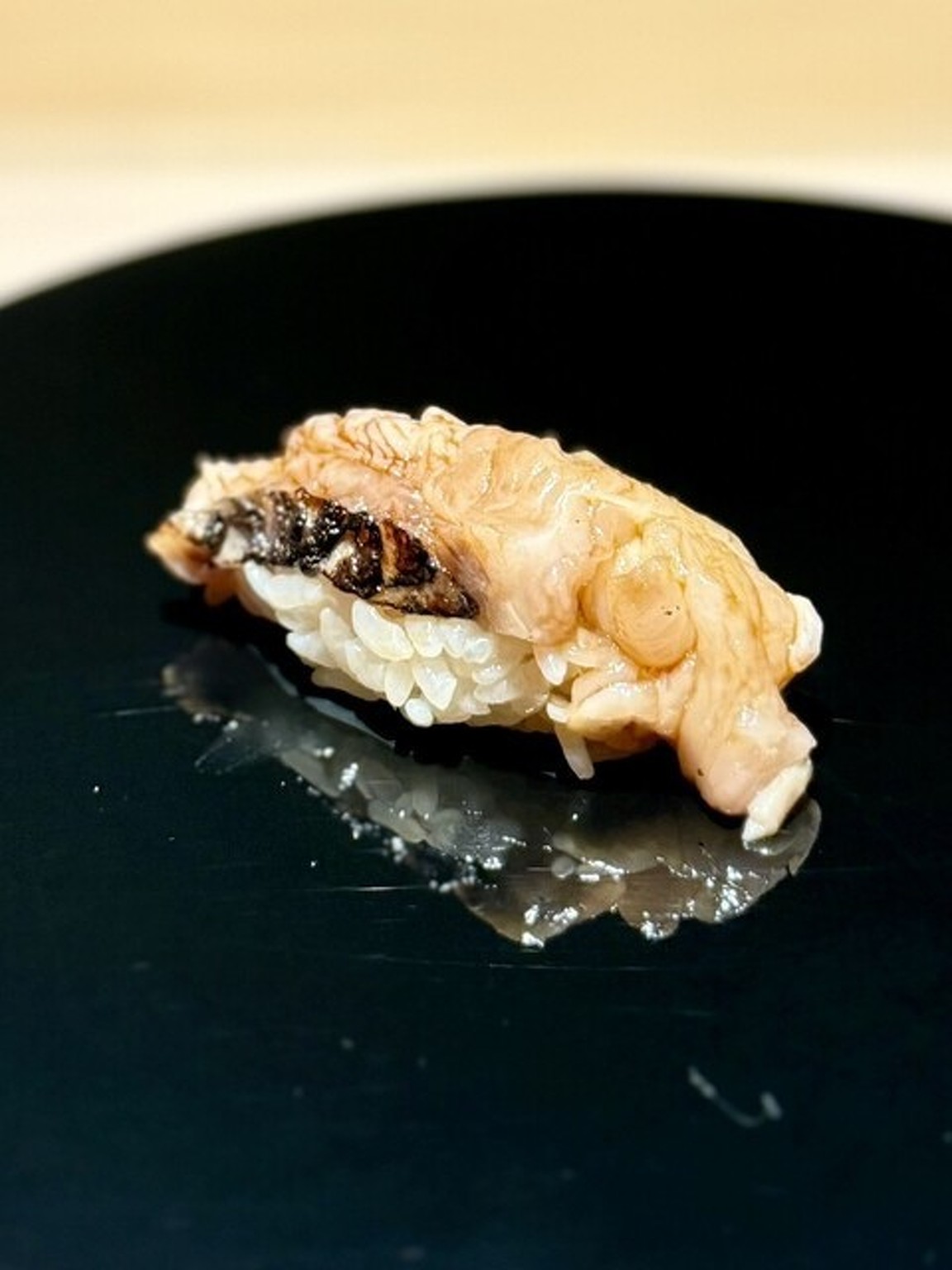
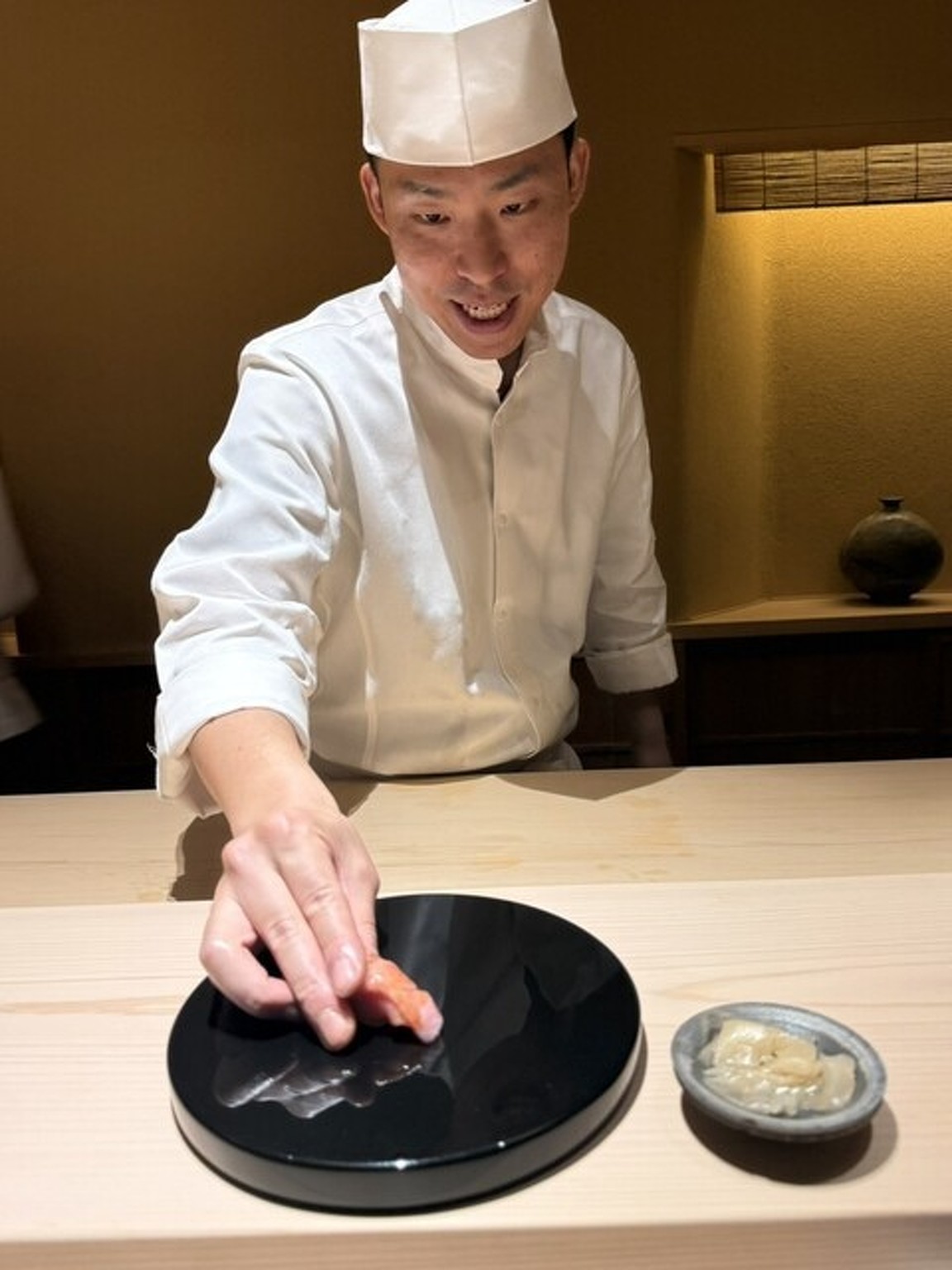
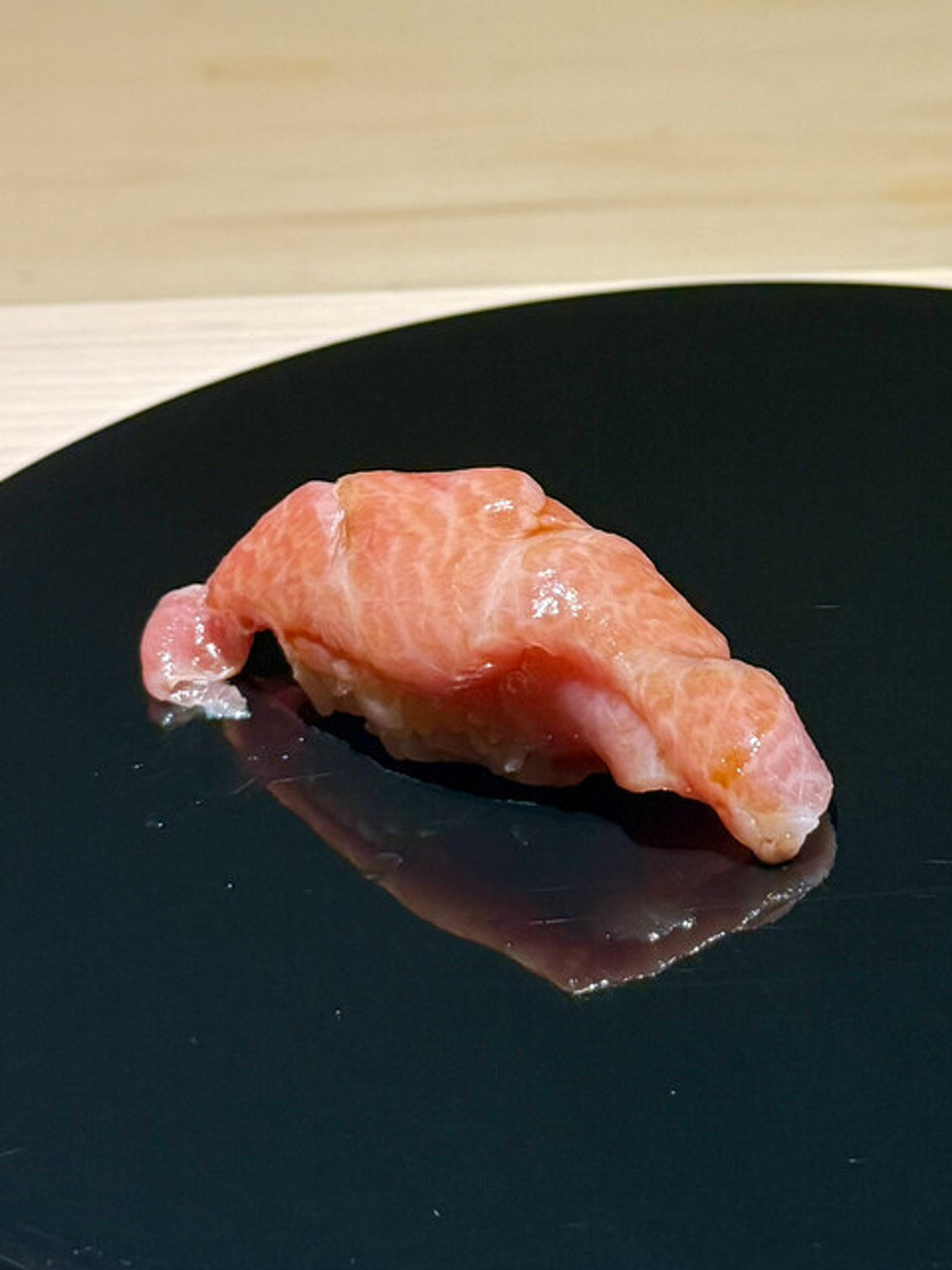
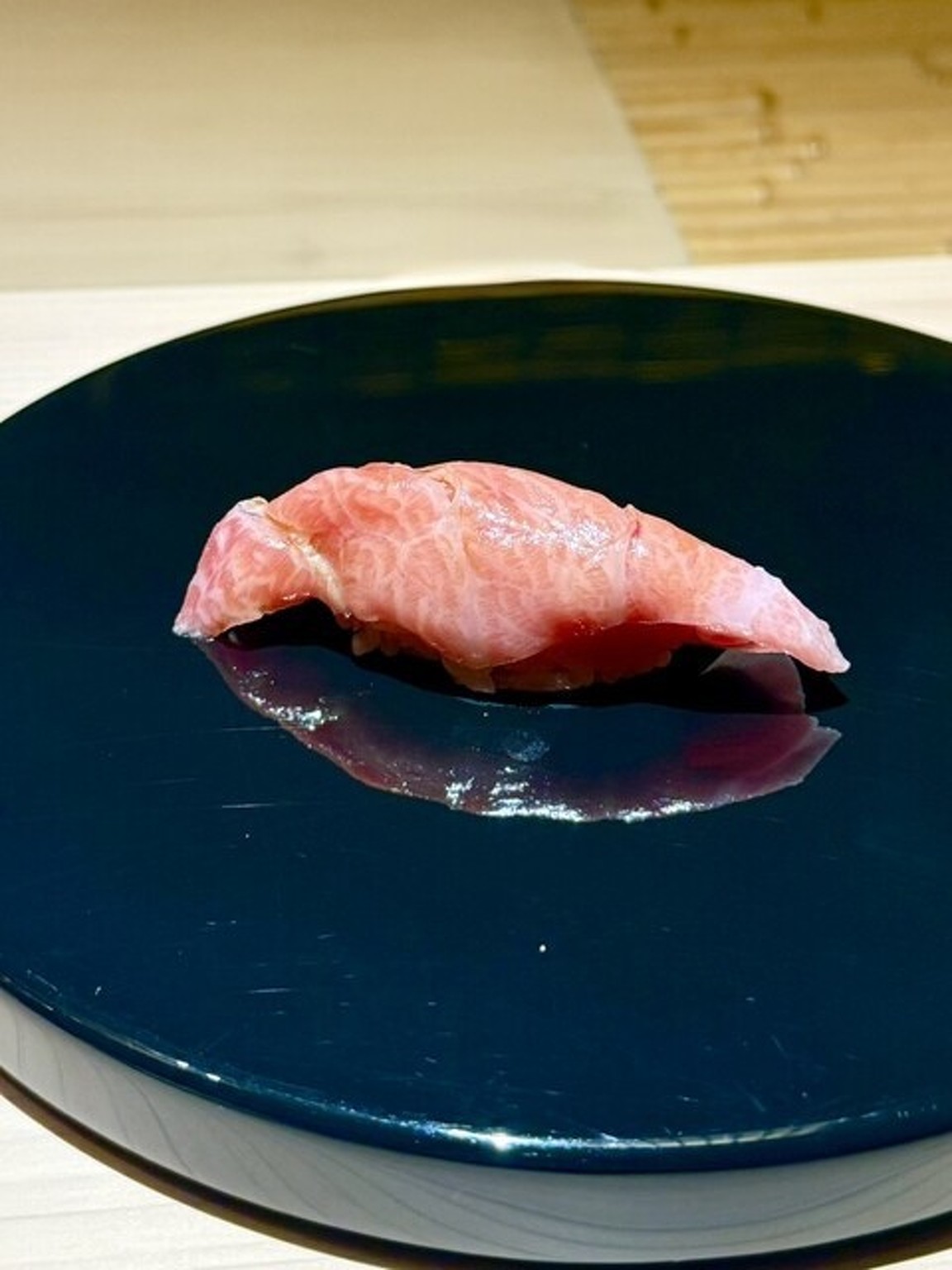
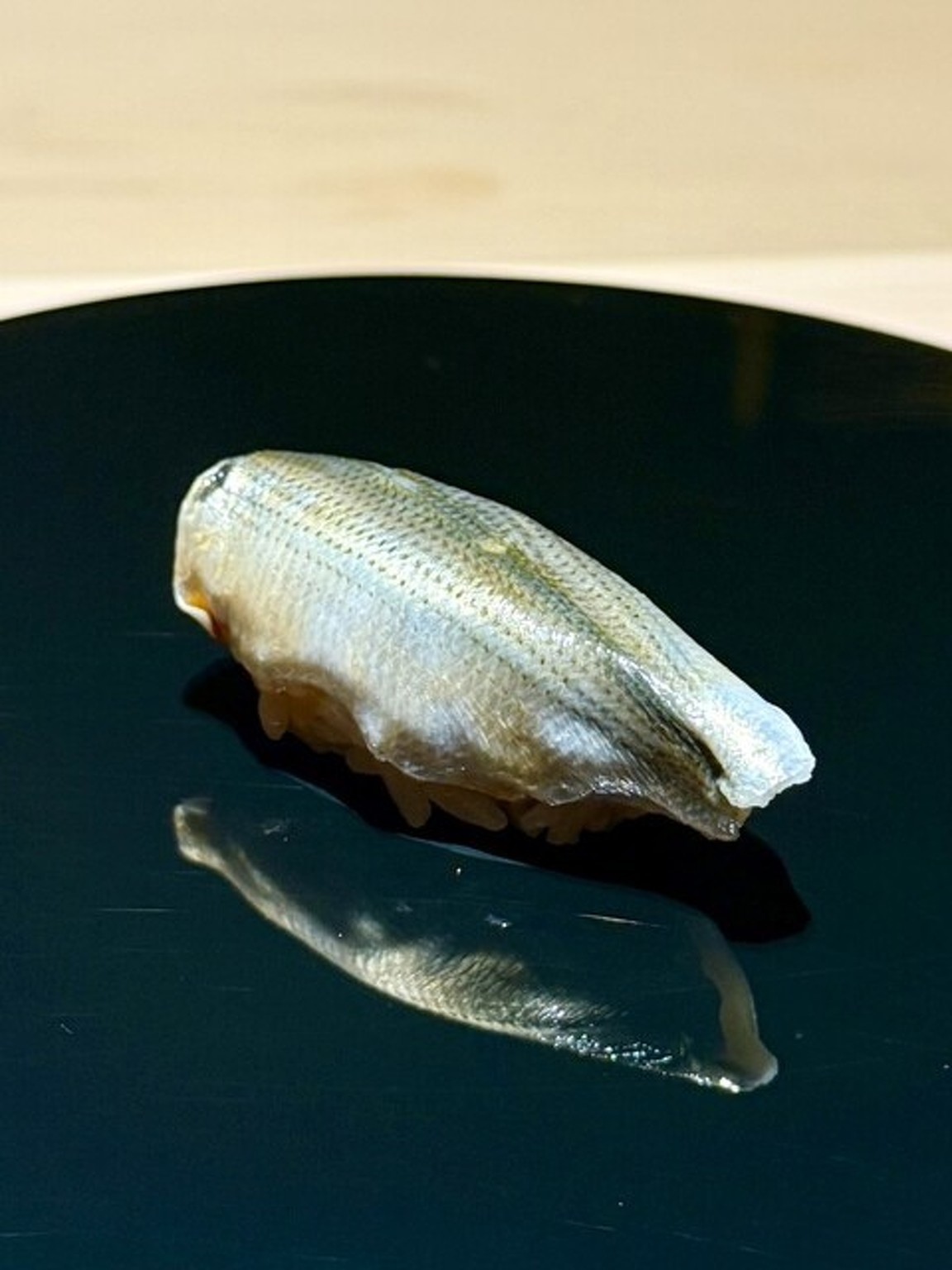
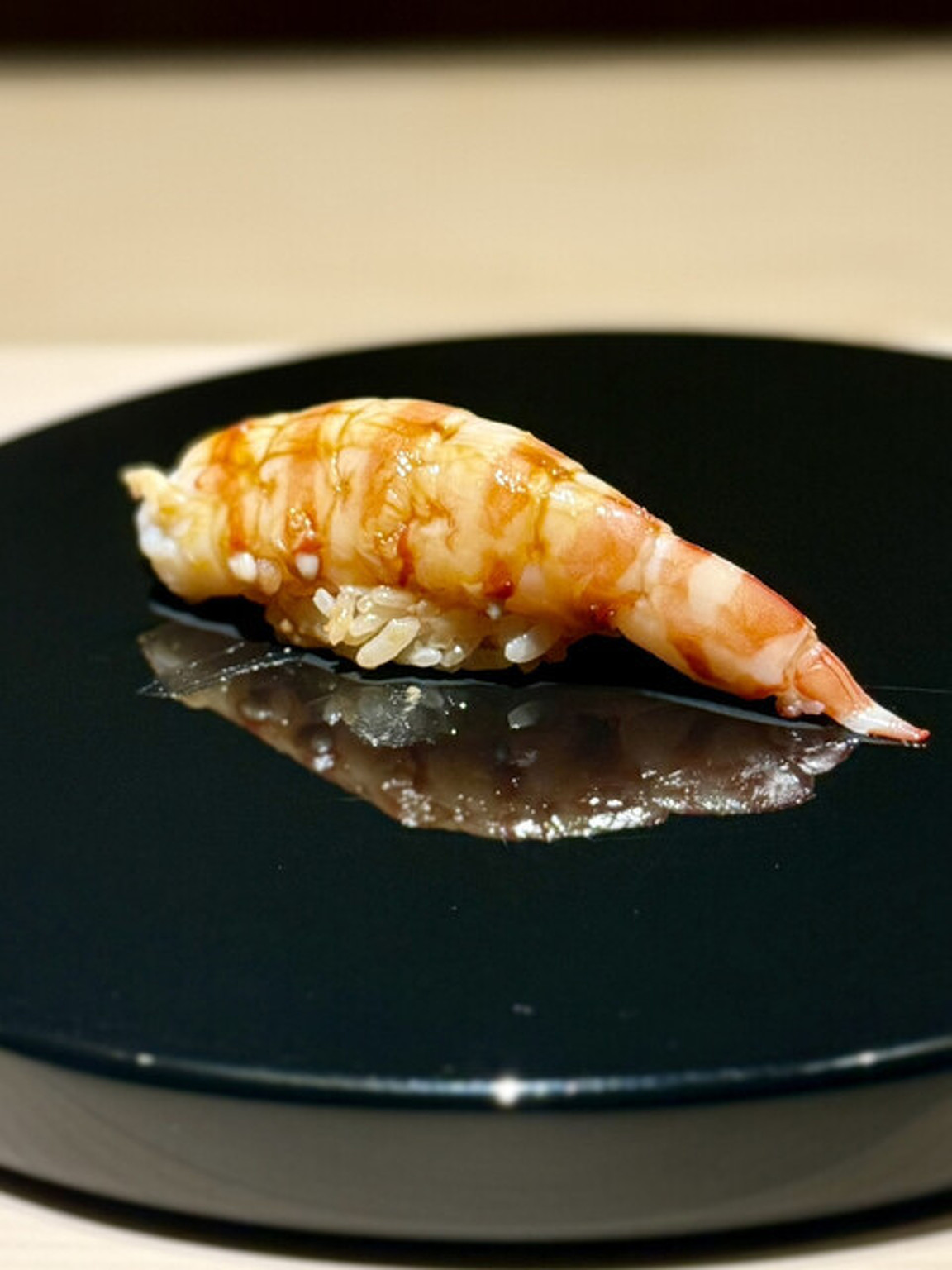
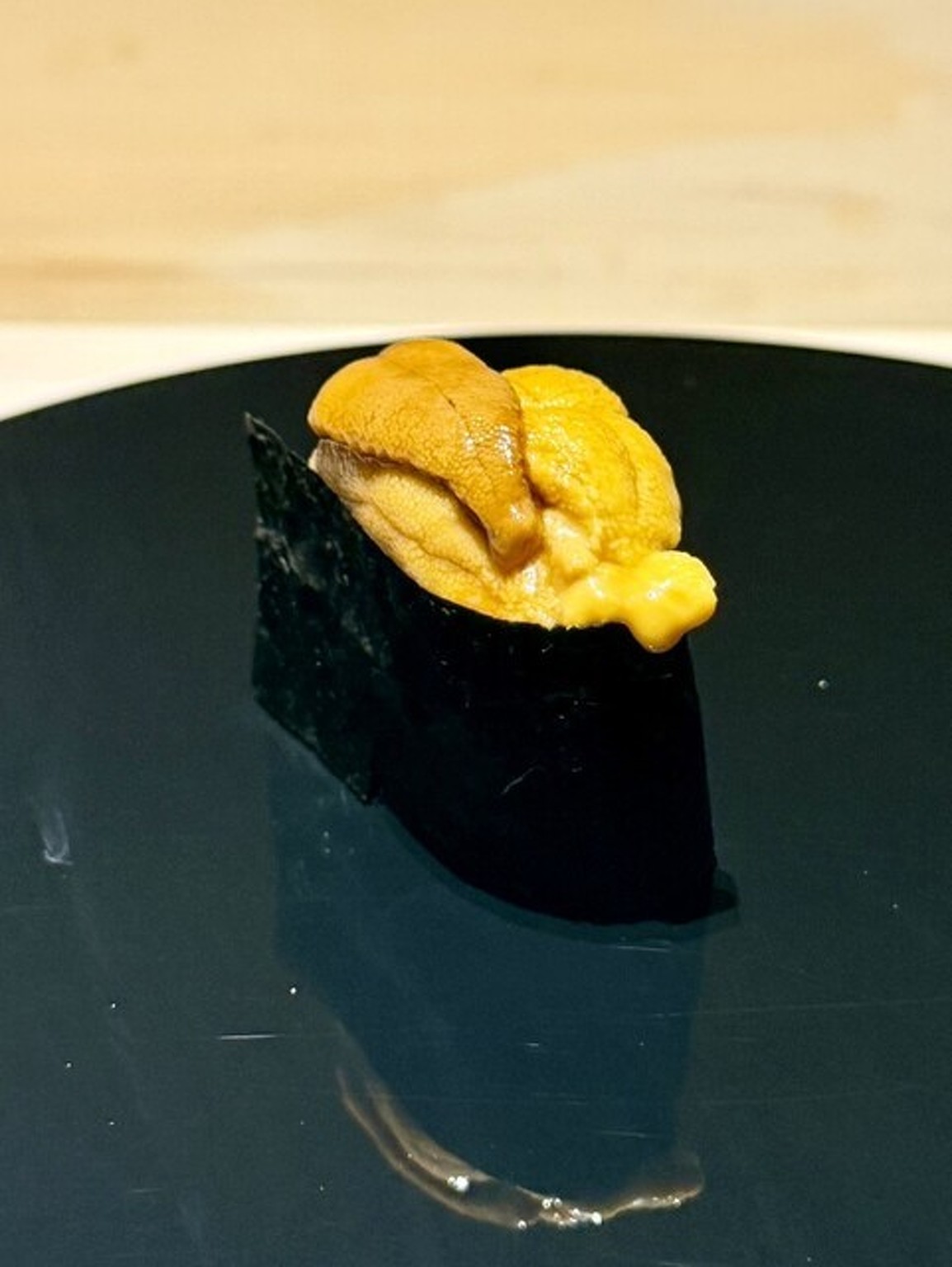
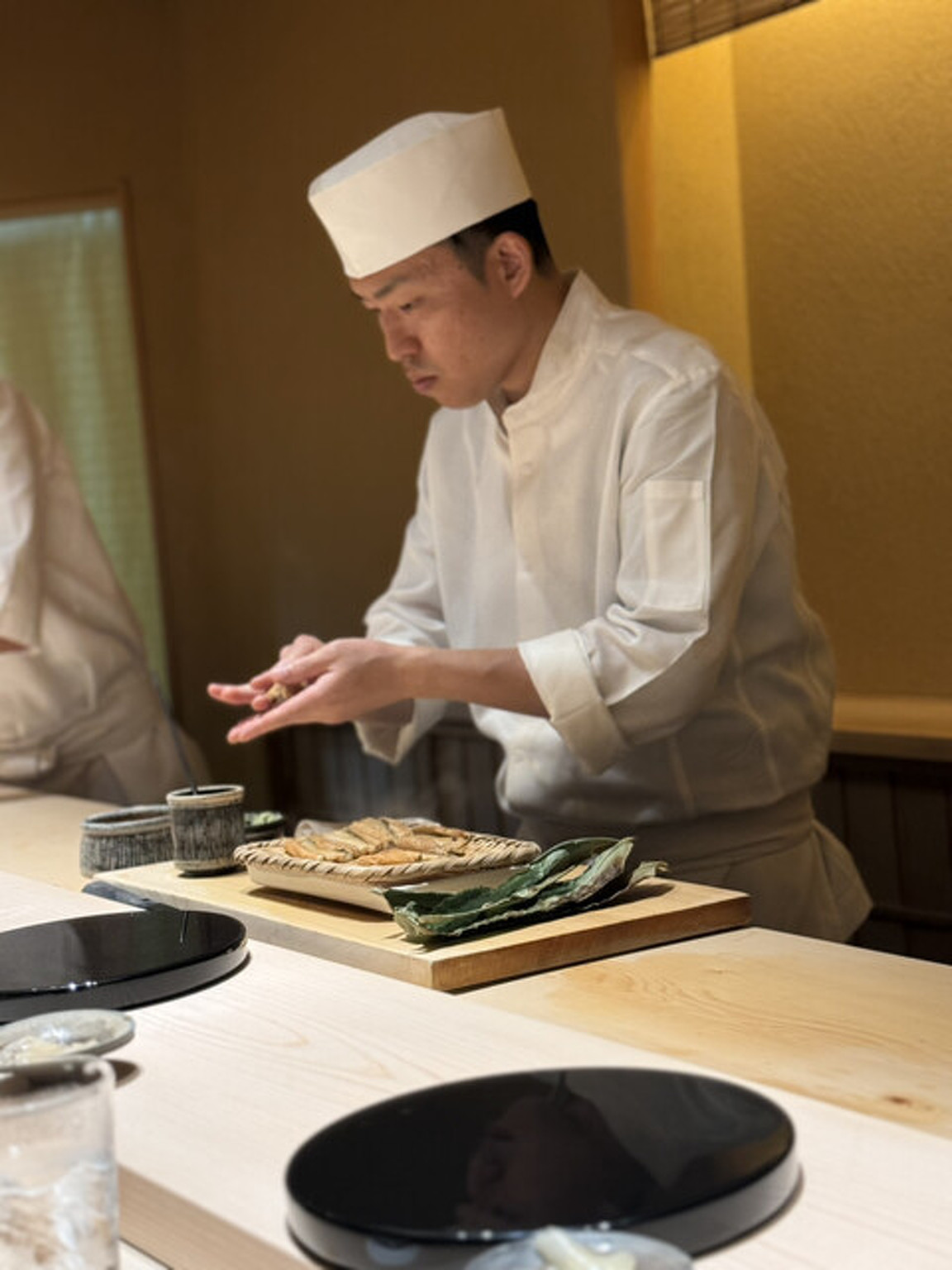
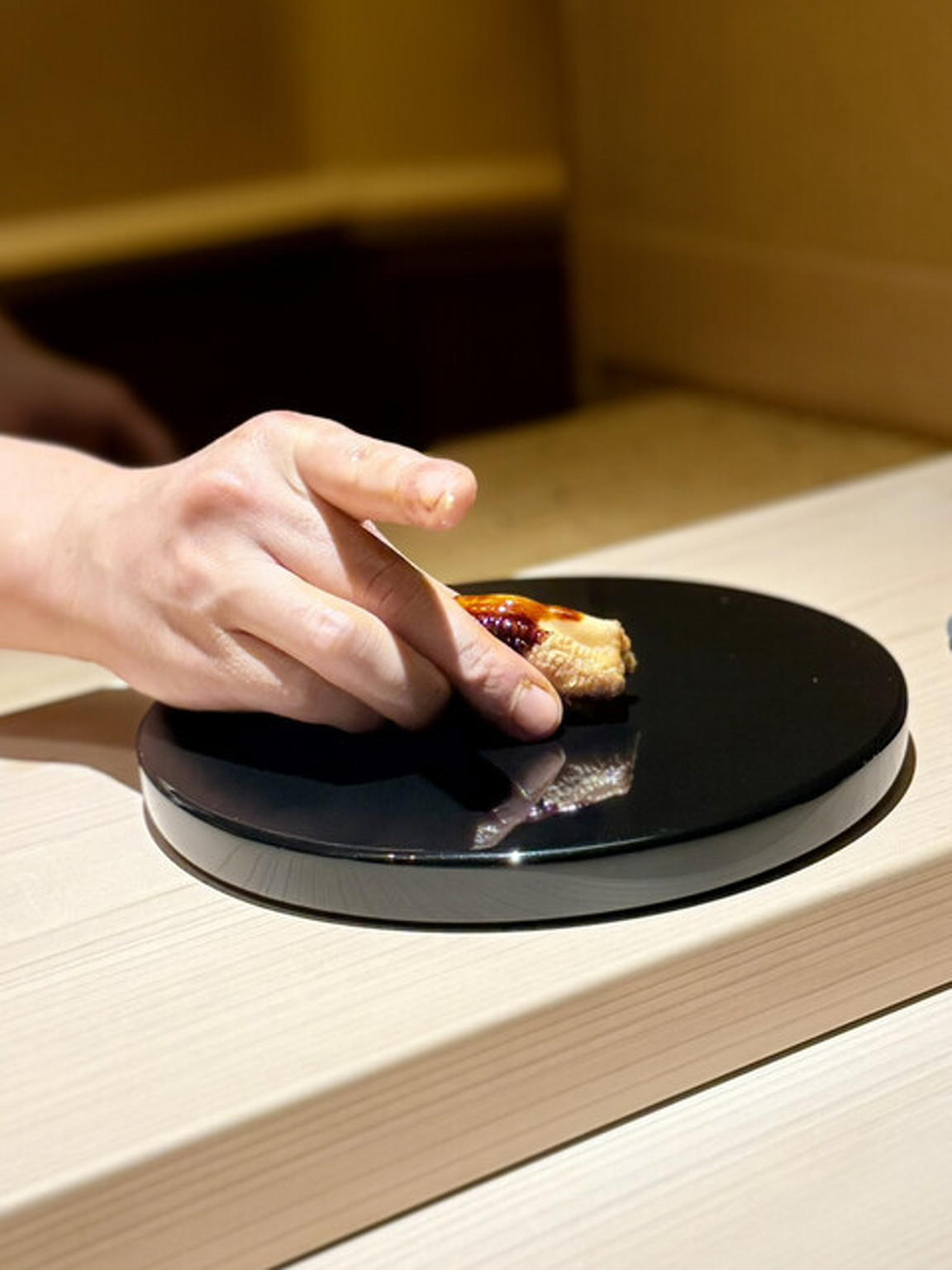
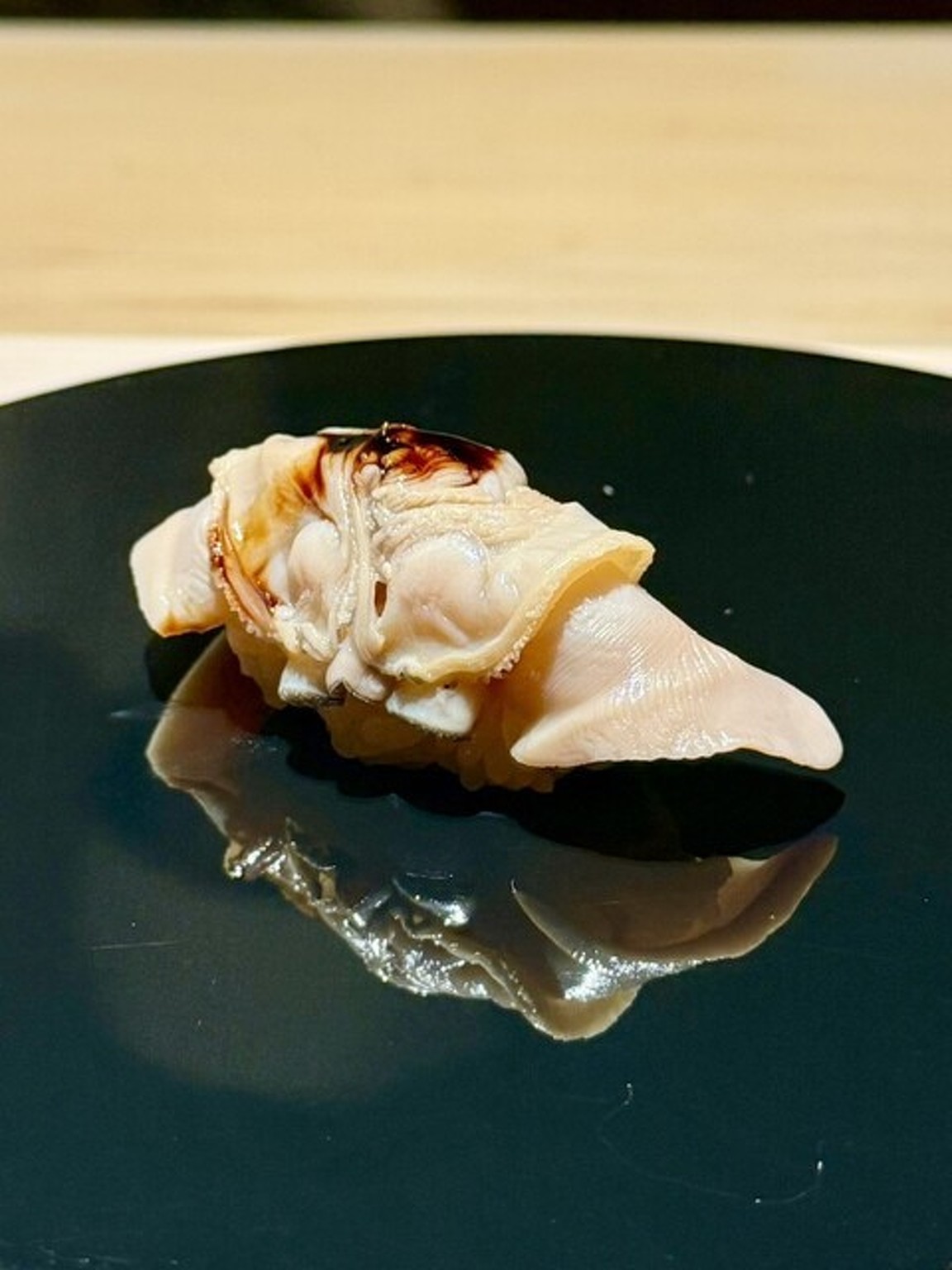
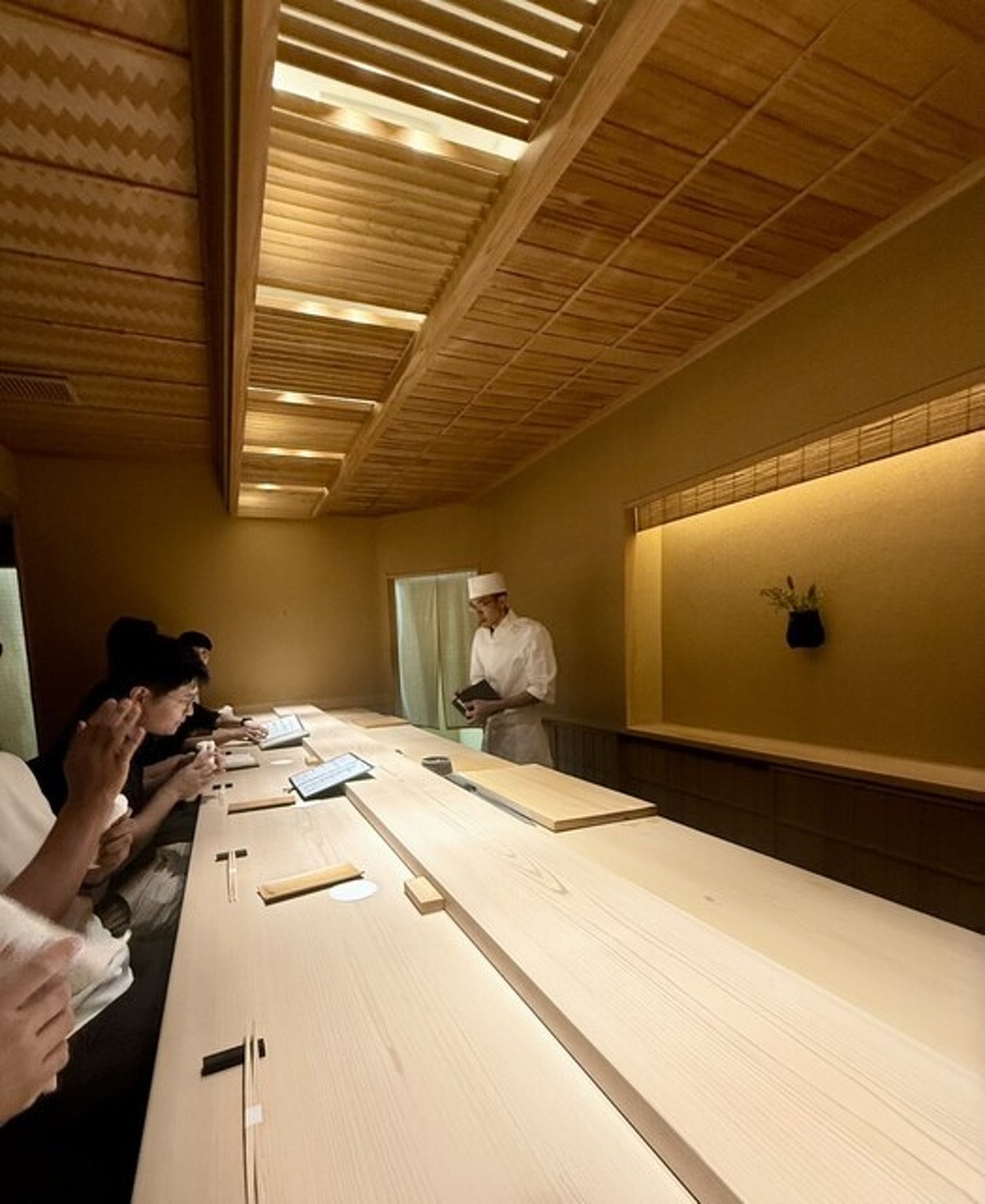
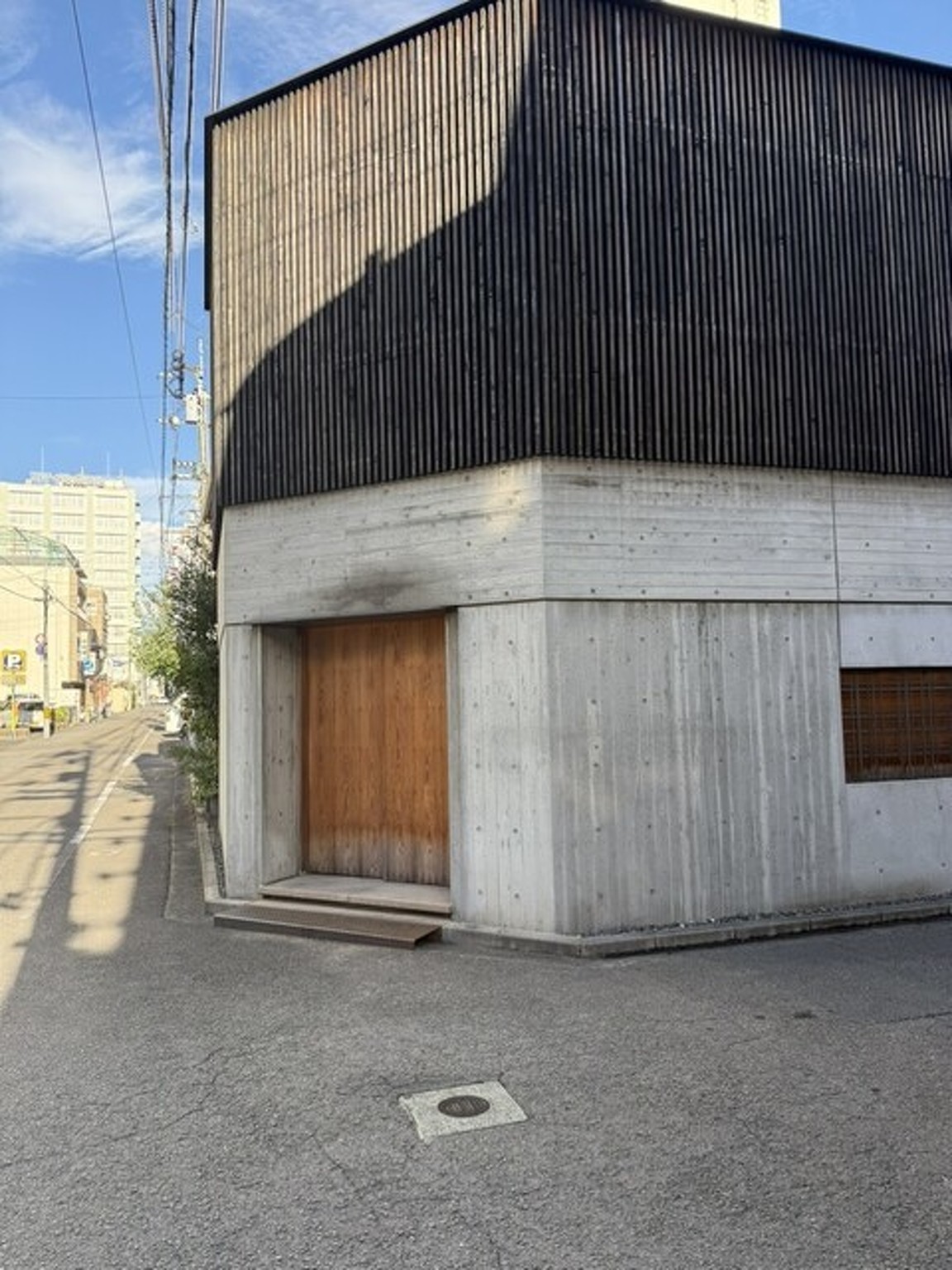
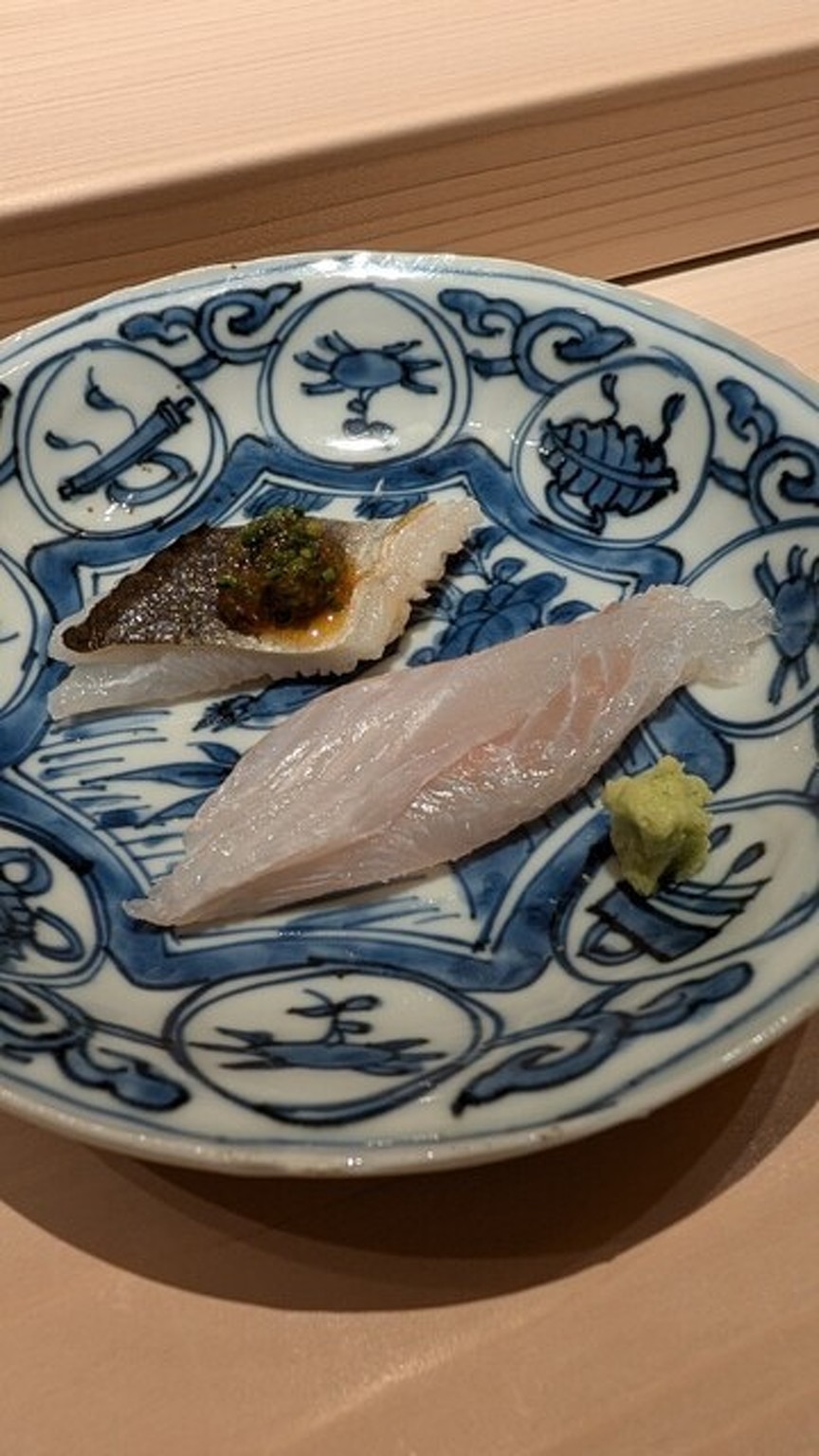
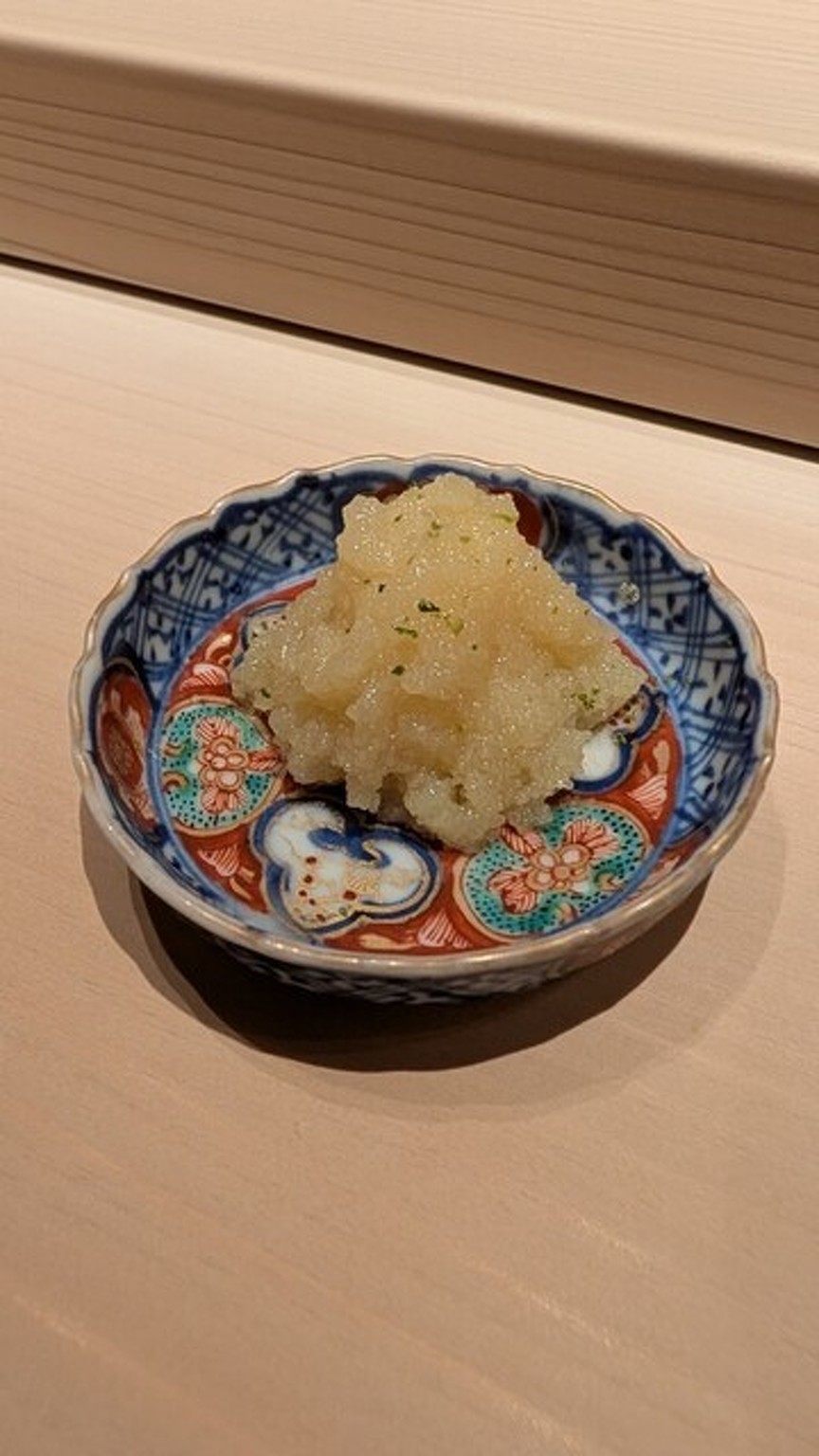
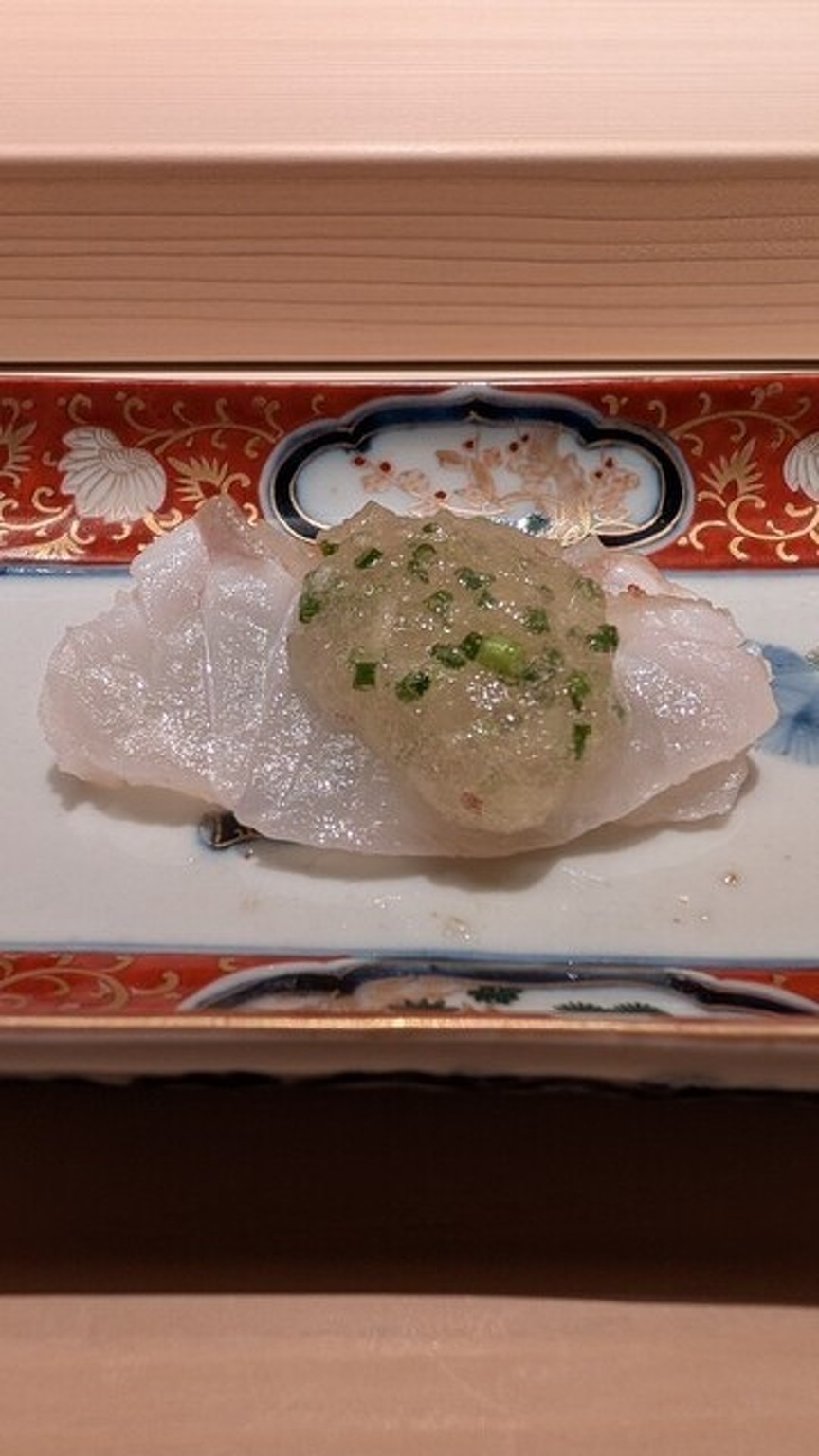
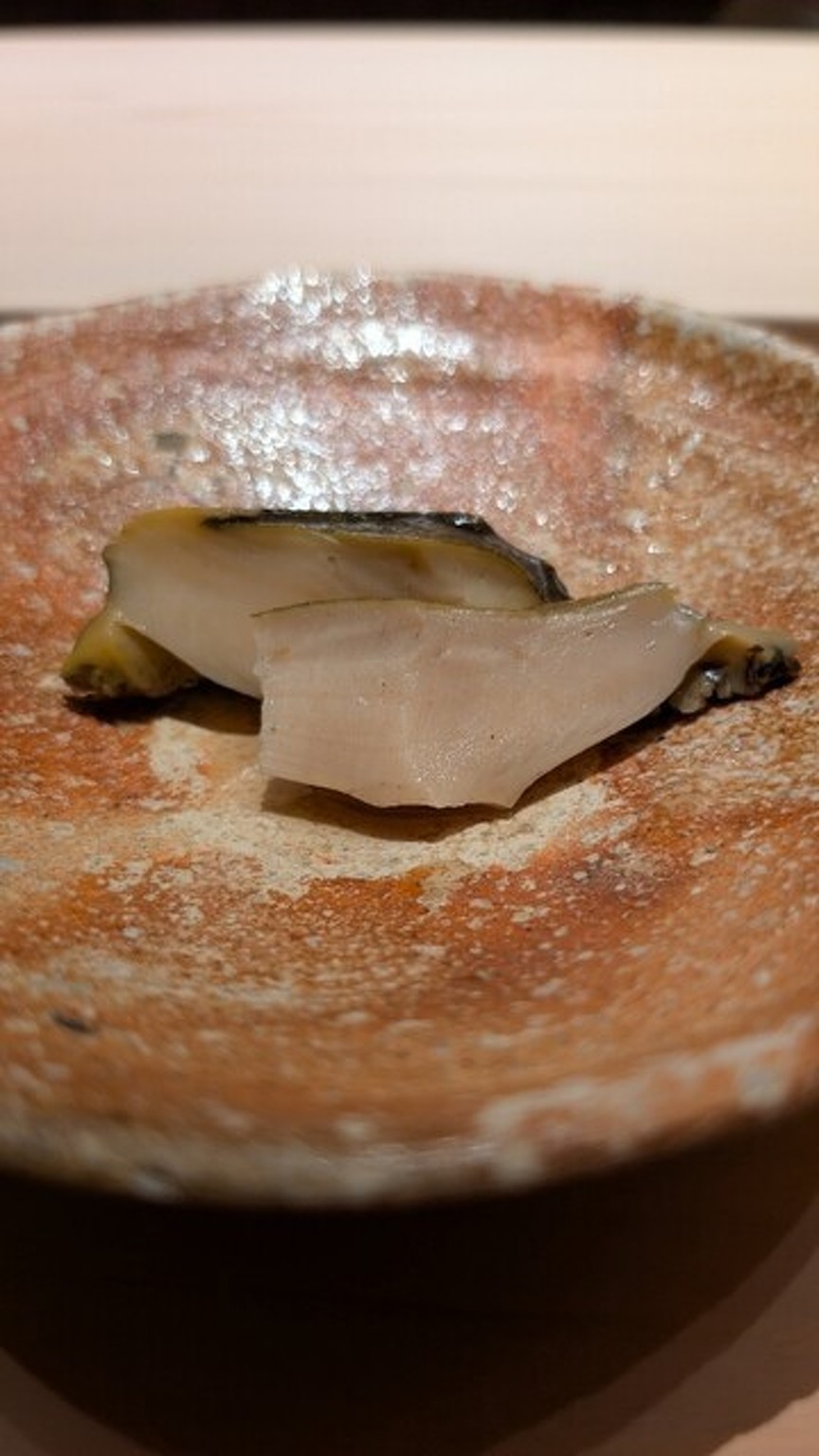
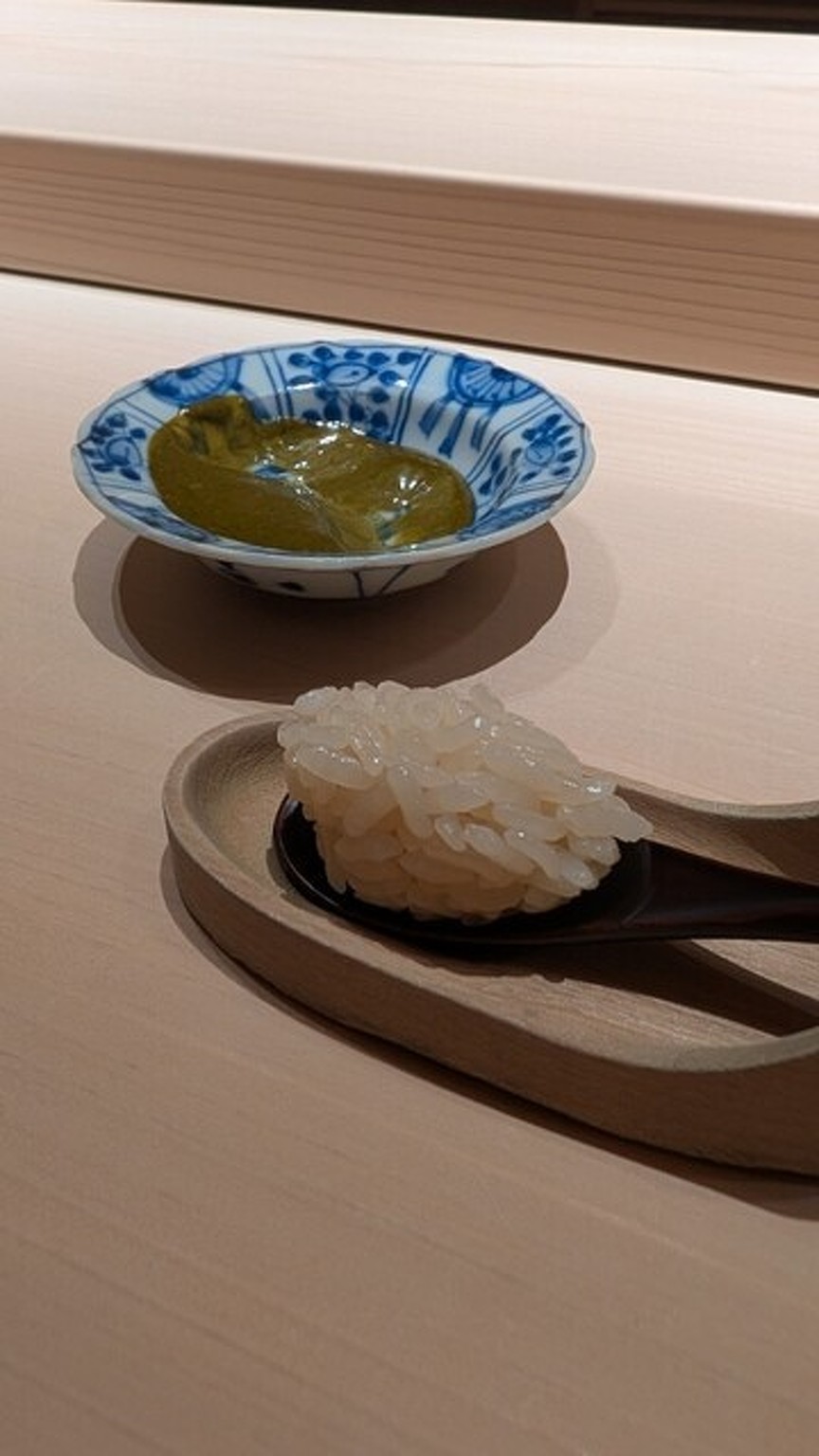
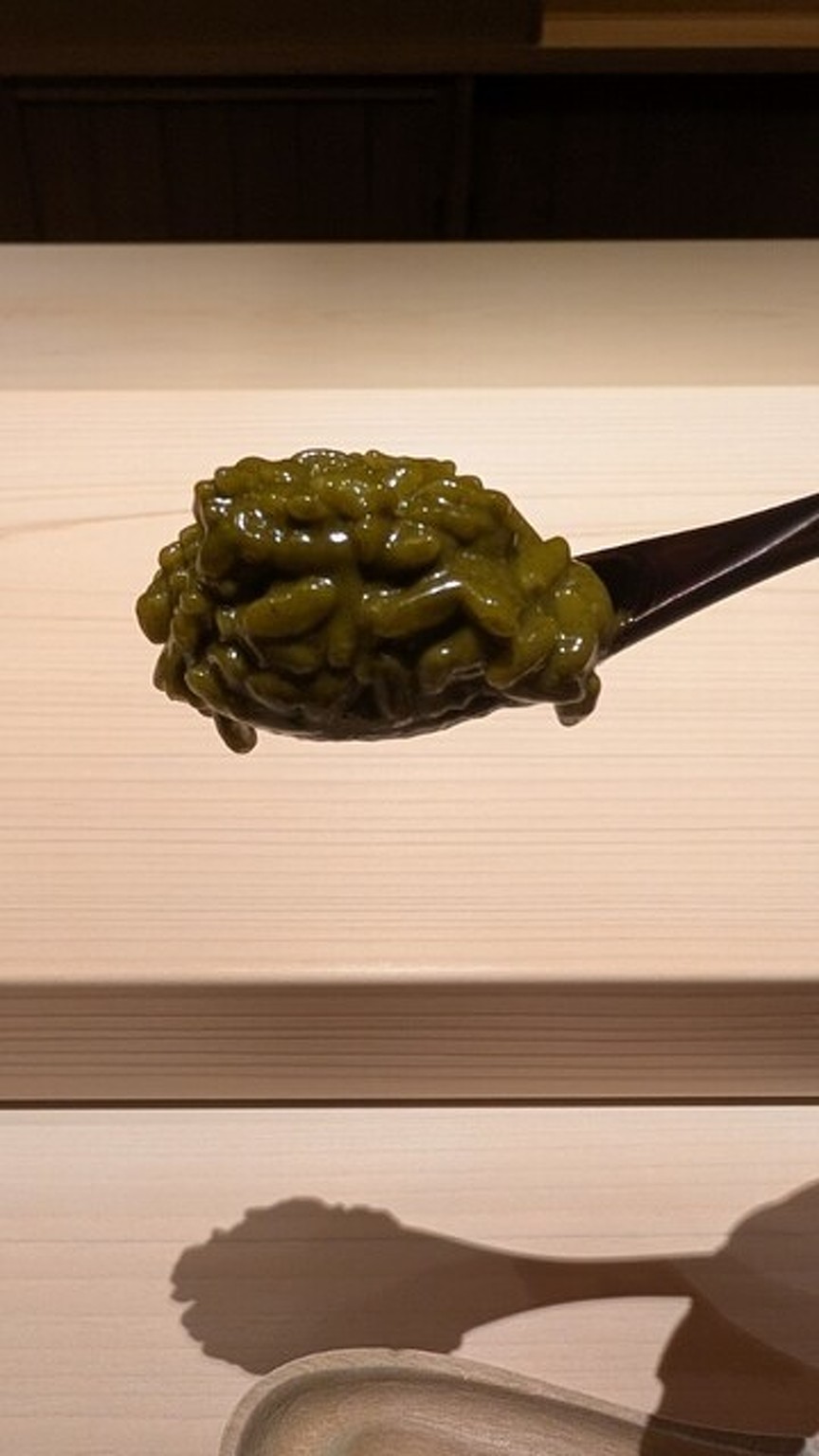
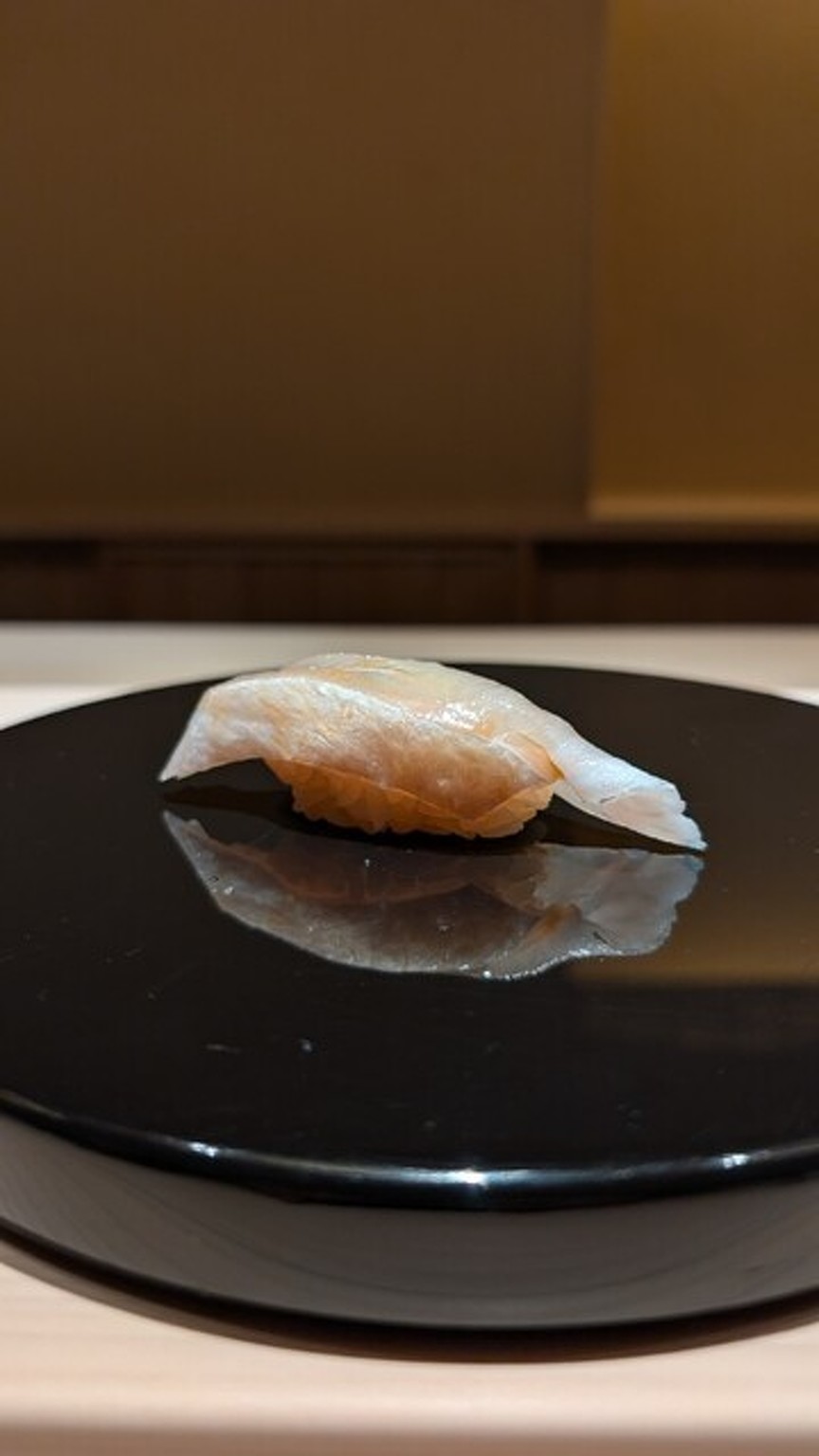
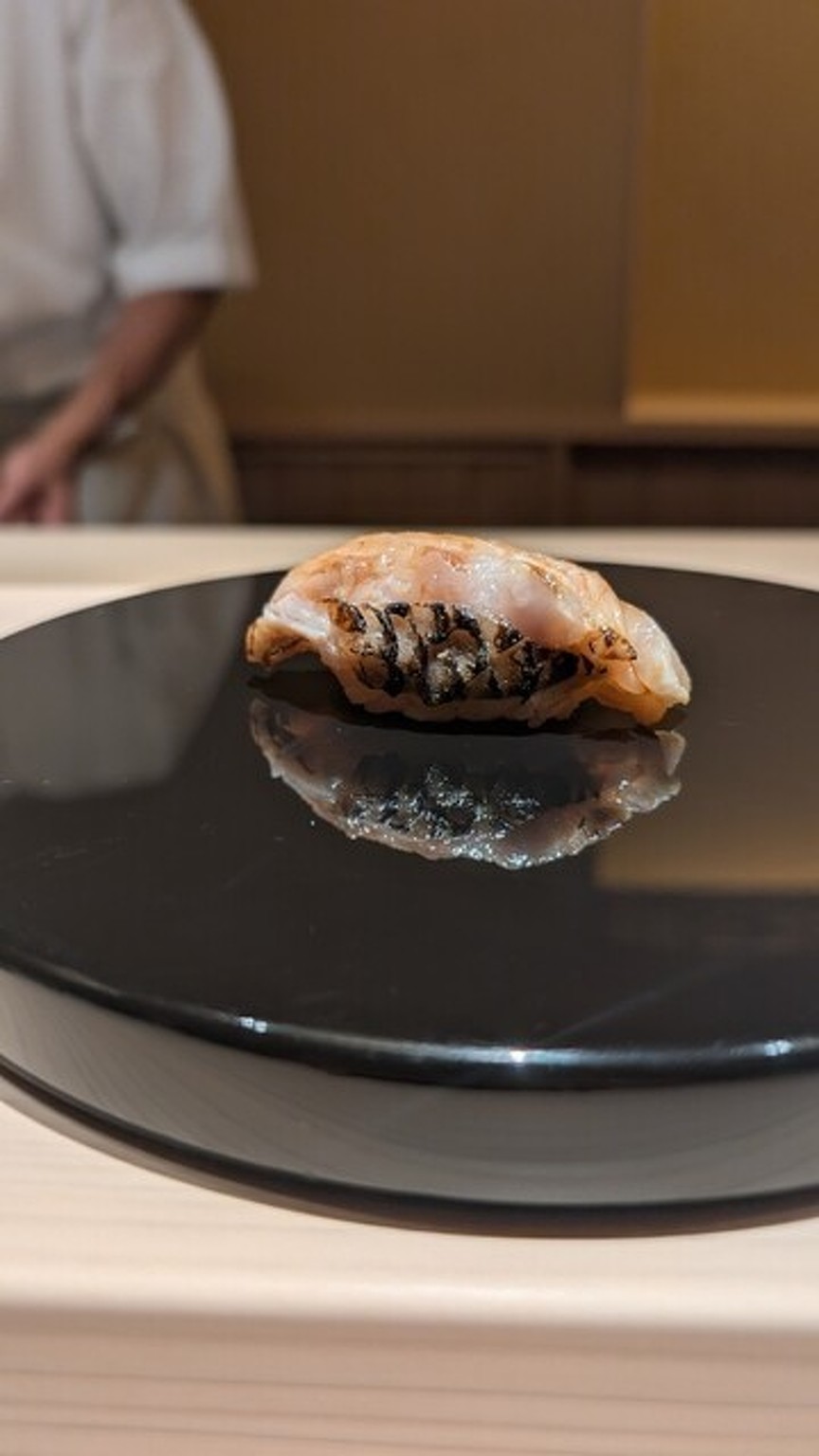
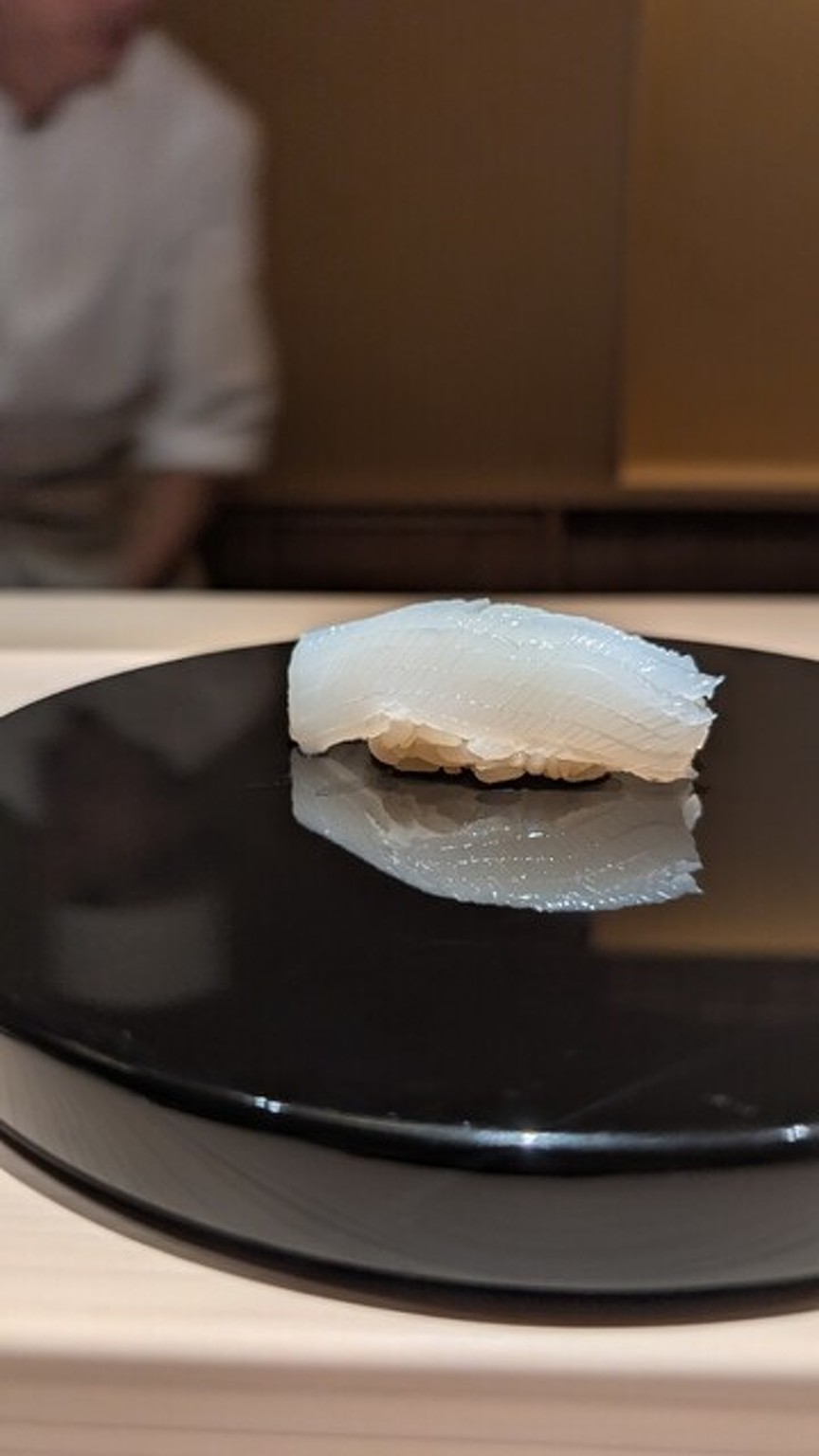
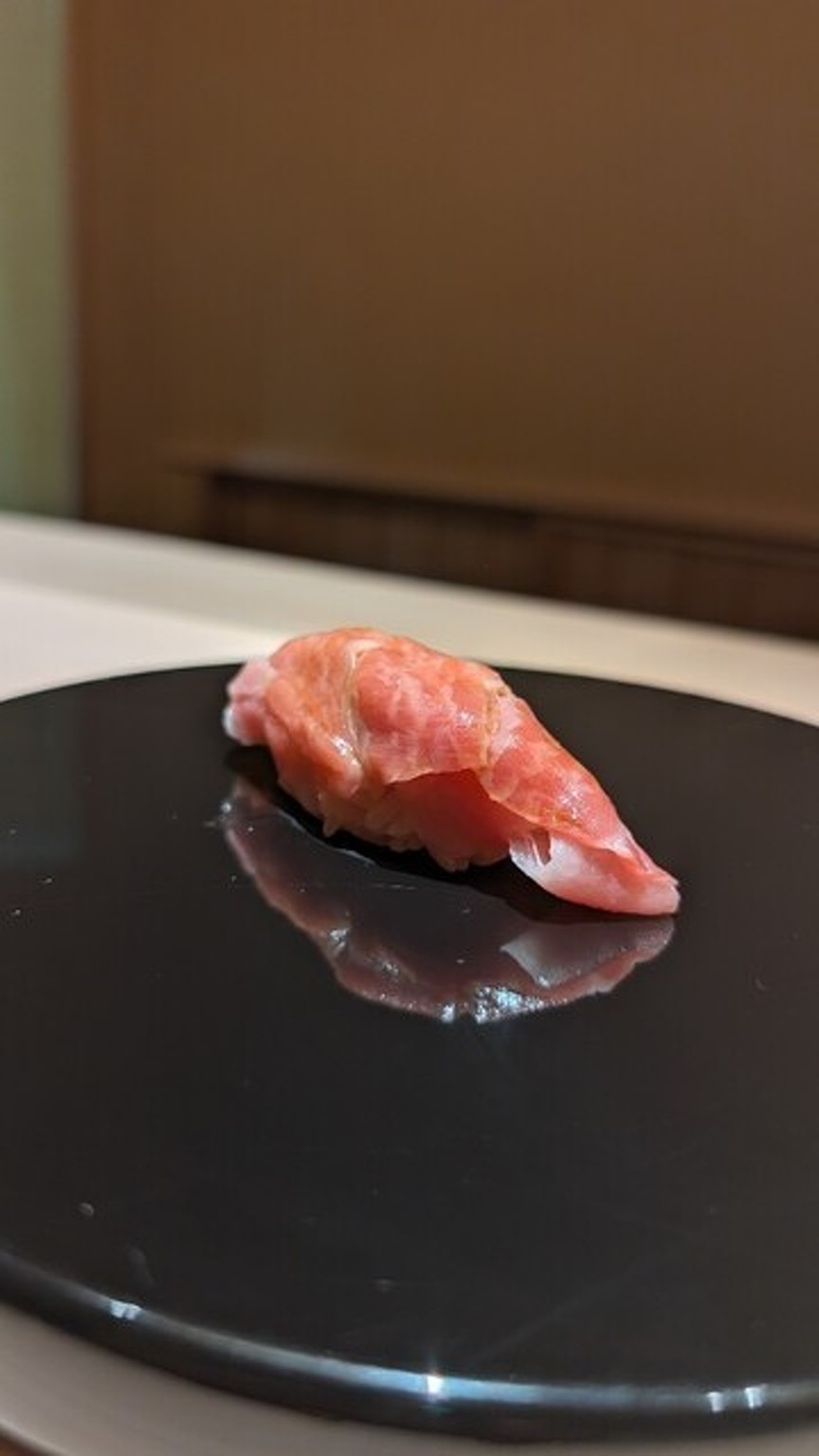
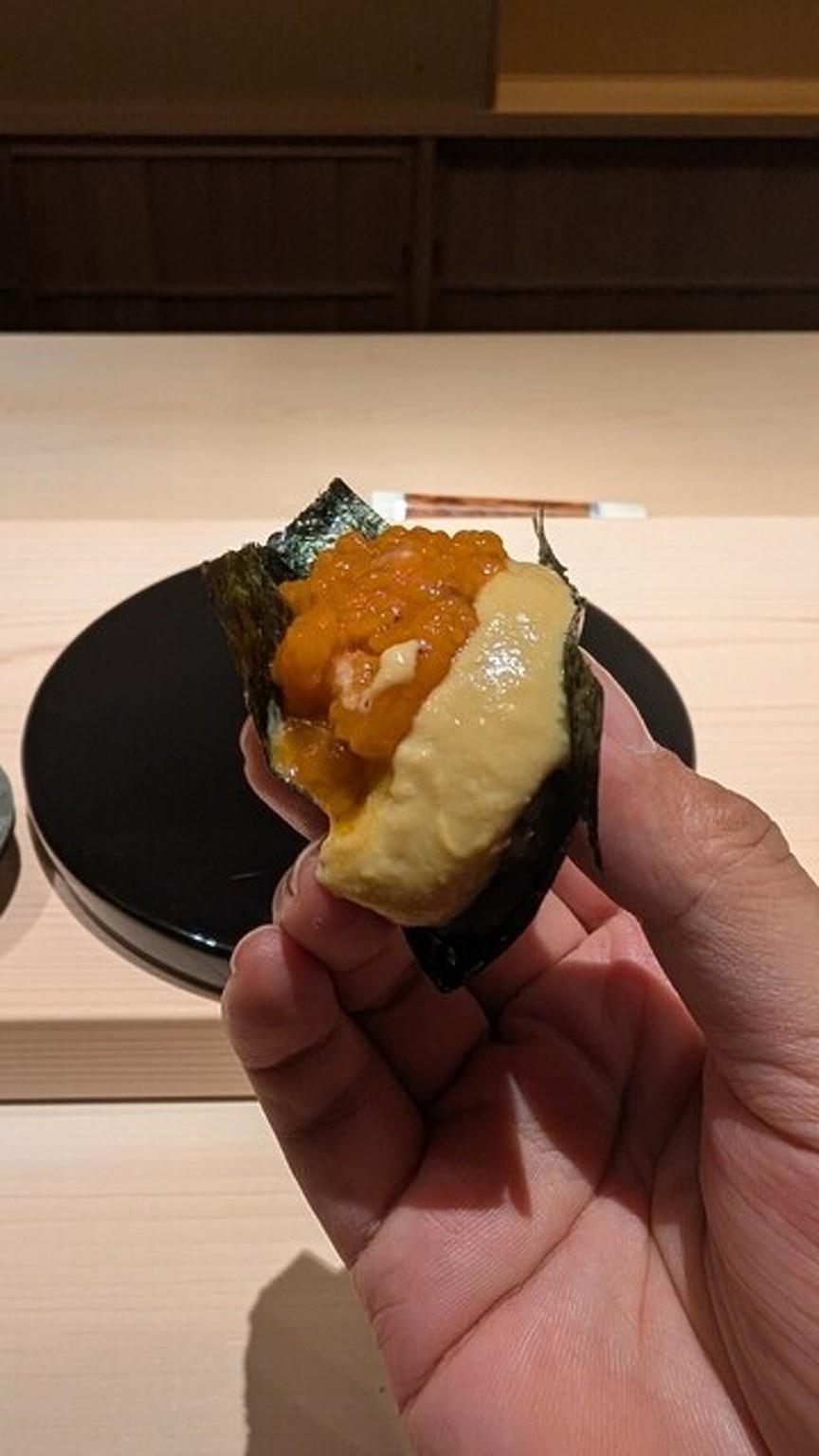
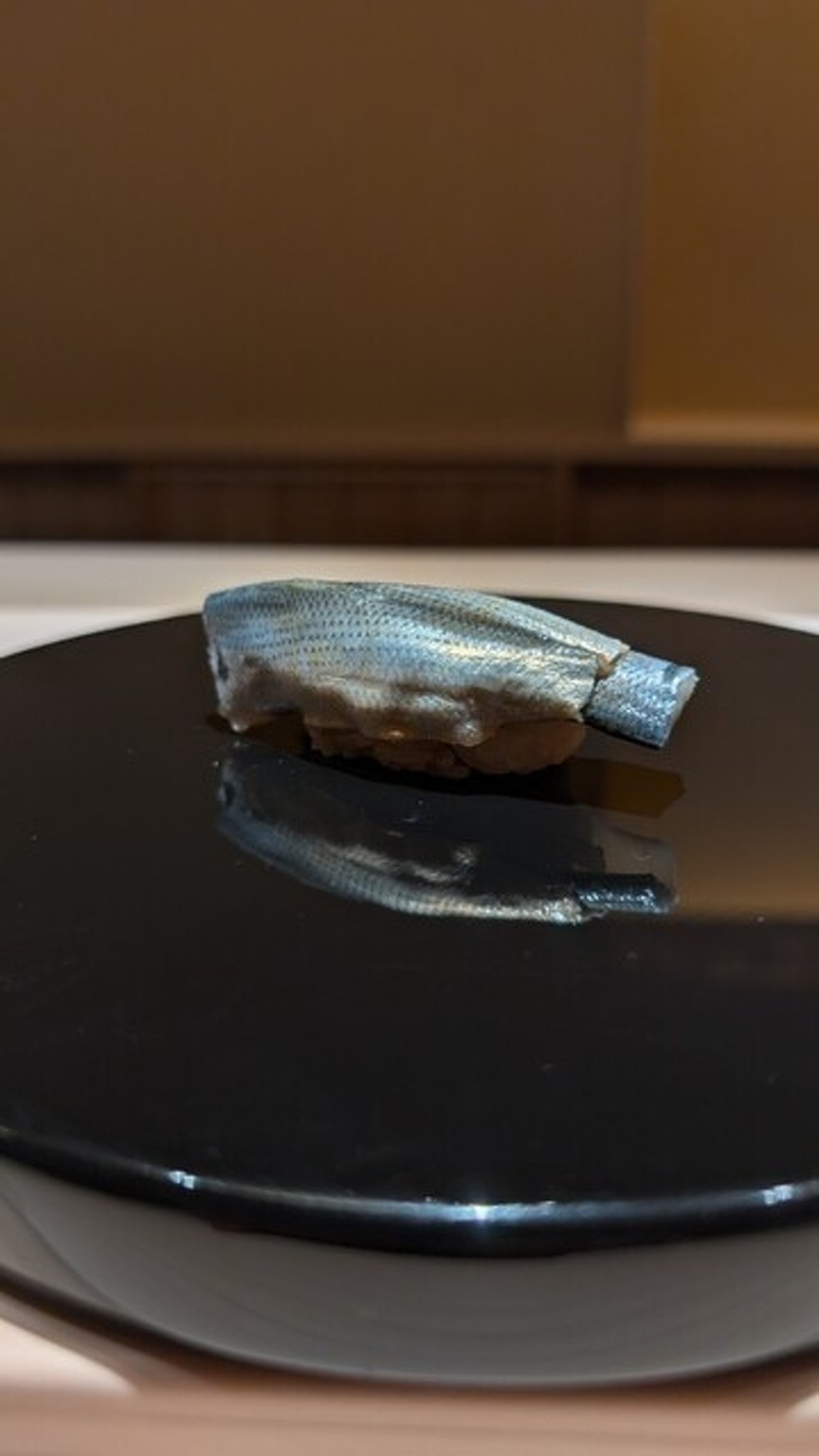
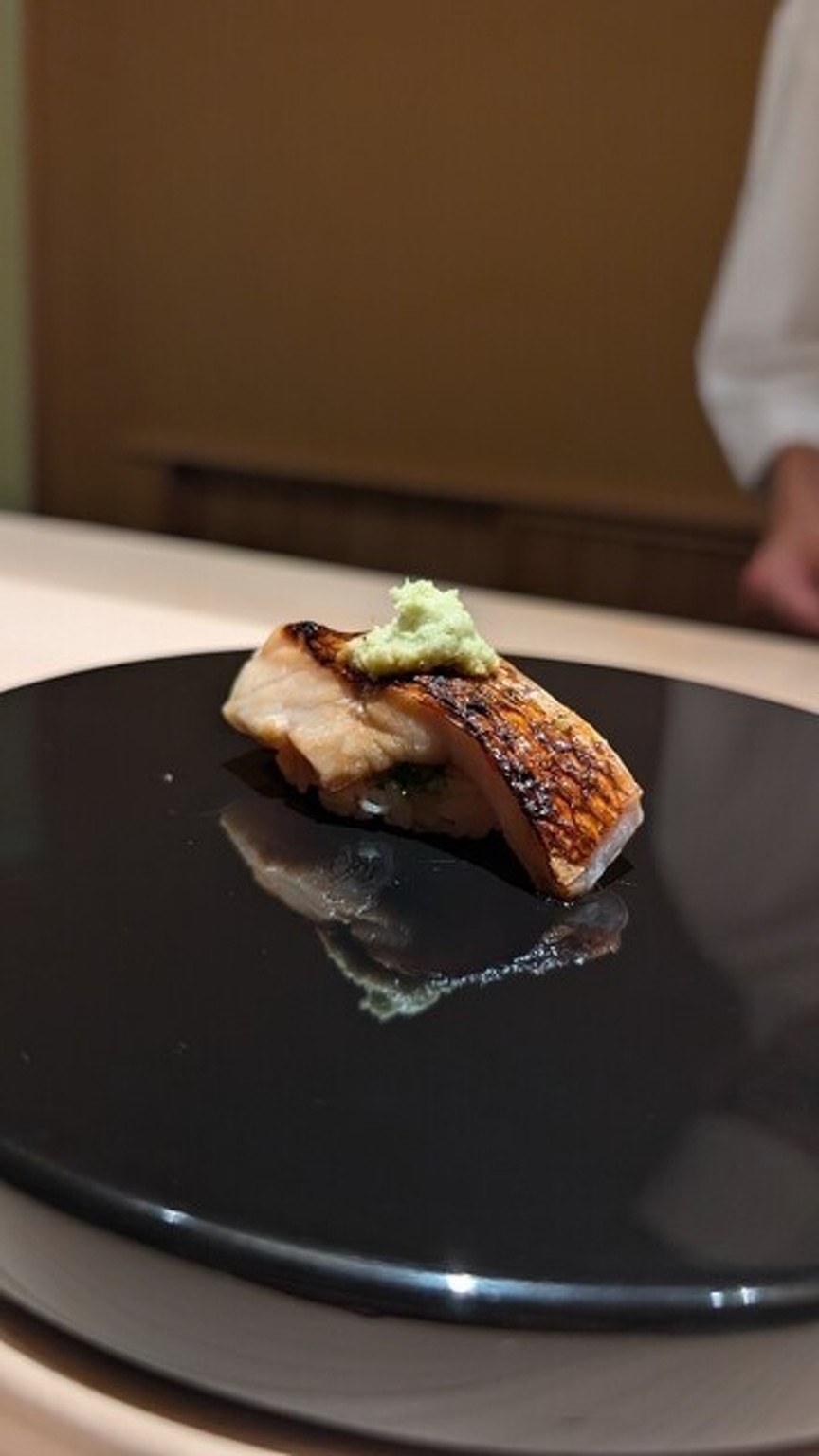
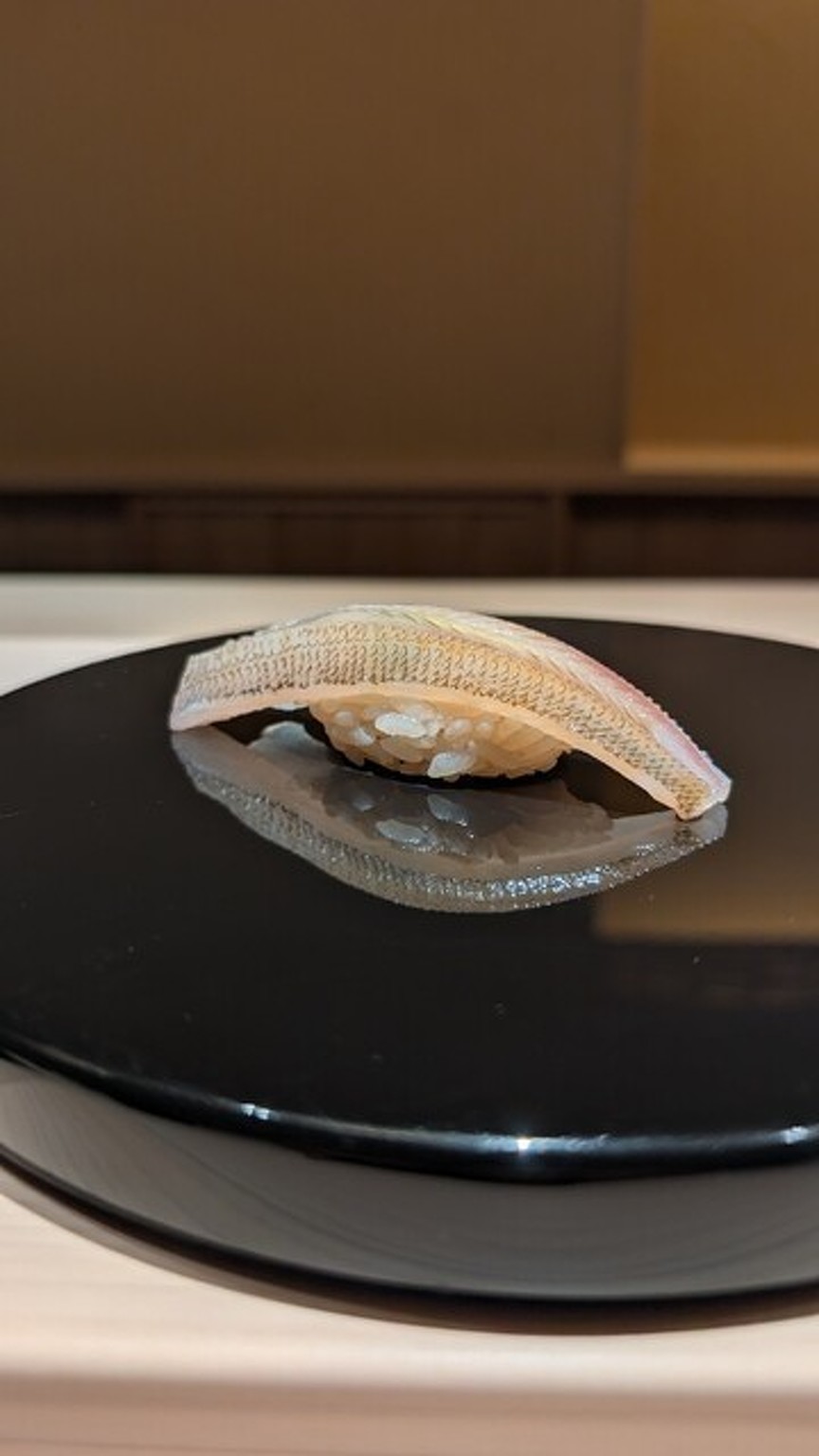
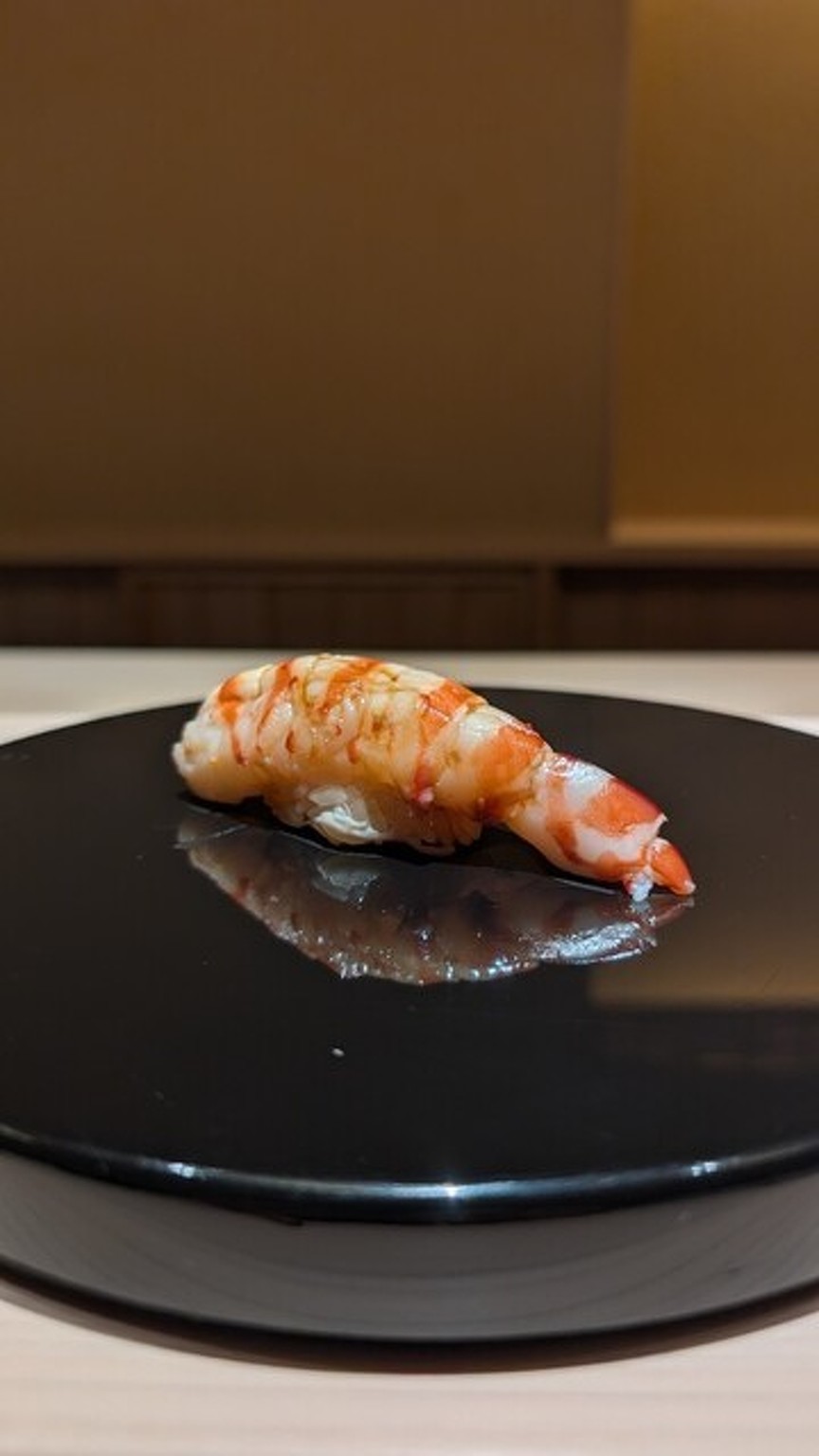
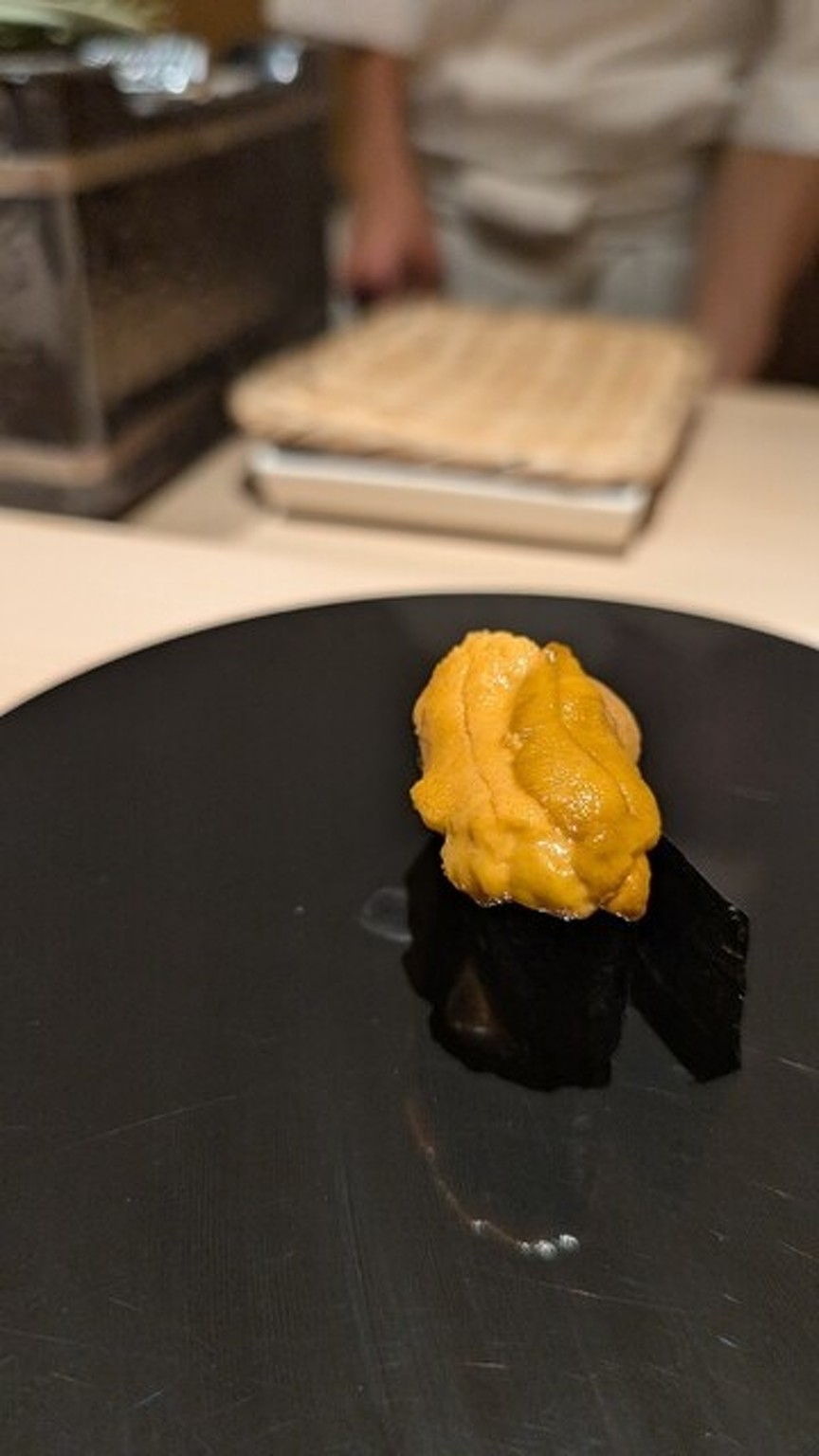
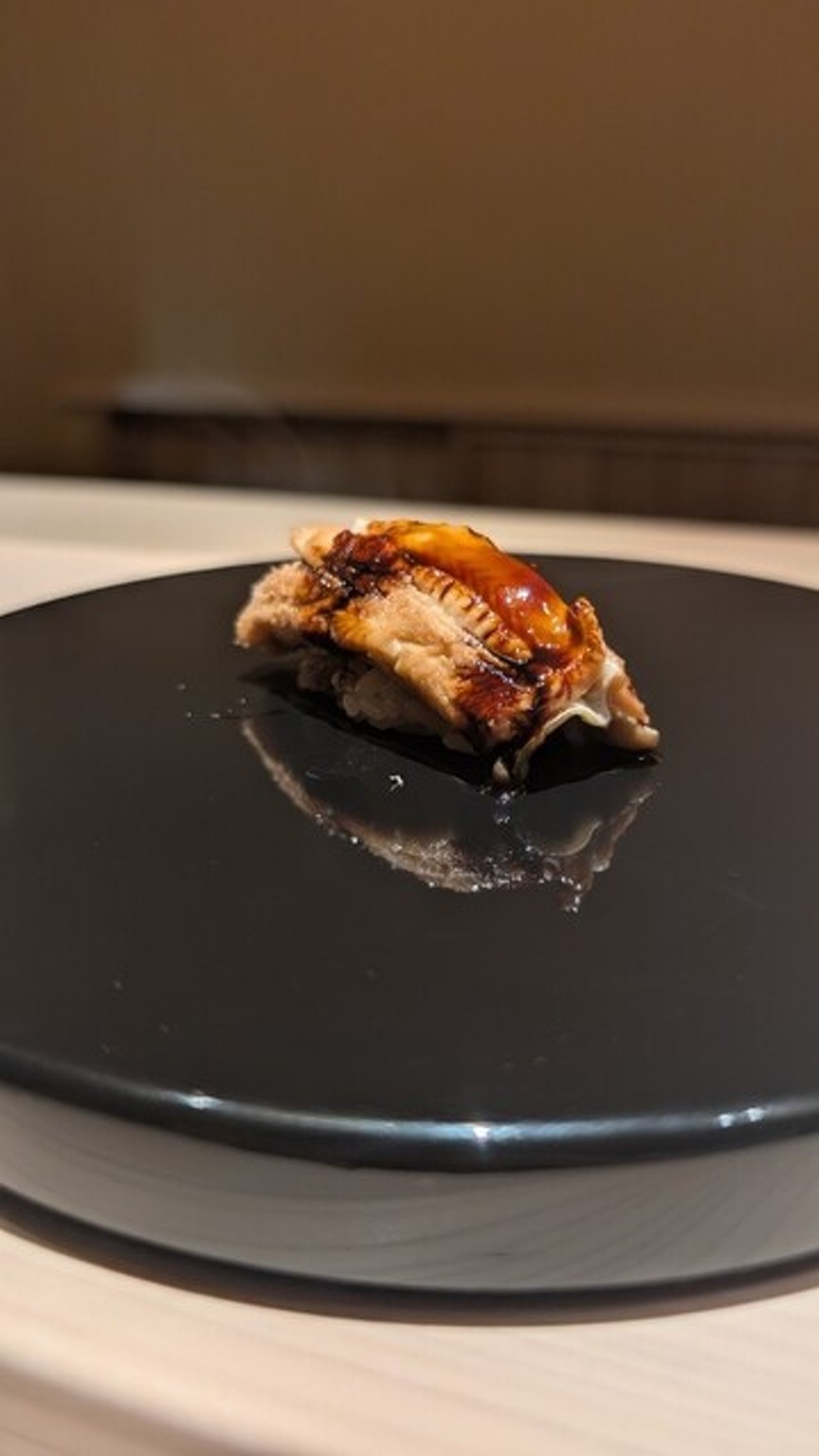
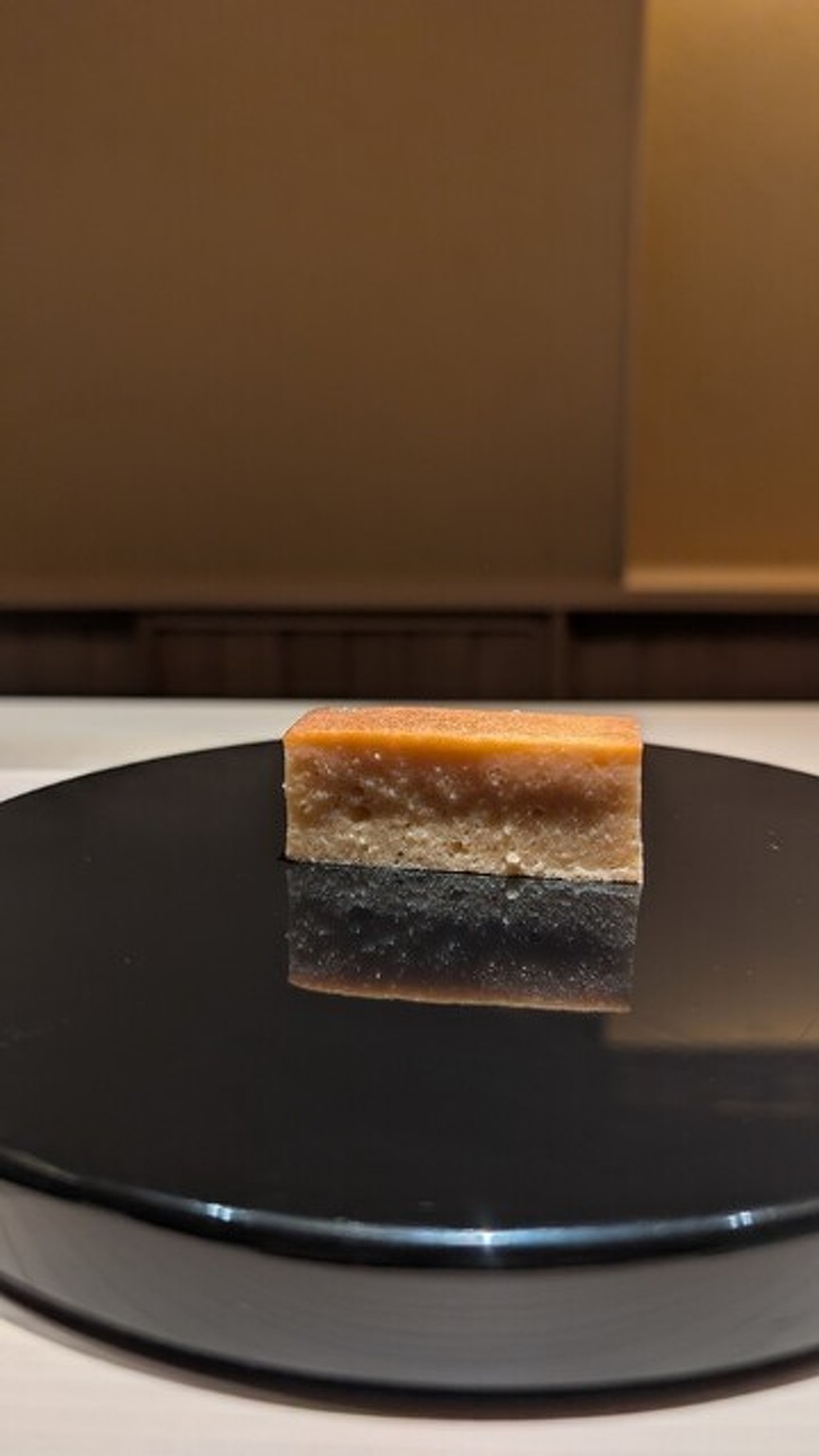
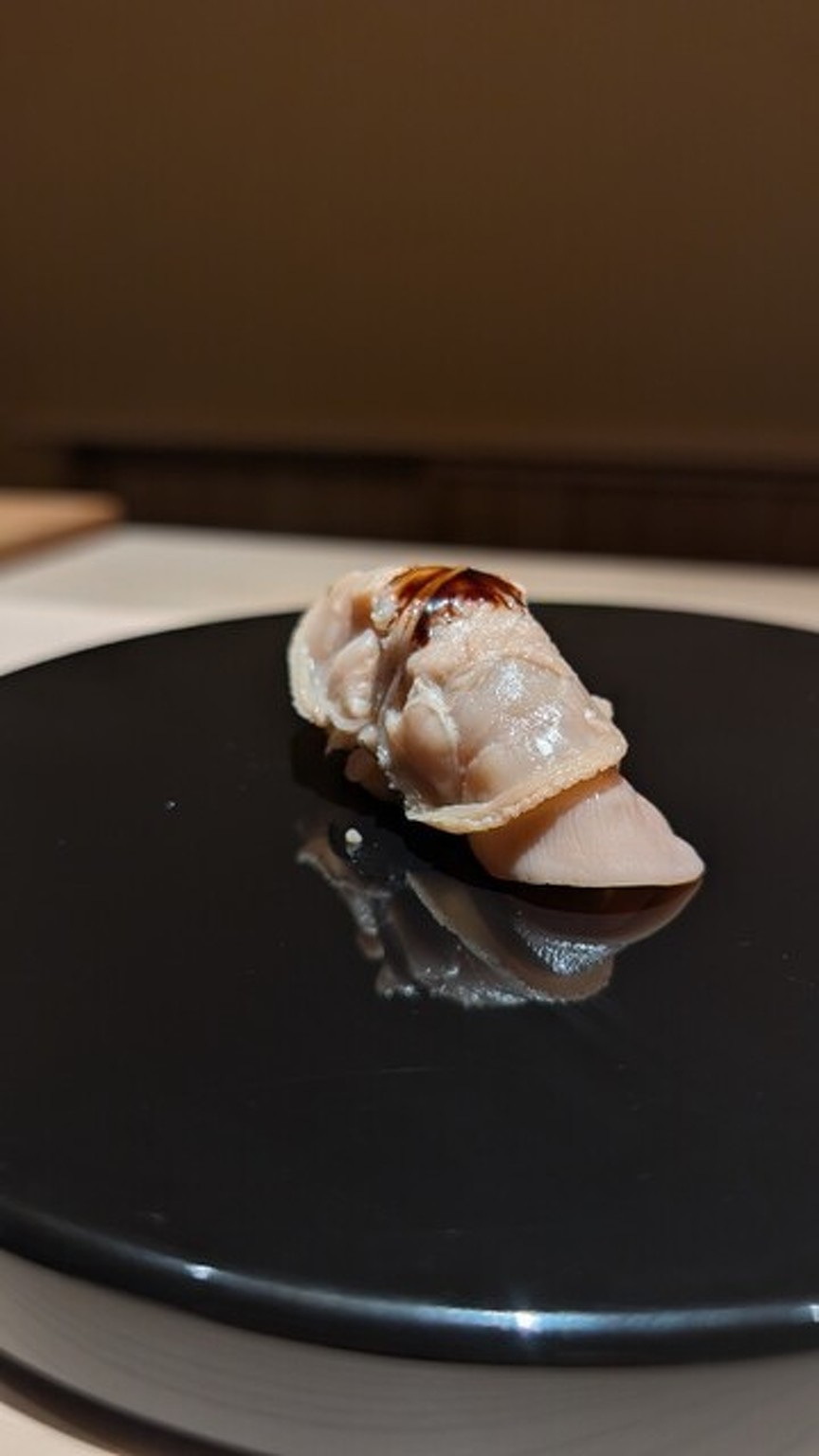
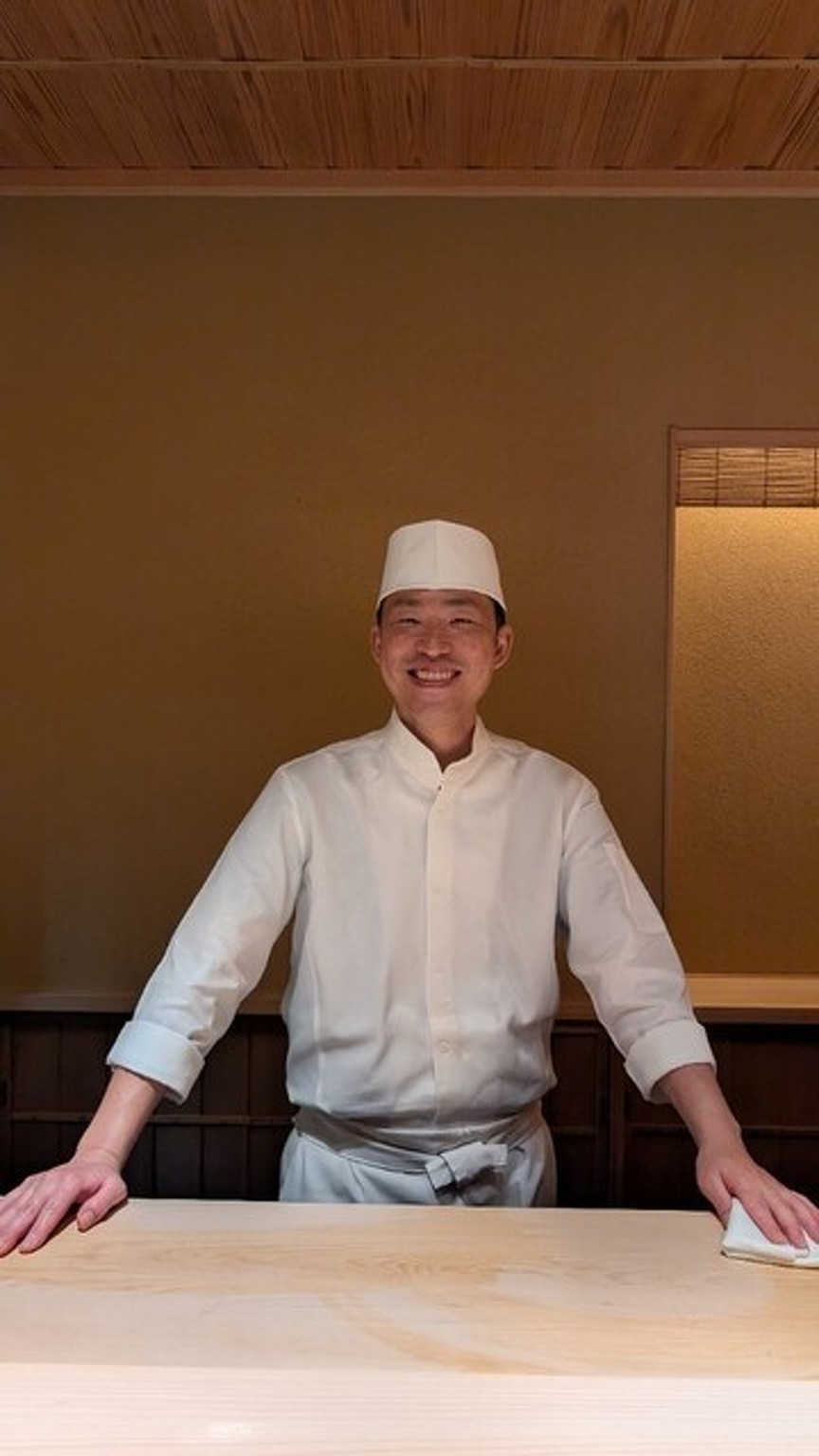
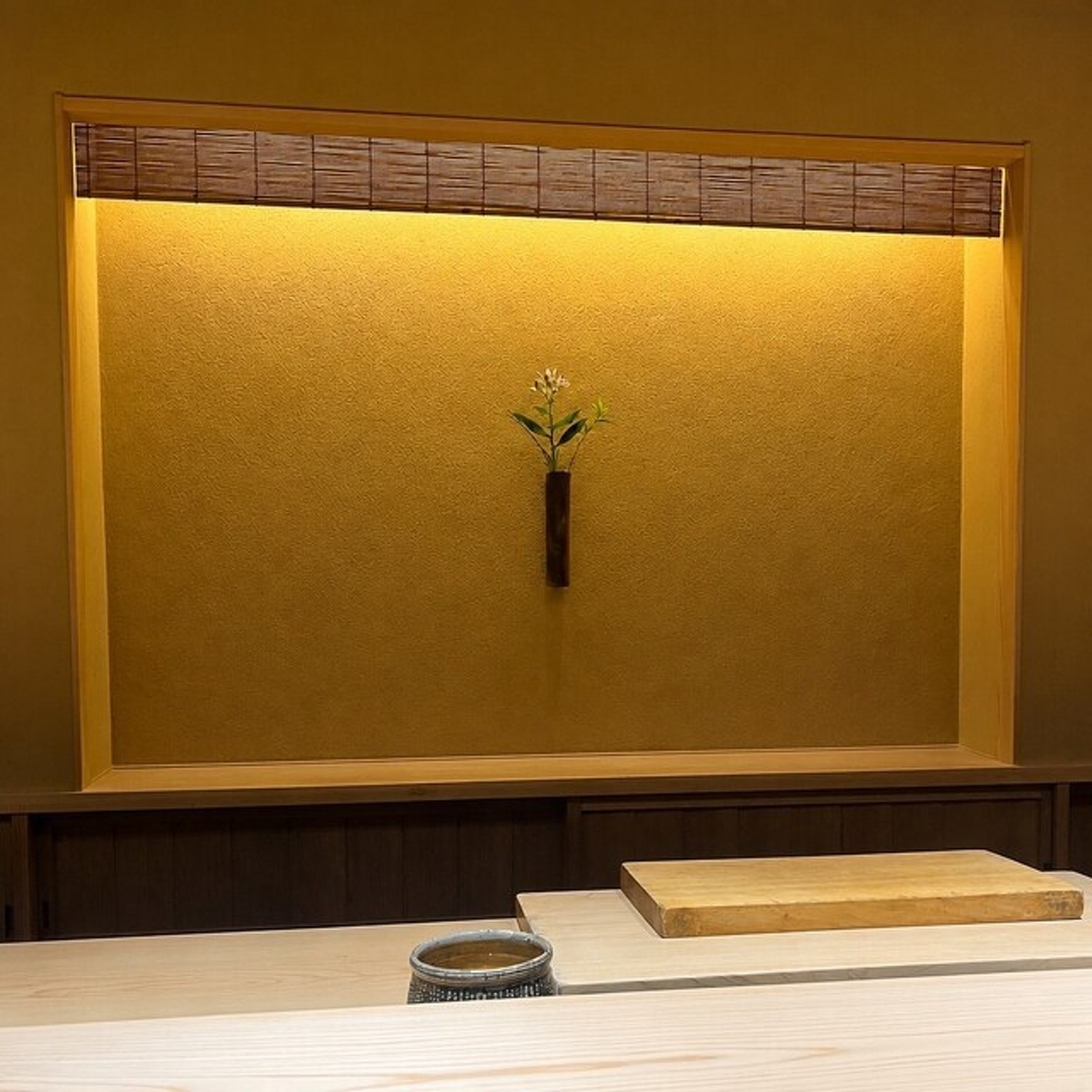
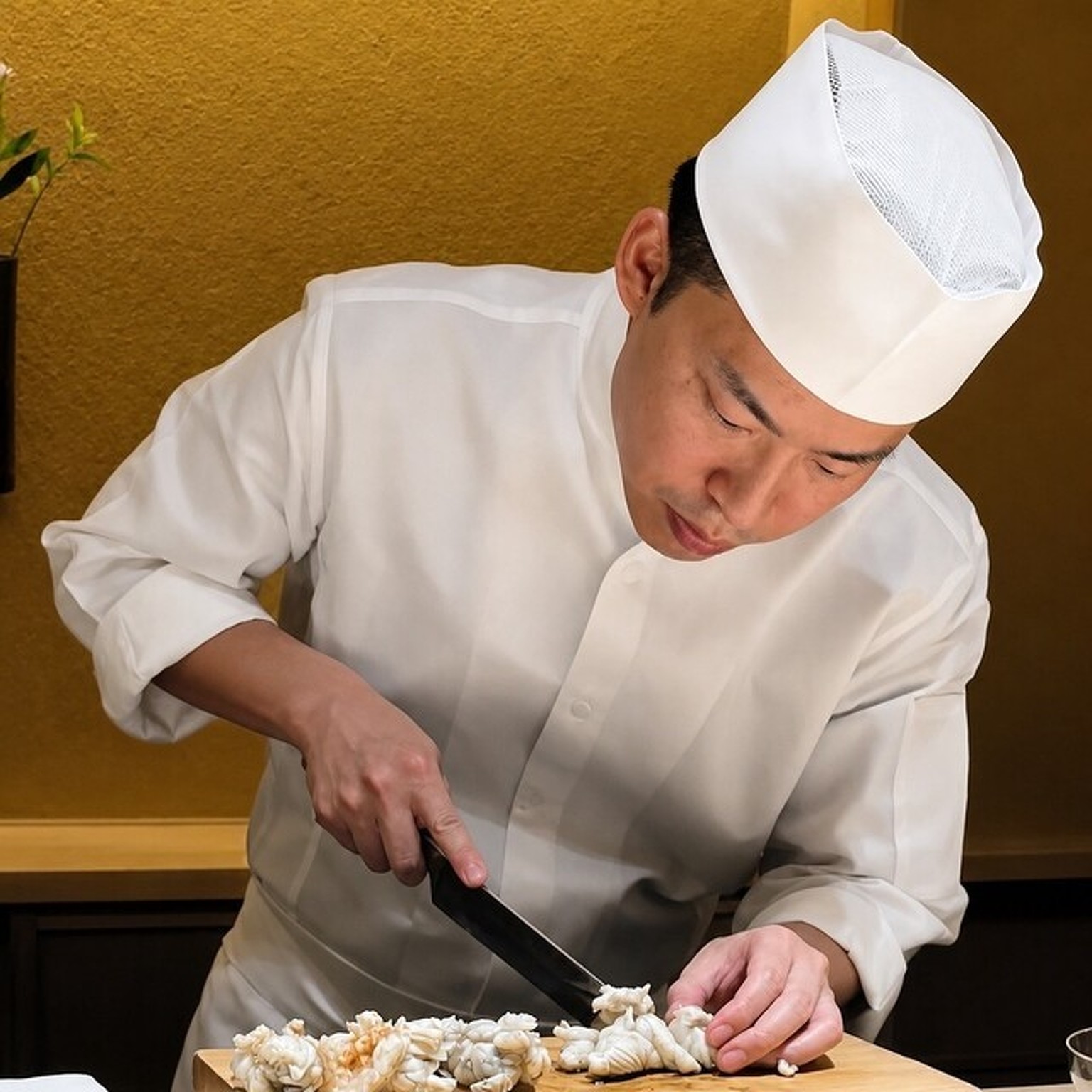
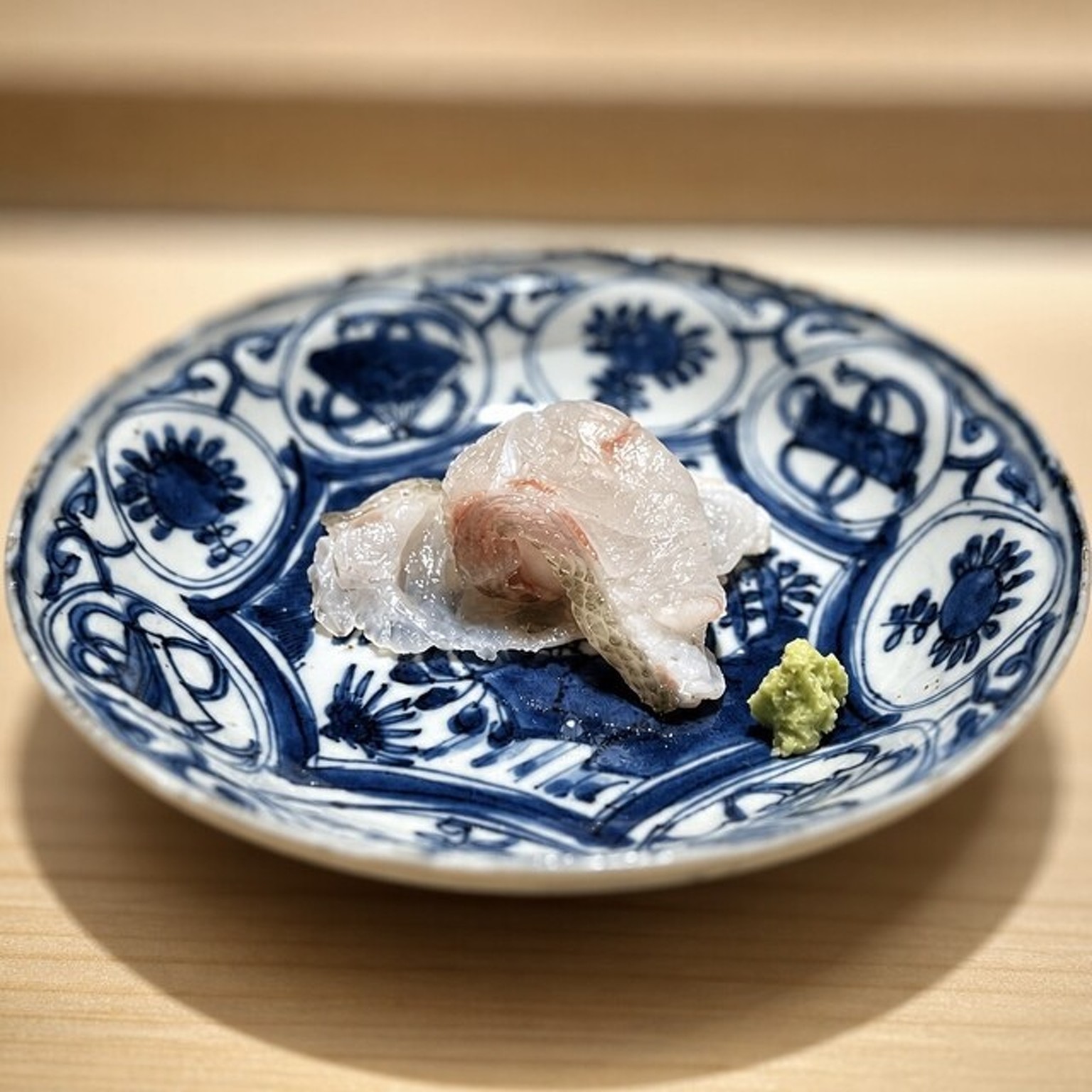
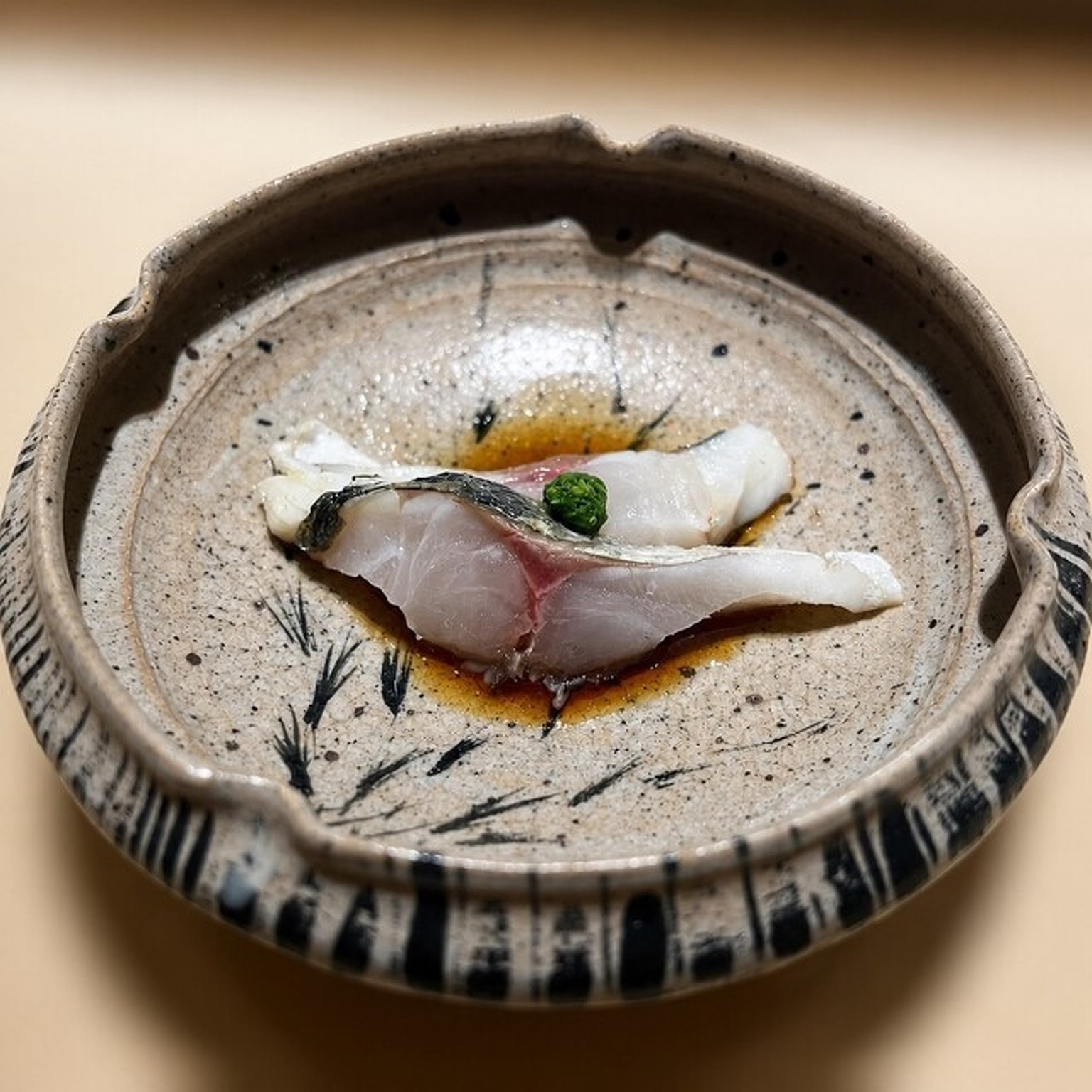
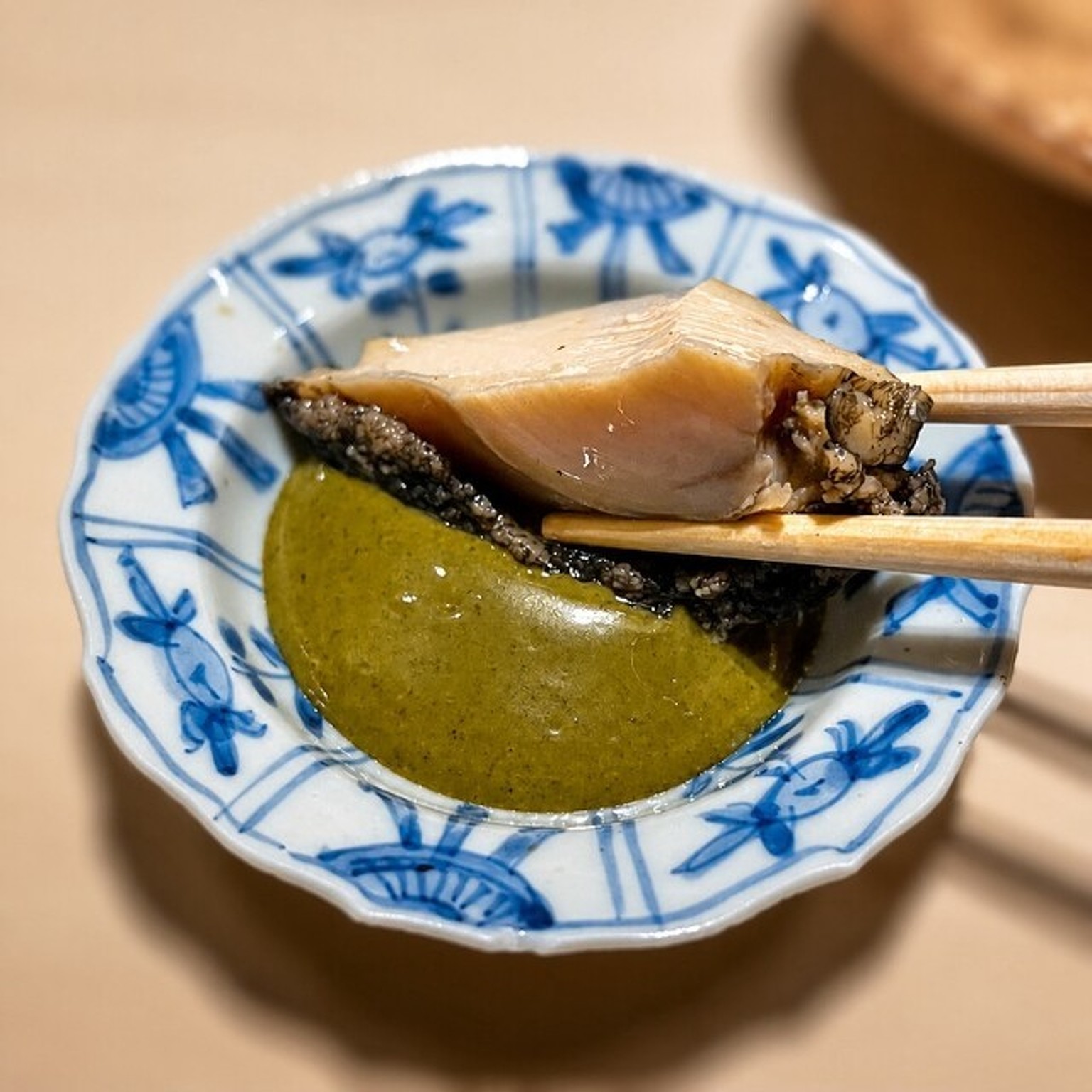
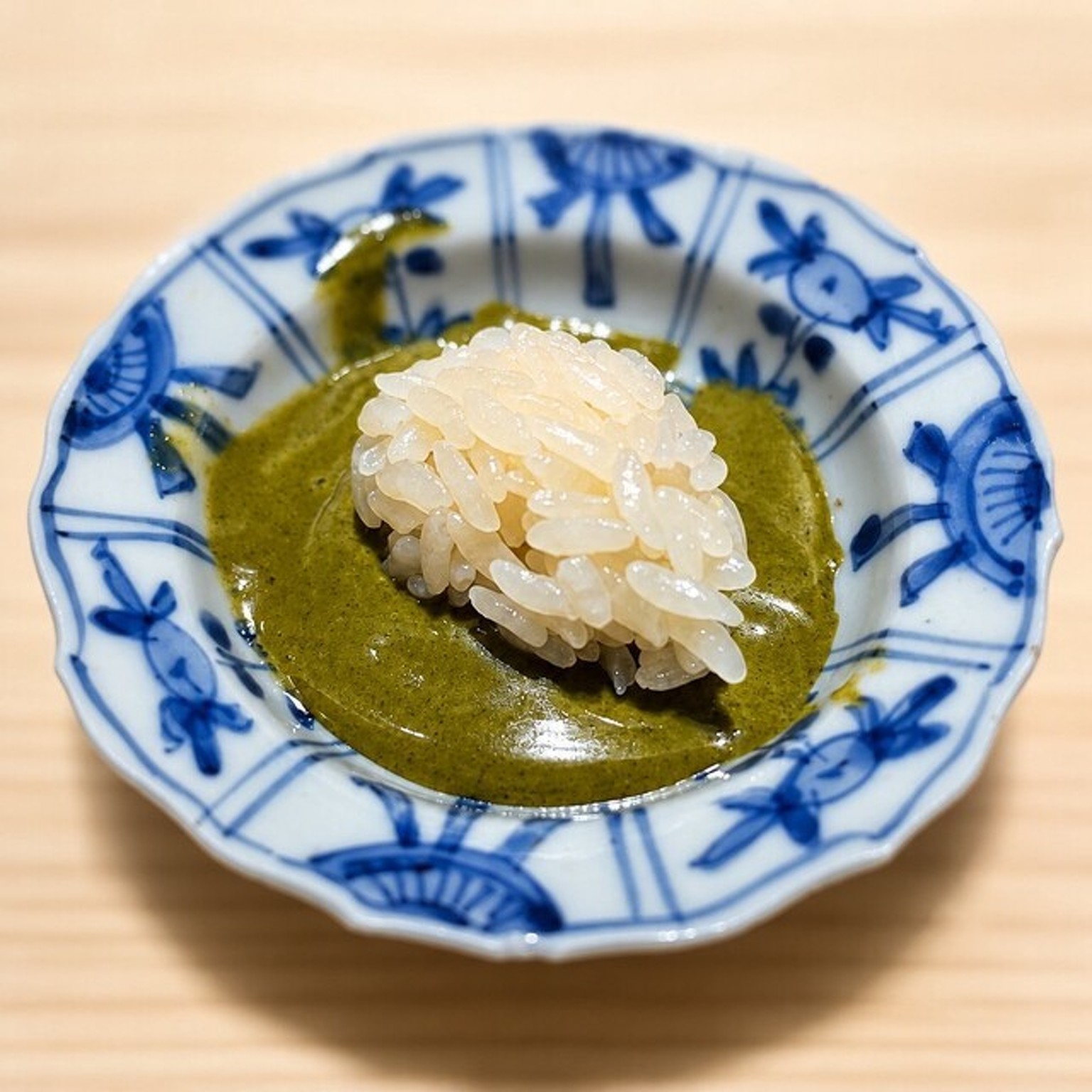
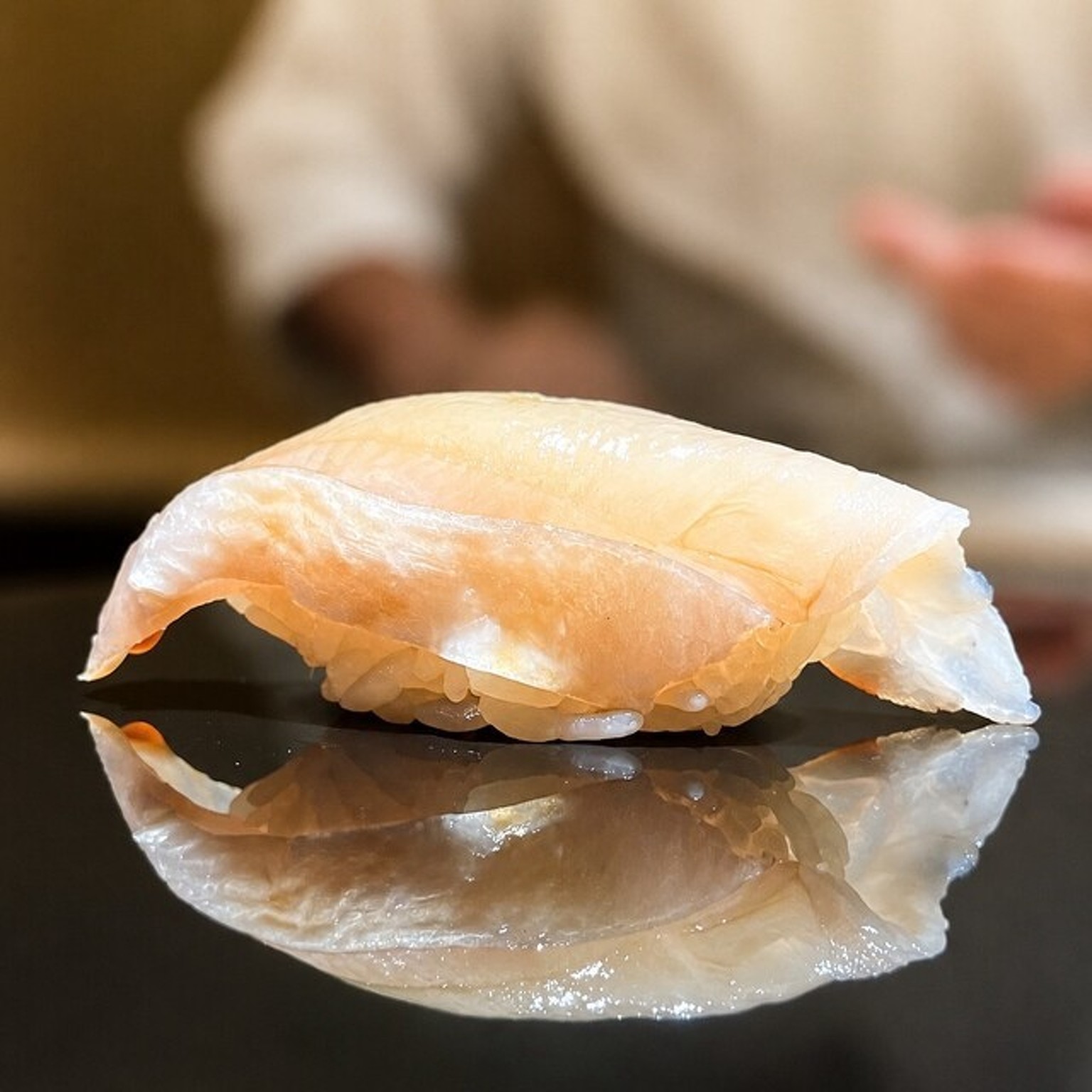
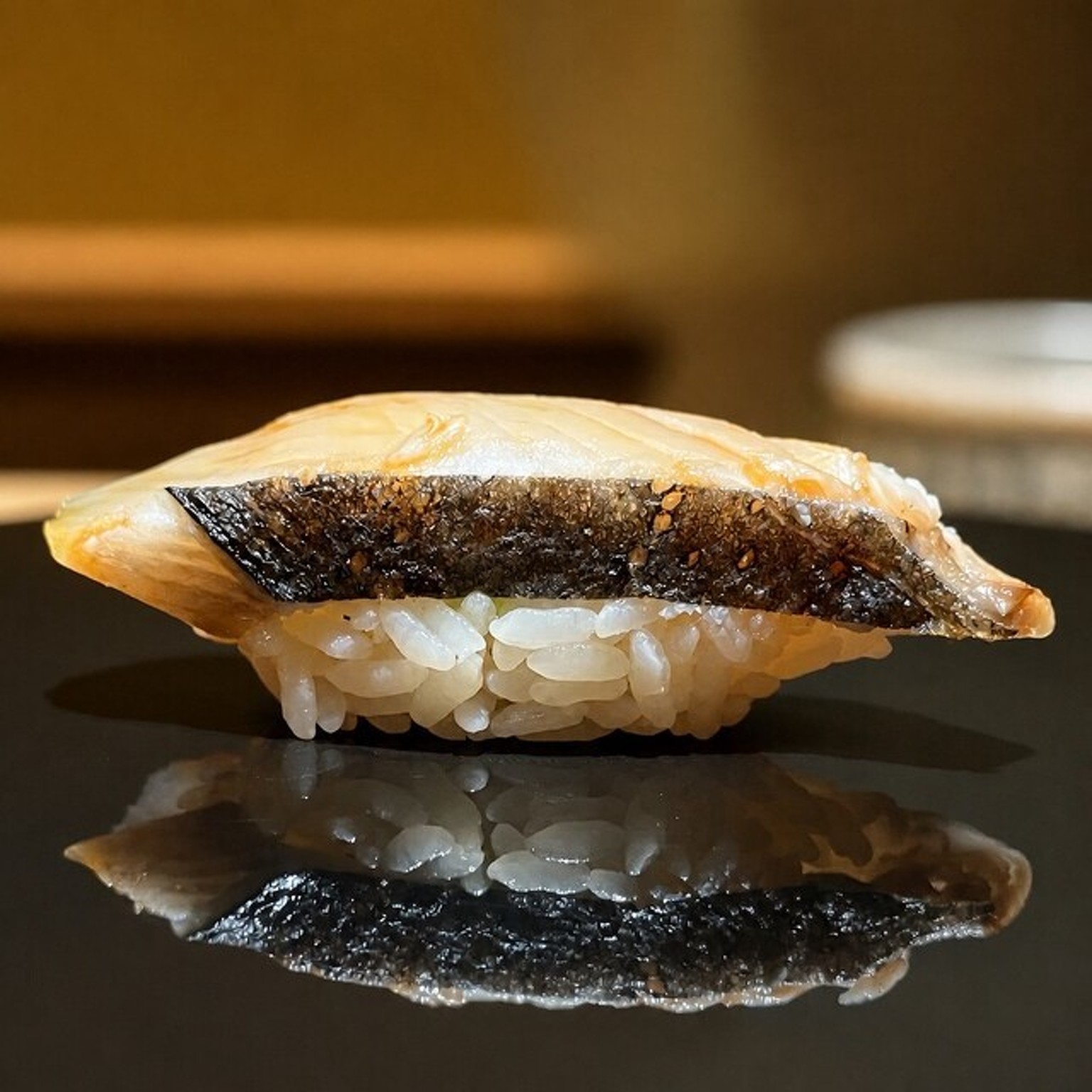
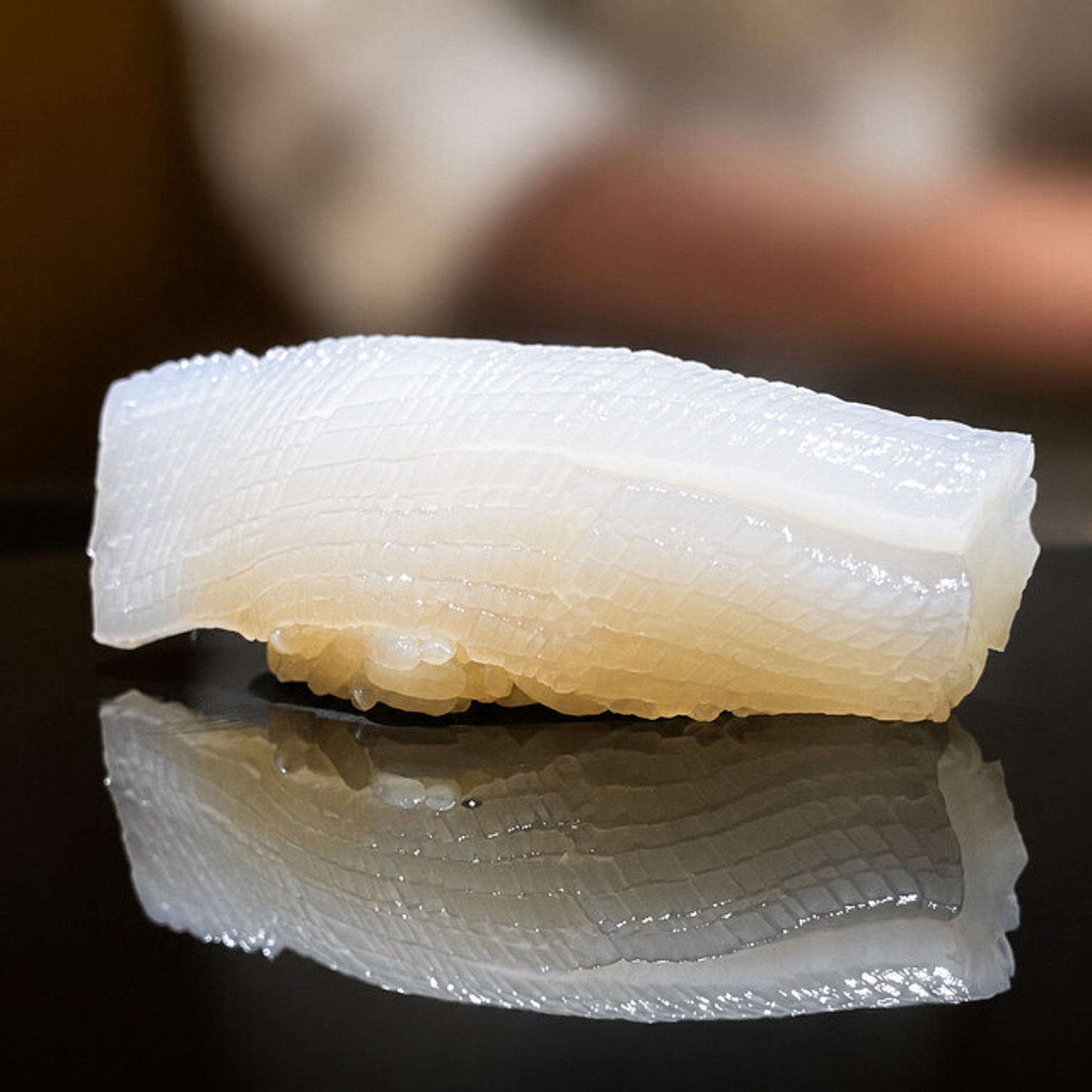
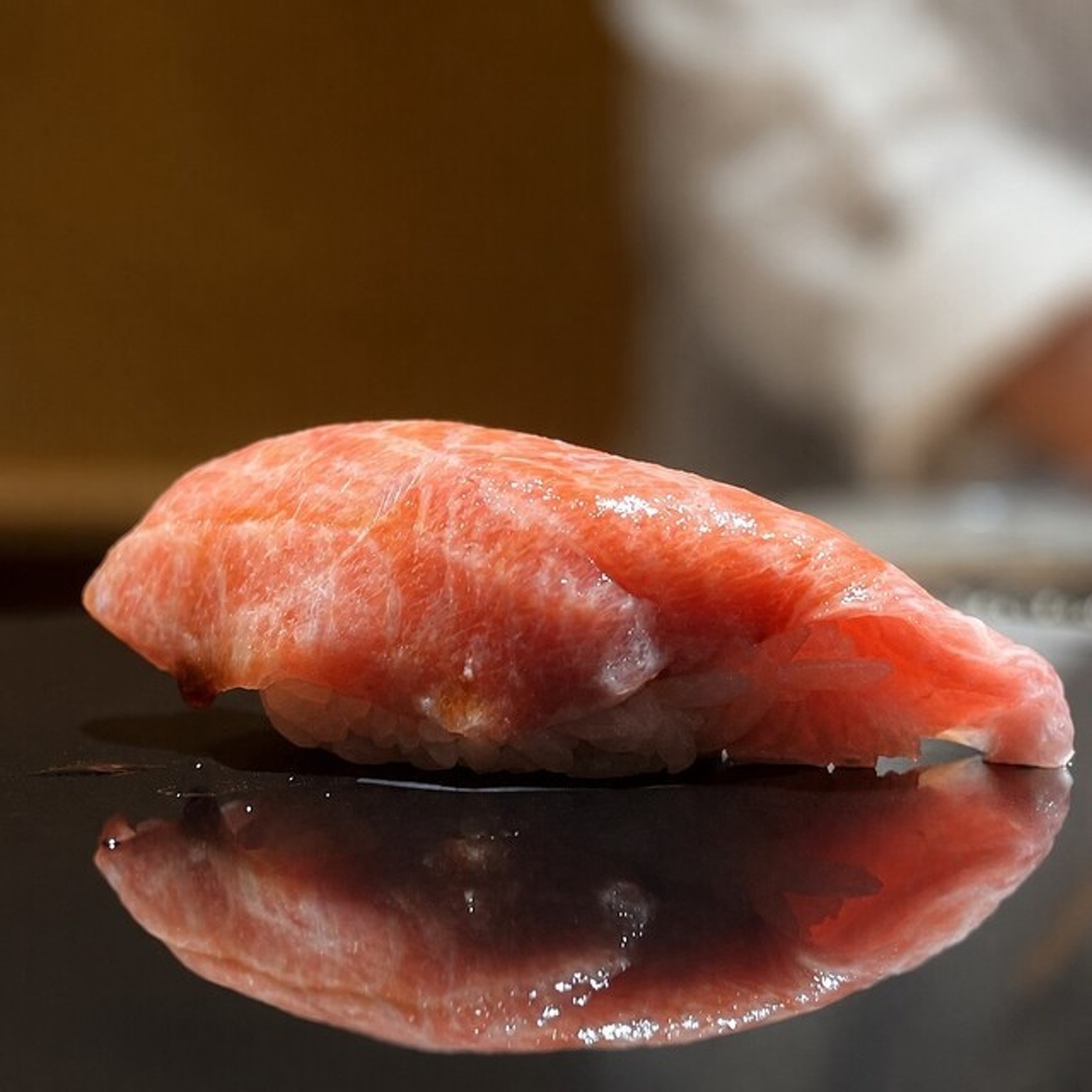
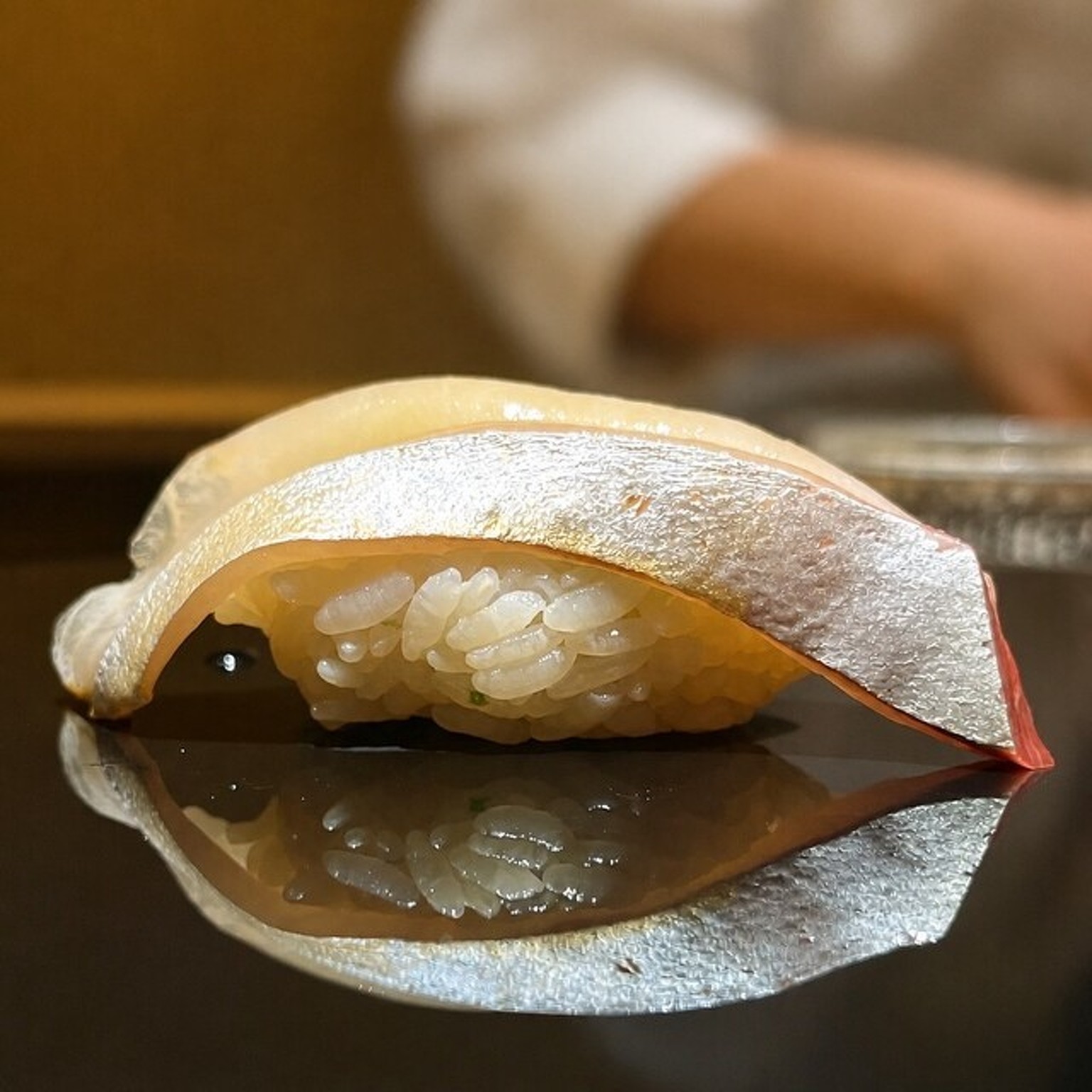
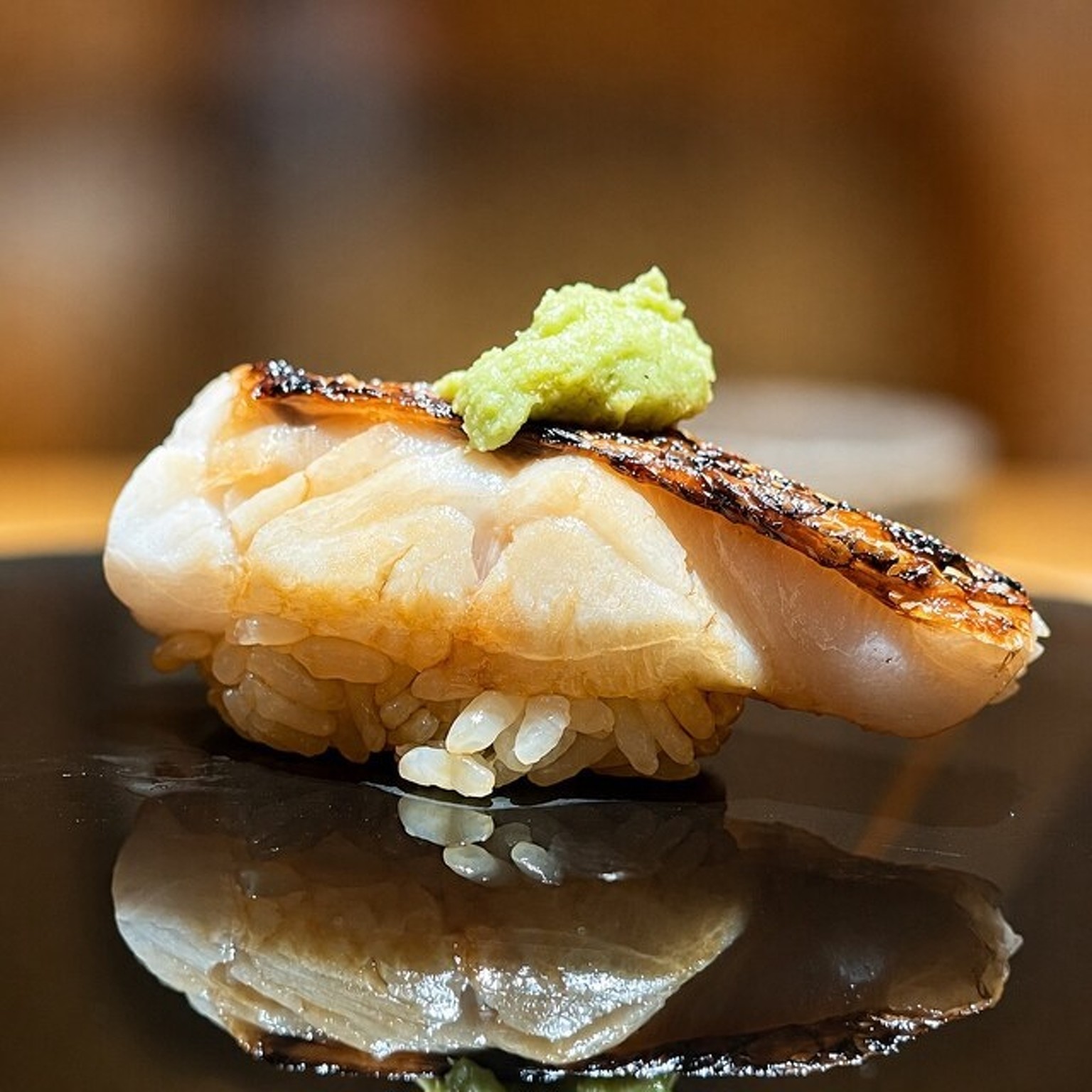
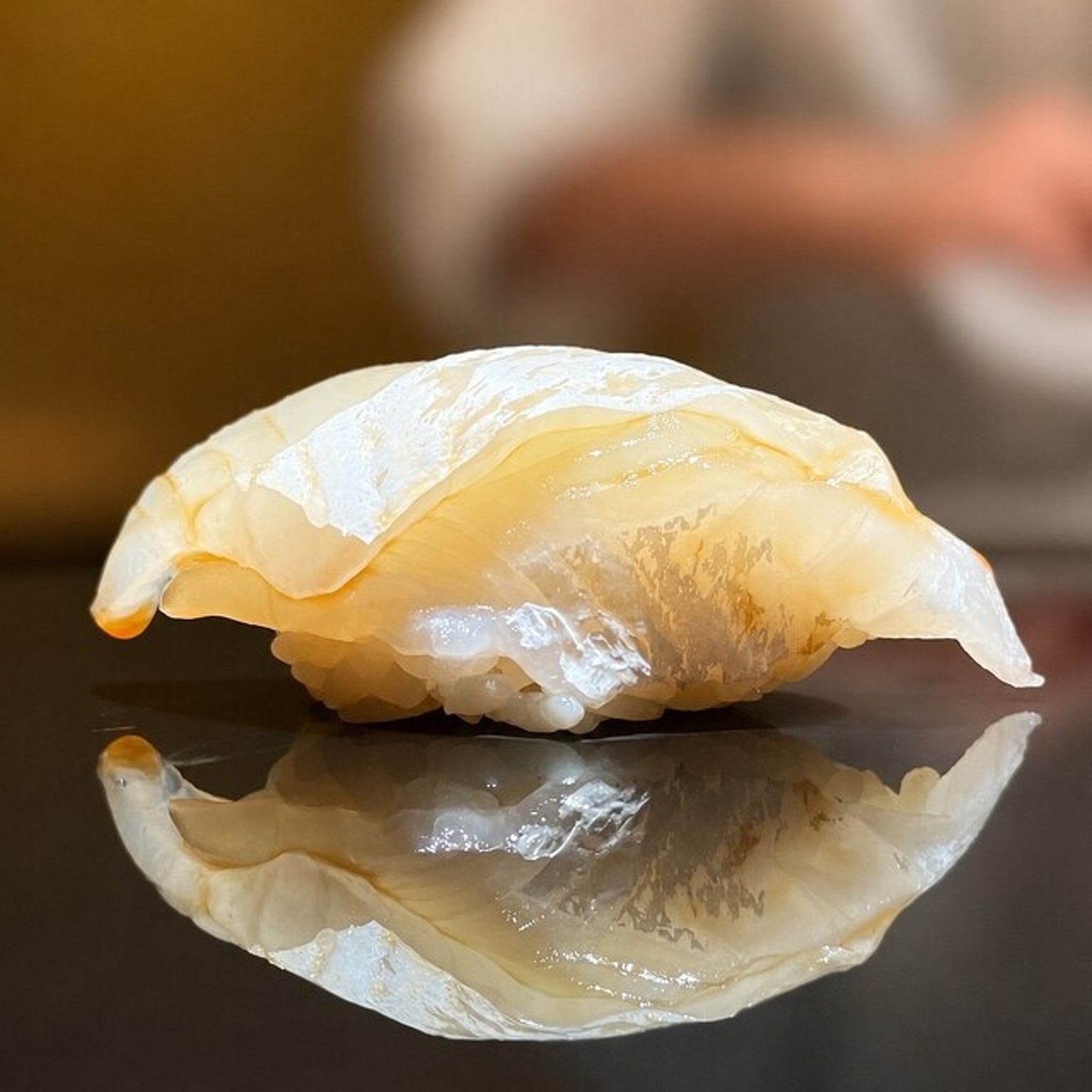
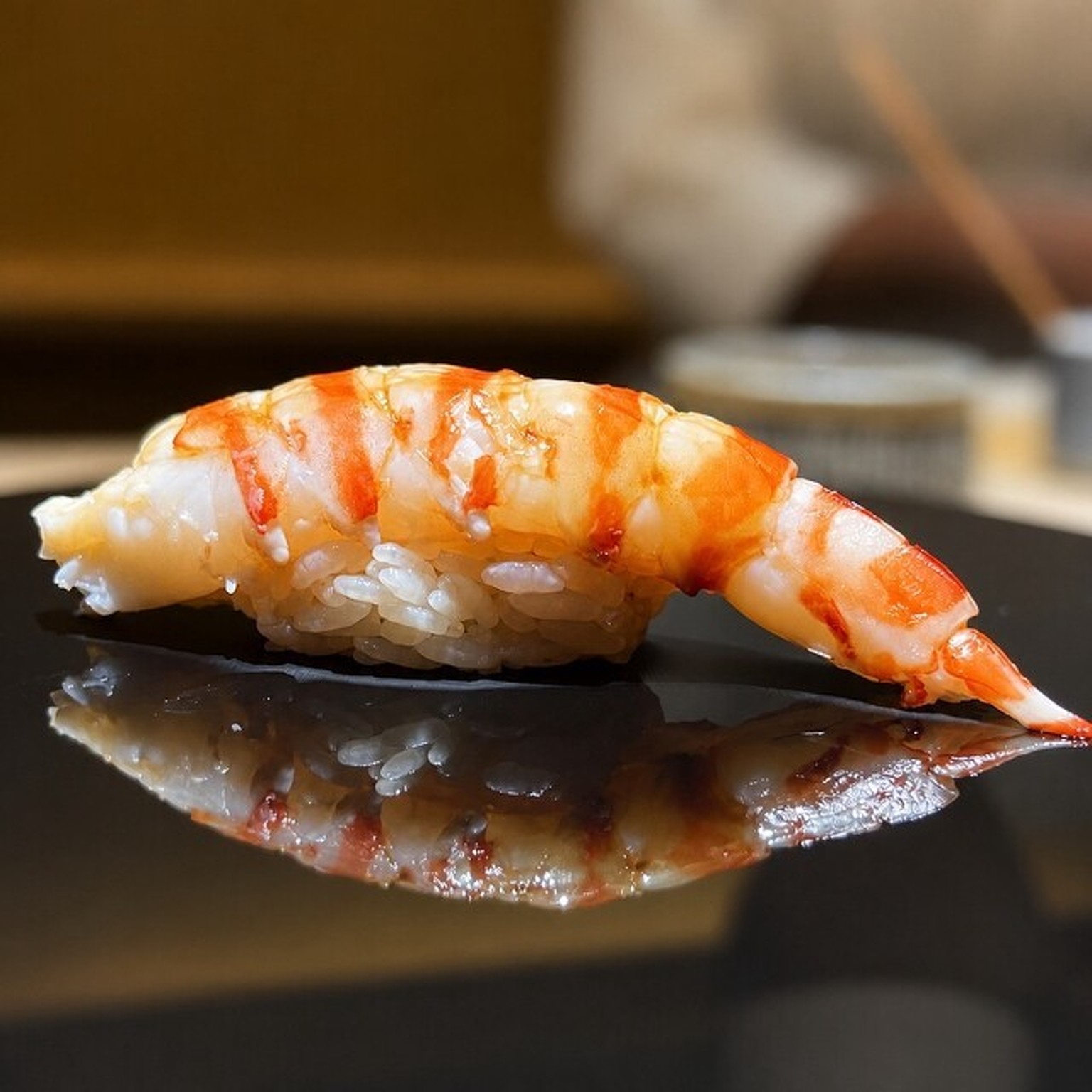
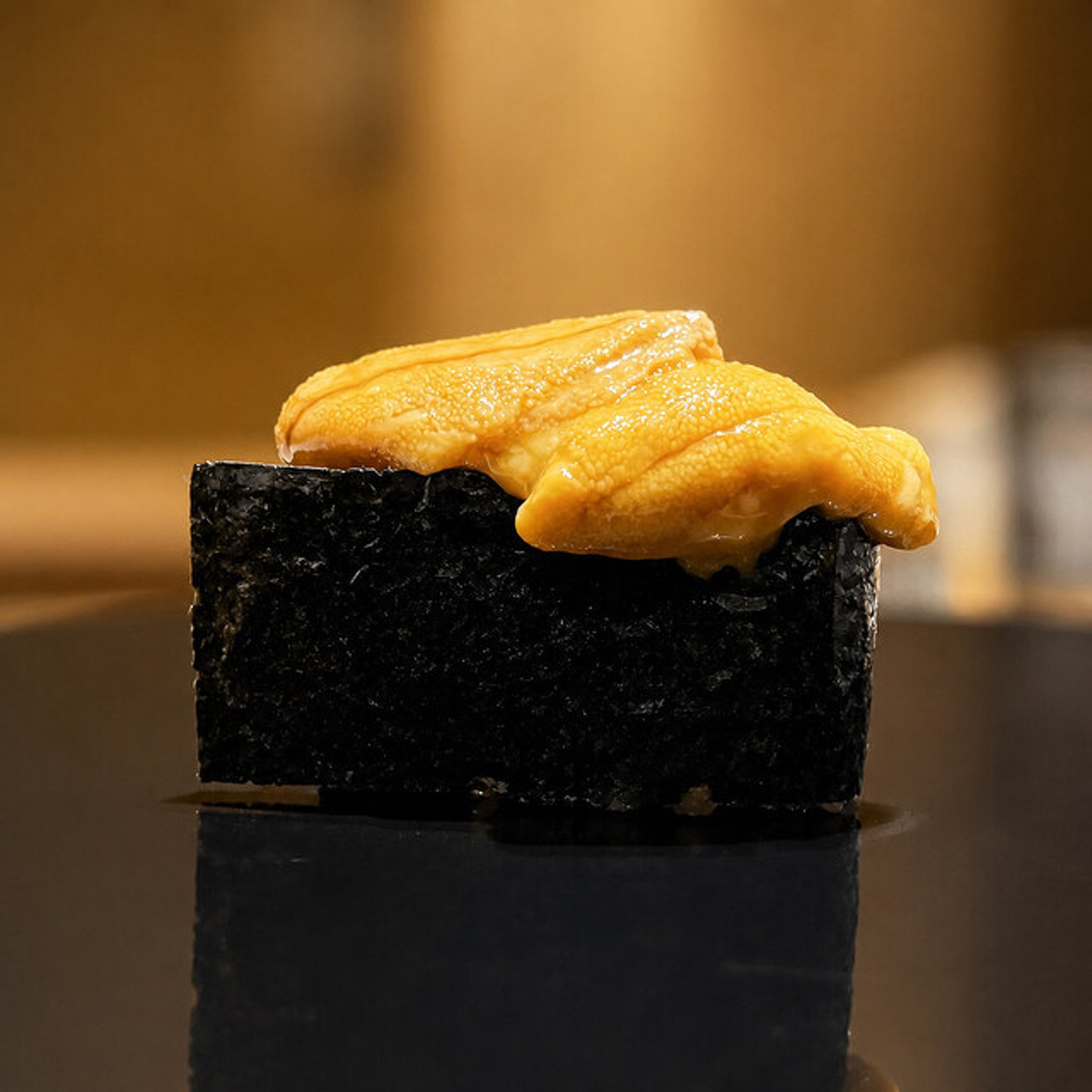
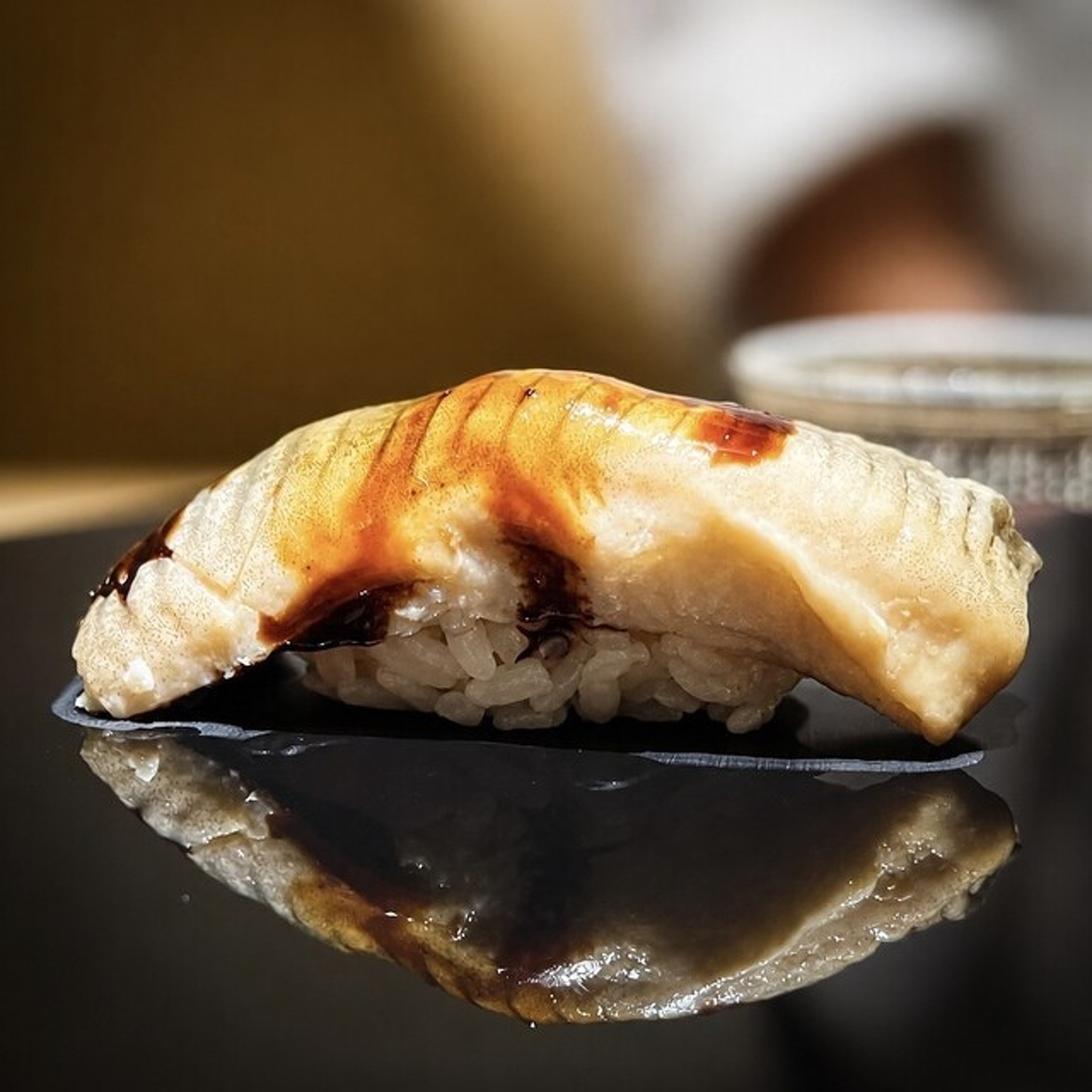
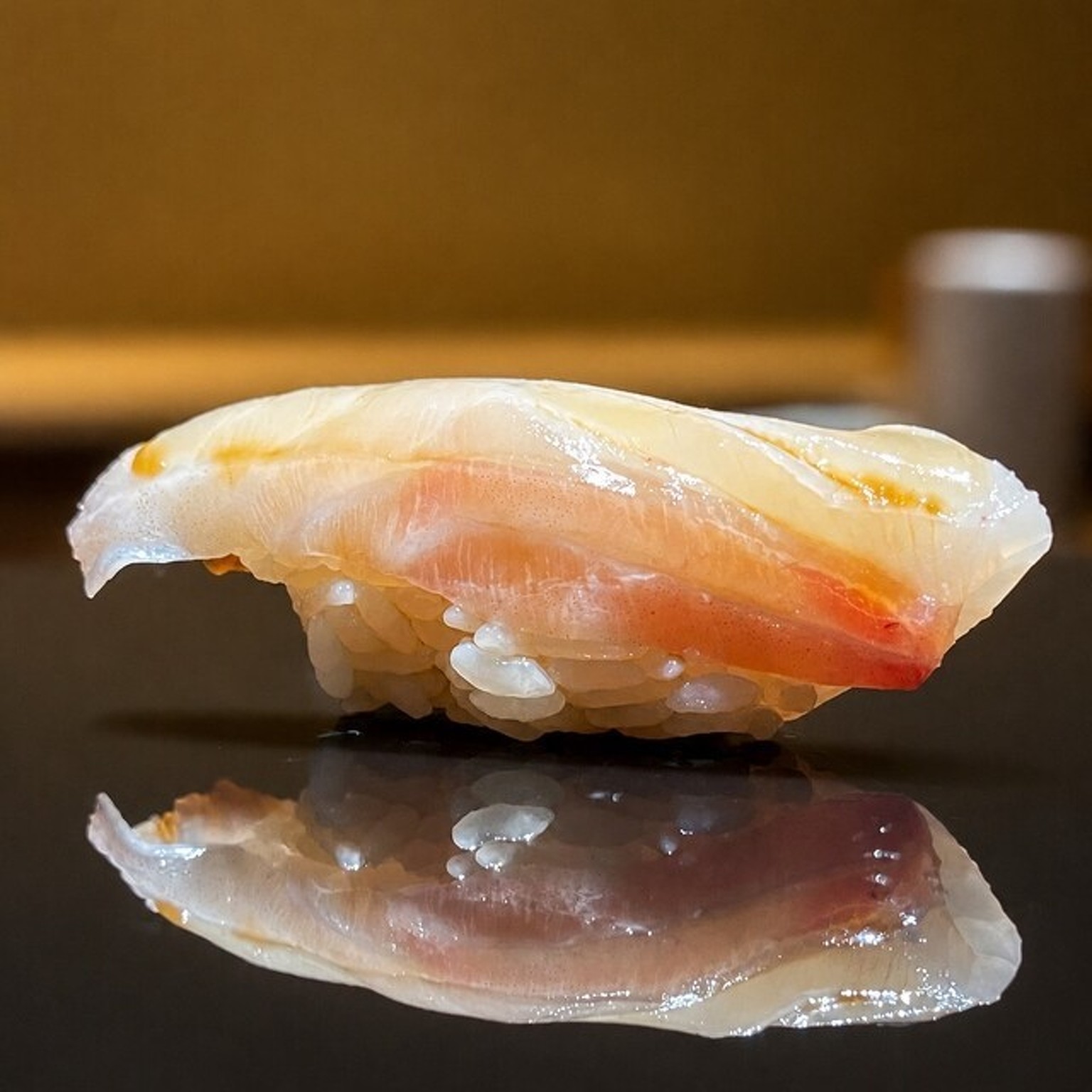
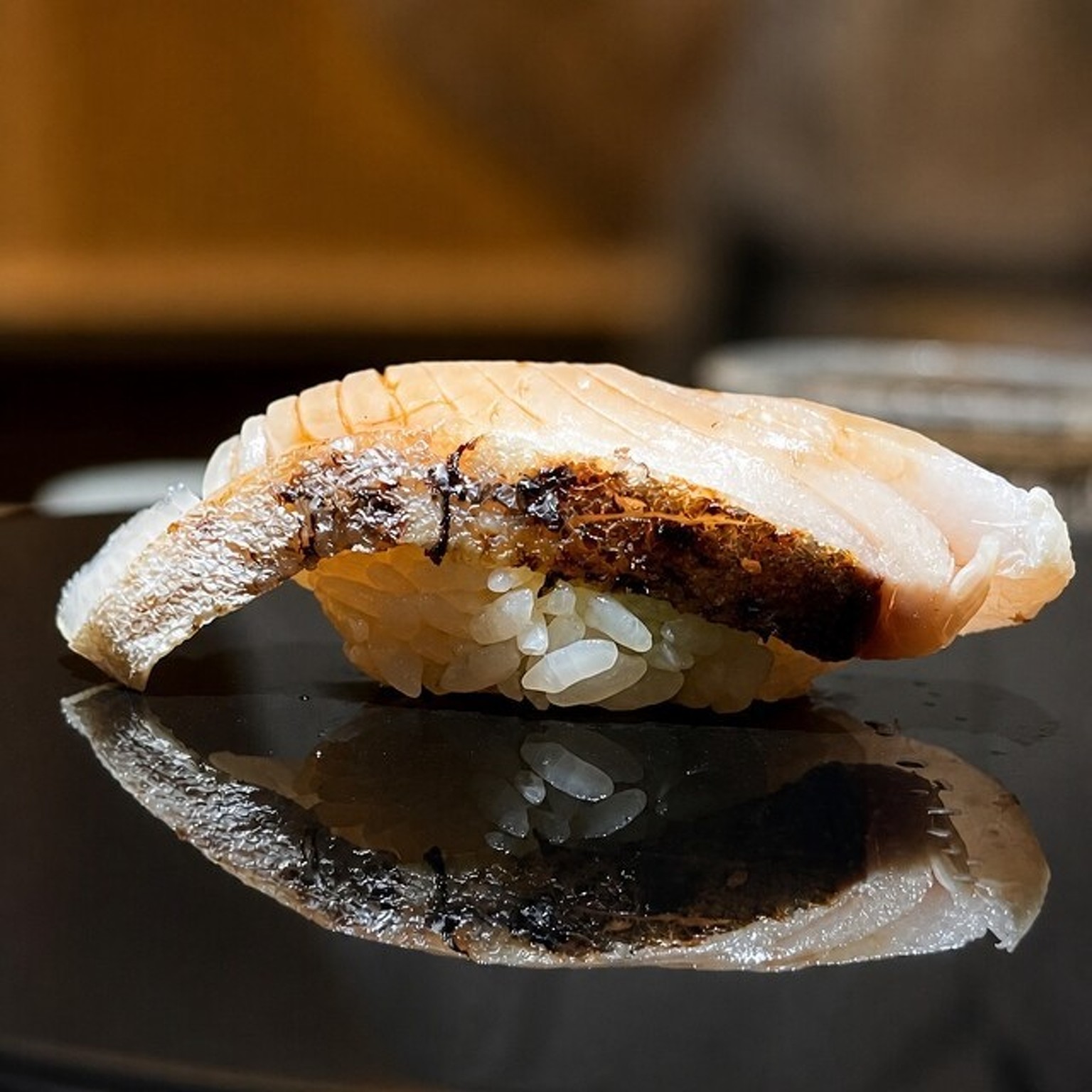
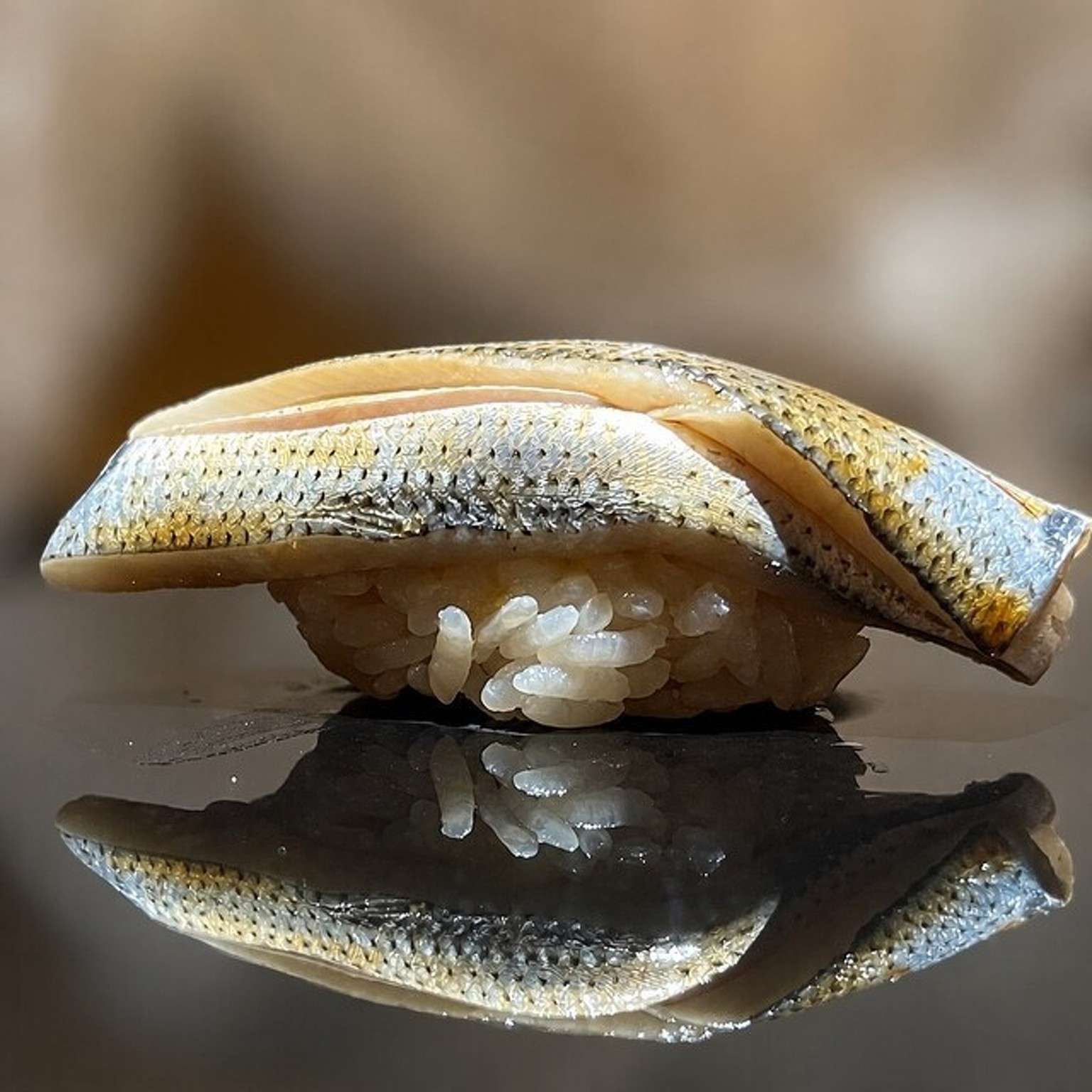
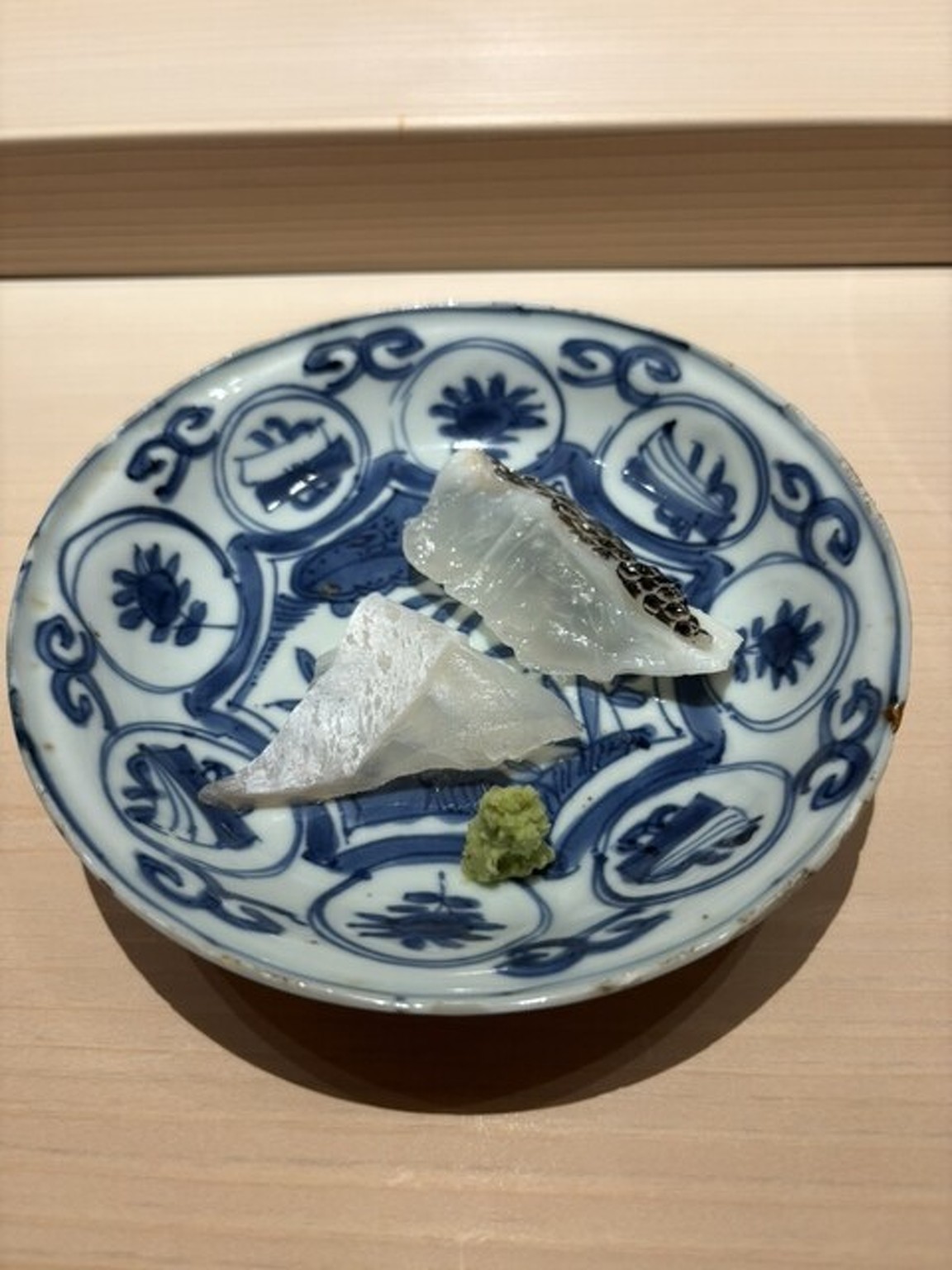
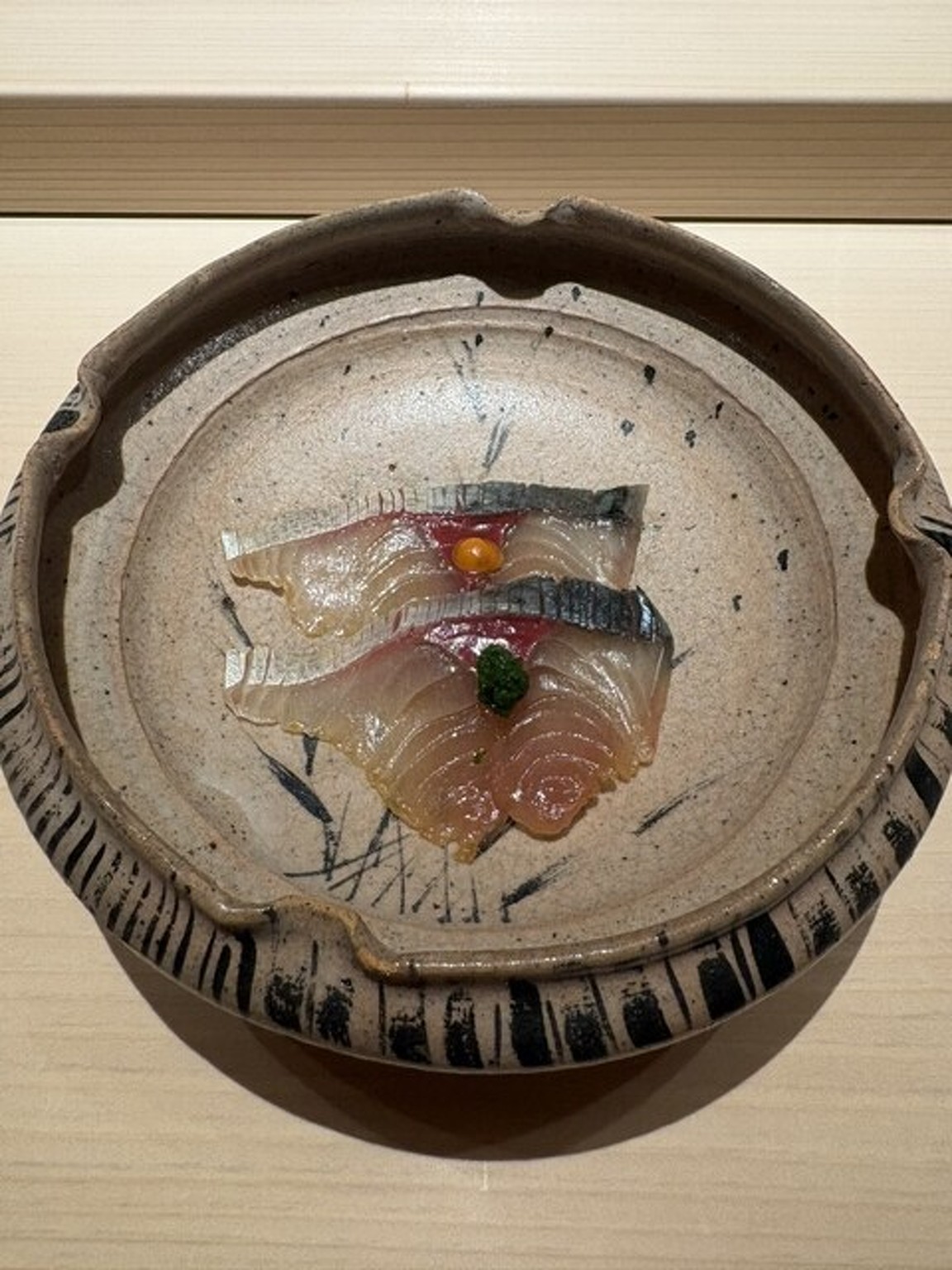
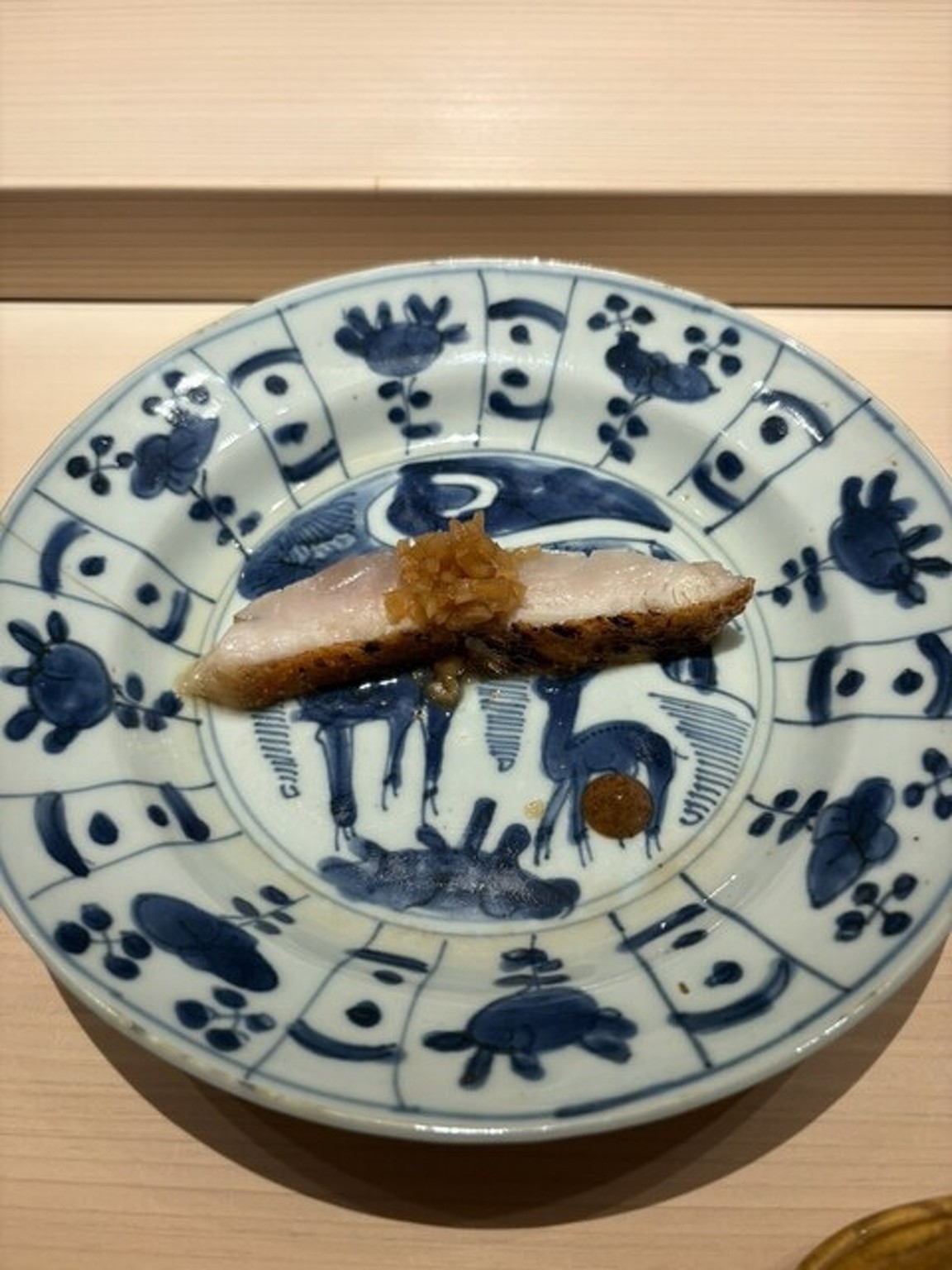
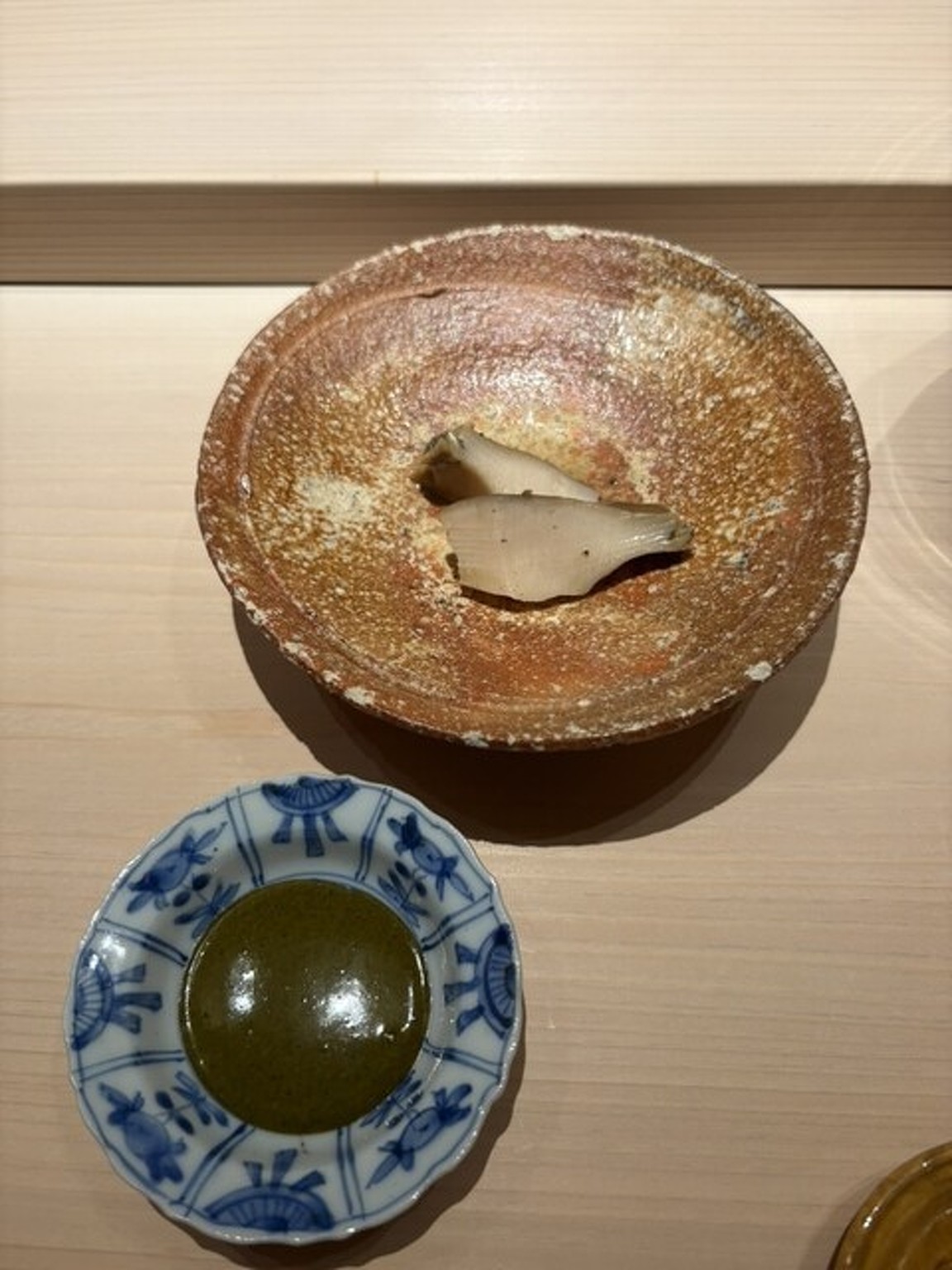
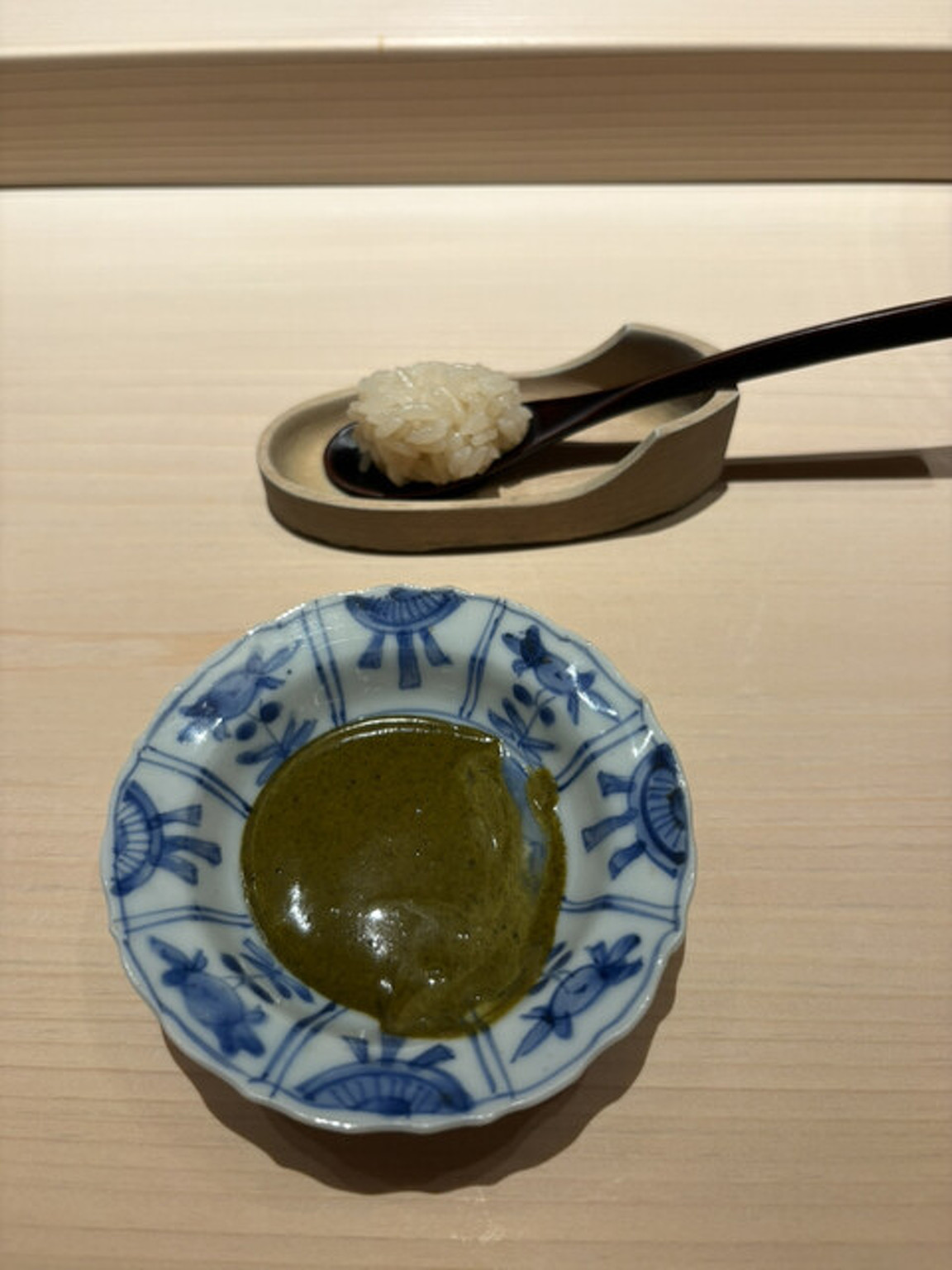
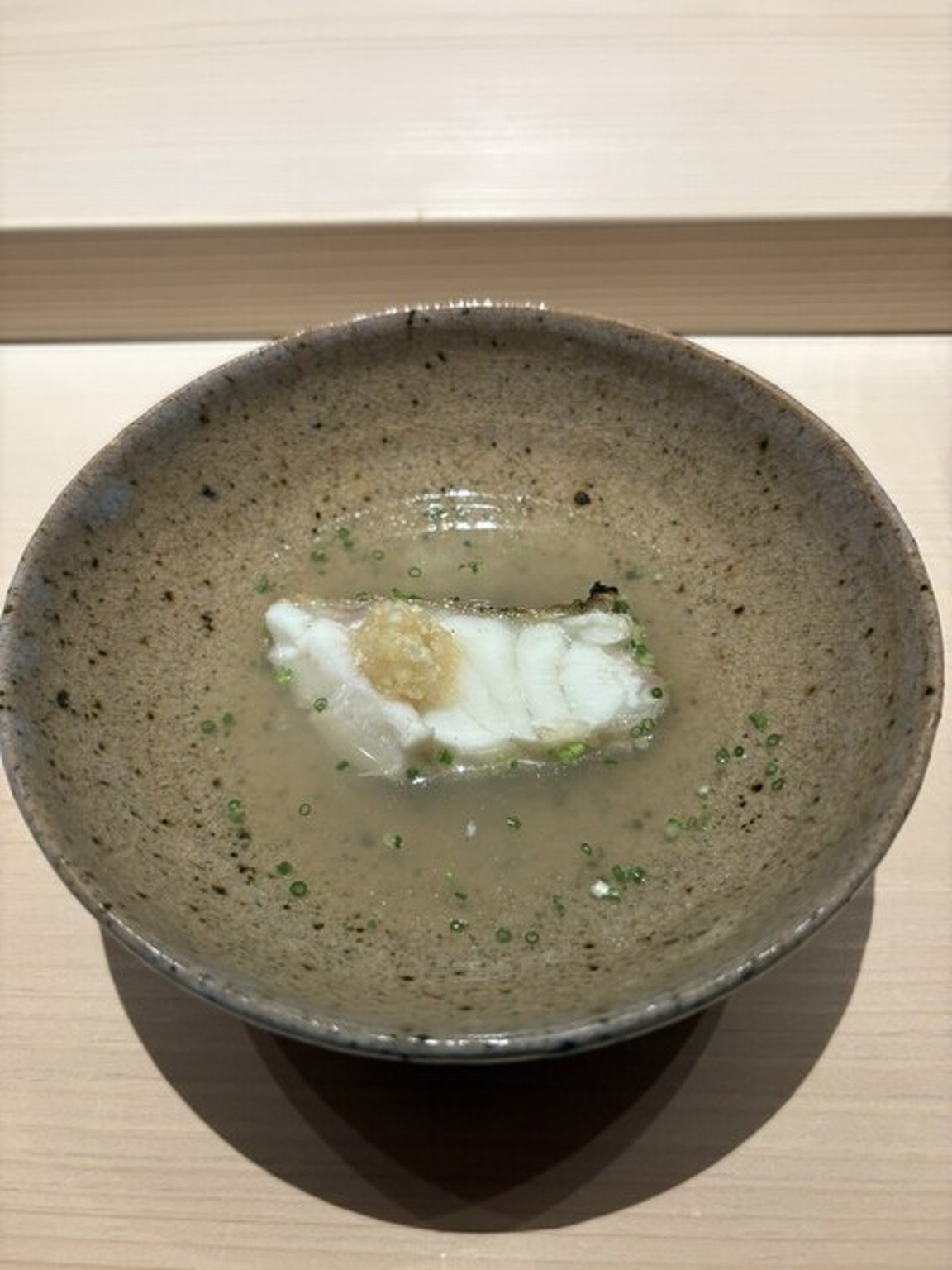
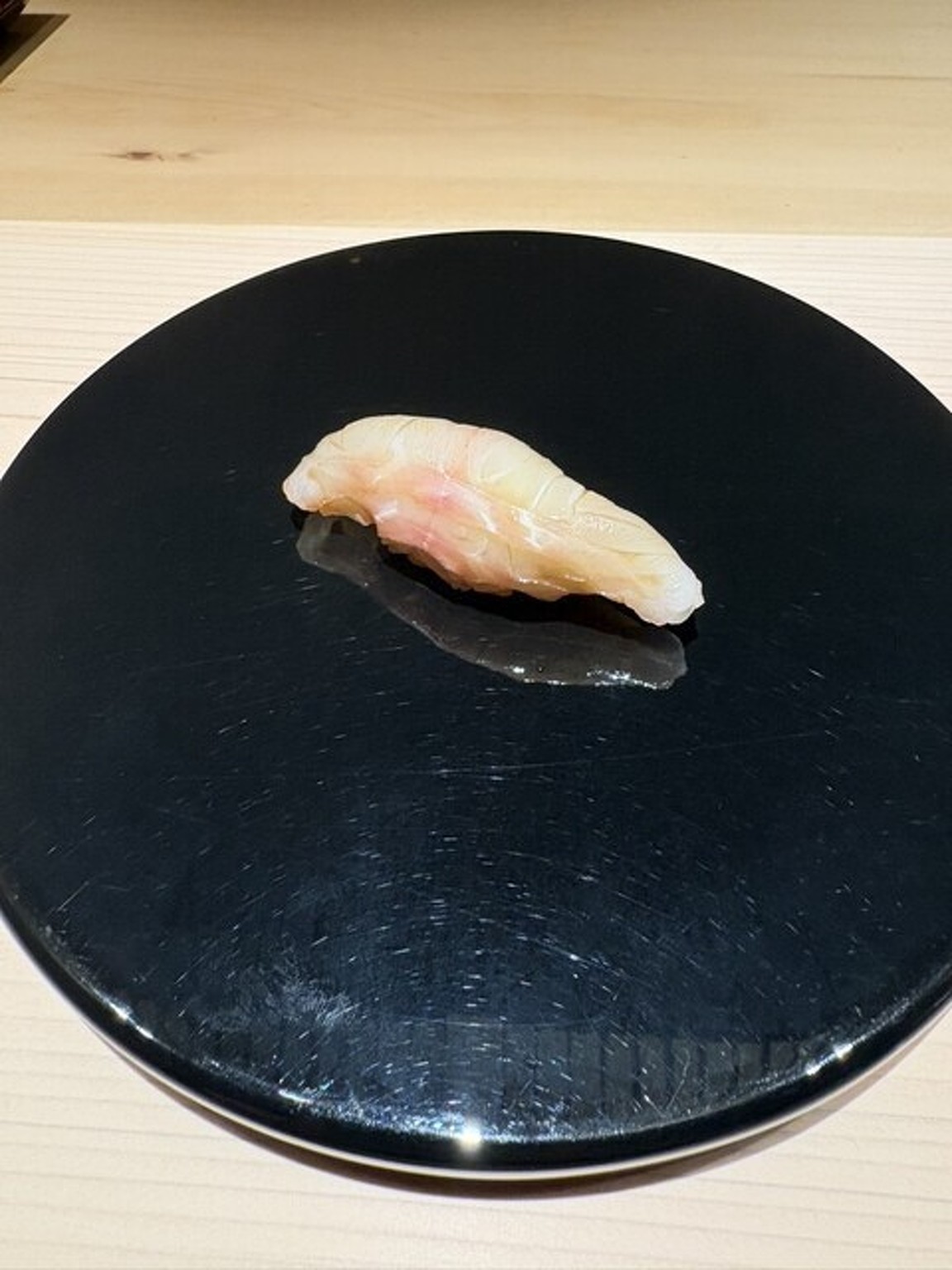
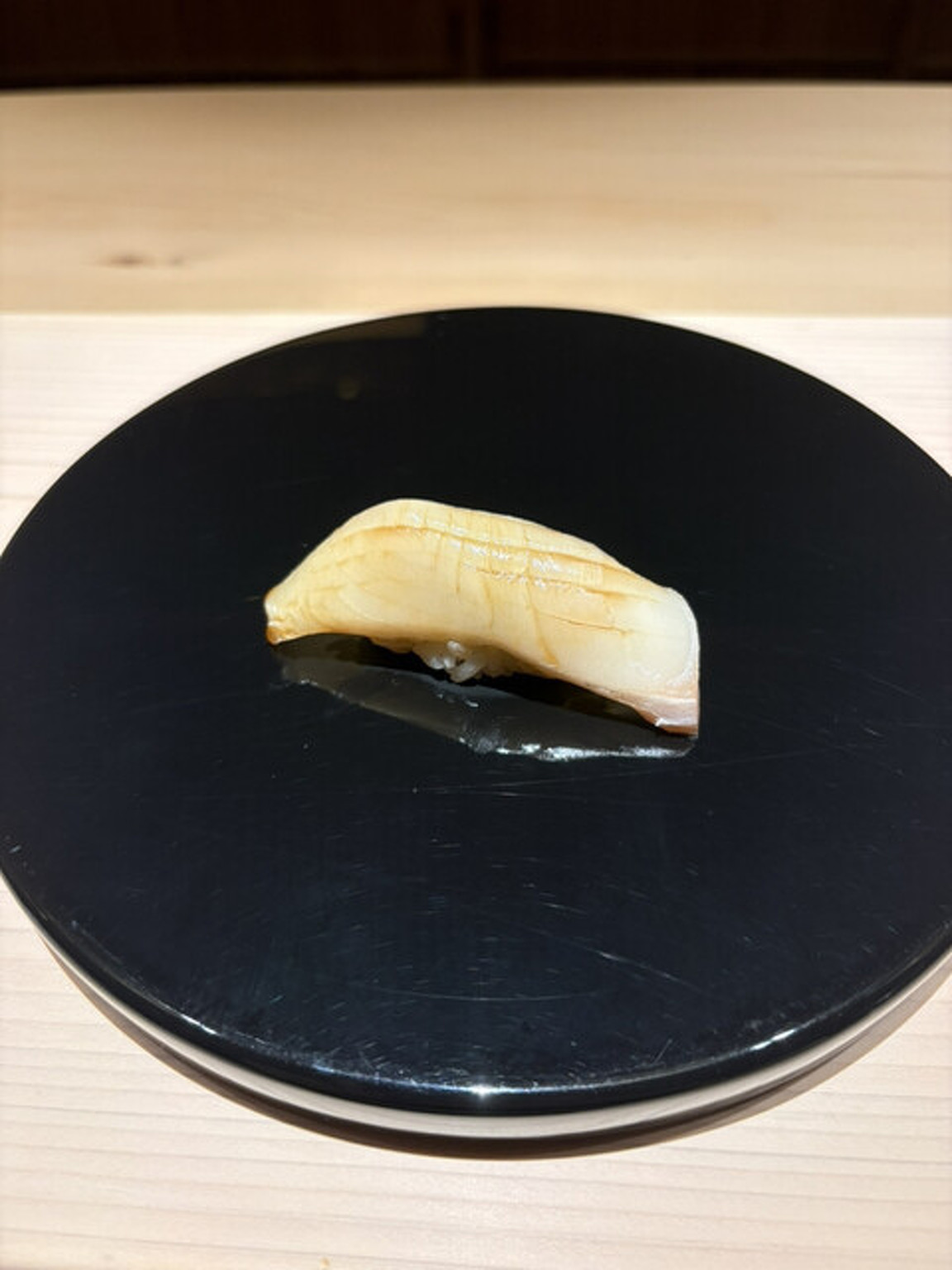
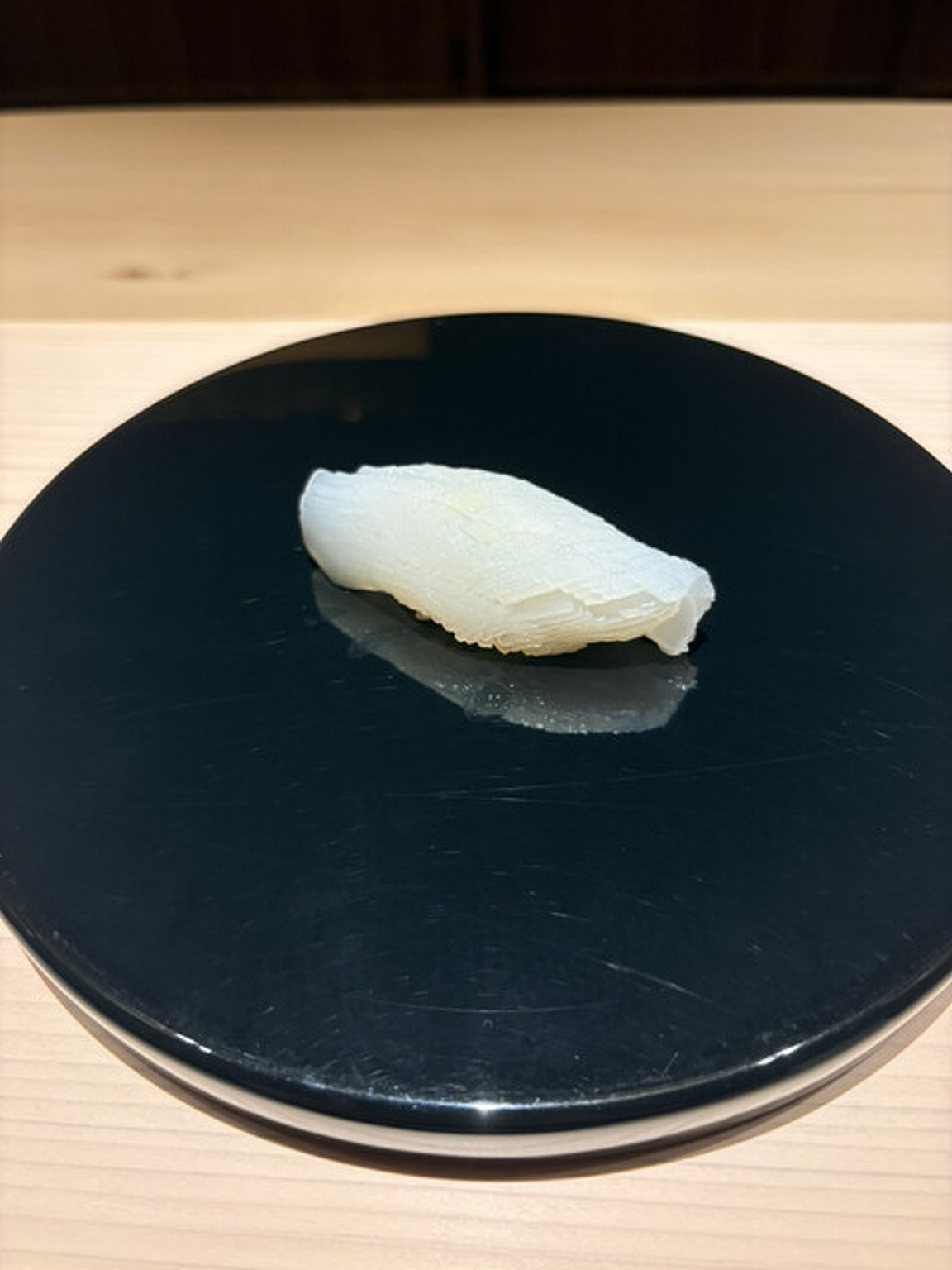
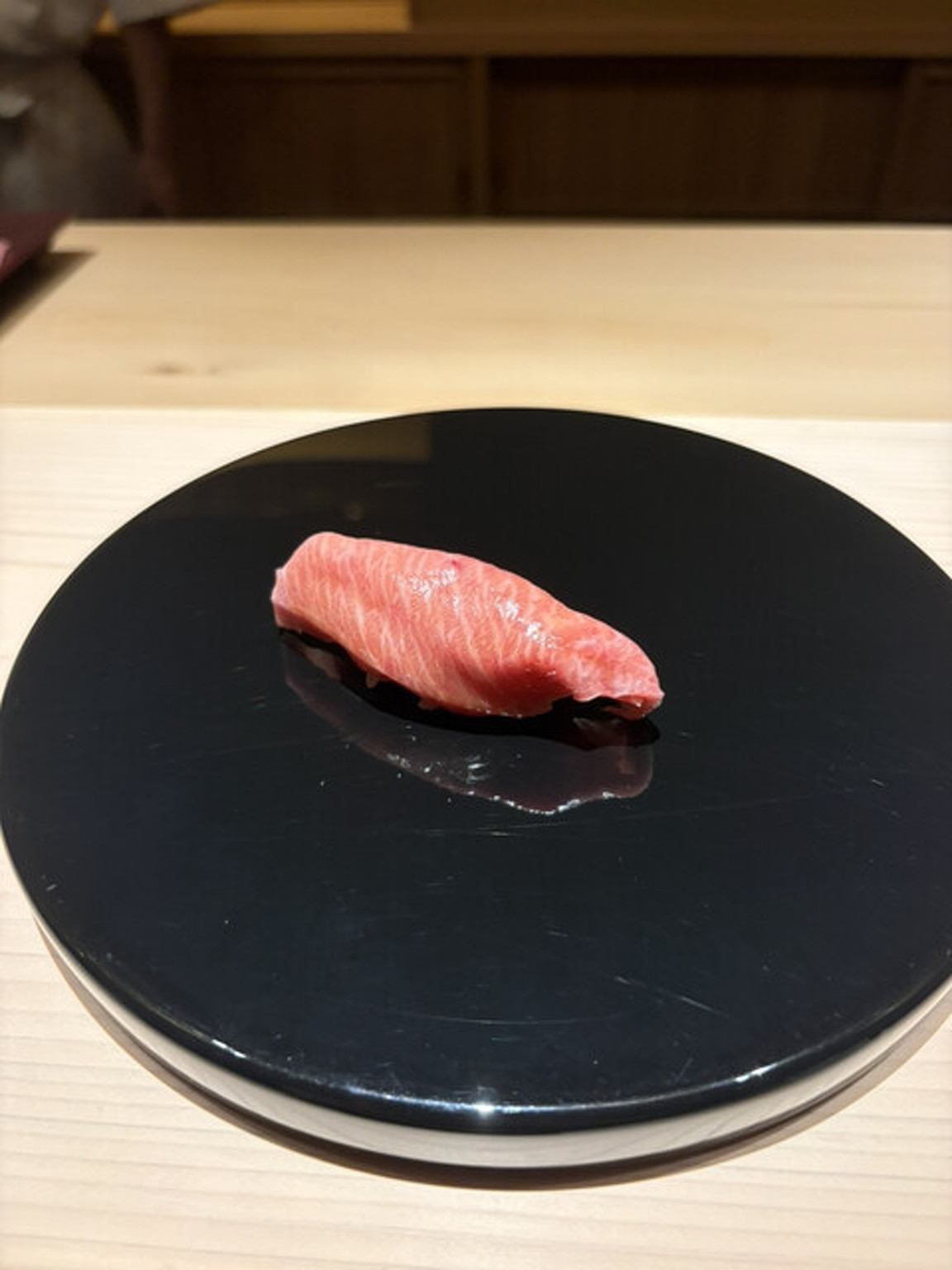
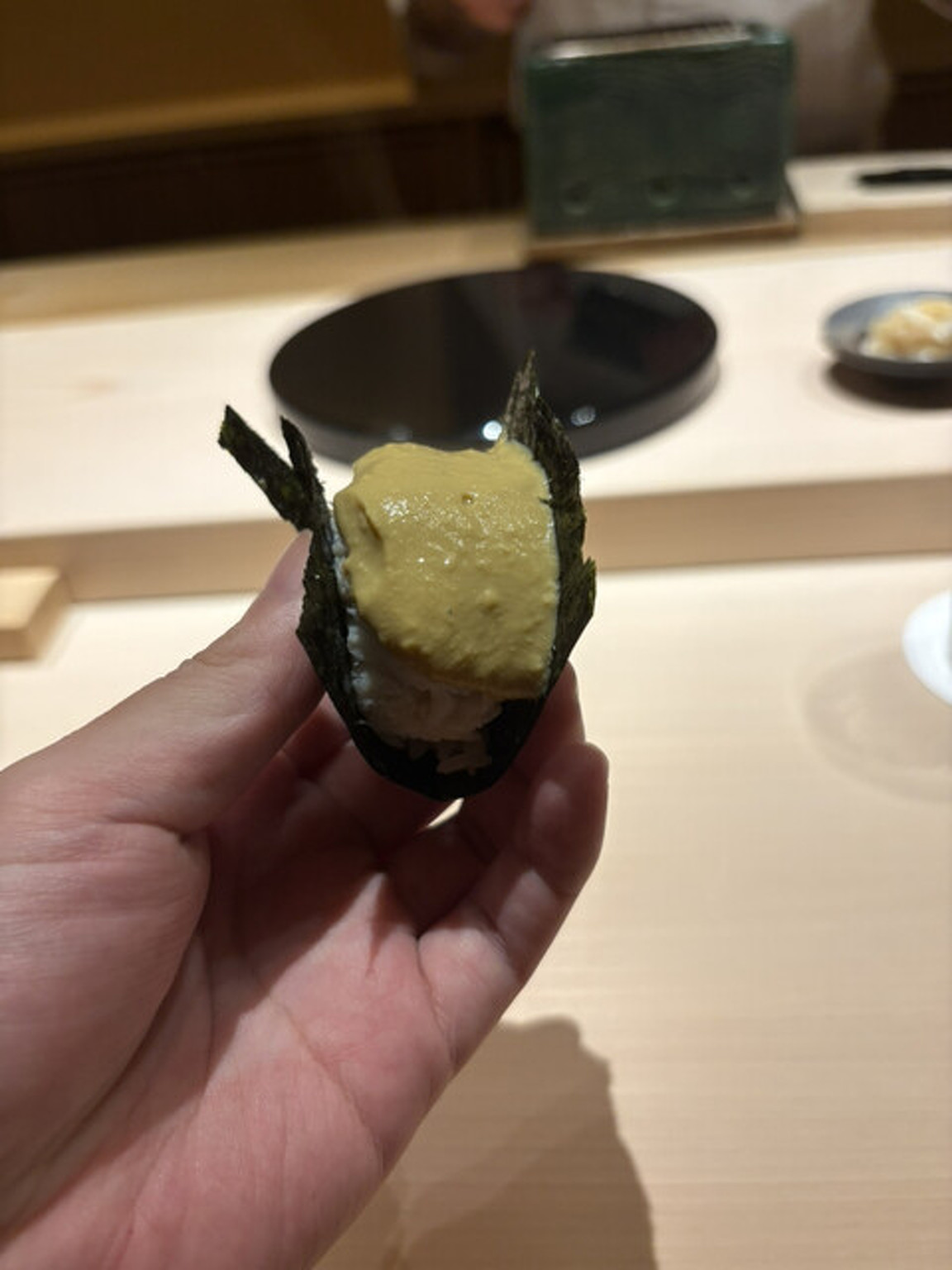
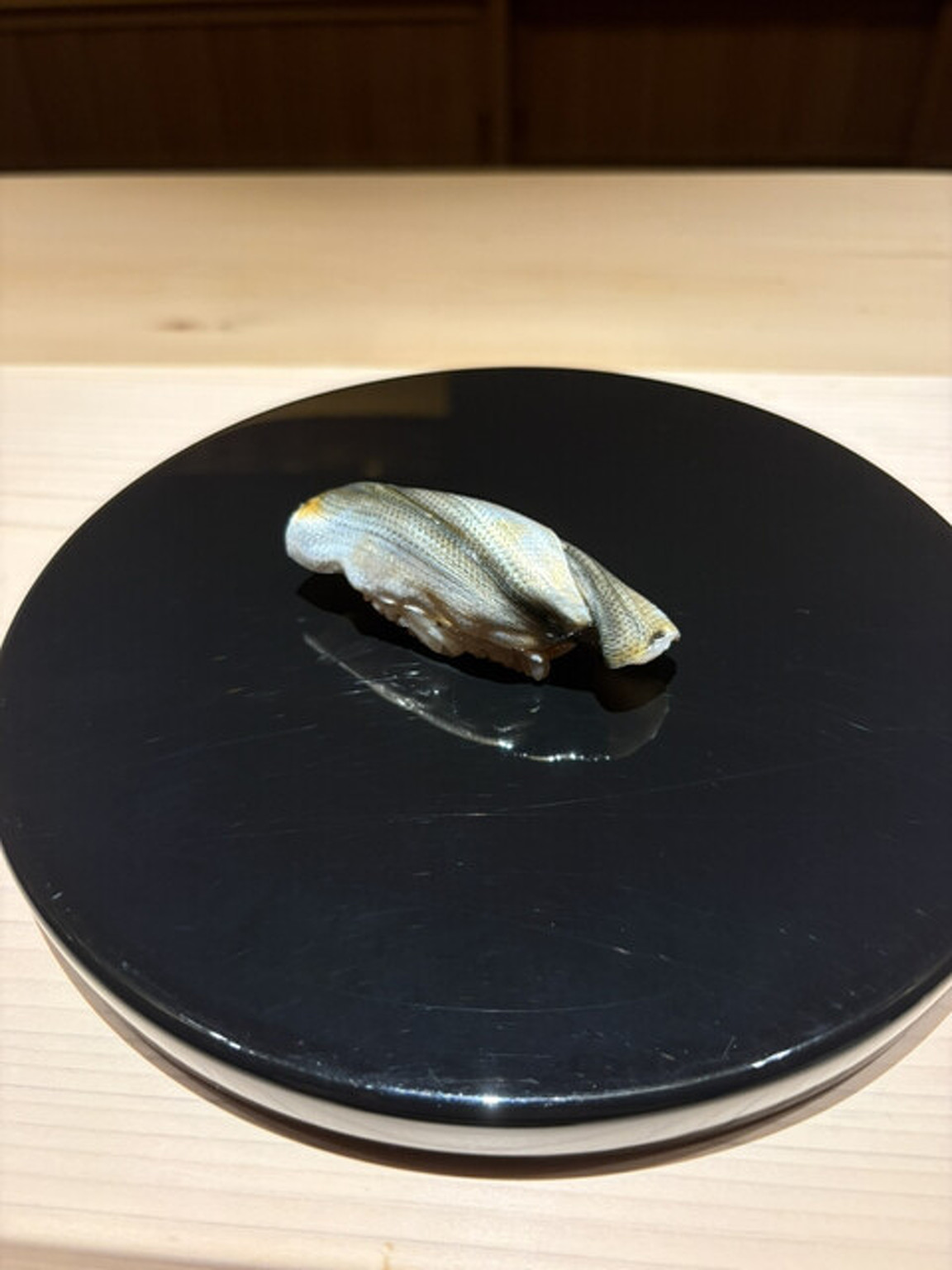
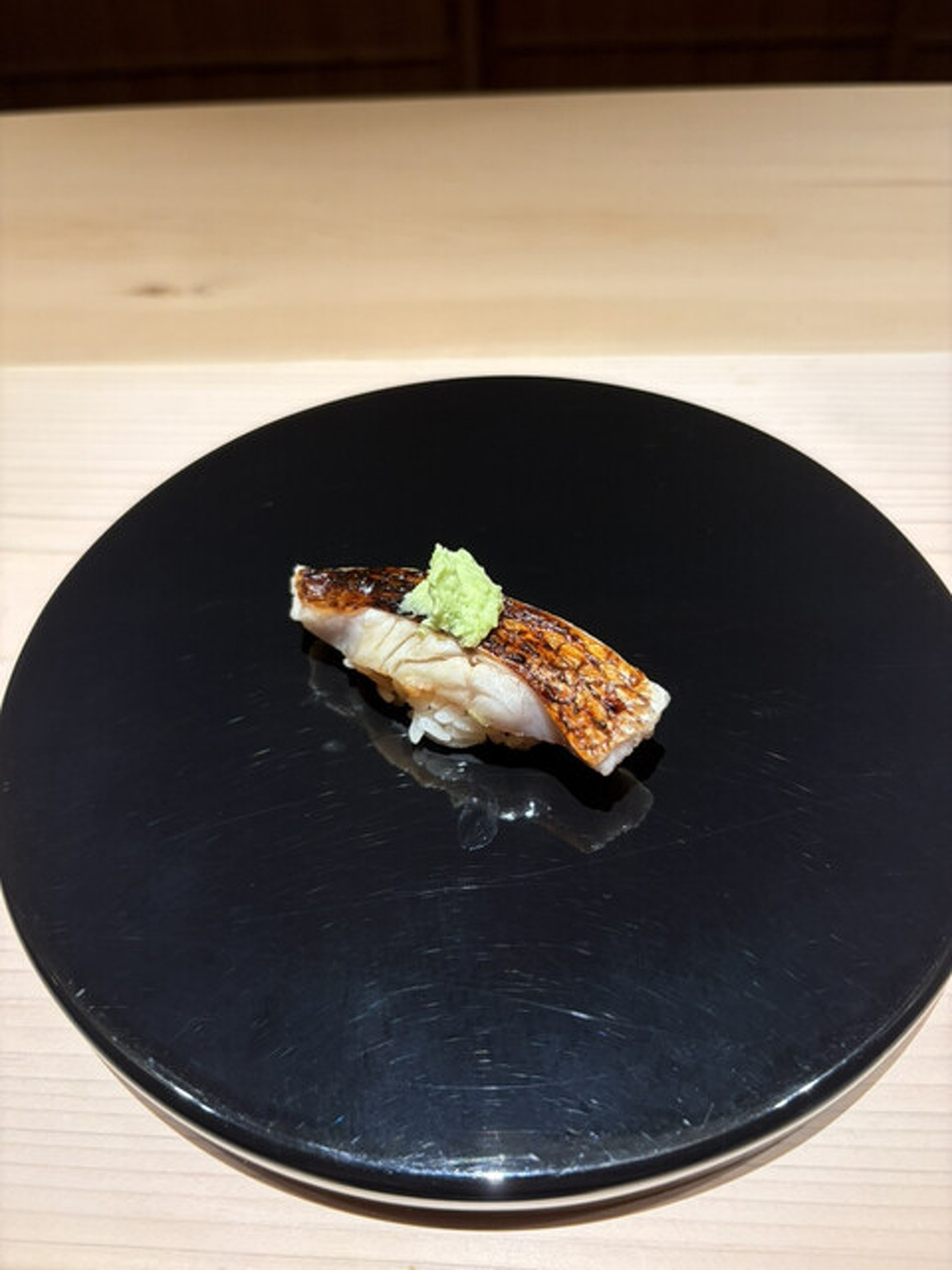
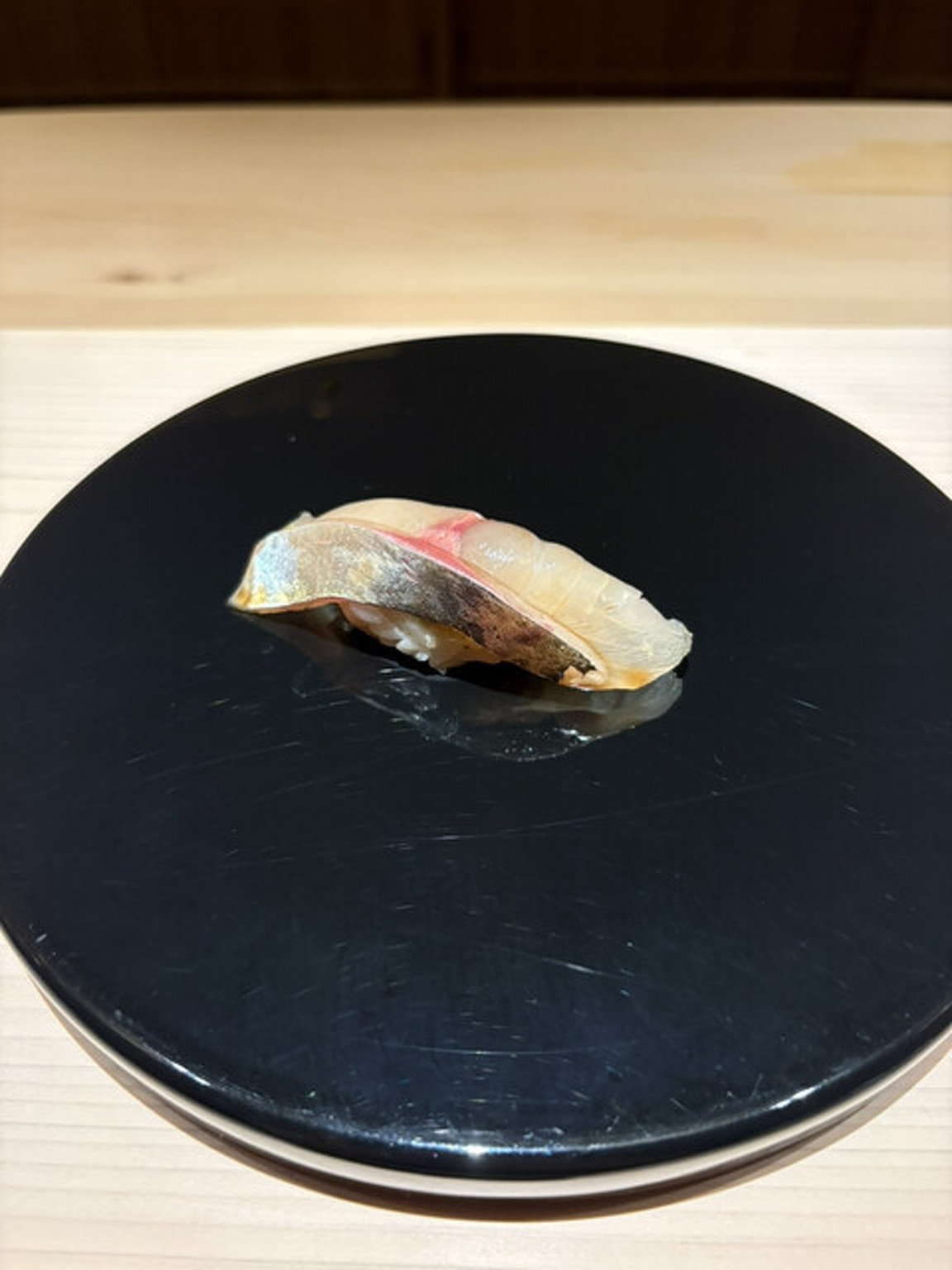
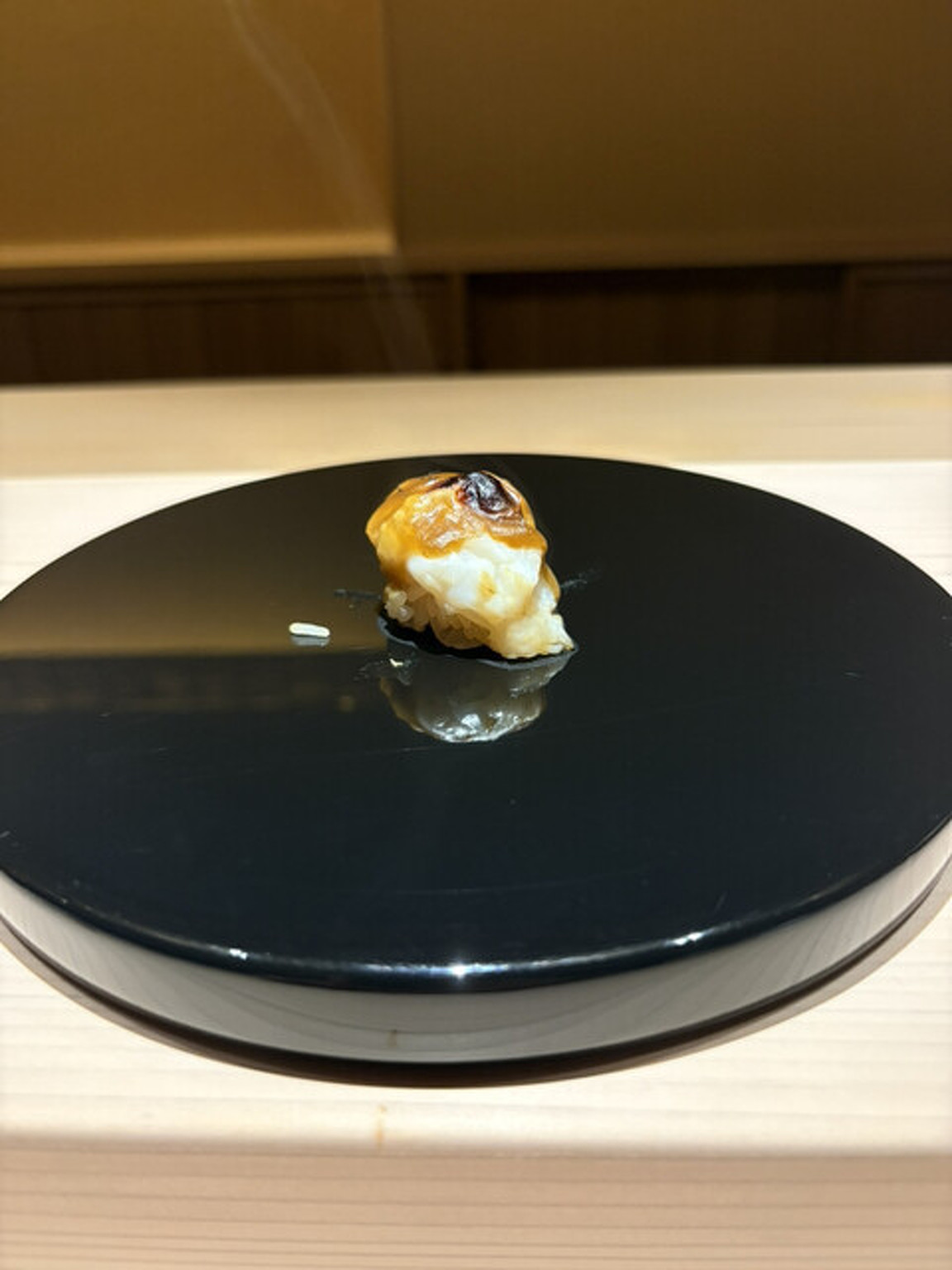
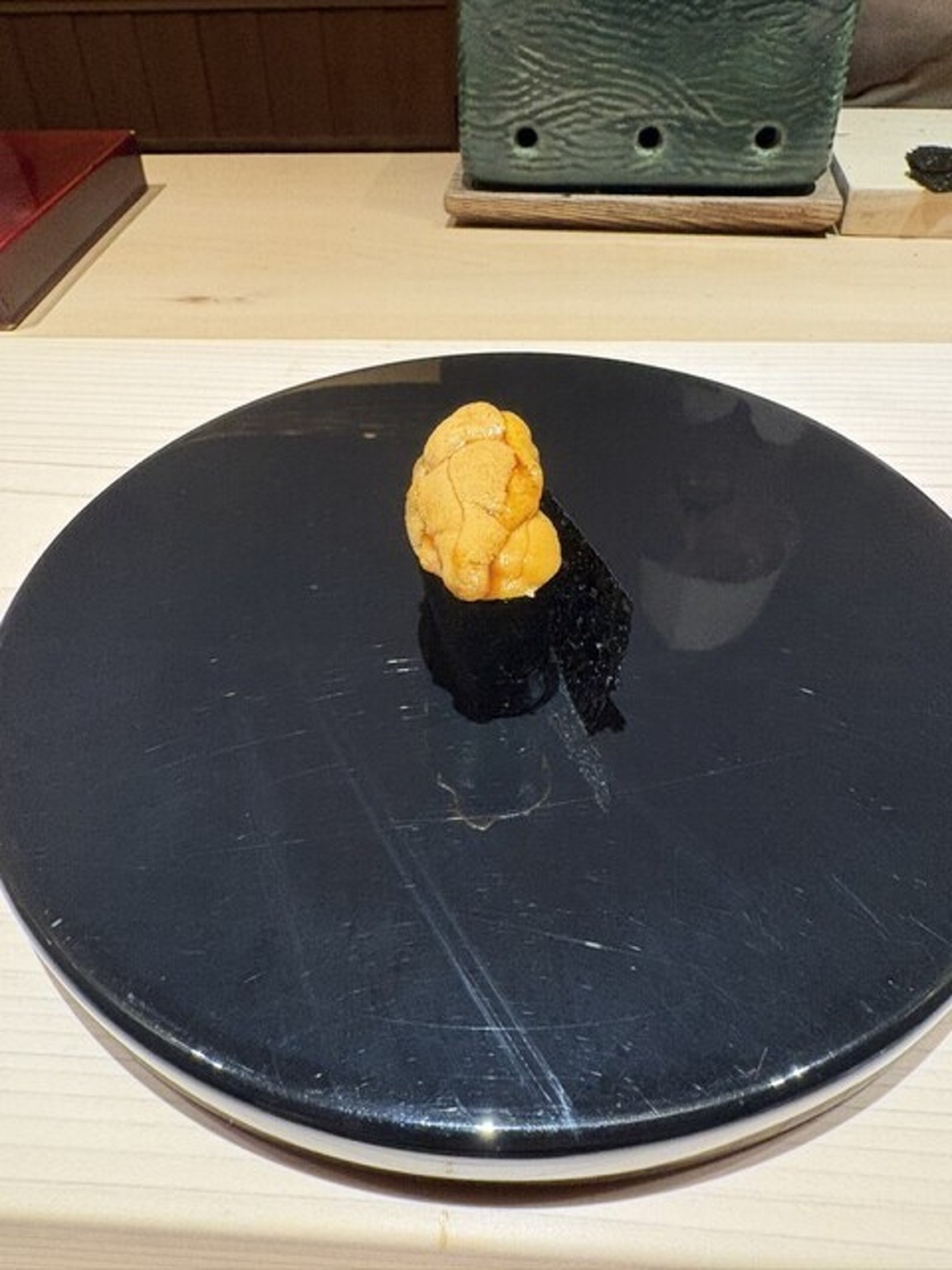
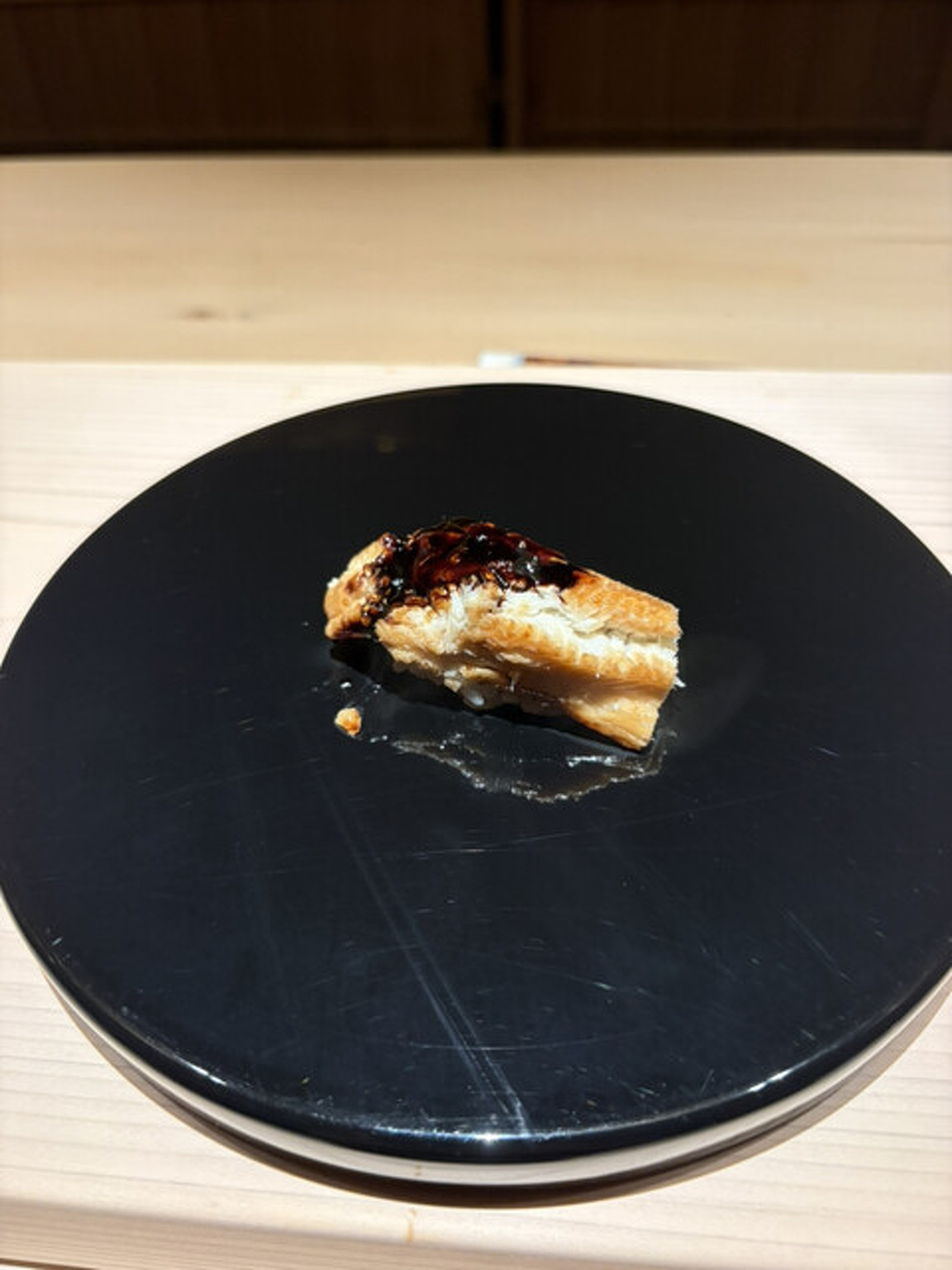
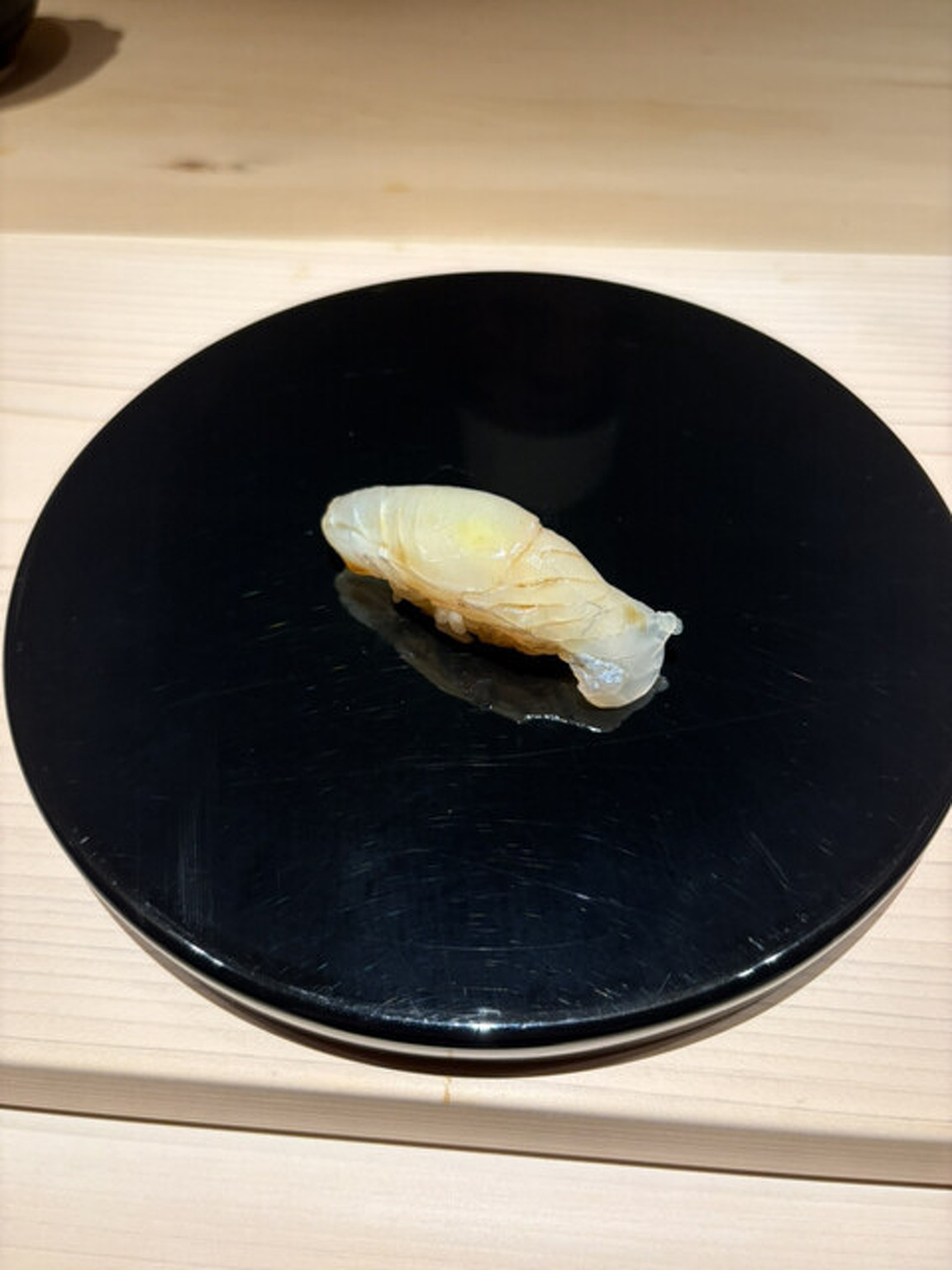
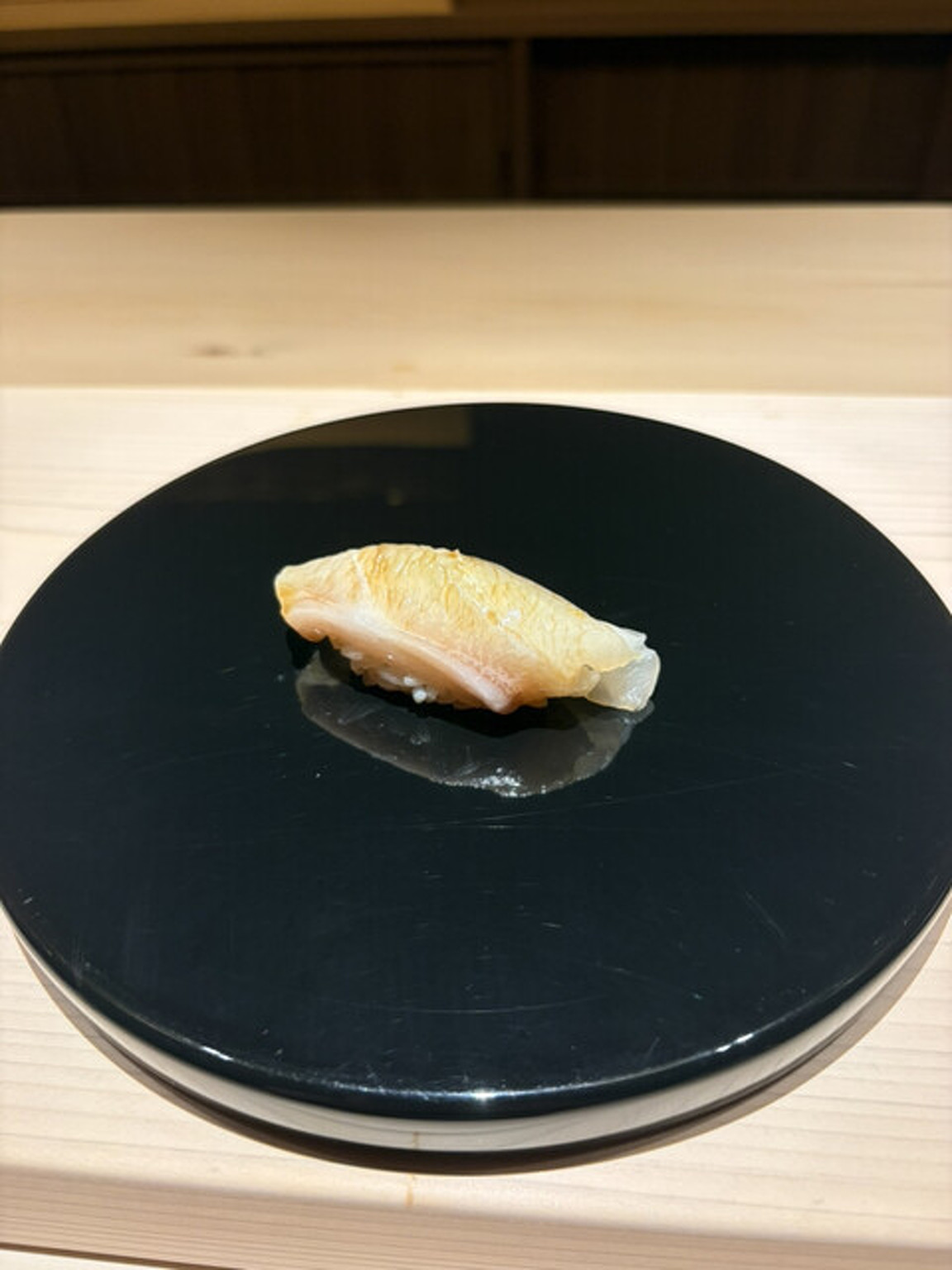
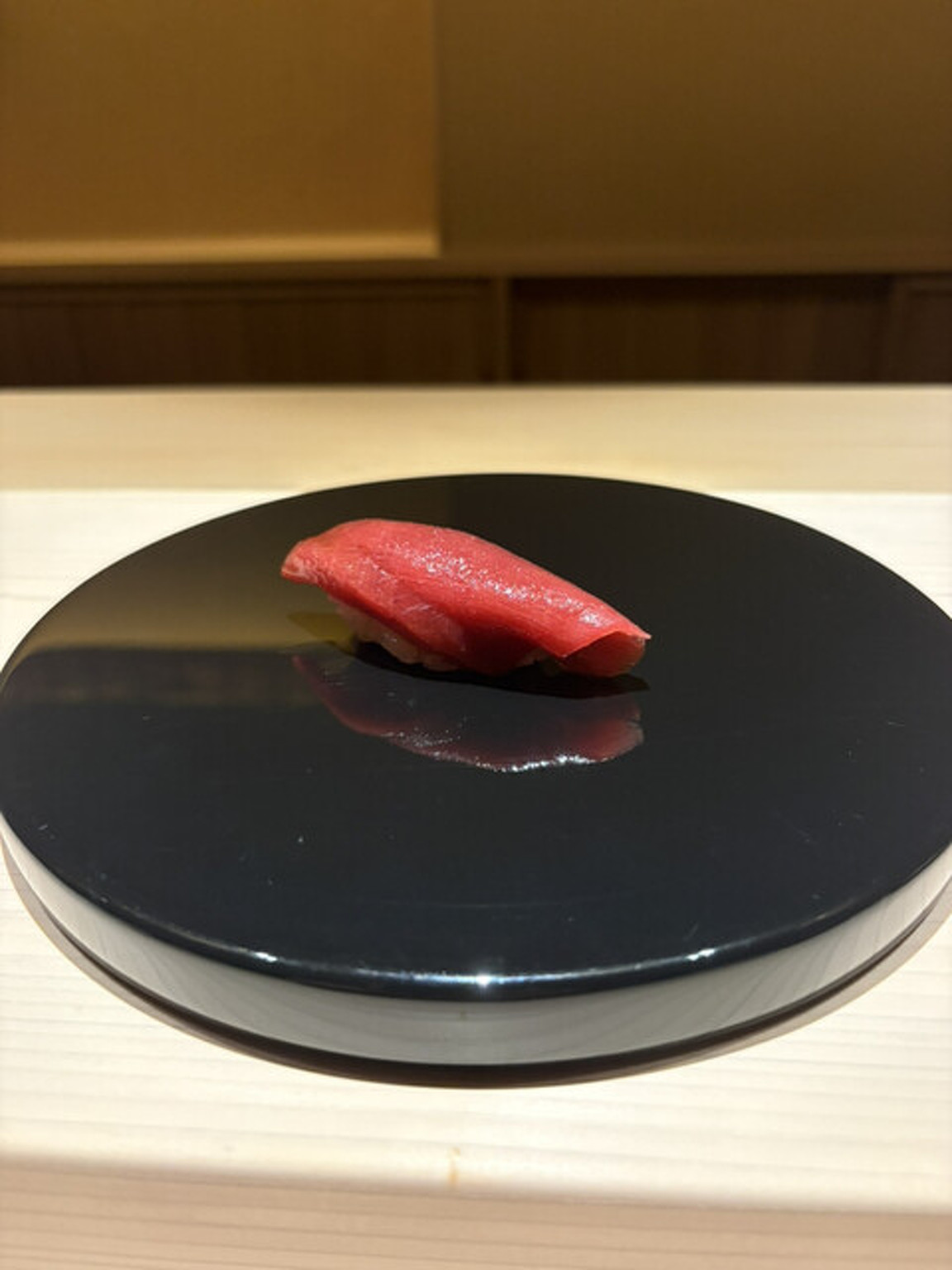
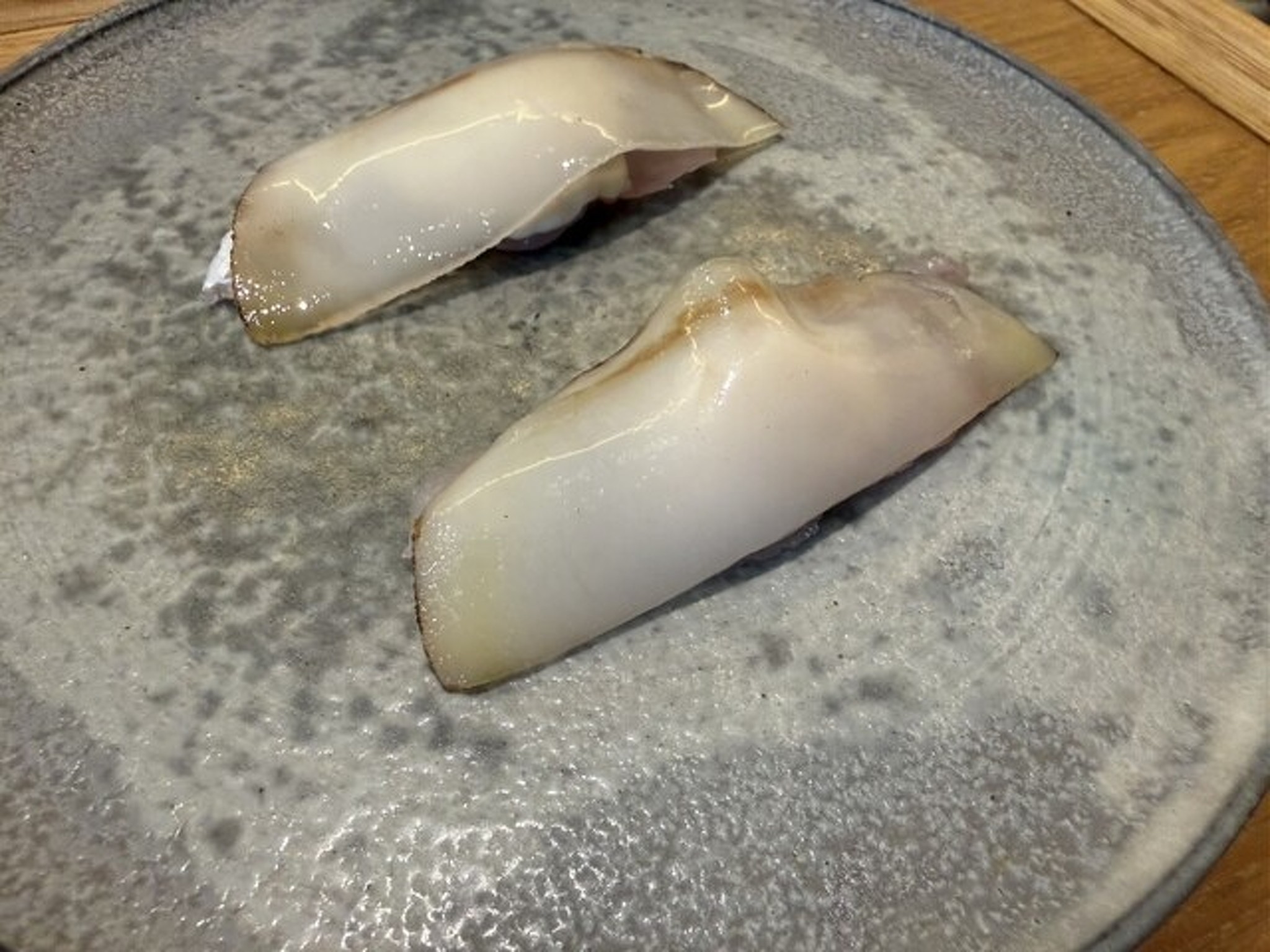
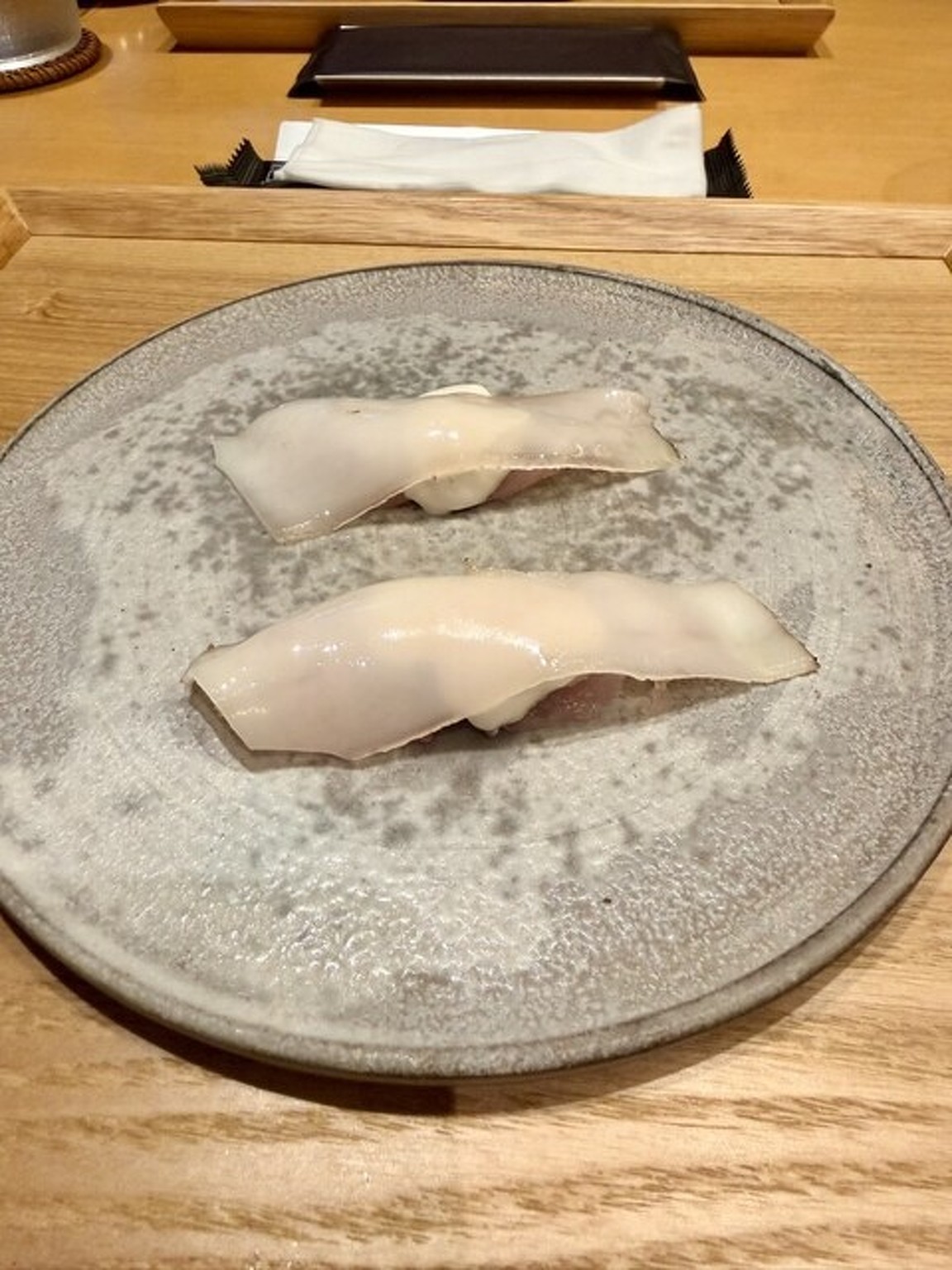
This restaurant was established in the Ehime city of Matsuyama in 1976. Since its 2017 renovation, the sushi chef has been second-generation proprietor Koji Takahira, who mastered the classic Edomae style at Ginza’s Sushi Yoshitake. The menu consists solely of a chef-curated omakase course featuring Shikoku fish and shellfish caught in the Seto Inland Sea and the Pacific, with a primary focus on items produced in Ehime Prefecture.
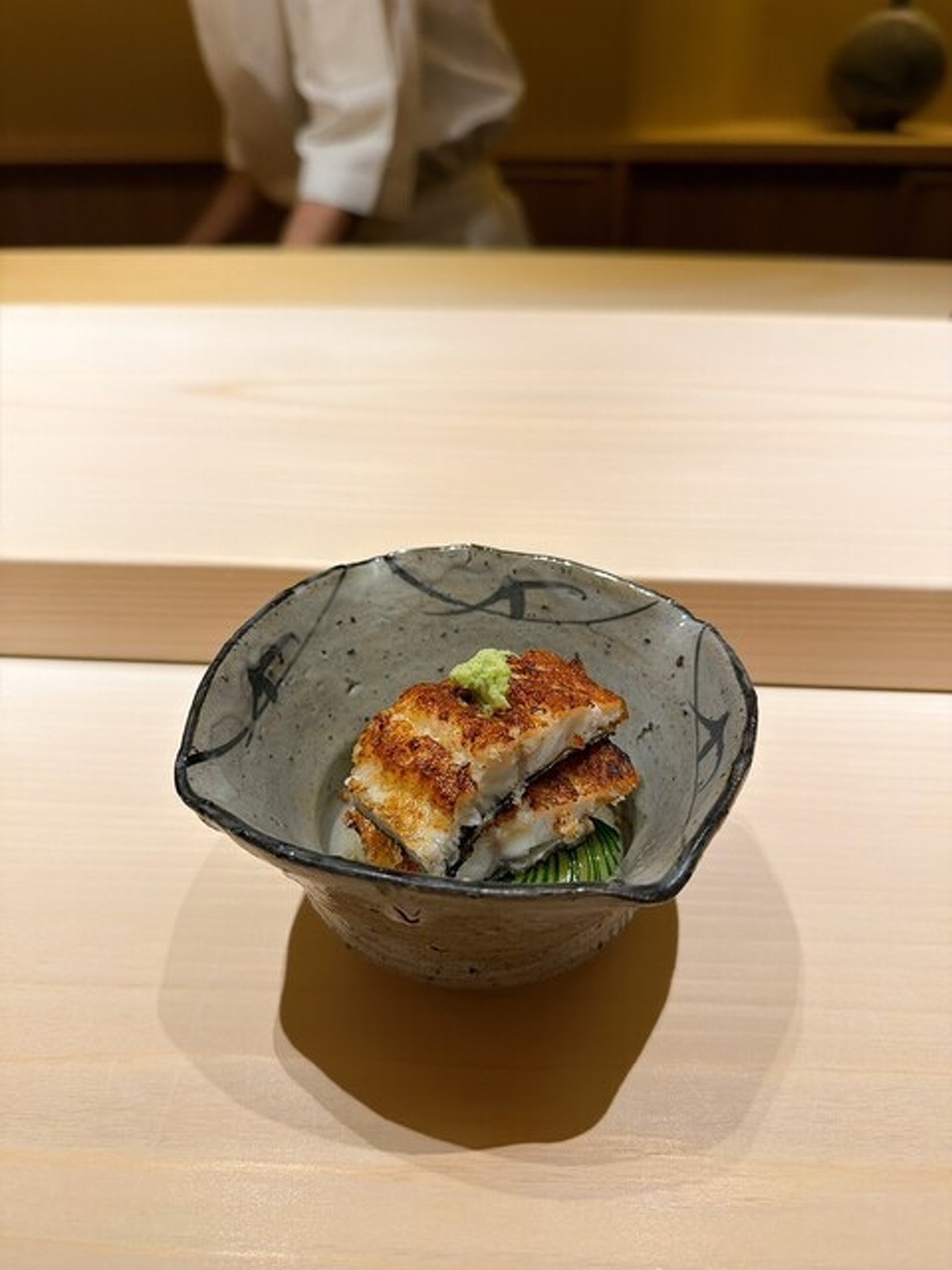
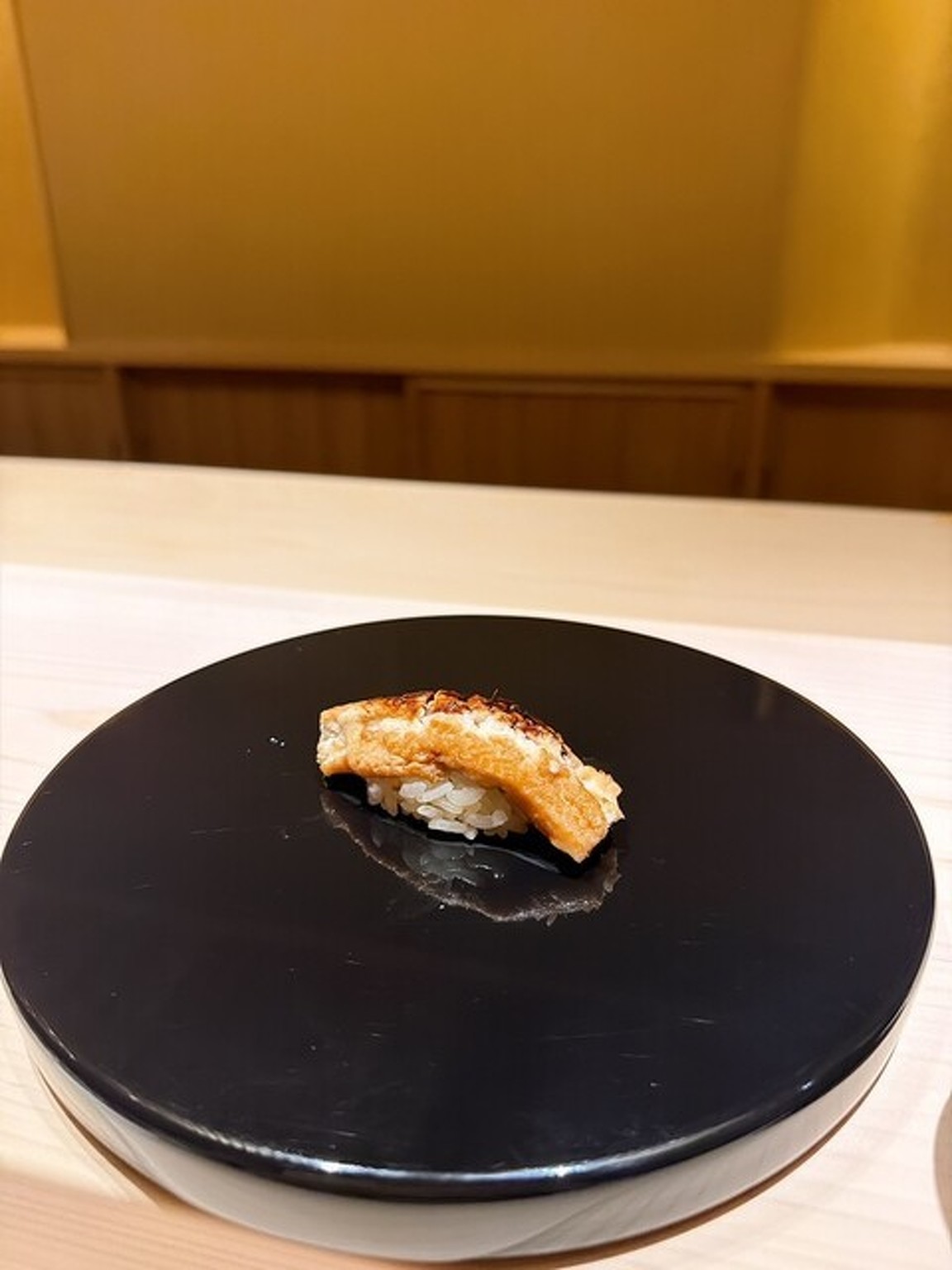
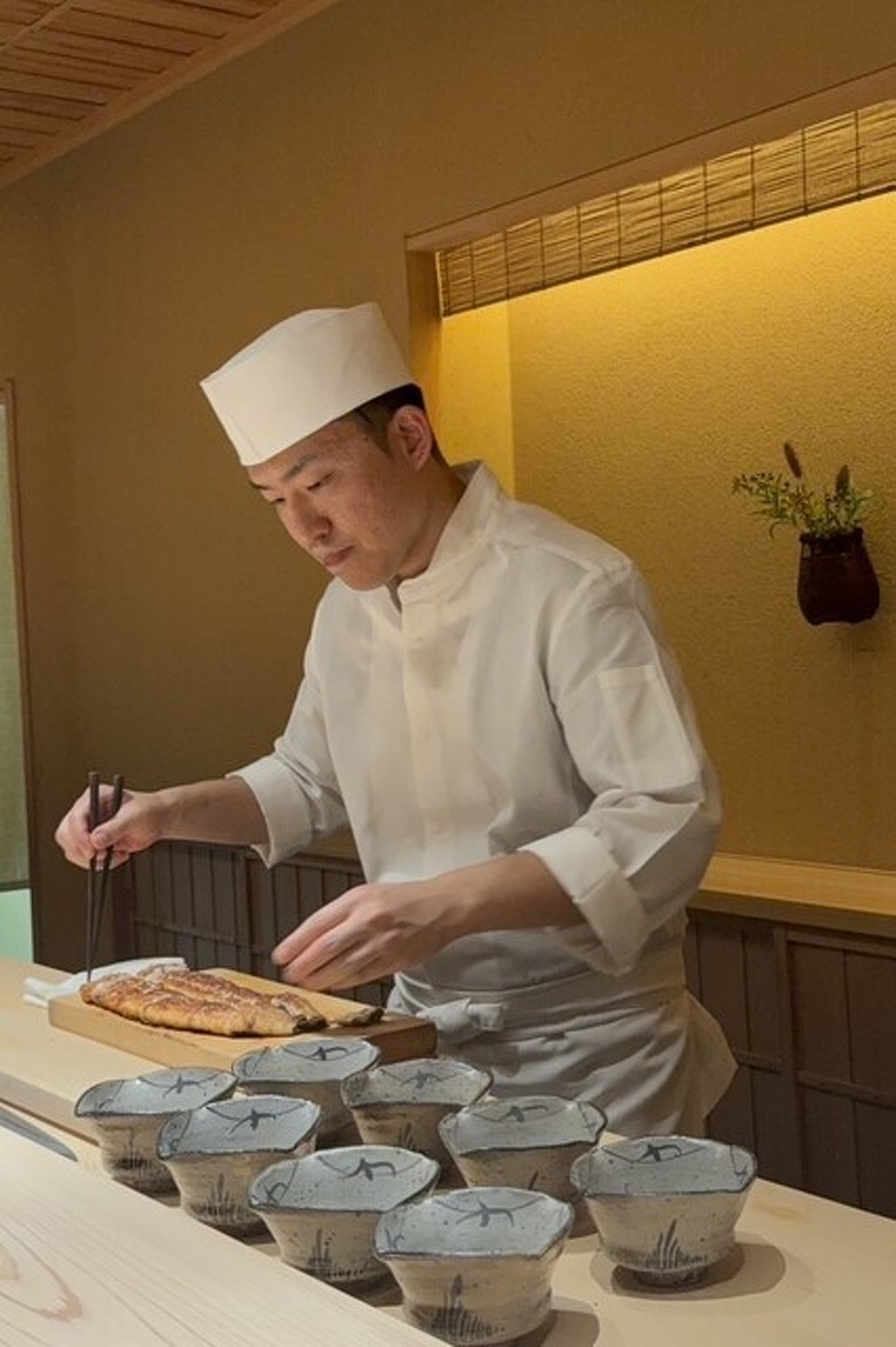
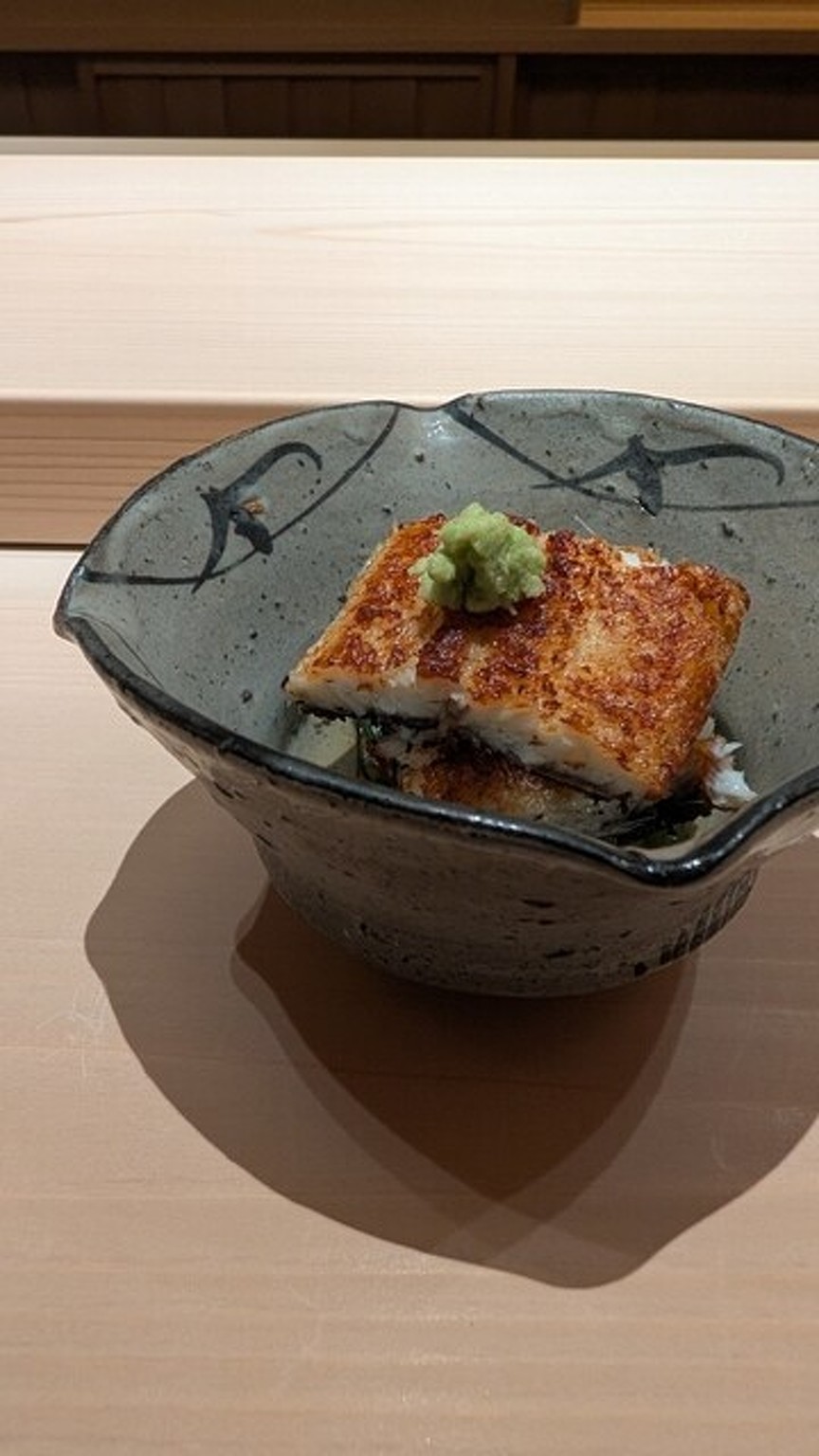
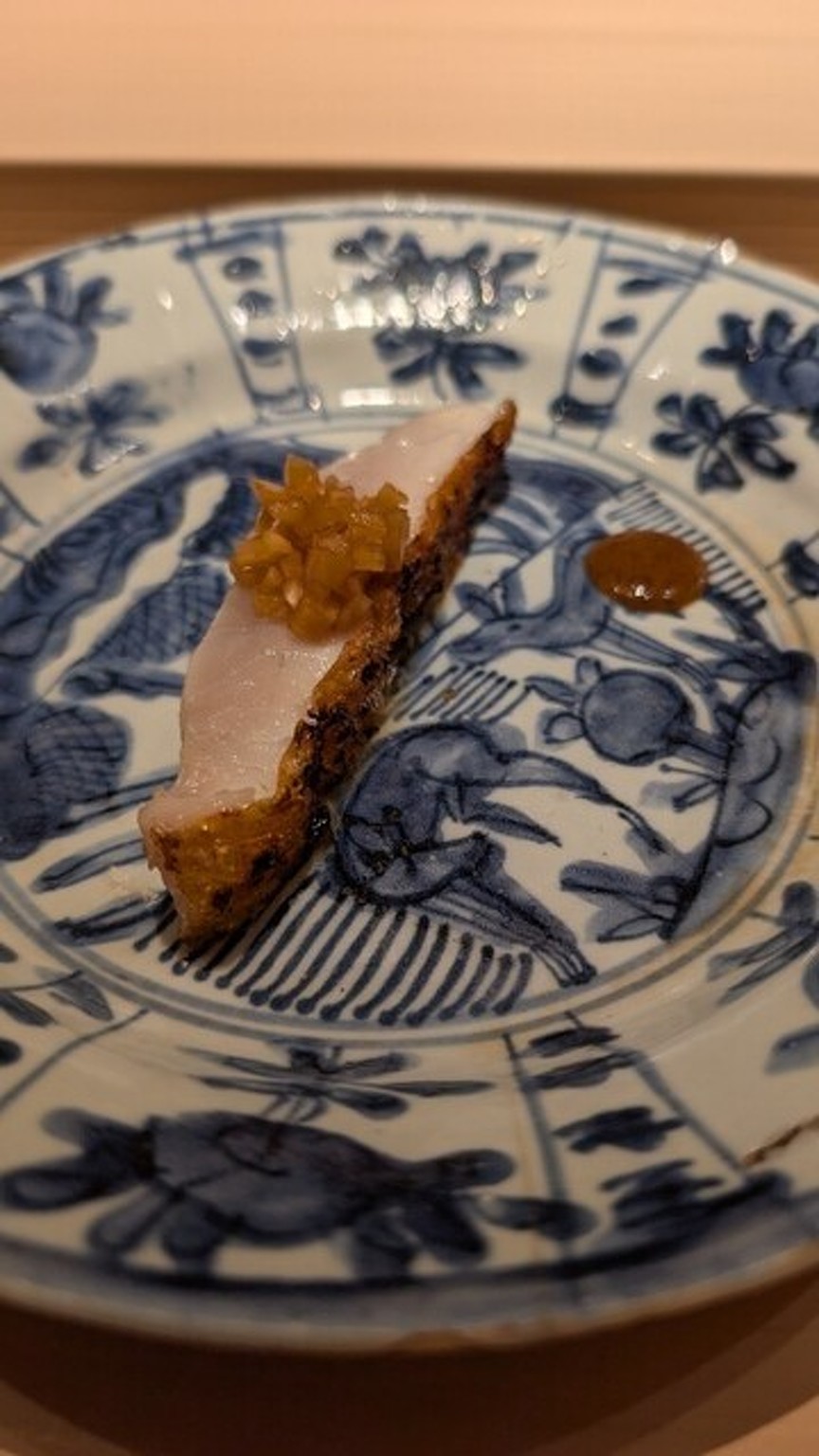
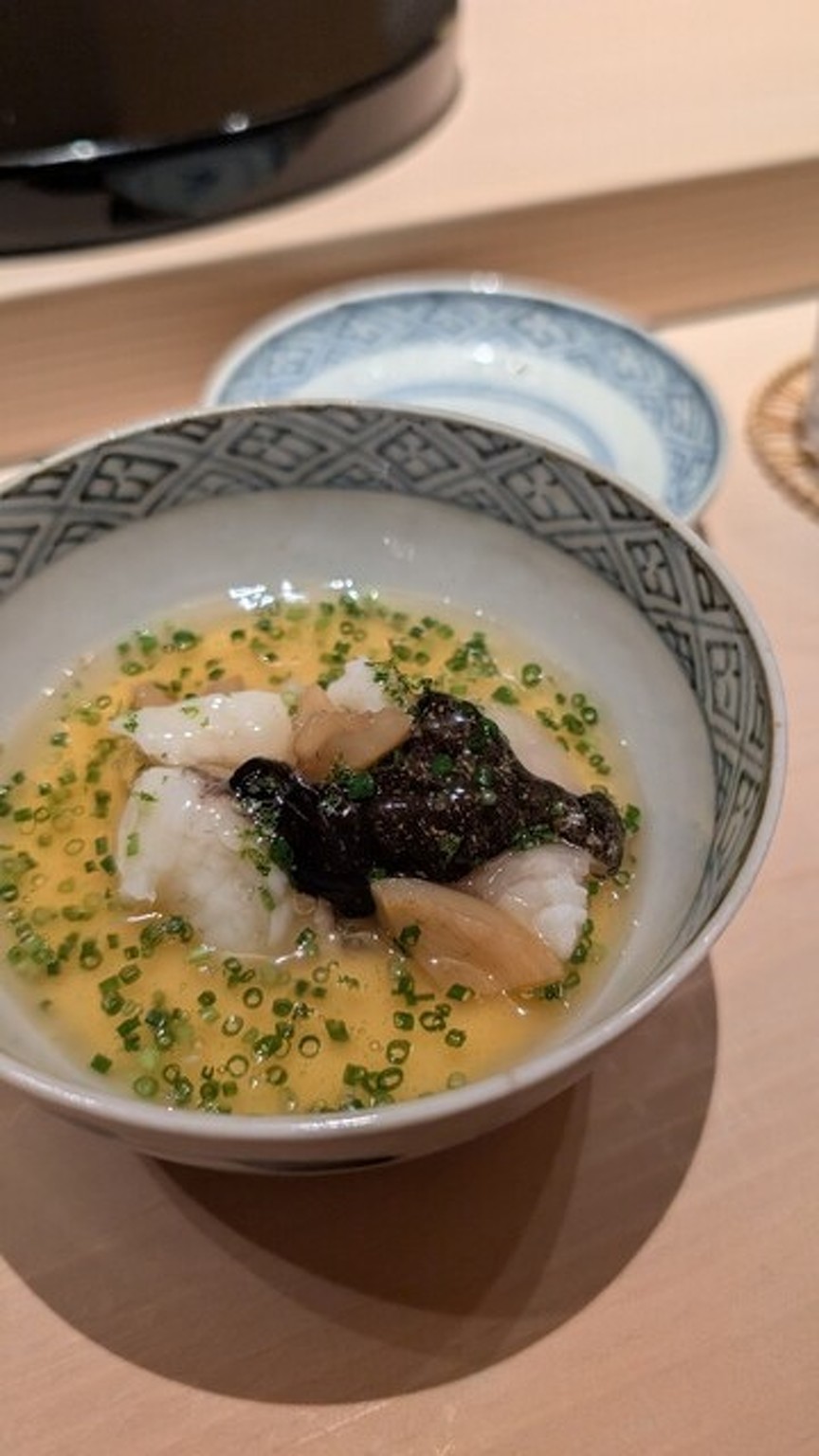
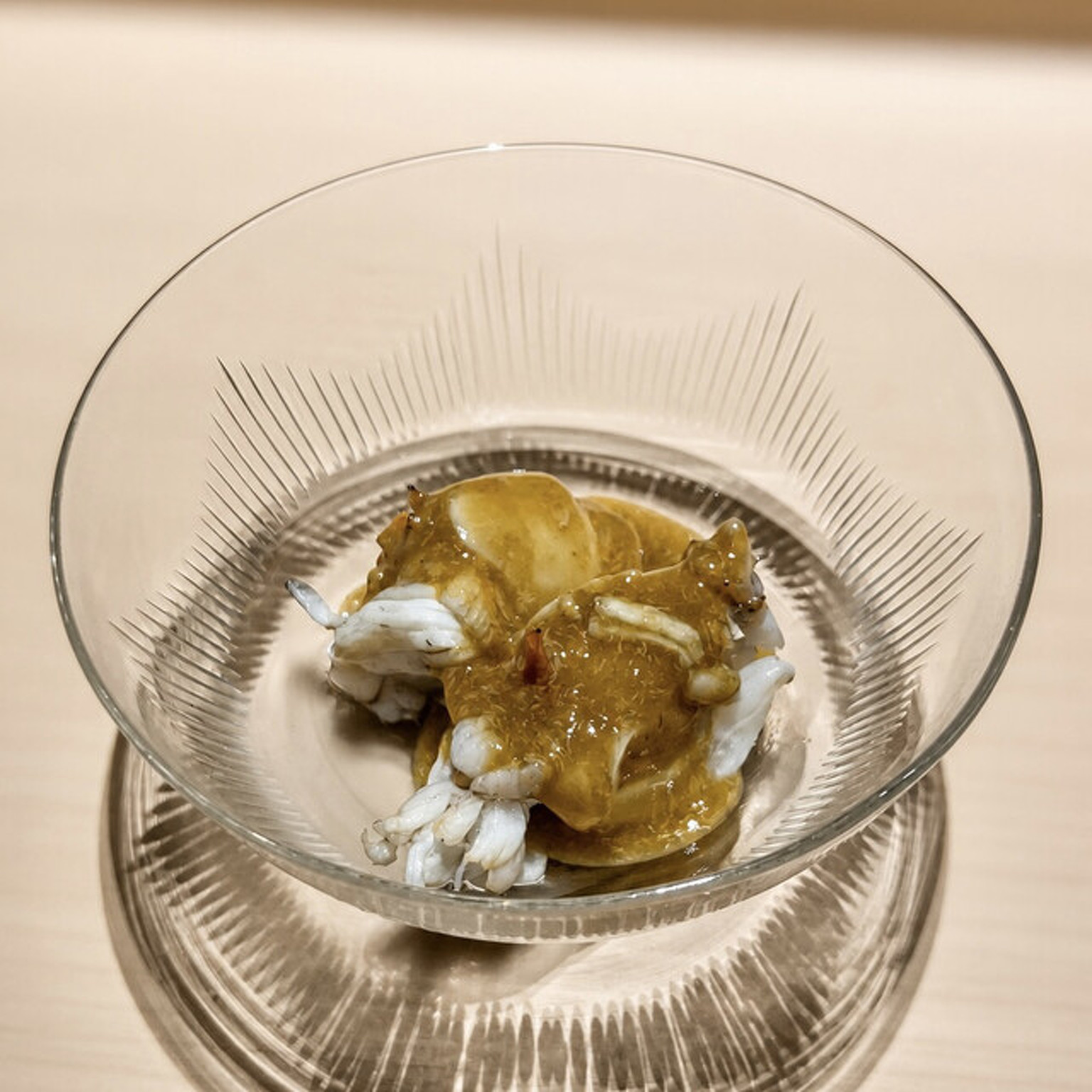
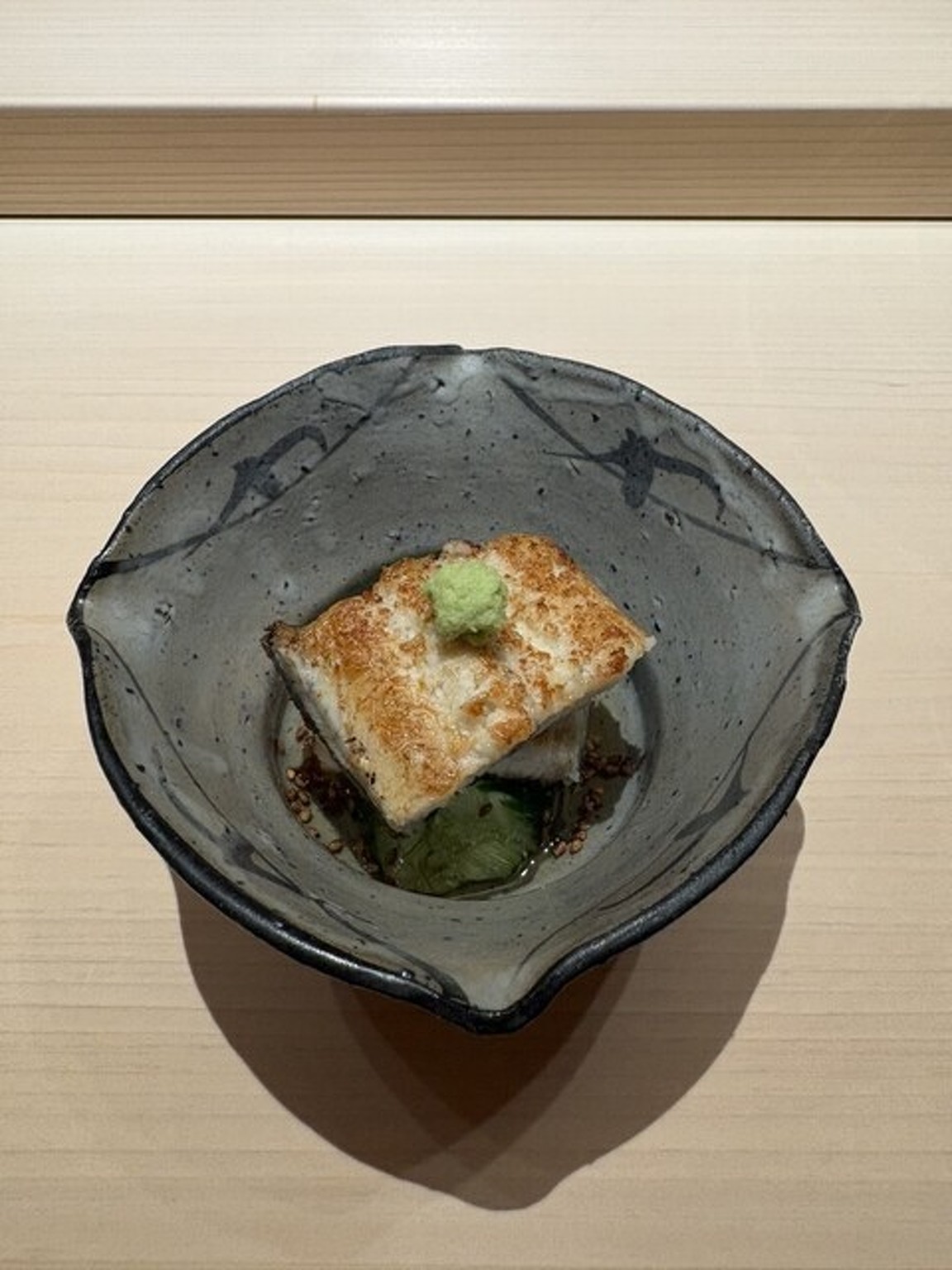
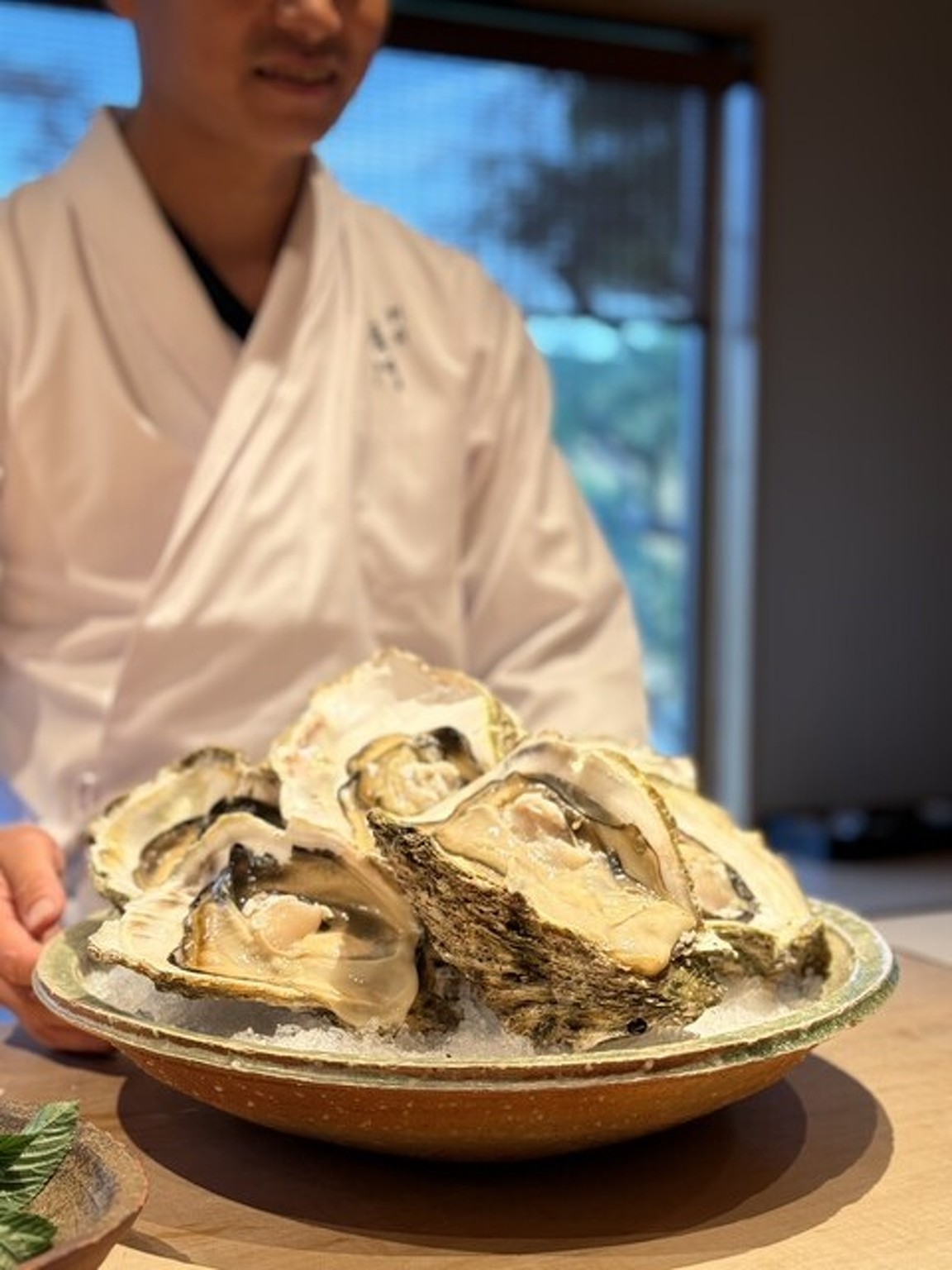
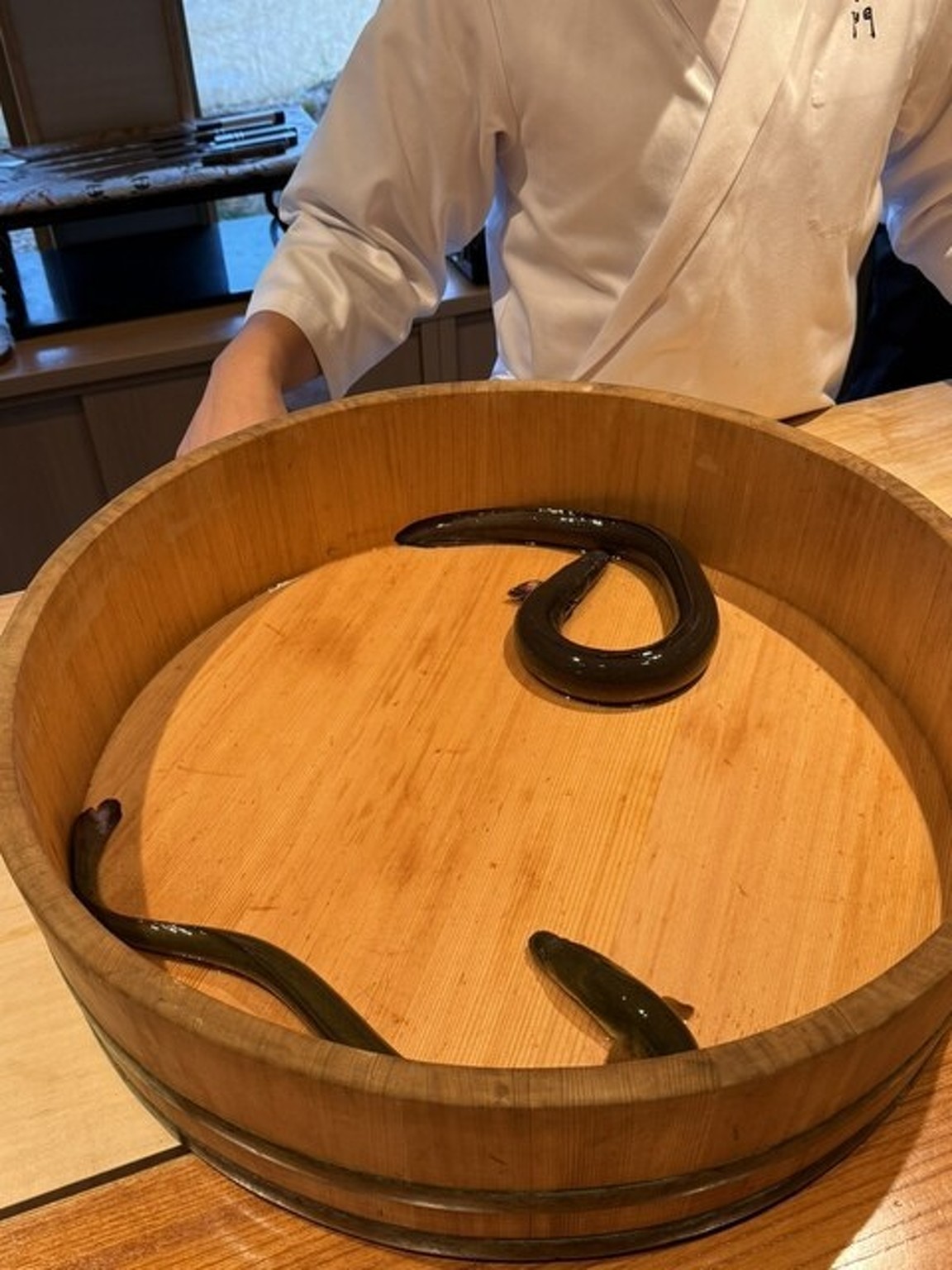
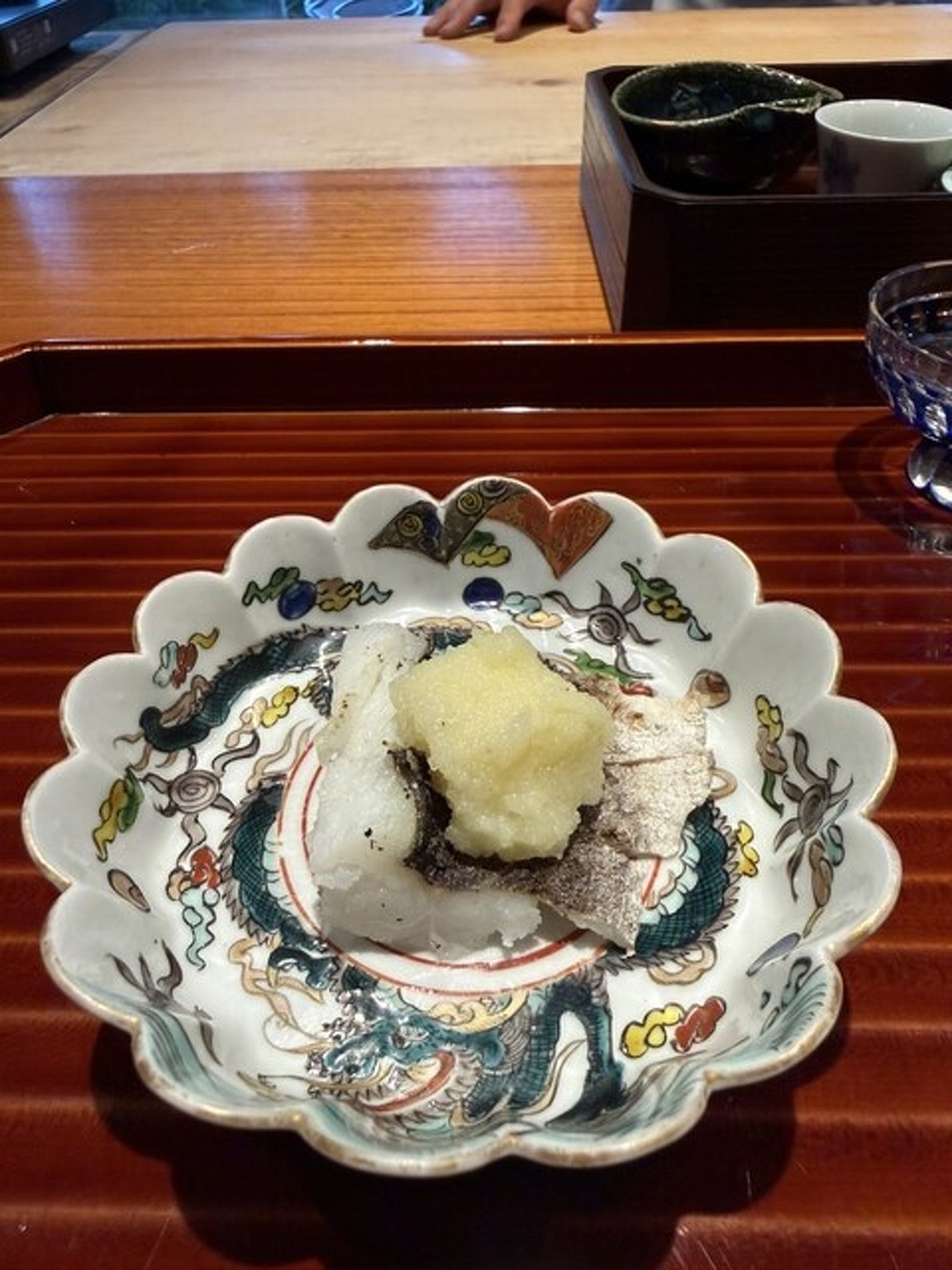
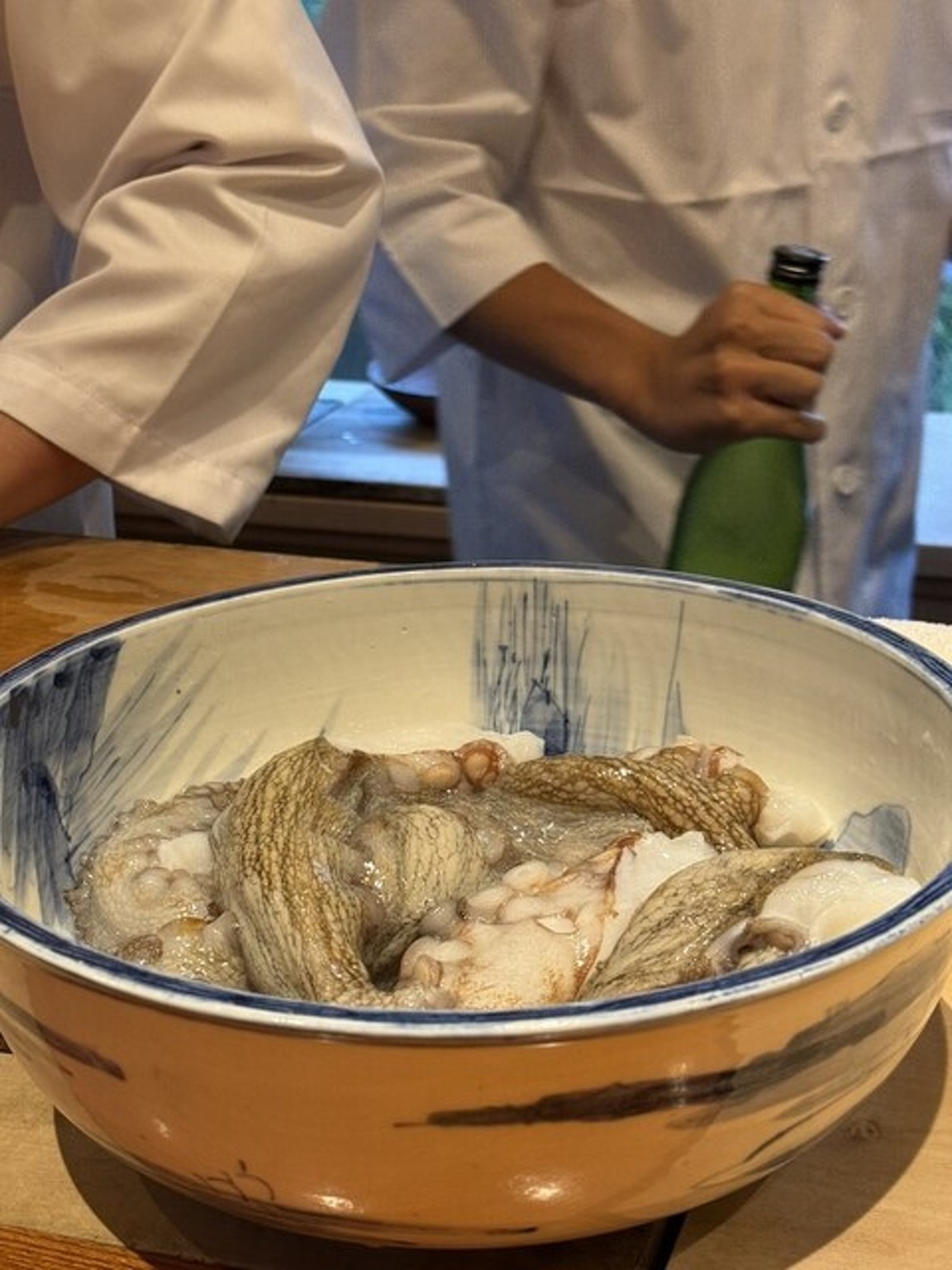
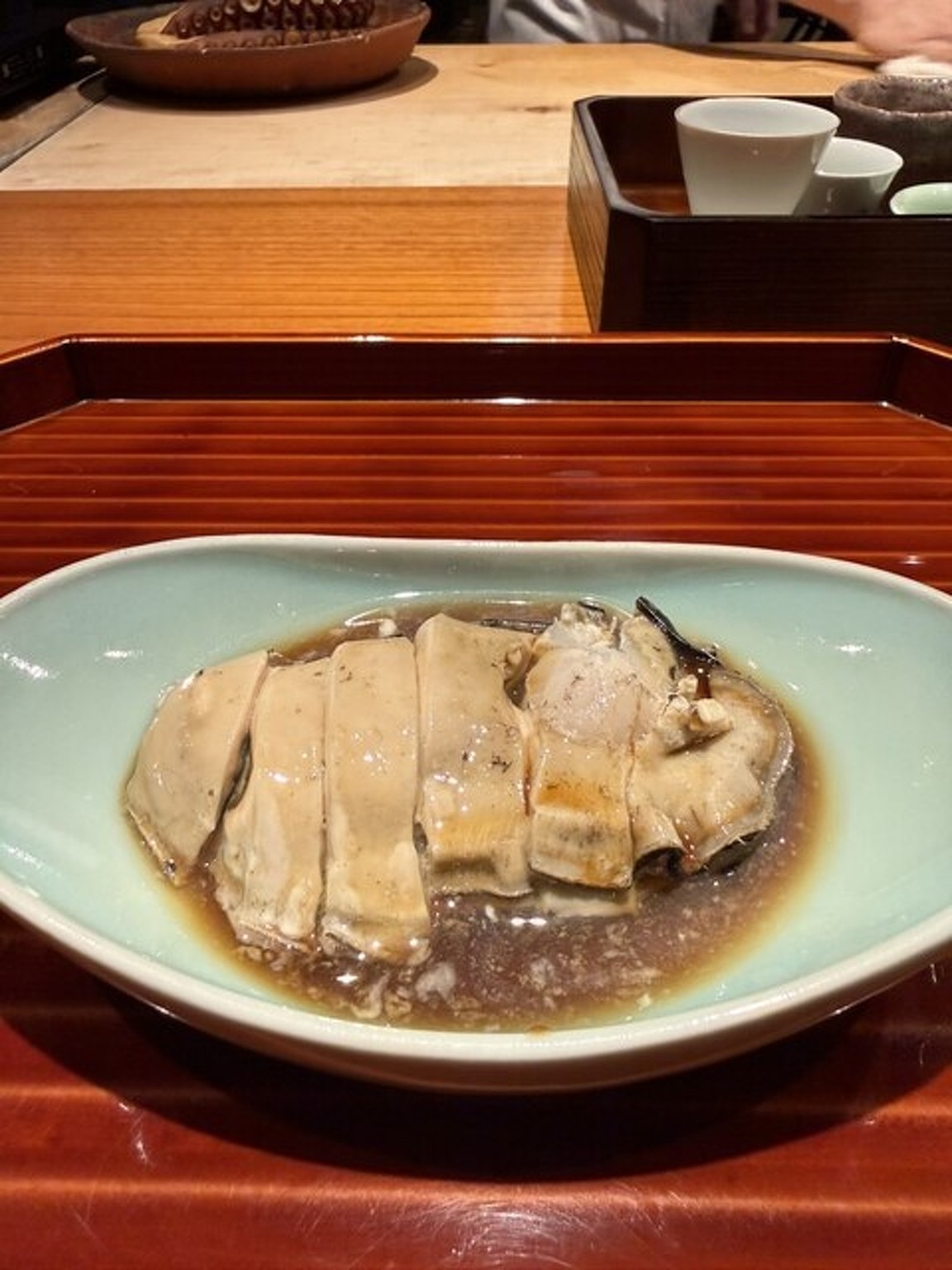
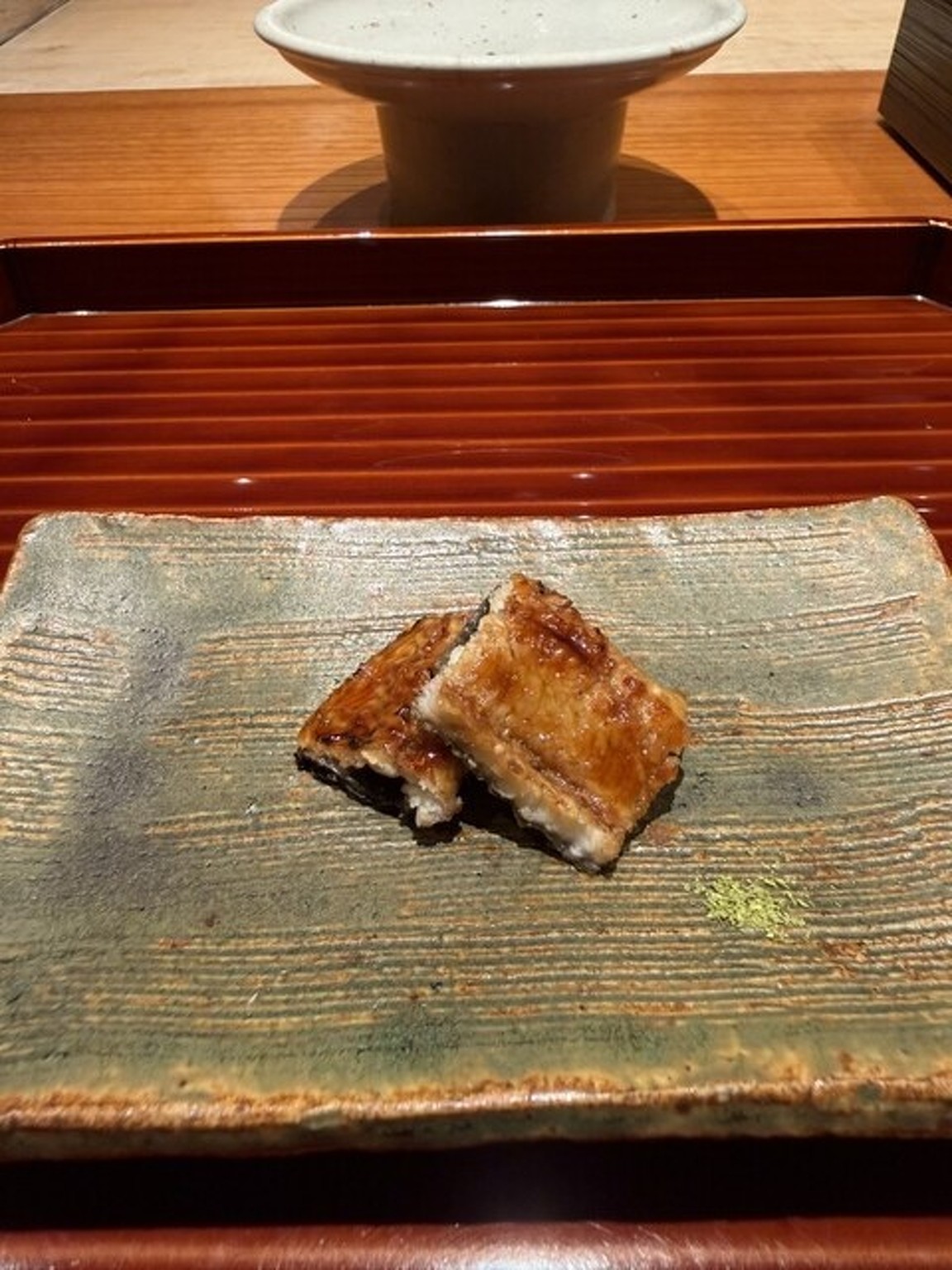
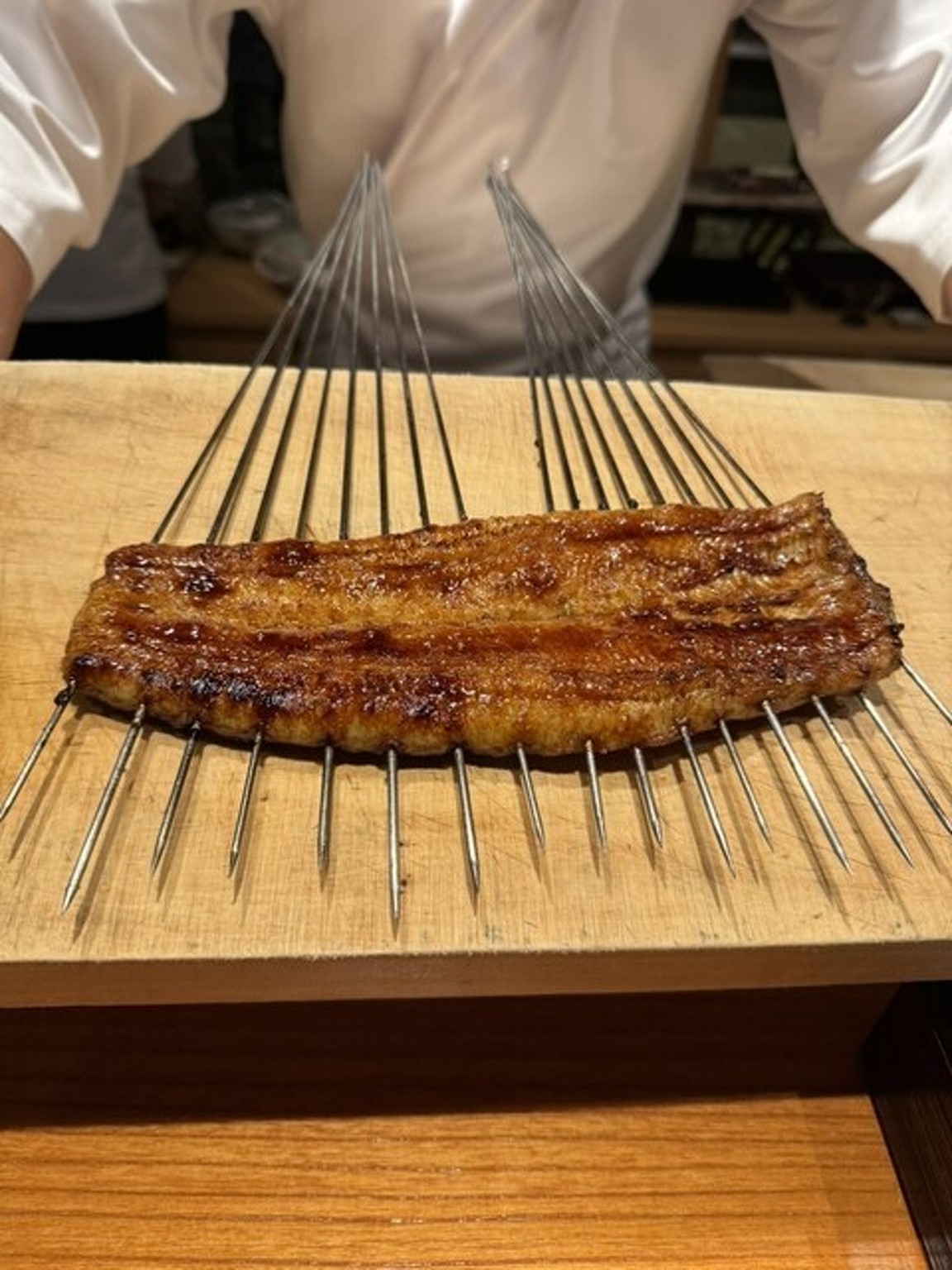
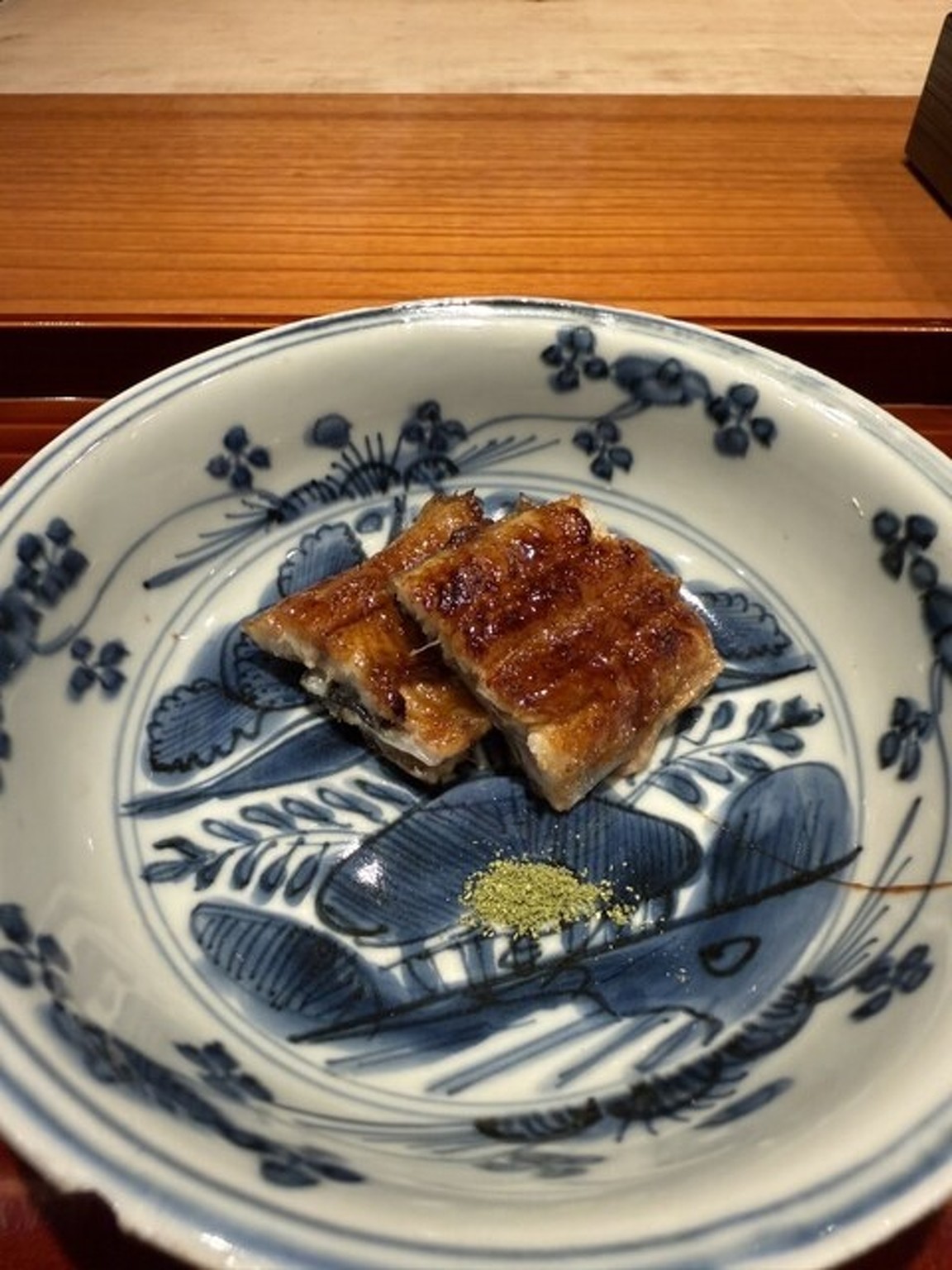
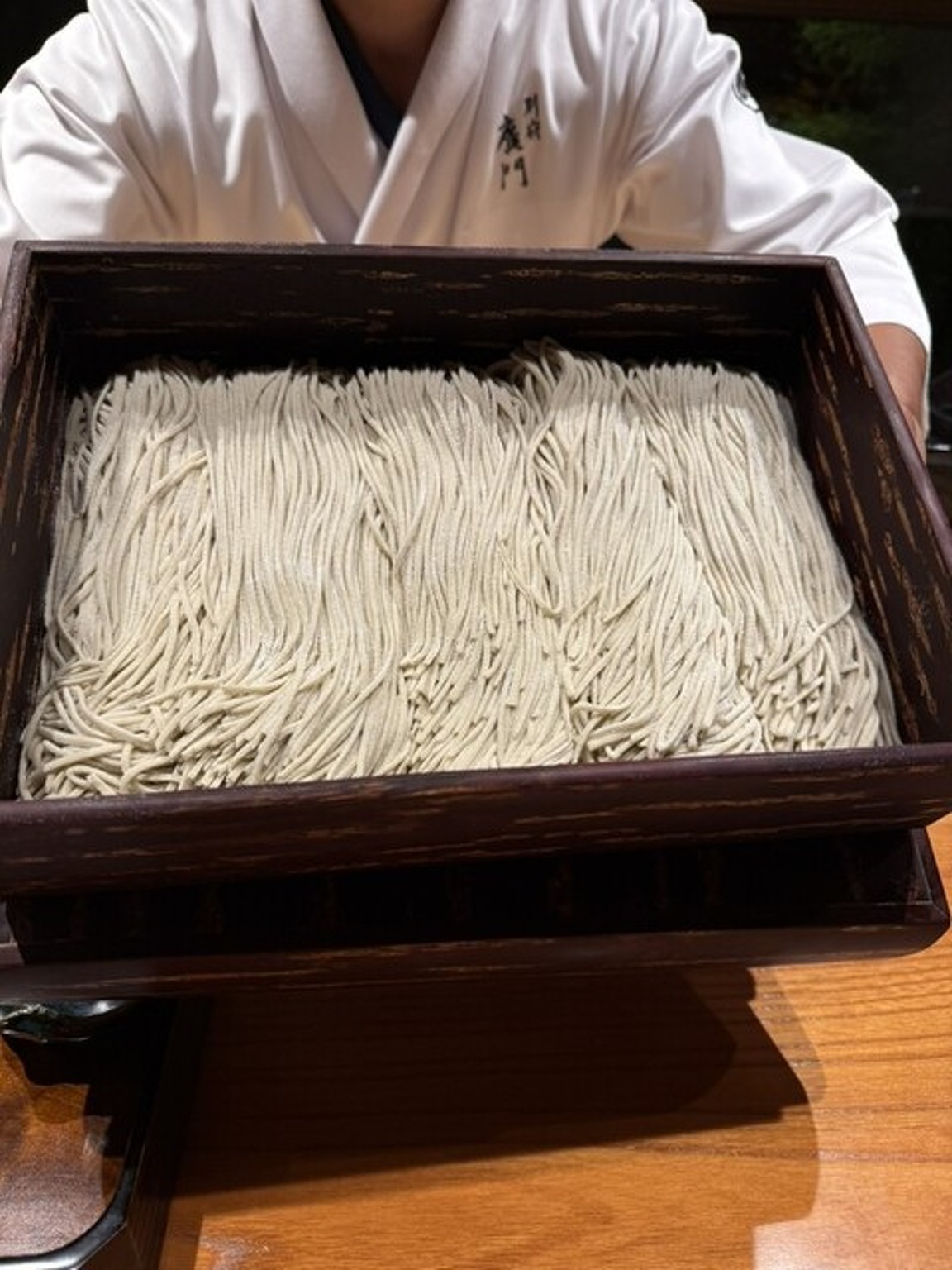
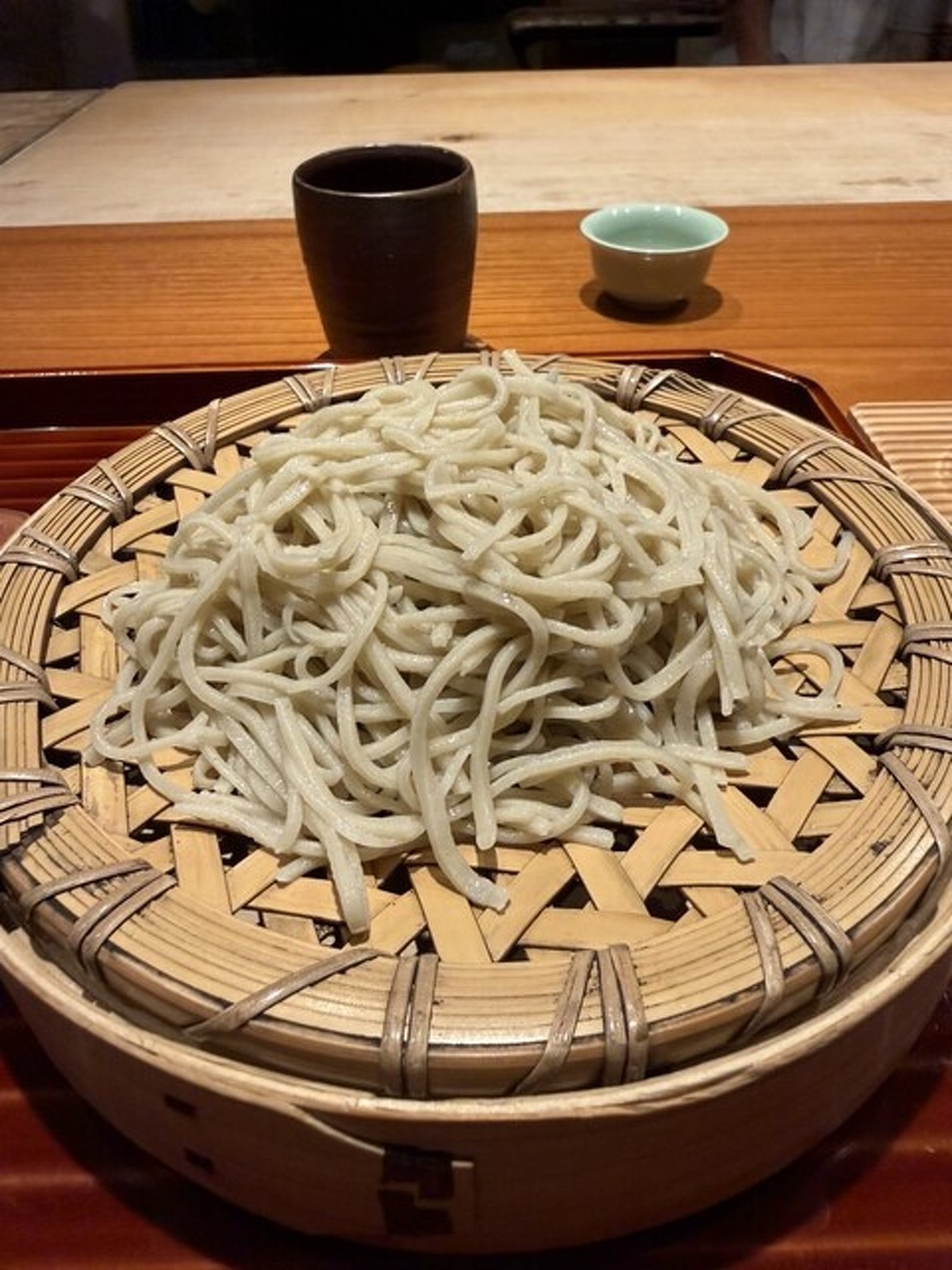
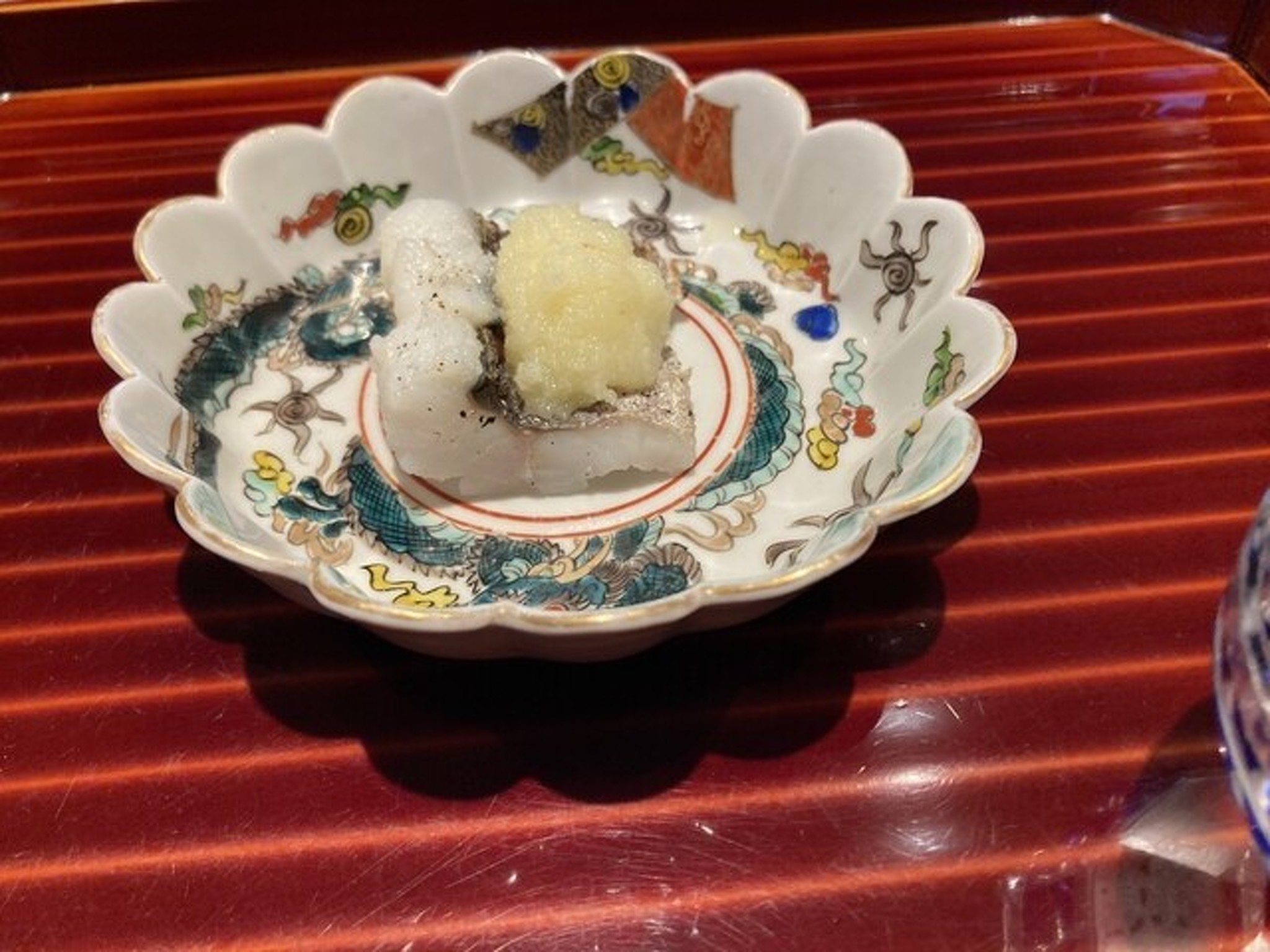
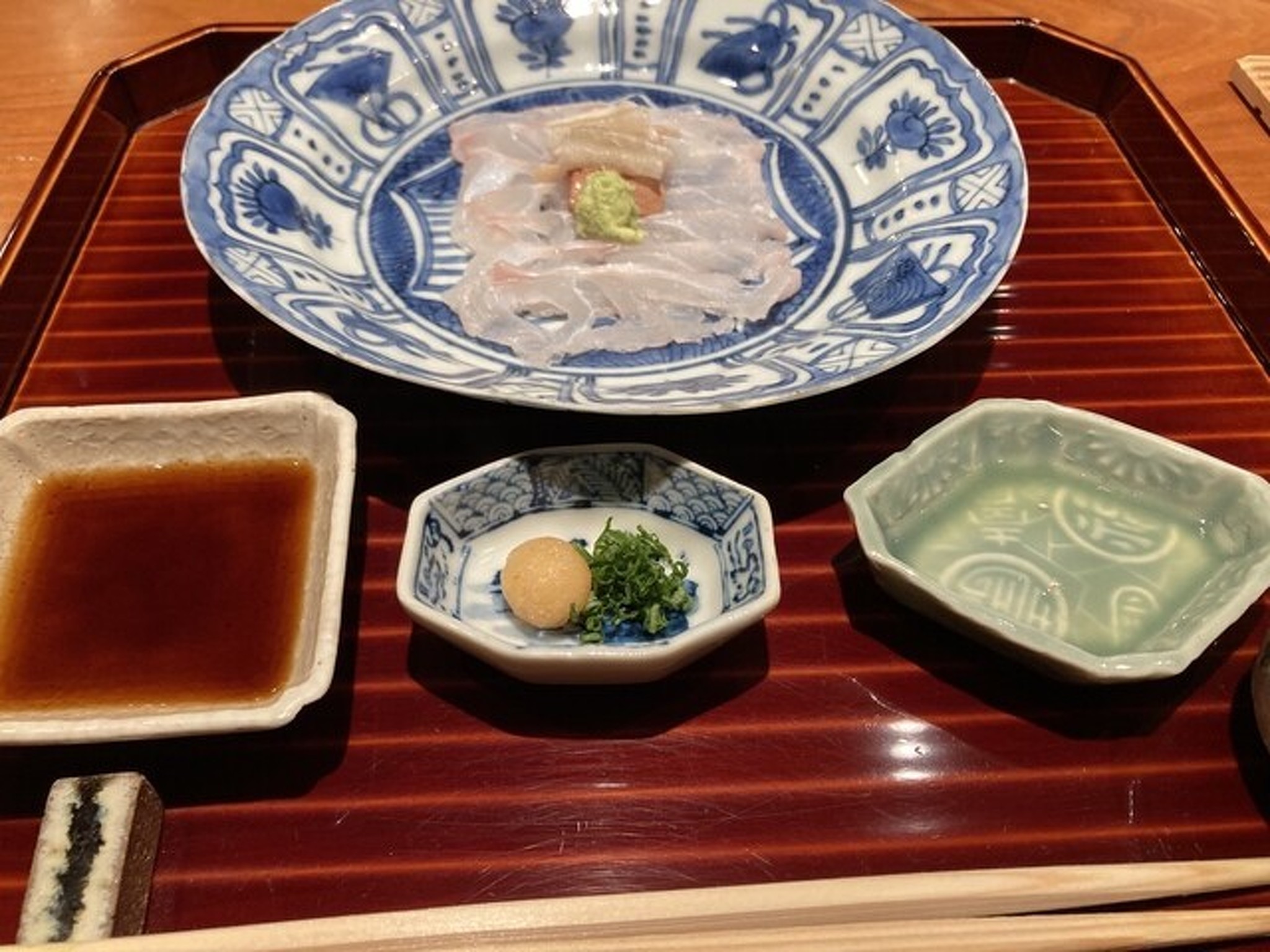
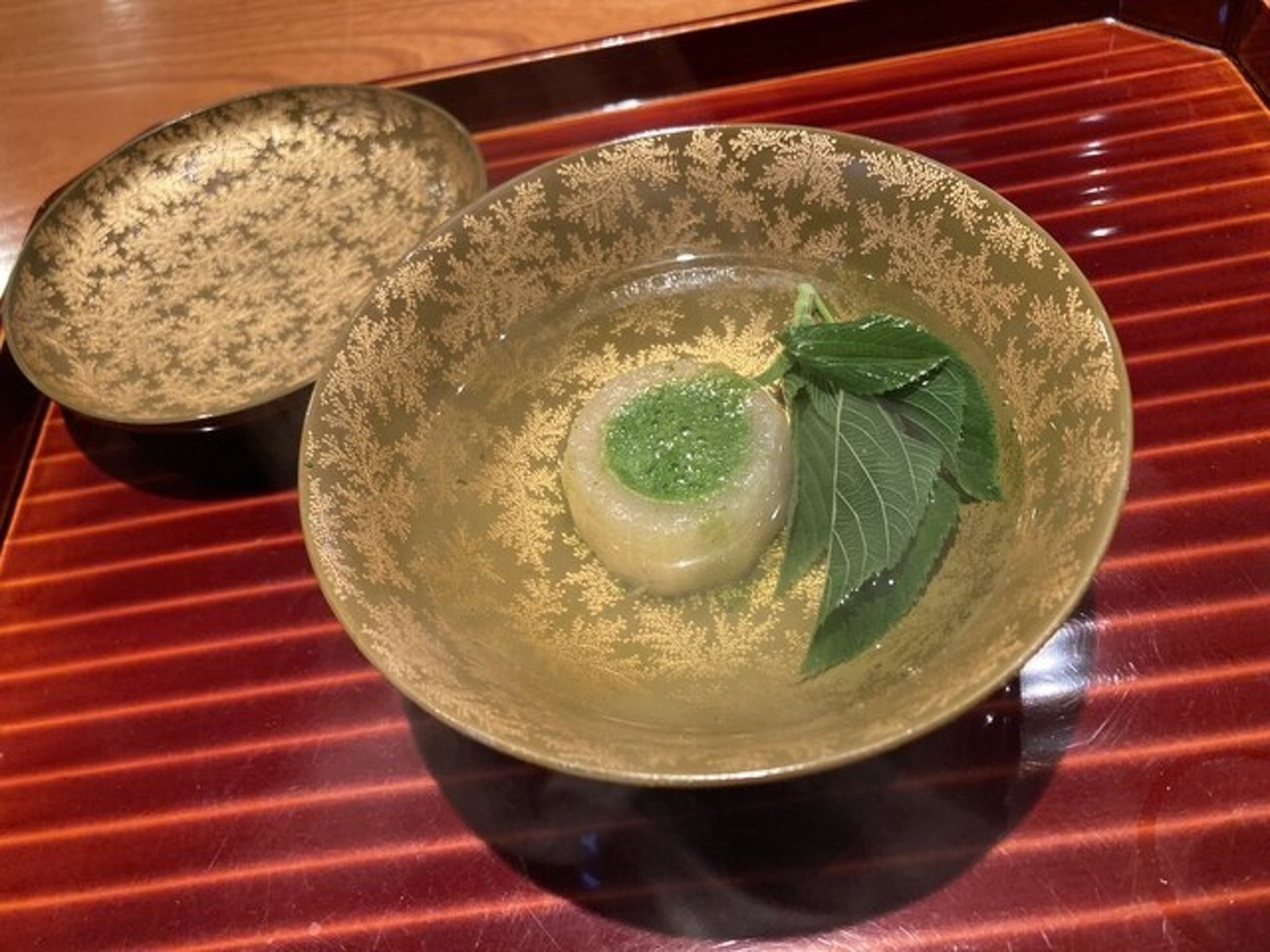
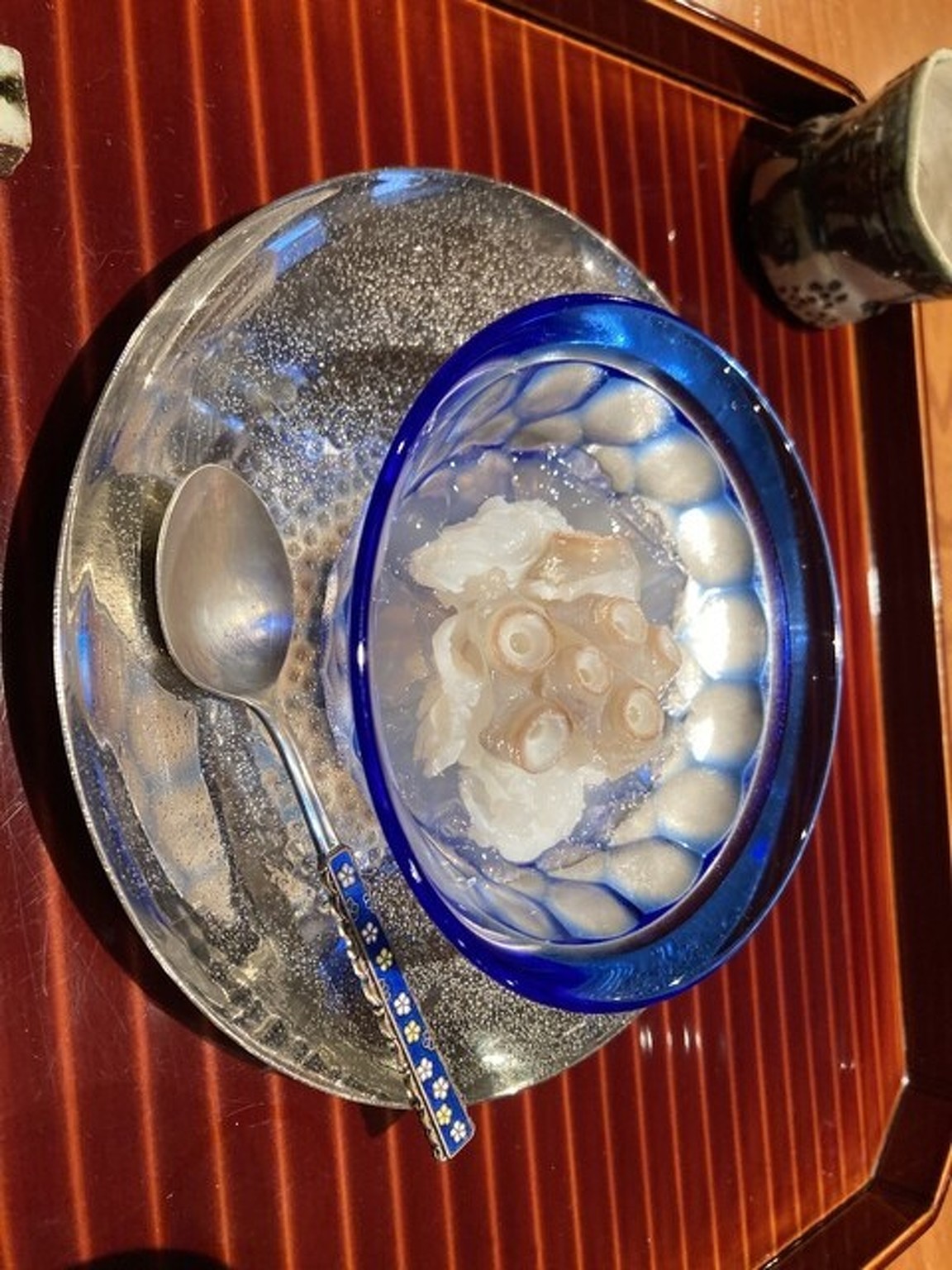
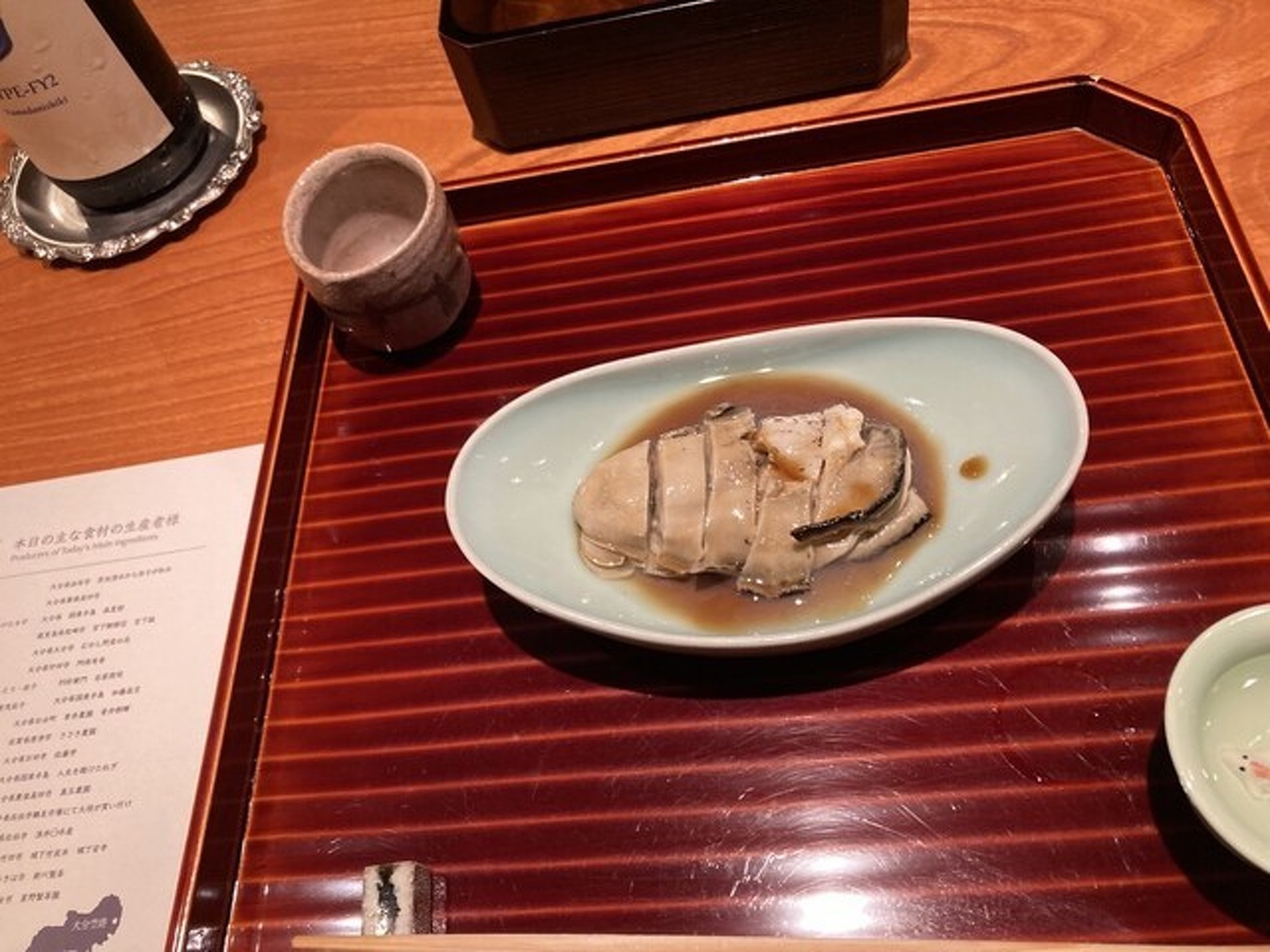
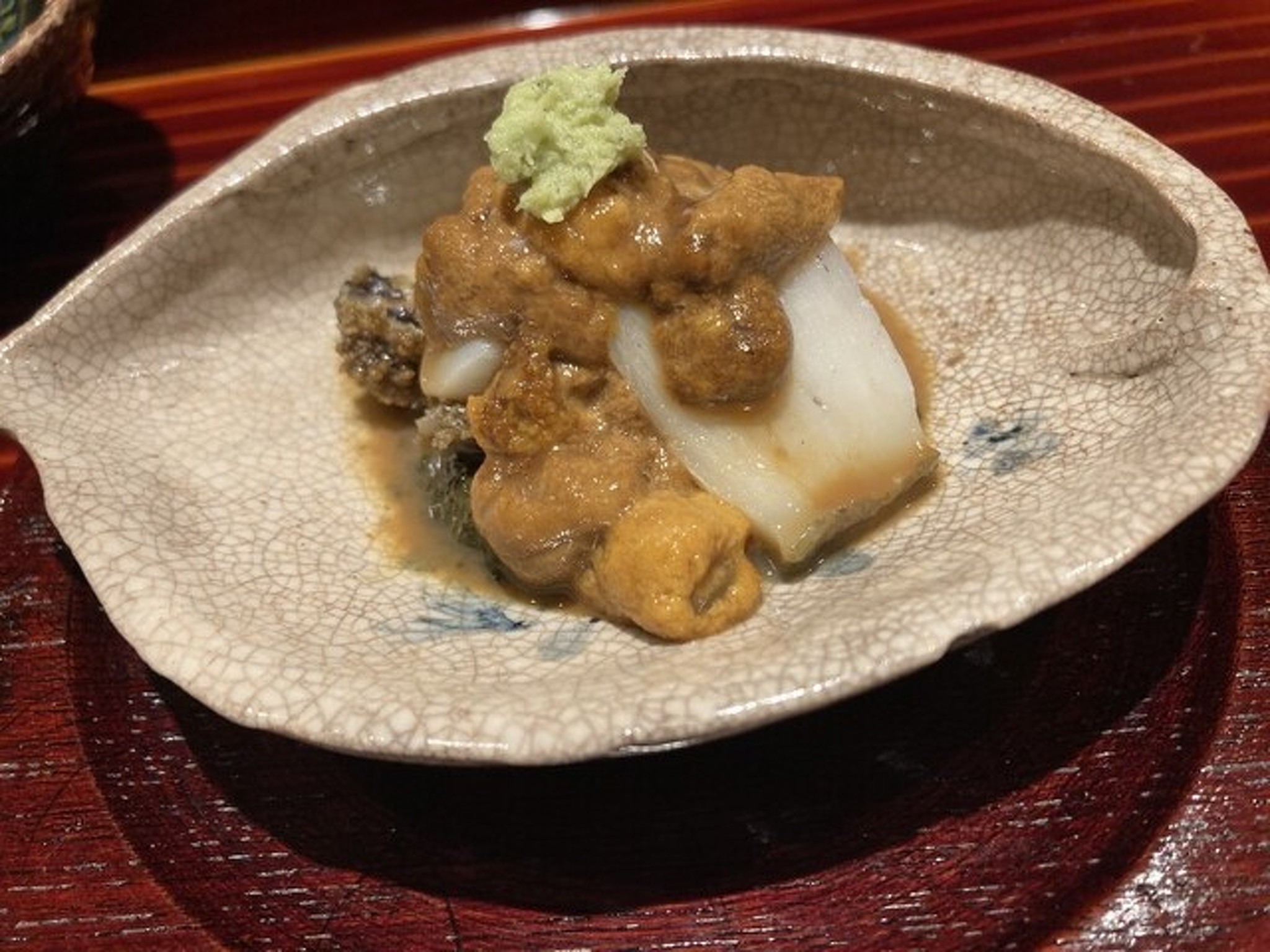
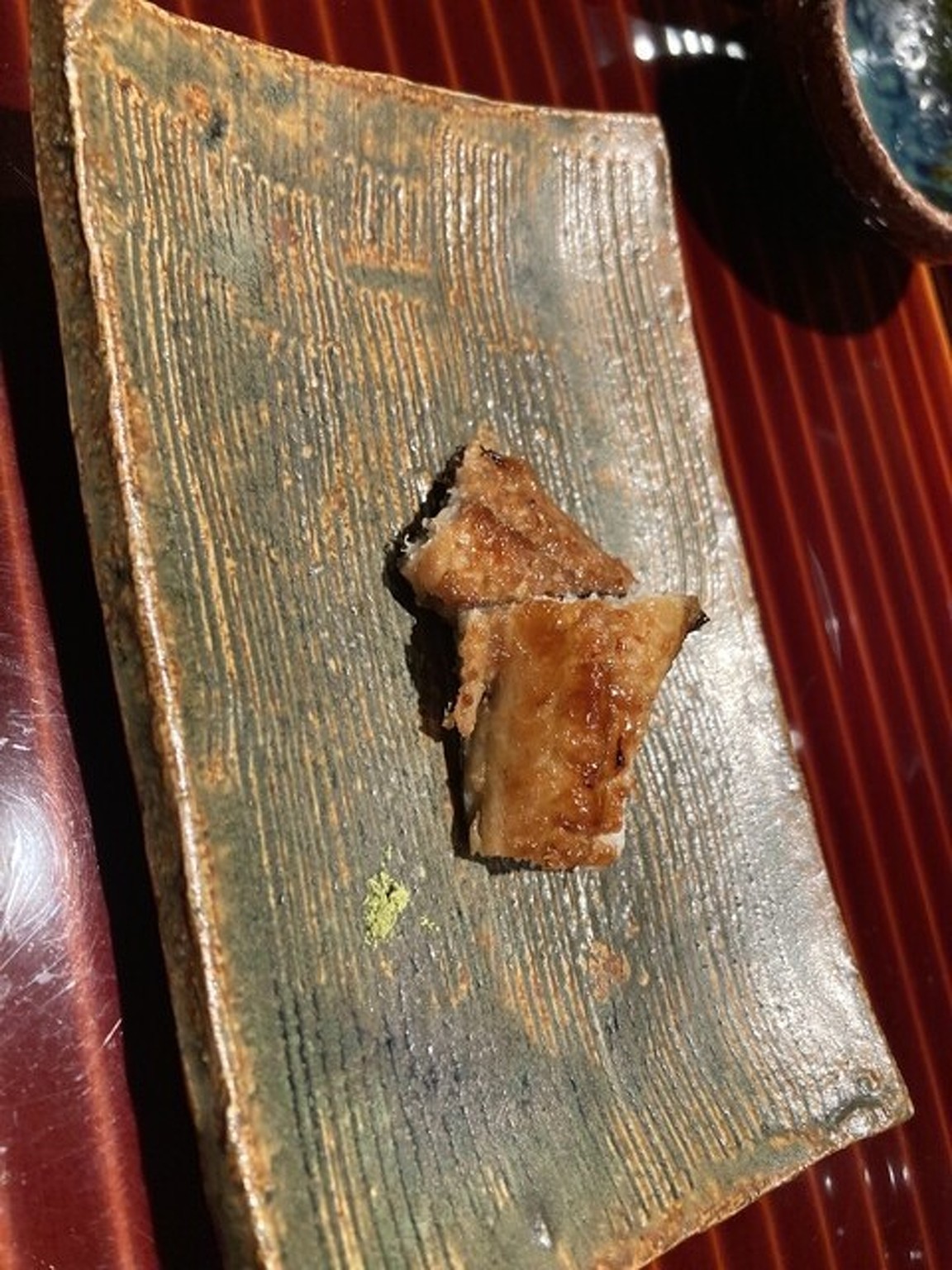
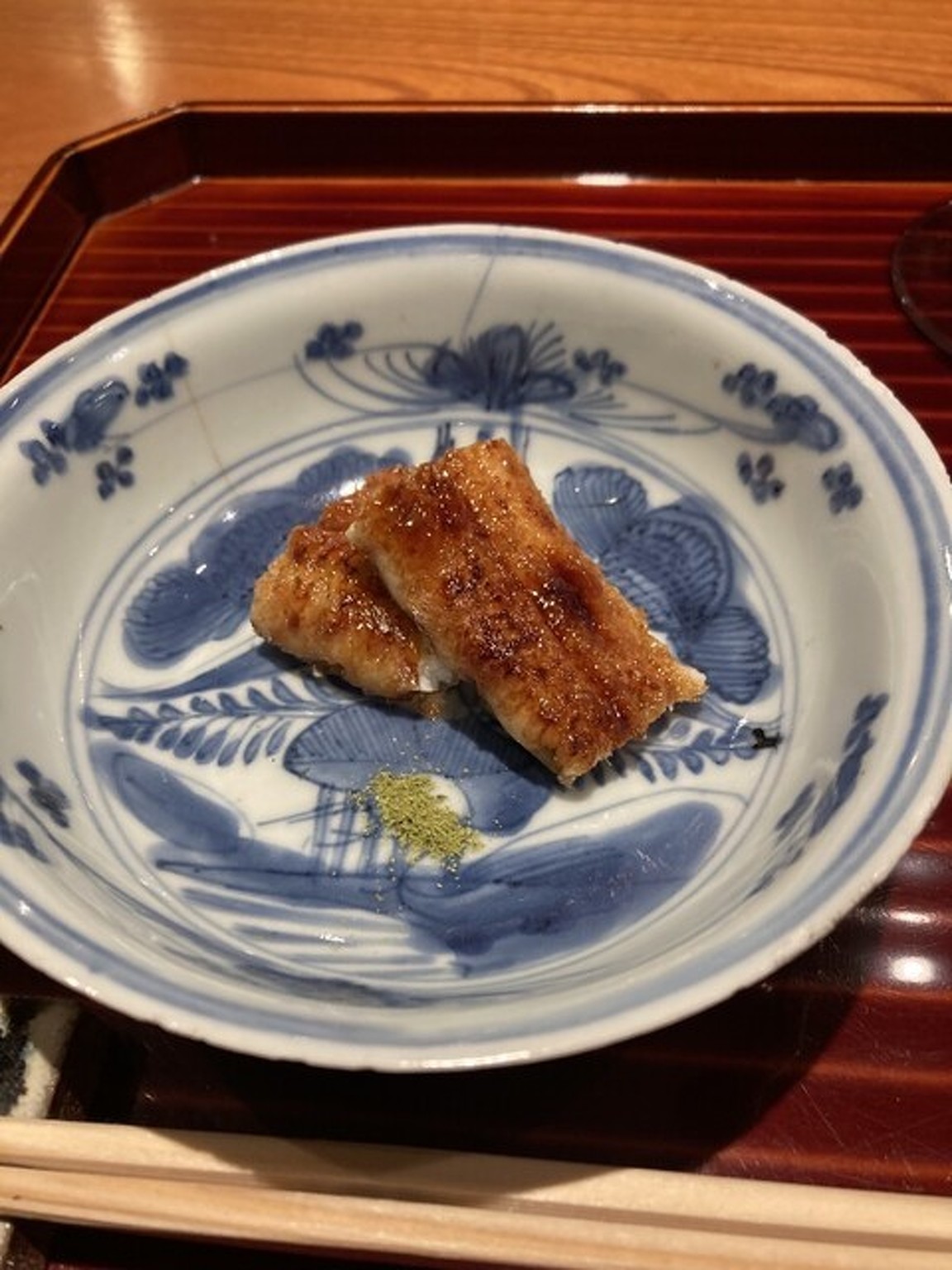
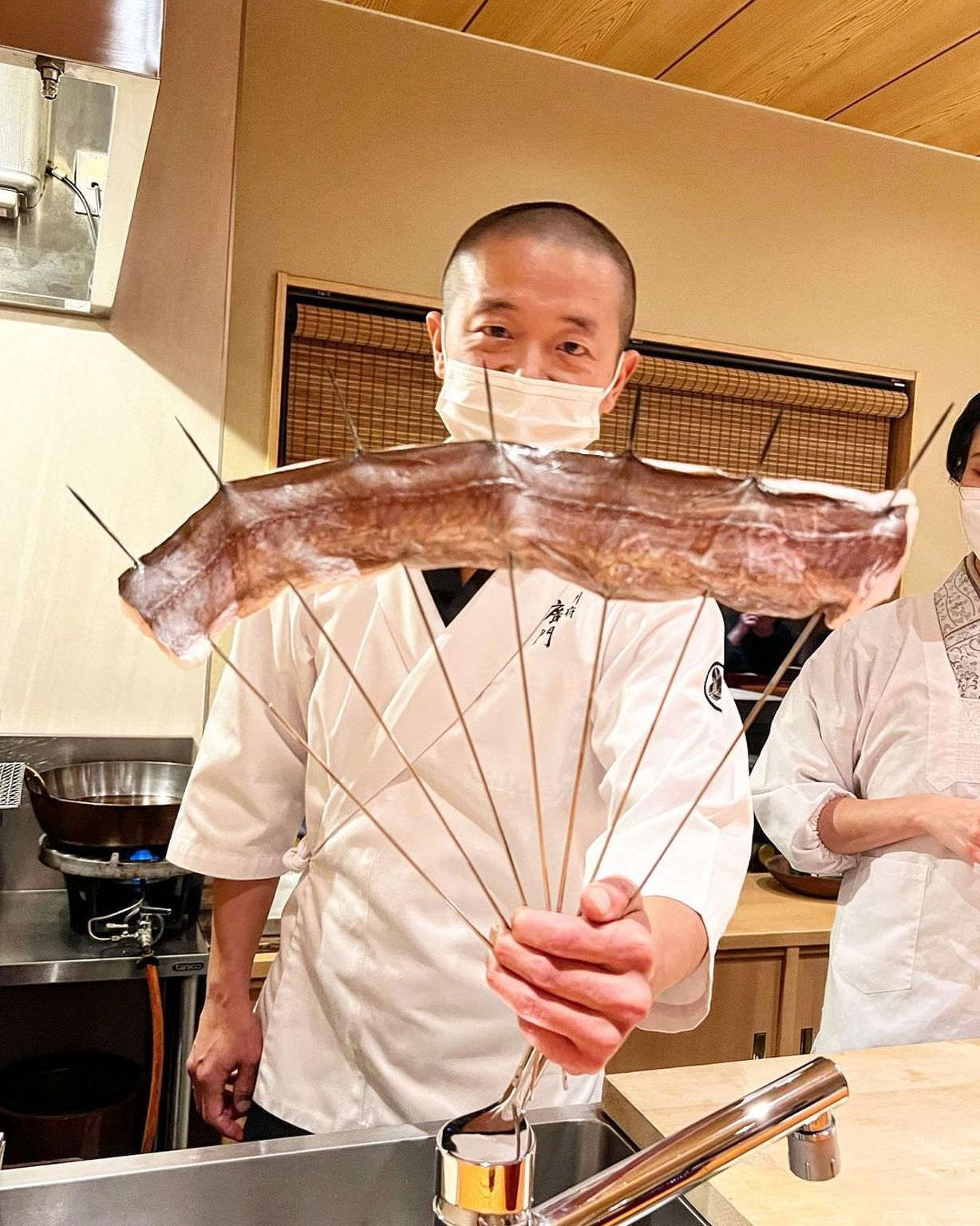
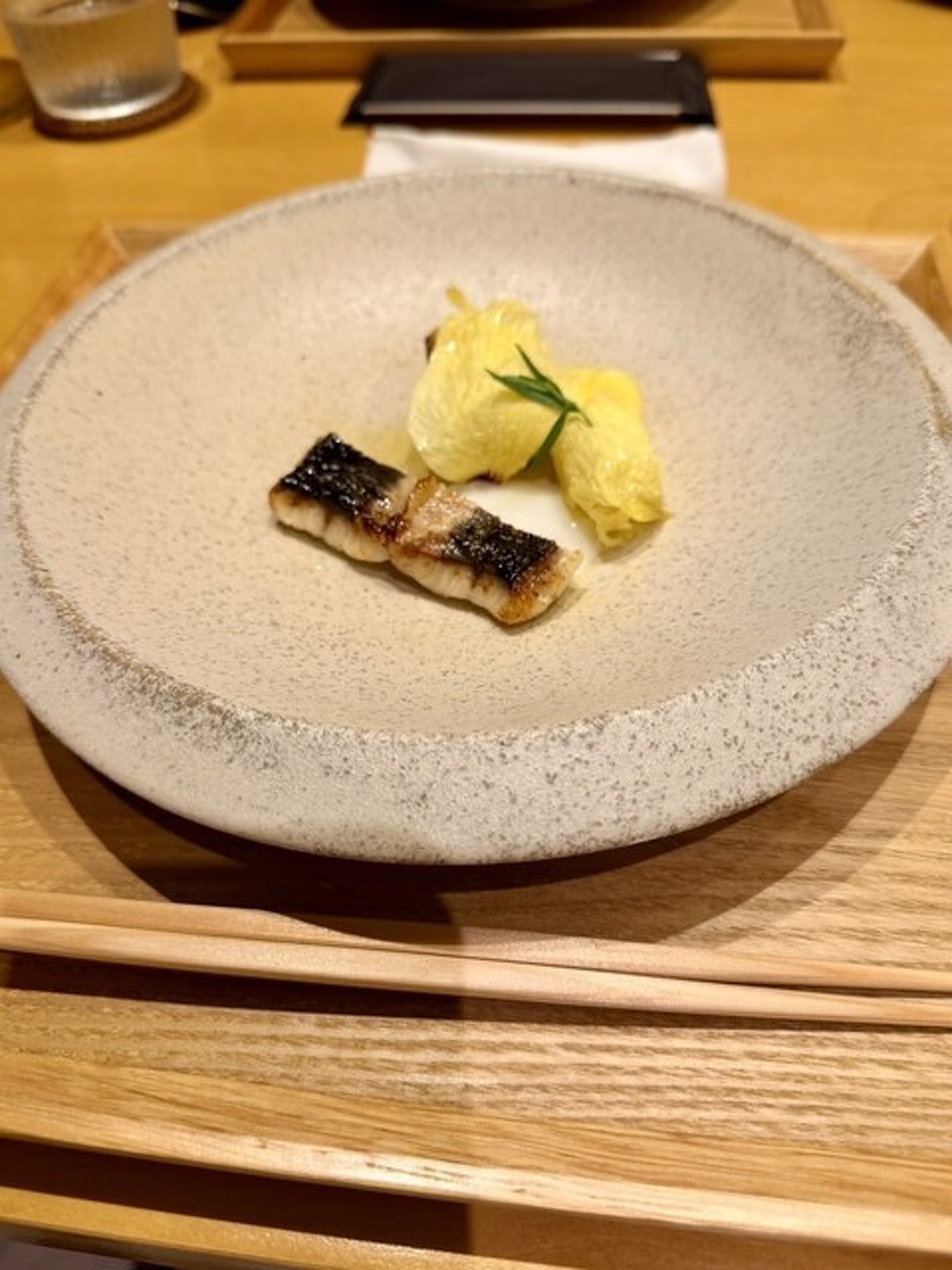
Proprietor Taizo Hirokado began his culinary journey at Kashiwaya Osaka Senriyama as an apprentice to renowned soba master Kunihiro Takahashi. He then became second-in-command at Ginza Shinohara before opening his own restaurant in his hometown of Beppu in Oita Prefecture. The house specialty is Hirokado-style boneless pike conger eel, from which the bones are removed without cutting them.
Open hours
Monday: Closed
Tuesday: 12:00 - 13:30; 18:00 - 21:00
Wednesday: 12:00 - 13:30; 18:00 - 21:00
Thursday: 12:00 - 13:30; 18:00 - 21:00
Friday: 12:00 - 13:30; 18:00 - 21:00
Saturday: 12:00 - 13:30; 18:00 - 21:00
Sunday: 12:00 - 13:30; 18:00 - 21:00
View
10
SENTI.U (センティウ)
$$$$
Monday: Closed
Tuesday: 12:00 - 13:30; 18:00 - 21:00
Wednesday: 12:00 - 13:30; 18:00 - 21:00
Thursday: 12:00 - 13:30; 18:00 - 21:00
Friday: 12:00 - 13:30; 18:00 - 21:00
Saturday: 12:00 - 13:30; 18:00 - 21:00
Sunday: 12:00 - 13:30; 18:00 - 21:00
Tabelog Bronze
587 Shinkawachō, Kanoya, Kagoshima 893-0015, Japan
This Italian restaurant in the Kagoshima Prefecture city of Kanoya can be reached in 70 to 90 minutes by car from Kagoshima Airport. About 90% of the ingredients prepared by owner-chef Yasuhiko Uchida are sourced from the Osumi Peninsula. Guests will be charmed by dishes that bring out to the fullest the appeal of seafood caught in Kagoshima Bay and vegetables grown in the restaurant’s kitchen garden.