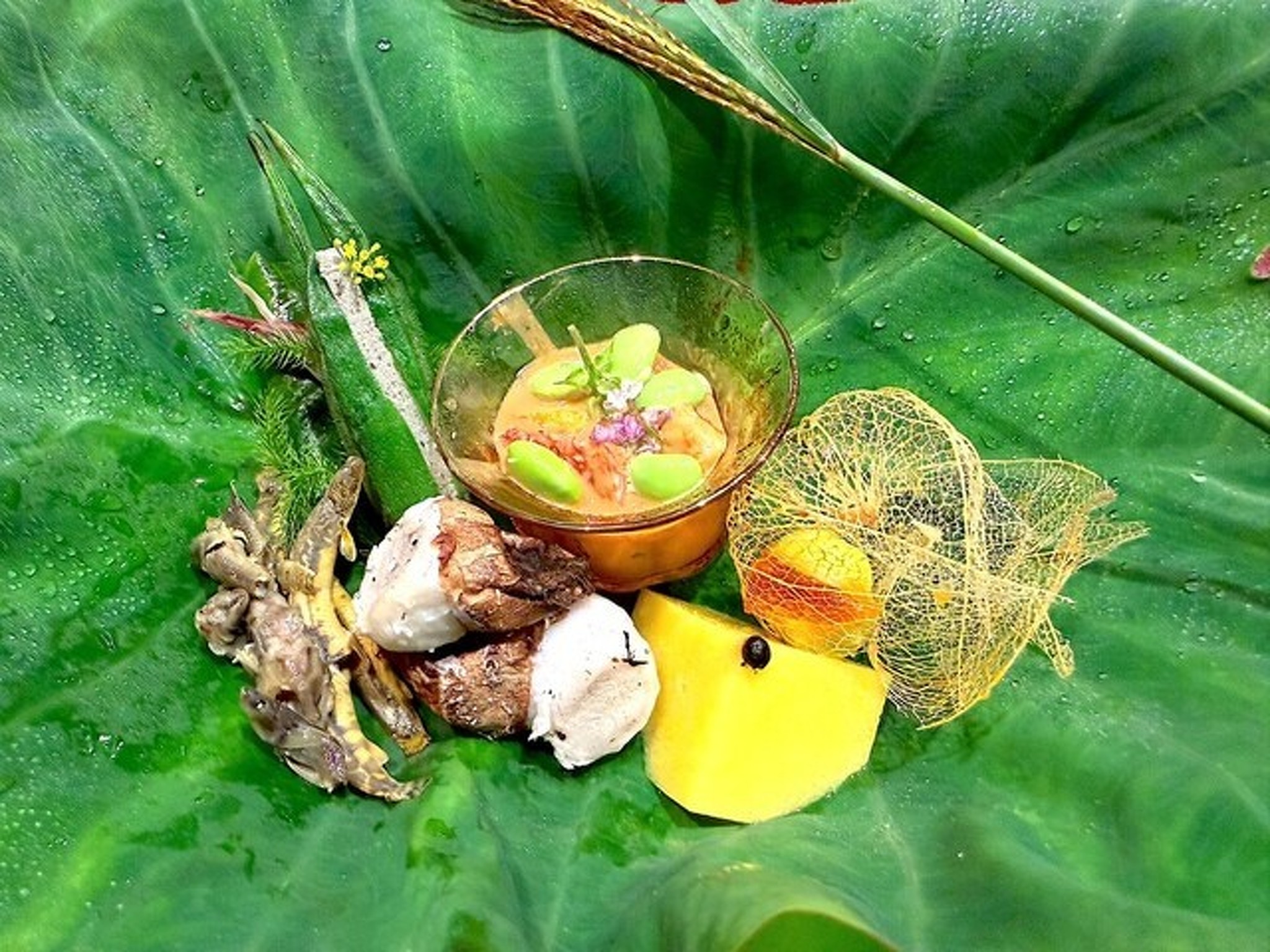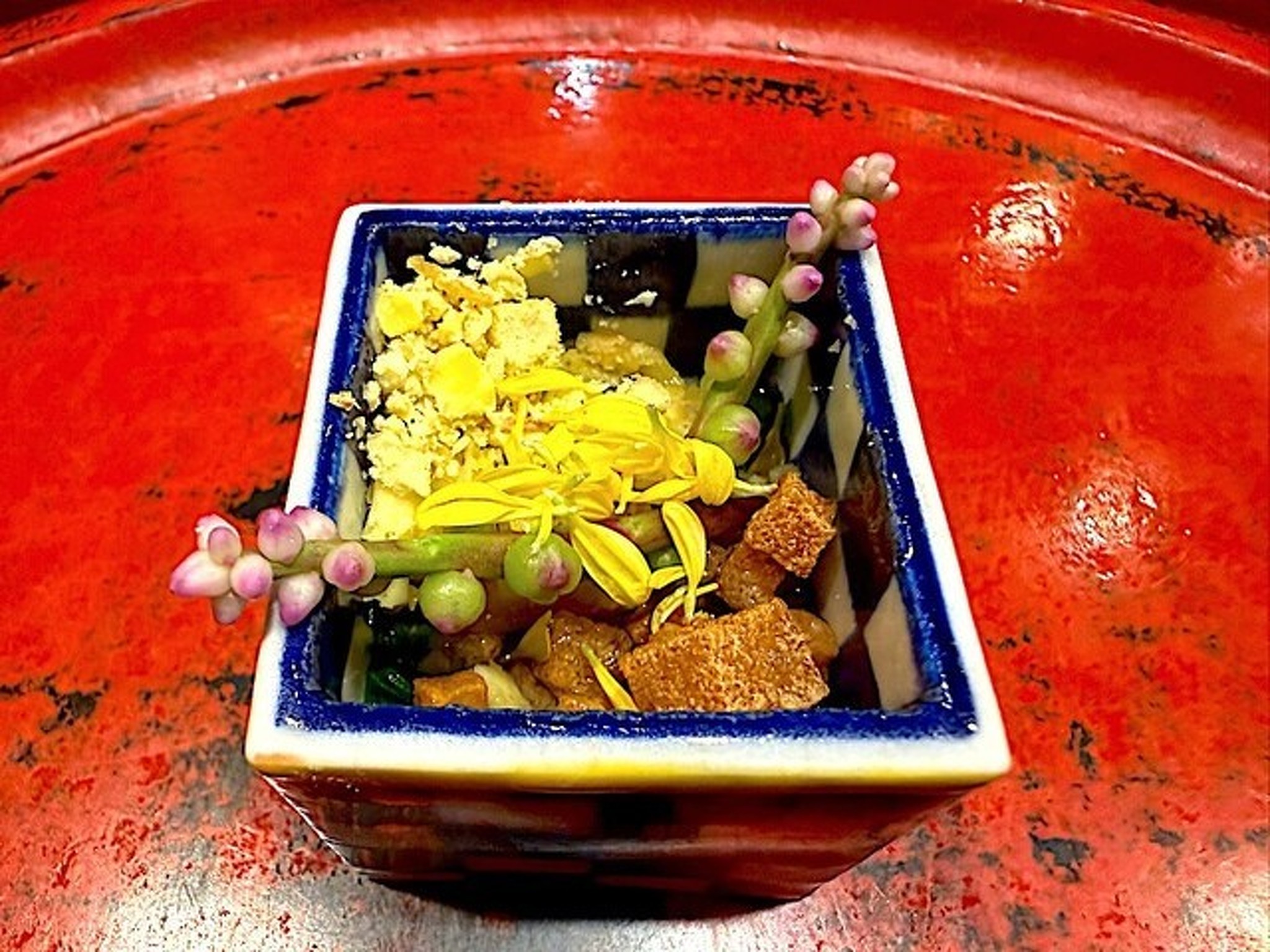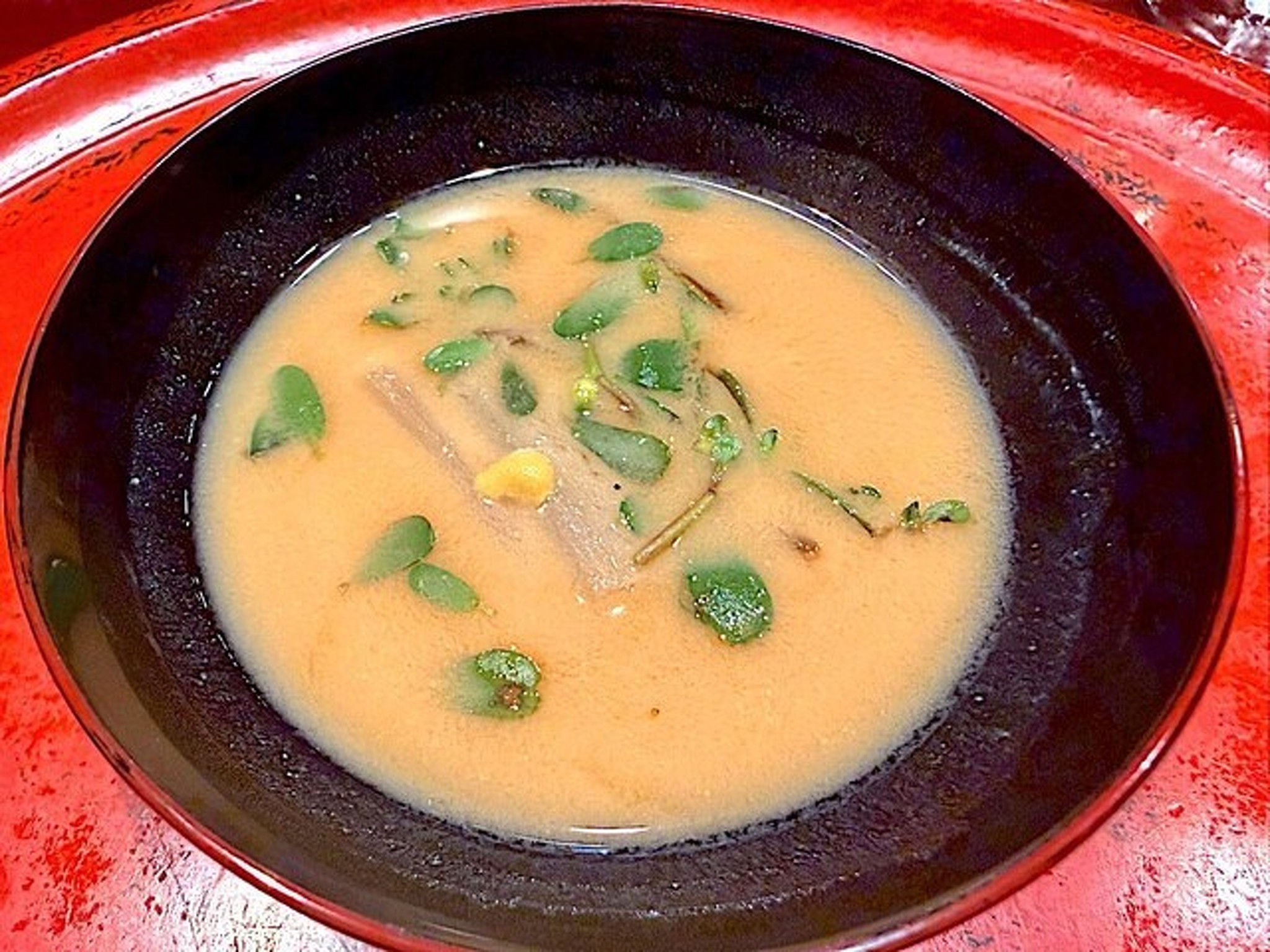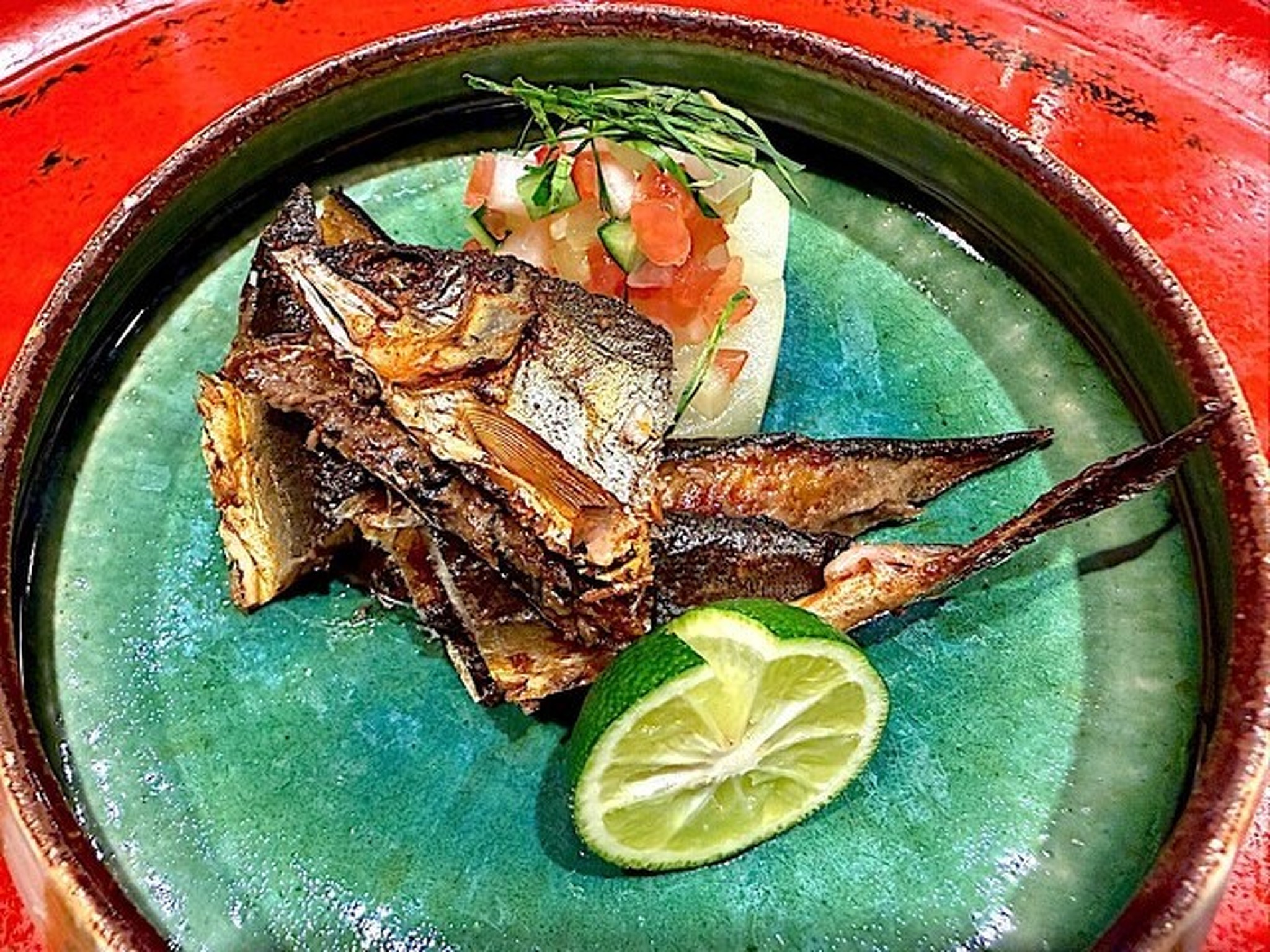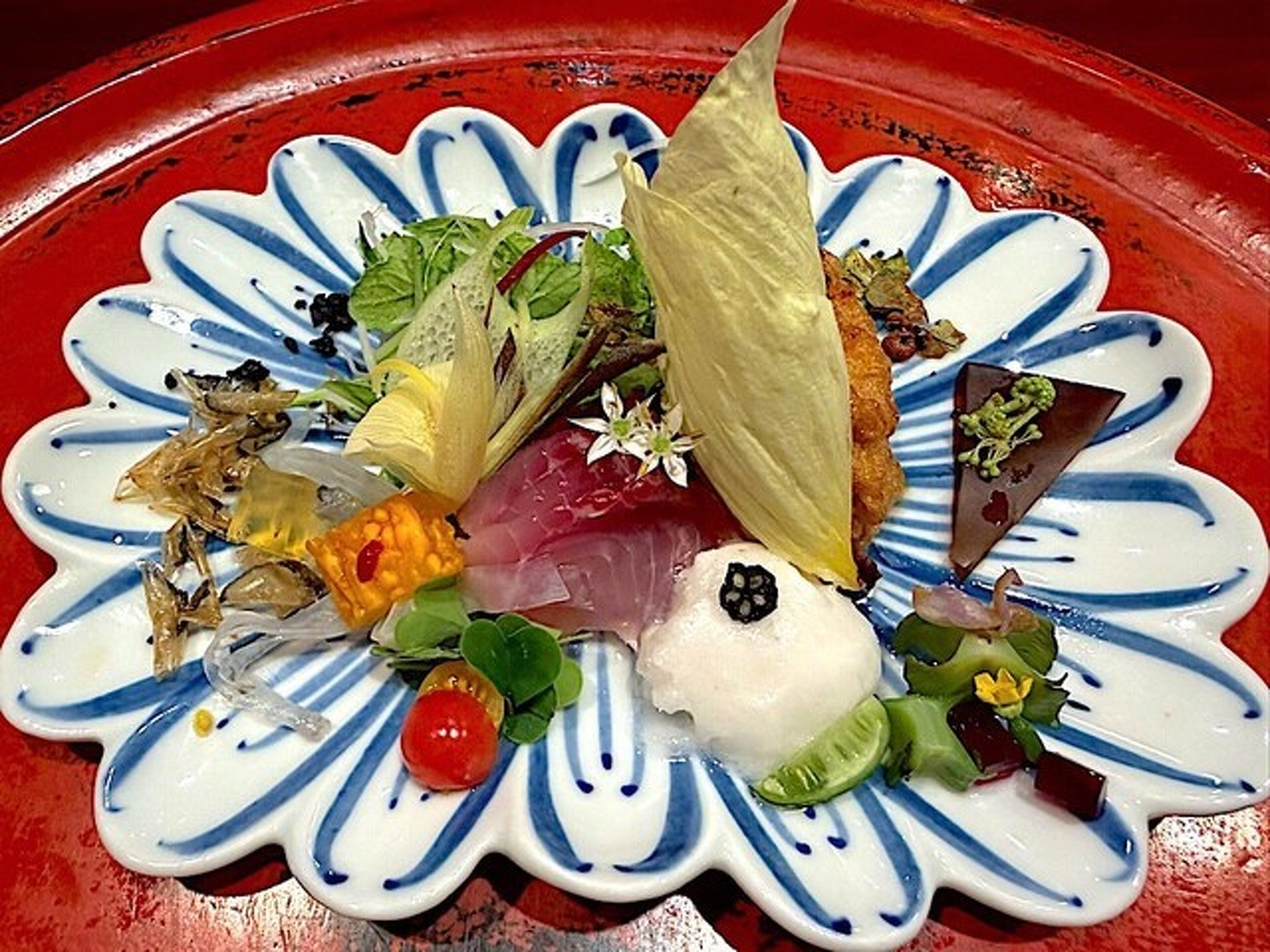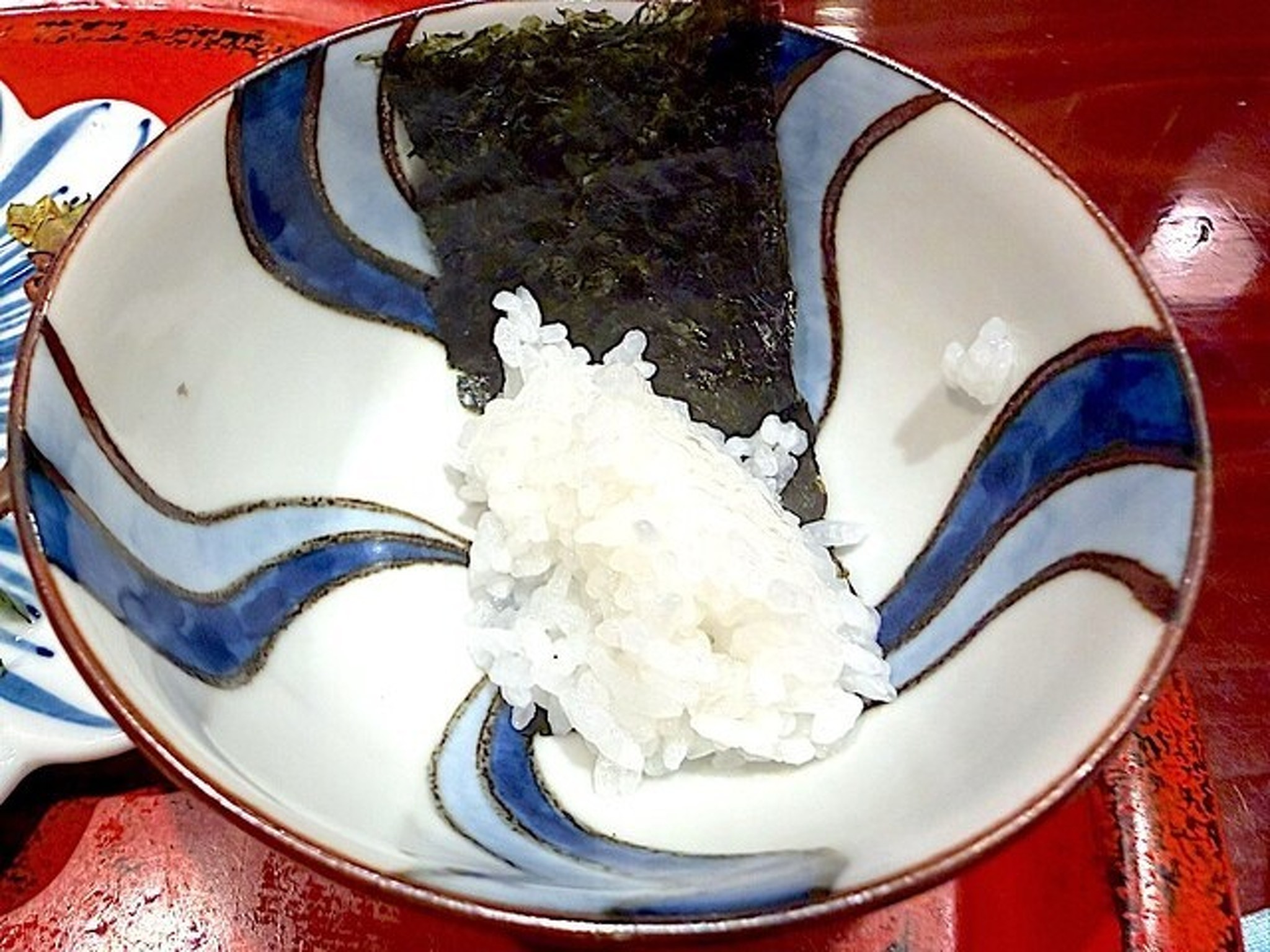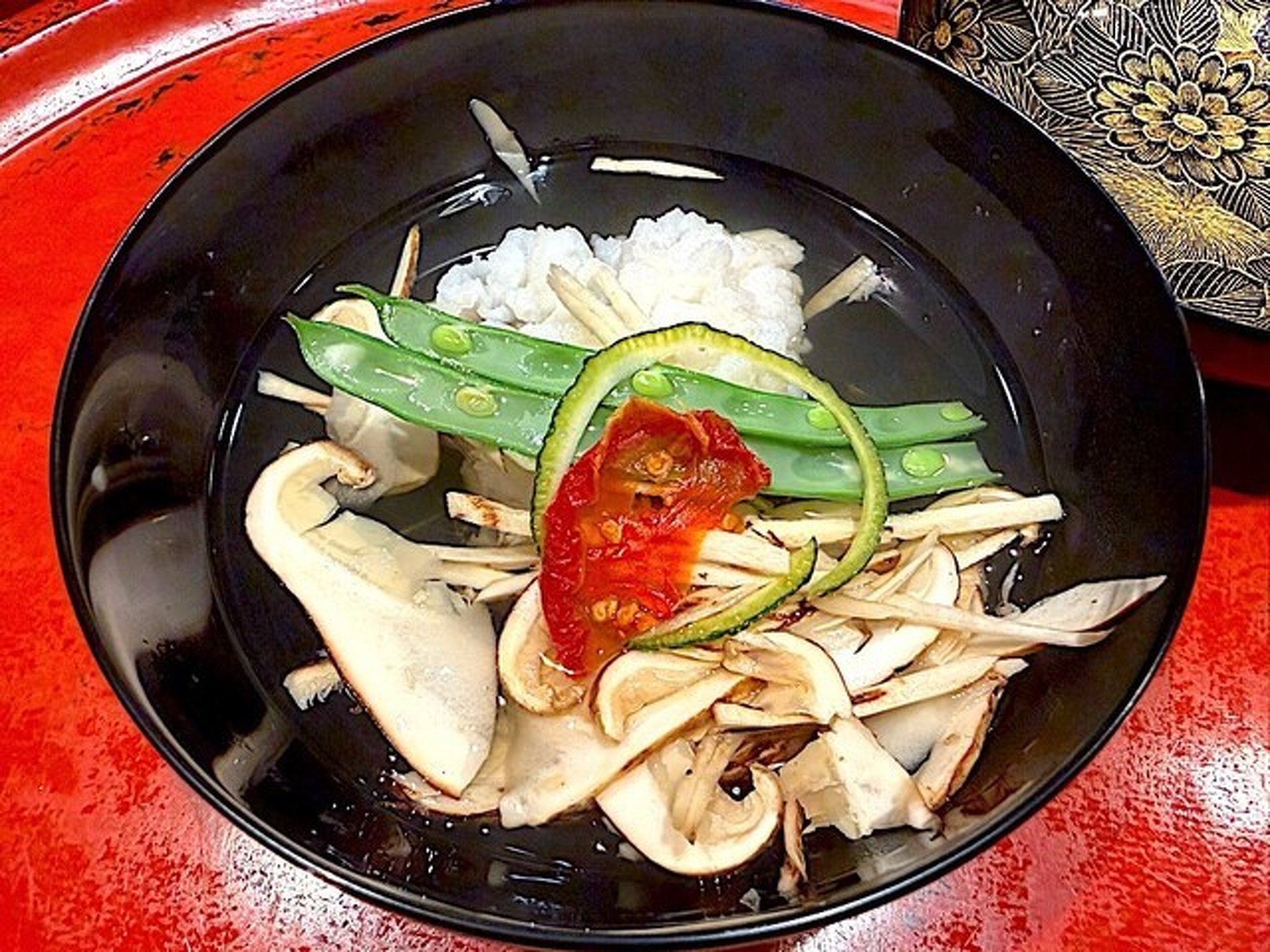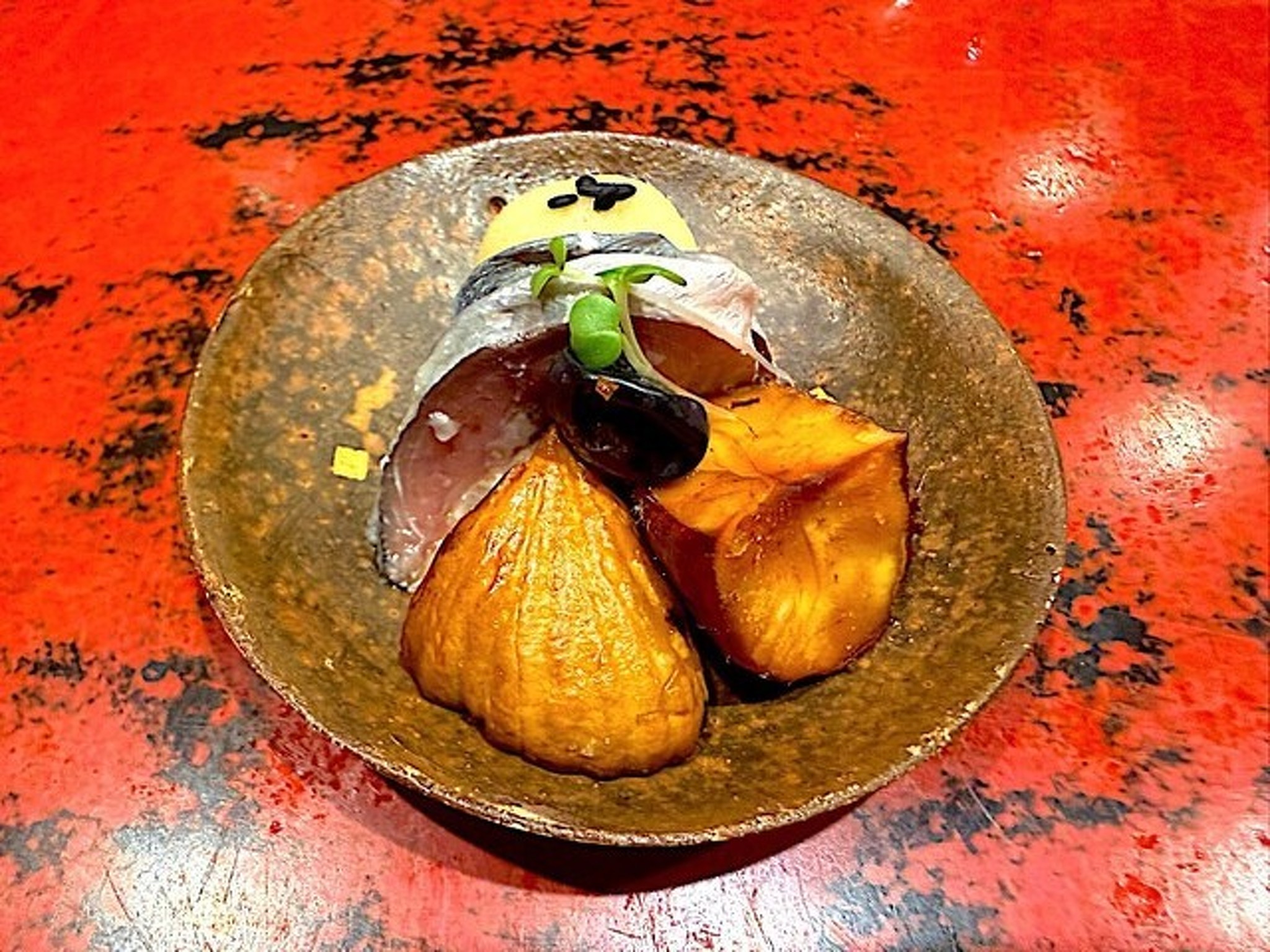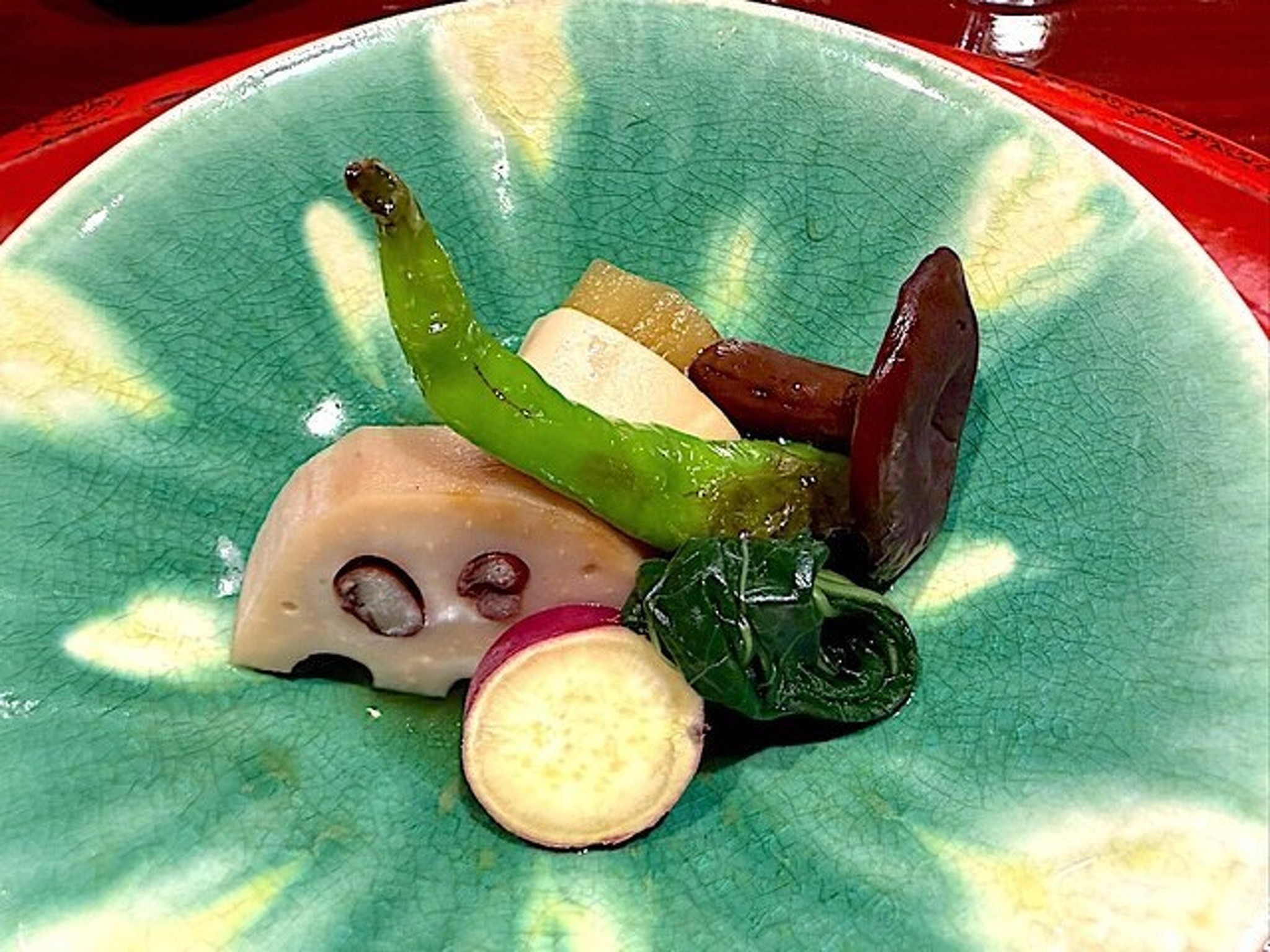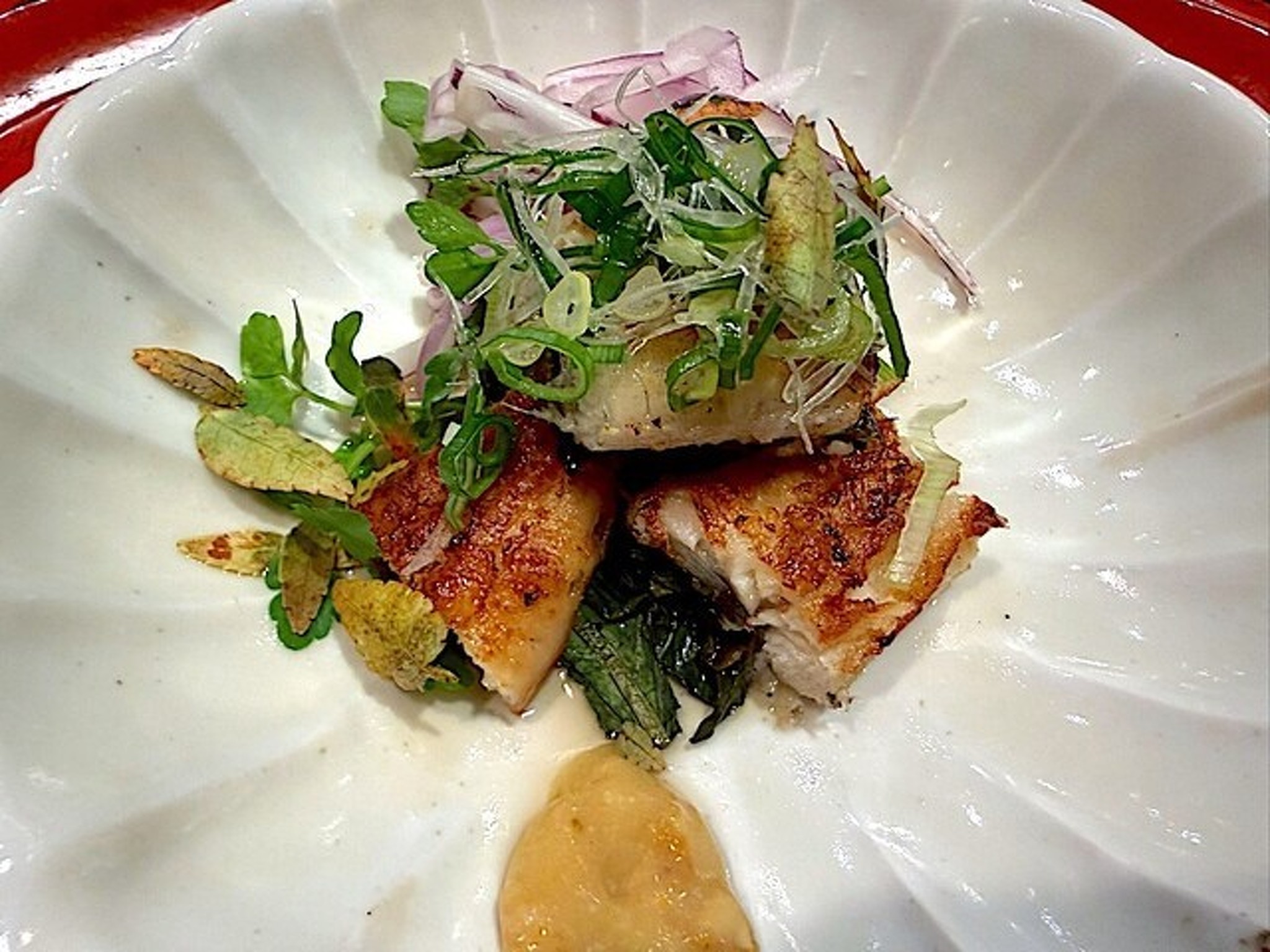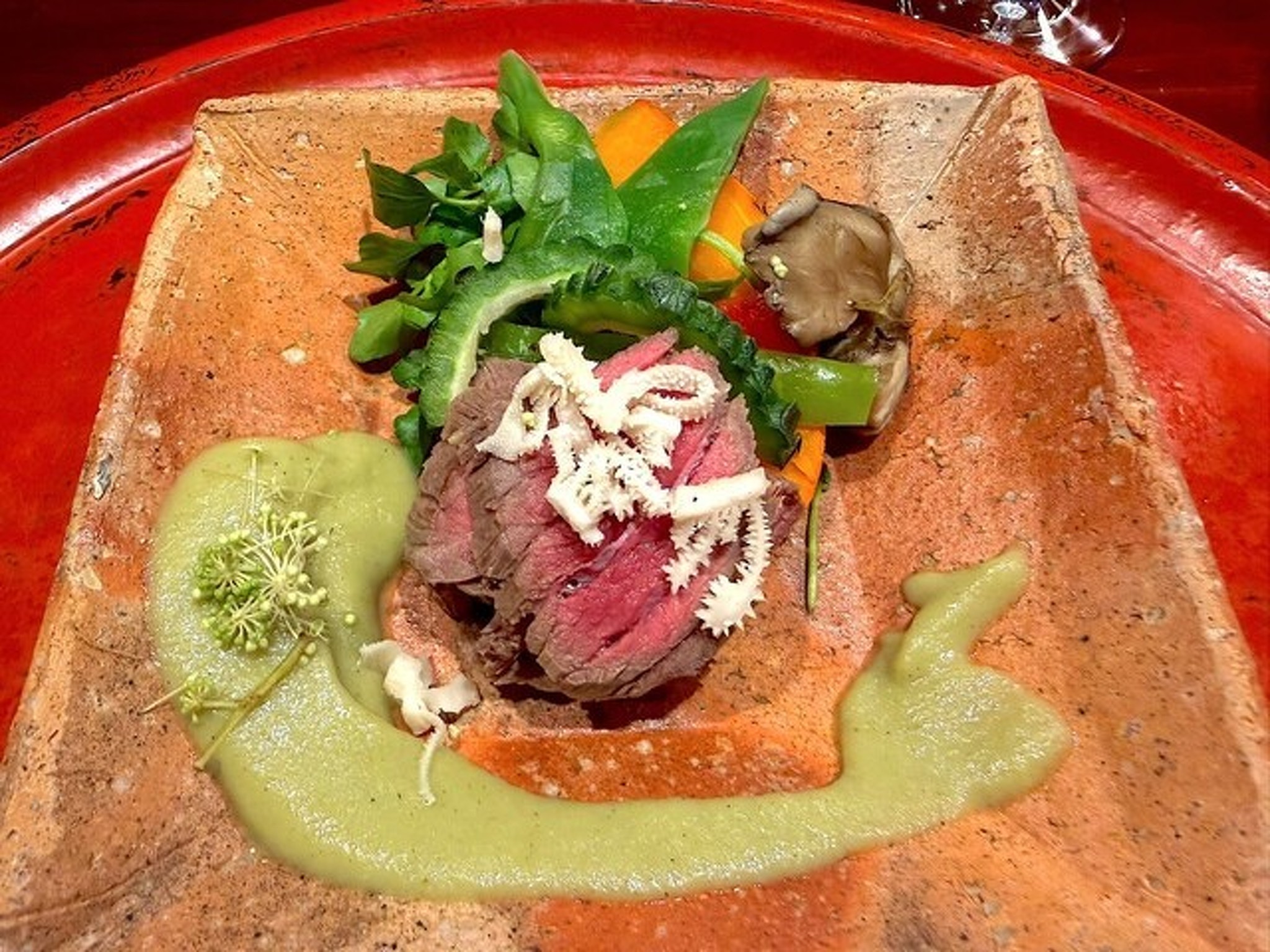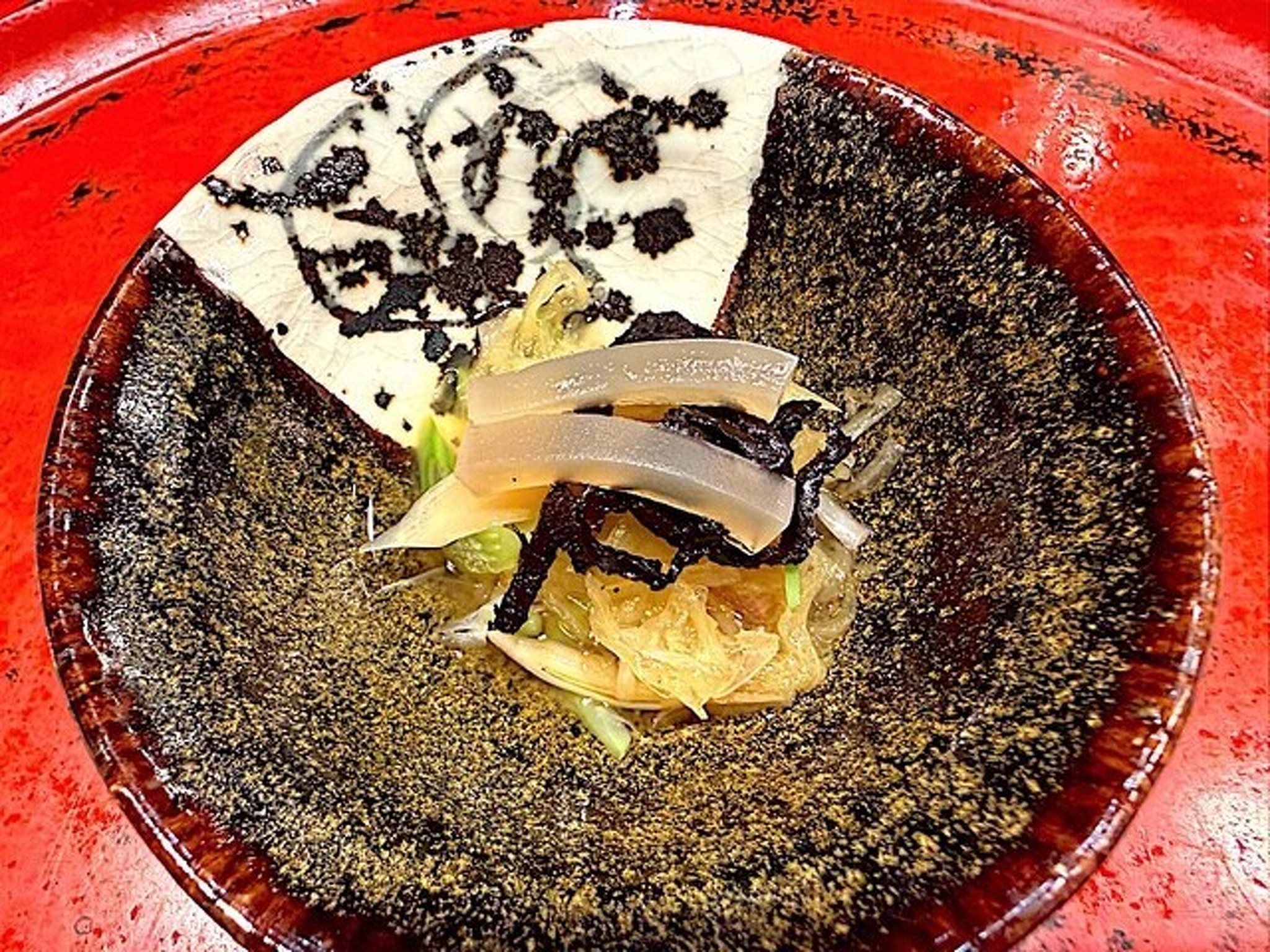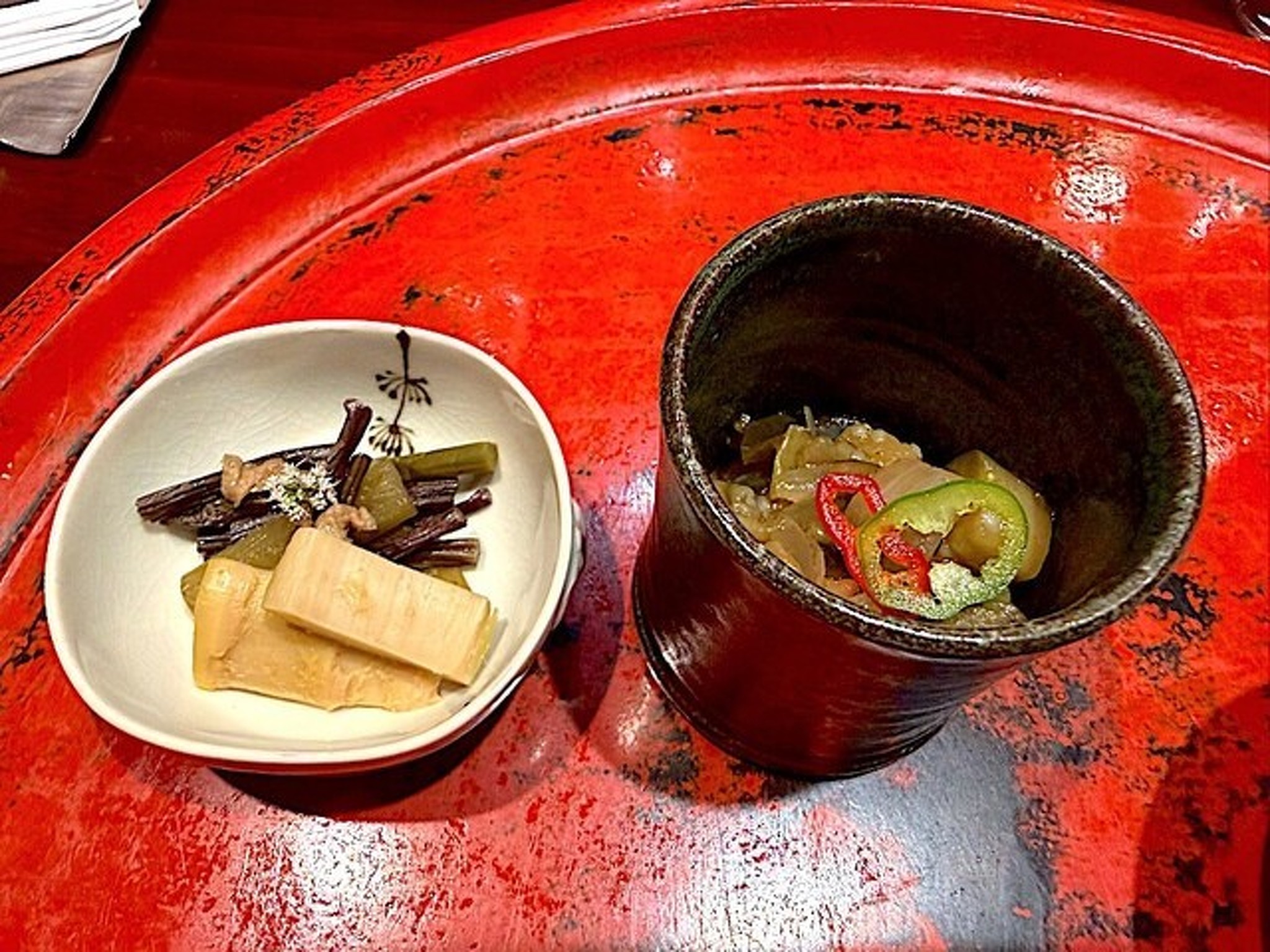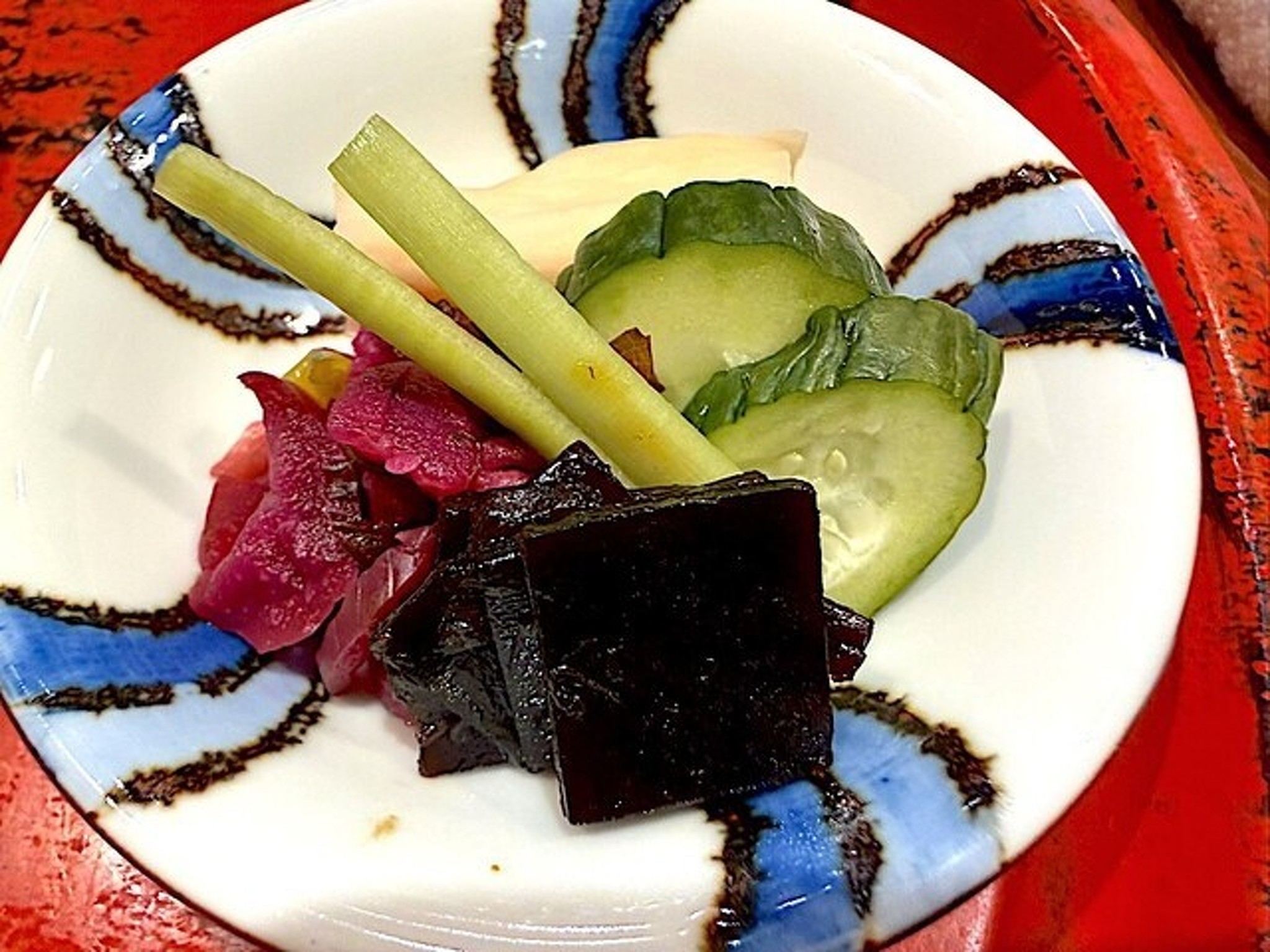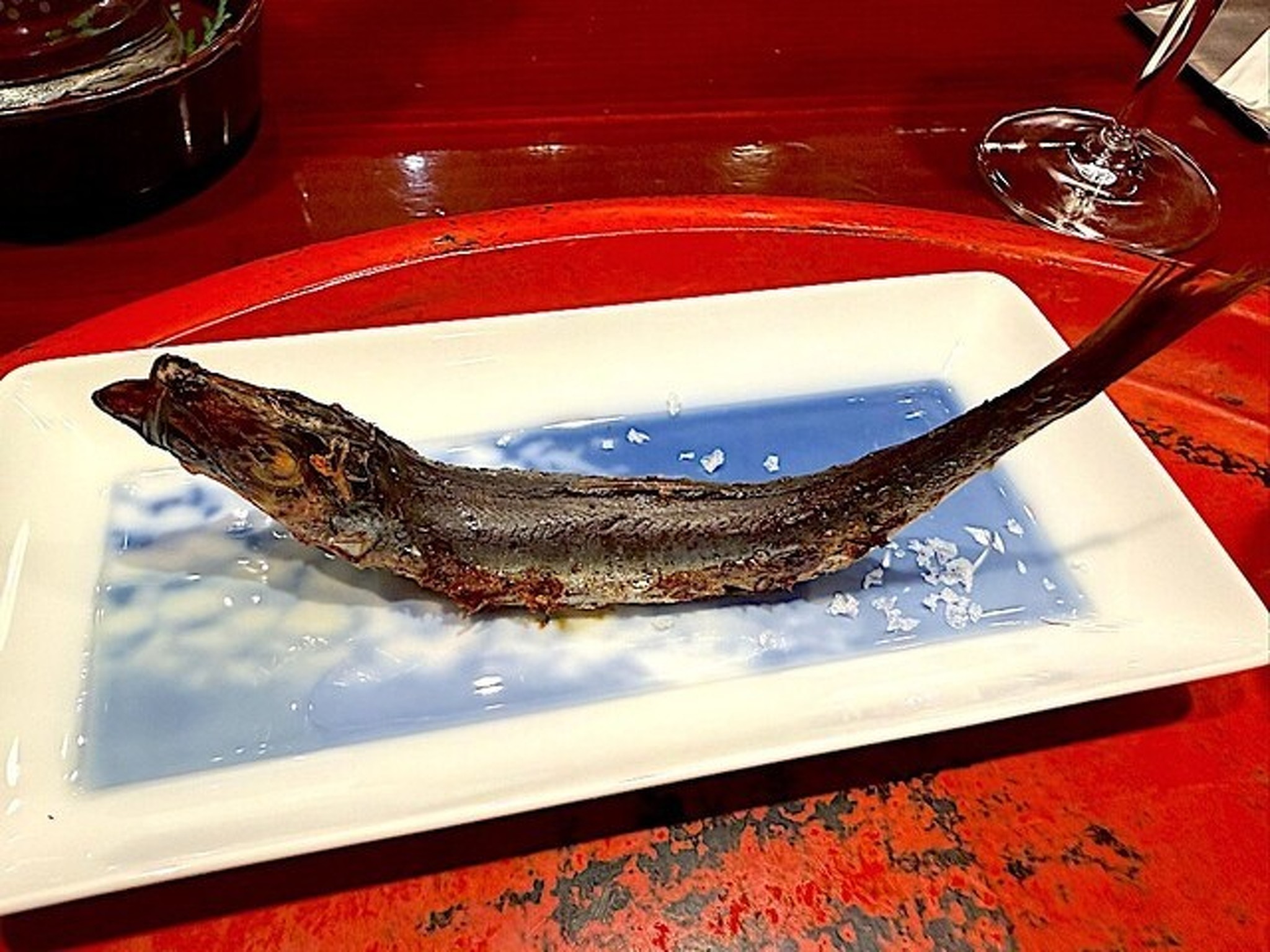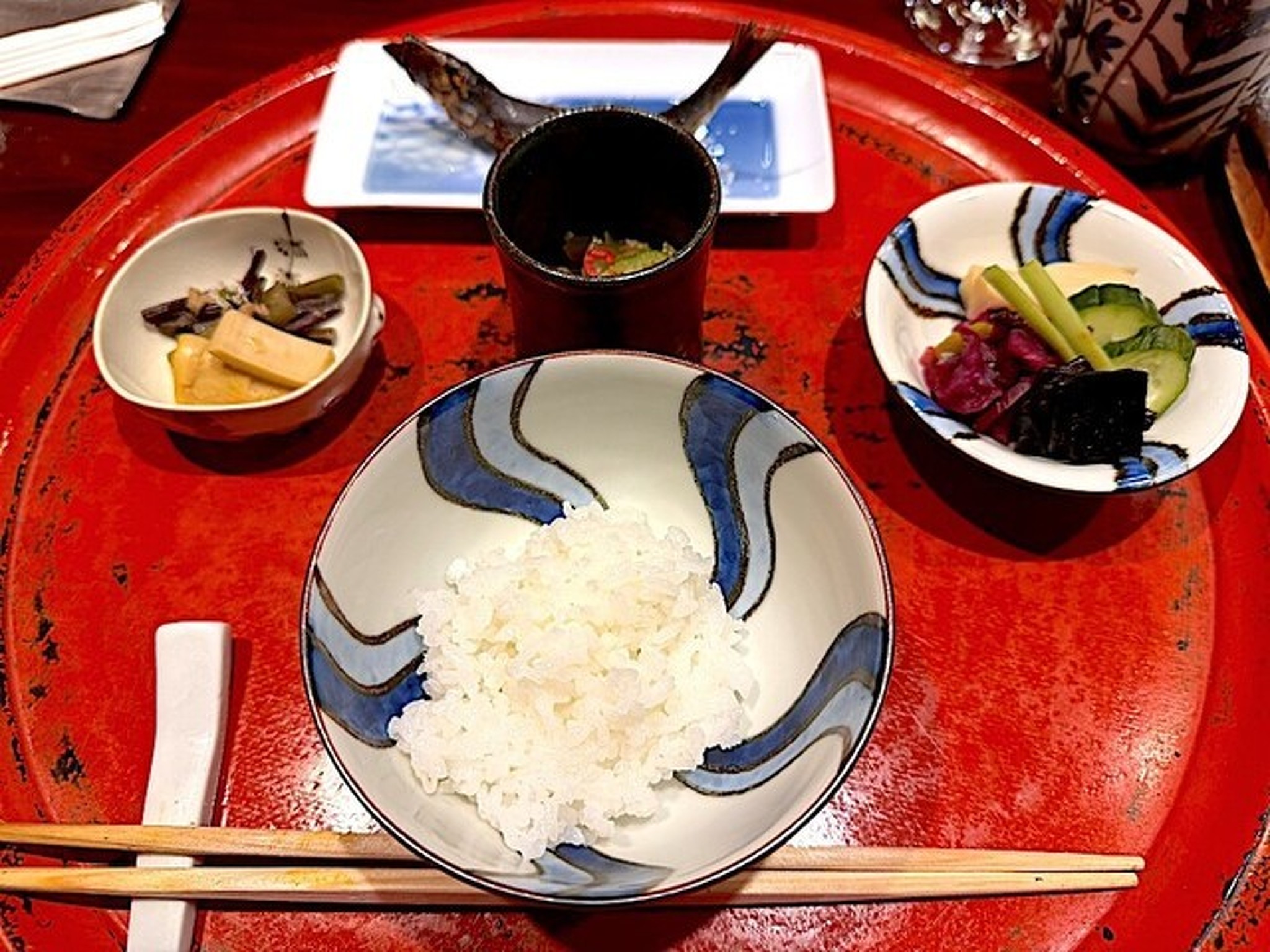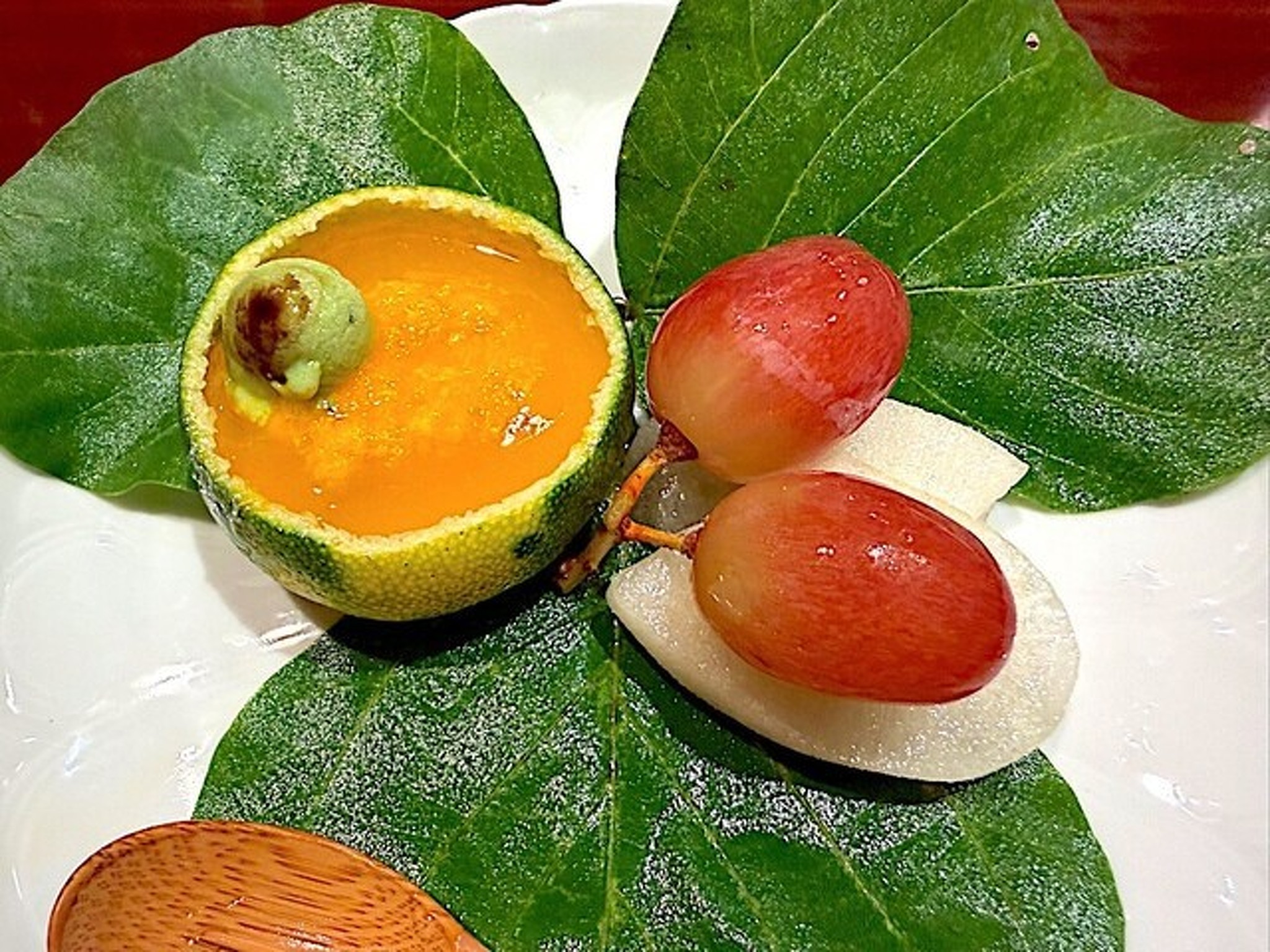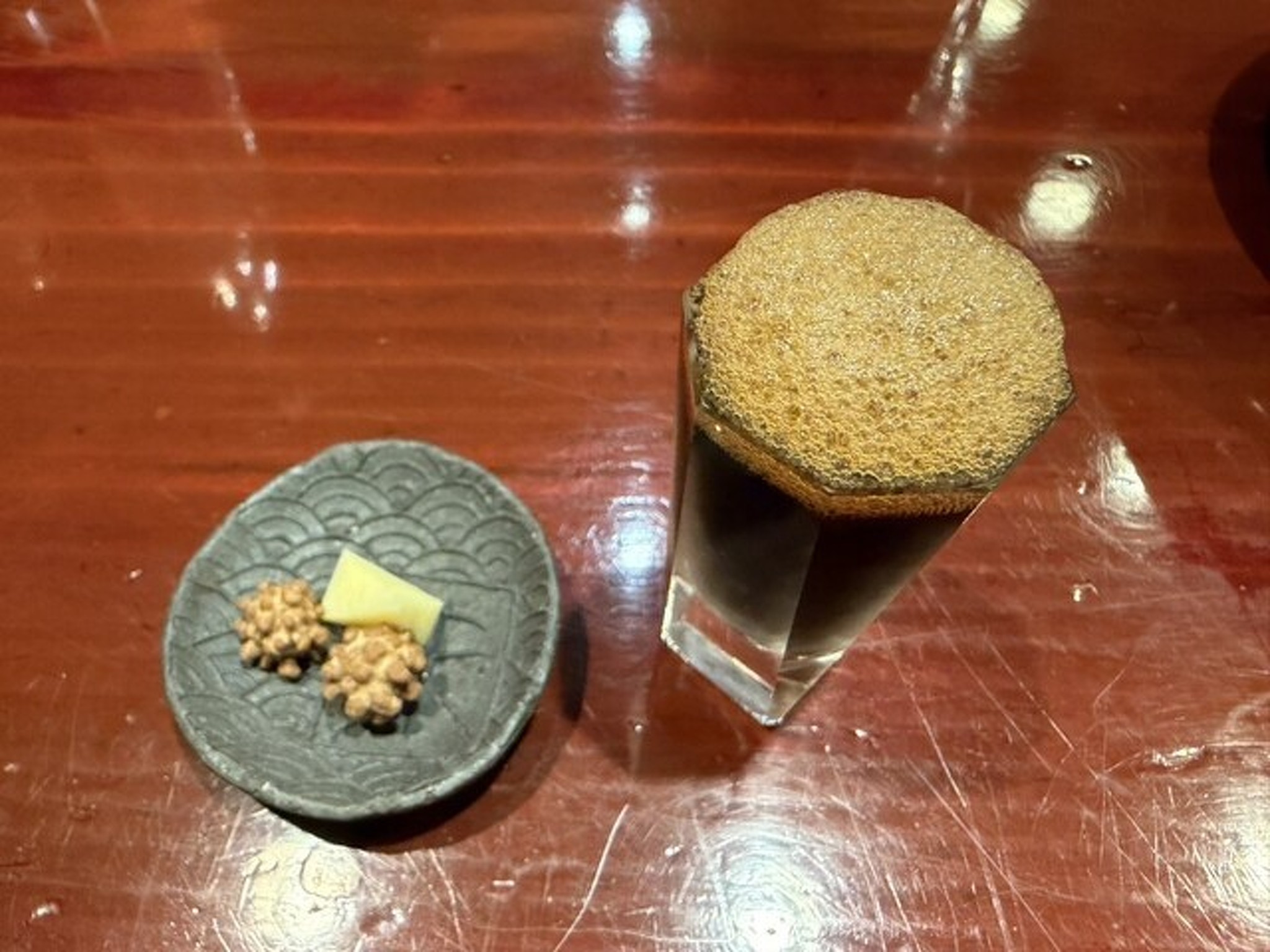
Michelin Two Stars. I visited "Kusajiki Nakahigashi" near Ginkaku-ji in Kyoto.This was my third visit, and it was particularly impressive this time.The owner, Hisao Nakahigashi, was born in Kyoto in 1952. He honed his culinary skills at the renowned cooking inn "Miyamaso" in Hanase, known for its wild vegetable cuisine, before opening "Kusajiki Nakahigashi" in 1997.As the name "Kusajiki" suggests, the essence of the dishes revolves around the blessings of the mountains and fields. Instead of merely using wild vegetables and mountain herbs as garnishes, he brings the seasonal ingredients—sprouts, leaves, flowers, and fruits—into the spotlight of the dishes.What struck me this time was how different it was from the typical high-end Kyoto cuisine that focuses on "refined presentation of quality ingredients."Bitter. Green. Sour. Fragrant. Sticky. Crunchy.Rather than masking the natural flavors and textures, he incorporates them into the dishes.From the very beginning, I was completely immersed in Nakahigashi's world.Dishes included ginkgo nuts and eggs, corn, small potatoes, a terrine of okra and sweetfish, pressed sushi with myoga and pike eel, gori, ajime dojo, board gluten, and white figs.The freshness of the okra subtly hinted at the sweetfish, while the gori and ajime dojo offered a pleasant bitterness. The white figs were delicious, with a delightful balance of sweetness and acidity.Rather than a lavish assortment, it felt like a small slice of the early autumn countryside on a plate.Next came a dish of moringa and purple sweet potato ohitashi, with chestnut and tofu croutons, evoking the essence of autumn while the flavor of the purple sweet potato tied everything together.A dish combining white and red miso featured zuiki, mustard, and purslane.The subtle bitterness of the purslane was delightful. The crisp texture of the zuiki was refreshing, and the sensation of "eating grass" was genuinely enjoyable.The dried sweetfish was served with a gazpacho of onion, cucumber, and tomato.When bitten into, the sweetfish released a burst of umami, complemented by a pleasant bitterness and a crunchy texture, layered with the freshness of the vegetables.I believe Nakahigashi's cuisine is difficult to categorize solely as Kyoto cuisine.And the sashimi was extraordinary.Carp raised in underground water for about three months was served with chives, myoga flowers, orchid flowers, ripe bitter melon, micro tomatoes, summer daikon sorbet, okra flowers, sansho, and carp jelly.Rather than the typical "sashimi plus garnishes" concept, it presented the river fish and summer plants as a complete landscape on the plate.The next course was a soup with pike eel and matsutake mushrooms.I was surprised by the resilience of the pike eel.Instead of being fluffy, it had a robust texture that conveyed vitality with every bite, enhanced by the aroma of matsutake and the wonderful accent of dried tomatoes.The dried tomatoes in a traditional Japanese soup were surprisingly harmonious, creating a delightful broth.The fermented mackerel sushi was accompanied by sweet potatoes, fried chestnuts, and wild grapes.The strong umami and saltiness from fermentation were balanced by the sweetness of the potatoes and chestnuts. Instead of leaning towards a modern "clean taste," it embraced the wild flavors of fermentation.The simmered dish featured sweet potatoes, their leaves, lotus root, adzuki beans, autumn eggplant, and chichidake mushrooms.The sweet potato leaves were particularly juicy, infused with broth. The sweet potatoes were soft and sweet, the lotus root tender and flavorful, and the autumn eggplant burst with umami when bitten into.Even the "leaves," which are usually sidelined or overlooked, became a delicacy.This is truly Nakahigashi.The natural eel was served with summer daikon, jagara, sansho, and seri.The grilling was impeccable, and the texture was delightful. The strong umami of the natural eel was complemented by the aromas of sansho and seri. Instead of overpowering it with fat or rich sauces, the dish preserved the wild essence of the eel.The pasture-raised Angus beef was paired with bitter melon and maitake mushrooms.The concentrated umami of the maitake and beef was delicious, with the flavor seeping out with each bite. The bitterness of the bitter melon kept the dish light despite being meat-based.Additionally, a dish combined with silk squash, myoga, flower okra, koutake mushrooms, and peppermint.The aroma of myoga was delightful, and the dish was refreshingly light, resetting the palate after all the previous courses.As we approached the end, we were treated to matsutake rice and karasumi.This was intense.The moment the lid was lifted, the aroma of matsutake was overwhelming. The rice had a natural sweetness, complemented by the saltiness and umami of the karasumi.After enjoying wild herbs, river fish, meat, and eel, it was fascinating that plain white rice took center stage at the end.Moreover, the Tsuyahime white rice was perfectly balanced in aroma, sweetness, and acidity, leaving a clean aftertaste. The dried sardines were enhanced with sansho oil, adding a pleasant bitterness that complemented the sweetness of the rice.After indulging in luxurious ingredients, the simplicity of "rice and dried sardines" was surprisingly delicious.This is part of what makes Nakahigashi so intriguing.For dessert, we had a refreshing combination of green mandarin, basil, mandarin sorbet, pear, and grapes.The aroma of basil was refreshing, and the mandarin sorbet offered a delightful sweetness. The ginger-infused pear was interesting, and the meal concluded with the essence of plants.What stood out to me this time was how "bitterness" played a significant role throughout the course.Sweetfish, gori, bitter melon, purslane, and wild herbs.Typically, bitterness and greenness are suppressed or removed, but here they were actively used to express the season.Even when glamorous ingredients like matsutake, pike eel, natural eel, and pasture-raised Angus beef appeared, they did not overshadow everything else.Every element, from a single sweet potato leaf to purslane and ripe bitter melon, held its own significance, just like the matsutake.That’s what makes it fascinating.In early September,the lingering strength of summer coexists with chestnuts, matsutake, and autumn eggplant, gradually transitioning into fall.This menu felt like a course that captured the very essence of the seasonal shift from summer to autumn.This is truly "Kusajiki."It felt like I consumed the entirety of early autumn in Kyoto in one night.
We use cookies on this site to enhance your user experience.