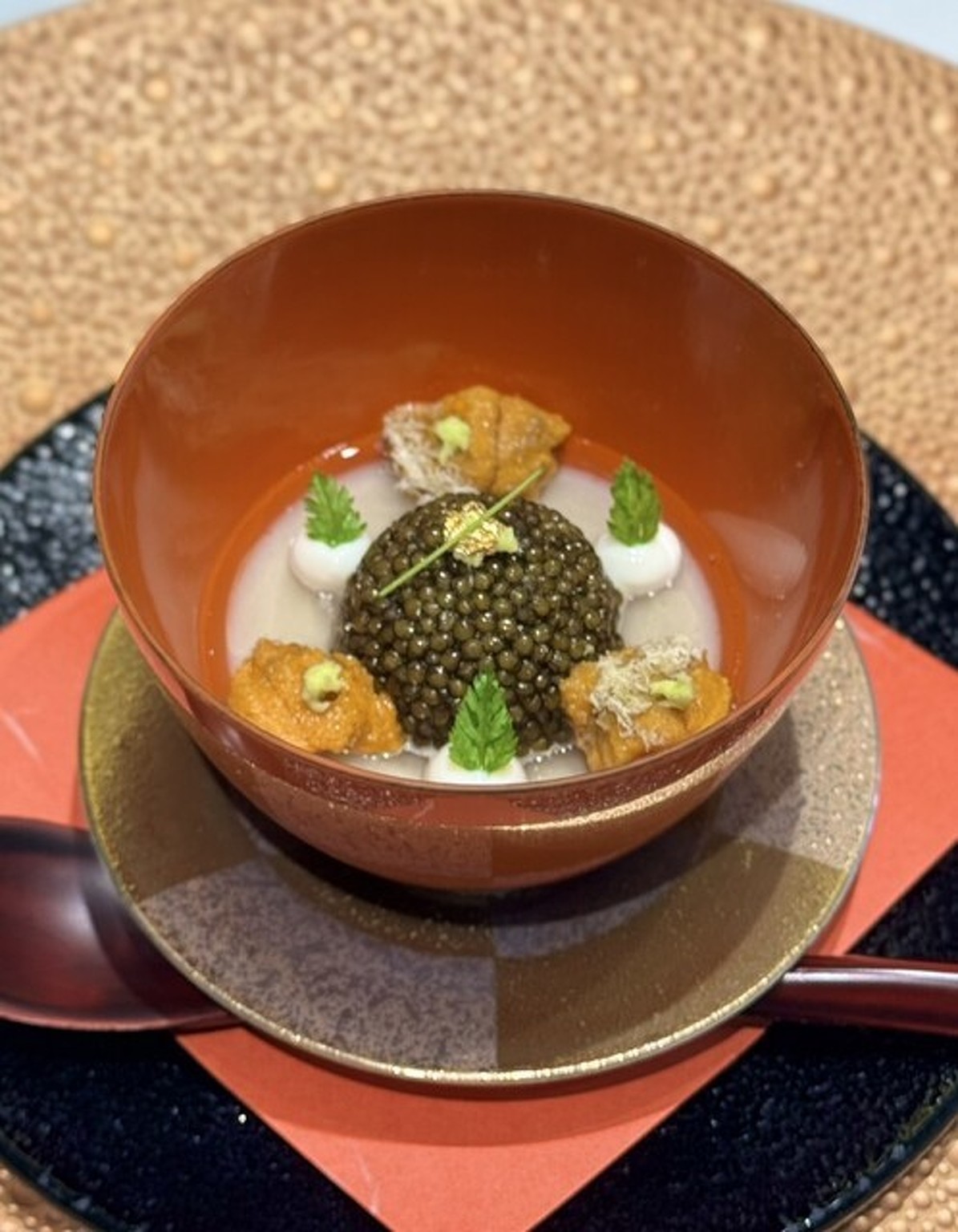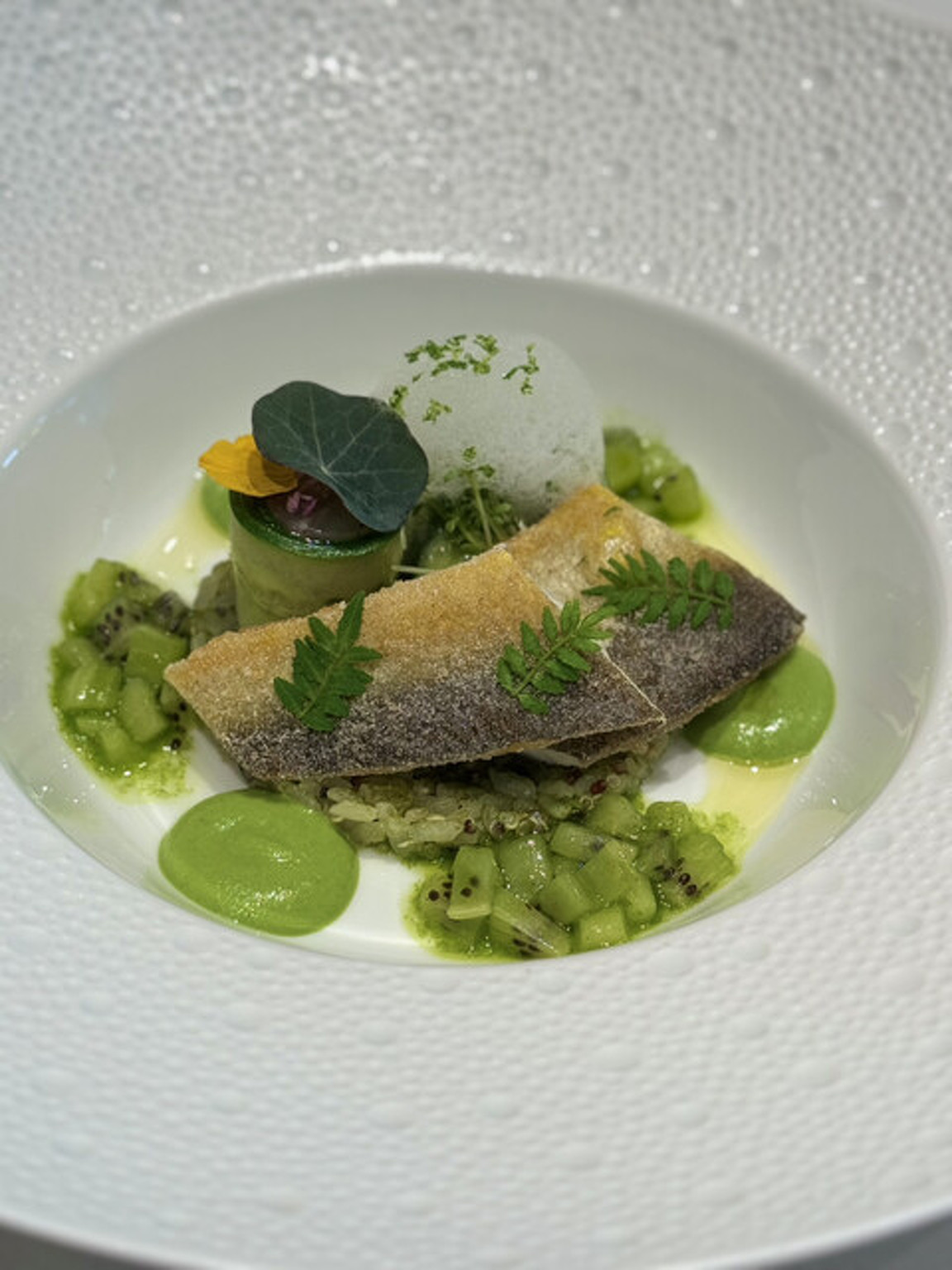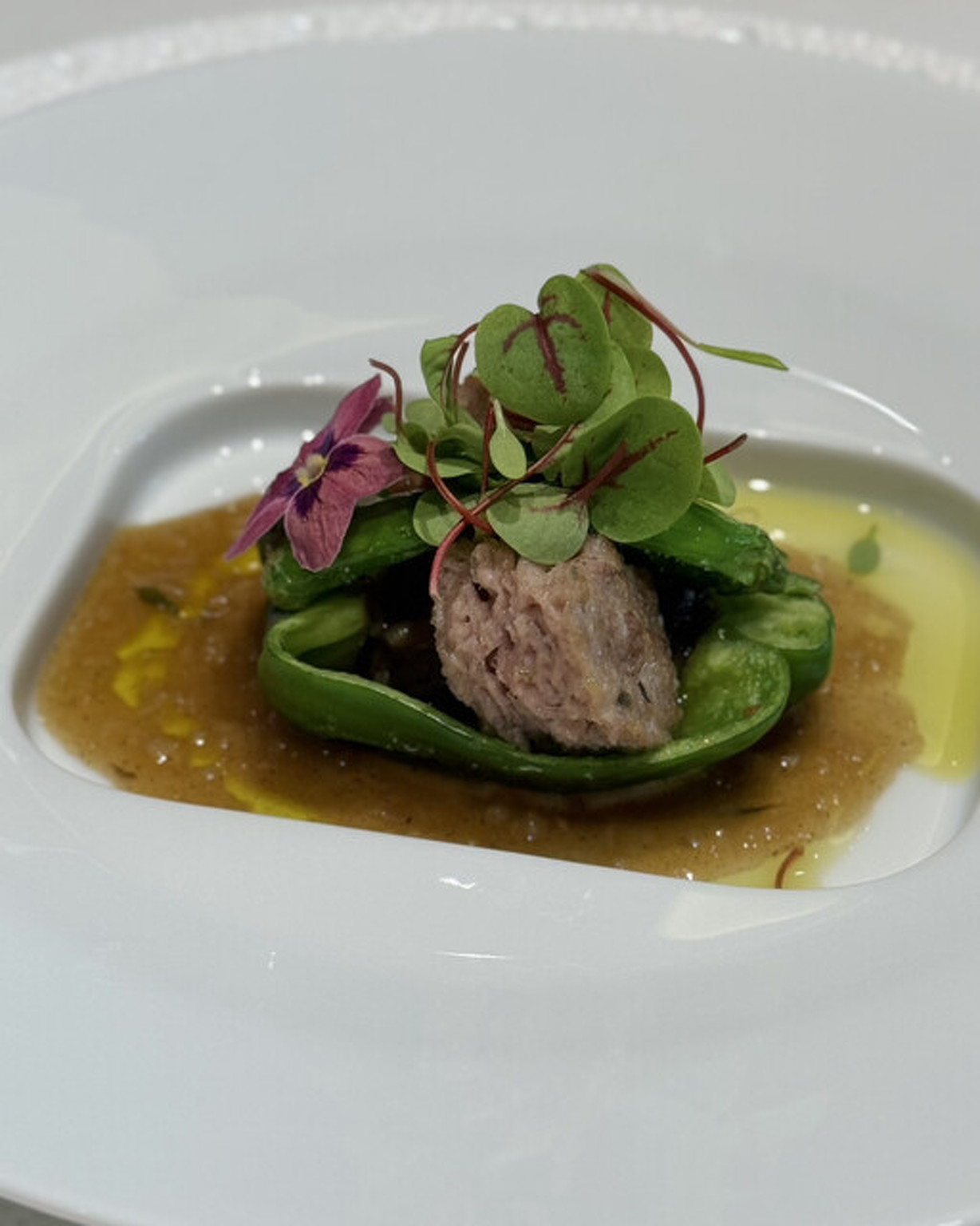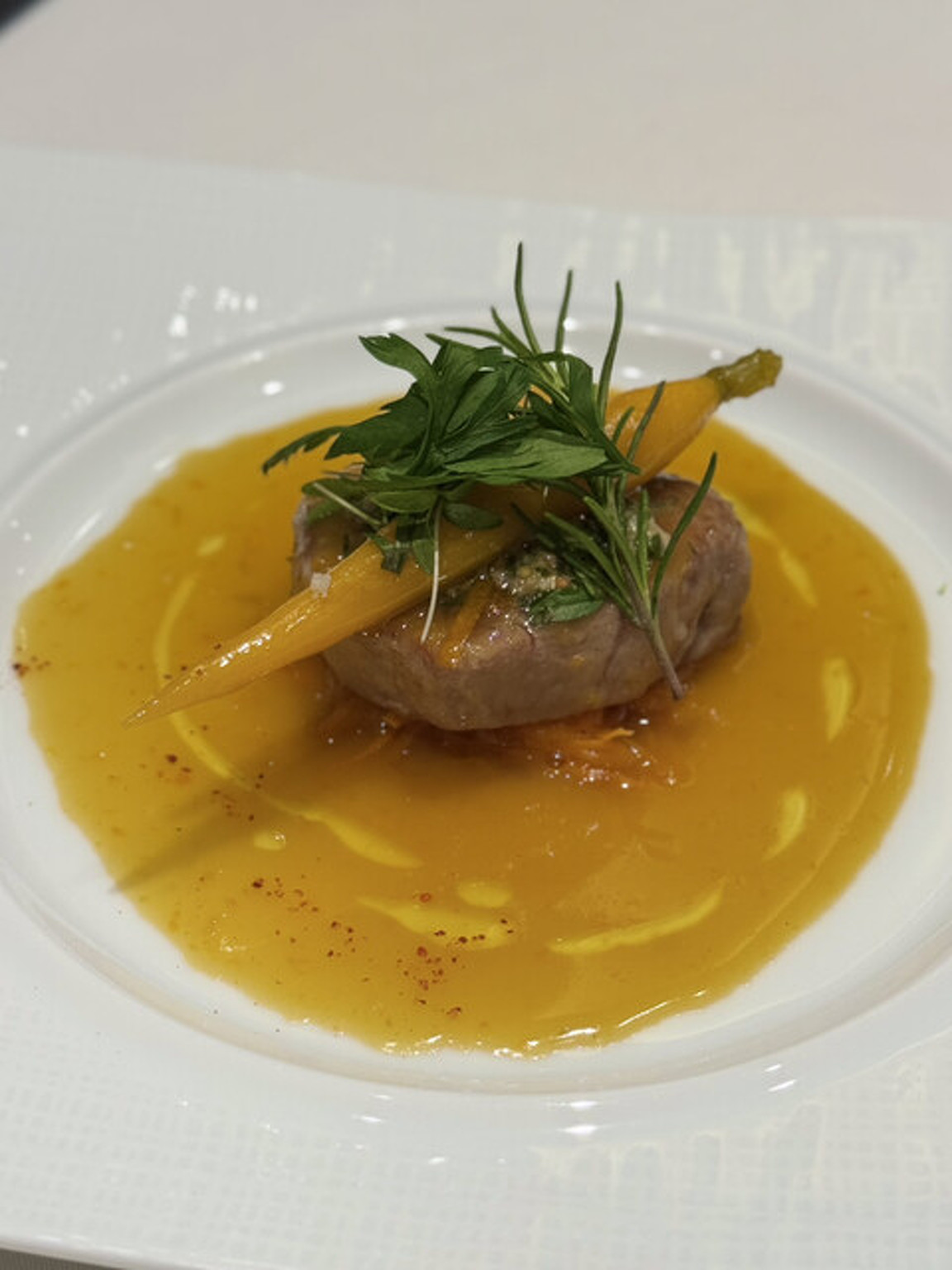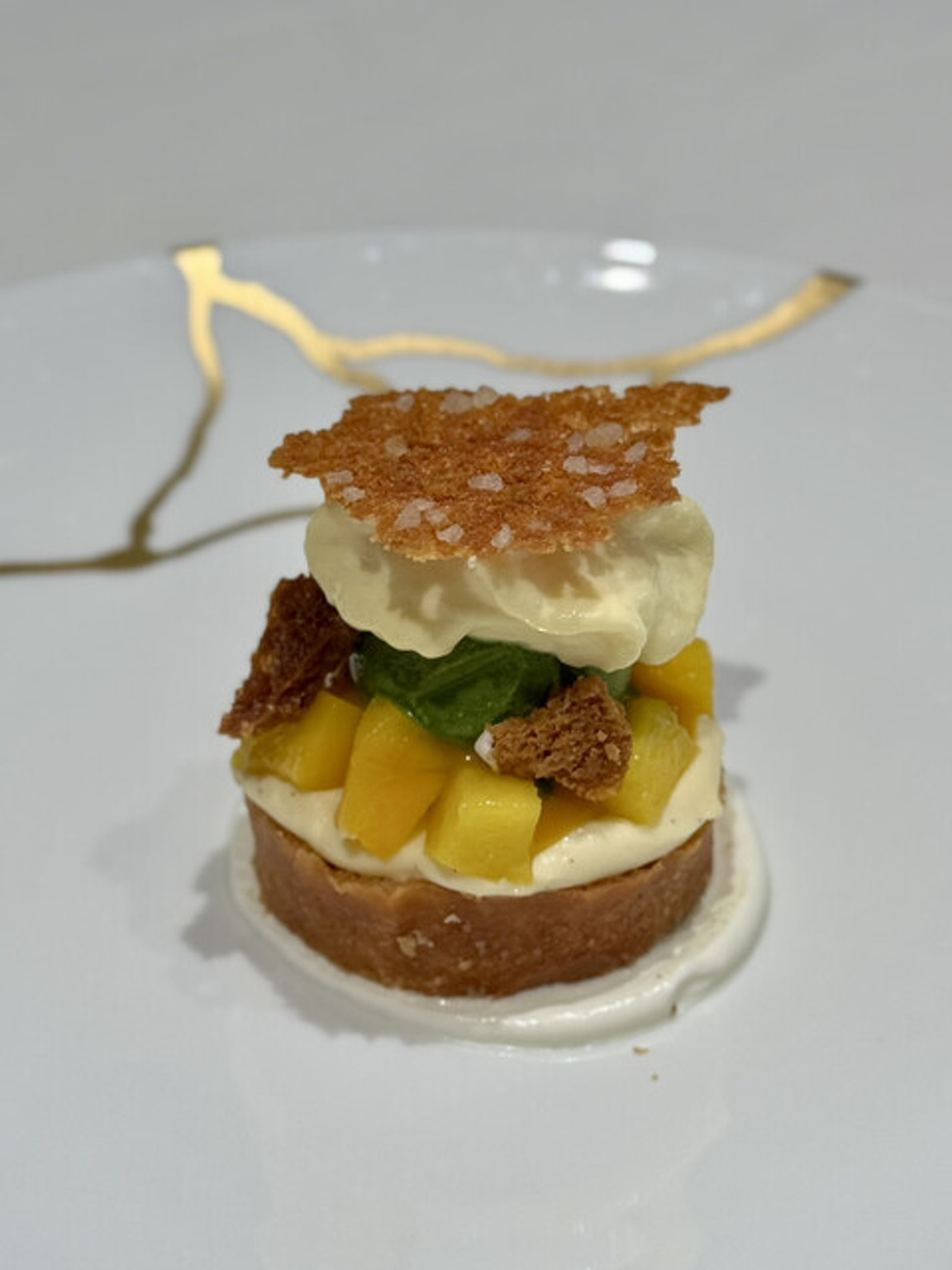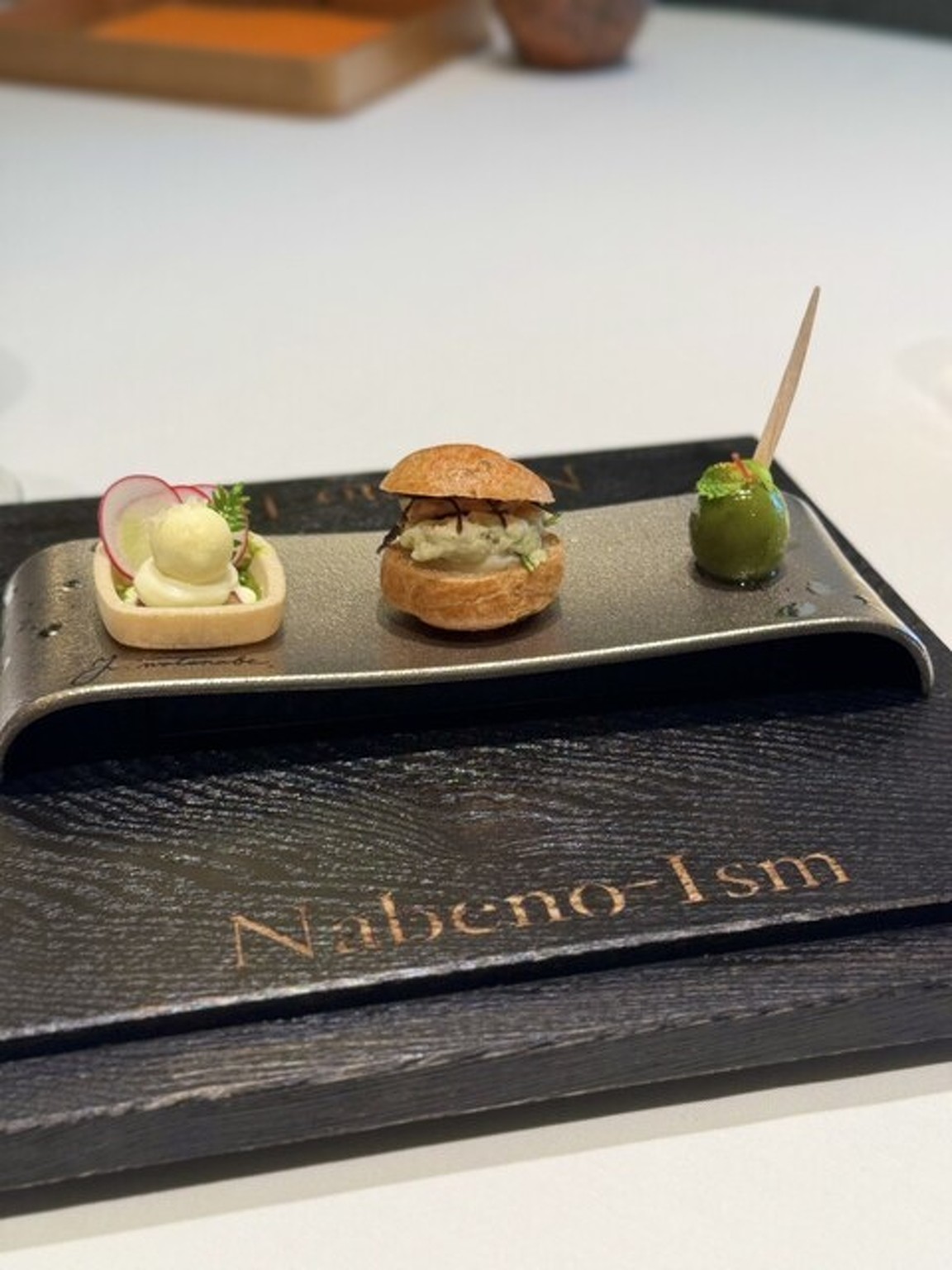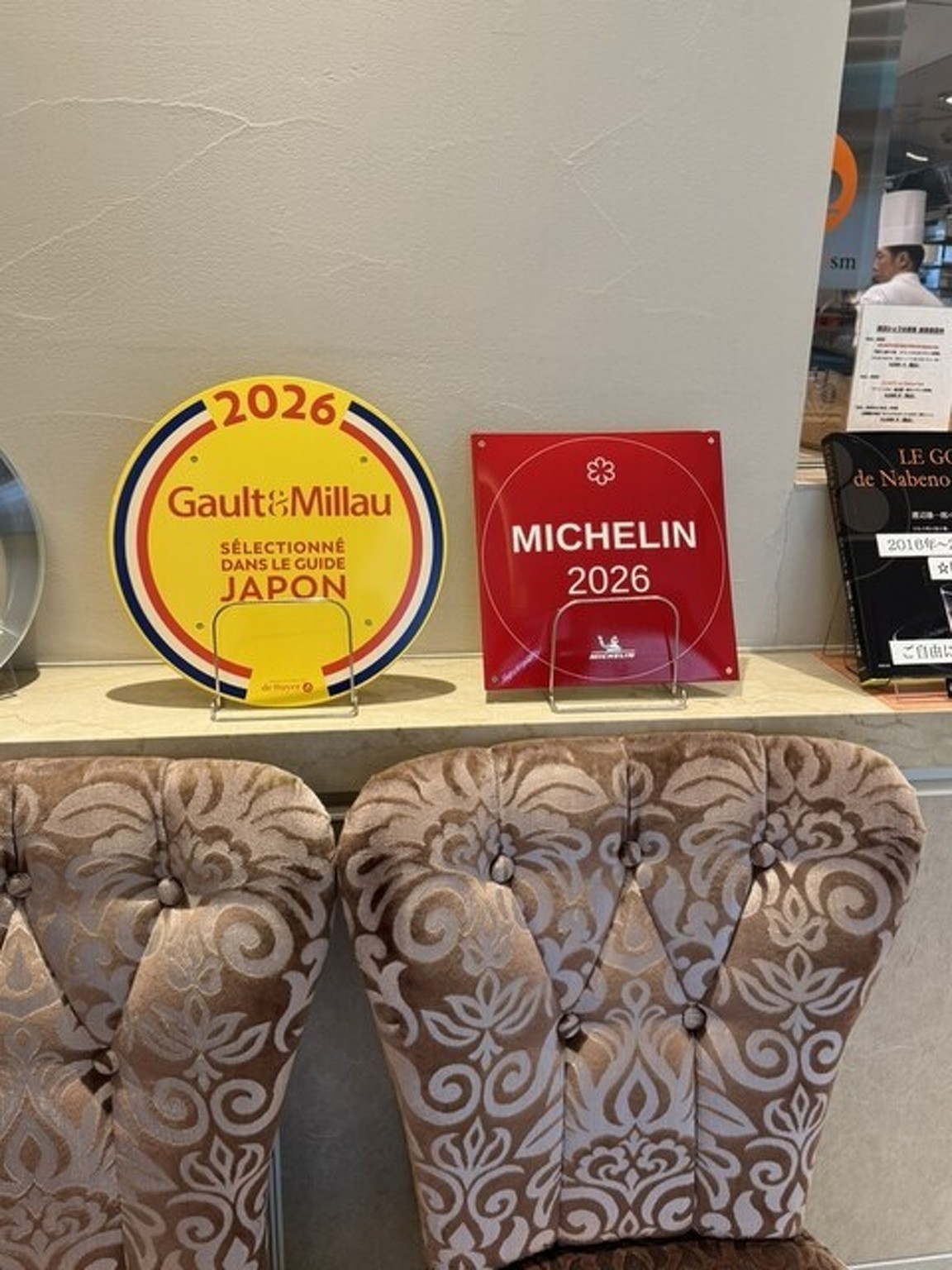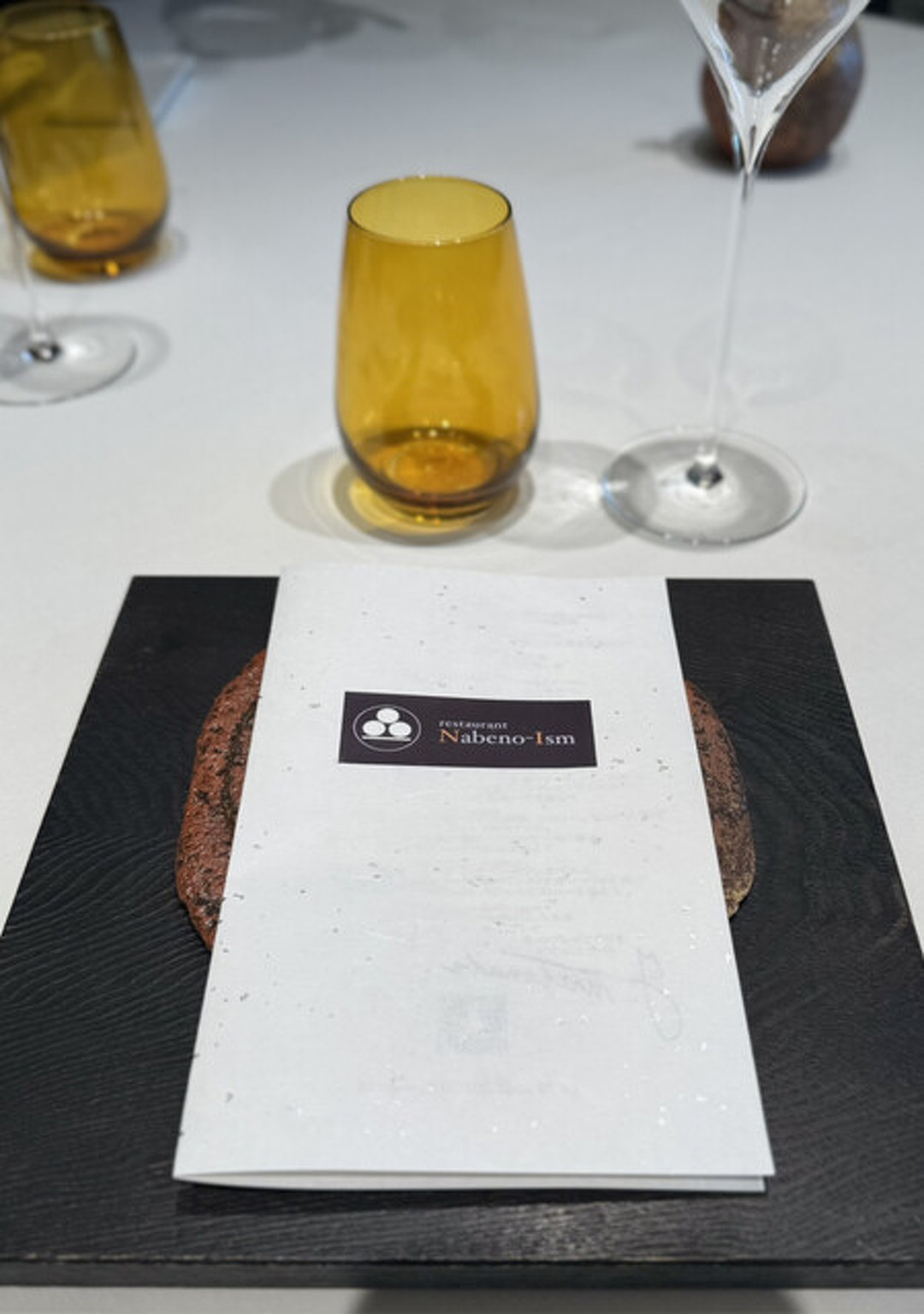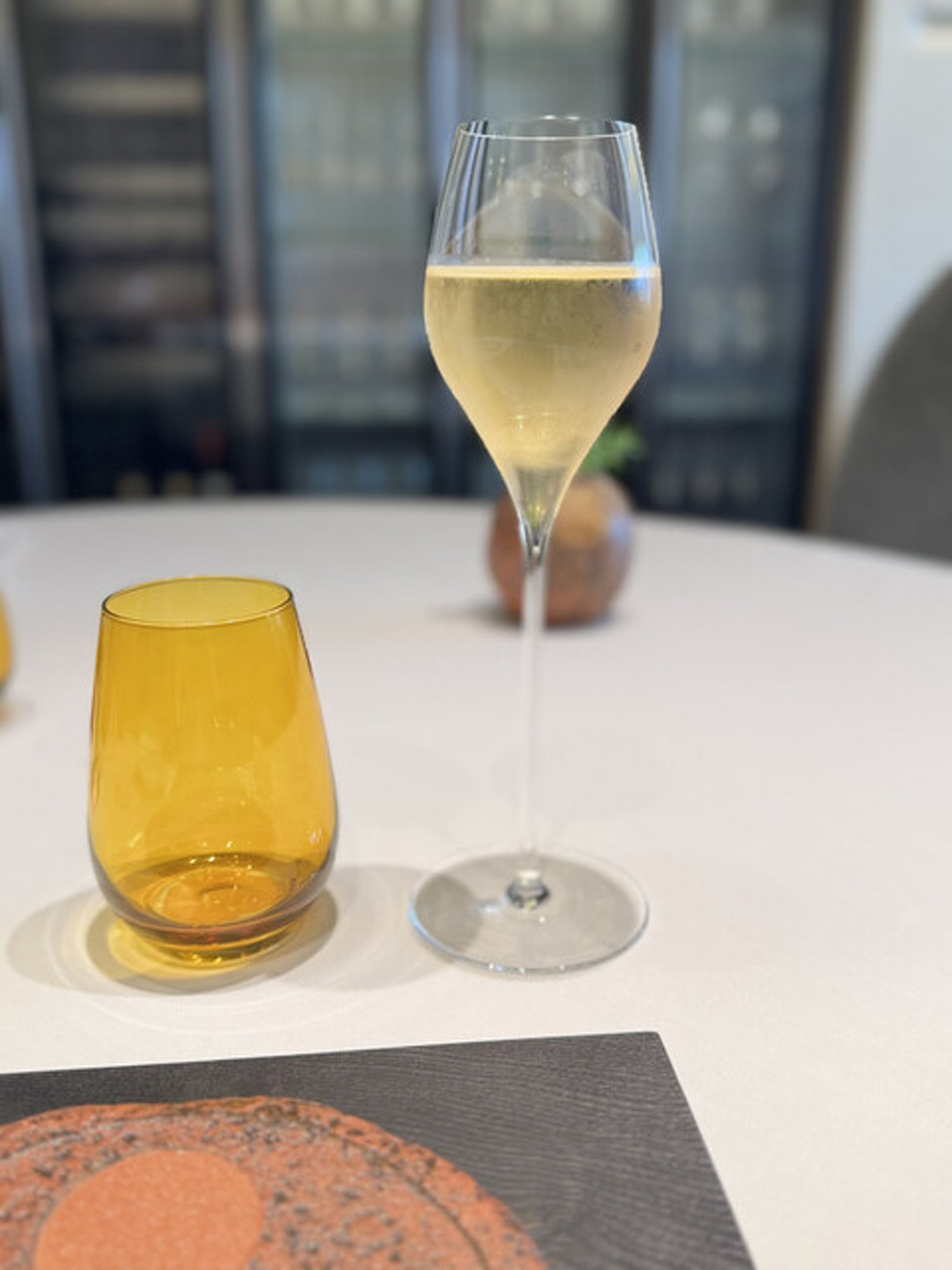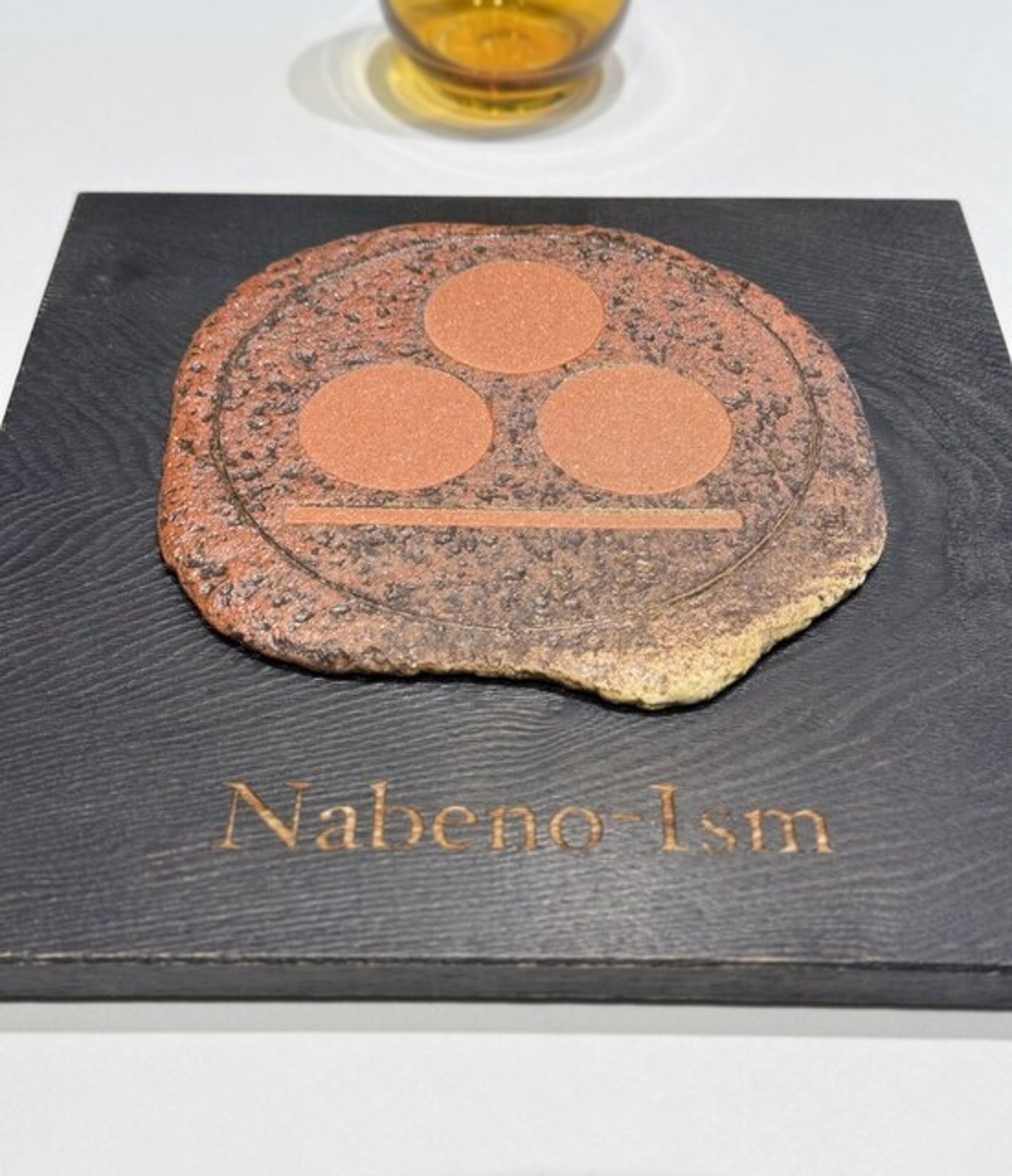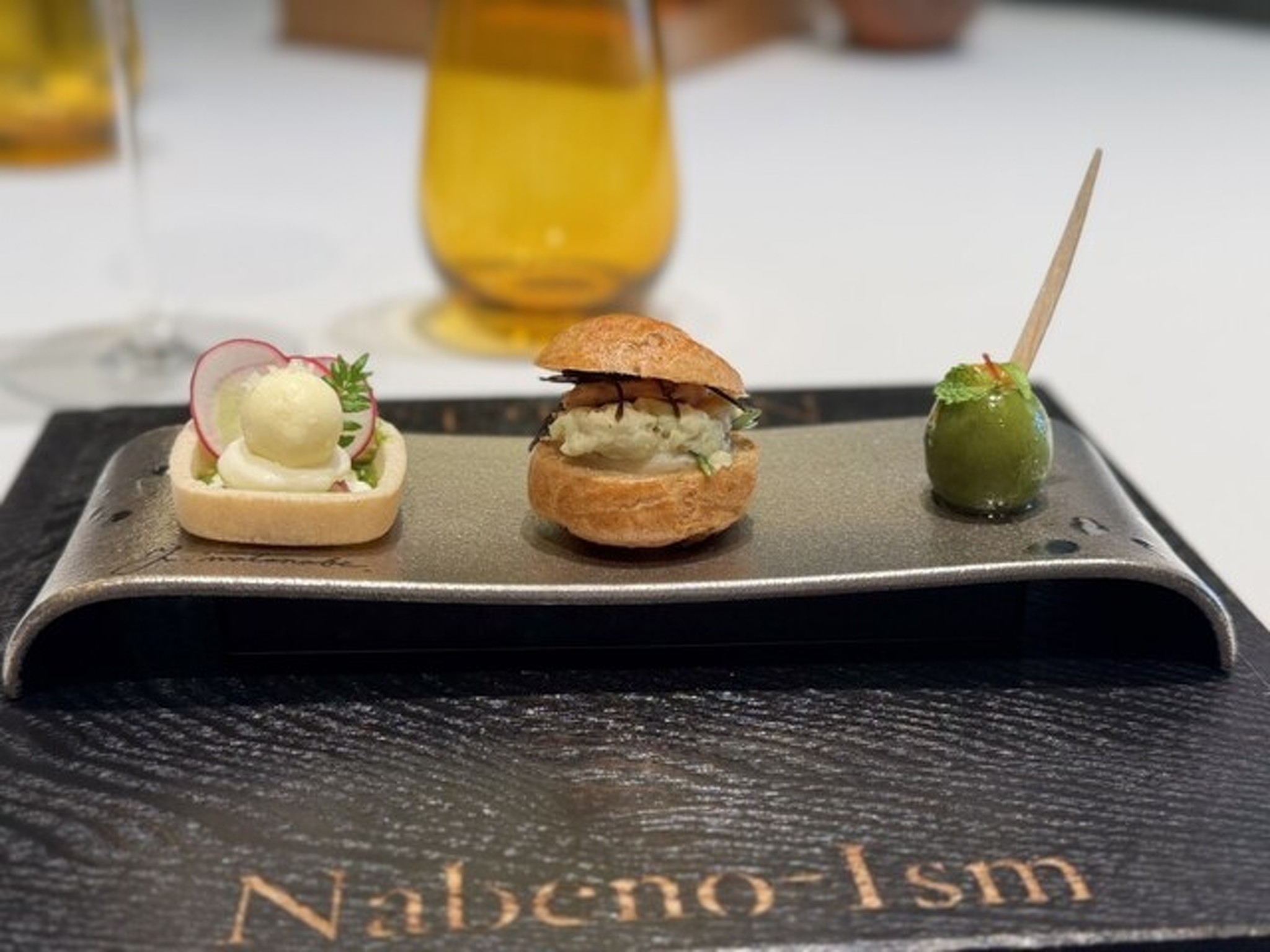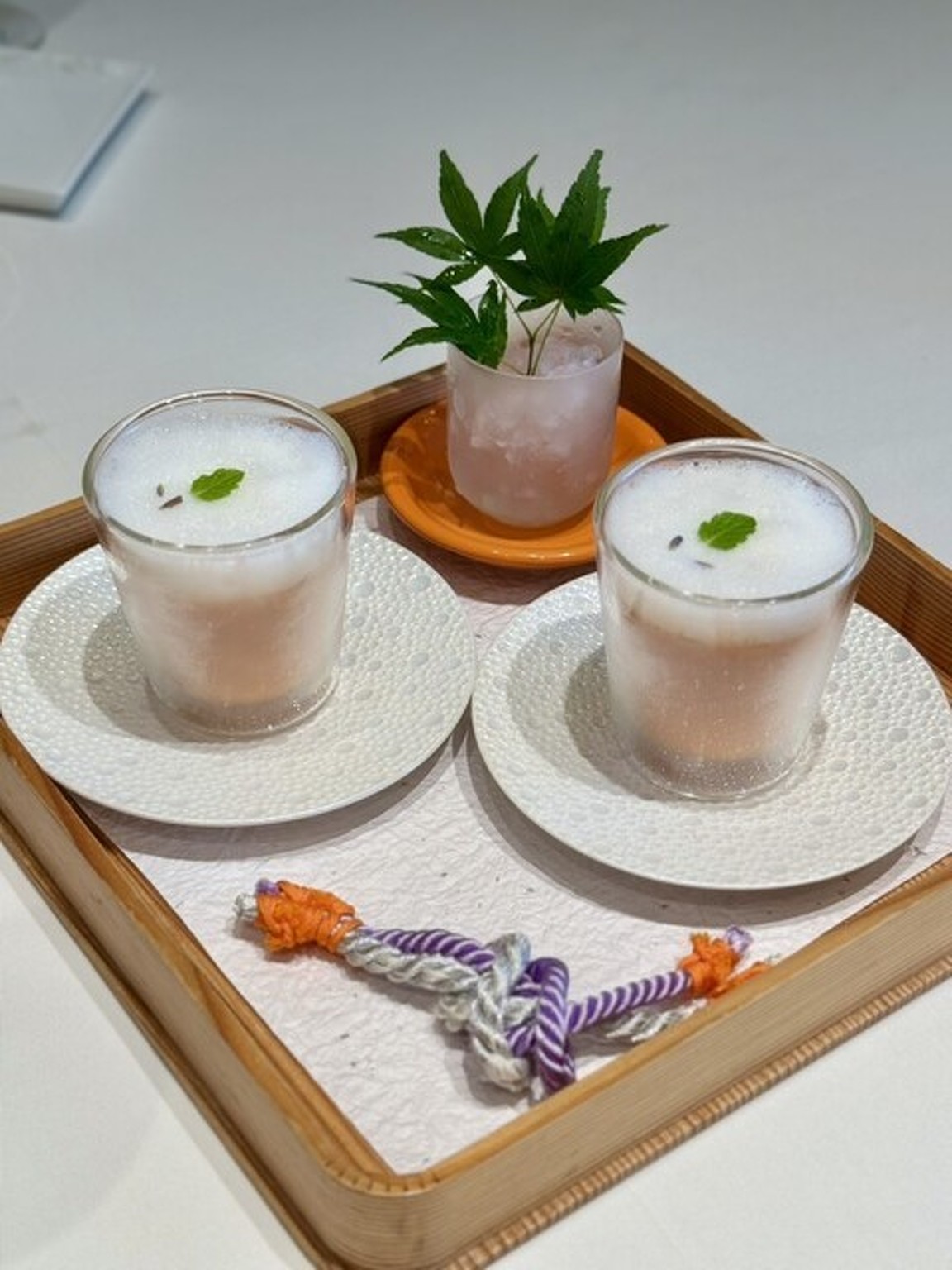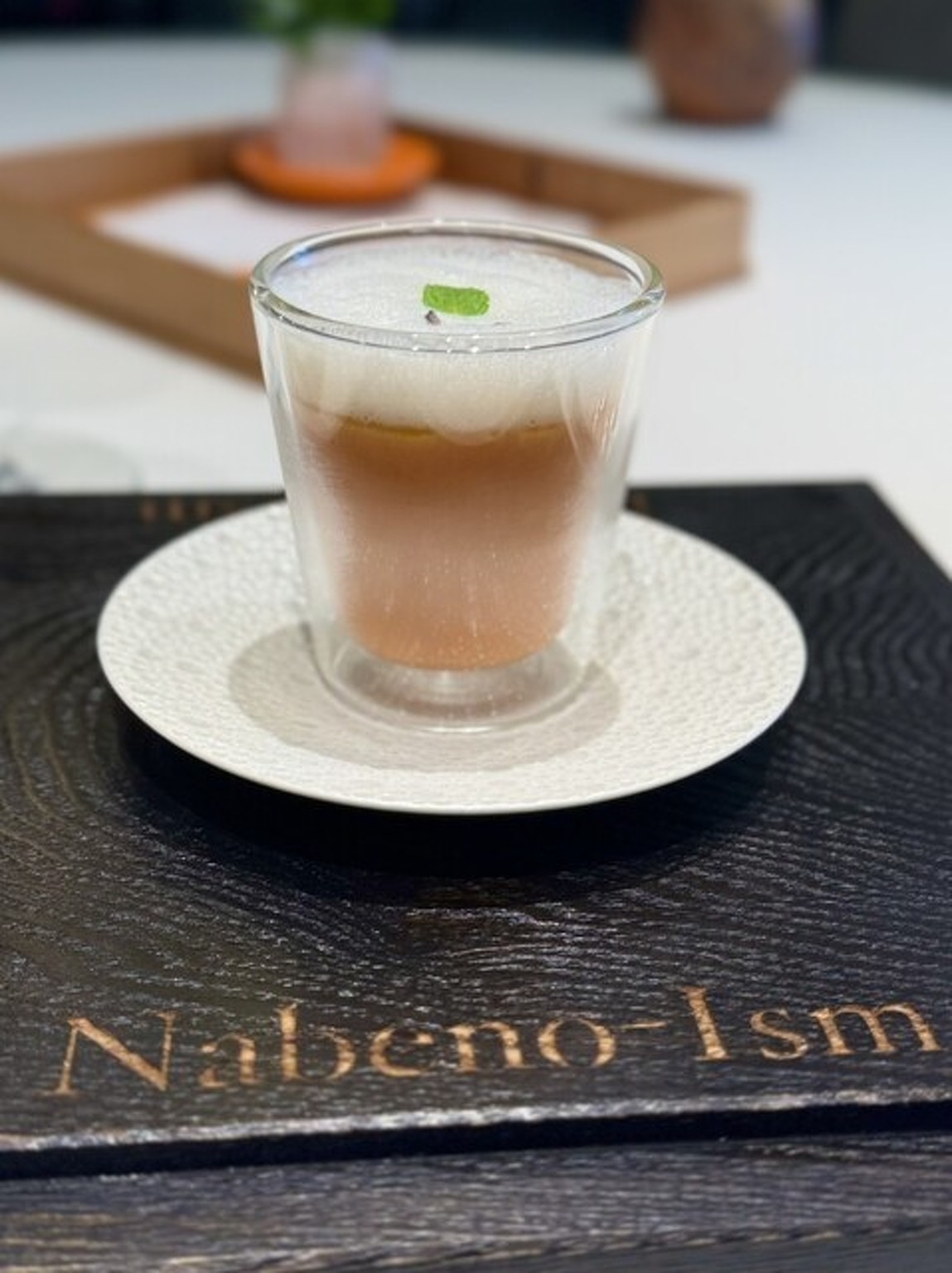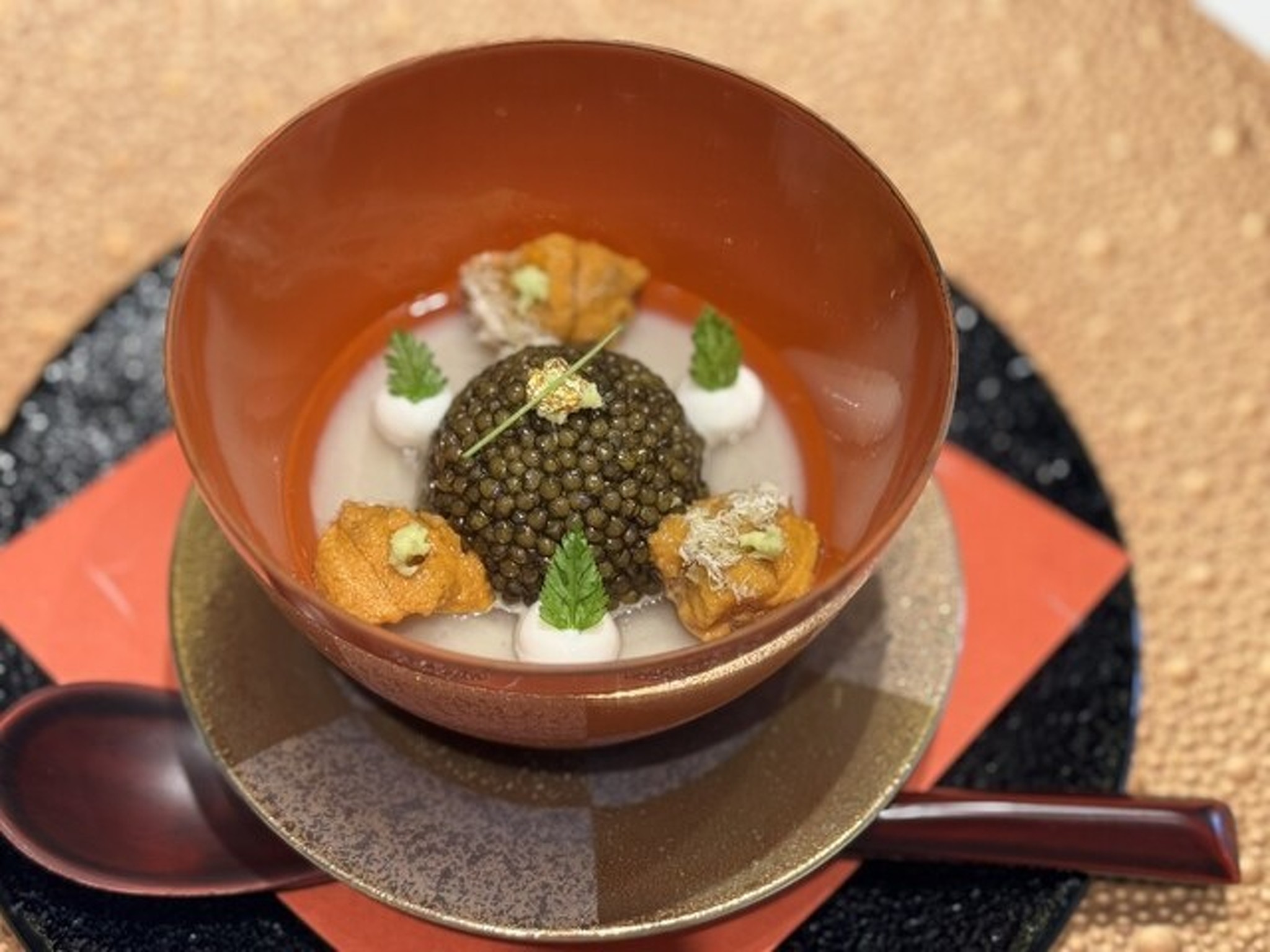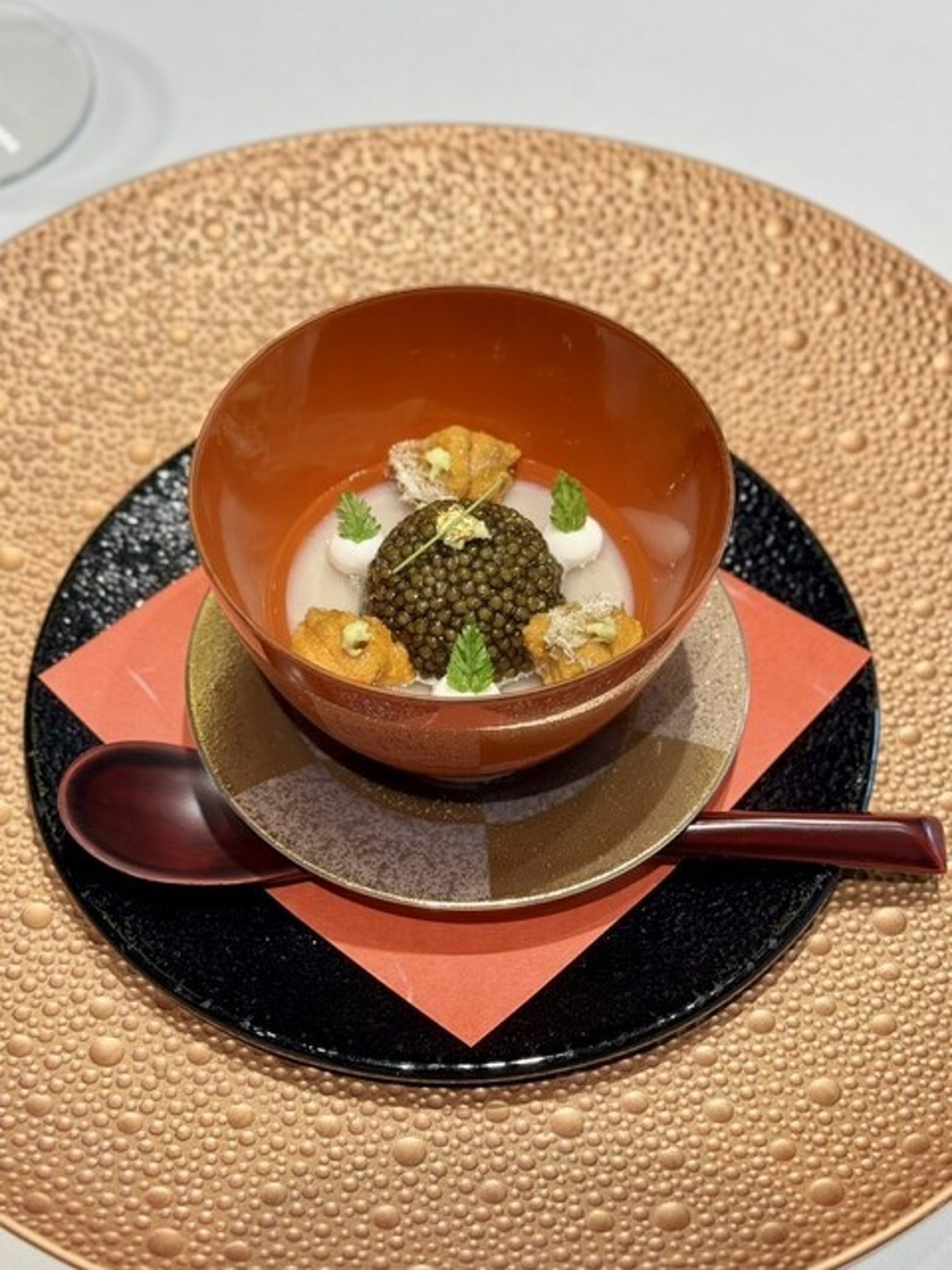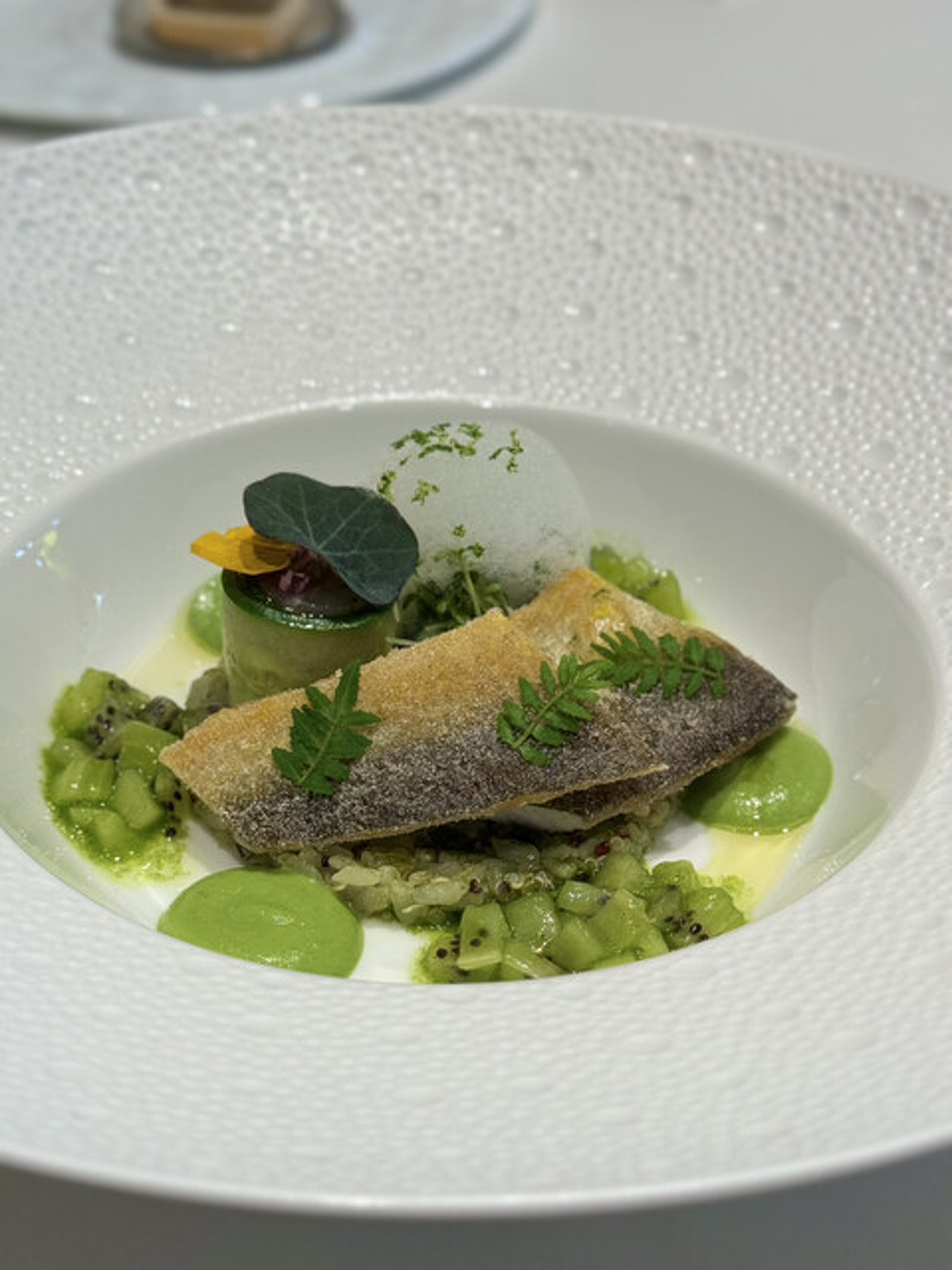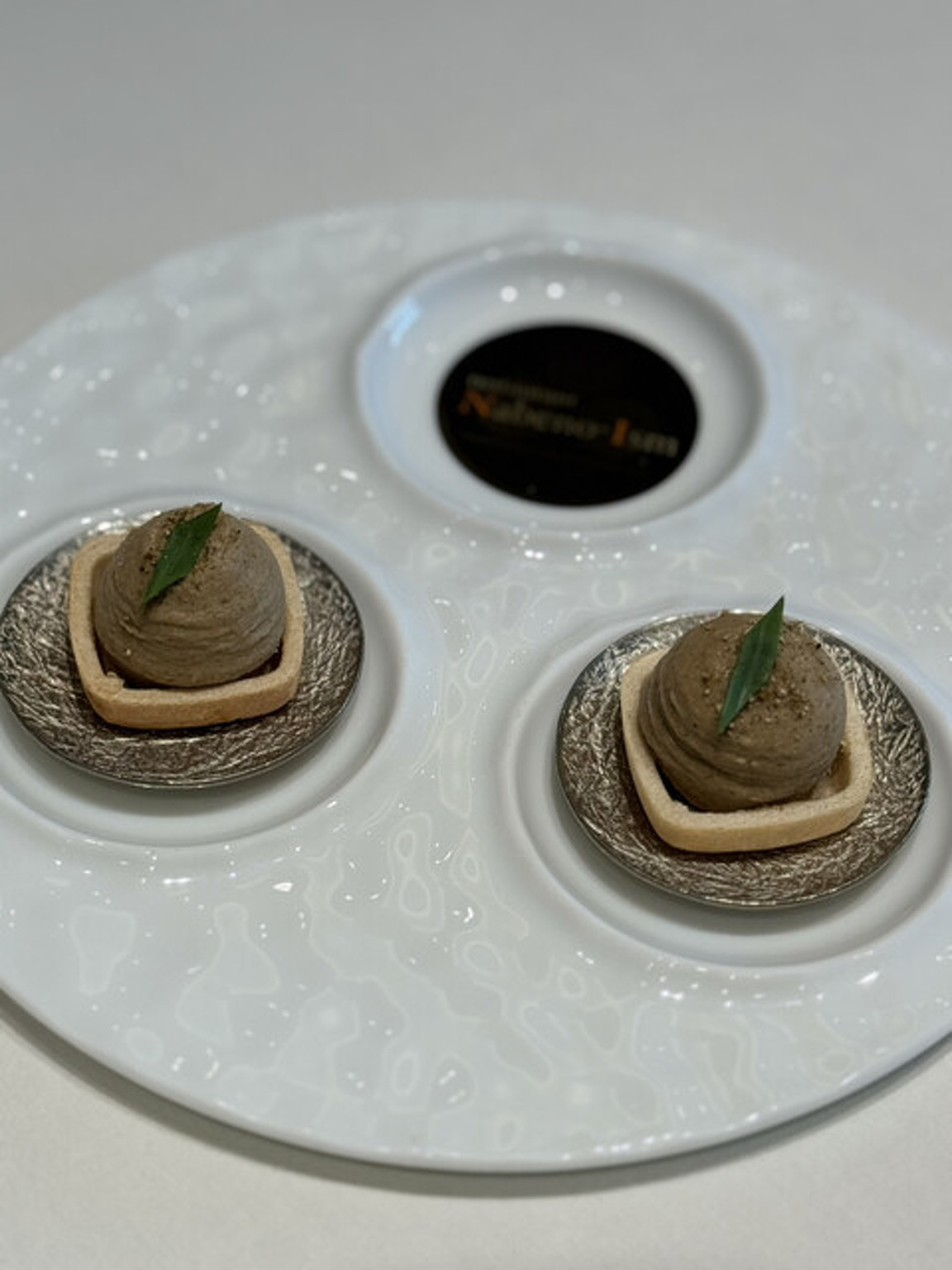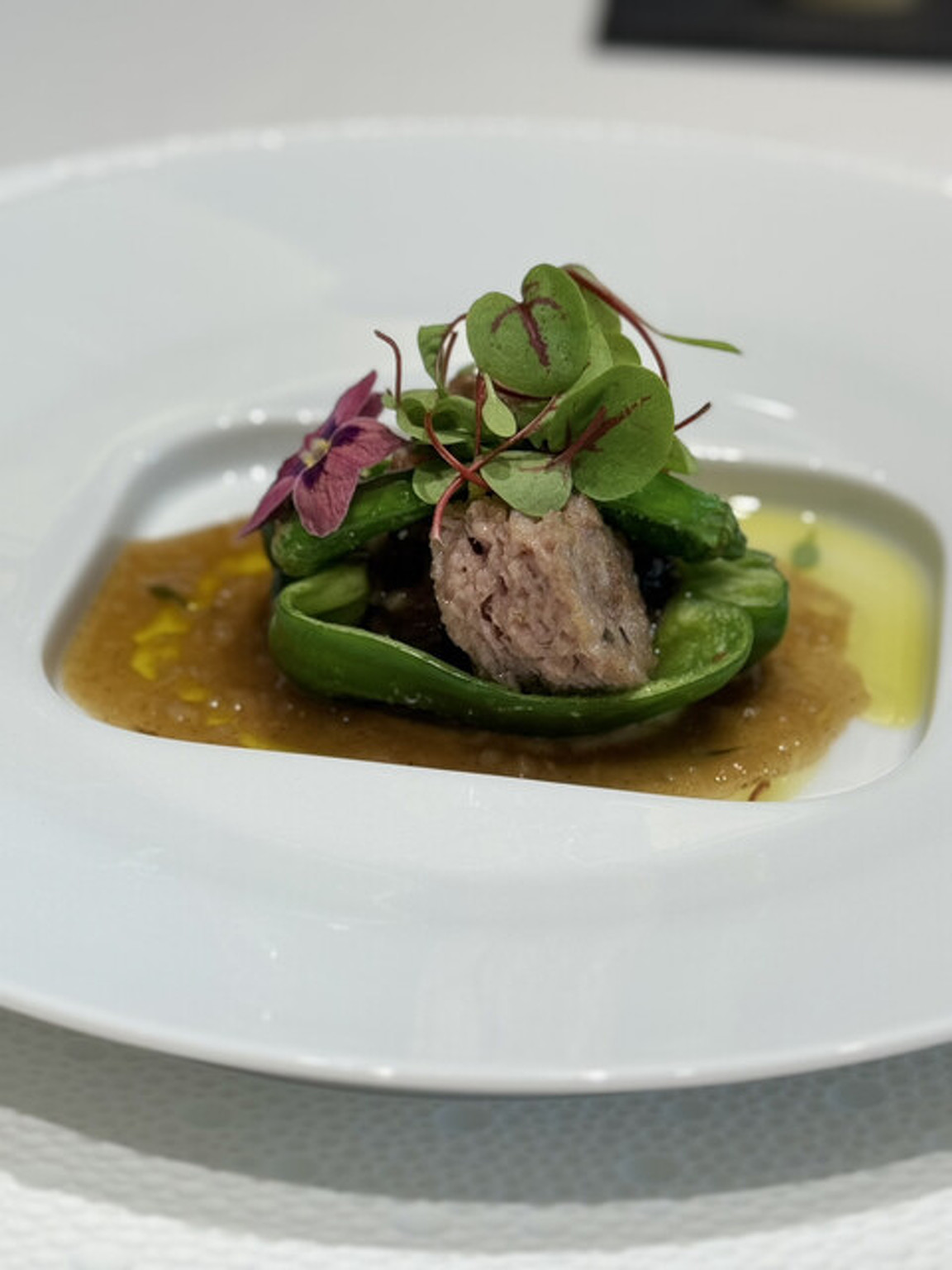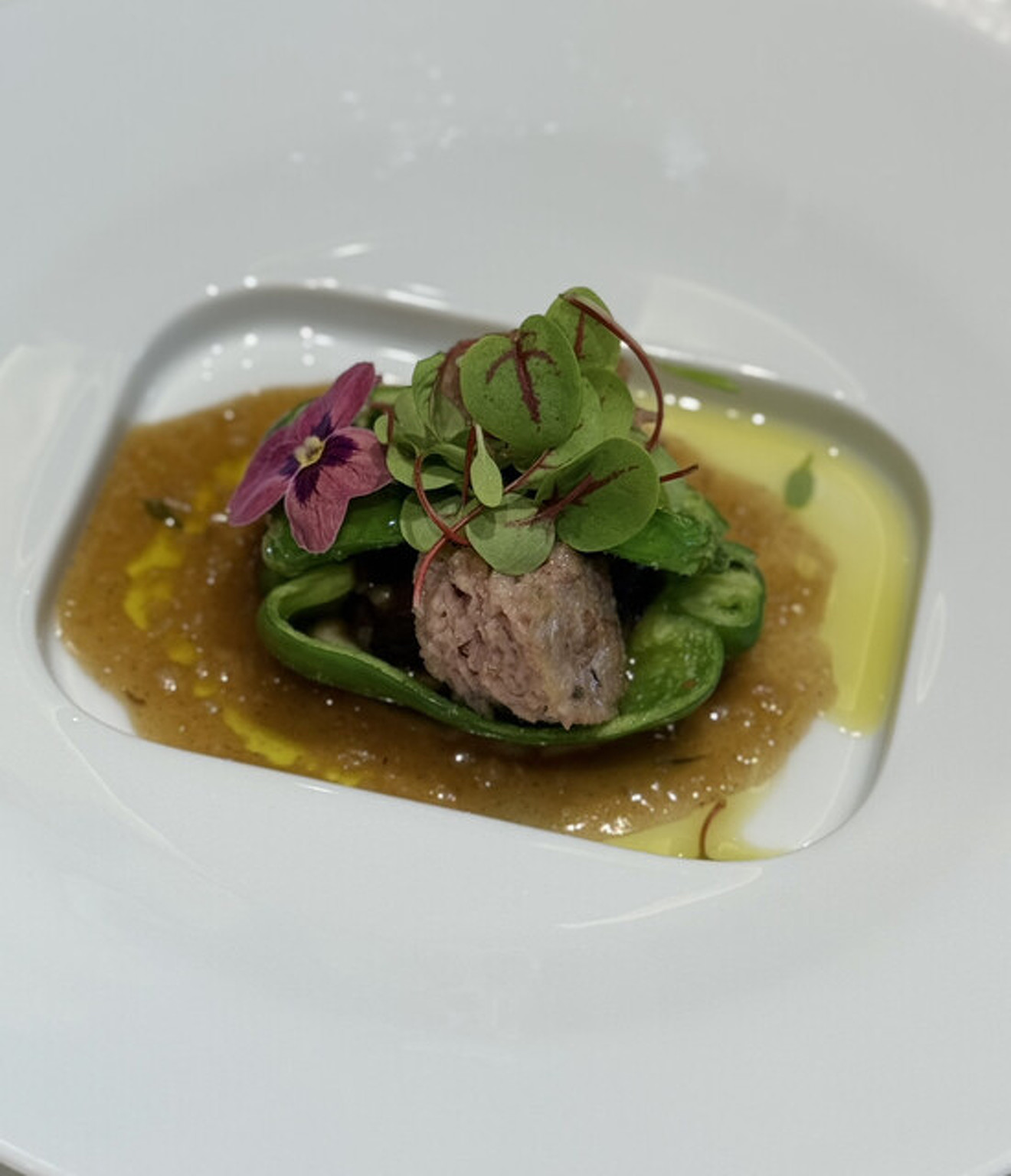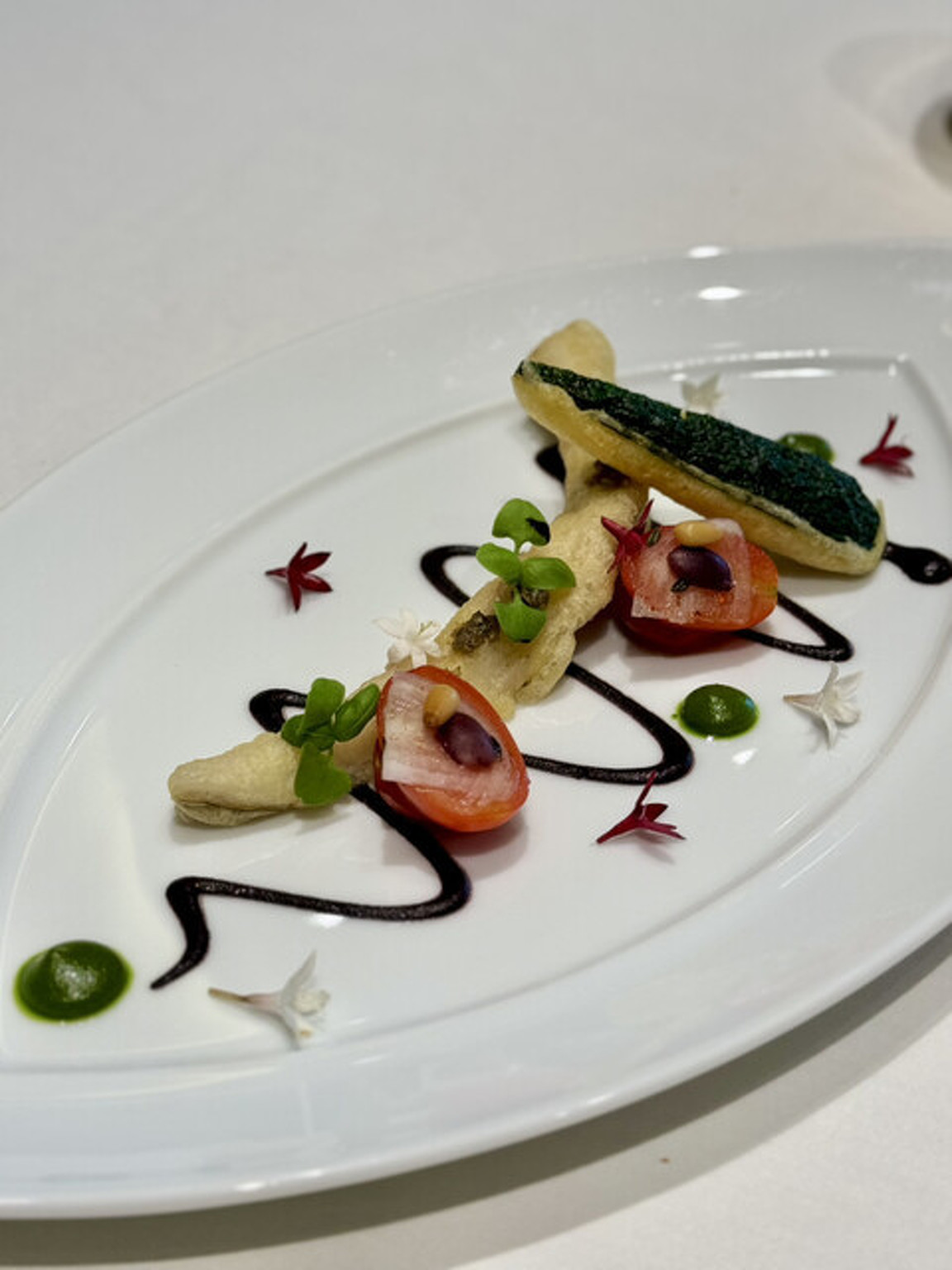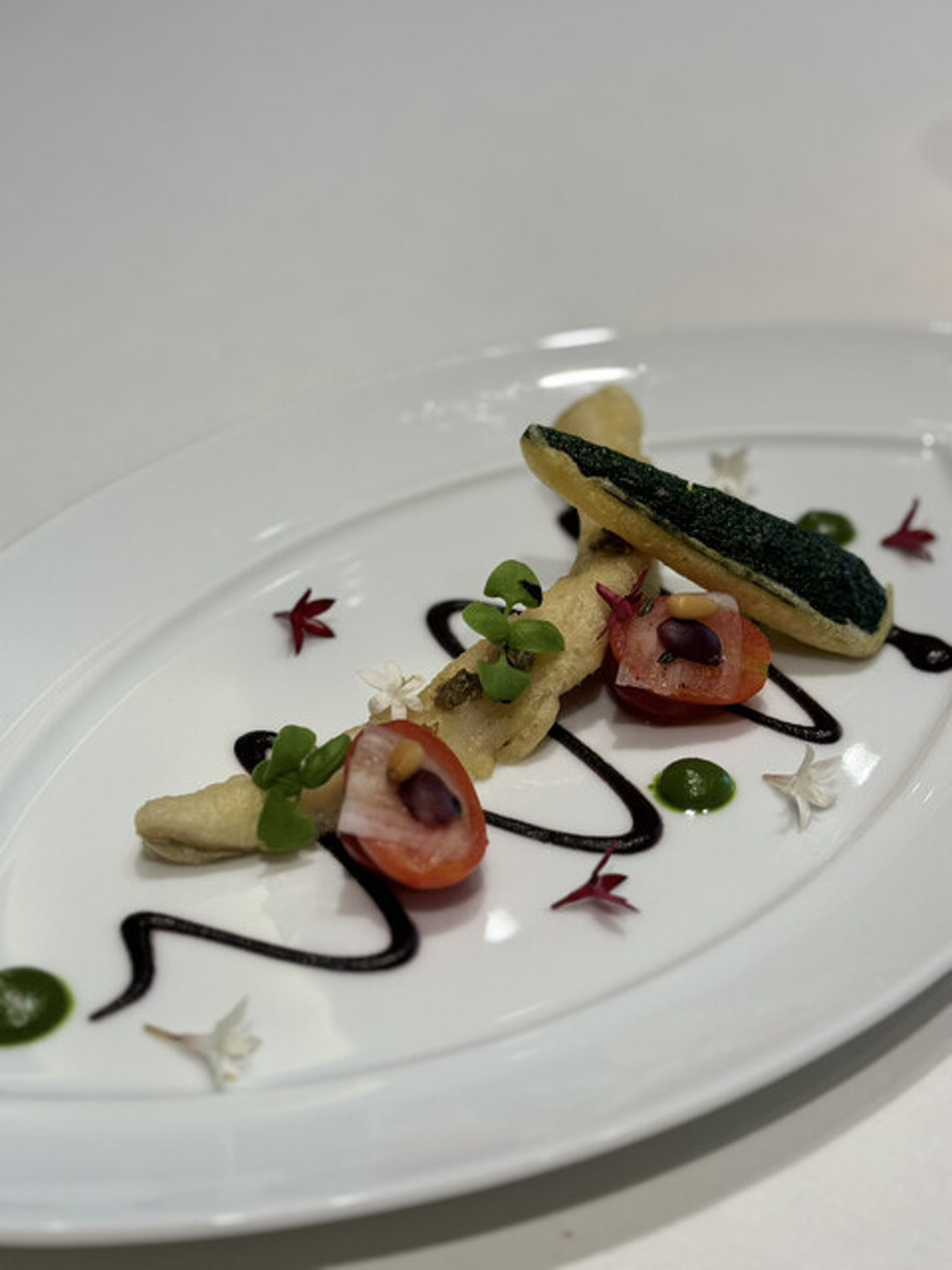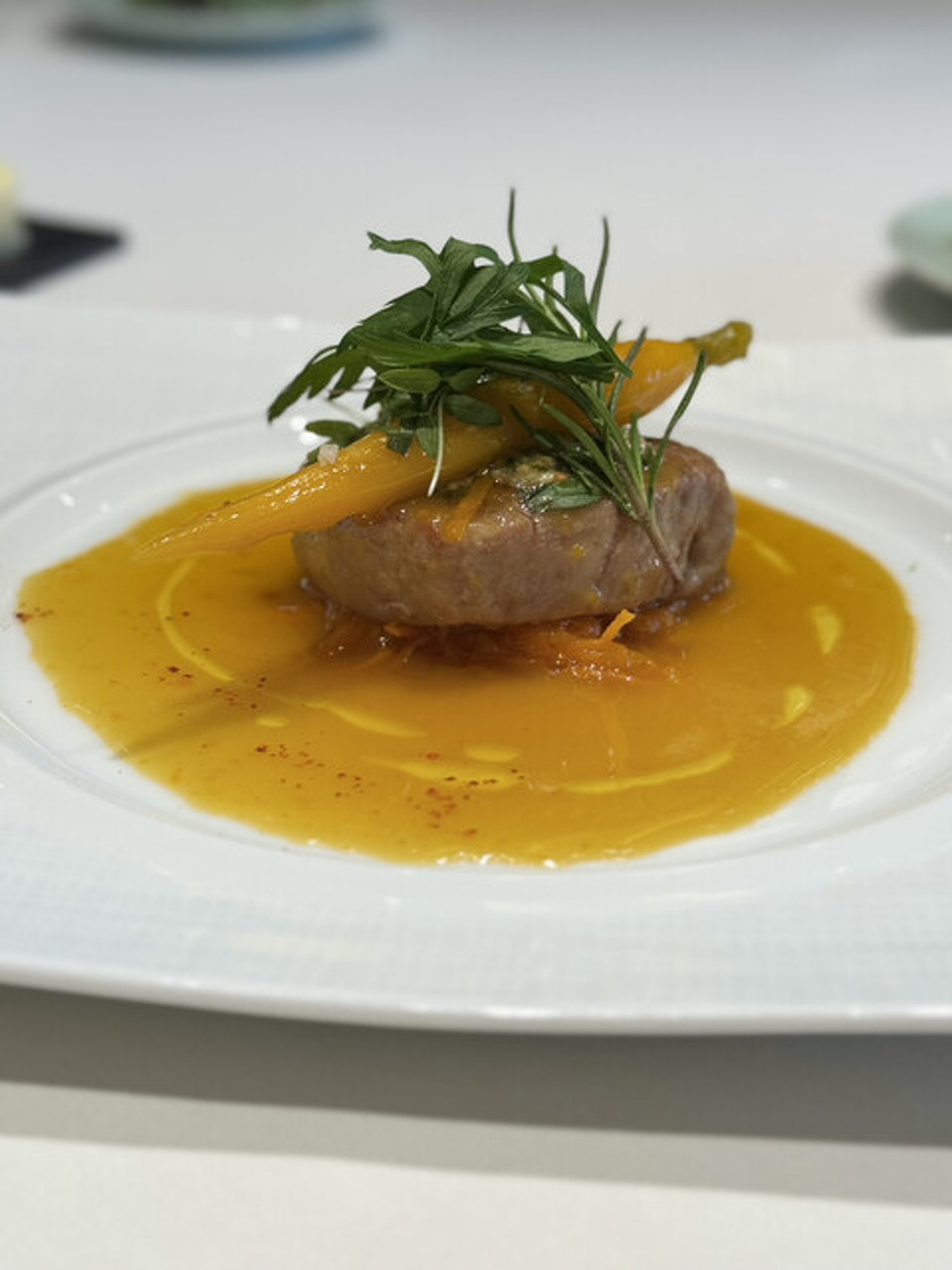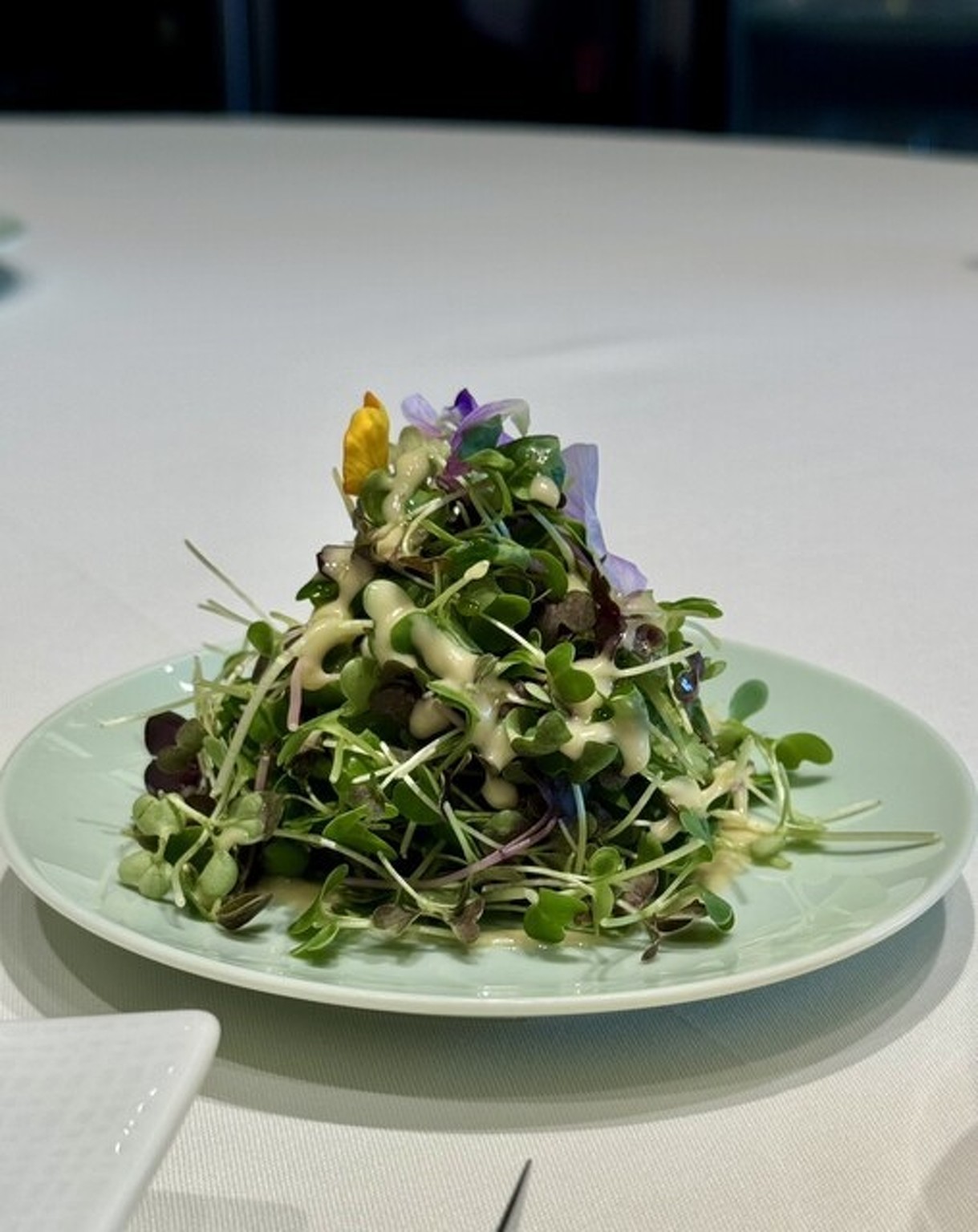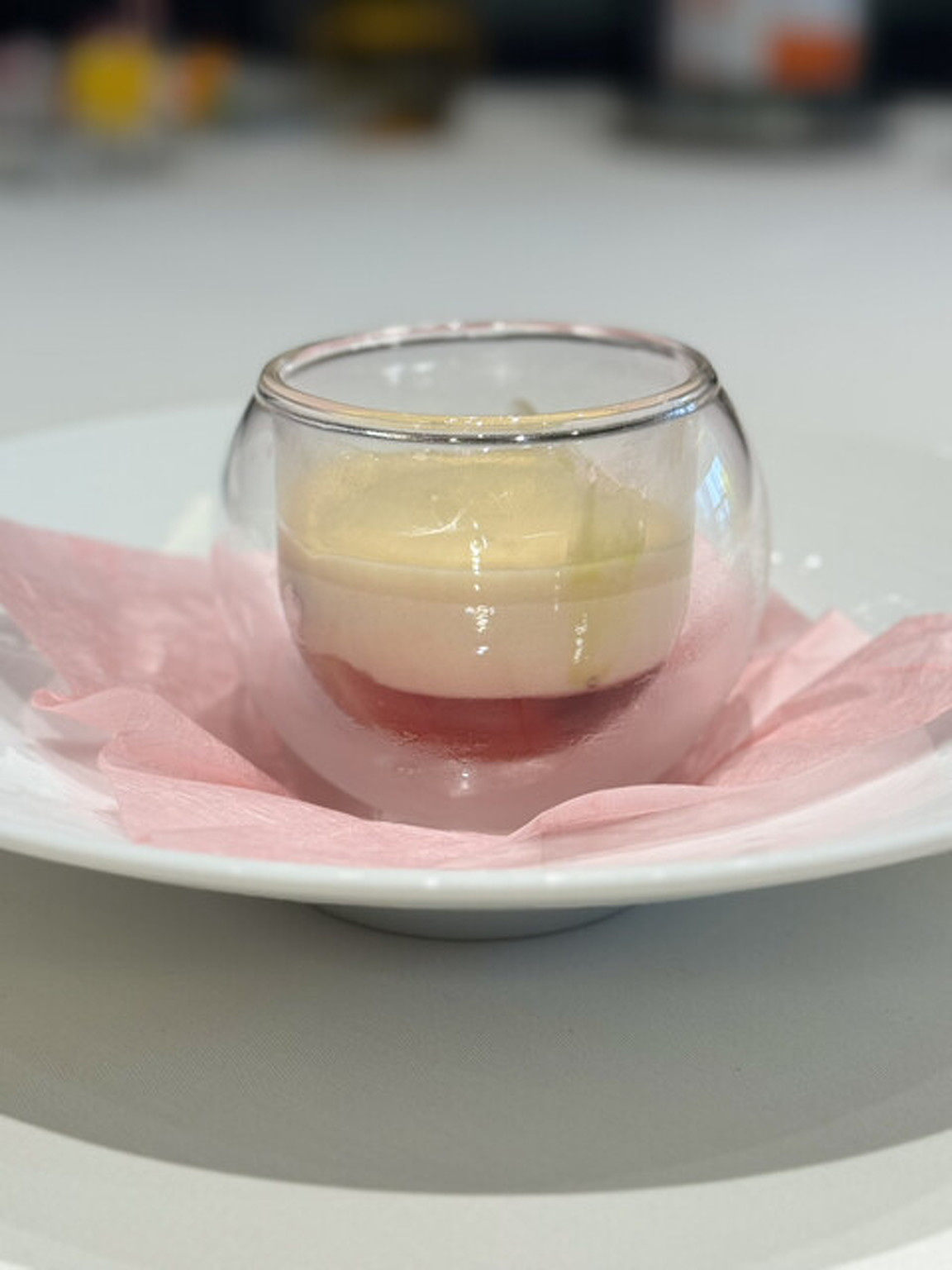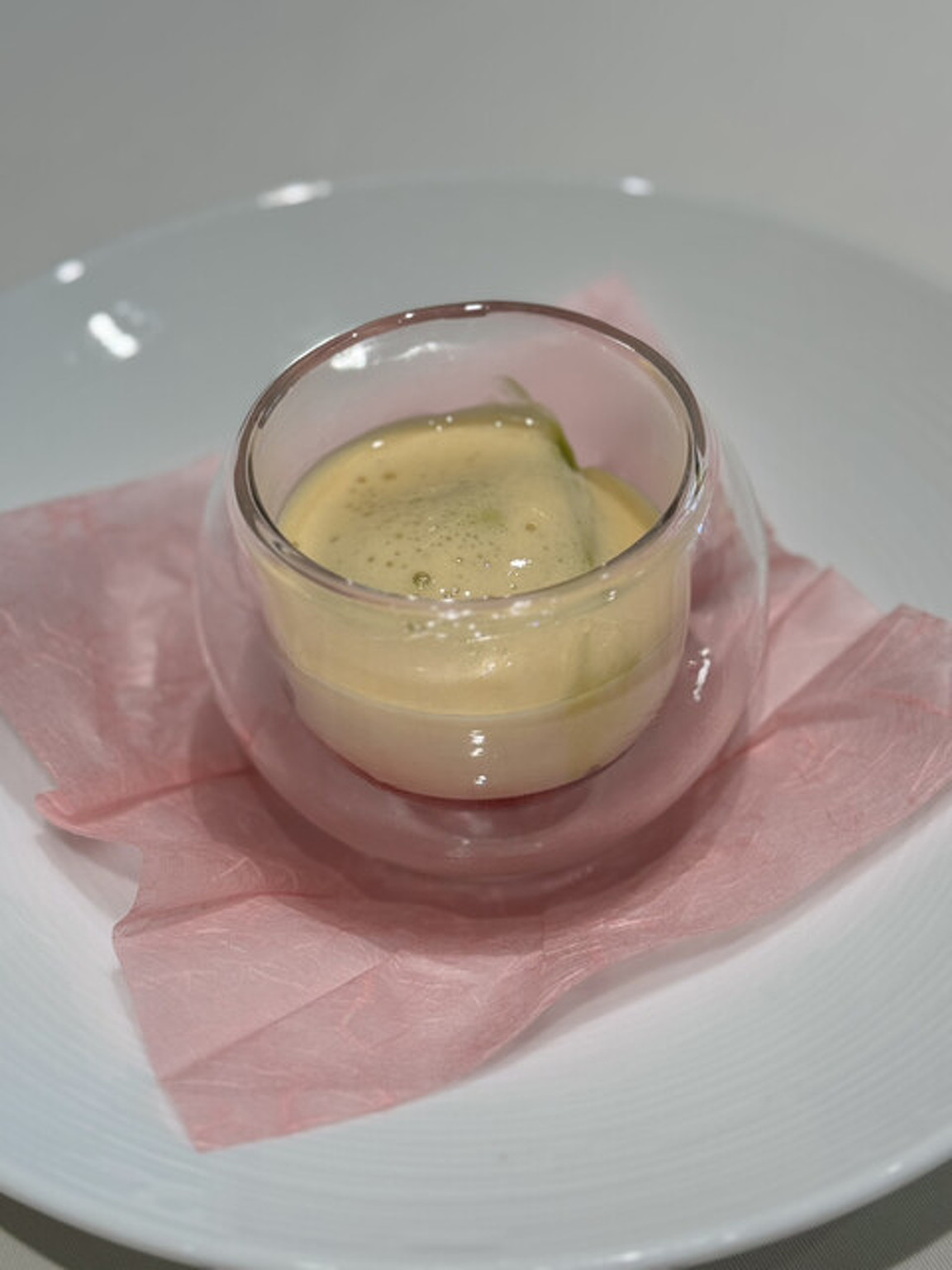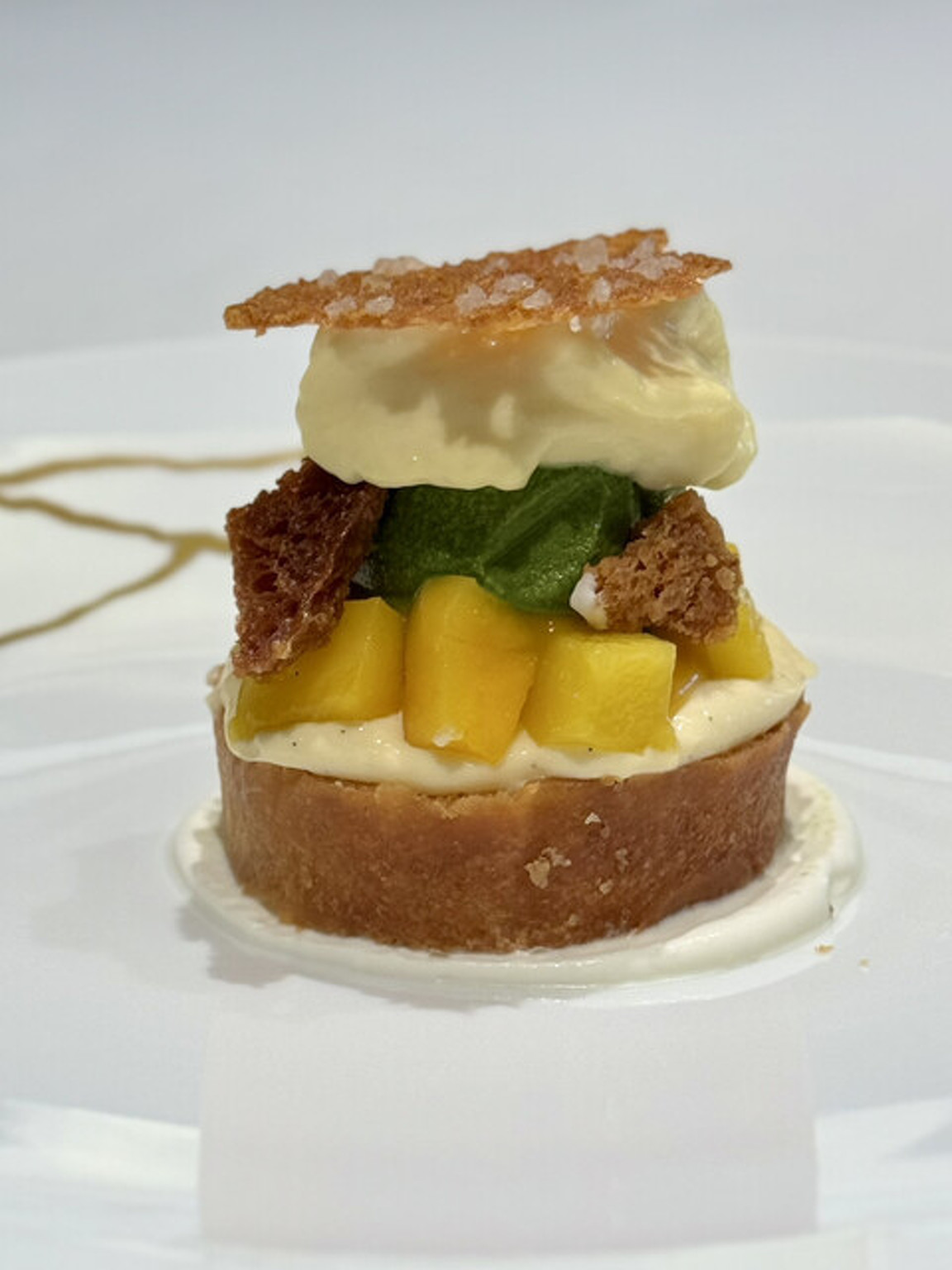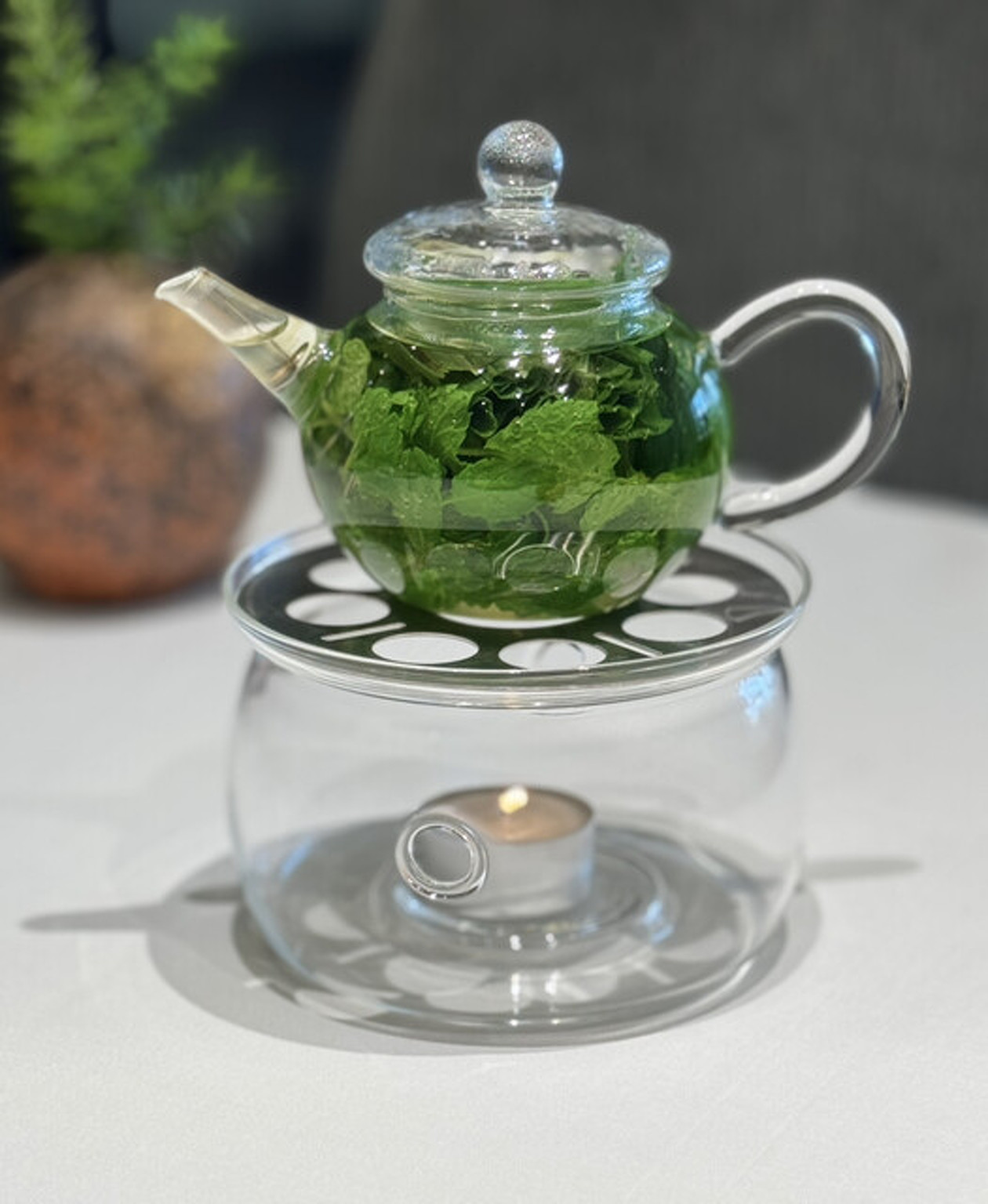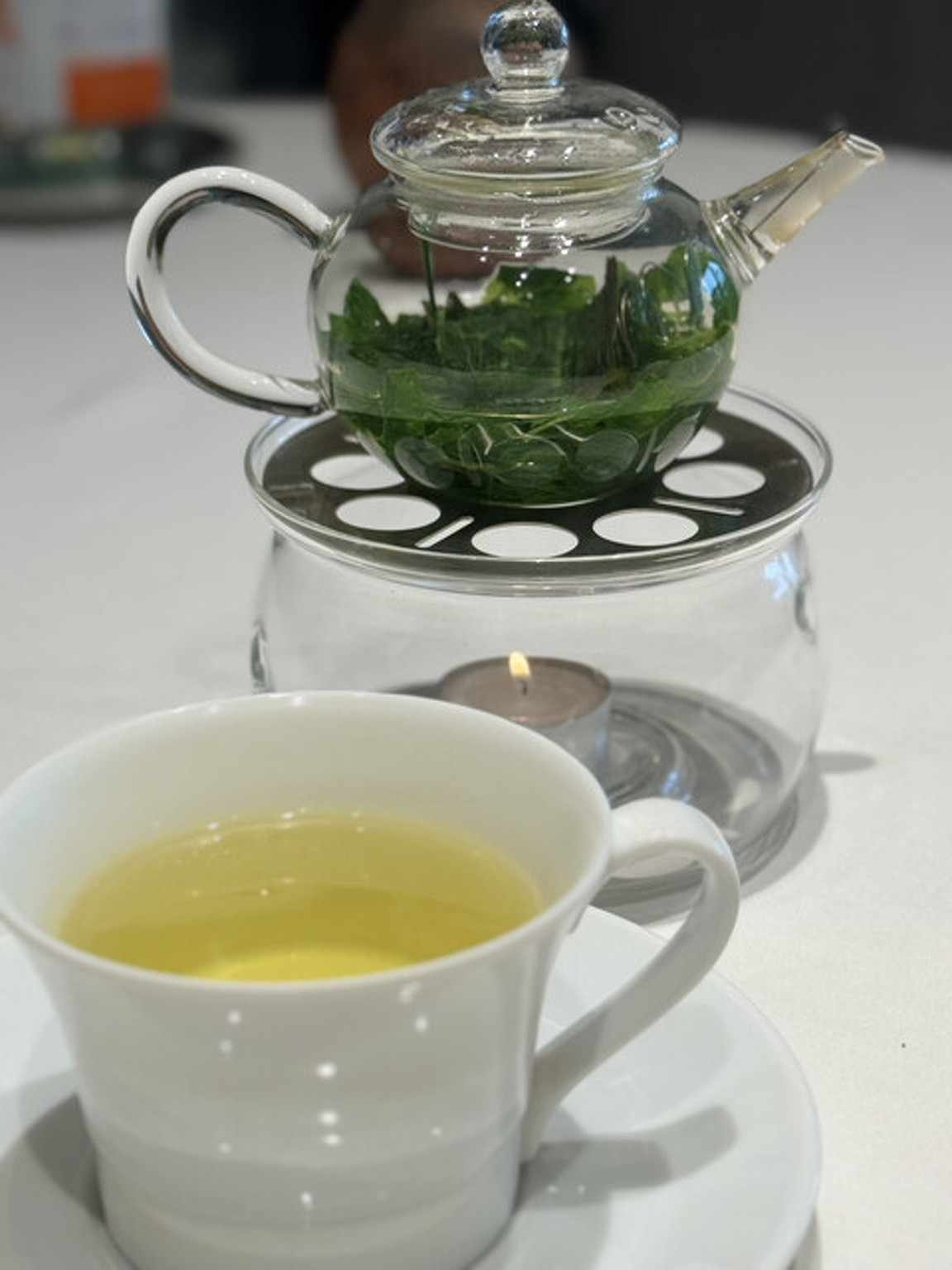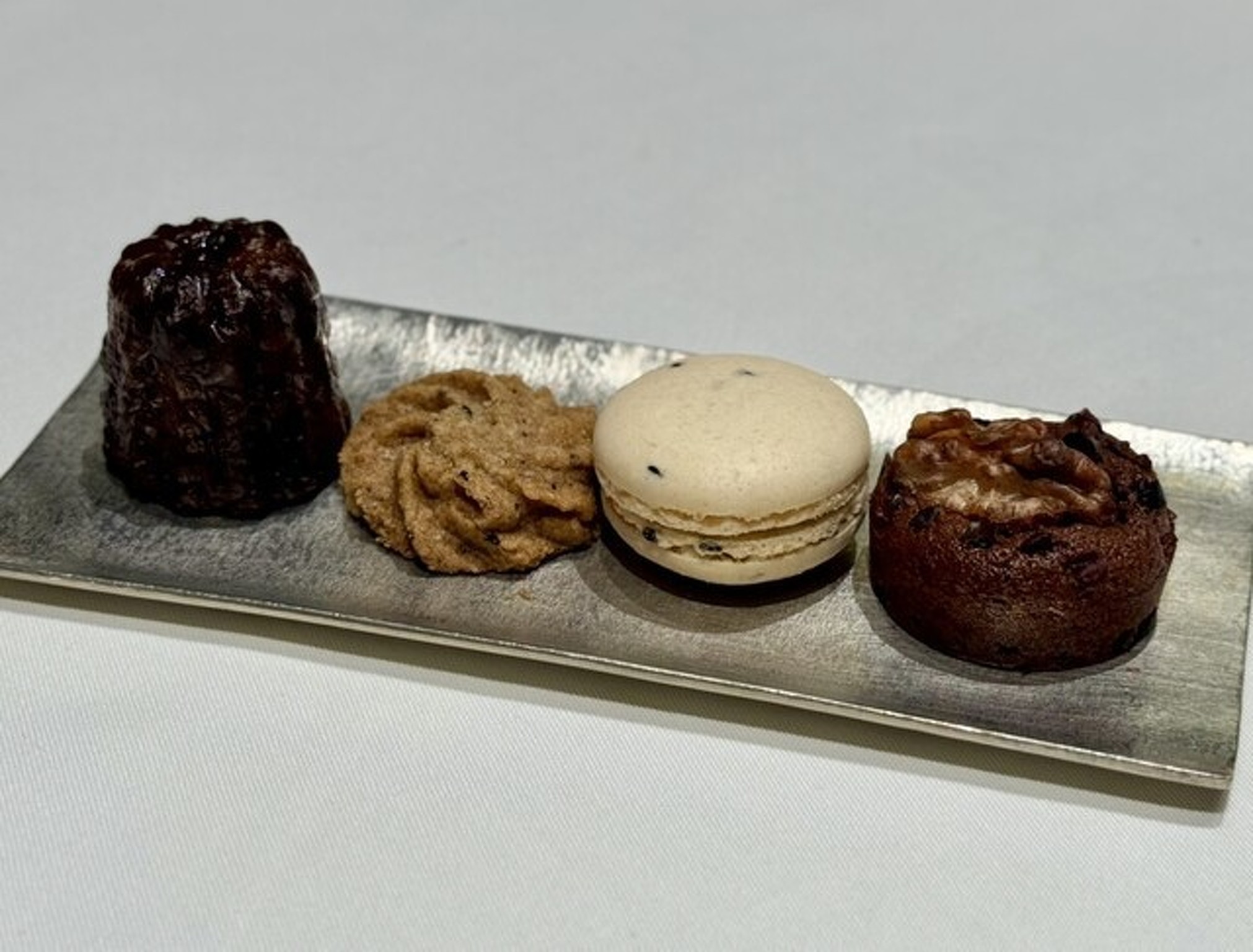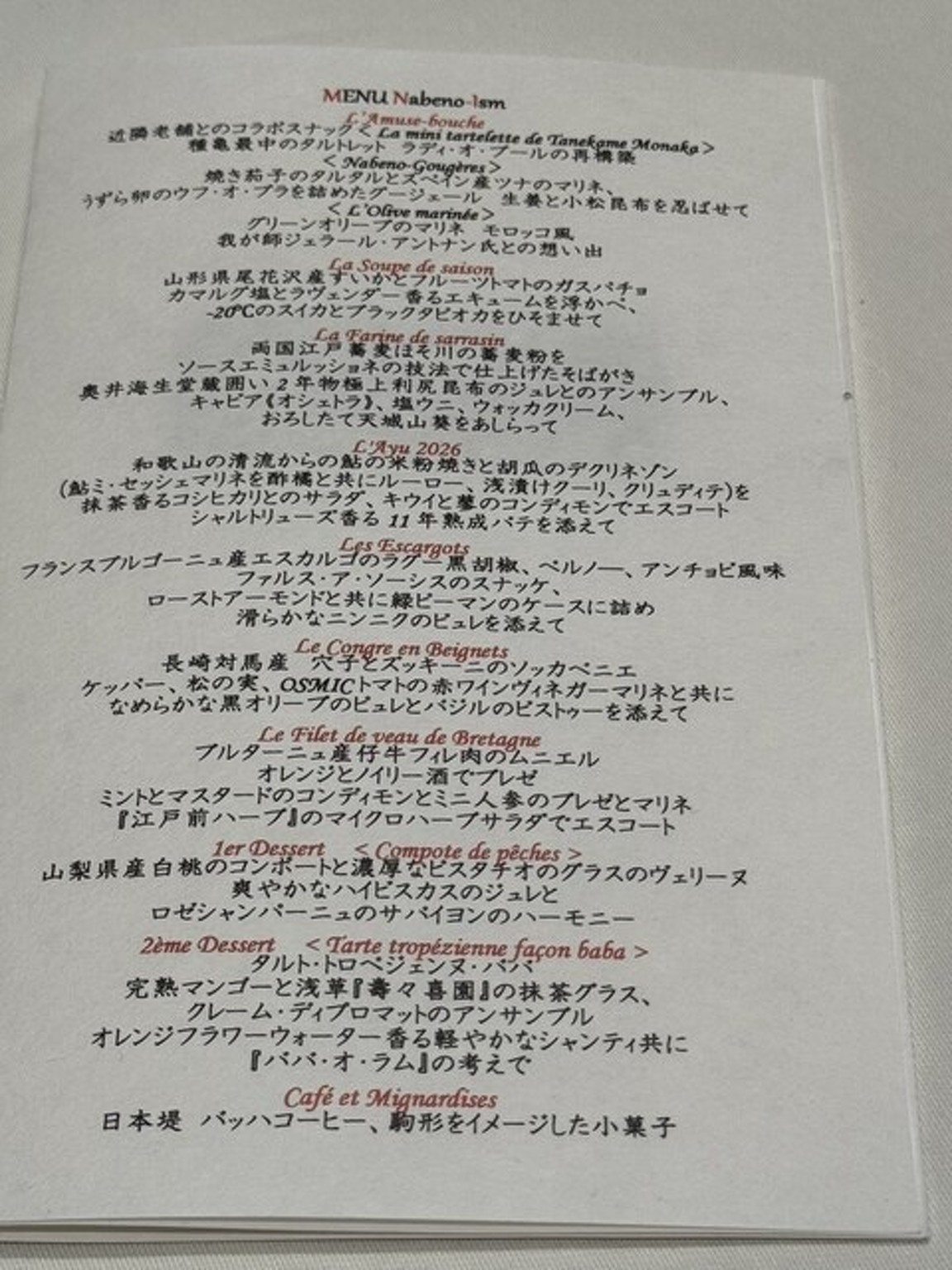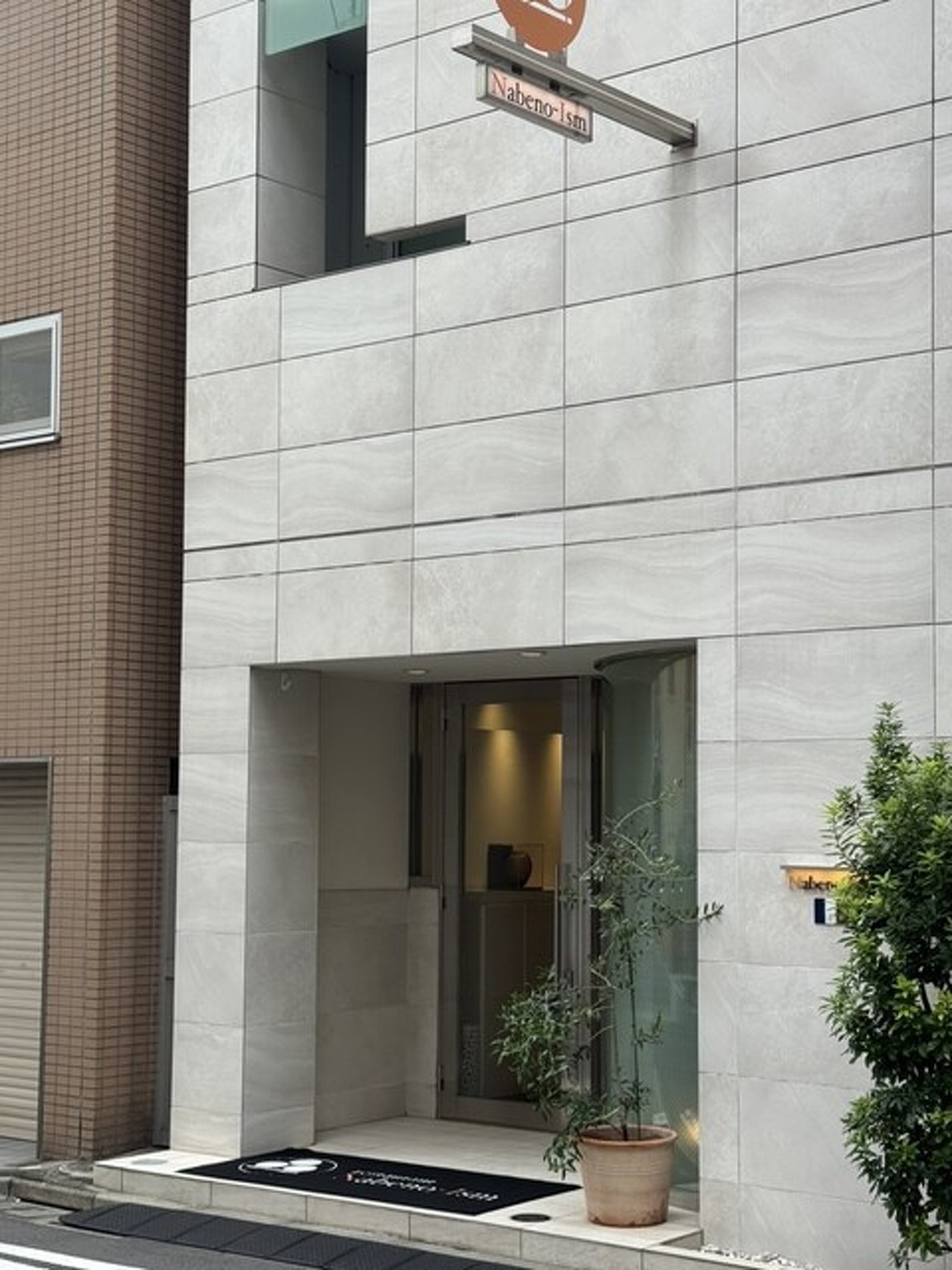
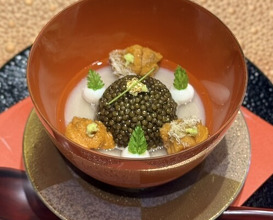
I had the pleasure of visiting the renowned French restaurant "Nabeno-Ism" in Asakusa for the first time. Currently holding one Michelin star, it was previously awarded two stars, and I had been looking forward to this visit for quite some time. It is also featured in the Gault & Millau and Tabelog's top 100 French restaurants. However, I learned that the restaurant had originally planned to close after ten years, and since it opened in 2016, it is set to close at the end of 2026. It’s a shame to think that such exquisite French cuisine will no longer be available, but I hope to visit again before it closes.French cuisine can sometimes be a matter of personal taste, especially regarding acidity and sauce preparation, but I found the flavors to be directly appealing and had an emotional experience. The variety of textures, changing aromas, and the surprise of each bite made for a truly exceptional course.I usually enjoy Italian cuisine, but I noticed that this course featured many ingredients typical of Italian cooking, such as basil, anchovies, capers, pine nuts, garlic, olives, and zucchini. While I’m not well-versed in French cuisine, I found it fascinating how the same ingredients could be transformed into different preparations and pairings. I was particularly impressed by the specialty "Soba-gaki," sweetfish, escargot, two types of tomato preparations, meunière, and the combination of mango and matcha. The restaurant's website shares detailed information about the ingredients and the chef's philosophy, which inspires me to try making these dishes myself! (Though I know I probably won't be able to replicate them...) Now, to get to the meal: I chose the "MENU Nabeno-Ism" for lunch, which is an omakase course.1. Three Amuse-Bouches: a. A collaborative snack with a local long-established shop: Tartlet with "Shikame" Monaka, reimagined with radish and butter. b. Grilled eggplant tartare with Spanish tuna marinade, and gougère filled with quail egg "Oeuf au Plat," infused with ginger and kombo kelp. c. Moroccan-style marinated clean olives, a memory of my mentor, Gérard Antonin.The first dish was surprising to see a monaka in a French setting. The balance of butter, cheese, radish, and salt was striking. Even though it was just one bite, it left a strong impact and was delicious, which is quite rare. Next was the grilled eggplant and tuna dish, which was impressive not only in texture but also in the evolving aromas and flavors. The final dish was a pincho-style preparation with herbs inside olives, featuring a strong citrus aroma that paired well with the olive's flavor and the grape juice drink!2. Gazpacho: Watermelon from Obanazawa, Yamagata, and fruit tomato gazpacho, floating with Camargue salt and lavender-scented emulsion, hiding -20°C watermelon and black tapioca.Next was a cold soup. Typically, watermelon dishes are either desserts or overly focused on the watermelon itself, but this gazpacho balanced the watermelon with tomatoes and other ingredients, creating a deeply flavorful dish. This was my first time experiencing such a gazpacho, and the contrast between natural sweetness and saltiness was impressive!3. Specialty: Soba-gaki made from Ryogoku Edo Soba flour, finished using the emulsification technique, served with a jelly made from two-year-aged premium Rishiri kombu, accompanied by caviar (Osetra), salted sea urchin, vodka cream, and freshly grated Amagi wasabi.First, Chef Watanabe explained: As a certified Edo Soba specialist, I was deeply inspired by the soba flour from "Ryogoku Edo Soba Hosokawa" that I frequented during my training. I cooked it quickly in a French copper pot with a silicone whisk and a direct heat source, emulsifying it with French fermented butter to create an original cold soba gaki, capturing the aroma with a jelly made from the wonderful Rishiri kombu from Okui Kaiseido in Fukui Prefecture. Seasonal seafood (sweet shrimp, salted sea urchin, squid, white shrimp, shrimp, and fresh karasumi) and caviar are served with Normandy sour cream drizzled with vodka, harmonizing with Amagi wasabi, allowing you to enjoy the aroma and texture of the soba.The combination of impactful caviar, salted sea urchin, wasabi, and sour cream was outstanding. This specialty has a nostalgic yet innovative quality that is hard to express in words. It was an incredibly impressive dish that I would love to have again!4. Fish: Grilled sweetfish from the clear streams of Tsushima, Nagasaki, served with cucumber "Déclinaison" (sweetfish mi-séché marinated with citrus, pickled cucumber coulis, and crudités), accompanied by a salad of Koshihikari rice with matcha aroma, and kiwi and wasabi condiments, served with an 11-year-aged Chartreuse pâté.First, the chef explained: The fillet is coated only on the skin side with rice flour and grilled in pure white oil, while the flesh is heated indirectly to achieve a fluffy finish, paired with a salad of Koshihikari rice infused with matcha. The rice salad is prepared using the technique of Edo-mae sushi, with sushi vinegar made from lime, champagne vinegar, and maple syrup. This dish highlights the characteristics and flavors of Japanese rice. The sweetfish is marinated with salt, pepper, trehalose, and junmai sake, dehydrated with a sheet for one day to concentrate the flavors, achieving a mi-séché state. This is rolled with thinly sliced citrus, mint, and Okui Kaiseido's white tororo kombu. Enjoy it in one bite to experience the refreshing and transparent qualities of the sweetfish. The sauce is made from cucumber salt and Greek yogurt coulis, with kiwi and wasabi condiments, enhancing the pairing with the sweetfish's scientific name, the cucumber fish family.It was clear that this dish was intricately calculated, and each bite was filled with deliciousness and emotion. The balance of kiwi's acidity, rice's acidity, cucumber's sweetness, and the slight bitterness of the sweetfish was exquisite. I had always thought sweetfish were bitter, but this dish changed my perception as it was not bitter at all. I wonder if it’s due to the cooking method. It was very intriguing. I was also amazed at how such layered flavors could be achieved using common ingredients like cucumber, kiwi, and rice!5. Escargot: Burgundy escargot ragout with black pepper, Pernod, and anchovy flavor, stuffed in a green bell pepper case with roasted almonds, served with smooth garlic purée.All the dishes in this course were delicious, but this one felt the most familiar. The ingredients included Burgundy escargot, homemade Kirishima black pork sausage, roasted sliced almonds, highland garlic purée, mascarpone garlic, shallots, thyme, Pernod, junmai sake, Nabeno sauce, meat sauce, fond de veau, broth, bell pepper, shishito pepper, micro sorrel, marjoram, edible flowers, candied lemon, and organic lemon zest, creating a depth of flavor that exceeded its appearance. The anchovy garlic flavor served as a base, and the combination of meat and bell pepper was excellent. The addition of shishito and herbs was a delightful touch. I would love to see the recipe for this masterpiece!6. Anago and Zucchini: Anago from Tsushima, Nagasaki, and zucchini socca beignet, served with capers, pine nuts, and tomato marinated in red wine vinegar, accompanied by smooth black olive purée and basil pistou.The combination of anago tempura and fried zucchini with a simple black olive sauce created a wonderful synergy. The ingenuity in the preparation process, especially with the tomatoes, was evident. The website explains this in detail. (Excerpt) The key point is layering the marinated and confit tomatoes. The confit, concentrated with tomato glutamic acid, is cut to retain moisture, and when combined with the beignet, the moisture bursts, creating a "tomato dipping sauce" that allows for a light enjoyment of the fried dish.I was truly amazed by this experience. This is a level of flavor that cannot be achieved with ordinary semi-dried tomatoes, and I would love to taste it again!7. Veal Fillet: Meunière of veal fillet from Brittany, presented with orange and Noilly Prat, accompanied by mint and mustard condiments and marinated mini carrots, escorted by a micro herb salad from "Edo-mae Harp."The meunière had a delightful buttery aroma and richness, perfectly matched with the refreshing orange and carrots. I love this sauce, but it might be a matter of personal preference.The mini carrots were visually appealing and tasted great, balancing the sauce beautifully!8. Poached White Peach from Yamanashi: A verrine of rich pistachio ice cream, harmonized with refreshing hibiscus jelly and rosé champagne sabayon.The strong rosé enhanced the sweetness of the peach. I believe the design of this dish was influenced by the rich sauce from the previous veal dish. It was a summery dish that also offered a delightful change in texture.9. Ripe Mango and Matcha Glass: An ensemble of crème diplomate, accompanied by a light chantilly scented with orange flower water, inspired by "Baba au Rhum."The pairing of mango and matcha was outstanding, especially the matcha's moderate sweetness and bitterness. It was perfectly balanced, not overpowering the other ingredients. Even though I was quite full by the end of the course, I still had room for this!10. Bach Coffee from Nihonbashi: A small sweet inspired by Komagata.I chose herbal tea for my post-meal drink, and the aroma was surprising!In conclusion, this was an incredibly delicious and wonderful course. I will definitely visit again before the closing in December!
We use cookies on this site to enhance your user experience.