We use cookies on this site to enhance your user experience.
< Back
Overview
Average rating from 9 meals
9.2 / 10
Photo Views: 88
Restaurant Views: 1,905
Restaurant Views: 1,905
0 user have this restaurant in their Top list
0 user have this restaurant in their Wish list
Awards
- OAD
-
Japanese Restaurants 2026, 273
- Tabelog
- 2026 Silver
- Restaurant Ranking
-
Restaurant Ranking 2024, #4081, PRO #15.45, USER #0.00
Ratings from the web
- Tabelog
- 4.43
Chef
Kenichi Matsuyama
Cuisine
Japanese Cuisine, Creative
Foodle Reviews
10 / 10
on 01 Aug 2026

Fukuoka Cuisine ② August 23, 2026 (Sun) 12:00 PM Tabelog 4.42 2026 SILVER 2025 Top 100 Restaurants 2019 Michelin Star 2026 Go-E-Miyo 3 Tock Today's lunch is here! It's been a while since my last visit. It takes 18 minutes by local train from Kokura Station. Get off at Kurosaki Station and walk for about 7-8 minutes. The menu consists of an Omakase course only. < Menu > 1. Cold Yamame Tea Served as a pre-meal tea. 2. Somen Handmade ice bowl made with shaved ice. Using "Yoshii... More
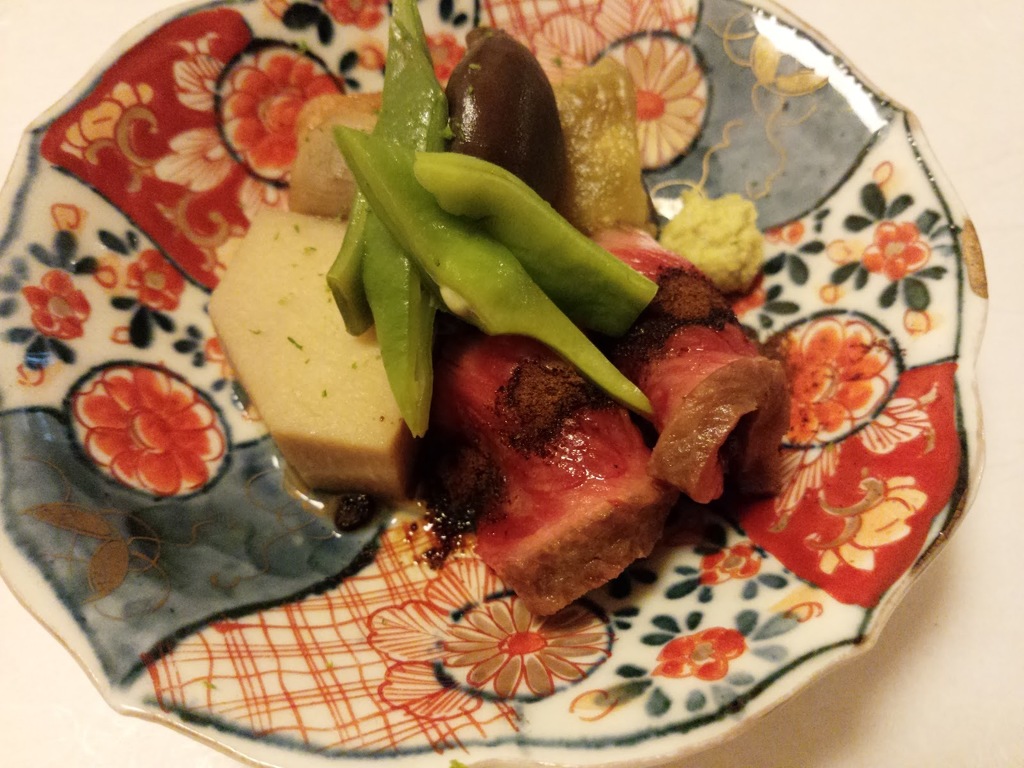
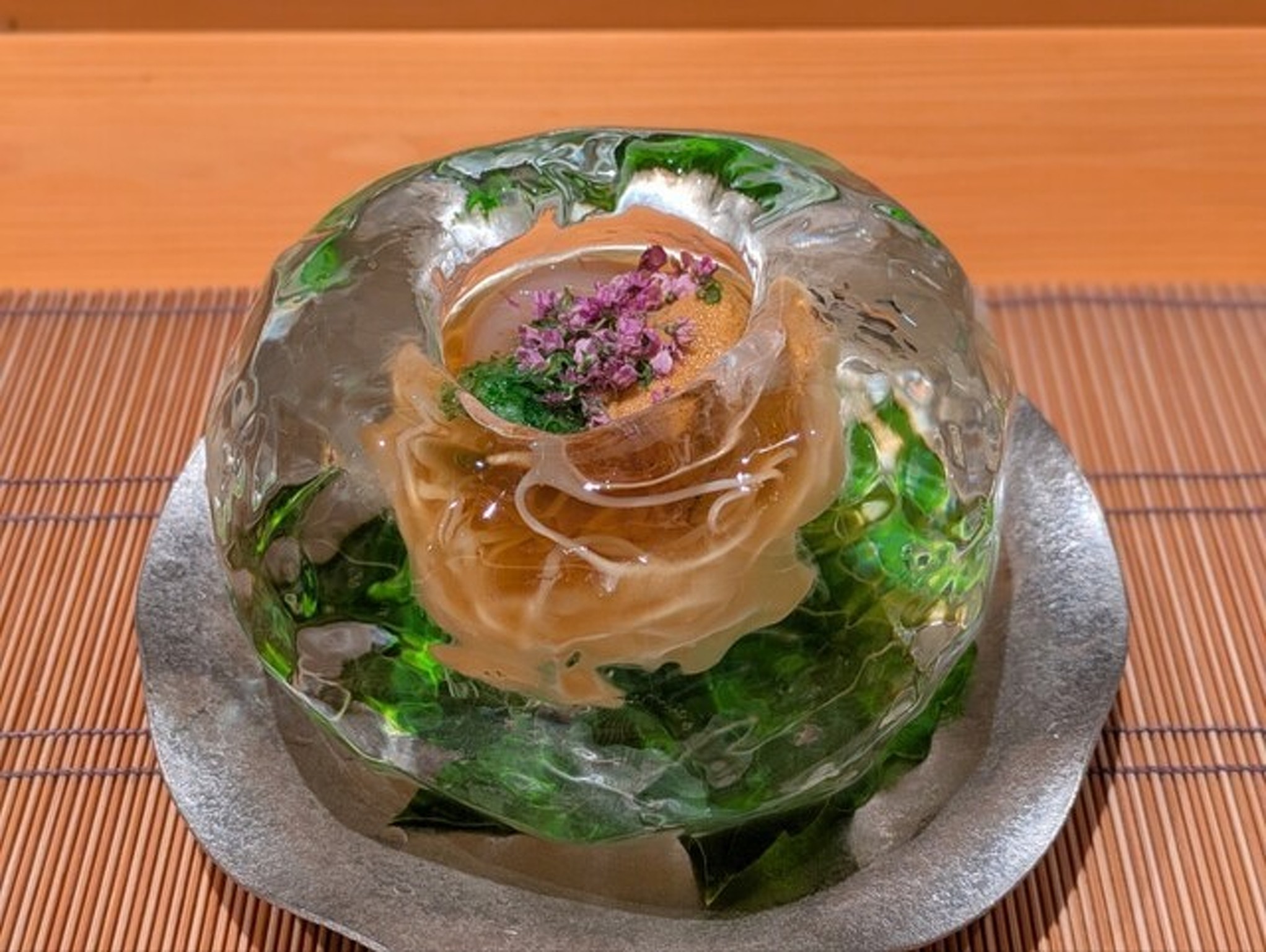
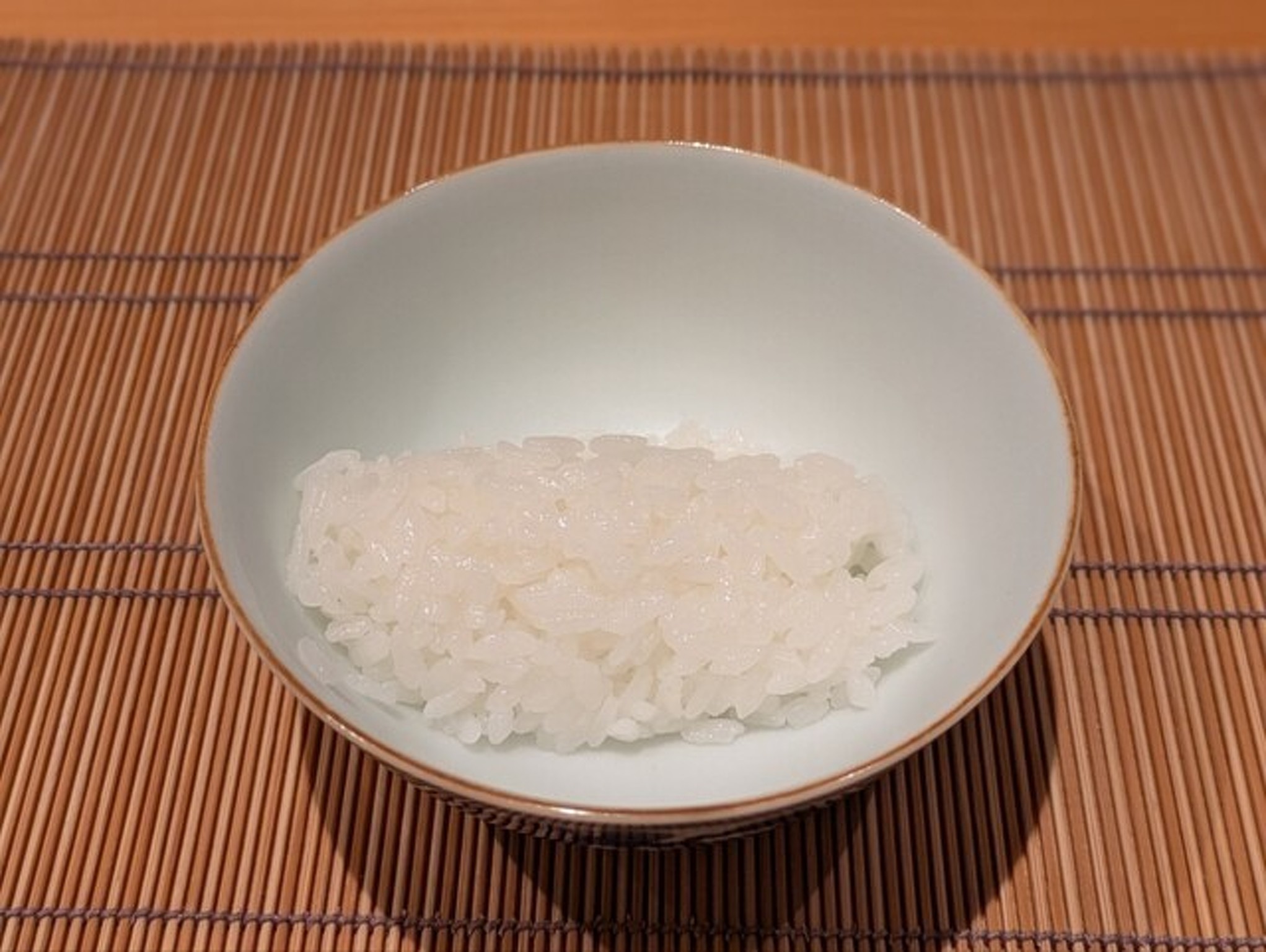
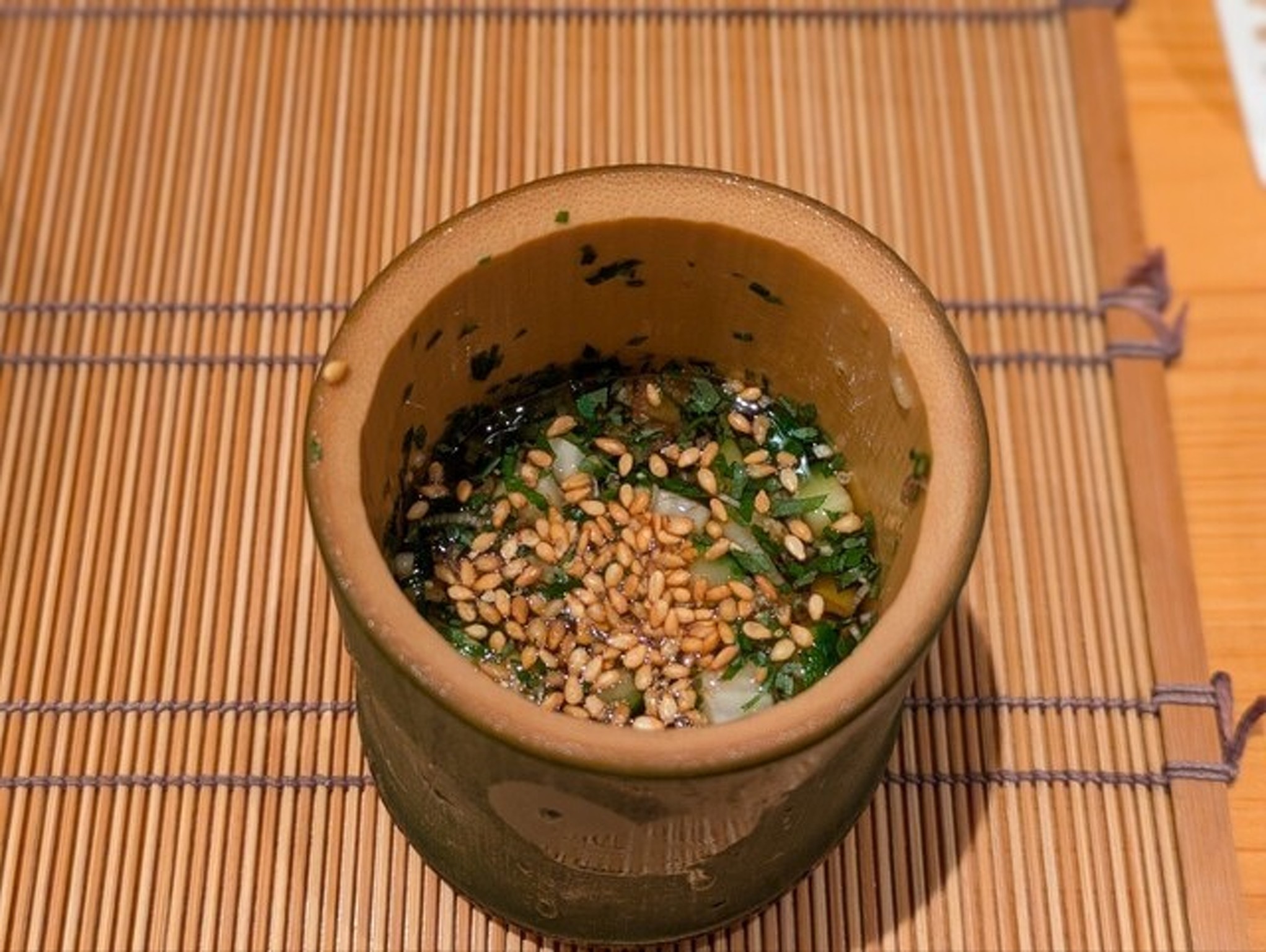
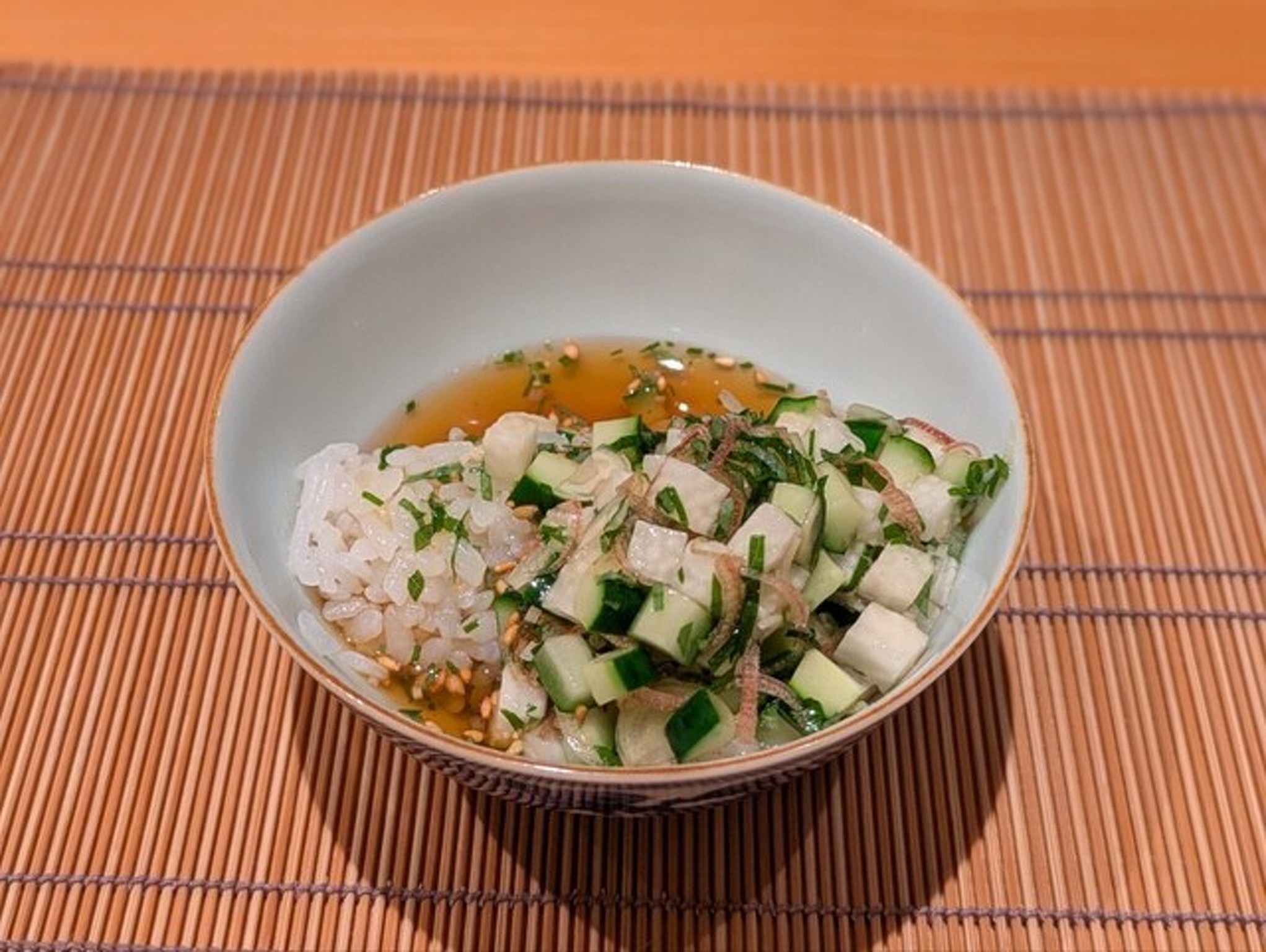
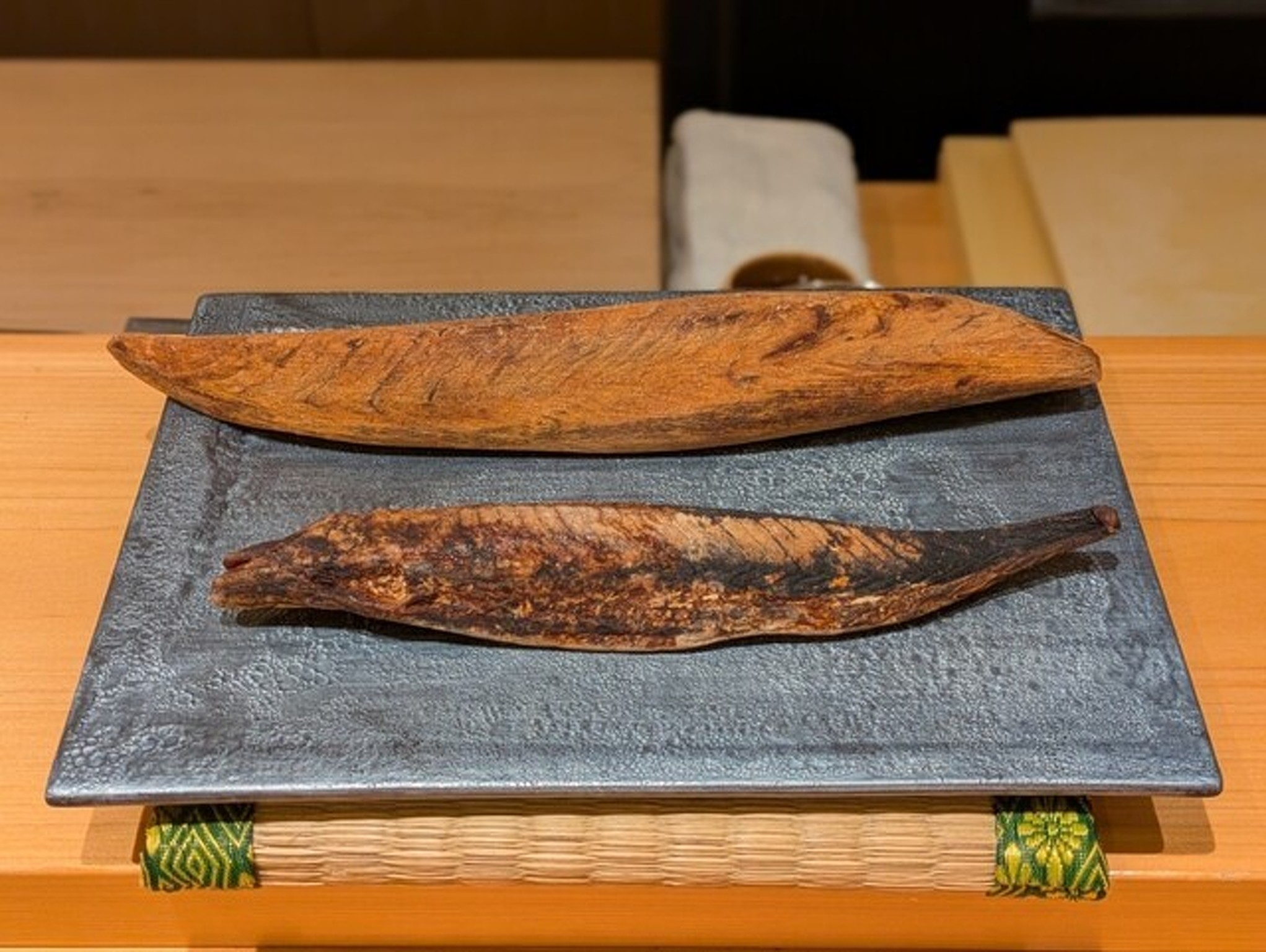
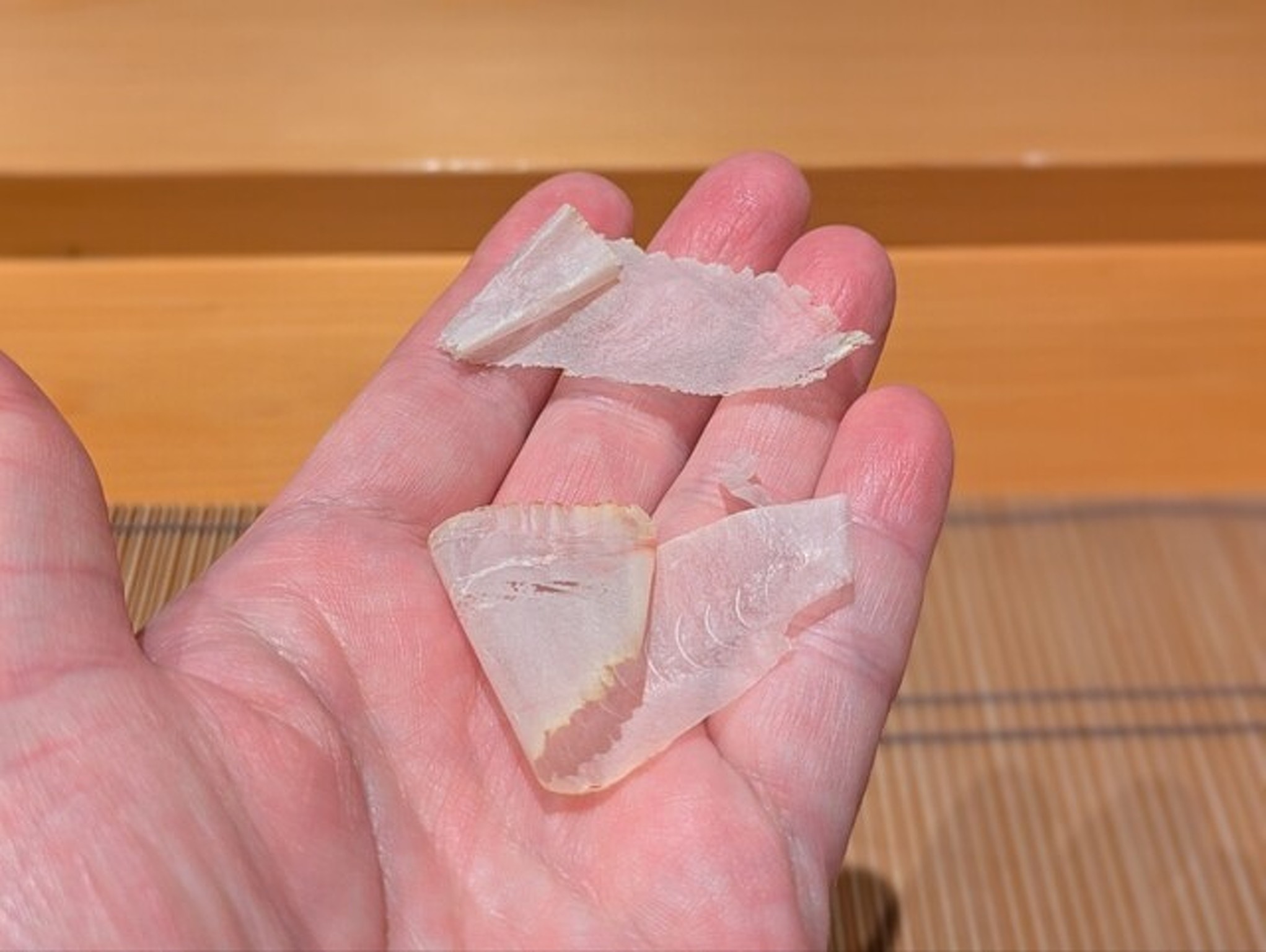
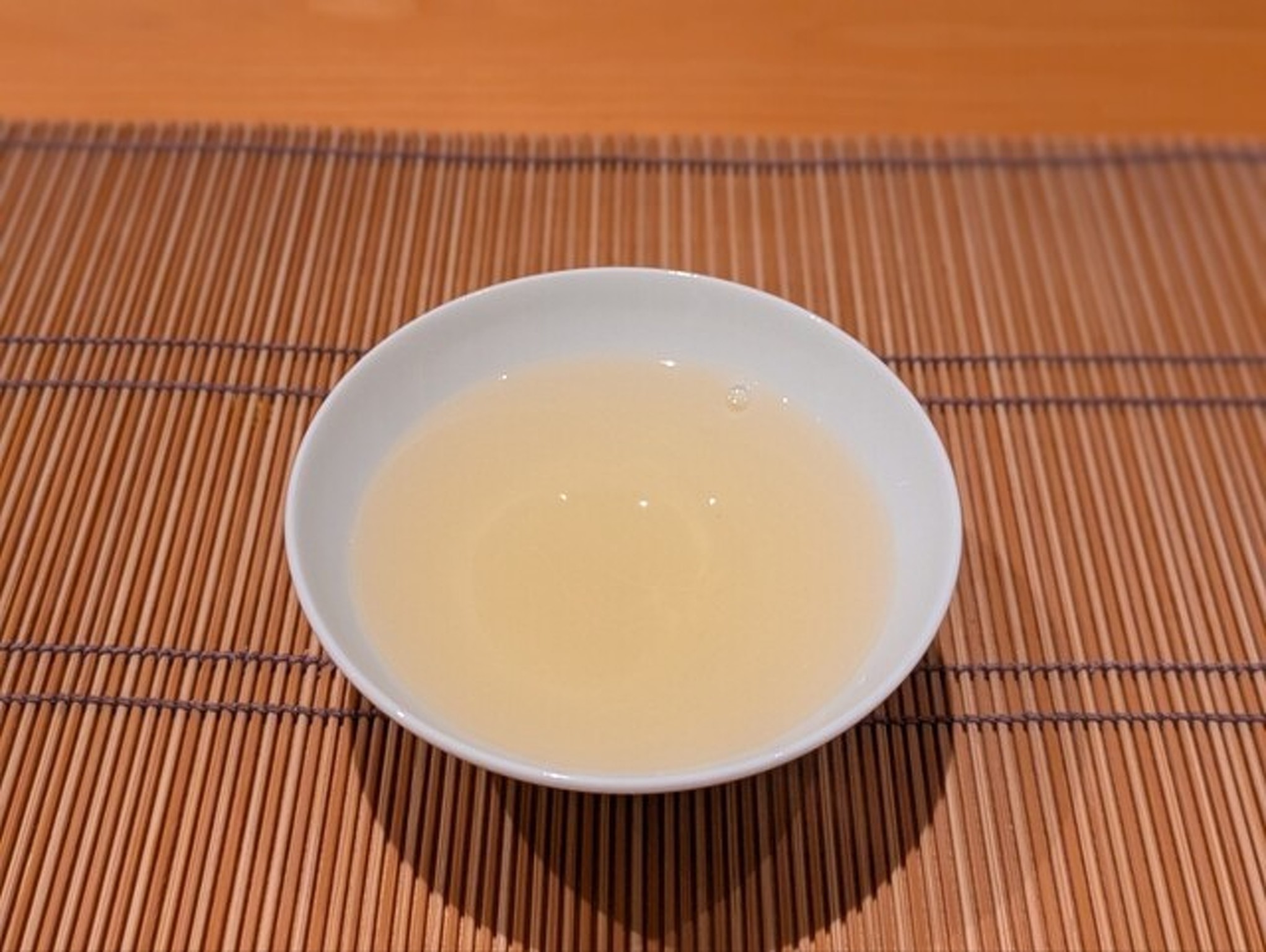
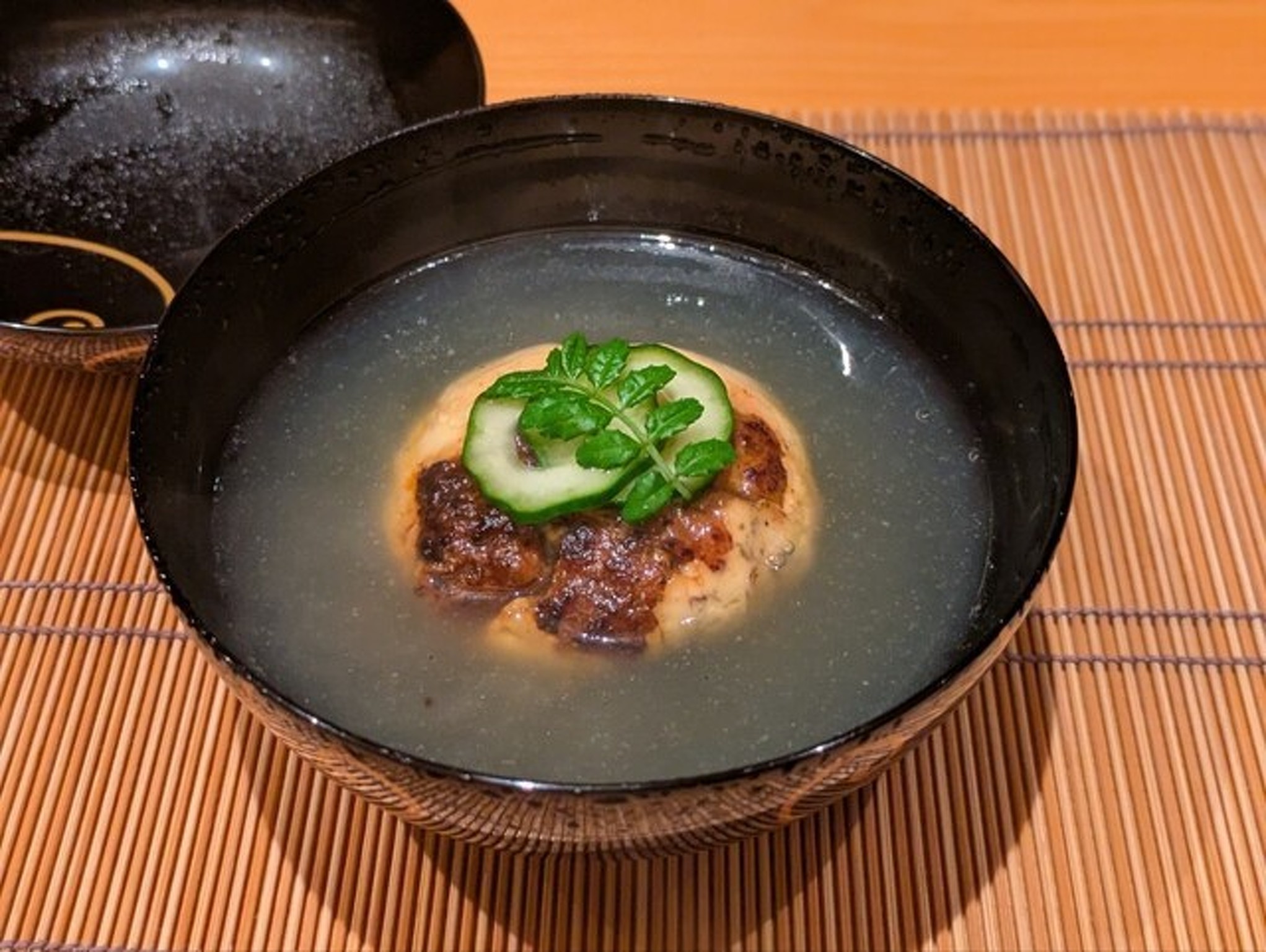
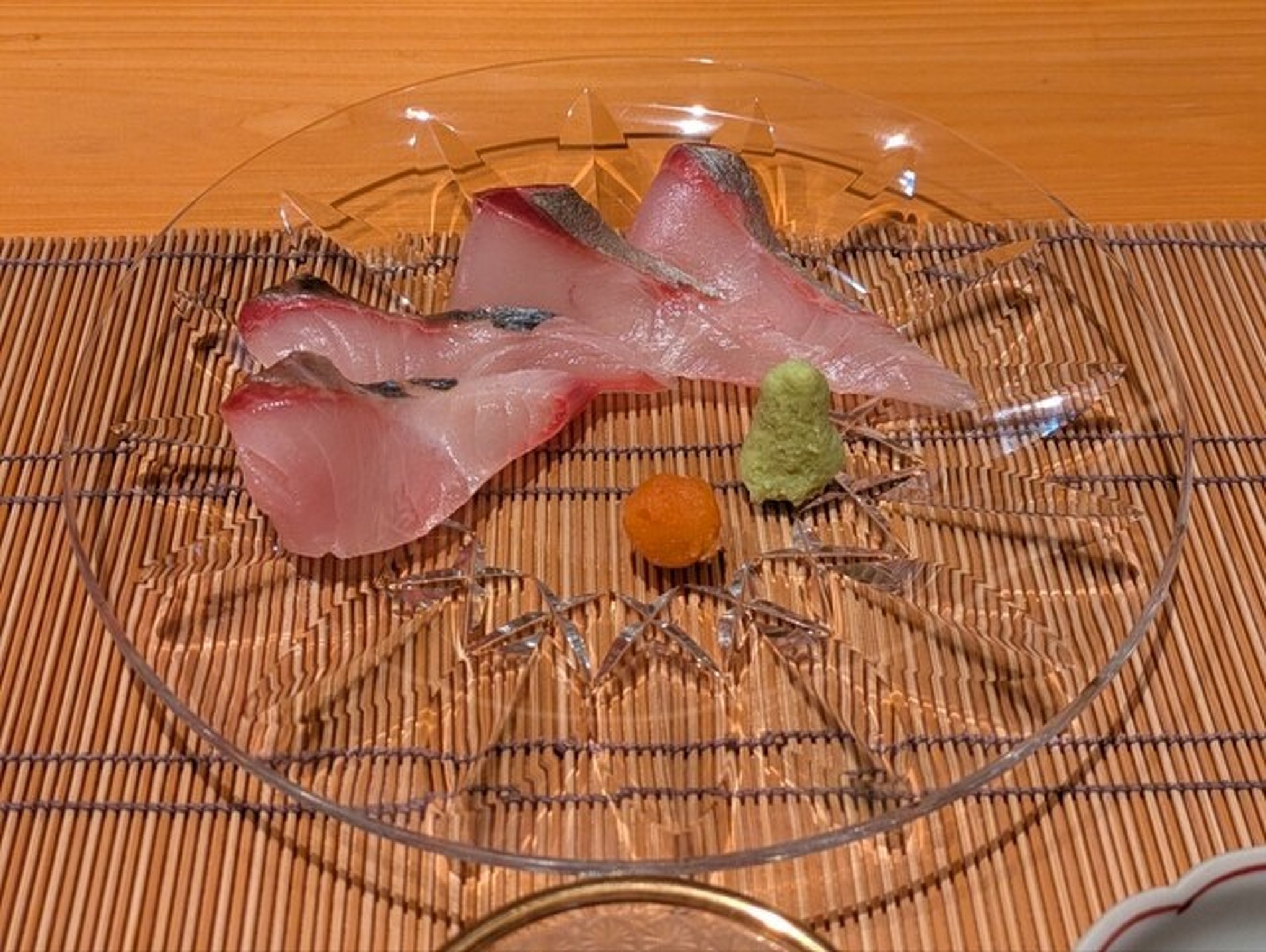
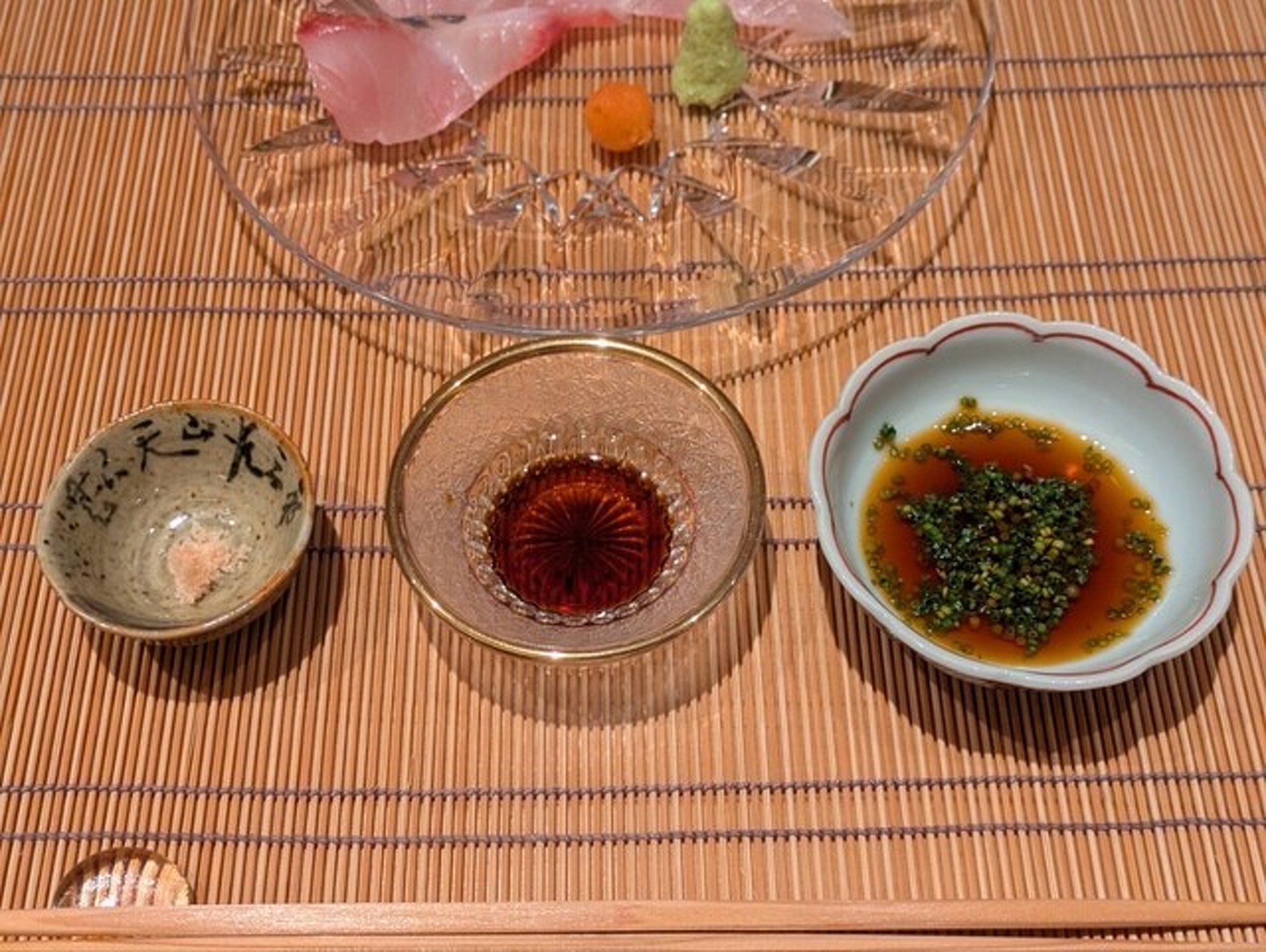
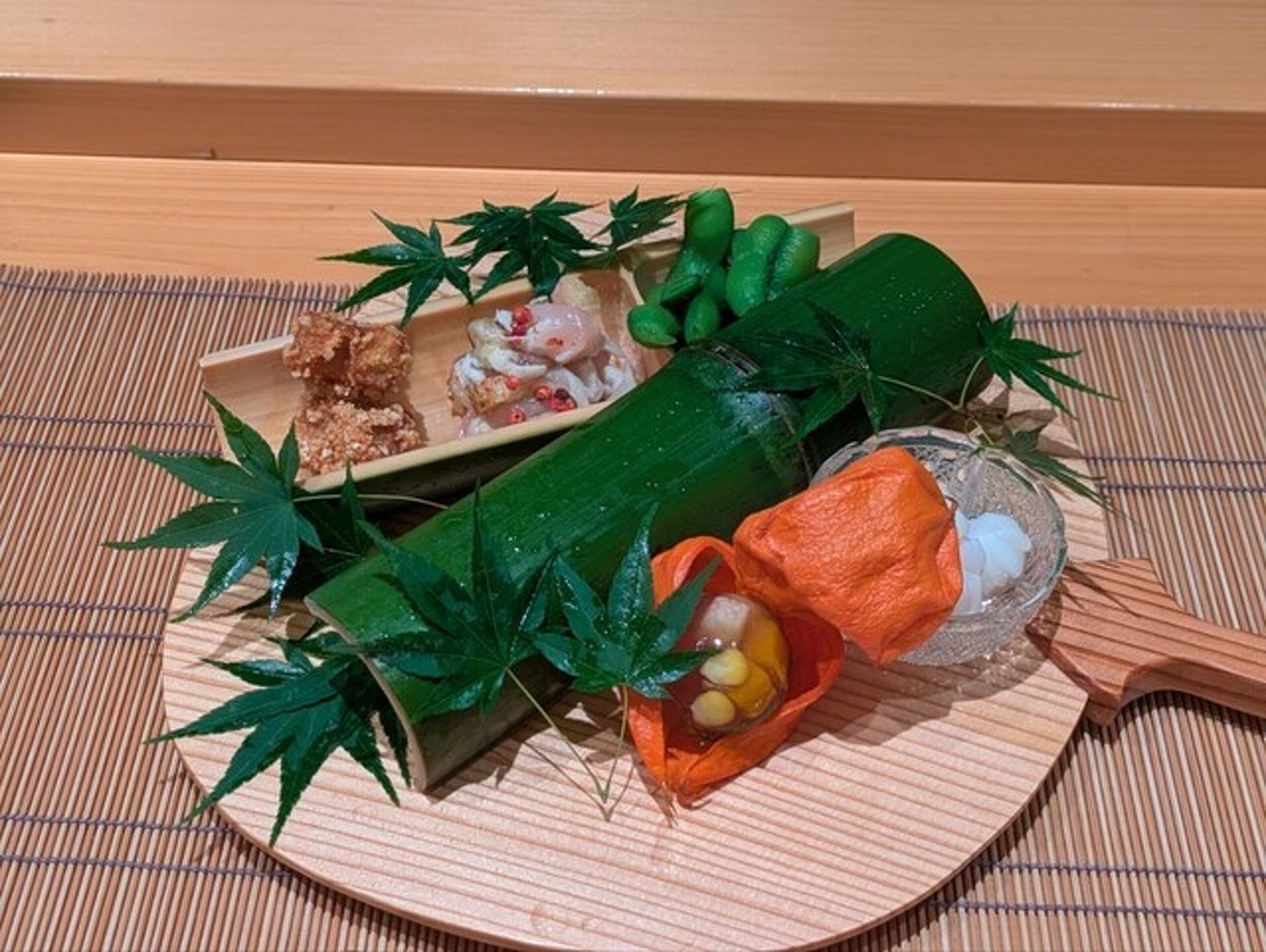
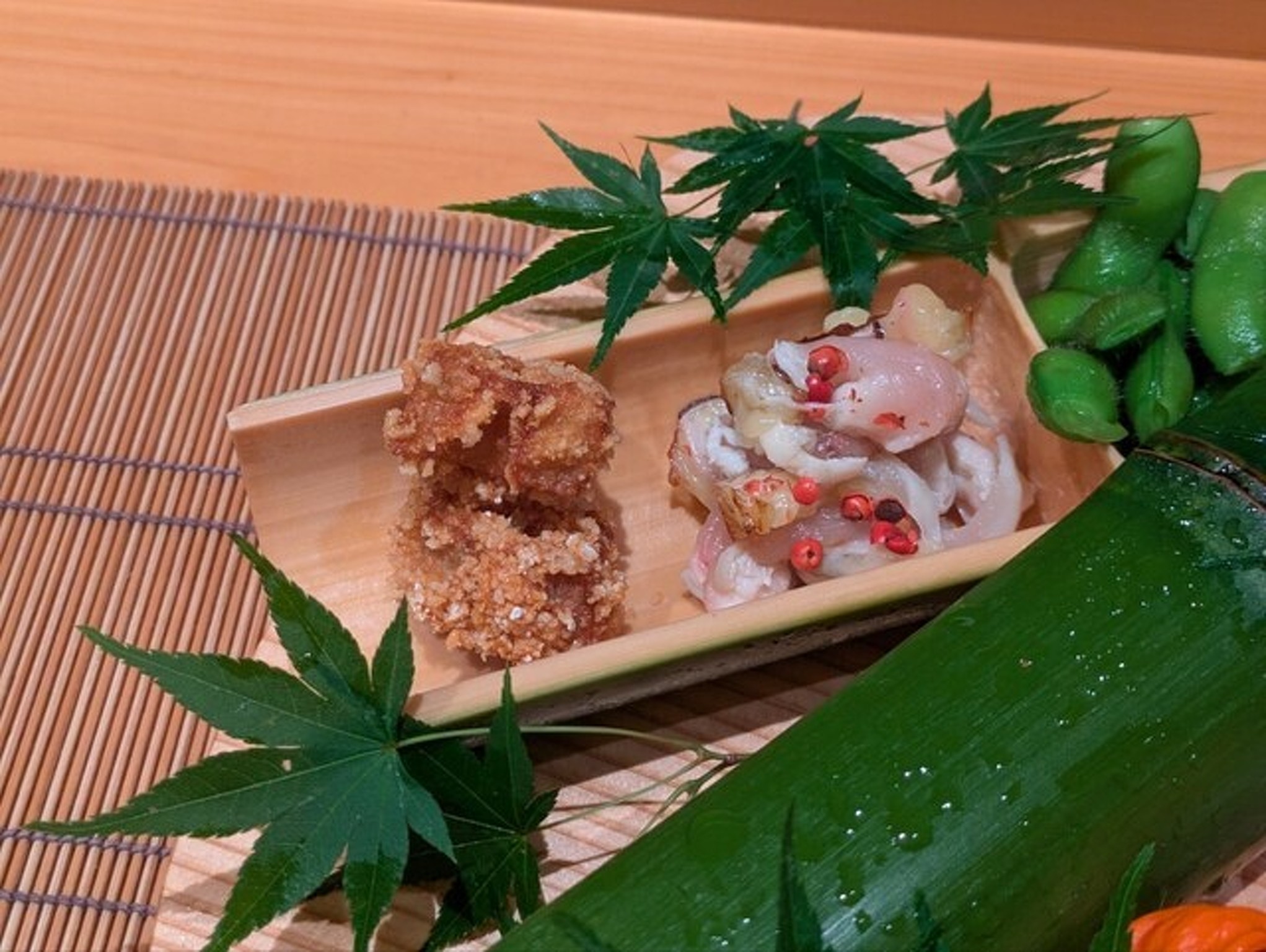
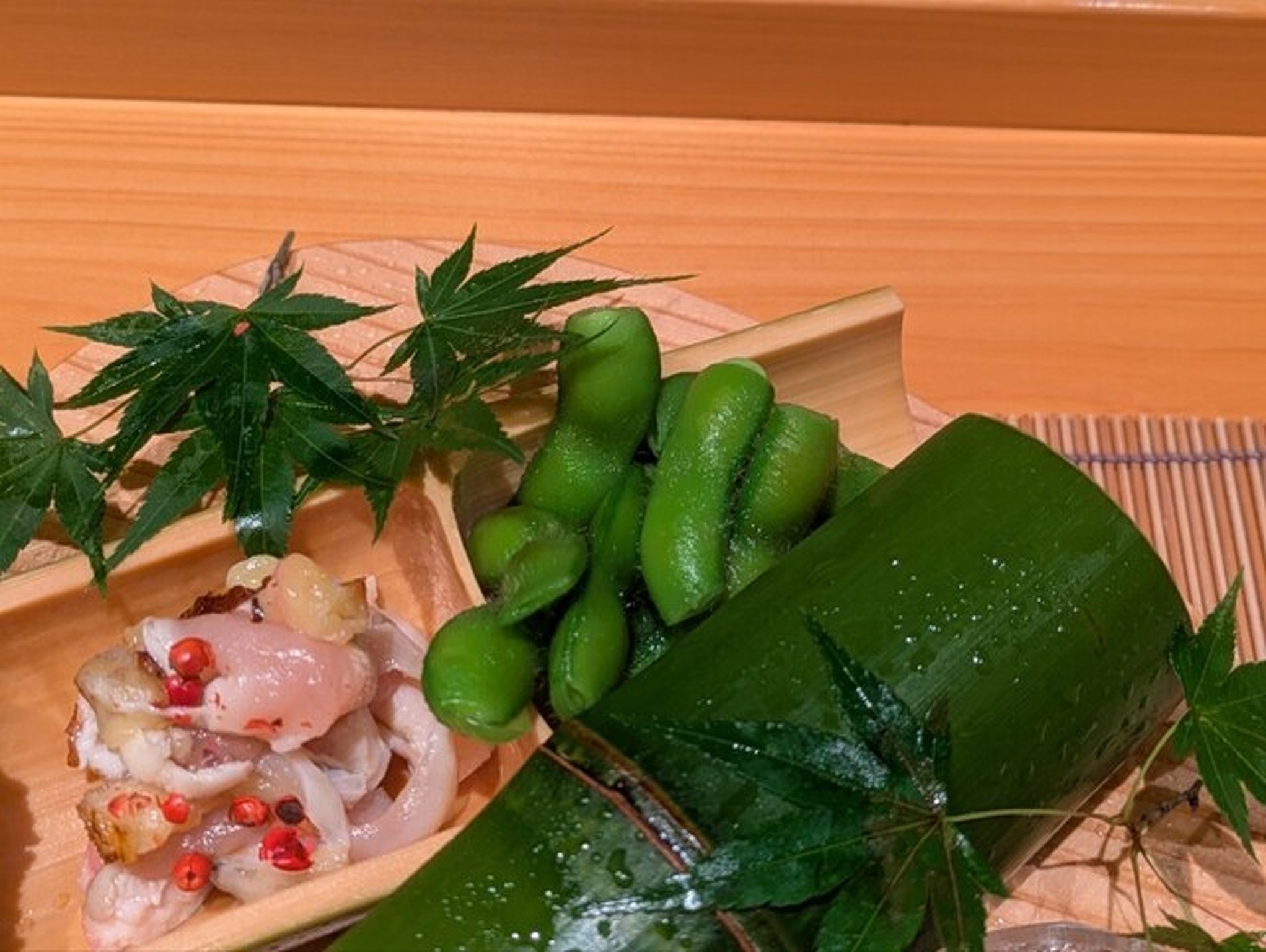
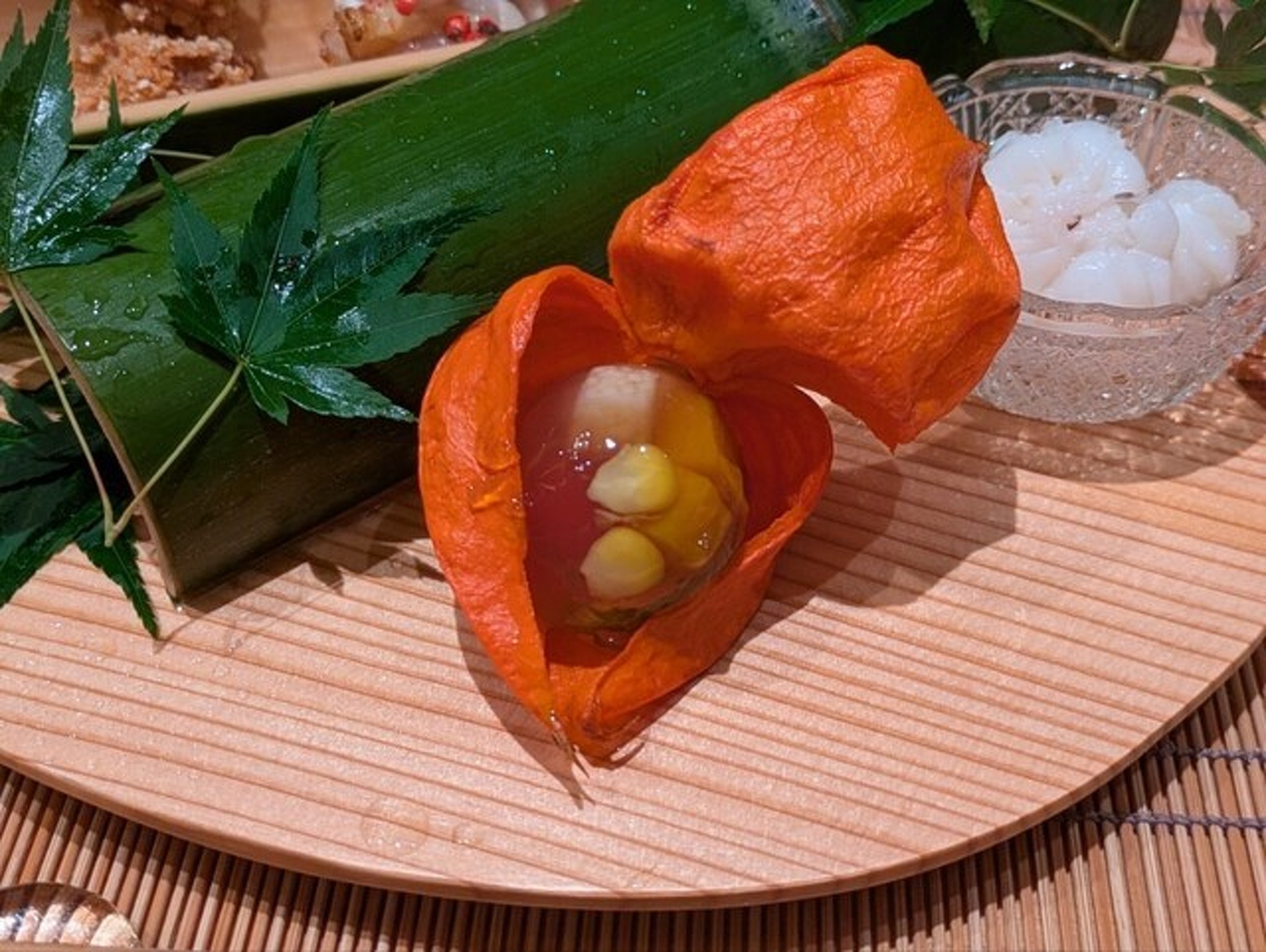
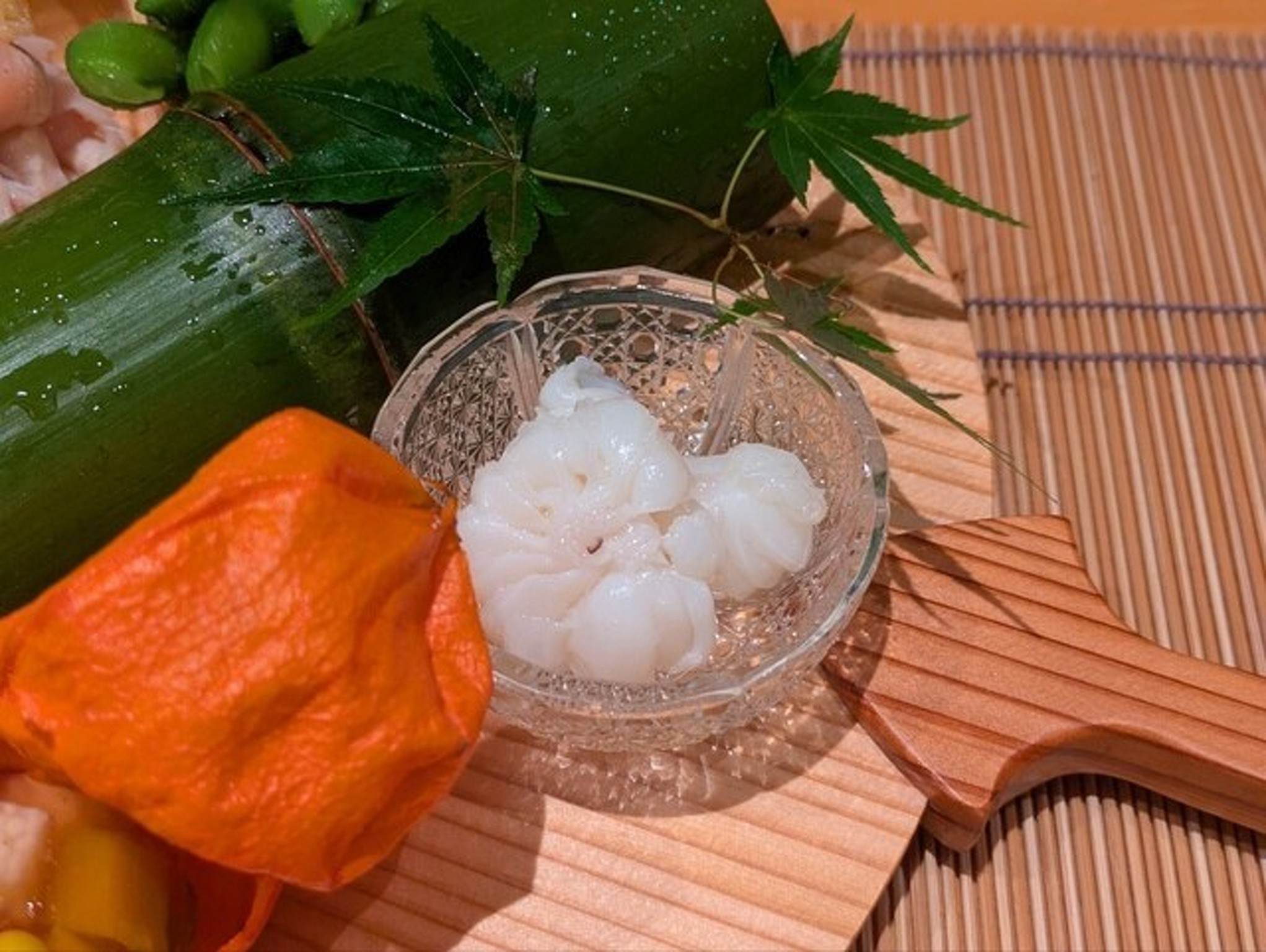
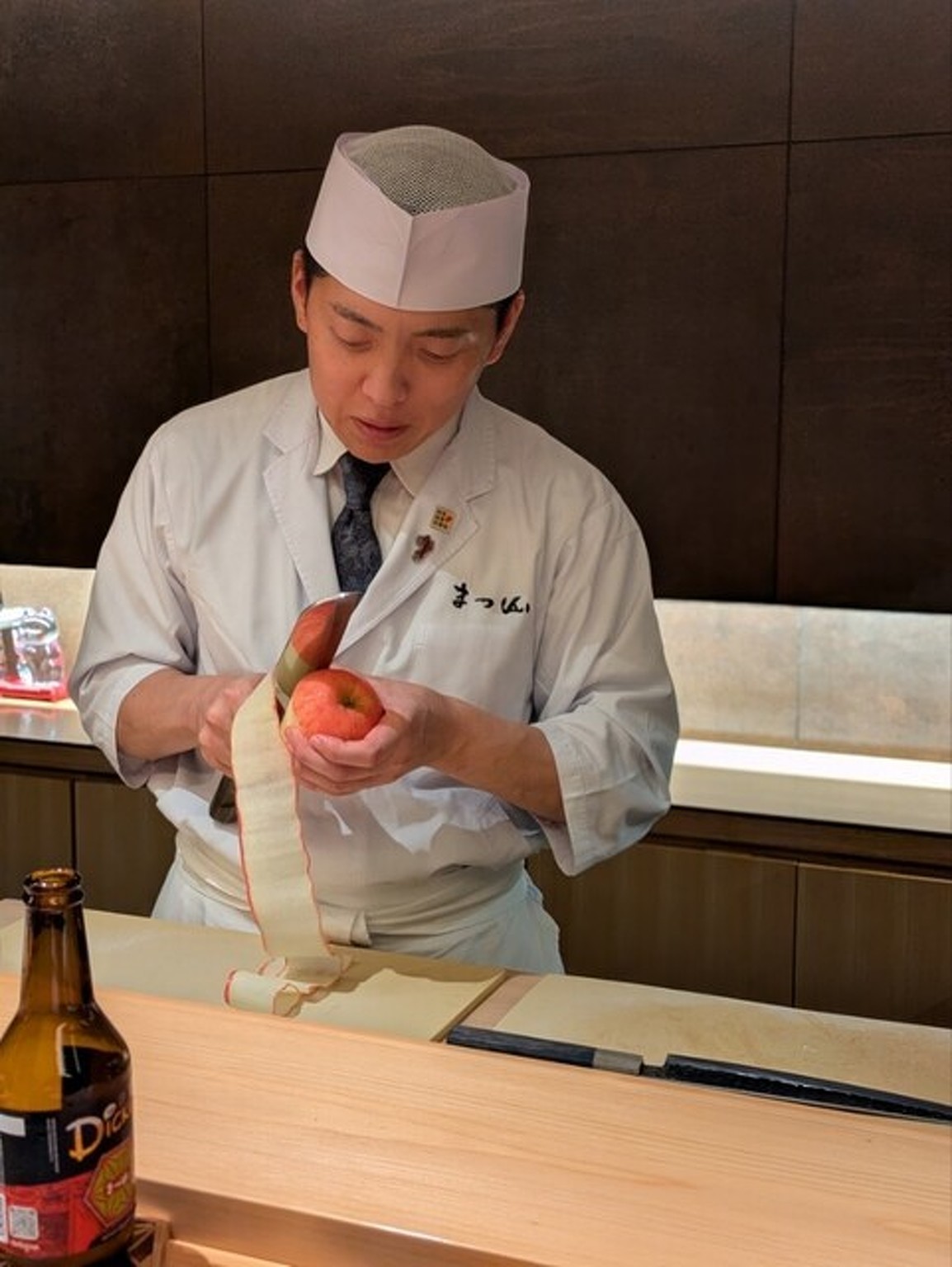
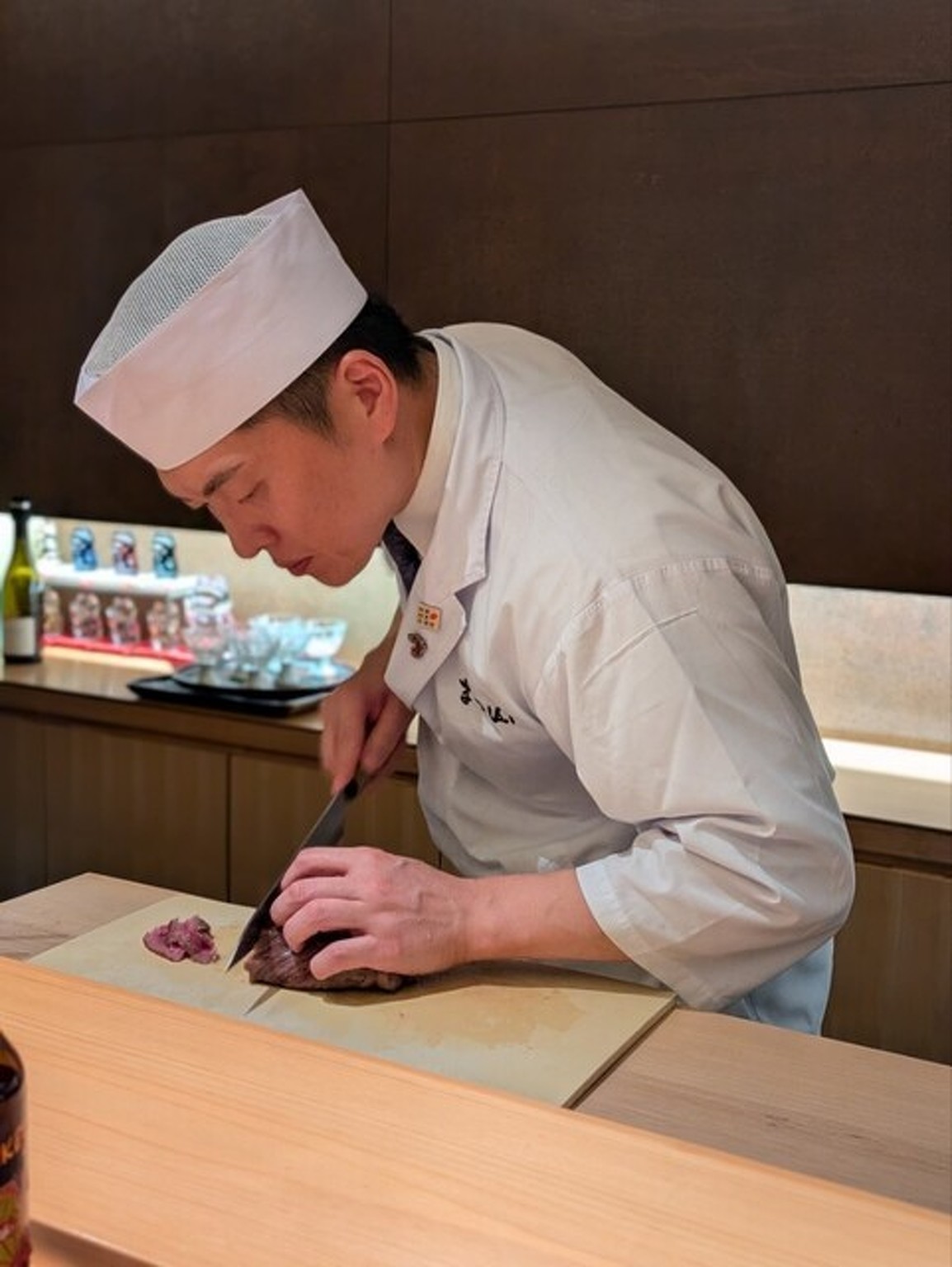
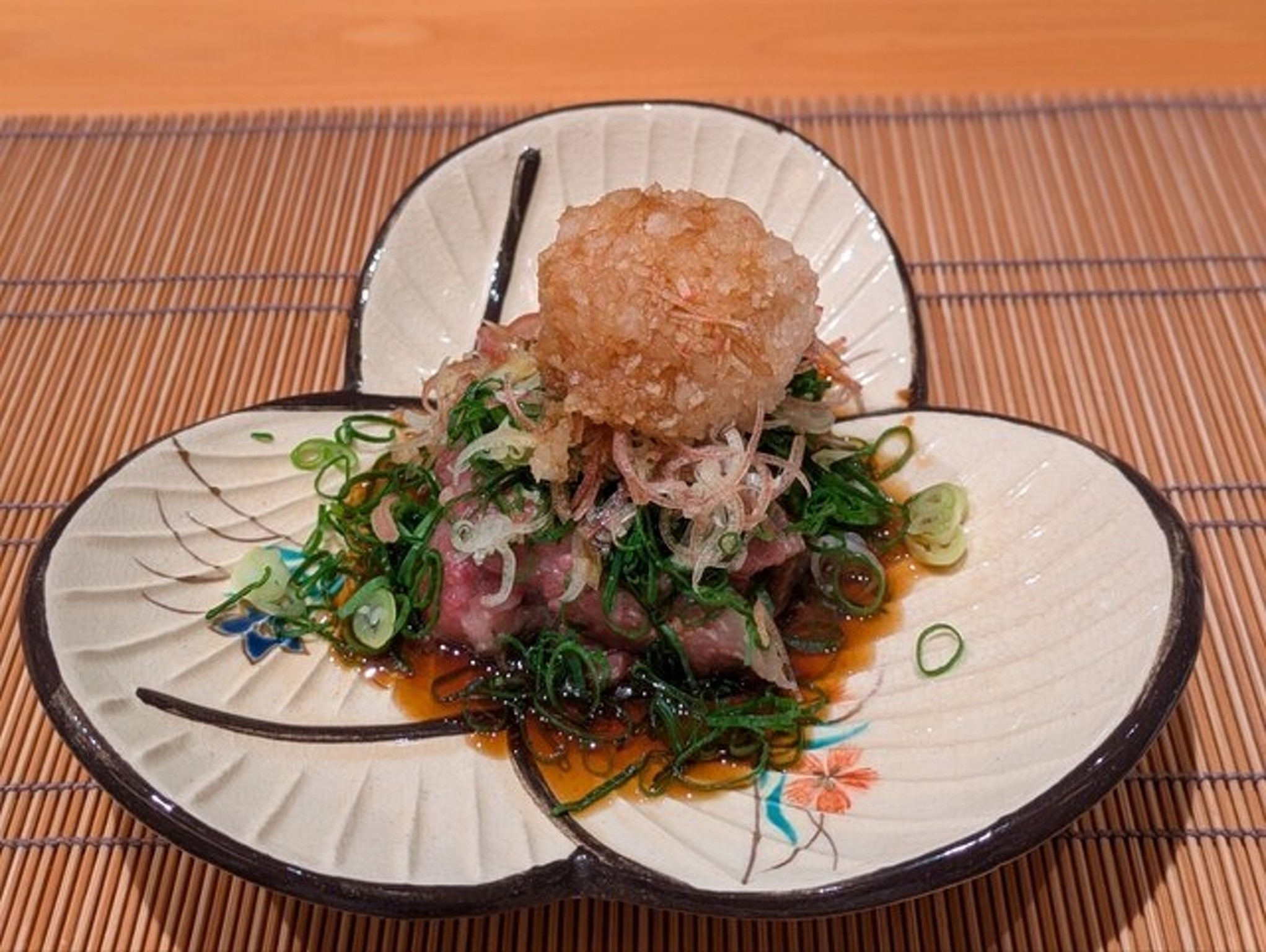
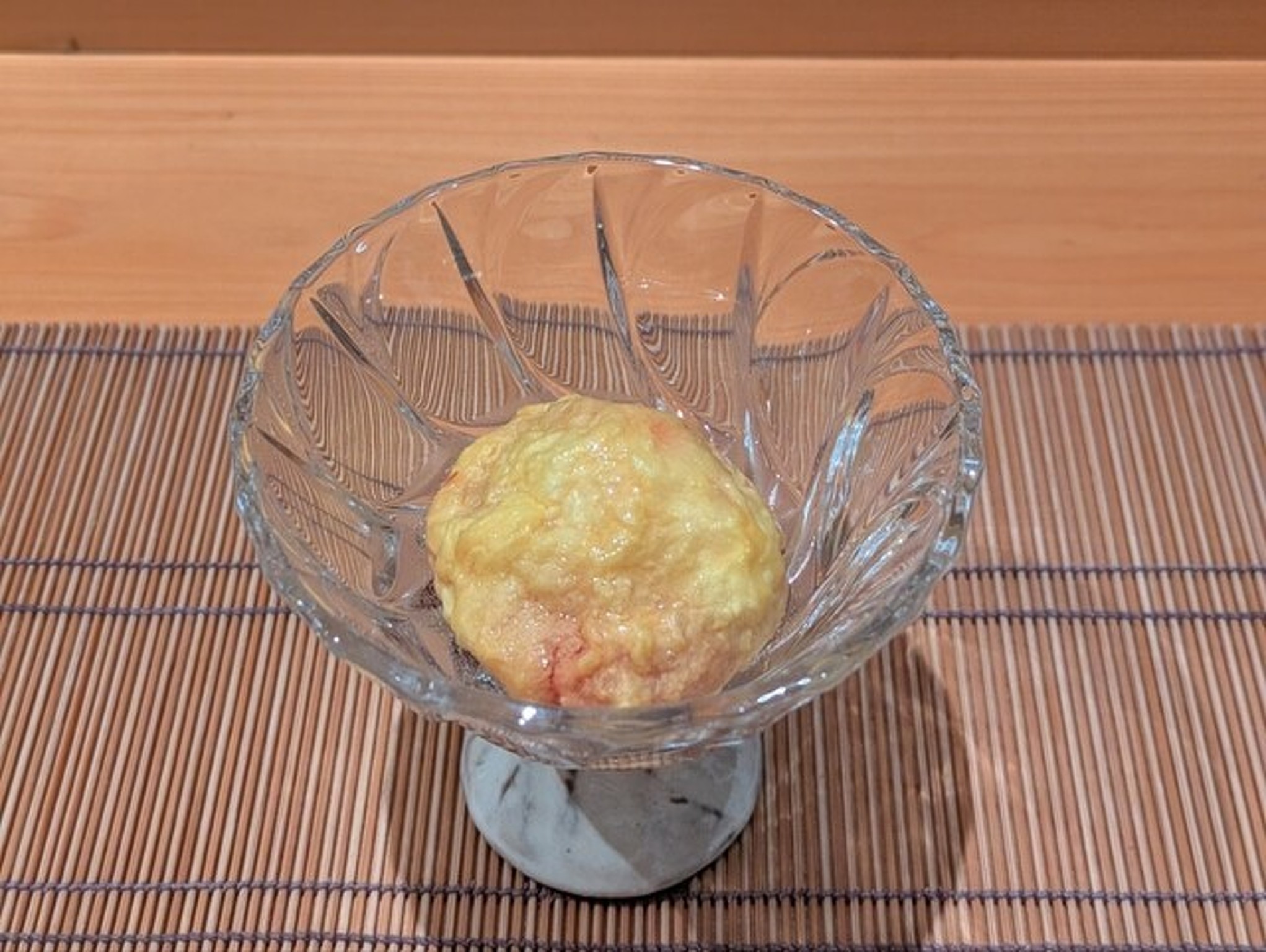
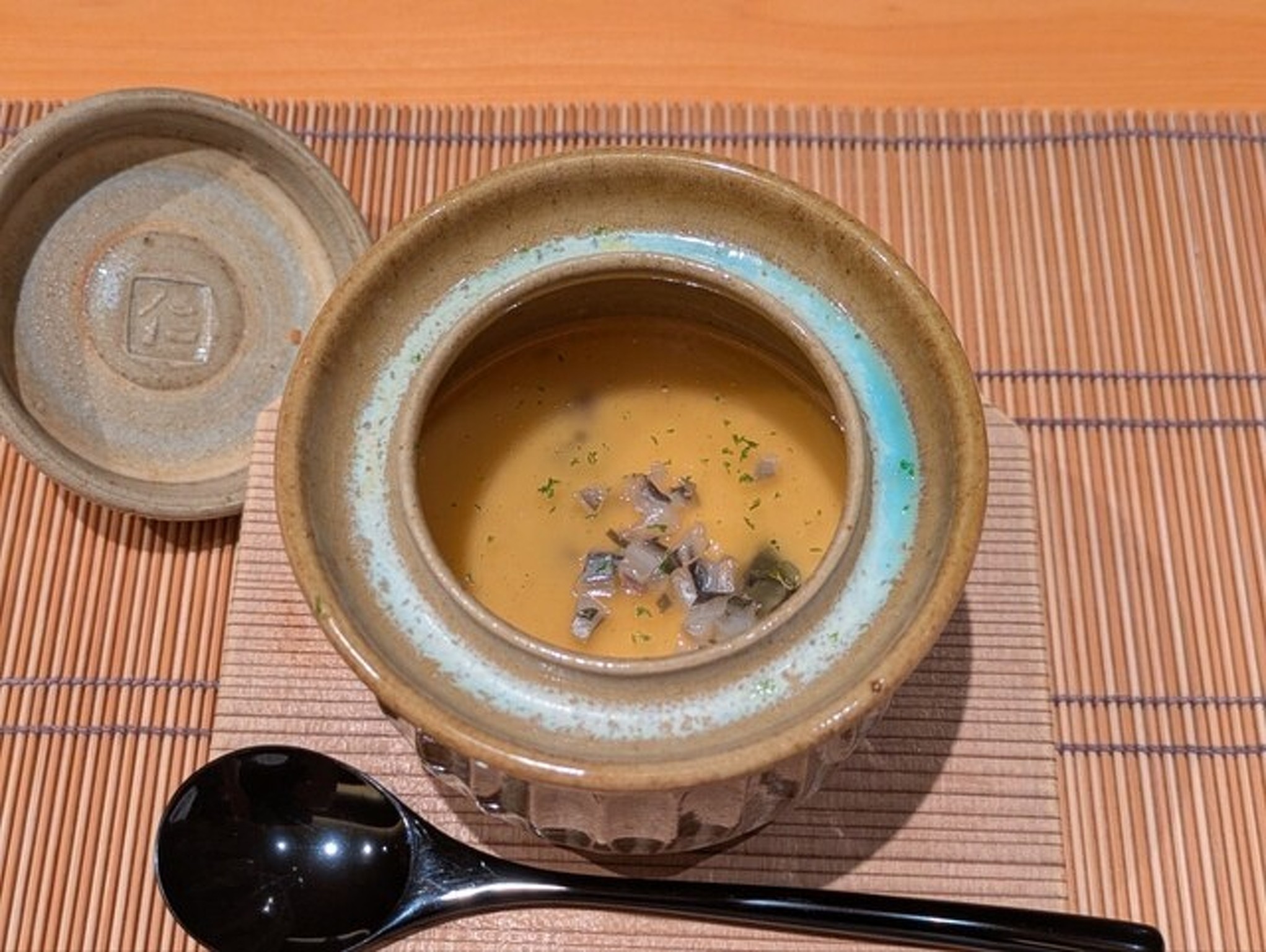
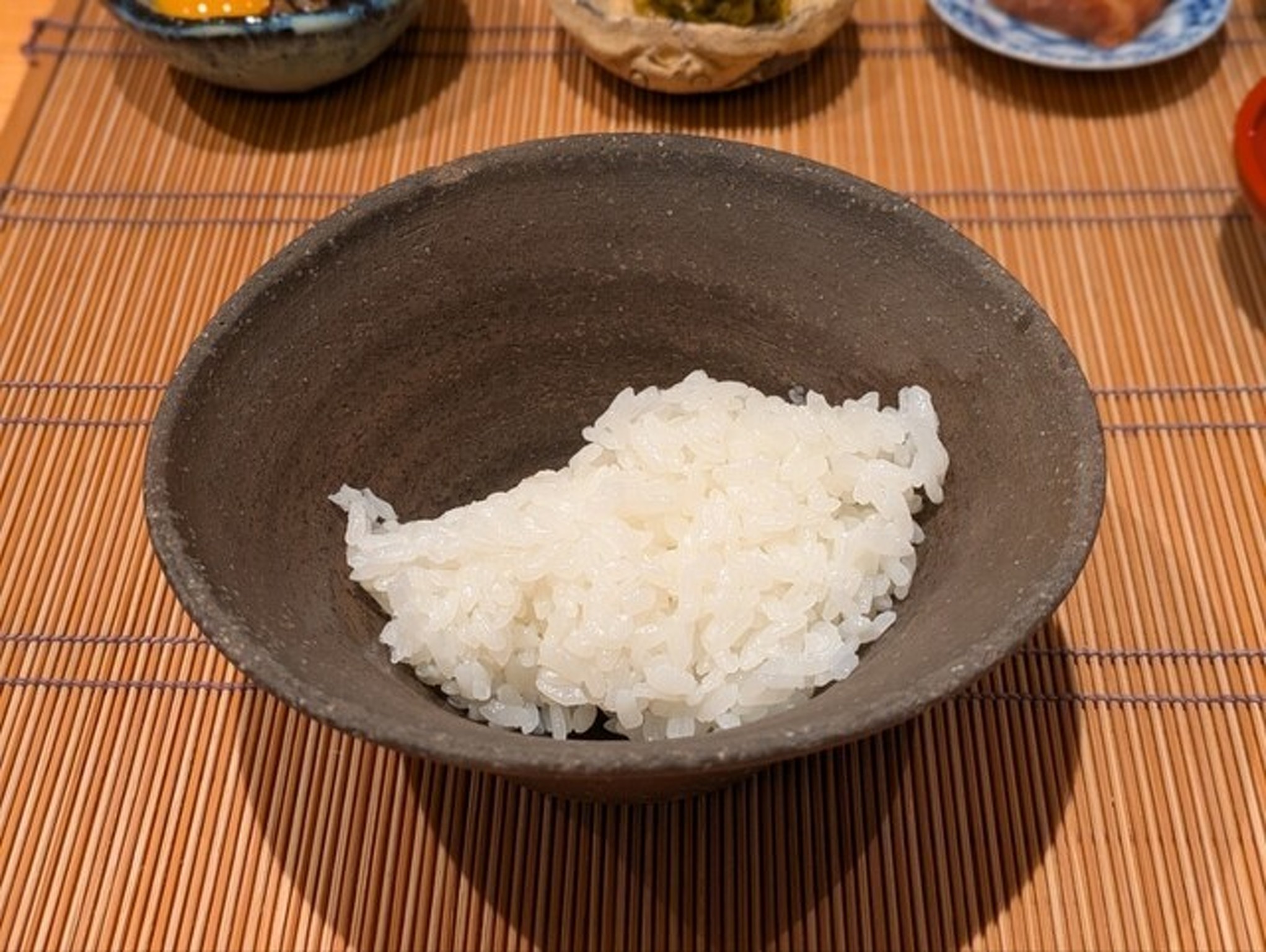
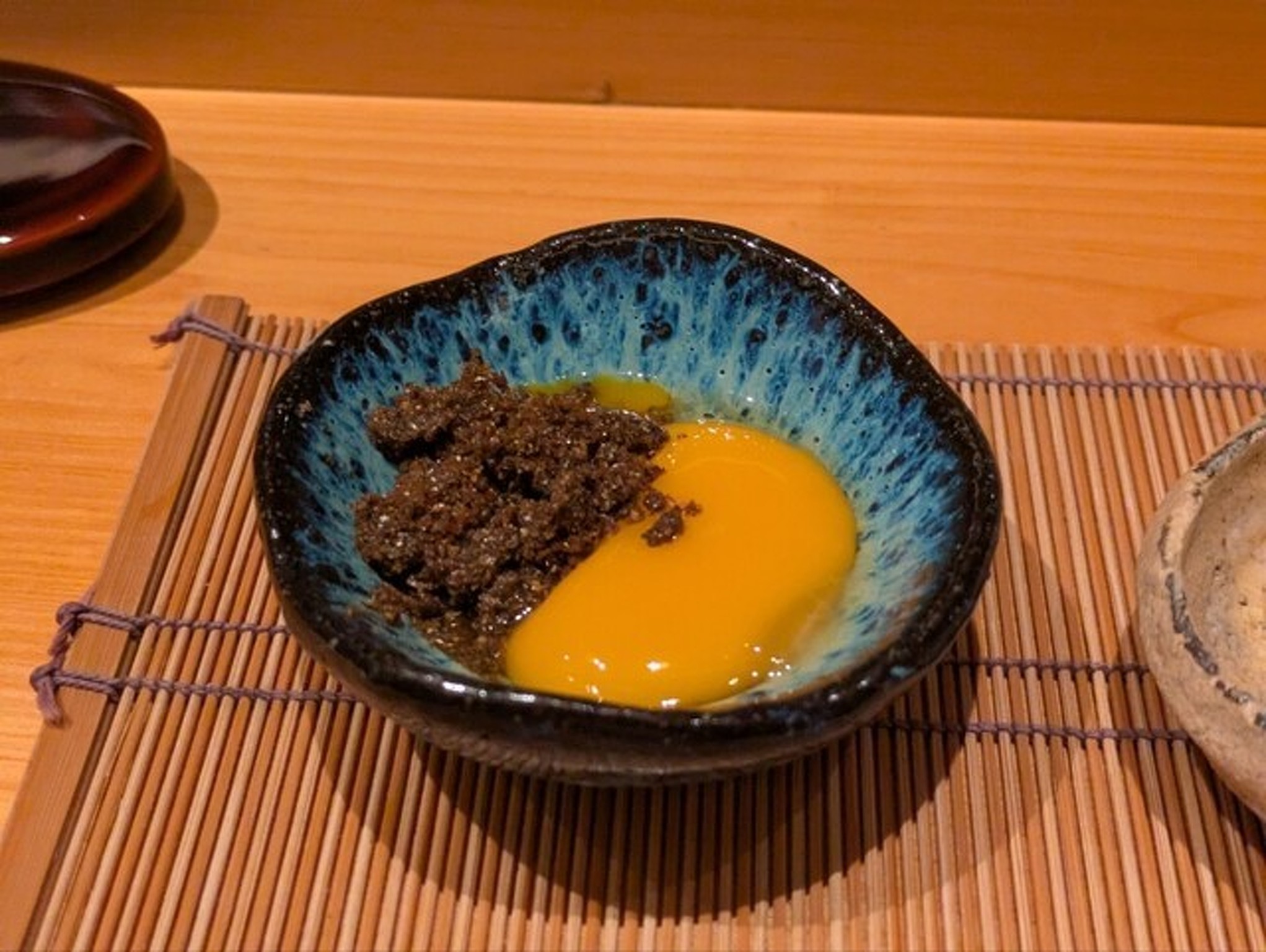
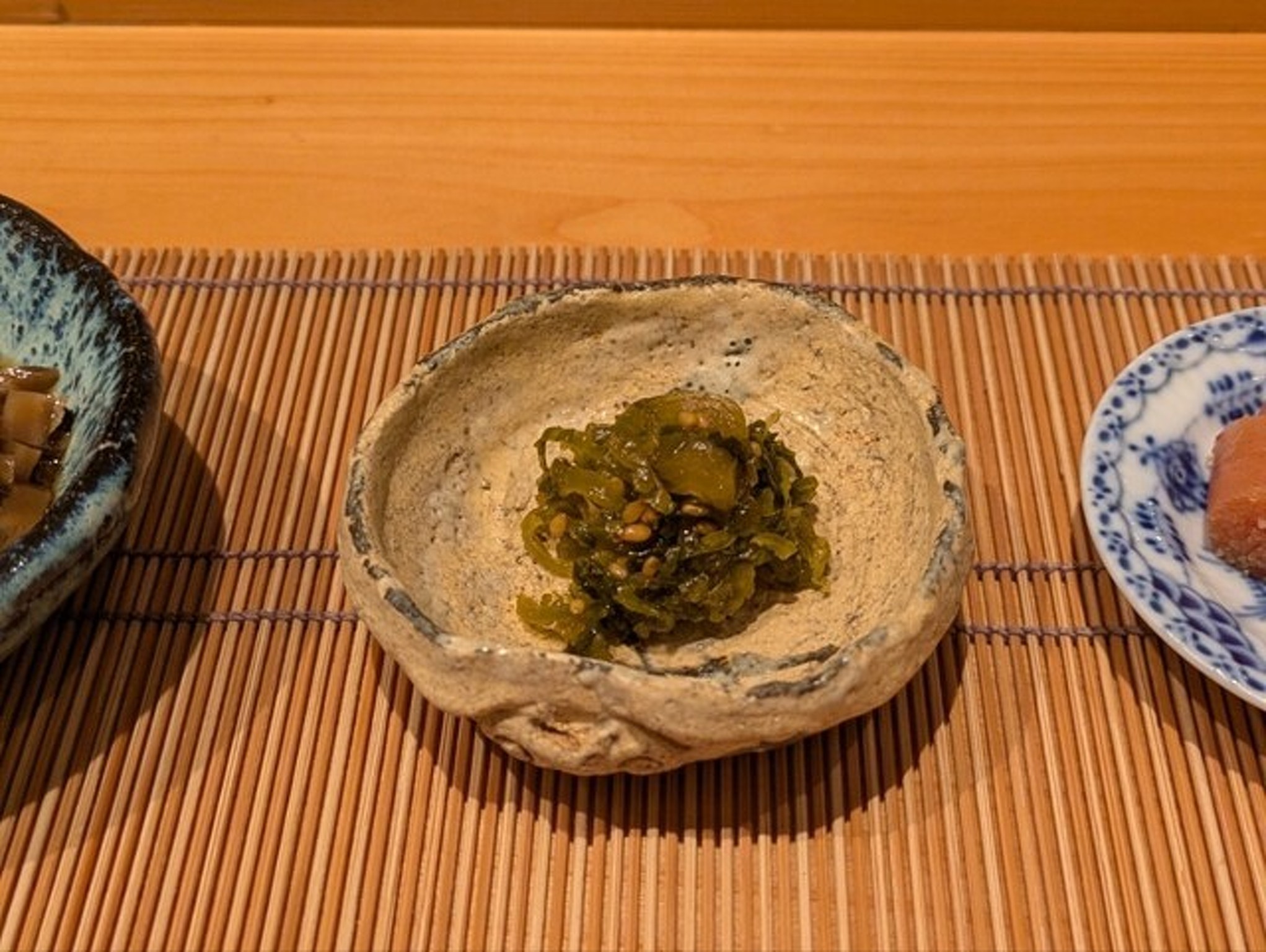
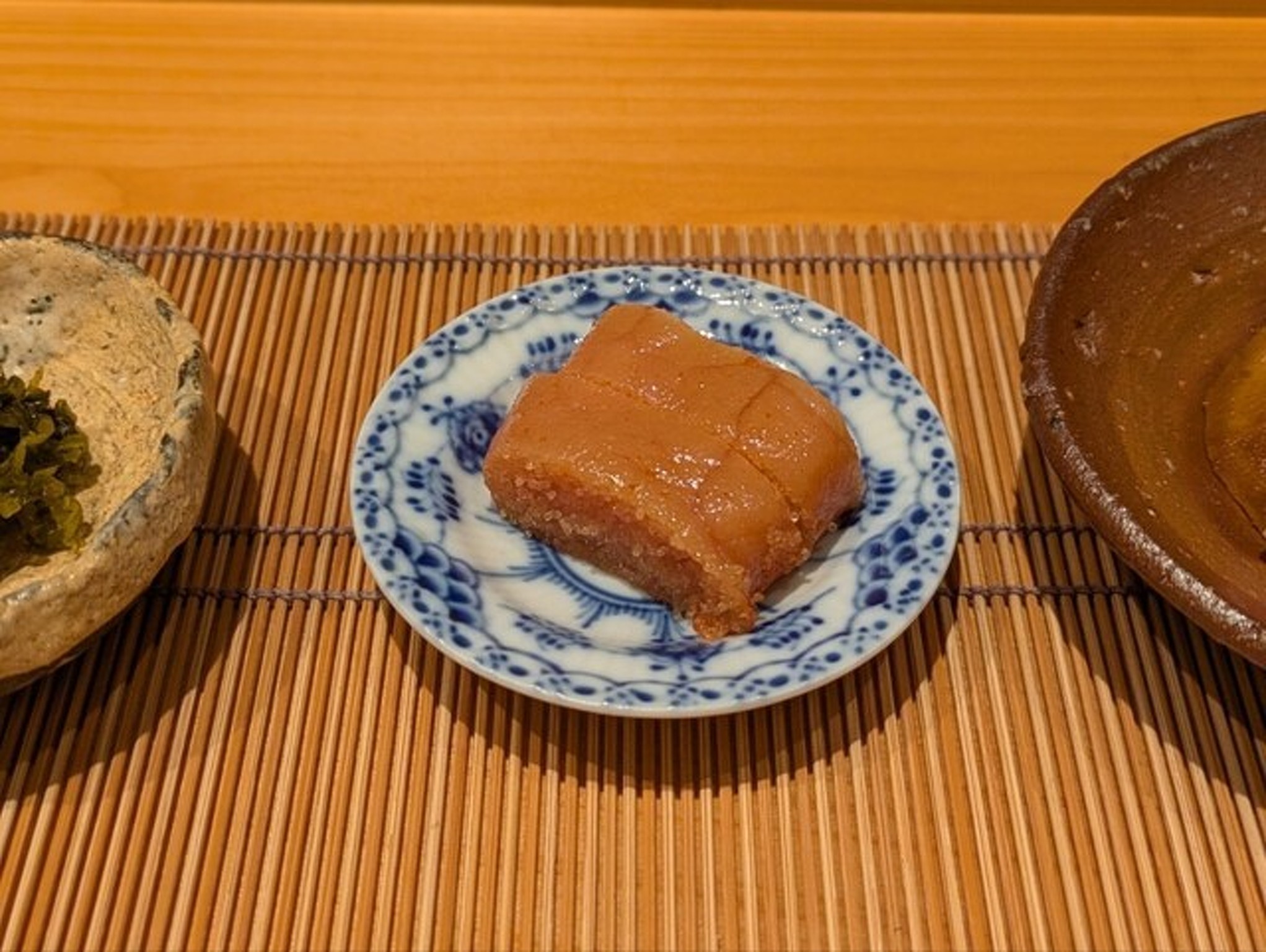
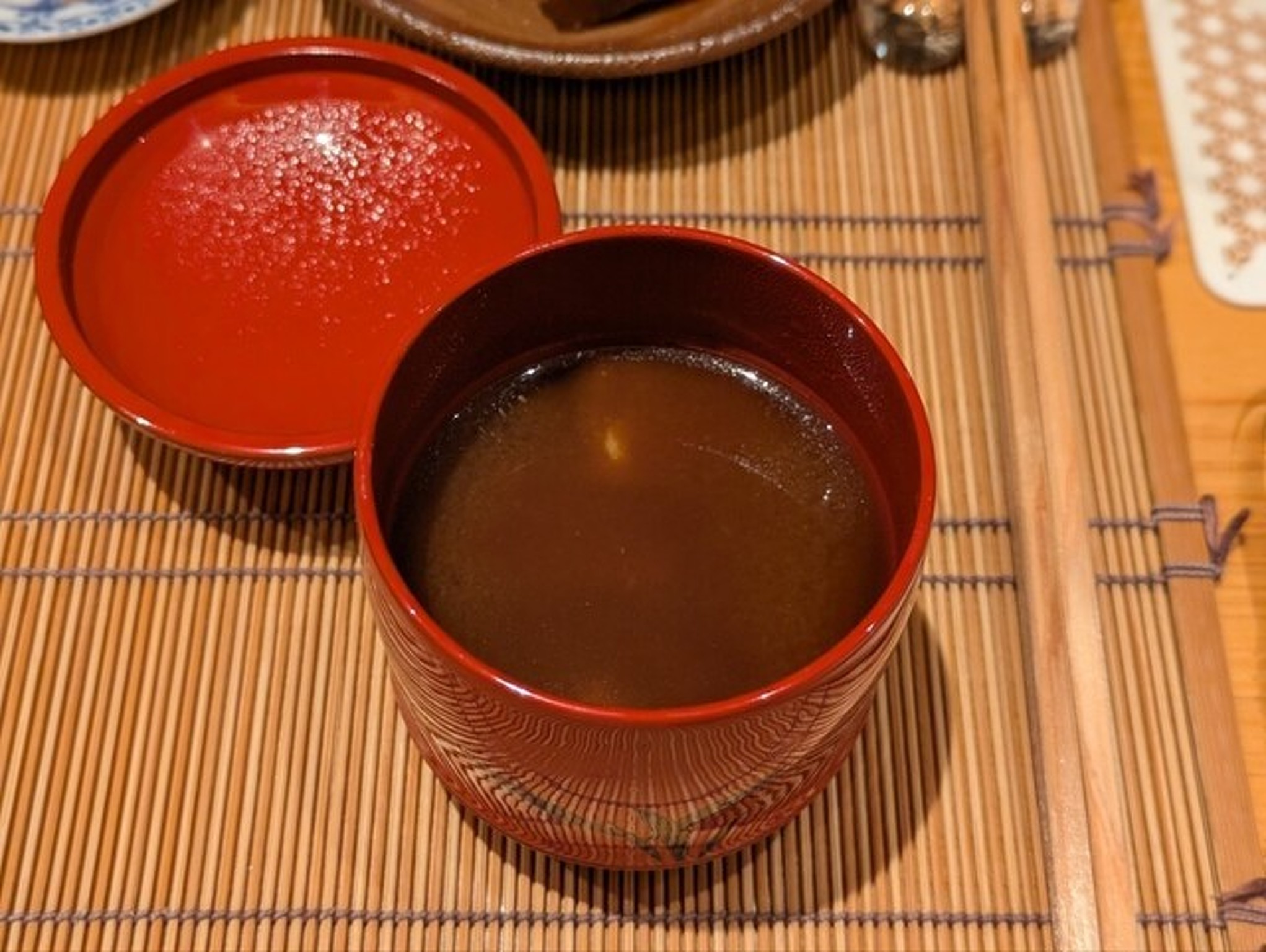
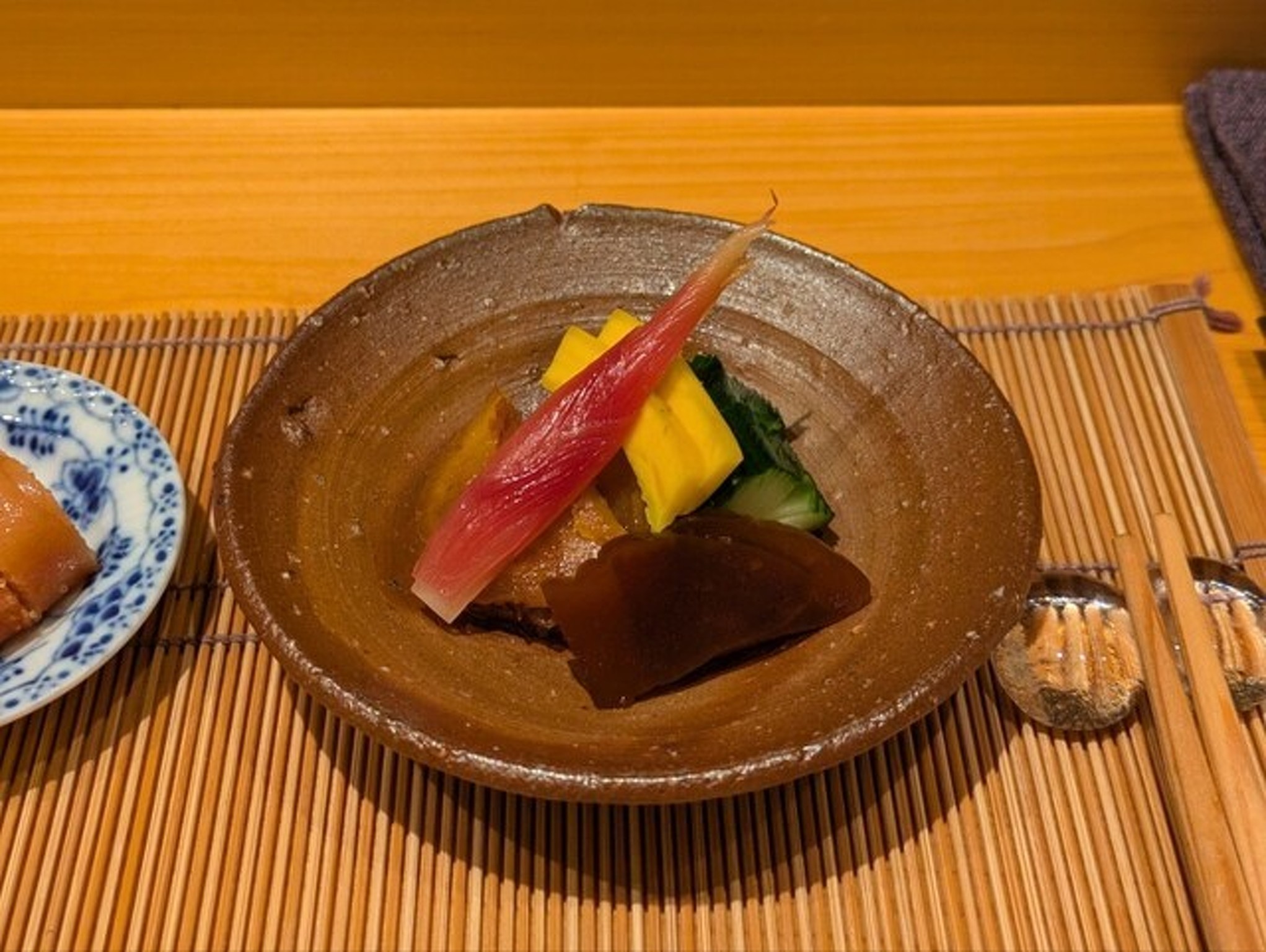
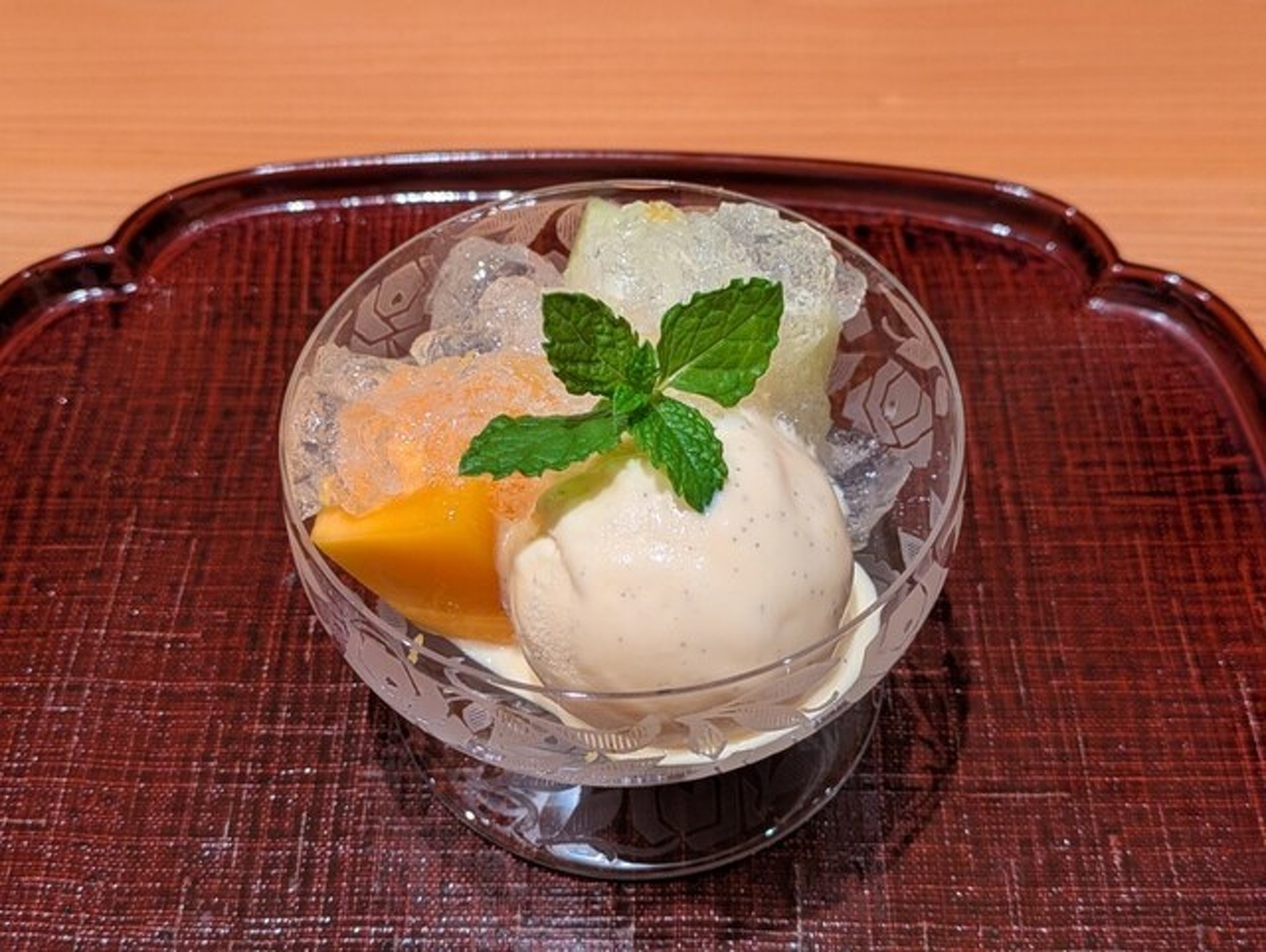
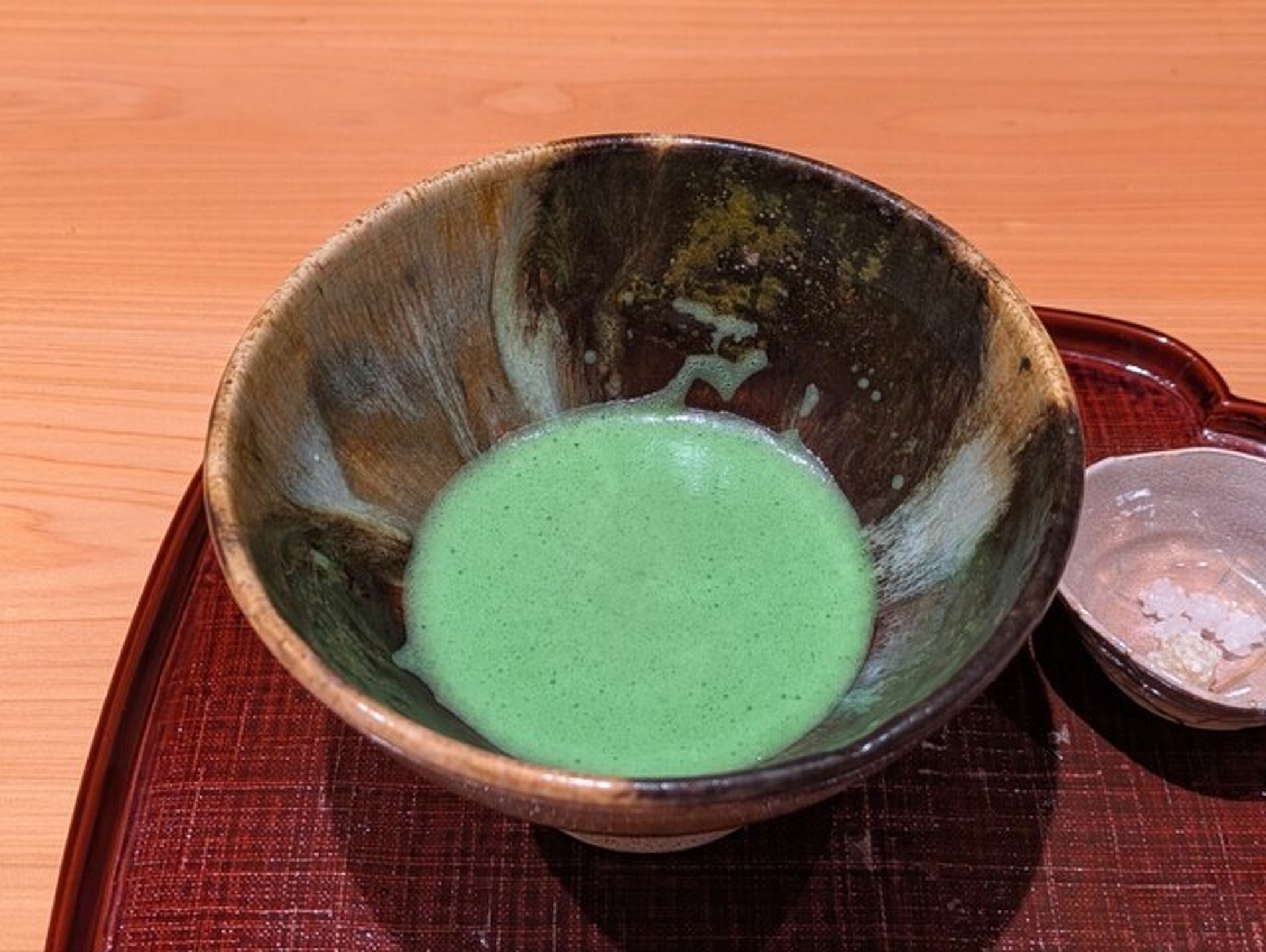
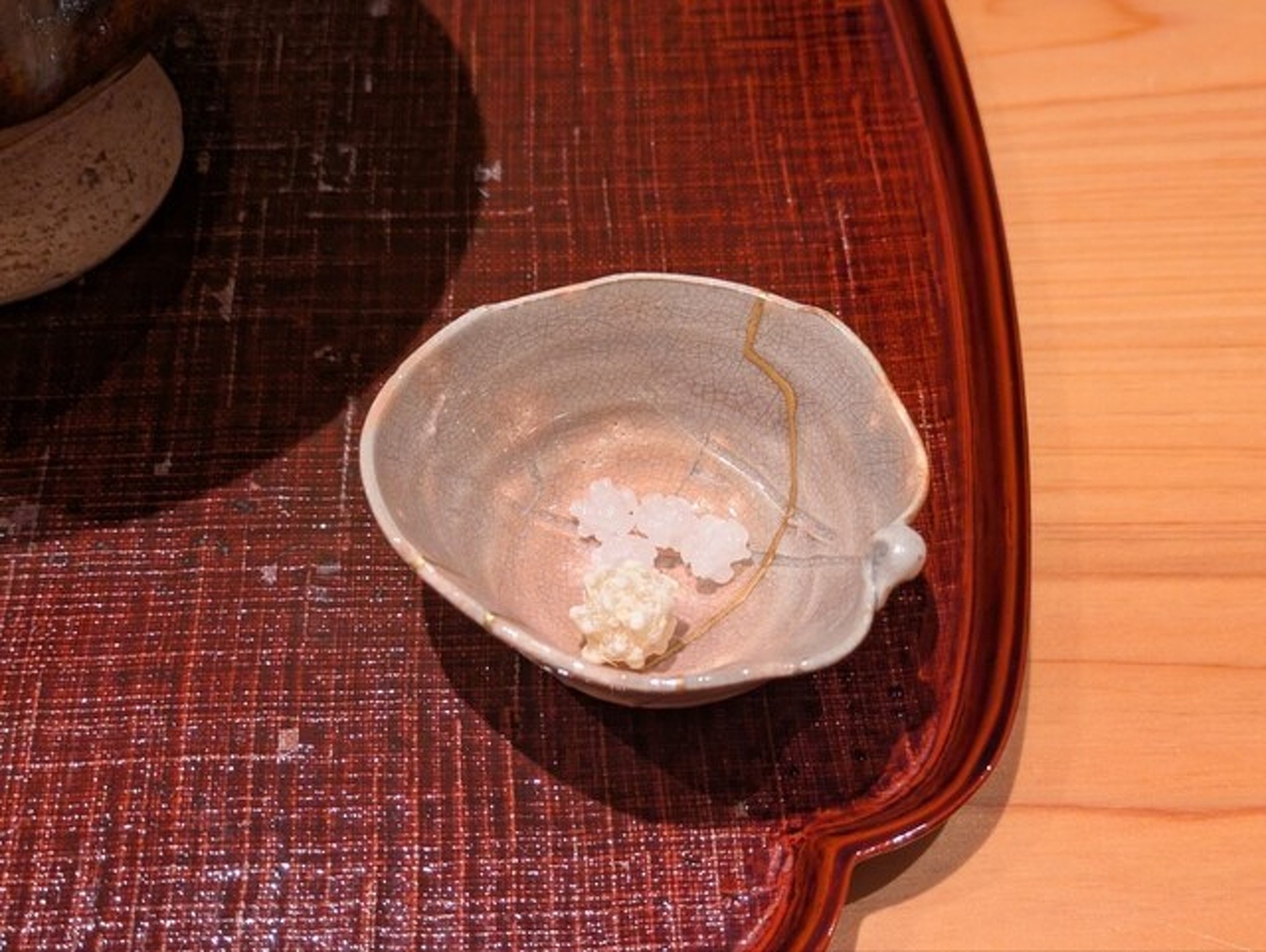
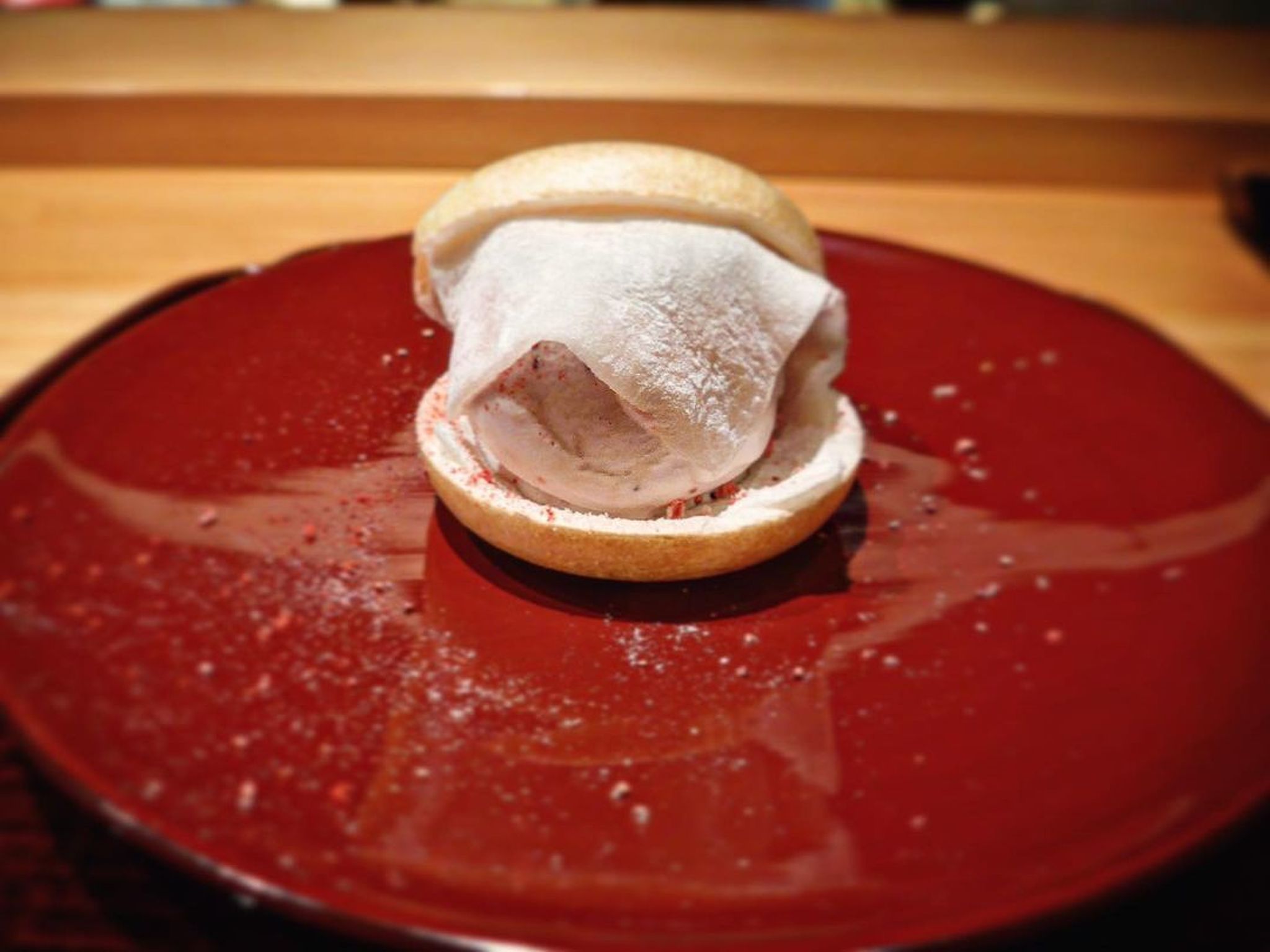
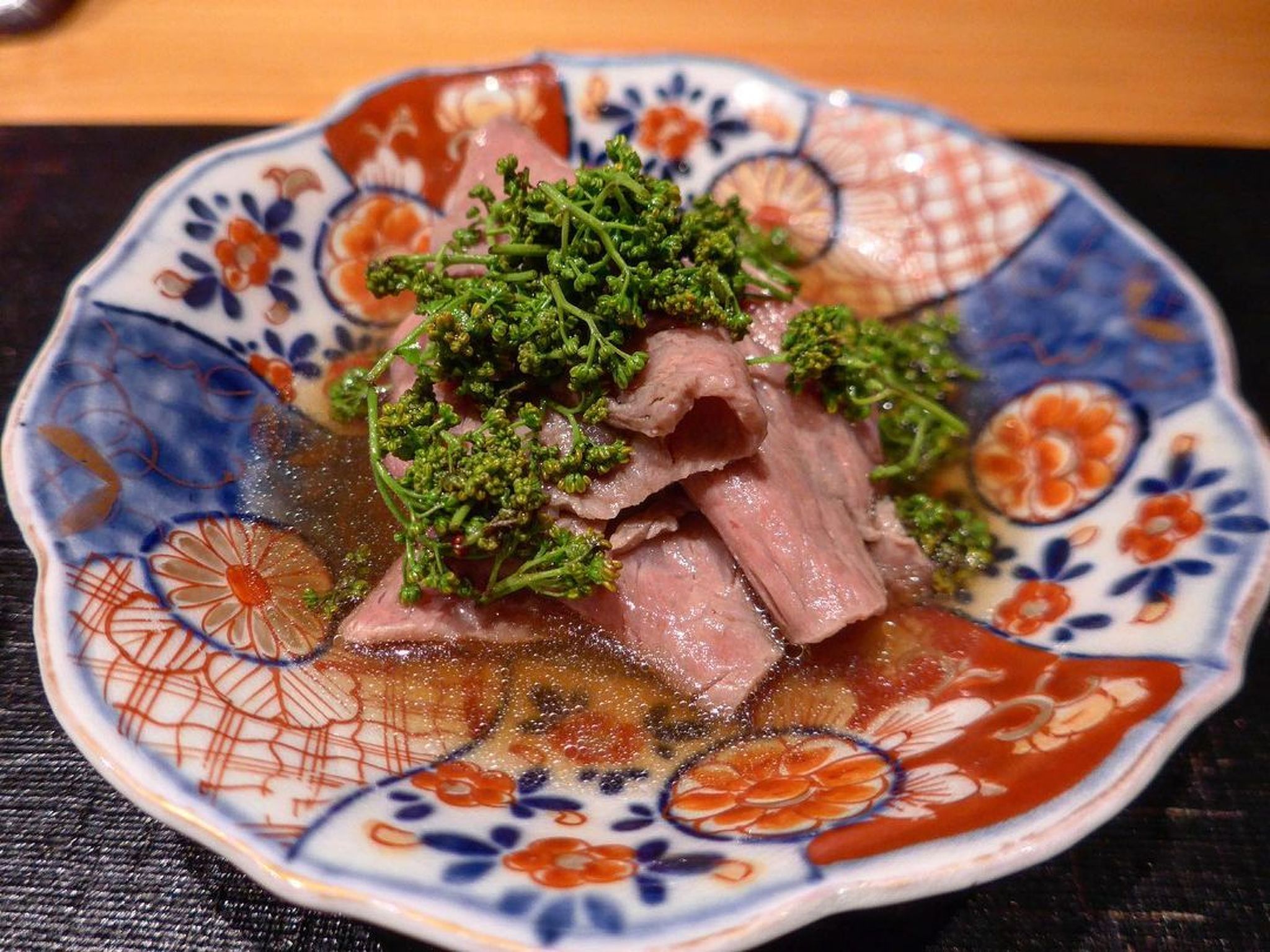
Fukuoka Cuisine ② August 23, 2026 (Sun) 12:00 PM Tabelog 4.42 2026 SILVER 2025 Top 100 Restaurants 2019 Michelin Star 2026 Go-E-Miyo 3 Tock Today's lunch is here! It's been a while since my last visit. It takes 18 minutes by local train from Kokura Station. Get off at Kurosaki Station and walk for about 7-8 minutes. The menu consists of an Omakase course only. < Menu > 1. Cold Yamame Tea Served as a pre-meal tea. 2. Somen Handmade ice bowl made with shaved ice. Using "Yoshii Somen" from Ukiha City, Fukuoka Prefecture, without any oil. Served with shrimp, crushed okra, and red sea urchin. Enjoy the remaining broth with a glass straw. 3. Chilled Summer Vegetable Soup Served as a light dish. Fresh cucumber, myoga, shiso, nagaimo, and sesame. Accompanied by freshly cooked rice from a clay pot. 4. Freshly Shaved Bonito (front) and Dried Tuna 5. First Broth 6. Eel Tofu Soup Made with the first broth mixed with wasabi. Thickened to prevent the wasabi particles from settling. The tofu is grilled. 7. Shima Aji from Kagoshima Served with Okinawan salt, Tosa soy sauce infused with bonito aroma, or homemade ponzu. 8. Hassun - Fried lotus root - Grilled breast meat of Heian Koji chicken aged for 3 weeks - Edamame - Summer vegetable jelly - Octopus from Kanmon Strait, marinated in kombu broth with salt below 60 degrees for about a minute, seasoned with salt and sesame oil. 9. Tataki of Sirloin Cap from Nozaki Beef, Kagoshima Topped with myoga, round green onions from Yasuoka in Shimonoseki, coarsely grated daikon, and finely chopped apple. Drizzled with ginger soy sauce. The excess fat is massaged with Kyoto's Chidori vinegar for a refreshing taste. 10. Grilled Fig Soaked in salt water for about 10 minutes before grilling over charcoal. 11. Soft-Shelled Turtle Chawanmushi 12. Freshly Cooked Rice from a Clay Pot 13. Pickled Egg Yolk and Iriko 14. Karashi Takana 15. Mentaiko 16. Miso Soup 17. Pickles 18. Shizuoka Prefecture's Amane Melon, Miyazaki Prefecture's Mango, and Homemade Ice Cream The mango is a rare variety called "Palmero." Topped with soda jelly. 19. Matcha 20. Candied Ginger and Salt It was a delightful experience at "Matsuyama" after a long time, not only delicious but also enjoyable. Less
10 / 10
on 22 Jul 2026
I had a meal at Oryori Matsuyama in Kurosaki, Kitakyushu.Tabelog Rating: 4.41 Tabelog Award 2026 Silver Selected as one of Tabelog's Top 100 Japanese Restaurants in the WEST for 2025.Let’s enjoy Matsuyama after a long time.- Ice-brewed Yame Gyokuro✨ It calms my heated body.- Somen from Ukiha, Fukuoka This somen is made without oil, unlike the usual ones that use oil during the stretching process. ☝️ You can enjoy the natural flavor of the wheat, its smooth texture, and the unique throat... More
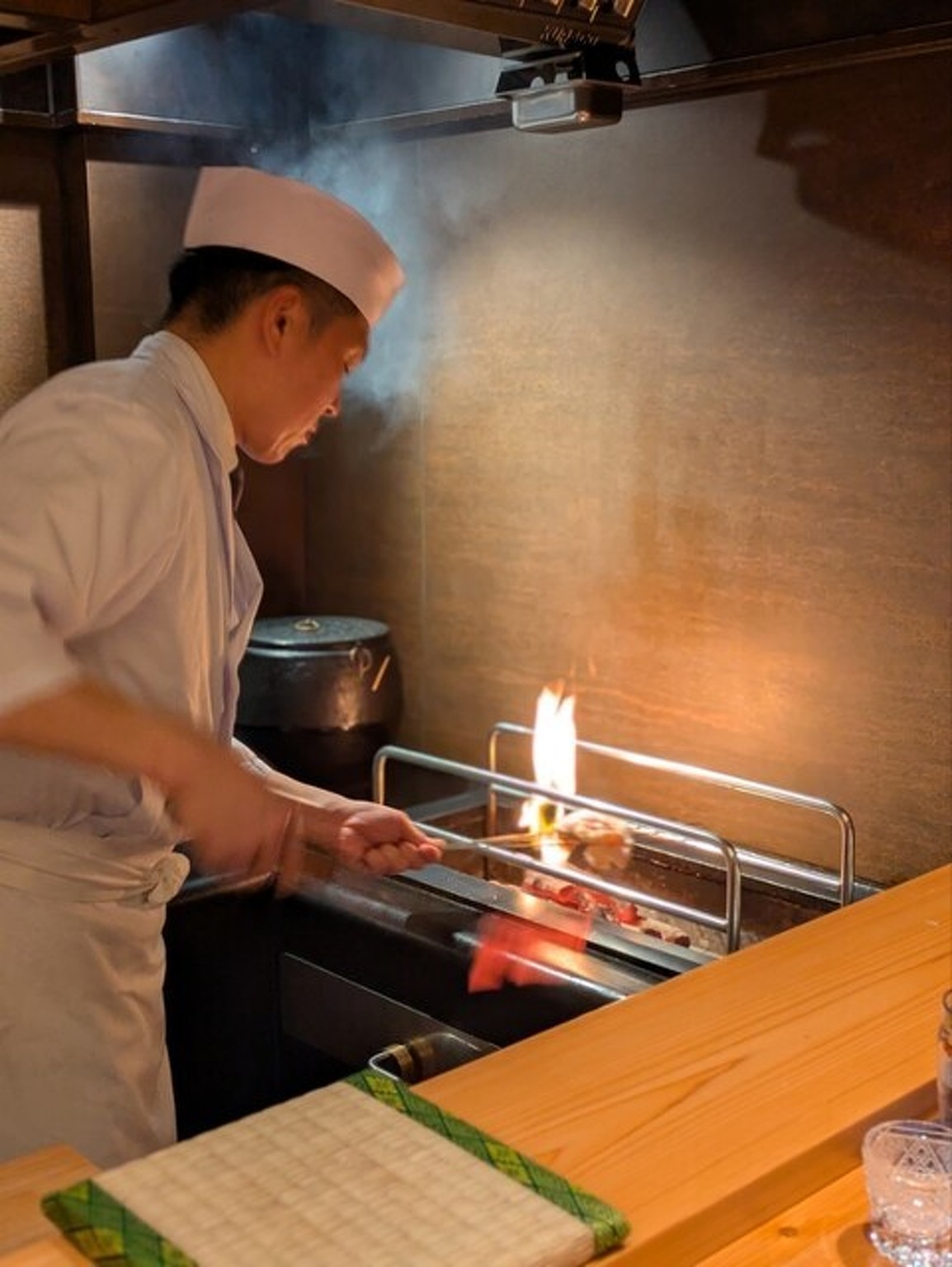
I had a meal at Oryori Matsuyama in Kurosaki, Kitakyushu.Tabelog Rating: 4.41 Tabelog Award 2026 Silver Selected as one of Tabelog's Top 100 Japanese Restaurants in the WEST for 2025.Let’s enjoy Matsuyama after a long time.- Ice-brewed Yame Gyokuro✨ It calms my heated body.- Somen from Ukiha, Fukuoka This somen is made without oil, unlike the usual ones that use oil during the stretching process. ☝️ You can enjoy the natural flavor of the wheat, its smooth texture, and the unique throat feel. This somen is paired with a slightly thickened dashi made from bonito and soft-shelled turtle.✨ Topped with an abundant amount of Hagi saltwater red sea urchin ♥️❤️ It’s incredibly sweet, with about JPY 6000-7000 worth of red sea urchin per person. Heavenly from the first bite.- Karasumi Mochi ❤️ The owner carefully grills it for you. It’s undeniably delicious.- Freshly shaved Bonito flakes As usual, both ara-bushi and honkarebushi. I want to share this with my Rita.- Homemade sesame tofu and a bowl with new lotus root from Shiroishi, Saga The dashi is made from bonito. The lotus root is lightly grilled over charcoal to absorb some flavor. The cutting style is designed to enhance the crunchy texture rather than a sticky feel.- A 1.7m long swordfish from Kinko Bay, Kagoshima An ultra-large dragon measuring eight fingers wide. Served with wasabi and salt kombu, or momiji oroshi and ponzu. The most delicious swordfish from Kinko Bay. Matsuyama's exquisite cooking technique is remarkable, with a rare center and a strong sweetness.- This month's Hassun Since it's July, we celebrate Tanabata. 1) Representing the Milky Way, the bamboo plate features chilled summer vegetables in a delicious broth. Steamed lotus root, pumpkin, boiled okra, grilled eggplant, and more, each paired with a suitable dashi. Finally topped with dashi jelly.✨ 2) Fried sandfish and edamame from Minami-ku, Kitakyushu Sandfish is in season❣️ Crispy and delicious.3) Fukuoka's fig "Toyomitsuhime" Drizzled with vinegar made from soybean flour, topped with a mix of five types of crushed nuts combined with brown sugar. A sweet and salty "addictive powder"❗ "Kitakyushu's addictive powder"‼️ The chef emphasized it for a repeat.This place is dangerous!4) Wrapped in bamboo leaves is minced Hiraikouji chicken mixed with sweet pickled myoga and sushi vinegar, served with rice.Matsuyama's seasonal Hassun is always beautiful.- Ayu from the Tenryu River I absolutely love Matsuyama's ayu ♥️❤️ While the origin is important, the grilling technique is even more crucial. ☝️ With larger ayu, a bit of charring is fine since the overall flavor is robust, but with smaller ayu, if it gets too blackened, it loses the delicate bitterness of the fish. Thus, it is carefully grilled while constantly checking its condition. The fins cannot be burnt, and to avoid an overpowering saltiness, no finishing salt is used.The green sauce is made from wild pepper, finished with rice oil for a smooth, oily texture.The light green sauce is made from cucumber, using Japanese mustard for a slight kick.Mmm, it’s still delicious. You can fully enjoy the natural flavor of the ayu from head to tail.They mentioned that ayu will no longer be served after July, and from August, there will be more flexibility in the dishes. It requires that much attention.Here, I had a black beer from Sendai called "BAEREN SCHWARZ."To cleanse the palate, I enjoyed local watermelon, Wakamatsu Queen, for a refreshing touch.- Chawanmushi made with local turban shell The turban shell is vacuum-cooked with kombu dashi. The delicious essence of the turban shell is used to make a homemade garlic butter sauce with local garlic.- Tempura made from night-harvested corn from Wakamatsu Corn stores nutrients (sweetness) through photosynthesis. Once photosynthesis begins, the sweetness decreases, so it is harvested at midnight.✨Here, I paired it with "Eshikoto Awa" from Kuro-ryu.The other tempura is seasoned with truffle salt.✨- Rice dishes 1) Miso soup Made with wakame from Aijima, Kitakyushu, and unpressed yudofu. 2) Homemade mentaiko 3) Meat miso made with sirloin from Nozaki beef in Kagoshima 4) Rice topped with egg yolk from Hiraikouji chicken.The crispy rice pairs perfectly with the accompaniments. The egg over rice is also superb!- Rare variety mango "Palmero" from Miyazaki A delicate flavor that is a cross between peach and mango, created by a team of six like the Avengers.✨ Simply served with Jersey milk ice cream and cider jelly. Here, I had Hungarian Tokaji dessert wine.- Matcha It was a great meal.A thoroughly satisfying day trip dinner. Matsuyama plans to retire in five years, so I must visit every year to enjoy ayu. Less
10 / 10
on 15 Jul 2026
Oryori MatsuyamaI can honestly say I came to Fukuoka just for this place, my beloved Oryori Matsuyama.I was fortunate enough to visit around the same time last year as well.The ayu (sweetfish) season is simply the best.Thank you so much.It’s been a year since my last visit to Matsuyama, and I’ve been looking forward to this.It’s great to see Chef Matsuyama and the owner in good spirits.First, we enjoyed the chilled Yame Gyokuro tea, which helped cool us down from the hot weather outside.For... More
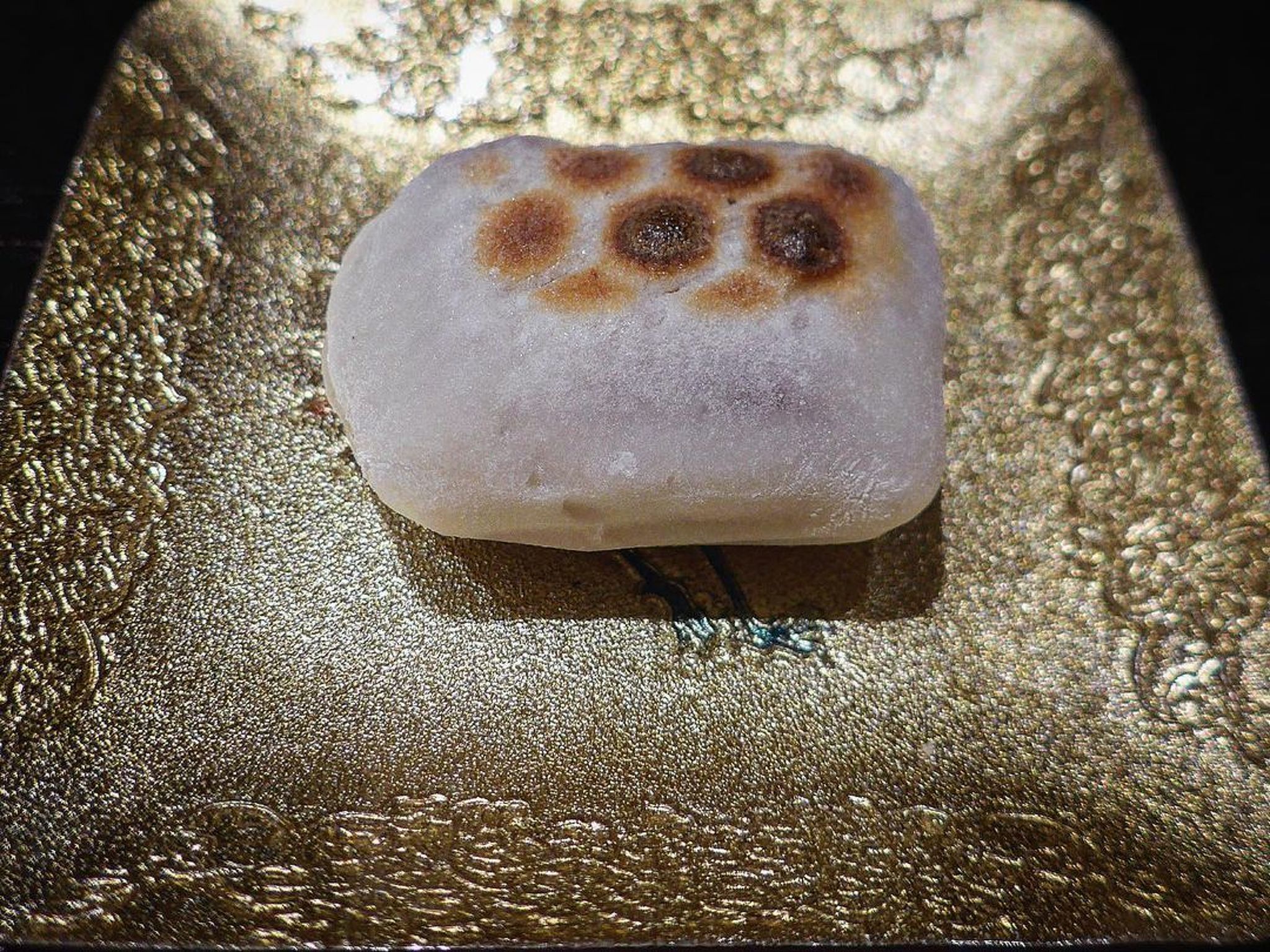
Oryori MatsuyamaI can honestly say I came to Fukuoka just for this place, my beloved Oryori Matsuyama.I was fortunate enough to visit around the same time last year as well.The ayu (sweetfish) season is simply the best.Thank you so much.It’s been a year since my last visit to Matsuyama, and I’ve been looking forward to this.It’s great to see Chef Matsuyama and the owner in good spirits.First, we enjoyed the chilled Yame Gyokuro tea, which helped cool us down from the hot weather outside.For the appetizer, we had cold somen noodles.What a divine presentation!The red sea urchin on top is a rare delicacy from Mishima Port, known for its saltwater flavor.Unlike board sea urchin, this red sea urchin has no bitterness due to the absence of alum.The word "sweet" was made for this red sea urchin, I whispered to myself.The broth is a delightful blend of bonito and soft-shelled turtle stock, creating a wonderful thickness that pairs perfectly with the red sea urchin.It’s like the engine is running at full throttle right from the start!The somen noodles, made by Nagao Seimen, are oil-free and healthy, allowing you to enjoy the natural flavor of the wheat without any oxidation smell.They are incredibly smooth, kneaded with pure well water from Ukiha and aged overnight.They also don’t become mushy when boiled, offering a delightful texture.Next, we had the specialty of Karasumi Mochi.The karasumi inside the mochi has been aged for a year and a half.The owner’s consistent grilling gives it a beautiful, elegant char.The visual is stunning, and the delicate flavor of the aged karasumi is exquisite.It’s a specialty that’s delicious even in summer.For the soup dish, we had new lotus root, grilled to reduce moisture and concentrate the flavor, giving it a crispy texture.Underneath was sesame tofu, and the broth made from skipjack tuna and bonito was incredibly delicate and refined.For sashimi, we had grilled swordfish from Kagoshima’s Kinko Bay, weighing 5 kg and measuring 1.8 meters.This fatty, tender swordfish is packed with umami, truly captivating the hearts of drinkers ❤️.For sake, we enjoyed DATE7seven SEA SON II, Yamawa style, and Koganezawa style.The DATE SEVEN project is a collaborative brewing initiative involving seven breweries from Miyagi Prefecture, aiming to challenge the world with the concept "All Miyagi, challenging the world" this year.The leaders use the same rice and standards to brew, expressing deliciousness while highlighting each brewery's individuality.For the 8-dish course, we had:- Ten no Kawa (Milky Way) with edamame from Kitakyushu- Amakusa chicken rice- Pumpkin and Kumamoto red eggplant simmered- Micro tomatoes- Agar brothGrilled ayu (sweetfish) with watermelon, a sauce made from tatena, and cucumber sauce, grilled over charcoal from the Tenryu River.The skill in grilling the ayu is almost magical.We were also served a stout beer from Baeren in Morioka, perfectly paired with the ayu.What a thoughtful touch!For chawanmushi (savory egg custard), we had Hirako jidori chicken and turban shell, with garlic butter.The turban shell was low-temperature cooked for 6 hours and then returned to the egg mixture.Next, we had corn tempura with salt and truffle salt, paired with Rococo beer, blended with tahini and sesame oil.For the main course, we enjoyed clay pot rice.This silver rice is simply irresistible.I could eat it on its own.The second serving included some crispy bits, reminding me how grateful I am to be Japanese.We also had red miso soup with wakame from Aijima and yudofu.For the rice accompaniment, we had the yolk of Hirako jidori chicken eggs with sweetly cooked chopped shiitake from Soeda Town in Fukuoka.We also had Shigure-ni made from "Nozaki beef," raised by the renowned beef artisan Mitsuhiro Nozaki.Oryori Matsuyama’s special mentaiko (spicy cod roe).For pickles, we had nuka-zuke (rice bran pickles), sweet vinegar pickles, and narazuke (Nara-style pickles).For dessert, we enjoyed mango with pamelo, Jersey cow ice cream, and cider jelly.We finished with matcha from Yame tea and konpeito (sugar candy).It was a delightful experience.It was a great meal, and I was truly impressed by the wonderful dishes.I will definitely visit again, so thank you in advance! Less
10 / 10
on 08 Jul 2026
As summer temperatures rise, the heat in front of the grill also increases. Grilling young sweetfish requires a lot of focus and stamina. Therefore, they mentioned wanting to end the sweetfish season by the end of June next year.This is the sweetfish from Tenryu. I enjoyed every part of it, from head to tail. The bitterness of the innards paired perfectly with the dark beer. It was a great match.What surprised me was the dragon-sized ribbonfish served with wasabi and salted kombu kelp. It was so... More
As summer temperatures rise, the heat in front of the grill also increases. Grilling young sweetfish requires a lot of focus and stamina. Therefore, they mentioned wanting to end the sweetfish season by the end of June next year.This is the sweetfish from Tenryu. I enjoyed every part of it, from head to tail. The bitterness of the innards paired perfectly with the dark beer. It was a great match.What surprised me was the dragon-sized ribbonfish served with wasabi and salted kombu kelp. It was so delicious that I can't even describe it. I was completely hooked.The karasumi mochi had a large piece of dried mullet roe inside the mochi. The hassun (seasonal appetizer) was also delightful. The hot fried whiting was incredibly tasty. They used Miyazaki's free-range chicken, Hiraikouji chicken, minced and mixed with rice, which is quite rare.The sea urchin somen was exquisite. The generous serving of red sea urchin from Hagi was the best. Indeed, saltwater sea urchin is delicious.I enjoyed two types of corn tempura.What a wonderful experience! Less
8 / 10
on 01 Jul 2026
Somen with Soft-Shelled Turtle Broth and Red Sea Urchin from Hagi 1.5-Year Aged Karasumi Mochi Sesame Tofu with Fresh Lotus Root and Tuna Broth Spanish Mackerel 【Appetizer】(Forgot to take a photo) Chilled Summer Vegetable Nimono Freshly Fried Whiting and Edamame Minced Hiyoko Chicken Rice Fig with Kinako Vinegar and more Sweetfish Dark Green: Sauce with Wasabi Light Green: Sauce with Japanese Mustard and Cucumber Chawanmushi with Sea Snail and Hiraikou Chicken Egg Two Types of Fried... More
Somen with Soft-Shelled Turtle Broth and Red Sea Urchin from Hagi 1.5-Year Aged Karasumi Mochi Sesame Tofu with Fresh Lotus Root and Tuna Broth Spanish Mackerel 【Appetizer】(Forgot to take a photo) Chilled Summer Vegetable Nimono Freshly Fried Whiting and Edamame Minced Hiyoko Chicken Rice Fig with Kinako Vinegar and more Sweetfish Dark Green: Sauce with Wasabi Light Green: Sauce with Japanese Mustard and Cucumber Chawanmushi with Sea Snail and Hiraikou Chicken Egg Two Types of Fried Corn, Harvested at Night Rice Miso Soup with Yudofu and Seaweed Palmero and Milk Ice Cream with Cider Jelly The salt-grilled sweetfish from the Tenryu River is truly impressive. The chef emphasizes that delicious salt-grilled sweetfish cannot be made from dead fish, and his strong conviction and dedication are evident in his grilling technique. The Karasumi Mochi is of such high quality that it feels too good to serve at the beginning of the meal. There are many exquisite dishes here that you can only enjoy at this restaurant. Less
8 / 10
on 01 Jun 2026
It's been a while since I visited Oryori Matsuyama! I wanted to stop by for lunch on Sunday, but it had been some time since my last visit...As always, the food was delicious!! The chef is entertaining, and the clientele is great, making it one of my favorite places.This time, I made a reservation for my next visit before leaving. I’m looking forward to my next meal! ✨
9 / 10
on 31 May 2026
On this day, I finally visited Oryori Matsuyama, a place I had wanted to try for a long time.I went solo and had a wonderful experience. The restaurant was small, but that made it easy to enjoy great conversation and a fantastic meal even as a solo diner. I later learned that the thoughtful arrangement of the seating and the attentive service were intentional choices, which made the experience even better.I was fortunate to chat with a regular customer, which added to my enjoyment.Honestly, it might... More
On this day, I finally visited Oryori Matsuyama, a place I had wanted to try for a long time.I went solo and had a wonderful experience. The restaurant was small, but that made it easy to enjoy great conversation and a fantastic meal even as a solo diner. I later learned that the thoughtful arrangement of the seating and the attentive service were intentional choices, which made the experience even better.I was fortunate to chat with a regular customer, which added to my enjoyment.Honestly, it might be expected for a restaurant with such high ratings, but everything was incredibly delicious.Additionally, I really appreciated the chef's philosophy, which resonated with me, making this a favorite spot.The overall satisfaction I felt at the end of the meal, which I often think about when enjoying Japanese cuisine, was truly excellent.I definitely want to return in a different season.It was a great meal! Reservation method: OMAKASECourse price: JPY 38,500Duration: About 2 hoursReservation difficulty: Newcomers can manage to get a spot with some effortOrder: Various drinks including Japanese sake and non-alcoholic beerTotal bill: JPY 45,100 Less

9 / 10
on 24 Nov 2023

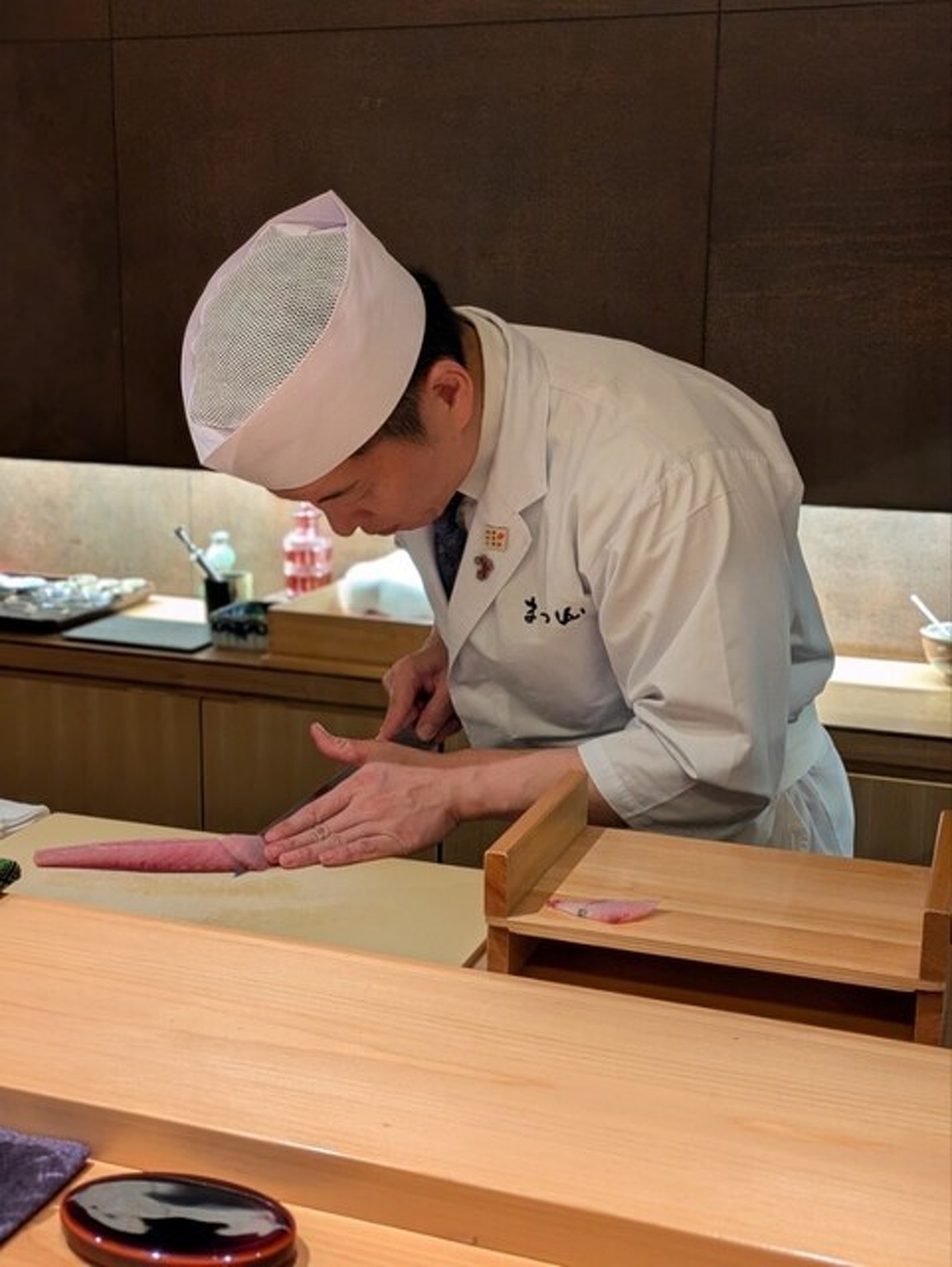
Matsuyama, located in Kitakyushu, Northern Kyushu, stands as a cultural haven, immersing diners in Japanese traditions and culinary richness. Chef Shozo Matsuyama, a meticulous curator of local flavors, unveils a menu that transcends mere dining into a cultural journey. The restaurant, reborn in 2019 after renovations, holds the esteemed Michelin one-star rating for both 2014 and 2019.
Stepping into Matsuyama, one is greeted by a modern masonry exterior, a prelude to an intimate space adorned... More
Matsuyama, located in Kitakyushu, Northern Kyushu, stands as a cultural haven, immersing diners in Japanese traditions and culinary richness. Chef Shozo Matsuyama, a meticulous curator of local flavors, unveils a menu that transcends mere dining into a cultural journey. The restaurant, reborn in 2019 after renovations, holds the esteemed Michelin one-star rating for both 2014 and 2019.
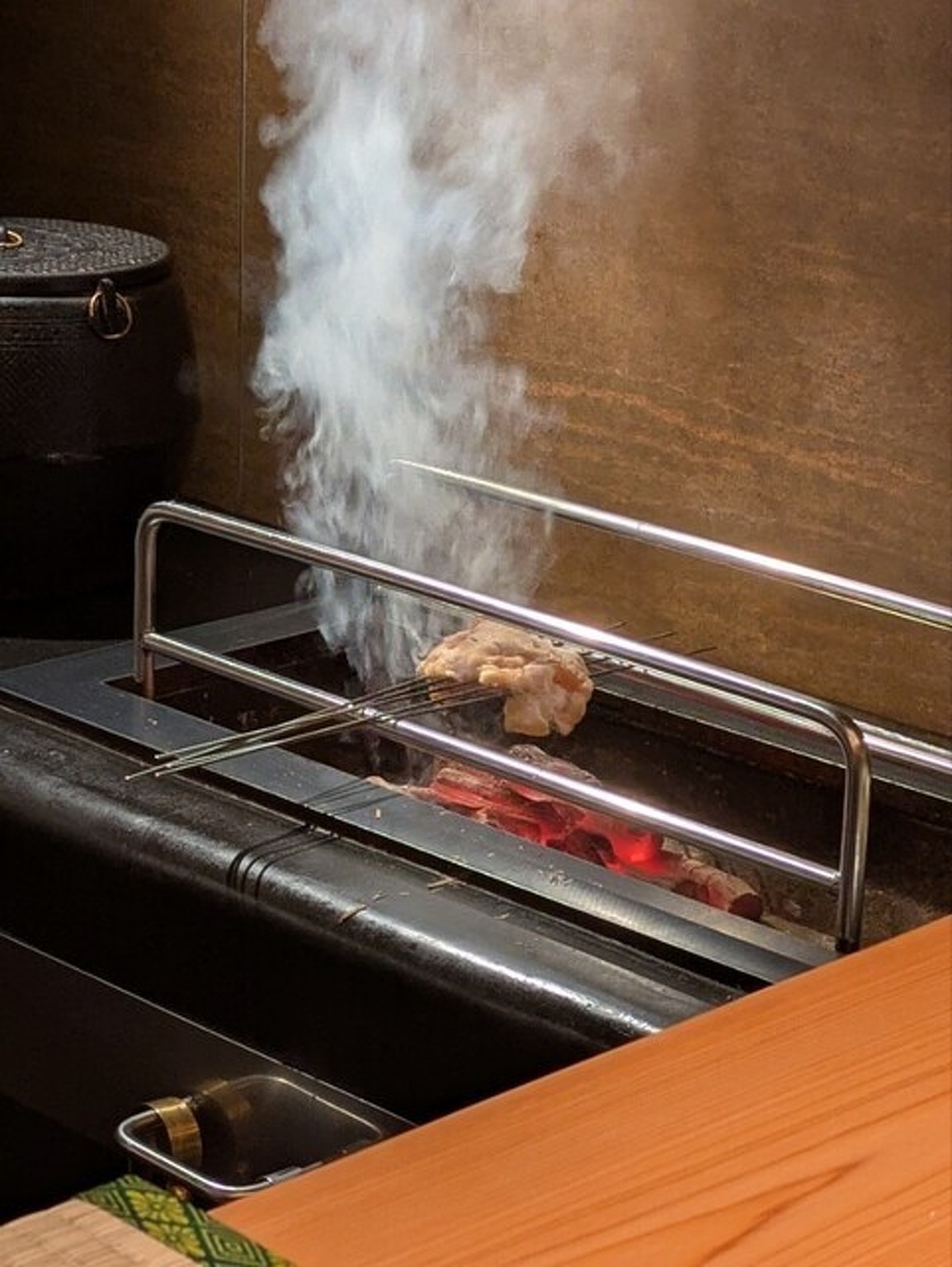
Stepping into Matsuyama, one is greeted by a modern masonry exterior, a prelude to an intimate space adorned with Shikoku Aoishi stones, famed for bringing good fortune. The chef's keen sense of design is evident in every detail, from handcrafted Fukuoka wood chairs to walls reflecting Kitakyushu's coal mining history. With only six counter seats, Matsuyama offers an exclusive culinary experience, complemented by a private room featuring unique furnishings and an otherworldly ambiance.
The heart of Matsuyama's charm lies in Chef Matsuyama's seasonal and culturally rich courses, each meticulously curated. February's menu, for instance, unveils a symphony of flavors, from daikon radish with shiro miso to a captivating presentation of wild-caught local hirame sashimi. The chef's attention to detail extends to specially ordered vessels, such as the Setsubun Festival-themed hassun arrangement, a visual ode to tradition.
Matsuyama's commitment to local sourcing is palpable in each dish, with approximately 60% of the menu featuring Kitakyushu's finest ingredients. From the preferred Genki Tsukushi rice to locally caught seafood and unique turnips cultivated with slash-and-burn techniques, Matsuyama weaves a tapestry of local flavors.
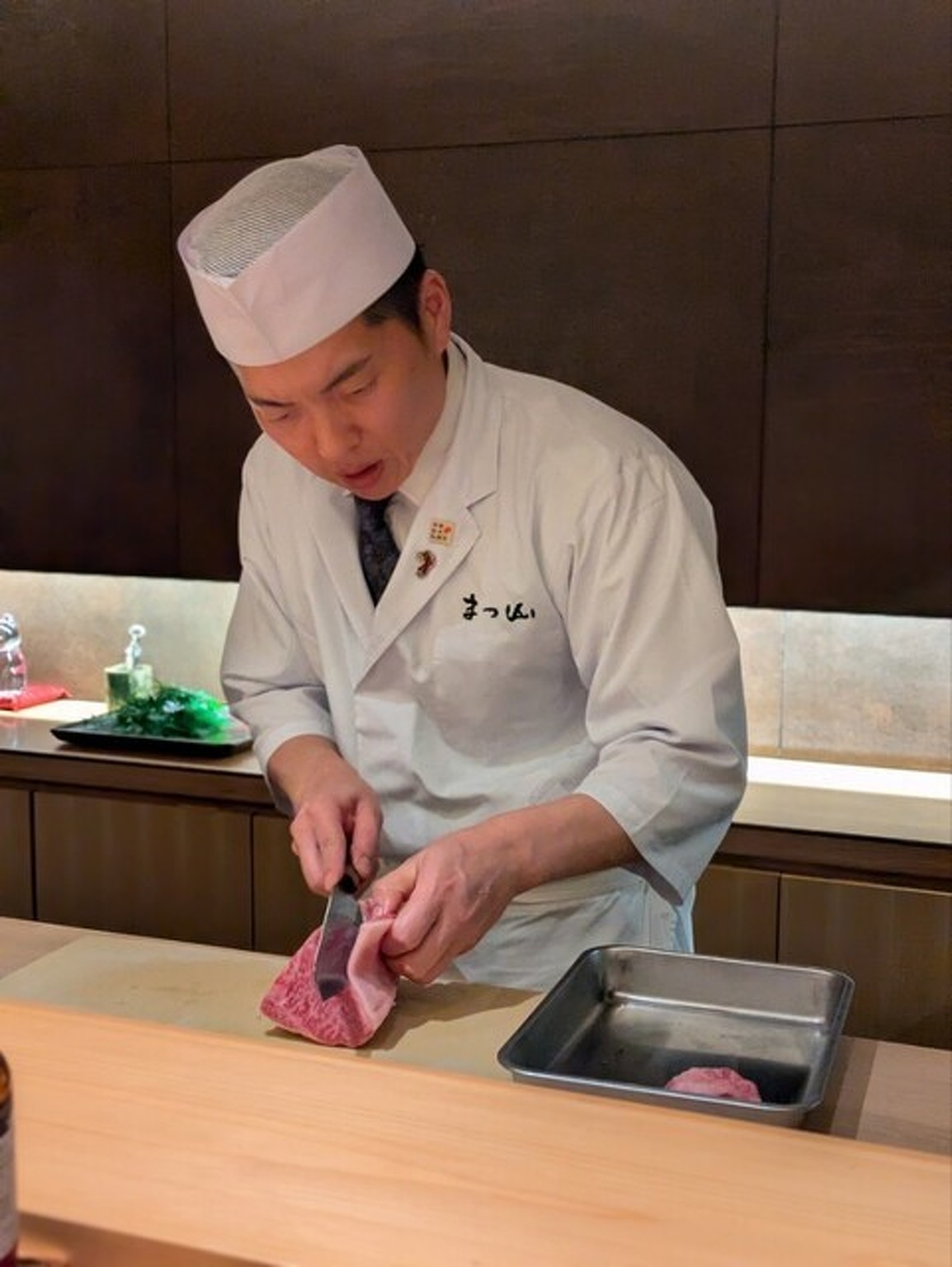
Born in Fukuoka in 1981, Chef Matsuyama's culinary journey evolved from automotive engineering to the art of Japanese cuisine. A connoisseur of sake and sweets, he runs Kori Kashiya Komaru, an ice cream café adjacent to Matsuyama. His vision extends beyond his restaurant, aspiring to elevate Kitakyushu's culinary scene and educate future generations about Japanese food culture.
In essence, Matsuyama transcends the boundaries of a restaurant, offering an immersive experience where culinary artistry, cultural heritage, and a commitment to locality converge, creating a destination that beckons patrons to savor not just food but the essence of Japanese tradition.
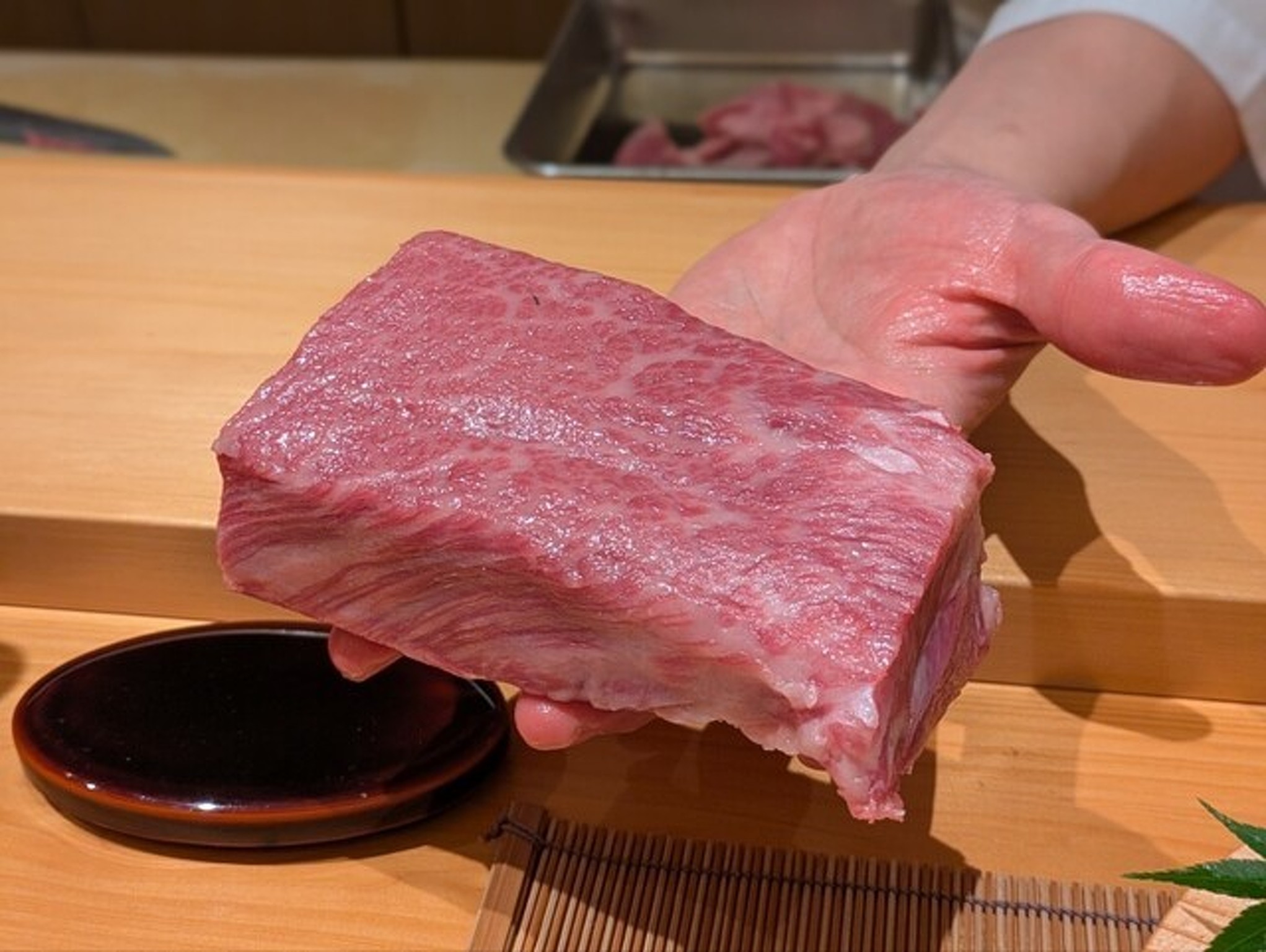
Matsuyama's culinary prowess was on full display in yesterday's extraordinary Kaiseki meal. Chef Matsuyama's passion and exquisite sensitivity shone through each dish, starting with a captivating peanut tofu featuring just two peanuts—an introduction that balanced strong flavors without overwhelming the palate. The karasumi mochi followed, showcasing a generous portion of karasumi with a perfectly nuanced saltiness, paired harmoniously with a slightly warm sake.
The dashi for the soup course, crafted from maguro flakes instead of bonito, delivered a rich umami experience with a bolder flavor profile. The Hassum course, adorned with autumn leaves, offered a delectable fusion of autumn tastes, a feast for both the eyes and the palate. The main trio comprised a Toyama kobako, an Iwashi Nodoguro, and a chawanmushi crowned with shiitake and droplets of chicken oil, elevating it to new heights.
Concluding the culinary journey was a Kuri ice cream adorned with an abundance of kuri and served alongside a delightful kuri ale—a dessert pairing that added a perfect finishing touch. The entire experience unfolded in Matsuyama's intimate six-seat counter space, where casual yet impeccable hospitality reigned.
The reviewer expressed that the journey from Fukuoka to savor this exquisite culinary adventure was undeniably worth the effort, attesting to Matsuyama's status as a destination restaurant that transcends geographical boundaries. Less
9 / 10
on 12 Nov 2019
Squashed between a four lane high way and a busy rail line lies the restaurant of 松山照三 Shozo Matsuyama and his lovely wife. Trained as engineer he migrated into the hospitality industry and now runs this one star Guide Michelin Kaiseki restaurant. Having a technical background and being young certainly helps to communicate with foreign customers like myself as they provide an English menu and he operates a translating device which he uses to give you further explanations about the menu and... More
Squashed between a four lane high way and a busy rail line lies the restaurant of 松山照三 Shozo Matsuyama and his lovely wife. Trained as engineer he migrated into the hospitality industry and now runs this one star Guide Michelin Kaiseki restaurant. Having a technical background and being young certainly helps to communicate with foreign customers like myself as they provide an English menu and he operates a translating device which he uses to give you further explanations about the menu and his dishes. He also appears to be quite entrepreneurial as he has, besides his restaurant, an ice cream store and a sake brewery.
The place is tiny, maybe 8-9 seats (plus a private room) and spartanly furnished. What is striking is that Shozo-san’s wife, although dressed in a traditional kimono, not only does the service but also gets actively involved in the cooking.
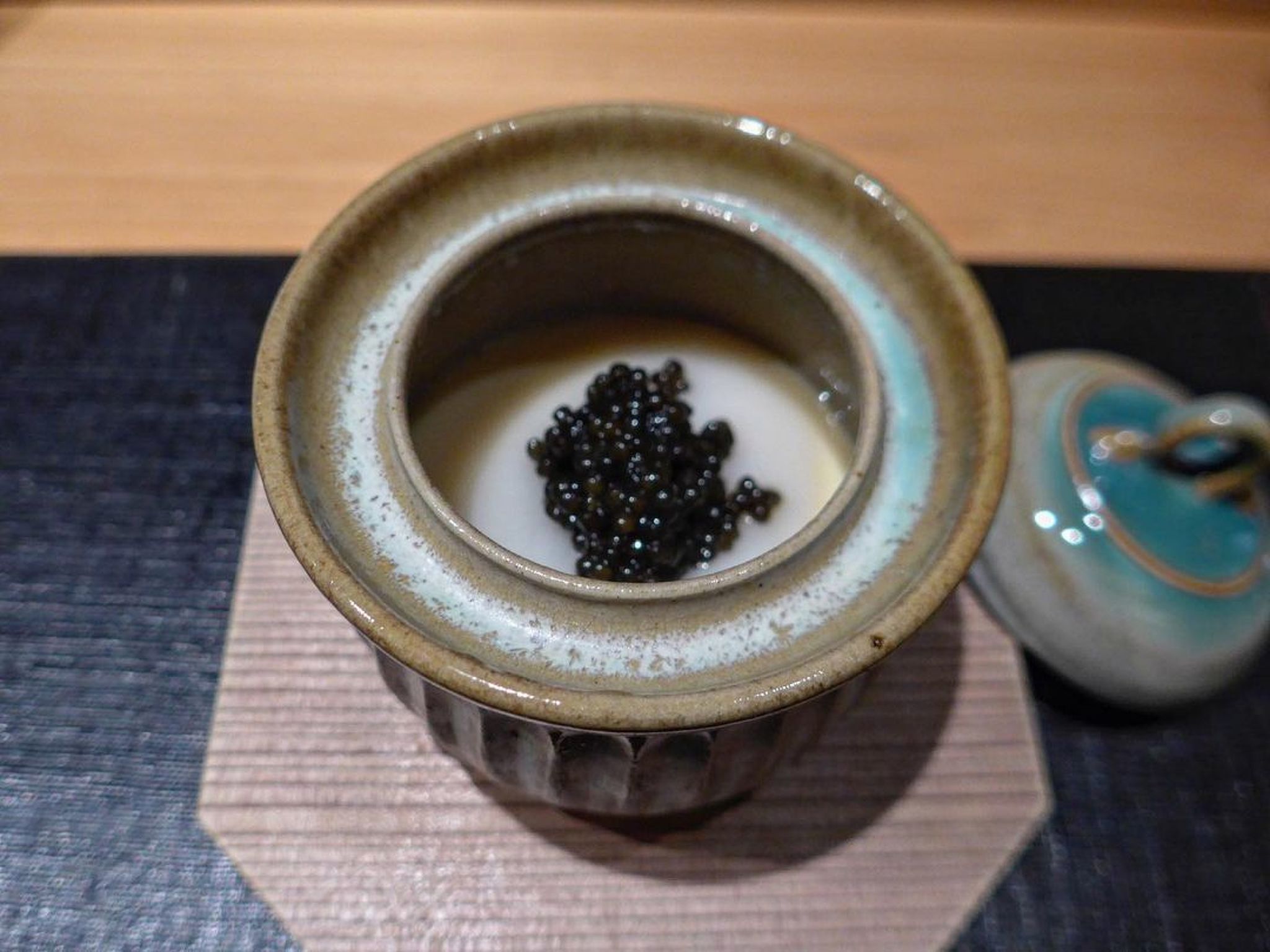
The menu is composed as a traditional Kaiseki menu with an emphasis on seasonal products from the region. The quality of the ingredients are superb, as I can attest after tasting the matsutake, and the cooking precise. There are some very thoughtful touches like when he gives you a plate of root vegetables after a perfectly, spongy eel to “clean your breath”. His chawanmushi with blue crab and Ikura was one of the best I had this season. However, the outstanding dish of this meal was the Shaba-shabu of matsutake and nodoguro. Cooked in individual pots under the close supervision of the chef himself the fish, boiled for a few seconds in the matsutake broth, tasted exquisite. Accompanying the rice he has a variety for condiments but also one paste which he produced in baking and crushing tuna without using any gelatine. This paste mixed into the rice creates a beautiful combination which is very tasty.
A wonderful experience with a couple who live the Japanese hospitality, the Omotenashi. It is well worth to take the short train ride from either Kokura or Fukuoka. Less
Recommended in Kitakyushu
-
- Ten Zushi Kyomachi ten (天寿し 京町店)
- 3-chōme-11-9 Kyōmachi, Kokurakita Ward, Kitakyushu
-
OAD Top 7Tabelog SilverLL #540RR #303RR PRO #18.67RR USER #0.00
-
49 Meals
-
- Japanese Cuisine Tobi Ume (日本料理 TOBIUME)
- 1-chōme-15-11 Chiyogasaki, Yahatanishi-ku, Kitakyushu, Fukuoka 807-0803, Japan
-
Tabelog Silver
-
10 Meals
-
- Sushi Tsubasa (寿司つばさ)
- 3 Chome-3-24 Uomachi, Kokurakita-ku, Kitakyūshū-shi, Fukuoka-ken 802-0006, Japan
-
Tabelog Bronze
-
16 Meals
-
- Uotora (魚虎)
- 1 Chome-2-5 Kumade, Yahatanishi-ku, Kitakyūshū-shi, Fukuoka-ken 806-0028, Japan
-
Tabelog Bronze
-
13 Meals
-
- Bekk (Bekk)
- Japan, 〒802-0006 Fukuoka-ken, Kitakyūshū-shi, Kokurakita-ku, Uomachi, 4 Chome−3−8 モナトリエ 1F
-
Tabelog Bronze
-
10 Meals
Address
2 Chome-1-10 Fujita, Yahatanishi-ku, 北九州市八幡西区 Fukuoka-ken 806-0022, Japan
Hours
Monday: 12:00 - 14:30; 18:00 - 22:30
Tuesday: 12:00 - 14:30; 18:00 - 22:30
Wednesday: Closed
Thursday: Closed
Friday: 18:00 - 22:30
Saturday: 12:00 - 14:30; 18:00 - 22:30
Sunday: 12:00 - 14:30; 18:00 - 22:00
Tuesday: 12:00 - 14:30; 18:00 - 22:30
Wednesday: Closed
Thursday: Closed
Friday: 18:00 - 22:30
Saturday: 12:00 - 14:30; 18:00 - 22:30
Sunday: 12:00 - 14:30; 18:00 - 22:00
Phone
+81936422278
Price Range
Based on country average
$$$$ (¥10,000+)
Website
Tabelog
https://tabelog.com/en/tokyo/A1303/A130302/40028665/