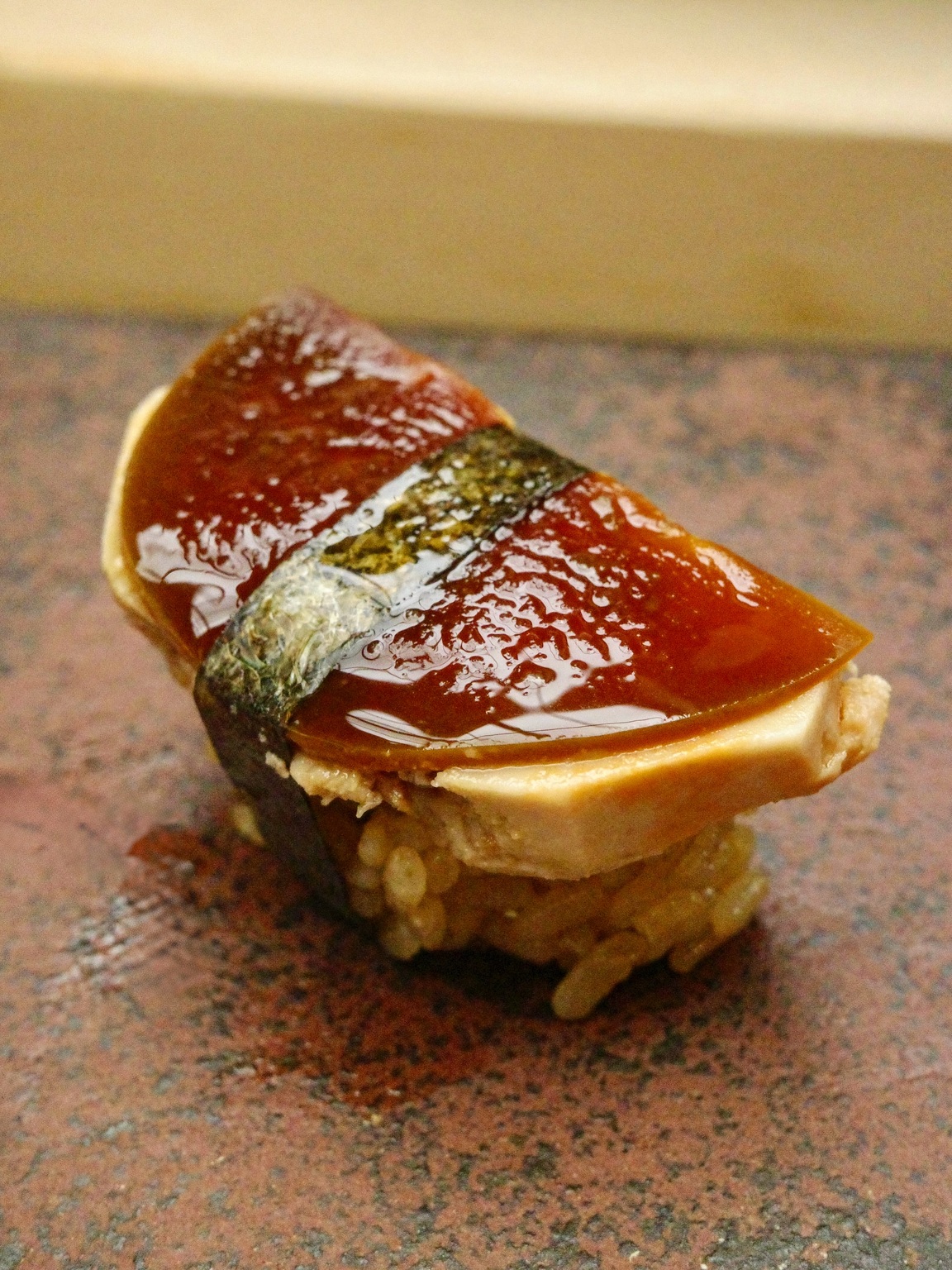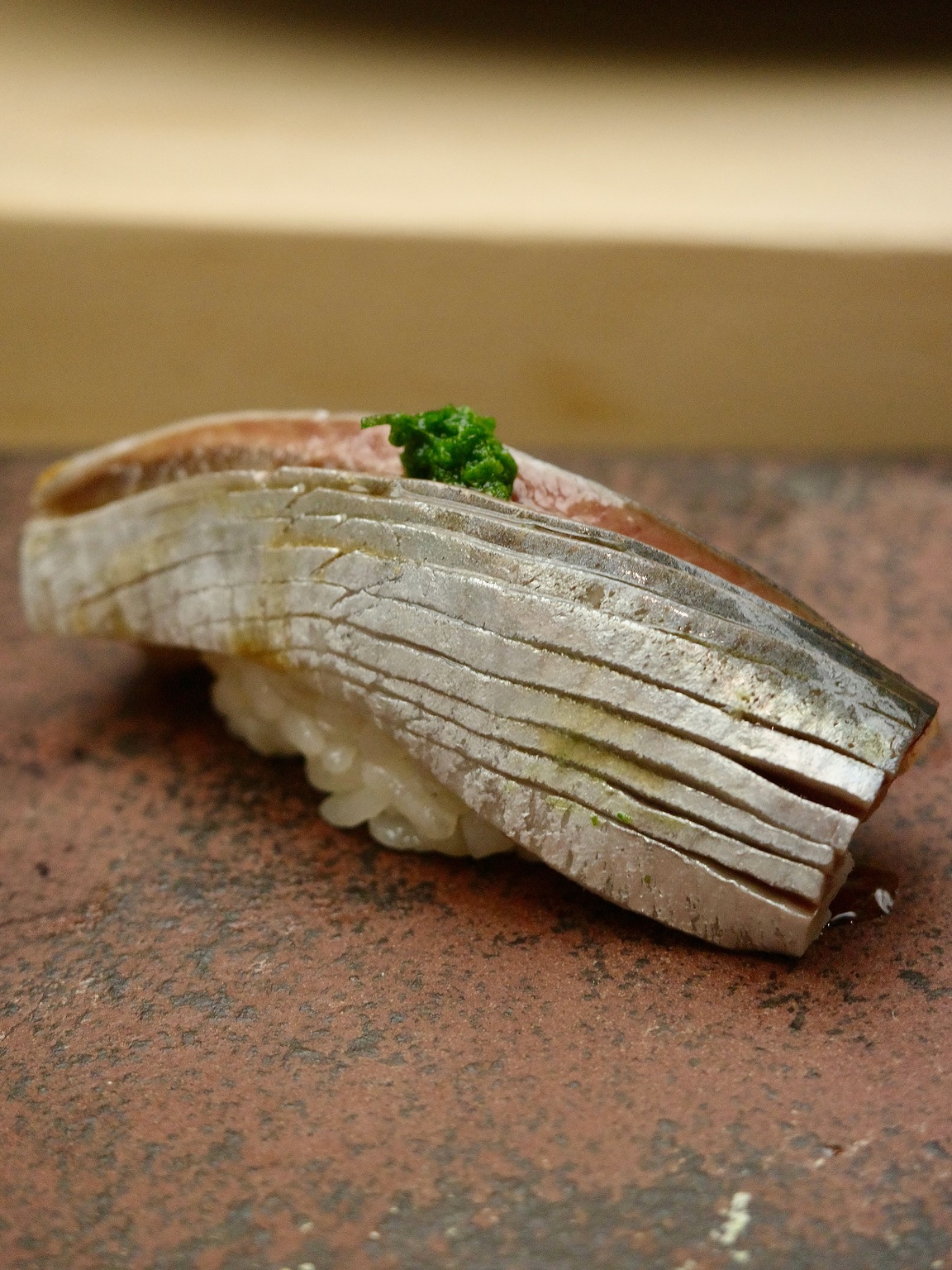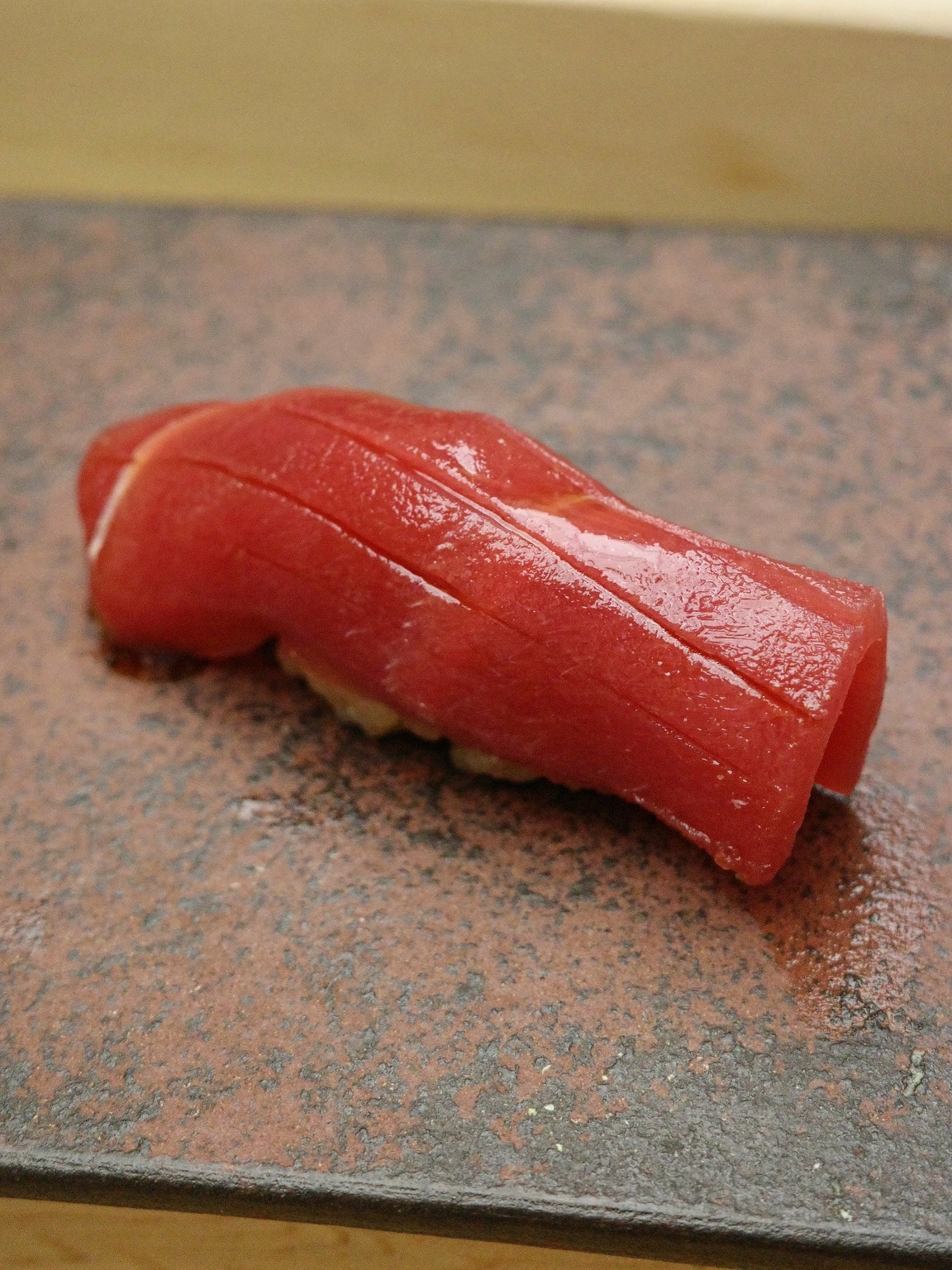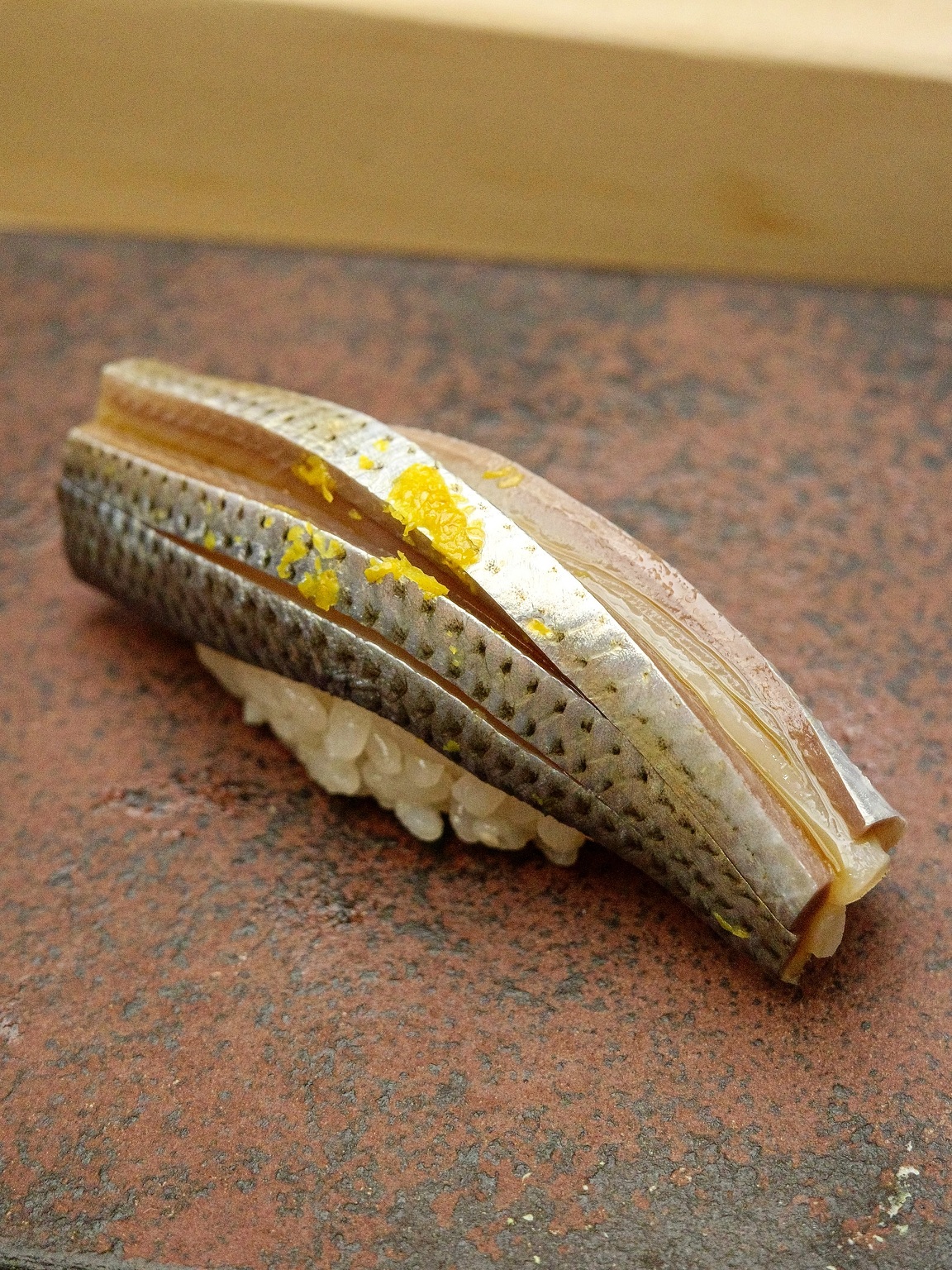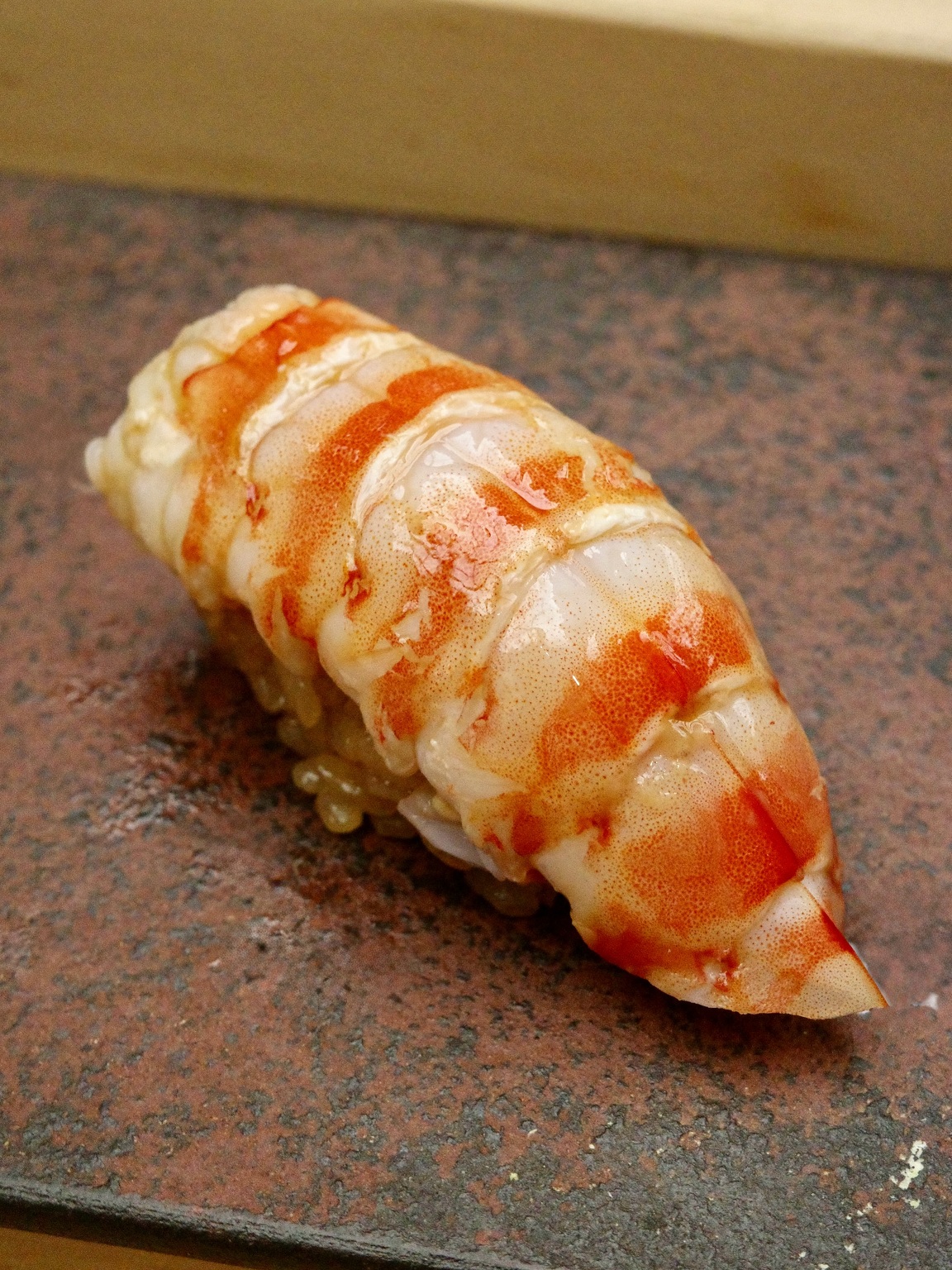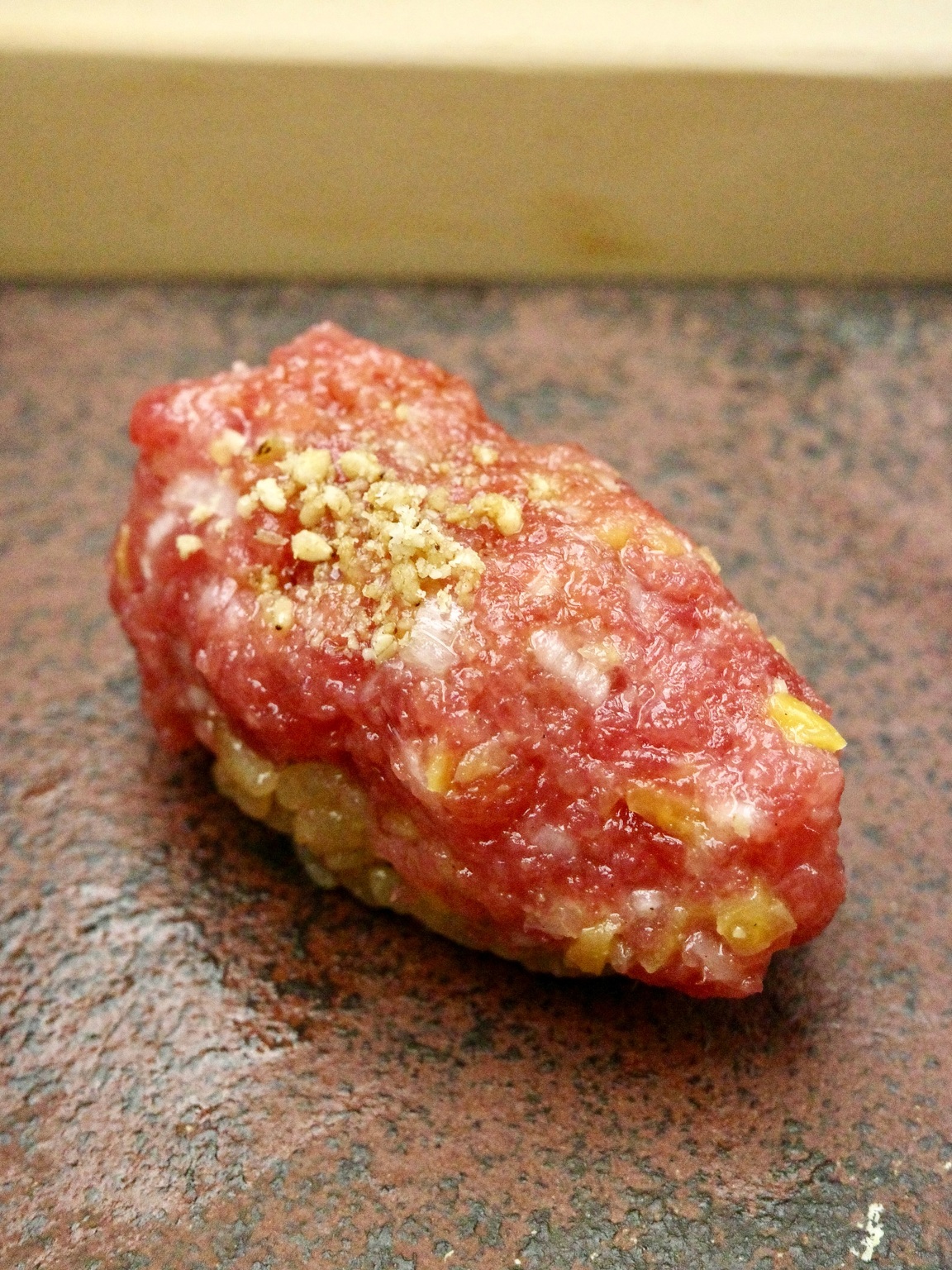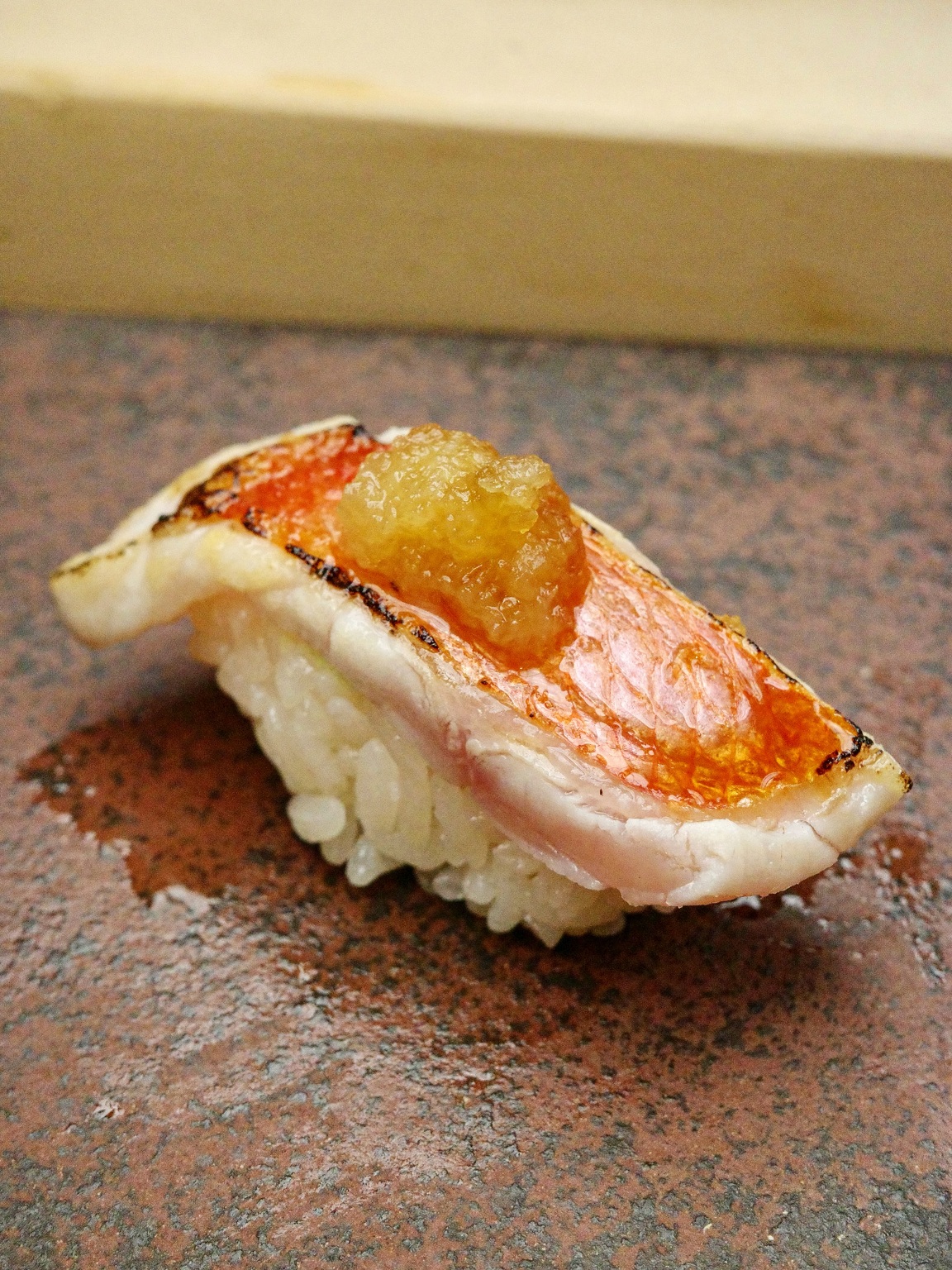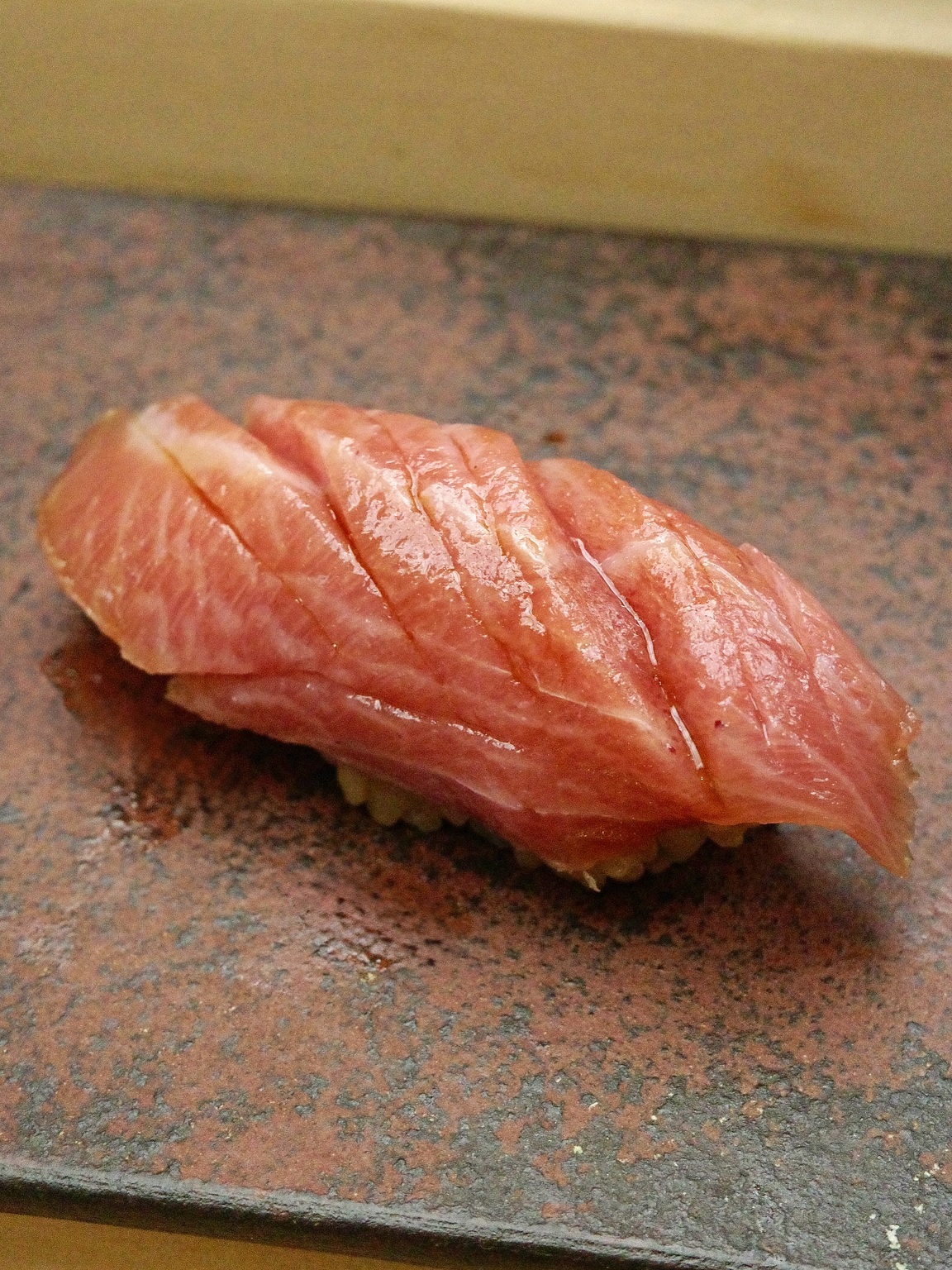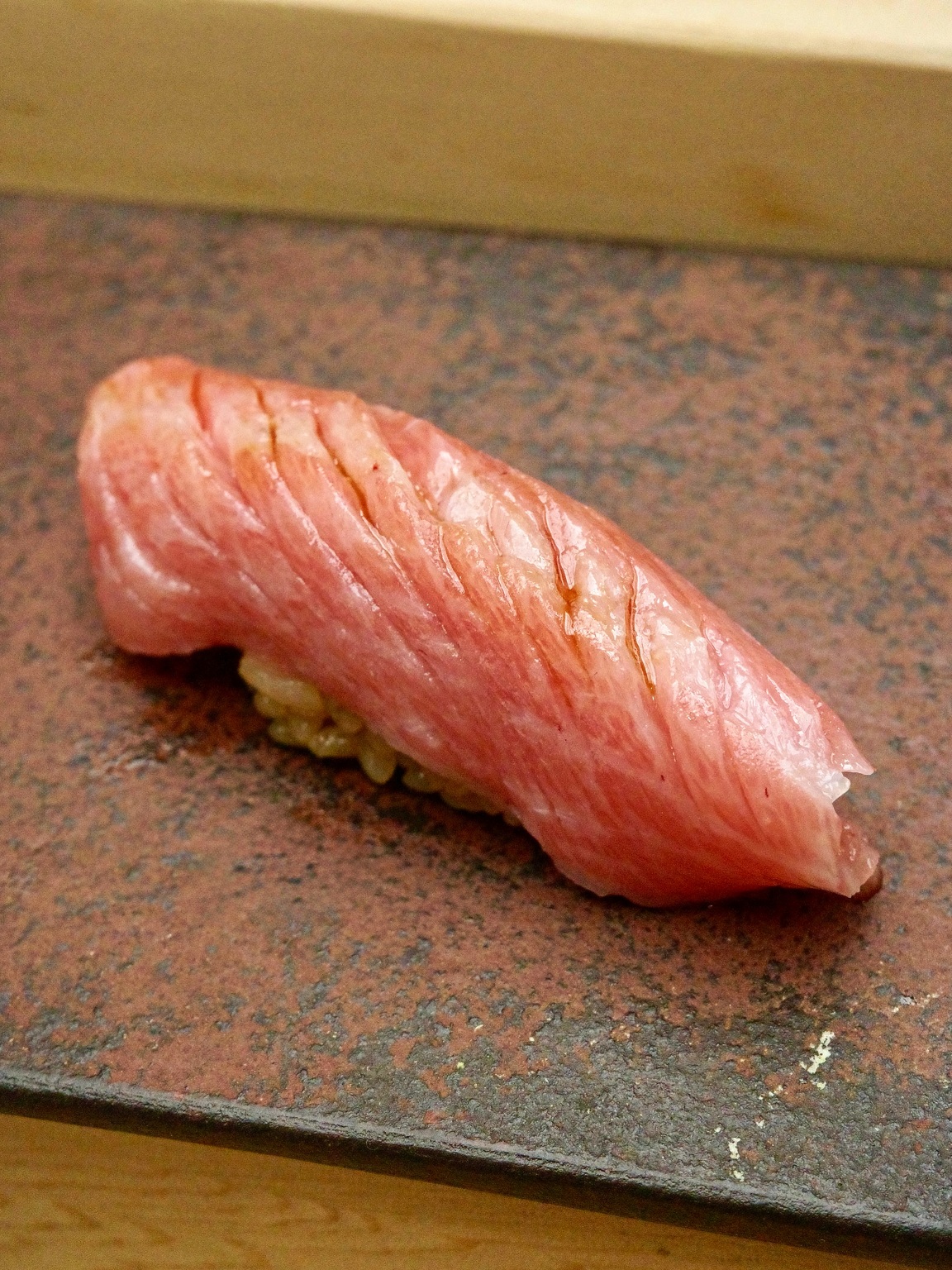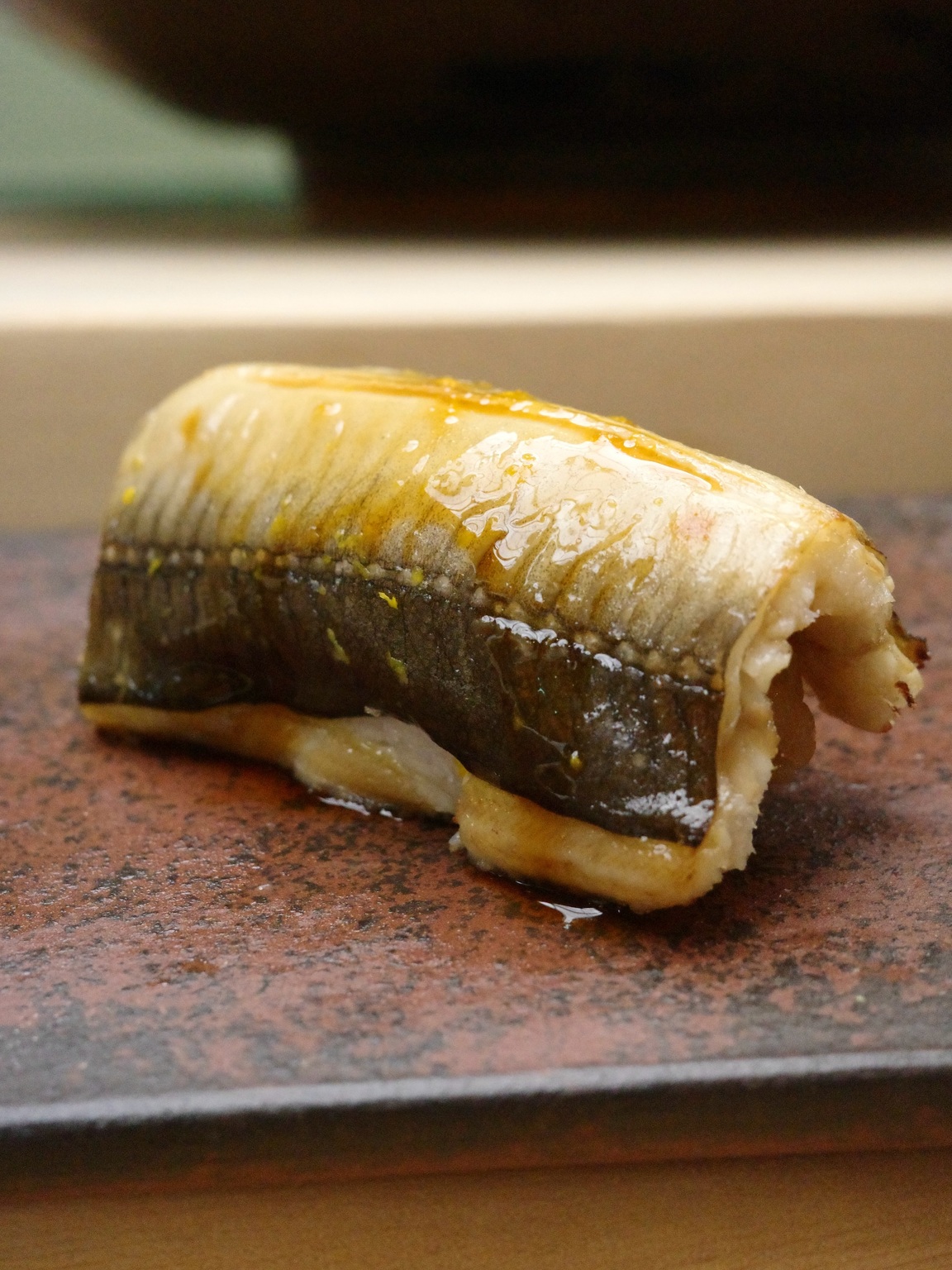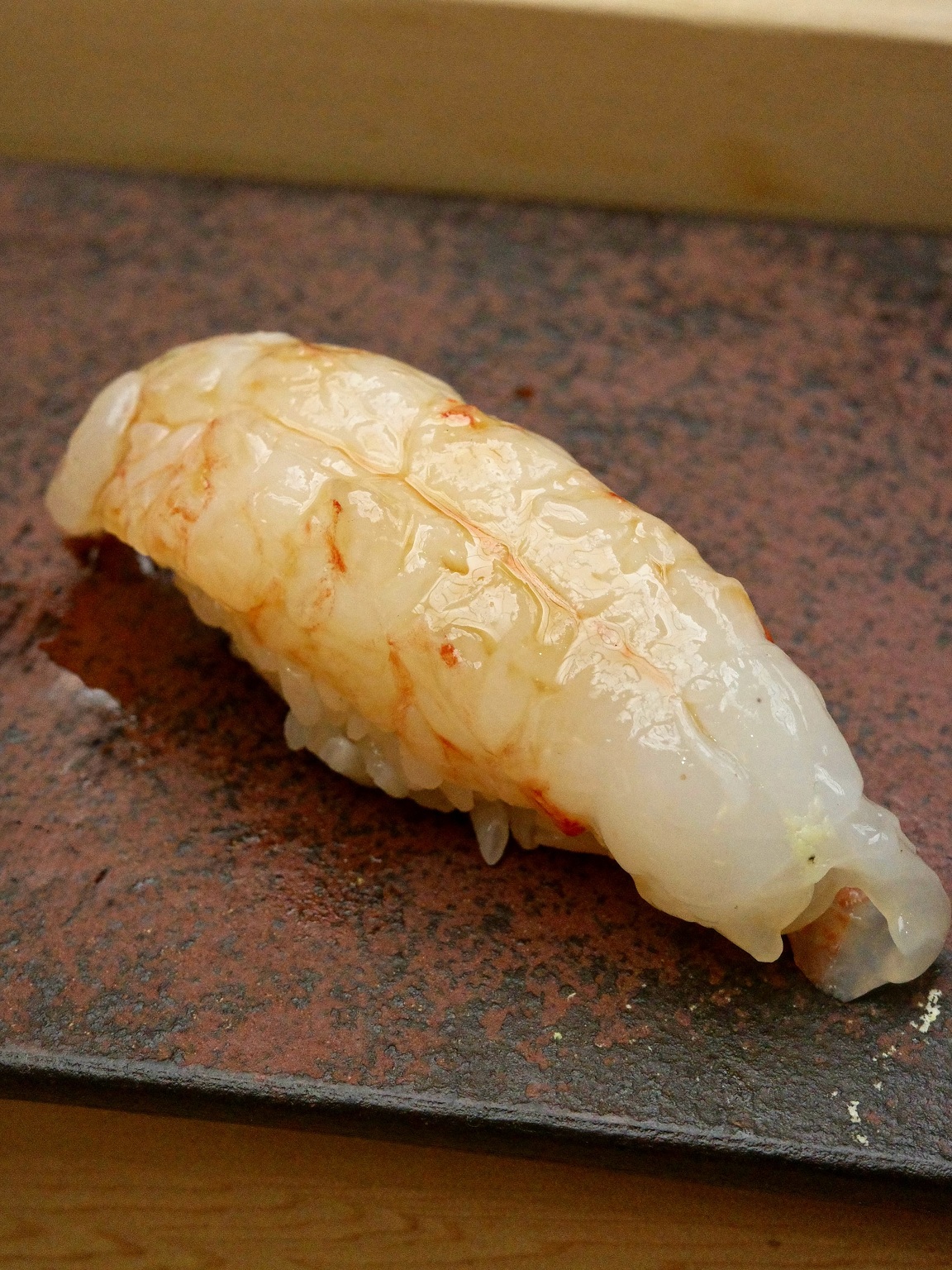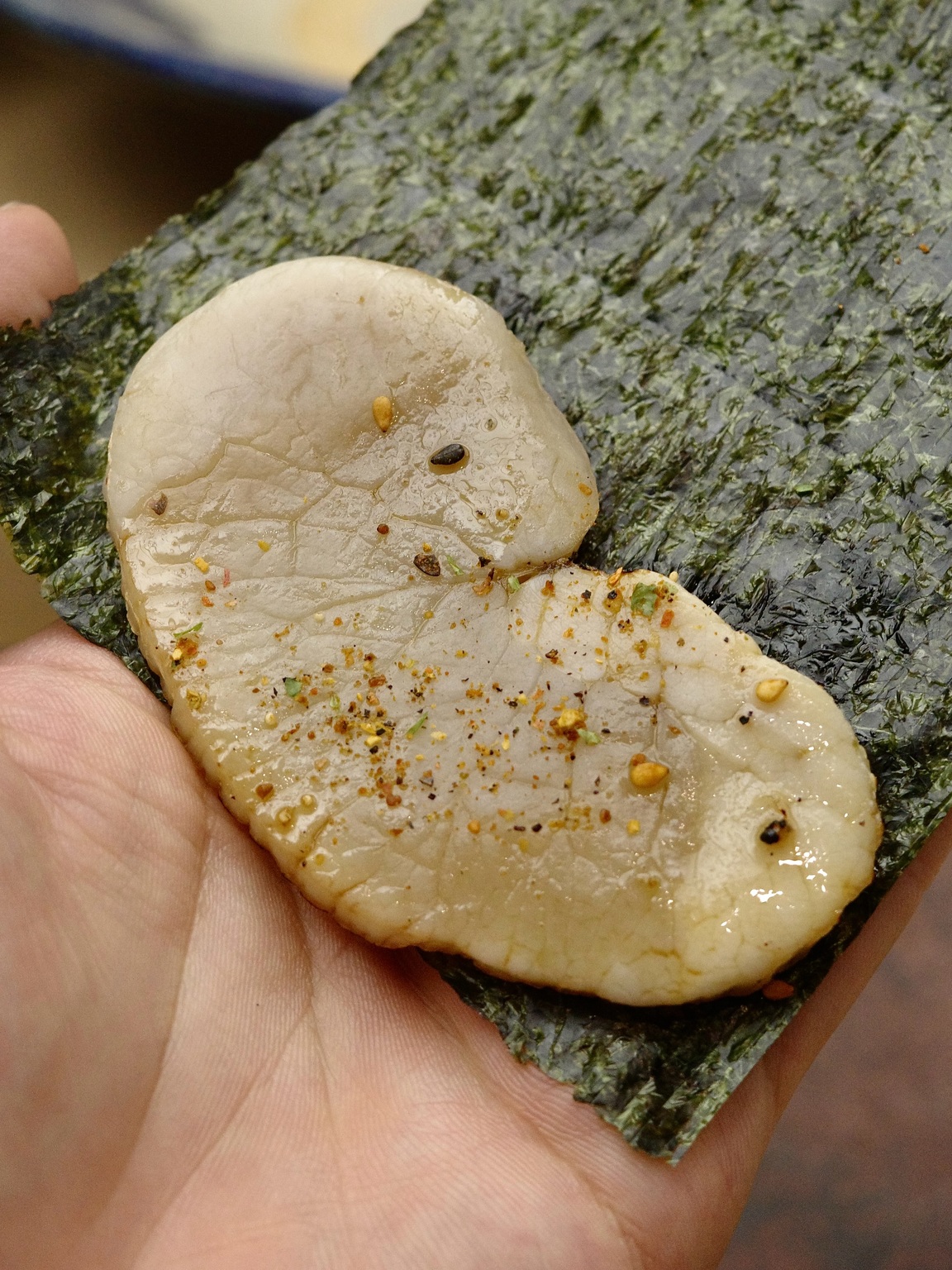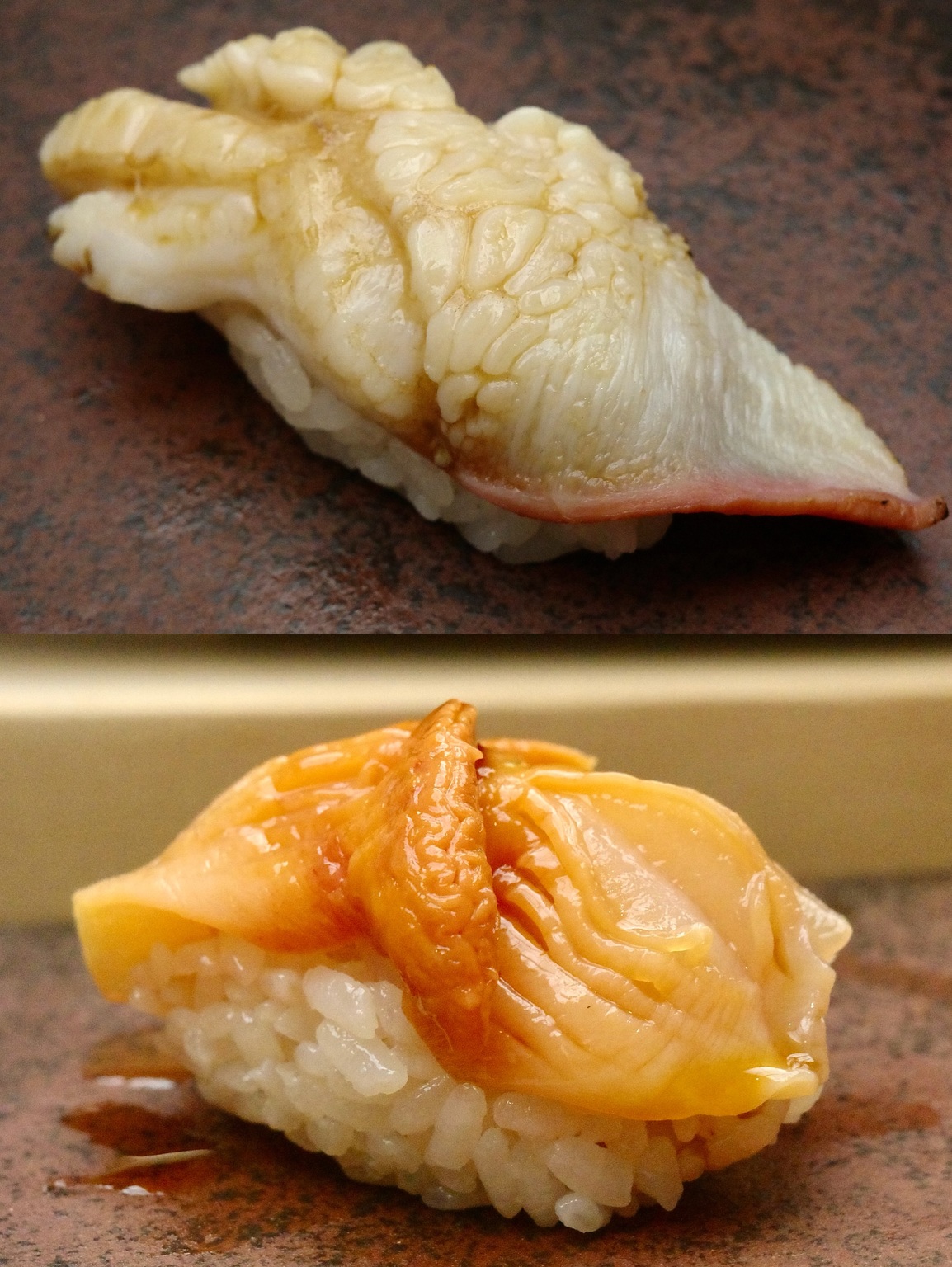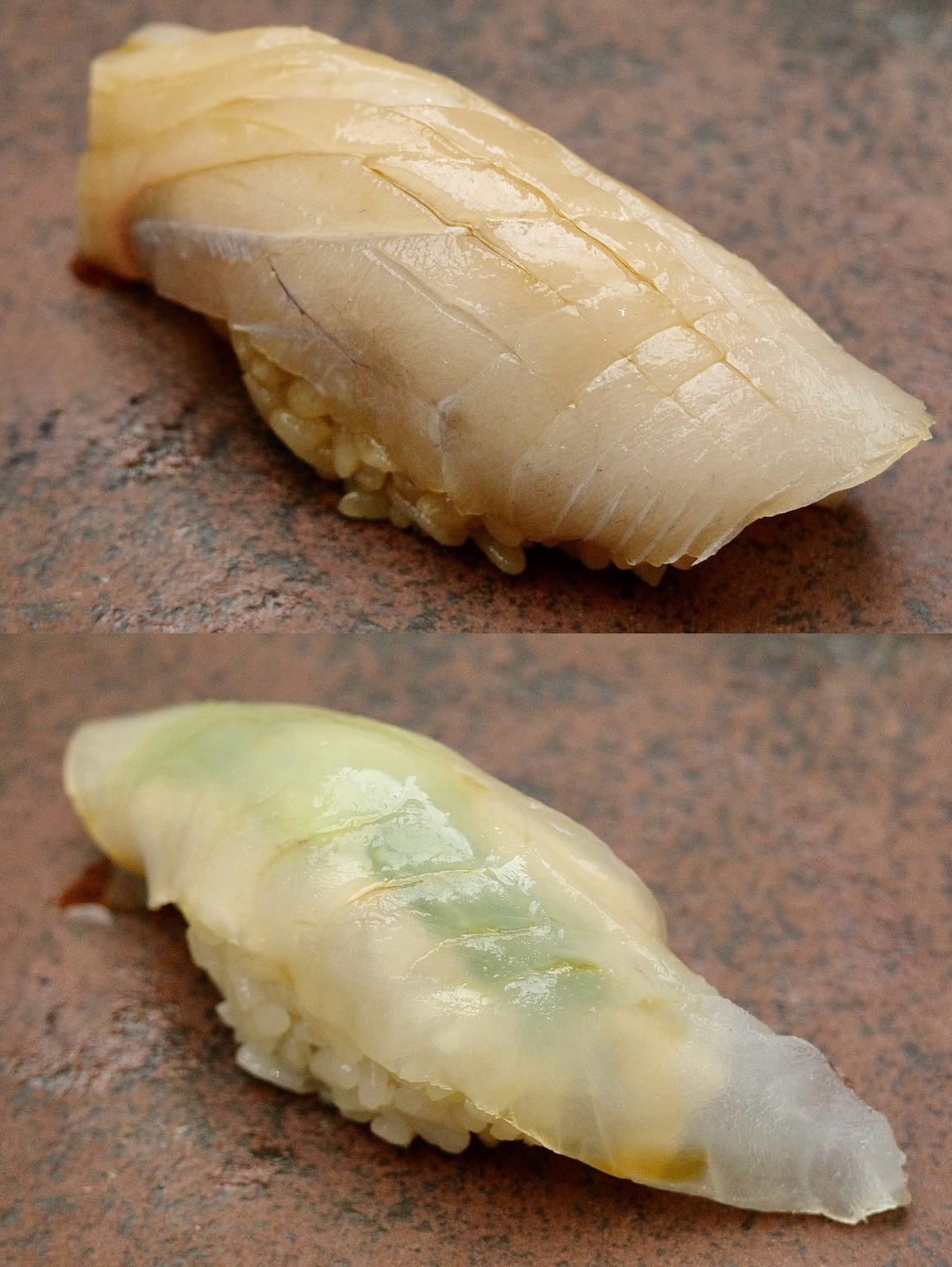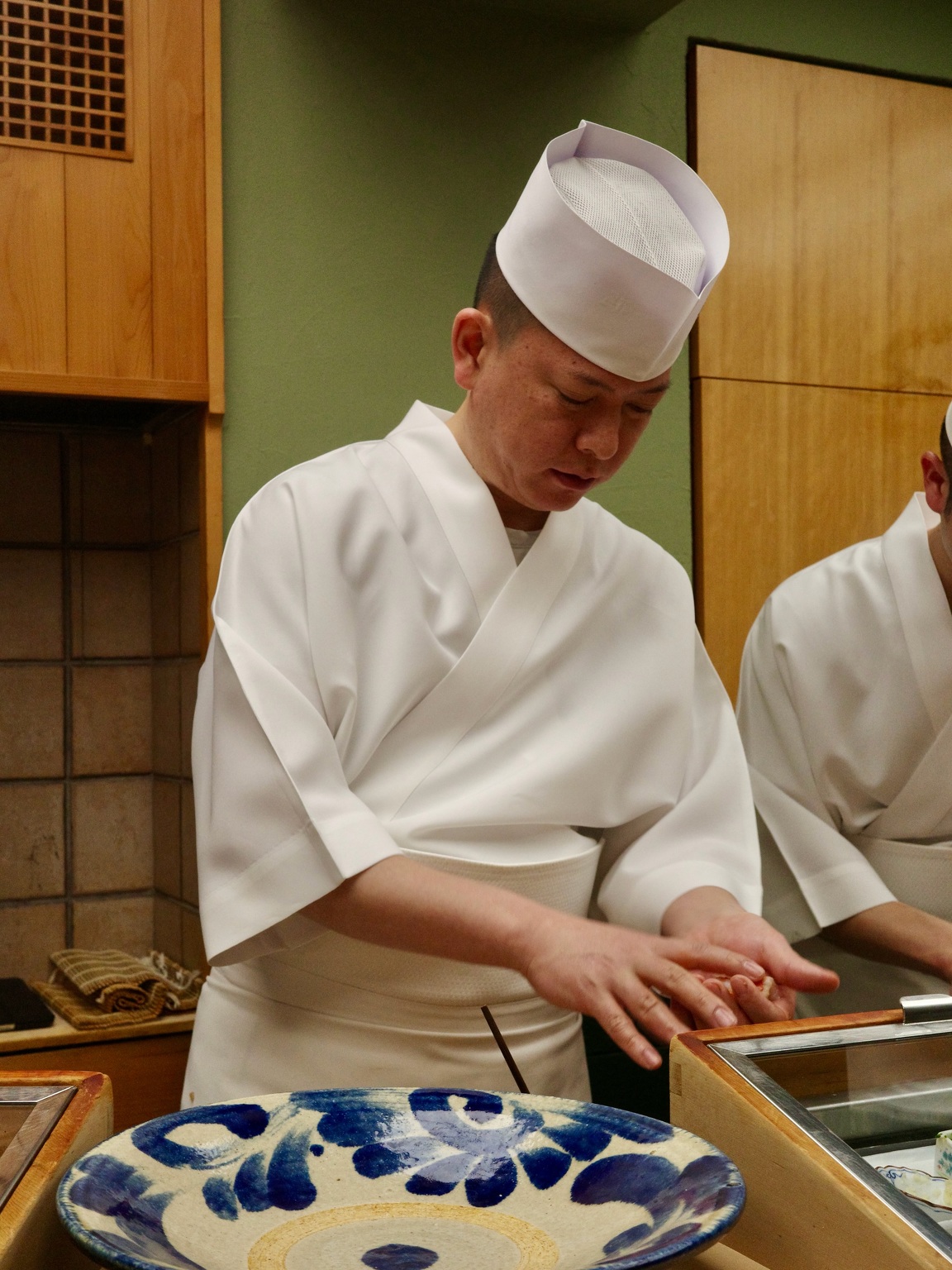
🇯🇵 Sushi Sho 🇯🇵
Two Defining Features of Sho-style Sushi
匠系壽司的兩大特色
1️⃣ Alternating sushi and tsumami
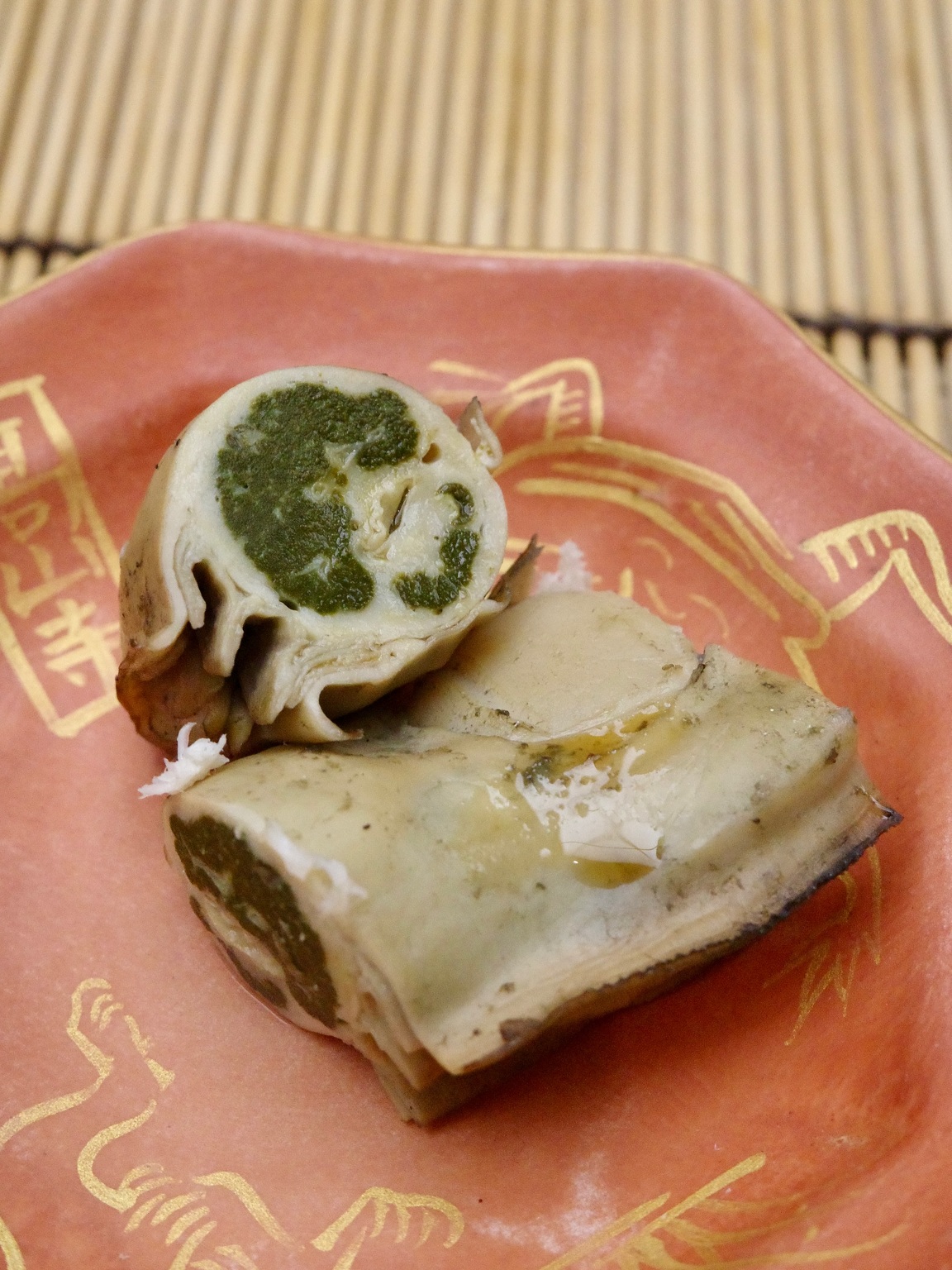
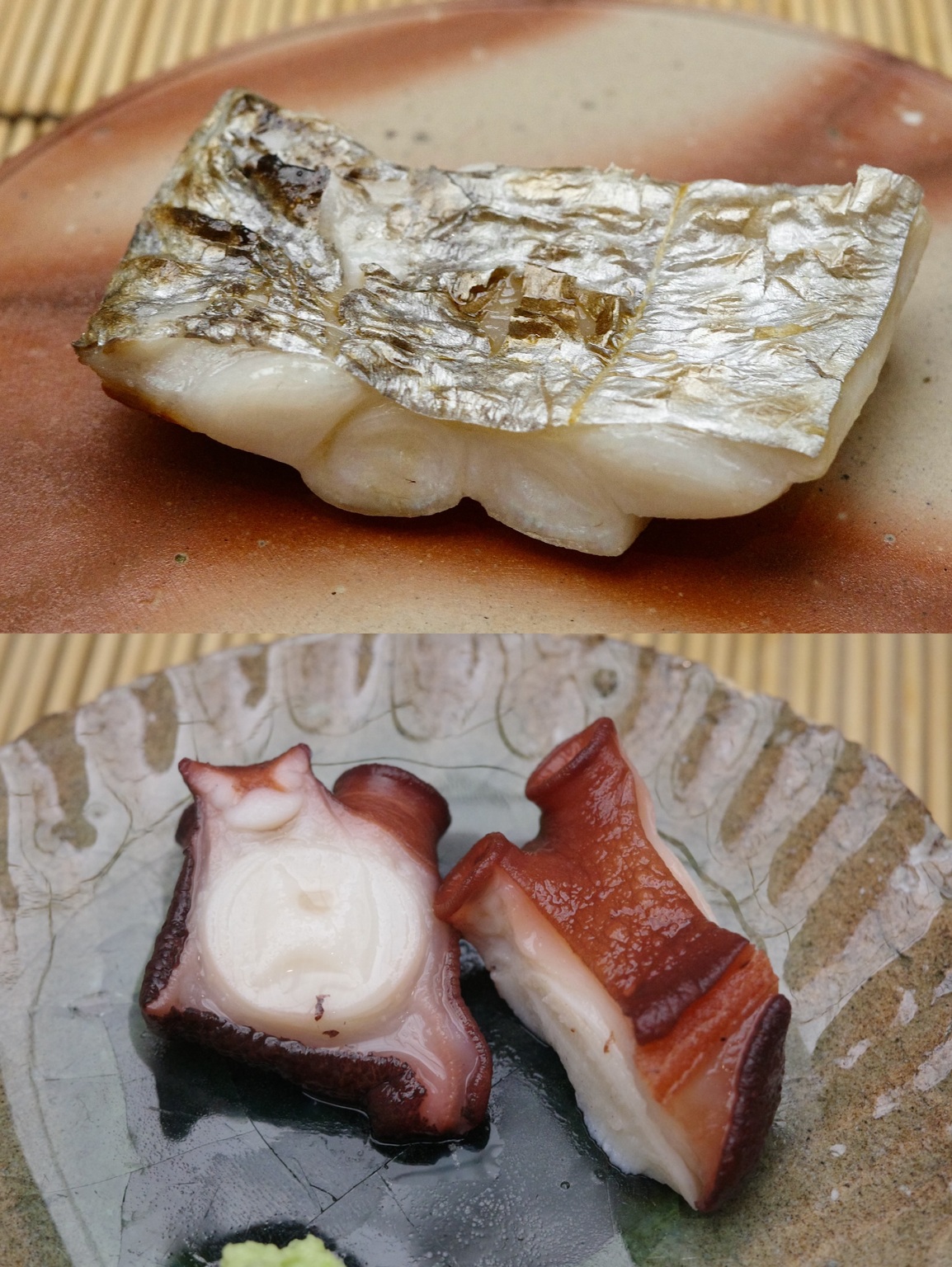
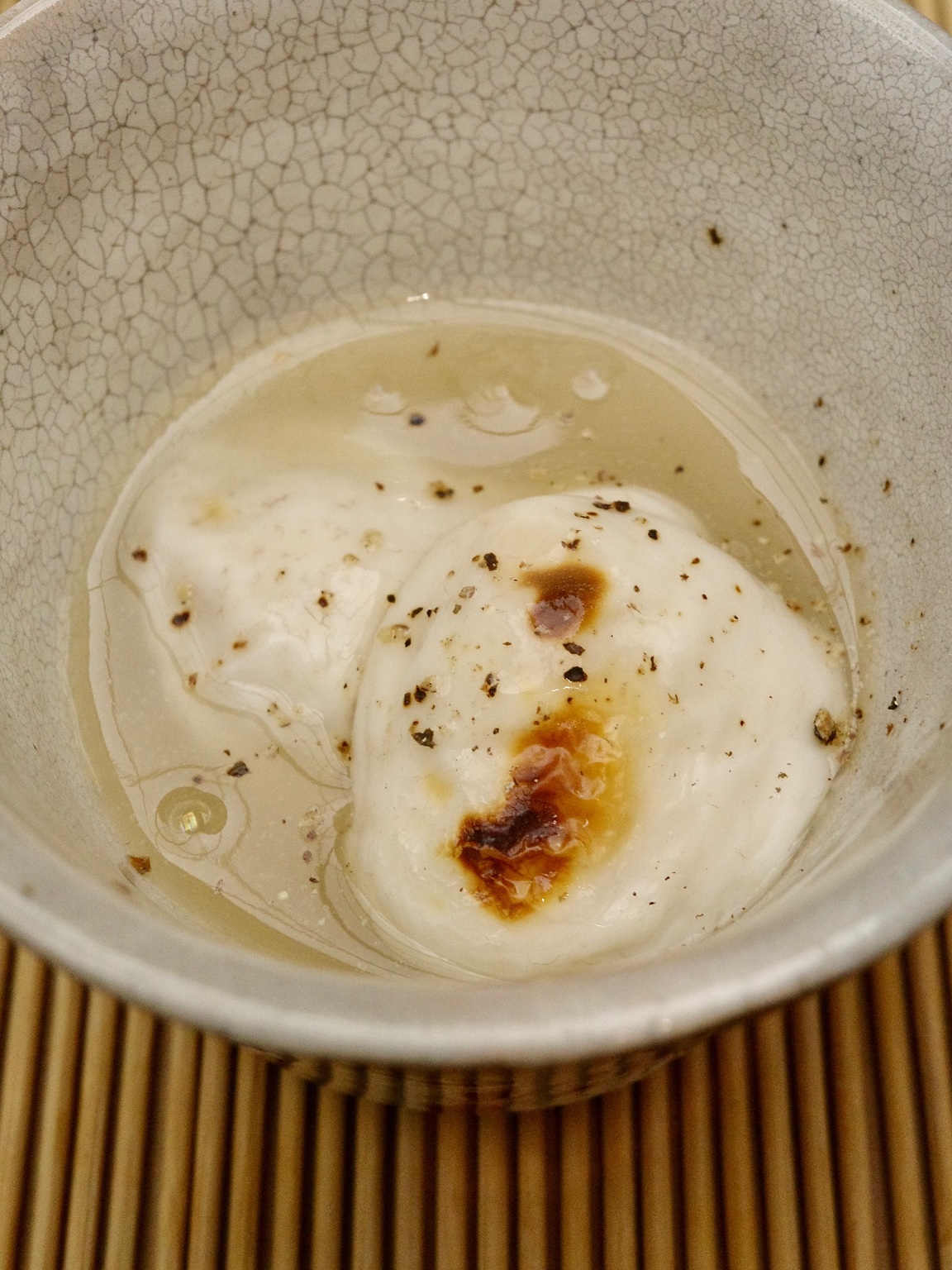
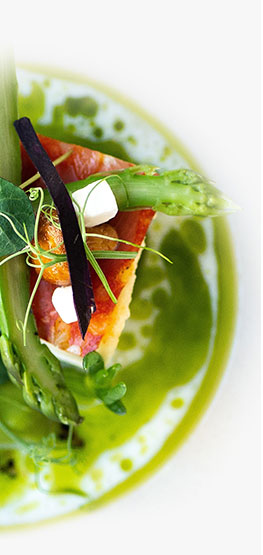
Sushi Sho’s signature is the steady alternation of nigiri and tsumami. This rhythm prevents palate fatigue, keeps attention sharp, and creates a clear narrative flow. The tsumami acts as resets—different temperature, texture, and seasoning—so every piece of sushi feels fresh again. The structure also pairs naturally with sake and gives the meal a relaxed yet precise pace that has become one of the defining features of Sho-style dining.
2️⃣ Advanced aging and tailored rice
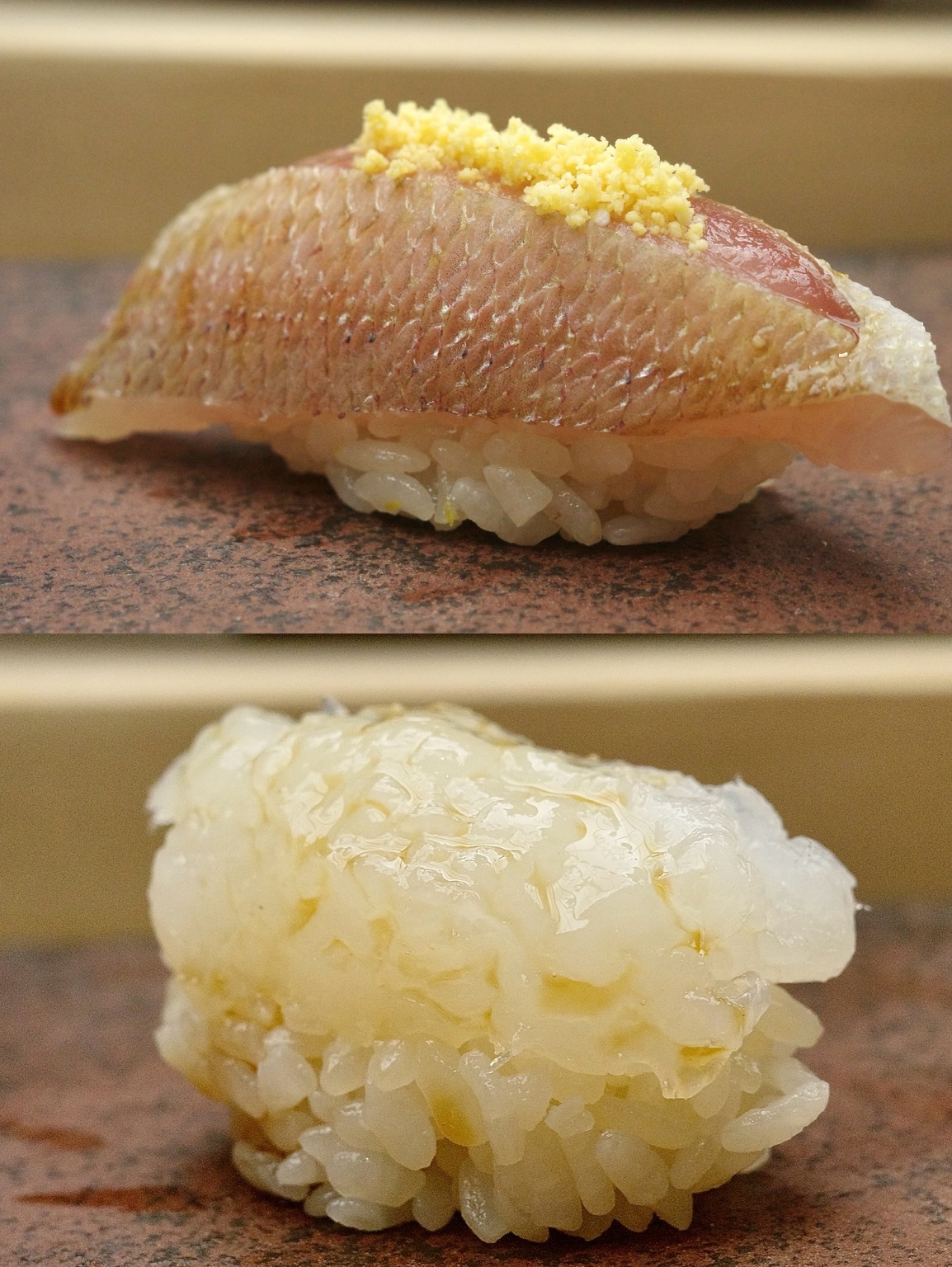
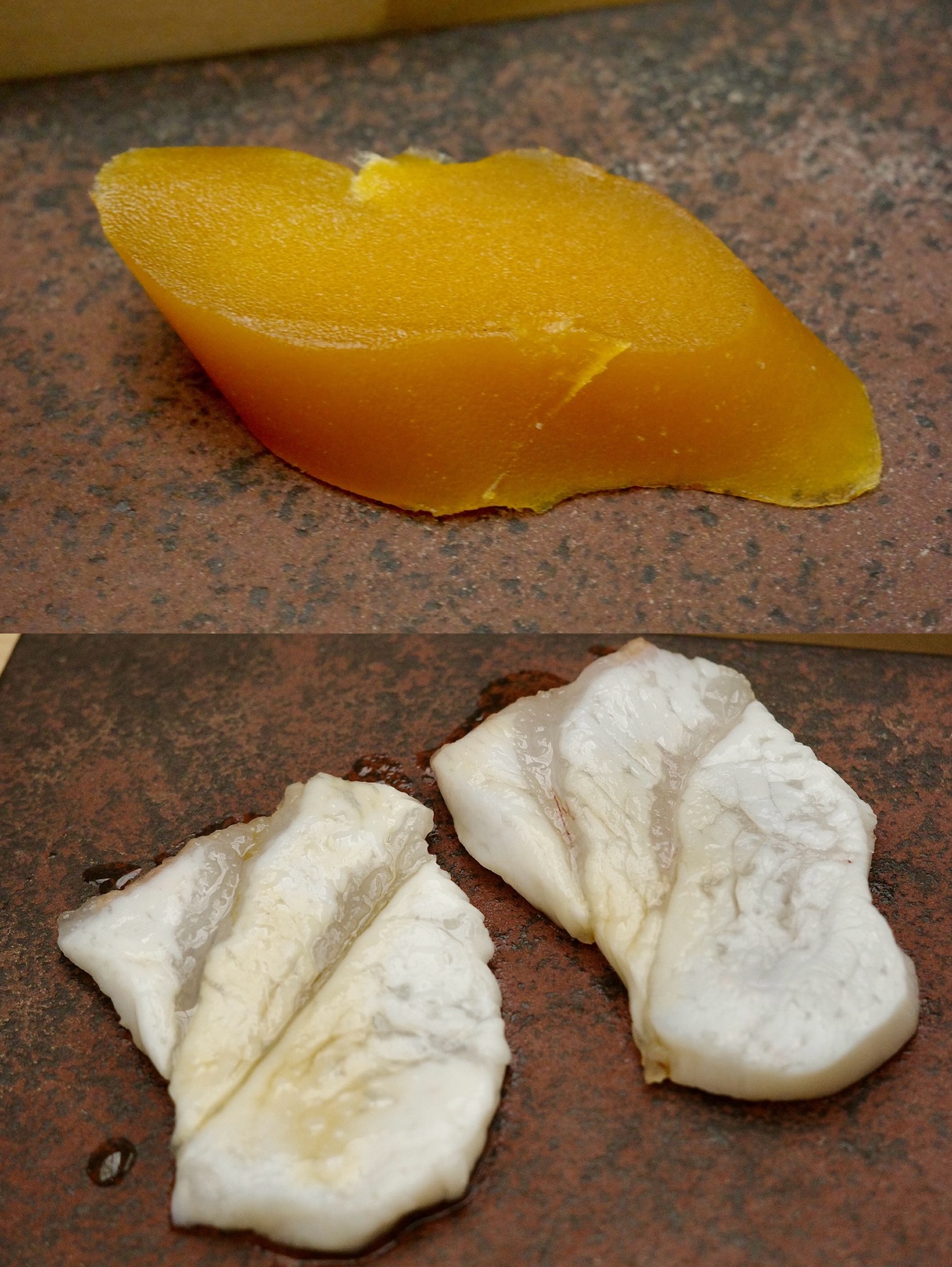
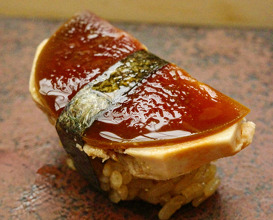
The second hallmark is the careful aging of fish combined with rice adjusted to each topping. Drawing on classic Edomae methods, fish is salted, vinegar-cured, or kombu-aged for days to deepen umami and refine texture rather than simply serve the freshest catch. Some pieces receive red-vinegar rice for richer acidity; others get standard rice vinegar for cleaner brightness. Temperature and firmness are calibrated so the rice actively supports the fish. The result is layered, lingering flavor—more contemplative than pure freshness—and a consistent technical signature that distinguishes Sushi Sho from most contemporary counters.
1️⃣ 壽司與つまみ交替供應
壽司匠的標誌是握壽司與酒肴(つまみ)的穩定交替。這種節奏能避免味覺疲勞、保持專注,並形成清晰的敘事流動。酒肴為味蕾帶來不同溫度、口感與調味,讓每一握都重新變得新鮮。此結構也適合搭配清酒,使用餐既放鬆又精準,成為匠系的重要特徵。
2️⃣ 熟成技術與醋飯
第二大特色是neta的精心熟成,並依食材調整飯醋。承襲江戶前技法,neta以鹽、醋或昆布熟成數日,深化鮮味、精煉口感,而非僅追求最新鮮。部分用赤酢飯帶來更豐富酸度,部分用白酢飯則更清亮。溫度與硬度精準校準,使飯主動襯托 neta。最終呈現層次豐富、餘韻悠長的風味——比單純新鮮更耐人尋味,也成為區分壽司匠與其他現代壽司店的技術標誌。
🏢: 1-11 Yotsuya 1F, Yorindo Building, Shinjuku‐ku, Tokyo
⚖️: 40,000 yen
#omakase#sushi#tokyo#japanesefood#uni