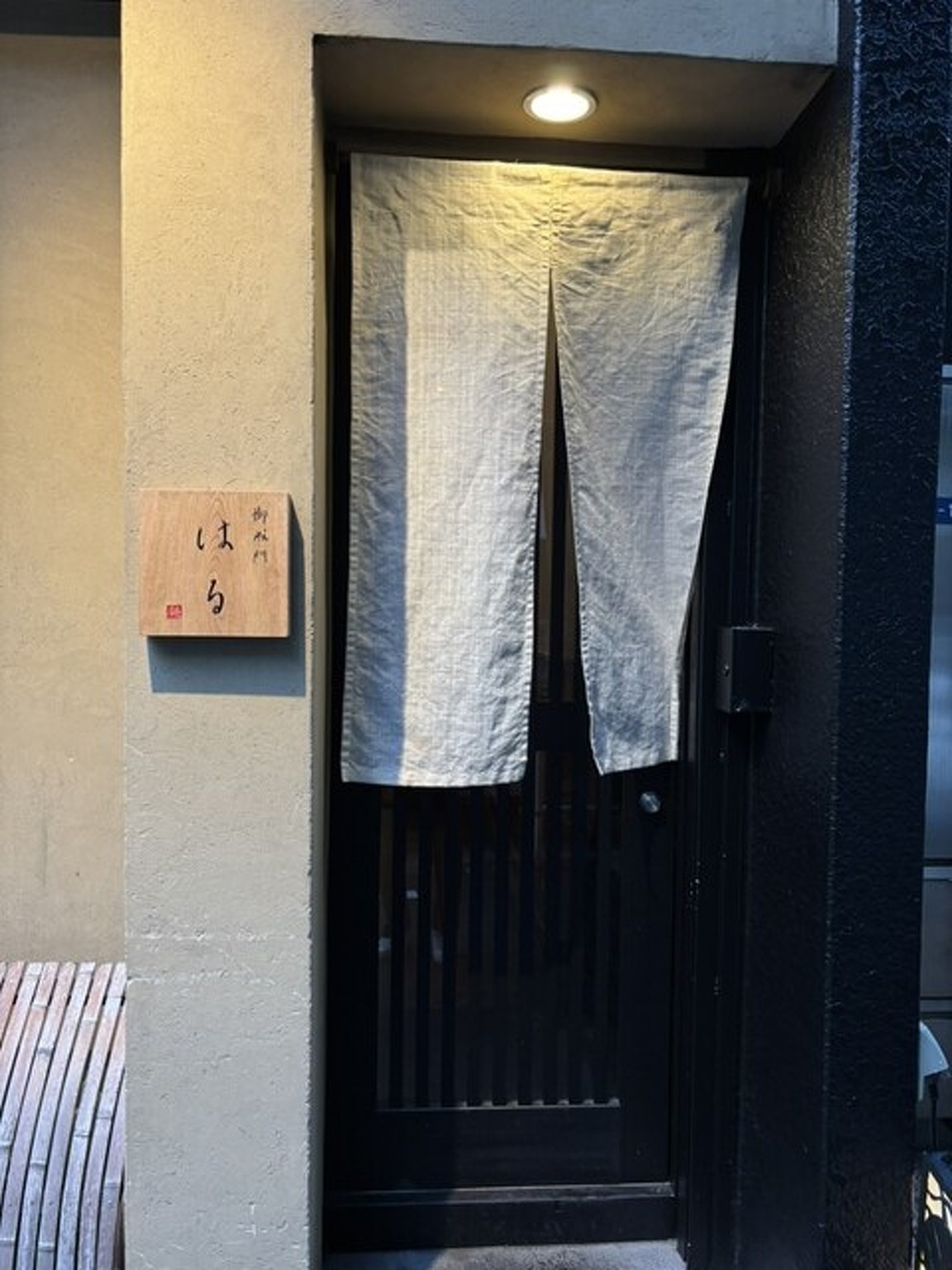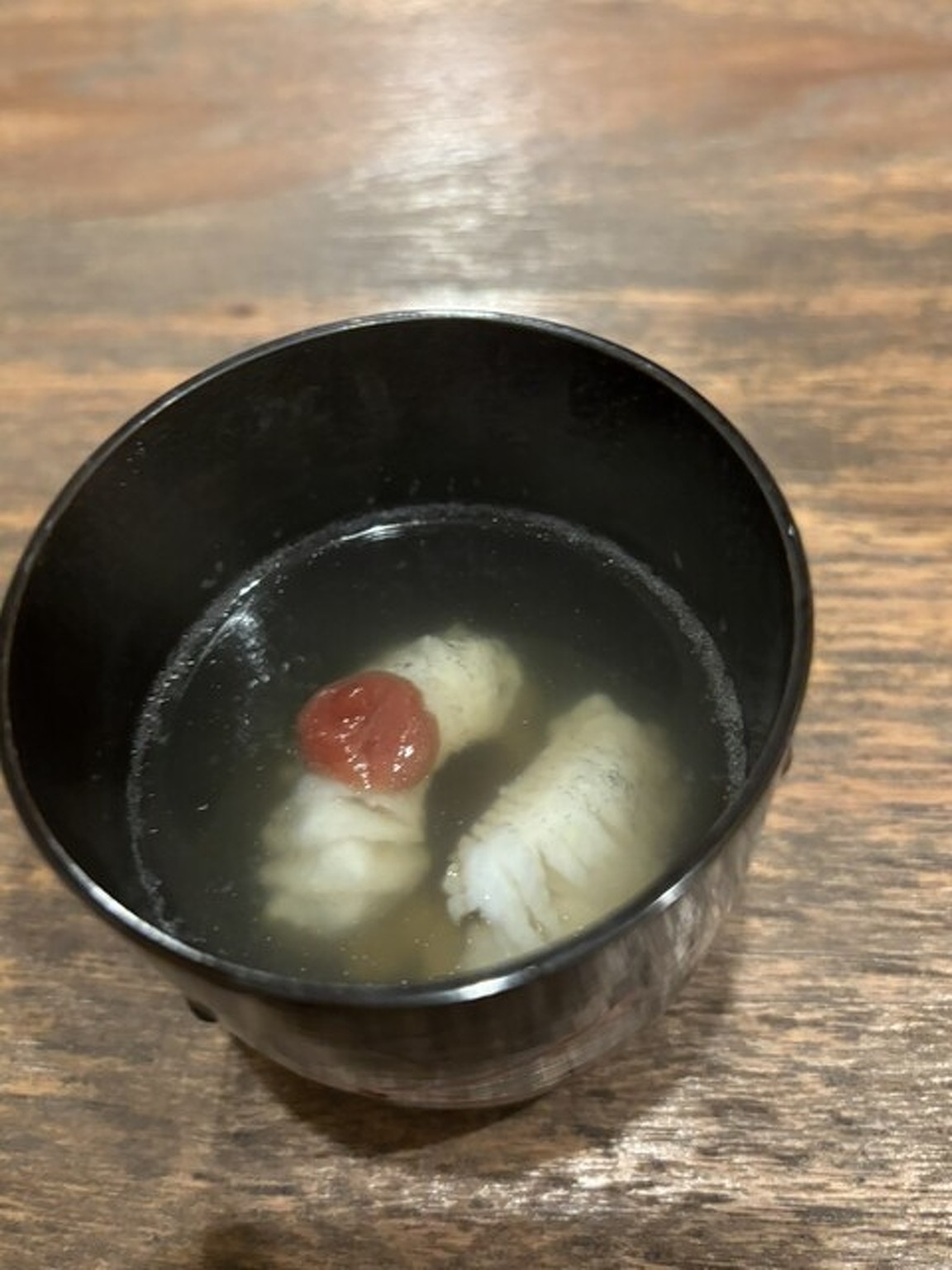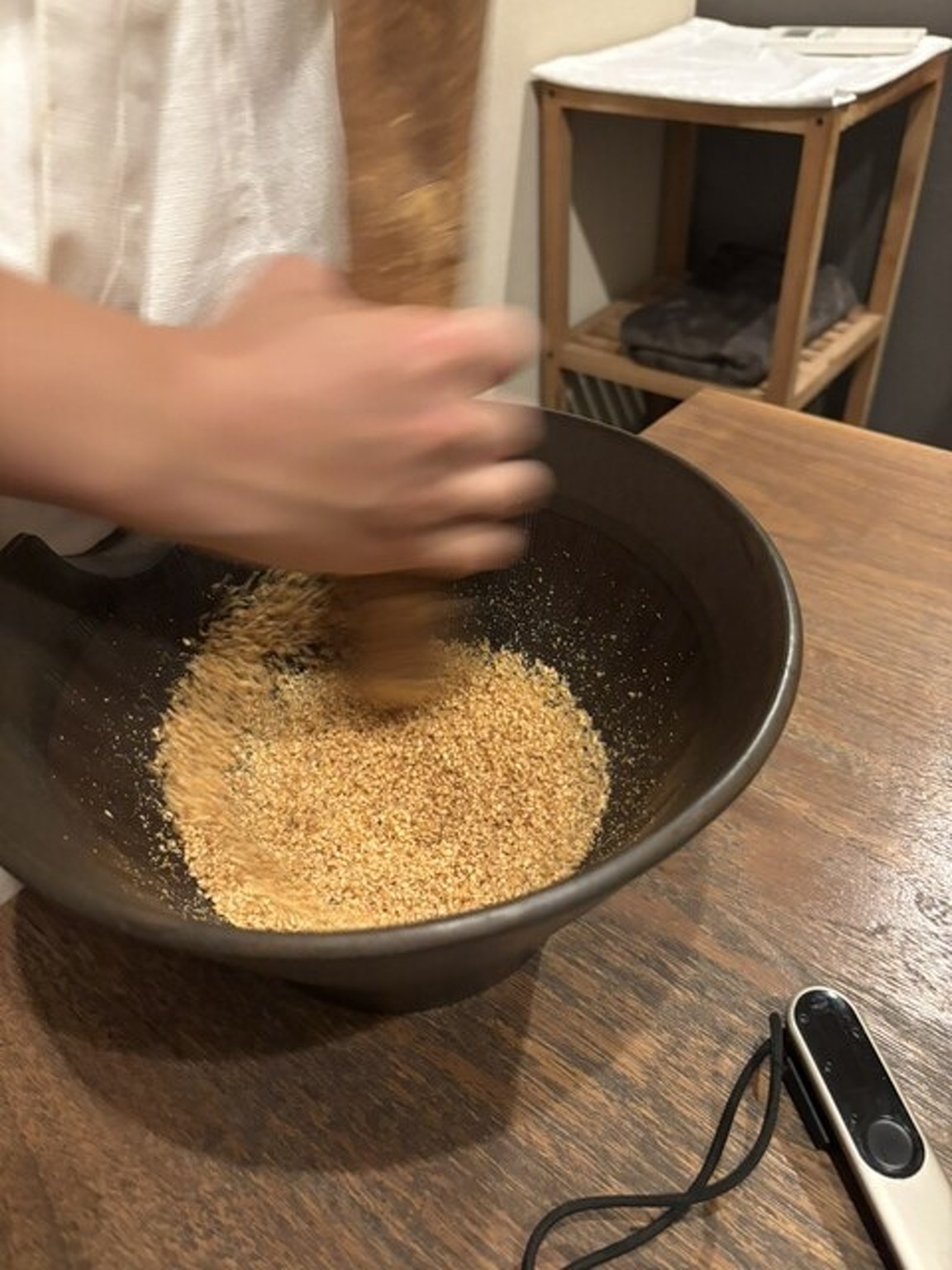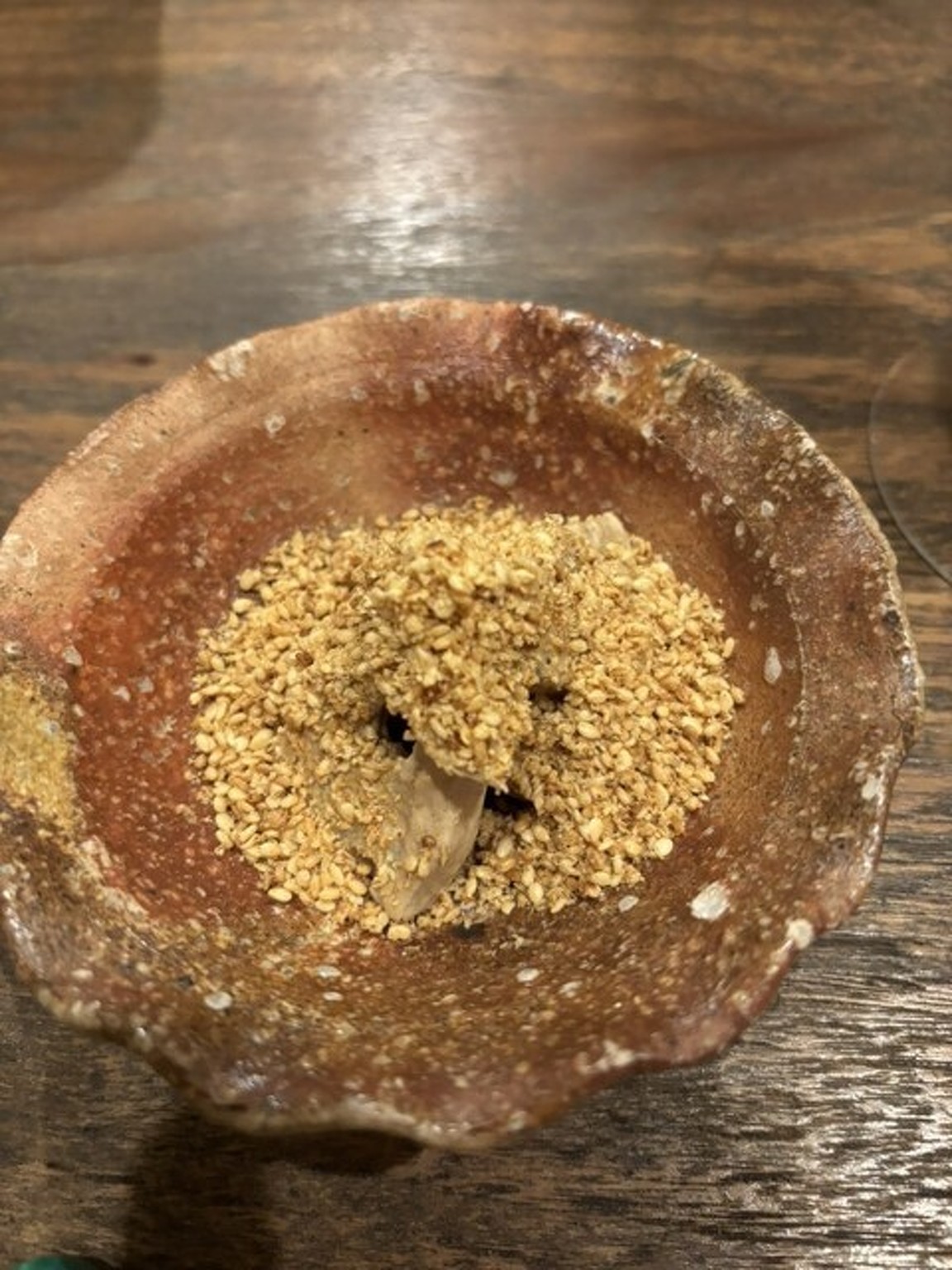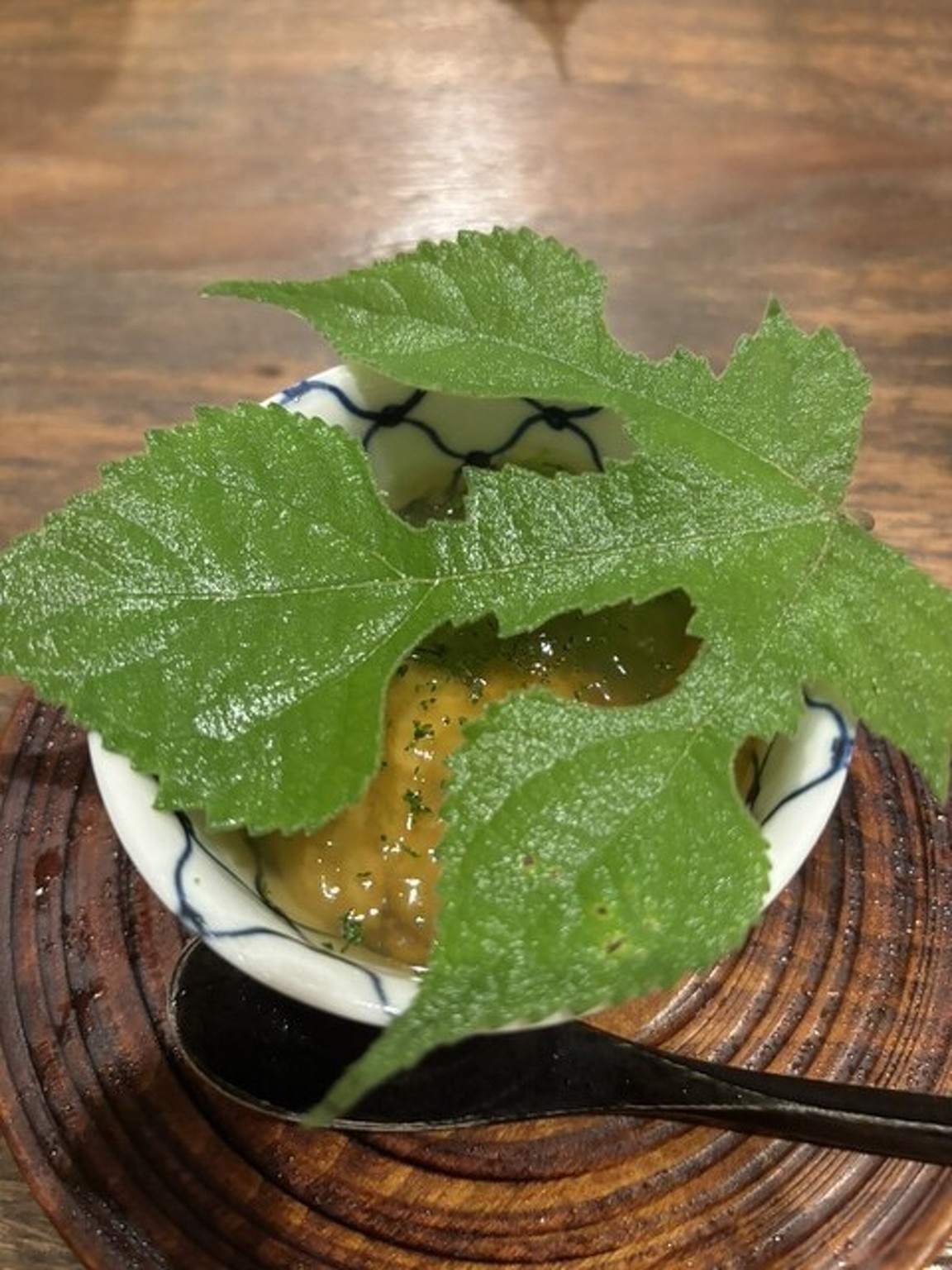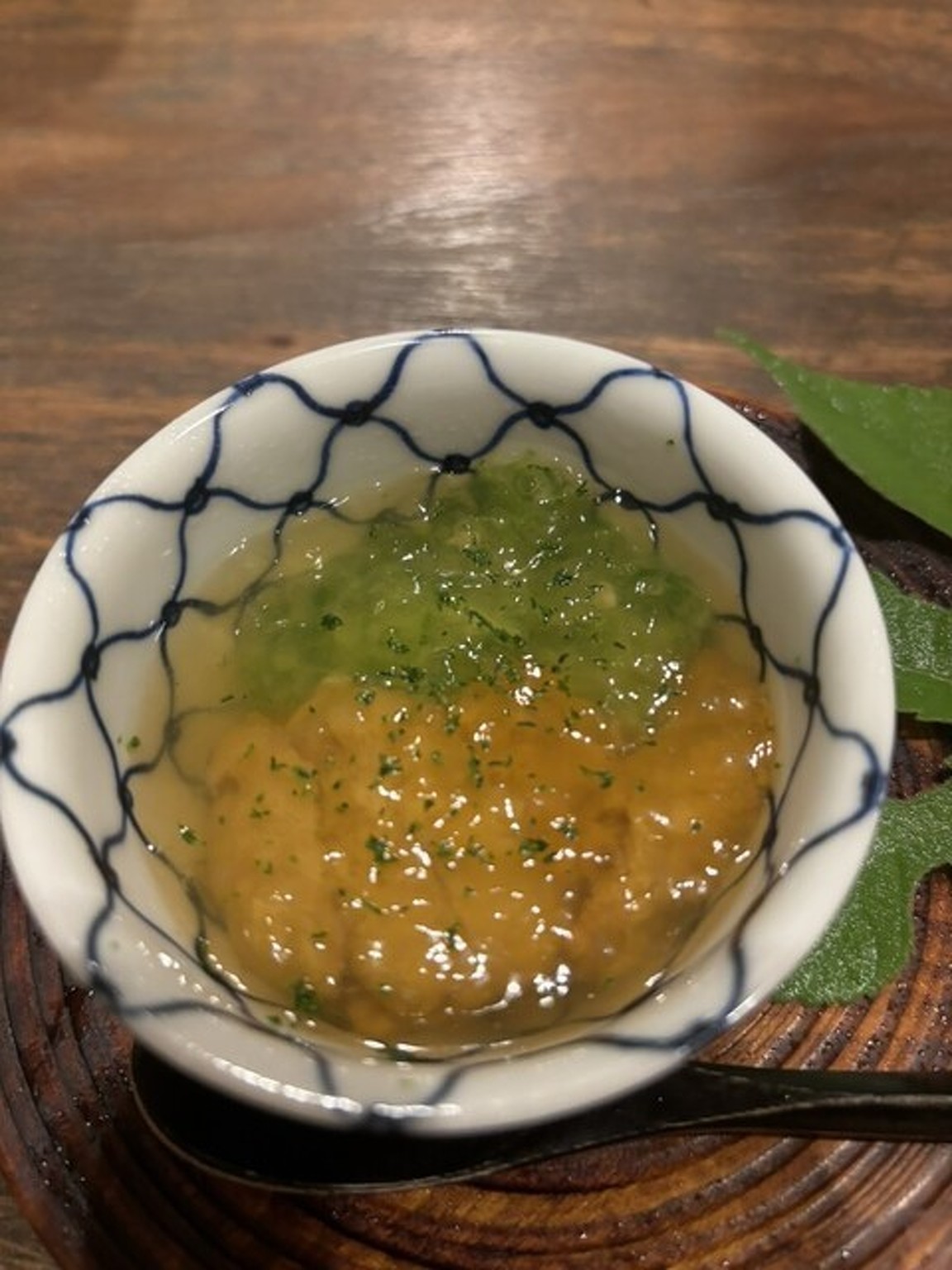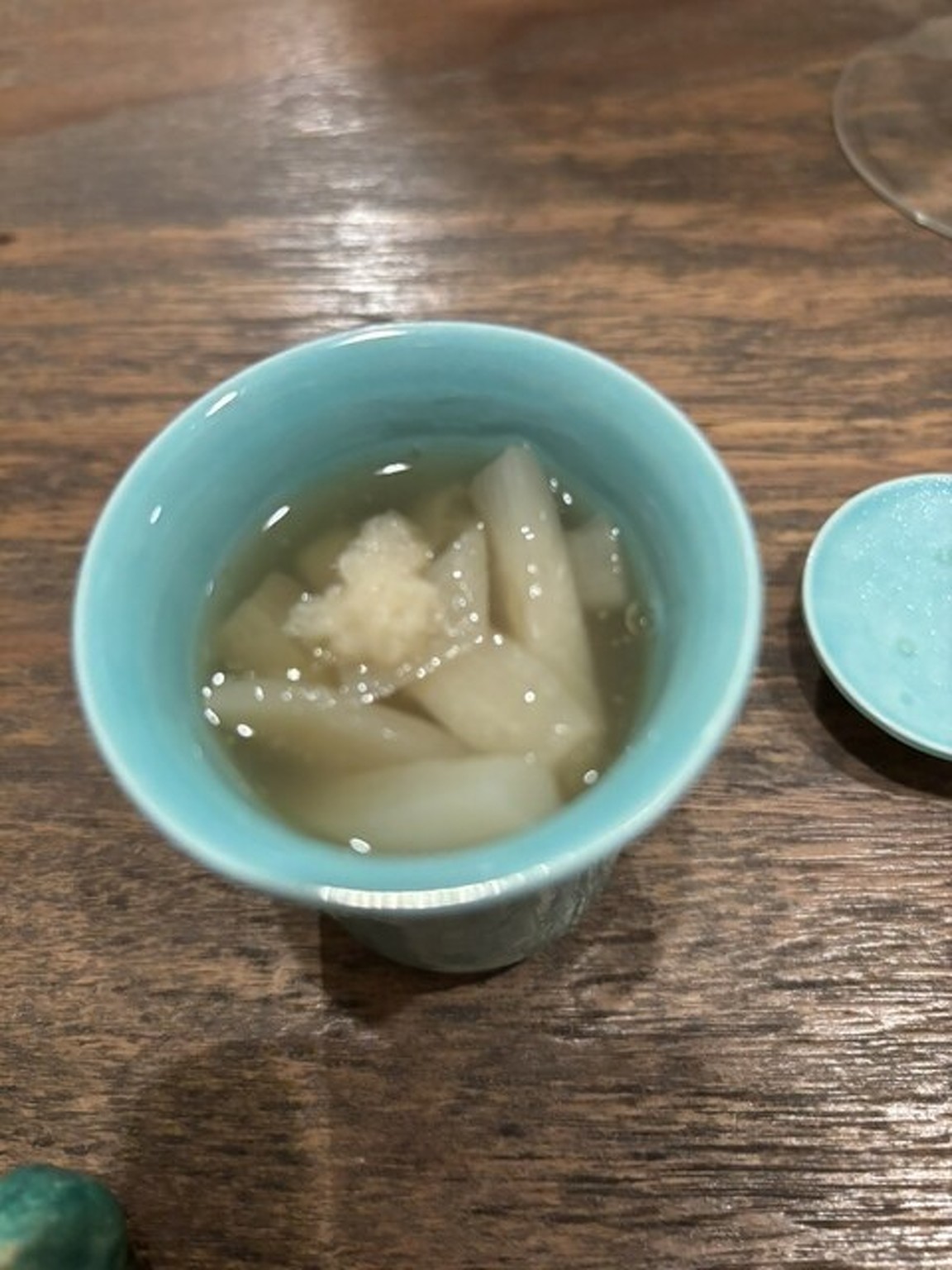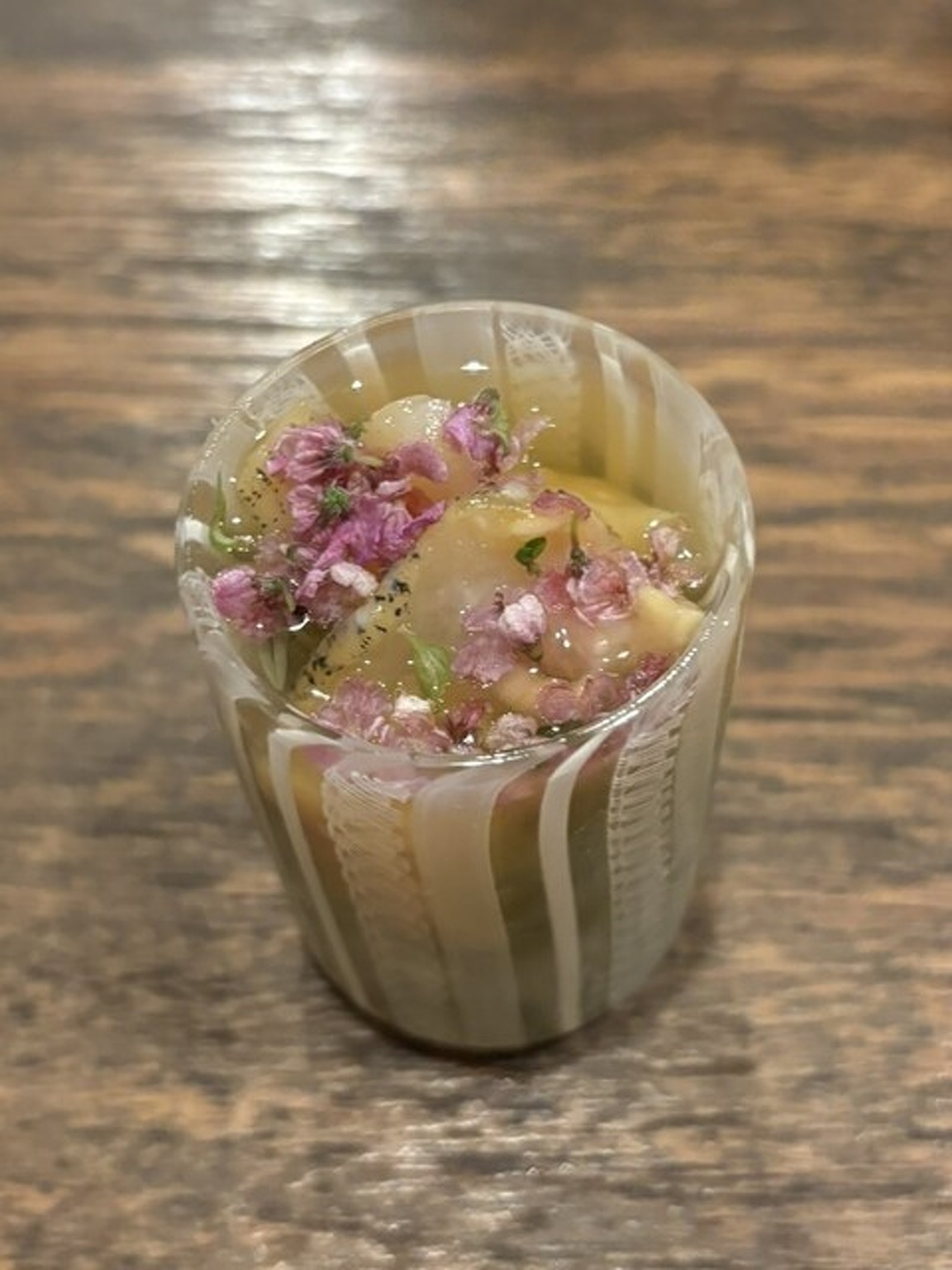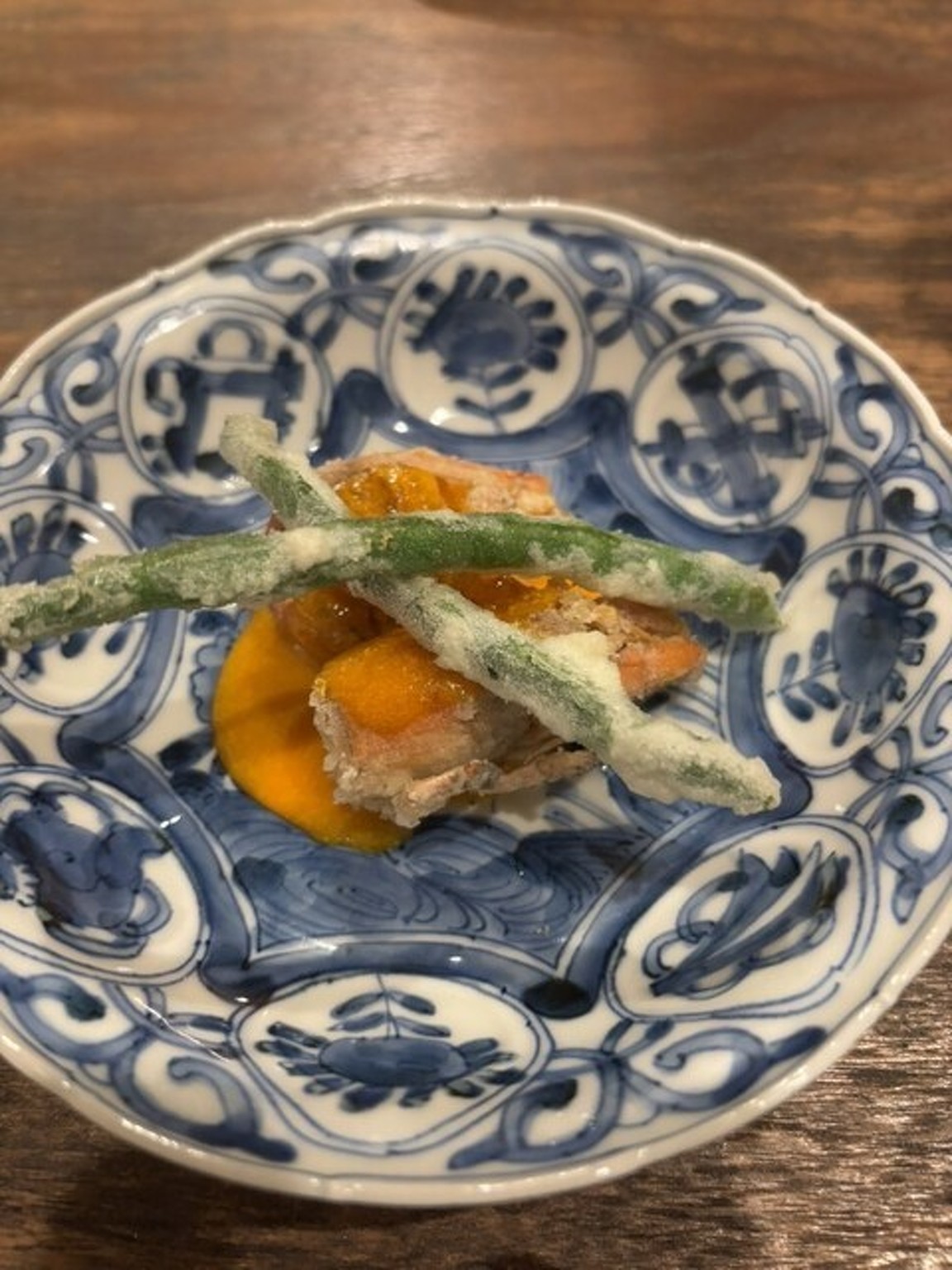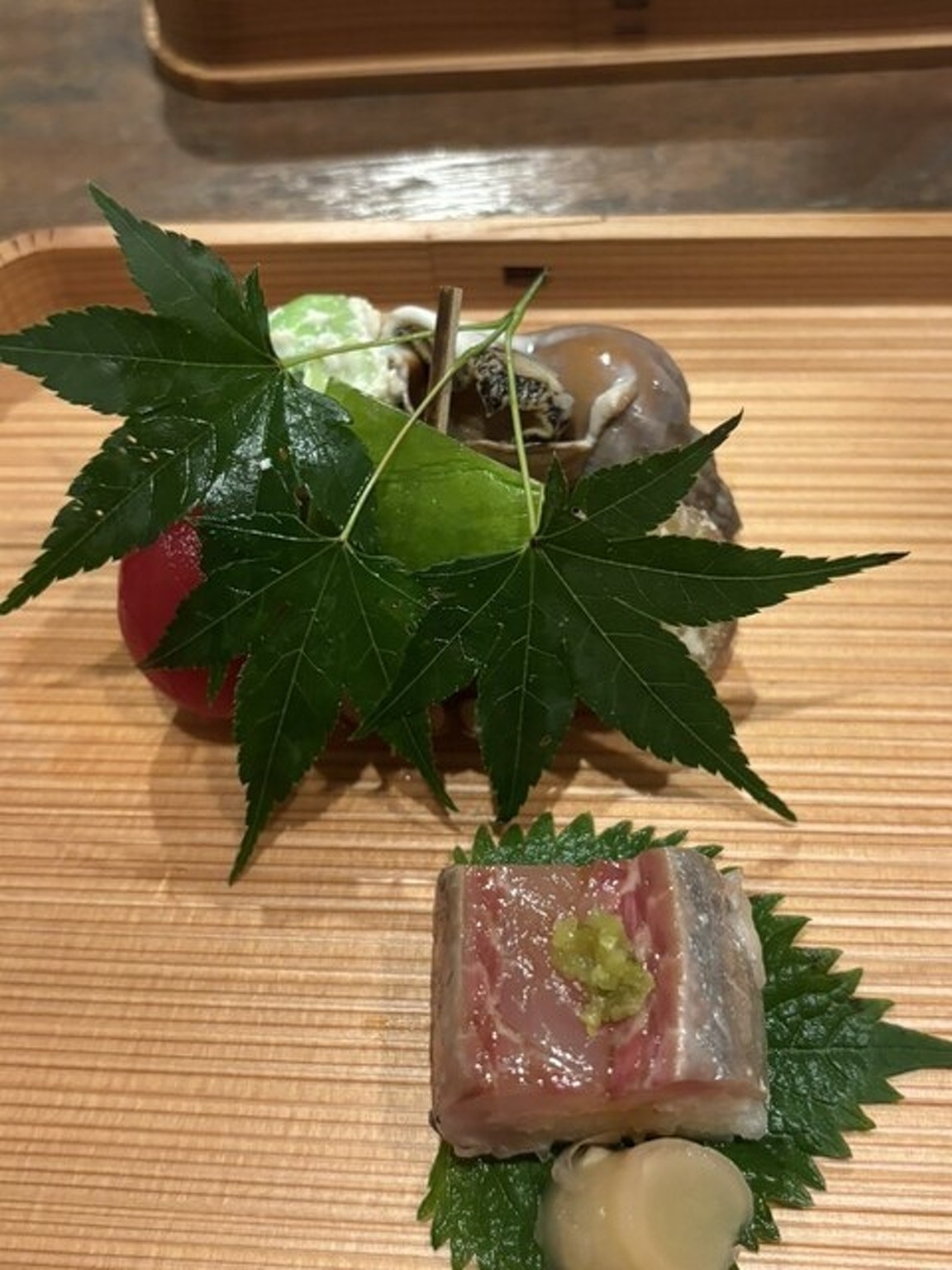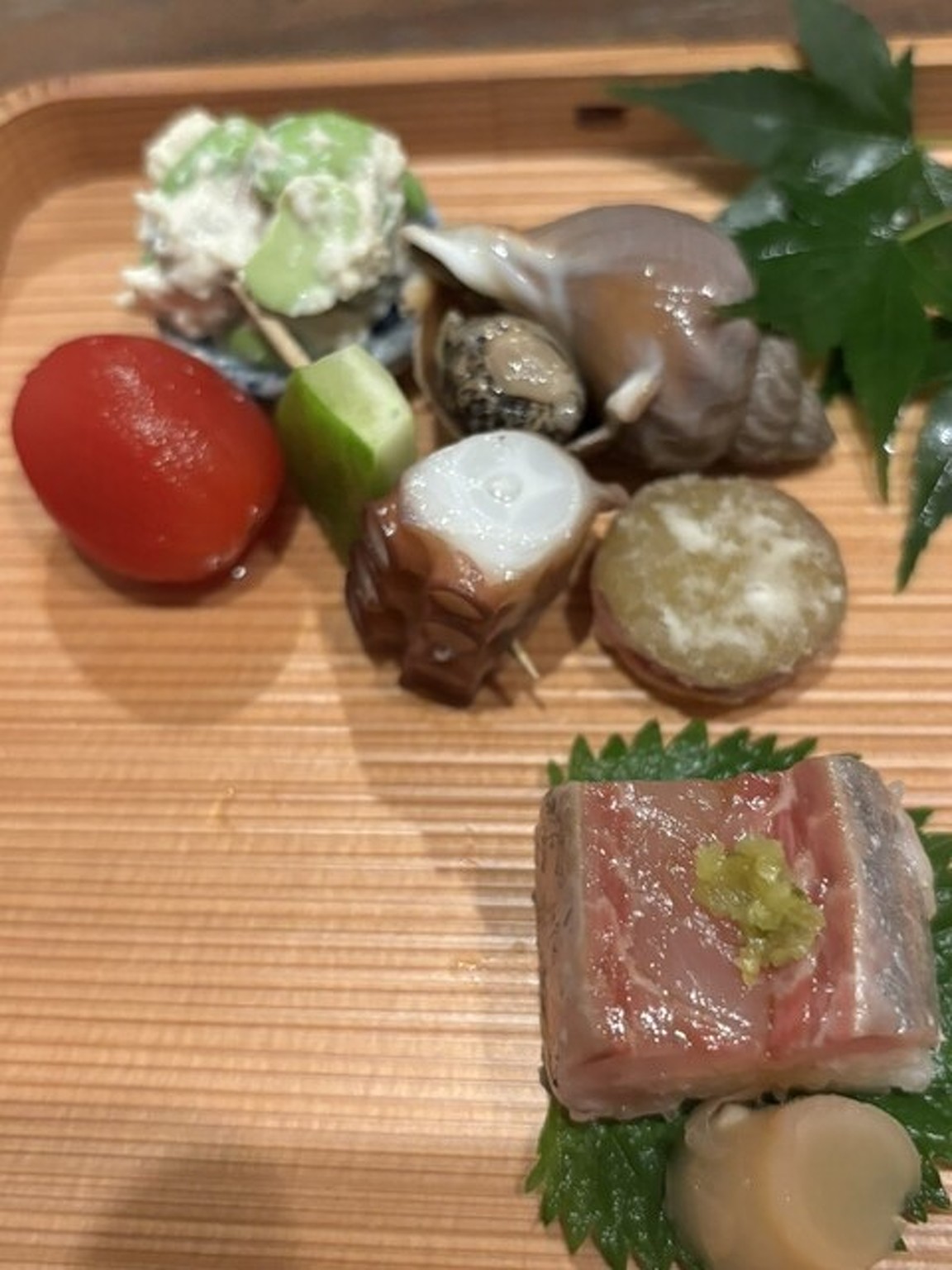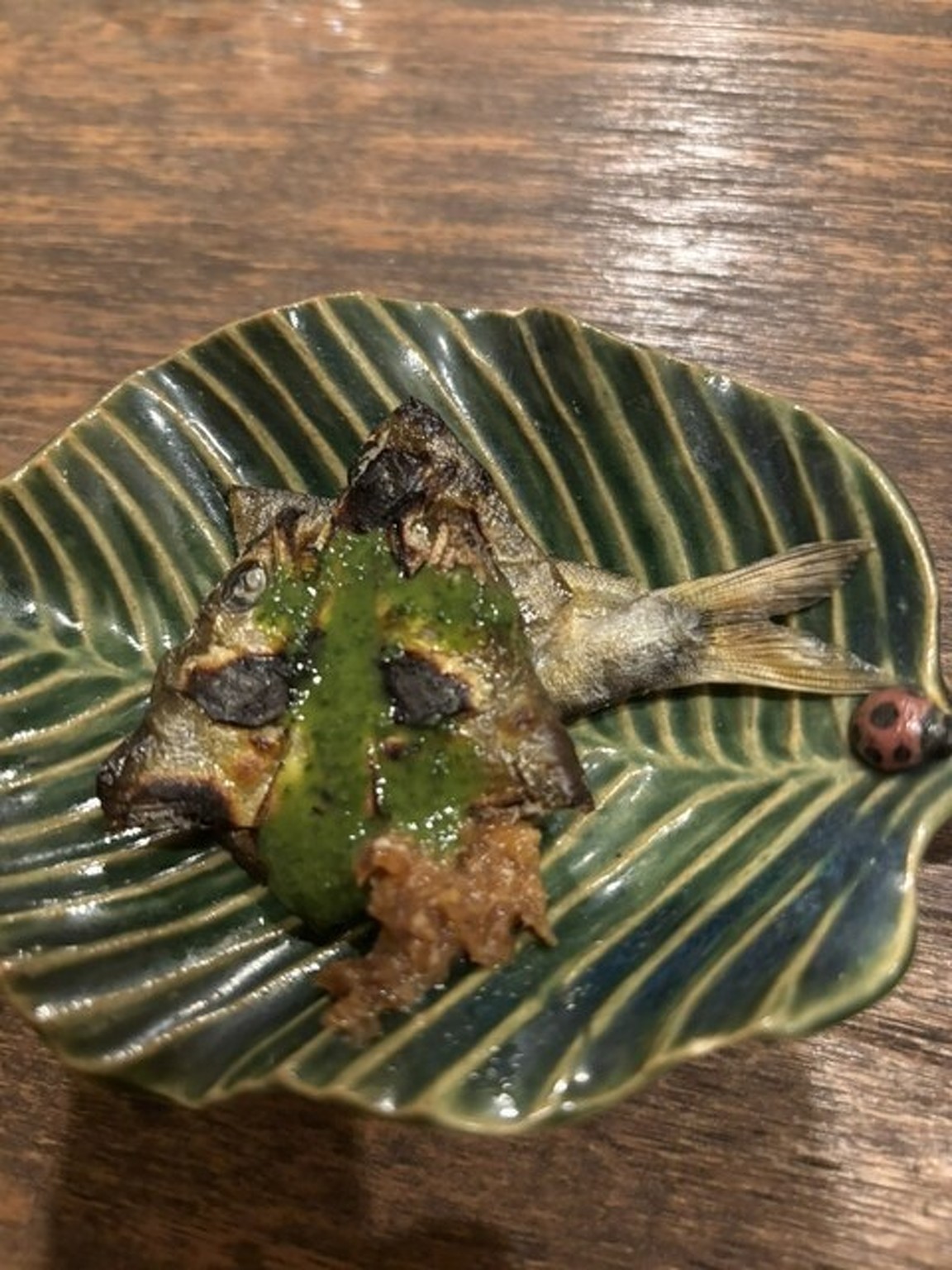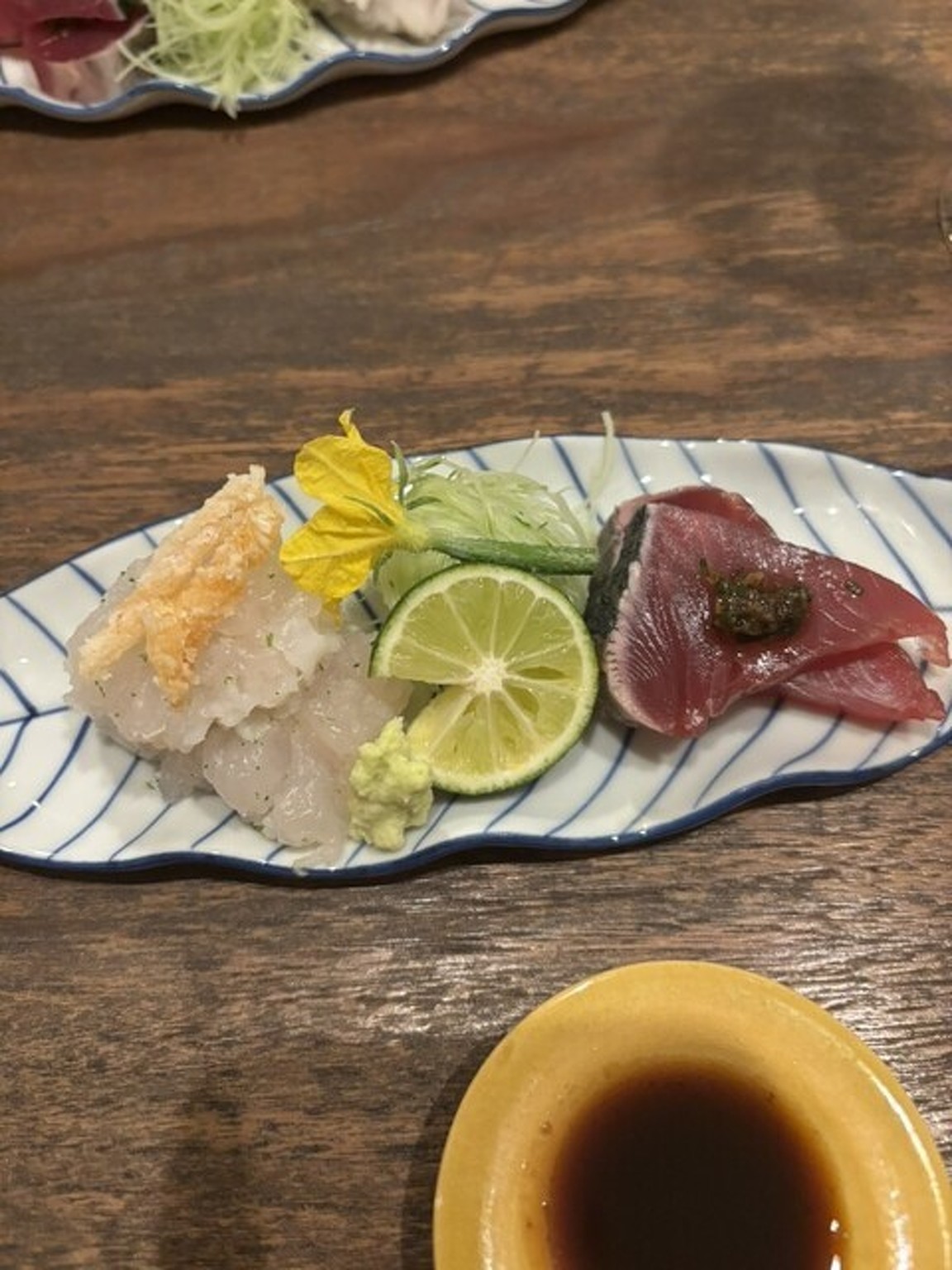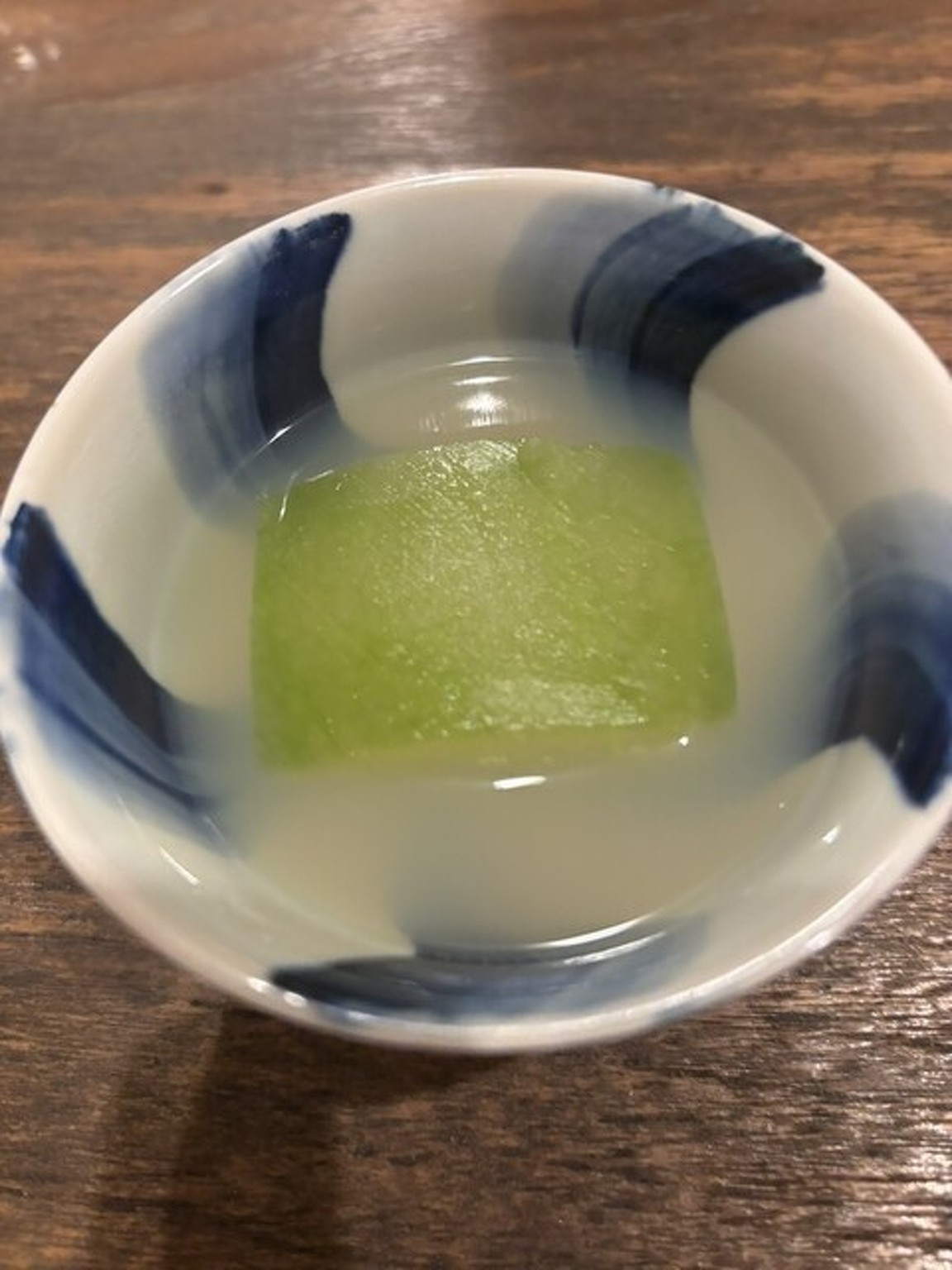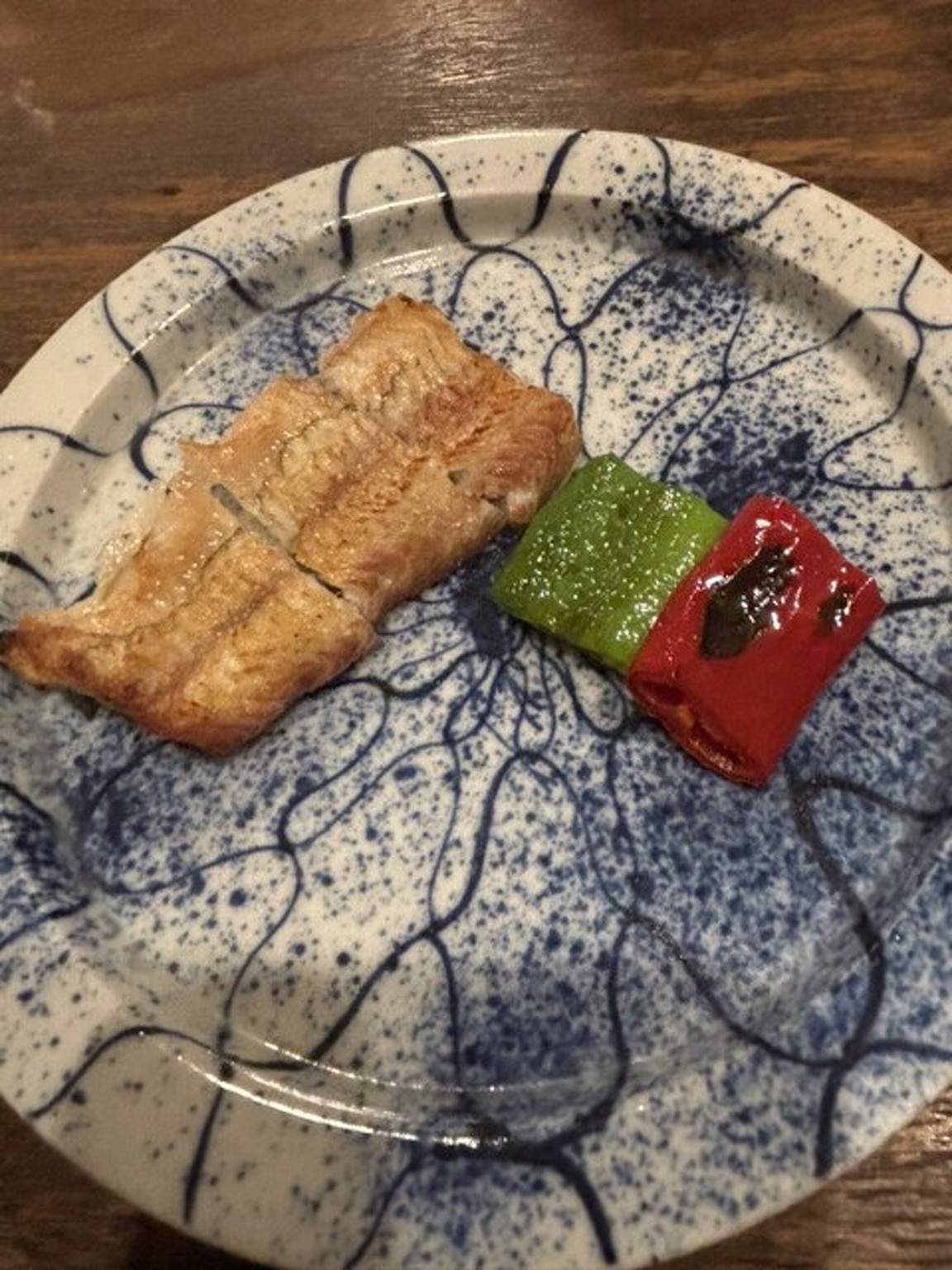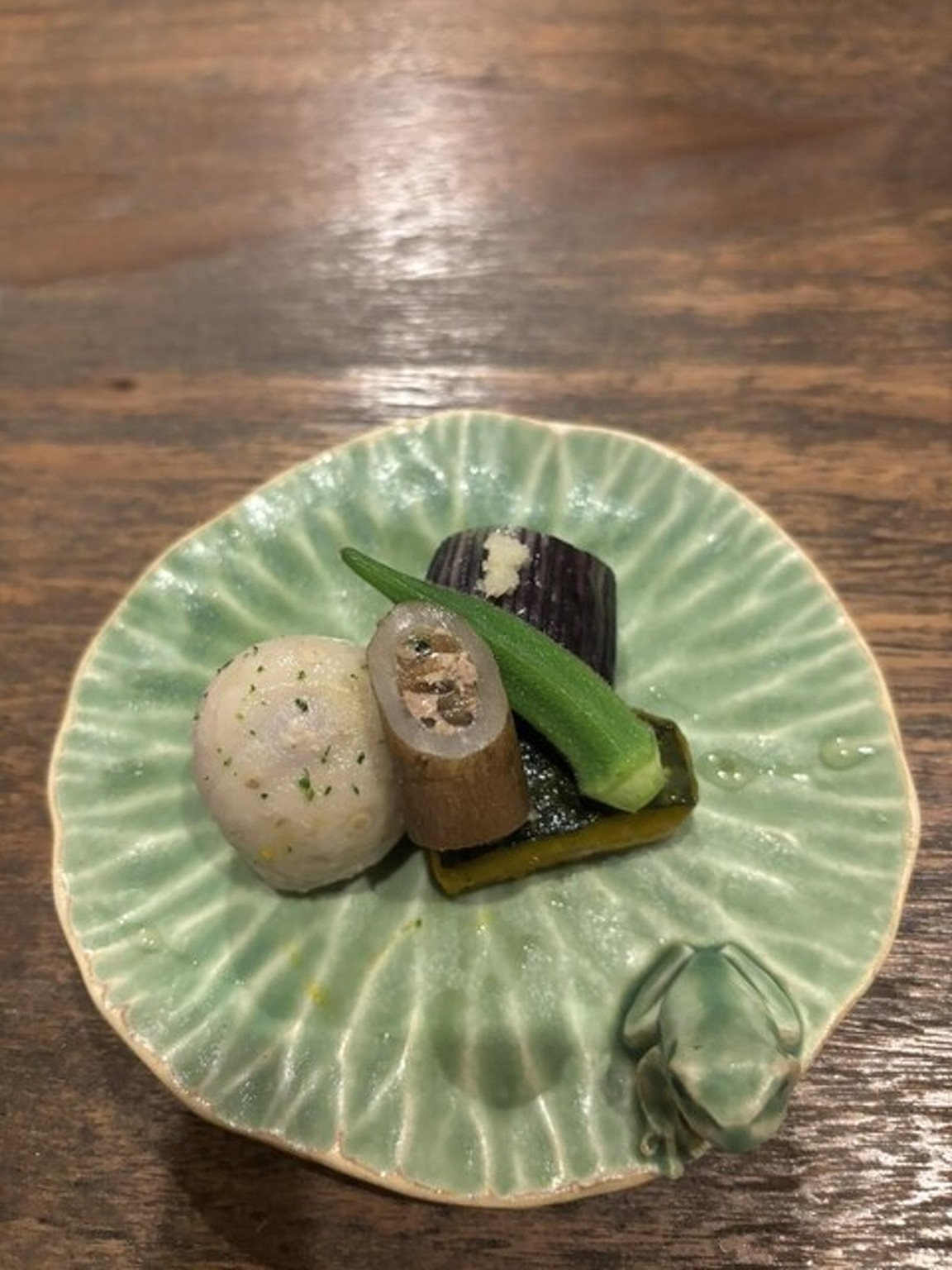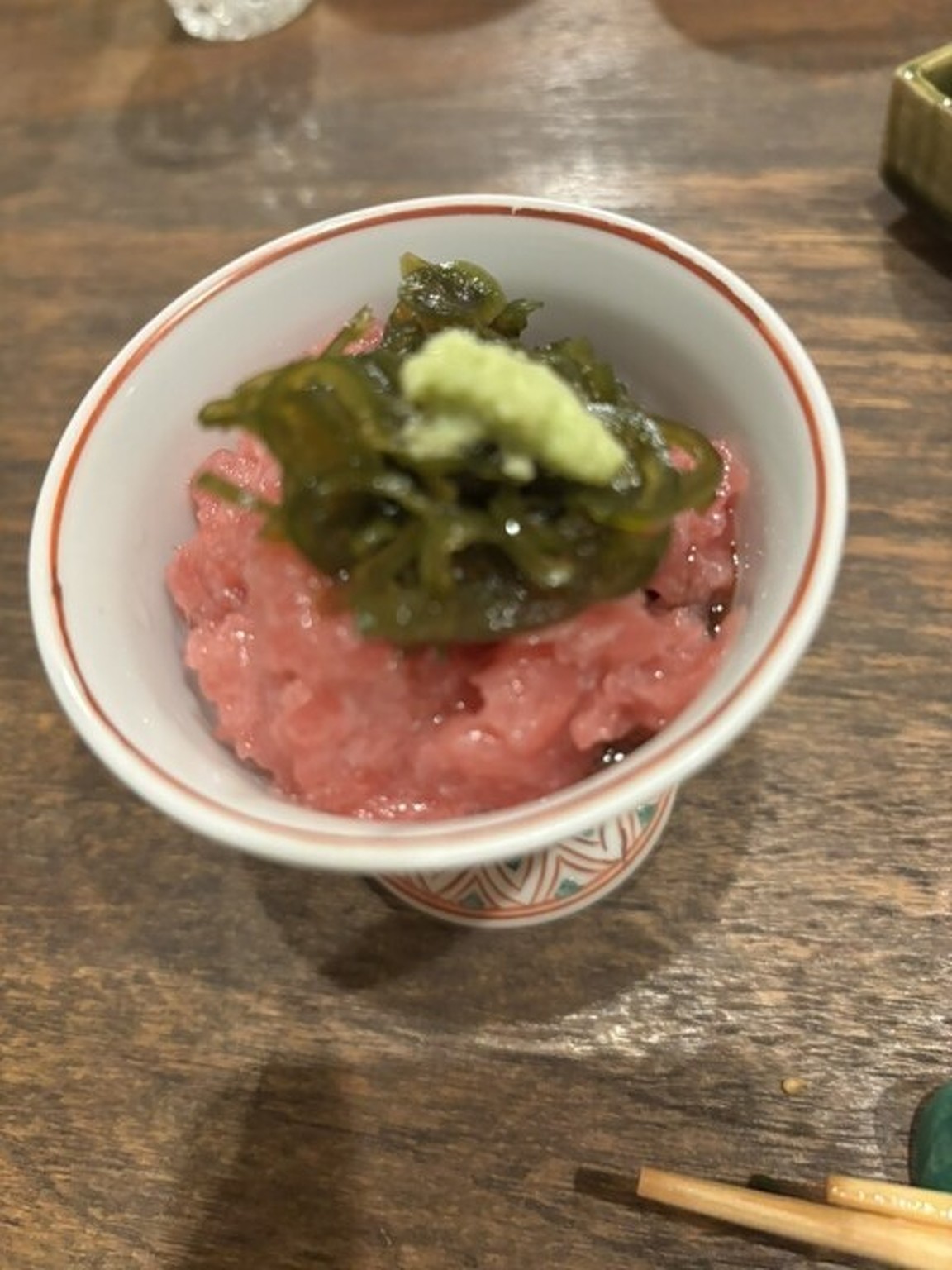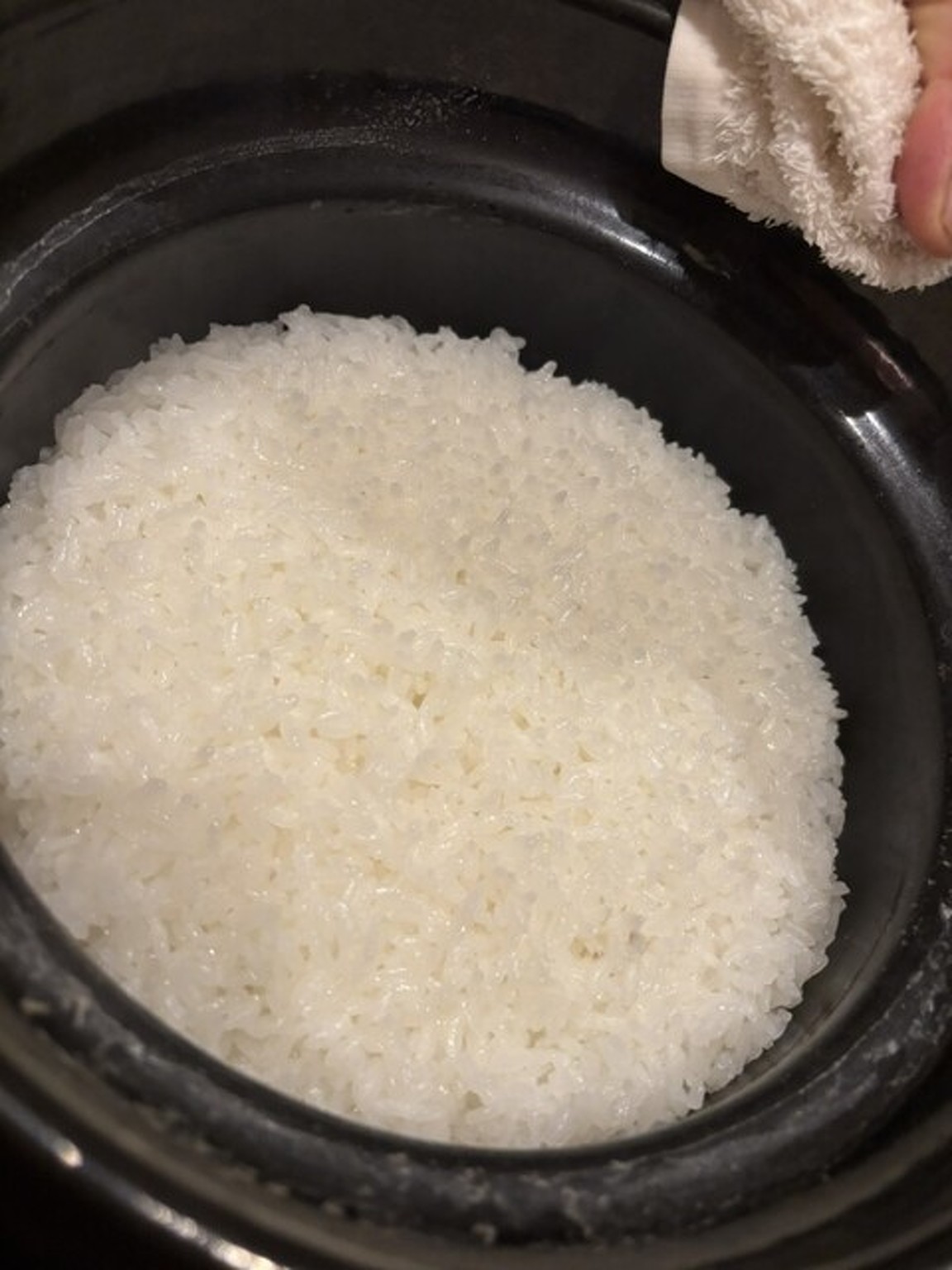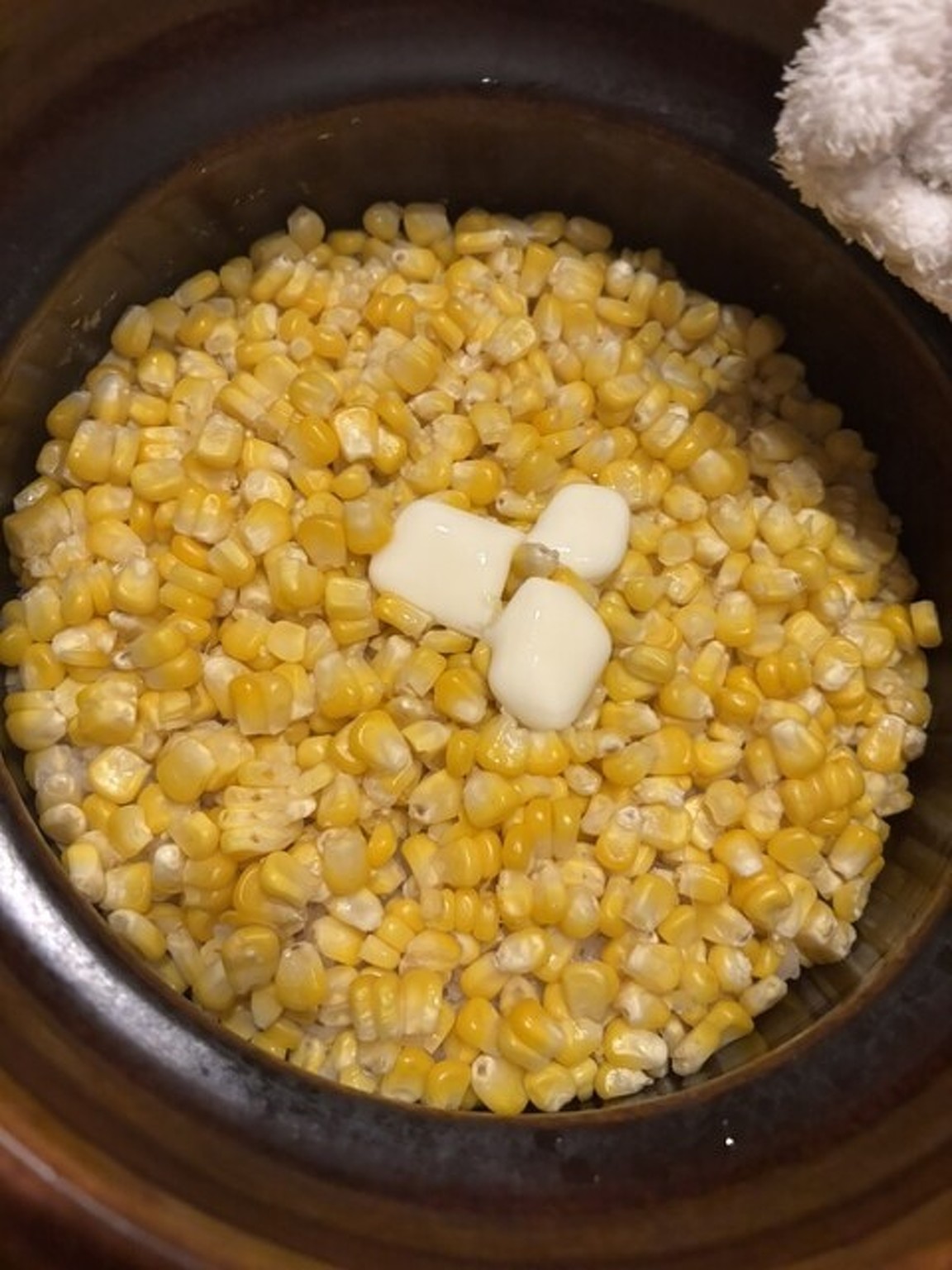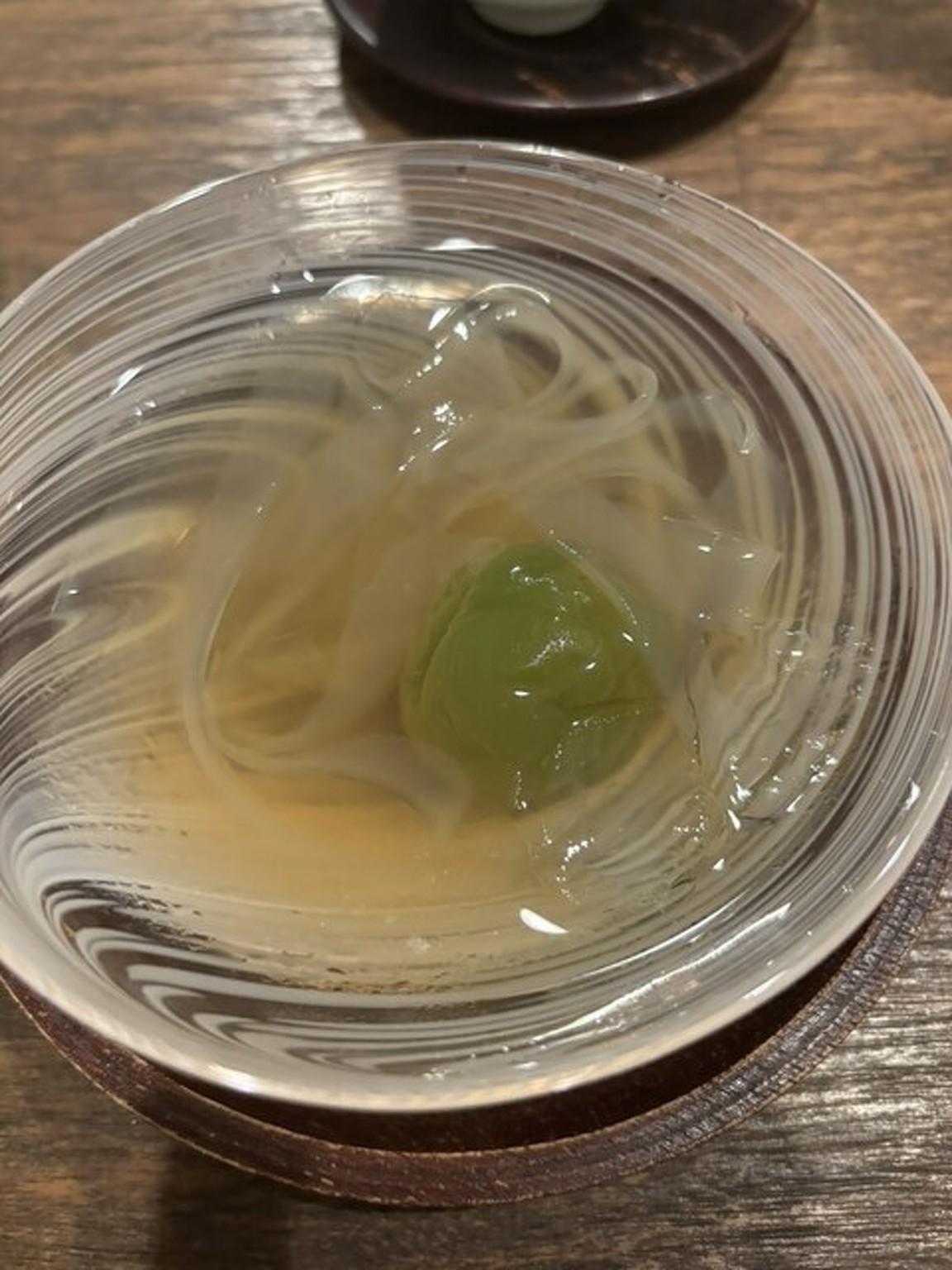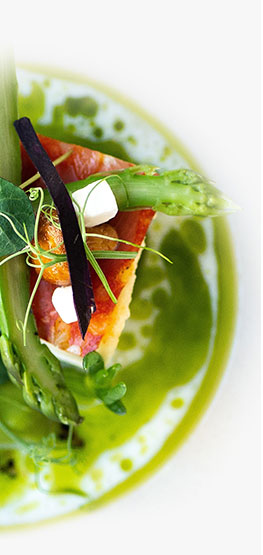
This was my third visit, during New Year's, the spring festival, and now early summer. When it comes to early summer dishes, you can't miss ayu (sweetfish) and hamo (pike conger). The ayu from Gujo Hachiman was still small, served with a special sauce made from yuzu and salt. Gujo Hachiman is well-known for its traditional Gujo Odori dance, but it turns out that it is also held every year on Aoyama Street, due to the connection with the local lord's residence that used to be in Aoyama. The Yoshida River, a tributary of the Nagara River, flows through the center of Gujo Hachiman, creating beautiful waterways throughout the town. Jumping into the river from the bridge railing is a rite of passage for local boys, and when they dive in while pinching their noses, cheers erupt from the crowd. It’s a nostalgic town that retains a pastoral beauty. Recently, it has gained fame again as the home of actor Masao Kondo, featured on NHK BS. Thinking about the ayu brought from that river gave me a sense of connection. However, to be honest, I believe nothing beats ayu that has been perfectly deboned and grilled with salt. The first dish was a hamo soup, and the sashimi featured hamo as the star. When it comes to the perfect background music for enjoying hamo, nothing beats "Konchikichin." It reminded me that the Gion Matsuri festival is just around the corner. This time, Haru's famous sesame dressing was made with lotus root, and I was surprised by how translucent and white it was. The sesame paste that had been mixed in beforehand deepened the flavor. The classic simmered dish with pickled vegetables, flavored with hamo bone broth, also hinted at Kyoto's culinary traditions. All the dishes were served in small portions, which might lead one to think there was less food, but by the time the rice came, I was always full. The white rice mixed with corn butter was accompanied by the usual tuna tartare and pickled green chili, and I greedily enjoyed both. For dessert, we had kuzukiri, which also reminded me of Kyoto flavors, topped with soft-cooked green plums and syrup. It wasn’t the familiar black syrup, but I drank every last drop, impressing the young staff at the restaurant. I had been eating less due to a recent hospitalization, but this meal felt like perfect rehabilitation, and I left feeling revitalized. Thank you for the wonderful meal. I guess the next visit will be in autumn. May my reminiscing continue as I wish for a long life.
We use cookies on this site to enhance your user experience.