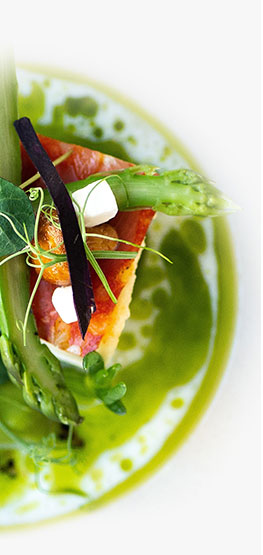
The title of being a hard-to-reserve restaurant can sometimes raise expectations too high. However, Higashiazabu Amamoto impressively delivers on every dish without relying on its reputation.The course begins with light appetizers.The Akita Jun-sai and Yamaguchi Mozuku seaweed offer a refreshing taste and the fresh scent of the ocean, awakening the body naturally during the hot season. The chawanmushi (savory egg custard) made with shijimi clam broth and konowata (sea cucumber roe) is a dish that subtly encapsulates the essence of the sea within its gentle umami, making it a perfect start to enjoy with sake.The dishes featuring Makogarei (flatfish) and Tsubugai (whelk) provide a delightful contrast in textures. The Hokkaido-sourced Nagasakujira (whale) is a surprising highlight of the day. It possesses the unique strength of whale meat while being surprisingly tender. With each bite, the moist umami of the meat spreads, completely reshaping my perception of whale in a positive way.The Chiba-sourced octopus and abalone also leave a lasting impression. The abalone, sliced thinly, avoids any toughness and allows the umami to burst in the mouth. The delicate flavor created by this thin preparation reflects the meticulous craftsmanship involved.The Hokkaido-sourced Botan Ebi (sweet shrimp) marinated in Shaoxing wine is a dish where sweetness and fermentation aromas harmoniously blend.The bonito is grilled over straw, enveloping the robust umami of the red meat with the fragrant smoke. While it is already delicious with just salt from Kochi, pairing it with garlic transforms the experience. This is a popular way to enjoy it in Kochi, where the strong aroma of garlic enhances the rich umami of the bonito, creating a bold yet surprisingly light aftertaste. It felt like a dish that encapsulated the local food culture.The fried Managatsuo (mackerel) paired with grape pepper showcases a thoughtful consideration for lingering aromas. The final dish of firefly squid marinated in soy sauce is rich yet not overwhelming, serving as a perfect bridge to the nigiri.The nigiri captures my heart from the very first piece of Haruko-dai (young sea bream). Using half a fish for a single piece is a luxurious approach, allowing the delicate fat and aroma unique to young fish to unfold.Following are Isaki (grunt), Awaji Island Sumi-ika (cuttlefish), and Akagai (red clam), each showcasing a subtle craftsmanship that maximizes the ingredients' potential.Then comes the trio of tuna.The 137 kg tuna from Sakai Port in Tottori is served in a sequence of chutoro (medium fatty), otoro (fatty), and akami (lean). Each piece is meticulously calculated in terms of fat quality, iron aroma, and temperature control, transforming the experience to the point where it feels like a completely different fish.While the kohada (gizzard shad) was excellent, the standout of the day was undoubtedly the aji (horse mackerel).The aji from Hagi, Yamaguchi, is rich in fat yet surprisingly light. The initial bite reveals a refined sweetness, followed by a deep umami, and it disappears leaving only a refreshing aftertaste. Being a familiar ingredient in Edomae sushi, the difference in technique is vividly apparent. This piece taught me just how delicious aji can truly be.The red uni from Hagi is impressively rich in sweetness with a refined aftertaste. The sweet shrimp showcases a remarkable texture and aroma due to perfect cooking, and the meal concludes with anago (conger eel).By discerning the ingredients, skillfully cutting, cooking, and shaping, each step maximizes the allure of the ingredients. The thinly sliced abalone eloquently expresses its umami, while the tender Nagasakujira demonstrates the potential of the ingredients.And after finishing the meal, the piece that remained most vividly in my memory was the aji nigiri.I was reminded once again that the finest ingredients and exceptional techniques leave the deepest impressions.
We use cookies on this site to enhance your user experience.