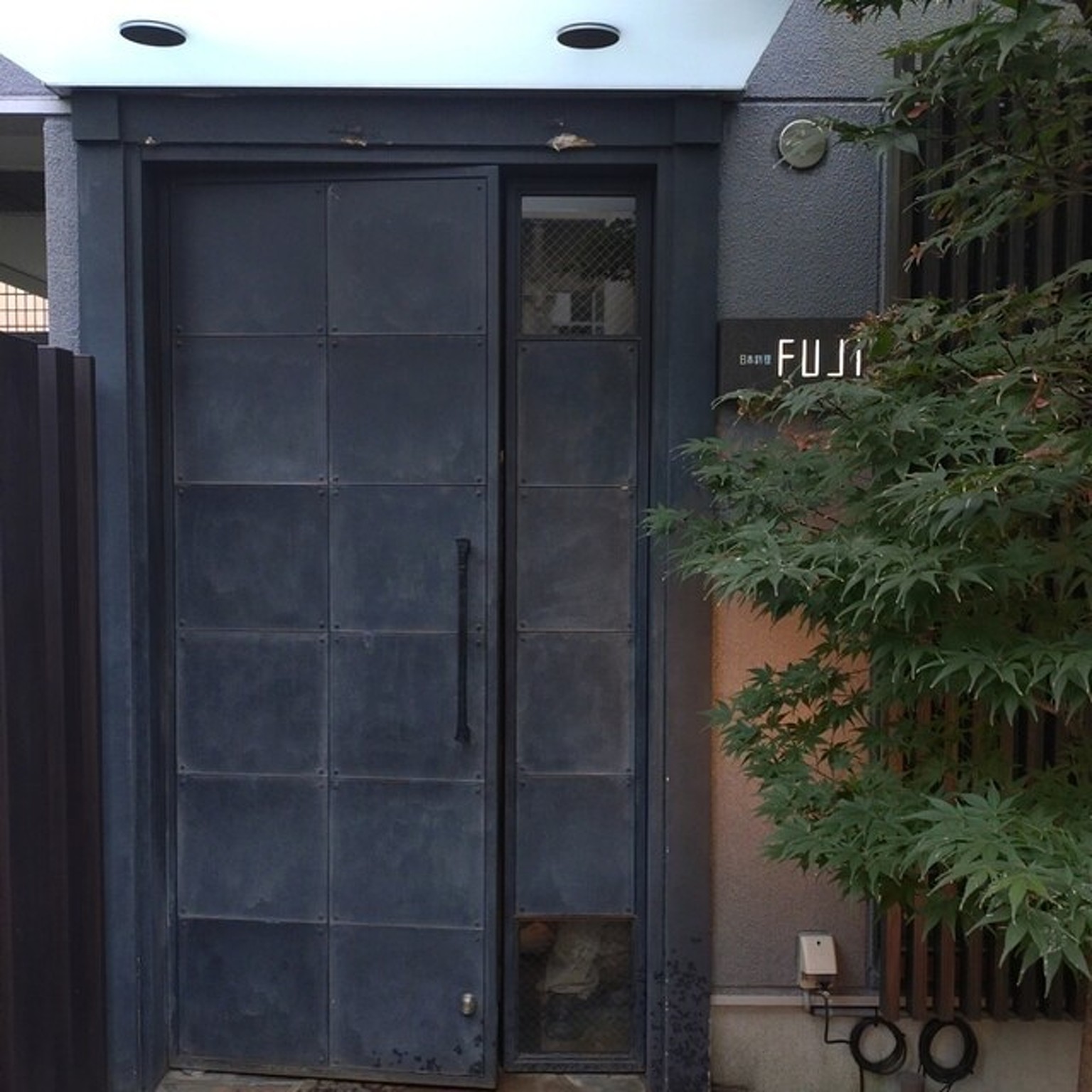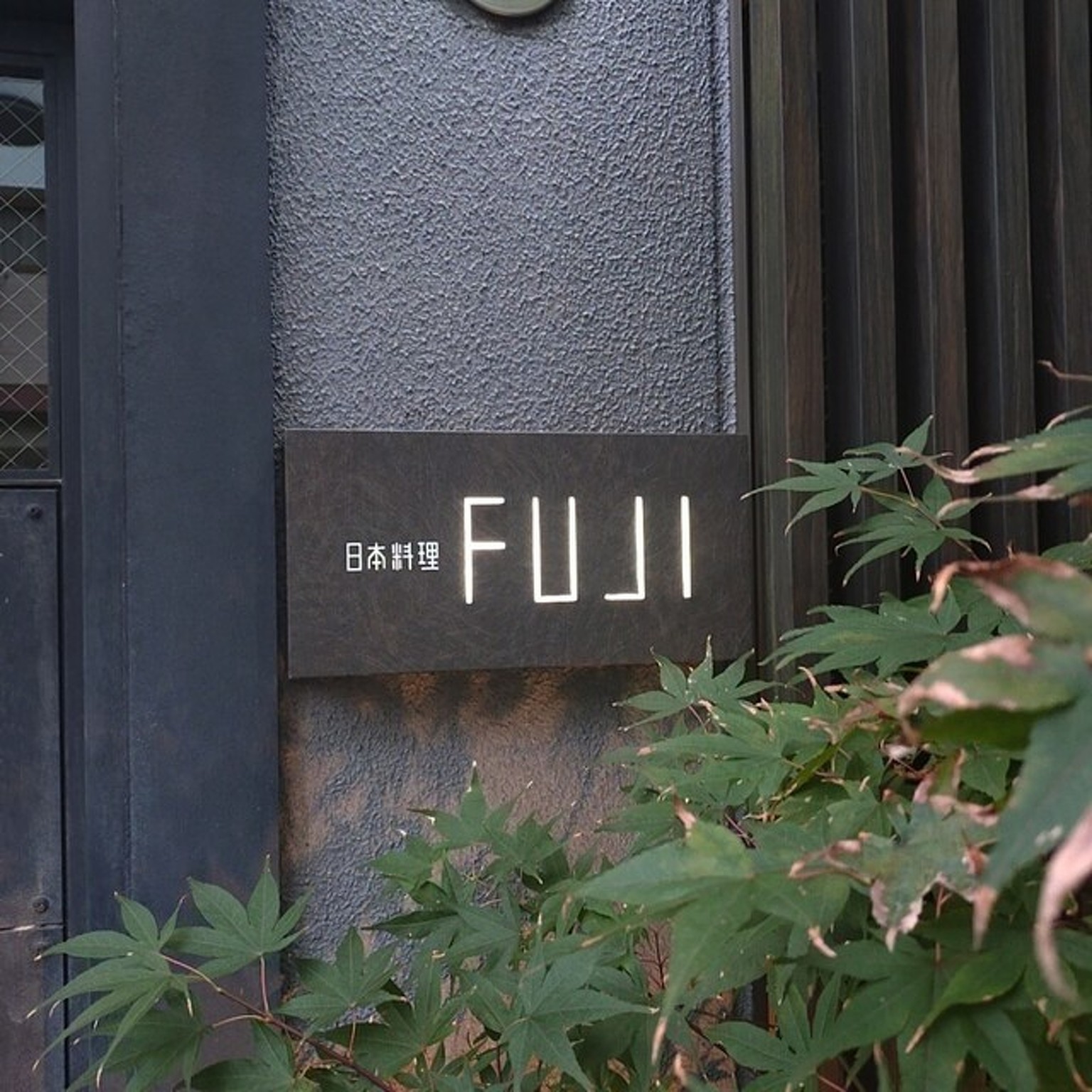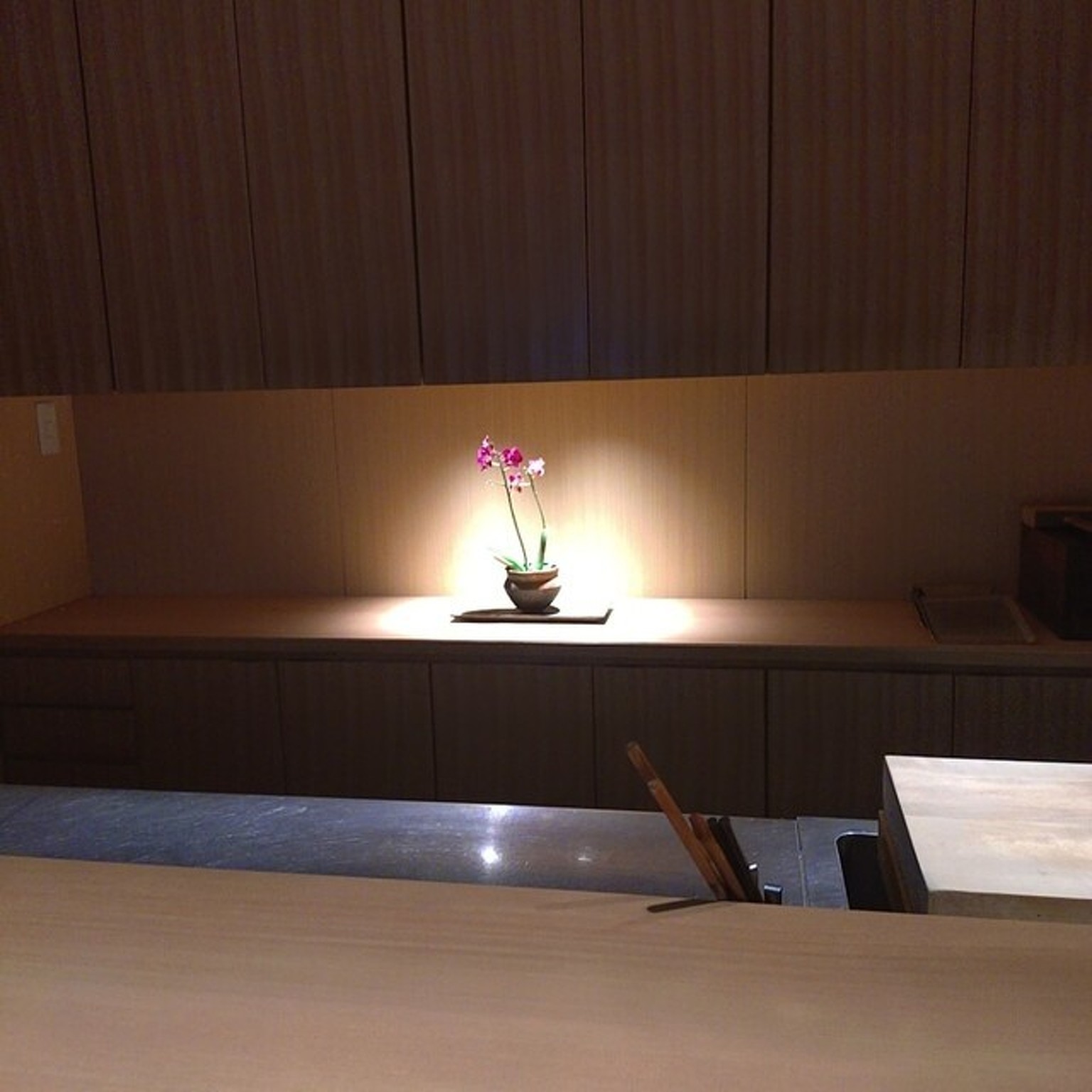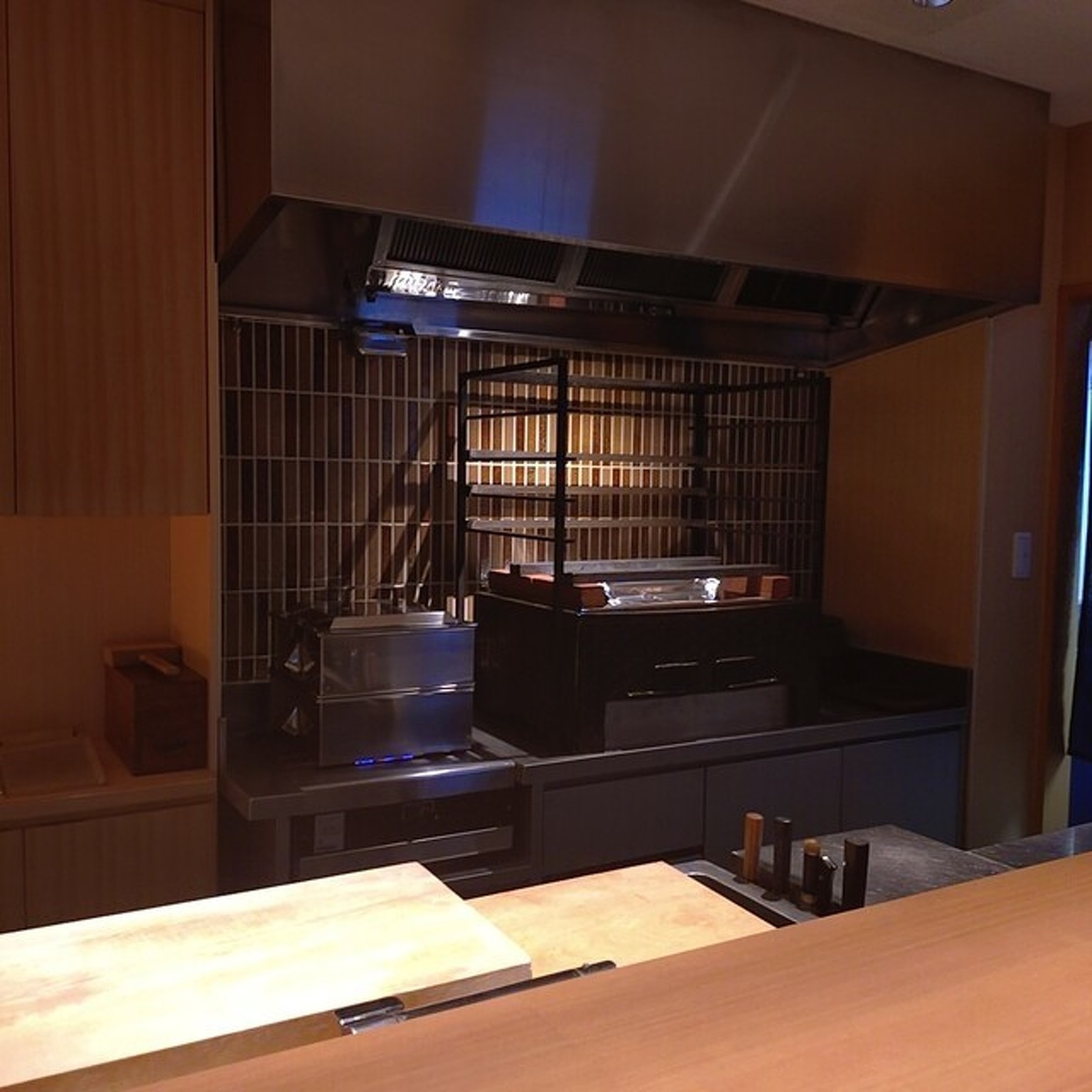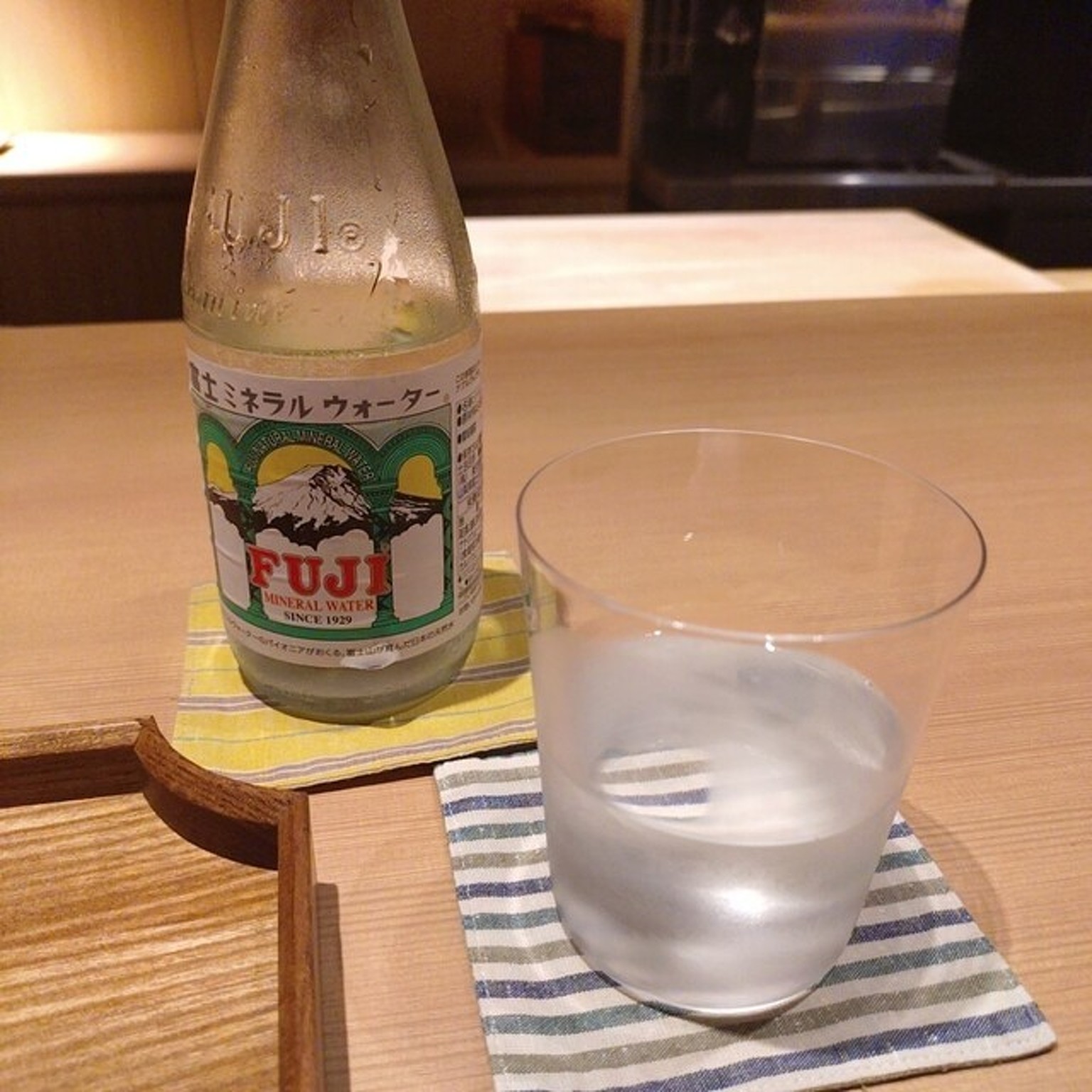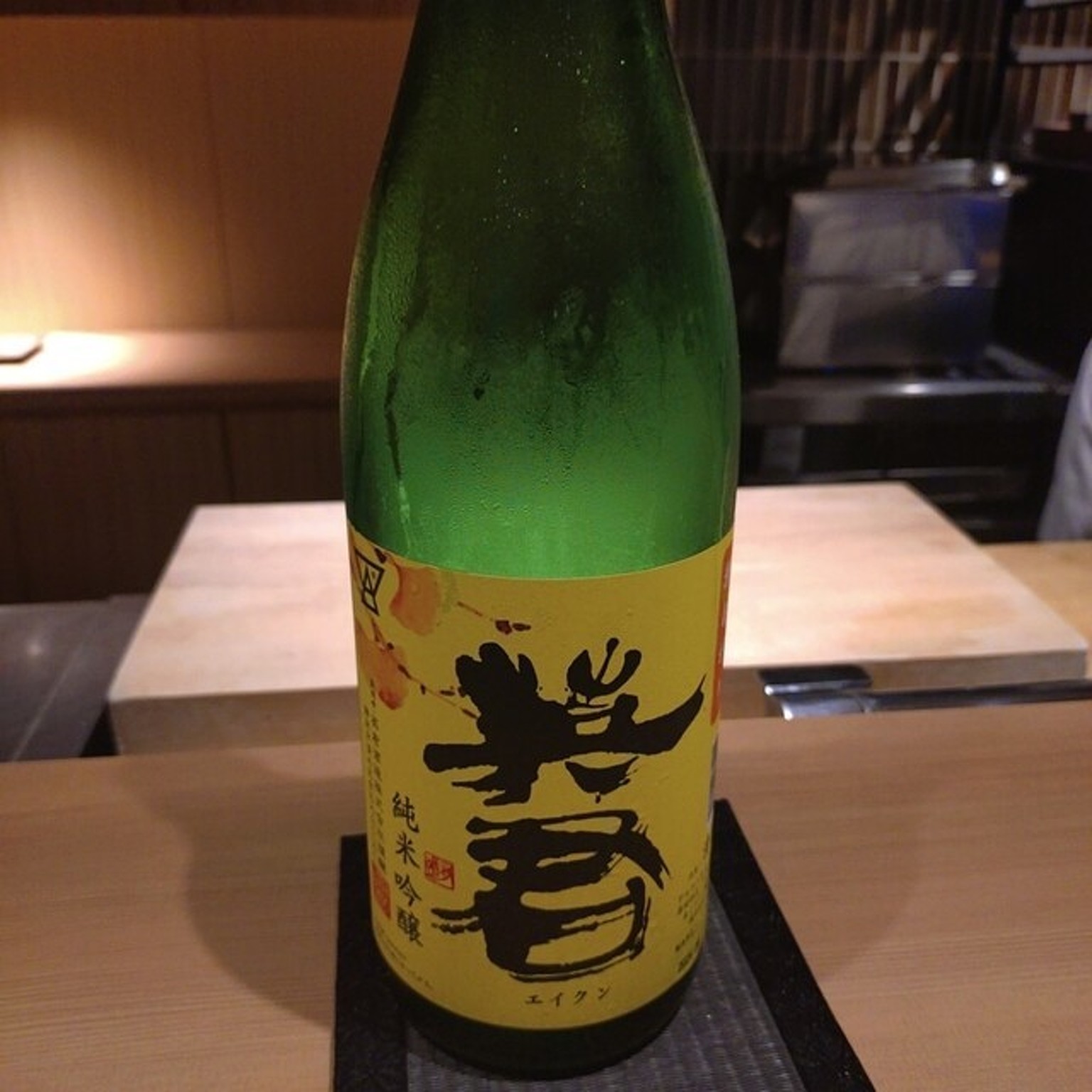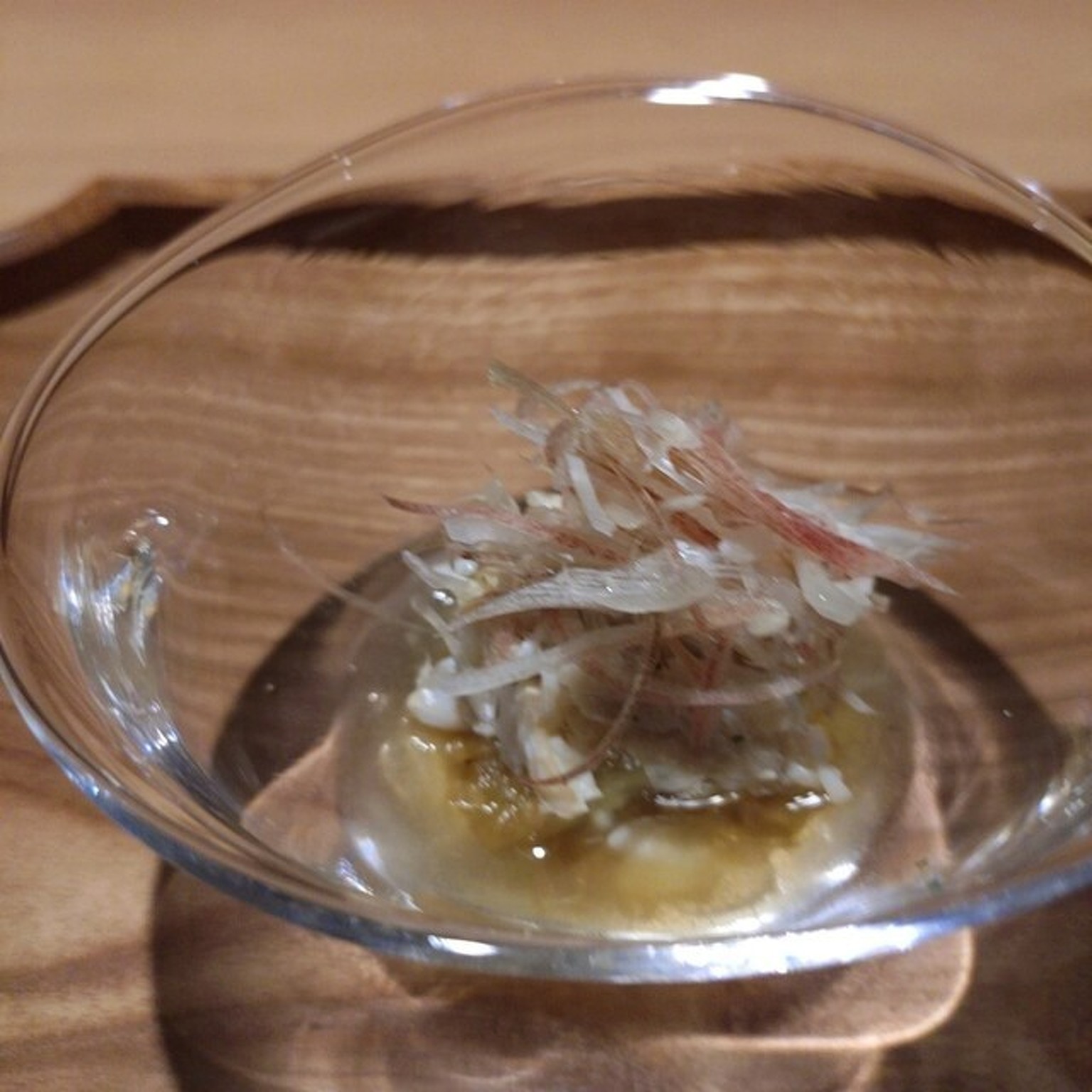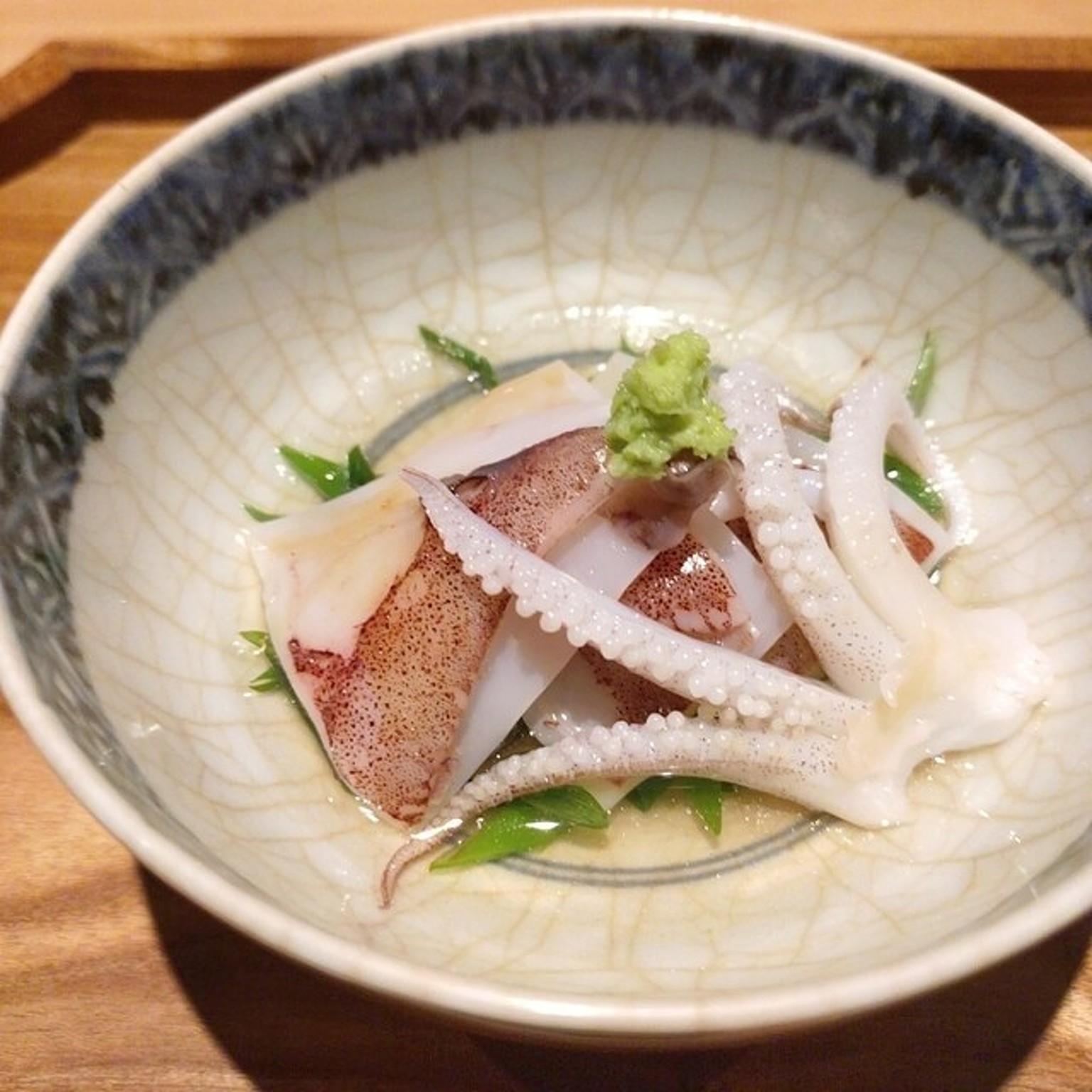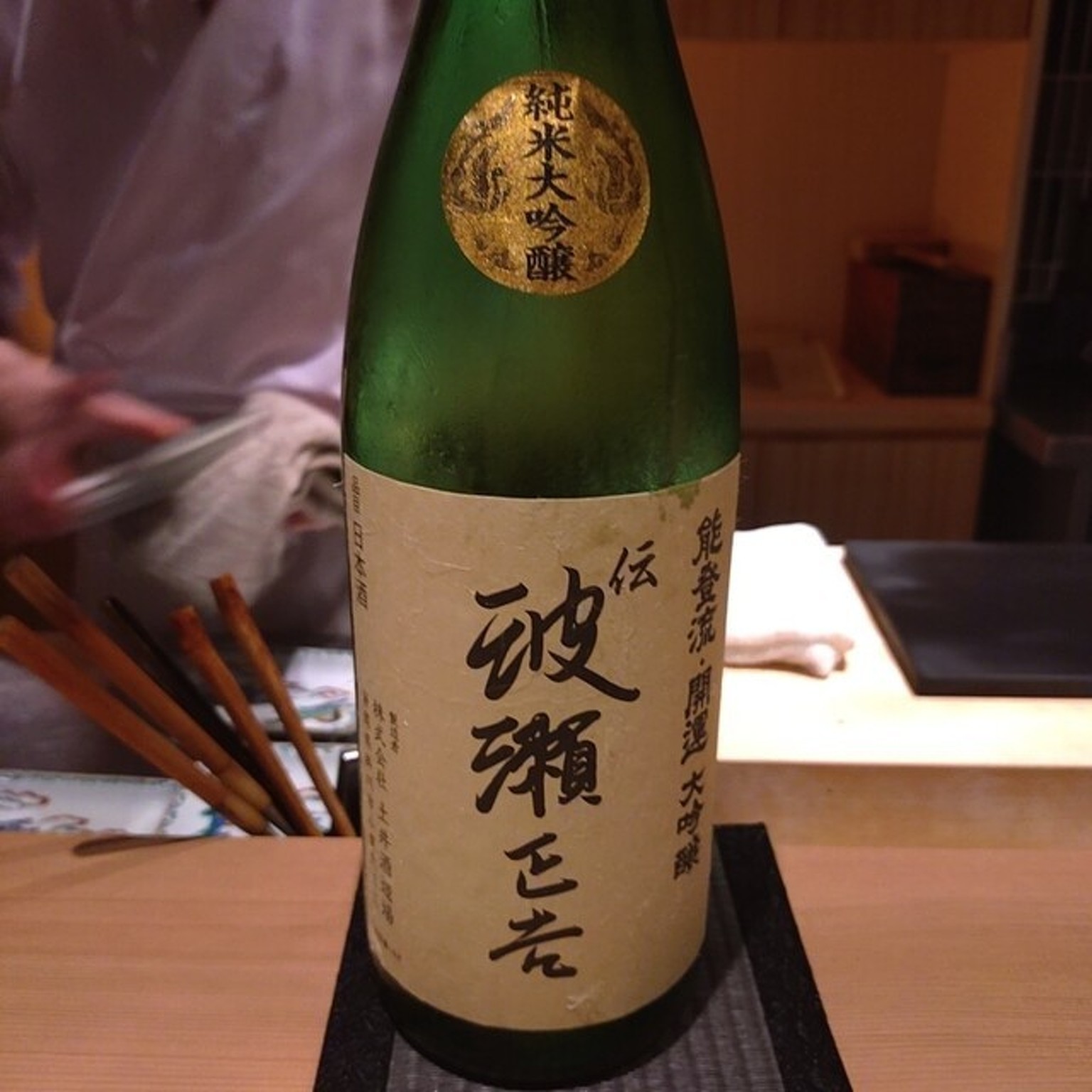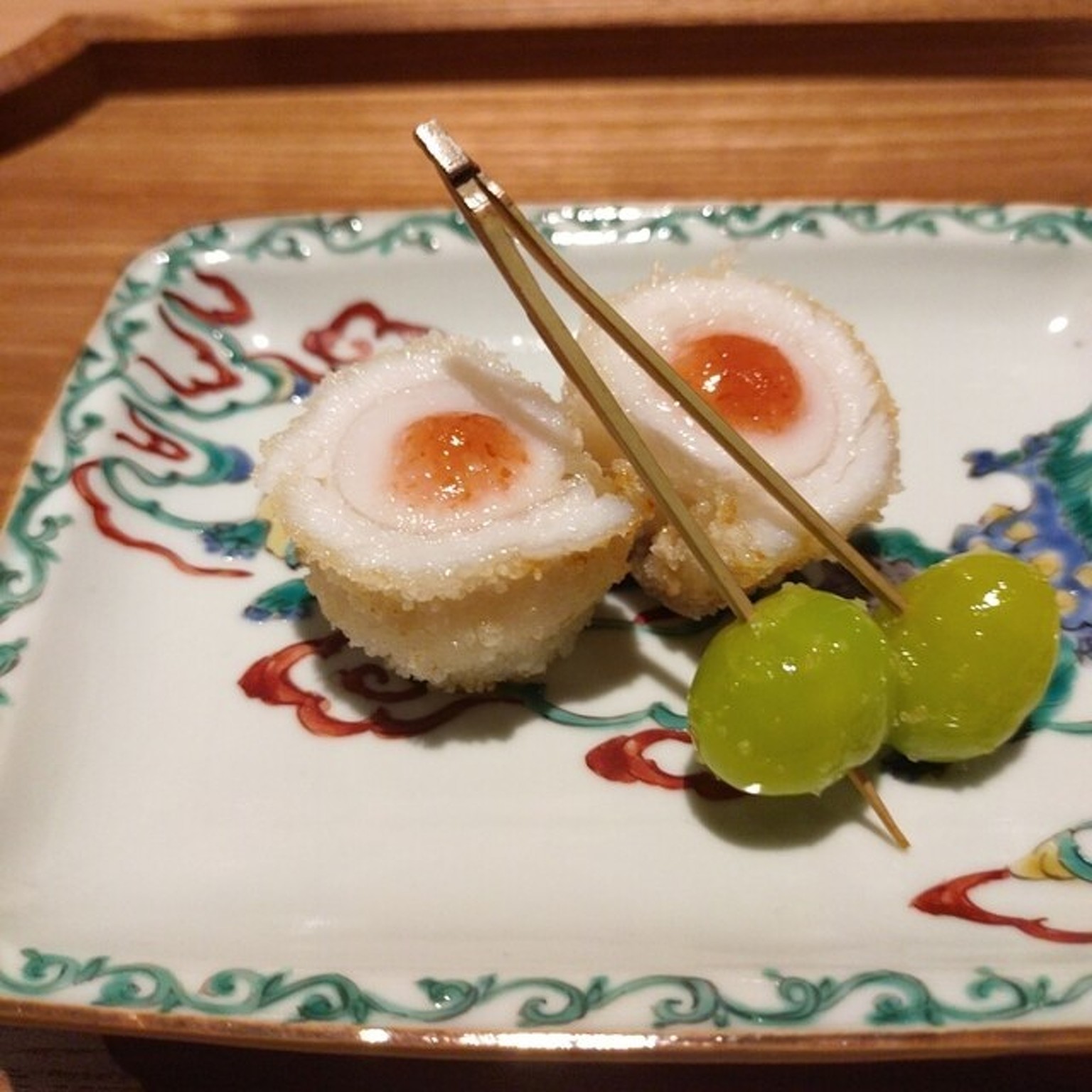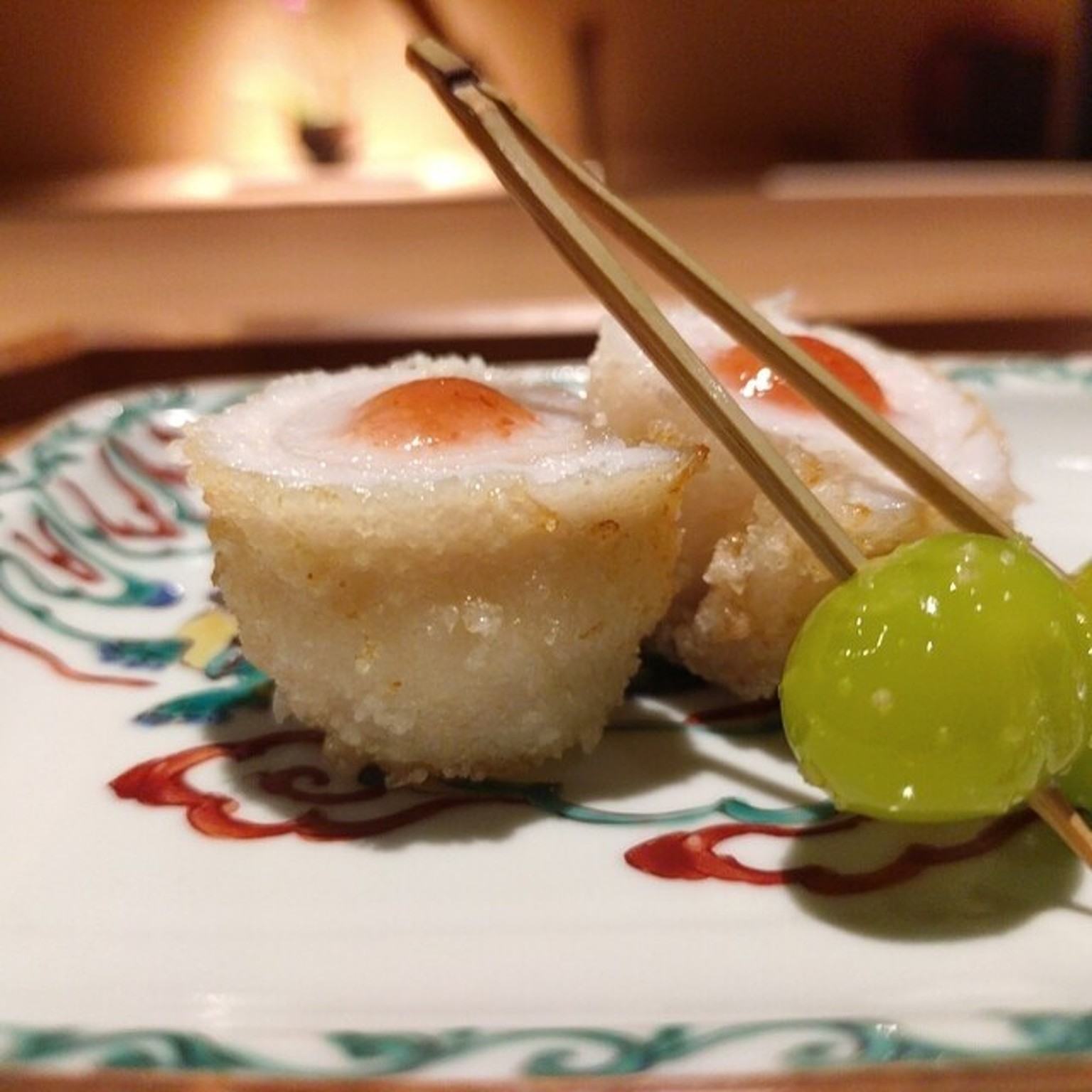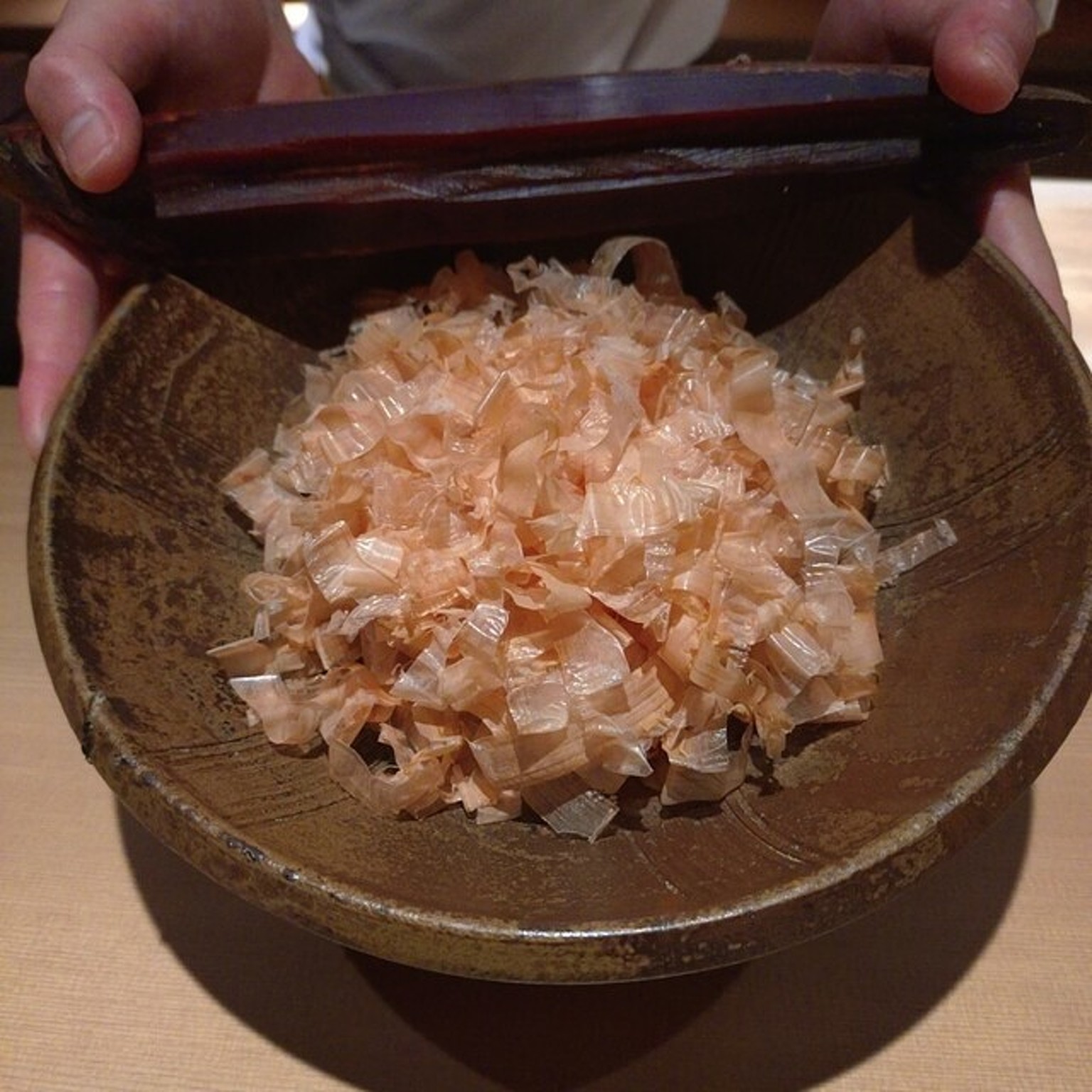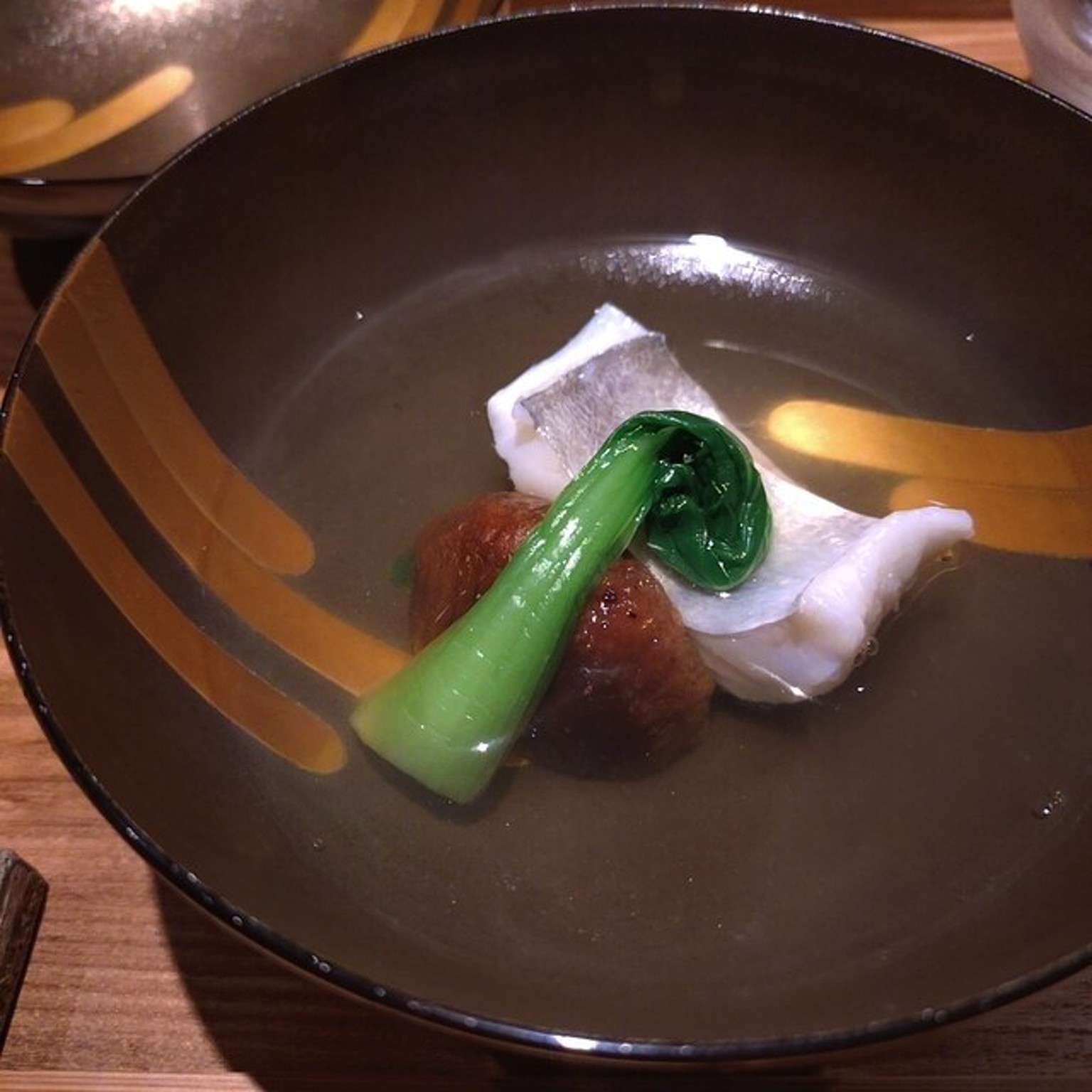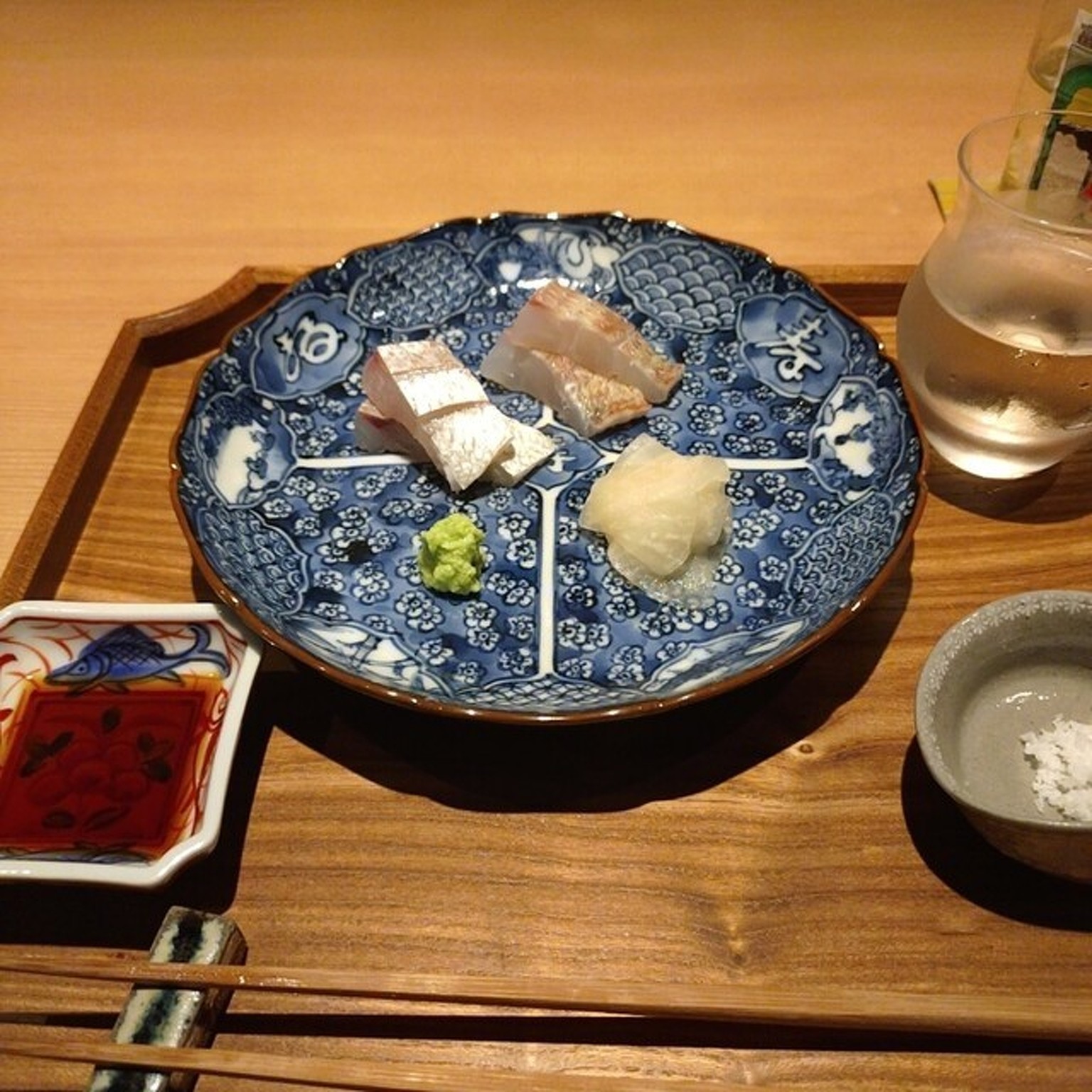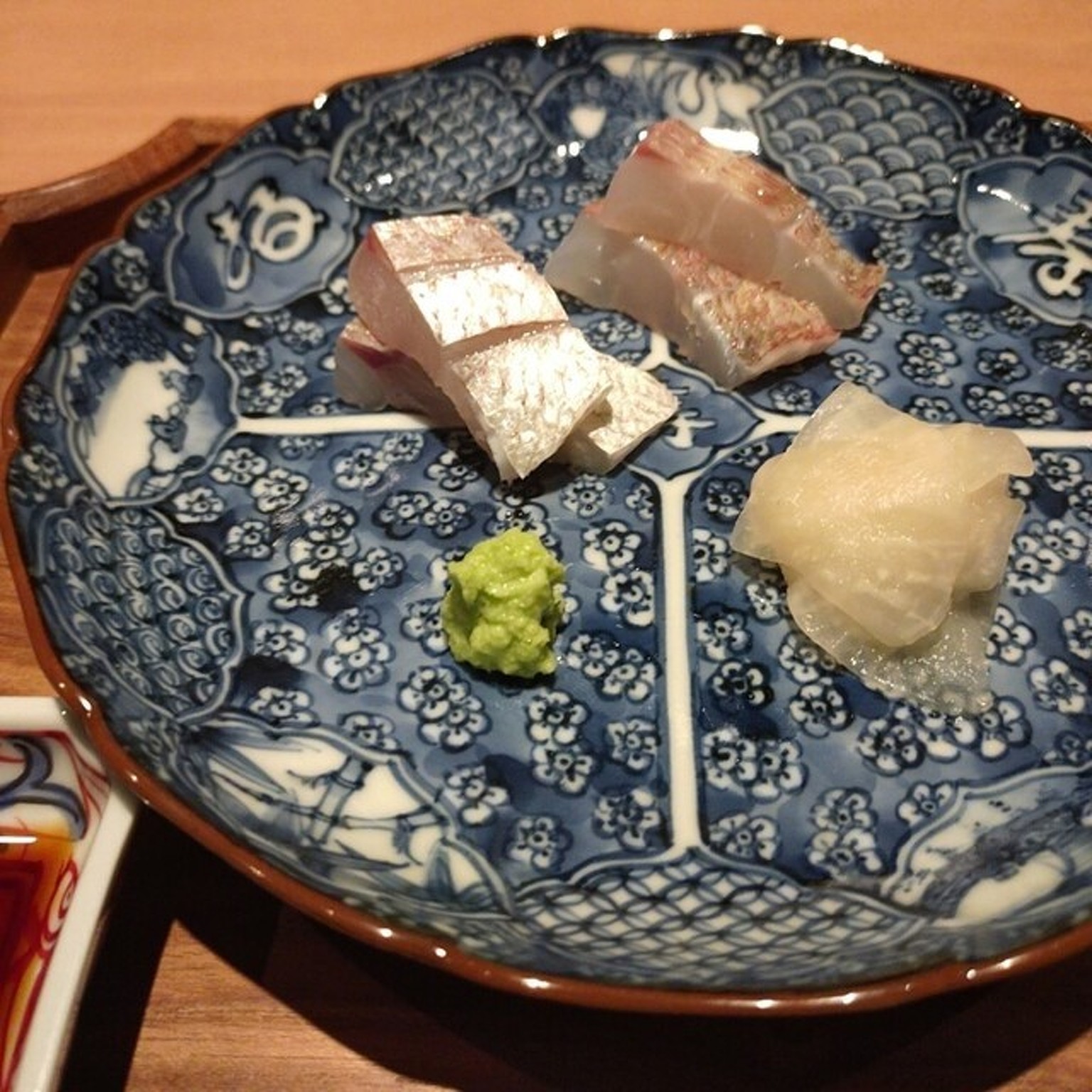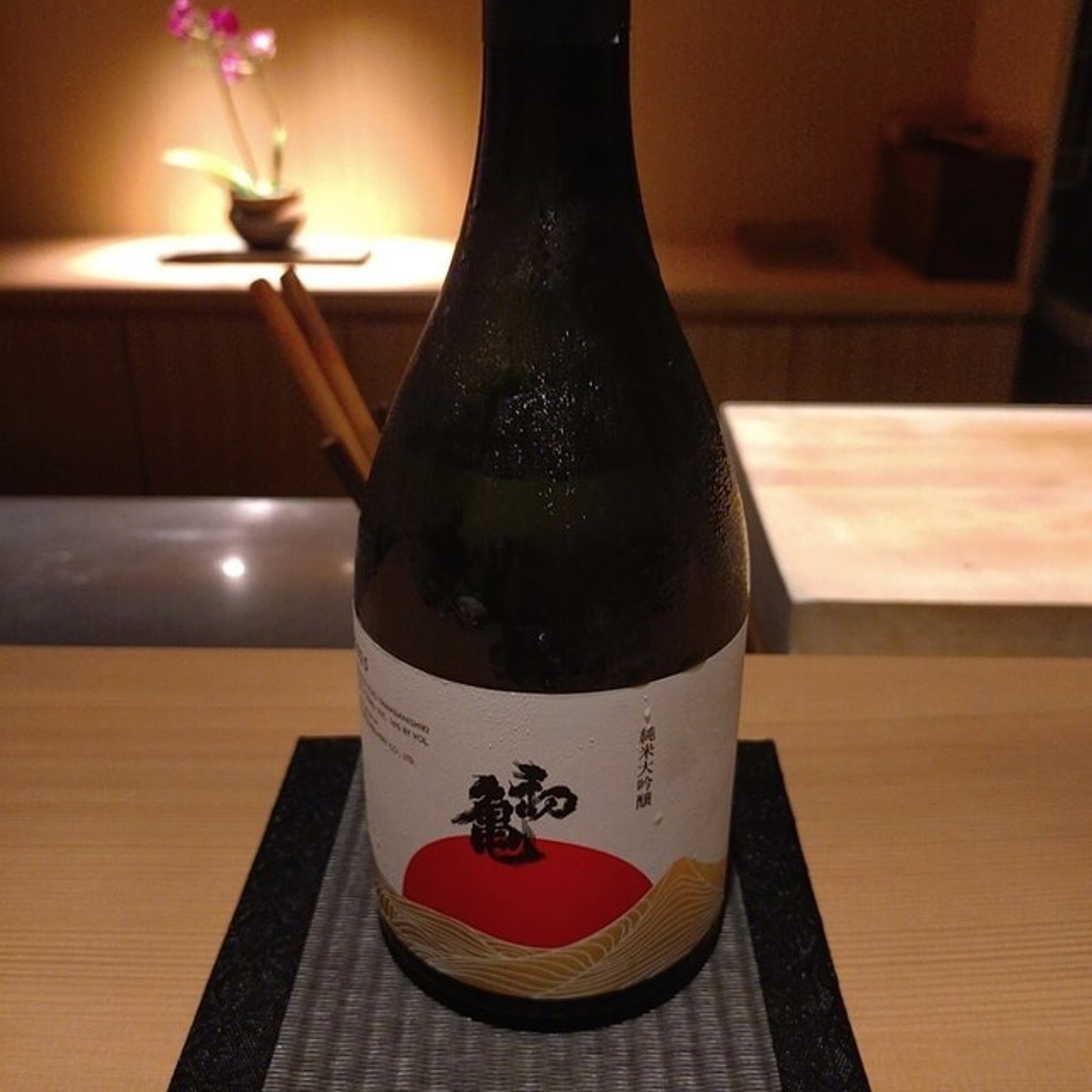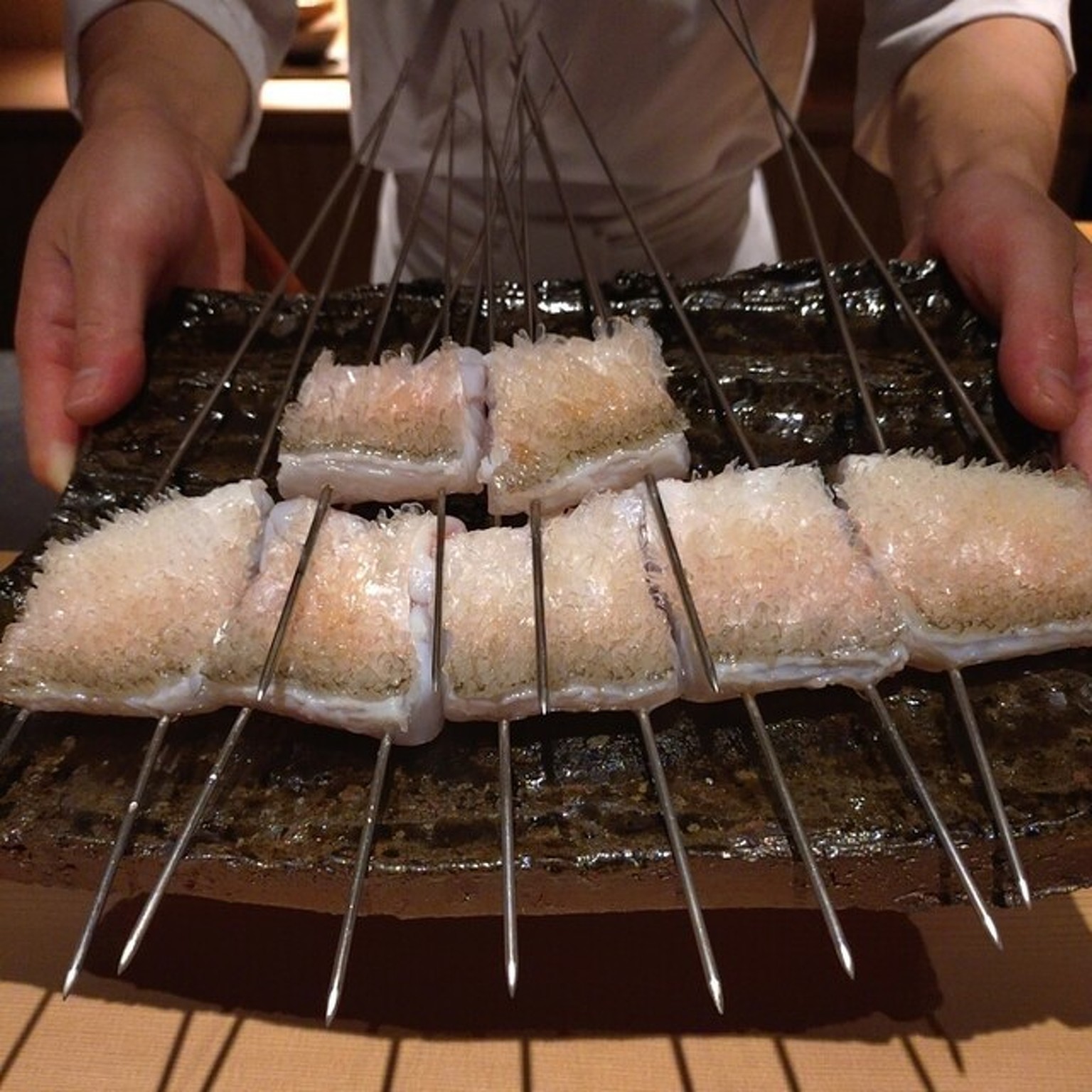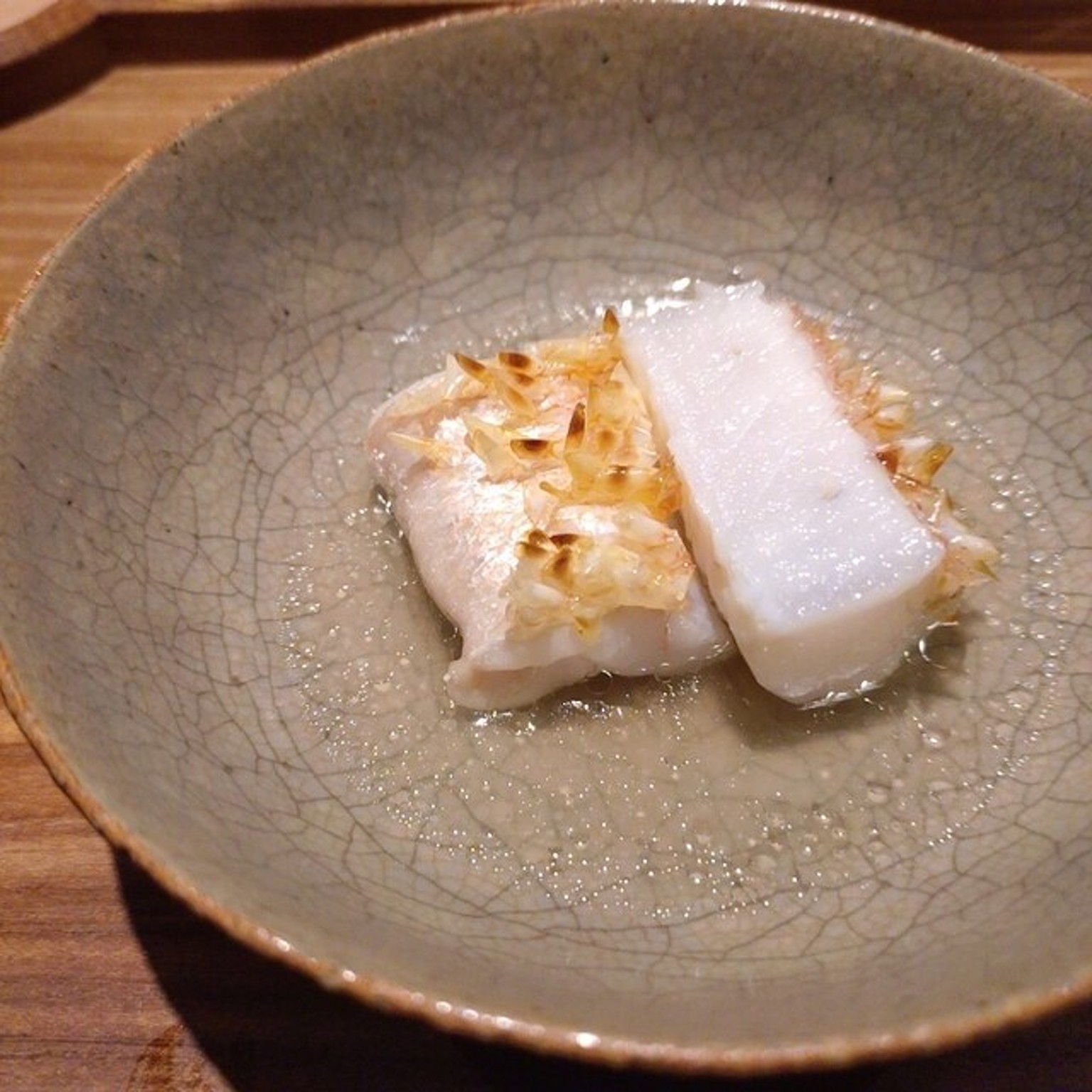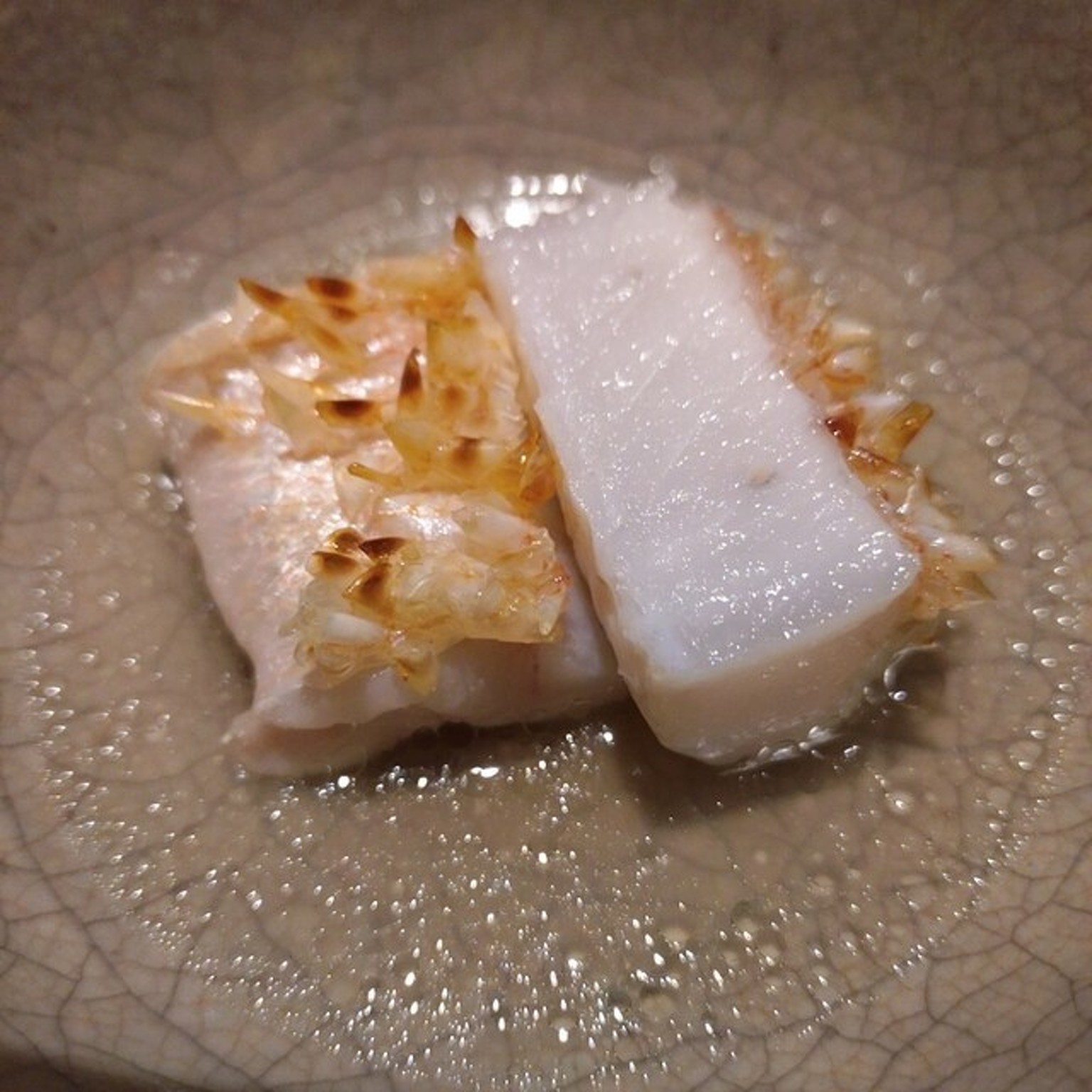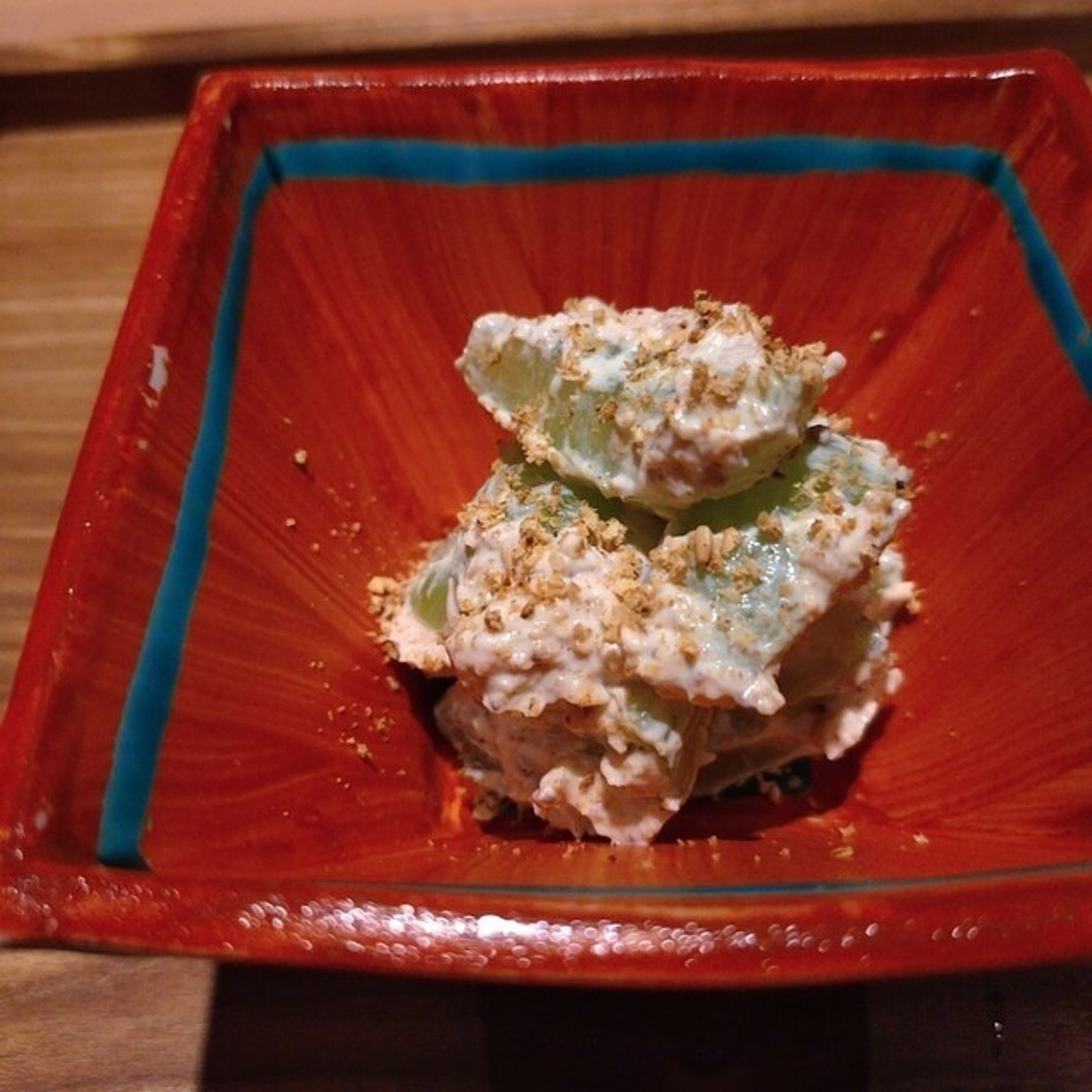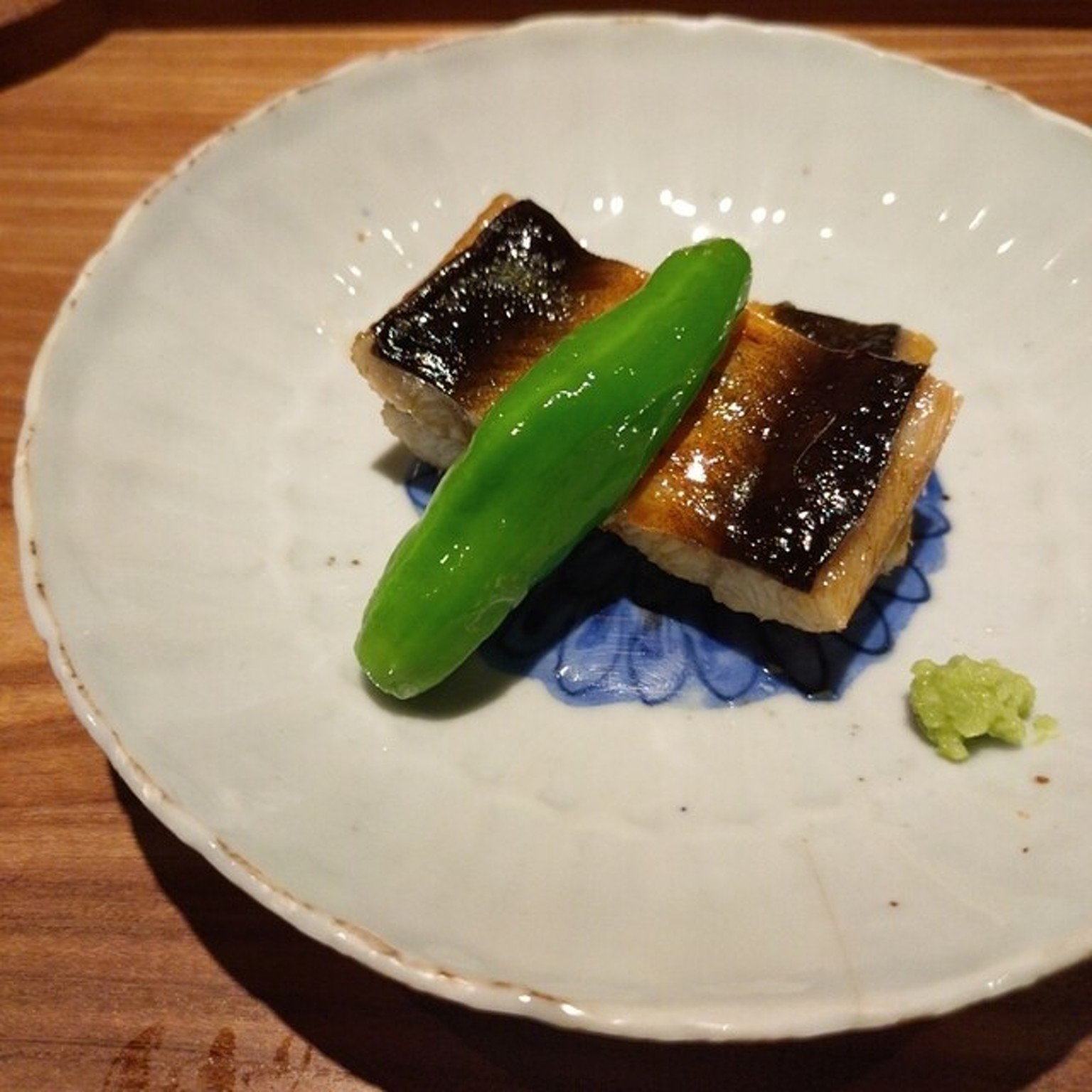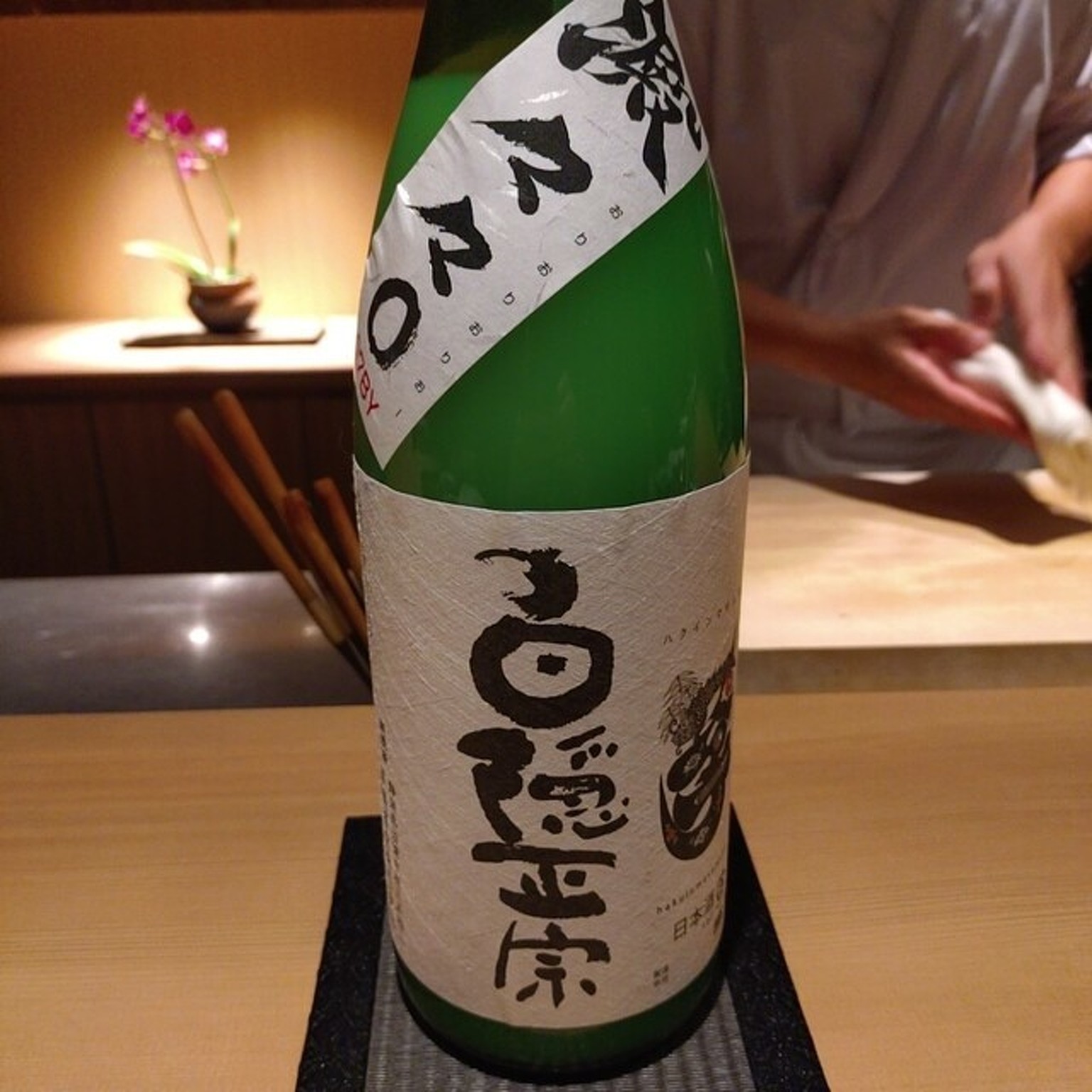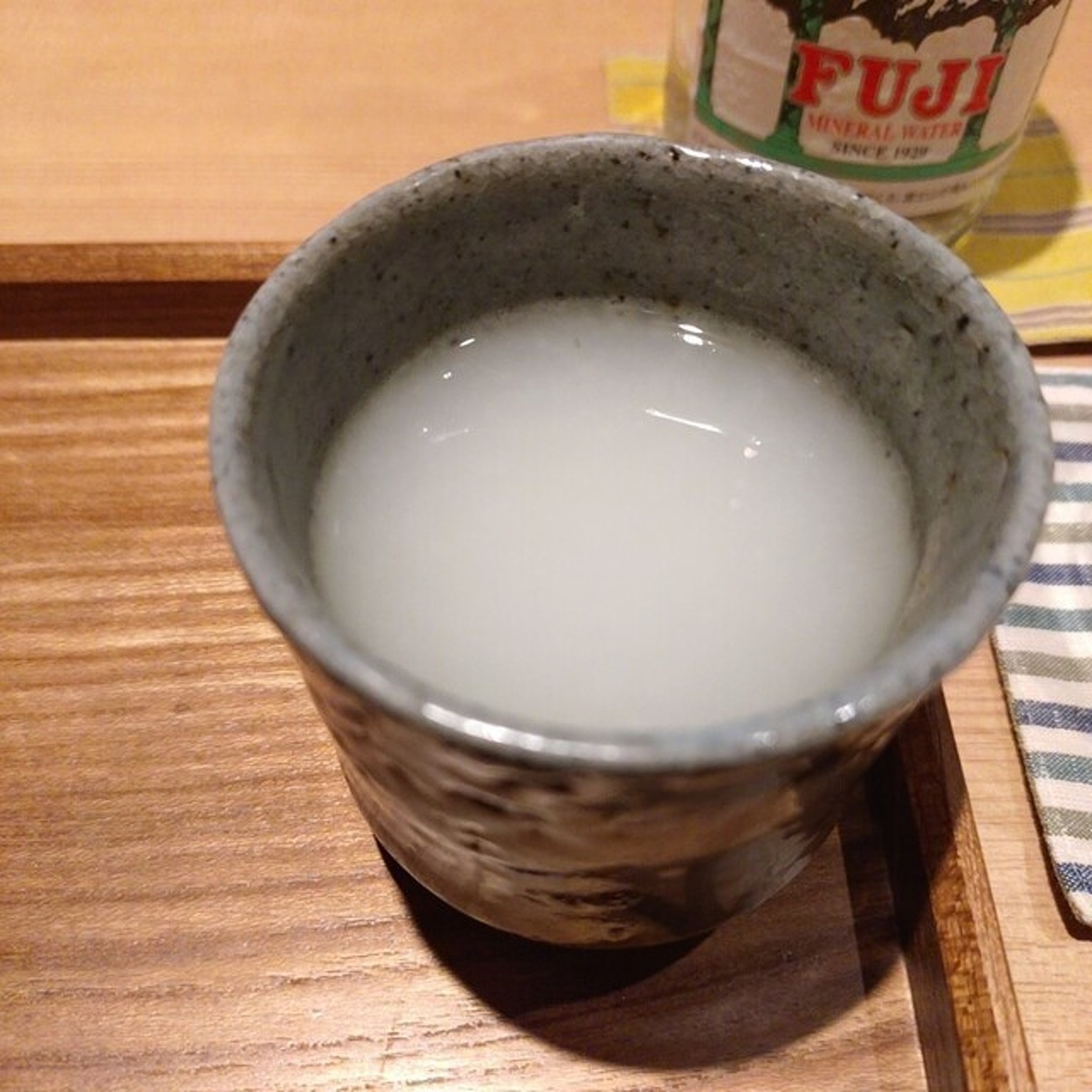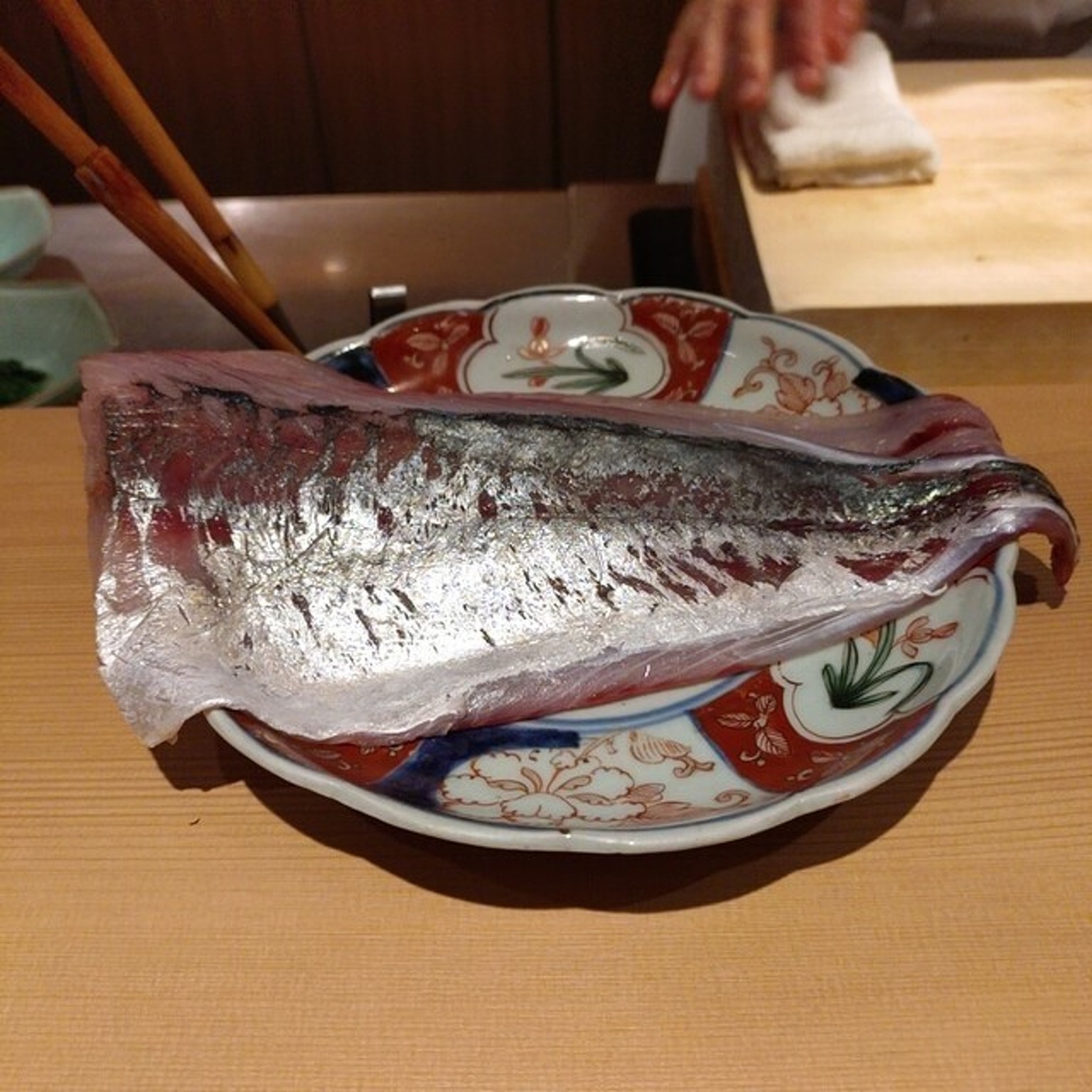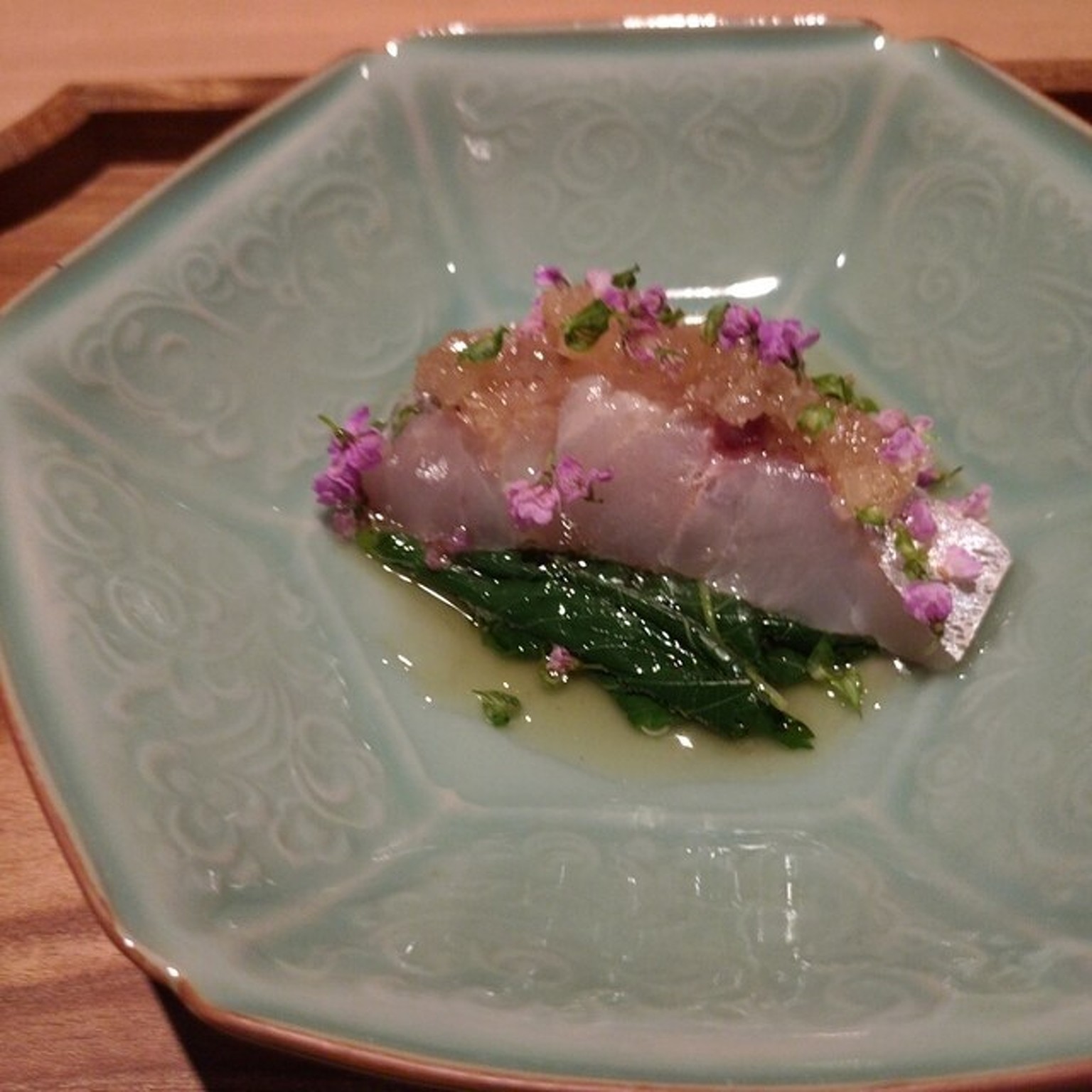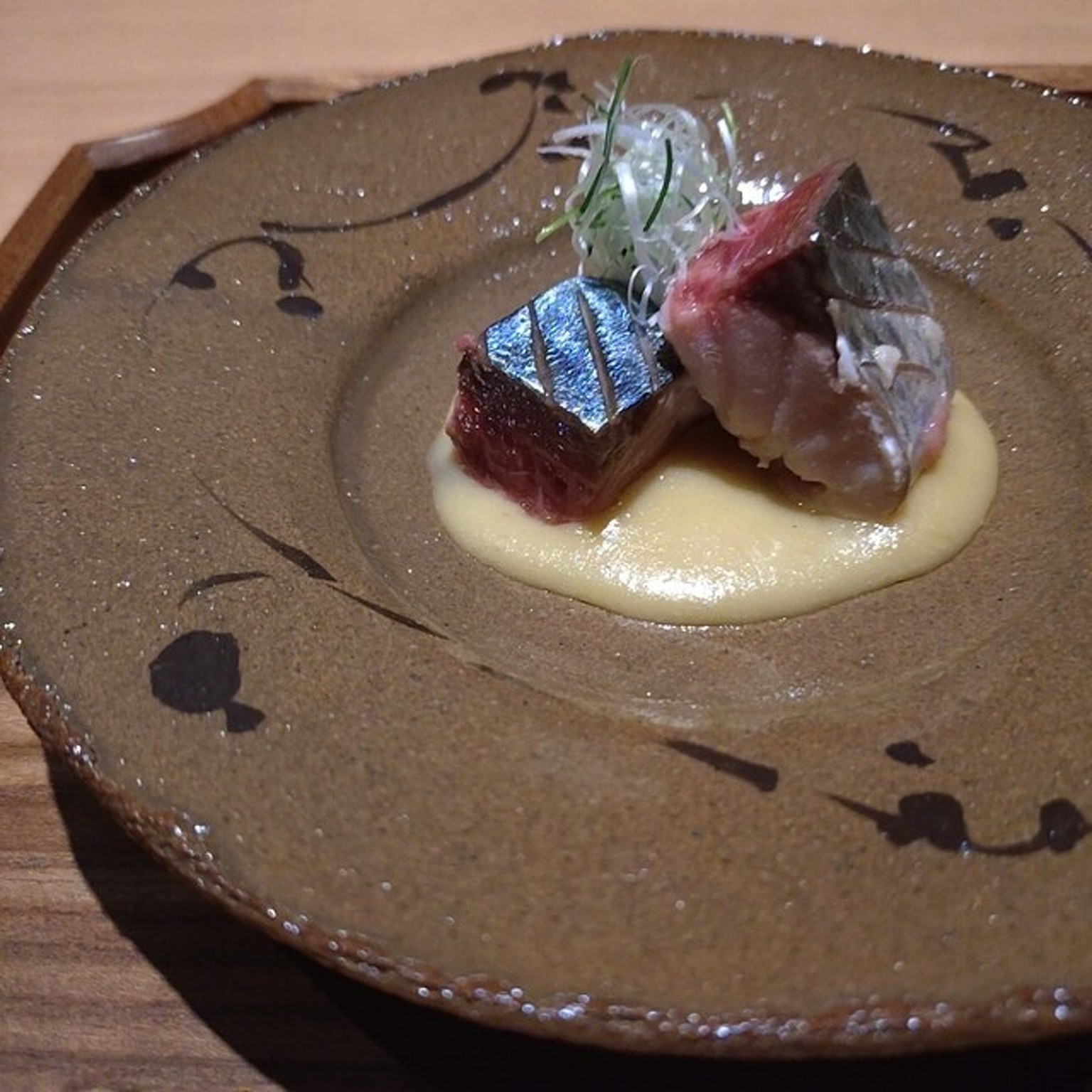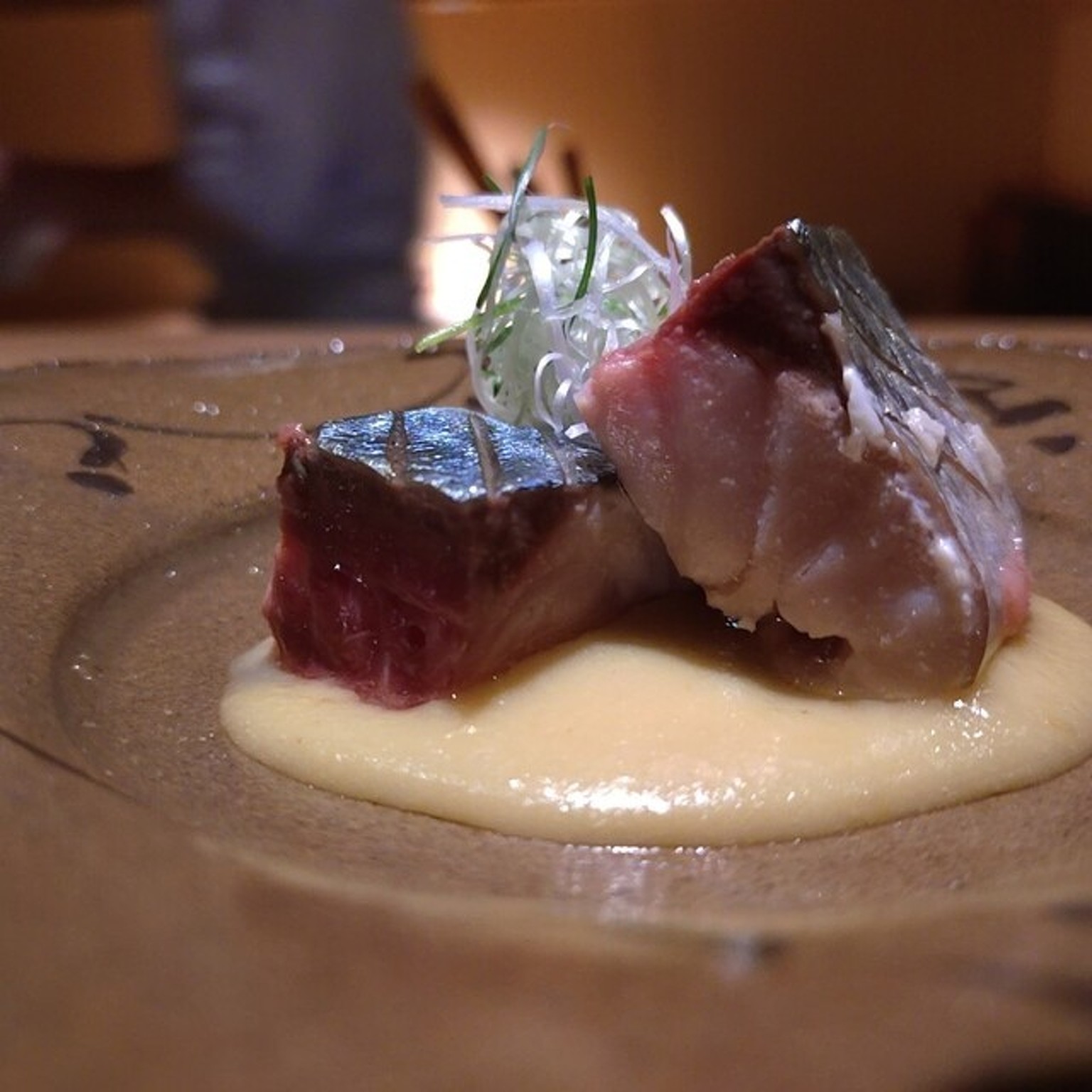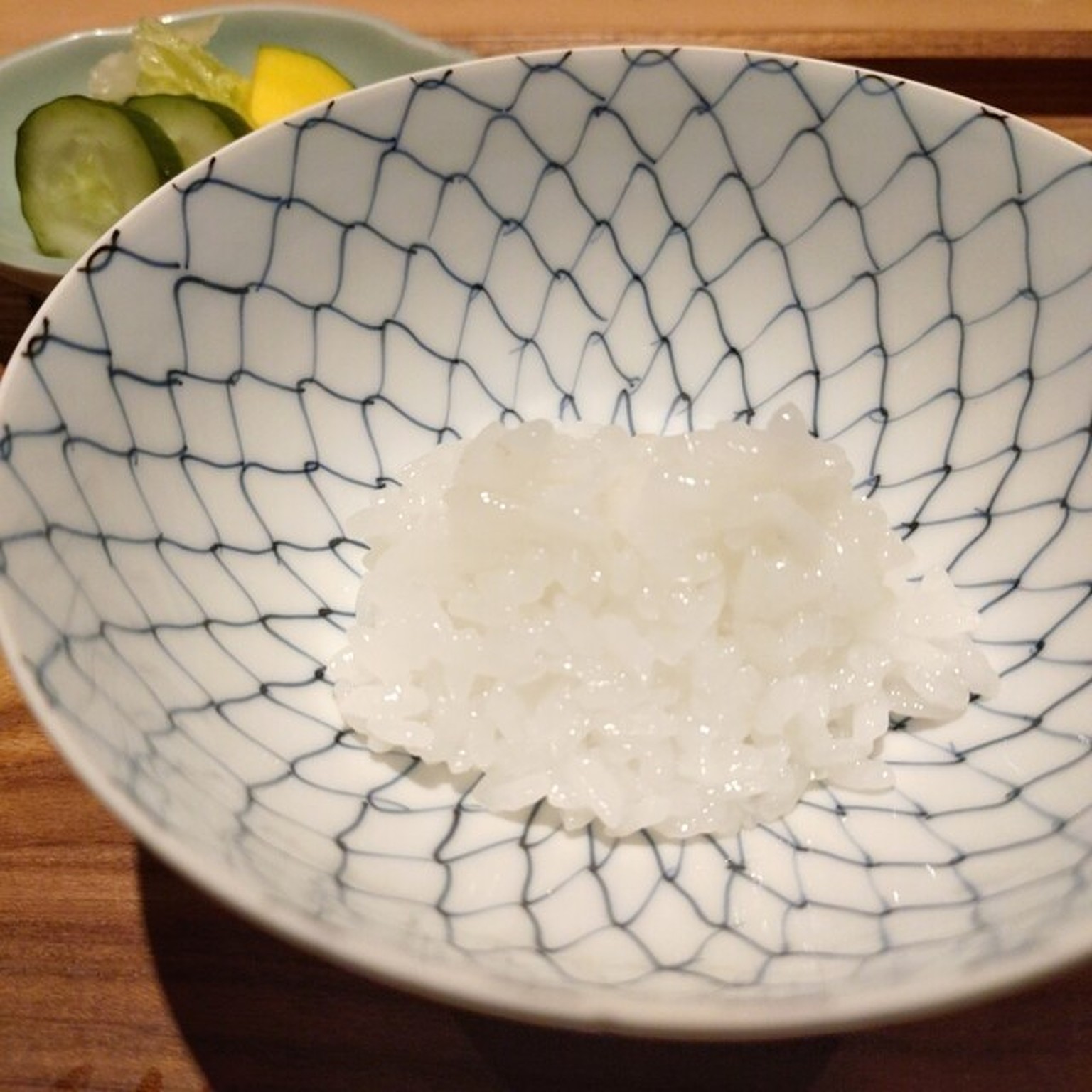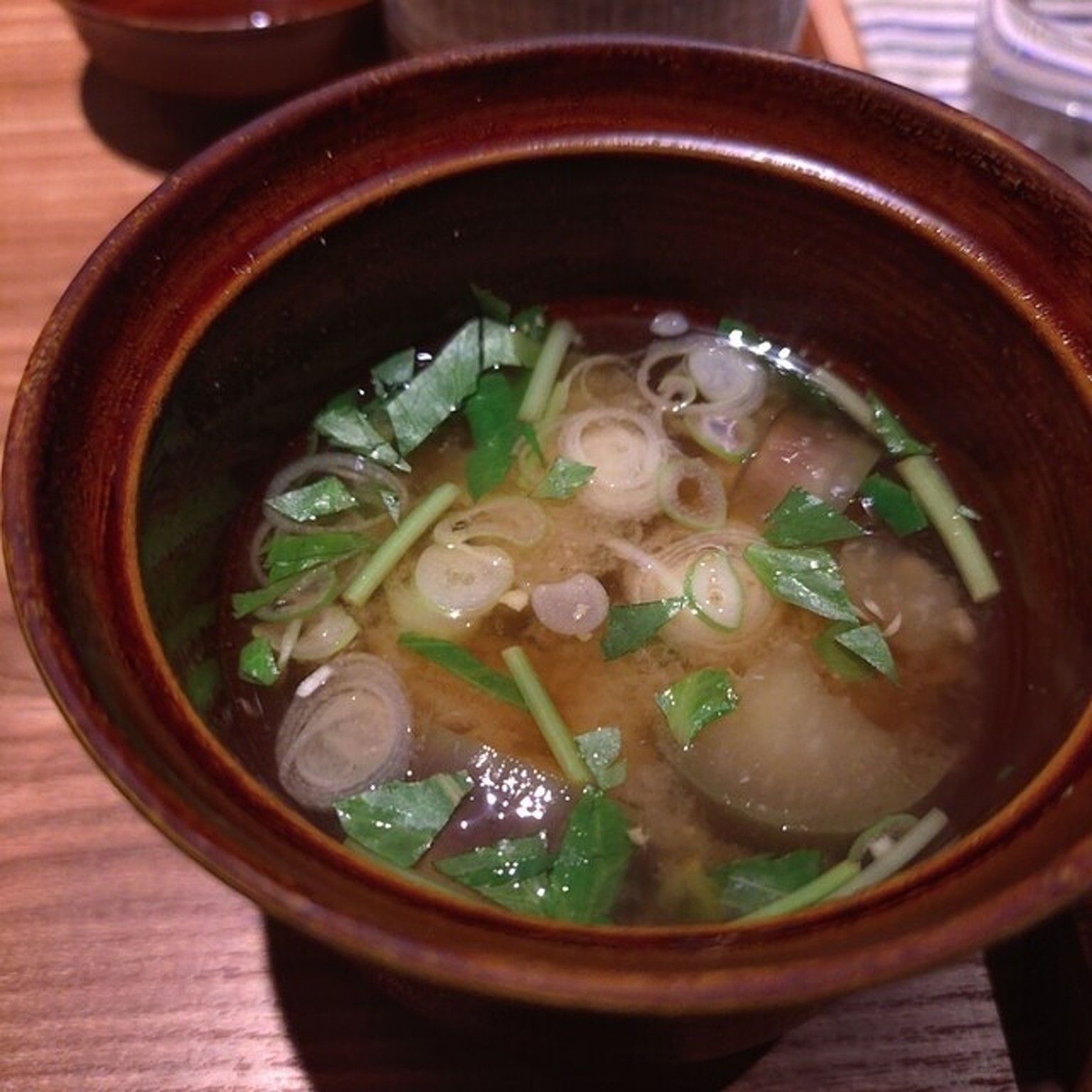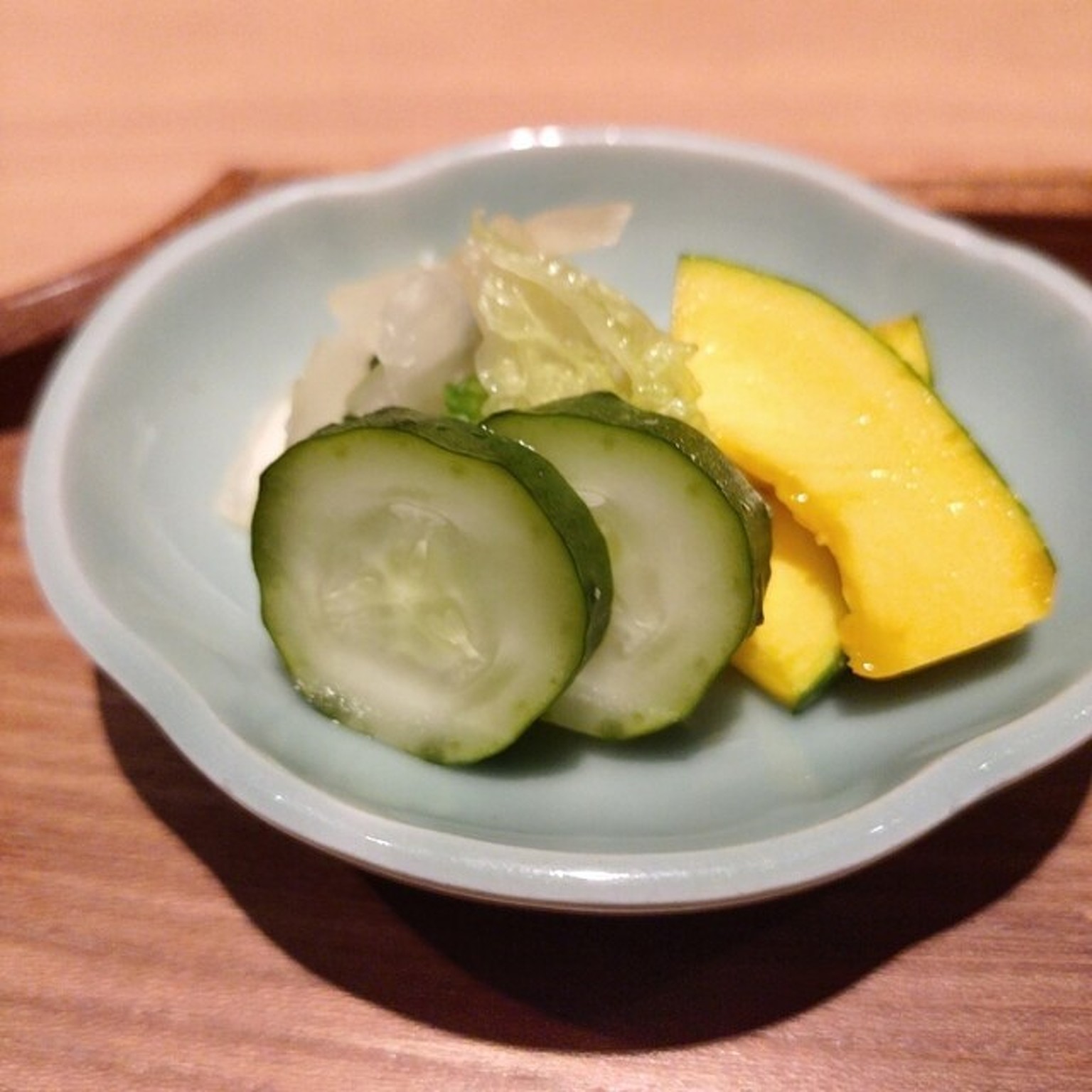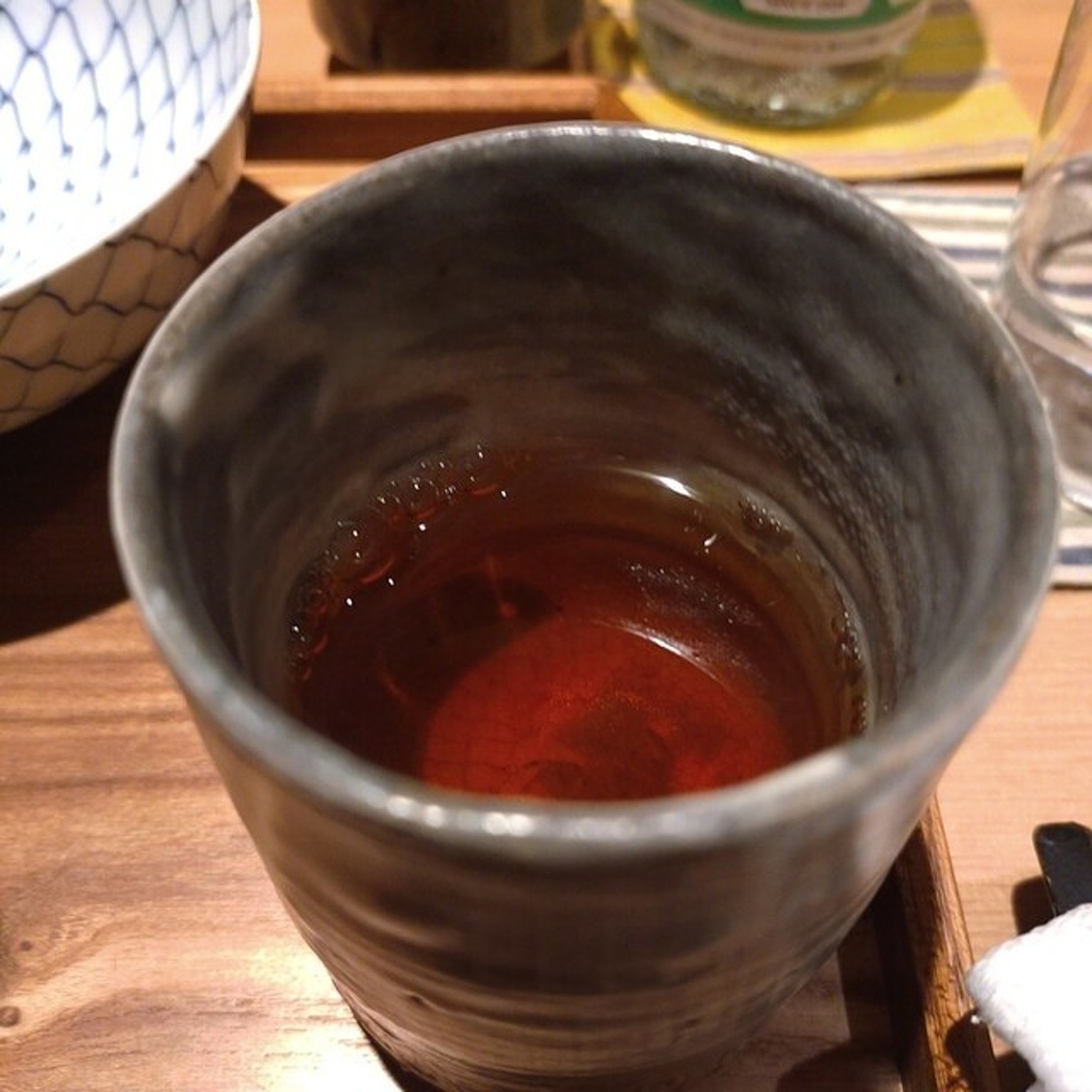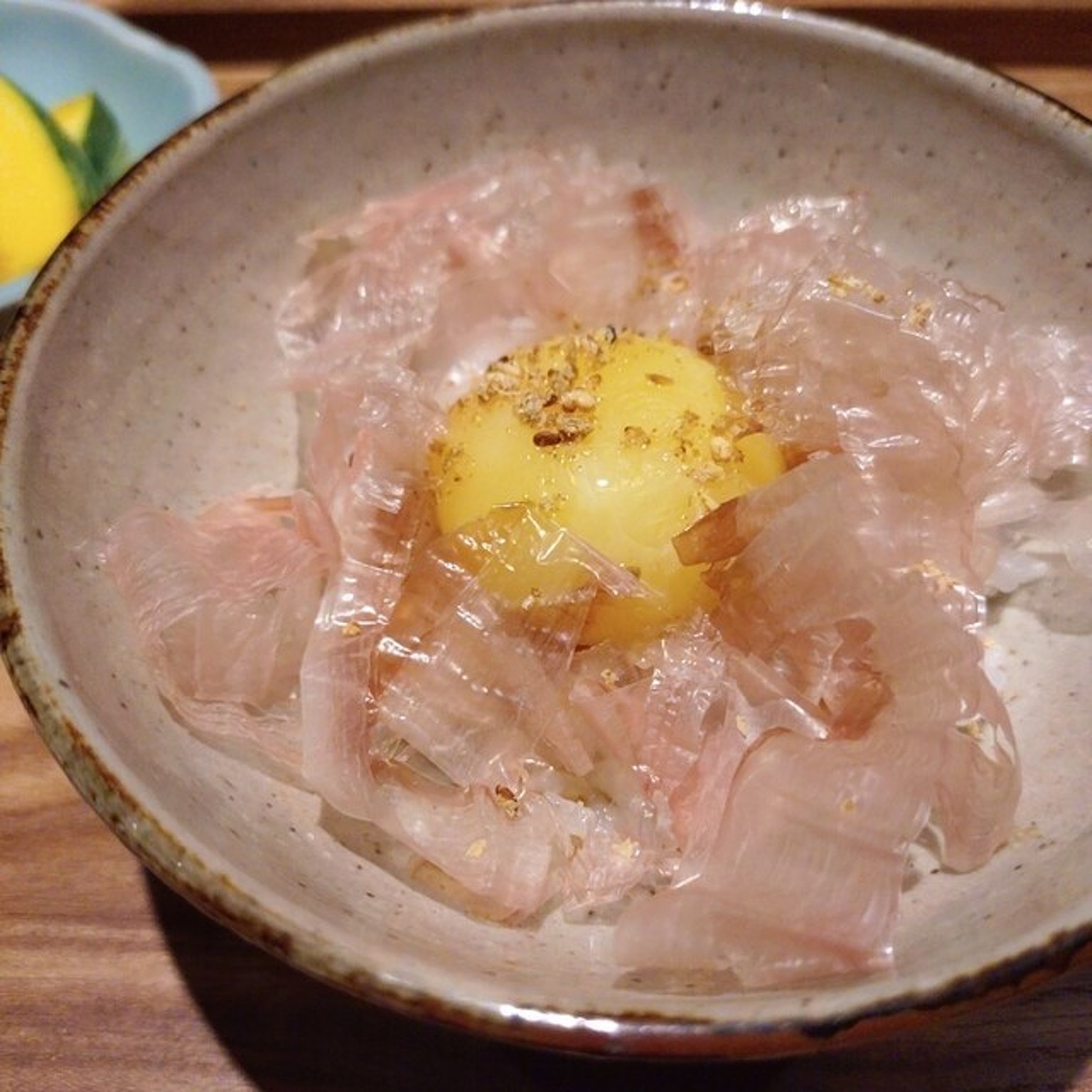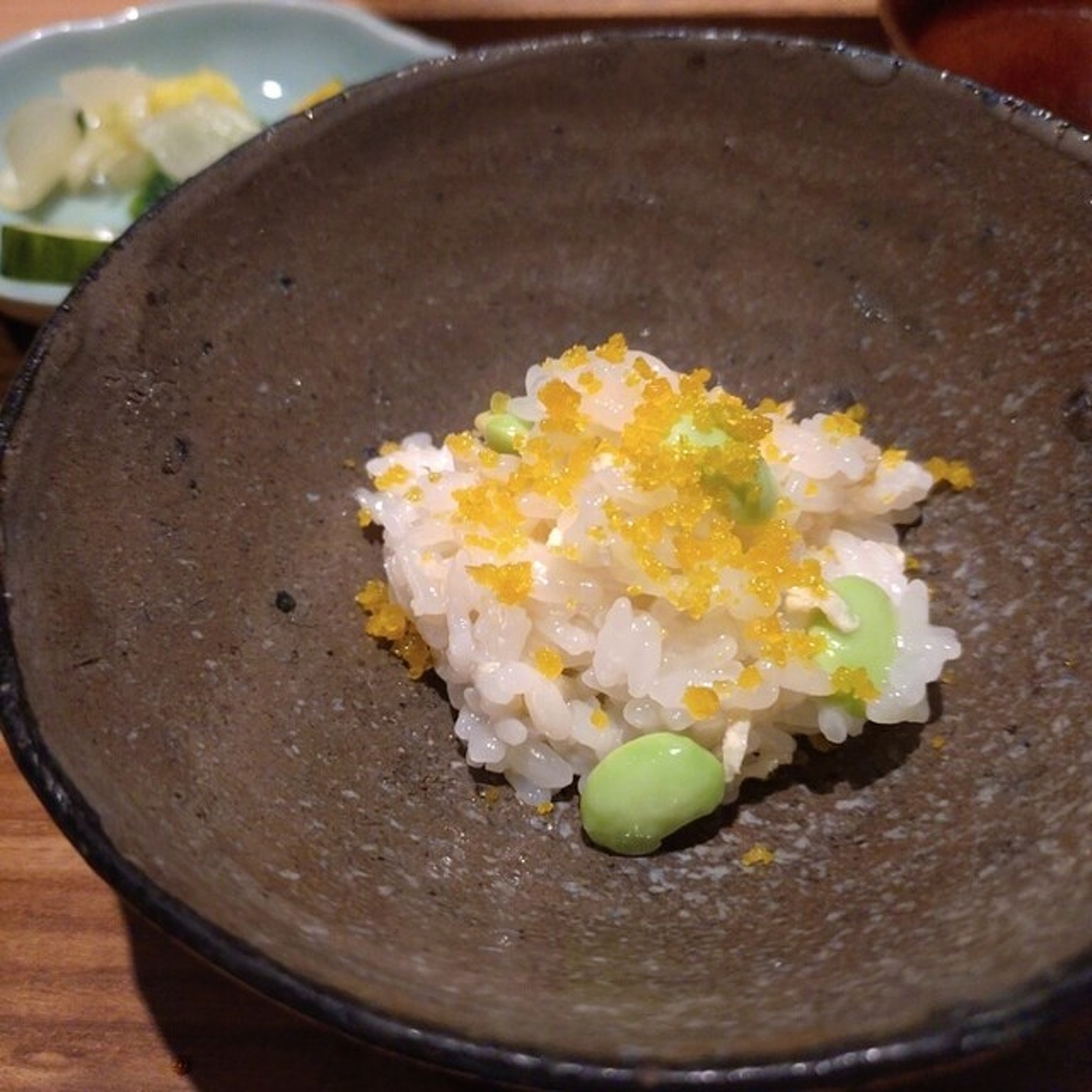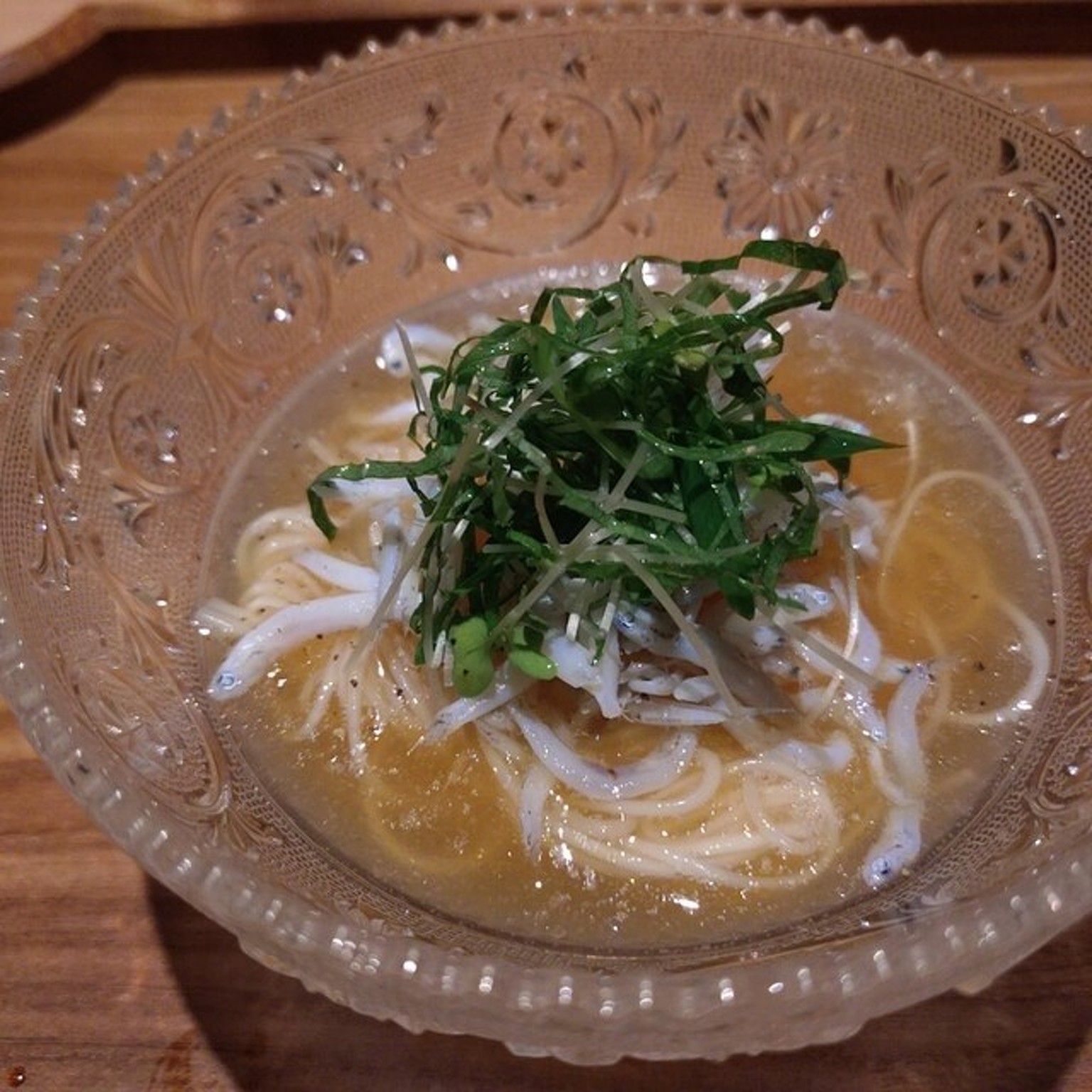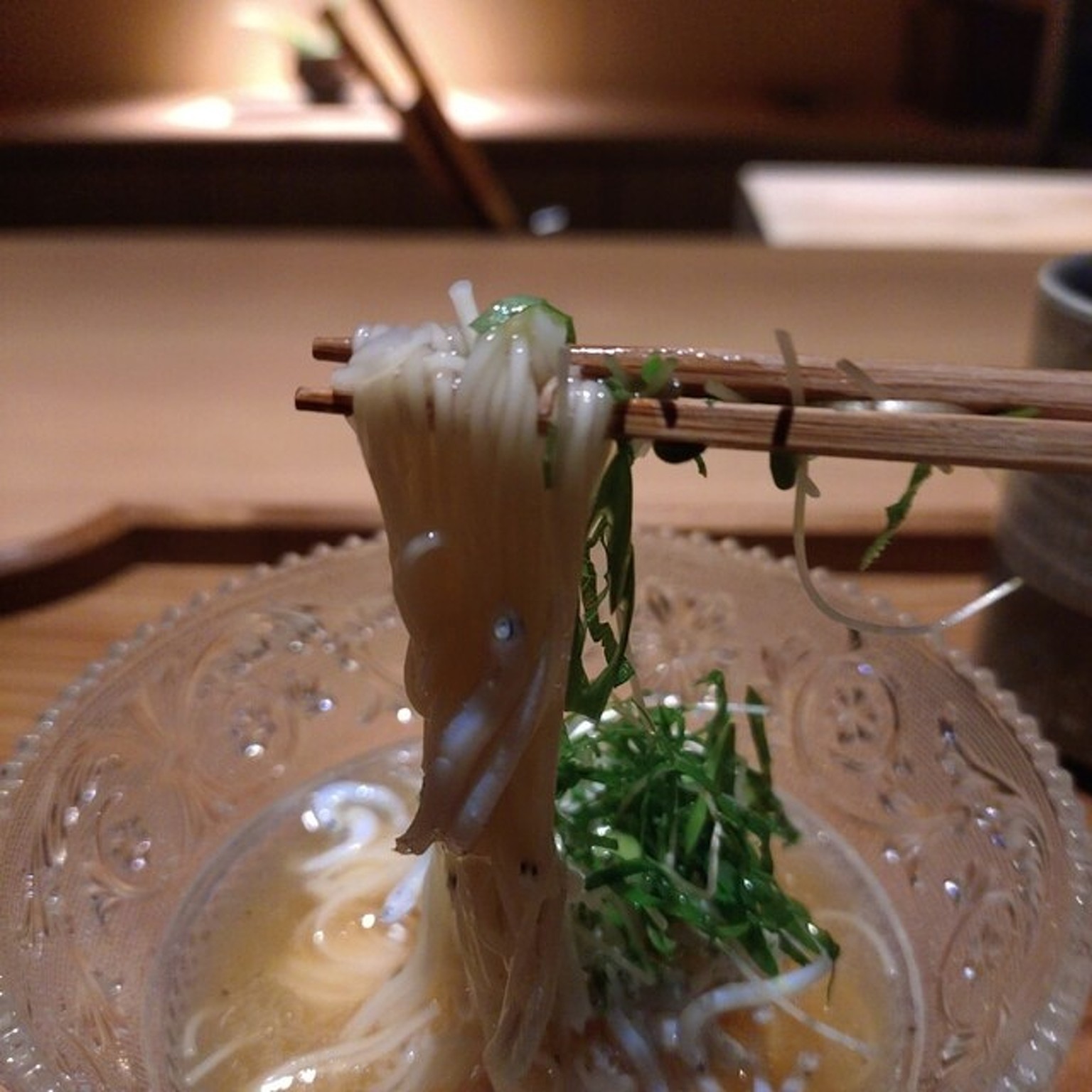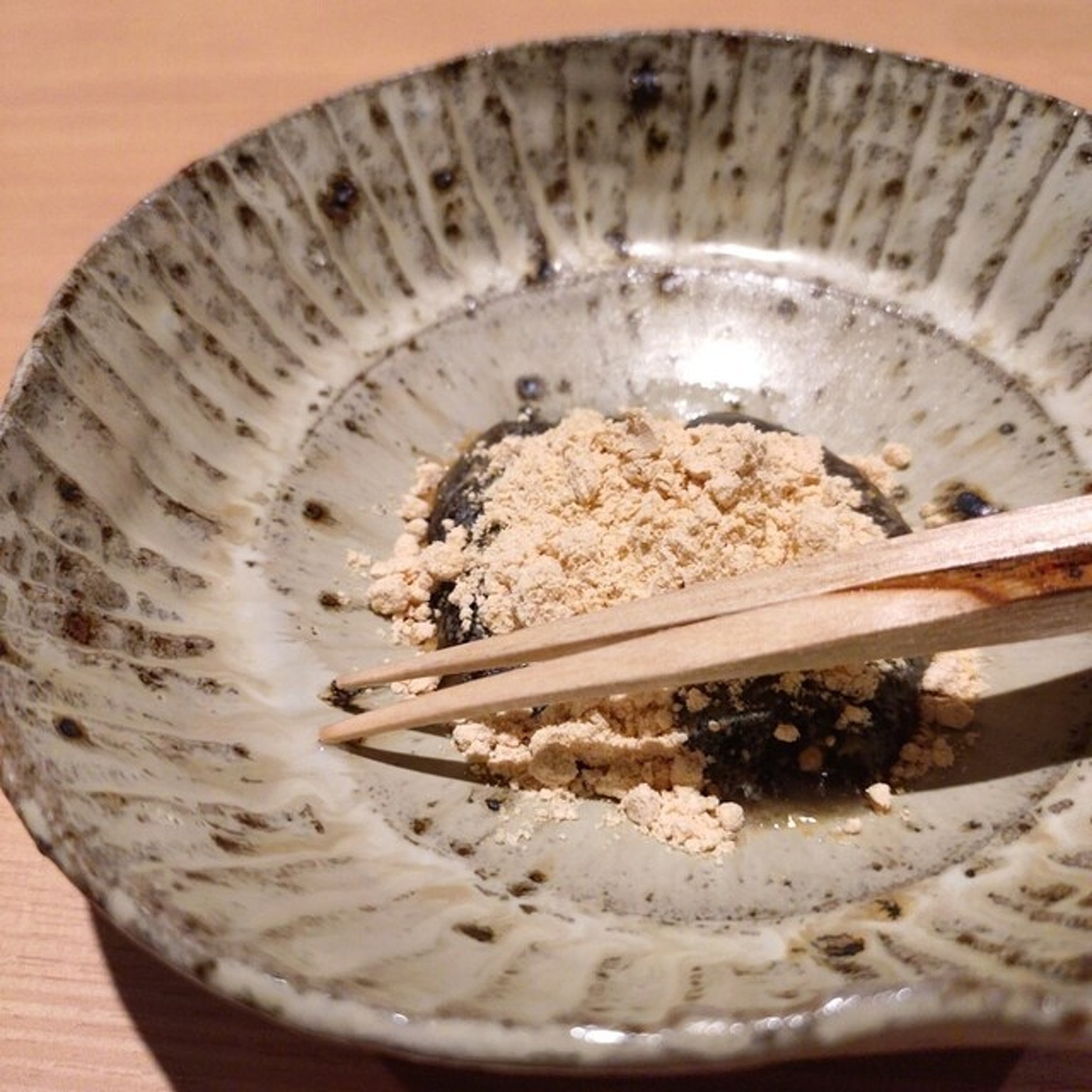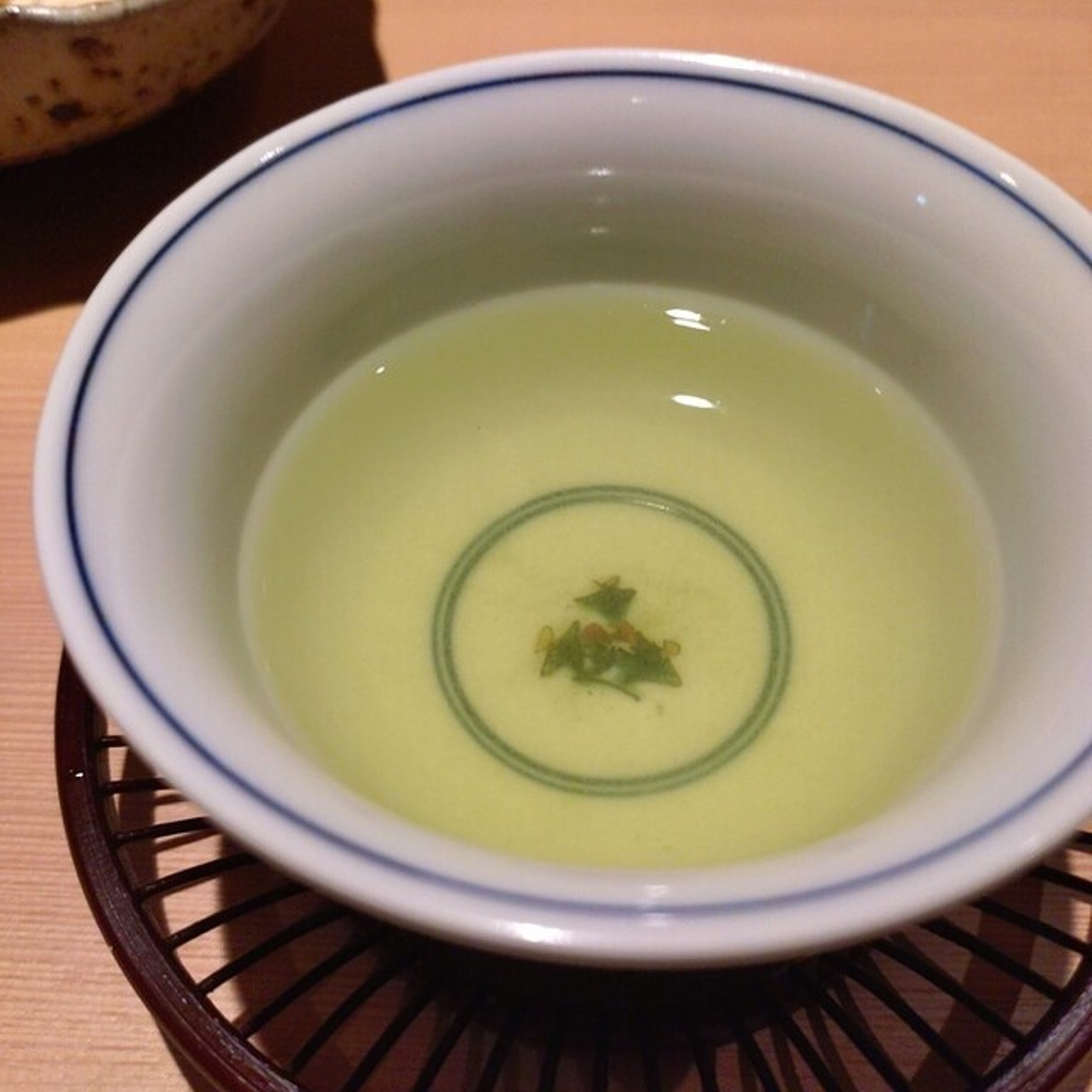
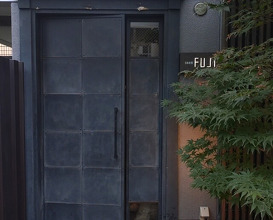
Visit Information Date: Saturday, around 6 PM Reservation: Yes (89 days in advance, OMAKASE) Wait: None Number of Guests: 1 Seating: Counter Frequency: First visit Duration: 2 hours and 30 minutes Payment: Credit Card (VISA) Food Menu ☆Omakase Course: JPY 25,000 (including tax) ◎Grilled Eggplant with Dōman Crab ◎Shabu-Shabu of Jindō Squid ☆Deep-Fried Sawara ◎Ebodai Soup ☆Sashimi of Hanadai ◎Shine Muscat with White Sesame ☆Deshiko Eel ☆Vinegared Horse Mackerel ☆Steamed Mackerel ◎Rice ◎Katsuobushi Egg Rice ☆Mixed Rice with Karasumi, Edamame, and Fried Tofu ◎Shirasu Somen ☆Warabi Mochi Drink Menu ☆Eikun Junmai Ginjo Akiagari: JPY Ask ◎Kaiun Daiginjo Den Hase Masayoshi Noto-ryu: JPY Ask ☆Hatsukame Junmai Daiginjo Tojo Yamada Nishiki: JPY Ask ☆Hakusen Masamune Sediment: JPY Ask Expenses, Discounts, Others ・Service Charge (10%) ・Reservation Fee: JPY 390 Good Points ・A place to thoroughly enjoy Shizuoka's ingredients in Japanese cuisine Bad Points ・Difficult to make a reservation Other Notes ・The Tabelog Award Silver: 2024-2026 ・The Tabelog Award Bronze: 2023 ・Japanese Cuisine EAST Top 100: 2023-2025 (2024 not announced) ・Go-E-Mi-Yo 3 Tock: 2020-2026 Impressions This is the second part of my Shizuoka summer series. After checking in at Hotel Gran Hills Shizuoka and relaxing a bit, I headed to my main destination for this Shizuoka trip, Japanese Cuisine Fuji. This is not Mount Fuji; it’s Fuji-san. I finally found an opening on an OMAKASE release day and made a reservation. Located about a 7-minute walk from Shizuoka Station in Sakae-cho, the restaurant has 7 counter seats. There were three pairs of guests, including inbound visitors, and me. There was no background music. I noticed the head chef, two apprentices, and one male staff member in the hall. Again, no background music. The meal consists solely of the Omakase Course. I enjoyed Japanese sake by the glass. The first glass was Eikun Junmai Ginjo Akiagari. This sake is from Shizuoka, and it was my first time trying this brand. It had a fruity aroma of apple, followed by a sweet aftertaste. The course started with Grilled Eggplant with Dōman Crab. Accompanied by myoga, it was a refreshing dish that allowed me to savor the flavors of the Dōman crab from Lake Hamana. Next was Shabu-Shabu of Jindō Squid. It was served with Kujo green onions underneath and wasabi on top. The texture was crunchy with a gentle sweetness. The second glass was Kaiun Daiginjo Den Hase Masayoshi Noto-ryu. It had a sweet finish due to the added alcohol. Next came Deep-Fried Sawara. It was topped with a sauce made from plum paste and accompanied by new ginkgo nuts. The aroma of the fried coating was delightful, and it was crispy yet fluffy and moist. In front of me, katsuobushi was shaved, and the Ebodai Soup was served. I could deeply appreciate the refined taste of Ebodai along with the umami of the dashi. The Sashimi of Hanadai was rich in flavor and delicious, with a melt-in-your-mouth texture. The third glass was Hatsukame Junmai Daiginjo Tojo Yamada Nishiki. It was a beautiful pairing with the food, and surprisingly, it also had a rich flavor. Then came the Grilled White Sweetfish. I was told it had been swimming in the sea until noon that day. After lunch service, the head chef went to Yaizu to bring it back. The dashi was made from the bones of the white sweetfish, resulting in a crispy yet moist texture. Next, sesame seeds were toasted right in front of me, and then they were ground in a large bowl. This sesame was generously used to create the Shine Muscat with White Sesame. The combination of Shine Muscat and sesame flavor was delightful. However, I was perhaps expecting a stronger flavor from the white sesame itself. The Deshiko Eel from Lake Hamana was not the usual grilled style but was cooked and lightly charred on the skin. This resulted in a unique, tender, and melt-in-your-mouth texture. The fourth glass was Hakusen Masamune Sediment served warm. The sediment is called "ori ori ori o". As the name suggests, it was pure white due to the sediment. What appeared in front of me was a giant horse mackerel, also caught in Yaizu. This was the Vinegared Horse Mackerel. It was served with molokhia underneath and onion oil on top. It was rich in fat and delicious. The Steamed Mackerel was served with plenty of miso, allowing me to enjoy it as a self-made mackerel miso dish. This was also rare and juicy. Now it was time for the meal. First, I enjoyed the aroma of the freshly cooked rice. Pickles, Miso Soup with Eggplant and Tofu, and Roasted Green Tea were also served. After this, there were three more types. I could choose the quantity and types to eat, and I had a small portion of each. The first was Katsuobushi Egg Rice. The lightly colored egg yolk was topped with katsuobushi flavor. The second was Mixed Rice with Karasumi, Edamame, and Fried Tofu. It was a chewy rice that was gently delicious. The third was Shirasu Somen. It was served with a broth made from the fish used that day and a peach puree, topped with boiled shirasu. This was also deeply delicious. Finally, the head chef made Warabi Mochi right in front of me. It was chewy and delicious. Then I relaxed with Kawane Tea. After a 2.5-hour stay, it was time for the bill. JPY 38,100 I paid with a credit card. It was a great meal. This was straightforward Japanese cuisine that simply allowed me to enjoy the ingredients of Shizuoka. The night in Shizuoka continues.
We use cookies on this site to enhance your user experience.