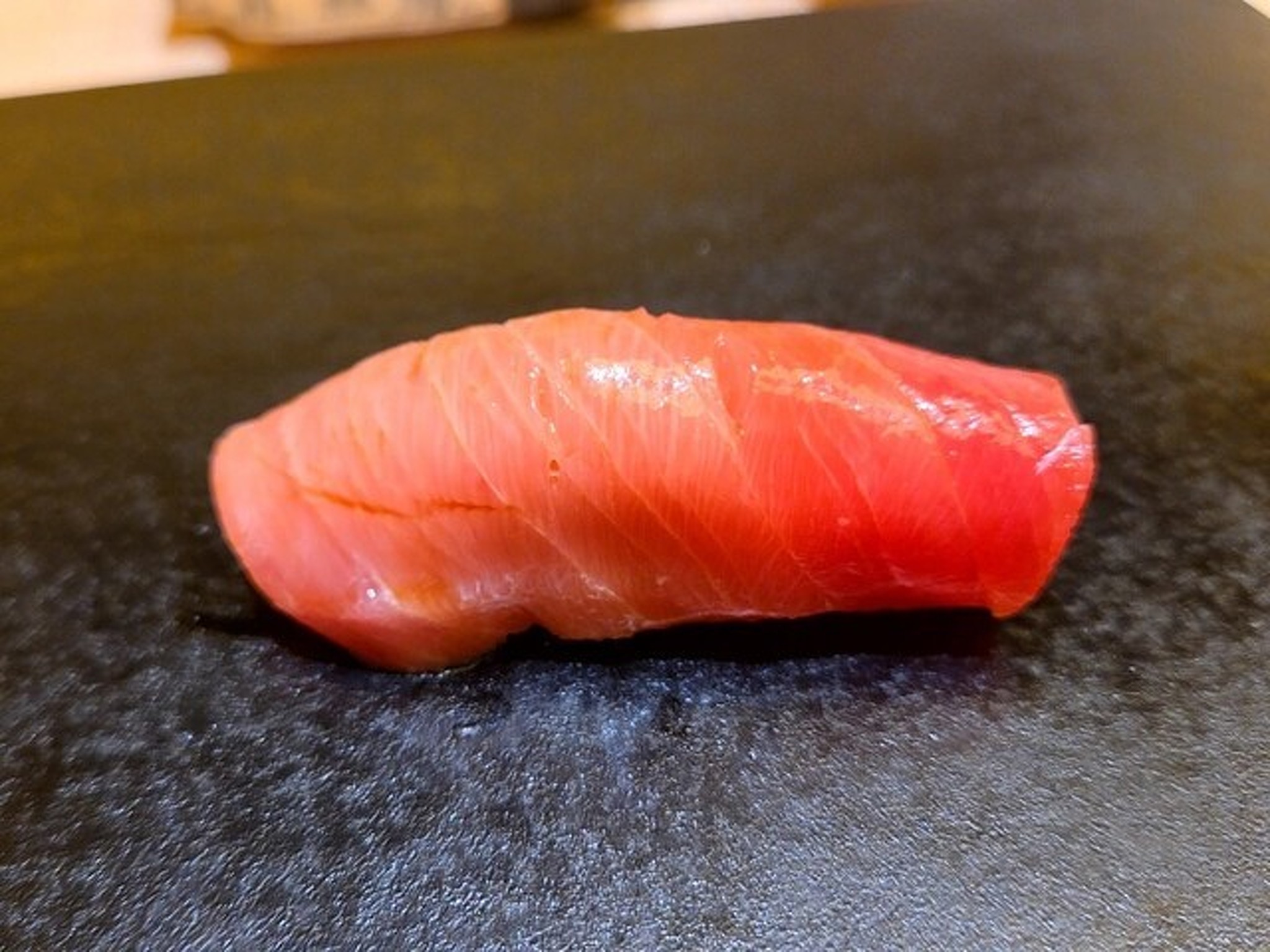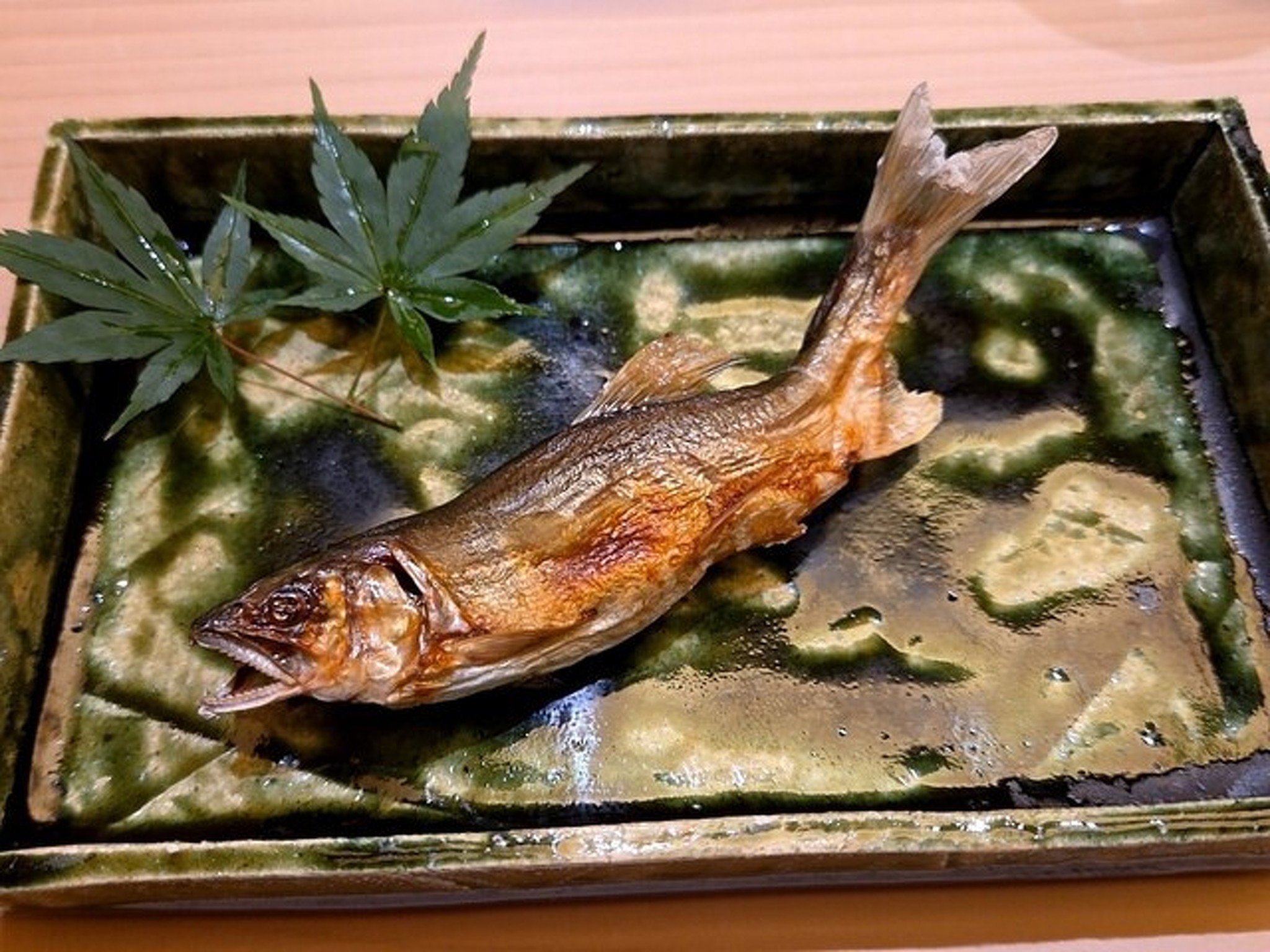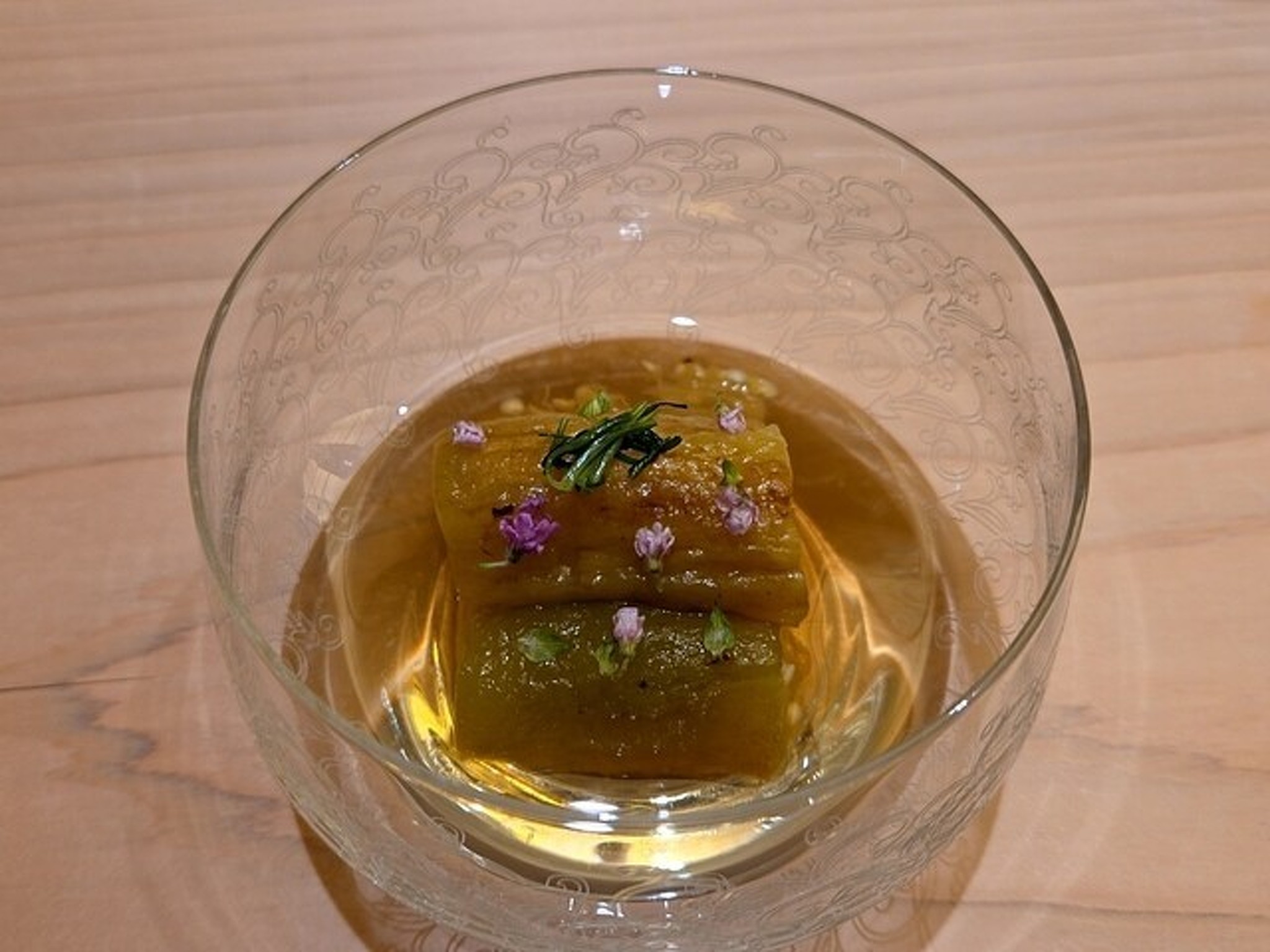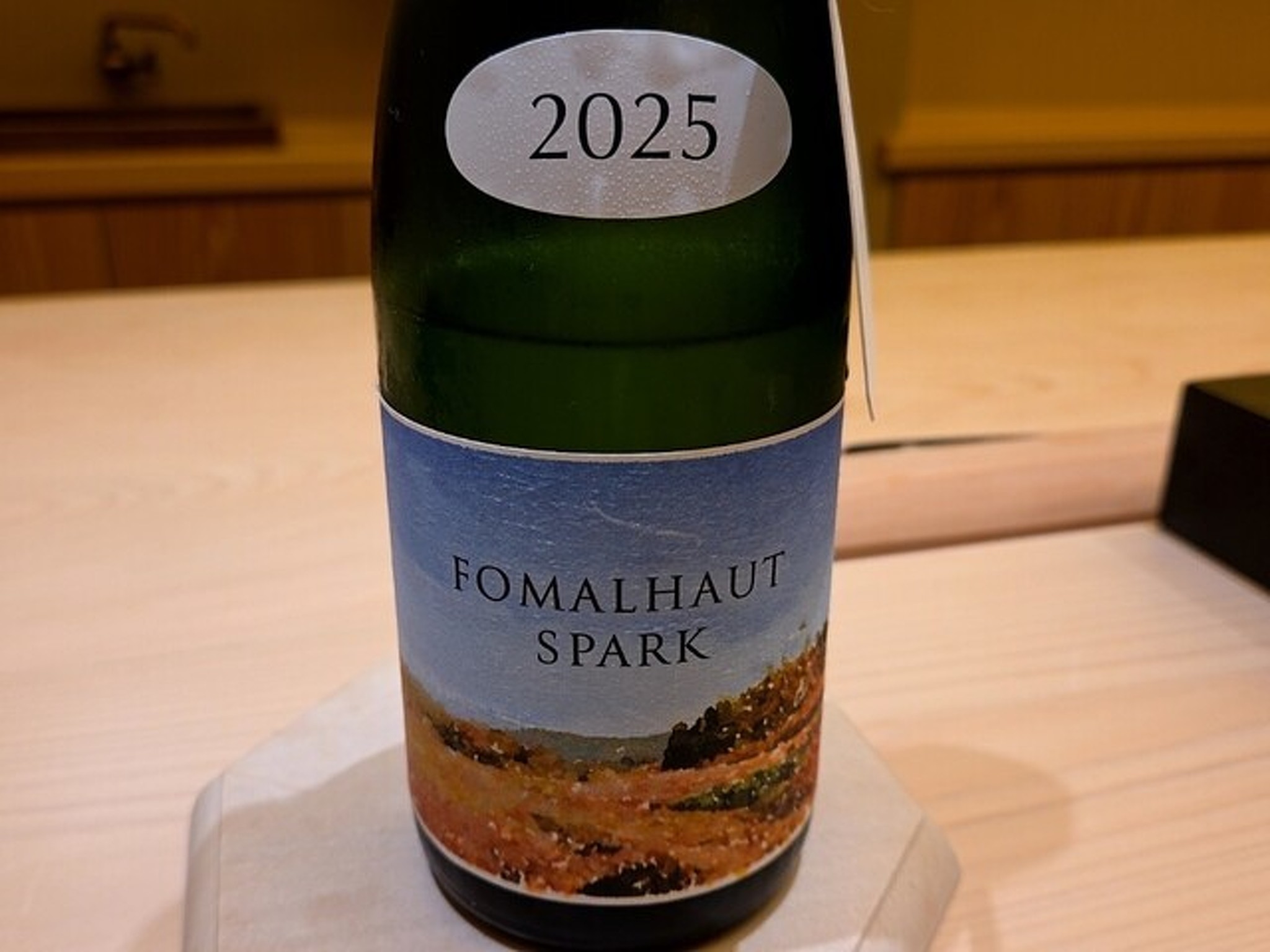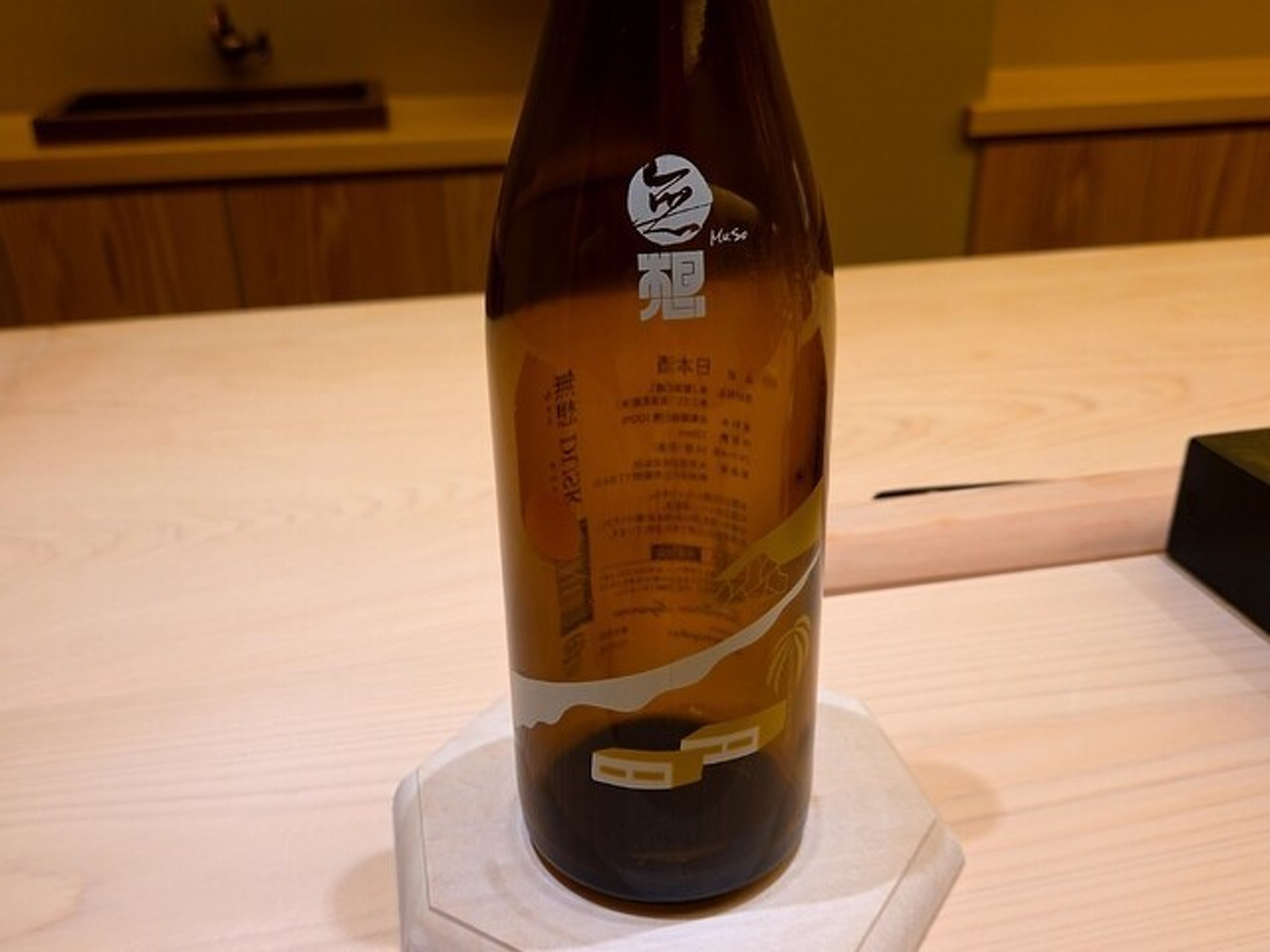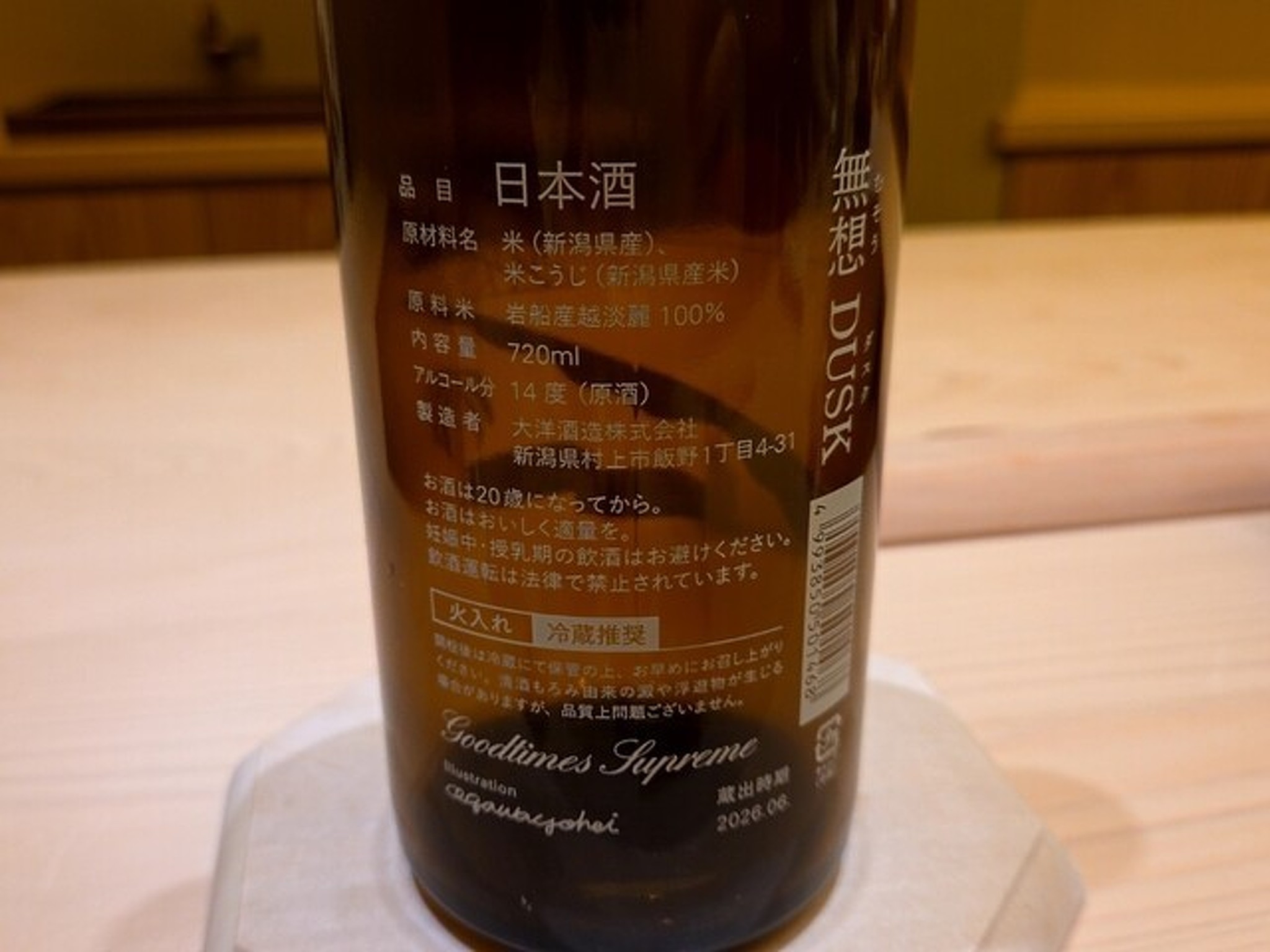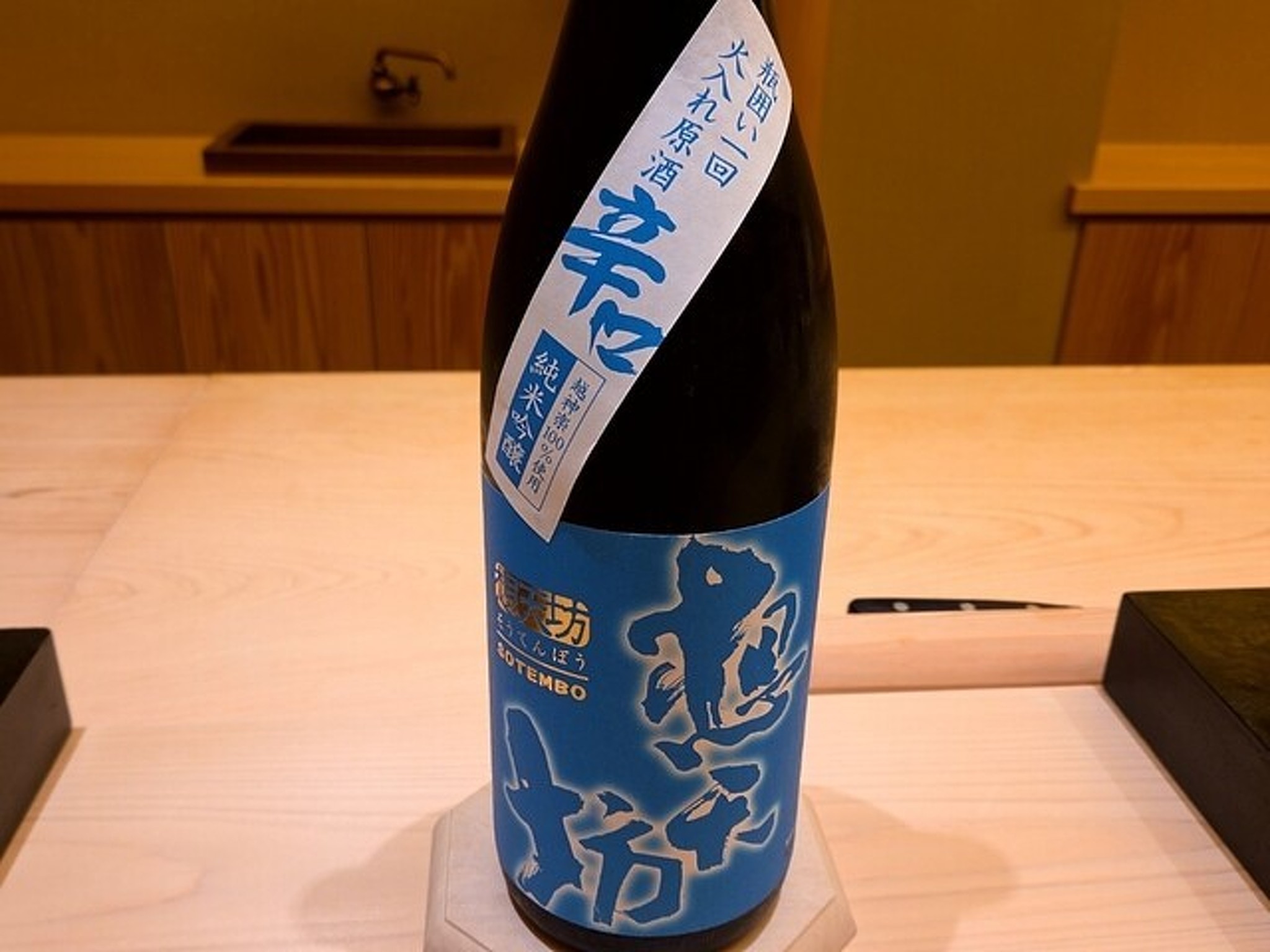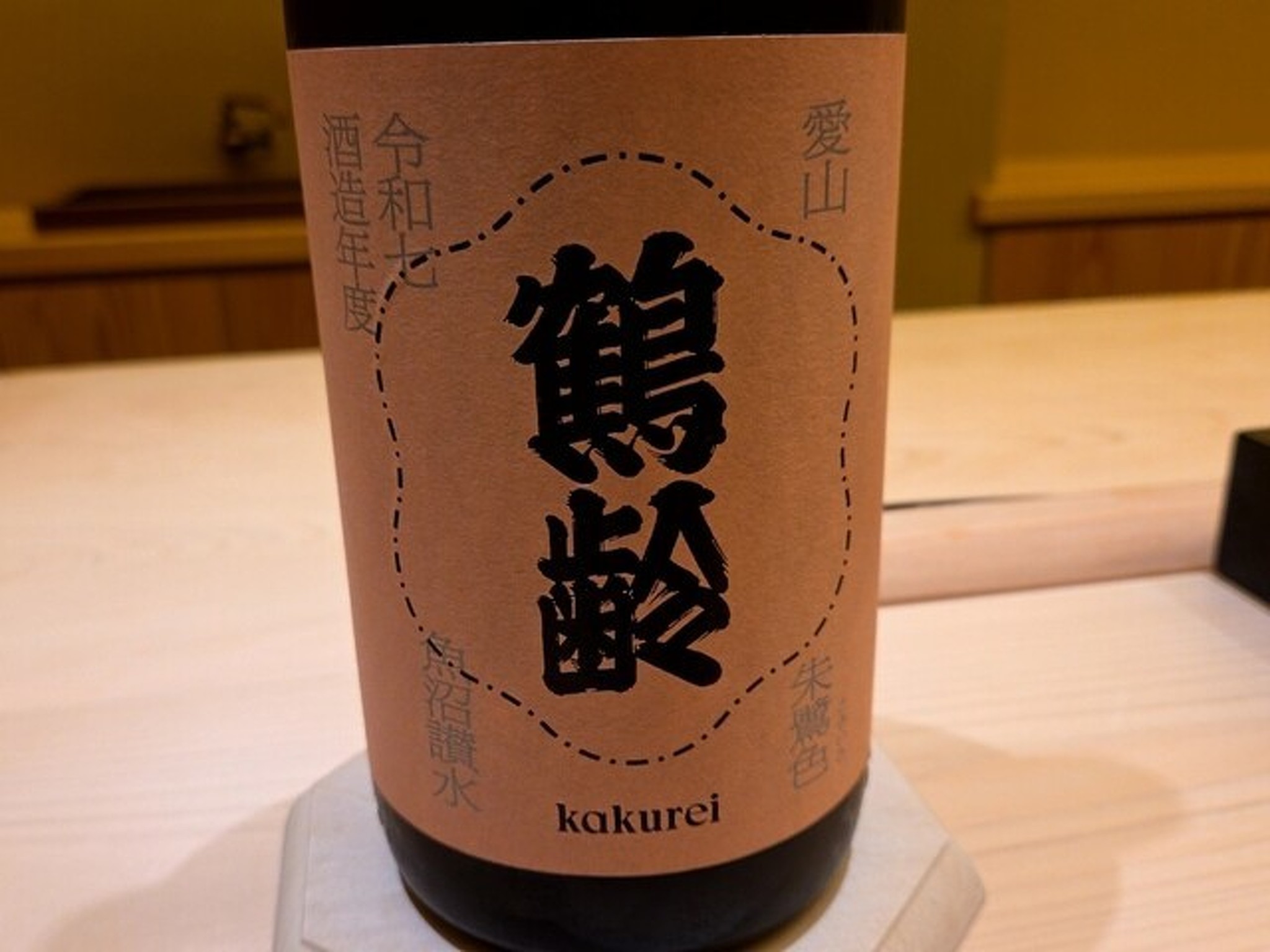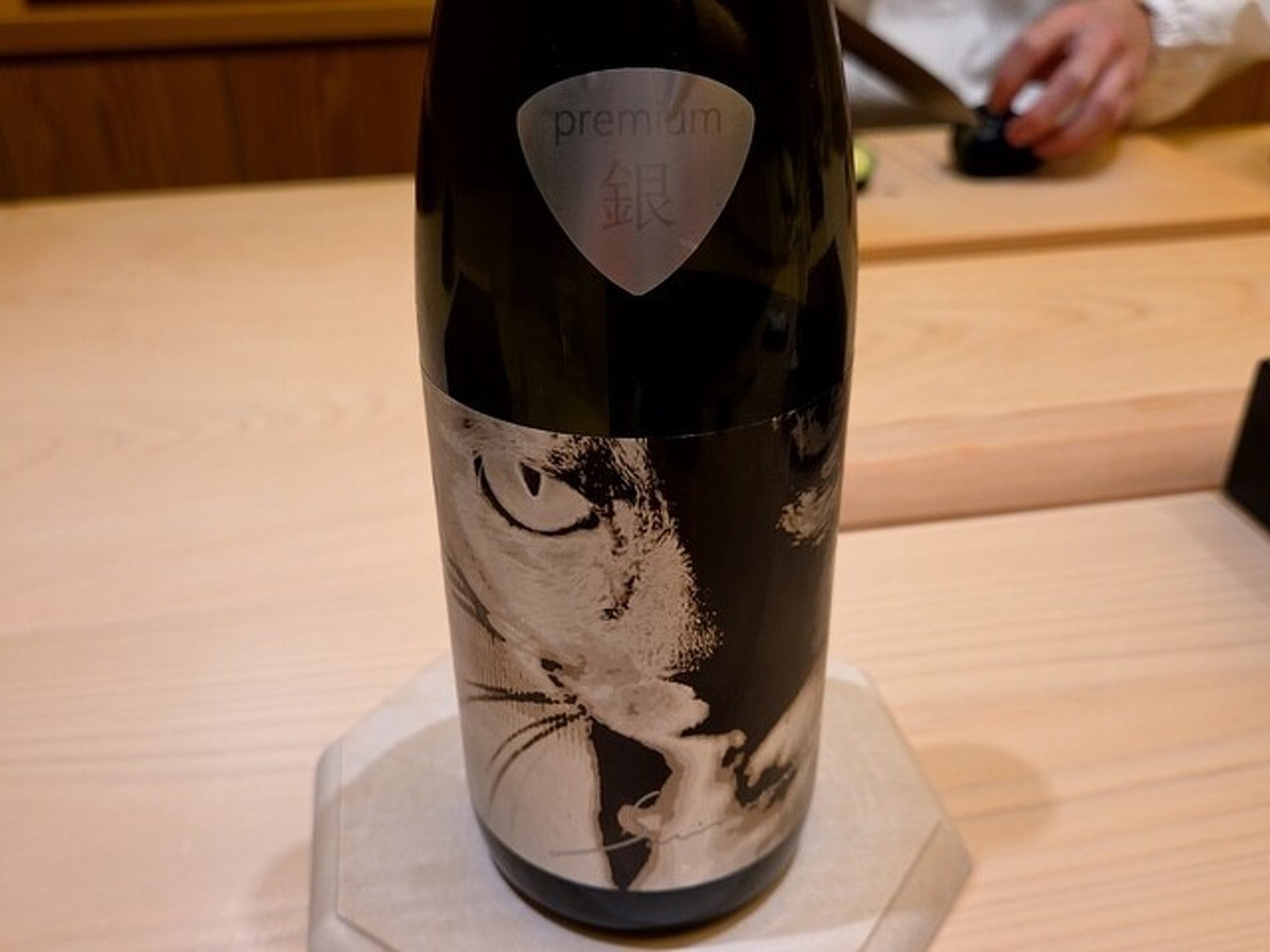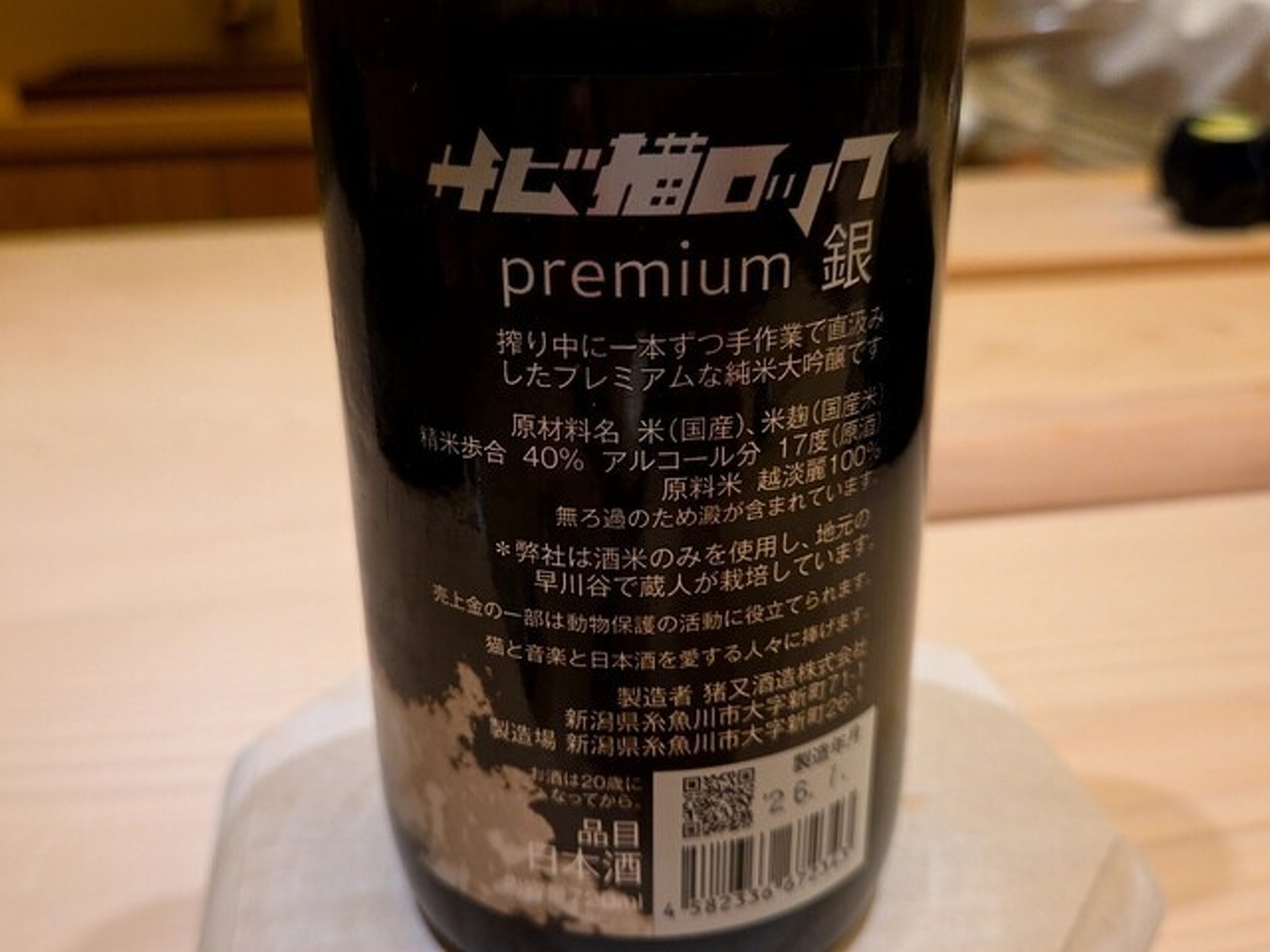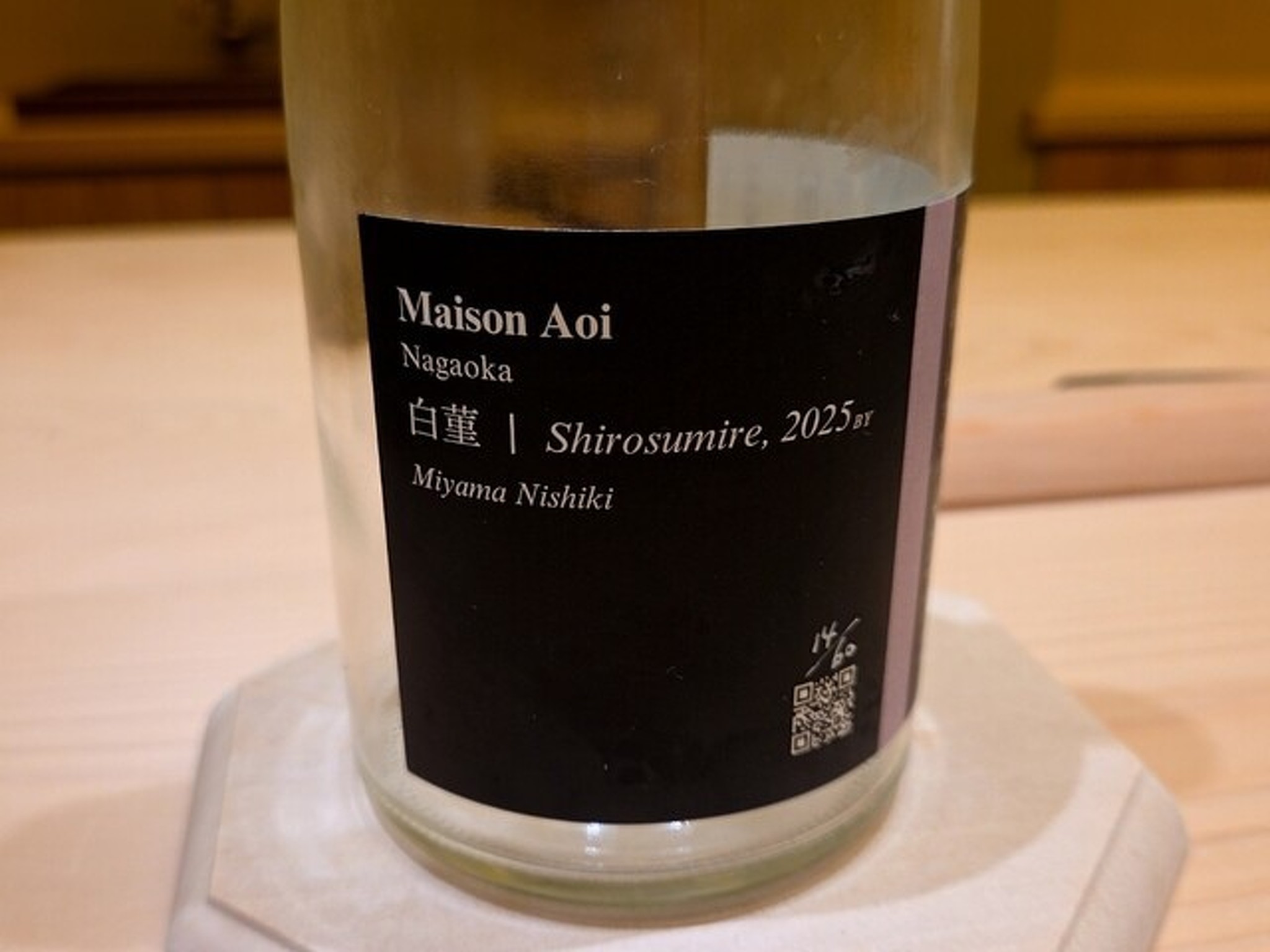
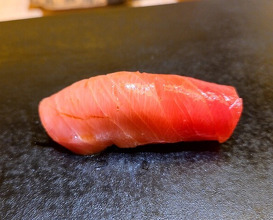
I revisited during the latter half of the weekday.I was welcomed outside and started my time after passing through the waiting area.The space behind the counter is spacious and comfortable, with shelves to place bags, which is a nice touch. It shows consideration for women (and not just them).Here are a few highlights from that day:Ayuu (sweetfish).It was cooked slowly for about an hour, removing any bones, so you can enjoy it from head to tail. It was prepared simply, allowing the natural bitterness of the ayu and the refreshing taste of summer to shine through. The experience of savoring it with Japanese sake is a true pleasure for adults, elevating it beyond what you would typically find at a sushi restaurant.I usually avoid grilled fish due to my dislike for small bones, but I trust a few restaurants in Matsuyama, Ehime, and Niigata for their preparation and cooking, so I was able to enjoy it without encountering any bones. This dish is a testament to their reliability and skill.Ala (a type of fish).While it may not be accurate, the quality and handling of this fish make it feel like a specialty of Niigata. Unlike the grouper (called "Ala" in Kyushu and Kansai), this fish resembles a robotized version of the flat sea bass (from the bass family). To avoid confusion with grouper, it is often referred to as "Hon-Ala."It appeared as the first piece, and even though I knew it was delicious, it exceeded my expectations. It has a refined sweetness without being cloying, and while it is typically a firm fish, aging it gives it a perfect texture and umami. The Ala pairs beautifully with the rice prepared by Chef Homma, leaving a long-lasting aftertaste that is simply delightful.The staff serves the dishes alongside suitable sake, so if you enjoy sake, I highly recommend opting for the omakase.Nori (seaweed).Among the three opportunities to enjoy nori—purple sea urchin, soft-shell crab hand rolls, and thick rolls—the nori used for the purple sea urchin was made in Aichi Prefecture. Its most remarkable feature is its astonishing melt-in-your-mouth quality. The subtle aroma of Aosa seaweed adds to its appeal. Many places have nori that overpowers the sea urchin's fragrance or leaves a lingering taste, but here, the nori's aroma complements the delicate scent of summer sea urchin without overwhelming it, creating a truly wonderful combination.On the other hand, the nori used for the hand rolls is selected to remain crispy until the last bite.Niigata, especially Sado Island, is a treasure trove of culinary potential, with its rich seafood, mountains, water, and sake.The service staff provided a very pleasant experience, showcasing excellent teamwork. There was no stiffness, yet it wasn't overly casual either.Under Chef Homma's leadership, all staff members diligently washed cloths and wiped cutting boards, demonstrating a cleanliness and meticulousness that is commendable. Their sincere attitude towards the ingredients is also appreciated.They maintain a light-hearted atmosphere without resorting to inappropriate jokes, focusing entirely on the guests seated at the counter that day without trying to appeal to a broader audience on social media.Among sushi restaurants in Niigata, this place undoubtedly stands out for its elegance and quality of service.It shares popularity with Tokikawa, which could be classified as innovative within the city, and while I enjoy both, this one represents the traditional sushi experience.Interestingly, the clientele here, including international guests, are all well-mannered. Some of the more eccentric patrons seem to have gravitated towards Tokikawa (Niigata branch), which has a stronger entertainment element and social media presence, allowing this restaurant's atmosphere to remain calm and focused purely on enjoying the meal.It was a great meal.
We use cookies on this site to enhance your user experience.