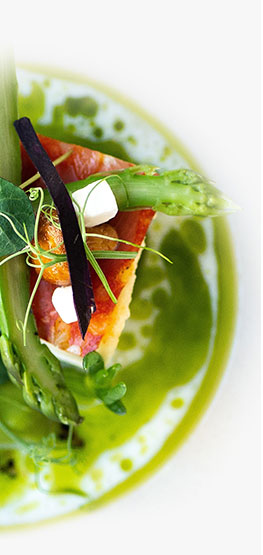
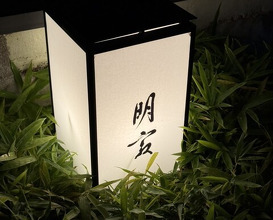
A top-tier Japanese restaurant located about a 7-minute walk from Roppongi Station, Myoujyaku has earned three Michelin stars and a Tabelog Silver rating. I visited today for an OMAKASE dinner course.**Nagaimo Shio-ni** In this simple yet elegant dish, the earthy flavor of nagaimo (Japanese yam) harmonizes perfectly with the clear saltiness of the dashi. It gently warms the stomach while showcasing the chef's meticulous cooking technique that eliminates any off-flavors from the ingredients.**Hairy Crab with Mikan** This dish features top-quality hairy crab, served with claw meat and crab miso for a double flavor experience. The claw meat is paired with dried mikan peel, while the crab miso is marinated with sansho pepper and lemon juice, creating a refreshing acidity. The high standard of this dish directly conveys the quality of the ingredients.**Sashimi: Tai & Tako, Tai Shio Mizu and Tako Shio** The tai (sea bream) is enhanced by a saltwater made from tai dashi, while the tako (octopus) showcases three different textures through expert knife skills. The octopus salt, made from its skin, delivers the strong texture and natural sweetness directly. This dish exemplifies true subtraction by eliminating unnecessary soy sauce.**Hamo, Umeboshi Tempura, Onion Soup** This dish features expertly deboned hamo (pike eel) paired with the mellow flavors of umeboshi (pickled plum) and two types of acidity, along with the natural sweetness of onion. The delicate extraction of dashi creates a profound depth that seeps into the dish.**Shima Aji with Cucumber and Shiso Oroshi** The skin of the shima aji (striped jack) is grilled to perfection, and the rich fat is complemented by refreshing cucumber and shiso oroshi (grated shiso). Even with a fatty fish, this dish resets the palate while highlighting the strength of the ingredients.**Tsubugai and Turnip Surinashi & Shijimi Dashi** The crunchy texture of tsubugai (whelk) combines with the gentle surinashi (pureed) turnip and the umami of shijimi dashi (clam broth). Despite its rich flavor, the aftertaste remains incredibly clear, making this a refined shellfish dish that balances sweetness and umami.**Grilled Sweetfish** This dish represents the pinnacle of cooking technique. The surface is crispy and fragrant, while the inside retains moisture, allowing the unique aroma and slight bitterness of the sweetfish to fill the mouth beautifully.**Smoked Grilled Sweetfish** Building on the salt-grilled version, this dish adds a subtle smokiness that deepens the flavor and adds dimension to the sweetfish. The chef's playful spirit shines through in how the same ingredient can be transformed.**Fig with White Miso** A refreshing palate cleanser between the sweetfish dishes, this dish features the natural sweetness of ripe figs combined with a smooth white miso dressing, serving as an elegant interlude.**Sweetfish Sushi with Silk Wrap** The umami of the wild sweetfish is beautifully integrated with vinegared rice, and the egg white wraps around it like silk. This dish showcases the chef's ability to express the same ingredient in multiple dimensions, dancing on the palate.**Eggplant Somen** A refreshing dish made with exquisite eggplant, this preparation allows you to enjoy the natural umami of the eggplant paired with a Japanese dashi, served with delicate somen noodles. It’s a high-end refreshing dish.**Corn Karasumi "Inazuma"** The sweetness of corn and the rich saltiness of karasumi (dried mullet roe) balance each other like waves in the mouth, complemented by the texture of fried skin and creamy new karasumi. The contrast of textures and flavors is remarkable.**Winter Melon and Wild Boar Stew** The highest quality wild boar meat is free of any gamey taste, bursting with rich fat flavor, while the winter melon absorbs the dashi. This dish provides a substantial presence and satisfaction as the main course in the latter half of the meal.**Water Eggplant with Mustard Soy Sauce, Nukazuke, Rice, Furikake, Dried Shrimp, Red Miso Soup** Served with glossy, perfectly cooked rice, this dish features refreshing water eggplant and straightforward accompaniments. It’s a perfect balance that brings you back to the roots of Japanese cuisine.**Blueberry Shiruko** This refined shiruko (sweet red bean soup) harmonizes the refreshing sweetness and tartness of the fruit with the elegant richness of the bean paste, complemented by a sorbet made from five types of berries, showcasing a sense that transcends traditional Japanese cuisine.**Zunda Hojo Maki** This dish features elegant zunda (edamame paste) wrapped in a hojo (Japanese paper). It’s simple yet meticulously crafted, with no detail overlooked.The ingredients used here are undoubtedly of the highest quality in Japan. The chef's skill in boiling, steaming, grilling, and mixing has been taken to the ultimate level, drawing out the maximum potential of each ingredient. The playful spirit of presenting different flavors from the same ingredient is also exceptional. As a personal note, while the overall completion of "Sabi (subtraction)" stands out, it might be worth emphasizing the main theme of "Akari (assertion)" even more. It was a great meal!
We use cookies on this site to enhance your user experience.