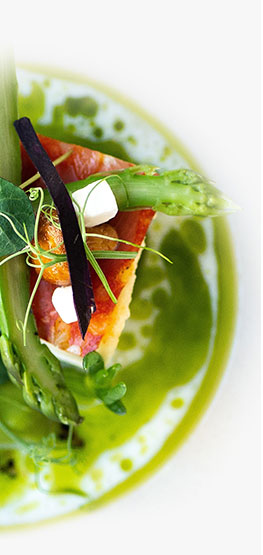
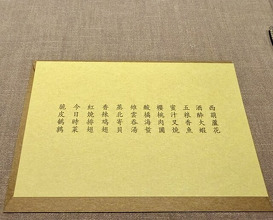
Located about a 12-minute walk from Hiroo Station, this Chinese restaurant is a regular on Tabelog Gold and boasts the incredible achievement of three Michelin stars.This time, I was fortunate enough to secure a cancellation and enjoy a limited-time course meal in the restaurant.**Zucchini Flower** From the very first bite, I was captivated by the exquisite presentation. The zucchini flower, beautifully arranged in a tall glass, encapsulates the essence of xiaolongbao (soup dumplings) with remarkable precision. As I took a bite, the refreshing sweetness of the zucchini, the savory flavor of the meat, and the deep umami of the broth burst forth in a harmonious blend. The meticulous preparation, including humidity control in a vacuum state and preventing deformation, took two full days, resulting in a masterful creation.**Drunken Prawn** Not just marinated in alcohol, this astonishing botan shrimp undergoes careful pre-treatment and slight fermentation. The texture is so resilient that it feels almost inadequate to describe it as such; the flavor penetrates deeply into the fibers, providing a delightful crunch. The refreshing aroma of yuzu lightly envelops the surface, elevating the rich sweetness of the shrimp to an exquisite level.**Flavored Sweetfish** This dish highlights the unique bitterness and aroma of sweetfish while incorporating a variety of vibrant flavors. The crisp texture offers a pleasant aftertaste, making it a fitting accent at the beginning of the course.**Honey Glazed Char Siu** This dish completely redefines the concept of Cantonese char siu with its heavenly quality. Using shoulder pork from Yamato, the careful application of sauce and complex heating techniques perfectly melt the challenging fat fibers. The resulting high-quality fat envelops the lean meat, beautifully merging the rich aroma of the pork with the savory notes of the sauce. The aftertaste is surprisingly light and refined, without needing any assistance from the accompanying garnishes.**Cherry Meatball** At first glance, it appears to be a charming sweet and sour meatball, but its structure is incredibly intricate. Inside the crispy, fragrant exterior lies a whole cherry, marinated under precise temperature control. When bitten into, the warm, crispy meatball bursts with the cold juice of the cherry, enhancing the sweet and sour flavor and instantly neutralizing the richness of the meat. Each chew deepens the deliciousness of this masterpiece.**Sour Citrus Jellyfish** This small dish harmonizes the crunchy, refreshing texture of jellyfish with the sharp acidity of Japanese sudachi, creating a very refreshing experience.**Chicken and Bamboo Shoot Wonton Soup** An exquisite broth made from chicken and bamboo shoots, clarified to perfection. The wonton skin floats in a serene bowl, smooth and enveloping the robust umami of the meat, gently cradled by the clear richness of the soup.**Steamed Surf Clam** A pinnacle of steaming technique. The rich amber acid from the surf clam and the umami of the broth are perfectly absorbed by the laid-out vermicelli. By staggering the cooking times of the clam and vermicelli to the second, the chef preserves the elasticity of the vermicelli while trapping the flavors inside. A light toss turns the vermicelli golden with the broth, and the moment it enters the mouth, the overwhelming umami of the clam elegantly spreads.**Spicy Chicken Wings** This dish overturns the previous image of spicy chicken, presenting the best spicy chicken I have ever had. Following Sichuan tradition, it is stir-fried with a luxurious mix of over a dozen types of chili peppers and Sichuan peppercorns, but the star of the show is the chicken wing, which is packed tightly with crab meat and scrambled eggs. The exterior is fragrant and spicy, while the inside has the fluffy texture of steamed crab. The moment you bite down, the juicy fat of the chicken wing mixes with the rich juices of the crab, enveloping you in an overwhelming sense of euphoria.**Star Anise Tomato** This dish serves as a perfect reset button for the palate. The tomato, with its texture expertly controlled through fermentation and pouring techniques, is wrapped in the aroma of star anise, flowing smoothly down the throat like a waterfall. It refreshes not only the mouth but also the throat, preparing for the next main dish.**Braised Shark Fin** By carefully rehydrating the finest shark fin, each fiber possesses an astonishing presence and pleasant texture. The depth of the rich braised sauce clings to the shark fin, presenting a high-quality finish that exudes a sense of traditional elegance.**Seasonal Vegetable: Ham and Asparagus** Asparagus in season, wrapped in the umami of premium Jinhua ham. The exquisite cooking brings out the natural sweetness of the vegetables and the saltiness of the ham in a refined harmony.**Crispy Quail** A gem of a dish that maximizes the potential of quail. After carefully injecting the broth inside, it is smoked with noble tea leaves and repeatedly roasted in the oven while basting with oil. After savoring the rich flavor of the thigh meat, the breast meat is enjoyed with a special sauce based on Chinese red wine. The chef’s strong belief in the vast potential of Chinese cuisine and its future is conveyed with great conviction.**Mapo Tofu** While adhering strictly to traditional techniques, this supreme mapo tofu shines with its luxurious ingredients and honest preparation. Generous portions of the previously mentioned char siu’s trimmings are included, resulting in a higher meat-to-tofu ratio, with a perfect balance of aroma, spiciness, and numbing sensation. The exquisite umami and spiciness entice you to eat more rice, and you never tire of it, no matter how many bowls you have. The paired tea and specially fermented pickled vegetables maintain a pleasant tingling sensation in the mouth, making the rice irresistible.**XO Sauce Noodles** The deep richness of homemade XO sauce and the umami of seafood cling perfectly to the chewy noodles. Simple yet flawless, it is a fitting conclusion to the course.**Mango Sago** This dessert transcends all previous notions of dessert, presenting the best mango sago I have ever had. The exquisite coconut ice cream on top carries the refreshing aroma of lemongrass, exuding a noble nuance reminiscent of refined green curry. Following the chef’s recommendation, I first tasted it on its own, then boldly mixed it with the sauce below. The white pearls in the sauce are not tapioca but rather the flesh of finger limes. With each pop in the mouth, layered acidity and sweetness burst forth, dramatically transforming from the initial taste to the aftertaste. I was simply overwhelmed by the high standard.**Almond Tofu** Served at two temperatures, this is Sazenka’s signature dessert. The smooth texture and the noble aroma of almond rising from the bowl gently envelop the intense excitement of flavors experienced thus far.**Cinnamon Dumplings** The warm dumplings that conclude the course. The elegant and exotic aroma of cinnamon spreads pleasantly, gently wrapping up the long and elaborate meal with warm tea.The level of skill, ingredients, flavor composition, course design, and innovation while respecting tradition is undoubtedly at an extremely high standard. However, what struck me the most was not the dishes themselves.What I witnessed was "another future that Chinese cuisine could originally pursue."China has many of the world’s top chefs. Looking at just one dish, there may be dishes that surpass Sazenka. The mastery of heat, knife skills, fermentation, handling of dried ingredients, and the depth of broth all contribute to the unparalleled accumulation of Chinese cuisine.However, I believe the pinnacle of Chinese cuisine is not a single dish created by one chef.It is the original banquet.Symbolized by the Man Han Quan Xi, it is a story that unfolds over a long period. Nearly a hundred dishes, each with its own role, create a flow that incorporates seasons, aromas, temperatures, vessels, tea, and conversation into a single experience.In that context, the importance lies not in the superiority of individual dishes but in "why this dish is served here and now."Yet modern Chinese cuisine has lost that banquet.I do not intend to deny the culture of large plates. However, in the commercialization of dining, many dishes have come to be evaluated individually, and the philosophy of designing an entire banquet has gradually faded away.My mother studies traditional culture in Suzhou. In the process, she learned that many dishes once served at gozen and noble banquets have been recorded. They are astonishingly labor-intensive.Preparing for a single dish takes days, considering the relationships with preceding and following dishes. However, this is not suitable for modern restaurant management. Thus, they have been forgotten.What has been lost is not the recipes.What has been lost is the very banquet that brings those dishes to life.While dining at Sazenka, I pondered this repeatedly.What is happening here is not just "high-end Chinese cuisine." It is an attempt to reconstruct the experience rather than simply lining up dishes one by one.That is why I was moved.It is not because Japan has surpassed China.Rather, it is the opposite.Here, there is a deep respect for Chinese cuisine and a will to unearth forgotten values.Chinese cuisine still holds great potential.When the lost banquet culture is reevaluated, the forgotten dishes will also be revived. And at that time, Chinese cuisine may reach even greater heights.What I saw at Sazenka was not a completed form.It was a glimmer of hope for the future of Chinese cuisine.It was a great meal!
We use cookies on this site to enhance your user experience.