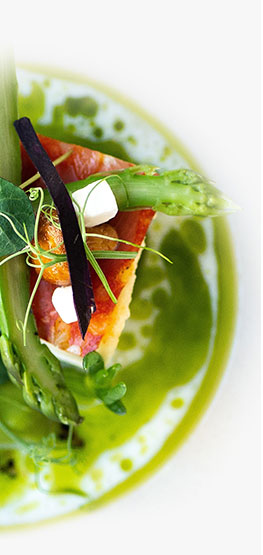
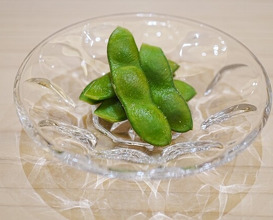
Capturing the allure of the Sea of Niigata in every piece of sushi, Kyodai Zushi proudly stands in the Furumachi area. Established in 1960, the name comes from the fact that the first generation started the restaurant as brothers. In 2023, they relocated to their current location on Higashi-Hori Street. From acquiring the land to creating a space that embodies their ideals, everything reflects the vision of Ryuji Homma, who trained for about ten years in Tokyo before returning home in 2011 to take over the family business. Initially, they sourced high-quality fish from all over Japan, but realizing this was merely imitating Tokyo, they shifted their focus. They now emphasize local ingredients from Niigata, including seafood, rice, water, vinegar, and vegetables, translating Edo-style techniques into the local context. What began as a neighborhood sushi shop has evolved into "Niigata-mae Sushi" under the second generation.The course features a sequence of appetizers and nigiri, with the centerpiece being the slightly firmer sushi rice. It breaks apart in the mouth while retaining the shape of each grain, with a sharp balance of acidity and salt. This clear design effectively captures the delicate sweetness and clean fat of the fish from the Sea of Japan. It ensures that subtle flavors do not fade away, instead highlighting the individuality of each fish. The appetizers showcase the aroma and texture of the ingredients themselves, while the nigiri refines their appeal using Edo-style techniques. The logic of Niigata's ingredients and craftsmanship alternates throughout the course, weaving together a cohesive narrative.The "Nanban Ebi," meaning sweet shrimp in Niigata, gets its name from the red chili pepper called "nanban" due to their similar appearance. The vibrant flesh clings to the tongue, gradually releasing its sweetness. Next, the "Nodoguro" from Sado Island, which has been raised on these sweet shrimp, is lightly seared on the skin and paired with wasabi and miso, adding a toasty aroma and definition to its rich fat. The aftertaste is surprisingly clear, with the earlier tasted Nanban Ebi now serving as a backdrop to the umami of the Nodoguro. This unique approach incorporates the food chain of the sea into the course.The "Aosa and Ume Chawanmushi" combines the coastal aroma of aosa seaweed with the tartness of plum. The smooth egg custard spreads the umami of the dashi, while the plum cleanses the palate. Following this, the "Natural Kuruma Ebi" from Seiro Town, a seasonal delicacy caught only in summer, boasts a firm texture that sweetens with each bite. Its pure flavor leaves a lasting impression without any off-tastes. The "Kuro Mutsu" from Sado is quickly seared with straw from Myoko, releasing the aroma of the straw as the fat beneath the skin melts. The structure beautifully balances the thickness of the fat with the toastiness. The "Iwa Oysters" from Murakami, served with lemon, burst with minerals and richness, leaving a refreshing aftertaste that showcases the high potential of summer in Niigata.The "Ma-ika," referring to squid in Niigata, is prepared with fine cuts to create a tender texture, drawing out its sticky sweetness with each bite. Next, the "Uni" from Iwate Prefecture is the only non-local ingredient of the day. While focusing on Niigata products, they select only necessary ingredients without being bound by their origin, demonstrating the chef's calmness in not just showcasing the land. The rich sweetness melds with the aroma of nori and the acidity of the rice, dissolving into a harmonious blend in the mouth. The "Kodomo Ayu" from Minami-Uonuma is cooked slowly for over an hour, becoming tender enough to eat from head to tail, with a delightful combination of toasty surface, slightly bitter flesh, and rich roe. By incorporating not only seafood but also river blessings, the richness of Niigata becomes more three-dimensional.Next, the "Akami" caught with longlines in Sado has a clear taste without any off-flavors. The thick flesh has a pleasant bounce, and its red meat umami quietly expands with each bite. The same fish's "Chutoro" is marinated and filled with squid paste, layering the sweetness and sticky texture of the squid onto the fattier part of the fish, adding depth to the flavor. This relationship, where tuna feeds on squid, brings a narrative to the ingredients while enhancing their appeal.The "Grilled Asparagus" refreshes the palate with its juicy sweetness and green aroma. The "Pickled Daikon and Juzen Eggplant" also offers a pleasant contrast between the crispness of the daikon and the softness of the eggplant. The remaining half of the "Natural Kuruma Ebi" enjoyed earlier is grilled to create a savory appetizer. While the nigiri showcases its bounce and sweetness, this preparation reveals its aroma and concentrated flavor through cooking. Presenting the same shrimp in two different preparations draws out distinct expressions as if they were entirely different ingredients.The "Hand Roll with Hair Crab" from Mase Fishing Port is wrapped in nori with shredded meat. The sweetness of the crab is elevated by the toasty aroma of the nori, while the essence of the ingredient remains intact. The final "Futomaki" is filled with sweet and savory walnuts. This walnut-filled futomaki is a traditional sushi roll in Niigata, said to have originated when fresh fish was scarce, using walnuts as a preservable ingredient. The last "Tamago" incorporates ground Nanban Ebi, adding a fluffy texture with a hint of sweetness from the shrimp. Even the final egg reflects the essence of Niigata, maintaining the local flavors until the very end.What Kyodai Zushi creates is not just sushi made from Niigata ingredients. They discern the inherent qualities of the ingredients, give them definition with Edo-style techniques, and sometimes even incorporate the food chain and local culinary culture into a single piece. The Nanban Ebi and Nodoguro, tuna and squid, and walnut-filled futomaki—all connect to the significance of eating in Niigata. By acquiring land, creating a space, and restructuring both ingredients and techniques to fit this place, they have achieved a unique "Niigata-mae Sushi" that can only exist here. It was a great meal.
We use cookies on this site to enhance your user experience.