We use cookies on this site to enhance your user experience.

Your profile is incomplete.
Feed others more info about you.
Meals
Restaurants
Ginza Shinohara

2-chōme-8-17 Ginza, 中央区 Chuo City

I visited in late May but couldn't post until now.The Tango no Sekku (Children's Day) is one of the five seasonal festivals, alongside Jinjitsu, Tanabata, and Choyo. These festivals are times when impurities accumulate, leading to a decline in fortune, so we ward off evil spirits with strong scents. For Tango, iris leaves are one of the elements used,... More
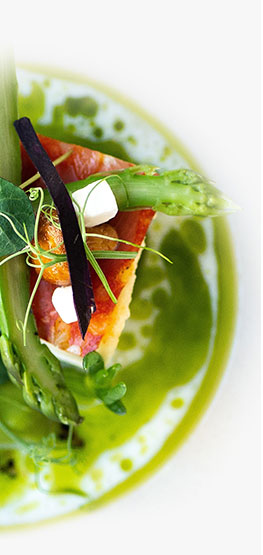
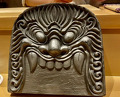
I visited in late May but couldn't post until now.The Tango no Sekku (Children's Day) is one of the five seasonal festivals, alongside Jinjitsu, Tanabata, and Choyo. These festivals are times when impurities accumulate, leading to a decline in fortune, so we ward off evil spirits with strong scents. For Tango, iris leaves are one of the elements used, often in iris baths or displayed at the entrance. It seems that famous inns in Kyoto, such as "Sumiya," "Tawaraya," and "Hiiragiya," commonly decorate with iris leaves in the northeast direction, which is considered the direction of evil spirits. This year, we enjoyed the beautiful decorations of iris in the appetizers and hachizuna, along with demon tiles that symbolize warding off evil spirits.Upon researching demon tiles, I found that they originated from ancient Greek and Etruscan roof decorations that traveled along the Silk Road. While they serve as talismans, I thought they might share similarities with gargoyles. Both have origins in ancient Greece, but demon tiles are specifically talismans displayed on the front of buildings, whereas gargoyles began as practical parts of rain gutters in the Middle Ages before taking on protective meanings.Now, here’s the menu for the day. Since my daughter had an urgent matter and it was just my husband and me, we each had one go of sake.● Dishes ☆ Sake (Omakase)【Tea: Gyokuro】Uji Kōen☆ Aramasa No.6 Type R: Slightly acidic, perfect as an aperitif.【Appetizer】● Sea urchin from Shimonoseki, sweet shrimp, and hamo (pike eel) with okra, garnished with purple shiso and a jelly made from seasoned vinegar.I thought it was from Shimonoseki, but upon reflection, I realized they sell bottled sea urchin there. This was my first time learning about hamo suisen (pike eel with okra).During the Sengoku period, iris and other plants were used instead of weapons to offer at shrines after battles.☆ Terai Junmai Daiginjo, Yano Shuzō (Saga Prefecture): Firm yet refreshing aftertaste.【Second Appetizer】● Crab bread.Recently, tarabagani (king crab) has been featured as an additional dish, so I assume they used parts that weren't served elsewhere. This is part of the SDGs initiative.【Soup】● Edamame puree, deep-fried sea bream, grilled Kamo eggplant, and three-way beans (I can't remember what the white one was).It’s a puree, but very elegantly thick. Deep-frying the sea bream adds a hint of oil that enhances the flavor. Quite filling.☆ Kuro-ryū, Gohyakumangoku: My favorite sake rice, and it’s delicious as always.【Noodle Dish】 Served by hand● Grilled sweetfish from Lake Biwa, with sudachi juice.● Grilled eel with sansho pepper, hand-rolled.They say it’s sweetfish, but all sweetfish from Lake Biwa are this size. I go fishing for sweetfish near Lake Biwa every year, so I’m familiar with it, but this was my first of the year. I love this way of eating.Today’s hand roll was very simple, without egg shiso. I enjoy the version with egg shiso too, but the one with just eel allows you to appreciate the flavor more. The eel today was incredibly large.☆ Shōryū no Mai Junmai Daiginjo, Hirata Shuzō (Takayama, Gifu Prefecture): I’m trying this for the first time. I’ll be visiting Takayama soon, so I’m looking forward to it. (By the time of posting, I had already visited Hirata Shuzō in Takayama.)【Fried Dish】● Deep-fried soft-shelled turtle, turtle jelly, liver stew, lemon, and rock salt.This is a rare dish with liver. The ginger had a faintly sweet and spicy flavor.【Grilled Dish: Additional Order】● Boiled tarabagani, sudachi, olive oil (pressed from Aki Island, Etajima), and chili vinegar.That day, neither of us skipped lunch, so we were cautious about additional orders, but I couldn’t resist trying a bit of the crab when they offered to let me taste the olive oil. This olive oil has a connection to my home, and it paired beautifully with the rich tarabagani. I was truly impressed by how well it was used.I’ve attached a photo of the olive oil information.The tarabagani that day was enormous, over 4 kg! I’ve never seen one this big before. It seems that Shinohara prefers not to have them this large, but Tanaka-kun chuckled, saying that they keep getting bigger.☆ "Ginza Shinohara" label Junmai sake, Raifuku Shuzō (Ibaraki Prefecture).This was a new Shinohara label sake. As expected, it’s a versatile sake that pairs well with the dishes.【Hachizuna】 Lacquered tray with legs, demon tile, sword made of iris and yomogi, leaves of Enkianthus and green maple as decoration. This dish is new.● Fugu (pufferfish) wrapped with chives, served with ankimo sauce.● Honmaguro (bluefin tuna) sushi with wasabi soy sauce.● Quail eggs pickled in miso on a bamboo skewer.● Salt-seared sea bass, generously topped with grated onion vinegar.● Firefly squid (smoked with straw), sweet shrimp, scallops, snap peas, topped with Tosa vinegar jelly.● Flounder marinated with kombu, rock nori, udo, and roasted sake.● Kamo eggplant and shiitake mushroom white miso.● Grilled eggplant, cucumber, sand beans, and donko shiitake mushroom dressed with sesame vinegar.● Aori squid marinated in brandy soy sauce, with sea urchin soy sauce and purple shiso.☆ Hakutake Sen, Gohyakumangoku 100% dry Junmai, Yamamoto Shuzō (Fukui Prefecture).● Foie gras monaka, dried persimmon, butter, and whiskey jelly.☆ The pairing for this month was also without a photo, but it was probably "Tensai AMAIRO."【Hot Pot】● Hida beef, bent bamboo (Fukui), and watercress sukiyaki, with plenty of wild sansho and egg yolk.They called it sukiyaki, but it was light and elegant, never overpowering the flavor of the meat.【Rice Dish】● New ginger rice, served with the usual nori.● Handa noodles, prepared as nyu-men, with tenkasu and chives.● Pickled water eggplant.【Dessert】● Stewed fruit tomatoes (Shiga), topped with wine jelly.● Yomogi kuzumanju.● Usucha (thin tea). Less