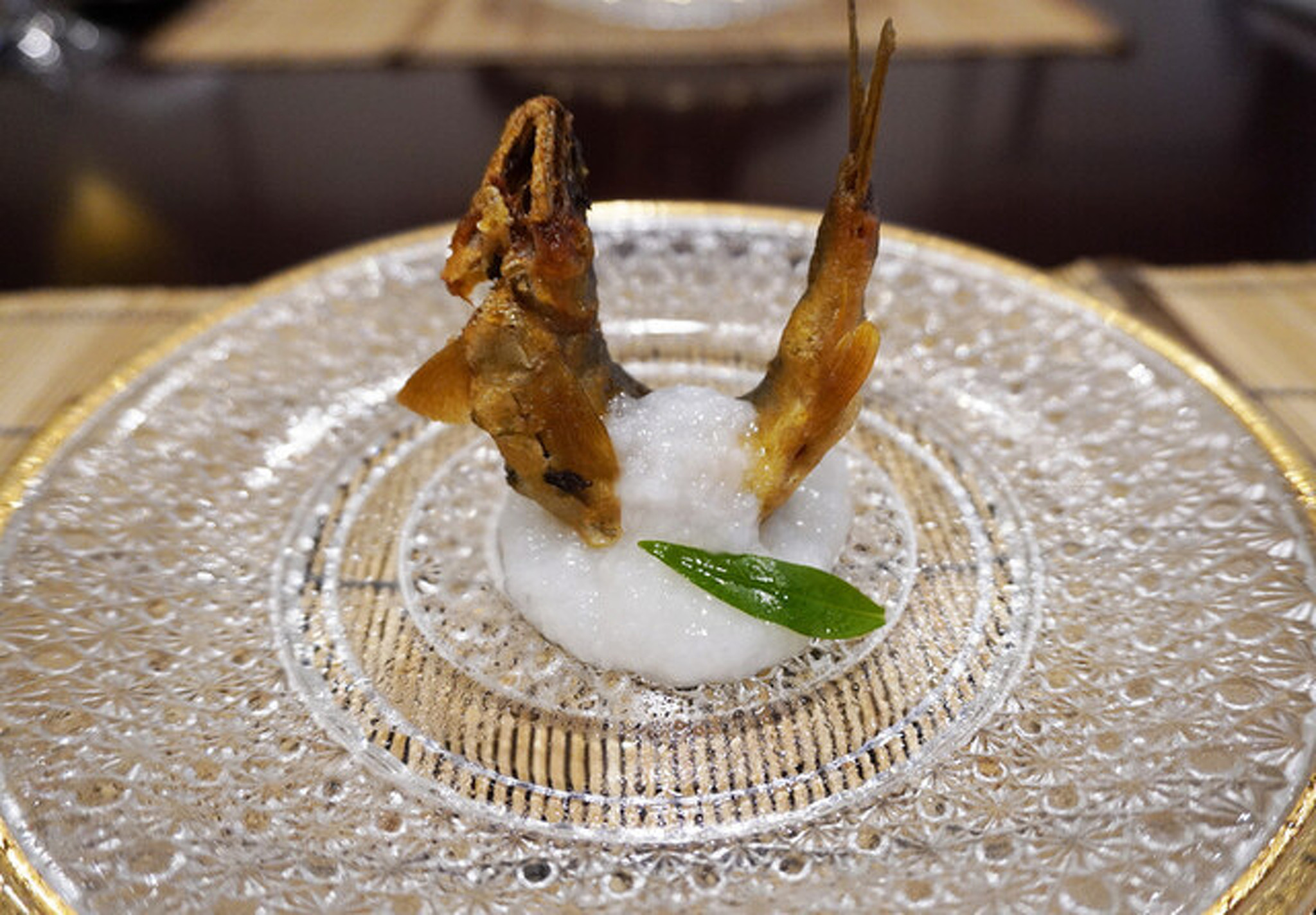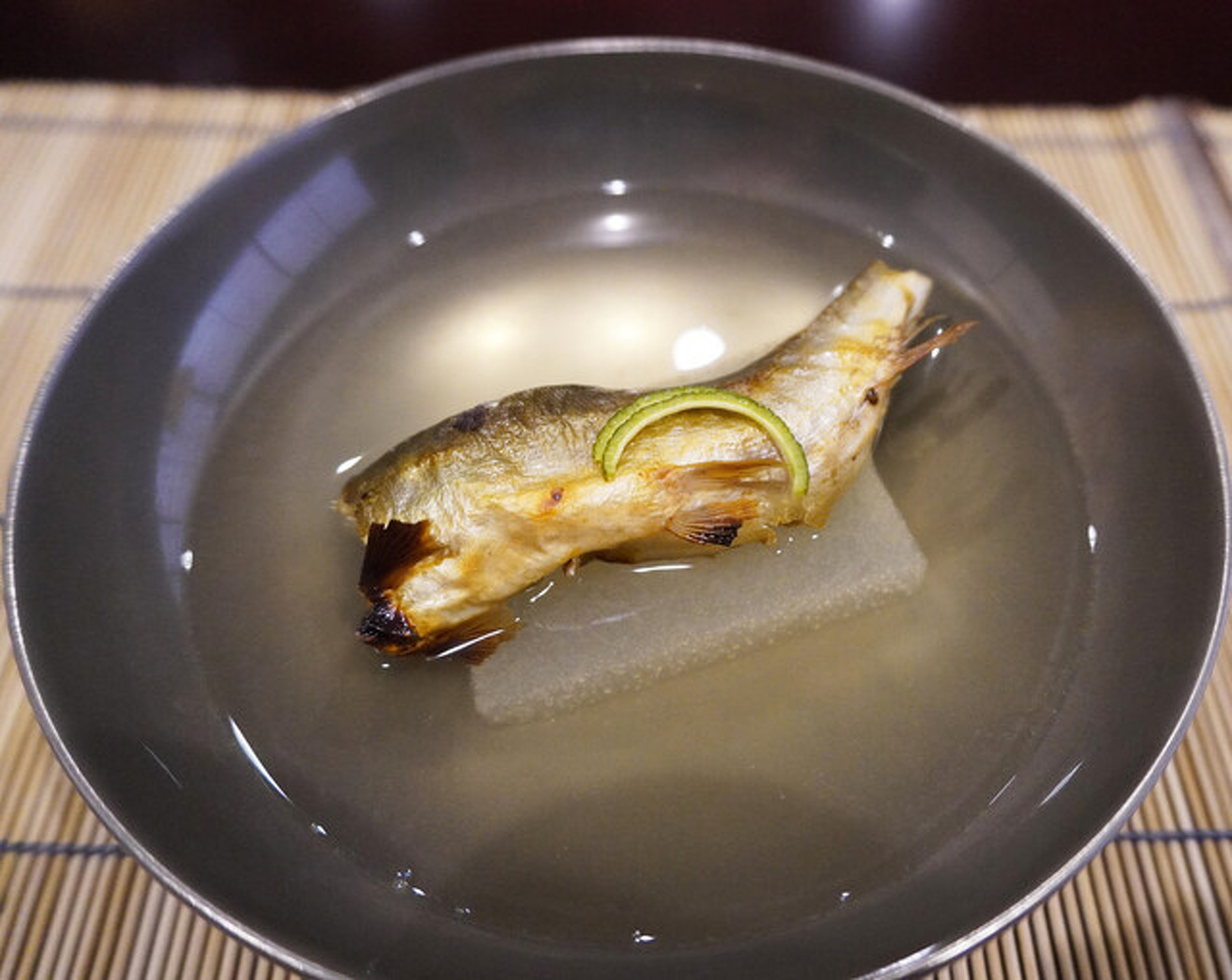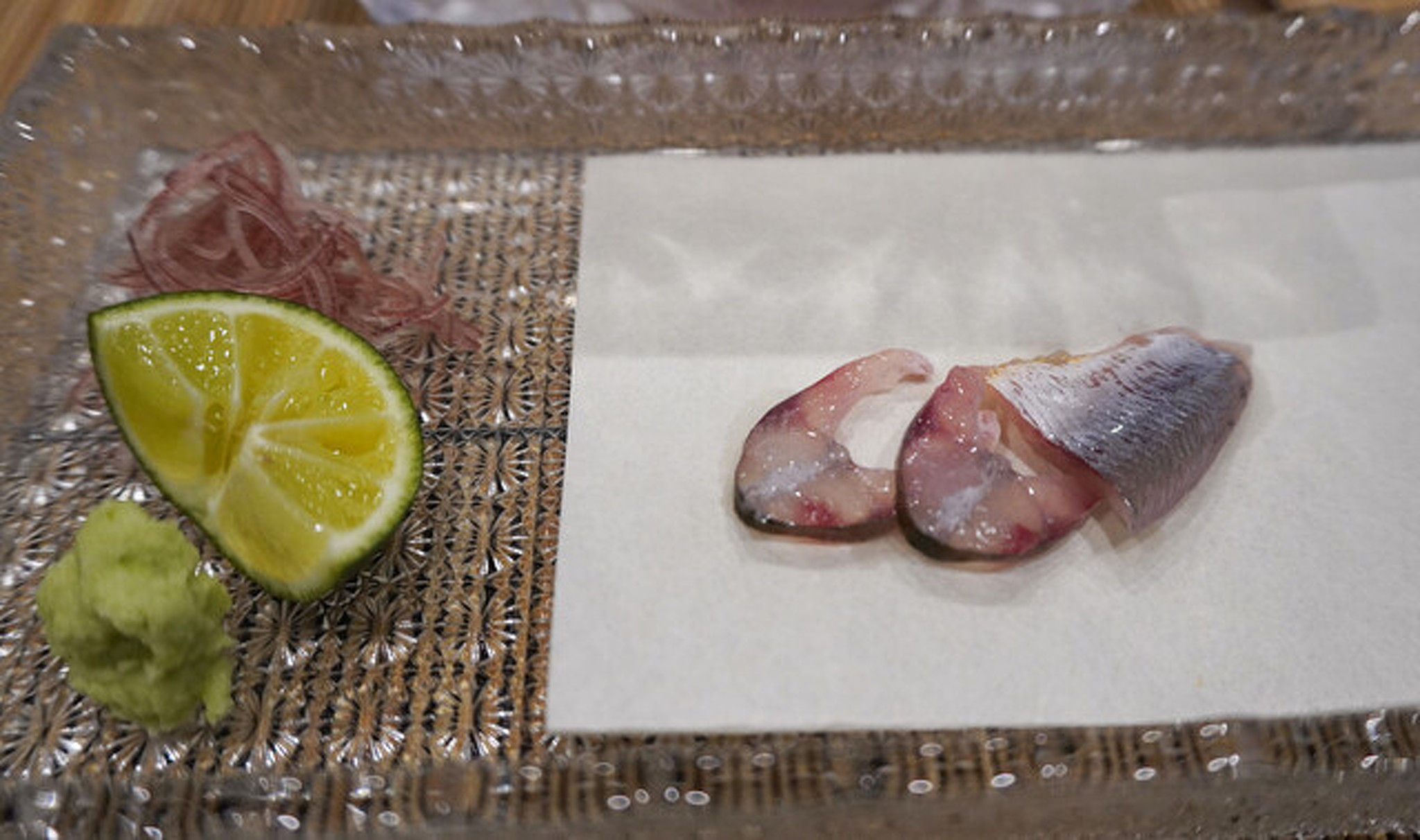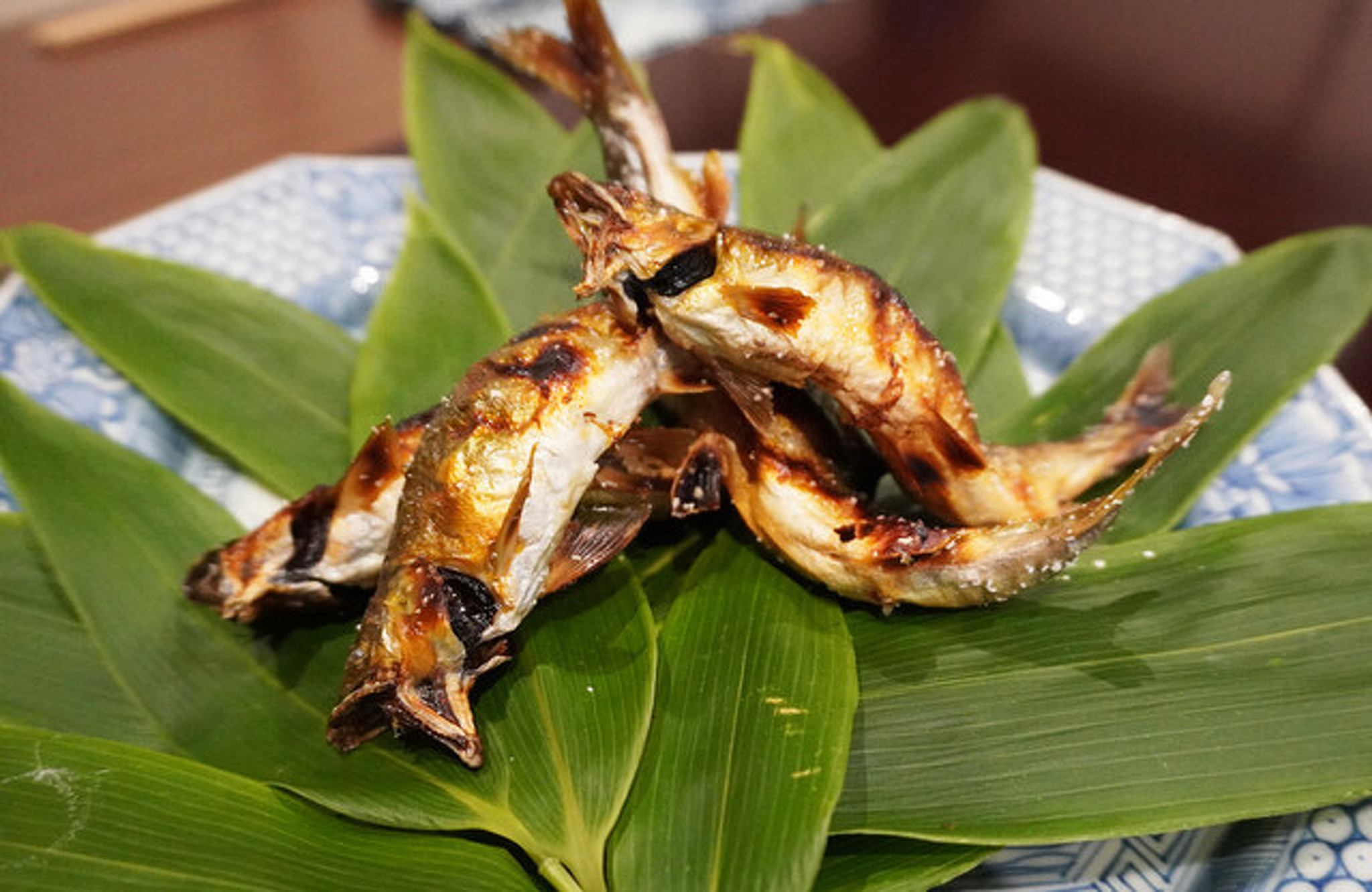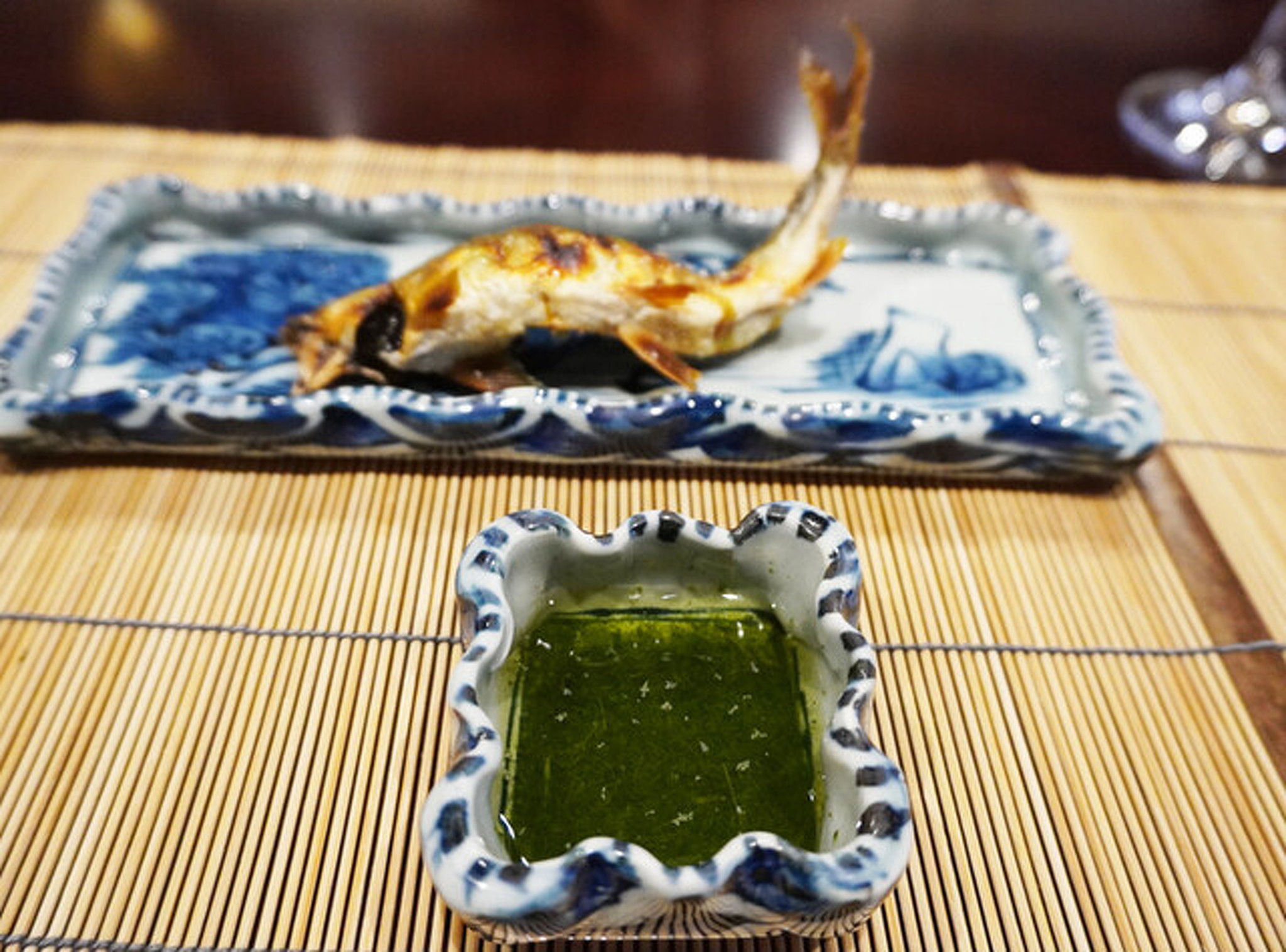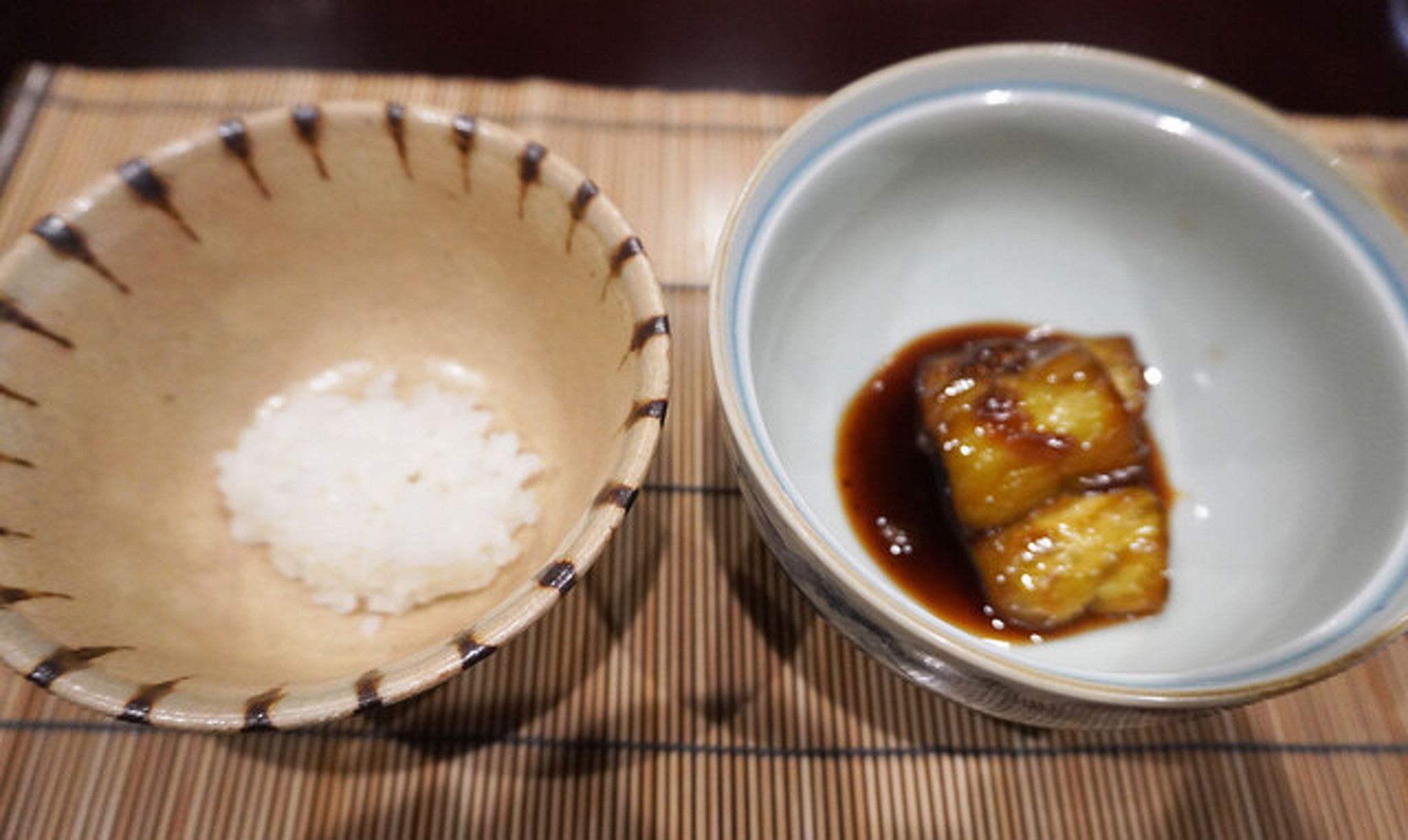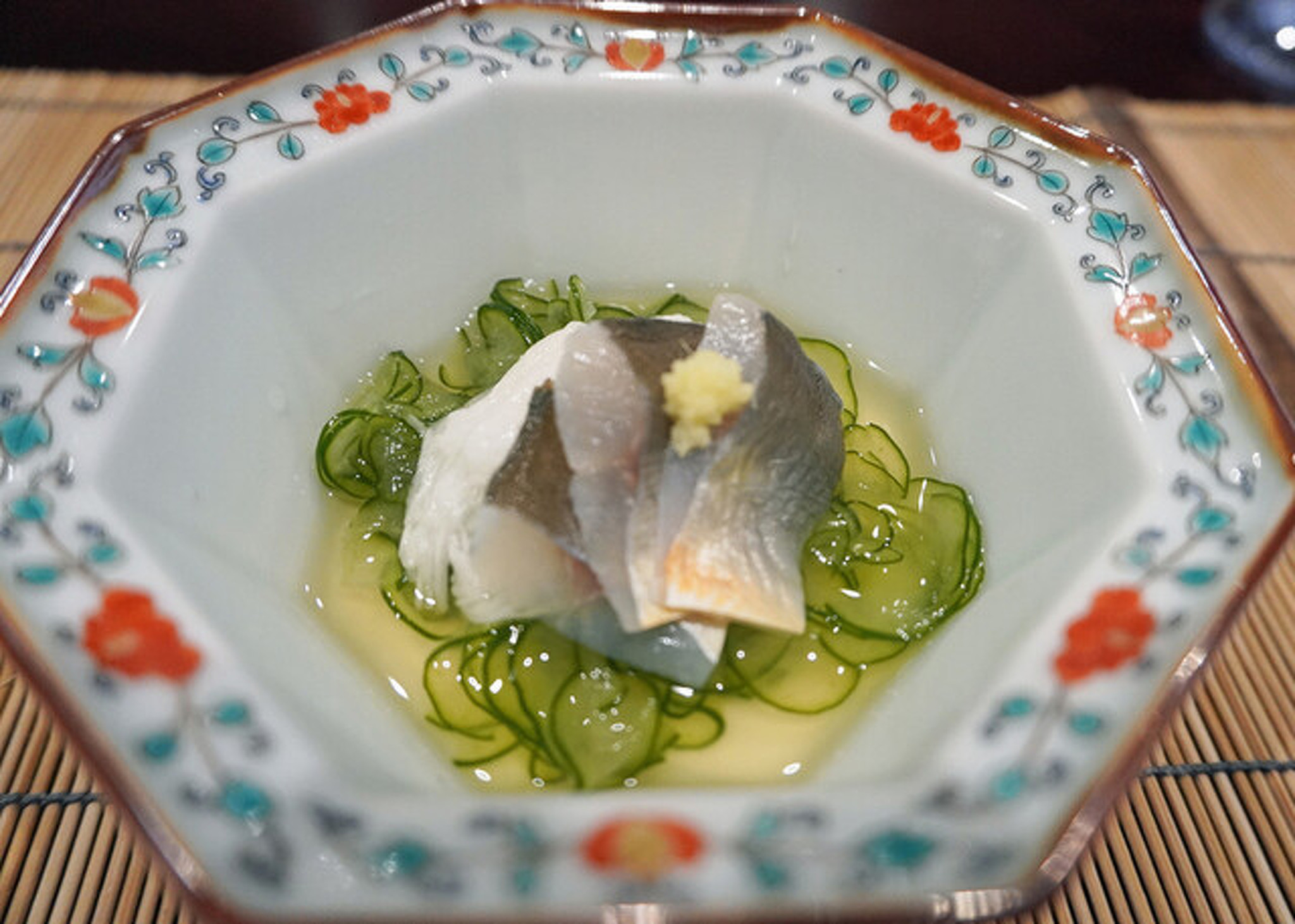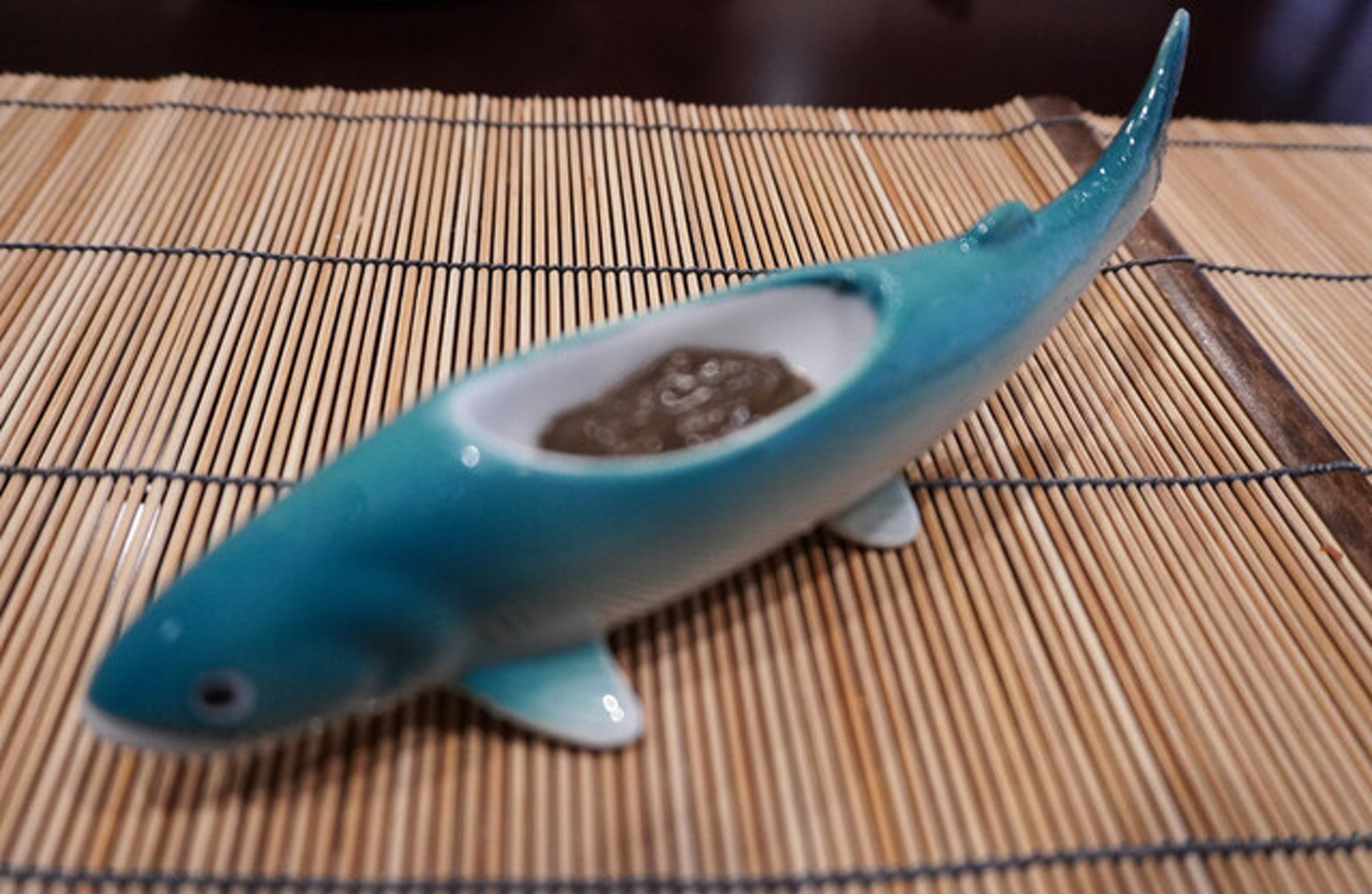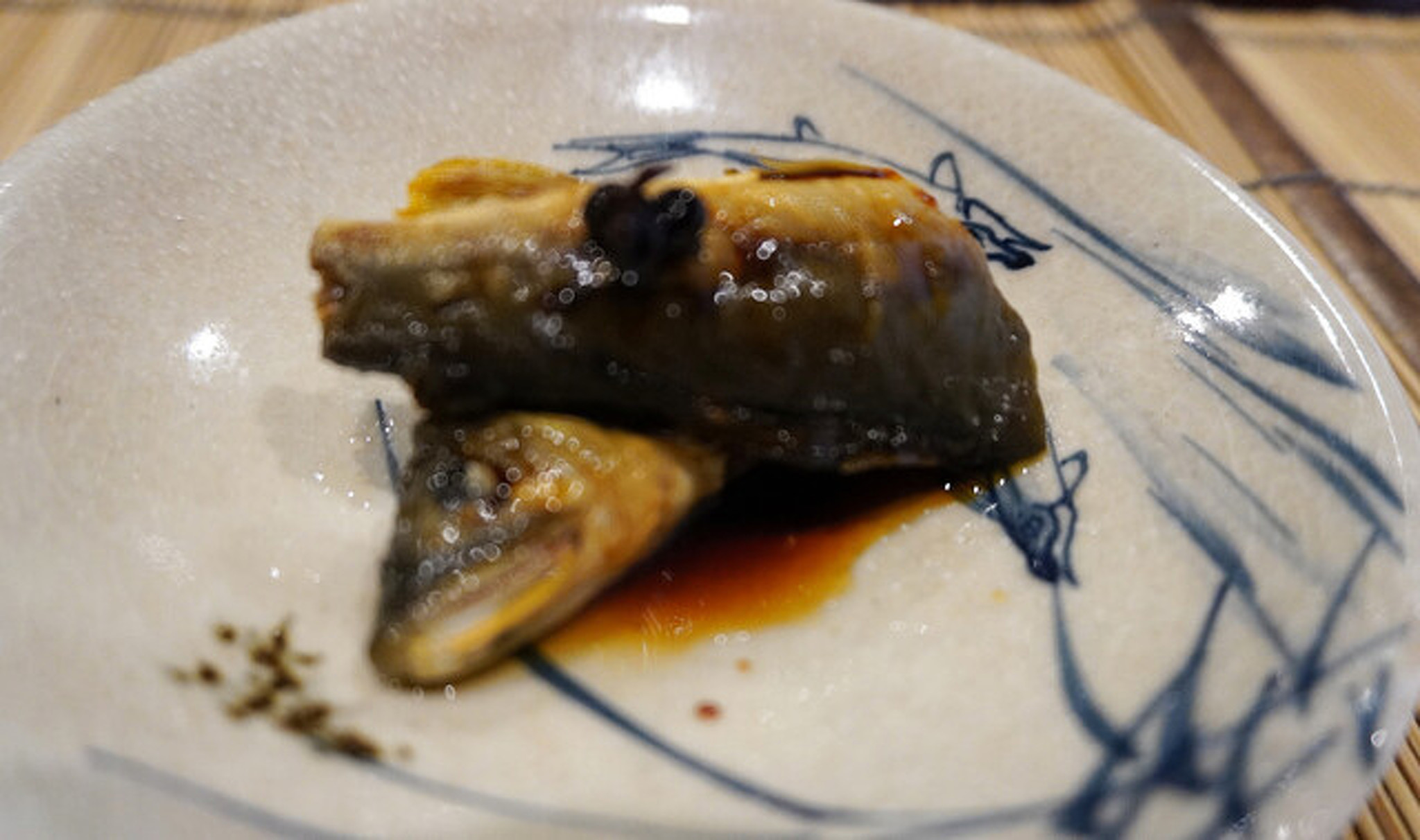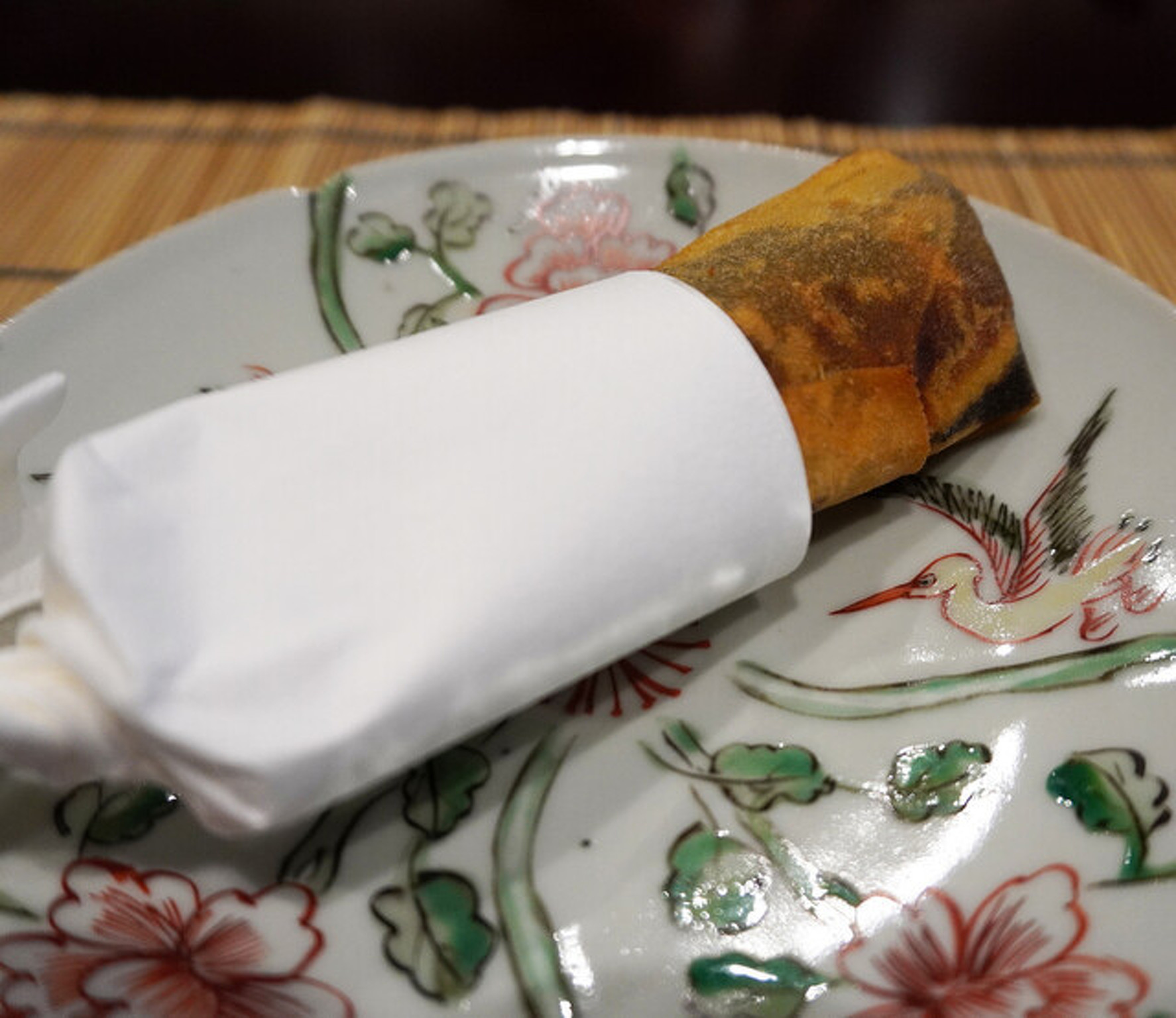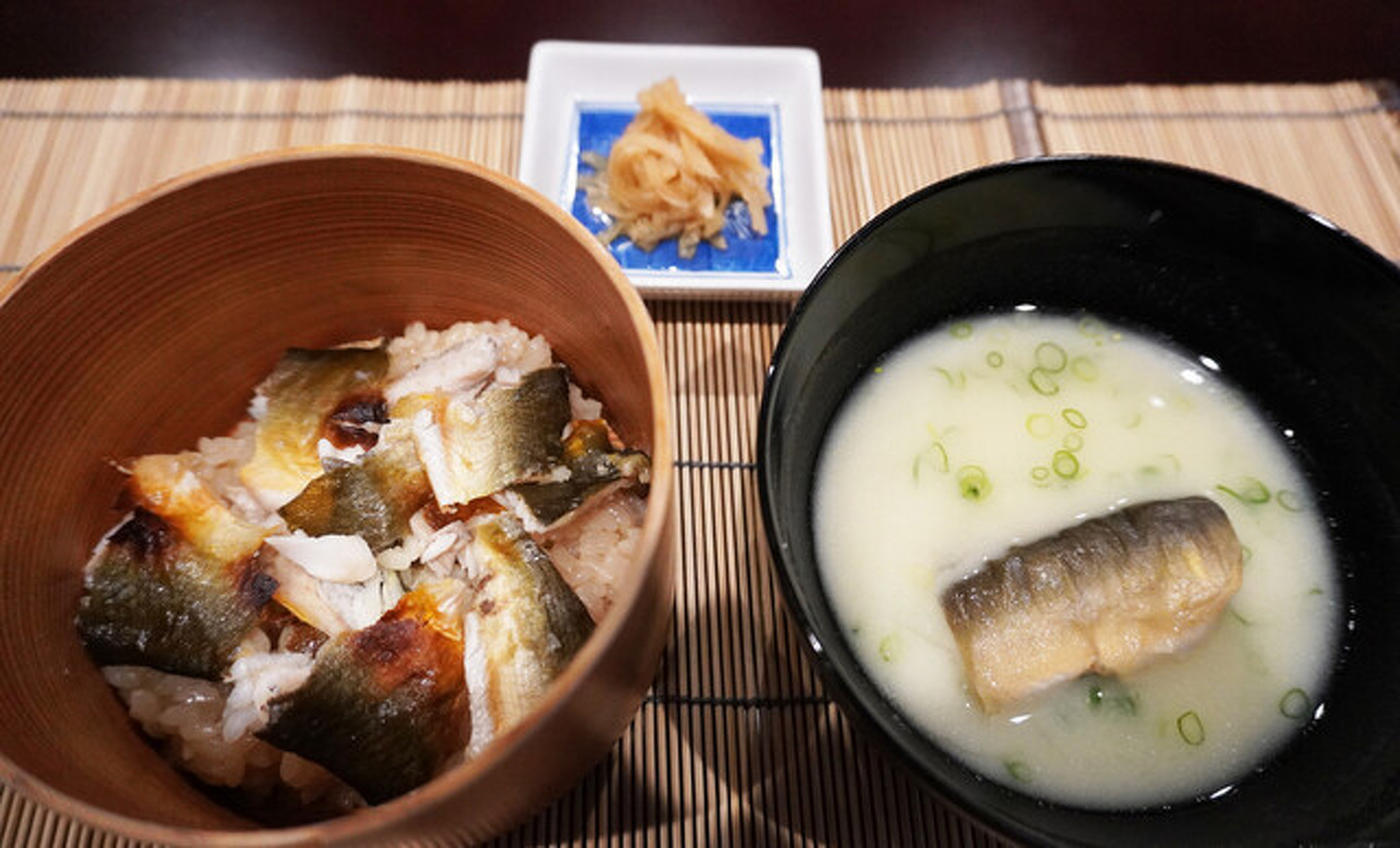
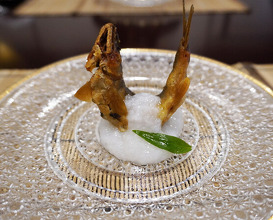
This is my third visit. The restaurant has been renovated and looks brand new.I arrived quite early on a scorching hot day. There’s a library (or reading room?) next to the beauty salon diagonally across from the restaurant, which has air conditioning. I spent some time there reading about the origins of the place names in Shimane Prefecture (specifically, the Kanashi District where the restaurant is located).《Course of the Day》I added the appetizers myself. Fried sweetfish with nanban rice porridge and sansho leaves Grilled sweetfish and winter melon soup Sweetfish sashimi (Note: Sashimi is available until July; after that, the bones become thicker. Fortunately, there were young sweetfish available on this day.) Salt-grilled sweetfish with sansho vinegar Eggplant simmered in uruka miso with rice Sweetfish pickles Bitter uruka and sweetfish simmered in soy sauce with sansho (optional, extra charge) Sweetfish spring rolls Sweetfish rice, dried daikon, and sweetfish white miso soup Sweet plum syrup sorbet The fried sweetfish is prepared with the innards intact, yet there’s no bitterness at all; it’s surprisingly light and crispy.I was fortunate to have the sashimi, but usually, it’s served as "asari" (cut and chilled in cold water).The sweetfish spring rolls were a first for me and exceeded my expectations.Regarding the menu structure, I have one suggestion...This time, the delicacy and fried dish were served before the pickled dish. Shouldn’t these two be served before the pickled dish? I would prefer to cleanse my palate with the pickled dish after the fried items before moving on to the rice.Kaiseki cuisine follows this logic by placing pickled dishes before rice.Now, the star of this course is undoubtedly the "salt-grilled" sweetfish.You can eat it from head to tail without being conscious of the bones.The sansho vinegar is also excellent, and the absence of bitterness is something unique to Mikadoya.The first time I had sweetfish from the Takatsu River was at "Ayumasa" in Shimbashi.The restaurant, named after the first owner, Masaki Yamane, was run by his son, Tsunetaka.The second generation, Kie, continued to supply sweetfish to Ayumasa. When I visited, I was served by this proprietress, and I enjoyed hearing her stories about the challenges they faced.Currently, the third generation, Ichiro, and the fourth generation, Shunsuke, are in charge of cooking. Ichiro's wife provides service that rivals the second-generation proprietress in attentiveness and conversational skills. (I had a delightful dining experience.)This restaurant carries a family history that has been preserved with great effort.The dishes that present the sweetfish from the Takatsu River in its finest state are a traditional taste created by the Yamane family.This is definitely one of the restaurants I want to keep visiting.
We use cookies on this site to enhance your user experience.