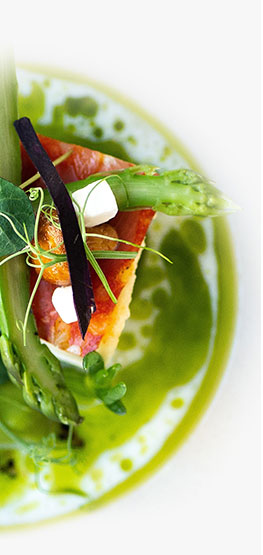
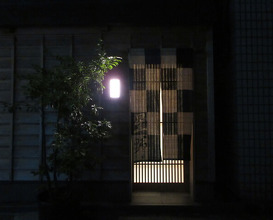
Located at 5-31-3 Shimbashi, Minato-ku, Tokyo, Shimbashi Hoshino is a high-end Japanese restaurant that adds creativity to traditional Japanese cuisine. Chef Yoshitaka Hoshino, who trained for 12 years at the renowned restaurant Kyo-mi, opened his own establishment in 2012. He quickly gained high acclaim for his dishes that blend traditional Japanese culinary techniques with creativity. In the summer of 2018, during its seventh year of operation, the restaurant relocated to its current location. The elegant and delicate dishes, which maximize the potential of the ingredients, bring surprise and delight. The restaurant operates by referral only and is reservation-only, with counter seating only. It is a non-smoking establishment offering one omakase course, and credit cards are accepted. Business hours are from 18:00 to 23:00, closed on Sundays and holidays. Shimbashi Hoshino has received the Tabelog Award for nine consecutive years and is listed among the top 100 restaurants in 2025.Nestled in a residential area away from the hustle and bustle of Shimbashi, the warm light shines through the noren curtain. Tonight, I traveled to Tokyo just to enjoy Hoshino's cuisine. The counter seating, stripped of unnecessary decorations, exudes a serene beauty and cleanliness. The compact yet luxurious space allows the chef to oversee everything. In this season, transitioning from late spring to early summer, the menu features wild vegetables and fresh early summer produce. Once again, rare ingredients were prepared using the subtractive technique that inherits the tradition of Kyo-mi.- Yomogi Mochi with White Miso: The fragrant yomogi (mugwort) and grilled mochi are delightful. - Unagi: A small unagi rice bowl featuring grilled eel from Lake Hamana. - Abalone and Junsai: Served with wasabi to be enjoyed with a spoon. - Eggplant with Sea Urchin: One piece to be enjoyed in a single bite. The warm eggplant and cold sea urchin create a perfect harmony. - Assorted Wild Vegetables: 10 types including urui, toriashi, udo, aomizu, akamizu, kogomi, akakogomi, warabi, seri, and akebi buds, each treated and seasoned differently. It’s astonishing how much one can appreciate wild vegetables. The meal concludes with a spoonful of dashi jelly. - First Bonito: The natural aroma and rare texture of the bonito, with refreshing umami. - Zui-ki no Yoshino-ni: A classic dish that is synonymous with Hoshino, rich in flavor. - Small Clams and Koshi-abura: The small clams are roasted to concentrate their flavor, with exceptional presentation. - Magochi Sashimi: A high-end white fish known as summer fugu, served with salt, sudachi, and wasabi. - Tiger Fish: Beautifully served in a seasonal bowl with kombu dashi. - Grilled Sweetfish: I asked Hoshino how to remove the bones and how to eat it. - Five-Item Simmered Dish: Featuring baby potatoes, shrimp, steamed abalone (three-hour steamed black abalone from Chiba), fava beans, and bamboo shoots, each with a different seasoning for comparison. - Rice: Beef shigureni, dried sardines, pickles, bamboo shoots, red miso soup, and freshly steamed white rice. I pondered what to have for my second helping. For the second bowl, I had it with a whole egg. For the third bowl, I enjoyed it as a kombu dashi chazuke, pouring rich kombu over it. It was a blissful moment. Everyone continued to ask for refills, and the pot was emptied. I couldn’t help but reflect on how delicious rice is... (*^^)=3 I enjoyed the crispy rice with soy sauce poured over it, a fragrant treat. - Warabi Mochi: Handmade and freshly prepared.To start the meal, I ordered a Hibiki highball from the drink menu. During the meal, I enjoyed three types of Japanese sake selected by the chef, served in half-go glasses. - Hibi Akitsu Yamada Nishiki (Kyoto, Hibi Brewing) - Tanaka 65 (Fukuoka, Shiraito Sake Brewery) - Shimeharitsuru Junmai (Niigata, Miyao Sake Brewery) As I savored each dish while receiving explanations, it was a blissful time enjoying my favorite sake. Shimbashi Hoshino ranks second among all 899,856 restaurants on Tabelog. Only six restaurants nationwide have a rating exceeding 4.6, making it the top-ranked restaurant in Tokyo. From the rice to the final dish, there was no compromise, allowing me to experience the essence of authentic Japanese cuisine without any gimmicks. The pure pursuit of flavor, without relying on excessive performance, is what makes this cuisine truly moving. Often regarded as the pinnacle of Japanese cuisine, the accolades are well-deserved. The potential of the ingredients is maximized, with impurities thoroughly removed, highlighting the sweetness, bitterness, and aroma of each ingredient. The seasonal ingredients, foraged by a master forager in Niigata (at great risk from bears...), were truly heartfelt dishes. The same goes for the simmered dishes, where the preparation brings out the unique flavors of each ingredient, leaving me in awe. The meticulous attention to detail and the deliciousness that brings out the charm and potential of each ingredient is unparalleled. For those raised in Japan's rice culture, the way rice is served is nothing short of a joy. Once again, I was thoroughly satisfied. It was a great meal!
We use cookies on this site to enhance your user experience.