We use cookies on this site to enhance your user experience.
< Back
Overview
Average rating from 5 meals
9.2 / 10
Photo Views: 0
Restaurant Views: 252
Restaurant Views: 252
0 user have this restaurant in their Top list
0 user have this restaurant in their Wish list
Awards
- Tabelog
- 2026 Bronze
Ratings from the web
- Tabelog
- 4.00
Cuisine
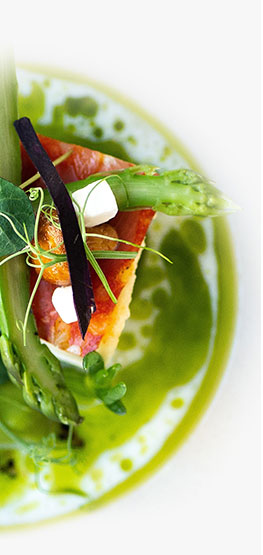
French
Foodle Reviews
8 / 10
on 01 Aug 2026

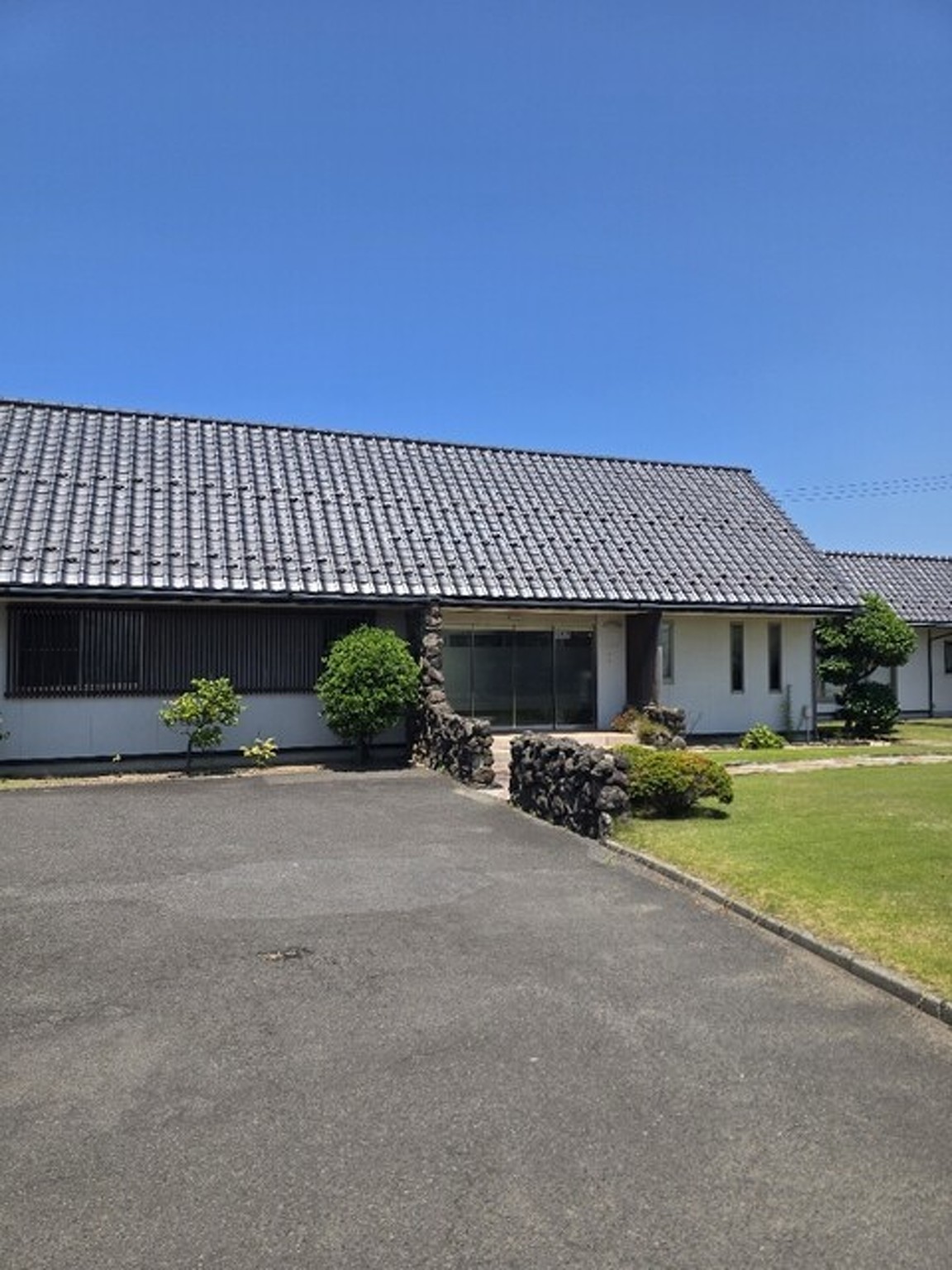
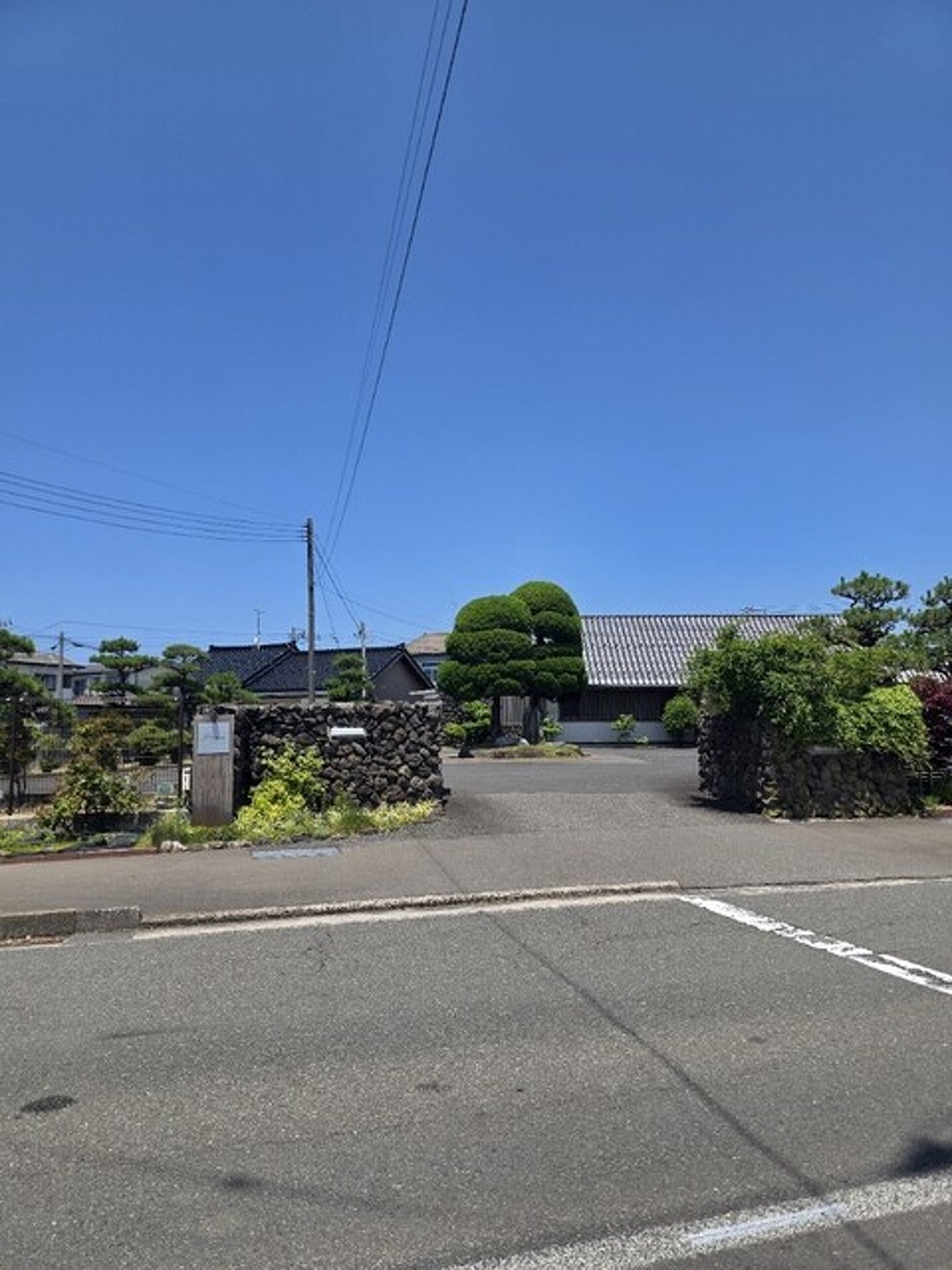
Located in Nikaho City, at the southernmost tip of Akita Prefecture and bordering Yamagata Prefecture, this restaurant is a hidden gem.With limited train services, it's advisable to visit by car to avoid long wait times after enjoying a full course meal.A charming building comes into view after a short 10-minute walk from Nikaho Station.The restaurant is housed in a renovated former guesthouse of TDK, exuding a refined atmosphere with a beautifully maintained Japanese garden visible through the windows.Dining... More
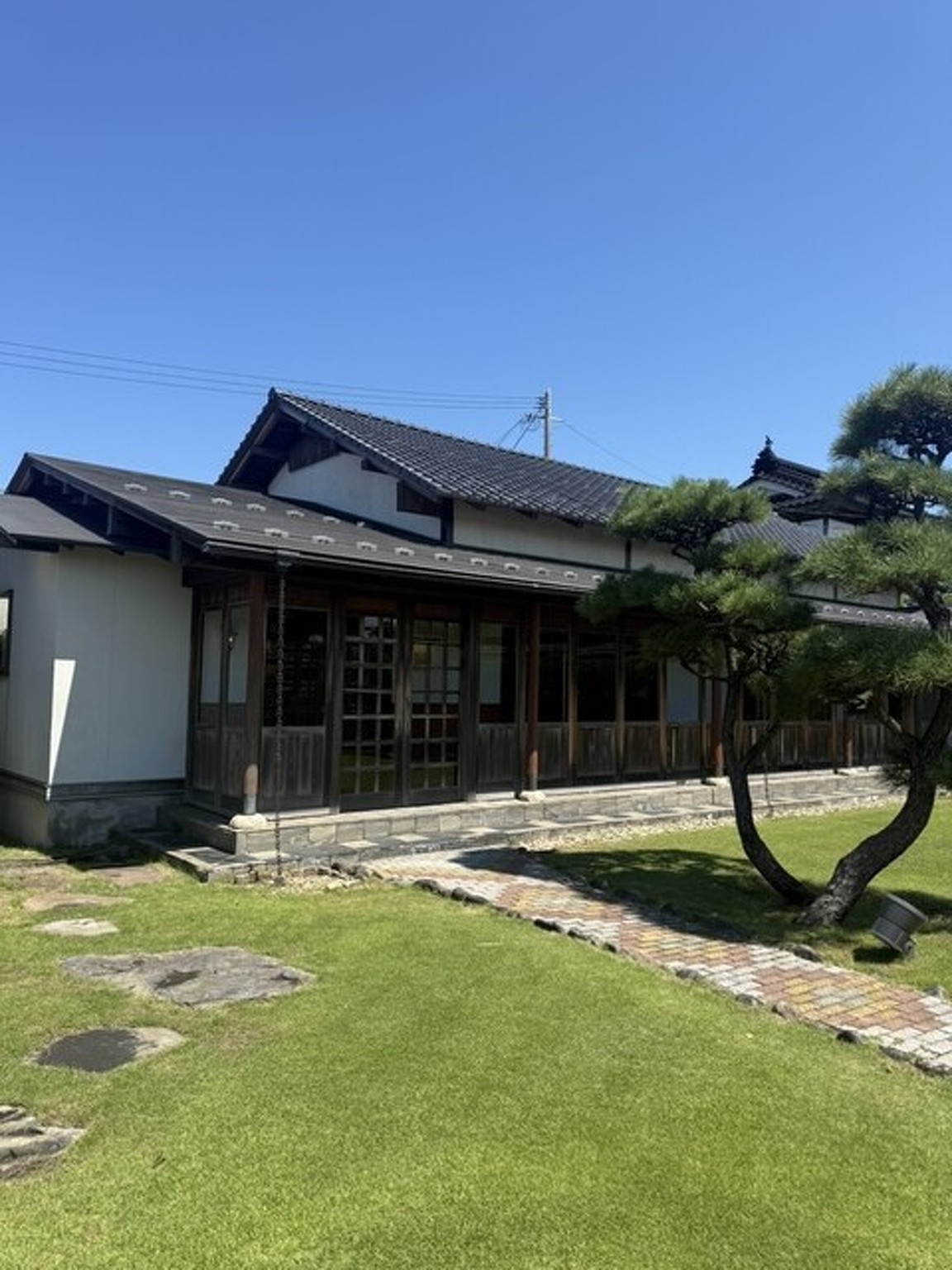
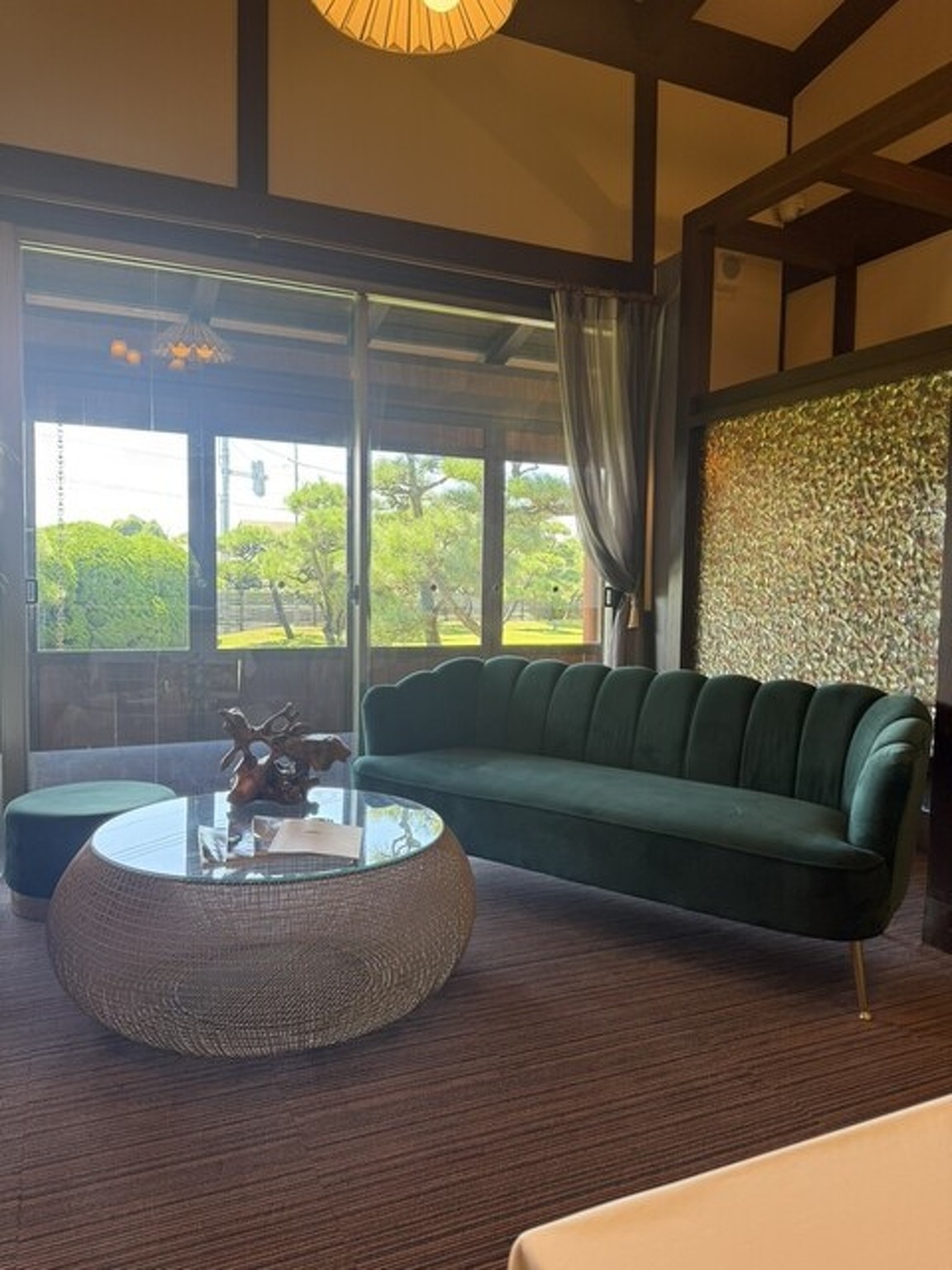
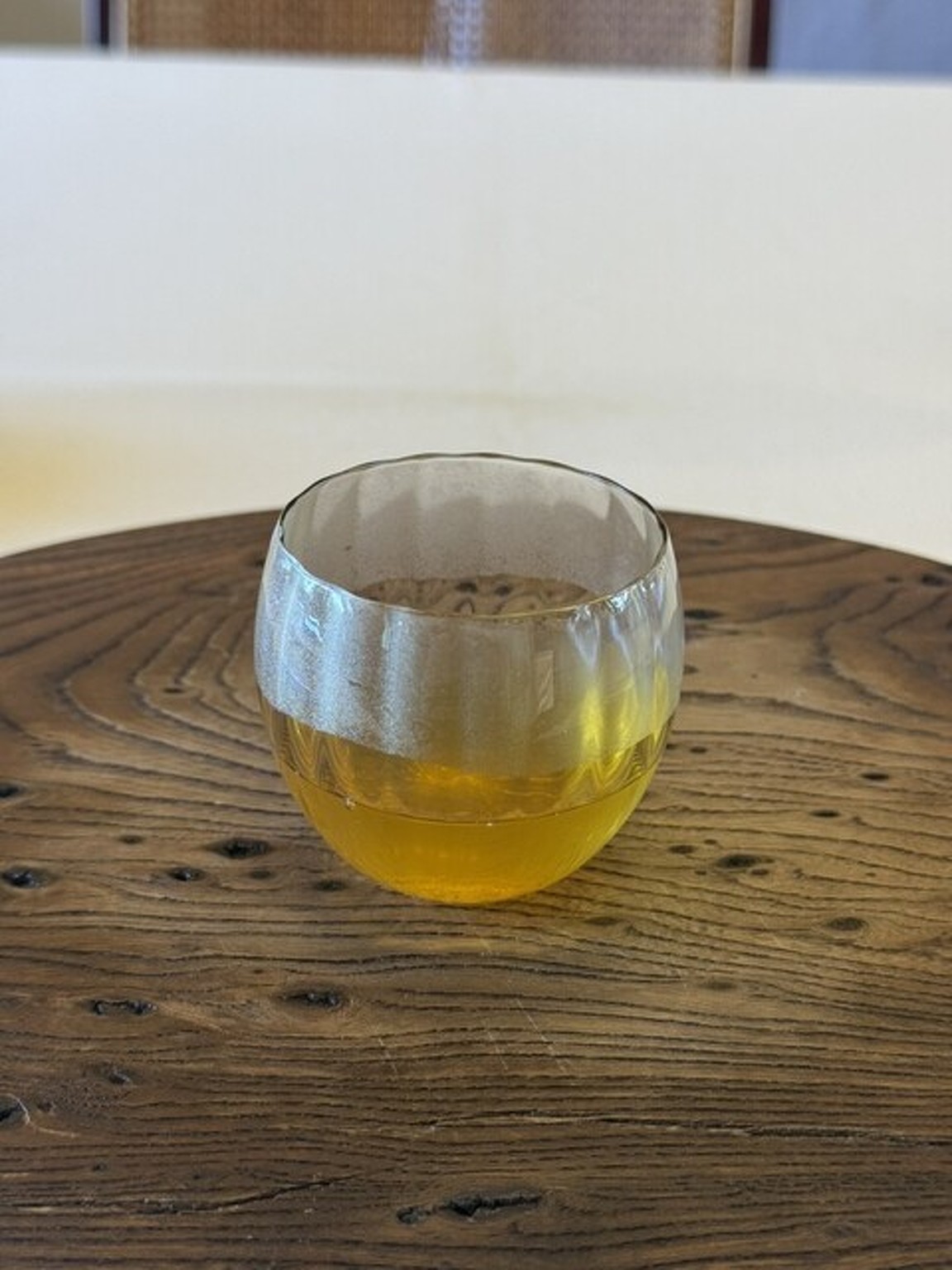
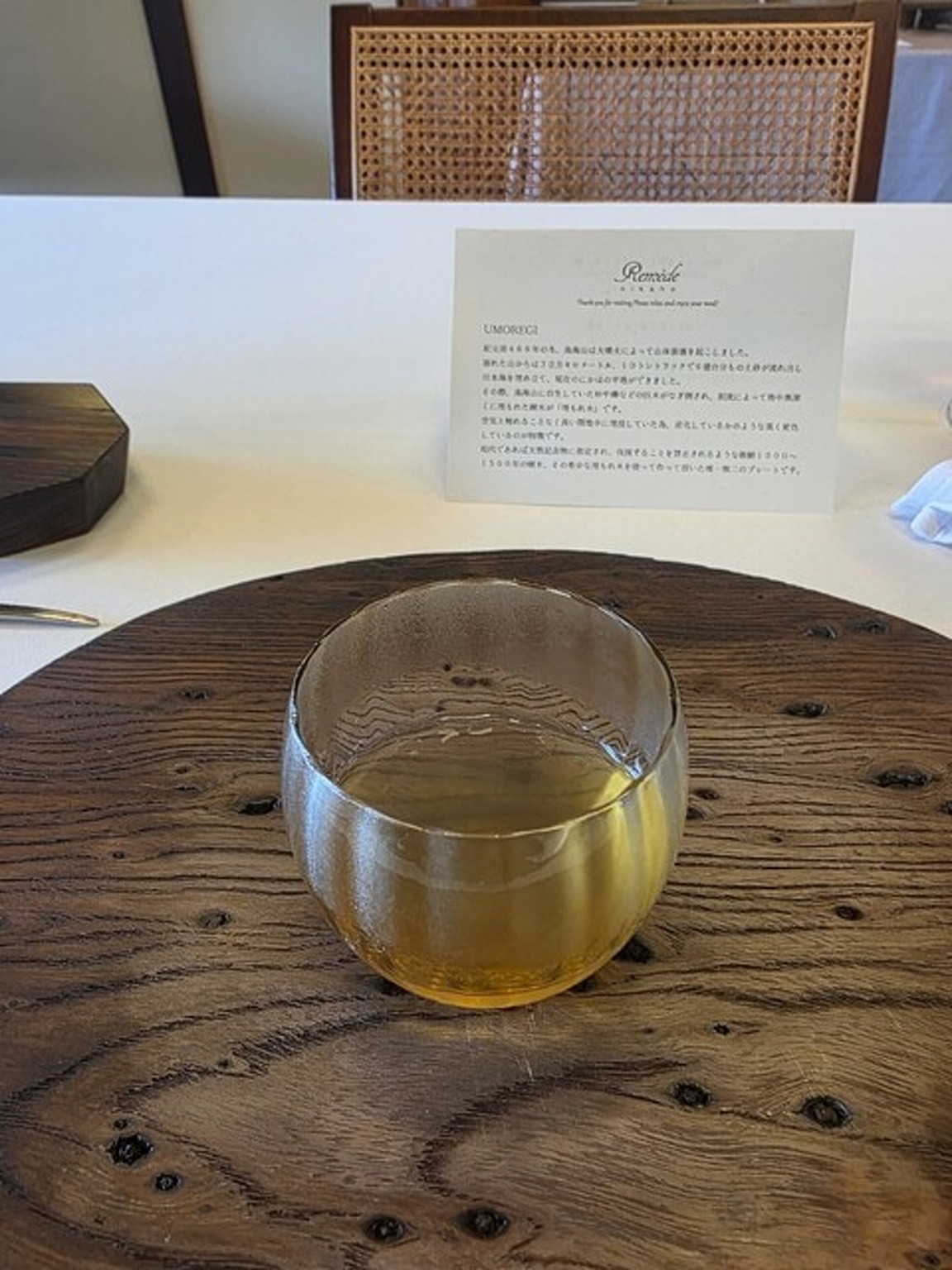
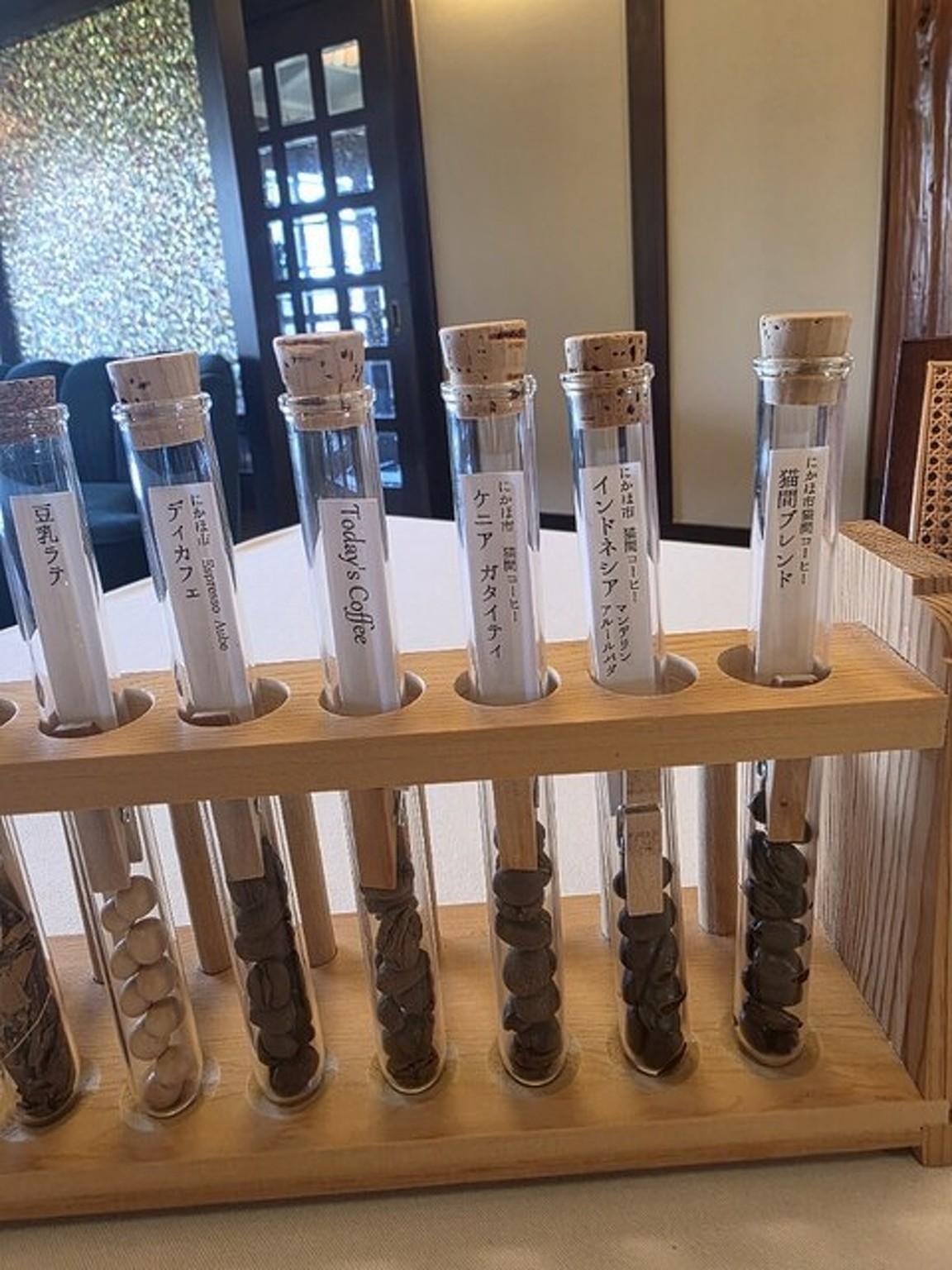
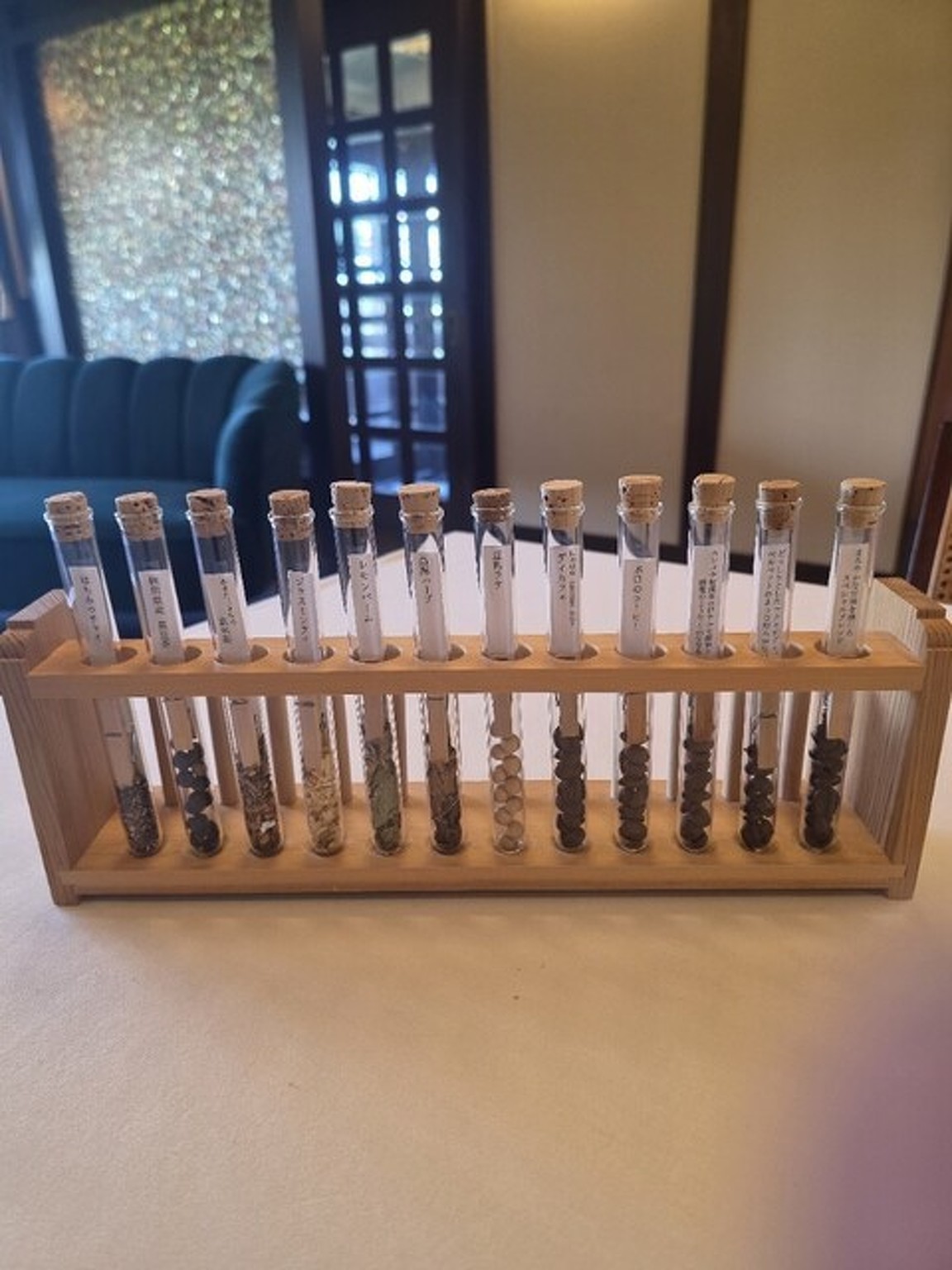
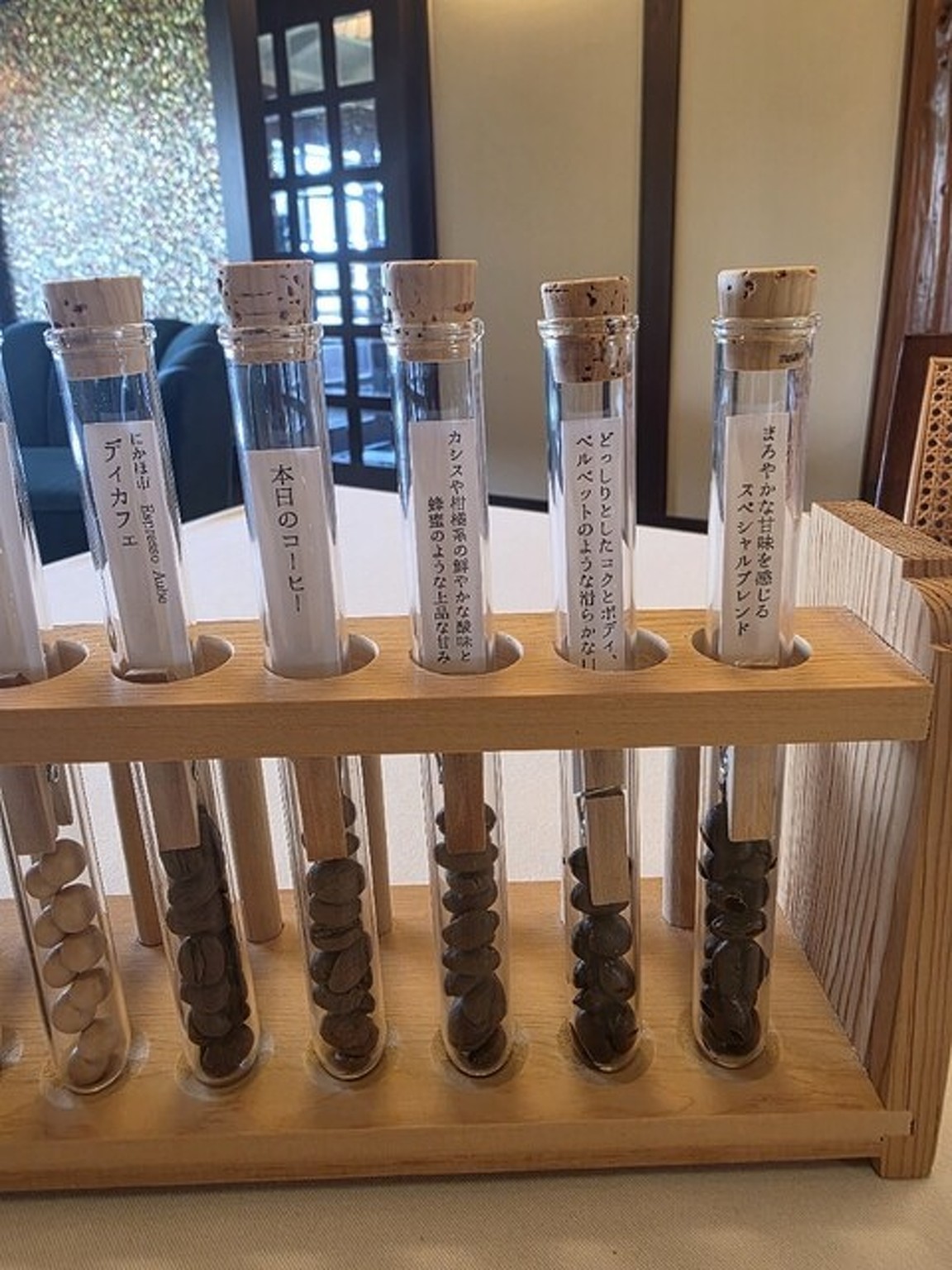
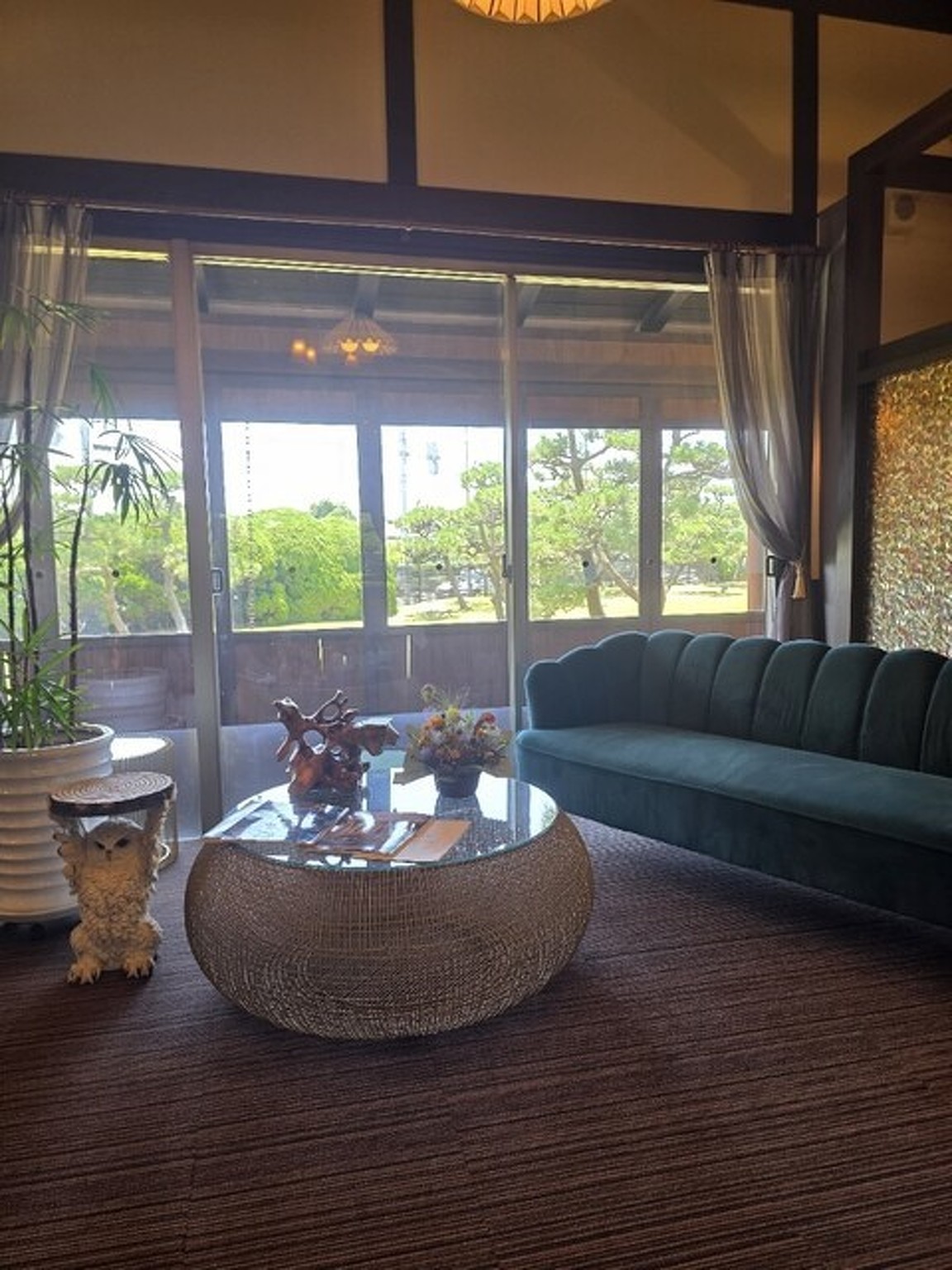
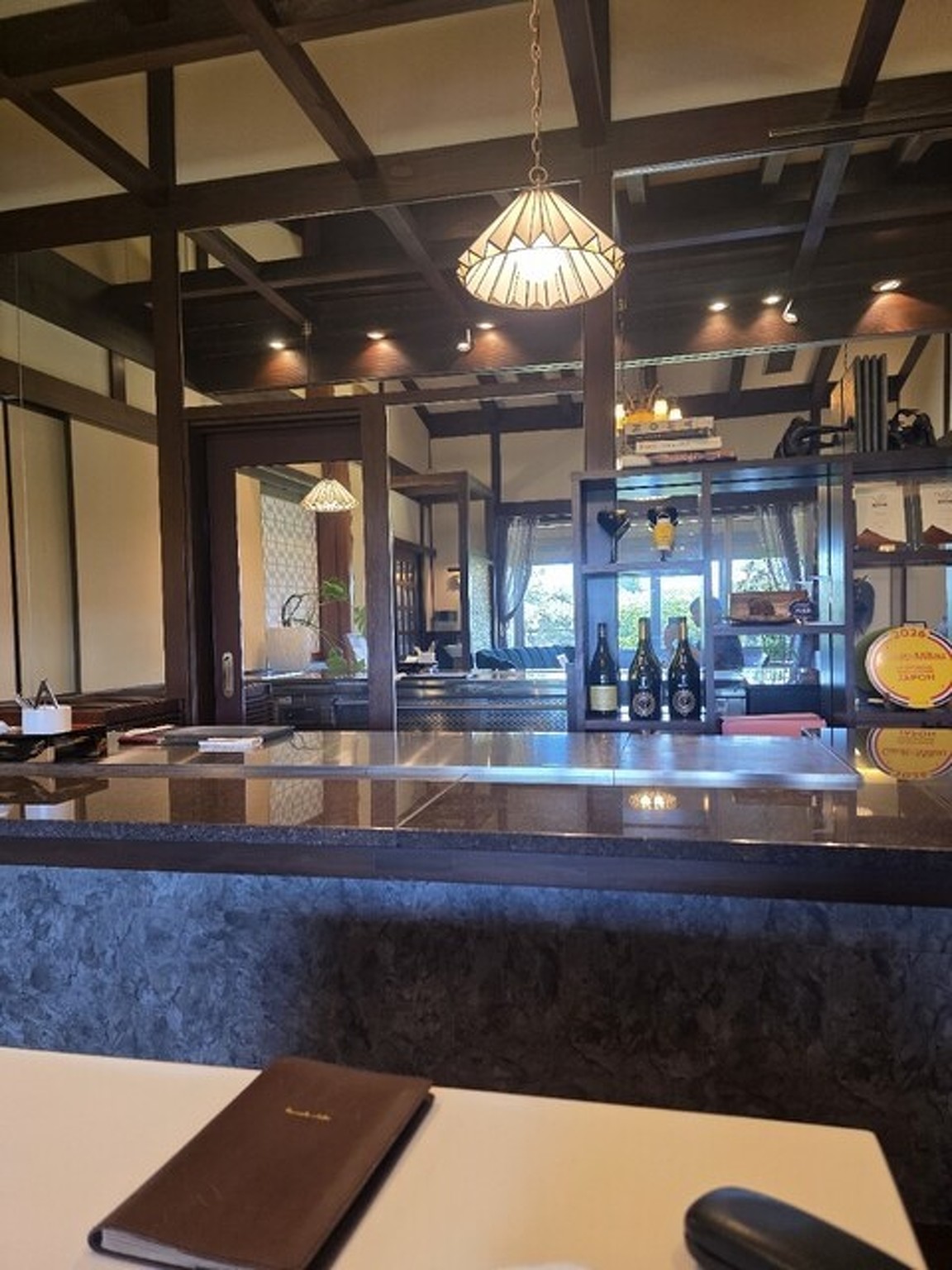
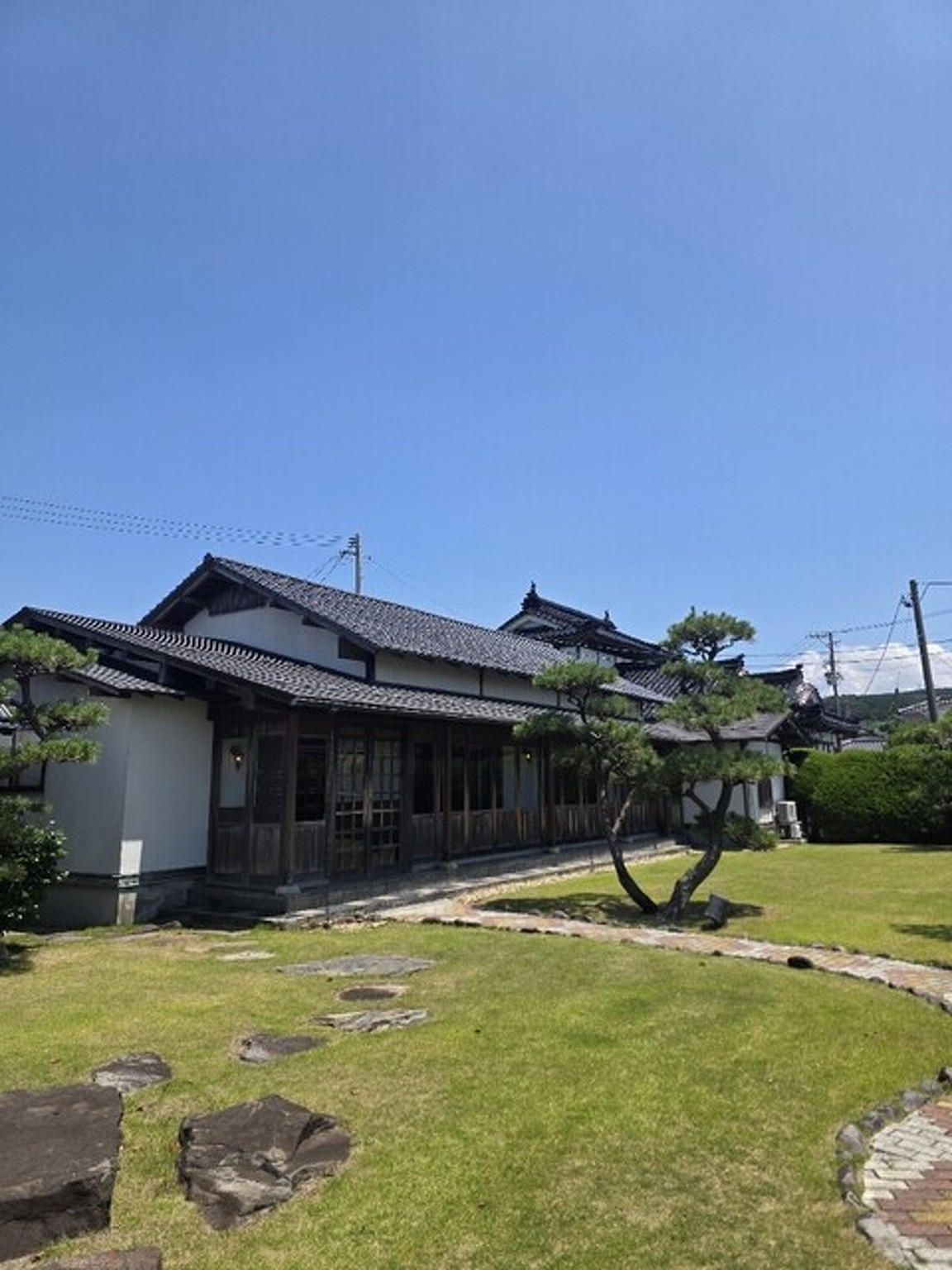
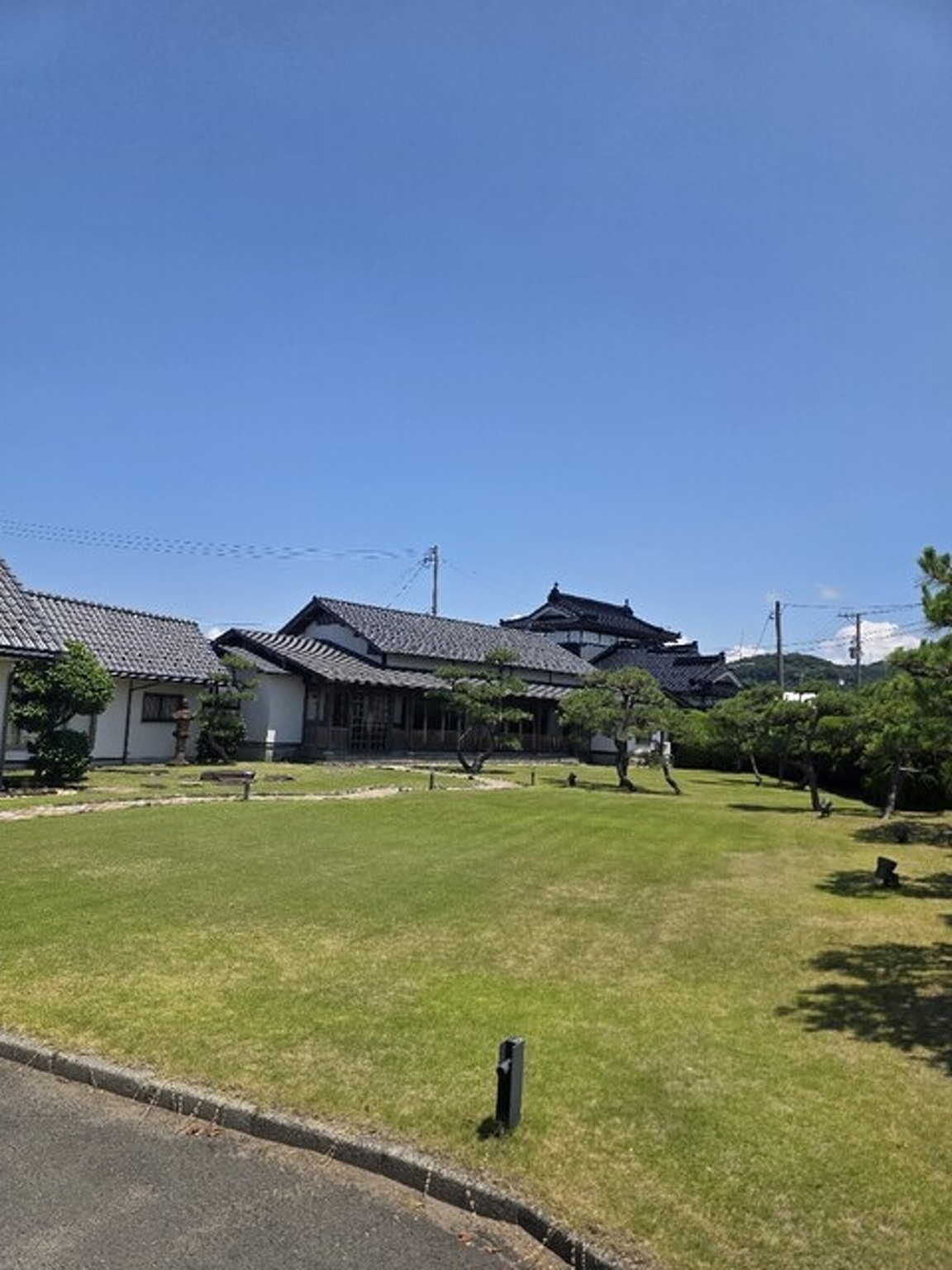
Located in Nikaho City, at the southernmost tip of Akita Prefecture and bordering Yamagata Prefecture, this restaurant is a hidden gem.With limited train services, it's advisable to visit by car to avoid long wait times after enjoying a full course meal.A charming building comes into view after a short 10-minute walk from Nikaho Station.The restaurant is housed in a renovated former guesthouse of TDK, exuding a refined atmosphere with a beautifully maintained Japanese garden visible through the windows.Dining here is a refreshing experience, making it a perfect place to enjoy a meal.With only two groups allowed for lunch and dinner, the tranquility and exclusivity of this space are truly unique.I opted for the full course lunch, starting with a consommé made from Hinai chicken using spring water from Mount Chokai. The clear amber soup showcases the rich flavor of the Hinai chicken.I forgot to take notes on the other dishes, so I’ll skip the details.However, I was particularly impressed by the junsai, a delicacy that Akita Prefecture is famous for, being the top producer in Japan. The summer junsai from Akita was exceptional, with a jelly-like texture and a delightful smoothness.Next, I enjoyed the "Diamond Drops" eggplant, a specialty brand grown and sold in Akita. It paired wonderfully with the sea bream.The local rock oysters from Nikaho City are also in season and absolutely delicious, while the Takahara Hinai chicken, raised for 180 days, boasts a deep richness and aroma.The Takahara Hinai chicken, raised with care by a single family, offers a different depth of flavor compared to regular Hinai chicken!For dessert, I was allowed to choose my drink by smelling the coffee beans, ensuring a thoughtful experience until the very end.The live cooking by the owner-chef and the attentive explanations from the service staff were outstanding.This restaurant truly captures the essence of Akita Prefecture, providing an incredibly satisfying dining experience!Nikaho City may have a population of only 20,000, but with such a wonderful restaurant, I hope more people from around the world will come to visit.It was delicious.It was a great meal.-----------------------------Thank you for reading until the end.I truly appreciate all your "follows," "likes," and "saving the restaurant." I look forward to your continued support.--------------------------- Less
9 / 10
on 01 Jul 2026
I had lunch at "Remède nikaho," located at the foot of Mount Chokai in Nikaho City. The space, renovated from the former TDK guesthouse, is serene yet infused with the memories of the land.The core of this course is "Dashi with Source Water"—a unique philosophy by the chef that utilizes the spring water from Mount Chokai to create dashi for each ingredient. The amuse-bouche begins with a consommé made from Hinai chicken dashi, followed by a dish featuring squid with kiwi sauce and a refreshing... More
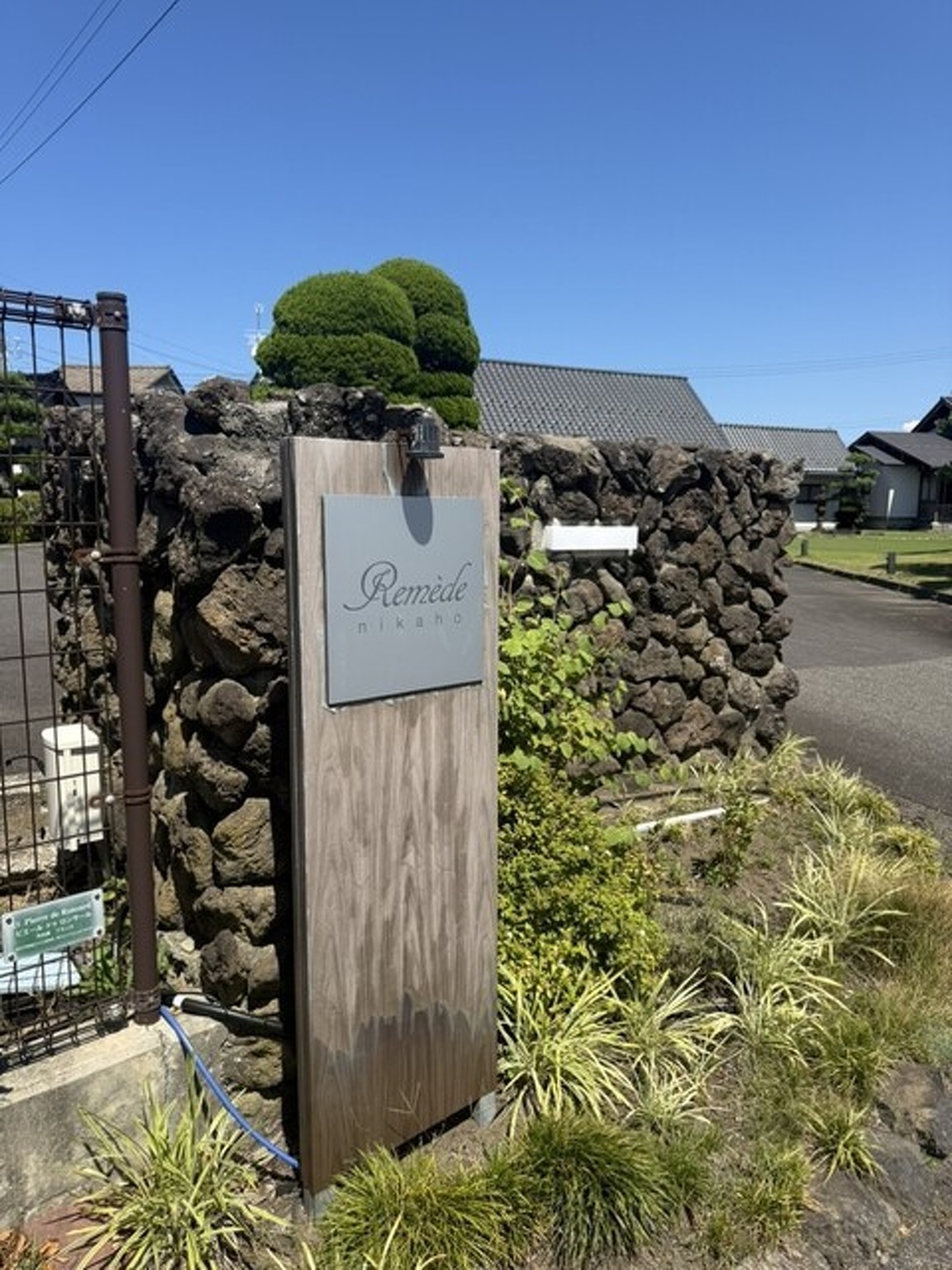
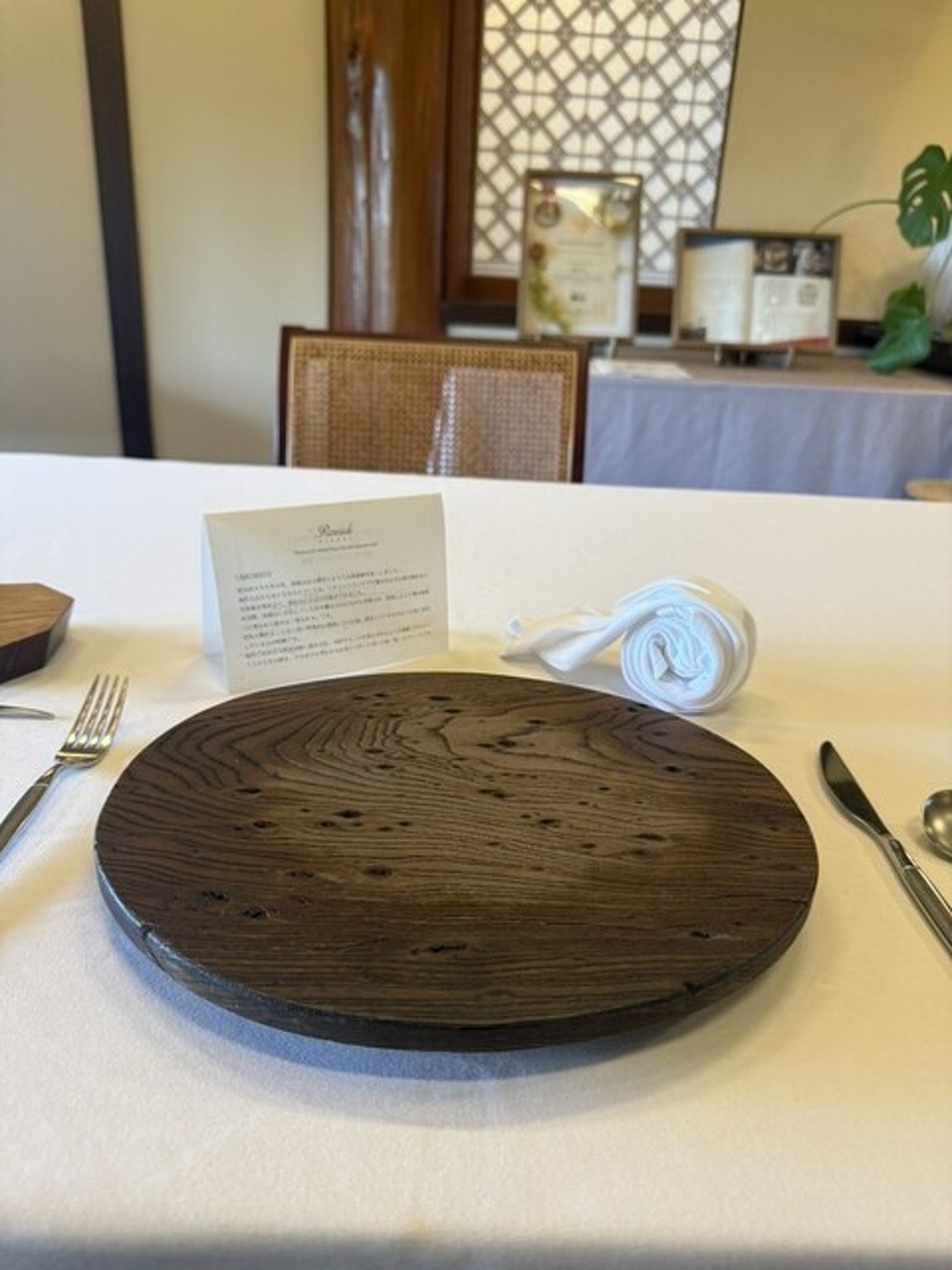
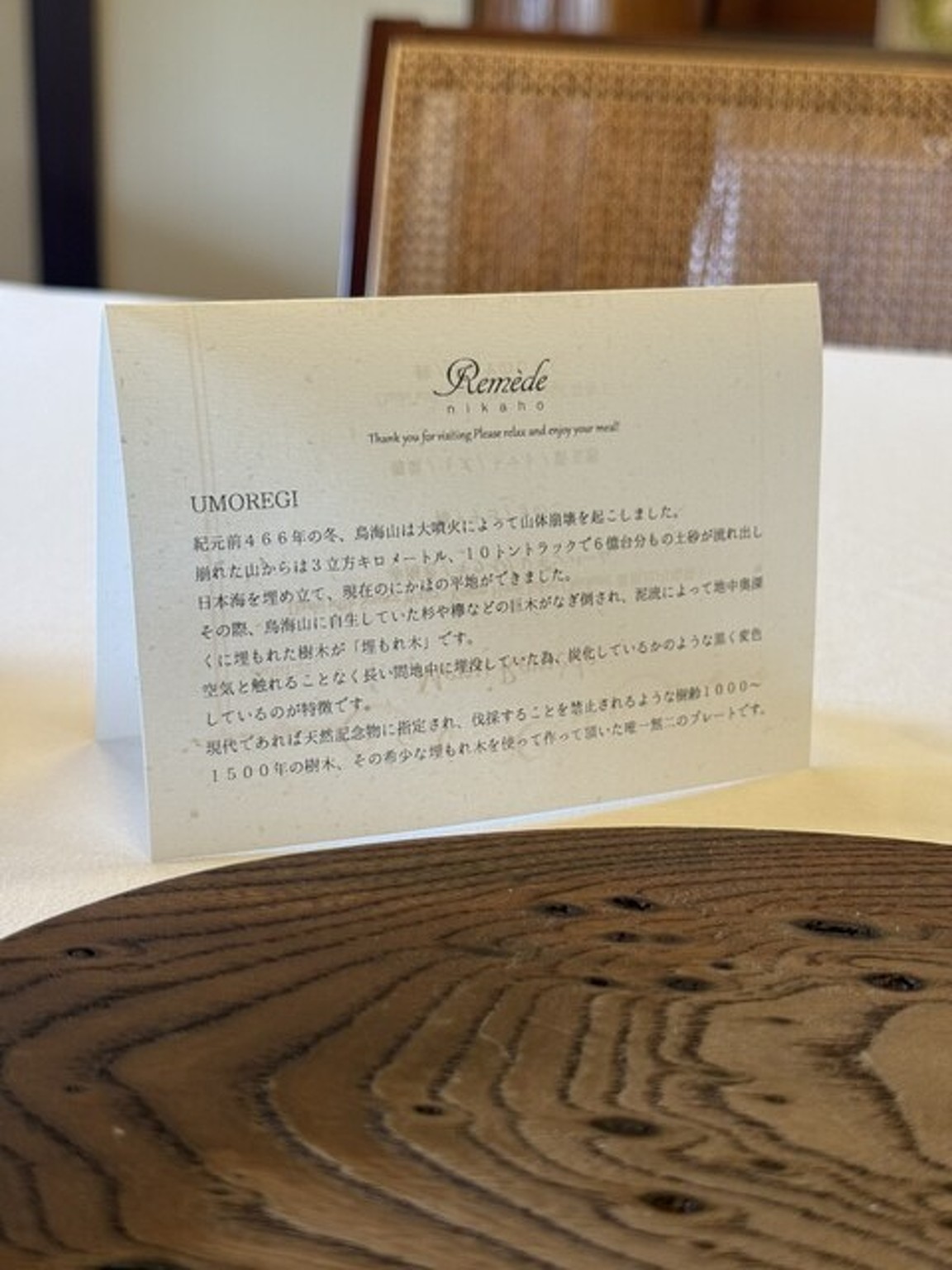
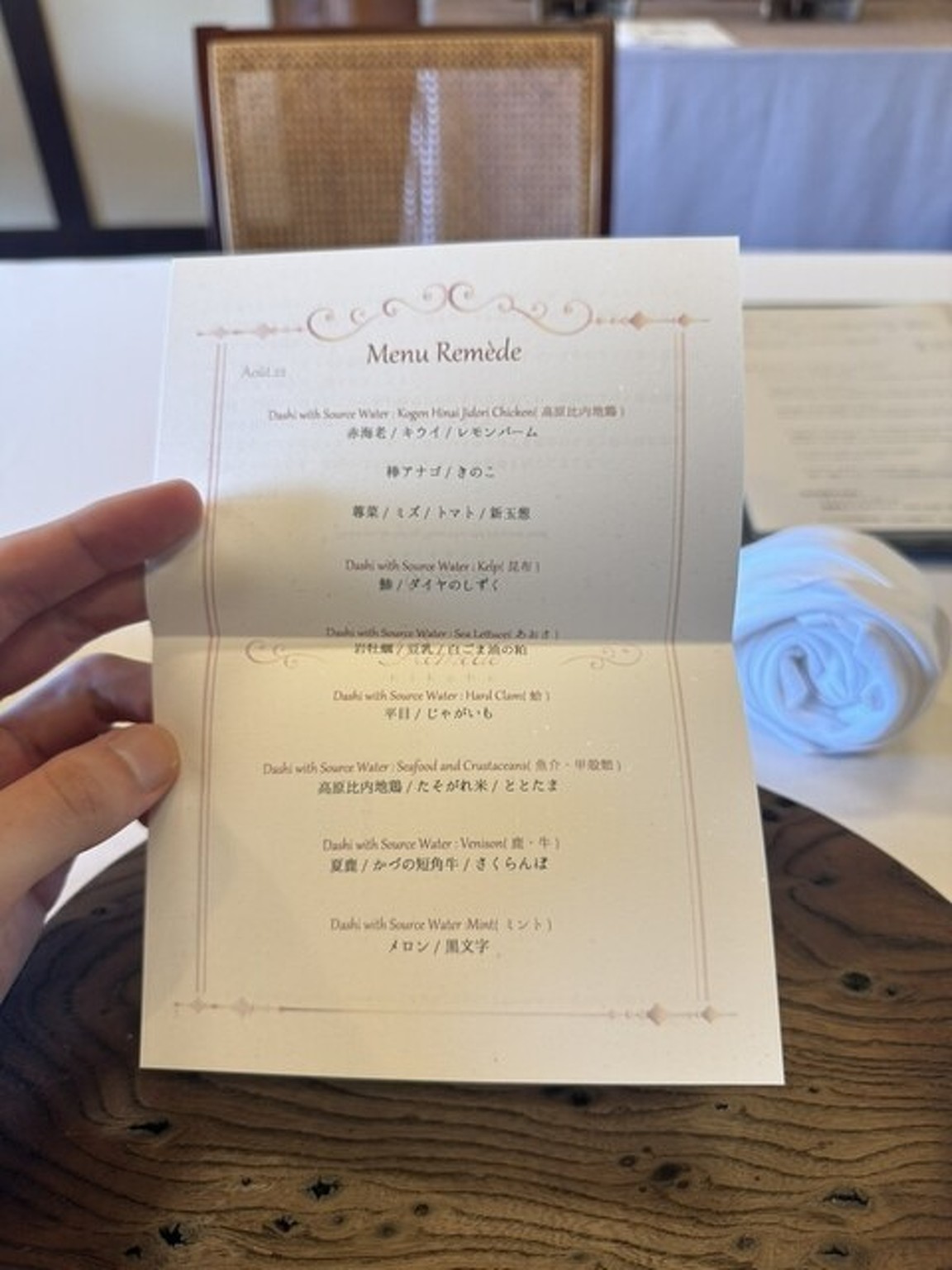
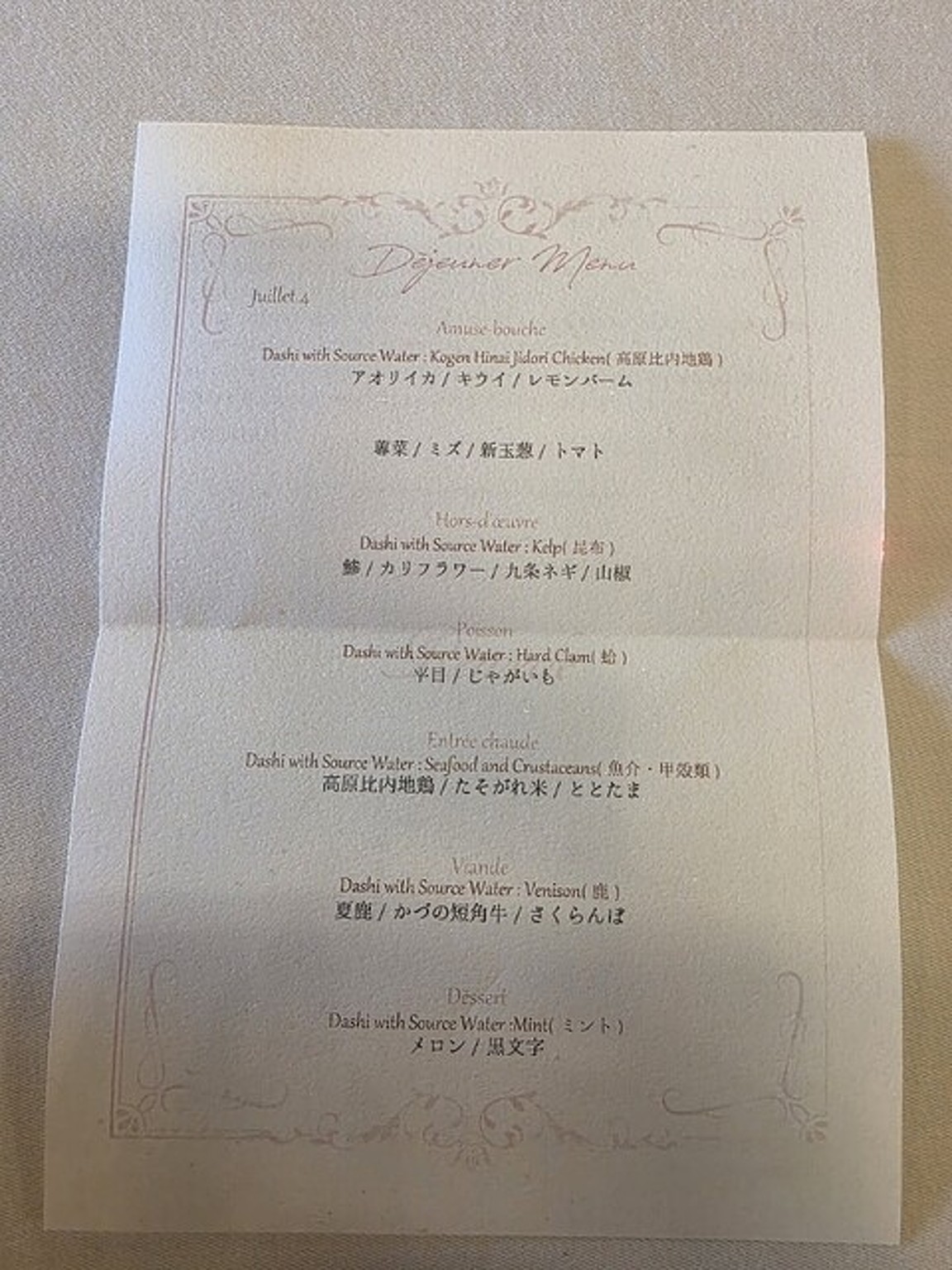
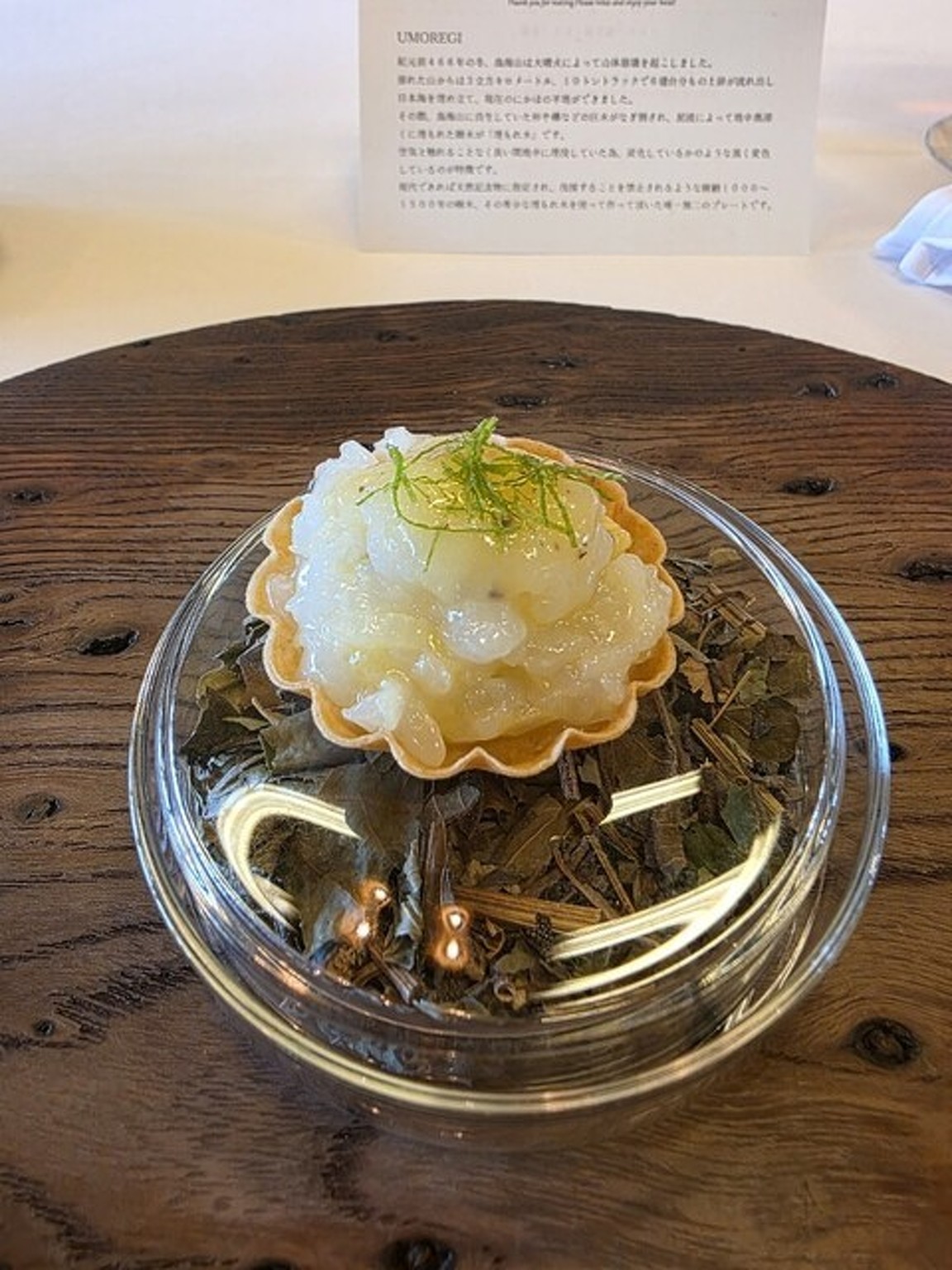
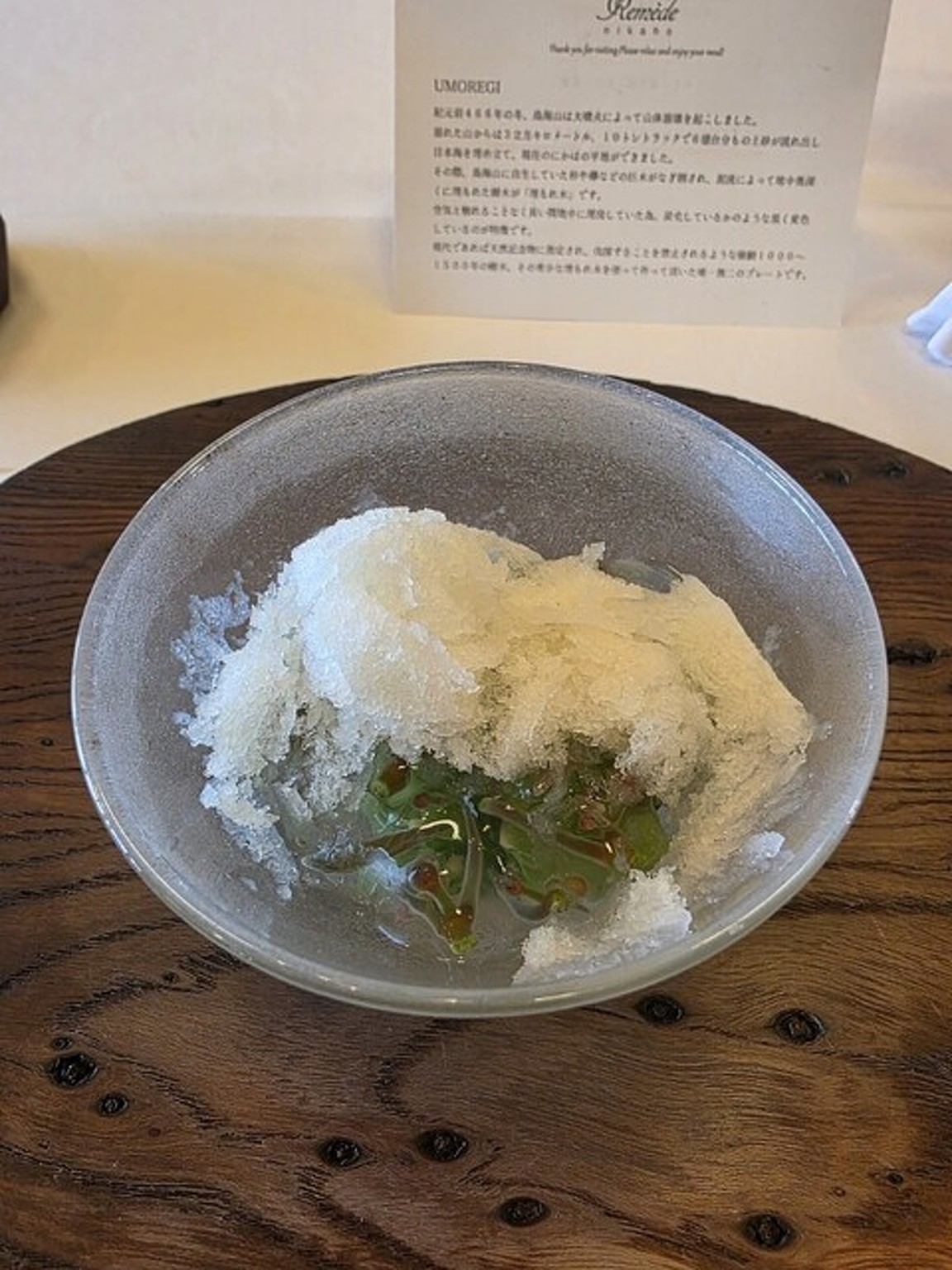
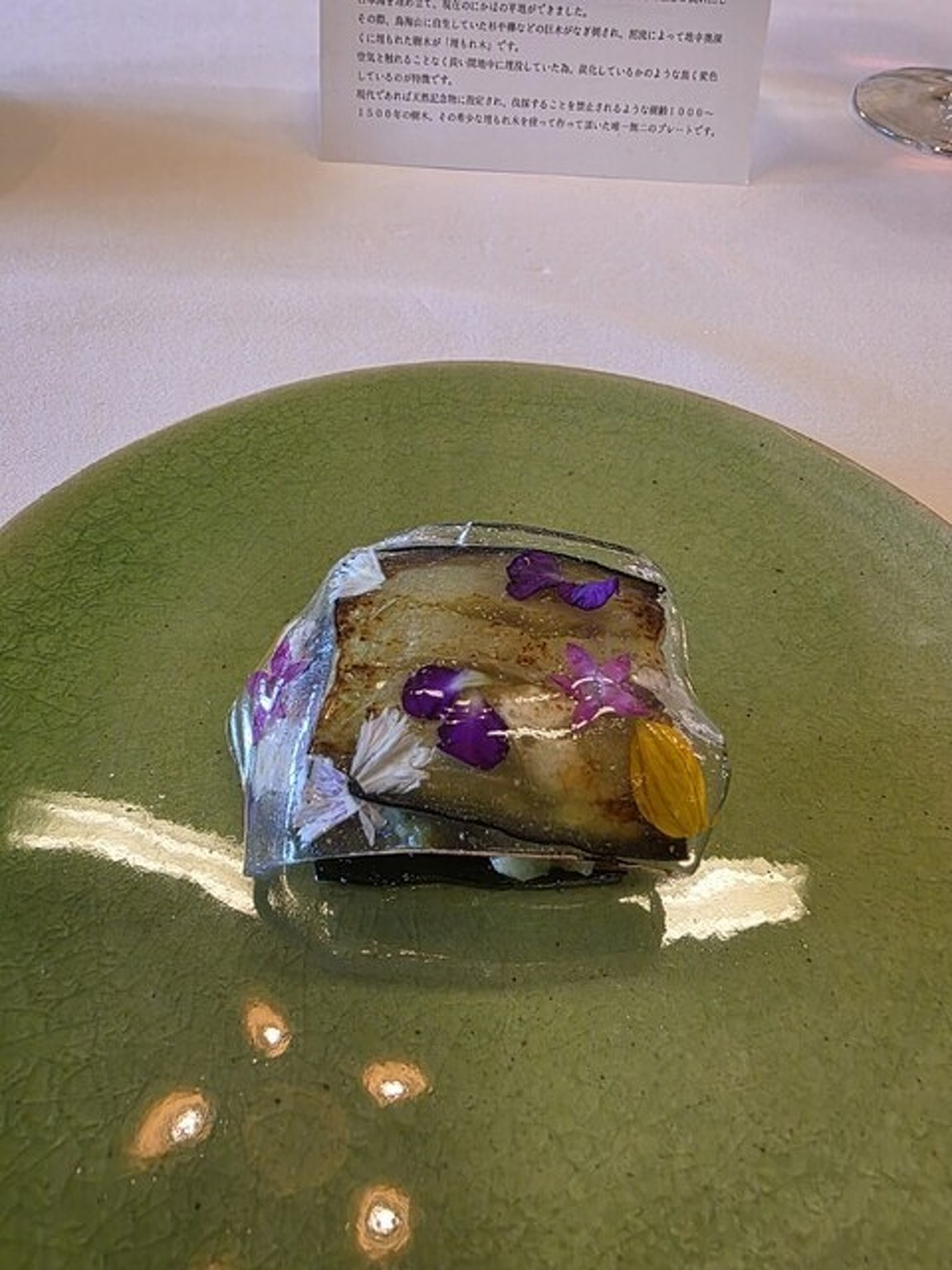
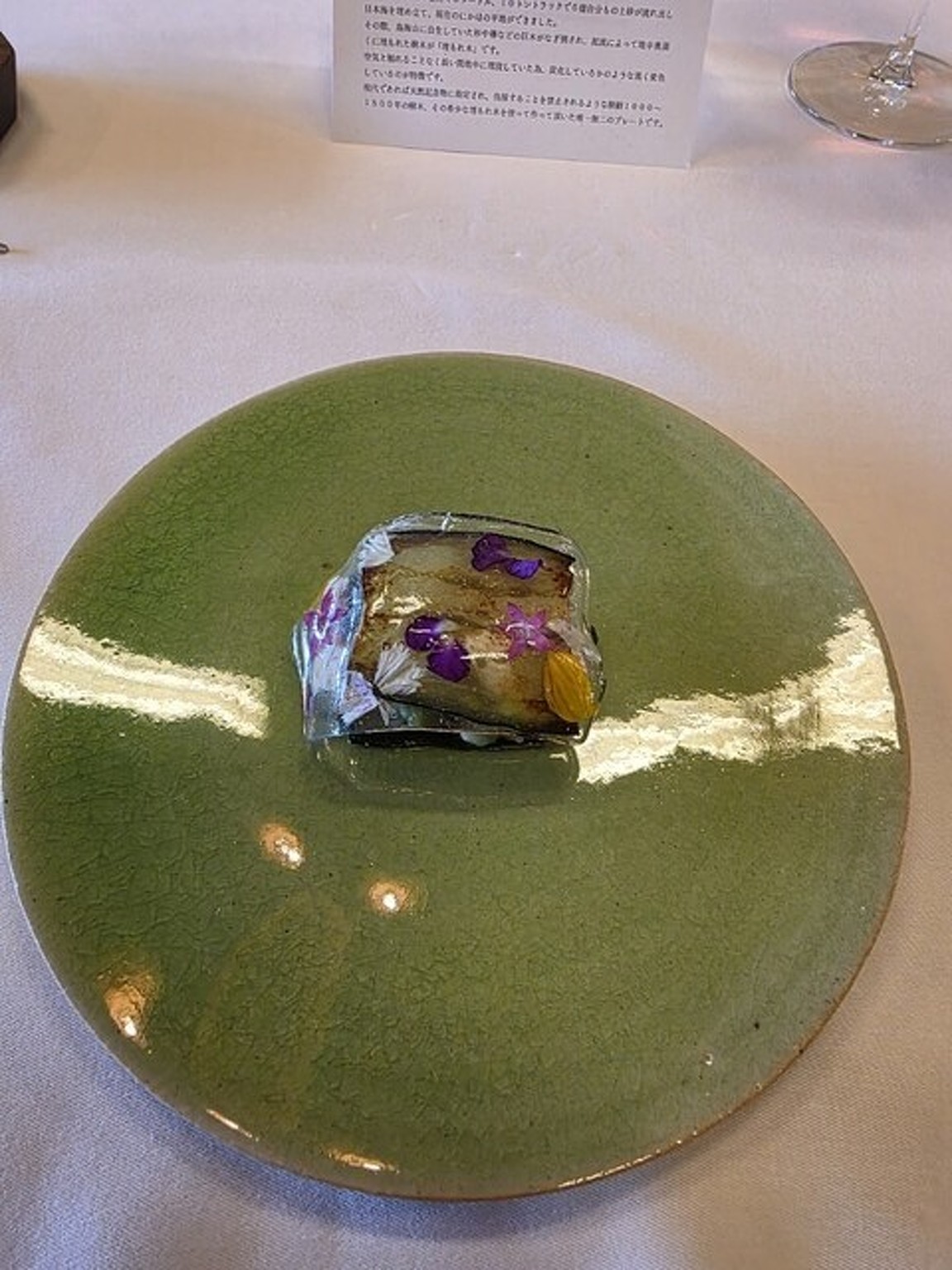
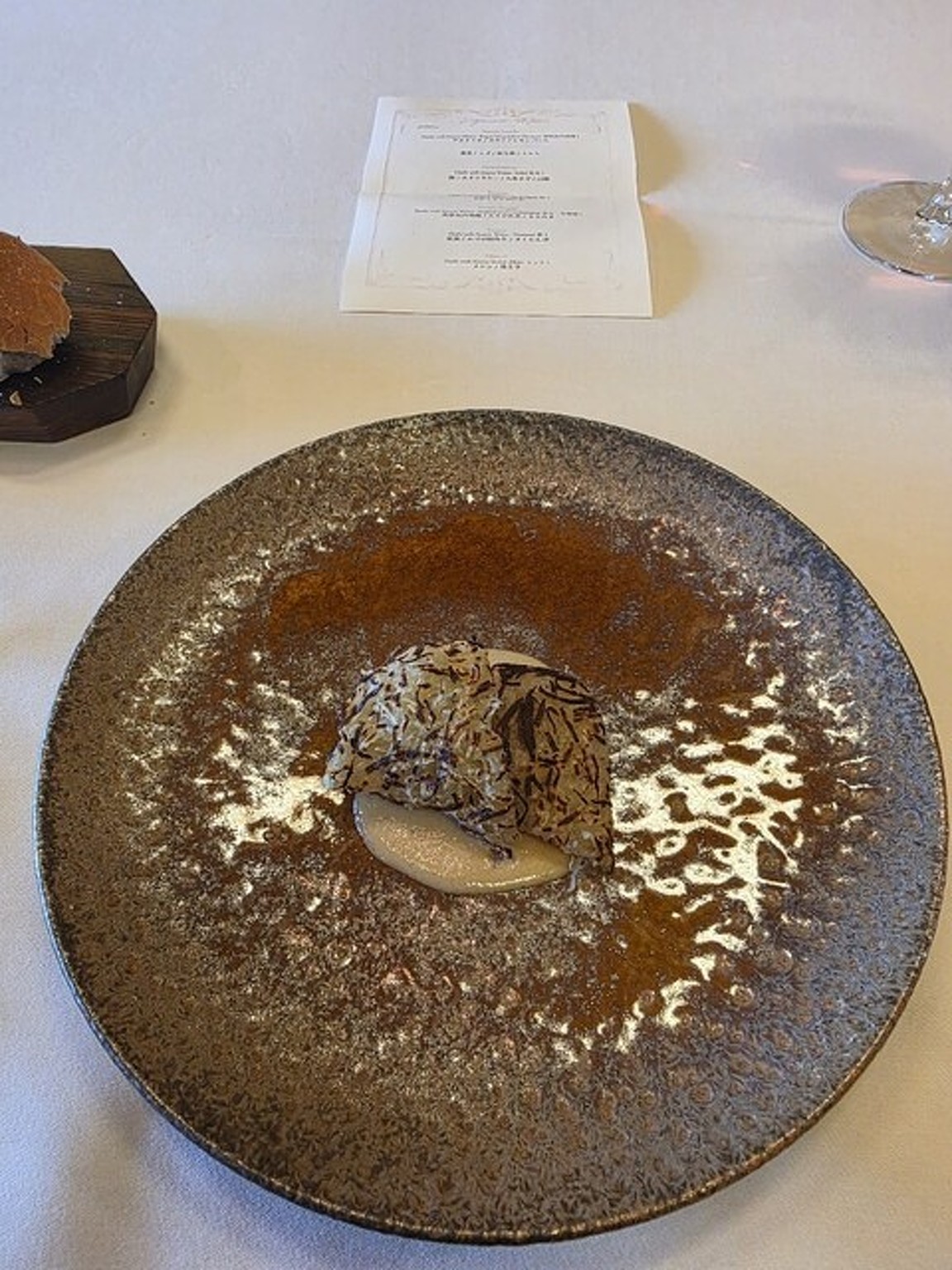
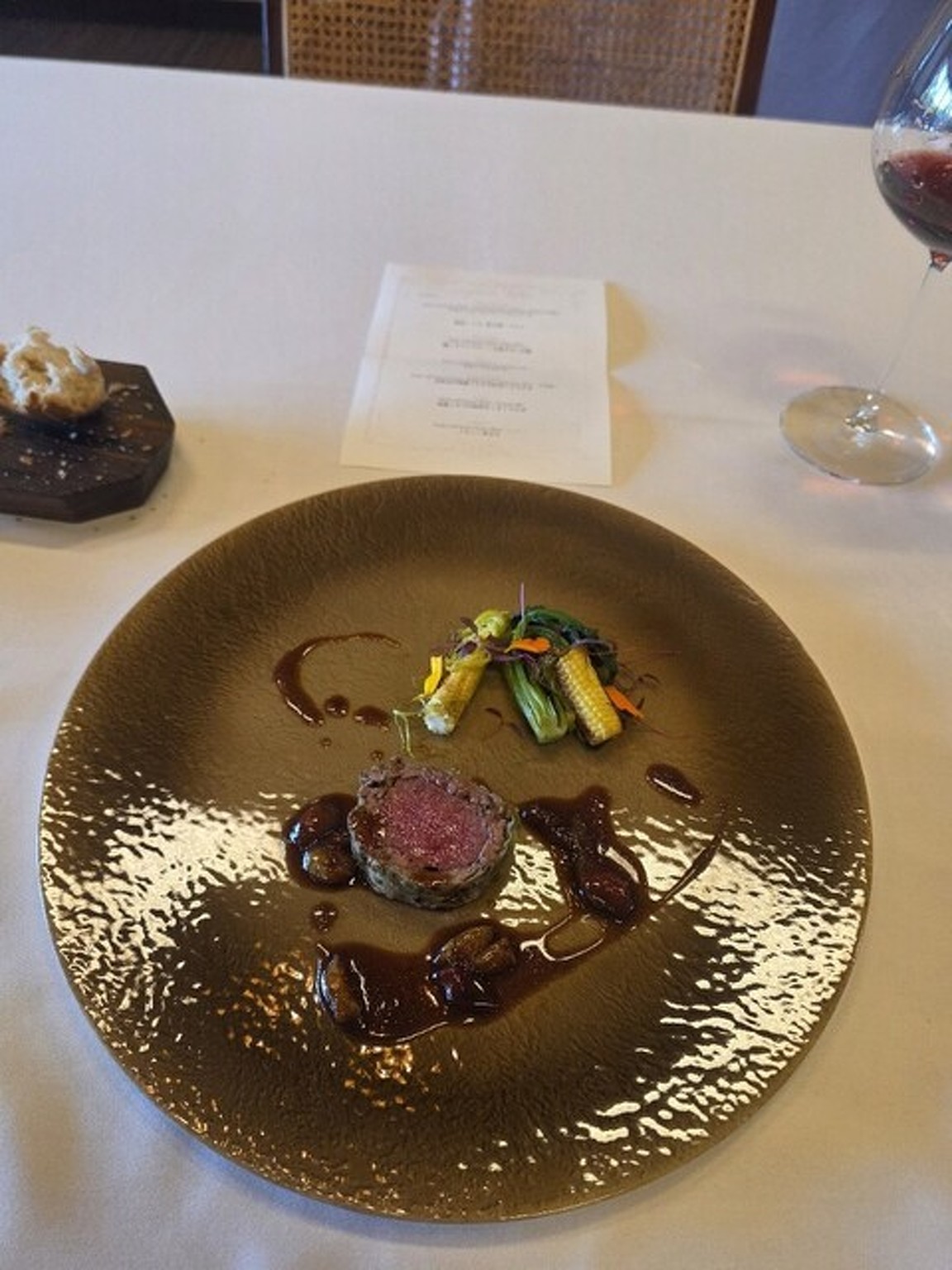
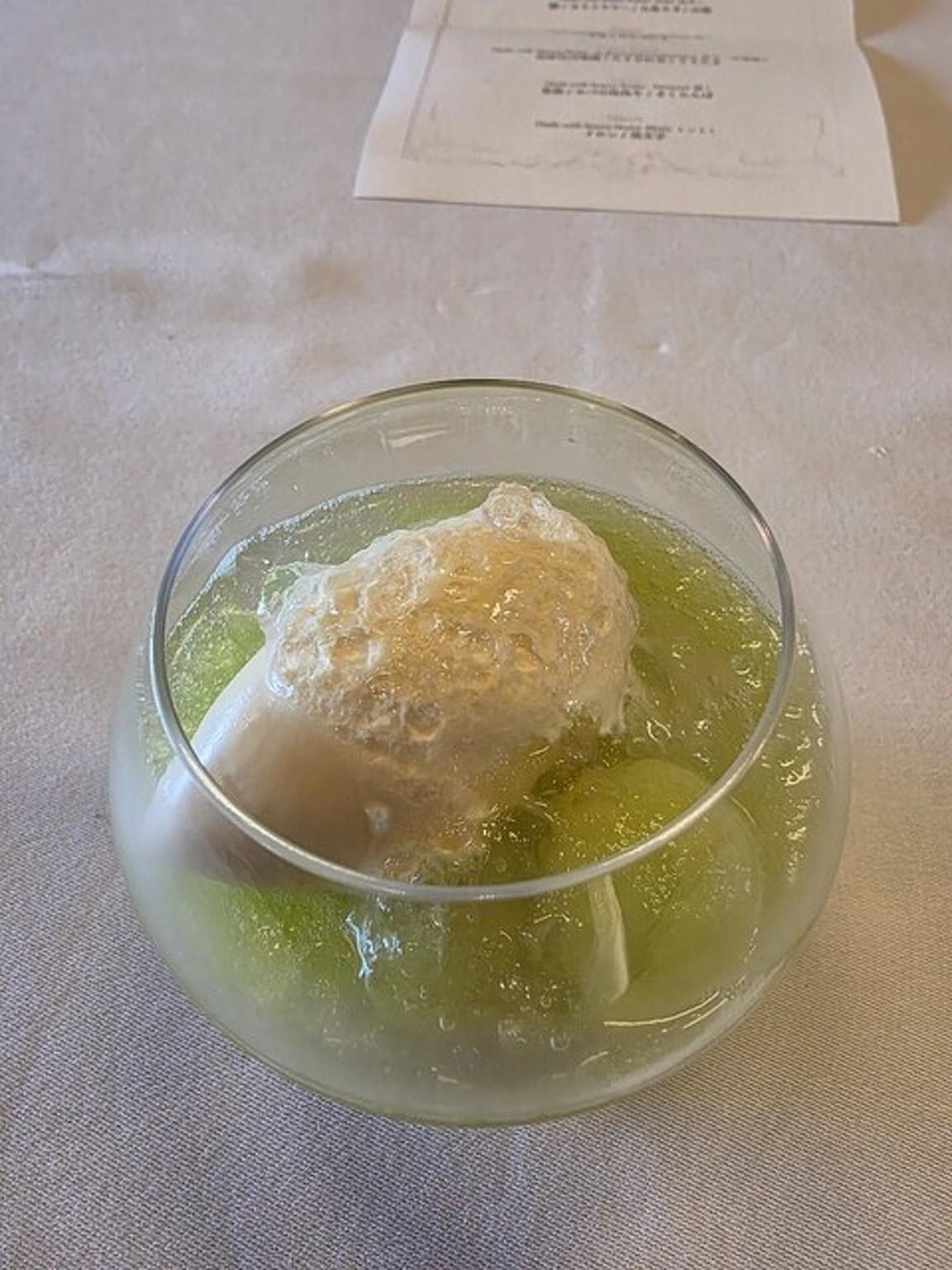
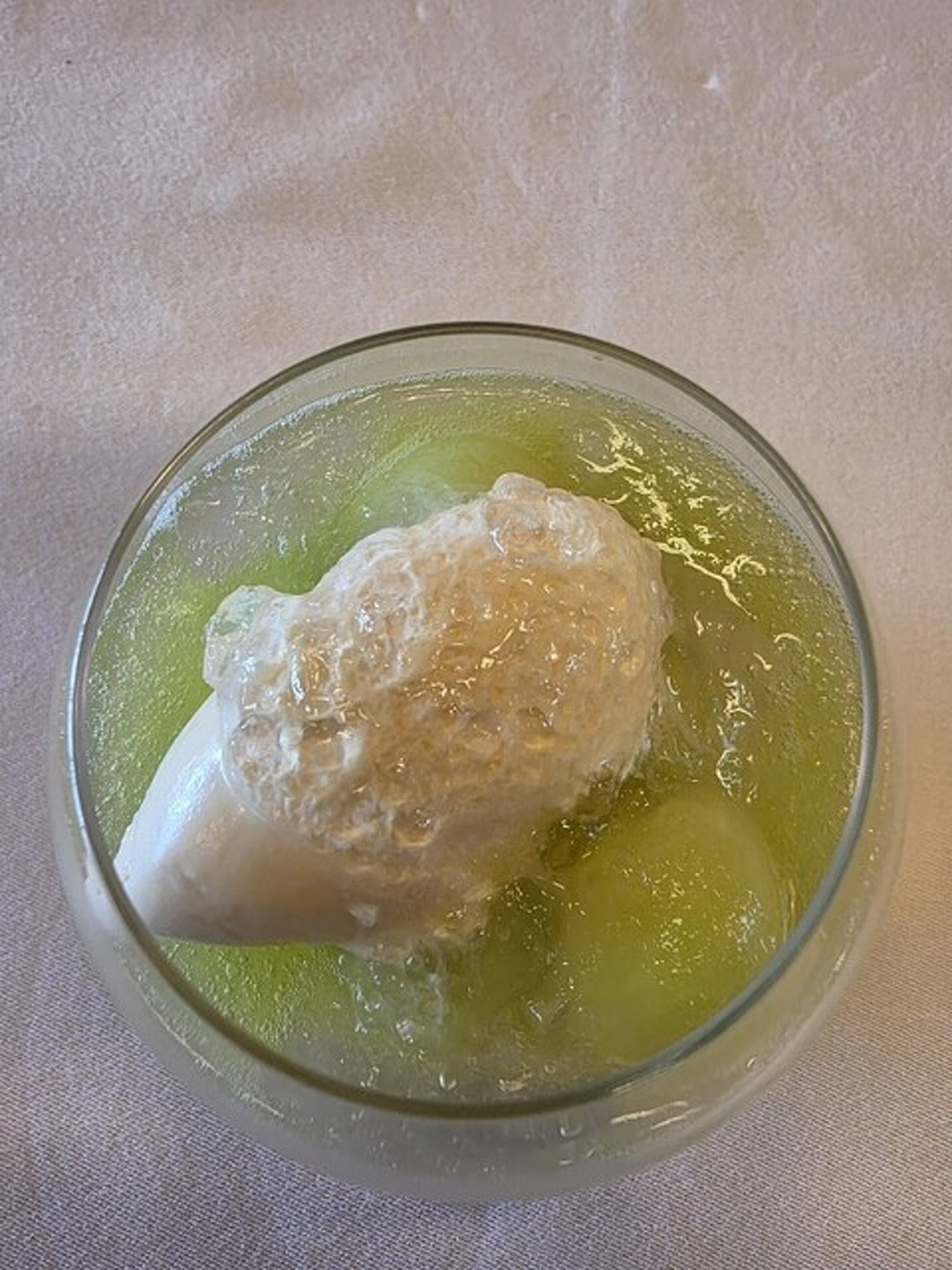
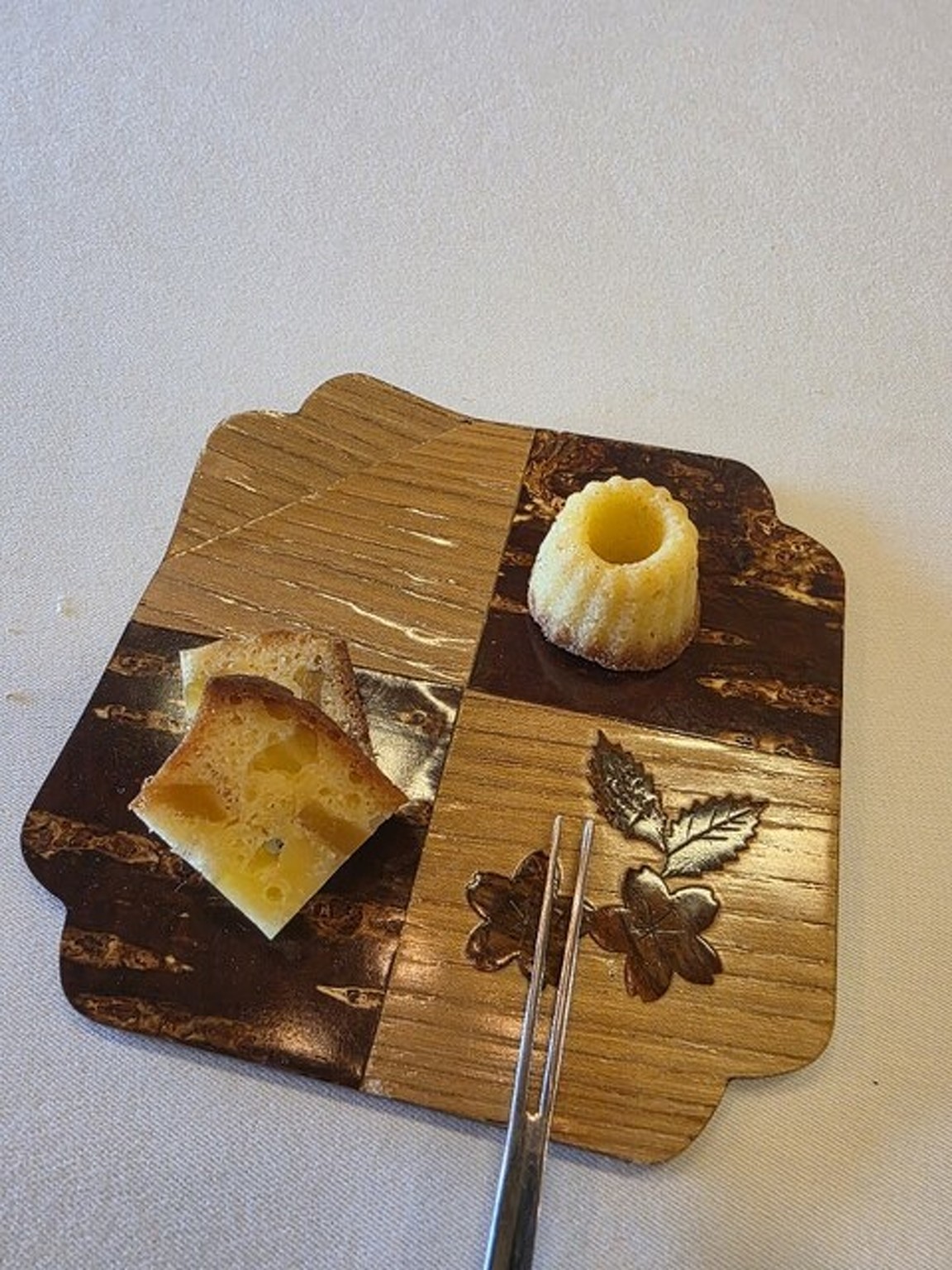
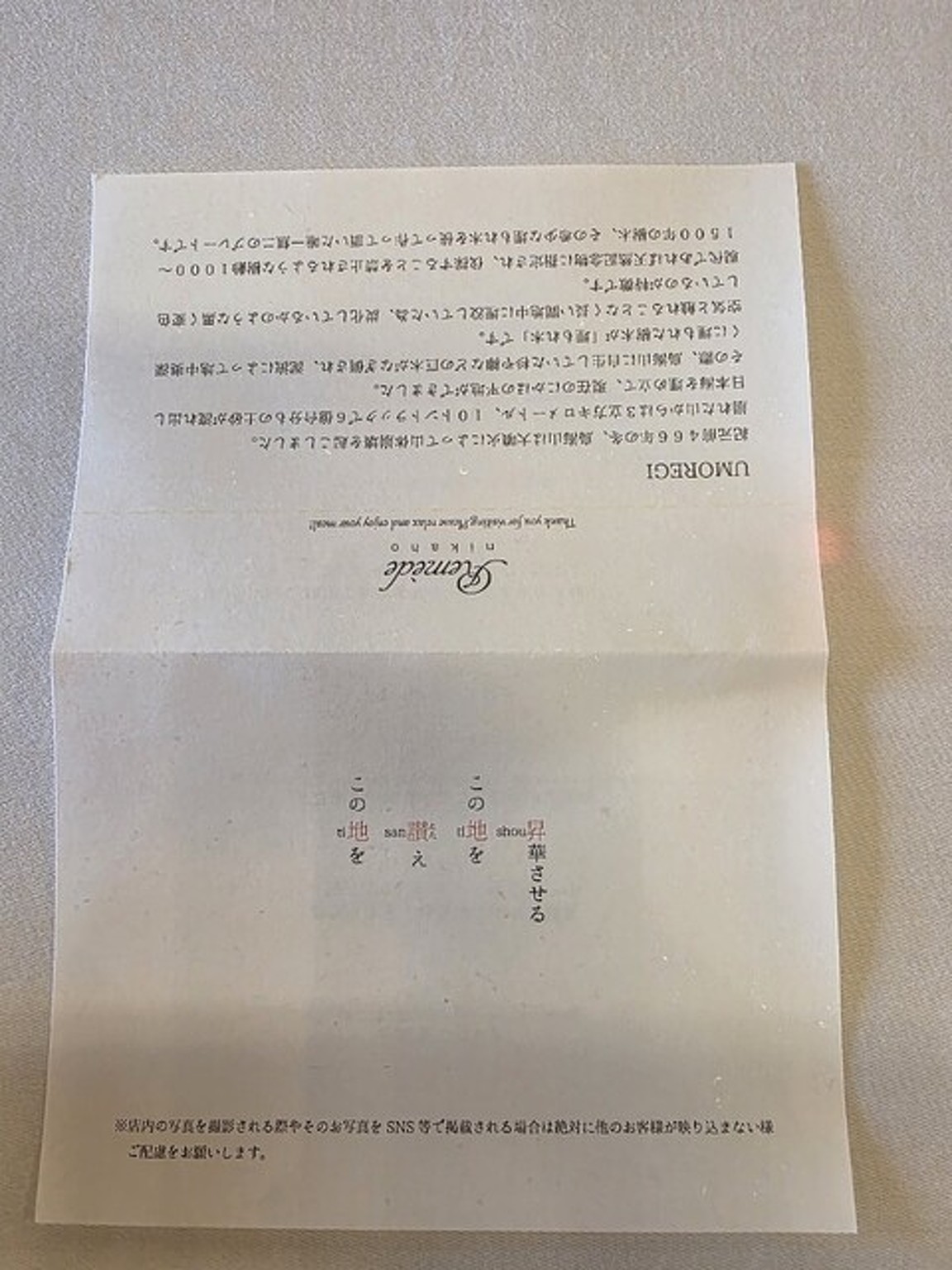
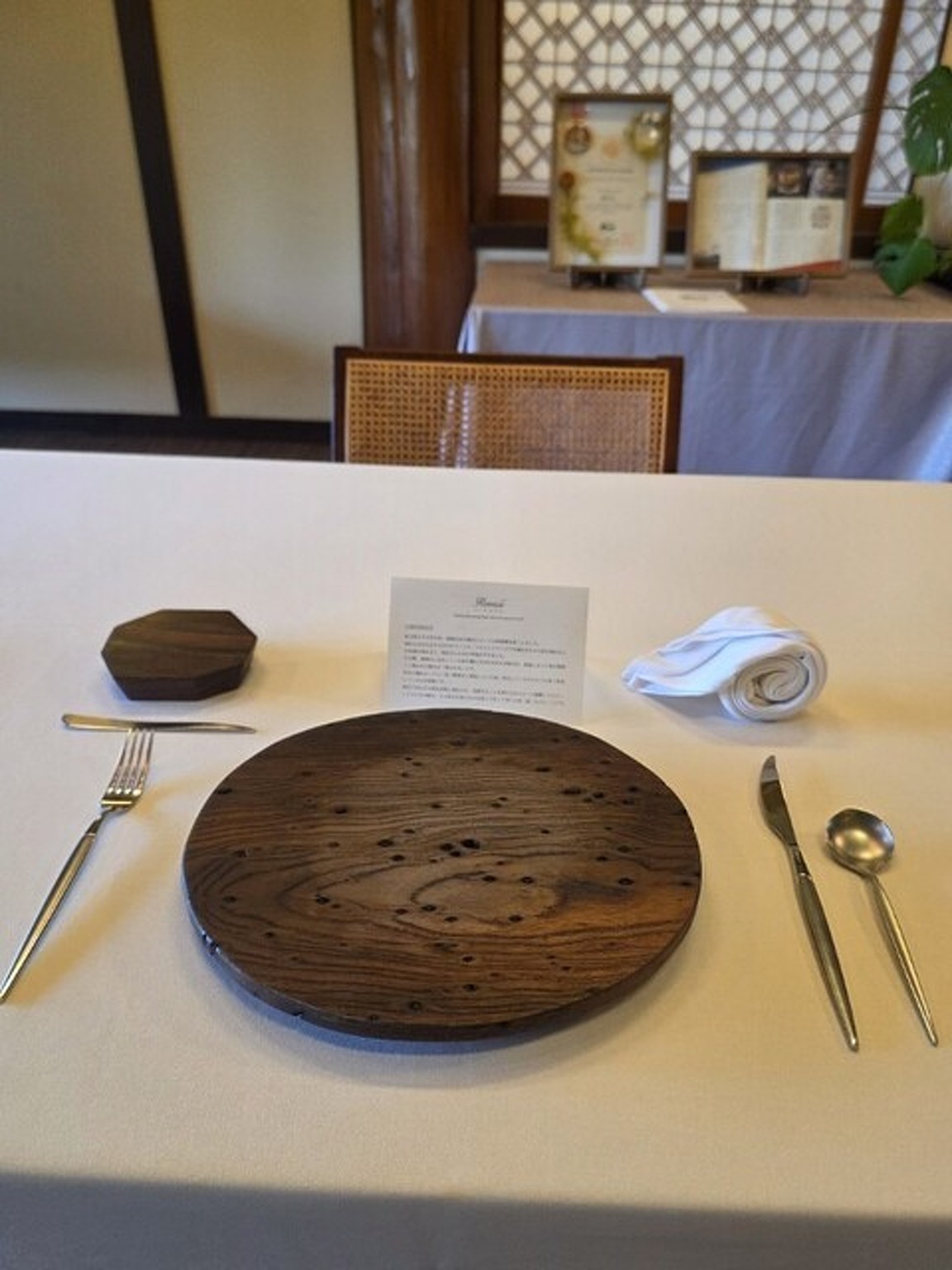
I had lunch at "Remède nikaho," located at the foot of Mount Chokai in Nikaho City. The space, renovated from the former TDK guesthouse, is serene yet infused with the memories of the land.The core of this course is "Dashi with Source Water"—a unique philosophy by the chef that utilizes the spring water from Mount Chokai to create dashi for each ingredient. The amuse-bouche begins with a consommé made from Hinai chicken dashi, followed by a dish featuring squid with kiwi sauce and a refreshing hint of lemon balm, and a chilled plate layered with seasonal vegetables like Mizuna, new onions, and tomatoes. It was a delightful start that combined the coolness of summer with the rich flavors of dashi.The appetizer is based on kombu dashi, featuring horse mackerel, cauliflower, Kujo green onions, and sansho pepper. The fish course combines flounder and potatoes in clam dashi, allowing the essence of the ingredients to shine through quietly.For the warm appetizer, a rich dish made with seafood and shellfish dashi is served alongside Hinai chicken and twilight rice, creating a deeply flavorful experience. The main course centers around venison dashi, paired with summer venison, Kazu's short-horned beef, and cherries, showcasing beautifully cooked red meat and the sweetness of the fruit, marking the highlight of the course.Dessert features a refreshing combination of mint dashi with melon and black wood, elegantly concluding the meal.Not only the dishes but also the serving ware tells the story of the land. The plates are made from "buried wood," a rare material believed to have been buried deep underground since the eruption of Mount Chokai in 466 BC, sourced from trees aged between 1,000 to 1,500 years. The charred black discoloration narrates its history.With the attentive explanations from the Madame and the owner-chef finishing the dishes right in front of us, this meal was an unforgettable experience that strongly etched the flavors of Mount Chokai and Nikaho into my memory. Less
10 / 10
on 16 Jun 2026
- Tabelog Award BRONZE 2025, 2026 - Tabelog French EAST Top 100 Restaurants 2025 - Featured in Gault & Millau 2023, 2024, 2025, 2026 - 2024 Ministry of Agriculture, Forestry and Fisheries "Culinary Masters" Bronze AwardOn a holiday lunch, I visited the reservation-only French restaurant "Remède nikaho" located in Nikaho City, Akita Prefecture. This restaurant is not just a representative of Akita but is also gaining national attention as a gastronomic destination.The restaurant is housed in a... More
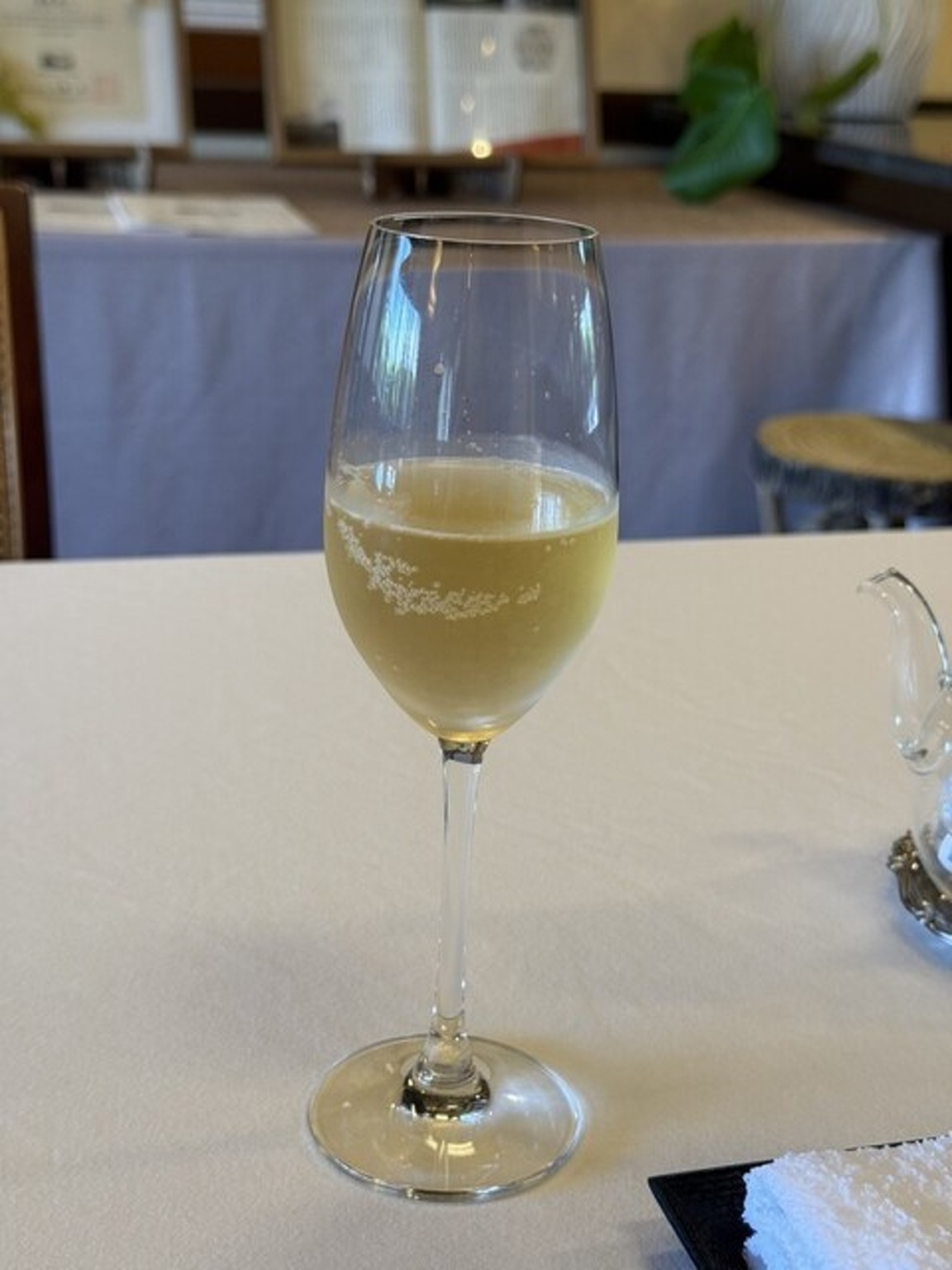
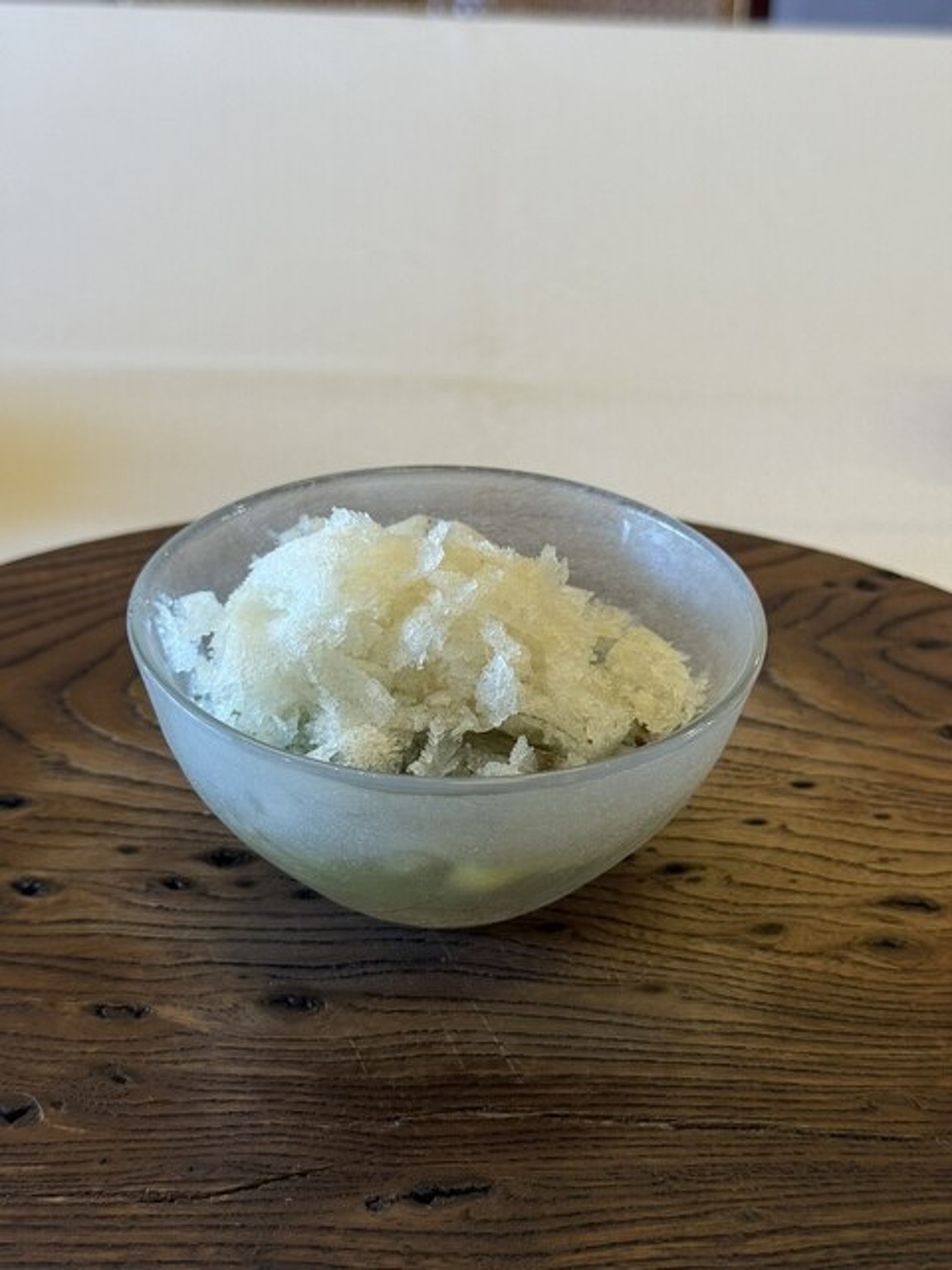
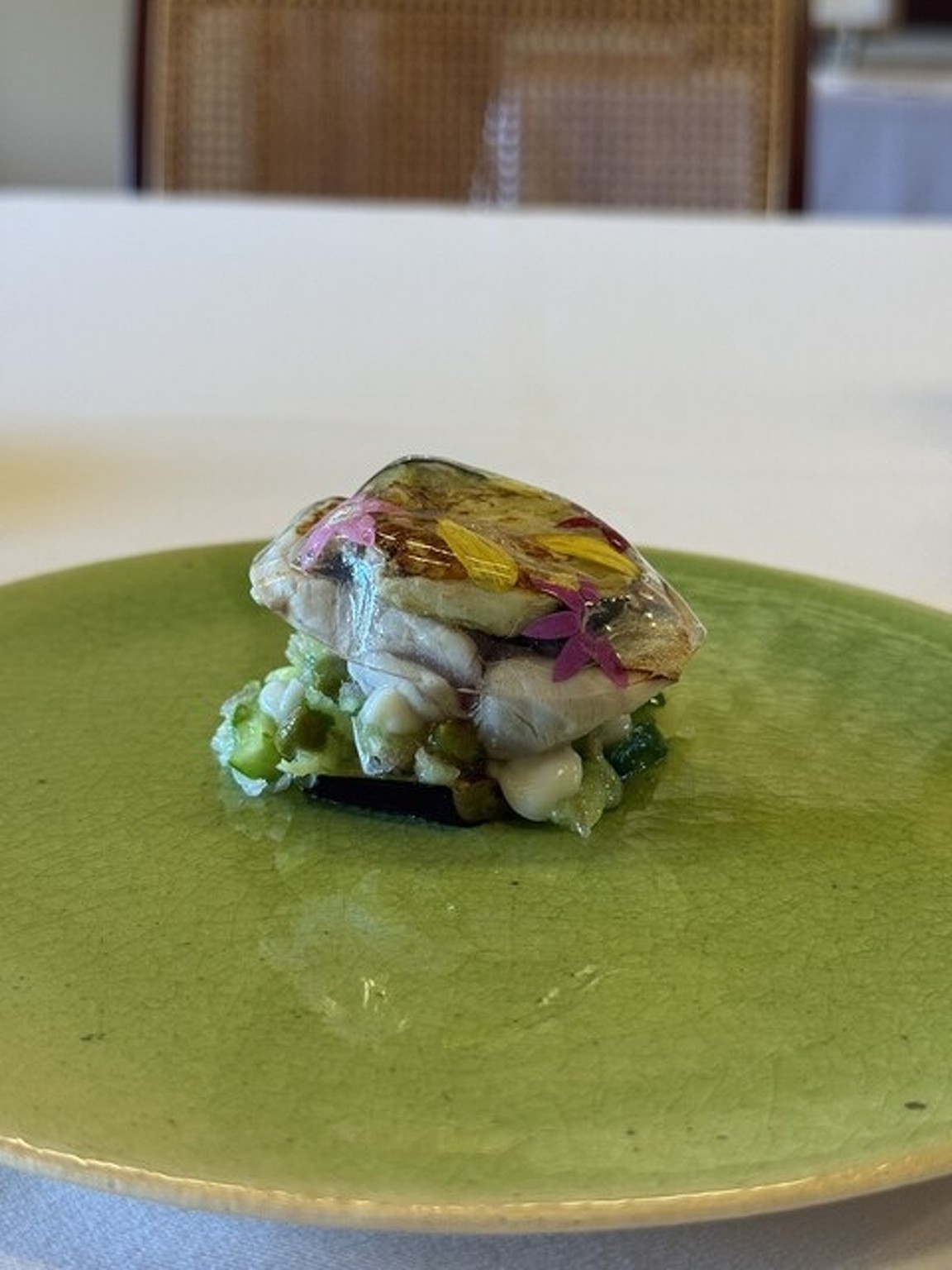
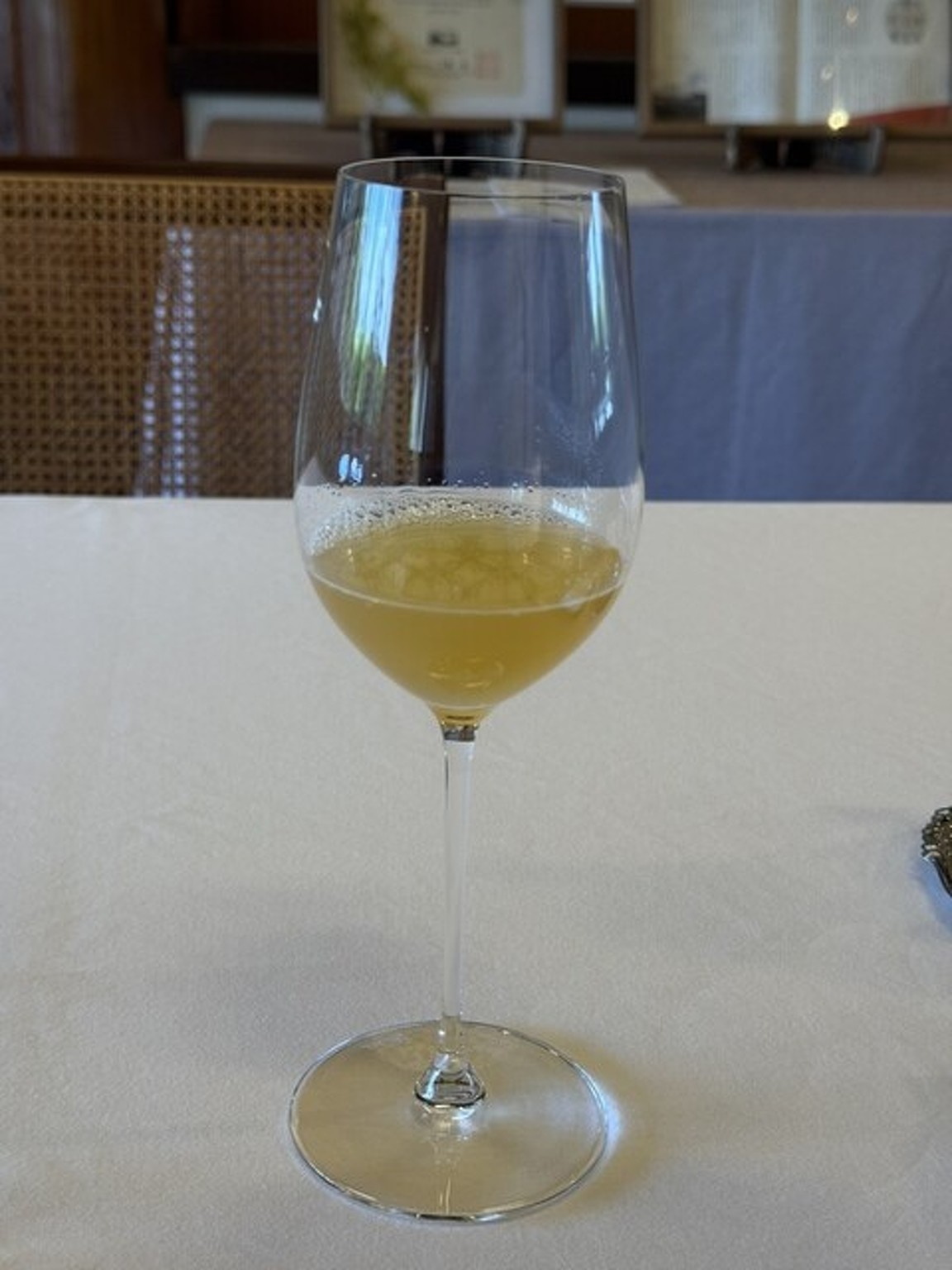
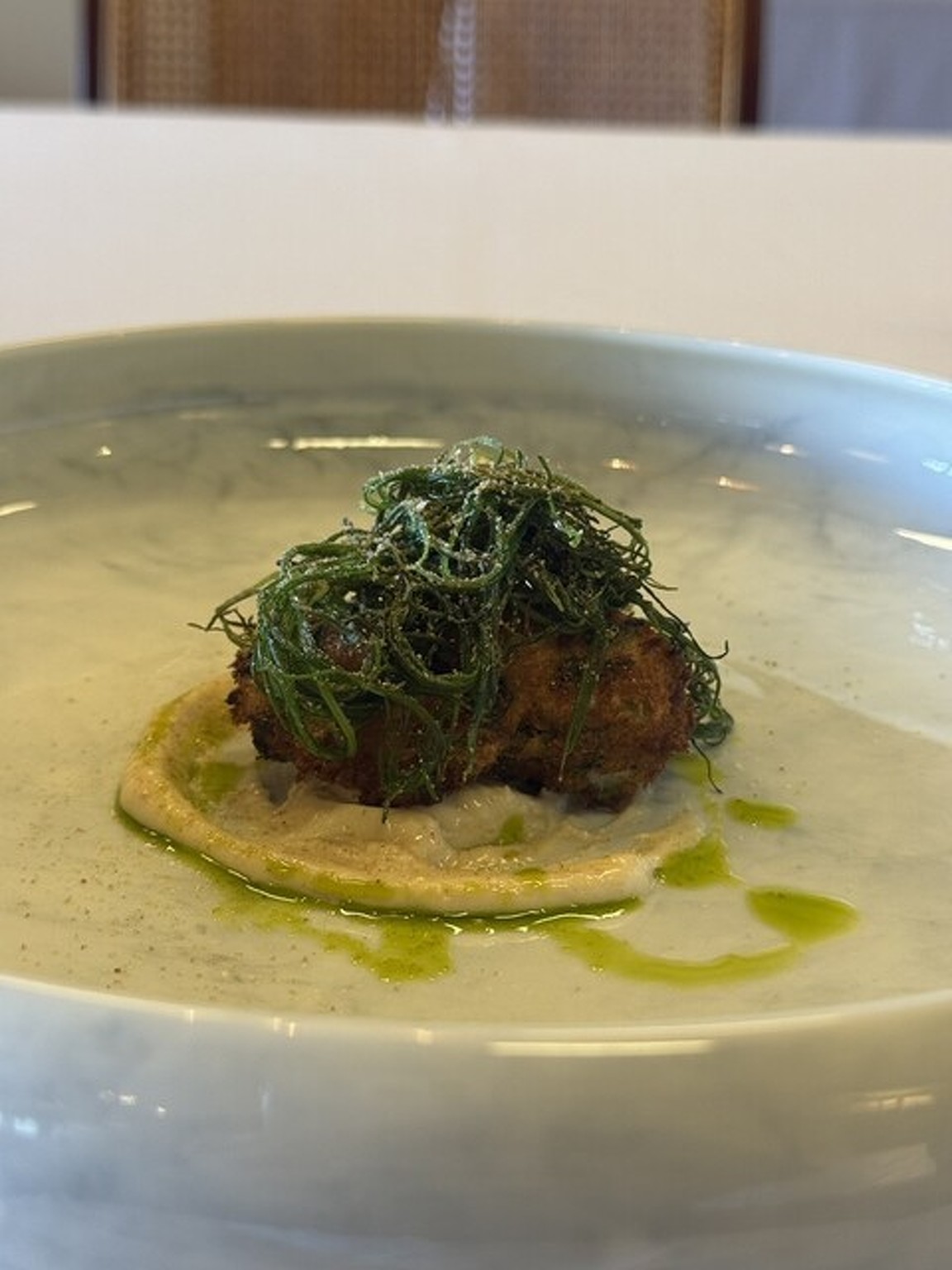
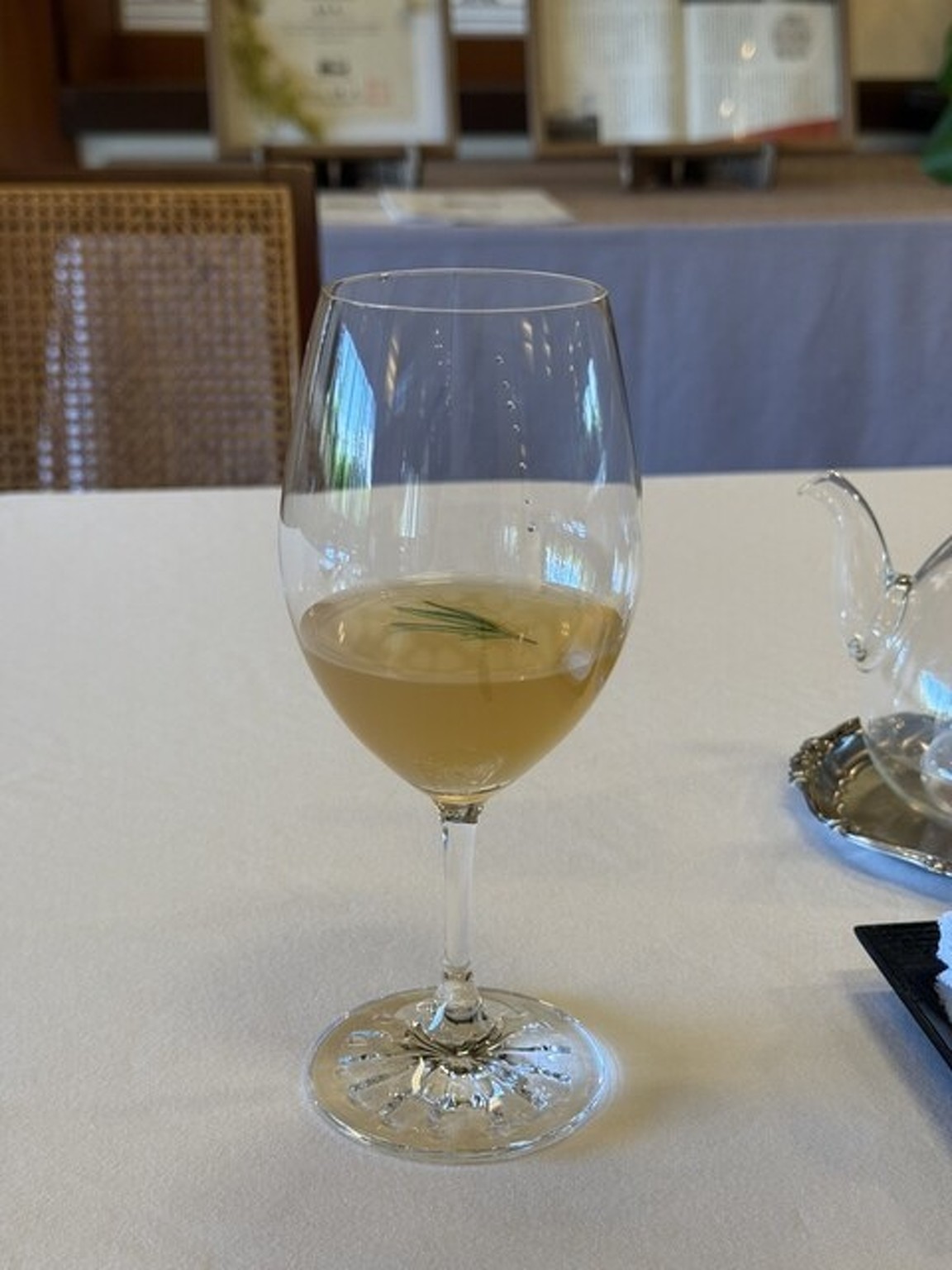
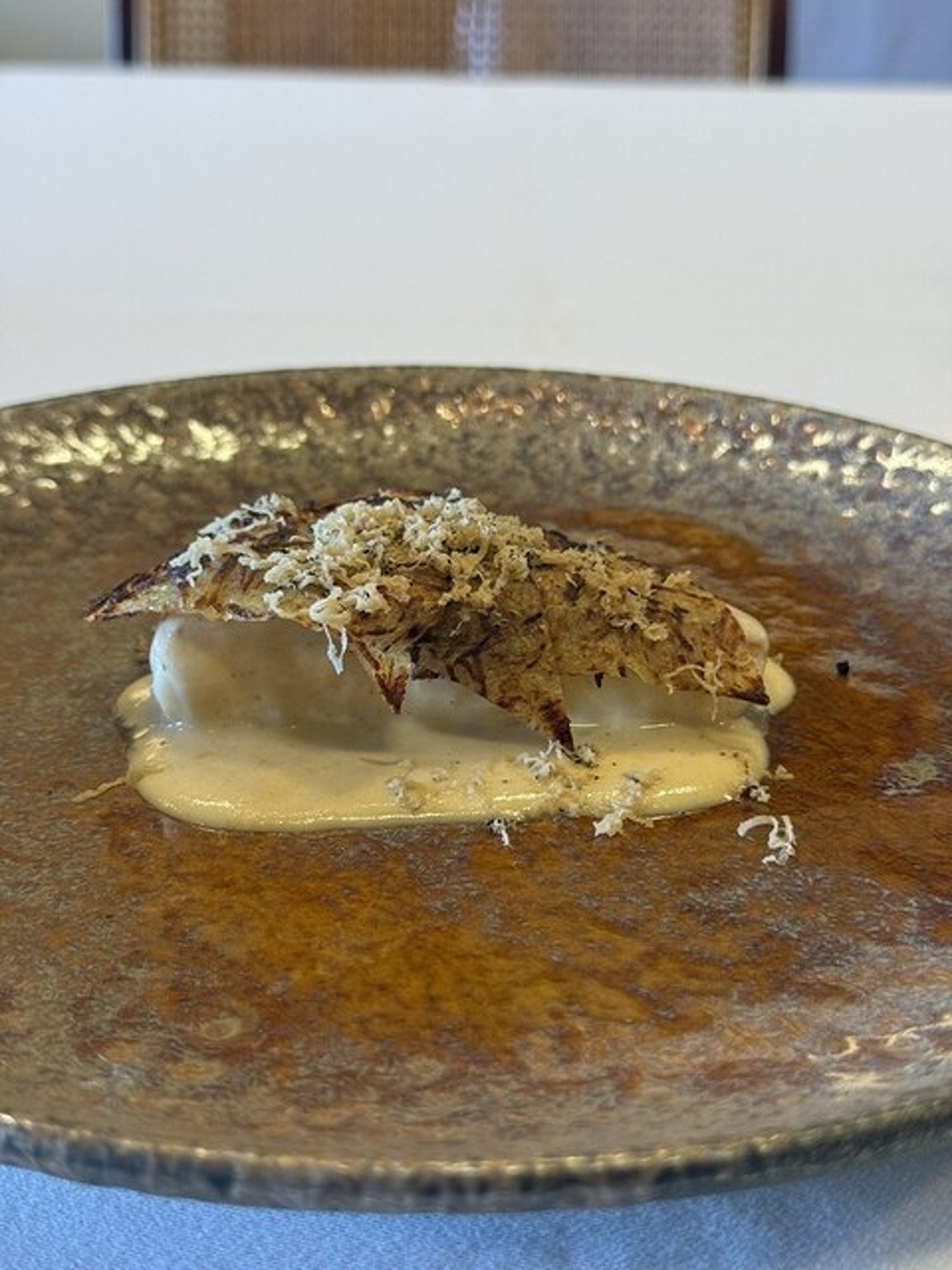
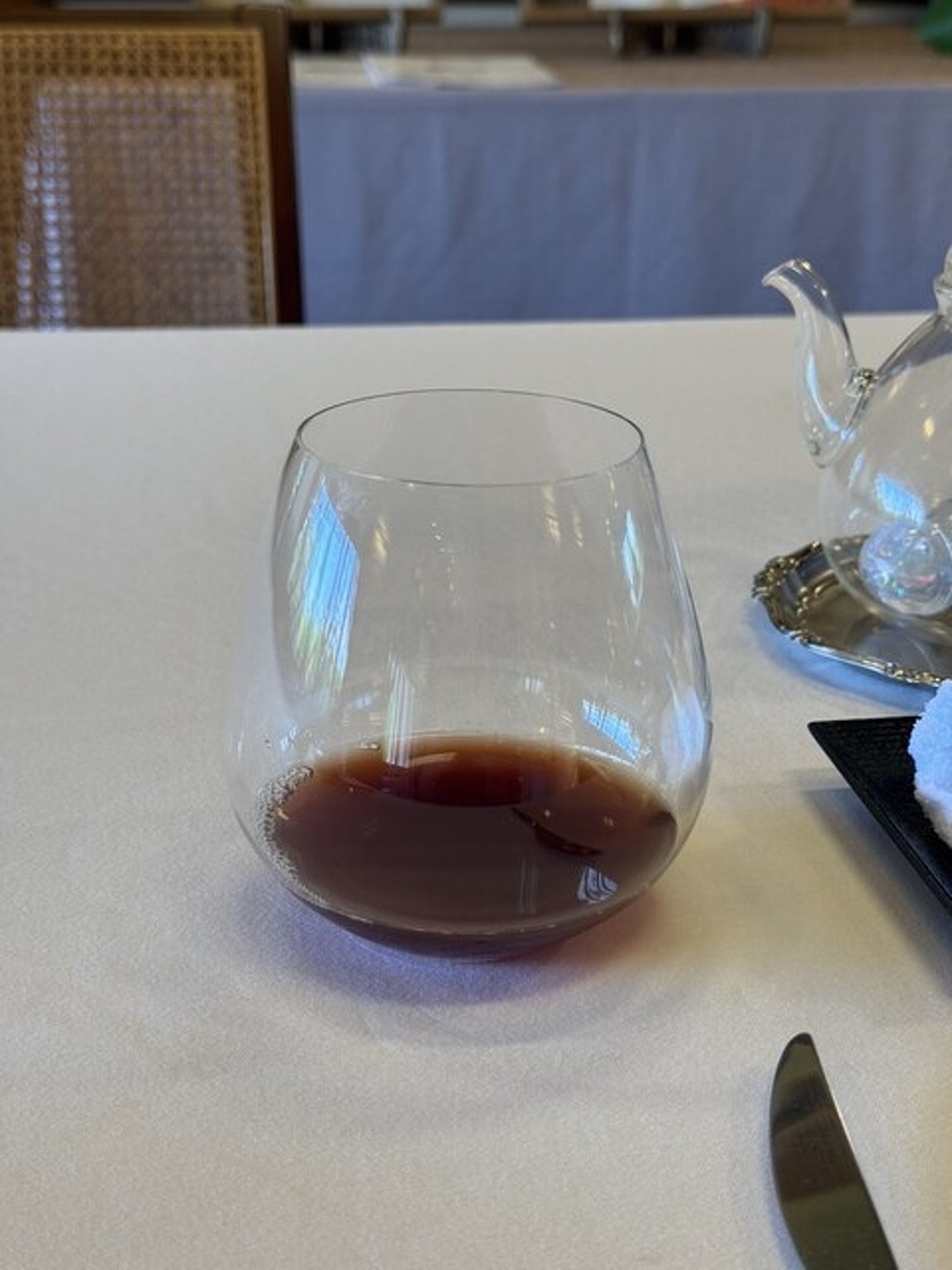
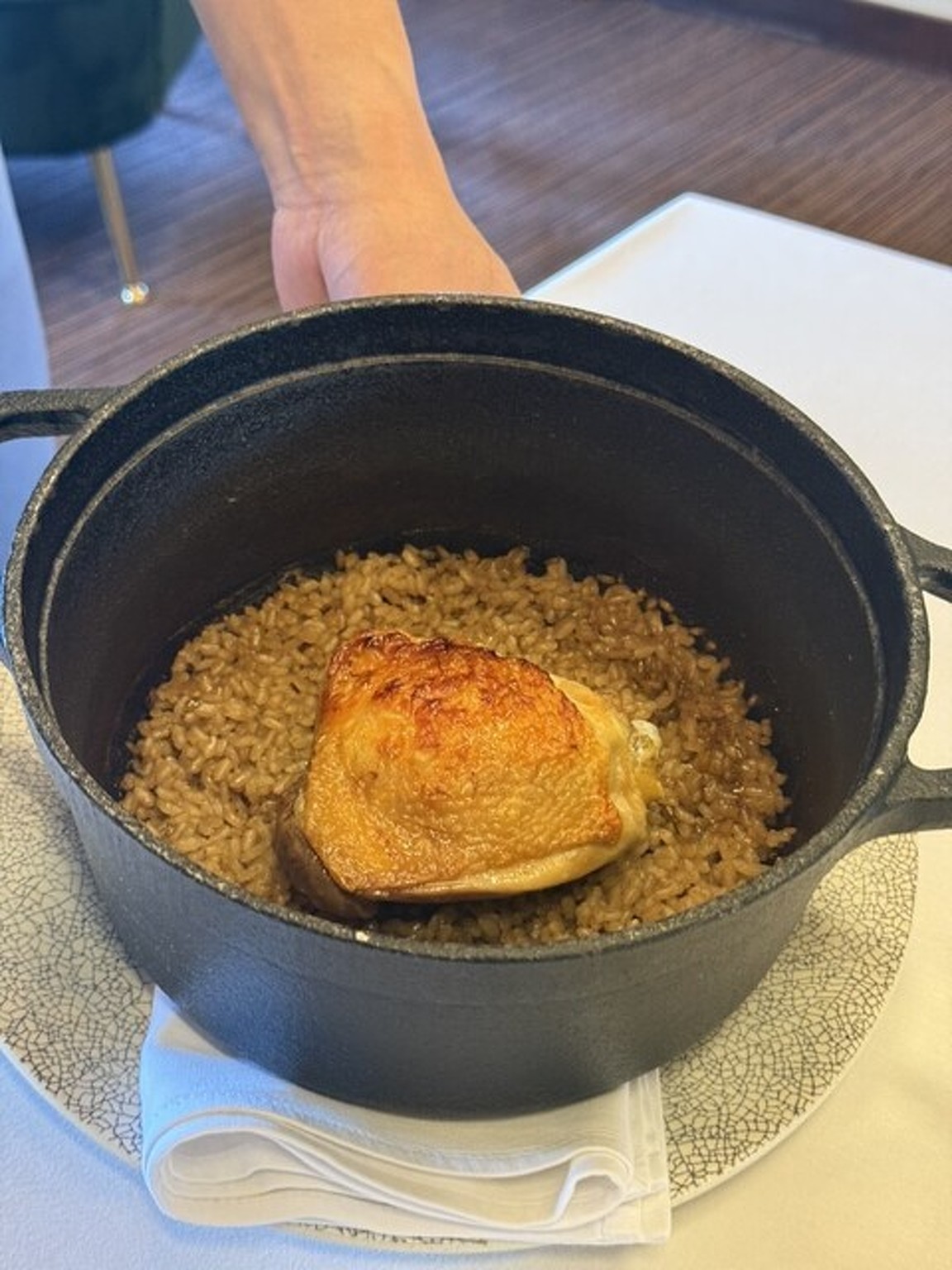
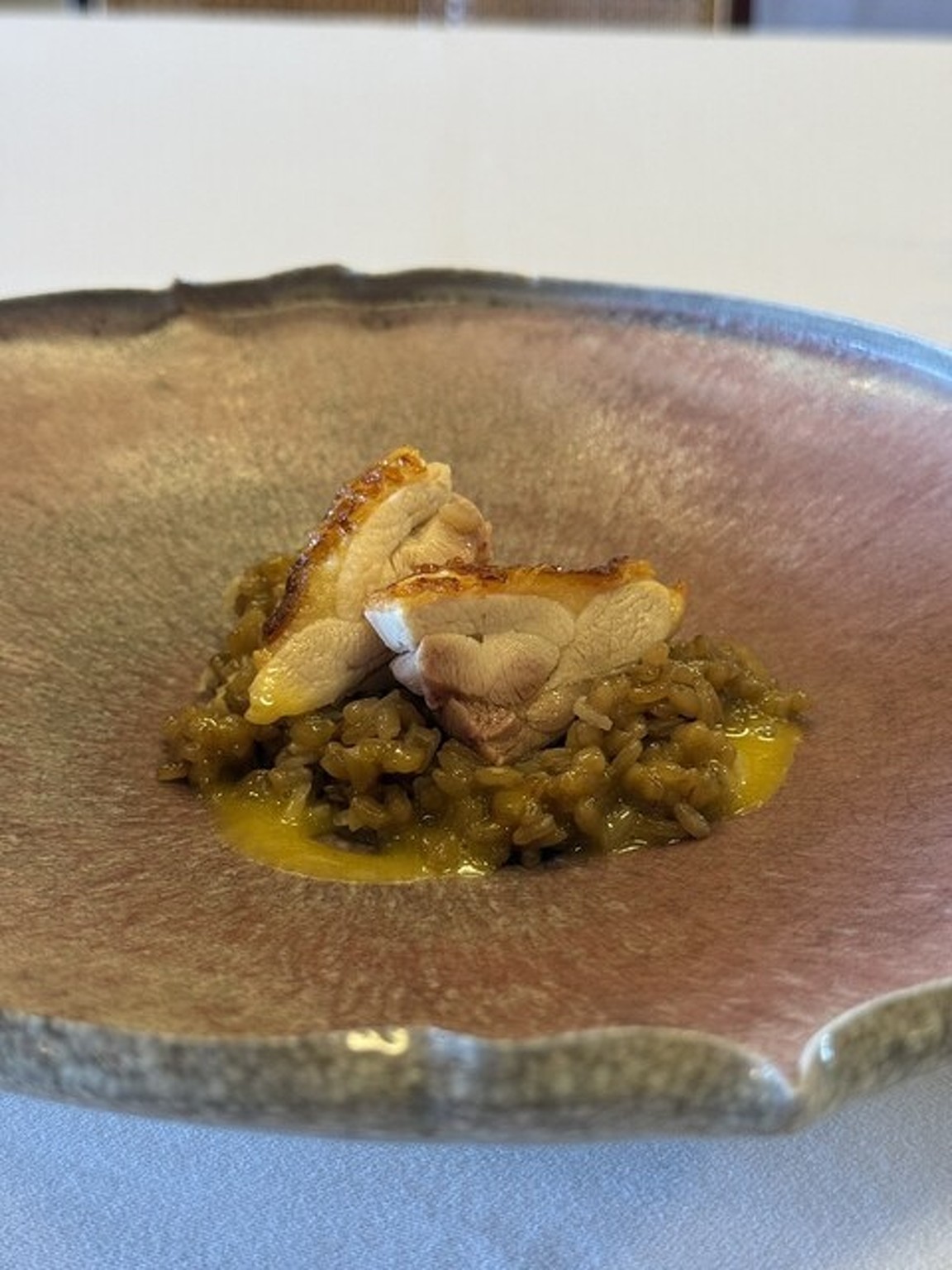
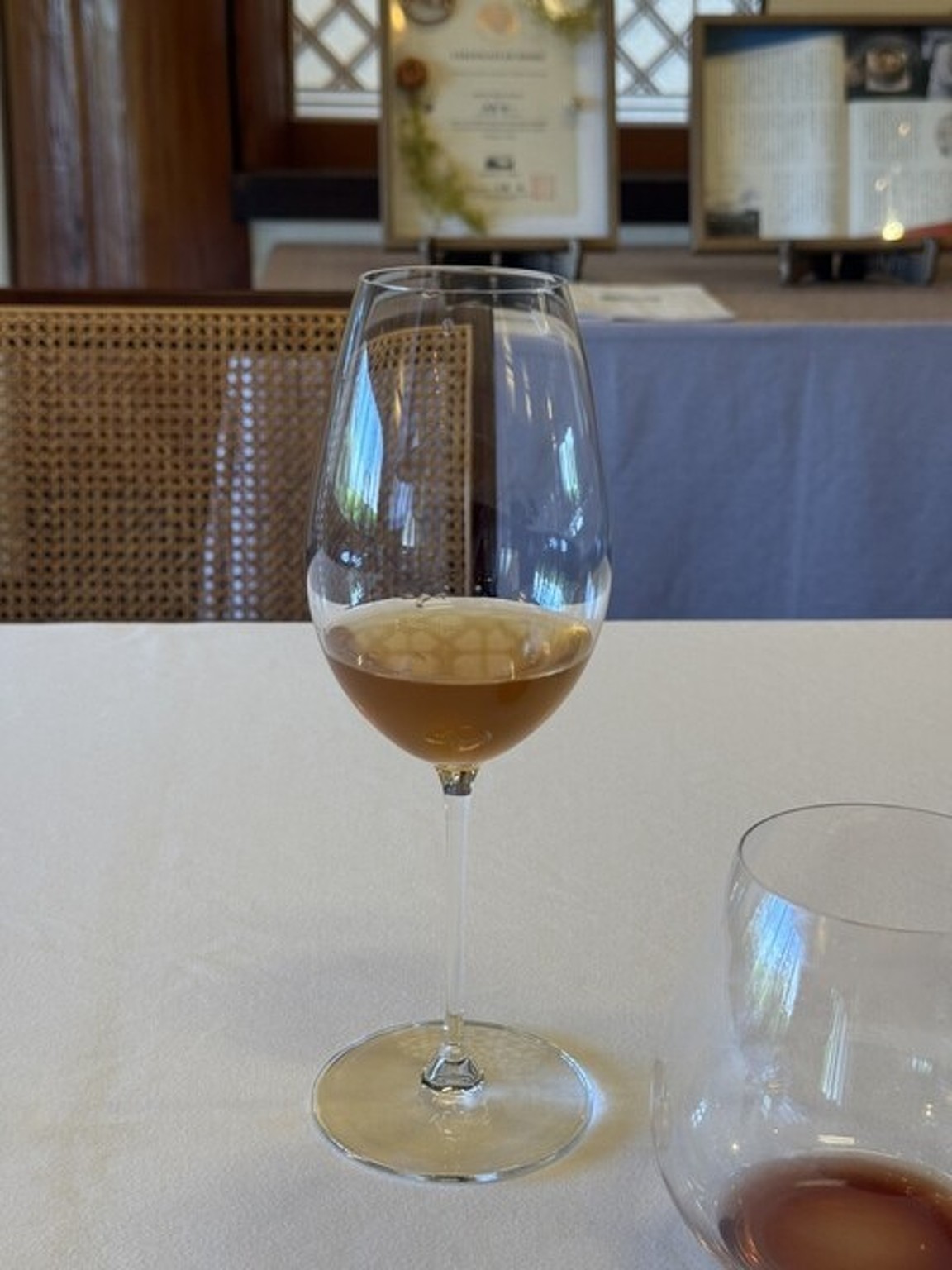
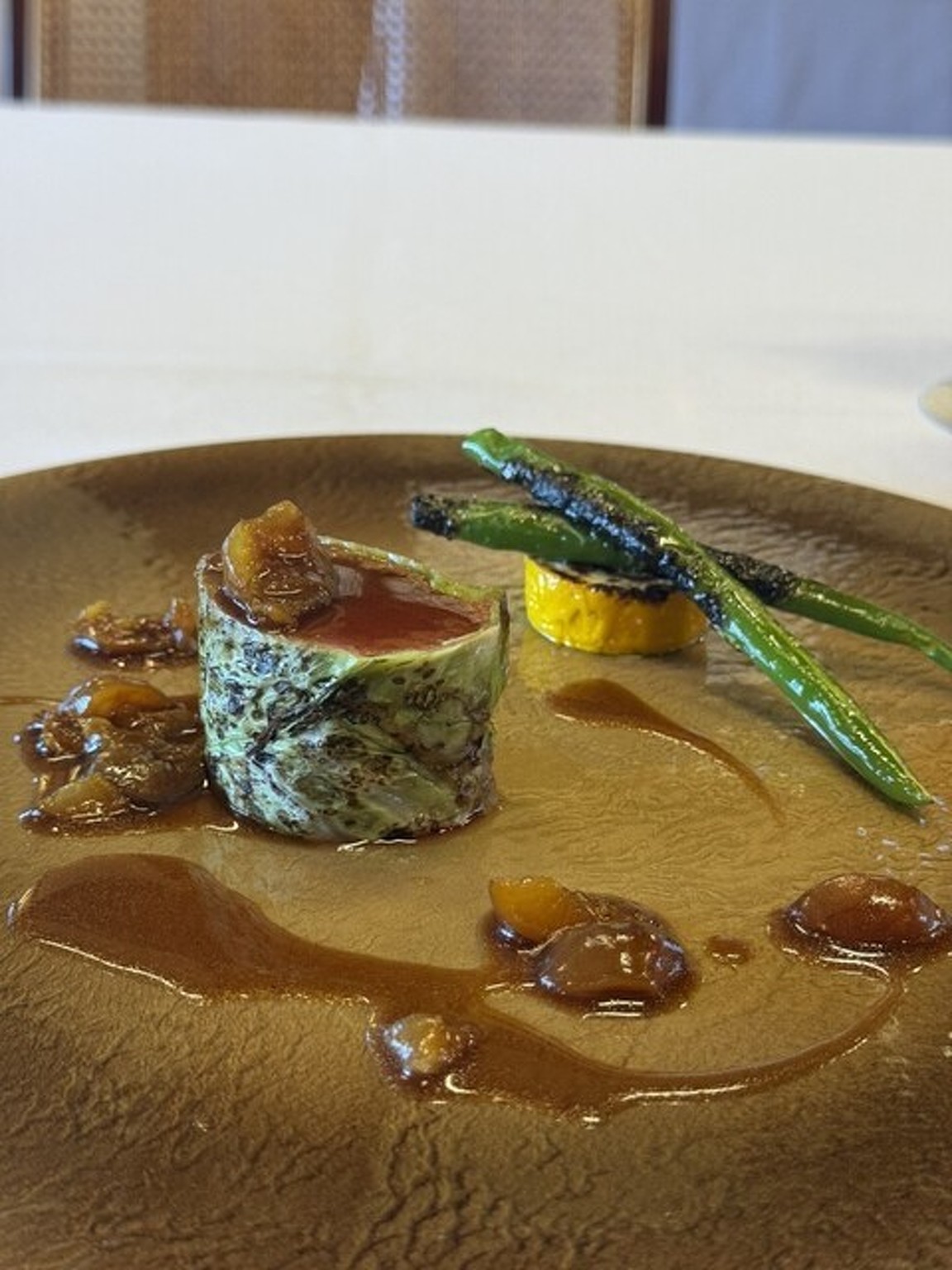
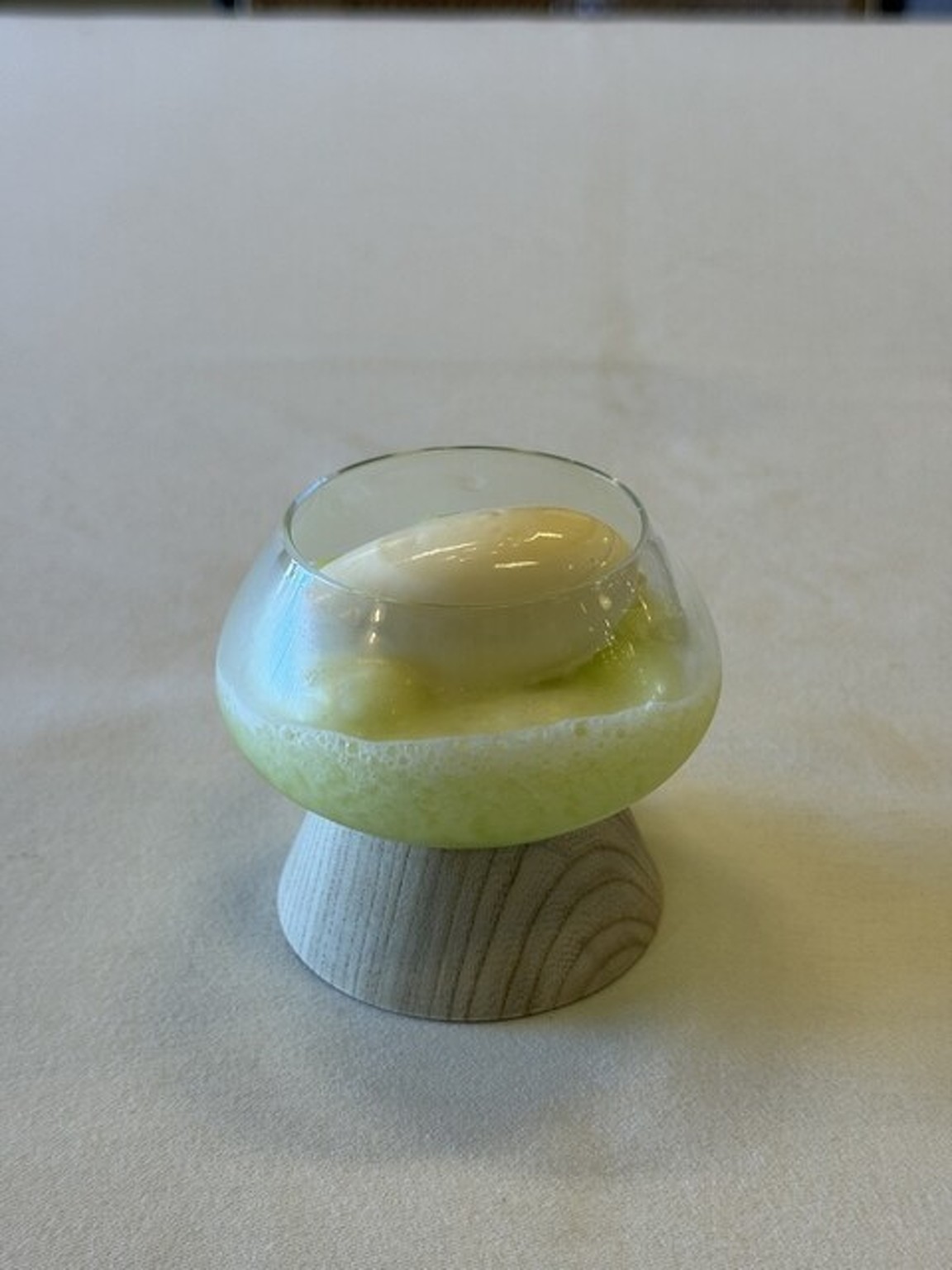
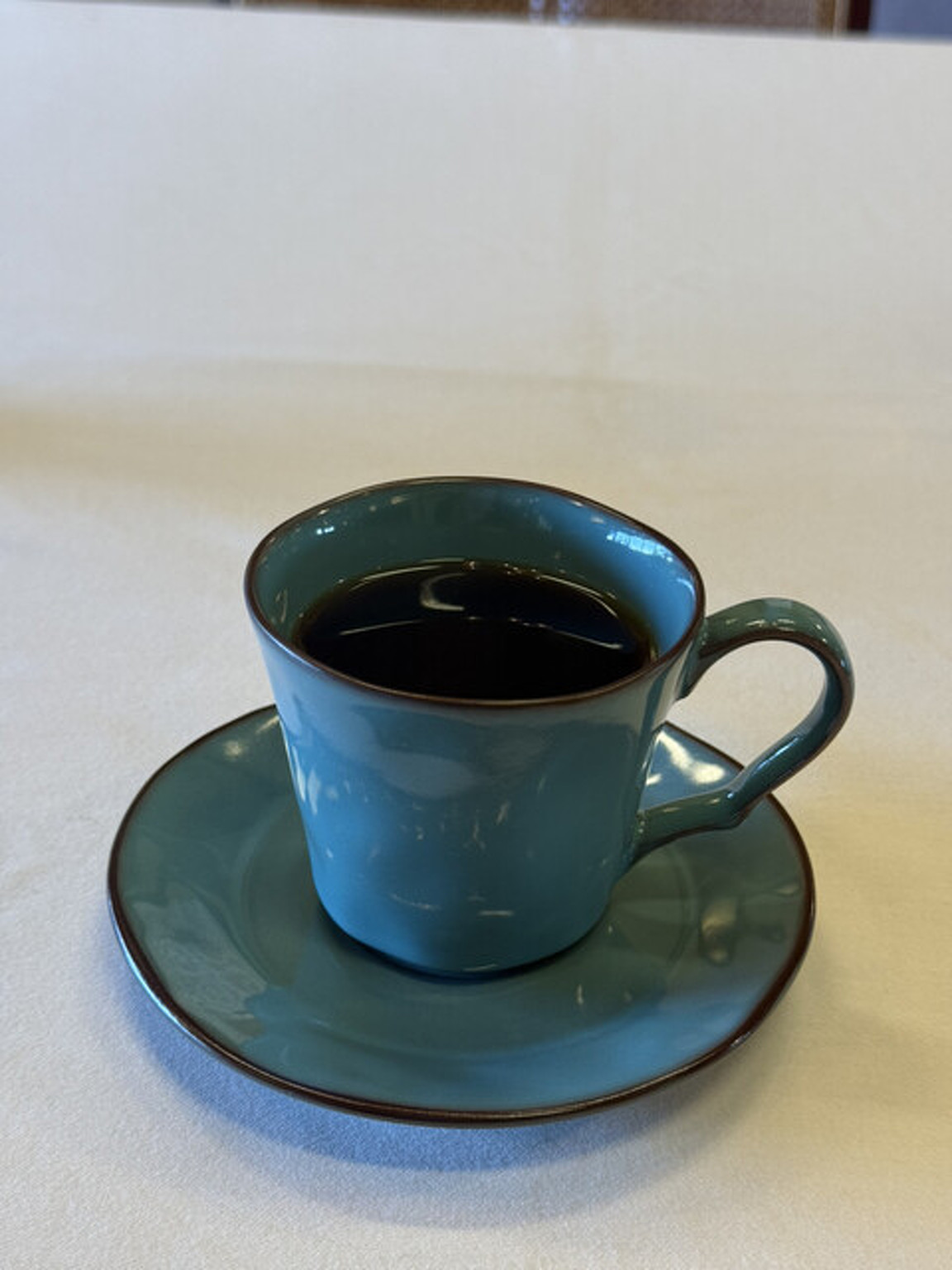
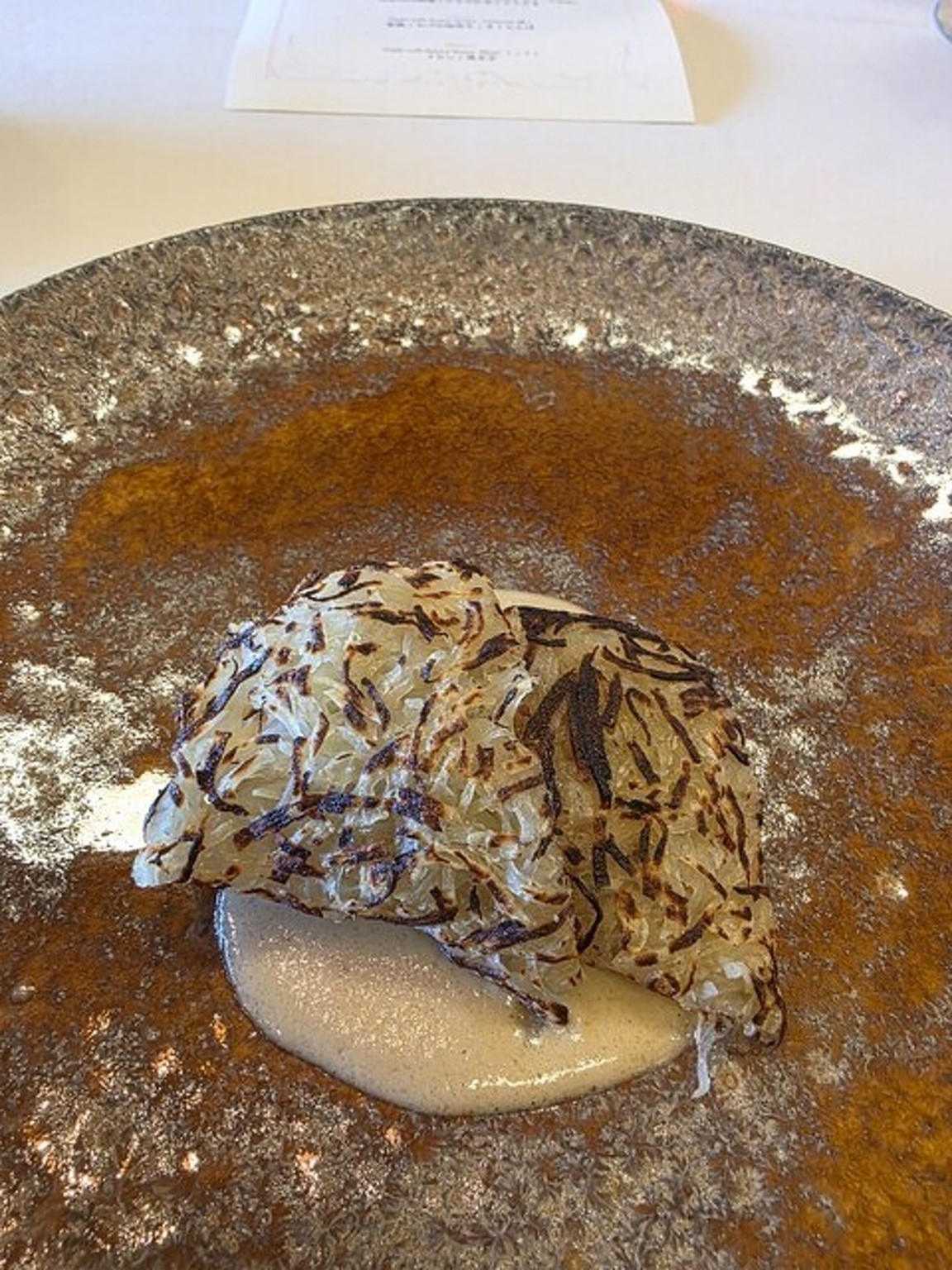
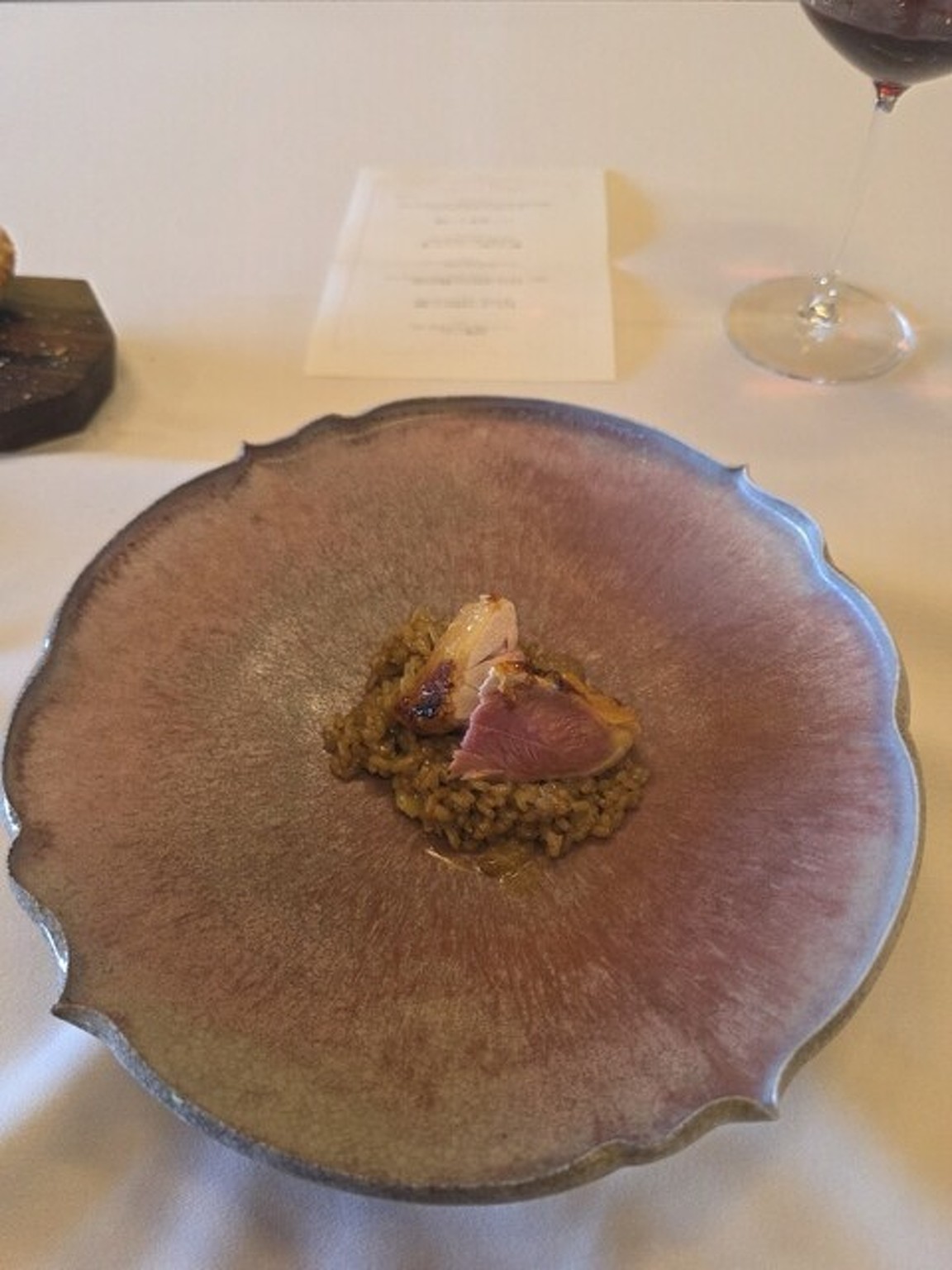
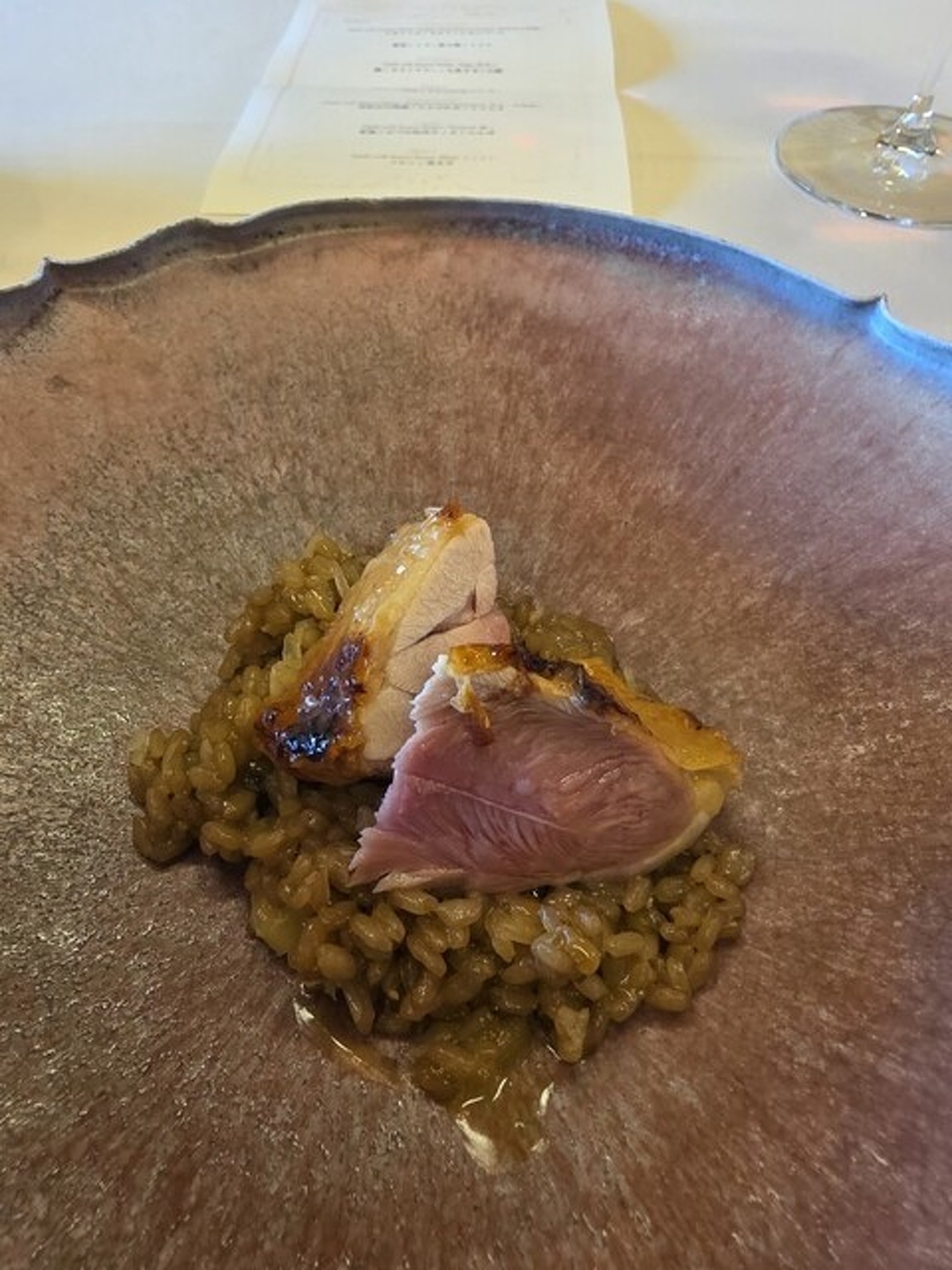
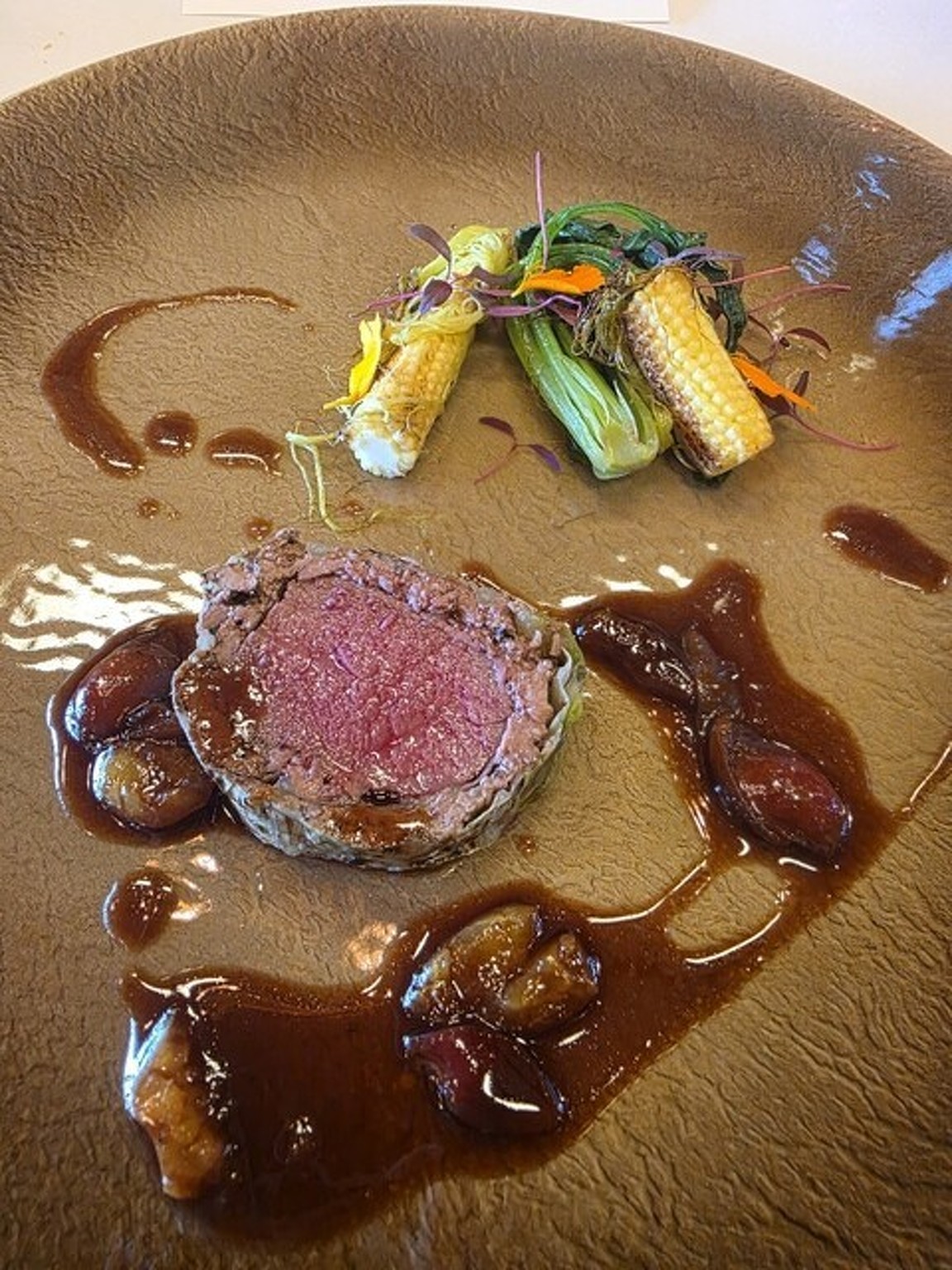
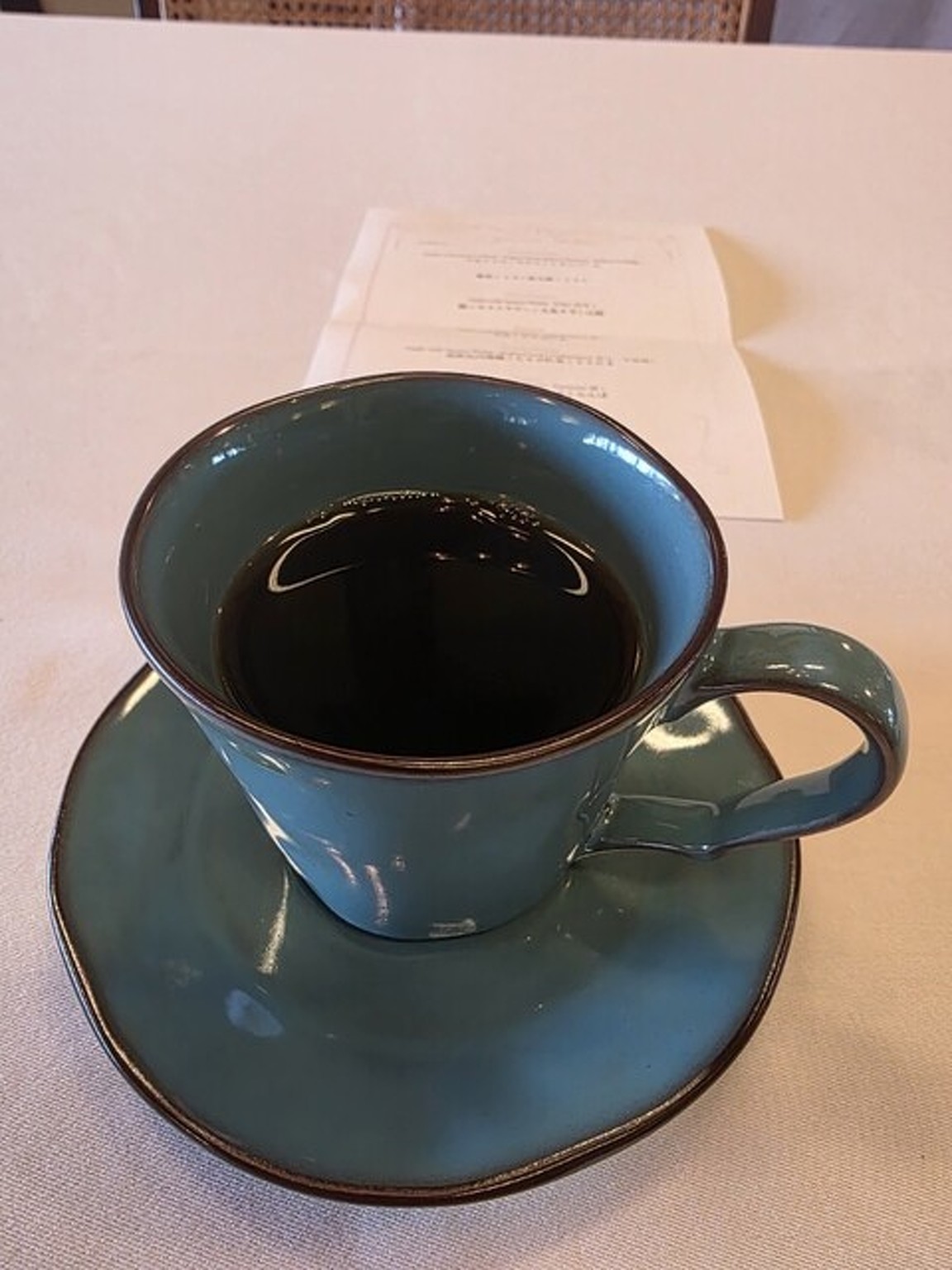
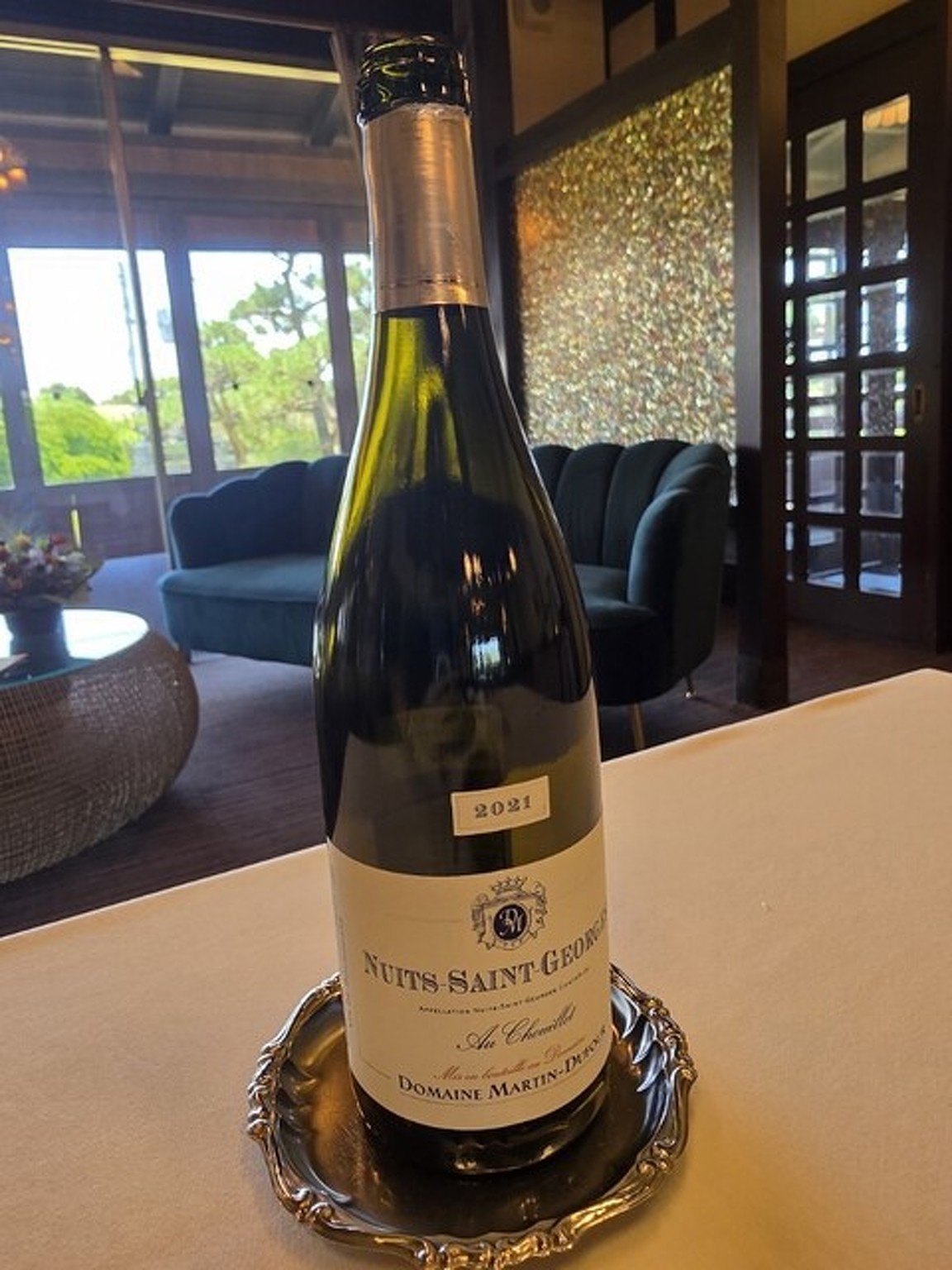
- Tabelog Award BRONZE 2025, 2026 - Tabelog French EAST Top 100 Restaurants 2025 - Featured in Gault & Millau 2023, 2024, 2025, 2026 - 2024 Ministry of Agriculture, Forestry and Fisheries "Culinary Masters" Bronze AwardOn a holiday lunch, I visited the reservation-only French restaurant "Remède nikaho" located in Nikaho City, Akita Prefecture. This restaurant is not just a representative of Akita but is also gaining national attention as a gastronomic destination.The restaurant is housed in a renovated building of the former TDK Guest House. It retains the charm of a historic traditional house while exuding a refined elegance.On this day, we were the only two customers during lunch. It felt like a luxurious experience to have the spacious former guest house all to ourselves!Upon being seated, we were greeted by the sight of the chef finishing the final touches at the counter right in front of us. Each dish, prepared in the kitchen, was carefully plated at the counter beside our table, with the final sauces and aromatics added right before our eyes.It felt like having a private chef preparing a meal just for us, making us feel quite affluent. Outside the window, there was a well-maintained Japanese garden, with Mount Chokai in the background. The combination of the food, the building, the garden, and the mountain scenery creates an atmosphere that can only be experienced in this place. It felt less like just coming to eat and more like experiencing the charm of Akita.The theme of the course we enjoyed that day was "Dashi with Source Water," featuring the spring water from Mount Chokai. I opted for a pairing of six alcoholic beverages, while my wife chose a non-alcoholic sparkling wine and five non-alcoholic pairings.What struck me first was the love for Akita expressed by Chef Watanabe and Sommelier Murakami! Chef Watanabe is from Katagami City, and Sommelier Murakami hails from Akita City. As they explained the dishes and drinks, their deep respect for Akita's ingredients, producers, and local culture was evident!From the vegetables grown by local farmers, the seafood handled by fishermen, the water from Mount Chokai, to Akita's meat, rice, and sake, each explanation conveyed their affection and respect for the producers.It was clear from the Remède Journal that they visit the producers and build close relationships, and listening to the explanations made it apparent that this was not just a mere interview but a fundamental attitude behind their cooking.The dishes and pairings we enjoyed that day were truly structured to "taste the essence of Akita in each plate."- Soup, Aori Ika (Squid), Anago (Conger Eel), Mizuna Dashi with Source Water: Takamine Hinai Chicken Pairing: Charlier & Fils Carte Noire BrutThe course began with a dish centered around the dashi made from Takamine Hinai Chicken. It had a clear umami flavor with a deep aftertaste! The purity of the dashi and the spring water from Mount Chokai quietly intertwined, drawing us into the world of this restaurant from the very first bite.The Aori Ika had a sticky sweetness, complemented by the refreshing acidity of kiwi and the bright aroma of lemon balm, creating a light and harmonious dish. Rather than overpowering the squid's flavor, the dashi from Takamine Hinai Chicken played a supporting role, naturally connecting the ingredients.The Anago, despite its name, is a unique ingredient that differs entirely from typical conger eel. It has a toasty flavor and a texture reminiscent of offal, enhanced by the aroma of fragrant mushrooms and mushrooms.While the main ingredient is seafood, the dish also evokes the flavors of the forest. I was amazed by the skill to elevate such niche ingredients into a refined dish!The Mizuna showcased the charm of Akita's ingredients beautifully. Its slippery texture, the refreshing taste of Mizuna, the sweetness of crunchy onions, and the acidity of tomatoes all shone through.Each ingredient made its presence known, yet the dashi from Takamine Hinai Chicken gently brought everything together. The wild vegetables and greens were naturally elevated into a French dish rather than just a local cuisine!The pairing for this course was Charlier & Fils Carte Noire Brut. This was not just a celebratory champagne. The fine bubbles and beautiful acidity further highlighted the clarity of the dashi, complementing the sweetness of the Aori Ika, the freshness of the Mizuna, and the toastiness of the Anago. The design of the pairing felt cohesive, connecting multiple dishes with a single glass.- Horse Mackerel / Cauliflower / Kujo Green Onion / Sansho Dashi with Source Water: Kombu Pairing: Cassiopeia Bourgogne Aligoté “En Gerlieus”Here, the dashi shifted to kombu. The umami of the horse mackerel was layered with the depth of the kombu. The gentle sweetness of the cauliflower, the aroma of Kujo green onion, and the brightness of sansho created a harmonious dish. The horse mackerel had a strong flavor and richness without feeling heavy. The kombu dashi supported the dish, while the sansho tightened the aftertaste beautifully. The soft sweetness of the cauliflower connected the umami of the horse mackerel and the lingering taste of the kombu.Paired with this was Cassiopeia Bourgogne Aligoté “En Gerlieus.” The characteristic acidity and minerality of Aligoté beautifully complemented the umami of the kombu dashi and the richness of the horse mackerel. While the wine alone had a sharp impression, it rounded out when paired with the dish, allowing the umami of the kombu to linger longer. It was a very good pairing where the dish and wine enhanced each other.- Rock Oyster / Soy Milk / White Sesame Dashi with Source Water: Aosa Pairing: Aramasa Colors Suiboku 2019This was one of the most memorable pairings of the day!The rich umami of the rock oyster was complemented by the creaminess of soy milk and the toastiness of white sesame. The aroma of the aosa dashi enveloped the entire dish. Rather than simply showcasing the strength of the sea, it was elegantly balanced with aromas and dashi. I felt it beautifully expressed the blessings of the sea from Nikaho.And then came the Aramasa Colors Suiboku 2019. I was surprised!This is a very rare bottle from Aramasa, and it is a vintage from 2019. However, it was not just a showcase of "rare Aramasa." It was a pairing that made perfect sense with the rock oyster, soy milk, white sesame, and aosa dashi.The characteristic acidity and depth from aging of Aramasa beautifully supported the rich umami of the rock oyster, connecting the creaminess of soy milk, the toastiness of white sesame, and the aroma of aosa. Pairing the blessings of Akita's sea with a representative sake from Akita showcased the restaurant's dedication.- Nodoguro (Blackthroat Sea Perch) / Potato Dashi with Source Water: Clam Pairing: Château de Bois-Brinçon “Le Clos des Cosses” Anjou 2021Next was a particularly memorable dish of the day. The star was the nodoguro... but surprisingly, the most impressive part was the accompanying potato!When I heard, "This potato has been aged for about two years," I was skeptical, but after one bite, I understood.It had an incredibly rich sweetness that was unlike any potato I had ever tasted. It had a deep sweetness reminiscent of chestnuts and sweet potatoes, while still retaining the flavor of a potato. It was so delicious that it changed my perception of potatoes!The fatty nodoguro was cooked to perfection, flaking beautifully with chopsticks. The elegant and rich umami of the clam dashi enveloped the fish's fat gently.Paired with this was the Château de Bois-Brinçon “Le Clos des Cosses” Anjou 2021 from the Loire Valley in France. Its rich minerality and fruitiness, along with its vibrant acidity, flowed smoothly with the fat of the nodoguro and further enhanced the sweetness of the aged potato. It was a beautiful pairing where the dish and wine elevated each other.- Takamine Hinai Chicken / Tasogare Rice / Tototama Dashi with Source Water: Seafood and Shellfish Pairing: Domaine Martin-Dufour “Nuits-Saint-Georges Au Chouillet” 2021This was one of the dishes that moved me the most!After hearing about the Takamine Hinai Chicken, and reading the Remède Journal, I learned about the deep thoughts behind this dish.Chef Watanabe does not simply source Takamine Hinai Chicken. He actually visits the producers, understands their passion and philosophy regarding Hinai chicken, and expresses its value through his cooking.The Takamine Hinai Chicken, perfectly roasted, had a crispy skin and incredibly moist meat. The umami burst forth with each bite.What was also impressive was the "Tasogare Rice." This rice is grown without relying on pesticides or chemical fertilizers, facing nature directly. It absorbed the seafood and shellfish dashi beautifully, with each grain standing out.When I took a bite, the rich aroma of the dashi spread first, followed by the natural sweetness of the rice, the umami of the Takamine Hinai Chicken, and the rich flavor of the Tototama all came together in a wave.Although it was French cuisine, it had a vibe reminiscent of clay pot rice, risotto, or paella, allowing me to feel the richness of Akita's rice culture.Paired with this was Domaine Martin-Dufour “Nuits-Saint-Georges Au Chouillet” 2021. Its delicate fruitiness, vibrant acidity, and elegant oak aroma further enhanced the umami of the Takamine Hinai Chicken and harmonized beautifully with the sweetness of the Tasogare Rice.While pairing chicken with red wine might seem unusual, it felt completely natural. It was a highly refined pairing where the dish and wine elevated each other.- Summer Venison / Kazuno Short-Horned Beef / Cherry Dashi with Source Water: Venison Pairing: HHD Crows Descended 2023 Shiraz TasmaniaThe main dish featured summer venison from Nagano Prefecture and Kazuno short-horned beef, a luxurious combination of two red meats.The summer venison was surprisingly elegant. It had a fine texture and concentrated umami that left a strong impression.The Kazuno short-horned beef had the umami characteristic of red meat, expanding in flavor with each bite.This was complemented by a sauce made from cherries from Misaki in Akita. The refreshing acidity and natural sweetness enhanced the meat's umami, beautifully merging classic French techniques with the essence of Akita.Paired with this was the HHD Crows Descended 2023 Shiraz from Tasmania.When I think of Shiraz, I imagine a heavy style, but this wine had a coolness to it, with a perfect balance of fruitiness and spiciness. It beautifully captured the delicacy of the summer venison and the robustness of the Kazuno short-horned beef, extending the aftertaste beautifully.- Melon / Kuromoji Dashi with Source Water: MintEven the dessert maintained the restaurant's character. The juicy sweetness of the melon, the elegant and refreshing aroma of kuromoji, and the coolness of mint.While it was a light dish to conclude the course, it was structured with a focus on "aroma" until the very end.After the meal, we chose our preferred drinks from various ingredients presented in test tubes.I selected coffee from "Saidaimame" in Yurihonjo City, while my wife chose from "Nekoma Coffee" in Nikaho City. Their commitment to using Akita roasters even for the last cup felt very much in line with the restaurant's ethos.The non-alcoholic pairings my wife requested were truly impressive as well!Starting with the first non-alcoholic sparkling wine, Sommelier Murakami combined herbs, fruits, teas, and spices to provide completely different drinks for each dish.Though there was no alcohol, the acidity, bitterness, aroma, and aftertaste were meticulously designed, providing a satisfaction akin to drinking wine. Even those who do not drink alcohol can fully enjoy the fun of pairing!While the food was undoubtedly wonderful, I was genuinely moved by Sommelier Murakami's passion for pairing.After the meal, I had the opportunity to talk leisurely with Chef Watanabe and Sommelier Murakami about Akita's ingredients, producers, and cuisine. Both were incredibly gentle and warm, conveying their desire for others to learn more about the charm of Akita rather than just showcasing their knowledge.Chef Watanabe, who visits producers through the Remède Journal and elevates their thoughts into his cooking. Sommelier Murakami, who creates drinks that sometimes enhance the dishes even more than the dishes themselves.I felt that both of them transcended their titles as chef and sommelier, truly broadcasting the essence of "Akita" to the world.This time, we used Tabelog points, spending about JPY 36,000 for two. It’s surprising that Tabelog points can be used at such a high-level restaurant, but considering the quality of the food, the alcoholic and non-alcoholic pairings, the special setting of the former TDK Guest House, and the almost private service, I believe it is an incredibly reasonable price. Experiencing the same in Tokyo would likely cost double.Remède nikaho is not just a French restaurant. It is a gastronomic experience that allows you to savor the mountains, sea, spring water from Mount Chokai, fermentation culture, producers, scenery, and people of Akita all in one course.On the way back after the meal, I felt more than just satisfaction from the delicious food; I truly thought, "Akita is really amazing."I extend my heartfelt respect to Chef Watanabe and Sommelier Murakami. I definitely want to visit again in a different season.It was a great meal! Less
10 / 10
on 01 Jun 2026
【A Must-Visit Restaurant in Akita】Just under an hour from JR Akita Station by express or local train, and a 10-minute walk from JR Nikaho Station, you’ll find a wonderful space filled with the passion of Akita producers, Chef Watanabe, and Sommelier Murakami. This is the exquisite farm-to-table, locally celebrated French cuisine at Remede Nikaho! ♬♬♬ (๑´ڡ`๑) ♬♬♬Utilizing a former guesthouse of a major local corporation, the atmosphere is fantastic, both inside and out, complete... More
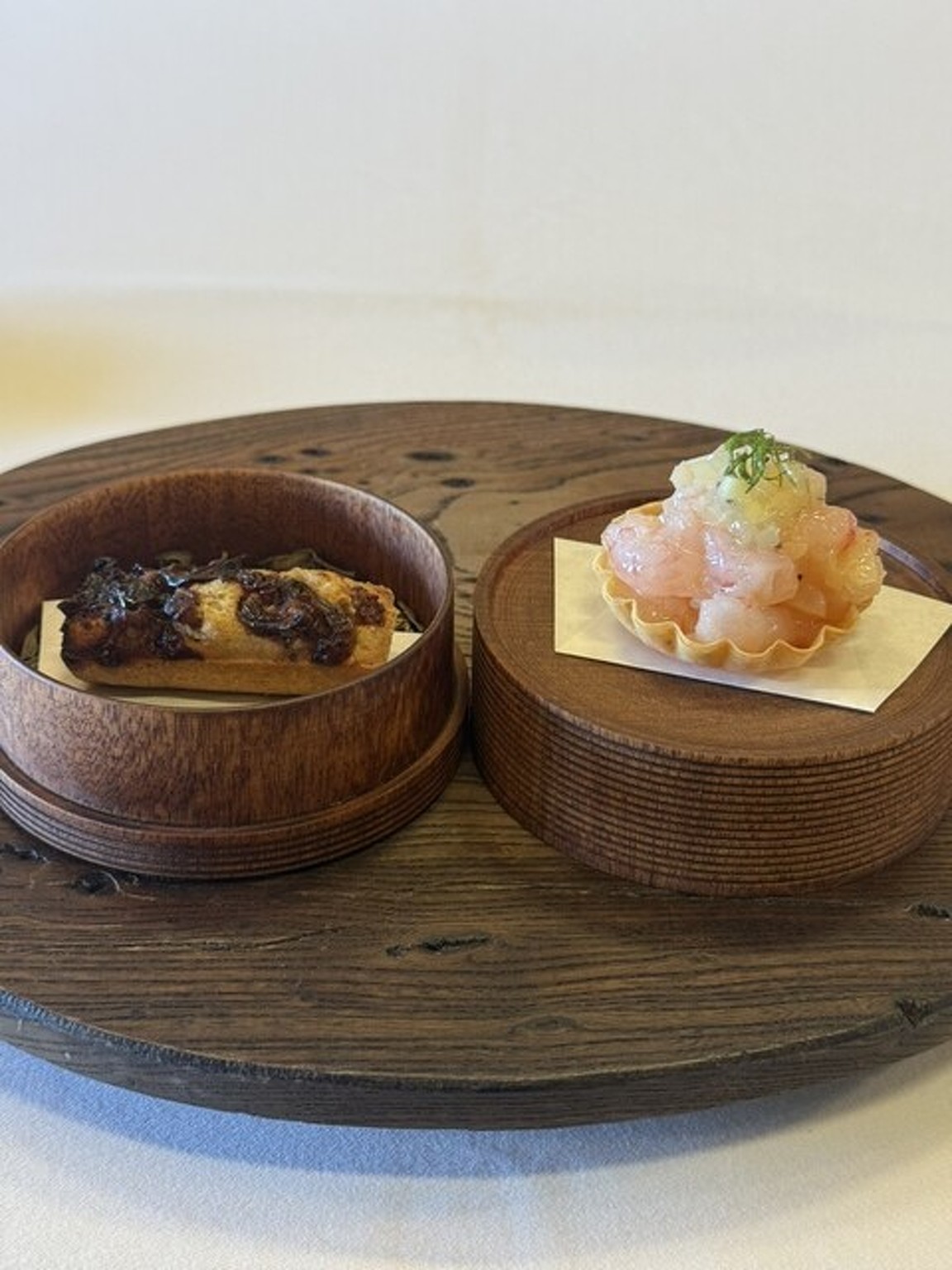
【A Must-Visit Restaurant in Akita】Just under an hour from JR Akita Station by express or local train, and a 10-minute walk from JR Nikaho Station, you’ll find a wonderful space filled with the passion of Akita producers, Chef Watanabe, and Sommelier Murakami. This is the exquisite farm-to-table, locally celebrated French cuisine at Remede Nikaho! ♬♬♬ (๑´ڡ`๑) ♬♬♬Utilizing a former guesthouse of a major local corporation, the atmosphere is fantastic, both inside and out, complete with a garden. On this day, I was moved by a series of exquisite dishes, including a tart made with the finest Kujo green onions and rockfish from SENTE’s Sawada Ishiburu, an agricultural corporation in Akita City. ♬♬♬ (´;ω;`) ♬♬♬Carrying the hopes of the producers, today was another wonderful experience...It was a great meal! ♬♬♬ m(_ _)m ♬♬♬#remèdenikaho #remedenikaho #レメデニカホ #sente #極上九条ネギ --- (Here are some notes, though incomplete _φ(・_・)♬)1. Nikaho Spring Water Clams - Caught by fisherman Ito from Tenno, Katagami City, where Chef Watanabe is from. - A fresh surprise to find clams in Akita. - A beautiful, translucent broth with a milky white hue. (Remede Journal HP) https://remede.jp/journal/human/tokku/2. Red Shrimp, Bent Bamboo, Spiced Zucchini 3. Finest Kujo Green Onions and Rockfish from SENTE’s Sawada Ishiburu - Awarded a gold medal by the Japan Vegetable Sommelier Association for these exquisite Kujo green onions. 4. Junsai, Mizuna, Tomato - The main production area for the small, high-quality junsai is in Mitsu Town, Yamamoto District, Akita Prefecture. - Shiso is also excellent. 5. Ainan, Turnip, Cauliflower, Chrysanthemum - Cauliflower from Odate. - Turnips from Nikaho. 6. Tuna, Potato, Miso - Rare Nikaho tuna occasionally caught in Akita. - Two-year-aged potatoes from Hokkaido. - Miso from Suzuki Matagoro Shop in Yuzawa City. 7. Kobudai, Bakké - Kobudai from Nikaho. - Bok choy from Nikaho. - Hirohayukizasa from the Shirakami Mountains. - A local touch with bakké. 8. Yurikuro Pork, Mushrooms - Yurikuro pork from Tsudoi Farm in Nishime, Yurihonjo City, famous for "Toto-tama." - Fragrant mushrooms received from the renowned Jewel Me in Daisen City. ⇒ My personal No. 1 of the day. 9. Kazuno Short-Horned Beef, Cassis - Sirloin from Kazuno short-horned beef. - Cassis also from Kazuno. 10. Lavender, Matcha - Lavender from Iwaki, Yurihonjo City. 11. Sweets - Sweet potatoes from New Bio Farm in Nishime, Yurihonjo City. Drinks include: - Local Akita's Hirasei - OK ADAM Apple Cider from Yokote City, Akita - Coffee and tea carefully selected by Sommelier Murakami. Less
9 / 10
on 01 May 2026
RevisitI traveled through Kyoto, Yamanashi, and Nagano in search of wild vegetables, ultimately giving up in Akita. In Akita, I focused on the rich flavors of ingredients from the southern region of the prefecture...The building of this restaurant, which used to be a guesthouse for TDK (there's a factory on the opposite side of Nikaido Station), is impressively constructed, especially the pillars and beams (see photo 29).After enjoying a welcome dish of Takahara Hinai Chicken and consomme soup made... More
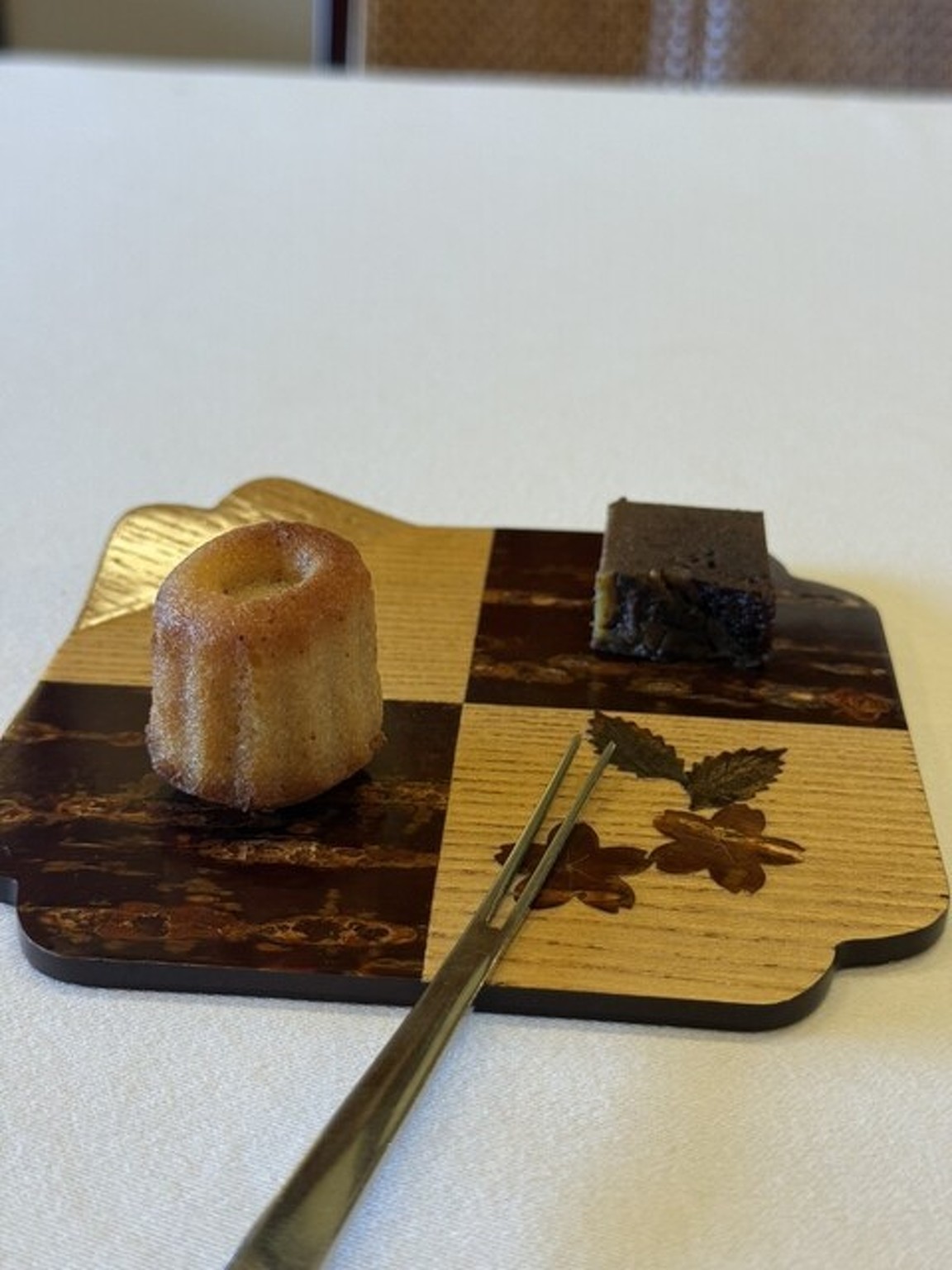
RevisitI traveled through Kyoto, Yamanashi, and Nagano in search of wild vegetables, ultimately giving up in Akita. In Akita, I focused on the rich flavors of ingredients from the southern region of the prefecture...The building of this restaurant, which used to be a guesthouse for TDK (there's a factory on the opposite side of Nikaido Station), is impressively constructed, especially the pillars and beams (see photo 29).After enjoying a welcome dish of Takahara Hinai Chicken and consomme soup made with the pure spring water from Mount Chokai, the following dishes were served:1. **[Squid, Kumquat]** Muddy squid, sweet shrimp, and kumquat tart topped with caviar.2. **[Potato, Shiso]** Chilled potage made from 2-year-aged Baron potatoes, with shiso oil and truffles from Oga.3. **[Hata, Wild Vegetables, Plum]** Marinated Hata with wasabi (horseradish), boiled wild vegetables (Shidoke: Momijigasa, Sashibo: young shoots of Itadori) dressed in plum vinegar, and water shield.4. **[Cherry Salmon, Kale]** 5kg cherry salmon cooked to medium, with Hachirogata's sweetfish (Wakasagi), anchovy, nuts, shiitake mushrooms, seafood bouillon, kale, and white wine sauce, served with three types of wild vegetables from Shirakami (Kogomi, young elderflower shoots, and Harigiri: a type of wild vegetable).5. **[Takahara Hinai Chicken, Twilight Rice, Tototama]** Twilight rice (sake rice?), paella with crab and shrimp broth, mixed with fermented Iburigakko radish, Takahara Hinai Chicken, and a sauce made from Tototama (free-range chicken) egg yolk and chicken fat.6. **[Lamb, Brown Rice Koji Miso]** Grilled shoulder of 14-month-old Suffolk lamb (a cross between lamb and mutton), with a sauce made from lamb broth and brown rice koji miso, served with asparagus and bent bamboo shoots (young bamboo).7. **[Strawberry, Bakké]** Strawberry soup with fruit, ice cream made from bakké (butterbur flower buds), topped with apple tuile (candy).8. **[Petit Fours, Tea]** Dried sweet potato and white chocolate brownie. Coffee: Madam's blend (tasting). Coffee: Tanzania.Due to another table's delay, we started at 12:20, resulting in a leisurely 3-hour meal... Normally, it would take about 2.5 hours.Total: 13,200 JPY for lunch, 6,600 JPY for non-alcoholic pairing, totaling 19,800 JPY.Here are my impressions of the meal:- I was amazed that all the ingredients, including local seafood and wild vegetables, as well as caviar from farmed butterfly fish and truffles from Oga, were sourced from Akita. This French restaurant is among the best in Japan for sourcing local ingredients. The difference from 6-7 years ago is remarkable, and I could truly feel the strong bond between the chef and the producers.- I requested wild vegetables, and I am grateful for the rare varieties sourced from Shirakami in the northern part of the prefecture.- Overall, the dishes were light. According to my dining companion, dish 8 was the heaviest.For dish 2: Recently, I have encountered dishes using 1-2 year aged potatoes, but this was the sweetest I have tasted. I was surprised that such sweetness could be achieved without any added sugars... The texture was creamy rather than soupy.The chef from Yamanashi's Restaurant SAI mentioned that truffles grow wild all over Japan; they just need to be found. It seems this restaurant has connections with skilled truffle hunters.For dish 3: Only the tips of the new shoots were used, which had a high gelatinous content (see photo 9). I had long thought that the ones from Hiroshima Nagase were the best in Japan, but these were equally impressive. Akita, boasting the highest production volume in Japan, is rare for having a restaurant like this serving water shield, as most go to high-end establishments in Tokyo.For dish 5: The chef proudly claims this is an Akita specialty, and it was packed with the umami of crustacean broth... This was the best paella I have ever had.A few months ago, I had a paella at a top Spanish restaurant in Ginza, and it felt amateurish in comparison.For dish 6: The cooking of the Suffolk lamb was exceptional. This was on par with the lamb from Iida's Yuzuki Moto.The bent bamboo shoots (which I encountered while foraging for wild vegetables in Akita and was attacked by a bear) were a delightful addition.While my previous dinner was excellent, this lunch felt like a concentrated lineup of dishes.The timing of my visit coincided perfectly with the wild vegetable season.It's a bit far, but the southern part of Akita is fascinating. Less
Address
Ienoushiro-49-1 平沢字 Nikaho, Akita 018-0402, Japan
Hours
Monday: 11:45 - 14:30; 18:15 - 22:00
Tuesday: Closed
Wednesday: Closed
Thursday: 11:45 - 14:30; 18:15 - 22:00
Friday: 11:45 - 14:30; 18:15 - 22:00
Saturday: 11:45 - 14:30; 18:15 - 22:00
Sunday: 11:45 - 14:30; 18:15 - 22:00
Tuesday: Closed
Wednesday: Closed
Thursday: 11:45 - 14:30; 18:15 - 22:00
Friday: 11:45 - 14:30; 18:15 - 22:00
Saturday: 11:45 - 14:30; 18:15 - 22:00
Sunday: 11:45 - 14:30; 18:15 - 22:00
Phone
+81184747065
Price Range
Based on country average
$$$$ (¥10,000+)