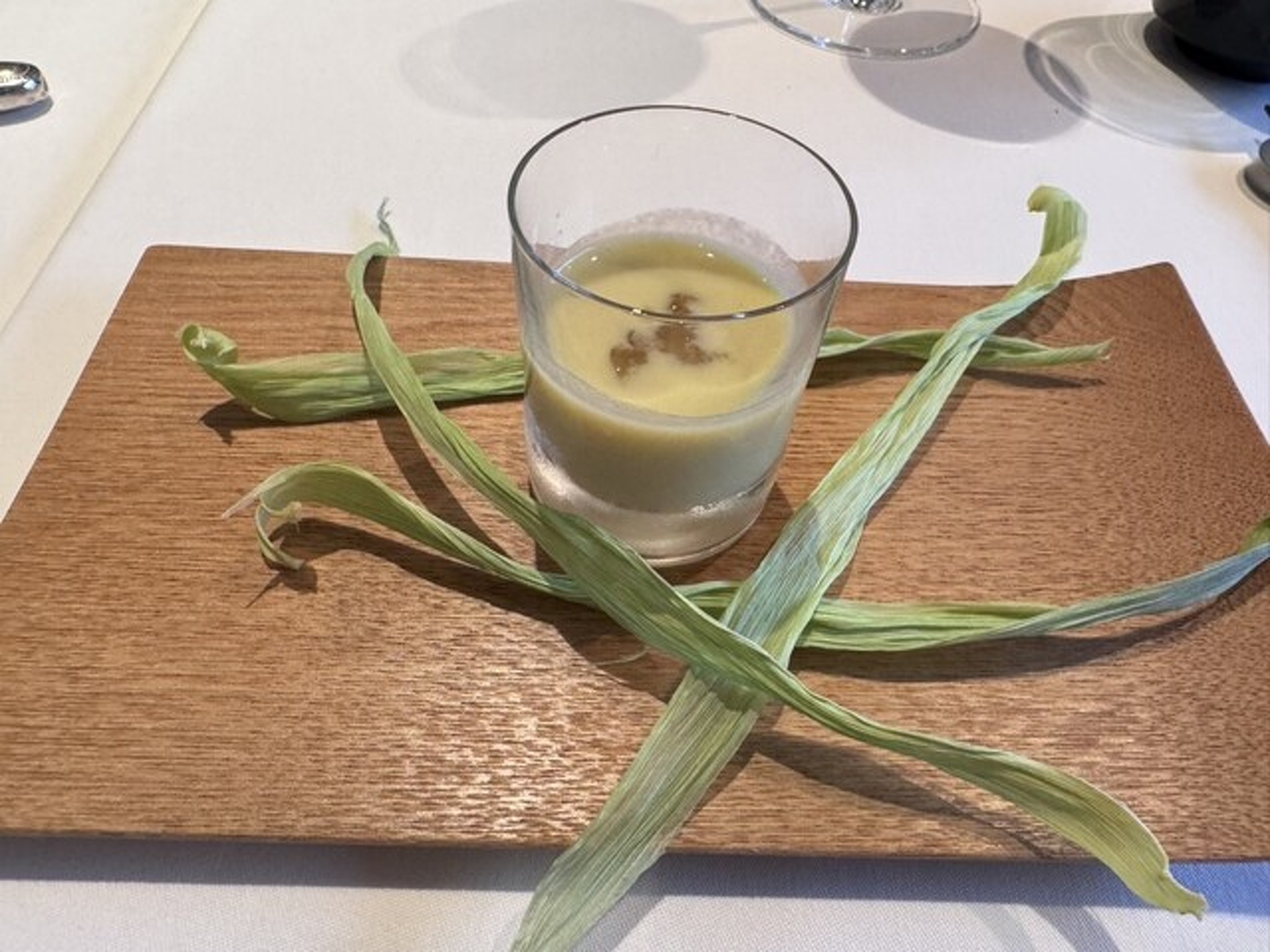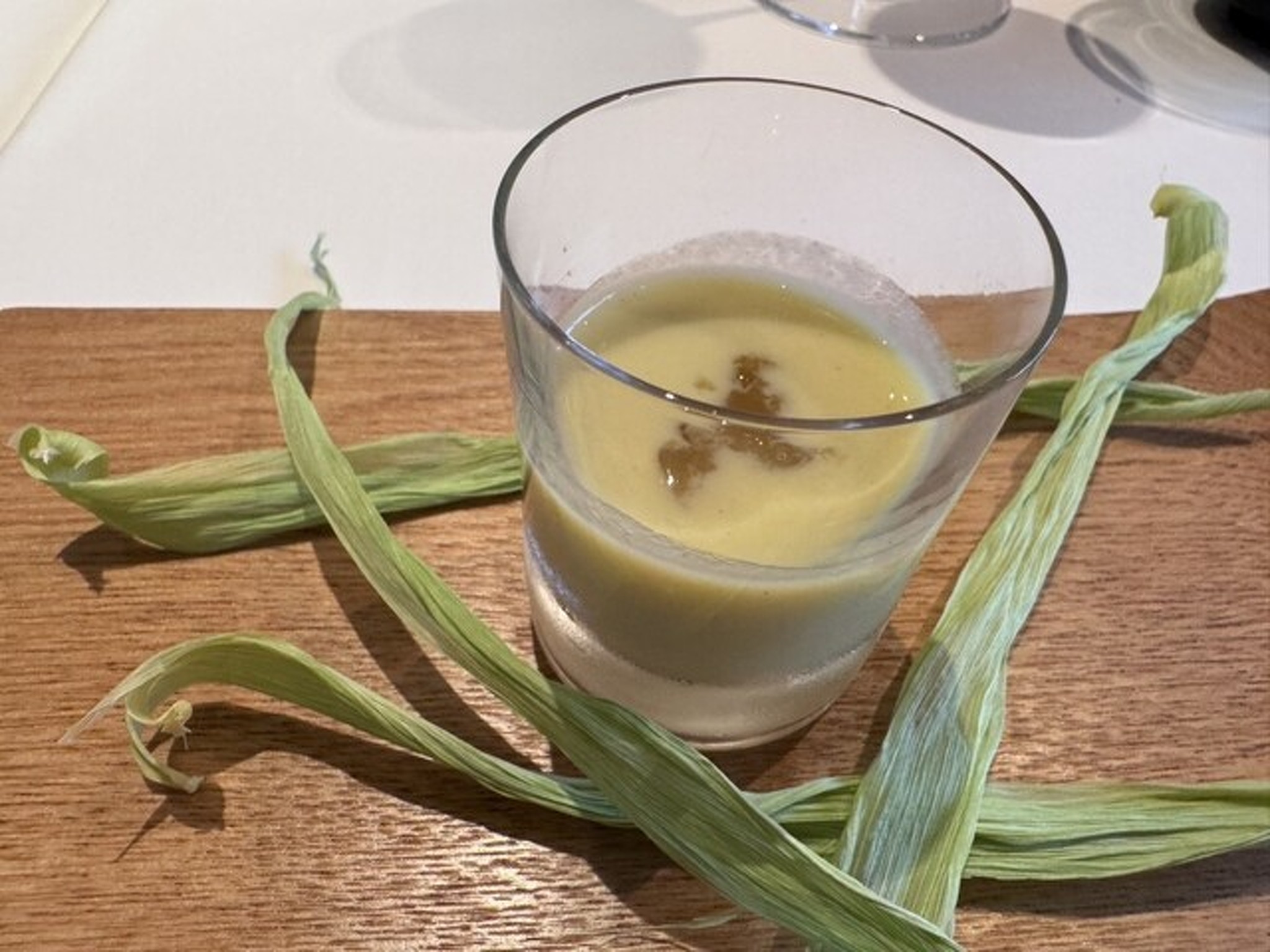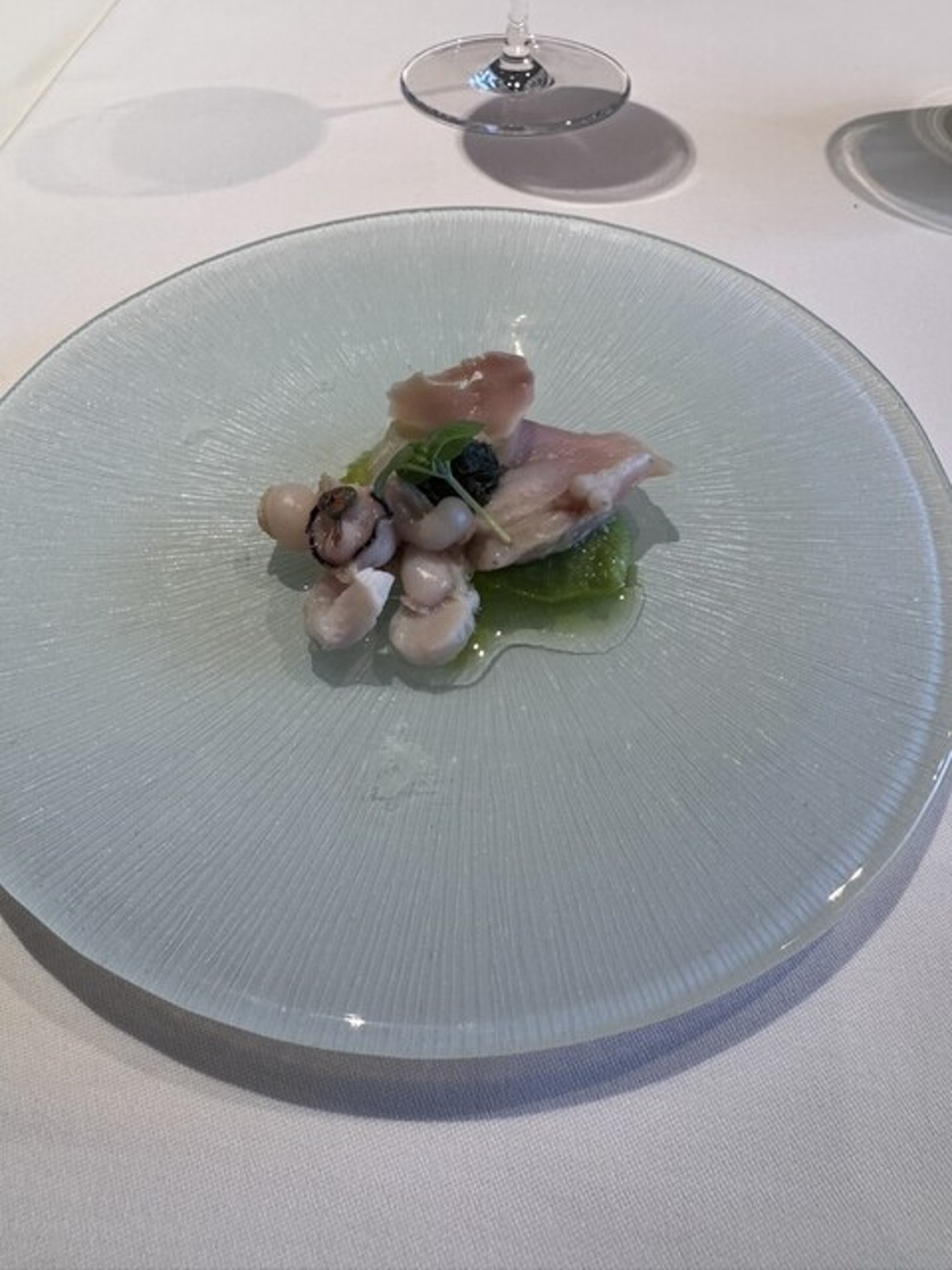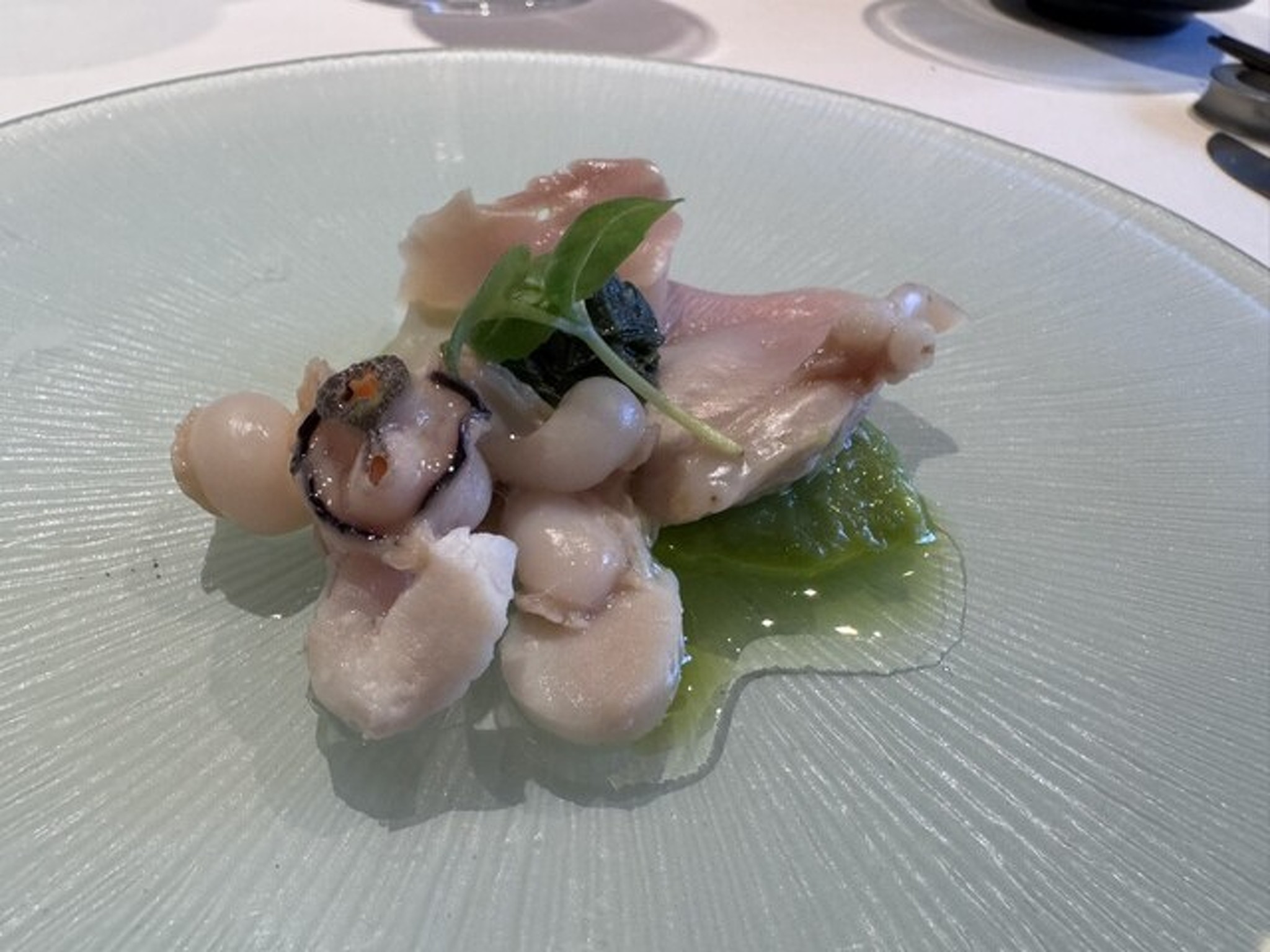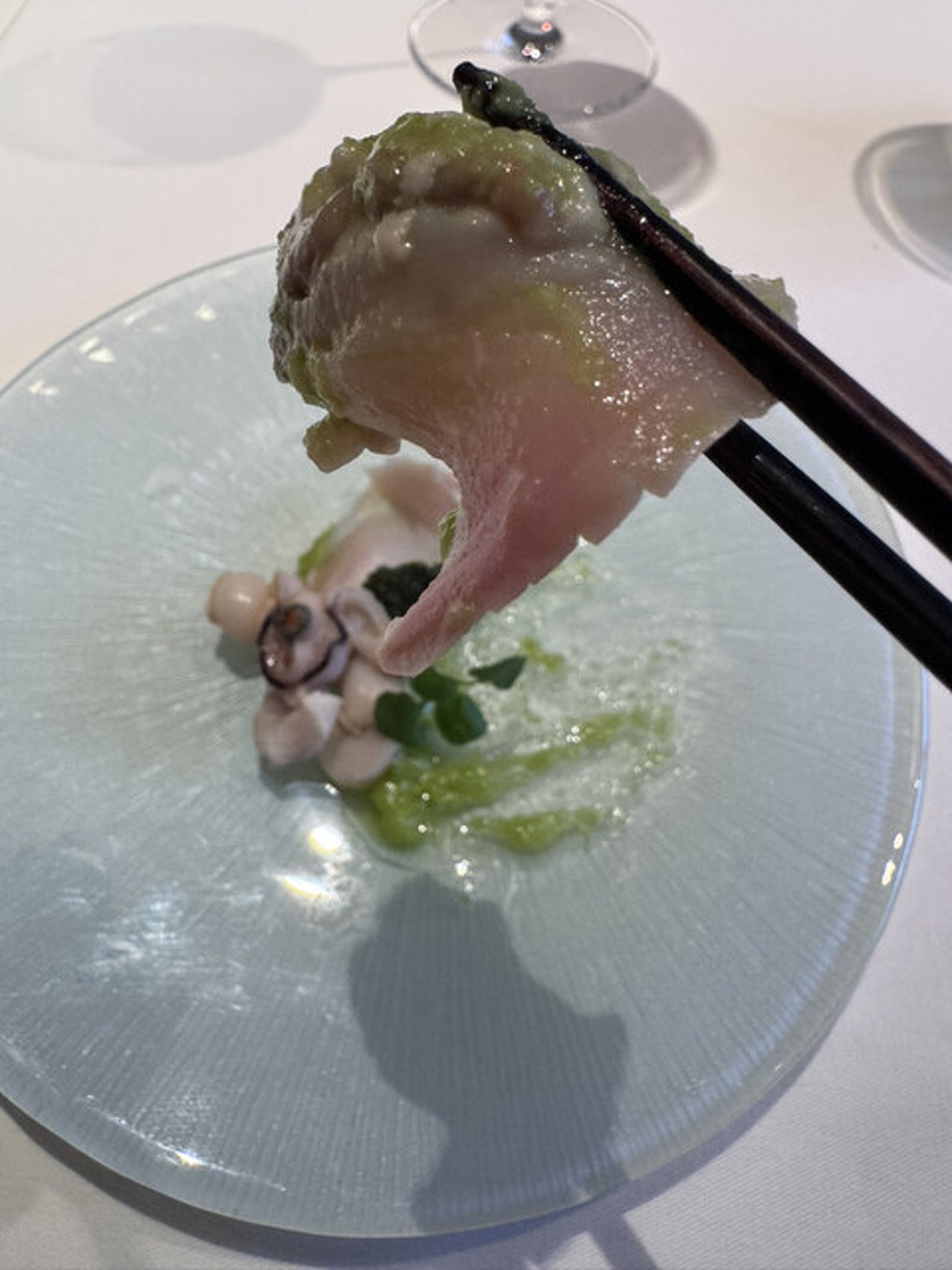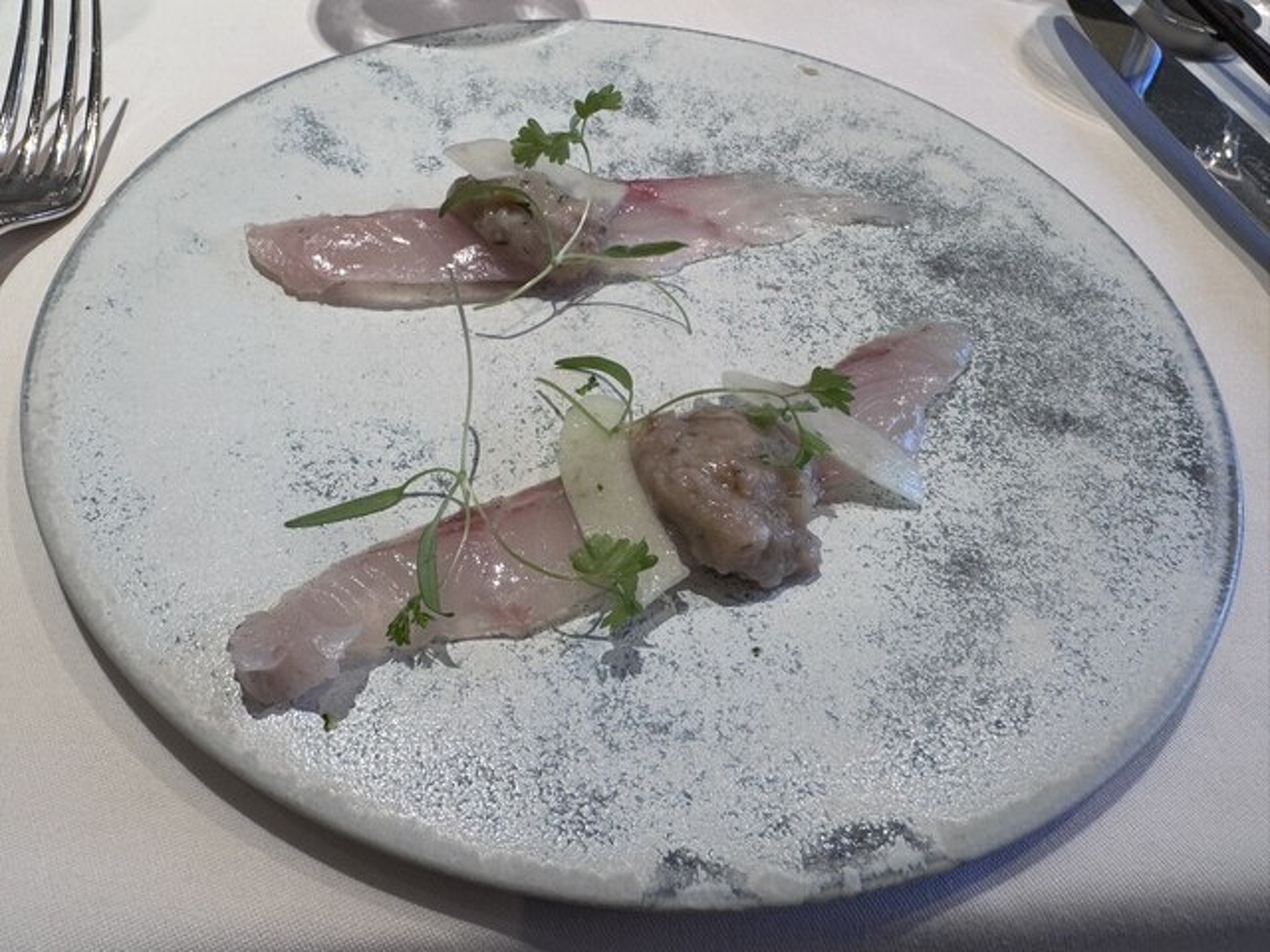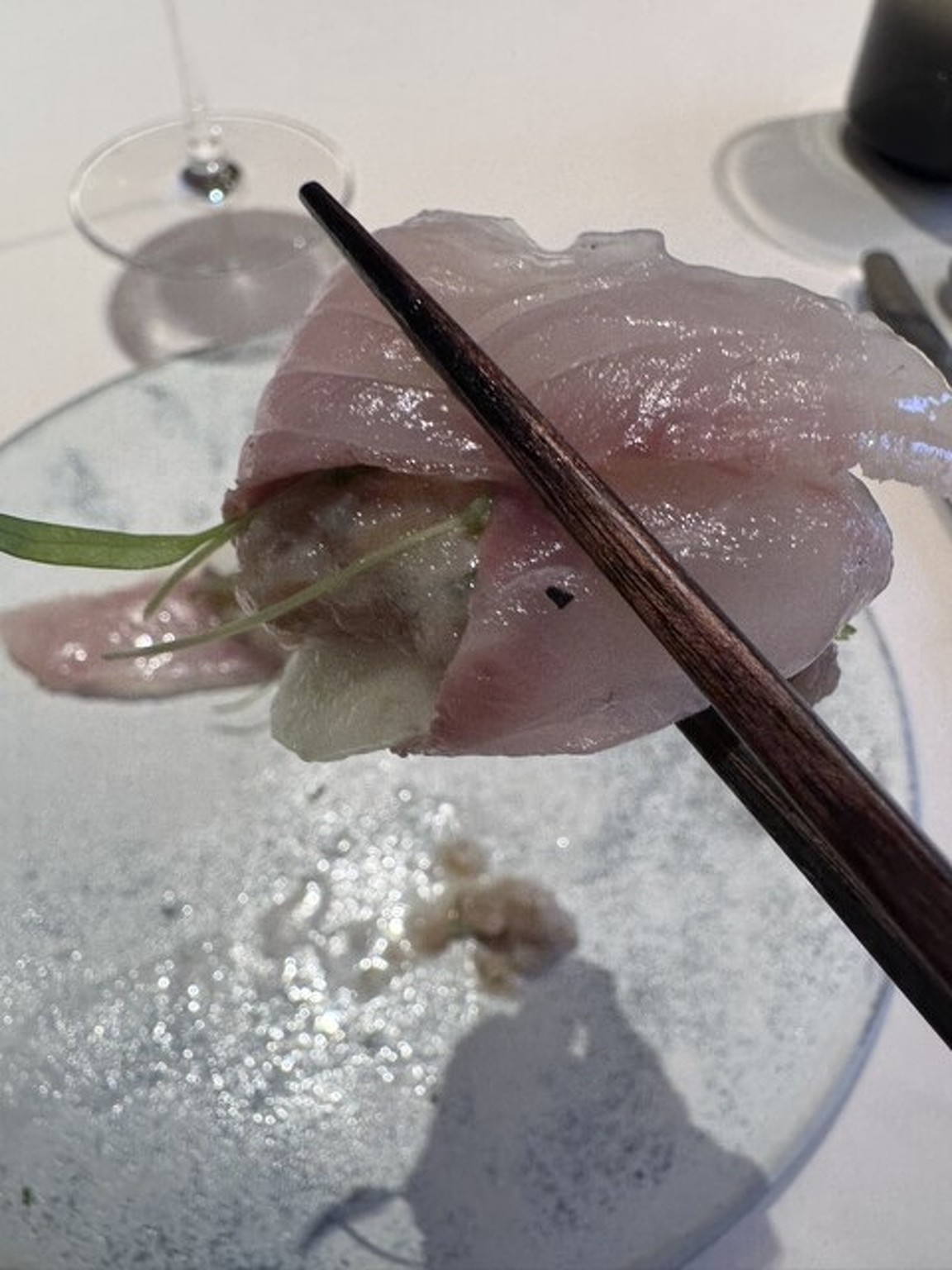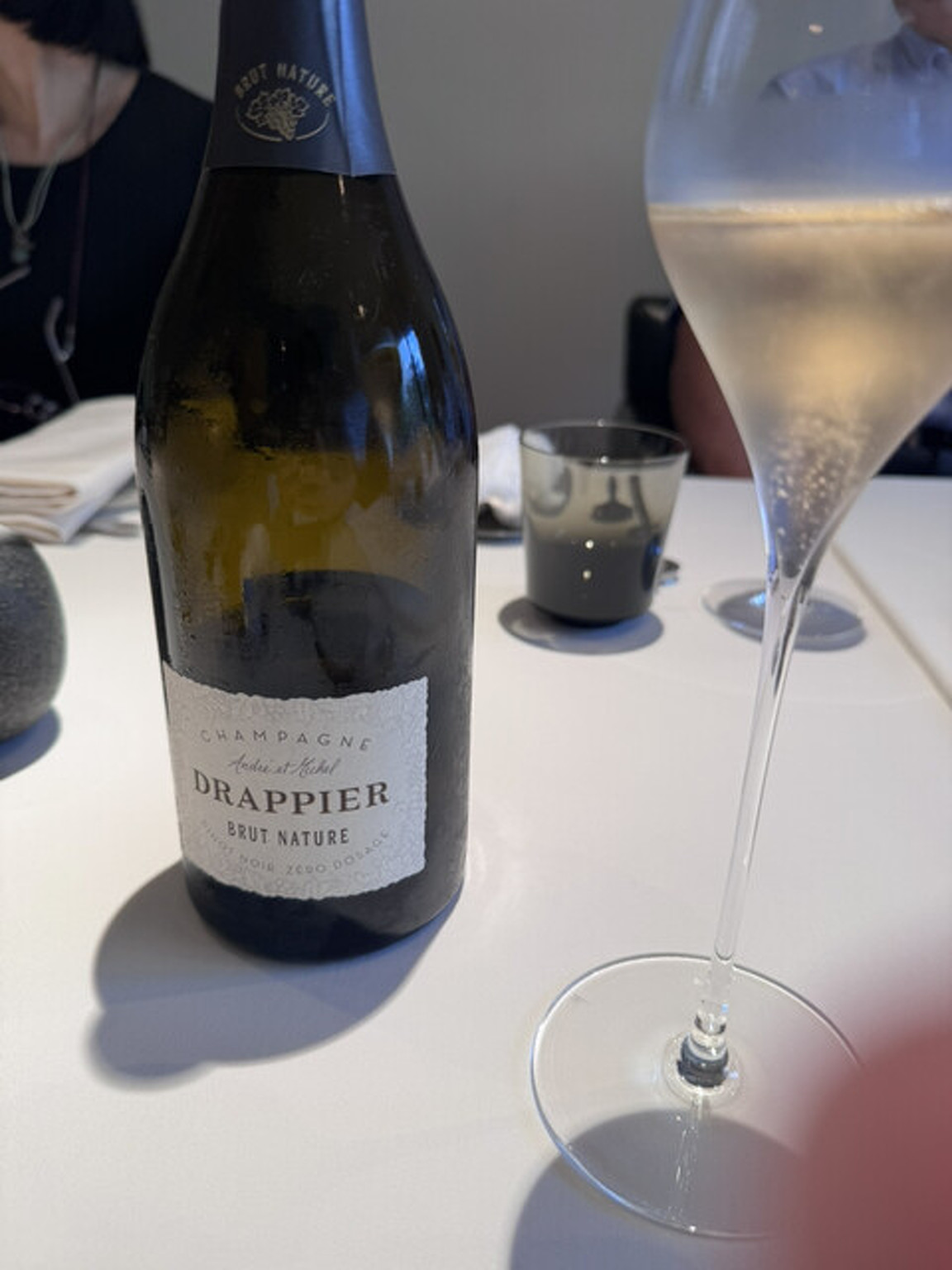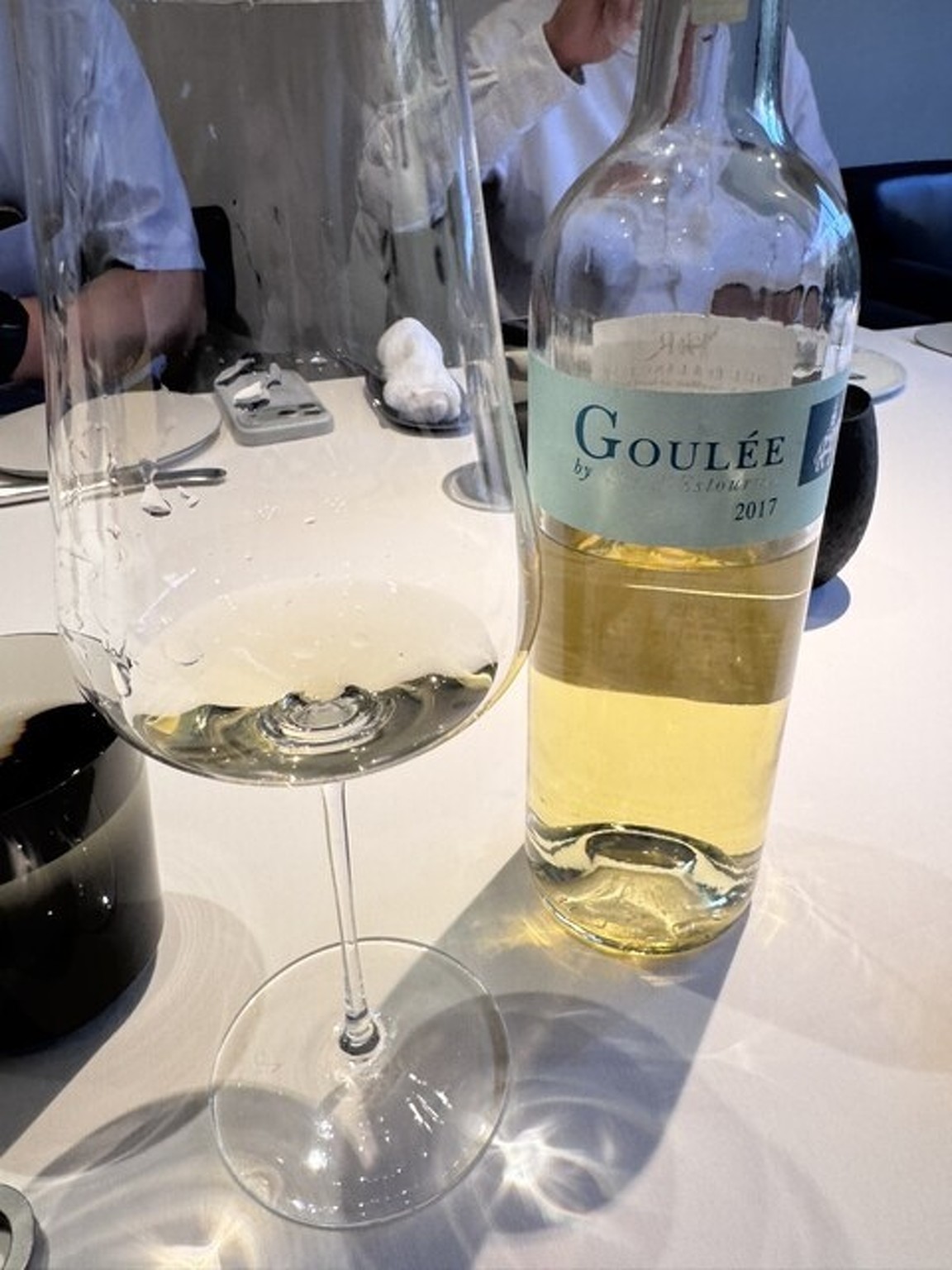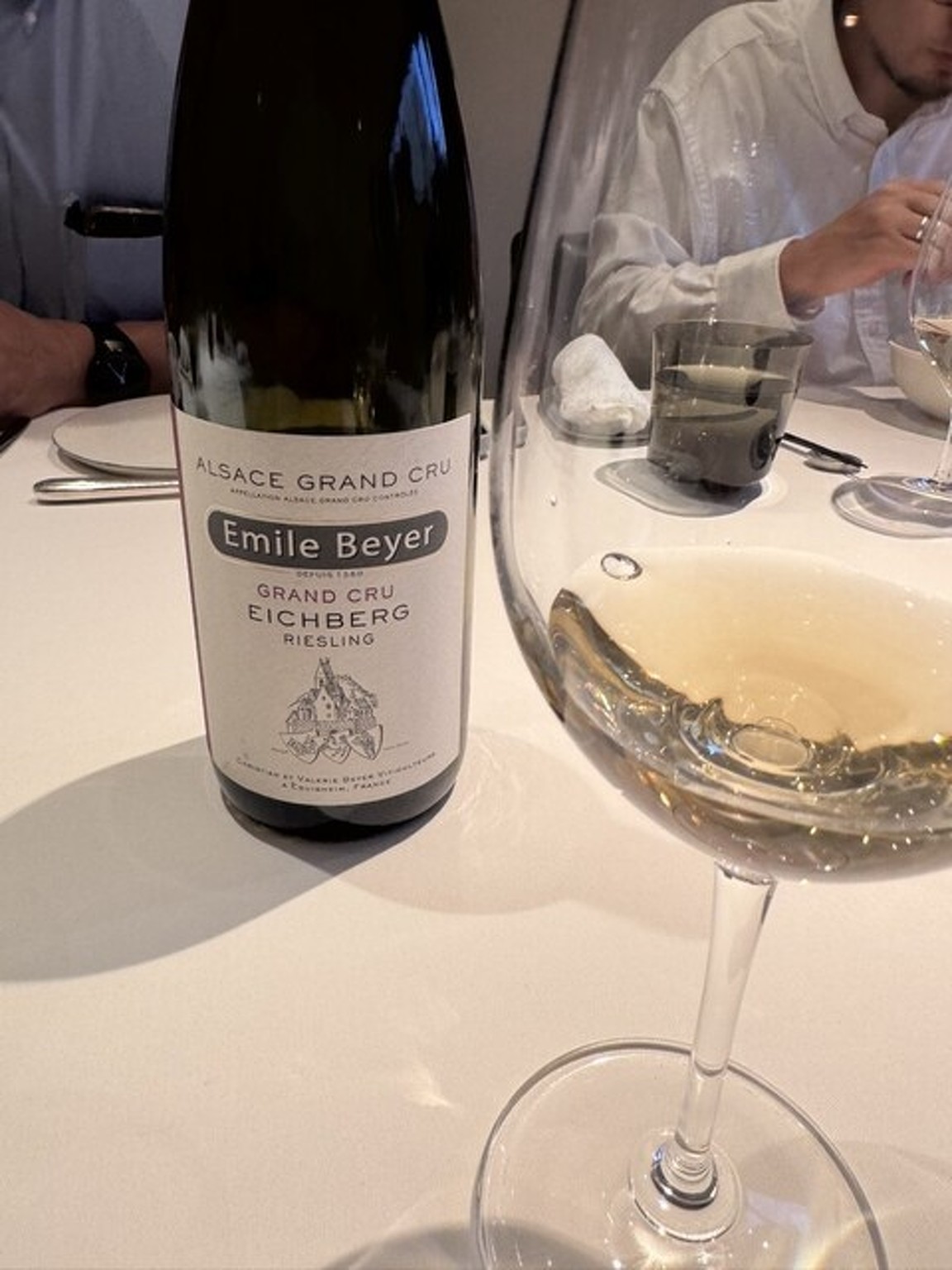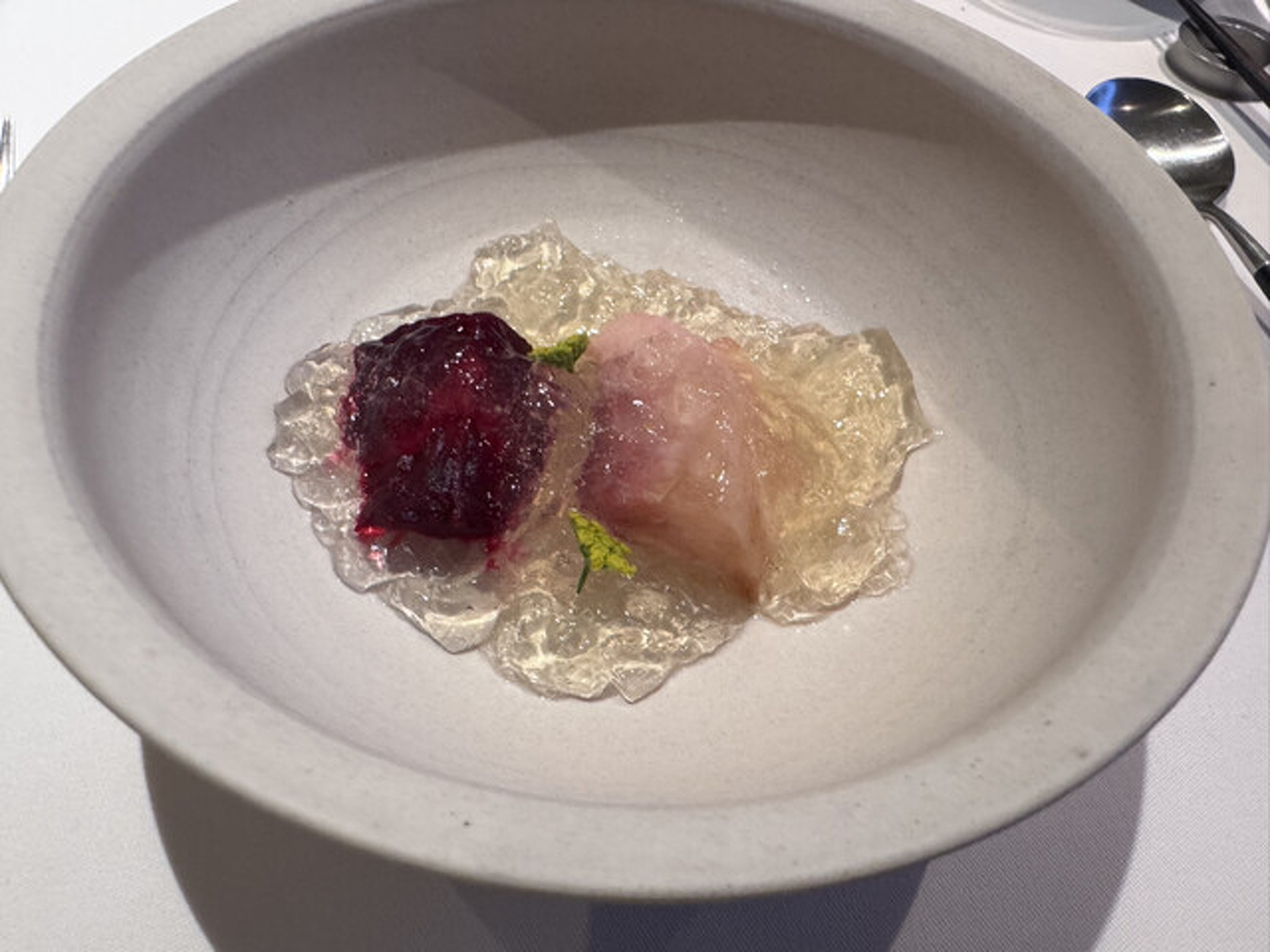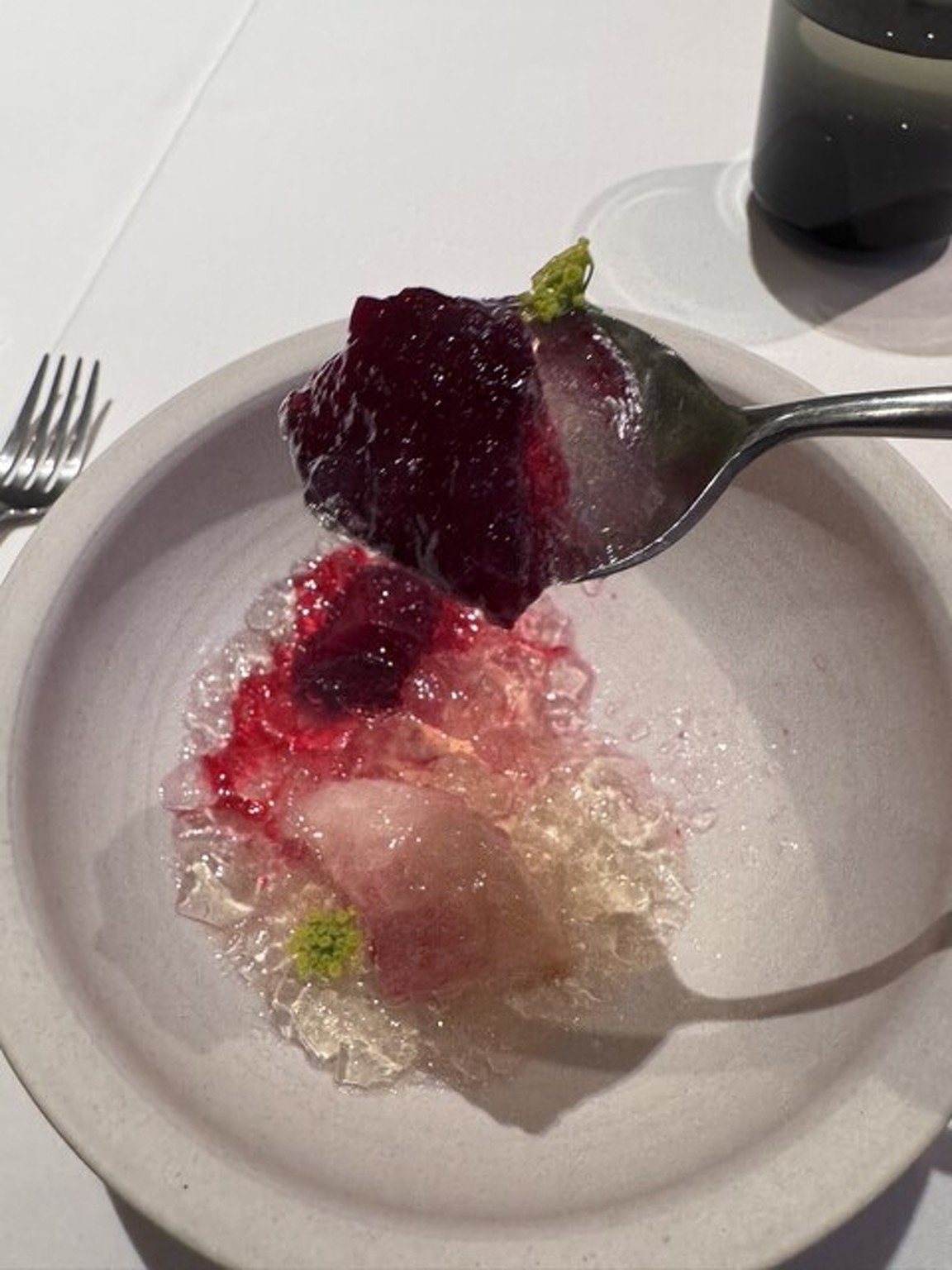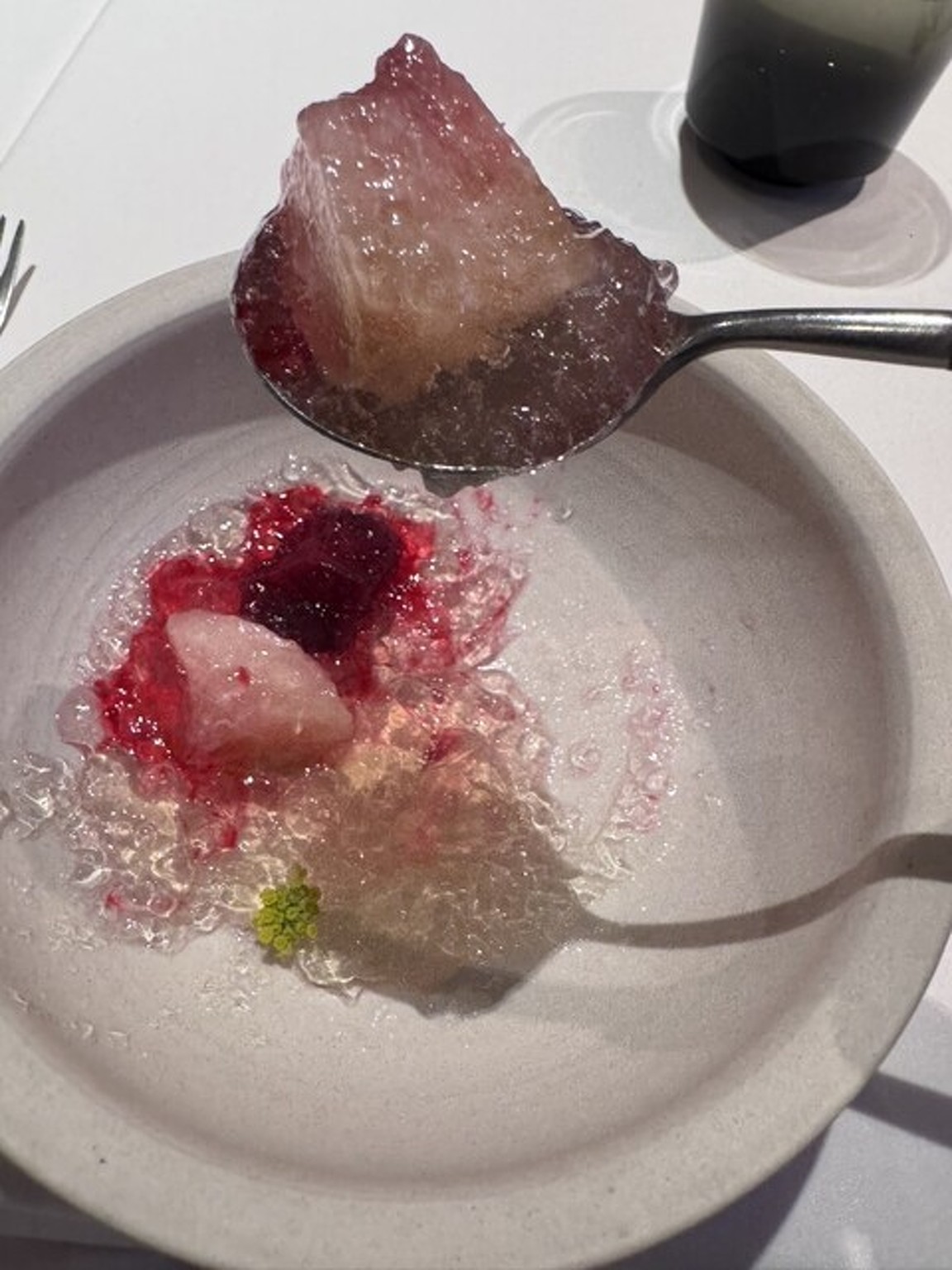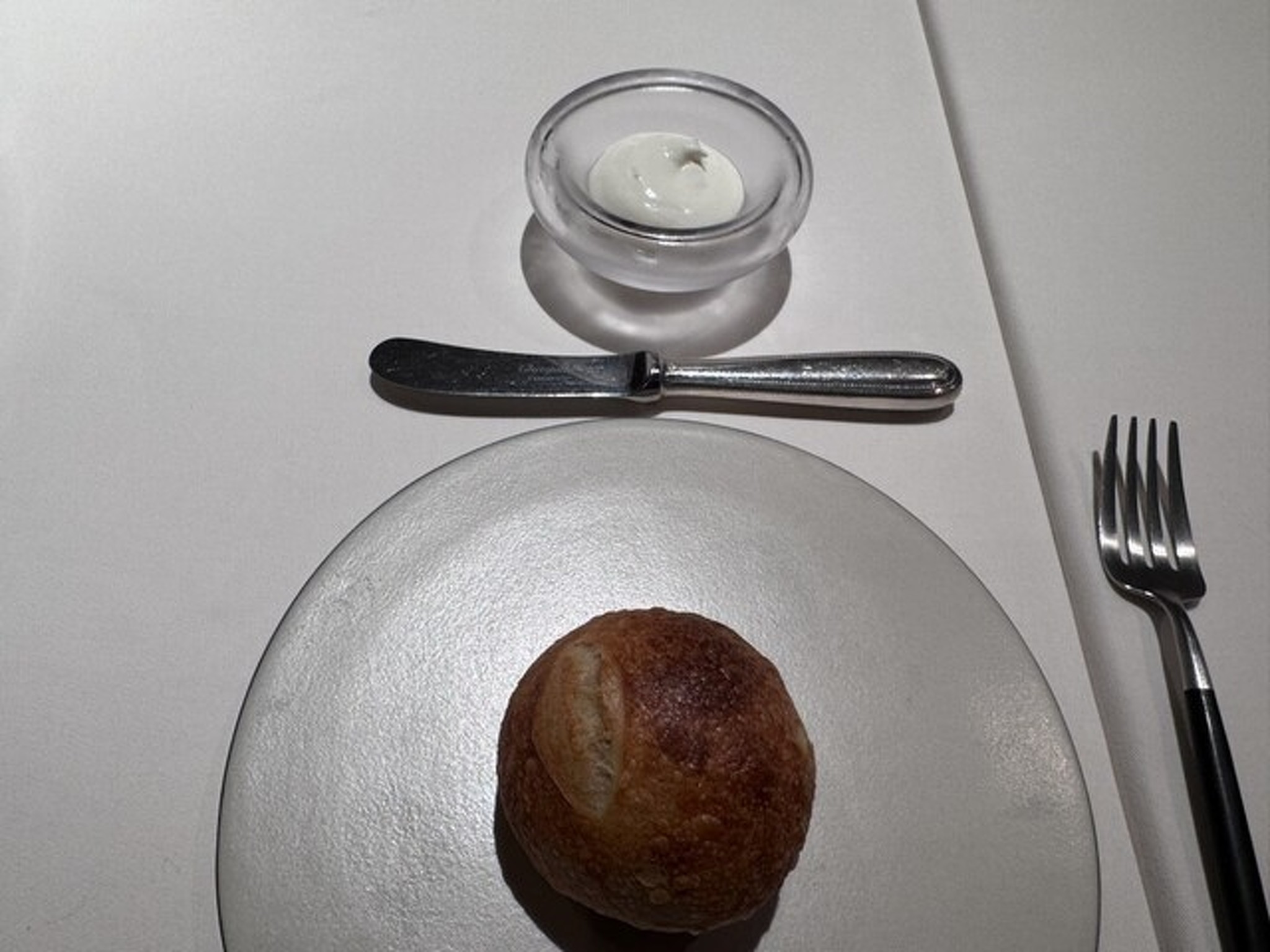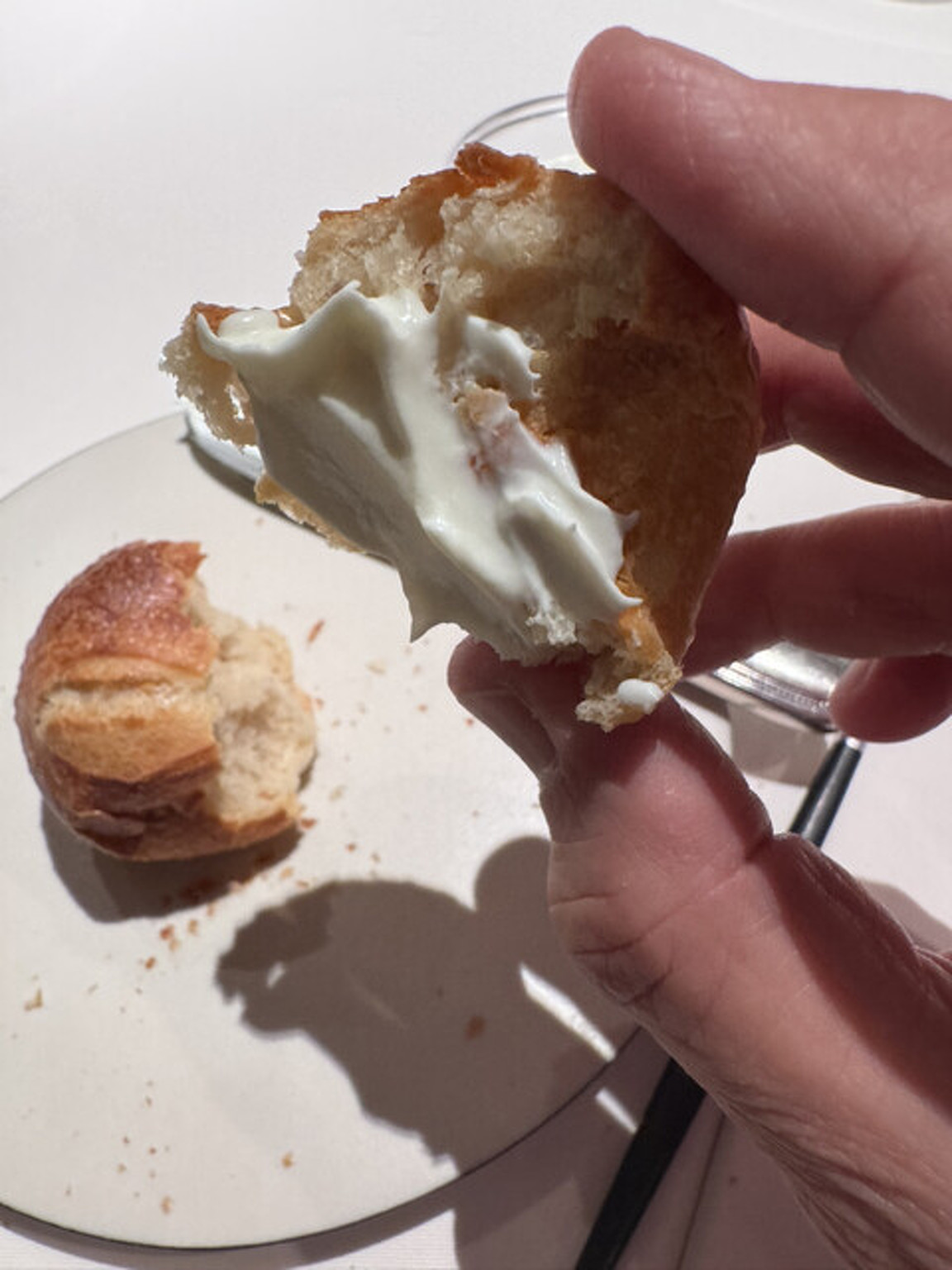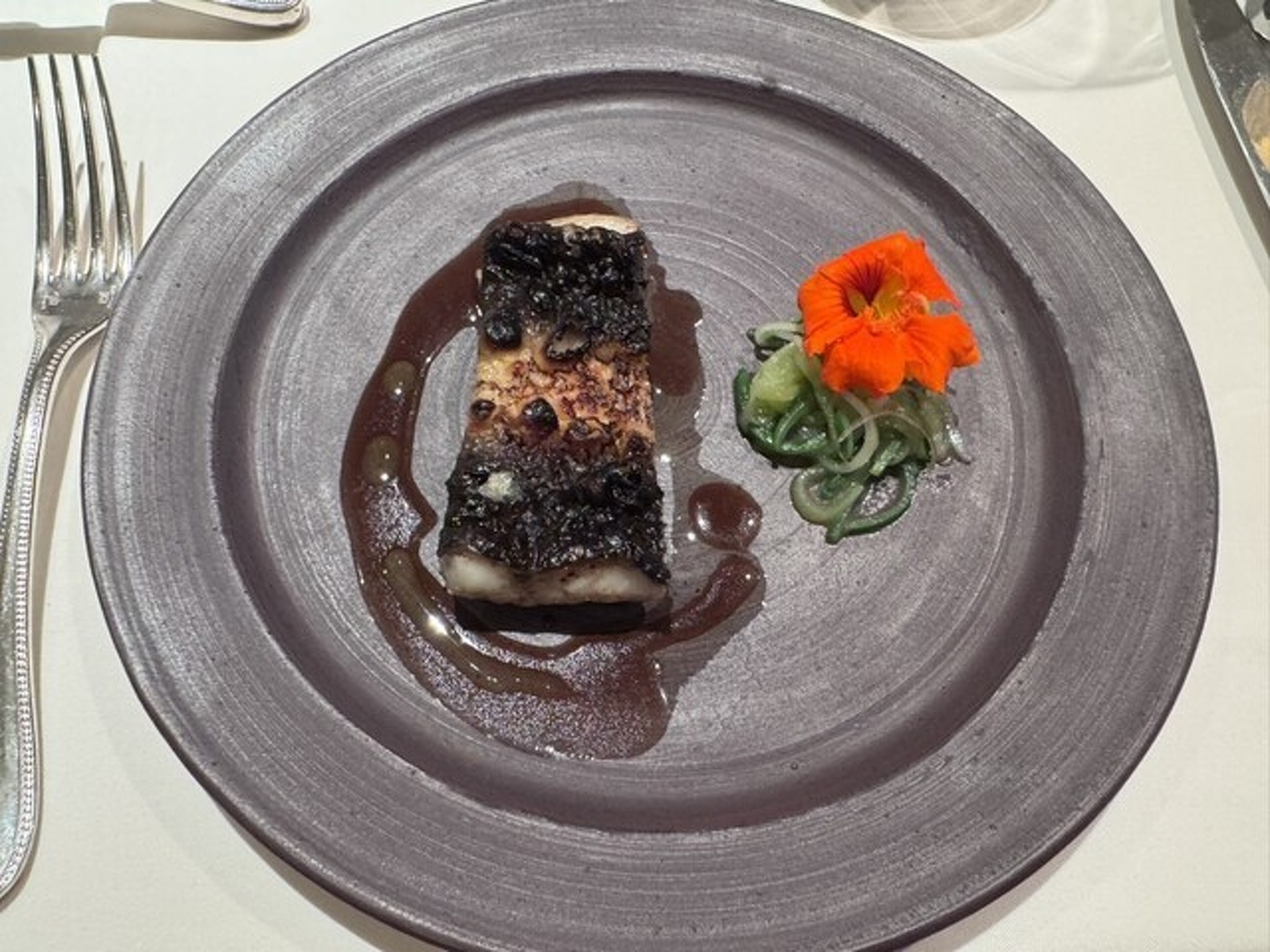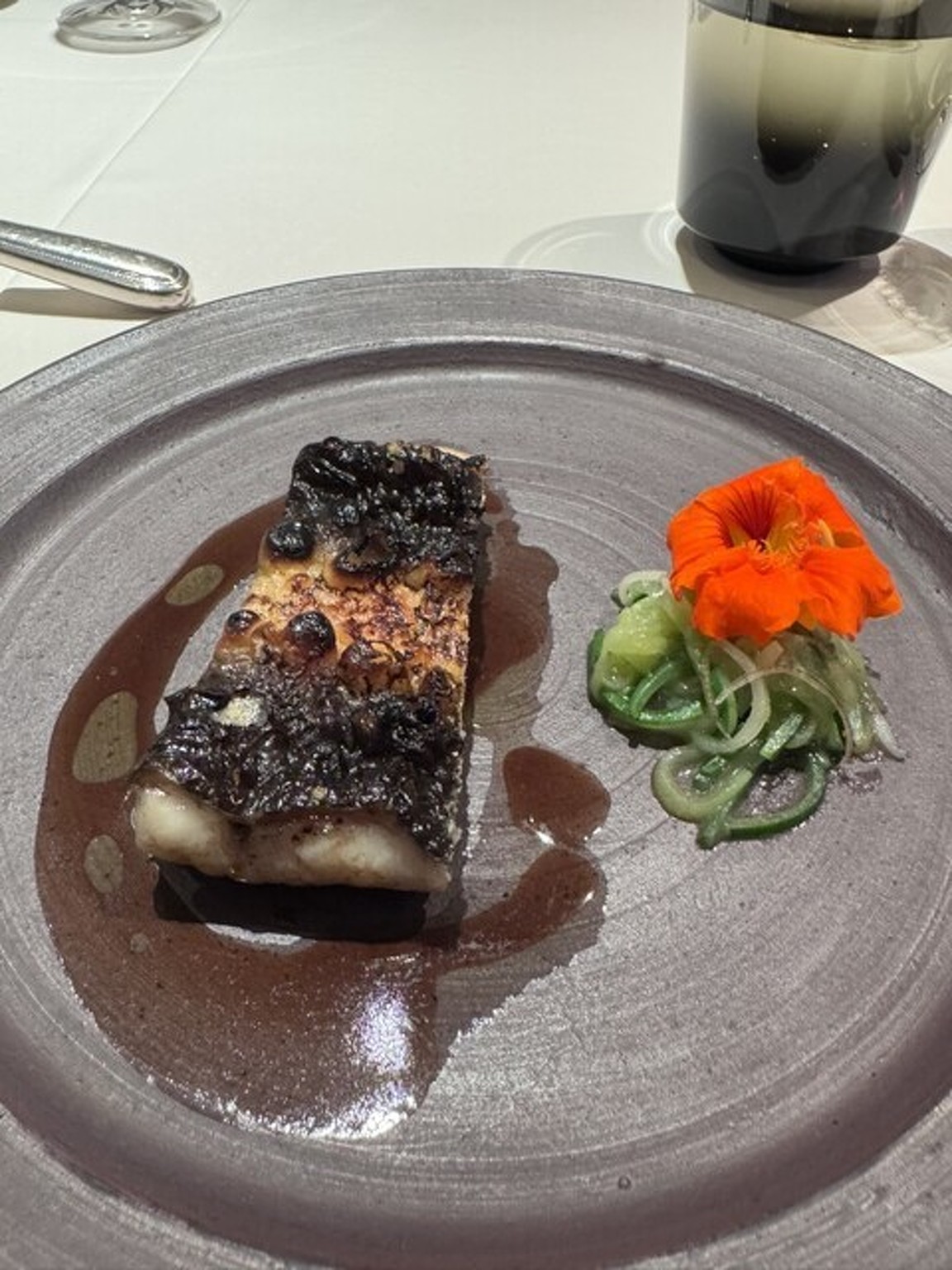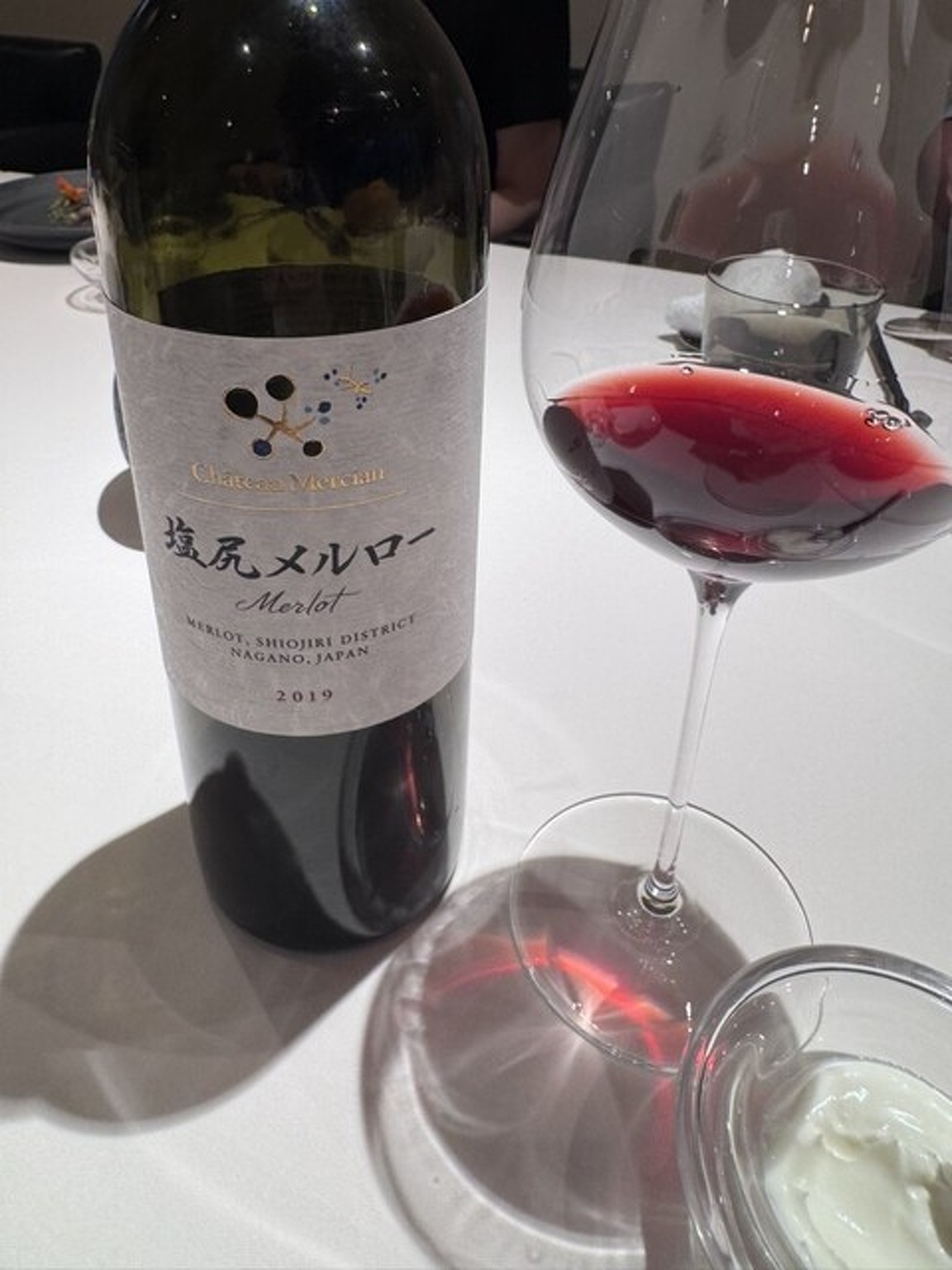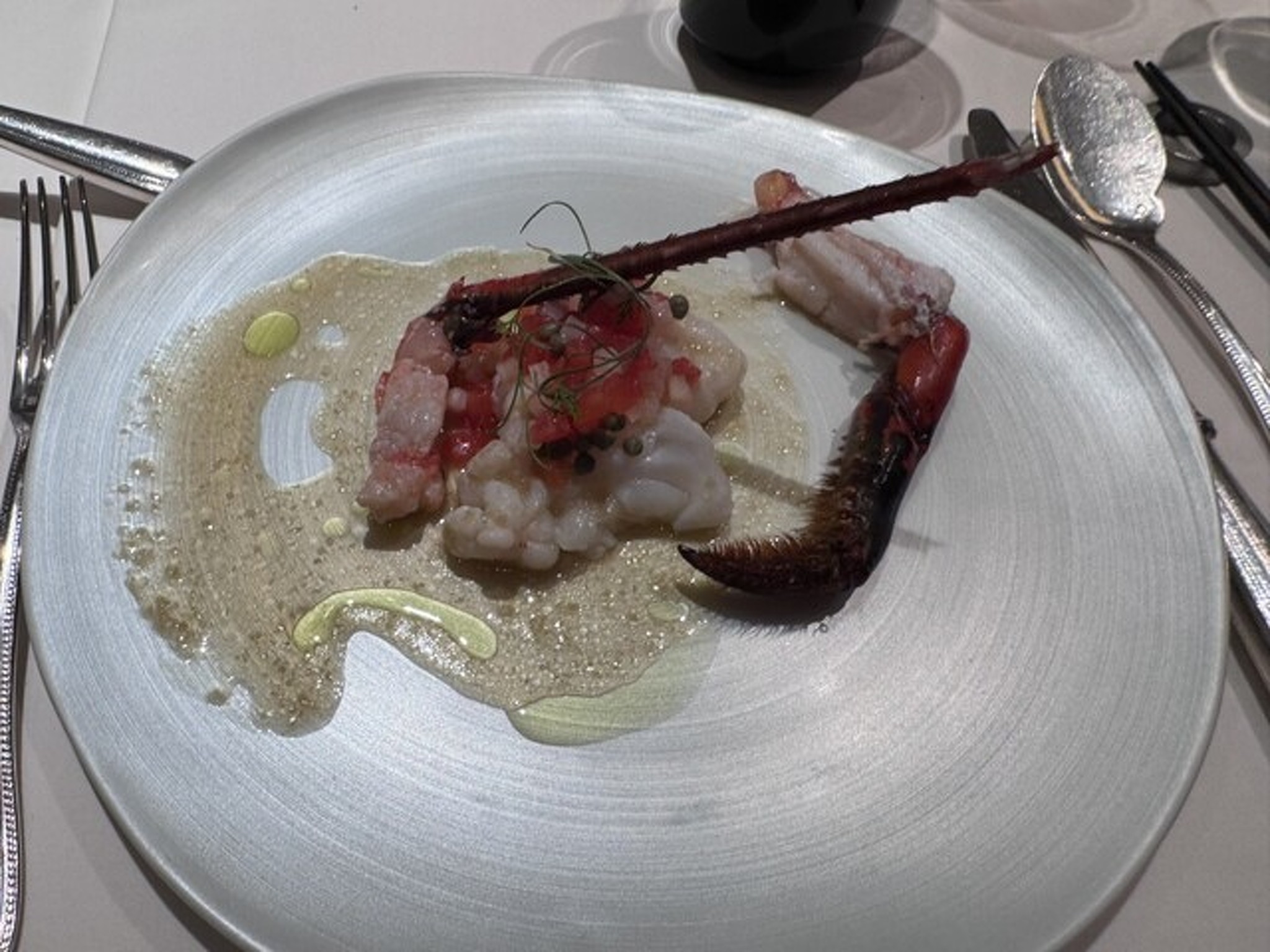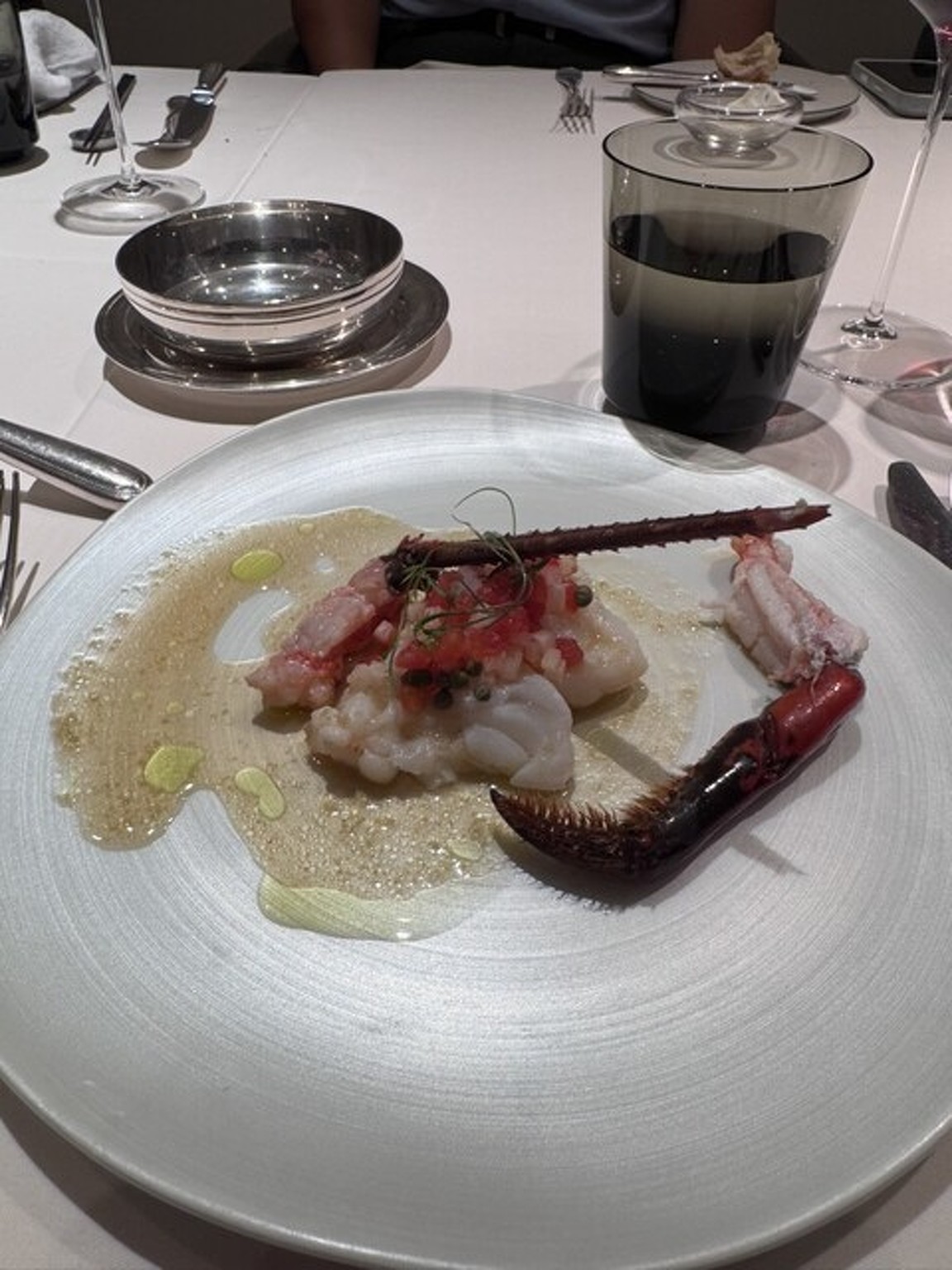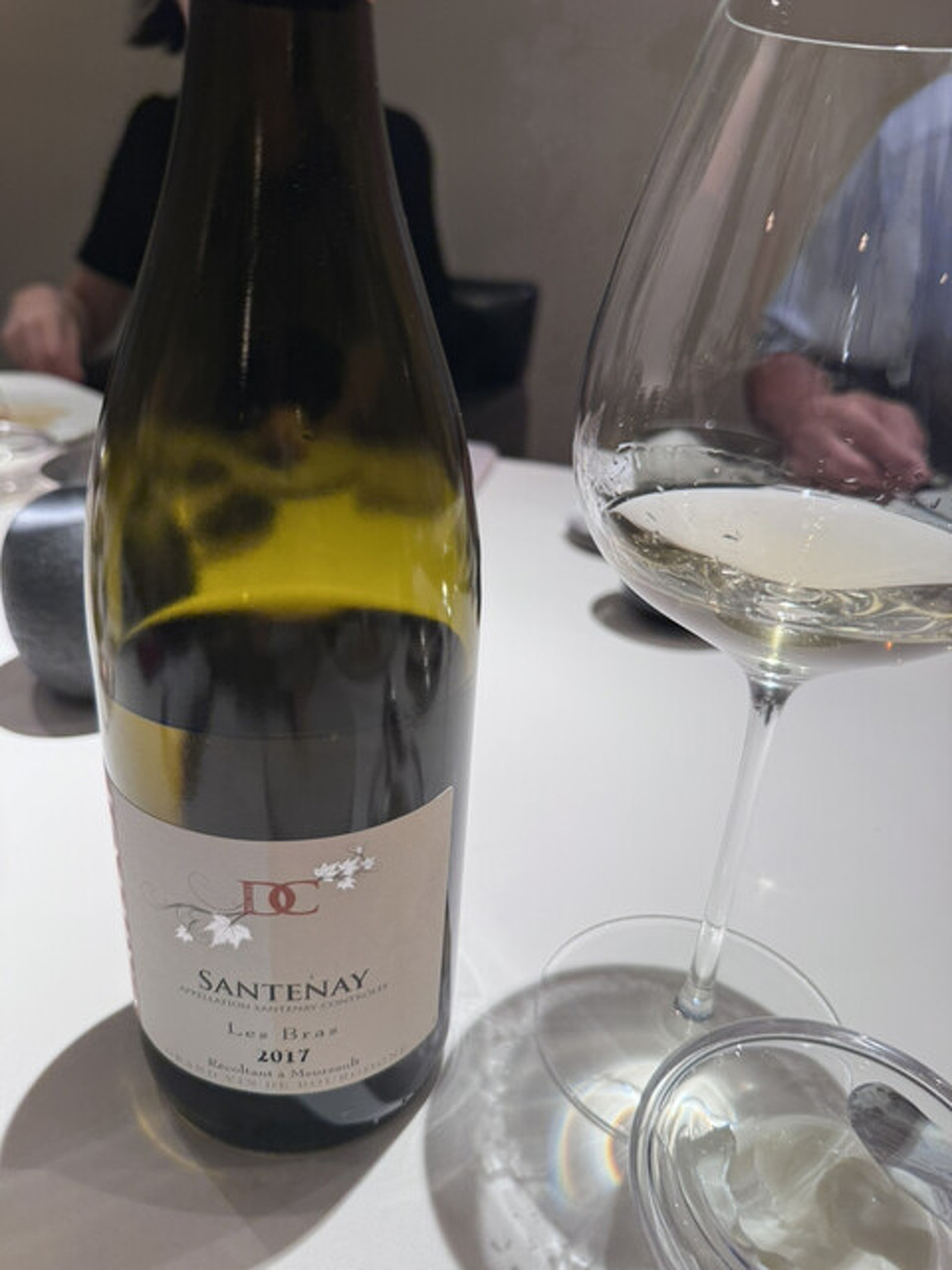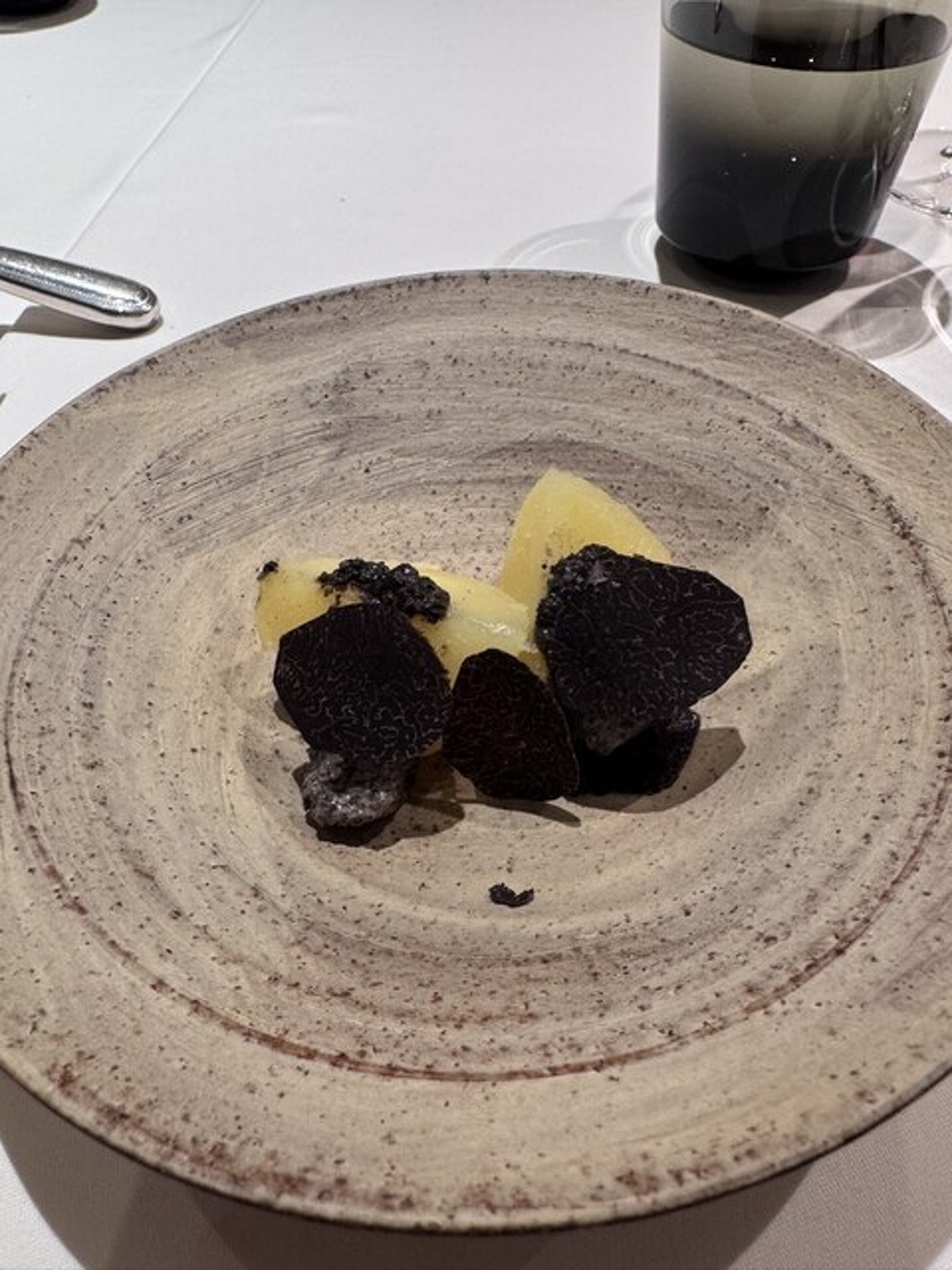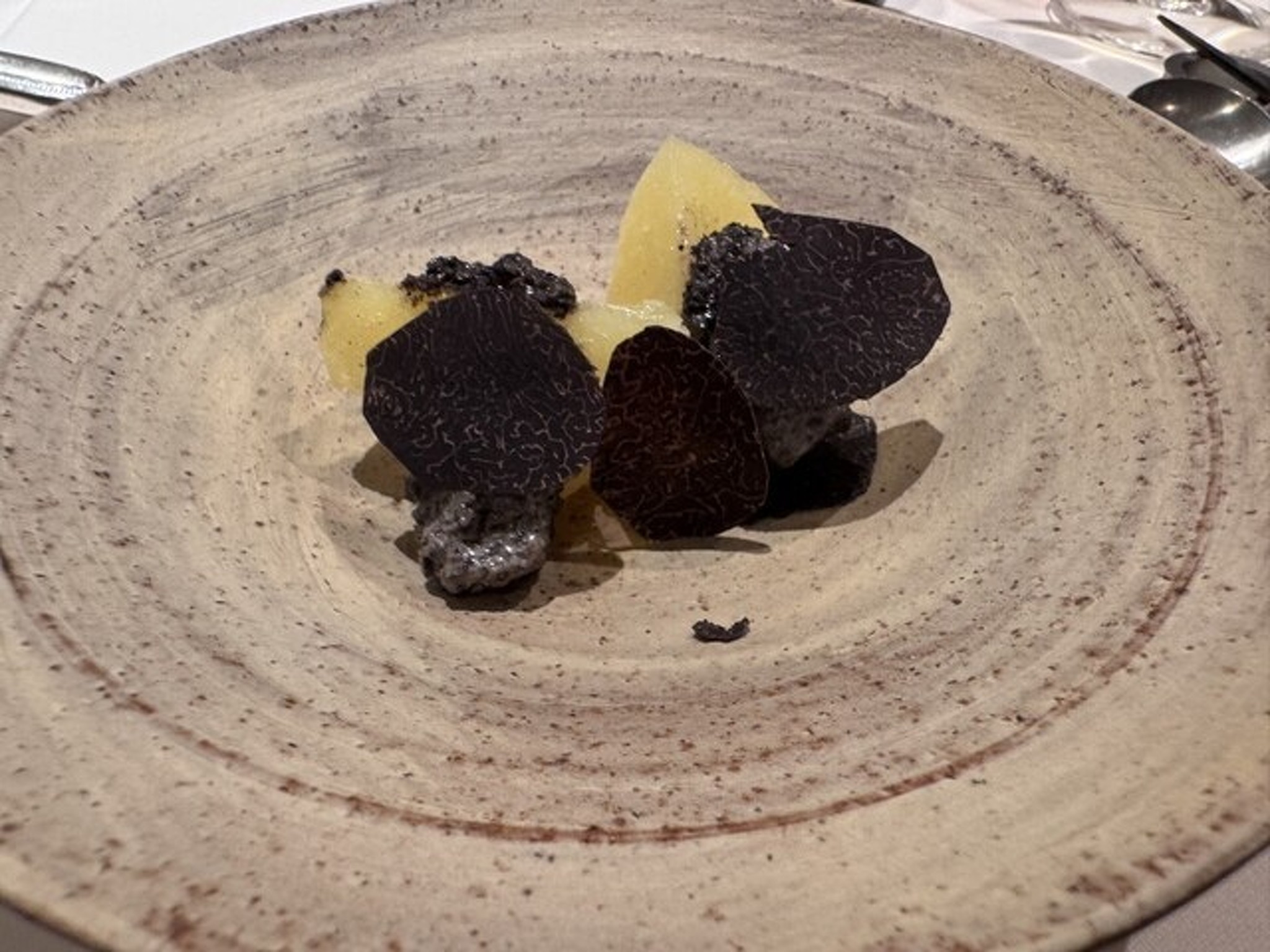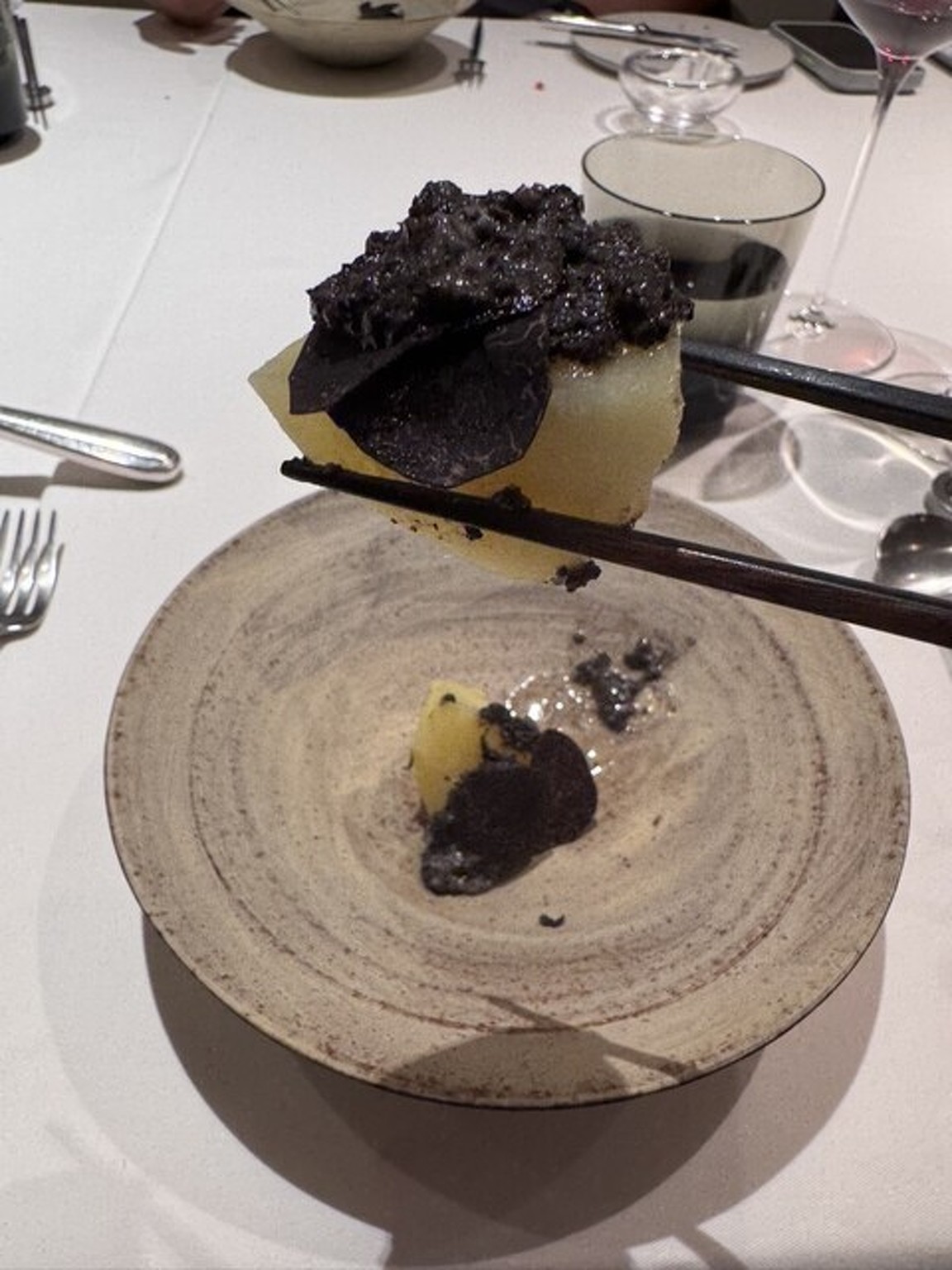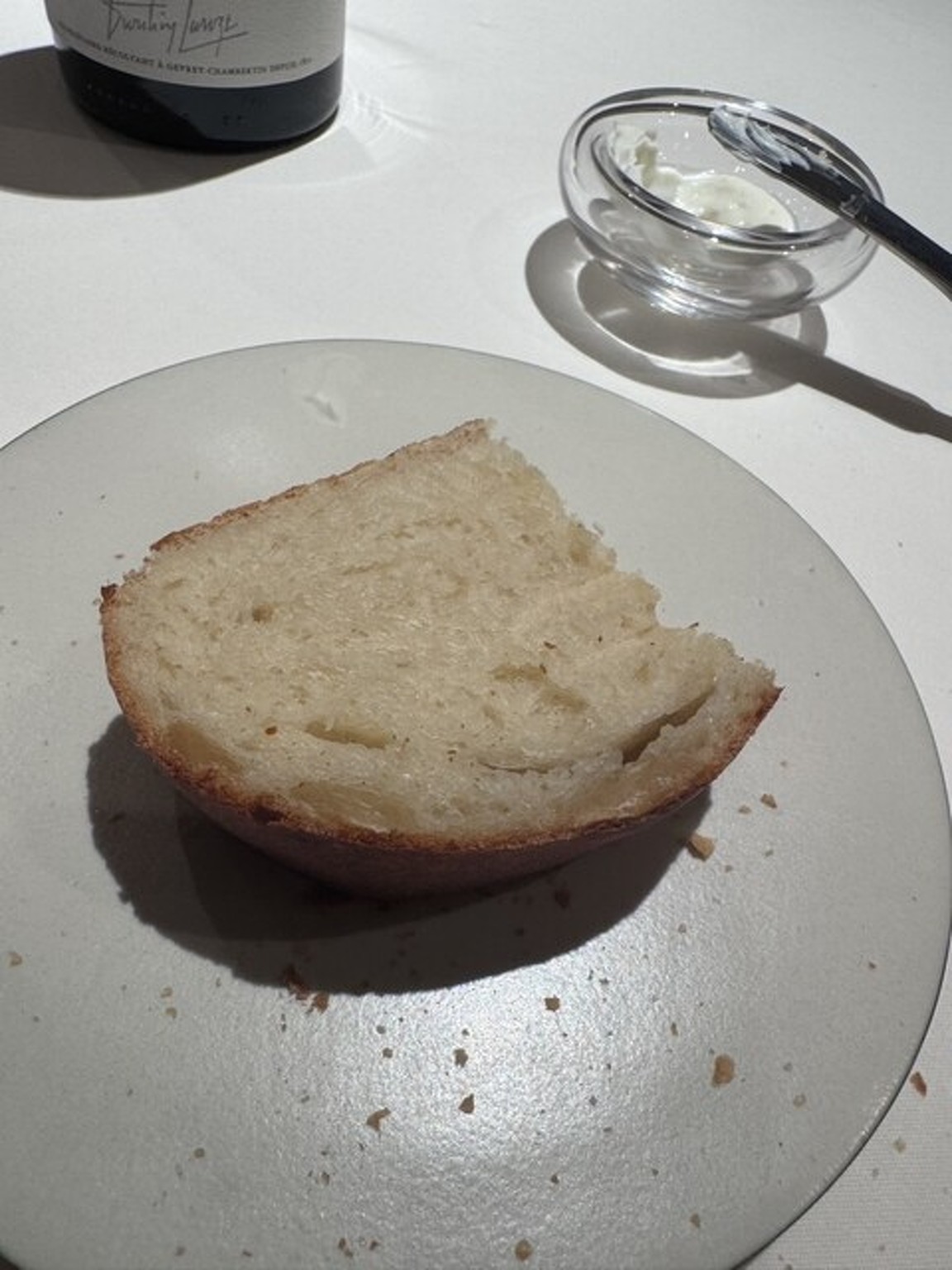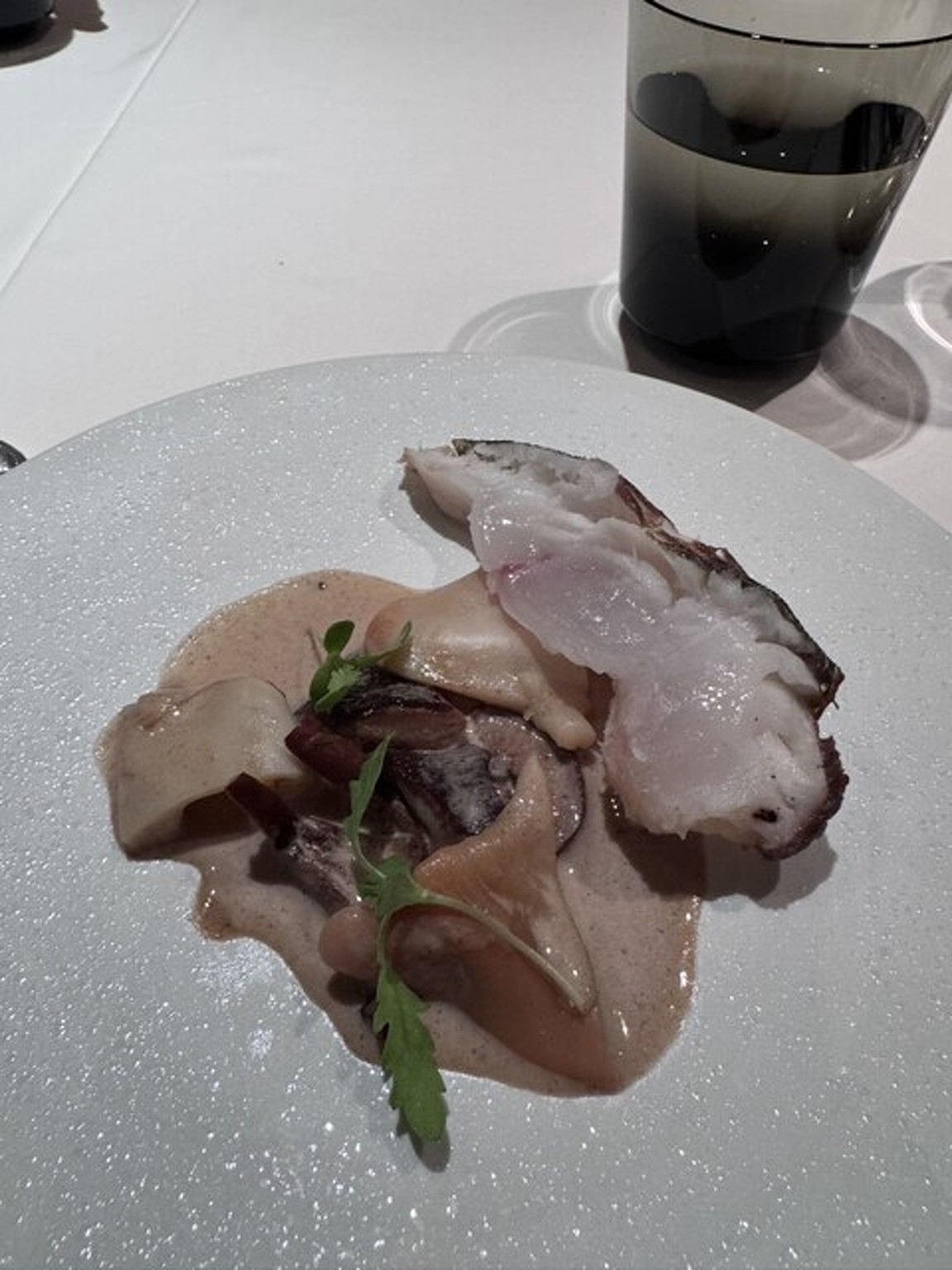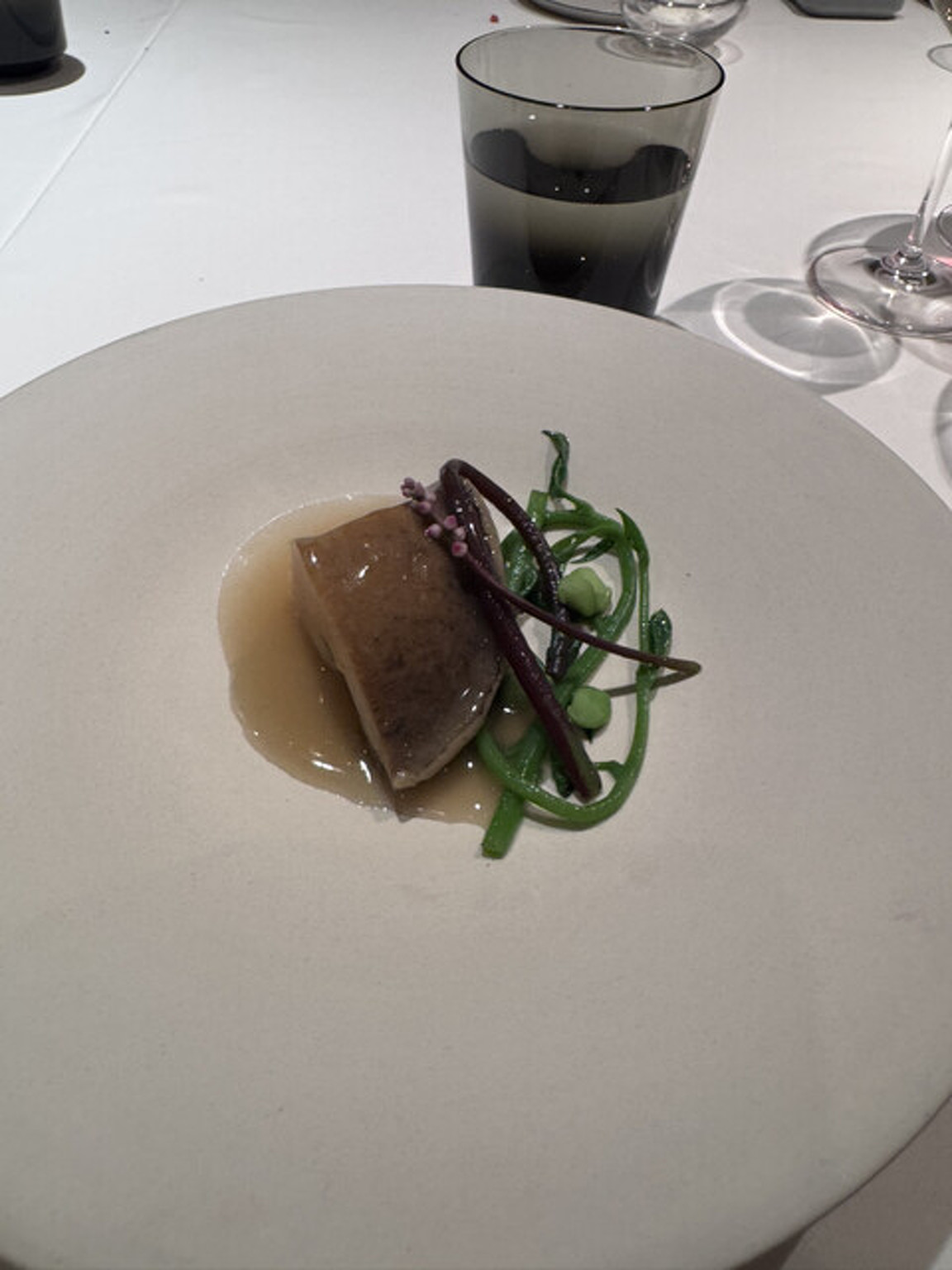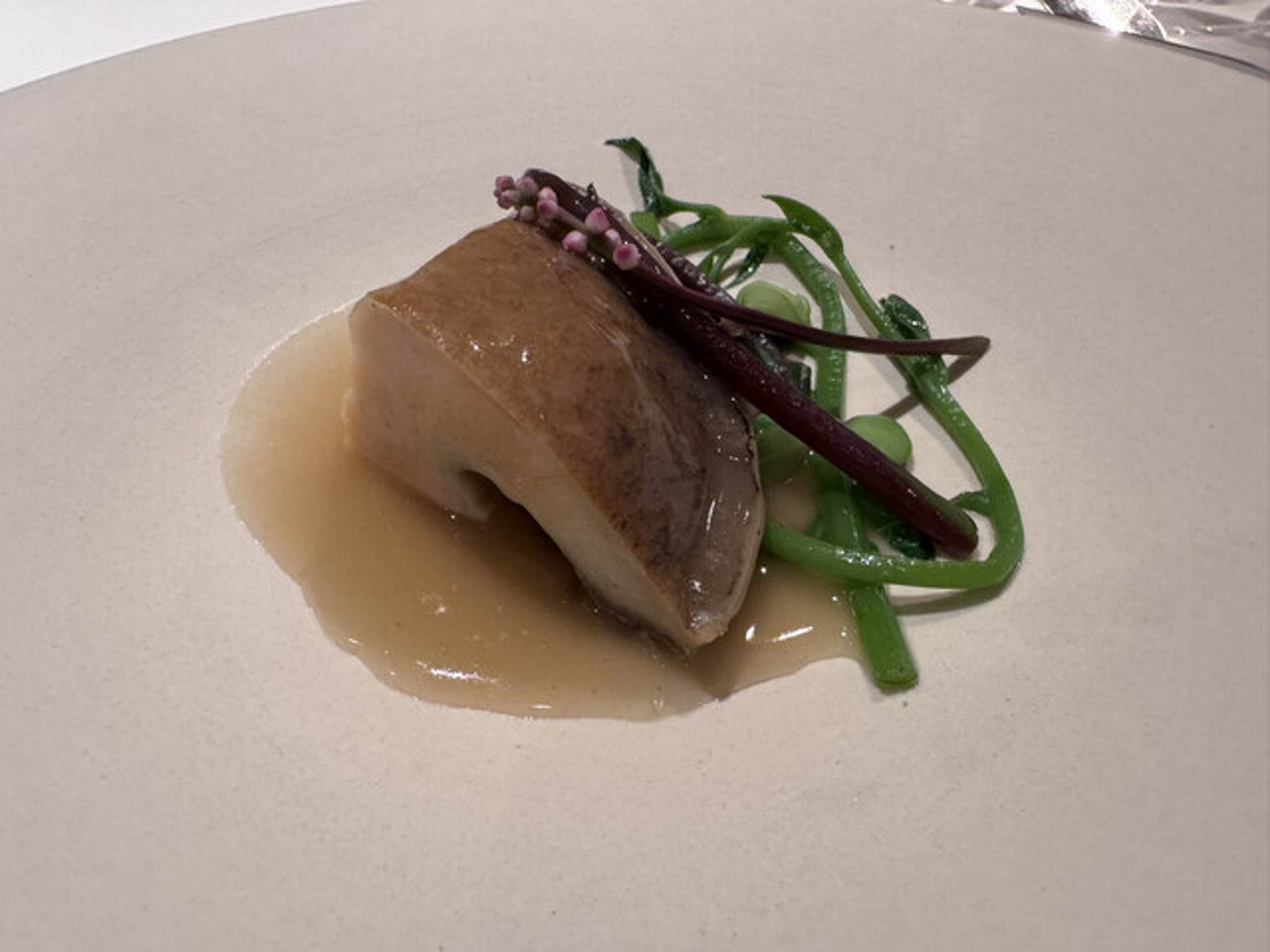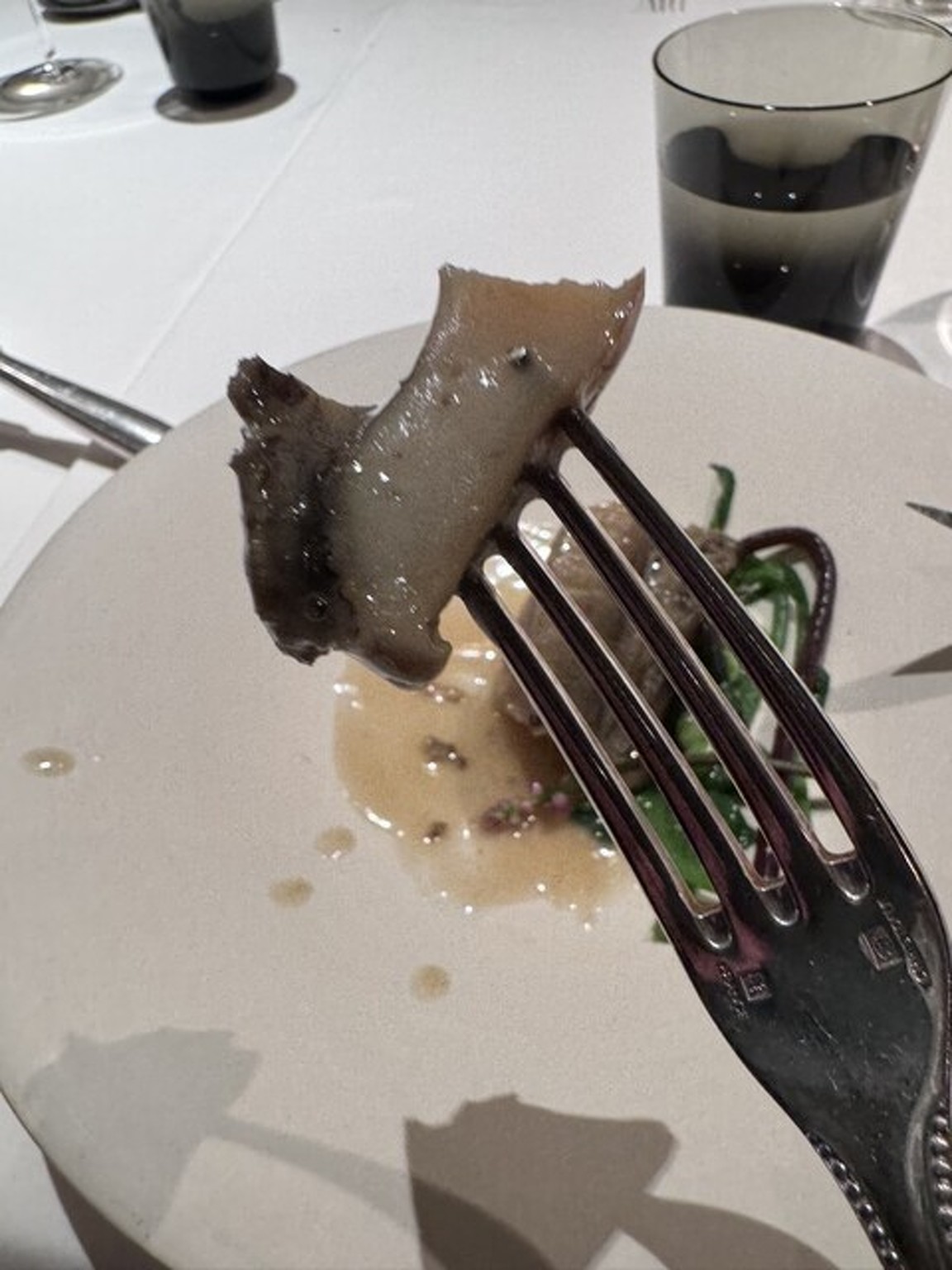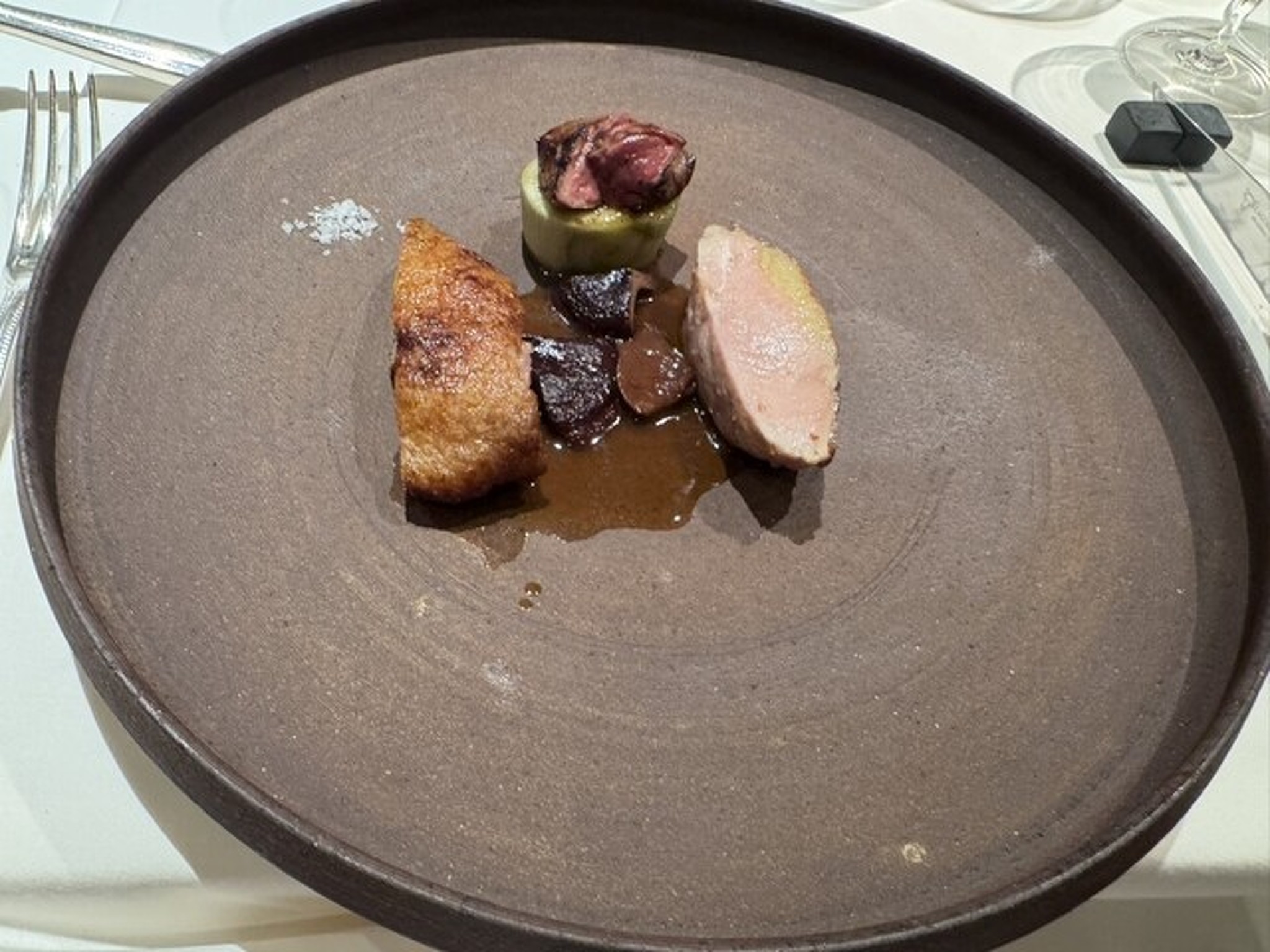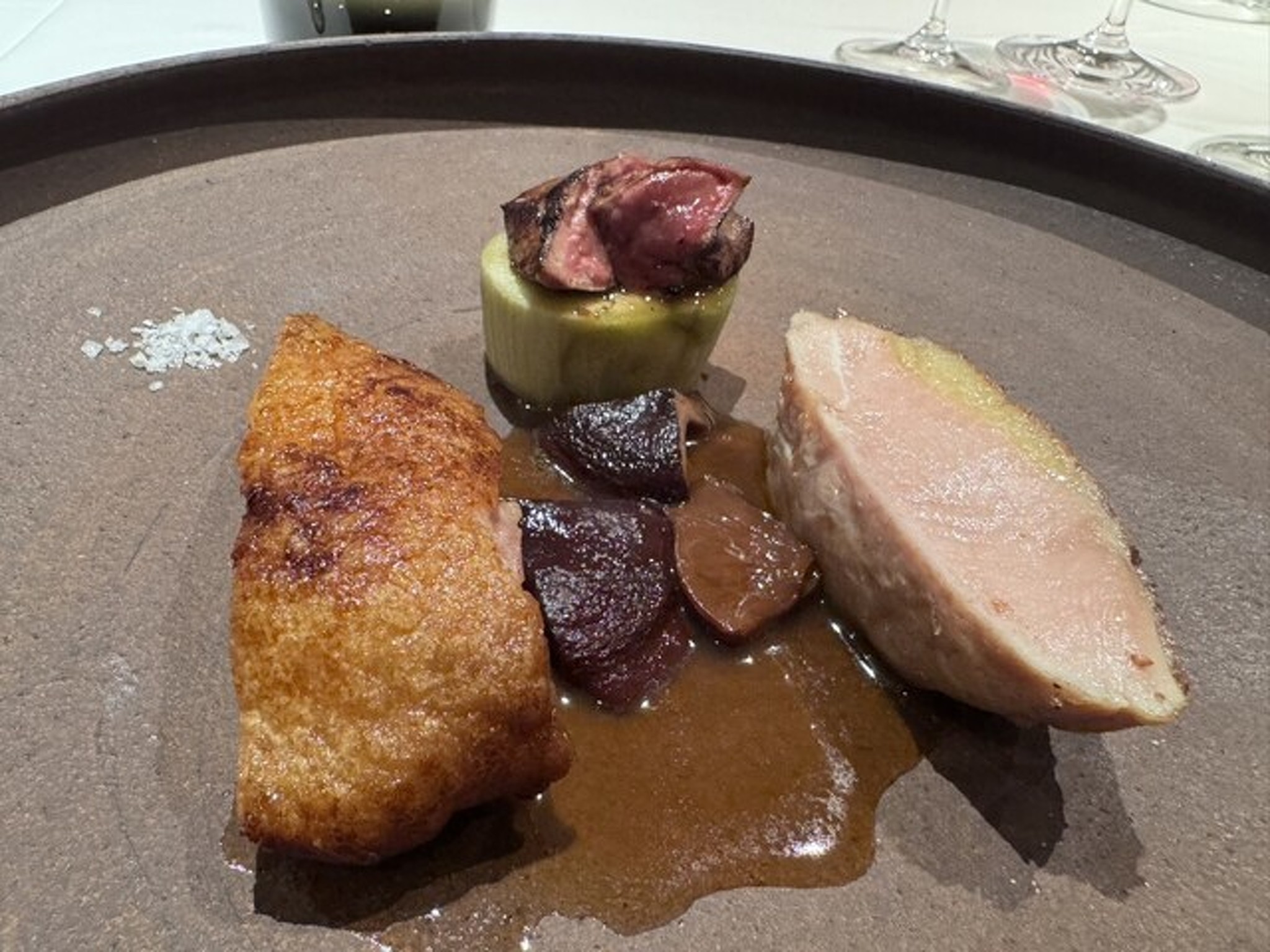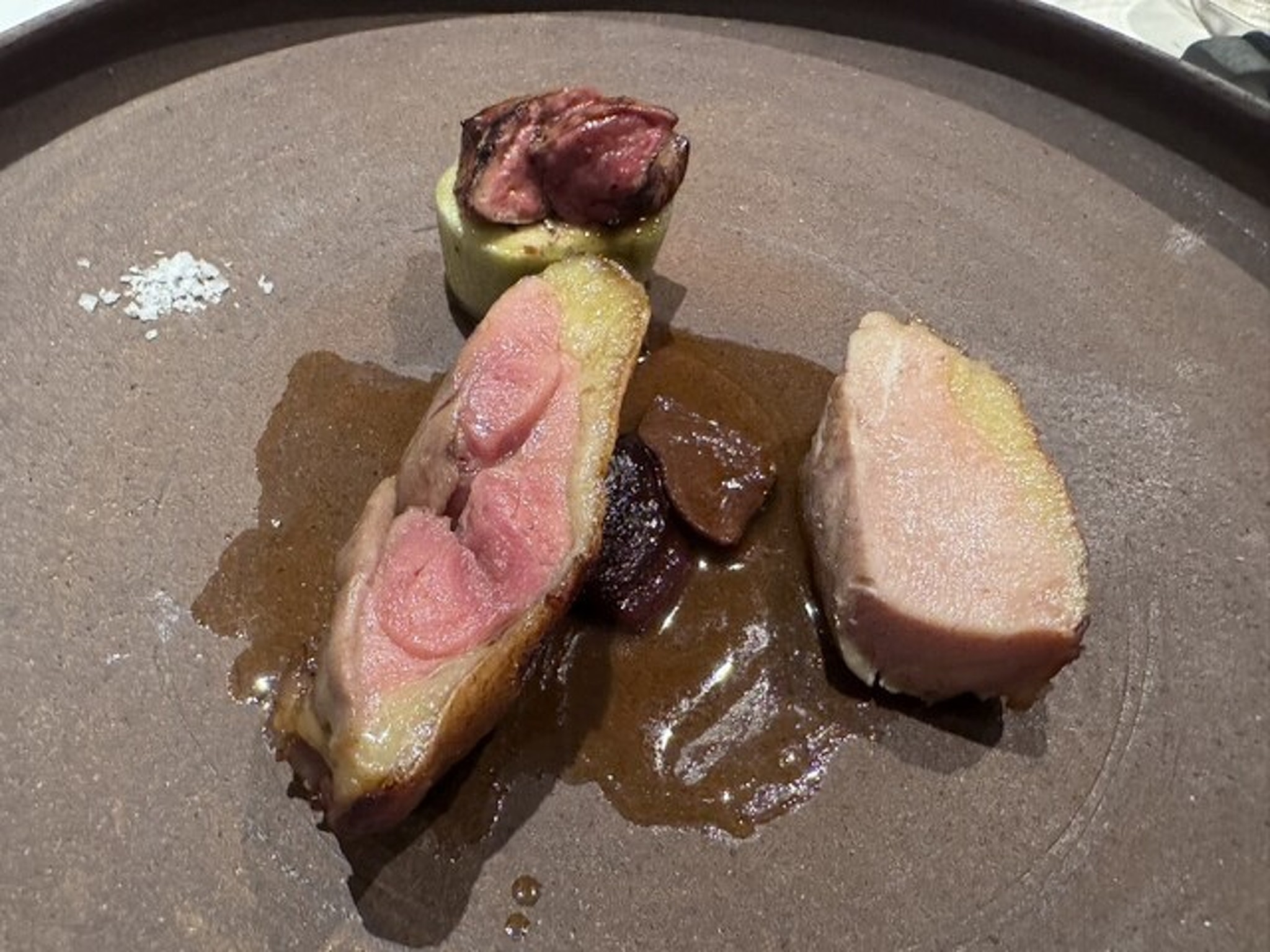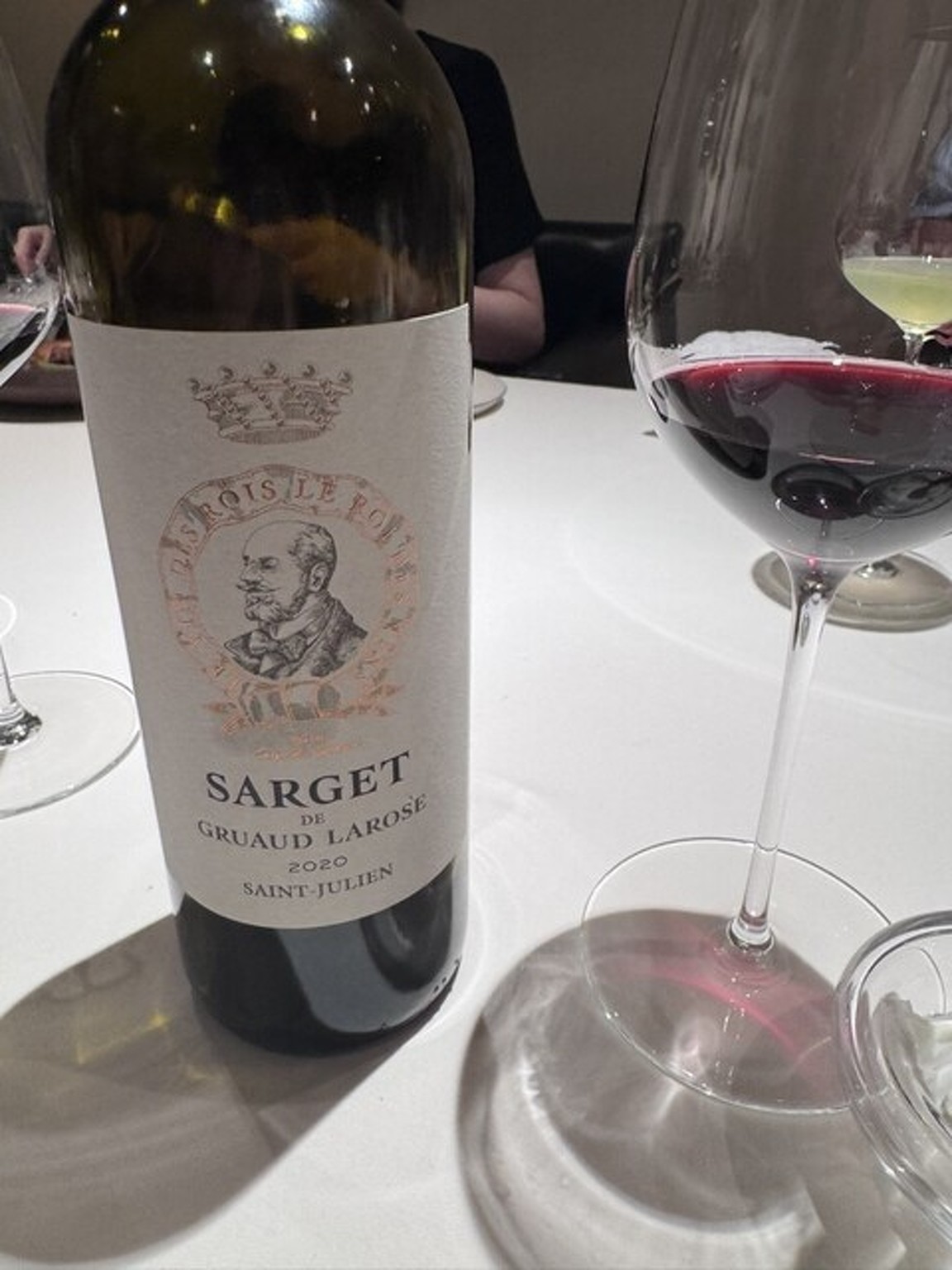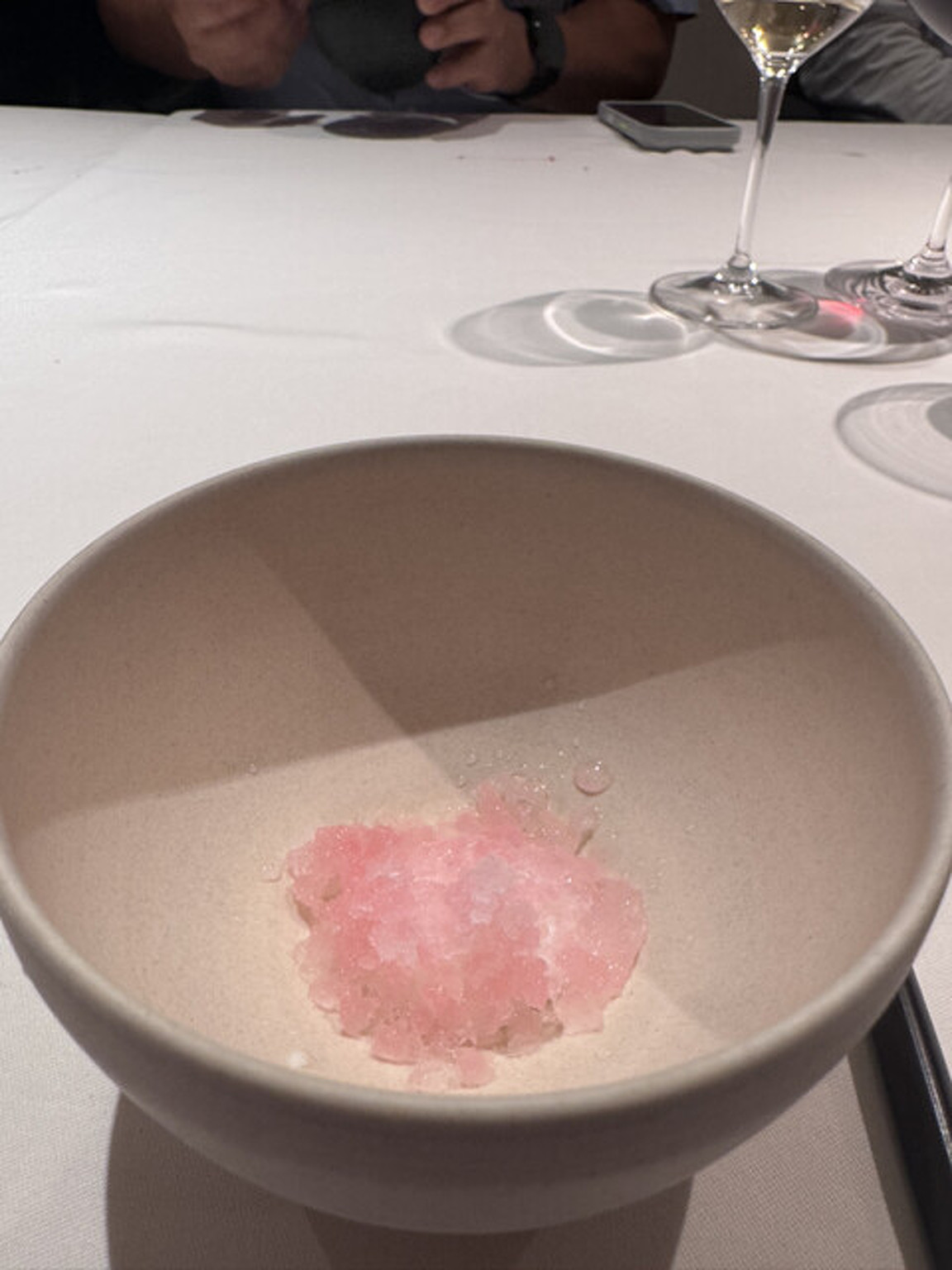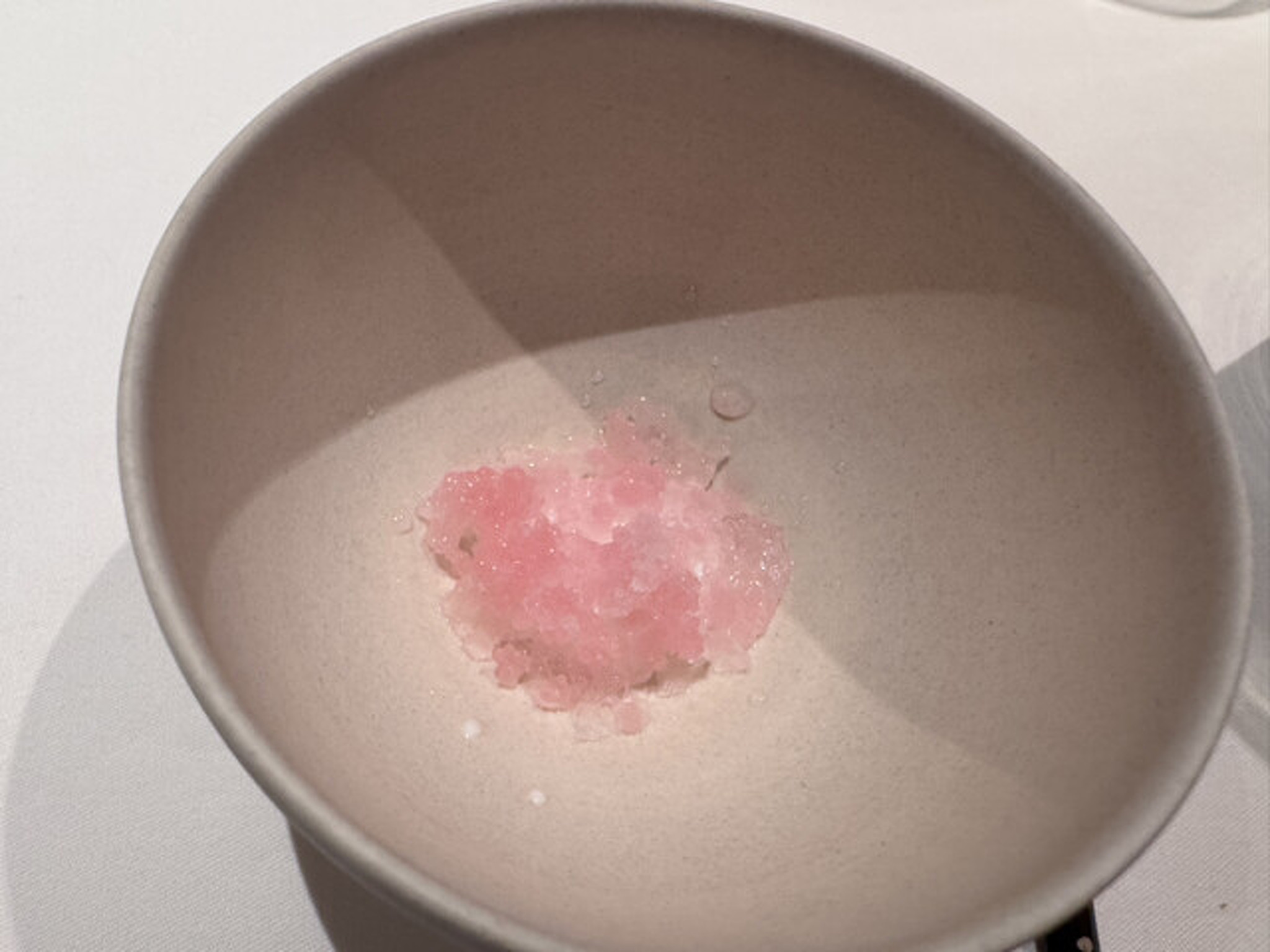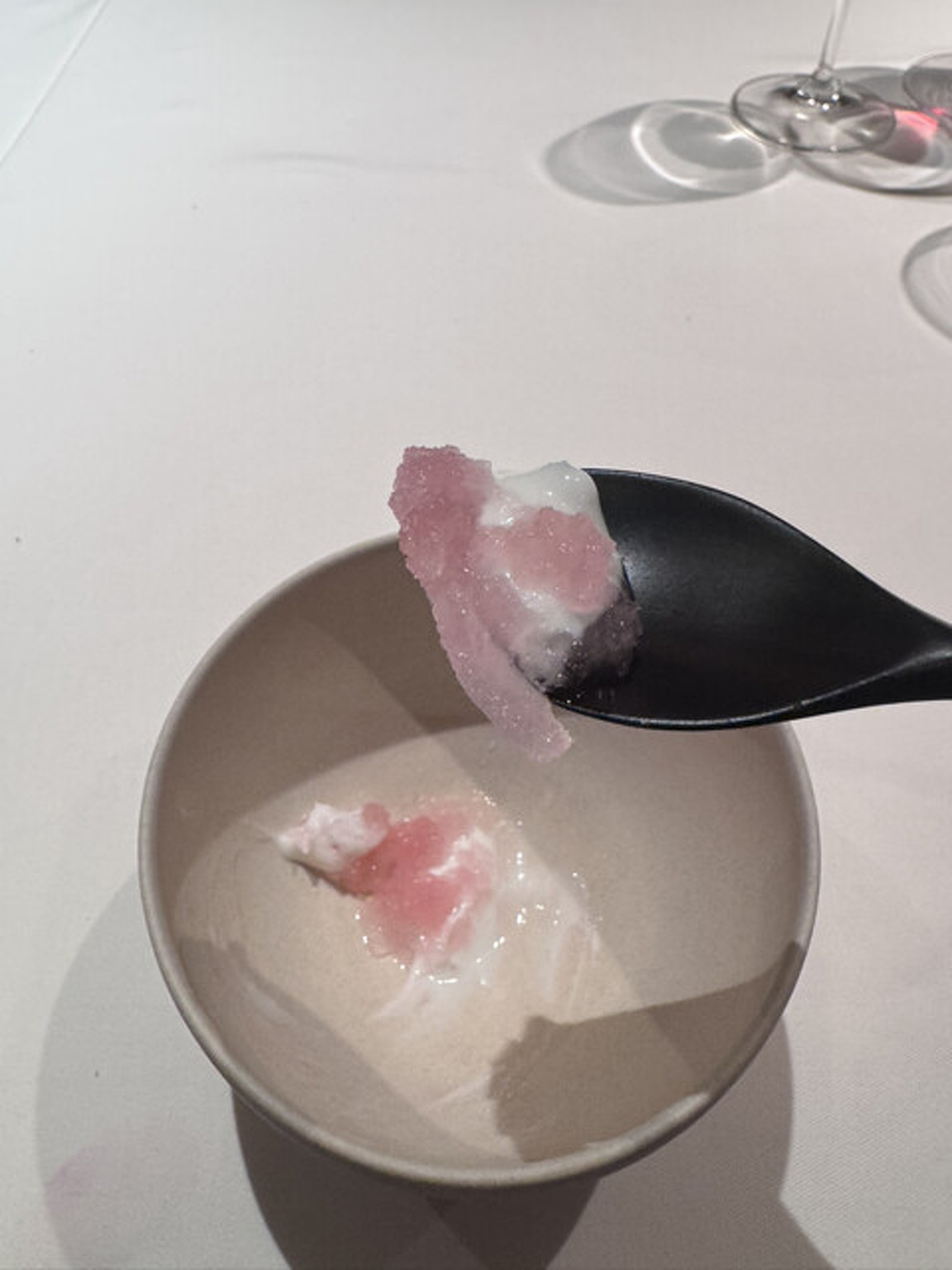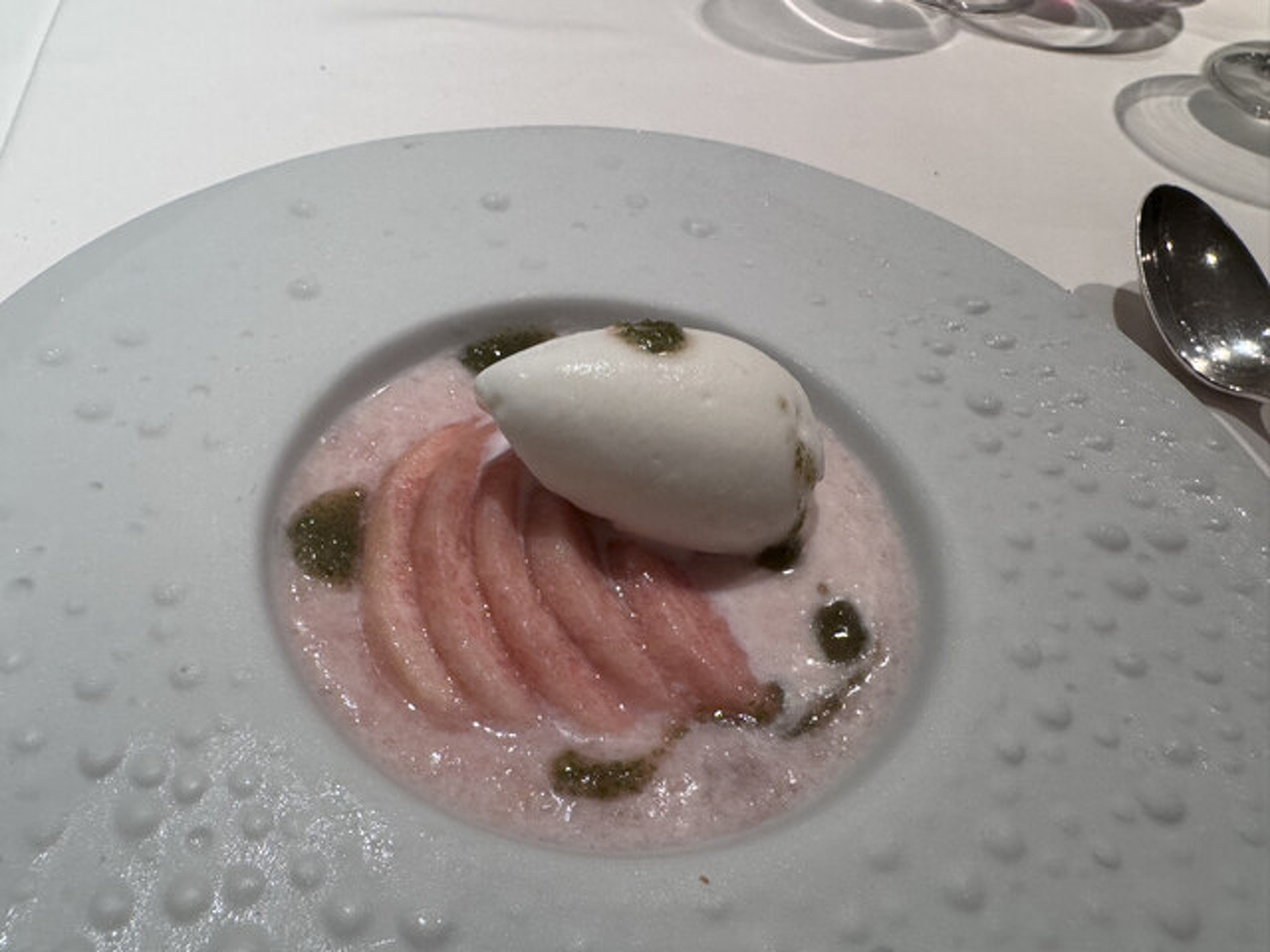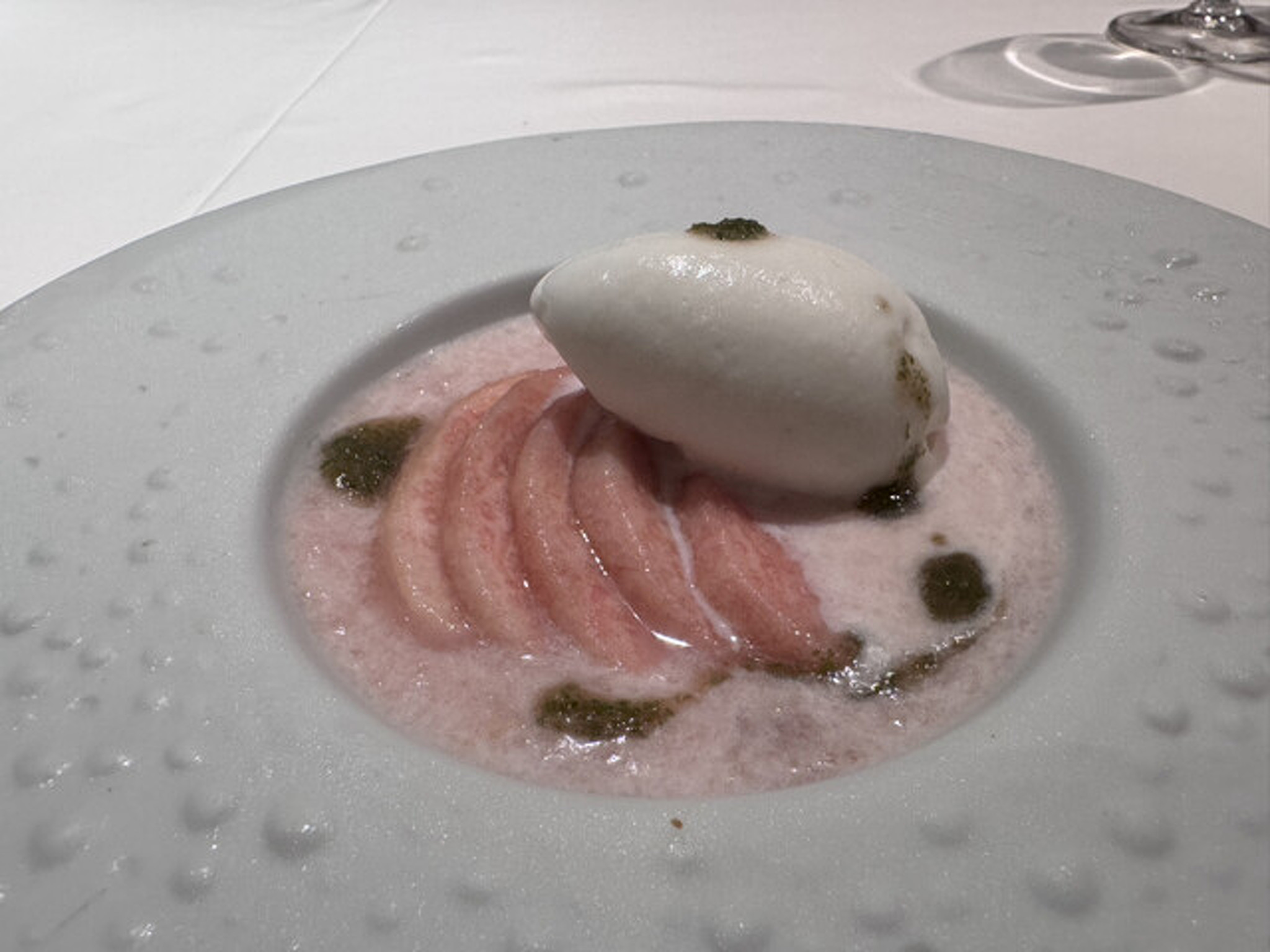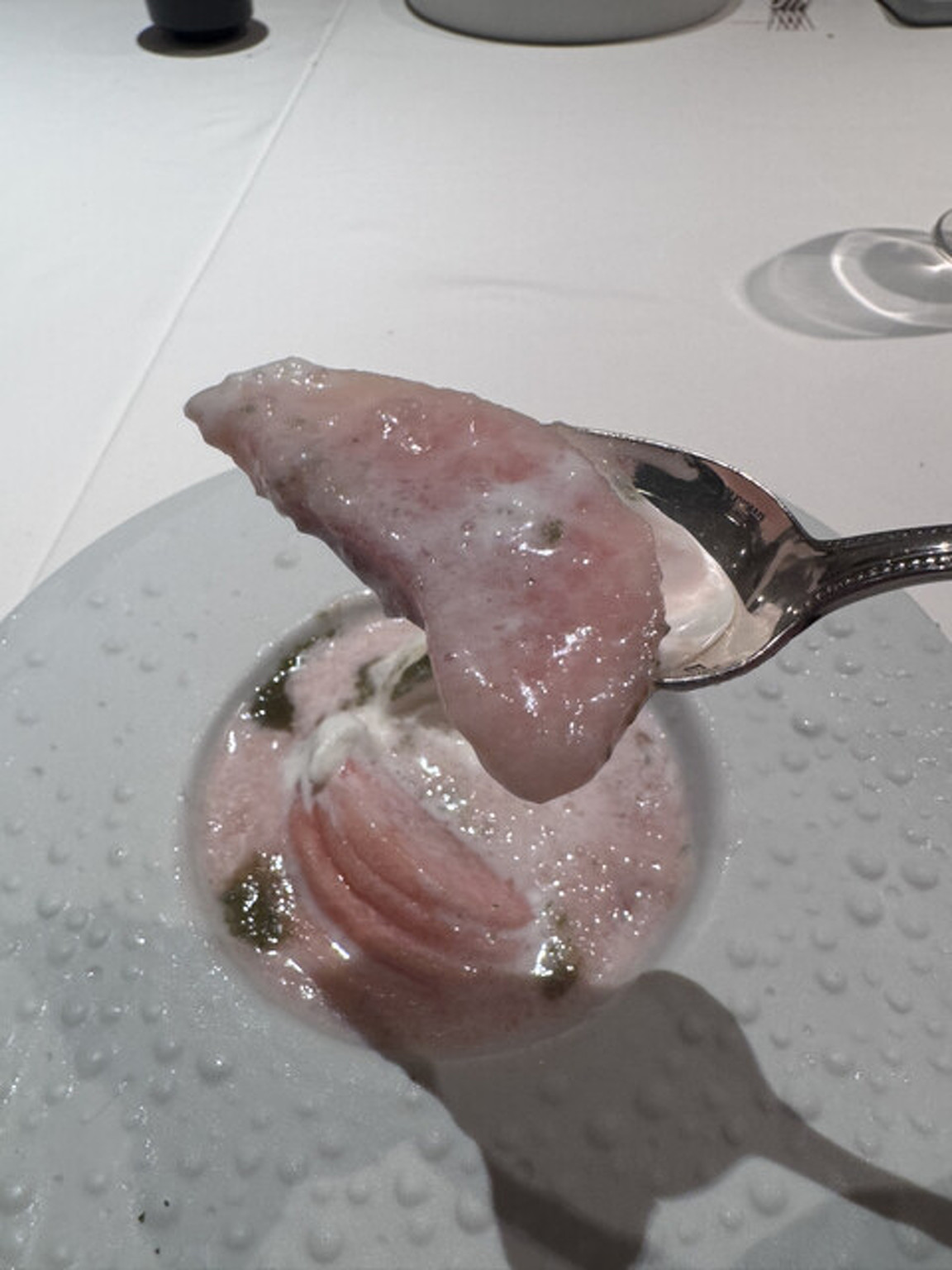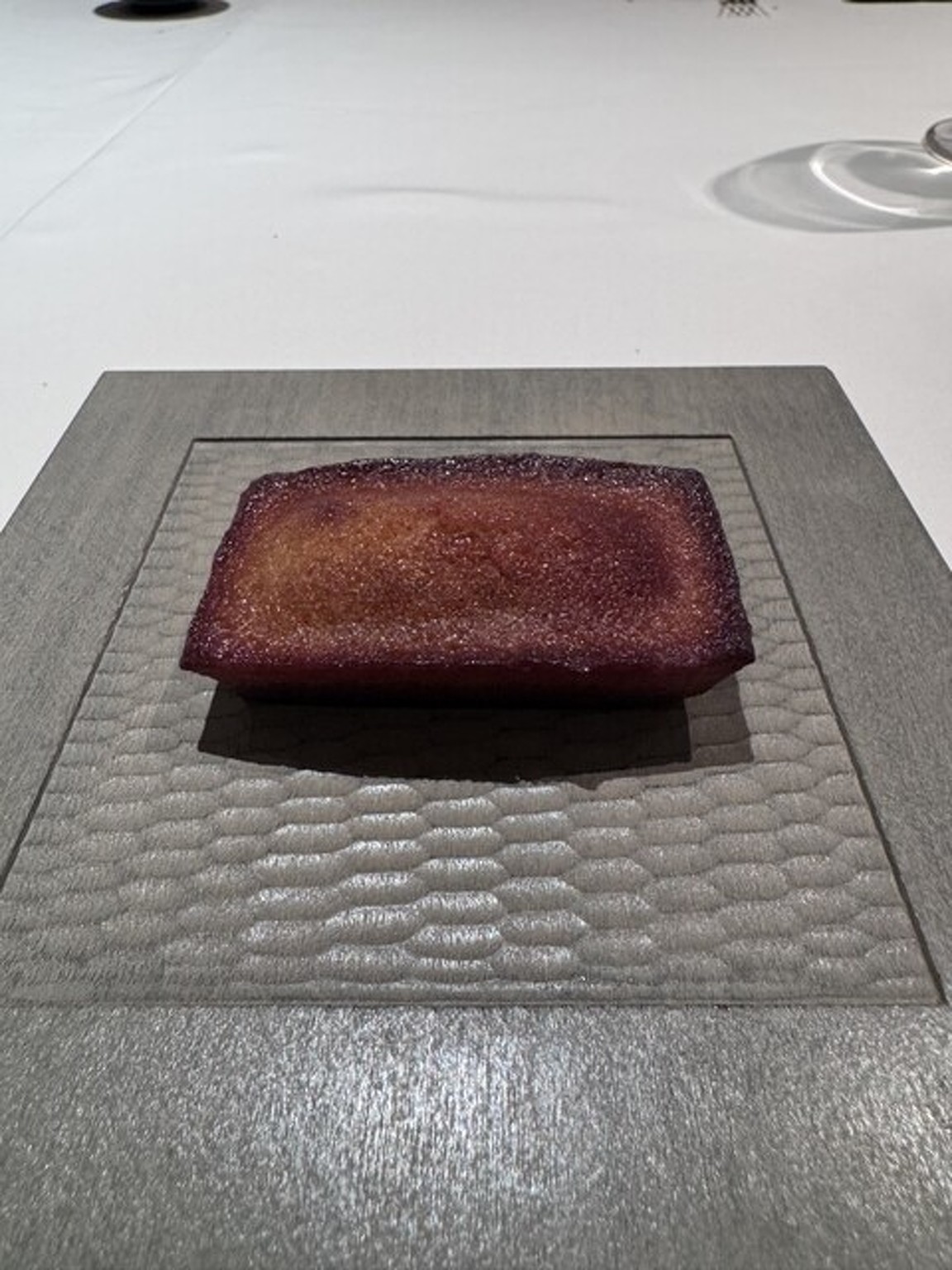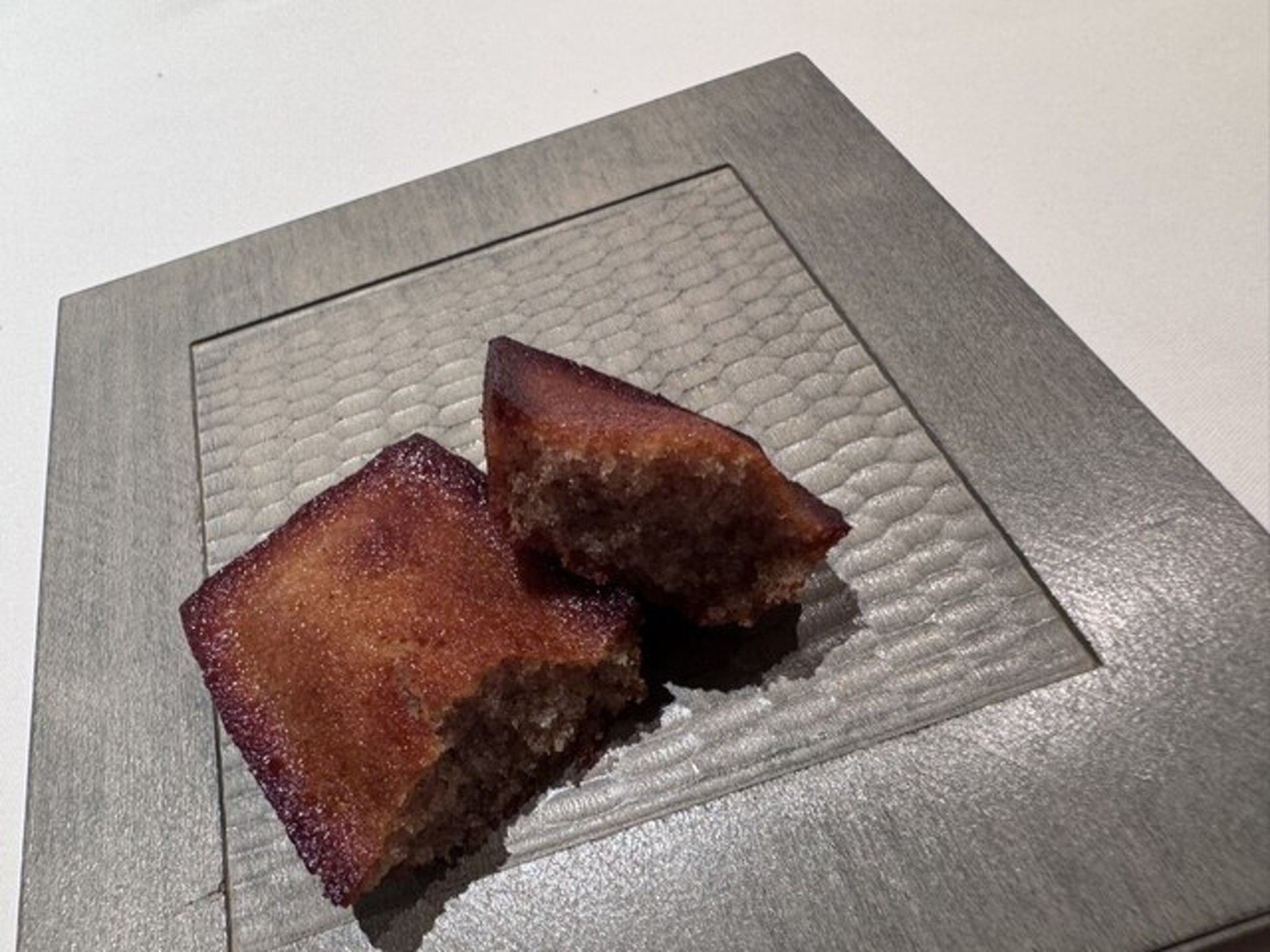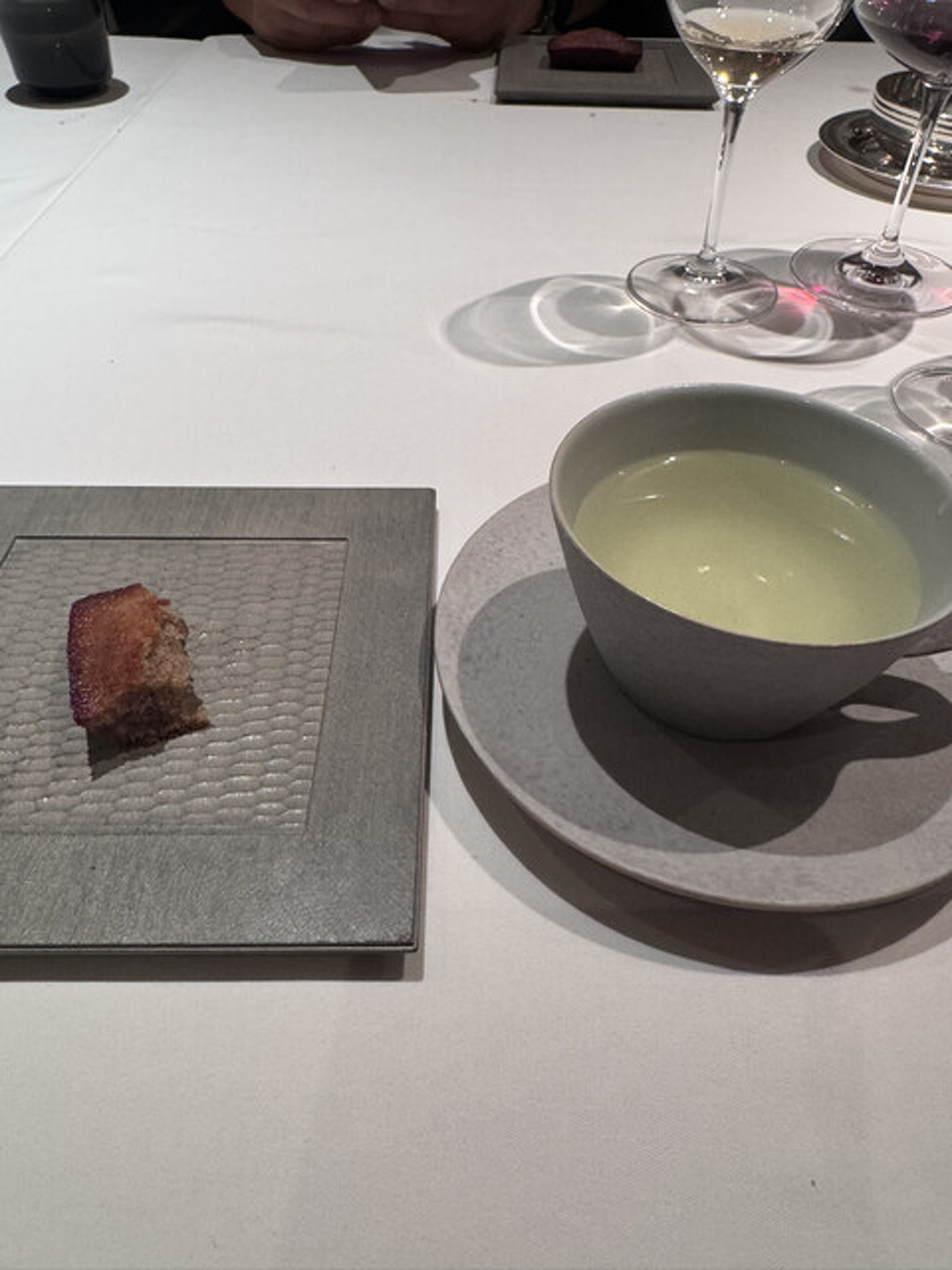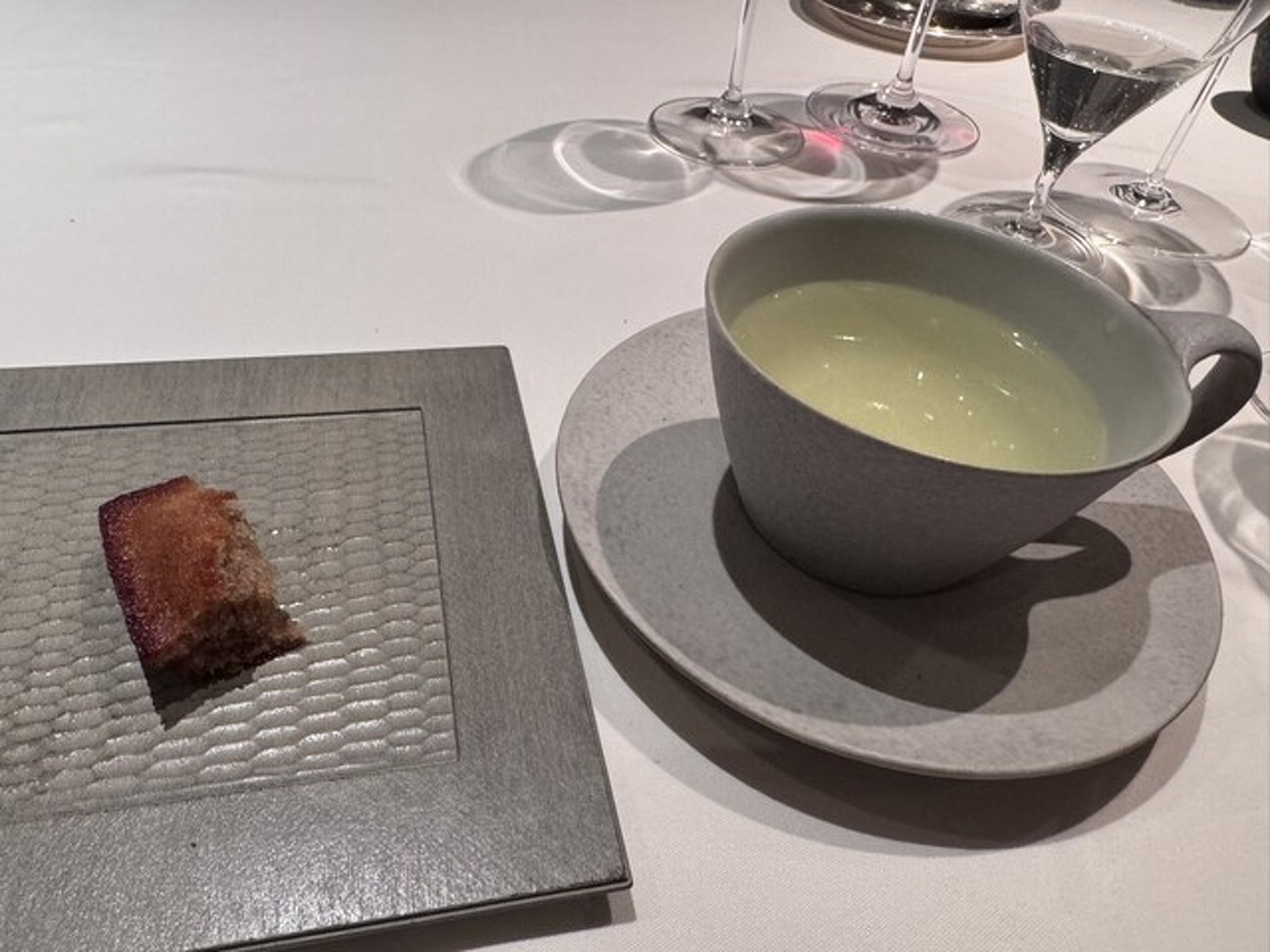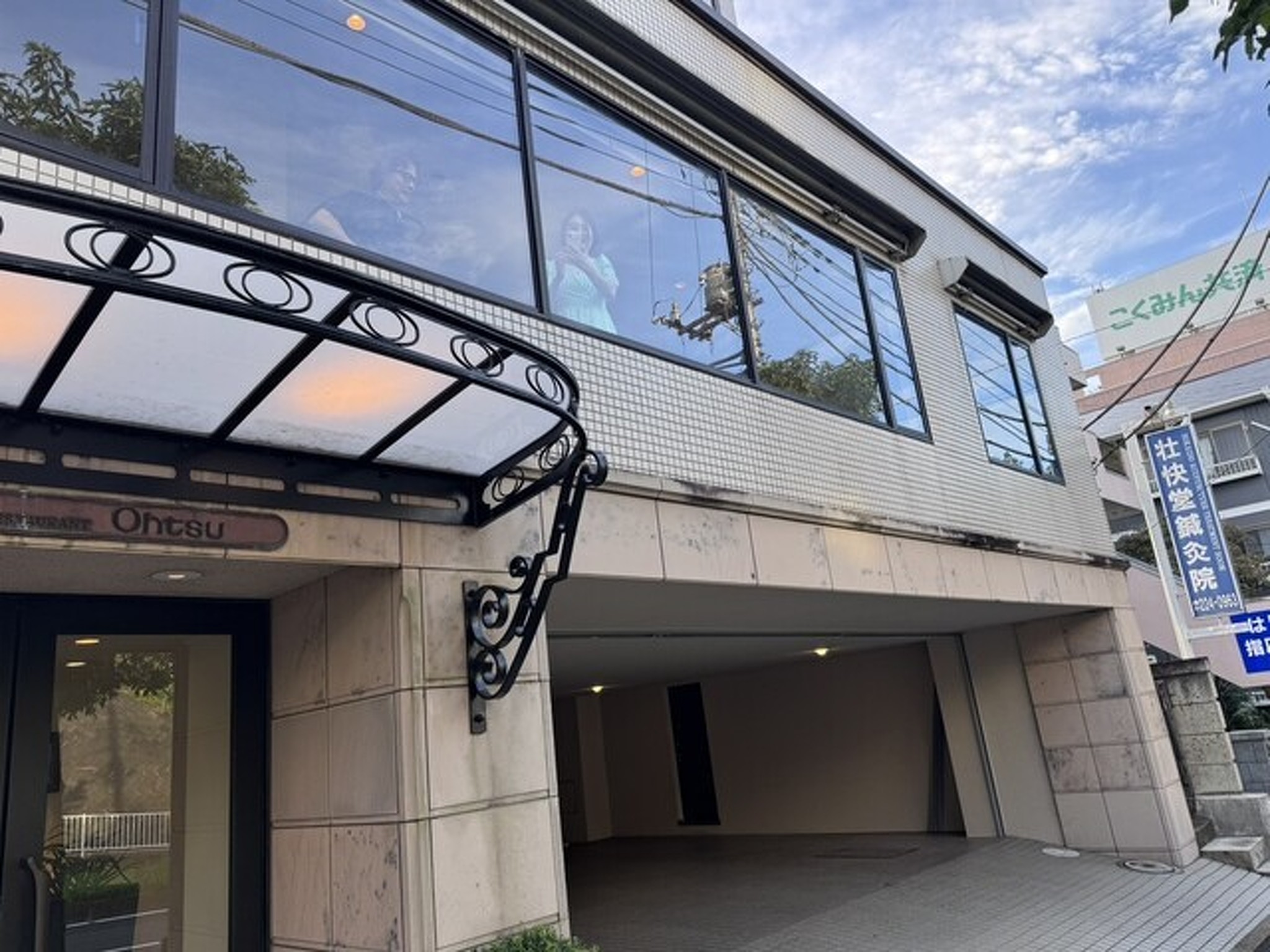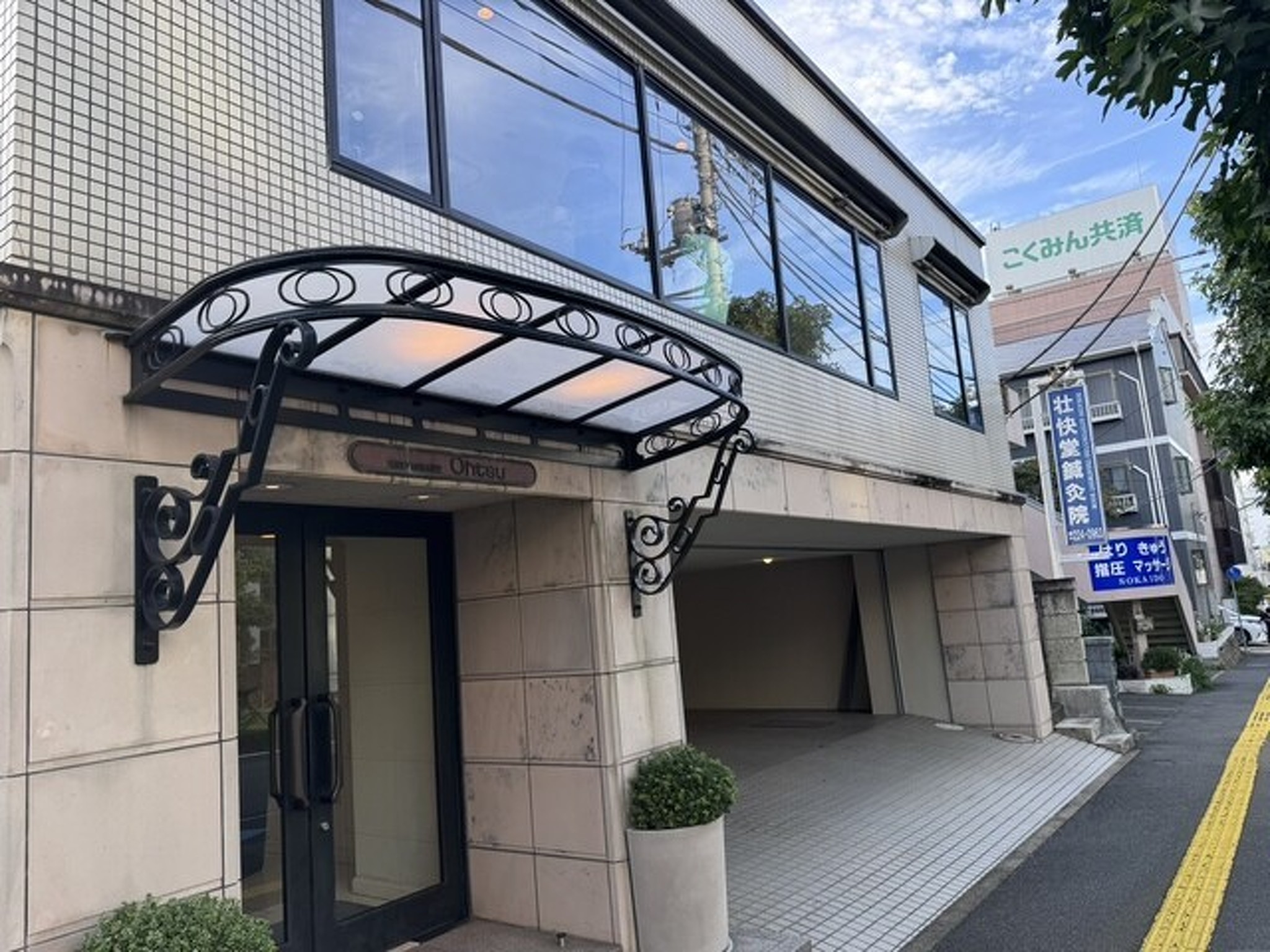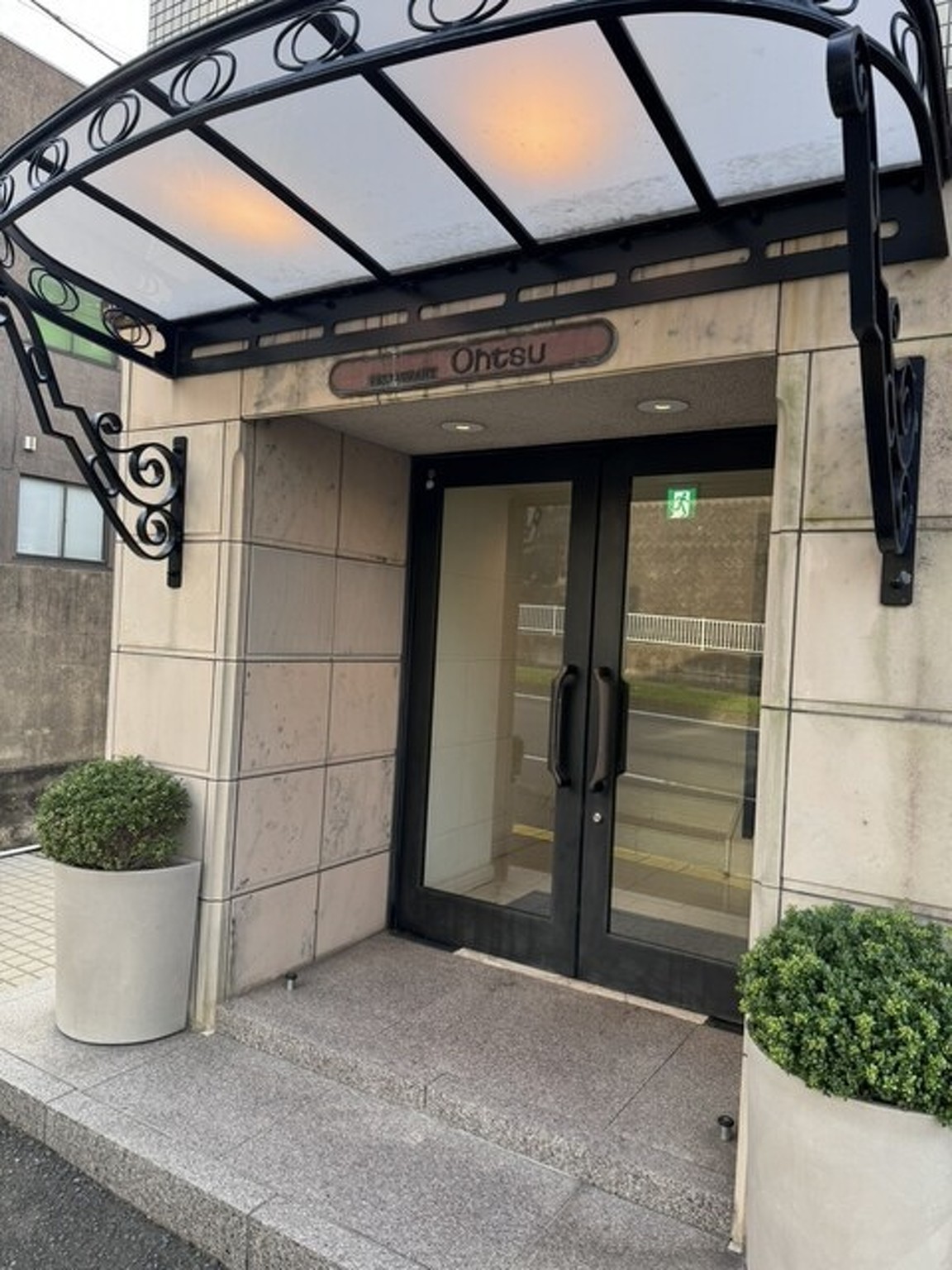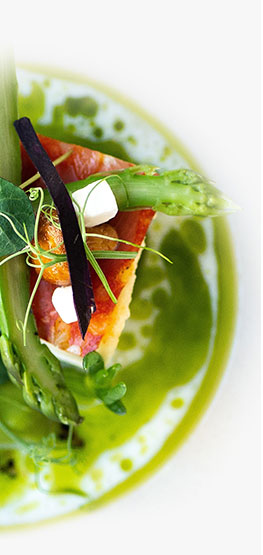
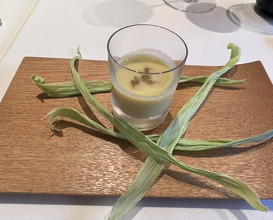
In March of this year, I visited Mito to enjoy Chinese cuisine. Having heard about several great restaurants in Mito, I decided to visit "Restaurant Ohtsu" for the first time, which was recently selected as one of the "Destination Restaurants" by the Japan Times.It takes about 1 hour and 15 minutes by express train from Ueno Station, making it comparable to dining in Tokyo. The restaurant is about a 10-minute walk from Mito Station (though I took a taxi since I wasn't sure about the distance).There are three parking spaces available under the restaurant, and additional parking nearby, so it's convenient for those driving from afar.The restaurant opened in 1991 and is run by the chef's son, with support from his parents.The dining area is located on the second floor. On this day, a group of ten food enthusiasts gathered for a dinner.Since I don't drink much, I ordered a smaller amount of drinks for pairing. For those driving, non-alcoholic options were available, but no specific pairings were offered, allowing for personal selection.I started with "Drappier," a champagne made from organically grown grapes.The first amuse-bouche was "Corn Soup," made from locally harvested sweet corn (the high-sugar variety "Dolce Dream"). The soup is topped with a jelly made from corn broth. It had a refined sweetness—an impressive first dish.Next was "Local Clams" served with a shishito pepper puree and pickled mountain vegetables. This dish also featured local clams, and the puree added a nice touch of spice and freshness.Then came "Isidai from Oarai," wrapped with a sauce made from sazae (turban shell) puree and micro celery. The Isidai, aged for four days, had a rich, creamy texture and excellent umami. The chef skillfully ensured that the skin had a nice fat and aroma.The "Fish Bones Soup" was made from fresh fish bones and leftover parts. It included kombu, sudachi, and a touch of salt, delivering a refined umami flavor.The "Beets and Peach" dish was served with a tomato consomme (gazpacho). The organic beets from Kozawa Farm Lab in Mito provided a moderate sweetness, and the complexity of flavors from the beets and the acidity of the gazpacho was delightful.Next was "Wild Eel from Nakagawa," a rare 750g eel caught by a young fisherman in his twenties. The chef is notified when they become available. It was served with a puree of cucumber and nasturtium stems. The sauce, made from red wine and eel broth, was well-balanced, allowing the eel's flavor to shine through.After several glasses of white wine, I enjoyed a red wine, "Shiojiri Merlot," which paired well with seafood.The "Ise Lobster" was branded as "Hitachi no Kuni Ise Ebi" in 2023, weighing 1.2 kg. The sauce was made from lobster broth and tarragon oil. The cooking was perfect, resulting in a moist texture and rich flavor, yet still gentle on the palate.The "Potato and Truffle" dish combined local ingredients with luxury items. The truffle paired surprisingly well with the potato, and the dish was undeniably delicious. Truffle butter and homemade anchovy (made from local sardines) were used, with potatoes selected from 20-30 varieties. I appreciated this level of dedication.The "Flounder" was sourced from Oarai, served with a sauce made from chitake mushrooms, a type of mountain mushroom harvested by the same young fisherman, and hokkigai (surf clam) along with vin jaune white wine. The flounder was delicious, and the hokkigai added to the overall flavor.The "Black Abalone" was steamed and sourced directly from a fisherman who contacted the chef when he caught it. The sauce made from abalone broth, prosciutto, and kombu was gentle yet highlighted the ingredient's natural flavors, accompanied by vine purple and edamame from Kozawa Farm Lab.For the final chicken dish, I was served red wine "Sarge de Gruaud Larose," the second label from the popular "Ch. Gruaud Larose" in Saint-Julien.The last main dish was "Hōrōhō Chicken" from Jafura Farm in Kasumigaura, featuring both thigh and breast meat. It was quite substantial. The meat was juicy and tender, with delicious fat. The sauce was based on chitake and chicken broth, garnished with water eggplant topped with chicken liver. The combination of chicken liver and water eggplant was surprisingly rich and delicious.For a palate cleanser, I had "Omitama Yogurt Sorbet," made from fresh milk (92%) from Omitama City in Ibaraki. It was smooth and gently delicious.The "Peach Soup with Jersey Milk Ice Cream" featured peach fruit and soup, with the creamy ice cream adding a delightful twist to the flavor.Finally, I enjoyed "Fresh Herbal Tea" and a mini dessert, "Financier." While the ending mini dessert was not as surprising as the previous courses, it was still delicious.Ibaraki Prefecture, known as an agricultural kingdom, is famous for melons, sweet potatoes, chestnuts, and lotus roots, but also excels in strawberries, Hōrōhō chicken, duck, Hitachi beef, anglerfish, Ise lobster, and shira-uo. The variety and quality of ingredients are truly remarkable. It's exciting to see young chefs like Chef Ohtsu skillfully utilizing these local ingredients, and Ibaraki may soon become a culinary hotspot.
We use cookies on this site to enhance your user experience.