We use cookies on this site to enhance your user experience.

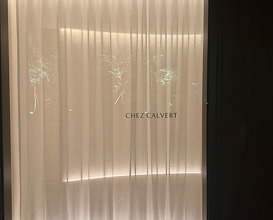
Chez Calvert — An Extraordinary Debut at the Highest Level
10 October 2026 | Dinner 20:30 | Azabudai Hills, Tokyo
The Restaurant, Chef and Setting
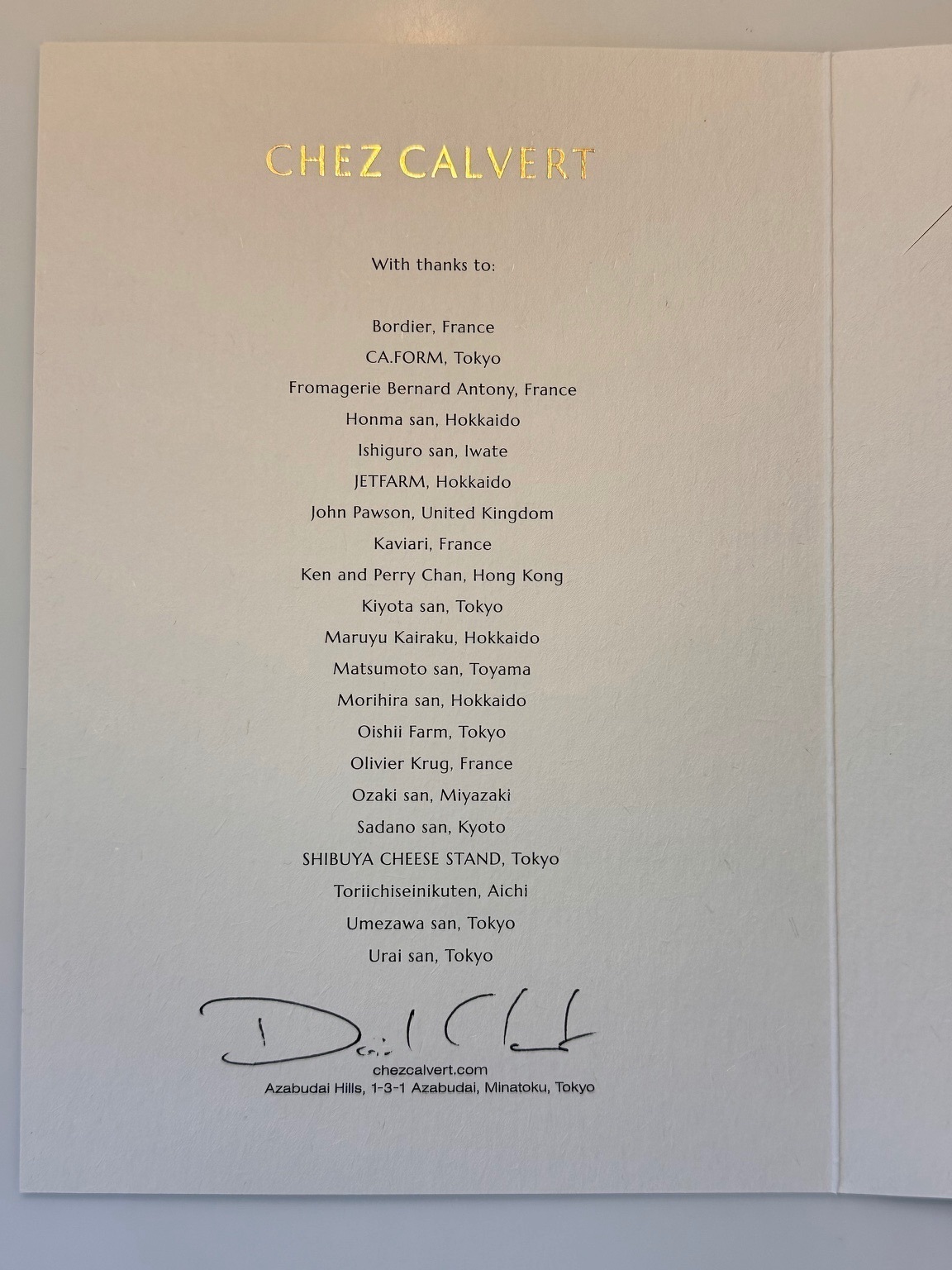
Daniel Calvert has been one of the most impressive chefs working in Asia for years. Born in Britain, he trained in some of the world’s finest kitchens, including Per Se in New York and Epicure in Paris, before taking his first head chef position at Belon in Hong Kong. In 2021, he moved to Tokyo to open Sézanne at the Four Seasons Hotel Tokyo at Marunouchi. Within just three years, Sézanne had earned three Michelin stars and reached No. 1 on Asia’s 50 Best Restaurants and No. 7 on The World’s 50 Best Restaurants.
I have known Daniel for quite some time, having visited Belon several times and, after his move to Tokyo, Sézanne on numerous occasions. When he announced his first independent restaurant, Chez Calvert, I was convinced it would be a success. However, what I experienced exceeded even my considerable expectations.
Opened on 1 October 2026, Chez Calvert occupies a beautiful space in Azabudai Hills designed by the distinguished British architect John Pawson. His signature minimalism creates an atmosphere of extraordinary restraint, elegance and tranquillity. Nothing is superfluous, and the architecture provides a beautiful, understated stage for the cuisine. The restaurant feels intimate and sophisticated without becoming formal or intimidating.
The front-of-house team was impeccable, combining professionalism, warmth and effortless precision. Equally important, much of the kitchen brigade followed Daniel from Sézanne. This is not a newly assembled team learning to work together, but an established group of highly accomplished professionals who understand one another perfectly.
That continuity helps explain something remarkable: only ten days after opening, Chez Calvert already operates with the confidence, precision and maturity of a world-class restaurant.
The Meal — An Exceptional Display of Precision and Flavour
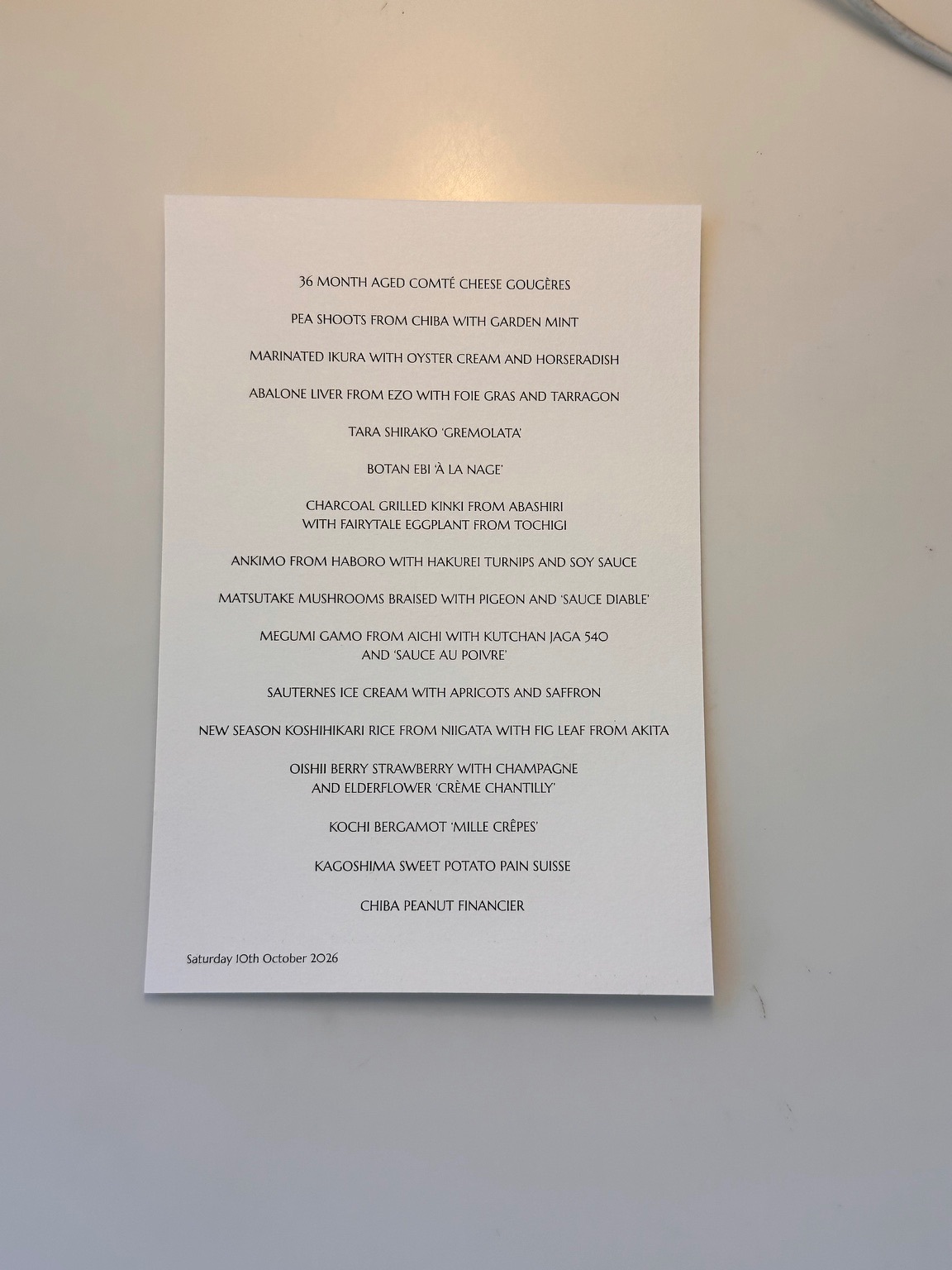
The opening gougères made with 36-month-aged Comté were exquisite. An impossibly thin shell enclosed an almost liquid centre, releasing an intense explosion of umami. The Chiba pea shoots with garden mint brought freshness, followed by marinated ikura with oyster cream and horseradish, combining marine richness with a sharper counterpoint. Abalone liver from Ezo with foie gras and tarragon introduced another layer of richness, while tara shirako gremolata demonstrated the kitchen’s willingness to work with distinctive Japanese ingredients.
The botan ebi à la nage was particularly impressive, its almost creamy consistency delivering remarkable depth of flavour.
Charcoal-grilled kinki from Abashiri was another outstanding dish. The beautifully crisp skin contrasted perfectly with the naturally fatty, delicate flesh, while fairytale eggplant from Tochigi completed a superb combination of textures. Ankimo from Haboro, accompanied by Hakurei turnips and soy sauce, continued the exploration of Japanese ingredients through classical French technique.
The matsutake mushrooms braised with pigeon and sauce diable were magnificent. The pigeon was perfectly cooked, but the matsutake was equally memorable, releasing an extraordinary perfume that seemed to fill the senses.
Then came the Megumi duck from Aichi with Kutchan Jaga 540 potatoes and sauce au poivre. Quite possibly one of the finest ducks I have eaten, and I have eaten many. The breast was exceptionally tender, juicy and deeply flavoured. Yet the greatest achievement was the skin: briefly grilled over charcoal for perhaps one or two minutes, perfectly crisp, with the underlying fat rendered to an extraordinary consistency. The contrast between the crispy skin, the beautifully rendered fat and the succulent meat was simply sensational.
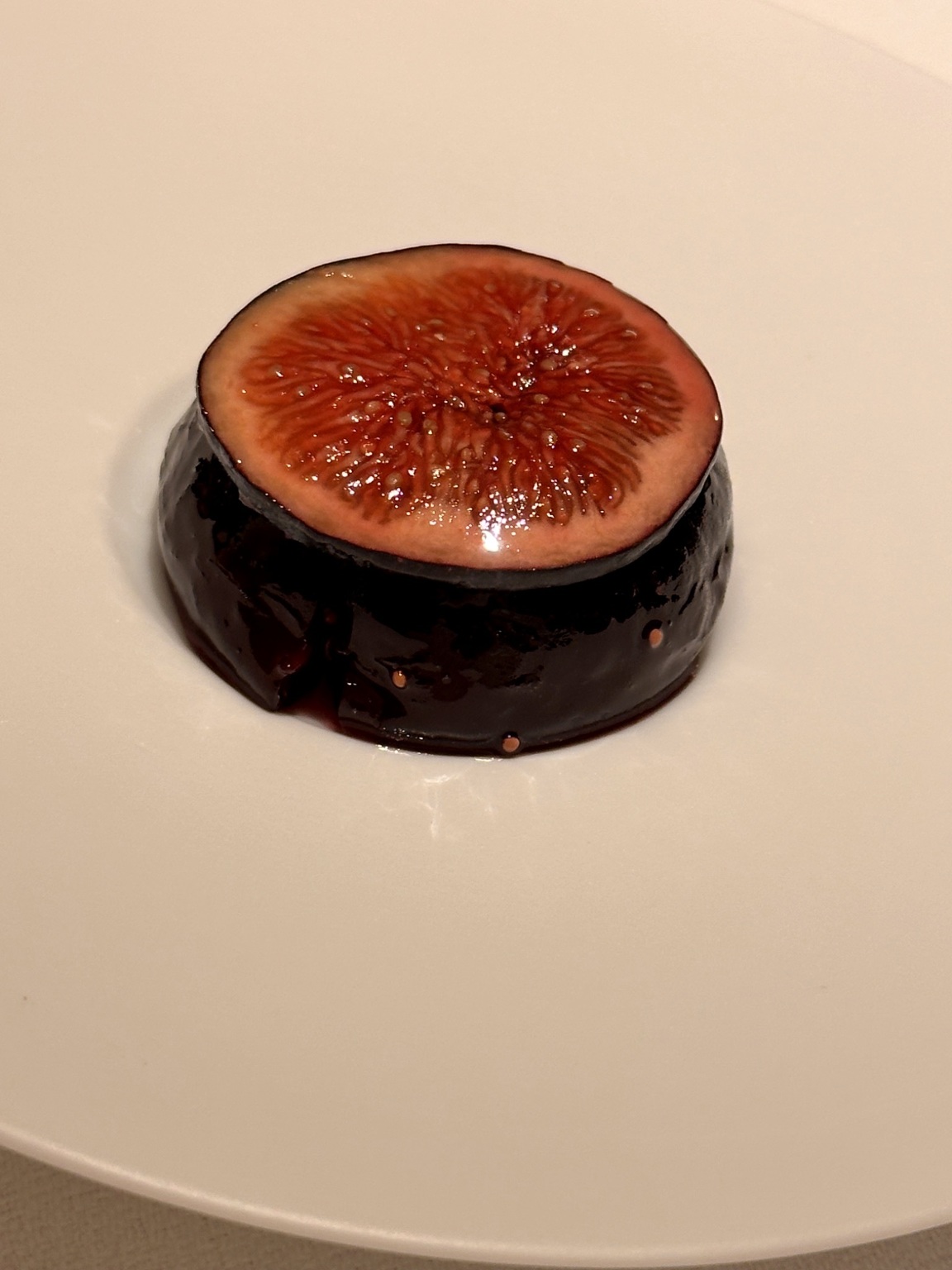
The desserts maintained the high standard. Sauternes ice cream with apricots and saffron was followed by new-season Koshihikari rice with Akita fig leaf, an intriguing combination of subtle flavours. The Oishii Berry strawberry with Champagne and elderflower Chantilly was perhaps the least compelling course, although still very good. Kochi bergamot mille crêpes and Kagoshima sweet potato pain suisse followed.
The final Chiba peanut financier was sensational: served slightly warm, intensely fragrant and full of roasted peanut flavour. An extraordinary conclusion to an extraordinary meal.
Overall Impression — Three Michelin Stars from Day One
Having visited every Michelin three-star restaurant worldwide since 2014, I have a reasonably broad basis for comparison. However, my assessment of Chez Calvert is based not only on this experience but also on a particularly intensive period of dining immediately preceding this visit.
I have just returned from three months in Europe, during which I enjoyed 13 meals at 12 different Michelin three-star restaurants. Most were relatively new establishments, restaurants recently promoted from two to three stars, or places I had not previously visited. This has given me an excellent and very current perspective on what is happening at the highest level of European gastronomy.
All these restaurants offered excellent dining experiences, and my comparison should certainly not be understood as criticism of their quality. At this level, differences are often subtle, and personal preferences inevitably play a role.
However, two restaurants stood out distinctly from the others: Les Morainières in Jongieux, France, which I visited for the first time following its recent promotion to three Michelin stars, and now Chez Calvert in Tokyo.
Both demonstrated an exceptional level of consistency throughout the entire meal, combining outstanding ingredients, extraordinary technical precision, remarkable depth of flavour and beautifully balanced compositions. There was not a single weak dish, and both kitchens delivered an experience that went beyond even the very high standards one expects from three-Michelin-star restaurants.
What makes Chez Calvert’s achievement particularly remarkable is that the restaurant had opened only ten days before our visit. To perform at this level so soon after opening is extraordinary, even allowing for the fact that Daniel brought much of his experienced team from Sézanne.
Daniel’s cuisine remains firmly rooted in classical French technique, yet his understanding of Japanese ingredients has evolved into something much more personal. Exceptional produce is never merely displayed for its quality; it is transformed through carefully controlled cooking, contrasting textures and remarkable sensitivity to flavour. The kinki, matsutake pigeon and especially the duck demonstrated this philosophy beautifully.
The front of house was equally accomplished. Service was perfectly orchestrated without becoming stiff or excessively formal. The familiarity of the kitchen team, many having worked together at Sézanne, was clearly a major advantage.
I have absolutely no doubt that Chez Calvert deserves three Michelin stars. The only question is how Michelin will approach such a recent opening. With the next Tokyo guide expected in February, the inspection window may prove too short for a thorough assessment.
In my view, Michelin has two reasonable choices: award three stars immediately, recognising the restaurant’s extraordinary standard, or postpone its inclusion until the following edition, allowing more time for inspection.
What would make little sense is an intermediate rating that fails to reflect the quality already on display.
For me, Chez Calvert is not merely Tokyo’s most exciting new restaurant. Alongside Les Morainières, it represents one of the two most outstanding dining experiences I have had this year, even among an exceptionally strong selection of Europe’s finest restaurants.
An exceptional restaurant, an extraordinary debut, and unquestionably three-Michelin-star cooking from day one.
10 / 10
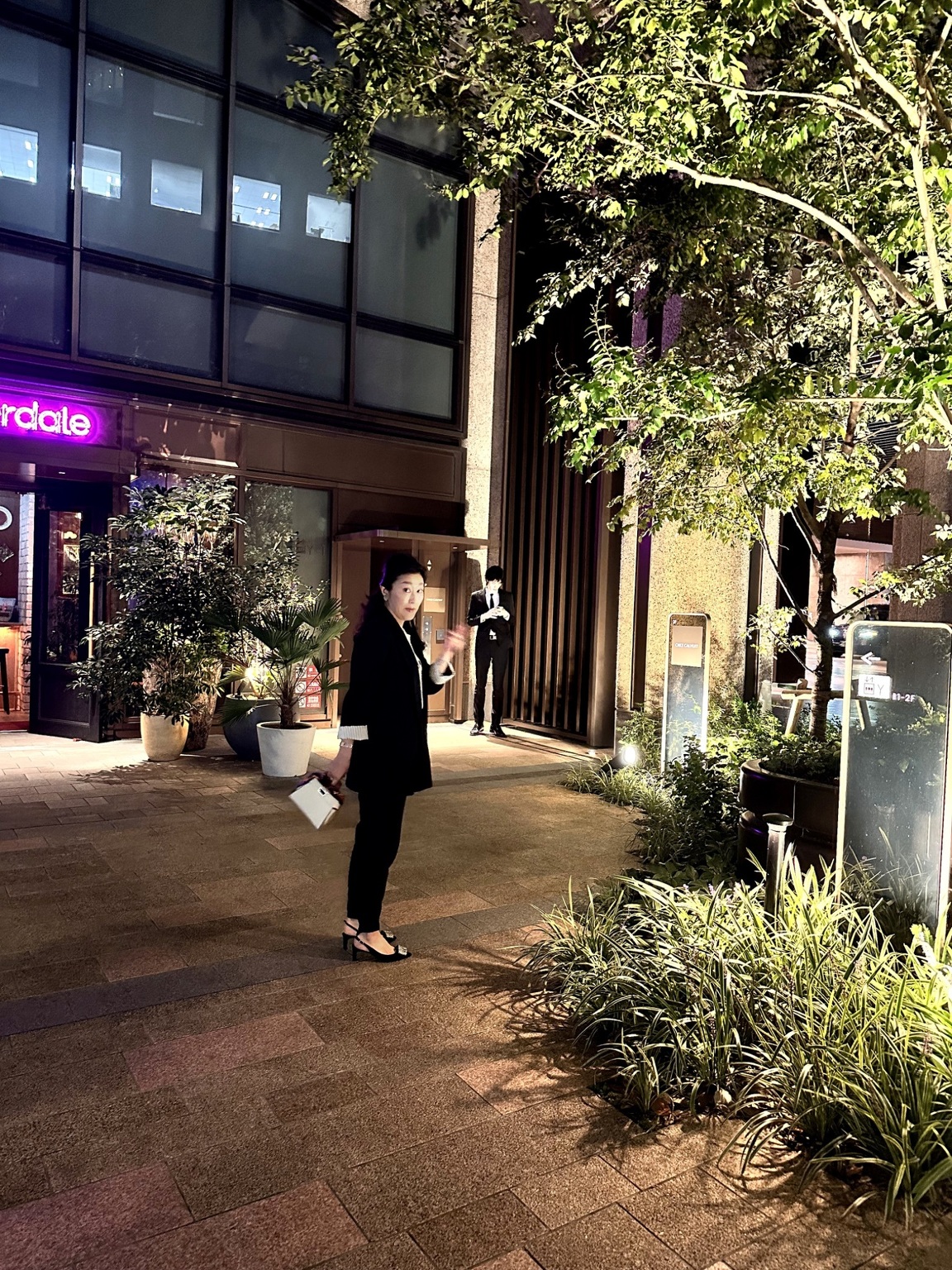
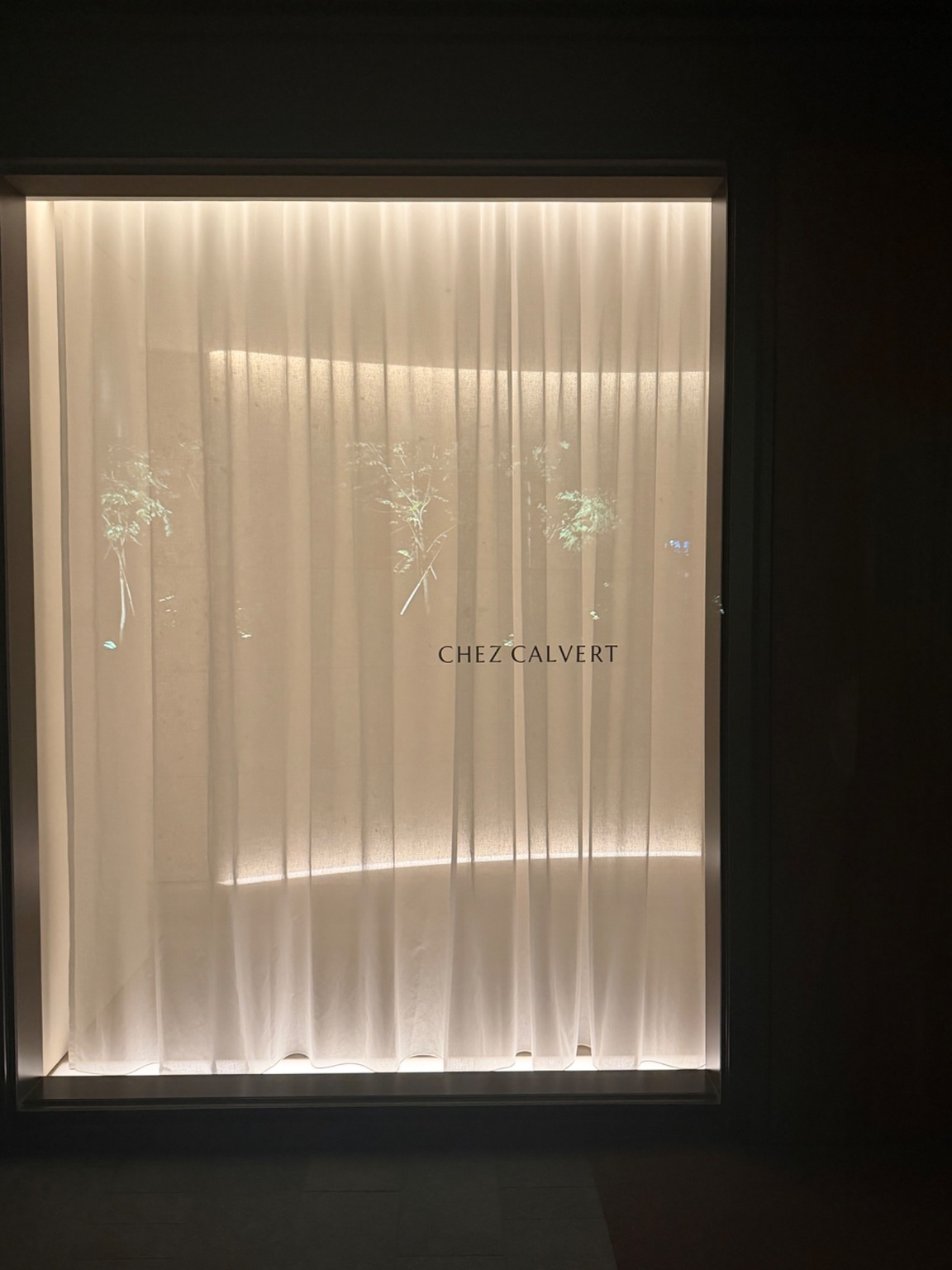
Restaurant entrance
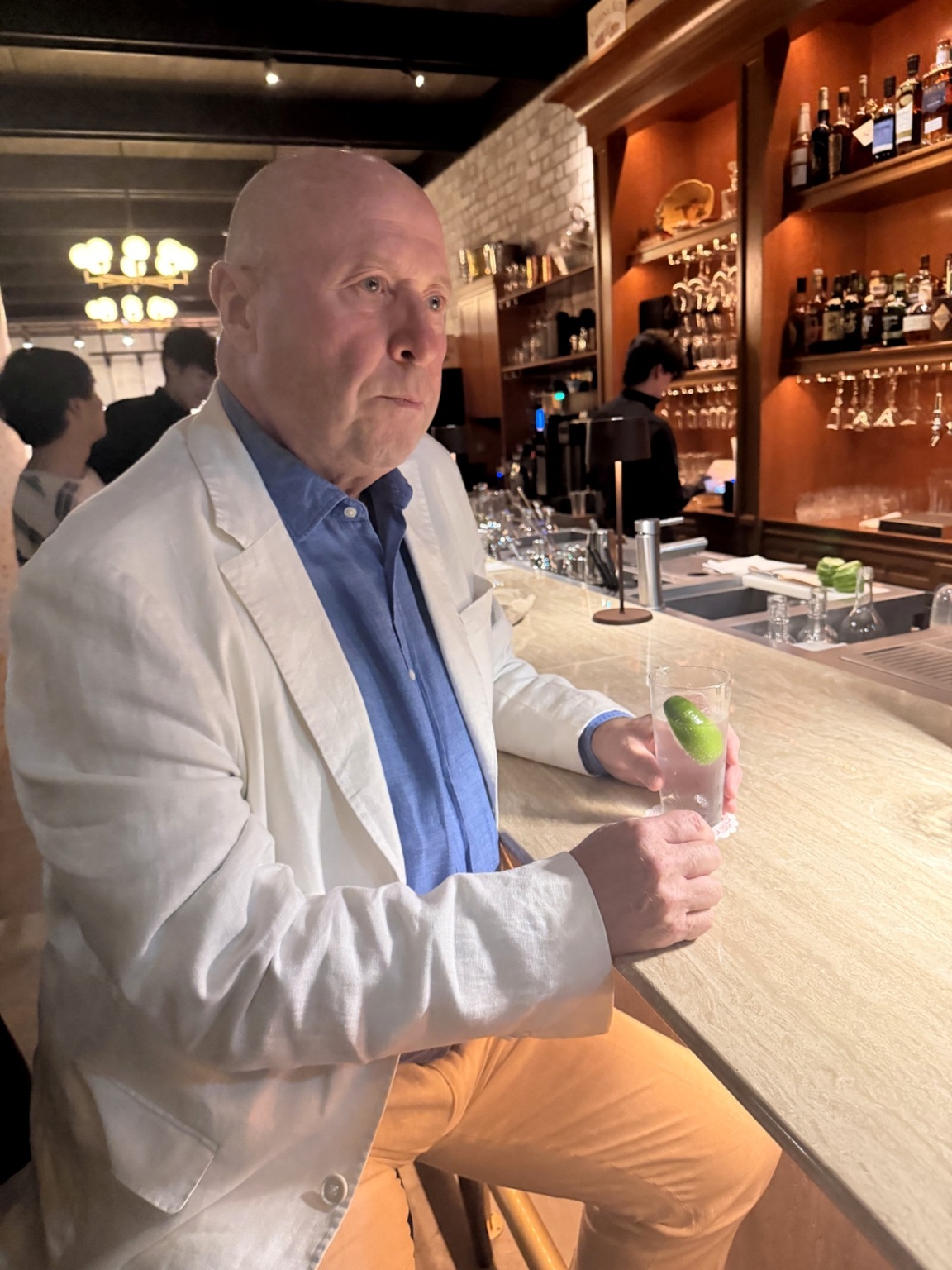
Arrival at the counter
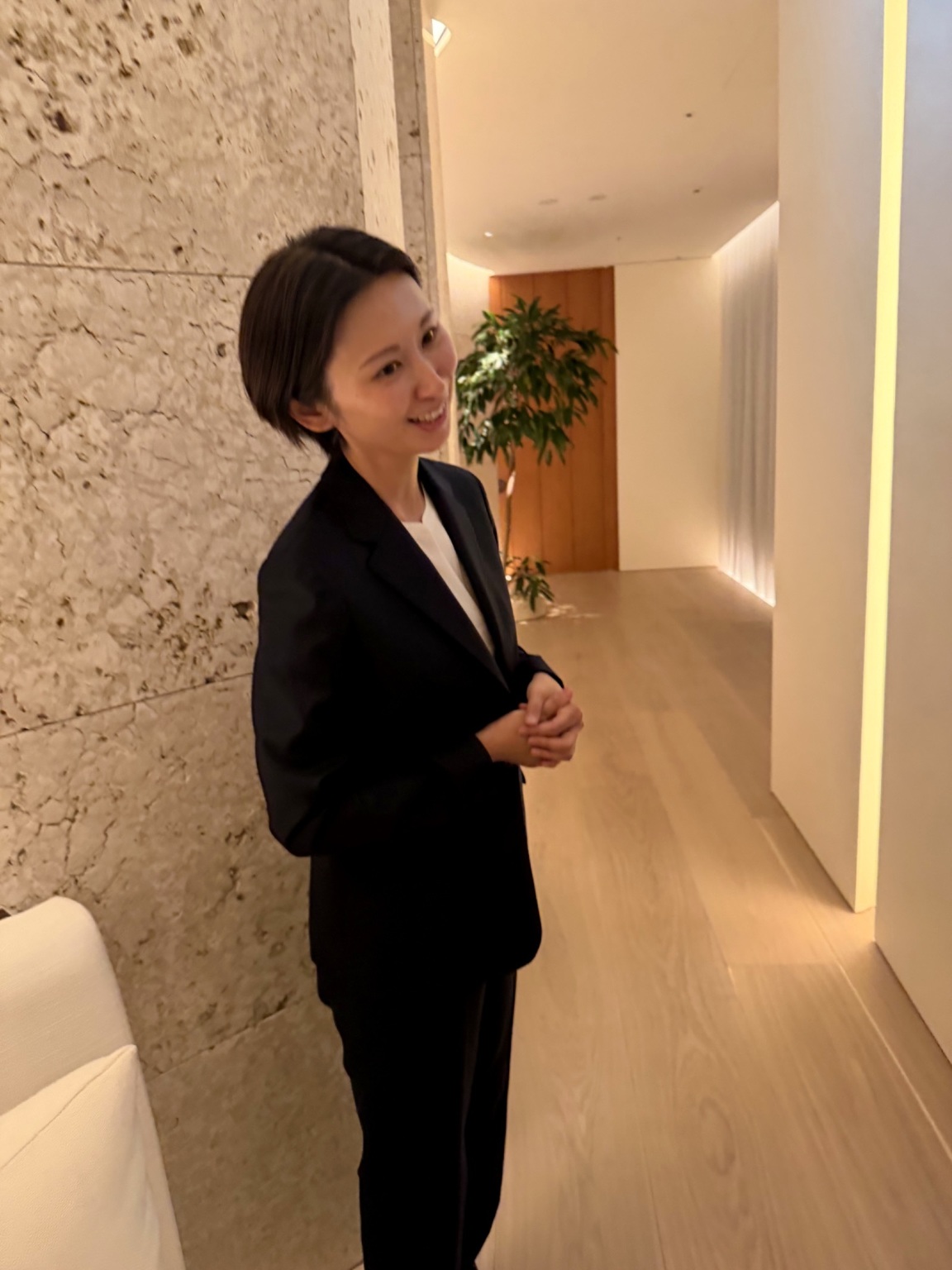
Welcome and introduction
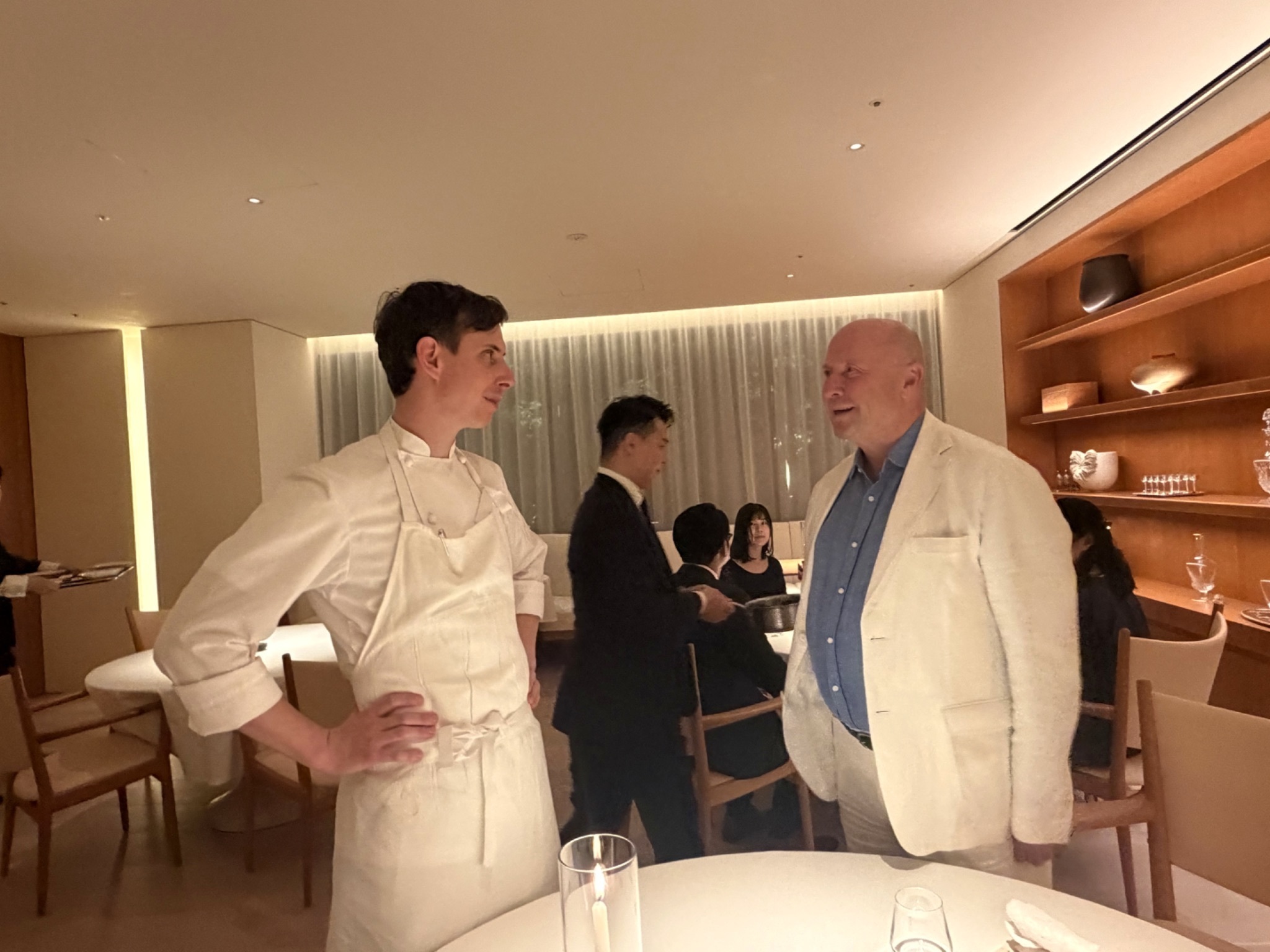
Chef greeting guests
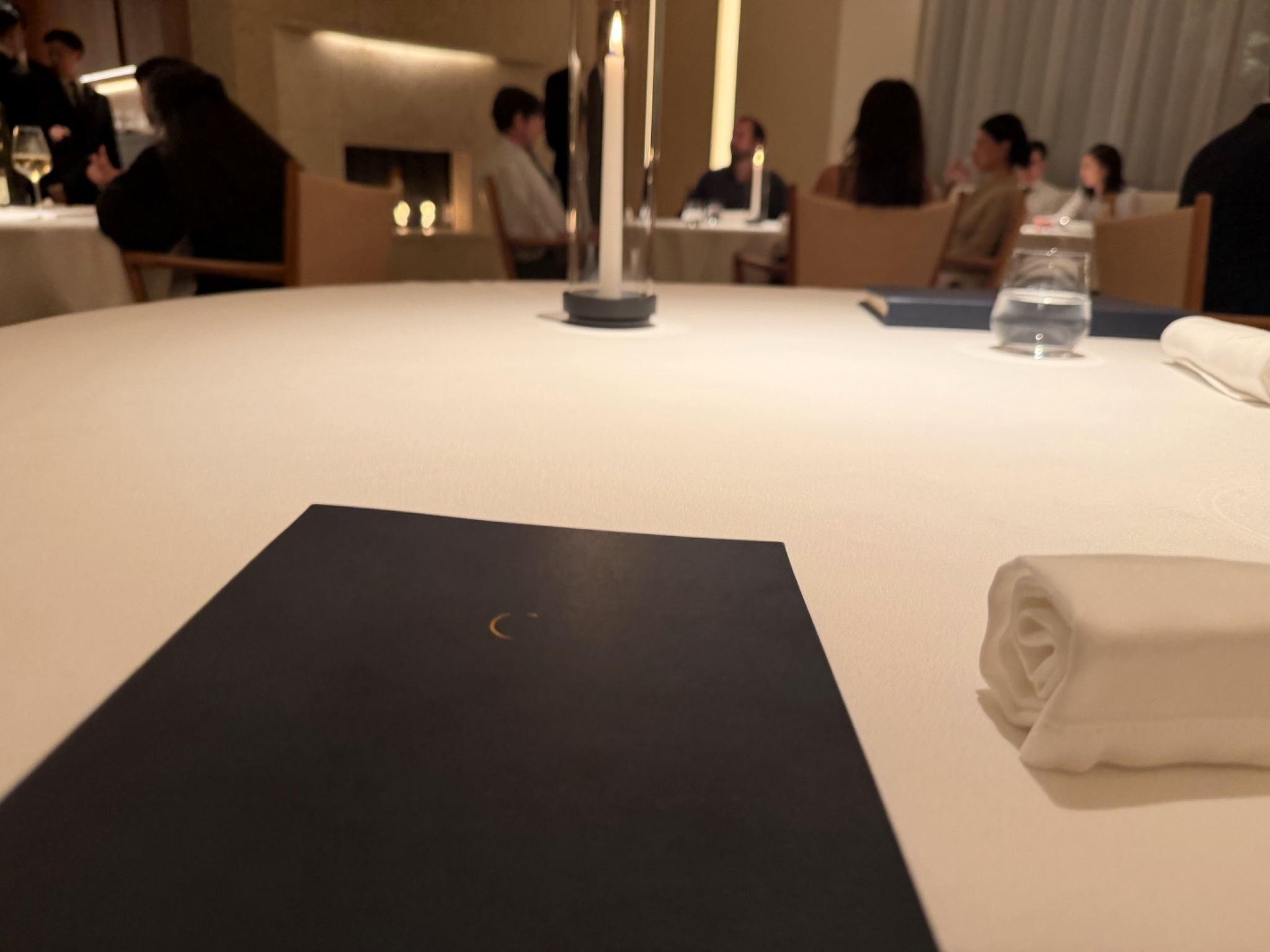
Dining room and table setting
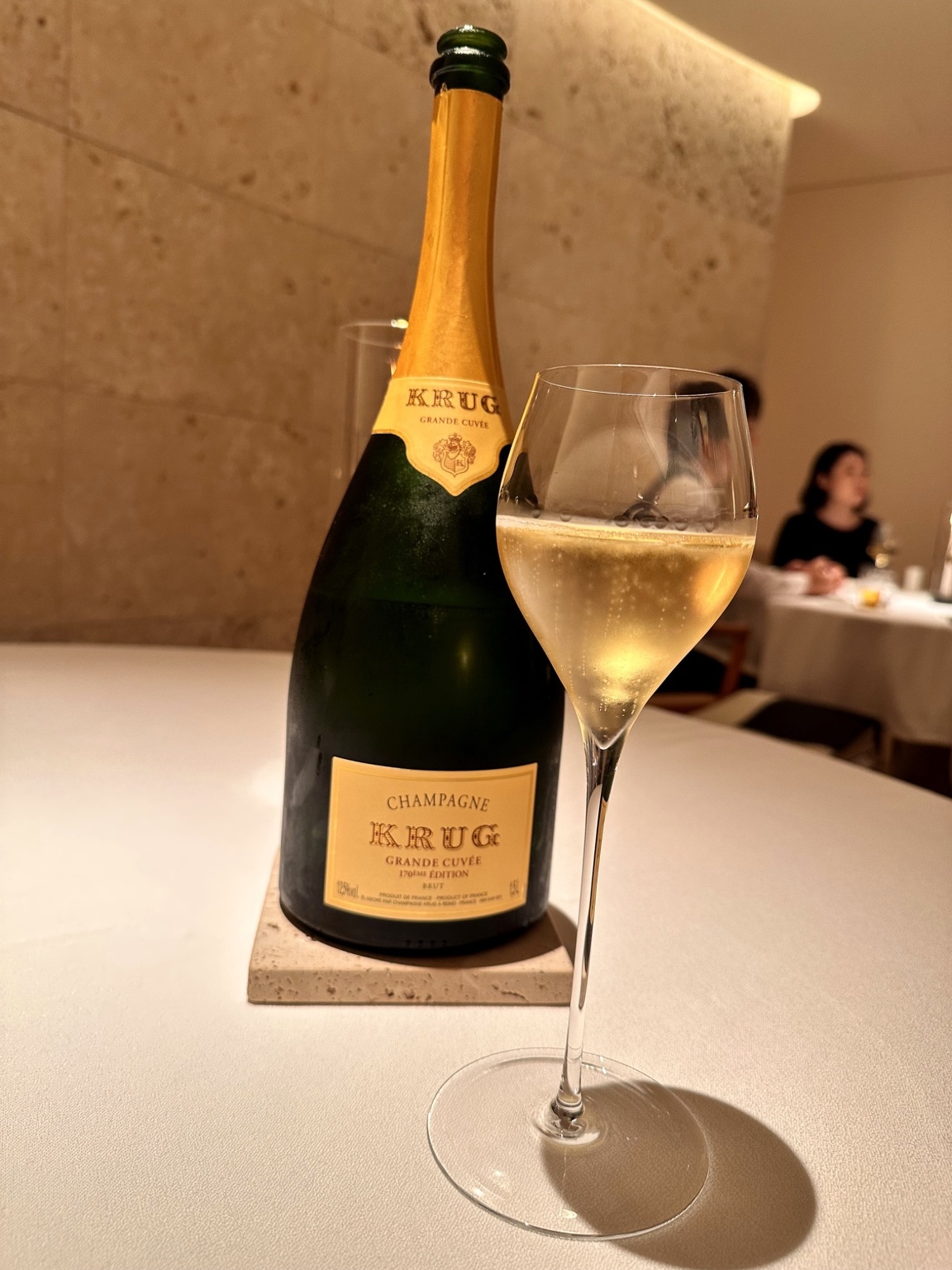
Champagne service
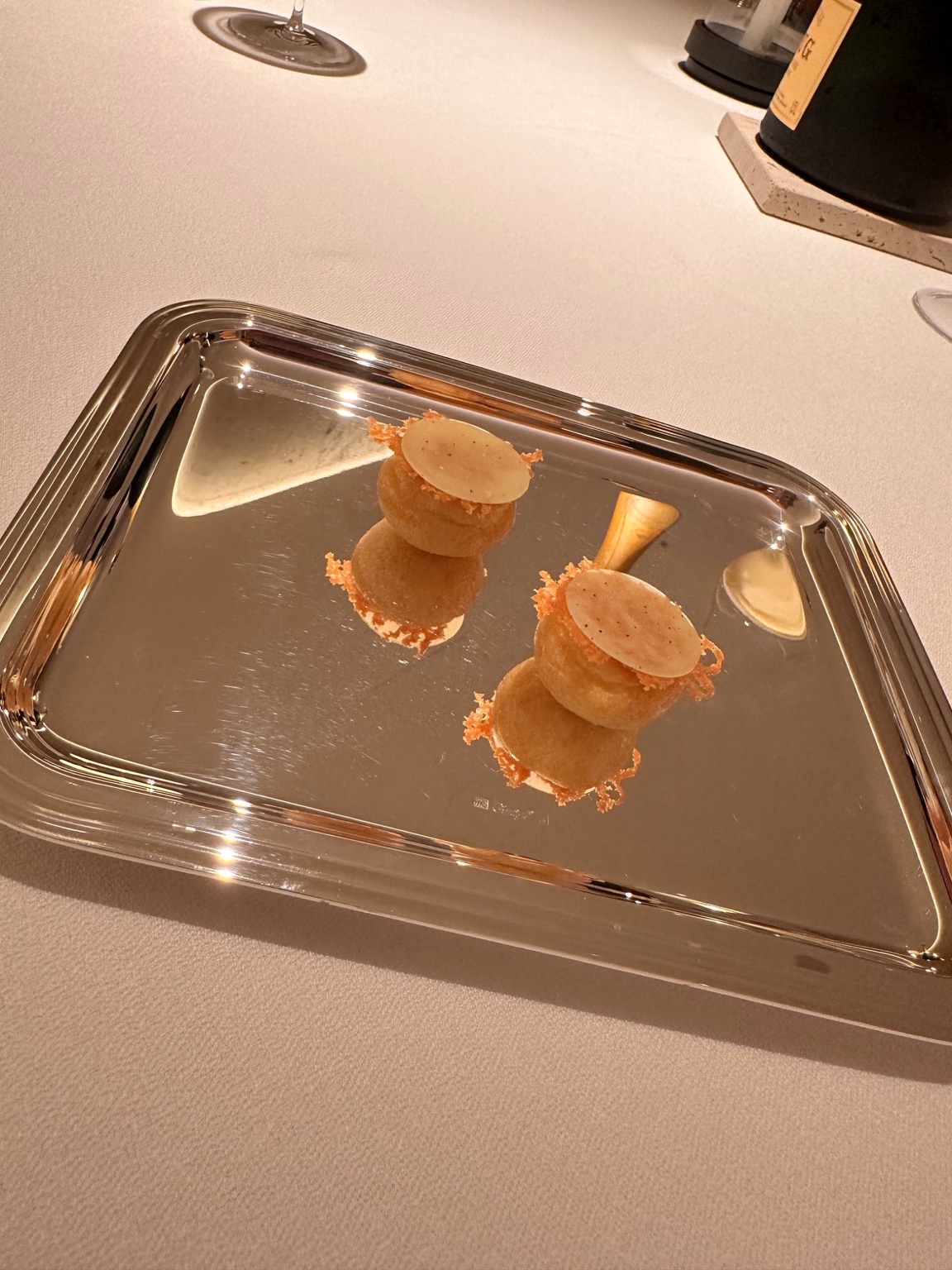
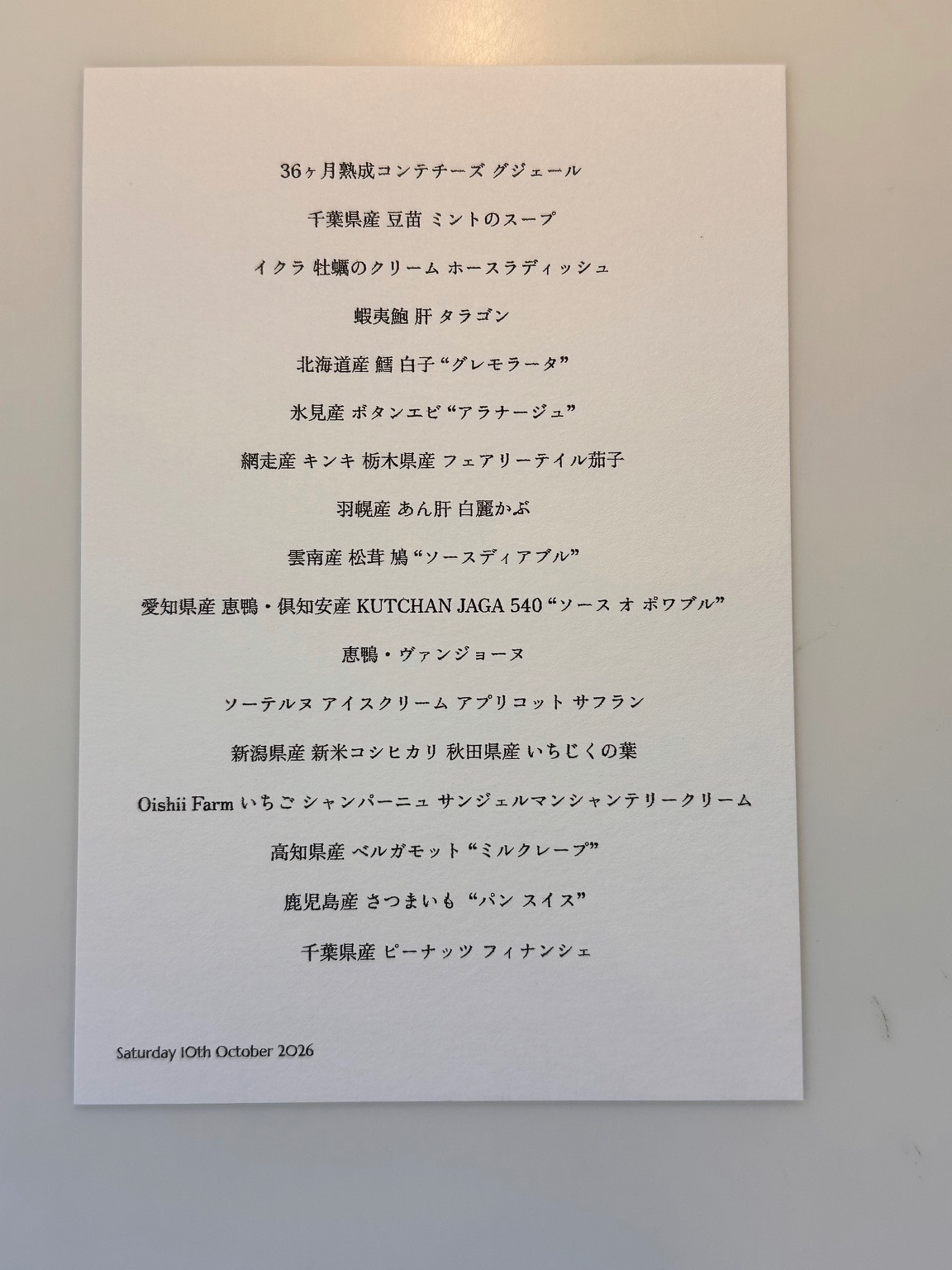
36 MONTH AGED COMTÉ CHEESE COUGÈRES
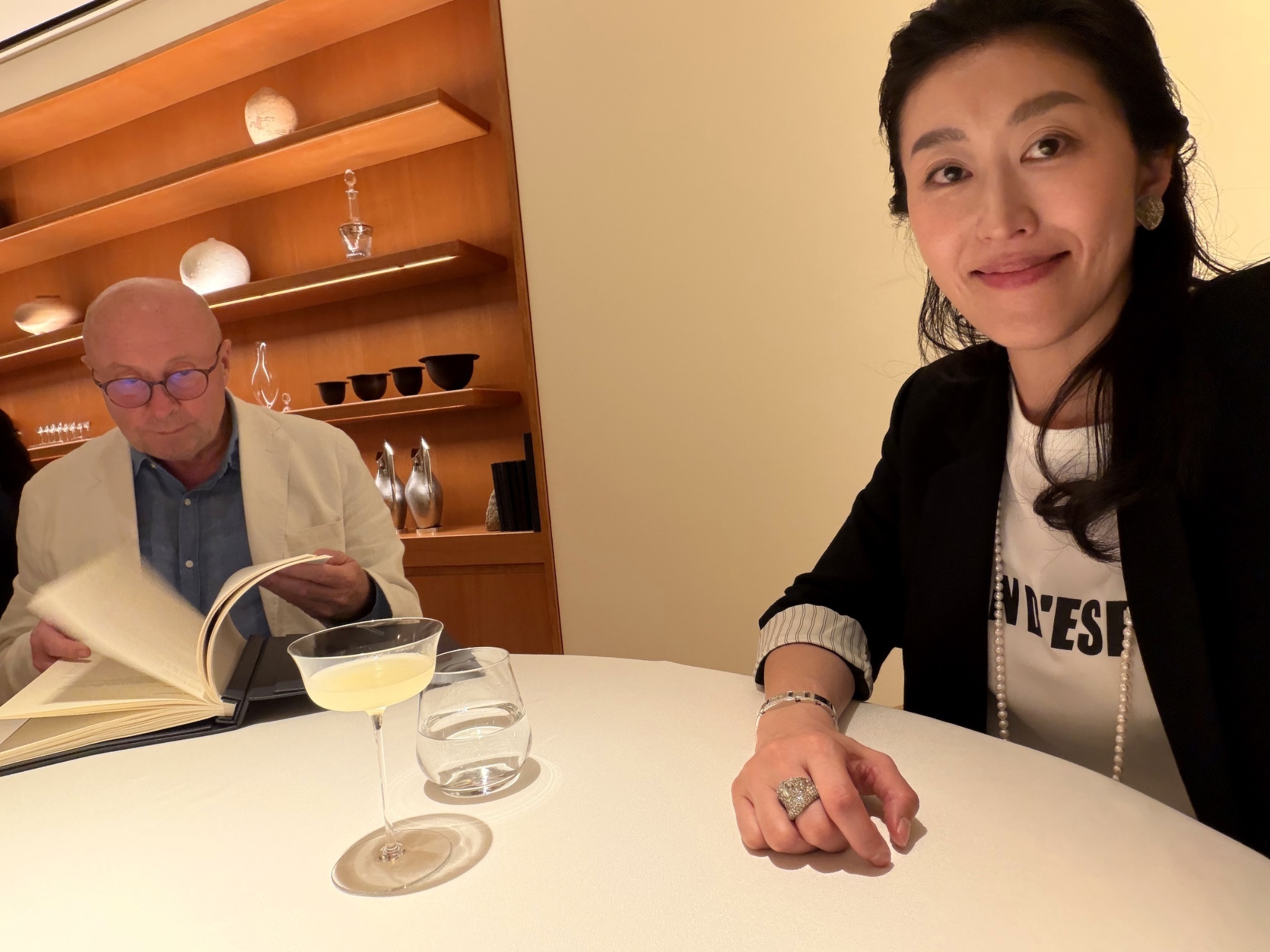
Guests at the table
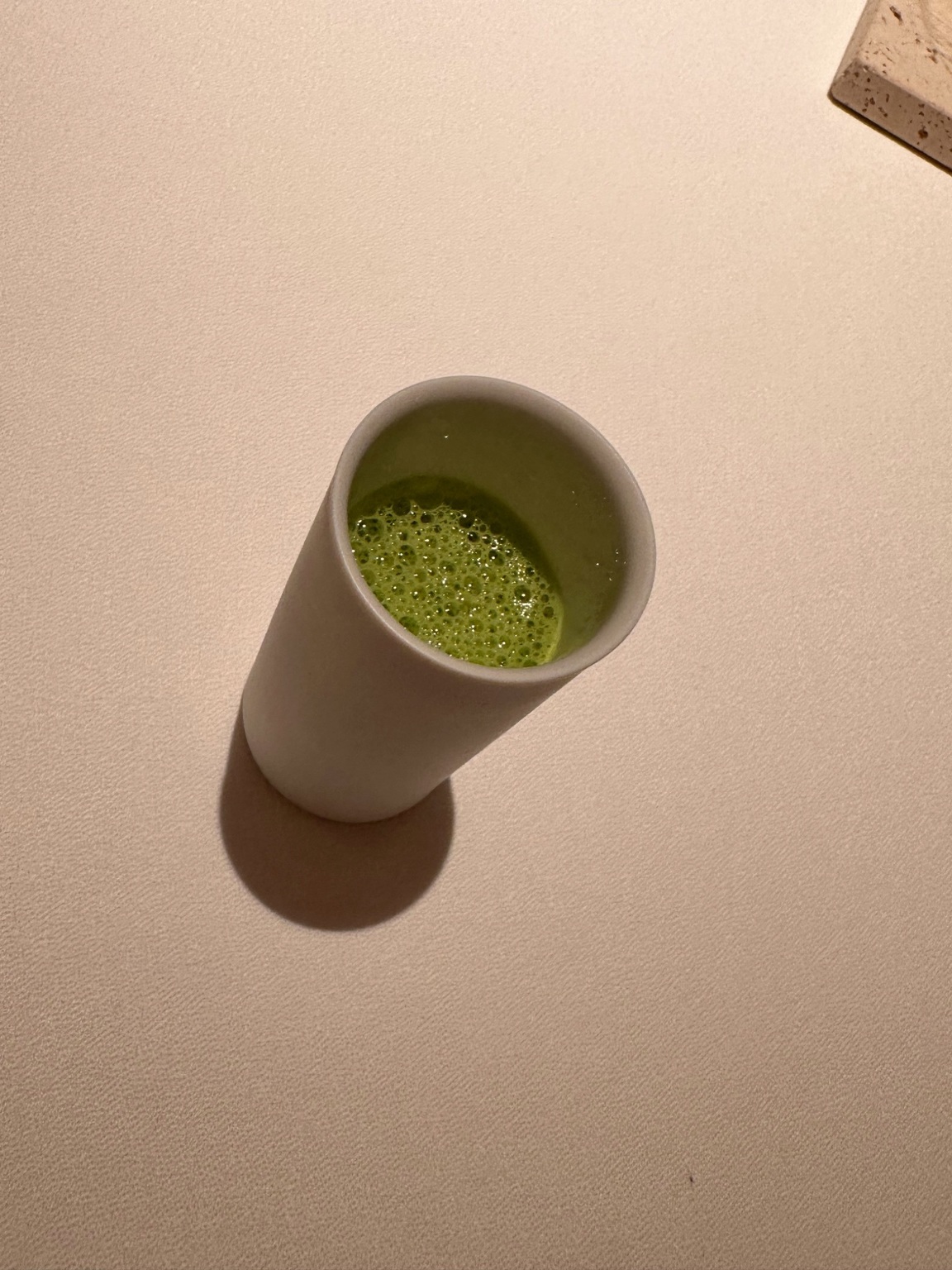
PEA SHOOTS FROM CHIBA WITH GARDEN MINT
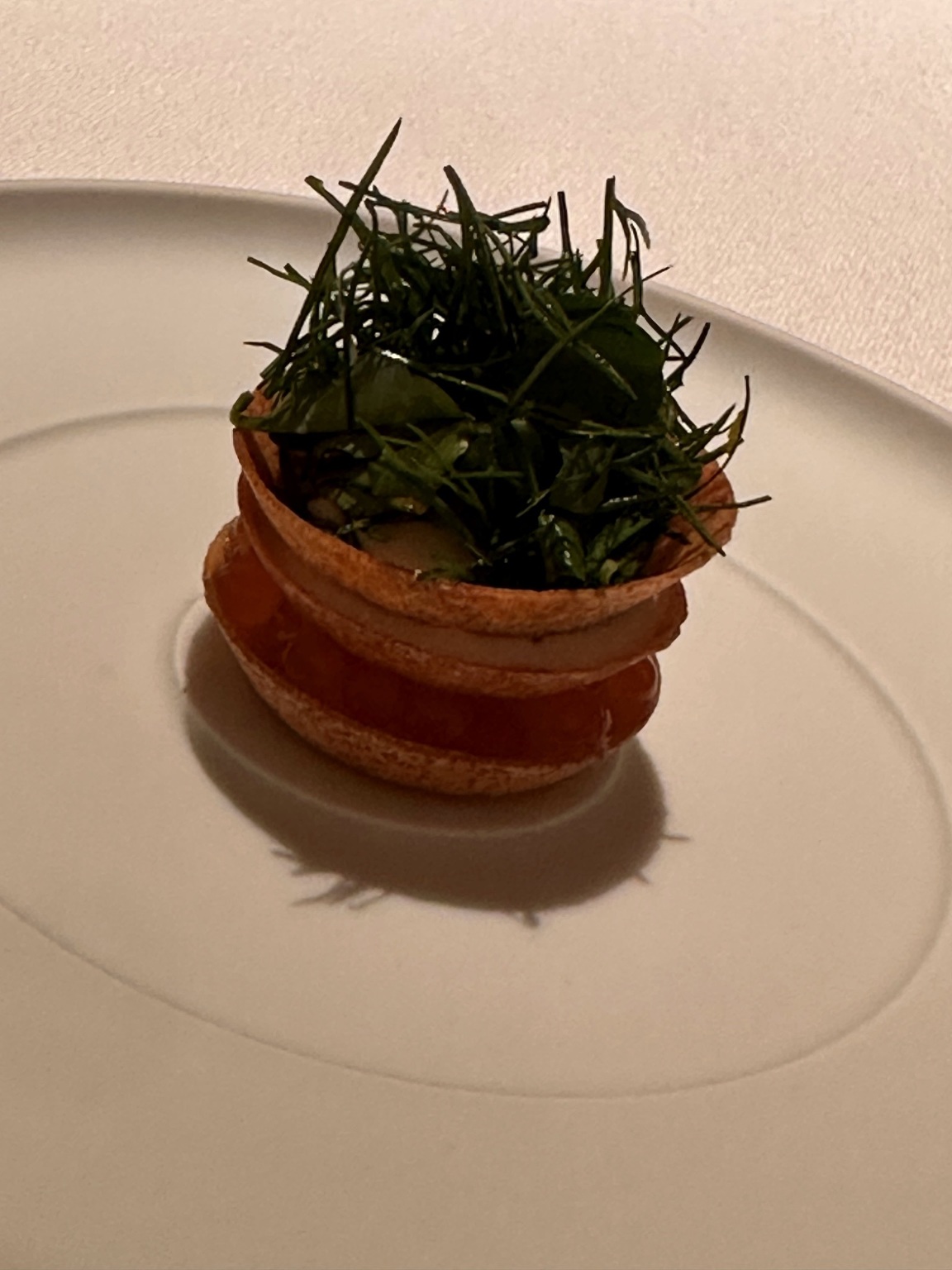
MARINATED IKURA WITH OYSTER CREAM AND HORSERADISH
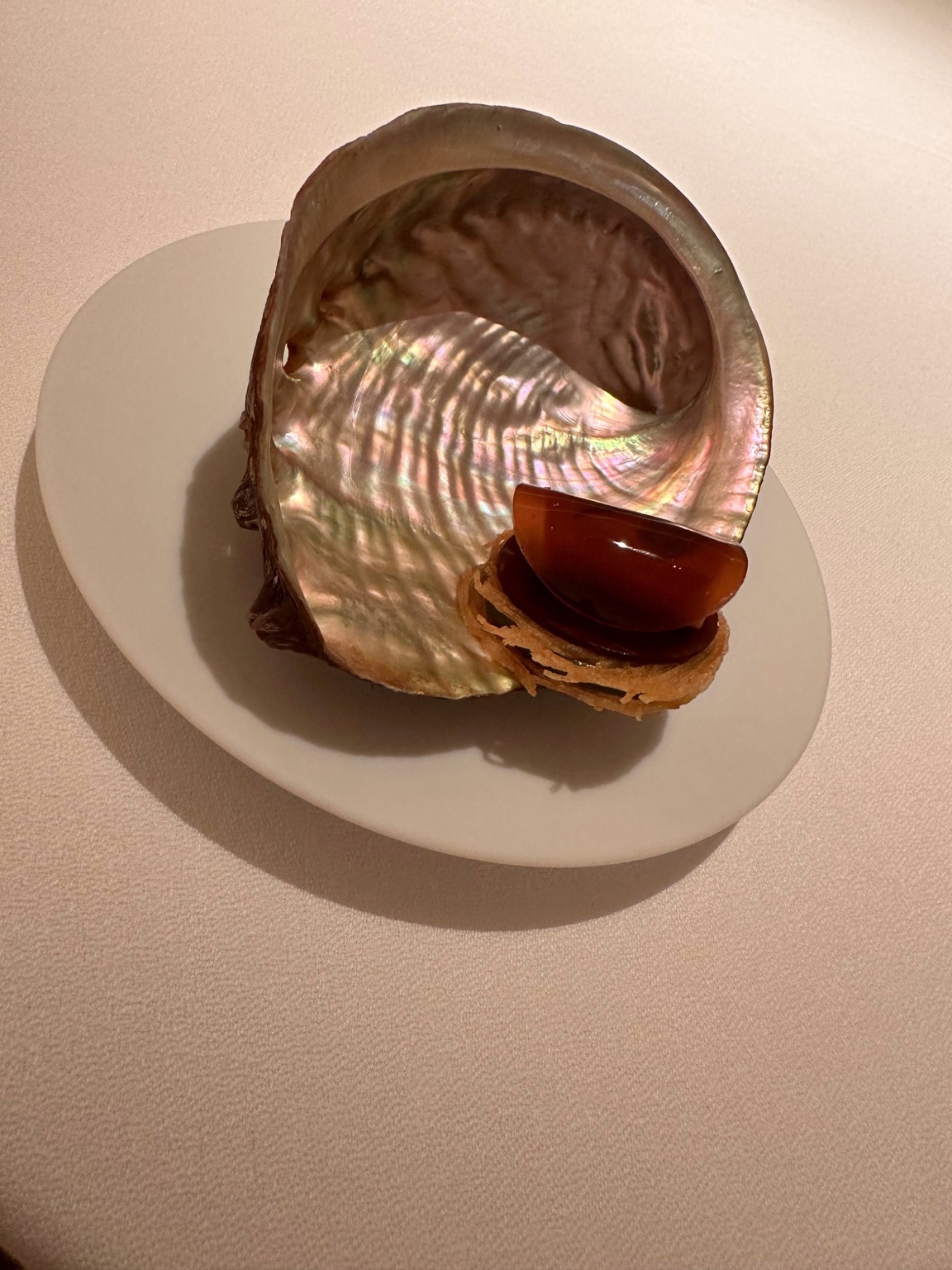
ABALONE LIVER FROM EZO WITH FOIE GRAS AND TARRAGON
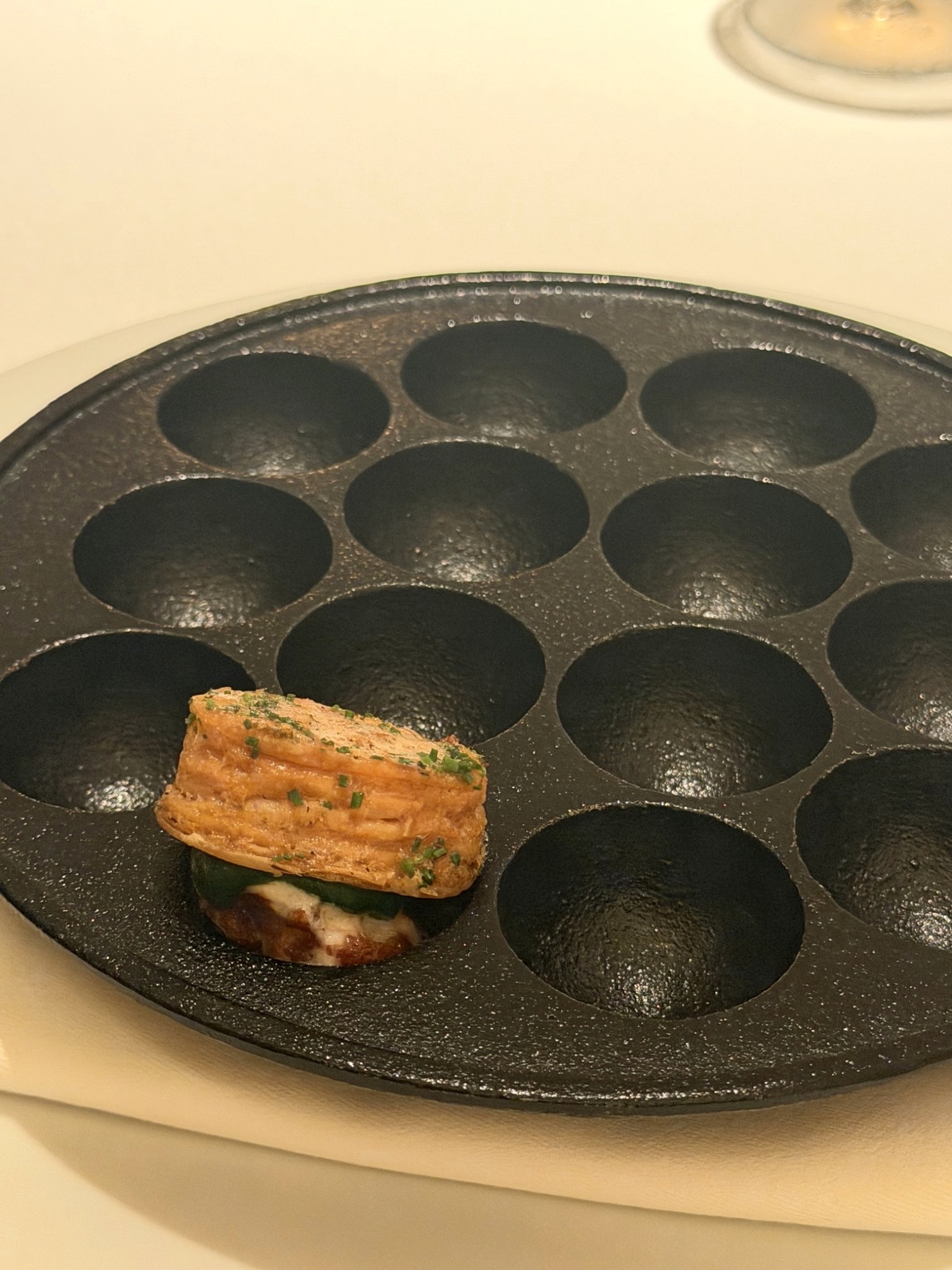
TARA SHIRAKO 'GREMOLATA'
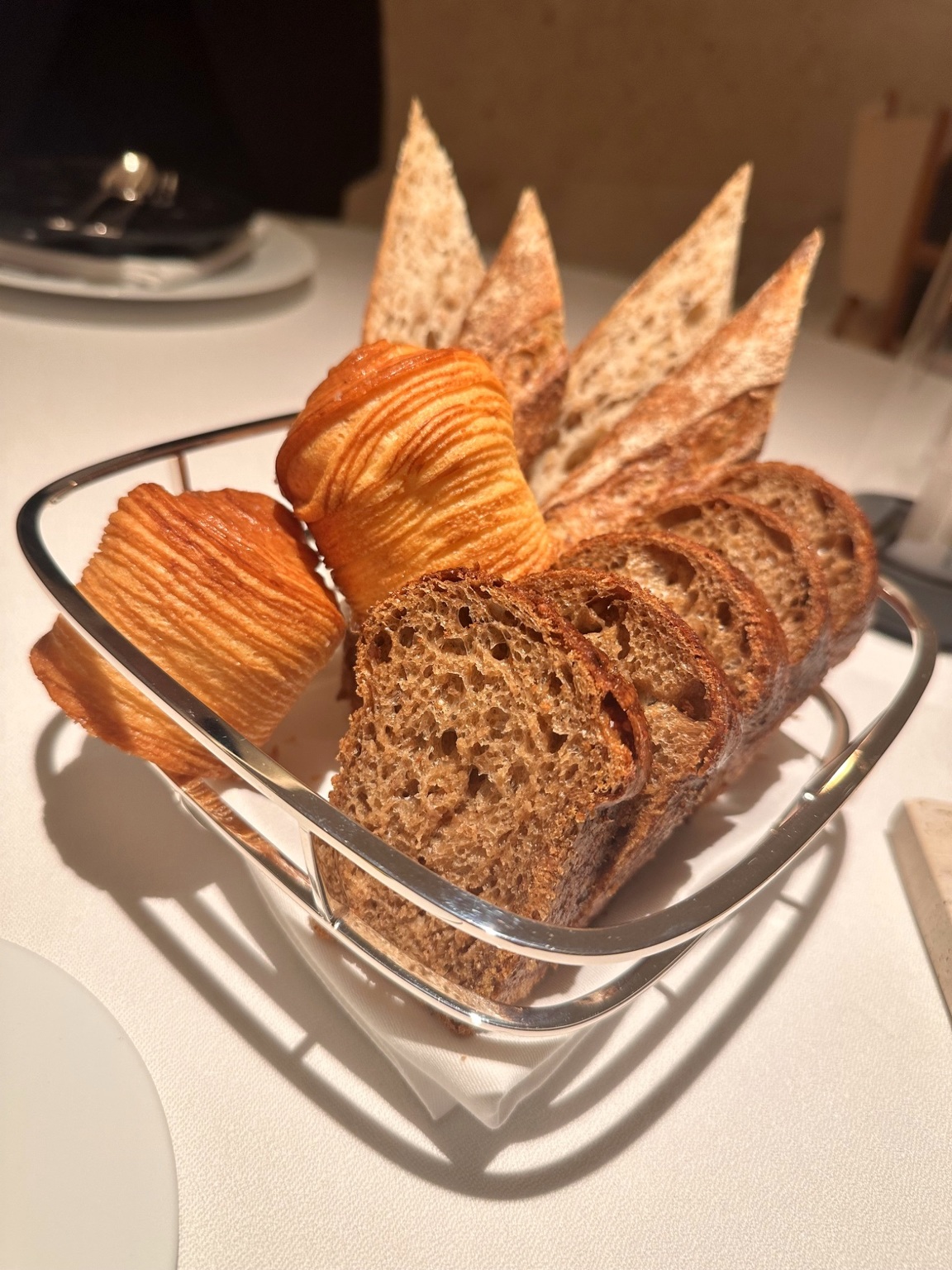
Bread service
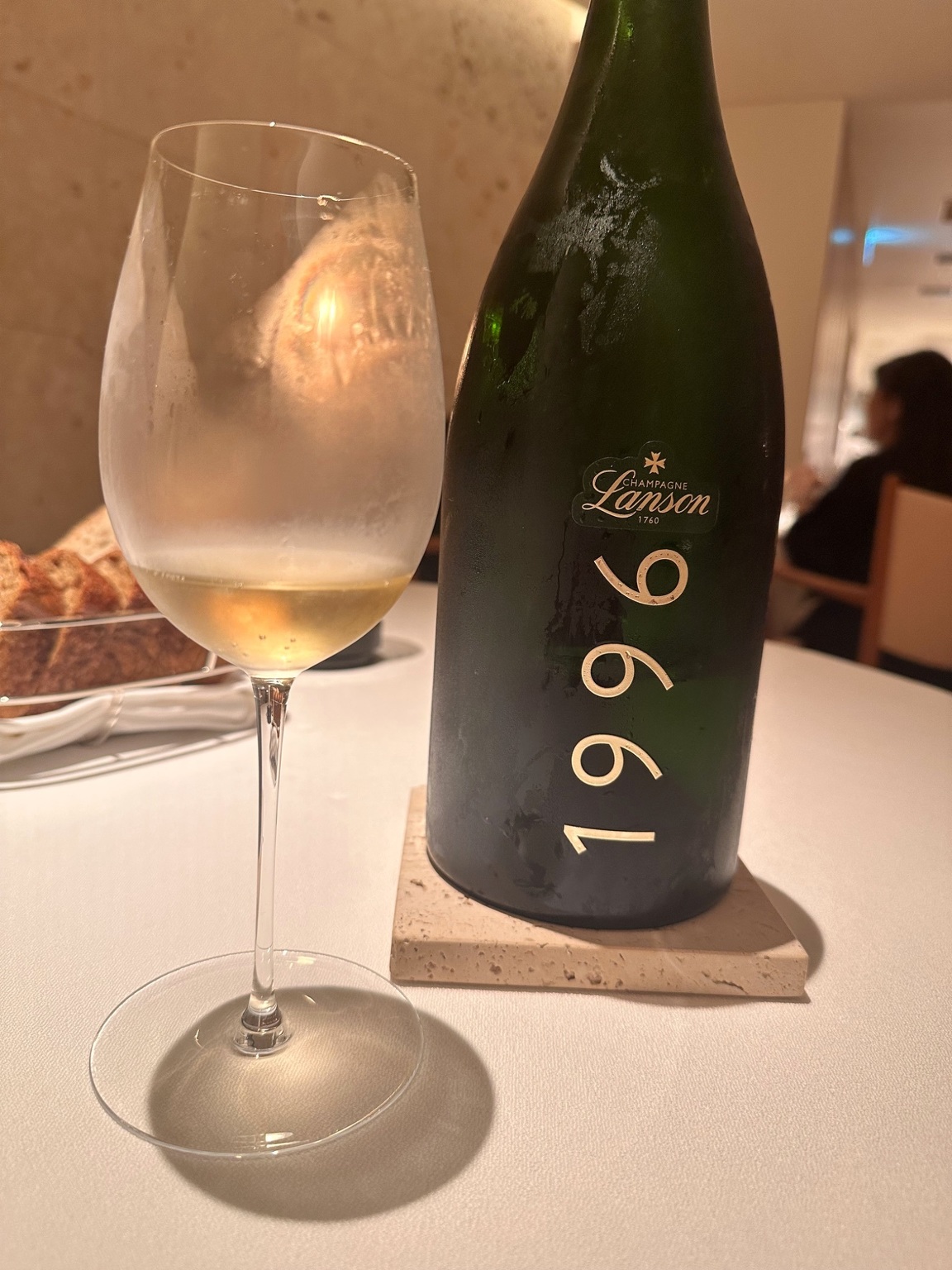
Wine pairing
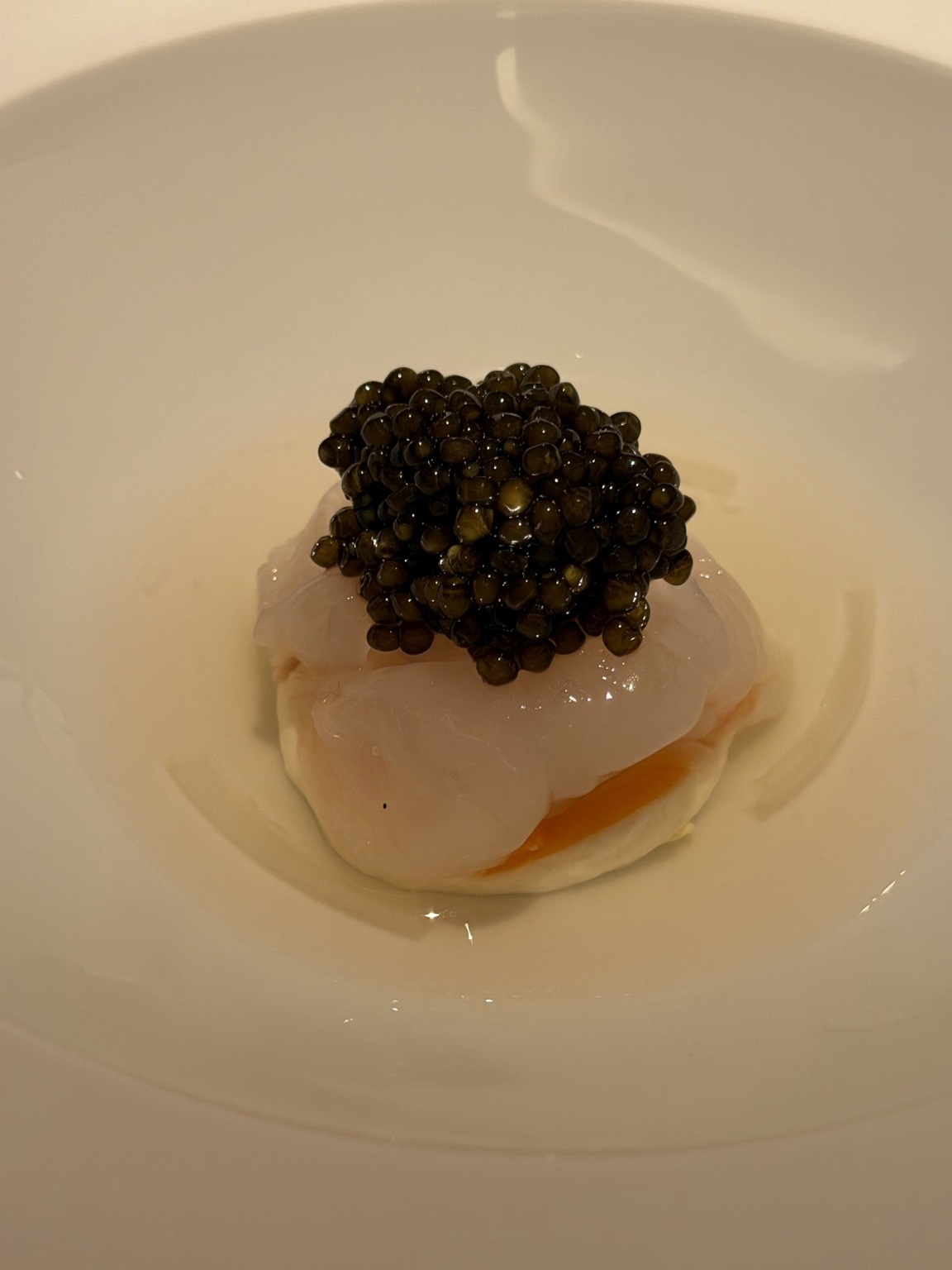
BOTAN EBI 'À LA NAGE
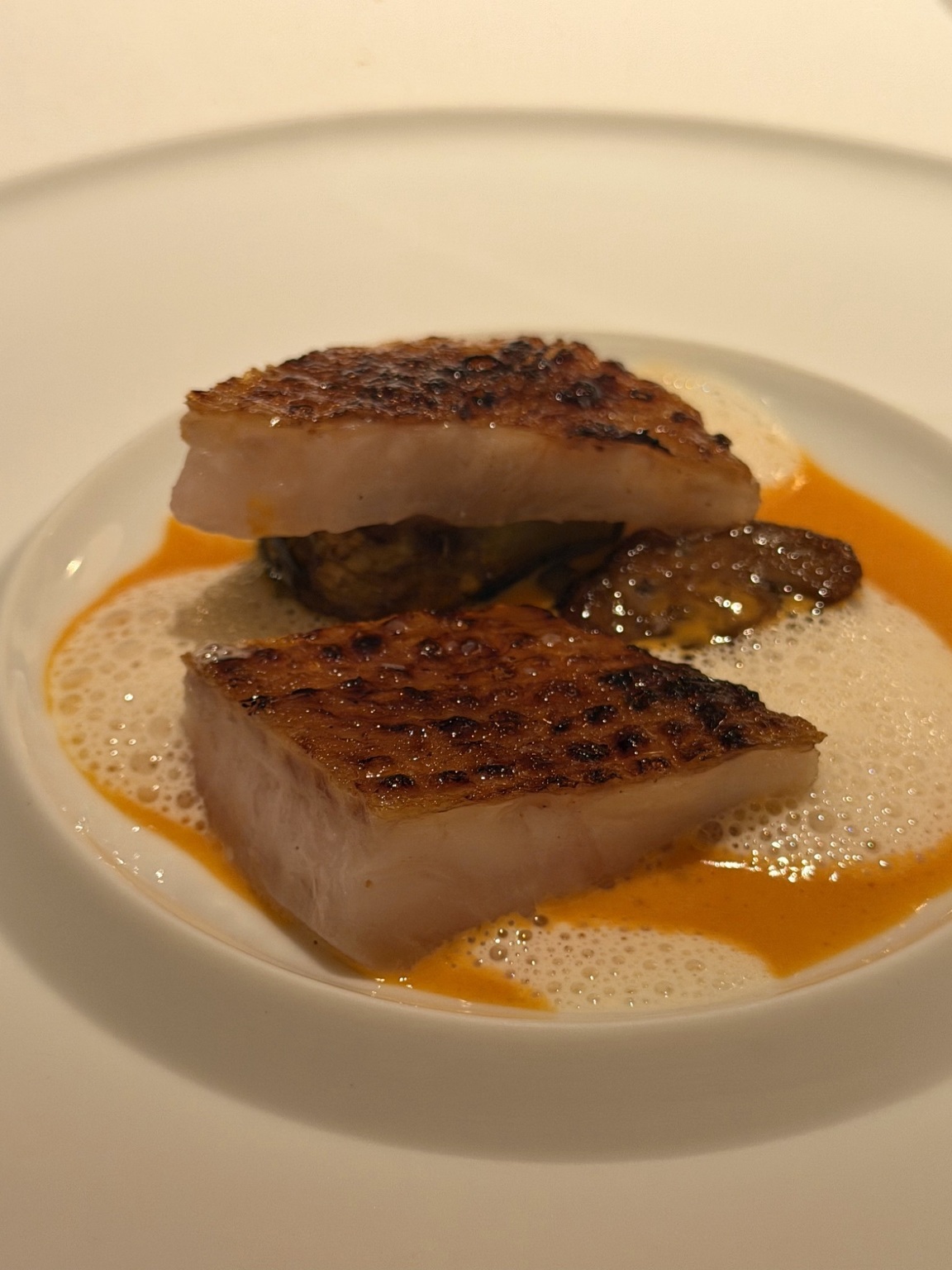
CHARCOAL GRILLED KINKI FROM ABASHIRI WITH FAIRYTALE EGGPLANT FROM TOCHIGI
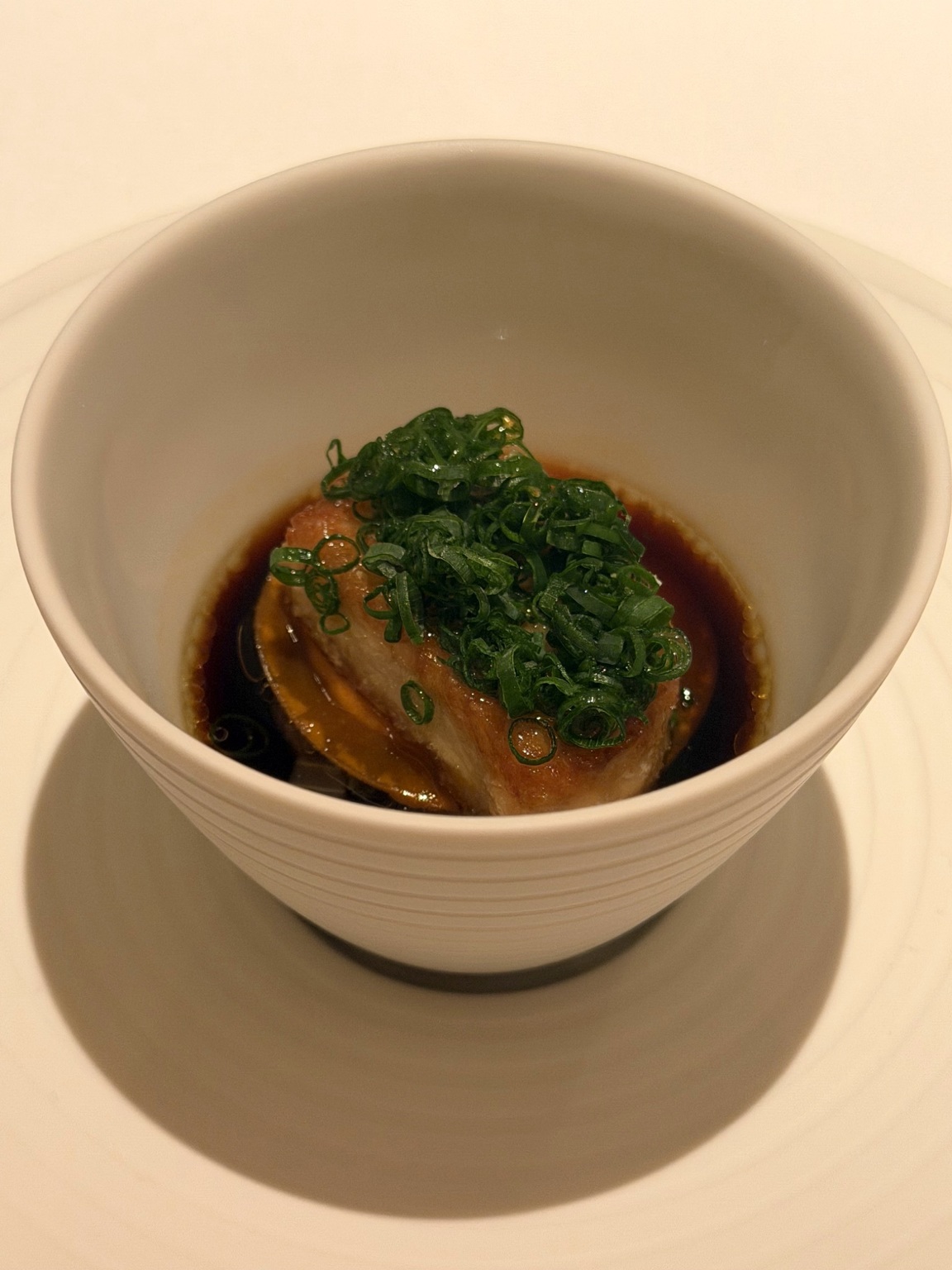
ANKIMO FROM HABORO WITH HAKUREI TURNIPS AND SOY SAUCE
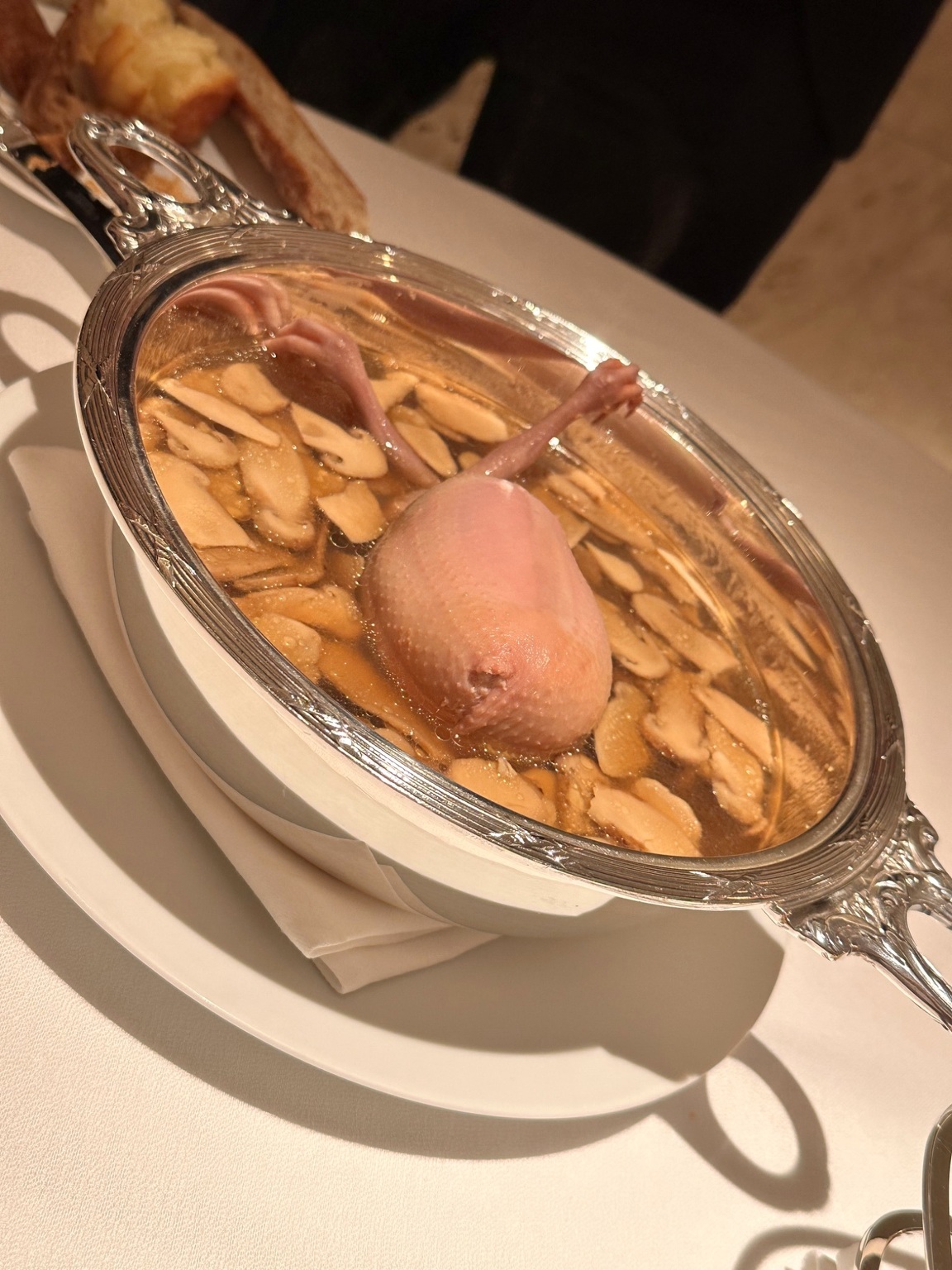
MATSUTAKE MUSHROOMS BRAISED WITH PIGEON AND SAUCE DIABLE'
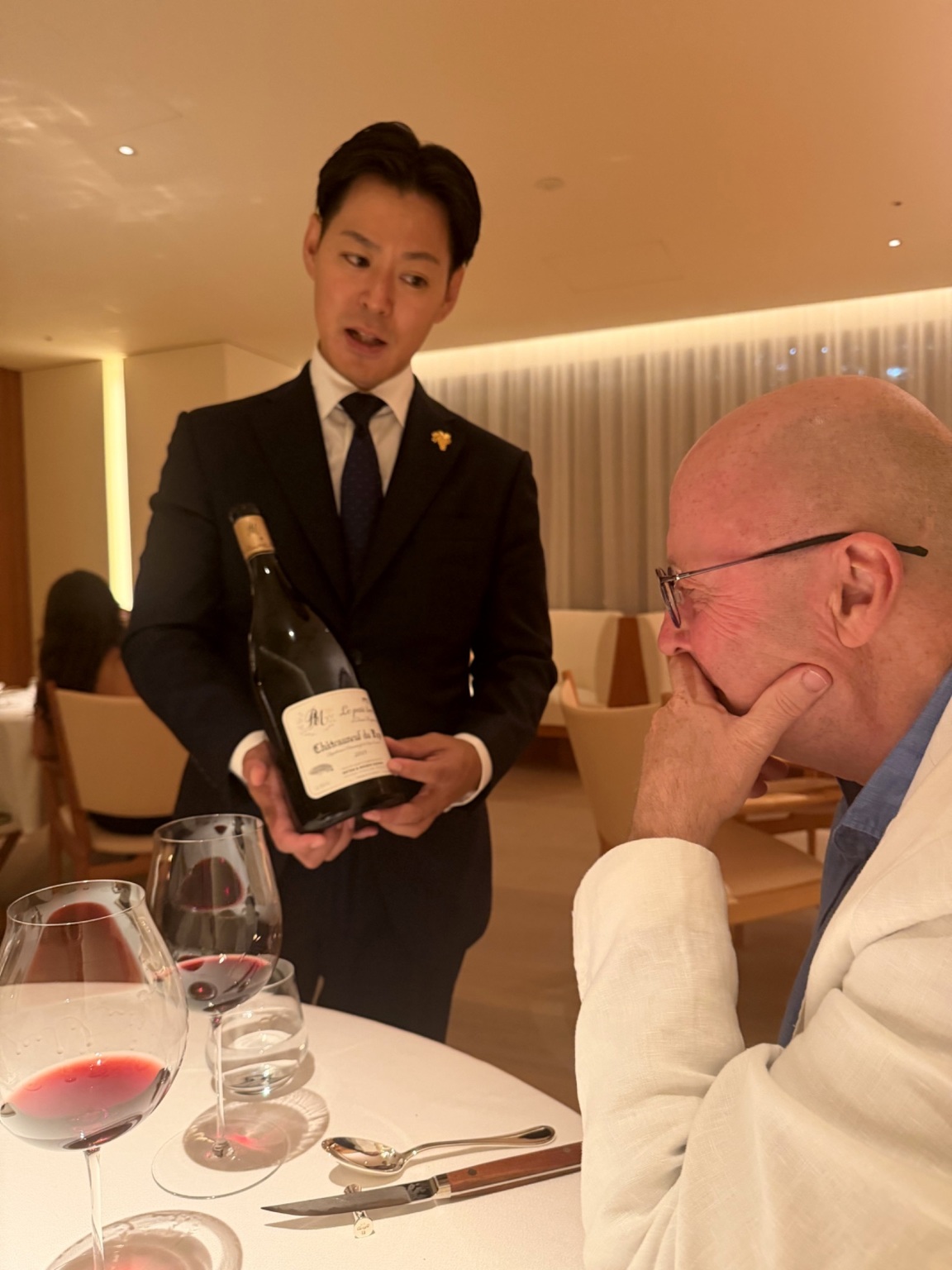
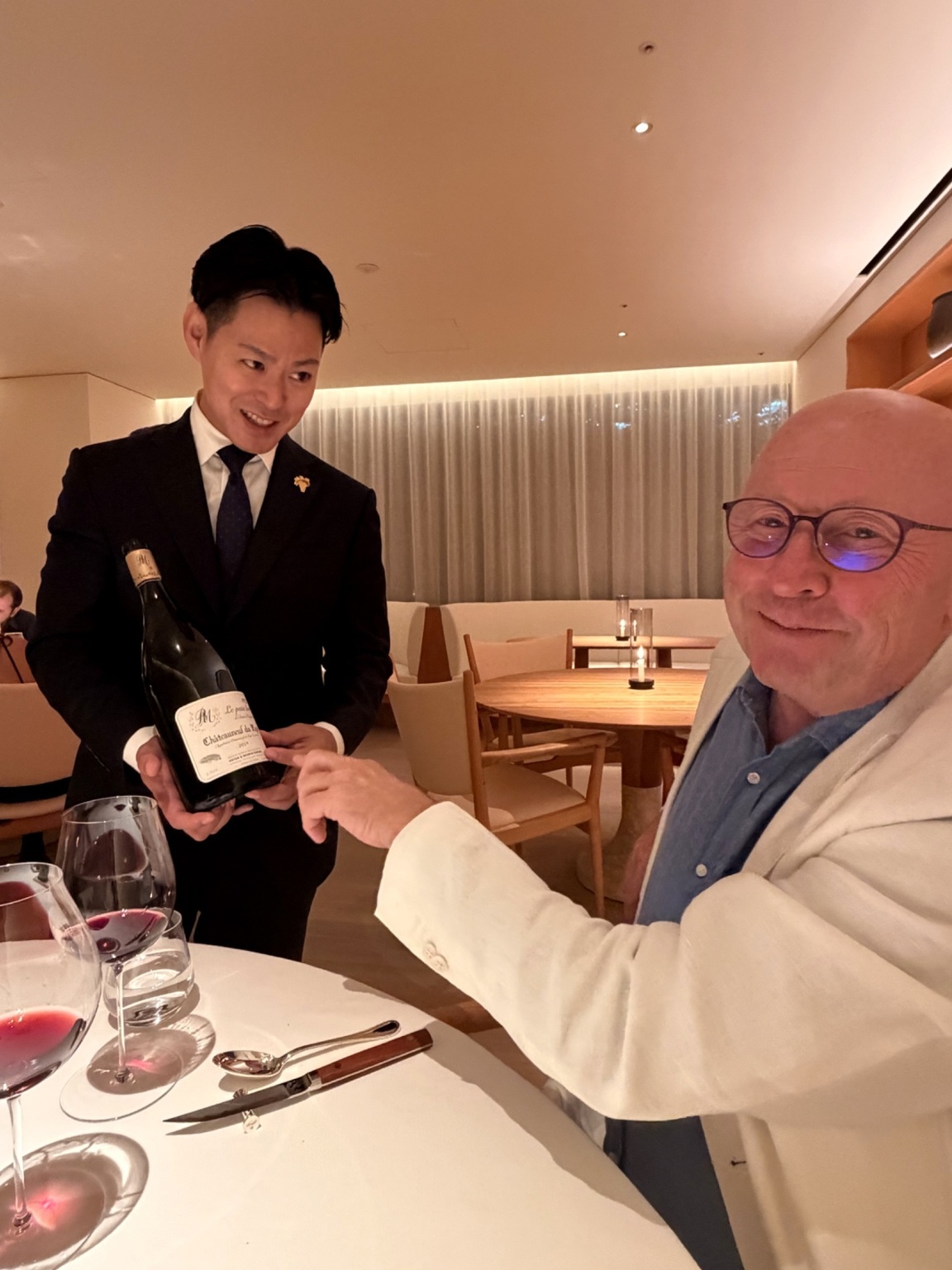
Wine presentation
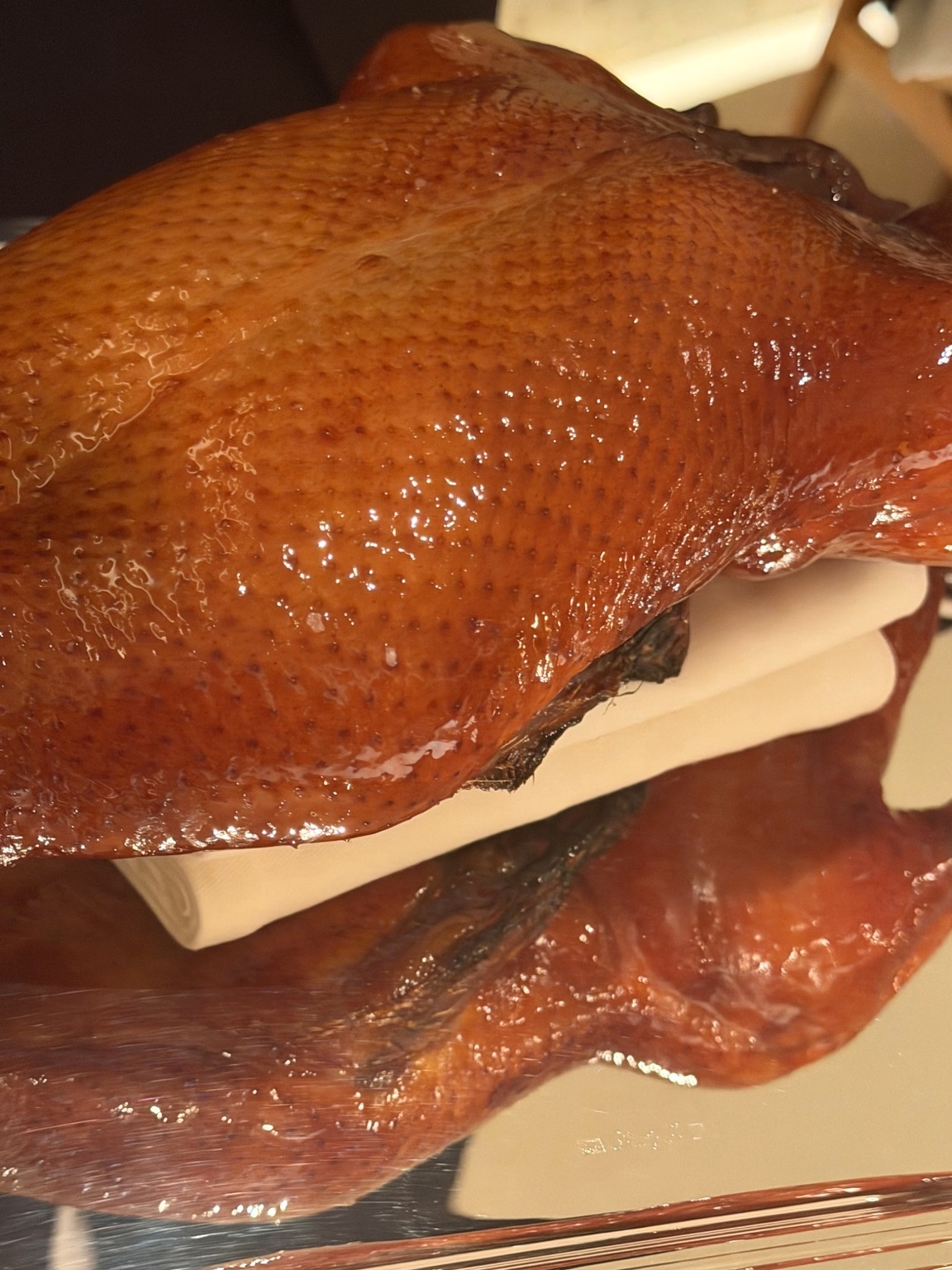
Duck presentation at the table
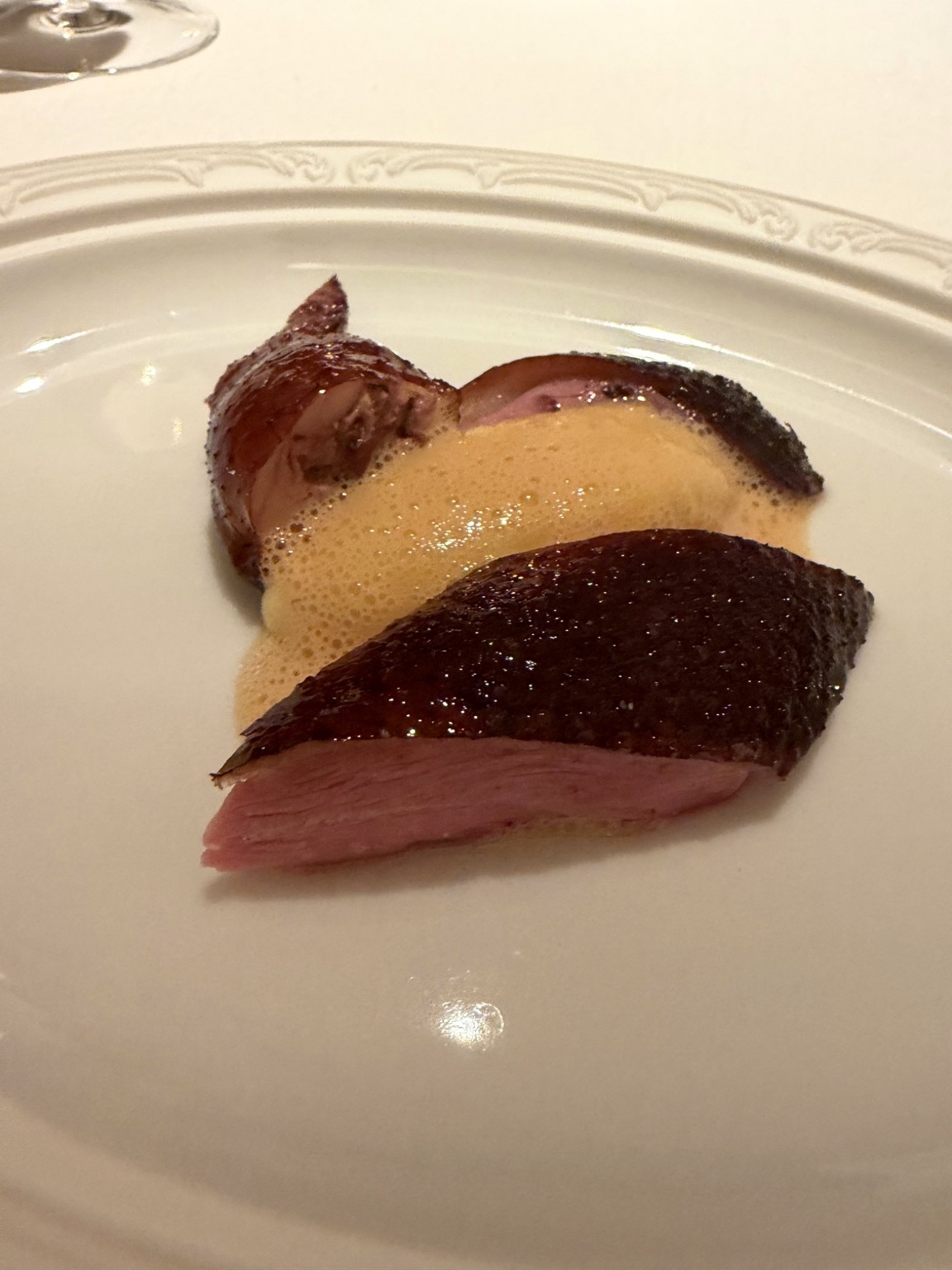
MEGUMI GAMO FROM AICHI WITH KUTCHAN JAGA 540
AND 'SAUCE AU POIVRE'
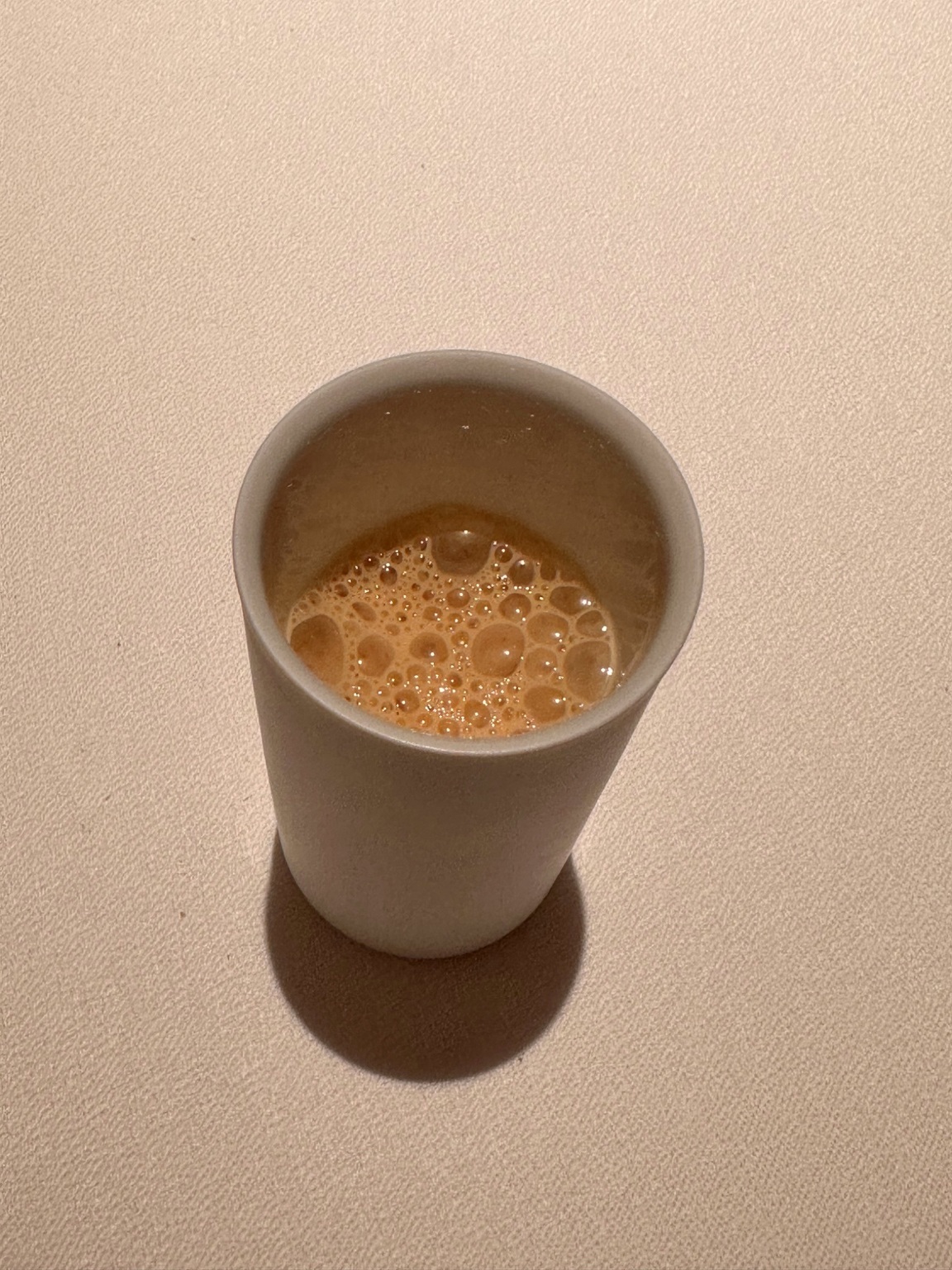
MEGUMI GAMO SOUP
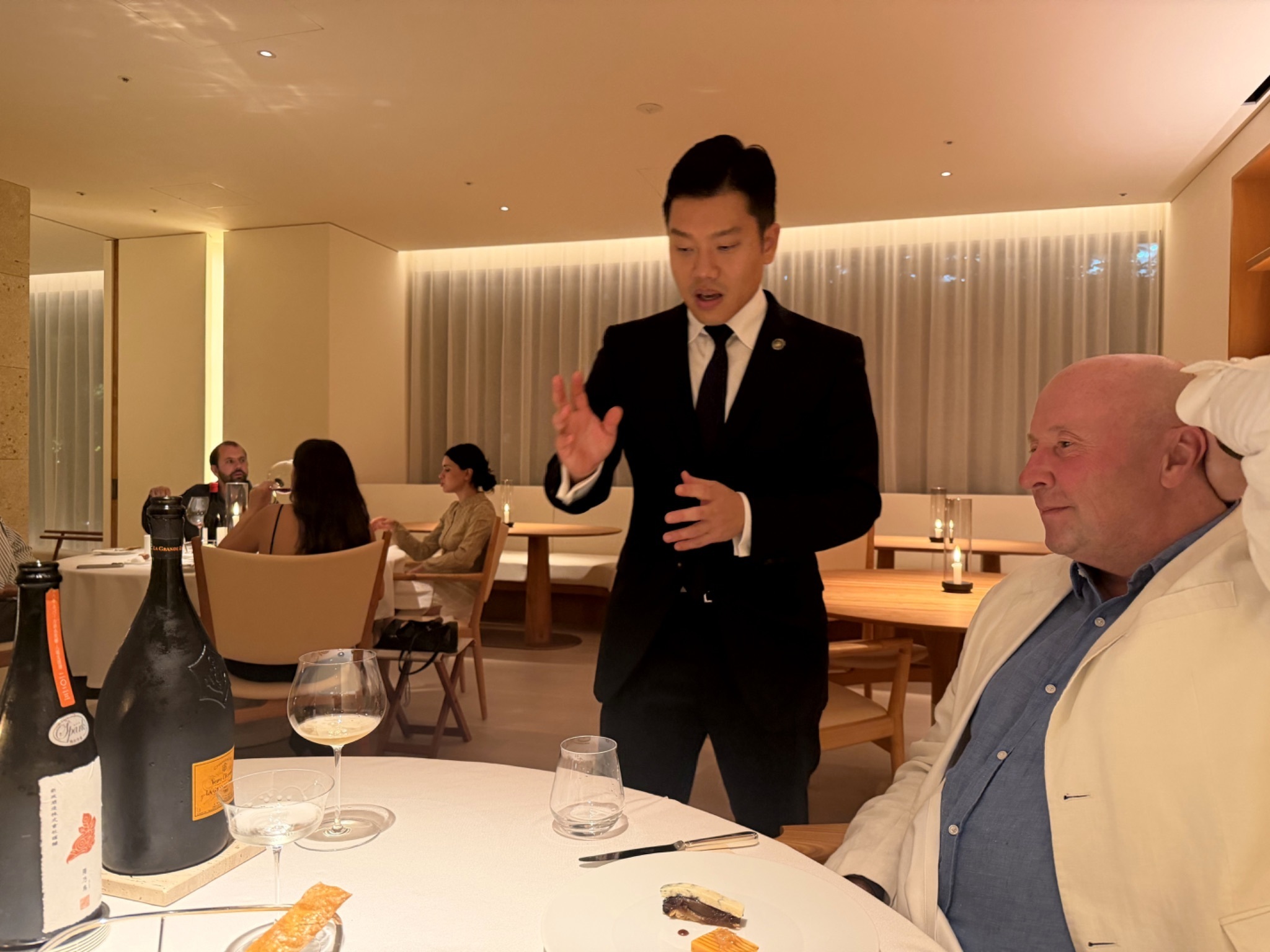
Table-side explanation
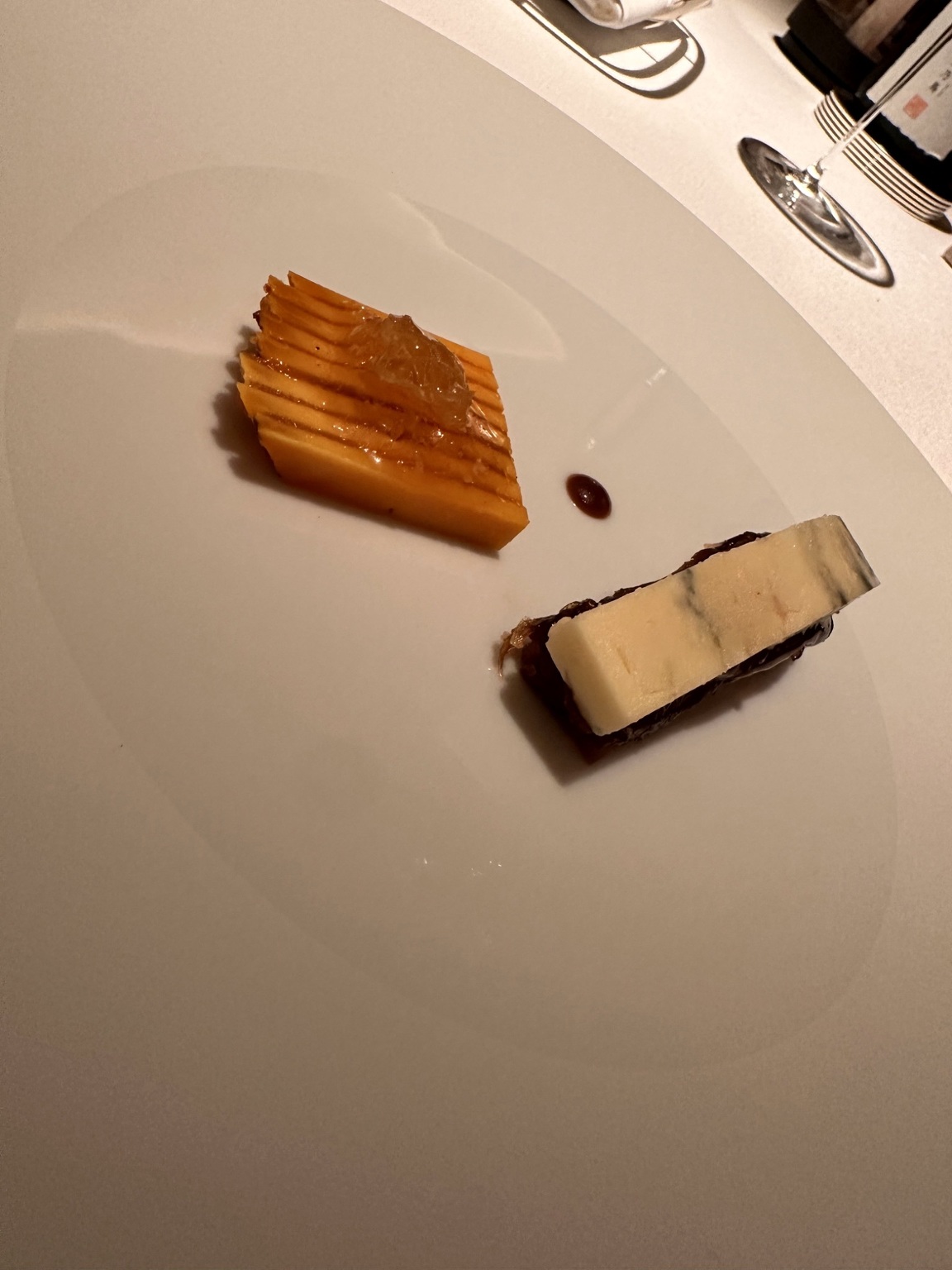
CHEESE COURSE
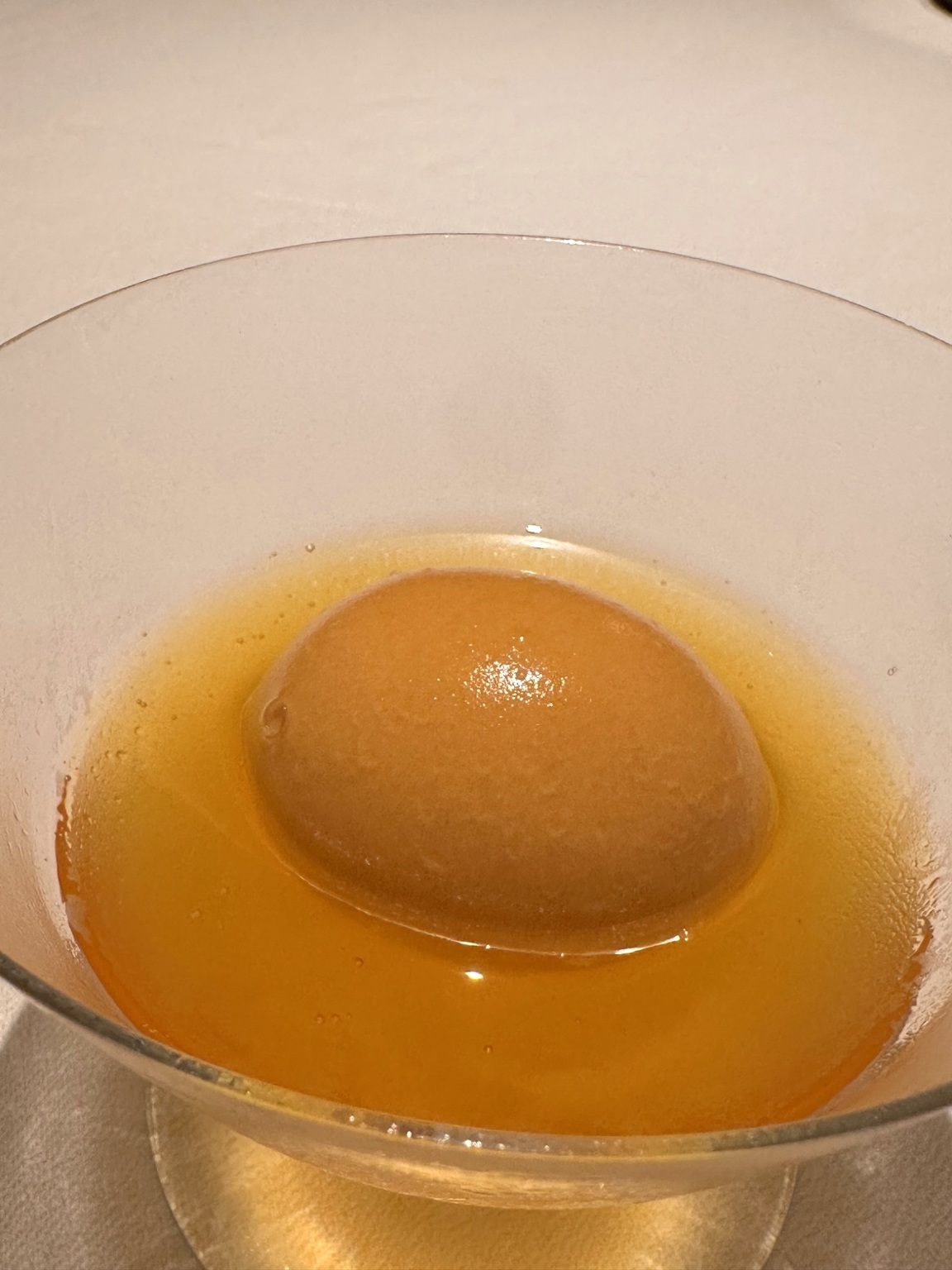
SAUTERNES ICE CREAM WITH APRICOTS AND SAFFRON
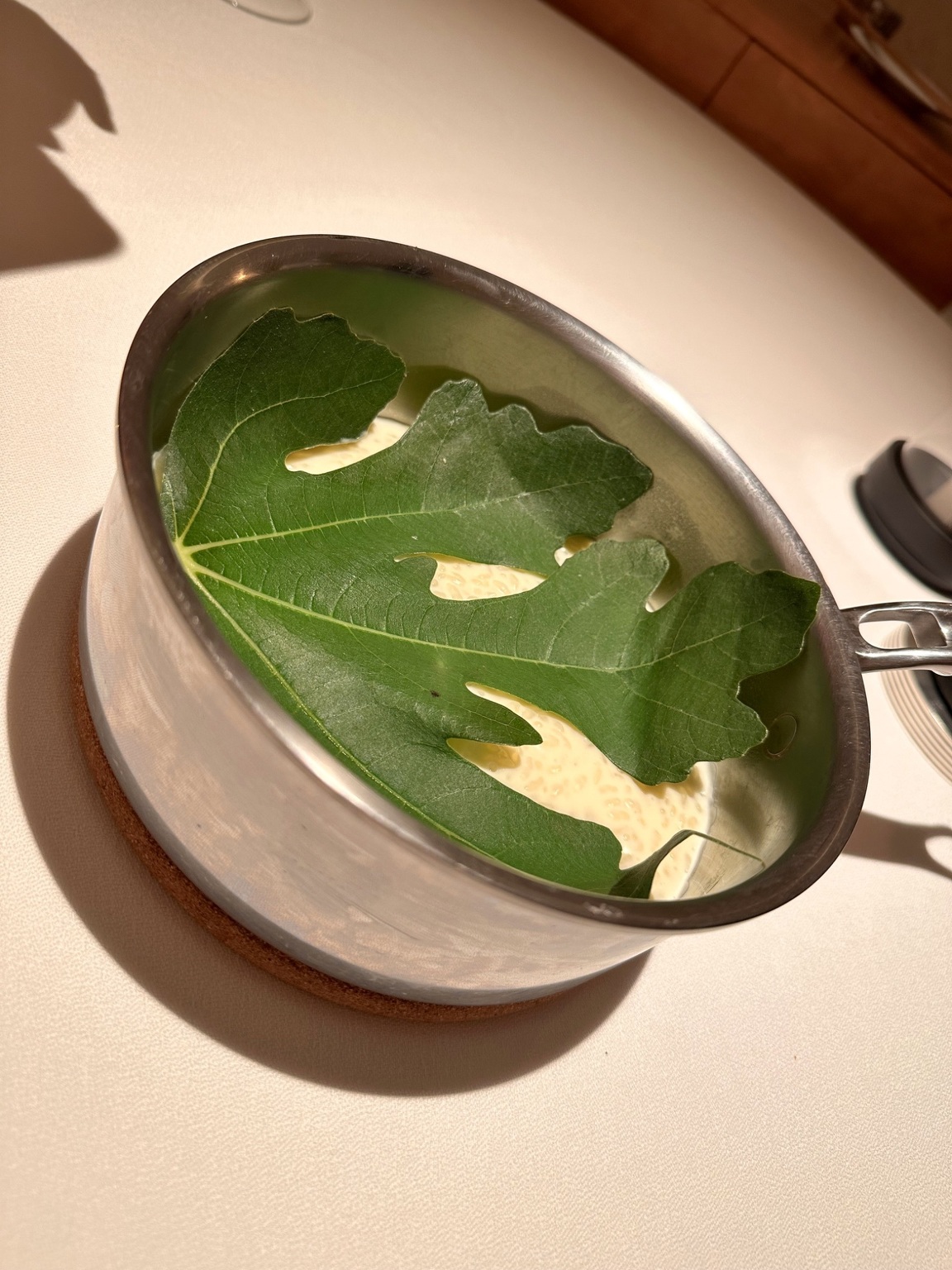
NEW SEASON KOSHIHIKARI RICE FROM NIIGATA WITH FIG LEAF FROM AKITA
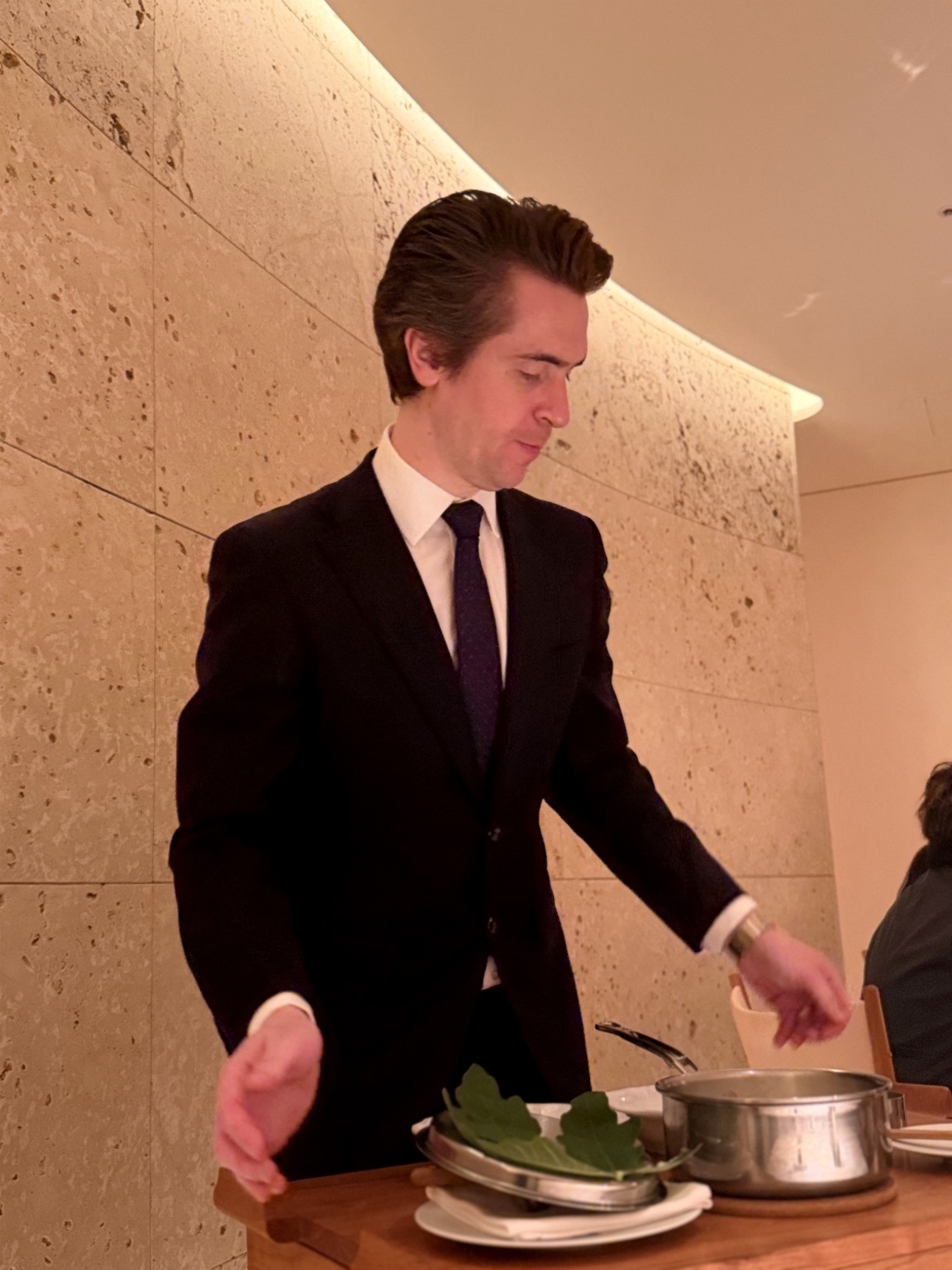
Rice course presentation
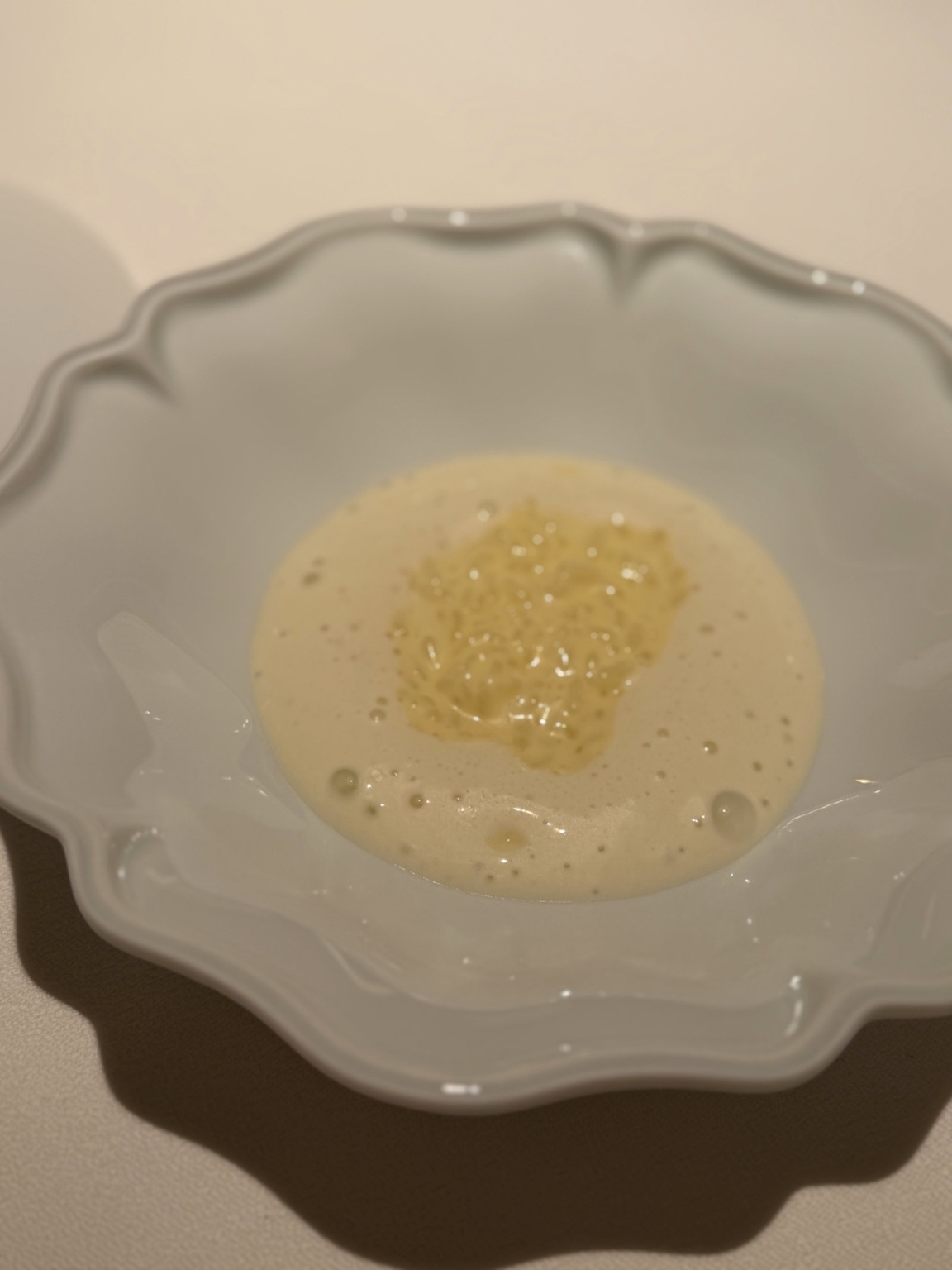
NEW SEASON KOSHIHIKARI RICE FROM NIIGATA WITH FIG LEAF FROM AKITA
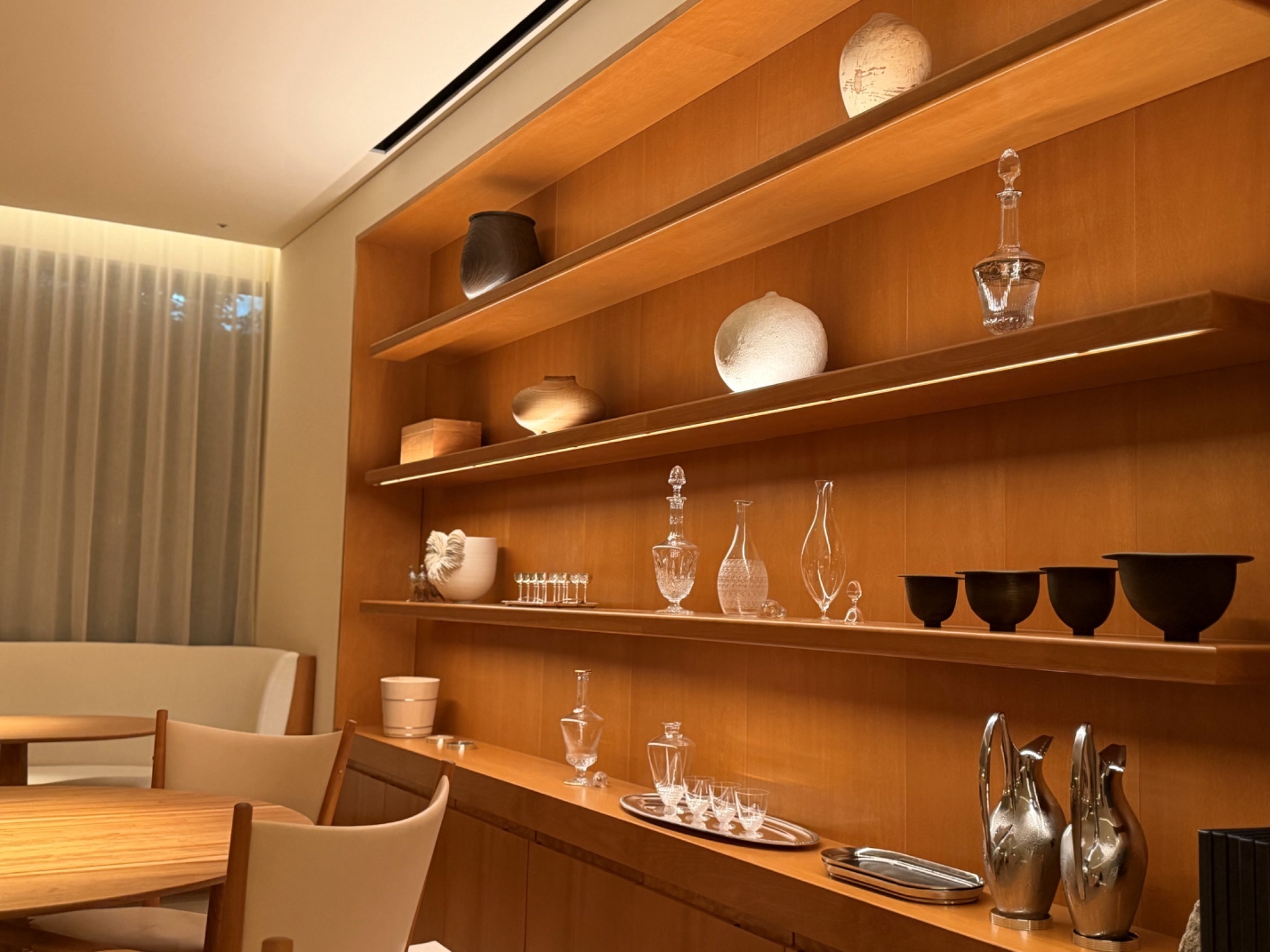
Dining room interior
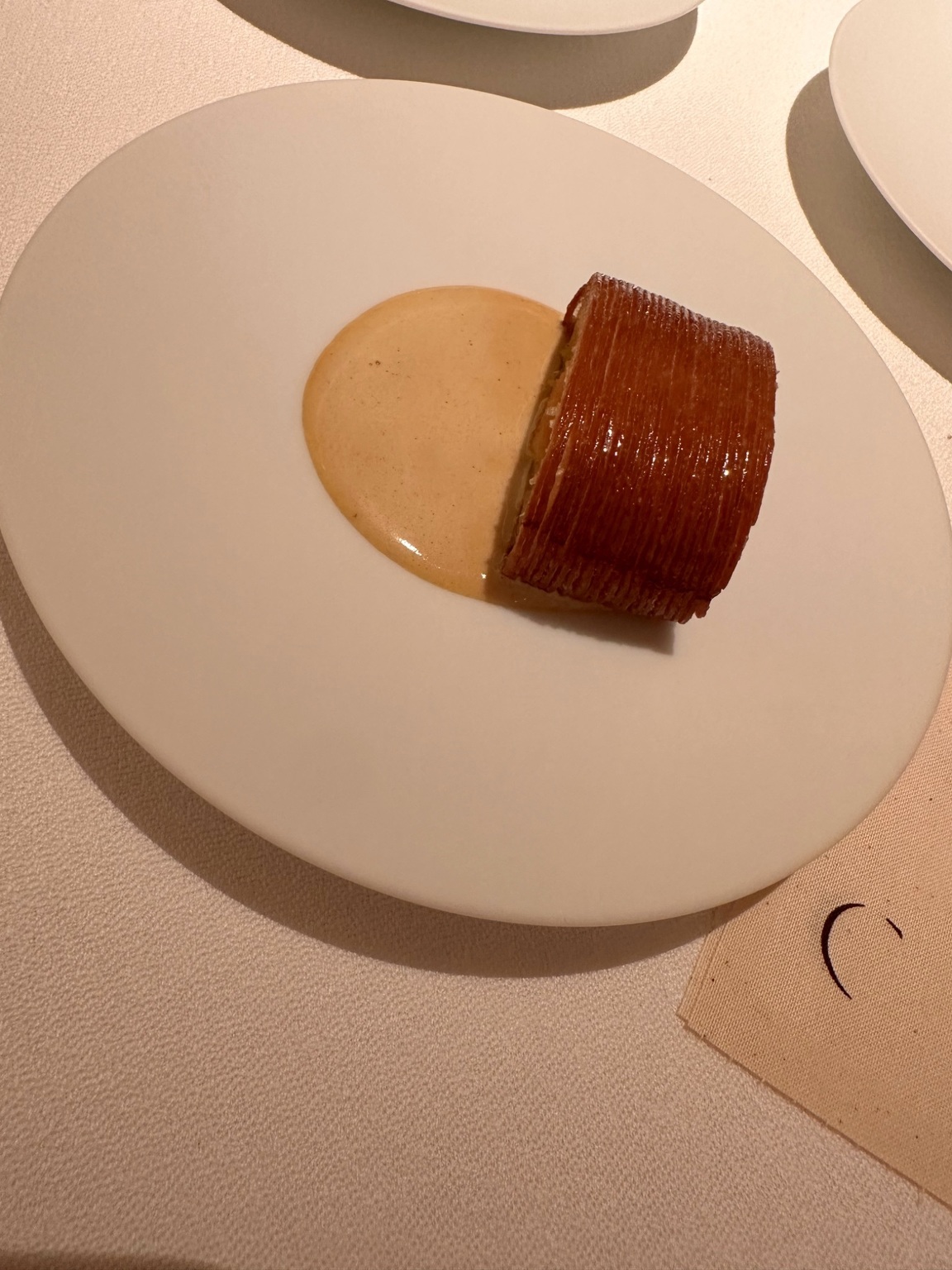
KOCHI BERGAMOT 'MILLE CRÊPES'
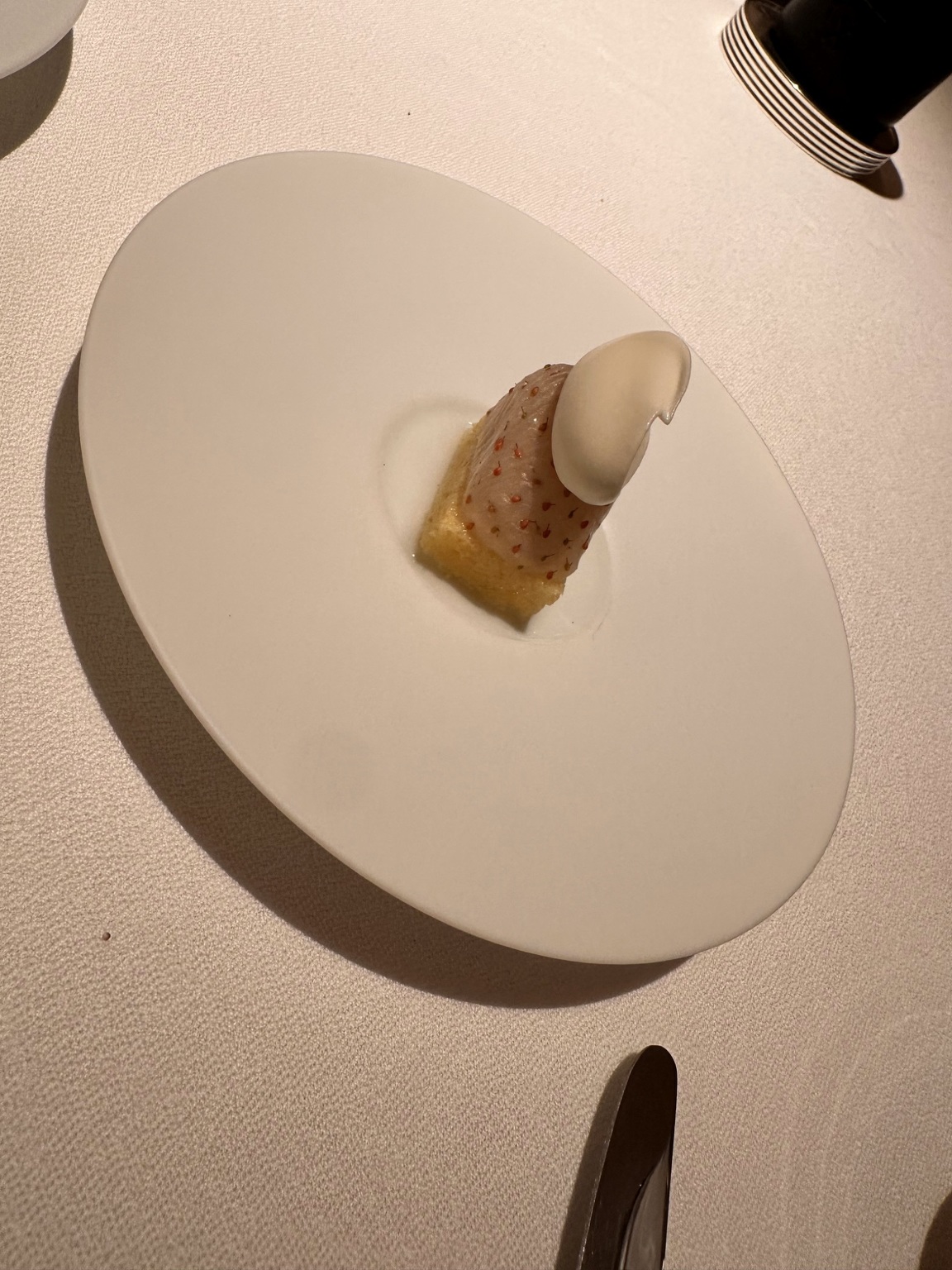
OISHII BERRY STRAWBERRY WITH CHAMPAGNE AND ELDERFLOWER 'CREME CHANTILLY
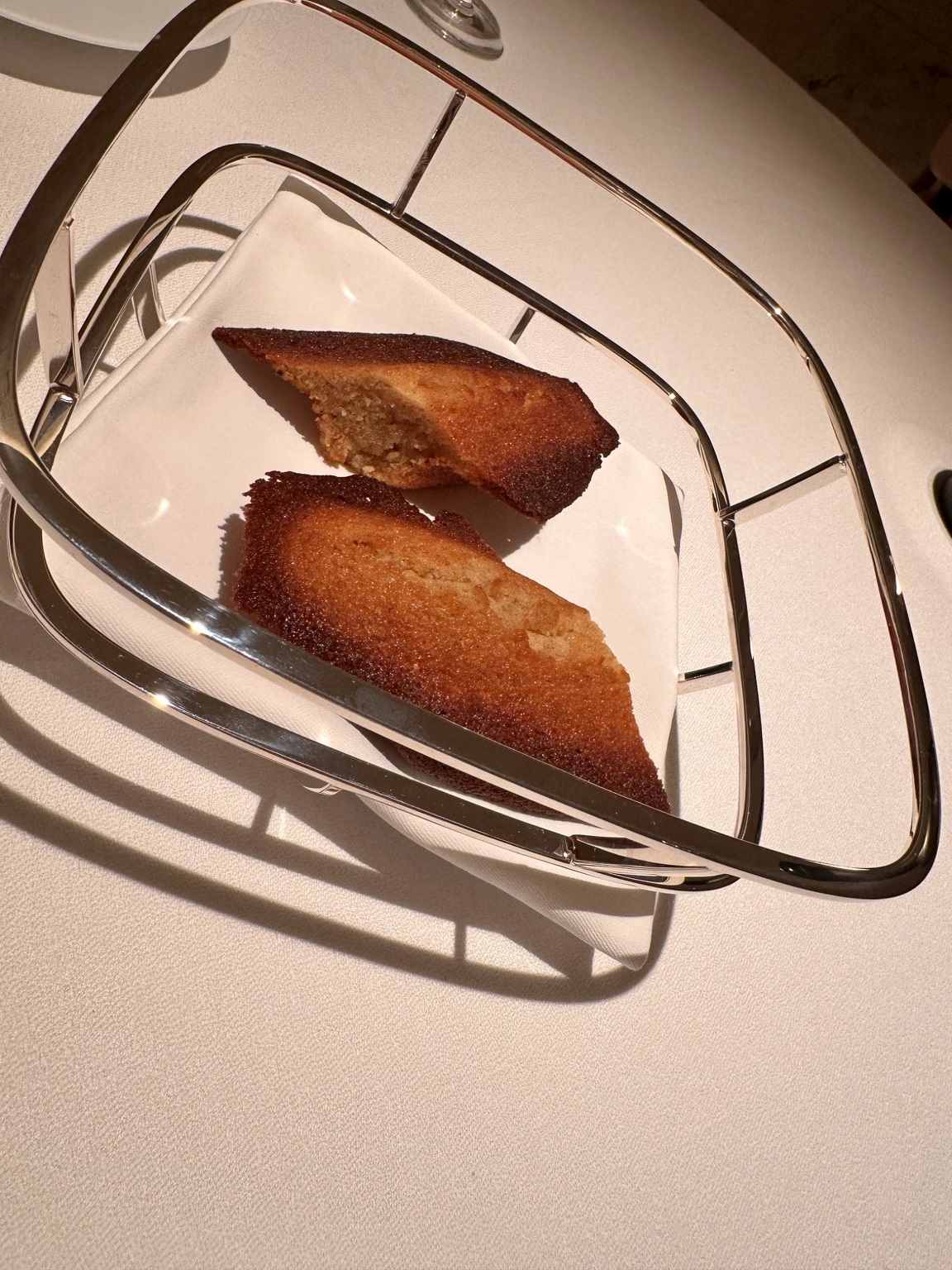
CHIBA PEANUT FINANCIER
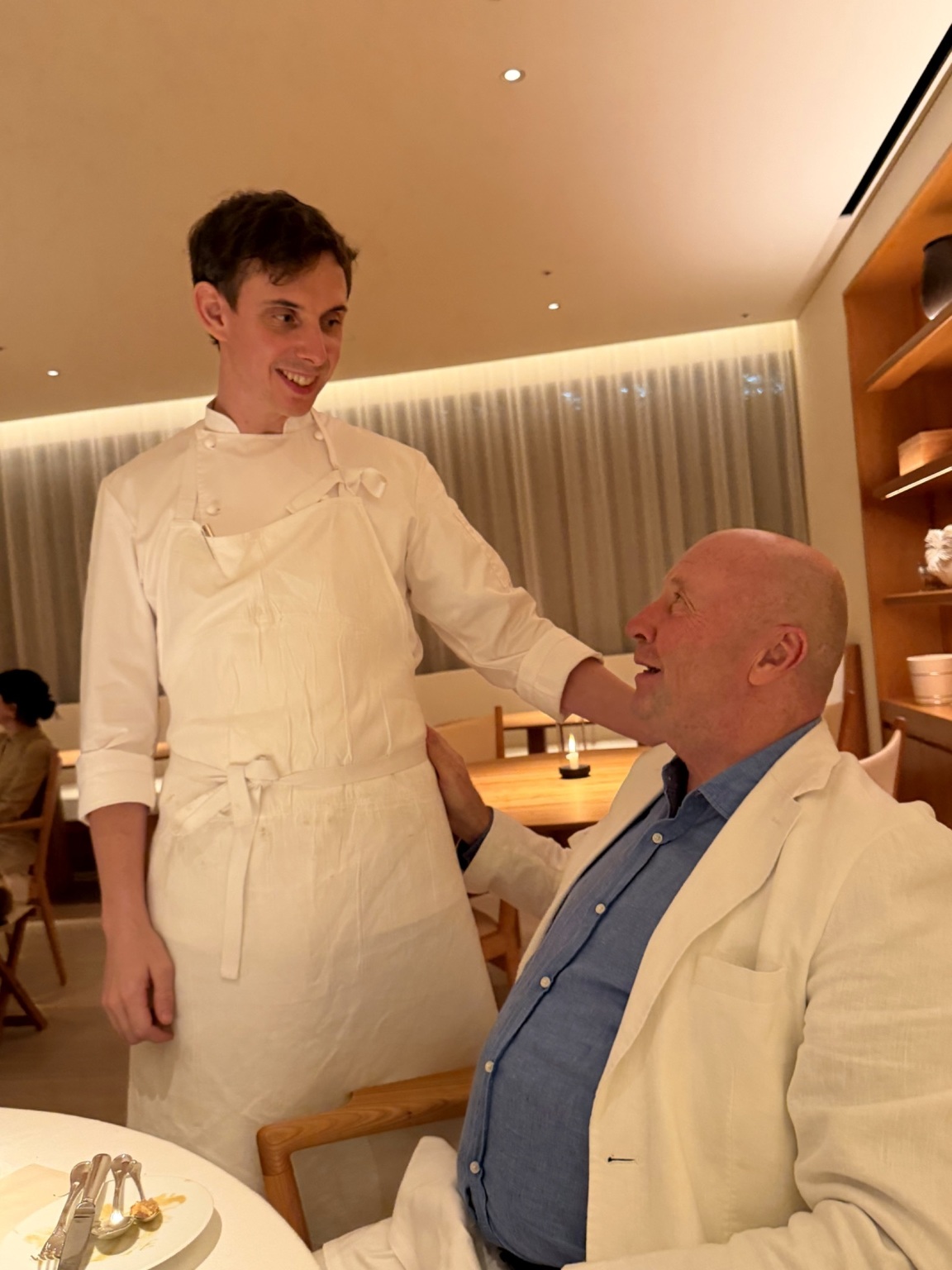
Chef speaking with guests
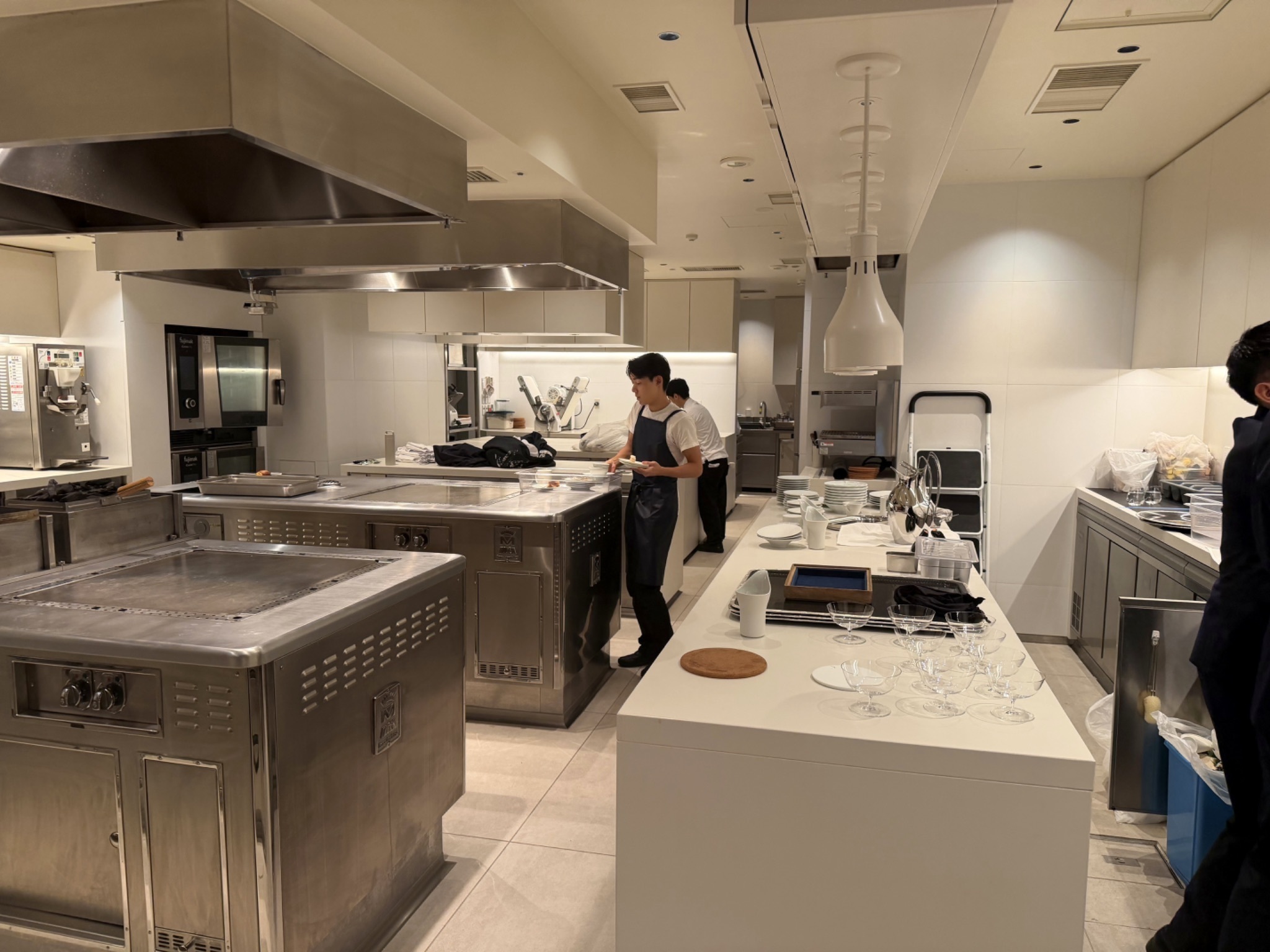
Restaurant kitchen
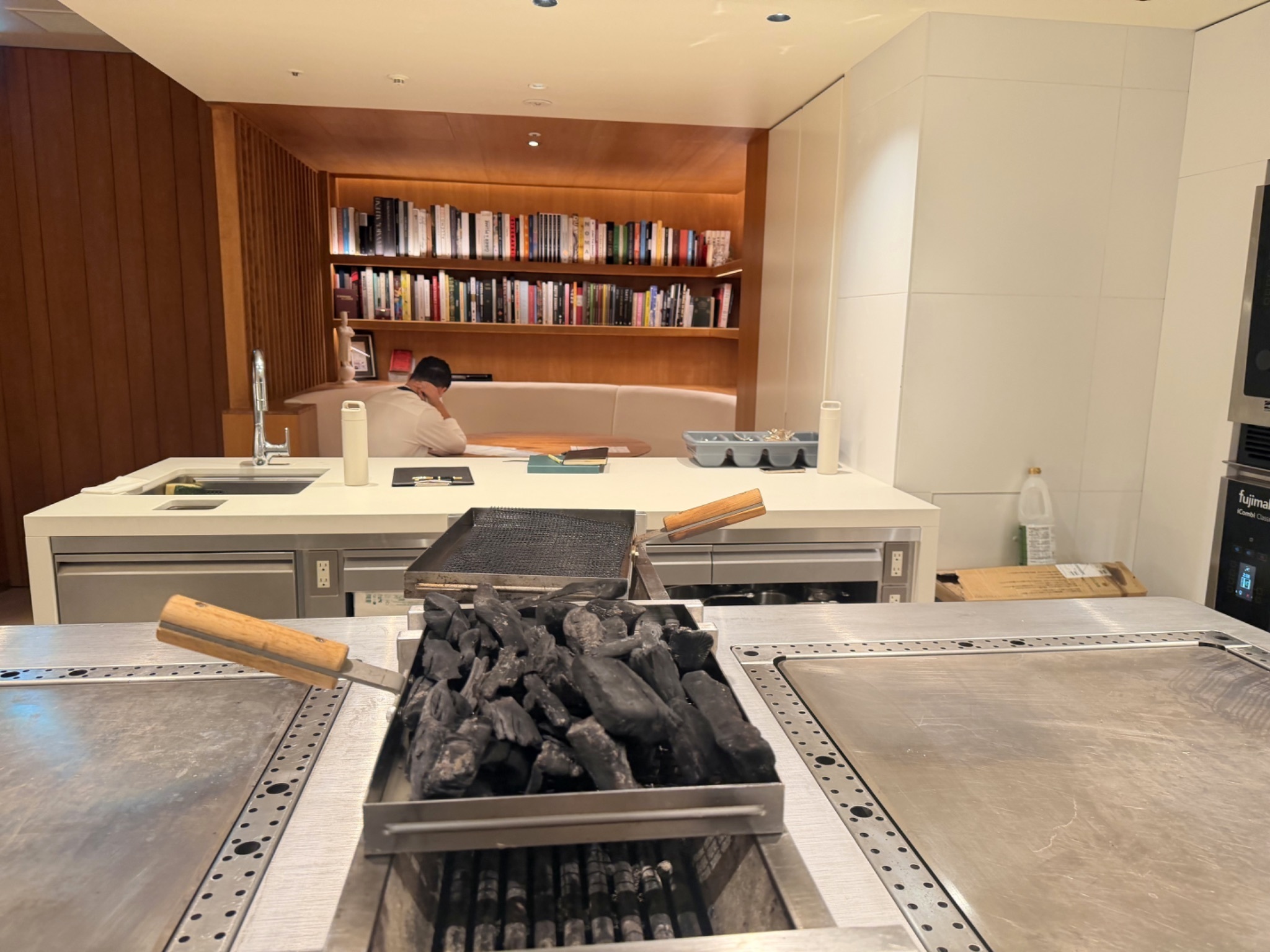
Kitchen workstations
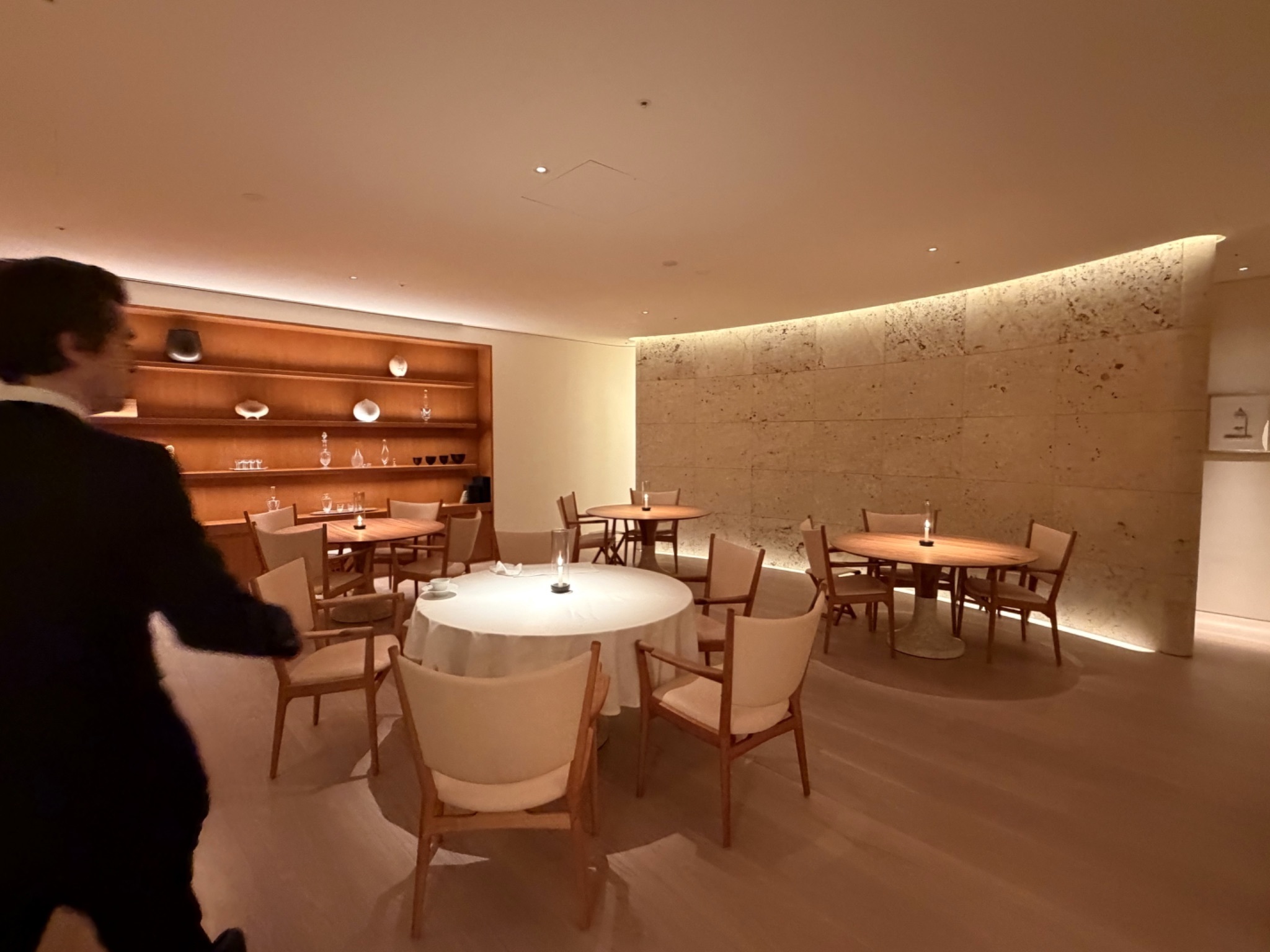
Dining room after service