We use cookies on this site to enhance your user experience.

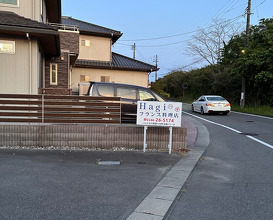
Tucked away in the coastal city of Iwaki, Chef Harutomo Hagi’s eponymous restaurant is more than a fine dining venue — it is a profound, culinary declaration of revival, resilience, and respect for the land. Honored as the Destination Restaurant of the Year 2023 by The Japan Times, Hagi is a place where cooking begins not in the kitchen, but in the soil.
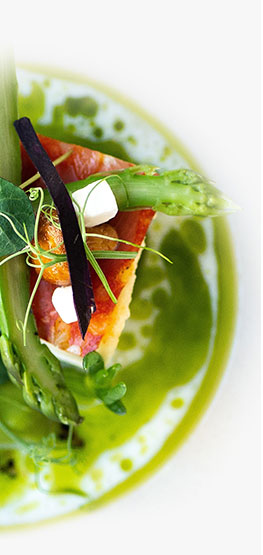
The experience at Hagi is deeply personal. The dining room accommodates just eight guests per night, allowing for total immersion in a slow-paced, seasonally-driven omakase that stretches to fifteen courses. It’s a journey through the terroir of Fukushima: over 90% of the ingredients are sourced within an hour’s drive, each one infused with meaning and narrative. The dishes are not dressed up in technical pomp — they are quietly radical in their simplicity. A slow-roasted onion dug from the earth 30 minutes prior to service, left to soften in the wood-fired oven for over an hour, tasted impossibly sweet and hauntingly complex. A humble char egg amuse paired local fish with forest vegetables, emphasizing flavor born from connection, not manipulation.
Chef Hagi, once trained in classical French cuisine, abandoned fine dining orthodoxy after the 2011 disaster devastated his region. Instead of scaling back or giving in, he doubled down: closing lunch service, scrapping à la carte, and creating a single daily menu built around whatever his producers — many recovering from catastrophe — could supply at peak vitality. He stopped bargaining on price, paying fairly to support those who dared to keep growing in the radioactive shadow.
This ethos defines every course. Mehikari (greeneyes), the city’s signature fish, was wood-grilled and paired with sake lees and foraged koshiabura. A morsel of turtle tail with wild garlic nodded to the wild, primal instincts of local cuisine. The beef course — lean, muscular wagyu raised in Fukushima — had none of the ostentation of Kobe or Matsusaka but instead spoke of clean diet and careful husbandry. Even the bread — made from sun-dried, pesticide-free wheat from Fukushima — tells a story of rebirth and independence.
The pairing menu further elevates the experience. The restaurant offers wines and sakes not for prestige but to echo the land. One highlight was a non-alcoholic pairing based on house-made herbal infusions — a revelation in restraint and clarity.
Dining at Hagi is an act of listening — to nature, to memory, to loss, and ultimately, to hope. It is not a performance. It is a conversation between guest, chef, and the land. Few restaurants embody a sense of place so profoundly. And few leave you so full — not just of food, but of feeling.
Verdict:
A must-visit for travelers seeking culinary meaning beyond Michelin stars. Hagi is not just a restaurant. It is the taste of Fukushima’s future.
7 / 10