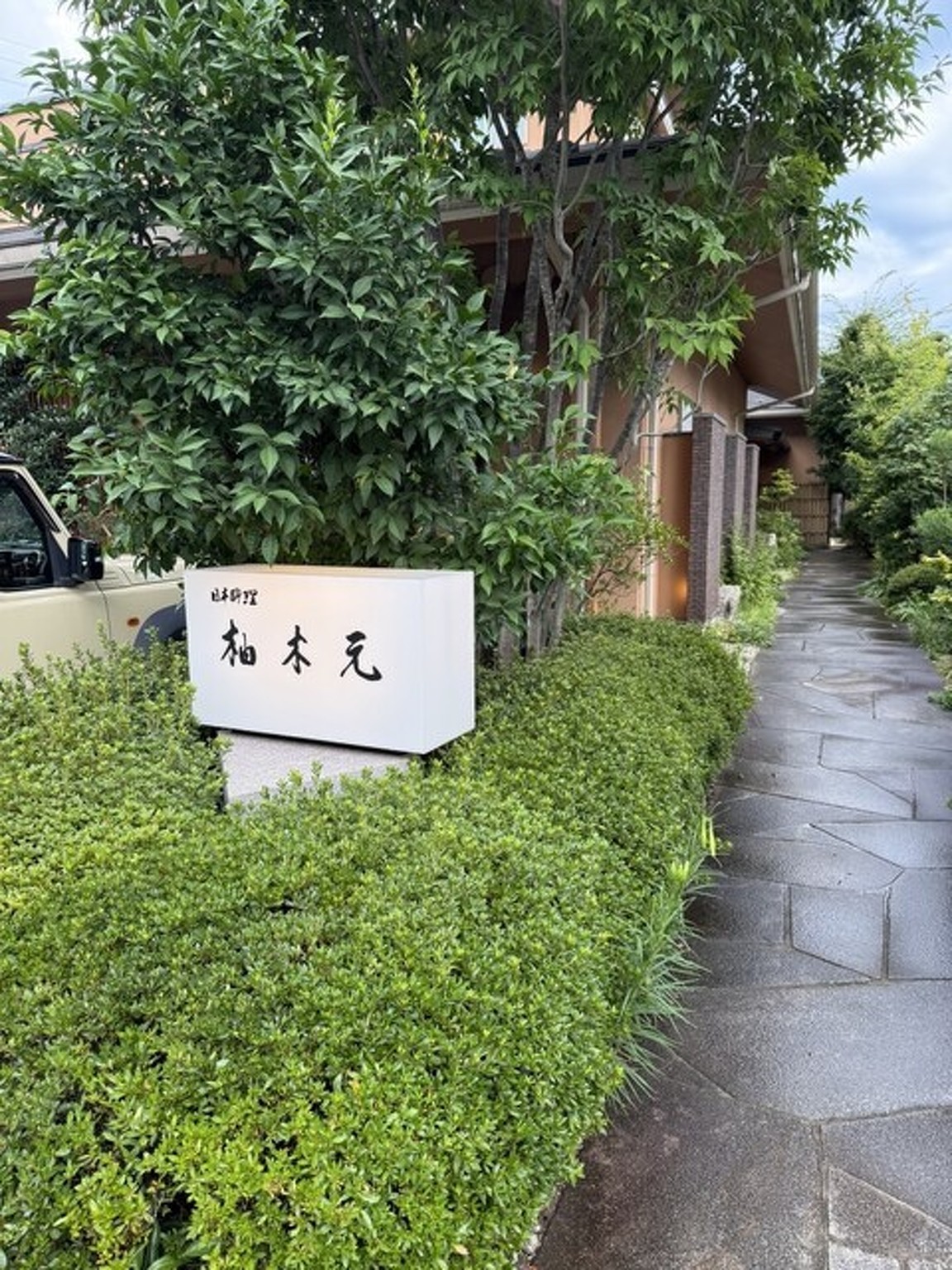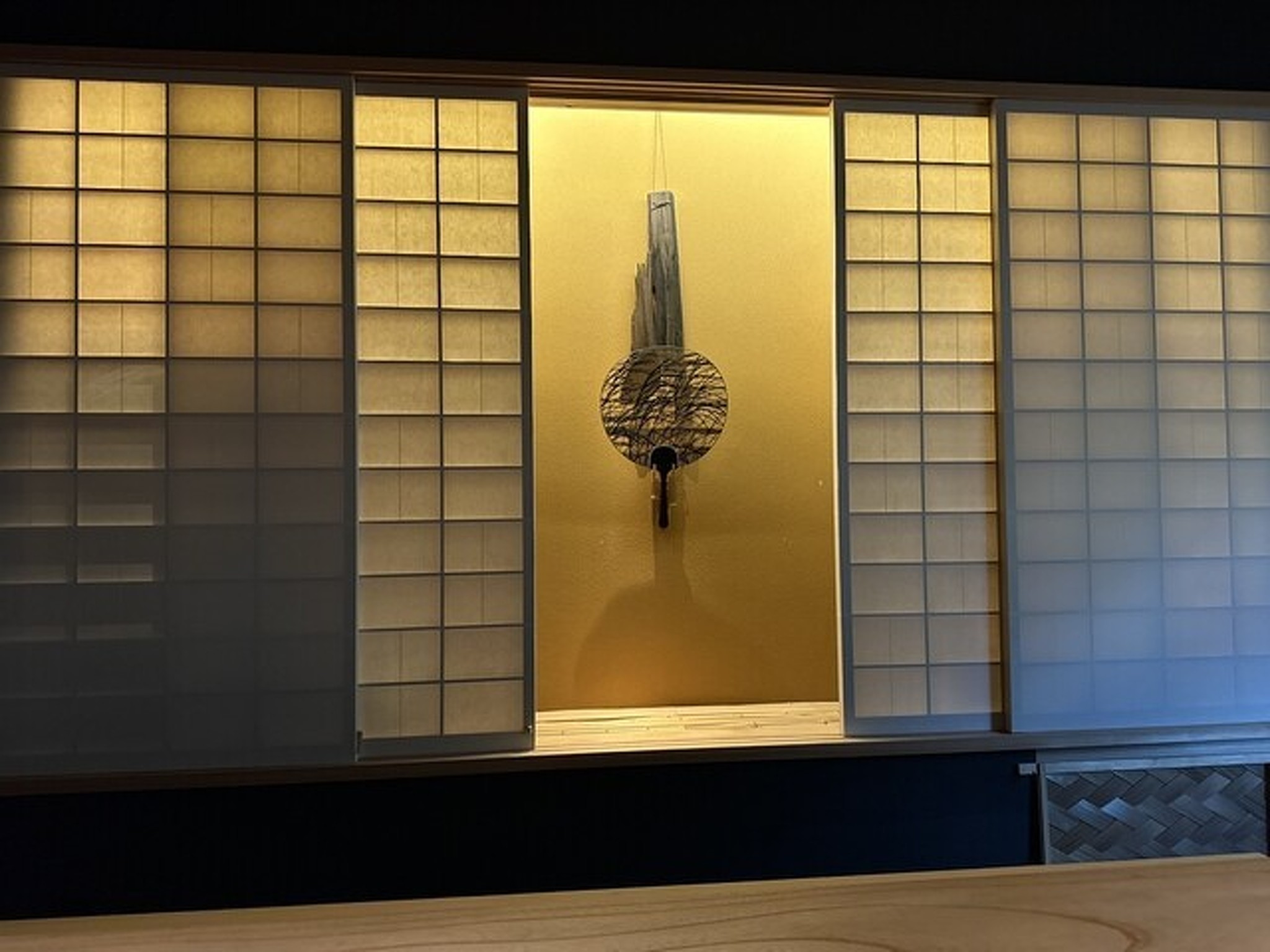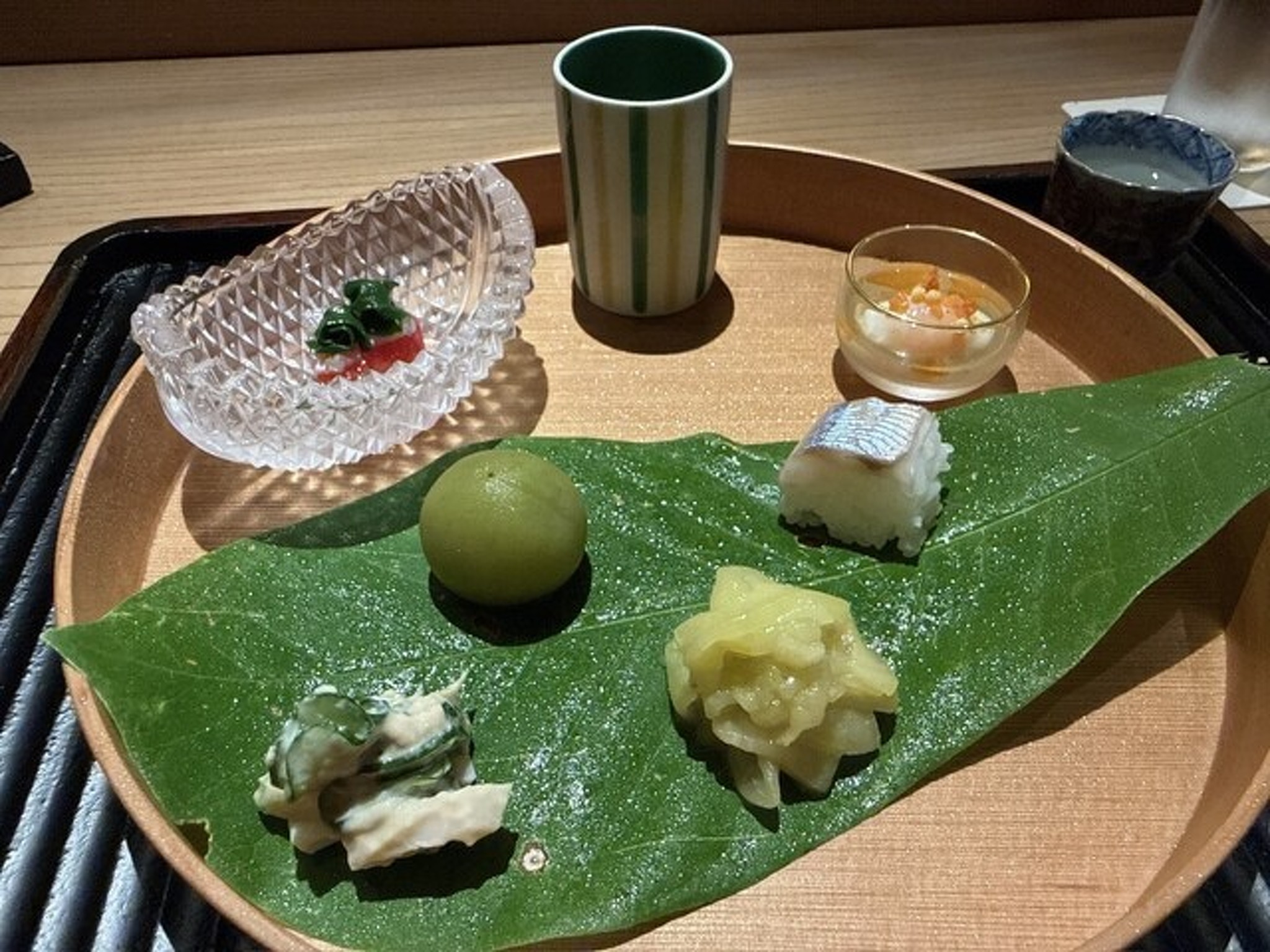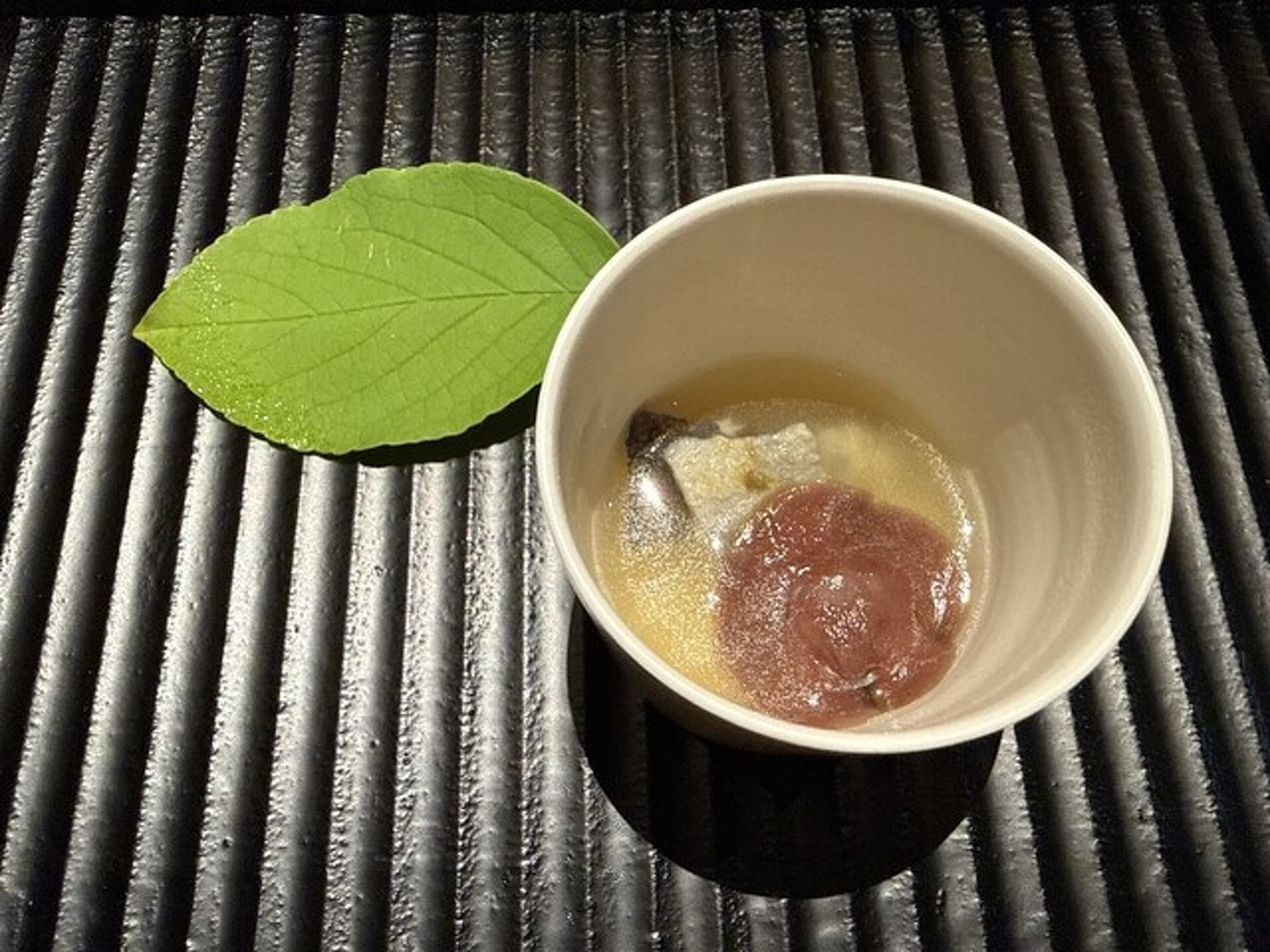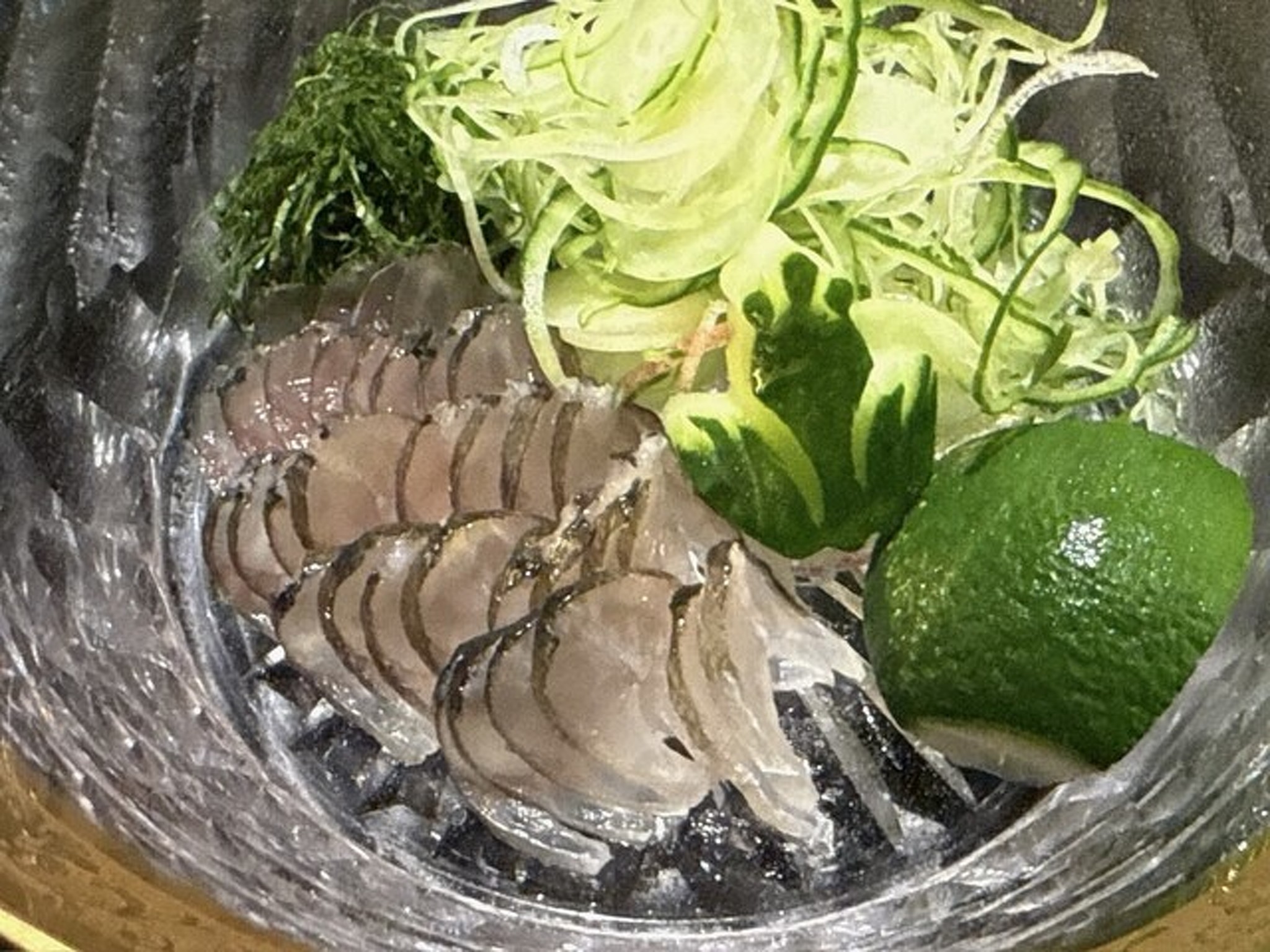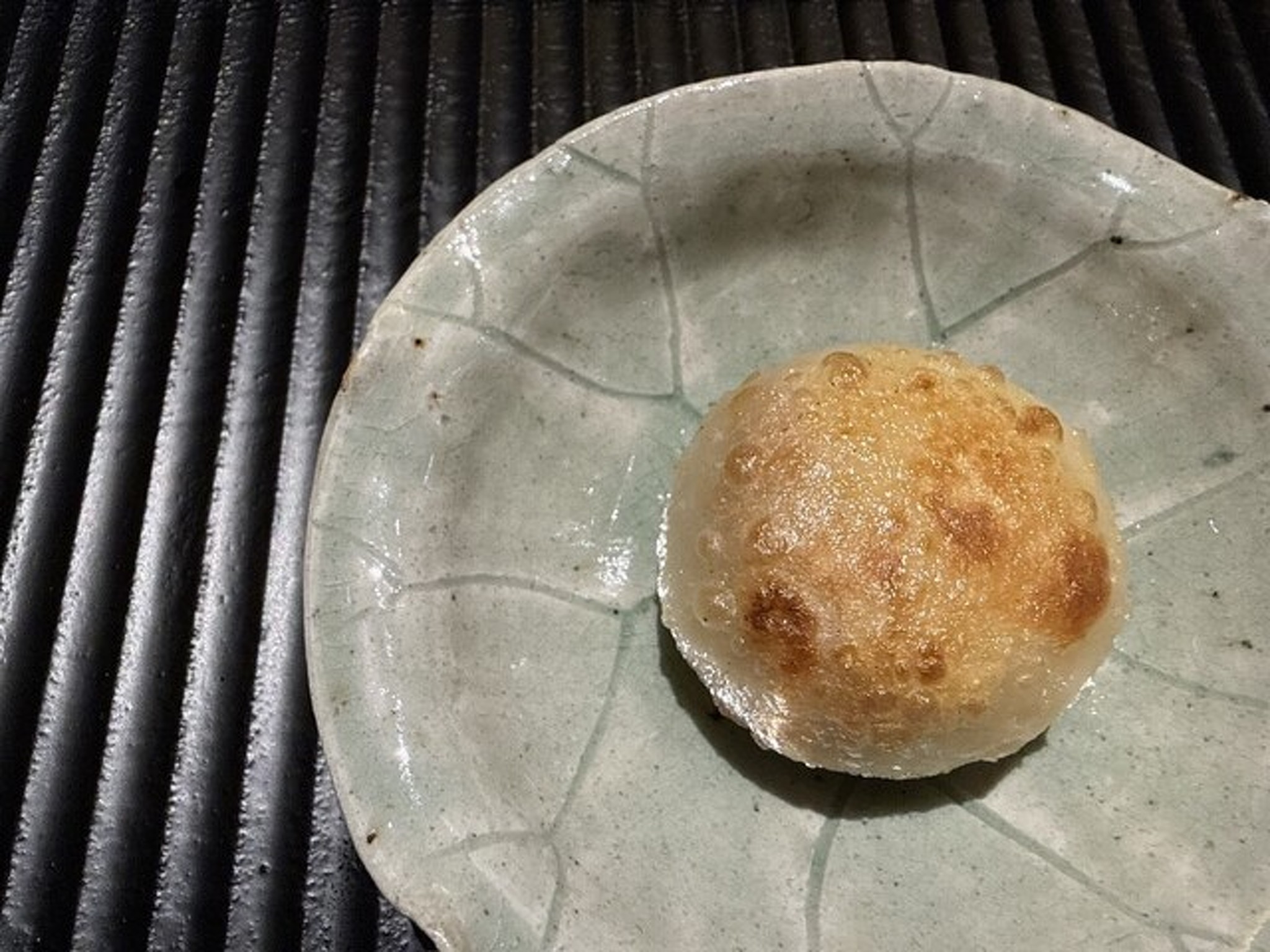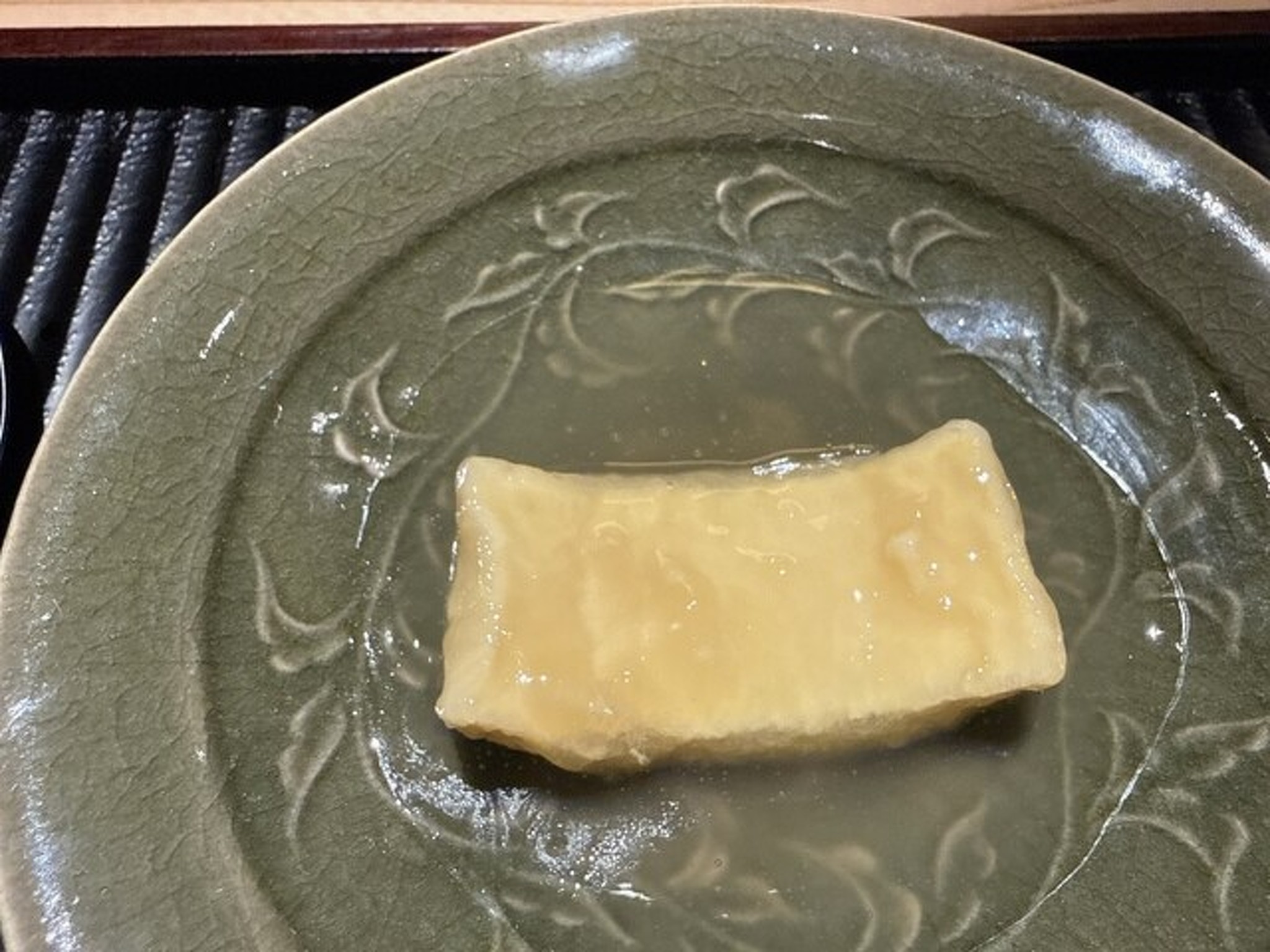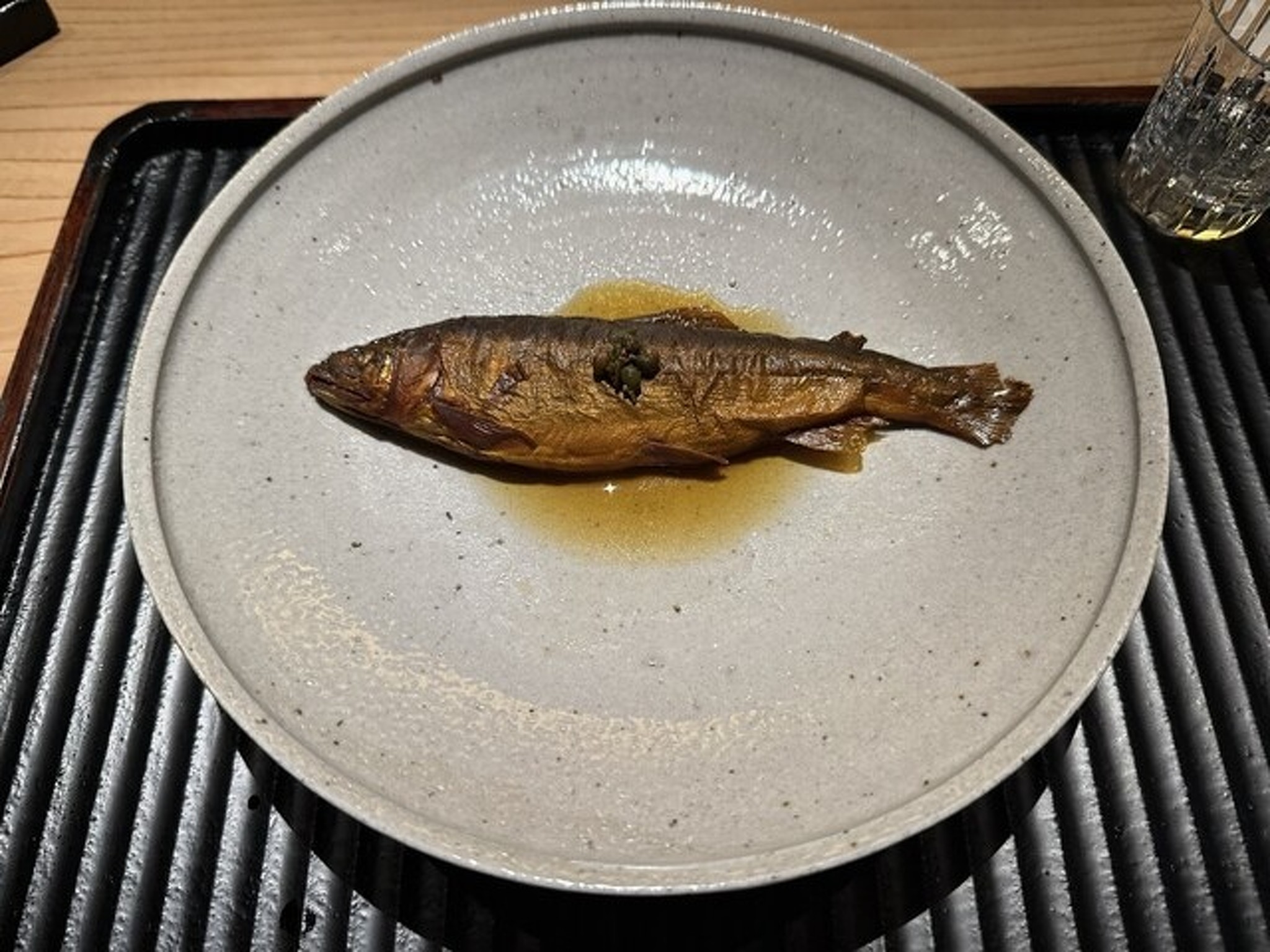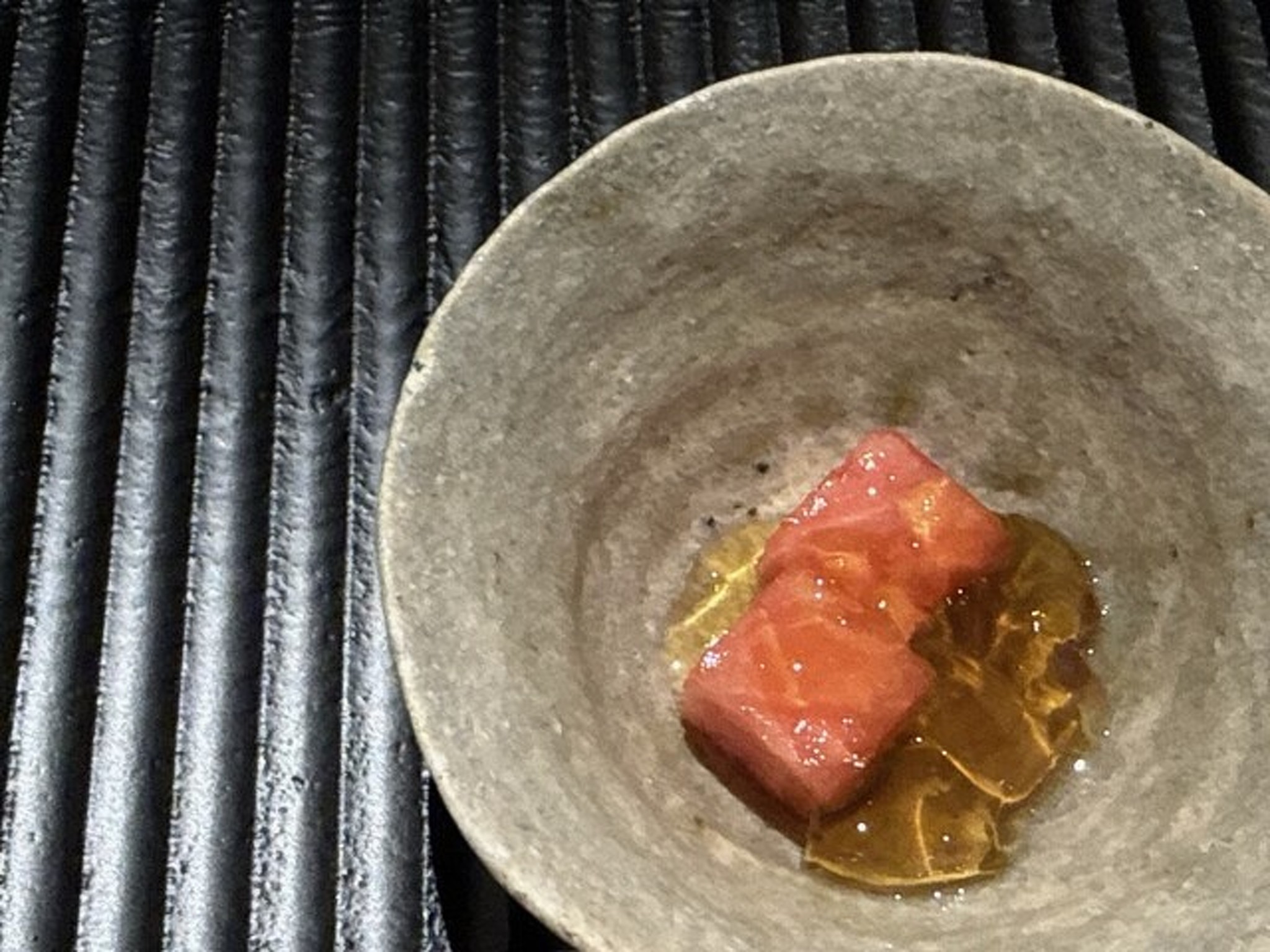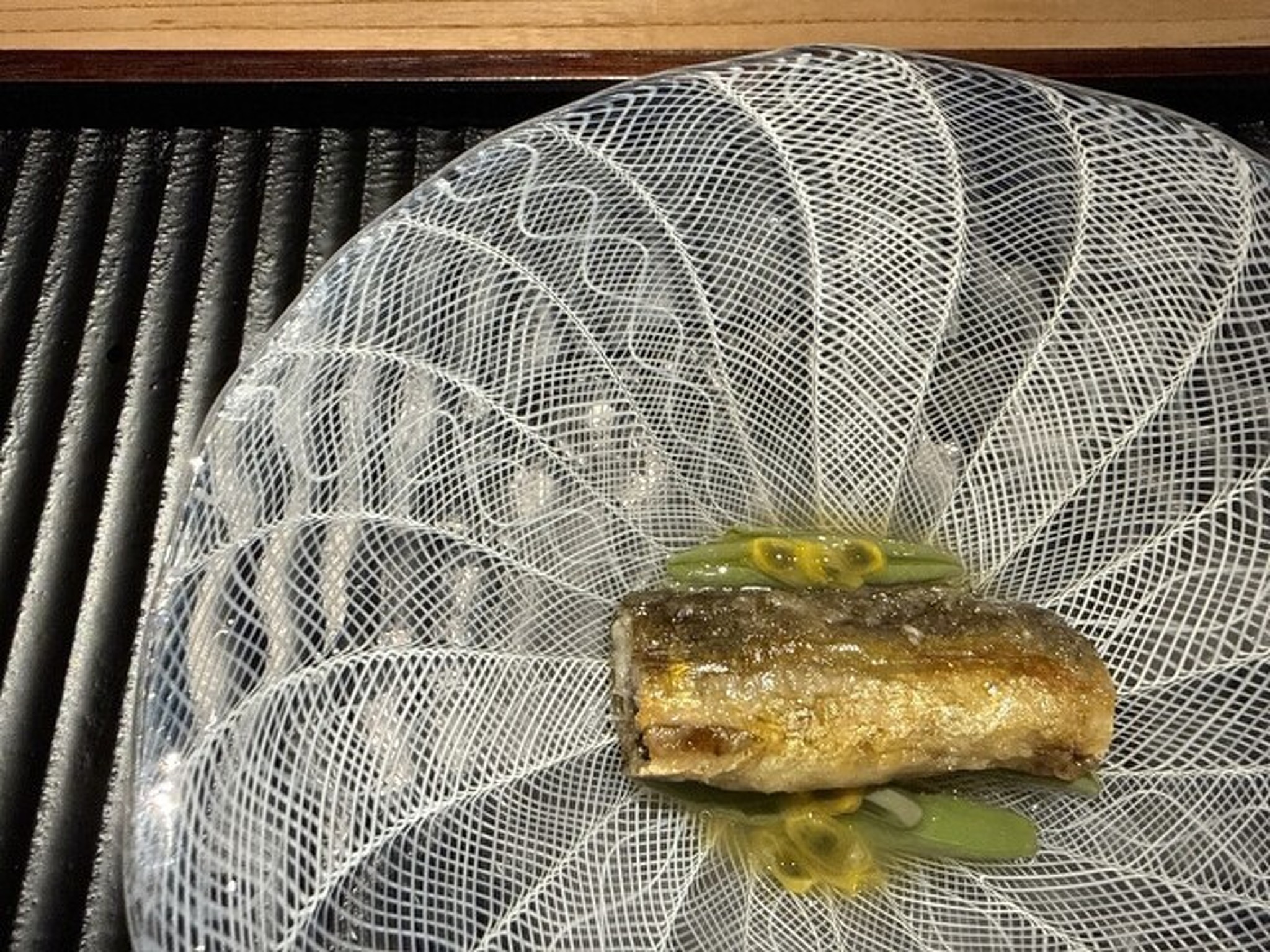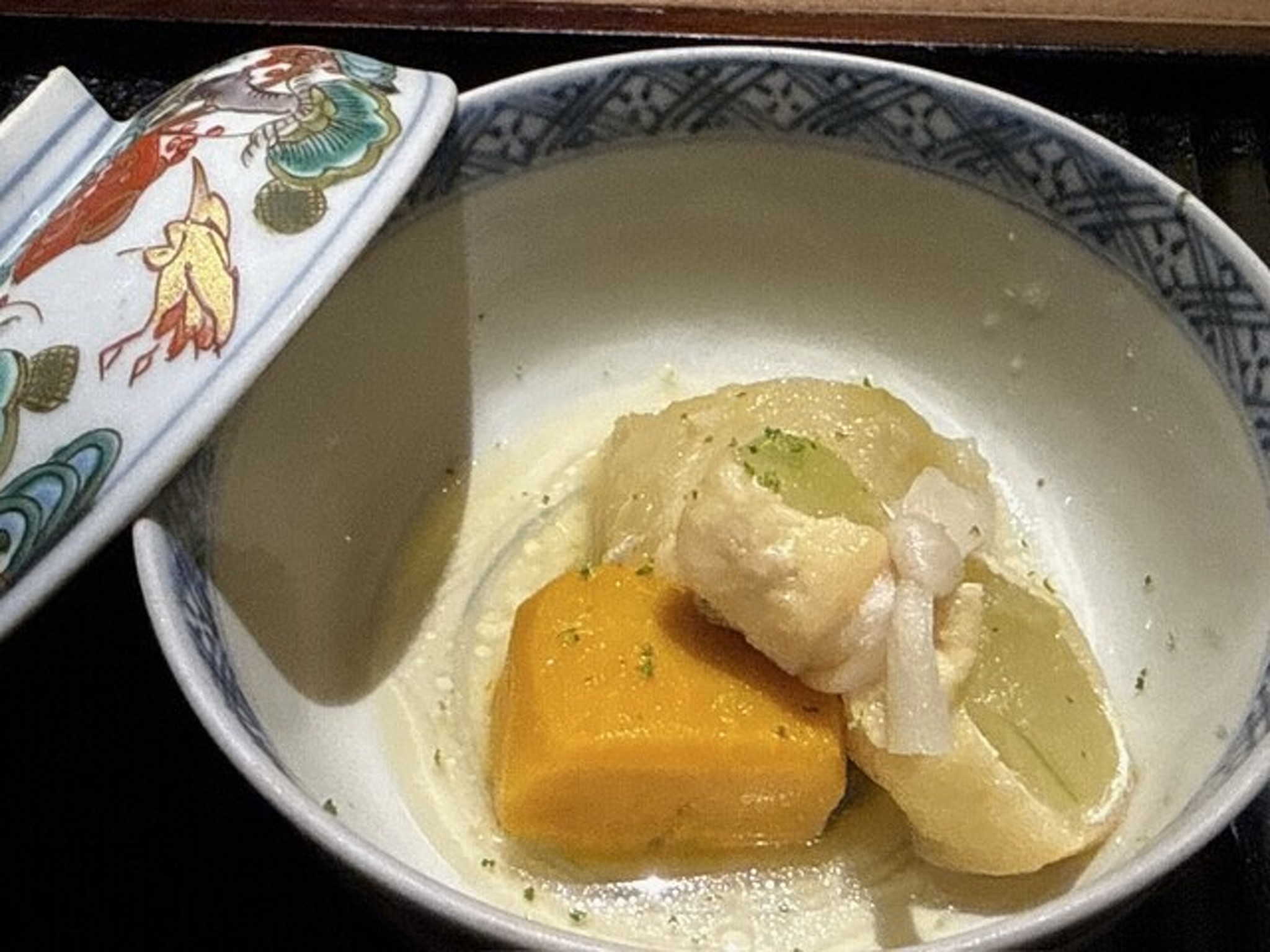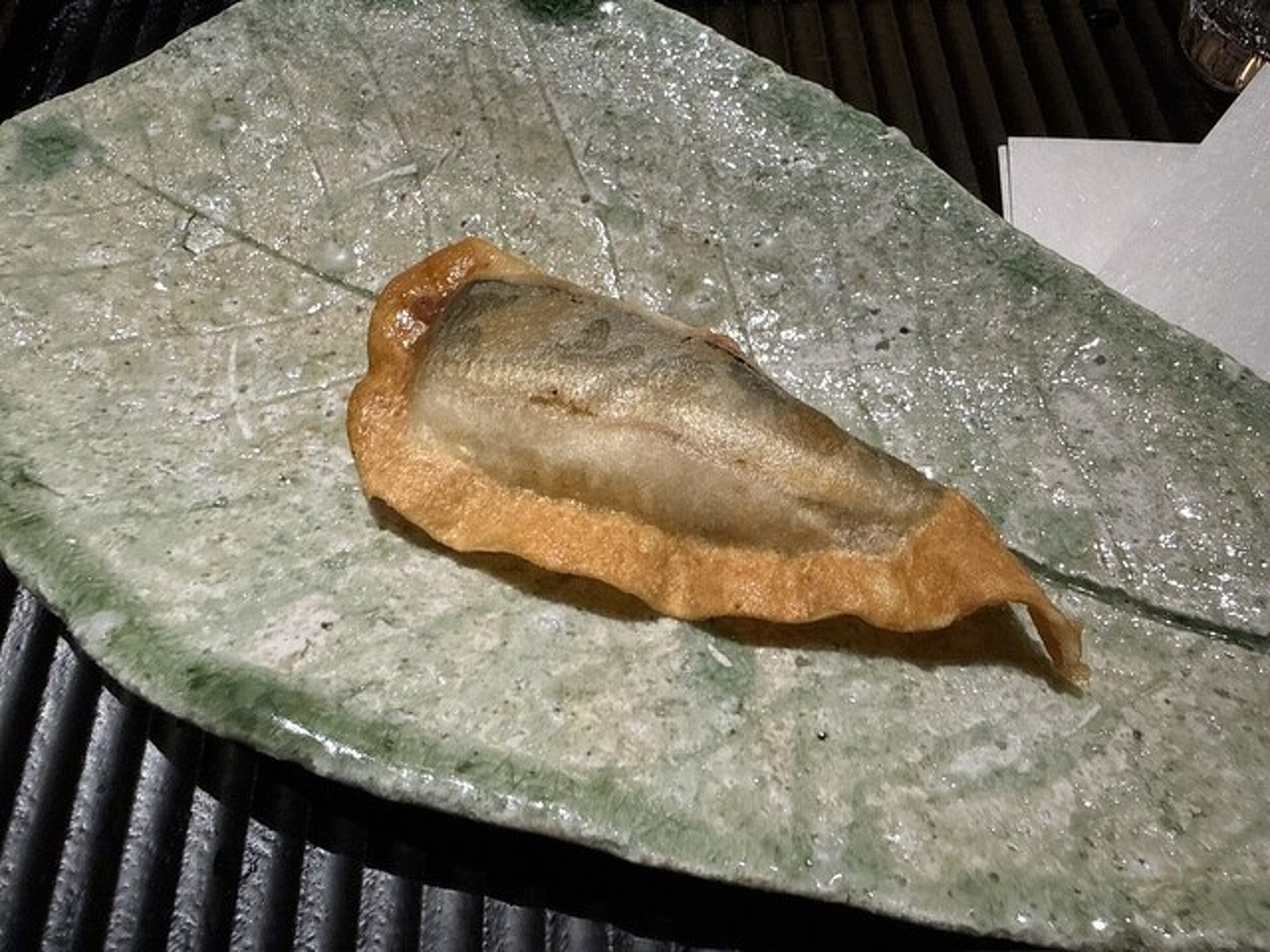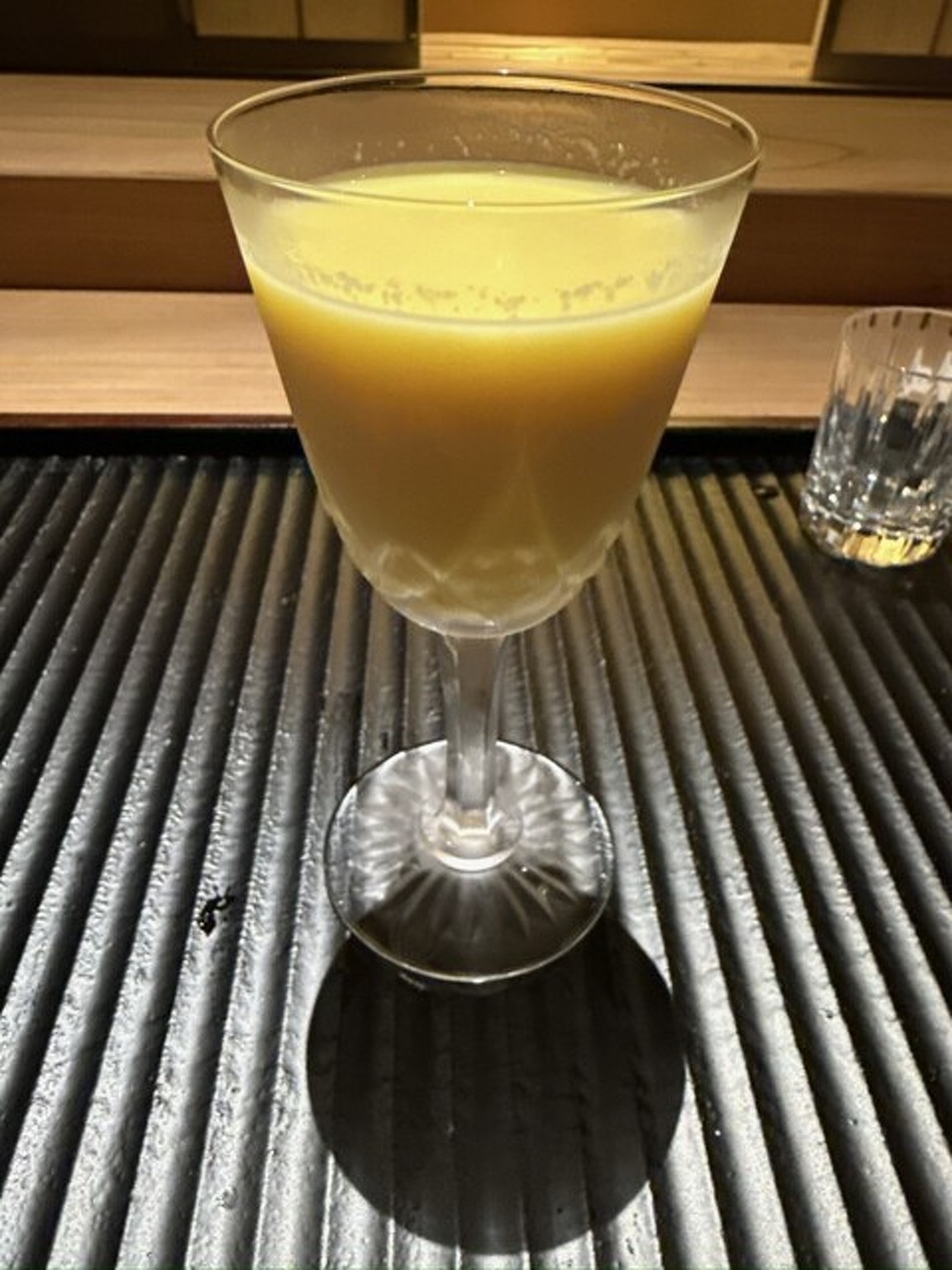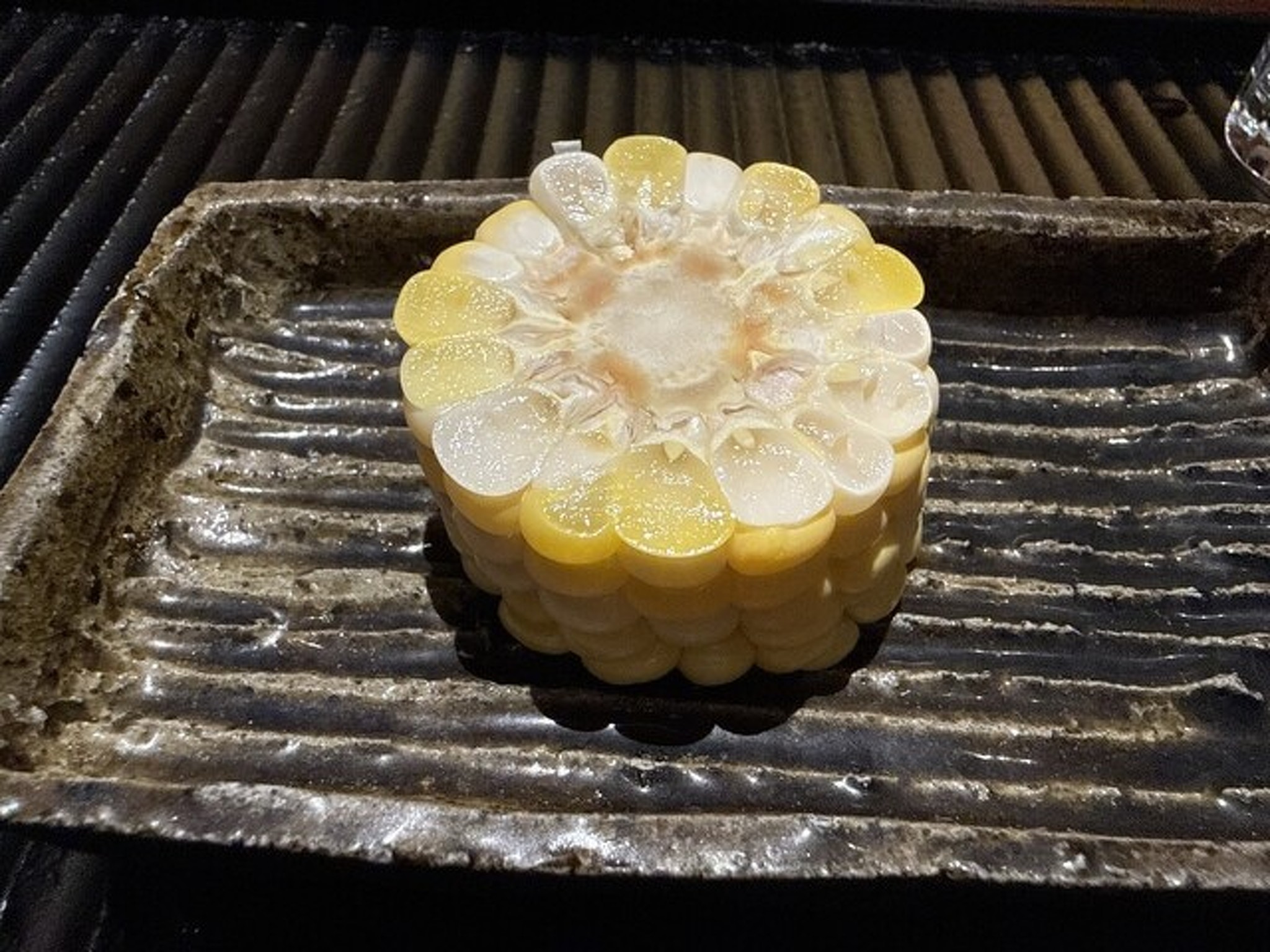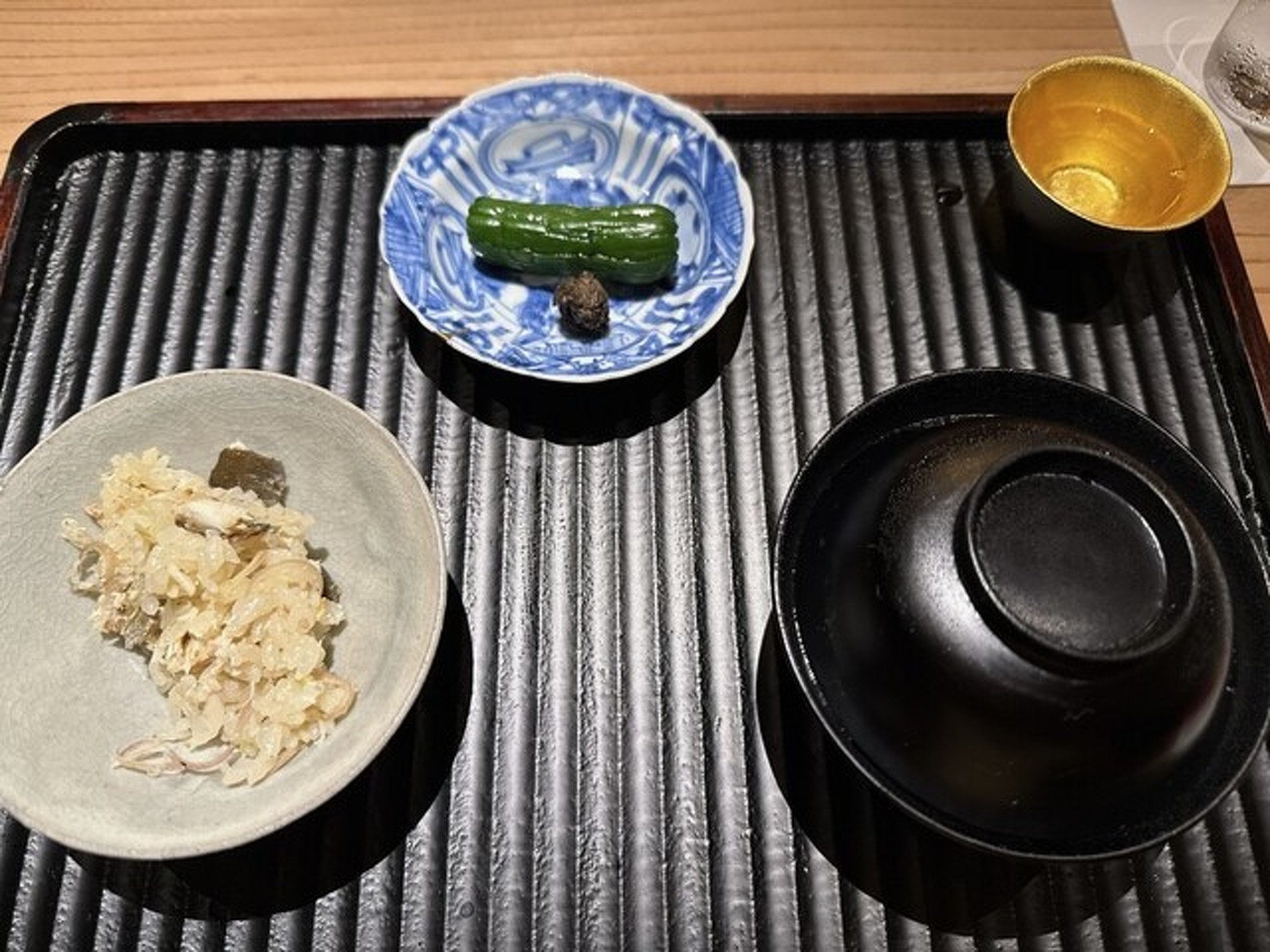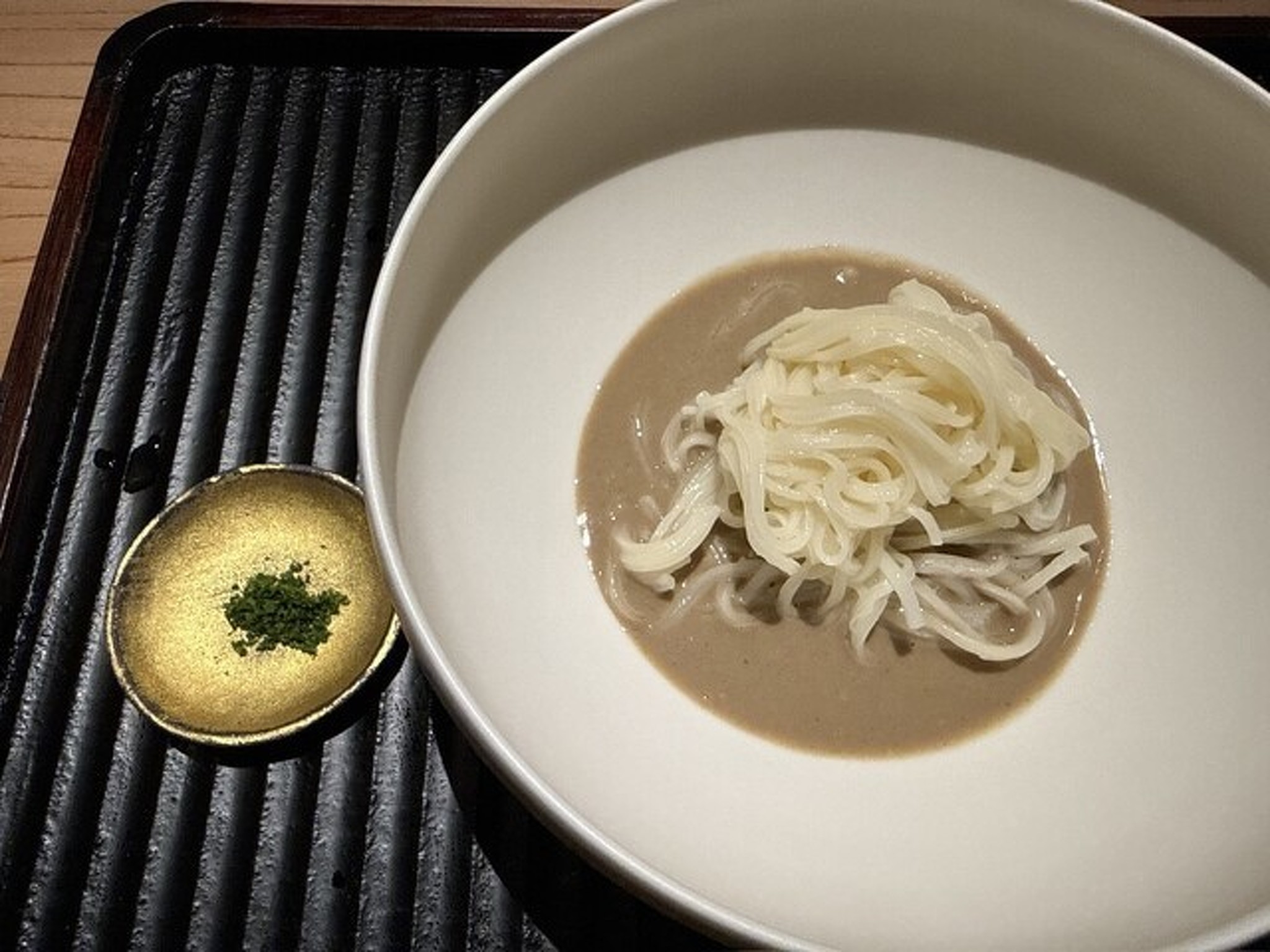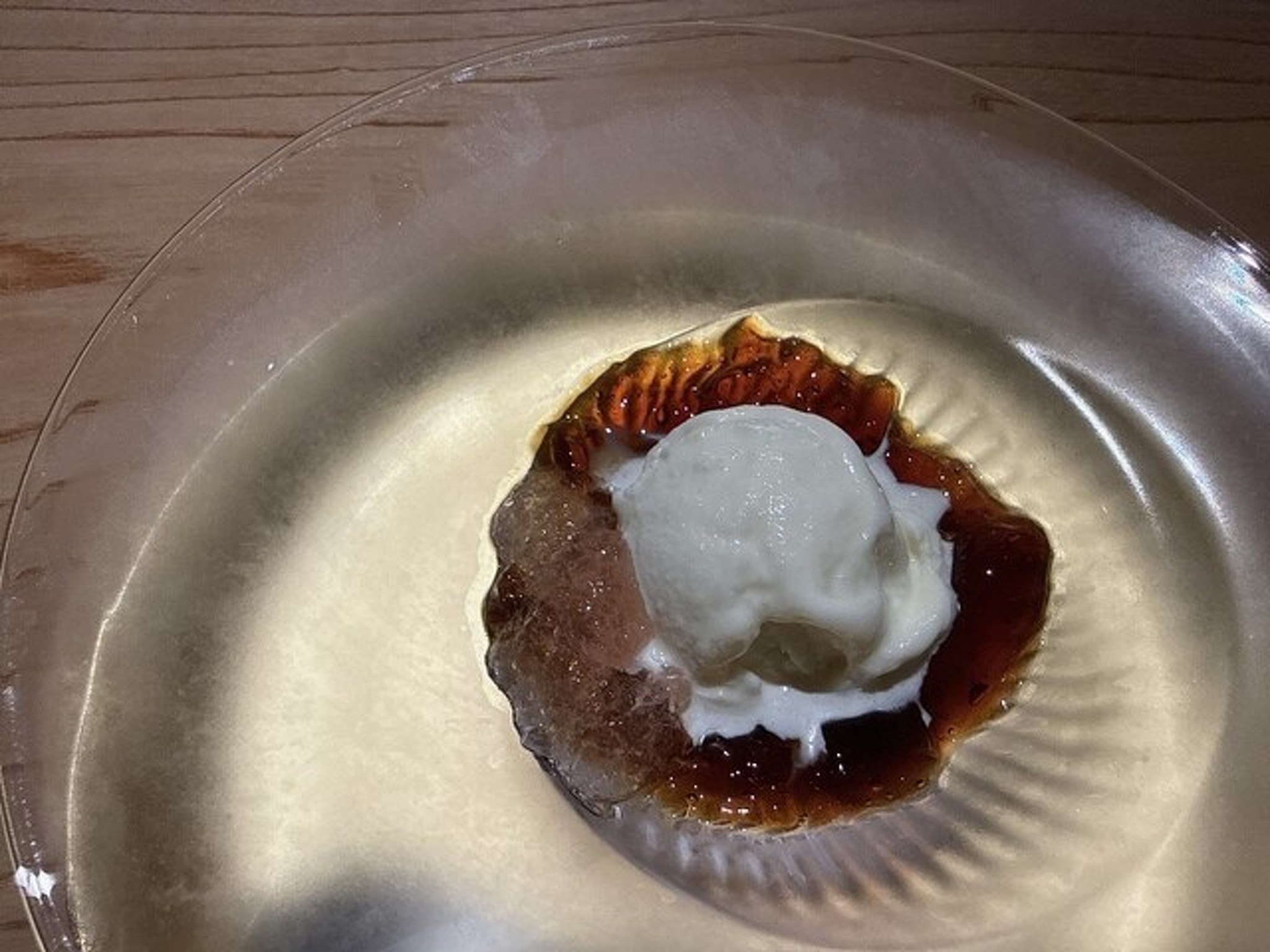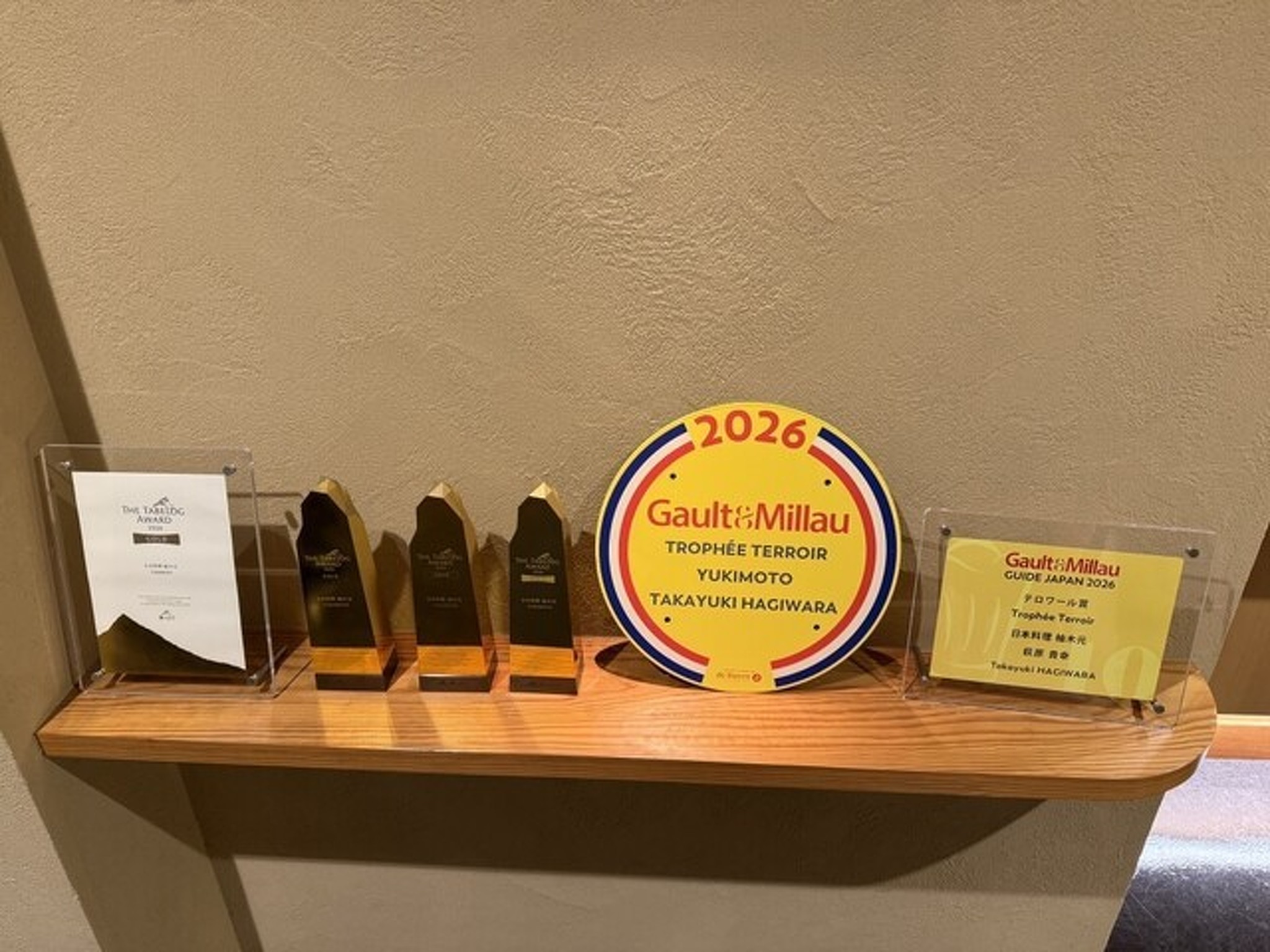
I had been wanting to visit Yukimoto for a while, and finally made it there.The chef trained at Shofukuro in Tokyo, and you can certainly feel that expertise in every aspect—from the presentation to the cooking technique and flavor composition, everything is executed with precision, showcasing a high level of craftsmanship in traditional Japanese cuisine.However, the true charm of this restaurant lies not in merely replicating Kyoto-style or kaiseki dishes with that skill.The value comes from how the chef elevates local ingredients, such as Shigeko eggplant, salted squid, amago trout, iguchi mushrooms, summer bear, and tenryu sweetfish, into exquisite dishes through his own interpretation.On this occasion, I enjoyed a course centered around sweetfish, but instead of the usual salt-grilled preparation, the chef presented it in various forms: grilled with the back fillet, simmered, in nanban-zuke (sweet and sour marinade), as spring rolls, in sweetfish rice, and with liver somen noodles, all highlighting the allure of sweetfish in diverse ways.What particularly stood out was the sweetfish chazuke (rice in broth). While the sweetfish broth had a slightly wild flavor on its own, combining it with rice and adding the liver created a beautiful harmony, transforming it into a complete dish centered around "sweetfish."Another surprise was the juice made solely from freshly harvested corn. It was a pure expression of the ingredient's natural sweetness and aroma, making me feel that it was worth coming to Iida just to taste this.The chef is very humble and has an impressive attitude of continuous learning. At the same time, I feel he should have more confidence in showcasing his own creations.Rather than aiming to be a renowned restaurant in the city, if he deepens the unique culinary offerings that can only be born in Iida, this place will become even more one-of-a-kind.I definitely want to return in a different season.
We use cookies on this site to enhance your user experience.