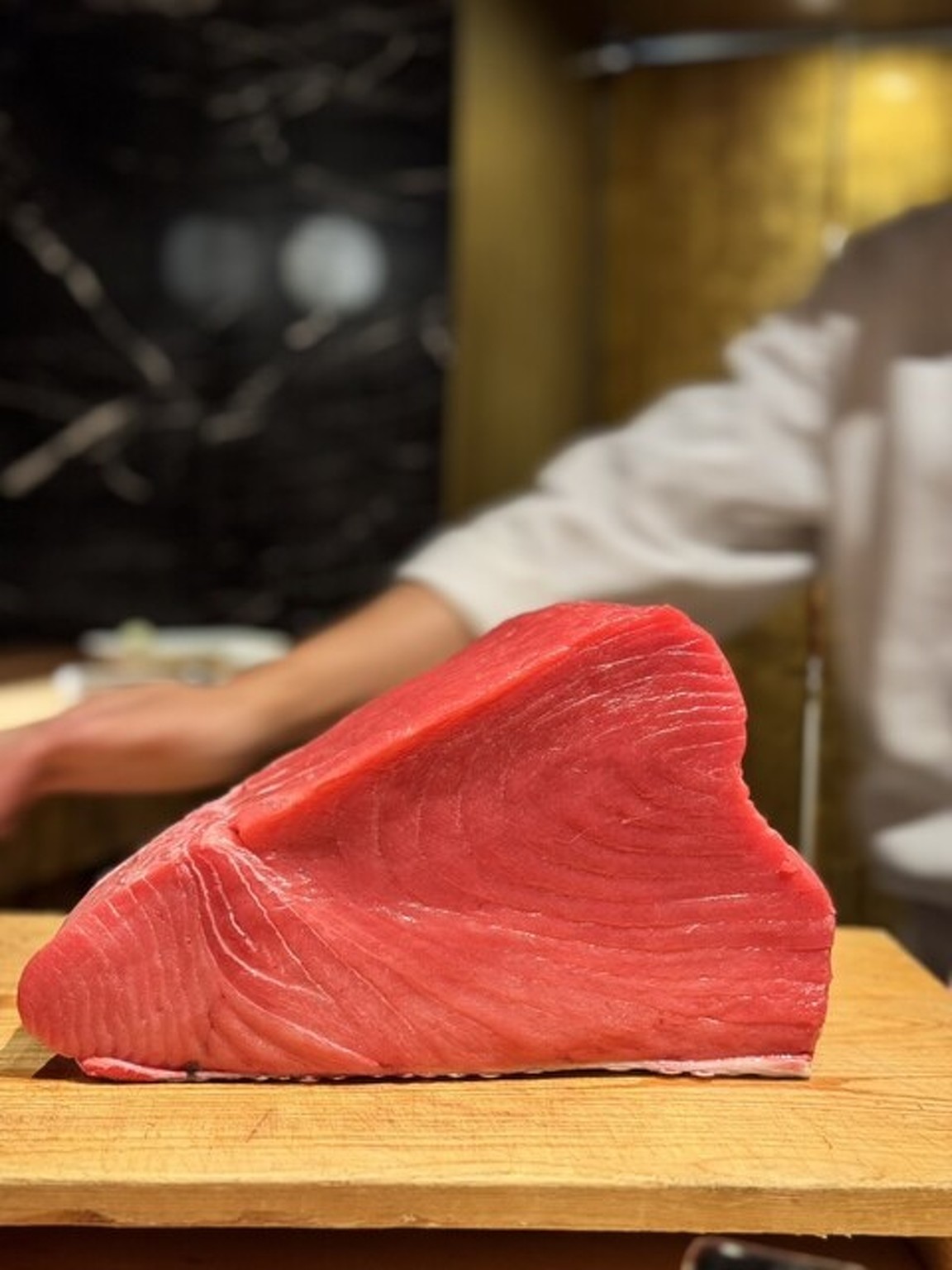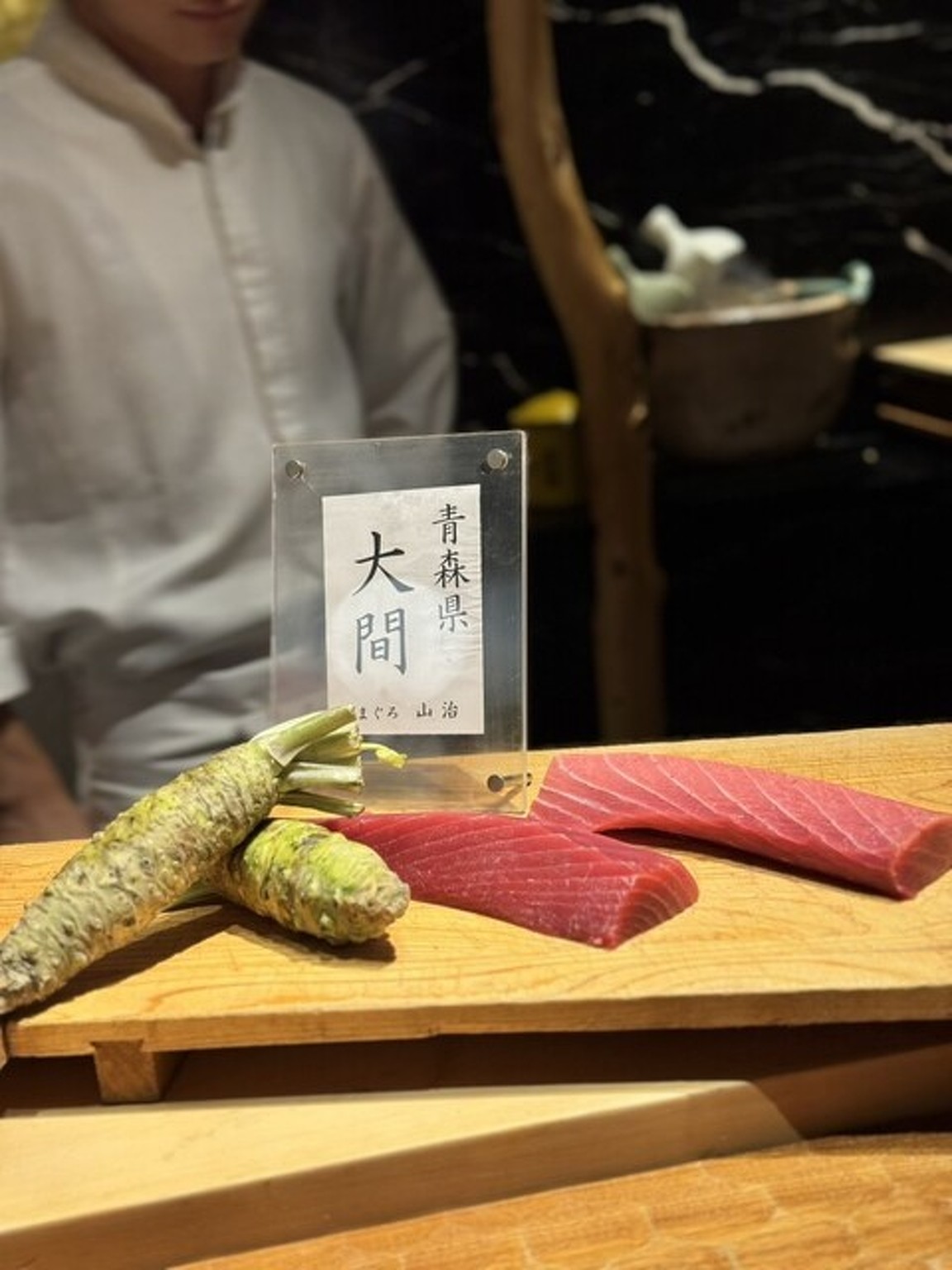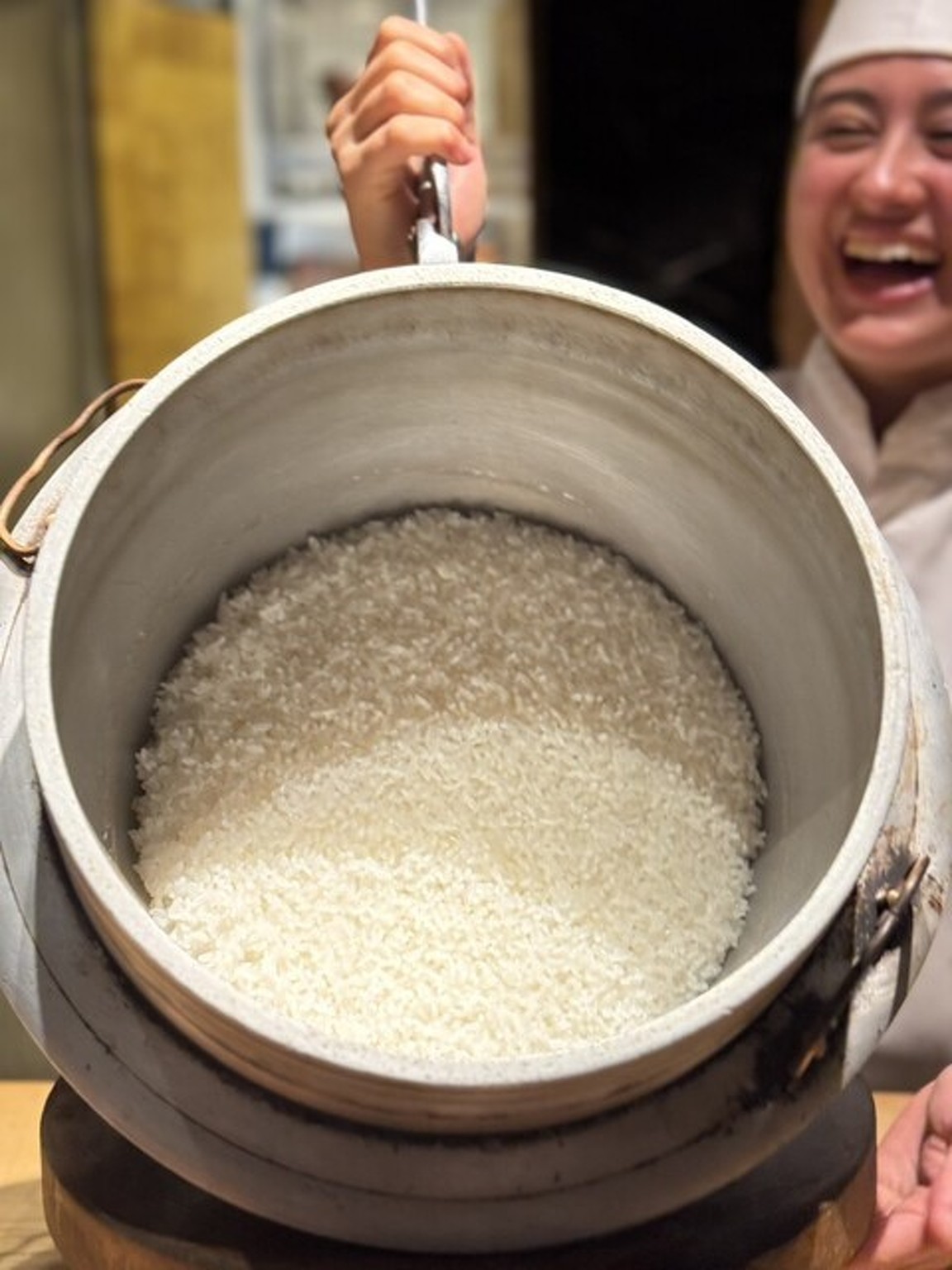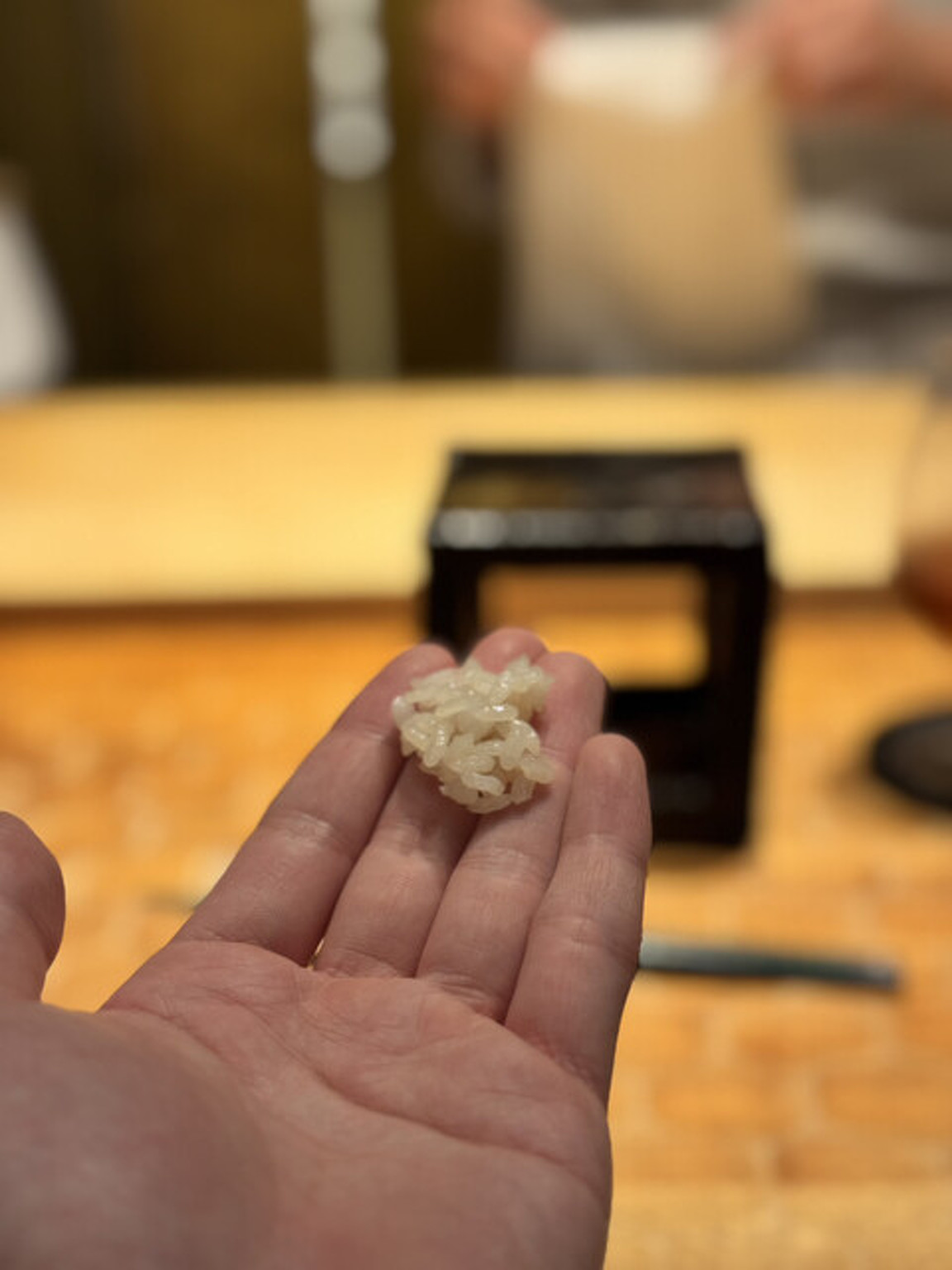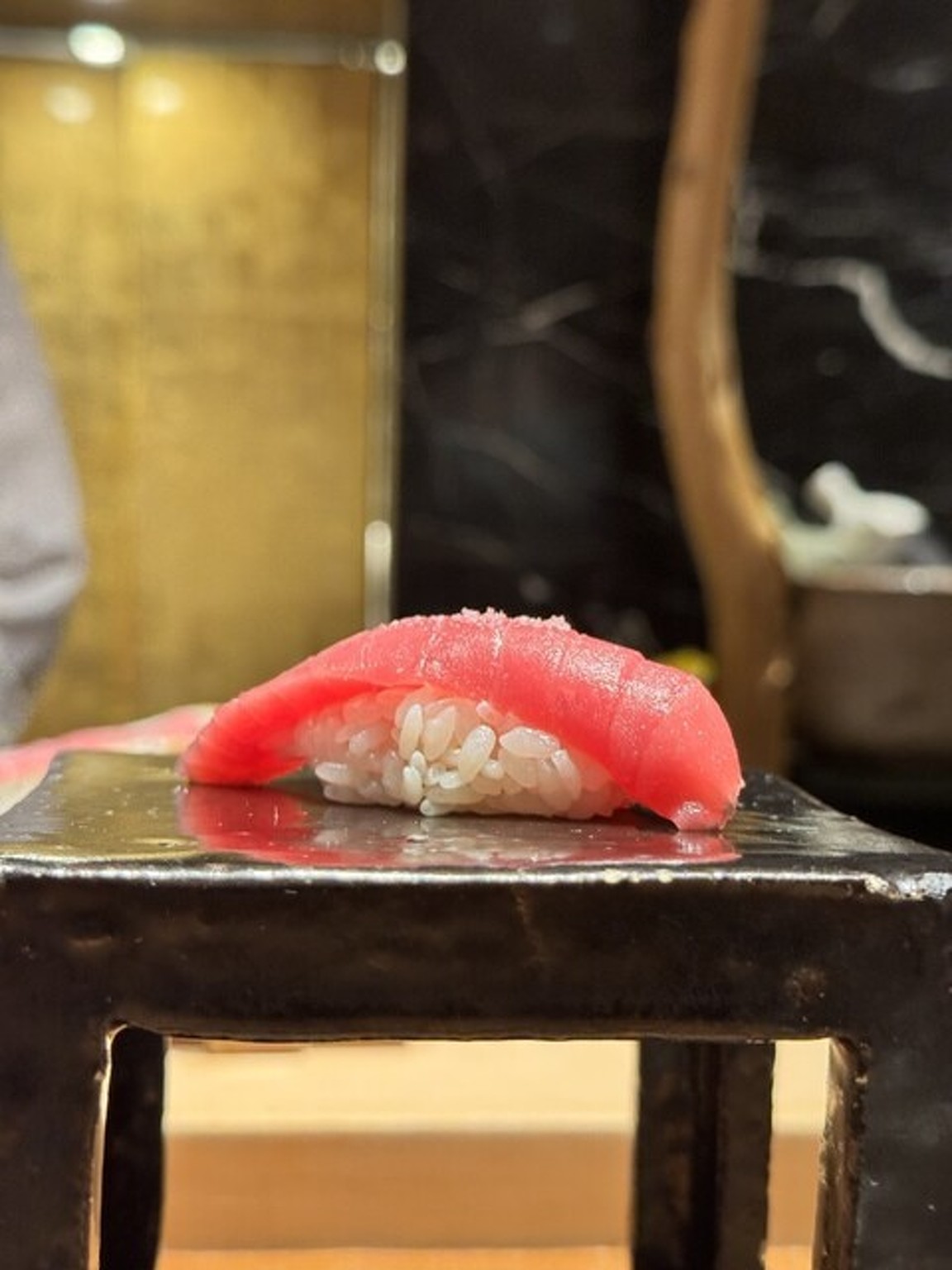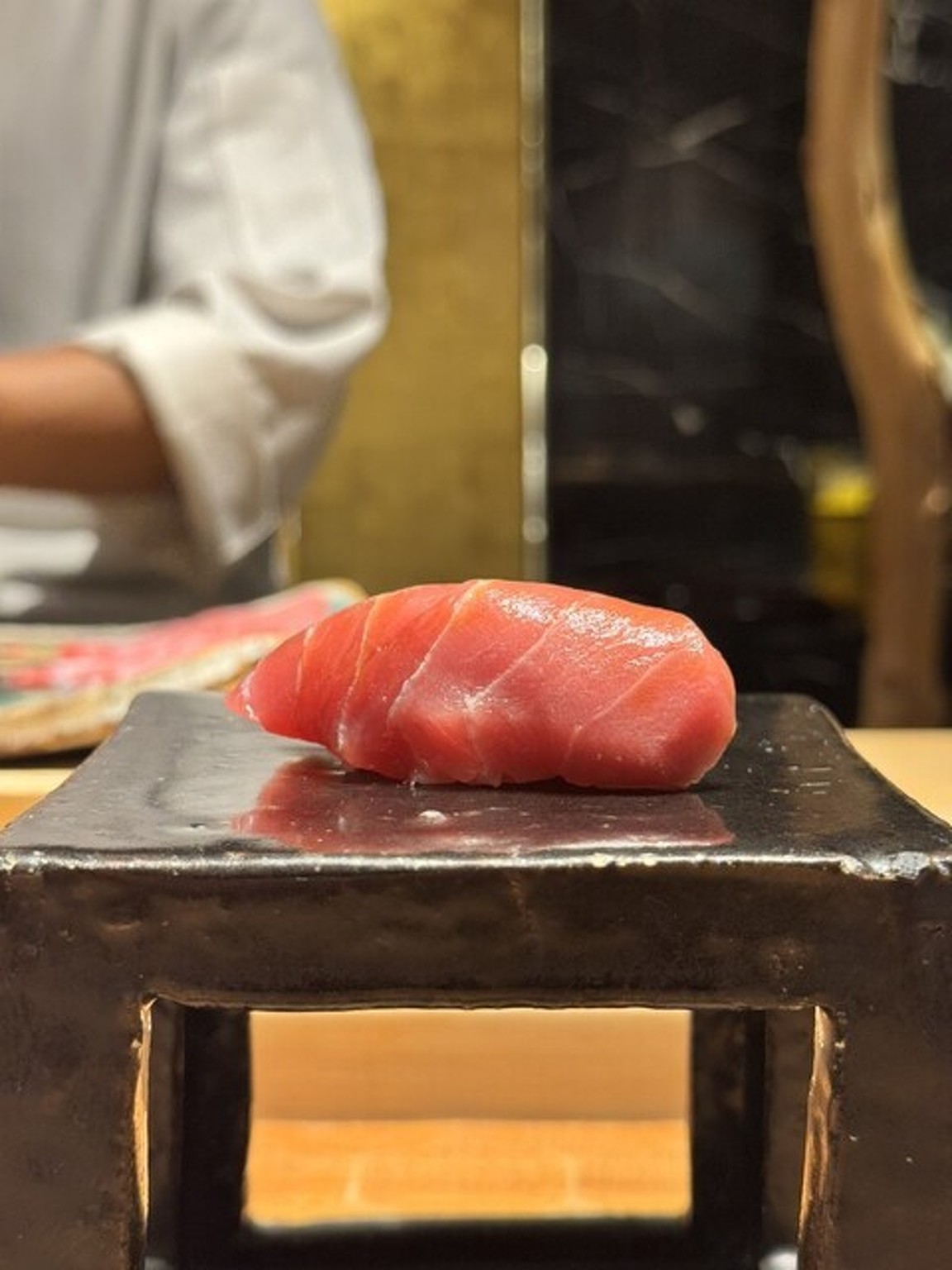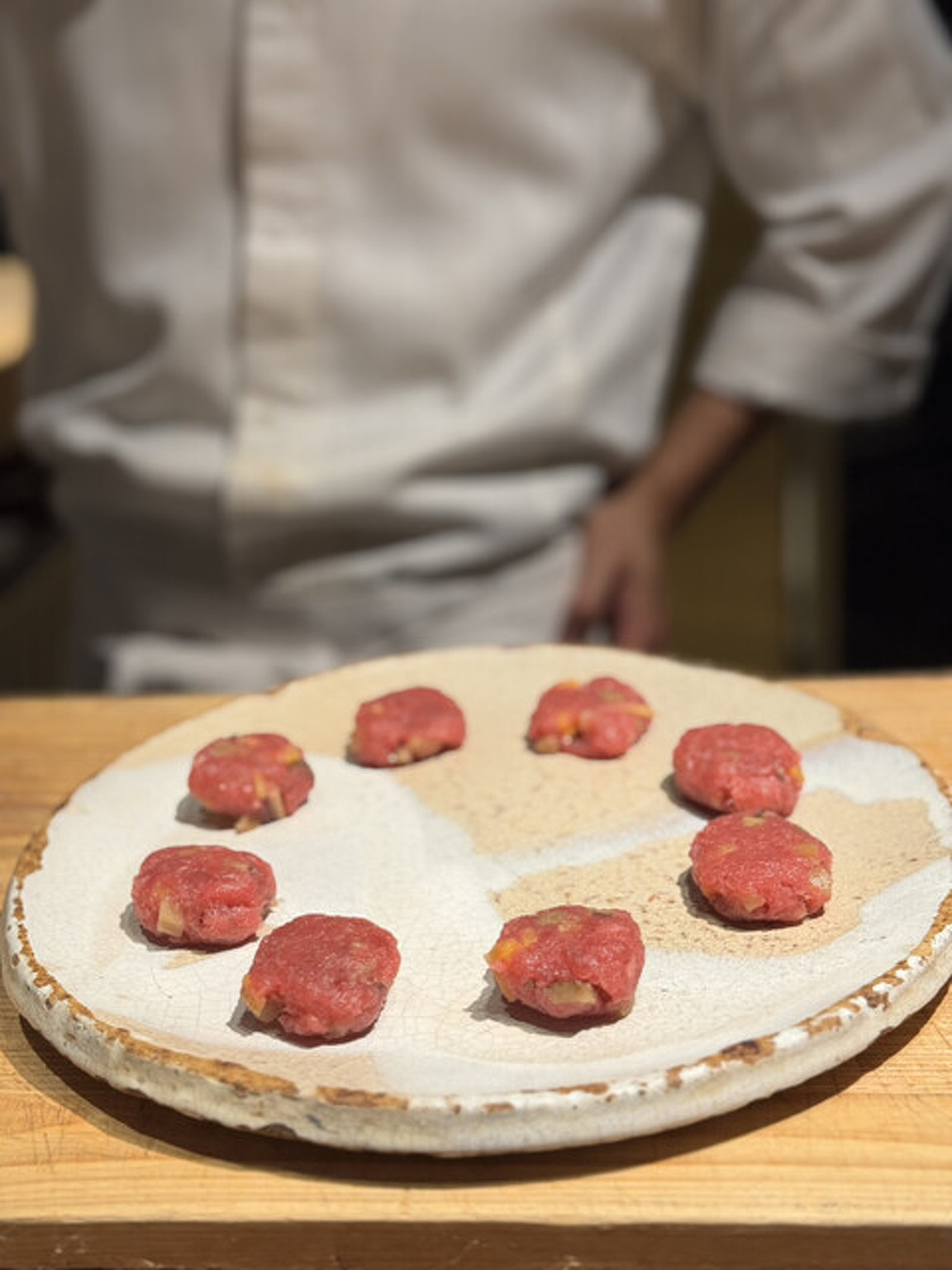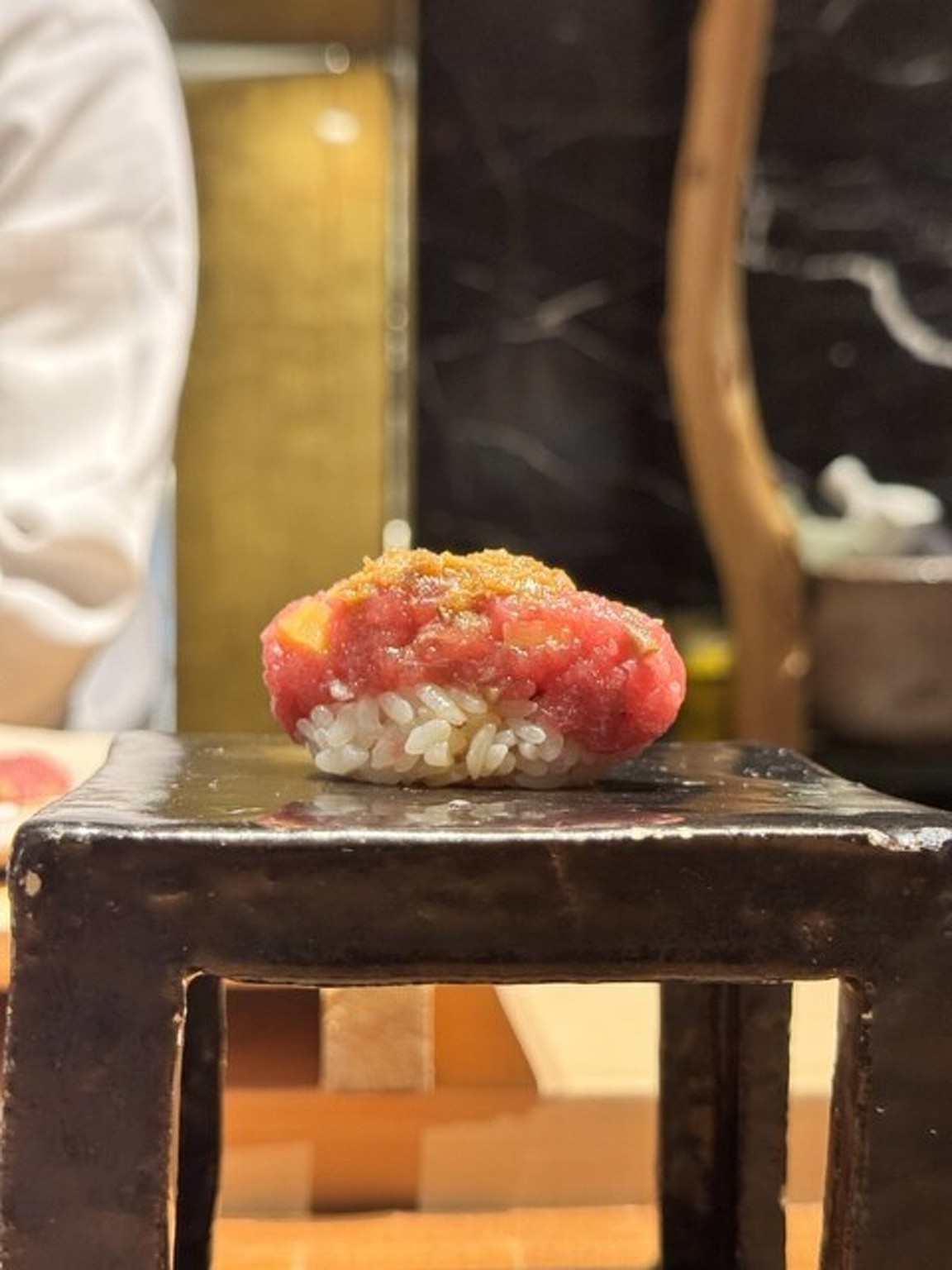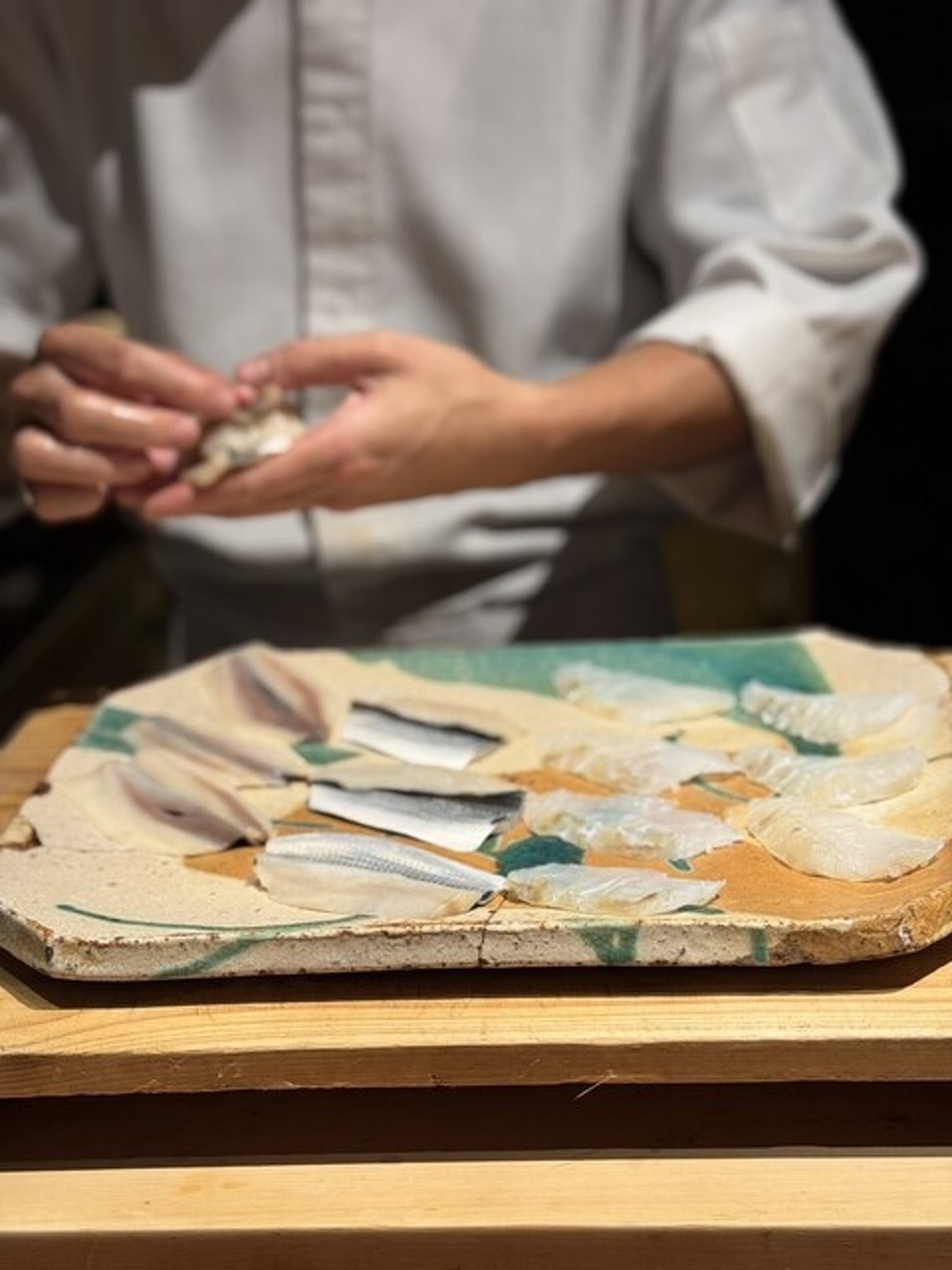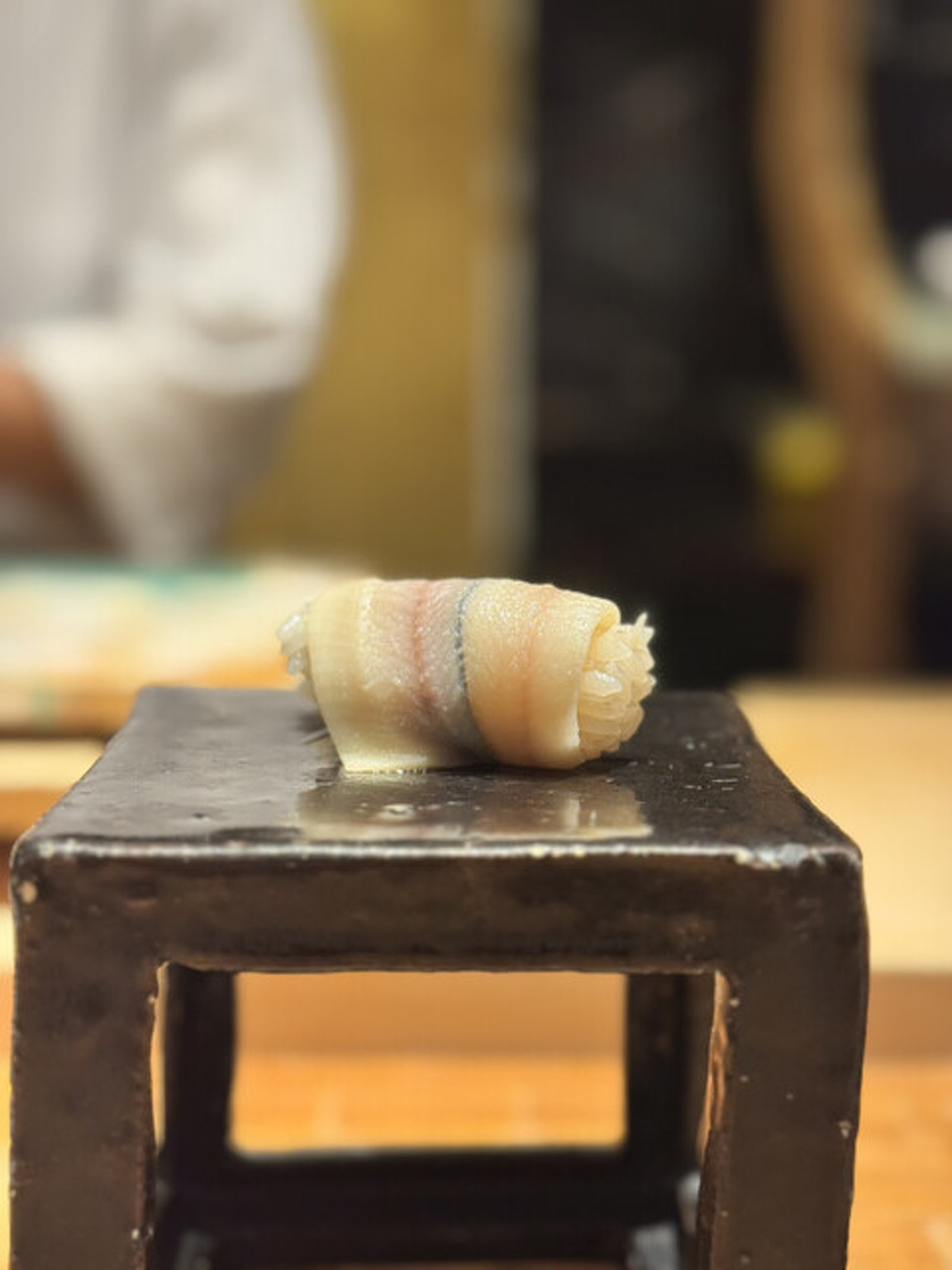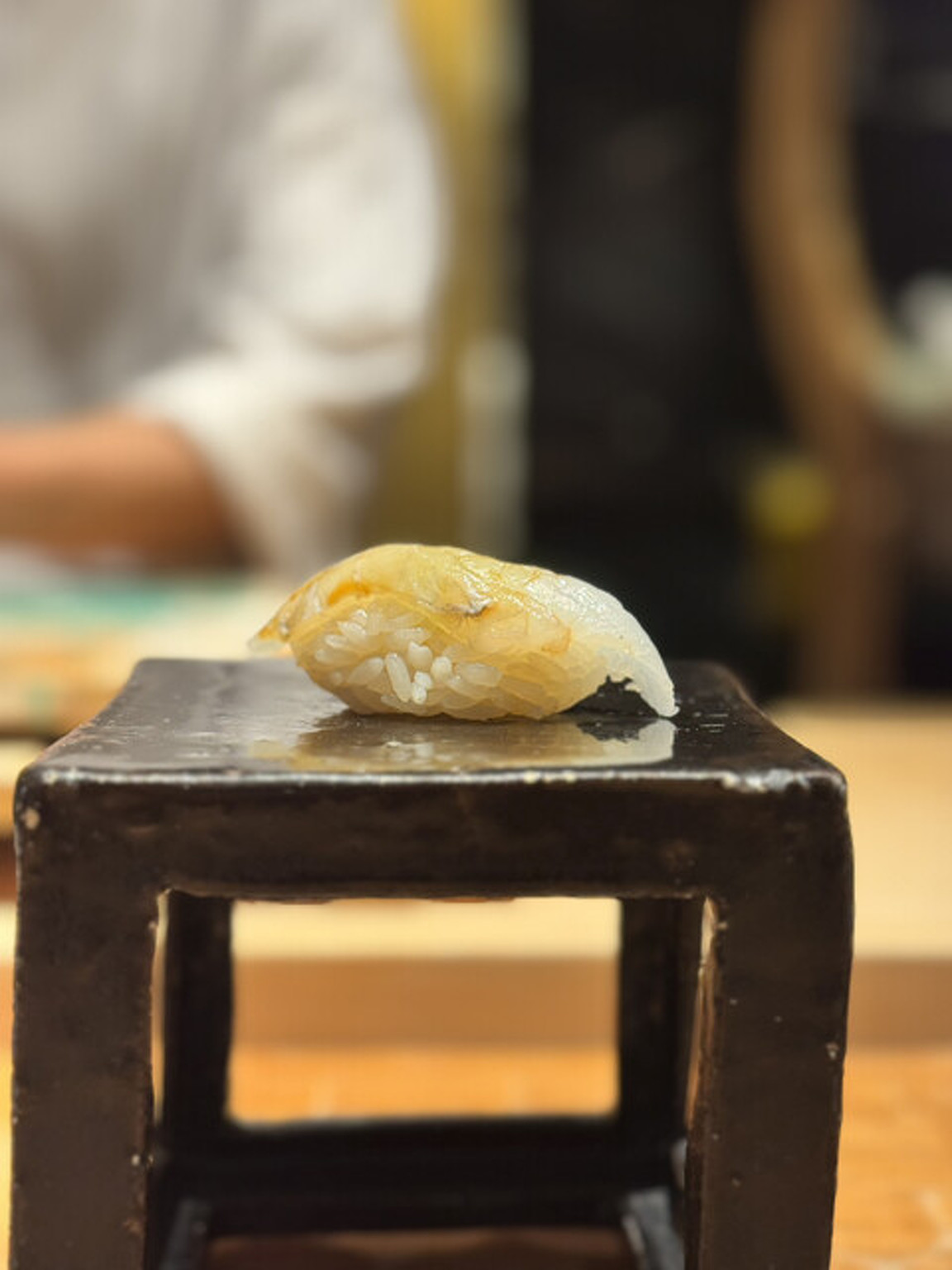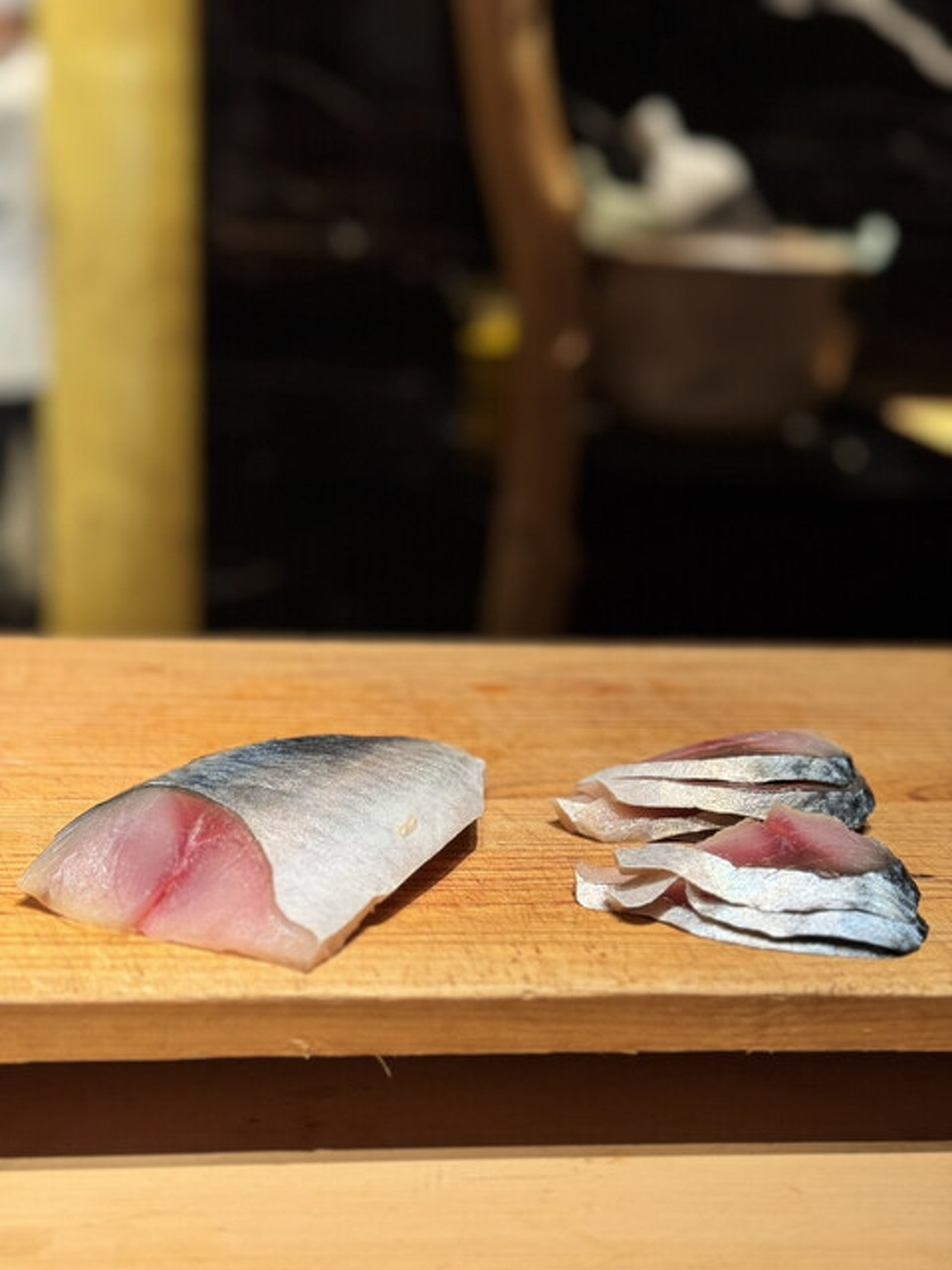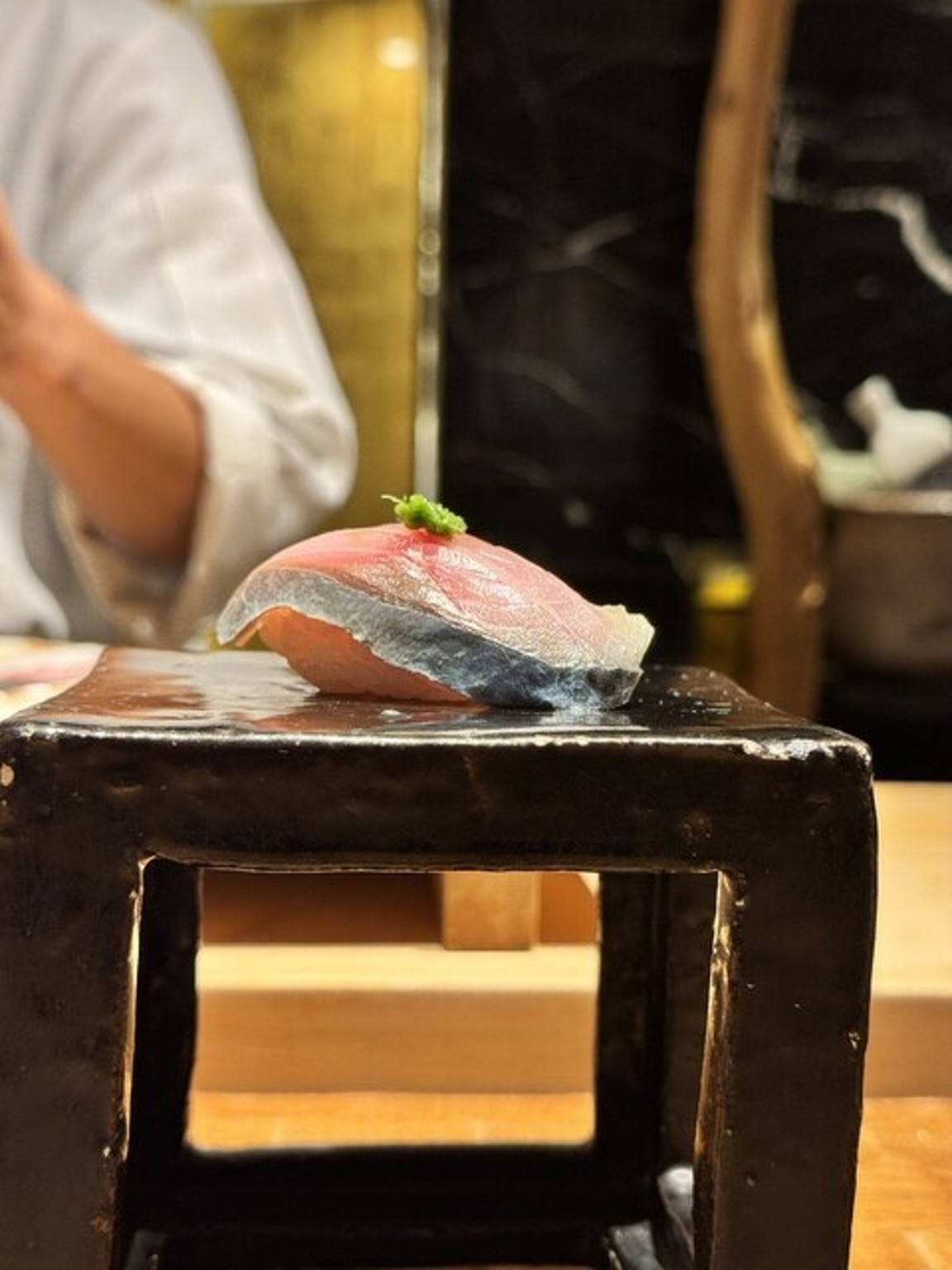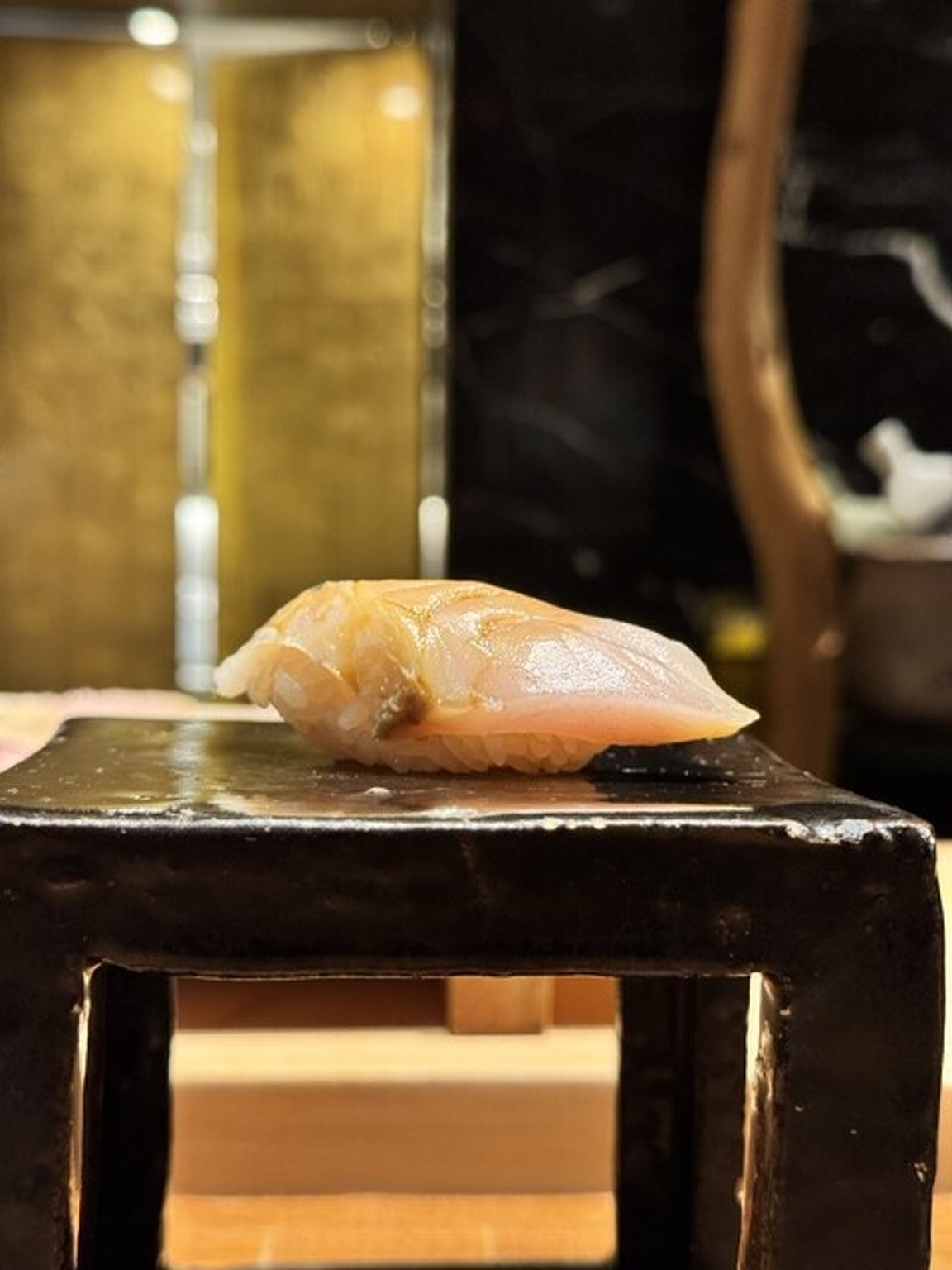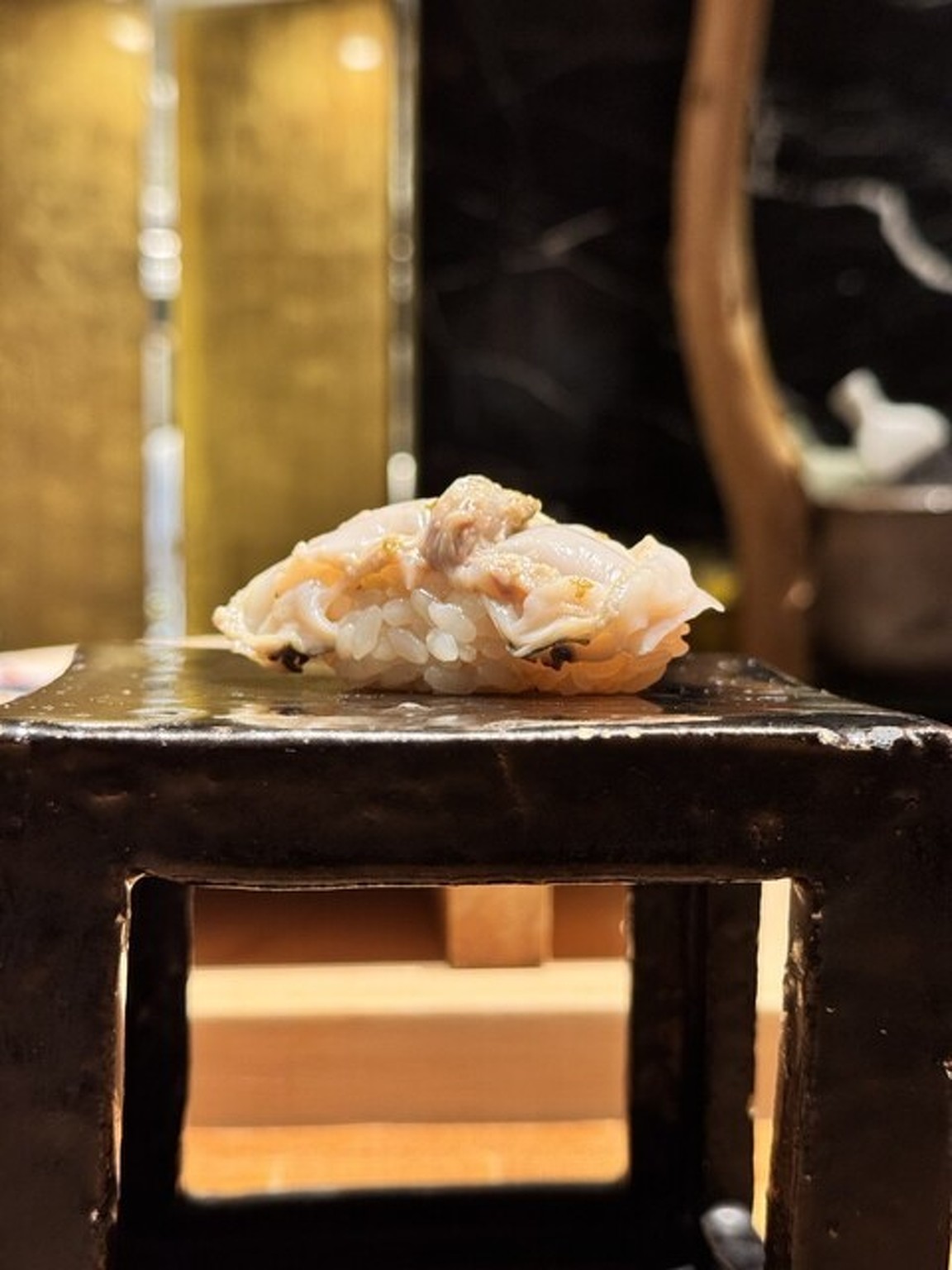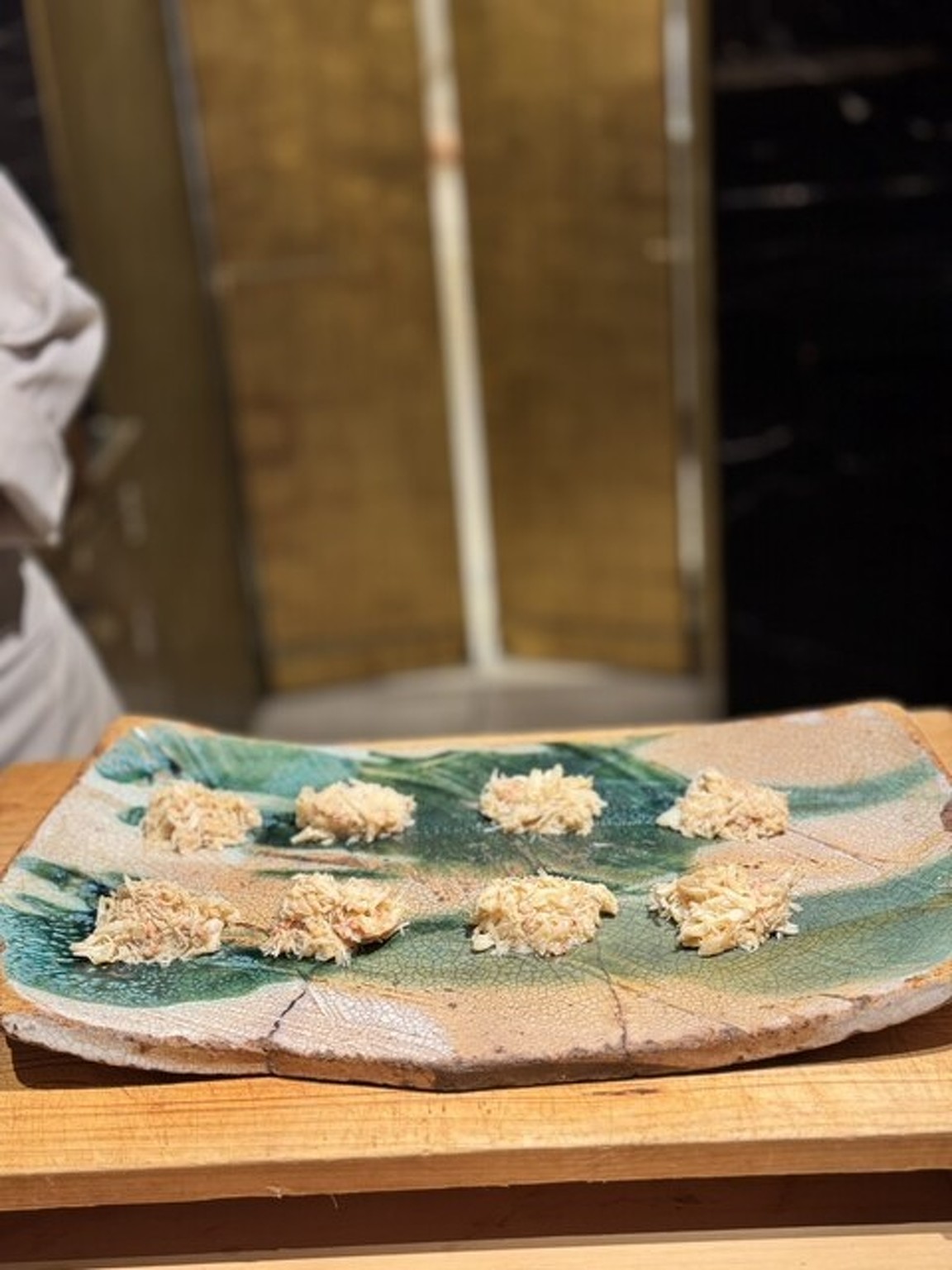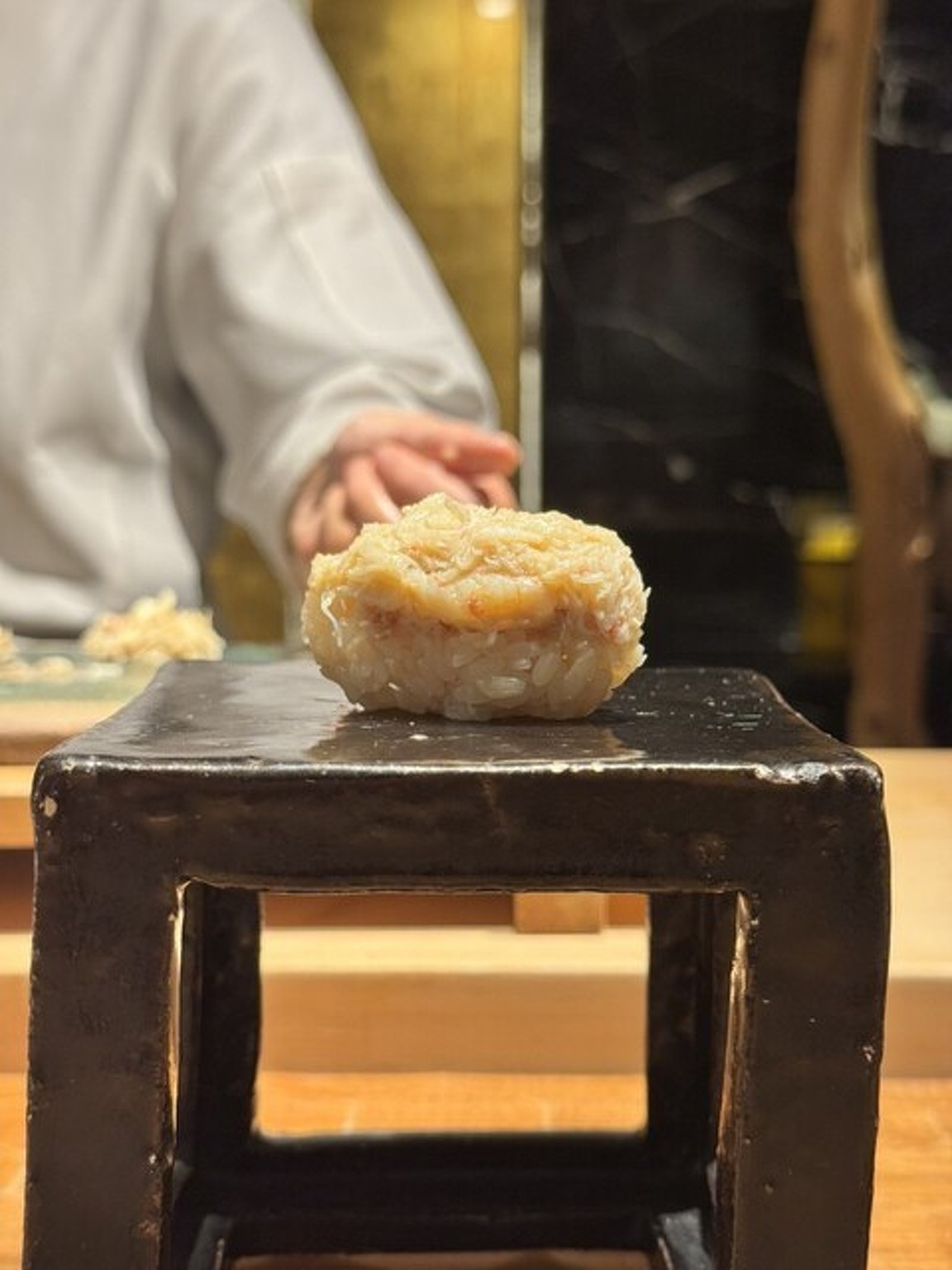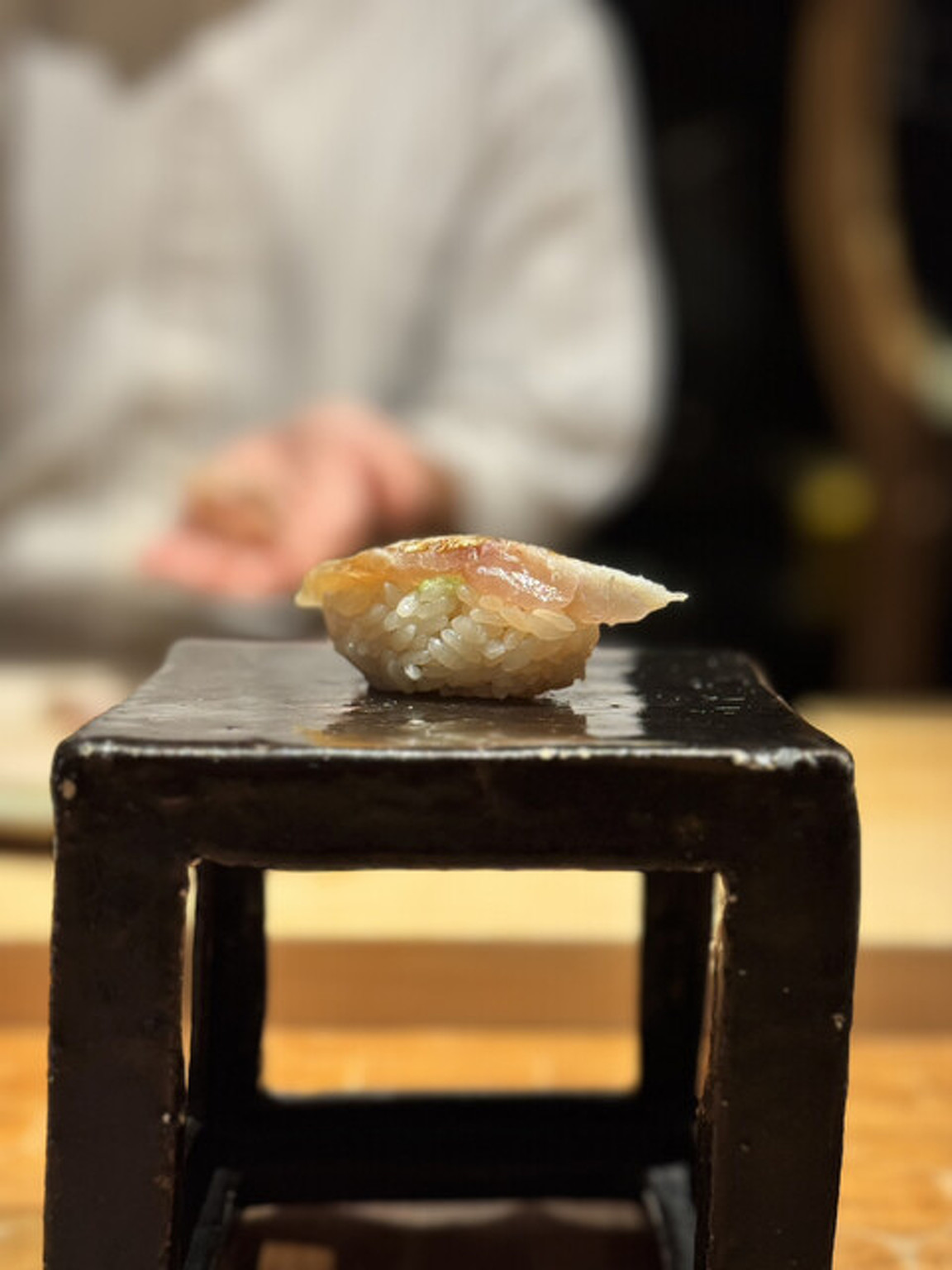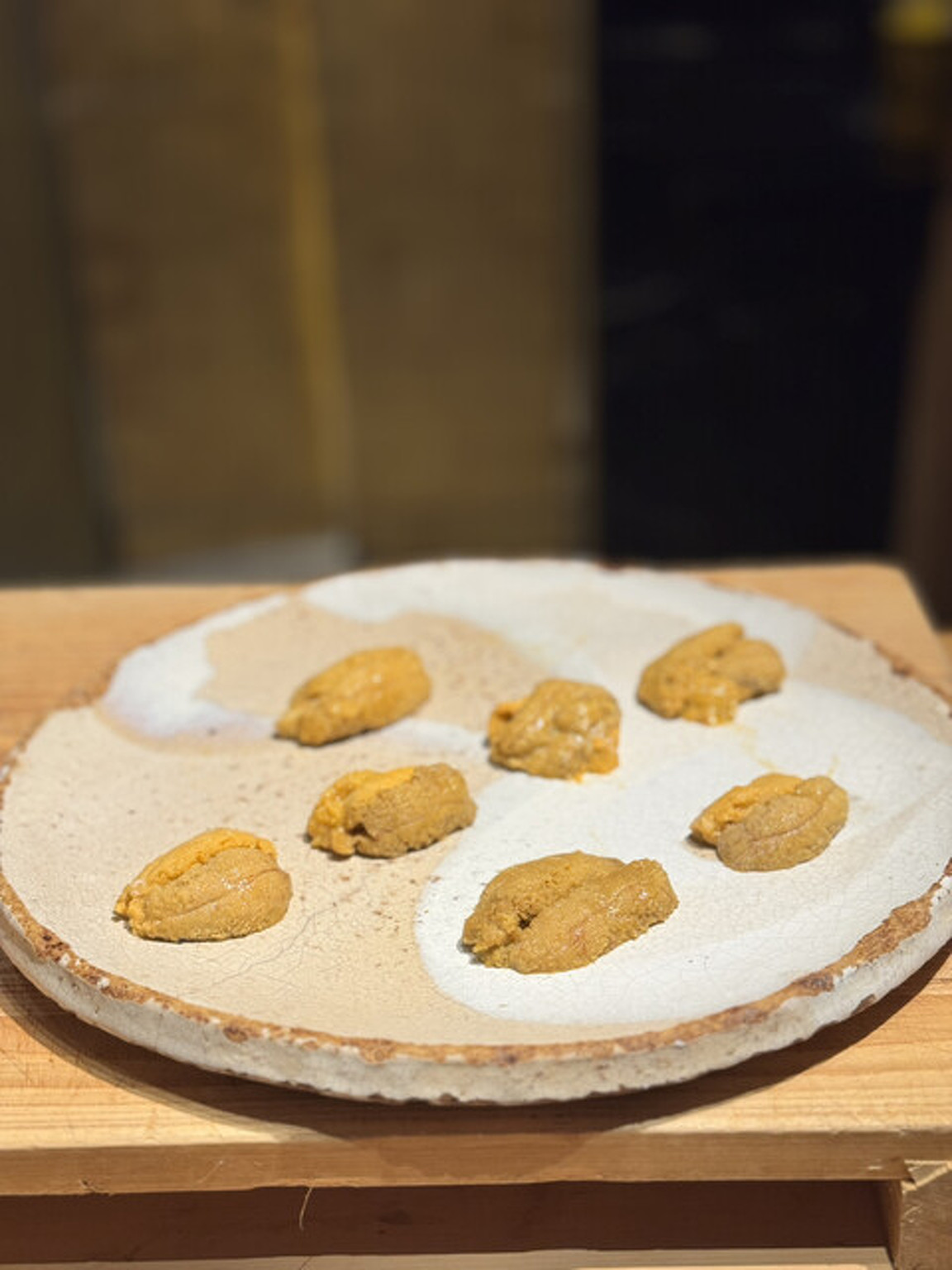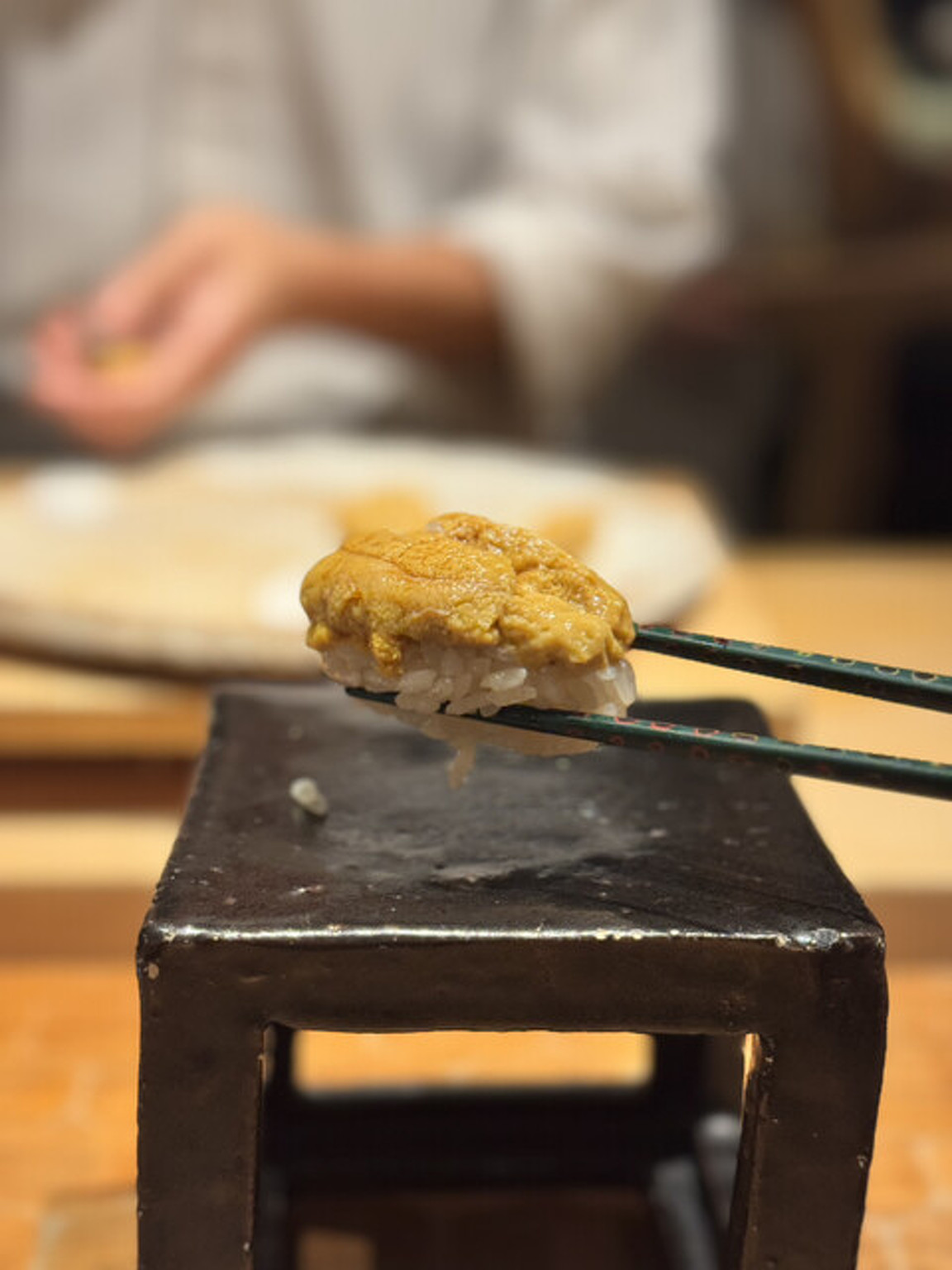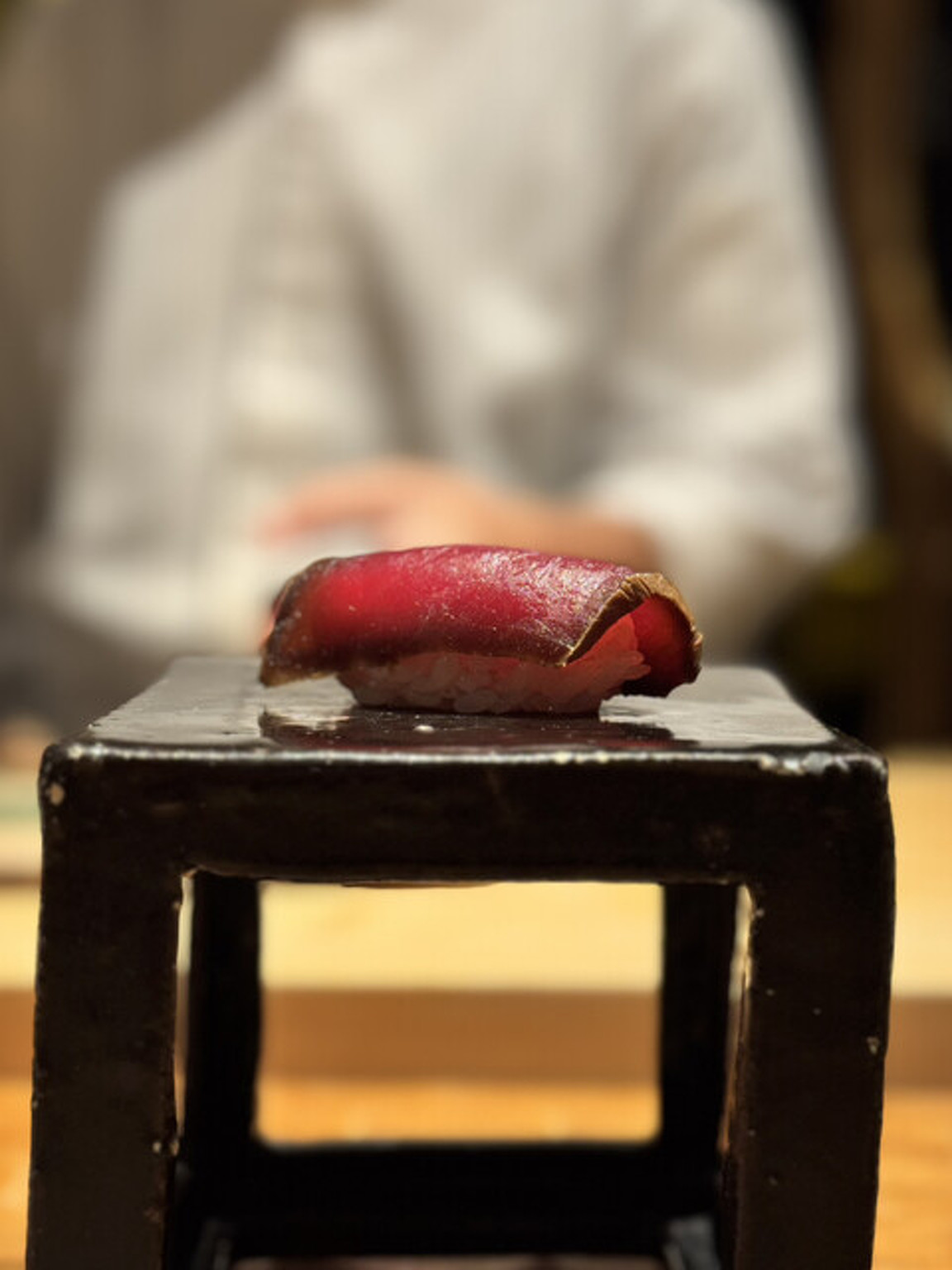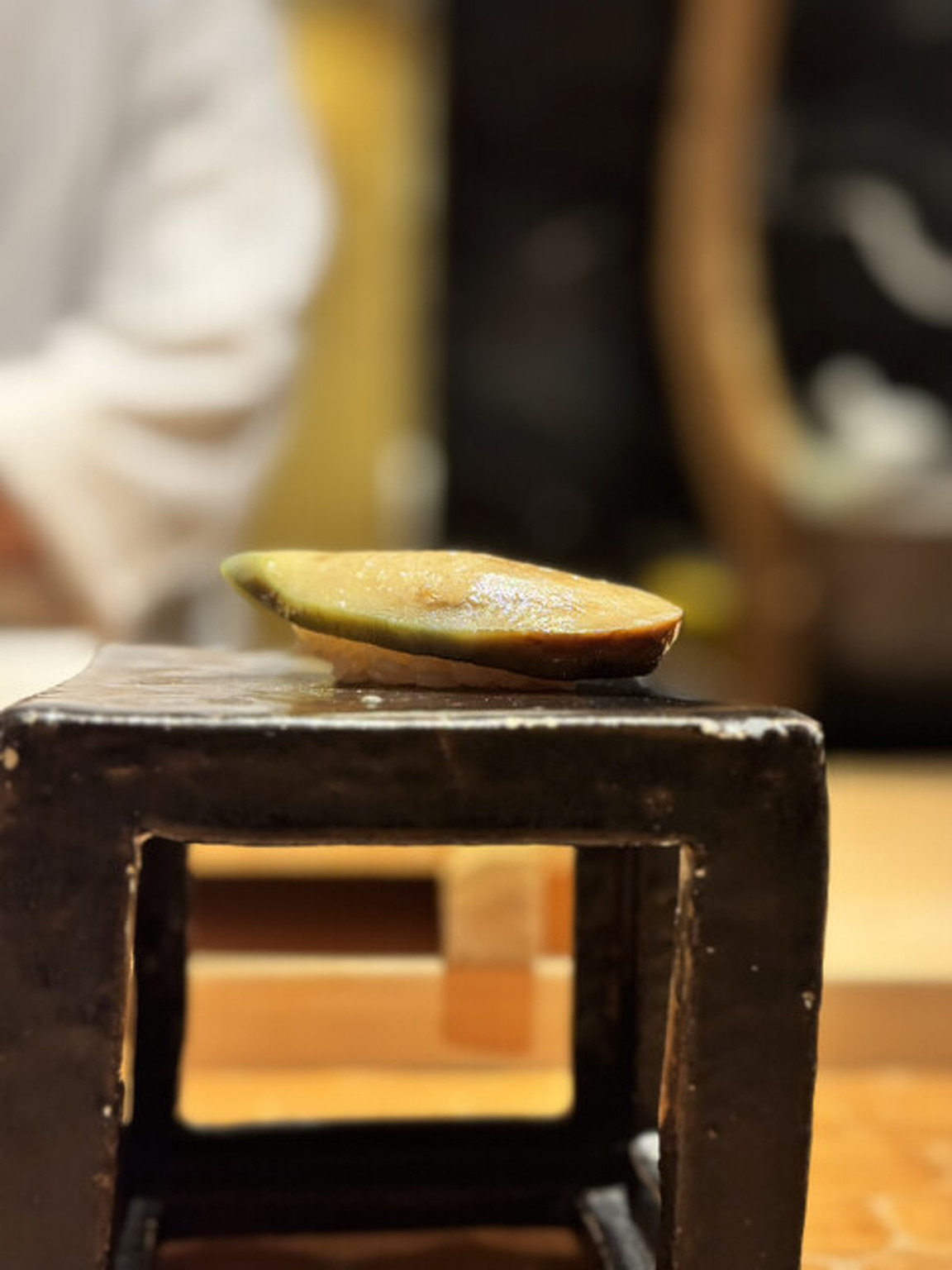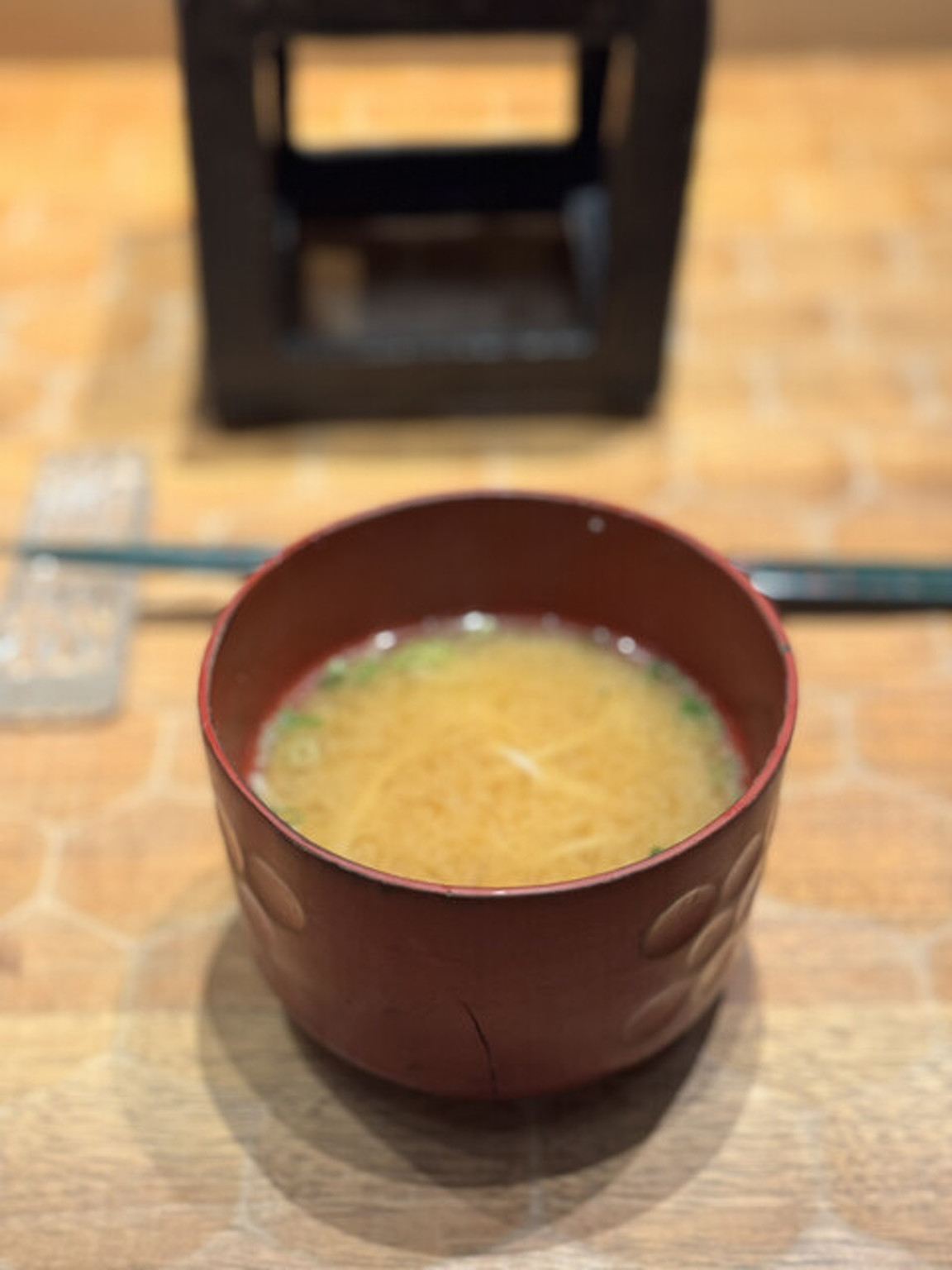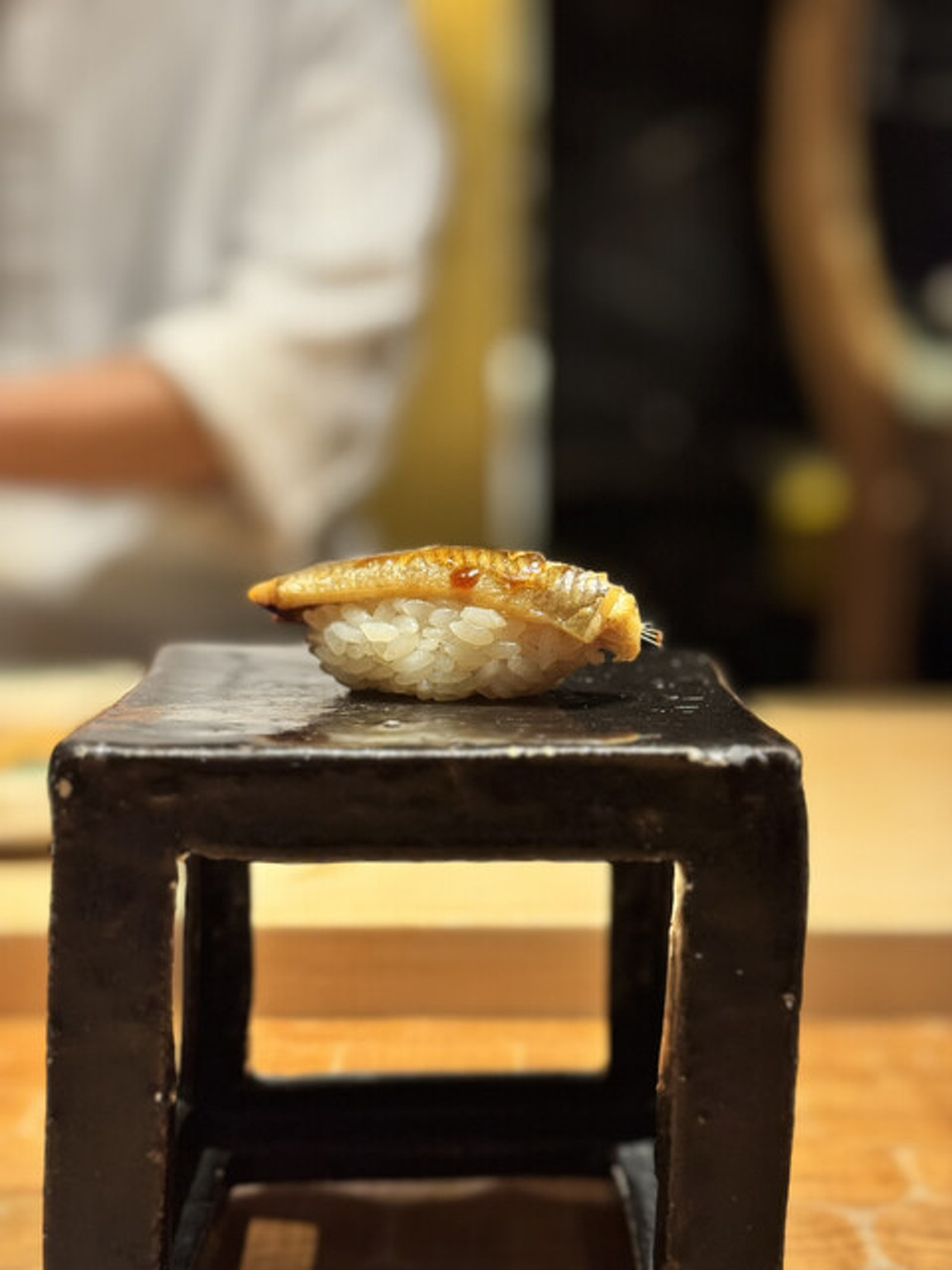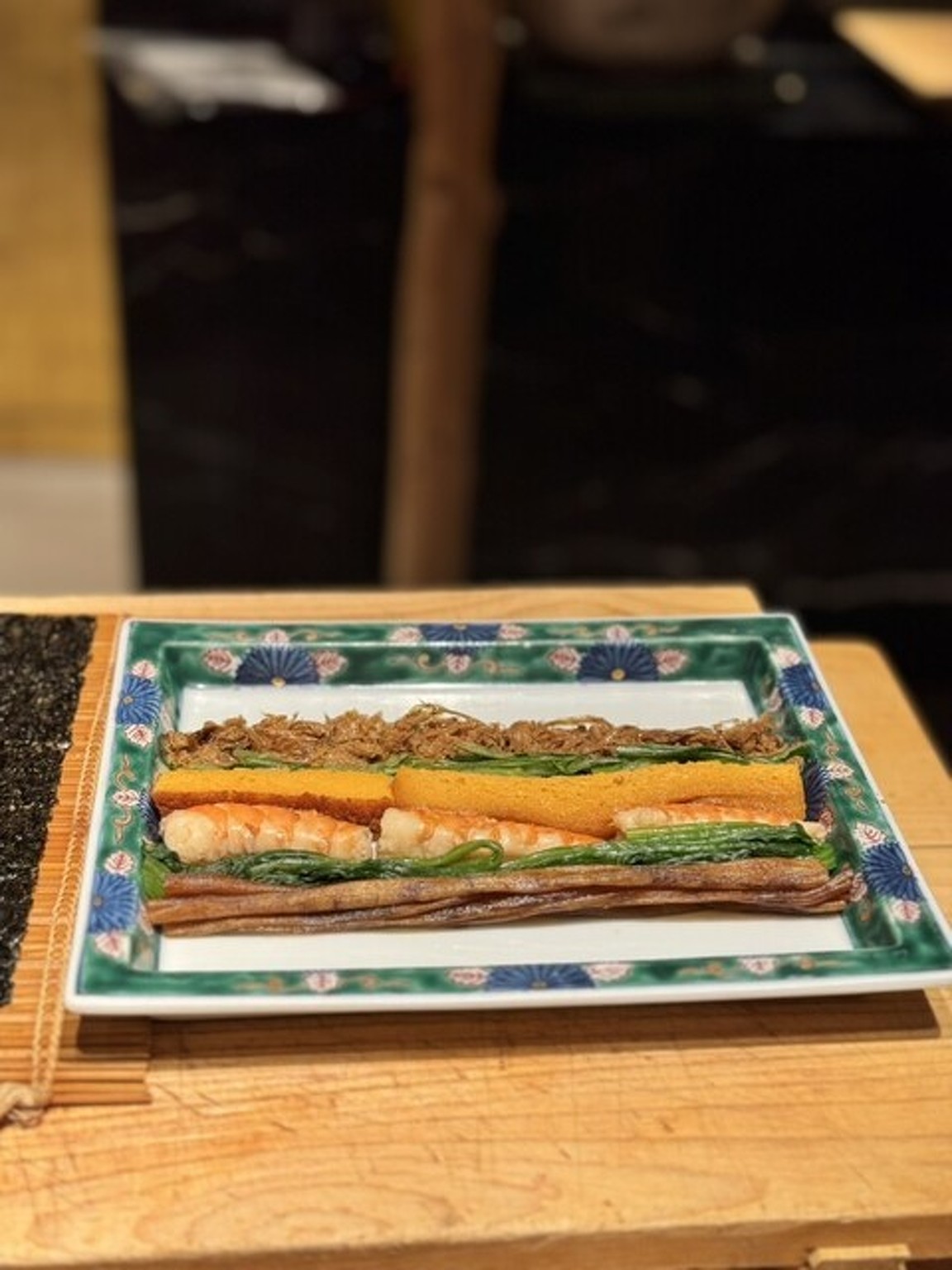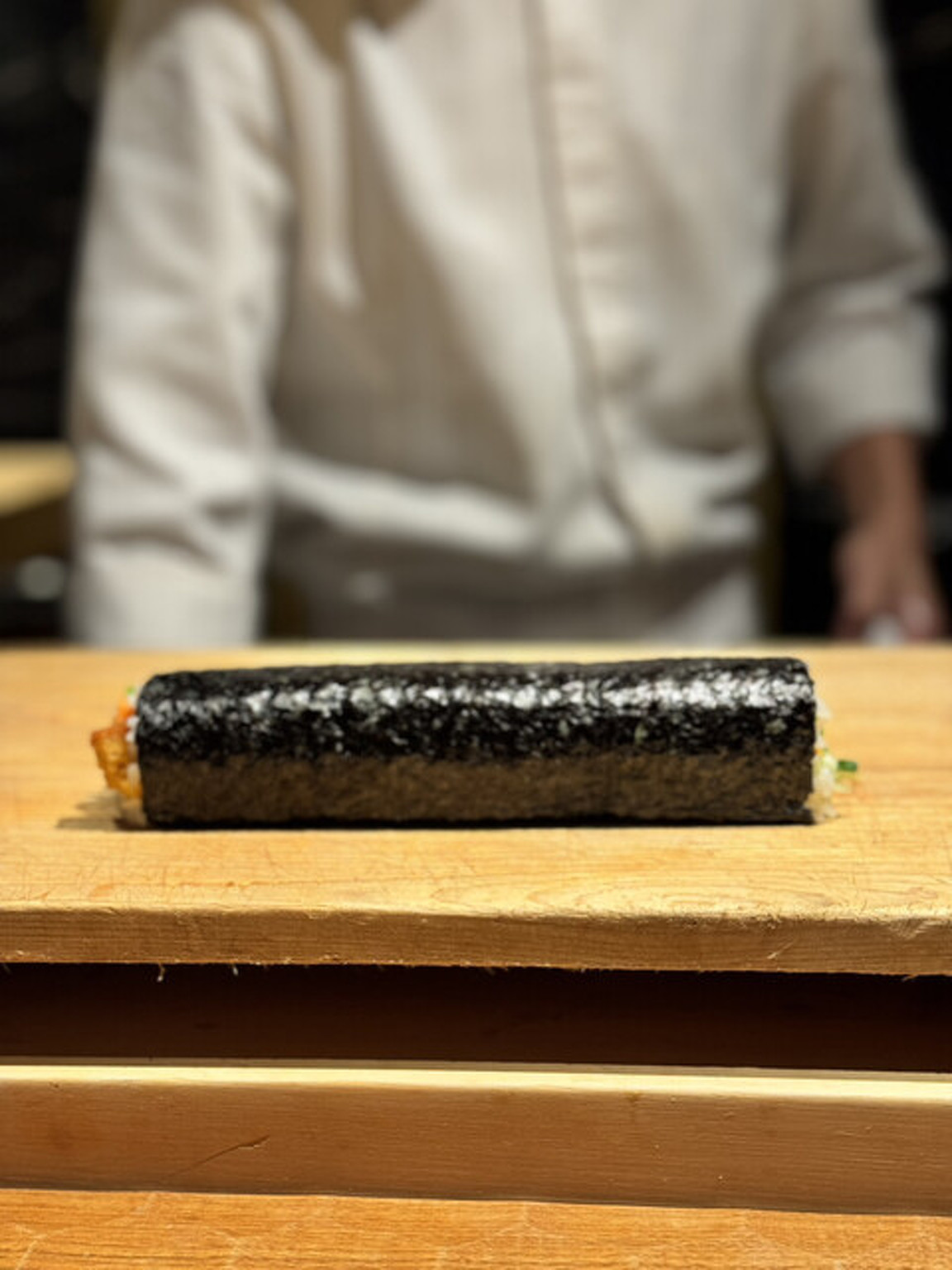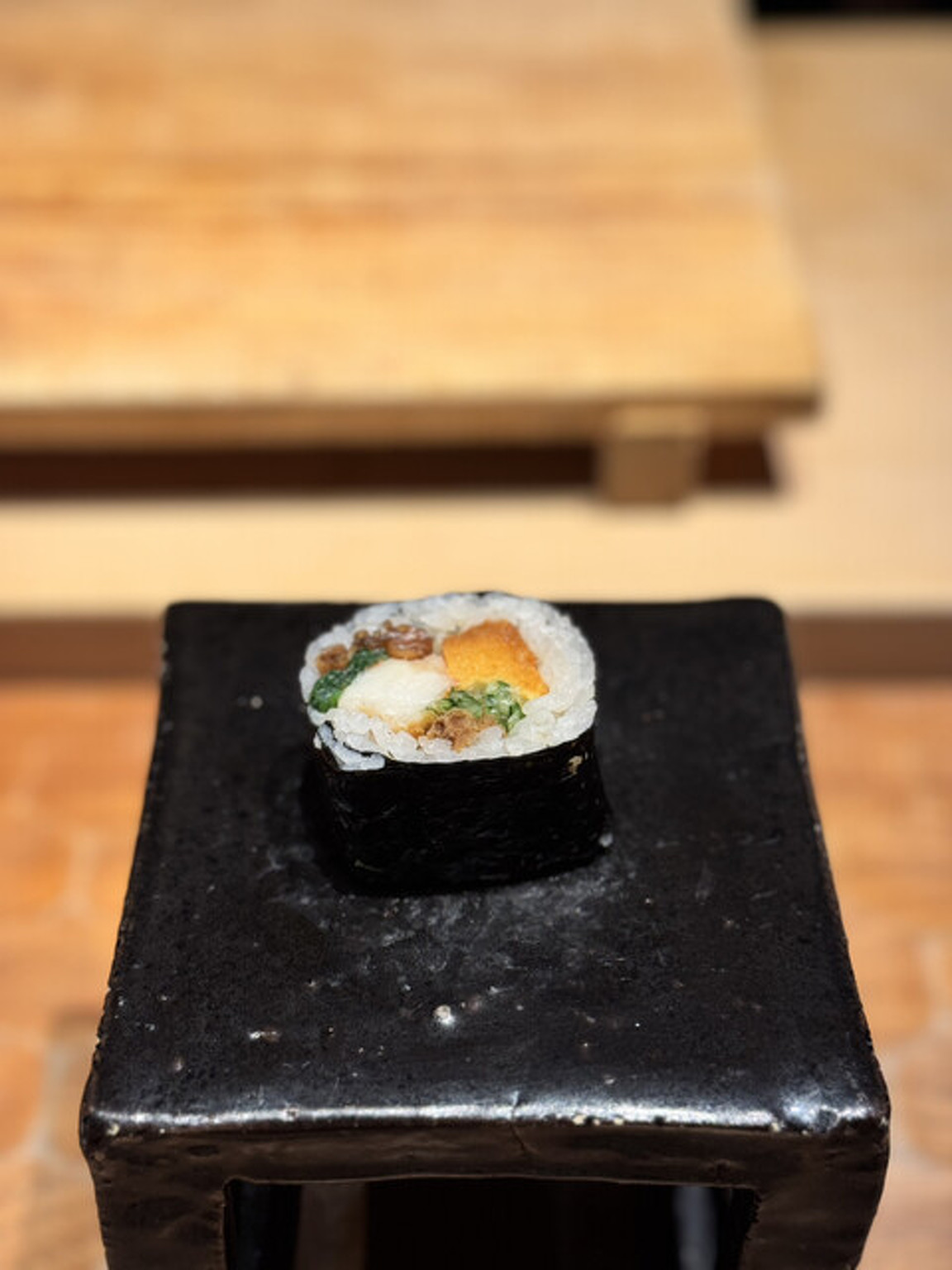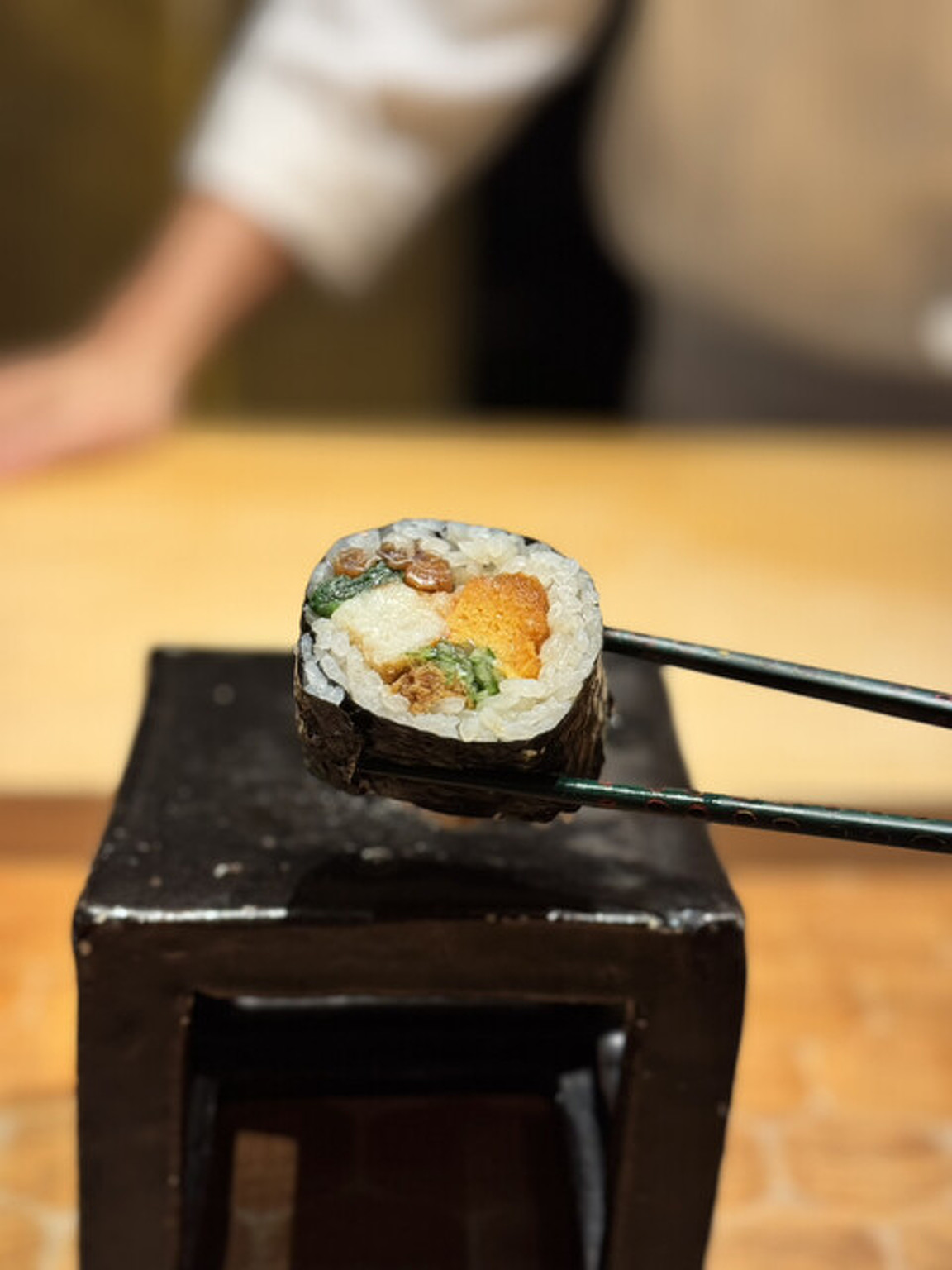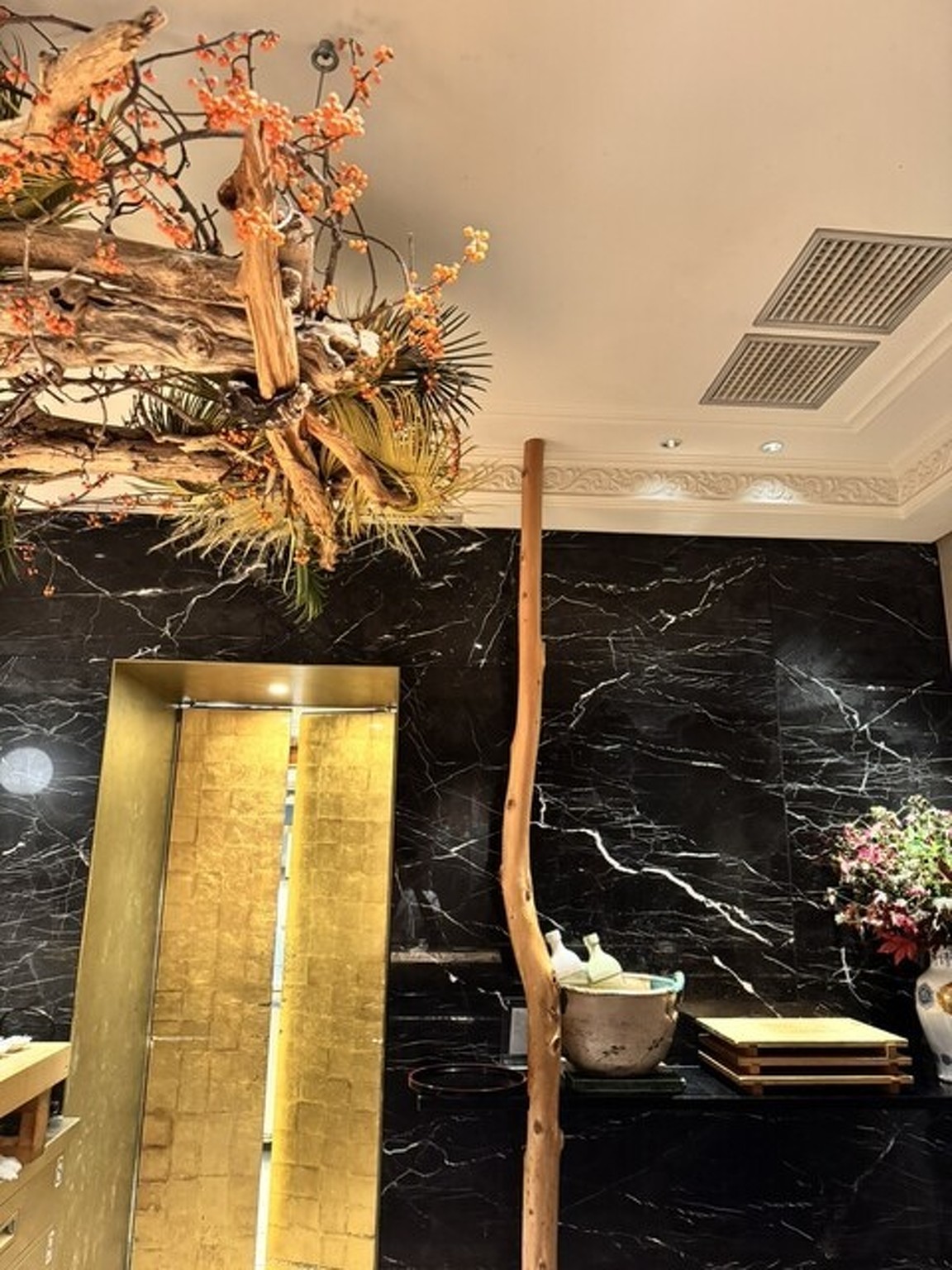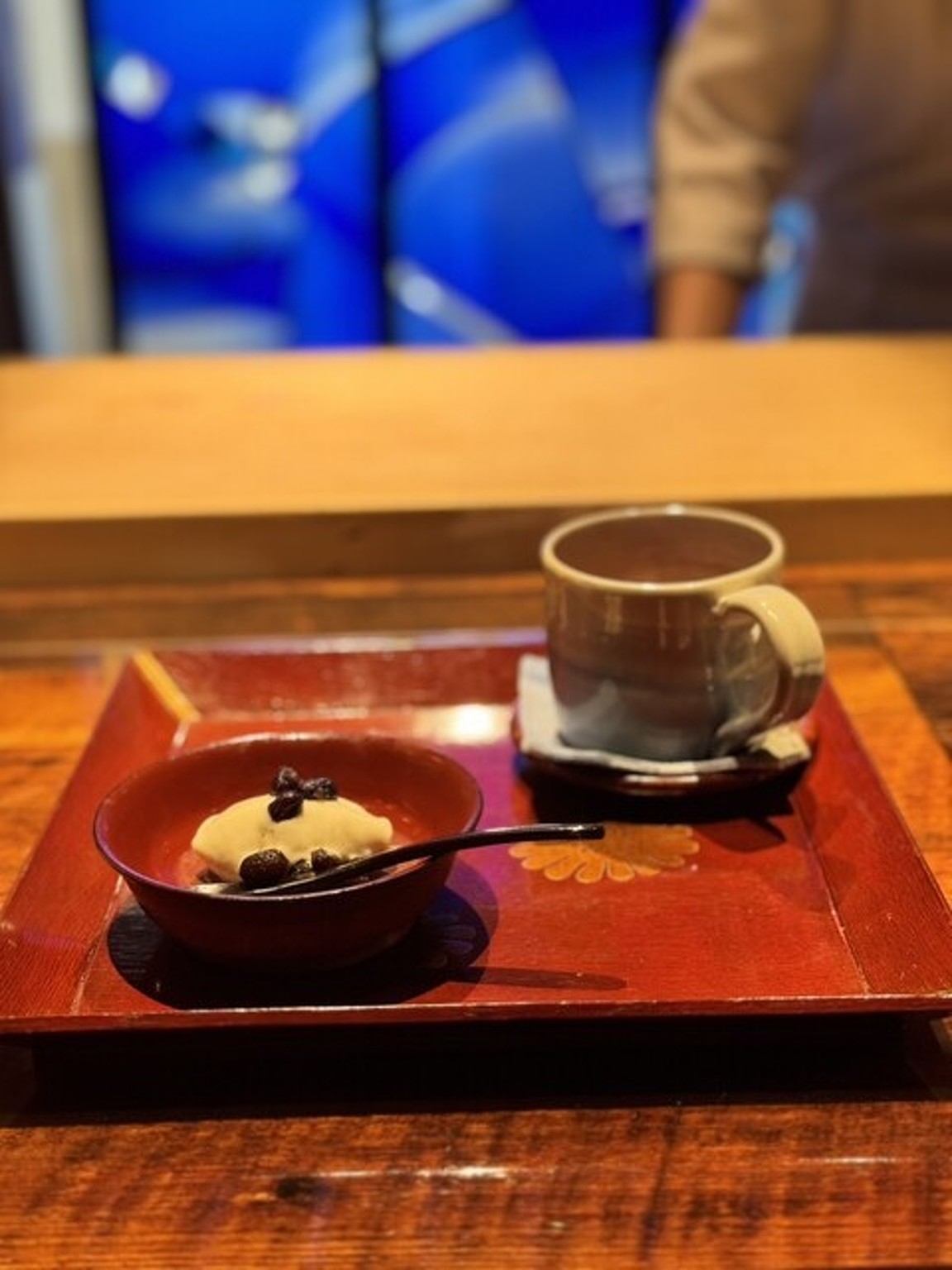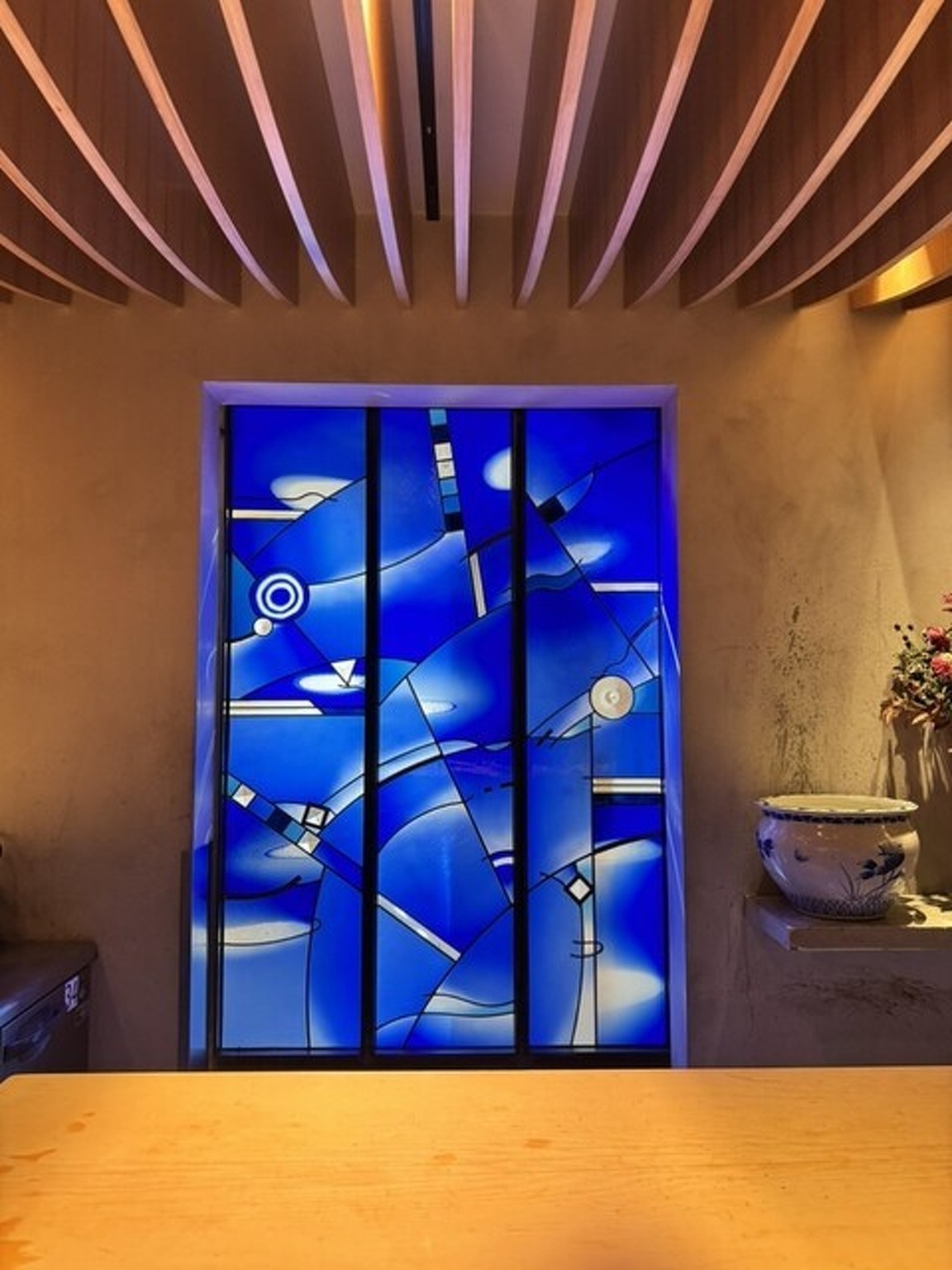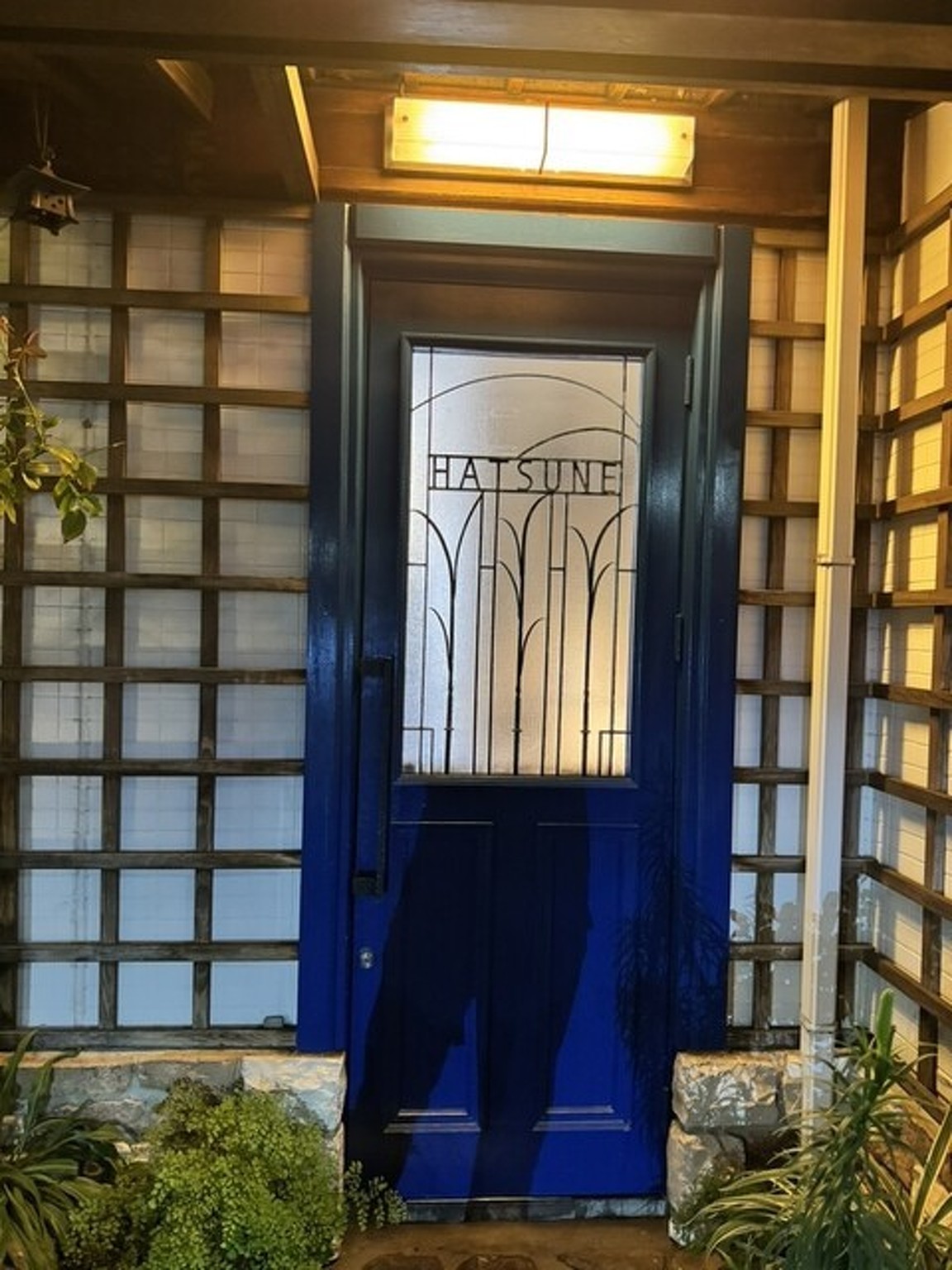
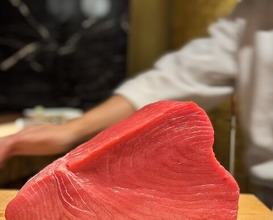
If you're looking for a special experience that includes not just the taste of sushi but also the ambiance and hospitality, you must visit HATSUNEZUSHI, a long-established sushi restaurant with over 130 years of history in Kamata.I recently visited HATSUNEZUSHI located in Kamata.Founded in 1893, this historic sushi restaurant features a theater-like interior. It has a "Mountain Room" for enjoying sushi and a "Sea Room" for savoring desserts after the meal, allowing guests to enjoy not just the food but the entire experience as a cohesive course.The head chef spends most of the year in Italy, so the sushi is primarily prepared by his apprentices.At first glance, one might think, "If the head chef isn’t making the sushi, it can’t be that impressive," but my perception changed significantly after my visit.The skill in sushi preparation, as well as the service and hospitality, were all at a remarkably high level, making the wait for the dishes enjoyable with engaging conversation. It was impressive how they aimed to enhance the overall experience, not just the act of eating sushi.The course starts all at once.First, they demonstrate how to cut the rice right in front of you. On this day, a trainee who will be taking over as the new sushi chef from October 1 was in charge, and their technique was so good that I could watch the rice cutting with fascination.What was particularly interesting was that I got to taste the freshly made rice first.The rice, still not fully infused with the red vinegar, had a strong aroma of vinegar. However, as time passed, the vinegar gradually blended in, changing the flavor.I was surprised at how much the impression of the same rice could change over time, making it a unique experience to enjoy the rice as the star of the meal, something only this restaurant offers.**Notable Dishes**■ Natural Bluefin Tuna from Oma, Aomori: Akami, Chutoro, NakaochiThe first dish of tuna was quite impressive.Sourced from the famous wholesaler "Yamaji" at Toyosu Market, the natural bluefin tuna from Oma, Aomori, was presented as a large block before being prepared. The sheer size was striking, and the presentation of the tuna before it was served was fantastic.It was delightful to enjoy the different flavors of akami, chutoro, and nakaochi, but what I found particularly fascinating was the temperature management.They took the tuna out of the refrigerator and left it at room temperature for about 10 minutes before serving. When I asked why, they explained that the average body temperature of tuna is around 27 degrees Celsius, and serving it close to that temperature allows you to appreciate its quality.This was the first time I encountered a sushi restaurant that paid such close attention to the temperature of the tuna, demonstrating their meticulous approach to ingredient quality.■ Kohada (Gizzard Shad) aged for 1 week, Nagasaki Mackerel aged for 6 days, Sawara (Spanish Mackerel) aged for 9 daysPersonally, I enjoy light and blue fish, so these three types were particularly to my liking.Kohada, mackerel, and sawara are all fish that spoil quickly and are difficult to handle. They are aged using the restaurant's unique techniques.Moreover, the aging periods vary by fish: kohada for one week, mackerel for six days, and sawara for an impressive nine days.It’s not just about aging them longer; they adjust the aging period and method according to each fish's characteristics.When I tasted them, I found that the flavors were distinct from those of fish that simply prioritize freshness, and I was particularly satisfied with these three.I believe it’s worth visiting just to try these three types.In addition, there were seasonal hairy crabs, purple sea urchin from Rishiri Island in Hokkaido, grilled mackerel wrapped in kombu, and tuna marinated for nine hours, showcasing their commitment to both the ingredients and the preparation.Among them, the purple sea urchin from Rishiri Island was rich in umami and sweetness, highlighting the high quality of the ingredients.Another unique dish was the eggplant sushi.This ingredient is reportedly popular in their main restaurant in Italy and is rarely found in typical sushi restaurants. It reflects HATSUNEZUSHI's character, blending traditional Edomae sushi with international influences.Just when I thought the course was over, we moved to another room.In the "Sea Room," I enjoyed sweet potato gelato and rooibos tea.The atmosphere was different from the "Mountain Room" where we enjoyed sushi, and by changing locations for dessert, the entire meal felt like a complete experience, including the lingering aftertaste of the meal.The price is JPY 8,800.Considering the content, I honestly thought, "Is it really okay to charge only JPY 8,800 for this?" due to the high cost performance.What stood out was not just the affordability and deliciousness, but also the meaningful presentation—from the rice cutting demonstration to the temperature management of the tuna, the varying aging periods for each fish, and the transition from the Mountain Room to the Sea Room, each aspect of the meal had significance.This course allowed me to experience a new way of enjoying sushi, with the rice as the star while inheriting traditional Edomae techniques.Additionally, the apprentices reportedly travel to Italy every three months, which is an interesting approach to nurturing the next generation of chefs while passing on the restaurant's techniques.Reservations open at noon on the first of every month on TableCheck, but they fill up quickly, making it a challenging restaurant to book.Still, considering the opportunity to enjoy this experience for JPY 8,800, I would love to revisit if I can secure a reservation.For those who want to enjoy not just the sushi itself but also watch the chefs at work, engage in conversation, and appreciate the ambiance and presentation, I highly recommend this place.On the other hand, those specifically seeking sushi made by the head chef should be aware that the apprentices are the ones preparing the sushi. However, there’s no need to worry about the quality, as I had a highly satisfying experience that included skill, service, and hospitality.HATSUNEZUSHI offers a chance to enjoy sushi crafted by the next generation of chefs in a theater-like setting while feeling the history of a restaurant that has been around for over 130 years in Kamata. Personally, I would love to visit again.
We use cookies on this site to enhance your user experience.