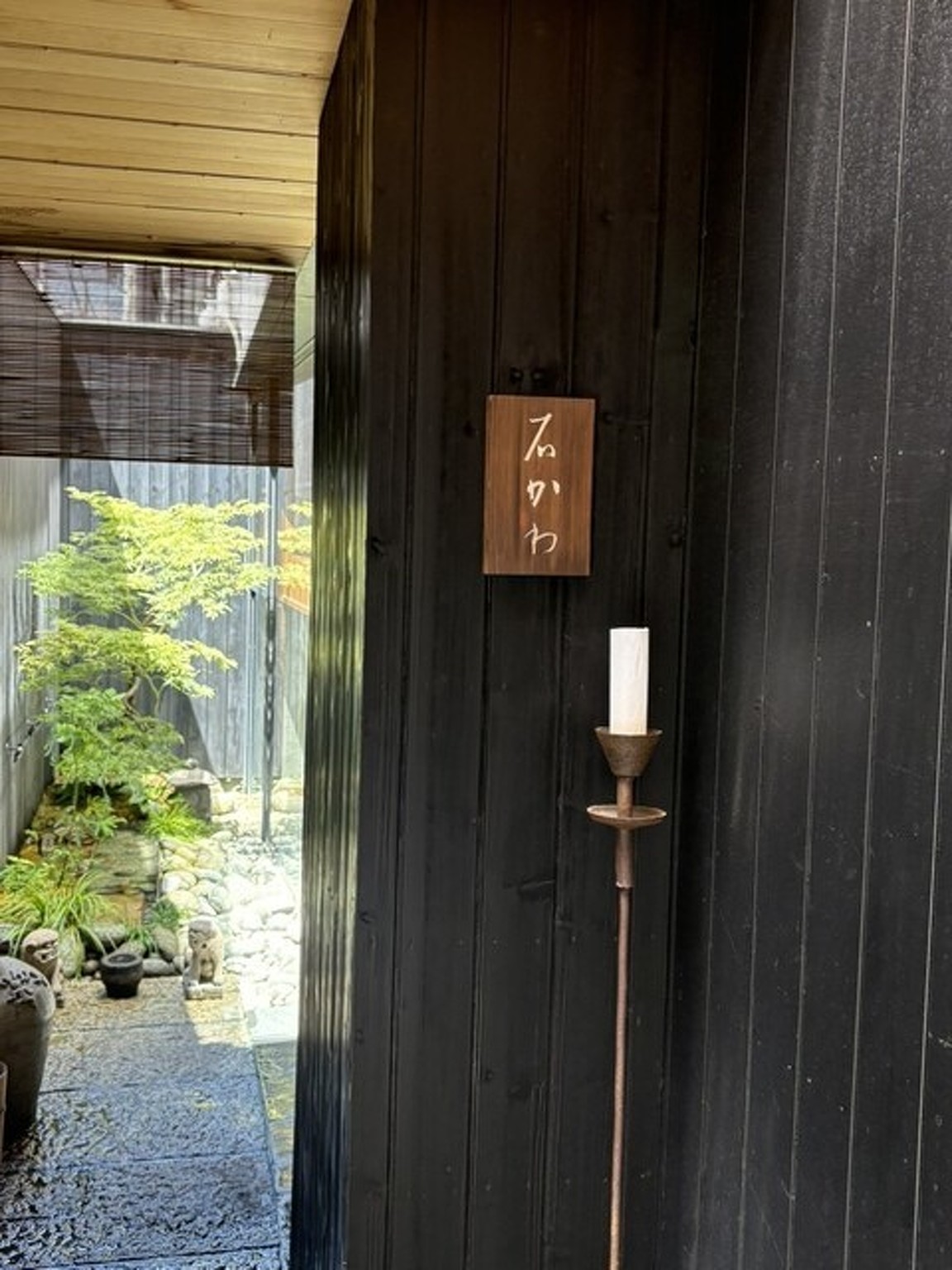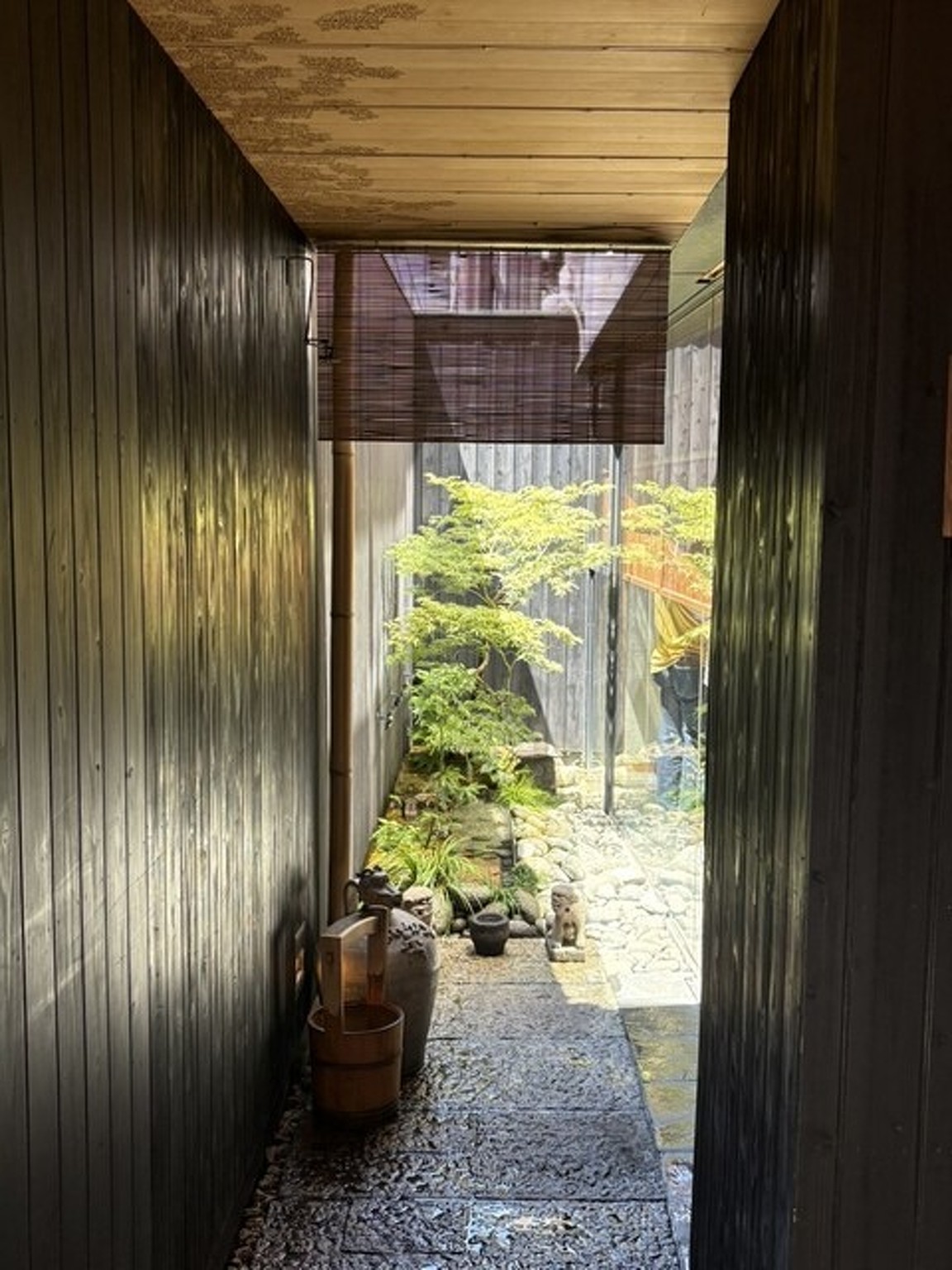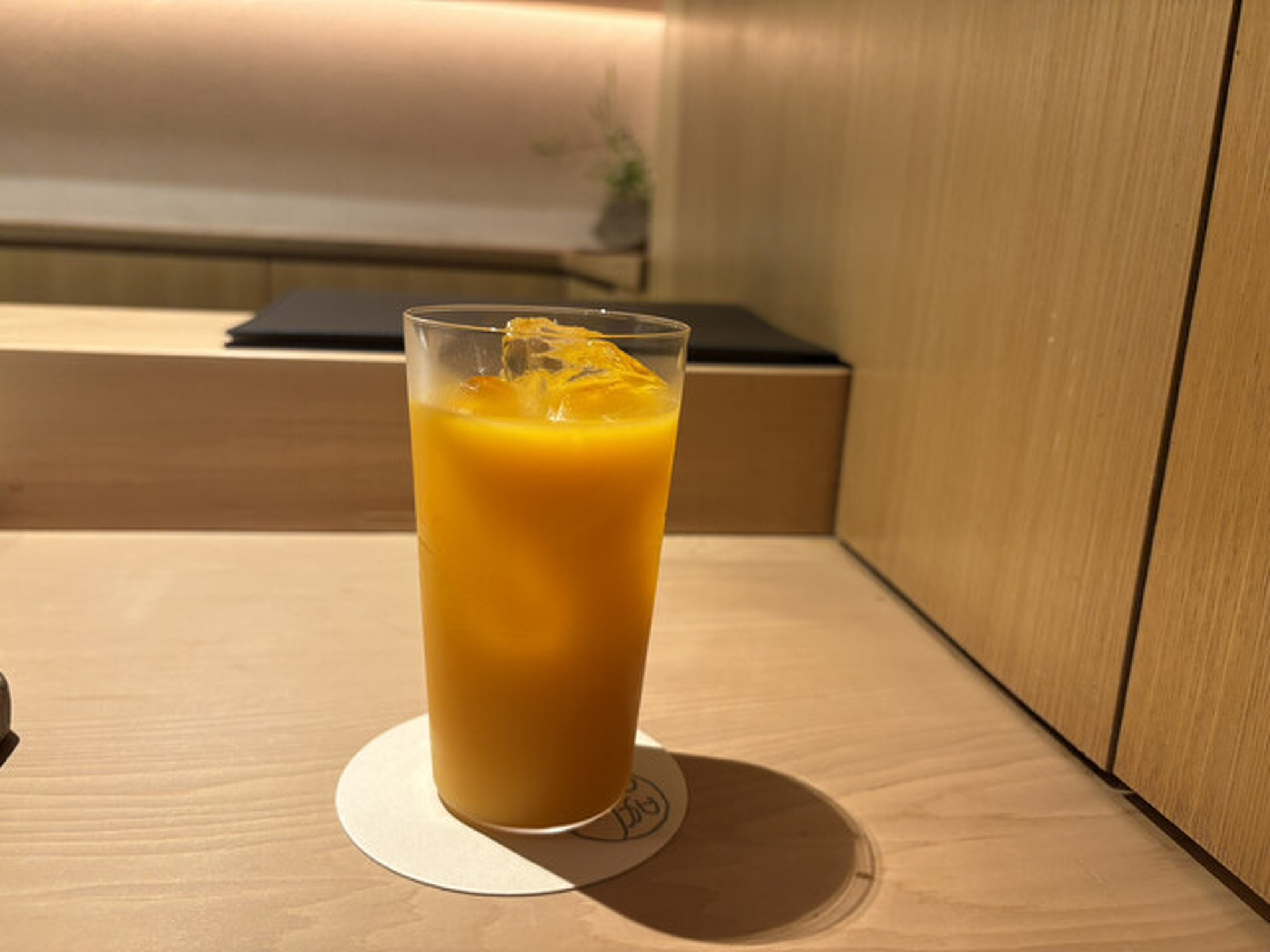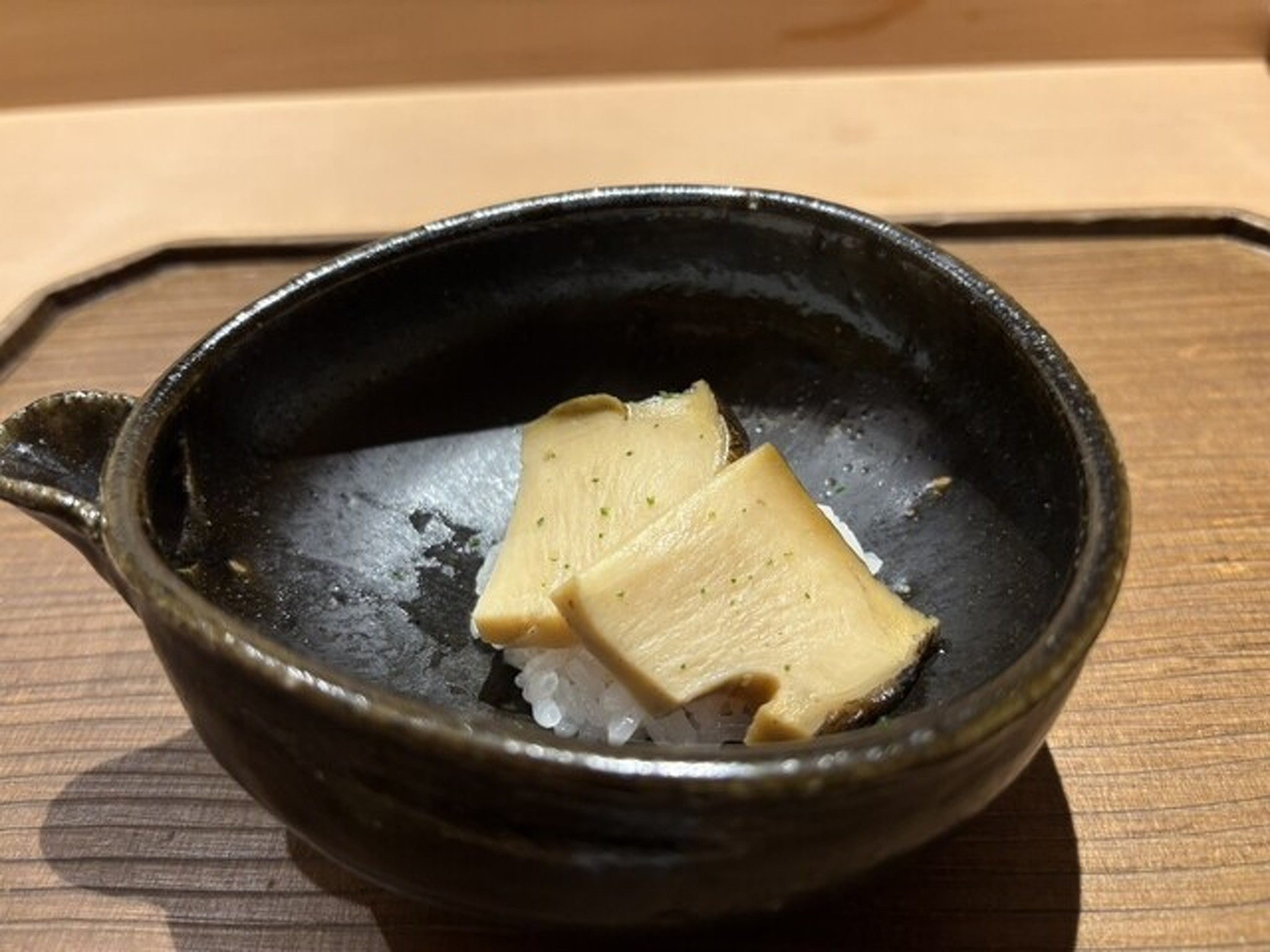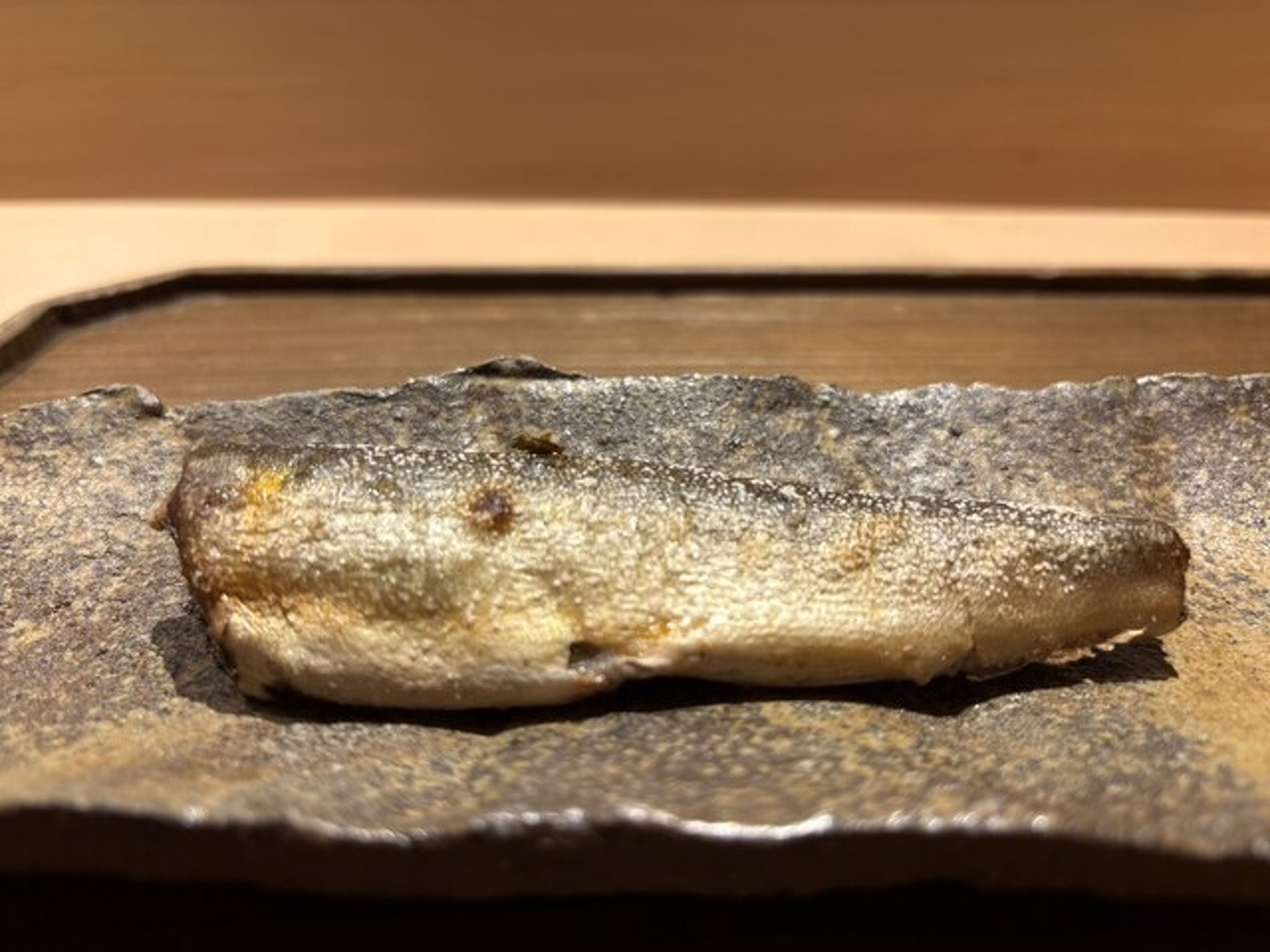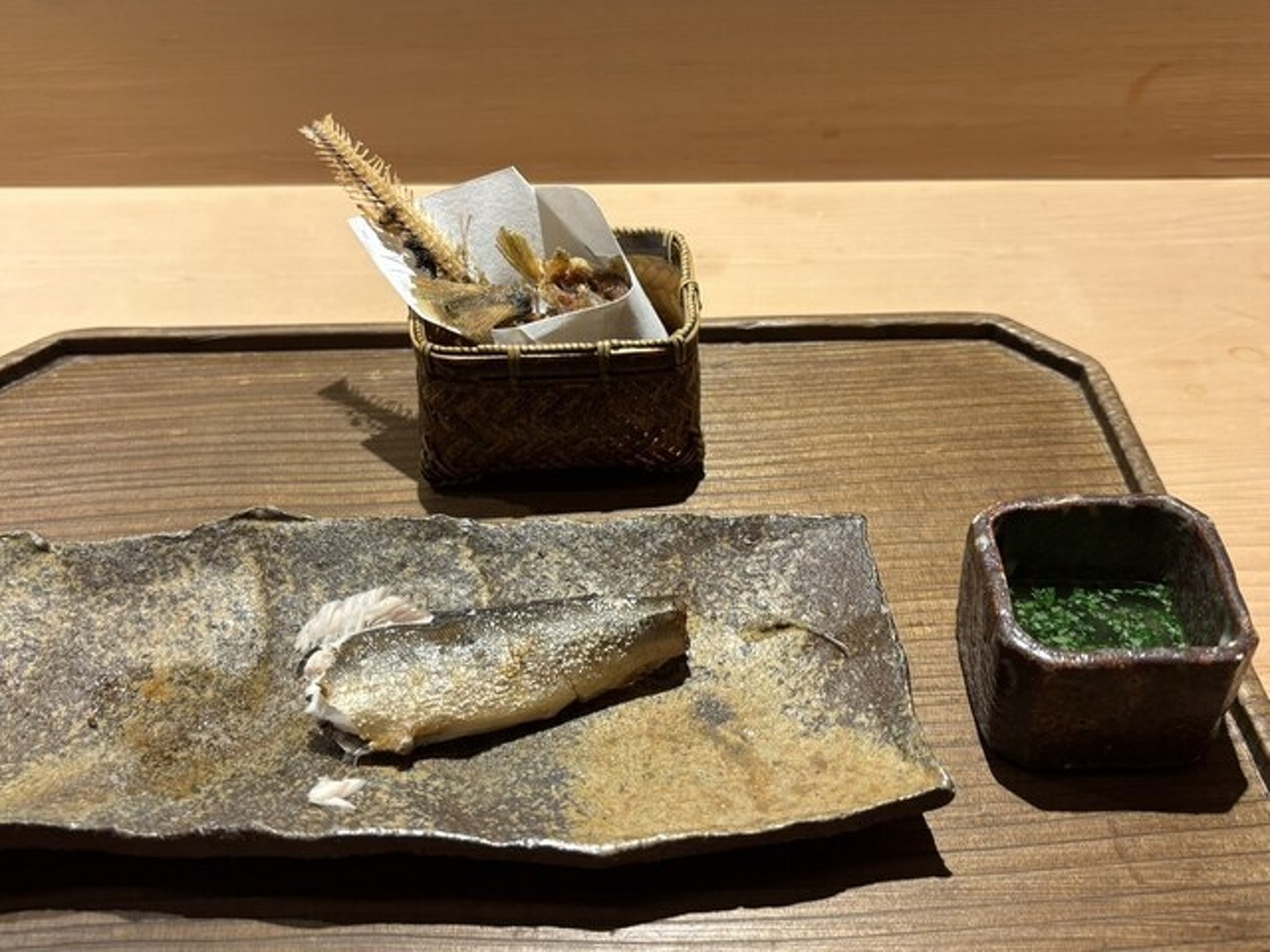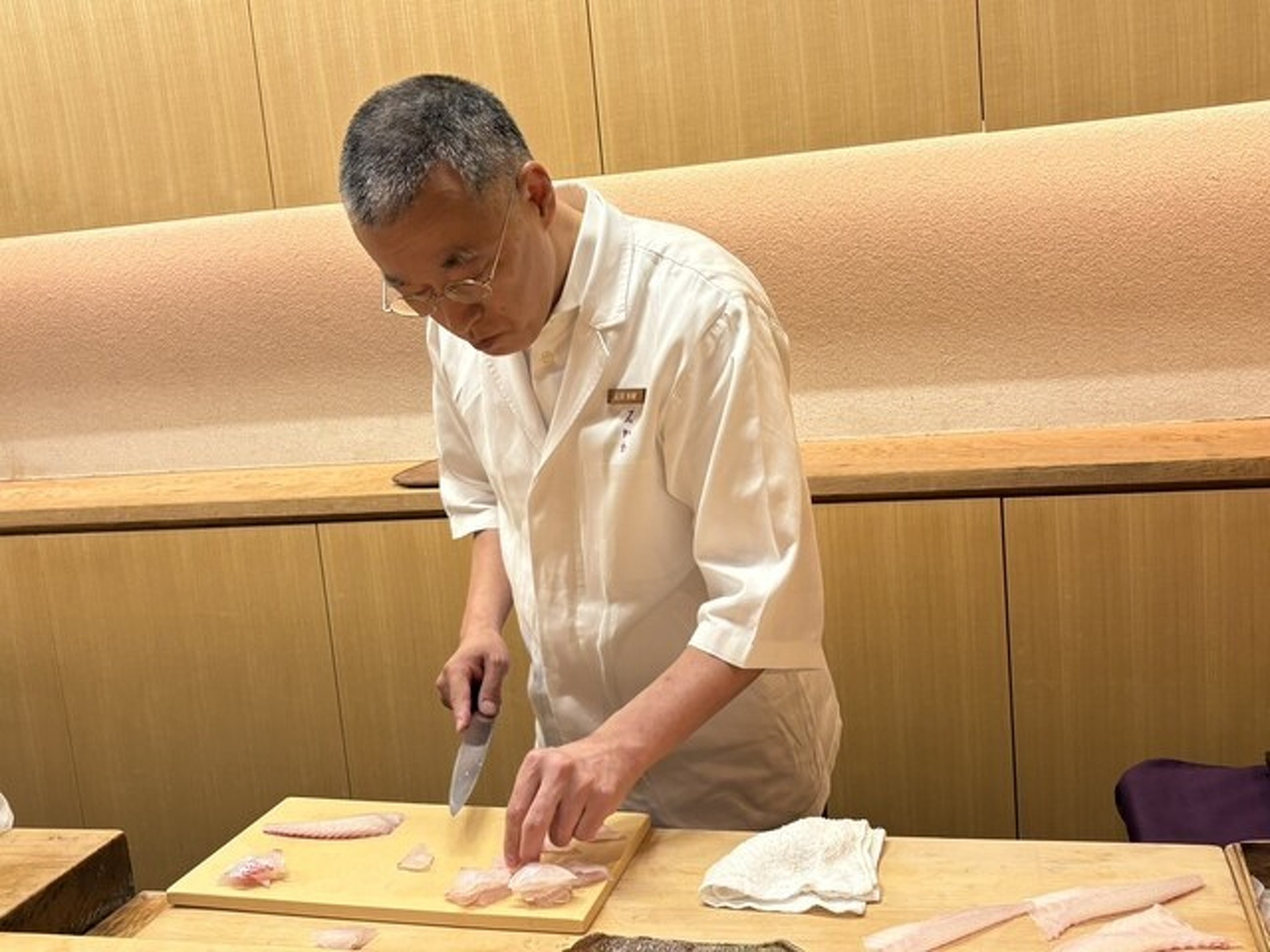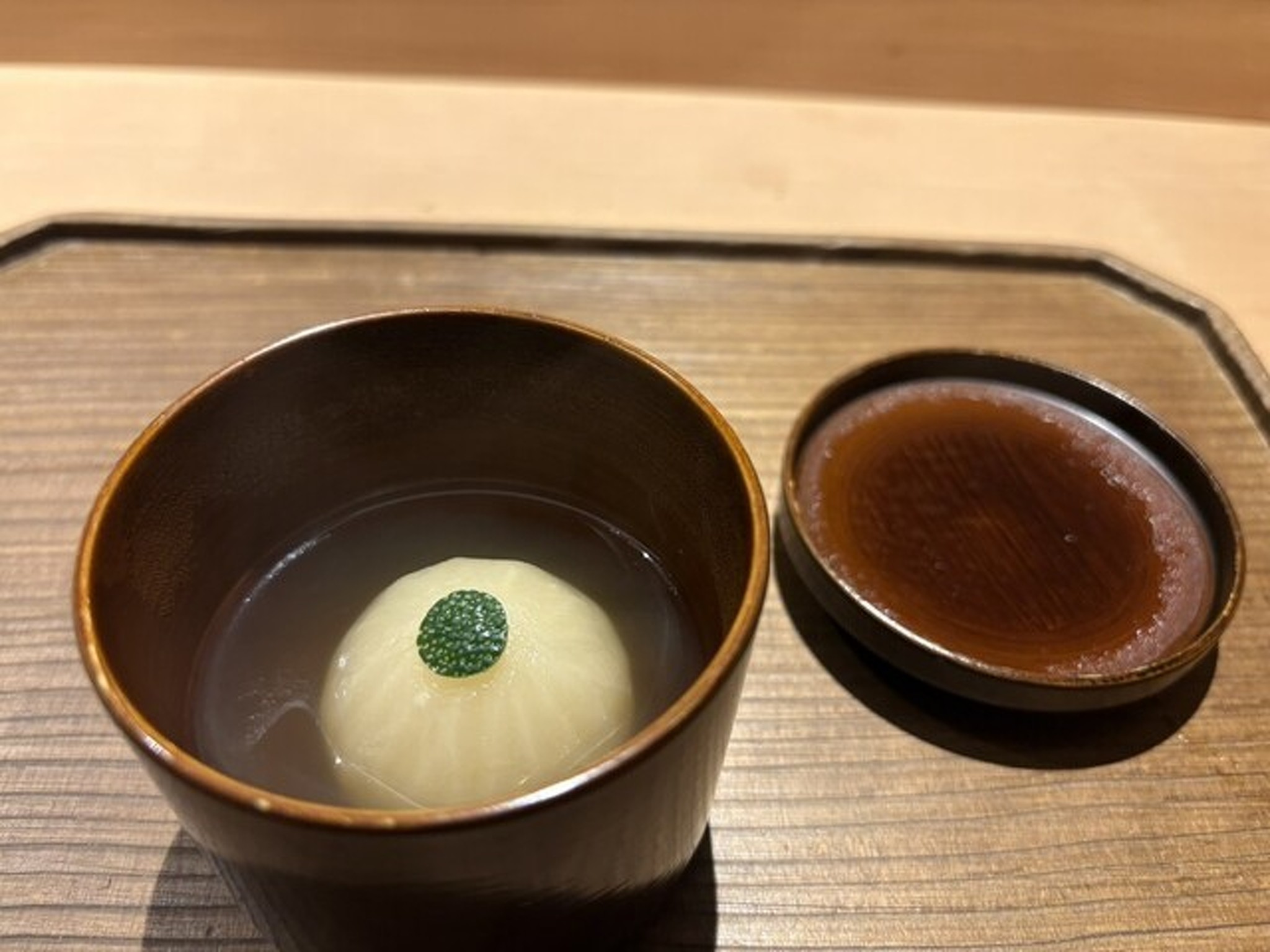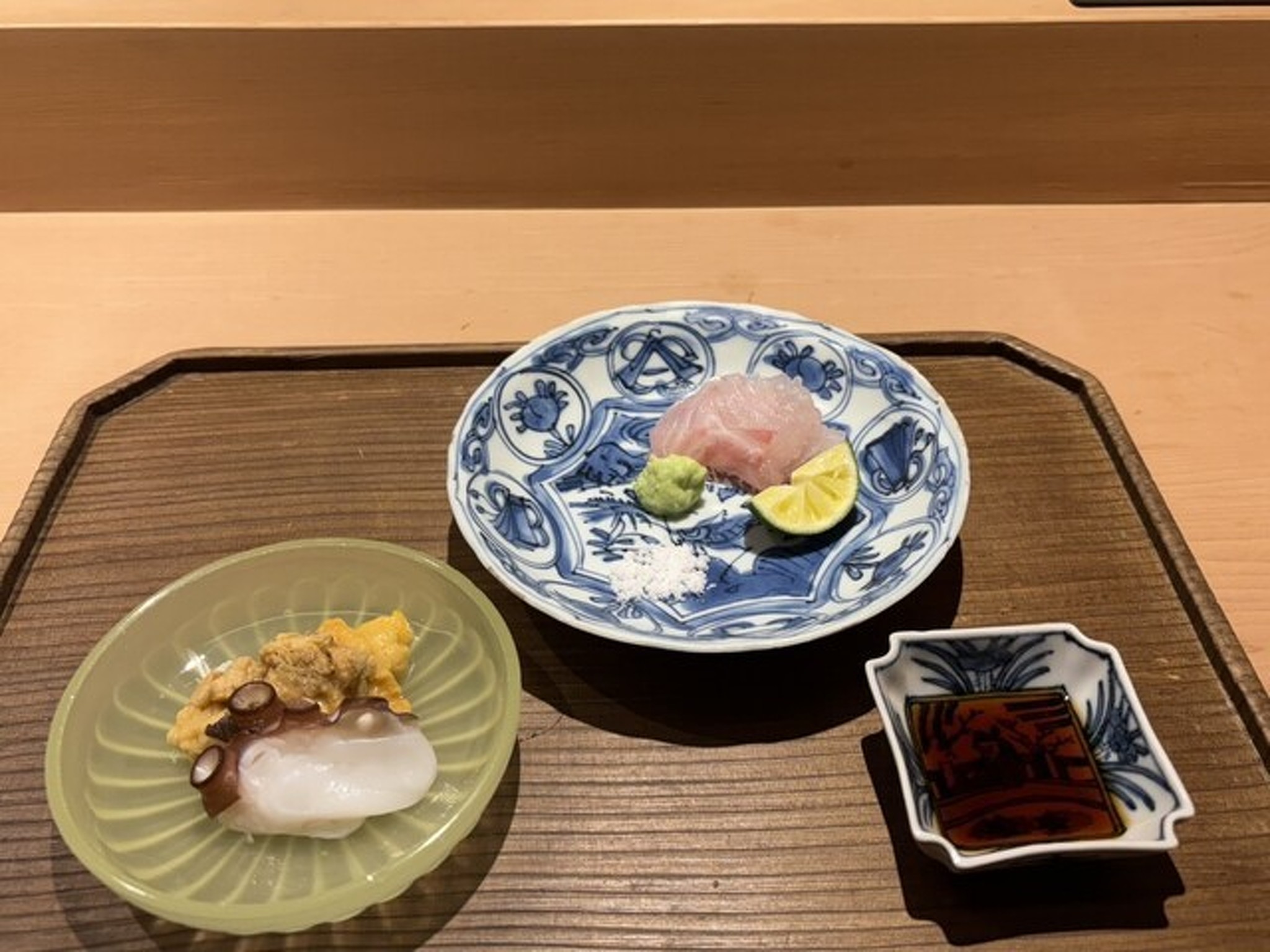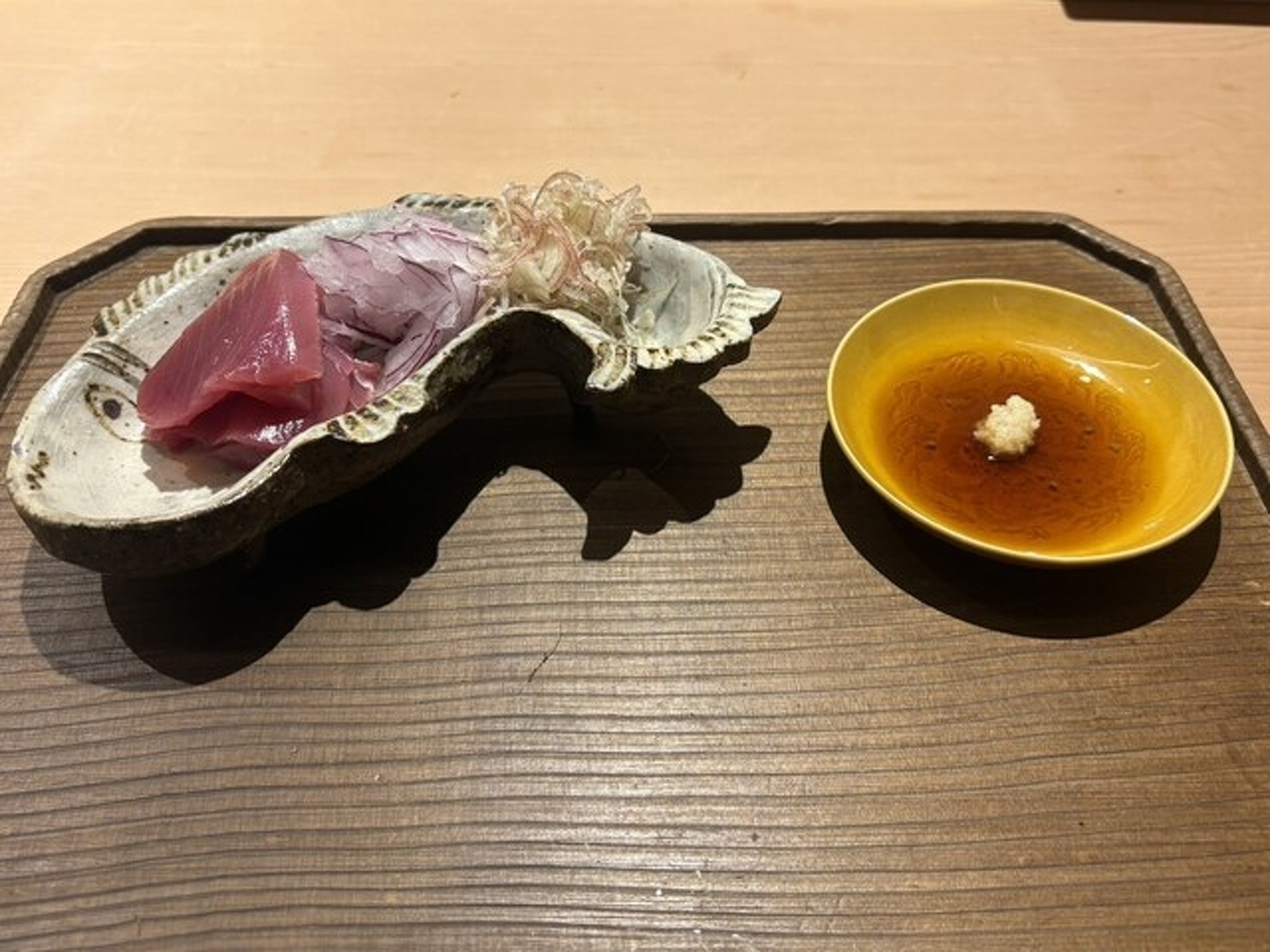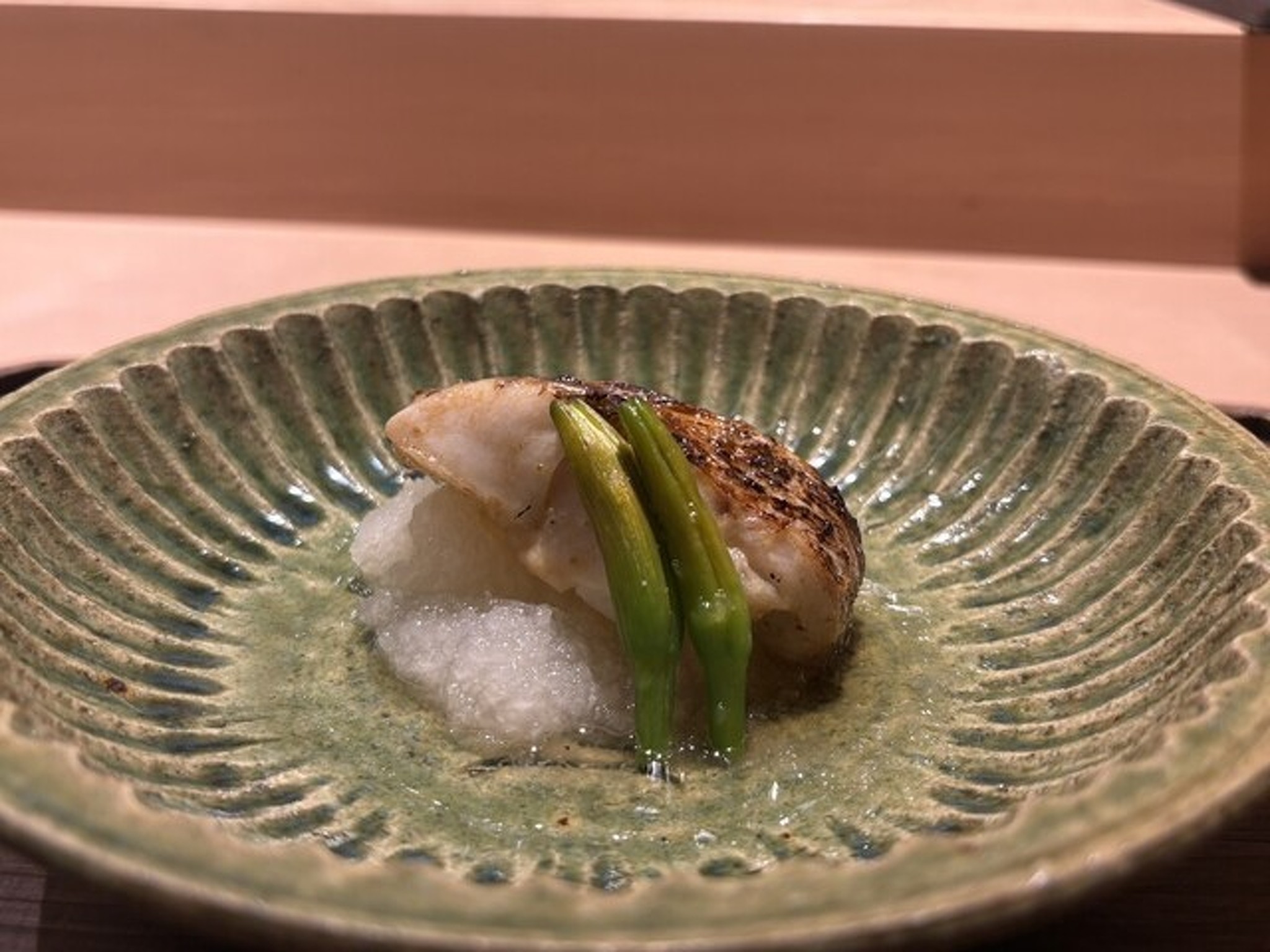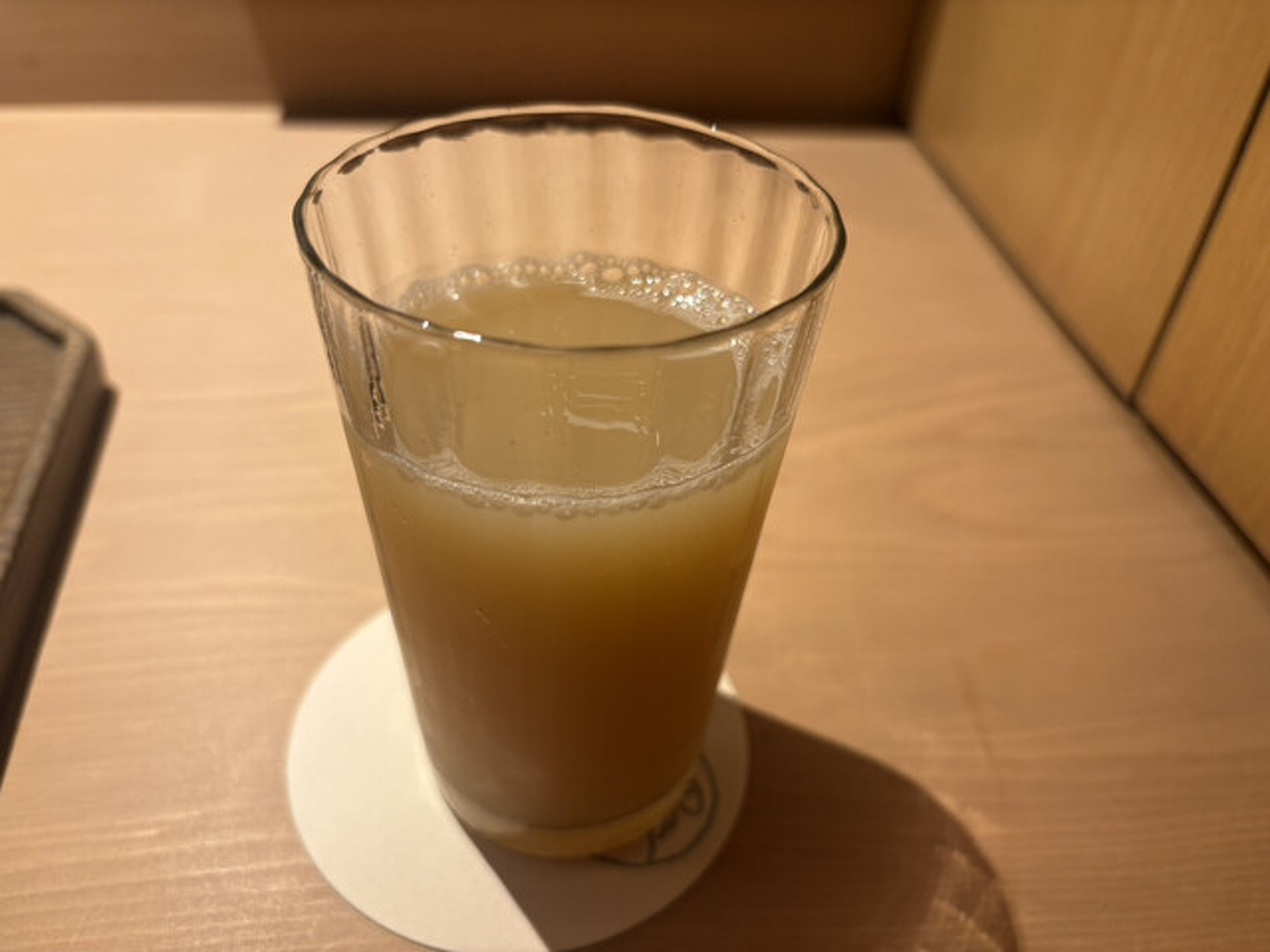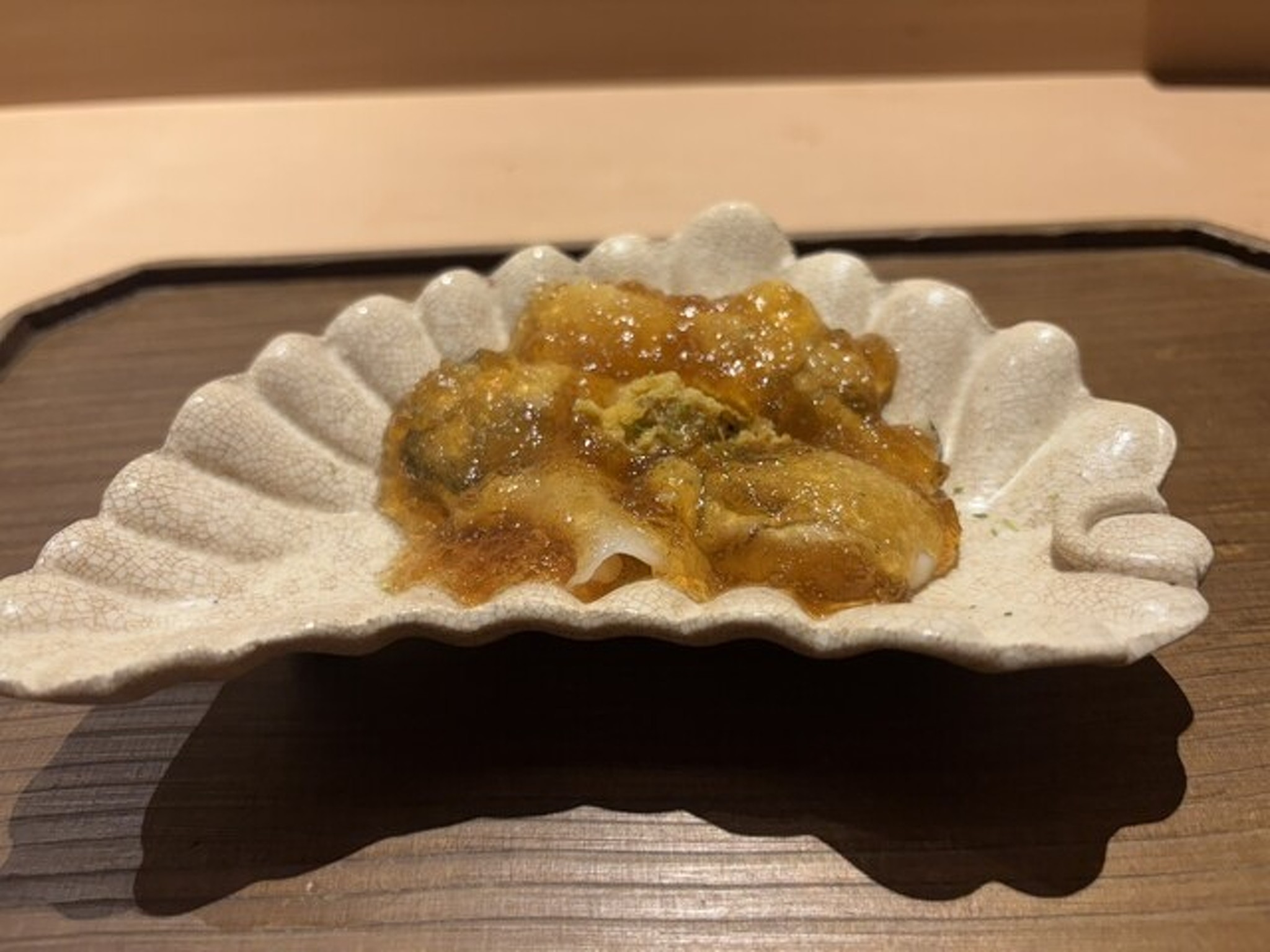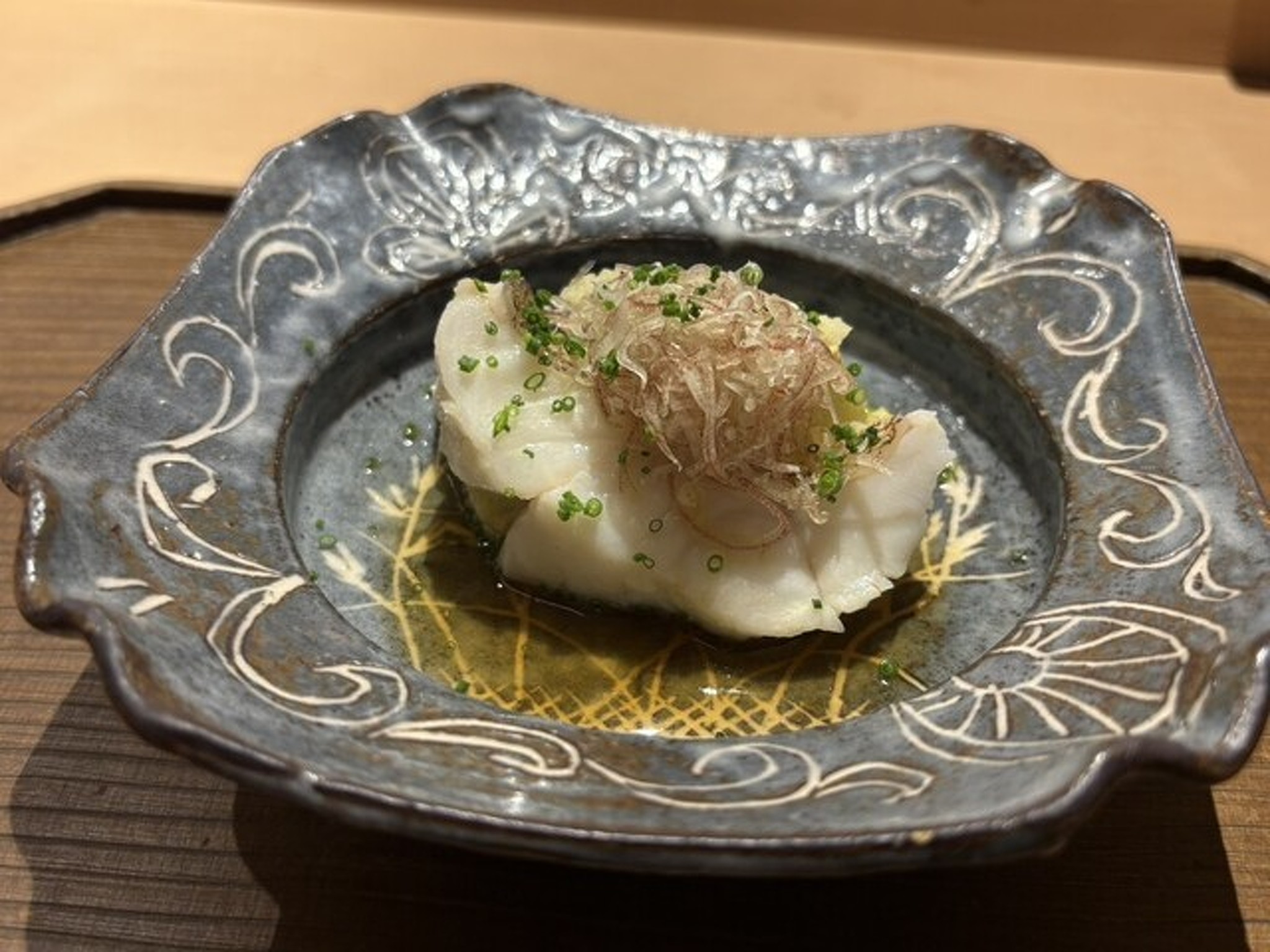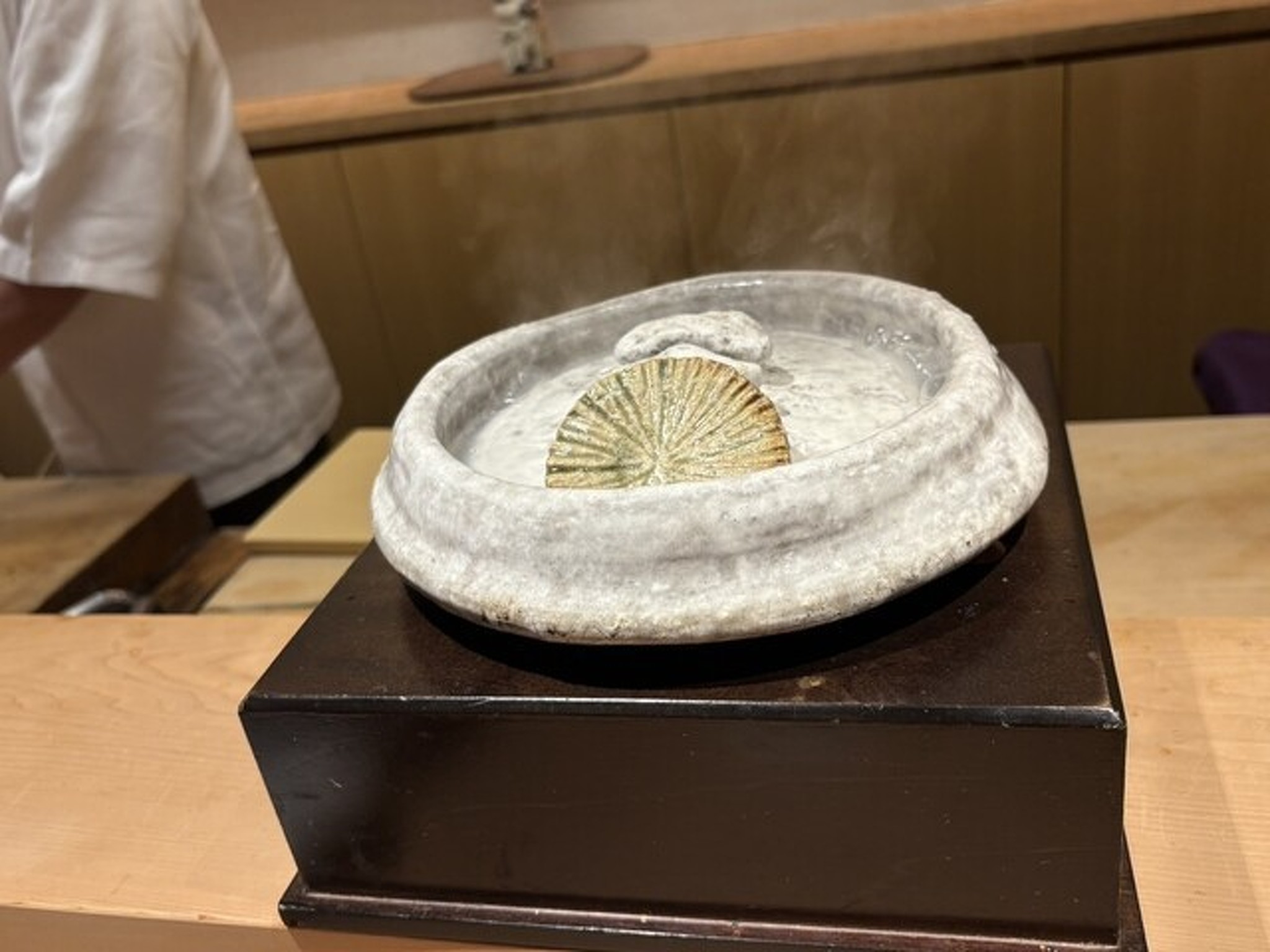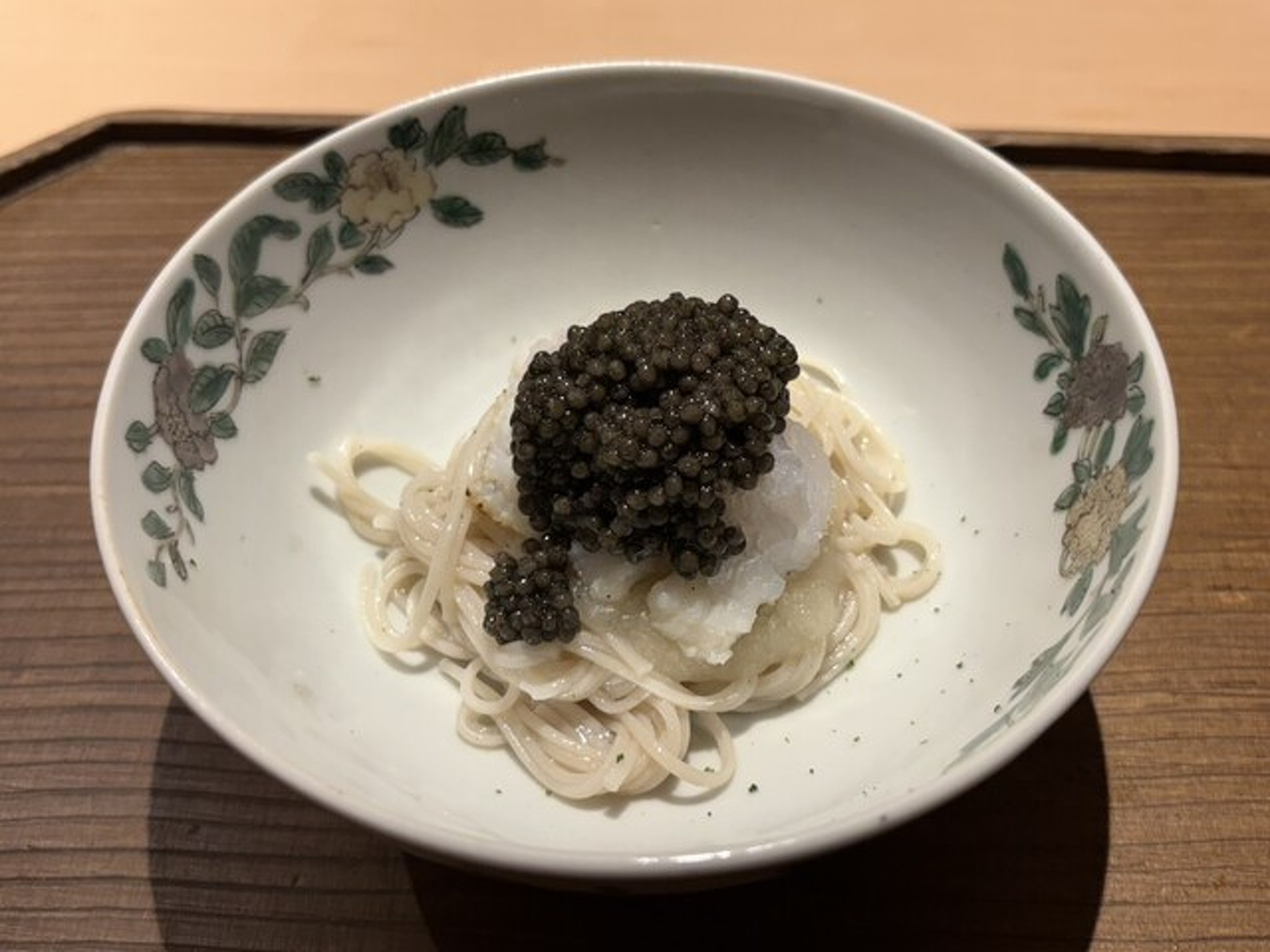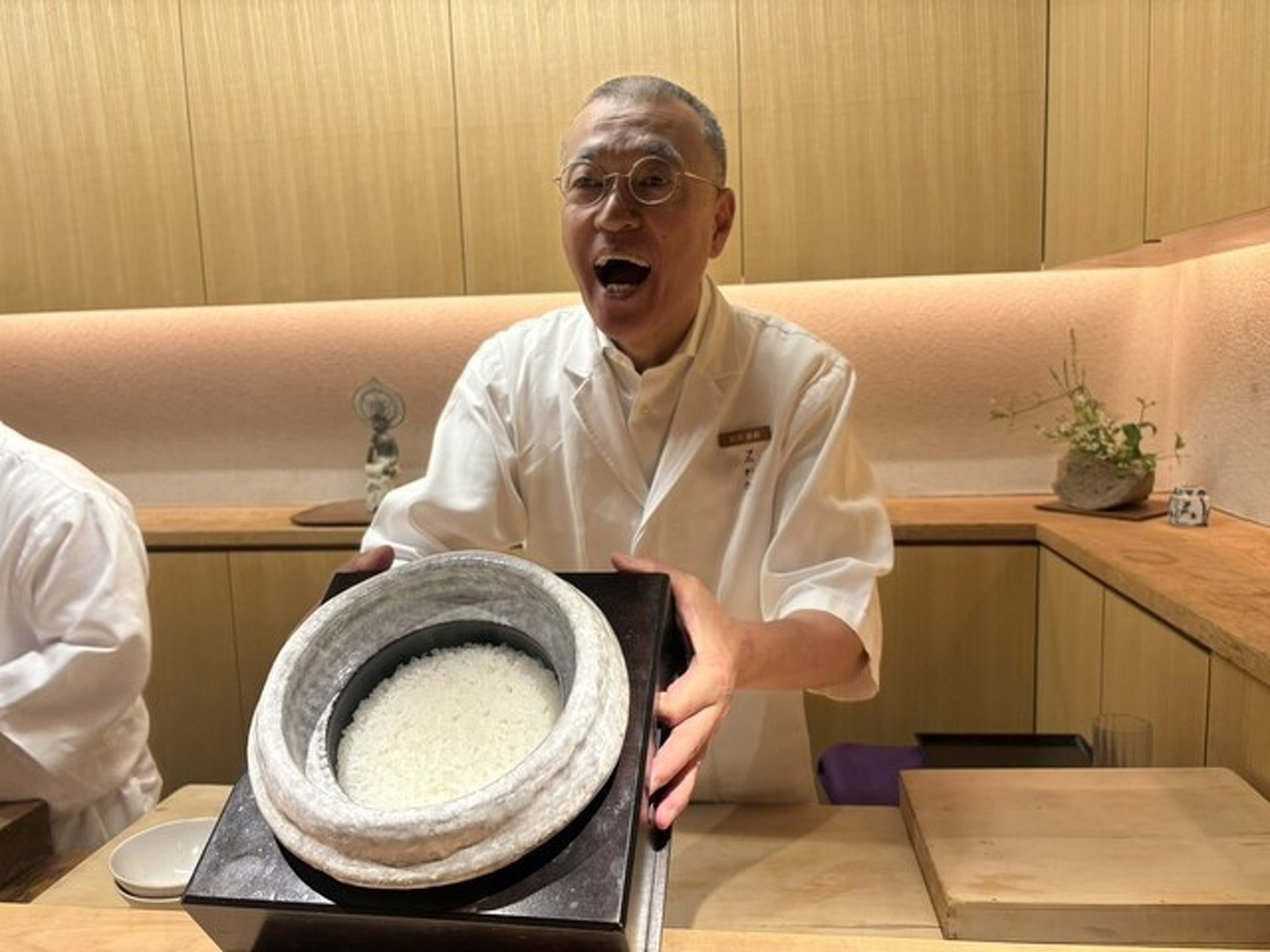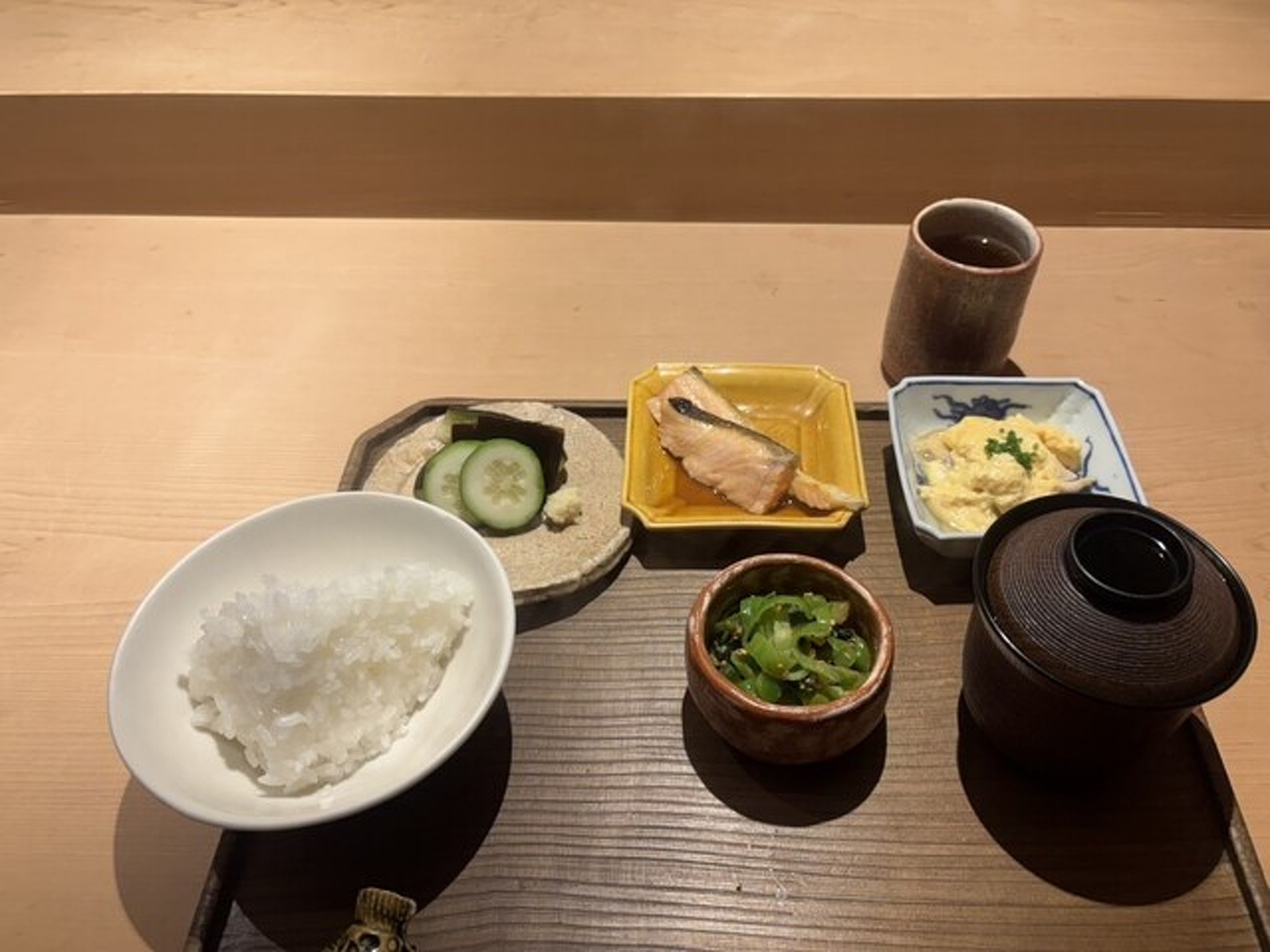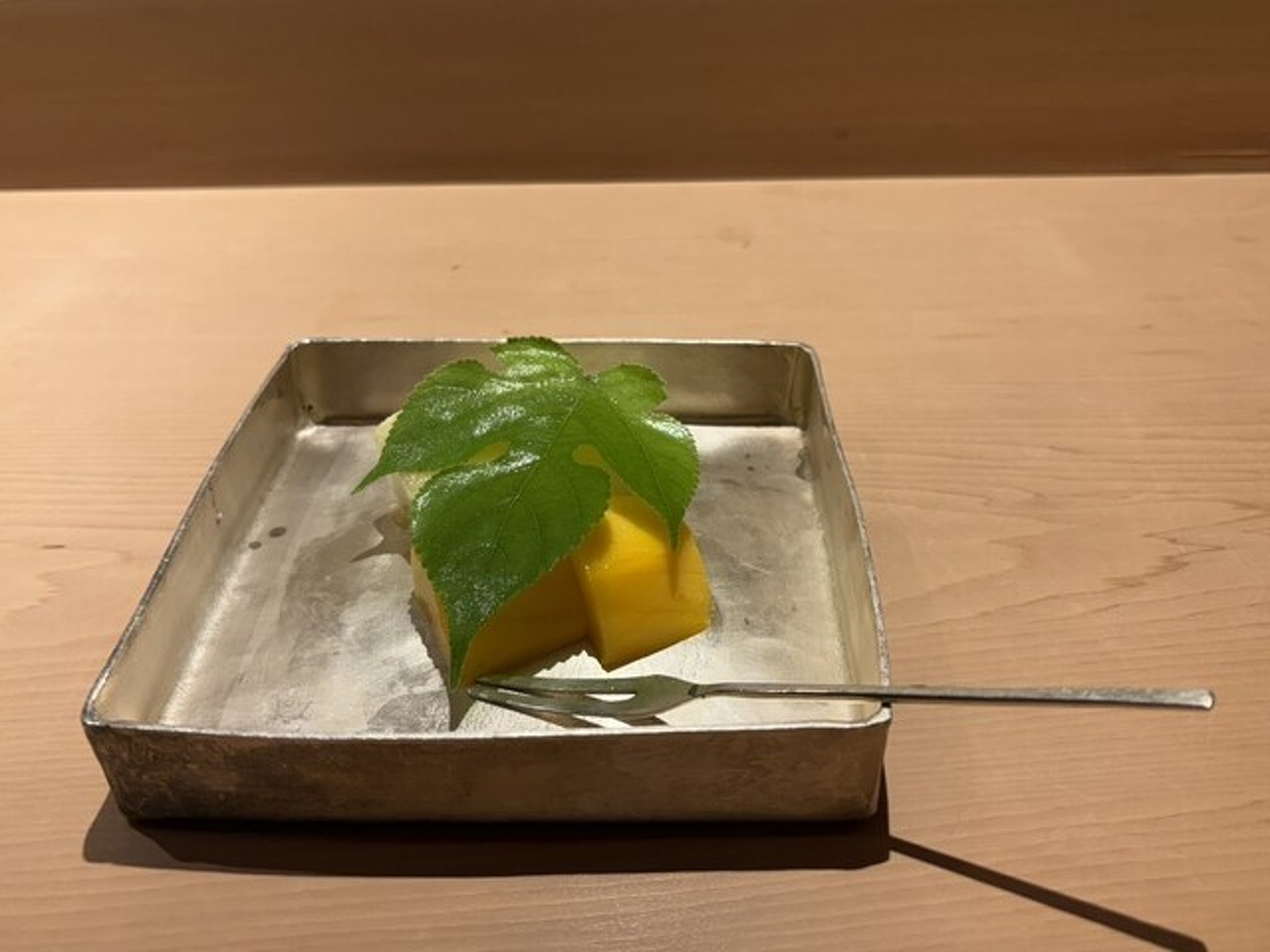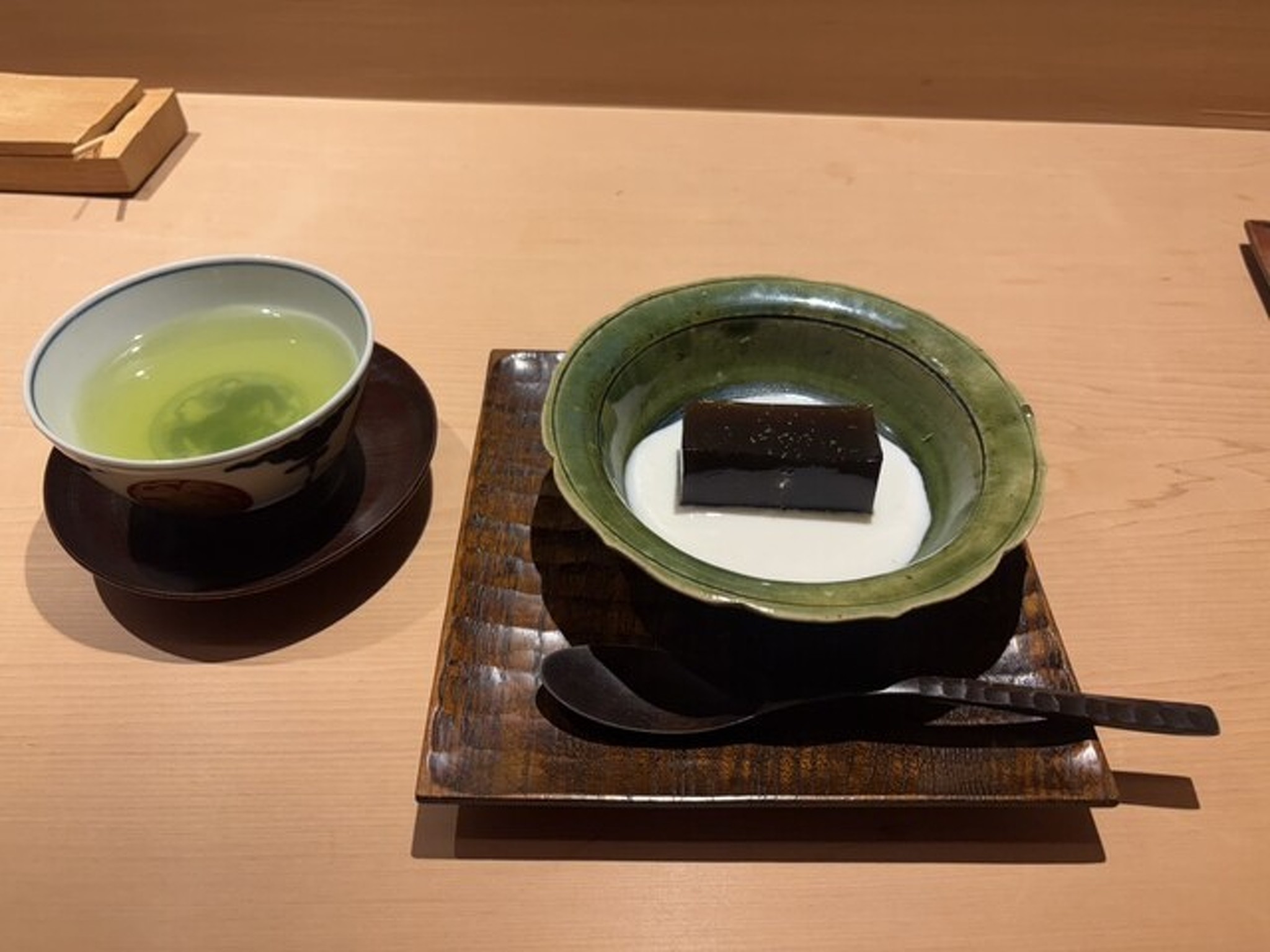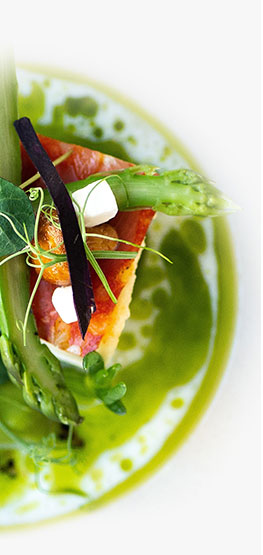
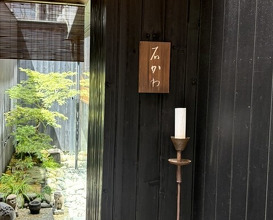
I visited on a summer afternoon and sat at the counter.Overall, the restaurant does not rely on flashy presentations; instead, it showcases the beauty of dashi, the cooking of fish, and the handling of seasonal vegetables, all of which are very stable and reflect the fundamentals of Japanese cuisine. There were no significant flaws in any of the dishes, and the course had a high level of completion.The meal began gently with abalone and glutinous rice. The thickly cut abalone paired with the rice made for a pleasant start, with a delightful combination of textures.Next, the natural sweetfish from the Wara River in Gifu was impressive. The head and tail were removed, and the fish was grilled to a fluffy finish, while the bones and head were prepared separately for a crispy texture. This dish allowed for enjoyment of both the tender flesh and the crunchy bones, with a small amount of wasabi vinegar provided for personal preference. It was a dish that allowed the flavor of the sweetfish to shine through.The soft-shelled turtle and summer turnip from Noheji in Aomori had a particularly pleasing dashi. While many dishes featuring soft-shelled turtle emphasize its strength, this one was clear, delicate, and very refined, pairing well with the juiciness of the summer turnip.The sashimi included sea bream from Akashi, octopus, and sea urchin. Among these, the sweetness of the sea urchin stood out and left a lasting impression.The summer bonito was lightly dipped in ginger soy sauce and served with condiments like myoga and onion. It was interesting to note that adding the condiments to the soy sauce first could make them too salty, so they were instead placed on the bonito before dipping. The dish was also presented in a striking dish shaped like a catfish.Particularly noteworthy was the nodoguro (blackthroat seaperch) from Akita. Served with golden needle flowers and daikon radish soaked in dashi, the strong umami of the nodoguro was clearly evident. It was a type that expanded in flavor with each bite, rather than relying solely on fat, making it one of the highlights of the day.The steamed azuki grouper and Mitoyo eggplant from Kagawa were also excellent. The dish allowed for a simple appreciation of the fish's tenderness and the moisture-rich Mitoyo eggplant, maintaining a natural balance between the dashi and the ingredients.In the latter part of the meal, the lotus root somen, turnip, eel, and Oscietra caviar left a good impression. The lotus root somen was prepared like a mixed noodle dish, layered with turnip cooked in dashi and grilled eel, topped with Oscietra caviar. The caviar was unpasteurized, resulting in a soft skin that did not overpower the delicate flavors of the eel and lotus root.The meal concluded with white rice accompanied by salmon, grilled to a rare finish, along with local chicken and egg, and a mix of Manjanji peppers with perilla, plum, and sesame. It was enjoyable to savor the white rice with multiple side dishes rather than just as a rice dish.For dessert, there were mango and melon, followed by a final sweet treat that I particularly enjoyed, ensuring a satisfying end to the meal.Not only the dishes but also Chef Ishikawa's bright personality left a strong impression. At the counter, he not only explained the dishes but also engaged in natural interactions with the staff, creating a relaxed atmosphere despite being a three-star restaurant. A soft ambiance flowed throughout the establishment.Rather than overwhelming with a single dish, every course was consistently delicious, with a stable accumulation of dashi, cooking techniques, and seasonal elements.The dishes that particularly stood out were the natural sweetfish, soft-shelled turtle with summer turnip, Akita nodoguro, lotus root somen with eel and caviar, and the final sweet treat.
We use cookies on this site to enhance your user experience.