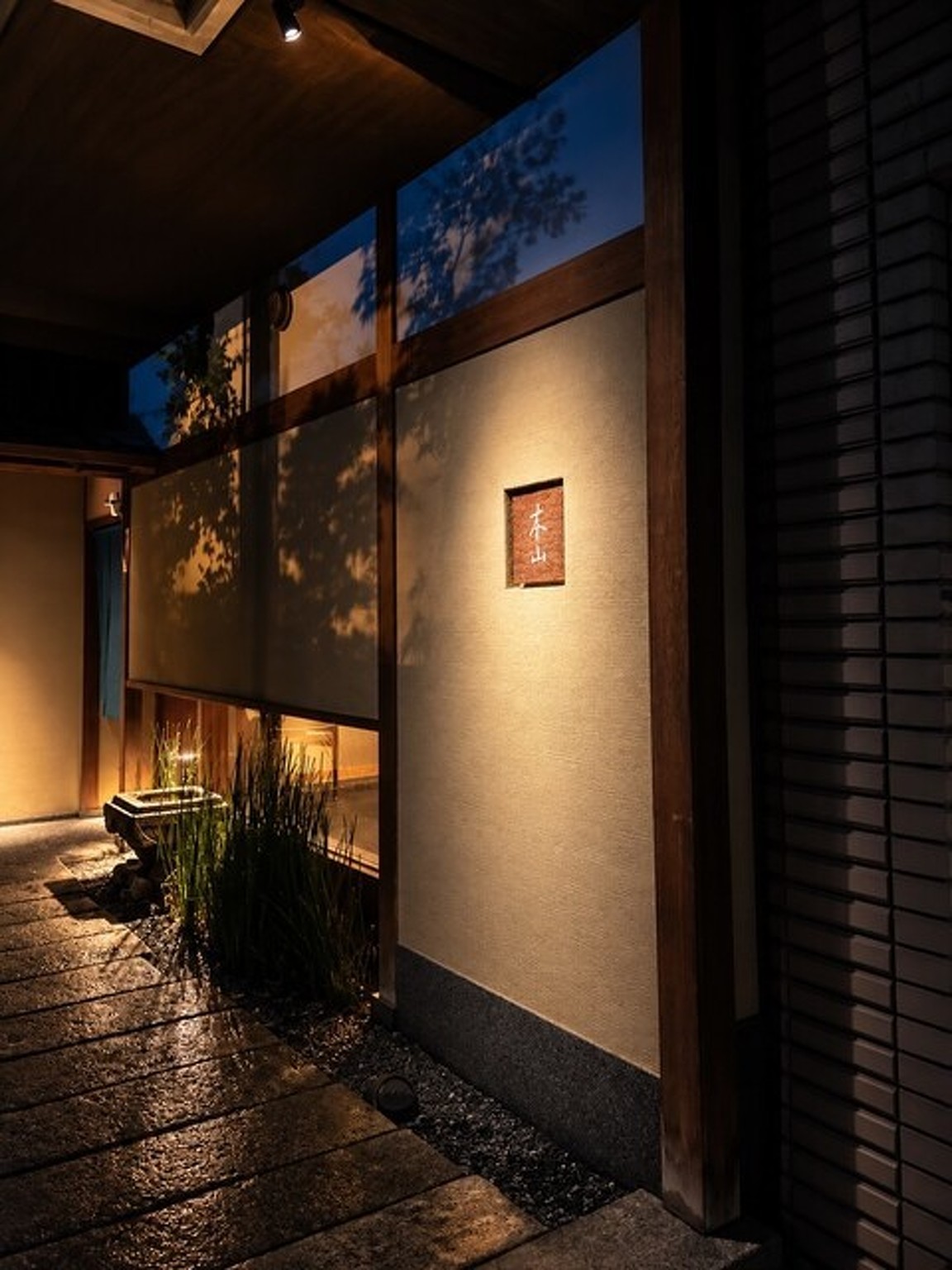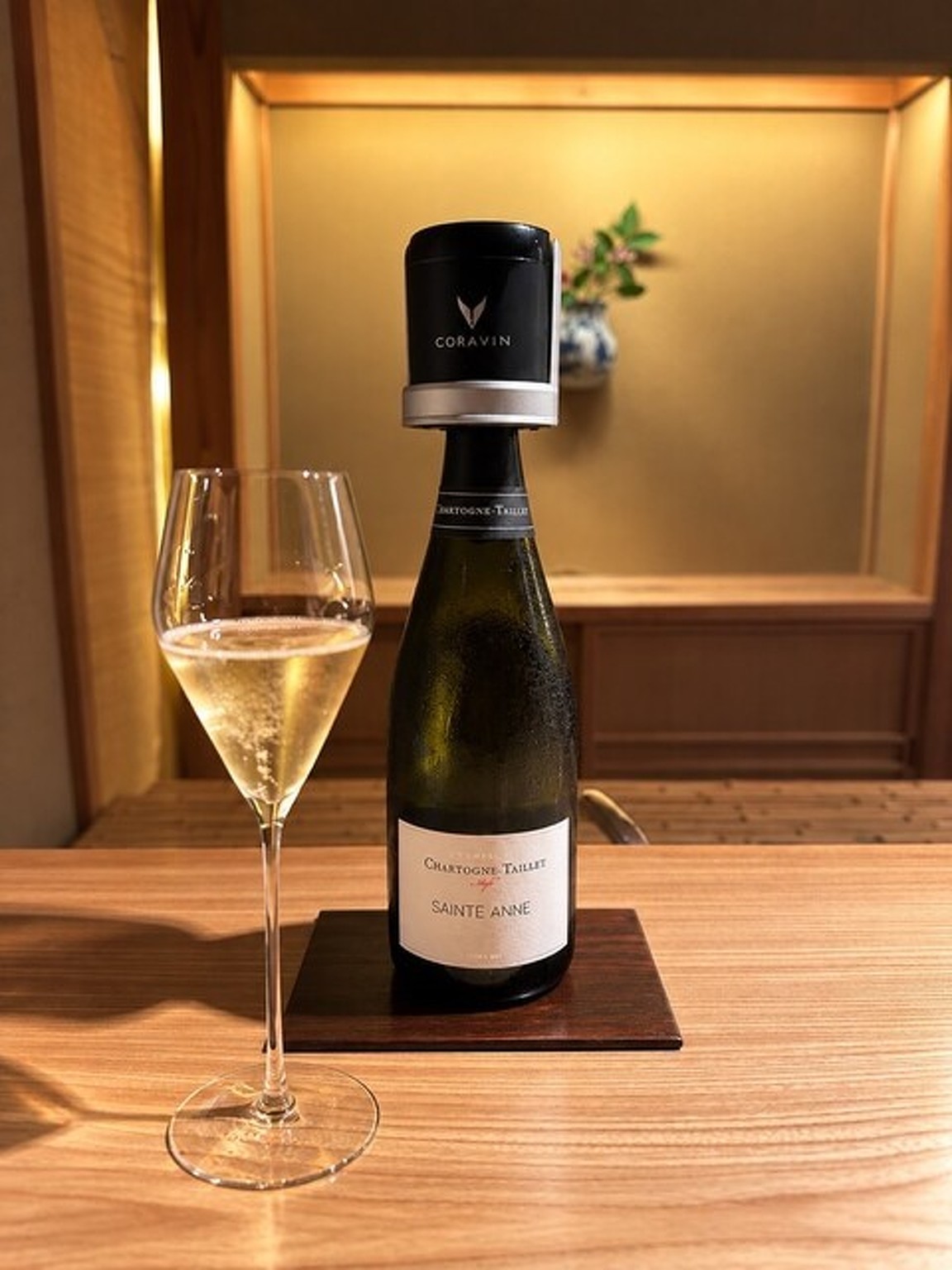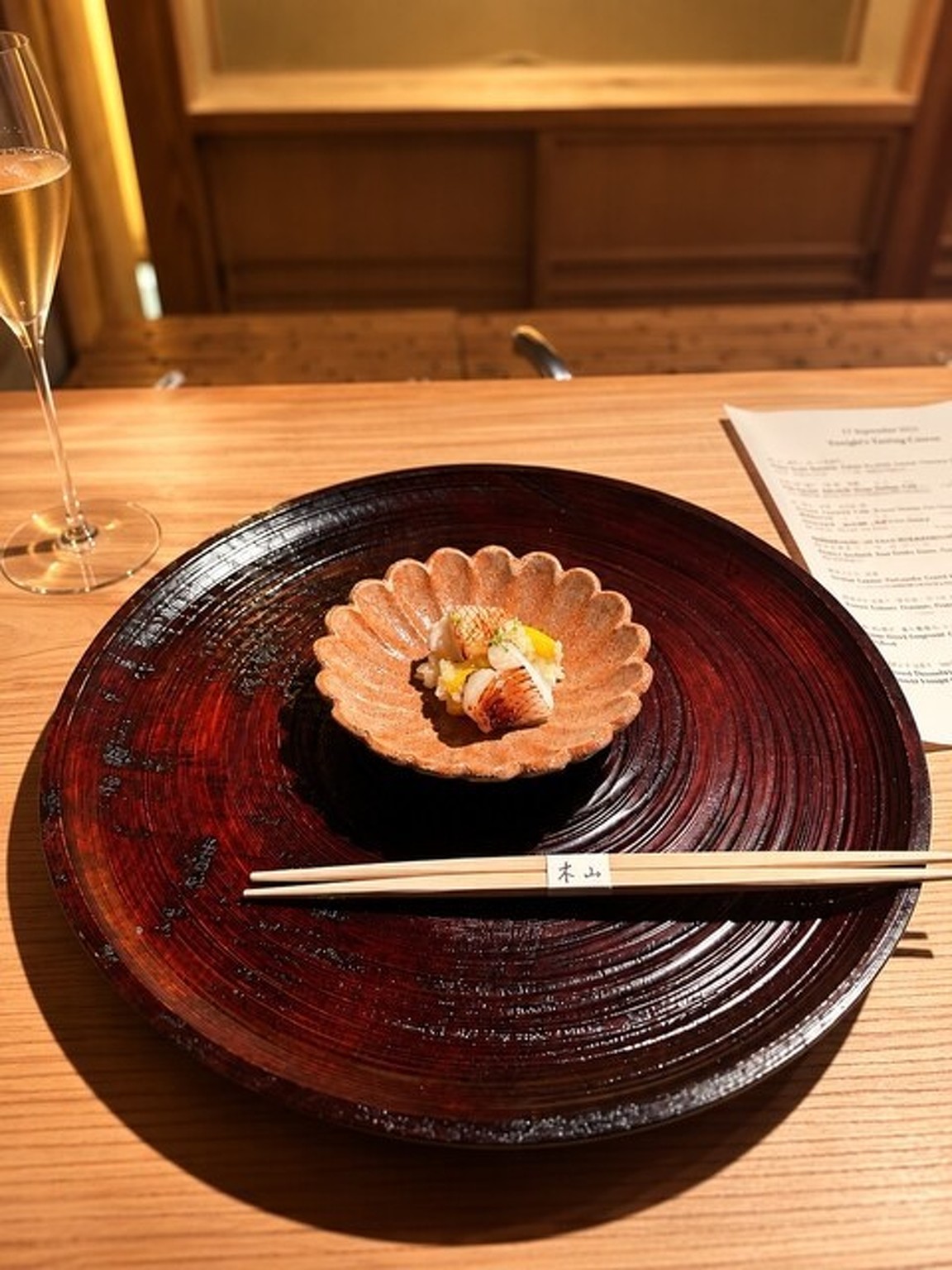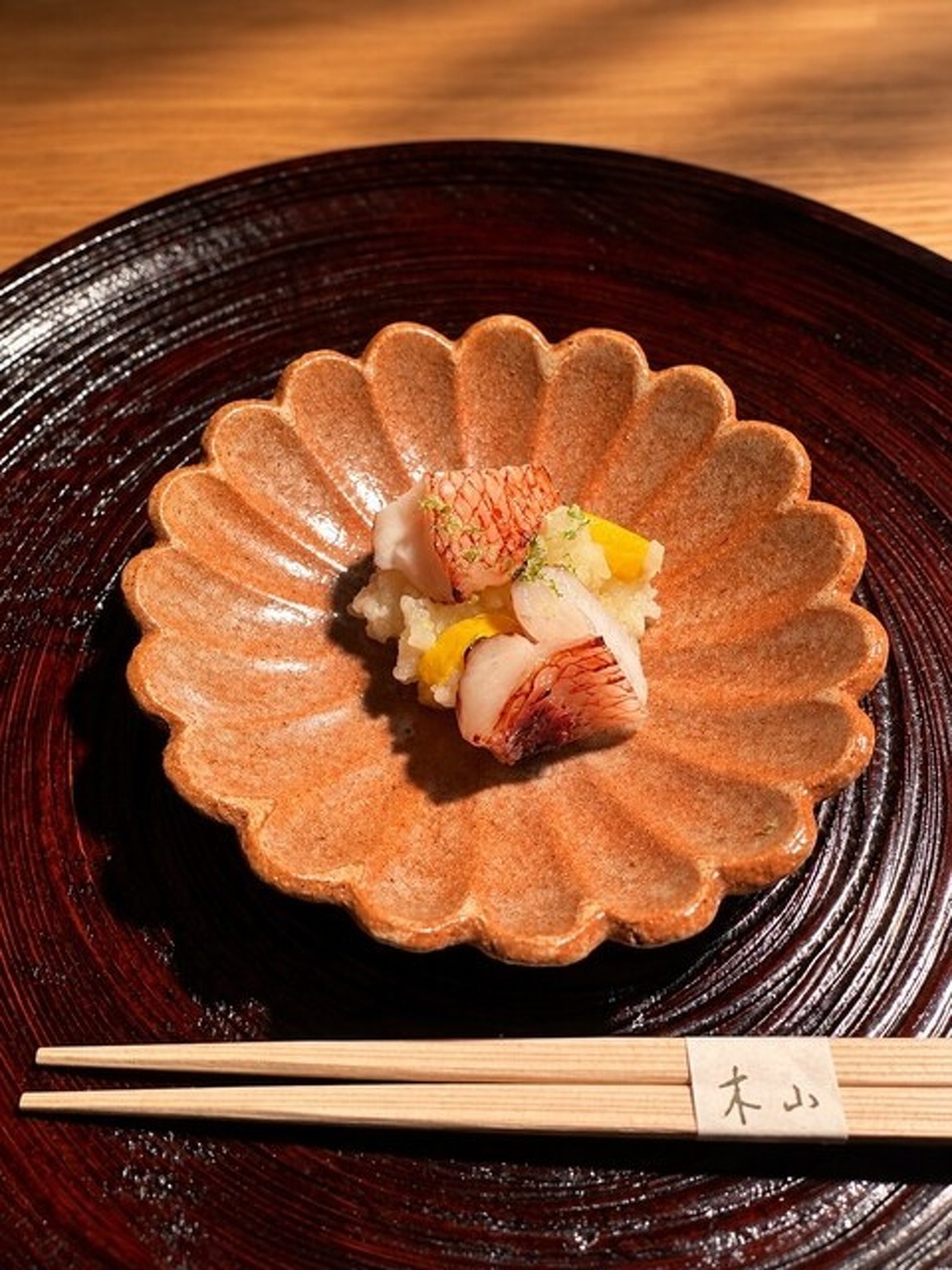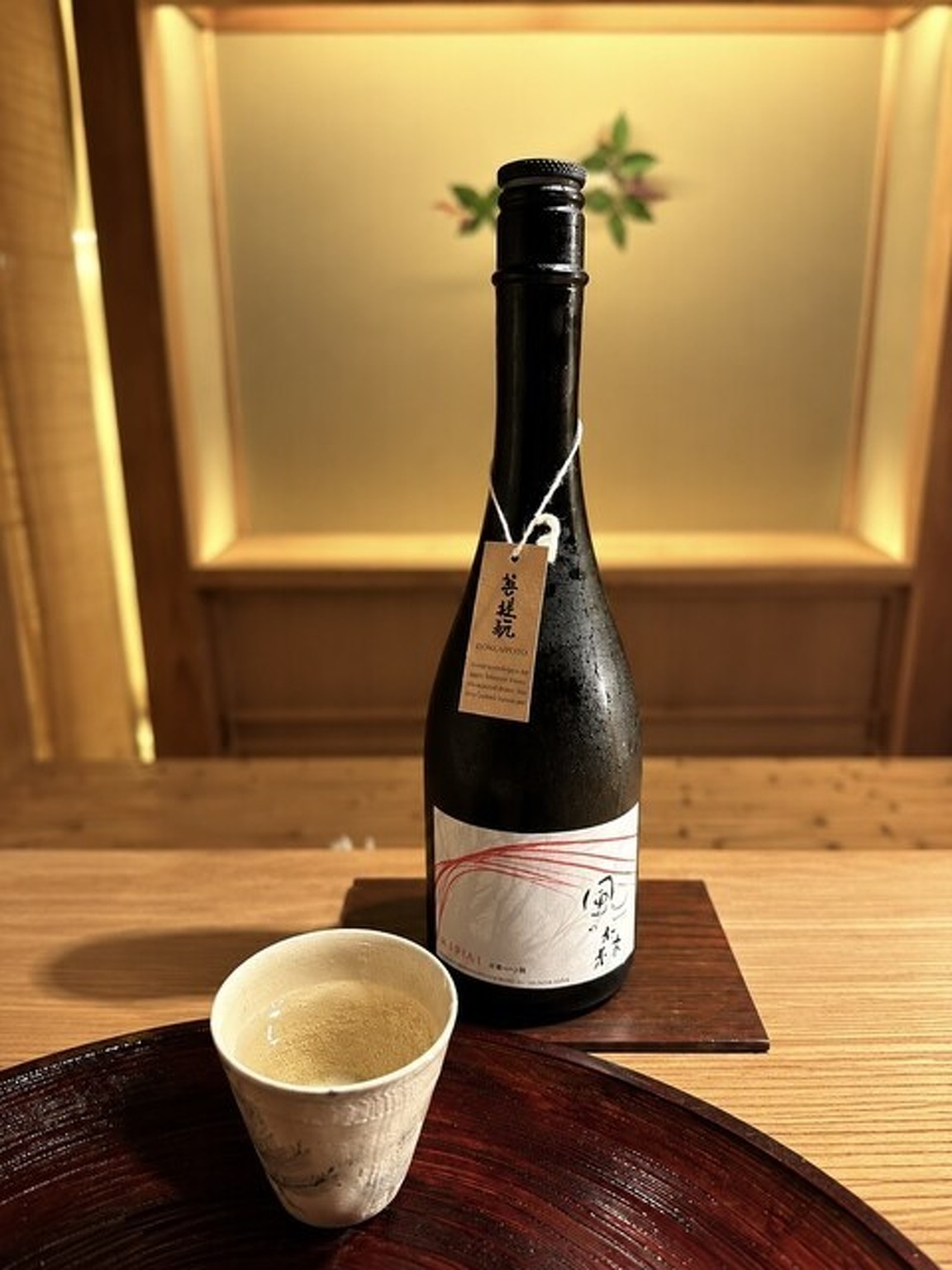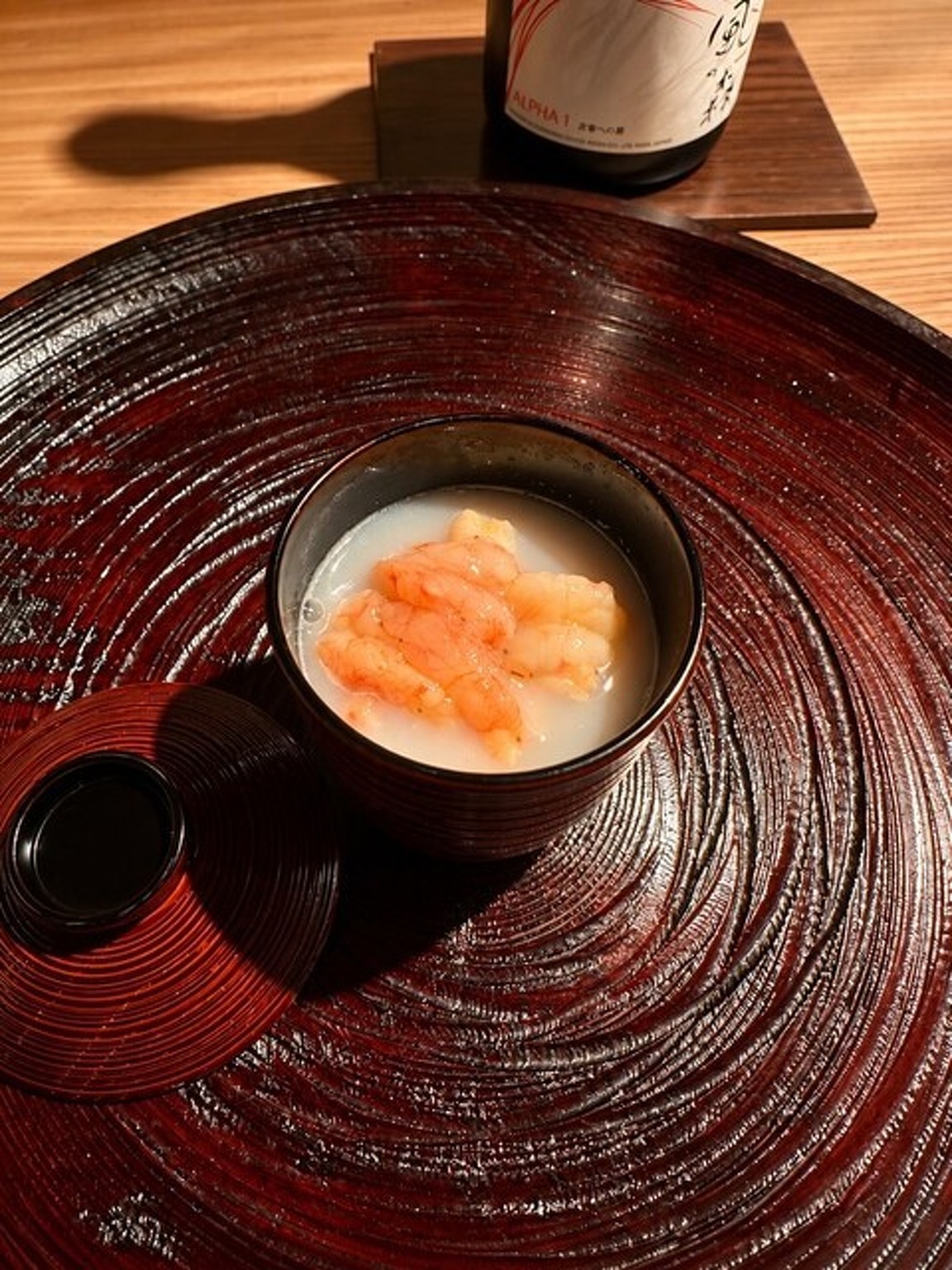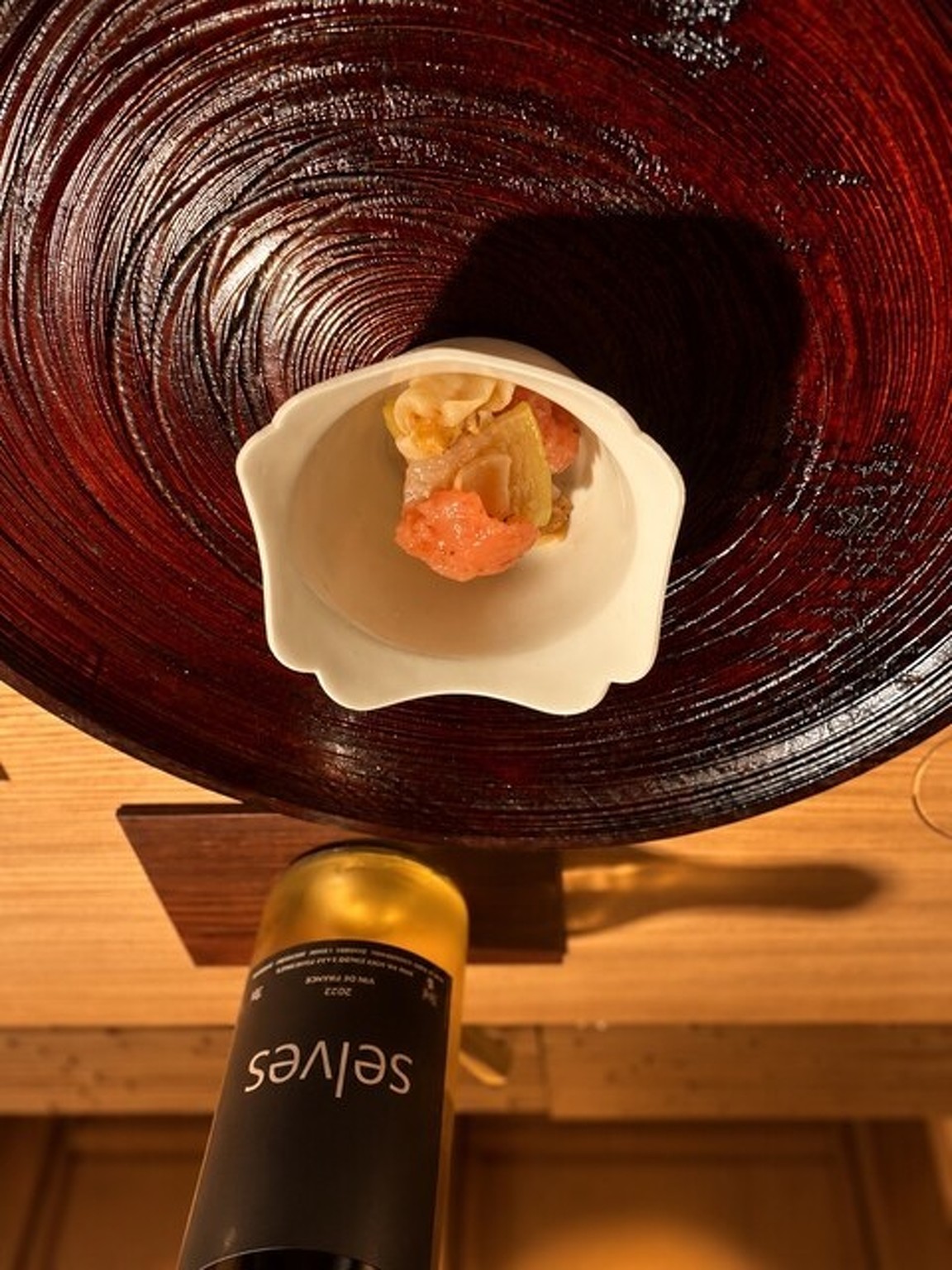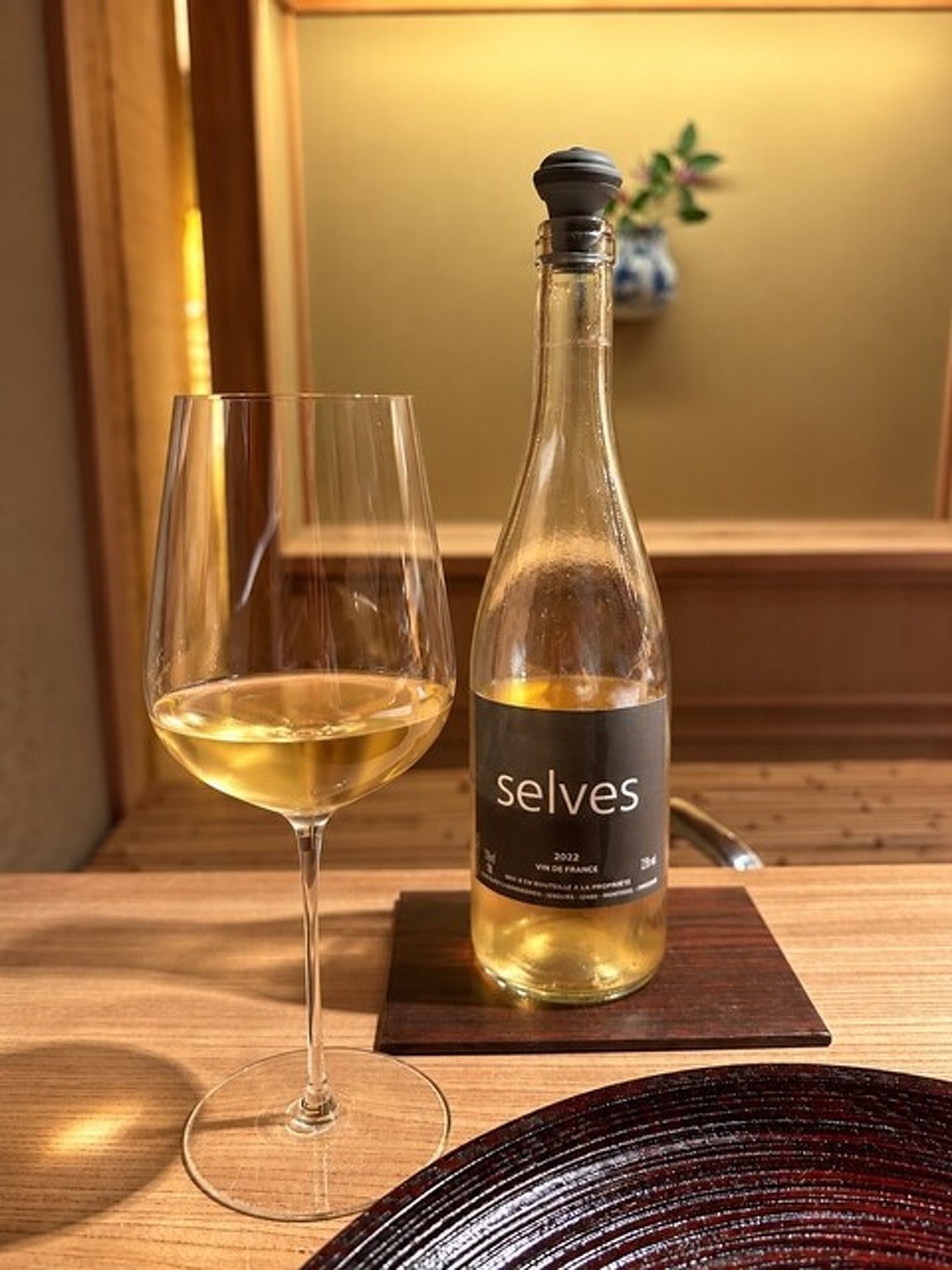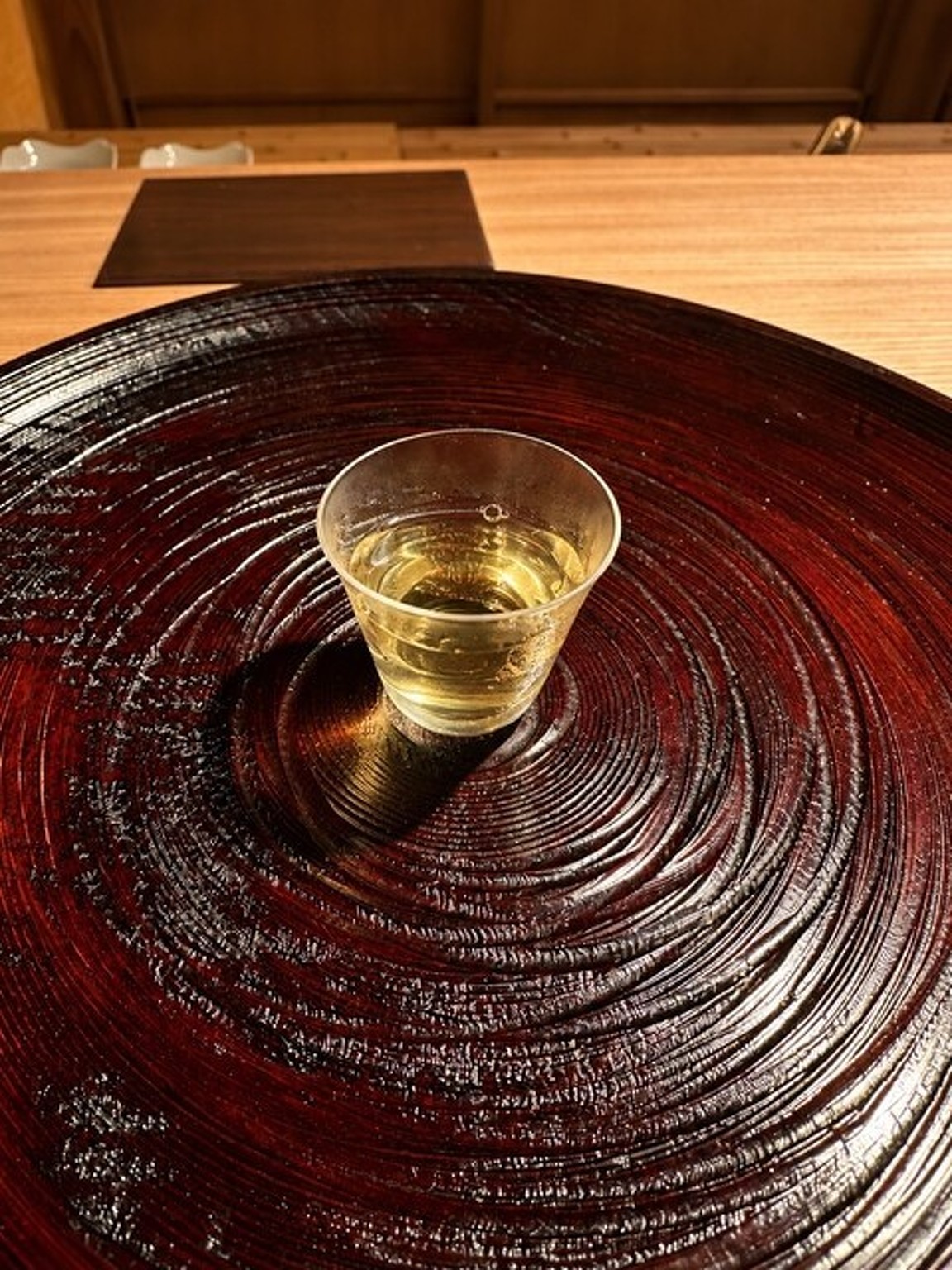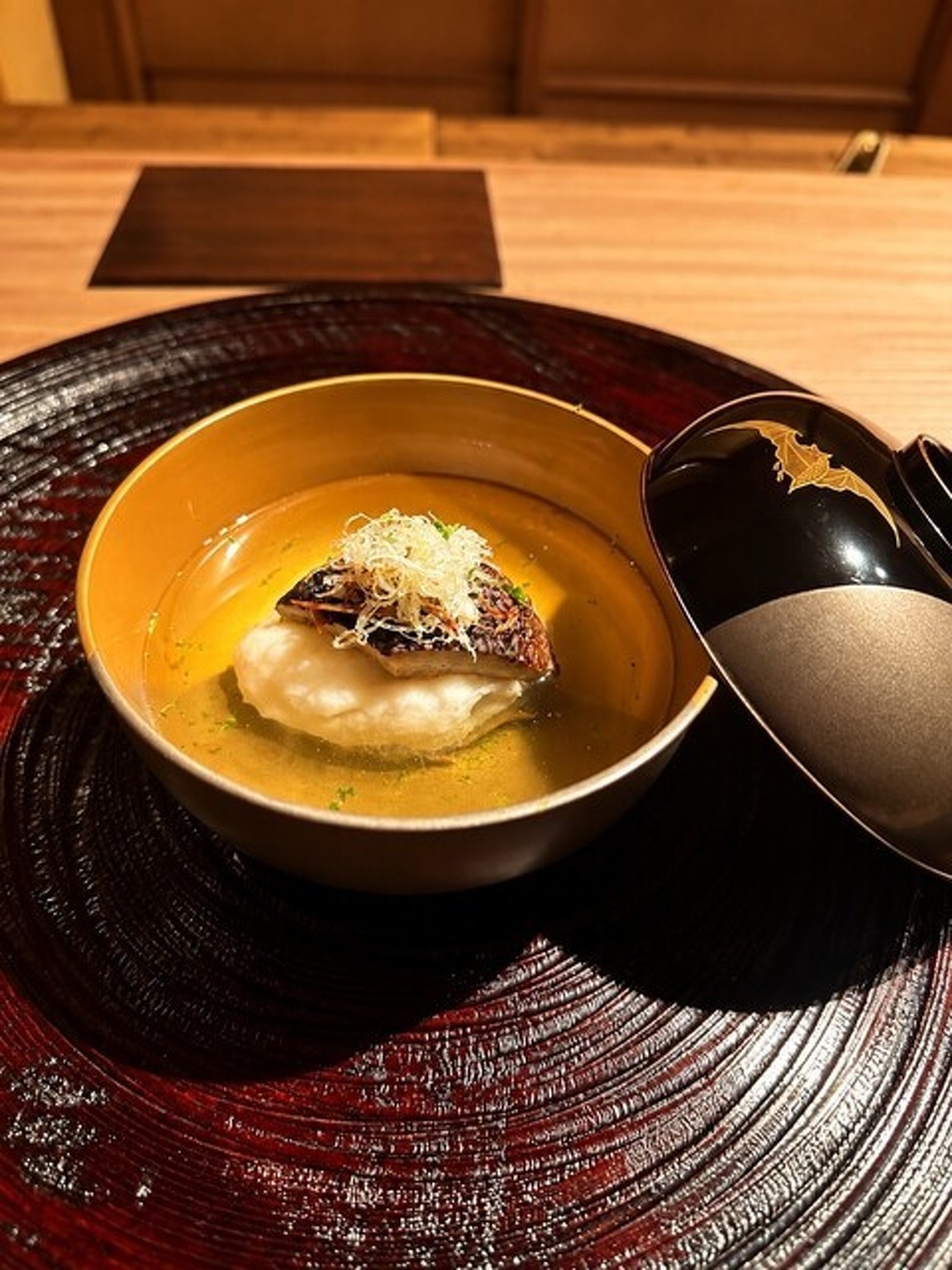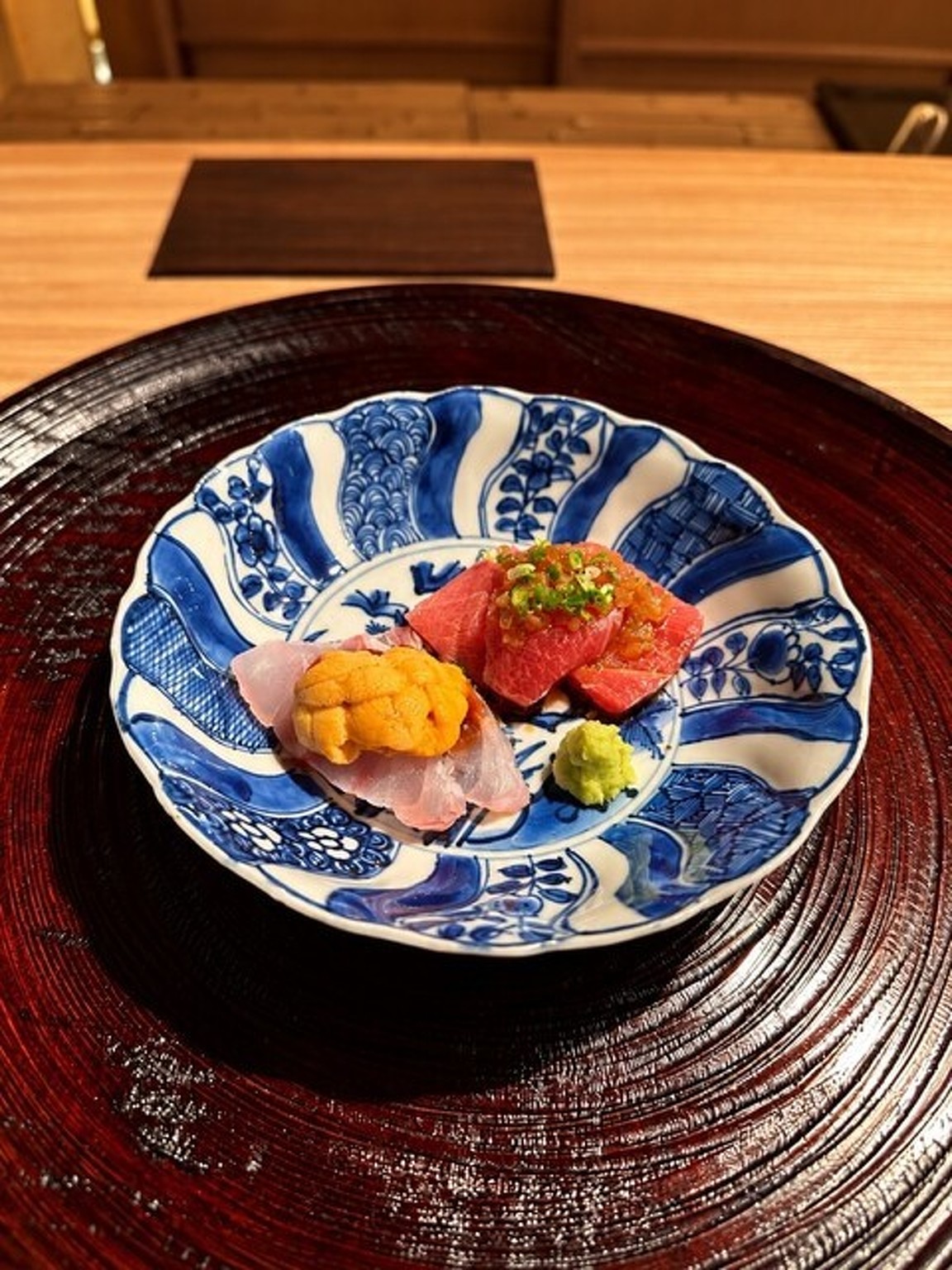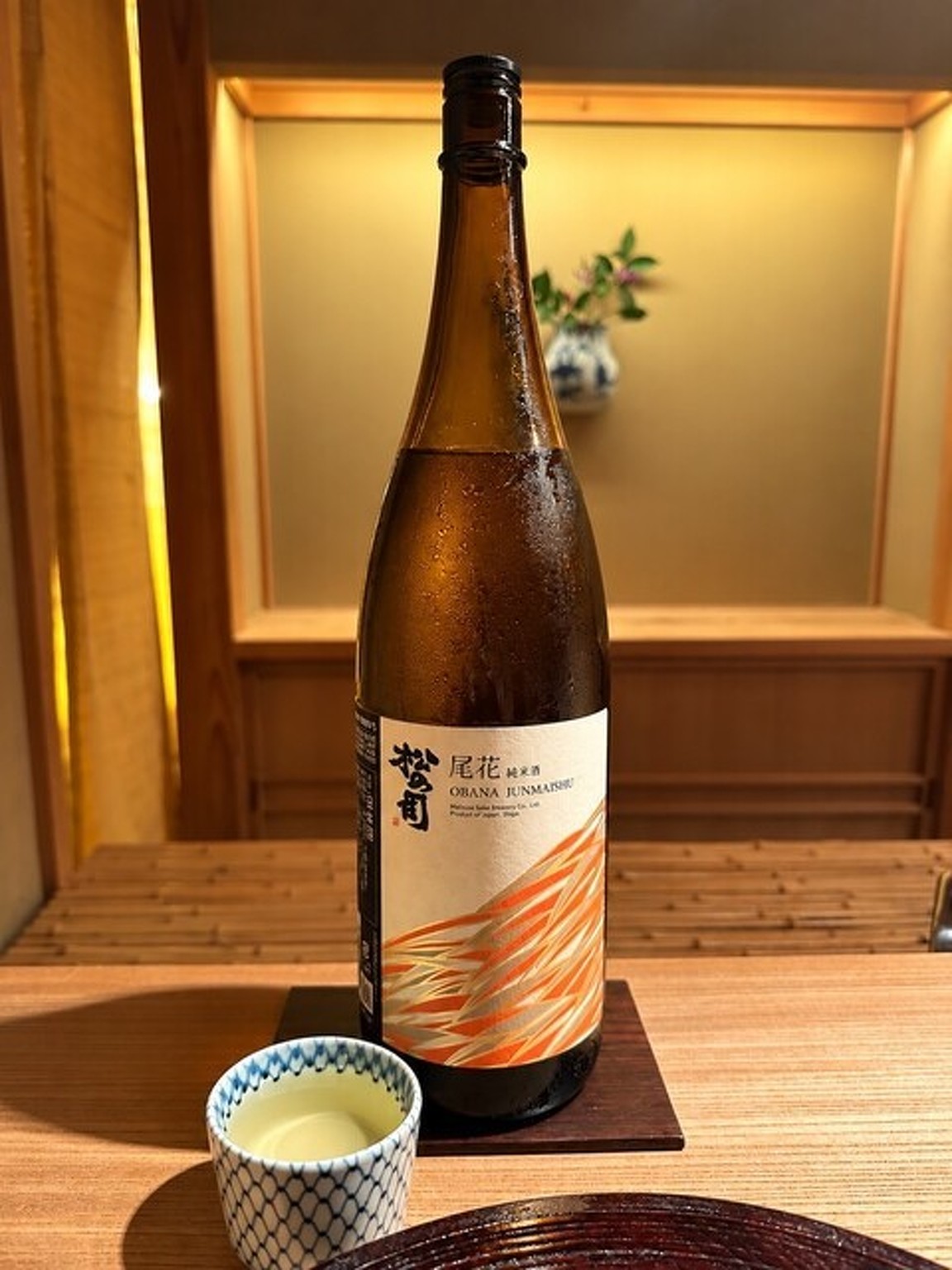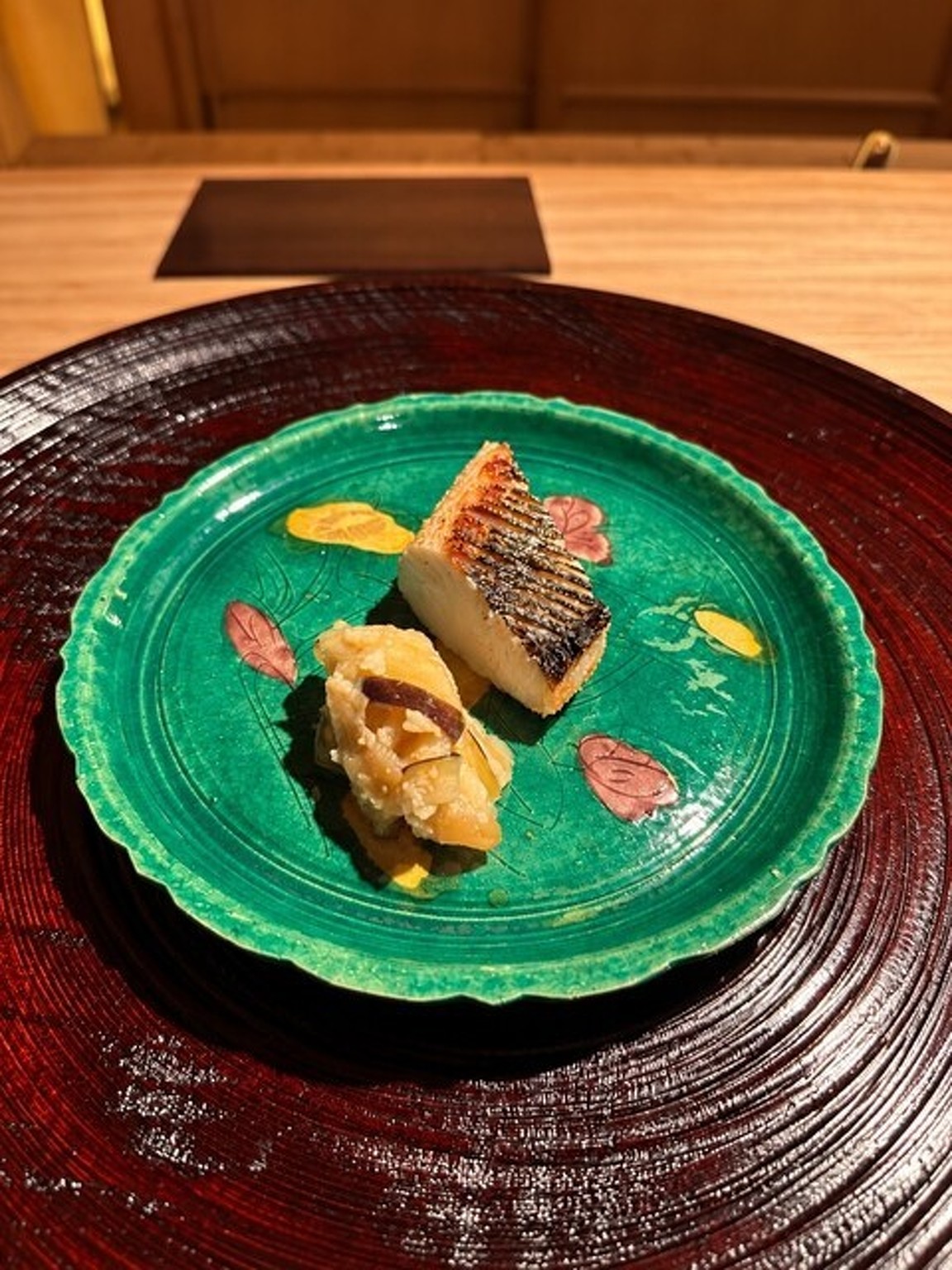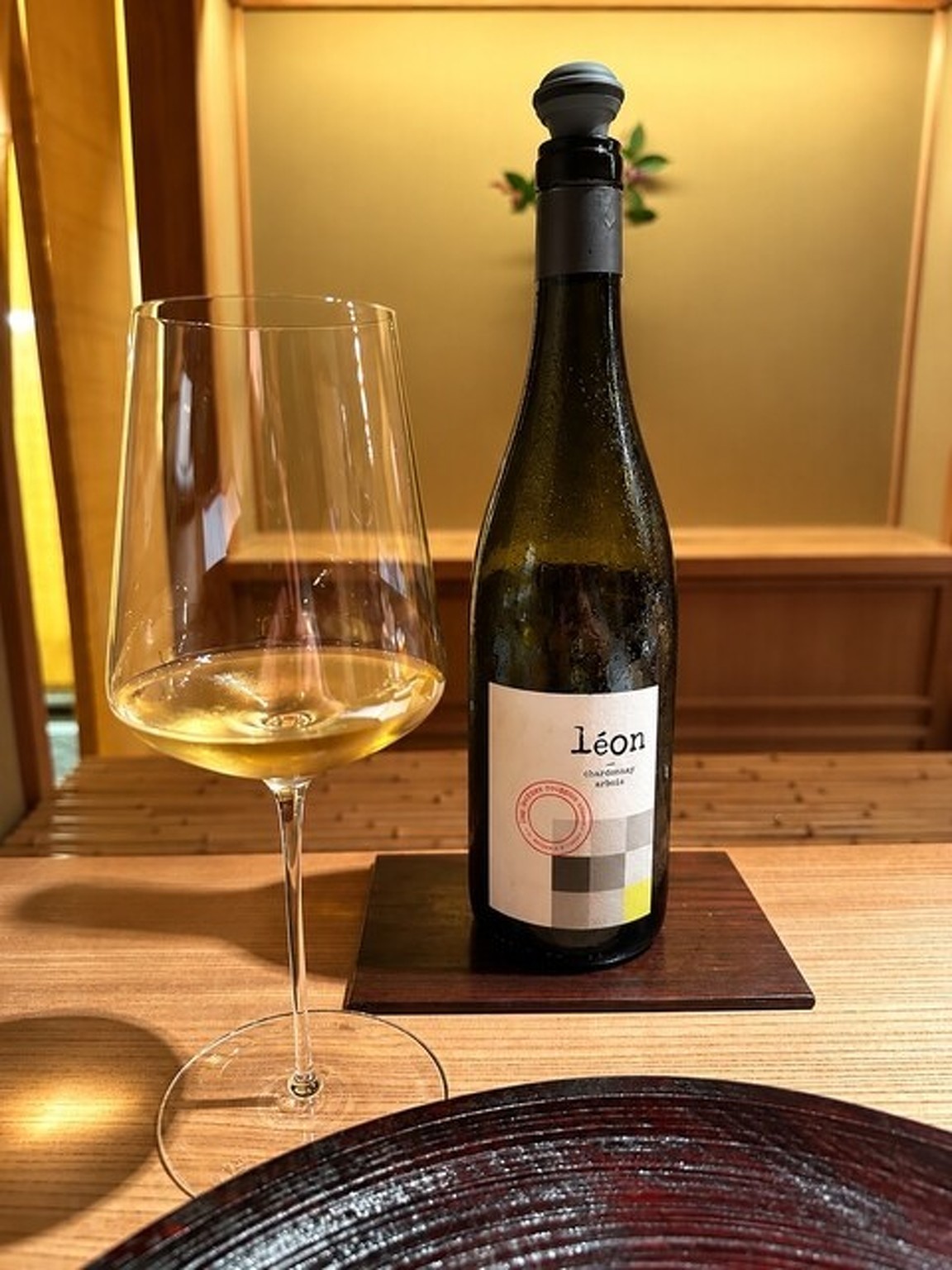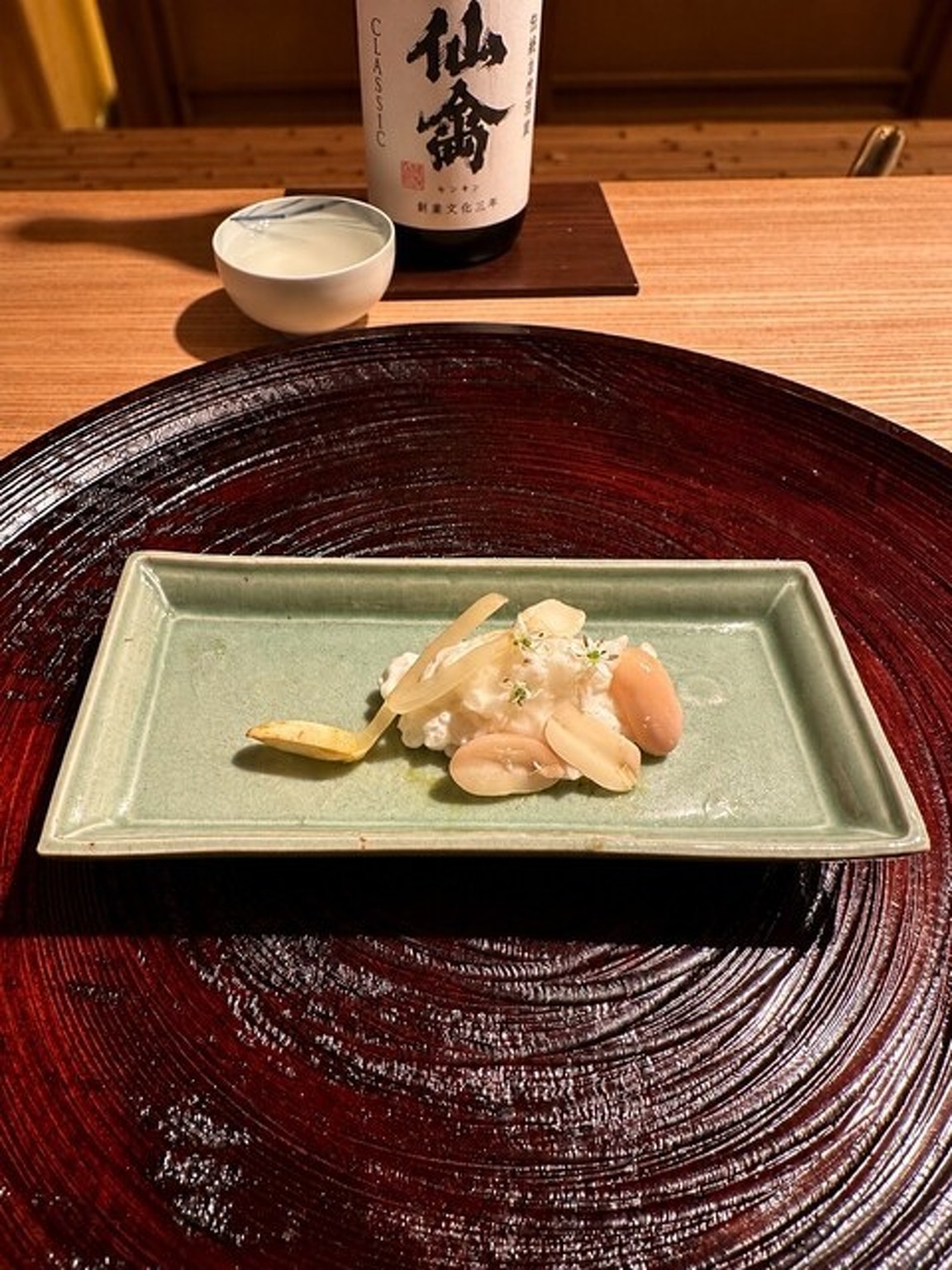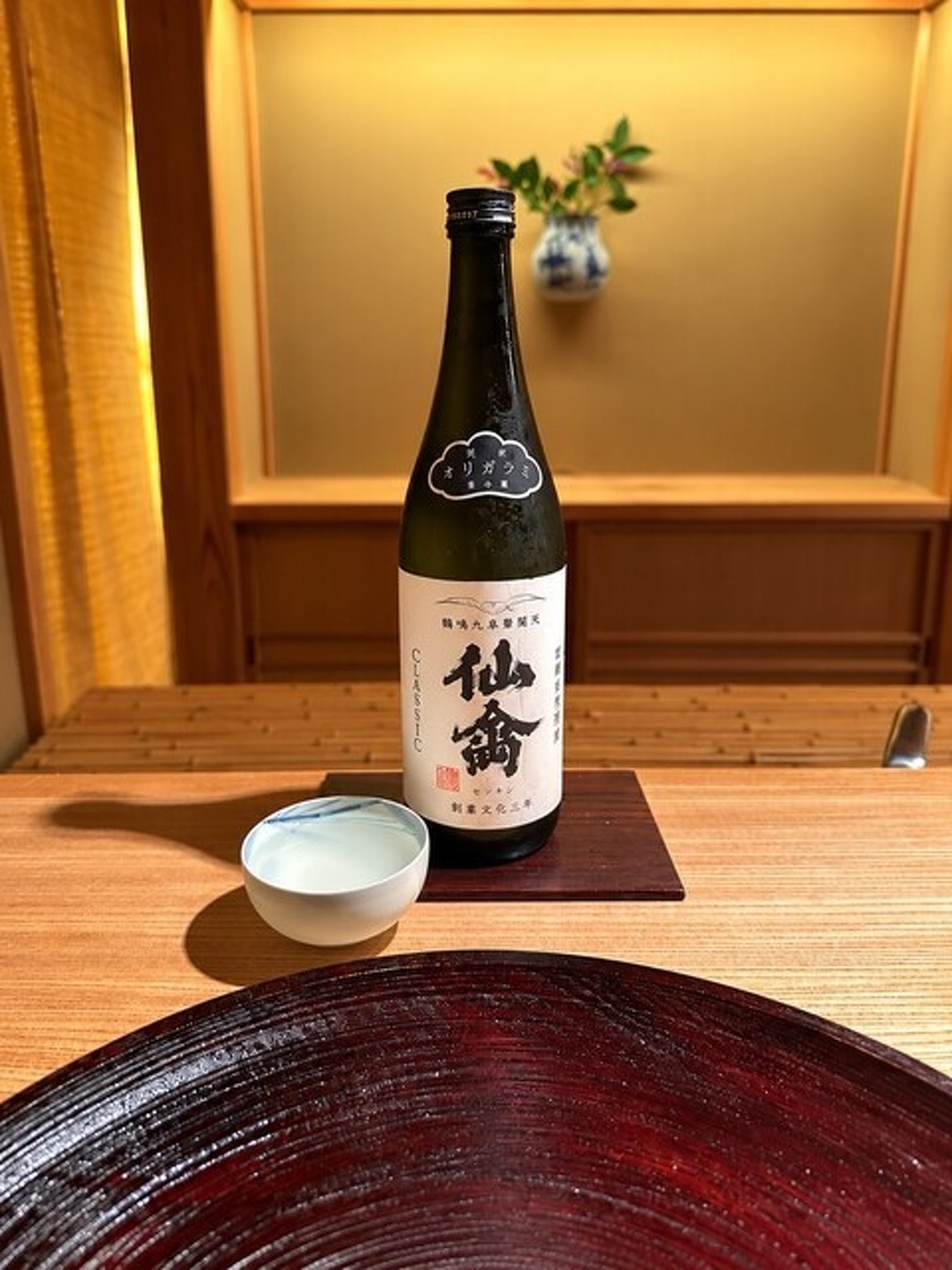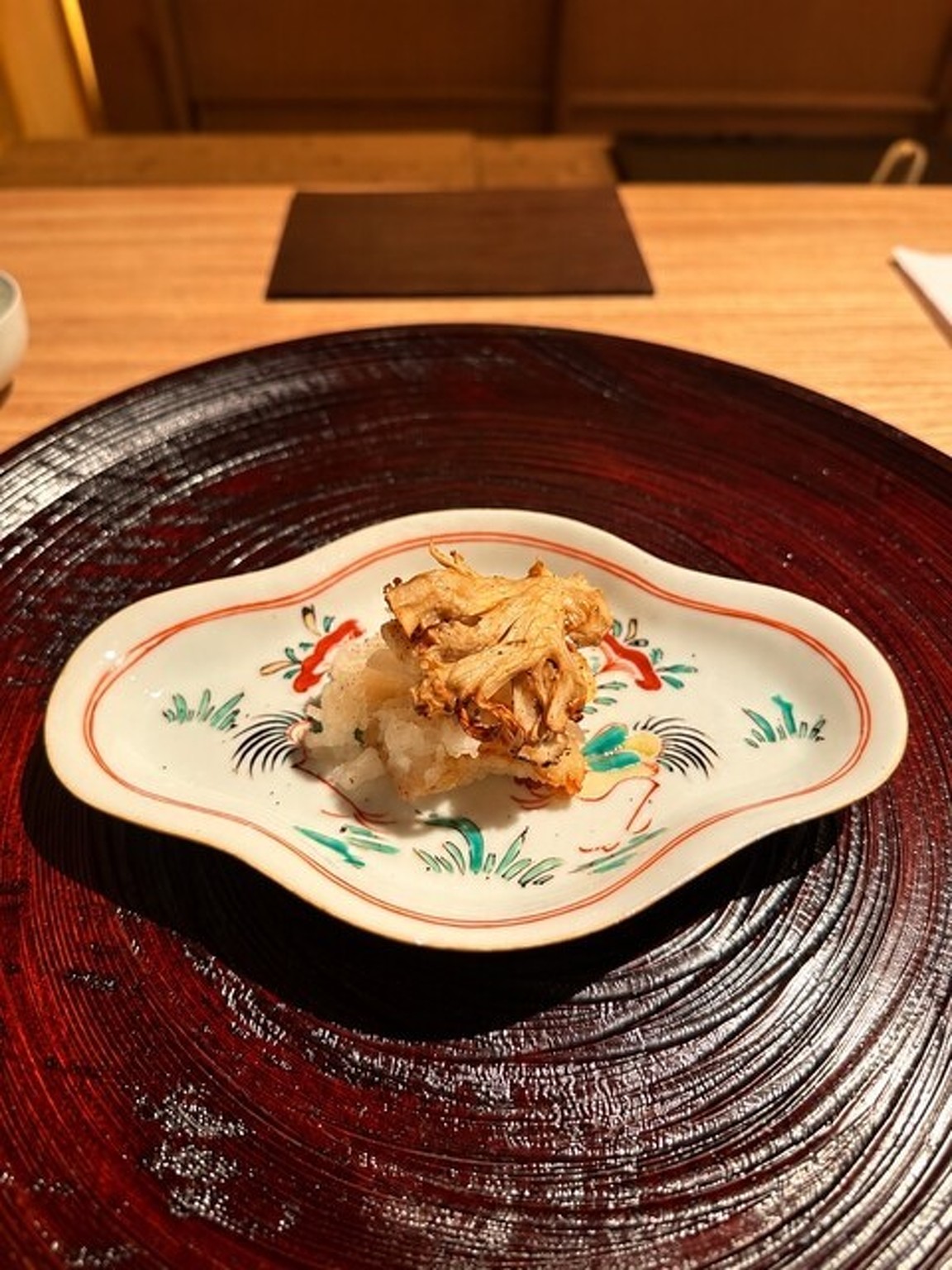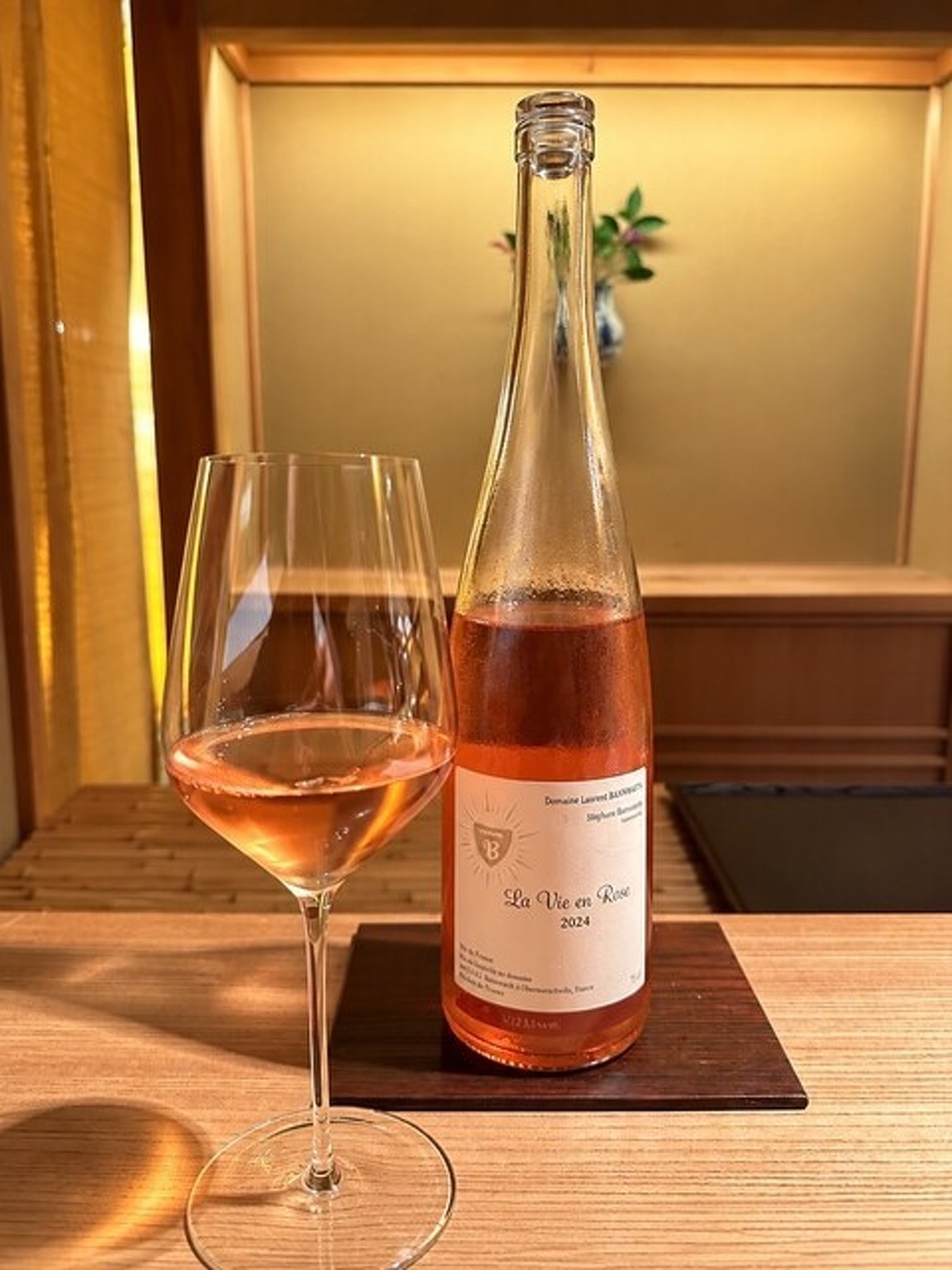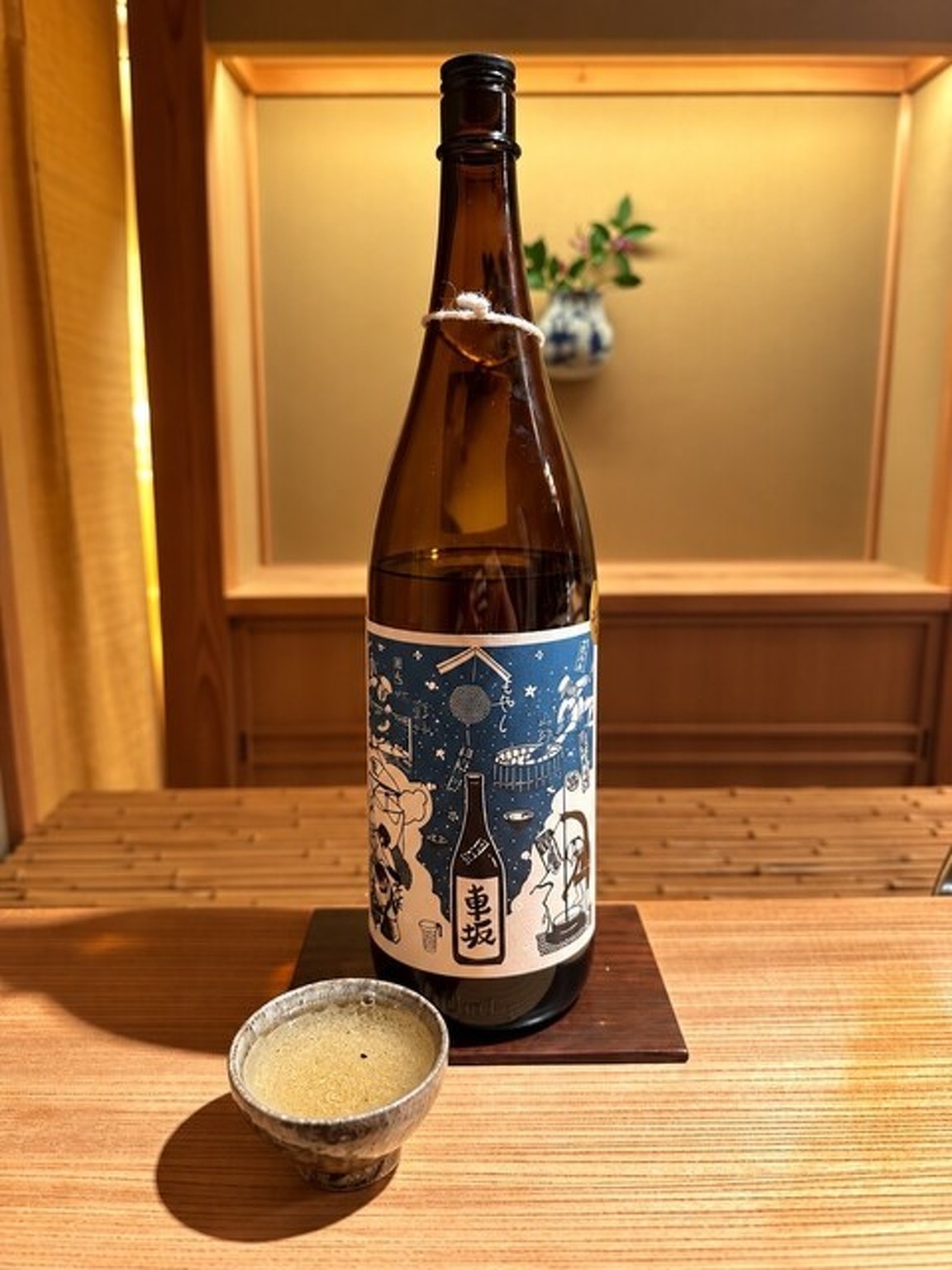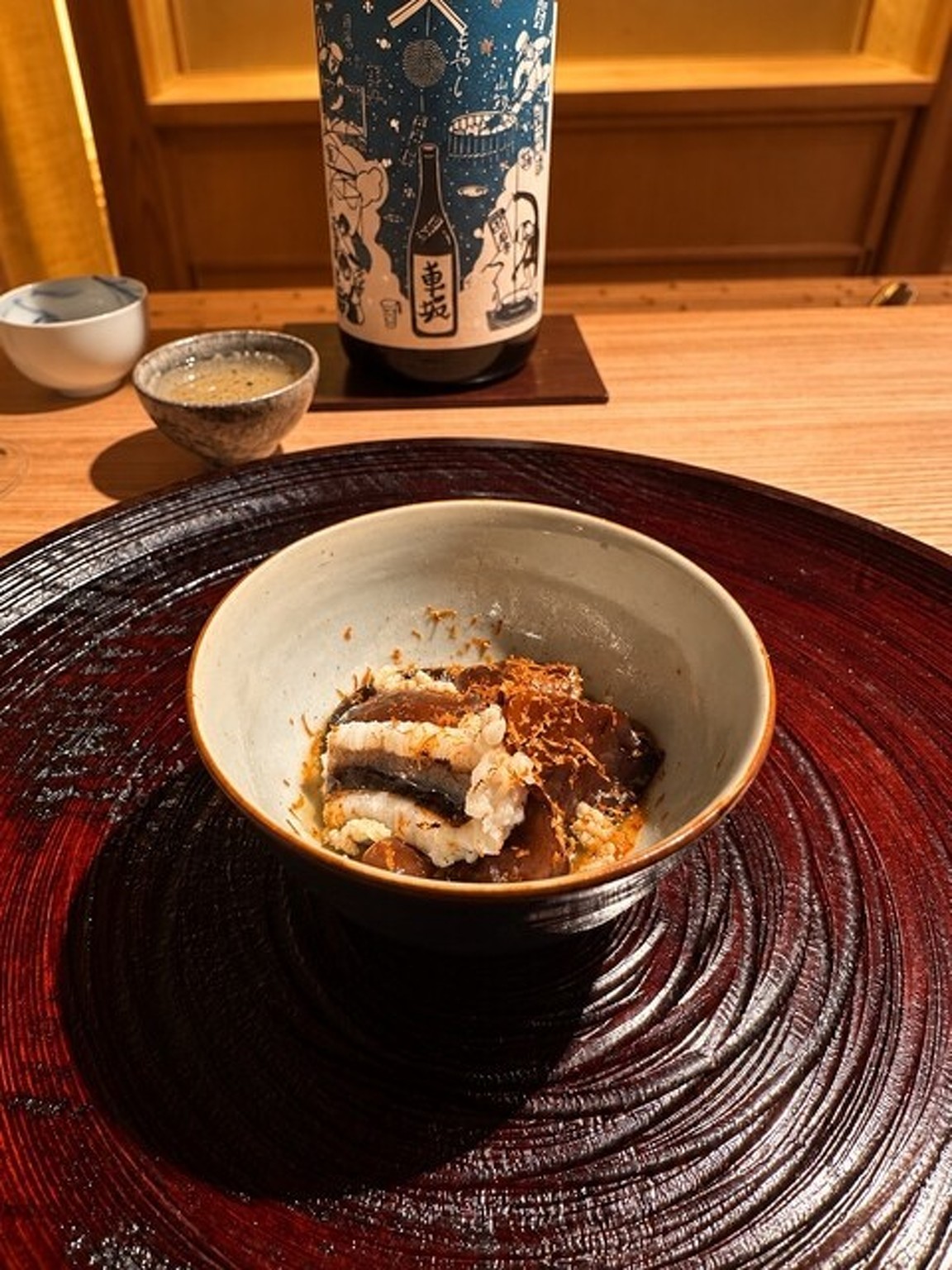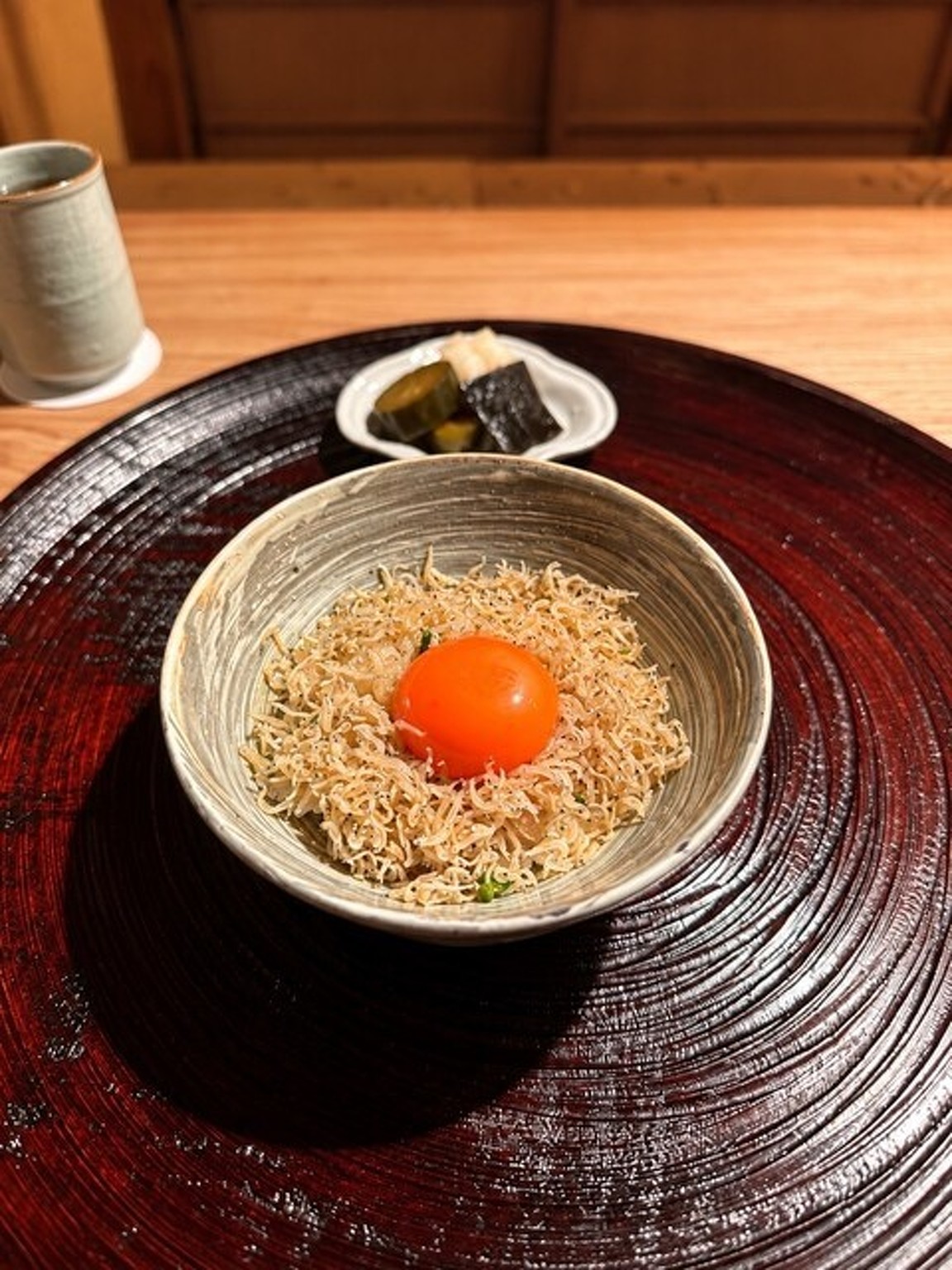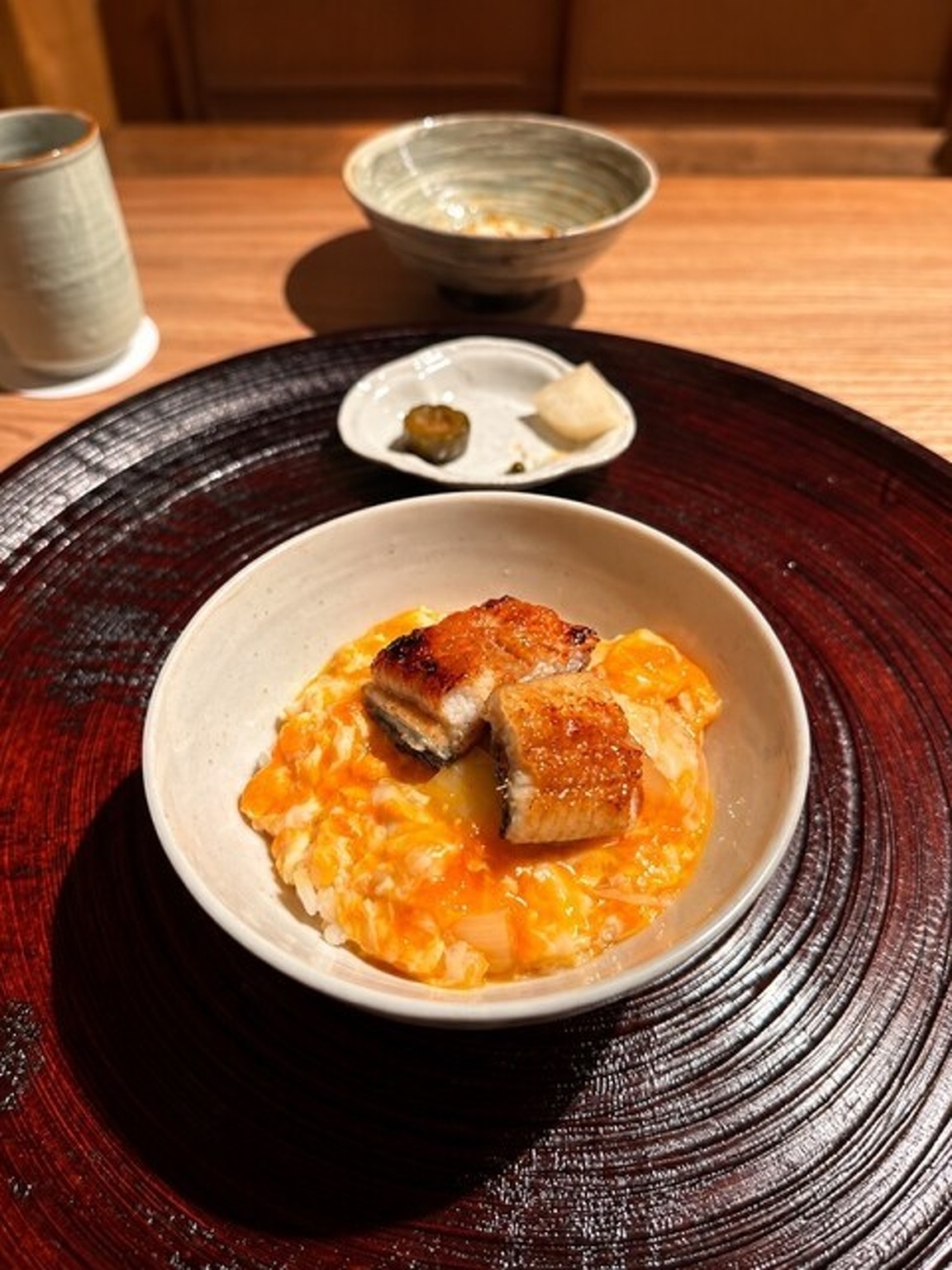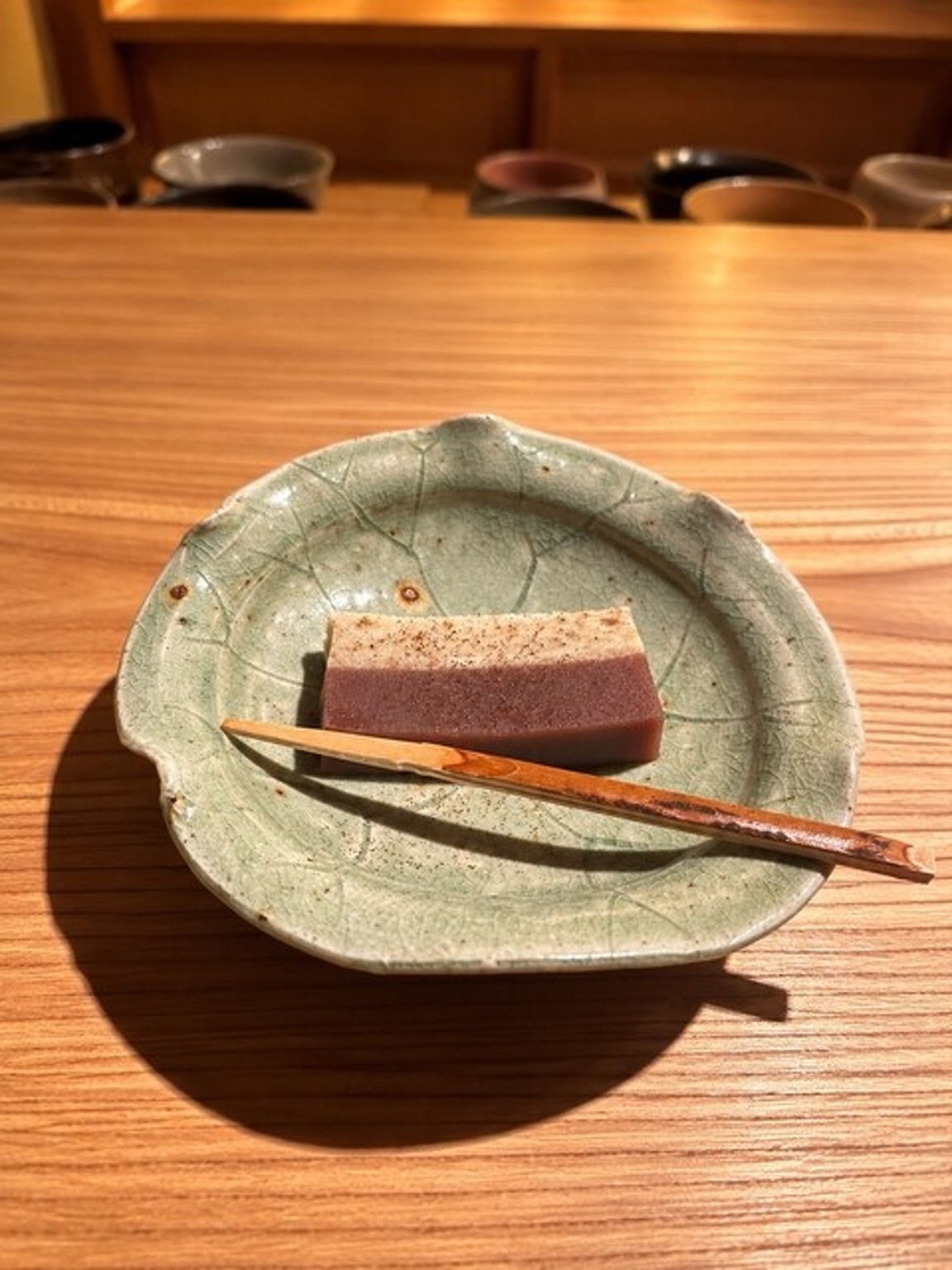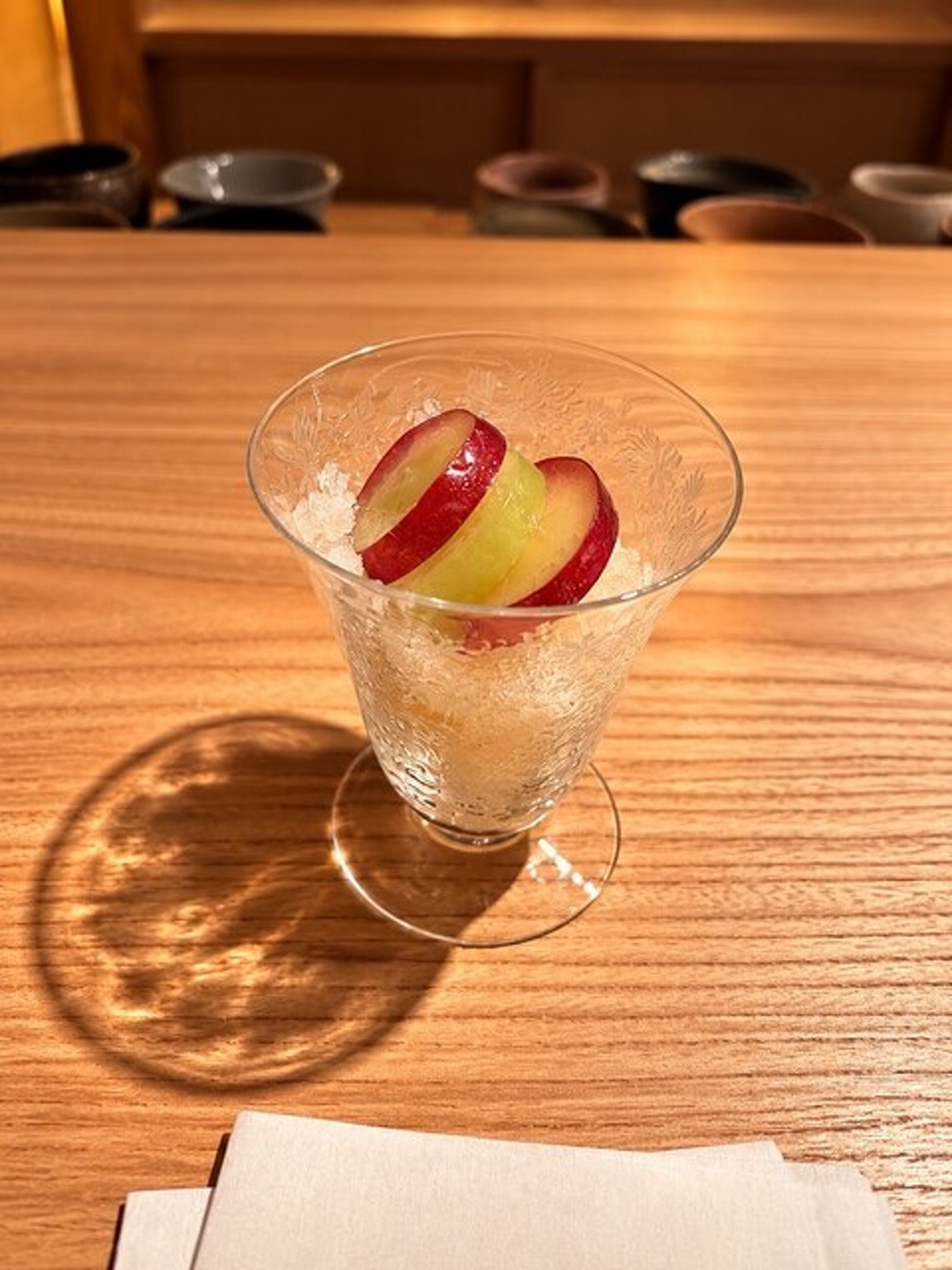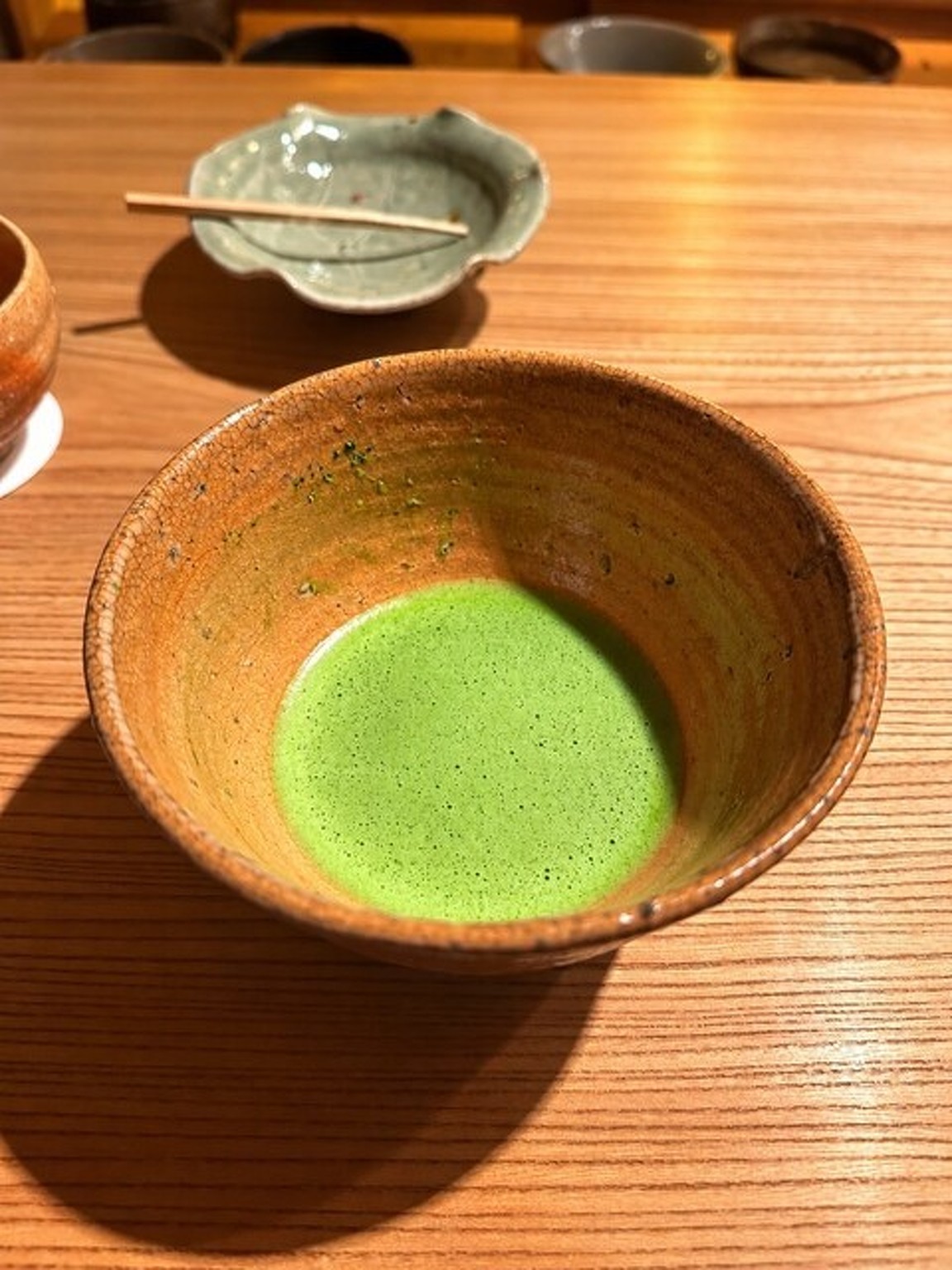
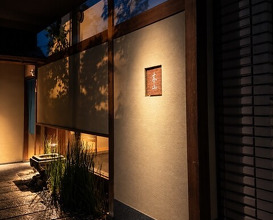
Kiyama | KyotoThroughout the entire course, the quality was consistently high, and there were no dishes that felt disappointing. However, what stood out to me was not just the ingredients like abalone, sea urchin, and Ise lobster, but rather the use of dashi and fermentation.What I noticed most was that, without relying on richness or saltiness, the flavors were incredibly clear yet had a deep complexity.Fermented ingredients and sauces can often overpower the natural flavors of the ingredients themselves. At Kiyama, they use fermented ginger and fermented daikon radish, but they do so in a way that enhances the main ingredients without being too assertive.One dish that particularly impressed me was the combination of taro, sweet shrimp, and tofu. I had never tasted sweet shrimp with such intense sweetness before. The sauce was also incredibly smooth. Each component—taro, tofu, sweet shrimp, and dashi—has a relatively gentle flavor, yet when combined, they create a harmonious and satisfying dish. Although it appeared simple, it was one of the most memorable dishes of the day.The Ise lobster fish cake was also interesting in its preparation. Part of the Ise lobster was ground into a paste, while larger pieces were left intact, allowing for a delightful texture of the lobster to be experienced within the cake. While I appreciated the technique, it wasn’t the most striking dish in terms of flavor within the course.The combination of squid, peanuts, peanut sprouts, and soy cream was also intriguing. These are not ingredients one would typically imagine together, but surprisingly, they paired well.Another standout dish was the grilled anago (conger eel), abalone mushrooms, wood ear mushrooms, and crispy rice. The tender anago, thick abalone mushrooms, and crunchy wood ear mushrooms, combined with the aroma and texture of the crispy rice, created a beautifully cohesive bite despite their differing textures.I believe this dish exemplifies the overall style of the course. Rather than layering ingredients in a complex manner, it skillfully utilizes texture, dashi, fermentation, and aroma to create depth in each plate.The pairings were also thoughtfully curated. Instead of simply offering expensive sake, they selected beverages that complemented the dishes. There were some drinks I wouldn’t typically choose on my own, but many of them made sense when paired with the food.Overall, Kiyama is not a restaurant that relies on one or two standout dishes to carry the course; rather, it maintains a consistently high level of quality from start to finish.This visit was at the transition from summer to early autumn, a time when ingredients are not at their most expensive, but considering the flavors and overall execution of the course, I felt a high level of satisfaction.That’s why I would love to return in a different season. I’m curious to see how the same culinary philosophy would adapt to seasonal ingredients.This time, including pairings, the cost was approximately JPY 45,000 per person.17 September 2026 | MenuKinki and yellow zucchini steamed riceNew taro, sweet shrimp, tofuAbalone, nagaimo (Japanese yam), winter melon, fig vinegarIse lobster fish cake, shiitake mushrooms, shiitake stems, shredded white leekToday's sashimi, sea urchin sauce, onion soy sauceSaba (mackerel) heshiko, eggplant, fermented ginger sauceSquid tartare, peanuts, peanut sprouts, soy milk creamDeep-fried grouper, tempura of maitake mushrooms, fermented daikon radishGrilled anago, abalone mushrooms, wood ear mushrooms, crispy rice, shaved pumpkin⸻Eel with simmered eggsShellfish dashi ramenCorn riceToday's marinated rice bowlChirimen sansho (dried baby sardines with Japanese pepper), bonito flakes, egg yolk⸻Pear sorbetYokan (sweet bean jelly), Nepali pepper cakeMatcha (green tea)
We use cookies on this site to enhance your user experience.