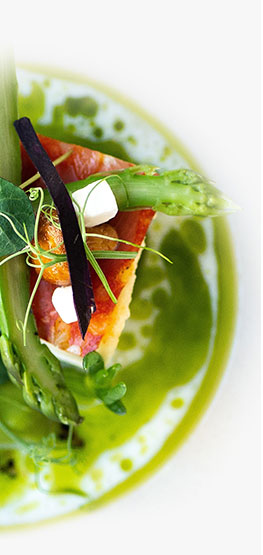
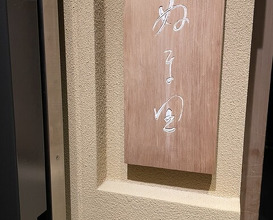
Thank you to the organizer for the heavenly voice and to the secretary for their assistance.In the bustling district of Kitashinchi, I visited for lunch.It was an exciting first visit!The building was a bit hard to find, and the entrance was a mystery.When the time came, the sliding door opened, and I entered.In the center of the restaurant was a spacious counter, with the tempura fryer prominently placed, protected by glass to keep the oil from splattering.It seemed like a great view of the frying process.Today’s menu featured freshly picked wild vegetables, including the king of edible plants, Tarano-me, and the queen, Koshia-bura, along with bamboo shoots.It was the perfect season for tempura ingredients!You could feel the chef’s intense focus as he quietly prepared the dishes.The dishes served were:1. Grilled White Asparagus (from France) with a smooth soup made from its inner fibers, topped with young sansho leaves. The asparagus was roasted to perfection, and the soup had a delightful aroma of sansho, leaving a sweet aftertaste reminiscent of corn.2. Low-temperature fried and charcoal-grilled Isaki (from Ehime Prefecture). The skin was lightly fried at a low temperature and then grilled to remove excess oil, resulting in a beautifully tender fish with a sweet flavor.3. Fried heads of Kuruma Ebi (from Kumamoto Prefecture) served plain.4. Fried heads of Kuruma Ebi (from Kumamoto Prefecture) with salt. These were deep-fried, allowing the delicate flavors of the legs to shine through. They were delicious on their own, but the salt brought out even more flavor.A plate of grated daikon and tempura dipping sauce was prepared, with the shrimp tempura pattern on the sauce looking adorable. The grated daikon was served in a beautiful blue dish, and it was a non-spicy version that you could refill as much as you wanted. The attention to detail in the tableware and presentation was evident. The tempura dipping sauce had a rich flavor and was incredibly delicious!5. Kuruma Ebi (from Kumamoto Prefecture) ①.6. Kuruma Ebi (from Kumamoto Prefecture) ② (rare) with salt. Finally, the tempura with batter began. The shrimp was lightly battered and gently placed in the oil. The cooked shrimp was firm and sweet, while the rare version was even smoother and sweeter.7. Kawachi Issun Sora Mame (from Tomioka, Osaka). The thin batter was visible on the beans, which were steamed to a fluffy texture.8. White Shirasu (from Awaji Island, Hyogo Prefecture, aged for 3 days). The fish was opened and folded with the skin inside, lightly battered and gently fried. The skin was perfectly cooked, and the flesh was fluffy, while the skin was steamed to perfection.9. Tarano-me (from Hyogo Prefecture). The wild vegetable had a wonderful aroma, and being fresh, it had no bitterness.10. Shirasu Bone Senbei (from Awaji Island, Hyogo Prefecture). The bone senbei was rich in flavor and had a delightful crunch.11. Young Ayu (from Lake Biwa, Shiga Prefecture). The innards had no bitterness!12. Sakura Ebi (from Suruga Bay, Shizuoka Prefecture) with red shiso, red mustard greens, green mustard greens, and Kujo green onions, sprayed with kombu vinegar. The kombu and vinegar dressing was sprayed over everything, and the fried sakura ebi added a delightful crunch.13. Aoyagi Kobashira (from Hokkaido) served on nori (from Hiroshima). The warm kobashira combined beautifully with the nori, enhancing its flavor.14. Koshia-bura (from Hyogo Prefecture). Crispy and fragrant, it truly lived up to its title as the queen of vegetables!As each dish was served, the paper napkins increased, but there were hardly any oil stains, showcasing the chef's high frying skills.15. Kue (from Kumamoto Prefecture, belly, 22kg, aged for 1 day) (rare). Thickly sliced, the center was warm, and the combination of raw and cooked textures was delightful.16. Zucchini flowers (from Aichi Prefecture) & Kuruma Ebi (from Kumamoto Prefecture). The flowers were kept upright to retain the shrimp's flavor, creating a delicious combination.17. Nagaimo Somen with tuna flakes, Rishiri kombu, and true kombu broth, topped with shiso flowers. The nagaimo was finely sliced by hand to preserve its texture, resulting in a smooth somen that surpassed machine-made versions.18. Raw white bamboo shoots (from Kizumi, Osaka). They had a faint bitterness and were incredibly fresh.19. White bamboo shoots (from Kizumi, Osaka) with a thickened tempura sauce and topped with young sansho leaves. The delicious tempura sauce became even richer, enhancing the flavor of the bamboo shoots.20. White rice (from Okayama, Momotaro, raised with duck farming) with neba-na. Delicious! The fragrant aroma and moisture were perfectly balanced, leaving a long sweet aftertaste.21. Sawara (from Kozu, Kanagawa). Topped generously with grated daikon, the dragon-sized sawara was fluffy and delightful!22. Red miso soup with yellow chives. Easy to eat with small cuts and fragrant.23. Satsuma Imo (variety: Beni Haruka, from Akita Prefecture). It felt like something other than a sweet potato, with a smooth texture reminiscent of freshly baked bread.You could choose your final rice dish:25. Tempura Musubi (white rice).26. Tempura Musubi (with pickled ginger, mitsuba, and tempura sauce). The slightly smaller tempura musubi was easy to eat, and the white rice showcased its quality, while the mixed rice highlighted the overall harmony of the dishes.27. Pickles (turnip, asparagus stalks, cucumber). Perfect for cleansing the palate.28. Strawberries (variety: Koto-Ka, from Nara Prefecture) & gelato, drizzled with elderflower syrup. The aroma of Koto-Ka was abundant, and the gelato was refreshingly delicious.About the oil:Tempura oil: a blend of Taibai (raw sesame oil) and Daikou (roasted sesame oil).As for seasonings:Salt: a blend of rock salt (from the Andes, Bolivia) and sea salt (from Kumamoto, Amakusa).Beverages:1. Sweet roasted tea. This tea has a sweet aftertaste that complements the oil without any bitterness.Alcohol options included:- Sparkling wine: Charles Heidsieck Brut Réserve.- Japanese sake: Kumamoto-produced Yamada Nishiki, Ninojo.- Ibaraki-produced Morishima Miyama Nishiki Junmai Nama.- Shimane-produced Orokuro Keiseki 2024, a beautiful sake.- Aichi-produced Gikyō Gohyakumangoku Tokubetsu Junmai, from the Toyama Agricultural Cooperative.- Shiga-produced Matsuno Tsukasa Junmai Daiginjo, Ryuo Yamada Nishiki, soil-specific brewing.It felt like the delicious food made me drink more sake!Thank you for the wonderful meal. It was delicious!
We use cookies on this site to enhance your user experience.