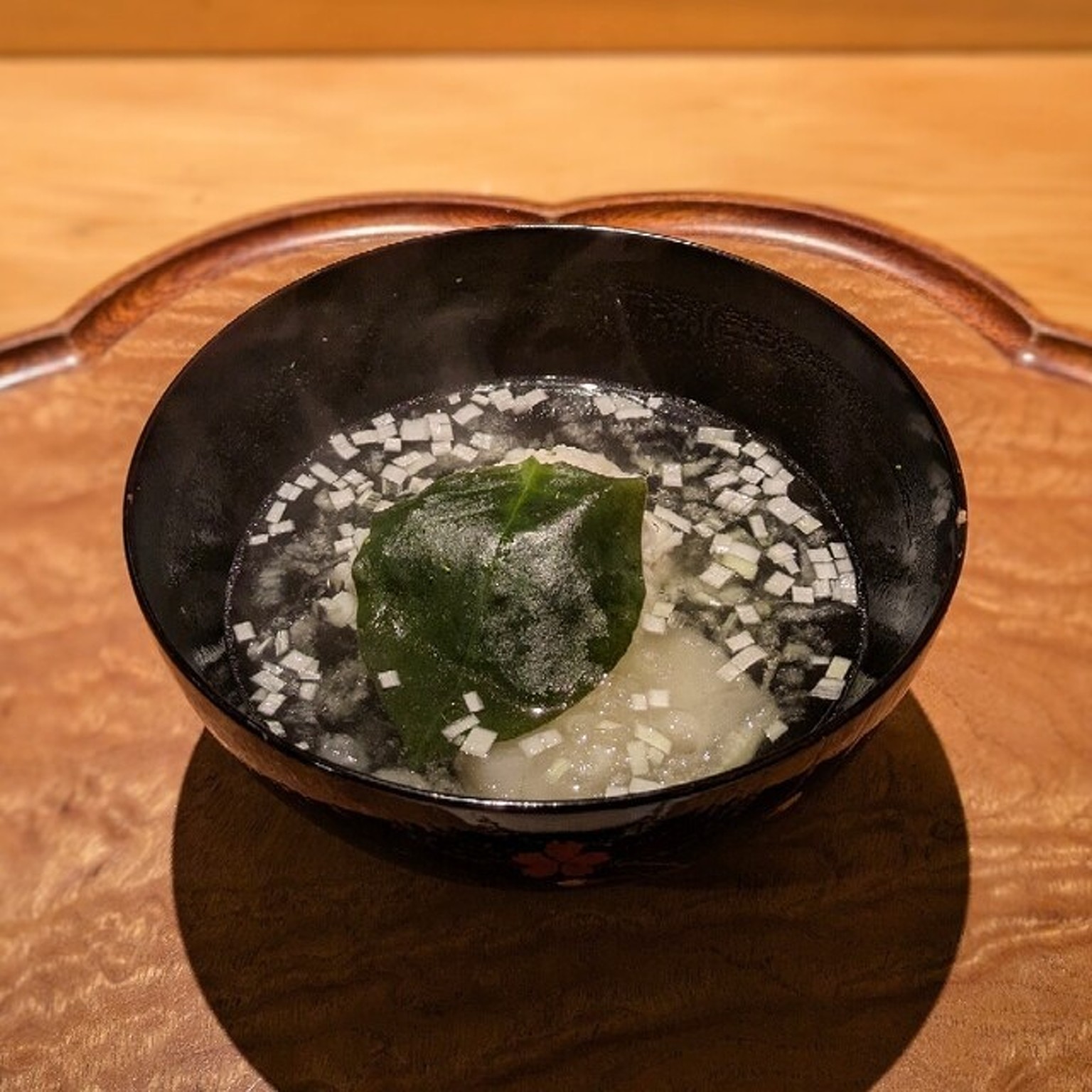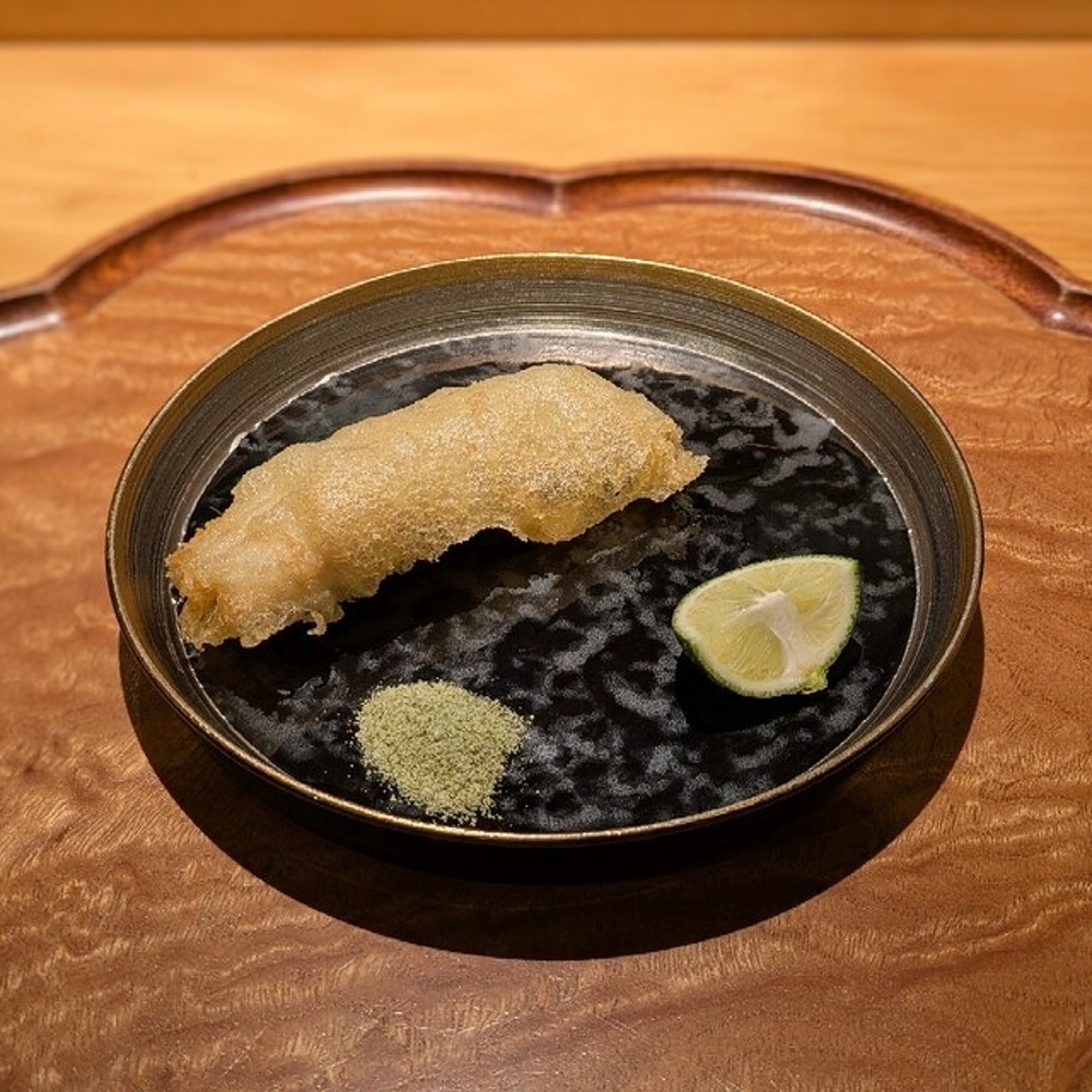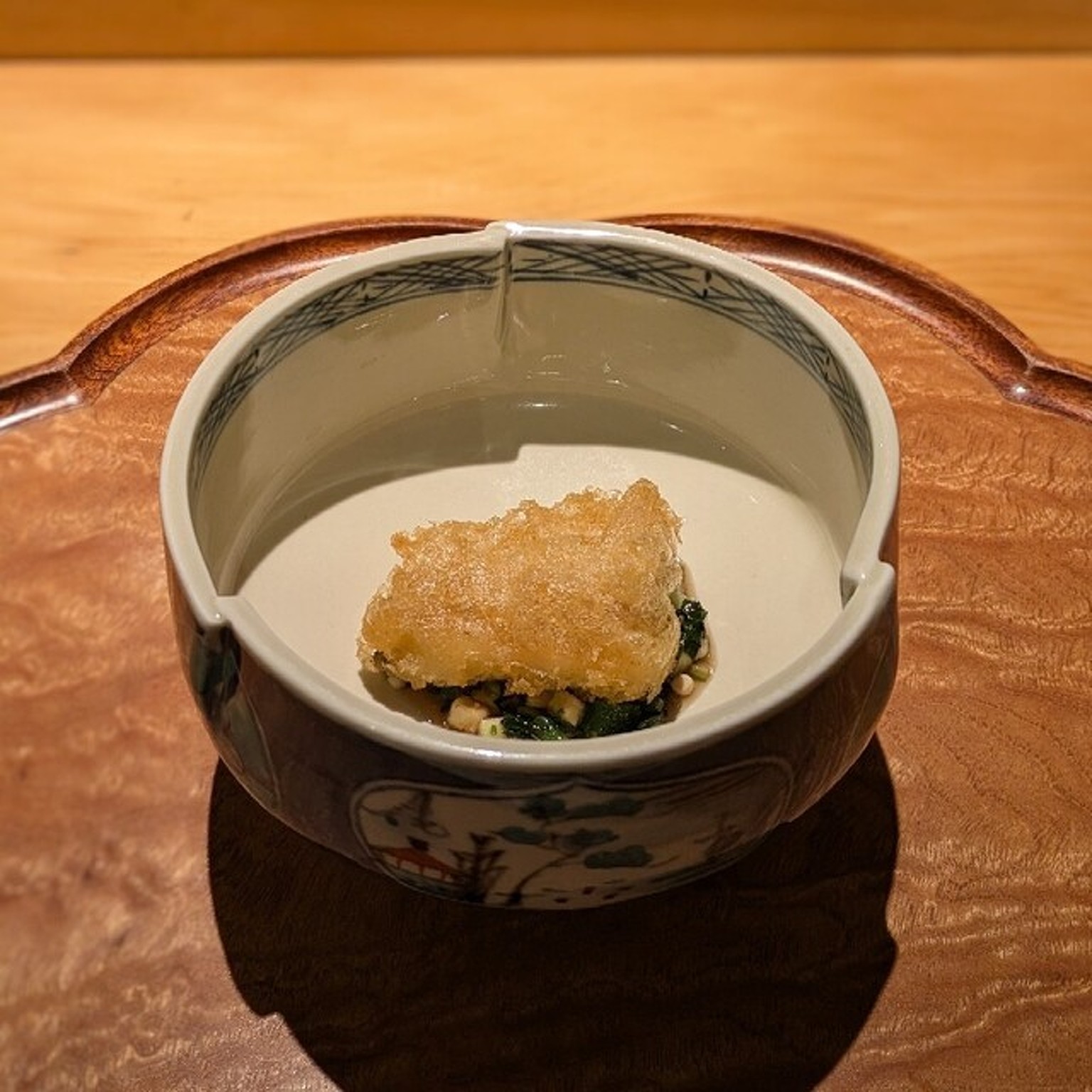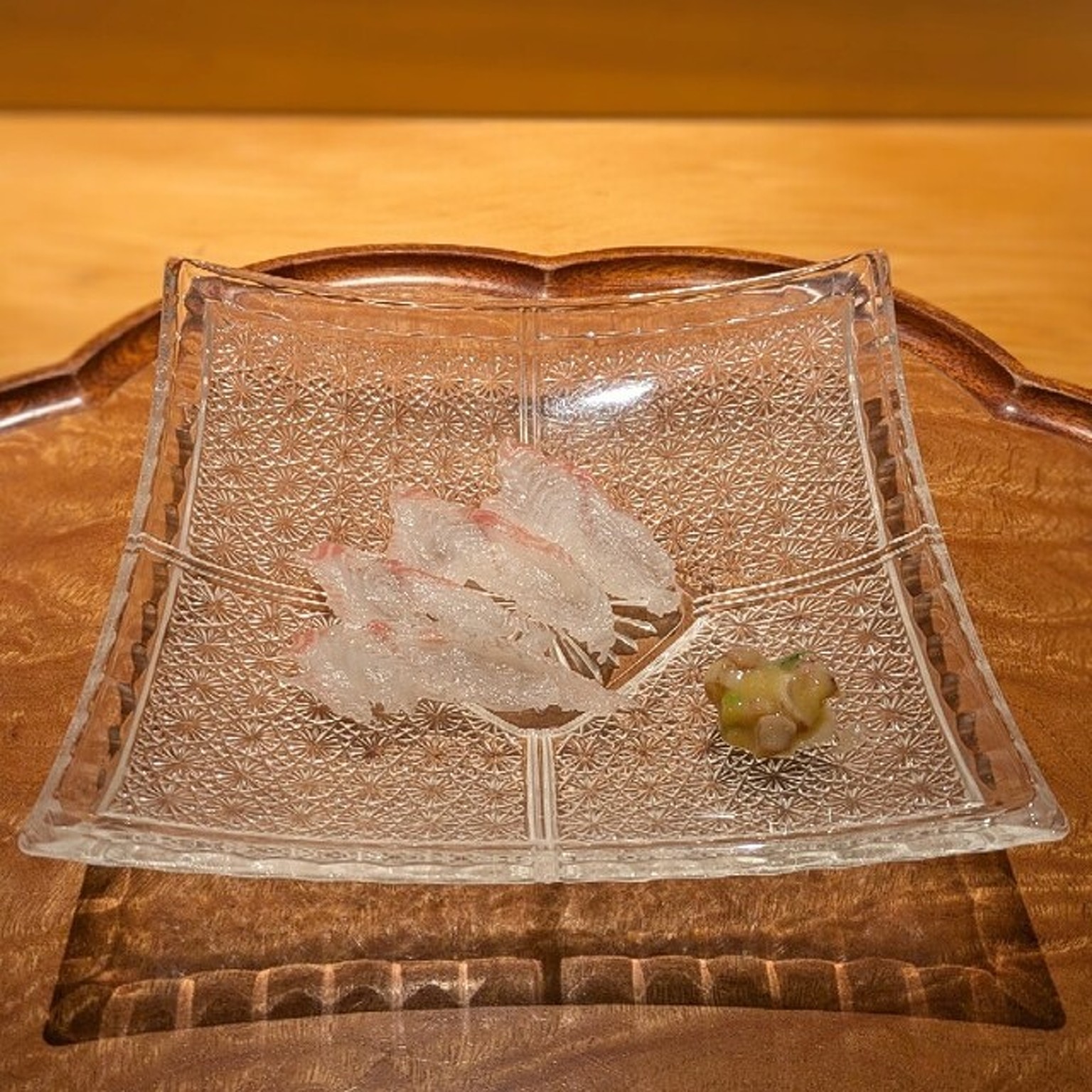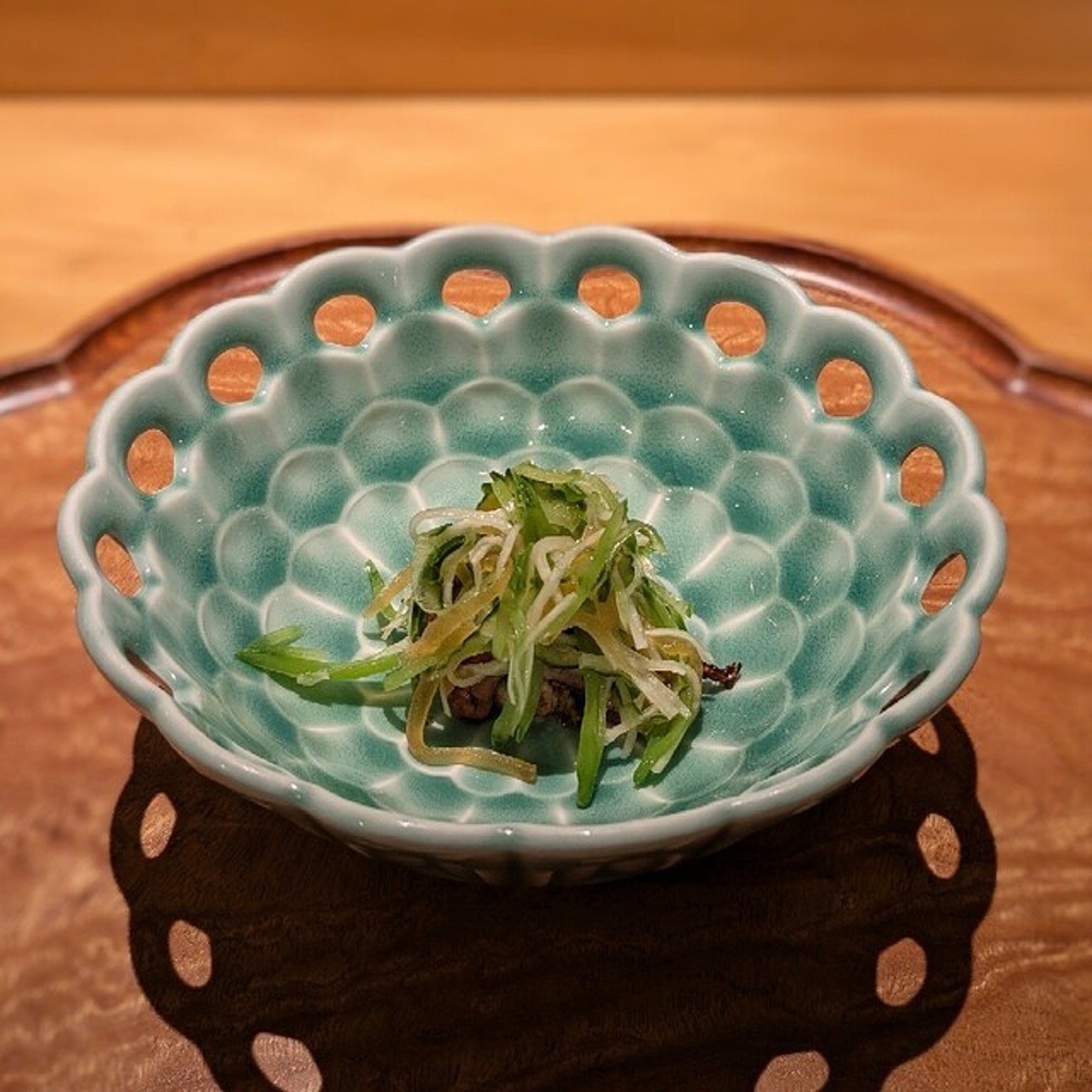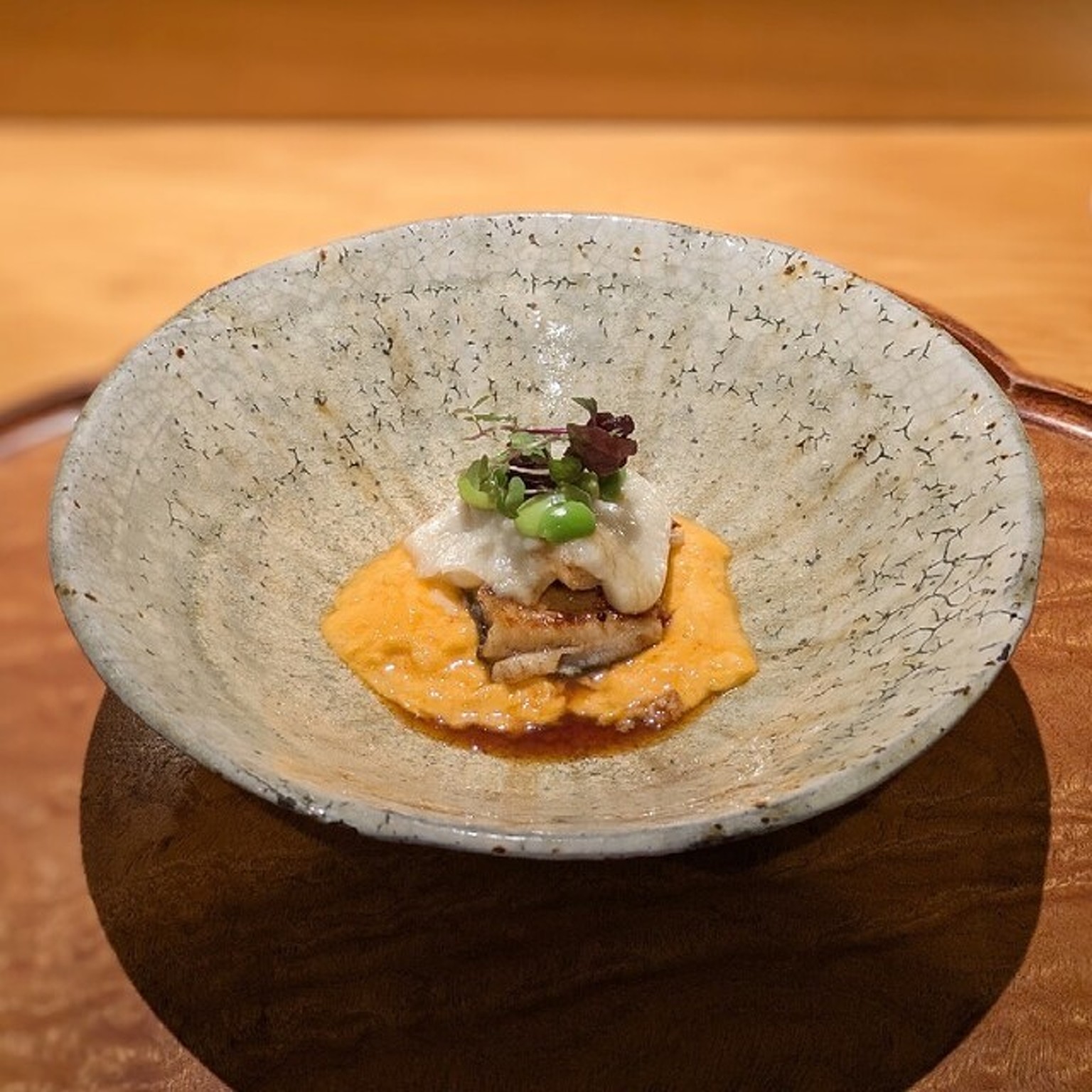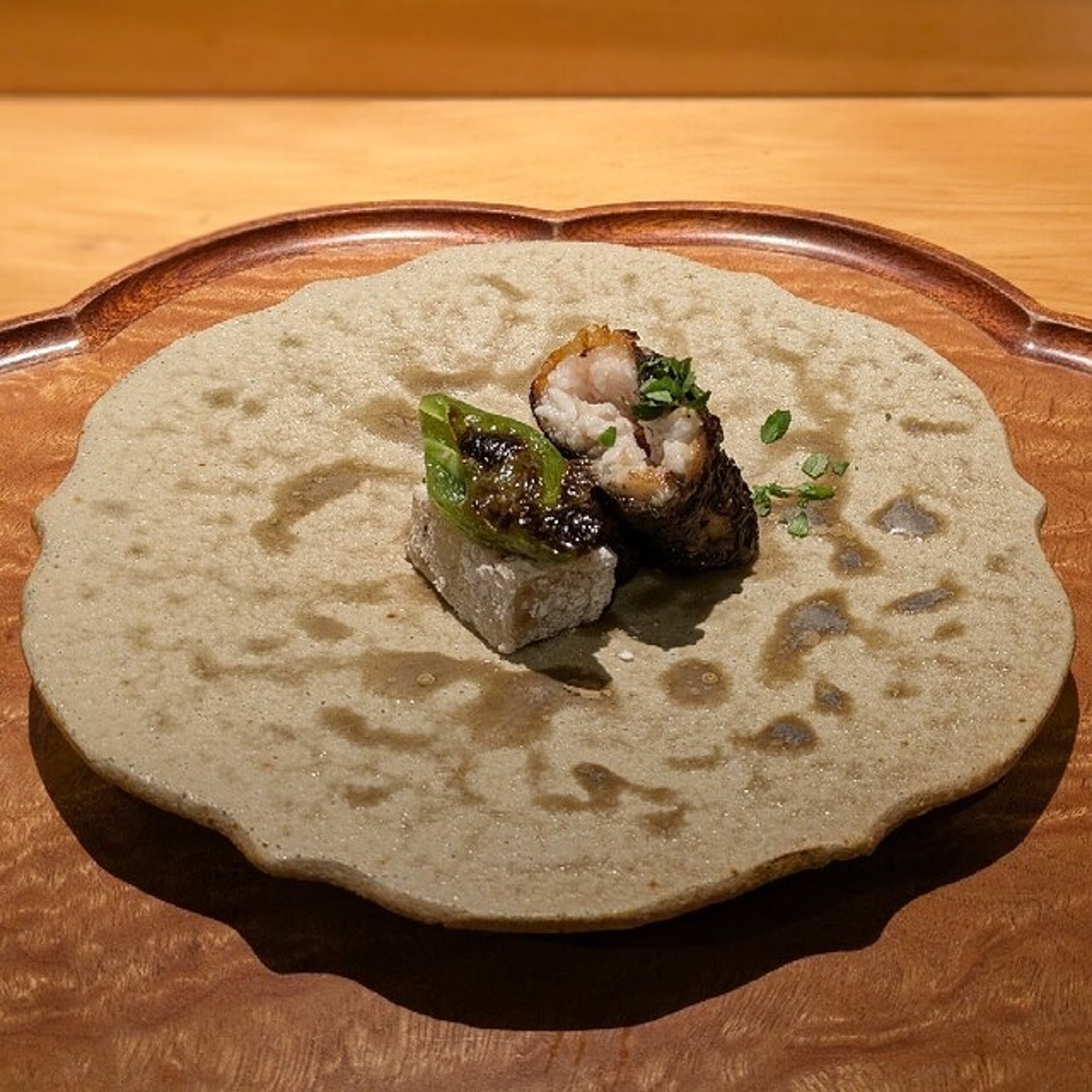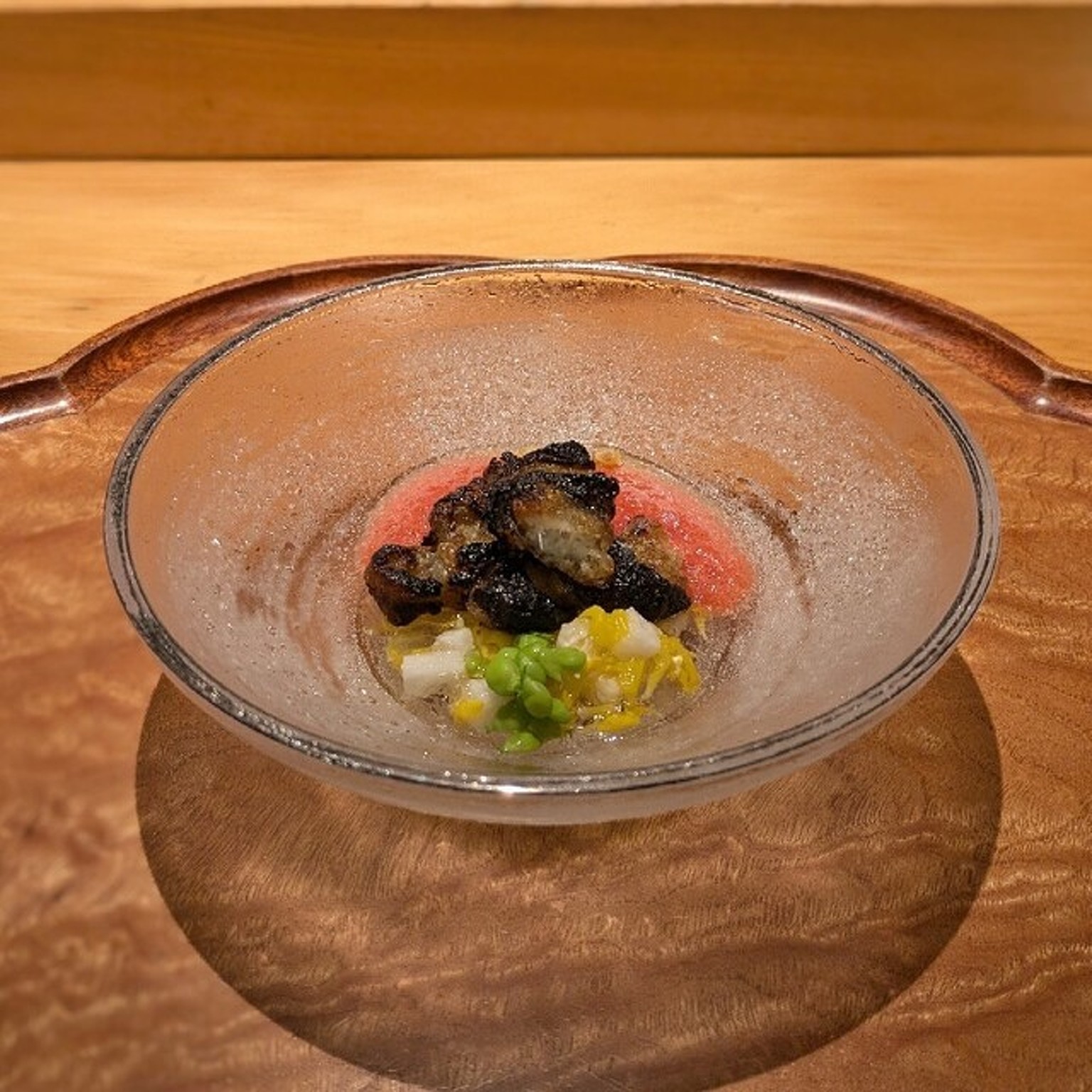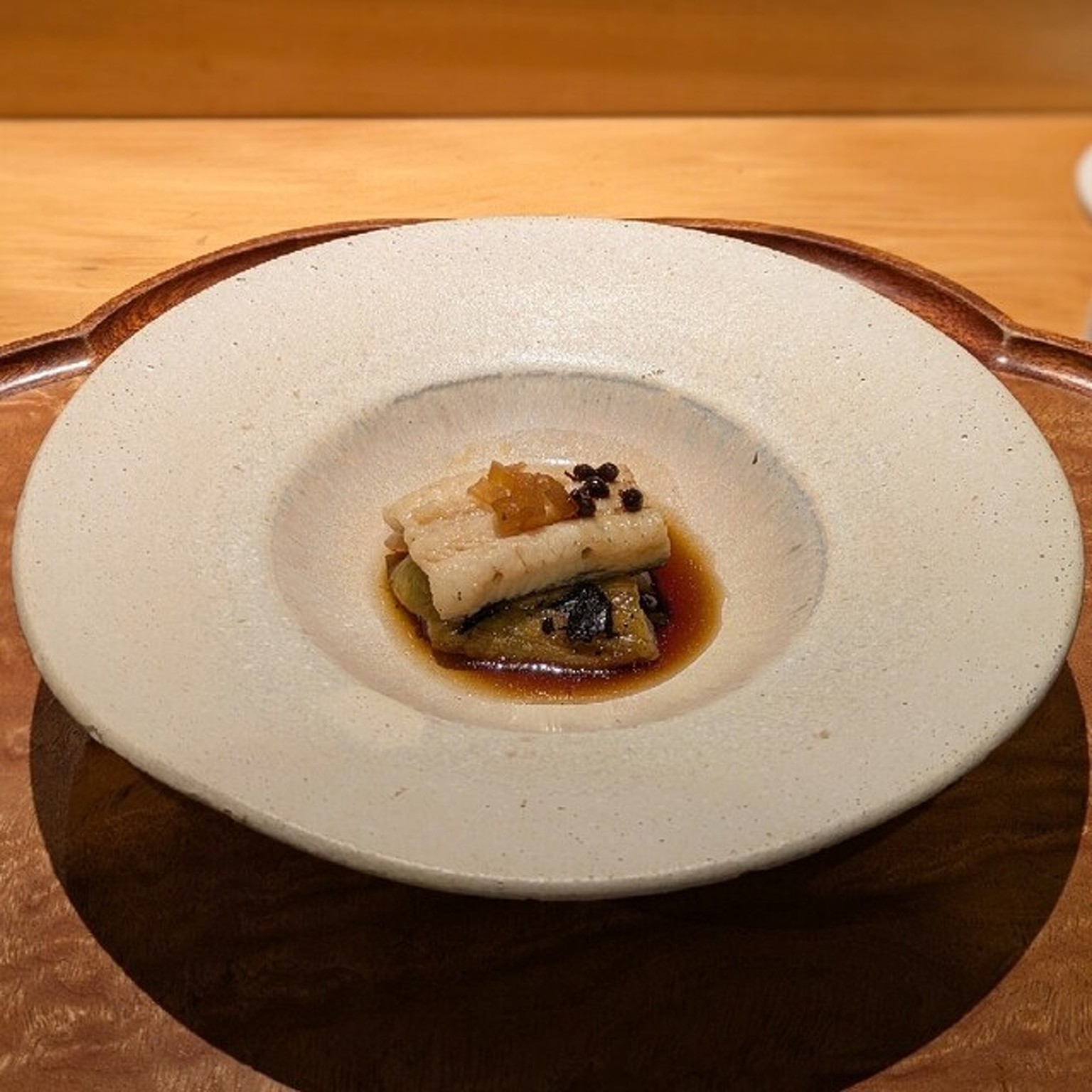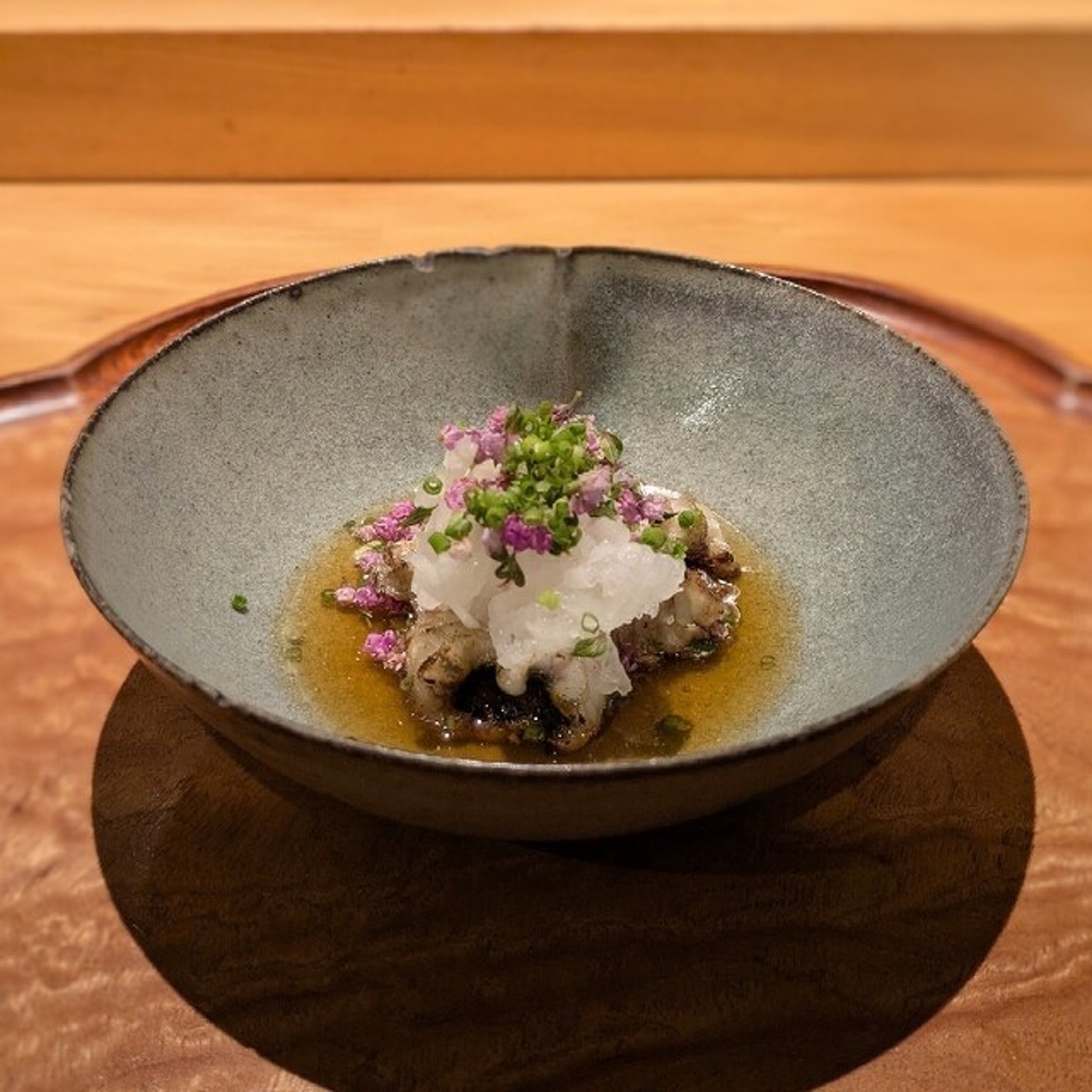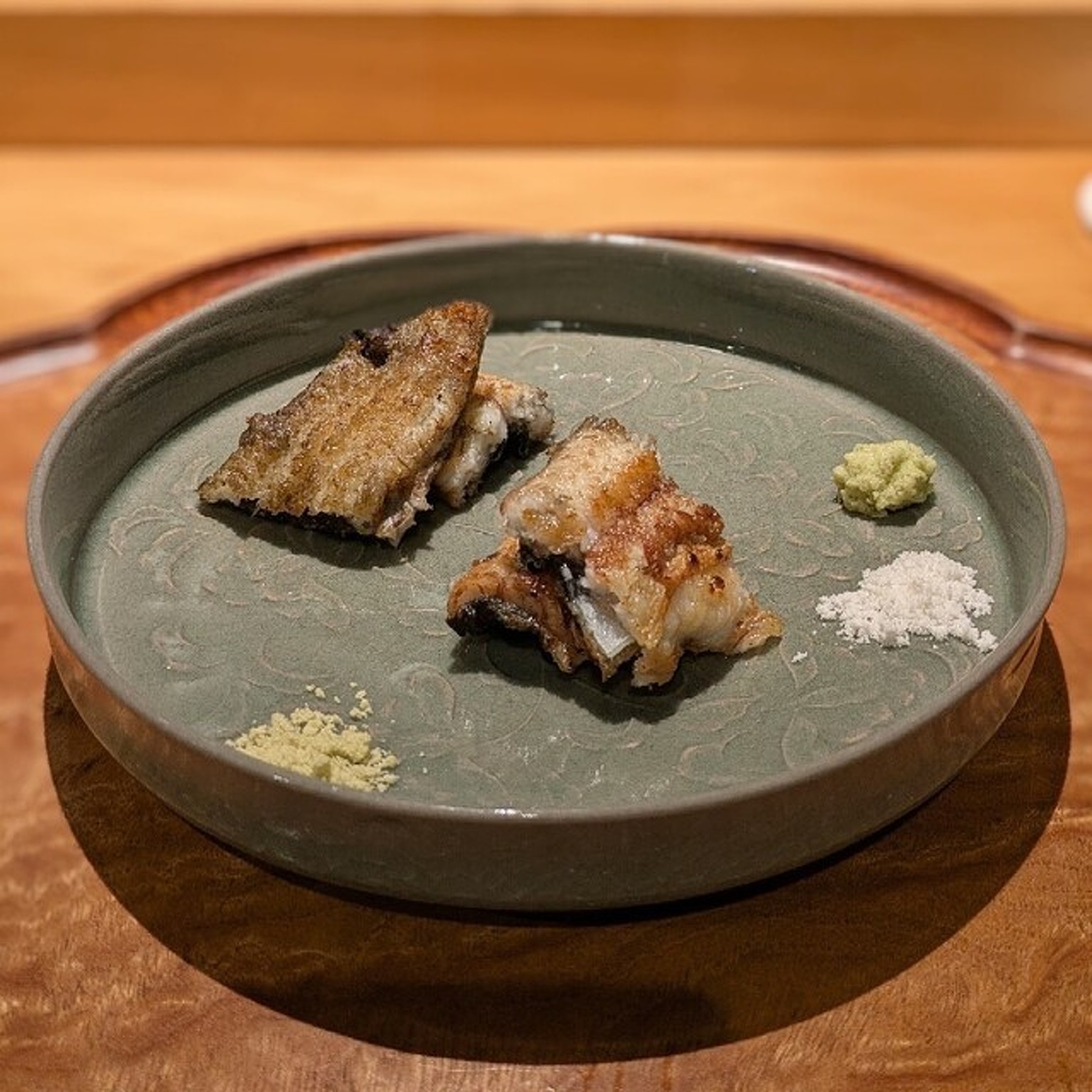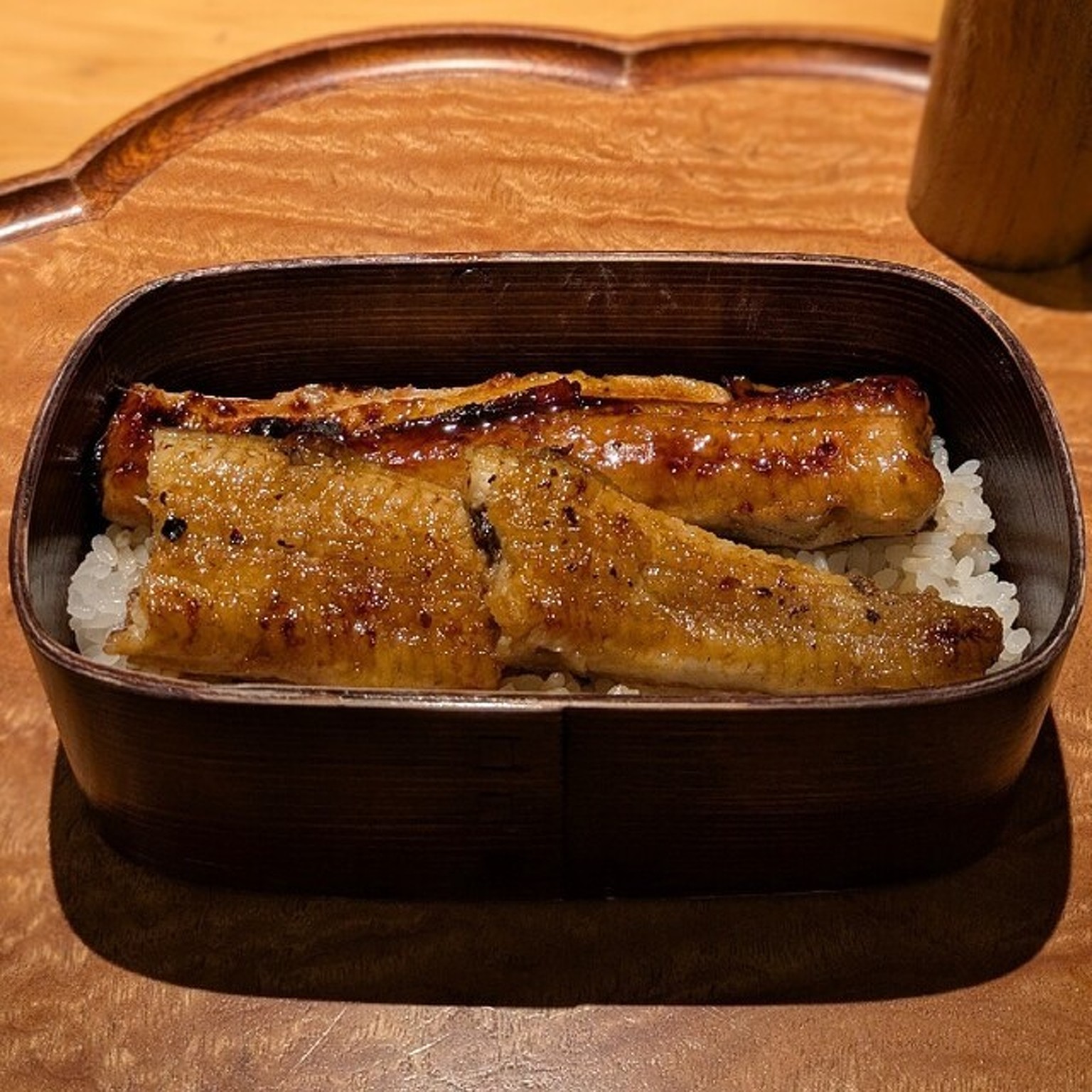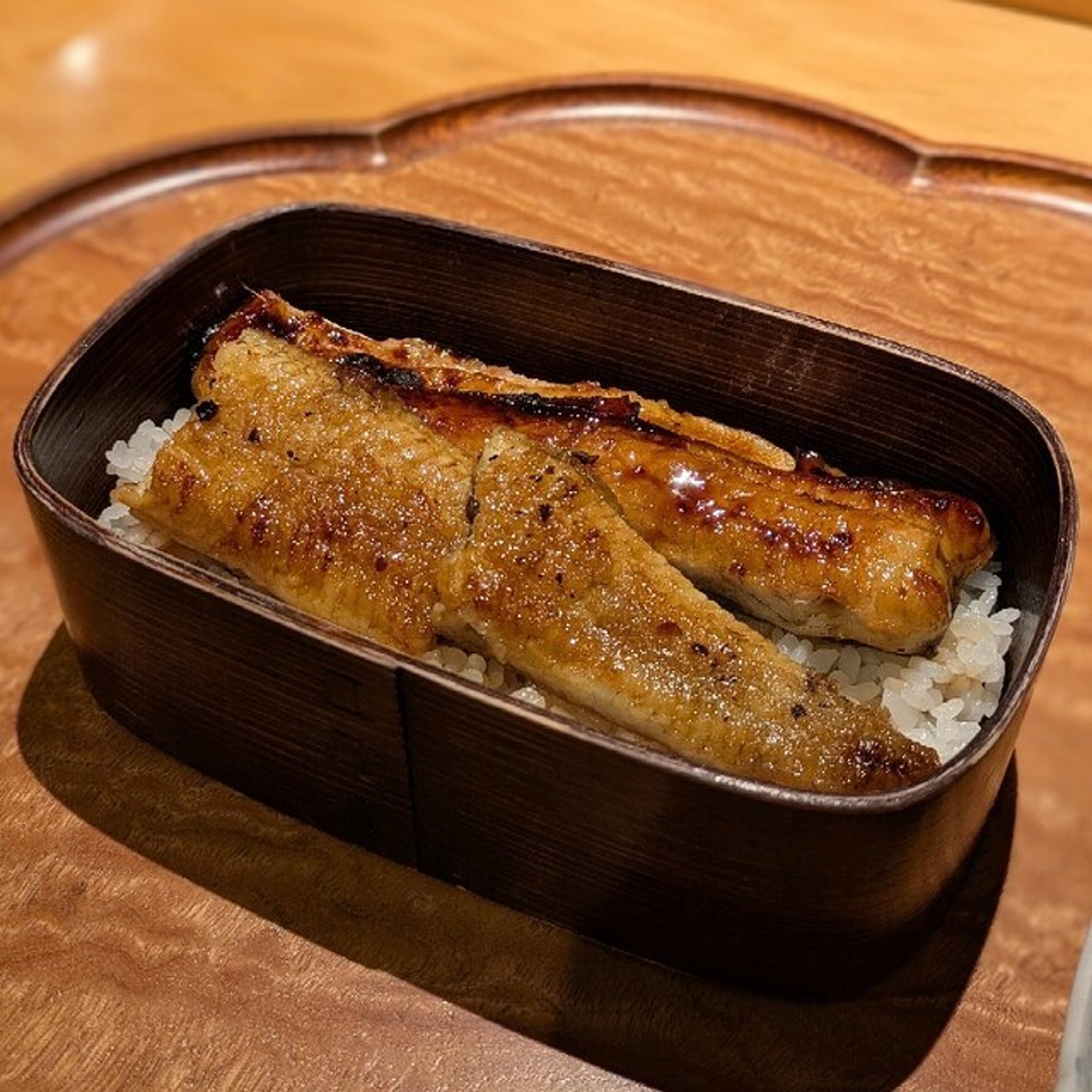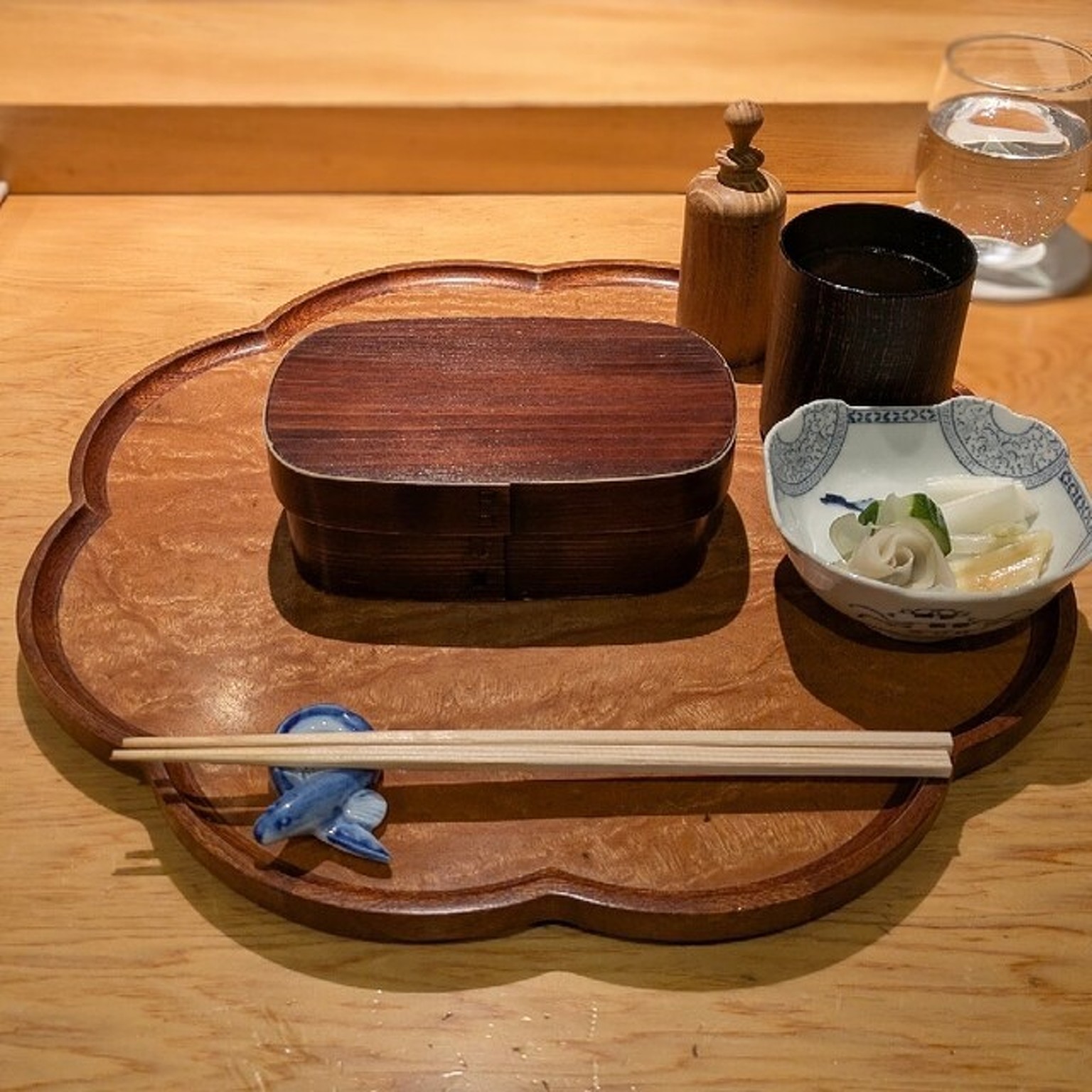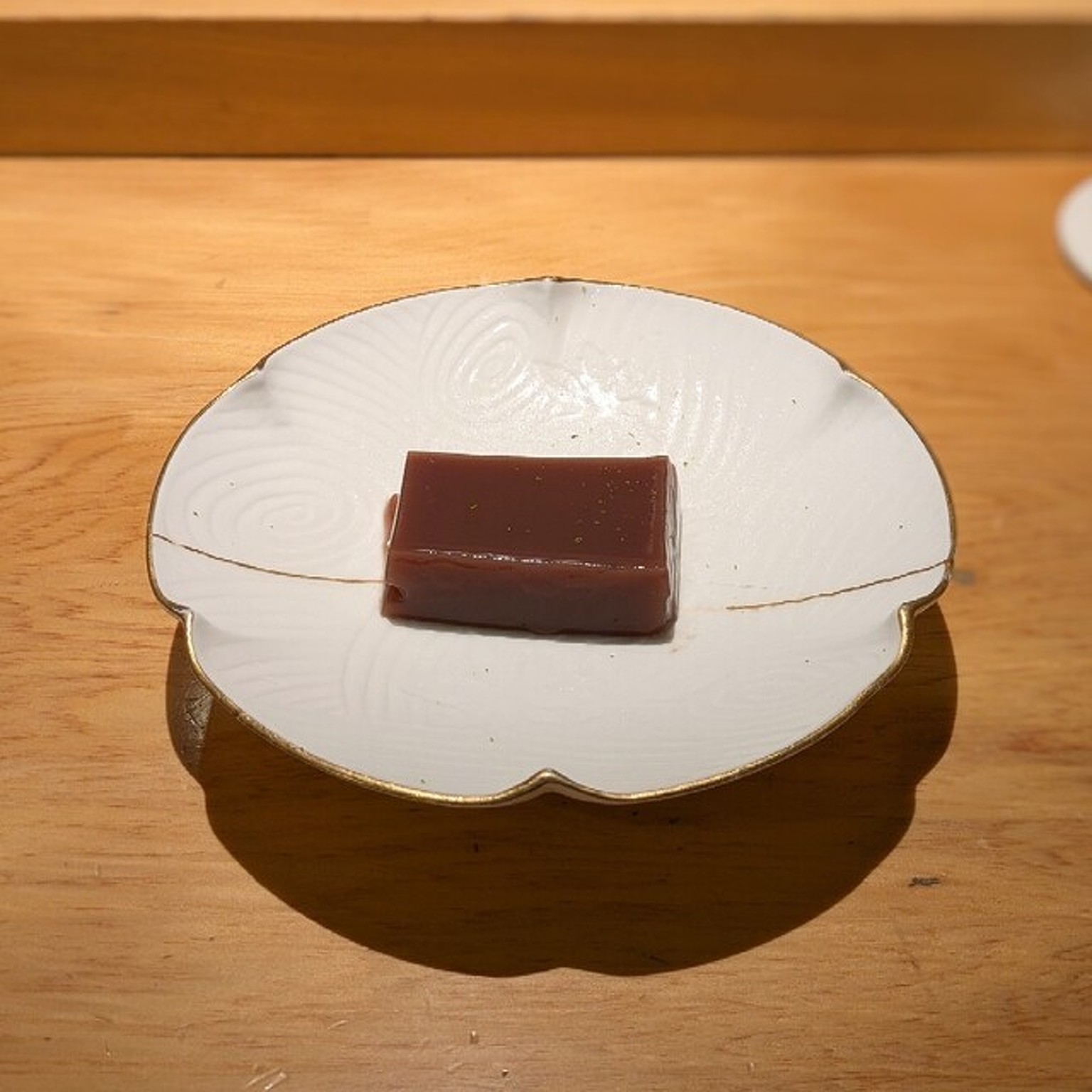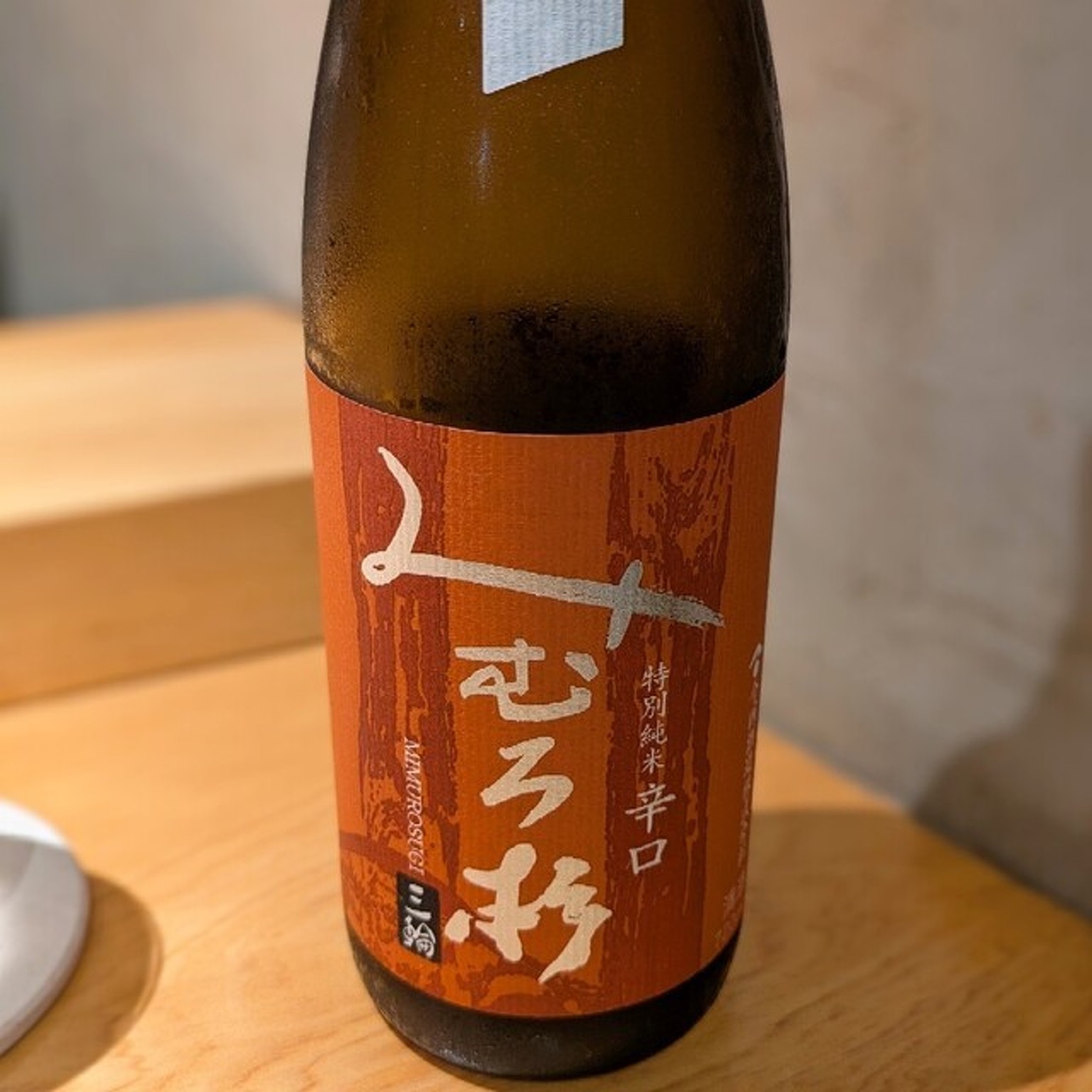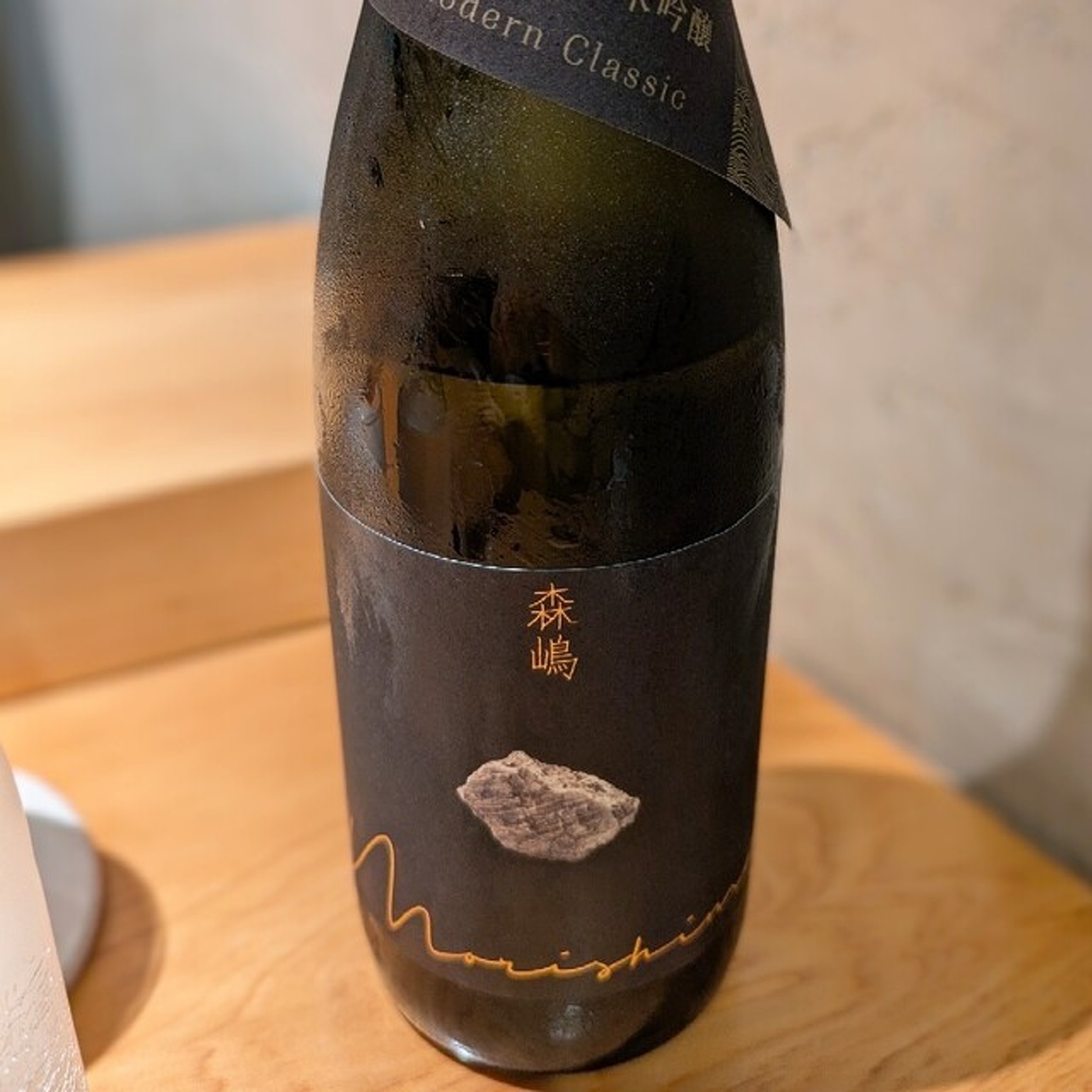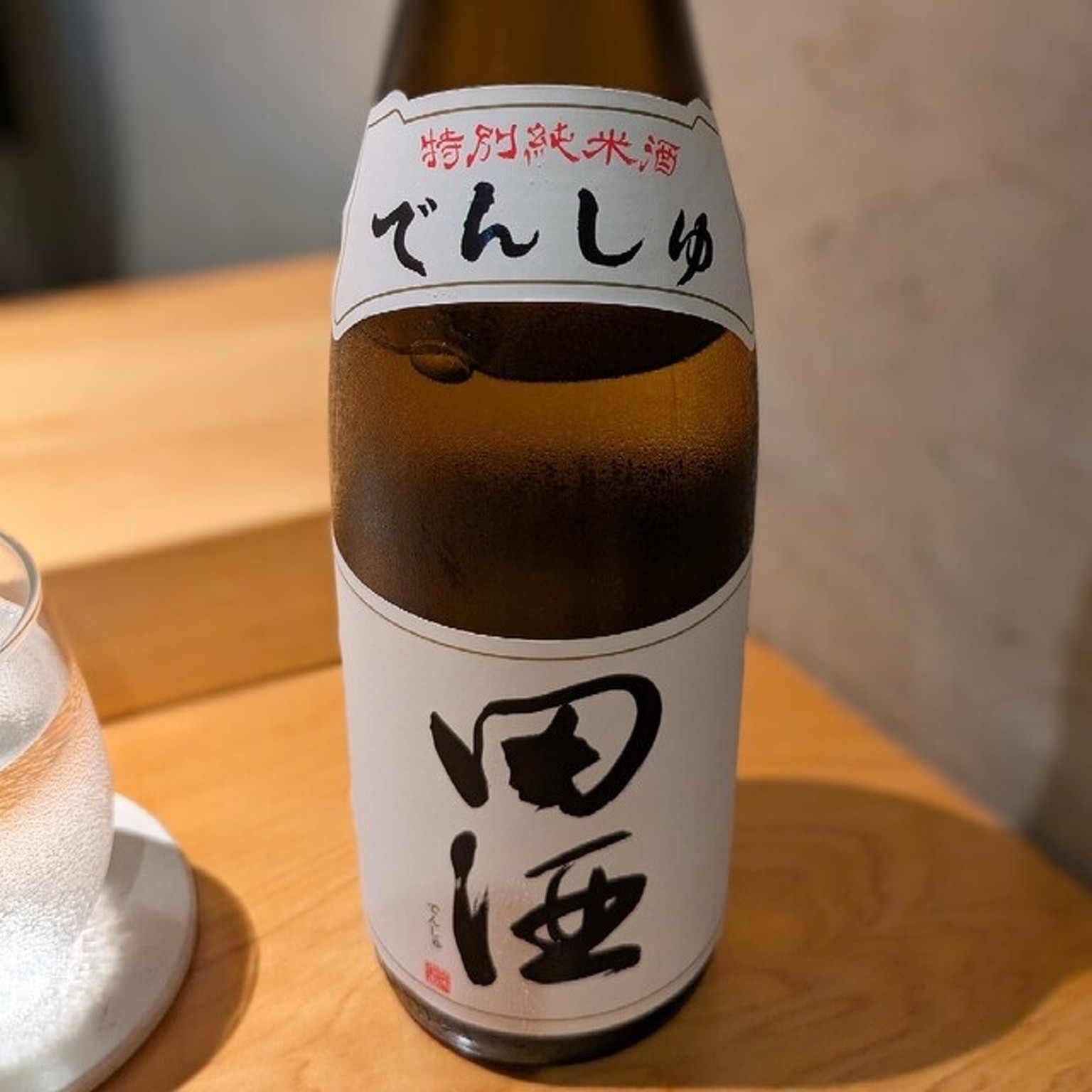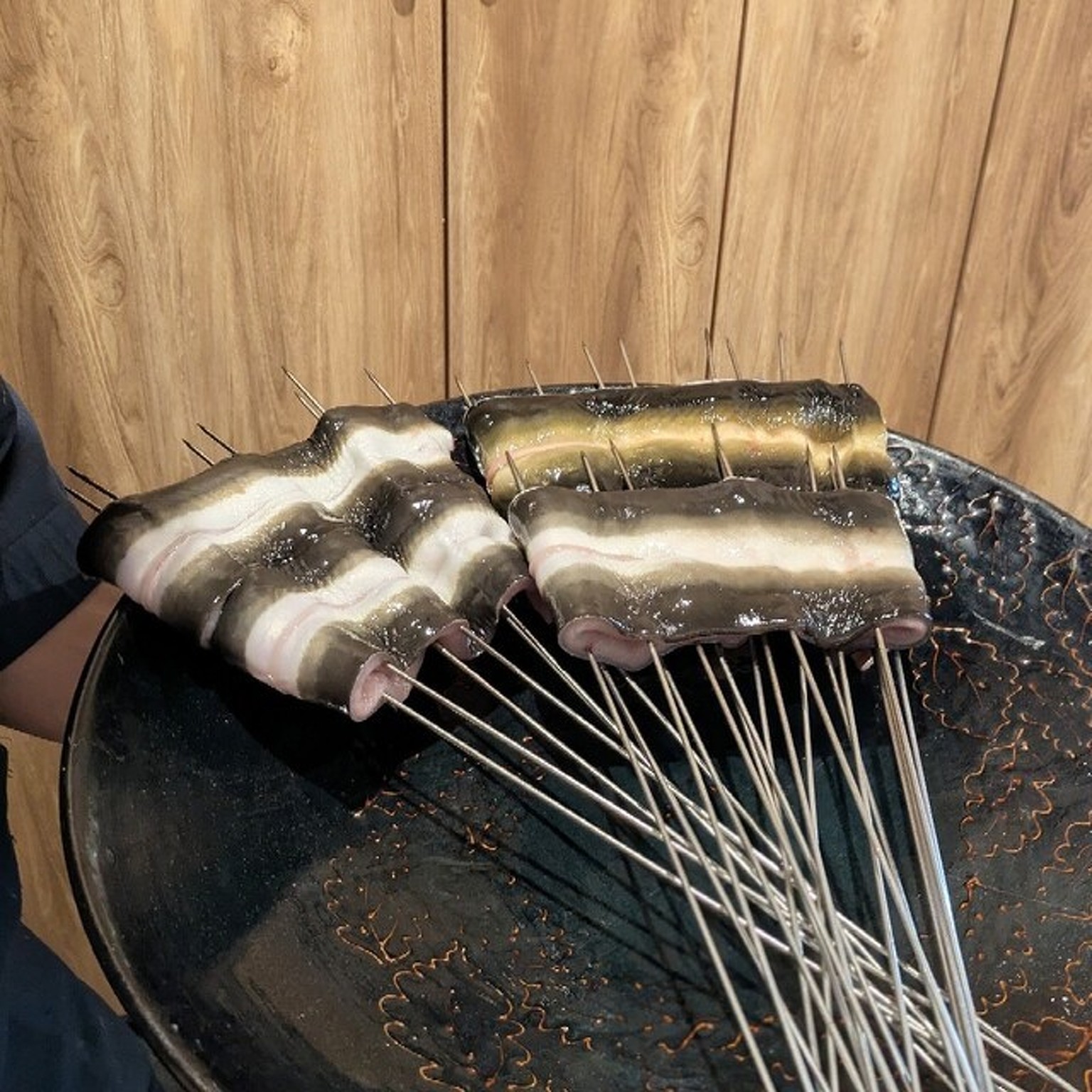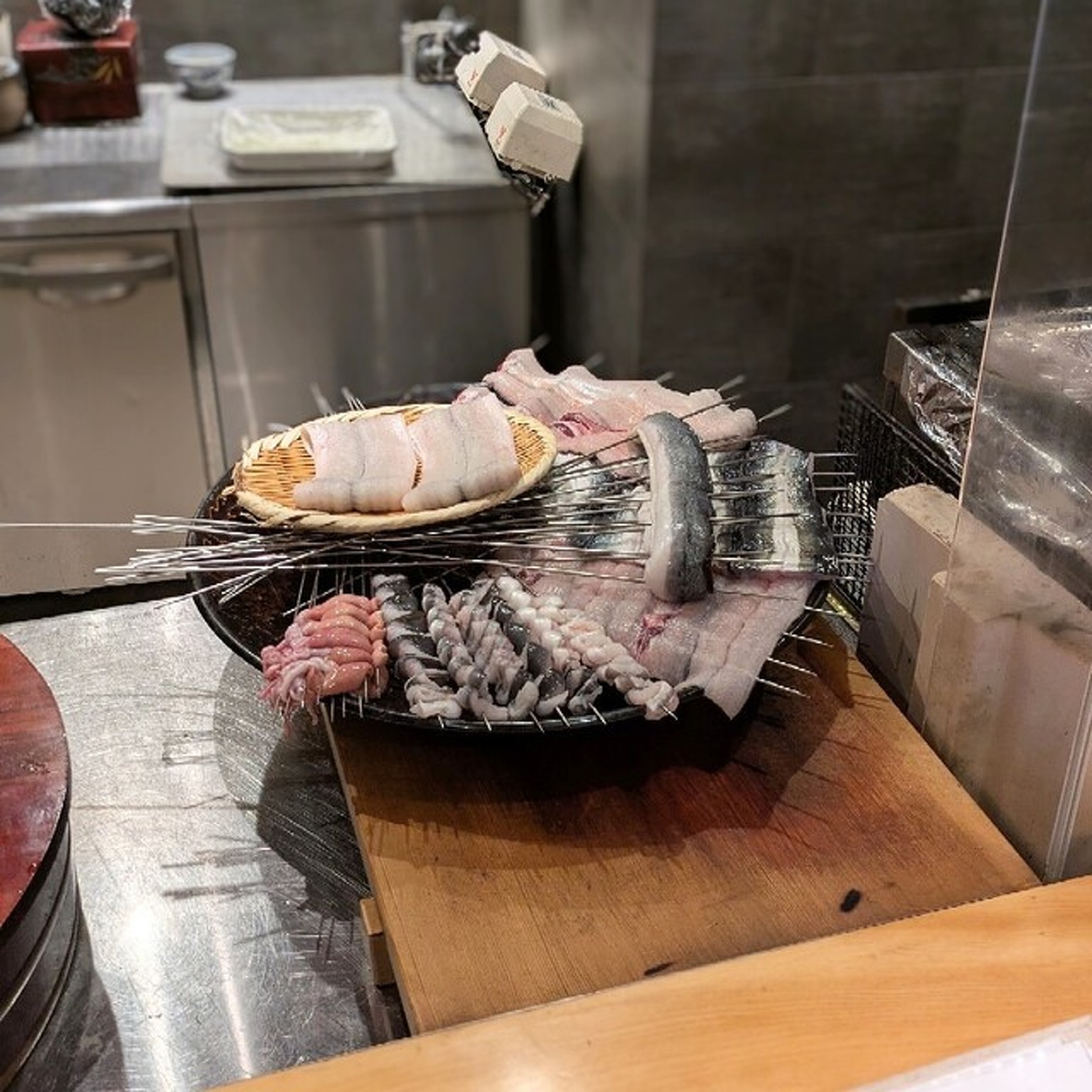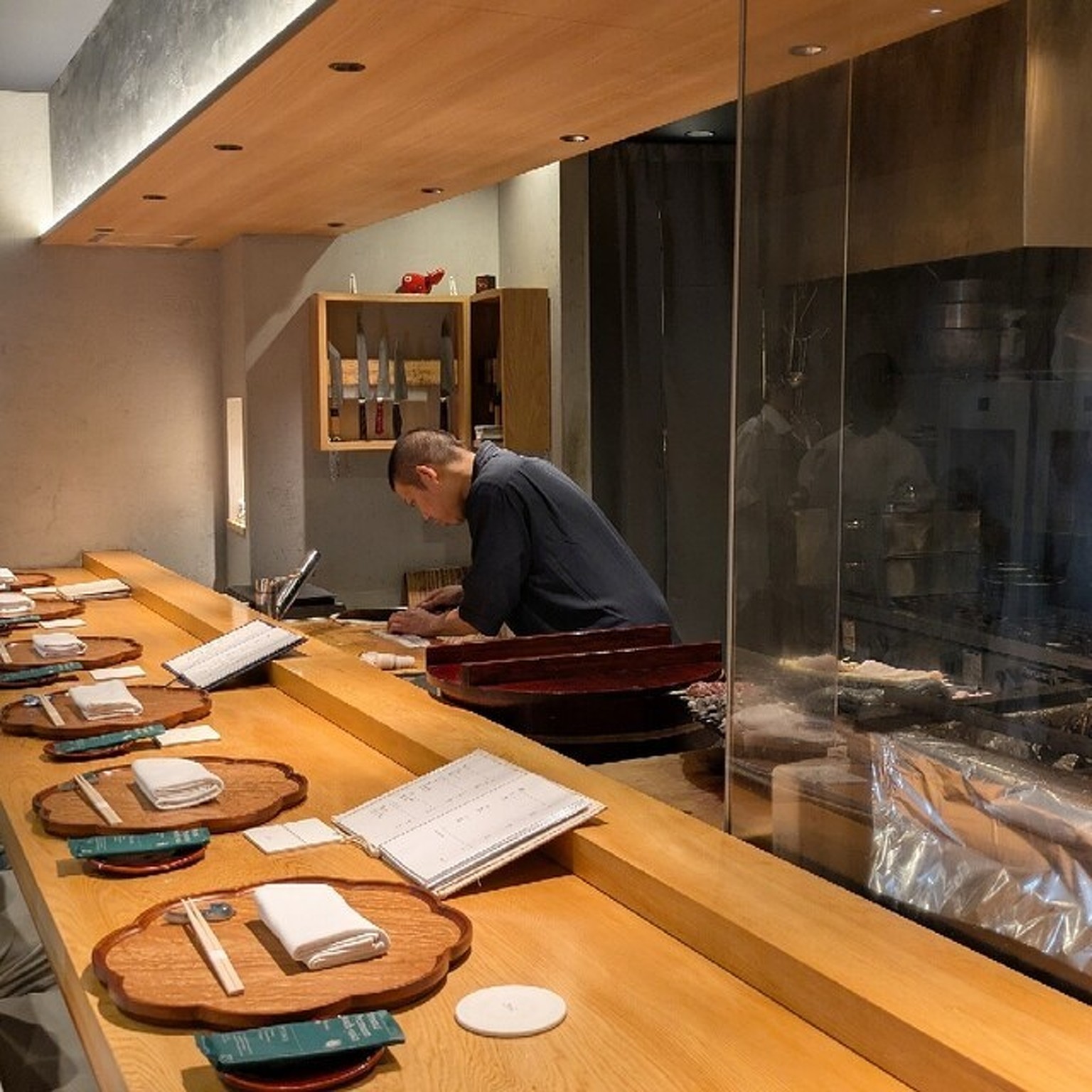
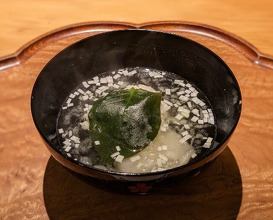
【Sangu Bashi】‘Sangu Bashi Asaya’ It’s been a while since my last visit. Once again, I experienced an impressive full course featuring eel from various regions across Japan. On this day, the eels included five types: natural eel from Aomori, ‘Deshiko’ from Hamamatsu, ‘Sanei Eel’ from Kagoshima, ‘Tomosui Eel’ from Shizuoka, and ‘Takagi Eel’ from Miyazaki. Even though they are all the same ingredient, I was amazed at how different the aroma, fat quality, texture, and flavor can be depending on the region and individual eel. What stood out the most was the comparison between the white grilled natural eel from Aomori and the Sanei Eel from Kagoshima. The robust flavor of the natural eel contrasted beautifully with the meticulously managed richness of the farmed eel. Each eel’s unique characteristics were clearly felt, and the comparison highlighted the profound depth of eel itself. The cooking methods were incredibly diverse, including tempura, sashimi, with simmered eggs, stewed eel, jelly, and grilled liver. Moreover, it’s not just about serving a variety of eel dishes; the cooking methods were tailored to each part and the individuality of the eel, which is truly remarkable. To conclude, we enjoyed a ‘Unaju’ (eel rice bowl) combining Hamamatsu’s Deshiko and Shizuoka’s Tomosui Eel. Each bite allowed us to savor the umami of the eel and the skill of the grilling technique, making it a fitting finale to the course. In the world of eel, it is said that "it takes three years to skewer, eight years to fillet, and a lifetime to grill," emphasizing that the craftsmanship involved in sourcing, filleting, skewering, and grilling greatly influences the flavor. Here, you can feel the high level of skill in each step of the process, from cooking to texture and the extraction of fat, resulting in an exceptionally high-quality experience. This was my third visit, and once again, it exceeded my expectations. I was also surprised by the reservation situation; last time it was a six-month wait, but this time, the next reservation is a year away. Each visit seems to increase the difficulty of securing a reservation. Still, considering the variety of eels and the diverse dishes, all at an exceptionally high level, it’s a place that makes you want to wait for a visit. For eel lovers, this is a must-try experience, and once again, it was incredibly delicious. I look forward to coming back in another year. −−−−−−−−−−−− ◉Today's Eels Aomori: Natural Hamamatsu: Deshiko Kagoshima: Sanei Eel Shizuoka: Tomosui Eel Miyazaki: Takagi Eel −−−−−−−−−−−− ~~~~~ ◉Course Contents Sanei Eel Soup with Cut Bones Takagi Eel Tempura Takagi Eel Head Tempura with Cucumber and Shredded Yam Tomosui Eel Sashimi Grilled Liver with Turnip, Snap Peas, and Bitter Melon Takagi Eel with Simmered Eggs Deshiko Eel with Grilled Eel and Shishito Peppers Takagi Eel Jelly Tomosui Eel Stewed Takagi Eel with Sansho Pepper and Grated Daikon Comparison of White Grilled Aomori Natural Eel and Sanei Eel Half Unaju (Hamamatsu Deshiko × Shizuoka Tomosui Eel) Water Yokan with Yuzu Peel Souvenir (Half Unaju) ~~~~~ −−−−−−−−−−−−−−−−−−−−− ▷Food Course (JPY 30,000) ▷Drink Super Dry Small Bottle (JPY 900) Mimuro Sugi Robayakaze Special Junmai (JPY 1,600) Morishima Junmai Ginjo (JPY 1,600) Tazaka Special Junmai (JPY 1,900) Hiroki Special Junmai (JPY 1,900) ▷Total: JPY 42,200 −−−−−−−−−−−−−−−−−−−−− Tabelog: SILVER (2026) Tabelog: Top 100 Eel Restaurants (2024, 2026)
We use cookies on this site to enhance your user experience.