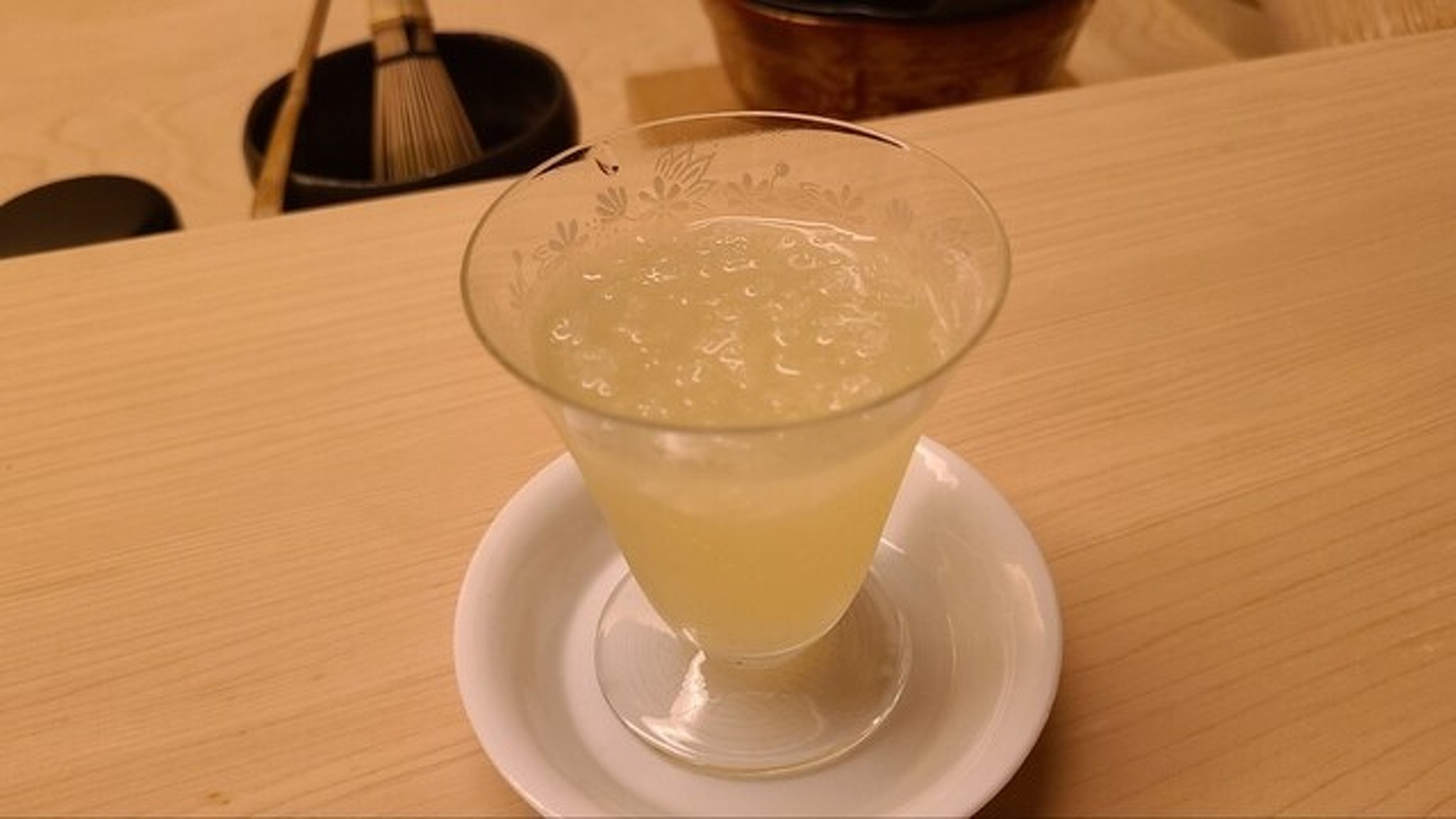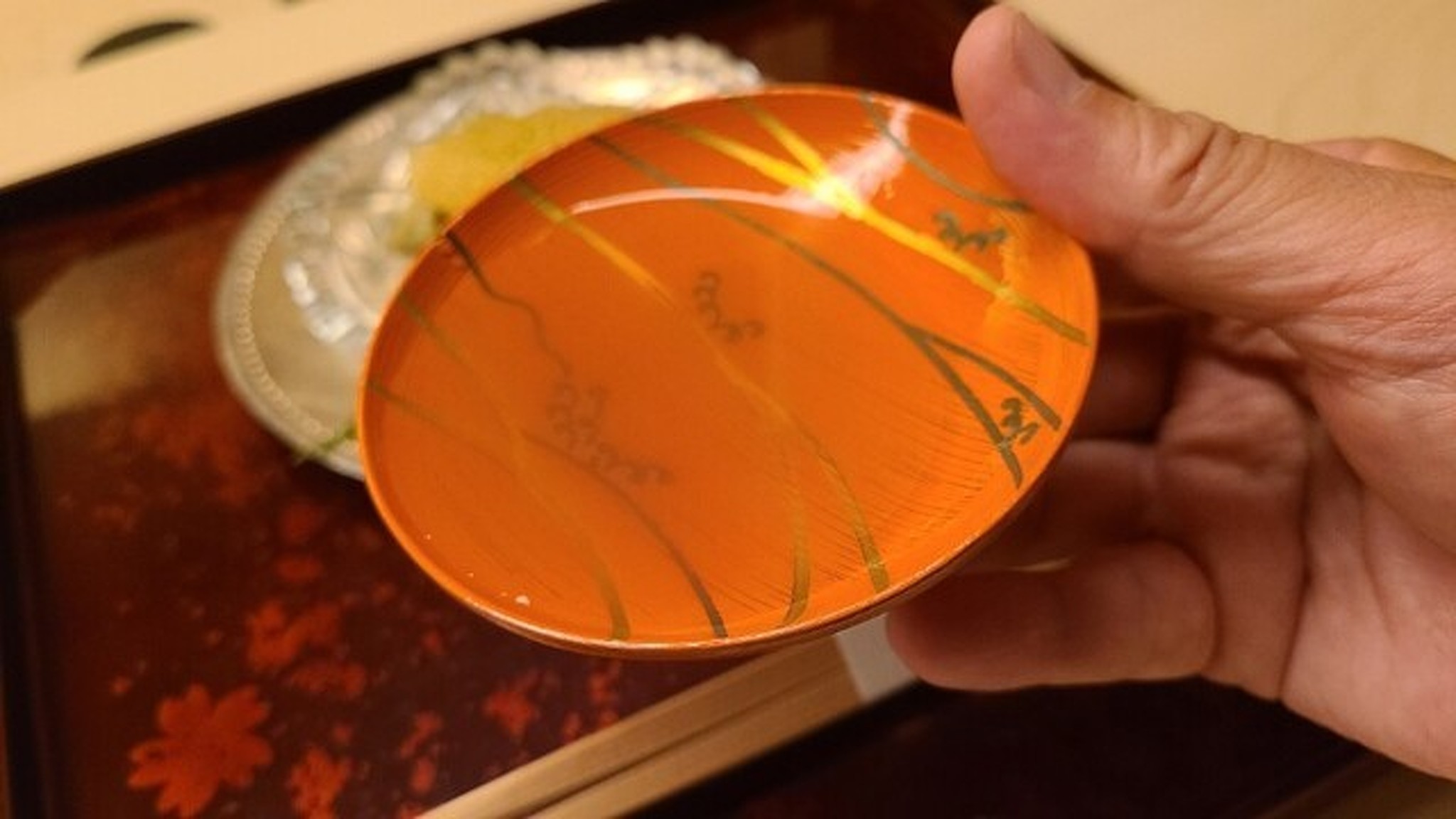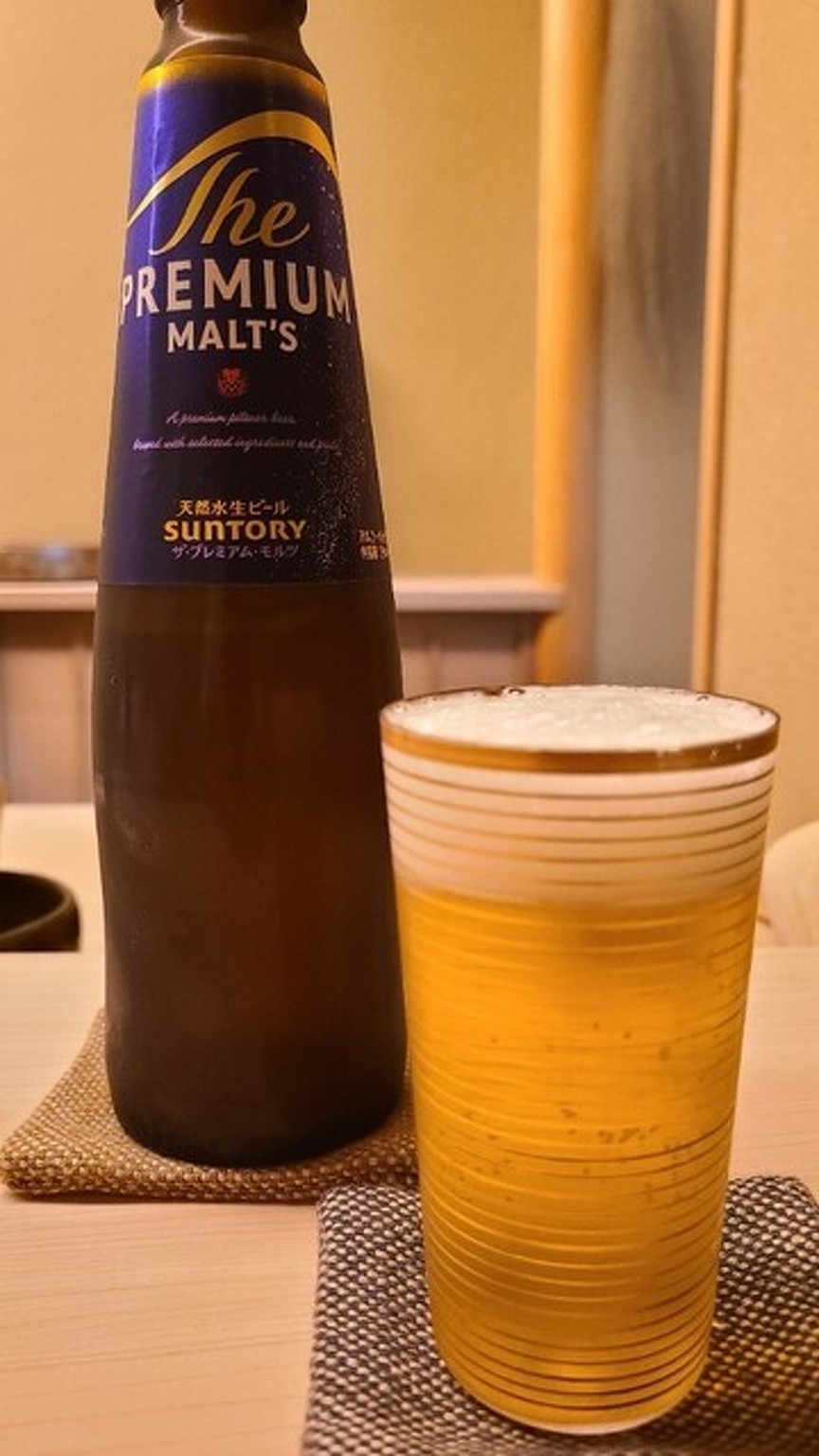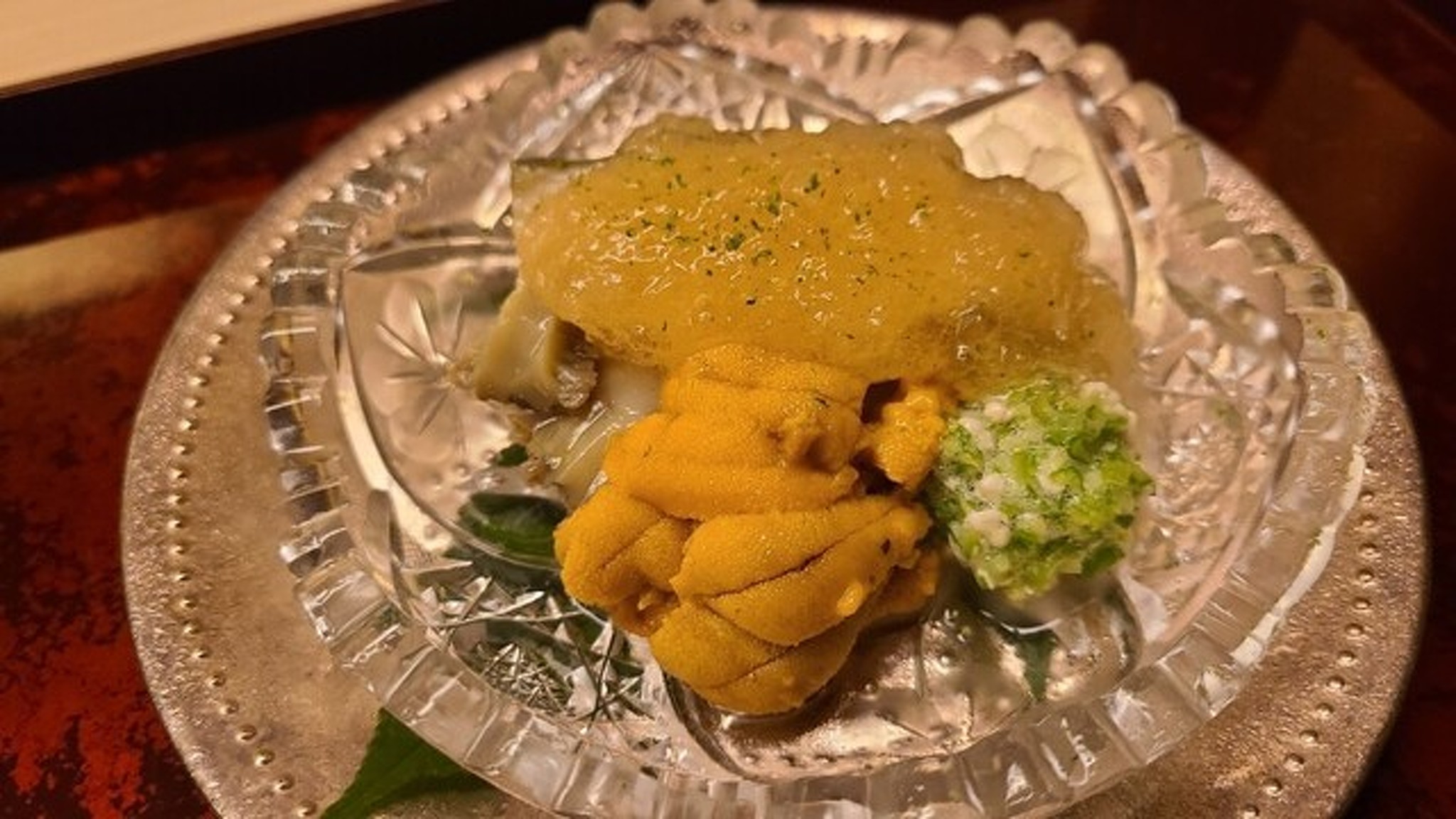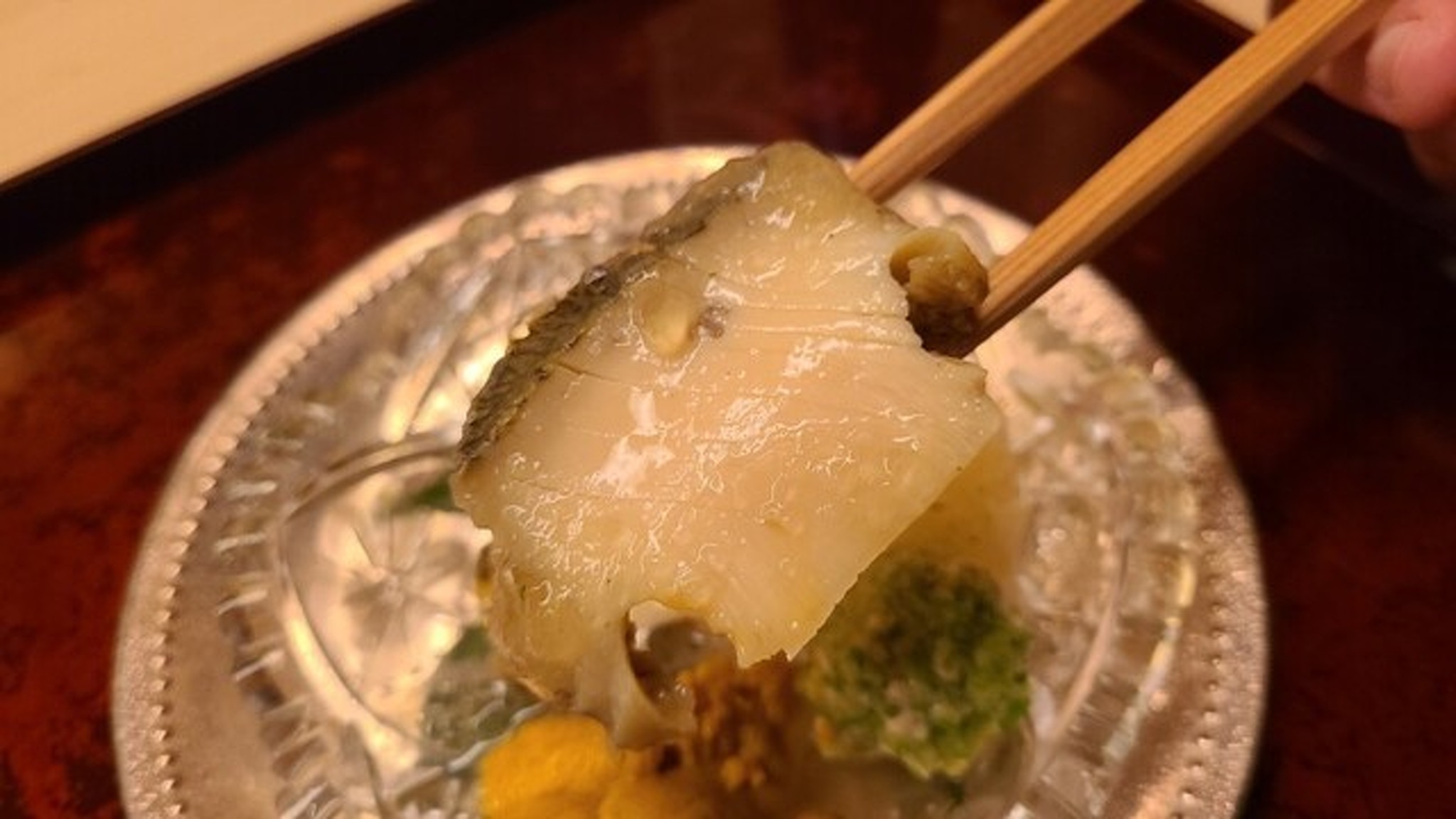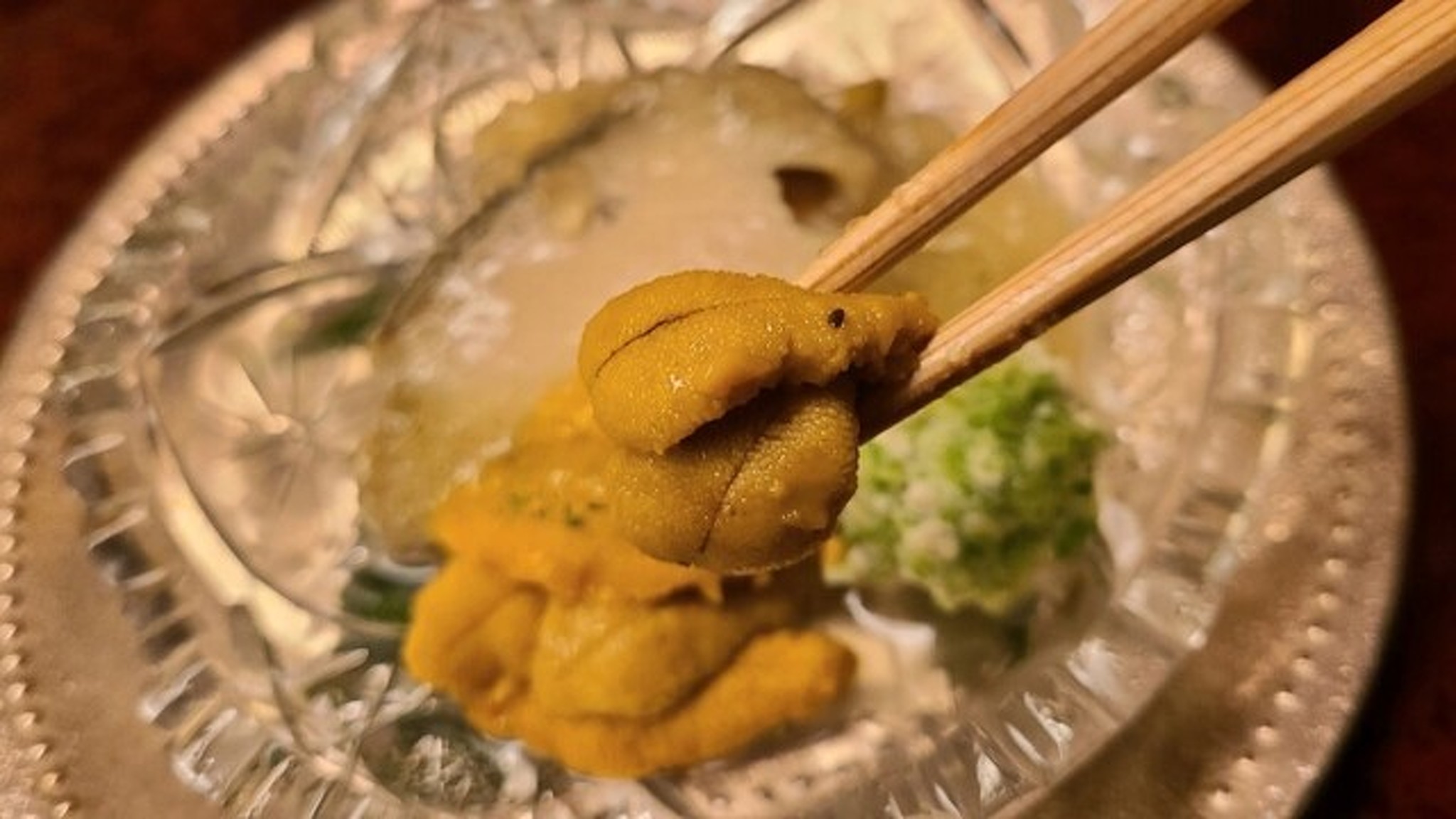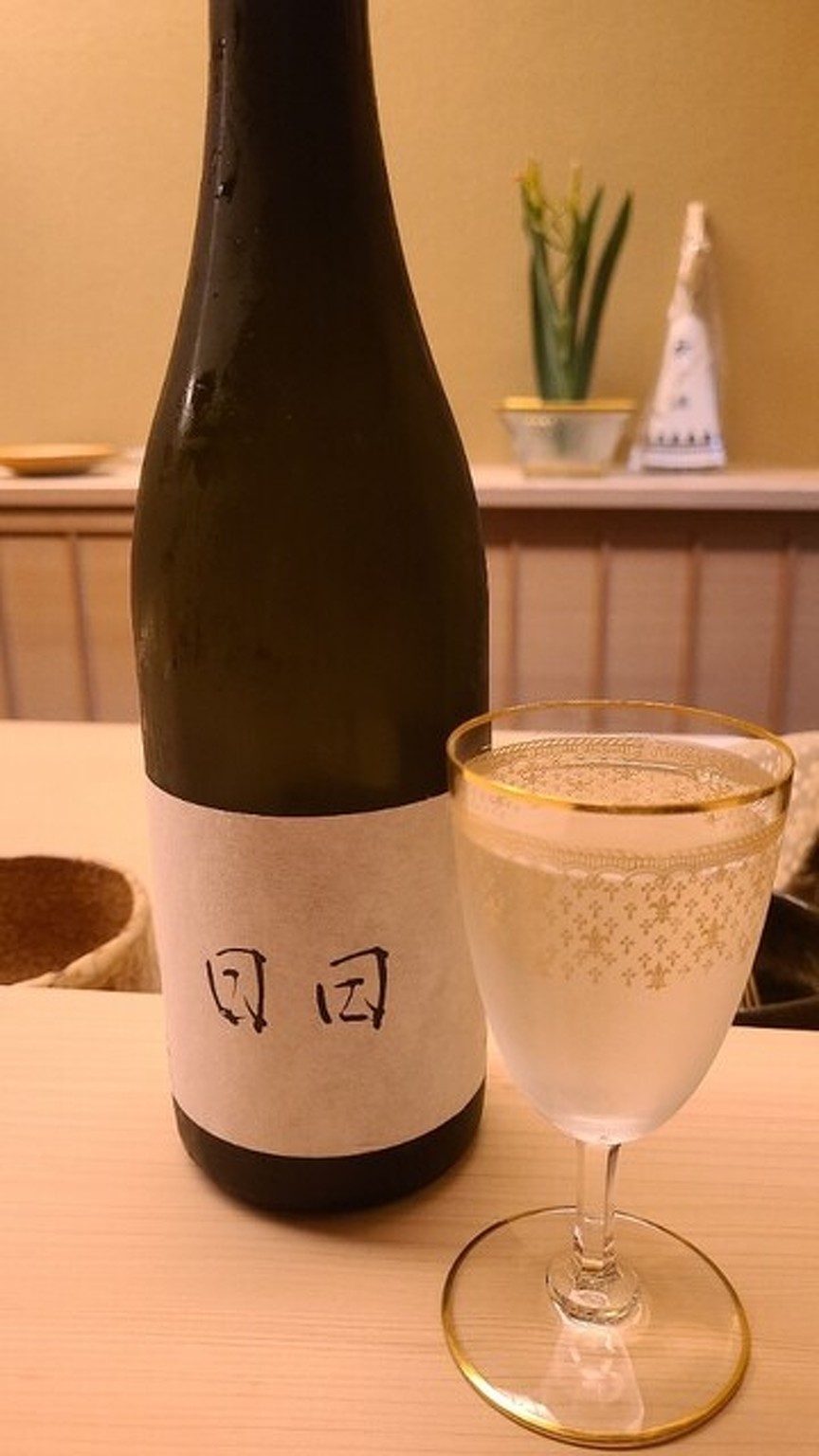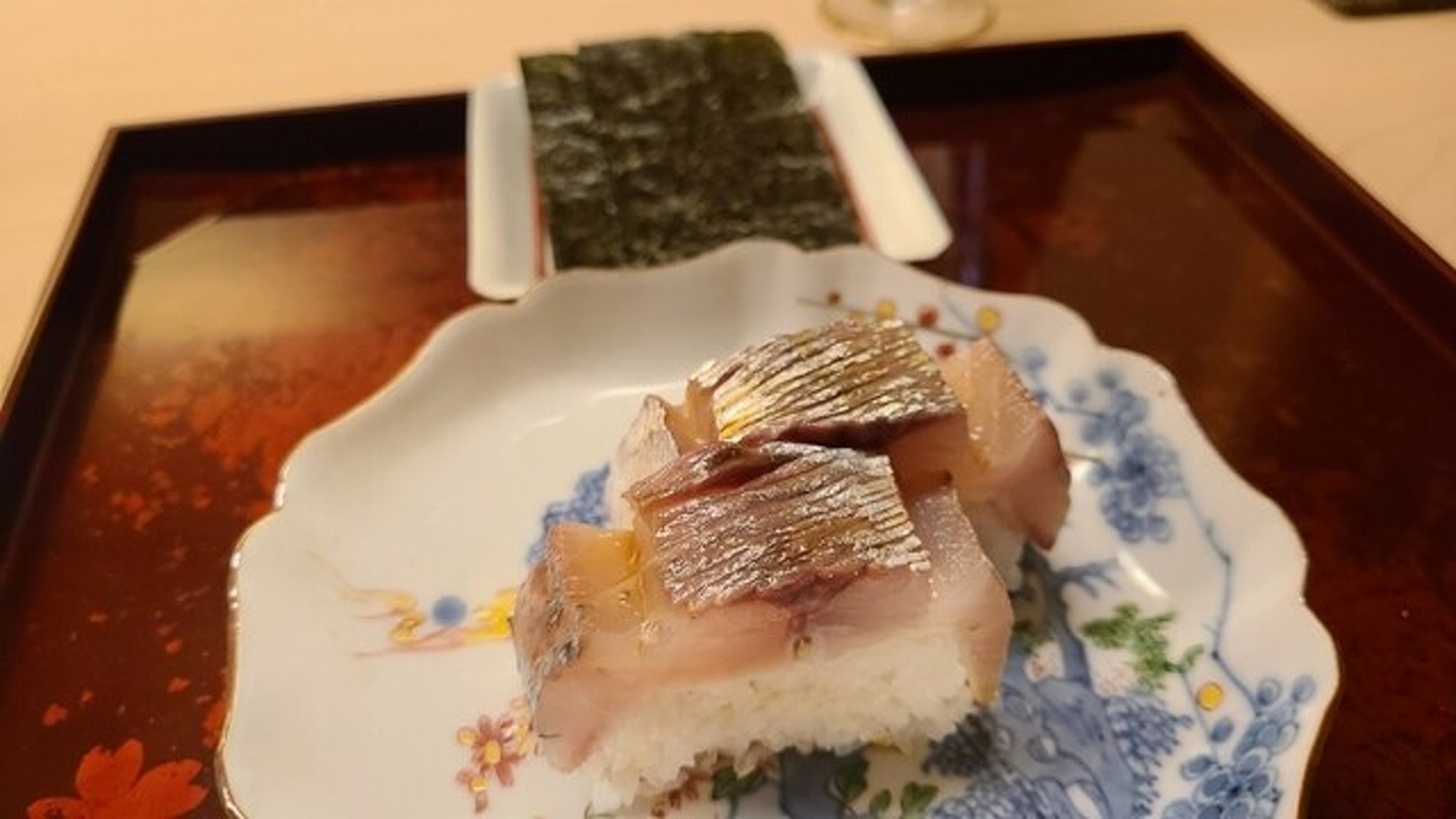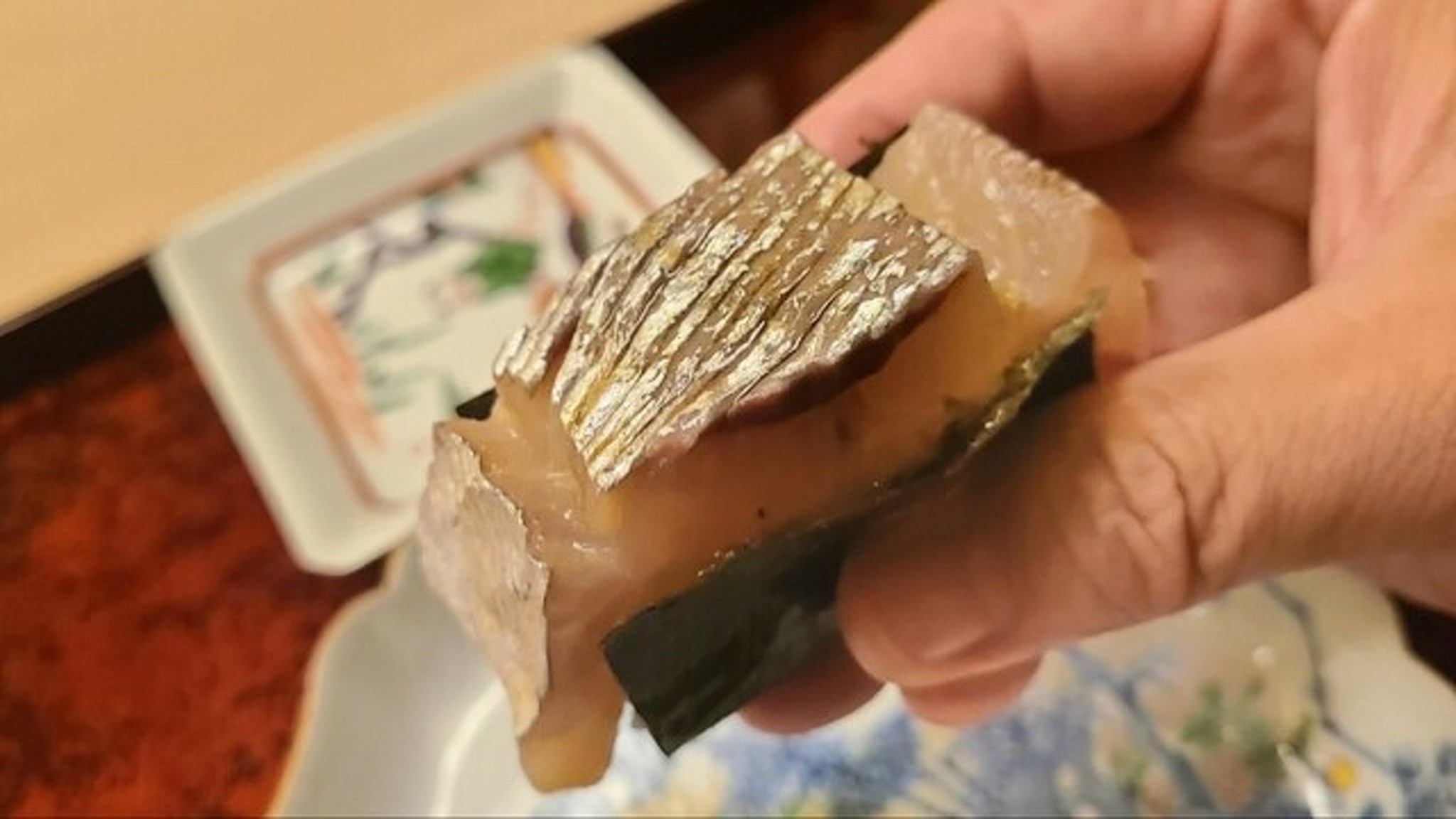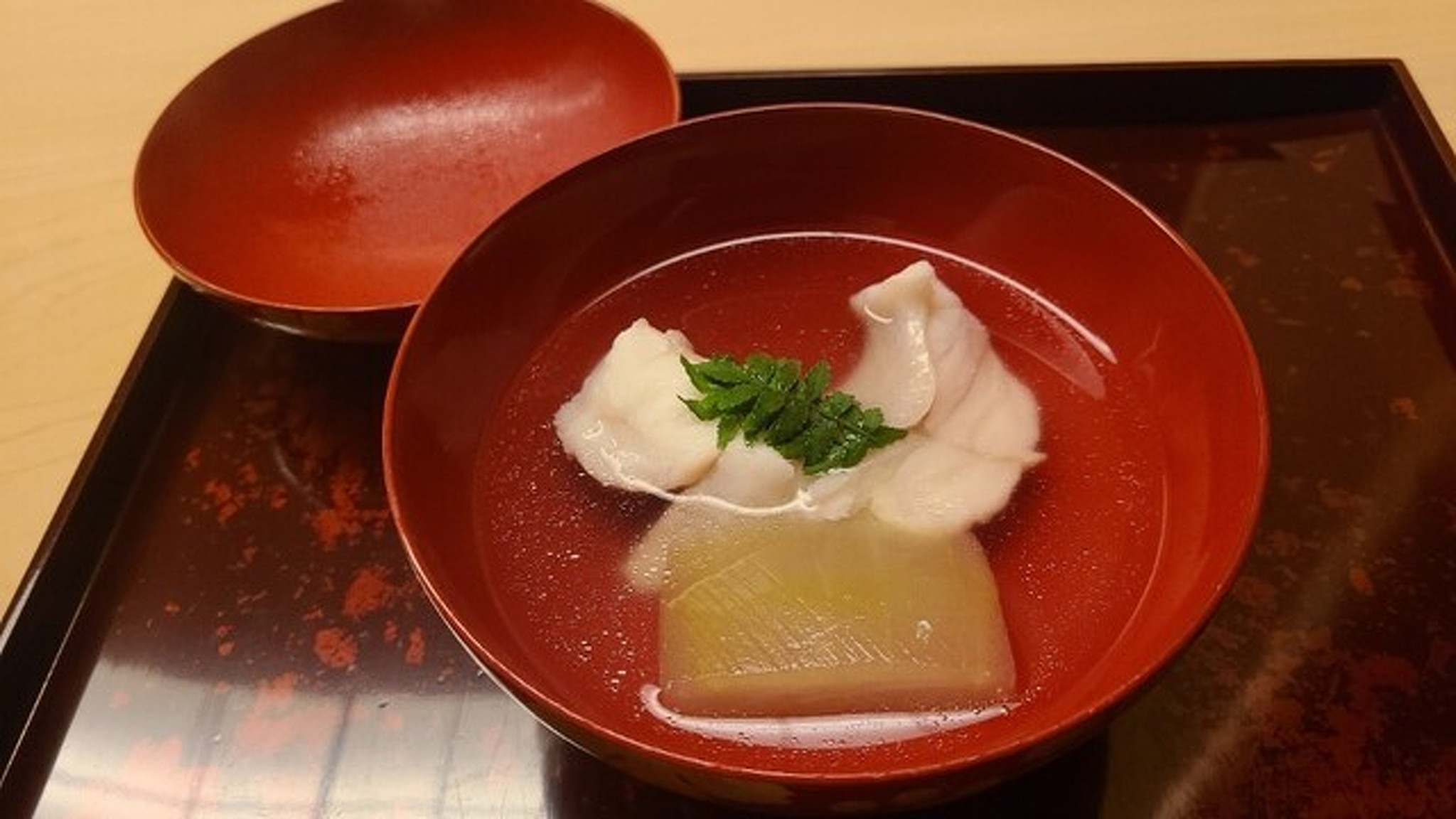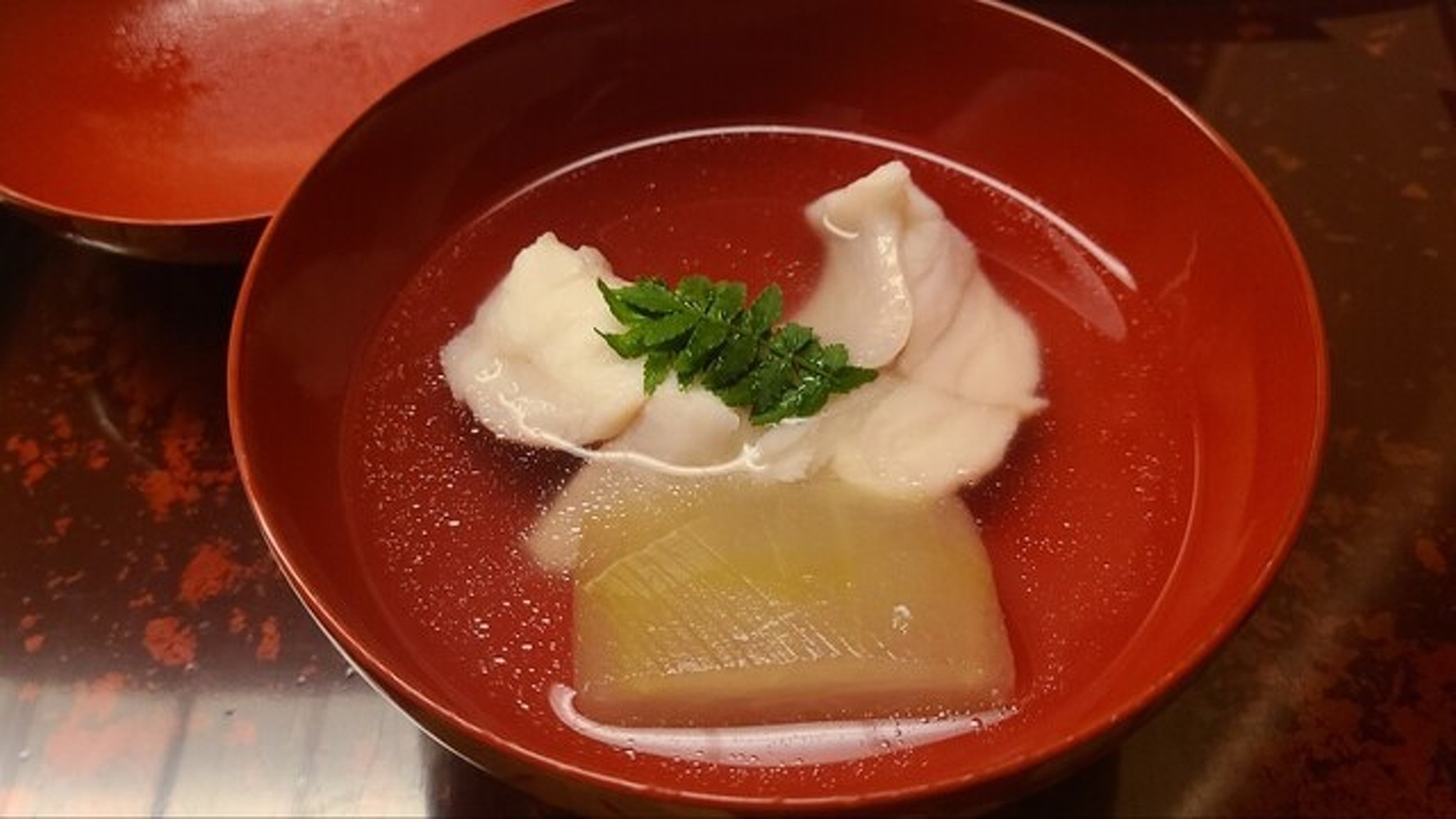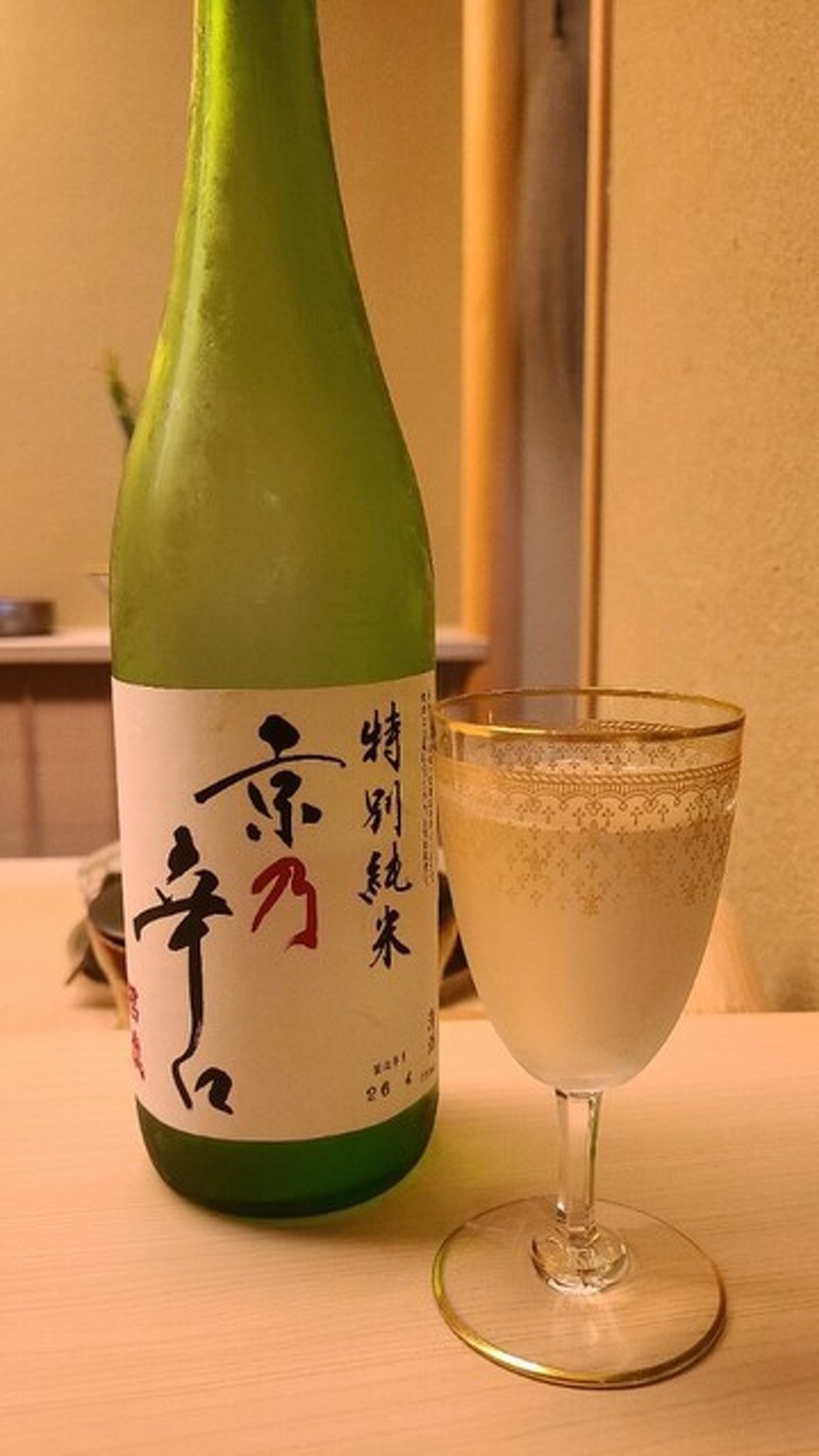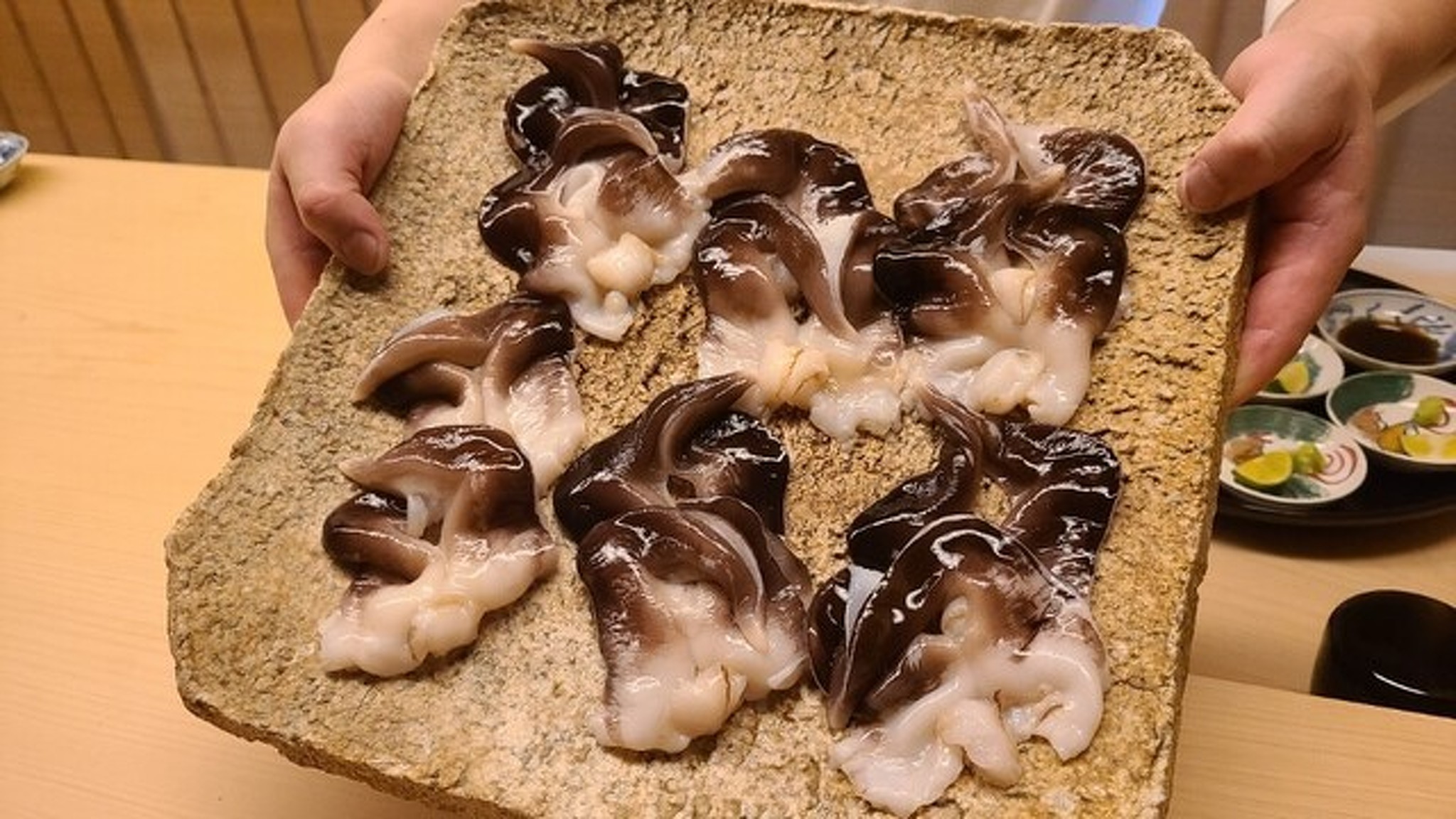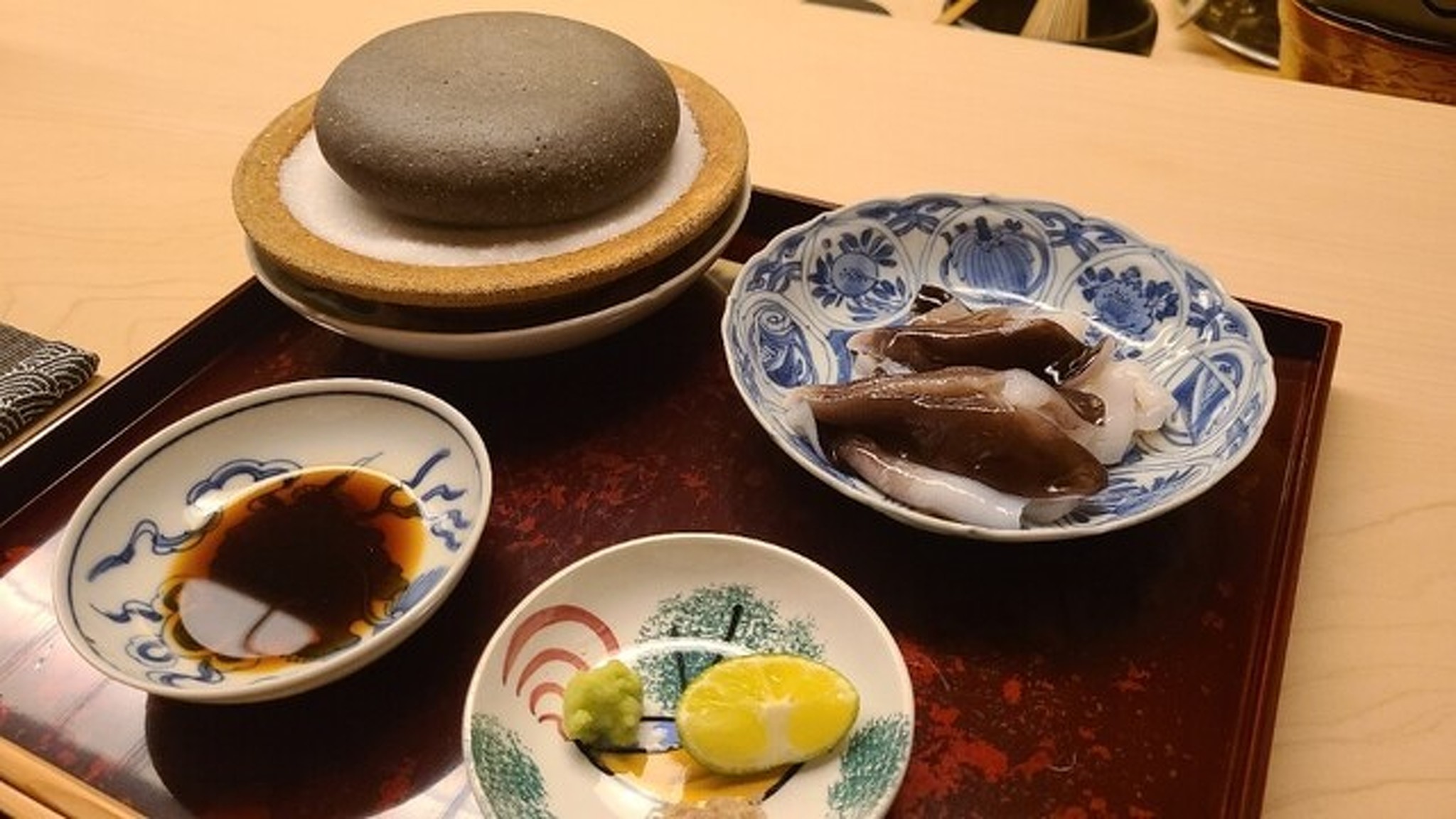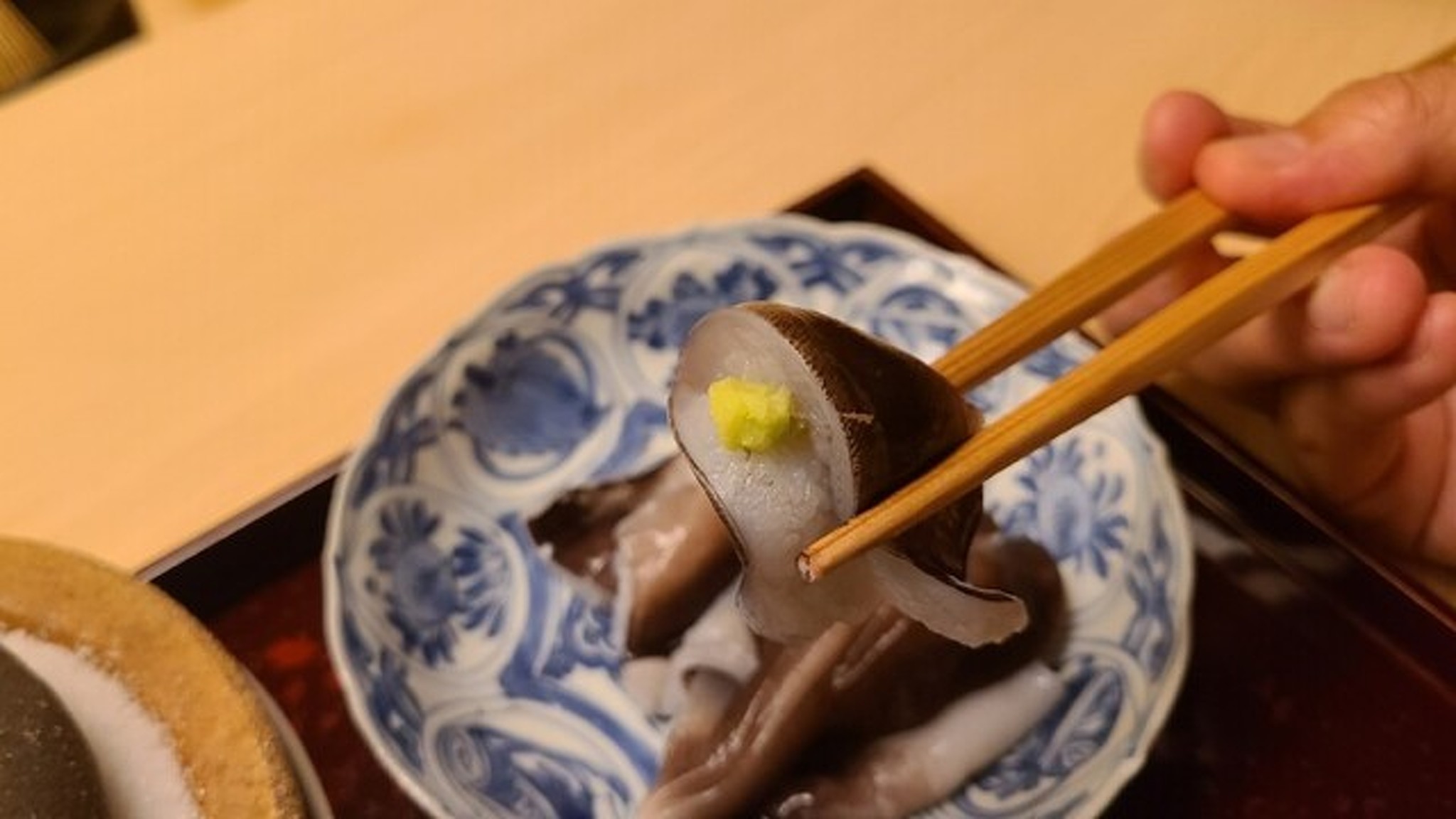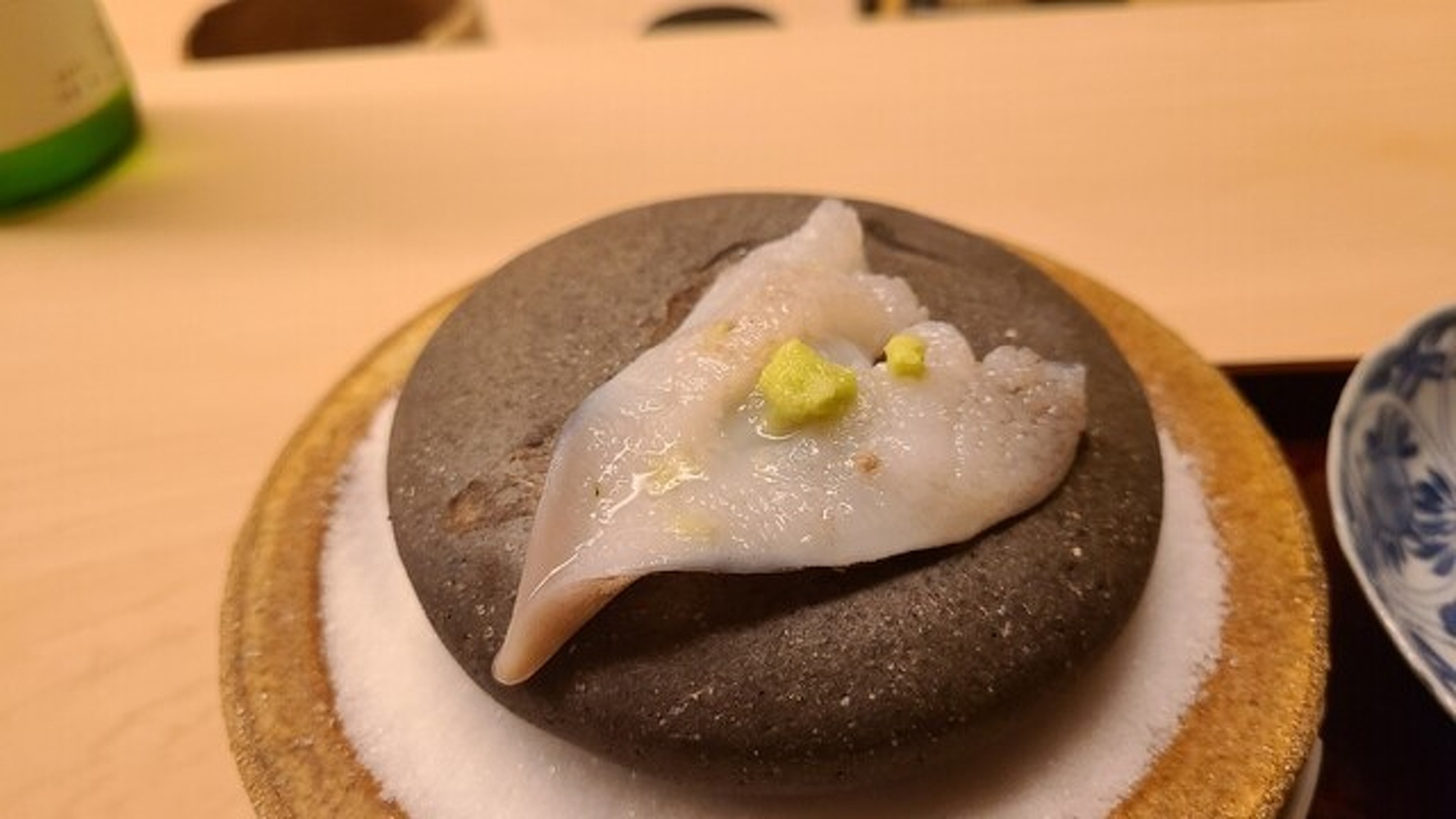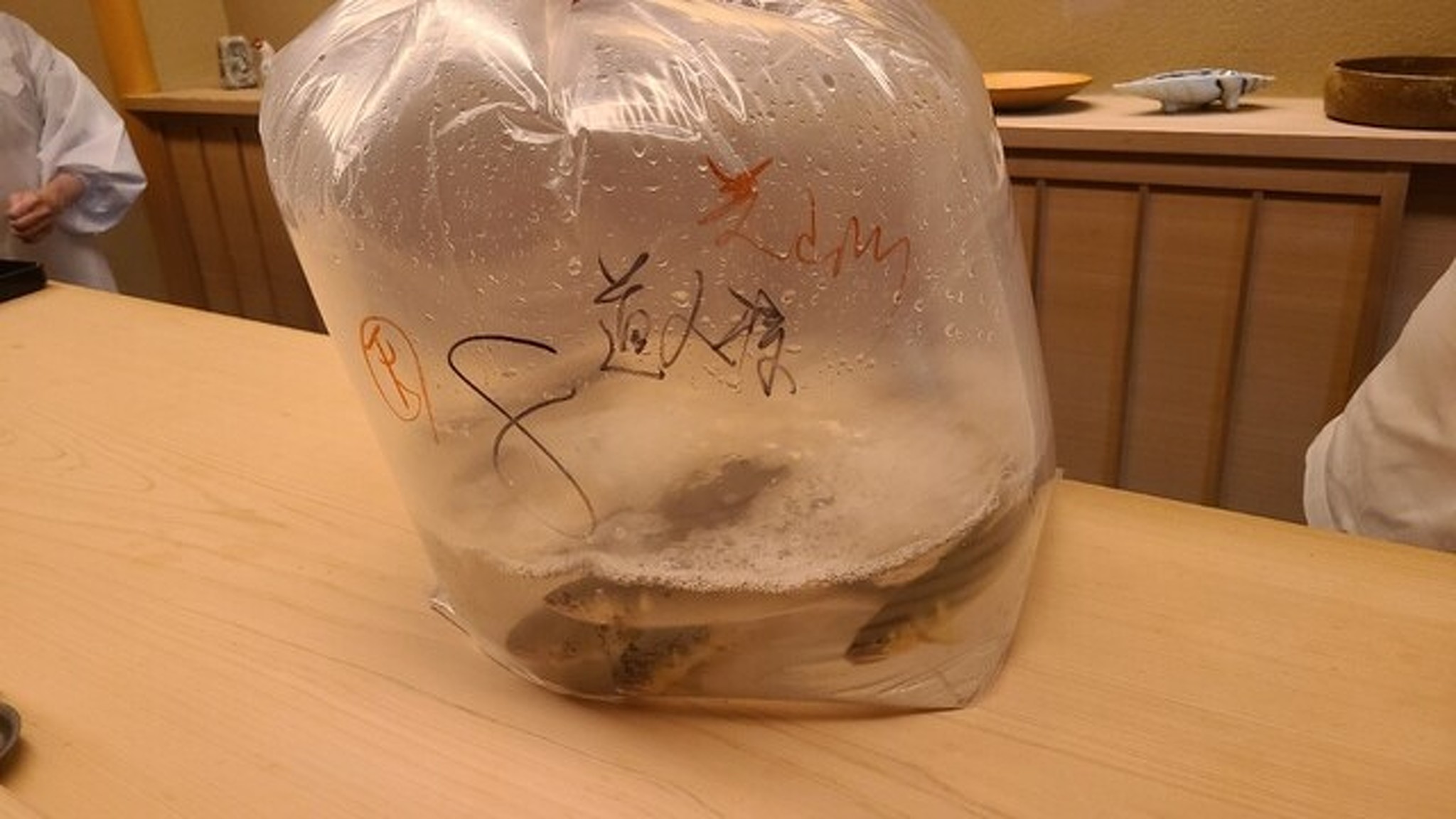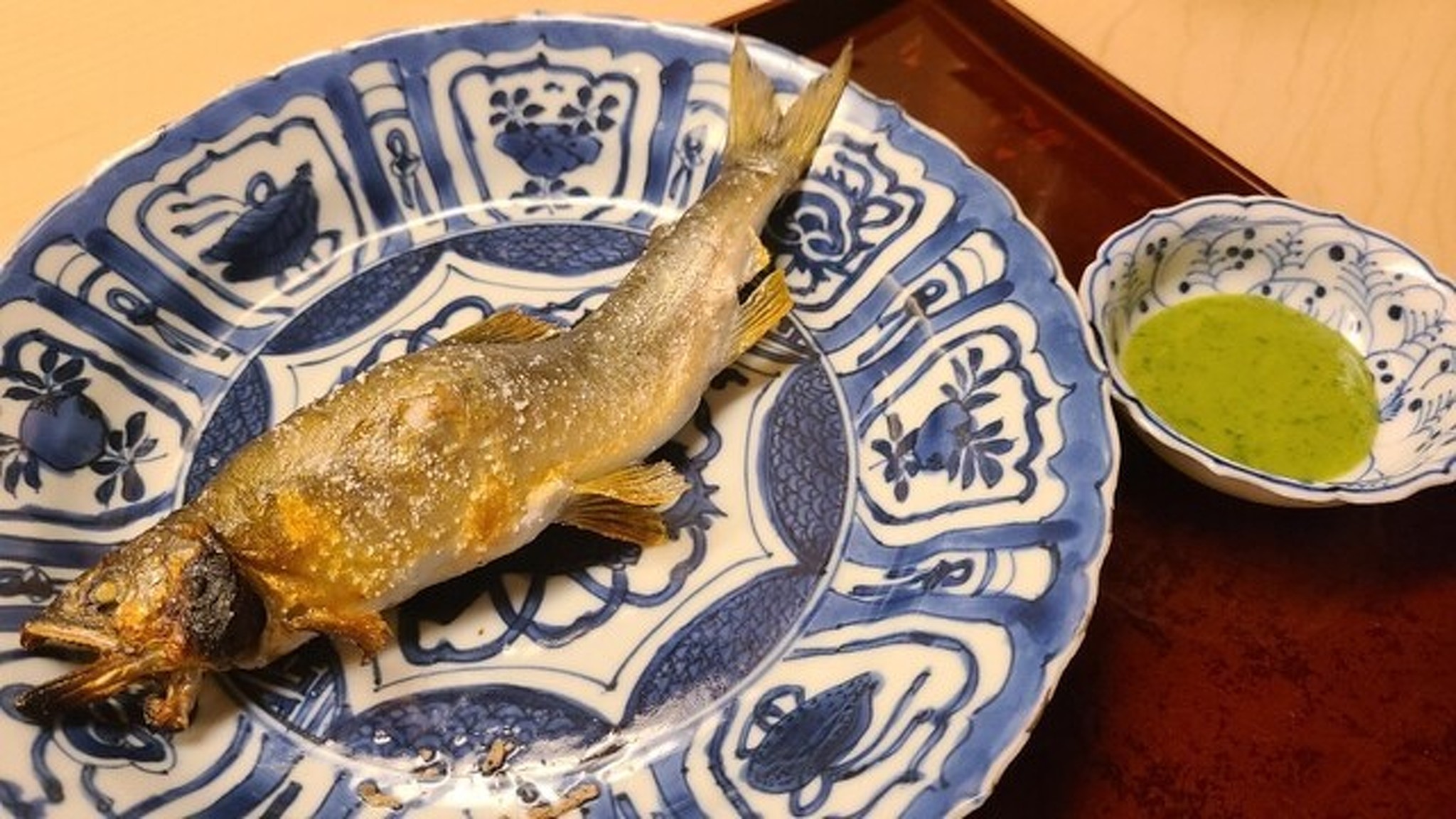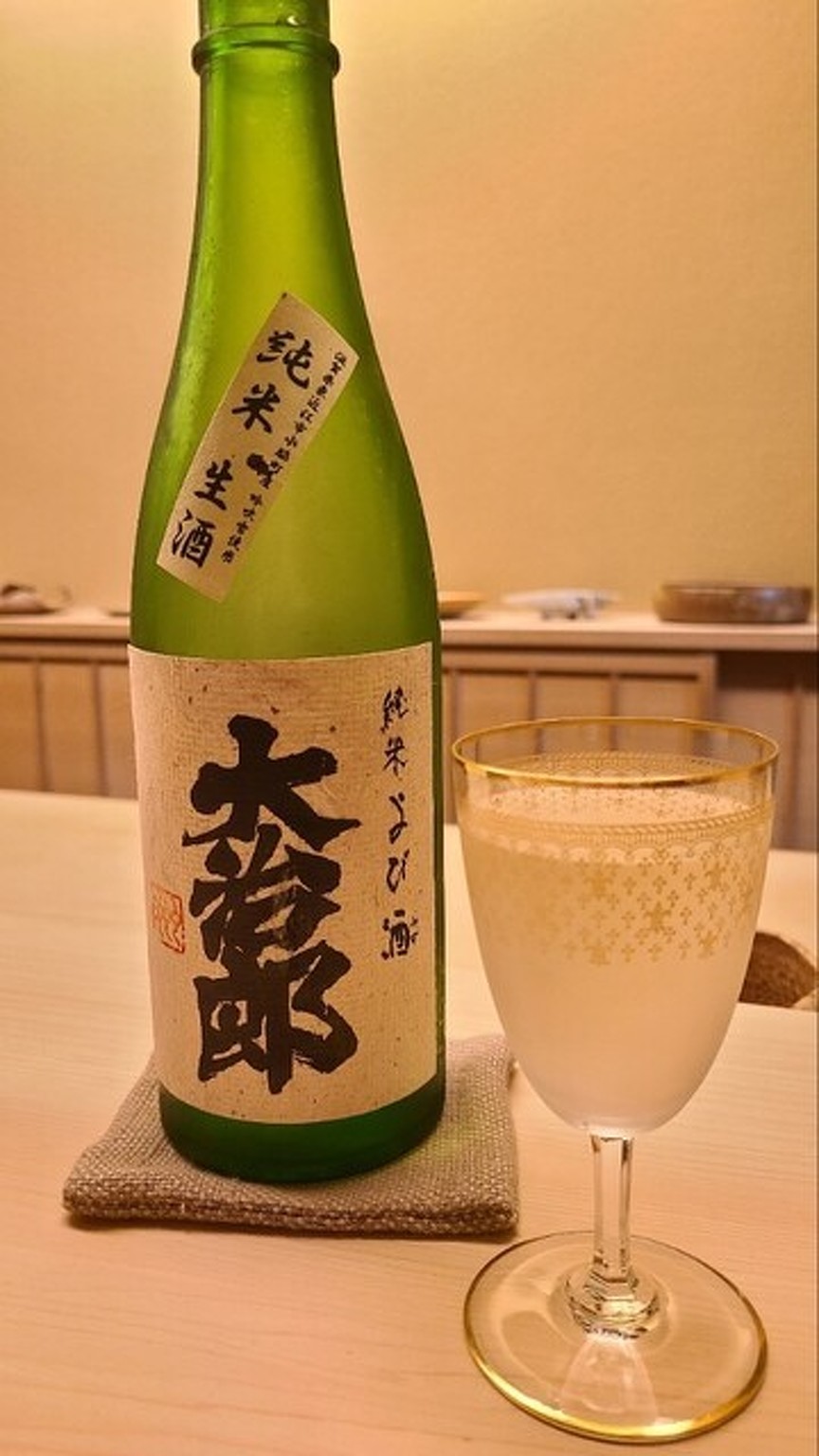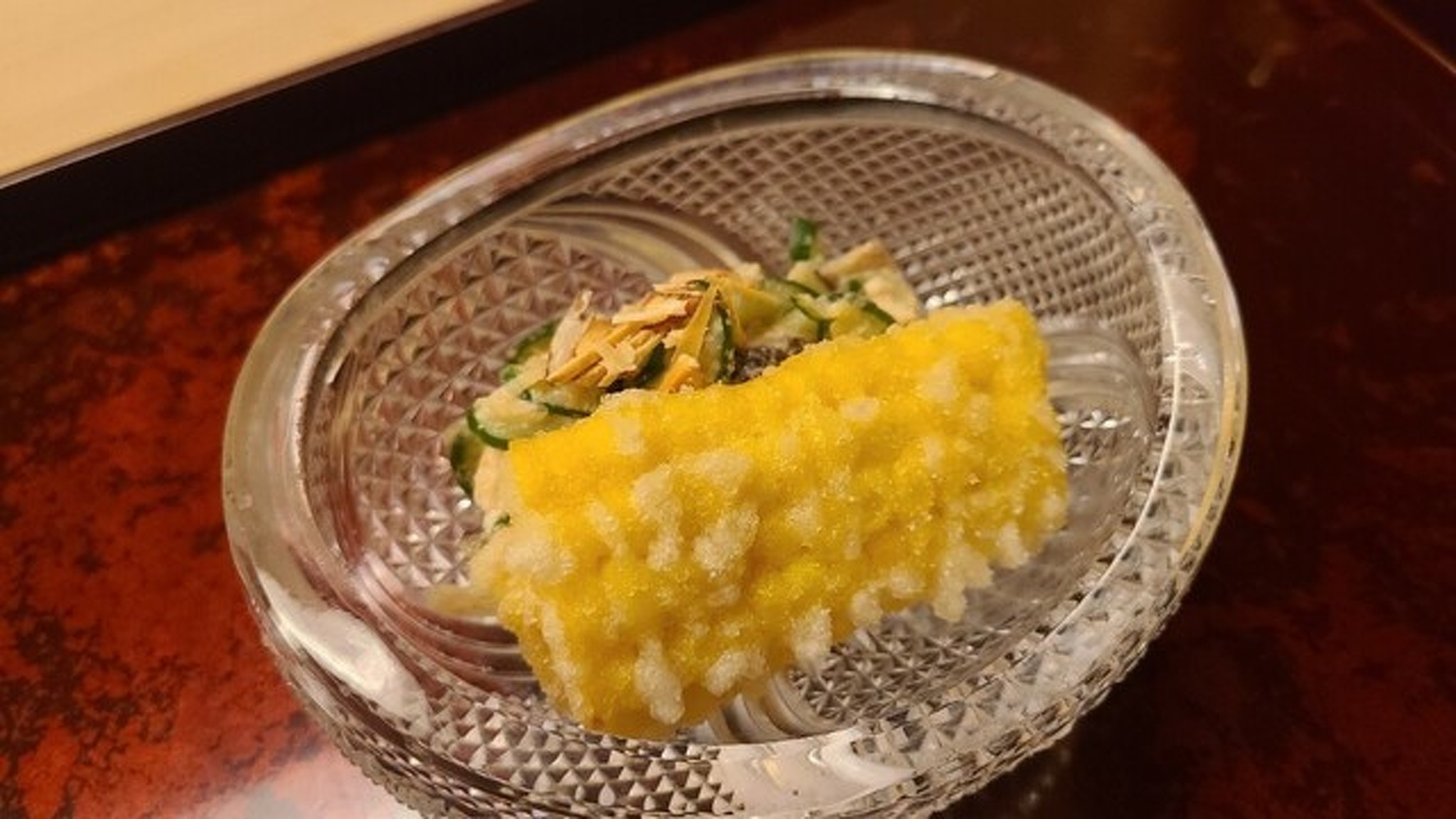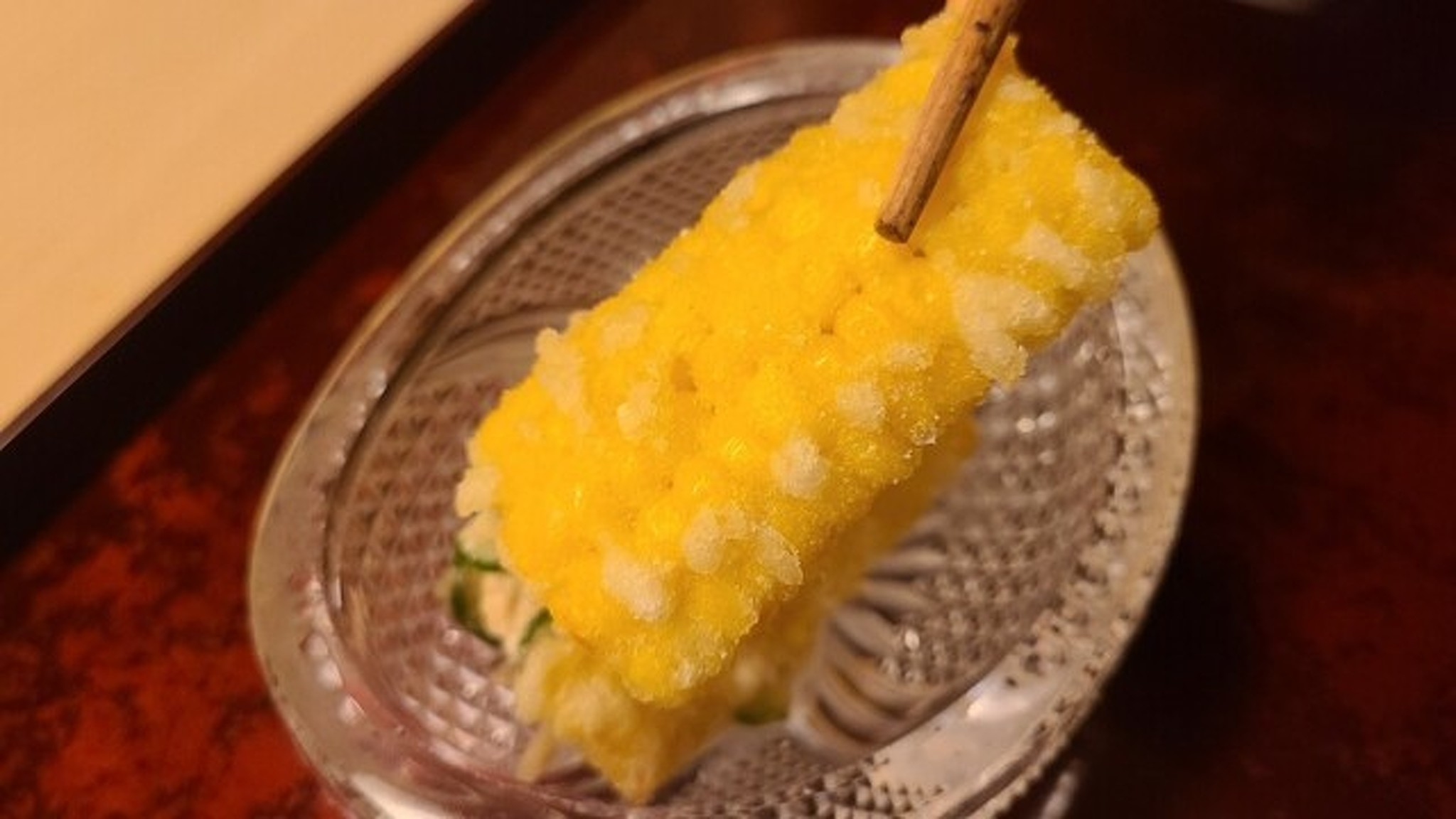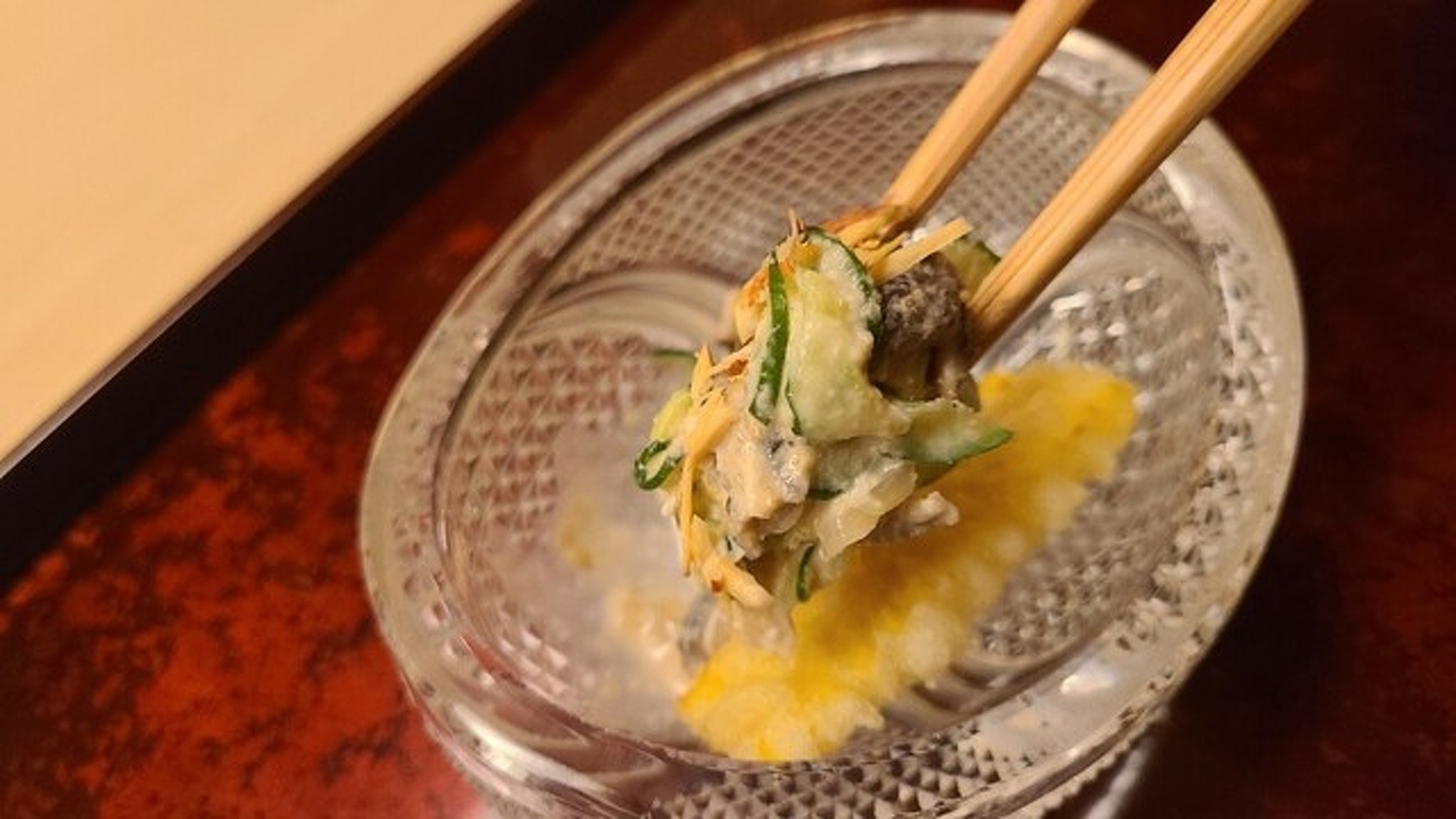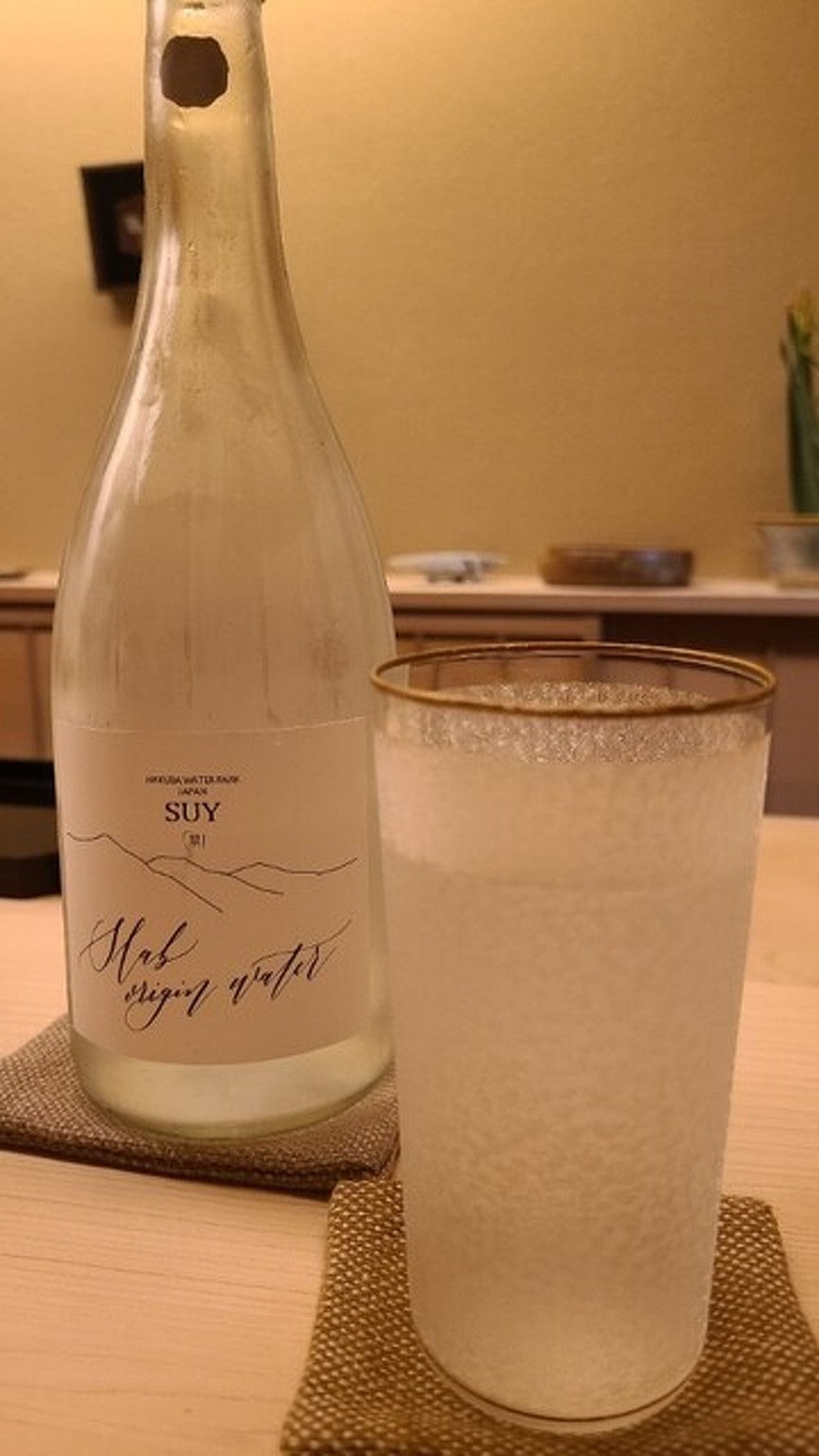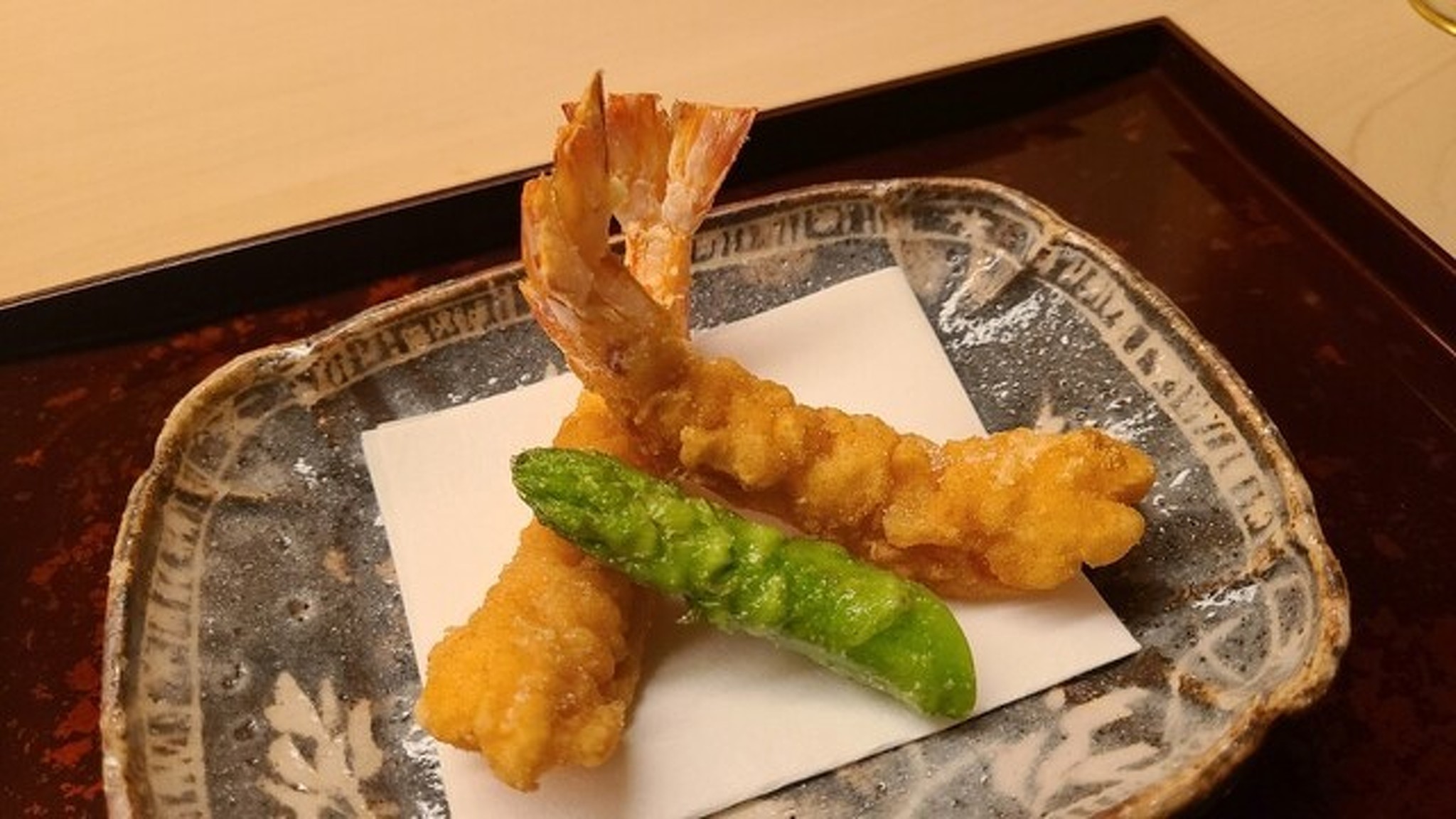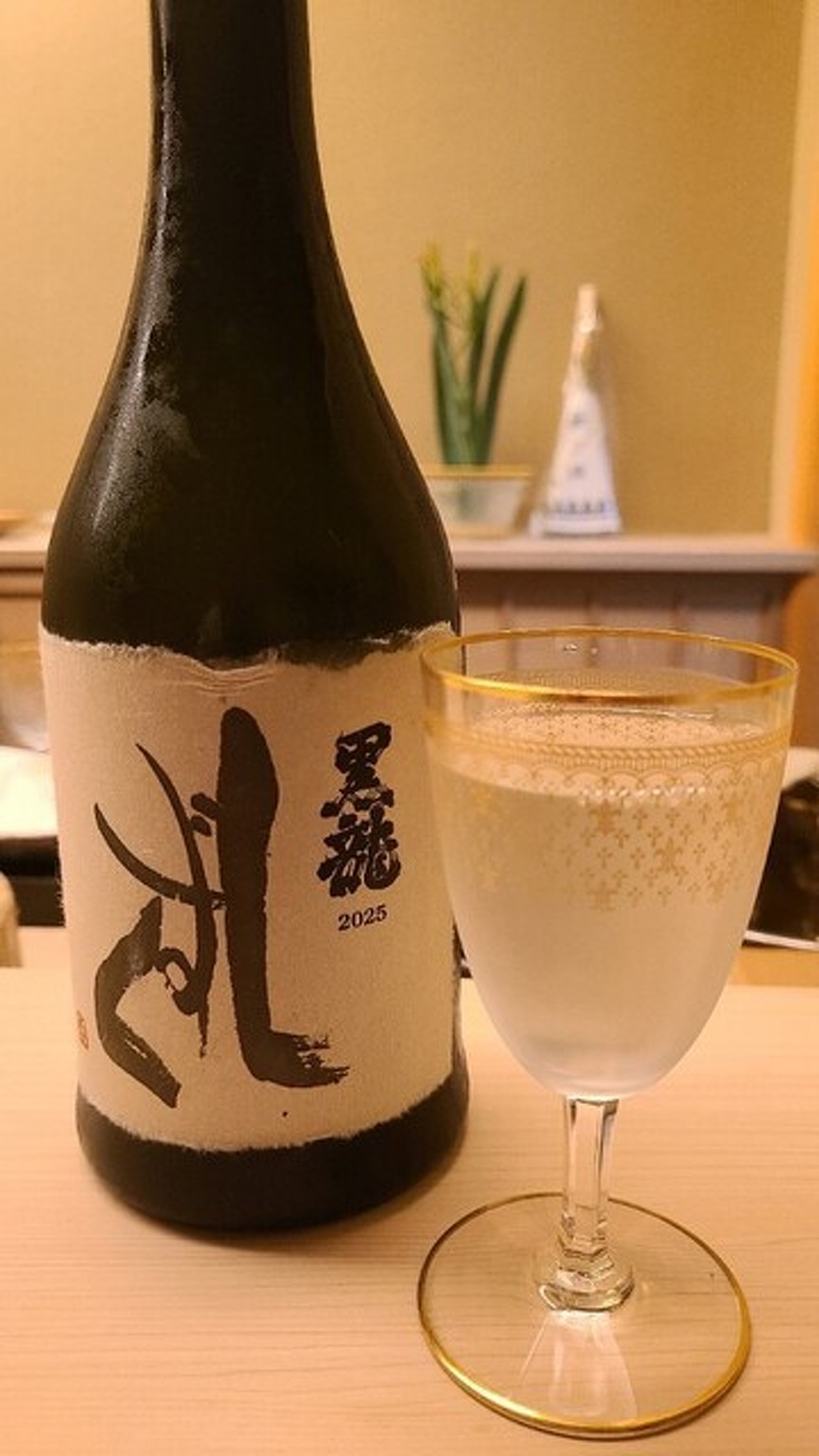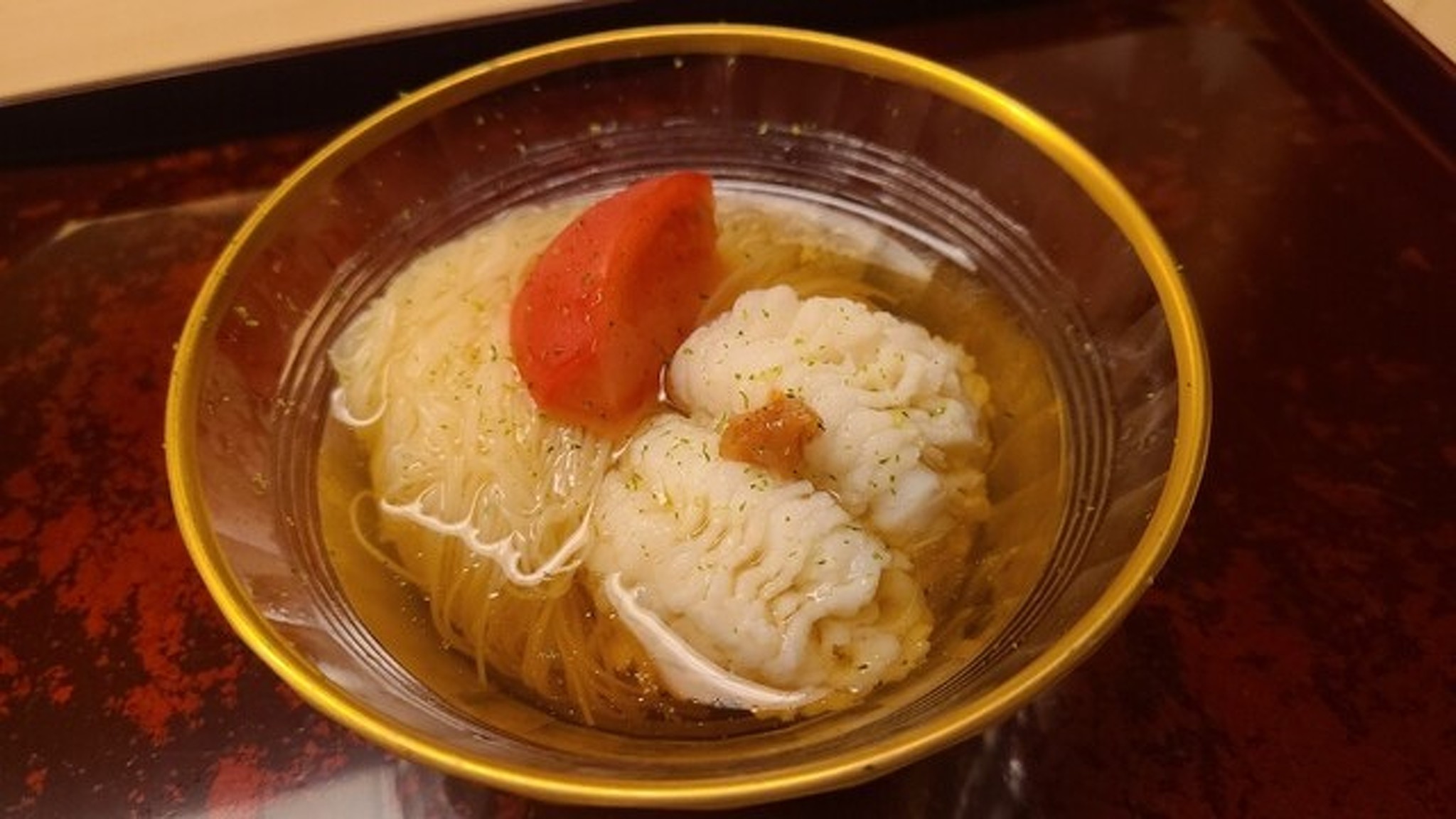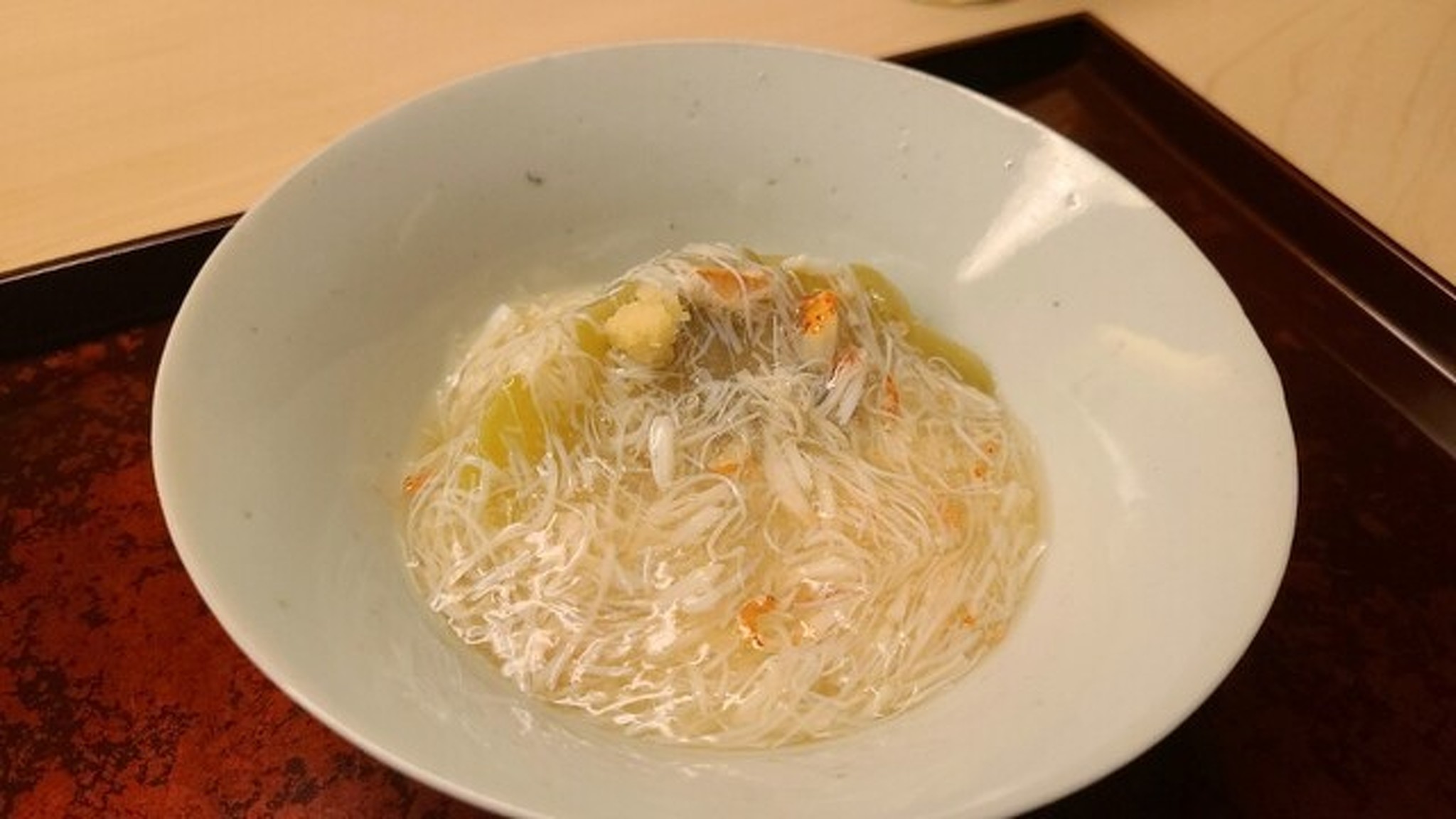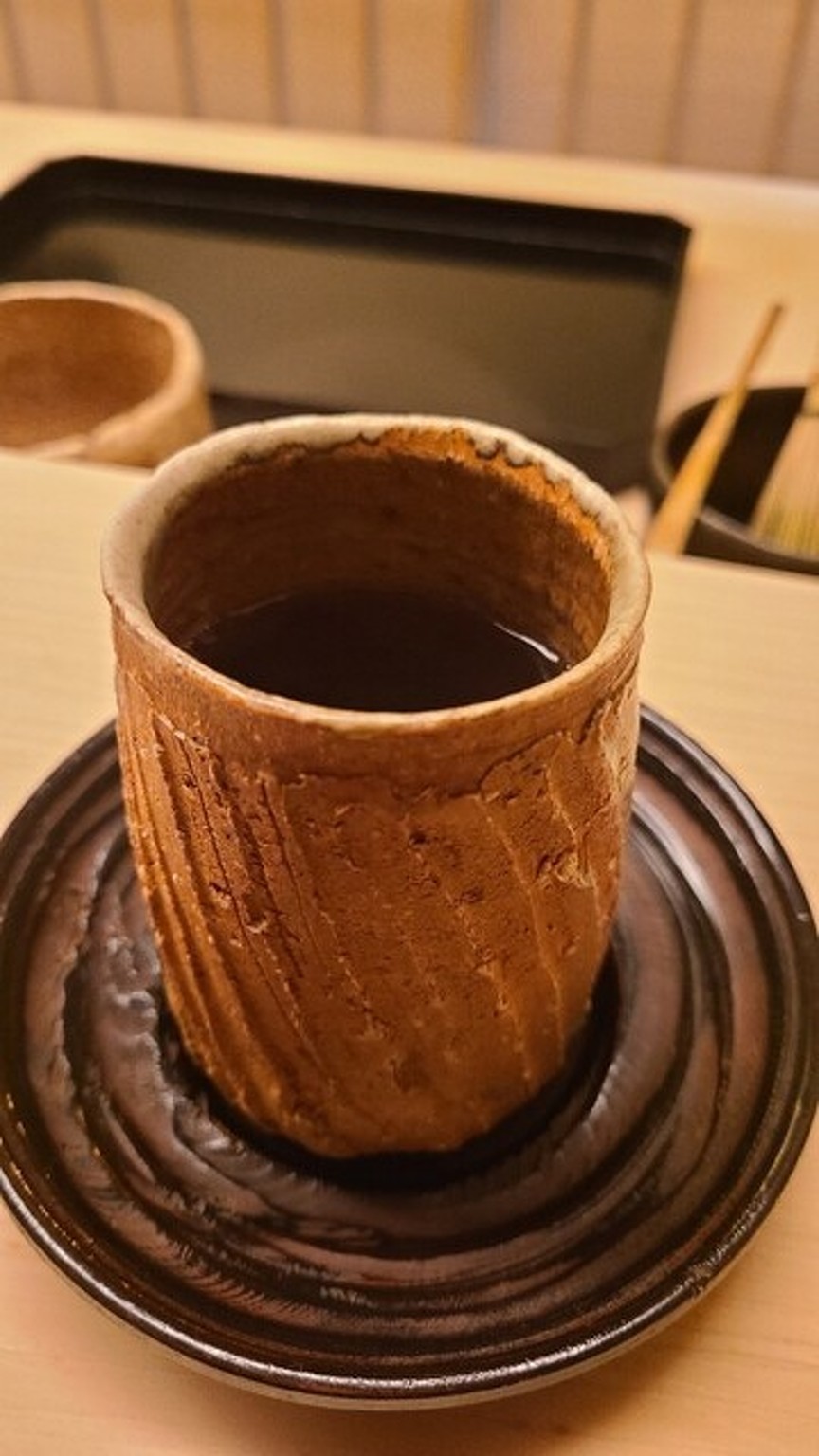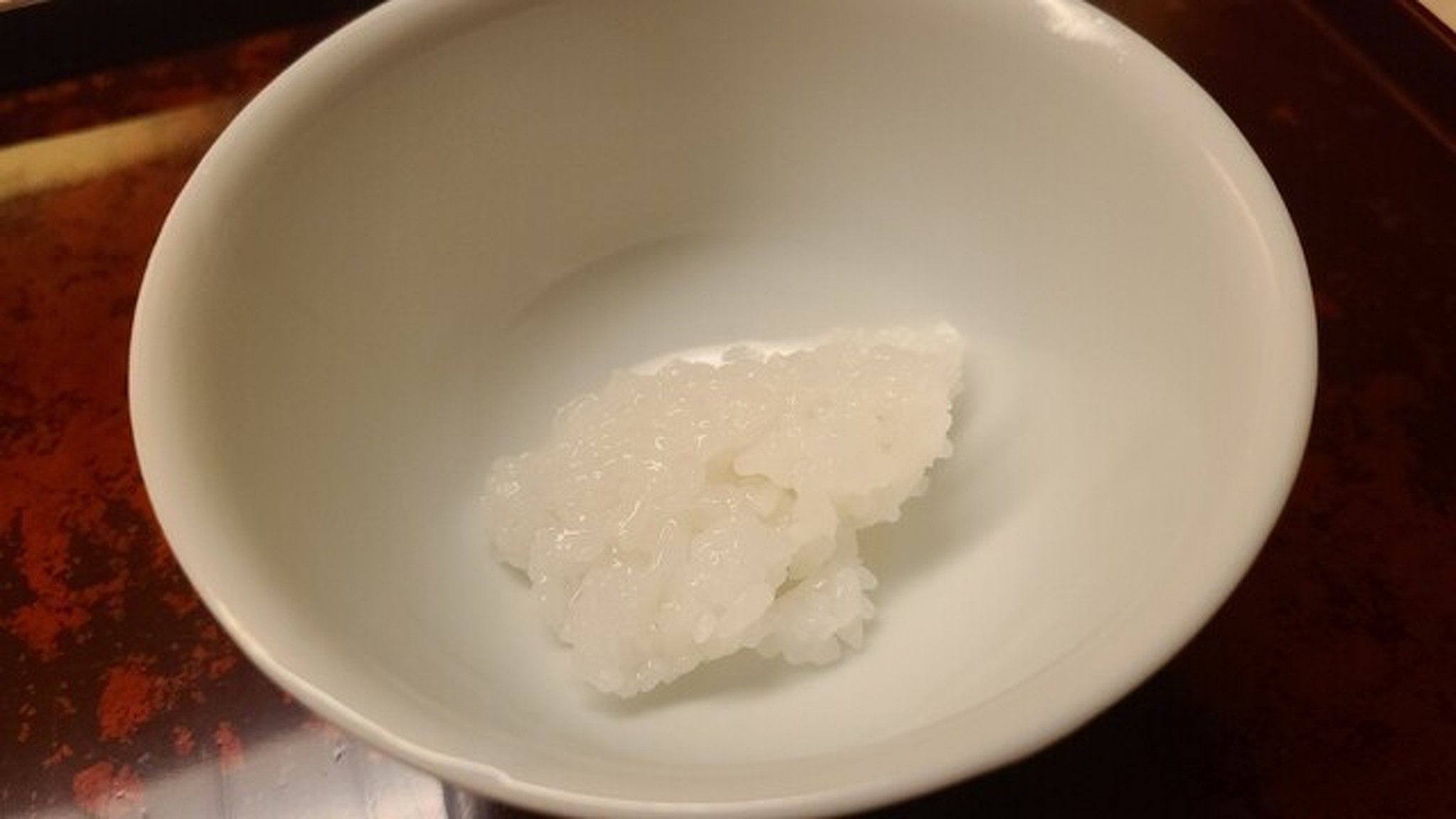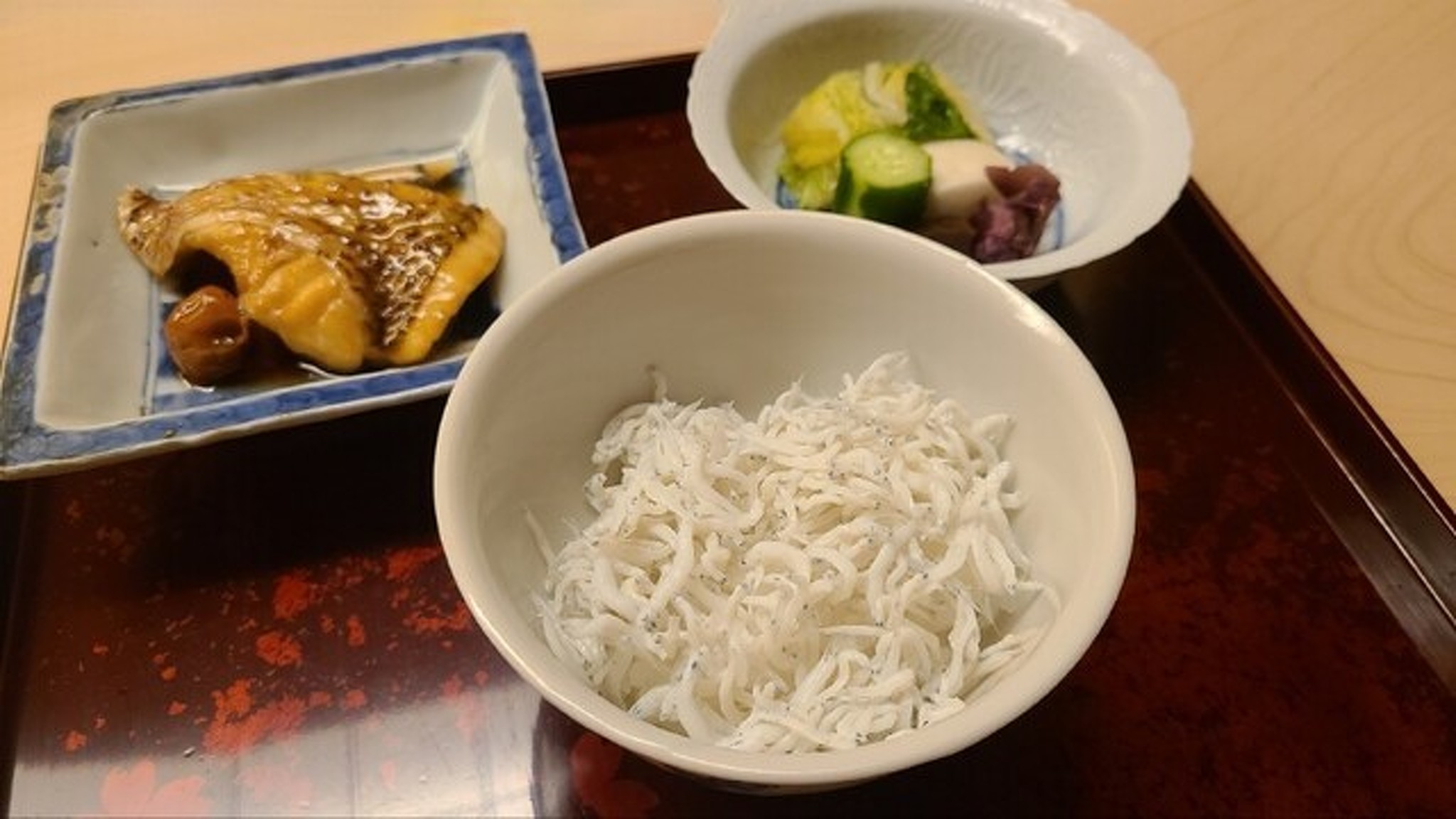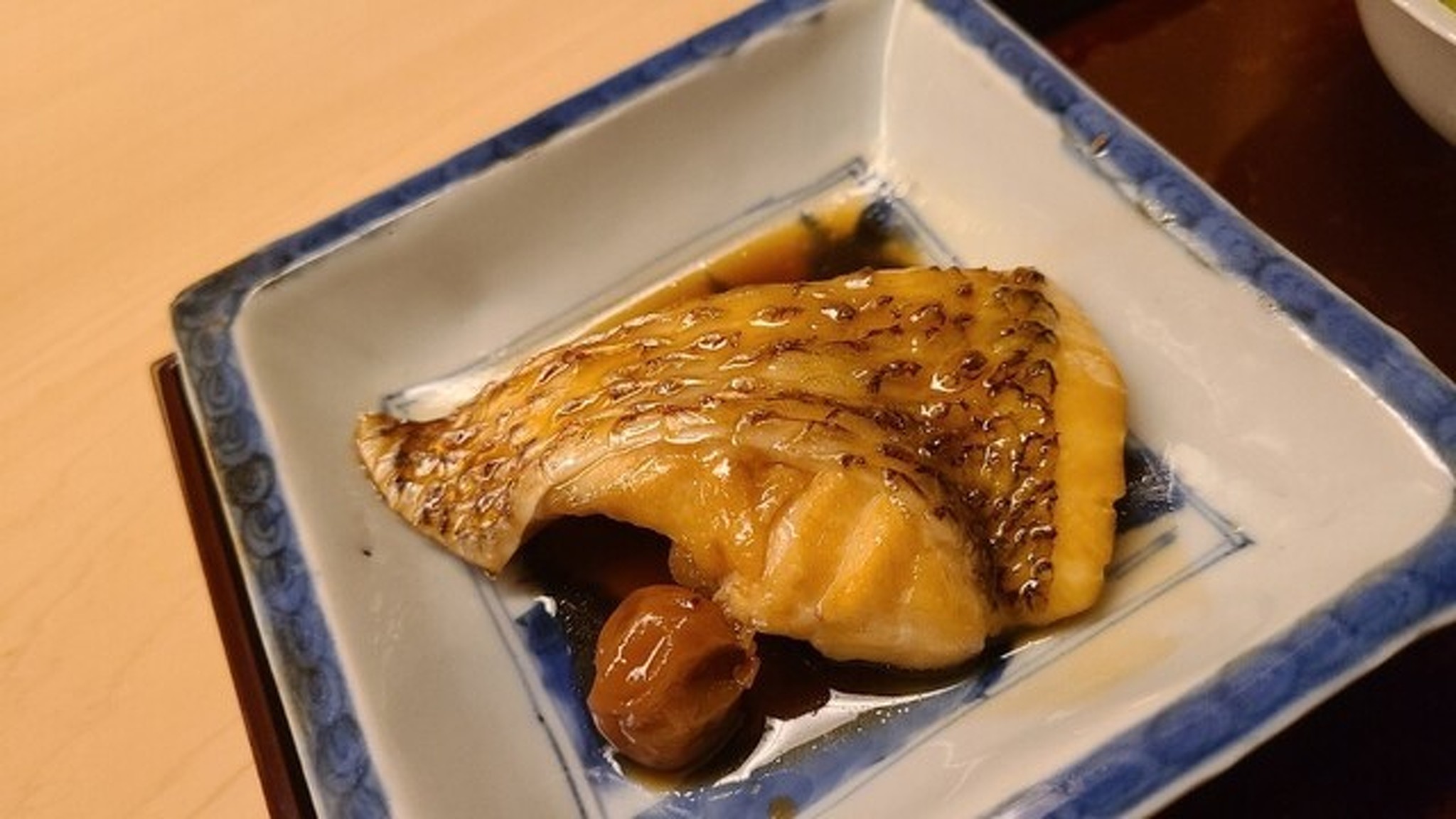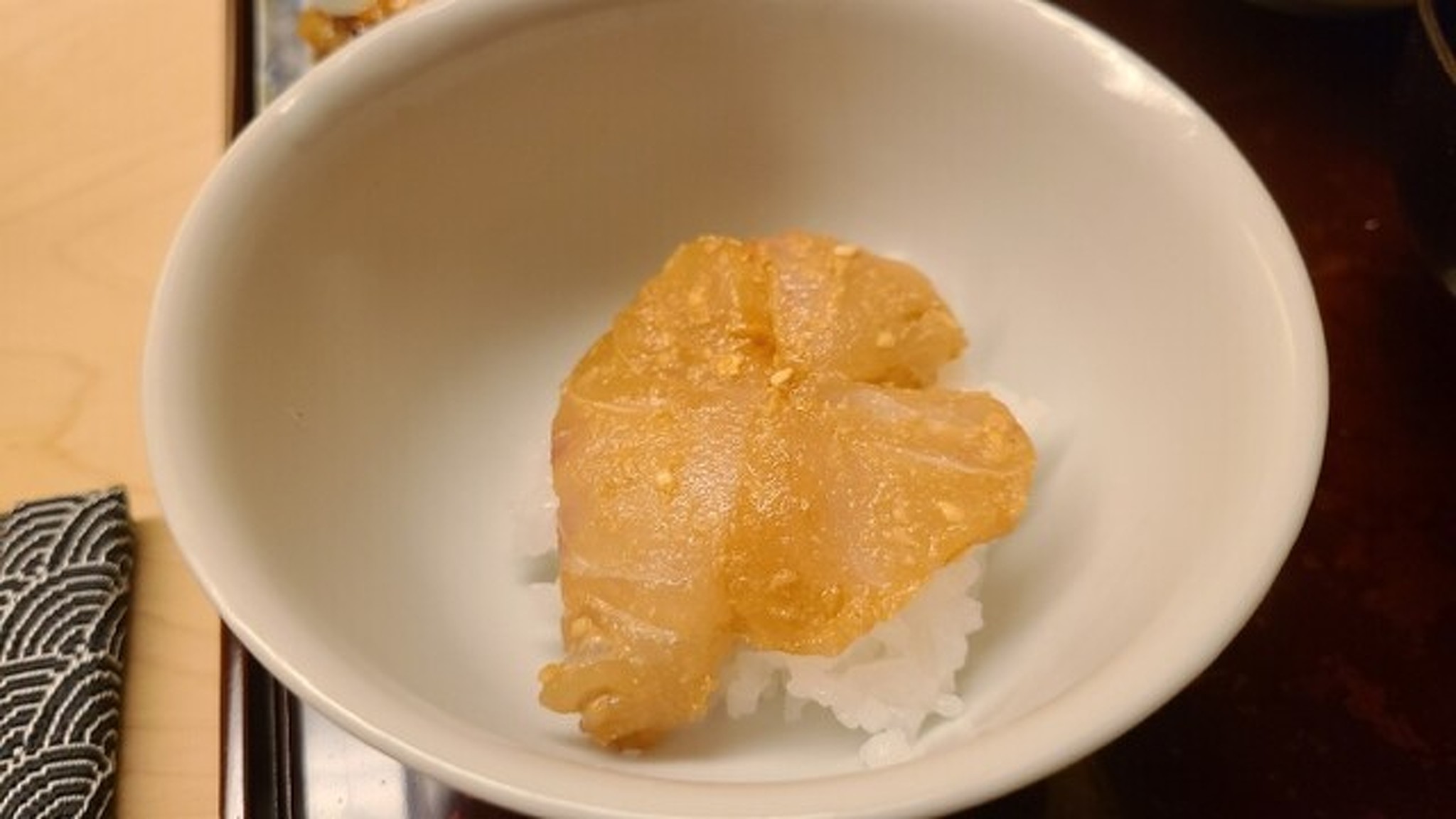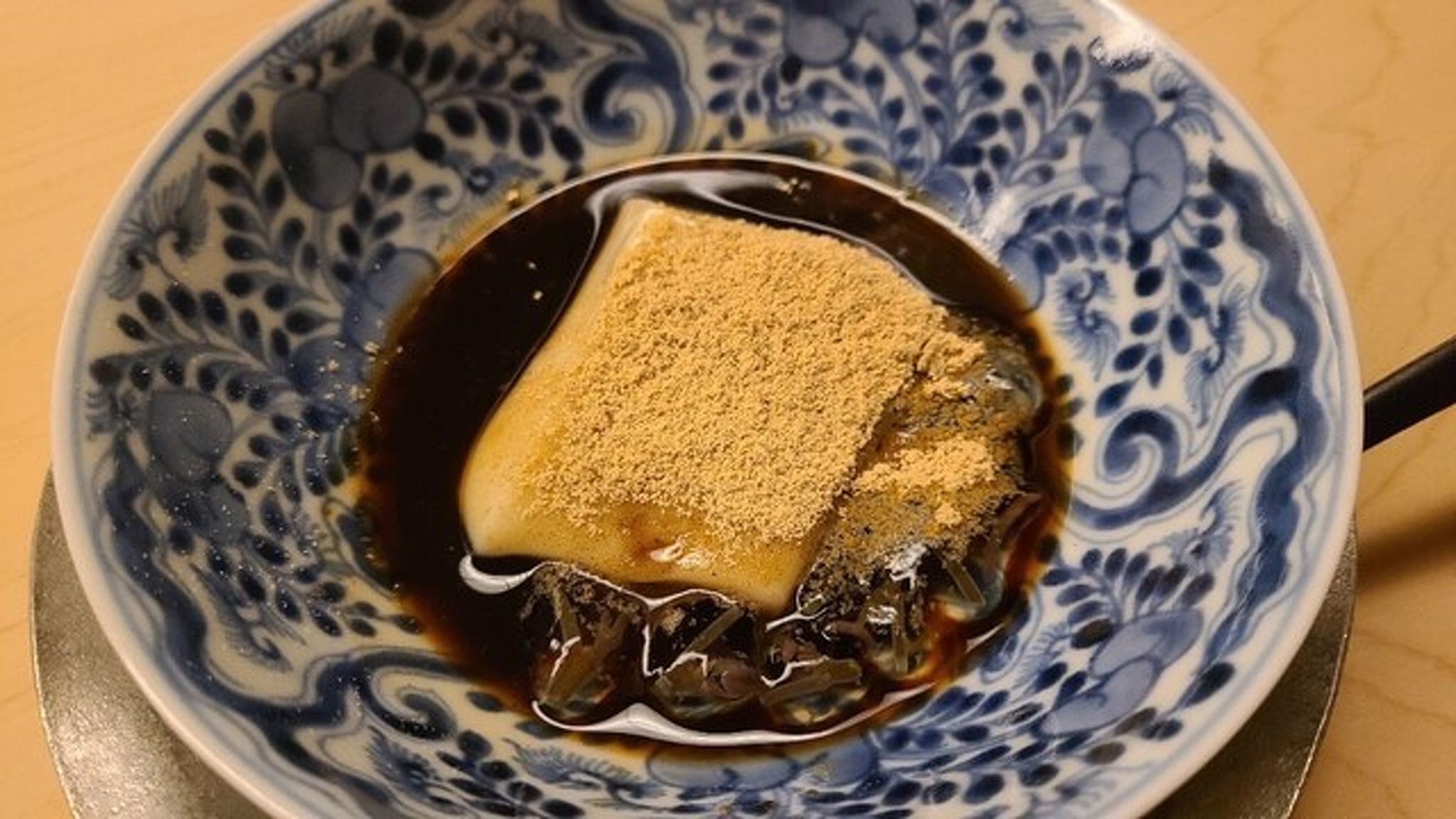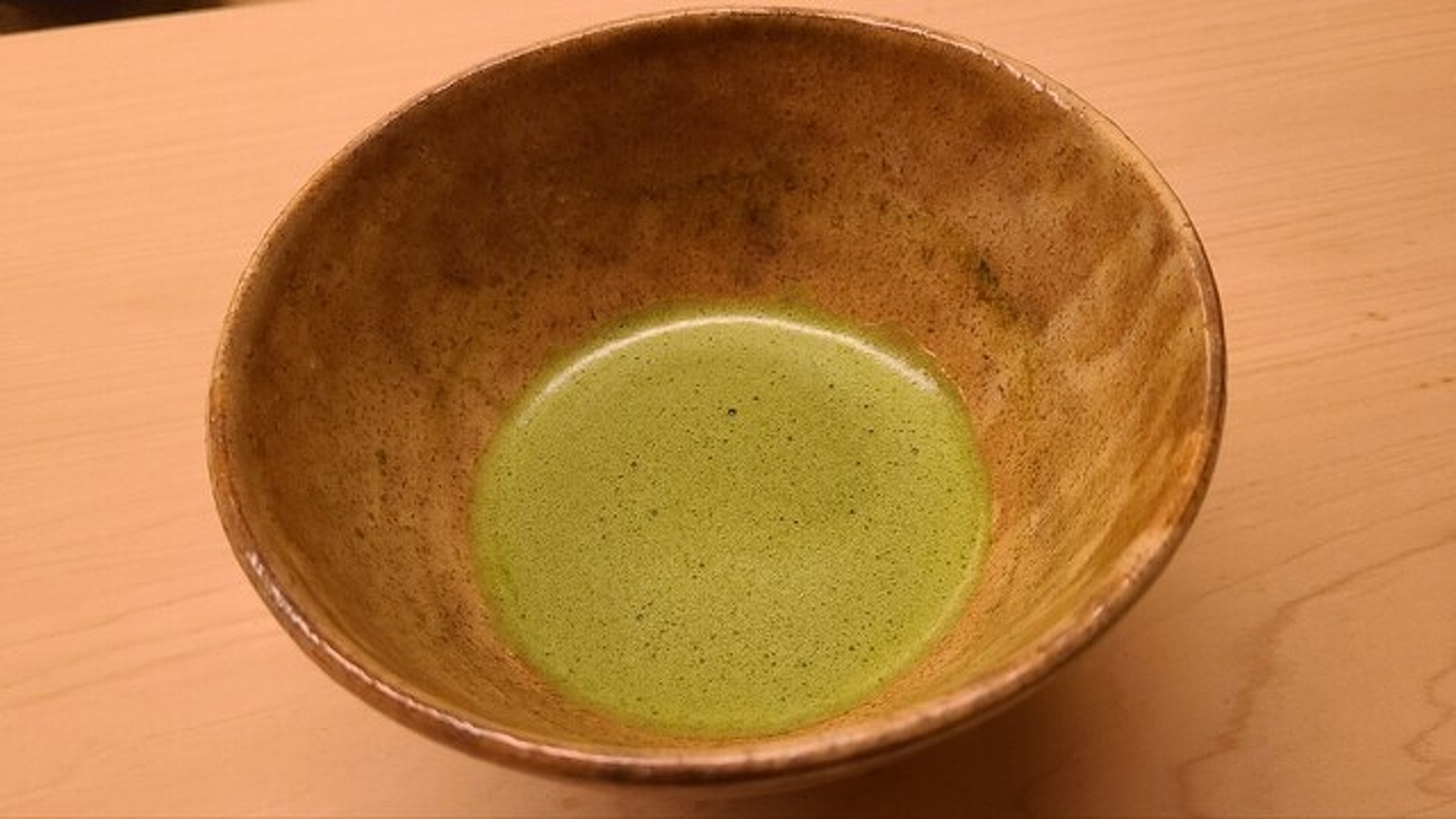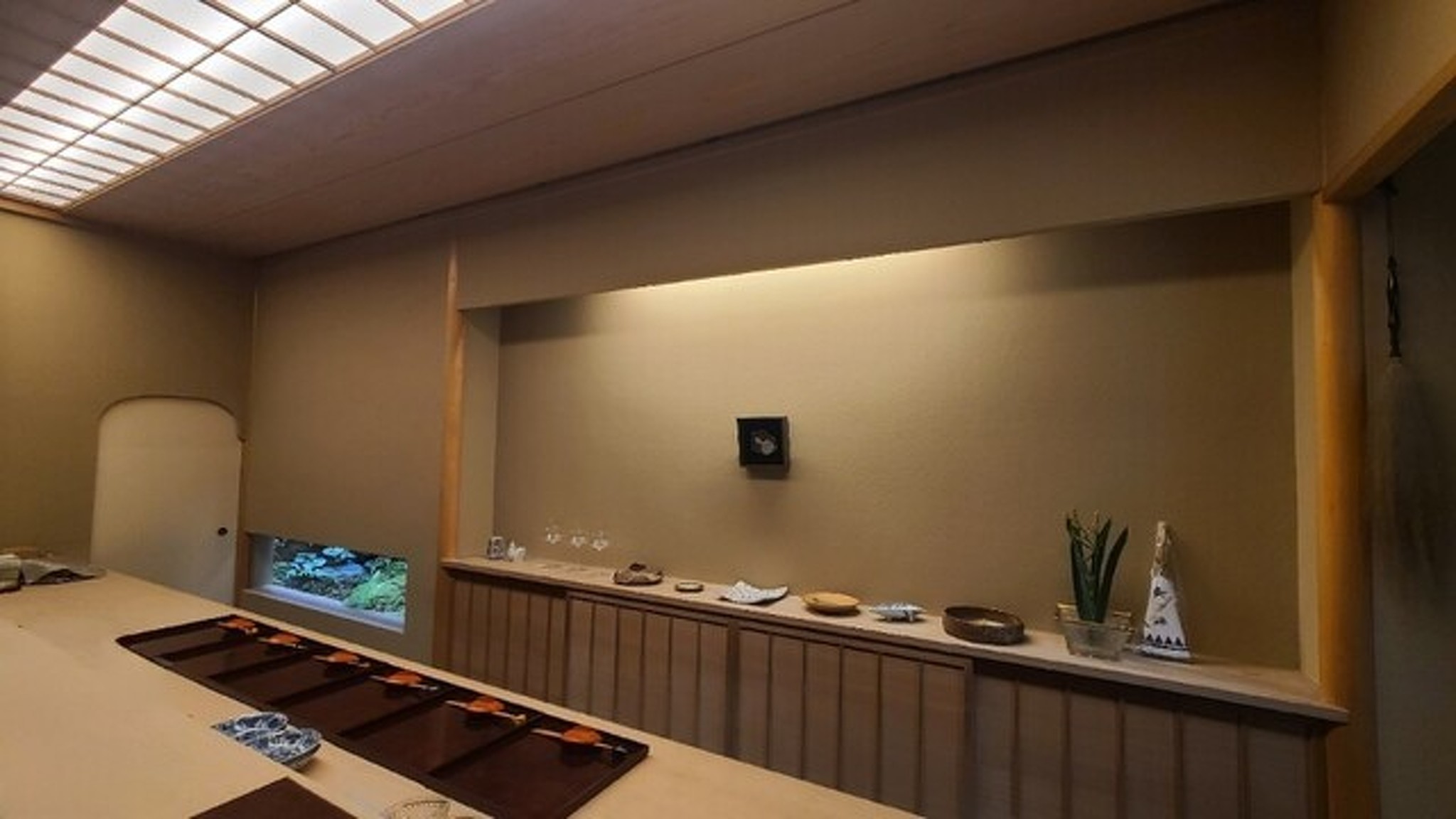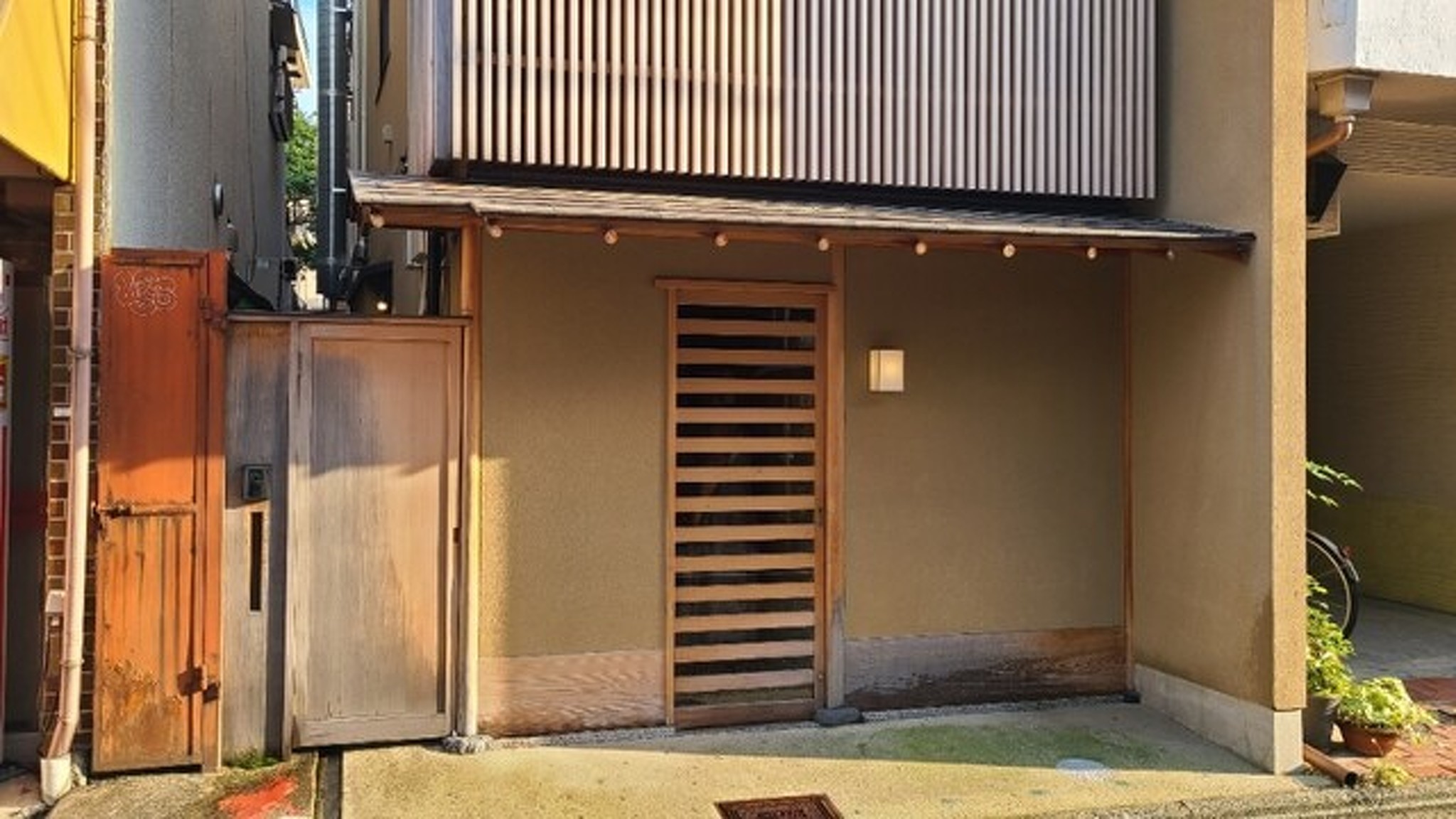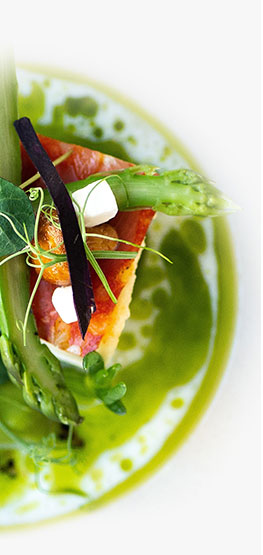
Dojin, located a 10-minute walk from Sanjo Station on the Keihan Line, opened in 2018 and is run by Chef Nakajima and the owner. As the rainy season ended and summer began, I had the pleasure of enjoying exquisite dishes crafted from both ocean and mountain delicacies, showcasing the chef's exceptional skills. Here’s how I personally enjoy my time at Dojin: 【1】Fish The main focus is on fish from the waters near Awaji Island in Hyogo Prefecture. The sashimi is often aged for about 6 hours, either from the morning or noon catch. The surface is lightly moist and glossy, maintaining a firm texture while delivering flavors reminiscent of fish aged for three days, always providing a delightful surprise. While the variety of fish used on any given day may not be extensive, each bite is remarkably flavorful. 【2】Dashi The dashi is primarily made with Rishiri kombu (Okui Kaisen-do, Grade 1), often combined with freshly shaved, bloodline-free katsuobushi and bloodline-free tuna flakes. When you lift the lid of the soup bowl, the aroma of Rishiri kombu dashi wafts up. The ultimate dashi, prepared with perfect timing, showcases the sharp and distinct umami flavor unique to Rishiri kombu, truly the top of the top in taste, leading you to bliss. Additionally, during clam season, clam dashi can be enjoyed. First, take a sip of the dashi slowly and savor it. 【3】Cooking Technique Whether grilled over charcoal or prepared as tempura or fried, the cooking technique consistently brings out the maximum umami of the fish's fat. This is purely my personal opinion. While it may not appear flashy or extravagant in photos, the true value of the experience can only be felt by closing your eyes and savoring the flavors. Moreover, because Chef Nakajima prepares everything himself, there is a consistent narrative in the flavors from start to finish, free from distractions that could disrupt the emotional aftertaste. This time, I was thrilled to taste the rare summer fish, the oni aji, expertly prepared by Chef Nakajima! Once again, it was delicious and left me trembling with excitement! ((( ;゚Д゚))) The total for the meal, drinks, and tax came to JPY 75,000. I have included explanations with the photos. It was a great meal, and I felt truly happy. Dishes: 1. Steamed black abalone with Tosa vinegar jelly, garnished with shiso flowers, served with red sea urchin and chopped okra, on a bed of kashi leaves (the precursor to Tanabata strips). 2. Oni aji sushi roll, served with nori. 3. Akou (officially known as Kijihata) & winter melon in a bowl of dashi made with Rishiri kombu and bloodline-free tuna flakes. 4. Torigai (bird shell), served with a hot stone, soy sauce, and wasabi. 5. Charcoal-grilled sweetfish, served with tade vinegar. 6. Tempura of corn (variety: Gold Rush), with chicken, chopped cucumber, chopped shiitake mushrooms, sea jellyfish, and almond salad. 7. Fried shrimp crackers and deep-fried green asparagus. 8. Dashi-poached eel topped with plum paste, served with hand-stretched Miwa somen, ripe fruit tomato, and chilled dashi made with Rishiri kombu and bloodline-free tuna flakes. 9. Kamo eggplant with hairy crab sauce. 10. Boiled vegetables. 11. White rice topped with boiled shirasu (young sardines). 12. Red sea bream (also known as Nodoguro) simmered with plum, served with plums. 13. Pickles (lightly pickled cabbage, cucumber, turnip, Nara pickles, and shibazuke). 14. White rice topped with sea bream dressed in sesame sauce. 15. Red miso soup. 16. Soybean juice and kudzu tofu topped with soybean flour, served with water shield and brown sugar syrup.
We use cookies on this site to enhance your user experience.