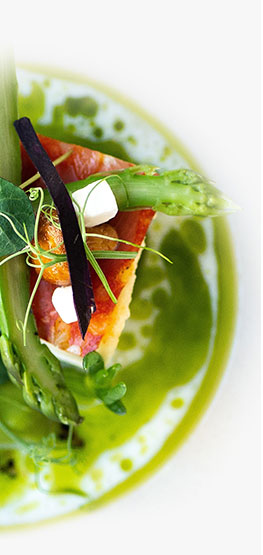
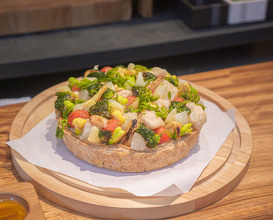
Nestled in the streets of Marutamachi, Kyoto, the Italian restaurant "RADICE" offers a unique blend of Italian cuisine and Japanese elegance.Chef Nemoto, who spent 10 years in the world of Japanese cuisine before moving to Italy, brings his expertise to the table. With the concept of "enjoying Italian cuisine," the restaurant features seasonal ingredient-based courses that beautifully combine the robust flavors of Italian cooking with the delicate nuances characteristic of Kyoto.On this occasion, I made a reservation for lunch. The restaurant is conveniently located about a 5-minute walk from Marutamachi Station on the Karasuma Subway Line, marked by wooden sliding doors and a simple sign.Despite making a last-minute reservation due to unforeseen circumstances, I was warmly welcomed.The interior is a cozy space with counter and table seating, managed by a team of three: Chef Nemoto, his apprentice, and a sommelier.On this day, the clientele included both regulars and tourists, creating a relaxed atmosphere despite it being a holiday.The drink options include pairings and half pairings, but I decided to start with a glass of champagne and add more drinks as I finished each one.Before the course began, the chef presented the ingredients for the day right in front of us. Seasonal spring ingredients like bamboo shoots, asparagus, white asparagus, and canola flowers were beautifully displayed, raising my anticipation for the upcoming course.■Idee e Sapori・Omakase Course (JPY 19,800) - Bombolone, fresh shirasu - Prosciutto, choux ice cream - Panzerotti, firefly squid - 13 types of vegetables - First bonito, Trapani-style sauce, shallots - Quail, raviolone, tear peas - Cherry salmon, green asparagus, green rice - Kyoto Prefecture beef tenderloin, new onions - Palate cleanser - Clams, morel mushrooms, tagliolini - Tiramisu●1. Bombolone, fresh shirasu The first dish was a creative take on the traditional Tuscan fried pastry "bombolone." Inside, it cleverly incorporated fresh shirasu, showcasing a fusion of Japanese ingredients. The freshly fried dough had excellent oil drainage, resulting in a light and crispy texture. As I bit into it, the creamy fresh shirasu emerged, releasing a delightful ocean aroma and flavor. While bombolone is often associated with sweetness, this savory version made for a refreshing start to the meal. The first drink pairing was Grand Cru Avize Blanc de Blanc Brut Zero / Valniere Faniere.●2. Prosciutto, choux ice cream Due to recent difficulties in sourcing Spanish and Italian prosciutto, the restaurant uses prosciutto made by Italians in America. This prosciutto was paired with an innovative dish featuring choux pastry filled with espresso and foie gras. The prosciutto had a mild saltiness and a subtle aging aroma, offering a refined taste that paired well with cheese and bread. The richness of the foie gras and the slight bitterness of the espresso in the choux harmonized beautifully, creating a balanced dish with layers of saltiness, bitterness, and sweetness.●3. Panzerotti, firefly squid The Milanese specialty fried pizza "panzerotti" was served in a hand-held style. The dough, infused with squid ink, contained seasonal firefly squid. Biting into the chewy dough released the rich flavor of the firefly squid and its innards, complemented by the toasty aroma of the squid ink. This dish was a simple yet memorable representation of spring ingredients in Italian cuisine.●4. 13 types of vegetables This dish, known as the "Tart of 13 Vegetables," is a signature offering. The base is made from 11 types of vegetables, topped with new potatoes, canola flowers, and bamboo shoots, all layered with an abundance of spring vegetables. Accompanying it is a lemon sauce made with whole lemons. The umami of the asparagus and the characteristic bitterness of spring vegetables are beautifully balanced by the refreshing acidity of the lemon, creating a harmonious dish. Despite being vegetable-centric, it was far from monotonous, with enjoyable variations in texture and aroma. The pairing was an orange wine, Giandon Bianco / Il Farneto, which had a rich body typical of orange wines, complemented by citrus notes reminiscent of lemon, making it an excellent match for the vegetables and lemon sauce. The accompanying bread was brioche, served warm with a fluffy, chewy texture and a gentle sweetness from the eggs. Although takeout was offered if I couldn't finish it, I found it too delicious to leave any behind.●5. First bonito, Trapani-style sauce, shallots This dish featured grilled first bonito prepared as tartare, paired with a Sicilian "Trapani-style" sauce made with almonds, paprika, and basil. The savory aroma and rich flavor of the bonito harmonized beautifully with the acidity and sweetness of the paprika, while the shallots added a tightening flavor, enhancing the complexity of the dish. It was impressive how the use of a Japanese ingredient like bonito was seamlessly integrated into an Italian culinary context.●6. Quail, raviolone, tear peas This dish featured quail stewed with egg yolk wrapped in raviolone, served with a soup made from fermented tear peas. The soup had a deep richness, with umami derived from fermentation. The strong flavor of the quail and the richness of the egg yolk combined to create a highly satisfying dish. The pairing was a New Zealand Sauvignon Blanc, Marlborough Sauvignon Blanc Reserve, which had a rich flavor from barrel aging and a calm profile typical of a 12-year-old wine.●7. Cherry salmon, green asparagus, green rice This dish combined risotto made from ancient green rice with charcoal-grilled cherry salmon and green asparagus. The green rice had a unique poppy texture, offering a lighter mouthfeel compared to traditional risotto. The grilled cherry salmon was aromatic, with a rich flavor from the fat, while the fresh taste of the green asparagus added a spring-like quality, beautifully uniting the individual characteristics of each ingredient.●8. Kyoto Prefecture beef tenderloin, new onions The main course featured tenderloin from Kyoto Prefecture beef, grilled over charcoal and then smoked with cherry wood chips. The accompanying new onions were baked in salt, slowly cooked to reveal their natural sweetness and umami without any seasoning. The beef was tender with a moderate amount of fat, and the concentrated umami of the red meat combined with the smoky aroma from the charcoal. It was a light dish that was enjoyable until the very end. The pairing was a Tuscan red wine, Guidalberto / Tenuta San Guido, crafted by the winery behind Sassicaia, blending Cabernet Sauvignon and Merlot, which complemented the umami of the beef beautifully.●9. Palate cleanser The palate cleanser was inspired by a strawberry daiquiri, combining rum and strawberries, with the rum coated in white chocolate. It melted lightly in the mouth, releasing the aroma of rum, and the balance with the acidity of the strawberries was delightful, offering a refreshing yet sophisticated flavor.●10. Clams, morel mushrooms, tagliolini A pasta dish appeared towards the end of the course, featuring the rich umami of clams combined with the aromatic morel mushrooms. The homemade tagliolini had a firm texture, perfectly holding the sauce. This pasta was layered with umami, providing a highly satisfying experience.●11. Tiramisu For dessert, I chose tiramisu, made from a recipe the chef has been using since his time in Italy. The mascarpone cream was light yet rich, perfectly balanced with the flavor of espresso. Despite its classic composition, the high level of execution conveyed why it has been made for so long. It was delicious.●12. Dolce The meal concluded with a bite-sized raspberry pound cake and pistachio gelato.The clever incorporation of spring ingredients while maintaining a strong Italian culinary foundation was impressive. After the meal, I enjoyed a delightful conversation with the chef about his time in Italy and the cultural differences between Italy and Japan, making for a thoroughly enjoyable experience.It was a great meal.
We use cookies on this site to enhance your user experience.