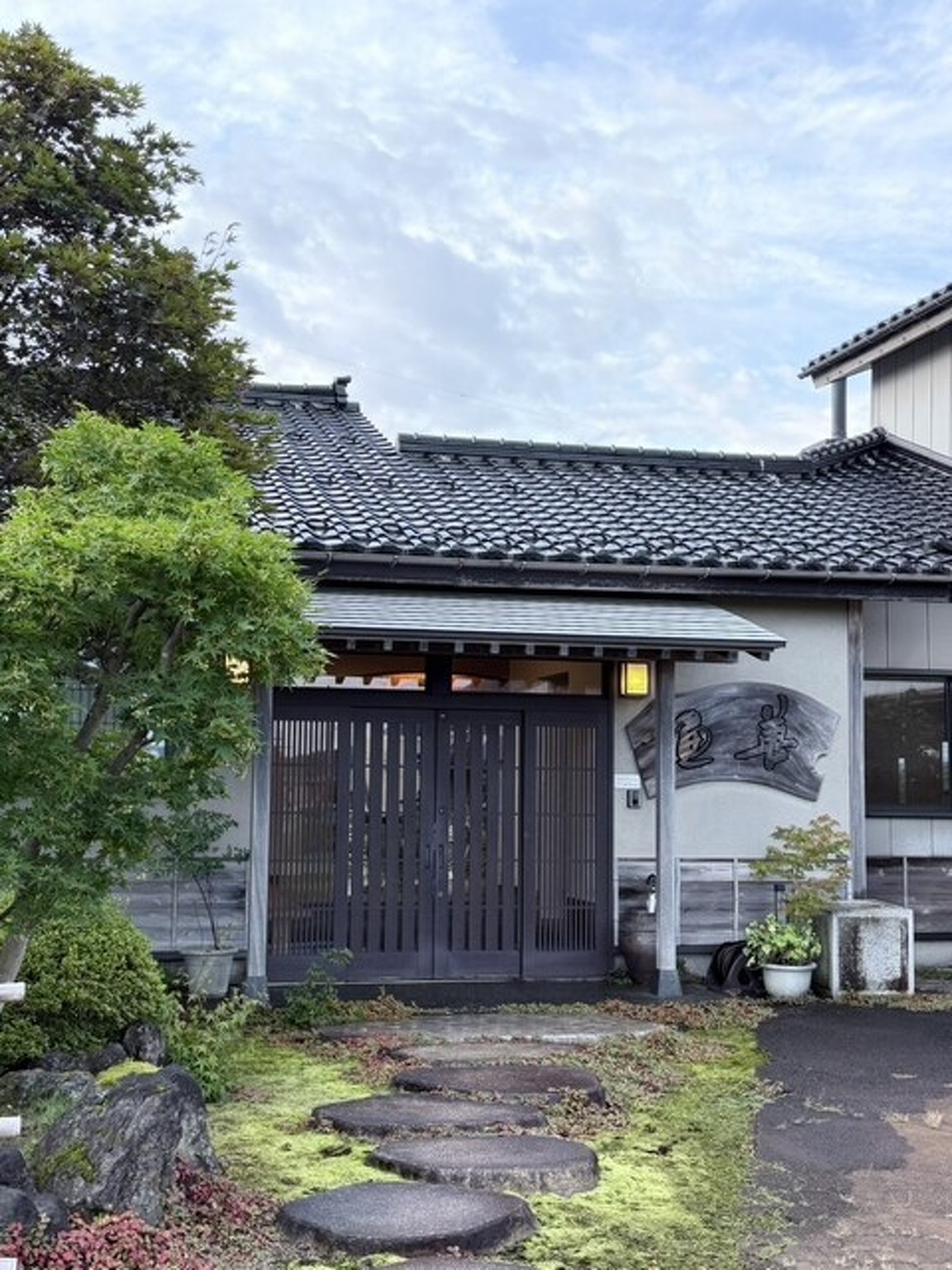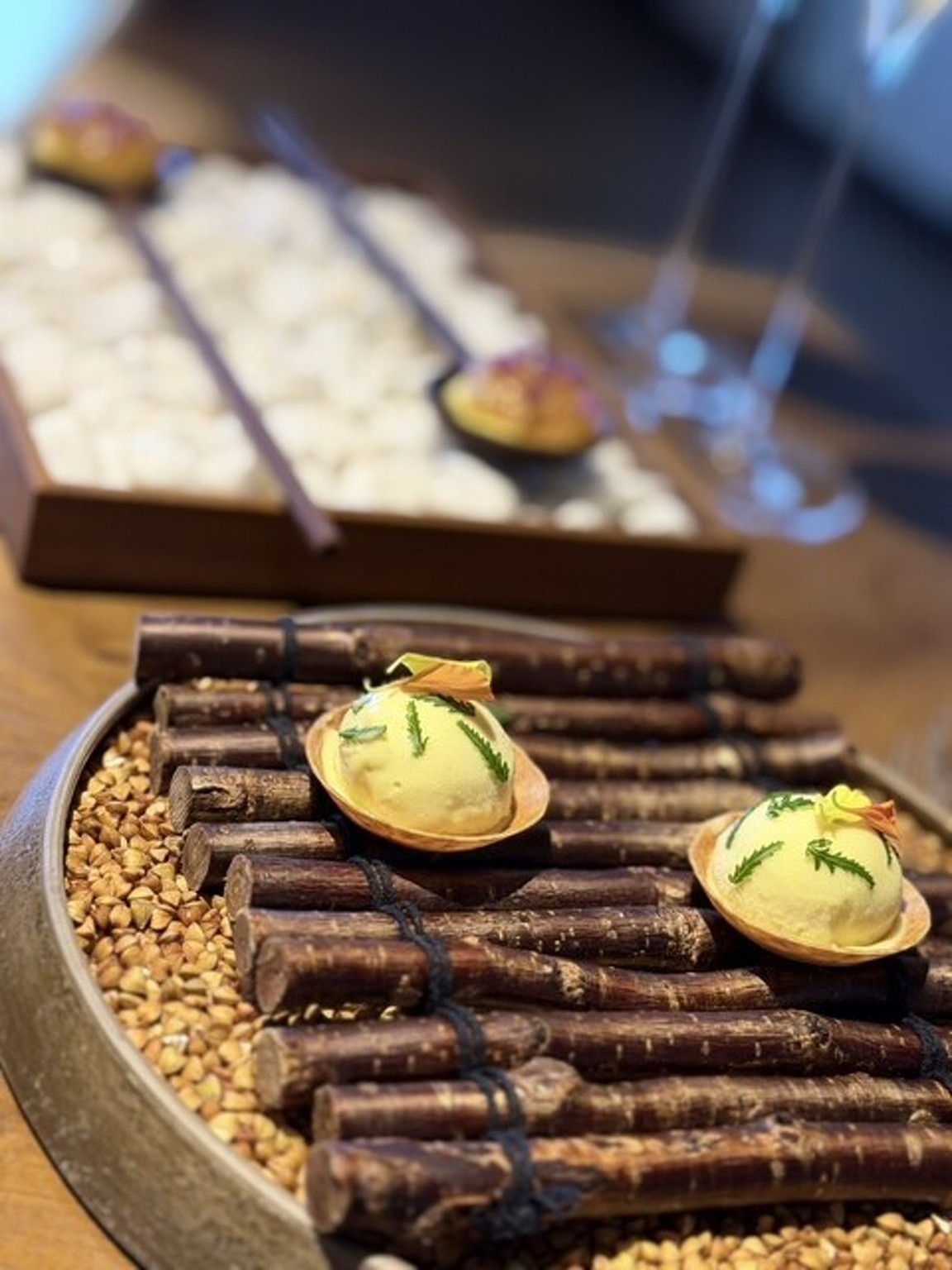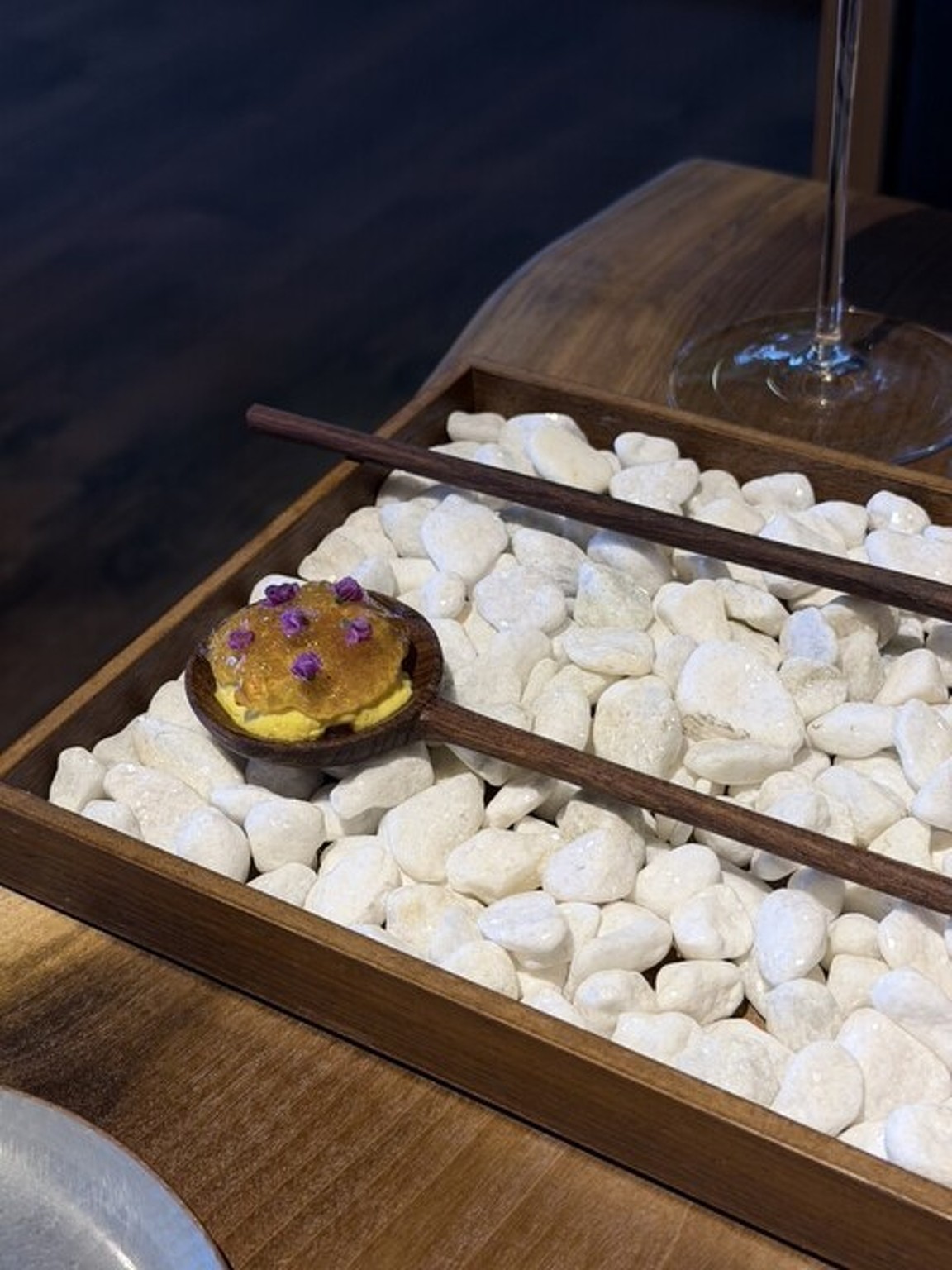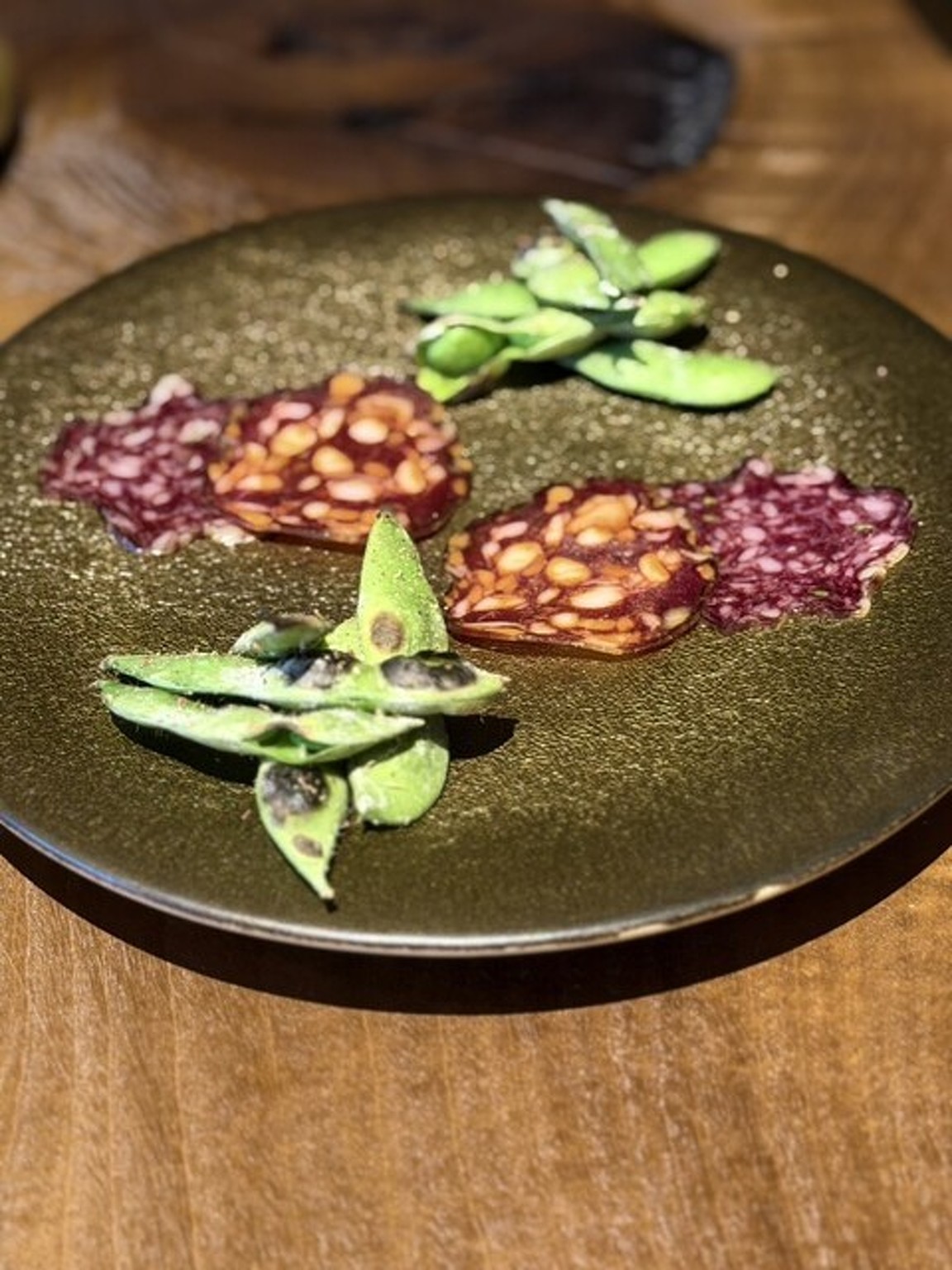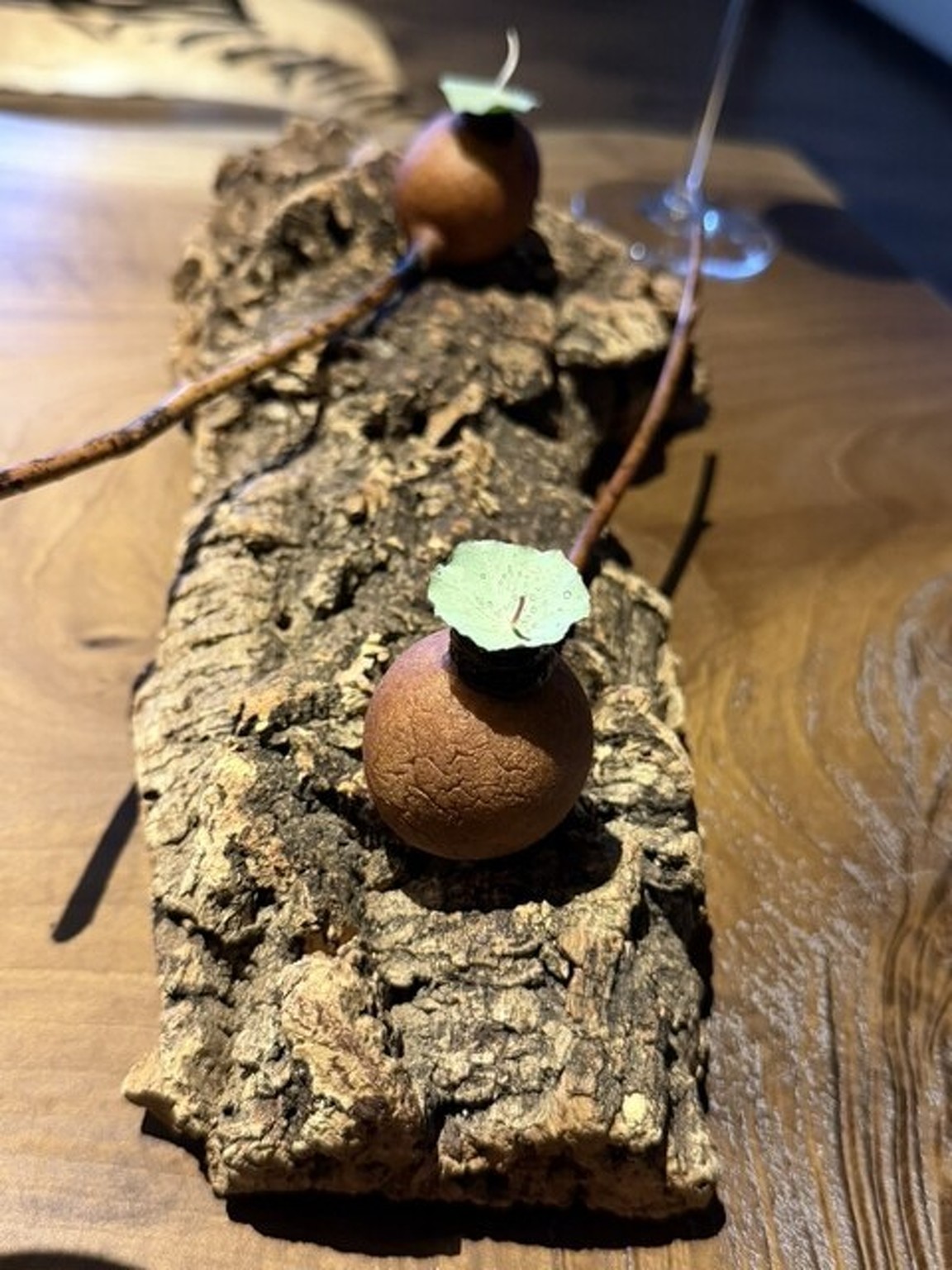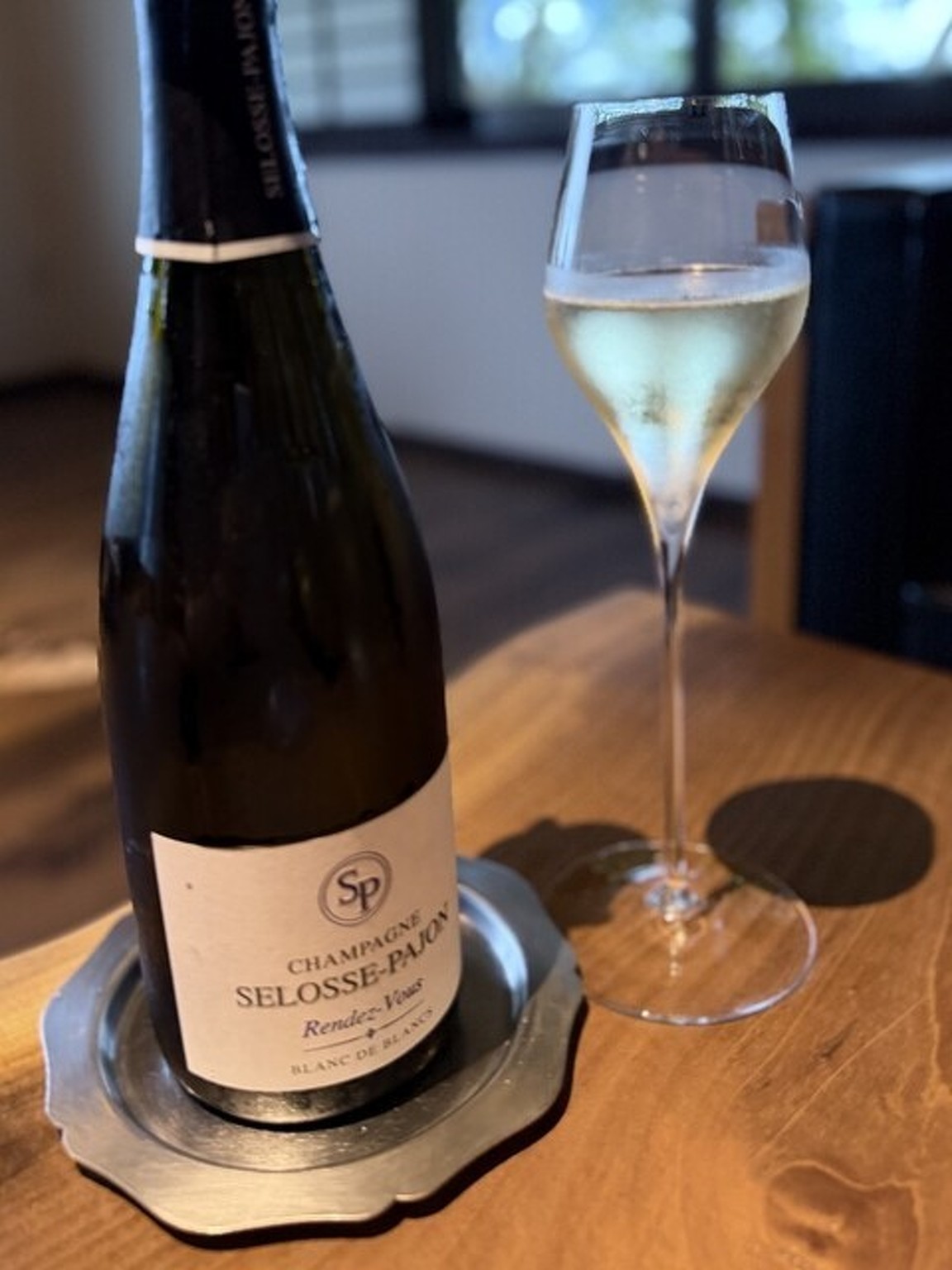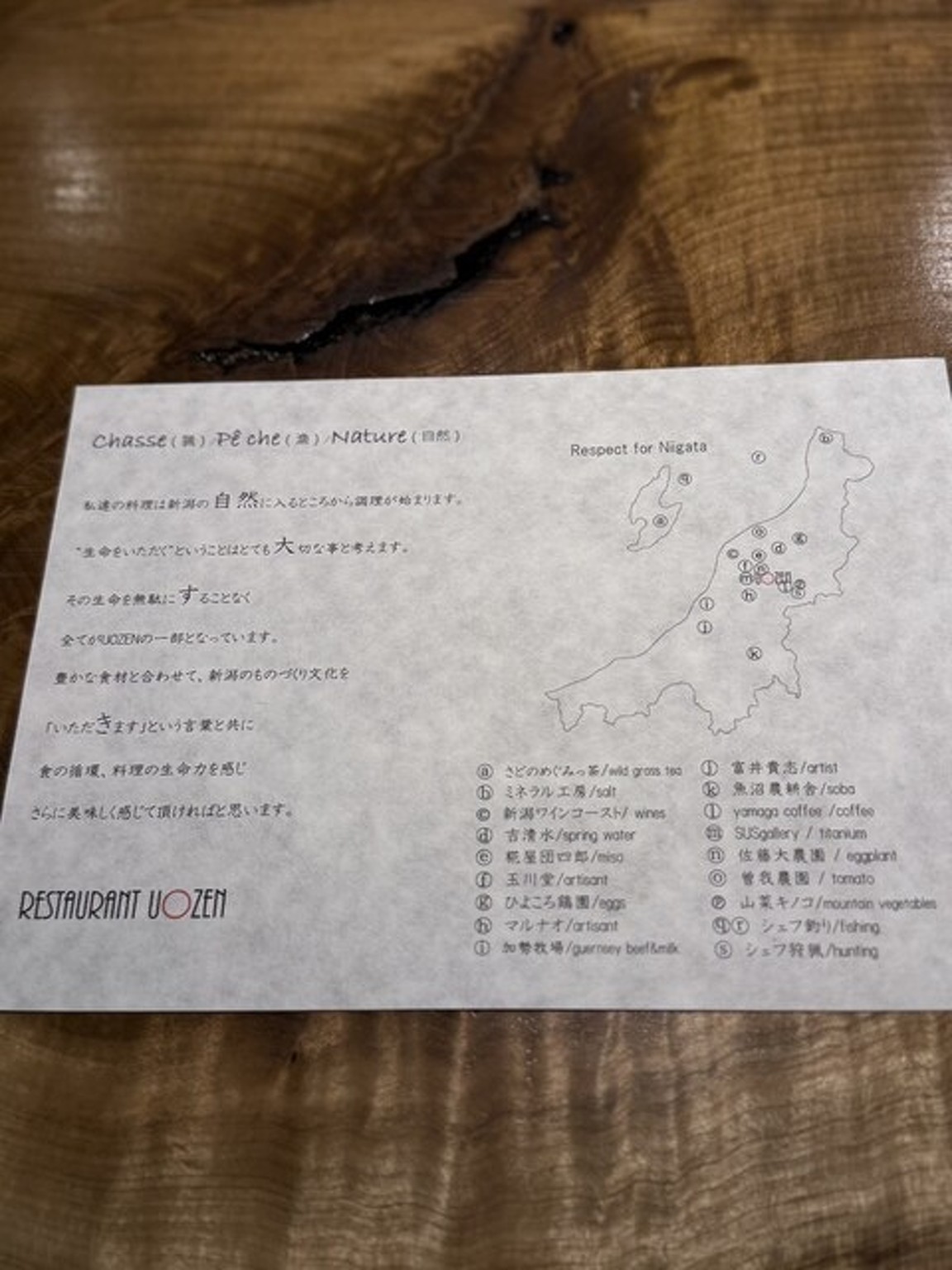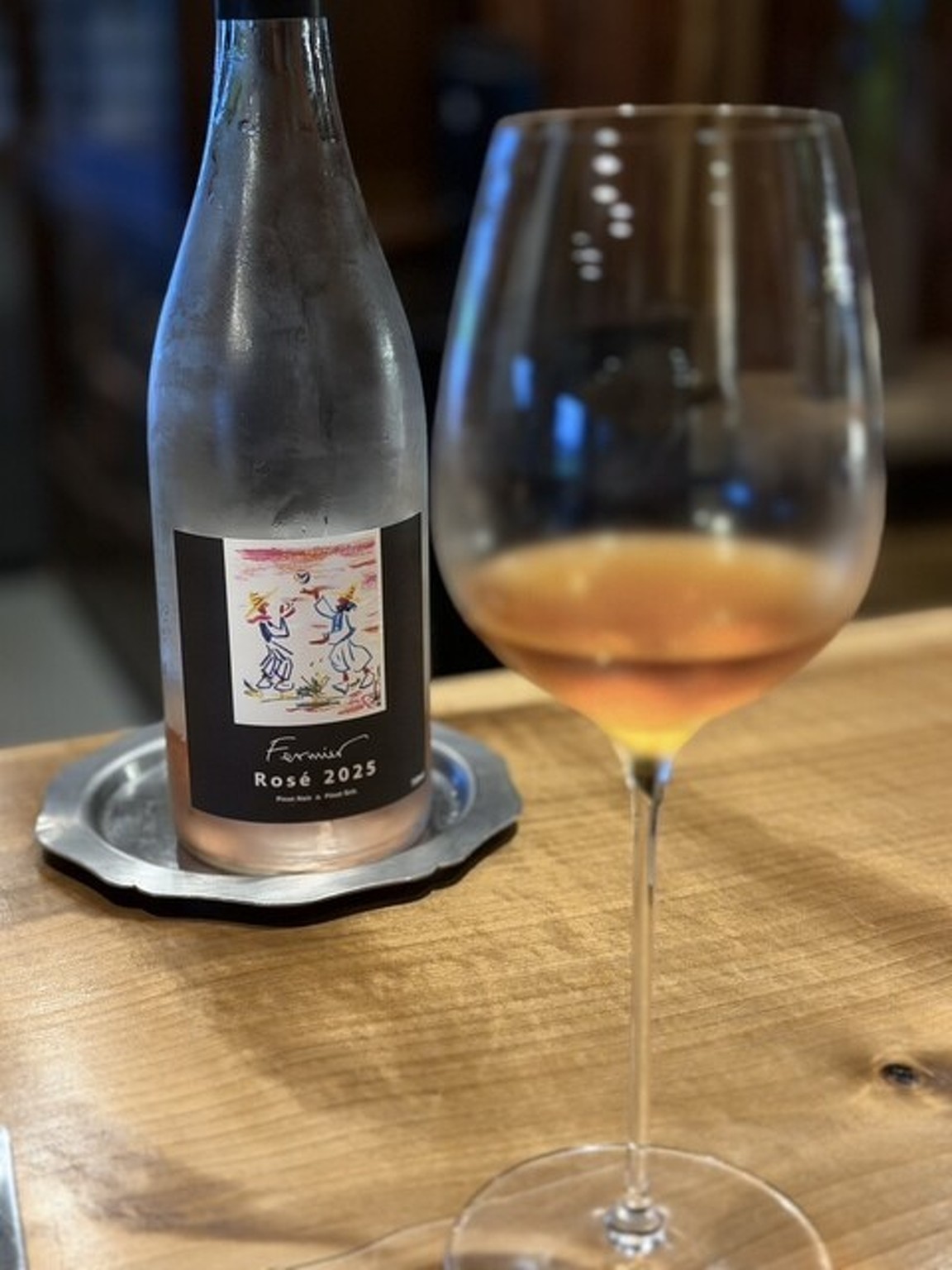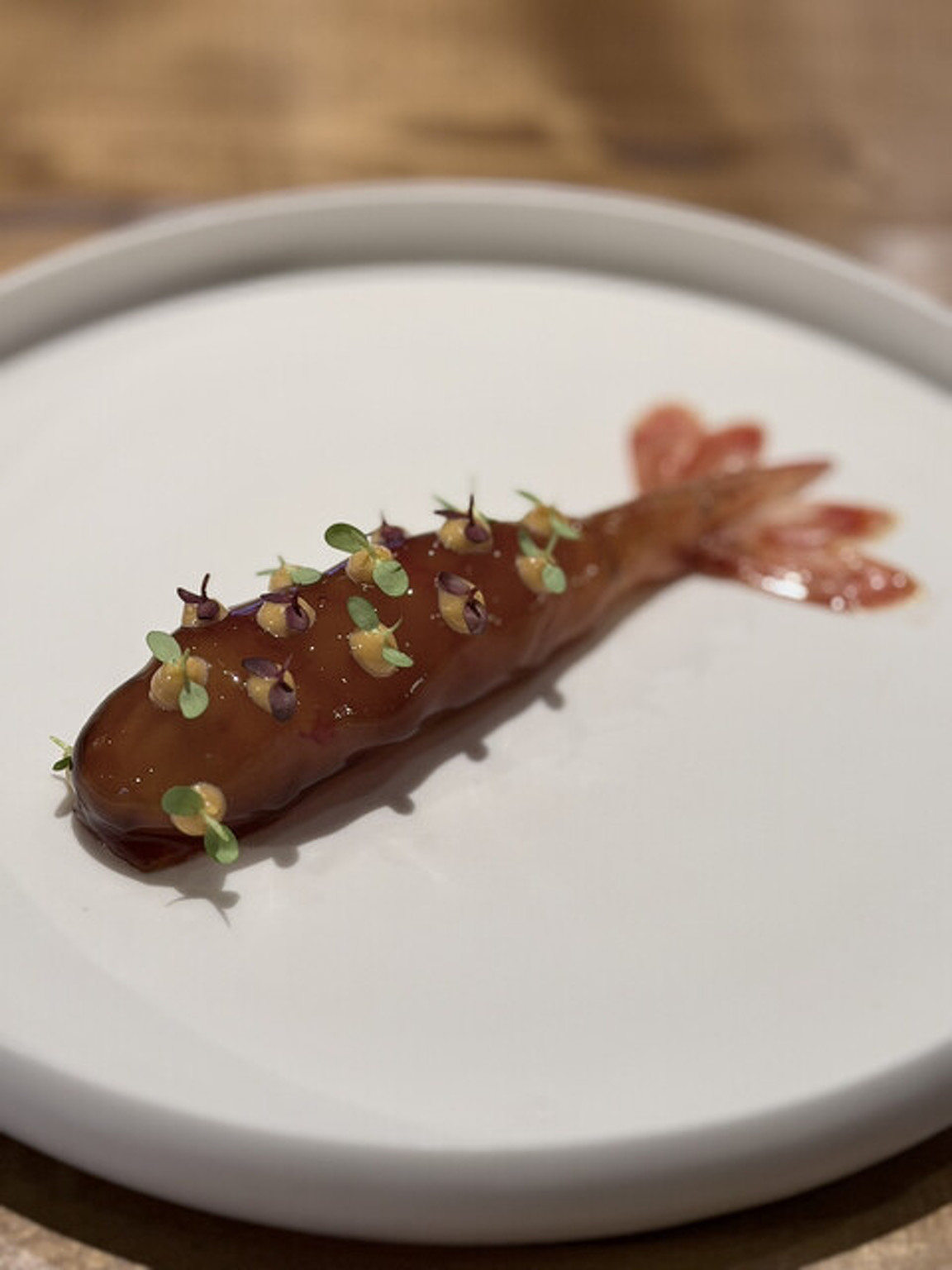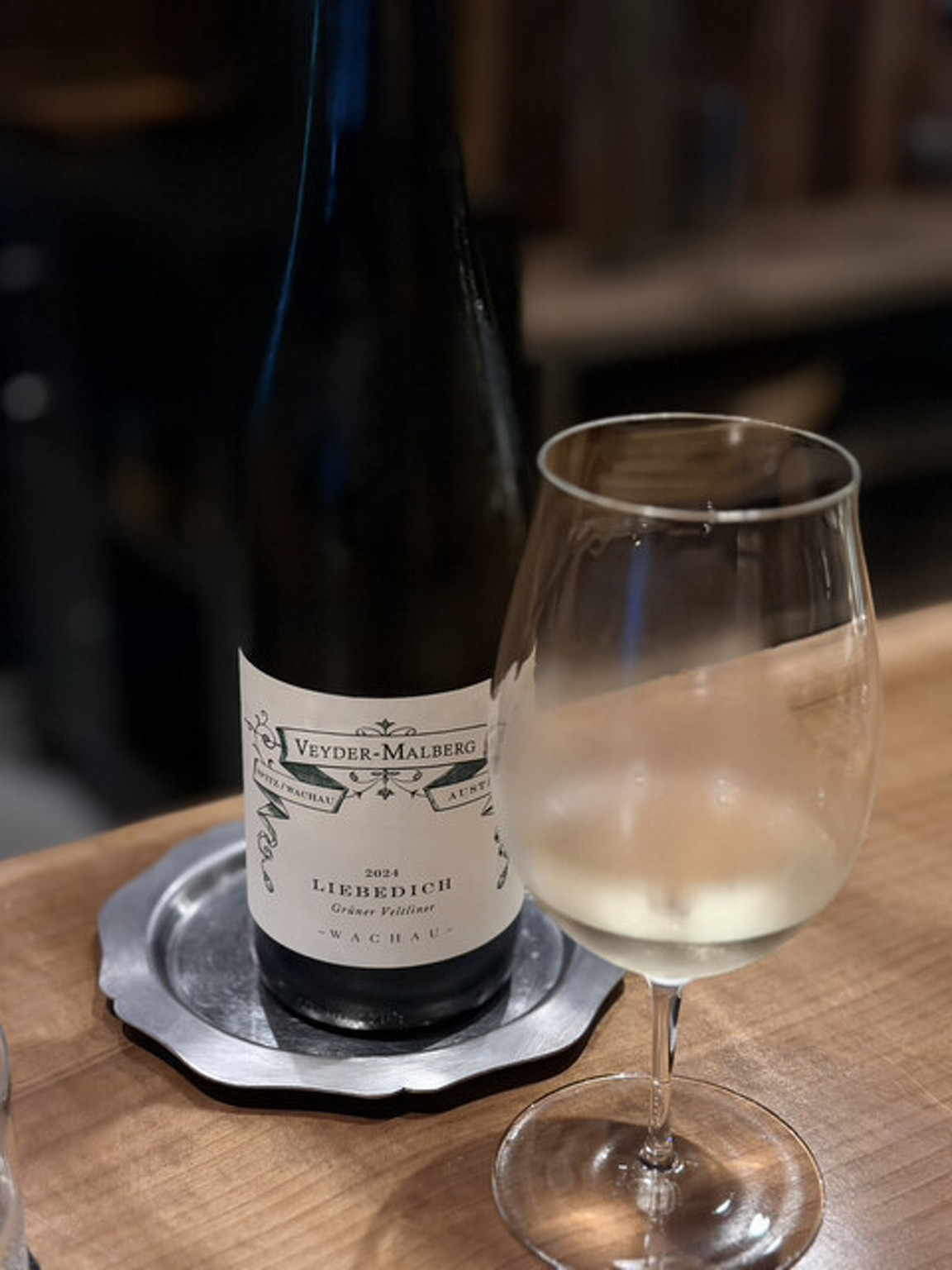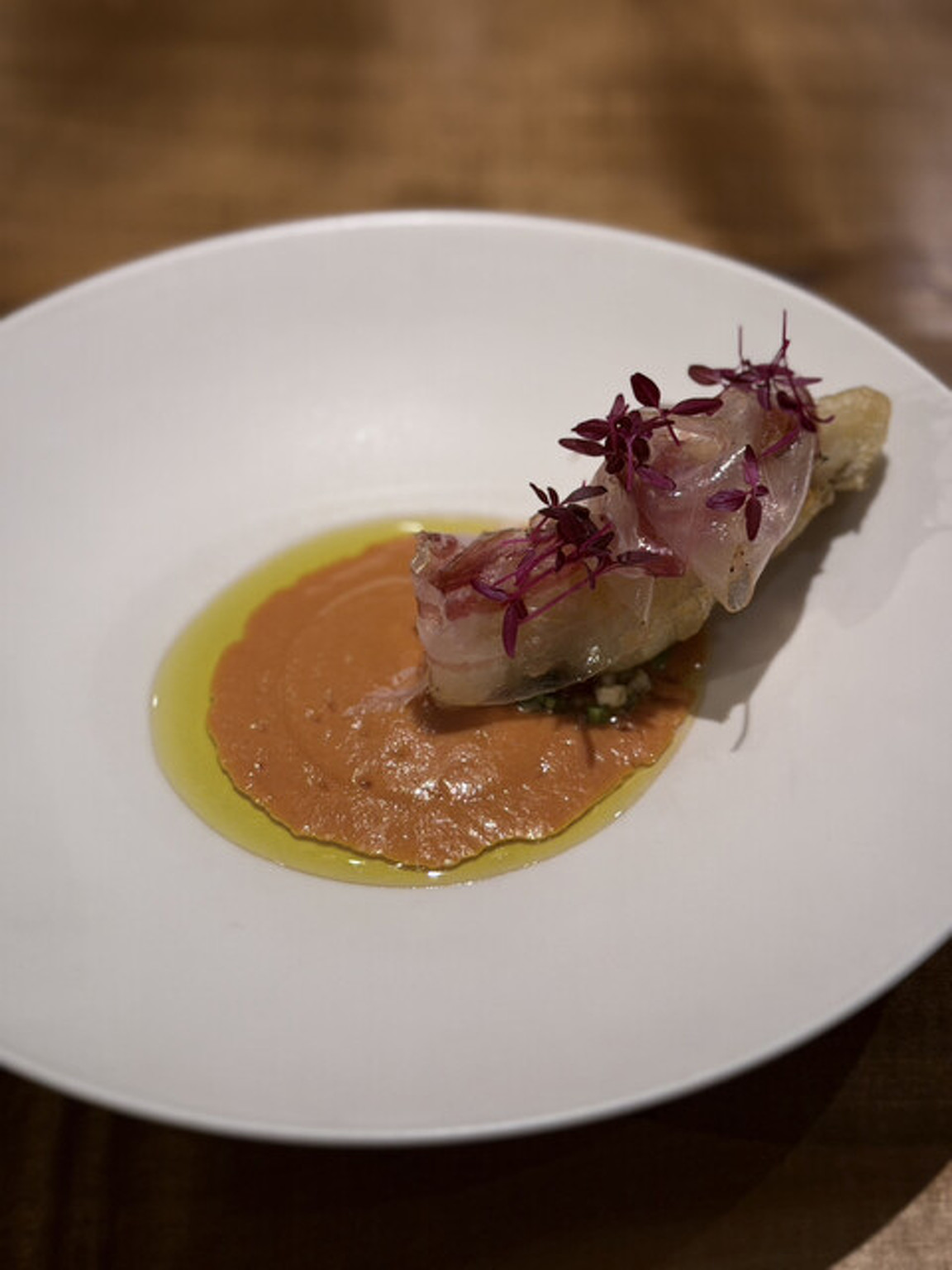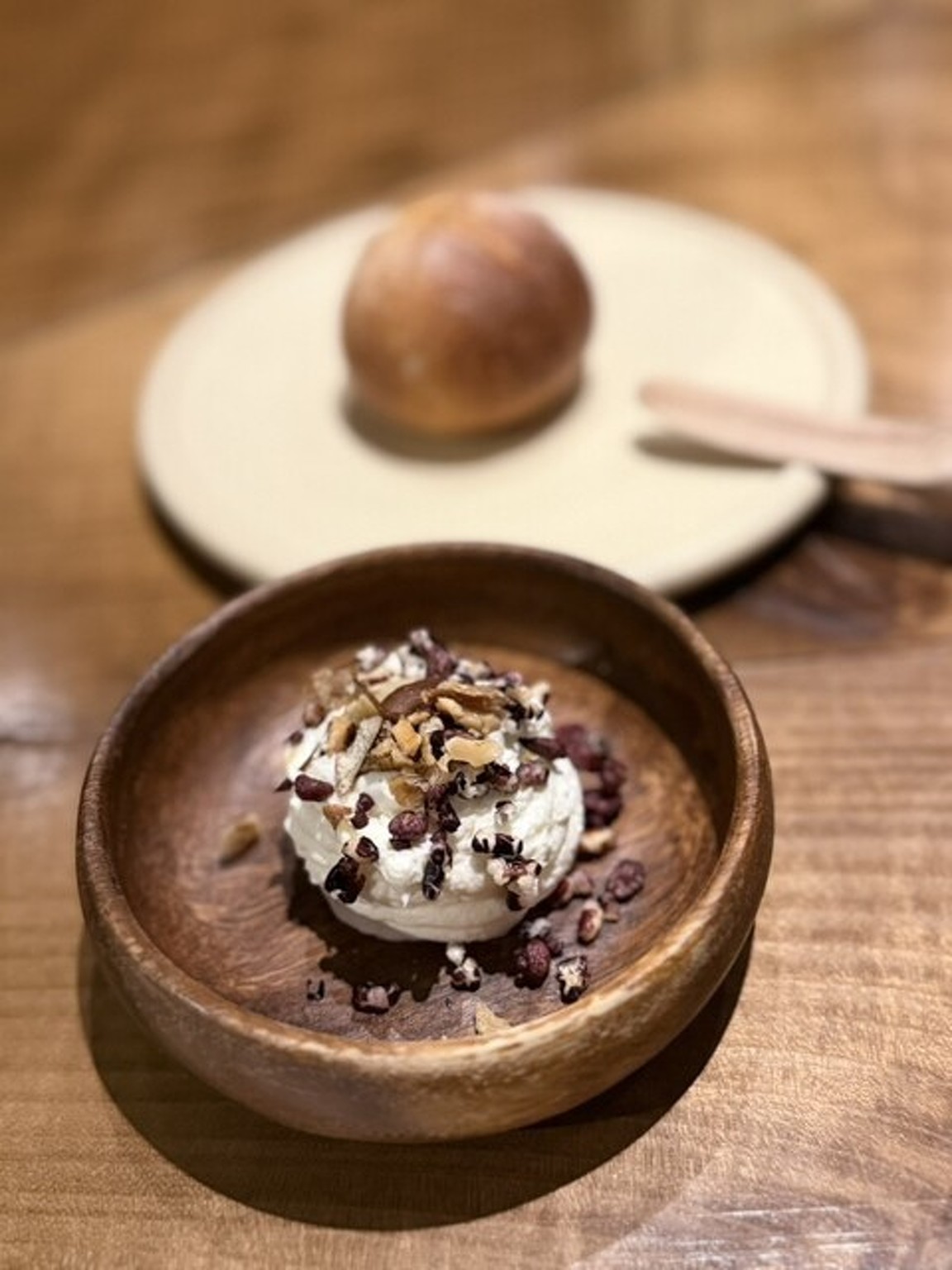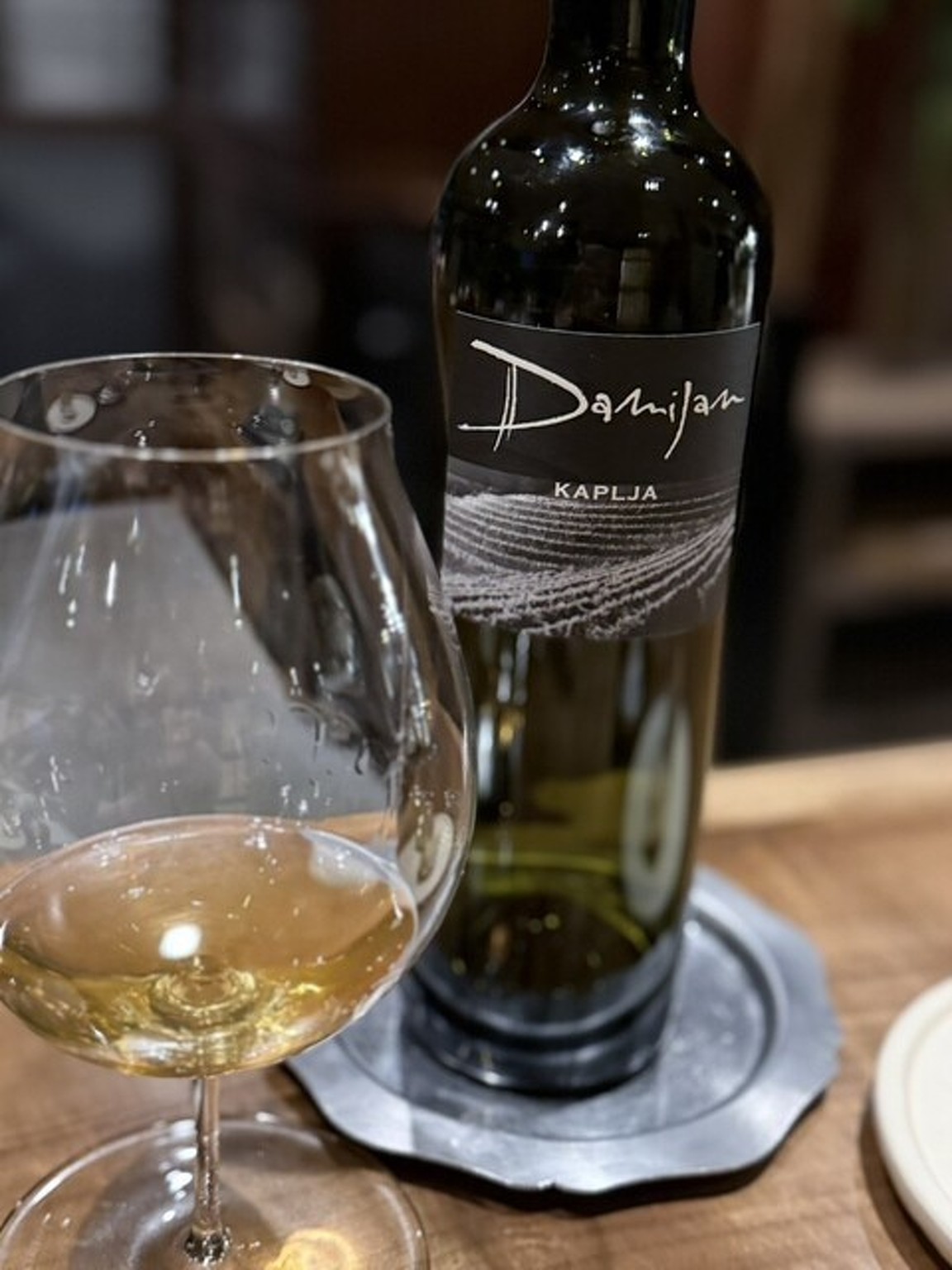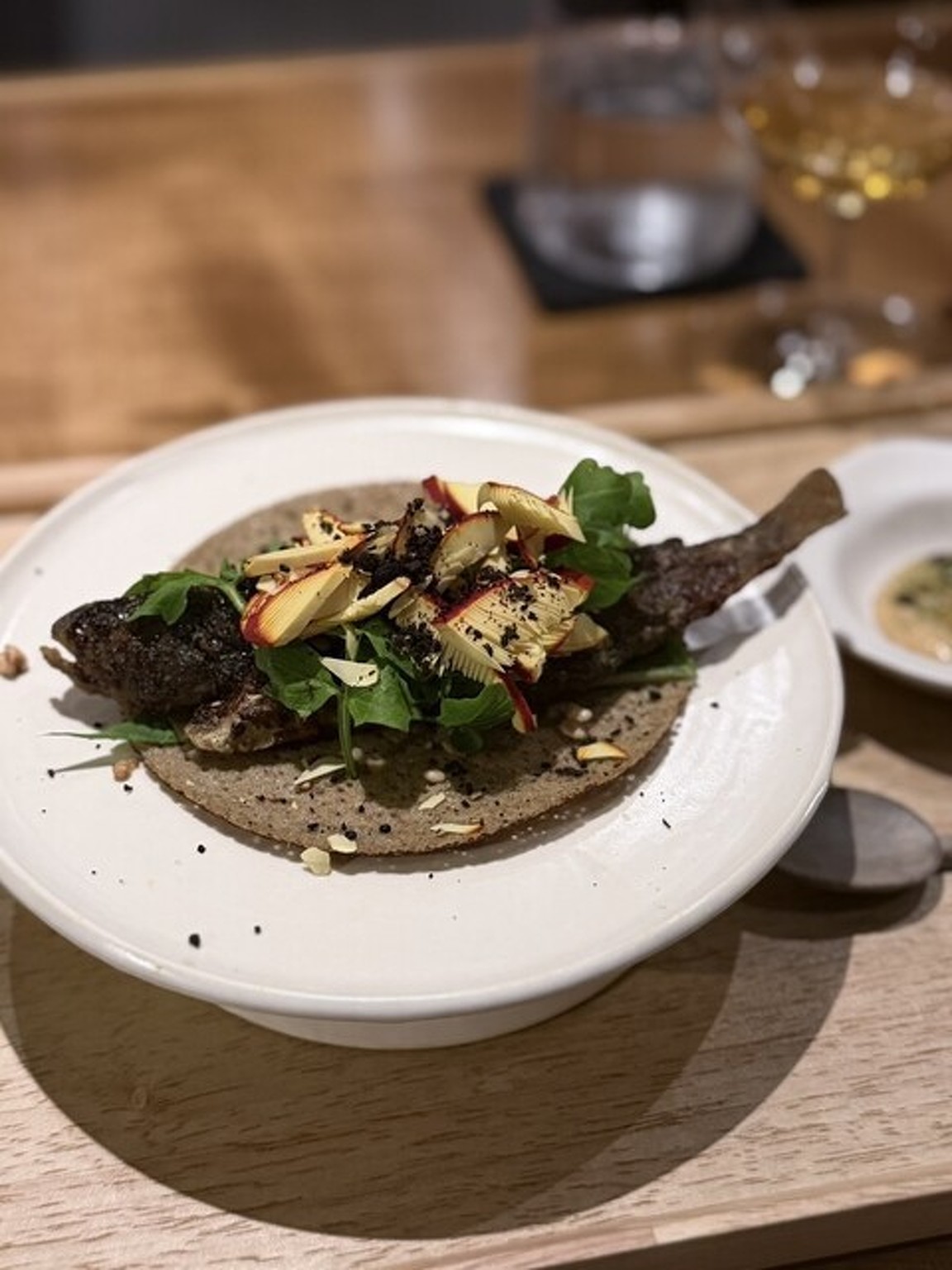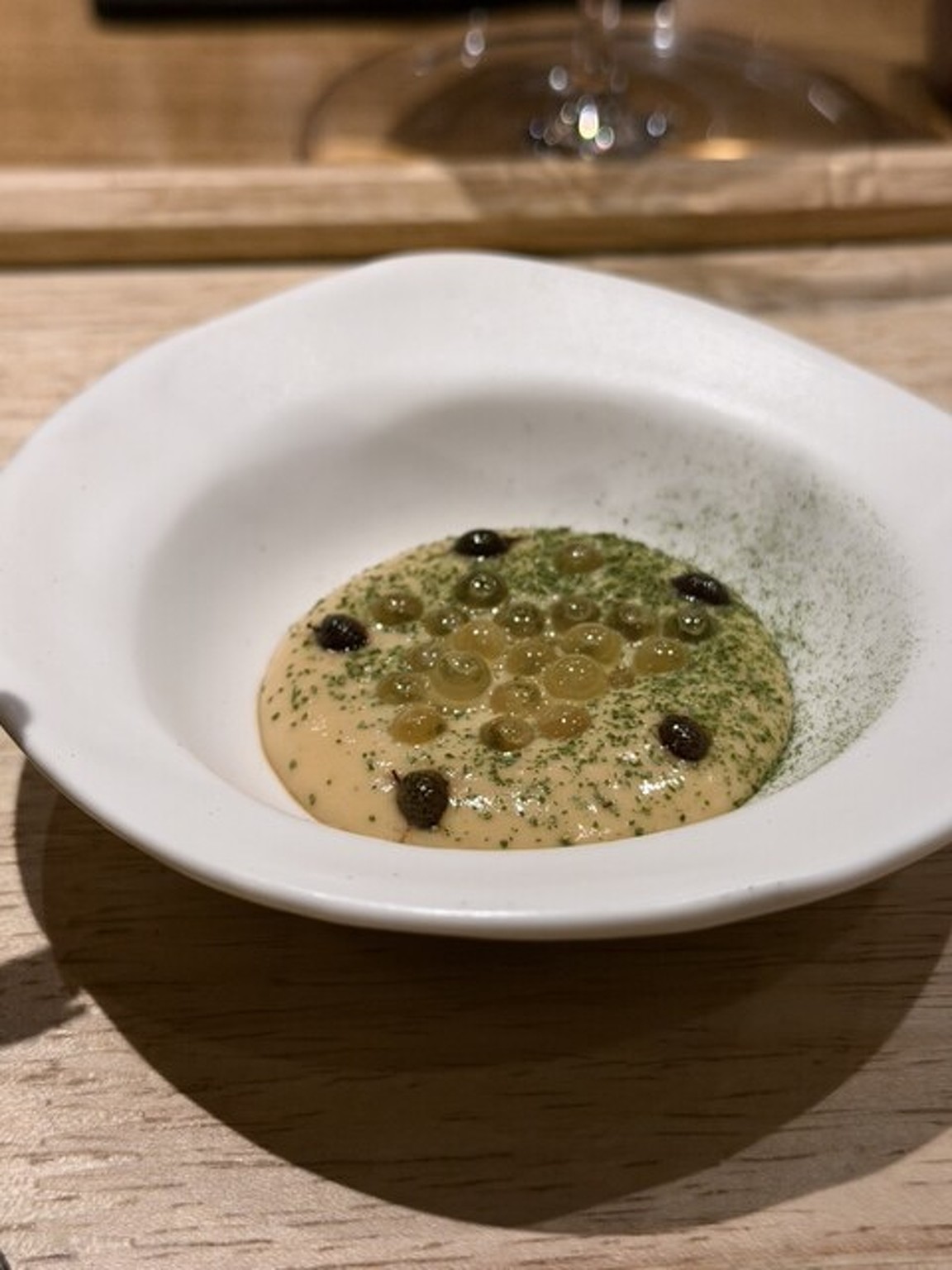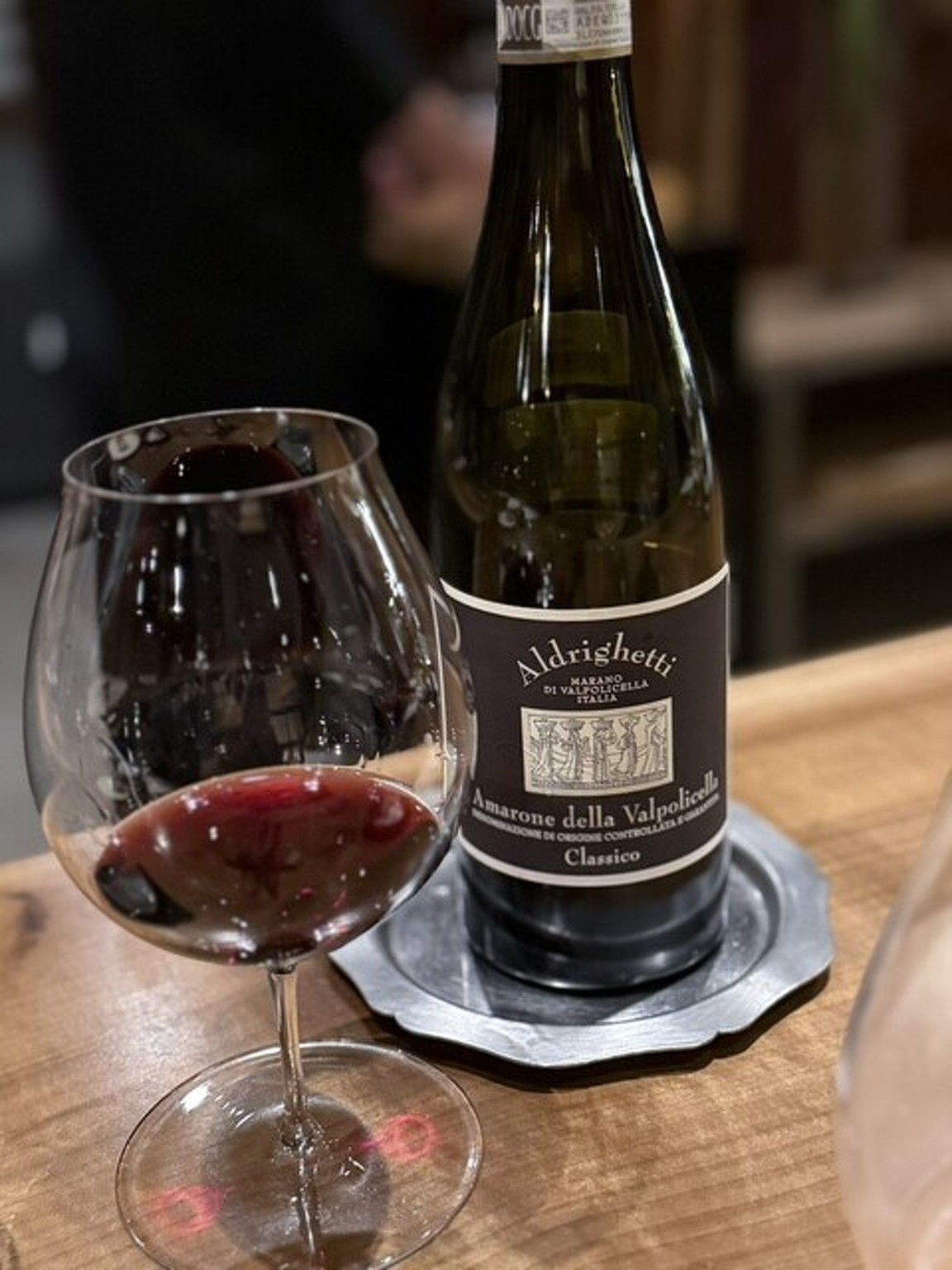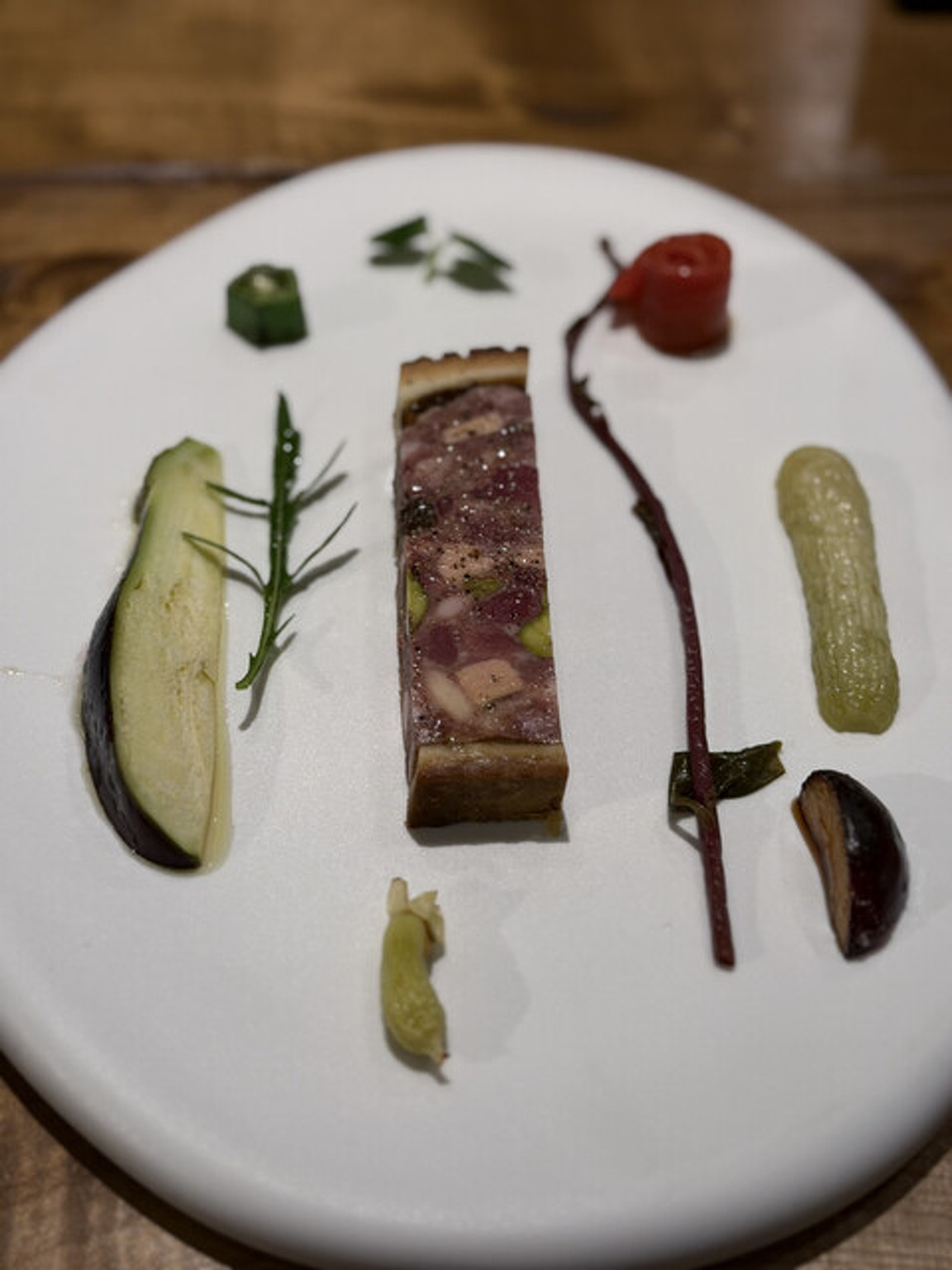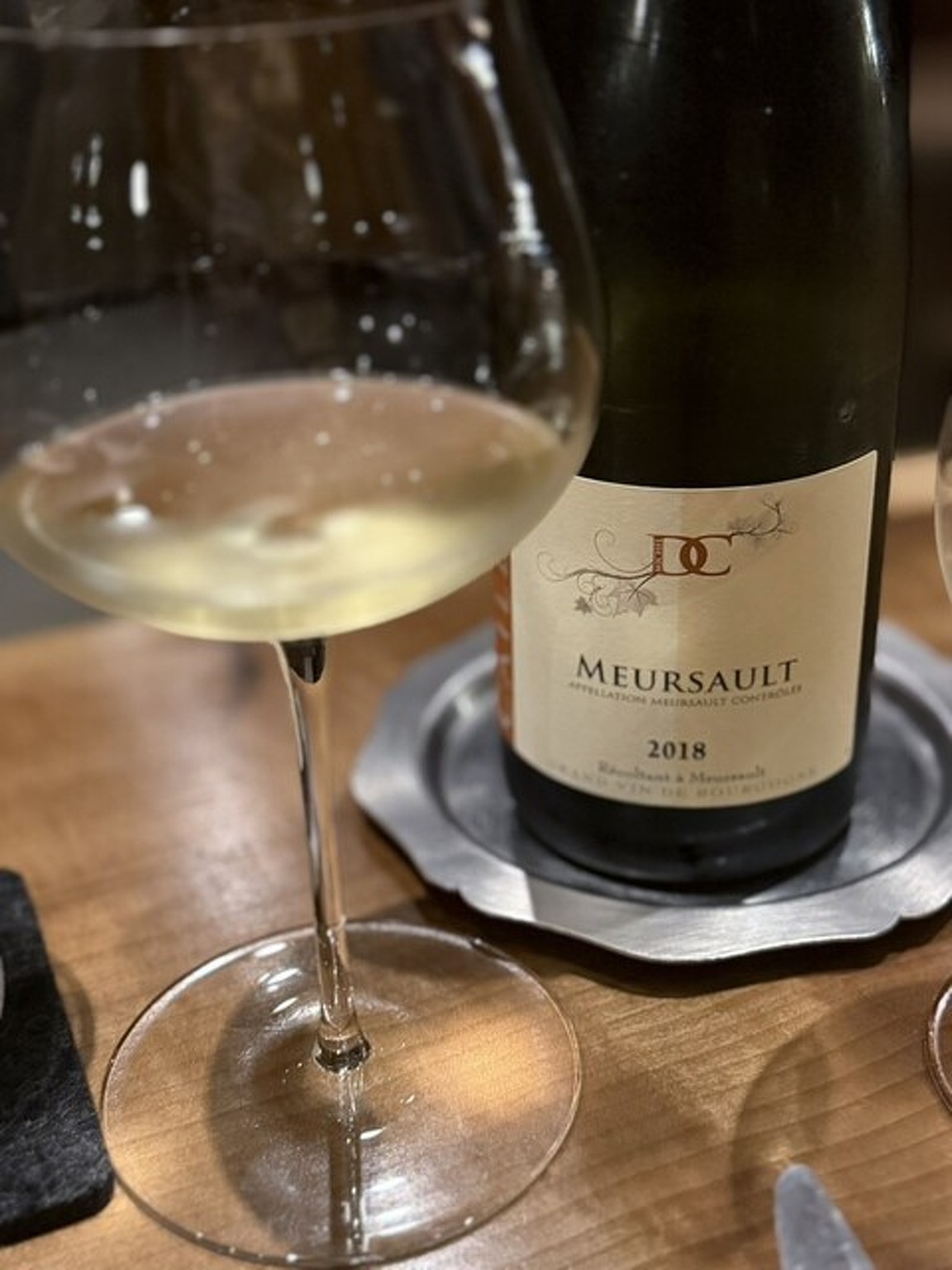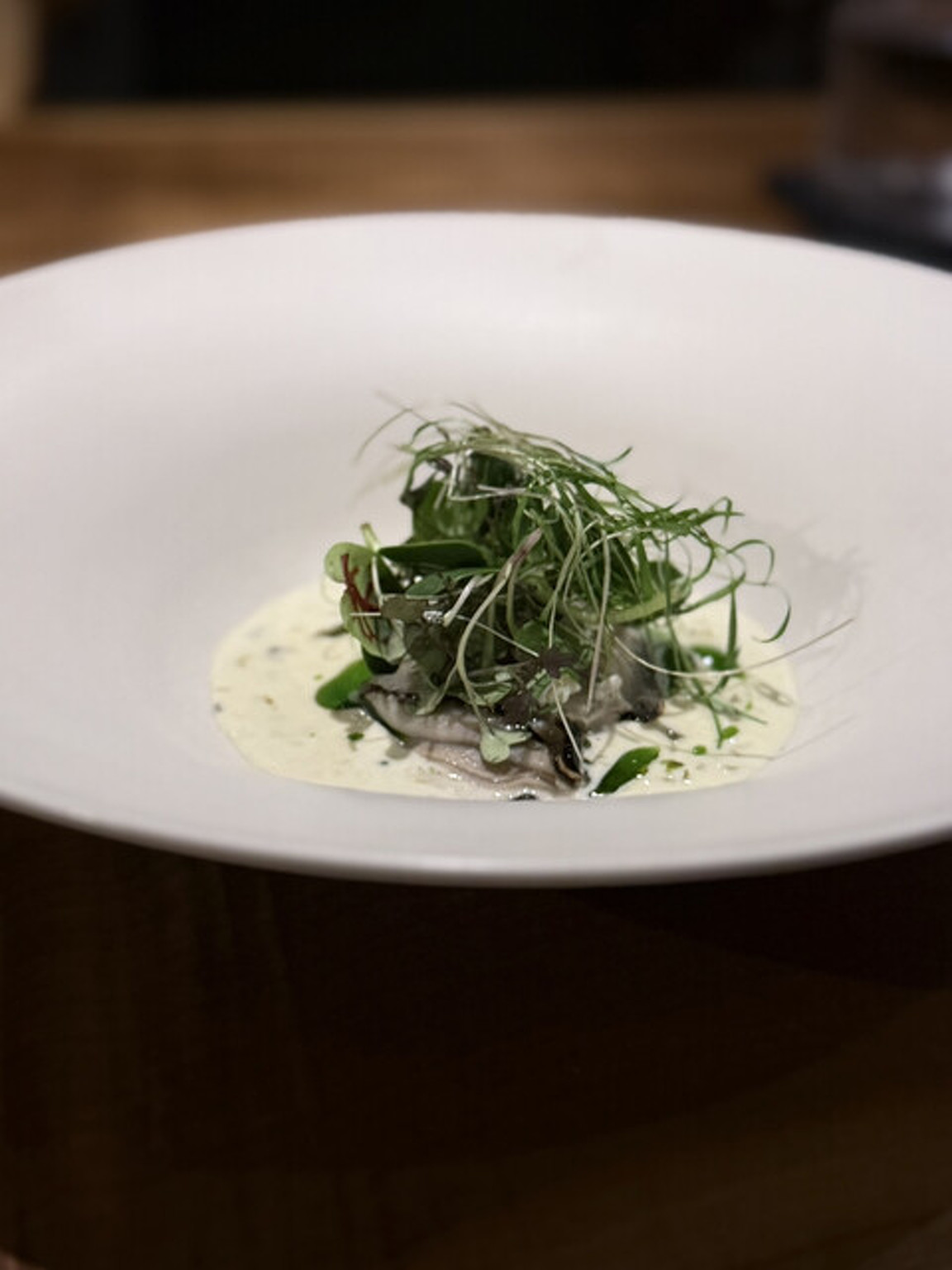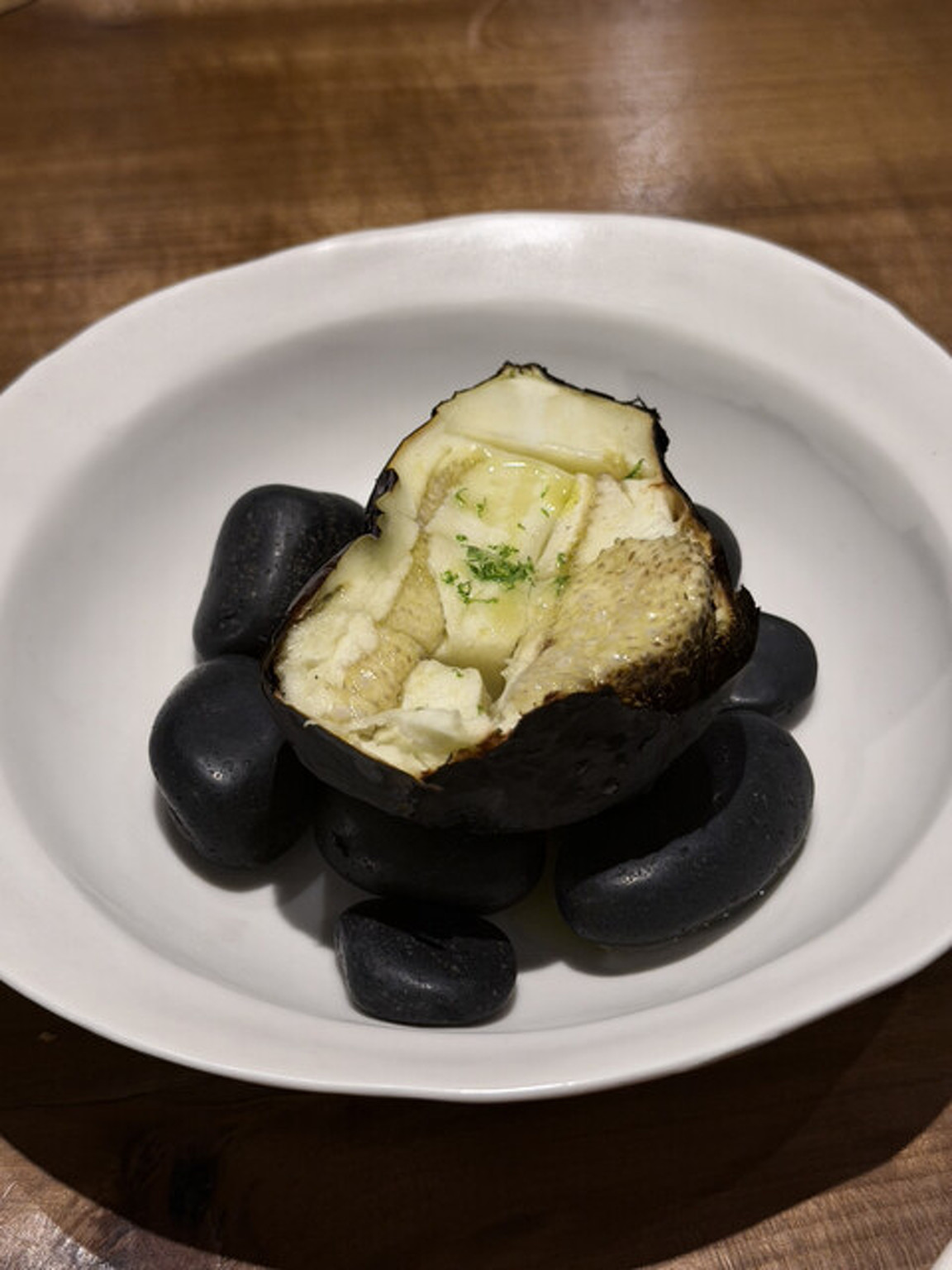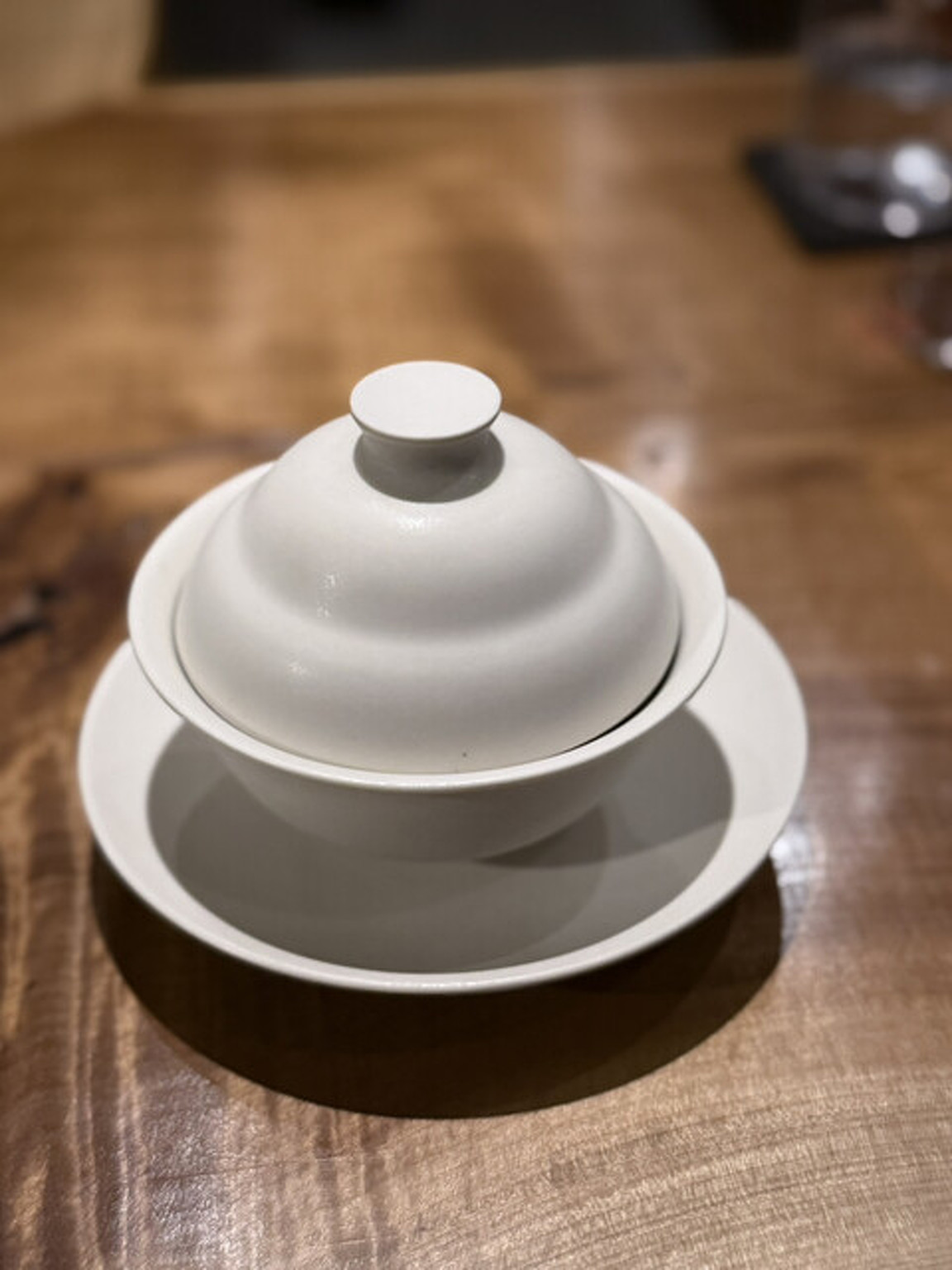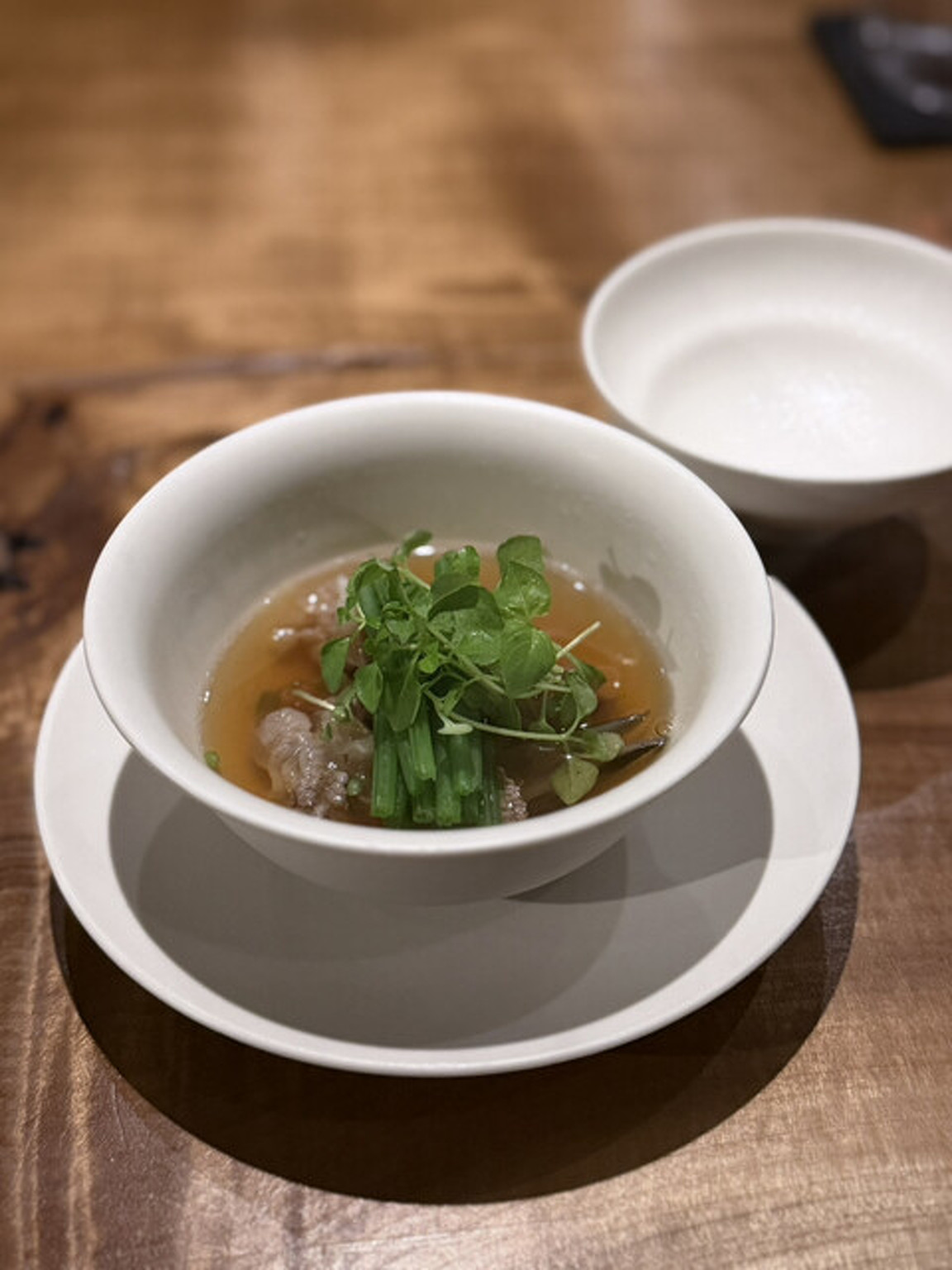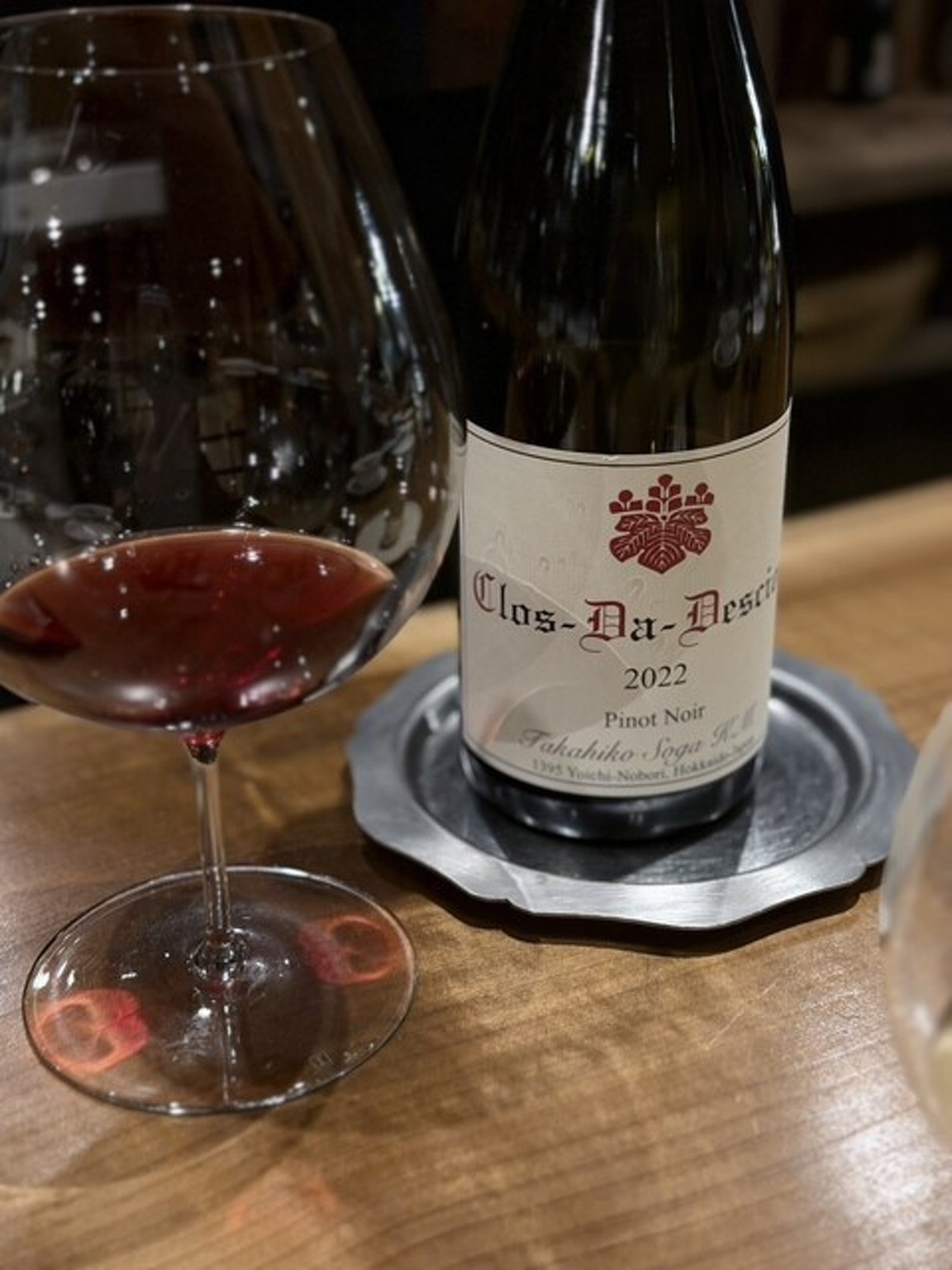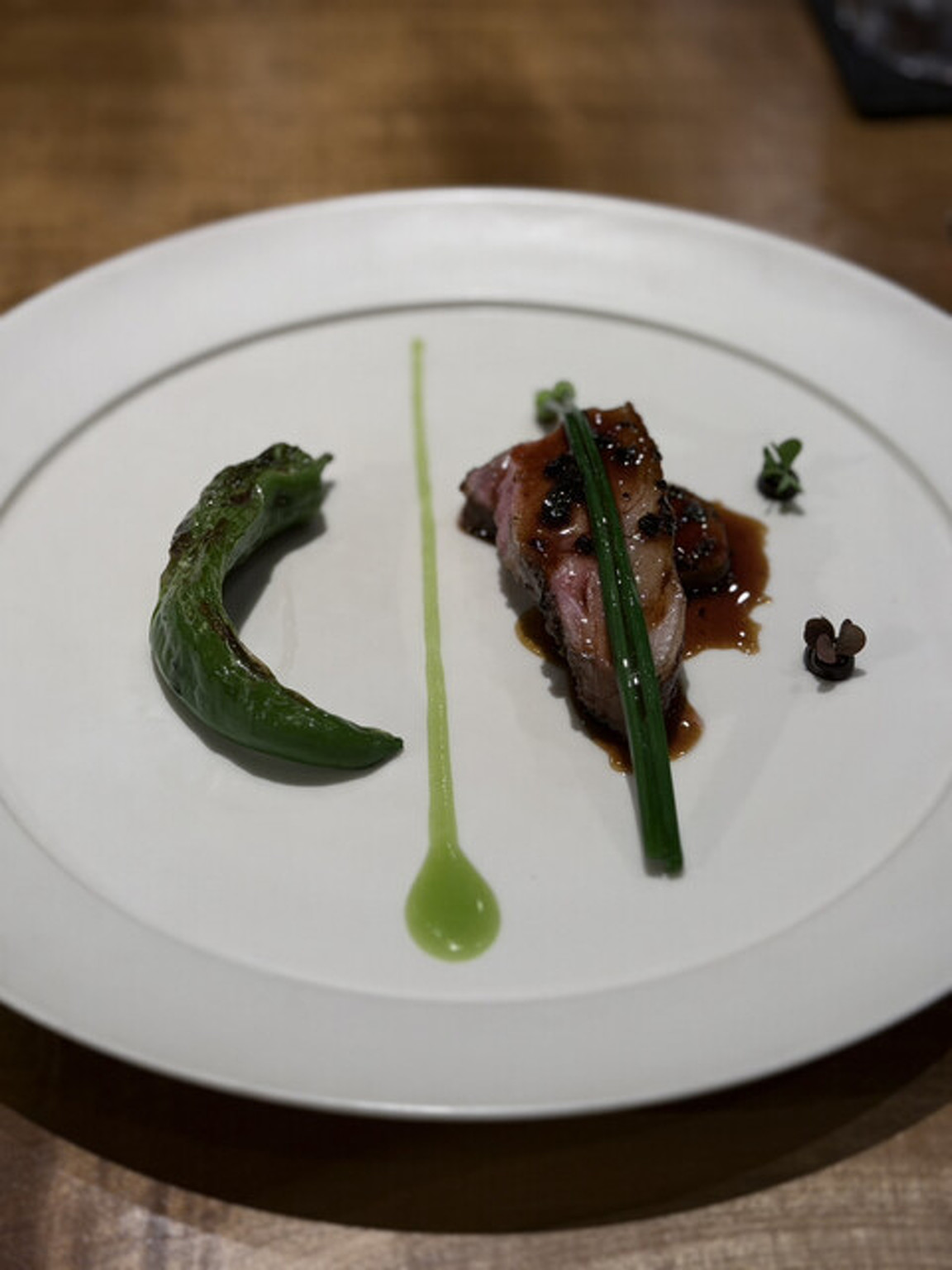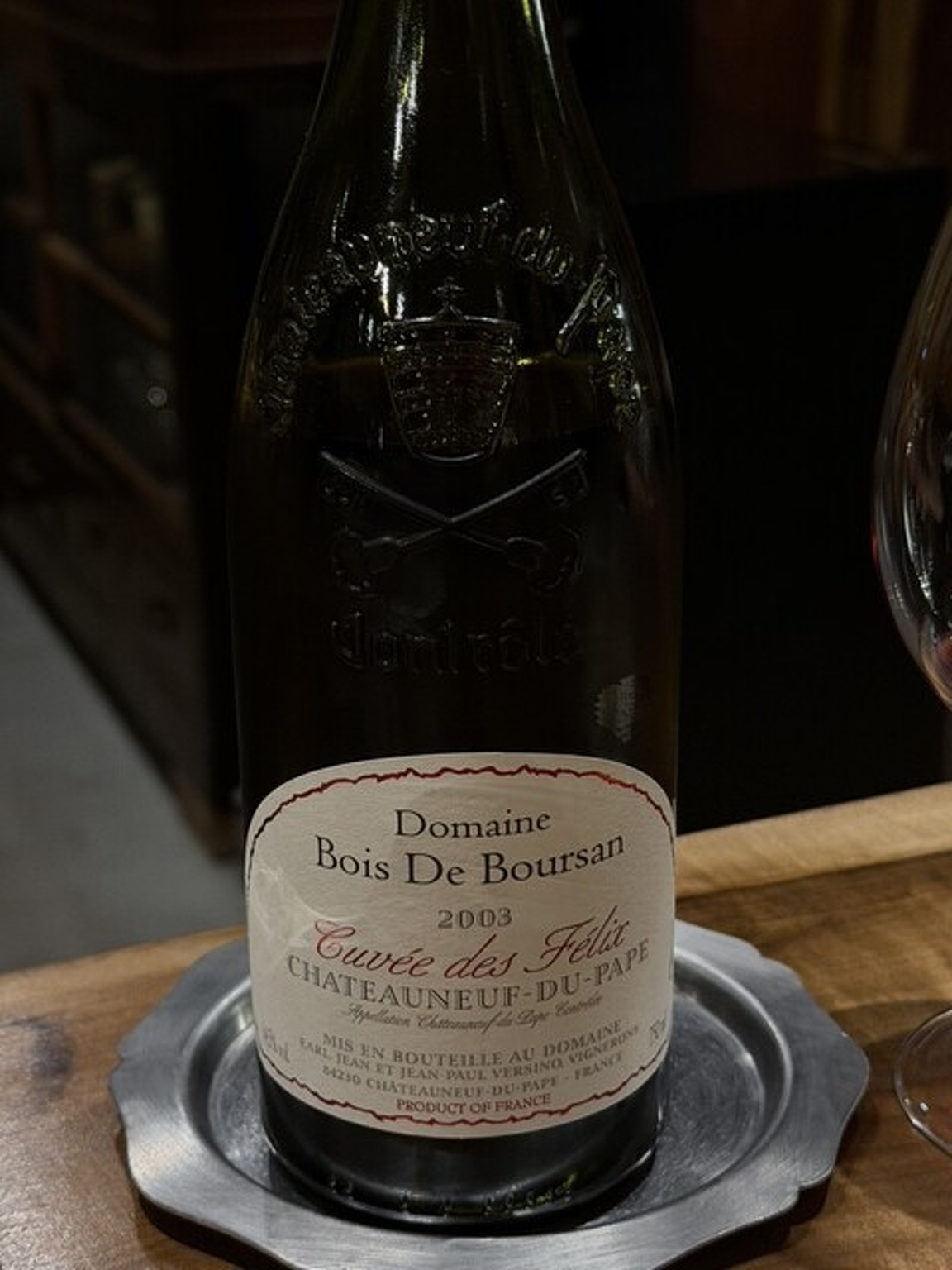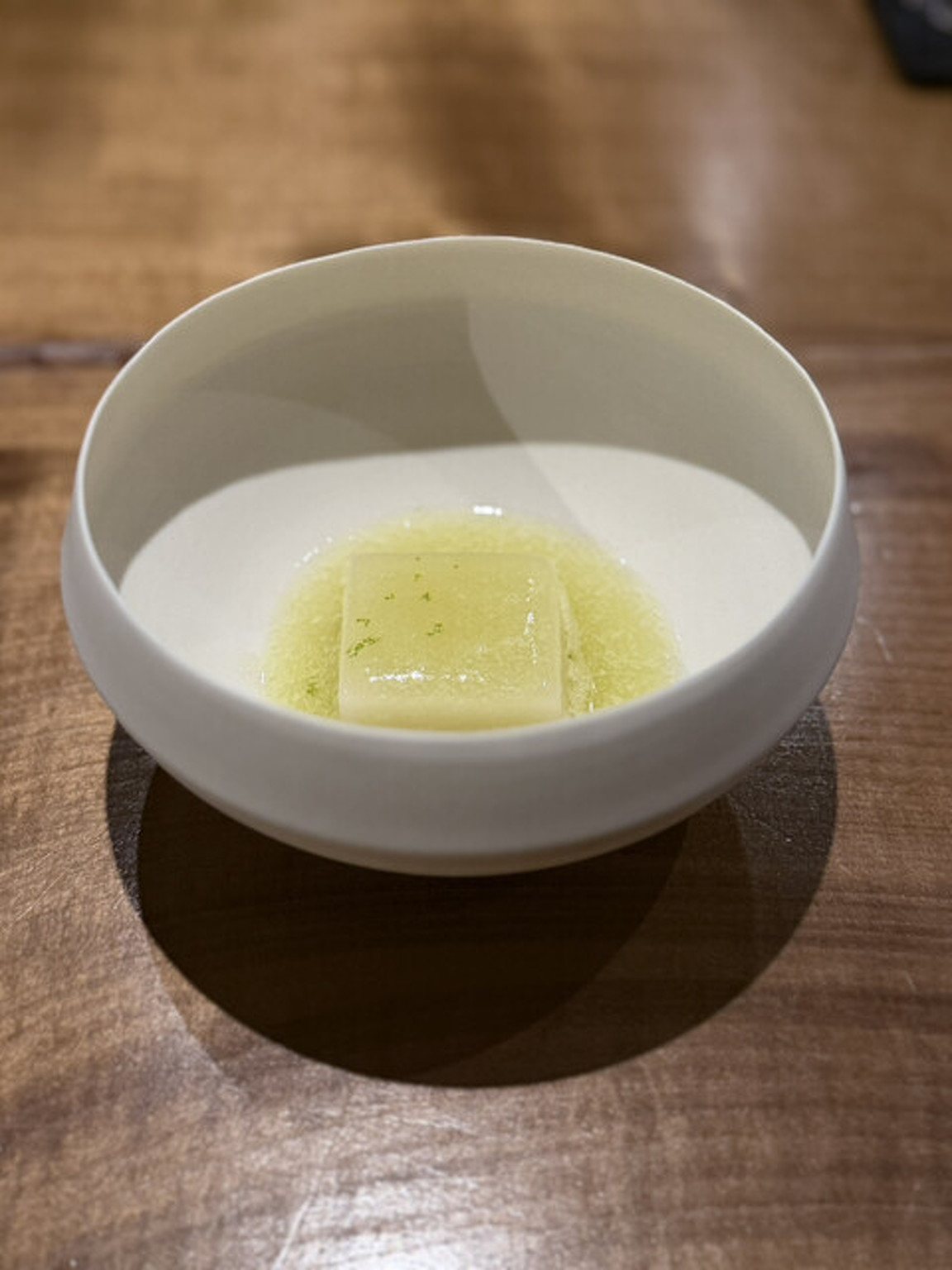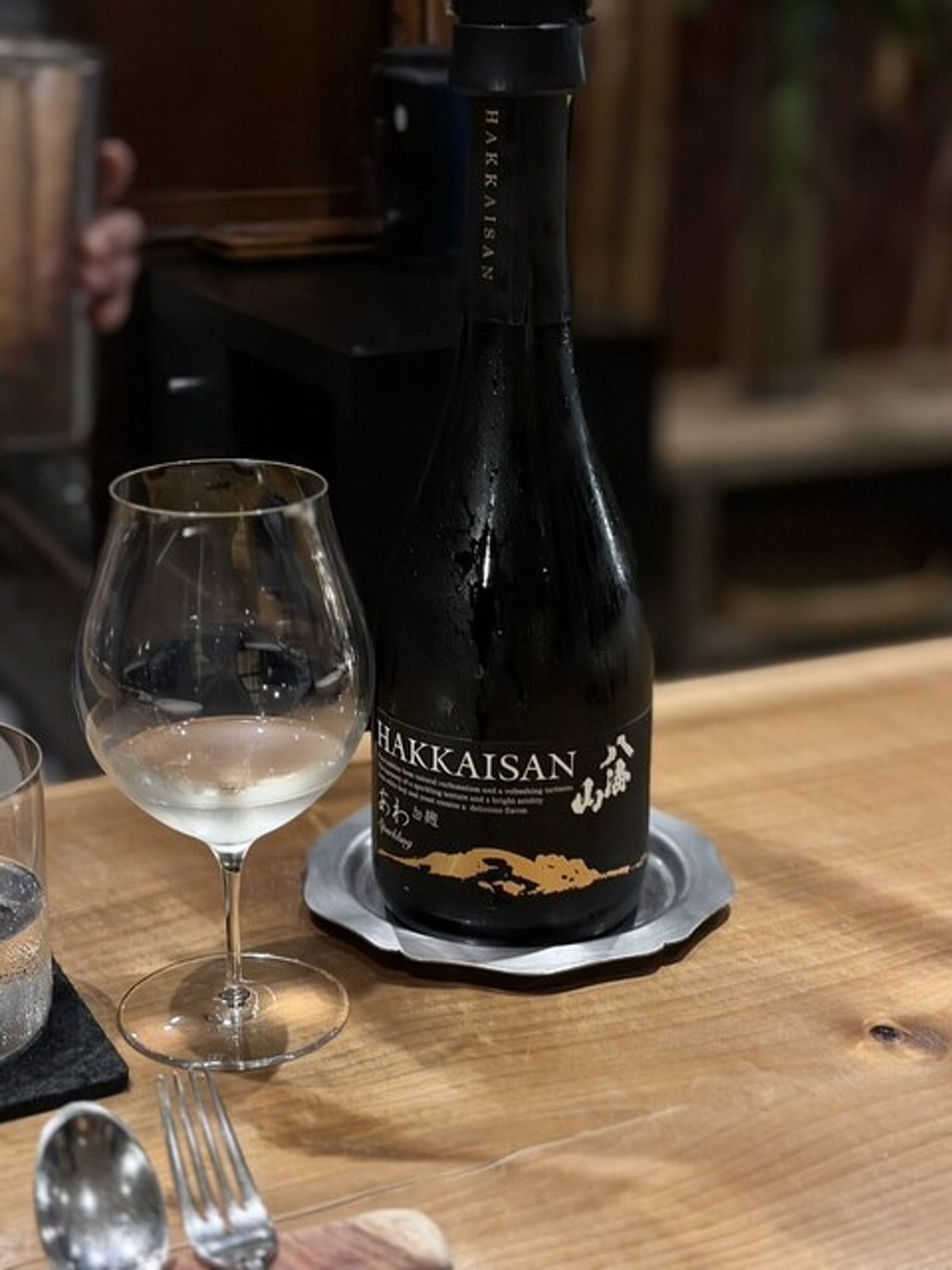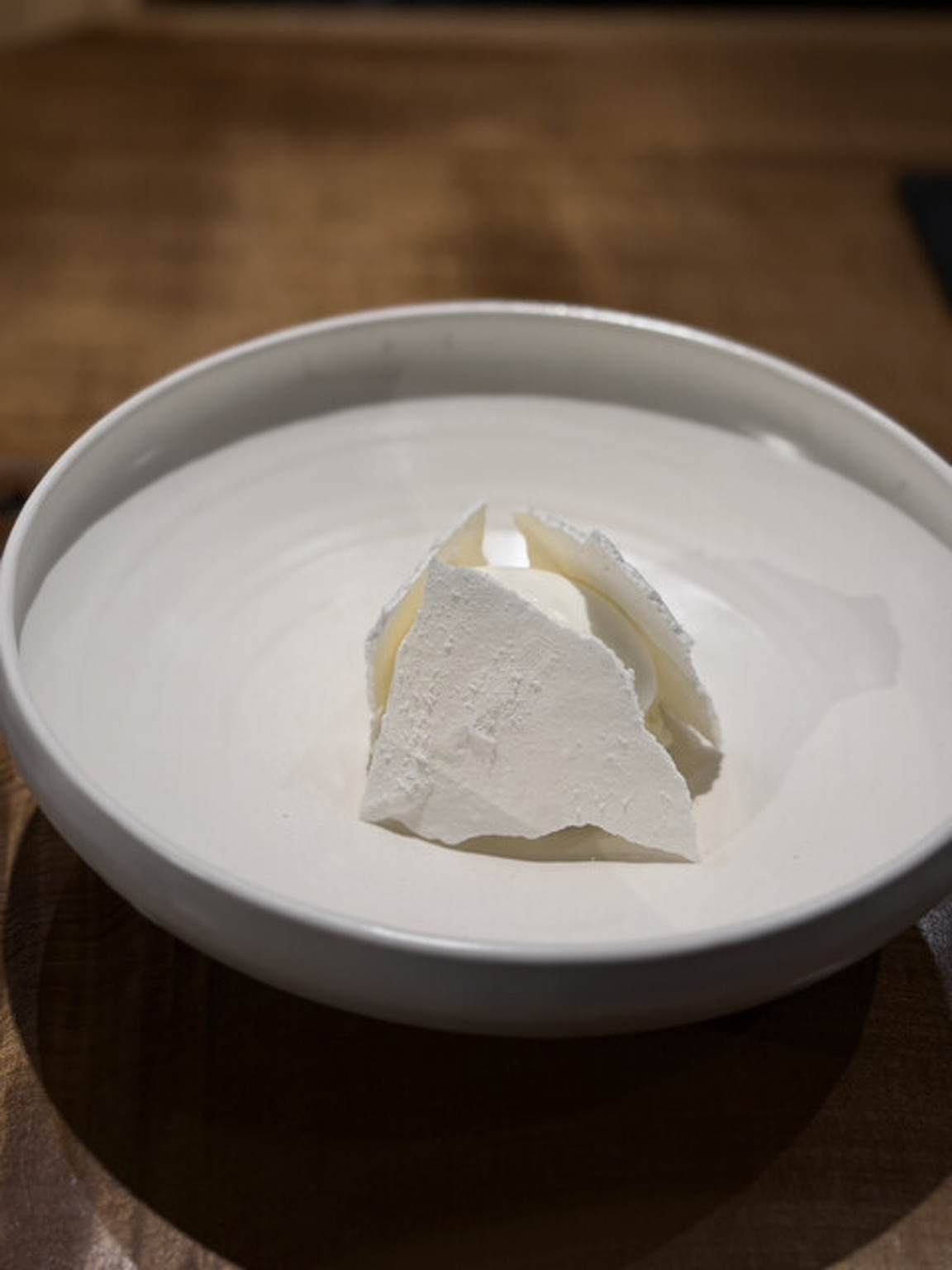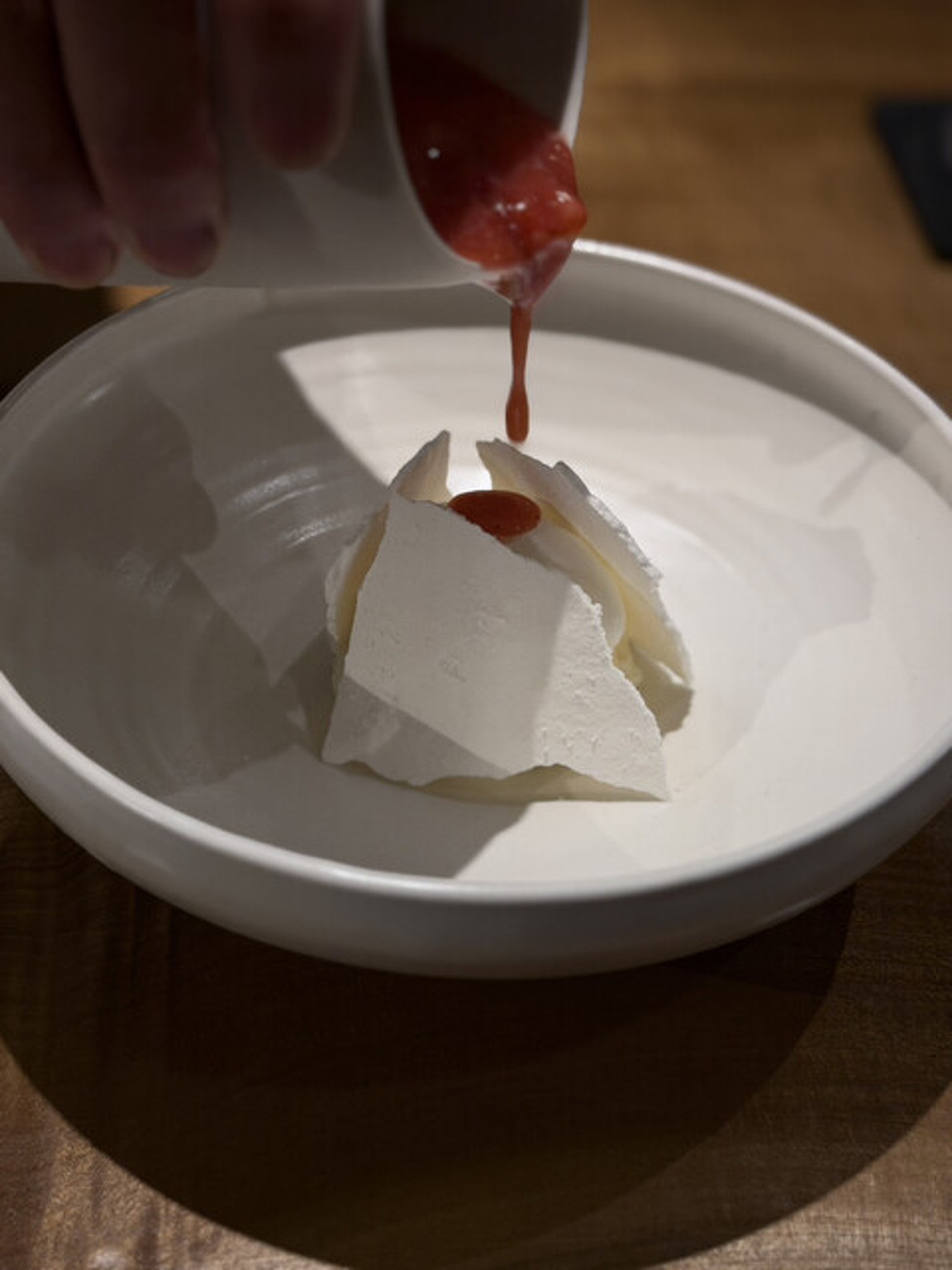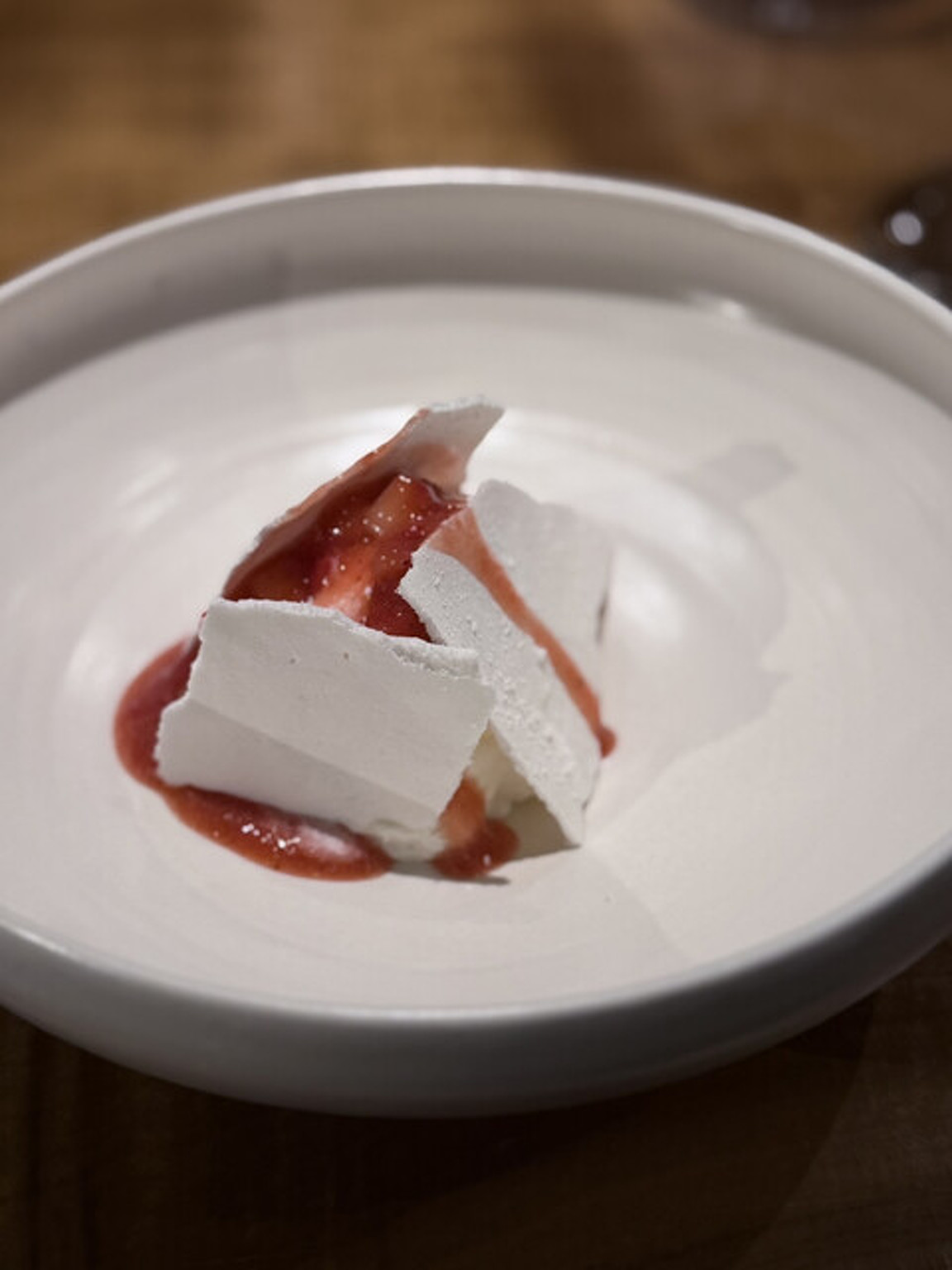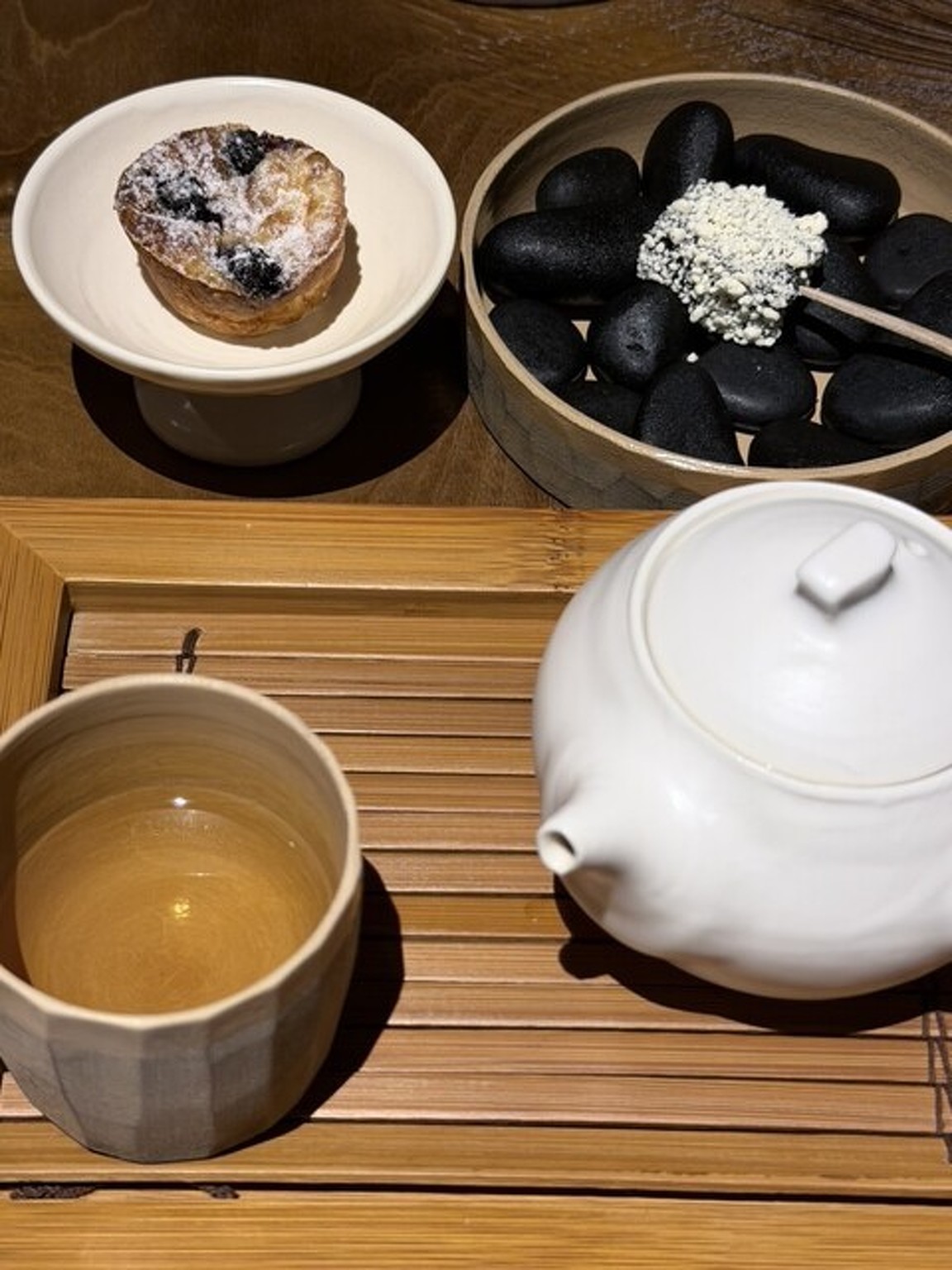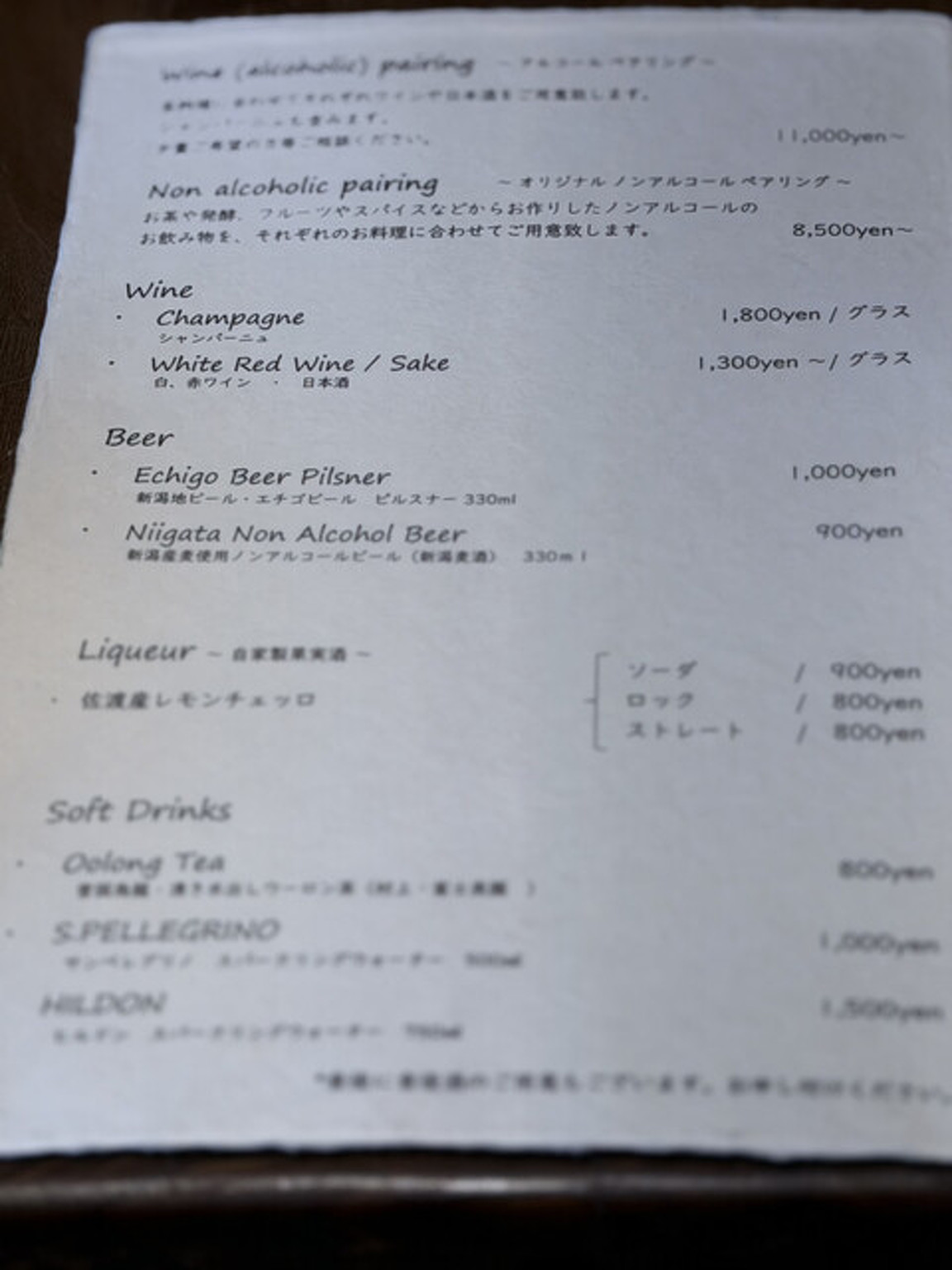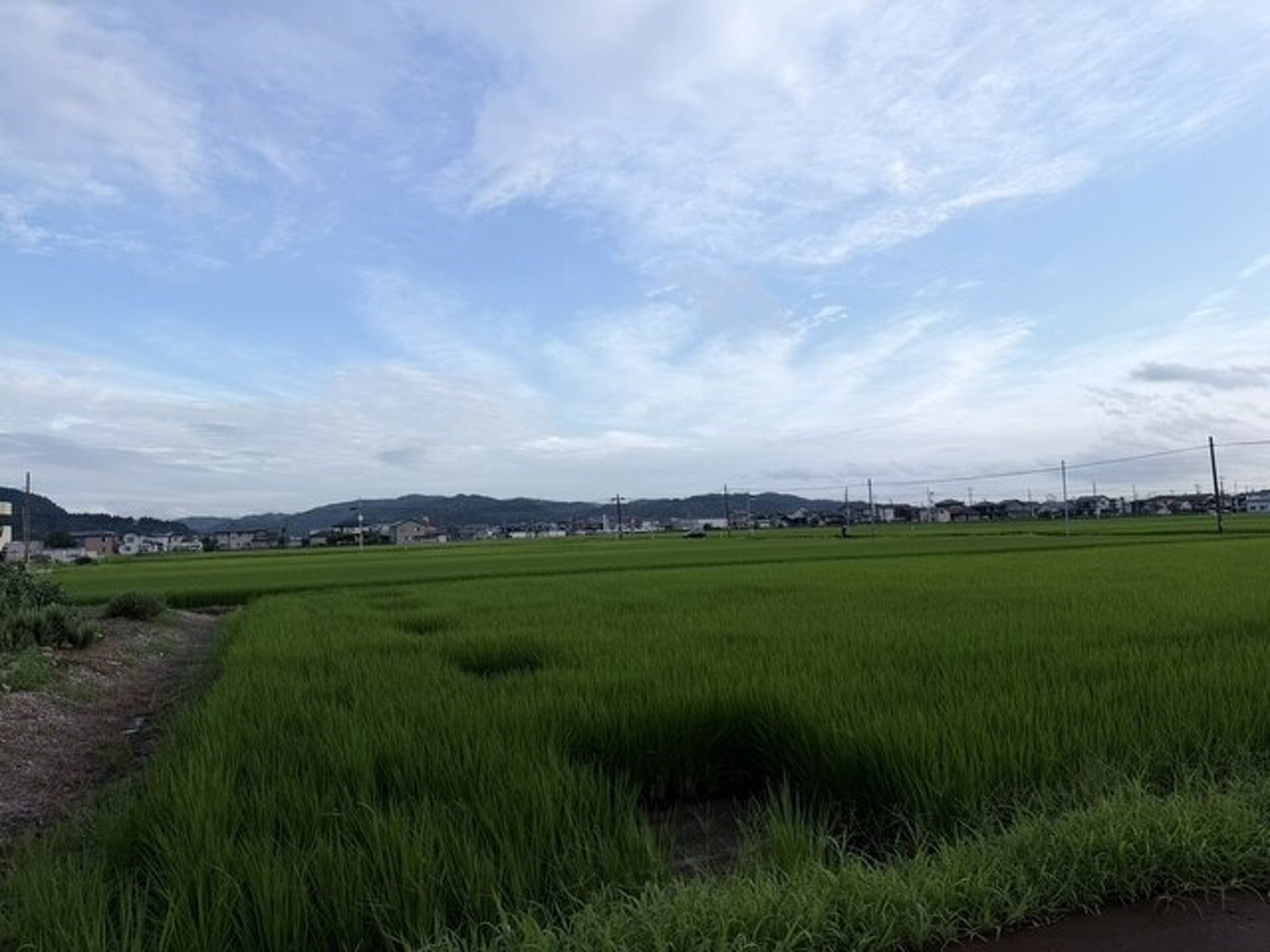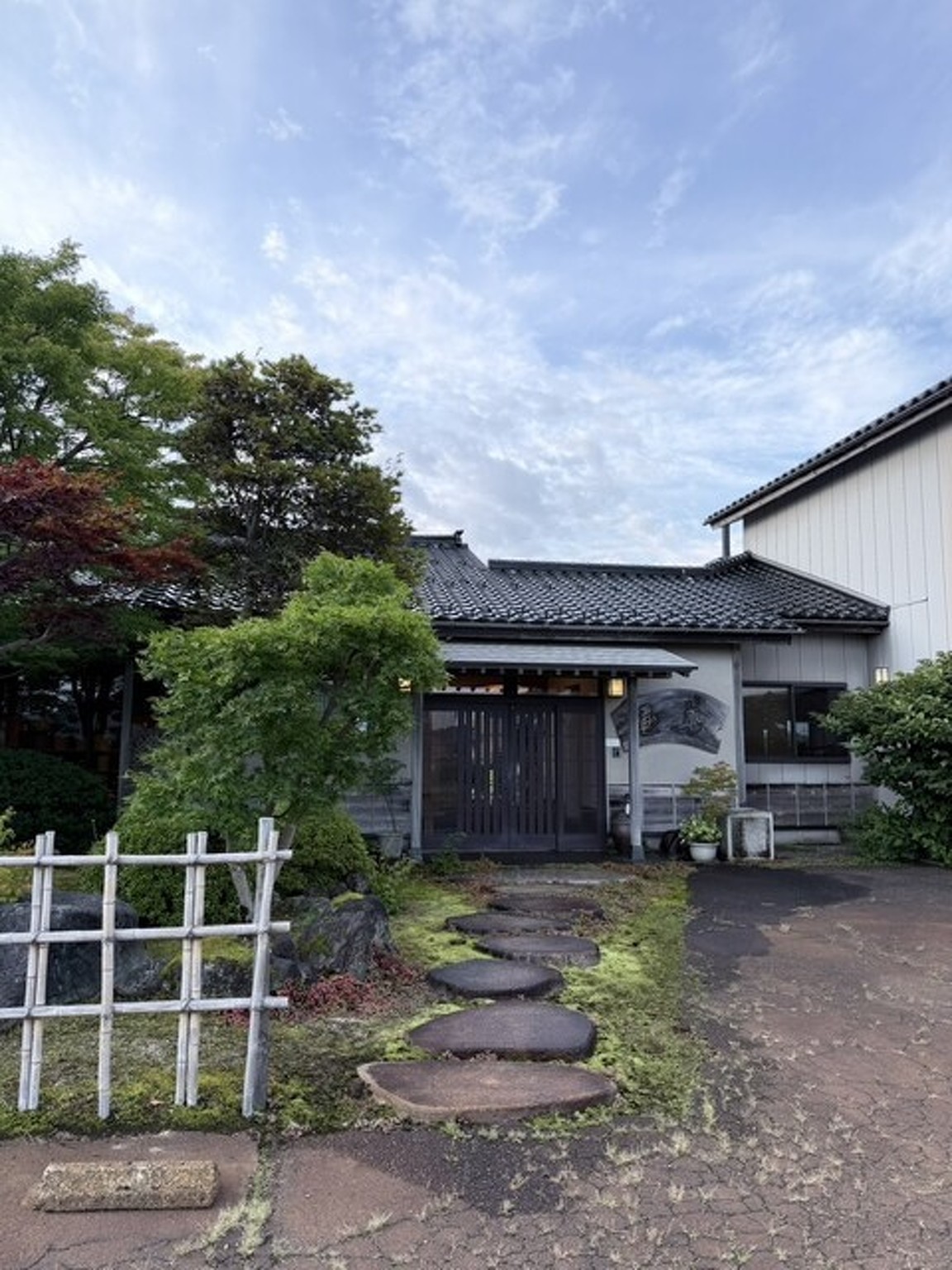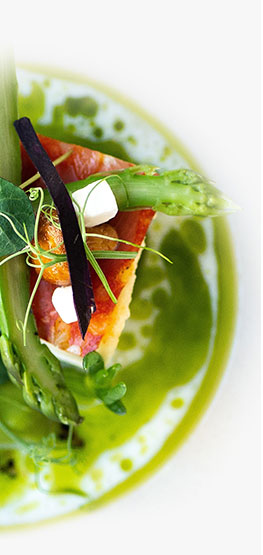
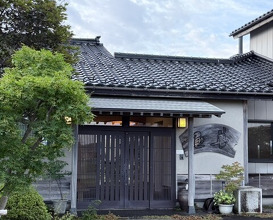
I visited the renowned UOZEN restaurant in Niigata. Located in a corner of Sanjo City, surrounded by picturesque rural landscapes.It had been quite a while since I last took the Joetsu Shinkansen past Nagaoka, getting off at Tsubame-Sanjo. Depending on the traffic in the evening, it seems you can reach the restaurant by taxi in about 20 to 30 minutes. This time, I headed to Higashi-Sanjo via the Yahiko Line and walked from the south exit. I believe summer vacation has started, as there were many high school students on the train. The main exit opens up to a somewhat developed area with taxis available, making it easy to catch one from there, but walking takes nearly 30 minutes.Surrounding the restaurant, aside from a few houses, are expansive rice fields. The scenery gives off a vibe where you might expect to hear frogs croaking, but it was surprisingly quiet, possibly due to the recent heat.Originally, the building resembles an old farmhouse, more like an inn or a dining establishment. You dine in the space to the right upon entering, while there is also a spacious tatami room on the left.I was guided to a living room-like area in front of the counter, and we started with the amuse-bouche.I’m not familiar with the chef’s detailed background, but it seems he hasn’t trained extensively in traditional French cuisine and likely lacks overseas experience. However, the base and presentation reflect modern French influences. Using local ingredients from Niigata, he incorporates game into the amuse-bouche, showcasing a sense of balance not only in presentation but also in flavor.The cooking techniques are well-adjusted to each ingredient, allowing for enjoyment of both flavor and texture. However, I had some questions regarding the course structure and the order of dish presentation.For drinks, I tried both alcoholic and non-alcoholic pairings. Overall, the alcoholic pairing featured clean, natural wines typical of modern French cuisine, while the non-alcoholic options were homemade. Some of the alcoholic pairings included well-known brands, but I didn’t find any particularly interesting combinations. Aside from a few exceptions, the pairings felt rough and lacked harmony. It seemed like some dishes that would pair better with Japanese sake were awkwardly matched with wine, raising concerns about quality control.On the other hand, while I appreciate the homemade aspect of the non-alcoholic drinks, they lacked the volume and expression suited to the dishes, suggesting a lack of knowledge and experience, which was disappointing.Overall, the restaurant presents local ingredients in a modern French style, which is nice for visitors from the city, but it doesn’t seem compelling enough for locals to make a special trip. The surrounding scenery doesn’t offer much of a unique experience either. If it were an auberge where you could stay overnight and enjoy the rural landscape late into the night or early in the morning, it might be worth visiting more.If there are any significant changes, I would consider visiting again.Amuse-Bouche: Four Varieties- Botan Shrimp- Kijihata (Japanese Sea Bass) with Wild Boar and Fruit Tomato- Iwana (Iwana Trout) with Galette and Tamagokake (Egg Mushroom)- Pâté en Croûte with Yama-dori (Woodcock)- Rock Oyster with Fuki no Tō (Butterbur Sprouts), Fermented Tomato, and Fennel- Candy Apple Eggplant- Tsukinowaguma (Asian Black Bear) with Soft-Shelled Turtle- Wild Boar with Sweet Long Pepper- Mizu Yokan (Water Jelly) with Melon- Riore with Rhubarb, Meringue, and Echigo Hime Strawberry- Tea Sweets
We use cookies on this site to enhance your user experience.