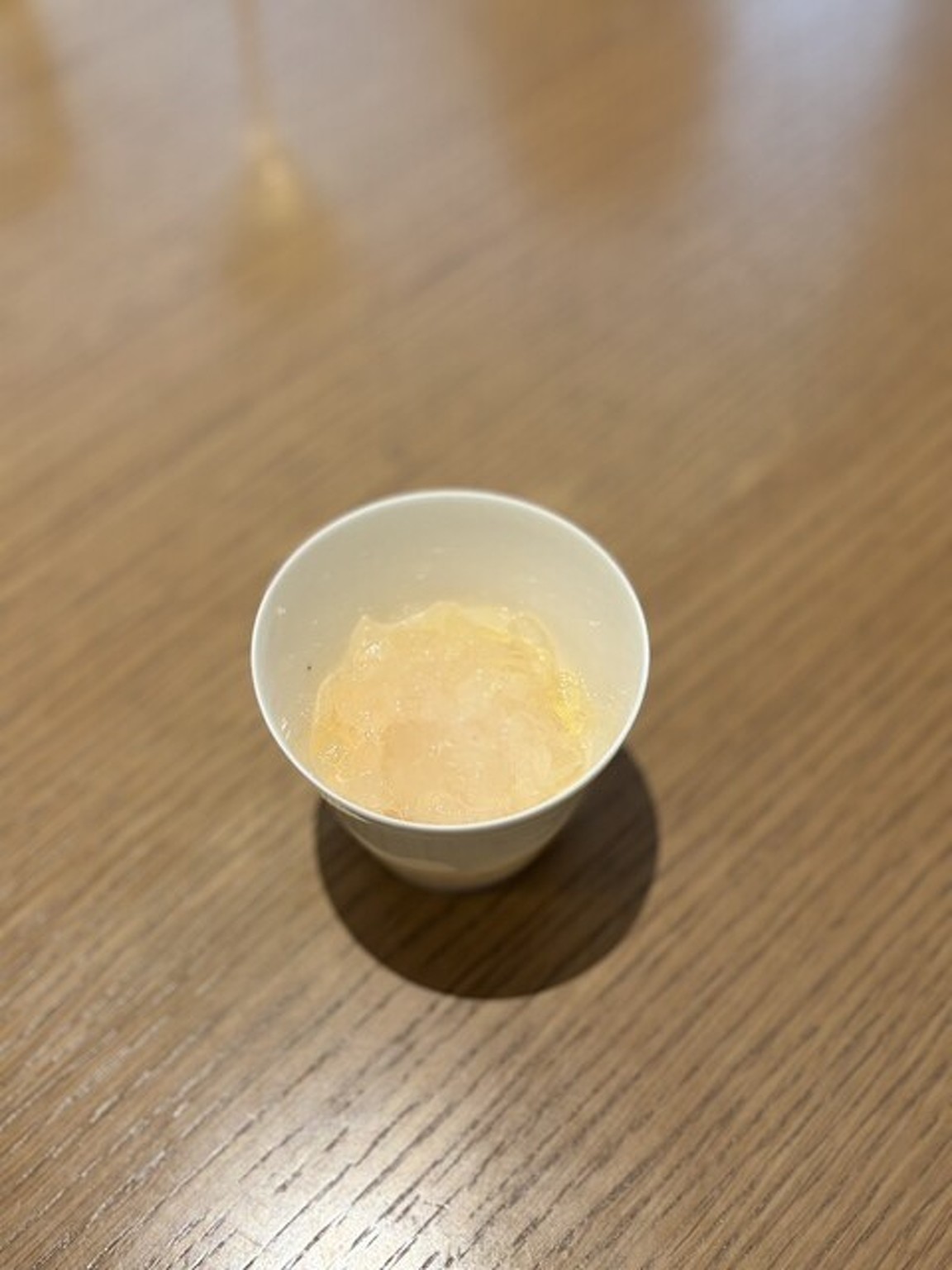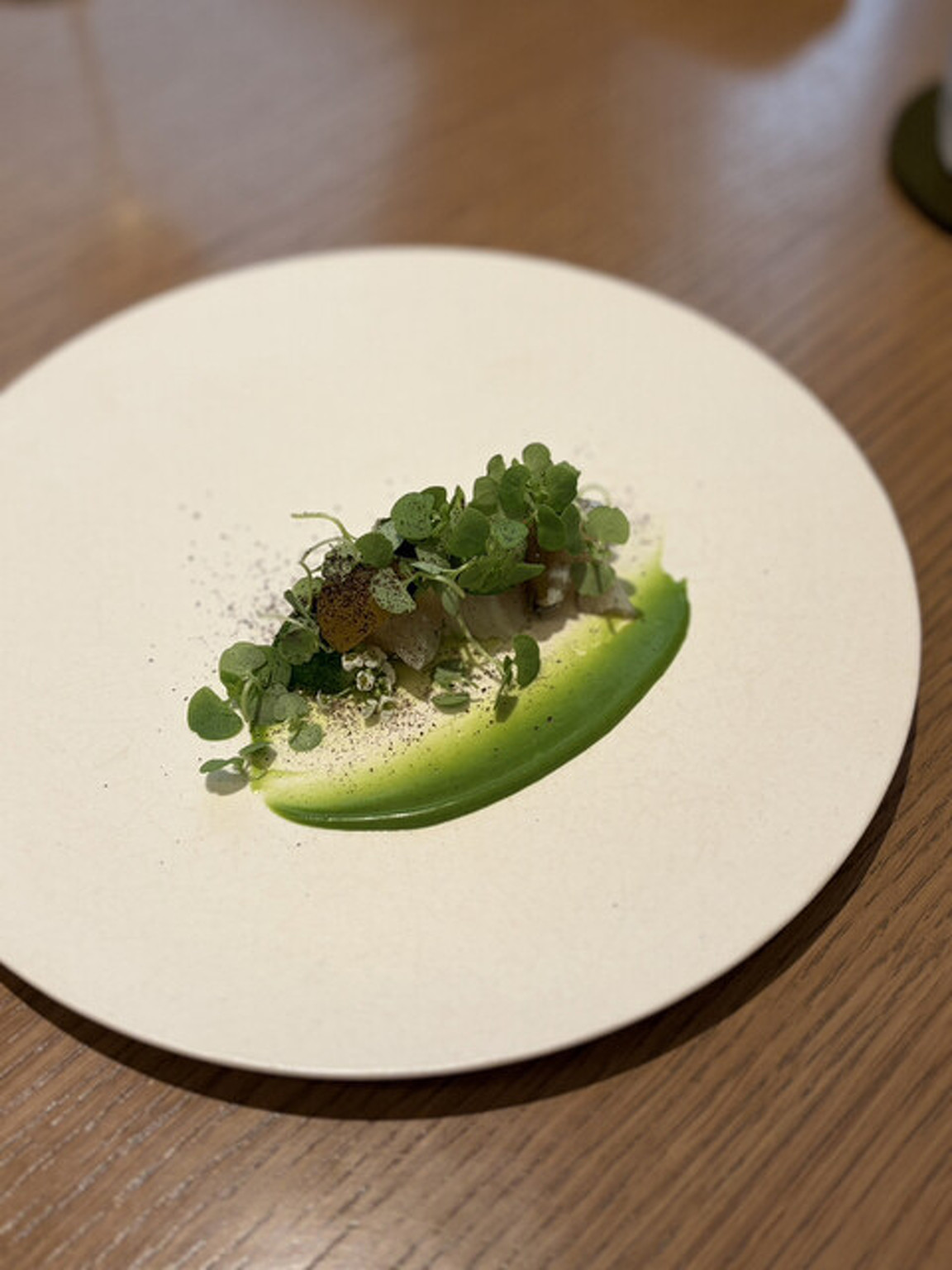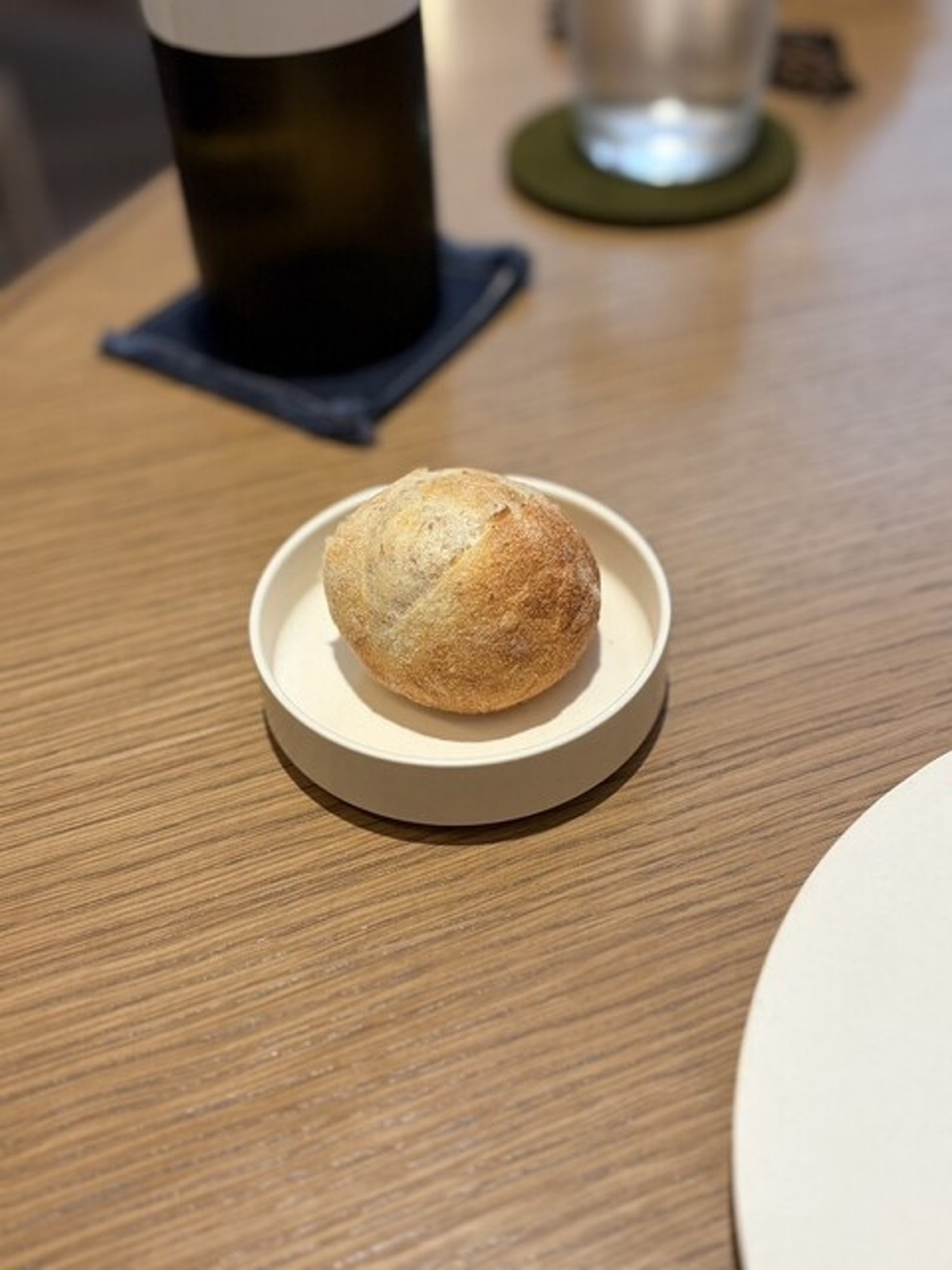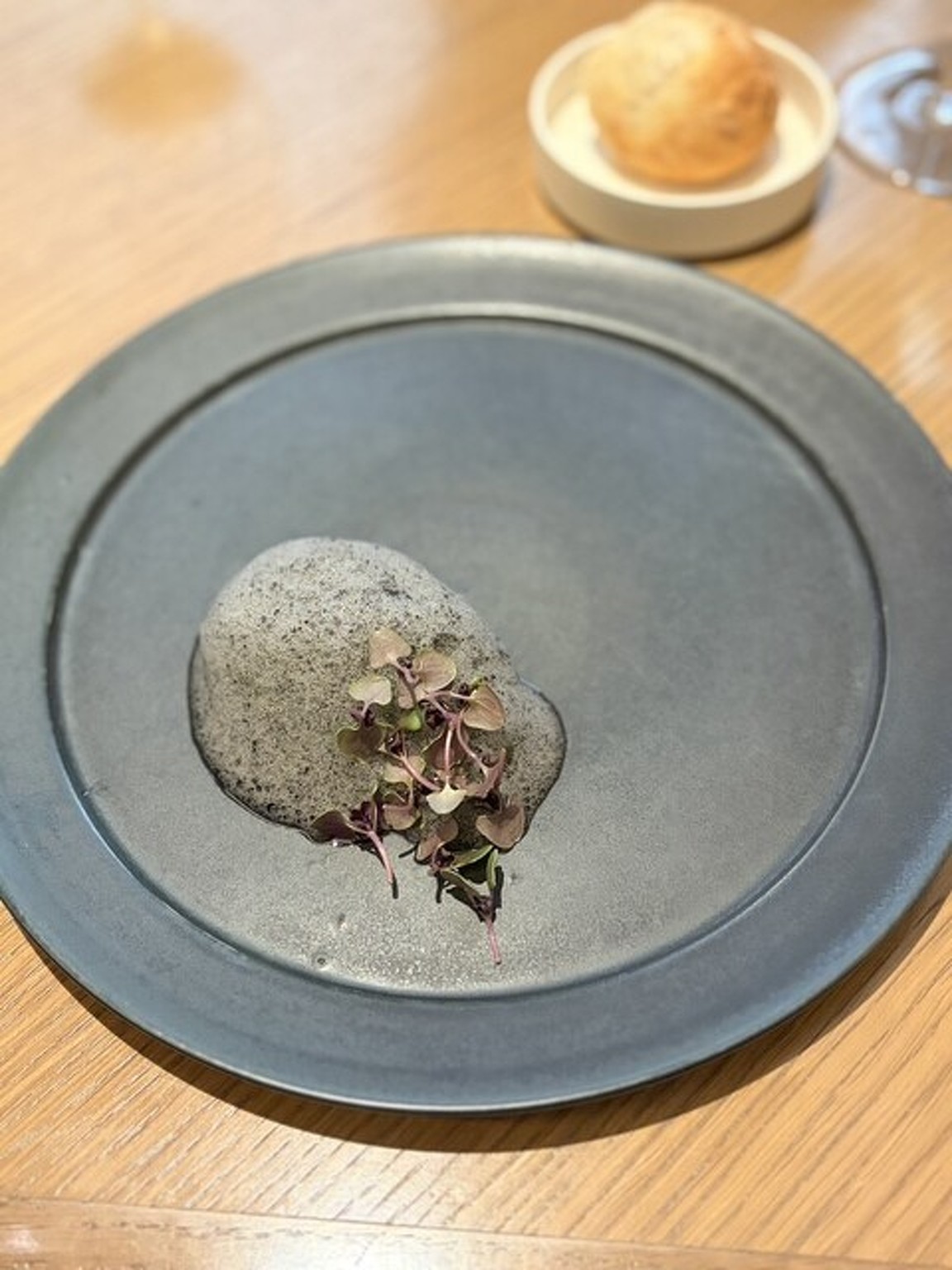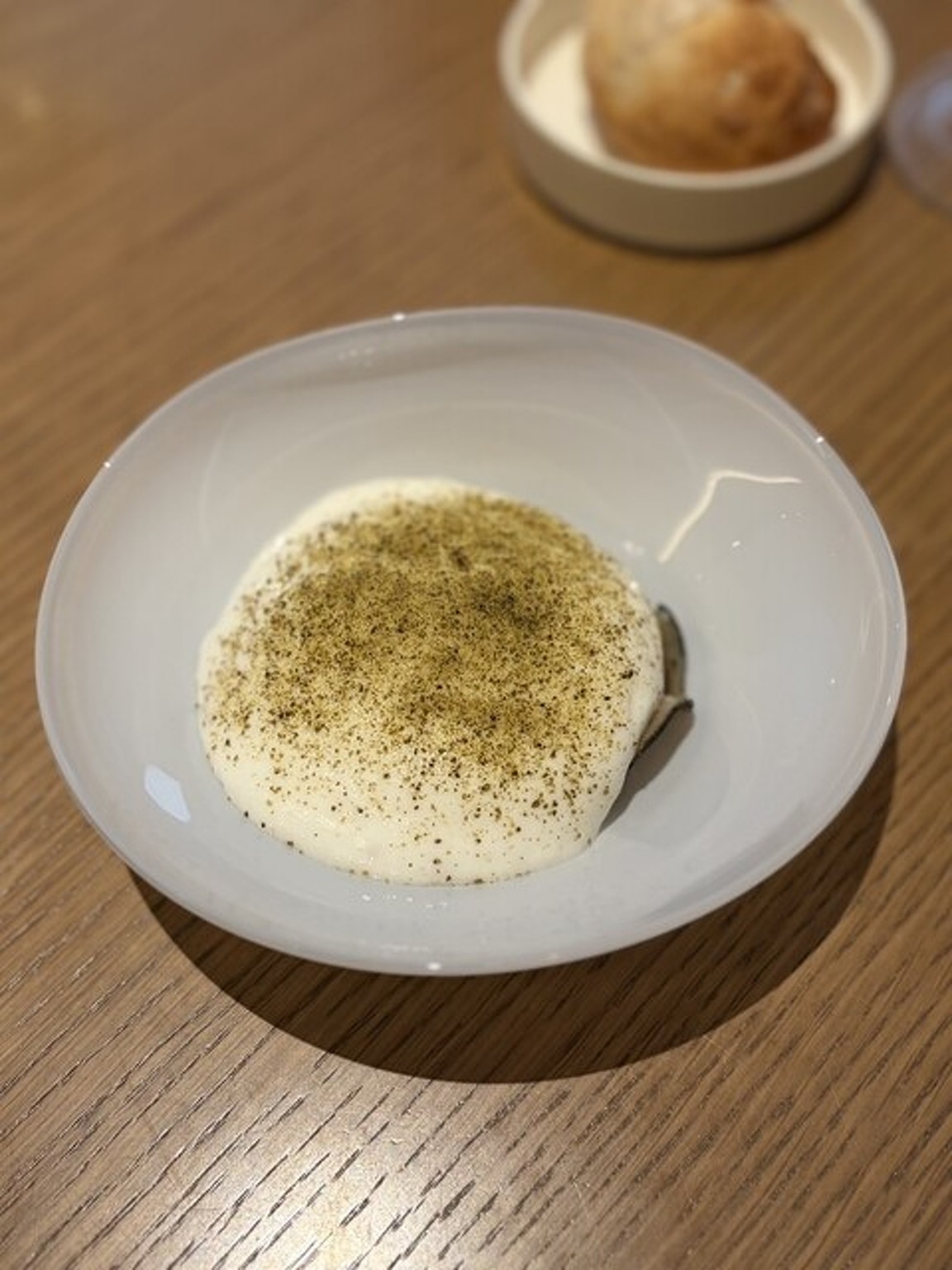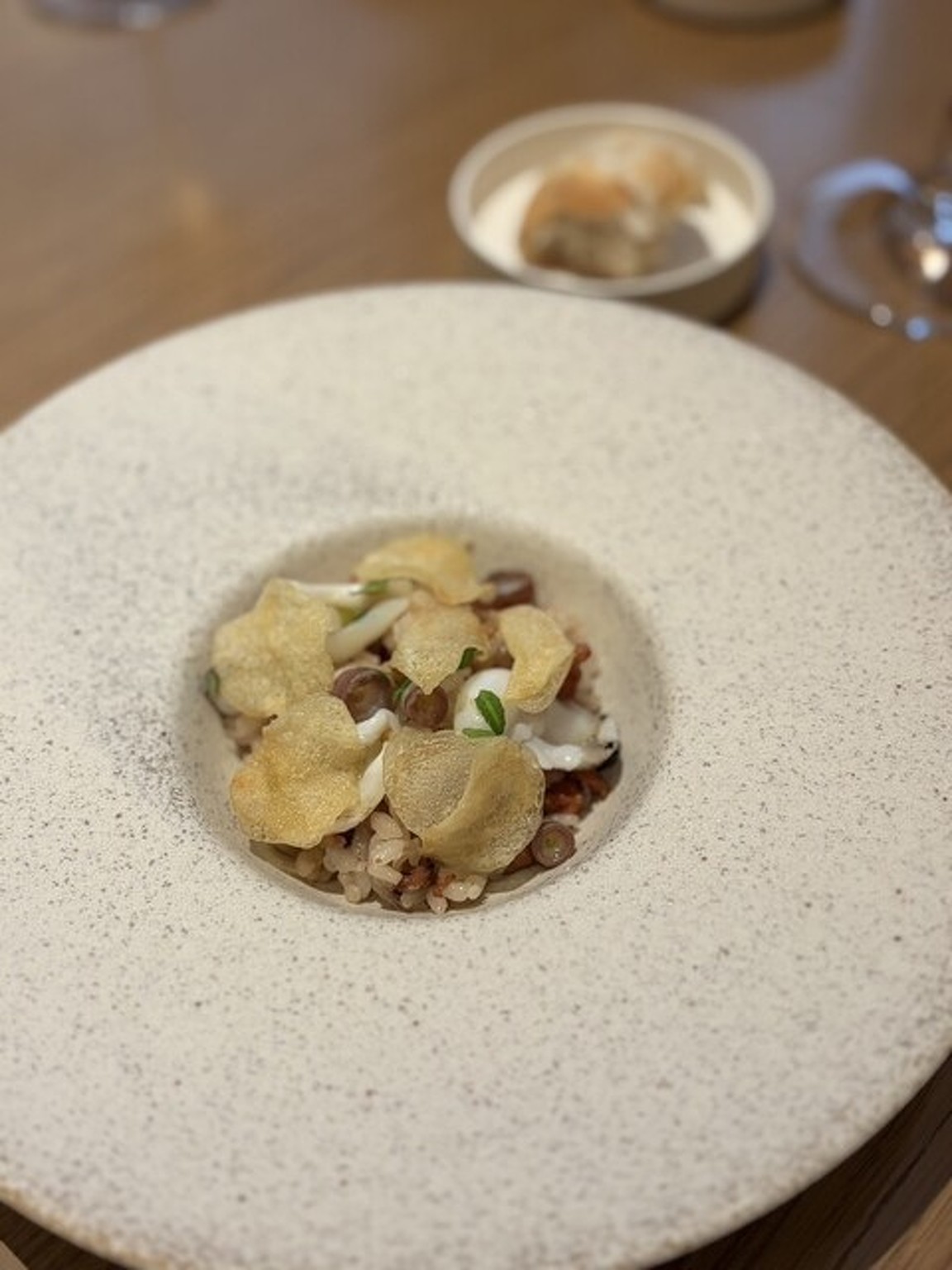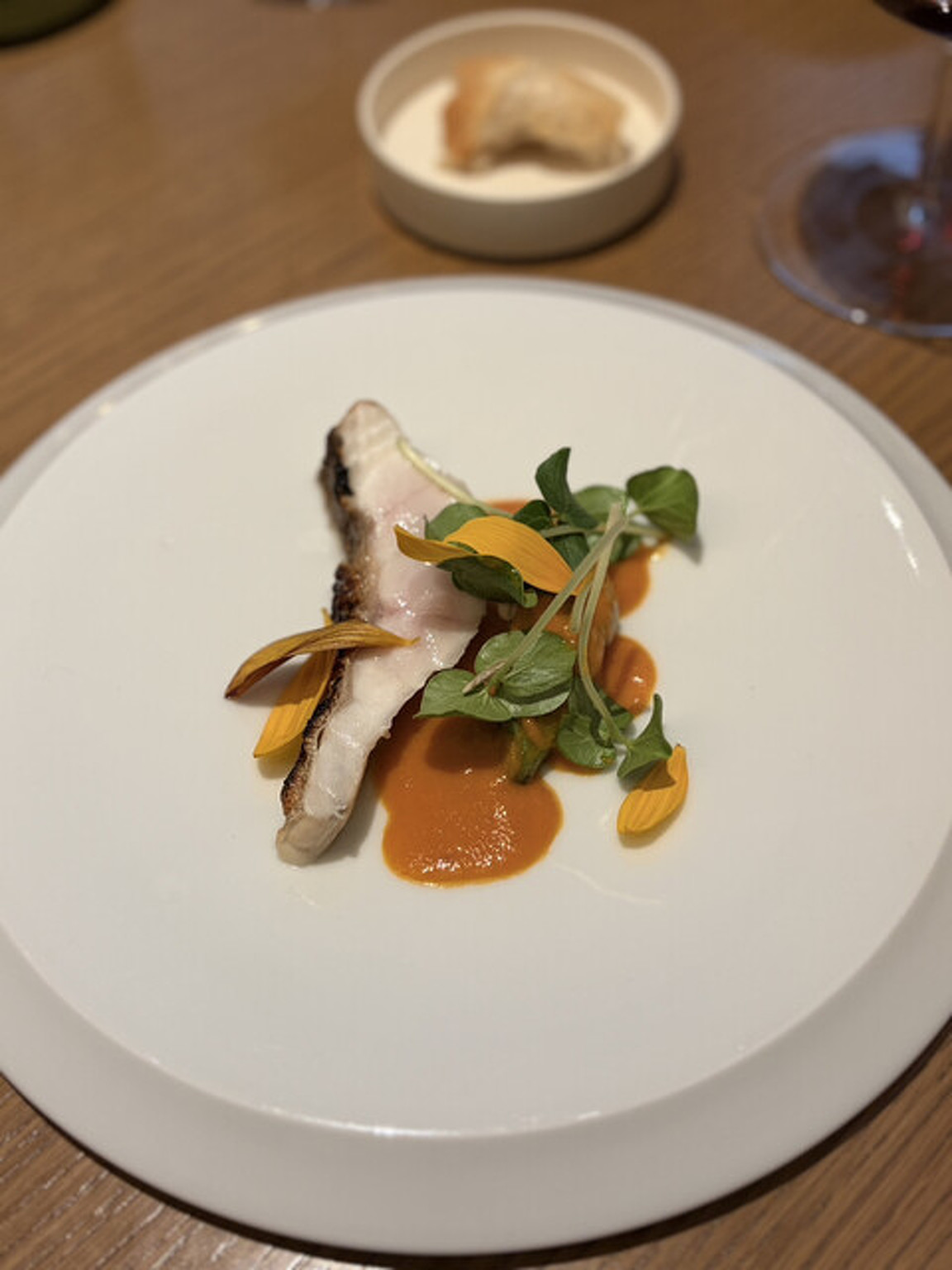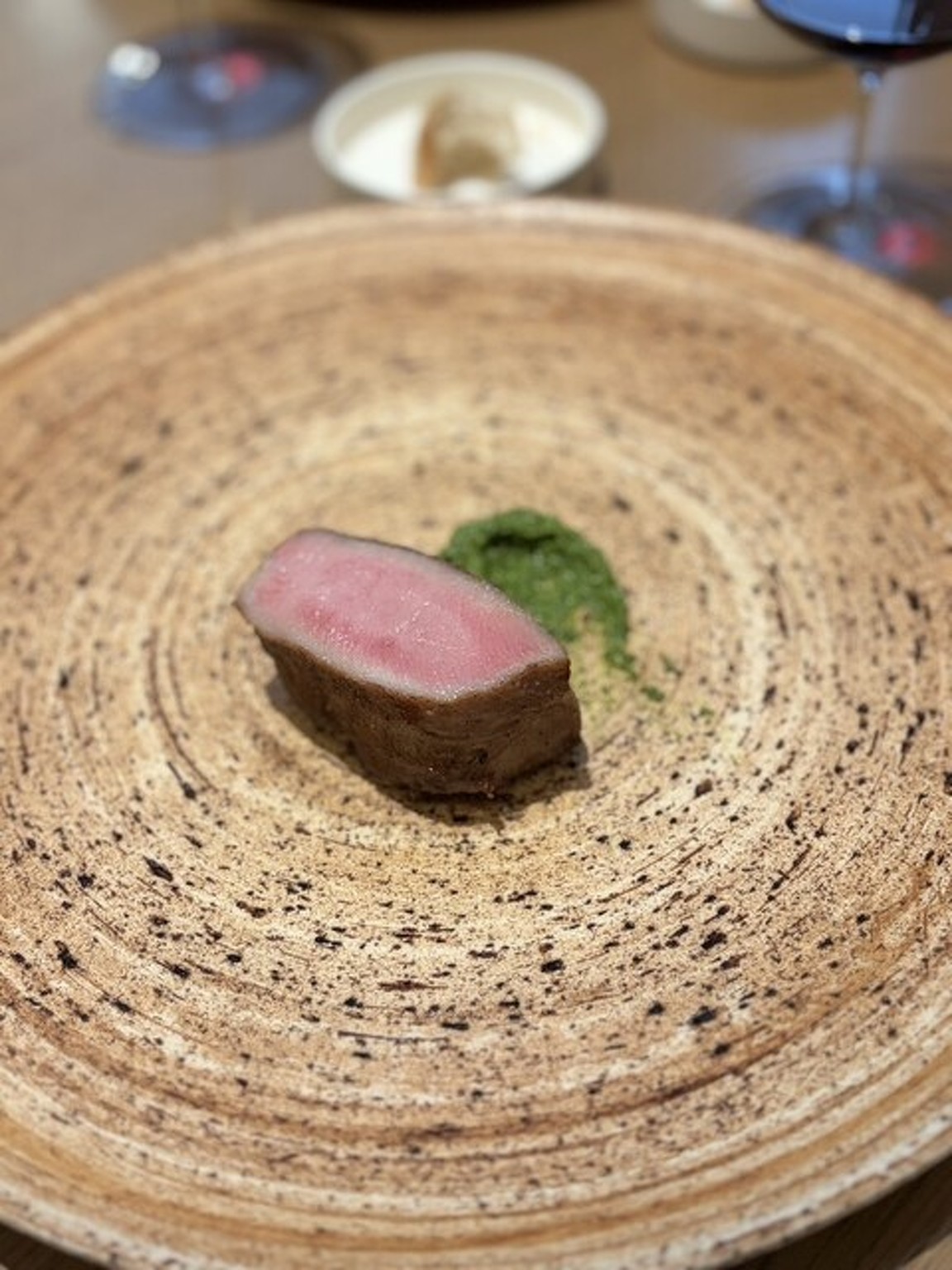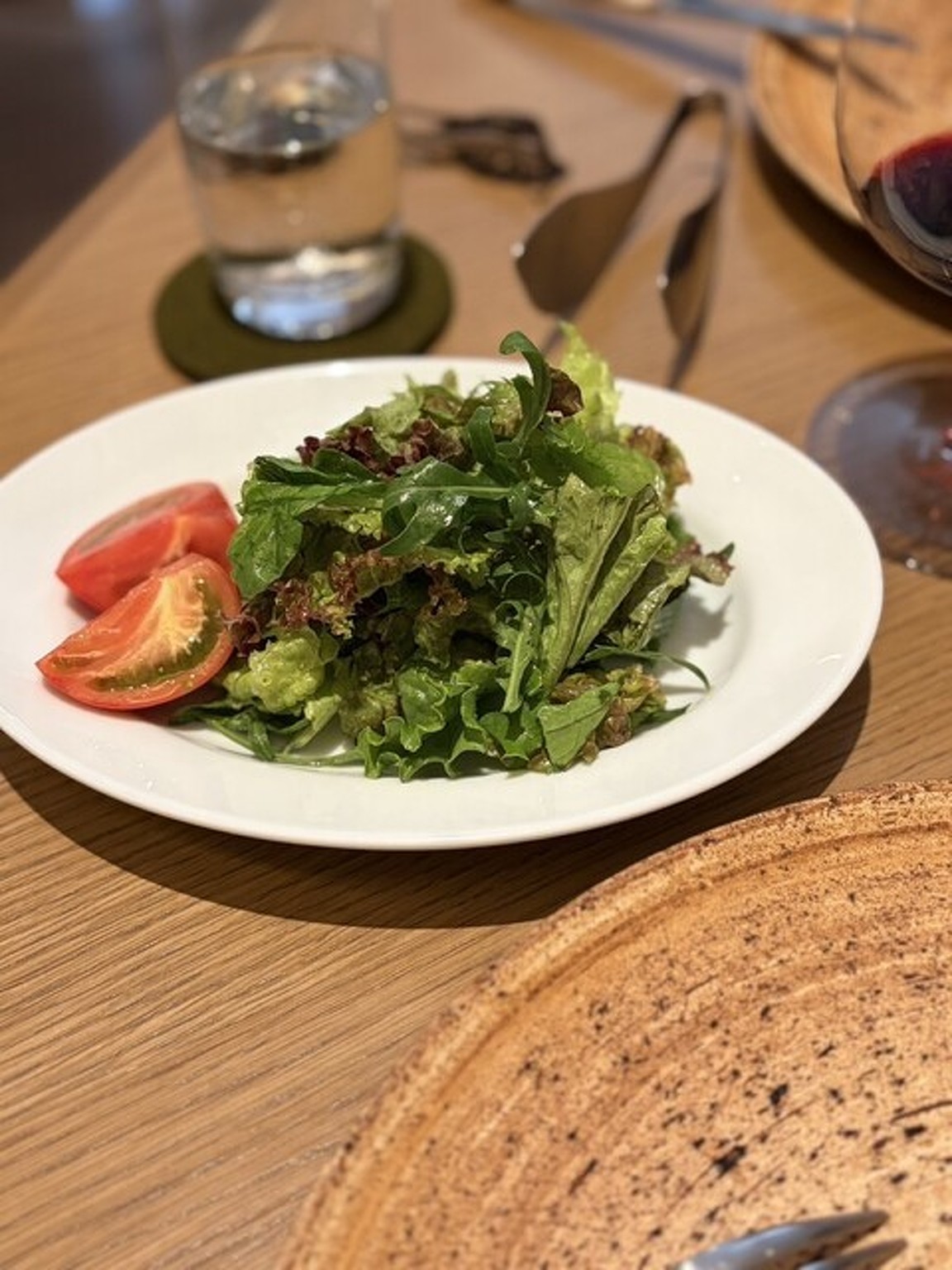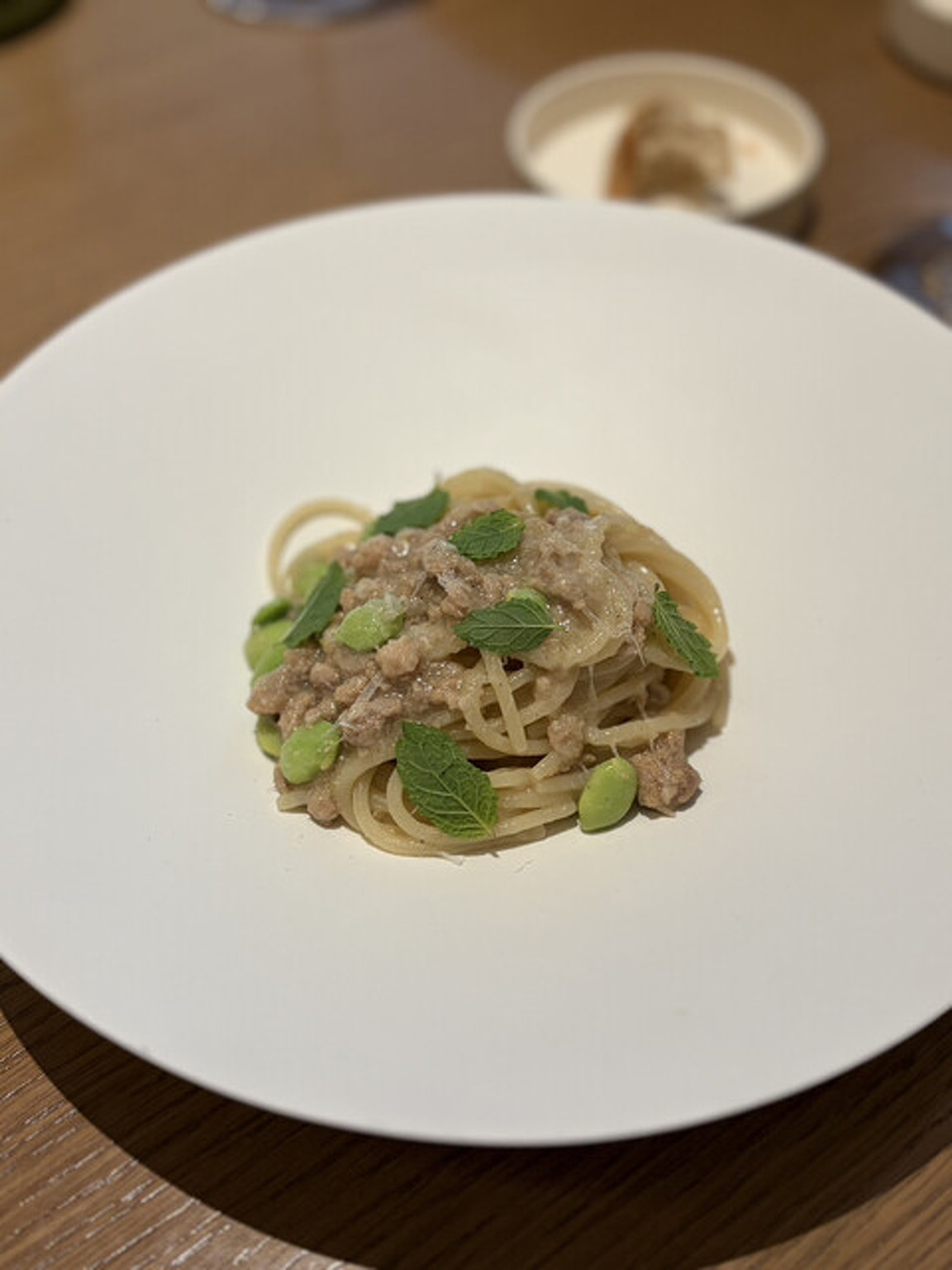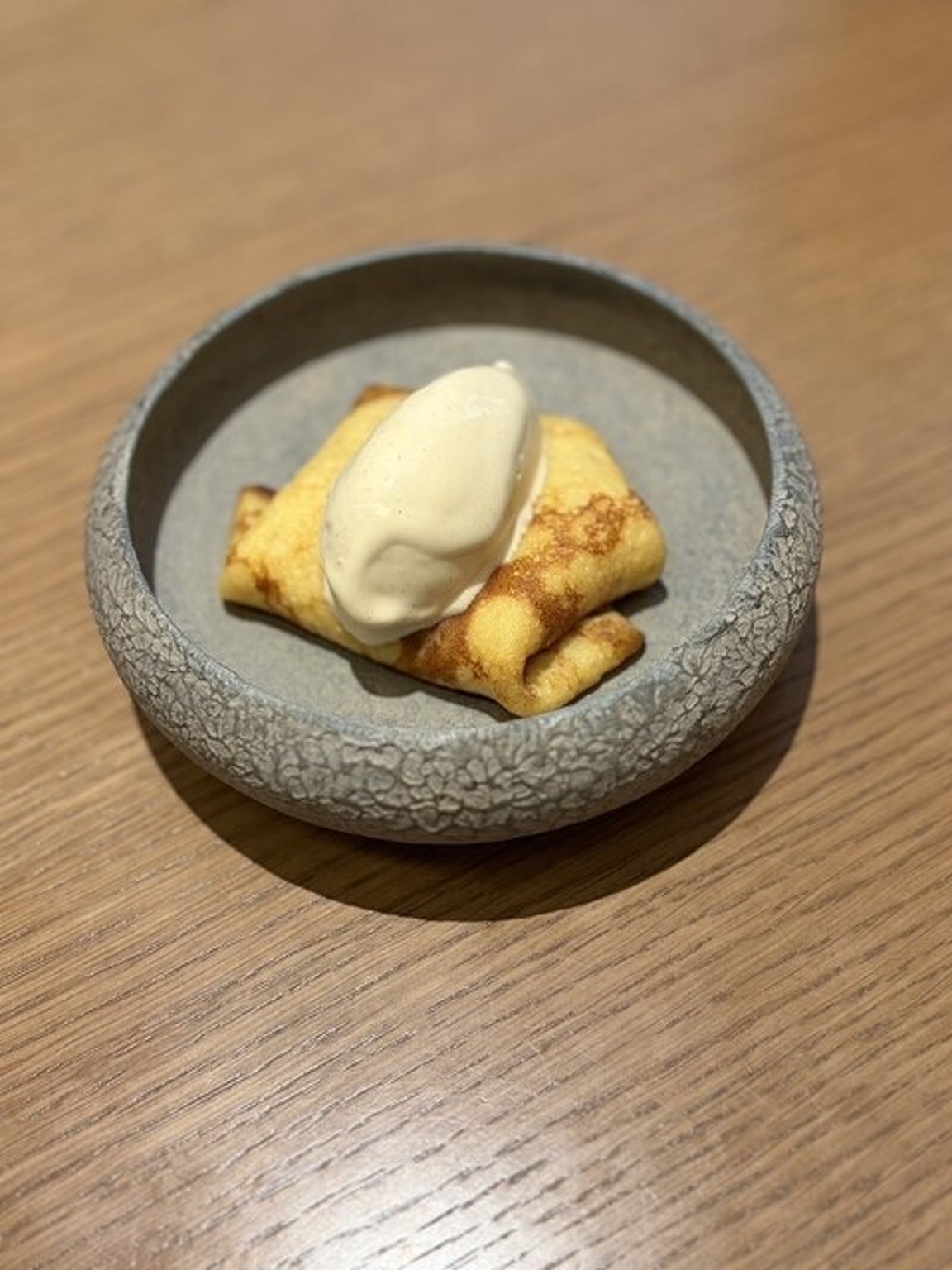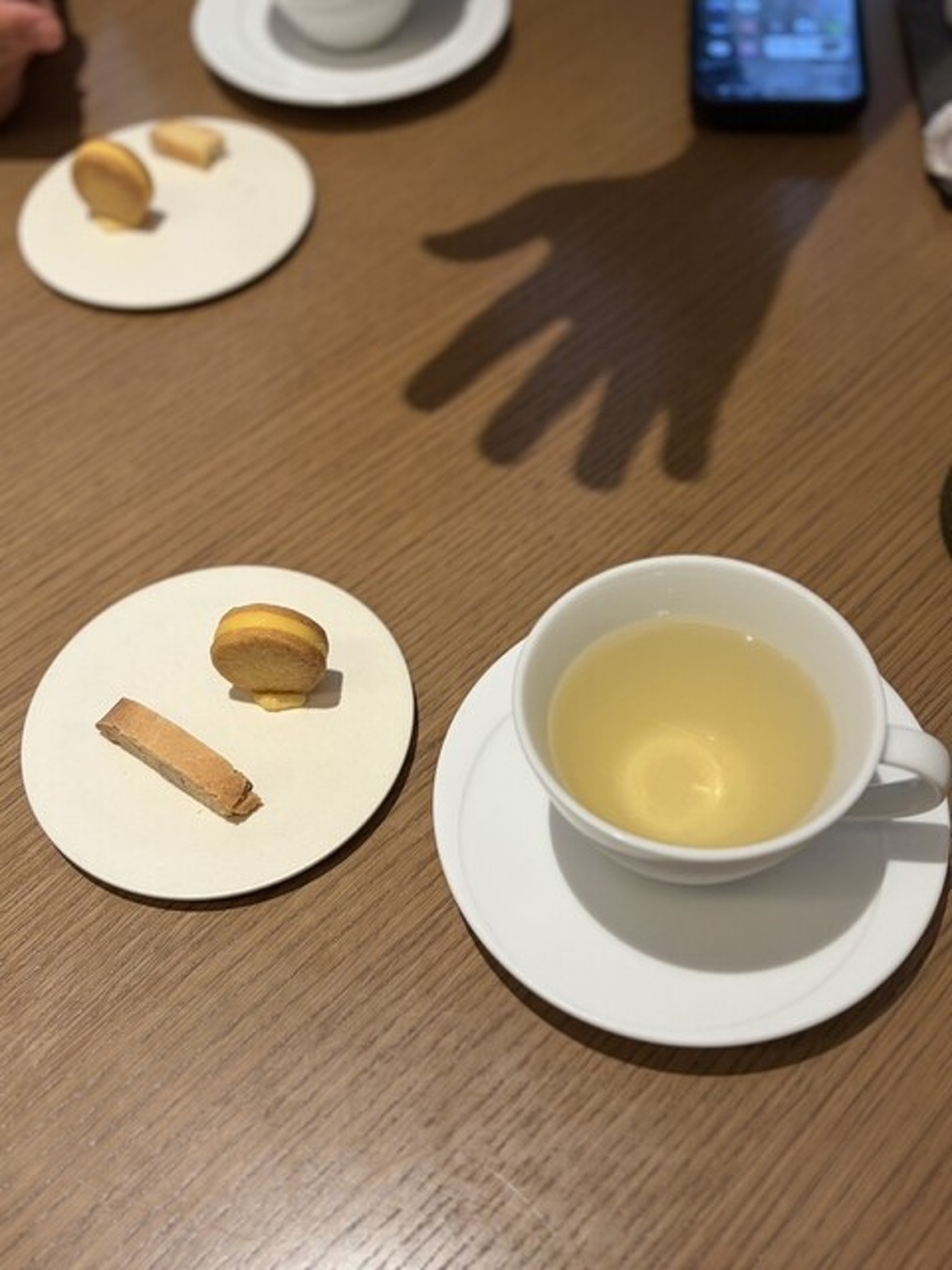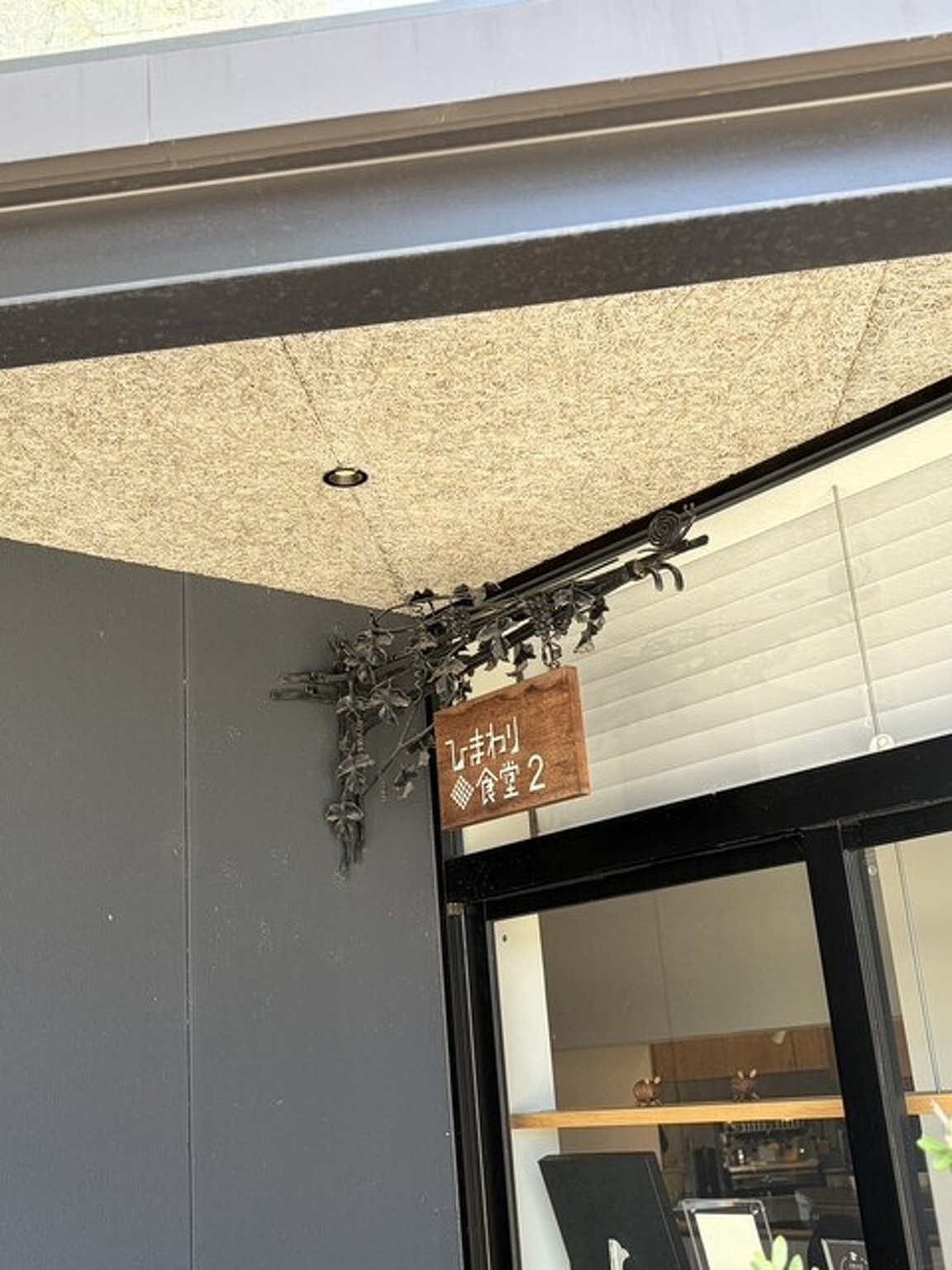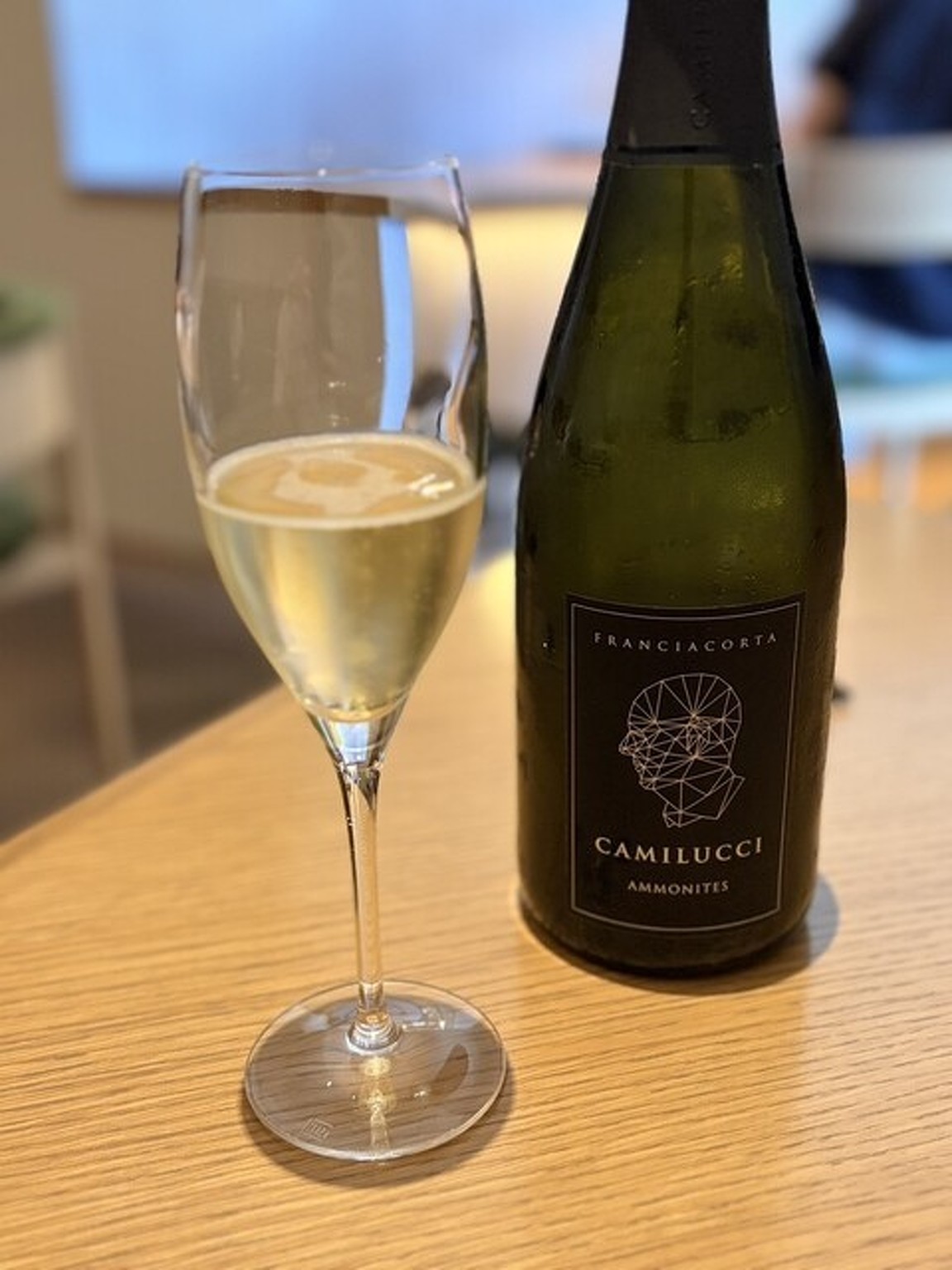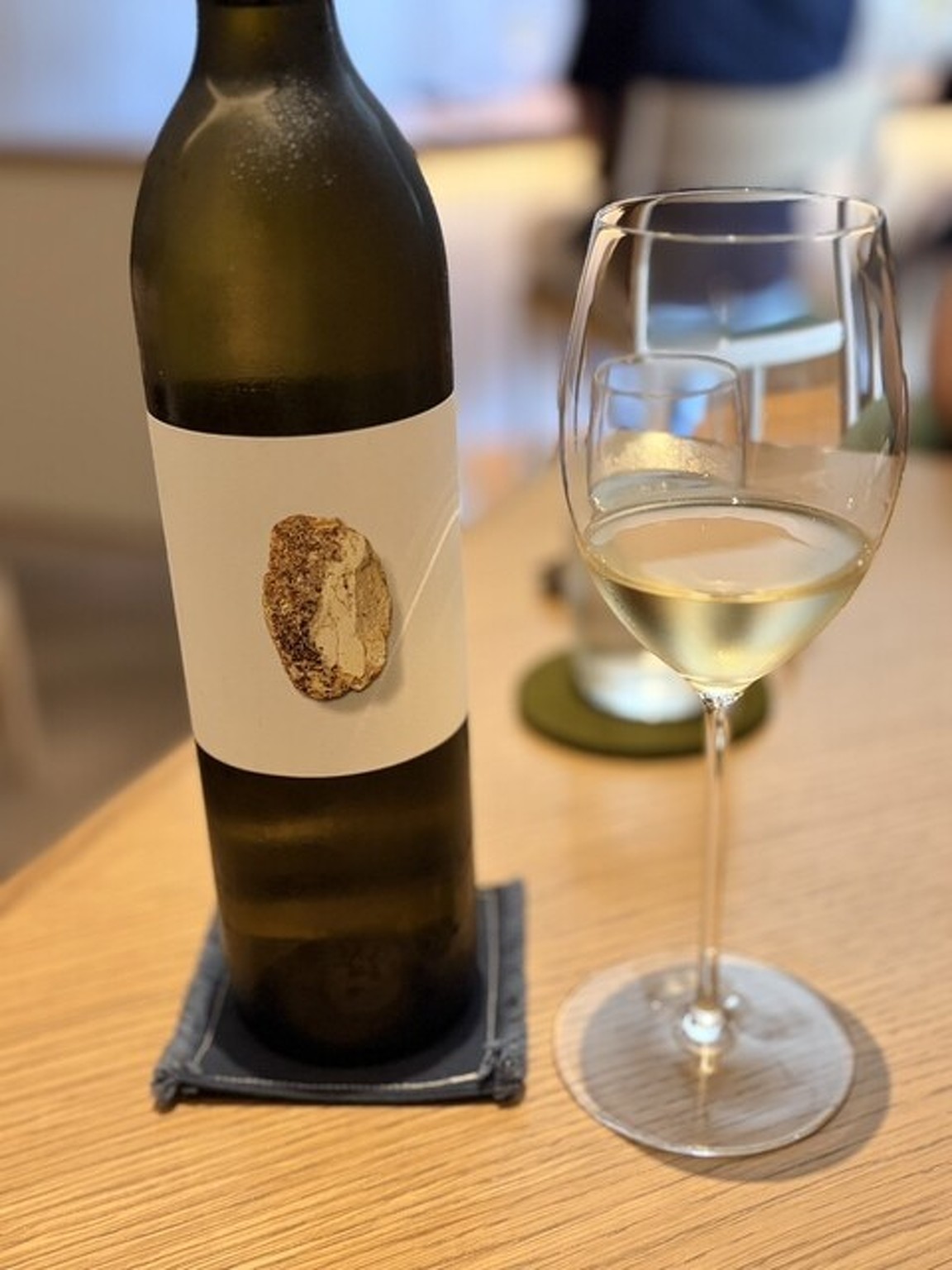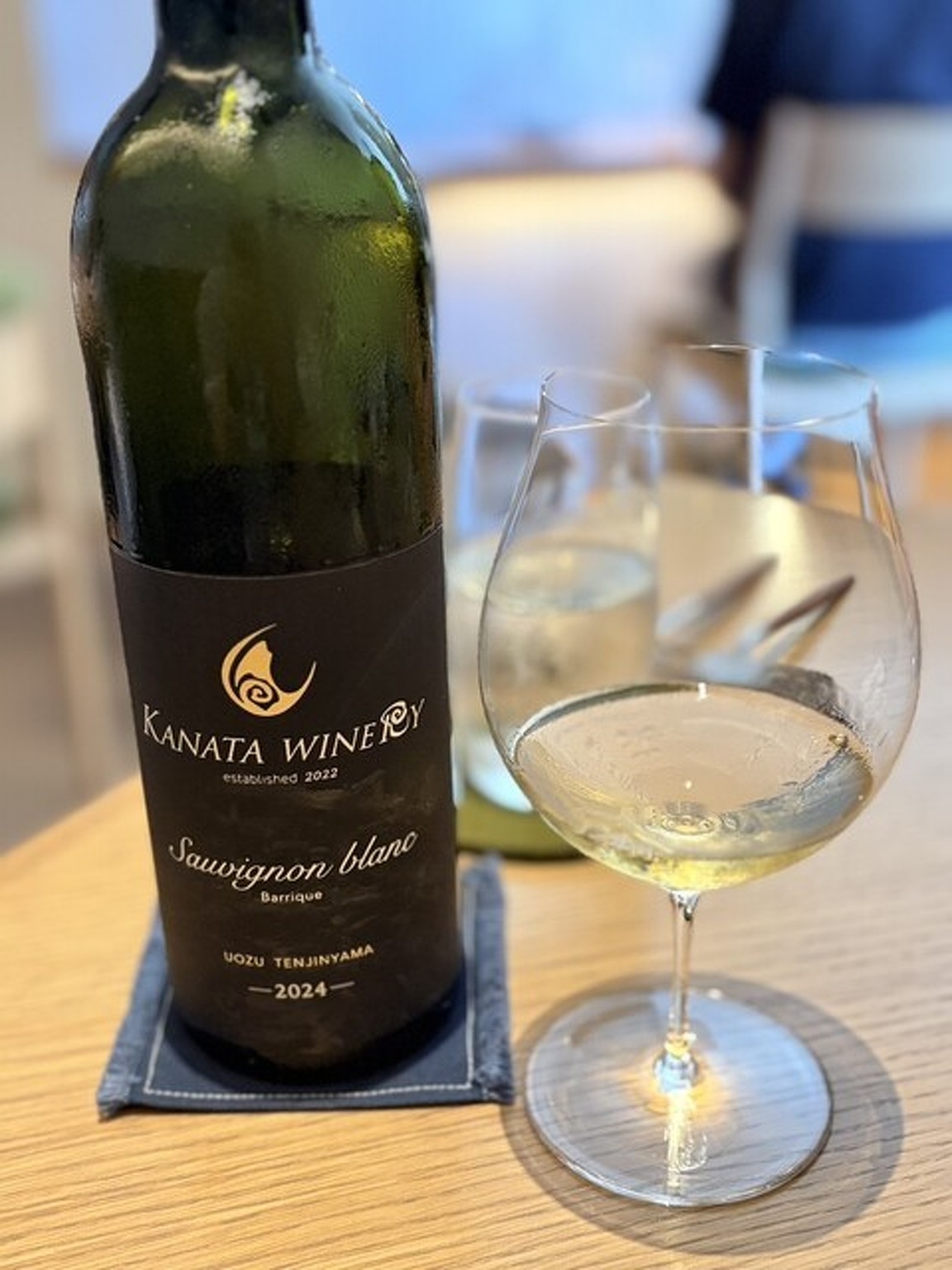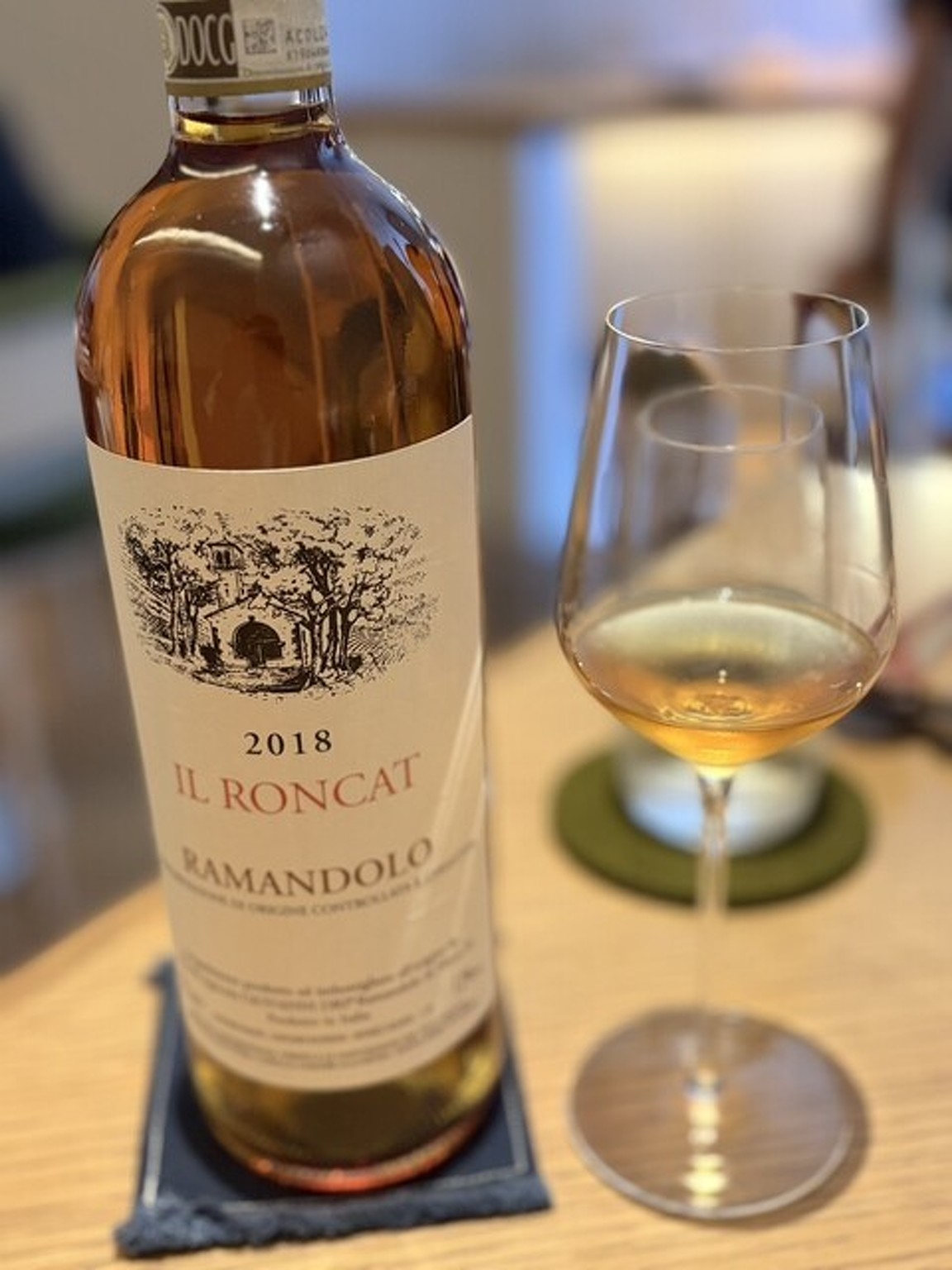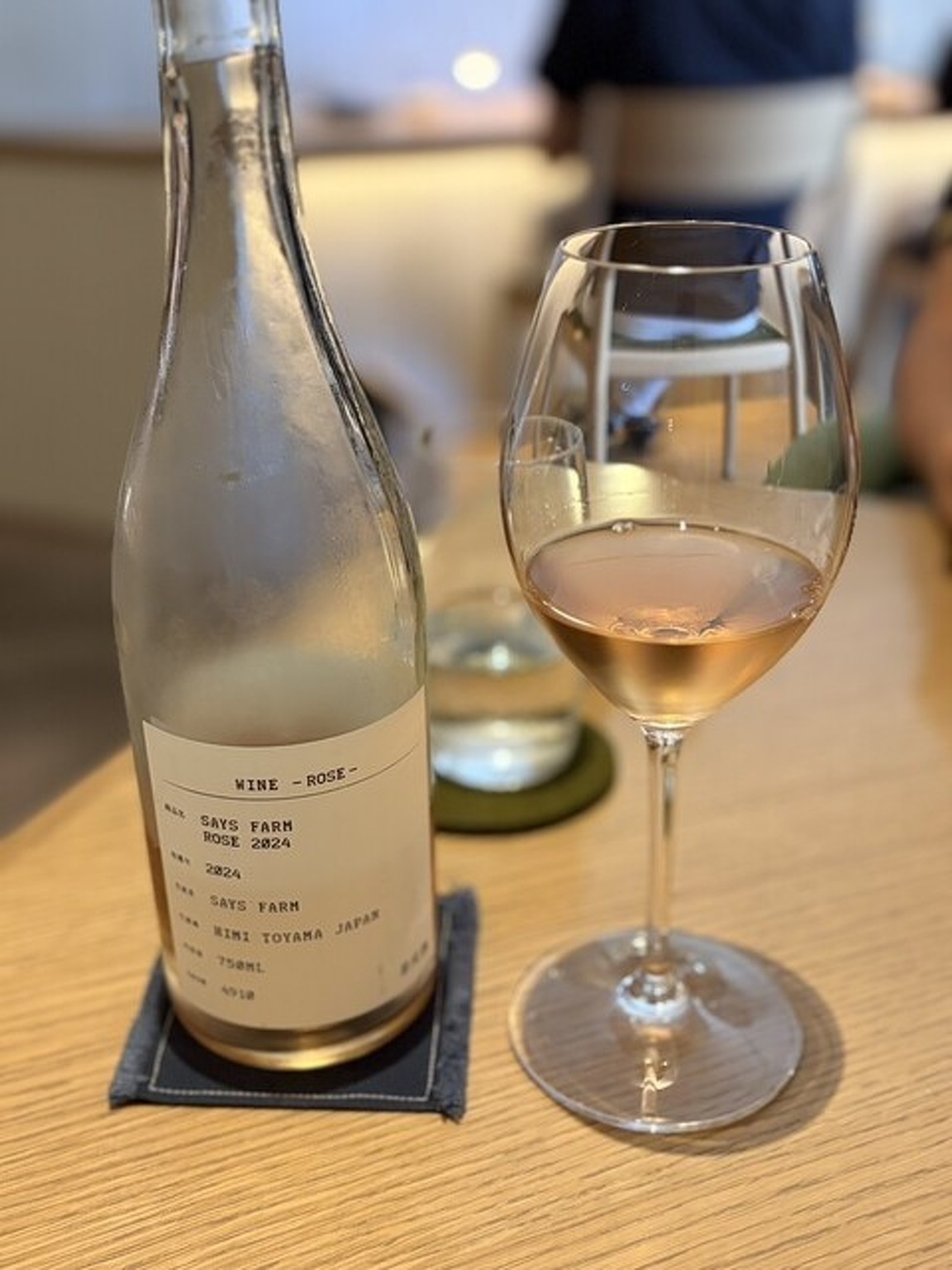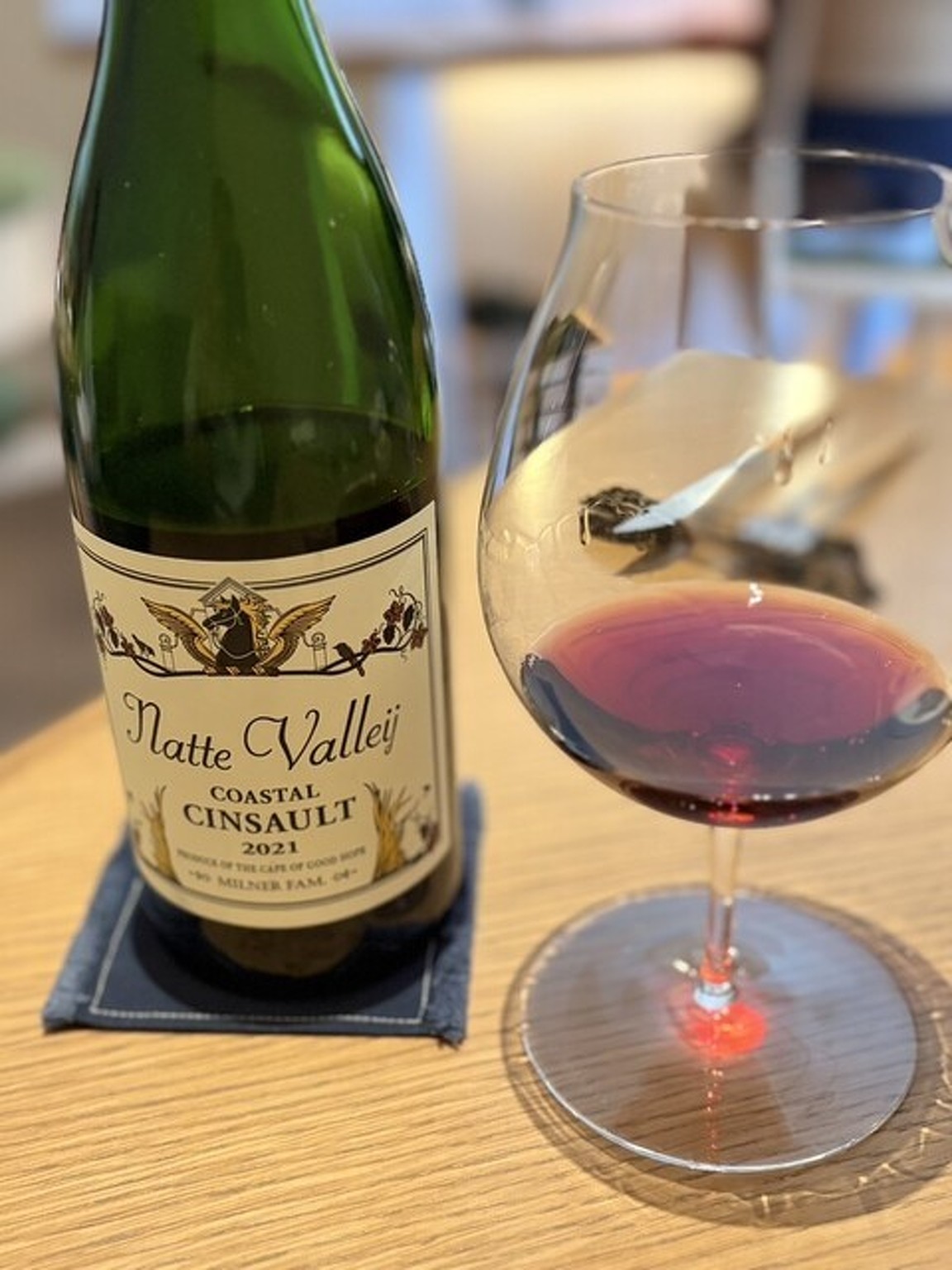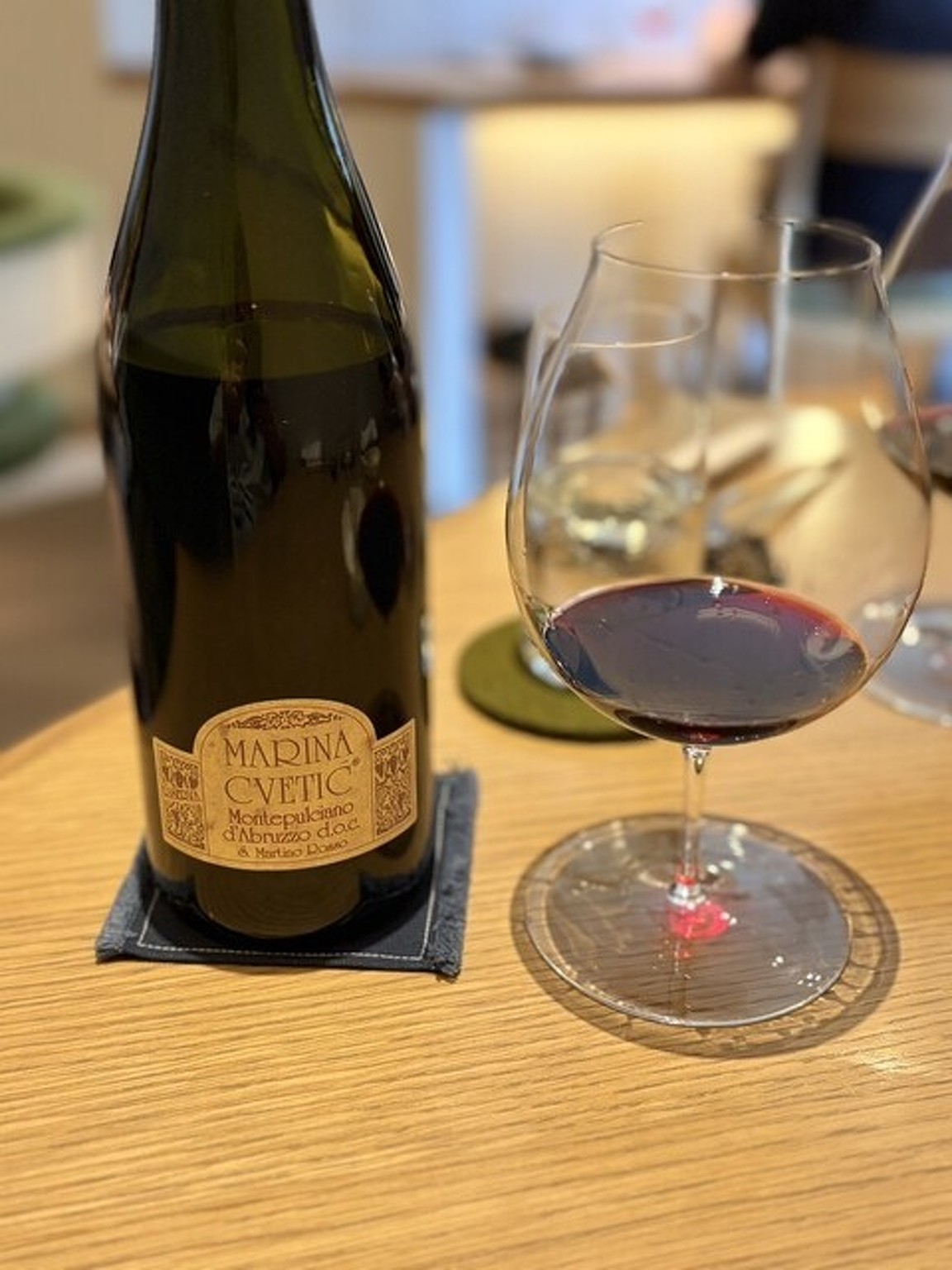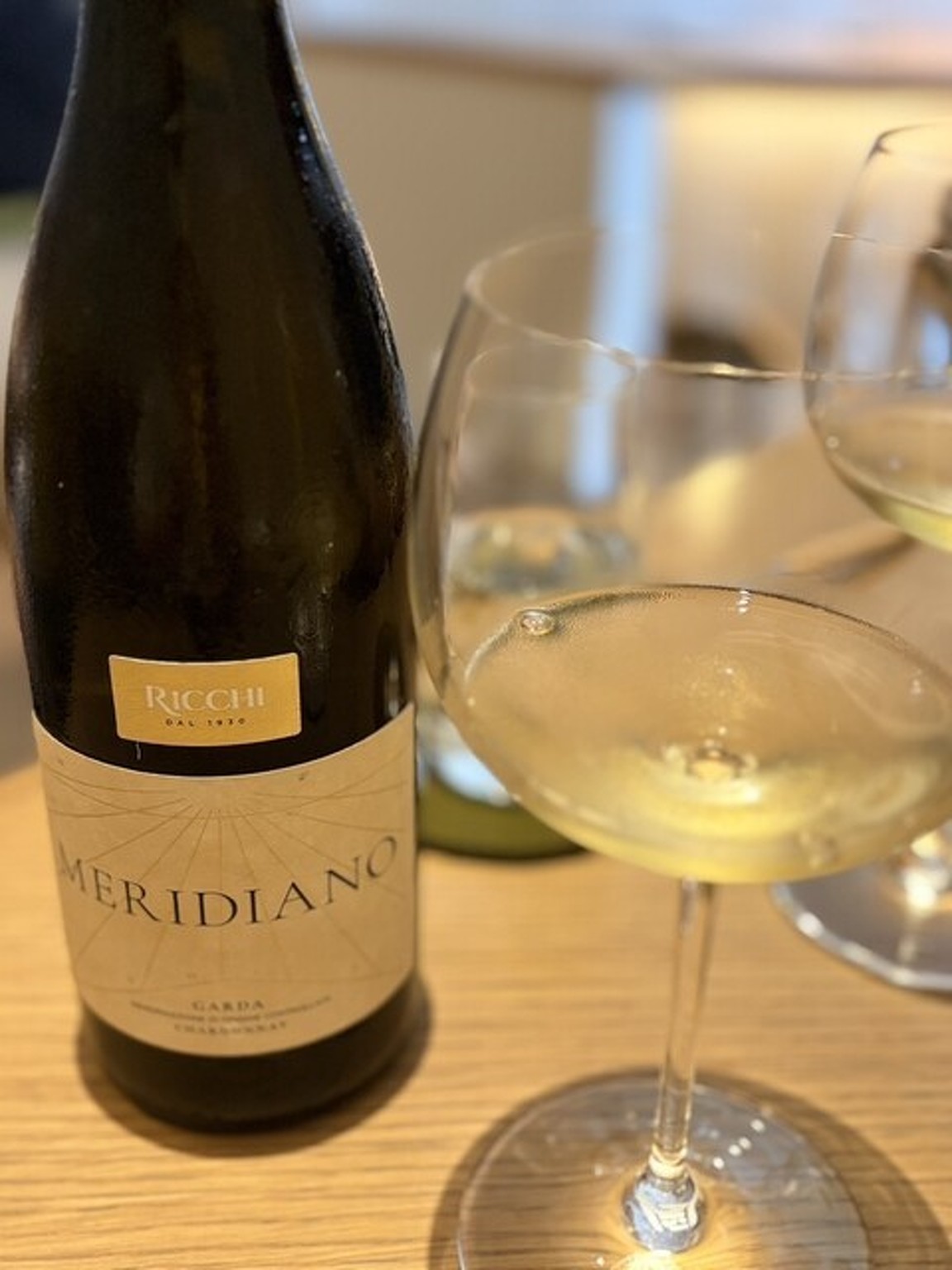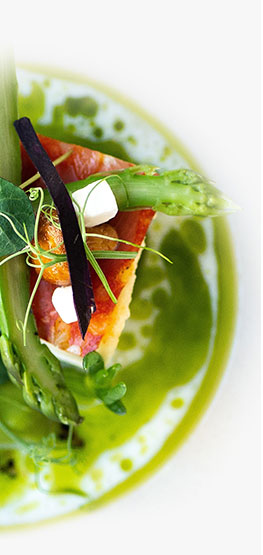
A two-day gourmet trip to Toyama with a drinking buddy. There’s nothing else to get excited about besides the food.I previously visited the restaurant before it moved, and I was so impressed by the genre-less cuisine that simply labeling it as Italian didn’t do it justice. I unofficially designated Himawari Shokudo 2 as an intangible cultural asset of Toyama. After the move, I wanted to check if my impressions had changed, so I made a reservation at this restaurant first on this trip.The new location is closer to Toyama Station, making it easier to visit. The interior hasn’t changed much in style, but it has a more open feel with natural tones of beige, gray, and green, creating a relaxing dining atmosphere. On this day, I opted for an 18,000 JPY course, upgraded the main dish for an additional 2,000 JPY, and added a pairing for 12,000 JPY, totaling 32,000 JPY. I had been thinking about going for a half pairing since I’ve been sensitive to alcohol lately, but when I learned that the total amount would be about two-thirds of a wine bottle, I decided to stick with the standard amount.The floor manager recognized me from my previous visit to the old location. It’s impressive that they maintain such good customer management even after three years. This small detail makes communication with the staff much easier.◯ White Shrimp and Zucchini Mousse The mousse made from zucchini is topped with white shrimp, peach, and kombu dashi jelly. This combination was unexpected from the start. White shrimp typically pairs with kombu, and the jelly mimics the flavor of kombu. The subtle sweetness and refreshing acidity of the white peach complement the rich sweetness of the shrimp, creating a fusion of flavors. It’s complex yet not overwhelming, a refreshing appetizer that piques curiosity for what’s next.The rustic round bread is made with whole wheat flour and has a high moisture content, making it chewy.◯ Echichu Bay Shellfish The Echichu bay shellfish is lightly smoked over charcoal, releasing an appetizing aroma. As expected, the texture is firm, and the natural sweetness of the shellfish intensifies with each bite. The dish is beautifully presented with shiso paste, shiso baby leaves, pickled green plums, tataki cucumber, and red shiso powder, all evoking a summery freshness.◎ Red Squid and Grilled Eggplant At first glance, it looks like just a dark foam. Upon closer inspection, it’s a foam made from squid ink and bitter melon, garnished with red basil. Underneath the foam, there are red squid noodles and marinated grilled eggplant. The rich sweetness of the red squid and the savory aroma of the grilled eggplant combine with the foam, creating a layered flavor profile with the depth of squid ink and the bitterness of the bitter melon. If you think the bitterness of the bitter melon is unnecessary, I felt the same way until I tasted this dish. The bitterness adds a dimension to the flavor, delivering a shocking experience.◎ Rock Oyster with Prosciutto Foam The large rock oyster is cooked at low temperature and topped with prosciutto foam and vinegar kombu powder. This dish is undeniably delicious. The umami of the oyster pairs well with animal-based flavors like bacon and butter, and the prosciutto broth is no exception. The vibrant flavor of the prosciutto dissipates beautifully, while the acidity of the vinegar kombu and glutamic acid create a synergistic effect. The unique saltiness from the sea blends with the robust umami from the land, stimulating the palate.◎ Octopus Rice This is the classic octopus rice. It features octopus ragù sauce, grilled octopus, and potato chips. The variety of textures is lively and playful. The dashi and ginger are prominent, making it truly reminiscent of octopus rice. However, it’s intriguing how it has such depth of flavor, far surpassing typical octopus rice. Perhaps it’s due to the composition of the ragù sauce...◎ Charcoal-Grilled Fish The fish, grilled to a crisp over charcoal, is rich in clear fat, showcasing its quality. The sauce is interesting, made from tomato and coconut, which is both challenging and ethnic. This enhances the delicate flavor of the fish. The chef has a diverse range of flavors that are unconventional yet of high quality.◎ Toyama Prefecture Beef Tongue Charcoal-Grilled For the main dish, I could choose between pork and beef, and I opted for the beef tongue for an additional 2,000 JPY. It’s straightforward and delicious. The milky umami of the thick tongue is impressive—so thick it rivals a dictionary. My taste buds were overwhelmed, leaving me speechless. Sometimes the excitement fades with the main dish, but this was genuinely good. The parsley sauce paired well too.◎ The salad is served separately. The vegetables are dressed with a simple, tangy dressing that brings out their natural flavors. This is the best way to enjoy them. The arugula has a strong aroma, and the tomatoes are incredibly sweet. I thought they were freshly picked from the local area, but they are actually the highest quality from Hokkaido. They only send them when the best tomatoes are ready. Their commitment to ingredients is impressive.◎ Toyama Prefecture Pork Ragù with Salt Lemon Sauce The pasta is chewy. It’s amazing that they can achieve this texture with dried noodles, as I experienced during my last visit. I think it was called Takumi. I want some of that. The ragù sauce, simmered in white wine, has a rich flavor while the salt lemon adds a refreshing touch, enhanced by mint. This is the first time I’ve felt that mint is an essential element in pasta.◎ Corn Ice Cream with Rice Pudding The corn ice cream is wrapped in a thick crepe filled with rice pudding. It’s not overly sweet and has a substantial volume. While it may not be refined, it allows you to truly savor the ingredients. I love its rustic charm.The wine pairing, like the genre-less cuisine, features selections primarily from Italy, as well as from the New World and local wineries in Toyama. I had never heard of Kanata Winery from Uozu, but it was delicious. This is the beauty of pairing—discovering things you didn’t know before.Cantucci, lemon butter sandwich, and herbal tea For dessert, I chose dry herbal tea from several options. My companion selected fresh herbal tea, which was crafted with hand-torn herbs, adding a touch of artisanal quality.It’s certainly not cheap. However, they skillfully express the seasonal essence using local ingredients. While the base is Italian, they seamlessly incorporate Japanese and ethnic elements, creating an exciting experience. This restaurant offers flavors and emotions that can only be created with the ingredients unique to Toyama and the chef’s expertise. I still love this place. It’s a restaurant worthy of bringing people to Toyama.
We use cookies on this site to enhance your user experience.