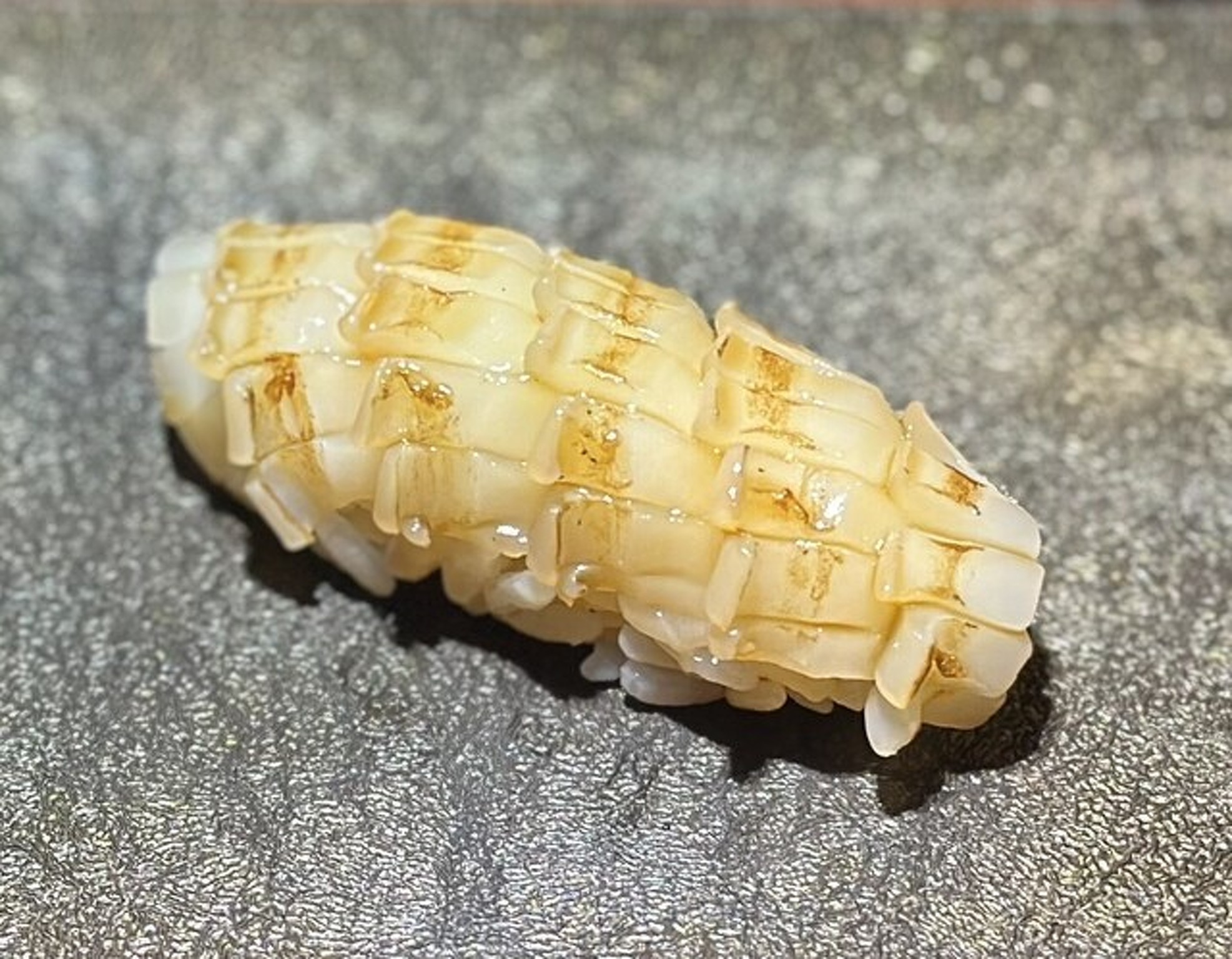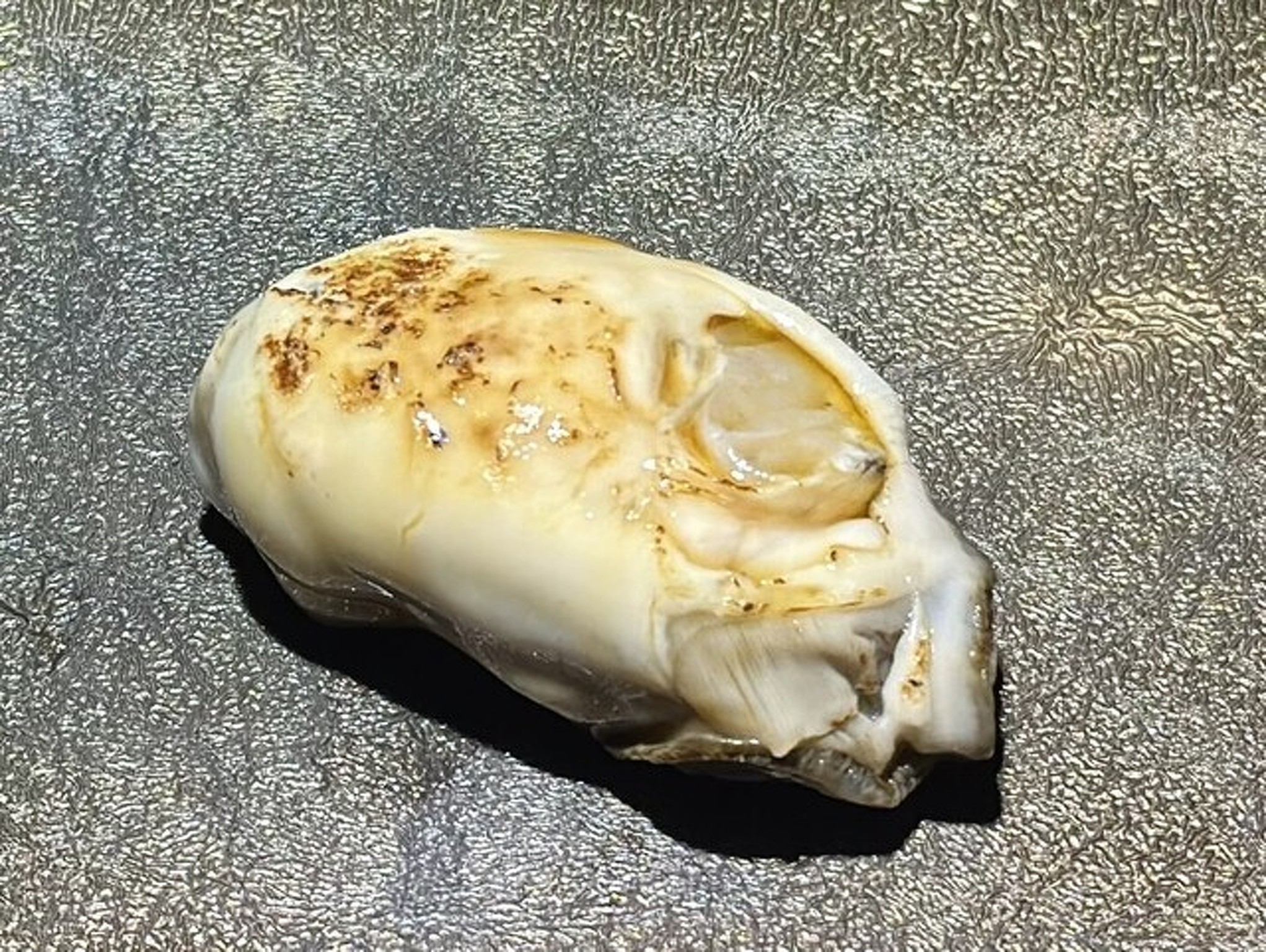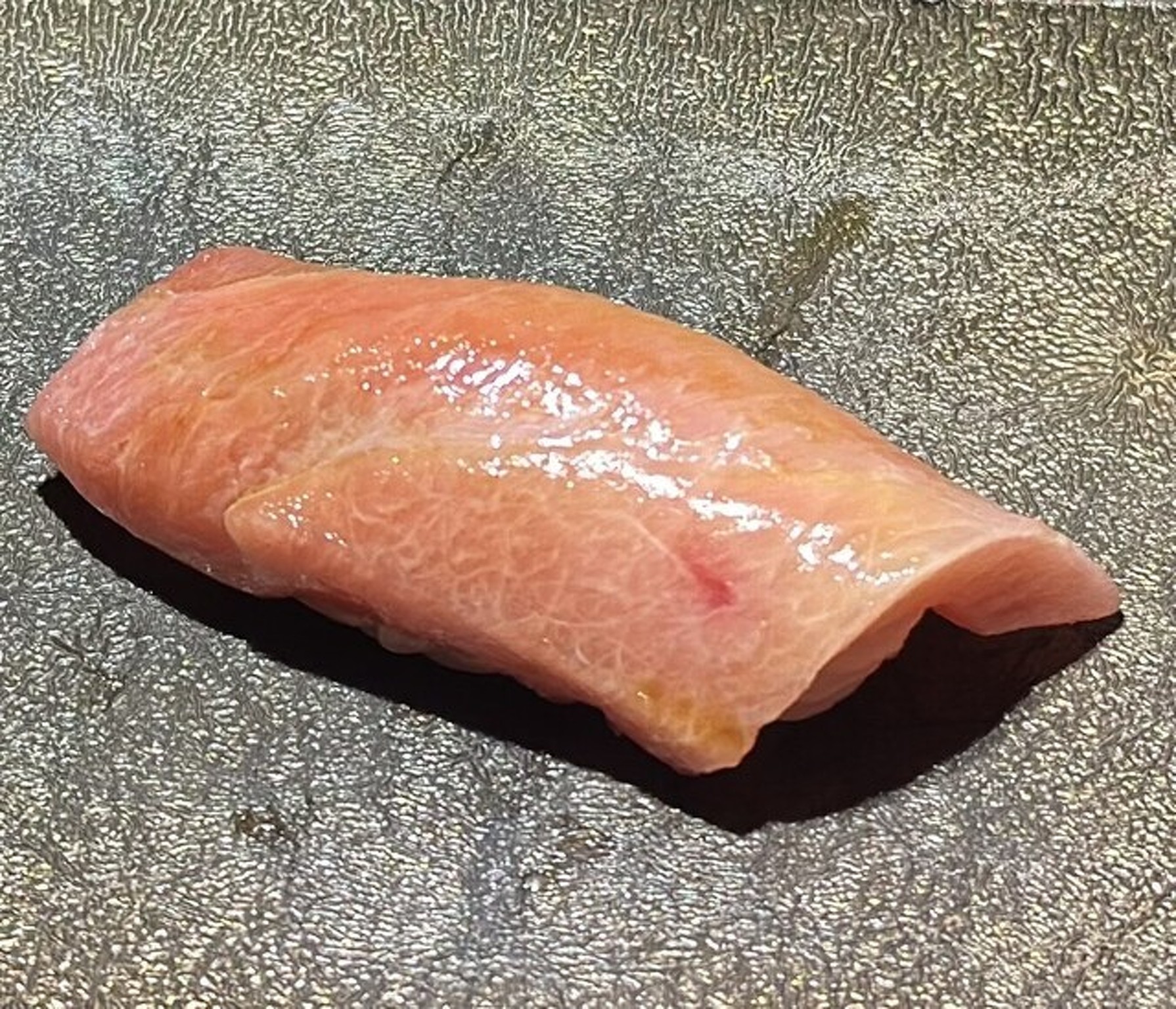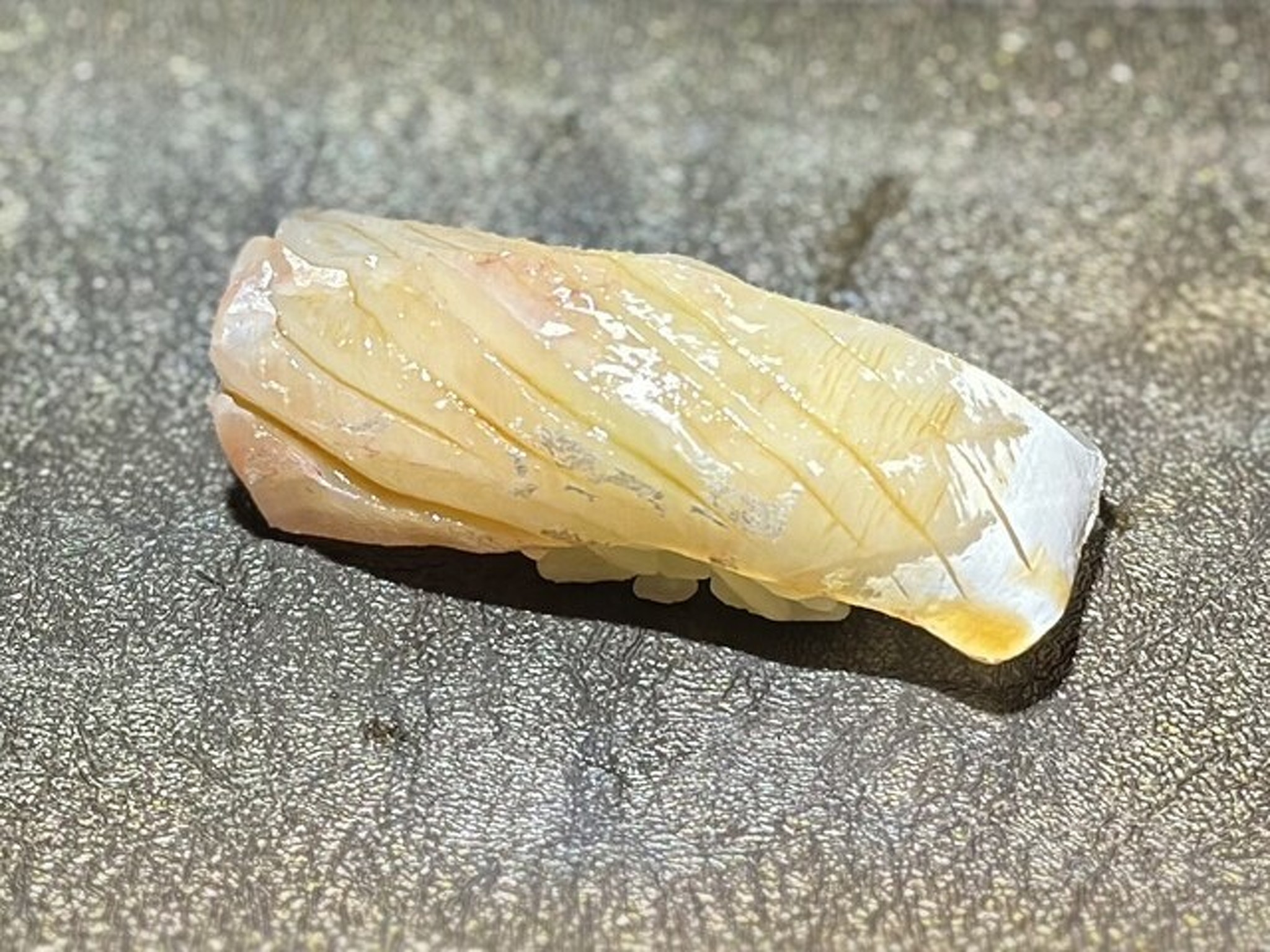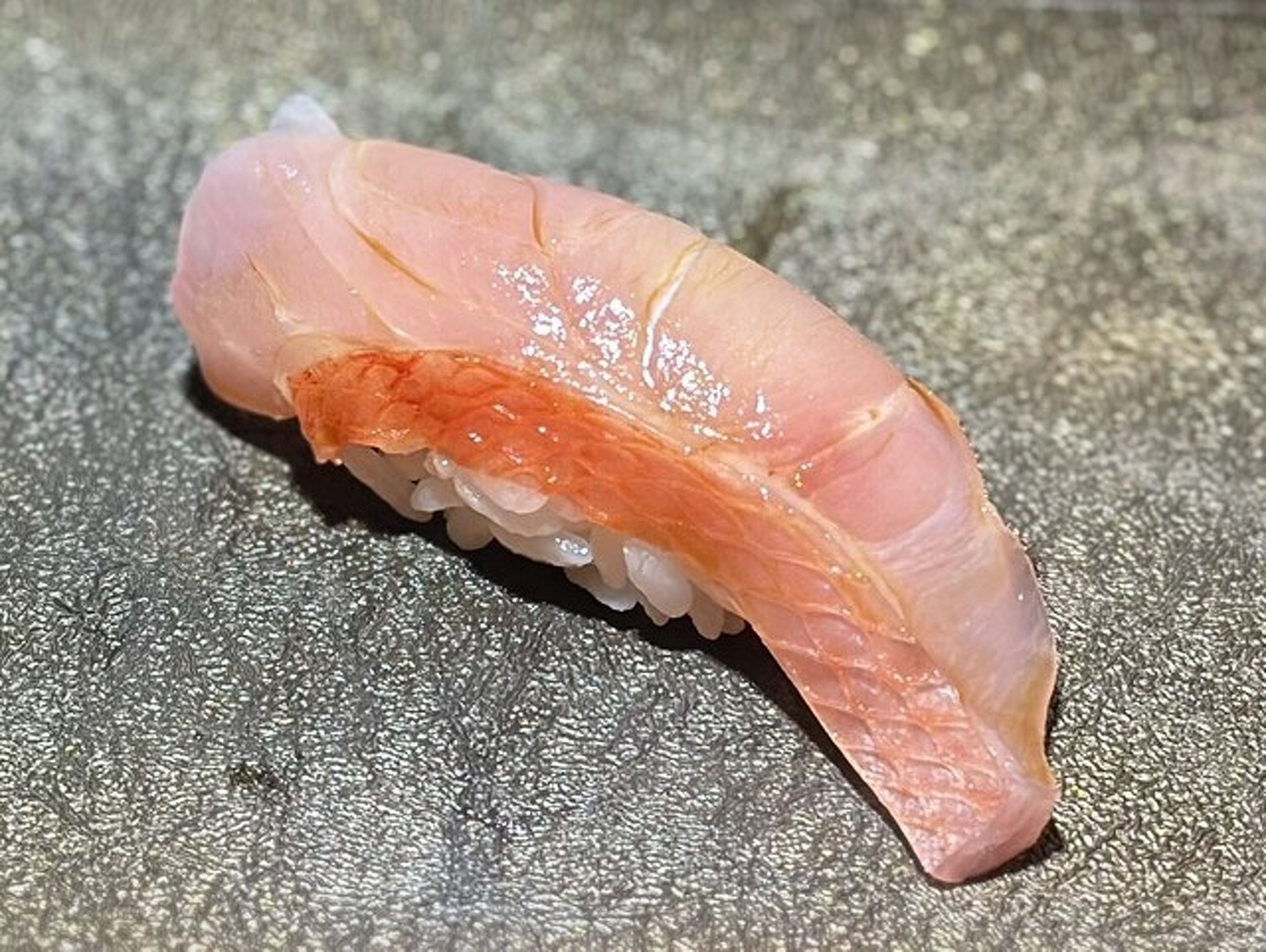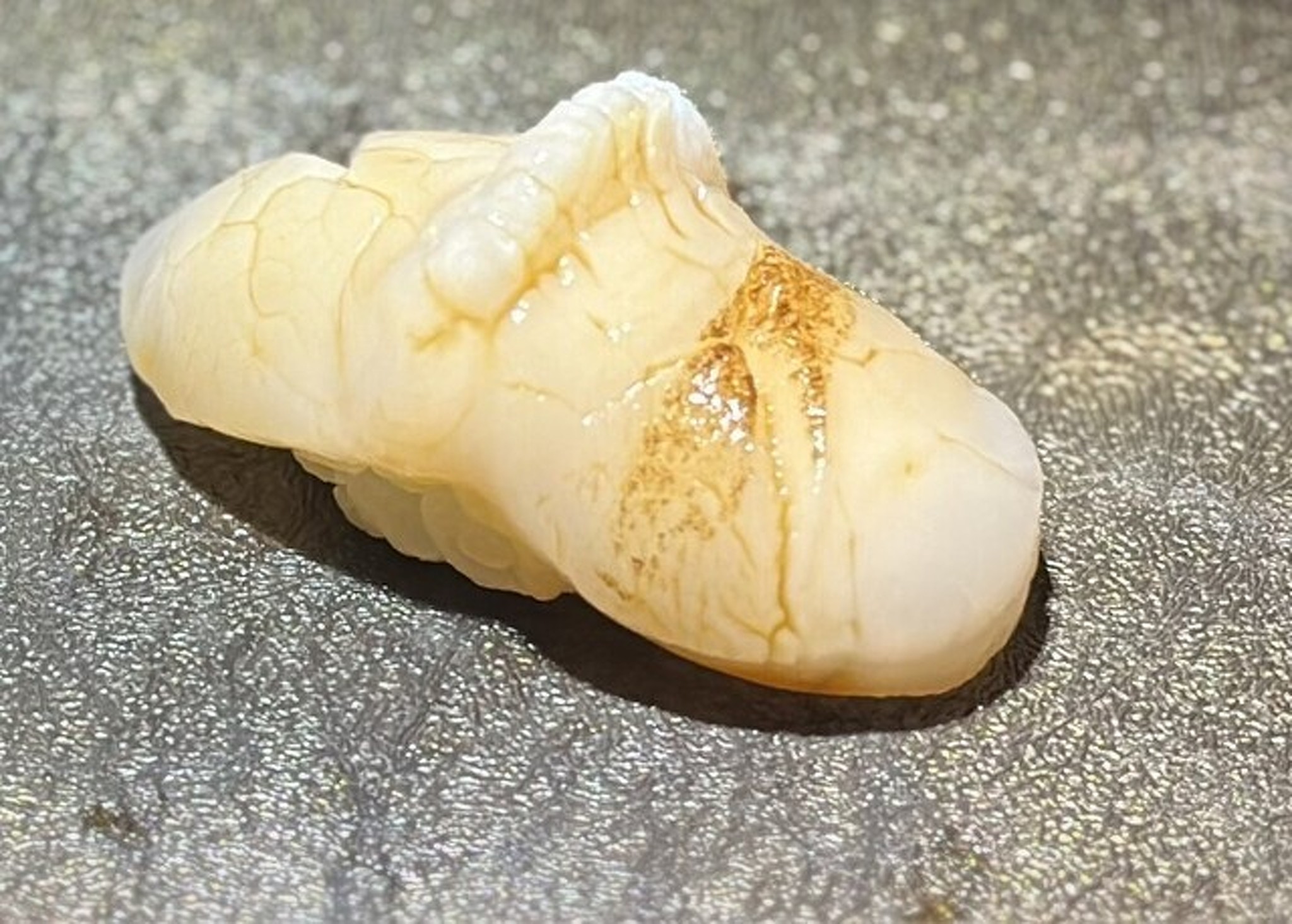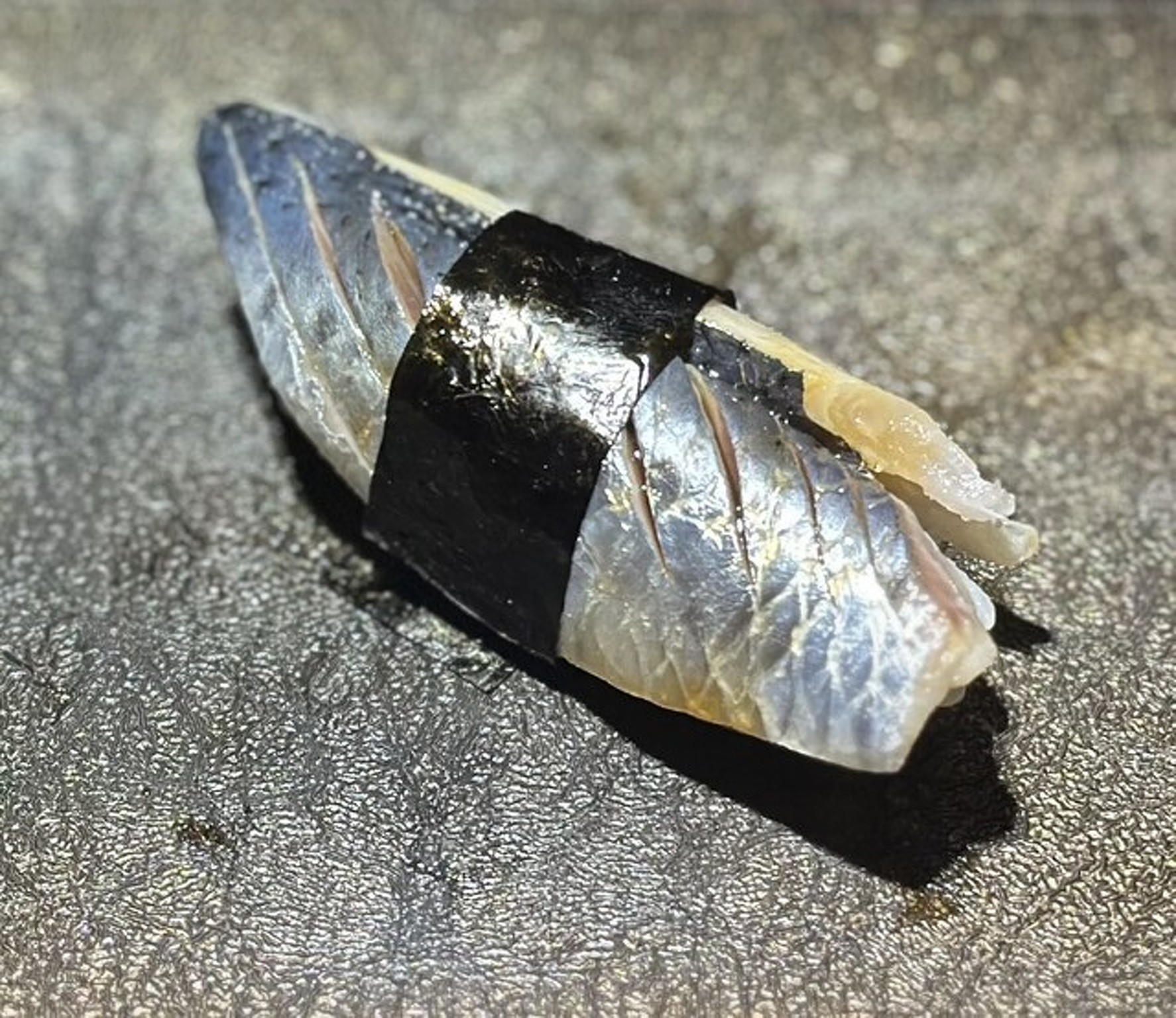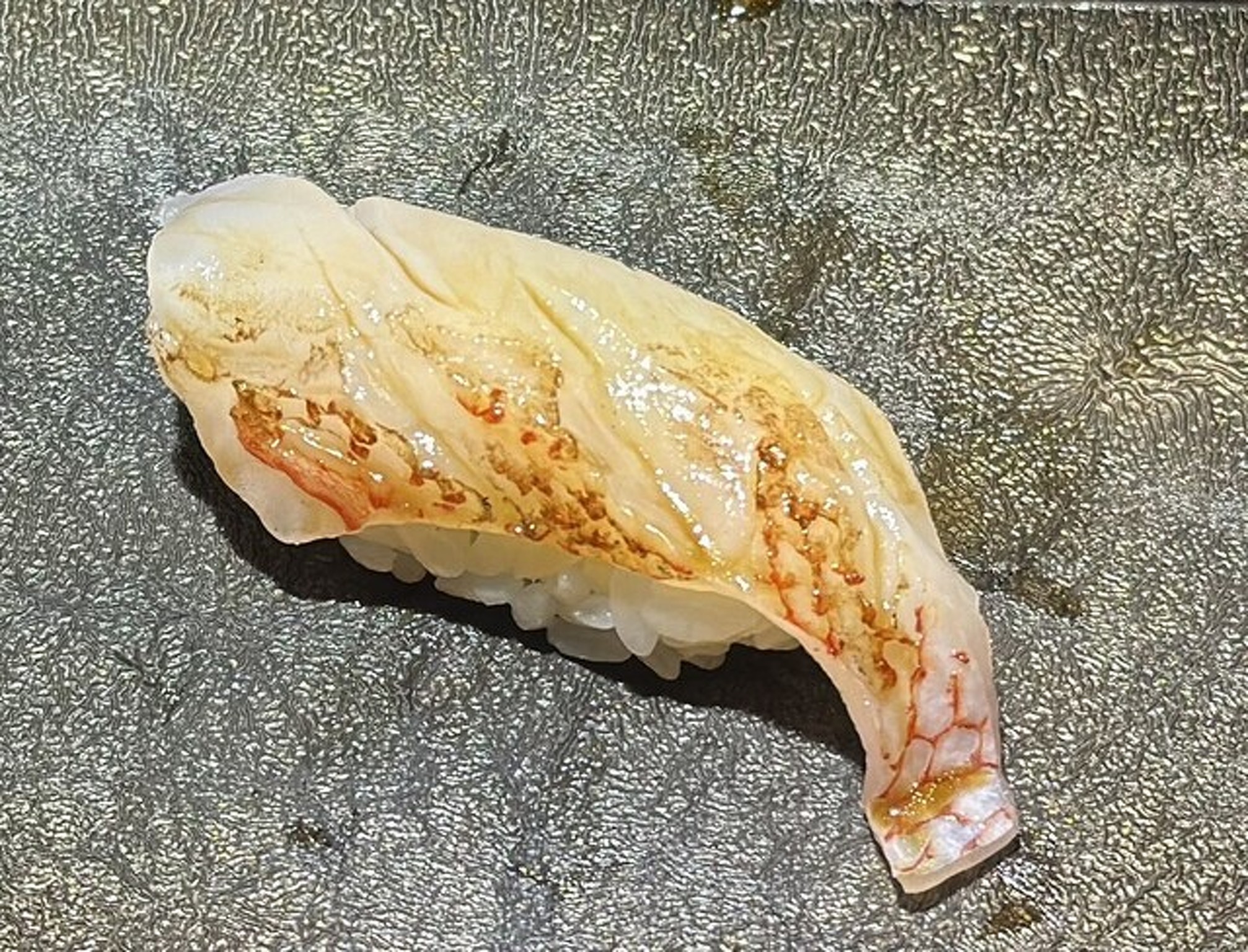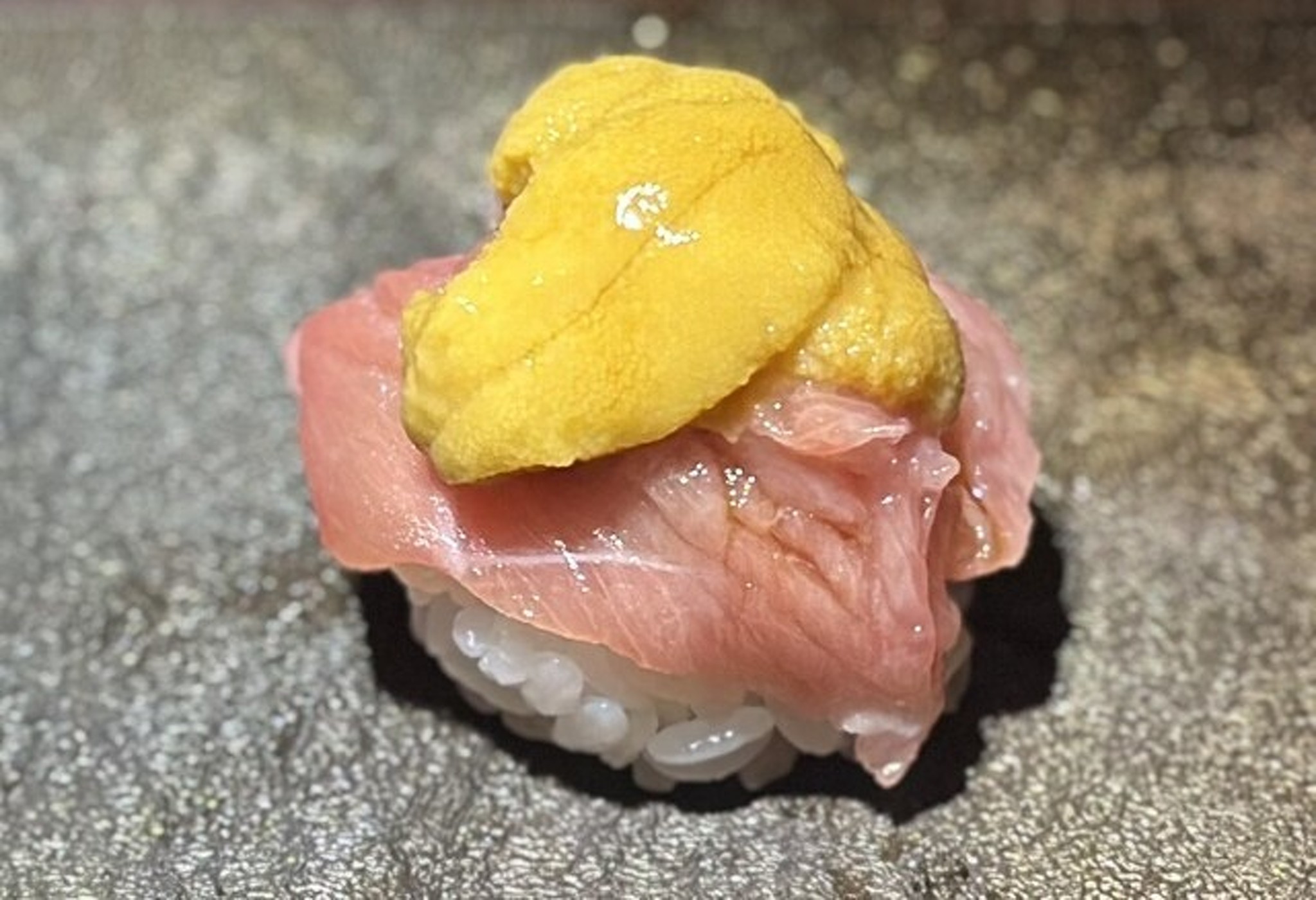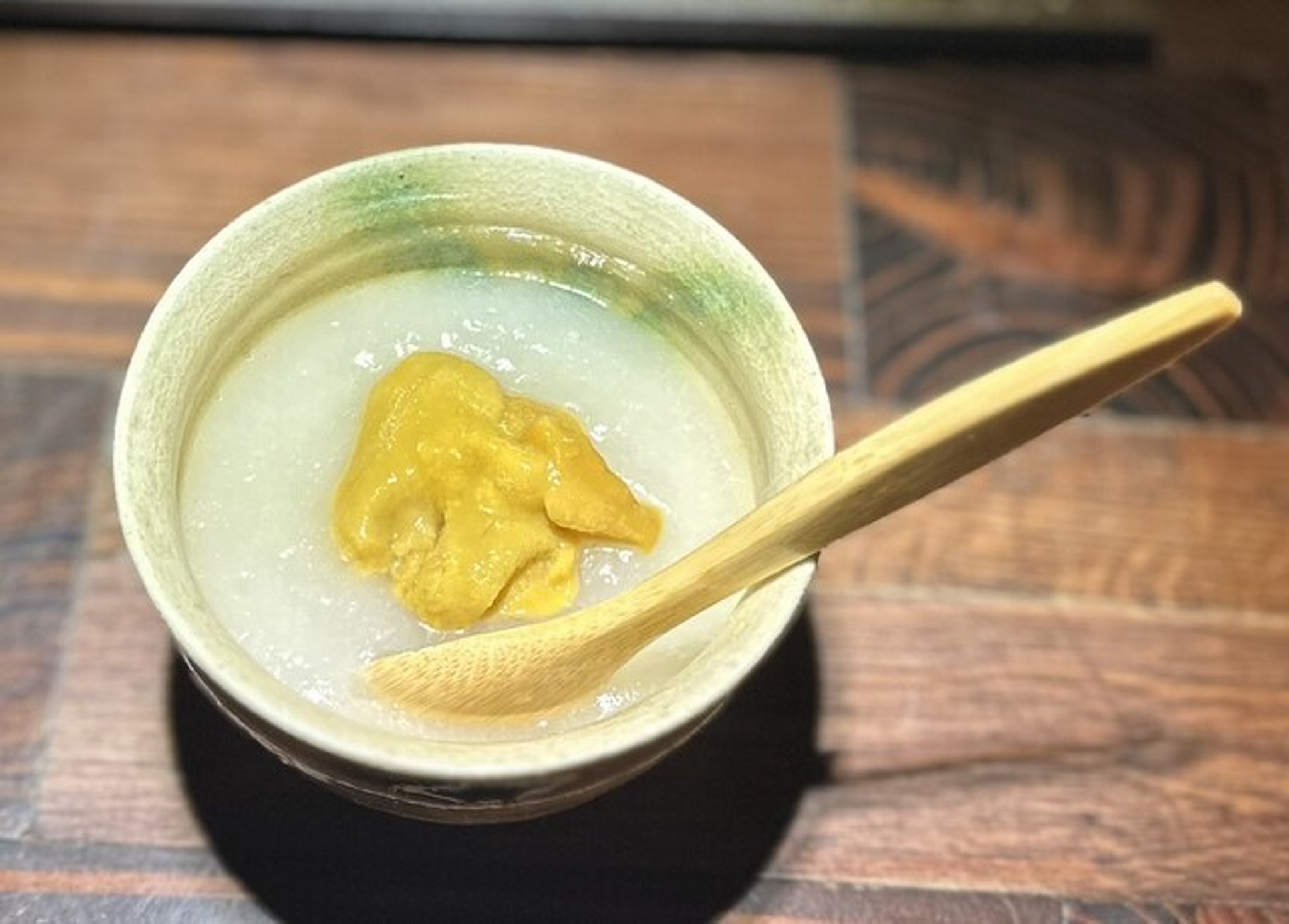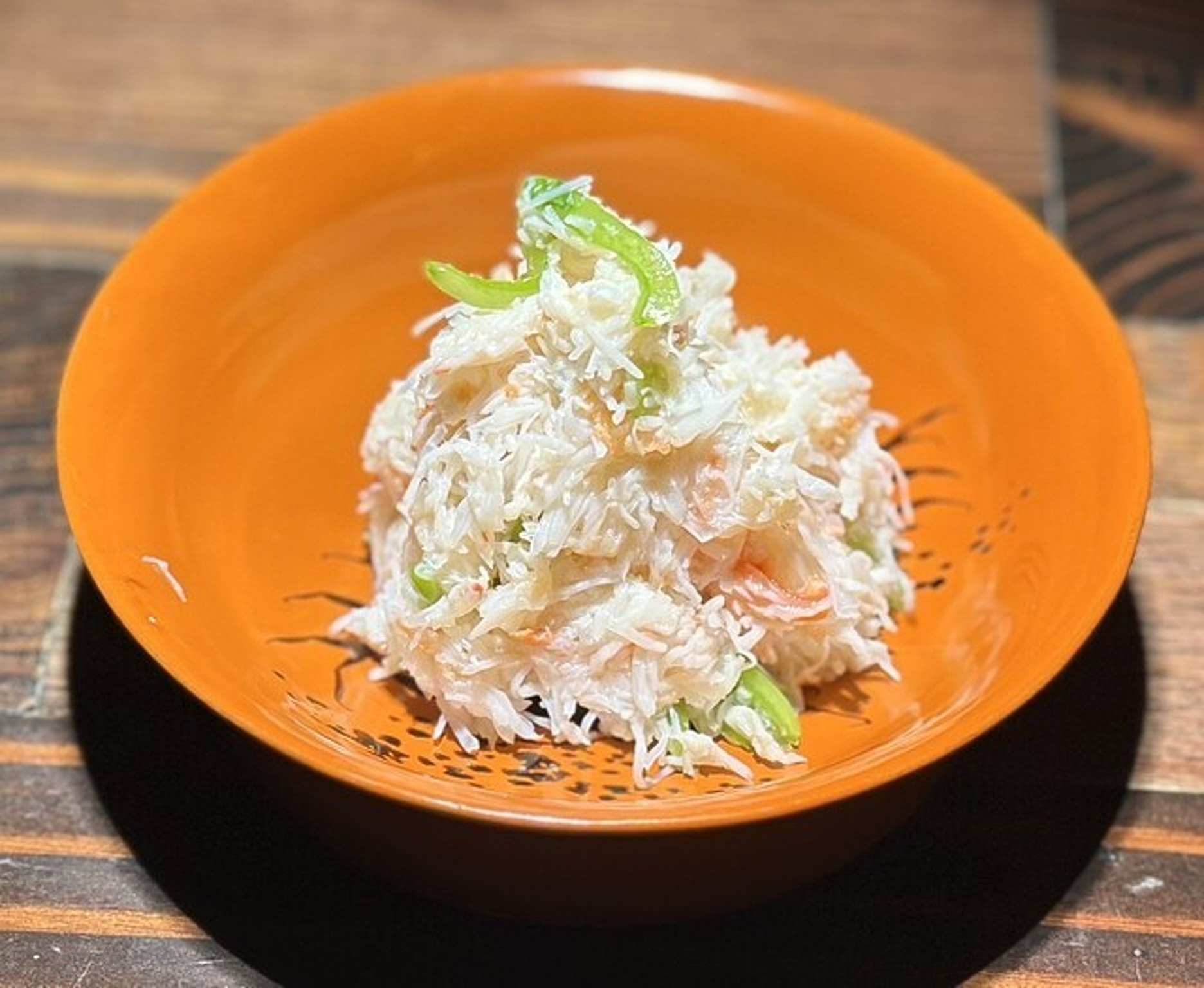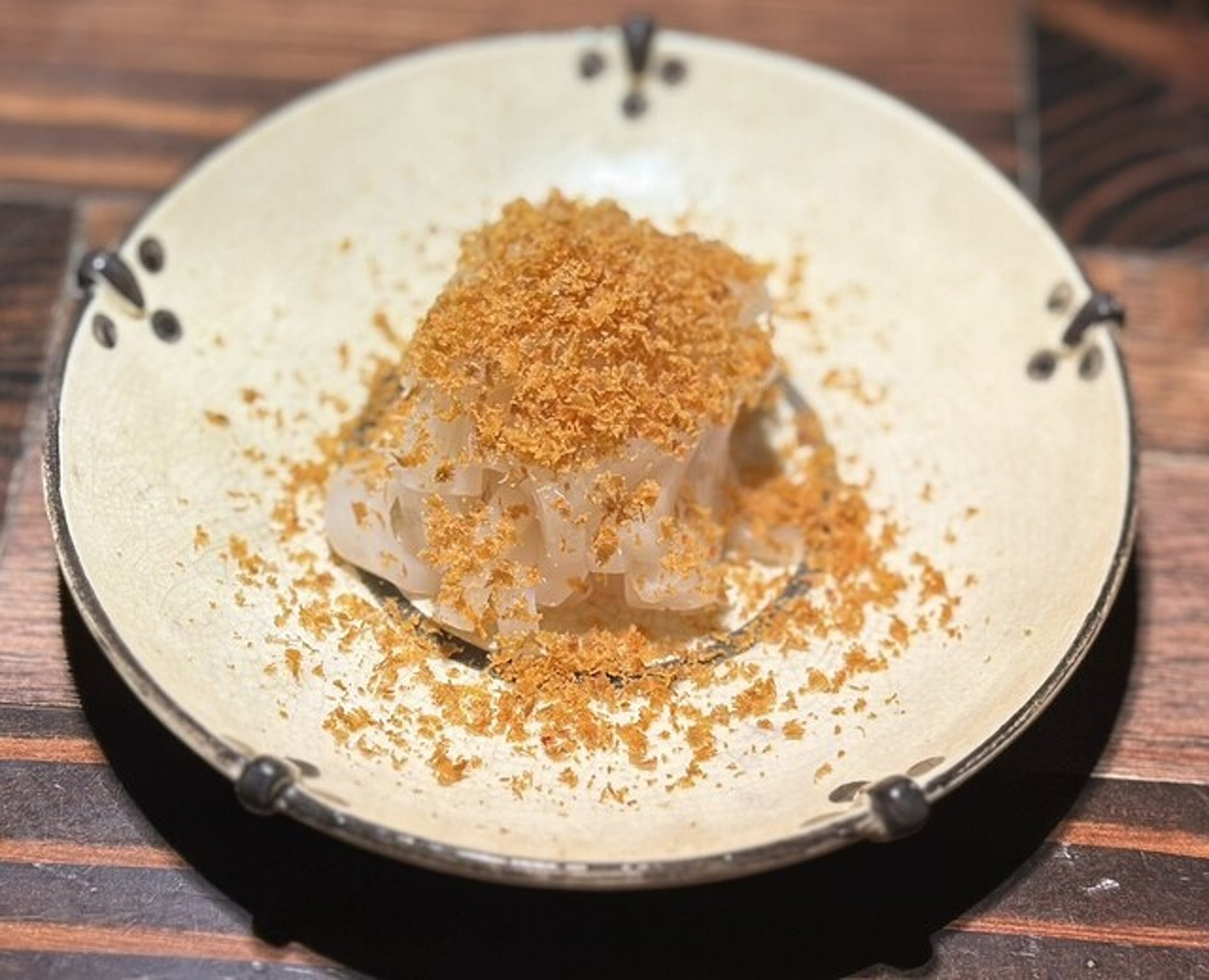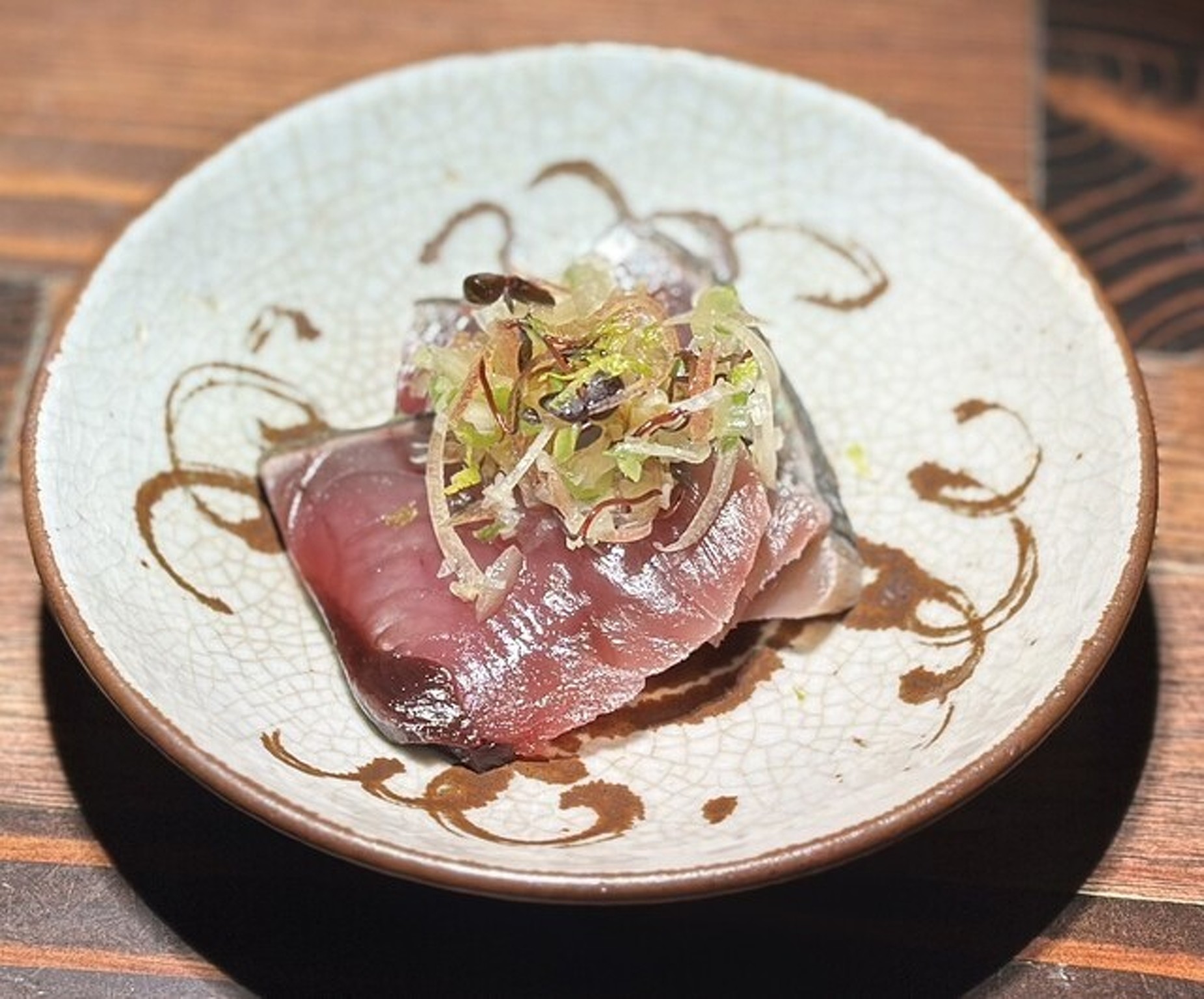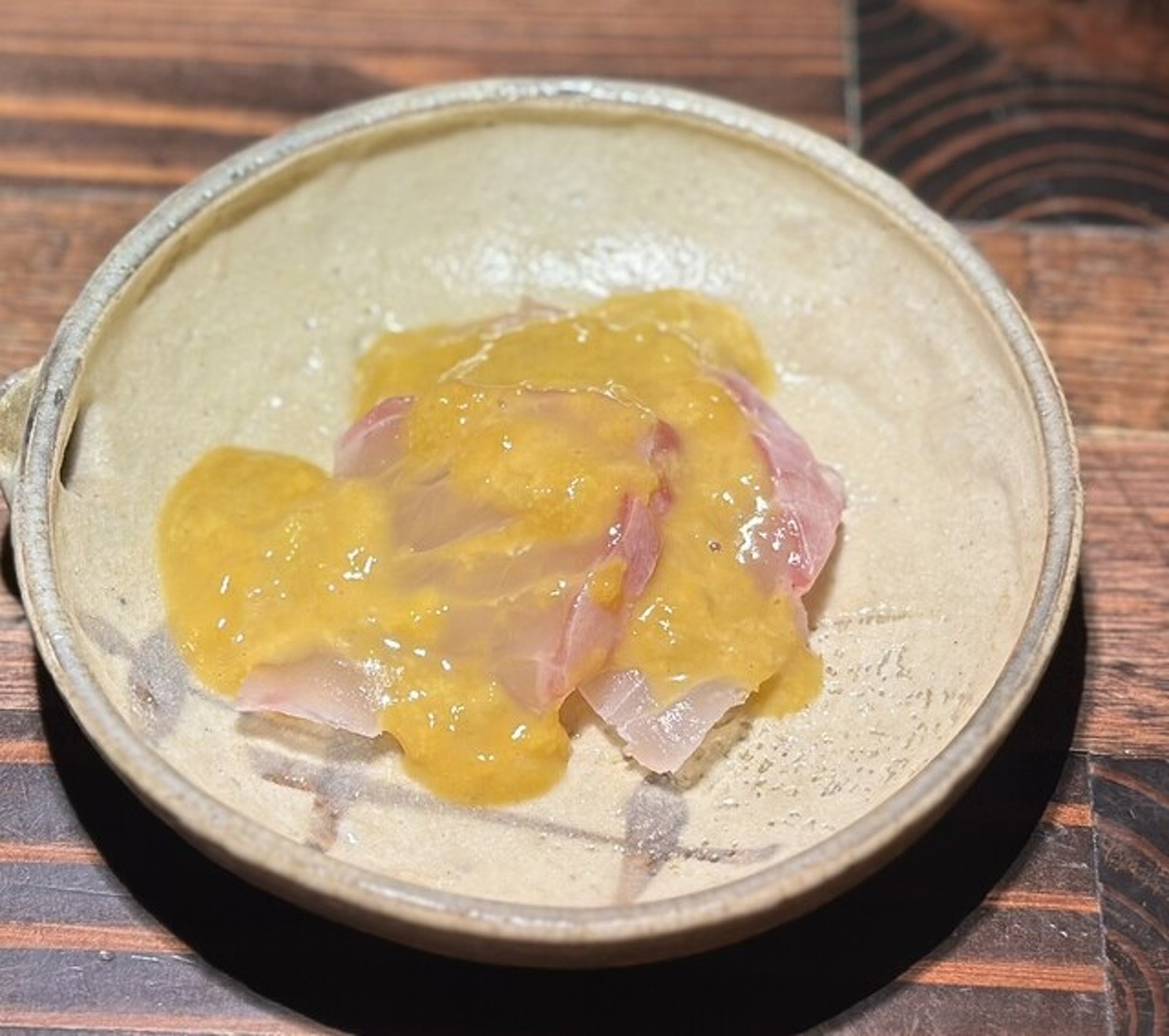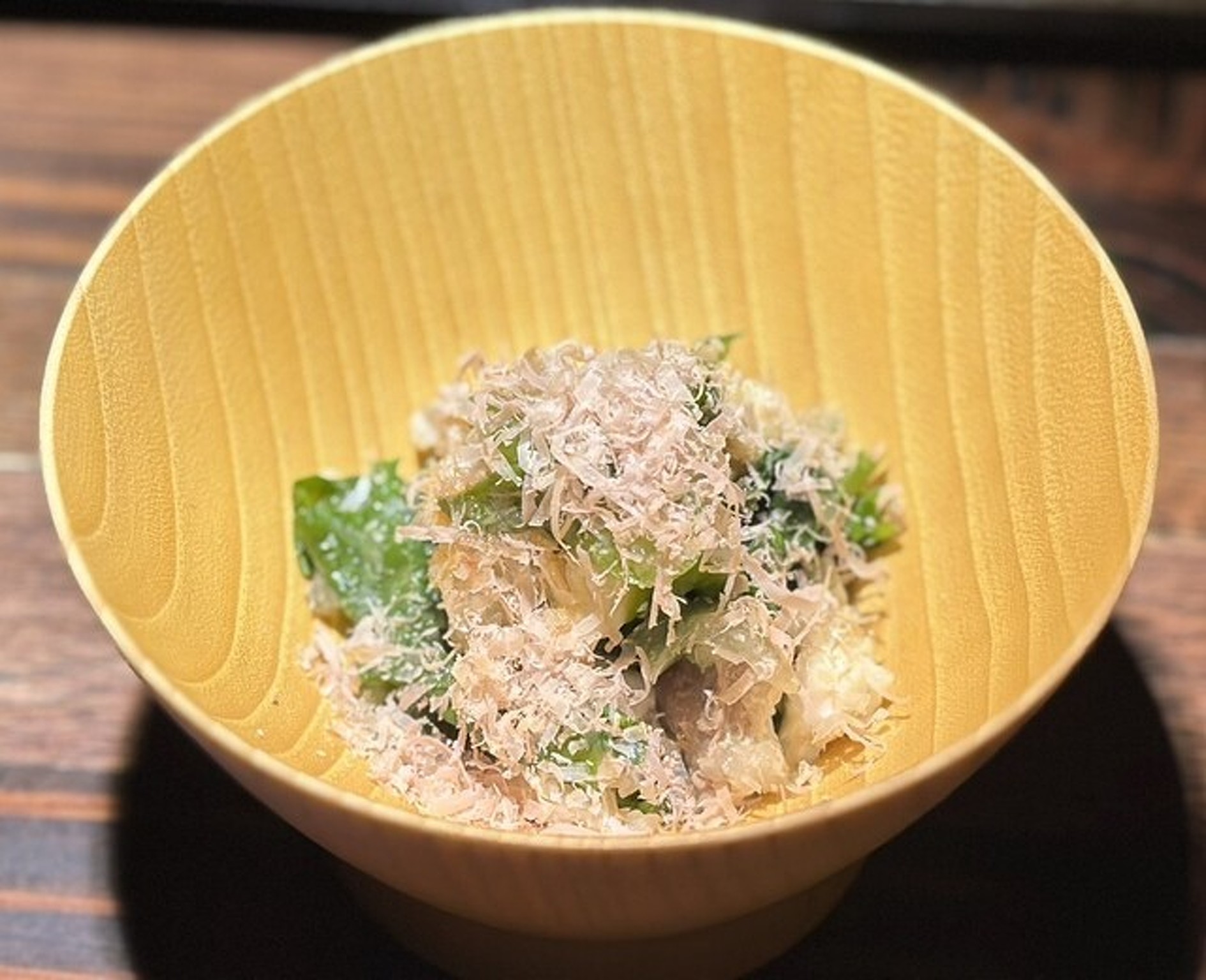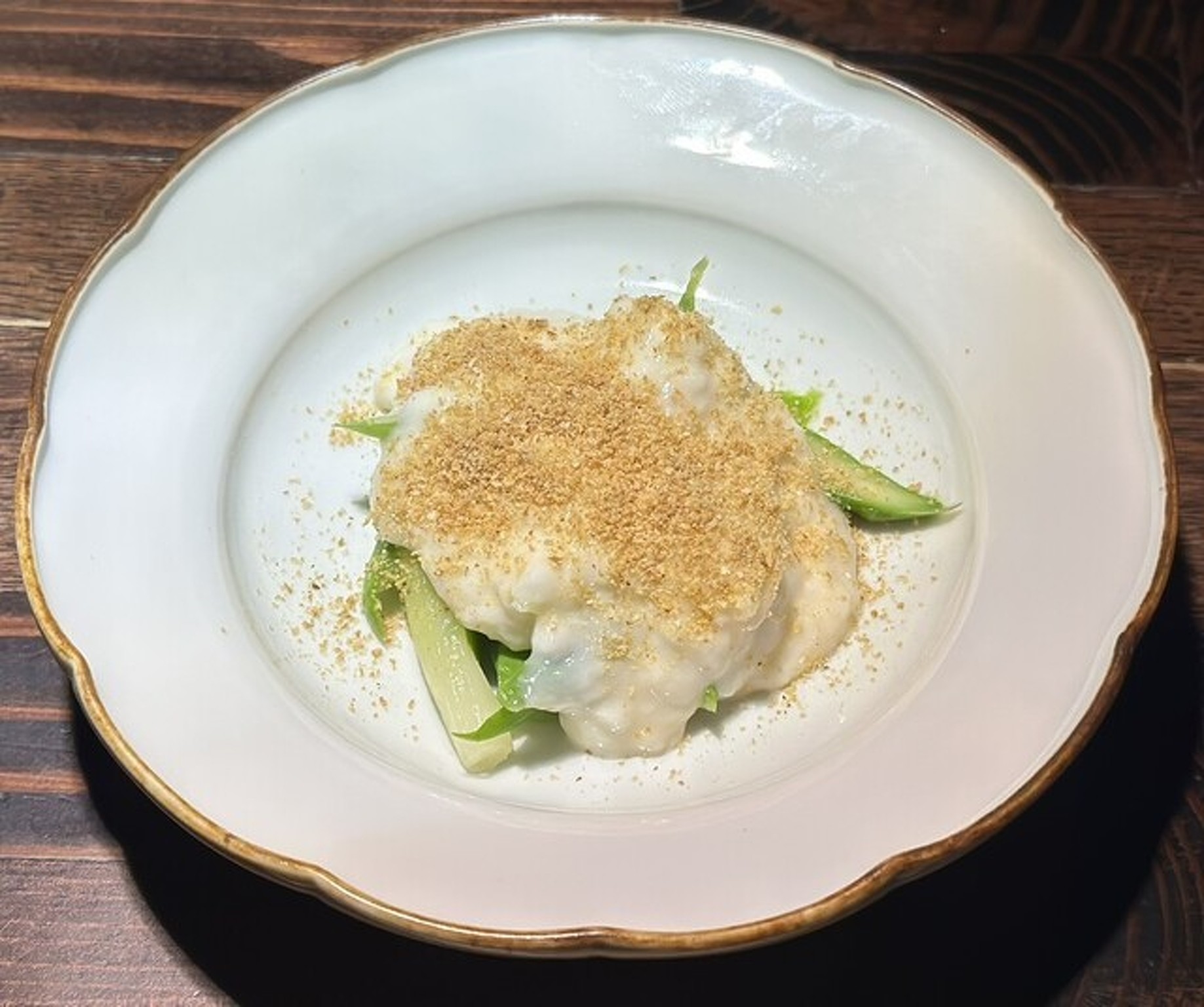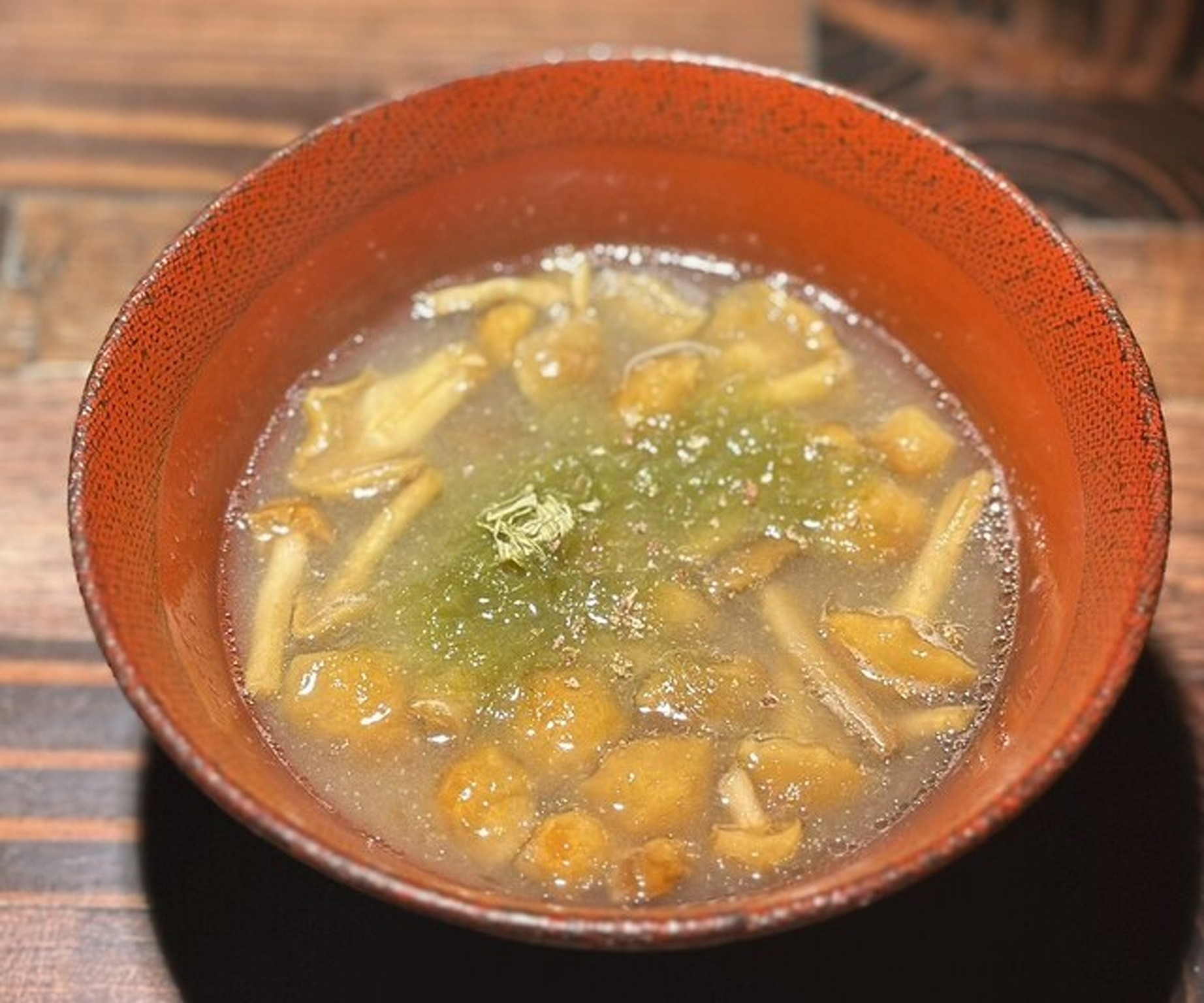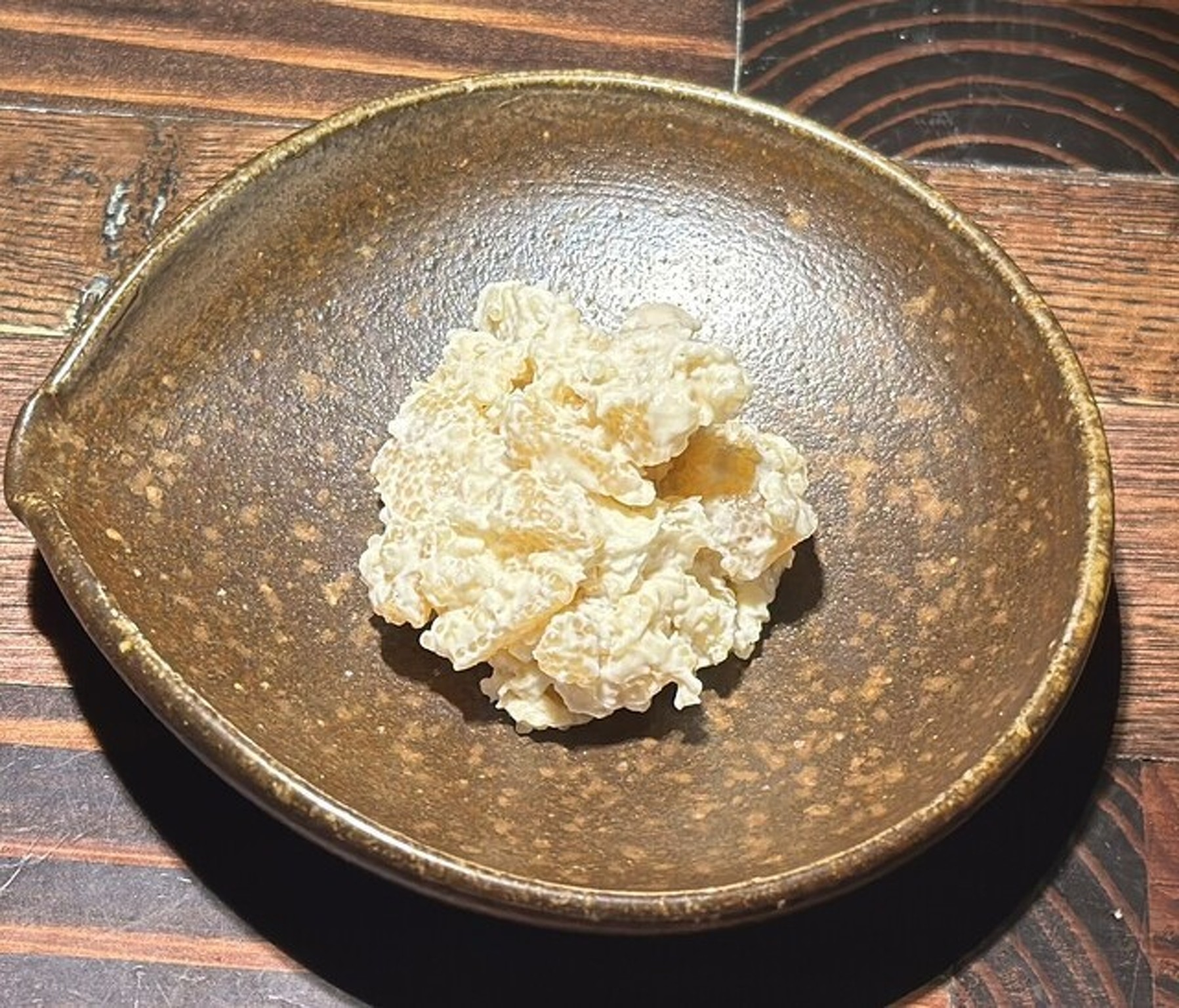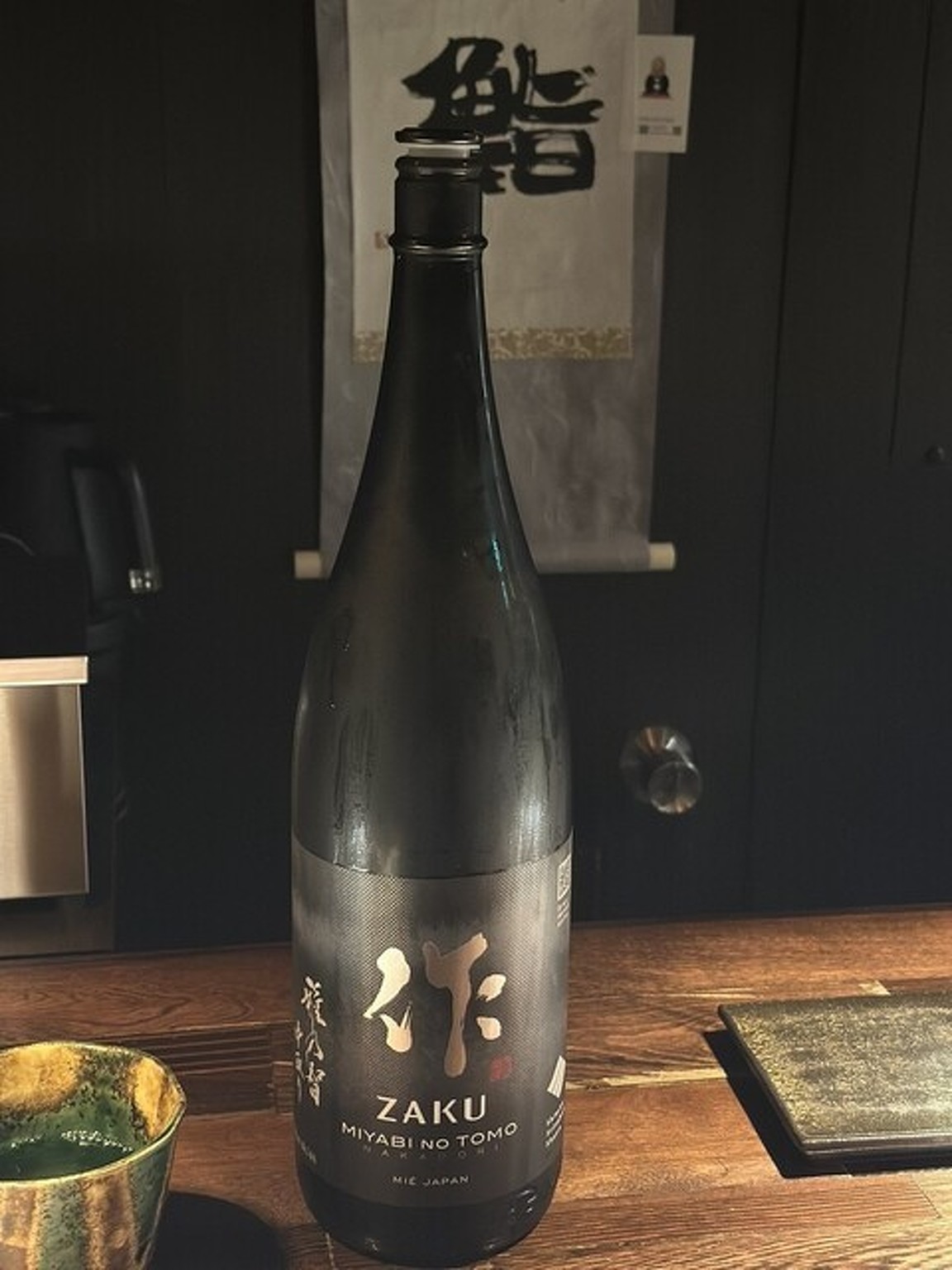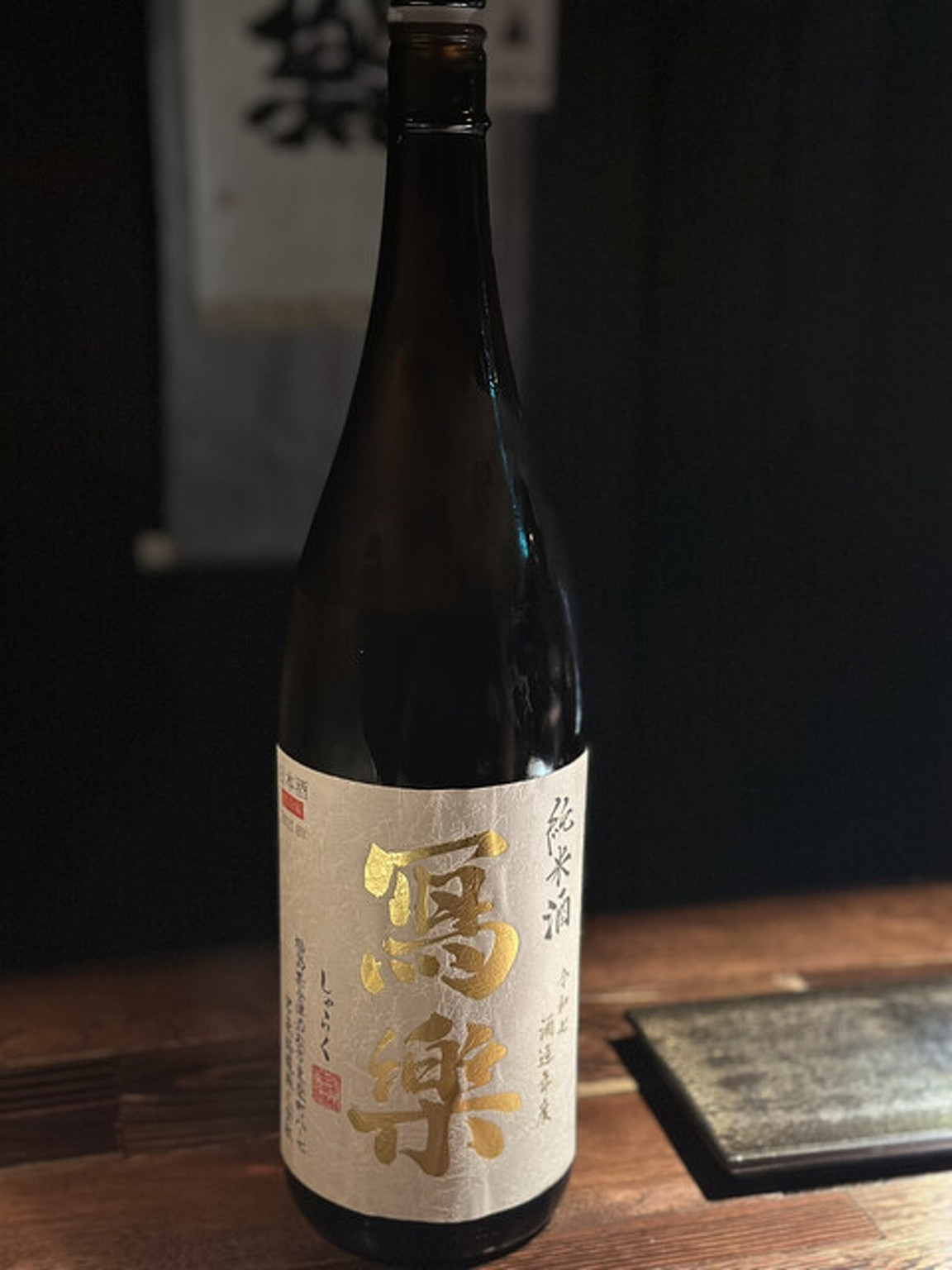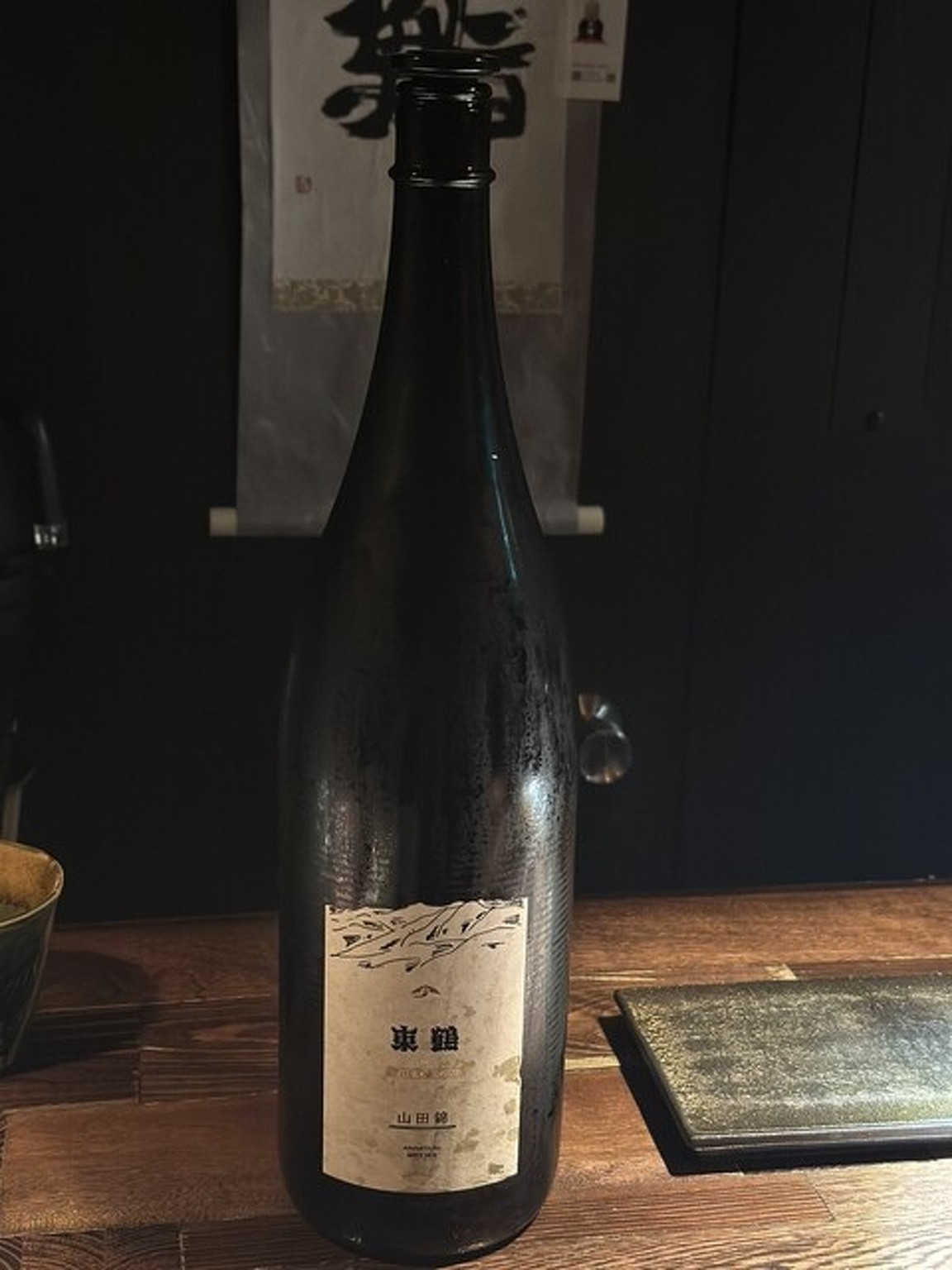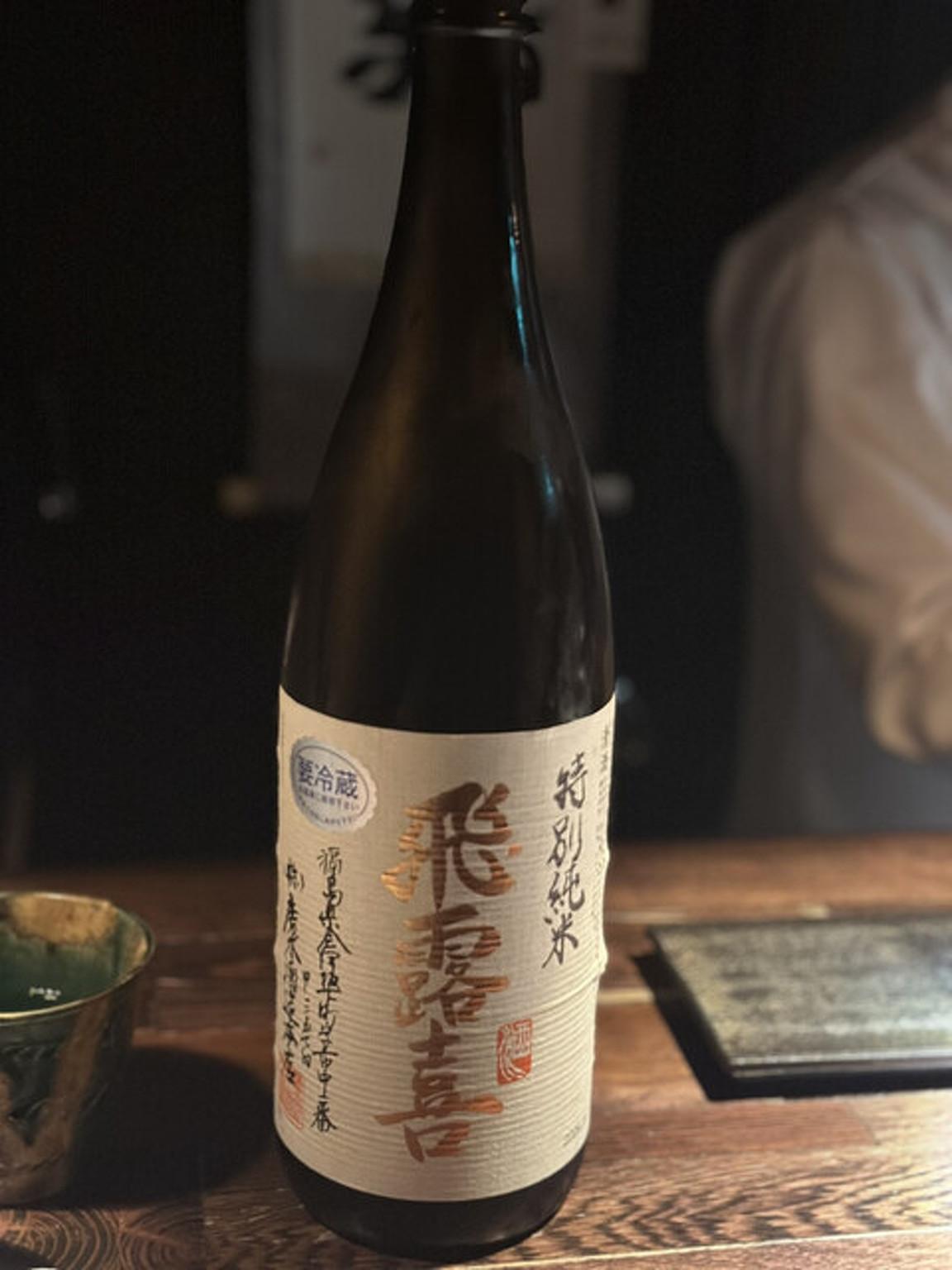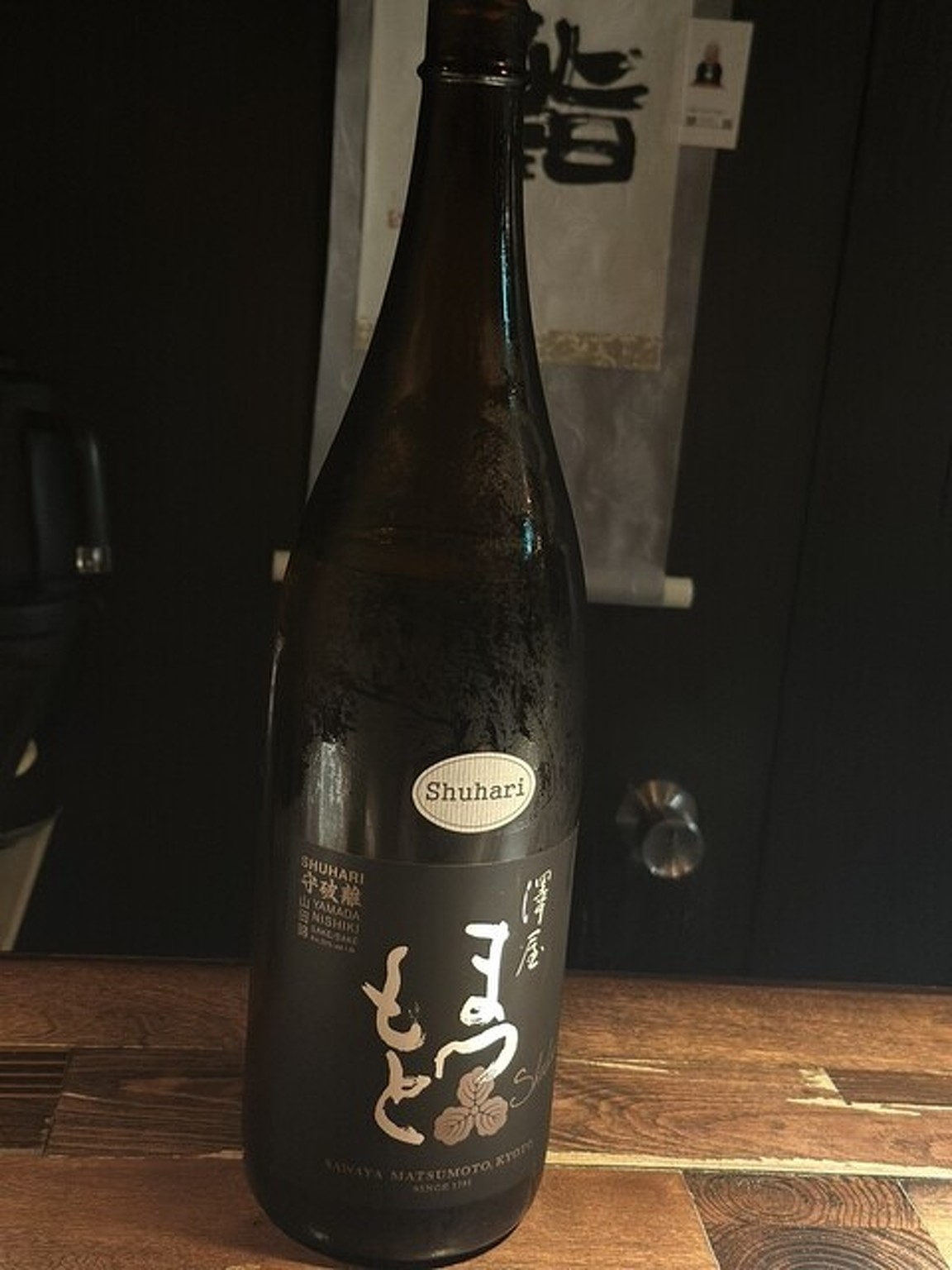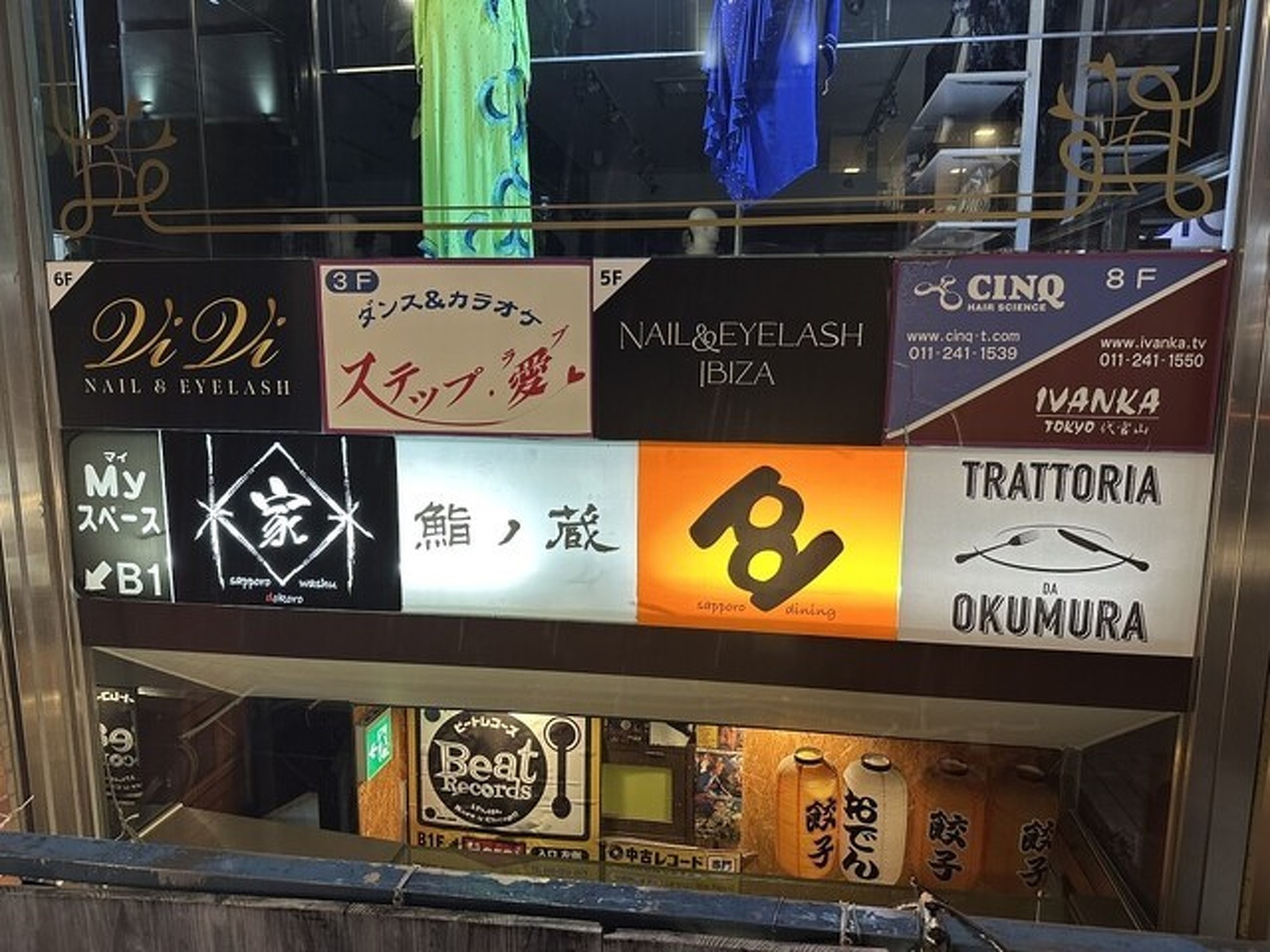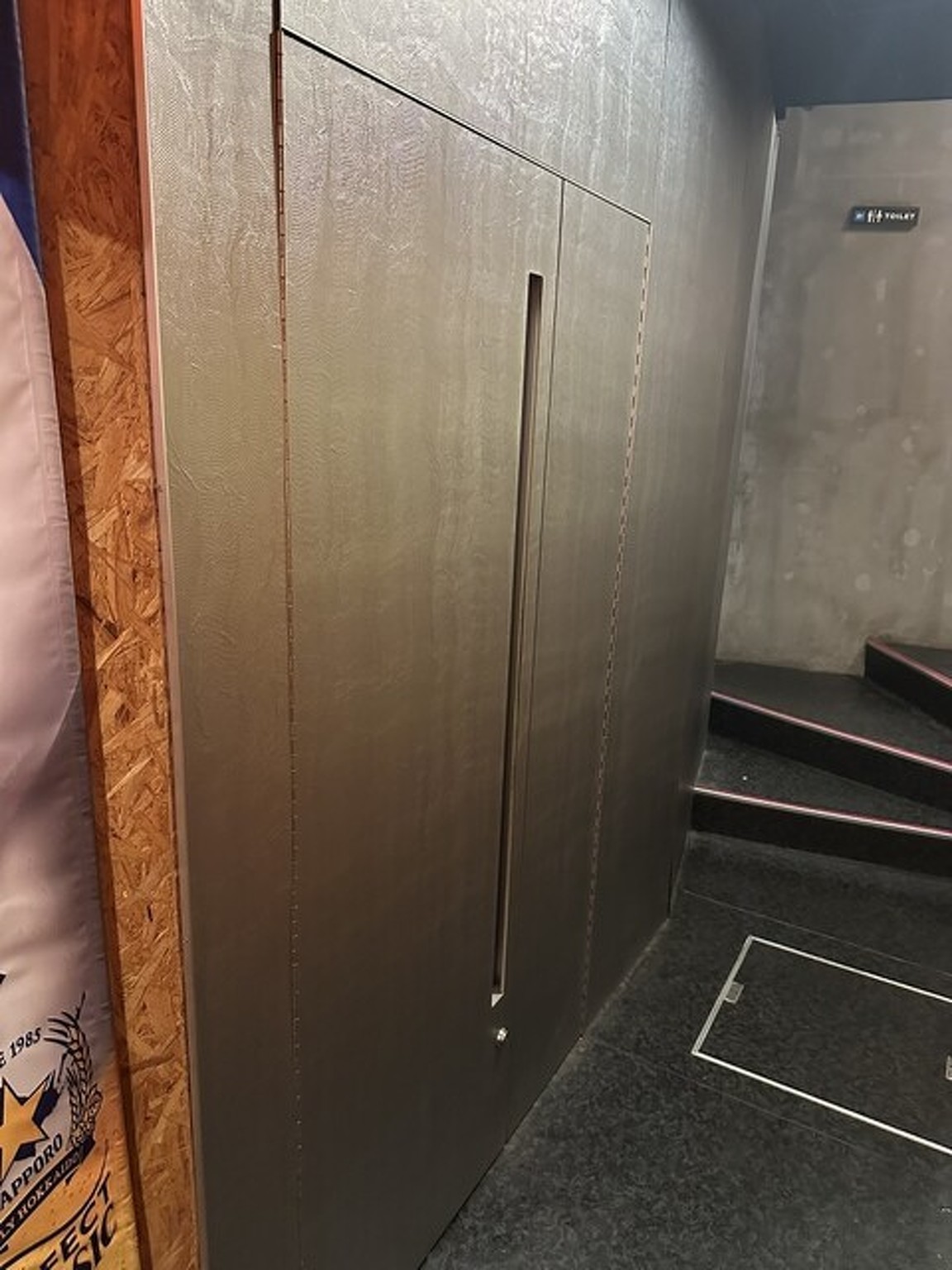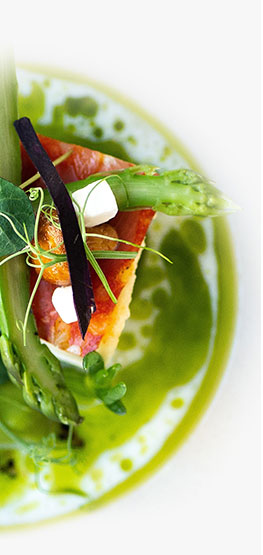
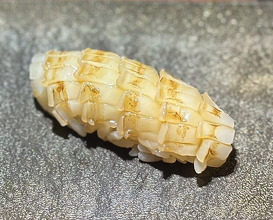
A restaurant I had been planning to visit for 10 years. It was a long-time reservation-only spot, but it seems the difficulty of booking has decreased after the price increase (laughs).First of all, the entrance is surprisingly hard to find. There’s no clear sign, and I spent about 5 minutes searching the area before I finally found it.This is a completely creative sushi restaurant. Rather than sushi, it’s a place known for its appetizers. I had a great conversation with the chef as well.Recently, due to climate change, the types of fish caught in Hokkaido have changed significantly. It was a reminder of how changes in the natural environment greatly impact food culture.When you mention "must-visit sushi restaurants" in Sapporo, this place is always on the list. I have visited their branch in Kyoto twice in the past. Rather than just a sushi restaurant, it’s a creative kaiseki that elevates the seasonal ingredients of Hokkaido into unique dishes. The sushi is of high quality, but the true value of this restaurant lies in its appetizers. If you’re looking for creativity in Sapporo, this place is definitely a top contender.The first surprise was the entrance.It’s located in the basement of a building, but without any noticeable sign, I was uncertain if I was at the right place. After wandering around for about 5 minutes, I finally discovered the entrance. I recommend allowing a little extra time for first-time visitors.The interior features a calm atmosphere centered around the counter. There are no unnecessary theatrics, and the chef’s focused approach to cooking is impressive.During the meal, I heard fascinating stories about Hokkaido’s fishing grounds. Due to climate change, the types of fish caught in Hokkaido have changed dramatically, with species that were once unimaginable now being caught regularly. It was a time to realize that not only the dishes but the entire food culture of Hokkaido is evolving.The course for the day was structured with appetizers in the first half and sushi in the second half.Each dish was of high quality, showcasing a style that combines multiple elements into a single dish rather than simply presenting the ingredients as they are.- "2-Year Aged Karasumi and Aged Squid" An impressive combination. The concentrated umami of the long-aged karasumi pairs beautifully with the sweetness of the aged squid. The lingering taste is multidimensional, making it a perfect match with Japanese sake.- "Cold Gratin with Green Asparagus" This dish is a completely different concept from a typical gratin. The vibrant aroma of the cooked Hokkaido green asparagus takes center stage, while the béchamel sauce is cooled to create a light texture. Despite being a cold dish, it retains a rich creaminess without overshadowing the natural sweetness of the asparagus. This dish completely overturns the preconceived notion of what to expect from a sushi restaurant, and its quality makes me want to return just for this.- "Cream Cheese with Kazunoko" I enjoyed this at the Kyoto branch. The light crunch of the kazunoko (herring roe) blends surprisingly well with the creamy richness of the cream cheese. The compatibility of these fermented foods is excellent, making it a dish that pairs perfectly with sake.- "Oyster Sushi" Typically, oyster sushi can have an overpowering ocean scent, but this one had no off-putting smell at all, extracting only the creamy umami beautifully. The temperature contrast with the rice was also exquisite, making it the most memorable sushi of the day.The Japanese sake paired with the meal included "Saku," "Sharaku," "Higashizuru," "Hirosaki," and "Sawaya Matsumoto."While the selection of fine sake from across the country is appealing, one area for improvement would be temperature management. Maintaining the sake at -5 degrees Celsius is essential. Ideally, each sake should be served at its optimal temperature to highlight its unique characteristics, but there were moments when the temperature felt a bit high. Given the quality of the dishes, serving the sake in its best condition would undoubtedly enhance the overall satisfaction.Looking at the price alone, it is certainly not cheap.However, when considering it as a "course that allows you to enjoy both creative kaiseki and sushi at once," it feels justified.While there are many sushi restaurants in Sapporo that emphasize the ingredients, few pursue the level of dish composition and creativity found here.For those who want to experience a course designed with not just the ingredients but also technique, creativity, temperature, texture, and aroma in mind, I highly recommend this place.Creative sushi that expresses the seasonal ingredients of Hokkaido with free-thinking.It’s more of a place that shines through its appetizers than just a sushi restaurant.**Menu Items Received** 1. Sea Urchin and Turnip Soup 2. Snow Crab and Snap Peas 3. 2-Year Aged Karasumi and Aged Squid 4. Grilled Bonito with Condiments 5. Grouper with Sea Urchin Sauce 6. Hakodate Torafugu with Tsuru Murasaki Jelly 7. Cold Gratin with Green Asparagus★★ 8. Nameko Mushroom Soup (with Kinki and Grouper Broth) 9. Cream Cheese with Kazunoko★ 10. Squid Sushi 11. Oyster Sushi★ 12. Toro Sushi 13. Suzuki Sushi 14. Kinmedai Sushi 15. Scallop Sushi 16. Horse Mackerel Sushi 17. Kinki Sushi 18. Toro and Sea Urchin Sushi **Japanese Sake Received** 1. Saku (Mie) 2. Sharaku (Fukushima) 3. Higashizuru (Saga) 4. Hirosaki (Fukushima) 5. Sawaya Matsumoto (Kyoto) As a side note, there are factual corrections in the sake list. "Sharaku" is a brand from Fukushima, not "Fukuyama." Additionally, the official name for "Matsumoto" is "Sawaya Matsumoto." These are not typos but corrections of proper nouns.
We use cookies on this site to enhance your user experience.